WO2014115276A1 - 環境設定サーバ、計算機システム、及び環境設定方法 - Google Patents
環境設定サーバ、計算機システム、及び環境設定方法 Download PDFInfo
- Publication number
- WO2014115276A1 WO2014115276A1 PCT/JP2013/051391 JP2013051391W WO2014115276A1 WO 2014115276 A1 WO2014115276 A1 WO 2014115276A1 JP 2013051391 W JP2013051391 W JP 2013051391W WO 2014115276 A1 WO2014115276 A1 WO 2014115276A1
- Authority
- WO
- WIPO (PCT)
- Prior art keywords
- local file
- server
- environment setting
- setting
- file server
- Prior art date
- Legal status (The legal status is an assumption and is not a legal conclusion. Google has not performed a legal analysis and makes no representation as to the accuracy of the status listed.)
- Ceased
Links
Images






Classifications
-
- H—ELECTRICITY
- H04—ELECTRIC COMMUNICATION TECHNIQUE
- H04L—TRANSMISSION OF DIGITAL INFORMATION, e.g. TELEGRAPHIC COMMUNICATION
- H04L41/00—Arrangements for maintenance, administration or management of data switching networks, e.g. of packet switching networks
- H04L41/08—Configuration management of networks or network elements
- H04L41/0803—Configuration setting
- H04L41/0806—Configuration setting for initial configuration or provisioning, e.g. plug-and-play
-
- G—PHYSICS
- G06—COMPUTING OR CALCULATING; COUNTING
- G06F—ELECTRIC DIGITAL DATA PROCESSING
- G06F9/00—Arrangements for program control, e.g. control units
- G06F9/06—Arrangements for program control, e.g. control units using stored programs, i.e. using an internal store of processing equipment to receive or retain programs
- G06F9/44—Arrangements for executing specific programs
- G06F9/445—Program loading or initiating
- G06F9/44505—Configuring for program initiating, e.g. using registry, configuration files
-
- G—PHYSICS
- G06—COMPUTING OR CALCULATING; COUNTING
- G06F—ELECTRIC DIGITAL DATA PROCESSING
- G06F16/00—Information retrieval; Database structures therefor; File system structures therefor
- G06F16/10—File systems; File servers
- G06F16/11—File system administration, e.g. details of archiving or snapshots
- G06F16/122—File system administration, e.g. details of archiving or snapshots using management policies
-
- H—ELECTRICITY
- H04—ELECTRIC COMMUNICATION TECHNIQUE
- H04L—TRANSMISSION OF DIGITAL INFORMATION, e.g. TELEGRAPHIC COMMUNICATION
- H04L41/00—Arrangements for maintenance, administration or management of data switching networks, e.g. of packet switching networks
- H04L41/08—Configuration management of networks or network elements
- H04L41/085—Retrieval of network configuration; Tracking network configuration history
- H04L41/0859—Retrieval of network configuration; Tracking network configuration history by keeping history of different configuration generations or by rolling back to previous configuration versions
-
- H—ELECTRICITY
- H04—ELECTRIC COMMUNICATION TECHNIQUE
- H04L—TRANSMISSION OF DIGITAL INFORMATION, e.g. TELEGRAPHIC COMMUNICATION
- H04L67/00—Network arrangements or protocols for supporting network services or applications
- H04L67/01—Protocols
- H04L67/06—Protocols specially adapted for file transfer, e.g. file transfer protocol [FTP]
-
- H—ELECTRICITY
- H04—ELECTRIC COMMUNICATION TECHNIQUE
- H04L—TRANSMISSION OF DIGITAL INFORMATION, e.g. TELEGRAPHIC COMMUNICATION
- H04L67/00—Network arrangements or protocols for supporting network services or applications
- H04L67/01—Protocols
- H04L67/10—Protocols in which an application is distributed across nodes in the network
- H04L67/1097—Protocols in which an application is distributed across nodes in the network for distributed storage of data in networks, e.g. transport arrangements for network file system [NFS], storage area networks [SAN] or network attached storage [NAS]
Definitions
- the present invention relates to a technique for setting an environment for a plurality of file servers.
- a computer system in which a file server (local file server) at a plurality of bases (called Edge) and a file server (remote file server) at a data center (called Core) are connected is known.
- an Edge file is copied to Core, the copied file is managed by being stubbed in Edge, and when an access to a file stubbed in Edge occurs, Core is generated. This file is read from the side.
- the administrator of each Edge sets the environment setting for the local file server.
- the environment setting means various basic settings until the Edge client (end user) can receive the file sharing service by the local file server, for example, network setting, file system creation setting, etc.
- the client can use the file sharing service provided by the local file server.
- Patent Document 1 a technique disclosed in Patent Document 1 is known as a technique related to environment setting.
- the conventional computer system has a problem that the introduction cost is high. Specifically, if the number of Edges is large, the environment of the local file server must be set in each Edge, which is troublesome. In addition, if the number of Edges is large, environment settings must be performed in each Edge, and the possibility of setting errors increases.
- the conventional computer system has a problem that the operation level varies during operation. Specifically, for example, when a plurality of Edges are managed by different managers, for example, even if there are other Edges with sufficient capacity, only specific Edges are used and operation continues. The more difficult it is, the higher the usage rate of the file system may be.
- an environment setting server is provided in the remote system.
- the environment setting server identifies and specifies the environment setting information corresponding to the local file server that is the setting destination among the multiple local file servers from the storage device that stores the environment setting information related to the environment setting for each local file server.
- the configured environment setting information is sent to the local file server of the setting destination.
- the local file server of the setting destination can perform environment setting based on the received environment setting information.
- the environment setting server can cause each local file server to perform environment setting, it is possible to reduce the introduction cost in the computer system and reduce the variation in the operation level during operation. it can.
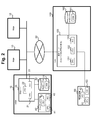
- FIG. 1 is a hardware configuration diagram of the computer system according to the embodiment.
- FIG. 2 is a hardware configuration diagram of a computer system according to a modification.
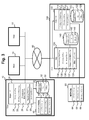
- FIG. 3 is a software configuration diagram of the computer system according to the embodiment.
- FIG. 4 is a configuration diagram of an example of an Edge node management table according to the embodiment.
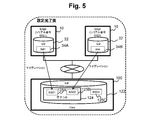
- FIG. 5 is a diagram illustrating an example of the state of the computer system after completion of environment setting according to the embodiment.
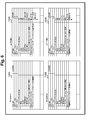
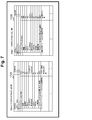
- FIG. 6 is a diagram illustrating a setting template and setting information according to the embodiment.
- FIG. 7 is a diagram illustrating reporting information according to the embodiment.
- FIG. 8 is a diagram illustrating an overview of the provisioning request process according to the embodiment.
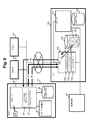
- FIG. 9 is a diagram for explaining the outline of the reporting process according to the embodiment.
- FIG. 1 is a hardware configuration diagram of the computer system according to the embodiment.
- FIG. 2 is a hardware configuration diagram of a computer system according to a modification.
- FIG. 3 is a software configuration
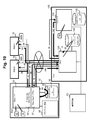
- FIG. 10 is a diagram illustrating an overview of a process that combines the reporting process and the provisioning request process according to the embodiment.
- FIG. 11 is a flowchart of the provisioning request process by the Edge node according to the embodiment.
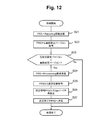
- FIG. 12 is a flowchart of the reporting process performed by the Edge node according to the embodiment.
- FIG. 13 is a flowchart of the setting process by the Core node according to the embodiment.
- FIG. 14 is a flowchart of setting control processing by the provisioning server according to the embodiment.
- aaa table various types of information may be described using the expression “aaa table”, but the various types of information may be expressed using a data structure other than a table.
- the “aaa table” can be referred to as “aaa information” to indicate that the various types of information do not depend on the data structure.
- program may be used as the subject.
- a program is executed by a processor (typically a CPU (Central Processing Unit)) to perform processing determined by a memory and an interface (NIC, etc.)), and the description may be made with the processor as the subject.
- the processing disclosed with the program as the subject may be processing performed by the provisioning server and the file server.
- part or all of the program may be realized by dedicated hardware.
- Various programs may be installed in each computer by a program distribution server or a computer-readable storage medium.
- Core is a base (aggregation base) including a remote computer system, for example, a base that collectively manages servers and storage devices and a base (for example, a data center) that provides a cloud service.
- “Edge” is a base including a local computer system, for example, a base where a user actually performs business such as a branch office, a sales office, or a remote office.
- a “stub” is an object (metadata) associated with file storage location information (information indicating a link destination). Since a stubbed file does not hold actual data, it is necessary to obtain actual data from the Core computer system when accessed. For this reason, access performance to a stubbed file is lower than that of a normal file.
- Replication means copying a file in Edge to Core.
- Migration means that a file in Edge is replicated to Core and a file in Edge is stubbed.
- Stbbing refers to deleting actual data (actual data) from an Edge (Edge computer system) file system file so that only management information is retained.
- Archive is a general term for migration and replication.
- FIG. 1 is a diagram illustrating a hardware configuration of the computer system according to the embodiment.
- the hardware of the computer system is arranged in a plurality of Edge 10 and Core 100.
- the computer system of Edge 10 includes a RAID (Redundant Array of Independent (or Inexpensive) Disks) system 30, one or more Edge nodes 20, and one or more client computers 40.
- the Edge node 20 is an example of a local file server.
- the Edge node 20 is connected to the client computer 40 via, for example, a communication network (for example, a LAN (Local Area Network)).
- the Edge node 20 is connected to the RAID system 30 via, for example, a communication network (for example, SAN (Storage Area Network)).
- the RAID system 30 is a storage device that stores data in accordance with RAID rules. Instead of the RAID system 30, another type of storage device may be adopted.
- the RAID system 30 includes a DISK 31.
- the DISK 31 is a disk-type physical storage device (for example, HDD (Hard Disk Drive)). Another type of physical storage device (for example, a flash memory device) may be employed as the physical storage device.
- the DISK 31 is singular in FIG. 1, but is actually plural (as illustrated, it may be singular).
- a plurality of DISKs 31 may constitute one or more RAID groups.
- the RAID system 30 includes a memory that stores a program executed in the RAID system 30 and a CPU (Central Processing Unit) that executes the program.
- CPU Central Processing Unit
- the RAID system 30 receives the block level I / O request transmitted from the edge node 20, and executes the I / O to the appropriate DISK 31.
- the Edge node 20 includes a memory 22, a CPU 21, and a NIC (Network Interface Card) 23.
- a CPU 21 is connected to the memory 22 and the NIC 23.
- the NIC 23 is a communication interface device that communicates with the Core node 110, the client computer 40, and the PRS 130. Instead of the NIC 23, other types of communication interface devices may be employed.
- the memory 22 is a storage area (for example, RAM (Random Access Memory) or ROM (Read Only Memory)) that the CPU 21 can directly read and write.
- a program for example, OS (Operating System)
- OS Operating System
- the Edge node 20 may have another kind of storage resource in addition to or instead of the memory 22.
- the memory 22 is an example of a storage device.
- the Edge node 20 receives a file level I / O request from the client computer 40 via the NIC 23.
- the Edge node 20 creates an I / O request (block level I / O request) for the I / O of the data block constituting the file specified by the I / O request.
- the Edge node 20 transmits a block level I / O request to the RAID system 30.
- the client computer 40 is an example of a computer used by a client (user), and includes a memory 42, a CPU 41, and a NIC 43.
- the client computer 40 may have another type of storage resource in addition to or instead of the memory 42.
- a program (a program (for example, OS) for controlling the client computer 40) is read onto the memory 42, and the CPU 41 executes the program. Further, the client computer 40 transmits a file level I / O request to the edge node 20 via the NIC 43.
- the computer system of Core 100 includes a Core node 110, a RAID system 120, a provisioning server (hereinafter referred to as PRS) 130, and a RAID system 140.
- the Core node 110 is an example of a remote file server, and specifically, for example, an archive file server.
- a RAID system 120 is connected to the Core node 110.
- the RAID system 120 includes a DISK 121.
- the configuration of the RAID system 120 and the configuration of the RAID system 30 are the same. Therefore, the RAID system 120 also receives the block level I / O request transmitted from the Core node 110 and executes I / O to the appropriate DISK 121.
- the configuration of the RAID system 120 and the configuration of the RAID system 30 may be different.
- the Core node 110 includes a memory 112, a CPU 111, and a NIC 113. Instead of or in addition to the memory 112, another type of storage resource may be provided.
- a program for example, OS
- the Core node 110 communicates with the Edge node 20 and the PRS 130 via the NIC 113 and the communication network 50.
- the Core node 110 accesses the RAID system 120 in units of blocks.
- the RAID system 140 includes a DISK 141.
- the configuration of the RAID system 140 and the configuration of the RAID system 30 are the same. Therefore, the RAID system 140 also receives the block level I / O request transmitted from the PRS 130 and executes the I / O to the appropriate DISK 141.
- the configuration of the RAID system 140 and the configuration of the RAID system 30 may be different.
- the PRS 130 is an example of an environment setting server, and includes a memory 132, a CPU 131, and a NIC 133. Instead of or in addition to the memory 132, another type of storage resource may be provided.
- a program for example, OS
- the PRS 130 communicates with the edge node 20 via the NIC 133 and the communication network 50. Also, the PRS 130 communicates with the Core node 110 via the NIC 133 and the communication network.
- the PRS 130 accesses the RAID system 140 in units of blocks.
- One or more NICs 133 are provided.
- the management computer 60 may be connected to the PRS 130 and the Core node 110 via a communication network.
- the management computer 60 is an example of a computer for the administrator to make various settings for the PRS 130 and the Core node 110.
- the management computer 60 includes a memory 62, a CPU 61, and a NIC 63.
- a program for example, OS
- the management computer 60 communicates with the PRS 130 and the Core node 110 via the NIC 63 and the communication network.
- the Core100 computer system can also be configured as follows. That is, the Core node 110 and the PRS 130 illustrated in FIG. 1 may be configured as an integrated server 150 including one computer as illustrated in FIG. The RAID system 120 and the RAID system 140 shown in FIG. In this way, it is not necessary to physically separate the Core node 110 and the PRS 130 (for example, it is not necessary to prepare separate computers).
- the integrated server 150 includes a memory 152, a CPU 151, and a NIC 153, and realizes the functions of the Core node 110 and the PRS 130 illustrated in FIG. Instead of or in addition to the memory 152, another type of storage resource may be provided.
- a program for example, OS
- the integrated server 150 communicates with the edge node 20 via the NIC 153 and the communication network 50.
- the integrated server 150 accesses the RAID system 160 in units of blocks.
- the “server” may be a physical server or a virtual server.
- the physical server may be, for example, one or more computers or storage devices.
- FIG. 3 is a software configuration diagram of the computer system according to the embodiment.
- the RAID system 30 (120, 140) has a plurality of LU (Logical Unit) 32 (122, 142) and an OS LU (Logical Unit for OS) 33 (123, 143).
- the LU 32 (122, 142) is a logical storage device provided to a host device such as the Edge node 20 (Core node 110, PRS 130), and is created based on the storage area of the DISK 31 (121, 141).
- the LU 32 (122, 142) may be a substantial LU based on one or more DISKs 31 (121, 141), or may be a virtual LU according to thin provisioning.
- the LU 32 (122, 142) is composed of a plurality of blocks (storage areas). Files are stored in the LU 32 (122, 142).
- the OS LU 33 (123, 143) is a logical storage device.
- the OS LU 33 (123, 143) may be a substantial LU based on one or more DISKs 31 (121, 141).
- the OS LU 33 (123, 143) may store programs for controlling the Edge node 20, the Core node 110, and the PRS 130, and the like.
- a data mover program 25 (114), a file system 24 (115), and a kernel / driver 28 (116) are stored in the memory 22 of the edge node 20 (memory 112 of the core node 110).
- the memory 22 of the edge node 20 further stores a provisioning request program 26 and a reporting program 27.
- the data mover program 25 in the Edge node 20 is referred to as a “local mover”
- the data mover program 114 in the Core node 110 is referred to as a “remote mover”.
- " Files are exchanged between the edge node 20 and the core node 110 via the local mover 25 and the remote mover 114.
- the local mover 25 reads the replication target file from the LU 32 of the RAID system 30 and transfers the file to the Core node 110.
- the remote mover 114 receives the replication target file from the edge node 20 and writes the file to the LU 122 of the RAID system 120.
- the local mover 25 deletes the replicated file in the LU 32 (strictly, the actual data of the file) when a certain predetermined condition is satisfied, and thereby the substantial migration of the replicated file. Is realized. Thereafter, when the local mover 25 receives a read request from the client computer 40 with respect to the stub (metadata) of the file from which the actual data has been deleted, the file (link) to the stub via the remote mover 114 ( (Actual data of the file) is acquired, and the acquired file is transmitted to the client computer 40.
- the kernel / driver 28 (116) performs general control and hardware-specific control such as schedule control of a plurality of programs (processes) operating on the Edge node 20 (Core node 110) and handling of interrupts from hardware. Take control.
- the provisioning request program 26 executes provisioning request processing for acquiring and setting environment setting information from the PRS 130.
- the reporting program 27 executes a reporting process for transmitting a report regarding the state of the Edge node 20 to the PRS 130.
- the file system 24 (115) is a file system program and manages file system configuration information.
- the file system configuration information includes information on each file and directory (for example, information indicating the size and location of the file) and is stored in, for example, the OS LU 33 (123) or the memory 22 (112).
- an application 44 In the memory 42 of the client computer 40, an application 44, a file system 45, and a kernel / driver 46 are stored.
- the application 44 is software (application program) that the client computer 40 uses according to the purpose of work.
- the file system 45 and the kernel / driver 46 are substantially the same as the file system 24 (115) and the kernel / driver 28 (116) described above.
- the memory 132 of the PRS 130 stores a provisioning program 134, a file system 135, a kernel / driver 136, an edge node management table 137, and a setting template 138.
- the provisioning program 134 executes a provisioning process for setting an environment for the Edge node 20 and / or the Core node 110.
- the file system 135 and the kernel / driver 136 are substantially the same as the file system 24 (115) and the kernel / driver 28 (116) described above.
- the Edge node management table 137 manages information related to each Edge node 20 of the computer system. Details of the edge node management table 137 will be described later.
- the setting template 138 is a setting template (sometimes simply referred to as a template) indicating items necessary for environment setting of the Edge node 20.
- the setting template 138 may include a plurality of templates having different items from various viewpoints. For example, there may be a template for emphasizing migration and a template for emphasizing archive. Further, the template may be a template having only all the items necessary for the environment setting, and commonly used values are set for some of the plurality of items. It may be an intermediate template.
- an application 64 In the memory 62 of the management computer 60, an application 64, a file system 65, and a kernel / driver 66 are stored.
- the application 64 is software (application program) used by the management computer 60 according to the purpose of work.
- the application 64 receives input of environment setting information to be set in the Edge node 20 from the administrator based on information from the PRS 130, for example.
- the application 64 receives a value for an item of the setting template 138 corresponding to the edge node 20 to be set from the administrator.
- the value to be set in the Edge node 20 can be appropriately received.
- the file system 65 and kernel / driver 66 of the management computer 60 are substantially the same as the file system 24 (115) and kernel / driver 28 (116) described above.
- FIG. 4 is a configuration diagram of an example of an Edge node management table according to the embodiment.
- the edge node management table 137 is a table for managing each edge node 20, and stores entries including fields of a serial number 137a, an authentication token 137b, a setting template 137c, and setting information 137d.
- serial number 137c identification information (serial number) for identifying the edge node 20 is stored.
- An authentication token used with the Edge node 20 corresponding to the entry is set in the authentication token 137b.
- the authentication token is acquired and set at the time of initial setting for performing communication with the Edge node 20.
- the setting template 137c stores a pointer for referring to a template indicating items necessary for setting environment setting information of the Edge node 20 corresponding to the entry.
- the setting information 137d stores a pointer for referring to environment setting information (also simply referred to as setting information) set based on the template corresponding to the entry.
- the setting information indicated by the pointer is stored in the RAID system 30, for example.
- FIG. 6 is a diagram for explaining the setting template and the setting information according to the embodiment.
- Examples of the setting template 138 include those shown in the template 138A (template A) and the template 138B (template B).
- the template 138A includes, as setting items, a setting version, an OS version, a file system name (Edge), a capacity, a quota, a CIFS (Common Internet File System) share name, an NFS (Network File System) share name, and a migration destination (Core). Allocated area), a reporting schedule, a migration policy (cooperation setting with Core), and the like.
- the template 138B includes, as setting items, a setting version, an OS version, a file system name (Edge), a capacity, a quota, a CIFS share name, an NFS share name, a migration destination (area allocated to Core), a reporting schedule, and a compression control policy. Etc. These setting items may be added / changed with the addition / change of the functions of the Edge node and / or the Core node.
- the setting version is the version of the setting information.
- the OS version is the OS version.
- the file system name (Edge) is a file system name in the Edge node 20.
- the capacity is the capacity of the file system. Quota is a threshold for the capacity of the file system.
- the CIFS share name is a share name in CIFS.
- the NFS share name is a share name in NFS.
- the migration destination (area allocated to the Core) is the migration destination area in the Core node 110 of the file in the file system.
- the reporting schedule is a schedule for executing a reporting process.
- the migration policy (coordination setting with Core) is a policy related to migration.
- the migration policy includes a stubbing setting for stubbing a file, a WORM setting for migrating to WORM (Write Once Read Many), and the like.
- the compression control policy is a policy related to file compression.
- the setting information 139A (setting information A) is displayed.
- the setting version is “2.2”
- the OS version is “3.2”
- the file system name is “fs01”
- the capacity is “1 GB”
- the quota is “75%”.
- the CIFS share name is“ cifsshare01 ”
- the NFS share name is“ nfsshare01 ”
- the migration destination is“ NS01 ”
- the reporting schedule is“ every day 12:00 ”
- the migration policy is“ “Stubification setting”, “WORMization setting”, and the like.
- the setting information 139B (setting information B) is displayed.
- the setting version is “1.3”
- the OS version is “4.0”
- the file system name is “aaa”
- the capacity is “5 GB”
- the quota is “90%”.
- the CIFS share name is" share-a "
- the NFS share name is” share-a "
- the migration destination is” NS02 "
- the reporting schedule is” every day 6:00
- the compression control policy is “only infrequent”, which means that only files that are accessed infrequently are compressed.
- FIG. 5 is a diagram illustrating an example of the state of the computer system after completion of the environment setting according to the embodiment.
- FIG. 5 shows a state of the computer system when the environment setting of the edge node 20 is performed based on the setting information A and the setting information B shown in FIG.
- a file system 34A with the file system name “fs01” is created in the LU 32 of Edge 10 of the computer system, and “NS01” as the migration destination of the file of the file system 34A of “fs01” is created in the LU 122 of Core 100.
- File system 125A is created.
- a file system 34B with the file system name “aaa” is created in the LU 32 of the other Edge 10 of the computer system, and the file 122 of the file system 34B of “aaa” is migrated to the LU 122 of the Core 100.
- NS02 "file system 125B is created. If the file system to be created already exists, the Edge file system and the migration destination are linked using the existing file system.
- a part of the LU 122 (tenant 124: sub storage area) is allocated to the same organization (for example, one company), and the Edge migration destination of the same organization
- the file system (for example, 125A, 125B) is created in the same tenant 124, and is created in an area other than the file system (for example, 125C) and tenant 124 of another organization.
- FIG. 7 is a diagram illustrating reporting information according to the embodiment.
- the reporting information 170A is an example of reporting information transmitted from the Edge node 20 set by the setting information 139A in FIG. 6, and the reporting information 170B is transmitted from the Edge node 20 set by the setting information 139B in FIG. This is an example of reporting information.
- the reporting information 170A includes the value of the same item as the setting item of the setting information 139A and the actually measured value in the Edge node 10. In this embodiment, the actual measurement value includes the usage rate of the capacity of the file system.
- the reporting information 170B includes the value of the same item as the setting item of the setting information 139B and the actual measurement value at the Edge node 10. In this embodiment, the actual measurement value includes the usage rate of the capacity of the file system.
- FIG. 8 is a diagram for explaining the outline of the provisioning request process according to the embodiment.
- the provisioning request process is a process for requesting the setting information of the Edge node 20 of the Edge 10 and performing the setting. For example, the provisioning request process is executed when a new Edge 10 is connected to the computer system.
- FIG. 8 shows an example when Edge-A is newly connected.
- the provisioning request program 26 of the Edge node 20 of Edge-A transmits a provisioning request to the PRS 130 ((1) in FIG. 8).
- the PRS 130 that has received the provisioning request acquires the setting information for Edge-A from the LU 142 of the RAID system 140 ((2) in FIG. 8).
- the PRS 130 transmits the acquired setting information to the Edge node 20 that requested the provisioning request ((3) in FIG. 8).
- the edge node 20 of Edge-A Upon receiving the setting information, the edge node 20 of Edge-A sets the file system and the like based on the received setting information ((4) in FIG. 8). Thereby, the Edge node 20 is set based on the setting information set in the PRS 130. Thereafter, when the setting is completed, the Edge node 20 transmits a notification that the setting is completed (setting completion notification) to the PRS 130 ((5) in FIG. 8).
- FIG. 9 is a diagram for explaining the outline of the reporting process according to the embodiment.
- the reporting process is a process for notifying the setting information in the Edge node 20 and the state information of the Edge node 20, and is executed, for example, every predetermined time.
- the reporting program 27 of the edge node 20 of Edge-A creates reporting information of the edge node 20 and transmits the reporting information to the PRS 130 ((1) in FIG. 9).
- the PRS 130 that has received the reporting information obtains the latest setting information for the sending edge node 20 of the reporting information from the LU 142 of the RAID system 140 ((2) in FIG. 9). Specifically, for example, the LU 142 stores one or more pieces of setting information for each Edge node 20, and the PRS 130 uses one or more pieces of setting information corresponding to the sending edge node 20 of the reporting information. Get the latest setting information.
- the latest setting information for the transmission source edge node 20 is the setting information with the newest setting version among one or a plurality of setting information corresponding to the transmission source edge node 20.
- the PRS 130 transmits the acquired latest setting information setting version (latest setting version) to the edge node 20 of the reporting information transmission source ((3) in FIG. 9).
- the edge node 20 of Edge-A Upon receiving the latest setting version, the edge node 20 of Edge-A acquires the current setting version from the LU 32 of the RAID system 30 ((4) in FIG. 9).
- the Edge node 20 compares the acquired setting version with the latest setting version ((5) in FIG. 9).
- FIG. 10 is a diagram illustrating an overview of a process that combines the reporting process and the provisioning request process according to the embodiment.
- the process shown in FIG. 10 is a process for executing the reporting process and executing the provisioning request process when it is necessary to change the setting information.
- the setting version of the edge node 20 of Edge-A is not the latest, and the setting version of the edge node 20 of Edge-B and Edge-C is the latest.
- the reporting program 27 of each Edge node 20 of Edge-A, Edge-B, and Edge-C creates reporting information of each Edge node 20 and transmits the reporting information to the PRS 130 ((1) in FIG. 10). ).
- the PRS 130 Upon receiving the reporting information, the PRS 130 sends the latest setting information for the sending edge node of the reporting information (in the example of FIG. 10, the latest setting information for each of the Edge-A, Edge-B, and Edge-C file servers). Obtained from the LU 142 of the RAID system 140 ((2) in FIG. 10).
- the PRS 130 sends the setting version of the acquired setting information as the latest setting version to the Edge node 20 (Edge-A, Edge-B, and Edge-C file servers) corresponding to each setting information (FIG. 10 (3)).
- the Edge node 20 that is the transmission source of the reporting information can be made aware of the latest setting version.
- the edge nodes 20 of Edge-A, Edge-B, and Edge-C acquire the current setting version from the LU 32 of the RAID system 30 ((4) in FIG. 10). Next, each Edge node 20 compares the acquired setting version with the latest setting version ((5) in FIG. 10).
- the Edge-A Edge node 20 determines that the setting version is not the latest, whereas the Edge-B and Edge-C Edge nodes 20 determine that the setting version is the latest.
- the Edge node 20 (in the example of FIG. 10, the Edge node 20 of Edge-A) that has determined that the setting version is not the latest transmits a provisioning request to the PRS 130 ((6) in FIG. 10).
- the PRS 130 Upon receipt of the provisioning request, the PRS 130 acquires the setting information for Edge-A from the LU 142 of the RAID system 140 ((7) in FIG. 10).
- the PRS 130 transmits the acquired setting information to the Edge node 20 that requested the provisioning request ((8) in FIG. 10).
- the edge node 20 of Edge-A Upon receiving the setting information, the edge node 20 of Edge-A sets the file system and the like based on the received setting information ((9) in FIG. 10). Thereby, the edge node 20 is set based on the latest setting information set in the PRS 130. Thereafter, when the setting is completed, the Edge node 20 transmits a notification that the setting is completed (setting completion notification) to the PRS 130 ((10) in FIG. 10). By such processing, the manager does not need to set the edge node 20 in the edge 10. In addition, the status of each Edge node can be ascertained through regular reporting, and the optimum settings can be applied to each Edge node based on the reporting information. Therefore, the same level of operation should be continued for all Edge nodes. Is possible.
- FIG. 11 is a flowchart of the provisioning request process by the Edge node according to the embodiment.
- the provisioning request program 26 of the edge node (file server) 20 transmits a provisioning request to the PRS 130 (step S11).
- the provisioning request includes the serial number of the edge node 20 and the authentication token.
- the authentication token is obtained when Edge node 20 first authenticates to PRS 130 using a serial number and a password.
- the PRS 130 that has received the provisioning request returns setting information for the Edge node 20 in the setting control process (see FIG. 14).
- the provisioning request program 26 receives the setting information returned from the PRS 130 (step S12). Next, the provisioning request program 26 executes a process for setting an Edge node based on the setting information (step S13). First, the provisioning request program 26 creates / edits a file system based on the setting information (step S14). Specifically, the provisioning request program 26 creates / edits a file system name having a file system name in the setting information and having a capacity in the setting information. Next, the provisioning request program 26 creates / edits file system sharing (step S15). Specifically, the provisioning request program 26 creates a shared directory using the CIFS share name and the NFS share name in the setting information. Next, the provisioning request program 26 sets the Core cooperation (step S16). Specifically, the provisioning request program 26 performs setting corresponding to the setting contents of the migration policy in the setting information.
- the provisioning request program 26 determines whether or not all the settings based on the setting information have been completed (step S17). When all the settings have been completed (Yes in step S17), a setting completion notification is sent. It transmits to PRS130 (step S18), and a process is complete
- FIG. 12 is a flowchart of the reporting process by the Edge node according to the embodiment.
- the reporting (reporting) process is executed, for example, every predetermined time.
- the reporting program 27 of the Edge node 20 transmits reporting information to the PRS 130 (step S21).
- the PRS 130 that has received the reporting information returns the latest setting version to the Edge node 20 in the setting control process (see FIG. 14).
- the reporting program 27 receives the latest setting version returned from the PRS 130 (step S22). Next, the reporting program 27 determines whether or not the current setting version of the Edge node 20 is smaller than the received latest setting version, that is, the current setting version is old (step S23).
- the provisioning request program 26 transmits a provisioning request to the PRS 130 (step S24).
- the latest setting information can be acquired from the PRS 130.
- the PRS 130 that has received this provisioning request returns the latest setting information for the Edge node 20 in the setting control process (see FIG. 14).
- the provisioning request program 26 receives the setting information returned from the PRS 130 (step S25). Next, the provisioning request program 26 executes processing for resetting the Edge node 20 based on the setting information (step S26). Next, the provisioning request program 26 transmits a setting completion notification to the PRS 130 (step S27) and ends the process. Thereby, the Edge node 20 can be reset to the latest setting.
- the reporting program 27 ends the process without doing anything.
- FIG. 13 is a flowchart of setting processing by the Core node according to the embodiment.
- the CPU 111 of the Core node 110 (Core node) receives the setting information transmitted from the PRS 130 (Step S31), the CPU 111 executes a process of setting the Core node 110 based on the received setting information (Step S32). Specifically, for example, the CPU 111 edits the migration destination of the file system based on the setting information.
- the CPU 111 determines whether or not all the settings based on the setting information have been completed (step S33). If all the settings have been completed (Yes in step S33), a setting completion notification is transmitted to the PRS 130. (Step S34), and the process ends. On the other hand, when all the settings are not completed, that is, when the setting has failed or timed out (No in step S33), the CPU 111 transmits an error notification to the PRS 130 (step S35). The process ends.
- FIG. 14 is a flowchart of setting control processing by the provisioning server according to the embodiment.
- the provisioning program 134 of the PRS 130 is ready to accept information from the Edge node 20 (step S41). Next, when the provisioning program 134 receives information from the Edge node 20 (step S42), the provisioning program 134 determines whether the received information is a provisioning request (step S43).
- the provisioning program 134 refers to the Edge node management table 137 and specifies setting information corresponding to the serial number included in the provisioning request. (Step S44). Next, the provisioning program 134 determines whether or not the Core node needs to be reset (step S45). For example, when the capacity of the file system of the Edge node becomes larger than the capacity of the name space of the Core node to which the file system is migrated, the provisioning program 134 increases the capacity of the name space. It is determined that resetting is necessary.
- the Core node tenant and namespace area are set when the function is also enabled on the Core node, or when the Edge node is suspended and initialized. Even when releasing, it is necessary to reset the Core node.
- step S45 the provisioning program 134 generates setting information for each of the edge node 20 and the core node 110 (step S46), and performs the processing step. Proceed to S48.
- step S47 the provisioning program 134 generates setting information for the Edge node 20 (step S47), and the process proceeds to step S48.
- step S48 the provisioning program 134 transmits the setting information generated in step S46 or step S47 to the setting target (Edge node 20 and / or Core node 110), and ends the process. Thereby, appropriate setting information can be transmitted to the Edge node 20 and / or the Core node 110 to be set.
- the provisioning program 134 determines whether the received information is reporting information (step S49).
- the provisioning program 134 confirms (refers to) a preset reset policy (step S50), and the reporting information has it. Based on the plurality of information elements and the resetting policy, it is determined whether any one of the conditions in the resetting policy is satisfied (step S51).
- step S51 if there are those satisfying the conditions (Yes in step S51), the provisioning program 134 responds to the above (conditions) based on the reporting information (specifically, processing) )),
- the setting information is updated (step S52), and the process proceeds to step S53.
- setting information can be adjusted to an appropriate setting value.
- step S52 for example, at least one of (a) and (b), (A)
- the provisioning program 134 relates to the predetermined item (or the predetermined item) in the setting information corresponding to the Edge node of the reporting information transmission source based on the value (for example, measurement value) of the predetermined item in the reporting information. Change the value corresponding to one or more other items.
- the provisioning program 134 corresponds to the Edge node of the Edge belonging to the same company or the related company as the Edge having the Edge node that is the transmission source of the reporting information, based on a value (for example, a measured value) of a predetermined item in the reporting information.
- the value corresponding to the predetermined item (or one or more other items related to the predetermined item) in the set information is changed. May be done.
- step S52 there is a case where the reconfiguration policy is set so that the OS version matches the latest version among a plurality of Edge nodes.
- the provisioning program 134 compares the value of the OS version item from the reporting information of each Edge node to be compared, and identifies the latest OS version.
- the provisioning program 134 updates the OS version and the setting version value of the setting information.
- the setting version must be updated whenever the contents of the setting information are changed. Since the process proceeds to step S53 in this state, a setting version different from the setting version of the setting information already set in the Edge node is transmitted. This can trigger a provisioning request from the Edge node.
- the setting information updated in S52 includes at least one corresponding to at least one of the sending edge node of the reporting information, the edge node related to the sending edge node, and the sending node corresponding to the sending edge node.
- One piece of setting information, and the setting information after update in S52 is information for performing processing corresponding to the condition determined to be satisfied in S51.
- the transmission destination in S53 of the version (that is, the latest setting version) is the node corresponding to the updated setting information (that is, the sending edge node of the reporting information, the edge node related to the sending edge node, and its At least one of the Core nodes corresponding to the source Edge node).
- the updated setting information itself may be transmitted to the node corresponding to the updated setting information in S53.
- the provisioning program 134 may specify the tenant usage rate in the storage area based on the reporting information, and adjust the setting information based on this usage rate. In this way, it is possible to appropriately adjust the setting for each tenant.
- step S51 the provisioning program 134 advances the process to step S53.
- step S53 the provisioning program 134 transmits the latest setting version to the Edge node 20 (or the Core node in which the setting information of the latest setting version is to be set), and then ends the processing.
- the latest setting version to the Edge node 20, in the reporting process (see FIG. 12)
- a process for acquiring setting information is executed.
- step S49 If it is determined in step S49 that the request is not reporting information (No in step S49), the provisioning program 134 transmits an error notification to the edge node 20 (step S54) and ends the process.
- the initiative to determine whether to apply the information distributed by the PRS 130 may be in the PRS 130 or the Edge node.
- A) Case where the PRS 130 has the initiative to reflect the settings Since the Edge node can be forcibly set, the same environment can be created quickly in large quantities. In addition, this case is effective when setting items such as initial settings are determined.
- the setting reflection is performed by the PRS 130 in the time zone with a small number of users, and the setting reflection or the like is performed by the Edge node at the next restart. good.
- the PRS 130 can transmit a setting reflection policy that reflects the setting when the CPU usage rate in the reporting information is equal to or less than a predetermined percentage to each Edge node.
- case (a) and the case (b) can be flexibly switched. This is because both the PRS 130 and the Edge node are file servers.
- the PRS 130 detects the setting mistake from the reporting information from the Edge node, and sends the correct setting information to the Edge node.
- Setting information can be set.
- the PRS 130 specifies from the reporting information from the Edge node that the usage period of the Edge node or the optional function has expired, by controlling the value in the setting information transmitted to the Edge node, Use of an Edge node or an optional function whose usage period has expired can be stopped.
- the edge node setting can be returned to the factory default state.
- the PRS 130 can correct the setting template based on the reporting information. Specifically, for example, when the value of a predetermined item in the reporting information exceeds a predetermined value, the PRS 130 may perform processing such as subdividing the predetermined item or adding a related item to the setting template. it can.
- the PRS 130 selects optimum setting information from the reporting information collected from a plurality of Edge nodes, and applies the setting information (setting information of the latest setting version in the embodiment) to other Edge nodes. Can do.
- the PRS 130 determines that the operation is stable based on a plurality of reporting information received from the same Edge node (for example, the CPU usage rate is within an appropriate range for a predetermined number of times or more). ) Increase the schedule (reporting interval) in the setting information corresponding to the Edge node.
- the PRS 130 determines that the operation is unstable (for example, the CPU usage rate is out of the proper range for a predetermined number of times or more)
- the PRS 130 sets the schedule (reporting interval) in the setting information corresponding to the Edge node. shorten. By making such a setting, it is possible to suppress the influence of reporting on the service.
- Edge 20 ... File server (Edge node) 100 ... Core 110 ... Archive storage device (Core node) 130 ... Provisioning server.
Landscapes
- Engineering & Computer Science (AREA)
- Theoretical Computer Science (AREA)
- Software Systems (AREA)
- Computer Networks & Wireless Communication (AREA)
- Signal Processing (AREA)
- Physics & Mathematics (AREA)
- General Engineering & Computer Science (AREA)
- General Physics & Mathematics (AREA)
- Data Mining & Analysis (AREA)
- Databases & Information Systems (AREA)
- Information Retrieval, Db Structures And Fs Structures Therefor (AREA)
- Stored Programmes (AREA)
Abstract
Description
(1)(条件=レポーティング情報中のOSバージョンが、レポーティング情報の送信元Edgeノードが属するEdgeにおける他のEdgeノードのOSのバージョンの方が新しい。):(処理=レポーティング情報の送信元EdgeノードのOSのバージョンが、その送信元Edgeノードが属するEdgeについての最も新しいOSバージョンのOSにアップデートされる。)
(2)(条件=レポーティング情報の送信元Edgeノードのファイルシステムについてハードリミット超えが生じている或いは生じそう。):(処理=レポーティング情報の送信元Edgeノードについて、Quotaの変更、ファイルシステムの容量拡張、又は、スタブ化・重複排除による容量削減が行われる。)
(3)(条件=レポーティング情報の送信元Edgeノードのファイルシステムの容量が、そのファイルシステムのマイグレート先のCoreノードのネームスペースの容量よりも大きくなっている。):(処理=マイグレート先のCoreノードのネームスペースの容量が、レポーティング情報の送信元Edgeノードのファイルシステムの容量よりも拡張される。)、
がある。条件を満足するか否かは、再設定ポリシーと、下記の(A)と、(B)及び(C)のうちの少なくとも1つ、
(A)受信したレポーティング情報、
(B)(A)のレポーティング情報の送信元Edgeノードに関連する他のEdgeノード(例えば同一Edgeに属するEdgeノード)のレポーティング情報及び設定されている設定情報中の少なくとも1つ、
(C)(A)のレポーティング情報の送信元Edgeノードに対応したCoreノード(例えば当該Edgeノードのファイルシステムのマイグレーション先のネームスペースを管理するCoreノード)のレポーティング情報及び設定されている設定情報中の少なくとも1つ、
に基づいて判断することができる。
(a)プロビジョニングプログラム134は、レポーティング情報中の所定項目の値(例えば測定値)に基づいて、レポーティング情報の送信元のEdgeノードに対応した設定情報中の上記所定項目(又は所定項目に関連する他の1以上の項目)に対応した値を変更する。
(b)プロビジョニングプログラム134は、レポーティング情報中の所定項目の値(例えば測定値)に基づいて、レポーティング情報の送信元のEdgeノードを有するEdgeと同一企業又は関連企業に属するEdgeのEdgeノードに対応した設定情報中の上記所定項目(又は所定項目に関連する他の1以上の項目)に対応した値を変更する。
が行われて良い。ステップS52についての具体的な例として、OSバージョンを複数のEdgeノードの中で最新のバージョンに合わせるように、再設定ポリシーを設定していた場合を挙げる。まず、プロビジョニングプログラム134は、比較対象の各Edgeノードのレポーティング情報からOSバージョンの項目の値を比較し、最新のOSバージョンを特定する。そして、プロビジョニングプログラム134は、最新のOSバージョンと現在の設定情報に設定されているOSバージョンが異なる場合は、設定情報のOSバージョンおよび設定バージョンの値を更新する。設定バージョンは設定情報の内容を変更する場合は必ず更新する。この状態でステップS53に進むため、Edgeノードに設定済みの設定情報の設定バージョンと異なる設定バージョンが送信される。これによりEdgeノードからのプロビジョニング要求を誘発できる。S52で更新される設定情報は、レポーティング情報の送信元Edgeノード、その送信元Edgeノードに関連したEdgeノード、及び、その送信元Edgeノードに対応したCoreノードのうちの少なくとも1つに対応した少なくとも1つの設定情報であり、S52での更新後の設定情報は、S51で満たされていると判断された条件に対応した処理が行われるようにするための情報であり、更新後の設定情報のバージョン(つまり最新設定バージョン)のS53での送信先は、その更新後の設定情報に対応したノード(すなわち、レポーティング情報の送信元Edgeノード、その送信元Edgeノードに関連したEdgeノード、及び、その送信元Edgeノードに対応したCoreノードのうちの少なくとも1つ)である。更新後の設定情報それ自体が、その更新後の設定情報に対応したノードに、S53で送信されても良い。
(a)設定反映の主導権がPRS130にあるケース:
Edgeノードへの設定を強制的に行えるので、同じ環境を大量に素早く作成することができる。また、初期設定など設定項目が決まっている場合に、このケースは有効である。
(b)設定反映の主導権がEdgeノードにあるケース:
Edgeノードが設定反映をするかどうか選べるので、Edgeノードの環境に合わせた柔軟な設定が可能である。また、オプション機能の追加やバージョンアップなど、不必要となる設定反映を防ぐことができる。
サーバ。
Claims (13)
- ローカルシステムに存在する複数のローカルファイルサーバと、リモートシステムに存在し前記複数のローカルファイルサーバに接続されたリモートファイルサーバとを有する計算機システムにおいて前記リモートシステムに備えられたサーバであって、
前記複数のローカルファイルサーバに接続された通信インタフェースデバイスと、
前記通信インタフェースデバイスに接続されたプロセッサと
を有し、
前記プロセッサは、
環境設定に関する環境設定情報をローカルファイルサーバ毎に記憶している記憶デバイスから、前記複数のローカルファイルサーバのうちの設定先のローカルファイルサーバに対応した環境設定情報を特定し、
前記特定した環境設定情報を、前記設定先のローカルファイルサーバに送信する、
環境設定サーバ。 - 前記プロセッサは、
前記複数のローカルファイルサーバの各々から、ローカルファイルサーバの稼働状況を示すレポートを受信し、
前記レポートの送信元の前記ローカルファイルサーバに、前記記憶デバイスに記憶している環境設定情報のバージョンを通知する
請求項1に記載の環境設定サーバ。 - 前記プロセッサは、
前記複数のローカルファイルサーバの各々から、ローカルファイルサーバの稼働状況を示すレポートを受信し、
1以上の条件を含んだポリシーと、下記の(A)と、(B)及び(C)のうちの少なくとも1つと、
(A)前記受信したレポート、
(B)(A)のレポートの送信元のローカルファイルサーバに関連するローカルファイルサーバのレポート及び設定されている環境設定情報のうちの少なくとも1つ、
(C)(A)のレポートの送信元のローカルファイルサーバに対応したリモートファイルサーバのレポート又は設定されている環境設定情報のうちの少なくとも1つ、
に基づいて、満たされている条件が前記ポリシーに含まれているか否かを判断し、
その判断の結果が真の場合、満たされている条件に対応する処理が行われるように、(A)のレポートの送信元のローカルファイルサーバ、(A)のレポートの送信元のローカルファイルサーバに関連するローカルファイルサーバ、及び、(A)のレポートの送信元のローカルファイルサーバに対応したリモートファイルサーバのうちの少なくとも1つに対応する環境設定情報を更新し、且つ、更新後の環境設定情報のバージョン又は更新後の環境設定情報を、前記更新後の環境設定情報に対応したサーバに通知する、
請求項1に記載の環境設定サーバ。 - 前記プロセッサは、
前記レポートに基づいて、前記送信元のローカルファイルサーバ及び前記送信元のローカルファイルサーバに関連するローカルファイルサーバのうちの少なくとも1つについて、前記環境設定情報を更新する
請求項2に記載の環境設定サーバ。 - 前記リモートファイルサーバと同一の計算機に構成されている
請求項1に記載の環境設定サーバ。 - 前記プロセッサは、
前記ローカルファイルサーバからの前記環境設定情報の送信要求を受信し、
前記送信要求を受信した場合に、前記送信要求の送信元のローカルファイルサーバに対応する前記環境設定情報を前記ローカルファイルサーバに送信する
請求項1に記載の環境設定サーバ。 - 前記プロセッサは、
前記レポートに基づいて、前記リモートファイルサーバの設定を変更する
請求項2に記載の環境設定サーバ。 - 前記記憶デバイスは、前記ローカルファイルサーバの環境設定の設定項目を含む設定テンプレートを記憶し、
前記プロセッサは、
前記設定テンプレートの設定項目に対する設定値を受け付けて、前記設定テンプレートに前記設定値を反映することで前記環境設定情報を生成し、前記生成した環境設定情報を前記記憶デバイスに格納する
請求項1に記載の環境設定サーバ。 - 前記リモートファイルサーバは、前記ローカルファイルサーバで管理されるファイルがマイグレートされる記憶領域を管理しており、
前記記憶領域は、1以上の前記ローカルファイルサーバで管理されるファイルのマイグレート先となるサブ記憶領域を含み、
前記プロセッサは、前記レポートの情報に基づいて、前記記憶領域における前記サブ記憶領域の使用率を特定し、前記使用率に基づいて、前記環境設定情報を調整する
請求項1に記載の環境設定サーバ。 - 複数のローカルファイルサーバを含んだローカルシステムと、
前記ローカルシステムに接続されており、前記複数のローカルファイルサーバに接続されたリモートファイルサーバと、前記複数のローカルファイルサーバの環境設定を制御する環境設定サーバとを含んだリモートシステムと
を有し、
前記環境設定サーバは、
環境設定に関する環境設定情報をローカルファイルサーバ毎に記憶している記憶デバイスから、前記複数のローカルファイルサーバのうちの設定先のローカルファイルサーバに対応した環境設定情報を特定し、
前記特定した環境設定情報を、前記設定先のローカルファイルサーバに送信し、
前記設定先のローカルファイルサーバが、前記環境設定情報を受信し、受信した、環境設定情報に基づく環境設定を行う、
計算機システム。 - 前記複数のローカルファイルサーバの各々は、ローカルファイルサーバの稼働状況を示すレポートを前記環境設定サーバに送信し、
前記環境設定サーバは、前記レポートを受信し、前記受信したレポートの送信元の前記ローカルファイルサーバに、環境設定情報の最新のバージョンを通知する
請求項10に記載の計算機システム。 - 前記ローカルファイルサーバは、前記ローカルファイルサーの環境設定情報のバージョンが、前記環境設定サーバからの前記最新のバージョンよりも古い場合に、前記最新のバージョンの環境設定情報を前記環境設定サーバに要求する、
請求項11に記載の計算機システム。 - ローカルシステムに存在する複数のローカルファイルサーバと、リモートシステムに存在し前記複数のローカルファイルサーバに接続されたリモートファイルサーバとを有する計算機システムで行われる環境設定方法であって、
環境設定に関する環境設定情報をローカルファイルサーバ毎に記憶している記憶デバイスから、前記複数のローカルファイルサーバのうちの設定先のローカルファイルサーバに対応した環境設定情報を特定し、
前記特定した環境設定情報を、前記設定先のローカルファイルサーバに送信する、
環境設定方法。
Priority Applications (6)
| Application Number | Priority Date | Filing Date | Title |
|---|---|---|---|
| JP2014558361A JP6023221B2 (ja) | 2013-01-24 | 2013-01-24 | 環境設定サーバ、計算機システム、及び環境設定方法 |
| DE112013005875.8T DE112013005875T5 (de) | 2013-01-24 | 2013-01-24 | Umgebungskonfigurationsserver, Computersystem und Umgebungskonfigurationsverfahren |
| PCT/JP2013/051391 WO2014115276A1 (ja) | 2013-01-24 | 2013-01-24 | 環境設定サーバ、計算機システム、及び環境設定方法 |
| CN201380070028.6A CN104919428B (zh) | 2013-01-24 | 2013-01-24 | 环境设定服务器、计算机系统以及环境设定方法 |
| GB1509868.4A GB2525773A (en) | 2013-01-24 | 2013-01-24 | Environmental setting server, computer system, and environmental setting method |
| US14/760,043 US20150326432A1 (en) | 2013-01-24 | 2013-01-24 | Environment configuration server, computer system, and environment configuration method |
Applications Claiming Priority (1)
| Application Number | Priority Date | Filing Date | Title |
|---|---|---|---|
| PCT/JP2013/051391 WO2014115276A1 (ja) | 2013-01-24 | 2013-01-24 | 環境設定サーバ、計算機システム、及び環境設定方法 |
Publications (1)
| Publication Number | Publication Date |
|---|---|
| WO2014115276A1 true WO2014115276A1 (ja) | 2014-07-31 |
Family
ID=51227092
Family Applications (1)
| Application Number | Title | Priority Date | Filing Date |
|---|---|---|---|
| PCT/JP2013/051391 Ceased WO2014115276A1 (ja) | 2013-01-24 | 2013-01-24 | 環境設定サーバ、計算機システム、及び環境設定方法 |
Country Status (6)
| Country | Link |
|---|---|
| US (1) | US20150326432A1 (ja) |
| JP (1) | JP6023221B2 (ja) |
| CN (1) | CN104919428B (ja) |
| DE (1) | DE112013005875T5 (ja) |
| GB (1) | GB2525773A (ja) |
| WO (1) | WO2014115276A1 (ja) |
Cited By (2)
| Publication number | Priority date | Publication date | Assignee | Title |
|---|---|---|---|---|
| JP5895043B1 (ja) * | 2014-12-25 | 2016-03-30 | ウイングアーク1st株式会社 | クラスタシステム、クラスタ管理サーバおよびクラスタ管理用プログラム |
| JP2022123774A (ja) * | 2021-02-12 | 2022-08-24 | 株式会社日立製作所 | ストレージ装置、計算機システム、及びデータ転送プログラム |
Families Citing this family (21)
| Publication number | Priority date | Publication date | Assignee | Title |
|---|---|---|---|---|
| US20150032954A1 (en) * | 2013-07-24 | 2015-01-29 | Netapp, Inc. | Method and system for presenting and managing storage shares |
| CN104765591A (zh) * | 2014-01-02 | 2015-07-08 | 腾讯科技(深圳)有限公司 | 一种软件配置参数更新的方法、终端服务器及系统 |
| JP6667203B2 (ja) * | 2015-03-18 | 2020-03-18 | キヤノン株式会社 | 情報処理装置およびその制御方法 |
| US11283900B2 (en) | 2016-02-08 | 2022-03-22 | Microstrategy Incorporated | Enterprise performance and capacity testing |
| US10440153B1 (en) | 2016-02-08 | 2019-10-08 | Microstrategy Incorporated | Enterprise health score and data migration |
| US10616052B2 (en) * | 2016-02-23 | 2020-04-07 | Cisco Technology, Inc. | Collaborative hardware platform management |
| US10462009B1 (en) * | 2018-02-20 | 2019-10-29 | Amazon Technologies, Inc. | Replicating customers' information technology (IT) infrastructures at service provider networks |
| CN110474790B (zh) * | 2018-05-11 | 2022-11-01 | 西门子股份公司 | 对边缘设备进行配置的系统、云平台、设备和方法 |
| CN109120476A (zh) * | 2018-08-15 | 2019-01-01 | 杭州安恒信息技术股份有限公司 | 一种业务系统信息获取的方法、系统及设备 |
| EP3930258B1 (en) * | 2019-03-29 | 2025-01-22 | Samsung Electronics Co., Ltd. | Device and method for providing edge computing service in wireless communication system |
| US11106455B2 (en) | 2019-08-15 | 2021-08-31 | Microstrategy Incorporated | Integration of containers with external elements |
| US11288053B2 (en) | 2019-08-15 | 2022-03-29 | Microstrategy Incorporated | Conversion and restoration of computer environments to container-based implementations |
| US11637748B2 (en) | 2019-08-28 | 2023-04-25 | Microstrategy Incorporated | Self-optimization of computing environments |
| US11507295B2 (en) * | 2019-08-30 | 2022-11-22 | Microstrategy Incorporated | Backup, restoration, and migration of computer systems |
| US11210189B2 (en) | 2019-08-30 | 2021-12-28 | Microstrategy Incorporated | Monitoring performance of computing systems |
| US11354216B2 (en) | 2019-09-18 | 2022-06-07 | Microstrategy Incorporated | Monitoring performance deviations |
| US11360881B2 (en) | 2019-09-23 | 2022-06-14 | Microstrategy Incorporated | Customizing computer performance tests |
| US11438231B2 (en) | 2019-09-25 | 2022-09-06 | Microstrategy Incorporated | Centralized platform management for computing environments |
| US11954473B2 (en) | 2021-09-20 | 2024-04-09 | Microstrategy Incorporated | Deployment architecture for multi-tenant cloud computing systems |
| US11861342B2 (en) | 2022-01-28 | 2024-01-02 | Microstrategy Incorporated | Enhanced cloud-computing environment deployment |
| US11979279B1 (en) * | 2023-08-09 | 2024-05-07 | Arista Networks, Inc. | Allocated execution time adjustment for secure device provisioning |
Citations (2)
| Publication number | Priority date | Publication date | Assignee | Title |
|---|---|---|---|---|
| JP2005505830A (ja) * | 2001-10-05 | 2005-02-24 | エーディーシー ブロードバンド アクセス システムズ,インコーポレイティド | 中央ディレクトリサーバ |
| JP2010102479A (ja) * | 2008-10-23 | 2010-05-06 | Hitachi Ltd | 計算機システム、ストレージ装置及びデータ更新方法 |
Family Cites Families (6)
| Publication number | Priority date | Publication date | Assignee | Title |
|---|---|---|---|---|
| US20040064348A1 (en) * | 2002-09-30 | 2004-04-01 | Humenansky Brian S. | Selective deployment of software extensions within an enterprise modeling environment |
| US7778199B2 (en) * | 2005-02-19 | 2010-08-17 | Cisco Technology, Inc. | Techniques for customer self-provisioning of edge nodes for a virtual private network |
| US8793683B2 (en) * | 2008-08-28 | 2014-07-29 | Red Hat, Inc. | Importing software distributions in a software provisioning environment |
| US8775578B2 (en) * | 2008-11-28 | 2014-07-08 | Red Hat, Inc. | Providing hardware updates in a software environment |
| CN102870098B (zh) * | 2010-05-27 | 2015-09-30 | 株式会社日立制作所 | 经由通信网络向远程文件服务器传送文件的本地文件服务器及具有该文件服务器的存储系统 |
| US9847907B2 (en) * | 2012-11-26 | 2017-12-19 | Amazon Technologies, Inc. | Distributed caching cluster management |
-
2013
- 2013-01-24 CN CN201380070028.6A patent/CN104919428B/zh not_active Expired - Fee Related
- 2013-01-24 WO PCT/JP2013/051391 patent/WO2014115276A1/ja not_active Ceased
- 2013-01-24 JP JP2014558361A patent/JP6023221B2/ja not_active Expired - Fee Related
- 2013-01-24 DE DE112013005875.8T patent/DE112013005875T5/de not_active Withdrawn
- 2013-01-24 GB GB1509868.4A patent/GB2525773A/en not_active Withdrawn
- 2013-01-24 US US14/760,043 patent/US20150326432A1/en not_active Abandoned
Patent Citations (2)
| Publication number | Priority date | Publication date | Assignee | Title |
|---|---|---|---|---|
| JP2005505830A (ja) * | 2001-10-05 | 2005-02-24 | エーディーシー ブロードバンド アクセス システムズ,インコーポレイティド | 中央ディレクトリサーバ |
| JP2010102479A (ja) * | 2008-10-23 | 2010-05-06 | Hitachi Ltd | 計算機システム、ストレージ装置及びデータ更新方法 |
Cited By (4)
| Publication number | Priority date | Publication date | Assignee | Title |
|---|---|---|---|---|
| JP5895043B1 (ja) * | 2014-12-25 | 2016-03-30 | ウイングアーク1st株式会社 | クラスタシステム、クラスタ管理サーバおよびクラスタ管理用プログラム |
| WO2016103797A1 (ja) * | 2014-12-25 | 2016-06-30 | ウイングアーク1st株式会社 | クラスタシステム、クラスタ管理サーバおよびクラスタ管理用プログラム |
| JP2022123774A (ja) * | 2021-02-12 | 2022-08-24 | 株式会社日立製作所 | ストレージ装置、計算機システム、及びデータ転送プログラム |
| JP7282114B2 (ja) | 2021-02-12 | 2023-05-26 | 株式会社日立製作所 | ストレージ装置 |
Also Published As
| Publication number | Publication date |
|---|---|
| JPWO2014115276A1 (ja) | 2017-01-19 |
| JP6023221B2 (ja) | 2016-11-09 |
| US20150326432A1 (en) | 2015-11-12 |
| GB2525773A (en) | 2015-11-04 |
| CN104919428B (zh) | 2017-09-22 |
| DE112013005875T5 (de) | 2015-11-12 |
| GB201509868D0 (en) | 2015-07-22 |
| CN104919428A (zh) | 2015-09-16 |
Similar Documents
| Publication | Publication Date | Title |
|---|---|---|
| JP6023221B2 (ja) | 環境設定サーバ、計算機システム、及び環境設定方法 | |
| US11086898B2 (en) | Token-based admission control for replicated writes | |
| US10169163B2 (en) | Managing backup operations from a client system to a primary server and secondary server | |
| US9613040B2 (en) | File system snapshot data management in a multi-tier storage environment | |
| US8661055B2 (en) | File server system and storage control method | |
| US12072770B2 (en) | Share-based file server replication for disaster recovery | |
| JP5343166B2 (ja) | 通信ネットワークを介してリモートのファイルサーバにファイルを転送するローカルのファイルサーバ、及び、それらのファイルサーバを有するストレージシステム | |
| US11169835B1 (en) | VM data migration between storage devices | |
| US9098528B2 (en) | File storage system and load distribution method | |
| US11507678B2 (en) | Method for managing the access authority to cloud storage and the system therefor | |
| US9600376B1 (en) | Backup and replication configuration using replication topology | |
| WO2012085968A1 (en) | Storage apparatus and storage management method | |
| US20130290248A1 (en) | File storage system and file cloning method | |
| US9984139B1 (en) | Publish session framework for datastore operation records | |
| US11422704B2 (en) | Adapting service level policies for external latencies | |
| JP2011034164A (ja) | リモートコピーシステム及びリモートコピー制御方法 | |
| CN114385561A (zh) | 文件管理方法和装置及hdfs系统 | |
| US11288134B2 (en) | Pausing and resuming copying of snapshots from a local snapshot lineage to at least one cloud snapshot lineage | |
| US20220342766A1 (en) | Techniques for performing backups using hints | |
| US20170017507A1 (en) | Storage, computer, and control method therefor | |
| US11386049B1 (en) | Synchronous replication end to end latency reporting | |
| JP7098280B2 (ja) | 情報処理システム、および制御方法 | |
| WO2017122313A1 (ja) | オブジェクト履歴として表示される情報をクライアントに提供する計算機システム及び計算機 |
Legal Events
| Date | Code | Title | Description |
|---|---|---|---|
| 121 | Ep: the epo has been informed by wipo that ep was designated in this application |
Ref document number: 13873048 Country of ref document: EP Kind code of ref document: A1 |
|
| ENP | Entry into the national phase |
Ref document number: 2014558361 Country of ref document: JP Kind code of ref document: A |
|
| ENP | Entry into the national phase |
Ref document number: 1509868 Country of ref document: GB Kind code of ref document: A Free format text: PCT FILING DATE = 20130124 |
|
| WWE | Wipo information: entry into national phase |
Ref document number: 1509868.4 Country of ref document: GB |
|
| WWE | Wipo information: entry into national phase |
Ref document number: 112013005875 Country of ref document: DE Ref document number: 1120130058758 Country of ref document: DE |
|
| WWE | Wipo information: entry into national phase |
Ref document number: 14760043 Country of ref document: US |
|
| 122 | Ep: pct application non-entry in european phase |
Ref document number: 13873048 Country of ref document: EP Kind code of ref document: A1 |