WO2014024637A1 - 画像処理装置 - Google Patents
画像処理装置 Download PDFInfo
- Publication number
- WO2014024637A1 WO2014024637A1 PCT/JP2013/069092 JP2013069092W WO2014024637A1 WO 2014024637 A1 WO2014024637 A1 WO 2014024637A1 JP 2013069092 W JP2013069092 W JP 2013069092W WO 2014024637 A1 WO2014024637 A1 WO 2014024637A1
- Authority
- WO
- WIPO (PCT)
- Prior art keywords
- image
- processing
- processing step
- sharing
- processing apparatus
- Prior art date
- Legal status (The legal status is an assumption and is not a legal conclusion. Google has not performed a legal analysis and makes no representation as to the accuracy of the status listed.)
- Ceased
Links
Images



Classifications
-
- G—PHYSICS
- G06—COMPUTING OR CALCULATING; COUNTING
- G06V—IMAGE OR VIDEO RECOGNITION OR UNDERSTANDING
- G06V20/00—Scenes; Scene-specific elements
- G06V20/50—Context or environment of the image
- G06V20/56—Context or environment of the image exterior to a vehicle by using sensors mounted on the vehicle
Definitions
- the present invention relates to a plurality of image processing operations including continuous processing steps, and more particularly to image recognition that requires real-time characteristics.
- the image recognition system includes a plurality of detection algorithms.
- processing time is severely limited, and it is necessary to shorten the processing time of the image recognition system as much as possible so that it can operate in real time.
- each detection algorithm of a plurality of detection algorithms performs exactly the same processing step, it is desirable to execute the processing step only once in order to reduce processing time. Therefore, it is necessary to overlook and integrate a plurality of detection algorithms. However, there is a problem that man-hours are required to extract common processing steps and redesign the algorithm.
- Patent Document 1 describes a technique for shortening the processing time by making it possible to omit the processing steps that have already been performed in the subsequent processing regarding the processing method of the X-ray diffraction measurement data.
- the processing data 1, 2, 3 stored in the processing A file is used as the processing data of the processing steps 1, 2, 3 in the processing program B. It is described to be used as.
- Patent Document 2 addresses each processing data obtained by the execution of each processing step when the processing consisting of an arbitrary continuous processing step is executed on the measurement data with respect to the same problem that occurs in the X-ray analysis.
- the processing data is stored in a file in association with the processing step and the processing data is the same as a plurality of continuous processing steps from the first processing step in which the processing data is stored, the processing redundancy is specified by specifying the processing data storage file. Is omitted. Since this mechanism is incorporated in the processing process, the use of this mechanism does not require man-hours for extracting a common processing process and redesigning the algorithm.
- Patent Document 1 a processing file designated by a user is read out, and processing data relating to the same processing step is extracted from the processing file. There is a problem that it is necessary every time the program is executed.
- Patent Document 2 when a process that has already been executed is to be reused, the user needs to specify an instruction to use process data. In-vehicle image recognition processing that does not require user judgment, it is necessary to automate judgment at the time of execution. Further, since the processing result is stored every time, the overhead required for real-time processing becomes a problem.
- An object of the present invention is to reduce overhead associated with eliminating redundancy of processing steps during processing.
- an image processing apparatus is an image processing apparatus including a plurality of image processes including continuous processing steps, and the same processing step is provided between the plurality of image processes.
- an image processing apparatus that reuses output image data of a first processing step for the same processing step after the second time, an image information management unit that holds information on whether or not to reuse each image; And overwriting only when the image to be overwritten by the processing step based on the information is an image to be reused and an image to be reused.
- Image duplicating means for creating a duplication of the image data in advance.
- the image processing method is an image processing method composed of a plurality of image processes composed of continuous processing steps, and when there is an identical processing step between the plurality of image processing, the first processing step In the image processing method for reusing the output image data for the second and subsequent identical processing steps, a step of holding information on whether or not to reuse each image, and a processing step using the information Determining whether an image to be overwritten is an image to be reused, and creating a copy of the image data prior to overwriting only when the image is to be reused It is characterized by including these.
- the redundant processing can be basically automated by reducing the user's work, the integration man-hours of the algorithm can be reduced, and the processing time overhead associated with the automation can be minimized. There is an effect that it can be reduced.
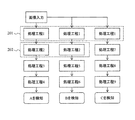
- movement flow of the vehicle-mounted image processing system in the state in which the common processing process was integrated is shown.
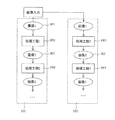
- distributed for every detection algorithm and is in the state where the common processing process is not integrated is shown.
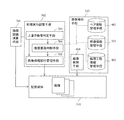
- 1 is a conceptual diagram of a configuration of an in-vehicle image processing system according to an embodiment of the present invention.
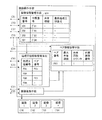
- movement flow of the vehicle-mounted image processing system which is one Example of this invention is shown. 4 shows an example of initial registration contents of an image operation means according to an embodiment of the present invention.
- an algorithm according to an embodiment of the present invention an example including two detection algorithms will be described.
- An example of initial registration contents of the image operation means when the intermediate value is provided as an intermediate number (801) in the image information management means is shown.
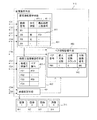
- the updated registration content of the image operation means immediately after the processing step number (F01) is completed is shown.
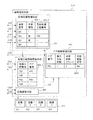
- the updated registration content of the image operation means immediately after the processing step number (F02) is completed is shown.
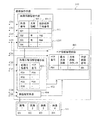
- the updated registration content of the image operation means immediately after the processing step number (F03) is completed is shown.
- the updated registration content of the image operation means immediately after the processing step number (F04) is completed is shown.
- FIG. 1 shows an operation flow of an in-vehicle image processing system in which common processing steps are integrated.
- the vehicle-mounted image processing system has a plurality of detection objects, and has a detection algorithm for each detection object.
- Each detection algorithm consists of a plurality of consecutive processing steps. Examples of detection objects include vehicles, pedestrians, lanes (white lines), signs, and the like.
- A, B, and C described in FIG. 1 mean different detection objects.
- filter processing and identification processing can be considered.
- a plurality of processes continued from the first image input are common processes.
- geometric transformation accompanying lens distortion correction, smoothing processing using a low-pass filter, edge extraction processing using a high-pass filter, or the like can be considered.
- the flow that operates in the image processing system should be in a state where common processes are integrated as shown in FIG.
- the algorithm (103) for detecting A and the algorithm (104) for detecting B share processing step 1 (101) and processing step 2 (102), and the algorithm (103) and C for detecting A are shared.
- the detecting algorithm (105) shares processing step 1 (101).
- the result image of the processing step is temporarily copied and saved, and the same processing step enters the result.
- a method of reusing images Patent Document 2 is conceivable, but the overhead for copying is large. Therefore, it is desired to minimize duplication, but to do so, a mechanism is required that duplicates only the results of common processing steps and does not cause duplication when duplication is not necessary.
- processing steps common to a plurality of detection algorithms are called “shared target processing steps”, and their relationship is called a “pair”. Note that what is actually shared is the image output result of the processing step.
- the output image of this sharing target processing step is referred to as “sharing target image”.
- the image processing result of processing step 1 is desired to be used for any of the detection algorithms A to C. If the detection algorithm A first executes the processing step 1, the detection algorithms B and C may use the processing results.
- a unique number is assigned to each processing step, image, and pair, which are called “processing step number”, “image number”, and “pair number”, and a positive number is entered.
- the processing step number does not indicate the type of the processing step, but a unique number is assigned to each of the entire image processing system.
- the processing process is simply a process of inputting one image and outputting one image.
- the same mechanism can be used when two or more images are input.
- FIG. 3 shows a conceptual diagram of the configuration of an image processing system according to an embodiment of the present invention.
- an image recognition calculation means (701) for calculating an image and detecting / recognizing / measuring a target object
- a storage medium for managing an image memory and the like
- an image operation means (310) for managing image information, common processing steps, and the like
- a process execution adjustment means (702) responsible for optimization of image duplication or reuse.
- the overwriting image determination means (703) detects whether the processing step overwrites the image to be shared. When overwriting occurs, it is determined whether or not the original image is to be copied by the copy necessity determination means (704).
- the image processing execution management means (705) determines whether to reuse the processed image or newly execute the processing, and actually performs the processing. The determination in each means is performed by referring to the data registered in the image information management means (401), the processing step information management means (402), and the pair information management means (403) in the image operation means (310). Is called. Management of image duplication or reuse is performed by an image duplicating means (404).
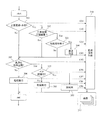
- FIG. 4 shows an operation flow of the image duplicating means in which the overwriting image judging means (703), duplication necessity judging means (704) and image processing execution managing means (705) according to the above embodiment are incorporated in each processing step. Show.
- the operation flow itself within each processing step is responsible for the processing execution adjustment means (702).
- the overwriting image determining means (703) is in the determining step (301)
- the duplication necessity determining means (704) is in the determining step (302)
- the determining step (303) and the copy creating step (304) is the image processing execution managing means ( 705) corresponds to the step in the flow after step (305).
- step (301) after entering the processing step, in step (301), it is determined whether the image to be overwritten (output) by the processing step is a sharing target image. Determine if is necessary. When the shared image needs to be copied, the following two conditions are satisfied, and the determination is made in steps (302) and (303). (1) The last process that outputs the shared image must have a pair (step (302)) (2) The other processing process in the pair may use the shared image (step (303))
- step (304) If it is determined that it is necessary, a copy of the image is created in step (304), and the process proceeds to the processing body. If it is determined that it is not a sharing target, or if it is a sharing target but it is determined that duplication is unnecessary, the process proceeds to the processing body as it is.
- step (305) it is determined whether the processing process is a processing process to be shared. If it is not the sharing target process, the process is executed as usual in step (306). If it is determined that the process is to be shared, it is checked in step (307) whether the paired process has already been executed. If not, the process is executed normally in step (308) and executed. If already completed, the processing result already executed in step (309) is reused as the result of its own processing.
- FIG. 5 shows the registered contents of the image operation means according to an embodiment of the present invention.
- the image operation means (310) includes an image information management means (401), a processing step information management means (402), a pair information management means (403), and an image duplication means (404).
- the image information management means (401) holds two pieces of information of shared information (401-1) and final processing step number (401-2) for each image number.
- the shared information (401-1) is information for determining whether or not the image is a share target image, and the final process step number (401-2) stores the process step number over which the target image was last overwritten. To do.
- the processing process information management means (402) holds information indicating whether or not the processing process number is a sharing target. Specifically, the pair number (402-1) may be held. If the pair number is registered, the processing step is a sharing target. If the pair number is not registered, it can be determined that the processing number is not the sharing target. The pair number is also used for reference to the pair information management means (403). Details of the pair information management means (403) will be described later.
- the image duplicating means (404) creates a copy of the designated image on the storage medium (311) according to the request of the processing flow in the processing step.
- the pair information management means (403) has three pieces of information, that is, the maximum number of sharing (403-1), the number of sharing counter (403-2), and the alternative image number (403-3) for each pair.
- the maximum number of shares (403-1) indicates the maximum number of shared predetermined images and is registered as a constant.
- the sharing number counter (403-2) is a variable indicating the number of times of actual sharing, and is registered with an initial value of 0. If the number of sharing counter (403-1) is smaller than the maximum number of sharing (403-1), the image duplicating means (404) duplicates the image. Not performed.
- the alternative image number (403-3) indicates the shared image number, and the initial value is empty.
- the substitute image number (403-3) also serves as information indicating whether the pair has already been executed. This is because there is a necessary and sufficient condition that the paired processing steps are not executed and that the alternative image number is not registered.
- FIG. 6 shows a simple example provided with two detection algorithms as an example of the detection algorithm, and the movement of the image operation means will be described with reference to this.
- An elliptical frame indicates an input / output image
- a rectangular frame indicates a processing step.
- the detection algorithm A (501) receives the image 1 from the image input, and outputs the image 2 with the image 1 as an input in the processing step 1.
- the processing result 2 is overwritten on the image 2 by processing the image 2 as an input.
- the processing step number (F01) is assigned to the processing step 1 of the detection algorithm A (501), and the processing step number (F02) is assigned to the processing step 2.
- the detection algorithm B includes processing step 1 and processing step 3.
- processing step 1 of the detection algorithm B (502)
- the image 1 is input and the image 3 is output.
- processing step 3 the result of processing with image 3 as an input is overwritten on image 3.
- the processing step number (F03) is assigned to the processing step 1 of the detection algorithm B (502), and the processing step number (F04) is assigned to the processing step 3.
- Images 1, 2 and 3 are assigned image numbers (I01), (I02) and (I03), respectively.
- process step numbers (F01) and (F03) are exactly the same process, it is assumed that the process is recognized as a shared target process by analysis.
- a pair number (P01) is assigned to this pair. That is, the images to be shared are the image numbers (I02) and (I03) (however, the memory addresses are different).
- the symbols and numerical values shown in FIG. 5 are the initial registration contents for operating these two detection algorithms, and the maximum number of shares is 1.
- the detection algorithm A (501) and the detection algorithm B (502) are allocated to different tasks by multitasking and operate asynchronously.
- Asynchronous means that the order in which each processing step operates is not uniquely determined between algorithms. For example, it may operate in the order of processing step numbers (F01)-(F02)-(F03)-(F04), or in the order of processing step numbers (F01)-(F03)-(F04)-(F02). May work.
- FIGS. 4 and 5 it is assumed that task switching does not occur inside the processing process.
- the processing step number (F01) After inputting an image, first, the processing step number (F01) operates. After entering the processing step 1, the image operation means (310) is referred to in the determination step (301) to determine whether the overwritten image, that is, the output image (I02) is a sharing target.
- the registered content of the image number (I02) of the image information management means (401) is referred to (C01), and it can be seen from the shared information (401-1) that it is a sharing target.
- the determination step (302) whether or not the processing has been completed is acquired from the image management means (C02). Since the final processing step number (401-2) is not registered, it is determined that the processing has not been performed. )
- the common processing step (305) whether or not the processing step number (F01) is a shared processing step is acquired by referring to the image operation means (310) (C05).
- the processing step information management means (402) the registered item of the processing step number (F01) is referred to, and since the pair number (402-1) has data, it is determined as a shared processing step, and the pair number (P01) is received.
- the pair information management means (403) is referred to (C06), and it is confirmed that the alternative image number (403-3) has not been registered. Is determined to be unexecuted.
- step (308) the following information is reflected on the image operation means (310), and then the process ends.
- FIG. 8 shows a state where the state shown in FIG. 5 is updated by the above-described overwriting.
- a determination step (301) whether the overwritten image, that is, the output image (I02) is a sharing target.
- the process is to be shared, and it is determined that the process is completed by the process step number (F01) from the registered content of the final process step number (401-2). Further, it is determined from the pair number (402-1) of the processing process information management means (402) that this is a shared processing process.
- the pair information management means (403) it is confirmed (C03) with the pair information management means (403) whether other processing uses the number to be shared. Since the value 0 of the sharing number counter (403-2) of the pair information management means (403) is smaller than the value 1 of the maximum sharing number (403-1), it is determined that copying is necessary, and in step (304) A copy request (C04) is issued to the image operation means (310). Upon receiving the request, the image operating means (310) copies the contents of the image number (I02) to the image number (I04) by the DMAC, CPU or the like by the image duplicating means (404). Then, the substitute image number of the pair information management means (403) is changed to (I04).
- the processing step number (F02) is a sharing target processing step, and it is understood that it is not a sharing target by referring to the processing step information management means (402).
- the process is executed in step (306), and the final process step number (401-2) of the image number (I02) of the image information management means (401) is overwritten (C07) by the process step number (F02).
- FIG. 9 shows the registered contents of the image operation means after the above operation.
- a determination step (301) determines whether the overwritten image, that is, the output image (I03) is a sharing target. Although it is determined as a sharing target in the shared information (401-1) of the image information management means (401), it is determined as unprocessed by confirmation of the final process step number (401-2) in the determination step (302). Then, the process proceeds to the determination step (305). In the determination step (305), the processing process information management means (402) determines that the process is a sharing target processing process. In step (307), it is determined whether or not the pair has already been executed. Since the data (I04) has already been registered in the alternative image number (1001) of the pair information management means (403), it is confirmed that the pair has already been executed. In step (309), a reuse request (C09) is transmitted to the image operation means.
- the image duplicating means (404) Upon receiving the reuse request (C09), the image duplicating means (404) refers to the alternative image number (403-3) of the pair information managing means (403), and changes the image number (I04) to the image number (I03). make a copy. At this time, the value of the sharing number counter (403-2) is incremented by 1 to be 1.
- the processing step of the processing step number (F03) is completed without executing the processing in the processing step 1.
- the final processing step number (401-2) of the image number (I03) of the image information management means (401) is overwritten on the pair number (402-1) of the processing step number (F03).
- FIG. 10 shows the registered contents of the image operation means after the above operation. The changed locations are the final process step number data (1101) and the shared number counter data (1102).
- a determination step (301) whether the overwritten image, that is, the output image (I03) is a sharing target.
- the image information management means (401) determines that the image is to be shared, and the processing process number (F03) determines that the image has been processed. It is judged from the processing step information management means (402) that the processing step number (F03) is a shared processing step.
- the pair information management unit (403) confirms whether other processing uses the number to be shared, and the value 1 of the sharing number counter (403-2) of the pair information management unit (403) Is equal to the value 1 of the maximum sharing count (403-1), it is determined that replication is not necessary, and replication is not performed.
- step (305) it is determined that the processing step number (F04) is not a shared processing step. Therefore, in step (306), the processing is executed as usual and the final processing of (I03) of the image information management means is performed. The process number is overwritten with the process process number (F04), and the process process 3 is exited.
- FIG. 11 shows the registered contents of the image operation means at this time. The changed part is the data (1201) of the final processing step number (401-2).
- the image sharing side uses the original image, and the image sharing side uses the copied image.
- the image sharing side uses the alternative image number, and the sharing side uses the original image. You can use it.
- one intermediate value may be inserted between the correspondence between the image number and the address in the memory space.
- This intermediate value is provided as an intermediate number (801) in the image information management means.
- (I'01) to (I'04) are intermediate numbers of images.
- the image number is a number that the user can see on the program, and the intermediate number indicates the location of the image where the storage medium (311) is actually arranged.
- FIG. 7 shows this embodiment.
- the registered value in each management means is an initial value. When changing to this mechanism, the change from the description with reference to FIG.
- the operation of the processing step number (F02) is performed as described above, and the intermediate number corresponding to the image number (I02) is changed to the image number (I'04), and the intermediate number of the image number (I04) is changed to (I Change to '02). In this way, since the images actually handled on the storage medium are exchanged, the sharing side can use the original image.
Landscapes
- Engineering & Computer Science (AREA)
- Physics & Mathematics (AREA)
- General Physics & Mathematics (AREA)
- Multimedia (AREA)
- Theoretical Computer Science (AREA)
- Image Processing (AREA)
Abstract
冗長な処理を自動化してアルゴルズムの統合工数を削減し、自動化に伴う処理時間のオーバーヘッドを最小化することにより、システムの処理時間を低減した車載処理装置とその方法を提供するために、連続した処理工程からなる複数の画像処理から成る画像処理装置であって、前記複数の画像処理間に同一の処理工程があるとき、1回目の処理工程の出力画像データを、2回目以降の前記同一の処理工程に再利用する画像処理装置において、各画像について、再利用するか否かの情報を保持する画像情報管理手段と、前記情報を用いて、処理工程が上書きする画像が再利用の対象となる画像であるか否かを判断する上書き画像判定手段と、前記再利用の対象となる画像である場合にのみ、上書きに先んじて前記画像データの複製を作成する画像複製手段と、を備える画像処理装置と、その方法とする。
Description
本発明は、連続した処理工程からなる複数の画像処理の動作に係り、特にリアルタイム性の求められる画像認識に関する。
近年、車載分野においてカメラを通して周辺の車両もしくは走行レーンを認識し、事故を未然に防ぐ車載画像認識システムが広まりつつある。認識対象となる物体は、多様化しており、車両の外に歩行者や路面標識等を認識する必要があり、そのために、画像認識システムは複数の検知アルゴリズムからなっている。また、周辺状況を瞬時に把握する必要があるので、処理時間の制約が厳しく、リアルタイムに動作するように、画像認識システムの処理時間はできるだけ短縮する必要がある。
複数の検知アルゴリズムの各検知アルゴリズムが全く同じ処理工程を行っている場合は、処理時間短縮のために、その処理工程を一回のみ実行することで済ませることが望ましい。そのため、複数の検知アルゴリズムを俯瞰し、統合する作業が必要である。しかし、共通の処理工程を抽出しアルゴリズムを設計しなおすのには工数を要するという問題がある。
特許文献1は、X線回折測定データの処理方法に関して、既に実施したことのある処理工程は、その後の処理において省略できるようにして、処理時間を短縮するようにした技術を記載している。ここには、処理データ1,2,3の利用指示があるときは、処理Aファイルに保存されていた処理データ1,2,3を、処理プログラムBにおける処理工程1,2,3の処理データとして利用することが記載されている。
特許文献2は、X線解析で起こる同様の問題に対し、測定データに対し任意の連続した処理工程からなる処理を実行したとき、各処理工程の実行により得られる各処理データを、それぞれ対応する処理工程と関連付けてファイルに保存し、前記処理データを保存してある最初の処理工程から連続する複数の処理工程と同じである場合、当該処理データの保存ファイルを指定することで処理の冗長性を省いている。この仕組みは処理工程内部に組み込まれていることから、これを利用することで共通の処理工程を抽出しアルゴリズムを設計し直す工数が発生しない。
特許文献1では、ユーザーが指定した処理ファイルを読み出し、その中から同じ処理工程に関する処理データを抽出するものであるから、ユーザーが処理ファイルを指定し、処理データの抽出することを、新たな処理プログラムを実行する度毎に必要となるという問題点がある。
特許文献2では、既に実行された処理を再利用しようとする際に、ユーザーは、処理データの利用指示について指定する必要がある。ユーザーの判断が入らない車載の画像認識処理では、実行時の判断を自動化する必要がある。また、毎回処理結果を保存するために、リアルタイム処理ではそれに要するオーバーヘッドが問題になる。
一方、前者の課題に関しては、近年のプログラムの解析技術の進歩などにより、予めプログラムを解析しておくことにより、共通の処理工程を発見することができると考え、本発明において特別に取り組む課題とはしない。本発明では、処理工程の冗長性を処理時に排除することに伴う、オーバーヘッドを縮減させることを課題としている。
上記の課題を解決するため、本発明に係る画像処理装置は、連続した処理工程からなる複数の画像処理から成る画像処理装置であって、前記複数の画像処理間に同一の処理工程があるとき、1回目の処理工程の出力画像データを、2回目以降の前記同一の処理工程に再利用する画像処理装置において、各画像について、再利用するか否かの情報を保持する画像情報管理手段と、前記情報を基づいて処理工程が上書きする画像が再利用の対象となる画像であるか否かを判断する上書き画像判定手段と、前記再利用の対象となる画像である場合にのみ、上書きに先んじて前記画像データの複製を作成する画像複製手段と、を備えることを特徴とする。
また、本発明に係る画像処理方法は、連続した処理工程からなる複数の画像処理から成る画像処理方法であって、前記複数の画像処理間に同一の処理工程があるとき、1回目の処理工程の出力画像データを、2回目以降の前記同一の処理工程に再利用する画像処理方法において、各画像について、再利用するか否かの情報を保持するステップと、前記情報を用いて、処理工程が上書きする画像が再利用の対象となる画像であるか否かを判断するステップと、前記再利用の対象となる画像である場合にのみ、上書きに先んじて前記画像データの複製を作成するステップと、を含むことを特徴とする。
本発明によれば、冗長な処理を、ユーザーの作業を削減して基本的に自動化し、アルゴルズムの統合工数を削減し、かつ自動化に伴う処理時間のオーバーヘッドを最小化できるので、システムの処理時間を低減することができるという効果を奏する。
[実施例]
本発明の実施例について、以下、図面を参照して詳述するが、まず、一般的な車載画像処理システムと、その動作フローについて説明する。
本発明の実施例について、以下、図面を参照して詳述するが、まず、一般的な車載画像処理システムと、その動作フローについて説明する。
図1は、共通した処理工程が統合された状態にある車載画像処理システムの動作フローを示す。ここで、車載画像処理システムは、複数の検知対象物を持ち、検知対象物毎に検知アルゴリズムを有する。各検知アルゴリズムは、複数の連続した処理工程からなる。検知対象物の例として、車両、歩行者、レーン(白線)、標識等が考えられる。図1に記載されたA、B、Cは、それぞれ異なる検知対象物を意味している。
図1に記載された処理工程としては、例えば、フィルタ処理や識別処理等が考えられる。いずれの検知アルゴリズムも最初の画像入力から連続する複数の処理は、共通の処理である。例えば、画像入力後の処理として、レンズの歪み補正にともなう幾何変換や、ローパスフィルタによる平滑化処理、ハイパスフィルタによるエッジ抽出処理等が考えられる。
本来、画像処理システムの中で動作するフローは、図1に示すように、共通した処理が統合された状態であってほしい。ここで、Aを検知するアルゴリズム(103)とBを検知するアルゴリズム(104)は、処理工程1(101)および処理工程2(102)を共有し、Aを検知するアルゴリズム(103)とCを検知するアルゴリズム(105)は、処理工程1(101)を共有している。
しかし、検知アルゴリズム毎に開発する場合や、開発済みのアルゴリズムを利用する場合がある。そのため、たとえ共通する処理工程があったとしても、図2に示す動作フローのように、検知アルゴリズム毎に分散した処理になっていることが多い。共通処理部分(201)および(202)が冗長であるため、図1の動作フローに比べて、図2の動作フローは、処理時間が増加する。
そのため、図2に示すような枠組みのまま、図1の動作フローの処理時間を達成するために、処理工程の結果画像を一旦複製して退避し、同じ処理工程が入る場合には、その結果画像を再利用する方法(特許文献2)が考えられるが、複製のためのオーバーヘッドが大きい。そのため、複製を最小限としたいが、そうするには、共通する処理工程の結果のみを複製し、複製の必要がない場合は複製を発生させない仕組みが必要である。
次に、用語を定義する。図2の処理工程1や処理工程2のように複数の検知アルゴリズムで共通した処理工程を「共有対象処理工程」と呼び、互いの関係性を「ペア」と呼ぶ。なお、実際に共有されるのはその処理工程の画像出力結果である。この共有対象処理工程の出力画像を「共有対象画像」と呼ぶ。例えば、処理工程1の画像処理結果は、検知アルゴリズムA~Cのいずれにも使いたい。最初に検知アルゴリズムAが処理工程1を実行したとすると、検知アルゴリズムBおよびCは、その処理結果を使えばよい。
処理工程、画像、ペアにはそれぞれ一意の番号が割り振られ、それぞれ「処理工程番号」、「画像番号」、「ペア番号」と呼び、正数が入るものとする。ただし、ここで処理工程番号は、処理工程の種類を示すものではなく、画像処理システム全体でそれぞれに一意の番号が振られるものである。
以下、簡単に処理工程を一つの画像を入力として、一つの画像を出力する処理とする。ただし、二つ以上の画像を入力とした場合も同様の仕組みで扱うことができる。
図3は、本発明の一実施例である画像処理システムの構成概念図を示す。本実施例では、複製もしくは再利用を最小化する枠組みとして、画像を演算し目的の物体を検出・認識・測定する画像認識演算手段(701)と、画像メモリ等を管理する記憶媒体(311)と、画像の情報や共通の処理工程等を管理する画像操作手段(310)と、画像の複製もしくは再利用の最適化等を担う処理実行調整手段(702)と、を備える。
画像認識演算手段(701)が処理工程を実行すると、まず、その処理工程が共有対象の画像を上書きするか否かを、上書き画像判定手段(703)によって検出する。上書きが発生する場合は、複製要否判断手段(704)によって元の画像を複製するかどうかを判断する。画像処理実行管理手段(705)は、処理済の画像を再利用するか、新たに処理を実行するかを決定し、実際に処理を行う。各手段における判断は、画像操作手段(310)内の画像情報管理手段(401)、処理工程情報管理手段(402)、ペア情報管理手段(403)内に登録されたデータを参照することによって行われる。画像の複製もしくは再利用の管理は、画像複製手段(404)によって行われる。
図4は、上記の実施例に係る上書き画像判定手段(703)、複製要否判断手段(704)および画像処理実行管理手段(705)を各処理工程内部に組み込んだ画像複製手段の動作フローを示す。
図3の枠組みに照らし合わせると、この各処理工程内部の動作フロー自体が処理実行調整手段(702)を担う。上書き画像判定手段(703)が判定ステップ(301)に、複製要否判断手段(704)が判定ステップ(302)、判定ステップ(303)および複製作成ステップ(304)に、画像処理実行管理手段(705)がステップ(305)以下のフロー中のステップに相当する。
図4では、処理工程に入ったのち、ステップ(301)において、その処理工程が上書きする(出力する)画像が共有対象の画像かどうかを判断し、そこで共有対象と判断された場合は、複製が必要かどうかを判断する。共有画像の複製が必要である場合は、次の2条件を満たす場合であり、ステップ(302)および(303)において判定される。
(1) 共有画像を出力した最後の処理工程がペアを持つこと(ステップ(302))
(2) ペアとなる他の処理工程が共有画像を使う可能性があること(ステップ(303))
(1) 共有画像を出力した最後の処理工程がペアを持つこと(ステップ(302))
(2) ペアとなる他の処理工程が共有画像を使う可能性があること(ステップ(303))
必要であると判定された場合、ステップ(304)において、その画像の複製を作成し、処理本体に移行する。共有対象でないと判定された場合、または共有対象であるが、複製は不必要と判定された場合には、そのまま処理本体に移行する。
処理本体に移行すると、ステップ(305)において、その処理工程が共有対象の処理工程かどうかを判定する。共有対象処理工程でない場合、ステップ(306)において通常とおり処理を実行する。共有対象の処理工程と判断された場合は、ステップ(307)において既にペアとなる処理工程が実行されたかどうかを確認し、未実行の場合はステップ(308)において通常とおり処理を実行し、実行済みの場合にはステップ(309)において実行済みの処理結果を自分の処理の結果として再利用する。
上記で述べた判定は、全て画像操作手段(310)を参照(C01~C09)することにより、判断される。
図5は、本発明の一実施例に係る画像操作手段の登録内容を示す。画像操作手段(310)は、画像情報管理手段(401)、処理工程情報管理手段(402)、ペア情報管理手段(403)および画像複製手段(404)から構成される。
画像情報管理手段(401)は、画像番号ごとに共有情報(401-1)および最終処理工程番号(401-2)の二つの情報を保持する。共有情報(401-1)は、その画像が共有対象画像か否かを判定するための情報であり、最終処理工程番号(401-2)は、対象画像を最後に上書きした処理工程番号を記憶するものである。
処理工程情報管理手段(402)は、その処理工程番号が共有対象か否かの情報を保持するものである。具体的には、ペア番号(402-1)を保持していればよい。ペア番号が登録されていればその処理工程は共有対象であり、登録されていなければ共有対象ではないと判断できる。ペア番号はペア情報管理手段(403)の参照のためにも用いる。ペア情報管理手段(403)の詳細は後述する。画像複製手段(404)は処理工程内の処理フローの要求に従って、記憶媒体上(311)の指定の画像の複製を作成する。
ペア情報管理手段(403)は、一つのペアごとに、最大共有回数(403-1)、共有回数カウンタ(403-2)および代替画像番号(403-3)の三つの情報を有する。最大共有回数(403-1)は、所定の画像が共有される最大数を示し、定数として登録される。共有回数カウンタ(403-2)は、実際に共有された回数を示す変数であり、初期値0で登録される。共有回数カウンタ(403-1)が最大共有回数(403-1)より小さい場合、画像複製手段(404)は画像の複製を行うが、一致する場合には共有が終了したと判断し、複製を行わない。代替画像番号(403-3)は、共有される画像番号を示し、初期値を空とする。代替画像番号(403-3)は、ペアが既に実行されたかどうかの情報を兼ねる。これはペアとなる処理工程が未実行であることと、代替画像番号が未登録であることが、必要十分条件の関係にあるためである。
図6は、検知アルゴリズムの一例として、二つの検知アルゴリズムを備えた簡単な例を示し、これを参照して、画像操作手段の動きを説明する。楕円枠は入出力となる画像、矩形枠は処理工程を示す。例えば、検知アルゴリズムA(501)は、画像入力から画像1を受け取り、処理工程1において画像1を入力として画像2を出力する。次に処理工程2において画像2を入力として処理した結果を画像2に上書きする。検知アルゴリズムA(501)の処理工程1には処理工程番号(F01)、処理工程2には処理工程番号(F02)を割り振る。
検知アルゴリズムBは、処理工程1と処理工程3からなる。検知アルゴリズムB(502)の処理工程1において、画像1を入力として画像3を出力する。処理工程3において、画像3を入力として処理した結果を画像3に上書きする。検知アルゴリズムB(502)の処理工程1には処理工程番号(F03)、処理工程3には処理工程番号(F04)を割り振る。画像1、2および3には、それぞれ画像番号(I01)、(I02)および(I03)を割り振る。
今、処理工程番号(F01)と(F03)は、全く同じ処理であることから、解析によって共有対象処理工程と認められたとする。このペアにペア番号(P01)を割り振る。つまり共有対象となる画像は、画像番号(I02)および(I03)である(ただし、メモリのアドレスが異なる)。図5に示されている記号および数値は、この二つの検知アルゴリズムを動作させるための初期登録内容であり、最大共有回数は1としている。
ここで、検知アルゴリズムA(501)と検知アルゴリズムB(502)は、マルチタスクなどによって別々のタスクに割り振られているとし、非同期に動作するものとする。ここで非同期とは、アルゴリズム間で各処理工程の動作する順番が一意に定まらないことをいう。例えば、処理工程番号(F01)-(F02)-(F03)-(F04)の順番で動作するかもしれないし、処理工程番号(F01)-(F03)-(F04)-(F02)の順番で動作するかもしれない。以下、前者の順番で動作するときの例を、図4および図5を参照して説明する。なお、簡単のため、処理工程内部でのタスクスイッチは起こらないものとする。
・処理工程番号(F01)の動作について
画像入力の後に、まず、処理工程番号(F01)が動作する。処理工程1内に入った後、判定ステップ(301)において上書き画像すなわち出力画像(I02)が共有対象であるかどうかを判断するために、画像操作手段(310)を参照する。画像情報管理手段(401)の画像番号(I02)の登録内容を参照(C01)し、共有情報(401-1)から共有対象であることがわかる。判定ステップ(302)において、処理済かどうかを画像管理手段から取得し(C02)、最終処理工程番号(401-2)が未登録であるので未処理と判断されて、共通化処理工程(305)に移る。
画像入力の後に、まず、処理工程番号(F01)が動作する。処理工程1内に入った後、判定ステップ(301)において上書き画像すなわち出力画像(I02)が共有対象であるかどうかを判断するために、画像操作手段(310)を参照する。画像情報管理手段(401)の画像番号(I02)の登録内容を参照(C01)し、共有情報(401-1)から共有対象であることがわかる。判定ステップ(302)において、処理済かどうかを画像管理手段から取得し(C02)、最終処理工程番号(401-2)が未登録であるので未処理と判断されて、共通化処理工程(305)に移る。
共通化処理工程(305)において、処理工程番号(F01)が共有処理工程かどうかを、画像操作手段(310)を参照(C05)して取得する。処理工程情報管理手段(402)において、処理工程番号(F01)の登録項目を参照し、ペア番号(402-1)にデータを有するので共有処理工程と判断され、ペア番号(P01)を受け取る。そのペア番号(P01)を基にして判定ステップ(307)において、ペア情報管理手段(403)を参照(C06)し、代替画像番号(403-3)が登録済みでないことをみることで、ペアが未実行であると判定する。そうすると、ステップ(308)において、次の情報を画像操作手段(310)に反映した後、処理を終了する。
(1) 画像情報管理手段(401)の画像番号(I02)の最終処理工程番号(401-2)を、処理工程番号(F01)により上書きする。
(2) ペア情報管理手段(403)のペア番号(P01)の代替画像番号(403-3)を、画像番号(I02)により上書きする。
図8は、図5に示す状態を、上記の上書きで更新した状態を示す。
(2) ペア情報管理手段(403)のペア番号(P01)の代替画像番号(403-3)を、画像番号(I02)により上書きする。
図8は、図5に示す状態を、上記の上書きで更新した状態を示す。
・処理工程番号(F02)の動作について
上記の処理工程番号(F01)に続いて、処理工程番号(F02)が動作する。処理工程2内に入った後、判定ステップ(301)で上書き画像すなわち出力画像(I02)が共有対象であるかどうかを判断する。ここで、共有対象と判断され、最終処理工程番号(401-2)の登録内容から、処理工程番号(F01)によって処理済と判断される。また、これが共有処理工程であることは、処理工程情報管理手段(402)のペア番号(402-1)から判断される。
上記の処理工程番号(F01)に続いて、処理工程番号(F02)が動作する。処理工程2内に入った後、判定ステップ(301)で上書き画像すなわち出力画像(I02)が共有対象であるかどうかを判断する。ここで、共有対象と判断され、最終処理工程番号(401-2)の登録内容から、処理工程番号(F01)によって処理済と判断される。また、これが共有処理工程であることは、処理工程情報管理手段(402)のペア番号(402-1)から判断される。
判定ステップ(303)で他の処理が共有対象の番号を使用するかどうかを、ペア情報管理手段(403)に確認(C03)する。そして、ペア情報管理手段(403)の共有回数カウンタ(403-2)の値0が最大共有数(403-1)の値1より小さいので、複製が必要と判断され、ステップ(304)にて画像操作手段(310)に複製の要求(C04)を出す。その要求を受けた画像操作手段(310)は、画像複製手段(404)によって画像番号(I02)の内容を画像番号(I04)にDMACやCPU等でコピーする。そして、ペア情報管理手段(403)の代替画像番号を(I04)に変更する。
共通化処理工程(305)において、処理工程番号(F02)が共有対象処理工程かどうかを判定し、処理工程情報管理手段(402)を参照して、共有対象でないことが分かるので、通常とおりにステップ(306)にて処理を実行し、画像情報管理手段(401)の画像番号(I02)の最終処理工程番号(401-2)を、処理工程番号(F02)によって上書き(C07)する。
図9は、以上の操作後の画像操作手段の登録内容を示す。
図9は、以上の操作後の画像操作手段の登録内容を示す。
・処理工程番号(F03)の動作について
上記の処理工程番号(F02)の後に、処理工程番号(F03)が動作する。処理工程1内に入った後、判定ステップ(301)で上書き画像すなわち出力画像(I03)が共有対象であるかどうかを判断する。画像情報管理手段(401)の共有情報(401-1)にて共有対象と判断されるが、判定ステップ(302)における最終処理工程番号(401-2)の確認により未処理と判断されるため、判定ステップ(305)に処理が移る。判定ステップ(305)において処理工程情報管理手段(402)において共有対象処理工程と判断され、ステップ(307)でペアが既実行かどうかを判断する。ペア情報管理手段(403)の代替画像番号(1001)にデータ(I04)が登録済みであるので、ペアが既実行であることを確認する。そして、ステップ(309)において画像操作手段に再利用要求(C09)を送信する。
上記の処理工程番号(F02)の後に、処理工程番号(F03)が動作する。処理工程1内に入った後、判定ステップ(301)で上書き画像すなわち出力画像(I03)が共有対象であるかどうかを判断する。画像情報管理手段(401)の共有情報(401-1)にて共有対象と判断されるが、判定ステップ(302)における最終処理工程番号(401-2)の確認により未処理と判断されるため、判定ステップ(305)に処理が移る。判定ステップ(305)において処理工程情報管理手段(402)において共有対象処理工程と判断され、ステップ(307)でペアが既実行かどうかを判断する。ペア情報管理手段(403)の代替画像番号(1001)にデータ(I04)が登録済みであるので、ペアが既実行であることを確認する。そして、ステップ(309)において画像操作手段に再利用要求(C09)を送信する。
画像複製手段(404)は、再利用要求(C09)を受けると、ペア情報管理手段(403)の代替画像番号(403-3)を参照し、画像番号(I04)を画像番号(I03)へコピーする。この時、共有回数カウンタ(403-2)の値を1増加して1にする。以上の手続きを経て、処理工程1内の処理実行を行うことなく、処理工程番号(F03)の処理工程を終了する。ただし、この後、画像情報管理手段(401)の画像番号(I03)の最終処理工程番号(401-2)を、処理工程番号(F03)のペア番号(402-1)に上書きする。図10は、以上の操作後の画像操作手段の登録内容を示す。ここで変更された箇所は、最終処理工程番号のデータ(1101)と共有回数カウンタのデータ(1102)である。
・処理工程番号(F04)の動作について
そして、上記の処理工程番号(F03)の後に、処理工程番号(F04)が動作する。処理工程3内に入った後、判定ステップ(301)で上書き画像すなわち出力画像(I03)が共有対象であるかどうかを判定する。画像情報管理手段(401)にて共有対象と判断され、処理工程番号(F03)によって処理済と判断される。処理工程番号(F03)が共有処理工程であることは、処理工程情報管理手段(402)から判断される。
そして、上記の処理工程番号(F03)の後に、処理工程番号(F04)が動作する。処理工程3内に入った後、判定ステップ(301)で上書き画像すなわち出力画像(I03)が共有対象であるかどうかを判定する。画像情報管理手段(401)にて共有対象と判断され、処理工程番号(F03)によって処理済と判断される。処理工程番号(F03)が共有処理工程であることは、処理工程情報管理手段(402)から判断される。
判定ステップ(303)において、他の処理が共有対象の番号を使用するかどうかペア情報管理手段(403)に確認し、ペア情報管理手段(403)の共有回数カウンタ(403-2)の値1が最大共有回数(403-1)の値1と一致しているので、複製は必要ないと判断し、複製を行わない。
次の判定ステップ(305)において、処理工程番号(F04)は共有処理工程でないと判断されるので、ステップ(306)において、通常とおり処理実行を行い、画像情報管理手段の(I03)の最終処理工程番号を、処理工程番号(F04)によって上書きして処理工程3を抜ける。図11は、この時の画像操作手段の登録内容を示す。変更箇所は、最終処理工程番号(401-2)のデータ(1201)である。
これ以降、更なる処理工程が検知アルゴリズムAおよび検知アルゴリズムBに存在したとしても、ペアがなければ、画像番号(I02)および画像番号(I03)を上書きしても複製が発生することはない。その理由は、それぞれの画像の最終処理工程番号(401-2)が共有処理工程に該当しないためである。
本実施例では、画像を共有される側が元の画像を用い、画像を共有する側がコピー後の画像を使ったが、画像を共有される側が代替画像番号を用い、共有する側が元の画像を用いてもかまわない。その場合は、たとえば画像番号とメモリ空間上のアドレスの対応に一つ中間値を挟むとよい。この中間値を画像情報管理手段内に中間番号(801)として設ける。(I’01)~(I’04)は画像の中間番号である。例えば画像番号はユーザーがプログラム上で見ることのできる番号であり、中間番号は記憶媒体(311)が実際に配置されている画像の場所を示す。図7は、この実施例を示す。各管理手段への登録値は初期値である。この仕組みに変更した際、図5を用いて説明したところから変更があるのは、処理工程番号(F02)の動作時である。処理工程番号(F02)の動作は、上記のとおりに行い、更に画像番号(I02)に対応する中間番号を画像番号(I’04)に変更し、画像番号(I04)の中間番号を(I’02)に変更する。このようにすることで,実際に記憶媒体上で扱われる画像が交換されているので,共有する側が元の画像を用いる事が可能である。
Claims (7)
- 連続した処理工程からなる複数の画像処理から成る画像処理装置であって、前記複数の画像処理間に同一の処理工程があるとき、1回目の処理工程の出力画像データを、2回目以降の前記同一の処理工程に再利用する画像処理装置において、
各画像について、再利用するか否かの情報を保持する画像情報管理手段と、
前記情報を用いて、処理工程が上書きする画像が再利用の対象となる画像であるか否かを判断する上書き画像判定手段と、
前記再利用の対象となる画像である場合にのみ、上書きに先んじて前記画像データの複製を作成する画像複製手段と、
を備えることを特徴とする画像処理装置。 - 請求項1に記載された画像処理装置において、
再利用する回数である最大共有回数を記憶すると共に、実際に再利用された回数を数える共有回数カウンタを備えて、
前記画像複製手段は、前記共有回数カウンタの回数が前記最大共有回数に達するまで、画像の複製を行うことを特徴とする画像処理装置。 - 請求項2に記載された画像処理装置において、
再利用する画像が等しい処理工程群を表すペア番号を複数有し、各ペア番号について前記最大共有回数と前記共有回数カウンタが数えた回数をそれぞれ記憶するペア情報管理手段を更に備えることを特徴とする画像処理装置。 - 請求項3に記載された画像処理装置において、
前記画像情報管理手段は、再利用する各画像について、最後に画像を上書きした最終処理工程番号を記憶する手段を備えて、
前記最終処理工程番号の処理工程について、前記ペア番号が付されている場合にこれを参照して、前記ペア情報管理手段に記憶された前記共有回数カウンタの回数が前記最大共有回数より小さい場合のみ、前記画像の複製を行うことを特徴とする画像処理装置。 - 請求項4に記載する画像処理装置において、
前記複製の前後の画像を対応付ける代替画像保持手段を、各ペア番号について有することを特徴とする画像処理装置。 - 連続した処理工程からなる複数の画像処理から成る画像処理装置であって、前記複数の画像処理間に同一の処理工程があるとき、1回目の処理工程の出力画像データを、2回目以降の前記同一の処理工程に再利用する画像処理装置において、
画像について、共有情報および最終処理工程番号を記憶する画像情報管理手段、
処理工程番号について、ペア番号を記憶する処理工程情報管理手段、
ペア番号について、最大共有回数、共有回数カウンタ回数および代替画像番号を記憶するペア情報管理手段、および
画像複製手段、を備えた画像操作手段、並びに
上書き画像判定手段および画像処理実行管理手段を備えた処理実行調整手段を備えたことを特徴とする画像処理装置。 - 連続した処理工程からなる複数の画像処理から成る画像処理方法であって、前記複数の画像処理間に同一の処理工程があるとき、1回目の処理工程の出力画像データを、2回目以降の前記同一の処理工程に再利用する画像処理方法において、
各画像について、再利用するか否かの情報を保持するステップと、
前記情報を用いて、処理工程が上書きする画像が再利用の対象となる画像であるか否かを判断するステップと、
前記再利用の対象となる画像である場合にのみ、上書きに先んじて前記画像データの複製を作成するステップと、
を含むことを特徴とする画像処理方法。
Applications Claiming Priority (2)
| Application Number | Priority Date | Filing Date | Title |
|---|---|---|---|
| JP2012177392A JP5906157B2 (ja) | 2012-08-09 | 2012-08-09 | 画像処理装置 |
| JP2012-177392 | 2012-08-09 |
Publications (1)
| Publication Number | Publication Date |
|---|---|
| WO2014024637A1 true WO2014024637A1 (ja) | 2014-02-13 |
Family
ID=50067873
Family Applications (1)
| Application Number | Title | Priority Date | Filing Date |
|---|---|---|---|
| PCT/JP2013/069092 Ceased WO2014024637A1 (ja) | 2012-08-09 | 2013-07-12 | 画像処理装置 |
Country Status (2)
| Country | Link |
|---|---|
| JP (1) | JP5906157B2 (ja) |
| WO (1) | WO2014024637A1 (ja) |
Citations (2)
| Publication number | Priority date | Publication date | Assignee | Title |
|---|---|---|---|---|
| JP2002251603A (ja) * | 2001-02-23 | 2002-09-06 | Matsushita Electric Works Ltd | 画像処理プログラム作成方法およびそのシステム |
| JP2008027181A (ja) * | 2006-07-21 | 2008-02-07 | Hitachi Ltd | 画像処理装置 |
-
2012
- 2012-08-09 JP JP2012177392A patent/JP5906157B2/ja active Active
-
2013
- 2013-07-12 WO PCT/JP2013/069092 patent/WO2014024637A1/ja not_active Ceased
Patent Citations (2)
| Publication number | Priority date | Publication date | Assignee | Title |
|---|---|---|---|---|
| JP2002251603A (ja) * | 2001-02-23 | 2002-09-06 | Matsushita Electric Works Ltd | 画像処理プログラム作成方法およびそのシステム |
| JP2008027181A (ja) * | 2006-07-21 | 2008-02-07 | Hitachi Ltd | 画像処理装置 |
Also Published As
| Publication number | Publication date |
|---|---|
| JP2014035697A (ja) | 2014-02-24 |
| JP5906157B2 (ja) | 2016-04-20 |
Similar Documents
| Publication | Publication Date | Title |
|---|---|---|
| JP7018135B2 (ja) | バッテリー検出方法及び装置 | |
| CN110855976B (zh) | 摄像头异常检测方法、装置及终端设备 | |
| CN109543662B (zh) | 基于区域提议的目标检测方法、系统、装置和存储介质 | |
| CN110458772B (zh) | 一种基于图像处理的点云滤波方法、装置和存储介质 | |
| JP2013506221A (ja) | 少なくとも1つのアプリケーションにおいて及び/又は少なくとも1つのアルゴリズムによって更に処理するためにセンサアセンブリのセンサ出力データを作成する方法及びシステム | |
| CN110264452A (zh) | 一种工件检测方法、装置、设备及存储介质 | |
| CN107256167B (zh) | 应用于应用系统迁移的升级控制方法及升级控制设备 | |
| EP3665577A1 (en) | Software development test platform and associated method for evaluating visual output generated by execution of computer software | |
| KR102086397B1 (ko) | 클라우드 환경에서 차량 번호판의 인식 및 처리를 위한 시스템 및 방법 | |
| JP5906157B2 (ja) | 画像処理装置 | |
| KR102551145B1 (ko) | 주행 환경과 연관된 혼합 현실 영상 생성 방법 및 시스템 | |
| US6988112B2 (en) | Multi-program processing system and rollback method for file used therefor | |
| CN114842205A (zh) | 车损检测方法、装置、设备及存储介质 | |
| CN116977719B (zh) | 数据检测方法、装置、计算机、存储介质及程序产品 | |
| CN116863124B (zh) | 车辆姿态确定方法、控制器及存储介质 | |
| CN113192033B (zh) | 一种3d打印中的拉丝判别方法、装置、设备及存储介质 | |
| CN116309628B (zh) | 车道线识别方法和装置、电子设备和计算机可读存储介质 | |
| US20230289085A1 (en) | Computer-implemented method for optimizing the memory of a partitioned system | |
| CN118585290A (zh) | 容器迁移优化方法、系统及存储介质 | |
| JP2024083011A (ja) | システム、移動体およびサーバ計算機 | |
| JP7061977B2 (ja) | パターン学習システム、パターン学習方法およびパターン学習プログラム | |
| CN115240095A (zh) | 车辆喷漆方式识别方法、装置、设备及存储介质 | |
| CN117392635A (zh) | 停车位检测方法、车载控制器和汽车 | |
| CN112598616A (zh) | 一种电子设备曝光参数的确定方法及成像方法 | |
| JP2021068021A (ja) | 抽出装置、及び抽出プログラム |
Legal Events
| Date | Code | Title | Description |
|---|---|---|---|
| 121 | Ep: the epo has been informed by wipo that ep was designated in this application |
Ref document number: 13827788 Country of ref document: EP Kind code of ref document: A1 |
|
| NENP | Non-entry into the national phase |
Ref country code: DE |
|
| 122 | Ep: pct application non-entry in european phase |
Ref document number: 13827788 Country of ref document: EP Kind code of ref document: A1 |