WO2012145420A1 - Composition, synthetic process and use of new antioxidant inflammation modulators - Google Patents
Composition, synthetic process and use of new antioxidant inflammation modulators Download PDFInfo
- Publication number
- WO2012145420A1 WO2012145420A1 PCT/US2012/034112 US2012034112W WO2012145420A1 WO 2012145420 A1 WO2012145420 A1 WO 2012145420A1 US 2012034112 W US2012034112 W US 2012034112W WO 2012145420 A1 WO2012145420 A1 WO 2012145420A1
- Authority
- WO
- WIPO (PCT)
- Prior art keywords
- alkyl
- compound
- pharmaceutically acceptable
- prodrug
- tautomer
- Prior art date
- Legal status (The legal status is an assumption and is not a legal conclusion. Google has not performed a legal analysis and makes no representation as to the accuracy of the status listed.)
- Ceased
Links
- 0 CC(C)C(C12)NC(*3**3)NC1*(*)S*C2S Chemical compound CC(C)C(C12)NC(*3**3)NC1*(*)S*C2S 0.000 description 7
- IHMXVSZXHFTOFN-UHFFFAOYSA-N CCC1OCCC1 Chemical compound CCC1OCCC1 IHMXVSZXHFTOFN-UHFFFAOYSA-N 0.000 description 2
- ARGITQZGLVBTTI-UHFFFAOYSA-N CCc1ccc2OCOc2c1 Chemical compound CCc1ccc2OCOc2c1 ARGITQZGLVBTTI-UHFFFAOYSA-N 0.000 description 2
- HLPIHRDZBHXTFJ-UHFFFAOYSA-N CCc1ccc[o]1 Chemical compound CCc1ccc[o]1 HLPIHRDZBHXTFJ-UHFFFAOYSA-N 0.000 description 2
- SJRJJKPEHAURKC-UHFFFAOYSA-N CN1CCOCC1 Chemical compound CN1CCOCC1 SJRJJKPEHAURKC-UHFFFAOYSA-N 0.000 description 2
- PETRWTHZSKVLRE-UHFFFAOYSA-N Cc(cc1OC)ccc1O Chemical compound Cc(cc1OC)ccc1O PETRWTHZSKVLRE-UHFFFAOYSA-N 0.000 description 2
- GYPMBQZAVBFUIZ-UHFFFAOYSA-N Cc(cc1OC)ccc1OC Chemical compound Cc(cc1OC)ccc1OC GYPMBQZAVBFUIZ-UHFFFAOYSA-N 0.000 description 2
- JWUJQDFVADABEY-UHFFFAOYSA-N CC1OCCC1 Chemical compound CC1OCCC1 JWUJQDFVADABEY-UHFFFAOYSA-N 0.000 description 1
- OPIJEXPOZQMNFR-UHFFFAOYSA-N COCCCN(C(CC1=O)c(cc2)cc(OC)c2O)C(SC(c(cc2)cc(OC)c2O)=C2)=C1C2=O Chemical compound COCCCN(C(CC1=O)c(cc2)cc(OC)c2O)C(SC(c(cc2)cc(OC)c2O)=C2)=C1C2=O OPIJEXPOZQMNFR-UHFFFAOYSA-N 0.000 description 1
- RVEYODBZGLBDDI-RMKNXTFCSA-N COCCCNC(SC(C1)c(cc2)cc(OC)c2O)=C(C(/C=C/c(cc2)cc(OC)c2O)=O)C1=O Chemical compound COCCCNC(SC(C1)c(cc2)cc(OC)c2O)=C(C(/C=C/c(cc2)cc(OC)c2O)=O)C1=O RVEYODBZGLBDDI-RMKNXTFCSA-N 0.000 description 1
- RVEYODBZGLBDDI-TWGQIWQCSA-N COCCCNC(SC(C1)c(cc2)cc(OC)c2O)=C(C(/C=C\c(cc2OC)ccc2O)=O)C1=O Chemical compound COCCCNC(SC(C1)c(cc2)cc(OC)c2O)=C(C(/C=C\c(cc2OC)ccc2O)=O)C1=O RVEYODBZGLBDDI-TWGQIWQCSA-N 0.000 description 1
- ADPXBQFMOXJPBC-RMKNXTFCSA-N COCCCNC(SC(c(cc1)cc(OC)c1O)=C1)=C(C(/C=C/c(cc2)cc(OC)c2O)=O)C1=O Chemical compound COCCCNC(SC(c(cc1)cc(OC)c1O)=C1)=C(C(/C=C/c(cc2)cc(OC)c2O)=O)C1=O ADPXBQFMOXJPBC-RMKNXTFCSA-N 0.000 description 1
- LLEVSSSNYCLLIY-NXZHAISVSA-N COc(cc(/C=C/C(C=C(/C=C/c(cc1)cc(OC)c1O)N1Cc2ccc[o]2)=NC1=S)cc1)c1O Chemical compound COc(cc(/C=C/C(C=C(/C=C/c(cc1)cc(OC)c1O)N1Cc2ccc[o]2)=NC1=S)cc1)c1O LLEVSSSNYCLLIY-NXZHAISVSA-N 0.000 description 1
- SVHXZFKXBYINBE-FMIVXFBMSA-N COc(cc(C(C1)SC(NCCc2ccccc2)=C(C(/C=C/c(cc2)cc(OC)c2O)=O)C1=O)cc1)c1O Chemical compound COc(cc(C(C1)SC(NCCc2ccccc2)=C(C(/C=C/c(cc2)cc(OC)c2O)=O)C1=O)cc1)c1O SVHXZFKXBYINBE-FMIVXFBMSA-N 0.000 description 1
- AMGZLRIRCDZZGQ-SEHROIMKSA-N COc(cc(C(CC(/C=C(/C=C/c(cc1)cc(OC)c1O)\O)=N1)S/C1=N\CC1OCCC1)cc1)c1O Chemical compound COc(cc(C(CC(/C=C(/C=C/c(cc1)cc(OC)c1O)\O)=N1)S/C1=N\CC1OCCC1)cc1)c1O AMGZLRIRCDZZGQ-SEHROIMKSA-N 0.000 description 1
- WVPVVGCTQMCAHO-YPCPFFIOSA-N COc(cc(C1SC(NCC2OCCC2)=NC(/C=C(/C=C/c(cc2)cc(OC)c2O)\O)=C1)cc1)c1O Chemical compound COc(cc(C1SC(NCC2OCCC2)=NC(/C=C(/C=C/c(cc2)cc(OC)c2O)\O)=C1)cc1)c1O WVPVVGCTQMCAHO-YPCPFFIOSA-N 0.000 description 1
- UBPYPPZOUOYSGN-VDSXMNRQSA-N COc1cc(/C=C/C(/O)=C/C(C=C(c(cc2)cc(OC)c2O)S2)=N/C2=N/CCCCS(C)=O)ccc1O Chemical compound COc1cc(/C=C/C(/O)=C/C(C=C(c(cc2)cc(OC)c2O)S2)=N/C2=N/CCCCS(C)=O)ccc1O UBPYPPZOUOYSGN-VDSXMNRQSA-N 0.000 description 1
- ZSPRAHPQOIBZQS-NXZHAISVSA-N COc1cc(/C=C/C(C=C(/C=C/c(cc2)cc(OC)c2O)N2CC3OCCC3)=[I]C2=S)ccc1O Chemical compound COc1cc(/C=C/C(C=C(/C=C/c(cc2)cc(OC)c2O)N2CC3OCCC3)=[I]C2=S)ccc1O ZSPRAHPQOIBZQS-NXZHAISVSA-N 0.000 description 1
- GHPODDMCSOYWNE-UHFFFAOYSA-N Cc(cc1)cc2c1OCO2 Chemical compound Cc(cc1)cc2c1OCO2 GHPODDMCSOYWNE-UHFFFAOYSA-N 0.000 description 1
- VQKFNUFAXTZWDK-UHFFFAOYSA-N Cc1ccc[o]1 Chemical compound Cc1ccc[o]1 VQKFNUFAXTZWDK-UHFFFAOYSA-N 0.000 description 1
- YXFVVABEGXRONW-UHFFFAOYSA-N Cc1ccccc1 Chemical compound Cc1ccccc1 YXFVVABEGXRONW-UHFFFAOYSA-N 0.000 description 1
Classifications
-
- C—CHEMISTRY; METALLURGY
- C07—ORGANIC CHEMISTRY
- C07D—HETEROCYCLIC COMPOUNDS
- C07D239/00—Heterocyclic compounds containing 1,3-diazine or hydrogenated 1,3-diazine rings
- C07D239/02—Heterocyclic compounds containing 1,3-diazine or hydrogenated 1,3-diazine rings not condensed with other rings
- C07D239/24—Heterocyclic compounds containing 1,3-diazine or hydrogenated 1,3-diazine rings not condensed with other rings having three or more double bonds between ring members or between ring members and non-ring members
- C07D239/28—Heterocyclic compounds containing 1,3-diazine or hydrogenated 1,3-diazine rings not condensed with other rings having three or more double bonds between ring members or between ring members and non-ring members with hetero atoms or with carbon atoms having three bonds to hetero atoms with at the most one bond to halogen, directly attached to ring carbon atoms
- C07D239/32—One oxygen, sulfur or nitrogen atom
- C07D239/38—One sulfur atom
- C07D239/40—One sulfur atom as doubly bound sulfur atom or as unsubstituted mercapto radical
-
- C—CHEMISTRY; METALLURGY
- C07—ORGANIC CHEMISTRY
- C07D—HETEROCYCLIC COMPOUNDS
- C07D279/00—Heterocyclic compounds containing six-membered rings having one nitrogen atom and one sulfur atom as the only ring hetero atoms
- C07D279/04—1,3-Thiazines; Hydrogenated 1,3-thiazines
-
- C—CHEMISTRY; METALLURGY
- C07—ORGANIC CHEMISTRY
- C07D—HETEROCYCLIC COMPOUNDS
- C07D405/00—Heterocyclic compounds containing both one or more hetero rings having oxygen atoms as the only ring hetero atoms, and one or more rings having nitrogen as the only ring hetero atom
- C07D405/02—Heterocyclic compounds containing both one or more hetero rings having oxygen atoms as the only ring hetero atoms, and one or more rings having nitrogen as the only ring hetero atom containing two hetero rings
- C07D405/06—Heterocyclic compounds containing both one or more hetero rings having oxygen atoms as the only ring hetero atoms, and one or more rings having nitrogen as the only ring hetero atom containing two hetero rings linked by a carbon chain containing only aliphatic carbon atoms
-
- C—CHEMISTRY; METALLURGY
- C07—ORGANIC CHEMISTRY
- C07D—HETEROCYCLIC COMPOUNDS
- C07D417/00—Heterocyclic compounds containing two or more hetero rings, at least one ring having nitrogen and sulfur atoms as the only ring hetero atoms, not provided for by group C07D415/00
- C07D417/02—Heterocyclic compounds containing two or more hetero rings, at least one ring having nitrogen and sulfur atoms as the only ring hetero atoms, not provided for by group C07D415/00 containing two hetero rings
- C07D417/12—Heterocyclic compounds containing two or more hetero rings, at least one ring having nitrogen and sulfur atoms as the only ring hetero atoms, not provided for by group C07D415/00 containing two hetero rings linked by a chain containing hetero atoms as chain links
-
- C—CHEMISTRY; METALLURGY
- C07—ORGANIC CHEMISTRY
- C07D—HETEROCYCLIC COMPOUNDS
- C07D495/00—Heterocyclic compounds containing in the condensed system at least one hetero ring having sulfur atoms as the only ring hetero atoms
- C07D495/02—Heterocyclic compounds containing in the condensed system at least one hetero ring having sulfur atoms as the only ring hetero atoms in which the condensed system contains two hetero rings
- C07D495/04—Ortho-condensed systems
Definitions
- the present invention relates to novel compounds and compositions for modulating in vitro and in vivo processes mediated by Nuclear Factor - Erythroid 2- Related Factor 2 (Nrf2), as well as methods of making and using novel heterocyclic conjugates of curcumin and isothiocyanates as a new class of antioxidant inflammation modulators (AIMs).
- Nrf2 Nuclear Factor - Erythroid 2- Related Factor 2
- AIMs antioxidant inflammation modulators
- diseases include but are not limited to cancer, Alzheimer's and Parkinson's diseases, asthma, athero-sclerosis, diabetes, inflammatory bowel disease, multiple sclerosis, osteoarthritis and rheumatoid arthritis.
- Nrf2 a member of the Cap 'n' Collar (CNC) family of basic region- leucine zipper transcription factors in the oxidative stress cascade. It is believed that Nrf2 is able to induce genes important in combating oxidative stress, thereby activating the body's own protective response.
- the molecular mechanism of the anti-oxidative stress pathway regulated by the Nrf2 on the antioxidant response element (ARE) has been a topic of interest in recent scientific research. Once Nrf2 is activated it subsequently binds to ARE and promotes the up-regulation of a battery of antioxidant and detoxifying genes.
- the human body also has defensive mechanisms that protect cells against DNA damage. Among such protective mechanisms are antioxidant scavengers and cytoprotective enzymes.
- CUR curcumin
- SFN sulforaphane
- epigallocatechol gallate obtained from natural sources such as fruits, vegetables, and tea products
- Nrf2 activators through modification of sensitive cysteine residues found in the redox "sensor” protein Keapl, which subsequently activates and up-regulates the transcription of ARE genes.
- ITC isothiocyanate
- Curcumin which is the yellow principal polyphenol curcuminoid, has been isolated from the popular Indian spice turmeric (Curcuma longa). Curcumin has been described to possess a variety of biological activities, such as tumor- suppressive, anti- carcinogenic, antioxidant, and anti-inflammatory activities. Natural curcumin has been associated with activating Nrf2 in vivo in a mice model. See Shen G, et al., Mol. Cancer Ther., 2006, 5(1):39-51. In addition to curcumin, PEITC/sulforaphane and isothiocyanates are also classes of natural products that have ARE gene inducing capabilities. However, their effective cyto-protective concentrations are often in such low micromolar ranges that make their dosing extremely difficult.
- the present invention addresses the shortcomings in the art for improving and maximizing the clinical benefits of curcumin.
- the present inventors provide alternative approaches to administering curcumin and maximizing the clinical benefits thereof.
- Novel compounds are disclosed herein for the first time for use in disorders that share a pathophysiology associated with oxidative stress, pathological concentrations of free radicals and inflammatory response.
- the compounds belong to a new class of antioxidant inflammation modulators also known as AIM.
- the present invention describes new class of drugs known as iminothiazinylbutadienols, divinylpyrimidinethiones and thiopyranopyridinediones as activators of Nrf2 and compositions containing such drugs in combination with suitable pharmaceutical carriers.
- three classes of novel compounds namely, iminothiazinylbutandienols (i) divinylpyrimidinethiones (ii); and thiopyranopyridinediones (iii) are disclosed. These new classes of compounds are shown to be able to mitigate the chemical reactivity of curcumin in vitro and activate the Nrf2 anti-oxidation cascade.
- the present compounds have been shown to possess improved efficacy, bioavailability and/or stability over the counterpart naturally occurring Nrf2 activators, or other Nrf2 activators known in the art.
- the present compounds are shown to be substantially more potent activators of Nrf2 than curcumin and isothiocyanates against cancer cells. Such compounds exhibit higher selectivity and potency as exhibited in ARE-luciferase reporter assays in HepG2-C8 cells.
- the compounds and therapeutically effective compositions thereof are used in treating conditions that share a pathophysiology associated with the activation of the oxidative stress cascade.
- the compounds of the present invention are used against pathological conditions caused by an abnormal degree of activated inflammatory response in a subject.
- the compounds and compositions thereof are used to treat diseases such as Alzheimer's, Parkinson's, asthma, atherosclerosis, diabetes, inflammatory bowel disease, multiple sclerosis, osteoarthritis and rheumatoid arthritis.
- the disclosed novel compounds are used to treat or improve anti-cancer activity in solid tumors such as prostate cancer.
- the novel Nrf2 activator compounds can be used alone or in combination with other anticancer modalities to improve subject's response to a personalized cancer treatment protocol.
- assays are provided to characterize the activity of the Nrf2 modulators, particularly their activity in the killing of cancer/tumor cells as compared to the existing therapeutic regimens.
- compositions which contain the present novel Nrf2 modulator compounds in combination with a pharmaceutically acceptable carrier.
- methods of treating an inflammatory response are provided by administering an anti-inflammatory formulation containing the presently disclosed novel Nrf2 activator compounds in an amount effective to modulate and preferably up-regulate the intrinsic activity of Nrf2.
- At least one preferred embodiment for this aspect of the invention is directed to novel Nrf2 compounds that modulate the activity of the Keapl-Nrf2-ARE signaling pathway.
- the present invention discloses a compound of Formula (I):
- n and n are independently 0 or an integer selected from 1 to 10;
- each squiggled line " ⁇ " represents a single bond in either cis- or transconfiguration with respect to a double bond attached thereto;
- each symbol " " represents a single bond or absence of a bond
- each symbol " " represents a single or a double bond
- X and Z are each independently N or CR 4 when " X" and “ Z" are double bond(s), or from O, S, NR a , and C(R 4 ) 2 when '" X" and Z" are single bond(s);
- Ari and Ar 2 are independently selected from unsubstituted or substituted aryl, arylalkyl and aryloxy; unsubstituted or substituted heteroaryl, heteroarylalkyl and heteroaryloxy; unsubstituted or substituted cycloalkyl, cycloalkylalkyl and cycloalkyloxy; and unsubstituted or substituted heterocyclyl, heterocyclylalkyl and heterocyclyloxy, each optionally substituted with one to four substituents independently selected from hydroxyl, Ci-C 6 alkyl, CrC 6 alkoxy, halogen, CrC 6 haloalkyl, nitro, cyano, -S(0)R x , -S(0) 2 R x , and -SR X , and -C(0)R x ;
- R and R" are independently selected from hydrogen, hydroxyl, halogen, lower alkyl, and Ci-C6 alkoxy;
- R is selected from hydrogen, lower alkyl, cycloalkyl, aryl, heteroaryl, heterocyclyl, cycloalkylalkyl, arylalkyl, heteroarylalkyl, heterocyclylalkyl, each optionally substituted with one to four substituents independently selected from hydroxyl, CrC 6 alkyl, Ci-C 6 alkoxy, halogen, Ci-C 6 haloalkyl, nitro, cyano, -S(0)R x , -S(0) 2 R x , and -SR X , and -C(0)R x ;
- R 4 at each occurrence, is independently hydrogen, hydroxyl, halogen, Ci-Ce alkyl, CrC 6 alkoxy, or CrC 6 haloalkyl;
- R a and R b at each occurrence, is independently hydrogen, CrC 6 alkyl, phenyl, or benzyl, wherein phenyl or benzyl is optionally substituted by one to four substituents independently selected from hydroxyl, halogen, C -C alkyl, and C -C alkoxy; and
- R x is independently hydrogen, C -C alkyl, C -C haloalkyl, phenyl, or benzyl, wherein phenyl or benzyl is optionally substituted by one to four substituents independently selected from hydroxyl, halogen, CrC 6 alkyl, and CrC 6 alkoxy;
- any said heteroaryl or heterocyclyl comprises from 1 to 4 heteroatoms independently selected from the group consisting of N, O and S.
- the present invention provides a compound of Formula (II):
- n are each independently 0 or an integer selected from 1 to 10;
- D is S, O, or N-R 5 ;
- E is N or C-R 4 ;
- F is S, N-R 6 or C(R 4 ) 2 ;
- Ari and Ar 2 are independently selected from unsubstituted or substituted aryl, arylalkyl and aryloxy; unsubstituted or substituted heteroaryl, heteroarylalkyl and heteroaryloxy; unsubstituted or substituted cycloalkyl, cycloalkylalkyl and cycloalkyloxy; and unsubstituted or substituted heterocyclyl, heterocyclylalkyl and heterocyclyloxy, each optionally substituted with one to four substituents independently selected from hydroxyl, Ci-C 6 alkyl, CrC 6 alkoxy, halogen, CrC 6 haloalkyl, nitro, cyano, -S(0)R x , -S(0) 2 R x , and -SR X , and -C(0)R x ;
- R 1 and R 2" are independently selected from hydrogen, hydroxyl, halogen, lower alkyl, and C -C alkoxy;
- R 4 at each occurrence, is independently hydrogen, hydroxyl, halogen, CrC 6 alkyl, or CrC 6 alkoxy, or CrC 6 haloalkyl;
- R 5 and R 6 are independently selected from hydrogen, lower alkyl, cycloalkyl, aryl, heteroaryl, heterocyclyl, cycloalkylalkyl, arylalkyl, heteroarylalkyl, heterocyclylalkyl, each optionally substituted with one to four substituents independently selected from hydroxyl, C -C alkyl, C -C alkoxy, halogen, C -C haloalkyl, nitro, cyano, -S(0)R x , -S(0) 2 R x , and -SR x , and -C(0)R x ;
- R a and R b at each occurrence, is independently hydrogen, CrC 6 alkyl, phenyl, or benzyl, wherein phenyl or benzyl is optionally substituted by one to four substituents independently selected from hydroxyl, halogen, C -C alkyl, and C -C alkoxy; and
- R x is independently hydrogen, C -C alkyl, C -C haloalkyl, phenyl, or benzyl, wherein phenyl or benzyl is optionally substituted by one to four substituents independently selected from hydroxyl, halogen, CrC 6 alkyl, and CrC 6 alkoxy;
- any said heteroaryl or heterocyclyl comprises from 1 to 4 heteroatoms independently selected from the group consisting of N, O and S.
- Nrf2 activators of the present invention have the general structure of formula (A):
- Ar and Ar 2 are carbocyclic or heterocyclic rings independently selected from the group consisting of phenyl, naphthyl, phenoxy, benzyl, benzyloxy, substituted phenyl, heteroaryl and heterocyclylalkyl, wherein said heteroaryl or heterocyclylalkyl rings comprise from 1 to 4 heteroatoms independently selected from the group consisting of N, O and S;
- X, Y, Z are independently O, N, S, CH, CH 2 or NR 2 ;
- R 1; R 2 , and R 3 are independently -H, -OH, lower alkyl, alkoxy, cycloalkyl, aryl, heteroaryl, preferably alkyloxazolyl, alkyl isoxazolyl, alkyl oxazolinyl, alkylalkylether group, alkyl furanyl, tetrahydrofuranyl, morpholine, piperazinyl, catechol or thioether group; and
- Cy is a ring system, including heterocyclic ring attached to ⁇ via a saturated or unsaturated alkyl linkage;
- n and m are independently 0 or an integer selected from 1-10.
- novel compounds of the present invention have the general Formulas (i), (ii) or (iii): ls
- the present invention provides a pharmaceutical composition
- a pharmaceutical composition comprising a compound according to any embodiments described herein, or a pharmaceutically acceptable salt, stereoisomer, tautomer, solvate, or prodrug thereof, and a pharmaceutically acceptable carrier.
- the present invention provides use of a compound according to any embodiments described herein, or a pharmaceutically acceptable salt, stereoisomer, tautomer, solvate, or prodrug thereof, in the manufacture of a medicament for treating a disease or disorder selected from inflammatory diseases or disorders, proliferative diseases or disorders, metabolic diseases or disorders, cardiovascular diseases or disorders, and neurological diseases and disorders.
- the present invention provides a method of inducing Nrf2 activity comprising: providing a tissue of interest; and contacting said tissue with a compound according to any embodiments described herein, or a pharmaceutically acceptable salt, stereoisomer, tautomer, solvate, or prodrug thereof, to activate the antioxidative stress system.
- the present invention provides a method of treating a disease or condition selected from proliferative diseases or disorders, metabolic diseases or disorders, cardiovascular diseases or disorders, and neurological diseases and disorders, comprising administering to a subject in need of treatment a therapeutically effective amount of a compound according to any embodiments described herein, or a pharmaceutically acceptable salt, stereoisomer, tautomer, solvate, or prodrug thereof.
- the present invention provides a method of synthesizing iminothiazinylbutadienol and/or divinyl-pyrimidinethione compounds, comprising the steps of
- the present invention provides a method of synthesizing thiopyranopyridinedione compound according to any embodiments described herein, comprising the steps of
- FIGURE 1 illustrates an HPLC assay of the stability at 37 °C of a representative LH503, LH526 and curcumin in stability study in phosphate buffer (pH 7.4) with 50% MeOH at 37 °C.
- Y axis is A t /A 0 , wherein A t and A 0 respectively signify the peak area of the given compound at time t and 0.
- X axis is time in hours and K 0bs is the observed first-order rate constant.
- FIGURE 2 illustrates a synthetic scheme for the formation of iminothiazinylbutadienol, general Formula (i) and divinylpyrimidinethione, general Formula (ii) compounds.
- FIGURE 3 illustrates a synthetic scheme for the formation of fused bicyclic thiopyranopyridinediones (iii).
- FIGURE 5 illustrates LH503 to have superior anti-inflammatory activities compared to SFN and CUR in RAW 264.7 cells.
- FIGURE 6 further illustrates the superiority of LH503 in its anti-inflammatory activities against RAW 264.7 cells compared to SFN, CUR and PEITC.
- FIGURE 8 illustrates_assay reslulst of compound LH 503 using cell death MTS assay system, which shows compound LH503 exhibited unexpected superiority in anticancer and tumor cells activities in mouse leukaemic monocyte macrophage cell line RAW 264.7 as compared to CUR and PEITC alone.
- FIGURE 9 illustrates assay results of compound LH526 using cell death MTS assay system, which shows compound LH526 exhibited unexpected superiority in anticancer and tumor cells activities in mouse leukaemic monocyte macrophage cell line RAW 264.7 as compared to CUR and PEITC alone.
- FIGURE 10 shows that compound LH526 potently induced Nrf2-ARE in HepG2- C8 cells, similar to sulforaphane (SFN), a potent Nrf2-ARE inducer. But LH526 is more potent than the natural compound curcumin.
- FIGURE 11 illustrates the compound LH526 as an anti-inflammatory agent in nitric oxide assay for inhibiting inflammation, the results of which are compared against PErrC or CUR in LPS -challenged RAW macrophage cells.
- Compound LH526 shows superior anti-inflammatory effects.
- FIGURES 12, 13, 14, and 15 illustrate the efficacy of compound LH503 in induction of ARE in the liver.
- the efficacy of the proposed compounds in activating the Nrf2-ARE antioxidative stress system was assessed in vivo in C57BL6 mice.
- the mice tolerated the compound LH503 well at doses 500 mg/kg (LD) and 1000 mg/kg (HD) giving orally for 6 hours (LD6 and HD6) and 12 hours (LD12 and HD12).
- LV6 refers to low dose vehicle control for 6 hours
- HV12 refers to high dose vehicle control for 12 hours.
- FIGURE 16 illustrates Compound LH526 inhibited in vivo skin inflammation in CD- I mice induced by 12-O-Tetradecanoylphorbol 13-acetate (TPA) as measured by (A) cyclooxygenase-2 (COX-2), (B) phosphor-PI3K, (C) inducible nitric oxide (iNOS), and (D) phosphor-JNK (p54) protein levels.
- TPA 12-O-Tetradecanoylphorbol 13-acetate
- the compounds of the present invention may be optically active and may be isolated in either their optically active, i.e., enantiomerically enriched, or racemic forms.
- Cis and trans geometric isomers of the compounds of the present invention may be isolated as a mixture of isomers or as separated isomeric forms and are intended as a disclosed variation. In the present application, all chiral, diastereomeric, racemic forms and all geometric isomeric forms of a structure are intended to be disclosed.
- substituted means that any one or more hydrogen(s) on the designated atom or ring is replaced with an indicated functional group, provided that the designated atom' s or ring atom' s normal valency is not exceeded, and that the substitution results in a stable compound. Unless otherwise indicated, definitions of R, R , R , R , R , R , R , and other substitutions presented herein are independent from each other at different occurrences.
- alkyl is intended to include both branched and straight-chain saturated aliphatic hydrocarbon groups containing 0 to 16 carbons, preferably 1 to 10 carbons, more preferably 1 to 6 carbons, in the main (longest) chain, the term encompasses methyl, ethyl, propyl, isopropyl, butyl, t-butyl, isobutyl, pentyl, hexyl, isohexyl, heptyl, or the like with a saturated non-cyclic carbon atom as the point of attachment.
- lower alkyl refers to Ci-C alkyl groups.
- alkenyl refers to straight or branched chain radicals of 2 to 16 carbons, preferably 2 to 10 carbons, and more preferably 2 to 6 carbons in the main (longest) chain, which include one to six double bonds in the main (longest) chain, such as vinyl, 2-propenyl, 3-butenyl, 2-butenyl, 4-pentenyl, 3-pentenyl, 2-hexenyl, 3-hexenyl, 2-heptenyl,
- alkynyl refers to straight or branched chain radicals of 2 to 16 carbons, preferably 2 to 10 carbons and more preferably 2 to 6 carbons in the main (longest) chain, which include one triple bond in the main (longest) chain, such as 2-propynyl, 3-butynyl, 2-butynyl, 4-pentynyl, 3-pentynyl, 2-hexynyl, 3-hexynyl, 2-heptynyl, 3-heptynyl,
- alkylalkylether or “alkylarylether” encompass all ethers wherein both substituent's are named by their radial alkyls, such as methyl and ethyl.
- substituents encompassed in this term include ethylmethyl ether CH 3 -0-CH 2 -CH 3 or diethyl ether, CH 3 -CH 2 -0-CH 2 -CH 3 , ethylphenylether, etc, and the non-cyclic carbon atom of any alkyl moiety acts as the point of attachment.
- cycloalkyls including “cycloalkyl” rings, as used herein alone or as a part of another group, includes saturated or partially unsaturated (containing 1 or 2 double bonds) hydrocarbon groups containing 1 to 6 rings, preferably 1 to 3 rings, including monocyclic alkyl, bicyclic alkyl (or bicycloalkyl) and tricyclic alkyl, having 3 to 6 carbons forming the ring.
- aromatic or aryl refers to monocyclic or bicyclic aromatic groups containing 6 to 10 carbons in the ring portion (such as phenyl, benzyl, or naphthyl, including 1-naphthyl and 2-naphthyl).
- Halo or halogen refers to fluoro, chloro, bromo, and iodo; and "haloalkyl” is intended to include both branched and straight-chain saturated aliphatic hydrocarbon groups containing one or more halogen substituents, such as for example CF3 or the like.
- alkoxyl Unless otherwise indicated, the term "alkoxyl”, “aryloxyl” or “aralkoxyl” as used herein alone or as a part of another group includes any of the above alkyl, aryl, or aralkyl, respectively, linked to a molecular moiety through an oxygen atom, for example, RO-, where R is alkyl, aryl or aralkyl.
- Het aromatic heterocyclic system
- heteroaryl is intended to mean a stable 5- to 7- membered monocyclic or bicyclic, or 7- to 10-membered bicyclic, heterocyclic aromatic group which consists of carbon atoms and from 1 to 4 heteroatoms independently selected from the group consisting of N, O and S and is aromatic in nature such as pyrrolidine, piperidine.
- substituted “cycloalkyl,” “cycloheteroalkyl,” or “heteroaryl” includes the corresponding groups substituted with from one to three substituents independently selected from halogen, lower alkyl, lower acyl, lower alkoxy, perhaloalkyl, fluoro-lower-alkyl, fluoro-lower-alkoxy, hydroxy, hydroxy-alkyl, formyl, formyl-alkyl, cyano, cyanoalkyl and nitro;
- cyano refers to a -CN group and the two terms are used interchangeably.
- nitro refers to an -N0 2 group and the two terms are used interchangeably.
- hydroxy refers to an -OH group and the two terms are used interchangeably.
- phrases "pharmaceutically acceptable” is employed herein to refer to those compounds, materials, compositions, and/or dosage forms which are, within the scope of sound medical judgment, suitable for use in human beings and animals commensurate with a reasonable therapeutic benefit/risk ratio.
- pharmaceutically acceptable salts refer to derivatives of the disclosed compounds wherein the parent compound is modified by making counterpart acid or base salts thereof.
- pharmaceutically acceptable salts include, but are not limited to, mineral or organic acid salts of basic residues such as amines; alkali or organic salts of acidic residues such as carboxylic acids; and the like.
- Pharmaceutically acceptable salts include the conventional non-toxic salts or the quaternary ammonium salts of the parent compound formed, for example, from non-toxic inorganic or organic acids.
- the term may refer to counter ions of any moiety that is designated in this disclosure in an ionic form.
- novel compounds disclosed herein are also intended to be used in a context of prodrugs.
- prodrugs includes esters and carbonates of the disclosed compounds formed by reacting one or more hydroxyls of compounds with alkyl, alkoxy or aryl substituted acylating agents employing procedures known to those skilled in the art to generate acetates, pivalates, methylcarbonates, benzoates, and the like.
- the present invention provides a method for fighting oxidative stress and inflammation mediated diseases, including but not limited to cancers.
- the method protects cells and tissues against various oxidative, inflammatory, and carcinogenic compounds or metabolites derived from exogenous or endogenous sources.
- phase 2 detoxifying enzymes and antioxidant enzymes such as glutathione S -transferase, NAD(P)H quinone oxidoreductase 1, and/or heme oxygenase- 1, a process that is mediated mainly by the antioxidant response elements (ARE) within the promoter regions of these genes.
- antioxidant enzymes such as glutathione S -transferase, NAD(P)H quinone oxidoreductase 1, and/or heme oxygenase- 1, a process that is mediated mainly by the antioxidant response elements (ARE) within the promoter regions of these genes.
- ARE antioxidant response elements
- Nuclear factor-erythroid 2-related factor 2 (Nrf2) is a member of the Cap 'n' collar
- Nrf2 is sequestered in the cytoplasm by an actin-binding protein, Kelch-like ECH associating protein 1 (Keapl), and upon exposure of cells to inducers such as oxidative stress and certain chemopreventive agents, Nrf2 dissociates from Keapl, translocates to the nucleus, binds to AREs, and transactivates phase 2 detoxifying and antioxidant genes.
- Keapl Kelch-like ECH associating protein 1
- Nrf2 dissociates from Keapl, translocates to the nucleus, binds to AREs, and transactivates phase 2 detoxifying and antioxidant genes.
- FIGURE 7 is an indication of superior ARE induction of the presently disclosed Nrf2 modulating compounds.
- the present invention incorporates the discovery of a synergistic effect of combining curcumin and phenethyl isothiocyanate or curcumin and sulforaphane in the inhibition of inflammation by modulating the Nrf2 cascade.
- the new curcumin conjugates have Nrf2 modulating activity and provides unexpected therapeutic antioxidant activity in in vitro models correlating with doses useful in vivo.
- the conjugates of CUR and phenyethyl isothiocyanate provide enhanced anti-cancer activity.
- the compounds according to the present invention can further provide a synergistic effect as compared to CUR and PEITC being administered separately.
- the present invention is directed to novel compounds that target Keapl-Nrf2-ARE system and modulate such signaling pathway during the inflammation and oxidative stress process.
- the present inventors have observed that up-regulating the oxidative stress response enzymes functions as a cytoprotective shield against carcinogens and reactive oxygen species generated during inflammation. Such upregulation modulates the Keapl-Nrf2-ARE system, a key signaling pathway in inflammation and oxidative stress, to reduce cell damage caused by oxidative stress.
- the present invention provides a process of synthesizing the iminothiazinylbuta-dienol and divinylpyrimidinethione compounds by masking (or protecting) one or both of curcumin' s two Michael acceptors with thioureas derived from the isothiocyanates and thereby forming said compounds. [See FIGURE 2].
- the negatively charged carbon cation of curcumin is reacted with isothiocyanates followed by double Michael addition reactions to form the fused bicyclic thiopyranopyridine-diones.
- the application also discloses synthetic processes for making the new conjugates of curcumin and isothiocyanates and propose a new class of AIM molecules.
- the inventors have identified that at least one suitable intrinsic molecular characteristic of Curcumin, l,7-Bis(4-hydroxy-3-methoxyphenyl)-l,6-heptadiene-3,5-dione, pertinent to the presently claimed process is that Curmumin itself has two Michael acceptors when it exists in the keto form; yet, the tautomeric enol form is energetically more stable in solid phase and in solution.
- one of the two Michael acceptors in curcumin is more reactive towards nucleophilic attack (even though both can form GSH adduct in the presence of 1 mM GSH).
- the inventors masked the more reactive Michael acceptor by thioureas derived from the cancer preventive isothiocyanates.
- FIGURE 2 See FIGURE 2
- nucleophilic attack of the sulfur in thiourea to the ⁇ -carbon of the Michael acceptor in enol ketone form under acidic conditions gives the Michael adduct intermediate, which cyclizes through elimination of water to form 5,6-dihydro-2- imino-l,3-thiazines as the major product and 4,6-divinylpyrimidine-2-thiones as the minor product.
- the major product 5,6- dihydro-2-imino-l,3-thiazines are further oxidized to 2-imino-l,3-thiazines or converted to 4,6-divinylpyrimidine-2-thiones under base-catalyzed rearrangement reactions.
- the R group of the thiazine and/or the pyrimidinethione intermediate is an alkyl, alkoxy or carboxyl-containing moiety. [See Scheme 1 in FIGURE 2]. Those of ordinary skill in the art would appreciate that such moieties are similar in nature to alkyl chains commonly employed in the cancer preventive isothiocyanates agents.
- the first step of acid-catalyzed addition is carried out using 4 N HC1 in dioxane, concentrated or diluted HC1, sulfuric acid, or an organic acid. Oxidation is then performed using air, DMSO, or other suitable oxidizing agents such as silver oxide, magnesium oxide, PCC, PDC, DDQ, etc.
- the base-catalyzed conversion from 5,6-dihydro-2-imino-l,3-thiazines to 4,6-divinylpyrimidine-2-thiones is carried out in the presence of sodium or potassium salts of carbonates or bicarbonates or other mild bases in organic or aqueous solvents.
- the degree of oxidation is controlled by the type and the strength of the oxidizing agents. Further, the concentration, the amount of oxidizing agents, and temperature used during the reaction may also be determinative of the degree of oxidation.
- the present invention provides a method of making new Nrf2 activators. According to this aspect of the invention, the chemically reactive Michael acceptors and isothiocyanates are masked (or protected by a protecting group) to reduce cytotoxicity and systemic side effects. Those of ordinary skill in the art would appreciate that such step does not have a compromising effect, if not enhancing, on the chemopreventive inducing properties of ARE genes.
- the present invention provides an alternative method of synthesizing curcumin derivatives.
- a second approach as shown in Scheme 2 of FIGURE 3 is described.
- the negatively charged carbon cation of l,6-heptadiene-3,5-diones reacts with isothiocyanates under basic conditions leading to an intermediate that can then undergo double Michael addition reactions to the two Michael acceptors in curcumin to form the fused bicyclic 2,3,6,7-tetrahydro-thiopyrano[2,3-b]pyridine-4,5-diones.
- the 2,3,6,7-tetrahydro- thiopyrano[2,3-b]pyridine-4,5-diones is then oxidized to remove two hydrogen atoms to form 6,7-dihydro-thiopyrano[2,3-b]pyridine-4,5-diones.
- such oxidation would remove four hydrogen atoms to form thiopyrano[2,3- b]pyridine-4,5-diones.
- the present invention provides base-catalyzed conjugation reactions between l,6-heptadiene-3,5-diones and isothiocyanates, which is carried out in the presence of sodium or potassium or other metal salts of carbonates or bicarbonates, or any other mild bases, in organic or aqueous solvents.
- oxidation reactions are performed using air, DMSO, or other mild oxidizing agents known to those of ordinary skill in the art to remove the first two protons. Further oxidation can be performed using other oxidizing agents such as DDQ, silver oxide, magnesium oxide, PCC, PDC, etc to remove the additional two protons.
- the degree of oxidation is controlled by the type and/or strength of the oxidizing agents. Further, the concentration and the amount of oxidizing agents used during the interaction may also be determinative of the degree of oxidation.
- the three series of novel curcumin-ITC conjugates were synthesized and evaluated as Nrf2 activators. The novel compounds of the present invention were found to activate ARE genes more effectively than curcumin and isothiocyanates in an ARE-luciferase reporter assay using HepG2-C8 cells.
- the activators of the present invention exert their pharmacologic effects by the upregulalation of the anti-oxidative stress enzyme.
- the activators may competitively or allosterically bind to or modify Keapl leading to the release and activation of the Nrf2 pathway.
- the activators of the present invention may interact with the protein at a site of interest, which would eventually alter the structure of the enzyme or otherwise cause activation or inactivation of the pathway.
- the activators may competitively or noncompetitively impose their therapeutic activity.
- One embodiment of the present invention is directed to compounds and isolated enantiomers thereof that modulate the activity of the Keapl-Nrf2-ARE signaling pathway having a general structure of formula (A):
- Ar 2 are aromatic rings independently selected from phenyl, naphtyl, phenoxy, benzyl, benzyloxy, substituted phenyl, heteroaryl and heterocyclylalkyl, wherein said heteroaryl or heterocyclylalkyl comprise from 1 to 4 heteroatoms independently selected from the group consisting of N, O and S;
- R 2 , and R 3 are independently chosen to be -H, -OH, a lower alkyl, alkoxy, a cycloalkyl or an aryl group;
- Cy is a cyclic ring including cycloalkyl, heterocyclyl, cycloalkene, or a heterocyclic ring attached to ⁇ via the symbol, which represents a saturated or unsaturated alkyl linkage;
- n and m are independently a number between 0-10.
- Ar and Ar 2 are independently curcumin, or other functional groups having the structure:
- P and Q are substituents on a phenyl ring independently selected from H, OH, halo, alkyl, alkoxy, aryl, aryloxy, heteroaryl, or heteroaryloxy;
- R ⁇ R 2 , and R 3 are selected from the functional groups:
- the present invention is directed to compounds, composition, the synthetic process of making, and the method of use of the following novel compounds as Nrf2 activators:
- R is selected from
- the present invention discloses a compound of Formula (I):
- n and n are independently 0 or an integer selected from 1 to 10;
- each squiggled line " ⁇ " represents a single bond in either cis- or transconfiguration with respect to a double bond attached thereto;
- each symbol " " represents a single bond or absence of a bond
- each symbol " " represents a single or a double bond
- Ari and Ar 2 are independently selected from unsubstituted or substituted aryl, arylalkyl and aryloxy; unsubstituted or substituted heteroaryl, heteroarylalkyl and heteroaryloxy; unsubstituted or substituted cycloalkyl, cycloalkylalkyl and cycloalkyloxy; and unsubstituted or substituted heterocyclyl, heterocyclylalkyl and heterocyclyloxy, each optionally substituted with one to four substituents independently selected from hydroxyl, Ci-C 6 alkyl, CrC 6 alkoxy, halogen, CrC 6 haloalkyl, nitro, cyano, -S(0)R x , -S(0) 2 R x , and -SR X , and -C(0)R x ;
- R and R" are independently selected from hydrogen, hydroxyl, halogen, lower alkyl, and -C alkoxy;
- R is selected from hydrogen, lower alkyl, cycloalkyl, aryl, heteroaryl, heterocyclyl, cycloalkylalkyl, arylalkyl, heteroarylalkyl, heterocyclylalkyl, each optionally substituted with one to four substituents independently selected from hydroxyl, CrC 6 alkyl, Ci-C 6 alkoxy, halogen, Ci-C 6 haloalkyl, nitro, cyano, -S(0)R x , -S(0) 2 R x , and -SR X , and -C(0)R x ;
- R 4 at each occurrence, is independently hydrogen, hydroxyl, halogen, Ci-Ce alkyl, Ci-C alkoxy, or -C haloalkyl;
- R a and R b at each occurrence, is independently hydrogen, -C alkyl, phenyl, or benzyl, wherein phenyl or benzyl is optionally substituted by one to four substituents independently selected from hydroxyl, halogen, CrC 6 alkyl, and CrC 6 alkoxy; and
- R x is independently hydrogen, CrC 6 alkyl, CrC 6 haloalkyl, phenyl, or benzyl, wherein phenyl or benzyl is optionally substituted by one to four substituents independently selected from hydroxyl, halogen, -C alkyl, and -C alkoxy;
- any said heteroaryl or heterocyclyl comprises from 1 to 4 heteroatoms independently selected from the group consisting of N, O and S.
- n and n are independently 0, 1, 2, or 3.
- m and n are both 0; and V and W are both double bonds.
- V and W are both oxygen(O).
- Y is a double bond, and Y is carbon(C).
- X and Z are both carbon.
- X and Z are both double bonds.
- X and Z are both single bonds.
- one of X and Z is a double bond, and the other is a single bond.
- the compound has a structure selected from:
- Ar and Ar 2 are each independently selected from C 6 -C 10 aryl, C3-C8 cycloalkyl, 5- to 10-membered heteroaryl, and 5- to 10- membered heterocyclyl, each optionally substituted with one to four substituents independently selected from hydroxyl, -C alkyl, Ci-C 6 alkoxy, halogen, Ci-C 6 haloalkyl, and (C 1 -C 6 )alkyl-C(0)-, wherein any said heteroaryl or heterocyclyl comprises from 1 to 3 heteroatoms independently selected from the group consisting of N, O, and S.
- ⁇ and Ar 2 are independently phenyl optionally substituted by one to three substituents independently selected from hydroxyl, Ci-C 6 alkyl
- n is 0 or an integer from 1 to 4, and wherein R at each occurrence is independently hydrogen or CrC 6 alkyl.
- ⁇ and Ar 2 are ; and R 3 is selected from the group consisting of:
- the present invention provides a compound of Formula (II):
- n are each independently 0 or an integer selected from 1 to 10;
- D is S, O, or N-R 5 ;
- E is N or C-R 4 ;
- F is S, N-R 6 or C(R 4 ) 2 ;
- Ari and Ar 2 are independently selected from unsubstituted or substituted aryl, arylalkyl and aryloxy; unsubstituted or substituted heteroaryl, heteroarylalkyl and heteroaryloxy; unsubstituted or substituted cycloalkyl, cycloalkylalkyl and cycloalkyloxy; and unsubstituted or substituted heterocyclyl, heterocyclylalkyl and heterocyclyloxy, each optionally substituted with one to four substituents independently selected from hydroxyl, i-Ce alkyl, C C 6 alkoxy, halogen, C C 6 haloalkyl, nitro, cyano, -S(0)R x , -S(0) 2 R x , and -SR X , and -C(0)R x ;
- R and R" are independently selected from hydrogen, hydroxyl, halogen, lower alkyl, and CrC 6 alkoxy;
- R 4 at each occurrence, is independently hydrogen, hydroxyl, halogen, Ci-Ce alkyl, or Ci-C alkoxy, or -C haloalkyl;
- R 5 and R 6 are independently selected from hydrogen, lower alkyl, cycloalkyl, aryl, heteroaryl, heterocyclyl, cycloalkylalkyl, arylalkyl, heteroarylalkyl, heterocyclylalkyl, each optionally substituted with one to four substituents independently selected from hydroxyl, -C alkyl, -C alkoxy, halogen, -C haloalkyl, nitro, cyano, -S(0)R x , -S(0) 2 R x , and -SR x , and -C(0)R x ;
- R a and R b at each occurrence, is independently hydrogen, -C alkyl, phenyl, or benzyl, wherein phenyl or benzyl is optionally substituted by one to four substituents independently selected from hydroxyl, halogen, C C 6 alkyl, and C C 6 alkoxy; and
- R x is independently hydrogen, CrC 6 alkyl, CrC 6 haloalkyl, phenyl, or benzyl, wherein phenyl or benzyl is optionally substituted by one to four substituents independently selected from hydroxyl, halogen, -C alkyl, and -C alkoxy; wherein any said heteroaryl or heterocyclyl comprises from 1 to 4 heteroatoms independently selected from the group consisting of N, O and S.
- m and n are independently 0, 1, 2, 3; and E is nitrogen(N).
- D is N-R 5 and F is sulfur(S).
- D is oxygen(O) and F is N-R 6 .
- D is sulfur(S) and F is N-R 6 .
- the compound has the structure:
- Ari and Ar 2 are each independently selected from C 3 -C 8 cycloalkyl, C 6 -Cio aryl, 5 to 10-membered heteroaryl, or 5 to 10-membered heterocyclyl, each optionally substituted with one to four substituents independently selected from hydroxyl, C C 6 alkyl, C C 6 alkoxy, halogen, C C 6 haloalkyl, nitro, cyano, -S(0)R x , -S(0) 2 R x , and -SR X , and -C(0)R x ;
- R 1 is selected from hydrogen, hydroxyl, halogen, lower alkyl, and Ci-C 6 alkoxy;
- R 5 is selected from hydrogen, lower alkyl, C 3 -C 8 cycloalkyl, C 6 -Cio aryl, 5 to 10- membered heteroaryl, 5 to 10-membered heterocyclyl, (C 3 -C 8 cycloalkyl)alkyl, (C 6 -Cio aryl)alkyl, (5 to 10-membered heteroaryl)alkyl, (5 to 10-membered heterocyclyl)alkyl, each optionally substituted with one to four substituents independently selected from hydroxyl, Ci-C 6 alkyl, Ci-C 6 alkoxy, halogen, Ci-C 6 haloalkyl, nitro, cyano, -S(0)R x , -S(0) 2 R x , and -SR X , and -C(0)R x ;
- heteroaryl or heterocyclyl each comprises from 1 to 3 heteroatoms independently selected from the group consisting of N, O and S.
- Ar and Ar 2 are independently phenyl optionally substituted by one to three substituents independently selected from hydroxyl, CrC 6 alkyl, alkoxy, halogen, haloalkyl, nitro, cyano, and (C 1 -C 6 )alkyl-C(0)-; and R 5 is selected from the group consisting of:
- n is 0 or an integer from 1 to 4, and wherein R at each occurrence is hydrogen or Ci-Ce alkyl.
- Art and Ar 2 are identical to Art and Ar 2 in one embodiment of this aspect.
- the compound is further characterized by Formula:
- D is O or S
- x ⁇ and Ar 2 are each independently selected from C3-C8 cycloalkyl, C 6 -Cio aryl, 5 to 10-membered heteroaryl, or 5 to 10-membered heterocyclyl, each optionally substituted with one to four substituents independently selected from hydroxyl, CrC 6 alkyl, CrC 6 alkoxy, halogen, CrC 6 haloalkyl, nitro, cyano, -S(0)R x , -S(0) 2 R x , and -SR X , and -
- R 6 is selected from hydrogen, lower alkyl, C 3 -C 8 cycloalkyl, C 6 -Cio aryl, 5 to membered heteroaryl, 5 to 10-membered heterocyclyl, (C 3 -C 8 cycloalkyl)alkyl, (C 6 -C 10 aryl)alkyl, (5 to 10-membered heteroaryl)alkyl, (5 to 10-membered heterocyclyl)alkyl, each optionally substituted with one to four substituents independently selected from hydroxyl, -C alkyl, -C alkoxy, halogen, -C haloalkyl, nitro, cyano, -S(0)R x , -S(0) 2 R x , and -SR X , and -C(0)R x ;
- heteroaryl or heterocyclyl each comprises from 1 to 3 heteroatoms independently selected from the group consisting of N, O and S.
- D is sulfur(S);
- R and R are hydrogen
- Ari and Ar 2 are independently phenyl optionally substituted by one to three substituents independently selected from hydroxyl, -C alkyl, alkoxy, halogen, haloalkyl, nitro, cyano, and (C 1 -C 6 )alkyl-C(0)-; and selected from the group consisting , wherein n is 0 or an integer from 1 to 4; and wherein R at each occurrence is hydro
- Ari and Ar 2 are R 6 is selected from the group consisting of:
- the compound is selected from the group consisting of:
- the present invention provides a pharmaceutical composition
- a pharmaceutical composition comprising a compound according to any embodiments described herein, or a pharmaceutically acceptable salt, stereoisomer, tautomer, solvate, or prodrug thereof, and a pharmaceutically acceptable carrier.
- the present invention provides use of a compound according to any embodiments described herein, or a pharmaceutically acceptable salt, stereoisomer, tautomer, solvate, or prodrug thereof, in the manufacture of a medicament for treating a disease or disorder selected from inflammatory diseases or disorders, proliferative diseases or disorders, metabolic diseases or disorders, cardiovascular diseases or disorders, and neurological diseases and disorders.
- the present invention provides a method of inducing Nrf2 activity comprising: providing a tissue of interest; and contacting said tissue with a compound according to any embodiments described herein, or a pharmaceutically acceptable salt, stereoisomer, tautomer, solvate, or prodrug thereof, to activate the antioxidative stress system.
- the present invention provides a method of treating a disease or condition selected from proliferative diseases or disorders, metabolic diseases or disorders, cardiovascular diseases or disorders, and neurological diseases and disorders, comprising administering to a subject in need of treatment a therapeutically effective amount of a compound according to any embodiments described herein, or a pharmaceutically acceptable salt, stereoisomer, tautomer, solvate, or prodrug thereof.
- the disease or disorder is a selected from inflammation, cancer, diabetes, multiple sclerosis, amyotrophic lateral sclerosis, and Alzheimer's disease.
- the present invention provides a method of synthesizing iminothiazinylbutadienol and/or divinyl-pyrimidinethione, comprising the steps of
- the reaction is carried out under an acid or basic condition.
- the method further includes an oxidation step, for example, illustrated below:
- the method further includes a base-catalyzed rearrangement reaction for example, illustrated below:
- the present invention provides a method of synthesizing thiopyranopyridinedione compound according to any embodiments described herein, comprising the steps of a) reacting curcumin or an analog thereof with an isothiocyanate to form an adduct, and
- the method involves formation of an intermediate selected from:
- the reaction is conducted under an inert atmosphere.
- the reaction is conducted in the presence of air or oxygen.
- the method further includes an oxidation step, for example, illustrated below:
- the method further includes an oxidation step, for example, illustrated below:
- the method further comprises a purification step.
- the purification step includes chromatography and/or crystallization.
- the inventive process employs the Michael acceptors of the curcumin structure.
- Curcumin contains two Michael acceptors that react readily with biological thiols.
- the other major class of thiol-reactive chemopreventive natural products is the isothiocyanates that include PEITC and sulforaphane, both of which are present in watercress and other cruciferous vegetables and have been shown to inhibit tumor formation in carcinogen-induced cancer models of rodent and a genetic Ape Min/+ mice model.
- Michael reactions can usually generate stereogenic centers with two possible types of configurations (R- and S-).
- the bond without (R-) or (S-) designation encompasses either or both of the (R-) and (S-) configurations. Therefore, the present invention encompasses all possible enantiomers and/or diastereomers of the compound structures illustrated. Similarly, where double bonds exist, unless otherwise noted, cis- (or Z-) and trans- (or E-) isomers are both encompassed.
- inventive compounds are administered to patients in need of such treatment to induce the expression of cellular detoxifying or antioxidant enzymes mediated through the Keapl-Nrf2-ARE system.
- Nrf2 activators of the present invention are designed to mask the chemically reactive Michael acceptors and isothiocyanates to reduce cytotoxicity and systemic side effects without compromising, if not enhancing, the chemopreventive inducing properties of ARE genes.
- Nrf2 protects against a broad range of inflammation and oxidative stress related diseases, including cancer, renal disease, cardiovascular diseases and neurological disease (e.g., multiple sclerosis, amyotrophic lateral sclerosis, Alzheimer's disease).
- the present invention discloses compounds that complement the activity of Nrf2.
- the present invention employs curcumin' s two Michael acceptors when it exists in the keto form.
- the present invention incorporates the discovery that the tautomeric enol form is energetically more stable in solid phase and in solution. That is, one of the two Michael acceptors in curcumin is more reactive towards nucleophilic attack.
- the present invention masks the more reactive Michael acceptor with thioureas derived from the chemopreventive isothiocyanates to form iminothiazinylbutadienols (i) or masks the ⁇ -diketone and thus both Michael acceptors with thioureas to form divinylpyrimidinethiones (ii).
- the presently disclosed compounds can be made by another approach wherein curcumin is reacted with a negatively charged carbon anion resulting from reacting curcumin with isothiocyanates followed by double Michael addition reactions to form the fused bicyclic thiopyranopyridinediones (iii).
- the present compounds are directed to such substituents wherein the R group can be H, alkyl, aryl, or heteroaryl like those in the chemopreventive isothiocyanates while the Ar and Ar 2 can be substituted aryl or heteroaryl including the 4- hydroxy-3-methoxyphenyl found in curcumin.
- the three series of novel curcumin-ITC conjugates were synthesized and evaluated as Nrf2 activators. Some of these novel compounds were found to activate ARE genes more effectively than curcumin and isothiocyanates in an ARE-luciferase reporter assay using HepG2-C8 cells as described in the examples below in more details.
- One aspect of the present invention is directed to process for preparing suitable crystalline structures of the new Nrf2 modulators.
- the desired compound is recrystallized by being dissolved in a suitable solvent; and the resulting solution obtained thereafter may be saturated or be subjected to a thermal treatment to produce solid forms of the active ingredients in either crystalline or amorphous structures.
- Suitable solvents include but are not limited to water, alcohols, including methanol, ethanol, isopropyl alcohol, n-butanol, tertiary butyl alcohol and the like.
- compositions of the present invention include those suitable for oral, nasal, topical (including buccal and sublingual), rectal, vaginal and/or parenteral administration. Regardless of the route of administration selected, the active ingredient(s) are formulated into pharmaceutically acceptable dosage forms by methods known to those of skill in the art.
- the amount of the active ingredient(s) which will be combined with a carrier material to produce a single dosage form will vary depending upon the host being treated, the particular mode of administration and all of the other factors described above.
- the amount of the active ingredient(s) which will be combined with a carrier material to produce a single dosage form will generally be that amount of the active ingredient(s) which is the lowest dose effective to produce a therapeutic effect.
- Methods of preparing pharmaceutical formulations or compositions include the step of bringing the active ingredient(s) into association with the carrier and, optionally, one or more accessory ingredients.
- the formulations are prepared by uniformly mixing the active ingredient(s) into liquid carriers, or finely divided solid carriers, or both, and then, if necessary, shaping the product.
- Formulations of the invention suitable for oral administration may be in the form of capsules, cachets, pills, tablets, lozenges (using a flavored basis, usually sucrose and acacia or tragacanth), powders, granules, or as a solution or a suspension in an aqueous or nonaqueous liquid, or as an oil-in-water or water-in-oil liquid emulsion, or as an elixir or syrup, or as pastilles (using an inert base, such as gelatin and glycerin, or sucrose and acacia) and/or as mouth washes and the like, each containing a predetermined amount of the active ingredient(s).
- the active ingredient(s) may also be administered as a bolus, electuary or paste.
- the prodrug(s), active ingredient(s) in their micronized form
- one or more pharmaceutically- acceptable carriers such as sodium citrate or dicalcium phosphate, and/or any of the following: (1) fillers or extenders, such as starches, lactose, sucrose, glucose, mannitol, and/or silicic acid; (2) binders, such as, for example, carboxymethyl-cellulose, alginates, gelatin, polyvinyl pyrrolidone, sucrose and/or acacia; (3) humectants, such as glycerol; (4) disintegrating agents, such as agar-agar, calcium carbonate, potato or tapioca starch, alginic acid, certain silicates, and sodium carbonate; (5) solution retarding agents, such as paraffin; (6) absorption accelerators, such as quaternary ammonium, sodium citrate, and the like
- fillers or extenders such as starches, lactose, sucrose, glucose, mannitol,
- compositions may also comprise buffering agents.
- Solid compositions of a similar type may also be employed as fillers in soft and hard-filled gelatin capsules using such excipients as lactose or milk sugars, as well as high molecular weight polyethylene glycols and the like.
- a tablet may be made by compression or molding, optionally with one or more accessory ingredients.
- Compressed tablets may be prepared using binder (for example, gelatin or hydroxypropylmethyl cellulose), lubricant, inert diluent, preservative, disintegrant (for example, sodium starch glycolate or cross-linked sodium carboxymethyl cellulose), surface-active or dispersing agent.
- Molded tablets may be made by molding in a suitable machine a mixture of the powdered active ingredient(s) moistened with an inert liquid diluent.
- the tablets, and other solid dosage forms of the pharmaceutical compositions of the present invention may optionally be scored or prepared with coatings and shells, such as enteric coatings and other coatings well known in the pharmaceutical-formulating art. They may also be formulated so as to provide slow or controlled release of the active ingredient(s) therein using, for example, hydroxypropyl-methyl cellulose in varying proportions to provide the desired release profile, other polymer matrices, liposomes and/or microspheres. They may be sterilized by, for example, filtration through a bacteria-retaining filter.
- compositions may also optionally contain opacifying agents and may be of a composition that they release the active ingredient(s) only, or preferentially, in a certain portion of the gastrointestinal tract, optionally, in a delayed manner.
- opacifying agents include polymeric substances and waxes.
- the active ingredient(s) can also be in microencapsulated form.
- Liquid dosage forms for oral administration of the active ingredient(s) include pharmaceutically-acceptable emulsions, microemulsions, solutions, suspensions, syrups and elixirs.
- the liquid dosage forms may contain inert diluents commonly used in the art, such as, for example, water or other solvents, solubilizing agents and emulsifiers, such as ethyl alcohol, isopropyl alcohol, ethylacetate, butyl alcohol, benzyl benzoate, propylene glycol, glycol, oils (in particular, cottonseed, groundnut, corn, germ, olive, castor and sesame oils), glycerol, amyl alcohol, tetrahydrofuryl polyethylene glycols and fatty acid esters of sorbitan, and mixtures thereof.
- inert diluents commonly used in the art, such as, for example, water or other solvents, solubilizing agents and emulsifiers, such as e
- the oral compositions can also include adjuvants such as wetting agents, emulsifying and suspending agents, sweetening, flavoring, coloring, perfuming and preservative agents.
- Suspensions in addition to the active ingredient(s), may contain suspending agents as, for example, ethoxylated alcohols, polyoxyethylene sorbitol and sorbitan esters, microcrystalline cellulose, aluminum metahydroxide, bentonite, agar-agar and tragacanth, and mixtures thereof.
- Formulations of the pharmaceutical compositions of the invention for rectal or vaginal administration may be presented as a suppository, which may be prepared by mixing the active ingredient(s) with one or more suitable nonirritating excipients or carriers comprising, for example, cocoa butter, polyethylene glycol, wax and which is solid at room temperature, but liquid at body temperature and, therefore, will melt in the rectum or vaginal cavity and release the active ingredient(s).
- suitable nonirritating excipients or carriers comprising, for example, cocoa butter, polyethylene glycol, wax and which is solid at room temperature, but liquid at body temperature and, therefore, will melt in the rectum or vaginal cavity and release the active ingredient(s).
- Formulations of the present invention which are suitable for vaginal administration also include pessaries, tampons, creams, gels, pastes, foams or spray formulations containing such carriers as are known in the art to be appropriate.
- Dosage forms for the topical or transdermal administration of the active ingredient(s) include powders sprays, ointments, pastes, creams, lotions, gels, solutions, patches and inhalants.
- the active ingredient(s) may be mixed under sterile conditions with pharmaceutically- acce table carrier, and with any buffers, or propellants which may be required.
- the ointments, pastes, creams and gels may contain, in addition to the active ingredient(s), excipients, such as animal and vegetable fats, oils, waxes, paraffins, starch, tragacanth, cellulose derivatives, polyethylene glycols, silicones, bentonites, silicic acid, talc and zinc oxide, or mixtures thereof.
- Powders and sprays can contain, in addition to the active ingredient(s), excipients such as lactose, talc, silicic acid, aluminum hydroxide, calcium silicates and polyamide powder, or mixtures of these substances.
- Sprays can additionally contain customary propellants such as chlorofluoro-hydrocarbons and volatile unsubstituted hydrocarbons, such as butane and propane.
- Transdermal delivery system provides for continuous administration throughout the dosage regimen.
- Transdermal patches have the added advantage of providing controlled delivery of the active ingredient(s) to the body.
- dosage forms can be made by dissolving, dispersing or otherwise incorporating the active ingredient(s) in a proper medium, such as an elastomeric matrix material.
- Absorption enhancers can also be used to increase the flux of the active ingredient(s) across the skin. The rate of such flux can be controlled by either providing a rate-controlling membrane or dispersing the active ingredient(s) in a polymer matrix or gel.
- the compounds of the present invention can also be administered in the form of liposome delivery systems, such as small unilamellar vesicles, large unilamellar vesicles and multilamellar vesicles.
- Liposomes can be formed from a variety of phospholipids, such as cholesterol, stearylamine or phosphatidylcholines.
- Another mode of delivery for the compounds of the present invention may be delivery via the use of monoclonal antibodies as individual carriers to which the compound molecules are coupled.
- the compounds of the present invention may also be coupled with soluble polymers as targetable drug carriers.
- Such polymers can include polyvinylpyrrolidone, pyran copolymer, polyhydroxypropyl-methacrylamide-phenol, polyhydroxy-ethylaspartamide-phenol, or polyethyleneoxide-polylysine substituted with palmitoyl residues.
- the compounds of the present inven-tion may be coupled to a class of biodegradable polymers useful in achieving controlled release of a drug, for example, polylactic acid, polyglycolic acid, copolymers of polyactic and polyglycolic acid, polyepsilon caprolactone, polyhydroxy butyric acid, polyorthoesters, polyacetals, polydihydropyrans, polycyanoacrylates and crosslinked or amphipathic block copolymers of hydro gels.
- a drug for example, polylactic acid, polyglycolic acid, copolymers of polyactic and polyglycolic acid, polyepsilon caprolactone, polyhydroxy butyric acid, polyorthoesters, polyacetals, polydihydropyrans, polycyanoacrylates and crosslinked or amphipathic block copolymers of hydro gels.
- compositions of this invention suitable for parenteral administration comprise the active ingredient(s) in combination with one or more pharma- ceutically-acceptable sterile isotonic aqueous or nonaqueous solutions, suspensions or emulsions, or sterile powders which may be reconstituted into sterile injectable solutions or dispersions just prior to use, which may contain antioxidants, buffers, solutes which render the formulation isotonic with the blood of the intended recipient or suspending or thickening agents.
- aqueous and nonaqueous carriers examples include water, ethanol, polyols (such as glycerol, propylene glycol, polyethylene glycol, and the like), and suitable mixtures thereof, vegetable oils, such as olive oil, and injectable organic esters, such as ethyl oleate.
- polyols such as glycerol, propylene glycol, polyethylene glycol, and the like
- vegetable oils such as olive oil
- injectable organic esters such as ethyl oleate.
- Proper fluidity can be maintained, for example, by the use of coating materials, such as lecithin, by the maintenance of the required particle size, and by the use of surfactants.
- compositions may also contain adjuvants such as wetting agents, emulsifying agents and dispersing agents. It may also be desirable to include isotonic agents, such as sugars, sodium chloride, and the like in the compositions. In addition, prolonged absorption of the injectable pharmaceutical form may be brought about by the inclusion of agents which delay absorption such as aluminum monostearate and gelatin.
- the absorption of the drug in order to prolong the effect of the active ingredient(s), it is desirable to slow the absorption of the drug from subcutaneous or intramuscular injection. This may be accomplished by the use of a liquid suspension of crystalline or amorphous material having poor water solubility. The rate of absorption of the active ingredient(s) then depends upon its/their rate of dissolution which, in turn, may depend upon crystal size and crystalline form.
- Injectable depot forms are made by forming microencapsule matrices of the active ingredient(s) in biodegradable polymers such as polylactide-polyglycolide. Depending on the ratio of the active ingredient(s) to polymer, and the nature of the particular polymer employed, the rate of release of the active ingredient(s) can be controlled. Examples of other biodegradable polymers include poly(orthoesters) and poly(anhydrides). Depot injectable formulations are also prepared by entrapping the active ingredient(s) in liposomes or microemulsions which are compatible with body tissue. The injectable materials can be sterilized for example, by filtration through a bacterial-retaining filter.
- the formulations may be presented in unit-dose or multi-dose sealed containers, for example, ampoules and vials, and may be stored in a lyophilized condition requiring only the addition of the sterile liquid carrier, for example water for injection, immediately prior to use.
- sterile liquid carrier for example water for injection
- Extemporaneous injection solutions and suspensions maybe prepared from sterile powders, granules and tablets of the type described above.
- compositions of the present invention may also be used in the form of veterinary formulations.
- Curcumin, l,7-Bis(4-hydroxy-3-methoxyphenyl)- l,6-heptadiene-3,5-dione has two Michael acceptors when it exist in the keto form; but, the tautomeric enol form is energetically more stable in solid phase and in solution.
- one of the two Michael acceptors in curcumin is more reactive towards nucleophilic attack (even though both can from GSH adduct in the presence of 1 mM GSH). Therefore, one approach is to mask the more reactive Michael acceptor by thioureas derived from the cancer preventive isothiocyanates.
- nucleophilic attack of the sulfur in thiourea to the -carbon of the Michael acceptor in enol ketone form under acidic conditions gives the Michael adduct intermediate, that cyclizes with the elimination of water to form 5,6- dihydro-2-imino-l,3-thiazines as the major product and 4,6-divinylpyrimidine-2-thiones as the minor product.
- the major product 5,6-dihydro-2-imino-l,3-thiazines can be further oxidized to 2-imino-l,3-thiazines and can also be converted to 4,6-divinylpyrimidine-2- thiones under base-catalyzed rearrangement conditions.
- the R group can be the alkyl chains like those existed in the cancer preventive isothiocyanates.
- the first step of acid- catalyzed addition can be carried out using 4 N HC1 in dioxane, concentrated or diluted HC1, sulfuric acid, or other organic acids. Oxidation can be performed using air, DMSO, or other oxidizing agents such as silver oxide, magnesium oxide, PCC, PDC, DDQ, etc.
- the base-catalyzed conversion from 5,6-dihydro-2-imino-l,3-thiazines to 4,6- divinylpyrimidine-2-thiones can be carried out in the presence of sodium or potassium salts of carbonates or bicarbonates or other mild bases in organic or aqueous solvents.
- the two phenyl rings of curcumin can be replaced with many other substituted phenyl or heterocyclic ring systems; for example, both 4-hydroxy-3-methoxyphenyl groups can be replaced with other substituted aromatic ring systems such as 4-hydroxyphenyl, 3,4-dihydroxyphenyl, 4-hydroxy-3,5-dimethoxyphenyl, 4-hydroxy-3- chlorophenyl, and 4-hydroxy-3-fluorophenyl, or substituted pyridinyl, pyrimidinyl, pyrazinyl, imidazolyl, pyrazolyl, furfuryl, thienyl, oxazolyl, thiazolyl, etc.
- curcumin analogs can be synthesized in one-step starting from varying analogs of vanillin and acetoacetone in high yields (Feng, J.-Y. and Liu, Z.-Q. J. Agric. Food Chem., 2009, 57, 11041-11046.).
- the 2,3,6,7- tetrahydro-thiopyrano[2,3-b]pyridine-4,5-diones can be oxidized to remove two hydrogen atoms to form 6,7-dihydro-thiopyrano[2,3-b]pyridine-4,5-diones or to remove four hydrogen atoms to form thiopyrano[2,3-b]pyridine-4,5-diones.
- the base-catalyzed conjugation reactions between l,6-heptadiene-3,5-diones and isothiocyanates can be carried out in the presence of sodium or potassium or other metal salts of carbonates or bicarbonates or any other mild bases in organic or aqueous solvents.
- Oxidation reactions can be performed using air, DMSO, or other mild oxidizing agents to removed the first two protons and further oxidation can be performed using other oxidizing agents such as DDQ, silver oxide, magnesium oxide, PCC, PDC, etc. Degree of oxidation can be controlled by the strength of the oxidizing agents and can also be controlled by the amount of oxidizing agents used.
- Example 1 Method of making 1-phenethylthiurea
- Example 2 Method of making 4-(4-((lZ,3E)-2-hydroxy-4-(4-hydroxy-3- methoxyphenyl)buta- 1 ,3-dien- 1 -yl)-2-(phenethylimino)-5,6-dihydro-2H- 1 ,3-thiazin-6-yl)- 2-methoxyphenol (LH503) and 4-(4-((lZ,3E)-2-hydroxy-4-(4-hydroxy-3- methoxyphenyl)buta- 1 ,3-dien- 1 -yl)-2-(phenethylamino)-6H- 1 ,3-thiazin-6-yl)-2- methoxyphenol (LH535)
- LH535 1H NMR (CD 3 OD-d 4 ): ⁇ 7.22-7.12 (m, 3H), 7.08 (d, IH), 7.05 (d, IH), 6.98 (d, IH), 6.85 (dd, IH), 6.79 (d, IH), 6.77 (d, IH), 6.73 (dd, IH), 6.53 (dd, IH), 6.11 (d, IH), 5.35 (s, IH), 4.82 (d, IH), 3.83 (s, 3H), 3.78 (s, 3H), 3.65 (t, 2H), 2.88 (t, 2H).
- Example 3 Method of making 4-(4-((lZ,3E)-2-hydroxy-4-(4-hydroxy-3- methoxyphenyl)buta-l,3-dien-l-yl)-2-(((tetrahydrofuran-2-yl)methyl)imino)-5,6-dihydro- 2H-l,3-thiazin-6-yl)-2-methoxyphenol (LH509), and 4-(4-((lE,3Z)-3-hydroxy-4-(4(Z)-6- (-4-hydroxy-3-methoxyphenyl)-2 (((tetrahydrofuran-2-yl)methyl)imino)-5,6-dihydro-2H- l,3-thiazin-4-yl)buta-l,3-dien-l-yl)-2-methoxyphenol (LH538), and (E)-6-(4-hydroxy-3- methoxyphenethyl)-4-(4-hydroxystyryl)-l
- Example 4 Method of making 4-((lE,3Z)-3-hydroxy-4-((Z)-6-(4-hydroxy-3- methoxyphenyl)-2-(phenethylimino)-2H- 1 ,3-thiazin-4-yl)buta- 1 ,3-dien- 1 -yl)-2- methoxyphenol (LH540).
- LH503 20mg LH503 was dissolved in 1.2mL DMSO and stirred for 72h at room temperature. The reaction mixture was then concentrated by speedvac and the residue was purified by HPLC to afford LH540 (3.8mg, 19.1%).
- Example 5 Compound LH541 : 4-((lZ,3E)-3-hydroxy-4-((Z)-6-(4-hydroxy-3- methoxyphenyl)-2-((4-(methylsulfinyl)butyl)imino)-2H- 1 ,3-thiazin-4-yl)buta- 1 ,3-dien- 1 - yl) -2-methoxyphenol .
- Example 6 Method of making 4-(4-((lZ,3E)-2-hydroxy-4-(4-hydroxy-3- methoxyphenyl)buta- 1 ,3-dien- 1 -yl)-2-(2-methoxyethyl)imino)-5,6-dihydro-2H- 1,3- thiazin-6-yl)-2-methoxyphenol, (LH507), and 4-(4-((lZ,3E)-2-hydroxy-4-(4-hydroxy-3- methoxyphenyl)buta- 1 ,3-dien- 1 -yl)-2-((2-methoxyethyl)amino)-6H- 1 ,3-thiazin-6-yl)-2- methoxyphenol (LH530).
- Example 7 Method of making 4-(4-((lZ,3E)-2-hydroxy-4-(4-hydroxy-3- methoxyphenyl)buta- 1 ,3-dien- 1 -yl)-2-imino-5,6-dihydro-2H- 1 ,3-thiazin-6-yl)-2- methoxyphenol (LH502).
- Example 8 Method of making 4-(2-((3,4-dimethoxyphenenyl)imino)-4-((lZ,3E)-2- hydroxy-4-(4-hydroxy-3-methoxyphenyl)buta- 1 ,3-dien- 1 -yl)-5,6-dihydro-2H- 1 ,3-thiazin- 6-yl)-2-methoxyphenol (LH508).
- Example 9 Compound(LH510): 4-(2-((benzo[d] [l,3]dioxol-5-ylmethyl)imino)-4- ((lZ,3E)-2-hydroxy-4-(4-hydroxy-3-methoxyphenyl)buta-l,3-dien- l-yl)-5,6-dihydro-2H- 1 ,3-thiazin-6-yl)-2- methoxyphenol.
- Example 10 Method of making l-(benzo[d][l,3]dioxol-5-ylmethyl)-4,6-bis(E)-4- hydroxy-3-methoxystyryl)pyrimidine-2( lH)-thione (LH532).
- LH532 1H NMR (DMSO-d 6 ): ⁇ 9.72 (br, IH), 9.61 (br, IH), 7.83 (d, IH), 7.52 (d, IH), 7.41 (s, IH), 7.31 (d, IH), 7.36 (s, IH), 7.12 (dd, IH), 7.06 (d, IH), 7.02 (s, IH), 6.93 (dd, IH), 6.92 (s, IH), 6.88 (s, IH), 6.80 (s, IH), 6.79 (d, IH), 5.96 (s, 2H), 4.76 (d, IH), 3.85 (s, 3H), 3.81 (s, 3H). MS (ESI+): m/z, 543.2 (M+H).
- Example 11 Methods of making 4,6-bis((E)-4-hydroxy-3-methoxystyryl)- l-(4- methylsulfinyl)butyl)pyrimidine-2(lH)-thione (LH533).
- LH533 1H NMR (CD 3 OD-d 4 ): ⁇ 7.71 (d, 1H), 7.54 (d, 1H), 7.52 (d, 1H), 7.16 (s, 1H), 7.11 (s, 1H), 7.06 (s, 1H), 7.02 (d, 1H), 6.96 (dd, 1H), 6.75 (d, 1H), 6.72 (d, 1H), 3.56 (s, 3H), 3.55 (s, 3H), 3.38 (t, 2H), 2.50 (t, 2H), 2.00 (s, 3H), 1.80-1.61 (m, 4H).
- Example 12 Methods of making 4,6-bis((E)-4-hydroxy-3-methoxystyryl)- l- phenethylpyrimidine-2( 1 H)-thione (LH535)
- Example 14 Methods of making 6-(4-hydroxy-3-methoxyphenyl)-3-(3-(4-hydroxy-3- methoxyphenyl)propanoyl)-2-((3-methoxy propyl)amino)-4H-thiopyran-4-one (LH511); and 2,7-bis(4-hydroxy-3-methoxyphenyl)-8-(3-methoxypropyl)-7,8-dihydro-4H- thiopyrano[2,3-b]pyridine-4,5(6H)-dione (LH512).
- LH512 can be prepared in high yield (76%, 0.2mmol scale) by heating the starting reaction mixture at 50°C for a day to achieve the complete formation of desired dicyclized product. Work up conditions are similar that of above reaction.
- LH525 LH516 1H NMR (400 MHz, DMSO-d 6 ): ⁇ 1.84 (sex, 2H, -NCH 2 CH 2 CH 2 0-), 2.79
- LH515 1H NMR (400 MHz, DMSO-d 6 ): ⁇ 1.86 (sex, 2H, -NCH 2 CH 2 CH 2 0-), 2.78 (dd, IH, HCH-CH-S), 3.23 (dd, IH, HCH-CH-s), 3.34 (s, 3H, CH 2 OCH 3 ), 3.43-3.52 (m, 4H, CH 2 CH 2 0, NCH 2 CH 2 ), 3.79.
- Example 16 Methods of making 2,7-bis(4-hydroxy-3-methoxyphenyl)-8-(3- methoxypropyl)-4H-thiopyrano[2,3-b]pyridine-4,5(8H)-dione (LH513).
- Example 17 Methods of making 8-(furan-2-ylmethyl)-2,7-bis(4-hydroxy-3- methoxyphenyl)-7,8-dihydro-4H-thiopyrano[2,3-b]pyridine-4,5(6H)-dione (LH518).
- Example 18 Method of making 8-(3,4-dimethoxyphenyl)-2,7-bis(4-hydroxy-3- methoxyphenyl)-7,8-dihydro-4H-thiopyrano[2,3-b]pyridine-4,5(6H)-dione (LH519).
- K 2 C0 3 138mg, lmmol
- 4-isothiocyanato- l,2-dimethoxybenzene 195mg, lmmol
- Example 19 Method of making 2,7-bis(4-hydroxy-3-methoxyphenyl)-8-phenethyl-7,8- dihydro-4H-thiopyrano[2,3-b]pyridine-4,5(6H)-dione (LH520); and (E)-6-(4-hydroxy-3- methoxyphenyl)-3-(3-(4-hydroxy-3-methoxyphenyl)acryoyl)-2-(phenethylamino)-4H- thiopyran-4-one (LH521).
- Example 20 Method of making 2,7-bis(4-hydroxy-3-methoxyphenyl)-8-phenethyl-7,8- dihydro-2H-thiopyrano[2,3-b]pyridine-4,5(3H,6H)-dione (LH523); and (E)-2-(4-hydroxy- 3-methoxyphenyl)-5-(3-(4-hydroxy-3-methoxyphenyl)acryloyl)-6-(phenethylamino)-2H- thiopyran-4(3H)-one (LH524).
- Example 21 Measurement of chemical and metabolic stability and determination of chemical reactivity towards nucleophilic thiols.
- An HPLC assay was used to measure the stability following incubation of the heterocyclic curcumin derivatives in conditions mimicking physiological and cell culture conditions. According, a homogeneous solution of the test compound in DMEM or buffer is incubated at 37 °C in the presence or absence of 1% FBS reflecting the cell culture conditions used to evaluate their ARE induction activities.
- Example 22 Obtaining preliminary data on a representative novel heterocyclic curcumin LH503 As shown in FIGURE 5 above, the curcumin and derivative LH503 and LH526 were analyzed and it was determined that such derivatives were more stable than curcumin at 37 °C. Those of ordinary skill in the art would understand that the disclosed increase in the stability of the heterocyclic curcumin derivatives supports the design principle of stabilizing curcumin by masking the chemically reactive Michael acceptor and ⁇ -diketone.
- the HPLC assay is used to determine the chemical reactivity of heterocyclic curcumin derivatives towards nucleophilic thiols such as glutathione. Accordingly, the preliminary studies indicate that LH503 does not react with GSH when incubated with 1 mM GSH in pH 7.4 buffer while curcumin forms 1:2 adduct with GSH under the same conditions.
- Example 23 Assays assessing the efficacy of LH503 in inducing ARE pathway correlated with intended biological effects.
- FIGURE 4 illustrates the efficacy of compound LH503 in induction of ARE.
- FIGURE 4 is the indication that the LH503 at 4 different concentrations provide about 25 fold increase in the induction of ARE as compared to counterpart doses of sulforaphane (SFN), Curcumin (CUR) and phenyethylisothiocynate (PEITC) if administered separately.
- SFN sulforaphane
- CUR Curcumin
- PEITC phenyethylisothiocynate
- LH503 test agent were compared against SFN, PErrC or CUR using the depicted 3 different time points in LPS -challenged RAW macrophage cells. Each of assays proves superior anti-inflammatory effects of the test agent.
- each compound (LH503 and LH526) exhibited unexpected superiority in anti-cancer and tumor cells activities in mouse leukaemic monocyte macrophage cell line RAW 264.7 as compared to CUR and PEITC alone.
- Example 26 Compound LH526 induces Nrf2-ARE Pathway correlated with intended biological effects.
- FIGURE 10 shows that Compound LH526 potently induced Nrf2-ARE in HepG2- C8 cells, similar to sulforaphane (SFN), a potent Nrf2-ARE inducer. But LH526 is more potent than the natural compound curcumin.
- Example 27 Compound LH526 inhibits inflammation correlated with intended biological effects.
- FIGURE 11 substantiates the compound LH526 as an anti- inflammatory agent in nitric oxide assay for inhibiting inflammation. Accordingly LH526 test agent was compared against PEITC or CUR in LPS -challenged RAW macrophage cells. Compound LH526 proves superior anti-inflammatory effects of the test agent.
- Example 28 In vivo assays assessing the efficacy of LH503 in inducing ARE pathway in mice correlated with intended biological effects.
- the efficacy of the proposed compounds in activating the Nrf2-ARE antioxidative stress system was assessed in vivo in C57BL6 mice.
- the mice tolerated the compound LH503 well at doses 500 mg/kg (LD) and 1000 mg/kg (HD) giving orally for 6 hours (LD6 and HD6) and 12 hours (LD12 and HD12).
- FIGURES 12, 13, 14, and 15 illustrate the efficacy of compound LH503 in induction of ARE in the mouse liver.
- LV6 refers to low dose vehicle control for 6 hours
- HV12 refers to high dose vehicle control for 12 hours.
- Example 29 In vivo assays assessing the efficacy of LH526 in inhibiting inflammation with intended biological effects.
- the efficacy of the proposed compounds in inhibiting inflammation in vivo was assessed in CD-I mice.
- FIGURE 16 illustrates Compound LH526 inhibited in vivo skin inflammation induced by 12-O-Tetradecanoylphorbol 13-acetate (TPA) as measured by (A) cyclooxygenase-2 (COX-2), (B) phosphor-PI3K, (C) inducible nitric oxide (iNOS), and (D) phosphor- JNK (p54) protein levels. TPA-induced inflammation in the skin of CD-I mice
- mice Twenty- five (25) 6 week-old female CD-I mice were purchased from Charles River and housed at the Rutgers Animal Facility and maintained under 12-hour light/dark cycles. All the animals were allowed water and food ad libitum. The animal protocols utilized were in accordance with the NIH Guide for the Care and Use for Laboratory Animals and were approved by the Rutgers Institutional Animal Care and Use Committee.
- mice After 1 week of acclimatization, the mice were divided into five groups: Group 1 treated with 5 ul acetone; Group 2 treated with 5 nmol 12-O-Tetradecanoylphorbol 13-acetate (TPA) in 5ul acetone; Group 3 treated with 1 umol Compound LH526 in 10 ul acetone + 5 nmol TPA in 5 ul acetone; Group 1 treated with 0.5 umol Compound LH526 in 10 ul acetone + 5 nmol TPA in 5 ul acetone; Group 1 treated with 1 umol curcumin in 10 ul acetone + 5 nmol TPA in 5 ul acetone. All experiments were conducted on both ears of the mice. All treatments with Compound LH526 were performed 20 min prior to TPA treatment to induce skin inflammation. 6 hours after TPA treatment all the mice were sacrificed.
- TPA 12-O-Tetradecanoylphorbol 13-acetate
- Both sides of the ears were harvested from female CD-I mice (5 mice/group) after sacrificed. Ear specimens frozen at -80°C once removed and used to determine the inflammatory protein level. 1/3 of the ears were preserved in formalin and transferred to 70% methanol solution for histological evaluation.
- the ear tissues collected from each group of mice were pooled and homogenized with R PA buffer (Sigma, St. Louis, MO) and 10 mg/ml protease inhibitor cocktail (EMD Chemicals, Gibbstown, NJ). Protein (25 ug) was loaded onto 4-15% sodium dodecyl phosphate-polyacrylamide gel electrophoresis (SDS-PAGE; Bio-Rad Laboratories, Hercules, CA).
- the protein was transferred onto nitrocellulose membrane (Millipore Corp., Billerica, MA), and then was blocked in 3% bovine serum albumin (BSA; Fisher Scientific, Fair Law, NJ) in Tris buffer saline Tween-20 (TBST) solution for 1 h.
- BSA bovine serum albumin
- TBST Tris buffer saline Tween-20
- the immunoreactive bands were determined by adding SuperSignal West Femto mix (1: 1 mix of stable peroxide buffer and luminol/enhancer solution (Thermo Scientific, Rockford, IL) to detect immunoreactive bands. The bands were visualized and quantified by BioRad ChemiDoc XRS System (Hercules, CA).
- the primary antibodies used were ⁇ -actin, cyclooxygenase-2 (COX-2), and inducible nitric oxide (iNOS) (antibodies from Santa Cruz Biotechnology, Santa Cruz, CA), phosphor- PI3K (p-PI3K) and phosphor- JNK (p-JNK) (antibodies from Cell Signaling Technology, Danvers, MA).
- iNOS inducible nitric oxide
- p-PI3K phosphor- PI3K
- p-JNK phosphor- JNK
- Anti- goat or -rabbit secondary antibodies were used.
- Example 30 In vivo assays assessing the efficacy of LH526 in Anti-cancer activity.
- FIGURE 16(B) illustrates the in vivo efficacy of the proposed compounds in anticancer as shown by inhibition of phosphor-PI3K protein level, [see Nature Reviews Genetics, 2006, Volume: 7 Issue: 8 Pages: 606-619].
- Example 31 In vivo assays assessing the efficacy of LH526 in Anti-diabetes activity.
- FIGURE 16(B) illustrates the in vivo efficacy of the proposed compounds in anti- diabetes as shown by inhibition of phosphor-PI3K protein level, [see Nature Reviews Genetics, 2006, Volume: 7 Issue: 8 Pages: 606-619].
- Example 32 In vivo assays assessing the efficacy of LH526 in cardiovascular activity.
- FIGURE 16(B) illustrates the in vivo efficacy of the proposed compounds in cardiovascular activity as shown by inhibition of phosphor-PDK protein level, [see J. Mol. Cell. Cardiol, 2004, Volume: 37 Issue: 2 Pages: 449-471].
- Example 33 In vivo assays assessing the efficacy of LH526 in neurological activity.
- FIGURE 16(D) illustrates the in vivo efficacy of the proposed compounds in neurological activity as shown by inhibition of phosphor- JNK (p54) protein level, [see Neurosignals, 2002, Volume: 11 Issue: 5 Pages: 270-281].
Landscapes
- Chemical & Material Sciences (AREA)
- Organic Chemistry (AREA)
- Pharmaceuticals Containing Other Organic And Inorganic Compounds (AREA)
Abstract
This application discloses novel compounds and compositions for modulating in vitro and in vivo processes mediated by Nuclear Factor - Erythroid 2-Related Factor 2 (Nrf2), and as a new class of antioxidant inflammation modulators (AIM). The application also discloses methods of making and using these novel compounds, especially iminothiazinylbutadienols, divinylpyrimidinethiones and thiopyranopyridinediones, as therapeutic agents for various Nrf2, oxidative stress or inflammation related diseases or disorders.
Description
COMPOSITION, SYNTHETIC PROCESS AND USE OF NEW ANTIOXIDANT
INFLAMMATION MODULATORS
CROSS-REFERENCE TO RELATED APPLICATIONS
This application claims priority under 35 U.S.C. § 119(e) to U.S. Provisional Patent Application Serial No. 61/476,697, filed on April 18, 2011, and No. 61/477,039, filed on April 19, 2011, both of which are hereby incorporated by reference in their entireties.
FIELD OF THE INVENTION
The present invention relates to novel compounds and compositions for modulating in vitro and in vivo processes mediated by Nuclear Factor - Erythroid 2- Related Factor 2 (Nrf2), as well as methods of making and using novel heterocyclic conjugates of curcumin and isothiocyanates as a new class of antioxidant inflammation modulators (AIMs).
BACKGROUND OF THE INVENTION
The processes of inflammation and oxidative stress are important in the pathogenesis of many diseases. Such diseases include but are not limited to cancer, Alzheimer's and Parkinson's diseases, asthma, athero-sclerosis, diabetes, inflammatory bowel disease, multiple sclerosis, osteoarthritis and rheumatoid arthritis.
During an inflammatory process, large amounts of reactive oxygen and nitrogen species are produced. If during this process these reactive species target DNA, proteins or other cellular components, they can induce oxidative damage and compromise the cellular activity.
One natural human anti- oxidative stress pathway is associated with the transcription factor Nrf2, a member of the Cap 'n' Collar (CNC) family of basic region- leucine zipper transcription factors in the oxidative stress cascade. It is believed that Nrf2 is able to induce genes important in combating oxidative stress, thereby activating the body's own protective response.
The molecular mechanism of the anti-oxidative stress pathway regulated by the Nrf2 on the antioxidant response element (ARE) has been a topic of interest in recent scientific research. Once Nrf2 is activated it subsequently binds to ARE and promotes the up-regulation of a battery of antioxidant and detoxifying genes. The human body also has defensive mechanisms that protect cells against DNA damage. Among such protective mechanisms are antioxidant scavengers and cytoprotective enzymes.
Many natural products like curcumin ("CUR"), sulforaphane ("SFN"), and epigallocatechol gallate obtained from natural sources such as fruits, vegetables, and tea products have been described to act as Nrf2 activators through modification of sensitive cysteine residues found in the redox "sensor" protein Keapl, which subsequently activates and up-regulates the transcription of ARE genes. See Magesh S, Chen Y, and Hu L., "Small molecule modulators of Keapl-Nrf2-ARE pathway as potential preventive and therapeutic agents"; Med. Res. Rev., 2012; 32(4): 687-726, which is hereby incorporated.
Different isothiocyanate (ITC) compounds have been identified as activators of ARE, thus potentiating the internal anti-oxidative stress pathways. See Fei P, Matwyshyn GA, Rushmore TH, Kong AN., "Transcription regulation of rat glutathione S-transferase Ya subunit gene expression by chemopreventive agents"; Pharm. Res., 1996, 13(7): 1043- 8. Such up-regulation of oxidative stress response enzymes functions as a cytoprotective shield against carcinogens and reactive oxygen species generated during an inflammatory response.
Curcumin, which is the yellow principal polyphenol curcuminoid, has been isolated from the popular Indian spice turmeric (Curcuma longa). Curcumin has been described to possess a variety of biological activities, such as tumor- suppressive, anti- carcinogenic, antioxidant, and anti-inflammatory activities. Natural curcumin has been associated with activating Nrf2 in vivo in a mice model. See Shen G, et al., Mol. Cancer Ther., 2006, 5(1):39-51. In addition to curcumin, PEITC/sulforaphane and isothiocyanates are also classes of natural products that have ARE gene inducing capabilities. However, their effective cyto-protective concentrations are often in such low micromolar ranges that make their dosing extremely difficult.
To make matters more complicated, the same compounds exert cytotoxic concentrations that are not far from their cytoprotective concentrations, usually about 1 order of magnitude higher. Since these compounds possess such narrow therapeutic indices, their chemo -preventive properties are underutilized in clinical settings. Consequently, despite the enormous potential in the prevention and therapy of cancer and various other diseases, such natural products have not been approved for clinical use.
Other obstacles such as inherent chemical instability, poor oral bioavailability, lack of reliable methods of isolating the active ingredients and high metabolic susceptibility have hampered the use of these natural products as an effective therapeutic modality. Accordingly, there is a need in the art to address such shortcomings.
SUMMARY OF THE INVENTION
The present invention addresses the shortcomings in the art for improving and maximizing the clinical benefits of curcumin. The present inventors provide alternative approaches to administering curcumin and maximizing the clinical benefits thereof. Novel compounds are disclosed herein for the first time for use in disorders that share a pathophysiology associated with oxidative stress, pathological concentrations of free radicals and inflammatory response. The compounds belong to a new class of antioxidant inflammation modulators also known as AIM.
In particular the present invention describes new class of drugs known as iminothiazinylbutadienols, divinylpyrimidinethiones and thiopyranopyridinediones as activators of Nrf2 and compositions containing such drugs in combination with suitable pharmaceutical carriers.
In at least one embodiment of the present invention, three classes of novel compounds, namely, iminothiazinylbutandienols (i) divinylpyrimidinethiones (ii); and thiopyranopyridinediones (iii) are disclosed. These new classes of compounds are shown to be able to mitigate the chemical reactivity of curcumin in vitro and activate the Nrf2 anti-oxidation cascade.
In another embodiment the present compounds have been shown to possess improved efficacy, bioavailability and/or stability over the counterpart naturally occurring Nrf2 activators, or other Nrf2 activators known in the art.
In another embodiment, the present compounds are shown to be substantially more potent activators of Nrf2 than curcumin and isothiocyanates against cancer cells. Such compounds exhibit higher selectivity and potency as exhibited in ARE-luciferase reporter assays in HepG2-C8 cells.
In another aspect of the present invention, the compounds and therapeutically effective compositions thereof are used in treating conditions that share a pathophysiology associated with the activation of the oxidative stress cascade. In a preferred embodiment, the compounds of the present invention are used against pathological conditions caused by an abnormal degree of activated inflammatory response in a subject. In a more preferred embodiment, the compounds and compositions thereof are used to treat diseases such as Alzheimer's, Parkinson's, asthma, atherosclerosis, diabetes, inflammatory bowel disease, multiple sclerosis, osteoarthritis and rheumatoid arthritis.
In a most preferred embodiment, the disclosed novel compounds are used to treat or improve anti-cancer activity in solid tumors such as prostate cancer. In this aspect of the invention, the novel Nrf2 activator compounds can be used alone or in combination with other anticancer modalities to improve subject's response to a personalized cancer treatment protocol.
In another embodiment, assays are provided to characterize the activity of the Nrf2 modulators, particularly their activity in the killing of cancer/tumor cells as compared to the existing therapeutic regimens.
In another aspect of the present invention, pharmaceutical formulations are disclosed, which contain the present novel Nrf2 modulator compounds in combination with a pharmaceutically acceptable carrier.
In yet another aspect of the invention, methods of treating an inflammatory response are provided by administering an anti-inflammatory formulation containing the presently disclosed novel Nrf2 activator compounds in an amount effective to modulate and preferably up-regulate the intrinsic activity of Nrf2. At least one preferred embodiment for this aspect of the invention is directed to novel Nrf2 compounds that modulate the activity of the Keapl-Nrf2-ARE signaling pathway. Thus, in one aspect, the present invention discloses a compound of Formula (I):

or a pharmaceutically acceptable salt, stereoisomer, tautomer, solvate, or prodrug thereof, wherein:
m and n are independently 0 or an integer selected from 1 to 10;
each squiggled line " ^ΛΛΛ^ " represents a single bond in either cis- or transconfiguration with respect to a double bond attached thereto;
each symbol " " represents a single bond or absence of a bond;
each symbol " " represents a single or a double bond;
V and W are independently selected from O, S, NRa, and C(R4)2 when V and = W are double bond(s) (i.e., ^= V and ^= W), or from ORx, SRX, NRaRb, and C(R4)3 when V and W are single bond(s) (i.e., V and W);
X and Z are each independently N or CR4 when " X" and " Z" are double bond(s), or from O, S, NRa, and C(R4)2 when '" X" and Z" are single bond(s);
Y is N or CR4 if " = Y" is a single bond, or carbon (C) if " = Y" is a double bond;
Ari and Ar2 are independently selected from unsubstituted or substituted aryl, arylalkyl and aryloxy; unsubstituted or substituted heteroaryl, heteroarylalkyl and heteroaryloxy; unsubstituted or substituted cycloalkyl, cycloalkylalkyl and cycloalkyloxy; and unsubstituted or substituted heterocyclyl, heterocyclylalkyl and heterocyclyloxy, each optionally substituted with one to four substituents independently selected from hydroxyl, Ci-C6 alkyl, CrC6 alkoxy, halogen, CrC6 haloalkyl, nitro, cyano, -S(0)Rx, -S(0)2Rx, and -SRX, and -C(0)Rx;
1 2
R and R" are independently selected from hydrogen, hydroxyl, halogen, lower alkyl, and Ci-C6 alkoxy;
R is selected from hydrogen, lower alkyl, cycloalkyl, aryl, heteroaryl, heterocyclyl, cycloalkylalkyl, arylalkyl, heteroarylalkyl, heterocyclylalkyl, each optionally substituted with one to four substituents independently selected from hydroxyl, CrC6 alkyl, Ci-C6 alkoxy, halogen, Ci-C6 haloalkyl, nitro, cyano, -S(0)Rx, -S(0)2Rx, and -SRX, and -C(0)Rx;
R4, at each occurrence, is independently hydrogen, hydroxyl, halogen, Ci-Ce alkyl, CrC6 alkoxy, or CrC6 haloalkyl;
Ra and Rb, at each occurrence, is independently hydrogen, CrC6 alkyl, phenyl, or benzyl, wherein phenyl or benzyl is optionally substituted by one to four substituents independently selected from hydroxyl, halogen, C -C alkyl, and C -C alkoxy; and
Rx, at each occurrence, is independently hydrogen, C -C alkyl, C -C haloalkyl, phenyl, or benzyl, wherein phenyl or benzyl is optionally substituted by one to four substituents independently selected from hydroxyl, halogen, CrC6 alkyl, and CrC6 alkoxy;
wherein any said heteroaryl or heterocyclyl comprises from 1 to 4 heteroatoms independently selected from the group consisting of N, O and S.
In another aspect, the present invention provides a compound of Formula (II):
D U
R2 F^ E R1
or a pharmaceutically acceptable salt, stereoisomer, tautomer, solvate, or prodrug thereof, wherein:
the symbol " " represents a single or a double bond;
m and n are each independently 0 or an integer selected from 1 to 10;
D is S, O, or N-R5;
E is N or C-R4;
F is S, N-R6 or C(R4)2;
Ari and Ar2 are independently selected from unsubstituted or substituted aryl, arylalkyl and aryloxy; unsubstituted or substituted heteroaryl, heteroarylalkyl and heteroaryloxy; unsubstituted or substituted cycloalkyl, cycloalkylalkyl and cycloalkyloxy;
and unsubstituted or substituted heterocyclyl, heterocyclylalkyl and heterocyclyloxy, each optionally substituted with one to four substituents independently selected from hydroxyl, Ci-C6 alkyl, CrC6 alkoxy, halogen, CrC6 haloalkyl, nitro, cyano, -S(0)Rx, -S(0)2Rx, and -SRX, and -C(0)Rx;
R 1 and R 2" are independently selected from hydrogen, hydroxyl, halogen, lower alkyl, and C -C alkoxy;
R4, at each occurrence, is independently hydrogen, hydroxyl, halogen, CrC6 alkyl, or CrC6 alkoxy, or CrC6 haloalkyl;
R5 and R6, at each occurrence, are independently selected from hydrogen, lower alkyl, cycloalkyl, aryl, heteroaryl, heterocyclyl, cycloalkylalkyl, arylalkyl, heteroarylalkyl, heterocyclylalkyl, each optionally substituted with one to four substituents independently selected from hydroxyl, C -C alkyl, C -C alkoxy, halogen, C -C haloalkyl, nitro, cyano, -S(0)Rx, -S(0)2Rx, and -SRx, and -C(0)Rx;
Ra and Rb, at each occurrence, is independently hydrogen, CrC6 alkyl, phenyl, or benzyl, wherein phenyl or benzyl is optionally substituted by one to four substituents independently selected from hydroxyl, halogen, C -C alkyl, and C -C alkoxy; and
Rx, at each occurrence, is independently hydrogen, C -C alkyl, C -C haloalkyl, phenyl, or benzyl, wherein phenyl or benzyl is optionally substituted by one to four substituents independently selected from hydroxyl, halogen, CrC6 alkyl, and CrC6 alkoxy;
wherein any said heteroaryl or heterocyclyl comprises from 1 to 4 heteroatoms independently selected from the group consisting of N, O and S.
In a preferred embodiment the Nrf2 activators of the present invention have the general structure of formula (A):

V and W are independently O, S, NR2, OR2, SR2 or =CH-R3; and
X, Y, Z are independently O, N, S, CH, CH2 or NR2;
wherein R1; R2, and R3 are independently -H, -OH, lower alkyl, alkoxy, cycloalkyl, aryl, heteroaryl, preferably alkyloxazolyl, alkyl isoxazolyl, alkyl oxazolinyl, alkylalkylether group, alkyl furanyl, tetrahydrofuranyl, morpholine, piperazinyl, catechol or thioether group; and
Cy is a ring system, including heterocyclic ring attached to Αη via a saturated or unsaturated alkyl linkage;
the symbol represents that the bond can be either a double or single bond, depending on circumstances;
the symbol represents a saturated or unsaturated alkyl linkage; and n and m are independently 0 or an integer selected from 1-10.
In a most preferred embodiment, the novel compounds of the present invention have the general Formulas (i), (ii) or (iii): ls
s one.
 5-
5-

wherein Ar and Ar2 are the same as above and R is the same as R above and the symbol ^ ΛΛ reflects the linkage in either cis (Z-) or trans (E-) configuration. The chiral centers in these molecules are either R or S configuration unless otherwise defined.
In another aspect, the present invention provides a pharmaceutical composition comprising a compound according to any embodiments described herein, or a pharmaceutically acceptable salt, stereoisomer, tautomer, solvate, or prodrug thereof, and a pharmaceutically acceptable carrier.
In another aspect, the present invention provides use of a compound according to any embodiments described herein, or a pharmaceutically acceptable salt, stereoisomer, tautomer, solvate, or prodrug thereof, in the manufacture of a medicament for treating a disease or disorder selected from inflammatory diseases or disorders, proliferative diseases or disorders, metabolic diseases or disorders, cardiovascular diseases or disorders, and neurological diseases and disorders.
In another aspect, the present invention provides a method of inducing Nrf2 activity comprising: providing a tissue of interest; and contacting said tissue with a compound according to any embodiments described herein, or a pharmaceutically acceptable salt, stereoisomer, tautomer, solvate, or prodrug thereof, to activate the antioxidative stress system.
In another aspect, the present invention provides a method of treating a disease or condition selected from proliferative diseases or disorders, metabolic diseases or disorders, cardiovascular diseases or disorders, and neurological diseases and disorders, comprising administering to a subject in need of treatment a therapeutically effective amount of a compound according to any embodiments described herein, or a pharmaceutically acceptable salt, stereoisomer, tautomer, solvate, or prodrug thereof.
In another aspect, the present invention provides a method of synthesizing iminothiazinylbutadienol and/or divinyl-pyrimidinethione compounds, comprising the steps of
a) reacting curcumin or an analog thereof with a thiourea, and
b) isolating iminothiazinylbutadienol and/or divinyl-pyrimidinethione product obtained.
In another aspect, the present invention provides a method of synthesizing thiopyranopyridinedione compound according to any embodiments described herein, comprising the steps of
a) reacting curcumin or an analog thereof with an isothiocyanate to form an adduct, and
b) converting the adduct by double Michael addition reactions to form a fused bicyclic thiopyranopyridinedione compound.
The other aspects of the present invention are described herein in more detail.
BRIEF DESCRIPTION OF THE DRAWINGS
FIGURE 1 illustrates an HPLC assay of the stability at 37 °C of a representative LH503, LH526 and curcumin in stability study in phosphate buffer (pH 7.4) with 50% MeOH at 37 °C. Accordingly, Y axis is At/A0, wherein At and A0 respectively signify the peak area of the given compound at time t and 0. X axis is time in hours and K0bs is the observed first-order rate constant.
FIGURE 2 illustrates a synthetic scheme for the formation of iminothiazinylbutadienol, general Formula (i) and divinylpyrimidinethione, general Formula (ii) compounds.
FIGURE 3 illustrates a synthetic scheme for the formation of fused bicyclic thiopyranopyridinediones (iii).
FIGURE 4. Illustrates the degree of the test agent, LH503, induction of ARE as compared to SFN, CUR and PEITC. All data are expressed as mean +/- SD (N=3).
FIGURE 5 illustrates LH503 to have superior anti-inflammatory activities compared to SFN and CUR in RAW 264.7 cells. The cells were treated for 24h with the
test compound, endogenous NO, compared to DMSO 0.1%. All data are expressed as mean +/- SD (n=4).
FIGURE 6 further illustrates the superiority of LH503 in its anti-inflammatory activities against RAW 264.7 cells compared to SFN, CUR and PEITC. The cells were subjected to a 6 h pretreatment with the test agent, LH503, and then stimulated with LPS for another 18h. All data are expressed with mean +/- SD (n=4).
FIGURE 7 illustrates the superiority of the compound LH503 over SFN, CUR, PErrC for anti-inflammatory activities in RAW 264.7 when the cells were pretreated for lh with the respective agent, then stimulate with LPS and the respective agent for another 23h. All data are expressed as mean +/- SD (n=4).
FIGURE 8 illustrates_assay reslulst of compound LH 503 using cell death MTS assay system, which shows compound LH503 exhibited unexpected superiority in anticancer and tumor cells activities in mouse leukaemic monocyte macrophage cell line RAW 264.7 as compared to CUR and PEITC alone.
FIGURE 9 illustrates assay results of compound LH526 using cell death MTS assay system, which shows compound LH526 exhibited unexpected superiority in anticancer and tumor cells activities in mouse leukaemic monocyte macrophage cell line RAW 264.7 as compared to CUR and PEITC alone.
FIGURE 10 shows that compound LH526 potently induced Nrf2-ARE in HepG2- C8 cells, similar to sulforaphane (SFN), a potent Nrf2-ARE inducer. But LH526 is more potent than the natural compound curcumin.
FIGURE 11 illustrates the compound LH526 as an anti-inflammatory agent in nitric oxide assay for inhibiting inflammation, the results of which are compared against PErrC or CUR in LPS -challenged RAW macrophage cells. Compound LH526 shows superior anti-inflammatory effects.
FIGURES 12, 13, 14, and 15 illustrate the efficacy of compound LH503 in induction of ARE in the liver. The efficacy of the proposed compounds in activating the Nrf2-ARE antioxidative stress system was assessed in vivo in C57BL6 mice. The mice tolerated the compound LH503 well at doses 500 mg/kg (LD) and 1000 mg/kg (HD) giving orally for 6 hours (LD6 and HD6) and 12 hours (LD12 and HD12). LV6 refers to
low dose vehicle control for 6 hours, and HV12 refers to high dose vehicle control for 12 hours.
FIGURE 16 illustrates Compound LH526 inhibited in vivo skin inflammation in CD- I mice induced by 12-O-Tetradecanoylphorbol 13-acetate (TPA) as measured by (A) cyclooxygenase-2 (COX-2), (B) phosphor-PI3K, (C) inducible nitric oxide (iNOS), and (D) phosphor-JNK (p54) protein levels. Thus, FIGURE 16 illustrates the in vivo efficacy of compound LH526 in anti-cancer, anti-diabetes, and cardiovascular activities as shown by inhibition of phosphor-PI3K protein level (B), and neurological activity as shown by inhibition of phosphor-JNK (p54) protein level (D). DETAILED DESCRIPTION OF THE INVENTION
The compounds of the present invention may be optically active and may be isolated in either their optically active, i.e., enantiomerically enriched, or racemic forms. Cis and trans geometric isomers of the compounds of the present invention may be isolated as a mixture of isomers or as separated isomeric forms and are intended as a disclosed variation. In the present application, all chiral, diastereomeric, racemic forms and all geometric isomeric forms of a structure are intended to be disclosed.
The term "substituted," as used herein, means that any one or more hydrogen(s) on the designated atom or ring is replaced with an indicated functional group, provided that the designated atom' s or ring atom' s normal valency is not exceeded, and that the substitution results in a stable compound. Unless otherwise indicated, definitions of R, R , R , R , R , R , R , R , and other substitutions presented herein are independent from each other at different occurrences.
As used herein, "alkyl" is intended to include both branched and straight-chain saturated aliphatic hydrocarbon groups containing 0 to 16 carbons, preferably 1 to 10 carbons, more preferably 1 to 6 carbons, in the main (longest) chain, the term encompasses methyl, ethyl, propyl, isopropyl, butyl, t-butyl, isobutyl, pentyl, hexyl, isohexyl, heptyl, or the like with a saturated non-cyclic carbon atom as the point of attachment. The term "lower alkyl" refers to Ci-C alkyl groups.
Unless otherwise indicated, the term "alkenyl" as used herein by itself or as part of another group refers to straight or branched chain radicals of 2 to 16 carbons, preferably 2
to 10 carbons, and more preferably 2 to 6 carbons in the main (longest) chain, which include one to six double bonds in the main (longest) chain, such as vinyl, 2-propenyl, 3-butenyl, 2-butenyl, 4-pentenyl, 3-pentenyl, 2-hexenyl, 3-hexenyl, 2-heptenyl,
3- heptenyl, 4-heptenyl, 3-octenyl, 3-nonenyl, 4-decenyl, 3-undecenyl, 4-dodecenyl, 4,8,12-tetradecatrienyl, and the like, with one or two non cyclic or aromatic carbon atom(s) as the point(s) of attachment.
Unless otherwise indicated, the term "alkynyl" as used herein by itself or as part of another group refers to straight or branched chain radicals of 2 to 16 carbons, preferably 2 to 10 carbons and more preferably 2 to 6 carbons in the main (longest) chain, which include one triple bond in the main (longest) chain, such as 2-propynyl, 3-butynyl, 2-butynyl, 4-pentynyl, 3-pentynyl, 2-hexynyl, 3-hexynyl, 2-heptynyl, 3-heptynyl,
4- heptynyl, 3-octynyl, 3-nonynyl, 4-decynyl,3-undecynyl, 4-dodecynyl, and the like, with a non-cyclic, non-aromatic carbon atom as the point of attachment.
Unless otherwise indicated, the terms "alkylalkylether" or "alkylarylether" encompass all ethers wherein both substituent's are named by their radial alkyls, such as methyl and ethyl. Thus, typical substituents encompassed in this term include ethylmethyl ether CH3-0-CH2-CH3 or diethyl ether, CH3-CH2-0-CH2-CH3, ethylphenylether, etc, and the non-cyclic carbon atom of any alkyl moiety acts as the point of attachment.
Unless otherwise indicated, the term "cycloalkyls" including "cycloalkyl" rings, as used herein alone or as a part of another group, includes saturated or partially unsaturated (containing 1 or 2 double bonds) hydrocarbon groups containing 1 to 6 rings, preferably 1 to 3 rings, including monocyclic alkyl, bicyclic alkyl (or bicycloalkyl) and tricyclic alkyl, having 3 to 6 carbons forming the ring.
Unless otherwise indicated, the term "aromatic or aryl", as used herein alone or as part of another group, refers to monocyclic or bicyclic aromatic groups containing 6 to 10 carbons in the ring portion (such as phenyl, benzyl, or naphthyl, including 1-naphthyl and 2-naphthyl).
"Halo" or "halogen" as used herein, refers to fluoro, chloro, bromo, and iodo; and "haloalkyl" is intended to include both branched and straight-chain saturated aliphatic
hydrocarbon groups containing one or more halogen substituents, such as for example CF3 or the like.
Unless otherwise indicated, the term "alkoxyl", "aryloxyl" or "aralkoxyl" as used herein alone or as a part of another group includes any of the above alkyl, aryl, or aralkyl, respectively, linked to a molecular moiety through an oxygen atom, for example, RO-, where R is alkyl, aryl or aralkyl.
Unless otherwise specified, as used herein, the term "Het", "aromatic heterocyclic system" or "heteroaryl" is intended to mean a stable 5- to 7- membered monocyclic or bicyclic, or 7- to 10-membered bicyclic, heterocyclic aromatic group which consists of carbon atoms and from 1 to 4 heteroatoms independently selected from the group consisting of N, O and S and is aromatic in nature such as pyrrolidine, piperidine.
Unless otherwise indicated, substituted "cycloalkyl," "cycloheteroalkyl," or "heteroaryl" includes the corresponding groups substituted with from one to three substituents independently selected from halogen, lower alkyl, lower acyl, lower alkoxy, perhaloalkyl, fluoro-lower-alkyl, fluoro-lower-alkoxy, hydroxy, hydroxy-alkyl, formyl, formyl-alkyl, cyano, cyanoalkyl and nitro;
The term "cyano" as used herein refers to a -CN group and the two terms are used interchangeably.
The term "nitro" as used herein refers to an -N02 group and the two terms are used interchangeably.
The term "hydroxy" as used herein refers to an -OH group and the two terms are used interchangeably.
The phrase "pharmaceutically acceptable" is employed herein to refer to those compounds, materials, compositions, and/or dosage forms which are, within the scope of sound medical judgment, suitable for use in human beings and animals commensurate with a reasonable therapeutic benefit/risk ratio.
As used herein, "pharmaceutically acceptable salts" refer to derivatives of the disclosed compounds wherein the parent compound is modified by making counterpart acid or base salts thereof. Examples of pharmaceutically acceptable salts include, but are not limited to, mineral or organic acid salts of basic residues such as amines; alkali or
organic salts of acidic residues such as carboxylic acids; and the like. Pharmaceutically acceptable salts include the conventional non-toxic salts or the quaternary ammonium salts of the parent compound formed, for example, from non-toxic inorganic or organic acids. Moreover the term may refer to counter ions of any moiety that is designated in this disclosure in an ionic form.
The novel compounds disclosed herein are also intended to be used in a context of prodrugs. The term "prodrugs," as used herein, includes esters and carbonates of the disclosed compounds formed by reacting one or more hydroxyls of compounds with alkyl, alkoxy or aryl substituted acylating agents employing procedures known to those skilled in the art to generate acetates, pivalates, methylcarbonates, benzoates, and the like.
The present invention provides a method for fighting oxidative stress and inflammation mediated diseases, including but not limited to cancers. The method protects cells and tissues against various oxidative, inflammatory, and carcinogenic compounds or metabolites derived from exogenous or endogenous sources.
Accordingly, new methods of protecting cells from oxidative stress are offered through the induction of phase 2 detoxifying enzymes and antioxidant enzymes, such as glutathione S -transferase, NAD(P)H quinone oxidoreductase 1, and/or heme oxygenase- 1, a process that is mediated mainly by the antioxidant response elements (ARE) within the promoter regions of these genes.
Nuclear factor-erythroid 2-related factor 2 (Nrf2) is a member of the Cap 'n' collar
(CNC) family of basic region-leucine zipper transcription factors, and it plays a key role in ARE-mediated gene expression. Under normal conditions, Nrf2 is sequestered in the cytoplasm by an actin-binding protein, Kelch-like ECH associating protein 1 (Keapl), and upon exposure of cells to inducers such as oxidative stress and certain chemopreventive agents, Nrf2 dissociates from Keapl, translocates to the nucleus, binds to AREs, and transactivates phase 2 detoxifying and antioxidant genes.
Several upstream signaling pathways including mitogen-activated protein kinases, protein kinase C, phosphatidylinositol 3-kinase and transmembrane kinase are implicated in the regulation of Nrf2/ARE activity. Furthermore, many natural chemopreventive agents are known to induce Nrf2/ARE-dependent gene expression, also in part by
regulating the turnover of the Nrf2 protein itself. FIGURE 7 is an indication of superior ARE induction of the presently disclosed Nrf2 modulating compounds.
The present invention incorporates the discovery of a synergistic effect of combining curcumin and phenethyl isothiocyanate or curcumin and sulforaphane in the inhibition of inflammation by modulating the Nrf2 cascade. The new curcumin conjugates have Nrf2 modulating activity and provides unexpected therapeutic antioxidant activity in in vitro models correlating with doses useful in vivo.
In the present invention, the conjugates of CUR and phenyethyl isothiocyanate ("PEITC") provide enhanced anti-cancer activity. The compounds according to the present invention can further provide a synergistic effect as compared to CUR and PEITC being administered separately.
In one aspect, the present invention is directed to novel compounds that target Keapl-Nrf2-ARE system and modulate such signaling pathway during the inflammation and oxidative stress process. The present inventors have observed that up-regulating the oxidative stress response enzymes functions as a cytoprotective shield against carcinogens and reactive oxygen species generated during inflammation. Such upregulation modulates the Keapl-Nrf2-ARE system, a key signaling pathway in inflammation and oxidative stress, to reduce cell damage caused by oxidative stress.
In another aspect, the present invention provides a process of synthesizing the iminothiazinylbuta-dienol and divinylpyrimidinethione compounds by masking (or protecting) one or both of curcumin' s two Michael acceptors with thioureas derived from the isothiocyanates and thereby forming said compounds. [See FIGURE 2].
In another embodiment of the present invention, the negatively charged carbon cation of curcumin is reacted with isothiocyanates followed by double Michael addition reactions to form the fused bicyclic thiopyranopyridine-diones.
The application also discloses synthetic processes for making the new conjugates of curcumin and isothiocyanates and propose a new class of AIM molecules. The inventors have identified that at least one suitable intrinsic molecular characteristic of Curcumin, l,7-Bis(4-hydroxy-3-methoxyphenyl)-l,6-heptadiene-3,5-dione, pertinent to the presently claimed process is that Curmumin itself has two Michael acceptors when it
exists in the keto form; yet, the tautomeric enol form is energetically more stable in solid phase and in solution. Such feature has further led to the discovery that one of the two Michael acceptors in curcumin is more reactive towards nucleophilic attack (even though both can form GSH adduct in the presence of 1 mM GSH).
In a prefered embodiment, the inventors masked the more reactive Michael acceptor by thioureas derived from the cancer preventive isothiocyanates. [See FIGURE 2] . As depicted in FIGURE 2, nucleophilic attack of the sulfur in thiourea to the β-carbon of the Michael acceptor in enol ketone form under acidic conditions gives the Michael adduct intermediate, which cyclizes through elimination of water to form 5,6-dihydro-2- imino-l,3-thiazines as the major product and 4,6-divinylpyrimidine-2-thiones as the minor product.
In at least another embodiment of the present invention, the major product 5,6- dihydro-2-imino-l,3-thiazines are further oxidized to 2-imino-l,3-thiazines or converted to 4,6-divinylpyrimidine-2-thiones under base-catalyzed rearrangement reactions. In a preferred embodiment, the R group of the thiazine and/or the pyrimidinethione intermediate is an alkyl, alkoxy or carboxyl-containing moiety. [See Scheme 1 in FIGURE 2]. Those of ordinary skill in the art would appreciate that such moieties are similar in nature to alkyl chains commonly employed in the cancer preventive isothiocyanates agents.
In another preferred embodiment, the first step of acid-catalyzed addition is carried out using 4 N HC1 in dioxane, concentrated or diluted HC1, sulfuric acid, or an organic acid. Oxidation is then performed using air, DMSO, or other suitable oxidizing agents such as silver oxide, magnesium oxide, PCC, PDC, DDQ, etc. The base-catalyzed conversion from 5,6-dihydro-2-imino-l,3-thiazines to 4,6-divinylpyrimidine-2-thiones is carried out in the presence of sodium or potassium salts of carbonates or bicarbonates or other mild bases in organic or aqueous solvents.
In another embodiment of the present invention, the degree of oxidation is controlled by the type and the strength of the oxidizing agents. Further, the concentration, the amount of oxidizing agents, and temperature used during the reaction may also be determinative of the degree of oxidation.
In another aspect, the present invention provides a method of making new Nrf2 activators. According to this aspect of the invention, the chemically reactive Michael acceptors and isothiocyanates are masked (or protected by a protecting group) to reduce cytotoxicity and systemic side effects. Those of ordinary skill in the art would appreciate that such step does not have a compromising effect, if not enhancing, on the chemopreventive inducing properties of ARE genes.
In another aspect, the present invention provides an alternative method of synthesizing curcumin derivatives. In this aspect of the invention, a second approach as shown in Scheme 2 of FIGURE 3, is described. In one embodiment of this aspect, the negatively charged carbon cation of l,6-heptadiene-3,5-diones reacts with isothiocyanates under basic conditions leading to an intermediate that can then undergo double Michael addition reactions to the two Michael acceptors in curcumin to form the fused bicyclic 2,3,6,7-tetrahydro-thiopyrano[2,3-b]pyridine-4,5-diones. The 2,3,6,7-tetrahydro- thiopyrano[2,3-b]pyridine-4,5-diones is then oxidized to remove two hydrogen atoms to form 6,7-dihydro-thiopyrano[2,3-b]pyridine-4,5-diones. In at least an alternative approach, such oxidation would remove four hydrogen atoms to form thiopyrano[2,3- b]pyridine-4,5-diones.
In another aspect, the present invention, provides base-catalyzed conjugation reactions between l,6-heptadiene-3,5-diones and isothiocyanates, which is carried out in the presence of sodium or potassium or other metal salts of carbonates or bicarbonates, or any other mild bases, in organic or aqueous solvents. In a preferred embodiment of this aspect invention, oxidation reactions are performed using air, DMSO, or other mild oxidizing agents known to those of ordinary skill in the art to remove the first two protons. Further oxidation can be performed using other oxidizing agents such as DDQ, silver oxide, magnesium oxide, PCC, PDC, etc to remove the additional two protons.
In another embodiment of this aspect, the degree of oxidation is controlled by the type and/or strength of the oxidizing agents. Further, the concentration and the amount of oxidizing agents used during the interaction may also be determinative of the degree of oxidation.
In another aspect of the invention, the three series of novel curcumin-ITC conjugates were synthesized and evaluated as Nrf2 activators. The novel compounds of the present invention were found to activate ARE genes more effectively than curcumin and isothiocyanates in an ARE-luciferase reporter assay using HepG2-C8 cells.
In one embodiment, the activators of the present invention exert their pharmacologic effects by the upregulalation of the anti-oxidative stress enzyme. To this end the activators may competitively or allosterically bind to or modify Keapl leading to the release and activation of the Nrf2 pathway. Alternatively, the activators of the present invention may interact with the protein at a site of interest, which would eventually alter the structure of the enzyme or otherwise cause activation or inactivation of the pathway. To this end, the activators may competitively or noncompetitively impose their therapeutic activity.
One embodiment of the present invention is directed to compounds and isolated enantiomers thereof that modulate the activity of the Keapl-Nrf2-ARE signaling pathway having a general structure of formula (A):

(A)
Accordingly, in the compounds of formula (A), and Ar2 are aromatic rings independently selected from phenyl, naphtyl, phenoxy, benzyl, benzyloxy, substituted phenyl, heteroaryl and heterocyclylalkyl, wherein said heteroaryl or heterocyclylalkyl comprise from 1 to 4 heteroatoms independently selected from the group consisting of N, O and S;
V and W are independently O, S, NR2, OR2, SR2, =CH-R3; and
X, Y, Z are independently O, N, S, CH, CH2 or NR2;
wherein R2, and R3 are independently chosen to be -H, -OH, a lower alkyl, alkoxy, a cycloalkyl or an aryl group;
the— symbol represents a single or a double bond;
Cy is a cyclic ring including cycloalkyl, heterocyclyl, cycloalkene, or a heterocyclic ring attached to Α via the symbol, which represents a saturated or unsaturated alkyl linkage; and
n and m are independently a number between 0-10.
In a preferred embodiment Ar and Ar2 are independently curcumin, or other functional groups having the structure:

wherein P and Q are substituents on a phenyl ring independently selected from H, OH, halo, alkyl, alkoxy, aryl, aryloxy, heteroaryl, or heteroaryloxy; and
R^ R2, and R3 are selected from the functional groups:


In a more preferred embodiment, the present invention is directed to compounds, composition, the synthetic process of making, and the method of use of the following novel compounds as Nrf2 activators:

Iminothiazinylbutandienols (i) Divinylpyrimidinethiones (ii) Thiopyranopyridinediones (iii)
(2-imino-1 ,3-thiazine-4-yl)butandiel-3-ol 4, 6-divinylpyrimidine-2-thione thiopyrano[2,3-b]pyridine-4,5-dion
wherein R is selected from
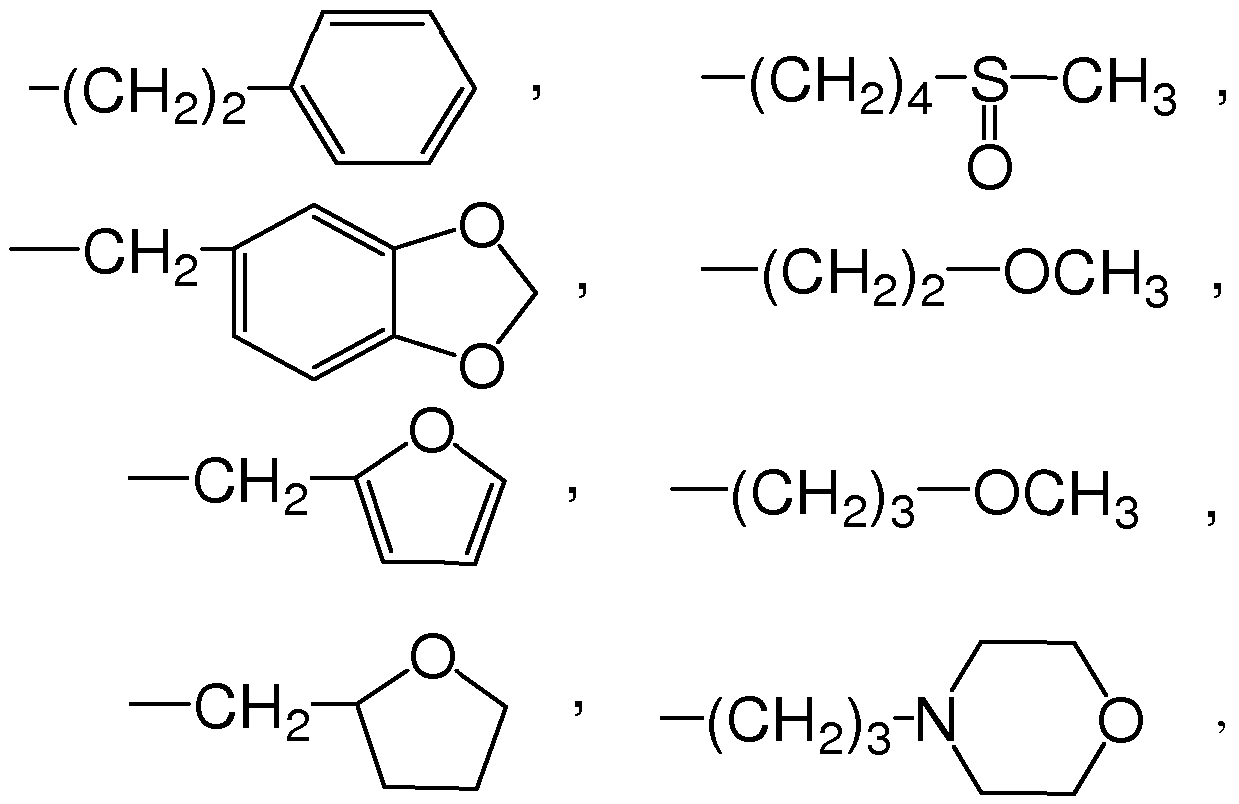

Thus, in one aspect, the present invention discloses a compound of Formula (I):

or a pharmaceutically acceptable salt, stereoisomer, tautomer, solvate, or prodrug thereof, wherein:
m and n are independently 0 or an integer selected from 1 to 10;
each squiggled line " ^ΛΛΛ " represents a single bond in either cis- or transconfiguration with respect to a double bond attached thereto;
each symbol " " represents a single bond or absence of a bond;
each symbol " " represents a single or a double bond;
V and W are independently selected from O, S, NRa, and C(R )2 when V and W are double bond(s) (i.e., = V and ^= W), or from ORx, SRX, NRaRb, and C(R4)3 when V and W are single bond(s) (i.e., V and W);
X and Z are each independently N or CR when " : X" and " = Z" are double bond(s), or from O, S, NRa, and C(R4)2 when "■ ■ X" and " = Z" are single bond(s);
Y is N or CR4 if " = Y" is a single bond, or carbon (C) if " ; : Y" is a double bond;
Ari and Ar2 are independently selected from unsubstituted or substituted aryl, arylalkyl and aryloxy; unsubstituted or substituted heteroaryl, heteroarylalkyl and heteroaryloxy; unsubstituted or substituted cycloalkyl, cycloalkylalkyl and cycloalkyloxy; and unsubstituted or substituted heterocyclyl, heterocyclylalkyl and heterocyclyloxy, each optionally substituted with one to four substituents independently selected from hydroxyl,
Ci-C6 alkyl, CrC6 alkoxy, halogen, CrC6 haloalkyl, nitro, cyano, -S(0)Rx, -S(0)2Rx, and -SRX, and -C(0)Rx;
1 2
R and R" are independently selected from hydrogen, hydroxyl, halogen, lower alkyl, and -C alkoxy;
R is selected from hydrogen, lower alkyl, cycloalkyl, aryl, heteroaryl, heterocyclyl, cycloalkylalkyl, arylalkyl, heteroarylalkyl, heterocyclylalkyl, each optionally substituted with one to four substituents independently selected from hydroxyl, CrC6 alkyl, Ci-C6 alkoxy, halogen, Ci-C6 haloalkyl, nitro, cyano, -S(0)Rx, -S(0)2Rx, and -SRX, and -C(0)Rx;
R4, at each occurrence, is independently hydrogen, hydroxyl, halogen, Ci-Ce alkyl, Ci-C alkoxy, or -C haloalkyl;
Ra and Rb, at each occurrence, is independently hydrogen, -C alkyl, phenyl, or benzyl, wherein phenyl or benzyl is optionally substituted by one to four substituents independently selected from hydroxyl, halogen, CrC6 alkyl, and CrC6 alkoxy; and
Rx, at each occurrence, is independently hydrogen, CrC6 alkyl, CrC6 haloalkyl, phenyl, or benzyl, wherein phenyl or benzyl is optionally substituted by one to four substituents independently selected from hydroxyl, halogen, -C alkyl, and -C alkoxy;
wherein any said heteroaryl or heterocyclyl comprises from 1 to 4 heteroatoms independently selected from the group consisting of N, O and S.
In a preferred embodiment, m and n are independently 0, 1, 2, or 3.
In one embodiment of this aspect, m and n are both 0; and V and W are both double bonds.
In one embodiment of this aspect, V and W are both oxygen(O).
In one embodiment of this aspect, Y is a double bond, and Y is carbon(C).
In one embodiment of this aspect, X and Z are both carbon.
In one embodiment of this aspect, X and Z are both double bonds.
In one embodiment of this aspect, X and Z are both single bonds.
In one embodiment of this aspect, one of X and Z is a double bond, and the other is a single bond.
In one embodiment of this aspect, the compound has a structure selected from:

In one embodiment of this aspect, Ar and Ar2 are each independently selected from C6-C10 aryl, C3-C8 cycloalkyl, 5- to 10-membered heteroaryl, and 5- to 10- membered heterocyclyl, each optionally substituted with one to four substituents independently selected from hydroxyl, -C alkyl, Ci-C6 alkoxy, halogen, Ci-C6 haloalkyl, and (C1-C6)alkyl-C(0)-, wherein any said heteroaryl or heterocyclyl comprises from 1 to 3 heteroatoms independently selected from the group consisting of N, O, and S.
In one embodiment of this aspect, Αη and Ar2 are independently phenyl optionally substituted by one to three substituents independently selected from hydroxyl, Ci-C6 alkyl
R7-

7
wherein n is 0 or an integer from 1 to 4, and wherein R at each occurrence is independently hydrogen or CrC6 alkyl.
In one embodiment of this aspect, Α and Ar2 are
 ; and R 3 is selected from the group consisting of:

In one embodiment of this aspect, selected from the group consisting of:

LH514 LH516


LH520 LH523

and LH524
In another aspect, the present invention provides a compound of Formula (II):

m and n are each independently 0 or an integer selected from 1 to 10;
D is S, O, or N-R5;
E is N or C-R4;
F is S, N-R6 or C(R4)2;
Ari and Ar2 are independently selected from unsubstituted or substituted aryl, arylalkyl and aryloxy; unsubstituted or substituted heteroaryl, heteroarylalkyl and heteroaryloxy; unsubstituted or substituted cycloalkyl, cycloalkylalkyl and cycloalkyloxy; and unsubstituted or substituted heterocyclyl, heterocyclylalkyl and heterocyclyloxy, each optionally substituted with one to four substituents independently selected from hydroxyl, i-Ce alkyl, C C6 alkoxy, halogen, C C6 haloalkyl, nitro, cyano, -S(0)Rx, -S(0)2Rx, and -SRX, and -C(0)Rx;
1 2
R and R" are independently selected from hydrogen, hydroxyl, halogen, lower alkyl, and CrC6 alkoxy;
R4, at each occurrence, is independently hydrogen, hydroxyl, halogen, Ci-Ce alkyl, or Ci-C alkoxy, or -C haloalkyl;
R5 and R6, at each occurrence, are independently selected from hydrogen, lower alkyl, cycloalkyl, aryl, heteroaryl, heterocyclyl, cycloalkylalkyl, arylalkyl, heteroarylalkyl, heterocyclylalkyl, each optionally substituted with one to four substituents independently selected from hydroxyl, -C alkyl, -C alkoxy, halogen, -C haloalkyl, nitro, cyano, -S(0)Rx, -S(0)2Rx, and -SRx, and -C(0)Rx;
Ra and Rb, at each occurrence, is independently hydrogen, -C alkyl, phenyl, or benzyl, wherein phenyl or benzyl is optionally substituted by one to four substituents independently selected from hydroxyl, halogen, C C6 alkyl, and C C6 alkoxy; and
Rx, at each occurrence, is independently hydrogen, CrC6 alkyl, CrC6 haloalkyl, phenyl, or benzyl, wherein phenyl or benzyl is optionally substituted by one to four substituents independently selected from hydroxyl, halogen, -C alkyl, and -C alkoxy;
wherein any said heteroaryl or heterocyclyl comprises from 1 to 4 heteroatoms independently selected from the group consisting of N, O and S.
In one embodiment of this aspect, is a single bond.
In one embodiment of this aspect, is a double bond.
In one embodiment of this aspect, m and n are independently 0, 1, 2, 3; and E is nitrogen(N).
In one embodiment of this aspect, D is N-R5 and F is sulfur(S).
In one embodiment of this aspect, D is oxygen(O) and F is N-R6.
In one embodiment of this aspect, D is sulfur(S) and F is N-R6.
In one embodiment of this aspect, the compound has the structure:

the squiggled line " >^wv " represents a "cis-" or a "trans-" configuration.
In one embodiment of this aspect, Ari and Ar2 are each independently selected from C3-C8 cycloalkyl, C6-Cio aryl, 5 to 10-membered heteroaryl, or 5 to 10-membered heterocyclyl, each optionally substituted with one to four substituents independently selected from hydroxyl, C C6 alkyl, C C6 alkoxy, halogen, C C6 haloalkyl, nitro, cyano, -S(0)Rx, -S(0)2Rx, and -SRX, and -C(0)Rx ;
R1 is selected from hydrogen, hydroxyl, halogen, lower alkyl, and Ci-C6 alkoxy; and
R5 is selected from hydrogen, lower alkyl, C3-C8 cycloalkyl, C6-Cio aryl, 5 to 10- membered heteroaryl, 5 to 10-membered heterocyclyl, (C3-C8 cycloalkyl)alkyl, (C6-Cio aryl)alkyl, (5 to 10-membered heteroaryl)alkyl, (5 to 10-membered heterocyclyl)alkyl, each optionally substituted with one to four substituents independently selected from hydroxyl, Ci-C6 alkyl, Ci-C6 alkoxy, halogen, Ci-C6 haloalkyl, nitro, cyano, -S(0)Rx, -S(0)2Rx, and -SRX, and -C(0)Rx;
wherein said heteroaryl or heterocyclyl each comprises from 1 to 3 heteroatoms independently selected from the group consisting of N, O and S.
In one embodiment of this aspect, Ar and Ar2 are independently phenyl optionally substituted by one to three substituents independently selected from hydroxyl, CrC6 alkyl, alkoxy, halogen, haloalkyl, nitro, cyano, and (C1-C6)alkyl-C(0)-; and R5 is selected from the group consisting of:

wherein n is 0 or an integer from 1 to 4, and wherein R at each occurrence is hydrogen or Ci-Ce alkyl.
In one embodiment of this aspect, Art and Ar2 are

selected from the group consisting of:

In one embodiment of this aspect, the compound is further characterized by Formula:
D
R2 ^ N^ N R1
"Ar2 (iv), wherein:
D is O or S;
x\ and Ar2 are each independently selected from C3-C8 cycloalkyl, C6-Cio aryl, 5 to 10-membered heteroaryl, or 5 to 10-membered heterocyclyl, each optionally substituted with one to four substituents independently selected from hydroxyl, CrC6 alkyl, CrC6
alkoxy, halogen, CrC6 haloalkyl, nitro, cyano, -S(0)Rx, -S(0)2Rx, and -SRX, and -
C(0)Rx, ;
R

alkyl, and Ci-C6 alkoxy; and
R6 is selected from hydrogen, lower alkyl, C3-C8 cycloalkyl, C6-Cio aryl, 5 to membered heteroaryl, 5 to 10-membered heterocyclyl, (C3-C8 cycloalkyl)alkyl, (C6-C10 aryl)alkyl, (5 to 10-membered heteroaryl)alkyl, (5 to 10-membered heterocyclyl)alkyl, each optionally substituted with one to four substituents independently selected from hydroxyl, -C alkyl, -C alkoxy, halogen, -C haloalkyl, nitro, cyano, -S(0)Rx, -S(0)2Rx, and -SRX, and -C(0)Rx;
wherein said heteroaryl or heterocyclyl each comprises from 1 to 3 heteroatoms independently selected from the group consisting of N, O and S.
In one embodiment of this aspect, D is sulfur(S);
1 2
R and R are hydrogen;
Ari and Ar2 are independently phenyl optionally substituted by one to three substituents independently selected from hydroxyl, -C alkyl, alkoxy, halogen, haloalkyl, nitro, cyano, and (C1-C6)alkyl-C(0)-; and selected from the group consisting


 , wherein n is 0 or an integer from 1 to 4; and wherein R at each occurrence is hydro
In one embodiment of this aspect, Ari and Ar2 are
 R6 is selected from the group consisting of:

In one embodiment of this aspect, the compound is selected from the group consisting of:

LH503 LH504

LH509 LH540

LH541 LH507


In another aspect, the present invention provides a pharmaceutical composition comprising a compound according to any embodiments described herein, or a pharmaceutically acceptable salt, stereoisomer, tautomer, solvate, or prodrug thereof, and a pharmaceutically acceptable carrier.
In another aspect, the present invention provides use of a compound according to any embodiments described herein, or a pharmaceutically acceptable salt, stereoisomer, tautomer, solvate, or prodrug thereof, in the manufacture of a medicament for treating a disease or disorder selected from inflammatory diseases or disorders, proliferative diseases or disorders, metabolic diseases or disorders, cardiovascular diseases or disorders, and neurological diseases and disorders.
In another aspect, the present invention provides a method of inducing Nrf2 activity comprising: providing a tissue of interest; and contacting said tissue with a compound according to any embodiments described herein, or a pharmaceutically acceptable salt, stereoisomer, tautomer, solvate, or prodrug thereof, to activate the antioxidative stress system.
In another aspect, the present invention provides a method of treating a disease or condition selected from proliferative diseases or disorders, metabolic diseases or disorders, cardiovascular diseases or disorders, and neurological diseases and disorders,
comprising administering to a subject in need of treatment a therapeutically effective amount of a compound according to any embodiments described herein, or a pharmaceutically acceptable salt, stereoisomer, tautomer, solvate, or prodrug thereof.
The disease or disorder is a selected from inflammation, cancer, diabetes, multiple sclerosis, amyotrophic lateral sclerosis, and Alzheimer's disease.
In another aspect, the present invention provides a method of synthesizing iminothiazinylbutadienol and/or divinyl-pyrimidinethione, comprising the steps of
a) reacting curcumin or an analog thereof with a thiourea, and
b) isolating iminothiazinylbutadienol and/or divinyl-pyrimidinethione product obtained.
In one embodiment of this aspect, the reaction is carried out under an acid or basic condition.
In one embodiment of this aspect, the method further includes an oxidation step, for example, illustrated below:

5,6-dihydro-2-imino-1 ,3-thiazines 2-imino-1 ,3-thiazines
In one embodiment of this aspect, the method further includes a base-catalyzed rearrangement reaction for example, illustrated below:

5,6-dihydro-2-imino-1 ,3-thiazines 4,6-divinylpyrimidine-2-thione
In another aspect, the present invention provides a method of synthesizing thiopyranopyridinedione compound according to any embodiments described herein, comprising the steps of
a) reacting curcumin or an analog thereof with an isothiocyanate to form an adduct, and
b) converting the adduct by double Michael addition reactions to form a fused bicyclic thiopyranopyridinedione compound.
In one embodiment of this aspect, the method involves formation of an intermediate selected from:

In one embodiment of this aspect, the reaction is conducted under an inert atmosphere.
In one embodiment of this aspect, the reaction is conducted in the presence of air or oxygen.
In one embodiment of this aspect, the method further includes an oxidation step, for example, illustrated below:

In one embodiment of this aspect, the method further includes an oxidation step, for example, illustrated below:

In one embodiment of this aspect, the method further comprises a purification step.
In one embodiment of this aspect, the purification step includes chromatography and/or crystallization.
In a preferred embodiment of the present invention methods of making the novel compounds are presented. The inventive process employs the Michael acceptors of the curcumin structure. Curcumin contains two Michael acceptors that react readily with biological thiols. The other major class of thiol-reactive chemopreventive natural products is the isothiocyanates that include PEITC and sulforaphane, both of which are present in watercress and other cruciferous vegetables and have been shown to inhibit tumor formation in carcinogen-induced cancer models of rodent and a genetic Ape Min/+ mice model. As known to a person of skill in the art, Michael reactions can usually generate stereogenic centers with two possible types of configurations (R- and S-). Unless otherwise indicated, the bond without (R-) or (S-) designation encompasses either or both of the (R-) and (S-) configurations. Therefore, the present invention encompasses all possible enantiomers and/or diastereomers of the compound structures illustrated. Similarly, where double bonds exist, unless otherwise noted, cis- (or Z-) and trans- (or E-) isomers are both encompassed.
In another aspect of the present invention, effective amounts of the inventive compounds are administered to patients in need of such treatment to induce the expression of cellular detoxifying or antioxidant enzymes mediated through the Keapl-Nrf2-ARE system.
The Nrf2 activators of the present invention are designed to mask the chemically reactive Michael acceptors and isothiocyanates to reduce cytotoxicity and systemic side effects without compromising, if not enhancing, the chemopreventive inducing properties of ARE genes.
Through its control of the body's production of antioxidants, Nrf2 protects against a broad range of inflammation and oxidative stress related diseases, including cancer, renal disease, cardiovascular diseases and neurological disease (e.g., multiple sclerosis, amyotrophic lateral sclerosis, Alzheimer's disease). The present invention discloses compounds that complement the activity of Nrf2.
Those of ordinary skill in the art can appreciate that the present invention employs curcumin' s two Michael acceptors when it exists in the keto form. However, the present invention incorporates the discovery that the tautomeric enol form is energetically more stable in solid phase and in solution. That is, one of the two Michael acceptors in curcumin is more reactive towards nucleophilic attack.
In one aspect of the present invention, the present invention masks the more reactive Michael acceptor with thioureas derived from the chemopreventive isothiocyanates to form iminothiazinylbutadienols (i) or masks the β-diketone and thus both Michael acceptors with thioureas to form divinylpyrimidinethiones (ii).
The presently disclosed compounds can be made by another approach wherein curcumin is reacted with a negatively charged carbon anion resulting from reacting curcumin with isothiocyanates followed by double Michael addition reactions to form the fused bicyclic thiopyranopyridinediones (iii).
As mentioned above, the present compounds are directed to such substituents wherein the R group can be H, alkyl, aryl, or heteroaryl like those in the chemopreventive isothiocyanates while the Ar and Ar2 can be substituted aryl or heteroaryl including the 4- hydroxy-3-methoxyphenyl found in curcumin. The three series of novel curcumin-ITC conjugates were synthesized and evaluated as Nrf2 activators. Some of these novel compounds were found to activate ARE genes more effectively than curcumin and isothiocyanates in an ARE-luciferase reporter assay using HepG2-C8 cells as described in the examples below in more details.
One aspect of the present invention is directed to process for preparing suitable crystalline structures of the new Nrf2 modulators. According to this aspect of the invention the desired compound is recrystallized by being dissolved in a suitable solvent; and the resulting solution obtained thereafter may be saturated or be subjected to a thermal treatment to produce solid forms of the active ingredients in either crystalline or amorphous structures. Other therapeutic salts, solvates and hydrates are also described to be made by such manner. Suitable solvents include but are not limited to water, alcohols, including methanol, ethanol, isopropyl alcohol, n-butanol, tertiary butyl alcohol and the like.
Pharmaceutical formulations of the present invention include those suitable for oral, nasal, topical (including buccal and sublingual), rectal, vaginal and/or parenteral administration. Regardless of the route of administration selected, the active ingredient(s) are formulated into pharmaceutically acceptable dosage forms by methods known to those of skill in the art.
The amount of the active ingredient(s) which will be combined with a carrier material to produce a single dosage form will vary depending upon the host being treated, the particular mode of administration and all of the other factors described above. The amount of the active ingredient(s) which will be combined with a carrier material to produce a single dosage form will generally be that amount of the active ingredient(s) which is the lowest dose effective to produce a therapeutic effect.
Methods of preparing pharmaceutical formulations or compositions include the step of bringing the active ingredient(s) into association with the carrier and, optionally, one or more accessory ingredients. In general, the formulations are prepared by uniformly mixing the active ingredient(s) into liquid carriers, or finely divided solid carriers, or both, and then, if necessary, shaping the product.
Formulations of the invention suitable for oral administration may be in the form of capsules, cachets, pills, tablets, lozenges (using a flavored basis, usually sucrose and acacia or tragacanth), powders, granules, or as a solution or a suspension in an aqueous or nonaqueous liquid, or as an oil-in-water or water-in-oil liquid emulsion, or as an elixir or syrup, or as pastilles (using an inert base, such as gelatin and glycerin, or sucrose and acacia) and/or as mouth washes and the like, each containing a predetermined amount of the active ingredient(s). The active ingredient(s) may also be administered as a bolus, electuary or paste.
In solid dosage forms of the invention for oral administration (capsules, tablets, pills, dragees, powders, granules and the like), the prodrug(s), active ingredient(s) (in their micronized form) is/are mixed with one or more pharmaceutically- acceptable carriers, such as sodium citrate or dicalcium phosphate, and/or any of the following: (1) fillers or extenders, such as starches, lactose, sucrose, glucose, mannitol, and/or silicic acid; (2) binders, such as, for example, carboxymethyl-cellulose, alginates, gelatin, polyvinyl
pyrrolidone, sucrose and/or acacia; (3) humectants, such as glycerol; (4) disintegrating agents, such as agar-agar, calcium carbonate, potato or tapioca starch, alginic acid, certain silicates, and sodium carbonate; (5) solution retarding agents, such as paraffin; (6) absorption accelerators, such as quaternary ammonium compounds; (7) wetting agents, such as, for example, cetyl alcohol and glycerol monostearate; (8) absorbents, such as kaolin and bentonite clay; (9) lubricants, such as talc, calcium stearate, magnesium stearate, solid polyethylene glycols, sodium lauryl sulfate, and mixtures thereof; and (10) coloring agents. In the case of capsules, tablets and pills, the pharmaceutical compositions may also comprise buffering agents. Solid compositions of a similar type may also be employed as fillers in soft and hard-filled gelatin capsules using such excipients as lactose or milk sugars, as well as high molecular weight polyethylene glycols and the like.
A tablet may be made by compression or molding, optionally with one or more accessory ingredients. Compressed tablets may be prepared using binder (for example, gelatin or hydroxypropylmethyl cellulose), lubricant, inert diluent, preservative, disintegrant (for example, sodium starch glycolate or cross-linked sodium carboxymethyl cellulose), surface-active or dispersing agent. Molded tablets may be made by molding in a suitable machine a mixture of the powdered active ingredient(s) moistened with an inert liquid diluent.
The tablets, and other solid dosage forms of the pharmaceutical compositions of the present invention, such as dragees, capsules, pills and granules, may optionally be scored or prepared with coatings and shells, such as enteric coatings and other coatings well known in the pharmaceutical-formulating art. They may also be formulated so as to provide slow or controlled release of the active ingredient(s) therein using, for example, hydroxypropyl-methyl cellulose in varying proportions to provide the desired release profile, other polymer matrices, liposomes and/or microspheres. They may be sterilized by, for example, filtration through a bacteria-retaining filter. These compositions may also optionally contain opacifying agents and may be of a composition that they release the active ingredient(s) only, or preferentially, in a certain portion of the gastrointestinal tract, optionally, in a delayed manner. Examples of embedding compositions which can be used
include polymeric substances and waxes. The active ingredient(s) can also be in microencapsulated form.
Liquid dosage forms for oral administration of the active ingredient(s) include pharmaceutically-acceptable emulsions, microemulsions, solutions, suspensions, syrups and elixirs. In addition to the active ingredient(s), the liquid dosage forms may contain inert diluents commonly used in the art, such as, for example, water or other solvents, solubilizing agents and emulsifiers, such as ethyl alcohol, isopropyl alcohol, ethylacetate, butyl alcohol, benzyl benzoate, propylene glycol, glycol, oils (in particular, cottonseed, groundnut, corn, germ, olive, castor and sesame oils), glycerol, amyl alcohol, tetrahydrofuryl polyethylene glycols and fatty acid esters of sorbitan, and mixtures thereof.
Besides inert diluents the oral compositions can also include adjuvants such as wetting agents, emulsifying and suspending agents, sweetening, flavoring, coloring, perfuming and preservative agents. Suspensions, in addition to the active ingredient(s), may contain suspending agents as, for example, ethoxylated alcohols, polyoxyethylene sorbitol and sorbitan esters, microcrystalline cellulose, aluminum metahydroxide, bentonite, agar-agar and tragacanth, and mixtures thereof.
Formulations of the pharmaceutical compositions of the invention for rectal or vaginal administration may be presented as a suppository, which may be prepared by mixing the active ingredient(s) with one or more suitable nonirritating excipients or carriers comprising, for example, cocoa butter, polyethylene glycol, wax and which is solid at room temperature, but liquid at body temperature and, therefore, will melt in the rectum or vaginal cavity and release the active ingredient(s). Formulations of the present invention which are suitable for vaginal administration also include pessaries, tampons, creams, gels, pastes, foams or spray formulations containing such carriers as are known in the art to be appropriate.
Dosage forms for the topical or transdermal administration of the active ingredient(s) include powders sprays, ointments, pastes, creams, lotions, gels, solutions, patches and inhalants. The active ingredient(s) may be mixed under sterile conditions with
pharmaceutically- acce table carrier, and with any buffers, or propellants which may be required.
The ointments, pastes, creams and gels may contain, in addition to the active ingredient(s), excipients, such as animal and vegetable fats, oils, waxes, paraffins, starch, tragacanth, cellulose derivatives, polyethylene glycols, silicones, bentonites, silicic acid, talc and zinc oxide, or mixtures thereof. Powders and sprays can contain, in addition to the active ingredient(s), excipients such as lactose, talc, silicic acid, aluminum hydroxide, calcium silicates and polyamide powder, or mixtures of these substances. Sprays can additionally contain customary propellants such as chlorofluoro-hydrocarbons and volatile unsubstituted hydrocarbons, such as butane and propane.
Compounds of the present invention may be administered in intranasal form via topical use of suitable intranasal vehicles, or via transdermal routes, using those forms of transdermal skin patches well known to those of ordinary skill in the art. A transdermal delivery system provides for continuous administration throughout the dosage regimen. Transdermal patches have the added advantage of providing controlled delivery of the active ingredient(s) to the body. Such dosage forms can be made by dissolving, dispersing or otherwise incorporating the active ingredient(s) in a proper medium, such as an elastomeric matrix material. Absorption enhancers can also be used to increase the flux of the active ingredient(s) across the skin. The rate of such flux can be controlled by either providing a rate-controlling membrane or dispersing the active ingredient(s) in a polymer matrix or gel.
The compounds of the present invention can also be administered in the form of liposome delivery systems, such as small unilamellar vesicles, large unilamellar vesicles and multilamellar vesicles. Liposomes can be formed from a variety of phospholipids, such as cholesterol, stearylamine or phosphatidylcholines.
Another mode of delivery for the compounds of the present invention may be delivery via the use of monoclonal antibodies as individual carriers to which the compound molecules are coupled. The compounds of the present invention may also be coupled with soluble polymers as targetable drug carriers. Such polymers can include polyvinylpyrrolidone, pyran copolymer, polyhydroxypropyl-methacrylamide-phenol,
polyhydroxy-ethylaspartamide-phenol, or polyethyleneoxide-polylysine substituted with palmitoyl residues. Furthermore, the compounds of the present inven-tion may be coupled to a class of biodegradable polymers useful in achieving controlled release of a drug, for example, polylactic acid, polyglycolic acid, copolymers of polyactic and polyglycolic acid, polyepsilon caprolactone, polyhydroxy butyric acid, polyorthoesters, polyacetals, polydihydropyrans, polycyanoacrylates and crosslinked or amphipathic block copolymers of hydro gels.
Pharmaceutical compositions of this invention suitable for parenteral administration comprise the active ingredient(s) in combination with one or more pharma- ceutically-acceptable sterile isotonic aqueous or nonaqueous solutions, suspensions or emulsions, or sterile powders which may be reconstituted into sterile injectable solutions or dispersions just prior to use, which may contain antioxidants, buffers, solutes which render the formulation isotonic with the blood of the intended recipient or suspending or thickening agents.
Examples of suitable aqueous and nonaqueous carriers which may be employed in the pharmaceutical compositions of the invention include water, ethanol, polyols (such as glycerol, propylene glycol, polyethylene glycol, and the like), and suitable mixtures thereof, vegetable oils, such as olive oil, and injectable organic esters, such as ethyl oleate. Proper fluidity can be maintained, for example, by the use of coating materials, such as lecithin, by the maintenance of the required particle size, and by the use of surfactants.
These compositions may also contain adjuvants such as wetting agents, emulsifying agents and dispersing agents. It may also be desirable to include isotonic agents, such as sugars, sodium chloride, and the like in the compositions. In addition, prolonged absorption of the injectable pharmaceutical form may be brought about by the inclusion of agents which delay absorption such as aluminum monostearate and gelatin.
In some cases, in order to prolong the effect of the active ingredient(s), it is desirable to slow the absorption of the drug from subcutaneous or intramuscular injection. This may be accomplished by the use of a liquid suspension of crystalline or amorphous material having poor water solubility. The rate of absorption of the active ingredient(s)
then depends upon its/their rate of dissolution which, in turn, may depend upon crystal size and crystalline form.
Injectable depot forms are made by forming microencapsule matrices of the active ingredient(s) in biodegradable polymers such as polylactide-polyglycolide. Depending on the ratio of the active ingredient(s) to polymer, and the nature of the particular polymer employed, the rate of release of the active ingredient(s) can be controlled. Examples of other biodegradable polymers include poly(orthoesters) and poly(anhydrides). Depot injectable formulations are also prepared by entrapping the active ingredient(s) in liposomes or microemulsions which are compatible with body tissue. The injectable materials can be sterilized for example, by filtration through a bacterial-retaining filter.
The formulations may be presented in unit-dose or multi-dose sealed containers, for example, ampoules and vials, and may be stored in a lyophilized condition requiring only the addition of the sterile liquid carrier, for example water for injection, immediately prior to use. Extemporaneous injection solutions and suspensions maybe prepared from sterile powders, granules and tablets of the type described above.
The pharmaceutical compositions of the present invention may also be used in the form of veterinary formulations.
EXAMPLES
Synthetic Schemes
Synthesis of 2-imino-l ,3-thiazine and pyrimidine-2-thione derivatives
Curcumin, l,7-Bis(4-hydroxy-3-methoxyphenyl)- l,6-heptadiene-3,5-dione, has two Michael acceptors when it exist in the keto form; but, the tautomeric enol form is energetically more stable in solid phase and in solution. Thus, one of the two Michael acceptors in curcumin is more reactive towards nucleophilic attack (even though both can from GSH adduct in the presence of 1 mM GSH). Therefore, one approach is to mask the more reactive Michael acceptor by thioureas derived from the cancer preventive isothiocyanates. As shown in Scheme 1, nucleophilic attack of the sulfur in thiourea to the -carbon of the Michael acceptor in enol ketone form under acidic conditions gives the Michael adduct intermediate, that cyclizes with the elimination of water to form 5,6-
dihydro-2-imino-l,3-thiazines as the major product and 4,6-divinylpyrimidine-2-thiones as the minor product. The major product 5,6-dihydro-2-imino-l,3-thiazines can be further oxidized to 2-imino-l,3-thiazines and can also be converted to 4,6-divinylpyrimidine-2- thiones under base-catalyzed rearrangement conditions. The R group can be the alkyl chains like those existed in the cancer preventive isothiocyanates. The first step of acid- catalyzed addition can be carried out using 4 N HC1 in dioxane, concentrated or diluted HC1, sulfuric acid, or other organic acids. Oxidation can be performed using air, DMSO, or other oxidizing agents such as silver oxide, magnesium oxide, PCC, PDC, DDQ, etc. The base-catalyzed conversion from 5,6-dihydro-2-imino-l,3-thiazines to 4,6- divinylpyrimidine-2-thiones can be carried out in the presence of sodium or potassium salts of carbonates or bicarbonates or other mild bases in organic or aqueous solvents.
The two phenyl rings of curcumin can be replaced with many other substituted phenyl or heterocyclic ring systems; for example, both 4-hydroxy-3-methoxyphenyl groups can be replaced with other substituted aromatic ring systems such as 4-hydroxyphenyl, 3,4-dihydroxyphenyl, 4-hydroxy-3,5-dimethoxyphenyl, 4-hydroxy-3- chlorophenyl, and 4-hydroxy-3-fluorophenyl, or substituted pyridinyl, pyrimidinyl, pyrazinyl, imidazolyl, pyrazolyl, furfuryl, thienyl, oxazolyl, thiazolyl, etc. These curcumin analogs can be synthesized in one-step starting from varying analogs of vanillin and acetoacetone in high yields (Feng, J.-Y. and Liu, Z.-Q. J. Agric. Food Chem., 2009, 57, 11041-11046.).
Synthesis of thiopyrano[ 2,3 -b ]pyridine-4,5-dione derivatives
The second approach as shown in Scheme 2 is to react the negatively charged carbon cation of l,6-heptadiene-3,5-diones with isothiocyanates under basic conditions leading to intermediate that can then undergo double Michael addition reactions to form the fused bicyclic 2,3,6,7-tetrahydro-thiopyrano[2,3-b]pyridine-4,5-diones. The 2,3,6,7- tetrahydro-thiopyrano[2,3-b]pyridine-4,5-diones can be oxidized to remove two hydrogen atoms to form 6,7-dihydro-thiopyrano[2,3-b]pyridine-4,5-diones or to remove four hydrogen atoms to form thiopyrano[2,3-b]pyridine-4,5-diones. The base-catalyzed conjugation reactions between l,6-heptadiene-3,5-diones and isothiocyanates can be carried out in the presence of sodium or potassium or other metal salts of carbonates or
bicarbonates or any other mild bases in organic or aqueous solvents. Oxidation reactions can be performed using air, DMSO, or other mild oxidizing agents to removed the first two protons and further oxidation can be performed using other oxidizing agents such as DDQ, silver oxide, magnesium oxide, PCC, PDC, etc. Degree of oxidation can be controlled by the strength of the oxidizing agents and can also be controlled by the amount of oxidizing agents used.
Example 1 : Method of making 1-phenethylthiurea

Anhydrous ammonia was bubbled through a solution of 2g PEITC in lOmL dichloromethane for 2h. The formed white precipitate was filtered and washed with dichloromethane. The white precipitate was then collected and dried over vacuum affording 1.9g, 86.4%.
1HNMR (CD3OD-d4): δ 7.27-7.18 (m, 5H), 3.81 (br s, 2H), 2.86 (t, 2H). 13CNMR (CD3OD-d4): δ 140.4, 129.8( x 2), 129.8( x 2), 127.3, 47.2, 36.3. MS (ESI+): m/z, 181.0 (M+H).
Example 2. Method of making 4-(4-((lZ,3E)-2-hydroxy-4-(4-hydroxy-3- methoxyphenyl)buta- 1 ,3-dien- 1 -yl)-2-(phenethylimino)-5,6-dihydro-2H- 1 ,3-thiazin-6-yl)- 2-methoxyphenol (LH503) and 4-(4-((lZ,3E)-2-hydroxy-4-(4-hydroxy-3- methoxyphenyl)buta- 1 ,3-dien- 1 -yl)-2-(phenethylamino)-6H- 1 ,3-thiazin-6-yl)-2- methoxyphenol (LH535)

LH535
LH503: 1H NMR (400 MHz, DMSO-d6): δ 2.96-3.10 (m, 2 x 2H, 2 x CH2-N=), 3.21 (td, 2 x IH, 2 x HCH), 3.50 ( td, 2 x IH, 2 x HCH), 3.65-3.79 (m, 4H, 2 x CH2-Ar), 3.79, 3.84 (2 x s, 12H, 2 x (2 x OCH3)), 4.98 (td, 2H, 2 x S-CH), 6.11, 6.22 (2 x d, J = 16 Hz, 2 x IH, 2 x CH=CH-Ar), 6.78-6.98 (m, 10H, Ar-H), 7.11-7.33 (m, 14H, Ar-H), 7.60, 7.67 (2 x d, J = 16 Hz, 2 x IH, 2 x CH=CH-Ar), 11.75 ( s, IH, =C(OH), 13.70 ( s, IH, Ar- OH), 14.60 ( s, IH, Ar-OH). 13C NMR (100 MHz, DMSO-d6): δ 32.9, 33.5 (2 x CH2-Ar), 34.0, 34.5 (2 x HCH), 41.9, 42.2 (2 x S-CH), 45.6, 45.7 (2 x CH2-N=), 55.7, 55.8 (2 x (2 x OCH3)), 105.6, 106.3 (2 x =C-C(OH)), 110.5, 111.5, 111.7, 111.8 (2 x C-a, C-b), 115.8, 115.9 (2 x C-a', C-b'), 120.4, 120.5 (2 x C-c), 123.3, 123.7 (2 x C-c'), 124.2, 124.7 (2 x C=C-Ar), 125.6, 125.7, 126.1, 126.4 (2 x C-q, C-q'), 126.8, 126.7 (2 x C-4), 128.5, 128.6, 128.8, 126.9 (2 x C-2, C-3, C-5, C-6), 137.5, 137.6 (2 x C-6), 145.8 (2 x C=C-Ar), 147.5, 147.6, 147.9, 148.1, 148.6, 150.1, 150.3, 150.6 (2 x (2 x C-OCH3, C(Ar)-OH)), 162.9 (HCH-C=N), 190.4 (=C(OH)), 191.6 (C=N-CH2). MS (ESI+): m/z, m/z 530.99 (M+H).
LH535: 1H NMR (CD3OD-d4): δ 7.22-7.12 (m, 3H), 7.08 (d, IH), 7.05 (d, IH), 6.98 (d, IH), 6.85 (dd, IH), 6.79 (d, IH), 6.77 (d, IH), 6.73 (dd, IH), 6.53 (dd, IH), 6.11 (d, IH), 5.35 (s, IH), 4.82 (d, IH), 3.83 (s, 3H), 3.78 (s, 3H), 3.65 (t, 2H), 2.88 (t, 2H). 13CNMR (CD3OD-d4): δ 194.4, 149.6 (x 2), 149.3, 149.1, 147.5, 139.8, 129.1 (x 2), 128.9 (x 2), 127.4, 122.7, 119.0, 118.7, 118.5, 112.1, 110.1, 60.7, 56.5 (x 2), 52.1, 47.9, 47.5, 40.4, 37.0. MS (ESI+): m/z, 531.0 (M+H).
Example 3: Method of making 4-(4-((lZ,3E)-2-hydroxy-4-(4-hydroxy-3- methoxyphenyl)buta-l,3-dien-l-yl)-2-(((tetrahydrofuran-2-yl)methyl)imino)-5,6-dihydro- 2H-l,3-thiazin-6-yl)-2-methoxyphenol (LH509), and 4-(4-((lE,3Z)-3-hydroxy-4-(4(Z)-6- (-4-hydroxy-3-methoxyphenyl)-2 (((tetrahydrofuran-2-yl)methyl)imino)-5,6-dihydro-2H- l,3-thiazin-4-yl)buta-l,3-dien-l-yl)-2-methoxyphenol (LH538), and (E)-6-(4-hydroxy-3- methoxyphenethyl)-4-(4-hydroxystyryl)-l-((tetrahydrofuran-2-yl)methyl)pyrimidine- 2(lH)-thione (LH531).

LH509 LH538
Exact Mass: 510.18 Exact Mass: 510.18
Molecular Weight: 510.60 Molecular Weight: 510.60

LH531
Exact Mass: 492.17
Molecular Weight: 492.59
10 mL 4M HC1 in dioxane was added to a mixture of curcumin (74mg, 0.2mmol) and l-((tetrahydrofuran-2-yl)methyl)thiourea (160mg, 0.4mmol). The dark reaction mixture was stirred for 12h at room temperature. The reaction mixture was then concentrated and the residue was purified by HPLC to get LH509 (12mg, 11.7%), LH538 (18mg, 17.6%) and LH531 (2.6mg, 2.5%).


LH509: IH NMR (CD30D-d4): δ 7.79 (dd, IH), 7.28 (d, IH), 7.20 (d, IH), 7.07 (dd, IH), 6.96 (dd, IH), 6.88 (d, IH), 6.84 (d, IH), 6.27 (s, IH), 4.22 (m, IH), 3.94 (s, 3H), 3.91 (s, 3H), 4.06 (d, IH), 3.82 ( t, IH), 3.73-3.60 (m, 2H), 3.59-3.42 (m, 2H), 2.30- 1.90 (m, 4H), 1.85-1.60 (m, 2H). 13CNMR (CD30D-d4): δ 192.9, 192.5, 166.7, 151.9, 151.8, 151.6, 151.0, 149.9, 149.5, 149.1, 127.8, 127.8, 125.6, 124.4, 121.8, 116.9 (x 2), 112.3, 109.9, 107.9, 77.9, 69.6, 56.6 (x 2), 50.4, 44.8, 36.6, 30.1, 26.6. MS (ESI+): m z, 510.99 (M+H). LH531: IH NMR (DMSO-d6): δ 8.34 (d, IH), 7.73 (d, IH), 7.63 (d, IH), 7.51 (s,
IH), 7.45 (d, IH), 7.42 (d, IH), 7.40 (dd, IH), 7.32 (s, IH), 7.25 (dd, IH), 6.96 (d, IH), 6.89 (d, IH), 4.10 (m, 2H), 3.91 (s, 3H), 3.86 (s, 3H), 2.08 (m, IH), 2.00-2.17 (m, 4H), 1.68 (m, 2H). MS (ESI+): m/z, 493.0 (M+H).
Example 4: Method of making 4-((lE,3Z)-3-hydroxy-4-((Z)-6-(4-hydroxy-3- methoxyphenyl)-2-(phenethylimino)-2H- 1 ,3-thiazin-4-yl)buta- 1 ,3-dien- 1 -yl)-2- methoxyphenol (LH540).

LH540
Exact Mass: 528.1719
Molecular Weight: 528.6187
20mg LH503 was dissolved in 1.2mL DMSO and stirred for 72h at room temperature. The reaction mixture was then concentrated by speedvac and the residue was purified by HPLC to afford LH540 (3.8mg, 19.1%).

LH503 LH540
LH540: 1H NMR (CD3OD-d4): δ 7.71 (d, IH), 7.51 (d, IH), 7.48 (d, IH), 7.23- 7.18 (m, 4H), 7.12 (s, IH), 7.10 (d, IH), 7.08 (dd, IH), 6.99 (d, IH), 6.96 (dd, IH), 6.74 (d, IH), 6.70 (d, IH), 3.78 (s, 3H), 3.75 (s, 3H), 3.58 (t, 2H), 2.91 (t, 2H). MS (ESI+): m/z, 529.0 (M+H). Example 5: Compound LH541 : 4-((lZ,3E)-3-hydroxy-4-((Z)-6-(4-hydroxy-3- methoxyphenyl)-2-((4-(methylsulfinyl)butyl)imino)-2H- 1 ,3-thiazin-4-yl)buta- 1 ,3-dien- 1 - yl) -2-methoxyphenol .

LH541
Exact Mass: 542.1545
Molecular Weight: 542.6669
LH541 : 1H NMR (CD3OD-d4): δ 7.75 (d, IH), 7.52 (d, IH), 7.14 (d, IH), 7.10 (s, IH), 7.09 (dd, IH), 7.03 (d, IH), 6.97 (dd, IH), 6.77 (d, IH), 6.71 (d, IH), 3.79 (s, 3H), 3.77 (s, 3H), 3.38 (t, 2H), 2.50 (t, 2H), 2.00 (s, 3H), 1.80- 1.61 (m, 4H). MS (ESI+): m/z, 543.1 (M+H).
Example 6: Method of making 4-(4-((lZ,3E)-2-hydroxy-4-(4-hydroxy-3- methoxyphenyl)buta- 1 ,3-dien- 1 -yl)-2-(2-methoxyethyl)imino)-5,6-dihydro-2H- 1,3- thiazin-6-yl)-2-methoxyphenol, (LH507), and 4-(4-((lZ,3E)-2-hydroxy-4-(4-hydroxy-3- methoxyphenyl)buta- 1 ,3-dien- 1 -yl)-2-((2-methoxyethyl)amino)-6H- 1 ,3-thiazin-6-yl)-2- methoxyphenol (LH530).

LH507
Exact Mass: 484.17
Molecular Weight: 484.56
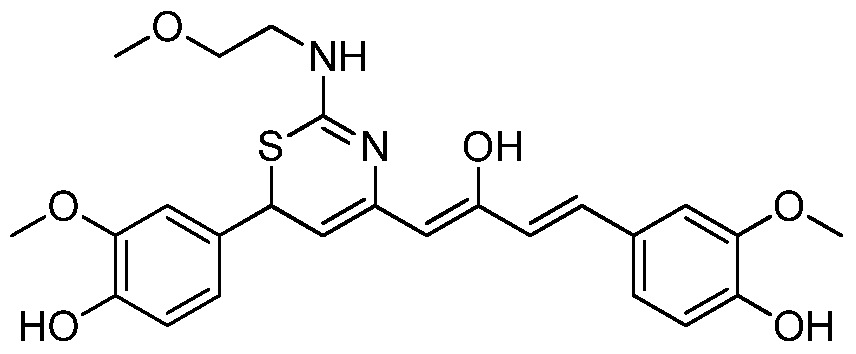
Exact Mass: 484.1668
Molecular Weight: 484.5646
5mL 4M HC1 in dioxane was added to a mixture of curcumin (36.8mg, O. lmmol) and l-(2-methoxyethyl)thiourea (29mg, 0.22mmol). The dark reaction mixture was stirred for 8h at room temperature. The reaction mixture was then concentrated and the residue was purified by HPLC to get LH507(12mg, 26.4%) and LH530 (4.8mg, 10.3%).
S^N OH
Hcr ^ ^OH

LH530
LH507: 1H NMR (CD3OD-d4): δ 7.69 (d, 1H), 7.64 (d, 1H), 7.18 (d, 1H), 7.06 (dd, 1H), 6.95 (d, 1H), 6.84 (dd, 1H), 6.80-6.70 (m, 4), 6.18 (s, 1H), 6.05 (s, 1H), 3.83-3.77 (m, 6H), 3.74-3.68 (m, 2H), 3.67-3.60 (m, 2H), 3.56 (t, 2H), 3.34 (s, 2H), 3.31, (s, 1H). 13 C-NMR (100 MHz, DMSO-d6): 191.1, 190.3, 150.5, 150.2, 150.0, 148.7, 148.0, 147.9, 147.5, 147.4, 146.2, 144.5, 126.4, 126.1, 125.7, 124.4, 124.3, 123.8, 123.0, 120.5, 120.4, 115.8, 111.8, 111.7, 111.4, 68.7, 68.4, 58.2, 58.0, 55.7 (x 2), 44.6, 44.3, 42.3, 41.9, 34.9, 34.4. MS (ESI+): m/z, 485.0 (M+H).
LH530: δ 6.92 (d, IH), 6.79 (d, IH), 6.77 (d, IH), 6.74 (d, IH), 6.69 (s, IH), 6.67 (d, IH), 6.64 (d, IH), 6.61 (s, IH), 6.55 (d, IH), 6.53 (d, IH), 6.19 (d, IH), 5.21 (s, IH), 3.74 (s, 3H), 3.70 (s, 3H), MS (ESI+): m/z, 485.0 (M+H).
Example 7: Method of making 4-(4-((lZ,3E)-2-hydroxy-4-(4-hydroxy-3- methoxyphenyl)buta- 1 ,3-dien- 1 -yl)-2-imino-5,6-dihydro-2H- 1 ,3-thiazin-6-yl)-2- methoxyphenol (LH502).

LH502
Exact Mass: 426.1249
Molecular Weight: 426.4855
6mL 4M HC1 in dioxane was added to a mixture of curcumin (lOOmg, 0.27mmol) and thiourea (41mg, 0.54mmol). The dark reaction mixture was stirred for 72h at room temperature. The reaction mixture was then concentrated and the residue was purified by HPLC to get LH502 (9mg, 7.8%).

LH502
LH502: 1H NMR (CD3OD-d4): δ 7.75 (d, IH), 7.26 (d, IH), 7.18 (dd, IH), 7.03 (d, IH), 6.94 (dd, IH), 6.86 (d, IH), 6.84 (d, IH), 6.82 (d, IH), 6.21 (s, IH), 3.90 (s, 3H), 3.86 (s, 3H), 3.48 (m, IH), 3.26 (m, 2H). MS (ESI+): m/z, 427.0 (M+H).
Example 8: Method of making 4-(2-((3,4-dimethoxyphenenyl)imino)-4-((lZ,3E)-2- hydroxy-4-(4-hydroxy-3-methoxyphenyl)buta- 1 ,3-dien- 1 -yl)-5,6-dihydro-2H- 1 ,3-thiazin- 6-yl)-2-methoxyphenol (LH508).

LH508
Exact Mass: 562.18
Molecular Weight: 562.63 lOmL 4M HC1 in dioxane was added to a mixture of curcumin (74mg, 0.2mmol) and l-(3,4-dimethoxyphenyl)thiourea (85mg, 0.4mmol). The dark reaction mixture was stirred for 48h at room temperature. The reaction mixture was then concentrated and the residue was purified by HPLC to get LH508(4.6mg, 4.1%).

LH508
LH508: 1H NMR (DMSO-d6): δ 9.62 (br, IH), 9.21 (br, IH), 7.88 (d, IH), 7.69 (d, IH), 7.52 (d, IH), 7.40 (d, IH), 7.36 (d, IH), 7.32 (s, IH), 7.14 (d, IH), 7.01 (s, IH), 6.88 (d, IH), 6.82 (dd, IH), 6.76 (d, IH), 6.52 (d, IH), 6.40 (dd, IH), 4.66 (d, IH), 3.85 (s, 3H), 3.78 (s, 3H), 3.75 (s, 3H), 3.71 (s, 3H), 3.03 (d, IH). MS (ESI+): m/z, 563.0 (M+H).
Example 9: Compound(LH510): 4-(2-((benzo[d] [l,3]dioxol-5-ylmethyl)imino)-4- ((lZ,3E)-2-hydroxy-4-(4-hydroxy-3-methoxyphenyl)buta-l,3-dien- l-yl)-5,6-dihydro-2H- 1 ,3-thiazin-6-yl)-2- methoxyphenol.

LH510
Exact Mass: 560.16
Molecular Weight: 560.62
Example 10: Method of making l-(benzo[d][l,3]dioxol-5-ylmethyl)-4,6-bis(E)-4- hydroxy-3-methoxystyryl)pyrimidine-2( lH)-thione (LH532).

LH532
Exact Mass: 542.15
Molecular Weight: 542.60 lOmL 4M HCl in dioxane was added to a mixture of curcumin (74mg, 0.2mmol) and l-benzo[d][l,3]dioxol-4-ylmethyl)thiourea (84mg, 0.4mmol). The dark reaction mixture was stirred for lOh at room temperature. The reaction mixture was then concentrated and the residue was purified by HPLC to get LH510 (12mg, 26.4%) and LH532 (14mg, 30.1%).

LH532
LH510: 1H NMR (DMSO-d6): δ 12.86 (S, IH), 9.56 (s, IH), 9.08 (s, IH), 7.39 (d, IH), 7.21 (s, IH), 7.10-6.95 (m, 3H), 6.90-6.65 (m, 7H), 5.92 (s, 2H),4.68 (d, IH), 3.78 (s, 3H), 3.69 (s, 3H), 2.92 (d, IH). 13 C-NMR (100 MHz, DMSO-d6): 188.5, 179.9, 154.1, 149.2, 148.7, 148.0, 147.9, 147.7, 146.4, 146.1, 140.9, 139.4, 133.0, 132.7, 131.5, 127.7, 127.2, 126.6, 126.4, 125.2, 123.3, 123.2, 122.7, 121.6, 121.1, 120.8, 120.5, 120.1, 115.7, 116.6, 115.5, 111.3, 111.0, 108.3, 108.2, 108.0, 107.9, 102.3, 100.8, 100.7. MS (ESI+): m/z, 561.3 (M+H).
LH532: 1H NMR (DMSO-d6): δ 9.72 (br, IH), 9.61 (br, IH), 7.83 (d, IH), 7.52 (d, IH), 7.41 (s, IH), 7.31 (d, IH), 7.36 (s, IH), 7.12 (dd, IH), 7.06 (d, IH), 7.02 (s, IH), 6.93 (dd, IH), 6.92 (s, IH), 6.88 (s, IH), 6.80 (s, IH), 6.79 (d, IH), 5.96 (s, 2H), 4.76 (d, IH), 3.85 (s, 3H), 3.81 (s, 3H). MS (ESI+): m/z, 543.2 (M+H).
Example 11 : Methods of making 4,6-bis((E)-4-hydroxy-3-methoxystyryl)- l-(4- methylsulfinyl)butyl)pyrimidine-2(lH)-thione (LH533).

LH533
Exact Mass: 526.1596
Molecular Weight: 526.6675
lOmL 4M HC1 in dioxane was added to a mixture of curcumin (50mg, 0.14mmol) and l-(4-(methylsulfinyl)butyl)thiourea (53mg, 0.28mmol). The dark reaction mixture was stirred for lOh at room temperature. The reaction mixture was then concentrated and the residue was purified by HPLC to get LH533 (16mg, 22.3%).

LH533
LH533: 1H NMR (CD3OD-d4): δ 7.71 (d, 1H), 7.54 (d, 1H), 7.52 (d, 1H), 7.16 (s, 1H), 7.11 (s, 1H), 7.06 (s, 1H), 7.02 (d, 1H), 6.96 (dd, 1H), 6.75 (d, 1H), 6.72 (d, 1H), 3.56 (s, 3H), 3.55 (s, 3H), 3.38 (t, 2H), 2.50 (t, 2H), 2.00 (s, 3H), 1.80-1.61 (m, 4H). 13 C- NMR (100 MHz, DMSO-d6): 180.2, 170.1, 156.6, 149.6, 147.9, 147.8, 142.1, 136.8, 127.9, 126.1, 123.1, 122.9, 121.0, 120.5, 118.8, 115.7, 115.6, 111.6, 110.3, 59. 7, 55.7, 55.4, 32.8, 27.6, 25.9, 14.6. MS (ESI+): m/z, 527.0 (M+H).
Example 12: Methods of making 4,6-bis((E)-4-hydroxy-3-methoxystyryl)- l- phenethylpyrimidine-2( 1 H)-thione (LH535)

K2C03 (lOOmg, 0.72mmol) and LH 503 (53mg, O. lmmol) were taken together and DMF (2mL) was added under N2. The resulting suspension was magnetically stirred at RT for 18hrs under strict N2 atmosphere. After this period, the reaction mixture was evaporated to dryness and obtained dark material was dissolved in DCM (20mL), and washed with 0.1N HC1 (lOmL) and water (20mL). The organic layer was dried over anhydrous Na2S04 and concentrated in vacuo. The dark crude was purified by
preparative RP-HPLC on a Phenomenex CI 8 column (250X 21.2 mm) with a of gradient 30-90% MeOH in H20 containing 0.1% trifluoroacetic acid for 20 min at the flow rate of 20 ml/min. Fractions containing titled compound were pooled and concentrated to give 25 mg of LH526 (50%) as a dark violet solid. LH526: 1H NMR (100 MHz, CD30D): δ. 3.20 (m, 2H, CH2-Ar [mixed with
CD30D peak]), 4.91 (bs, 2H, CH2-N), 6.83 (m, 4H, H-b, H-b' , Ar-CH=CH-C[-N]-, Ar- CH=CH-C[=N]- ), 7.15 (m, 9H, H-a, H-a' , H-c, H-c', H-2 to H-6), 7.61 (s, 1H, CH=C[- N]-), 7.78 (d, 1H, Ar-CH=CH-C[-N]-), 8.12 (d, 1H, Ar-CH=CH-C[=N]-). MS (ESI+): m/z, 513.10 (M+H). Example 13: Methods of making l-(furan-2-ylmethyl)-4,6-bis((E)-4-hydroxy-3- methoxystyryl)pyrimidine-2( lH)-thione (LH527)

K2C03 (lOOmg, 0.72mmol) and LH504 (47mg, 0.09mmol) were taken together and DMF (2mL) was added under N2. The resulting suspension was magnetically stirred at RT for 24hrs under strict N2 atmosphere. After this period, the reaction mixture was evaporated to dryness and obtained dark material was dissolved in DCM (20mL), and washed with 0.1N HC1 (lOmL) and water (20mL). The organic layer was dried over anhydrous Na2S04 and concentrated in vacuo. The dark crude was purified by preparative RP-HPLC on a Phenomenex C18 column (250X 21.2 mm) with a of gradient 20-90% CH3CN in H20 containing 0.1% trifluoroacetic acid for 20 min at the flow rate of 20 ml/min. Fractions containing titled compound were pooled and concentrated to give 21mg of LH527 (44%) as a dark violet solid.
LH527: 1H NMR (400 MHz, CD30D): δ. 6.06 (s, 2H, CH2-Furyl), 6.34 (q, 1H, H-4), 6.56 (d, 1H, H-5), 6.81 (m, 3H, H-b, H-b\ Ar-CH=CH-C[=N]-), 7.24 (m, 3H, H-a, H-c, H-c'), 7.30 (d, 1H, H-a), 7.40 (d,lH, Ar-CH=CH-C[-N]-), 7.42 (d, 1H, H-3), 7.73 (s, 1H, CH=C[-N]-), 8.02 (d, 1H, Ar-CH=CH-C[-N]-), 8.17 (d, 1H, Ar-CH=CH-C[=N]-). MS (ESI+): m/z, 489.03 (M+H).
Example 14: Methods of making 6-(4-hydroxy-3-methoxyphenyl)-3-(3-(4-hydroxy-3- methoxyphenyl)propanoyl)-2-((3-methoxy propyl)amino)-4H-thiopyran-4-one (LH511); and 2,7-bis(4-hydroxy-3-methoxyphenyl)-8-(3-methoxypropyl)-7,8-dihydro-4H- thiopyrano[2,3-b]pyridine-4,5(6H)-dione (LH512).
K2C03 (500mg, 7.2mmol) and l-isothiocyanato-3-methoxypropane (370mg, 2.5mmol) were added sequentially to the solution of curcumin (185mg, 0.5mmol) in DMF (5mL), and the resulting suspension was magnetically stirred at room temperature for a day. After this period, the reaction mixture was diluted with water (20mL) and neutralized with 0.5N HC1. The obtained yellow precipitate was extracted with DCM (25mL X 2). The organic phase was washed with brine, dried and concentrated in vacuo. ISCO column chromatography (0-10% CH3OH/DCM) yielded (55%) the two separable products LH511 (54mg) and LH512 (82mg).

LH512
LH511 : 1H NMR (400 MHz, DMSO-d6): δ 1.95 (sex, 2H, -NCH2CH2CH20-), 3.30 (s, 3H, CH2OCH3), 3.47 (t, 2H, CH2CH20-), 3.64 (q, 2H, NCH2CH2), 3.85, 3.86 (2 x s, 2 x 3H, 2 x ArOCH3), 6.85 (d, J = 8 Hz, 1H, H-b), 6.95 (d, J = 8 Hz, 1H, H-b'), 7.14 (dd, J =
8 & 4 Hz, 1H, H-c), 7.18 (dd, J = 8 & 4 Hz, 1H, H-c'), 7.22 (d, J = 4 Hz, 1H, H-a), 7.24 (d, J = 4 Hz, 1H, H-a'), 7.60 (d, J = 16 Hz, 1H, CH=CH-Ar), 7.70 (s, 1H, CH=C-S), 8.28 (d, J = 16 Hz, 1H, CH=CH-Ar), 9.64, 9.84 (2 x s, 2 x 1H, 2 x Ar-OH), 11.48 (t, 1H, NH). 13C NMR (100 MHz, DMSO-d6): δ 28.6 (NCH2CH2CH20), 44.5 (NCH2CH2), 55.5, 55.7 (2 x ArOCH3), 58.0 (CH2OCH3), 69.4 (CH2OCH3), 104.5 (=C-(C=0)2), 111.3, 114.5 (C-a, C-a'), 115.5, 115.8 (C-b, C-b'), 121.2, 122.5 (C-c, C-c'), 123.6 (SC=CH-C(=0)), 124.1 (CH=CH-Ar), 125.0, 126.8 (C-q, C-q'), 130.5 (SC=CH-C(=0)), 141.3 (CH=CH-Ar), 147.8, 147.9 (2 x C(Ar)-OH), 148.9, 149.0 (2 x C(Ar)-OCH3), 176.9 (S(C=)NH), 182.9 (C=0), 184.3 (C=0). MS (ESI+): m/z, 498.01 (M+H). LH512: 1H NMR (400 MHz, DMSO-d6): δ 1.96 (sex, 2H, -NCH2CH2CH20-), 2.58
(dd, 1H, C(=0)-HCH), 3.10 (dd, 1H, C(=0)-HCH), 3.24 (s, 3H, CH2OCH3), 3.42 (m, 2H, CH2CH20), 3.75 (s, 3H, ArOCH3), 3.81 (m, 2H, NCH2CH2), 3.85 (s, 3H, ArOCH3), 5.13 (pd, 1H, -N-CH-), 6.57 (dd, J = 8 & 4 Hz, 1H, H-c), 6.75 (d, J = 8 Hz, 1H, H-b), 6.87 (d, J = 4 Hz, 1H, H-a), 6.94 (d, J = 8 Hz, 1H, H-b'), 7.19 (dd, J = 8 & 4 Hz, 1H, H-c'), 7.28 (d, J = 4 Hz, 1H, H-a'), 7.59 (s, 1H, CH=C-S), 9.16, 9.82 (2 x s, 2 x 1H, 2 x Ar-OH). 13C NMR (100 MHz, DMSO-d6): δ 31.2 (NCH2CH2CH20), 43.8 (-COCH2CH-), 49.5 (NCH2CH2), 55.6 (2 x ArOCH3), 57.9 (CH2OCH3), 61.8 (CH2CH-Ar), 68.7 (CH2OCH3), 104.9 (=C-(C=0)2), 110.9, 114.6 (C-a, C-a'), 115.6, 116.1 (C-b, C-b'), 118.1, 123.0 (C-c, C-c'), 124.3, 125.0 (C-q, C-q'), 128.7 (SC=CH-C(=0)), 130.1 (SC=CH-C(=0)), 146.6 (C(Ar)-OCH3), 147.9 (2 x C(Ar)-OH), 148.8 (C(Ar)-OCH3), 175.6 (S(C=)NH), 179.5 (C=0), 182.4 (C=0). MS (ESI+): m/z, 497.99 (M+H).
Alternatively, LH512 can be prepared in high yield (76%, 0.2mmol scale) by heating the starting reaction mixture at 50°C for a day to achieve the complete formation of desired dicyclized product. Work up conditions are similar that of above reaction.

LH512
Example 15: Method of making (E)-2-(4-hydroxy-3-methoxyphenyl)-5-(3-(4-hydroxy-3- methoxyphenyl)acryloyl)-6-((3-methoxypropyl)amino)-2H-thiopyran-4(3H)-one
(LH516), (LH515), and 2,7-bis(4-hydroxy-3-methoxyphenyl)-8-(3-methoxypropyl)-7,8- dihydro-2H-thiopyrano[2,3-b]pyridine-4,5(3H,6H)-dione (LH517). 2C03 (138mg, lmmol) and l-isothiocyanato-3-methoxypropane (130mg, lmmol) and curcumin (74mg, 0.2mmol) were taken together and DMF (2mL) was added under N2. The resulting suspension was magnetically stirred at 50°C for 4hrs under strict N2 atmosphere. After this period, the reaction mixture was diluted with water (lOmL) and neutralized with 0.5N HC1. The obtained yellow precipitate was extracted with DCM (lOmL X 2). The organic phase was washed with brine, dried and concentrated in vacuo. ISCO column chromatography (0-10% CH3OH/DCM) yielded (-60%) the four major separable products LH516 (9mg), LH514 (16mg), LH515 (21mg), and LH517 (14mg).

LH525 LH516: 1H NMR (400 MHz, DMSO-d6): δ 1.84 (sex, 2H, -NCH2CH2CH20-), 2.79
(dd, IH, HCH-CH-S), 3.22 (s, 3H, CH2OCH3), 3.28 (dd, IH, HCH-CH-s), 3.43-3.54 (m, 7H, CH2CH20, NCH2CH2, ArOCH3 ), 3.73 (s, 3H, ArOCH3), 4.55 (dd, IH, HCH-CH-S), 6.56 (d, J = 4 Hz, IH, H-a), 6.75 (dd, J = 8 & 4 Hz, IH, H-c), 6.80-6.93 (m, 4H, H-a', H- b, H-b', H-c'), 6.96 (d, J = <4Hz, IH, CH=CH-Ar), 7.95 (d, J = <4Hz, IH, CH=CH-Ar), 8.99, 9.71 (2 x s, 2 x IH, 2 x Ar-OH), 12.16 (t, IH, NH). 13C NMR (100 MHz, DMSO-
d6): δ 27.0 (NCH2CH2CH20), 38.9 (HCH-CH-S), 41.9 (NCH2CH2), 43.4 (HCH-CH-S), 55.1, 55.6 (2 x ArOCH3), 57.9 (CH2OCH3), 69.6 (CH2OCH3), 107.2 (=C-(C=0)2), 113.4 (CH=CH-Ar), 115.6, 115.7 (C-a, C-a'), 116.2, 116.9 (C-b, C-b'), 124.8, 124.9 (C-c, C-c'), 129.2, 132.1 (C-q, C-q'), 139.1 (CH=CH-Ar), 145.6, 147.4, 147.9, 148.6 (2 x C(Ar)-OH, 2 x C(Ar)-OCH3), 178.9 (S(C=)NH), 187.4 (C=0), 196.9 (C=0). MS (ESI+): m/z, 499.99 (M+H).
LH514: 1H NMR (400 MHz, DMSO-d6): δ 1.95 (sex, 2H, -NCH2CH2CH20-), 2.77 (dd, IH, HCH-CH-S), 3.25 (s, 3H, CH2OCH3), 3.40-3.46 (m, 5H, CH2CH20, NCH2CH2, HCH-CH-S ), 3.73, 3.81 (2 x s, 2 x 3H, 2 x ArOCH3), 4.38 (dd, IH, HCH-CH-S), 6.67 (m, 2H, H-c, H-b), 6.85 (m, 2H, H-a, H-c'), 7.13 (d, J = 8 Hz, IH, H-b'), 7.19 (d, J = 4 Hz, IH, H-a'), 7.55 (d, J = 16 Hz, IH, CH=CH-Ar), 8.13 (d, J = 16 Hz, IH, CH=CH-Ar), 8.84, 9.61 (2 x s, 2 x IH, 2 x Ar-OH), 11.36 (t, IH, NH). 13C NMR (100 MHz, DMSO- d6): δ 28.4 (NCH2CH2CH20), 37.6 (HCH-CH-S), 43.7 (NCH2CH2), 46.7 (HCH-CH-S), 55.5, 55.6 (2 x ArOCH3), 57.9 (CH2OCH3), 69.3 (CH2OCH3), 104.7 (=C-(C=0)2), 111.6, 113.0 (C-a, C-a'), 115.2, 115.8 (C-b, C-b'), 121.0, 121.2 (C-c, C-c'), 122.3 (CH=CH-Ar), 126.8, 128.4 (C-q, C-q'), 141.2 (CH=CH-Ar), 145.3, 147.4, 147.9, 149.0 (2 x C(Ar)-OH, 2 x C(Ar)-OCH3), 182.2 (C=0), 184.0 (C=0), 194.2 (S(C=)NH). MS (ESI+): m/z, 499.98 (M+H).
LH515: 1H NMR (400 MHz, DMSO-d6): δ 1.86 (sex, 2H, -NCH2CH2CH20-), 2.78 (dd, IH, HCH-CH-S), 3.23 (dd, IH, HCH-CH-s), 3.34 (s, 3H, CH2OCH3), 3.43-3.52 (m, 4H, CH2CH20, NCH2CH2), 3.79. 3.81 (2 x s, 2 x 3H, 2 x ArOCH3), 4.83 (dd, IH, HCH- CH-S), 6.80 (m, 2H, H-b, H-b'), 6.92 (dd, J = 8 & 4 Hz, IH, H-c), 7.05 (dd, J = 8 & 4 Hz, IH, H-c'), 7.09 (d, J = 4 Hz, IH, H-a), 7.13 (d, J = 4 Hz, IH, H-a'), 7.42 (d, J = <4Hz, IH, CH=CH-Ar), 7.44 (d, J = <4Hz, IH, CH=CH-Ar), 9.2, 9.4 (2 x s, 2 x IH, 2 x Ar-OH), 12.52 (t, IH, NH). 13C NMR (100 MHz, DMSO-d6): δ 28.5 (NCH2CH2CH20), 42.2 (NCH2CH2), 43.0 (HCH-CH-S), 46.0 (HCH-CH-S), 55.6, 55.7 (2 x ArOCH3), 57.9 (CH2OCH3), 69.0 (CH2OCH3), 107.9 (=C-(C=0)2), 111.3, 112.0 (C-a, C-a'), 115.6, 115.7 (C-b, C-b'), 120.4, 121.8 (C-c, C-c'), 126.1, 127.1 (C-q, C-q'), 127.9 (CH=CH-Ar), 138.9
(CH=CH-Ar), 146.9, 148.1, 148.7 (2 x C(Ar)-OH, 2 x C(Ar)-OCH3), 188.2 (S(C=)NH), 198.4 (C=0), 196.9 (C=0). MS (ESI+): m/z, 499.99 (M+H).
LH517: 1H NMR (400 MHz, DMSO-d6): δ 1.90 (m, 2H, -NCH2CH2CH20-), 2.46 (dd, 1H, HCH-CH-S), 2.57 (dd, 1H, HCH-CH-N), 3.10 (m, 2 x 1H, C(=0)-HCH-S, C(=0)-HCH-N), 3.20 (s, 3H, CH2OCH3), 3.37 (t, 2H, CH2CH20), 3.74 (s, 3H, ArOCH3), 3.79 (s, 3H, ArOCH3), 3.83 (m, 2H, NCH2CH2), 4.72 (dd, 1H, HCH-CH-N), 4.91 (dd, 1H, HCH-CH-S), 6.53 (dd, J = 8 & 4 Hz, 1H, H-c), 6.73 (d, J = 8 Hz, 1H, H-b), 6.76 (d, J = 4 Hz, 1H, H-a), 6.80 (d, J = 8 Hz, 1H, H-b'), 6.93 (dd, J = 8 & 4 Hz, 1H, H-c'), 7.09 (d, J = 4 Hz, 1H, H-a'), 8.03, 9.81 (2 x s, 2 x 1H, 2 x Ar-OH). 13C NMR (100 MHz, DMSO- d6): δ 27.9 (NCH2CH2CH20), 42.9 (HCH-CH-S), 43.87 (HCH-CH-N), 45.9 (HCH-CH- N), 50.74 (NCH2CH2), 55.6, 55.7 (2 x ArOCH3), 57.8 (CH2OCH3), 60.8 (HCH-CH-S), 68.9 (CH2OCH3), 108.5 (=C-(C=0)2), 110.6 (C-a), 112.1 (C-a'), 115.4, 115.6 (C-b, C-b'), 118.0, 120.7 (C-c, C-c'), 128.3, 128.6 (C-q, C-q'), 146.5, 147.9, 147.8 (2 x C(Ar)-OH), 2 x (C(Ar)-OCH3), 171.6 (S(C=)NH), 183.5 (C=0), 187.2 (C=0). MS (ESI+): m/z, 500.01 (M+H).
Example 16: Methods of making 2,7-bis(4-hydroxy-3-methoxyphenyl)-8-(3- methoxypropyl)-4H-thiopyrano[2,3-b]pyridine-4,5(8H)-dione (LH513).
To the solution of SM-I- 160B (30mg, 0.06mmol) in 2mL of dioxane, was added DDQ (41mg, 0.18mmol). The reaction mixture was stirred at room temperature for 6hrs in the dark. After this period, the solvent was evaporated to dryness and the residue was subjected to ISCO column chromatography (0-10% CH3OH/DCM) to give LH513 (15mg, 50%) as an orange yellow solid.

LH513
LH513: 1H NMR (400 MHz, DMSO-d6): δ 1.81 (sex, 2H, -NCH2CH2CH20-), 3.08 (s, 3H, CH2OCH3), 3.22 (t, 2H, CH2CH20), 3.81 (s, 3H, ArOCH3), 3.86 (s, 3H, ArOCH3), 4.05 (t, 2H, NCH2CH2), 6.05 (s, 1H, CH=C-N), 6.89-6.94 (m, 2H, H-b, H-c), 6.98 (d, J = 8 Hz, 1H, H-b'), 7.14 (d, J = 4 Hz, 1H, H-a), 7.30 (dd, J = 8 & 4 Hz, 1H, H-c'), 7.37 (d, J = 4 Hz, 1H, H-a'), 7.82 (s, 1H, CH=C-S), 9.58, 10.05 (2 x s, 2 x 1H, 2 x Ar-OH). 13C NMR (100 MHz, DMSO-d6): δ 28.5 (NCH2CH2CH20), 47.6 (-COCH2CH-), 49.5 (NCH2CH2), 55.7, 55.8 (2 x ArOCH3), 57.9 (CH2OCH3), 68.5 (CH2OCH3), 96.2 (=C- (C=0)2), 115.2 (C-a), 115.4 (C-a'), 116.7 (C-b), 116.8 (C-b'), 118.3 (CH=C-N), 124.5, 124.6 (C-q, C-q'), 136.8 (C-c), 138.9 (C-c'), 147.5 (SC=CH-C(=0)), 148.0 (SC=CH- C(=0)), 149.7, 149.8 (2 x C(Ar)-OCH3, 2 x C(Ar)-OH), 150.9 (CH=C-N), 174.1 (C=0), 175.4 (C=0), 198.2 (S(C=)NH). MS (ESI+): m/z, 496.06 (M+H).
Example 17: Methods of making 8-(furan-2-ylmethyl)-2,7-bis(4-hydroxy-3- methoxyphenyl)-7,8-dihydro-4H-thiopyrano[2,3-b]pyridine-4,5(6H)-dione (LH518).
K2C03 (138mg, lmmol) and 2-(isothiocyanatomethyl)furan (140mg, lmmol) were added sequentially to the solution of curcumin (74mg, 0.2mmol) in DMF (3mL), and the resulting suspension was magnetically stirred at room temperature for a day. After this period, the reaction mixture was allowed to stand for a day in the dark. The formed solid was suction filtered and obtained yellow solid was dried in vacuo (28mg). Then, filtrate was diluted with water (20mL) and neutralized with 0.5N HC1. The obtained yellow precipitate was extracted with DCM (lOmL X 2). The organic phase was washed with brine, dried and concentrated to give crude which was further subjected to ISCO column chromatography (0-10% CH3OH/DCM) to afford 43 mg yellow solid. Yield was 71% (28mg+43mg).

LH518
LH518: 1H NMR (400 MHz, DMSO-d6): δ 2.64 ( dd, 1H, HCH-CHAr), 2.98 ( dd, 1H, HCH-CHAr), 3.73 (s, 3H, ArOCH3), 3.85 (s, 3H, ArOCH3), 5.02 ( d, 1H, HCH- Furyl), 5.07 (td, 1H, -N-CHAr), 5.09 ( d, 1H, HCH-Furyl), 6.50 ( m, 2H, H-4, H-5), 6.59 (dd, J = 8 & 4 Hz, 1H, H-c), 6.74 (d, J = 8 Hz, 1H, H-b), 6.85 (d, J = 4 Hz, 1H, H-a), 6.94 (d, J = 8 Hz, 1H, H-b'), 7.21 (dd, J = 8 & 4 Hz, 1H, H-c'), 7.29 (d, J = 4 Hz, 1H, H-a'), 7.61 (s, 1H, CH=C-S), 7.70 (d, 1H, H-5), 9.10, 9.91 (2 x s, 2 x 1H, 2 x Ar-OH). 13C NMR (100 MHz, DMSO-d6): δ 40.1 (-COCH2CH-), 48.5 (FurylCH2), 55.6, 55.7 (2 x ArOCH3), 62.4 (CH2CH-Ar), 105.5 (=C-(C=0)2), 110.4, 110.8 (C-3, C-4), 111.0 (C-a), 114.5 (C-a'), 115.5 (C-b), 116.2 (C-b'), 118.4 (C-c), 123.7 (C-c'), 124.2, 124.9 (C-q, C-q'), 128.2 (SC=CH-C(=0)), 130.4 (SC=CH-C(=0)), 143.8 (C-2), 146.6 (C-5), 147.7, 147.8, 147.9 (2 x C(Ar)-OCH3, C(Ar)-OH), 148.9 (C(Ar)-OH), 176.2 (S(C=)NH), 179.7 (C=0), 182.4 (C=0). MS (ESI+): m/z, 506.02 (M+H).
Example 18: Method of making 8-(3,4-dimethoxyphenyl)-2,7-bis(4-hydroxy-3- methoxyphenyl)-7,8-dihydro-4H-thiopyrano[2,3-b]pyridine-4,5(6H)-dione (LH519). K2C03 (138mg, lmmol) and 4-isothiocyanato- l,2-dimethoxybenzene (195mg, lmmol) were added sequentially to the solution of curcumin (74mg, 0.2mmol) in DMF (2mL), and the resulting suspension was magnetically stirred at room temperature for a day. After this period, the reaction mixture was allowed to stand for a day in the dark. The formed solid was suction filtered and obtained yellow solid was dried in vacuo (~20mg). Then, filtrate was diluted with water (20mL) and neutralized with 0.5N HCl. The obtained yellow precipitate was extracted with DCM (lOmL X 2). The organic phase was washed with brine, dried and concentrated to give crude which was further subjected to ISCO column chromatography (0-10% CH3OH/DCM) to afford 71 mg yellow solid. Yield was 63% (20mg+51mg).

LH519
LH519: 1H NMR (400 MHz, DMSO-d6): δ 2.95 ( dd, 1H, HCH-CHAr), 3.04 ( dd, 1H, HCH-CHAr), 3.69, 3.70 (2 x s, 2 x 3H, 2 x ArOCH3), 3.76 (s, 6H, 2 x ArOCH3), 5.43 (td, 1H, -N-CHAr), 6.72 (dd, J = 8 Hz, 1H, H-c), 6.72 (d, 1H, J = 4 Hz, H-b), 6.86 (d, J = 4 Hz, 1H, H-a), 6.91 (m, 4H, H-2, H-5, H-6, H-b'), 7.14 (dd, J = 8 & 4 Hz, 1H, H-c'), 7.29 (d, J = 4 Hz, 1H, H-a'), 7.58 (s, 1H, CH=C-S), 9.07, 9.77 (2 x s, 2 x 1H, 2 x Ar-OH). 13C NMR (100 MHz, DMSO-d6): δ 44.7 (-COCH2CH-), 55.5, 55.6, 55.7 (3 x ArOCH3), 65.9 (CH2CH-Ar), 105.7 (=C-(C=0)2), 111.1, 11 1.9 (C-2, C-a, C-a'), 115.2, 115.3, 115.5 (C-5, C-b, C-b'), 119.8, 120.0 (C-6, C-c'), 122.5 (C-c'), 124.2, 124.9 (C-q, C-q'), 128.7 (C-l), 130.1 (SC=CH-C(=0)), 133.6 (SC=CH-C(=0)), 146. 4, 147.5, 147.8, 147.9, 148.7, 148.8, 148.9 (3 x C(Ar)-OCH3, 2 x C(Ar)-OH), 177.5 (S(C=)NH), 180.1 (C=0), 182.9 (C=0). MS (ESI+): m/z, 562.01 (M+H).
Example 19: Method of making 2,7-bis(4-hydroxy-3-methoxyphenyl)-8-phenethyl-7,8- dihydro-4H-thiopyrano[2,3-b]pyridine-4,5(6H)-dione (LH520); and (E)-6-(4-hydroxy-3- methoxyphenyl)-3-(3-(4-hydroxy-3-methoxyphenyl)acryoyl)-2-(phenethylamino)-4H- thiopyran-4-one (LH521).

LH521 LH520
Exact Mass : 529.16 Exact Mass : 529.1559
Molecular Weight: 529.60 Molecular Weight: 529.6035
PEITC (200uL, 1.35mmol) and K2C03 (190mg, 1.35mmol) were added to a solution of curcumin (lOOmg, 0.27mmol) in lOmL DMF. The suspension was stirred for 5h at 50°C. DMF was removed by vacuum. The reaction mixture was then diluted with water (30mL) and neutralized with IN HCl solution. The mixture was extracted with DCM (30mL X 3). The combined organic phase was washed with water, brine and dried
over anhydrous Na2S04. The filtration was concentrated and the residue was purified by column chromatography yielding LH520 (92mg, 63.9%) and LH521 (13mg, 9.0%). Please note that no effort was used to control the atmosphere of the reaction. The oxidized products LH 520 and LH521 were obtained instead of LH523 and LH524 presumably due to facile air oxidation of the latter. Indeed, if the reaction was performed under nitrogen as in example 20, LH523 and LH524 were isolated as the products.

LH521
LH520: 1H-NMR (400 MHz, DMSO-d6): δ 9.86 (br s, 1H), 9.25 (br s, 1H), 7.54 (s, 1H), 7.35-7.25 (m, 5H), 7.22 (d, 1H), 7.16 (dd, 1H), 6.94 (d, 1H), 6.88 (d, 1H), 6.77 (d, 1H), 6.61 (dd, 1H), 5.11 (t, 1H), 3.98-3.90 (m, 1H), 3.86 (s, 1H), 3.75 (s, 1H), 3.64-3.56 (m, 1H), 3.13-2.98 (m, 2H), 2.94 (dd, 1H), 2.62 (dd, 1H). 13C-NMR (100 MHz, DMSO- d6): δ 182.4, 179.5, 175.7, 148.8, 147.9, 147.8, 146.6, 137.6, 130.0, 129.0, 128.9 (x 2), 128.5 (x 2), 128.3, 126.8, 124.9, 124.2, 124.1, 118.4, 116.1, 115.6, 114.1, 111.0, 104.9, 62.0, 55.6 (x 2), 53.9, 43.5, 33.7. MS (ESI+): m/z, 530.2 (M+H).
LH521 : 1H-NMR (400 MHz, DMSO-d6): δ 11.44 (t, 1H), 9.86 (br s, 1H), 9.65 (br s, 1H), 8.28 (d, 1H), 7.67 (s, 1H), 7.59 (d, 1H), 7.44-7.25 (m, 5H), 7.24-7.10 (m, 4H), 6.95 (d, 1H), 6.85 (d, 1H), 6.57 (s, 1H), 3.86 (s, 3H), 3.84 (t, 2H), 3.82 (s, 3H), 3.05 (t, 2H). 13C-NMR (100 MHz, DMSO-d6): δ 184.2, 182.9, 176.8, 149.1, 148.9, 147.9, 147.8, 141.4,
137.9, 130.5, 128.8 (x 2), 128.5 (x 2), 126.7, 126.6, 124.9, 124.0, 123.7, 122.5, 121.0, 116.1, 115.8, 114.3, 111.3, 104.5, 55.7, 55.5, 47.9, 34.7. MS (ESI+): m/z, 530.2 (M+H).
Example 20: Method of making 2,7-bis(4-hydroxy-3-methoxyphenyl)-8-phenethyl-7,8- dihydro-2H-thiopyrano[2,3-b]pyridine-4,5(3H,6H)-dione (LH523); and (E)-2-(4-hydroxy- 3-methoxyphenyl)-5-(3-(4-hydroxy-3-methoxyphenyl)acryloyl)-6-(phenethylamino)-2H- thiopyran-4(3H)-one (LH524).

LH523 LH524
Exact Mass: 531.1716 Exact Mass: 531.1716
Molecular Weight: 531.6194 Molecular Weight: 531.6194
PEITC (150uL, l .Ommol) and K2C03 (138mg, l .Ommol) were added to a solution of curcumin (74mg, 0.2mmol) in 6mL DMF. The suspension was stirred at 50°C for 24h under N2. The reaction mixture was then cooled to room temperature and diluted with water (30mL) and neutralized with IN HCl solution. The mixture was extracted with DCM (30mL X 3). The combined organic phase was washed with water, brine and dried over anhydrous Na2S04. The filtration was concentrated and the residue was purified by
column chromatography yielding LH524 (27mg, 25.2%) and LH523 (24mg, 22.4%).

LH524: 1H-NMR (400 MHz, DMSO-d6): δ 12.22 (t, IH), 9.69 (s, IH), 8.97 (s, IH), 7.95 (d, IH), 7.50-7.15 (m, 6H), 6.98-6.88 (m, 3H), 6.80 (d, IH), 6.72 (d, IH), 6.54 (DD, lh), 4.54 (t, IH), 3.78 (t, 2H), 3.72 (s, 3H), 3.52 (t, 3H), 3.21 (dd, IH), 2.94 (t, 2H). 13C-NMR (100 MHz, DMSO-d6): δ 196.7, 17.4, 179.1, 162.2, 148.6, 147.9, 147.4, 139.0, 138.5, 132.0, 129.2, 128.5 (x 2), 128.4 (x 2), 126.4, 125.8, 124.8, 118.9, 115.7, 113.4, 111.5, 107.1, 55.6, 55.1, 45.6, 35.7, 32.9, 30.7. MS (ESI+): m/z, 532.0 (M+H).
LH523: 1H-NMR (400 MHz, DMSO-d6): δ 9.20 (br, IH), 9.06 (br, IH), 7.41-7.20 (m, 7H), 7.10-7.00 (m, 2H), 6.92 (dd, IH), 6.86 (dd, IH), 6.81 (s, IH), 6.76 (d, IH), 6.54 (dd, IH), 4.85 (d, IH), 4.82 (t, IH), 4.68 (dd, IH), 4.10-3.86 (m, 2H), 3.85 (s, 3H), 3.79 (s, IH), 3.76 (s, IH), 3.71 (s, 3H), 3.51 (m, IH), 3.18 (dd, IH), 3.08-2.97 (m, 2H), 2.88 (dd, IH), 2.58 (dd, IH), 2.43 (d, IH). 13C-NMR (100 MHz, DMSO-d6): δ 187.2, 183.4, 171.4, 147.7, 147.6, 146.6, 137.5, 128.9 (x 2), 128.6, 128.4 (x 2), 128.0, 127.5, 126.5, 120.6, 118.1, 115.6, 115.4, 112.0, 110.6, 108.6, 61.0, 55.7, 55.6, 54.3, 46.0, 43.9, 43.4, 33.7. MS (ESI+): m/z, 532.0 (M+H).
Example 21 : Measurement of chemical and metabolic stability and determination of chemical reactivity towards nucleophilic thiols.
An HPLC assay was used to measure the stability following incubation of the heterocyclic curcumin derivatives in conditions mimicking physiological and cell culture conditions. According, a homogeneous solution of the test compound in DMEM or buffer is incubated at 37 °C in the presence or absence of 1% FBS reflecting the cell culture conditions used to evaluate their ARE induction activities.
Aliquots were withdrawn at varying time intervals and immediately frozen until the HPLC analysis used to measure the disappearance of test compounds.
Example 22: Obtaining preliminary data on a representative novel heterocyclic curcumin LH503 As shown in FIGURE 5 above, the curcumin and derivative LH503 and LH526 were analyzed and it was determined that such derivatives were more stable than curcumin at 37 °C. Those of ordinary skill in the art would understand that the disclosed increase in the stability of the heterocyclic curcumin derivatives supports the design principle of stabilizing curcumin by masking the chemically reactive Michael acceptor and β-diketone.
The HPLC assay is used to determine the chemical reactivity of heterocyclic curcumin derivatives towards nucleophilic thiols such as glutathione. Accordingly, the preliminary studies indicate that LH503 does not react with GSH when incubated with 1 mM GSH in pH 7.4 buffer while curcumin forms 1:2 adduct with GSH under the same conditions.
Example 23: Assays assessing the efficacy of LH503 in inducing ARE pathway correlated with intended biological effects.
The efficacy of the proposed compounds in activating the Nrf2-ARE antioxidative stress system was assessed in the ARE transcription activation assay. Using an ARE- luciferase reporter assay in HepG2-C8 cells, the compounds of present invention proved to be superior Nrf2 activators as compared to curcumin and isothiocyanate. Several compounds were tested in the Nrf2-ARE system using HepG2-C8 cells assay. FIGURE 4
illustrates the efficacy of compound LH503 in induction of ARE. FIGURE 4 is the indication that the LH503 at 4 different concentrations provide about 25 fold increase in the induction of ARE as compared to counterpart doses of sulforaphane (SFN), Curcumin (CUR) and phenyethylisothiocynate (PEITC) if administered separately. Example 24: Inhibition of inflammation
As illustrated in FIGURES 5, 6, and 7 individually and collectively substantiate the superiority of compound LH503 as an anti-inflammatory agent in nitric oxide assay for inhibiting inflammation. Accordingly LH503 test agent were compared against SFN, PErrC or CUR using the depicted 3 different time points in LPS -challenged RAW macrophage cells. Each of assays proves superior anti-inflammatory effects of the test agent.
Example 25: Anti-cancer activity
The compounds (i, ii, and iii) were tested using cell death MTS assay system. As illustrated in FIGURES 8 and 9, each compound (LH503 and LH526) exhibited unexpected superiority in anti-cancer and tumor cells activities in mouse leukaemic monocyte macrophage cell line RAW 264.7 as compared to CUR and PEITC alone.
Example 26: Compound LH526 induces Nrf2-ARE Pathway correlated with intended biological effects.
FIGURE 10 shows that Compound LH526 potently induced Nrf2-ARE in HepG2- C8 cells, similar to sulforaphane (SFN), a potent Nrf2-ARE inducer. But LH526 is more potent than the natural compound curcumin.
Example 27: Compound LH526 inhibits inflammation correlated with intended biological effects.
As illustrated in FIGURE 11 substantiates the compound LH526 as an anti- inflammatory agent in nitric oxide assay for inhibiting inflammation. Accordingly LH526
test agent was compared against PEITC or CUR in LPS -challenged RAW macrophage cells. Compound LH526 proves superior anti-inflammatory effects of the test agent.
Example 28: In vivo assays assessing the efficacy of LH503 in inducing ARE pathway in mice correlated with intended biological effects. The efficacy of the proposed compounds in activating the Nrf2-ARE antioxidative stress system was assessed in vivo in C57BL6 mice. The mice tolerated the compound LH503 well at doses 500 mg/kg (LD) and 1000 mg/kg (HD) giving orally for 6 hours (LD6 and HD6) and 12 hours (LD12 and HD12). FIGURES 12, 13, 14, and 15 illustrate the efficacy of compound LH503 in induction of ARE in the mouse liver. LV6 refers to low dose vehicle control for 6 hours, and HV12 refers to high dose vehicle control for 12 hours.
In vivo C57BL6 mouse study
Example 29: In vivo assays assessing the efficacy of LH526 in inhibiting inflammation with intended biological effects. The efficacy of the proposed compounds in inhibiting inflammation in vivo was assessed in CD-I mice. FIGURE 16 illustrates Compound LH526 inhibited in vivo skin inflammation induced by 12-O-Tetradecanoylphorbol 13-acetate (TPA) as measured by (A) cyclooxygenase-2 (COX-2), (B) phosphor-PI3K, (C) inducible nitric oxide (iNOS), and (D) phosphor- JNK (p54) protein levels. TPA-induced inflammation in the skin of CD-I mice
Twenty- five (25) 6 week-old female CD-I mice were purchased from Charles River and housed at the Rutgers Animal Facility and maintained under 12-hour light/dark cycles. All the animals were allowed water and food ad libitum. The animal protocols utilized were in accordance with the NIH Guide for the Care and Use for Laboratory Animals and were approved by the Rutgers Institutional Animal Care and Use Committee. After 1 week of acclimatization, the mice were divided into five groups: Group 1 treated
with 5 ul acetone; Group 2 treated with 5 nmol 12-O-Tetradecanoylphorbol 13-acetate (TPA) in 5ul acetone; Group 3 treated with 1 umol Compound LH526 in 10 ul acetone + 5 nmol TPA in 5 ul acetone; Group 1 treated with 0.5 umol Compound LH526 in 10 ul acetone + 5 nmol TPA in 5 ul acetone; Group 1 treated with 1 umol curcumin in 10 ul acetone + 5 nmol TPA in 5 ul acetone. All experiments were conducted on both ears of the mice. All treatments with Compound LH526 were performed 20 min prior to TPA treatment to induce skin inflammation. 6 hours after TPA treatment all the mice were sacrificed.
Determination of the in vivo anti-inflammatory biological effects of Compound LH526 on TPA-induced mouse ear inflammation
Both sides of the ears were harvested from female CD-I mice (5 mice/group) after sacrificed. Ear specimens frozen at -80°C once removed and used to determine the inflammatory protein level. 1/3 of the ears were preserved in formalin and transferred to 70% methanol solution for histological evaluation. The ear tissues collected from each group of mice were pooled and homogenized with R PA buffer (Sigma, St. Louis, MO) and 10 mg/ml protease inhibitor cocktail (EMD Chemicals, Gibbstown, NJ). Protein (25 ug) was loaded onto 4-15% sodium dodecyl phosphate-polyacrylamide gel electrophoresis (SDS-PAGE; Bio-Rad Laboratories, Hercules, CA). After separation by SDS-PAGE, the protein was transferred onto nitrocellulose membrane (Millipore Corp., Billerica, MA), and then was blocked in 3% bovine serum albumin (BSA; Fisher Scientific, Fair Law, NJ) in Tris buffer saline Tween-20 (TBST) solution for 1 h. Membranes were probed using the different mono- or polyclonal antibodies (1: 1,000) overnight at 4°C. Blots were washed with TBST solution for 15 min four times and incubated with the respective secondary antibodies for 1 h. After washing 15 min four times with TBST solution, the immunoreactive bands were determined by adding SuperSignal West Femto mix (1: 1 mix of stable peroxide buffer and luminol/enhancer solution (Thermo Scientific, Rockford, IL) to detect immunoreactive bands. The bands were visualized and quantified by BioRad ChemiDoc XRS System (Hercules, CA). The primary antibodies used were β-actin, cyclooxygenase-2 (COX-2), and inducible nitric
oxide (iNOS) (antibodies from Santa Cruz Biotechnology, Santa Cruz, CA), phosphor- PI3K (p-PI3K) and phosphor- JNK (p-JNK) (antibodies from Cell Signaling Technology, Danvers, MA). Anti- goat or -rabbit secondary antibodies (Santa Cruz Biotechnology) were used. Example 30: In vivo assays assessing the efficacy of LH526 in Anti-cancer activity.
FIGURE 16(B) illustrates the in vivo efficacy of the proposed compounds in anticancer as shown by inhibition of phosphor-PI3K protein level, [see Nature Reviews Genetics, 2006, Volume: 7 Issue: 8 Pages: 606-619].
Example 31 : In vivo assays assessing the efficacy of LH526 in Anti-diabetes activity. FIGURE 16(B) illustrates the in vivo efficacy of the proposed compounds in anti- diabetes as shown by inhibition of phosphor-PI3K protein level, [see Nature Reviews Genetics, 2006, Volume: 7 Issue: 8 Pages: 606-619].
Example 32: In vivo assays assessing the efficacy of LH526 in cardiovascular activity.
FIGURE 16(B) illustrates the in vivo efficacy of the proposed compounds in cardiovascular activity as shown by inhibition of phosphor-PDK protein level, [see J. Mol. Cell. Cardiol, 2004, Volume: 37 Issue: 2 Pages: 449-471].
Example 33: In vivo assays assessing the efficacy of LH526 in neurological activity.
FIGURE 16(D) illustrates the in vivo efficacy of the proposed compounds in neurological activity as shown by inhibition of phosphor- JNK (p54) protein level, [see Neurosignals, 2002, Volume: 11 Issue: 5 Pages: 270-281].
Although the present invention has been described with reference to certain embodiments, one skilled in the art will appreciate that the present invention can be practiced by other than the described embodiments, which have been presented for purposes of illustration and not of limitation. Therefore, the scope of the appended claims
should not be limited to the description of the embodiments contained herein. All references cited hereby are incorporated by reference in their entireties.
Claims
WHAT IS CLAIMED IS:
A compound of formula (I):

or a pharmaceutically acceptable salt, stereoisomer, tautomer, solvate, or prodrug thereof, wherein:
m and n are independently 0 or an integer selected from 1 to 10;
each squiggled line " ^ΛΛΛ^ " represents a single bond in either cis- or trans- configuration with respect to a double bond attached thereto;
each symbol " " represents a single bond or absence of a bond;
each symbol " " represents a single or a double bond;
V and W are independently selected from O, S, NRa, and C(R4)2 when V and = W are double bond(s) (i.e., ^= V and ^= W), or from ORx, SRX, NRaRb, and C(R4)3 when V and W are single bond(s) (i.e., V and W);
X and Z are each independently N or CR4 when " X" and " Z" are double bond(s), or from O, S, NRa, and C(R4)2 when " = X" and " = Z" are single bond(s);
Y is N or CR4 if " = Y" is a single bond, or carbon (C) if " = Y" is a double bond;
Ari and Ar2 are independently selected from unsubstituted or substituted aryl, arylalkyl and aryloxy; unsubstituted or substituted heteroaryl, heteroarylalkyl and
heteroaryloxy; unsubstituted or substituted cycloalkyl, cycloalkylalkyl and cycloalkyloxy; and unsubstituted or substituted heterocyclyl, heterocyclylalkyl and heterocyclyloxy, each optionally substituted with one to four substituents independently selected from hydroxyl, i-Ce alkyl, C C6 alkoxy, halogen, C C6 haloalkyl, nitro, cyano, -S(0)Rx, -S(0)2Rx, and -SRX, and -C(0)Rx;
1 2
R and R" are independently selected from hydrogen, hydroxyl, halogen, lower alkyl, and CrC6 alkoxy;
R is selected from hydrogen, lower alkyl, cycloalkyl, aryl, heteroaryl, heterocyclyl, cycloalkylalkyl, arylalkyl, heteroarylalkyl, heterocyclylalkyl, each optionally substituted with one to four substituents independently selected from hydroxyl, -C alkyl, Ci-C6 alkoxy, halogen, Ci-C6 haloalkyl, nitro, cyano, -S(0)Rx, -S(0)2Rx, and -SRX, and -C(0)Rx;
R4, at each occurrence, is independently hydrogen, hydroxyl, halogen, CrC6 alkyl, CrC6 alkoxy, or CrC6 haloalkyl;
Ra and Rb, at each occurrence, is independently hydrogen, CrC6 alkyl, phenyl, or benzyl, wherein phenyl or benzyl is optionally substituted by one to four substituents independently selected from hydroxyl, halogen, -C alkyl, and -C alkoxy; and
Rx, at each occurrence, is independently hydrogen, -C alkyl, -C haloalkyl, phenyl, or benzyl, wherein phenyl or benzyl is optionally substituted by one to four substituents independently selected from hydroxyl, halogen, CrC6 alkyl, and CrC6 alkoxy; wherein any said heteroaryl or heterocyclyl comprises from 1 to 4 heteroatoms independently selected from the group consisting of N, O and S.
2. The compound of claim 1, or a pharmaceutically acceptable salt, stereoisomer, tautomer, solvate, or prodrug thereof, wherein m and n are both 0; and V and W are both double bonds.
3. The compound of claim 2, or a pharmaceutically acceptable salt, stereoisomer, tautomer, solvate, or prodrug thereof, wherein V and W are both oxygen(O).
4. The compound of claim 3, or a pharmaceutically acceptable salt, stereoisomer, tautomer, solvate, or prodrug thereof, wherein Y is a double bond, and Y is carbon(C).
5. The compound of claim 4, or a pharmaceutically acceptable salt, stereoisomer, tautomer, solvate, or prodrug thereof, wherein X and Z are both carbon.
6. The compound of claim 5, or a pharmaceutically acceptable salt, stereoisomer, tautomer, solvate, or prodrug thereof, wherein X and Z are both double bonds.
7. The compound of claim 5, or a pharmaceutically acceptable salt, stereoisomer, tautomer, solvate, or prodrug thereof, wherein X and Z are both single bonds.
8. The compound of claim 5, or a pharmaceutically acceptable salt, stereoisomer, tautomer, solvate, or prodrug thereof, wherein one of X and Z is a double bond, and the other is a single bond.
9. The compound of claim 1, or a pharmaceutically acceptable salt, stereoisomer, tautomer, solvate, or prodrug thereof, having a structure selected from:
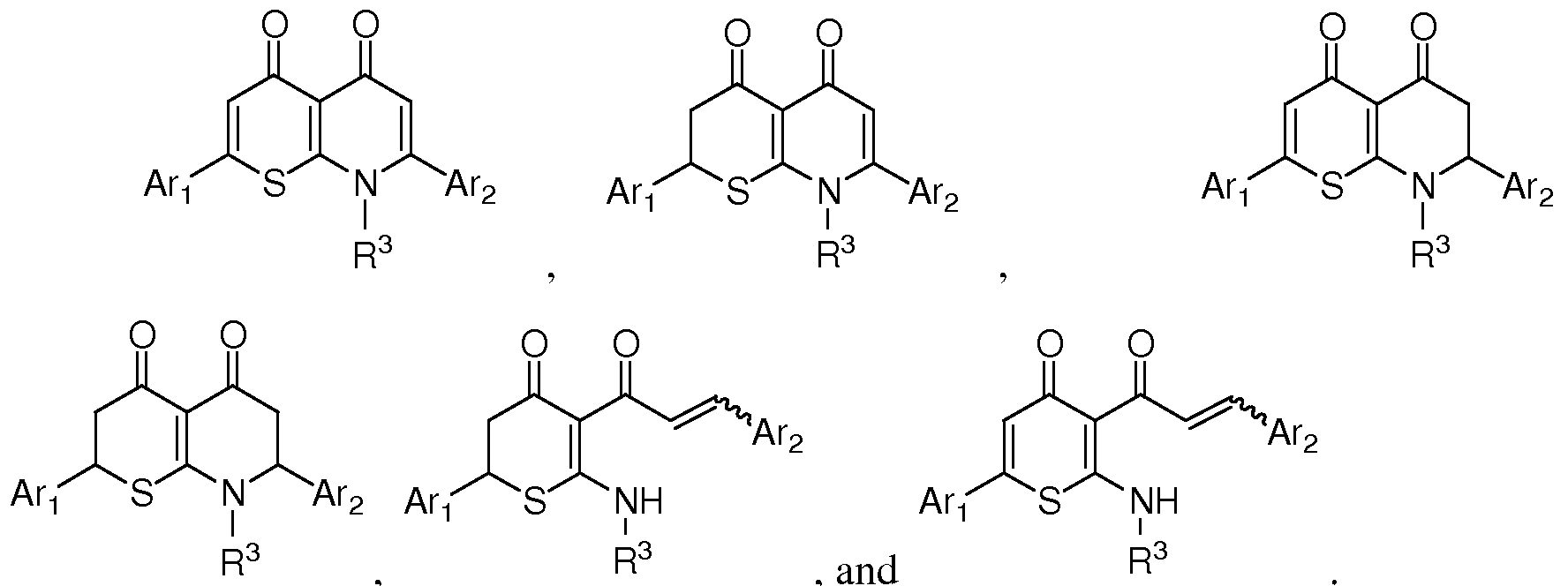
10. The compound of claim 9, or a pharmaceutically acceptable salt, stereoisomer, tautomer, solvate, or prodrug thereof, wherein Ar and Ar2 are each independently selected from C6-C10 aryl, C3-C8 cycloalkyl, 5- to 10-membered heteroaryl, and 5- to 10-membered heterocyclyl, each optionally substituted with one to four substituents independently selected from hydroxyl, -C alkyl, Ci-C6 alkoxy, halogen, C C6 haloalkyl, and (C1-C6)alkyl-C(0)-, wherein any said heteroaryl or heterocyclyl comprises from 1 to 3 heteroatoms independently selected from the group consisting of N, O, and S.
11. The compound of claim 10, or a pharmaceutically acceptable salt, stereoisomer, tautomer, solvate, or prodrug thereof, wherein Α and Ar2 are independently phenyl optionally substituted by one to three substituents independently selected from hydroxyl, C C6 alkyl, alkoxy, halogen, and haloalkyl; and R is selected from:
R7-
 wherein n is 0 or an integer from 1 to 4, and wherein R at each occurrence is independently hydrogen or CrC6 alkyl.
12. The compound of claim 10, or a pharmaceutically acceptable salt, tautomer, solvate, or prodrug thereof, wherein Α and Ar2 are
 ; and R 3 is selected from:

■0.
-CH
-(CH2)2-OCH3 -(CH2)3-OCH3 -(CH2)3-N p
, and

13. The compound of claim 1, or a pharmaceutically acceptable salt, stereoisomer, tautomer, solvate, or prodrug thereof, selected from the group consisting of:


80


A compound of formula (II)

or a pharmaceutically acceptable salt, stereoisomer, tautomer, solvate, or prodrug thereof, wherein: the symbol " " represents a single or a double bond; m and n are each independently 0 or an integer selected from 1 to 10;
D is S, O, or N-R5;
E is N or C-R4;
F is S, N-R6 or C(R4)2;
Ari and Ar2 are independently selected from unsubstituted or substituted aryl, arylalkyl and aryloxy; unsubstituted or substituted heteroaryl, heteroarylalkyl and heteroaryloxy; unsubstituted or substituted cycloalkyl, cycloalkylalkyl and cycloalkyloxy;
and unsubstituted or substituted heterocyclyl, heterocyclylalkyl and heterocyclyloxy, each optionally substituted with one to four substituents independently selected from hydroxyl, Ci-C6 alkyl, CrC6 alkoxy, halogen, CrC6 haloalkyl, nitro, cyano, -S(0)Rx, -S(0)2Rx, and -SRX, and -C(0)Rx;
1 2
R and R" are independently selected from hydrogen, hydroxyl, halogen, lower alkyl, and -C alkoxy;
R4, at each occurrence, is independently hydrogen, hydroxyl, halogen, CrC6 alkyl, or CrC6 alkoxy, or CrC6 haloalkyl;
R5 and R6, at each occurrence, are independently selected from hydrogen, lower alkyl, cycloalkyl, aryl, heteroaryl, heterocyclyl, cycloalkylalkyl, arylalkyl, heteroarylalkyl, heterocyclylalkyl, each optionally substituted with one to four substituents independently selected from hydroxyl, -C alkyl, -C alkoxy, halogen, -C haloalkyl, nitro, cyano, -S(0)Rx, -S(0)2Rx, and -SRx, and -C(0)Rx;
Ra and Rb, at each occurrence, is independently hydrogen, CrC6 alkyl, phenyl, or benzyl, wherein phenyl or benzyl is optionally substituted by one to four substituents independently selected from hydroxyl, halogen, -C alkyl, and -C alkoxy; and
Rx, at each occurrence, is independently hydrogen, -C alkyl, -C haloalkyl, phenyl, or benzyl, wherein phenyl or benzyl is optionally substituted by one to four substituents independently selected from hydroxyl, halogen, CrC6 alkyl, and CrC6 alkoxy; wherein any said heteroaryl or heterocyclyl comprises from 1 to 4 heteroatoms independently selected from the group consisting of N, O and S.
15. The compound of claim 14, or a pharmaceutically acceptable salt, stereoisomer, tautomer, solvate, or prodrug thereof, wherein is a single bond. 16. The compound of claim 14, or a pharmaceutically acceptable salt, stereoisomer, tautomer, solvate, or prodrug thereof, wherein is a double bond.
17. The compound of claim 14, or a pharmaceutically acceptable salt, stereoisomer, tautomer, solvate, or prodrug thereof, wherein m and n are independently 0, 1, 2, 3; and E is nitrogen (N).
18. The compound of claim 17, or a pharmaceutically acceptable salt, stereoisomer, tautomer, solvate, or prodrug thereof, wherein D is N-R5 and F is sulfur (S).
19. The compound of claim 17, or a pharmaceutically acceptable salt, stereoisomer, tautomer, solvate, or prodrug thereof, wherein D is oxygen (O) and F is N-
R6.
20. The compound of claim 17, or a pharmaceutically acceptable salt, stereoisomer, tautomer, solvate, or prodrug thereof, wherein D is sulfur (S) and F is N-R6.
21. The compound of claim 14, or a pharmaceutically acceptable salt, stereoisomer, tautomer, solvate, or prodrug thereof, having the structure:

Ari and Ar2 are each independently selected from C3-C8 cycloalkyl, C6-C10 aryl, 5 to 10-membered heteroaryl, or 5 to 10-membered heterocyclyl, each optionally substituted with one to four substituents independently selected from hydroxyl, -C alkyl, -C alkoxy, halogen, C C6 haloalkyl, nitro, cyano, -S(0)Rx, -S(0)2Rx, and -SRX, and - C(0)Rx;
R is selected from hydrogen, hydroxyl, halogen, lower alkyl, and CrC6 alkoxy; and
R5 is selected from hydrogen, lower alkyl, C3-C8 cycloalkyl, C6-C10 aryl, 5 to 10- membered heteroaryl, 5 to 10-membered heterocyclyl, (C3-C8 cycloalkyl)alkyl, (C6-C10 aryl)alkyl, (5 to 10-membered heteroaryl)alkyl, (5 to 10-membered heterocyclyl)alkyl, each optionally substituted with one to four substituents independently selected from hydroxyl, CrC6 alkyl, CrC6 alkoxy, halogen, CrC6 haloalkyl, nitro, cyano, -S(0)Rx, - S(0)2Rx, and -SRX, and -C(0)Rx;
wherein said heteroaryl or heterocyclyl each comprises from 1 to 3 heteroatoms independently selected from the group consisting of N, O and S.
23. The compound of claim 21, or a pharmaceutically acceptable salt, stereoisomer, tautomer, solvate, or prodrug thereof, wherein Ar and Ar2 are independently phenyl optionally substituted by one to three substituents independently selected from hydroxyl, -C alkyl, alkoxy, halogen, haloalkyl, nitro, cyano, and (C - C6)alkyl-C(0)-; and R5 is selected from the group consisting of:
R7-

wherein n is 0 or an integer from 1 to 4, and wherein R at each occurrence is hydrogen or Ci-Ce alkyl.
24. The compound of claim 21, or a pharmaceutically acceptable salt, tautomer, solvate, or prodrug thereof, wherein Α and Ar2 are
 5
5
; and R is selected from the group consisting of:

25. The compound of claim 14, or a pharmaceutically acceptable salt, stereoisomer, tautomer, solvate, or prodrug thereof, further characterized by formula:

Ari and Ar2 are each independently selected from C3-C8 cycloalkyl, C6-C10 aryl, 5 to 10-membered heteroaryl, or 5 to 10-membered heterocyclyl, each optionally substituted with one to four substituents independently selected from hydroxyl, -C alkyl, Ci-C6 alkoxy, halogen, CrC6 haloalkyl, nitro, cyano, -S(0)Rx, -S(0)2Rx, and -SRX, and - C(0)Rx, ;
1 2
R and R" are independently selected from hydrogen, hydroxyl, halogen, lower alkyl, and -C alkoxy; and
R6 is selected from hydrogen, lower alkyl, C3-C8 cycloalkyl, C6-Cio aryl, 5 to 10- membered heteroaryl, 5 to 10-membered heterocyclyl, (C3-C8 cycloalkyl)alkyl, (C6-Cio aryl)alkyl, (5 to 10-membered heteroaryl)alkyl, (5 to 10-membered heterocyclyl)alkyl, each optionally substituted with one to four substituents independently selected from hydroxyl, Ci-C6 alkyl, Ci-C6 alkoxy, halogen, Ci-C6 haloalkyl, nitro, cyano, -S(0)Rx, - S(0)2Rx, and -SRX, and -C(0)Rx;
wherein said heteroaryl or heterocyclyl each comprises from 1 to 3 heteroatoms independently selected from the group consisting of N, O and S.
26. The compound of claim 25, or a pharmaceutically acceptable salt, stereoisomer, tautomer, solvate, or prodrug thereof, wherein:
D is sulfur(S);
1
R and R 2 are hydrogen;
Ari and Ar2 are independently phenyl optionally substituted by one to three substituents independently selected from hydroxyl, CrC6 alkyl, alkoxy, halogen, haloalkyl, nitro, cyano, and (C1-C6)alkyl-C(0)-; and
R6 is selected from the group consisting


integer from 1 to 4; and wherein R at each occurrence is hydrogen or CrC6 alkyl.
27. The compound of claim 26, or a pharmaceutically acceptable salt, tautomer, solvate, or prodrug thereof, wherein Αη and Ar2 are
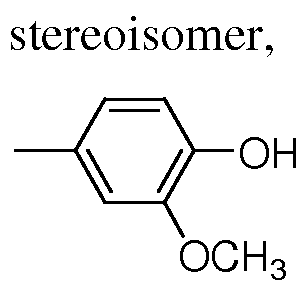 . an(j g6 s se ecte(j from me group consisting of:

28. The compound of claim 14, or a pharmaceutically acceptable salt, stereoisomer, tautomer, solvate, or prodrug thereof, selected from the group consisting of:

LH503 LH504

LH509 LH540

LH541 LH507


29. A pharmaceutical composition comprising a compound according to any of claims 1-28, or a pharmaceutically acceptable salt, stereoisomer, tautomer, solvate, or prodrug thereof, and a pharmaceutically acceptable carrier.
30. Use of a compound according to any of claims 1-28, or a pharmaceutically acceptable salt, stereoisomer, tautomer, solvate, or prodrug thereof, in the manufacture of a medicament for treating a disease or disorder selected from inflammatory diseases or disorders, proliferative diseases or disorders, metabolic diseases or disorders, cardiovascular diseases or disorders, and neurological diseases and disorders.
31. A method of inducing Nrf2 activity comprising: providing a tissue of interest; and contacting said tissue with a compound according to any of claims 1-28, or a pharmaceutically acceptable salt, stereoisomer, tautomer, solvate, or prodrug thereof, to activate the antioxidative stress system.
32. A method of treating a disease or condition selected from proliferative diseases or disorders, metabolic diseases or disorders, cardiovascular diseases or disorders, and neurological diseases and disorders, comprising administering to a subject in need of treatment a therapeutically effective amount of a compound according to any of claims 1-28, or a pharmaceutically acceptable salt, stereoisomer, tautomer, solvate, or prodrug thereof.
33. The method of claim 32, wherein said disease or disorder is a selected from inflammation, cancer, diabetes, multiple sclerosis, amyotrophic lateral sclerosis, and Alzheimer's disease.
34. A method of synthesizing a compound according to any of claims 14-28, comprising the steps of
a) reacting curcumin or an analog thereof with a thiourea, and
b) isolating iminothiazinylbutadienol and/or divinyl-pyrimidinethione product obtained.
35. The method of claim 34, wherein said reacting is carried out under an acid or basic condition.
36. The method of claim 34, further comprising an oxidation step to convert 5,6-dihydro-2-imino-l,3-thiazines to corresponding 2-imino-l,3-thiazines.
37. The method of claim 34, further comprising a base-catalyzed rearrangement reaction to convert 5,6-dihydro-2-imino-l,3-thiazines to corresponding 4,6- divinylpyrimidine-2-thiones .
38. A method of synthesizing a compound according to any of claims 1-13, comprising the steps of
a) reacting curcumin or an analog thereof with an isothiocyanate to form an adduct, and
b) converting the adduct by double Michael addition reactions to form a fused bicyclic thiopyranopyridinedione compound.
39. The method of claim 38, involving formation of an intermediate selected from:

r3 , and r3
40. The method of claim 38, wherein the reaction is conducted under an inert atmosphere.
41. The method of claim 38, wherein the reaction is conducted in the presence of air or oxygen.
42. The method of claim 38, further comprising an oxidation step to convert 2,3,6,7-tetrahydro-thiopyrano[2,3-b]pyridine-4,5-diones to corresponding (2,3)- or (6,7)- dihydro-thiopyrano[2,3-b]pyridine-4,5-diones.
43. The method of claim 38, further comprising an oxidation step to convert (2,3)- or (6,7)-dihydro-thiopyrano[2,3-b]pyridine-4,5-diones to corresponding thiopyrano[2,3-b]pyridine-4,5-diones.
44. The method of claim 38, further comprising a purification step.
45. The method of claim 44, wherein said purification step comprises chromatography and/or crystallization.
Applications Claiming Priority (4)
| Application Number | Priority Date | Filing Date | Title |
|---|---|---|---|
| US201161476697P | 2011-04-18 | 2011-04-18 | |
| US61/476,697 | 2011-04-18 | ||
| US201161477039P | 2011-04-19 | 2011-04-19 | |
| US61/477,039 | 2011-04-19 |
Publications (1)
| Publication Number | Publication Date |
|---|---|
| WO2012145420A1 true WO2012145420A1 (en) | 2012-10-26 |
Family
ID=47041902
Family Applications (1)
| Application Number | Title | Priority Date | Filing Date |
|---|---|---|---|
| PCT/US2012/034112 Ceased WO2012145420A1 (en) | 2011-04-18 | 2012-04-18 | Composition, synthetic process and use of new antioxidant inflammation modulators |
Country Status (1)
| Country | Link |
|---|---|
| WO (1) | WO2012145420A1 (en) |
Cited By (2)
| Publication number | Priority date | Publication date | Assignee | Title |
|---|---|---|---|---|
| CN105052990A (en) * | 2015-08-06 | 2015-11-18 | 华南师范大学 | Application of insect transcription factor in pest control |
| CN116143705A (en) * | 2023-04-11 | 2023-05-23 | 齐泽(云南)生物科技有限公司 | a medicinal compound |
Citations (2)
| Publication number | Priority date | Publication date | Assignee | Title |
|---|---|---|---|---|
| US20070060644A1 (en) * | 2004-02-12 | 2007-03-15 | Vander Jagt David L | Therapeutic curcumin derivatives |
| WO2008097596A2 (en) * | 2007-02-08 | 2008-08-14 | Biogen Idec Ma Inc. | Nrf2 screening assays and related methods and compositions |
-
2012
- 2012-04-18 WO PCT/US2012/034112 patent/WO2012145420A1/en not_active Ceased
Patent Citations (2)
| Publication number | Priority date | Publication date | Assignee | Title |
|---|---|---|---|---|
| US20070060644A1 (en) * | 2004-02-12 | 2007-03-15 | Vander Jagt David L | Therapeutic curcumin derivatives |
| WO2008097596A2 (en) * | 2007-02-08 | 2008-08-14 | Biogen Idec Ma Inc. | Nrf2 screening assays and related methods and compositions |
Non-Patent Citations (2)
| Title |
|---|
| KELSEY ET AL.: "Nutraceutical Antioxidants as Novel Neuroprotective Agents.", MOLECULES, vol. 15, 2010, pages 7792 - 7814, XP002720386, DOI: doi:10.3390/molecules15117792 * |
| LO ET AL.: "Structure of the Keapl:Nrf2 interface provides mechanistic insight into Nrf2 signaling", EMBO JOURNAL, vol. 25, no. 15, 2006, pages 3605 - 3617, XP008109153, DOI: doi:10.1038/sj.emboj.7601243 * |
Cited By (4)
| Publication number | Priority date | Publication date | Assignee | Title |
|---|---|---|---|---|
| CN105052990A (en) * | 2015-08-06 | 2015-11-18 | 华南师范大学 | Application of insect transcription factor in pest control |
| CN105052990B (en) * | 2015-08-06 | 2017-07-25 | 华南师范大学 | Application of an insect transcription factor in pest control |
| CN116143705A (en) * | 2023-04-11 | 2023-05-23 | 齐泽(云南)生物科技有限公司 | a medicinal compound |
| CN116143705B (en) * | 2023-04-11 | 2023-06-30 | 齐泽(云南)生物科技有限公司 | a medicinal compound |
Similar Documents
| Publication | Publication Date | Title |
|---|---|---|
| CA3000761C (en) | Oxa spiro derivative, preparation method therefor, and applications thereof in medicines | |
| Joseph et al. | Synthesis, in vitro anticancer and antioxidant activity of thiadiazole substituted thiazolidin-4-ones | |
| JP7295078B2 (en) | HYDROXYSTEROID COMPOUNDS, THEIR INTERMEDIATES, THEIR PREPARATION, COMPOSITIONS AND USES | |
| ES3013166T3 (en) | 3-aryloxy-3-aryl-propylamine compound and uses thereof | |
| DK2943467T3 (en) | Benzylidenguanidinderivativer and therapeutic use for the treatment of diseases associated with improper protein folding | |
| WO2007149782A2 (en) | Selective inhibitors for transferases | |
| KR20240017363A (en) | Fluorinated tryptamine compounds, analogs thereof and methods of using the same | |
| Yang et al. | Synthesis, in vitro anti-inflammatory and cytotoxic evaluation, and mechanism of action studies of 1-benzoyl-β-carboline and 1-benzoyl-3-carboxy-β-carboline derivatives | |
| WO2006093547A2 (en) | Novel lipoxygenase inhibitors | |
| WO2019089577A1 (en) | Small molecule inhibitors of cancer stem cells and mesenchymal cancer types | |
| JP7263659B2 (en) | Nitrogen-containing benzoheterocyclic compound containing carboxylic acid group, method for preparation and use thereof | |
| US10800790B2 (en) | Sesquiterpenoid STAT3 inhibitors | |
| WO2012037351A1 (en) | Compounds | |
| WO2012145420A1 (en) | Composition, synthetic process and use of new antioxidant inflammation modulators | |
| UA73507C2 (en) | Indole derivatives, compositions (variants) and their use | |
| Wang et al. | Identification of novel STAT3 inhibitors bearing 2-acetyl-7-phenylamino benzofuran scaffold for antitumour study | |
| JP2025504791A (en) | Compounds containing a hydroxyphenyl moiety and uses thereof | |
| JP2010526812A (en) | Spiro compounds for the treatment of inflammatory diseases | |
| Balanean et al. | Synthesis of novel 2-metylamino-4-substituted-1, 3-thiazoles with antiproliferative activity | |
| US12409162B2 (en) | Carbazole derivatives sensitizing cells to anti-cancer agents | |
| Fu et al. | Discovery of indoline derivatives that inhibit esophageal squamous cell carcinoma growth by Noxa mediated apoptosis | |
| Raffa et al. | 2-Cinnamamido, 2-(3-phenylpropiolamido), and 2-(3-phenylpropanamido) benzamides: Synthesis, antiproliferative activity, and mechanism of action | |
| WO2019183527A1 (en) | Oxidized bis(3-indolyl)methanes and uses thereof | |
| RU2479582C1 (en) | Labdane-type 6-hydroxynaphthoquinones, having cytotoxic activity on human tumour cells | |
| JP2008531559A (en) | Spiro-heterocyclic chromans, thiochromans and dihydroquinolines |
Legal Events
| Date | Code | Title | Description |
|---|---|---|---|
| 121 | Ep: the epo has been informed by wipo that ep was designated in this application |
Ref document number: 12774399 Country of ref document: EP Kind code of ref document: A1 |
|
| NENP | Non-entry into the national phase |
Ref country code: DE |
|
| 122 | Ep: pct application non-entry in european phase |
Ref document number: 12774399 Country of ref document: EP Kind code of ref document: A1 |