WO2012053243A1 - 仮想サーバ管理装置 - Google Patents
仮想サーバ管理装置 Download PDFInfo
- Publication number
- WO2012053243A1 WO2012053243A1 PCT/JP2011/061237 JP2011061237W WO2012053243A1 WO 2012053243 A1 WO2012053243 A1 WO 2012053243A1 JP 2011061237 W JP2011061237 W JP 2011061237W WO 2012053243 A1 WO2012053243 A1 WO 2012053243A1
- Authority
- WO
- WIPO (PCT)
- Prior art keywords
- virtual server
- server
- physical
- virtual
- group
- Prior art date
- Legal status (The legal status is an assumption and is not a legal conclusion. Google has not performed a legal analysis and makes no representation as to the accuracy of the status listed.)
- Ceased
Links
Images




Classifications
-
- G—PHYSICS
- G06—COMPUTING OR CALCULATING; COUNTING
- G06F—ELECTRIC DIGITAL DATA PROCESSING
- G06F9/00—Arrangements for program control, e.g. control units
- G06F9/06—Arrangements for program control, e.g. control units using stored programs, i.e. using an internal store of processing equipment to receive or retain programs
- G06F9/46—Multiprogramming arrangements
- G06F9/50—Allocation of resources, e.g. of the central processing unit [CPU]
- G06F9/5061—Partitioning or combining of resources
- G06F9/5072—Grid computing
-
- G—PHYSICS
- G06—COMPUTING OR CALCULATING; COUNTING
- G06F—ELECTRIC DIGITAL DATA PROCESSING
- G06F2209/00—Indexing scheme relating to G06F9/00
- G06F2209/50—Indexing scheme relating to G06F9/50
- G06F2209/501—Performance criteria
Definitions
- Virtual server management tools such as VMware vCenter (VMware) and SCVMM (Microsoft) have the ability to automatically optimize resource allocation. They have a function to monitor the performance of each physical server in the group specified at the time of system construction and automatically move virtual servers from a physical server with a high load to a physical server with a low load based on the load trend. . This has the advantage that the system administrator can automatically allocate appropriate resources without manually managing the CPU and memory usage of each physical server.
- the cloud computing system multiple support qualities with different requirements for each user are mixed.
- the physical server is divided for each user, and the support quality is divided for each physical server.
- SE System Engineer
- operators for physical server failures For example, even if there is only one user per 100 who demands such quality, it is necessary to prepare for the failure response to all physical servers. For this reason, providers of cloud computing systems have had to exclude the users who want to operate the entire system according to the users who require the highest support or who desire high support quality.
- the cloud management server manages the virtual server and the physical server on which the virtual server runs by associating a support level indicating the level of support quality.
- the cloud management server allows the virtual server to run on the target physical server only when the support level of the virtual server and the physical server match, and if it does not match, does not allow the operation and the support level matches. Move the virtual server to the physical server to be used.
- FIG. 1 It is a block diagram of the cloud computing system by Example 1 of this invention. It is a detailed view of data stored in the storage 150 according to the first embodiment of the present invention. It is a flowchart showing the communication procedure between the cloud management software 135 by Example 1 of this invention, and the virtual server management software 145. FIG. It is a flowchart showing the detail of the arrangement
- User 112 uses terminal 110 to use a virtual server on data center 100.
- the user 112 does not have to own the server himself, and can use the virtual server when he / she wants to use it.
- a user constructs a system according to a request using a virtual server, but in the operation of the system, a service provided by the data center 100 is used.
- the software maintenance service has a support level according to the response time of the window, the number of inquiries, etc., and there is a price difference according to the support level.
- the user 112 contracts and uses a service at a level suitable for the cost and purpose of use.
- the cloud is a service for logically dividing one or more physical systems and providing the virtual systems to individual users in order for multiple users to use virtualization technology.
- a plurality of support levels contracted by each user are mixed on the cloud.
- the virtual server may be on any physical server
- the load on the physical server can be averaged by moving the virtual server in accordance with the load status of the physical server.
- the highest quality support is required so that the virtual server can provide homogeneous support on any physical server. As a result, it is necessary to operate all physical servers at the level of the user who performs the operation.
- FIG. 1 it is assumed that a user 112 uses a terminal 110 to access a virtual server 170 on the data center 100 through a network 115.
- the data center 100 is connected to the router 120 that transfers communication from the network 115 for connecting the virtual server and the terminal 110 to an appropriate virtual server, and is connected to the router 120.
- the data center 100 is connected to the data center 100 and the data center 100 is connected to the network.
- 115 a firewall 125 that blocks unauthorized communication to 115, a physical server 160, 162, and 164 connected to the router 120 and running a virtual server, and a physical server 160, 162, and 164 connected to the physical server 160
- Storage 180 used for data storage and data sharing of 162 and 164, virtual servers 170, 172, 174 and 176 operating on physical servers 160, 162 and 164, and a virtual server management server for managing them 140, Virtual connected to the server management server 140, the cloud management server 130 for an instruction to the virtual server management server 140, and a storing storage 150 data cloud management server.
- the terminal 110 may be a device such as a PC, a mobile phone, or a game machine, or a server that is open to the company or the Internet.
- the network 115 may be a communication line constructed by the Internet, a VPN (Virtual Private Network), a dedicated line, wireless communication, a telephone network, or a combination thereof.
- the router 120 is not limited to a device having only a network routing function, and may include an L3 switch, an L2 switch, a load balancer, NAT (Network Address Translation), or the like, or may be configured by a set of a plurality of devices. good.
- the firewall 125 may have a deep packet inspection function, a virus detection function, an intrusion detection function, and the like. Further, when these functions are realized as one function of software on the physical server or the virtual server, they may be prepared on the virtual server or the physical server. If special security is not required, the firewall 125 may be unconnected.
- the storage 180 is connected to the physical servers 160, 162, and 164. If the virtual server can be moved via the router 120, each physical server has its own storage and shares the storage 180. You don't have to. Since the connection form between the storage 180 and the physical servers 160, 162, and 164 is not related to the feature of the present invention, it does not depend on the communication method such as Fiber Channel, iSCSI, SATA, IEEE1394, USB, LAN, or the like.
- FIG. 1 is an example for explaining the present invention, and the number of physical servers and virtual servers and the arrangement of virtual servers on the physical server.
- the arrangement of FIG. 1 depends on the number of physical servers and virtual servers. Do not depend. This is because, as shown in FIGS. 4 and 5, in the present invention, all virtual servers and physical servers connected to the cloud management server or the virtual server management server are targeted.
- the virtual server management server 140 is suitable for operating the virtual server on which physical server based on the performance monitoring function of the virtual server or physical server, the function of moving the virtual server between physical servers, and the performance monitoring result of the physical server.
- Virtual server management software 145 having a function to evaluate whether or not
- the virtual server management software 145 includes VMware vCenter (which is a registered trademark of VMware), SCVMM (which is an abbreviation for Microsoft System Center Virtual Machine Manager, and is a product name of Microsoft). These are products for controlling virtualized hardware using virtualization technology.
- the virtualization technology according to the present invention includes a mechanism in which each physical server controls a single piece of hardware as if it were multiple pieces of hardware using hardware and / or software. Needless to say, the present invention relates only to the placement control of the virtual server, and is not limited to the embodiment of the virtualization technology.
- the functions included in the virtual server management software 145 need not be realized by a single software, and may be realized by a combination of a plurality of software.
- the physical server monitoring function and the virtual server monitoring function may be realized by different software, and the virtual server moving function and the function of determining the virtual server operating location based on the performance monitoring result are different software. It may be realized.
- the virtual server placement control function according to the present invention performs control based not only on information obtained from virtual servers and physical servers, such as performance, but also on policies on how to operate virtual servers and physical servers. However, the configuration of the virtual server management software 145 does not reduce the effect.
- the cloud management server 130 moves the virtual server based on the virtual server management software 145 if the function for managing the support level of the virtual server and the physical server and the support level of the virtual server and the physical server are in the same range.
- the virtual server management software 145 does not move the virtual server between the physical servers.
- the physical server having the same support level The cloud management software 135 has a function of moving the virtual server using the virtual server management software 145.
- the cloud management server 130 also stores virtual server management data 152, physical server management data 154, support level management data 156, and service management data 158 used by the cloud management software 135 in the storage 150.
- the storage 150 may be a logical disk connected to the cloud management server 130, and it goes without saying that the present invention does not depend on the connection form and the physical arrangement of the storage 150.
- control is performed by two servers, the cloud management server 130 and the virtual server management server 140, but the control performed by these two servers may be implemented by a single virtual server management apparatus.
- the virtual server management data 152 may be prepared as a virtual server group when it is necessary to move a plurality of virtual servers simultaneously, such as when several virtual servers are assembled as a cluster.
- the virtual server name 210 may be an identifier of a virtual server group to which information different from a single virtual server is added.
- the unmigrated number 218 represents the number of times the virtual server is not moved as a result of the determination by the cloud management software 135 even though there is a migration destination recommended by the virtual server management software 145. If the number of unmigrated times 218 in a unit period is large, adequate physical servers are prepared according to configuration mismatches and support level differences, such as there being no room for allocation of virtual servers to physical servers. Judge the possibility of not. By checking this information 218 periodically, it becomes possible to change the ratio and number of physical servers in accordance with the support level and perform more efficient operation.
- the performance information 219 indicates the level of performance required by the virtual server.
- the level of performance required by the virtual server includes the amount of virtual CPU time slices allocated to the virtual server, the amount of virtual memory and virtual disks, and the I / O bandwidth to the network and storage allocated to the virtual server. .
- whether or not the virtual server can be moved is determined based on whether or not the specifications shown in the performance information 219 can be satisfied.
- the physical server management data 154 is information for controlling what level of virtual server defined for each physical server can be operated on the physical server.
- the physical server name 220 is a unique identifier for each physical server.
- the SLF 222 is an identifier that represents the level of support quality of the virtual server that is permitted to operate on the physical server.
- the performance monitoring log 224 stores the performance monitoring log of the physical server or the storage destination address of the performance monitoring log.
- the performance monitoring log 224 includes virtual server CPU usage, virtual memory usage, virtual disk usage, network transfer, and data transfer to storage, etc. The average usage rate, peak load, and resource shortage during peak load for a certain period of time are stored.
- the recommended performance threshold 226 is a recommended usage amount of each piece of performance information in a steady state.
- a virtual server on a failed physical server may be moved to another physical server due to a failure of another physical server.
- the recommended performance threshold value 226 is a performance for each physical server for providing a margin according to the assumed simultaneous failure occurrence amount.
- the cloud management software 135 performs arrangement control so that the dispersion of the current average value based on the performance monitoring log 224 with respect to the recommended performance threshold value 226 of all physical servers is minimized.
- the cloud management software 135 is described so as to operate on the cloud management server 130.
- the cloud management software 135 may be installed on the virtual server management server 140 and used. It may be a functional block on the software.
- the cloud management software 135 matches the support level based on the recommended arrangement plan derived by the virtual server management software 145 based on the performance monitoring result. By moving the virtual server within the range, the load of the physical server can be equalized while matching the support level.
- a process of periodically checking whether the performance of the virtual server is sufficient, and whether the support level of the virtual server matches the support level of the physical server, and moving the virtual server based on the result of the check is performed.
- FIG. 4 shows details of the arrangement change process performed by the cloud management software 135.
- the cloud management software 135 periodically starts an arrangement change process (400).
- the cloud management software 135 examines the virtual server management data 152 and selects a registered virtual server (402).
- the cloud management software 135 checks information on which physical server the virtual server is on and an appropriate migration destination, that is, a physical server having the same support level as the support level of the virtual server (404).
- the cloud management software 135 may inquire the virtual server management software 145 about an appropriate movement destination, or may make its own determination.
- FIG. 3 shows an example of a procedure for inquiring the virtual server management software 145 for an appropriate destination in the procedure 404 of FIG.
- the cloud management software 135 sends inquiry information 310 including the virtual server name 312 to the virtual server management software 145.
- the virtual server management software 145 searches for a physical server suitable for the operation of the virtual server with the virtual server name 312.
- the virtual server management software 145 transmits recommendation information 320 including the same virtual server name 322 and physical server name 324 as the virtual server name 312 to the cloud management software 135.
- the cloud management software 135 When the cloud management software 135 permits the movement to the physical server included in the recommendation information 320, the cloud management software 135 transmits a movement instruction 330 including the virtual server name 332 and the physical server name 334 to the virtual server management software 145, whereby the virtual server The management software 145 performs virtual server migration processing. When the movement is completed, the virtual server management software 145 transmits a completion notification 340 including the movement result 342 to the cloud management software 135.
- the physical server name 324 of the recommendation information 320 and the physical server name 334 of the movement instruction 330 do not need to match and are more suitable as a movement destination. It may be transmitted including the physical server name.
- FIG. 5 shows a procedure in the case where the cloud management software 135 determines the destination by itself without querying the virtual server management software 145 for an appropriate destination in the procedure 404 of FIG.
- the cloud management software 135 starts a destination search process (500).
- the cloud management software 135 checks the physical server management data 154 included in the storage 150 (502).
- the cloud management software 135 checks the performance monitoring log 224 included in the physical server management data 154 and checks the difference between this and the recommended performance threshold 226 (504).
- the recommended performance is the sum of the average performance of the performance monitoring log 224 for the other physical servers that can become the migration destination of the virtual server and the performance information 219 of the virtual server. If it is smaller than the threshold value 226, that is, if there is a margin in performance even if the migration target virtual server is moved (510), the retrieved physical server is returned as a result (512), and the process is terminated (520).
- the procedure 506 is used.
- the found value May be returned as the recommended value, or if this difference can be increased by performing another move, the recommended value including the order may be used.
- the physical server that matches the support is selected and the procedure 422 is executed.
- the physical server with the presence or absence of support the physical server with the most similar condition among the physical servers with the same support or not, that is, the most similar service support may be selected. , You can select any one of the physical servers with the same support.
- the cloud management software 135 periodically distributes the load by the arrangement change process shown in FIG. 4, even if the load temporarily increases, it is averaged over the long term. However, if it is determined that a virtual server cannot be added beyond the recommended performance threshold 226 due to CPU or memory restrictions, a physical server that satisfies a predetermined condition may be searched and assigned. At this time, the physical server management data 154 may include an upper limit value in a predetermined condition. For example, when the memory is set to 40 GB as the upper limit here, the total memory included in the performance information 219 of the virtual server operating on the physical server may not be set to exceed 40 GB. If no virtual server satisfies the conditions, an alert may be issued to the cloud system administrator.
- the elapsed time from the previous movement of the virtual server is checked based on the previous movement time 216 (418). If the difference between the previous movement time 216 and the current time is less than the movement frequency 240 (420), the procedure 428 is executed without moving the virtual server in order to avoid frequent movement. Otherwise, the virtual server is moved to the designated physical server (422), the virtual server management data 152 and the physical server management data 154 are changed to the information after the movement, and the procedure 428 is executed. When it is determined that the virtual server is not moved by the above processing, the virtual server management server 140 is notified of that fact.
- the cloud management software 135 may periodically check whether the unmove count 218 exceeds the configuration change threshold 242. If the number of unmoved times 218 exceeds the configuration change threshold 242, the configuration change may be performed because the ratio of physical servers classified by the SLF 222 may not be appropriate.
- FIG. 6 is a second embodiment showing a cloud configuration in which the present invention is applied to a plurality of physical servers grouped according to different support levels.
- the physical servers 160 and 162 shown in FIG. 1 belong to the group 610, and the physical server 164 belongs to the group 620.
- the groups 610 and 620 are groups grouped according to the difference in support level.
- the SLF 222 is defined for each physical server, but in the second embodiment, the SLF 644 (see FIG. 7 described later) is defined for each group. Accordingly, details of the physical server management data 630 and group management data 640 of the storage 150 in FIG. 6 are as shown in FIG.
- the above physical server group is a grouping that depends on whether the support level management unit is a single physical server or a physical server group.
- a virtual server group is a grouping when multiple virtual servers need to be moved as a set, such as in a cluster configuration.
- a group of physical servers can be recombined according to how the physical servers are managed, but a group of virtual servers is basically a group recombination in order to maintain system performance and reliability. You can not.
- a virtual server group is a unit to be moved, and a physical server group is a unit to be managed as having the same support level.
- virtual servers or virtual server groups (grouped virtual servers) can operate on physical servers or physical server groups (grouped physical servers) with the same support level.
- a virtualized CPU is recognized as one CPU by the OS.
- the physical server management data 630 includes a physical server name 220, a group name 632, a previous movement time 634, a performance monitoring log 224, a recommended performance threshold 226, and performance information 228.
- the group name 632 is a unique identifier for each group.
- the previous movement time 634 is the time when the physical server is added to the group.
- the group management data 640 includes group names 642 and SLF 644.
- the group name 642 indicates a unique identifier for each group.
- SLF 644 is a support level of physical servers belonging to the group. In the second embodiment, this is realized by changing the flowchart so that the search target is the search for the same group in the procedure 412 of FIG. As described above, even when the physical servers are grouped and the virtual server and the physical server are changed between the groups, the control according to the support level can be performed.
- SLF is also used as information for referring to support level management data, and support time is defined for each support level. If one of the virtual server and physical server groups is within the support time but the other is out of the support time, there will be a time zone in which the quality of support does not match between the two groups. Must be moved (you can only keep running if they match).
- the virtual server may be preferentially moved to that physical server. If the destination candidate is not in the same group, the virtual server may be moved to another group of physical servers with the same support level. If there is no destination candidate, a virtual server may be assigned to any physical server with the same support level. In this way, when searching for a physical server to which a virtual server is moved, if multiple physical servers with the same support level are grouped, it is only necessary to search within the group of physical servers, so the support level is the same. It becomes easy to search the destination.
Landscapes
- Engineering & Computer Science (AREA)
- Physics & Mathematics (AREA)
- Software Systems (AREA)
- Theoretical Computer Science (AREA)
- Mathematical Physics (AREA)
- General Engineering & Computer Science (AREA)
- General Physics & Mathematics (AREA)
- Debugging And Monitoring (AREA)
Abstract
クラウドコンピューティングシステムでは,ユーザ毎に異なる要求に対応した複数のサポート品質が混在するため、最も高いサポートを要求するユーザに合わせて全体を運用するか,高いサポート品質を希望するユーザを除外せざるを得なかった。仮想サーバと,仮想サーバが稼働する物理サーバに対して,それぞれのサポート品質の水準を示すサポートレベルを関連付けてクラウド管理サーバで管理する。クラウド管理サーバは,仮想サーバと物理サーバのサポートレベルが一致する状態でのみ,仮想サーバが対象の物理サーバ上で稼働することを許可し,一致しない場合は稼働を許可せず,サポートレベルが一致する物理サーバへ仮想サーバを移動させる。
Description
本発明は仮想サーバと,仮想サーバの管理機能を有する管理装置とを備えた情報システムに関する。
VMware vCenter(VMware社)やSCVMM(米Microsoft社)のような仮想サーバ管理ツールは、自動でリソース配置の最適化を行う機能を持つ。それらは、システムの構築時に指定したグループ内の各物理サーバの性能監視を行い、その負荷の傾向等に基づいて,負荷の高い物理サーバから低い物理サーバへ仮想サーバを自動で移動させる機能を持つ。これにより,システム管理者は個々の物理サーバのCPUやメモリの使用状況を手動で管理することなく,自動で適切なリソースの配置が行えるというメリットがある。
クラウドコンピューティングシステムでは,ユーザ毎に要求の異なる複数のサポート品質が混在することになる。従来のハウジングサービスでは,ユーザ毎に物理サーバを分け物理サーバ毎にサポート品質を分けていた。しかし,クラウドコンピューティングシステムにおいて,仮想化技術を用い,自動でリソースの管理を行いたい場合,物理サーバの障害に対するSE(System Engineer)やオペレータによる迅速な障害分析と復旧を適切に行うためには,例え,そのような品質を求めるユーザが100台に付き1台のみであったとしても,全ての物理サーバに対して障害対応できる準備を整えておく必要があった。そのため,クラウドコンピューティングシステムの提供者は,最も高いサポートを要求するユーザに合わせて全体を運用するか,高いサポート品質を希望するユーザを除外せざるを得なかった。
また,サポート品質は,同じユーザであっても時間帯,時期に応じて変化するため,仮想サーバと物理サーバのサポートレベルを常に一致させておくことは困難であり,またサポートレベルに応じて個別に物理サーバを運用する場合では,負荷分散する母数(物理サーバの台数)が減ってしまうため効率的な運用ができなくなるという問題があった。
仮想サーバと,仮想サーバが稼働する物理サーバに対して,サポート品質の水準を示すサポートレベルを関連付けて,クラウド管理サーバで管理する。クラウド管理サーバは,仮想サーバと物理サーバのサポートレベルが一致する状態でのみ,仮想サーバが対象の物理サーバ上で稼働することを許可し,一致しない場合は稼働を許可せず,サポートレベルが一致する物理サーバへ仮想サーバを移動させる。
高付加価値なサポートが必要な仮想サーバを物理サーバの単位で集約して管理することが可能になるため,運用コストを低減する効果がある。
契約の変更等により,サポートレベルが変化した場合でも,適切な物理サーバへ仮想サーバを移動させることが可能となることから,仮想サーバと物理サーバのサポートレベルの差によって,エスカレーション(段階的拡大)ができないようなケースを除外する効果がある。
8時間サポートと24時間サポートのように,特定の時間帯においては2つのサポートのサポート品質が一致するような場合,サポート品質が一致する時間帯においては負荷の変動に応じて仮想サーバの移動可能な物理サーバの母数(台数)を増大させることが可能になるため,安定した性能を提供できるという効果がある。
図1は本発明を適用したクラウドコンピューティングシステム(以下,クラウドと略する)の構成を表す第1の実施例である。第1の実施例は、クラウド提供者がデータセンタ100内に計算機システムを構築し,複数の物理サーバ上のそれぞれで仮想サーバを稼働させ,仮想サーバを、データセンタと端末とを接続するネットワーク115を通じてユーザ112に提供するモデルである。
ユーザ112は端末110を利用して,データセンタ100上の仮想サーバを利用する。ユーザ112は,クラウドを利用することにより,自分でサーバを所有する必要はなく,利用したい時に仮想サーバを利用することが可能になる。この仕組みを利用してユーザは,仮想サーバを利用して要求に応じたシステムを構築するが,システムの運用においては,データセンタ100が提供するサービスを利用することになる。
データセンタ100が提供するサービスとしては,DNS(Domain Name System)サーバ提供サービス,NTP(Network Time Protocol)サーバ提供サービス,SSL(Secure Sockets Layer)証明書発行サービス,死活監視サービス,性能監視サービス,オペレータ作業提供サービス,ソフトウェア保守サービス,バックアップサービス等が該当する。
ユーザは,仮想サーバの利用目的に応じて,これらのサービスの1つまたは複数を利用するが,このようなサービスは提供するサービスの品質に応じて,複数のレベルが設けられていることがある。例えば,ソフトウェア保守サービスは,窓口の対応時間や,問合せ回数等に応じて,サポートレベルが設けられており,サポートレベルに応じた価格差がある。ユーザ112は,コストや利用目的に適したレベルのサービスを契約し,利用することになる。クラウドは,複数のユーザが仮想化技術を利用するために、1つまたは複数の物理的なシステムを論理的に分割し,その仮想的なシステムを個々のユーザに提供するサービスである。
ユーザ112が個々に要求する利用目的や投資額が異なるため,各ユーザが契約する複数のサポートレベルが,クラウド上で混在する状態になる。このとき,仮想サーバがどの物理サーバ上にあっても良いならば,物理サーバの負荷状況に合わせて仮想サーバを移動するなどして,物理サーバの負荷を平均化することが可能となる。しかし,あるユーザが障害発生時の原因の切り分けをサポートサービスに含めている場合には,仮想サーバがどの物理サーバ上であっても均質なサポートを提供できるように,最も高品質なサポートを要求するユーザの水準で全ての物理サーバを運用する必要が生じるので,運用コストが高くなるという問題がある。
これとは逆に,仮想サーバと物理サーバの関係が密(固定的)であるほど,高品質なサポートを要求する仮想サーバと,品質の要求が厳しくない仮想サーバとをそれぞれ物理サーバレベルで分けて管理することが可能になるため,運用コストを抑えられる。しかし,仮想化技術を利用した集約の効果が薄れるため,物理サーバをレンタルでユーザに提供するホスティングサービスとの差異がなくなり,低価格なサービスをユーザに提供できないという問題がある。本発明では,この課題を解決する。
図1において、ユーザ112は端末110を利用し,ネットワーク115を通じてデータセンタ100上にある仮想サーバ170にアクセスするものとする。
データセンタ100は,仮想サーバと端末110を接続するためのネットワーク115からの通信を適切な仮想サーバに受け渡すルータ120と,ルータ120に接続され,ネットワーク115からデータセンタ100及びデータセンタ100からネットワーク115への許可されていない通信を遮断するファイアウオール125と,ルータ120に接続され,仮想サーバが動作する物理サーバ160、162及び164と,物理サーバ160、162及び164に接続され、物理サーバ160、162及び164のデータの保管とデータ共有のために利用されるストレージ180と,物理サーバ160、162及び164上で動作する仮想サーバ170、172、174及び176と,それらを管理する仮想サーバ管理サーバ140と,仮想サーバ管理サーバ140に接続され,仮想サーバ管理サーバ140に対して指示を行うクラウド管理サーバ130と,クラウド管理サーバのデータを保管するストレージ150から構成される。
ここで,端末110は,PCや携帯電話,ゲーム機などのデバイスや,企業内やインターネットに公開されるサーバであってもよい。ネットワーク115は,インターネットや,VPN(Virtual Private Network),専用線,無線通信,電話網及びそれらの組み合わせにより構築される通信回線であってもよい。ルータ120は,ネットワークのルーティング機能のみを持つ装置に限定されず,L3スイッチ,L2スイッチ,ロードバランサ,NAT(Network Address Translation)等を含む構成でもよく,複数の装置の集合により構成されていても良い。
ファイアウオール125は,ディープパケットインスぺクション機能や,ウイルス検知機能,侵入検知機能等を有する構成でもよい。また,これらの機能が物理サーバまたは仮想サーバ上のソフトウェアの一機能として実現されている場合には,仮想サーバまたは物理サーバ上で用意されていてもよい。また、特段のセキュリティが不要である場合には,ファイアウオール125は未接続であってもよい。
ストレージ180は,物理サーバ160、162及び164と接続されているが,ルータ120を経由して仮想サーバの移動が可能であるならば,各物理サーバが個別にストレージを有し,ストレージ180を共有しなくても良い。ストレージ180と物理サーバ160、162及び164との接続形態は,本発明の特徴に関係しないため,ファイバーチャネル,iSCSI,SATA,IEEE1394,USB,LAN等,通信方式に依らない。
また,図1は、物理サーバと仮想サーバの台数や,物理サーバ上の仮想サーバの配置は,本発明を説明のための一例であり,図1の配置は、物理サーバや仮想サーバの台数に依存しない。これは図4及び図5に示すように,本発明では,クラウド管理サーバまたは仮想サーバ管理サーバに接続された全仮想サーバ及び物理サーバを対象としているためである。
仮想サーバ管理サーバ140は,仮想サーバや物理サーバの性能監視機能と,物理サーバ間で仮想サーバを移動する機能,物理サーバの性能監視結果に基づき,どの物理サーバで仮想サーバを動作させるのが適しているかを評価する機能等を有する,仮想サーバ管理ソフトウェア145を有している。
仮想サーバ管理ソフトウェア145としては,VMware vCenter(VMware社の登録商標である)や,SCVMM(Microsoft System Center Virtual Machine Managerの略であり,Microsoft社の製品の名称である)等が該当する。これらはそれぞれ,仮想化技術を利用して仮想化されたハードウェアの制御を行うための製品である。ただし,本発明における仮想化技術は,個々の物理サーバが,ハードウェアまたはソフトウェアまたはその両者を用いて,単一のハードウェアを複数のハードウェアであるかのように制御する機構を備えたものであればよく,本発明は仮想サーバの配置制御だけに関するので,仮想化技術の実施形態に制約をうけるものではないことは言うまでもない。
また、仮想サーバ管理ソフトウェア145に含まれる機能は,単一のソフトウェアにより実現される必要はなく,複数のソフトウェアの組み合わせで実現されるものであっても良い。例えば,物理サーバの監視機能と,仮想サーバの監視機能は別のソフトウェアにより実現されても良く,仮想サーバの移動機能と,性能監視結果により仮想サーバの稼働場所を判断する機能は別のソフトウェアにより実現されても良い。本発明による,仮想サーバの配置制御機能は,性能のような,仮想サーバや物理サーバから得られた情報のみではなく,仮想サーバや物理サーバをどのように運用するかというポリシーに基づき制御を行うものであり,仮想サーバ管理ソフトウェア145の構成により効果を減ずるものではない。
クラウド管理サーバ130は,仮想サーバと物理サーバのサポートレベルを管理する機能と,仮想サーバと物理サーバのサポートレベルが同じ範囲であれば,仮想サーバ管理ソフトウェア145に基づき仮想サーバの移動を行い,仮想サーバと物理サーバのサポートレベルの範囲が異なる場合には仮想サーバ管理ソフトウェア145による仮想サーバの物理サーバ間の移動は行わず,サポートレベルが異なる状態にある場合には,サポートレベルが一致する物理サーバに仮想サーバを仮想サーバ管理ソフトウェア145を用いて移動させる機能を有する,クラウド管理ソフトウェア135を有する。また,クラウド管理サーバ130は,ストレージ150に、クラウド管理ソフトウェア135により利用される,仮想サーバ管理データ152,物理サーバ管理データ154,サポートレベル管理データ156及びサービス管理データ158を保管している。ここで,ストレージ150は,クラウド管理サーバ130に接続された論理ディスクであればよく,本発明が,その接続形態,ストレージ150の物理的な配置に依存しないものであることは言うまでもない。
図1ではクラウド管理サーバ130と仮想サーバ管理サーバ140の2つのサーバで制御を行っているが、これら2つのサーバで行っている制御を1台の仮想サーバ管理装置で実施する形態でもよい。
図2は,仮想サーバ管理データ152,物理サーバ管理データ154,サポートレベル管理データ156及びサービス管理データ158の詳細を表している。
仮想サーバ管理データ152は,仮想サーバ毎に1つずつ定義される、仮想サーバをサポートレベルに応じて移動させるための情報であり、仮想サーバ名210,サポートレベルフラグ(以下,SLFと略す)212,物理サーバ名214,前回移動時刻216,未移動回数218及び性能情報219を有する。仮想サーバ名210は,仮想サーバ毎にユニークな識別子である。SLF212は,仮想サーバが提供するサポート品質の水準を表す識別子である。物理サーバ名214は,現在仮想サーバ名210により識別される仮想サーバが存在する物理サーバのユニークな識別子である。前回移動時刻216は,仮想サーバが前回移動した時刻である。仮想サーバの頻繁な移動は,システムの負荷を増大させる危険性がある。仮想サーバの頻繁な移動を個別に制御したい場合,この情報216を利用する。
仮想サーバ管理データ152は,仮想サーバ毎に1つずつ定義される、仮想サーバをサポートレベルに応じて移動させるための情報であり、仮想サーバ名210,サポートレベルフラグ(以下,SLFと略す)212,物理サーバ名214,前回移動時刻216,未移動回数218及び性能情報219を有する。仮想サーバ名210は,仮想サーバ毎にユニークな識別子である。SLF212は,仮想サーバが提供するサポート品質の水準を表す識別子である。物理サーバ名214は,現在仮想サーバ名210により識別される仮想サーバが存在する物理サーバのユニークな識別子である。前回移動時刻216は,仮想サーバが前回移動した時刻である。仮想サーバの頻繁な移動は,システムの負荷を増大させる危険性がある。仮想サーバの頻繁な移動を個別に制御したい場合,この情報216を利用する。
ただし、仮想サーバ管理データ152は、いくつかの仮想サーバがクラスタとして組まれているなど、複数の仮想サーバを同時に移動させる必要がある場合、仮想サーバ群として用意されていてもよい。この時、仮想サーバ名210は、仮想サーバ単体とは異なる情報が付加された仮想サーバ群の識別子であってもよい。
未移動回数218は,仮想サーバ管理ソフトウェア145から推奨された移動先があるにもかかわらず,クラウド管理ソフトウェア135での判断の結果,仮想サーバを移動しないことにした回数を表している。ある単位期間の未移動回数218が多い場合,物理サーバへの仮想サーバの割当てに余裕がない等の,構成上の不一致や,サポートレベルの差に応じた適切な物理サーバが十分に用意されていない可能性を判断できる。定期的にこの情報218を確認することで,サポートレベルに応じた物理サーバの比率や数を変更し,より効率的な運用を行うことが可能になる。
性能情報219は,仮想サーバが要求する性能の水準を指す。仮想サーバが要求する性能の水準には,仮想サーバに割り当てる仮想CPUのタイムスライスの量や,仮想メモリ及び仮想ディスクの量,仮想サーバに割り当てるネットワークやストレージへのI/O帯域が含まれている。新規に仮想サーバを作成する場合や,仮想サーバを別の物理サーバに移動させる際には,この性能情報219に示すスペックが満たせるかどうかを基に,仮想サーバ移動の可否を判断する。
物理サーバ管理データ154は,物理サーバに1つずつ定義される、どういったサポートレベルの仮想サーバを物理サーバで稼動可能化させるかを制御するための情報であり、物理サーバ名220,SLF222,性能監視ログ224,推奨性能閾値226及び性能情報228を有する。物理サーバ名220は,物理サーバ毎にユニークな識別子である。SLF222は,その物理サーバ上で動作することを許可する仮想サーバのサポート品質の水準を表す識別子である。
性能監視ログ224は,物理サーバの性能監視ログまたは,性能監視ログの格納先アドレスを保管する。性能監視ログ224としては,仮想サーバのCPU使用率,仮想メモリ使用量,仮想ディスクの使用量,ネットワーク転送量及びストレージへのデータ転送量等が含まれており、さらに、1日や1ヵ月などの一定期間における平均の使用率やピーク負荷,ピーク負荷時のリソースの不足量などが保管されている。
推奨性能閾値226は,定常状態での各性能情報の推奨利用量である。クラウドの運用では,他の物理サーバの故障等により,故障した物理サーバ上の仮想サーバを別の物理サーバへ移動できる場合があり,そのためには,移動先の物理サーバに余裕がなければ,既に存在している仮想サーバの性能に大きな影響が生じてしまう。そこで,予め想定する同時故障発生量に応じて余裕を持たせておくための物理サーバ毎の性能が,推奨性能閾値226である。クラウド管理ソフトウェア135は,全ての物理サーバの推奨性能閾値226に対する性能監視ログ224に基づく現在の平均値の分散が最小になるように配置制御を行う。
性能情報228は,各物理サーバの物理的な性能である。物理サーバに仮想化技術を用いることで,仮想サーバの集約の効果が見込める場合,性能情報228を超えて,性能推奨閾値226の設定が可能である。
サポートレベル管理データ156は,サポートレベルの種類毎に1つずつ定義される、各サポートレベルの仮想サーバをどの時間帯に物理サーバに割り当てるかを定義した情報であり、サポートレベル230,開始時間232及び終了時間234を有する。サポートレベル230は,SLF212が示すサポートレベルを表す識別子である。開始時間232はサポートの開始時間,終了時間234はサポートの終了時間である。例えば,朝9時から夕方17時までのサポートの場合は,開始時間232として「9」を,終了時間234として「17」を設定する。24時間サポートの場合は,開始時間232と終了時間234に0以外の同じ数字を設定することで表現しても良い。サポートレベル管理データ156としては,この他に,サポートを実施する曜日に関するデータ,監視内容に関するデータ,オペレータの有無に関するデータ,SEの有無に関するデータ,窓口の開設の有無に関するデータ及びインシデントの回数に関するデータ等が含まれていても良い。
サービス管理データ158は,システム毎に1つずつ用意される、サポートレベルを満足する範囲で、仮想サーバの移動回数や物理サーバの負荷を抑えて運用するための情報であり、移動頻度240及び構成変更閾値242を含む。移動頻度240は,前回移動時刻215から,どれだけ時間が経った後に仮想サーバの移動を許可するかを示す値である。構成変更閾値242は、未移動回数218に基づき,物理サーバの構成変更を推奨する際の閾値であり,1ヵ月の未移動回数218が構成変更閾値242を超えた場合,物理サーバの構成変更のためのアラートを上げることができる。ただし、サービス管理データ158は、システム毎に複数用意され、そのうちの一つが、時間帯や電力価格などの観点で選択されるものであってもよい。
図1では,クラウド管理ソフトウェア135はクラウド管理サーバ130上で動作するように記載されているが,仮想サーバ管理サーバ140上にインストールされて利用される形であってもよく,仮想サーバ管理サーバ140のソフトウェア上の機能ブロックであっても良い。なお、クラウド管理ソフトウェア135と仮想サーバ管理ソフトウェア145を別ソフトウェアとして分けた場合,クラウド管理ソフトウェア135は,仮想サーバ管理ソフトウェア145が性能監視結果に基づいて導出した推奨配置案に基づき,サポートレベルの一致する範囲内で仮想サーバを移動させることで,サポートレベルを一致させつつ,物理サーバの負荷の均等化を行えるようになるという効果がある。
本発明では,仮想サーバの性能が十分かどうか,さらに仮想サーバのサポートレベルが物理サーバのサポートレベルと一致しているかどうかを定期的に調べ,調べた結果に基づいて仮想サーバを移動させる処理を行う。
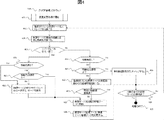
図4は,クラウド管理ソフトウェア135が行う配置変更処理の詳細を表している。クラウド管理ソフトウェア135は,定期的に配置変更処理を開始する(400)。クラウド管理ソフトウェア135は,仮想サーバ管理データ152を調べ,登録されている仮想サーバを選択する(402)。次に、クラウド管理ソフトウェア135は,仮想サーバがどの物理サーバ上にあるかという情報と,適切な移動先、即ち、仮想サーバのサポートレベルと同じサポートレベルの物理サーバを調べる(404)。クラウド管理ソフトウェア135は,仮想サーバ管理ソフトウェア145が適切な移動先を検索する機能を有する場合,仮想サーバ管理ソフトウェア145に適切な移動先を問い合わせてもよいし,自身で判断してもよい。
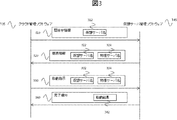
図3は、図4の手続き404における仮想サーバ管理ソフトウェア145に適切な移動先を問い合わせる場合の手順の一例を表している。クラウド管理ソフトウェア135は、仮想サーバ管理ソフトウェア145に対して,仮想サーバ名312を含む問合せ情報310を送付する。仮想サーバ管理ソフトウェア145は、仮想サーバ名312の仮想サーバの動作に適した物理サーバを検索する。仮想サーバ管理ソフトウェア145は,仮想サーバ名312と同じ仮想サーバ名322と物理サーバ名324を含む推薦情報320をクラウド管理ソフトウェア135に送信する。クラウド管理ソフトウェア135は,推薦情報320に含まれる物理サーバへの移動を許可する場合,仮想サーバ名332と物理サーバ名334を含む移動指示330を仮想サーバ管理ソフトウェア145に送信することで,仮想サーバ管理ソフトウェア145は仮想サーバの移動処理を行う。移動が終了すると,仮想サーバ管理ソフトウェア145は,移動結果342を含む完了通知340をクラウド管理ソフトウェア135に送信する。ここで,推薦情報320とは異なる物理サーバに仮想サーバを移動させたい場合,推薦情報320の物理サーバ名324と移動指示330の物理サーバ名334は一致する必要はなく,移動先としてより適した物理サーバ名を含めて送信すればよい。
図5は,図4の手続き404において、クラウド管理ソフトウェア135が仮想サーバ管理ソフトウェア145に適切な移動先を問い合わせずに,自身で移動先を判断する場合の手順を表している。クラウド管理ソフトウェア135は手続き404で外部のソフトウェアを利用しない場合,移動先検索処理を開始する(500)。クラウド管理ソフトウェア135は,検索処理が開始されると,ストレージ150に含まれる,物理サーバ管理データ154を調べる(502)。次にクラウド管理ソフトウェア135は,物理サーバ管理データ154に含まれる性能監視ログ224を調べ,これと推奨性能閾値226との差を調べる(504)。
性能監視ログ224の期間内における物理サーバの性能の平均が,推奨性能閾値226と仮想サーバの性能情報219の和よりも大きい場合、即ち、移動対象の仮想サーバを追加する以前に既に性能の負荷が大きい場合(506),仮想サーバの移動が必要と判断し(508),そうでない場合,移動は不要と判断したとの結果を返し(514),処理を終了する(520)。
移動処理が必要であると判断した場合,次に、仮想サーバの移動先となりうる他の物理サーバに対する性能監視ログ224の期間内における性能の平均と仮想サーバの性能情報219の和が,推奨性能閾値226より小さい場合、即ち、移動対象の仮想サーバを移動させても性能に余裕がある場合(510),検索された物理サーバを結果として返し(512),処理を終了する(520)。
そうでない場合,まだ未検索の物理サーバがあるなら(516),別の物理サーバに対して手続き510を実行する。そうでない場合,移動可能な物理サーバなしと判断した結果を返し(518),処理を終了する(520)。
ここで,最初に見つかった物理サーバの結果を返す代わりに,全ての物理サーバについて、各物理サーバの性能監視ログ224と推奨性能閾値226との差を調べ、最も差の大きな物理サーバを結果として返しても良い。手続き510で、全ての物理サーバで、性能監視ログ224の期間内平均と仮想サーバの性能情報219との和が推奨性能閾値226と同じか,推奨性能閾値226より大きな場合でも,手続き506で求めた性能監視ログ224と,推奨性能閾値226と性能情報219の和との差よりも小さい値(物理サーバの性能監視ログ224と推奨性能閾値226との差)が見つかるのであれば,見つかった値を推奨値として返しても良いし,別の移動を行うことでこの差を大きくできるのなら,その順序を含めて推奨値としてもよい。
図4において、クラウド管理ソフトウェア135は手続き404で前記手段等を用いて適切な移動先を調べると共に,仮想サーバ管理データ152に記載の仮想サーバ名210に対応した物理サーバ名214を調べることで現在仮想サーバが稼働している物理サーバを調べても良い。クラウド管理ソフトウェア135は,図4に示すように、検索結果の物理サーバ名を基に,物理サーバ管理データ154を調べ, SLF212とSLF222が一致しているかどうかを確かめる(406)。即ち、仮想サーバと物理サーバとでサポートレベルが一致しているかどうかを確かめる。サポートレベルが一致していない場合で,手続き404で適切な仮想サーバ見つかっている場合(408),移動先の物理サーバの現時刻におけるサービスのサポートの有無が,仮想サーバと一致しているなら(410),仮想サーバを指定の物理サーバへ移動させる(422)。
ここで、サポートの有無の比較方法を説明する。クラウド管理ソフトウェア135は、現在移動対象となっている仮想サーバのSLF212を利用し、SLF212とサポートレベル230が一致しているサポートレベル管理データ156を検索し、開始時間232と終了時間234を調べる。次に、物理サーバの物理サーバ管理データ154のSLF222を利用し、SLF212とサポートレベル230が一致しているサポート管理データ156を検索し、同様に開始時間232と終了時間234を調べる。ここで、仮想サーバと物理サーバが共にサポート時間内にあるか、共にサポート時間内にない場合、サポートの有無が一致しているとみなす。そうでない場合、サポートの有無は一致していないとみなす。ただし、SLF212とSLF222の識別子が一致している場合は、開始時間232と終了時間234を利用した比較を省略し、サポートの有無が一致しているとみなしてもよい。
手続き404で適切な移動先が見つかっていない場合や,移動先は見つかっていても,サービスのサポートの有無が一致しない場合は,サポートの有無が一致する物理サーバを選択し,手続き422を実行する。ここでサポートの有無が一致する物理サーバとして,サポートの有無が一致する物理サーバの中で最も条件に一致した、即ち、サービスのサポートが最も類似している物理サーバを選択することにしてよいし,サポートの有無が一致する物理サーバの中から任意の1つを選択しても良い。
クラウド管理ソフトウェア135は、図4に記載の配置変更処理により定期的に負荷を分散するので,一時的に負荷が増大しても長期的には平均化される。ただし,CPUやメモリの制約により,推奨性能閾値226より一定値を超えて仮想サーバを追加できないと定めている場合は,予め定めた条件を満たす物理サーバを検索して割り当てても良い。このとき,物理サーバ管理データ154として,予め定めた条件の中に上限値を含んでもよい。例えば,ここで上限値としてメモリ40GBと設定している場合,物理サーバで動作している仮想サーバの性能情報219に含まれるメモリの合計が40GBを超える設定はできないとしてもよい。条件を満たす仮想サーバがない場合は,クラウドシステムの管理者にアラートを発行しても良い。
図4において、現在の仮想サーバと物理サーバのサポートレベルが一致している場合であっても,仮想サーバの移動先がない場合(414),この仮想サーバの移動処理は終了し,対象の全ての仮想サーバに対する検索が終了していない場合は(428),他の仮想サーバに対して手続き402を実行し,全ての仮想サーバの検索が終了している場合は,処理を終了する(430)。現在の仮想サーバと物理サーバのサポートレベルが一致している場合であって、かつ、仮想サーバの移動先がある場合,その移動先の物理サーバにおけるサービスのサポートの有無が,仮想サーバにおけるサービスのサポートの有無と一致しているかどうかを調べる(416)。サポートの有無が一致していない場合,未移動回数218をカウントアップし(426),仮想サーバを移動させず,手続き428を実行する。
サポートの有無が一致している場合は,次に,仮想サーバの前回移動からの経過時間を前回移動時刻216に基づいて調べる(418)。ここで,前回移動時刻216と現在時刻の差が,移動頻度240に満たない場合(420),頻繁な移動をさけるために,仮想サーバの移動は行わず,手続き428を実行する。そうでない場合,仮想サーバを指定の物理サーバへ移動(422)し,仮想サーバ管理データ152,物理サーバ管理データ154を移動後の情報に変更し,手続き428を実行する。上記の処理で仮想サーバを移動しないと判断された場合、その旨を仮想サーバ管理サーバ140に通知する。
クラウド管理ソフトウェア135は,定期的に未移動回数218が構成変更閾値242を超えていないかを確認しても良い。未移動回数218が構成変更閾値242を超えている場合,SLF222によって分類される物理サーバの比率が適正でない可能性があるため,構成変更を実施しても良い。
図6は、サポートレベルの違いによってグループ化された複数の物理サーバに対して本発明を適用したクラウドの構成を表す第2の実施例である。図6では、図1に示した物理サーバ160及び162がグループ610に属しており,物理サーバ164がグループ620に属している。ここでグループ610及び620は,サポートレベルの違いによってまとめられたグループとする。実施例1では,物理サーバ毎にSLF222を定めていたが,実施例2ではグループ毎にSLF644(後述の図7参照)を定めている。これに伴い,図6におけるストレージ150の物理サーバ管理データ630及びグループ管理データ640の詳細は図7のようになる。
上記の物理サーバのグループは、サポートレベルの管理単位を、物理サーバ単体、あるいは物理サーバ群とするかによって決まるグルーピングです。一方、仮想サーバのグループは、クラスタ構成等、複数の仮想サーバをセットで移動させる必要がある場合のグルーピングです。物理サーバのグループは、物理サーバをどのように管理するかに応じてグループの組み換えが可能ですが、仮想サーバのグループは、システムの性能や信頼性を維持するために、基本的にグループの組み換えはできません。即ち、仮想サーバのグループは移動させる単位であり、物理サーバのグループは同じサポートレベルのものとして管理する単位です。さらに、仮想サーバ又は仮想サーバ群(グループ化された仮想サーバ)は、サポートレベルが一致する物理サーバ又は物理サーバ群(グループ化された物理サーバ)で稼動可能です。
一般に、仮想化技術を利用すると、OSからは、仮想化されたCPUが、1つのCPUとして認識されます。つまり、1個のCPUを10個のCPUに見せかけ、10台の仮想サーバを動作させることが可能です。逆に、4つのCPUを1つの高速なCPUに見せかけることも可能です。従って、1つの仮想サーバを動作させるCPU(物理サーバ)の台数はシステムの構成に応じて様々ですが、通常、仮想サーバの台数>物理サーバの台数となっています。
図7において,物理サーバ管理データ630は,物理サーバ名220,グループ名632,前回移動時刻634,性能監視ログ224,推奨性能閾値226及び性能情報228を含んでいる。ここでグループ名632は,グループ毎にユニークな識別子である。また、前回移動時刻634は,物理サーバがそのグループに追加された時刻である。グループ管理データ640は,グループ名642,SLF644を含んでいる。グループ名642はグループ毎にユニークな識別子を指す。SLF644は,グループに属する物理サーバのサポートレベルである。実施例2では,図5の手続き412において,検索する対象を同じグループを対象とした検索とするようにフローチャートを変更することで実現される。このように物理サーバがグループ化されておりグループ間で仮想サーバ及び物理サーバが変更される場合においても,サポートレベルに応じた制御を実施できる。
本実施例でも、SLFは、サポートレベル管理データを参照するための情報として使っており、各サポートレベルにはサポート時間が定義されています。仮想サーバと物理サーバのそれぞれのグループの一方がサポート時間内であるのに、他方がサポート時間外である場合、双方のグループの間でサポートの品質が一致しない時間帯が発生するため、仮想サーバのグループを移動させる必要があります(一致している場合のみ、そのまま稼動し続けることができます)。
本実施例のように、サポートレベルが同じ複数の物理サーバをグループで管理することにより、検索対象の物理サーバ管理データ154の数を低減できるため、検索処理を高速化できる。
また、グループ内に複数の物理サーバがある場合、手続き404の結果として移動先の候補が同じグループ内にあるならば、その物理サーバに優先的に仮想サーバを移動させてもよい。移動先の候補が同じグループ内にない場合、サポートレベルが一致する別のグループの物理サーバに仮想サーバを移動させてもよい。移動先の候補がない場合、サポートレベルが一致する任意の物理サーバに仮想サーバを割り当ててもよい。このように、仮想サーバの移動先の物理サーバを検索する際に、サポートレベルが同じ複数の物理サーバがグループ化されていると、物理サーバのグループ内を検索するだけでよいのでサポートレベルが同じ移動先の検索が容易になる。
100…データセンタ
110…端末
115…ネットワーク
120…ルータ
116・162・164…物理サーバ
170・172・174・176…仮想サーバ
130…クラウド管理サーバ
135…クラウド管理ソフトウェア
140…仮想サーバ管理サーバ
145…仮想サーバ管理ソフトウェア
110…端末
115…ネットワーク
120…ルータ
116・162・164…物理サーバ
170・172・174・176…仮想サーバ
130…クラウド管理サーバ
135…クラウド管理ソフトウェア
140…仮想サーバ管理サーバ
145…仮想サーバ管理ソフトウェア
Claims (11)
- それぞれで少なくとも1つの仮想サーバ又は仮想サーバ群が動作する複数の物理サーバ、前記仮想サーバ又は仮想サーバ群及び前記物理サーバを監視して制御を行う仮想サーバ管理装置とを含む計算機システムにおいて、前記仮想サーバ管理装置は、
前記仮想サーバ又は仮想サーバ群が稼動する前記物理サーバを移動する際に、前記仮想サーバ又は仮想サーバ群が要求するサービスのサポートレベルを示す第1の管理情報と,前記物理サーバが前記サポートレベルを要する前記仮想サーバ又は仮想サーバ群の稼働に適しているかどうかを示す第2の管理情報とに基づき,移動先の前記物理サーバが前記仮想サーバ又は仮想サーバ群の稼働に適すかどうかを判断する手段、
前記物理サーバが前記仮想サーバ又は仮想サーバ群の稼働に適さない場合は、前記仮想サーバ又は仮想サーバ群を,移動先の前記物理サーバに移動させない通知を出力する手段を有することを特徴とする仮想サーバ管理装置。 - 前記仮想サーバ又は仮想サーバ群の移動先があっても移動させなかった未移動回数が構成変更の閾値を超えたときに、物理サーバの構成変更のアラートを出すことを特徴とする請求項1に記載の仮想サーバ管理装置。
- 前記仮想サーバ又は仮想サーバ群の移動先を決定する際に、前記仮想サーバ又は仮想サーバ群を管理する第1の管理手段に前記仮想サーバ又は仮想サーバ群の動作に適した物理サーバを問い合わせることを特徴とする請求項1に記載の仮想サーバ管理装置。
- 端末から前記仮想サーバ又は仮想サーバ群にアクセスするための第2の管理手段が、各物理サーバの性能監視ログの性能情報と、性能閾値と、仮想サーバ又は仮想サーバ群の性能情報とに基づいて、前記仮想サーバ又は仮想サーバ群の移動の要否を判断し、移動可能な物理サーバを決めることを特徴とする請求項1に記載の仮想サーバ管理装置。
- さらに、前記物理サーバのサポートレベルが前記仮想サーバ又は仮想サーバ群のサポートレベルと一致するかどうかを確認することを特徴とする請求項3、4のいずれかに記載の仮想サーバ管理装置。
- サービスのサポートの有無が一致しない場合、サポートの有無が一致する別の物理サーバに前記仮想サーバ又は仮想サーバ群を移動することを特徴とする請求項1に記載の仮想サーバ管理装置。
- 性能閾値より一定値を超えて前記仮想サーバ又は仮想サーバ群を追加できない場合、予め定めた条件を満たす物理サーバを検索して前記仮想サーバ又は仮想サーバ群に割り当てることを特徴とする請求項4に記載の仮想サーバ管理装置。
- サービスのサポートが一致している場合であっても、前記仮想サーバ又は仮想サーバ群の前回移動時刻と現在時刻との差が移動頻度に満たない場合は、前記仮想サーバ又は仮想サーバ群の移動を行わないことを特徴とする請求項5に記載の仮想サーバ管理装置。
- サポートレベルに応じて複数の物理サーバをグループ化し、グループ内の物理サーバの負荷が大きくなった場合に、グループ内の他の物理サーバに仮想サーバ又は仮想サーバ群を移動することを特徴とする請求項1に記載の仮想サーバ管理装置。
- それぞれで少なくとも1つの仮想サーバ又は仮想サーバ群が動作する複数の物理サーバ、前記仮想サーバ又は仮想サーバ群及び前記物理サーバを監視して制御を行う仮想サーバ管理装置とを含む計算機システムにおいて、前記仮想サーバ管理装置は、
前記仮想サーバ又は仮想サーバ群が稼動する前記物理サーバを移動する際に、前記仮想サーバ又は仮想サーバ群が要求するサービスのサポートレベルを示す第1の管理情報と,前記物理サーバが前記サポートレベルを要する前記仮想サーバ又は仮想サーバ群の稼働に適しているかどうかを示す第2の管理情報とに基づき,移動先の前記物理サーバが前記仮想サーバ又は仮想サーバ群の稼働に適すかどうかを判断し、
前記物理サーバが前記仮想サーバ又は仮想サーバ群の稼働に適さない場合は、前記仮想サーバ又は仮想サーバ群を,移動先の前記物理サーバに移動させない通知を出力することを特徴とする仮想サーバ管理方法。 - それぞれで少なくとも1つの仮想サーバ又は仮想サーバ群が動作する複数の物理サーバ、前記仮想サーバ又は仮想サーバ群及び前記物理サーバを監視して制御を行う仮想サーバ管理装置とを含む計算機システムにおいて、前記仮想サーバ管理装置は、
前記仮想サーバ又は仮想サーバ群が稼動する前記物理サーバを移動する際に、前記仮想サーバ又は仮想サーバ群が要求するサービスのサポートレベルを示す第1の管理情報と,前記物理サーバが前記サポートレベルを要する前記仮想サーバ又は仮想サーバ群の稼働に適しているかどうかを示す第2の管理情報とに基づき,移動先の前記物理サーバが前記仮想サーバ又は仮想サーバ群の稼働に適すかどうかを判断する第1の手段、
前記仮想サーバ又は仮想サーバ群の稼動に適す物理サーバの性能監視ログの性能情報と、性能閾値と、移動対象の前記仮想サーバ又は仮想サーバ群の性能情報とに基づいて、前記仮想サーバ又は仮想サーバ群の移動の要否を判断する第2の手段、
前記仮想サーバ又は仮想サーバ群の前回移動時刻と現在時刻との差が移動頻度に満たない場合は、前記仮想サーバ又は仮想サーバ群の移動を行わないと判断する第3の手段、
前記第1、第2及び第3の手段に基づいて、前記仮想サーバ又は仮想サーバ群を移動しない場合は、前記仮想サーバ又は仮想サーバ群が稼動する前記物理サーバを移動させない通知を出力する手段を有することを特徴とする仮想サーバ管理装置。
Applications Claiming Priority (2)
| Application Number | Priority Date | Filing Date | Title |
|---|---|---|---|
| JP2010-235174 | 2010-10-20 | ||
| JP2010235174A JP5364070B2 (ja) | 2010-10-20 | 2010-10-20 | 仮想サーバ管理装置 |
Publications (1)
| Publication Number | Publication Date |
|---|---|
| WO2012053243A1 true WO2012053243A1 (ja) | 2012-04-26 |
Family
ID=45974970
Family Applications (1)
| Application Number | Title | Priority Date | Filing Date |
|---|---|---|---|
| PCT/JP2011/061237 Ceased WO2012053243A1 (ja) | 2010-10-20 | 2011-05-16 | 仮想サーバ管理装置 |
Country Status (2)
| Country | Link |
|---|---|
| JP (1) | JP5364070B2 (ja) |
| WO (1) | WO2012053243A1 (ja) |
Cited By (3)
| Publication number | Priority date | Publication date | Assignee | Title |
|---|---|---|---|---|
| US9128739B1 (en) | 2012-12-31 | 2015-09-08 | Emc Corporation | Determining instances to maintain on at least one cloud responsive to an evaluation of performance characteristics |
| US9979780B1 (en) | 2012-06-25 | 2018-05-22 | EMC IP Holding Company LLC | Method and apparatus for selection between multiple candidate clouds for job processing |
| US10505864B1 (en) | 2013-09-30 | 2019-12-10 | EMC IP Holding Company LLC | Method for running HPC jobs |
Families Citing this family (3)
| Publication number | Priority date | Publication date | Assignee | Title |
|---|---|---|---|---|
| JP5967215B2 (ja) * | 2012-11-07 | 2016-08-10 | 富士通株式会社 | 情報処理装置、プログラムおよび仮想マシン移動方法 |
| US9444704B2 (en) | 2013-05-20 | 2016-09-13 | Hitachi, Ltd. | Method for controlling monitoring items, management computer, and computer system in cloud system where virtual environment and non-virtual environment are mixed |
| JP2015194851A (ja) * | 2014-03-31 | 2015-11-05 | 日本電気株式会社 | クラウドサービス構築装置、クラウドサービス構築方法及びプログラム |
Citations (2)
| Publication number | Priority date | Publication date | Assignee | Title |
|---|---|---|---|---|
| JP2006285474A (ja) * | 2005-03-31 | 2006-10-19 | Fujitsu Ltd | 並列計算機及びその制御方法 |
| JP2008276320A (ja) * | 2007-04-25 | 2008-11-13 | Nec Corp | 仮想システム制御方法およびコンピュータシステム |
Family Cites Families (2)
| Publication number | Priority date | Publication date | Assignee | Title |
|---|---|---|---|---|
| US7437581B2 (en) * | 2004-09-28 | 2008-10-14 | Intel Corporation | Method and apparatus for varying energy per instruction according to the amount of available parallelism |
| US20100030877A1 (en) * | 2007-02-23 | 2010-02-04 | Mitsuru Yanagisawa | Virtual server system and physical server selecting method |
-
2010
- 2010-10-20 JP JP2010235174A patent/JP5364070B2/ja active Active
-
2011
- 2011-05-16 WO PCT/JP2011/061237 patent/WO2012053243A1/ja not_active Ceased
Patent Citations (2)
| Publication number | Priority date | Publication date | Assignee | Title |
|---|---|---|---|---|
| JP2006285474A (ja) * | 2005-03-31 | 2006-10-19 | Fujitsu Ltd | 並列計算機及びその制御方法 |
| JP2008276320A (ja) * | 2007-04-25 | 2008-11-13 | Nec Corp | 仮想システム制御方法およびコンピュータシステム |
Non-Patent Citations (1)
| Title |
|---|
| KEN'ICHI MATSUI ET AL.: "Reducing a Communication Cost on a Dynamic Load Sharing in Distributed Systems", IPSJ SIG NOTES, vol. 95, no. 61, 13 July 1995 (1995-07-13), pages 61 - 66 * |
Cited By (3)
| Publication number | Priority date | Publication date | Assignee | Title |
|---|---|---|---|---|
| US9979780B1 (en) | 2012-06-25 | 2018-05-22 | EMC IP Holding Company LLC | Method and apparatus for selection between multiple candidate clouds for job processing |
| US9128739B1 (en) | 2012-12-31 | 2015-09-08 | Emc Corporation | Determining instances to maintain on at least one cloud responsive to an evaluation of performance characteristics |
| US10505864B1 (en) | 2013-09-30 | 2019-12-10 | EMC IP Holding Company LLC | Method for running HPC jobs |
Also Published As
| Publication number | Publication date |
|---|---|
| JP5364070B2 (ja) | 2013-12-11 |
| JP2012088943A (ja) | 2012-05-10 |
Similar Documents
| Publication | Publication Date | Title |
|---|---|---|
| US10895984B2 (en) | Fabric attached storage | |
| US8386825B2 (en) | Method and system for power management in a virtual machine environment without disrupting network connectivity | |
| US9213581B2 (en) | Method and system for a cloud frame architecture | |
| US9059933B2 (en) | Provisioning virtual private data centers | |
| US9594579B2 (en) | Migrating virtual machines | |
| US20120233315A1 (en) | Systems and methods for sizing resources in a cloud-based environment | |
| JP5782641B2 (ja) | 計算機システム及びパケット転送方法 | |
| US20030154236A1 (en) | Database Switch enabling a database area network | |
| US20090190474A1 (en) | Bandwidth-aware multicast load balancing on a multi-interface host | |
| JP5364070B2 (ja) | 仮想サーバ管理装置 | |
| US11178218B2 (en) | Bidirectional communication clusters | |
| WO2012125144A1 (en) | Systems and methods for sizing resources in a cloud-based environment | |
| JP2016116184A (ja) | 網監視装置および仮想ネットワーク管理方法 | |
| CN103346910A (zh) | 服务器可用状态的管理方法和装置 | |
| TW201243617A (en) | Cloud computing-based service management system | |
| CN112994937A (zh) | 智融标识网络中虚拟cdn的部署与迁移系统 | |
| US8543680B2 (en) | Migrating device management between object managers | |
| JPWO2013146808A1 (ja) | コンピュータシステム、及び通信経路変更方法 | |
| US20120117218A1 (en) | Network connection management using connection profiles | |
| EP2645625B1 (en) | Computer system and subsystem management method | |
| CN105307130A (zh) | 一种资源分配方法及系统 | |
| EP4262150A1 (en) | Layer-3 policy enforcement for layer-7 data flows | |
| CN118869822A (zh) | 访问处理方法、装置、云计算集群、设备、介质及程序产品 | |
| CN108351795A (zh) | 用于映射虚拟机通信路径的方法和系统 | |
| EP3661150A1 (en) | Systems and methods for configuring virtual networks |
Legal Events
| Date | Code | Title | Description |
|---|---|---|---|
| 121 | Ep: the epo has been informed by wipo that ep was designated in this application |
Ref document number: 11834088 Country of ref document: EP Kind code of ref document: A1 |
|
| NENP | Non-entry into the national phase |
Ref country code: DE |
|
| 122 | Ep: pct application non-entry in european phase |
Ref document number: 11834088 Country of ref document: EP Kind code of ref document: A1 |