WO2011129627A2 - Docetaxel-loaded thermosensitive liquid suppository composition for rectal administration - Google Patents
Docetaxel-loaded thermosensitive liquid suppository composition for rectal administration Download PDFInfo
- Publication number
- WO2011129627A2 WO2011129627A2 PCT/KR2011/002662 KR2011002662W WO2011129627A2 WO 2011129627 A2 WO2011129627 A2 WO 2011129627A2 KR 2011002662 W KR2011002662 W KR 2011002662W WO 2011129627 A2 WO2011129627 A2 WO 2011129627A2
- Authority
- WO
- WIPO (PCT)
- Prior art keywords
- docetaxel
- suppository
- liquid
- composition
- liquid suppository
- Prior art date
- Legal status (The legal status is an assumption and is not a legal conclusion. Google has not performed a legal analysis and makes no representation as to the accuracy of the status listed.)
- Ceased
Links
Images

Classifications
-
- A—HUMAN NECESSITIES
- A61—MEDICAL OR VETERINARY SCIENCE; HYGIENE
- A61K—PREPARATIONS FOR MEDICAL, DENTAL OR TOILETRY PURPOSES
- A61K31/00—Medicinal preparations containing organic active ingredients
- A61K31/33—Heterocyclic compounds
- A61K31/335—Heterocyclic compounds having oxygen as the only ring hetero atom, e.g. fungichromin
- A61K31/337—Heterocyclic compounds having oxygen as the only ring hetero atom, e.g. fungichromin having four-membered rings, e.g. taxol
-
- A—HUMAN NECESSITIES
- A61—MEDICAL OR VETERINARY SCIENCE; HYGIENE
- A61K—PREPARATIONS FOR MEDICAL, DENTAL OR TOILETRY PURPOSES
- A61K9/00—Medicinal preparations characterised by special physical form
- A61K9/0012—Galenical forms characterised by the site of application
- A61K9/0031—Rectum, anus
-
- A—HUMAN NECESSITIES
- A61—MEDICAL OR VETERINARY SCIENCE; HYGIENE
- A61K—PREPARATIONS FOR MEDICAL, DENTAL OR TOILETRY PURPOSES
- A61K9/00—Medicinal preparations characterised by special physical form
- A61K9/06—Ointments; Bases therefor; Other semi-solid forms, e.g. creams, sticks, gels
Definitions
- the present invention relates to a novel docetaxel-loaded thermosensitive liquid suppository composition for rectal administration, which can be applied in practice for administration of docetaxel and have properties in that it exists as a liquid at room temperature and forms a gel in vivo so as to adhere to the mucosa.
- Docetaxel that is used as an active ingredient in the composition of the present invention is commercially available on the market in an injection form under the brand name Taxotere®(Sanofi-Aventis SA).
- the drug Taxotere is a formulation solubilized with polysorbate 80 together with ethanol and is administered as an infusion. However, it can cause side effects such as hypersensitivity reactions when administered to patients (Engels et al., Anticancer Drugs, 18 (2), 95-103 (2007); Sparreboom, et al., Anticancer Drugs. 9 (1), 1-17 (1998)).
- docetaxel when docetaxel is administered orally, it will be inhibited by CYP and P-GP and thus will show very low bioavailability, and for this reason, it is almost impossible to develop an oral formulation of docetaxel (Woo et al., Pharm. Res., 20 (1), 24-30, (2003)). Accordingly, the following attempts have been made to increase the solubility and absorption of docetaxel, thereby preparing an oral dosage or injection dosage form of docetaxel: synthesis of a polymer drug by conjugation of docetaxel to a polymer such as albumin (Musumeci et al., Int. J.
- suppository systems contain polyethylene glycol or Witepsol as a base, and these suppository systems are solid formulations that exist as a solid at room temperature and melt or soften in vivo to release the active ingredient.
- Suppository formulations have been used for analgesics/antipyrectics, anesthetics and hemorrhoidal preparations, because the active ingredient thereof is absorbed without undergoing a first-pass effect in the gastrointestinal tract and liver and also these formulations can minimize patient discomfort such as pain, which occurs upon administration of injection formulations.
- liquid suppository composition which exists as a liquid at room temperature and forms a gel in vivo .
- This liquid suppository composition contains two or more poloxamers as bases so as to have a gelation temperature of 30-36°C, and also contains a bioadhesive polymer such as carbopol, polycarbophil or sodium alginate so as to have suitable gel strength and bioadhesive force, whereby it is easily administered and adheres to the rectal mucosa after administration so that it is not eliminated from the body and is not transferred to the terminal part of the large intestine (Choi et al., Int. J.
- this liquid suppository composition is easily prepared compared to previous suppositories, because a melting process is not carried out during the preparation thereof.
- this liquid suppository system was applied to active ingredients, including acetaminophen, propranolol, dichlorofenac sodium salt, insulin and prostaglandin E1, to increase the bioavailability of these active ingredients [Korean Patent Laid-Open Publication Nos. 96-4566, 96-7637 and 96-7638, PCT/KR97/0032 and PCT/KR97/0042].
- this conventional liquid suppository system when this conventional liquid suppository system is applied to the active ingredient docetaxel, it cannot increase the solubility of docetaxel, so that the resulting docetaxel formulation will not be homogeneous and will show low bioavailability, and thus cannot be applied in practice.
- the bioadhesive polymer such as carbopol, polycarbophil or sodium alginate that is used to control the gel strength and bioadhesive force of the suppository system requires a long time for its swelling during the preparation of the liquid suppository system, and particularly, when it is added together with the active ingredient docetaxel, a phase separation phenomenon will occur, thus making it impossible to prepare a formulation that can be applied in practice.
- thermosensitive liquid suppository composition for rectal administration, which avoids the side effects of the conventional docetaxel injection formulation, ensures the convenience and medicinal effect of the conventional suppositories, does not undergo phase separation, unlike the conventional liquid suppository systems, is easily prepared, is not easily soluble in water and increases the solubility of docetaxel.
- Patent Document 1 Korean Patent Laid-Open Publication No. 96-4566
- Patent Document 2 Korean Patent Laid-Open Publication No. 96-7637
- Patent Document 3 Korean Patent Laid-Open Publication No. 96-7638
- Patent Document 4 PCT/KR97/0032
- Patent Document 5 PCT/KR97/0042
- Non-Patent Document 1 Engels et al., Anticancer Drugs, 18 (2), 95-103 (2007); Sparreboom, et al., Anticancer Drugs. 9 (1), 1-17 (1998)
- Non-Patent Document 2 Woo et al., Pharm. Res., 20 (1), 24-30, (2003)
- Non-Patent Document 3 Musumeci et al., Int. J. Pharm., 325, 172-179 (2008)
- Non-Patent Document 4 Schellens et al., Eur. J. Pharm. Sci., 12, 103-110 (2000)
- Non-Patent Document 5 Gao et al., Drug Dev. Ind. Pharm., 34 (11), 1227-1237 (2008)
- Non-Patent Document 6 Henni-Silhadi et al., Pharm. Res., 24 (12), 2317-2326 (2008)
- Non-Patent Document 7 Elsabahy et al., Biomacromolecules, 8 (7), 2250-2257 (2007)
- Non-Patent Document 8 Chen et al., Drug Dev. Ind. Pharm., 34 (6), 588-594 (2008)
- Non-Patent Document 9 Le Garrec et al., J. Control. Rel., 99 (1), 83-101 (2004)
- Non-Patent Document 10 Straubinger et al., Methods Enzymol., 391, 97-117 (2005)
- Non-Patent Document 11 Musumeci et al., Int. J. Pharm., 325, 172-179 (2008); Schellens et al., Eur. J. Pharm. Sci., 12, 103-110 (2000)
- Non-Patent Document 12 Woo et al., Pharm. Res., 20 (1), 24-30, (2003)
- Non-Patent Document 13 (Huang et al., Yakuzaigaku, 47, 42-48 (1987)
- Non-Patent Document 14 Choi et al., Int. J. Pharm., 165, 33-44 (1998)
- Non-Patent Document 15 Choi et al., Int. J. Pharm., 190, 13-19 (1999)
- Non-Patent Document 16 Choi et al., Int. J. Pharm., 165, 23-32 (1998)
- thermosensitive liquid suppository composition for rectal administration, which:
- thermosensitive liquid suppository composition for rectal administration which contains 25-35 wt% poloxamer, 2-10 wt% polysorbate 80, 54-72.99 wt% water, and 0.01-1 wt% docetaxel as an active ingredient, and has a gelation temperature of 30-36°C; or
- the docetaxel-loaded thermosensitive liquid suppository composition for rectal administration adopts a liquid suppository system, unlike the docetaxel injection formulation that is the only existing formulation of docetaxel, whereby it can avoid the side effects of the docetaxel injection; can be conveniently administered; is not inhibited by CYP and P-GP, unlike an oral formulation of docetaxel; has a suitable bioadhesive force so as to not be transferred to the terminal part of the large intestine, and thus can avoid a first-pass effect, unlike the conventional suppository systems; can achieve complete solubilization of docetaxel, a poorly soluble compound, and thus does not form a precipitate, unlike the conventional liquid suppository systems; does not undergo phase separation, and thus can provide an easy-to-prepare, homogeneous and stable formulation; and shows an absolute bioavailability of 29%, indicating that it can be applied in practice as a docetaxel formulation, unlike oral formulations of docetaxel.
- composition of the present invention provides a novel, safe, convenient and effective formulation of docetaxel, which will provide a great service to patients in need of administration of docetaxel and to medical specialists.
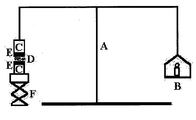
- FIG. 1 shows the Bioadhesive force-measuring device[(A), modified balance; (B), weights; (C), glass vial; (D), liquid suppository; (E), rectal tissue; (F), height-adjustable pan].
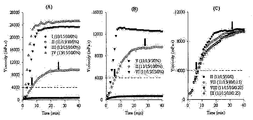
- FIG. 2 shows an effect of ingredients on the gel strength and gelation time of liquid suppositories[(A), Poloxamer 407; (B), Tween 80; (C), docetaxel].
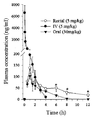
- FIG. 3 shows the Plasma concentration time profiles of docetaxel after intravenous and oral administration of aqueous solution of docetaxel and rectal administration of the liquid suppository to rats.
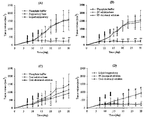
- FIG. 4 shows the antitumor efficacy of docetaxel after intravenous administration of docetaxel solution by rectal or oral or IV administration.
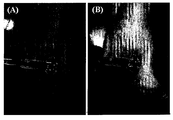
- FIG. 5 shows the i n vivo localization of the liquid suppository in the rectum.
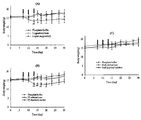
- FIG. 6 shows the body weight change of tumour-bearing BALB/c nude mice after each administration.
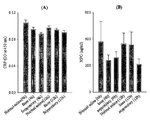
- FIG. 7 shows the C-reactive protein (CRP) activity in the blood (A) and myeloperoxidase (MPO) activity of the rectal mucosa (B) at 4 and 12 h after rectal administration of the liquid suppository to rats.
- CRP C-reactive protein
- MPO myeloperoxidase
- FIG. 8 shows the morphology of the rectal mucosa of rats after rectal administration of the liquid suppository (X 250): (A), before administration (control); (B), 12 h after administration of the suppository base; (C), 12 h after administration of the liquid suppository.
- the poloxamer which is contained as a base in the docetaxel-loaded liquid suppository composition for rectal administration according to the present invention does not damage the mucosa.
- the poloxamer is selected from among commercially available poloxamers.
- the poloxamer that is used in the present invention is a mixture of two or more selected from the group consisting of P 124, P 188, P 237, P 338 and P 407.
- the poloxamer base is contained in the composition of the present invention in an amount of 25-35 wt%.
- the poloxamer is used in an amount such that the gelation temperature of the composition of the present invention is maintained within the range of 30-36°C.
- the liquid suppository composition for rectal administration will exist as a solid at room temperature, and thus will be difficult to administer into the rectum, and if the gelation temperature is more than 36 °C, the composition will exist as a liquid in vivo, and thus can be eliminated from the body. Also, if the content of the poloxamer base in the composition of the present invention is less than 25 wt%, the gelation temperature of the composition will be less than 30 °C, or the active ingredient docetaxel will disadvantageously form a precipitate without being completely solubilized. In the specific example of the present invention, the liquid suppository might be composed of 0.25% docetaxel, 15% P 188, 11% P 407 and 10% Tween 80.
- polysorbate 80 is used to increase the solubility of docetaxel and is contained in an amount of 2-10 wt%.
- the solubility of docetaxel in the composition is determined depending on the content of polysorbate 80 in the composition.
- the solubility of docetaxel sought in the present invention cannot be achieved, and if the content is more than 10 wt%, the solubility of docetaxel can be increased, but the resulting composition will show very high gel strength and high viscosity, which make the preparation of the composition difficult, causes discomfort during the administration of the composition and can damage the rectal mucosa.
- the ingredients used in the preparation of the liquid suppositories had significant effects on the rheological characteristics of the preparation, a poloxamer hydrogel.
- the examples of the liquid suppositories with 10% Tween 80 underwent an apparent sol-to-gel transition with a poloxamer concentration ranging from 35-38%.
- the solutions were viscous liquids that flowed easily.
- these liquid suppositories were easy to administer rectally through a sonde, since they had viscosities below the threshold of 300 mPa ⁇ s at 25°C.
- these liquid suppositories were heated to biological temperature, they transformed into gels and did not leak out from the anus because they had gelation temperatures of 30-36°C and the viscosities above the threshold of 4,000 mPa ⁇ s at 36.5°C.
- these gels reverted back to solutions when the temperature dropped to 25°C.
- the temperature-dependent gelation of poloxamer solutions could be explained by a configuration change.
- Poloxamer molecules exhibit a well-arranged zigzag configuration. With increasing temperature, the zigzag configuration of poloxamer may be transformed into a close-packed meandering configuration, forming a more closely-packed and more viscous gel.
- Tween 80 increased the viscosity and shortened the gelation time of the liquid suppositories. As a possible mechanism by which Tween 80 affected the rheological characteristics of the liquid suppository base, it is speculated that it could strengthen the hydrogen bonding in the cross-linked reticular poloxamer gel (liquid suppository base) as a result of its placement between the poloxamer molecules in the gel matrix.
- the present liquid suppository is easy to administer rectally, which would likely result in alleviating discomfort and refusal during application. It gels rapidly in the body, and does not leak out from the anus due to its gel strength and gelation time suitable for a liquid suppository system. Moreover, it stays in the rectum until the complete absorption of the drug without reaching the end of the colon, since its bioadhesive force is strong enough to hold the gelled suppository in the rectum for a long time.
- the rectally administered liquid suppository greatly improves the antitumor efficacy of docetaxel compared to the orally administered docetaxel solution and shows similar antitumor efficacy to the intravenously administered docetaxel solution. After rectal administration, it spreads easily in the rectum, gells and attaches to the rectal mucous membranes, since the bioadhesive poloxamer gel was initially a fluid.
- the poloxamer plays an important role in enhancing the absorption of docetaxel in the rectum.
- the present liquid suppository gives about 30% absolute bioavailability in rats and similar antitumor efficacy to the intravenously administered docetaxel solution (commercial injectable product, Taxotere®) in tumour-bearing mice.
- docetaxel solution commercial injectable product, Taxotere®
- the orally adminstered docetaxel solution even if the docetaxel is entirely soluble, demonstrated no antitumor efficacy because of multidrug efflux mediated by P-glycoprotein and hepatic first-pass metabolism.
- Body weight loss and systemic inflammation are important features of cancer cachexia.
- the rectally administered liquid suppository is associated with reduced body weight loss compared to the intravenously administered docetaxel solution to tumour-bearing mice.
- the liquid suppository does not increase the CRP level in plasma or the MPO activity of rectal tissues, and not induce irritation and damage in the rectal tissues of rats.
- rectal suppossitories are safer than injectable products.
- the non-ionic surfactants poloxamers and Tween 80 were reported to be inert, resulting in no damage to mucous membranes (Yun et al., 1999).
- docetaxel might irritate mucous membranes due to its cytotoxicity (Esmaeili et al., 2010; Mu et al., 2010; Yin et al., 2009).
- the docetaxel-loaded thermosensitive liquid suppository composition for rectal administration according to the present invention can be formulated in pharmaceutical forms comprising conventional excipients and diluents (including conventional agents for controlling gelation temperature and gel strength) using any conventional method known to a person skilled in the art.
- the docetaxel-loaded thermosensitive liquid suppository composition for rectal administration according to the present invention has a gelation temperature of °C and suitable gel strength and bioadhesive force.
- the composition of the present invention exists as a liquid at room temperature and forms a gel in vivo , indicating that the composition is easily administered.
- the composition of the present invention adheres to the rectal mucosa after administration so that it is not eliminated from the body and is not transferred to the terminal part of the large intestine, indicating that the composition is conveniently administered and shows excellent medicinal effects.
- the composition of the present invention does not undergo phase separation, unlike the conventional liquid suppository systems, and thus is easily prepared.
- Docetaxel was purchased from Taihua Co. (Xi'an, China). Poloxamer 407 (P 407) and poloxamer 188 (P 188) were obtained from BASF (Ludwigshafen, Germany). Tween 80 (polysorbate 80) was purchased from DC Chemicals (Seoul, South Korea). The commercial injectable product (Taxotere®; in a solution form and diluted with 13% ethanol in water for injection prior to use) was purchased from Sanofi-Aventis Korea (Seoul, South Korea). All other chemicals were of reagent grade and were used without further purification.
- the docetaxel-loaded liquid suppositories were prepared with various ratios of docetaxel, P 407, P 188 and Tween 80 using the cold method (Choi et al., 1998a; Yong et al., 2004).
- docetaxel was dissolved in Tween 80 at room temperature.
- P 188 and P 407 were dissolved in distilled water at 4°C with gentle stirring.
- the docetaxel solution was subsequently added to the poloxamer solution with continuous agitation, and kept at 4°C until it became clear.
- thermometer SK-1250MCII, Sato, Japan
- the liquid suppository was heated at a constant rate with constant stirring.
- the temperature displayed on the thermometer was determined as the gelation temperature (Choi et al., 1999).
- the rheological behaviour of the docetaxel-loaded liquid suppository was investigated at 25°C and 36.5°C using a rheometer (MCR 301, Physica, Germany) with a concentric cylinder measuring system.
- the temperature was controlled by a circulating water bath (TC10, Germany) and the UDS 200 programme was used to control and perform calculations in the rheometer.
- the instrument was set up with a parallel plate geometry using 25 mm diameter plates at two temperatures and samples about 1 mm in thickness.
- bioadhesive force is the force with which the liquid suppository binds to rectal mucous membranes.
- Docetaxel if the liquid suppository reaches the end of the colon, is not absorbed due to multidrug efflux mediated by P-glycoprotein and is metabolised by the hepatic first-pass pathway. Thus, the docetaxel-loaded liquid suppository must stay in the rectum until the drug is completely absorbed without reaching the end of the colon.
- the bioadhesive force of the liquid suppository was determined using the measuring device described in Figure 1.
- a section of tissue was cut from the fundus of the rabbit rectum and secured with the mucosal side out onto each glass vial (C) using a rubber band and an aluminium cap.
- the vials with the rectal tissues were stored at 36.5°C for 10 min.
- one vial with a section of tissue (E) was connected to the balance (A) and the other vial was placed on a height-adjustable pan (F).
- the liquid suppository (D) was added onto the rectal tissue on the other vial.
- the height of the vial was adjusted so that the liquid suppository could be placed between the mucosal tissues of both vials.
- the weights (B) were raised until the two vials detached.
- the bioadhesive force, or the detachment stress(dyne/cm 2 ) was determined from the minimal weights that detached the two vials.
- the rectal tissue pieces were changed for each measurement (Choi et al., 1998a; Yong et al., 2001).
- the gelation time and gel strength data were obtained directly from the viscosity of about 4,000 mPa ⁇ s and the constant intrinsic viscosity at 36.5°C, respectively (Fig. 2 and Table 1).
- the effect of P407 on the gel property of the liquid suppositories was investigated.
- the liquid suppositories were prepared using the cold method with 10% Tween 80 and various ratios of P 188/P 407, and their rheological characteristics were evaluated (Table 1, I-IV).
- P 407 concentration in the liquid suppository increased, the gelation temperature decreased, but the viscosity at 25°C and gel strength increased (Table 1, I-IV).
- Formulation I with 10% P407 could not form a gel in the body, since it gave a gel strength of about 680 mPa ⁇ s and a gelation temperature of 36.8°C, which were below the viscosity threshold of about 4,000 mPa ⁇ s at 36.5°C and did not meet the gelation temperature threshold of 30-36°C.
- formulations III and IV with 12-13% P407 had relatively high viscosity of 300-315 mPa ⁇ s at 25°C and a gelation temperature of 25-28°C. Thus, they formed a gel at room temperature and were difficult to insert into the anus.
- formulation II with 11% P 188 was in a liquid form at room temperature, resulting in easy rectal administration.
- the gels were prepared with 15% P 188, 11% P 407 and 5-15% Tween 80, and their rheological characteristics were evaluated (Table 1, II, V-VI).
- Formulation V with 5% Tween 80 could not form a gel in the body, and it gave a gel strength of about 670 mPa ⁇ s and a gelation temperature of 37.4°C.
- Formulations II and VI with 10-15% Tween 80 were in a liquid form at room temperature, resulting in easy rectal administration.
- Formulation II formed a gel in the body, but the formulation VI did not form a gel at physiological temperature due to its gelation temperature of 29.1°C (Table 1, II, V-VI; Fig. 2B). Furthermore, Tween 80 strengthened the bioadhesive force of the liquid suppository.
- the liquid suppository composed of 0.25% docetaxel, 15% P 188, 11% P 407 and 10% Tween 80 gave the following gel properties: gelation temperature 33.0°C; viscosity at 25 °C 196 mPa ⁇ s ; gel strength 9,250 mPa ⁇ s ; gelation time 7.5 min; bioadhesive force 2,110 dyne/cm 2 .
- this liquid suppository which was easy to administer rectally, gelled rapidly in the body and did not leak out from the anus and might stay in the rectum until the complete absorption of the drug without reaching the end of the colon was selected further study.
- the gelation time of each of the liquid suppository compositions of Experiments 1 to 8 was measured using a Physica MCR 301 rheometer. For this purpose, the temperature of each composition was set at 36 °C, the shear rate [d(gamma)/dt] was set at 100 1/s, and the gelation time was measured for 40 minutes. When the viscosity of the liquid suppository composition exceeded 4 Pa.s, the liquid suppository composition was determined to be gelled, and the time when the viscosity of the composition exceeded 4 Pa.s was defined as the gelation time of the composition.
- the gelation time of the compositions of Experiments 1 to 8 was 4-7 minutes. This suggests that the inventive docetaxel-loaded liquid suppository composition for rectal administration containing polysorbate 80 is gelled rapidly after administration so that it is not eliminated from the body after administration and can be efficiently absorbed in vivo.
- the gelation strength of each of the liquid suppository compositions of Experiments 1 to 8 was measured using a Physica MCR 301 rheometer. For this purpose, the temperature of each composition was set at 36 °C, the shear rate [d(gamma)/dt] was set at 100 1/s, and the gelation time was measured for 40 minutes. The measurement results are shown in FIG. 1. When the viscosity of the liquid suppository composition was maintained at similar levels for 10 minutes or more after reaching the peak, the viscosity at that time was measured as the gel strength of the composition.
- the bioadhesive force of the compositions of Experiments 1 to 8 was within a suitable numerical range (10-50 ⁇ 102 dyne/cm 2 ). This suggests that the inventive docetaxel-loaded liquid suppository composition for rectal administration containing polysorbate 80 adheres to the rectal mucosa after administration so that it is not eliminated from the body and is not transferred to the terminal part of the large intestine.
- mice Male Sprague-Dawley rats weighing 250 ⁇ 20 g were fasted for 24 h prior to the experiments but allowed free access to water. Each rat was administered intravenously or orally with a docetaxel solution, or rectally with liquid suppositories. One female New Zealand rabbit weighing about 2 kg was fasted for 24 h before the experiments but allowed free access to water. This rabbit was sacrificed and its rectum was sectioned.
- Female Cg-Foxnl-nu/CrljBgi nude mice (Orient Bio.
- mice were separately housed in the cages at a temperature of 20-24°C and a relative humidity of 55 ⁇ 10 % for one week prior to the experiments.
- Each mouse was administered intravenously or orally with a docetaxel solution, or rectally with liquid suppositories prepared in Example 1.
- mice Male Sprague-Dawley rats, divided into three groups, were fasted for 24 h prior to the experiments but allowed free access to water. Each rat, anesthetised in an ether-saturated chamber, was secured on a surgical board in the supine position with a thread. A polyethylene tube was inserted into the right femoral artery of the rat. The rats in one group were rectally administered with the liquid suppository [docetaxel/P 407/P 188/Tween 80 (0.25/11/15/10%)].
- a liquid suppository was administered at a dose of 2 ml/kg (5 mg/kg as docetaxel) into the rectum 4 cm above the anus through a stomach sonde needle fitted on a glass syringe.
- the rats in the other groups were administered docetaxel intravenously at the same dose (5 mg/kg as docetaxel) or orally at a dose of 30 mg/kg as docetaxel (six-fold higher concentration that the liquid suppository) with the docetaxel solution (5 mg/ml).
- the docetaxel solution was prepared by diluting the commercial injectable product (Taxotere ®) with 13% ethanol in water for injection. Blood samples (0.3 ml) were collected from the right femoral artery at various intervals and centrifuged at 3,000 g for 10 min using a centrifuge 5415C (Eppendorf; Hauppauge, NY, USA).
- Plasma 150 ⁇ l was mixed with 1.5 ml acetonitrile and 50 ⁇ l acetonitrile solution containing propyl paraben (5 ⁇ g/ml) as an internal standard. It was then centrifuged at 3000 g for 10 min to precipitate the proteins. The supernatant was separated and removed at 40°C in a heated centrifugal evaporator (EYELA CVE-200D; Tokyo Rikakikai Co., Tokyo, Japan). The residue was reconstituted in 100 ⁇ l of the mobile phase and directly injected onto an Intensil C8 column (GL science, 3.5 ⁇ m, 15cm 0.46cm i.d.).
- GL science 3.5 ⁇ m, 15cm 0.46cm i.d.
- the chromatograph consisted of a high-performance liquid chromatograph (Hitachi, Japan) and a variable ultraviolet spectrophotometric detector (Model L-2420).
- the mobile phase consisted of acetonitrile and phosphate buffer (pH 5) (49/51, volume ratio).
- the eluent was monitored with a UV/vis detector set at a wavelength of 232 nm with a flow rate of 1.0 ml/min.
- the area under the drug concentration time curve from zero to infinity (AUC), the elimination constant (K el ) and the half-life (t 1/2 ) were calculated using a non-compartmental anaylsis (WinNonlin; professional edition, version 2.1; Pharsight Co, Mountain View, CA, USA).
- the maximum plasma concentration of drug (C max ) and the time taken to reach the maximum plasma concentration (T max ) were obtained directly from the plasma data (Gibaldi and Perrier, 1982). Levels of statistical significance (p ⁇ 0.05) were assessed using the Student s t -test between the two means for unpaired data. All data are expressed as the mean + standard deviation (S.D.) or as the median (ranges) for T max .
- Fig. 3 shows the mean plasma concentration-time profiles of docetaxel after intravenous (5 mg/kg as docetaxel) and oral administration (30 mg/kg as docetaxel) of docetaxel solution, and rectal administration (5 mg/kg as docetaxel) of the liquid suppository to rats.
- the liquid suppository was composed of 0.25% docetaxel, 11% P407, 15% P188 and 10% Tween 80.
- the docetaxel solution was prepared by diluting the commercial injectable product (Taxotere®) with 13% ethanol in water for injection.
- the total plasma concentrations of drug after oral administration of docetaxel solution at the dose of 5 mg/kg docetaxel could not be detected due to its very low absorption in rats.
- the plasma concentration of docetaxel after intravenous administration of docetaxel solution rapidly decreased to a level ⁇ 10 ng/ml by 4 h after administration.
- the oral solution gave maximum plasma concentrations of approximately 100 ng/ml at 0.58 h followed by a gradual decrease up to 8 h.
- the drug was observed to achieve maximum plasma levels of about 140 ng/ml at 1 h and maintained relatively high plasma levels of 50-80 ng/ml from 1.5 h to 6 h. Furthermore, the total plasma concentration of docetaxel in the liquid suppository was higher than in the oral solution. In particular, the plasma concentrations of the drug in the liquid suppository, from 6 h to 12 h, were significantly higher compared to the oral solution (P ⁇ 0.05).
- thermosensitive liquid suppository composition for rectal administration in which the solubility of the active ingredient docetaxel had been increased was administered rectally to the rats, the composition showed a high AUC value, and the absolute bioavailability of the composition relative to the intravenous injection reached 29.0%.
- the docetaxel solution was administered orally at a dose of that was 6 times higher than 5mg/kg for the rectal administration, the absolute bioavailability of the docetaxel solution was only 2.8%.
- thermosensitive liquid suppository composition showed an about 10-fold increase in the absolute bioavailability of docetaxel compared to oral administration of the docetaxel solution.
- docetaxel in the composition for rectal administration was easily absorbed in the rectum without inhibition by CYP and P-GP unlike gastrointestinal absorption and was completely dissolved by poloxamer and polysorbate 80 and also because the absorption of docetaxel in the rectum was stimulated by poloxamer.
- Example 3 In vivo antitumor efficacy
- the antitumor efficacy was investigated with human epithelial carcinoma KB cells (American Type Culture Collection; Rockville, MD, USA) seeded onto 24-well plates at a density of 8 ⁇ 10 4 cells/well. The following day, at which time the cells had attained 60-70% confluence, the DMEM cell culture medium was replaced with fresh culture medium (500 l/well).
- mice Five week-old female mice were injected subcutaneously at 1 x 10 6 KB cells in 0.1 ml phosphate buffer saline into the right rear flank, and this day was designated as day 0. Tumour dimensions were measured using the method described in tumour distribution studies. When the tumour volume reached 100-150 mm 3 (day 7), mice were randomly divided into nine groups and treatments were started. The mice in three groups were rectally administered with phosphate buffered saline solution (pH 7.4), suppository base (control) and the docetaxel-loaded liquid suppository [docetaxel/P 407/P 188/Tween 80 (0.25/11/15/10%)] at a dose of 5 mg/kg as docetaxel three times on days 7, 10 and 13.
- phosphate buffered saline solution pH 7.4
- suppository base control
- docetaxel-loaded liquid suppository docetaxel/P 407/P 188/Tween 80 (0.25/11/15/10%)
- mice in the six other groups were administered intravenously through the tail vein or orally with phosphate buffered saline solution (pH 7.4), solution base (control) and docetaxel solution at a dose of 5 mg/kg docetaxel three times on days 7, 10 and 13.
- phosphate buffered saline solution pH 7.4
- solution base control
- docetaxel solution at a dose of 5 mg/kg docetaxel three times on days 7, 10 and 13.
- the docetaxel solution was prepared by diluting the commercial injectable product (Taxotere ®) with 13% ethanol in water for injection.
- the antitumor efficacy of the docetaxel-loaded liquid suppository was compared to docetaxel solution orally and intravenously administered to the tumour-bearing mice by observing tumour volume reduction and measuring total body weight.
- Statistical analysis of all data was performed using an ANOVA with the Student-Newman-Keuls post-hoc test.
- SigmaStat software version 3.5; Systat Software, Richmond, CA, USA was used for all analyses, and p values ⁇ 0.05 and ⁇ 0.01 were considered significant.
- the liquid suppository was rectally administered to tumour-bearing nude mice (Fig. 4). Furthermore, the docetaxel solution was orally or intravenously administered to tumour-bearing nude mice. The same liquid suppository and docetaxel solution were used. The phosphate buffered saline and base were used as controls. Mice given the liquid suppository showed smaller tumour volumes than did mice given phosphate buffer or the suppository base for 15 days. In particular, mice given the liquid suppository had significant smaller tumour volumes than did controls after 20 days (Fig. 4A; P ⁇ 0.01 at 20 days, P ⁇ 0.05 at 23-30 days).
- mice given the intravenous solution showed smaller tumour volumes compared to mice treated with phosphate buffered saline and the solution base for 15 days. Moreover, there were statistically significant differences in tumour volume between the intravenous solution and controls after 17 days (Fig. 4B; P ⁇ 0.01 at 17 days, P ⁇ 0.05 at 20-30 days). Our results suggest that the liquid suppository and the intravenous solution had very effective antitumor efficacy. Similarly, mice given the oral solution had smaller tumour volumes compared to those given phosphate buffered saline and solution base after 15 days, but there were no significant differences (Fig. 4C). Thus, the oral solution demonstrated low antitumor efficacy.
- the liquid suppository decreased the tumour volumes more than the oral solution. Particularly, after 20 days, the former led to significant tumour volume reduction compared to the latter. Furthermore, it provided similar tumour growth inhibition compared to the intravenous solution (Fig. 4D). Thus, the liquid suppository showed better antitumor efficacy than did the oral solution and showed similar antitumor efficacy to the intravenous solution.
- Liquid suppository with 0.1% blue lake was administered at 1.5 g/kg into the rectum of rats at 4 cm above the anus using a stomach sonde needle. At 5 min and 12 h after administration, the localization of the liquid suppository in the rectum was identified by the blue colour.
- the liquid suppository with 0.01% blue lake was administered into rats and the retention in the rectum was observed.
- Fig. 5A the blue colour of the suppository was clearly shown in the rectum.
- Fig. 5B the blue colour of the suppository in the rectum had faded.
- blue lake in the liquid suppository was not absorbed, it was diluted in the body fluid over time.
- the position of the suppository in the rectum did not significantly change over time.
- Our results suggest that the bioadhesive force of the liquid suppository was strong enough to hold the gelled suppository in the rectum for a long time. Thus, this liquid suppository could stay in the rectum until the complete absorption of the drug without reaching the end of the colon.
- Fig. 6 shows the body weight change of the mouse groups in which antitumor efficacy was tested.
- docetaxel gave a side effect of body weight loss (Mu et al., 2010; Yin et al., 2009).
- phosphate buffered saline and the suppository base led to no body weight loss by any administered route.
- the liquid suppository led to body weight loss compared to phosphate buffered saline and the solution base, but there were no significant differences except at 13-15 days (Fig. 6A; P ⁇ 0.01 at 13 days, P ⁇ 0.05 at 15 days).
- the rectum was isolated, rinsed with a saline solution, fixed in 10% neutral carbonate-buffered formaldehyde, embedded in paraffin using an embedding centre and cut into slices.
- the slices were stained with haematoxylin & eosin and observed under a light microscope (Leitz; Laborlux 12 Pols, Germany).
- the gland changes in the rectal epithelium were evaluated and compared with those in fresh rectal epithelium without drug treatment as a control.
- Example 5 C-reactive protein (CRP) level and myeloperoxidase (MPO) activity
- CRP C-reactive protein
- rat rectums were isolated at 4 and 12 h after rectal administration of liquid suppository or suppository base. Normal saline was used as a control. After homogenizing, myeloperoxidase activity, an index of leukocyte recruitment, was measured with a myeloperoxidase assay kit according to the manufacturer's instructions (Hbt-HK105, Hycult Biotech. Inc.; Madison Meeting, PA, USA) (Naruko et al., 2010; Pang et al., 2010).
- CRP C-reactive protein
- the C-reactive protein (CRP) activity in blood was evaluated at 4 and 12 h after rectal administration of the liquid suppository to rats. Normal saline was used as the control. As shown in Fig. 7A, the liquid suppository did not significantly increase the CRP level at 4 or 12 h compared to the control and suppository base. Furthermore, there were no significant differences between CRP levels in animals given the liquid suppository at 4 and 12 h. Thus, the rectally administered liquid suppository did not increase the CRP level.
- MPO Myeloperoxidase activity
- an index of leukocyte recruitment is an additional objective measure of inflammatory cellular infiltrate (Naruko et al., 2010).
- MPO is an important enzyme used during phagocytic lysis of engulfed foreign particles which plays a role in the defence of the organism through production of hypochlorous acid, a potent oxidant.
- MPO which is rapidly released by activated polymorphonuclear neutrophils, is involved in numerous diseases such as cancer, Alzheimer s disease and multiple sclerosis (Naruko et al., 2010; Pang et al., 2010).
- the MPO activity was also measured at 4 and 12 h after rectal administration of the liquid suppository or suppository base.
- the docetaxel-loaded liquid suppository [docetaxel/P407/P188/Tween 80 (0.25/11/15/10%)] is easy to administer rectally and gelled quickly in the body. Moreover, it does not leak out from the anus and stayed in the rectum until the complete absorption of the drug without reaching the end of the colon, which may lead to increased patient compliance. It gives about 30% absolute bioavailability in rats and similar antitumor efficacy to the intravenously administered docetaxel solution (Taxotere®) in tumour-bearing mice. Furthermore, it is associated with reduced body weight loss compared to the intravenously administered docetaxel solution in tumour-bearing mice.
- this docetaxel-loaded thermosensitive liquid suppository can be a novel comfortable, effective and safe rectal dosage form for the treatment of cancer.
- the docetaxel-loaded thermosensitive liquid composition for rectal administration shows an absolute bioavailability reaching about 30% and an about 10-fold increase in absolute bioavailability compared to oral administration of a docetaxel solution.
- the inventive composition can be applied in practice as a rectal formulation of docetaxel and avoids the side effects of the docetaxel injection formulation that is the only conventional formulation. Accordingly, the composition of the present invention will be highly preferred by medical specialists or patients. Furthermore, the composition of the present invention will be conveniently administered and will have increased patient compliance, and thus will provide a great service to patients in need of administration of docetaxel and to medical specialists. In addition, the composition of the present invention is easily prepared, and thus will be used in a more cost-effective manner.
Landscapes
- Health & Medical Sciences (AREA)
- Chemical & Material Sciences (AREA)
- Medicinal Chemistry (AREA)
- Pharmacology & Pharmacy (AREA)
- Epidemiology (AREA)
- Life Sciences & Earth Sciences (AREA)
- Animal Behavior & Ethology (AREA)
- General Health & Medical Sciences (AREA)
- Public Health (AREA)
- Veterinary Medicine (AREA)
- Medicinal Preparation (AREA)
Abstract
The present invention relates to a novel docetaxel-loaded thermosensitive liquid suppository composition for rectal administration, which have properties in that it exists as a liquid at room temperature and forms a gel in vivo so as to adhere to the mucosa. The composition contains 25-35 wt% poloxamer, 2-10 wt% polysorbate 80, 54-72.99 wt% water, and 0.01-1 wt% docetaxel as an active ingredient, and has a gelation temperature of 30-36°C. This composition provides a novel, safe, convenient and effective formulation of docetaxel.
Description
The present invention relates to a novel docetaxel-loaded thermosensitive liquid suppository composition for rectal administration, which can be applied in practice for administration of docetaxel and have properties in that it exists as a liquid at room temperature and forms a gel in vivo so as to adhere to the mucosa.
Docetaxel that is used as an active ingredient in the composition of the present invention is commercially available on the market in an injection form under the brand name Taxotere®(Sanofi-Aventis SA).
The drug Taxotere is a formulation solubilized with polysorbate 80 together with ethanol and is administered as an infusion. However, it can cause side effects such as hypersensitivity reactions when administered to patients (Engels et al., Anticancer Drugs, 18 (2), 95-103 (2007); Sparreboom, et al., Anticancer Drugs. 9 (1), 1-17 (1998)).
Also, when docetaxel is administered orally, it will be inhibited by CYP and P-GP and thus will show very low bioavailability, and for this reason, it is almost impossible to develop an oral formulation of docetaxel (Woo et al., Pharm. Res., 20 (1), 24-30, (2003)). Accordingly, the following attempts have been made to increase the solubility and absorption of docetaxel, thereby preparing an oral dosage or injection dosage form of docetaxel: synthesis of a polymer drug by conjugation of docetaxel to a polymer such as albumin (Musumeci et al., Int. J. Pharm., 325, 172-179 (2008)); O-glycosylation or O-N intramolecular acylation of the functional group (Schellens et al., Eur. J. Pharm. Sci., 12, 103-110 (2000)); formation of a micelle or emulsion using surfactants such as polysorbate 80 (Gao et al., Drug Dev. Ind. Pharm., 34 (11), 1227-1237 (2008)), or polysaccharide (Henni-Silhadi et al., Pharm. Res., 24 (12), 2317-2326 (2008)) and poloxamer (Elsabahy et al., Biomacromolecules, 8 (7), 2250-2257 (2007)); and preparation of solid dispersions (e.g., liposome) and microcapsules (Musumeci et al., Int. J. Pharm., 325, 172-179 (2008); Schellens et al., Eur. J. Pharm. Sci., 12, 103-110 (2000); Woo et al., Pharm. Res., 20 (1), 24-30, (2003)) using poloxamer (Chen et al., Drug Dev. Ind. Pharm., 34 (6), 588-594 (2008)), polylactic-glycolic acid (Le Garrec et al., J. Control. Rel., 99 (1), 83-101 (2004)) or phospholipid (Straubinger et al., Methods Enzymol., 391, 97-117 (2005)). However, these attempts did not provide satisfactory results, and a docetaxel-containing suppository product has not yet been reported.
Meanwhile, because conventional suppository systems contain polyethylene glycol or Witepsol as a base, and these suppository systems are solid formulations that exist as a solid at room temperature and melt or soften in vivo to release the active ingredient.
Suppository formulations have been used for analgesics/antipyrectics, anesthetics and hemorrhoidal preparations, because the active ingredient thereof is absorbed without undergoing a first-pass effect in the gastrointestinal tract and liver and also these formulations can minimize patient discomfort such as pain, which occurs upon administration of injection formulations.
However, because such solid suppositories exist as a solid at room temperature, they can cause foreign-body sensation and rejection when administered to patients. Also, these suppositories are transferred to the terminal part of the large intestine with the peristaltic action after administration, and thus can undergo a first-pass effect in the rectum. In addition, these suppositories are difficult to prepare, because compositions thereof should be melted during the preparation process, thus making it significantly difficult to develop pharmaceutical suppository formulations (Huang et al., Yakuzaigaku, 47, 42-48 (1987)).
In an attempt to solve these problems, a new type of liquid suppository composition, which exists as a liquid at room temperature and forms a gel in vivo, was developed. This liquid suppository composition contains two or more poloxamers as bases so as to have a gelation temperature of 30-36℃, and also contains a bioadhesive polymer such as carbopol, polycarbophil or sodium alginate so as to have suitable gel strength and bioadhesive force, whereby it is easily administered and adheres to the rectal mucosa after administration so that it is not eliminated from the body and is not transferred to the terminal part of the large intestine (Choi et al., Int. J. Pharm., 165, 33-44 (1998); Choi et al., Int. J. Pharm., 190, 13-19 (1999); Choi et al., Int. J. Pharm., 165, 23-32 (1998)). Also, this liquid suppository composition is easily prepared compared to previous suppositories, because a melting process is not carried out during the preparation thereof. In addition, this liquid suppository system was applied to active ingredients, including acetaminophen, propranolol, dichlorofenac sodium salt, insulin and prostaglandin E1, to increase the bioavailability of these active ingredients [Korean Patent Laid-Open Publication Nos. 96-4566, 96-7637 and 96-7638, PCT/KR97/0032 and PCT/KR97/0042].
However, when this conventional liquid suppository system is applied to the active ingredient docetaxel, it cannot increase the solubility of docetaxel, so that the resulting docetaxel formulation will not be homogeneous and will show low bioavailability, and thus cannot be applied in practice. Also, the bioadhesive polymer such as carbopol, polycarbophil or sodium alginate that is used to control the gel strength and bioadhesive force of the suppository system requires a long time for its swelling during the preparation of the liquid suppository system, and particularly, when it is added together with the active ingredient docetaxel, a phase separation phenomenon will occur, thus making it impossible to prepare a formulation that can be applied in practice.
Therefore, there is an urgent need to develop a novel docetaxel-loaded thermosensitive liquid suppository composition for rectal administration, which avoids the side effects of the conventional docetaxel injection formulation, ensures the convenience and medicinal effect of the conventional suppositories, does not undergo phase separation, unlike the conventional liquid suppository systems, is easily prepared, is not easily soluble in water and increases the solubility of docetaxel.
PRIOR ART LITERATURES
(Patent Document)
Patent Document 1: Korean Patent Laid-Open Publication No. 96-4566
Patent Document 2: Korean Patent Laid-Open Publication No. 96-7637
Patent Document 3: Korean Patent Laid-Open Publication No. 96-7638
Patent Document 4: PCT/KR97/0032
Patent Document 5: PCT/KR97/0042
(Non-Patent Document)
Non-Patent Document 1: Engels et al., Anticancer Drugs, 18 (2), 95-103 (2007); Sparreboom, et al., Anticancer Drugs. 9 (1), 1-17 (1998)
Non-Patent Document 2: Woo et al., Pharm. Res., 20 (1), 24-30, (2003)
Non-Patent Document 3: Musumeci et al., Int. J. Pharm., 325, 172-179 (2008)
Non-Patent Document 4: Schellens et al., Eur. J. Pharm. Sci., 12, 103-110 (2000)
Non-Patent Document 5: Gao et al., Drug Dev. Ind. Pharm., 34 (11), 1227-1237 (2008)
Non-Patent Document 6: Henni-Silhadi et al., Pharm. Res., 24 (12), 2317-2326 (2008)
Non-Patent Document 7: Elsabahy et al., Biomacromolecules, 8 (7), 2250-2257 (2007)
Non-Patent Document 8: Chen et al., Drug Dev. Ind. Pharm., 34 (6), 588-594 (2008)
Non-Patent Document 9: Le Garrec et al., J. Control. Rel., 99 (1), 83-101 (2004)
Non-Patent Document 10: Straubinger et al., Methods Enzymol., 391, 97-117 (2005)
Non-Patent Document 11: Musumeci et al., Int. J. Pharm., 325, 172-179 (2008); Schellens et al., Eur. J. Pharm. Sci., 12, 103-110 (2000)
Non-Patent Document 12: Woo et al., Pharm. Res., 20 (1), 24-30, (2003)
Non-Patent Document 13: (Huang et al., Yakuzaigaku, 47, 42-48 (1987)
Non-Patent Document 14: Choi et al., Int. J. Pharm., 165, 33-44 (1998)
Non-Patent Document 15: Choi et al., Int. J. Pharm., 190, 13-19 (1999)
Non-Patent Document 16: Choi et al., Int. J. Pharm., 165, 23-32 (1998)
Accordingly, it is an object of the present invention to provide a docetaxel-loaded thermosensitive liquid suppository composition for rectal administration, which:
avoids the side effects of the docetaxel injection formulation that is the only existing formulation of docetaxel;
solves the problems associated with the pharmacological properties of docetaxel that can necessarily show very low bioavailability due to CYP and P-GP when administered orally;
solves the problem of the conventional suppository that could not avoid a first-pass effect caused by transfer to the terminal part of the large intestine after administration;
can be conveniently administered;
does not undergo phase separation, unlike the conventional liquid suppository system, and thus is easily prepared;
increases the solubility of docetaxel, a poorly soluble compound, and thus does not form a precipitate; and
can exhibit bioavailability suitable for practical use as a docetaxel suppository formulation.
The above object can be accomplished in accordance with the following specific aspect of the present invention:
(1) A docetaxel-loaded thermosensitive liquid suppository composition for rectal administration, which contains 25-35 wt% poloxamer, 2-10 wt% polysorbate 80, 54-72.99 wt% water, and 0.01-1 wt% docetaxel as an active ingredient, and has a gelation temperature of 30-36℃; or
(2) The composition of (1), wherein the poloxamer is a mixture of two or more selected from the group consisting of P 124, P 188, P 237, P 338 and P 407.
The docetaxel-loaded thermosensitive liquid suppository composition for rectal administration according to the present invention adopts a liquid suppository system, unlike the docetaxel injection formulation that is the only existing formulation of docetaxel, whereby it can avoid the side effects of the docetaxel injection; can be conveniently administered; is not inhibited by CYP and P-GP, unlike an oral formulation of docetaxel; has a suitable bioadhesive force so as to not be transferred to the terminal part of the large intestine, and thus can avoid a first-pass effect, unlike the conventional suppository systems; can achieve complete solubilization of docetaxel, a poorly soluble compound, and thus does not form a precipitate, unlike the conventional liquid suppository systems; does not undergo phase separation, and thus can provide an easy-to-prepare, homogeneous and stable formulation; and shows an absolute bioavailability of 29%, indicating that it can be applied in practice as a docetaxel formulation, unlike oral formulations of docetaxel.
Accordingly, the composition of the present invention provides a novel, safe, convenient and effective formulation of docetaxel, which will provide a great service to patients in need of administration of docetaxel and to medical specialists.
FIG. 1 shows the Bioadhesive force-measuring device[(A), modified balance; (B), weights; (C), glass vial; (D), liquid suppository; (E), rectal tissue; (F), height-adjustable pan].
FIG. 2 shows an effect of ingredients on the gel strength and gelation time of liquid suppositories[(A), Poloxamer 407; (B), Tween 80; (C), docetaxel].
FIG. 3 shows the Plasma concentration time profiles of docetaxel after intravenous and oral administration of aqueous solution of docetaxel and rectal administration of the liquid suppository to rats.
FIG. 4 shows the antitumor efficacy of docetaxel after intravenous administration of docetaxel solution by rectal or oral or IV administration.
FIG. 5 shows the in vivo localization of the liquid suppository in the rectum.
FIG. 6 shows the body weight change of tumour-bearing BALB/c nude mice after each administration.
FIG. 7 shows the C-reactive protein (CRP) activity in the blood (A) and myeloperoxidase (MPO) activity of the rectal mucosa (B) at 4 and 12 h after rectal administration of the liquid suppository to rats.
FIG. 8 shows the morphology of the rectal mucosa of rats after rectal administration of the liquid suppository (X 250): (A), before administration (control); (B), 12 h after administration of the suppository base; (C), 12 h after administration of the liquid suppository.
Each of components that are contained in a docetaxel-loaded liquid suppository composition for rectal administration according to the present invention will now be described in further detail.
It is known that a poloxamer which is contained as a base in the docetaxel-loaded liquid suppository composition for rectal administration according to the present invention does not damage the mucosa. In the present invention, the poloxamer is selected from among commercially available poloxamers. Preferably, the poloxamer that is used in the present invention is a mixture of two or more selected from the group consisting of P 124, P 188, P 237, P 338 and P 407. The poloxamer base is contained in the composition of the present invention in an amount of 25-35 wt%. Preferably, the poloxamer is used in an amount such that the gelation temperature of the composition of the present invention is maintained within the range of 30-36℃. If the gelation temperature is less than 30 ℃, the liquid suppository composition for rectal administration will exist as a solid at room temperature, and thus will be difficult to administer into the rectum, and if the gelation temperature is more than 36 ℃, the composition will exist as a liquid in vivo, and thus can be eliminated from the body. Also, if the content of the poloxamer base in the composition of the present invention is less than 25 wt%, the gelation temperature of the composition will be less than 30 ℃, or the active ingredient docetaxel will disadvantageously form a precipitate without being completely solubilized. In the specific example of the present invention, the liquid suppository might be composed of 0.25% docetaxel, 15% P 188, 11% P 407 and 10% Tween 80.
In the docetaxel-loaded thermosensitive liquid suppository composition for rectal administration according to the present invention, polysorbate 80 is used to increase the solubility of docetaxel and is contained in an amount of 2-10 wt%. The solubility of docetaxel in the composition is determined depending on the content of polysorbate 80 in the composition. If the content of polysorbate 80 in the composition is less than 2 wt%, the solubility of docetaxel sought in the present invention cannot be achieved, and if the content is more than 10 wt%, the solubility of docetaxel can be increased, but the resulting composition will show very high gel strength and high viscosity, which make the preparation of the composition difficult, causes discomfort during the administration of the composition and can damage the rectal mucosa.
The ingredients used in the preparation of the liquid suppositories had significant effects on the rheological characteristics of the preparation, a poloxamer hydrogel.
In the present invention, the examples of the liquid suppositories with 10% Tween 80 underwent an apparent sol-to-gel transition with a poloxamer concentration ranging from 35-38%. At room temperature, the solutions were viscous liquids that flowed easily. Mostly, these liquid suppositories were easy to administer rectally through a sonde, since they had viscosities below the threshold of 300 mPaㆍs at 25℃. As these liquid suppositories were heated to biological temperature, they transformed into gels and did not leak out from the anus because they had gelation temperatures of 30-36℃ and the viscosities above the threshold of 4,000 mPaㆍs at 36.5℃. Furthermore, these gels reverted back to solutions when the temperature dropped to 25℃. The temperature-dependent gelation of poloxamer solutions could be explained by a configuration change.
Poloxamer molecules exhibit a well-arranged zigzag configuration. With increasing temperature, the zigzag configuration of poloxamer may be transformed into a close-packed meandering configuration, forming a more closely-packed and more viscous gel.
Tween 80 increased the viscosity and shortened the gelation time of the liquid suppositories. As a possible mechanism by which Tween 80 affected the rheological characteristics of the liquid suppository base, it is speculated that it could strengthen the hydrogen bonding in the cross-linked reticular poloxamer gel (liquid suppository base) as a result of its placement between the poloxamer molecules in the gel matrix.
The present liquid suppository is easy to administer rectally, which would likely result in alleviating discomfort and refusal during application. It gels rapidly in the body, and does not leak out from the anus due to its gel strength and gelation time suitable for a liquid suppository system. Moreover, it stays in the rectum until the complete absorption of the drug without reaching the end of the colon, since its bioadhesive force is strong enough to hold the gelled suppository in the rectum for a long time.
The rectally administered liquid suppository greatly improves the antitumor efficacy of docetaxel compared to the orally administered docetaxel solution and shows similar antitumor efficacy to the intravenously administered docetaxel solution. After rectal administration, it spreads easily in the rectum, gells and attaches to the rectal mucous membranes, since the bioadhesive poloxamer gel was initially a fluid. Then, it stays in a bioadhesive gel state in the rectum and is absorbed without multidrug efflux mediated by P-glycoprotein and hepatic first-pass metabolism, since docetaxel absorbed in the lower parts of the rectum is directly delivered to the systemic circulation and the P-glycoprotein pump is much lower in the rectum than in the upper gastrointestinal tract.
Furthermore, the poloxamer plays an important role in enhancing the absorption of docetaxel in the rectum. Thus, the present liquid suppository gives about 30% absolute bioavailability in rats and similar antitumor efficacy to the intravenously administered docetaxel solution (commercial injectable product, Taxotere®) in tumour-bearing mice. In contrast, the orally adminstered docetaxel solution, even if the docetaxel is entirely soluble, demonstrated no antitumor efficacy because of multidrug efflux mediated by P-glycoprotein and hepatic first-pass metabolism.
Body weight loss and systemic inflammation are important features of cancer cachexia.
The rectally administered liquid suppository is associated with reduced body weight loss compared to the intravenously administered docetaxel solution to tumour-bearing mice.
The liquid suppository does not increase the CRP level in plasma or the MPO activity of rectal tissues, and not induce irritation and damage in the rectal tissues of rats. Generally, rectal suppossitories are safer than injectable products. Previously, the non-ionic surfactants poloxamers and Tween 80 were reported to be inert, resulting in no damage to mucous membranes (Yun et al., 1999). However, docetaxel might irritate mucous membranes due to its cytotoxicity (Esmaeili et al., 2010; Mu et al., 2010; Yin et al., 2009). The lack of irritation associated with the liquid suppoistory containing docetaxel might be explained by the low content of docetaxel which is lower than the tissue-damaging threshold (Choi et al., 1998a). Thus, the present liquid suppository formulation could be a safer alternative to the commercial injectable product.
The docetaxel-loaded thermosensitive liquid suppository composition for rectal administration according to the present invention can be formulated in pharmaceutical forms comprising conventional excipients and diluents (including conventional agents for controlling gelation temperature and gel strength) using any conventional method known to a person skilled in the art.
The docetaxel-loaded thermosensitive liquid suppository composition for rectal administration according to the present invention has a gelation temperature of ℃ and suitable gel strength and bioadhesive force. Thus, the composition of the present invention exists as a liquid at room temperature and forms a gel in vivo, indicating that the composition is easily administered. Also, the composition of the present invention adheres to the rectal mucosa after administration so that it is not eliminated from the body and is not transferred to the terminal part of the large intestine, indicating that the composition is conveniently administered and shows excellent medicinal effects. In addition, the composition of the present invention does not undergo phase separation, unlike the conventional liquid suppository systems, and thus is easily prepared.
Hereinafter, the present invention will be described in further detail with reference to examples, but the scope of the present invention is not limited by these examples.
Examples
Examples 1: Gel preparation and Gel properties
Docetaxel was purchased from Taihua Co. (Xi'an, China). Poloxamer 407 (P 407) and poloxamer 188 (P 188) were obtained from BASF (Ludwigshafen, Germany). Tween 80 (polysorbate 80) was purchased from DC Chemicals (Seoul, South Korea). The commercial injectable product (Taxotere®; in a solution form and diluted with 13% ethanol in water for injection prior to use) was purchased from Sanofi-Aventis Korea (Seoul, South Korea). All other chemicals were of reagent grade and were used without further purification.
Then, the docetaxel-loaded liquid suppositories were prepared with various ratios of docetaxel, P 407, P 188 and Tween 80 using the cold method (Choi et al., 1998a; Yong et al., 2004). In brief, docetaxel was dissolved in Tween 80 at room temperature. P 188 and P 407 were dissolved in distilled water at 4℃ with gentle stirring. The docetaxel solution was subsequently added to the poloxamer solution with continuous agitation, and kept at 4℃ until it became clear.
1-1 Gelation temperature
A 10 ml transparent vial containing a magnetic bar and 2 g of liquid suppository was placed in a low-temperature thermostat water bath. A digital thermometer (SK-1250MCII, Sato, Japan) was immersed in the liquid suppository. The liquid suppository was heated at a constant rate with constant stirring. When the magnetic bar stopped moving due to gelation, the temperature displayed on the thermometer was determined as the gelation temperature (Choi et al., 1999).
1-2 Gelation time and gel strength
The rheological behaviour of the docetaxel-loaded liquid suppository was investigated at 25℃ and 36.5℃ using a rheometer (MCR 301, Physica, Germany) with a concentric cylinder measuring system. The temperature was controlled by a circulating water bath (TC10, Germany) and the UDS 200 programme was used to control and perform calculations in the rheometer. The instrument was set up with a parallel plate geometry using 25 mm diameter plates at two temperatures and samples about 1 mm in thickness.
1-3 Bioadhesive force
Another important factor is the bioadhesive force which is the force with which the liquid suppository binds to rectal mucous membranes. The stronger the bioadhesive force is, the more it can prevent the gelled suppository from reaching the end of the colon. Thus, it is very important factor for the antitumor activity of docetaxel in the rectum. Docetaxel, if the liquid suppository reaches the end of the colon, is not absorbed due to multidrug efflux mediated by P-glycoprotein and is metabolised by the hepatic first-pass pathway. Thus, the docetaxel-loaded liquid suppository must stay in the rectum until the drug is completely absorbed without reaching the end of the colon.
The bioadhesive force of the liquid suppository was determined using the measuring device described in Figure 1. In brief, a section of tissue was cut from the fundus of the rabbit rectum and secured with the mucosal side out onto each glass vial (C) using a rubber band and an aluminium cap. The vials with the rectal tissues were stored at 36.5℃ for 10 min. Next, one vial with a section of tissue (E) was connected to the balance (A) and the other vial was placed on a height-adjustable pan (F). The liquid suppository (D) was added onto the rectal tissue on the other vial. Then, the height of the vial was adjusted so that the liquid suppository could be placed between the mucosal tissues of both vials. The weights (B) were raised until the two vials detached. The bioadhesive force, or the detachment stress(dyne/cm2), was determined from the minimal weights that detached the two vials. The rectal tissue pieces were changed for each measurement (Choi et al., 1998a; Yong et al., 2001).
1-4 Results
Table 1
| Ingredients (%) | I | II | III | IV | V | VI | VII | VIII | IX |
| P 188 | 15 | 15 | 15 | 15 | 15 | 15 | 15 | 15 | 15 |
| P 407 | 10 | 11 | 12 | 13 | 11 | 11 | 11 | 11 | 11 |
| Tween 80 | 10 | 10 | 10 | 10 | 5 | 15 | 10 | 10 | 10 |
| | 0 | 0 | 0 | 0 | 0 | 0 | 0.15 | 0.20 | 0.25 |
| Gelation temperature (℃) | 36.8±0.6 | 32.9±±0.3 | 27.5±0.3 | 26.1±0.4 | 37.4±0.3 | 29.1±0.2 | 32.8±0.3 | 32.3±0.2 | 33.0±0.4 |
| Viscosity at 25℃(mPaㆍs) | 78±1 | 196±2 | 299±2 | 312±4 | 67±1 | 222±3 | 198±3 | 201±3 | 196±2 |
| Gel strength(x 102 mPaㆍs) | 6.8±0.0 | 96.1±0.6 | 234.0±1.0 | 252.0±1.0 | 6.7±0.0 | 125.0±1.0 | 93.5±0.2 | 92.9±0.7 | 92.5±0.5 |
| Gelation time(min) | - | 6.6 | 3.0 | 1.8 | - | 3.5 | 6.5 | 7 | 7.5 |
| Bioadhesive force (x 102 dyne/cm2) | 17.2+1.1 | 20.2+1.0 | 22.5+0.9 | 24.2+0.8 | 11.8+0.8 | 32.2+2.7 | 20.5+1.4 | 20.7+1.3 | 21.1+1.4 |
The gelation time and gel strength data were obtained directly from the viscosity of about 4,000 mPaㆍs and the constant intrinsic viscosity at 36.5℃, respectively (Fig. 2 and Table 1).
The effect of P407 on the gel property of the liquid suppositories was investigated. The liquid suppositories were prepared using the cold method with 10% Tween 80 and various ratios of P 188/P 407, and their rheological characteristics were evaluated (Table 1, I-IV). As the P 407 concentration in the liquid suppository increased, the gelation temperature decreased, but the viscosity at 25℃ and gel strength increased (Table 1, I-IV). Formulation I with 10% P407 could not form a gel in the body, since it gave a gel strength of about 680 mPaㆍs and a gelation temperature of 36.8℃, which were below the viscosity threshold of about 4,000 mPaㆍs at 36.5℃ and did not meet the gelation temperature threshold of 30-36℃. Furthermore, formulations III and IV with 12-13% P407 had relatively high viscosity of 300-315 mPaㆍs at 25℃ and a gelation temperature of 25-28℃. Thus, they formed a gel at room temperature and were difficult to insert into the anus. However, formulation II with 11% P 188 was in a liquid form at room temperature, resulting in easy rectal administration. It formed a gel in the body with a viscosity of about 9,610 mPaㆍs at 36.5℃ and a gelation temperature of about 33℃, which was above the viscosity threshold of 4,000 mPaㆍs at 36.5℃ and met the gelation temperature threshold of 30-36℃. As shown in Fig. 2A, the higher the P 407 concentration was in the liquid suppository, the higher the gel strength was. P 407 shortened the gelation time of the liquid suppositories, that is, the time taken to reach a viscosity of about 4,000 mPaㆍs at 36.5℃. Moreover, as P 407 was increased, the bioadhesive force of the liquid suppository strengthened.
To investigate the effect of Tween 80 on the viscosity of the liquid suppositories, the gels were prepared with 15% P 188, 11% P 407 and 5-15% Tween 80, and their rheological characteristics were evaluated (Table 1, II, V-VI). The higher the Tween 80 concentration was in the liquid suppository, the lower the gelation temperature was, but the stronger the viscosity at 25℃ and gel strength were. Formulation V with 5% Tween 80 could not form a gel in the body, and it gave a gel strength of about 670 mPaㆍs and a gelation temperature of 37.4℃. Formulations II and VI with 10-15% Tween 80 were in a liquid form at room temperature, resulting in easy rectal administration. Formulation II formed a gel in the body, but the formulation VI did not form a gel at physiological temperature due to its gelation temperature of 29.1℃ (Table 1, II, V-VI; Fig. 2B). Furthermore, Tween 80 strengthened the bioadhesive force of the liquid suppository.
To investigate the effect of docetaxel on the viscosity of the liquid suppositories, the rheological characteristics of the liquid suppositories prepared with 15% P 188, 11% P 407, 10% Tween 80 and 0-0.25 % docetaxel were evaluated (Table 1, II, VII-IX). These liquid suppositories were clear and homogeneous, since the drug is completely soluble in the liquid suppository base. Docetaxel hardly affected the gel properties of the liquid suppositories (Table 1, II, VII-IX; Fig. 2C).
From these findings, the liquid suppository composed of 0.25% docetaxel, 15% P 188, 11% P 407 and 10% Tween 80 gave the following gel properties: gelation temperature 33.0℃; viscosity at 25 ℃ 196 mPaㆍs ; gel strength 9,250 mPaㆍs ; gelation time 7.5 min; bioadhesive force 2,110 dyne/cm2. Thus, among the liquid suppositories tested, this liquid suppository which was easy to administer rectally, gelled rapidly in the body and did not leak out from the anus and might stay in the rectum until the complete absorption of the drug without reaching the end of the colon was selected further study.
Comparative Examples
In order to know proper contents ratio of the components in the compositions, as shown in Tables 2 and 3 below, a solution of the active ingredient docetaxel in polysorbate 80 was added to water at room temperature, and then poloxamer was added thereto at 4 ℃. The solution was kept in a refrigerator for one day to remove bubbles, thus preparing docetaxel-loaded thermosensitive liquid suppository compositions for rectal administration.
After keeping in the refrigerator for one day, the compositions were observed. As a result, in the cases of Experiments 1 to 8 and Comparative Experiments 4 to 7, liquid suppository compositions in which docetaxel was completely dissolved were obtained, but in the cases of Comparative Experiments 1 to 2 in which the content of polysorbate in the composition was less than 2 wt%, the active ingredient docetaxel was not dissolved and showed a tendency to precipitate. Also, in the case of Comparative Experiments 3 in which the content of poloxamer in the composition was less than 25 wt%, the active ingredient docetaxel was not dissolved and showed a tendency to precipitate. However, in the cases of Experiments 1 to 8 and Comparative Experiments 5 to 7 in which the contents of polysorbate 80 and poloxamer in the composition were more than 2 wt% and more than 25 wt%, respectively, docetaxel was completely dissolved in the composition. In the case of Comparative Experiments 4, the content of poloxamer was slightly insufficient (24 wt%), but the content of polysorbate was sufficient (10 wt%), and thus docetaxel could be completely dissolved.
Table 2
| | Experiments | ||||||||||||||||
| 1 | 2 | 3 | 4 | 5 | 6 | 7 | 8 | ||||||||||
| Polysorbate (g) | 10 | 10 | 5 | 2 | 2 | 10 | 10 | 5 | |||||||||
| Active ingredient(g) | docetaxel | 0.25 | 0.15 | 0.20 | 0.05 | 0.01 | 1.00 | 0.15 | 0.15 | ||||||||
| Poloxamer (g) | P 407 | 11 | 11 | 11 | 15 | 15 | 15 | 15 | - | ||||||||
| P 188 | 15 | 15 | 15 | 17 | 15 | 20 | - | - | |||||||||
| P 124 | - | - | - | - | - | - | 11 | - | |||||||||
| P 237 | - | - | - | - | - | - | - | 15 | |||||||||
| P 338 | - | - | - | - | - | - | - | 15 | |||||||||
| Purified water | q.s. | q.s. | q.s. | q.s. | q.s. | q.s. | q.s. | q.s. | |||||||||
| Total amount (g) | 100 | 100 | 100 | 100 | 100 | 100 | 100 | 100 | |||||||||
Table 3
| Classification | | |||||||
| 1 | 2 | 3 | 4 | 5 | 6 | 7 | ||
| Polysorbate (g) | 1.5 | 1.9 | 2 | 10 | 10 | 11 | 15 | |
| Active ingredient(g) | docetaxel | 0.25 | 0.01 | 0.25 | 0.25 | 0.25 | 0.25 | 0.25 |
| Poloxamer (g) | P 407 | 15 | 15 | 10 | 5 | 12 | 15 | 11 |
| P 188 | 17 | 10 | 14 | 19 | 24 | 15 | 15 | |
| P 124 | - | - | - | - | - | - | - | |
| P 237 | - | - | - | - | - | - | - | |
| P 338 | - | - | - | - | - | - | - | |
| Purified water | q.s. | q.s. | q.s. | q.s. | q.s. | q.s. | q.s. | |
| Total amount (g) | 100 | 100 | 100 | 100 | 100 | 100 | 100 | |
Test 1: Gelation temperature
2g of each of the compositions prepared in Experiments 1 to 8 and Comparative Experiments 4 to 7 was placed in a 10-ml vial together with a magnetic bar, and then placed in an incubator at 4 ℃, after which a digital thermometer was put into each sample in such a manner that it did not come into contact with the magnetic bar. The sample was stirred at a constant speed while the temperature was increased at a rate of 1 ℃/minute. The temperature at which the magnetic bar did stop completely was defined as the gelation temperature of the sample.
As can be seen in Table 4 below, in the cases of Experiments 1 to 8 in which the contents of polysorbate 80 and poloxamer in the docetaxel-loaded thermosensitive liquid suppository composition for rectal administration were less than 10 wt% and 25-35 wt%, respectively, the gelation temperature of the compositions of Experiments 1 to 8 was 30-36℃. This suggests that the compositions of Experiments 1 to 8 exist as a liquid at room temperature, and thus are easily prepared and administered, and that these compositions form a gel in vivo immediately after administration. However, in the cases of Comparative Experiments 5 to 7 in which the contents of polysorbate 80 in the liquid suppository composition was more than 10 wt% or the content of poloxamer was more than 35 wt%, the gelation temperature of the composition was 30 ℃ or lower. This suggests that the compositions of Comparative Experiments 5 to 7 exist as a viscous gel rather than a liquid at room temperature, and thus the administration thereof involves discomfort. Also, in the case of Comparative Experiment 4 in which the content of poloxamer in the liquid suppository composition was 25 wt% or less, the gelation temperature of the composition was 36 ℃ or higher, suggesting that the composition of Comparative Experiment 4 exists as a liquid in vivo without forming a gel after administration.
Table 4
| Classification | Experiments | | ||||||||||
| 1 | 2 | 3 | 4 | 5 | 6 | 7 | 8 | 41 | 5 | 6 | 7 | |
| gelation temp.(℃) | 33.0±0.4 | 32.8±0.3 | 34.1±0.2 | 34.7±0.2 | 34.5±0.4 | 31.2±0.3 | 32.5±0.2 | 32.4±0.2 | 36.9± 0.3 | 29.5±0.3 | 27.1± 0.4 | 25.5±0.2 |
Test 2: Gelation time
The gelation time of each of the liquid suppository compositions of Experiments 1 to 8 was measured using a Physica MCR 301 rheometer. For this purpose, the temperature of each composition was set at 36 ℃, the shear rate [d(gamma)/dt] was set at 100 1/s, and the gelation time was measured for 40 minutes. When the viscosity of the liquid suppository composition exceeded 4 Pa.s, the liquid suppository composition was determined to be gelled, and the time when the viscosity of the composition exceeded 4 Pa.s was defined as the gelation time of the composition.
As can be seen in Table 5 below, the gelation time of the compositions of Experiments 1 to 8 was 4-7 minutes. This suggests that the inventive docetaxel-loaded liquid suppository composition for rectal administration containing polysorbate 80 is gelled rapidly after administration so that it is not eliminated from the body after administration and can be efficiently absorbed in vivo.
Table 5
| | Experiments | |||||||||||||||
| 1 | 2 | 3 | 4 | 5 | 6 | 7 | 8 | |||||||||
| gelation time.(℃) | 5.0±0.2 | 4.9±0.3 | 4.3±0.4 | 3.8±0.2 | 4.0±0.3 | 6.5±0.3 | 6.1±0.4 | 4.1±0.3 | ||||||||
Test 3: Gel strength
The gelation strength of each of the liquid suppository compositions of Experiments 1 to 8 was measured using a Physica MCR 301 rheometer. For this purpose, the temperature of each composition was set at 36 ℃, the shear rate [d(gamma)/dt] was set at 100 1/s, and the gelation time was measured for 40 minutes. The measurement results are shown in FIG. 1. When the viscosity of the liquid suppository composition was maintained at similar levels for 10 minutes or more after reaching the peak, the viscosity at that time was measured as the gel strength of the composition.
As can be seen in Table 6 below, the gel strength of the compositions of Experiments 1 to 8 was within the range of 8-15 Pa.s. This suggests that the inventive docetaxel-loaded liquid suppository composition for rectal administration prepared with polysorbate 80 is not eliminated from the body after administration.
Table 6
| | Experiments | |||||||||||||||
| 1 | 2 | 3 | 4 | 5 | 6 | 7 | 8 | |||||||||
| gel strength (Pass) | 9.7±0.7 | 10.0±0.5 | 8.6±0.8 | 7.9±0.4 | 7.9±0.5 | 10.5±0.5 | 10.2±0.3 | 10.5±0.5 | ||||||||
Test 4: Test of bioadhesive force
As shown in FIG. 1, two vials were placed on a bioadhesive force-measuring device, and rabbit rectal mucosa was attached to each of the two vials. Then, about 0.05 g of each of the compositions of 1 to 8 was placed between the two rectal mucosas, after which a weight was placed. The weight at which the two vials were separated from each other was converted into force per unit area, thereby measuring the bioadhesive force of each composition.
As can be seen in Table 7 below, the bioadhesive force of the compositions of Experiments 1 to 8 was within a suitable numerical range (10-50×102 dyne/cm2). This suggests that the inventive docetaxel-loaded liquid suppository composition for rectal administration containing polysorbate 80 adheres to the rectal mucosa after administration so that it is not eliminated from the body and is not transferred to the terminal part of the large intestine.
Table 7
| | Experiments | |||||||||||||||
| 1 | 2 | 3 | 4 | 5 | 6 | 7 | 8 | |||||||||
| bioadhesive force (dyne/cm2) | 10.6±0.4 | 11.5±0.7 | 9.5±0.5 | 8.0±0.3 | 8.1±0.7 | 11.2±0.6 | 11.5±0.3 | 12.3±0.8 | ||||||||
Examples 2: Pharmacokinetics analysis
Male Sprague-Dawley rats weighing 250±20 g were fasted for 24 h prior to the experiments but allowed free access to water. Each rat was administered intravenously or orally with a docetaxel solution, or rectally with liquid suppositories. One female New Zealand rabbit weighing about 2 kg was fasted for 24 h before the experiments but allowed free access to water. This rabbit was sacrificed and its rectum was sectioned. Female Cg-Foxnl-nu/CrljBgi nude mice (Orient Bio. Inc.; Seungnam, South Korea) weighing 151±1 g were separately housed in the cages at a temperature of 20-24℃ and a relative humidity of 55±10 % for one week prior to the experiments. Each mouse was administered intravenously or orally with a docetaxel solution, or rectally with liquid suppositories prepared in Example 1.
All animal care and procedures were conducted according to the Guiding Principles in the Use of Animals in Toxicology, as adopted in 1989, revised in 1999 and amended in 2008 by the Society of Toxicology (SOT, 2008). The experimental protocols for the animal study were approved by the Animal Care and Use Committee of the College of Pharmacy, Seoul National University.
2-1 Administration and blood collection
Male Sprague-Dawley rats, divided into three groups, were fasted for 24 h prior to the experiments but allowed free access to water. Each rat, anesthetised in an ether-saturated chamber, was secured on a surgical board in the supine position with a thread. A polyethylene tube was inserted into the right femoral artery of the rat. The rats in one group were rectally administered with the liquid suppository [docetaxel/P 407/P 188/Tween 80 (0.25/11/15/10%)]. After recovery from anesthesia, a liquid suppository was administered at a dose of 2 ml/kg (5 mg/kg as docetaxel) into the rectum 4 cm above the anus through a stomach sonde needle fitted on a glass syringe.
For the comparison of bioavailability, the rats in the other groups were administered docetaxel intravenously at the same dose (5 mg/kg as docetaxel) or orally at a dose of 30 mg/kg as docetaxel (six-fold higher concentration that the liquid suppository) with the docetaxel solution (5 mg/ml). The docetaxel solution was prepared by diluting the commercial injectable product (Taxotere ®) with 13% ethanol in water for injection. Blood samples (0.3 ml) were collected from the right femoral artery at various intervals and centrifuged at 3,000 g for 10 min using a centrifuge 5415C (Eppendorf; Hauppauge, NY, USA).
2-2 Blood sample analysis
Plasma (150 μl) was mixed with 1.5 ml acetonitrile and 50 μl acetonitrile solution containing propyl paraben (5 μg/ml) as an internal standard. It was then centrifuged at 3000 g for 10 min to precipitate the proteins. The supernatant was separated and removed at 40℃ in a heated centrifugal evaporator (EYELA CVE-200D; Tokyo Rikakikai Co., Tokyo, Japan). The residue was reconstituted in 100 μl of the mobile phase and directly injected onto an Intensil C8 column (GL science, 3.5 μm, 15cm 0.46cm i.d.). The chromatograph consisted of a high-performance liquid chromatograph (Hitachi, Japan) and a variable ultraviolet spectrophotometric detector (Model L-2420). The mobile phase consisted of acetonitrile and phosphate buffer (pH 5) (49/51, volume ratio). The eluent was monitored with a UV/vis detector set at a wavelength of 232 nm with a flow rate of 1.0 ml/min.
2-3 Pharmacokinetic data analysis and statistical analysis
The area under the drug concentration time curve from zero to infinity (AUC), the elimination constant (Kel) and the half-life (t1/2) were calculated using a non-compartmental anaylsis (WinNonlin; professional edition, version 2.1; Pharsight Co, Mountain View, CA, USA). The maximum plasma concentration of drug (Cmax) and the time taken to reach the maximum plasma concentration (Tmax) were obtained directly from the plasma data (Gibaldi and Perrier, 1982). Levels of statistical significance (p<0.05) were assessed using the Student s t-test between the two means for unpaired data. All data are expressed as the mean + standard deviation (S.D.) or as the median (ranges) for Tmax.
2-4. Results
Fig. 3 shows the mean plasma concentration-time profiles of docetaxel after intravenous (5 mg/kg as docetaxel) and oral administration (30 mg/kg as docetaxel) of docetaxel solution, and rectal administration (5 mg/kg as docetaxel) of the liquid suppository to rats.
The liquid suppository was composed of 0.25% docetaxel, 11% P407, 15% P188 and 10% Tween 80. The docetaxel solution was prepared by diluting the commercial injectable product (Taxotere®) with 13% ethanol in water for injection. The total plasma concentrations of drug after oral administration of docetaxel solution at the dose of 5 mg/kg docetaxel could not be detected due to its very low absorption in rats. The plasma concentration of docetaxel after intravenous administration of docetaxel solution rapidly decreased to a level <10 ng/ml by 4 h after administration. The oral solution gave maximum plasma concentrations of approximately 100 ng/ml at 0.58 h followed by a gradual decrease up to 8 h. However, after rectal administration of the liquid suppository to rats, the drug was observed to achieve maximum plasma levels of about 140 ng/ml at 1 h and maintained relatively high plasma levels of 50-80 ng/ml from 1.5 h to 6 h. Furthermore, the total plasma concentration of docetaxel in the liquid suppository was higher than in the oral solution. In particular, the plasma concentrations of the drug in the liquid suppository, from 6 h to 12 h, were significantly higher compared to the oral solution (P < 0.05).
With the Pharmacokinetics analysis, the corresponding pharmacokinetic parameters are listed in Table 8.
Table 8
| Parameters | Oral (30 mg/kg) | Rectal (5 mg/kg) | IV (5 mg/kg) |
| AUC (hㆍng/ml) | 364.5 ±40.8 | 455.6 ±103.1 | 1573.0 ±481.6 |
| Tmax (h) | 0.58 ±0.24 | 0.98 ±0.10 | - |
| Cmax (ng/ml) | 104.9 ±11.5 | 138.58 ±32.71 | 11162.9 ±4118.1 |
| t1/2 (h) | 2.3 ±0.8 | 4.0 ±0.6 | 0.6 ±0.1 |
| Kel (h-1) | 0.30 ±0.09 | 0.17 ±0.03 | 0.63 ±0.11 |
| Absolute BA (%) | 2.8 | 29.0 | - |
Even though the dose of the liquid suppository was six-fold lower than that of the oral solution, the liquid suppository showed a 1.25-fold higher AUC compared to the oral solution. The absolute bioavailability of docetaxel after rectal administration (5 mg/kg) and oral administration (30 mg/kg) compared to intravenous administration (5 mg/kg) was calculated as follows:
Absolute bioavailability (%)
= (AUCoral/ Doseoral) / (AUViv/ Doseiv) X100
The absolute bioavailability of docetaxel was increased by 10-fold from 2.8% in the oral solution group to 29.0% in the liquid suppository group.
More specifically, when the inventive docetaxel-loaded thermosensitive liquid suppository composition for rectal administration in which the solubility of the active ingredient docetaxel had been increased was administered rectally to the rats, the composition showed a high AUC value, and the absolute bioavailability of the composition relative to the intravenous injection reached 29.0%. However, when the docetaxel solution was administered orally at a dose of that was 6 times higher than 5mg/kg for the rectal administration, the absolute bioavailability of the docetaxel solution was only 2.8%.
Thus, rectal administration of the inventive docetaxel-loaded thermosensitive liquid suppository composition showed an about 10-fold increase in the absolute bioavailability of docetaxel compared to oral administration of the docetaxel solution.
This is believed to be because docetaxel in the composition for rectal administration was easily absorbed in the rectum without inhibition by CYP and P-GP unlike gastrointestinal absorption and was completely dissolved by poloxamer and polysorbate 80 and also because the absorption of docetaxel in the rectum was stimulated by poloxamer.
As the above result, we can know that this docetaxel-loaded liquid suppository could be useful for imporoving the bioavailability of docetaxel.
Example 3: In vivo antitumor efficacy
The antitumor efficacy was investigated with human epithelial carcinoma KB cells (American Type Culture Collection; Rockville, MD, USA) seeded onto 24-well plates at a density of 8×10⁴ cells/well. The following day, at which time the cells had attained 60-70% confluence, the DMEM cell culture medium was replaced with fresh culture medium (500 l/well).
Five week-old female mice were injected subcutaneously at 1 x 106 KB cells in 0.1 ml phosphate buffer saline into the right rear flank, and this day was designated as day 0. Tumour dimensions were measured using the method described in tumour distribution studies. When the tumour volume reached 100-150 mm3 (day 7), mice were randomly divided into nine groups and treatments were started. The mice in three groups were rectally administered with phosphate buffered saline solution (pH 7.4), suppository base (control) and the docetaxel-loaded liquid suppository [docetaxel/P 407/P 188/Tween 80 (0.25/11/15/10%)] at a dose of 5 mg/kg as docetaxel three times on days 7, 10 and 13.
Furthermore, the mice in the six other groups were administered intravenously through the tail vein or orally with phosphate buffered saline solution (pH 7.4), solution base (control) and docetaxel solution at a dose of 5 mg/kg docetaxel three times on days 7, 10 and 13.
The docetaxel solution was prepared by diluting the commercial injectable product (Taxotere ®) with 13% ethanol in water for injection. The antitumor efficacy of the docetaxel-loaded liquid suppository was compared to docetaxel solution orally and intravenously administered to the tumour-bearing mice by observing tumour volume reduction and measuring total body weight. Statistical analysis of all data was performed using an ANOVA with the Student-Newman-Keuls post-hoc test. SigmaStat software (version 3.5; Systat Software, Richmond, CA, USA) was used for all analyses, and p values <0.05 and <0.01 were considered significant.
3-1 Tumor size
To evaluate the antitumor efficacy of the docetaxel-loaded liquid suppository in vivo, the liquid suppository was rectally administered to tumour-bearing nude mice (Fig. 4). Furthermore, the docetaxel solution was orally or intravenously administered to tumour-bearing nude mice. The same liquid suppository and docetaxel solution were used. The phosphate buffered saline and base were used as controls. Mice given the liquid suppository showed smaller tumour volumes than did mice given phosphate buffer or the suppository base for 15 days. In particular, mice given the liquid suppository had significant smaller tumour volumes than did controls after 20 days (Fig. 4A; P<0.01 at 20 days, P<0.05 at 23-30 days).
In Fig. 4B, mice given the intravenous solution showed smaller tumour volumes compared to mice treated with phosphate buffered saline and the solution base for 15 days. Moreover, there were statistically significant differences in tumour volume between the intravenous solution and controls after 17 days (Fig. 4B; P<0.01 at 17 days, P<0.05 at 20-30 days). Our results suggest that the liquid suppository and the intravenous solution had very effective antitumor efficacy. Similarly, mice given the oral solution had smaller tumour volumes compared to those given phosphate buffered saline and solution base after 15 days, but there were no significant differences (Fig. 4C). Thus, the oral solution demonstrated low antitumor efficacy.
On the other hand, as shown in Fig. 4D, the liquid suppository decreased the tumour volumes more than the oral solution. Particularly, after 20 days, the former led to significant tumour volume reduction compared to the latter. Furthermore, it provided similar tumour growth inhibition compared to the intravenous solution (Fig. 4D). Thus, the liquid suppository showed better antitumor efficacy than did the oral solution and showed similar antitumor efficacy to the intravenous solution.
3-2. Identification of liquid suppository localization in vivo
Liquid suppository with 0.1% blue lake was administered at 1.5 g/kg into the rectum of rats at 4 cm above the anus using a stomach sonde needle. At 5 min and 12 h after administration, the localization of the liquid suppository in the rectum was identified by the blue colour.
The liquid suppository with 0.01% blue lake was administered into rats and the retention in the rectum was observed. At 5 min after administration (Fig. 5A), the blue colour of the suppository was clearly shown in the rectum. At 12 h after administration (Fig. 5B), the blue colour of the suppository in the rectum had faded. Even though blue lake in the liquid suppository was not absorbed, it was diluted in the body fluid over time. However, the position of the suppository in the rectum did not significantly change over time. Our results suggest that the bioadhesive force of the liquid suppository was strong enough to hold the gelled suppository in the rectum for a long time. Thus, this liquid suppository could stay in the rectum until the complete absorption of the drug without reaching the end of the colon.
3-3. body weight change
Fig. 6 shows the body weight change of the mouse groups in which antitumor efficacy was tested. Generally, docetaxel gave a side effect of body weight loss (Mu et al., 2010; Yin et al., 2009).
In Fig. 6, phosphate buffered saline and the suppository base led to no body weight loss by any administered route. The liquid suppository led to body weight loss compared to phosphate buffered saline and the solution base, but there were no significant differences except at 13-15 days (Fig. 6A; P<0.01 at 13 days, P<0.05 at 15 days).
Our results indicate that the liquid suppository did not lead to body weight loss until day 10, followed by body weight loss at 13-15 days. Then, from 17 days, body weight gradually recovered, since there were no significant differences in body weight loss between mice given the liquid suppository and controls. Similarly, the intravenously administered docetaxel solution led to body weight loss compared to phosphate buffered saline and the solution base. It led to significant body weight loss at 13-20 days (Fig. 6B; P<0.01 at 13-17 days, P<0.05 at 20 days).
Therefore, it caused no body weight loss until day 10, followed by body weight loss from 13 to 20 days, and body weight recovery from day 23. These results suggest that this formulation resulted in body weight loss for a longer period of time compared to the liquid suppository. Thus, the liquid suppository reduced the side effects compared to the intravenous solution. There were no significant differences between the oral solution, phosphate buffered saline and the solution base (Fig. 6C) because the orally administered docetaxel solution had no antitumor efficacy.
Example 4: Morphology test of rectal tissues
At 0 h, 4 h and 12 h after the rectal administration of the liquid suppository to rats, the rectum was isolated, rinsed with a saline solution, fixed in 10% neutral carbonate-buffered formaldehyde, embedded in paraffin using an embedding centre and cut into slices. The slices were stained with haematoxylin & eosin and observed under a light microscope (Leitz; Laborlux 12 Pols, Germany). The gland changes in the rectal epithelium were evaluated and compared with those in fresh rectal epithelium without drug treatment as a control.
As a result, at 4 h (data not shown) and 12 h, administration of the liquid suppository (Fig. 8C) led to no significant changes in the mucosa or colonic gland layer compared to control (before administration; Fig. 8A) and suppository base (Fig. 8B). Thus, the morphology of the rectal tissues suggested that this liquid suppository did not cause irritation or damage.
Example 5: C-reactive protein (CRP) level and myeloperoxidase (MPO) activity
To estimate the C-reactive protein (CRP) activity in blood, at 4 and 12 h after rectal administration of the liquid suppository or suppository base to rats, 1 ml blood samples were collected and centrifuged at 3,000 g for 10 min using a 5415C centrifuge (Eppendorf, USA). Normal saline was used as a control. Blood samples (0.3 ml) were collected from the right femoral artery at various intervals and centrifuged at 3,000 g for 10 min using a centrifuge 5415C (Eppendorf, USA). The concentration of CRP in plasma was estimated by the ELISA method using a CRP ELISA kit (951CRP01R, Helica Biosystems Inc.; Fullerton, CA, USA).
Moreover, to determine the myeloperoxidase (MPO) activity in rectal tissues, rat rectums were isolated at 4 and 12 h after rectal administration of liquid suppository or suppository base. Normal saline was used as a control. After homogenizing, myeloperoxidase activity, an index of leukocyte recruitment, was measured with a myeloperoxidase assay kit according to the manufacturer's instructions (Hbt-HK105, Hycult Biotech. Inc.; Plymouth Meeting, PA, USA) (Naruko et al., 2010; Pang et al., 2010).
In addition to body weight loss, systemic inflammation is an important key feature of cancer cachexia. In patients with cancer, an increase in the plasma level of C-reactive protein (CRP) is associated with the loss of body mass.
In this experiment, the C-reactive protein (CRP) activity in blood was evaluated at 4 and 12 h after rectal administration of the liquid suppository to rats. Normal saline was used as the control. As shown in Fig. 7A, the liquid suppository did not significantly increase the CRP level at 4 or 12 h compared to the control and suppository base. Furthermore, there were no significant differences between CRP levels in animals given the liquid suppository at 4 and 12 h. Thus, the rectally administered liquid suppository did not increase the CRP level.
Myeloperoxidase (MPO) activity, an index of leukocyte recruitment, is an additional objective measure of inflammatory cellular infiltrate (Naruko et al., 2010). MPO is an important enzyme used during phagocytic lysis of engulfed foreign particles which plays a role in the defence of the organism through production of hypochlorous acid, a potent oxidant. MPO, which is rapidly released by activated polymorphonuclear neutrophils, is involved in numerous diseases such as cancer, Alzheimer s disease and multiple sclerosis (Naruko et al., 2010; Pang et al., 2010).
In this experiment, to determine the MPO activity of rectal tissues, the MPO activity was also measured at 4 and 12 h after rectal administration of the liquid suppository or suppository base.
As shown in Fig. 7B, animals given the liquid suppository and suppository base showed lower MPO activity than did animals given normal saline (control) at 4 and 12 h, but this was not significantly different. Similarly, administration of the liquid suppository resulted in no significant differences in MPO activity at 4 h and 12 h compared to the suppository base. Thus, the docetaxel-loaded liquid suppository did not affect MPO activity.
From these results, we can know that the docetaxel-loaded liquid suppository [docetaxel/P407/P188/Tween 80 (0.25/11/15/10%)] is easy to administer rectally and gelled quickly in the body. Moreover, it does not leak out from the anus and stayed in the rectum until the complete absorption of the drug without reaching the end of the colon, which may lead to increased patient compliance. It gives about 30% absolute bioavailability in rats and similar antitumor efficacy to the intravenously administered docetaxel solution (Taxotere®) in tumour-bearing mice. Furthermore, it is associated with reduced body weight loss compared to the intravenously administered docetaxel solution in tumour-bearing mice. It does not result in an elevated CRP level in plasma or MPO activity of rectal tissues, and not induce irritation and damage to the rectal tissues of rats. Thus, this docetaxel-loaded thermosensitive liquid suppository can be a novel comfortable, effective and safe rectal dosage form for the treatment of cancer.
As described above, the docetaxel-loaded thermosensitive liquid composition for rectal administration according to the present invention shows an absolute bioavailability reaching about 30% and an about 10-fold increase in absolute bioavailability compared to oral administration of a docetaxel solution. Thus, the inventive composition can be applied in practice as a rectal formulation of docetaxel and avoids the side effects of the docetaxel injection formulation that is the only conventional formulation. Accordingly, the composition of the present invention will be highly preferred by medical specialists or patients. Furthermore, the composition of the present invention will be conveniently administered and will have increased patient compliance, and thus will provide a great service to patients in need of administration of docetaxel and to medical specialists. In addition, the composition of the present invention is easily prepared, and thus will be used in a more cost-effective manner.
Claims (2)
- A docetaxel-loaded thermosensitive liquid suppository composition for rectal administration, which contains 25-35 wt% poloxamer, 2-10 wt% polysorbate 80, 54-72.99 wt% water, and 0.01-1 wt% docetaxel as an active ingredient, and has a gelation temperature of 30-36 ℃.
- The composition of Claim 1, wherein the poloxamer is a mixture of two or more selected from the group consisting of P 124, P 188, P 237, P 338 and P 407.
Applications Claiming Priority (2)
| Application Number | Priority Date | Filing Date | Title |
|---|---|---|---|
| KR1020100034417A KR101003890B1 (en) | 2010-04-14 | 2010-04-14 | Docetaxel-containing temperature sensitive liquid suppository composition for rectal administration |
| KR10-2010-0034417 | 2010-04-14 |
Publications (2)
| Publication Number | Publication Date |
|---|---|
| WO2011129627A2 true WO2011129627A2 (en) | 2011-10-20 |
| WO2011129627A3 WO2011129627A3 (en) | 2012-02-02 |
Family
ID=43513369
Family Applications (1)
| Application Number | Title | Priority Date | Filing Date |
|---|---|---|---|
| PCT/KR2011/002662 Ceased WO2011129627A2 (en) | 2010-04-14 | 2011-04-14 | Docetaxel-loaded thermosensitive liquid suppository composition for rectal administration |
Country Status (2)
| Country | Link |
|---|---|
| KR (1) | KR101003890B1 (en) |
| WO (1) | WO2011129627A2 (en) |
Cited By (3)
| Publication number | Priority date | Publication date | Assignee | Title |
|---|---|---|---|---|
| EP3202423A4 (en) * | 2015-08-18 | 2018-05-23 | Industry-University Cooperation Foundation Hanyang University ERICA Campus | Irinotecan-loaded dual-reverse thermosensitive hydrogel composition |
| WO2022040751A1 (en) * | 2020-08-27 | 2022-03-03 | The University Of Queensland | Sol-gel composition |
| CN114712316A (en) * | 2020-12-18 | 2022-07-08 | 江苏恒瑞医药股份有限公司 | Insoluble pharmaceutical composition and preparation method thereof |
Families Citing this family (2)
| Publication number | Priority date | Publication date | Assignee | Title |
|---|---|---|---|---|
| WO2020213983A1 (en) * | 2019-04-19 | 2020-10-22 | 한양대학교 산학협력단 | Thermosensitive composition containing phosphatidic acid and use thereof |
| KR102730158B1 (en) * | 2020-10-16 | 2024-11-15 | 한양대학교 산학협력단 | Composition for preventing or treating endometriosis comprising phosphatidic acid |
Family Cites Families (5)
| Publication number | Priority date | Publication date | Assignee | Title |
|---|---|---|---|---|
| WO1997034580A1 (en) * | 1996-03-21 | 1997-09-25 | Dong Wha Pharmaceutical Industrial Co., Ltd. | Suppository composition of the drug which has gastro-intestinal disturbances or undergoes the decomposition by gastric acid |
| KR20020071407A (en) * | 2001-03-06 | 2002-09-12 | 최한곤 | Novel composite of liquid suppository for rectal administration |
| KR100446960B1 (en) * | 2001-12-04 | 2004-09-01 | 김종국 | Composition of thermosensitive emulsion for external use of prostaglandin E1 |
| KR20040028336A (en) * | 2002-09-30 | 2004-04-03 | 김종국 | Novel composite of thermosensitive antifungal gel for vaginal administration |
| US20080220074A1 (en) * | 2002-10-04 | 2008-09-11 | Elan Corporation Plc | Gamma radiation sterilized nanoparticulate docetaxel compositions and methods of making same |
-
2010
- 2010-04-14 KR KR1020100034417A patent/KR101003890B1/en not_active Expired - Fee Related
-
2011
- 2011-04-14 WO PCT/KR2011/002662 patent/WO2011129627A2/en not_active Ceased
Cited By (5)
| Publication number | Priority date | Publication date | Assignee | Title |
|---|---|---|---|---|
| EP3202423A4 (en) * | 2015-08-18 | 2018-05-23 | Industry-University Cooperation Foundation Hanyang University ERICA Campus | Irinotecan-loaded dual-reverse thermosensitive hydrogel composition |
| US10172943B2 (en) | 2015-08-18 | 2019-01-08 | Industry—University Cooperation Foundation Hanyang University Erica Campus | Irinotecan-loaded dual-reverse thermosensitive hydrogel composition |
| WO2022040751A1 (en) * | 2020-08-27 | 2022-03-03 | The University Of Queensland | Sol-gel composition |
| CN114712316A (en) * | 2020-12-18 | 2022-07-08 | 江苏恒瑞医药股份有限公司 | Insoluble pharmaceutical composition and preparation method thereof |
| CN114712316B (en) * | 2020-12-18 | 2023-10-20 | 江苏恒瑞医药股份有限公司 | Indissolvable pharmaceutical composition and preparation method thereof |
Also Published As
| Publication number | Publication date |
|---|---|
| KR101003890B1 (en) | 2010-12-30 |
| WO2011129627A3 (en) | 2012-02-02 |
Similar Documents
| Publication | Publication Date | Title |
|---|---|---|
| US20230404992A1 (en) | Topical formulations comprising montelukast and combinations with mussel adhesive proteins | |
| WO2011129627A2 (en) | Docetaxel-loaded thermosensitive liquid suppository composition for rectal administration | |
| EP1898876B1 (en) | Mucoadhesive xyloglucan-containing formulations useful in medical devices and in pharmaceutical presentations | |
| KR101792200B1 (en) | Thermogelling anaesthetic compositions | |
| EP2120860B1 (en) | Pharmaceutical compositions and method for treating inflammation in cattle and other animals | |
| WO2020116810A1 (en) | Pharmaceutical composition, comprising inhibitory peptide against fas signaling, for prevention or treatment of obesity, fatty liver, or steatohepatitis | |
| WO2025228450A1 (en) | Microneedle composition containing semaglutide, and preparation method therefor and use thereof | |
| WO2022131789A1 (en) | Syringe containing ophthalmic formulation | |
| JP2023503373A (en) | Novel multifunctional oligopeptide | |
| WO2020190072A1 (en) | Composition for promoting skin wound healing or skin regeneration, containing (r)-ginsenoside rg3 as active ingredient | |
| EP3506923A1 (en) | PHARMACEUTICAL COMPOSITION FOR TREATING GROWTH HORMONE DEFICIENCY CONTAINING hGH FUSION PROTEIN | |
| US7179495B1 (en) | Hyperforin as cytostatic agent and hyperforin ointment or cream as application form | |
| WO2021101344A1 (en) | Eye drop composition for preventing or treating eye disease | |
| WO2020138674A1 (en) | Composition for muscle relaxation | |
| CN120459096A (en) | Use of dihydropyridine compounds or their salts in the preparation of drugs for preventing and/or treating HPV infection | |
| WO2025143692A1 (en) | Pharmaceutical composition for treating wounds and scars | |
| WO2010077093A9 (en) | Composition for promoting hair growth or preventing hair loss comprising erythropoietin | |
| WO2020241925A1 (en) | Lipid nanoparticle complex capturing aptide fused with cell-penetrating material and use thereof | |
| WO2018044060A1 (en) | PHARMACEUTICAL COMPOSITION FOR TREATING GROWTH HORMONE DEFICIENCY CONTAINING hGH FUSION PROTEIN | |
| WO2022131820A1 (en) | Anti-inflammatory peptide for preventing or treating atopic dermatitis | |
| CN106102779B (en) | Composition containing bee products | |
| WO2025143286A1 (en) | Nano-drug delivery platform loaded with ultra-small anticancer drug having multiple mechanisms of action, pharmaceutical composition containing same, and preparation method therefor | |
| WO2023014117A1 (en) | Eye drop composition for treating dry eye syndrome containing recoflavone and method for preparing same | |
| KR100679925B1 (en) | Novel 5-Fluorouracil Suppository Compositions | |
| WO2026049467A1 (en) | Composition for alleviating or treating hair loss having hair loss drug loaded in lipid nanoparticles |
Legal Events
| Date | Code | Title | Description |
|---|---|---|---|
| 121 | Ep: the epo has been informed by wipo that ep was designated in this application |
Ref document number: 11769093 Country of ref document: EP Kind code of ref document: A2 |
|
| NENP | Non-entry into the national phase |
Ref country code: DE |
|
| 122 | Ep: pct application non-entry in european phase |
Ref document number: 11769093 Country of ref document: EP Kind code of ref document: A2 |