WO2011052103A1 - 情報配信システム、情報配信管理装置、情報配信管理方法、情報配信管理プログラム、情報受信装置、情報受信方法および情報受信プログラム - Google Patents
情報配信システム、情報配信管理装置、情報配信管理方法、情報配信管理プログラム、情報受信装置、情報受信方法および情報受信プログラム Download PDFInfo
- Publication number
- WO2011052103A1 WO2011052103A1 PCT/JP2010/002255 JP2010002255W WO2011052103A1 WO 2011052103 A1 WO2011052103 A1 WO 2011052103A1 JP 2010002255 W JP2010002255 W JP 2010002255W WO 2011052103 A1 WO2011052103 A1 WO 2011052103A1
- Authority
- WO
- WIPO (PCT)
- Prior art keywords
- information
- content
- radio
- reception
- radio wave
- Prior art date
- Legal status (The legal status is an assumption and is not a legal conclusion. Google has not performed a legal analysis and makes no representation as to the accuracy of the status listed.)
- Ceased
Links
Images







Classifications
-
- H—ELECTRICITY
- H04—ELECTRIC COMMUNICATION TECHNIQUE
- H04N—PICTORIAL COMMUNICATION, e.g. TELEVISION
- H04N21/00—Selective content distribution, e.g. interactive television or video on demand [VOD]
- H04N21/60—Network structure or processes for video distribution between server and client or between remote clients; Control signalling between clients, server and network components; Transmission of management data between server and client, e.g. sending from server to client commands for recording incoming content stream; Communication details between server and client
- H04N21/63—Control signaling related to video distribution between client, server and network components; Network processes for video distribution between server and clients or between remote clients, e.g. transmitting basic layer and enhancement layers over different transmission paths, setting up a peer-to-peer communication via Internet between remote STB's; Communication protocols; Addressing
- H04N21/637—Control signals issued by the client directed to the server or network components
- H04N21/6377—Control signals issued by the client directed to the server or network components directed to server
-
- H—ELECTRICITY
- H04—ELECTRIC COMMUNICATION TECHNIQUE
- H04H—BROADCAST COMMUNICATION
- H04H20/00—Arrangements for broadcast or for distribution combined with broadcast
- H04H20/20—Arrangements for broadcast or distribution of identical information via plural systems
- H04H20/24—Arrangements for distribution of identical information via broadcast system and non-broadcast system
-
- H—ELECTRICITY
- H04—ELECTRIC COMMUNICATION TECHNIQUE
- H04H—BROADCAST COMMUNICATION
- H04H60/00—Arrangements for broadcast applications with a direct linking to broadcast information or broadcast space-time; Broadcast-related systems
- H04H60/09—Arrangements for device control with a direct linkage to broadcast information or to broadcast space-time; Arrangements for control of broadcast-related services
- H04H60/14—Arrangements for conditional access to broadcast information or to broadcast-related services
- H04H60/15—Arrangements for conditional access to broadcast information or to broadcast-related services on receiving information
-
- H—ELECTRICITY
- H04—ELECTRIC COMMUNICATION TECHNIQUE
- H04H—BROADCAST COMMUNICATION
- H04H60/00—Arrangements for broadcast applications with a direct linking to broadcast information or broadcast space-time; Broadcast-related systems
- H04H60/35—Arrangements for identifying or recognising characteristics with a direct linkage to broadcast information or to broadcast space-time, e.g. for identifying broadcast stations or for identifying users
- H04H60/49—Arrangements for identifying or recognising characteristics with a direct linkage to broadcast information or to broadcast space-time, e.g. for identifying broadcast stations or for identifying users for identifying locations
- H04H60/51—Arrangements for identifying or recognising characteristics with a direct linkage to broadcast information or to broadcast space-time, e.g. for identifying broadcast stations or for identifying users for identifying locations of receiving stations
-
- H—ELECTRICITY
- H04—ELECTRIC COMMUNICATION TECHNIQUE
- H04H—BROADCAST COMMUNICATION
- H04H60/00—Arrangements for broadcast applications with a direct linking to broadcast information or broadcast space-time; Broadcast-related systems
- H04H60/76—Arrangements characterised by transmission systems other than for broadcast, e.g. the Internet
- H04H60/81—Arrangements characterised by transmission systems other than for broadcast, e.g. the Internet characterised by the transmission system itself
- H04H60/82—Arrangements characterised by transmission systems other than for broadcast, e.g. the Internet characterised by the transmission system itself the transmission system being the Internet
-
- H—ELECTRICITY
- H04—ELECTRIC COMMUNICATION TECHNIQUE
- H04N—PICTORIAL COMMUNICATION, e.g. TELEVISION
- H04N21/00—Selective content distribution, e.g. interactive television or video on demand [VOD]
- H04N21/20—Servers specifically adapted for the distribution of content, e.g. VOD servers; Operations thereof
- H04N21/23—Processing of content or additional data; Elementary server operations; Server middleware
- H04N21/239—Interfacing the upstream path of the transmission network, e.g. prioritizing client content requests
- H04N21/2393—Interfacing the upstream path of the transmission network, e.g. prioritizing client content requests involving handling client requests
- H04N21/2396—Interfacing the upstream path of the transmission network, e.g. prioritizing client content requests involving handling client requests characterized by admission policies
-
- H—ELECTRICITY
- H04—ELECTRIC COMMUNICATION TECHNIQUE
- H04N—PICTORIAL COMMUNICATION, e.g. TELEVISION
- H04N21/00—Selective content distribution, e.g. interactive television or video on demand [VOD]
- H04N21/20—Servers specifically adapted for the distribution of content, e.g. VOD servers; Operations thereof
- H04N21/23—Processing of content or additional data; Elementary server operations; Server middleware
- H04N21/24—Monitoring of processes or resources, e.g. monitoring of server load, available bandwidth, upstream requests
- H04N21/2402—Monitoring of the downstream path of the transmission network, e.g. bandwidth available
-
- H—ELECTRICITY
- H04—ELECTRIC COMMUNICATION TECHNIQUE
- H04N—PICTORIAL COMMUNICATION, e.g. TELEVISION
- H04N21/00—Selective content distribution, e.g. interactive television or video on demand [VOD]
- H04N21/20—Servers specifically adapted for the distribution of content, e.g. VOD servers; Operations thereof
- H04N21/25—Management operations performed by the server for facilitating the content distribution or administrating data related to end-users or client devices, e.g. end-user or client device authentication, learning user preferences for recommending movies
- H04N21/258—Client or end-user data management, e.g. managing client capabilities, user preferences or demographics, processing of multiple end-users preferences to derive collaborative data
- H04N21/25808—Management of client data
- H04N21/25841—Management of client data involving the geographical location of the client
-
- H—ELECTRICITY
- H04—ELECTRIC COMMUNICATION TECHNIQUE
- H04N—PICTORIAL COMMUNICATION, e.g. TELEVISION
- H04N21/00—Selective content distribution, e.g. interactive television or video on demand [VOD]
- H04N21/60—Network structure or processes for video distribution between server and client or between remote clients; Control signalling between clients, server and network components; Transmission of management data between server and client, e.g. sending from server to client commands for recording incoming content stream; Communication details between server and client
- H04N21/61—Network physical structure; Signal processing
- H04N21/6106—Network physical structure; Signal processing specially adapted to the downstream path of the transmission network
- H04N21/6112—Network physical structure; Signal processing specially adapted to the downstream path of the transmission network involving terrestrial transmission, e.g. DVB-T
-
- H—ELECTRICITY
- H04—ELECTRIC COMMUNICATION TECHNIQUE
- H04N—PICTORIAL COMMUNICATION, e.g. TELEVISION
- H04N21/00—Selective content distribution, e.g. interactive television or video on demand [VOD]
- H04N21/60—Network structure or processes for video distribution between server and client or between remote clients; Control signalling between clients, server and network components; Transmission of management data between server and client, e.g. sending from server to client commands for recording incoming content stream; Communication details between server and client
- H04N21/61—Network physical structure; Signal processing
- H04N21/6106—Network physical structure; Signal processing specially adapted to the downstream path of the transmission network
- H04N21/6125—Network physical structure; Signal processing specially adapted to the downstream path of the transmission network involving transmission via Internet
-
- H—ELECTRICITY
- H04—ELECTRIC COMMUNICATION TECHNIQUE
- H04N—PICTORIAL COMMUNICATION, e.g. TELEVISION
- H04N21/00—Selective content distribution, e.g. interactive television or video on demand [VOD]
- H04N21/60—Network structure or processes for video distribution between server and client or between remote clients; Control signalling between clients, server and network components; Transmission of management data between server and client, e.g. sending from server to client commands for recording incoming content stream; Communication details between server and client
- H04N21/63—Control signaling related to video distribution between client, server and network components; Network processes for video distribution between server and clients or between remote clients, e.g. transmitting basic layer and enhancement layers over different transmission paths, setting up a peer-to-peer communication via Internet between remote STB's; Communication protocols; Addressing
- H04N21/631—Multimode Transmission, e.g. transmitting basic layers and enhancement layers of the content over different transmission paths or transmitting with different error corrections, different keys or with different transmission protocols
-
- H—ELECTRICITY
- H04—ELECTRIC COMMUNICATION TECHNIQUE
- H04N—PICTORIAL COMMUNICATION, e.g. TELEVISION
- H04N21/00—Selective content distribution, e.g. interactive television or video on demand [VOD]
- H04N21/60—Network structure or processes for video distribution between server and client or between remote clients; Control signalling between clients, server and network components; Transmission of management data between server and client, e.g. sending from server to client commands for recording incoming content stream; Communication details between server and client
- H04N21/65—Transmission of management data between client and server
- H04N21/658—Transmission by the client directed to the server
-
- H—ELECTRICITY
- H04—ELECTRIC COMMUNICATION TECHNIQUE
- H04N—PICTORIAL COMMUNICATION, e.g. TELEVISION
- H04N7/00—Television systems
- H04N7/16—Analogue secrecy systems; Analogue subscription systems
- H04N7/173—Analogue secrecy systems; Analogue subscription systems with two-way working, e.g. subscriber sending a programme selection signal
- H04N7/17309—Transmission or handling of upstream communications
- H04N7/17318—Direct or substantially direct transmission and handling of requests
Definitions
- the present invention relates to an information distribution system, an information distribution management apparatus, an information distribution management method, an information distribution management program, an information receiving apparatus, an information receiving method, and an information receiving program.
- the receivable area of the broadcast content is determined by the broadcast station according to the radio law or copyright law problem. It needs to be limited to the broadcast range.
- region information stored in a receiving device capable of receiving broadcast content via an IP communication network and an Internet service provider whose user of the receiving device has made an Internet connection contract are registered. This area is compared with the area information obtained from the personal information of the user, and it is determined whether or not the area where the receiving apparatus is installed is an area where it is possible to receive the broadcast content of the broadcasting station. It is known to limit the range for providing broadcast content via an IP communication network to the broadcast range of the broadcast station (see, for example, Patent Document 1).
- the user of the receiving device must use personal information registered in the Internet service provider who has made an Internet connection contract, and the user of the receiving device can not use the personal information of the user. It is necessary to make part of the information disclosed. Therefore, the Internet service provider side is forced to manage the personal information management method of the user and the personal information management method of the user who is not using the receiving apparatus by different methods, and the personal information on the Internet service provider side Management may be complicated.
- the consent of the Internet service provider can not be obtained for disclosing part of the personal information of the user due to the above reasons etc., the Internet service providers that can use the receiving device are limited to a part. It will be done. As a result, the user who wants to use the broadcast content retransmission service by the receiving device can not freely select the Internet service provider who is to make an Internet connection contract.
- An information distribution system an information distribution management apparatus, an information distribution management method, an information distribution management program, an information receiving apparatus, an information receiving method, and an information receiving program capable of transmitting and receiving the content.
- An information distribution system includes an information receiving apparatus capable of receiving information transmitted by radio stations via radio waves, an information distribution apparatus capable of distributing information to the information receiving apparatus, and information distribution managing information distribution.
- An information distribution system having a management device, wherein the information distribution device distributes contents by a communication medium different from radio waves within the transmission range of contents transmitted by radio stations by radio waves, and the information distribution management device Content output availability determination means for determining the output availability of the content in the information receiving device based on the radio wave reception status of the plurality of wireless stations in the receiving device and the position information of the information receiving device Communication control means for transmitting to an information receiving apparatus, and radio wave reception status from a plurality of wireless stations based on position information of the information receiving apparatus Table generation means for generating a radio wave status acquisition table for the purpose, the content output possibility determination means transmits the radio wave status acquisition table generated by the table preparation means to the information receiving apparatus, and transmits from the information receiving apparatus Among the radio wave reception conditions from the plurality of radio stations acquired based on the radio wave condition acquisition
- Communication means capable of communicating with the information distribution device, and the information reception device of the content distributed from the information distribution device to the information reception device via the communication means For transmitting its own position information to an information distribution management device capable of determining output availability, and acquiring radio wave reception conditions from a plurality of wireless stations created on the information distribution management device side based on the position information.
- Content output availability determination information output means for receiving the radio wave status acquisition table, acquiring the radio wave reception status from the radio station included in the radio wave reception status acquisition table, and transmitting it to the information distribution management apparatus, and the information distribution management apparatus And a content output control unit that determines the output availability of the content to be distributed by the information distribution apparatus based on the content output availability determination result transmitted from the device.
- an information distribution system manages an information distribution apparatus capable of distributing information to an information reception apparatus, an information reception apparatus capable of receiving information transmitted by a radio station via radio waves, and information distribution.
- An information distribution system having an information distribution management device, wherein the information distribution device distributes content by a communication medium different from radio waves within the transmission range of contents transmitted by radio stations by radio waves, and the information distribution management device Table preparation means for creating a radio wave status acquisition table for acquiring reception statuses of radio waves from a plurality of radio stations based on position information transmitted from the information reception apparatus to the information reception apparatus; Communication control means for sending out the radio wave status acquisition table created by the means to the information receiving apparatus, the information receiving apparatus distributing the information from the information distribution apparatus Content receiving means, content output availability determining means for determining the output availability of the content receivable by the receiving means based on the radio wave reception status of the plurality of wireless stations and the position information of the own station, the content output availability Communication control means for making a content distribution request to the information distribution apparatus
- an information distribution management apparatus is an information distribution management apparatus capable of determining whether output of content is possible, and an information receiving apparatus capable of receiving content transmitted by a wireless station using radio waves.
- content provided from an information distribution apparatus capable of distributing contents using a communication medium different from radio waves within the transmission range of contents of radio stations, reception status of radio waves of a plurality of radio stations in an information reception apparatus and information reception apparatus
- a content output possibility determining unit that determines the output availability of the content in the information receiving apparatus based on the position information of the information receiving unit; a communication control unit that transmits the determination result of the content output possibility determining unit to the information receiving apparatus;
- Table creation to create a radio wave status acquisition table for acquiring radio wave reception status from a plurality of radio stations based on position information
- a content output possibility determination unit transmits the radio wave condition acquisition table created by the table creation unit to the information receiving apparatus, and based on the radio wave condition acquisition table transmitted from the information receiving apparatus Whether or not the content from the information distribution device corresponding to some of the radio
- some of the wireless stations are wireless stations of a predetermined ratio among the wireless stations included in the radio wave status acquisition table If the availability determination means determines that reception is possible from the reception status of radio waves in a predetermined ratio of radio stations, it permits the output of the content from the information distribution apparatus corresponding to all the radio stations included in the table. Is preferred.
- some of the wireless stations are specific wireless stations among the wireless stations included in the radio wave status acquisition table If the determination means determines that reception is possible from the reception status of radio waves in a specific wireless station, permitting output of content from the information distribution apparatus corresponding to all the wireless stations included in the table preferable.
- the information distribution management device further includes a position information identification database that can specify position information of the information reception device, and a broadcast range specification that can specify the broadcast range of the wireless station.
- the content output possibility determination means specifies the position information of the information receiving apparatus with reference to the position information specification database, and the information in the broadcast range of the wireless station stored in the broadcast range specification database It is preferable to determine whether or not the content provided from the information distribution device corresponding to the wireless station can be output depending on whether the specified position of the reception device is included.
- An information distribution management device includes a reception sensitivity information database capable of specifying reception sensitivity information in a broadcast range of a wireless station, in addition to the above-described configuration, and the content output possibility determination unit Provided from the information distribution device corresponding to the wireless station based on the information indicating the reception condition of the radio wave of the wireless station in the receiving device and the reception sensitivity information in the broadcast range of the broadcasting station stored in the reception sensitivity information database It is preferable to determine whether or not the content to be output is output.
- An information distribution management device further includes a reception sensitivity characteristic information database storing reception sensitivity characteristic information of the information reception device for each wireless station, in addition to the configuration described above,
- the means is configured to send the radio station information based on the information indicating the radio wave reception status of the radio station in the information receiving apparatus and the reception sensitivity characteristic information of the information receiving apparatus in the radio station stored in the reception sensitivity characteristic information database. It is preferable to determine whether the content provided from the corresponding information distribution apparatus can be output.
- an information distribution management method includes an information distribution management apparatus that includes a content output availability determination unit, a communication control unit, and a table creation unit and is capable of determining the output availability of content.
- the information distribution management device transmits the content to the information receiving device capable of receiving the content transmitted by the wireless station using the radio wave, using a communication medium different from the radio wave within the transmission range of the content of the wireless station.
- the content output availability determining means determines the reception status of radio waves from the wireless station at the information receiving apparatus and Content output availability determination step to determine output availability of content in the information receiving device based on position information of the information receiving device
- a communication control step in which the communication control means transmits the determination result of the content output possibility determination step to the information receiving apparatus; and a table creating means receives radio wave reception status from a plurality of wireless stations based on the position information of the information receiving apparatus.
- the content output possibility determination unit receives information on the radio wave status acquisition table created in the table creation step in the content output availability determination step.
- Information is received based on the radio wave reception status of some of the radio stations among the radio wave reception statuses from the plurality of radio stations acquired based on the radio wave status acquisition table, transmitted to the device and transmitted from the information reception device It is determined whether or not the content can be output from the information distribution apparatus corresponding to a part of the radio stations to the receiving apparatus, If it is determined that it is possible to distribute the content from the corresponding information distribution device is one in which the information distribution device corresponding to all the radio stations included in the table to allow the output of the content to be distributed.
- an information distribution management program is an information distribution management program for causing a computer to function as an information distribution management apparatus capable of determining whether output of content is possible, the computer being a radio station
- the information receiving apparatus capable of receiving the content to be sent using, the content being distributed from the information distribution apparatus capable of distributing the content to the information receiving apparatus using a communication medium different from radio waves within the transmission range of the content of the wireless station
- the output availability of the content in the information receiving apparatus is determined based on the reception status of radio waves of a plurality of wireless stations in the information receiving apparatus and the position information of the information receiving apparatus.
- the radio wave condition acquisition table created by the table creation means is transmitted to the information receiving device and transmitted from the information receiving device Based on the radio wave reception status of some of the radio stations, it is determined whether or not the content can be output from the information distribution device corresponding to the some radio stations to the information receiving device, and information distribution corresponding to some of the radio stations.
- the content of the content distributed by the information distribution device corresponding to the wireless station included in the table is It is intended to allow the force.
- an information receiving apparatus is an information receiving apparatus capable of receiving content transmitted by a wireless station using radio waves, and a communication medium different from radio waves within the transmission range of contents of the wireless station.
- Communication means capable of communicating with the information distribution apparatus capable of distributing the content using the information distribution, and information distribution capable of determining whether the information receiving apparatus can output the content distributed from the information distribution apparatus to the information receiving apparatus via the communication means It sends its own position information to the management device, and receives a radio wave condition acquisition table for acquiring radio wave reception conditions from a plurality of radio stations created on the information distribution management device side based on the position information, Content output availability determination information output means for acquiring the radio wave reception status from the radio station included in the radio wave reception status acquisition table and transmitting it to the information distribution management device; Based on the content output determination result transmitted from the distribution management device, a content output control means for determining the output permission of the content information distribution apparatus for distributing, and has a.
- An information receiving apparatus is distributed from an information distribution apparatus that distributes content using a communication medium different from radio waves within the transmission range of contents of a wireless station that transmits contents using radio waves.
- Content output availability determination means for determining the output availability of the content receivable by the receiving means based on the reception means for receiving the content, the radio wave reception status of the plurality of wireless stations and the position information of the own station, and the content output availability determination
- Communication control means for making a content distribution request to the information distribution apparatus based on the determination result of the means, the communication control means having a radio wave condition acquisition table for acquiring radio wave reception conditions from a plurality of radio stations It is possible to communicate with the information distribution management device, and the content output possibility determination means determines its own position to the information distribution management device via the communication control means.
- some of the wireless stations are wireless stations of a predetermined ratio among the wireless stations included in the radio wave status acquisition table If the determination means determines that reception is possible from the reception status of radio waves in a predetermined ratio of radio stations, permitting output of content from the information distribution apparatus corresponding to all the radio stations included in the table Is preferred.
- some of the wireless stations are specific wireless stations among the wireless stations included in the radio wave status acquisition table, and content output availability determination It is preferable that the means permits the output of the content from the information distribution apparatus corresponding to all the wireless stations included in the table when it is determined that the reception is possible from the reception condition of the radio wave in the specific wireless station .
- the information distribution management apparatus identifies a position information identification database capable of identifying position information of the information receiving apparatus and a broadcast range of the wireless station.
- the content output possibility determination means identifies its own position information with reference to the location information identification database, and refers to the broadcast range identification database while referring to the broadcast range of the wireless station. It is preferable to determine whether or not the content provided from the information distribution device corresponding to the wireless station can be output depending on whether or not the specified position of the information reception device is included.
- the information distribution management apparatus has a reception sensitivity information database that can specify reception sensitivity information in the broadcast range of the wireless station. Based on the information indicating the reception status of the radio wave of the radio station at the installation location of the radio station and the reception sensitivity information in the broadcast range of the broadcasting station stored in the reception sensitivity information database, the availability determination means It is preferable to determine whether the content provided from the corresponding information distribution apparatus can be output.
- the information distribution management apparatus further includes a reception sensitivity characteristic information database in which reception sensitivity characteristic information of its own information receiving apparatus for each wireless station is stored.
- the content output possibility determination means includes information indicating the radio wave reception status of the wireless station in its own information receiving apparatus, and reception sensitivity characteristic information of the information receiving apparatus in the wireless station stored in the reception sensitivity characteristic information database. It is preferable to determine the output availability of the content provided from the information distribution device corresponding to the wireless station based on the above.
- an information receiving method comprises a receiving means, a content output possibility judging means, and a communication control means, and a communication medium different from radio waves within the transmission range of contents of a radio station transmitting contents by radio waves.
- the content output possibility determining step of determining the output availability of the content receivable by the receiving unit based on the position information of the receiving device, and the content to the information distribution apparatus based on the determination result of the content output possibility determining unit by the communication control unit A communication control step for making a distribution request, and the communication control means It is possible to communicate with the information distribution management device having the radio wave condition acquisition table for acquiring the radio wave reception condition, and the content output availability determination means determines itself to the information distribution management device via the communication control means in the content output availability determination step. It is possible to transmit from the reception status of radio waves of some of the radio stations among the radio stations included in the radio wave status acquisition table while transmitting the radio wave status acquisition table created based on the position information. When it is determined that the above is true, the output of the content from the information distribution apparatus corresponding to all the wireless stations included in the table is permitted.
- an information receiving program distributes content using a communication medium different from radio waves within the transmission range of contents of a wireless station that transmits contents using radio waves from a computer.
- the content output possibility determination unit is connected via the communication control unit. And transmits the position information of its own to the information distribution management device, receives the radio wave status acquisition table created based on the position information, and transmits some of the radio stations among the radio stations included in the radio wave status acquisition table. If it is determined from the radio wave reception status that reception is possible, output of content from the information distribution apparatus corresponding to all the radio stations included in the table is permitted.
- the information distribution management device outputs the content from the information distribution device that distributes the content by the communication medium different from the radio wave within the transmission range of the content of the wireless station that transmits the content by the radio wave.
- Table creation means for creating a radio wave condition acquisition table for acquiring radio wave reception conditions from a plurality of radio stations based on the position information transmitted from the information reception apparatus to the information reception apparatus that can determine the availability
- communication control means for sending out the radio wave condition acquisition table created by the table creation means to the information receiving apparatus.
- an information distribution system an information distribution management apparatus, an information distribution management method, an information distribution management program, an information receiving apparatus, an information receiving method, and an information receiving program can be provided.
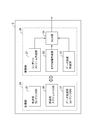
- FIG. 1 is a block diagram showing the entire configuration of an information distribution system 1-1 according to an embodiment of the present invention.
- the information distribution system 1-1 includes a broadcast station 2, a broadcast station portal server 3, a broadcast station management server 4, and a receiving device 5.
- the broadcast content can be received by the reception device 5 receiving the broadcast wave sent from the broadcast station 2 by the antenna.
- the receiving device 5 can receive, from the broadcast station portal server 3 via the IP communication network 10, broadcast content provided by the broadcast station 2 and / or content other than the broadcast content.
- one broadcast station 2, one broadcast station portal server 3 corresponding to the broadcast station 2, one broadcast station management server 4, and two receiving devices 5 is shown, but in addition to the unit by prefecture or by district, etc., a plurality of broadcast stations 2, a plurality of broadcast station portal servers 3, a plurality of broadcast station management servers 4, and three or more It may be configured to have the receiving device 5. Further, in the example of the information distribution system 1-1 shown in FIG. 1, one broadcast station portal server 3 exists for one broadcast station 2, but a plurality of broadcast station portal servers for one broadcast station 2 3 may exist, and the broadcasting station 2 which does not have the broadcasting station portal server 3 may be included.
- the receiving device 5 in the information distribution system 1-1 authenticates the legitimacy of the device of the receiving device 5 with the broadcast station management server 4 via the IP communication network 10, and the receiving device 5 A process of specifying the installed area, and a process of determining whether output of the content provided from each broadcast station portal server 3 is permitted in the area where the receiving device 5 is installed, After executing the processing, the content distribution request is issued to the broadcast station portal server 3.
- the IP communication network 10 is a communication network for communicating between the broadcast station portal server 3 and the receiving device 5.
- the IP communication network 10 may be formed of, for example, the Internet using a communication protocol such as TCP / IP, CATV, a dedicated line, a VPN (virtual LAN), a WAN, or the like, or a combination thereof. Good.
- the IP communication network 10 may include a network using another communication protocol other than IP communication.
- the broadcast station 2 sends out content for a broadcast program as stream data in accordance with a broadcast schedule. Also, the broadcast station 2 can superimpose data broadcast on the broadcast wave and EPG (Electronic Program Guide) information on the broadcast wave and send it out.
- the broadcast station 2 corresponds to an example of the wireless station in the claims.
- FIG. 2 is a block diagram showing an example of the overall configuration of the broadcast station 2 shown in FIG.
- the broadcast station 2 includes a content stream creation unit 21, an EPG information creation unit 22, a data broadcast creation unit 23, a MUX (MUltiple Xer) unit 24, a broadcast content DB 25, a broadcast schedule DB 26, and data broadcasts.
- the content DB 27 is a main component.
- the information processing realized by the functions of the content stream creating unit 21, the EPG information creating unit 22, the data broadcast creating unit 23, and the MUX unit 24 described above is not illustrated by the control unit 28 that controls the entire broadcast station 2. It is realized by executing in cooperation with hardware resources.
- control unit 28 includes a CPU or the like which is a hardware resource (not shown), and a central processing unit such as the CPU is stored in a storage portion such as a ROM, a hard disk, or a flash memory (not shown). This is realized by reading out various programs in a RAM (not shown) and executing them in cooperation.
- the broadcast content DB 25, the broadcast schedule DB 26, and the data broadcast content DB 27 described above are stored in the storage unit 29, and the storage unit 29 is, for example, a storage device such as an HDD (Hard Disk Drive) or a flash memory. Configured
- the content stream creation unit 21 creates broadcast content with reference to the broadcast content DB 25.
- the broadcast content is described as being encoded and multiplexed in accordance with the MPEG2 (Moving Picture Experts Group 2) standard.
- the video and audio etc. of the content to be transmitted is generated as an encoded elementary stream (ES), and a packetized elementary stream (PES) packetized into units of meaningful ES is generated.
- ES Encoding Picture Experts Group 2
- PES packetized elementary stream
- TS Transport Stream
- SI / PSI Service Information / Program Specific Information
- SI of SI / PSI contains information etc. necessary to create EPG information
- PSI is control data including information for performing basic control.
- the TS packet may be subjected to an encryption process (hereinafter referred to as “scramble process”) for preventing viewing and listening contrary to the intention of the broadcast station 2.
- Scramble process an encryption process
- Multi 2 can be used as a method of scramble processing. This Multi 2 is one of the systems for encrypting digital data, and is widely adopted in BS digital broadcasting and terrestrial digital broadcasting.
- the broadcast content DB 25 stores information that is the source of the above-described broadcast content.
- the EPG information creation unit 22 creates EPG information with reference to the broadcast schedule DB 26. Although the broadcast schedule of the broadcast station 2 is stored in the broadcast schedule DB 26, broadcast schedule information of other broadcast stations 2 may be stored.
- the data broadcast creation unit 23 creates, from the data broadcast content DB 27, information related to data broadcast such as weather forecast and information related to a program.
- Information related to data broadcasting is also described as being encoded and multiplexed in compliance with the MPEG2-TS standard, as in the case of the above-described broadcast content.
- the content DB 27 for data broadcasting also includes a URL (Uniform Resource Locator) provided by the broadcast station portal server 3 described later related to the program. 2.)
- Information or search query information that can be used in a P2P (Peer to Peer) scheme may be stored.
- the data broadcast creation unit 23 supplies these pieces of information together to the MUX unit 24.
- the MUX unit 24 includes content data created by the content stream creation unit 21 with reference to the broadcast content DB 25, EPG information created by the EPG information creation unit 22 with reference to the broadcast schedule DB 26, and the broadcast creation unit 23.
- Broadcast data is generated by multiplexing data broadcast program data created with reference to the data broadcast content DB 27. Then, the broadcast data is transmitted from the antenna of the broadcast station 2 as a broadcast wave.
- the broadcast station portal server 3 broadcasts the broadcast content of the broadcast station 2 via the IP communication network 10 (a content corresponding to the so-called simultaneous broadcast of the broadcast station 2), related contents such as still images, sounds and moving pictures related to the contents, and broadcast contents
- the content corresponding to the broadcast station 2 such as a unique content (for example, a home page provided by the broadcast station portal server 3, text information, still image information, moving image information) independently produced independently of the above is provided to the reception apparatus 5.
- the broadcast station portal server 3 corresponds to an example of the claimed information distribution apparatus.
- FIG. 3 is a block diagram showing a configuration example of the broadcast station portal server 3 shown in FIG.
- the broadcast station portal server 3 includes a transmission availability determination unit 31, a content generation unit 32, a communication control unit 33, a broadcast station information DB 34, a content DB 35, and a tuner IC DB 36 as main components.
- the information processing realized by each function of the transmission availability determination unit 31, the content generation unit 32, and the communication control unit 33 described above is performed by the control unit 37 that controls the entire broadcast station portal server 3 with hardware resources (not shown). It is realized by executing in cooperation.
- control unit 37 includes a CPU or the like which is a hardware resource (not shown), and a central processing unit such as the CPU is stored in a storage part such as a ROM, a hard disk, or a flash memory (not shown). This is realized by reading out various programs in a RAM (not shown) and executing them in cooperation.
- the broadcast station information DB 34, the content DB 35, and the tuner IC DB 36 are stored in the storage unit 38.
- the storage unit 38 is configured of a storage device such as a hard disk drive (HDD) or a flash memory.
- the transmission availability determination unit 31 refers to the broadcasting station information DB 34 and the like to determine whether or not the content distribution via the IP communication network 10 is permitted for the receiving device 5 that has made the content distribution request.
- the transmission availability determination unit 31 refers to the output availability determination result of the radio wave status acquisition table, which will be described later, transmitted from the receiving device 5 that has made the content delivery request, and determines that content delivery via the IP communication network 10 can not be performed. In this case, the receiver 5 is notified that the content can not be transmitted.
- the transmission availability determination unit 31 refers to the output availability determination result of the radio wave status acquisition table transmitted by the receiving device 5 that has made the content distribution request, and determines that the content can be distributed via the IP communication network 10. , Notifies that the content can be transmitted to the reception device 5, and supplies a signal for permitting the content request to the content generation unit 32.
- the content generation unit 32 When the content generation unit 32 receives the signal for permitting the content distribution request from the transmission availability determination unit 31, the content generation unit 32 generates content to be transmitted to the reception device 5 with reference to the content DB 35.
- the content to be transmitted to the receiving device 5 may be the content requested by the receiving device 5 or the content linked to the broadcast program may be generated.
- the selected content may be generated when the specific content is requested by the receiving device 5, and otherwise program-linked content may be automatically generated and transmitted.
- the communication control unit 33 is a communication interface that receives the content distribution request from the receiving device 5 via the IP communication network 10 and transmits the content to the receiving device 5.
- the broadcast station information DB 34 is a database in which information on the broadcast station 2 is stored, and the radio frequency and the area division of the broadcast station 2, the reception level condition in the area division, and the IP station network server 3 The position information etc. which become the viewing-and-listening area which can be provided in 10 are stored.
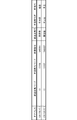
- FIG. 4 is a view showing an example of data stored in the broadcast station information DB 34 shown in FIG.
- data stored in the broadcast station information DB 34 “broadcast station ID”, “broadcast station name”, “call sign” of the broadcast station 2 to which the broadcast station portal server 3 corresponds, "Broadcast station portal server URL” or the like.
- “broadcast station ID” a code capable of uniquely identifying the broadcast station 2 corresponding to the broadcast station portal server 3 among the plurality of broadcast stations 2 in the information distribution system 1-1 is stored.
- the name of the broadcasting station 2 corresponding to the broadcasting station portal server 3 is stored in the “station name”.
- the “call sign” an identification number issued under the international telecommunications convention of the broadcast station 2 corresponding to the broadcast station portal server 3 is stored.
- the “broadcast station portal server URL” a URL such as a home page of the broadcast station portal server 3 is stored. Therefore, in the broadcast station information DB 34, when referring to the "broadcast station ID", the "broadcast station name”, “call sign”, “broadcast station portal server URL” etc. associated with the broadcast station ID are uniquely determined. Ru.
- prefecture code stores a number that can uniquely identify the prefecture of Japan in the information distribution system 1-1.
- city code a number capable of uniquely identifying a city in Japan by combination with the "prefecture code” in the information distribution system 1-1 is stored.
- the “zip code” stores the zip code of the area uniquely identified by the “prefecture code” and the “city code”.
- the “frequency” stores the frequency of the broadcast wave from the broadcast station 2 that can be received in the area specified by the "prefecture code” and the "city code”.
- flags (1, 0) indicating the area classification for determining the reception status of “frequency” of a certain broadcasting station 2 in the area specified by “prefecture code” and “city code” are stored. It is done.
- the value of the said flag is "0", it shows a receivable area (broadcasting license area which may be an area with a good reception state), and, in the case of "1", a fringe area (an area where a reception state is bad). Indicate where the broadcast license area will be.
- the "reception level condition” stores the numerical value of the reception level condition necessary for receiving from the broadcasting station 2 specified by "frequency” in the area specified by “prefecture code” and “city code”. .
- the unit of the numerical value stored in the "reception level condition” is mV / m.
- the broadcast station information DB 34 when the "prefecture code” and the "city code” are specified, the "zip code” of the area specified by the code can be specified, and the broadcast station 2 in the area is "Area division” which identifies the broadcast station 2 identified by the "frequency” in the area and whether it is the receivable area or the fringe area and "received from the broadcast station 2 in the area" Level condition can be uniquely identified.
- the "zip code” is used as a key
- the broadcast station 2 that can be received in the area specified by the "zip code” is specified by the "frequency”, and in the area
- the broadcast station portal server 3 can provide the broadcast station management server 4 with data stored in the broadcast station information DB 34 via the IP communication network 10.
- the content DB 35 is a database in which various contents are stored.
- the content stored in the content DB 35 stores content linked to the program broadcasted by the broadcast station 2, content that can be connected even after the end of the broadcast, and content with no limited area to be received.
- Specific types of content include still images, moving images, sounds, and the like.
- These pieces of information are described in a markup language such as XML (extensible Markup Language) or BML (Broadcast Markup Language), for example. By using such a markup language, affinity with the IP communication network 10 is obtained. Can be made good.
- the tuner ICDB 36 is a database in which at least the device information of the receiving device 5 used in the information distribution system 1-1 is stored.
- the performance of the receiving device 5 differs depending on the manufacturer of the receiving device 5 and the type of the tuner IC incorporated in the receiving device 5, and the same effect is caused by the influence of noise when the tuner IC is embedded in the receiving device 5.
- the reception sensitivities from the broadcast station 2 are different for each product. Therefore, for each type of the receiving device 5, it is calculated from various parameters such as RSSI (Reduced Signal Strength Indication) and S / N ratio (SNR: Signal to Noise Ratio) related to the tuner IC for calculating comparable reception sensitivity. Coefficients are stored.
- FIG. 5 is a diagram showing an example of data stored in tuner ICDB 36 shown in FIG.
- the “device ID” stores identification information that can be uniquely identified by the receiving device 5 in the information distribution system 1-1.
- the “manufacturer name” stores the name of the manufacturer of the receiving device 5.
- the “model number” stores model number information determined by the manufacturer of the receiving device 5.
- the “firmware version” stores version information of the firmware of the receiving device 5.
- the “reception level calculation coefficient” stores coefficients calculated according to the characteristics of various parameters related to each tuner IC. Therefore, in the tuner ICDB 36, when the “device ID” is specified, the “manufacturer name”, “model number”, “firm version”, and “reception level calculation coefficient” associated with the “device ID” are uniquely identified. It can be decided.
- the broadcast station management server 4 has a function of authenticating the reception device 5, a function of identifying the area where the reception device 5 is installed, and a broadcast corresponding to the broadcast station 2 only in the area corresponding to the broadcast range of the broadcast station 2. It is a server that has at least a function that enables output of content provided from the station portal server 3 and the like, and performs overall management in the information distribution system 1-1.
- the broadcast station management server 4 includes the broadcast station 2 not included in the information delivery system 1-1 (for example, even when the broadcast station portal server 3 corresponding to the broadcast station 2 is present, the information delivery system 1-1 has information about the case where the broadcast station portal server 3 is not registered as the broadcast station portal server 3 corresponding to the broadcast station 2, or the broadcast station portal server 4 does not exist in the first place etc. May be
- the broadcast station management server 4 corresponds to an example of the information distribution management device in the claims.
- FIG. 6 is a block diagram showing an example of the overall configuration of the broadcast station management server 4 shown in FIG.
- the broadcast station management server 4 includes a device authentication unit 41, an area identification processing unit 42, an output possibility determination unit 43, a communication control unit 44, a position information conversion DB 45, all broadcast station information DB 46, and tuner IC information.
- DB47 is the main component.
- the information processing realized by each function of the device authentication unit 41, the area specification processing unit 42, the output possibility determination unit 43, and the communication control unit 44 described above is not performed by the control unit 48 that controls the entire broadcast station management server 4. It is realized by executing in cooperation with the illustrated hardware resources.
- control unit 48 includes a CPU, which is a hardware resource (not shown), and the CPU does not show various programs stored in storage portions such as a ROM, a hard disk, a flash memory, etc. (not shown). This is realized by reading out to RAM and executing in cooperation. Further, the position information conversion DB 45, the all broadcast station information DB 46, and the tuner IC information DB 47 described above are stored in the storage unit 49.
- the storage unit 49 is configured of a storage device such as an HDD or a flash memory.
- the device authentication unit 41 authenticates whether the receiving device 5 is a valid device in the information distribution system 1-1.
- a common mechanism that can be issued in advance as a one-time device ID by a time stamp method similar to a one-time password or a challenge response method is the receiving device 5 side and the device authentication unit. It is possible to perform device authentication of the receiving device 5 by constructing the device 41 and executing the comparison of the “device ID” between these devices.
- the device authentication unit 41 can store the one-time device ID (device ID) described above in the tuner IC information DB 47.
- the area identification processing unit 42 identifies the area in which the receiving device 5 is installed. The details of the area identification process performed by the area identification processing unit 42 will be described later.
- the output possibility determination unit 43 performs the determination as to whether the content provided by the broadcast station portal server 4 in the receiving device 5 can be output. The details of the output possibility determination process performed by the output possibility determination unit 43 will be described later.
- the communication control unit 44 is a communication interface for communicating with the receiving device 5 and an external device such as the broadcast station portal server 4 via the IP communication network 10.
- the position information conversion DB 45 is a database storing at least information that can specify position information from an IP address.
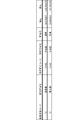
- FIG. 7 is a view showing an example of information stored in the position information conversion DB 45 shown in FIG.
- IP address "prefecture code”, "city code”, "zip code”, "prefecture name”, "city name”, "town” At least area names are stored.
- a global IP address is stored in the "IP address”.
- the unit in which the IP address is stored may be stored in each predetermined range (for example, in a network address unit or the like) other than the method of storing the IP address in individual IP address units as shown in FIG.
- the position information conversion DB 45 corresponds to an example of a position information identification database of claims.
- the all broadcast station information DB 46 is a database in which data concerning each broadcast station 2 included in the information distribution system 1-1 is stored, and the radio of the broadcast station 2 is the same as the broadcast station information DB 34 of the broadcast station portal server 3. It is a database in which at least a frequency, an area division, reception level conditions in the area division, position information serving as a viewing area of broadcast contents provided via the IP communication network 10, and the like are stored. Note that the all broadcast station information DB 46 is an aggregate of the broadcast station information DB 34 of each broadcast station portal server 3, and thus the illustration thereof is omitted. The all broadcast station information DB 46 corresponds to an example of the broadcast range specification database of claims and an example of the reception sensitivity information database.
- the tuner IC information DB 47 is, like the tuner IC information DB 37 of the broadcast station portal server 3, a database in which at least the device information of the receiving device 5 used in the information distribution system 1-1 is stored.
- the tuner IC information DB 47 is the same as the information stored in the tuner IC information DB 37 of the broadcast station portal server 3 and is therefore not shown.
- the tuner IC information DB 47 corresponds to an example of the reception sensitivity characteristic information database.
- the receiving device 5 receives a broadcast wave from the broadcasting station 2 and outputs video and audio of the received broadcast program and outputs EPG information. Also, when the reception condition of the broadcast wave sent from the antenna of the broadcast station 2 is equal to or higher than a predetermined level, the receiving device 5 transmits the broadcast station 2 transmitted via the IP communication network 10 by the broadcast station portal server 3. The same content as the content transmitted by the broadcast wave and / or content related to the content, and other different content can be output.
- the receiving device 5 corresponds to an example of the claimed information receiving device.
- FIG. 8 is a block diagram showing an entire configuration of the receiving device 5 shown in FIG.
- the receiving device 5 is a stationary device configured to receive, for example, TV broadcasting and radio broadcasting from the broadcasting station 2 and to be connectable to the IP communication network 10. Also, the receiving device 5 outputs the received information from the broadcast station 2, the broadcast station management server 4, and the broadcast station portal server 3 to the display device 6 and the audio reproduction device 7.
- the receiving device 5 according to the present embodiment is a device separate from the display device 6 and the audio reproduction device 7.
- the present invention is not limited to this, and the receiving device 5, the display device 6, and the audio reproduction device 7 may be provided in the same case, for example, a television set.
- the receiving device 5 and the display device 6 may be provided in the same housing, and only the audio reproduction device 7 may be provided in another housing. That is, there is no particular limitation on what kind of device the three receiving device 5, the display device 6, and the audio reproduction device 7 are provided in.
- the receiving device 5 may have a recording function and a recording function.
- the receiving device 5 includes an operation input unit 51, a tuner 52, a DEMUX (DEMULTiple Xer) unit 53, a decoding unit 54, a video / audio output unit 55, a network connection unit 56, a reception status detection unit 57, and registration.
- An information storage unit 58 and a control unit 59 are main components.
- the control unit 59 is a central processing unit that controls the entire reception device 5 configured by a CPU or the like, and the CPU is stored in various storage portions such as a ROM, a hard disk, a flash memory, etc. (not shown).
- the program is read out to a RAM (not shown), and by executing these programs, the operation input unit 51, the tuner 52, the DEMUX unit 53, the decoding unit 54, the video / audio output unit 55, the network connection unit 56, the reception status detection unit 57, the respective functions of the reception device 5 are realized in cooperation with the respective units of the registration information storage unit 58.
- the operation input unit 51 receives an operation input (such as a channel tuning instruction) from the user, and transmits the user's instruction to the control unit 59.
- the operation input unit 51 is configured of, for example, a remote control or a touch panel, but may be configured to be able to perform voice input and the like.
- the user can operate the operation input unit 51 to input an operation to the receiving device 5.
- the operation input to the receiving device 5 may be input to the operation input unit 51 provided in the receiving device 5 via a wireless signal (operation signal) such as infrared light.
- a signal indicating the channel selection instruction content is input to the control unit 59 via the operation input unit 51 and a bus (not shown), Transmits a tuning instruction to the channel selected by the user to the tuner 52 via a bus (not shown).
- the tuner 52 receives the broadcast wave of the broadcasting station 2 by the antenna according to a tuning instruction from the control unit 59, demodulates the received RF (Radio Frequency) signal, performs error correction processing and the like, and forms a TS signal composed of TS packets Are output to the DEMUX unit 53.
- RF Radio Frequency
- the tuner 52 may be provided, and two or more tuners 52 may be provided.
- the DEMUX unit 53 receives a TS signal consisting of TS packets from the tuner 52 (that is, broadcast data in which a plurality of streams such as video and audio are multiplexed by the MUX unit 24 of the broadcast station 2 on the transmission side) It performs processing to separate stream data and section format data such as SI / PSI. Each data separated by the DEMUX unit 53 is supplied to the decoding unit 54.
- the decoding unit 54 decodes broadcast content, EPG information, data broadcasting, and the like supplied from the DEMUX unit 53, and generates audio data, video data, and program data, respectively.
- the audio data generated by decoding is supplied to the above-described audio reproduction device 7.
- the audio reproduction device 7 performs D / A conversion processing on the supplied audio data, and outputs it as an audio signal.
- the decoding unit 54 supplies the video data and program data thus decoded to the video / audio output unit 55.
- the data supplied to the video / audio output unit 55 is output to the display device 6 and / or the audio reproduction device 7.
- the decoding unit 54 decodes the data received from the network connection unit 56 and supplies the data to the video / audio output unit 55.
- the decoding unit 54 supplies the decoded data to a storage unit (not shown).
- the data supplied to the storage unit by the decoding unit 54 may be supplied as it is as a data signal without being decoded as a video signal or an audio signal.
- the video / audio output unit 55 stores the supplied program data in a RAM (not shown).
- the video / audio output unit 55 generates EPG information by drawing program data. Then, the video / audio output unit 55 generates a synthesized screen on which the screen based on the EPG information is synthesized on the screen based on the video data from the decoding unit 54 and sends it to the display device 6.
- the display device 6 displays this composite screen.
- the data decoded by the decoding unit 54 is stored in a storage unit (not shown) according to a storage instruction from the control unit 59.
- the output method to the video / audio output unit 55 is not limited to the above, and the program data may be output directly to the display device 6 without being stored in the RAM.
- the video / audio output unit 55 displays a screen of only video data or a screen of only EPG information on the screen based on the video data, instead of the combined screen obtained by combining the screen based on the EPG information. May be output separately.
- the network connection unit 56 is a communication interface that communicates with the broadcast station management server 4 via the IP communication network 10.
- the network connection unit 56 receives data from the broadcast station portal server 3 or the broadcast station management server 4, and sends the data to the decoding unit 54.
- the reception condition detection unit 57 has a function of detecting the reception condition of the broadcast wave transmitted from the broadcast station 2 according to the reception condition detection instruction from the control unit 59.
- the reception condition detection unit 57 includes an electric field reception intensity signal generation circuit (not shown) capable of generating an electric field reception intensity signal, and outputs a value obtained from the generation circuit to the control unit 59.
- the generation circuit for example, a known RSSI (Receive Signal Strength Indication) circuit may be provided so that an electric field reception strength signal can be obtained from the RSSI circuit. Any circuit may be used as long as the electric field reception strength can be detected.
- the reception condition of the broadcast wave can be detected by using the electric field reception intensity signal obtained from the electric field reception intensity signal generation circuit described above.
- the registration information storage unit 58 stores registration information on a user who uses the information distribution system 1-1 using the reception device 5 and device information on the reception device 5.
- the registration information about the user means the IP address associated with the user who can use the information distribution system 1-1, the user ID of the user, the password associated with the user ID, and the user Address, postal code, telephone number etc.
- the device information on the receiving device 5 includes device type information on the receiving device 5, device ID information, a serial number, and the like.
- the reception device 5 when the broadcast data to be superimposed on the broadcast wave transmitted from the broadcast station 2 is scrambled, the reception device 5 includes a descrambler unit (not shown) that cancels the scramble. Good. In that case, the descrambler unit cancels the TS signal composed of the TS packet transmitted and scrambled on the RF signal received by the tuner according to the descrambling instruction from the control unit 59 into a normal signal. Do the process. Also, the descrambler unit supplies the DEMUX unit 53 with a TS signal composed of the TS packet in which the scramble processing has been canceled.
- FIG. 9 is a flowchart of the area specifying process executed between the receiving device 5 and the broadcast station management server 4 shown in FIG.
- START The control unit 59 of the receiving device 5 starts the following process when an operation input signal for performing the area specifying process is input from the operation input unit 51.
- Step S1 The control unit 59 transmits, to the broadcast station management server 4, the device information on the reception device 5 and the registration information on the user stored in the registration information storage unit 58. Specifically, the control unit 59 transmits the model information of the reception device 5, the IP address information assigned to the reception device 5, and the zip code information of the user to the broadcast station management server 4.
- Step S2 When the control unit 48 of the broadcast station management server 4 receives the information of step S1 from the receiving device 5 via the communication control unit 44, the control unit 48 determines what kind of device the receiving device 5 is. Specifically, the control unit 48 refers to the tuner IC information DB 47 and specifies what kind of the receiving device 5 of the receiving device 5 from the transmitted device information. When the device type can be identified from the device information of the receiving device 5, the control unit 48 proceeds to the process of step S3.
- Step S3 The control unit 48 performs processing to confirm the legitimacy of the position information transmitted from the receiving device 5. Specifically, the control unit 48 refers to the position information conversion DB 45, compares the position specified from the transmitted IP address information with the position specified from the postal code information, and The validity of the position information transmitted from the receiving device 5 is confirmed by whether or not the "city and village name" and "town area name” match.
- Step S4 If the control unit 48 can confirm the legitimacy of the position information transmitted from the receiving device 5 as a result of the comparison in step S3, the control unit 48 instructs the receiving device 5 that the legitimacy has been confirmed. If the validity is not confirmed, the fact that the validity can not be confirmed is sent to the reception device 5.
- Step S5 The control unit 59 of the receiving device receives the confirmation result of the legitimacy received from the broadcast station management server 4 via the IP communication network 10, displays a screen indicating the confirmation result on the display device 6, and processes End the (END).
- the broadcasting station management server 4 compares the position information obtained from the IP address information transmitted from the receiving device 5 with the position information obtained from the postal code information by the determination process of step S3 described above. Thus, it is possible to confirm the legitimacy of the area information where the receiving device is installed.
- FIG. 10 is a flowchart of the output possibility determination process executed between the receiving device 5 and the broadcast station management server 4 shown in FIG. Note that the following process may be performed continuously integrally with the area specifying process shown in FIG. 9 or may be independently performed after the area specifying process shown in FIG. 9 is completed. Good.
- Step S11 The control unit 59 transmits, to the broadcast station management server 4, the device information on the reception device 5 and the registration information on the user stored in the registration information storage unit 58. Specifically, the control unit 59 transmits the model information of the reception device 5, the IP address information assigned to the reception device 5, and the zip code information of the user to the broadcast station management server 4.
- Step S12 When the control unit 48 of the broadcast station management server 4 receives the information of step 11 from the receiving device 5 via the communication control unit 44, the control unit 48 performs the area specifying process of step S3 shown in FIG. When the area identification process is independently completed before this step S12, this process is not performed.
- Step S13 The control unit 48 creates a radio wave condition acquisition table that can be received in the area specified in step S12, and transmits the radio wave condition acquisition table to the reception device 5. Specifically, the control unit 48 refers to the all broadcast station information DB 46, and lists up all the "frequency" associated with the area specified by the "zip code” to create a radio wave condition acquisition table, The radio wave condition acquisition table is transmitted to the reception device 5.
- Step S14 The control unit 59 of the reception device 5 detects the reception sensitivity of the broadcast wave from each broadcast station based on the radio wave condition acquisition table transmitted from the broadcast station management server 4, and the radio wave including the detection result Information on the status acquisition table is transmitted to the broadcast station management server 4.
- Step S15 The control unit 48 of the broadcast station management server 4 controls the reception status of each broadcast station 2 included in the radio wave status acquisition table transmitted in step S14 in all broadcast station information DBs 46. Whether or not reception is possible is determined based on whether or not the "reception level" has been reached, and it is determined whether or not the content can be output from the reception device 5 based on the possibility of reception.
- control unit 48 refers to the all broadcast station information DB 46 and the tuner IC information DB 47, and multiplies the reception level calculation coefficient of the reception apparatus 5 by the value indicating the reception sensitivity of the broadcast station 2 Determines whether or not it has reached a value set as the reception level condition of the broadcast station 2, and is provided from the broadcast station portal server 3 corresponding to the broadcast station 2 based on this determination. Determine whether content can be output.
- the control unit 48 determines that the reception status of the broadcast station 2 has reached the value set as the reception level condition of the broadcast station 2 and determines that the reception is possible, the broadcast station corresponding to the broadcast station 2 It is determined that the output of the content provided from the portal server 3 is permitted, and if it does not reach, it is determined that the output of the content provided from the broadcast station portal server 3 corresponding to the broadcast station 2 is not permitted.
- the control unit 48 executes this determination process for all the broadcast stations 2 included in the radio wave condition acquisition table.
- Step S16 Furthermore, in all the broadcast stations 2 determined in step S15, the control unit 48 determines that the broadcast station 2 determined to permit the output of the content is at least a predetermined ratio (for example, included in the radio wave status acquisition table When it is determined that 50% or more of the target broadcast stations 2 permit output, etc.), it is determined that output of the content is permitted for all the broadcast stations 2 included in the radio wave condition acquisition table, and the determination result
- the radio wave status acquisition table information including the above is notified to the reception device 5, and the processing is ended (END).
- the control unit 59 does not exceed the predetermined ratio (for example, the broadcast included in the radio wave status acquisition table When it is determined that 50% or more of the stations 2 permit the output, and the like, it is determined that 30% permit the output, etc.), the content is output for all the broadcast stations 2 included in the radio wave status acquisition table Is notified, and the radio wave condition acquisition table information including the judgment result is notified to the receiving device 5, and the process is ended (END).
- the predetermined ratio mentioned above you may set it as the same ratio uniformly to all the broadcast stations 2, and you may make it change and set a ratio for every predetermined
- Step S17 The control unit 59 of the receiving device 5 receives the determination result information and ends the process (END). Thereafter, based on the determination result information notified from the broadcast station management server 4, the reception device 5 can execute the content distribution request to the broadcast station portal server 3 corresponding to the broadcast station 2.
- the broadcast station management server 4 By performing the determination process of step S16, the broadcast station management server 4 within the broadcast range according to the relationship between the location of the broadcast station 2 and the reception environment in the building where the reception device 5 is installed. Even if it is determined that the signal can not be received from the broadcast station 2 despite the presence, if the determination result of the broadcast station 2 included in the radio wave status acquisition table can be received at a predetermined ratio or more, the reception device 5 is presumed to exist within the broadcast range, and it becomes possible to permit the output of the content provided from the broadcast station portal server 3 corresponding to the broadcast station 2 determined to be unreceivable.
- the broadcast station management server 4 does not have to output the content through the IP communication network 10 originally, because the broadcast stations 2 of different regions happen to have the same frequency by chance. If the reception status of broadcast station 2 is judged to be receivable, reception status of other broadcast stations 2 included in the radio wave status acquisition table other than the broadcast station 2 is judged to be receivable and the content output is permitted. Since the reception device 5 significantly deteriorates, it is presumed that the reception device 5 does not exist within the broadcast range of the broadcast station 2, and it is determined that the output of the content provided from the broadcast station portal server 3 corresponding to the broadcast station 2 is not permitted. It is possible to That is, the broadcast station management server 4 and the information distribution management method executed by the broadcast station management server 4 are cases where the content distributed via a certain communication medium is provided via another different communication medium. Also, the content can be appropriately distributed from the broadcast station portal server 3.
- FIG. 11 is a flowchart of the content distribution process executed between the receiving device 5 and the broadcast station portal server 3 shown in FIG.
- the process may be performed integrally with the output possibility determination process illustrated in FIG. 10, or may be independently performed after the output possibility determination process.
- Step S21 The control unit 59 transmits the determination result information of the radio wave condition acquisition table received from the broadcast station management server 4 by the content output possibility determination process shown in FIG.
- Step S22 The control unit 37 of the broadcast station portal server 3 receives the determination result information of the radio wave status acquisition table in the reception device 5 from the reception device 5, and collates the content output availability result from the broadcast station portal server 3 of itself. Then, it is determined whether the content can be distributed.
- the judgment result information of the radio wave condition acquisition table in the receiving device 5 is acquired from the broadcasting station management server 4 in advance, and the judgment result information received from the receiving device 5 and the broadcasting station management server It is good also as processing which collates according to whether the judgment result information received from 4 and 4 agrees.
- Step S23 The control unit 37 distributes the content to the receiving device 5 when it is determined in step S22 that the content distribution is possible.
- Step S24 The control unit 59 of the reception device 5 receives the content distributed from the broadcast station portal server 3, outputs it to the display device 6 and the audio reproduction device 7, and ends the processing (END).
- Such a receiving device 5 executes the device authentication process shown in FIG. 9 and the output possibility determination process shown in FIG. 10 with the broadcast station management server 4, and then the broadcast station portal based on the determination result.
- the broadcast station In order to execute the content distribution process shown in FIG. 11 with the server 3, even if the content to be distributed via a certain communication medium is provided via another different communication medium, the broadcast station The content can be appropriately distributed from the portal server 3.
- the receiving device 5 executes a process of specifying the area based on the declaration of the area information such as the zip code, and the broadcasting station management server 4 side receives the receiving device 5. Determines whether it exists in the broadcast receivable area and broadcasts taking into consideration not only the reception sensitivity situation in the individual broadcast station 2 but also the reception sensitivity situations in a plurality of broadcast stations 2 that can be received in the area It is finally determined whether output of the content provided from the station portal server 3 is possible.
- the information distribution system 1-1, the broadcast station management server 4, the information distribution management method executed by the broadcast station management server 4, the receiving device 5, and the receiving method executed by the receiving device are personal information to the Internet service provider.
- the information delivery system 1-1 was demonstrated as Example 1 of this invention, this invention is not limited to this, A various deformation
- all broadcasts included in the radio wave status acquisition table are determined to be receivable when the predetermined ratio or more of the broadcast stations 2 included in the radio wave status acquisition table is receivable.
- the content provided from the broadcast station portal server 3 corresponding to the station 2 is permitted to be output, in addition, it is determined that the predetermined ratio or more of the specific broadcast station 2 included in the radio wave status acquisition table is receivable.
- the output may be permitted for the content provided from the broadcast station portal server 3 corresponding to all the broadcast stations 2 included in the radio wave status acquisition table.
- the ratio of receivable stations of AM stations included in the radio wave status acquisition table is equal to or greater than a predetermined ratio
- the ratio of receivable stations of FM stations included in the radio wave status acquisition table is equal to or greater than a predetermined ratio.
- output may be permitted for the content provided from the broadcast station portal server 3 corresponding to all the broadcast stations 2 included in the radio wave status acquisition table.
- the radio wave status can be set without considering the reception status of the other broadcast stations 2.
- the output may be permitted for the content provided from the broadcast station portal server 3 corresponding to all the broadcast stations 2 included in the acquisition table.
- the broadcast station 2 for example, a community broadcast station or the like
- the broadcast range is limited to an extremely narrow area compared with the other broadcast stations 2 can be received.
- the output of the content provided from the broadcast station portal server 3 corresponding to all the broadcast stations 2 included in the radio wave status acquisition table may be permitted.
- the receiving device 5 in the above-described first embodiment and its modification is used in a stationary type, it may be a mobile receiving device 5.
- the reception device 5 is provided with a GPS function because it is difficult to identify the area even if a zip code or the like is used.
- the broadcast station management server 4 adds a latitude / longitude conversion table which can specify the position from the latitude / longitude information as shown in FIG. 12 to the position information conversion DB 45.
- the mobile receiver 5 obtains latitude and longitude information indicating the current position by the GPS function, and transmits it to the broadcast station management server 4 together with the IP address information of the receiver 5.
- the broadcast station management server 4 refers to the position information conversion DB 45 to which the latitude and longitude conversion table is added, and the area specified from the latitude and longitude information transmitted from the mobile type reception device 5 and the IP address information
- the area where the mobile receiver 5 is located is specified by comparing the area specified from the above.
- the processes after the area identification process in the mobile type receiving device 5 output possibility determination process, content distribution process) are the same as those in the above-described embodiment, and thus the description thereof is omitted.
- the output availability determination process as shown in FIG. 10 is illustrated in the above-described first embodiment and its modification, the following output availability determination process may be used. For example, at the time when the broadcast station management server 4 identifies the area where the receiving device 5 is installed from the device information of the receiving device 5, the IP address information allocated to the receiving device 5, and the zip code information of the user. If there is the broadcast station 2 in which the area division of the area is set as the receivable area (flag is 0), it is determined that the content output from the broadcast station portal server 3 corresponding to the broadcast station 2 is permitted at that time.
- the reception sensitivity is detected by the electric field reception strength, but in addition, the reception error rate A reception error rate detection circuit (not shown) that can be detected is provided in the reception device 5, and a detection signal is generated when the reception error rate detection circuit exceeds a predetermined reference value. It may be transmitted to the broadcast station management server 4.
- the tuner ICDB 47 store in advance the reception error rate multiplying coefficient for each of the receiving devices 5 in the tuner ICDB 47 and make the output possibility determination from these pieces of information.
- the client server type network system for downloading contents from the broadcast station portal server 3 is adopted, but a P2P (Peer To Peer) type network system is adopted. It is also good.
- the request for content to the broadcast station portal server 3 is broadcasted as a search query to the broadcast station portal server 3 or the broadcast station management server 4 included in the information distribution system 1-1, and the reception status is Information may also be transmitted, and information may be transmitted from the peer (computer) that holds the content, and the content may be downloaded from the peer only when the information indicating the reception status satisfies the reference value.
- all or a part of the functions provided in each device described in the above-described first embodiment and the modification thereof are configured by a program, and the program is installed in an information processing device (computer) to be included in each device described above.
- a function may be realized.
- all or a part of the functions of the broadcast station management server 4 described in the above-described embodiment and modification are configured by a program, and the information distribution management program is installed in an information processing apparatus (computer).
- the functions of the broadcast station management server 4 may be realized.
- the information distribution management program can be directly installed on a computer from a medium recorded in an executable state, it may be installed on a remote computer via a network. Such an information distribution management program does not excessively use personal information, and even when content distributed via a certain communication medium is provided via another different communication medium, the content is appropriately stored. Can be sent and received.
- an information distribution system 1-2 according to a second embodiment of the present invention will be described.
- the overall configuration of the information distribution system 1-2 according to the second embodiment of the present invention is the same as the configuration example (FIG. 1) shown in the first embodiment, and thus the illustration and description thereof will be omitted.
- the point that the receiving device 5 mainly executes the content output determination performed between the broadcast station management server 4 and the receiving device 5 is an embodiment. This is different from the information distribution system 1-1 according to 1.
- the broadcast station 2 sends out content for a broadcast program as stream data in accordance with a broadcast schedule. Also, the broadcast station 2 can superimpose data broadcast on the broadcast wave and EPG (Electronic Program Guide) information on the broadcast wave and send it out.
- EPG Electronic Program Guide
- the overall configuration of the broadcast station 2 is the same as the configuration example (FIG. 2) shown in the first embodiment, and therefore the illustration and description thereof will be omitted.
- the broadcast station 2 corresponds to an example of the wireless station in the claims.
- the broadcast station portal server 3 broadcasts the broadcast content of the broadcast station 2 via the IP communication network 10 (a content corresponding to the so-called simultaneous broadcast of the broadcast station 2), related contents such as still images, sounds and moving pictures related to the contents, and broadcast contents
- the content corresponding to the broadcast station 2 such as a unique content (for example, a home page provided by the broadcast station portal server 3, text information, still image information, moving image information) independently produced independently of the above is provided to the reception apparatus 5.
- the overall configuration of the broadcast station portal server 3 is the same as the configuration (FIG. 3) shown in the first embodiment, and therefore the illustration and the description thereof will be omitted.
- the broadcast station portal server 3 corresponds to an example of the claimed information distribution apparatus.
- the broadcast station management server 4 has a function of authenticating the reception device 5, a function of identifying the area where the reception device 5 is installed, and a broadcast corresponding to the broadcast station 2 only in the area corresponding to the broadcast range of the broadcast station 2. It is a server that has at least a function that enables output of content provided from the station portal server 3 and the like, and performs overall management in the information distribution system 1-2.
- the broadcast station management server 4 includes the broadcast station 2 not included in the information distribution system 1-2 (for example, the broadcast station 2 in which the broadcast station portal server 3 is not registered in the information distribution system 1-2, or It may have information on the broadcast station 2 etc. where the broadcast station portal server 4 does not exist.
- the broadcast station management server 4 corresponds to an example of the information distribution management device in the claims.
- FIG. 13 is a block diagram showing an example of the overall configuration of the broadcast station management server 4 shown in FIG.
- the broadcast station management server 4 includes a device authentication unit 1041, an area identification processing unit 1042, a table creation unit 1043, a communication control unit 1044, a position information conversion DB 1045, all broadcasting station information DB 1046, and a tuner IC information DB 1047. Is the main component.
- the information processing realized by each function of the device authentication unit 1041, the area specification processing unit 1042, the table creation unit 1043, and the communication control unit 1044 described above is not shown in FIG.
- control unit 1048 is configured by a CPU or the like which is a hardware resource (not shown), and various programs stored in storage portions such as a ROM, a hard disk, a flash memory and the like (not shown) are not shown. This is realized by reading out to RAM and executing in cooperation.
- the position information conversion DB 1045, the all broadcast station information DB 1046, and the tuner IC information DB 1047 described above are stored in the storage unit 1049, and the storage unit 1049 is configured of storage devices such as HDD (Hard Disk Drive) and flash memory. Be done.
- the device authentication unit 1041 authenticates whether the receiving device 5 is a valid device in the information distribution system 1-2.
- a common mechanism that can be issued in advance as a one-time device ID by a time stamp method similar to a one-time password or a challenge response method is the receiving device 5 side and the device authentication unit. It is possible to perform device authentication of the receiving device 5 by constructing the device on the side 1041 and executing the comparison of the “device ID” between these devices.
- the device authentication unit 1041 can store the one-time device ID (device ID) in the tuner IC information DB 1047 for each receiving device 5.
- the area identification processing unit 1042 identifies the area in which the receiving device 5 is installed. The details of the area identification process performed by the area identification processing unit 1042 will be described later.
- the table creation unit 1043 creates a list of broadcast stations 2 that can be received in the area where the receiving device is installed based on the position information transmitted from the receiving device 5.
- the communication control unit 1044 is a communication interface for communicating with the receiving device 5 and an external device such as the broadcast station portal server 4 via the IP communication network 10.
- the position information conversion DB 1045 is a database in which at least information that can specify position information from an IP address is stored.
- FIG. 7 is a view showing an example of information stored in the position information conversion DB 1045 shown in FIG.
- IP address "prefecture code”, "city code”, "zip code”, "prefecture name”, "city name”, "town” At least area names are stored.
- a global IP address is stored in the "IP address”.
- the unit in which the IP address is stored may be stored in each predetermined range (for example, in a network address unit or the like) other than the method of storing the IP address in individual IP address units as shown in FIG.
- Position information conversion DB1045 is corresponded to an example of a position information identification database of a claim.
- the all broadcast station information DB 1046 is a database in which data related to each broadcast station 2 included in the information distribution system 1-2 is stored, and, like the broadcast station information DB 1034 of the broadcast station portal server 3, the radio of the broadcast station 2 It is a database in which at least a frequency, an area division, reception level conditions in the area division, position information serving as a viewing area of broadcast contents provided via the IP communication network 10, and the like are stored.
- the all broadcast station information DB 1046 is an aggregate of the broadcast station information DB 1034 of each broadcast station portal server 3, and thus the illustration thereof is omitted.
- the all broadcast station information DB 1046 corresponds to an example of the broadcast range specification database of claims and an example of the reception sensitivity information database.
- the tuner IC information DB 1047 is, like the tuner IC information DB 37 of the broadcast station portal server 3, a database in which at least the device information of the receiving device 5 used in the information distribution system 1-2 is stored.
- the tuner IC information DB 1047 is the same as the information stored in the tuner IC information DB 37 of the broadcast station portal server 3 and is therefore not shown.
- the tuner IC information DB 1047 corresponds to an example of the reception sensitivity characteristic information database.
- the receiving device 5 receives a broadcast wave from the broadcasting station 2 and outputs video and audio of the received broadcast program and outputs EPG information. Also, when the reception condition of the broadcast wave sent from the antenna of the broadcast station 2 is equal to or higher than a predetermined level, the receiving device 5 transmits the broadcast station 2 transmitted via the IP communication network 10 by the broadcast station portal server 3. The same content as the content transmitted by the broadcast wave and / or content related to the content, and other different content can be output.
- the receiving device 5 corresponds to an example of the claimed information receiving device.
- FIG. 14 is a block diagram showing an entire configuration of the receiving device 5 shown in FIG.
- the receiving device 5 is a terminal configured to receive, for example, TV broadcasting and radio broadcasting from the broadcasting station 2 and to be connectable to the IP communication network 10, and is used by being fixed to a specific area. Also, the receiving device 5 outputs the received information from the broadcast station 2, the broadcast station management server 4, and the broadcast station portal server 3 to the display device 106 and the audio reproduction device 107.
- the receiving device 5 according to the present embodiment is a separate device from the display device 106 and the audio reproduction device 107. However, the present invention is not limited to this, and the receiver 5, the display device 106, and the audio reproduction device 107 may be provided in the same case, for example, a television set.
- the receiving device 5 and the display device 106 may be provided in the same case, and only the audio reproduction device 107 may be provided in another case. That is, there is no particular limitation on what kind of device the three receiving devices 5, the display device 106, and the audio reproduction device 107 are provided in.
- the receiving device 5 may have a recording function and a recording function.
- the receiving apparatus 5 includes an operation input unit 1051, a tuner 1052, a DEMUX (DEMULTiple Xer) unit 1053, a decoding unit 1054, a video / audio output unit 1055, a network connection unit 1056, a reception status detection unit 1057, and registration.
- An information storage unit 1058, a content output possibility determination unit 1059, and a control unit 1060 are main components.
- the control unit 1060 is a central processing unit that controls the entire reception device 5 configured by a CPU and the like, and the CPU is stored in various storage portions such as a ROM, a hard disk, and a flash memory (not shown).
- the program is read out to a RAM (not shown), and by executing these programs, the operation input unit 1051, the tuner 1052, the DEMUX unit 1053, the decoding unit 1054, the video / audio output unit 1055, the network connection unit 1056, the reception status detection unit
- the respective functions of the receiving apparatus 5 are realized in cooperation with the registration information storage unit 1058 and the content output possibility determination unit 1059.
- the operation input unit 1051 receives an operation input (such as a channel tuning instruction) from the user, and transmits the user's instruction to the control unit 1060.
- the operation input unit 1051 is configured by, for example, a remote control or a touch panel, but may be configured to be able to perform voice input and the like.
- the user can perform an operation input to the reception device 5 by operating the operation input unit 1051.
- the operation input to the receiving device 5 may be input to the operation input unit 1051 provided in the receiving device 5 via a wireless signal (operation signal) such as infrared light.
- a signal indicating the content of the channel selection instruction is input to the control unit 1060 via the operation input unit 1051 and a bus (not shown), and the control unit 1060. Transmits a tuning instruction to the channel selected by the user to the tuner 1052 via a bus (not shown).
- the tuner 1052 receives the broadcast wave of the broadcasting station 2 with an antenna according to a tuning instruction from the control unit 1060, demodulates the received RF (Radio Frequency) signal, performs error correction processing and the like, and forms a TS signal composed of TS packets. Are output to the DEMUX unit 1053. Although only one tuner 1052 is shown in FIG. 14 to receive terrestrial digital broadcasts, they also receive analog broadcasts, radio broadcasts (analog, digital), and BS broadcasts (analog, digital). , And two or more tuners 1052 may be provided.
- RF Radio Frequency
- the DEMUX unit 1053 transmits a TS signal consisting of TS packets from the tuner 1052 (that is, broadcast data in which a plurality of streams such as video and audio are multiplexed by the MUX unit 1024 of the broadcast station 2 on the transmitting side), such as video and audio. It performs processing to separate stream data and section format data such as SI / PSI. Each data separated by the DEMUX unit 1053 is supplied to the decoding unit 1054.
- the decoding unit 1054 decodes the broadcast content, the EPG information, the data broadcast and the like supplied from the DEMUX unit 1053, and generates audio data, video data, and program data, respectively.
- the audio data generated by decoding is supplied to the above-described audio reproduction device 107.
- the audio reproduction device 107 performs D / A conversion processing on the supplied audio data, and outputs it as an audio signal.
- the decoding unit 1054 supplies the decoded video data and program data to the video / audio output unit 1055.
- the data supplied to the video / audio output unit 1055 is output to the display device 106 and / or the audio reproduction device 107.
- the decoding unit 1054 decodes the data received from the network connection unit 1056 and supplies the data to the video / audio output unit 1055.
- the decoding unit 1054 supplies the decoded data to a storage unit (not shown).
- the data supplied to the storage unit by the decoding unit 1054 may be supplied as it is as a data signal without being decoded as a video signal or an audio signal.
- the video / audio output unit 1055 stores the supplied program data in a RAM (not shown).
- the video / audio output unit 1055 generates EPG information by drawing program data. Then, the video / audio output unit 1055 generates a combined screen on which the screen based on the EPG information is combined on the screen based on the video data from the decoding unit 1054, and sends it to the display device 106.
- the display device 106 displays this composite screen.
- the data decoded by the decoding unit 1054 is stored in a storage unit (not shown) according to a storage instruction from the control unit 1060.
- the output method to the video / audio output unit 1055 is not limited to the above, and the program data may be output directly to the display device 106 without being stored in the RAM.
- the video / audio output unit 1055 displays a screen of only video data or a screen of only EPG information on the screen based on the video data, instead of the synthesized screen in which the screen based on the EPG information is synthesized. May be output separately.
- the network connection unit 1056 is a communication interface that communicates with the broadcast station management server 4 via the IP communication network 10.
- the network connection unit 1056 receives data from the broadcast station portal server 3 or the broadcast station management server 4 and sends the data to the decoding unit 1054.
- the reception status detection unit 1057 has a function of detecting the reception status of the broadcast wave transmitted from the broadcast station 2 according to the reception status detection instruction from the control unit 1060.
- reception condition detection unit 1057 is configured of an electric field reception intensity signal generation circuit (not shown) or the like capable of generating an electric field reception intensity signal, and a value obtained from the generation circuit is output to control unit 1060.
- the generation circuit for example, a known RSSI (Receive Signal Strength Indication) circuit may be provided so that an electric field reception strength signal can be obtained from the RSSI circuit. Any circuit may be used as long as the electric field reception strength can be detected.
- the reception condition of the broadcast wave can be detected by using the electric field reception intensity signal obtained from the electric field reception intensity signal generation circuit described above.
- the registration information storage unit 1058 stores registration information for a user who uses the information distribution system 1-2 using the reception device 5, device information for the reception device 5, and a content output possibility determination unit 1059 described later.
- the determination result information of the radio wave condition acquisition table and the like are stored.
- the registration information about the user means the IP address associated with the user who can use the information distribution system 1-2, the user ID of the user, the password associated with the user ID, and the user Address, postal code, telephone number etc.
- the device information on the receiving device 5 includes device type information on the receiving device 5, device ID information, a serial number, and the like.
- the content output possibility determination unit 1059 performs determination on the output availability of the content provided by the broadcast station portal server 4 corresponding to the broadcast station 2 in the area where the reception device 5 is installed. The details of the output possibility determination processing performed by the content output possibility determination unit 1059 will be described later.
- the reception device 5 when the broadcast data to be superimposed on the broadcast wave transmitted from the broadcast station 2 is scrambled, the reception device 5 includes a descrambler unit (not shown) that cancels the scramble. Good. In that case, the descrambler unit cancels the TS signal composed of the TS packet transmitted and scrambled and superimposed on the RF signal received by the tuner according to the instruction of the control unit 1060 into a normal signal. Do the processing. Also, the descrambler unit supplies a TS signal composed of the TS packet in which the scramble processing has been canceled to the DEMUX unit 1053.
- the area specifying process executed between the broadcast station management server 4 and the receiving device 5 of the second embodiment is the same as the process of FIG. 9 shown in the first embodiment, and therefore the illustration and the description thereof will be omitted.
- FIG. 15 is a flowchart of the output possibility determination process executed between the receiving device 5 and the broadcast station management server 4 shown in FIG.
- the following processes may be continuously performed integrally with the area identification process, or may be independently performed after the area identification process is completed.
- Step S1011 The control unit 1060 transmits, to the broadcast station management server 4, the device information on the reception device 5 and the registration information on the user stored in the registration information storage unit 1058. Specifically, the control unit 1060 transmits the model information of the reception device 5, the IP address information assigned to the reception device 5, and the zip code information of the user to the broadcast station management server 4.
- Step S1012 When the control unit 1048 of the broadcast station management server 4 receives the information of step S1011 from the reception device 5 via the communication control unit 1044, the control unit 1048 performs the area specifying process of step S103 shown in FIG.
- Step S1013 The control unit 1048 creates a radio wave condition acquisition table that can be received in the area specified in step S1012, and transmits the radio wave condition acquisition table to the reception device 5. Specifically, the control unit 1048 refers to the all broadcast station information DB 1046, and lists up all the "frequency" associated with the area specified by the "zip code” to create a radio wave status acquisition table, The radio wave condition acquisition table is transmitted to the reception device 5.
- Step S1014 The control unit 1060 of the reception device 5 detects the reception sensitivity of the broadcast wave from each broadcast station based on the radio wave condition acquisition table transmitted from the broadcast station management server 4.
- Step S1015 The control unit 1060 reaches the “reception level” of each broadcast station stored in the all broadcast station information DB 1046 for the reception status of each broadcast station 2 included in the radio wave status acquisition table transmitted in step S1014. Whether the content can be received or not is determined based on whether the content is receivable or not, and whether or not the content can be output in the receiving device 5 is determined on the basis of the content. Specifically, the control unit 1060 refers to all the broadcast station information DB 1046 and the tuner IC information DB 1047 of the broadcast station management server 4 via the IP communication network 10 and sets the value indicating the reception sensitivity at the broadcast station 2 concerned.
- Whether reception is possible is determined based on whether the value obtained by multiplying the reception level calculation coefficient of the reception device 5 has reached the value set as the reception level condition of the broadcasting station 2, and the broadcasting station is determined based on this determination. It is determined whether output of the content provided from the broadcast station portal server 3 corresponding to No. 2 is possible. That is, when the control unit 1060 determines that the reception status of the broadcast station 2 has reached the value set as the reception level condition of the broadcast station 2 and determines that the reception is possible, the broadcast station corresponding to the broadcast station 2 It is determined that the output of the content provided from the portal server 3 is permitted, and if it does not reach, it is determined that the output of the content provided from the broadcast station portal server 3 corresponding to the broadcast station 2 is not permitted. Control unit 1060 executes this determination process for all broadcast stations 2 included in the radio wave condition acquisition table.
- Step S1016 Furthermore, in all the broadcast stations 2 determined in step S1015, the control unit 1060 determines that the broadcast station 2 determined to permit the output of the content is equal to or more than a predetermined ratio (for example, included in the radio wave status acquisition table When it is determined that 50% or more of the target broadcast stations 2 permit output, etc.), it is determined that output of the content is permitted for all the broadcast stations 2 included in the radio wave condition acquisition table, and the determination result
- a predetermined ratio for example, included in the radio wave status acquisition table
- control unit 1060 determines that broadcast station 2 determined not to permit content output is not more than a predetermined ratio (for example, broadcasts included in radio wave status acquisition table) When it is determined that 50% or more of the stations 2 permit the output, and the like, it is determined that 30% permit the output, etc.), the content is output for all the broadcast stations 2 included in the radio wave status acquisition table Is notified, and the radio wave condition acquisition table information including the judgment result is notified to the receiving device 5, and the process is ended (END).
- a predetermined ratio for example, broadcasts included in radio wave status acquisition table
- Step S1017 The control unit 1060 stores the determination result information of step S1016 in the registration information storage unit 1058, and ends the process (END). Thereafter, based on the determination result information stored in the registration information storage unit 1058, the receiving device 5 can execute the content distribution request to the broadcast station portal server 3 corresponding to the broadcast station 2.
- such a receiving device 5 is originally within the broadcast range depending on the relationship between the position where the broadcast station 2 is located and the reception environment in the building where the receiving device 5 is installed. Regardless, even if it is determined that the signal can not be received from the broadcast station 2, if the determination result of the broadcast station 2 included in the radio wave status acquisition table can be received at a predetermined ratio or more, the receiving device 5 can It is possible to infer that the content is within the broadcast range, and to permit the output of the content provided from the broadcast station portal server 3 corresponding to the broadcast station 2 determined to be unreceivable.
- the receiving apparatus 5 individually broadcasts although the content is not originally output via the IP communication network 10 If the reception status of station 2 is determined, it is determined that reception is possible, and even if a situation occurs where content output is permitted, the reception status of other broadcast stations 2 included in the radio wave status acquisition table other than the broadcast station 2 is remarkable. Since it becomes worse, it is presumed that the receiving device 5 does not exist within the broadcast range of the broadcasting station 2, and it is judged that the output of the content provided from the broadcasting station portal server 3 corresponding to the broadcasting station 2 is not permitted. Is possible. That is, such a receiving device 5 and an information receiving method executed by the receiving device 5 can be appropriately used even in the case where content distributed via a certain communication medium is provided via another different communication medium. The content can be received.
- the content distribution process executed between the receiving device 5 and the broadcast station portal server 3 of the second embodiment is the same as the content distribution process (FIG. 11) of the first embodiment, and therefore the illustration and the description thereof will be omitted.
- the receiving device 5 identifies the area only by declaring the area information such as the zip code, and determines whether the area exists in the broadcast receivable area or not. Whether the output of the content provided from the broadcast station portal server 3 can be determined taking into consideration not only the reception sensitivity status of the individual broadcast station 2 but also the reception sensitivity status of a plurality of broadcast stations 2 that can be received in the area Is to be determined finally.
- the receiving device 5, and the receiving device 5 there is no need to ask the Internet service provider to disclose personal information in the first place, but only reporting of regional information such as a zip code. The content can be properly received even if the content distributed via a communication medium is provided via another communication medium without excessively using personal information.
- the information distribution system 1-2 has been described above as the second embodiment of the present invention, but the present invention is not limited to this, and various modifications and changes can be made without departing from the scope of the invention. .
- all broadcasts included in the radio wave status acquisition table are determined to be receivable when the predetermined ratio or more of the broadcast stations 2 included in the radio wave status acquisition table is receivable.
- the output may be permitted for the content provided from the broadcast station portal server 3 corresponding to all the broadcast stations 2 included in the radio wave status acquisition table.
- the ratio of receivable stations of AM stations included in the radio wave status acquisition table is equal to or greater than a predetermined ratio
- the ratio of receivable stations of FM stations included in the radio wave status acquisition table is equal to or greater than a predetermined ratio.
- output may be permitted for the content provided from the broadcast station portal server 3 corresponding to all the broadcast stations 2 included in the radio wave status acquisition table.
- the radio wave status can be set without considering the reception status of the other broadcast stations 2.
- the output may be permitted for the content provided from the broadcast station portal server 3 corresponding to all the broadcast stations 2 included in the acquisition table.
- the broadcast station 2 for example, a community broadcast station or the like
- the broadcast range is limited to an extremely narrow area compared with the other broadcast stations 2 can be received.
- the output of the content provided from the broadcast station portal server 3 corresponding to all the broadcast stations 2 included in the radio wave status acquisition table may be permitted.
- the receiving device 5 in the above-described second embodiment and its modification is used in a stationary type, it may be a mobile receiving device 5.
- the reception device 5 is provided with a GPS function because it is difficult to identify the area even if a zip code or the like is used.
- the broadcast station management server 4 adds a latitude / longitude conversion table which can specify the position from the latitude / longitude information as shown in FIG. 12 to the position information conversion DB 1045.
- the mobile receiver 5 obtains latitude and longitude information indicating the current position by the GPS function, and transmits it to the broadcast station management server 4 together with the IP address information of the receiver 5.
- the broadcast station management server 4 refers to the position information conversion DB 1045 to which the latitude and longitude conversion table is added, and the area specified from the latitude and longitude information transmitted from the mobile type reception device 5 and the IP address information
- the area where the mobile receiver 5 is located is specified by comparing the area specified from the above.
- the processes after the area identification process in the mobile type receiving device 5 output possibility determination process, content distribution process) are the same as those in the above-described embodiment, and thus the description thereof is omitted.
- the output availability determination process as shown in FIG. 15 is illustrated in the above-described second embodiment and the modification thereof, the output availability determination process may be performed as follows. For example, when the receiving device 5 specifies the area where the receiving device 5 is installed from the device information of the own device, the IP address information allocated to the receiving device 5, and the zip code information of the user, the area If there is the broadcasting station 2 in which the area division of the area is set as the receivable area (flag is 0), it is judged at that time that the content output from the broadcasting station portal server 3 corresponding to the broadcasting station 2 is permitted.
- a radio wave status acquisition table consisting only of the broadcast station 2 in the fringe area is created and stored in the registration information storage unit 1058 You may do so.
- the amount of data in the radio wave status acquisition table can be reduced, and the trouble of detecting the reception sensitivity again for the broadcast station 2 known as the receivable area can be omitted. It becomes possible.
- the reception sensitivity is detected by the electric field reception strength, but in addition, the reception error rate A reception error rate detection circuit (not shown) that can be detected is provided in the reception device 5, and a detection signal is generated when the reception error rate detection circuit exceeds a predetermined reference value. It may be stored in the registration information storage unit 1058.
- the reception error rate multiplying coefficient for each receiving device 5 is stored in advance, and the information is obtained from the receiving device 5 side in the receiving device 5 in advance. It is preferable to perform output determination.
- the position information conversion DB 1045, the all broadcast station information DB 1046, and the tuner IC DB 47 are placed on the broadcast station management server 4 side, and necessary information is acquired from the reception device 5 side.
- all or a part of the position information conversion DB 1045, the all broadcast station information DB 1046, and the tuner ICDB 47 are arranged on the receiving device 5 side, and the IP communication network 10 is configured for information in the own device.
- the area identification process and the output possibility determination process may be performed in the receiving device 5 without intervention.
- a client server type network system for downloading contents from the broadcast station portal server 3 is adopted, but a P2P (Peer To Peer) type network system is adopted. It is also good.
- the request for content to the broadcast station portal server 3 is broadcasted as a search query to the broadcast station portal server 3 or the broadcast station management server 4 included in the information distribution system 1-2, and the reception status is Information may also be transmitted, and information may be transmitted from the peer (computer) that holds the content, and the content may be downloaded from the peer only when the information indicating the reception status satisfies the reference value.
- all or a part of the functions of each device described in the second embodiment and the modification thereof described above are configured by a program, and the function of each device described above is installed by installing this program in an information processing device (computer). May be realized.
- all or a part of the functions of the receiving device 5 described in the above-described embodiment and the modification are configured by a program, and the information receiving program is installed in the information processing apparatus (computer). The functions provided may be realized.
- it is possible to directly install this information receiving program into a computer from a medium recorded in an executable state it may be installed on a remote computer via a network.
- Such an information delivery management program does not excessively use personal information, and the content delivered via one communication medium is appropriately provided even when provided via another different communication medium. Content can be received.
- Tuner ICDB reception sensitivity characteristic information database
- control unit content output enable / disable determination means of information distribution management device, table creation means
- 56 ⁇ ⁇ ⁇ ⁇ ⁇ ⁇ ⁇ Network connection unit (communication means of the information receiver)
- Control unit content output determination information output unit of information receiving apparatus, content output control unit
- 1043 ⁇ ⁇ ⁇ Table creation unit (table creation means of information distribution management device)
- 1044 ...
- communication control unit communication control means of information distribution management device
- 1048 ⁇ ⁇ ⁇ control unit 1056: Network connection unit (communication control means of information receiving apparatus, receiving means), 1059 ⁇ Content output availability determination unit (content output availability determination means for information receiving apparatus, table creation means), 1060 ⁇ ⁇ ⁇ Control unit (communication control means of information receiving apparatus, content output possibility judging means, table creating means)
Landscapes
- Engineering & Computer Science (AREA)
- Signal Processing (AREA)
- Multimedia (AREA)
- Databases & Information Systems (AREA)
- Computer Graphics (AREA)
- Computer Security & Cryptography (AREA)
- Two-Way Televisions, Distribution Of Moving Picture Or The Like (AREA)
- Information Transfer Between Computers (AREA)
Abstract
個人情報を過度に用いることなく、ある通信媒体を介して配信されるコンテンツを他の異なる通信媒体を介して提供する場合であっても、適切に当該コンテンツを送受信すること。 電波を送出する放送局2(無線局)の放送範囲内にIP通信網10(電波とは異なる通信媒体)を介してコンテンツ提供を行う放送局ポータルサーバ3(情報配信装置)からコンテンツを受信可能である受信装置5(情報受信装置)における、複数の放送局2の電波の受信状況および受信装置5の位置情報に基づいて、受信装置5におけるコンテンツの出力可否を判定するコンテンツ出力可否判定手段と、コンテンツ出力可否判定手段の判定結果を受信装置5へと送信する通信制御手段と、有する放送局管理サーバ4(情報配信管理装置)とする。
Description
本発明は、情報配信システム、情報配信管理装置、情報配信管理方法、情報配信管理プログラム、情報受信装置、情報受信方法および情報受信プログラムに関する。
放送局が地上デジタル放送で提供する放送コンテンツをIP(Internet Protocol)通信網を介して再送信する場合において、電波法、または著作権法上の問題から放送コンテンツの受信可能エリアを当該放送局の放送範囲に限定する必要がある。そのための限定方法として、たとえば、IP通信網を介して放送コンテンツを受信可能な受信装置に記憶されている地域情報と、当該受信装置のユーザがインターネット接続契約をしたインターネットサービスプロバイダーに登録されている当該ユーザの個人情報から得られる地域情報とを比較し、当該受信装置が設置されている地域が放送局の放送コンテンツを受信することが可能な地域であるか否かを判定し、この判定によりIP通信網を介して放送コンテンツを提供する範囲を当該放送局の放送範囲に限定することが知られている(たとえば、特許文献1参照)。
しかしながら、特許文献1に開示される方法では、受信装置のユーザがインターネット接続契約をしたインターネットサービスプロバイダーに登録されている個人情報を必ず用いなければならず、インターネットサービスプロバイダーに対して当該ユーザの個人情報の一部を開示させることが必要となる。そのため、インターネットサービスプロバイダー側では、当該ユーザの個人情報管理方法と、受信装置を使用していないユーザの個人情報管理方法とを異なる方法で管理することを強いられ、インターネットサービスプロバイダー側での個人情報管理が煩雑になる可能性がある。また、上記の理由などから当該ユーザの個人情報の一部を開示させることについて、インターネットサービスプロバイダー側の同意が得られない場合には、当該受信装置が利用可能なインターネットサービスプロバイダーは一部に限られてしまう。その結果、当該受信装置により放送コンテンツの再送信サービスを利用したいと思うユーザは、インターネット接続契約をするインターネットサービスプロバイダーを自由に選択することができなくなる。
そこで、本発明は、上述した課題に鑑み、個人情報を過度に用いることなく、ある通信媒体を介して配信されるコンテンツを他の異なる通信媒体を介して提供する場合であっても、適切に当該コンテンツを送受信することができる情報配信システム、情報配信管理装置、情報配信管理方法、情報配信管理プログラム、情報受信装置、情報受信方法および情報受信プログラムを提供することを目的とする。
本発明の一側面である情報配信システムは、無線局が電波で送出する情報を受信可能な情報受信装置と、情報受信装置に情報を配信可能な情報配信装置と、情報配信を管理する情報配信管理装置とを有する情報配信システムであって、情報配信装置は、無線局が電波で送出するコンテンツの送出範囲内に電波とは異なる通信媒体によってコンテンツの配信を行い、情報配信管理装置は、情報受信装置における複数の無線局の電波の受信状況および情報受信装置の位置情報に基づいて、情報受信装置におけるコンテンツの出力可否を判定するコンテンツ出力可否判定手段と、コンテンツ出力可否判定手段の判定結果を情報受信装置へと送信する通信制御手段と、情報受信装置の位置情報に基づいて複数の無線局からの電波受信状況を取得するための電波状況取得テーブルを作成するテーブル作成手段と、を有し、コンテンツ出力可否判定手段は、テーブル作成手段にて作成された電波状況取得テーブルを情報受信装置に送信し、情報受信装置から送信されてきた、電波状況取得テーブルに基づいて取得された複数の無線局からの電波受信状況のうち、一部の無線局の電波の受信状況から受信可能であると判定した場合には、当該テーブルに含まれるすべての無線局に対応する情報配信装置から配信されるコンテンツの出力を許可し、情報受信装置は、無線局のコンテンツの送出範囲内に電波とは異なる通信媒体を用いてコンテンツを配信可能な情報配信装置と通信可能な通信手段と、情報配信装置から情報受信装置へ通信手段を介して配信されるコンテンツの、情報受信装置における出力可否を判定可能な情報配信管理装置に対して自己の位置情報を送出し、当該位置情報に基づいて情報配信管理装置側で作成された複数の無線局からの電波受信状況を取得するための電波状況取得テーブルを受信し、当該電波受信状況取得テーブルに含まれる無線局からの電波受信状況を取得し、それを情報配信管理装置へ送信するコンテンツ出力可否判定情報出力手段と、情報配信管理装置から送信されたコンテンツ出力可否判定結果に基づいて、情報配信装置が配信するコンテンツの出力可否を決定するコンテンツ出力制御手段と、を有するものである。
また、本発明の一側面である情報配信システムは、無線局が電波で送出する情報を受信可能な情報受信装置と、情報受信装置に情報を配信可能な情報配信装置と、情報配信を管理する情報配信管理装置とを有する情報配信システムであって、情報配信装置は、無線局が電波で送出するコンテンツの送出範囲内に電波とは異なる通信媒体によってコンテンツの配信を行い、情報配信管理装置は、情報受信装置に対して、情報受信装置から送信されてきた位置情報に基づいて複数の無線局からの電波の受信状況を取得するための電波状況取得テーブルを作成するテーブル作成手段と、テーブル作成手段によって作成された電波状況取得テーブルを情報受信装置に対して送出する通信制御手段と、を有し、情報受信装置は、情報配信装置から配信されるコンテンツを受信する受信手段と、複数の無線局の電波の受信状況および自己の位置情報に基づいて、受信手段により受信可能なコンテンツの出力可否を判定するコンテンツ出力可否判定手段と、コンテンツ出力可否判定手段の判定結果に基づいて情報配信装置へコンテンツ配信要求を行う通信制御手段と、を有し、通信制御手段は、複数の無線局からの電波受信状況を取得するための電波状況取得テーブルを有する情報配信管理装置と通信可能であり、コンテンツ出力可否判定手段は、通信制御手段を介して情報配信管理装置へ自己の位置情報を送信し、当該位置情報に基づいて作成された電波状況取得テーブルを受信すると共に、電波状況取得テーブルに含まれる無線局のうち、一部の無線局の電波の受信状況から受信可能であると判定した場合には、当該テーブルに含まれるすべての無線局に対応する情報配信装置から配信されるコンテンツの出力を許可するものである。
また、本発明の一側面である情報配信管理装置は、コンテンツの出力可否を判定可能な情報配信管理装置であって、無線局が電波を用いて送出するコンテンツを受信可能な情報受信装置に、無線局のコンテンツの送出範囲内に電波とは異なる通信媒体を用いてコンテンツを配信可能な情報配信装置から提供されるコンテンツについて、情報受信装置における複数の無線局の電波の受信状況および情報受信装置の位置情報に基づいて、情報受信装置におけるコンテンツの出力可否を判定するコンテンツ出力可否判定手段と、コンテンツ出力可否判定手段の判定結果を情報受信装置へと送信する通信制御手段と、情報受信装置の位置情報に基づいて複数の無線局からの電波受信状況を取得するための電波状況取得テーブルを作成するテーブル作成手段と、を有し、コンテンツ出力可否判定手段は、テーブル作成手段にて作成された電波状況取得テーブルを情報受信装置に送信し、情報受信装置から送信されてきた、電波状況取得テーブルに基づいて取得された複数の無線局からの電波受信状況のうち、一部の無線局の電波受信状況に基づいて、情報受信装置に対する、一部の無線局に対応する情報配信装置からのコンテンツの出力可否を判定し、一部の無線局に対応する情報配信装置からのコンテンツの配信が可能であると判定した場合には、当該テーブルに含まれるすべての無線局に対応する情報配信装置が配信するコンテンツの出力を許可するものである。
また、本発明の一側面である情報配信管理装置は、上述した構成に加えて、一部の無線局は、電波状況取得テーブルに含まれる無線局のうち所定割合の無線局であり、コンテンツ出力可否判定手段は、所定割合の無線局における電波の受信状況から受信可能であると判定した場合には、当該テーブルに含まれるすべての無線局に対応する情報配信装置からのコンテンツの出力を許可することが好ましい。
また、本発明の一側面である情報配信管理装置は、上述した構成に加えて、一部の無線局は、電波状況取得テーブルに含まれる無線局のうち特定の無線局であり、コンテンツ出力可否判定手段は、特定の無線局における電波の受信状況から受信可能であると判定した場合には、当該テーブルに含まれるすべての無線局に対応する情報配信装置からのコンテンツの出力を許可することが好ましい。
また、本発明の一側面である情報配信管理装置は、上述した構成に加えて、情報受信装置の位置情報を特定可能な位置情報特定データベースと、無線局の放送範囲を特定可能な放送範囲特定データベースと、を備え、コンテンツ出力可否判定手段は、位置情報特定データベースを参照して情報受信装置の位置情報を特定すると共に、放送範囲特定データベースに記憶されている当該無線局の放送範囲に当該情報受信装置の特定された位置が含まれるか否かにより、当該無線局に対応する情報配信装置から提供されるコンテンツの出力可否を判定することが好ましい。
また、本発明の一側面である情報配信管理装置は、上述した構成に加えて、無線局の放送範囲における受信感度情報を特定可能な受信感度情報データベースを備え、コンテンツ出力可否判定手段は、情報受信装置における無線局の電波の受信状況を示す情報と、受信感度情報データベースに記憶されている当該放送局の放送範囲における受信感度情報とに基づいて、当該無線局に対応する情報配信装置から提供されるコンテンツの出力可否を判定することが好ましい。
また、本発明の一側面である情報配信管理装置は、上述した構成に加えて、無線局毎における情報受信装置の受信感度特性情報が記憶された受信感度特性情報データベースを備え、コンテンツ出力可否判定手段は、情報受信装置における無線局の電波の受信状況を示す情報と、受信感度特性情報データベースに記憶されている当該無線局における情報受信装置の受信感度特性情報とに基づいて、当該無線局に対応する情報配信装置から提供されるコンテンツの出力可否を判定することが好ましい。
また、本発明の一側面である情報配信管理方法は、コンテンツ出力可否判定手段、通信制御手段、テーブル作成手段を有し、コンテンツの出力可否を判定可能な情報配信管理装置が実行する情報配信管理方法であって、情報配信管理装置は、無線局が電波を用いて送出するコンテンツを受信可能な情報受信装置に、無線局のコンテンツの送出範囲内に電波とは異なる通信媒体を用いてコンテンツを配信可能な情報配信装置から情報受信装置へ配信されるコンテンツの、情報受信装置における出力可否の判定が可能であり、コンテンツ出力可否判定手段が、情報受信装置における無線局からの電波の受信状況および情報受信装置の位置情報に基づいて、情報受信装置におけるコンテンツの出力可否を判定するコンテンツ出力可否判定ステップと、通信制御手段が、コンテンツ出力可否判定ステップの判定結果を情報受信装置へと送信する通信制御ステップと、テーブル作成手段が、情報受信装置の位置情報に基づいて複数の無線局からの電波受信状況を取得するための電波状況取得テーブルを作成するテーブル作成ステップと、を有し、コンテンツ出力可否判定手段は、コンテンツ出力可否判定ステップにおいて、テーブル作成ステップにて作成された電波状況取得テーブルを情報受信装置に送信し、情報受信装置から送信されてきた、電波状況取得テーブルに基づいて取得された複数の無線局からの電波受信状況のうち、一部の無線局の電波受信状況に基づいて、情報受信装置に対する、一部の無線局に対応する情報配信装置からのコンテンツの出力可否を判定し、一部の無線局に対応する情報配信装置からのコンテンツの配信が可能であると判定した場合には、当該テーブルに含まれるすべての無線局に対応する情報配信装置が配信するコンテンツの出力を許可するものである。
また、本発明の一側面である情報配信管理プログラムは、コンテンツの出力可否を判定可能な情報配信管理装置としてコンピュータを機能させるための情報配信管理プログラムであって、コンピュータを、無線局が電波を用いて送出するコンテンツを受信可能な情報受信装置に、無線局のコンテンツの送出範囲内に電波とは異なる通信媒体を用いてコンテンツを配信可能な情報配信装置から情報受信装置へ配信されるコンテンツの、情報受信装置における出力可否を判定可能とさせるために、情報受信装置における複数の無線局の電波の受信状況および情報受信装置の位置情報に基づいて、情報受信装置におけるコンテンツの出力可否を判定するコンテンツ出力可否判定手段、コンテンツ出力可否判定手段の判定結果を情報受信装置へと送信する通信制御手段、情報受信装置の位置情報に基づいて複数の無線局からの電波受信状況を取得するための電波状況取得テーブルを作成するテーブル作成手段、として機能させ、コンテンツ出力可否判定手段は、テーブル作成手段にて作成された電波状況取得テーブルを情報受信装置に送信し、情報受信装置から送信されてきた、電波状況取得テーブルに基づいて取得された複数の無線局からの電波受信状況のうち、一部の無線局の電波受信状況に基づいて、情報受信装置に対する、一部の無線局に対応する情報配信装置からのコンテンツの出力可否を判定し、一部の無線局に対応する情報配信装置からのコンテンツの配信が可能であると判定した場合には、当該テーブルに含まれる無線局に対応する情報配信装置が配信するコンテンツの出力を許可するものである。
また、本発明の一側面である情報受信装置は、無線局が電波を用いて送出するコンテンツを受信可能な情報受信装置であって、無線局のコンテンツの送出範囲内に電波とは異なる通信媒体を用いてコンテンツを配信可能な情報配信装置と通信可能な通信手段と、情報配信装置から情報受信装置へ通信手段を介して配信されるコンテンツの、情報受信装置における出力可否を判定可能な情報配信管理装置に対して自己の位置情報を送出し、当該位置情報に基づいて情報配信管理装置側で作成された複数の無線局からの電波受信状況を取得するための電波状況取得テーブルを受信し、当該電波受信状況取得テーブルに含まれる無線局からの電波受信状況を取得し、それを情報配信管理装置へ送信するコンテンツ出力可否判定情報出力手段と、情報配信管理装置から送信されたコンテンツ出力可否判定結果に基づいて、情報配信装置が配信するコンテンツの出力可否を決定するコンテンツ出力制御手段と、を有するものである。
本発明の一側面である情報受信装置は、電波を用いてコンテンツを送出する無線局のコンテンツの送出範囲内に電波とは異なる通信媒体を用いてコンテンツの配信を行う情報配信装置から配信されるコンテンツを受信する受信手段と、複数の無線局の電波の受信状況および自己の位置情報に基づいて、受信手段により受信可能なコンテンツの出力可否を判定するコンテンツ出力可否判定手段と、コンテンツ出力可否判定手段の判定結果に基づいて情報配信装置へコンテンツ配信要求を行う通信制御手段と、を有し、通信制御手段は、複数の無線局からの電波受信状況を取得するための電波状況取得テーブルを有する情報配信管理装置と通信可能であり、コンテンツ出力可否判定手段は、通信制御手段を介して情報配信管理装置へ自己の位置情報を送信し、当該位置情報に基づいて作成された電波状況取得テーブルを受信すると共に、電波状況取得テーブルに含まれる無線局のうち、一部の無線局の電波の受信状況から受信可能であると判定した場合には、当該テーブルに含まれるすべての無線局に対応する情報配信装置から配信されるコンテンツの出力を許可するものである。
また、本発明の一側面である情報受信装置は、上述した構成に加えて、一部の無線局は、電波状況取得テーブルに含まれる無線局のうち所定割合の無線局であり、コンテンツ出力可否判定手段は、所定割合の無線局における電波の受信状況から受信可能であると判定した場合には、当該テーブルに含まれるすべての無線局に対応する情報配信装置からのコンテンツの出力を許可することが好ましい。
また、本発明の一側面である情報受信装置は、上述した構成に加えて、一部の無線局は、電波状況取得テーブルに含まれる無線局のうち特定の無線局であり、コンテンツ出力可否判定手段は、特定の無線局における電波の受信状況から受信可能であると判定した場合には、当該テーブルに含まれるすべての無線局に対応する情報配信装置からのコンテンツの出力を許可することが好ましい。
また、本発明の一側面である情報受信装置は、上述した構成に加えて、情報配信管理装置は、情報受信装置の位置情報を特定可能な位置情報特定データベースと、無線局の放送範囲を特定可能な放送範囲特定データベースと、を有し、コンテンツ出力可否判定手段は、位置情報特定データベースを参照して自己の位置情報を特定すると共に、放送範囲特定データベースを参照して当該無線局の放送範囲に当該情報受信装置の特定された位置が含まれるか否かにより、当該無線局に対応する情報配信装置から提供されるコンテンツの出力可否を判定することが好ましい。
また、本発明の一側面である情報受信装置は、上述した構成に加えて、情報配信管理装置は、無線局の放送範囲における受信感度情報が特定可能な受信感度情報データベースを有し、コンテンツ出力可否判定手段は、自己の設置場所における無線局の電波の受信状況を示す情報と、受信感度情報データベースに記憶されている当該放送局の放送範囲における受信感度情報とに基づいて、当該無線局に対応する情報配信装置から提供されるコンテンツの出力可否を判定することが好ましい。
また、本発明の一側面である情報受信装置は、上述した構成に加えて、情報配信管理装置は、無線局毎における自己の情報受信装置の受信感度特性情報が記憶された受信感度特性情報データベースを備え、コンテンツ出力可否判定手段は、自己の情報受信装置における無線局の電波の受信状況を示す情報と、受信感度特性情報データベースに記憶されている当該無線局における情報受信装置の受信感度特性情報とに基づいて、当該無線局に対応する情報配信装置から提供されるコンテンツの出力可否を判定することが好ましい。
また、本発明の一側面である情報受信方法は、受信手段、コンテンツ出力可否判定手段、通信制御手段を備え、電波によりコンテンツを送出する無線局のコンテンツの送出範囲内に電波とは異なる通信媒体によってコンテンツの配信を行う情報配信装置からコンテンツを受信する場合に情報受信装置が実行する情報受信方法であって、コンテンツ出力可否判定手段が、情報受信装置における無線局からの電波の受信状況および情報受信装置の位置情報に基づいて、受信手段により受信可能なコンテンツの出力可否を判定するコンテンツ出力可否判定ステップと、通信制御手段が、コンテンツ出力可否判定手段の判定結果に基づいて情報配信装置へコンテンツ配信要求を行う通信制御ステップと、を有し、通信制御手段は、複数の無線局からの電波受信状況を取得するための電波状況取得テーブルを有する情報配信管理装置と通信可能であり、コンテンツ出力可否判定手段は、コンテンツ出力可否判定ステップにおいて、通信制御手段を介して情報配信管理装置へ自己の位置情報を送信し、当該位置情報に基づいて作成された電波状況取得テーブルを受信すると共に、電波状況取得テーブルに含まれる無線局のうち、一部の無線局の電波の受信状況から受信可能であると判定した場合には、当該テーブルに含まれるすべての無線局に対応する情報配信装置からのコンテンツの出力を許可するものである。
また、本発明の一側面である情報受信プログラムは、コンピュータを、電波を用いてコンテンツを送出する無線局のコンテンツの送出範囲内に電波とは異なる通信媒体を用いてコンテンツの配信を行う情報配信装置から配信されるコンテンツを受信する受信手段、複数の無線局の電波の受信状況および自己の位置情報に基づいて、受信手段により受信可能なコンテンツの出力可否を判定するコンテンツ出力可否判定手段と、コンテンツ出力可否判定手段の判定結果に基づいて情報配信装置へコンテンツ配信要求を行う通信制御手段、として機能させ、通信制御手段は、複数の無線局からの電波受信状況を取得するための電波状況取得テーブルを有する情報配信管理装置と通信可能であり、コンテンツ出力可否判定手段は、通信制御手段を介して情報配信管理装置へ自己の位置情報を送信し、当該位置情報に基づいて作成された電波状況取得テーブルを受信すると共に、電波状況取得テーブルに含まれる無線局のうち、一部の無線局の電波の受信状況から受信可能であると判定した場合には、当該テーブルに含まれるすべての無線局に対応する情報配信装置からのコンテンツの出力を許可するものである。
また、本発明の一側面である情報配信管理装置は、電波によりコンテンツを送出する無線局のコンテンツの送出範囲内に電波とは異なる通信媒体によってコンテンツの配信を行う情報配信装置からのコンテンツの出力可否について判定可能な情報受信装置に対して、情報受信装置から送信されてきた位置情報に基づいて複数の無線局からの電波の受信状況を取得するための電波状況取得テーブルを作成するテーブル作成手段と、テーブル作成手段によって作成された電波状況取得テーブルを情報受信装置に対して送出する通信制御手段と、を有するものである。
本発明によれば、個人情報を過度に用いることなく、ある通信媒体を介して配信されるコンテンツを他の異なる通信媒体を介して提供する場合であっても、適切に当該コンテンツを送受信することができる情報配信システム、情報配信管理装置、情報配信管理方法、情報配信管理プログラム、情報受信装置、情報受信方法および情報受信プログラムを提供することができる。
本発明の実施例について図面を参照しながら説明する。なお、本発明は、以下の実施例に限定されるものではない。
まず、本発明の実施例1に係る情報配信システム1-1について説明する。図1は、本発明の実施例に係る情報配信システム1-1の全体構成を示すブロック図である。図1に示すように、情報配信システム1-1は、放送局2、放送局ポータルサーバ3、放送局管理サーバ4、および受信装置5を有している。この情報配信システム1-1では、放送局2から送出された放送波を受信装置5がアンテナで受信することにより、放送コンテンツを受信することができる。また、受信装置5は、IP通信網10を介して、放送局ポータルサーバ3から上述の放送局2が提供する放送コンテンツおよび/もしくは当該放送コンテンツ以外のコンテンツを受信することができる。なお、図1に示す情報配信システム1-1の例では、1つの放送局2、当該放送局2に対応する1つの放送局ポータルサーバ3、1つの放送局管理サーバ4、および2つの受信装置5を示したが、その他にも、都道府県単位別または市区町村別の単位などで、複数の放送局2、複数の放送局ポータルサーバ3、複数の放送局管理サーバ4、および3以上の受信装置5を有するように構成されてもよい。また、図1に示す情報配信システム1-1の例では、1つの放送局2に対して1つの放送局ポータルサーバ3が存在するが、1つの放送局2に対して複数の放送局ポータルサーバ3が存在してもよいし、放送局ポータルサーバ3をもたない放送局2が含まれてもよい。
また、この情報配信システム1-1における受信装置5は、IP通信網10を介し、放送局管理サーバ4との間で当該受信装置5の機器の正当性を認証する処理、当該受信装置5が設置されている地域を特定する処理、当該受信装置5が設置されている地域において各放送局ポータルサーバ3から提供されるコンテンツについての出力が許可されるか否かの判定処理を行い、これらの処理を実行した後に、放送局ポータルサーバ3に対してコンテンツ配信要求をするものである。IP通信網10は、放送局ポータルサーバ3と受信装置5間の通信を行うための通信網である。このIP通信網10は、たとえば、TCP/IPなどの通信プロトコルを利用したインターネット、CATV、専用線、VPN(仮想LAN)、WANなどのいずれか、もしくはそれらの組み合わせたネットワークで構成されていてもよい。なお、IP通信網10には、IP通信以外の他の通信プロトコルを利用したネットワークが含まれていてもよい。
(放送局の構成)
放送局2は、放送スケジュールに沿って放送番組用のコンテンツをストリームデータとして送出する。また、放送局2は、放送波にデータ放送、EPG(Electronic Program Guide)情報を放送波に重畳して送出することができる。なお、放送局2は、請求項の無線局の一例に相当する。
放送局2は、放送スケジュールに沿って放送番組用のコンテンツをストリームデータとして送出する。また、放送局2は、放送波にデータ放送、EPG(Electronic Program Guide)情報を放送波に重畳して送出することができる。なお、放送局2は、請求項の無線局の一例に相当する。
図2は、図1に示す放送局2の全体構成例を示すブロック図である。図2に示すように、放送局2は、コンテンツストリーム作成部21、EPG情報作成部22、データ放送作成部23、MUX(MUltipleXer)部24、放送用コンテンツDB25、放送用スケジュールDB26、データ放送用コンテンツDB27、を主要な構成要素としている。ここで、上述したコンテンツストリーム作成部21、EPG情報作成部22、データ放送作成部23、MUX部24の各機能が実現する情報処理は、放送局2全体を制御する制御部28が不図示のハードウェア資源と協働して実行することにより実現される。具体的には、制御部28は、不図示のハードウェア資源であるCPUなどから構成され、当該CPUなどの中央演算処理装置が不図示のROM、ハードディスク、フラッシュメモリなどの記憶部位に格納されている各種プログラムを不図示のRAMに読み出して協働して実行することにより実現している。また、上述した放送用コンテンツDB25、放送用スケジュールDB26、データ放送用コンテンツDB27は記憶部29に記憶されており、当該記憶部29は、たとえばHDD(Hard Disk Drive)やフラッシュメモリなどの記憶装置から構成される。
コンテンツストリーム作成部21は、放送用コンテンツDB25を参照して放送用コンテンツを作成する。なお、本実施例において、放送用コンテンツは、MPEG2(Moving Picture Experts Group 2)規格に準拠して符号化及び多重化されているものとして説明する。MPEG2規格では、伝送されるコンテンツの映像及び音声等は、符号化されたES(Elementary Stream)として生成され、ESを意味のある単位毎にパケット化されたPES(Packetized Elementary Stream)が生成される。更に、PESを分割したTS(Transport Stream)パケットが、放送局2から伝送される。
また、各TSパケットのヘッダにPIDと呼ばれる13ビットのパケット識別子を付与することにより、各TSパケットが、放送用コンテンツの映像データ、音声データ、制御データ等のいずれであるのか分類することができる。また、ここでいう制御データとは、SI/PSI(Service Information/Program Specific Information)と呼ばれるデータを指している。SI/PSIのSIは、EPG情報を作成するために必要な情報等を含み、PSIは、基本的な制御をするための情報を含む制御データのことである。なお、TSパケットには、放送局2の意図に反する視聴を防止するための暗号化処理(以下、「スクランブル処理」という)が施されていてもよい。ここで、スクランブル処理の方式としてたとえば、Multi2を使用することができる。このMulti2は、デジタルデータを暗号化する方式の一つであり、BSデジタル放送や地上デジタル放送などでも広く採用されている。なお、放送用コンテンツDB25には、上述した放送用コンテンツの元になる情報が記憶されている。
EPG情報作成部22は、放送用スケジュールDB26を参照してEPG情報を作成する。なお、放送用スケジュールDB26には、放送局2の放送スケジュールが記憶されているが、他の放送局2の放送スケジュール情報が記憶されていてもよい。
データ放送作成部23は、データ放送用コンテンツDB27から例えば天気予報や番組に関連した情報などのデータ放送に関連する情報を作成する。なお、データ放送に関連する情報も、上述した放送用コンテンツと同様にMPEG2-TS規格に準拠して符号化及び多重化されているものとして説明する。なお、データ放送用コンテンツDB27には、天気予報や番組に関連した情報などのデータ放送に関連する情報以外にも、その番組に関係する後述の放送局ポータルサーバ3が提供するURL(Uniform Resource Locator)情報やP2P(Peer to Peer)方式で利用できる検索クエリ情報が記憶されていてもよい。なお、データ放送作成部23は、これらの情報をあわせてMUX部24に供給する。
MUX部24は、コンテンツストリーム作成部21が放送用コンテンツDB25を参照して作成したコンテンツデータと、EPG情報作成部22が放送用スケジュールDB26を参照して作成したEPG情報と、放送作成部23がデータ放送用コンテンツDB27を参照して作成したデータ放送番組データとを多重化した放送データを生成する。そして、当該放送データは、放送局2のアンテナから放送波として送出される。
(放送局ポータルサーバの構成)
放送局ポータルサーバ3は、IP通信網10を介して放送局2の放送コンテンツ(いわゆる放送局2のサイマル放送に該当するコンテンツ)、当該コンテンツに関する静止画、音声、動画といった関連コンテンツや、放送コンテンツとは関係なく独自に制作した独自コンテンツ(たとえば、放送局ポータルサーバ3が提供するホームページ、テキスト情報、静止画情報、動画情報)などの放送局2に対応するコンテンツを受信装置5に提供する。なお、放送局ポータルサーバ3は、請求項の情報配信装置の一例に相当する。
放送局ポータルサーバ3は、IP通信網10を介して放送局2の放送コンテンツ(いわゆる放送局2のサイマル放送に該当するコンテンツ)、当該コンテンツに関する静止画、音声、動画といった関連コンテンツや、放送コンテンツとは関係なく独自に制作した独自コンテンツ(たとえば、放送局ポータルサーバ3が提供するホームページ、テキスト情報、静止画情報、動画情報)などの放送局2に対応するコンテンツを受信装置5に提供する。なお、放送局ポータルサーバ3は、請求項の情報配信装置の一例に相当する。
図3は、図1に示す放送局ポータルサーバ3の構成例を示すブロック図である。図3に示すように、放送局ポータルサーバ3は、送信可否判定部31、コンテンツ生成部32、通信制御部33、放送局情報DB34、コンテンツDB35、チューナICDB36を主要な構成要素としている。ここで、上述した送信可否判定部31、コンテンツ生成部32、通信制御部33の各機能が実現する情報処理は、放送局ポータルサーバ3全体を制御する制御部37が不図示のハードウェア資源と協働して実行することにより実現される。具体的には、制御部37は、不図示のハードウェア資源であるCPUなどから構成され、当該CPUなどの中央演算処理装置が不図示のROM、ハードディスク、フラッシュメモリなどの記憶部位に格納されている各種プログラムを不図示のRAMに読み出して協働して実行することにより実現している。また、上述した放送局情報DB34、コンテンツDB35、チューナICDB36は記憶部38に記憶されており、記憶部38は、たとえばHDD(Hard Disk Drive)やフラッシュメモリなどの記憶装置から構成される。
送信可否判定部31は、放送局情報DB34などを参照し、コンテンツ配信要求をしてきた受信装置5についてIP通信網10を介してのコンテンツ配信を許可するか否かの判定をする。送信可否判定部31は、コンテンツ配信要求をしてきた受信装置5が送信してきた後述する電波状況取得テーブルの出力可否判定結果を参照し、IP通信網10を介してのコンテンツ配信ができないと判定した場合には、コンテンツを送信できない旨を当該受信装置5に対して通知する。なお、送信可否判定部31は、コンテンツ配信要求をしてきた受信装置5が送信してきた電波状況取得テーブルの出力可否判定結果を参照し、IP通信網10を介してのコンテンツ配信できると判定した場合には、当該受信装置5に対してコンテンツを送信できる旨を通知すると共に、当該コンテンツ要求を許可する信号をコンテンツ生成部32へ供給する。
コンテンツ生成部32は、送信可否判定部31からコンテンツ配信要求を許可する信号を受け取ると、コンテンツDB35を参照して、当該受信装置5に対して送信すべきコンテンツを生成する。ここで、受信装置5に対して送信すべきコンテンツとは、受信装置5が要求するコンテンツでもよいし、当該放送番組に連動するコンテンツを生成するようにしてもよい。特定のコンテンツを受信装置5が要求した場合に選択されたコンテンツを生成するようにし、それ以外では番組連動型のコンテンツを自動で生成し、送信するようにしてもよい。通信制御部33は、IP通信網10を介して、受信装置5からのコンテンツ配信要求を受信し、受信装置5へコンテンツを送信する通信インターフェースである。
放送局情報DB34は、放送局2に関する情報が格納されているデータベースであり、当該放送局2のラジオ周波数とエリア区分、当該エリア区分における受信レベル条件、および当該放送局ポータルサーバ3がIP通信網10において提供可能な視聴エリアとなる位置情報などが格納されている。
図4は、図3に示す放送局情報DB34に格納されているデータの一例を示す図である。図4に示すように、放送局情報DB34に格納されているデータとしては、当該放送局ポータルサーバ3が対応する放送局2の「放送局ID」、「放送局名」、「コールサイン」、「放送局ポータルサーバURL」などである。「放送局ID」には、情報配信システム1-1内において、複数の放送局2の中から放送局ポータルサーバ3に対応する放送局2を一意に識別できるコードが格納されている。「放送局名」には、放送局ポータルサーバ3に対応する放送局2の名称が格納されている。「コールサイン」には、放送局ポータルサーバ3に対応する放送局2の国際電気通信条約に基づいて発行されている識別番号が格納されている。「放送局ポータルサーバURL」には、放送局ポータルサーバ3のホームページ等のURLが格納されている。したがって、放送局情報DB34では、「放送局ID」を参照すると、当該放送局IDに関連付けられている「放送局名」、「コールサイン」、「放送局ポータルサーバURL」などが一意に決定される。
また、放送局情報DB34に格納されている視聴エリア情報を管理するテーブルには、「都道府県コード」、「市区町村コード」、「郵便番号」、「周波数」、「エリア区分」、「受信レベル条件」などの項目がある。「都道府県コード」には、情報配信システム1-1内において、日本の都道府県を一意に識別できる番号が格納されている。「市区町村コード」には、情報配信システム1-1内の「都道府県コード」との組み合わせにより日本の市区町村を一意に識別できる番号が格納されている。「郵便番号」には、「都道府県コード」および「市区町村コード」により一意に特定される地域の郵便番号が格納されている。「周波数」には、「都道府県コード」および「市区町村コード」により特定される地域において受信できる放送局2からの放送波の周波数が格納されている。「エリア区分」には、「都道府県コード」および「市町村コード」で特定された地域において、ある放送局2の「周波数」の受信状況を判定するためのエリア区分を示すフラグ(1、0)が格納されている。なお、当該フラグの値が「0」の場合には、受信可能エリア(受信状態の良い地域であろう放送免許地域)を示し、「1」の場合には、フリンジエリア(受信状態の悪い地域であろう放送免許地域以外)を示す。「受信レベル条件」には、「都道府県コード」および「市町村コード」で特定された地域において、「周波数」によって特定される放送局2から受信するために必要な受信レベル条件の数値が格納されている。なお、「受信レベル条件」に格納されている数値の単位は、mV/mである。
したがって、放送局情報DB34では、「都道府県コード」および「市区町村コード」を特定すると、当該コードにより特定される地域の「郵便番号」が特定できると共に、当該地域における放送局2が「周波数」により特定され、当該地域において、「周波数」により特定された放送局2が受信可能エリアであるのか、フリンジエリアであるのかがわかる「エリア区分」および当該地域において放送局2から受信可能となる「受信レベル条件」が一意に特定することができる。また、放送局情報DB34では、「郵便番号」をキーとし、当該「郵便番号」により特定される地域において受信可能である放送局2を「周波数」により特定し、かつ当該地域において、「周波数」により特定された放送局2が受信可能エリアであるのか、フリンジエリアであるのかがわかる「エリア区分」および当該地域において放送局2から受信可能となる「受信レベル条件」を一意に特定することができる。なお、放送局ポータルサーバ3は、IP通信網10を介して、放送局情報DB34に格納されているデータを放送局管理サーバ4へ提供することができる。
コンテンツDB35は、種々のコンテンツが格納されているデータベースである。コンテンツDB35に記憶されているコンテンツは放送局2が放送する番組に連動しているものや放送終了後にも接続可能なコンテンツ、また、受信するエリアが限定されないコンテンツ等が記憶されている。具体的なコンテンツの種類としては、静止画、動画、音声等がある。なお、これらの情報は例えばXML(eXtensible Markup Language)やBML(Broadcast Markup Language)等のマークアップ言語で記述されており、このようなマークアップ言語を用いることで、IP通信網10との親和性を良好なものとすることができる。
チューナICDB36は、情報配信システム1-1において使用される受信装置5の機器情報などが少なくとも格納されているデータベースである。受信装置5は、当該受信装置5の製造元、受信装置5に組み込まれているチューナICの種類によって性能が異なり、かつ、当該受信装置5にチューナICを埋め込んだ際のノイズの影響などにより同一の放送局2からの受信感度が製品単位でそれぞれ異なる。そこで、受信装置5の種類毎に、比較可能な受信感度を算出するためのチューナICに関するRSSI(Rceived Signal Strength Indication)やS/N比(SNR:Signal to Noise Ratio)などの各種パラメータから算出される係数などが記憶されている。
図5は、図3に示すチューナICDB36に格納されているデータの一例を示す図である。図5に示すように、このデータには「機器ID」、「製造メーカ名」、「型番」、「ファームバージョン」、「受信レベル算出用係数」が少なくとも格納されている。「機器ID」には、情報配信システム1-1において、受信装置5が一意に識別できる識別情報が格納されている。「製造メーカ名」には、受信装置5の製造メーカ名が格納されている。「型番」には、受信装置5の製造メーカが決定する型番情報が格納されている。「ファームバーション」には、受信装置5のファームウェアのバージョン情報が格納されている。「受信レベル算出用係数」には、各チューナICに関する各種パラメータの特性に応じて算出される係数が格納されている。したがって、チューナICDB36では、「機器ID」が特定されると、当該「機器ID」に関連付けられた「製造メーカ名」、「型番」、「ファームバージョン」、「受信レベル算出用係数」が一意に決定できる。
(放送局管理サーバの構成)
放送局管理サーバ4は、受信装置5を認証する機能、当該受信装置5の設置されている地域を特定する機能、放送局2の放送範囲に対応する地域にのみ当該放送局2に対応する放送局ポータルサーバ3から提供されるコンテンツを出力可能とする機能などを少なくとも有し、情報配信システム1-1における統括的な管理を行うサーバである。なお、放送局管理サーバ4には、当該情報配信システム1-1に含まれない放送局2(たとえば、放送局2に対応する放送局ポータルサーバ3が存在する場合であっても、情報配信システム1-1にその放送局ポータルサーバ3が当該放送局2に対応する放送局ポータルサーバ3として登録されていない場合、またはそもそも放送局ポータルサーバ4が存在しない場合など)についての情報を有していてもよい。放送局管理サーバ4は、請求項の情報配信管理装置の一例に相当する。
放送局管理サーバ4は、受信装置5を認証する機能、当該受信装置5の設置されている地域を特定する機能、放送局2の放送範囲に対応する地域にのみ当該放送局2に対応する放送局ポータルサーバ3から提供されるコンテンツを出力可能とする機能などを少なくとも有し、情報配信システム1-1における統括的な管理を行うサーバである。なお、放送局管理サーバ4には、当該情報配信システム1-1に含まれない放送局2(たとえば、放送局2に対応する放送局ポータルサーバ3が存在する場合であっても、情報配信システム1-1にその放送局ポータルサーバ3が当該放送局2に対応する放送局ポータルサーバ3として登録されていない場合、またはそもそも放送局ポータルサーバ4が存在しない場合など)についての情報を有していてもよい。放送局管理サーバ4は、請求項の情報配信管理装置の一例に相当する。
図6は、図1に示す放送局管理サーバ4の全体構成例を示すブロック図である。図6に示すように、放送局管理サーバ4は、機器認証部41、地域特定処理部42、出力可否判定部43、通信制御部44、位置情報変換DB45、全放送局情報DB46、チューナIC情報DB47を主要な構成要素としている。ここで、上述した機器認証部41、地域特定処理部42、出力可否判定部43、通信制御部44の各機能が実現する情報処理は、放送局管理サーバ4全体を制御する制御部48が不図示のハードウェア資源と協働して実行することにより実現される。具体的には、制御部48は、不図示のハードウェア資源であるCPUなどから構成され、CPUが不図示のROM、ハードディスク、フラッシュメモリなどの記憶部位に格納されている各種プログラムを不図示のRAMに読み出して協働して実行することにより実現している。また、上述した位置情報変換DB45、全放送局情報DB46、チューナIC情報DB47は記憶部49に記憶されており、記憶部49は、たとえばHDDやフラッシュメモリなどの記憶装置から構成される。
機器認証部41は、受信装置5が情報配信システム1-1において正当な機器であるか否かを認証する。情報配信システム1-1では、たとえば、ワンタイムパスワードと同様のタイム・スタンプ方式、またはチャレンジ・レスポンス方式などにより、ワンタイムデバイスIDとして予め発行できる共通の仕組みを受信装置5側および当該機器認証部41側に構築しておき、当該「機器ID」の照合をこれらの装置間で実行することで、受信装置5の機器認証を行うことが可能である。なお、機器認証部41は、上記のワンタイムデバイスID(機器ID)をチューナIC情報DB47に記憶することができる。
地域特定処理部42は、受信装置5の設置されている地域を特定する。なお、地域特定処理部42が行う地域特定処理の詳細については、後述する。出力可否判定部43は、受信装置5における放送局ポータルサーバ4が提供するコンテンツの出力可否について判定を実行する。なお、出力可否判定部43が行う出力可否判定処理の詳細については後述する。通信制御部44は、受信装置5や、放送局ポータルサーバ4などの外部機器とIP通信網10を介して通信を行うための通信インターフェースである。
位置情報変換DB45は、IPアドレスから位置情報が特定できる情報を少なくとも格納しているデータベースである。図7は、図6に示す位置情報変換DB45に格納されている情報の一例を示す図である。図7に示すように、位置情報変換DB45には、「IPアドレス」、「都道府県コード」、「市区町村コード」、「郵便番号」、「都道府県名」、「市区町村名」、「町域名」などが少なくとも格納されている。「IPアドレス」には、グローバルIPアドレスが格納されている。なお、このIPアドレスが格納されている単位は、図7に示すように個別のIPアドレス単位で格納する方法以外に、所定の範囲毎(たとえば、ネットワークアドレス単位など)に格納する方法でもよい。位置情報変換DB45は、請求項の位置情報特定データベースの一例に相当する。
全放送局情報DB46は、情報配信システム1-1に含まれる各放送局2に関するデータが格納されているデータベースであり、放送局ポータルサーバ3の放送局情報DB34と同様に、放送局2のラジオ周波数とエリア区分、当該エリア区分における受信レベル条件、およびIP通信網10を介して提供される放送コンテンツの視聴エリアとなる位置情報などが少なくとも格納されたデータベースである。なお、全放送局情報DB46は、各放送局ポータルサーバ3の放送局情報DB34の集合体であるため、図示を省略する。全放送局情報DB46は、請求項の放送範囲特定データベースの一例、受信感度情報データベースの一例に相当する。
チューナIC情報DB47は、放送局ポータルサーバ3のチューナIC情報DB37と同様に、情報配信システム1-1において使用される受信装置5の機器情報が少なくとも格納されているデータベースである。なお、チューナIC情報DB47は、放送局ポータルサーバ3のチューナIC情報DB37と格納されている情報は同様であるため、図示を省略する。チューナIC情報DB47は、受信感度特性情報データベースの一例に相当する。
(受信装置の構成)
受信装置5は、放送局2からの放送波を受信し、受信した放送番組の映像、音声出力やEPG情報の出力を行う。また、受信装置5は、放送局2のアンテナから送出される放送波の受信状況が所定のレベル以上の場合には、放送局ポータルサーバ3がIP通信網10を介して送信した、放送局2が放送波によって送信するコンテンツと同一のコンテンツおよび/もしくは当該コンテンツに関連するコンテンツ、それ以外の異なるコンテンツを出力することができる。なお、受信装置5は、請求項の情報受信装置の一例に相当する。
受信装置5は、放送局2からの放送波を受信し、受信した放送番組の映像、音声出力やEPG情報の出力を行う。また、受信装置5は、放送局2のアンテナから送出される放送波の受信状況が所定のレベル以上の場合には、放送局ポータルサーバ3がIP通信網10を介して送信した、放送局2が放送波によって送信するコンテンツと同一のコンテンツおよび/もしくは当該コンテンツに関連するコンテンツ、それ以外の異なるコンテンツを出力することができる。なお、受信装置5は、請求項の情報受信装置の一例に相当する。
図8は、図1に示す受信装置5の全体構成を示すブロック図である。受信装置5は、たとえばTV放送やラジオ放送を放送局2から受信すると共に、IP通信網10と接続可能に構成されている据置き型の装置である。また、受信装置5は、放送局2、放送局管理サーバ4、放送局ポータルサーバ3からの受信情報を表示装置6、音声再生装置7へ出力する。なお、本実施例に係る受信装置5は、表示装置6、音声再生装置7とは別個の装置としている。しかし、本発明ではこれに限定するものではなく、受信装置5、表示装置6、音声再生装置7が同じ筐体内に具備されるようなもの、例えばテレビセットとしても良い。また、受信装置5と表示装置6とが同一の筐体内に具備され、音声再生装置7だけが別の筐体内に具備されるような構成であっても良い。つまり、これら3つの受信装置5、表示装置6、音声再生装置7をどのような装置内に具備するのかについては特に限定するものではない。また、受信装置5には録画機能、録音機能を有していてもよい。
図8に示すように、受信装置5は、操作入力部51、チューナ52、DEMUX(DEMUltipleXer)部53、デコード部54、映像/音声出力部55、ネットワーク接続部56、受信状況検出部57、登録情報記憶部58、制御部59とを主要な構成要素としている。ここで、制御部59は、CPUなどから構成される受信装置5全体を制御する中央演算処理装置であり、当該CPUが不図示のROM、ハードディスク、フラッシュメモリなどの記憶部位に格納されている各種プログラムを不図示のRAMに読み出し、これらのプログラムを実行することにより、操作入力部51、チューナ52、DEMUX部53、デコード部54、映像/音声出力部55、ネットワーク接続部56、受信状況検出部57、登録情報記憶部58の各部と協働して受信装置5の各機能を実現している。
操作入力部51は、ユーザからの操作入力(チャンネルの選局指示など)を受け付けて、制御部59へユーザの指示を伝える。操作入力部51は、たとえばリモコンやタッチパネルで構成されるが、音声入力等ができるように構成されてもよい。ユーザは、この操作入力部51を操作することで、受信装置5への操作入力を行うことができる。なお、受信装置5への操作入力は、赤外線などの無線信号(操作信号)を介して受信装置5内に設けられた操作入力部51に入力されるようにしてもよい。ユーザが操作入力部51を用いてチャンネルの選局指示を入力すると、この選局指示内容を示す信号が、操作入力部51および不図示のバスを介して制御部59に入力され、制御部59は、不図示のバスを介してチューナ52に対して、ユーザが選局したチャンネルにチューニング指示を送信する。
チューナ52は、制御部59からのチューニング指示により、放送局2の放送波をアンテナで受信し、受信したRF(Radio Frequency)信号を復調し、誤り訂正処理などを行い、TSパケットからなるTS信号をDEMUX部53へ出力する。なお、図8では、チューナ52は、地上デジタル放送を受信するために1つのみ図示したが、アナログ放送、ラジオ放送(アナログ、デジタル)、BS放送(アナログ、デジタル)も受信する場合にはそれらのチューナ52を備え、2つ以上のチューナ52を備えるようにしてもよい。
DEMUX部53は、チューナ52からTSパケットからなるTS信号(つまり、送信側の放送局2のMUX部24で映像や音声などの複数のストリームを多重化した放送データ)を、映像や音声などのストリームデータと、SI/PSIなどのセクション形式のデータとに分離する処理を行う。なお、DEMUX部53によって分離された各データは、デコード部54に供給される。
デコード部54は、DEMUX部53から供給された放送用コンテンツやEPG情報、データ放送などをデコードし、それぞれオーディオデータ、ビデオデータ、番組データを生成する。デコードして生成されたオーディオデータは、上述の音声再生装置7に供給する。音声再生装置7は、供給されたオーディオデータに対してD/A変換処理を行い、音声信号として出力する。また、デコード部54は、デコードしたビデオデータおよび番組データを、映像/音声出力部55へ供給する。映像/音声出力部55に供給されたデータは、表示装置6および/または音声再生装置7に出力される。また、デコード部54は、ネットワーク接続部56から受信したデータをデコードし、映像/音声出力部55に供給する。デコード部54は、デコードしたこれらのデータを不図示の記憶部に供給する。なお、デコード部54が記憶部に供給するデータは、映像信号、音声信号としてデコードせずに、データ信号としてそのまま供給するようにしてもよい。
映像/音声出力部55は、供給された番組データを不図示のRAMに格納する。映像/音声出力部55は、番組データを描画することでEPG情報を生成する。そして、映像/音声出力部55は、デコード部54からのビデオデータに基づいた画面上に、EPG情報に基づいた画面を合成した合成画面を生成し、表示装置6に送出する。表示装置6は、この合成画面を表示する。なお、制御部59からの記憶指示によりデコード部54でデコードしたデータが不図示の記憶部に記憶される。なお、映像/音声出力部55への出力方法は上記に限らず、番組データをRAMに格納しないで表示装置6に直接出力させるようにしてもよい。また、映像/音声出力部55は、ビデオデータに基づいた画面上に、EPG情報に基づいた画面を合成した合成画面とせずに、ビデオデータのみの画面、またはEPG情報のみの画面を表示装置6にそれぞれ出力するようにしてもよい。
ネットワーク接続部56は、IP通信網10を介して放送局管理サーバ4と通信を行う通信インターフェースである。ネットワーク接続部56は、放送局ポータルサーバ3、または放送局管理サーバ4からのデータを受信し、デコード部54に当該データを送る。
受信状況検出部57は、制御部59からの受信状況検出指示により、放送局2から送出される放送波の受信状況を検出する機能を有する。たとえば、受信状況検出部57は、電界受信強度信号を生成できる電界受信強度信号生成回路(不図示)などから構成され、当該生成回路から得られる値が制御部59に出力されるようにする。当該生成回路としては、たとえば公知のRSSI(Receive Signal Strength Indication)回路を備えさせ、当該RSSI回路から電界受信強度信号を得られるようにすることができる。なお、電界受信強度が検出できればどのような回路であってもよい。上述した電界受信強度信号生成回路から得られる電界受信強度信号を用いることで放送波の受信状況を検出することができる。
登録情報記憶部58は、当該受信装置5を使用して情報配信システム1-1を利用するユーザについての登録情報や当該受信装置5についての機器情報が格納されている。なお、ここでいうユーザについての登録情報とは、当該情報配信システム1-1を利用可能なユーザと関連付けられているIPアドレス、当該ユーザのユーザID、当該ユーザIDに関連付けられたパスワード、当該ユーザの住所、郵便番号、電話番号などである。また、当該受信装置5についての機器情報とは、当該受信装置5の機器種別情報、機器ID情報、シリアル番号などである。
なお、受信装置5は、放送局2から送出される放送波に重畳される放送データにスクランブル処理がなされている場合には、当該スクランブルを解除するデスクランブラ部(不図示)を備えていてもよい。その場合、デスクランブラ部は、制御部59のスクランブル解除指示により、チューナで受信したRF信号に重畳され、スクランブル処理を施されて伝送されてきたTSパケットからなるTS信号を通常の信号へと解除する処理を行う。また、デスクランブラ部は、スクランブル処理が解除されたTSパケットからなるTS信号を、DEMUX部53に供給する。
(地域特定処理)
続いて、放送局管理サーバ4と受信装置5の間で実行される地域特定処理について説明する。図9は、図1に示す受信装置5と放送局管理サーバ4との間で実行される地域特定処理のフローチャートである。
続いて、放送局管理サーバ4と受信装置5の間で実行される地域特定処理について説明する。図9は、図1に示す受信装置5と放送局管理サーバ4との間で実行される地域特定処理のフローチャートである。
START:受信装置5の制御部59は、操作入力部51から地域特定処理を行うための操作入力信号が入力されると、以下の処理を開始する。
ステップS1:制御部59は、登録情報記憶部58に格納されている当該受信装置5についての機器情報およびユーザについての登録情報を放送局管理サーバ4に対して送信する。具体的には、制御部59は、当該受信装置5の機種情報、当該受信装置5に割り振られているIPアドレス情報、およびユーザの郵便番号情報を放送局管理サーバ4に対して送信する。
ステップS2:放送局管理サーバ4の制御部48は、通信制御部44を介してステップS1の情報を受信装置5から受信すると、当該受信装置5がどのような機器であるのかを判定する。具体的には、制御部48は、チューナIC情報DB47を参照し、送信された機器情報から当該受信装置5のどのような受信装置5であるのかを特定する。制御部48は、受信装置5の機器情報から機器種別が特定できた場合には、ステップS3の処理へ移行する。
ステップS3:制御部48は、当該受信装置5から送信されてきた位置情報の正当性について確認する処理を行う。具体的には、制御部48は、位置情報変換DB45を参照し、送信されてきたIPアドレス情報から特定される位置と、郵便番号情報から特定される位置を比較し、「都道府県名」、「市区町村名」、「町域名」が一致するか否かにより、受信装置5から送信されてきた位置情報の正当性を確認する。なお、特定された位置を比較して両者が一致していると判定する方法としては、上記のように「都道府県名」、「市区町村名」、「町域名」が完全一致すれば両者は一致していると判定する方法以外にも、「都道府県名」、「市区町村名」が一致すれば両者は一致していると判定する方法、「都道府県名」のみ一致すれば両者は一致していると判定する方法が考えられるが、IPアドレスから特定される地域の精度と郵便番号から特定される地域の精度の状況を考慮して適宜選択することが好ましい。
ステップS4:制御部48は、ステップS3で比較した結果、受信装置5から送信されてきた位置情報の正当性が確認できた場合には、正当性が確認できた旨を受信装置5に対して送信し、正当性が確認できない場合には、正当性が確認できない旨を受信装置5に対して送信する。
ステップS5:受信装置の制御部59は、IP通信網10を介して放送局管理サーバ4から受信した正当性の確認結果を受信し、表示装置6にその確認結果を示す画面を表示し、処理を終了する(END)。
このように、放送局管理サーバ4は、上述したステップS3の判定処理により、受信装置5から送信されてきたIPアドレス情報から求められる位置情報と郵便番号情報から求められる位置情報とを比較することで、受信装置が設置されているとされる地域情報の正当性を確認することができる。
(出力可否判定処理)
続いて、放送局管理サーバ4と受信装置5の間で実行される出力可否判定処理について説明する。図10は、図1に示す受信装置5と放送局管理サーバ4との間で実行される出力可否判定処理のフローチャートである。なお、以下の処理は、図9に示す地域特定処理と一体となって連続して実行されてもよいし、図9に示す地域特定処理が完了した後に、独立して実行されてもどちらでもよい。
続いて、放送局管理サーバ4と受信装置5の間で実行される出力可否判定処理について説明する。図10は、図1に示す受信装置5と放送局管理サーバ4との間で実行される出力可否判定処理のフローチャートである。なお、以下の処理は、図9に示す地域特定処理と一体となって連続して実行されてもよいし、図9に示す地域特定処理が完了した後に、独立して実行されてもどちらでもよい。
START:放送局2から受信している放送コンテンツが、IP通信網10を介して受信できるか否かを知りたい場合や、現在視聴している放送コンテンツの受信方法をIP通信網10に切り替えたい場合などに、ユーザが操作入力部51を操作することによって、受信装置5の制御部59は、以下の処理を開始する。
ステップS11:制御部59は、登録情報記憶部58に格納されている当該受信装置5についての機器情報およびユーザについての登録情報を放送局管理サーバ4に対して送信する。具体的には、制御部59は、当該受信装置5の機種情報、当該受信装置5に割り振られているIPアドレス情報、およびユーザの郵便番号情報を放送局管理サーバ4に対して送信する。
ステップS12:放送局管理サーバ4の制御部48は、通信制御部44を介してステップ11の情報を受信装置5から受信すると、図9で示したステップS3の地域特定処理を行う。なお、地域特定処理がこのステップS12以前に独立して完了しているときは、この処理は行われない。
ステップS13:制御部48は、ステップS12で特定された地域で受信可能な電波状況取得テーブルを作成し、当該電波状況取得テーブルを受信装置5に対して送信する。具体的には、制御部48は、全放送局情報DB46を参照し、「郵便番号」で特定された地域に関連付けられている「周波数」を全てリストアップして電波状況取得テーブルを作成し、受信装置5に対して当該電波状況取得テーブルを送信する。
ステップS14:受信装置5の制御部59は、放送局管理サーバ4から送信されてきた電波状況取得テーブルに基づいて、各放送局からの放送波の受信感度を検出し、当該検出結果を含む電波状況取得テーブルについての情報を放送局管理サーバ4に対して送信する。
ステップS15:放送局管理サーバ4の制御部48は、ステップS14で送信されてきた電波状況取得テーブルに含まれる各放送局2の受信状況が全放送局情報DB46に格納されている各放送局の「受信レベル」に達しているか否かにより受信可能であるか否かを判定し、当該受信可否に基づいて当該受信装置5におけるコンテンツの出力可否を判定する。具体的には、制御部48は、全放送局情報DB46およびチューナIC情報DB47を参照し、当該放送局2での受信感度を示す値に当該受信装置5の受信レベル算出用係数を乗算した値が、当該放送局2の受信レベル条件として設定されている値に達しているか否かにより受信可否を判定し、この判定に基づいて当該放送局2に対応する放送局ポータルサーバ3から提供されるコンテンツの出力可否を判定する。つまり、制御部48は、放送局2の受信状況が当該放送局2の受信レベル条件として設定されている値に達しており受信可能と判定した場合には、当該放送局2に対応する放送局ポータルサーバ3から提供されるコンテンツの出力を許可すると判定し、達していない場合には、当該放送局2に対応する放送局ポータルサーバ3から提供されるコンテンツの出力を許可しないと判定する。制御部48は、この判定処理を電波状況取得テーブルに含まれる全ての放送局2について実行する。
ステップS16:更に、制御部48は、ステップS15で判定したすべての放送局2において、コンテンツの出力を許可すると判定された放送局2が所定割合以上である場合(たとえば、電波状況取得テーブルに含まれる放送局2の50%以上が出力を許可すると判定された場合など)には、当該電波状況取得テーブルに含まれるすべての放送局2について、コンテンツの出力を許可すると判定すると共に、当該判定結果を含む電波状況取得テーブル情報を受信装置5に通知し、処理を終了する(END)。一方、制御部59は、ステップS15で判定したすべての放送局2において、コンテンツの出力を許可しないと判定された放送局2が所定割合以上ではない場合(たとえば、電波状況取得テーブルに含まれる放送局2の50%以上が出力を許可すると判定された場合において30%が出力を許可すると判定されたときなど)には、当該電波状況取得テーブルに含まれるすべての放送局2について、コンテンツの出力を許可しないと判定すると共に、当該判定結果を含む電波状況取得テーブル情報を受信装置5に通知し、処理を終了する(END)。なお、上述した所定割合については、すべての放送局2に対して一律で同一の割合と設定してもよいし、所定の地域毎に割合を変更して設定するようにしてもよい。
ステップS17:受信装置5の制御部59は、判定結果情報を受信して、処理を終了する(END)。その後、受信装置5は、放送局管理サーバ4から通知された判定結果情報に基づいて、放送局2に対応する放送局ポータルサーバ3に対してコンテンツ配信要求を実行することが可能となる。
このような放送局管理サーバ4は、ステップS16の判定処理を行うことで、放送局2がある位置や受信装置5が設置されているビルでの受信環境等の関係によって、本来放送範囲内にあるにも関わらず、放送局2から受信できないと判定される場合であっても、電波状況取得テーブルに含まれる放送局2の判定結果が所定割合以上で受信可能であるならば、当該受信装置5は放送範囲内に存在すると推測し、受信不可と判定された当該放送局2に対応する放送局ポータルサーバ3から提供されるコンテンツの出力を許可することが可能となる。また、一方で、放送局管理サーバ4は、地域の異なる放送局2同士の周波数がたまたま一致してしまったため、本来IP通信網10を介してコンテンツを出力させてはならないにも関わらず、個別に放送局2の受信状況を判断すると受信可能と判断され、コンテンツ出力を許可してしまう状況が生じても、当該放送局2以外の電波状況取得テーブルに含まれる他の放送局2の受信状況が著しく悪くなるため、当該受信装置5がその放送局2の放送範囲内に存在しないと推測し、当該放送局2に対応した放送局ポータルサーバ3から提供されるコンテンツの出力を許可しない判定をすることが可能となる。つまり、このような放送局管理サーバ4、および放送局管理サーバ4が実行する情報配信管理方法は、ある通信媒体を介して配信されるコンテンツを他の異なる通信媒体を介して提供する場合であっても、当該コンテンツを放送局ポータルサーバ3から適切に配信させることができる。
続いて、受信装置5と放送局ポータルサーバ3との間で実行されるコンテンツ配信処理について説明する。図11は、図1に示す受信装置5と放送局ポータルサーバ3との間で実行されるコンテンツ配信処理のフローチャートである。なお、当該処理は、図10に示した出力可否判定処理と一体となって実行されてもよいし、出力可否判定処理後に独立して実行されてもどちらでもよい。
START:放送局2から受信している放送コンテンツが、IP通信網10を介して受信できるか否かを知りたい場合や、現在視聴している放送コンテンツの受信方法をIP通信網10に切り替えたい場合などに、ユーザが操作入力部51を操作することによって、受信装置5の制御部59は、以下の処理を開始する。
ステップS21:制御部59は、図10で示すコンテンツ出力可否判定処理により放送局管理サーバ4から受信した電波状況取得テーブルの判定結果情報を送信する。
ステップS22:放送局ポータルサーバ3の制御部37は、受信装置5から当該受信装置5における電波状況取得テーブルの判定結果情報を受信し、自己の放送局ポータルサーバ3からのコンテンツ出力可否結果を照合して、コンテンツ配信可否を判定する。なお、このステップS22の前に、予め放送局管理サーバ4から当該受信装置5における電波状況取得テーブルの判定結果情報を取得しておき、受信装置5から受信した判定結果情報と、放送局管理サーバ4から受信した判定結果情報とが一致しているか否かにより照合する処理としてもよい。
ステップS23:制御部37は、ステップS22においてコンテンツ配信が可能と判断された場合には、受信装置5に対してコンテンツを配信する。
ステップS24:受信装置5の制御部59は、放送局ポータルサーバ3から配信されたコンテンツを受信して、表示装置6、音声再生装置7へ出力して処理を終了する(END)。
このような受信装置5は、放送局管理サーバ4との間で図9に示した機器認証処理および図10に示した出力可否判定処理を実行した上で、当該判定結果に基づいて放送局ポータルサーバ3との間で図11に示したコンテンツ配信処理を実行するため、ある通信媒体を介して配信されるコンテンツを他の異なる通信媒体を介して提供してもらう場合であっても、放送局ポータルサーバ3から当該コンテンツを適切に配信してもらうことができる。
また、上述した情報配信システム1-1とすることで、受信装置5側では、郵便番号という地域情報の申告による地域を特定する処理を実行し、放送局管理サーバ4側では、当該受信装置5が放送受信可能エリアに存在するか否かを判定し、個別の放送局2における受信感度状況のみならず、当該地域で受信可能である複数の放送局2での受信感度状況を考慮して放送局ポータルサーバ3から提供されるコンテンツの出力可否を最終的に判定するようにしている。このような情報配信システム1-1、放送局管理サーバ4、当該放送局管理サーバ4が実行する情報配信管理方法、受信装置5、当該受信装置が実行する受信方法は、インターネットサービスプロバイダーに個人情報の開示をそもそも求める必要がなく、郵便番号などの地域情報の申告のみで個人情報を過度に用いることがなく、ある通信媒体を介して配信されるコンテンツを他の異なる通信媒体を介して提供する場合であっても、適切に当該コンテンツを送受信することができる。
以上、情報配信システム1-1を本発明の実施例1として説明したが、本発明は、これに限定されるものではなく、発明の要旨を逸脱しない範囲において種々の変形や変更が可能である。たとえば、本発明の実施例1に係る出力可否判定方法は、電波状況取得テーブルに含まれる放送局2の所定割合以上が受信可能と判定されたときに、電波状況取得テーブルに含まれるすべての放送局2に対応する放送局ポータルサーバ3から提供されるコンテンツについて出力を許可するように判定したが、その他にも電波状況取得テーブルに含まれる特定の放送局2の所定割合以上が受信可能と判定されたときに、電波状況取得テーブルに含まれるすべての放送局2に対応する放送局ポータルサーバ3から提供されるコンテンツについて出力を許可するようにしてもよい。具体的には、たとえば電波状況取得テーブルに含まれるAM局の受信可能局の割合が所定割合以上である、または電波状況取得テーブルに含まれるFM局の受信可能局の割合が所定割合以上である場合に、電波状況取得テーブルに含まれるすべての放送局2に対応する放送局ポータルサーバ3から提供されるコンテンツについて出力を許可するようにしてもよい。
更に、電波状況取得テーブルに含まれる放送局2のうち、特定の放送局2が受信可能であると判定された場合には、他の放送局2の受信状況を考慮するまでもなく、電波状況取得テーブルに含まれるすべての放送局2に対応する放送局ポータルサーバ3から提供されるコンテンツについて出力を許可するようにしてもよい。具体的には、たとえば放送範囲が他の放送局2と比較して極端に狭い地域に限定されるような放送局2(たとえば、コミュニティ放送局など)が受信可能であると判定された場合には、電波状況取得テーブルに含まれるすべての放送局2に対応する放送局ポータルサーバ3から提供されるコンテンツについて出力を許可するようにしてもよい。
また、上述した実施例1およびその変形例における受信装置5は据え置き型にて使用されることを前提としているが、移動体型の受信装置5であってもよい。その場合には、郵便番号等を使用しても地域特定が困難であるため、受信装置5にGPS機能を備えさせたものとする。そして、放送局管理サーバ4では、図12に示すような緯度経度情報から位置が特定できる緯度経度変換テーブルを位置情報変換DB45に追加する。そして、移動体型の受信装置5は、現在位置を示す緯度経度情報をGPS機能により取得し、受信装置5のIPアドレス情報と共に放送局管理サーバ4に送信する。そして、放送局管理サーバ4側では、緯度経度変換テーブルが追加された位置情報変換DB45を参照し、移動体型の受信装置5から送信されてきた緯度経度情報から特定される地域と、IPアドレス情報から特定される地域とを比較することで、移動体型の受信装置5のいる地域を特定する。なお、移動体型の受信装置5における地域特定処理以降の処理(出力可否判定処理、コンテンツ配信処理)については、上述した実施例と同一であるため、その説明を省略する。
また、上述した実施例1およびその変形例では、図10に示すような出力可否判定処理を例示したが、その他にも、以下のような出力可否判定処理としてもよい。たとえば、放送局管理サーバ4は、受信装置5の機器情報、当該受信装置5に割り振られているIPアドレス情報、およびユーザの郵便番号情報から受信装置5が設置されている地域を特定した時点において、当該地域のエリア区分が受信可能エリア(フラグが0)と設定されている放送局2があれば、その時点で当該放送局2に対応する放送局ポータルサーバ3からのコンテンツ出力を許可する判定をし、フリンジエリア(フラグが1)と設定されている放送局2があれば、フリンジエリアとなっている当該放送局2のみから構成される電波状況取得テーブルを作成し、受信装置5に送信するようにしてもよい。このような電波状況取得テーブルの作成方法とすることで、送信するデータ量を削減できると共に、受信可能エリアと予め分かっている放送局2に対して受信装置5側で改めて受信感度を検出する手間を省くことが可能となる。
また、上述した実施例1およびその変形例において、受信装置5での放送局2の受信感度を検出する方法として、電界受信強度により受信感度を検出していたが、その他にも受信誤り率を検出できる受信誤り率検出回路(不図示)を受信装置5に設け、当該受信誤り率検出回路から所定の基準値を超えた場合に検出信号が発生するように構成し、当該検出信号の有無を放送局管理サーバ4へ送信するようにしてもよい。なお、受信誤り率により放送局2の受信感度を検出する方法の場合には、放送局管理サーバ4の全放送局情報DB46においては、放送局2の放送範囲内での標準的な受信誤り率を予め記憶しておくと共に、チューナICDB47においては、受信装置5毎の受信誤り率乗算用係数を予め記憶し、これらの情報から出力可否判定を行うことが好ましい。
また、上述した実施例1およびその変形例では、放送局ポータルサーバ3からコンテンツをダウンロードするクライアントサーバ型のネットワーク方式を採用していたが、P2P(Peer To Peer)型のネットワーク方式を採用してもよい。この場合、放送局ポータルサーバ3に対するコンテンツの要求を検索クエリとして情報配信システム1-1内に含まれる放送局ポータルサーバ3または放送局管理サーバ4などに対してブロードキャスト送信すると共に、当該受信状況を示す情報も送信し、受信状況を示す情報が基準値を満たす場合に限り、当該コンテンツを保有するピア(コンピュータ)の情報を伝え、当該ピアからコンテンツをダウンロードするようにしてもよい。
また、上述した実施例1およびその変形例で説明した各装置の備える機能のすべてまたは一部をプログラムによって構成し、このプログラムを情報処理装置(コンピュータ)にインストールすることで上述した各装置の備える機能を実現するようにしてもよい。特に、上述した実施例および変形例で説明した放送局管理サーバ4の備える機能のすべてまたは一部をプログラムによって構成し、この情報配信管理プログラムを情報処理装置(コンピュータ)にインストールすることで上述した放送局管理サーバ4の備える機能を実現するようにしてもよい。なお、この情報配信管理プログラムを実行可能な状態で記録した媒体からコンピュータに直接インストールすることも可能であるが、ネットワーク経由で遠隔にあるコンピュータにインストールしてもよい。このような情報配信管理プログラムは、個人情報を過度に用いることがなく、ある通信媒体を介して配信されるコンテンツを他の異なる通信媒体を介して提供する場合であっても、適切に当該コンテンツを送受信することができる。
続いて、本発明の実施例2に係る情報配信システム1-2について説明する。本発明の実施例2に係る情報配信システム1-2の全体構成は、実施例1で示した構成例(図1)と同一であるため、図示および説明を省略する。ただし、この実施例2に係る情報配信システム1-2では、放送局管理サーバ4と受信装置5間で行われるコンテンツの出力可否判定について受信装置5側で主に実行している点が実施例1に係る情報配信システム1-1と異なる。
(放送局の構成)
放送局2は、放送スケジュールに沿って放送番組用のコンテンツをストリームデータとして送出する。また、放送局2は、放送波にデータ放送、EPG(Electronic Program Guide)情報を放送波に重畳して送出することができる。放送局2の全体構成は、実施例1で示した構成例(図2)と同一であるため図示および説明を省略する。なお、放送局2は、請求項の無線局の一例に相当する。
放送局2は、放送スケジュールに沿って放送番組用のコンテンツをストリームデータとして送出する。また、放送局2は、放送波にデータ放送、EPG(Electronic Program Guide)情報を放送波に重畳して送出することができる。放送局2の全体構成は、実施例1で示した構成例(図2)と同一であるため図示および説明を省略する。なお、放送局2は、請求項の無線局の一例に相当する。
(放送局ポータルサーバの構成)
放送局ポータルサーバ3は、IP通信網10を介して放送局2の放送コンテンツ(いわゆる放送局2のサイマル放送に該当するコンテンツ)、当該コンテンツに関する静止画、音声、動画といった関連コンテンツや、放送コンテンツとは関係なく独自に制作した独自コンテンツ(たとえば、放送局ポータルサーバ3が提供するホームページ、テキスト情報、静止画情報、動画情報)などの放送局2に対応するコンテンツを受信装置5に提供する。放送局ポータルサーバ3の全体構成は、実施例1出示した構成(図3)と同一であるため図示および説明を省略する。なお、放送局ポータルサーバ3は、請求項の情報配信装置の一例に相当する。
放送局ポータルサーバ3は、IP通信網10を介して放送局2の放送コンテンツ(いわゆる放送局2のサイマル放送に該当するコンテンツ)、当該コンテンツに関する静止画、音声、動画といった関連コンテンツや、放送コンテンツとは関係なく独自に制作した独自コンテンツ(たとえば、放送局ポータルサーバ3が提供するホームページ、テキスト情報、静止画情報、動画情報)などの放送局2に対応するコンテンツを受信装置5に提供する。放送局ポータルサーバ3の全体構成は、実施例1出示した構成(図3)と同一であるため図示および説明を省略する。なお、放送局ポータルサーバ3は、請求項の情報配信装置の一例に相当する。
(放送局管理サーバの構成)
放送局管理サーバ4は、受信装置5を認証する機能、当該受信装置5の設置されている地域を特定する機能、放送局2の放送範囲に対応する地域にのみ当該放送局2に対応する放送局ポータルサーバ3から提供されるコンテンツを出力可能とする機能などを少なくとも有し、情報配信システム1-2における統括的な管理を行うサーバである。なお、放送局管理サーバ4には、当該情報配信システム1-2に含まれない放送局2(たとえば、放送局ポータルサーバ3が情報配信システム1-2に登録されていない放送局2、またはそもそも放送局ポータルサーバ4が存在しない放送局2など)についての情報を有していてもよい。放送局管理サーバ4は、請求項の情報配信管理装置の一例に相当する。
放送局管理サーバ4は、受信装置5を認証する機能、当該受信装置5の設置されている地域を特定する機能、放送局2の放送範囲に対応する地域にのみ当該放送局2に対応する放送局ポータルサーバ3から提供されるコンテンツを出力可能とする機能などを少なくとも有し、情報配信システム1-2における統括的な管理を行うサーバである。なお、放送局管理サーバ4には、当該情報配信システム1-2に含まれない放送局2(たとえば、放送局ポータルサーバ3が情報配信システム1-2に登録されていない放送局2、またはそもそも放送局ポータルサーバ4が存在しない放送局2など)についての情報を有していてもよい。放送局管理サーバ4は、請求項の情報配信管理装置の一例に相当する。
図13は、図1に示す放送局管理サーバ4の全体構成例を示すブロック図である。図13に示すように、放送局管理サーバ4は、機器認証部1041、地域特定処理部1042、テーブル作成部1043、通信制御部1044、位置情報変換DB1045、全放送局情報DB1046、チューナIC情報DB1047を主要な構成要素としている。ここで、上述した機器認証部1041、地域特定処理部1042、テーブル作成部1043、通信制御部1044の各機能が実現する情報処理は、放送局管理サーバ4全体を制御する制御部1048が不図示のハードウェア資源と協働して実行することにより実現される。具体的には、制御部1048は、不図示のハードウェア資源であるCPUなどから構成され、CPUが不図示のROM、ハードディスク、フラッシュメモリなどの記憶部位に格納されている各種プログラムを不図示のRAMに読み出して協働して実行することにより実現している。また、上述した位置情報変換DB1045、全放送局情報DB1046、チューナIC情報DB1047は記憶部1049に記憶されており、記憶部1049は、たとえばHDD(Hard Disk Drive)やフラッシュメモリなどの記憶装置から構成される。
機器認証部1041は、受信装置5が情報配信システム1-2において正当な機器であるか否かを認証する。情報配信システム1-2では、たとえば、ワンタイムパスワードと同様のタイム・スタンプ方式、またはチャレンジ・レスポンス方式などにより、ワンタイムデバイスIDとして予め発行できる共通の仕組みを受信装置5側および当該機器認証部1041側に構築しておき、当該「機器ID」の照合をこれらの装置間で実行することで、受信装置5の機器認証を行うことが可能である。なお、機器認証部1041は、チューナIC情報DB1047に、上記のワンタイムデバイスID(機器ID)を受信装置5毎に記憶することができる。
地域特定処理部1042は、受信装置5の設置されている地域を特定する。なお、地域特定処理部1042が行う地域特定処理の詳細については、後述する。テーブル作成部1043は、受信装置5から送信されてきた位置情報に基づいて当該受信装置が設置されている地域において受信可能な放送局2のリストを作成する。通信制御部1044は、受信装置5や、放送局ポータルサーバ4などの外部機器とIP通信網10を介して通信を行うための通信インターフェースである。
位置情報変換DB1045は、IPアドレスから位置情報が特定できる情報が少なくとも格納されたデータベースである。図7は、図13に示す位置情報変換DB1045に格納されている情報の一例を示す図である。図7に示すように、位置情報変換DB1045には、「IPアドレス」、「都道府県コード」、「市区町村コード」、「郵便番号」、「都道府県名」、「市区町村名」、「町域名」などが少なくとも格納されている。「IPアドレス」には、グローバルIPアドレスが格納されている。なお、このIPアドレスが格納されている単位は、図7に示すように個別のIPアドレス単位で格納する方法以外に、所定の範囲毎(たとえば、ネットワークアドレス単位など)に格納する方法でもよい。位置情報変換DB1045は、請求項の位置情報特定データベースの一例に相当する。
全放送局情報DB1046は、情報配信システム1-2に含まれる各放送局2に関するデータが格納されているデータベースであり、放送局ポータルサーバ3の放送局情報DB1034と同様に、放送局2のラジオ周波数とエリア区分、当該エリア区分における受信レベル条件、およびIP通信網10を介して提供される放送コンテンツの視聴エリアとなる位置情報などが少なくとも格納されたデータベースである。なお、全放送局情報DB1046は、各放送局ポータルサーバ3の放送局情報DB1034の集合体であるため、図示を省略する。全放送局情報DB1046は、請求項の放送範囲特定データベースの一例、受信感度情報データベースの一例に相当する。
チューナIC情報DB1047は、放送局ポータルサーバ3のチューナIC情報DB37と同様に、情報配信システム1-2において使用される受信装置5の機器情報が少なくとも格納されているデータベースである。なお、チューナIC情報DB1047は、放送局ポータルサーバ3のチューナIC情報DB37と格納されている情報は同様であるため、図示を省略する。チューナIC情報DB1047は、受信感度特性情報データベースの一例に相当する。
(受信装置の構成)
受信装置5は、放送局2からの放送波を受信し、受信した放送番組の映像、音声出力やEPG情報の出力を行う。また、受信装置5は、放送局2のアンテナから送出される放送波の受信状況が所定のレベル以上の場合には、放送局ポータルサーバ3がIP通信網10を介して送信した、放送局2が放送波によって送信するコンテンツと同一のコンテンツおよび/もしくは当該コンテンツに関連するコンテンツ、それ以外の異なるコンテンツを出力することができる。なお、受信装置5は、請求項の情報受信装置の一例に相当する。
受信装置5は、放送局2からの放送波を受信し、受信した放送番組の映像、音声出力やEPG情報の出力を行う。また、受信装置5は、放送局2のアンテナから送出される放送波の受信状況が所定のレベル以上の場合には、放送局ポータルサーバ3がIP通信網10を介して送信した、放送局2が放送波によって送信するコンテンツと同一のコンテンツおよび/もしくは当該コンテンツに関連するコンテンツ、それ以外の異なるコンテンツを出力することができる。なお、受信装置5は、請求項の情報受信装置の一例に相当する。
図14は、図1に示す受信装置5の全体構成を示すブロック図である。受信装置5は、たとえばTV放送やラジオ放送を放送局2から受信すると共に、IP通信網10と接続可能に構成されている端末であり、特定の地域に固定されて使用される。また、受信装置5は、放送局2、放送局管理サーバ4、放送局ポータルサーバ3からの受信情報を表示装置106、音声再生装置107へ出力する。なお、本実施例に係る受信装置5は、表示装置106、音声再生装置107とは別個の装置としている。しかし、本発明ではこれに限定するものではなく、受信装置5、表示装置106、音声再生装置107が同じ筐体内に具備されるようなもの、例えばテレビセットとしても良い。また、受信装置5と表示装置106とが同一の筐体内に具備され、音声再生装置107だけが別の筐体内に具備されるような構成であっても良い。つまり、これら3つの受信装置5、表示装置106、音声再生装置107をどのような装置内に具備するのかについては特に限定するものではない。また、受信装置5には録画機能、録音機能を有していてもよい。
図14に示すように、受信装置5は、操作入力部1051、チューナ1052、DEMUX(DEMUltipleXer)部1053、デコード部1054、映像/音声出力部1055、ネットワーク接続部1056、受信状況検出部1057、登録情報記憶部1058、コンテンツ出力可否判定部1059、制御部1060とを主要な構成要素としている。ここで、制御部1060は、CPUなどから構成される受信装置5全体を制御する中央演算処理装置であり、当該CPUが不図示のROM、ハードディスク、フラッシュメモリなどの記憶部位に格納されている各種プログラムを不図示のRAMに読み出し、これらのプログラムを実行することにより、操作入力部1051、チューナ1052、DEMUX部1053、デコード部1054、映像/音声出力部1055、ネットワーク接続部1056、受信状況検出部1057、登録情報記憶部1058、コンテンツ出力可否判定部1059の各部と協働して受信装置5の各機能を実現している。
操作入力部1051は、ユーザからの操作入力(チャンネルの選局指示など)を受け付けて、制御部1060へユーザの指示を伝える。操作入力部1051は、たとえばリモコンやタッチパネルで構成されるが、音声入力等ができるように構成されてもよい。ユーザは、この操作入力部1051を操作することで、受信装置5への操作入力を行うことができる。なお、受信装置5への操作入力は、赤外線などの無線信号(操作信号)を介して受信装置5内に設けられた操作入力部1051に入力されるようにしてもよい。ユーザが操作入力部1051を用いてチャンネルの選局指示を入力すると、この選局指示内容を示す信号が、操作入力部1051および不図示のバスを介して制御部1060に入力され、制御部1060は、不図示のバスを介してチューナ1052に対して、ユーザが選局したチャンネルにチューニング指示を送信する。
チューナ1052は、制御部1060からのチューニング指示により、放送局2の放送波をアンテナで受信し、受信したRF(Radio Frequency)信号を復調し、誤り訂正処理などを行い、TSパケットからなるTS信号をDEMUX部1053へ出力する。なお、図14では、チューナ1052は、地上デジタル放送を受信するために1つのみ図示したが、アナログ放送、ラジオ放送(アナログ、デジタル)、BS放送(アナログ、デジタル)も受信する場合にはそれらのチューナ1052を備え、2つ以上のチューナ1052を備えるようにしてもよい。
DEMUX部1053は、チューナ1052からTSパケットからなるTS信号(つまり、送信側の放送局2のMUX部1024で映像や音声などの複数のストリームを多重化した放送データ)を、映像や音声などのストリームデータと、SI/PSIなどのセクション形式のデータとに分離する処理を行う。なお、DEMUX部1053によって分離された各データは、デコード部1054に供給される。
デコード部1054は、DEMUX部1053から供給された放送用コンテンツやEPG情報、データ放送などをデコードし、それぞれオーディオデータ、ビデオデータ、番組データを生成する。デコードして生成されたオーディオデータは、上述の音声再生装置107に供給する。音声再生装置107は、供給されたオーディオデータに対してD/A変換処理を行い、音声信号として出力する。また、デコード部1054は、デコードしたビデオデータおよび番組データを、映像/音声出力部1055へ供給する。映像/音声出力部1055に供給されたデータは、表示装置106および/または音声再生装置107に出力される。また、デコード部1054は、ネットワーク接続部1056から受信したデータをデコードし、映像/音声出力部1055に供給する。デコード部1054は、デコードしたこれらのデータを不図示の記憶部に供給する。なお、デコード部1054が記憶部に供給するデータは、映像信号、音声信号としてデコードせずに、データ信号としてそのまま供給するようにしてもよい。
映像/音声出力部1055は、供給された番組データを不図示のRAMに格納する。映像/音声出力部1055は、番組データを描画することでEPG情報を生成する。そして、映像/音声出力部1055は、デコード部1054からのビデオデータに基づいた画面上に、EPG情報に基づいた画面を合成した合成画面を生成し、表示装置106に送出する。表示装置106は、この合成画面を表示する。なお、制御部1060からの記憶指示によりデコード部1054でデコードしたデータが不図示の記憶部に記憶される。なお、映像/音声出力部1055への出力方法は上記に限らず、番組データをRAMに格納しないで表示装置106に直接出力させるようにしてもよい。また、映像/音声出力部1055は、ビデオデータに基づいた画面上に、EPG情報に基づいた画面を合成した合成画面とせずに、ビデオデータのみの画面、またはEPG情報のみの画面を表示装置106にそれぞれ出力するようにしてもよい。
ネットワーク接続部1056は、IP通信網10を介して放送局管理サーバ4と通信を行う通信インターフェースである。ネットワーク接続部1056は、放送局ポータルサーバ3、または放送局管理サーバ4からのデータを受信し、デコード部1054に当該データを送る。
受信状況検出部1057は、制御部1060からの受信状況検出指示により、放送局2から送出される放送波の受信状況を検出する機能を有する。たとえば、受信状況検出部1057は、電界受信強度信号を生成できる電界受信強度信号生成回路(不図示)などから構成され、当該生成回路から得られる値が制御部1060に出力されるようにする。当該生成回路としては、たとえば公知のRSSI(Receive Signal Strength Indication)回路を備えさせ、当該RSSI回路から電界受信強度信号を得られるようにすることができる。なお、電界受信強度が検出できればどのような回路であってもよい。上述した電界受信強度信号生成回路から得られる電界受信強度信号を用いることで放送波の受信状況を検出することができる。
登録情報記憶部1058は、当該受信装置5を使用して情報配信システム1-2を利用するユーザについての登録情報や当該受信装置5についての機器情報、後述するコンテンツ出力可否判定部1059が記憶する電波状況取得テーブルの判定結果情報などが格納されている。なお、ここでいうユーザについての登録情報とは、当該情報配信システム1-2を利用可能なユーザと関連付けられているIPアドレス、当該ユーザのユーザID、当該ユーザIDに関連付けられたパスワード、当該ユーザの住所、郵便番号、電話番号などである。また、当該受信装置5についての機器情報とは、当該受信装置5の機器種別情報、機器ID情報、シリアル番号などである。
コンテンツ出力可否判定部1059は、受信装置5が設置されている地域において、放送局2に対応する放送局ポータルサーバ4が提供するコンテンツの出力可否について判定を実行する。なお、コンテンツ出力可否判定部1059が行う出力可否判定処理の詳細については後述する。
なお、受信装置5は、放送局2から送出される放送波に重畳される放送データにスクランブル処理がなされている場合には、当該スクランブルを解除するデスクランブラ部(不図示)を備えていてもよい。その場合、デスクランブラ部は、制御部1060の指示にしたがい、チューナで受信したRF信号に重畳され、スクランブル処理を施されて伝送されてきたTSパケットからなるTS信号を通常の信号へと解除する処理を行う。また、デスクランブラ部は、スクランブル処理が解除されたTSパケットからなるTS信号を、DEMUX部1053に供給する。
(地域特定処理)
実施例2の放送局管理サーバ4と受信装置5の間で実行される地域特定処理は実施例1で示す図9の処理と同一であるため図示および説明を省略する。
実施例2の放送局管理サーバ4と受信装置5の間で実行される地域特定処理は実施例1で示す図9の処理と同一であるため図示および説明を省略する。
(出力可否判定処理)
続いて、実施例2の放送局管理サーバ4と受信装置5の間で実行される出力可否判定処理について説明する。図15は、図1に示す受信装置5と放送局管理サーバ4との間で実行される出力可否判定処理のフローチャートである。なお、以下の処理は、地域特定処理と一体となって連続して実行されてもよいし、地域特定処理が完了した後に、独立して実行されてもどちらでもよい。
続いて、実施例2の放送局管理サーバ4と受信装置5の間で実行される出力可否判定処理について説明する。図15は、図1に示す受信装置5と放送局管理サーバ4との間で実行される出力可否判定処理のフローチャートである。なお、以下の処理は、地域特定処理と一体となって連続して実行されてもよいし、地域特定処理が完了した後に、独立して実行されてもどちらでもよい。
START:放送局2から受信している放送コンテンツが、IP通信網10を介して受信できるか否かを知りたい場合や、現在視聴している放送コンテンツの受信方法をIP通信網10に切り替えたい場合などに、ユーザが操作入力部1051を操作することによって、受信装置5の制御部1060は、以下の処理を開始する。
ステップS1011:制御部1060は、登録情報記憶部1058に格納されている当該受信装置5についての機器情報およびユーザについての登録情報を放送局管理サーバ4に対して送信する。具体的には、制御部1060は、当該受信装置5の機種情報、当該受信装置5に割り振られているIPアドレス情報、およびユーザの郵便番号情報を放送局管理サーバ4に対して送信する。
ステップS1012:放送局管理サーバ4の制御部1048は、通信制御部1044を介してステップS1011の情報を受信装置5から受信すると、図9で示したステップS103の地域特定処理を行う。
ステップS1013:制御部1048は、ステップS1012で特定された地域で受信可能な電波状況取得テーブルを作成し、当該電波状況取得テーブルを受信装置5に対して送信する。具体的には、制御部1048は、全放送局情報DB1046を参照し、「郵便番号」で特定された地域に関連付けられている「周波数」を全てリストアップして電波状況取得テーブルを作成し、受信装置5に対して当該電波状況取得テーブルを送信する。
ステップS1014:受信装置5の制御部1060は、放送局管理サーバ4から送信されてきた電波状況取得テーブルに基づいて、各放送局からの放送波の受信感度を検出する。
ステップS1015:制御部1060は、ステップS1014で送信されてきた電波状況取得テーブルに含まれる各放送局2の受信状況が全放送局情報DB1046に格納されている各放送局の「受信レベル」に達しているか否かにより受信可能であるか否かを判定し、当該受信可否に基づいて当該受信装置5におけるコンテンツの出力可否を判定する。具体的には、制御部1060は、IP通信網10を介して放送局管理サーバ4の全放送局情報DB1046およびチューナIC情報DB1047を参照し、当該放送局2での受信感度を示す値に当該受信装置5の受信レベル算出用係数を乗算した値が、当該放送局2の受信レベル条件として設定されている値に達しているか否かにより受信可否を判定し、この判定に基づいて当該放送局2に対応する放送局ポータルサーバ3から提供されるコンテンツの出力可否を判定する。つまり、制御部1060は、放送局2の受信状況が当該放送局2の受信レベル条件として設定されている値に達しており受信可能と判定した場合には、当該放送局2に対応する放送局ポータルサーバ3から提供されるコンテンツの出力を許可すると判定し、達していない場合には、当該放送局2に対応する放送局ポータルサーバ3から提供されるコンテンツの出力を許可しないと判定する。制御部1060は、この判定処理を電波状況取得テーブルに含まれる全ての放送局2について実行する。
ステップS1016:更に、制御部1060は、ステップS1015で判定したすべての放送局2において、コンテンツの出力を許可すると判定された放送局2が所定割合以上である場合(たとえば、電波状況取得テーブルに含まれる放送局2の50%以上が出力を許可すると判定された場合など)には、当該電波状況取得テーブルに含まれるすべての放送局2について、コンテンツの出力を許可すると判定すると共に、当該判定結果を含む電波状況取得テーブル情報を受信装置5に通知し、処理を終了する(END)。一方、制御部1060は、ステップS1015で判定したすべての放送局2において、コンテンツの出力を許可しないと判定された放送局2が所定割合以上ではない場合(たとえば、電波状況取得テーブルに含まれる放送局2の50%以上が出力を許可すると判定された場合において30%が出力を許可すると判定されたときなど)には、当該電波状況取得テーブルに含まれるすべての放送局2について、コンテンツの出力を許可しないと判定すると共に、当該判定結果を含む電波状況取得テーブル情報を受信装置5に通知し、処理を終了する(END)。なお、上述した所定割合については、すべての放送局2に対して一律で同一の割合と設定してもよいし、所定の地域毎に割合を変更して設定するようにしてもよい。
ステップS1017:制御部1060は、ステップS1016の判定結果情報を登録情報記憶部1058に記憶して、処理を終了する(END)。その後、受信装置5は、登録情報記憶部1058に記憶された判定結果情報に基づいて、放送局2に対応する放送局ポータルサーバ3に対してコンテンツ配信要求を実行することが可能となる。
このような受信装置5は、ステップS1016の判定処理を行うことで、放送局2がある位置や受信装置5が設置されているビルでの受信環境等の関係によって、本来放送範囲内にあるにも関わらず、放送局2から受信できないと判定される場合であっても、電波状況取得テーブルに含まれる放送局2の判定結果が所定割合以上で受信可能であるならば、当該受信装置5は放送範囲内に存在すると推測し、受信不可と判定された当該放送局2に対応する放送局ポータルサーバ3から提供されるコンテンツの出力を許可することが可能となる。また、一方で、受信装置5は、地域の異なる放送局2同士の周波数がたまたま一致してしまったため、本来IP通信網10を介してコンテンツを出力させてはならないにも関わらず、個別に放送局2の受信状況を判断すると受信可能と判断され、コンテンツ出力を許可してしまう状況が生じても、当該放送局2以外の電波状況取得テーブルに含まれる他の放送局2の受信状況が著しく悪くなるため、当該受信装置5がその放送局2の放送範囲内に存在しないと推測し、当該放送局2に対応した放送局ポータルサーバ3から提供されるコンテンツの出力を許可しない判定をすることが可能となる。つまり、このような受信装置5、受信装置5が実行する情報受信方法は、ある通信媒体を介して配信されるコンテンツを他の異なる通信媒体を介して提供される場合であっても、適切に当該コンテンツを受信することができる。
実施例2の受信装置5と放送局ポータルサーバ3との間で実行されるコンテンツ配信処理は実施例1のコンテンツ配信処理(図11)と同一であるため図示および説明を省略する。
上述した情報配信システム1-2とすることで、受信装置5側では、郵便番号という地域情報の申告のみで、地域が特定されると共に、放送受信可能エリアに存在するか否かを自装置において判定し、個別の放送局2における受信感度状況のみならず、当該地域で受信可能である複数の放送局2での受信感度状況を考慮して放送局ポータルサーバ3から提供されるコンテンツの出力可否を最終的に判定するようにしている。このような情報配信システム1-2、受信装置5、受信装置5が実行する情報受信方法では、インターネットサービスプロバイダーに個人情報の開示をそもそも求める必要がなく、郵便番号などの地域情報の申告のみで個人情報を過度に用いることがなく、ある通信媒体を介して配信されるコンテンツを他の異なる通信媒体を介して提供される場合であっても、適切に当該コンテンツを受信することができる。
以上、情報配信システム1-2を本発明の実施例2として説明したが、本発明は、これに限定されるものではなく、発明の要旨を逸脱しない範囲において種々の変形や変更が可能である。たとえば、本発明の実施例2に係る出力可否判定方法は、電波状況取得テーブルに含まれる放送局2の所定割合以上が受信可能と判定されたときに、電波状況取得テーブルに含まれるすべての放送局2に対応する放送局ポータルサーバ3から提供されるコンテンツについて出力を許可するように判定したが、その他にも電波状況取得テーブルに含まれる特定の放送局2の所定割合以上が受信可能と判定されたときに、電波状況取得テーブルに含まれるすべての放送局2に対応する放送局ポータルサーバ3から提供されるコンテンツについて出力を許可するようにしてもよい。具体的には、たとえば電波状況取得テーブルに含まれるAM局の受信可能局の割合が所定割合以上である、または電波状況取得テーブルに含まれるFM局の受信可能局の割合が所定割合以上である場合に、電波状況取得テーブルに含まれるすべての放送局2に対応する放送局ポータルサーバ3から提供されるコンテンツについて出力を許可するようにしてもよい。
更に、電波状況取得テーブルに含まれる放送局2のうち、特定の放送局2が受信可能であると判定された場合には、他の放送局2の受信状況を考慮するまでもなく、電波状況取得テーブルに含まれるすべての放送局2に対応する放送局ポータルサーバ3から提供されるコンテンツについて出力を許可するようにしてもよい。具体的には、たとえば放送範囲が他の放送局2と比較して極端に狭い地域に限定されるような放送局2(たとえば、コミュニティ放送局など)が受信可能であると判定された場合には、電波状況取得テーブルに含まれるすべての放送局2に対応する放送局ポータルサーバ3から提供されるコンテンツについて出力を許可するようにしてもよい。
また、上述した実施例2およびその変形例における受信装置5は据え置き型にて使用されることを前提としているが、移動体型の受信装置5であってもよい。その場合には、郵便番号等を使用しても地域特定が困難であるため、受信装置5にGPS機能を備えさせたものとする。そして、放送局管理サーバ4では、図12に示すような緯度経度情報から位置が特定できる緯度経度変換テーブルを位置情報変換DB1045に追加する。そして、移動体型の受信装置5は、現在位置を示す緯度経度情報をGPS機能により取得し、受信装置5のIPアドレス情報と共に放送局管理サーバ4に送信する。そして、放送局管理サーバ4側では、緯度経度変換テーブルが追加された位置情報変換DB1045を参照し、移動体型の受信装置5から送信されてきた緯度経度情報から特定される地域と、IPアドレス情報から特定される地域とを比較することで、移動体型の受信装置5のいる地域を特定する。なお、移動体型の受信装置5における地域特定処理以降の処理(出力可否判定処理、コンテンツ配信処理)については、上述した実施例と同一であるため、その説明を省略する。
また、上述した実施例2およびその変形例では、図15に示すような出力可否判定処理を例示したが、その他にも、以下のような出力可否判定処理としてもよい。たとえば、受信装置5は、自装置の機器情報、当該受信装置5に割り振られているIPアドレス情報、およびユーザの郵便番号情報から受信装置5が設置されている地域を特定した時点において、当該地域のエリア区分が受信可能エリア(フラグが0)と設定されている放送局2があれば、その時点で当該放送局2に対応する放送局ポータルサーバ3からのコンテンツ出力を許可する判定をし、フリンジエリア(フラグが1)と設定されている放送局2があれば、フリンジエリアとなっている当該放送局2のみから構成される電波状況取得テーブルを作成し、登録情報記憶部1058に記憶するようにしてもよい。このような電波状況取得テーブルの作成方法とすることで、電波状況取得テーブルのデータ量を削減できると共に、受信可能エリアと予め分かっている放送局2に対して改めて受信感度を検出する手間を省くことが可能となる。
また、上述した実施例2およびその変形例において、受信装置5での放送局2の受信感度を検出する方法として、電界受信強度により受信感度を検出していたが、その他にも受信誤り率を検出できる受信誤り率検出回路(不図示)を受信装置5に設け、当該受信誤り率検出回路から所定の基準値を超えた場合に検出信号が発生するように構成し、当該検出信号の有無を登録情報記憶部1058に記憶するようにしてもよい。なお、受信誤り率により放送局2の受信感度を検出する方法の場合には、放送局管理サーバ4の全放送局情報DB1046においては、放送局2の放送範囲内での標準的な受信誤り率を予め記憶しておくと共に、チューナICDB47においては、受信装置5毎の受信誤り率乗算用係数を予め記憶し、これらの情報を受信装置5側から取得する処理を行ってから当該受信装置5において出力可否判定を行うことが好ましい。
また、上述した実施例2およびその変形例では、放送局管理サーバ4側に位置情報変換DB1045、全放送局情報DB1046、チューナICDB47を置き、受信装置5側から必要な情報を取得するように構成しているが、位置情報変換DB1045、全放送局情報DB1046、チューナICDB47の全部または一部を受信装置5側に配置するように構成し、自装置内にある情報については、IP通信網10を介さないで受信装置5内で地域特定処理、出力可否判定処理を行うようにしてもよい。
また、上述した実施例2およびその変形例では、放送局ポータルサーバ3からコンテンツをダウンロードするクライアントサーバ型のネットワーク方式を採用していたが、P2P(Peer To Peer)型のネットワーク方式を採用してもよい。この場合、放送局ポータルサーバ3に対するコンテンツの要求を検索クエリとして情報配信システム1-2内に含まれる放送局ポータルサーバ3または放送局管理サーバ4などに対してブロードキャスト送信すると共に、当該受信状況を示す情報も送信し、受信状況を示す情報が基準値を満たす場合に限り、当該コンテンツを保有するピア(コンピュータ)の情報を伝え、当該ピアからコンテンツをダウンロードするようにしてもよい。
また、上述した実施例2およびその変形例で説明した各装置の備える機能すべてまたは一部をプログラムによって構成し、このプログラムを情報処理装置(コンピュータ)にインストールすることで上述した各装置の備える機能を実現するようにしてもよい。特に、上述した実施例および変形例で説明した受信装置5の備える機能すべてまたは一部をプログラムによって構成し、この情報受信プログラムを情報処理装置(コンピュータ)にインストールすることで上述した受信装置5の備える機能を実現するようにしてもよい。なお、この情報受信プログラムを実行可能な状態で記録した媒体からコンピュータに直接インストールすることも可能であるが、ネットワーク経由で遠隔にあるコンピュータにインストールしてもよい。このような情報配信管理プログラムは、個人情報を過度に用いることがなく、ある通信媒体を介して配信されるコンテンツを他の異なる通信媒体を介して提供される場合であっても、適切に当該コンテンツを受信することができる。
1-1,1-2・・・情報配信システム、
2・・・放送局(無線局)、
3・・・放送局ポータルサーバ(情報配信装置)、
4・・・放送局管理サーバ(情報配信管理装置)、
5・・・受信装置(情報受信装置)、
43・・・出力可否判定部(情報配信管理装置のコンテンツ出力可否判定手段、テーブル作成手段)、
44・・・通信制御部(情報配信管理装置の通信制御手段)、
45,1045・・・位置情報変換DB(位置情報特定データベース)、
46,1046・・・全放送局情報DB(放送範囲特定データベース、受信感度情報データベース)、
47,1047・・・チューナICDB(受信感度特性情報データベース)、
48,・・・制御部(情報配信管理装置のコンテンツ出力可否判定手段、テーブル作成手段)、
56・・・・・・ネットワーク接続部(情報受信装置の通信手段)、
59・・・制御部(情報受信装置のコンテンツ出力可否判定情報出力手段、コンテンツ出力制御手段)、
1043・・・テーブル作成部(情報配信管理装置のテーブル作成手段)、
1044・・・通信制御部(情報配信管理装置の通信制御手段)、
1048・・・制御部、
1056・・・ネットワーク接続部(情報受信装置の通信制御手段、受信手段)、
1059・・・コンテンツ出力可否判定部(情報受信装置のコンテンツ出力可否判定手段、テーブル作成手段)、
1060・・・制御部(情報受信装置の通信制御手段、コンテンツ出力可否判定手段、テーブル作成手段)
2・・・放送局(無線局)、
3・・・放送局ポータルサーバ(情報配信装置)、
4・・・放送局管理サーバ(情報配信管理装置)、
5・・・受信装置(情報受信装置)、
43・・・出力可否判定部(情報配信管理装置のコンテンツ出力可否判定手段、テーブル作成手段)、
44・・・通信制御部(情報配信管理装置の通信制御手段)、
45,1045・・・位置情報変換DB(位置情報特定データベース)、
46,1046・・・全放送局情報DB(放送範囲特定データベース、受信感度情報データベース)、
47,1047・・・チューナICDB(受信感度特性情報データベース)、
48,・・・制御部(情報配信管理装置のコンテンツ出力可否判定手段、テーブル作成手段)、
56・・・・・・ネットワーク接続部(情報受信装置の通信手段)、
59・・・制御部(情報受信装置のコンテンツ出力可否判定情報出力手段、コンテンツ出力制御手段)、
1043・・・テーブル作成部(情報配信管理装置のテーブル作成手段)、
1044・・・通信制御部(情報配信管理装置の通信制御手段)、
1048・・・制御部、
1056・・・ネットワーク接続部(情報受信装置の通信制御手段、受信手段)、
1059・・・コンテンツ出力可否判定部(情報受信装置のコンテンツ出力可否判定手段、テーブル作成手段)、
1060・・・制御部(情報受信装置の通信制御手段、コンテンツ出力可否判定手段、テーブル作成手段)
Claims (20)
- 無線局が電波で送出する情報を受信可能な情報受信装置と、上記情報受信装置に情報を配信可能な情報配信装置と、情報配信を管理する情報配信管理装置とを有する情報配信システムであって、
上記情報配信装置は、
上記無線局が電波で送出する上記コンテンツの送出範囲内に上記電波とは異なる通信媒体によって上記コンテンツの配信を行い、
上記情報配信管理装置は、
上記情報受信装置における複数の上記無線局の電波の受信状況および上記情報受信装置の位置情報に基づいて、上記情報受信装置における上記コンテンツの出力可否を判定するコンテンツ出力可否判定手段と、
上記コンテンツ出力可否判定手段の判定結果を上記情報受信装置へと送信する通信制御手段と、
上記情報受信装置の位置情報に基づいて複数の上記無線局からの電波受信状況を取得するための電波状況取得テーブルを作成するテーブル作成手段と、を有し、
上記コンテンツ出力可否判定手段は、
上記テーブル作成手段にて作成された上記電波状況取得テーブルを上記情報受信装置に送信し、上記情報受信装置から送信されてきた、上記電波状況取得テーブルに基づいて取得された上記複数の無線局からの電波受信状況のうち、一部の上記無線局の電波の受信状況から受信可能であると判定した場合には、当該テーブルに含まれるすべての上記無線局に対応する上記情報配信装置から配信される上記コンテンツの出力を許可し、
上記情報受信装置は、
上記無線局の上記コンテンツの送出範囲内に上記電波とは異なる通信媒体を用いて上記コンテンツを配信可能な情報配信装置と通信可能な通信手段と、
上記情報配信装置から上記情報受信装置へ上記通信手段を介して配信される上記コンテンツの、上記情報受信装置における出力可否を判定可能な情報配信管理装置に対して自己の位置情報を送出し、当該位置情報に基づいて上記情報配信管理装置側で作成された複数の上記無線局からの電波受信状況を取得するための電波状況取得テーブルを受信し、当該電波受信状況取得テーブルに含まれる無線局からの電波受信状況を取得し、それを上記情報配信管理装置へ送信するコンテンツ出力可否判定情報出力手段と、
上記情報配信管理装置から送信されたコンテンツ出力可否判定結果に基づいて、上記情報配信装置が配信する上記コンテンツの出力可否を決定するコンテンツ出力制御手段と、
を有することを特徴とする情報配信システム。 - 無線局が電波で送出する情報を受信可能な情報受信装置と、上記情報受信装置に情報を配信可能な情報配信装置と、情報配信を管理する情報配信管理装置とを有する情報配信システムであって、
上記情報配信装置は、
上記無線局が電波で送出する上記コンテンツの送出範囲内に上記電波とは異なる通信媒体によって上記コンテンツの配信を行い、
上記情報配信管理装置は、
上記情報受信装置に対して、上記情報受信装置から送信されてきた位置情報に基づいて複数の上記無線局からの電波の受信状況を取得するための電波状況取得テーブルを作成するテーブル作成手段と、
上記テーブル作成手段によって作成された上記電波状況取得テーブルを上記情報受信装置に対して送出する通信制御手段と、を有し、
上記情報受信装置は、
上記情報配信装置から配信される上記コンテンツを受信する受信手段と、
複数の上記無線局の電波の受信状況および自己の位置情報に基づいて、上記受信手段により受信可能な上記コンテンツの出力可否を判定するコンテンツ出力可否判定手段と、
上記コンテンツ出力可否判定手段の判定結果に基づいて上記情報配信装置へコンテンツ配信要求を行う通信制御手段と、を有し、
上記通信制御手段は、複数の上記無線局からの電波受信状況を取得するための上記電波状況取得テーブルを有する情報配信管理装置と通信可能であり、
上記コンテンツ出力可否判定手段は、
上記通信制御手段を介して上記情報配信管理装置へ自己の位置情報を送信し、当該位置情報に基づいて作成された上記電波状況取得テーブルを受信すると共に、上記電波状況取得テーブルに含まれる上記無線局のうち、一部の上記無線局の電波の受信状況から受信可能であると判定した場合には、当該テーブルに含まれるすべての上記無線局に対応する上記情報配信装置から配信される上記コンテンツの出力を許可する
ことを特徴とする情報配信システム。 - コンテンツの出力可否を判定可能な情報配信管理装置であって、
無線局が電波を用いて送出する上記コンテンツを受信可能な情報受信装置に、上記無線局の上記コンテンツの送出範囲内に上記電波とは異なる通信媒体を用いて上記コンテンツを配信可能な情報配信装置から提供される上記コンテンツについて、上記情報受信装置における複数の上記無線局の電波の受信状況および上記情報受信装置の位置情報に基づいて、上記情報受信装置における上記コンテンツの出力可否を判定するコンテンツ出力可否判定手段と、
上記コンテンツ出力可否判定手段の判定結果を上記情報受信装置へと送信する通信制御手段と、
上記情報受信装置の位置情報に基づいて複数の上記無線局からの電波受信状況を取得するための電波状況取得テーブルを作成するテーブル作成手段と、を有し、
上記コンテンツ出力可否判定手段は、
上記テーブル作成手段にて作成された上記電波状況取得テーブルを上記情報受信装置に送信し、上記情報受信装置から送信されてきた、上記電波状況取得テーブルに基づいて取得された上記複数の無線局からの電波受信状況のうち、一部の上記無線局の電波受信状況に基づいて、上記情報受信装置に対する、上記一部の無線局に対応する上記情報配信装置からのコンテンツの出力可否を判定し、上記一部の無線局に対応する上記情報配信装置からのコンテンツの配信が可能であると判定した場合には、当該テーブルに含まれるすべての上記無線局に対応する上記情報配信装置が配信するコンテンツの出力を許可することを特徴とする情報配信管理装置。 - 請求項3に記載の情報配信管理装置であって、
一部の前記無線局は、前記電波状況取得テーブルに含まれる前記無線局のうち所定割合の無線局であり、
前記コンテンツ出力可否判定手段は、上記所定割合の無線局における電波の受信状況から受信可能であると判定した場合には、当該テーブルに含まれるすべての無線局に対応する前記情報配信装置からのコンテンツの出力を許可することを特徴とする情報配信管理装置。 - 請求項3に記載の情報配信管理装置であって、
一部の前記無線局は、前記電波状況取得テーブルに含まれる前記無線局のうち特定の無線局であり、
前記コンテンツ出力可否判定手段は、上記特定の無線局における電波の受信状況から受信可能であると判定した場合には、当該テーブルに含まれるすべての無線局に対応する前記情報配信装置からのコンテンツの出力を許可することを特徴とする情報配信管理装置。 - 請求項3から請求項5いずれか1項記載の情報配信管理装置であって、
前記情報受信装置の位置情報を特定可能な位置情報特定データベースと、
前記無線局の放送範囲を特定可能な放送範囲特定データベースと、を備え、
前記コンテンツ出力可否判定手段は、
上記位置情報特定データベースを参照して前記情報受信装置の位置情報を特定すると共に、上記放送範囲特定データベースに記憶されている当該無線局の放送範囲に当該情報受信装置の特定された位置が含まれるか否かにより、当該無線局に対応する前記情報配信装置から提供されるコンテンツの出力可否を判定することを特徴とする情報配信管理装置。 - 請求項3から請求項6いずれか1項記載の情報配信管理装置であって、
前記無線局の放送範囲における受信感度情報を特定可能な受信感度情報データベースを備え、
前記コンテンツ出力可否判定手段は、
前記情報受信装置における前記無線局の電波の受信状況を示す情報と、上記受信感度情報データベースに記憶されている当該放送局の放送範囲における受信感度情報とに基づいて、当該無線局に対応する前記情報配信装置から提供されるコンテンツの出力可否を判定することを特徴とする情報配信管理装置。 - 請求項7に記載の情報配信管理装置であって、
前記無線局毎における前記情報受信装置の受信感度特性情報が記憶された受信感度特性情報データベースを備え、
前記コンテンツ出力可否判定手段は、
前記情報受信装置における前記無線局の電波の受信状況を示す情報と、上記受信感度特性情報データベースに記憶されている当該無線局における前記情報受信装置の受信感度特性情報とに基づいて、当該無線局に対応する情報配信装置から提供されるコンテンツの出力可否を判定することを特徴とする情報配信管理装置。 - コンテンツ出力可否判定手段、通信制御手段、テーブル作成手段を有し、コンテンツの出力可否を判定可能な情報配信管理装置が実行する情報配信管理方法であって、
上記情報配信管理装置は、無線局が電波を用いて送出する上記コンテンツを受信可能な情報受信装置に、上記無線局の上記コンテンツの送出範囲内に上記電波とは異なる通信媒体を用いて上記コンテンツを配信可能な情報配信装置から上記情報受信装置へ配信される上記コンテンツの、上記情報受信装置における出力可否の判定が可能であり、
上記コンテンツ出力可否判定手段が、上記情報受信装置における上記無線局からの電波の受信状況および上記情報受信装置の位置情報に基づいて、上記情報受信装置における上記コンテンツの出力可否を判定するコンテンツ出力可否判定ステップと、
上記通信制御手段が、上記コンテンツ出力可否判定ステップの判定結果を上記情報受信装置へと送信する通信制御ステップと、
上記テーブル作成手段が、上記情報受信装置の位置情報に基づいて複数の上記無線局からの電波受信状況を取得するための電波状況取得テーブルを作成するテーブル作成ステップと、を有し、
上記コンテンツ出力可否判定手段は、上記コンテンツ出力可否判定ステップにおいて、上記テーブル作成ステップにて作成された上記電波状況取得テーブルを上記情報受信装置に送信し、上記情報受信装置から送信されてきた、上記電波状況取得テーブルに基づいて取得された上記複数の無線局からの電波受信状況のうち、一部の上記無線局の電波受信状況に基づいて、上記情報受信装置に対する、上記一部の無線局に対応する上記情報配信装置からのコンテンツの出力可否を判定し、上記一部の無線局に対応する上記情報配信装置からのコンテンツの配信が可能であると判定した場合には、当該テーブルに含まれるすべての上記無線局に対応する上記情報配信装置が配信するコンテンツの出力を許可することを特徴とする情報配信管理方法。 - コンテンツの出力可否を判定可能な情報配信管理装置としてコンピュータを機能させるための情報配信管理プログラムであって、
上記コンピュータを、無線局が電波を用いて送出するコンテンツを受信可能な情報受信装置に、上記無線局の上記コンテンツの送出範囲内に上記電波とは異なる通信媒体を用いて上記コンテンツを配信可能な情報配信装置から上記情報受信装置へ配信される上記コンテンツの、上記情報受信装置における出力可否を判定可能とさせるために、
上記情報受信装置における複数の上記無線局の電波の受信状況および上記情報受信装置の位置情報に基づいて、上記情報受信装置における上記コンテンツの出力可否を判定するコンテンツ出力可否判定手段、
上記コンテンツ出力可否判定手段の判定結果を上記情報受信装置へと送信する通信制御手段、
上記情報受信装置の位置情報に基づいて複数の上記無線局からの電波受信状況を取得するための電波状況取得テーブルを作成するテーブル作成手段、として機能させ、
上記コンテンツ出力可否判定手段は、
上記テーブル作成手段にて作成された上記電波状況取得テーブルを上記情報受信装置に送信し、上記情報受信装置から送信されてきた、上記電波状況取得テーブルに基づいて取得された上記複数の無線局からの電波受信状況のうち、一部の上記無線局の電波受信状況に基づいて、上記情報受信装置に対する、上記一部の無線局に対応する上記情報配信装置からのコンテンツの出力可否を判定し、上記一部の無線局に対応する上記情報配信装置からのコンテンツの配信が可能であると判定した場合には、当該テーブルに含まれる上記無線局に対応する上記情報配信装置が配信するコンテンツの出力を許可することを特徴とする情報配信管理プログラム。 - 無線局が電波を用いて送出するコンテンツを受信可能な情報受信装置であって、
上記無線局の上記コンテンツの送出範囲内に上記電波とは異なる通信媒体を用いて上記コンテンツを配信可能な情報配信装置と通信可能な通信手段と、
上記情報配信装置から上記情報受信装置へ上記通信手段を介して配信される上記コンテンツの、上記情報受信装置における出力可否を判定可能な情報配信管理装置に対して自己の位置情報を送出し、当該位置情報に基づいて上記情報配信管理装置側で作成された複数の上記無線局からの電波受信状況を取得するための電波状況取得テーブルを受信し、当該電波受信状況取得テーブルに含まれる無線局からの電波受信状況を取得し、それを上記情報配信管理装置へ送信するコンテンツ出力可否判定情報出力手段と、
上記情報配信管理装置から送信されたコンテンツ出力可否判定結果に基づいて、上記情報配信装置が配信する上記コンテンツの出力可否を決定するコンテンツ出力制御手段と、
を有することを特徴とする情報受信装置。 - 電波を用いてコンテンツを送出する無線局の上記コンテンツの送出範囲内に上記電波とは異なる通信媒体を用いて上記コンテンツの配信を行う情報配信装置から配信される上記コンテンツを受信する受信手段と、
複数の上記無線局の電波の受信状況および自己の位置情報に基づいて、上記受信手段により受信可能な上記コンテンツの出力可否を判定するコンテンツ出力可否判定手段と、
上記コンテンツ出力可否判定手段の判定結果に基づいて上記情報配信装置へコンテンツ配信要求を行う通信制御手段と、を有し、
上記通信制御手段は、複数の上記無線局からの電波受信状況を取得するための電波状況取得テーブルを有する情報配信管理装置と通信可能であり、
上記コンテンツ出力可否判定手段は、
上記通信制御手段を介して上記情報配信管理装置へ自己の位置情報を送信し、当該位置情報に基づいて作成された上記電波状況取得テーブルを受信すると共に、上記電波状況取得テーブルに含まれる上記無線局のうち、一部の上記無線局の電波の受信状況から受信可能であると判定した場合には、当該テーブルに含まれるすべての上記無線局に対応する上記情報配信装置から配信される上記コンテンツの出力を許可することを特徴とする情報受信装置。 - 請求項12に記載の情報受信装置であって、
一部の前記無線局は、前記電波状況取得テーブルに含まれる前記無線局のうち所定割合の無線局であり、
前記コンテンツ出力可否判定手段は、上記所定割合の無線局における電波の受信状況から受信可能であると判定した場合には、当該テーブルに含まれるすべての無線局に対応する前記情報配信装置からのコンテンツの出力を許可することを特徴とする情報受信装置。 - 請求項12に記載の情報受信装置であって、
一部の前記無線局は、前記電波状況取得テーブルに含まれる前記無線局のうち特定の無線局であり、
前記コンテンツ出力可否判定手段は、上記特定の無線局における電波の受信状況から受信可能であると判定した場合には、当該テーブルに含まれるすべての無線局に対応する前記情報配信装置からのコンテンツの出力を許可することを特徴とする情報受信装置。 - 請求項12から請求項14いずれか1項記載の情報受信装置であって、
前記情報配信管理装置は、
前記情報受信装置の位置情報を特定可能な位置情報特定データベースと、
前記無線局の放送範囲を特定可能な放送範囲特定データベースと、を有し、
前記コンテンツ出力可否判定手段は、
上記位置情報特定データベースを参照して自己の位置情報を特定すると共に、上記放送範囲特定データベースを参照して当該無線局の放送範囲に当該情報受信装置の特定された位置が含まれるか否かにより、当該無線局に対応する前記情報配信装置から提供されるコンテンツの出力可否を判定することを特徴とする情報受信装置。 - 請求項12から請求項15いずれか1項記載の情報受信装置であって、
前記情報配信管理装置は、
前記無線局の放送範囲における受信感度情報が特定可能な受信感度情報データベースを有し、
前記コンテンツ出力可否判定手段は、自己の設置場所における前記無線局の電波の受信状況を示す情報と、上記受信感度情報データベースに記憶されている当該放送局の放送範囲における受信感度情報とに基づいて、当該無線局に対応する情報配信装置から提供されるコンテンツの出力可否を判定することを特徴とする情報受信装置。 - 請求項16に記載の情報受信装置であって、
前記情報配信管理装置は
前記無線局毎における自己の情報受信装置の受信感度特性情報が記憶された受信感度特性情報データベースを備え、
前記コンテンツ出力可否判定手段は、
自己の情報受信装置における前記無線局の電波の受信状況を示す情報と、上記受信感度特性情報データベースに記憶されている当該無線局における前記情報受信装置の受信感度特性情報とに基づいて、当該無線局に対応する情報配信装置から提供されるコンテンツの出力可否を判定することを特徴とする情報受信装置。 - 受信手段、コンテンツ出力可否判定手段、通信制御手段を備え、
電波によりコンテンツを送出する無線局の上記コンテンツの送出範囲内に上記電波とは異なる通信媒体によって上記コンテンツの配信を行う情報配信装置から上記コンテンツを受信する場合に情報受信装置が実行する情報受信方法であって、
上記コンテンツ出力可否判定手段が、上記情報受信装置における上記無線局からの電波の受信状況および上記情報受信装置の位置情報に基づいて、上記受信手段により受信可能な上記コンテンツの出力可否を判定するコンテンツ出力可否判定ステップと、
上記通信制御手段が、上記コンテンツ出力可否判定手段の判定結果に基づいて上記情報配信装置へコンテンツ配信要求を行う通信制御ステップと、を有し、
上記通信制御手段は、複数の上記無線局からの電波受信状況を取得するための電波状況取得テーブルを有する情報配信管理装置と通信可能であり、
上記コンテンツ出力可否判定手段は、上記コンテンツ出力可否判定ステップにおいて、上記通信制御手段を介して上記情報配信管理装置へ自己の位置情報を送信し、当該位置情報に基づいて作成された上記電波状況取得テーブルを受信すると共に、上記電波状況取得テーブルに含まれる上記無線局のうち、一部の上記無線局の電波の受信状況から受信可能であると判定した場合には、当該テーブルに含まれるすべての上記無線局に対応する上記情報配信装置からのコンテンツの出力を許可することを特徴とする情報受信方法。 - コンピュータを、
電波を用いてコンテンツを送出する無線局の上記コンテンツの送出範囲内に上記電波とは異なる通信媒体を用いて上記コンテンツの配信を行う情報配信装置から配信される上記コンテンツを受信する受信手段、
複数の上記無線局の電波の受信状況および自己の位置情報に基づいて、上記受信手段により受信可能な上記コンテンツの出力可否を判定するコンテンツ出力可否判定手段と、
上記コンテンツ出力可否判定手段の判定結果に基づいて上記情報配信装置へコンテンツ配信要求を行う通信制御手段、として機能させ、
上記通信制御手段は、複数の上記無線局からの電波受信状況を取得するための電波状況取得テーブルを有する情報配信管理装置と通信可能であり、
上記コンテンツ出力可否判定手段は、
上記通信制御手段を介して上記情報配信管理装置へ自己の位置情報を送信し、当該位置情報に基づいて作成された上記電波状況取得テーブルを受信すると共に、上記電波状況取得テーブルに含まれる上記無線局のうち、一部の上記無線局の電波の受信状況から受信可能であると判定した場合には、当該テーブルに含まれるすべての上記無線局に対応する上記情報配信装置からのコンテンツの出力を許可することを特徴とする情報受信プログラム。 - 電波によりコンテンツを送出する無線局の上記コンテンツの送出範囲内に上記電波とは異なる通信媒体によって上記コンテンツの配信を行う情報配信装置からの上記コンテンツの出力可否について判定可能な情報受信装置に対して、上記情報受信装置から送信されてきた位置情報に基づいて複数の上記無線局からの電波の受信状況を取得するための電波状況取得テーブルを作成するテーブル作成手段と、
上記テーブル作成手段によって作成された上記電波状況取得テーブルを上記情報受信装置に対して送出する通信制御手段と、
を有することを特徴とする情報配信管理装置。
Priority Applications (1)
| Application Number | Priority Date | Filing Date | Title |
|---|---|---|---|
| US13/457,596 US20120208448A1 (en) | 2009-10-30 | 2012-04-27 | Information distribution system, information distribution management device, information distribution management method, information distribution management program, information reception device, information reception method and, information reception program |
Applications Claiming Priority (4)
| Application Number | Priority Date | Filing Date | Title |
|---|---|---|---|
| JP2009249680A JP4575518B1 (ja) | 2009-10-30 | 2009-10-30 | 情報配信管理装置、情報配信管理方法、情報配信管理プログラム、および情報配信システム |
| JP2009249688A JP4575519B1 (ja) | 2009-10-30 | 2009-10-30 | 情報受信装置、情報受信方法、情報受信プログラム、および情報配信システム |
| JP2009-249688 | 2009-10-30 | ||
| JP2009-249680 | 2009-10-30 |
Related Child Applications (1)
| Application Number | Title | Priority Date | Filing Date |
|---|---|---|---|
| US13/457,596 Continuation US20120208448A1 (en) | 2009-10-30 | 2012-04-27 | Information distribution system, information distribution management device, information distribution management method, information distribution management program, information reception device, information reception method and, information reception program |
Publications (1)
| Publication Number | Publication Date |
|---|---|
| WO2011052103A1 true WO2011052103A1 (ja) | 2011-05-05 |
Family
ID=43921542
Family Applications (1)
| Application Number | Title | Priority Date | Filing Date |
|---|---|---|---|
| PCT/JP2010/002255 Ceased WO2011052103A1 (ja) | 2009-10-30 | 2010-03-29 | 情報配信システム、情報配信管理装置、情報配信管理方法、情報配信管理プログラム、情報受信装置、情報受信方法および情報受信プログラム |
Country Status (2)
| Country | Link |
|---|---|
| US (1) | US20120208448A1 (ja) |
| WO (1) | WO2011052103A1 (ja) |
Cited By (1)
| Publication number | Priority date | Publication date | Assignee | Title |
|---|---|---|---|---|
| US20240243828A1 (en) * | 2023-01-13 | 2024-07-18 | Inntot Technologies Private Limited | System for data regionalization and retransmission based on broadcast reception conditions and user preferences |
Families Citing this family (2)
| Publication number | Priority date | Publication date | Assignee | Title |
|---|---|---|---|---|
| US9047286B2 (en) * | 2009-12-17 | 2015-06-02 | Iheartmedia Management Services, Inc. | Program and syndicated content detection |
| US11228870B2 (en) * | 2019-12-17 | 2022-01-18 | Industrial Technology Research Institute | Method and device for dynamically adjusting broadcast area |
Citations (5)
| Publication number | Priority date | Publication date | Assignee | Title |
|---|---|---|---|---|
| JP2002123801A (ja) * | 2000-10-12 | 2002-04-26 | Sony Corp | 再生装置 |
| JP2007329783A (ja) * | 2006-06-09 | 2007-12-20 | Hitachi Ltd | 受信装置及び中継装置 |
| JP2008131340A (ja) * | 2006-11-21 | 2008-06-05 | Chugoku Electric Power Co Inc:The | セットトップボックス |
| JP2008182604A (ja) * | 2007-01-25 | 2008-08-07 | Sony Corp | 視聴制限機能付き受信装置 |
| JP2008288814A (ja) * | 2007-05-16 | 2008-11-27 | Tv Portal:Kk | Ip放送システム、ip放送端末、およびip放送サーバ |
-
2010
- 2010-03-29 WO PCT/JP2010/002255 patent/WO2011052103A1/ja not_active Ceased
-
2012
- 2012-04-27 US US13/457,596 patent/US20120208448A1/en not_active Abandoned
Patent Citations (5)
| Publication number | Priority date | Publication date | Assignee | Title |
|---|---|---|---|---|
| JP2002123801A (ja) * | 2000-10-12 | 2002-04-26 | Sony Corp | 再生装置 |
| JP2007329783A (ja) * | 2006-06-09 | 2007-12-20 | Hitachi Ltd | 受信装置及び中継装置 |
| JP2008131340A (ja) * | 2006-11-21 | 2008-06-05 | Chugoku Electric Power Co Inc:The | セットトップボックス |
| JP2008182604A (ja) * | 2007-01-25 | 2008-08-07 | Sony Corp | 視聴制限機能付き受信装置 |
| JP2008288814A (ja) * | 2007-05-16 | 2008-11-27 | Tv Portal:Kk | Ip放送システム、ip放送端末、およびip放送サーバ |
Cited By (2)
| Publication number | Priority date | Publication date | Assignee | Title |
|---|---|---|---|---|
| US20240243828A1 (en) * | 2023-01-13 | 2024-07-18 | Inntot Technologies Private Limited | System for data regionalization and retransmission based on broadcast reception conditions and user preferences |
| US12388546B2 (en) * | 2023-01-13 | 2025-08-12 | Inntot Technologies Private Limited | System for data regionalization and retransmission based on broadcast reception conditions and user preferences |
Also Published As
| Publication number | Publication date |
|---|---|
| US20120208448A1 (en) | 2012-08-16 |
Similar Documents
| Publication | Publication Date | Title |
|---|---|---|
| JP6643246B2 (ja) | 受信装置、受信方法、送信装置、及び、送信方法 | |
| JP5983741B2 (ja) | 情報処理装置、情報処理方法およびプログラム | |
| US9288443B2 (en) | Broadcast content distribution system, and distribution apparatus and broadcast reception terminal device for use in the system | |
| CN101682724A (zh) | 产生电子服务指南的方法和设备 | |
| KR20190028160A (ko) | 지상파 재전송에 의한 실시간 방송서비스 제공 시스템 | |
| JP2011223417A (ja) | 情報配信システム、情報受信装置、情報受信方法、情報配信装置、およびプログラム | |
| WO2011052103A1 (ja) | 情報配信システム、情報配信管理装置、情報配信管理方法、情報配信管理プログラム、情報受信装置、情報受信方法および情報受信プログラム | |
| JP2011193171A (ja) | 情報配信システム、情報配信可否判定装置、情報配信可否判定方法、情報送受信装置、情報送受信方法、およびプログラム | |
| JP4575519B1 (ja) | 情報受信装置、情報受信方法、情報受信プログラム、および情報配信システム | |
| US20120124616A1 (en) | Mobile internet protocol television system and method thereof | |
| JP4575518B1 (ja) | 情報配信管理装置、情報配信管理方法、情報配信管理プログラム、および情報配信システム | |
| JP5471641B2 (ja) | 情報配信システム、情報送受信装置 | |
| WO2011129205A1 (ja) | 情報配信システム、情報受信装置、情報受信方法、情報配信装置、およびプログラム | |
| JP4496276B1 (ja) | 情報受信装置、情報受信方法、情報受信プログラム、情報配信装置並びに情報配信システム | |
| WO2010110358A1 (ja) | 受信装置、プログラム、及び受信方法 | |
| JP4585031B1 (ja) | 情報配信制御装置、情報配信制御方法、情報配信制御プログラム、情報受信装置並びに情報配信システム | |
| WO2017006773A1 (ja) | 受信装置、送信装置、情報処理装置、及び、データ処理方法 | |
| JP4585032B1 (ja) | 情報受信制御装置、情報受信制御方法、情報受信制御プログラム並びに情報配信システム | |
| JP4576516B1 (ja) | 情報配信装置、情報配信方法、情報配信プログラム、情報受信装置並びに情報配信システム | |
| JP7790437B2 (ja) | 再送出装置、再送出方法、受信装置、及び受信方法 | |
| JP7790433B2 (ja) | 送信装置、送信方法、及び受信装置 | |
| JP6468469B2 (ja) | 送信装置、送信方法、受信装置、及び、受信方法 | |
| WO2011070804A1 (ja) | 情報配信制御装置、情報配信制御方法、情報配信制御プログラム、情報受信装置、情報受信制御装置、情報受信制御方法、情報受信制御プログラム並びに情報配信システム | |
| WO2011039897A1 (ja) | 情報配信システム、情報配信装置、情報配信方法、情報配信プログラム、情報受信装置、情報受信方法並びに情報受信プログラム | |
| JP2015023479A (ja) | 送信装置、送信方法、受信装置、及び、受信方法 |
Legal Events
| Date | Code | Title | Description |
|---|---|---|---|
| 121 | Ep: the epo has been informed by wipo that ep was designated in this application |
Ref document number: 10826244 Country of ref document: EP Kind code of ref document: A1 |
|
| NENP | Non-entry into the national phase |
Ref country code: DE |
|
| 122 | Ep: pct application non-entry in european phase |
Ref document number: 10826244 Country of ref document: EP Kind code of ref document: A1 |