WO2011040052A1 - アトピー性皮膚炎の治療薬 - Google Patents
アトピー性皮膚炎の治療薬 Download PDFInfo
- Publication number
- WO2011040052A1 WO2011040052A1 PCT/JP2010/052394 JP2010052394W WO2011040052A1 WO 2011040052 A1 WO2011040052 A1 WO 2011040052A1 JP 2010052394 W JP2010052394 W JP 2010052394W WO 2011040052 A1 WO2011040052 A1 WO 2011040052A1
- Authority
- WO
- WIPO (PCT)
- Prior art keywords
- drug
- administration
- administered
- atopic dermatitis
- biological reaction
- Prior art date
- Legal status (The legal status is an assumption and is not a legal conclusion. Google has not performed a legal analysis and makes no representation as to the accuracy of the status listed.)
- Ceased
Links
Images





Classifications
-
- A—HUMAN NECESSITIES
- A61—MEDICAL OR VETERINARY SCIENCE; HYGIENE
- A61K—PREPARATIONS FOR MEDICAL, DENTAL OR TOILETRY PURPOSES
- A61K36/00—Medicinal preparations of undetermined constitution containing material from algae, lichens, fungi or plants, or derivatives thereof, e.g. traditional herbal medicines
- A61K36/06—Fungi, e.g. yeasts
- A61K36/07—Basidiomycota, e.g. Cryptococcus
- A61K36/074—Ganoderma
-
- A—HUMAN NECESSITIES
- A61—MEDICAL OR VETERINARY SCIENCE; HYGIENE
- A61K—PREPARATIONS FOR MEDICAL, DENTAL OR TOILETRY PURPOSES
- A61K45/00—Medicinal preparations containing active ingredients not provided for in groups A61K31/00 - A61K41/00
- A61K45/06—Mixtures of active ingredients without chemical characterisation, e.g. antiphlogistics and cardiaca
-
- A—HUMAN NECESSITIES
- A61—MEDICAL OR VETERINARY SCIENCE; HYGIENE
- A61P—SPECIFIC THERAPEUTIC ACTIVITY OF CHEMICAL COMPOUNDS OR MEDICINAL PREPARATIONS
- A61P17/00—Drugs for dermatological disorders
-
- A—HUMAN NECESSITIES
- A61—MEDICAL OR VETERINARY SCIENCE; HYGIENE
- A61P—SPECIFIC THERAPEUTIC ACTIVITY OF CHEMICAL COMPOUNDS OR MEDICINAL PREPARATIONS
- A61P17/00—Drugs for dermatological disorders
- A61P17/04—Antipruritics
-
- A—HUMAN NECESSITIES
- A61—MEDICAL OR VETERINARY SCIENCE; HYGIENE
- A61P—SPECIFIC THERAPEUTIC ACTIVITY OF CHEMICAL COMPOUNDS OR MEDICINAL PREPARATIONS
- A61P37/00—Drugs for immunological or allergic disorders
- A61P37/08—Antiallergic agents
-
- A—HUMAN NECESSITIES
- A61—MEDICAL OR VETERINARY SCIENCE; HYGIENE
- A61P—SPECIFIC THERAPEUTIC ACTIVITY OF CHEMICAL COMPOUNDS OR MEDICINAL PREPARATIONS
- A61P43/00—Drugs for specific purposes, not provided for in groups A61P1/00-A61P41/00
Definitions
- the present invention relates to a therapeutic agent (treatment kit) for atopic dermatitis (AD) which is a kind of allergic disease. Specifically, the present invention relates to a therapeutic drug for atopic dermatitis in mammals. The present invention also relates to a method for treating atopic dermatitis, a kit for detecting atopic dermatitis (simple diagnostic kit), a method for evaluating a pathological condition of atopic dermatitis, and the like.
- Atopic dermatitis is a skin disease whose main symptom is itchy eczema that repeats ashamed and remission, and is an immediate type I allergy involving IgE and a type IV allergic delayed type It develops due to the combined involvement of allergies, and the subject is thought to be predominantly Th2. Further, the inventor has estimated Th9 cells Tfh cells (vesicular Th cells / Th2 biological reaction) at the time of onset. In the treatment of atopic dermatitis, steroids mainly composed of corticosteroids are widely used for the purpose of suppressing itching and preventing inflammation.
- atopic dermatitis is also said to be related to diet. Therefore, attempts have been made to relieve atopic dermatitis by diet therapy. For example, as a method for reducing plant allergens from meals, a method of removing foodstuffs containing allergens from foods or a method of rotating meals of other varieties regularly and sequentially has been proposed.
- Th cytokines such as interferon (IFN) and therapies using hygiene hypotheses (“Hanzlikova J et al.,“ TH1-TH2 responses and the patients with inpatients with reproduction ”,“ Failure ”). J. Reprod.Immunol., 2009, Mar; 61 (3): 213-220. "And” Brand U et al., "Allergen-specific immunity production and TH1 response induced by cit. I. ", J. Allergy Clin. Immunol., 1999, Nov; 104 (5): 1052-1059 "etc.).
- steroids has the disadvantage that it involves side effects such as edema, hypertension, and skin cracks. As a result, it induces oxidative cholesterol dermatitis, resulting in incurable skin. Even if the symptoms could be temporarily alleviated, recurrence and worsening of the symptoms occurred when the administration was stopped, and it was difficult to cure the disease fundamentally. In addition, it is an immune-mediated skin disease that recurs clinically and recurs clinically by stimulation such as scratching. Under such circumstances, development of a completely different therapeutic agent (treatment kit) for atopic dermatitis has been desired instead of conventional therapy.
- treatment kit for atopic dermatitis has been desired instead of conventional therapy.
- the present invention has been made in view of the above situation, and the following atopic dermatitis treatment kit, atopic dermatitis treatment method, atopic dermatitis detection kit, atopic dermatitis pathology
- a method for evaluating the above is provided.
- a kit for treating atopic dermatitis (including anti-Th3 drug and anti-Th2 drug), wherein an anti-Th3 drug is administered to a mammal, and then an anti-Th3 drug is administered instead of the anti-Th3 drug
- the kit wherein the kit is used as described above.
- the AD treatment kit of the present invention includes, for example, a kit further containing a Th1 drug, and is used so that a Th1 drug is administered in place of the anti-Th2 drug after administration of the anti-Th2 drug. It is done.
- the AD treatment kit of the present invention is, for example, one that is used so that an anti-Th2 drug is administered after the start of administration of the anti-Th3 drug and a decrease in the Th3 biological response is observed. Examples include those that are used so that an anti-Th2 drug is administered after the start of administration, after a decrease in Th3 biological response and an increase in Th2 biological response are observed.
- the AD therapeutic kit of the present invention for example, after the start of the administration of the anti-Th3 drug, the anti-Th2 drug is administered after normalization of the Th3 biological reaction is observed, and after the start of the administration of the anti-Th2 drug, the Th2 biological reaction
- a Th1 modulator is administered after a decrease is observed, specifically, after the start of administration of an anti-Th3 drug, a decrease in Th3 biological response and an increase in Th2 biological response are observed, It is administered, and after the start of administration of the anti-Th2 drug, a Th1 regulator is administered after a decrease in Th2 biological reaction and a decrease in Th1 biological reaction are observed.
- a treatment kit for atopic dermatitis including an anti-Th3 drug and a Th1 regulator, wherein the anti-Th3 drug is administered to a mammal, and then a Th1 regulator is administered instead of the anti-Th3 drug.
- the kit which is used as described above.
- the AD treatment kit of the present invention includes, for example, a kit further containing an anti-Th2 drug, and is used so that an anti-Th2 drug is administered in place of the Th1 drug after administration of the Th1 drug. Can be mentioned.
- the AD treatment kit of the present invention can be used, for example, in such a way that a Th1 regulator is administered after the start of administration of an anti-Th3 drug and a decrease in Th3 biological response is observed.
- Examples thereof include those used to administer a Th1 regulator after the start of administration and after a decrease in Th3 biological response and a decrease or enhancement in Th1 biological response are observed.
- a Th1 adjustment drug is administered after the start of administration of an anti-Th3 drug. After the start of administration of a Th1 adjustment drug, the Th1 biological reaction is enhanced.
- the anti-Th2 drug is administered after the decrease is observed, and more specifically, after the start of the administration of the anti-Th3 drug, the Th3 biological reaction is decreased and the Th1 biological reaction is decreased or enhanced.
- examples of the anti-Th3 drug include a drug (including a single drug) containing Lingzhi or an extract thereof as an active ingredient, a Lindsay, and an anticancer drug.
- the dosage of the anti-Th3 drug is, for example, 1 to 120 mg / kg body weight per day.
- examples of the anti-Th2 drug include a drug (including a single agent) containing IPD, ganoderma or an extract thereof as an active ingredient.
- the dose and administration period of the anti-Th2 drug are, for example, 0.1 to 10 mg / kg body weight per day and used within 150 days.
- examples of the Th1 regulator include interferon- ⁇ (IFN- ⁇ ), interferon- ⁇ (IFN- ⁇ ), nanban seeds or an extract thereof, nanbanata Or the extract and the chemical
- medical agent (a single agent is also included) which contains at least 1 sort (s) chosen from the group which consists of cinnamon or its extract as an active ingredient.
- the dosage of the Th1 regulator is, for example, 1% to 30 MU (unit / body) per day or one-hundred percent other than subcutaneous administration (injection).
- the dosage forms of the anti-Th3 drug, anti-Th2 drug and Th1 regulator are, for example, oral administration, subcutaneous administration, intravenous administration, buccal administration, buccal administration, Examples include sublingual administration, gingival application, mucosal administration, and spray administration.
- mammals include, for example, humans and non-human mammals. Examples of non-human mammals include dogs, cats, cows, horses, pigs, Guinea pigs or hamsters can be mentioned.
- An atopic dermatitis characterized by administering an anti-Th3 drug to a non-human mammal developing atopic dermatitis and then administering an anti-Th2 drug instead of the anti-Th3 drug Treatment methods.
- Examples of the therapeutic method of the present invention further include a method of administering a Th1 modulator instead of the anti-Th2 drug after the anti-Th2 drug.
- the therapeutic method of the present invention is, for example, a method of administering an anti-Th2 drug after the start of administration of an anti-Th3 drug and a decrease in the Th3 biological response is observed, and more specifically, after starting administration of an anti-Th3 drug, And a method of administering an anti-Th2 drug after an increase in Th2 biological response is observed.
- a treatment method of the present invention for example, after the start of administration of an anti-Th3 drug, a decrease in Th3 biological reaction is observed, and then an anti-Th2 drug is administered.
- the anti-Th3 drug is administered, and the anti-Th2 drug is administered.
- Examples include a method of administering a Th1 regulator after initiation of the decrease of the Th2 biological reaction and the decrease of the Th1 biological reaction.
- Examples of the therapeutic method of the present invention include a method in which the administration of an anti-Th3 drug is performed while monitoring a Th3 biological reaction, and a method in which a Th2 biological reaction is further monitored.
- the method of performing anti-Th2 drug administration while monitoring a Th2 biological reaction and the method of performing Th1 biological reaction monitoring further are mentioned.
- the method of performing administration of an anti- Th1 regulator while monitoring Th1 biological reaction is mentioned.
- An atopic dermatitis characterized by administering an anti-Th3 drug to a non-human mammal developing atopic dermatitis, and then administering a Th1 regulator instead of the anti-Th3 drug Treatment methods.
- Examples of the treatment method of the present invention further include a method of administering an anti-Th2 drug instead of the Th1 modulator after the Th1 modulator.
- the therapeutic method of the present invention includes, for example, a method of administering a Th1 regulator after the start of administration of an anti-Th3 drug and a decrease in the Th3 biological response is observed, and more specifically, after starting administration of an anti-Th3 drug, And a method of administering a Th1 modulator after a decrease or enhancement of the Th1 biological response is observed.
- a Th1 modulator after the start of administration of an anti-Th3 drug, a decrease in Th3 biological response is observed, and then a Th1 modulator is administered. After the start of administration of a Th1 modulator, Th1 biological reaction is enhanced or decreased.
- a Th1 modulator is administered.
- Examples include a method of administering an anti-Th2 drug after the start of administration of a regulator and after an increase or decrease in Th1 biological response and an increase in Th2 biological response are observed.
- Examples of the treatment method of the present invention include a method in which the administration of an anti-Th3 drug is performed while monitoring a Th3 biological reaction, and a method in which a Th1 biological reaction is further monitored.
- a method in which the anti-Th1 modulator is administered while monitoring the Th1 biological reaction, and a method in which the Th2 biological reaction is monitored are further included.
- examples of the anti-Th3 drug include a drug (including a single agent) containing Lingzhi or an extract thereof as an active ingredient, a Lindsay, and an anticancer drug.
- the dosage of the anti-Th3 drug is, for example, 1 to 120 mg / kg body weight per day.
- examples of the anti-Th2 drug include a drug (including a single drug) containing IPD, ganoderma or an extract thereof as an active ingredient.
- the dose of the anti-Th2 drug is, for example, 0.1 to 10 mg / kg body weight per day.
- examples of the Th1 modulator include interferon- ⁇ , interferon- ⁇ , nanban seeds or extracts thereof, nanbani or extracts thereof, and cinnamon or extracts thereof.
- a drug (including a single agent) containing at least one selected from the group consisting of as active ingredients.
- the dosage of the Th1 regulator is, for example, 1 to 30 MU (M unit / body) per day. Used to be one-hundredth.
- the dosage forms of the anti-Th3 drug, anti-Th2 drug and Th1 regulator are, for example, oral administration, subcutaneous administration, intravenous administration, buccal administration, buccal administration, sublingual Administration, gingival application, mucosal administration, spray administration.
- 1 to 30 MU (M unit / body) is used per day.
- examples of the non-human mammal include dogs, cats, cows, horses, rabbits, guinea pigs, and hamsters.
- a kit for detection of atopic dermatitis characterized by containing an anti-TGF- ⁇ antibody (simple diagnostic kit, kit for making a decision to use a drug (TGF- ⁇ inhibitor, anti-Th3 drug, etc.)).
- the test mammals include, for example, humans and non-human mammals. Examples of the test non-human mammals include dogs, cats, cows, horses, guinea pigs, and hamsters. Can be mentioned.
- TGF- ⁇ 1 is preferred as TGF- ⁇ .
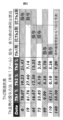
- FIG. 1 is a diagram showing the dosage and the course of the medication treatment effect during that period in the treatment (step method) of atopic dermatitis according to the administration sequence of Example 1.
- Th1 cytokine, Th2 cytokine and Th3 cytokine are respectively IFN- ⁇ + , IL-4 + and TGF- ⁇ 1 +, and each cell number (ie, “Th cytokine (+) CD4 (+) cell” and “Th cytokine ( ⁇ )”)
- the number of cells of “CD4 (+) cell”) is calculated according to the following formula.
- FIG. 2 is a diagram showing the course of medication treatment effect in the treatment of atopic dermatitis of Example 1. In addition to the changes in Th1%, Th2% and Th3% shown in FIG.
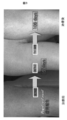
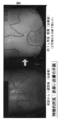
- FIG. 3 is a diagram showing temporal changes (before treatment and after treatment) of the skin appearance of the upper arm portion of the patient in the treatment of severe atopic dermatitis of Example 1.
- FIG. 4 is a graph showing changes over time in the patient's symptom score (SCORAD) in the treatment of severe atopic dermatitis in Example 1.
- FIG. 5A is a diagram showing the course of medication effect in the treatment of atopic dermatitis of Example 2 (step method based on the administration sequence of Anti-Th3, anti-Th2, adjustmentTh1 (IFN) -Therapy). .
- sTh1 that is, sTh1% (hereinafter the same)
- sTh2 sTh2%
- sTh3 sTh3%
- the cytokine and Th3 cytokine are IFN- ⁇ + , IL-4 + and TGF- ⁇ 1 + , respectively, and the number of cells (ie, “Th cytokine (+) CD4 (+) cell” and “Th cytokine ( ⁇ ) CD4 (+)”)
- FIG. 5B is a diagram showing temporal changes (before treatment and after treatment) of the appearance of the skin of the patient's arm in the treatment of atopic dermatitis of Example 2.
- FIG. 6 is a diagram showing temporal changes (before treatment and after treatment) of the appearance of the skin of the patient's back in the treatment of atopic dermatitis of Example 3.
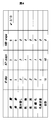
- FIG. 7 is a diagram showing details of a dosing method (Anti-Th3, anti-Th2, adjustmentTh1 (IFN) -Therapy step method) used in the treatment of canine atopic dermatitis in Example 4.
- IFN anti-Th3, anti-Th2, adjustmentTh1
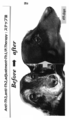
- FIG. 8 is a view showing temporal changes (before treatment and after treatment) of the appearance of the affected area of the dog in the treatment of canine atopic dermatitis of Example 4.
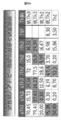
- FIG. 9 is a diagram showing temporal changes (before treatment and after treatment) of the appearance of the affected area of the dog in the treatment of canine atopic dermatitis of Example 4. The score for skin improvement (the higher the score, the more severe) is also shown.
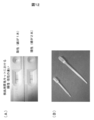
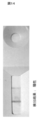
- FIG. 10 is a diagram showing an outline of the detection kit for the most severe atopic dermatitis shown in Example 5.
- FIG. 10 is a diagram showing an outline of the detection kit for the most severe atopic dermatitis shown in Example 5.
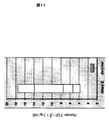
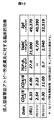
- FIG. 11 shows the measurement of the concentration (ng / ml) of TGF- ⁇ 1 in the plasma of patients with atopic dermatitis and healthy subjects (Control) using a kit for detection of adult-type most severe atopic dermatitis. It is a figure which shows a result.
- the TGF- ⁇ 1 concentration was statistically significant (risk rate 5% level) between patients with atopic dermatitis and healthy subjects, and it was clarified that the TGF- ⁇ 1 concentration is effective in identifying atopic pathologies.
- FIG. 12 is a figure which shows one Example of the detection kit of atopic dermatitis of this invention of (A) and (B).
- FIG. 13 is a diagram showing data showing clinical effects on adult-type most severe atopic dermatitis.
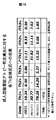
- FIG. 14 is a diagram showing the results of preliminary evaluation of plasma collected from an adult-type most severe atopic patient in Example 6 using the detection kit of the present invention. The result is positive and serves as the basis for decision making to start subsequent treatment.
- FIG. 15 is a diagram showing the effect on each Th biological response to adult-type most severe atopic dermatitis. However, since it is the most severe atopic dermatitis, it is recognized that the Th3 vital reaction at the first visit is low.
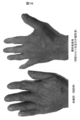
- Fig. 16 shows skin abnormalities (atopy infiltration) in adult-type most severe atopic patients before treatment (left figure; at the first visit) and after the final examination (right figure; appearance findings on the 74th day after the first visit).
- FIG. 15 is a diagram showing the results of preliminary evaluation of plasma collected from an adult-type most severe atopic patient in Example 6 using the detection kit of the present invention. The result is positive and serves as the basis for decision making to start subsequent treatment.
- FIG. 15 is a diagram showing the effect on each Th biological response
- the present invention provides a therapeutic agent (treatment kit) for atopic dermatitis and a treatment method thereof, a kit for detection of atopic dermatitis (simple diagnostic kit), etc., which are completely different from any conventional treatments. It is.
- helper T (Th) lymphocytes involved in acquired immunity are classified into several subsets including Th1 and Th2, depending on the difference in cytokines produced.
- Th1 cells also simply referred to as Th1 cells
- Th1 cells also simply referred to as Th1 cells
- Th2 cells Those producing 13 are referred to as Th2 cells (also simply referred to as Th2).
- a substance that produces latent transforming growth factor (TGF) - ⁇ at a high concentration is said to be a Th3 cell (cancer researchers call it a Tr cell) (also simply referred to as Th3).
- TGF latent transforming growth factor
- Tr cell also simply referred to as Th3
- Th1, Th2 and Th3 are set to normal values.
- the administration sequence, the dose and the period of treatment and cure for atopic dermatitis were found.
- the present inventor showed that in patients with atopic dermatitis, TGF- ⁇ 1 and Th3 or one of its Th2 biological responses (including Th9 cells) superiority and Th2 cells are enhanced.
- the present inventors have found that a characteristic that the Th1 biological reaction is out of the normal range (often below the normal range) is recognized.
- the present inventor has found that the Th3 biological reaction is suppressed by the most severe atopic dermatitis or significant immunosuppression (anergy).
- atopic dermatitis for example, an anti-TGF- ⁇ 1 drug is first administered, and an anti-Th3 drug is administered to a patient with the most severe and immunodeficiency to bring the Th3 vital reaction within the normal range.
- an anti-Th2 drug is administered instead of the anti-Th3 drug, and the Th2 biological reaction is returned to the normal range, and then a Th1 adjustment drug is administered instead of the anti-Th2 drug, and the Th1 biological reaction is changed to the normal range.
- the present invention relates to the treatment of atopic dermatitis, and provides an effective and epoch-making treatment method and therapeutic agent (treatment kit) based on a completely different idea from the conventional one. 2.
- Atopic dermatitis treatment kit As described above, the treatment kit for atopic dermatitis of the present invention is other than the most severe atopic dermatitis or atopic dermatitis (AD) in which the Th3 biological reaction is suppressed by significant immunosuppression (anergy).
- AD atopic dermatitis
- a kit for treating atopic dermatitis comprising administering an anti-TGF- ⁇ 1 drug, comprising an anti-Th3 drug and an anti-Th2 drug, and optionally further comprising a Th1 modulator, wherein the anti-TGF- ⁇ 1 A drug or an anti-Th3 drug is administered, and then an anti-Th2 drug is administered instead of the anti-Th3 drug, and optionally, a Th1 regulator is administered instead of the anti-Th2 drug, Said therapeutic kit.
- the treatment for atopic dermatitis includes an anti-Th3 drug and a Th1 regulator, and optionally further includes an anti-Th2 drug.
- an anti-Th3 drug is administered to a mammal, and then a Th1 regulator is administered in place of the anti-Th3 drug.
- an anti-Th2 drug is administered in place of the Th1 regulator.
- the therapeutic kit is characterized by being used as described above.
- the anti-Th3 drug contained in the therapeutic kit of the present invention means a drug having an inhibitory activity on Th3 reaction (Th3 biological reaction).
- Th3 biological reaction is a concept including the clinical significance of the test value by data profiling when an anti-Th3 drug is administered to an individual who develops atopic dermatitis or a normal individual.
- Anti-Th3 drug is administered until the phenotype (clinical symptoms) disappears (until the superficial type (phenotype) Th3% reaches the normal range (normal value)).
- the administration period in this case is defined by the superficial (phenotypic) Th 3%, and the dosage is defined by the endogenous Th 3%.
- Anti-Th3 drug can also be defined as a drug that suppresses Th3 biological reaction, which is a treatment inhibitory factor, and allergic reaction caused by Th9 cells.
- an anti-Th3 drug is used to bring Th3% within the normal range, but in some cases, a Th3 biological reaction enhancer (Th3 enhancer) is used instead of the anti-Th3 drug. ) Can also be used.
- Th3 biological reaction is low. Therefore, in such a case, it is preferable to use a Th3 biological reaction enhancer in order to bring Th3% within the normal range.
- human most severe atopy can be defined as, for example, a state of having skin erythema in 36% or more of the body surface area in the severity classification of atopy. Most patients with lichenification are considered to fall into this severity category.
- the above-mentioned fragile dermatitis is defined as a skin abnormality accompanied by apoptosis in which TGF- ⁇ 1 in plasma is low and there is no production of keratinoid growth factor (KGF) and there is a tendency to decrease the staining property pathologically. Is done.
- anti-Th3 drug examples include a drug (including a single drug) containing ganoderma or an extract thereof (including a single drug) (Chinese medicine ganoderma (Nissan Chemical), etc.), Lindsay, IFN- ⁇ , IL- 4, Cyclosporin A (CsA), FK506, anticancer agents and the like are preferable, and among them, Kampo medicine Reishi (Nissan Chemical) is preferable.
- Th3 biological reaction enhancer As said Th3 biological reaction enhancer (Th3 enhancer), a zinc containing thing is preferable, for example, Specifically, the powder of the oyster shell etc. are mentioned preferably.
- the anti-Th2 drug contained in the therapeutic kit of the present invention means a drug having an inhibitory activity on Th2 reaction (Th2 biological reaction).
- Th2 biological reaction means a difference in the degree of the root cause beyond the idea of atopic dermatitis, and the decision to use the drug is administered according to the same method of use as the anti-Th3 drug described above.
- Anti-Th2 drug can also be defined as a drug that suppresses Th2 cells and Th9 cells, which are the main forms of atopy.
- an anti-Th2 drug is used to bring Th2% within the normal range, but in some cases, a Th2 biological reaction enhancer (Th2 enhancer) is used instead of the anti-Th2 drug.
- Th2 enhancer Th2 biological reaction enhancer
- Th2 enhancer instead of the anti-Th2 drug.
- an anti-Th2 drug for example, IPD (Daegu Pharmaceutical Industry; IPD C50, IPD-1151T), Onon, IFN- ⁇ , Cyclosporin A (CsA), FK506, Ganoderma or an extract thereof is effective.
- IPD Diaegu Pharmaceutical Industry
- IPD C50, IPD-1151T Onon, IFN- ⁇ , Cyclosporin A (CsA), FK506, Ganoderma or an extract thereof is effective.
- Preferred examples include a drug (including a single drug) contained as a component (Chinese herbal medicine Reishi (Nissan Chemical), etc.), and IPD is more preferred.
- Th2 biological reaction enhancer examples include various nucleic acids (from Fugu no Shiroko, etc.), various hormone agents (female hormones, male hormones, environmental hormones) and the like.
- the Th1 modulator included in the therapeutic kit of the present invention is not limited, but, for example, enhances endogenous Th1 and suppresses superficial Th1 (that is, regulates endogenous Th1 and superficial Th1 simultaneously).
- Drugs and the like are preferred.
- endogenous Th1 represents the strength of so-called anti-pathological condition, and means a biological reaction involved in the disappearance and maintenance of atopic allergy after improvement of skin symptoms of atopic dermatitis.
- the phenotype Th1 vital reaction means the degree of skin barrier injury (higher than the measured normal value) (drug use decision based on data accumulated as profiling) I do).
- the Th1 regulator that can be used in the present invention include INF- ⁇ , INF- ⁇ , Nanban seeds or an extract thereof, Nanan eyelashes or an extract thereof, and cinnamon or an extract thereof as an active ingredient (single agent)
- Oral and oral IFN- ⁇ , oral intestinal solvent canine IFN- ⁇ (can also be administered subcutaneously), and the like.
- IFN- ⁇ , IFN- ⁇ , BRM agent from Nihon University) Venture Snow Dream
- Ge132 are more preferred.
- TGF- ⁇ 1 inhibitor containing a TGF- ⁇ 1 inhibitor
- anti-TGF- ⁇ 1 agent anti-TGF- ⁇ 1 drug
- the anti-TGF- ⁇ 1 agent is preferably administered to the mammal before the anti-Th3 drug is administered.
- examples of the anti-TGF- ⁇ 1 agent include drugs (including single agents) containing ganoderma or an extract thereof as an active ingredient (Chinese medicine ganoderma (Nissan Chemical), etc.), various anticancer agents, Lindsay, IFN- ⁇ , IL- 4, cyclosporin A (CsA), FK506 and the like are preferable.
- TGF- ⁇ 1 level in plasma and confirmation of its suppression are not limited, but can be performed using, for example, the atopic dermatitis detection kit of the present invention described later.
- the detection kit contains an anti-TGF- ⁇ 1 antibody, and can determine whether the TGF- ⁇ 1 in the plasma is below a certain level or above that level. For example, in the case of human beings, if the concentration of TGF- ⁇ 1 in plasma is 1.5 ng / ml or more, preferably 2.0 ng / ml or more, it can be evaluated that atopic dermatitis has developed significantly.
- the plasma TGF- ⁇ 1 concentration be lower than the above range prior to the administration of the anti-Th3 drug by administration of the anti-TGF- ⁇ 1 agent.
- Preferred examples of mammals to be used for the therapeutic kit of the present invention include both human and non-human mammals.
- examples of the non-human mammal include dogs, cats, cows, horses, pigs, rabbits, guinea pigs, and hamsters, among which dogs and cats are preferable, and dogs are more preferable.
- the therapeutic kit of the present invention contains an anti-Th3 drug (agent), an anti-Th2 drug (agent), and optionally a Th1 regulator (agent), the anti-Th3 drug (agent) ), Anti-Th2 drug (agent) and Th1 regulator (agent) are each administered in this order.
- the therapeutic kit of the present invention contains an anti-Th3 drug (agent), a Th1 regulator (agent), and optionally an anti-Th2 drug (agent)
- the anti-Th3 drug is used for the target mammal. It is important to administer (agent), Th1 regulator (agent), and anti-Th2 agent (agent) in this order.
- each phenotypic Th biological reaction (measured on the cell surface of Th lymphocytes) serves as an index of the administration period of the drug (anti-Th3 drug, anti-Th2 drug and Th1 modulator), and each endogenous Th biological reaction ( (Measured in the cytoplasm of Th lymphocytes) is a judgment value for drug dosage and drug use decision making.
- each anti-Th drug (antagonist) can be administered, and when it is lower than the normal value, each Th enhancer can be administered.
- the Th3 biological reaction and the Th2 biological reaction may be high.
- the anti-Th3 drug and the anti-Th2 drug are sequentially administered.
- an antagonist such as histamine that forms clinical symptoms may be administered in order to lower the value of each phenotype Th.
- the therapeutic kit of the present invention contains an anti-Th3 drug (agent), an anti-Th2 drug (agent) and optionally a Th1 regulator (agent), specifically, for example, after the start of administration of the anti-Th3 drug It is preferable that the anti-Th2 drug is administered after a decrease in the Th3 biological reaction is observed. In some cases, after the start of the administration of the anti-Th2 drug, a decrease in the Th2 biological reaction is observed, and further Th1 adjustment is performed. It is preferably used such that the drug is administered.
- the Th3 biological reaction is reduced, and thereby the Th3 (%) value (for example, superficial Th3 (%)) ) Is within the normal range, and at that stage, the administration is switched from the administration of the anti-Th3 drug to the administration of the anti-Th2 drug.
- the Th2 vital reaction decreases, and thereby the value of Th2 (%) (for example, superficial Th2 (%)) falls within the normal range. The administration of is terminated.
- Th1 regulator it is possible to appropriately determine whether to use a drug that enhances the Th1 biological reaction or a drug that suppresses the Th1 biological reaction in consideration of the situation.
- the Th1 biological reaction often decreases, and therefore it is preferable to administer a drug that enhances the reaction.
- the Th3 biological reaction once adjusted within the normal range is not greatly influenced by the subsequent administration of the anti-Th2 drug or Th1 modulator, and continues within the normal range (or in the vicinity thereof). Retained. Similarly, the Th2 biological reaction once adjusted within the normal range is not greatly affected by subsequent administration of the Th1 regulator, and is continuously maintained within the normal range (or in the vicinity thereof).
- the therapeutic kit of the present invention contains an anti-Th3 drug (agent), a Th1 regulator (agent) and optionally an anti-Th2 drug (agent), specifically, for example, administration of an anti-Th3 drug It is preferable that the Th1 modulator is administered after a decrease in the Th3 biological response is observed after the start.
- a decrease or enhancement of the Th1 biological response is observed after the start of the administration of the Th1 modulator. It is preferably used such that an anti-Th2 drug is administered later.
- an anti-Th2 drug is administered later.
- the Th3 biological reaction is reduced, and thereby the Th3 (%) value (for example, superficial Th3 (%)) ) Is within the normal range, so switching from administration of anti-Th3 drugs to administration of Th1 regulators at that stage.
- the Th1 biological response is reduced or increased may vary depending on the individual situation.
- the Th1 biological reaction often decreases, and therefore, it is preferable to administer a drug that enhances the reaction.
- the Th1 modulator when the administration of the Th1 modulator is started, the Th1 vital reaction is reduced or enhanced, and thereby the Th1 (%) values (for example, the endogenous Th1 (%) and the superficial Th1 (%)) are in the normal range. Therefore, the administration of the anti-Th1 drug is terminated at that stage. Thereafter, in some cases, the administration can be switched to administration of an anti-Th2 drug.
- the Th2 vital reaction decreases, and the value of Th2 (%) (for example, superficial Th2 (%)) falls within the normal range.
- Th2 for example, superficial Th2 (%)
- the Th3 biological reaction once adjusted within the normal range is not greatly affected by subsequent administration of the Th1 regulator or anti-Th2 drug, and continues within the normal range (or in the vicinity thereof). Retained.
- the Th1 vital reaction once adjusted within the normal range is not greatly affected by the subsequent administration of the anti-Th2 drug, and is continuously maintained within the normal range (or in the vicinity thereof).
- the normal range (normal value) of each Th (%) is not limited, and a known range known for each type of mammal to be treated may be adopted.
- Th3 (%) is preferably 2.0 to 10.0%
- Th2 (%) is preferably 0.20 to 1.2%
- Th1 (%) Is preferably 20 to 60%.
- Th3 (%) Is preferably from 0.1 to 3.0%, more preferably from 0.2 to 3.0%, still more preferably from 0.5 to 2.5%
- Th2 (%) is 0. It is preferably 1 to 2.5%, more preferably 0.2 to 2.0%, still more preferably 0.4 to 1.5%
- Th1 (%) is 0.3 to 3.0%.
- Th3 (%) is preferably 0.5 to 4.0%, more preferably 0.6 to 3.5%, and still more preferably 0.8 to 2. 0.5%
- Th2 (%) is preferably 0.1 to 2.0%, more preferably 0.2 to 1.5%, and still more preferably 0.3 to 1.3%.
- Th1 (%) is preferably 0.5 to 4.0%, more preferably 0.5 to 3.5%, and still more preferably 0.6 to 2.5%.
- each Th (%) (for example, each superficial Th (%) is determined by determining the helper T cell (Th: CD4SP) and each Th cytokine, Th1 (IFN- ⁇ + ), Th2 (IL-4 + ), Th3 (TGF- ⁇ 1) + ) And the number of cells (that is, the number of cells of “Th cytokine (+) CD4 (+) cell” and “Th cytokine ( ⁇ ) CD4 (+) cell))” is calculated according to the following formula: Can do.
- Th% is a measured value of only Th cells, and the amount of change in each Th% that is improved or worsened while having a medicinal effect or a disease state is measured as a Th biological reaction.
- the number of cells can be measured, for example, by using flow cytometry, FACS (fluorescence-activated cell sorter), a simple kit, etc., and measuring by counting desired cells or calculating the abundance ratio. Can do.
- the therapeutic kit of the present invention is used for mammals developing atopic dermatitis excluding the most severe and immunodeficiency, the following administration modes are particularly preferred. That is, after the start of the administration of the anti-Th3 drug, it is preferably used so that the anti-Th2 drug is administered after the decrease in the Th3 biological reaction and the enhancement of the Th2 biological reaction are observed.
- a Th1 regulator may be administered after a decrease in the Th1 biological response as well as a decrease in the Th2 biological response (Anti-Th3, anti-Th2, adjustmentTh1 (IFN)- (Therapy: step method).
- the anti-Th3 drug, the anti-Th2 drug, and the Th1 modulator are preferably used to be administered for at least 2 hours, and more preferably for at least 5 days. Preferably it is 5 to 60 days, and even more preferably 5 to 35 days.
- the total of the administration periods of the anti-Th3 drug, anti-Th2 drug, and Th1 regulator is preferably 180 days or less, more preferably 150 days or less, still more preferably 108 days or less, More preferably, it is 100 days or less.
- Each of the anti-Th3 drug, anti-Th2 drug and Th1 regulator used in the therapeutic kit of the present invention is a pharmaceutical composition comprising the above-mentioned specific compounds as active ingredients, and further comprising a pharmaceutically acceptable carrier. It is preferably administered in the form.
- “pharmaceutically acceptable carrier” refers to excipients, diluents, extenders, disintegrants, stabilizers, preservatives, buffers, emulsifiers, fragrances, colorants, sweeteners, viscous Agents, flavoring agents, solubilizing agents or other additives.
- a pharmaceutical composition in the form of injection, solution, capsule, suspension, emulsion or syrup.
- Such an anti-Th3 drug, anti-Th2 drug and Th1 regulator in the form of a pharmaceutical composition can be administered orally or parenterally, respectively.
- oral administration include oral administration, oral administration, sublingual administration, gingival application, mucosal administration, and spray administration.
- parenteral administration examples include injections formulated by conventional methods (injections for subcutaneous administration and intravenous administration), mucosal administration by spray and the like, and spray administration.
- injections for subcutaneous administration and intravenous administration
- mucosal administration by spray and the like and spray administration.
- an injection it can be produced by dissolving or suspending it in a pharmaceutically acceptable carrier such as physiological saline or commercially available distilled water for injection.
- Th1 regulators in particular, low-volume INF- ⁇ (interferon- ⁇ ) (ordinary 1/100 dose) and (very) low-volume INF- ⁇ (interferon- ⁇ ) (including canine genetic recombinants)
- Oral administration specifically oral administration, oral administration, sublingual administration, gingival application, mucosal administration, and spray administration are preferable.
- the dose of each of the anti-Th3 drug, anti-Th2 drug, and Th1 regulator is not limited, and can be appropriately set.
- the type of the target mammal for example, the target mammal (patient) May differ depending on age, sex, weight and symptoms, therapeutic effect, administration method, treatment time, and the like.
- the dose of the anti-Th3 drug is not limited, but is preferably, for example, 1 to 120 mg / kg body weight per day, and more preferably 5 to 110 mg / kg body weight per day.
- the dosage of the anti-Th3 drug is preferably 1 to 120 mg / kg body weight per day, more preferably 5 to 30 mg / kg body weight per day. is there.
- the dose of the anti-Th3 drug is preferably 1 to 120 mg / kg body weight per day, more preferably 5 to 30 mg / kg per day. kg body weight.
- the dose of the anti-Th2 drug is not limited, but is preferably 0.1 to 10 mg / kg body weight per day, and more preferably 1 to 5 mg / kg body weight per day.
- the dosage of the anti-Th3 drug is preferably 1 to 10 mg / kg body weight per day, more preferably 2 to 8 mg / kg body weight per day. is there.
- the dose of the anti-Th3 drug is preferably 3 to 5 mg / kg body weight per day, more preferably 5 to 30 mg / kg per day. kg body weight.
- the dosage of the Th1 regulator is not limited, but is preferably 1 MU to 30 MU per day, and more preferably 4 MU to 10 MU per day.
- the dosage of the anti-Th3 drug is preferably 1 to 120 mg / kg body weight per day, more preferably 5 to 60 mg / kg body weight per day. is there.
- the dose of the anti-Th3 drug is preferably 1 to 120 mg / kg body weight per day, more preferably 10 to 30 mg / kg per day. kg body weight.
- the therapeutic kit of the present invention basically comprises Anti-Th3, anti-Th2, adjustment-Th1 / P.
- a kit that can be used for Therapy (step method) is mentioned as a preferred embodiment, but may contain other components in addition to the anti-Th3 drug, anti-Th2 drug, and Th1 modulator.
- Other constituent elements are not limited, and examples thereof include various buffers for lysis and dilution, instructions for use (use manual), and the like.
- the therapeutic kit of the present invention may include all components such as an anti-Th3 drug, an anti-Th2 drug, and a Th1 regulator, or may include at least a part of each component independently. It may be a thing and is not limited. 3.
- the method for treating atopic dermatitis of the present invention comprises administering an anti-Th3 drug to a non-human mammal that has developed atopic dermatitis, and then replacing the anti-Th3 drug with an anti-Th2 drug.
- a method of treatment characterized in that a drug is administered and optionally a Th1 modulator is administered instead of an anti-Th2 drug.
- an anti-Th3 drug is administered to a non-human mammal that develops atopic dermatitis, and then anti-thinitis is administered.
- a therapeutic method characterized in that a Th1 modulator is administered instead of a Th3 drug, and optionally an anti-Th2 drug is administered instead of a Th1 modulator.
- a Th1 modulator is administered instead of a Th3 drug
- an anti-Th2 drug is administered instead of a Th1 modulator.
- Th3 biological response enhancer (Th3 potentiator) is used instead of the anti-Th3 drug.
- Agent can also be administered.
- Th3 biological reaction enhancer in order to bring Th3% within the normal range.
- TGF- ⁇ 1 (TGF- ⁇ ) inhibitor anti-TGF- ⁇ 1 agent (anti-TGF) is further added to non-human mammals developing atopic dermatitis.
- Administration of - ⁇ 1 drug is also mentioned as a preferred embodiment.
- the administration of the anti-TGF- ⁇ 1 agent is performed before the administration of the anti-Th3 agent. Specifically, after the inhibition of TGF- ⁇ 1 is confirmed by the administration of the anti-TGF- ⁇ 1 agent, the anti-Th3 agent is administered. It is preferable to do.
- TGF- ⁇ 1 level in plasma and confirmation of its suppression are not limited, but can be performed using, for example, the atopic dermatitis detection kit of the present invention described later.
- the detection kit contains an anti-TGF- ⁇ 1 antibody, and can determine whether the TGF- ⁇ 1 in the plasma is below a certain level or above that level. For example, in the case of human beings, if the concentration of TGF- ⁇ 1 in plasma is 1.5 ng / ml or more, preferably 2.0 ng / ml or more, it can be evaluated that atopic dermatitis has developed significantly.
- the plasma TGF- ⁇ 1 concentration be less than the above range prior to the administration of the anti-Th3 drug by administering the anti-TGF- ⁇ 1 agent.
- the non-human mammal that is the target of the treatment method of the present invention is not limited as long as it is a non-human mammal that develops atopic dermatitis.
- an anti-Th3 drug, an anti-Th2 drug and optionally a Th1 modulator are administered in this order to a mammal developing atopic dermatitis, respectively, or an anti-Th3 drug, It is important to administer the Th1 modulator and possibly the anti-Th2 drug in this order.
- the treatment method of the present invention is to administer an anti-Th3 drug, an anti-Th2 drug and optionally a Th1 regulator in this order, specifically, for example, after the start of the administration of the anti-Th3 drug, a decrease in the Th3 biological response It is preferable to administer an anti-Th2 drug after having been observed. In some cases, it is preferable to administer a Th1 regulator after the start of the administration of the anti-Th2 drug and after a decrease in the Th2 biological response is observed.
- Th3 % (for example, superficial Th3 (%)) Is within the normal range
- Th2 % (for example, superficial Th2 (%))
- the Th1 biological response may vary depending on individual circumstances. As such, in consideration of the situation, it is possible to appropriately determine whether to use a drug that enhances the Th1 biological reaction or to use a drug that suppresses the Th1 biological reaction. In general, at the end of the administration of an anti-Th2 drug, the Th1 biological reaction often decreases, and therefore it is preferable to administer a drug that enhances the reaction. In the present invention, the Th3 biological reaction once adjusted within the normal range is not greatly influenced by the subsequent administration of the anti-Th2 drug or Th1 modulator, and continues within the normal range (or in the vicinity thereof). Retained.
- the Th2 biological reaction once adjusted within the normal range is not greatly affected by subsequent administration of the Th1 regulator, and is continuously maintained within the normal range (or in the vicinity thereof).
- an anti-Th3 drug anti-TGF drug
- a Th1 modulator optionally an anti-Th2 drug in this order
- an anti-Th2 drug specifically, for example, the pathological condition and severeness of atopy
- an anti-Th2 drug after it is observed.
- the Th3 biological reaction is reduced, and thereby the Th3 (%) value (for example, superficial Th3 (%)) ) Is within the normal range, so switching from administration of anti-Th3 drugs to administration of Th1 regulators at that stage.
- the Th3 (%) value for example, superficial Th3 (%)
- whether the Th1 biological response is reduced or increased may vary depending on the individual situation. It is possible to appropriately determine whether to use a drug that enhances a biological reaction or a drug that suppresses a Th1 biological reaction.
- the Th1 biological reaction often decreases, and therefore, it is preferable to administer a drug that enhances the reaction.
- the Th1 modulator when the administration of the Th1 modulator is started, the Th1 vital reaction is reduced or enhanced, and thereby the Th1 (%) values (for example, the endogenous Th1 (%) and the superficial Th1 (%)) are in the normal range. Therefore, the administration of the anti-Th1 drug is terminated at that stage. Thereafter, in some cases, the administration can be switched to administration of an anti-Th2 drug.
- the Th2 vital reaction decreases, and the value of Th2 (%) (for example, superficial Th2 (%)) falls within the normal range. Exit.
- the Th3 biological reaction once adjusted within the normal range is not greatly affected by subsequent administration of the Th1 regulator or anti-Th2 drug, and continues within the normal range (or in the vicinity thereof). Retained.
- the Th1 vital reaction once adjusted within the normal range is not greatly affected by the subsequent administration of the anti-Th2 drug, and is continuously maintained within the normal range (or in the vicinity thereof).
- the normal range of each Th (%) is not limited, and a known range that is known for each type of mammal to be treated may be adopted.
- Th3 (%) is preferably 2.0 to 10.0%
- Th2 (%) is preferably 0.20 to 1.2%
- Th1 (%) is It is preferably 20 to 60%.
- each Th (%) for example, each of the superficial Th (%)
- the method for calculating the value of each Th (%) is as described in 2. This is the same as the calculation method described in the section.
- the following administration modes are particularly preferable. That is, after administration of an anti-Th3 drug is started, it is preferable to administer by switching from an anti-Th3 drug to an anti-Th2 drug after a decrease in the Th3 biological response and an increase in the Th2 biological reaction are observed. After the start of administration, after a decrease in the Th1 biological reaction is observed together with a decrease in the Th2 biological reaction, the anti-Th2 drug may be switched to a Th1 adjusting drug for administration.
- the anti-Th3 drug is preferably administered while monitoring a Th3 vital reaction.
- Biological reaction monitoring may also be performed.
- Th3 biological reaction and Th2 biological reaction in parallel with administration of anti-Th3 drug, administration of anti-Th3 drug using the value of Th3 (%) etc. (for example, superficial Th3 (%) etc.) as an index It is possible to easily set and judge the control of the period and the dose, and the switching timing of the administration from the anti-Th3 drug to the anti-Th2 drug, and the therapeutic effect of atopic dermatitis can be further enhanced.
- the administration of the anti-Th2 drug after the administration of the anti-Th3 drug is preferably performed while monitoring the Th2 biological reaction, and the monitoring of the Th1 biological reaction may also be performed.
- administration of the anti-Th2 drug using the value of Th2 (%) etc. (for example, superficial Th2 (%) etc.) as an index Easily control the period and dose, especially when to stop administration of anti-Th2 drugs (ie, it may be time to achieve drug withdrawal), and when to switch from anti-Th2 drugs to Th1 regulators It can be set and judged, and the therapeutic effect of atopic dermatitis can be further enhanced.
- the administration of the Th1 regulator performed after the administration of the anti-Th2 drug is preferably performed while monitoring the Th1 vital reaction, and more preferably performed while monitoring the test value and score score (CL) of the Th test. .
- Th1 regulator using Th test value and score score (CL) of Th1 biological reaction or TGF- ⁇ 1 or IL-5 as an index Administration period and dose control especially the end of administration of Th1 regulator (ie, drug withdrawal achievement time) can be easily set and judged, and the therapeutic effect of atopic dermatitis can be further enhanced.
- TGF- ⁇ 1 plasma concentration
- Th1 regulator a Th1 regulator
- anti-Th2 drug a Th1 regulator
- the anti-Th3 drug should be administered while monitoring the Th3 vital reaction.
- monitoring other than Th1 biological reaction may be performed together.
- Th1 for example, superficial Th3 (%) etc.
- Th1 the administration of the Th1 regulator performed after the administration of the anti-Th3 drug is preferably performed while monitoring the Th1 biological reaction, and the Th2 biological reaction may also be monitored.
- Th1 adjustment is performed using the value of Th1 (%) etc. (for example, endogenous type and superficial Th1 (%) etc.) as an index.
- Control of drug administration period and dose especially the timing of the end of administration of a Th1 regulator (ie, it may be the time to achieve drug withdrawal), and the timing for switching from a Th1 regulator to an anti-Th2 drug depending on circumstances Can be easily set and judged, and the therapeutic effect of atopic dermatitis can be further enhanced.
- the administration of the anti-Th2 drug performed after the administration of the Th1 regulator is preferably performed while monitoring the Th2 vital reaction, and more preferably performed while monitoring the test value and score score (CL) of the Th test. .
- Th test value and score (CL) of Th2 biological reaction or TGF- ⁇ 1 or IL-5 as an index Administration period and dose control, especially when anti-Th2 drug administration is completed (ie, when drug withdrawal is achieved) can be easily set and judged, and the therapeutic effect of atopic dermatitis can be further enhanced.
- TGF- ⁇ 1 concentration in plasma ng / ml
- TGF- ⁇ 1 can be used as a parameter for evaluating the pathological condition of atopic dermatitis, so that the above setting and determination can be performed more easily and simply.
- the blood concentration of TGF- ⁇ 1, which is a Th3 cytokine may be monitored instead of or concurrently with the Th3 biological reaction, and the Th2 cytokine instead of or concurrently with the Th2 biological reaction.
- the blood concentration of certain IL-4 may be monitored, and the blood concentration of INF- ⁇ , which is a Th1 cytokine, may be monitored instead of or concurrently with the Th1 vital reaction.
- the monitoring method is not limited, and can be performed using, for example, flow cytometry, FACS (fluorescence-activated cell sorter), a simple kit, etc.
- the blood concentration can be evaluated by calculating the abundance ratio.
- the present invention relates to an anti-Th3 drug and an anti-Th2 drug (including a Th1-adjusting drug as the case may be) for producing a kit or a drug for treating atopic dermatitis in a mammal (human or non-human mammal).
- an anti-Th3 drug and an anti-Th2 drug including a Th1-adjusting drug as the case may be
- the use as well as the use of anti-Th3 and anti-Th2 drugs (and optionally Th1 modulators) to treat atopic dermatitis in mammals (human or non-human mammals) are also included.
- the present invention provides an anti-Th3 drug and a Th1 modulator (optionally anti-Th2) for producing a kit or a drug for the treatment of atopic dermatitis in a mammal (human or non-human mammal).
- a mammal human or non-human mammal
- anti-Th3 drugs and Th1 modulators optionally including anti-Th2 drugs
- Detection kit for atopic dermatitis In the present invention, a kit for detecting atopic dermatitis characterized by comprising an anti-TGF- ⁇ antibody can also be provided.
- the present inventor measured TGF- ⁇ value (TGF- ⁇ concentration) from the plasma of a patient group diagnosed as atopic dermatitis by a dermatologist and a non-atopic group (healthy person), and there was a significant difference between the two groups. Confirmed that there is. Specifically, the patient group diagnosed with atopic dermatitis was found to have a significantly higher TGF- ⁇ value than the non-atopic group.
- the kit for detecting atopic dermatitis of the present invention has been completed based on such findings.
- the detection kit of the present invention can also be used as a diagnostic kit for atopic dermatitis.
- the present invention also relates to a pharmaceutical composition for detecting and diagnosing atopic dermatitis comprising an anti-TGF- ⁇ antibody, a method for detecting and diagnosing atopic dermatitis using an anti-TGF- ⁇ antibody, and atopic skin. It also includes the use of anti-TGF- ⁇ antibodies to produce drugs for detecting and diagnosing flame.
- the anti-TGF- ⁇ antibody is preferably provided in a dissolved state in consideration of stability (preservability) and ease of use.
- the detection kit of the present invention can contain other components in addition to the anti-TGF- ⁇ antibody.
- Examples of other components include primary antibody detection reagents, chromogenic substrates, various buffers, various devices and containers for collecting plasma, various containers that can be used for antigen-antibody reactions, and usage manuals.
- the detection kit of the present invention is a kit for detecting TGF- ⁇ 1 using ELISA
- other components include a primary antibody detection reagent, a chromogenic substrate, and the like. Can do.
- other components may further include a primary antibody detection reagent, a chromogenic substrate, and the like.
- kits for detecting TGF- ⁇ using an immunochromatography method gold colloid method
- a colloidal gold labeled antibody and various solid-phased antibodies in addition to a colloidal gold labeled antibody and various solid-phased antibodies, a nitrocellulose membrane, a sample pad, and a conjugate pad And a test stick equipped with the above.
- the detection kit of the present invention only needs to have at least the anti-TGF- ⁇ antibody described above as a component. Therefore, all of the components essential for the detection and diagnosis of atopic dermatitis may be provided together with the anti-TGF- ⁇ antibody or not, and there is no limitation.
- the production method of the anti-TGF- ⁇ antibody (anti-TGF- ⁇ 1 antibody) used in the detection kit of the present invention is not limited, and known polyclonal antibody and monoclonal antibody production methods can be used.
- the anti-TGF- ⁇ antibody is not limited, but is preferably a monoclonal antibody.
- the concentration of TGF- ⁇ 1 in plasma is 1.5 ng / ml or more, preferably 2.0 ng / ml or more in humans. It can be evaluated that atopic dermatitis has developed significantly.
- the detection kit of the present invention has shown that atopic dermatitis can be detected using the concentration of TGF- ⁇ 1 in plasma as an index.
- the present invention for example, by using the above detection kit, it is also possible to provide a method for detecting TGF- ⁇ in the plasma of a test mammal and evaluating the pathological condition of atopic dermatitis using the detection result as an index. it can. That is, TGF- ⁇ in plasma is detected and measured at any stage before, during or after treatment of atopic dermatitis, or at any stage where the onset of atopic dermatitis is unknown By doing so, the degree of symptoms of atopic dermatitis and the degree of therapeutic effect can be easily evaluated.
- the present invention will be described more specifically with reference to examples. However, the present invention is not limited to these examples.
- Anti-Th3, anti-Th2, adjustment-Th1 / P. Therapy step method using a drug kit was appropriately used.
- the definition and description of Therapy are as follows.
- ⁇ P. Therapy pulse therapy (performed when pruritus remains): 100 to 200 mg of itraconazole is orally taken once a day immediately after meals. The dosage may be adjusted according to age and symptoms.
- Severe atopic dermatitis is characterized by the fact that the test value of the Th2 vital reaction rebounds (the number suddenly becomes high). In severe atopic dermatitis, all steps of the drug (Anti-Th3, anti-Th2, adjustment-Th1 / P. Therapy) will be applied, and the decision to use the drug, such as the dose of each Th drug and itraconazole, will be based on the Th test. There is a need to implement. Case: A 45-year-old male. From childhood, he had atopic dermatitis (AD), and he was desteroidalized at the age of 30 years. The rash exacerbated once every three years and often settled after resting at home for two months.
- AD topic dermatitis
- step 1 as a reference to TGF- ⁇ 1 biomarker, phenotype Th3 biological response (drug determinant of drug administration period) and endogenous biological reaction (drug determinant of drug administration), I took herbal medicine Ganoderma (Nissan Chemical). About 2 months after taking the anti-Th3 drug, the pruritus was remarkably reduced, and the atopy infiltration (mossification / skin thickening) in the skin was also improved. Thereafter, IPD (Taisho Pharmaceutical Co., Ltd.) was administered for about 2 months as an anti-Th2 drug that improves the enhancement of Th2 biological reaction (IgE production).
- an oral IFN-inducing agent (a Chinese medicine / herbal medicine mixture consisting mainly of Western Nanpo and Nanshige: Interferon Herb Research Institute, Snow Dream) was taken for about 1 month as a Th1 regulator.
- the Th1 vital reaction was adjusted within the normal value range (adjustment-Th1), and the oral IFN inducer described above was administered.
- the patient was able to withdraw from oral administration in about 108 days, and all Th biological responses and TGF- ⁇ 1 biomarkers were adjusted to approximate normal values as clinical symptoms improved (see FIG. 3).
- TGF- ⁇ 1 was also statistically more significant as a therapeutic marker for atopic dermatitis than IgE or TARC (Th2 chemokine).
- FIGS. The results and effects of the above treatment are shown in FIGS.
- Th2 rebound in severe atopic dermatitis (AD)
- Th2 rebound is observed by administration of an anti-Th3 drug from a situation predominantly Th2 biological reaction It was a feature.
- Th2 rebound was not observed in pediatric atopic dermatitis patients for reference.
- the Th2 biological reaction means that the evaluation value Th% of the efficacy when a Th2 agonist is administered fluctuates.
- the Th2 biological reaction of an atopic patient is normal value 0.2 by administration of an anti-Th2 agent. This is referred to as shortening of the Th2 biological response in terms of treatment.
- Treatment of severe atopic dermatitis Female adults with atopic dermatitis develop a transient increase in the Th2 vital reaction (rebound) and latex fruit syndrome (also animal dogs and cats). There was a need to do. Case: A 39-year-old woman. Clinical course and present symptoms: Both upper limbs, both lower legs, chest, neck and face were rough and reddish (see the left figure in FIG. 5B). These symptoms were not effective after topical steroid ointment. Treatment: Basically, the same treatment as that of the male adult severe atopic dermatitis of Example 1 was performed.
- Step 1 As a step 1, actually, as an anti-Th3 drug based on TGF- ⁇ 1 biomarker, phenotype Th3 biological reaction (drug determinant of drug administration period), and endogenous biological reaction (drug determinant of drug administration) I took 5 tablets of Chinese medicine and herbal medicine Reishi (Nissan Chemical). The pruritus decreased dramatically two weeks after administration. 45 days after taking the tablets, the medicine was changed to taking herbal medicines and herbal ganoderma pills from the tablets every other day (2.5g). 33 days after taking the anti-Th3 drug powder, IPD and ONON (ONON DS: ONON dry syrup), which are anti-Th2 drugs, were completed. Step 3 was changed to take 1 g of an IFN inducer that is a Th1 regulator. The results and effects of the above treatment are shown in FIGS. 5A and 5B. Although it was resistant to the treatment so far, it responded well to this step, and erythroderma of the skin disappeared (findings in the right figure of FIG. 5B).
- the present condition was severe atopic dermatitis in which the skin of the whole body was scratched (red and black infiltrating lichen).
- the TARC value was 7109, and treatment was performed based on the diagnosis of a dermatologist with atopic dermatitis and the result of the Th test. Specifically, when Ganoderma (Nissan Chemical) was taken as an anti-Th3 drug for 37 days, anti-Th2 action was also observed thereafter, and withdrawal from the internal medicine was possible on the 40th day. The reason for this is pointed out that the TGF- ⁇ 1 marker value is lower than that of adult patients, and that the increase in Th2 biological response (Th2 significance) is not so high.
- the results of the above treatment and the effects on the 37th day are shown in FIG. Seven days after taking, redness of the body disappeared incredibly. The patient's visit improved on taking irregular visits and taking anti-Th3 drugs.
- FIG. 8 shows an average effect example of 49 cases that were maintained using a novel therapeutic drug kit as a basic human research. As shown in the left figure (Before) of FIG.
- atopic dermatitis was treated in a dog (miniature dachshund adult dog) with hair loss and lichenized erythroderma.
- the dosing method in treatment is a three-step step method as shown in FIG. 7, and Anti-Th3, anti-Th2, adjustment-Th1 / P.
- Kampo and herbal medicine Reishi (Nissan Chemical) as the anti-Th3 drug in Step 1
- IPD Teisho Pharmaceutical
- oral intestinal solvent INF- ⁇ CD4 / 8 ratio is high as the Th1 regulator
- intraoral IFN- ⁇ was administered to dogs as test animals.
- the results and effects of the above novel treatment are shown as average effect examples in FIGS.
- Detection method of atopic dermatitis Plasma is collected from atopic dermatitis patient group (Atopy) and non-atopic group (Healthy person: Control), and the amount of TGF- ⁇ 1 is measured using immunochromatography method (gold colloid method) did.
- TGF- ⁇ 1 for human or animal was used as an antigen, and the concentration of TGF- ⁇ 1 in the collected plasma was measured using various antibodies and pads shown in FIG.
- this method when plasma passes through the membrane by capillary action, a TGF- ⁇ 1 complex is formed by three members of TGF- ⁇ 1, labeled anti-TGF- ⁇ 1 antibody and capture antibody, and the labeled product. It is a measuring method which confirms accumulation
- Measurement time can be shortened by using two strips (about 10 minutes). In addition, cryopreservation is necessary until measurement.
- the results of measuring the concentration of TGF- ⁇ 1 in plasma by the immunochromatography method are shown in FIG.
- the concentration of TGF- ⁇ 1 in plasma is 1.5 ng / ml or more, it can be evaluated that atopic dermatitis has developed significantly.
- atopic dermatitis can be detected using the concentration (amount) of TGF- ⁇ 1 in plasma as an index, but the result of the concentration measurement is that the intention to use the drug for administering the anti-Th3 drug In addition to being used for determination, it can also be used to determine the achievement of drug withdrawal in medication treatment for atopic dermatitis.
- Th3 vital reaction was low in the most severe atopy
- a Th3 enhancer (zinc-containing material: oyster shell powder) was administered. About 30 days after administration (09/11/11), a significant improvement was observed.
- an anti-Th2 agent IPD
- the activated TGF- ⁇ 1 significantly decreased in good agreement with clinical symptoms. From the above, it has been clarified that activated TGF- ⁇ 1 measured by the simple detection kit is consistent with the clinical symptoms of atopy and with the therapeutic effect.
- the Th3 vital reaction was remarkably low immediately before dosing two months later, and when a Th3 enhancer was administered instead of an anti-Th3 agent, 2009 was obtained.
- the Th3 vital reaction (%) was significantly improved from 0.3 to 7.6.
- an anti-Th2 agent IPD was administered over the administration period of 30 to 50 days, clinical symptoms were brought to the face, and sensation was drastically reduced.
- seizures remained. Subsequently, clinical symptoms improved and TGF- ⁇ 1 was significantly improved.
- FIG. 16 shows skin abnormalities (atopy infiltration) of the most severe atopic patients in this example before treatment (left figure: at the first visit) and after the final examination (right figure: appearance on the 74th day after the first examination). Respectively. At the first visit, a characteristic dark red fading due to skin ulcers and the like was seen, and the skin color returned to normal. From the appearance on the 74th day after the first visit, the genital pruritus and skin ulcer (cracking) seen at the first visit disappeared completely, and the lichenification was remarkably improved.
- a kit for treating atopic dermatitis and a method for treating atopic dermatitis can be provided.
- a kit for detecting atopic dermatitis and a method for evaluating the pathological condition of atopic dermatitis can be provided.
- the treatment kit and treatment method of the present invention are, for example, a patient who has been suffering from atopic dermatitis for 45 years (patients who have not developed onset for the previous 3 years: severe atopic treatment first treated by the present inventor.
- the detection kit for atopic dermatitis of the present invention is capable of easily and quickly determining whether the subject and the test animal have developed atopic dermatitis as a test for the presence of an atopic treatment inhibitor. As shown in FIG. 11, a statistically significant difference was observed (FIG. 11: risk level of 5%).
- the AD detection kit of the present invention is extremely useful in that it can determine whether or not drug withdrawal has been achieved in treatment and can evaluate the pathology of AD.
Landscapes
- Health & Medical Sciences (AREA)
- Life Sciences & Earth Sciences (AREA)
- Pharmacology & Pharmacy (AREA)
- Veterinary Medicine (AREA)
- Public Health (AREA)
- General Health & Medical Sciences (AREA)
- Chemical & Material Sciences (AREA)
- Animal Behavior & Ethology (AREA)
- Medicinal Chemistry (AREA)
- Engineering & Computer Science (AREA)
- General Chemical & Material Sciences (AREA)
- Organic Chemistry (AREA)
- Nuclear Medicine, Radiotherapy & Molecular Imaging (AREA)
- Chemical Kinetics & Catalysis (AREA)
- Bioinformatics & Cheminformatics (AREA)
- Natural Medicines & Medicinal Plants (AREA)
- Dermatology (AREA)
- Epidemiology (AREA)
- Mycology (AREA)
- Botany (AREA)
- Biotechnology (AREA)
- Alternative & Traditional Medicine (AREA)
- Medical Informatics (AREA)
- Microbiology (AREA)
- Pulmonology (AREA)
- Immunology (AREA)
- Medicines That Contain Protein Lipid Enzymes And Other Medicines (AREA)
- Medicinal Preparation (AREA)
- Medicines Containing Plant Substances (AREA)
- Acyclic And Carbocyclic Compounds In Medicinal Compositions (AREA)
- Pharmaceuticals Containing Other Organic And Inorganic Compounds (AREA)
Abstract
本発明は、ヒトと動物のアトピー性皮膚炎の治療用キット及びアトピー性皮膚炎の治療方法等を提供する。本発明のアトピー性皮膚炎の治療用キットは、投与方法とモニタリングTGF-β1-Th3生体反応(Th3 細胞)-Th2 生体反応(Th2 細胞とTh9 細胞の両方、あるいはどちらか一方のTh 細胞)-Th1 生体反応(Th1 細胞とTfh 細胞あるいはTh1 サイトカイン)-サイトカインの順序に測定評価して各Th 薬剤の量と投与期間を選定して処方する薬剤キットである。
Description
本発明は、アレルギー性疾患の一種であるアトピー性皮膚炎(AD)の治療薬(治療用キット)に関する。詳しくは、哺乳動物のアトピー性皮膚炎の治療薬に関する。また本発明は、アトピー性皮膚炎の治療方法、アトピー性皮膚炎の検出用キット(簡易診断キット)、アトピー性皮膚炎の病態を評価する方法等に関する。
アトピー性皮膚炎(AD)は、憎悪や寛解を繰り返す、痒みのある湿疹を主な症状とする皮膚疾患であり、IgEが関与した即時型アレルギーであるI型アレルギーと遅延型アレルギーであるIV型アレルギーとが複合的に関与することにより発症し、その主体はTh2優位と考えられている。また、発明者は発症時におけるTh9細胞Tfh細胞(小胞性Th細胞/Th2生体反応)を推定している。
アトピー性皮膚炎の治療においては、痒みの抑制や炎症の防止を目的として、副腎皮質ホルモンを主とするステロイド剤が広く使用されている。また、ステロイド剤以外では、抗アレルギー剤や抗ヒスタミン剤等の薬剤が、ヒスタミンの遊離抑制あるいはH1受容体の拮抗阻害のために使用されている(“Rullan P et al.,“Two cases of chronic atopic dermatitis treated with soluble tumornecrosis factor receptor therapy.”,J.Drugs Dermatol.,2009,Sep;8(9):873−876.”等参照)。
一方、アトピー性皮膚炎は、食事との関連性があるともいわれている。そのため、食事療法によりアトピー性皮膚炎を緩解させることが試みられている。例えば、食事から植物アレルゲンを低減させる方法は、アレルゲンを含む食材を食品から除く方法、あるいは他品種の食事を規則的に順次回転させていく方法が提案されている。また、インターフェロン(IFN)などのThサイトカインや、衛生仮説などを利用した治療法なども挙げられる(“Hanzlikova J et al.,“TH1−TH2 response and the atopy risk in patients with reproduction failure.”,Am.J.Reprod.Immunol.,2009,Mar;61(3):213−220.”及び“Brand U et al.,“Allergen−specific immune deviation from a TH2 to a TH1 response induced by dendritic cells and collagen type I.”,J.Allergy Clin.Immunol.,1999,Nov;104(5):1052−1059.”等参照)。
アトピー性皮膚炎の治療においては、痒みの抑制や炎症の防止を目的として、副腎皮質ホルモンを主とするステロイド剤が広く使用されている。また、ステロイド剤以外では、抗アレルギー剤や抗ヒスタミン剤等の薬剤が、ヒスタミンの遊離抑制あるいはH1受容体の拮抗阻害のために使用されている(“Rullan P et al.,“Two cases of chronic atopic dermatitis treated with soluble tumornecrosis factor receptor therapy.”,J.Drugs Dermatol.,2009,Sep;8(9):873−876.”等参照)。
一方、アトピー性皮膚炎は、食事との関連性があるともいわれている。そのため、食事療法によりアトピー性皮膚炎を緩解させることが試みられている。例えば、食事から植物アレルゲンを低減させる方法は、アレルゲンを含む食材を食品から除く方法、あるいは他品種の食事を規則的に順次回転させていく方法が提案されている。また、インターフェロン(IFN)などのThサイトカインや、衛生仮説などを利用した治療法なども挙げられる(“Hanzlikova J et al.,“TH1−TH2 response and the atopy risk in patients with reproduction failure.”,Am.J.Reprod.Immunol.,2009,Mar;61(3):213−220.”及び“Brand U et al.,“Allergen−specific immune deviation from a TH2 to a TH1 response induced by dendritic cells and collagen type I.”,J.Allergy Clin.Immunol.,1999,Nov;104(5):1052−1059.”等参照)。
しかしながら、ステロイド剤の使用には浮腫、高血圧、皮膚亀裂等の副作用を伴うという不都合があり、結果的には酸化コレステロール皮膚炎を誘導し、皮膚の不治を招く。一時的に症状を緩和させることができても投与を止めると症状の再発や悪化が起こり、当該疾患を根本的に治癒させることは困難であった。また、暖解を繰り返し、掻き壊しなどの刺激により臨床的に再発する免疫介在性皮膚疾患である。
このような状況下において、従来の療法ではなく、全く異なるアトピー性皮膚炎の治療薬(治療用キット)の開発が望まれていた。
本発明は、上記状況を考慮してなされたもので、以下に示すアトピー性皮膚炎の治療用キット、アトピー性皮膚炎の治療方法、アトピー性皮膚炎の検出用キット、アトピー性皮膚炎の病態を評価する方法等を提供するものである。
(1)抗Th3薬及び抗Th2薬(を含むアトピー性皮膚炎の治療用キットであって、哺乳動物に対して、抗Th3薬が投与され、その後抗Th3薬に代えて抗Th2薬が投与されるように用いられることを特徴とする、前記キット。
本発明のAD治療用キットとしては、例えば、さらにTh1調整薬を含むキットであって、抗Th2薬の投与後、抗Th2薬に代えてTh1調整薬が投与されるように用いられるものが挙げられる。
本発明のAD治療用キットとしては、例えば、抗Th3薬の投与開始後、Th3生体反応の低下が認められた後に抗Th2薬が投与されるように用いられるもの、詳しくは、抗Th3薬の投与開始後、Th3生体反応の低下及びTh2生体反応の亢進が認められた後に抗Th2薬が投与されるように用いられるものが挙げられる。
本発明のAD治療用キットとしては、例えば、抗Th3薬の投与開始後、Th3生体反応の正常化が認められた後に抗Th2薬が投与され、抗Th2薬の投与開始後、Th2生体反応の低下が認められた後にTh1調整薬が投与されるように用いられるもの、詳しくは、抗Th3薬の投与開始後、Th3生体反応の低下及びTh2生体反応の亢進が認められた後に抗Th2薬が投与され、抗Th2薬の投与開始後、Th2生体反応の低下及びTh1生体反応の低下が認められた後にTh1調整薬が投与されるように用いられるものが挙げられる。
(2)抗Th3薬及びTh1調整薬を含むアトピー性皮膚炎の治療用キットであって、哺乳動物に対して、抗Th3薬が投与され、その後抗Th3薬に代えてTh1調整薬が投与されるように用いられることを特徴とする、前記キット。
本発明のAD治療用キットとしては、例えば、さらに抗Th2薬を含むキットであって、Th1調整薬の投与後、該Th1調整薬に代えて抗Th2薬が投与されるように用いられるものが挙げられる。
本発明のAD治療用キットとしては、例えば、抗Th3薬の投与開始後、Th3生体反応の低下が認められた後にTh1調整薬が投与されるように用いられるもの、詳しくは、抗Th3薬の投与開始後、Th3生体反応の低下及びTh1生体反応の低下又は亢進が認められた後にTh1調整薬が投与されるように用いられるものが挙げられる。
本発明のAD治療用キットとしては、例えば、抗Th3薬の投与開始後、Th3生体反応の低下が認められた後にTh1調整薬が投与され、Th1調整薬の投与開始後、Th1生体反応の亢進又は低下が認められた後に抗Th2薬が投与されるように用いられるもの、詳しくは、抗Th3薬の投与開始後、Th3生体反応の低下及びTh1生体反応の低下又は亢進が認められた後にTh1調整薬が投与され、Th1調整薬の投与開始後、Th1生体反応の亢進又は低下及びTh2生体反応の亢進が認められた後に抗Th2薬が投与されるように用いられるものが挙げられる。
上記(1)及び(2)のAD治療用キットにおいて、抗Th3薬としては、例えば、霊芝又はその抽出物を有効成分として含む薬剤(単剤も含む)、リンツィー及び抗癌剤が挙げられる。抗Th3薬の投与量は、例えば、1日につき1~120mg/kg体重となるように用いられる。
上記(1)及び(2)のADの治療用キットにおいて、抗Th2薬としては、例えば、IPD、霊芝又はその抽出物を有効成分として含む薬剤(単剤も含む)が挙げられる。抗Th2薬の投与量と投与期間は、例えば、1日につき0.1~10mg/kg体重で150日以内となるように用いられる。
上記(1)及び(2)のAD治療用キットにおいて、Th1調整薬としては、例えば、インターフェロン−γ(IFN−γ)、インターフェロン−α(IFN−α)、南瓜種子又はその抽出物、南蛮毛又はその抽出物、及び桂皮又はその抽出物からなる群より選ばれる少なくとも1種を有効成分として含む薬剤(単剤も含む)が挙げられる。Th1調整薬の投与量は、例えば、1日につき1~30MU(M unit/body)あるいは皮下投与(注射)以外は百分の1となるように用いられる。
上記(1)及び(2)のAD治療用キットにおいて、抗Th3薬、抗Th2薬及びTh1調整薬の投与形態は、例えば、経口投与、皮下投与、静注投与、口腔投与、口腔内投与、舌下投与、歯肉塗布、粘膜投与、噴霧投与が挙げられる。
上記(1)及び(2)のAD治療用キットにおいて、哺乳動物は、例えば、ヒト及び非ヒト哺乳動物が挙げられ、非ヒト哺乳動物としては、例えば、イヌ、ネコ、ウシ、ウマ、ブタ、モルモット又はハムスターが挙げられる。
(3)アトピー性皮膚炎を発症している非ヒト哺乳動物に対して、抗Th3薬を投与し、その後抗Th3薬に代えて抗Th2薬を投与することを特徴とする、アトピー性皮膚炎の治療方法。
本発明の治療方法としては、例えば、さらに、抗Th2薬の後、抗Th2薬に代えてTh1調整薬を投与する方法が挙げられる。
本発明の治療方法としては、例えば、抗Th3薬の投与開始後、Th3生体反応の低下が認められた後に抗Th2薬を投与する方法、詳しくは、抗Th3薬の投与開始後、Th3生体反応の低下及びTh2生体反応の亢進が認められた後に抗Th2薬を投与する方法が挙げられる。
本発明の治療方法としては、例えば、抗Th3薬の投与開始後、Th3生体反応の低下が認められた後に抗Th2薬を投与し、抗Th2薬の投与開始後、Th2生体反応の低下が認められた後にTh1調整薬を投与する方法、詳しくは、抗Th3薬の投与開始後、Th3生体反応の低下及びTh2生体反応の亢進が認められた後に抗Th2薬を投与し、抗Th2薬の投与開始後、Th2生体反応の低下及びTh1生体反応の低下が認められた後にTh1調整薬を投与する方法が挙げられる。
本発明の治療方法としては、例えば、抗Th3薬の投与を、Th3生体反応をモニタリングしながら行う方法や、さらに、Th2生体反応をモニタリングしながら行う方法が挙げられる。また、抗Th2薬の投与を、Th2生体反応をモニタリングしながら行う方法や、さらに、Th1生体反応をモニタリングしながら行う方法が挙げられる。また、抗Th1調整薬の投与を、Th1生体反応をモニタリングしながら行う方法が挙げられる。
(4)アトピー性皮膚炎を発症している非ヒト哺乳動物に対して、抗Th3薬を投与し、その後抗Th3薬に代えてTh1調整薬を投与することを特徴とする、アトピー性皮膚炎の治療方法。
本発明の治療方法としては、例えば、さらに、Th1調整薬の後、該Th1調整薬に代えて抗Th2薬を投与する方法が挙げられる。
本発明の治療方法としては、例えば、抗Th3薬の投与開始後、Th3生体反応の低下が認められた後にTh1調整薬を投与する方法、詳しくは、抗Th3薬の投与開始後、Th3生体反応の低下及びTh1生体反応の低下又は亢進が認められた後にTh1調整薬を投与する方法が挙げられる。
本発明の治療方法としては、例えば、抗Th3薬の投与開始後、Th3生体反応の低下が認められた後にTh1調整薬を投与し、Th1調整薬の投与開始後、Th1生体反応の亢進又は低下が認められた後に抗Th2薬を投与する方法、詳しくは、抗Th3薬の投与開始後、Th3生体反応の低下及びTh1生体反応の低下又は亢進が認められた後にTh1調整薬を投与し、Th1調整薬の投与開始後、Th1生体反応の亢進又は低下及びTh2生体反応の亢進が認められた後に抗Th2薬を投与する方法が挙げられる。
本発明の治療方法としては、例えば、抗Th3薬の投与を、Th3生体反応をモニタリングしながら行う方法や、さらに、Th1生体反応をモニタリングしながら行う方法が挙げられる。また、抗Th1調整薬の投与を、Th1生体反応をモニタリングしながら行う方法や、さらに、Th2生体反応をモニタリングしながら行う方法が挙げられる。また、抗Th2薬の投与を、Th2生体反応をモニタリングしながら行う方法が挙げられる。
上記(3)及び(4)のAD治療方法において、抗Th3薬としては、例えば、霊芝若しくはその抽出物を有効成分として含む薬剤(単剤も含む)、リンツィー、抗癌剤が挙げられる。抗Th3薬の投与量は、例えば、1日につき1~120mg/kg体重となるように用いられる。
上記(3)及び(4)のAD治療方法において、抗Th2薬としては、例えば、IPD、霊芝又はその抽出物を有効成分として含む薬剤(単剤も含む)が挙げられる。抗Th2薬の投与量は、例えば、1日につき0.1~10mg/kg体重となるように用いられる。
上記(3)及び(4)のAD治療方法において、Th1調整薬としては、例えば、インターフェロン−γ、インターフェロン−α、南瓜種子又はその抽出物、南蛮毛又はその抽出物、及び桂皮又はその抽出物からなる群より選ばれる少なくとも1種を有効成分として含む薬剤(単剤も含む)が挙げられる。Th1調整薬(Th1サイトカイン/インターフェロン)の投与量は、例えば、1日につき1~30MU(M unit/body)となるように用いられる。百分の1となるように用いられる。
上記(3)及び(4)AD治療方法において、抗Th3薬、抗Th2薬及びTh1調整薬の投与形態は、例えば、経口投与、皮下投与、静注投与、口腔投与、口腔内投与、舌下投与、歯肉塗布、粘膜投与、噴霧投与が挙げられる。例えば、1日につき1~30MU(M unit/body)となるように用いられる。
上記(3)及び(4)のAD治療方法において、非ヒト哺乳動物は、例えば、イヌ、ネコ、ウシ、ウマ、ウサギ、モルモット又はハムスターが挙げられる。
(5)抗TGF−β抗体を含むことを特徴とする、アトピー性皮膚炎の検出用キット(簡易診断キット、薬剤(TGF−β抑制薬剤、抗Th3薬等)使用意思決定用キット)。
(6)被験哺乳動物の血漿中のTGF−βを検出し、その検出結果を指標としてアトピー性皮膚炎(AD)の病態を評価する方法(薬剤(TGF−β抑制薬剤、抗Th3薬等)使用意思の決定方法)。
本発明のADの病態の評価方法において、被験哺乳動物は、例えば、ヒト及び非ヒト哺乳動物が挙げられ、被験非ヒト哺乳動物としては、例えば、イヌ、ネコ、ウシ、ウマ、モルモット又はハムスターが挙げられる。
なお、本発明においてTGF−βとしては、TGF−β1が好適である。
このような状況下において、従来の療法ではなく、全く異なるアトピー性皮膚炎の治療薬(治療用キット)の開発が望まれていた。
本発明は、上記状況を考慮してなされたもので、以下に示すアトピー性皮膚炎の治療用キット、アトピー性皮膚炎の治療方法、アトピー性皮膚炎の検出用キット、アトピー性皮膚炎の病態を評価する方法等を提供するものである。
(1)抗Th3薬及び抗Th2薬(を含むアトピー性皮膚炎の治療用キットであって、哺乳動物に対して、抗Th3薬が投与され、その後抗Th3薬に代えて抗Th2薬が投与されるように用いられることを特徴とする、前記キット。
本発明のAD治療用キットとしては、例えば、さらにTh1調整薬を含むキットであって、抗Th2薬の投与後、抗Th2薬に代えてTh1調整薬が投与されるように用いられるものが挙げられる。
本発明のAD治療用キットとしては、例えば、抗Th3薬の投与開始後、Th3生体反応の低下が認められた後に抗Th2薬が投与されるように用いられるもの、詳しくは、抗Th3薬の投与開始後、Th3生体反応の低下及びTh2生体反応の亢進が認められた後に抗Th2薬が投与されるように用いられるものが挙げられる。
本発明のAD治療用キットとしては、例えば、抗Th3薬の投与開始後、Th3生体反応の正常化が認められた後に抗Th2薬が投与され、抗Th2薬の投与開始後、Th2生体反応の低下が認められた後にTh1調整薬が投与されるように用いられるもの、詳しくは、抗Th3薬の投与開始後、Th3生体反応の低下及びTh2生体反応の亢進が認められた後に抗Th2薬が投与され、抗Th2薬の投与開始後、Th2生体反応の低下及びTh1生体反応の低下が認められた後にTh1調整薬が投与されるように用いられるものが挙げられる。
(2)抗Th3薬及びTh1調整薬を含むアトピー性皮膚炎の治療用キットであって、哺乳動物に対して、抗Th3薬が投与され、その後抗Th3薬に代えてTh1調整薬が投与されるように用いられることを特徴とする、前記キット。
本発明のAD治療用キットとしては、例えば、さらに抗Th2薬を含むキットであって、Th1調整薬の投与後、該Th1調整薬に代えて抗Th2薬が投与されるように用いられるものが挙げられる。
本発明のAD治療用キットとしては、例えば、抗Th3薬の投与開始後、Th3生体反応の低下が認められた後にTh1調整薬が投与されるように用いられるもの、詳しくは、抗Th3薬の投与開始後、Th3生体反応の低下及びTh1生体反応の低下又は亢進が認められた後にTh1調整薬が投与されるように用いられるものが挙げられる。
本発明のAD治療用キットとしては、例えば、抗Th3薬の投与開始後、Th3生体反応の低下が認められた後にTh1調整薬が投与され、Th1調整薬の投与開始後、Th1生体反応の亢進又は低下が認められた後に抗Th2薬が投与されるように用いられるもの、詳しくは、抗Th3薬の投与開始後、Th3生体反応の低下及びTh1生体反応の低下又は亢進が認められた後にTh1調整薬が投与され、Th1調整薬の投与開始後、Th1生体反応の亢進又は低下及びTh2生体反応の亢進が認められた後に抗Th2薬が投与されるように用いられるものが挙げられる。
上記(1)及び(2)のAD治療用キットにおいて、抗Th3薬としては、例えば、霊芝又はその抽出物を有効成分として含む薬剤(単剤も含む)、リンツィー及び抗癌剤が挙げられる。抗Th3薬の投与量は、例えば、1日につき1~120mg/kg体重となるように用いられる。
上記(1)及び(2)のADの治療用キットにおいて、抗Th2薬としては、例えば、IPD、霊芝又はその抽出物を有効成分として含む薬剤(単剤も含む)が挙げられる。抗Th2薬の投与量と投与期間は、例えば、1日につき0.1~10mg/kg体重で150日以内となるように用いられる。
上記(1)及び(2)のAD治療用キットにおいて、Th1調整薬としては、例えば、インターフェロン−γ(IFN−γ)、インターフェロン−α(IFN−α)、南瓜種子又はその抽出物、南蛮毛又はその抽出物、及び桂皮又はその抽出物からなる群より選ばれる少なくとも1種を有効成分として含む薬剤(単剤も含む)が挙げられる。Th1調整薬の投与量は、例えば、1日につき1~30MU(M unit/body)あるいは皮下投与(注射)以外は百分の1となるように用いられる。
上記(1)及び(2)のAD治療用キットにおいて、抗Th3薬、抗Th2薬及びTh1調整薬の投与形態は、例えば、経口投与、皮下投与、静注投与、口腔投与、口腔内投与、舌下投与、歯肉塗布、粘膜投与、噴霧投与が挙げられる。
上記(1)及び(2)のAD治療用キットにおいて、哺乳動物は、例えば、ヒト及び非ヒト哺乳動物が挙げられ、非ヒト哺乳動物としては、例えば、イヌ、ネコ、ウシ、ウマ、ブタ、モルモット又はハムスターが挙げられる。
(3)アトピー性皮膚炎を発症している非ヒト哺乳動物に対して、抗Th3薬を投与し、その後抗Th3薬に代えて抗Th2薬を投与することを特徴とする、アトピー性皮膚炎の治療方法。
本発明の治療方法としては、例えば、さらに、抗Th2薬の後、抗Th2薬に代えてTh1調整薬を投与する方法が挙げられる。
本発明の治療方法としては、例えば、抗Th3薬の投与開始後、Th3生体反応の低下が認められた後に抗Th2薬を投与する方法、詳しくは、抗Th3薬の投与開始後、Th3生体反応の低下及びTh2生体反応の亢進が認められた後に抗Th2薬を投与する方法が挙げられる。
本発明の治療方法としては、例えば、抗Th3薬の投与開始後、Th3生体反応の低下が認められた後に抗Th2薬を投与し、抗Th2薬の投与開始後、Th2生体反応の低下が認められた後にTh1調整薬を投与する方法、詳しくは、抗Th3薬の投与開始後、Th3生体反応の低下及びTh2生体反応の亢進が認められた後に抗Th2薬を投与し、抗Th2薬の投与開始後、Th2生体反応の低下及びTh1生体反応の低下が認められた後にTh1調整薬を投与する方法が挙げられる。
本発明の治療方法としては、例えば、抗Th3薬の投与を、Th3生体反応をモニタリングしながら行う方法や、さらに、Th2生体反応をモニタリングしながら行う方法が挙げられる。また、抗Th2薬の投与を、Th2生体反応をモニタリングしながら行う方法や、さらに、Th1生体反応をモニタリングしながら行う方法が挙げられる。また、抗Th1調整薬の投与を、Th1生体反応をモニタリングしながら行う方法が挙げられる。
(4)アトピー性皮膚炎を発症している非ヒト哺乳動物に対して、抗Th3薬を投与し、その後抗Th3薬に代えてTh1調整薬を投与することを特徴とする、アトピー性皮膚炎の治療方法。
本発明の治療方法としては、例えば、さらに、Th1調整薬の後、該Th1調整薬に代えて抗Th2薬を投与する方法が挙げられる。
本発明の治療方法としては、例えば、抗Th3薬の投与開始後、Th3生体反応の低下が認められた後にTh1調整薬を投与する方法、詳しくは、抗Th3薬の投与開始後、Th3生体反応の低下及びTh1生体反応の低下又は亢進が認められた後にTh1調整薬を投与する方法が挙げられる。
本発明の治療方法としては、例えば、抗Th3薬の投与開始後、Th3生体反応の低下が認められた後にTh1調整薬を投与し、Th1調整薬の投与開始後、Th1生体反応の亢進又は低下が認められた後に抗Th2薬を投与する方法、詳しくは、抗Th3薬の投与開始後、Th3生体反応の低下及びTh1生体反応の低下又は亢進が認められた後にTh1調整薬を投与し、Th1調整薬の投与開始後、Th1生体反応の亢進又は低下及びTh2生体反応の亢進が認められた後に抗Th2薬を投与する方法が挙げられる。
本発明の治療方法としては、例えば、抗Th3薬の投与を、Th3生体反応をモニタリングしながら行う方法や、さらに、Th1生体反応をモニタリングしながら行う方法が挙げられる。また、抗Th1調整薬の投与を、Th1生体反応をモニタリングしながら行う方法や、さらに、Th2生体反応をモニタリングしながら行う方法が挙げられる。また、抗Th2薬の投与を、Th2生体反応をモニタリングしながら行う方法が挙げられる。
上記(3)及び(4)のAD治療方法において、抗Th3薬としては、例えば、霊芝若しくはその抽出物を有効成分として含む薬剤(単剤も含む)、リンツィー、抗癌剤が挙げられる。抗Th3薬の投与量は、例えば、1日につき1~120mg/kg体重となるように用いられる。
上記(3)及び(4)のAD治療方法において、抗Th2薬としては、例えば、IPD、霊芝又はその抽出物を有効成分として含む薬剤(単剤も含む)が挙げられる。抗Th2薬の投与量は、例えば、1日につき0.1~10mg/kg体重となるように用いられる。
上記(3)及び(4)のAD治療方法において、Th1調整薬としては、例えば、インターフェロン−γ、インターフェロン−α、南瓜種子又はその抽出物、南蛮毛又はその抽出物、及び桂皮又はその抽出物からなる群より選ばれる少なくとも1種を有効成分として含む薬剤(単剤も含む)が挙げられる。Th1調整薬(Th1サイトカイン/インターフェロン)の投与量は、例えば、1日につき1~30MU(M unit/body)となるように用いられる。百分の1となるように用いられる。
上記(3)及び(4)AD治療方法において、抗Th3薬、抗Th2薬及びTh1調整薬の投与形態は、例えば、経口投与、皮下投与、静注投与、口腔投与、口腔内投与、舌下投与、歯肉塗布、粘膜投与、噴霧投与が挙げられる。例えば、1日につき1~30MU(M unit/body)となるように用いられる。
上記(3)及び(4)のAD治療方法において、非ヒト哺乳動物は、例えば、イヌ、ネコ、ウシ、ウマ、ウサギ、モルモット又はハムスターが挙げられる。
(5)抗TGF−β抗体を含むことを特徴とする、アトピー性皮膚炎の検出用キット(簡易診断キット、薬剤(TGF−β抑制薬剤、抗Th3薬等)使用意思決定用キット)。
(6)被験哺乳動物の血漿中のTGF−βを検出し、その検出結果を指標としてアトピー性皮膚炎(AD)の病態を評価する方法(薬剤(TGF−β抑制薬剤、抗Th3薬等)使用意思の決定方法)。
本発明のADの病態の評価方法において、被験哺乳動物は、例えば、ヒト及び非ヒト哺乳動物が挙げられ、被験非ヒト哺乳動物としては、例えば、イヌ、ネコ、ウシ、ウマ、モルモット又はハムスターが挙げられる。
なお、本発明においてTGF−βとしては、TGF−β1が好適である。
図1は、実施例1の投与順序に準じたアトピー性皮膚炎の治療(ステップ法)における、投薬量とその期間における投薬治療効果の経緯を示す図である。Th1%(=Th1生体反応)、Th2%(=Th2生体反応)及びTh3%(=Th3生体反応)は、それぞれ、Th1、Th2及びTh3の表在型(表現型)生体反応を示しており、Th1サイトカイン、Th2サイトカイン及びTh3サイトカインをそれぞれIFN−γ+、IL−4+及びTGF−β1+とし、各細胞数(すなわち「Th cytokine(+)CD4(+)cell」及び「Th cytokine(−)CD4(+)cell」の細胞数)を測定した結果に基づいて下記式により算出される。
 なお、Th%はTh細胞のみの測定値で、薬効投与によって得られた状態、あるいは病態を有しながら改善したり、悪化した各Th%の変化量をTh生体反応として測定した(定義)。
図2は、実施例1のアトピー性皮膚炎の治療における、投薬治療効果の経緯を示す図である。図1にも示したTh1%、Th2%及びTh3%の推移とともに、Th1調整薬(Th1剤)、抗Th2薬(抗Th2剤)及び抗Th3薬(抗Th3剤)の投与順(Anti−Th3,anti−Th2,adjasumentTh1(IFN)−Therapy.但し、最重症アトピーと免疫不全を呈するヒトと動物のアトピーではTh3増強剤の投与となる。この判断はTGF簡易測定キットとTh3生体反応から判断する。ヒトの最重症アトピーの結果を参照)投与時期及び投与期間についても示している。
図3は、実施例1の重症アトピー性皮膚炎の治療における、患者の上腕部の皮膚の外貌の経時変化(治療前及び治療後)を示す図である。アトピー特有の暗赤色のアトピー浸潤所見と治癒時の正常化(白化した肌色)上腕部。
図4は、実施例1の重症アトピー性皮膚炎の治療における、患者の症状スコア(SCORAD)の経時変化を示す図である。
図5Aは、実施例2のアトピー性皮膚炎の治療(Anti−Th3,anti−Th2,adjasumentTh1(IFN)−Therapyの投薬順序に準拠したステップ法)における、投薬治療効果の経緯を示す図である。sTh1(すなわちsTh1%(以下同様))、sTh2(sTh2%)及びsTh3(sTh3%)は、それぞれ、Th1、Th2及びTh3の表在型(表現型)生体反応を示しており、Th1サイトカイン、Th2サイトカイン及びTh3サイトカインをそれぞれIFN−γ+、IL−4+及びTGF−β1+とし、各細胞数(すなわち「Th cytokine(+)CD4(+)cell」及び「Th cytokine(−)CD4(+)cell」の細胞数)を測定した結果に基づいて、上記図1の説明において示した式により算出される。なお、iTh1(iTh1%)、iTh2(iTh2%)及びiTh3(iTh3%)は、それぞれ、Th1、Th2及びTh3の内在型の生体反応を示している。
図5Bは、実施例2のアトピー性皮膚炎の治療における、患者の腕の皮膚の外貌の経時変化(治療前及び治療後)を示す図である。
図6は、実施例3のアトピー性皮膚炎の治療における、患者の背中の皮膚の外貌の経時変化(治療前及び治療後)を示す図である。
図7は、実施例4のイヌのアトピー性皮膚炎の治療において用いた投薬方法(Anti−Th3,anti−Th2,adjasumentTh1(IFN)−Therapyステップ法)の詳細を示す図である。Th生体反応は正常より逸脱し、Th2あるいはTh9優位の状況であった。
図8は、実施例4のイヌのアトピー性皮膚炎の治療における、イヌの患部の外貌の経時変化(治療前及び治療後)を示す図である。
図9は、実施例4のイヌのアトピー性皮膚炎の治療における、イヌの患部の外貌の経時変化(治療前及び治療後)を示す図である。皮膚改善度のスコア(得点が高いほど重症である)も併記している。
図10は、実施例5に示した最重症アトピー性皮膚炎の検出用キットの概略を示す図である。
図11は、成人型最重症型アトピー性皮膚炎の検出用キットを用いて、アトピー性皮膚炎の患者及び健常者(Control)の血漿中のTGF−β1の濃度(ng/ml)を測定した結果を示す図である。アトピー性皮膚炎患者と健常者とでTGF−β1濃度は統計学的有意性があり(危険率5%水準)、アトピー病態の識別に有効であることが明らかにされた。
図12は、(A)及び(B)とも、本発明のアトピー性皮膚炎の検出用キットの一実施例を示す図である。
(A)では、陽性と陰性の検出結果を示す例を表している(上側の図は陰性(線が1本)、下側の図は陽性(線が2本))。例えば、陽性の場合は、「薬剤を投与して下さい。」、「薬剤を増やして下さい。」又は「薬剤を切り返して下さい。」などの意思決定ができ、陰性の場合は、「薬剤を投与する理由はありません。」又は「薬剤の離脱が可能です。」などの意思決定ができる。被験サンプルは、右側の丸い穴状のところに入れる。
(B)は、(A)とは異なる形態の検出用キットであり、抗TGF−β1抗体を担持したビーズと発色剤が、チューブ上の容器の中に含まれている。サンプルをチューブ内に入れ、発色すれば陽性となる。
図13は、成人型最重症アトピー性皮膚炎に対する臨床的効果を示すデータを表した図である。
図14は、実施例6における成人型最重症アトピー患者から採取した血漿を、本発明の検出用キットを用いて事前評価した結果を示す図である。結果は陽性であり、その後の治療を開始する意思決定の判断基準となる。
図15は、成人型最重症アトピー性皮膚炎に対する各Th生体反応への効果を示す図である。但し、最重症アトピー性皮膚炎なので、初診時のTh3生体反応が低いことが認められる。
図16は、成人型最重症アトピー患者の皮膚の異常(アトピー浸潤)を、加療前(左図;初診時)と、最終検査後(右図;初診から74日目の外観所見)について、それぞれ示した図である。
図2は、実施例1のアトピー性皮膚炎の治療における、投薬治療効果の経緯を示す図である。図1にも示したTh1%、Th2%及びTh3%の推移とともに、Th1調整薬(Th1剤)、抗Th2薬(抗Th2剤)及び抗Th3薬(抗Th3剤)の投与順(Anti−Th3,anti−Th2,adjasumentTh1(IFN)−Therapy.但し、最重症アトピーと免疫不全を呈するヒトと動物のアトピーではTh3増強剤の投与となる。この判断はTGF簡易測定キットとTh3生体反応から判断する。ヒトの最重症アトピーの結果を参照)投与時期及び投与期間についても示している。
図3は、実施例1の重症アトピー性皮膚炎の治療における、患者の上腕部の皮膚の外貌の経時変化(治療前及び治療後)を示す図である。アトピー特有の暗赤色のアトピー浸潤所見と治癒時の正常化(白化した肌色)上腕部。
図4は、実施例1の重症アトピー性皮膚炎の治療における、患者の症状スコア(SCORAD)の経時変化を示す図である。
図5Aは、実施例2のアトピー性皮膚炎の治療(Anti−Th3,anti−Th2,adjasumentTh1(IFN)−Therapyの投薬順序に準拠したステップ法)における、投薬治療効果の経緯を示す図である。sTh1(すなわちsTh1%(以下同様))、sTh2(sTh2%)及びsTh3(sTh3%)は、それぞれ、Th1、Th2及びTh3の表在型(表現型)生体反応を示しており、Th1サイトカイン、Th2サイトカイン及びTh3サイトカインをそれぞれIFN−γ+、IL−4+及びTGF−β1+とし、各細胞数(すなわち「Th cytokine(+)CD4(+)cell」及び「Th cytokine(−)CD4(+)cell」の細胞数)を測定した結果に基づいて、上記図1の説明において示した式により算出される。なお、iTh1(iTh1%)、iTh2(iTh2%)及びiTh3(iTh3%)は、それぞれ、Th1、Th2及びTh3の内在型の生体反応を示している。
図5Bは、実施例2のアトピー性皮膚炎の治療における、患者の腕の皮膚の外貌の経時変化(治療前及び治療後)を示す図である。
図6は、実施例3のアトピー性皮膚炎の治療における、患者の背中の皮膚の外貌の経時変化(治療前及び治療後)を示す図である。
図7は、実施例4のイヌのアトピー性皮膚炎の治療において用いた投薬方法(Anti−Th3,anti−Th2,adjasumentTh1(IFN)−Therapyステップ法)の詳細を示す図である。Th生体反応は正常より逸脱し、Th2あるいはTh9優位の状況であった。
図8は、実施例4のイヌのアトピー性皮膚炎の治療における、イヌの患部の外貌の経時変化(治療前及び治療後)を示す図である。
図9は、実施例4のイヌのアトピー性皮膚炎の治療における、イヌの患部の外貌の経時変化(治療前及び治療後)を示す図である。皮膚改善度のスコア(得点が高いほど重症である)も併記している。
図10は、実施例5に示した最重症アトピー性皮膚炎の検出用キットの概略を示す図である。
図11は、成人型最重症型アトピー性皮膚炎の検出用キットを用いて、アトピー性皮膚炎の患者及び健常者(Control)の血漿中のTGF−β1の濃度(ng/ml)を測定した結果を示す図である。アトピー性皮膚炎患者と健常者とでTGF−β1濃度は統計学的有意性があり(危険率5%水準)、アトピー病態の識別に有効であることが明らかにされた。
図12は、(A)及び(B)とも、本発明のアトピー性皮膚炎の検出用キットの一実施例を示す図である。
(A)では、陽性と陰性の検出結果を示す例を表している(上側の図は陰性(線が1本)、下側の図は陽性(線が2本))。例えば、陽性の場合は、「薬剤を投与して下さい。」、「薬剤を増やして下さい。」又は「薬剤を切り返して下さい。」などの意思決定ができ、陰性の場合は、「薬剤を投与する理由はありません。」又は「薬剤の離脱が可能です。」などの意思決定ができる。被験サンプルは、右側の丸い穴状のところに入れる。
(B)は、(A)とは異なる形態の検出用キットであり、抗TGF−β1抗体を担持したビーズと発色剤が、チューブ上の容器の中に含まれている。サンプルをチューブ内に入れ、発色すれば陽性となる。
図13は、成人型最重症アトピー性皮膚炎に対する臨床的効果を示すデータを表した図である。
図14は、実施例6における成人型最重症アトピー患者から採取した血漿を、本発明の検出用キットを用いて事前評価した結果を示す図である。結果は陽性であり、その後の治療を開始する意思決定の判断基準となる。
図15は、成人型最重症アトピー性皮膚炎に対する各Th生体反応への効果を示す図である。但し、最重症アトピー性皮膚炎なので、初診時のTh3生体反応が低いことが認められる。
図16は、成人型最重症アトピー患者の皮膚の異常(アトピー浸潤)を、加療前(左図;初診時)と、最終検査後(右図;初診から74日目の外観所見)について、それぞれ示した図である。
以下、本発明を詳細に説明する。本発明の範囲はこれらの説明に拘束されることはなく、以下の例示以外についても、本発明の趣旨を損なわない範囲で適宜変更し実施し得る。
なお、本明細書は、本願優先権主張の基礎となる特願2009−230019号明細書(2009年10月1日出願)の全体を包含する。また、本明細書において引用された全ての刊行物、例えば先行技術文献、及び公開公報、特許公報その他の特許文献は、参照として本明細書に組み込まれる。
1.本発明の概要
本発明は、従来の何れの治療とは全く異なる、アトピー性皮膚炎の治療薬(治療用キット)及びその治療方法と、アトピー性皮膚炎の検出用キット(簡易診断キット)等を提供するものである。
従来、獲得免疫に関与するヘルパーT(Th)リンパ球は、生産するサイトカインの違いにより、Th1及びTh2をはじめとするいくつかのサブセットに分類されることが知られている。インターフェロン(IFN)−γ、インターロイキン(IL)−2等を生産するものはTh1細胞といわれ(単にTh1ともいう)、主としてIL−4、IL−5、IL−6、IL−10及びIL−13を生産するものはTh2細胞といわれている(単にTh2ともいう)。また、潜在型トランスフォーミング増殖因子(TGF)−βを高濃度に生産するものはTh3細胞(がん研究者はTr細胞と唱えている)といわれている(単にTh3ともいう)。そして、感染症、癌、自己免疫性疾患及びアレルギー性疾患等の様々な疾患において、Th9あるいはTh17細胞も含め複数のTh反応の強弱やバランスの破綻と疾患との関連性が明らかにされている。
本発明者は、多くのアトピー性皮膚炎患者及び健常者並びにそれらの血漿検体を分析することにより、アトピー性皮膚炎が、Th1、Th2及びTh3といった特定のヘルパーT(Th)リンパ球の生体反応が正常でない場合に発症することを発見し、これらTh1、Th2及びTh3の生体反応(表在型(表現型)の各Th生体反応や、内在型の各Th生体反応)を正常値にすることにより、アトピー性皮膚炎を治療及び完治する投薬順序とその投与量と期間を見出した。具体的には、本発明者は、アトピー性皮膚炎を発症している患者においては、TGF−β1とTh3あるいはそのひとつのTh2生体反応(Th9細胞を含む)優位性及びTh2細胞が亢進しているとともに、Th1生体反応が正常範囲を外れている(正常範囲を下回っていることが多い)という特徴が認められることを発見した。また、本発明者は最重症アトピー性皮膚炎あるいはまた著しい免疫抑制(アネルギー)でTh3生体反応が抑制されていることを見出した。アトピー性皮膚炎(AD)の治療方法としては、例えば、まず抗TGF−β1薬を投与し、最重症と免疫不全の無い患者には抗Th3薬を投与してTh3生体反応を正常範囲内に戻し、次いで、抗Th3薬に代えて抗Th2薬を投与して、Th2生体反応を正常範囲内に戻し、その後、抗Th2薬に代えてTh1調整薬を投与して、Th1生体反応を正常範囲内にする、という特定の投与手順(用法)を備えた方法を用いれば、アトピー性皮膚炎を効果的に治療し完治させ、しかも再発もほぼ完全に防ぐことができることを見出した。このような特定の投与手順(用法)によるアトピー性皮膚炎の治療は、従来の治療とは比較にならないほど治療効果が格段に高いものであり、長期間又は重度のアトピー性皮膚炎患者及び哺乳動物に対しても高い割合で完治(薬剤脱離達成後3年目になる患者様があります)を実現することができる、極めて画期的な治療方法である。
このように、本発明は、アトピー性皮膚炎の治療に関し、従来とは全く異なる着想に基づく効果的且つ画期的な治療方法及び治療薬(治療用キット)を提供するものである。
2.アトピー性皮膚炎の治療用キット
本発明のアトピー性皮膚炎の治療用キットは、前述したように、最重症アトピー性皮膚炎あるいはまた著しい免疫抑制(アネルギー)でTh3生体反応が抑制されているアトピー性皮膚炎(AD)以外は抗TGF−β1薬を投与し、抗Th3薬及び抗Th2薬を含み、場合によりさらにTh1調整薬を含む、アトピー性皮膚炎の治療用キットであって、哺乳動物に対して、抗TGF−β1薬あるいは抗Th3薬が投与され、その後抗Th3薬に代えて抗Th2薬が投与され、場合により、その後抗Th2薬に代えてTh1調整薬が投与されるように用いられることを特徴とする、前記治療用キットである。
また、本発明のアトピー性皮膚炎の治療用キットの別の態様としては、前述したように、抗Th3薬及びTh1調整薬を含み、場合によりさらに抗Th2薬を含む、アトピー性皮膚炎の治療用キットであって、哺乳動物に対して、抗Th3薬が投与され、その後抗Th3薬に代えてTh1調整薬が投与され、場合により、その後Th1調整薬に代えて抗Th2薬が投与されるように用いられることを特徴とする、前記治療用キットである。
本発明の治療用キットに含まれる抗Th3薬とは、Th3反応(Th3生体反応)の抑制活性を有する薬剤を意味する。ここで、Th3生体反応とは、アトピー性皮膚炎を発症している個体や正常な個体に抗Th3薬を投与した場合のデータプロファイリングによる検査値の臨床的意義を含んだ概念である。すなわち、抗Th3薬は表現型(臨床症状)が消失するまで(表在型(表現型)のTh3%が正常範囲(正常値)に達するまで)投与する。この場合の投与期間は、表在型(表現型)のTh3%により規定され、投与量は、内在型のTh3%により規定される。また、抗Th3薬とは、治療阻害因子であるTh3生体反応とTh9細胞に起因するアレルギー反応を抑制する薬剤と定義することもできる。
なお、上述の通り、本発明の治療用キットにおいては、Th3%を正常範囲内にするために抗Th3薬を用いるが、場合により、抗Th3薬に代えてTh3生体反応増強剤(Th3増強剤)を用いることもできる。例えば、ヒトの重症アトピー(特にヒト最重症アトピー)及び免疫不全(免疫寛容)等の場合や、非ヒト動物における免疫抑制のある脆弱性皮膚炎等の場合は、Th3生体反応が低値であることがあるため、このような場合は、Th3%を正常範囲内にするためにTh3生体反応増強剤を用いることが好ましい。ここで、ヒト最重症アトピーとは、例えば、アトピーの重症度分類のうち、体表面積の36%以上において皮膚紅斑を有する状態と定義することができ、臨床的には、脱ステロイド後の湿潤性苔癬化のみられた患者のほとんどが、この重症度分類に該当すると考えられる。また、上記の脆弱性皮膚炎とは、血漿中のTGF−β1が低値でケラチノイド増殖因子(KGF)の産生がない病理学的に染色性の低下傾向にあるアポトーシスを伴う皮膚の異常と定義される。
本発明において使用できる抗Th3薬としては、例えば、霊芝又はその抽出物を有効成分として含む薬剤(単剤も含む)(漢方薬霊芝(日産化学)等)、リンツィー、IFN−α、IL−4、シクロスポリンA(CsA)、FK506、抗癌剤等が好ましく挙げられ、中でも、漢方薬霊芝(日産化学)が好ましい。また、上記Th3生体反応増強剤(Th3増強剤)としては、例えば、亜鉛含有物が好ましく、具体的には牡蠣の貝殻の粉末等が好ましく挙げられる。
本発明の治療用キットに含まれる抗Th2薬とは、Th2反応(Th2生体反応)の抑制活性を有する薬剤を意味する。ここで、Th2生体反応とは、アトピー性皮膚炎の知慮以上の根本原因の程度差を意味し、薬剤の使用意思決定は、前述した抗Th3薬と同様な使用方法に準じて投与する。また、抗Th2薬とは、アトピーの本態であるTh2細胞とTh9細胞を抑制する薬剤と定義することもできる。
なお、上述の通り、本発明の治療用キットにおいては、Th2%を正常範囲内にするために抗Th2薬を用いるが、場合により、抗Th2薬に代えてTh2生体反応増強剤(Th2増強剤)を用いることもできる。抗Th2薬を投与しようとした際に、Th2%の著しい低下が認められた場合は、上記の通り、抗Th2薬に代えてTh2増強剤を用いる方が効果的であるため、好ましい。
本発明において使用できる抗Th2薬としては、例えば、IPD(大鵬薬品工業;例えばIPD C50、IPD−1151T)、オノン、IFN−γ、シクロスポリンA(CsA)、FK506、霊芝又はその抽出物を有効成分として含む薬剤(単剤も含む)(漢方薬霊芝(日産化学)等)等が好ましく挙げられ、中でもIPDがより好ましい。また、上記Th2生体反応増強剤(Th2増強剤)としては、例えば、各種核酸(ふぐの白子由来等)、各種ホルモン剤(女性ホルモン、男性ホルモン、環境ホルモン)等が好ましく挙げられる。
本発明の治療用キットに含まれるTh1調整薬としては、限定はされないが、例えば、内在型Th1を増強させ、表在型Th1を抑制する(つまり内在型Th1及び表在型Th1を同時に調整する)薬剤等が好ましく挙げられる。ここで、内在型Th1とは、所謂抗病勢の強度を表し、アトピー性皮膚炎の皮膚症状改善後のアトピー・アレルギー体質の消失とその維持に関与する生体反応を意味する。また、表現型Th1生体反応(測定上はTh1リンパ球の細胞表面での測定値)は皮膚のバリア傷害(測定正常値より高値)の程度を意味する(プロファイリングとして蓄積したデータにより薬剤使用意思決定を行う)。
本発明において使用できるTh1調整薬としては、例えば、INF−γ、INF−α、南瓜種子又はその抽出物、南蛮毛又はその抽出物、及び桂皮又はその抽出物を有効成分として含む薬剤(単剤も含む)等が挙げられ、経口・口腔内IFN−α、経口腸溶剤イヌIFN−γ(皮下投与も可能)等がより好ましく、中でも、IFN−α、IFN−γ、BRM剤(日本大学発ベンチャー スノードリーム)及びGe132がさらに好ましい。
なお、上記の本発明の治療用キットにおいては、さらに、TGF−β1抑制剤(抗TGF−β1剤(抗TGF−β1薬))を含むものが好ましく挙げられる。抗TGF−β1剤は、哺乳動物に対して、抗Th3薬が投与される前に、投与することが好ましい。抗TGF−β1剤としては、例えば、霊芝又はその抽出物を有効成分として含む薬剤(単剤も含む)(漢方薬霊芝(日産化学)等)、各種抗癌剤、リンツィー、IFN−α、IL−4、シクロスポリンA(CsA)、FK506等が好ましく挙げられる。血漿中のTGF−β1レベルの評価及びその抑制の確認は、限定はされないが、例えば、後述する本発明のアトピー性皮膚炎の検出用キットを用いて行うことができる。当該検出用キットは、抗TGF−β1抗体を含むものであり、血漿中のTGF−β1が一定レベル以下であるかそれを超えるレベルであるかで、陰性及び陽性の判断をすることができる。例えば、ヒトの場合、血漿中のTGF−β1の濃度が1.5ng/ml以上、好ましくは2.0ng/ml以上であると、有意にアトピー性皮膚炎を発症していると評価することができ、同様に、ネコの場合は、1.7ng/ml以上、イヌの場合は2.0ng/ml以上の血漿中TGF−β1濃度の場合、有意にアトピー性皮膚炎を発症していると評価することができるが、抗TGF−β1剤の投与により、抗Th3薬の投与に先立ち、血漿中TGF−β1濃度を上記範囲未満にすることが好ましい。
本発明の治療用キットの使用対象となる哺乳動物としては、ヒト及び非ヒト哺乳動物のいずれも好ましく挙げられる。ここで、非ヒト哺乳動物としては、例えば、イヌ、ネコ、ウシ、ウマ、ブタ、ウサギ、モルモット及びハムスター等が挙げられるが、中でも、イヌ、ネコが好ましく、より好ましくはイヌである。
本発明の治療用キットが、抗Th3薬(剤)、抗Th2薬(剤)及び場合によりTh1調整薬(剤)を含むものである場合は、対象となる哺乳動物に対して、抗Th3薬(剤)、抗Th2薬(剤)及びTh1調整薬(剤)をそれぞれこの順番で投与することが重要である。他方、本発明の治療用キットが、抗Th3薬(剤)、Th1調整薬(剤)及び場合により抗Th2薬(剤)を含むものである場合は、対象となる哺乳動物に対して、抗Th3薬(剤)、Th1調整薬(剤)及び抗Th2薬(剤)をそれぞれこの順番で投与することが重要である。そのため、アトピーに対して抗Th3薬、抗Th2薬及びTh1調整薬のうちの少なくとも2種を併用する(すなわち同時期に各Th剤を投与する)ことは、本発明の治療用キットの使用態様には含まれない。症状の制禦するアンタゴニストは各Th剤とは別途に用いることができる。
本発明において、各表現型Th生体反応(Thリンパ球の細胞表面で測定)は、薬剤(抗Th3薬、抗Th2薬及びTh1調整薬)の投与期間の指標となり、各内在型Th生体反応(Thリンパ球の細胞質内で測定)は、薬剤の投与量及び薬剤使用意思決定の判断値となる。正常値より高い場合には各抗Th薬(拮抗剤)を投与し、正常値より低い場合には各Th増強剤を、それぞれ投与することができる。アトピー性皮膚炎を発症している個体においては、例えば、Th3生体反応とTh2生体反応が高い場合があるため、その場合は抗Th3薬と抗Th2薬とを順次投与することになる。また、このような生体反応調整剤の他に、各表現型Thの数値を低くするためには臨床症状を形成するヒスタミンなどのアンタゴニスト(ケミカルメディエイター拮抗剤)を投与してもよい。
本発明の治療用キットが、抗Th3薬(剤)、抗Th2薬(剤)及び場合によりTh1調整薬(剤)を含むものである場合は、具体的には、例えば、抗Th3薬の投与開始後、Th3生体反応の低下が認められた後に抗Th2薬が投与されるように用いられることが好ましく、場合により、抗Th2薬の投与開始後、Th2生体反応の低下が認められた後にさらにTh1調整薬が投与されるように用いられることが好ましい。詳しくは、アトピー性皮膚炎を発症している哺乳動物に対して抗Th3薬の投与を開始すると、Th3生体反応が低下し、これによりTh3(%)の値(例えば表在型Th3(%))が正常範囲内となるため、その段階で抗Th3薬の投与から抗Th2薬の投与に切り替える。次いで、抗Th2薬の投与を開始すると、Th2生体反応が低下し、これによりTh2(%)の値(例えば表在型Th2(%))が正常範囲内となるため、その段階で抗Th2薬の投与を終了する。その後、場合により、Th1調整薬の投与に切り替えることができるが、抗Th2薬の投与終了時に、Th1生体反応が低下しているか亢進しているかは個々の状況により変動することが考えられるため、Th1調整薬としては、当該状況を考慮して、Th1生体反応を増強する薬剤を用いるか、Th1生体反応を抑制する薬剤を用いるかを適宜決定することができる。一般的には、抗Th2薬の投与終了時に、Th1生体反応が低下していることが多いため、当該反応を亢進させる薬剤を投与することが好ましい。なお、本発明においては、一旦正常範囲内に調整されたTh3生体反応は、その後の抗Th2薬やTh1調整薬の投与によって大きく影響されることはなく、引き続き正常範囲内(もしくはその近傍)に保持される。同様に、一旦正常範囲内に調整されたTh2生体反応は、その後のTh1調整薬の投与によって大きく影響されることはなく、引き続き正常範囲内(もしくはその近傍)に保持される。
他方、本発明の治療用キットが、抗Th3薬(剤)、Th1調整薬(剤)及び場合により抗Th2薬(剤)を含むものである場合は、具体的には、例えば、抗Th3薬の投与開始後、Th3生体反応の低下が認められた後にTh1調整薬が投与されるように用いられることが好ましく、場合により、Th1調整薬の投与開始後、Th1生体反応の低下又は亢進が認められた後にさらに抗Th2薬が投与されるように用いられることが好ましい。詳しくは、アトピー性皮膚炎を発症している哺乳動物に対して抗Th3薬の投与を開始すると、Th3生体反応が低下し、これによりTh3(%)の値(例えば表在型Th3(%))が正常範囲内となるため、その段階で抗Th3薬の投与からTh1調整薬の投与に切り替える。ここで、抗Th3薬の投与終了時に、Th1生体反応が低下しているか亢進しているかは個々の状況により変動することが考えられるため、Th1調整薬としては、当該状況を考慮して、Th1生体反応を増強する薬剤を用いるか、Th1生体反応を抑制する薬剤を用いるかを適宜決定することができる。一般的には、抗Th3薬の投与終了時に、Th1生体反応が低下していることが多いため、当該反応を亢進させる薬剤を投与することが好ましい。このように、Th1調整薬の投与を開始すると、Th1生体反応が低下又は亢進し、これによりTh1(%)の値(例えば内在型Th1(%)及び表在型Th1(%))が正常範囲内となるため、その段階で抗Th1薬の投与を終了する。その後、場合により、抗Th2薬の投与に切り替えることができる。抗Th2薬の投与を開始すると、Th2生体反応が低下し、これによりTh2(%)の値(例えば表在型Th2(%))が正常範囲内となるため、その段階で抗Th2薬の投与を終了する。なお、本発明においては、一旦正常範囲内に調整されたTh3生体反応は、その後のTh1調整薬や抗Th2薬の投与によって大きく影響されることはなく、引き続き正常範囲内(もしくはその近傍)に保持される。同様に、一旦正常範囲内に調整されたTh1生体反応は、その後の抗Th2薬の投与によって大きく影響されることはなく、引き続き正常範囲内(もしくはその近傍)に保持される。
ここで、各Th(%)の正常範囲(正常値)としては、限定はされず、治療対象とする哺乳動物の種類ごとに知られている公知の範囲を採用すればよいが、例えば、ヒトの表在型Th(%)の場合、Th3(%)は2.0~10.0%であることが好ましく、Th2(%)は0.20~1.2%であることが好ましく、Th1(%)は20~60%であることが好ましい。
また同様に、治療対象の哺乳動物が非ヒト動物である場合の例として、イヌにおける各Th(%)の正常範囲(正常値)は、例えば、表在型Th(%)の場合、Th3(%)は0.1~3.0%であることが好ましく、より好ましくは0.2~3.0%、さらに好ましくは0.5~2.5%であり、Th2(%)は0.1~2.5%であることが好ましく、より好ましくは0.2~2.0%、さらに好ましくは0.4~1.5%であり、Th1(%)は0.3~3.0%であることが好ましく、より好ましくは0.5~2.5%、さらに好ましくは0.5~2.0%である。また、内在型Th(%)の場合、Th3(%)は0.5~4.0%であることが好ましく、より好ましくは0.6~3.5%、さらに好ましくは0.8~2.5%であり、Th2(%)は0.1~2.0%であることが好ましく、より好ましくは0.2~1.5%、さらに好ましくは0.3~1.3%であり、Th1(%)は0.5~4.0%であることが好ましく、より好ましくは0.5~3.5%、さらに好ましくは0.6~2.5%である。
なお、各Th(%)の値(例えば表在型の各Th(%))は、ヘルパーT細胞(Th:CD4SP)と各Thサイトカインとを、Th1(IFN−γ+)、Th2(IL−4+)、Th3(TGF−β1+)とし、各細胞数(すなわち「Th cytokine(+)CD4(+)cell」及び「Th cytokine(−)CD4(+)cell」の細胞数)を測定した結果に基づいて下記式により算出することができる。
 なお、Th%はTh細胞のみの測定値で、薬効投与によって得られた状態、あるいは病態を有しながら改善したり、悪化した各Th%の変化量をTh生体反応として測定される。細胞数の測定は、例えば、フローサイトメトリー、FACS(fluorescence−activated cell sorter)や簡易キット等を用いて行うことができ、所望の細胞等のカウント又は存在比の算出を行うことにより測定することができる。
また本発明の治療用キットが、最重症と免疫不全を除くアトピー性皮膚炎を発症している哺乳動物に対して使用される場合は、特に以下の投与態様が好ましい。すなわち、抗Th3薬の投与開始後は、Th3生体反応の低下とともにTh2生体反応の亢進が認められた後に、抗Th2薬が投与されるように用いられることが好ましく、場合により、抗Th2薬の投与開始後は、Th2生体反応の低下とともにTh1生体反応の低下が認められた後に、Th1調整薬が投与されるように用いられてもよい(Anti−Th3,anti−Th2,adjasumentTh1(IFN)−Therapy:ステップ法)。
本発明の治療用キットの使用においては、例えば、抗Th3薬、抗Th2薬及びTh1調整薬は、それぞれ、少なくとも2時間投与されるように用いられることが好ましく、より好ましくは少なくとも5日間、さらに好ましくは5~60日間、さらにより好ましくは5~35日間である。また、抗Th3薬、抗Th2薬及びTh1調整薬のそれぞれの投与期間の合計は、180日以下となるように用いられることが好ましく、より好ましくは150日以下、さらに好ましくは108日以下、さらにより好ましくは100日以下である。
本発明の治療用キットにおいて用いる抗Th3薬、抗Th2薬及びTh1調整薬は、各々、前述した具体的な化合物等を有効成分として含み、さらに薬学的に許容される担体を含む医薬組成物の形態で投与されることが好ましい。ここで、「薬学的に許容され得る担体」とは、賦形剤、希釈剤、増量剤、崩壊剤、安定剤、保存剤、緩衝剤、乳化剤、芳香剤、着色剤、甘味剤、粘稠剤、矯味剤、溶解補助剤あるいはその他の添加剤等が挙げられる。そのような担体の1種以上を用いることにより、注射剤、液剤、カプセル剤、懸濁剤、乳剤あるいはシロップ剤等の形態の医薬組成物として調製され得る。このような医薬組成物形態の抗Th3薬、抗Th2薬及びTh1調整薬は、それぞれ経口的あるいは非経口的に投与することができる。経口投与の態様としては、例えば口腔投与、口腔内投与、舌下投与、歯肉塗布、粘膜投与、噴霧投与などが挙げられる。非経口投与のための投与形態としては、常法により処方される注射剤(皮下投与及び静注投与用の注射剤)や、経鼻等による粘膜投与及び噴霧投与などが含まれる。注射剤の場合には、生理食塩水又は市販の注射用蒸留水等の薬学的に許容される担体中に溶解または懸濁することにより製造することができる。なお、Th1調整薬の投与において、特に、低容量INF−γ(インターフェロン−γ)(通常の1/100用量)や(極)低容量INF−α(インターフェロン−α)(イヌ遺伝子組み換え型を含む)を投与する場合は、経口投与、具体的には、口腔投与、口腔内投与、舌下投与、歯肉塗布、粘膜投与、噴霧投与が好ましい。
また、抗Th3薬、抗Th2薬及びTh1調整薬の各々の投与量は、限定はされず、適宜設定することができ、対象となる哺乳動物の種類等、例えば対象となる哺乳動物(患者)の年齢、性別、体重及び症状、治療効果、投与方法、処理時間などにより異なっていてもよい。
抗Th3薬の投与量は、限定はされないが、例えば、1日につき1~120mg/kg体重であることが好ましく、より好ましくは1日につき5~110mg/kg体重である。特に、対象となる哺乳動物がヒトである場合は、抗Th3薬の投与量は、1日につき1~120mg/kg体重であることが好ましく、より好ましくは1日につき5~30mg/kg体重である。また、対象となる哺乳動物がイヌ、ネコ等である場合は、抗Th3薬の投与量は、1日につき1~120mg/kg体重であることが好ましく、より好ましくは1日につき5~30mg/kg体重である。実際は活性型TGF−β1あるいはTh3生体反応の変化によって薬剤の使用意思決定を実施する。
抗Th2薬の投与量は、限定はされないが、例えば、1日につき0.1~10mg/kg体重であることが好ましく、より好ましくは1日につき1~5mg/kg体重である。特に、対象となる哺乳動物がヒトである場合は、抗Th3薬の投与量は、1日につき1~10mg/kg体重であることが好ましく、より好ましくは1日につき2~8mg/kg体重である。また、対象となる哺乳動物がイヌ、ネコ等である場合は、抗Th3薬の投与量は、1日につき3~5mg/kg体重であることが好ましく、より好ましくは1日につき5~30mg/kg体重である。
Th1調整薬の投与量は、限定はされないが、例えば、1日につき1MU~30MUであることが好ましく、より好ましくは1日につき4MU~10MUである。特に、対象となる哺乳動物がヒトである場合は、抗Th3薬の投与量は、1日につき1~120mg/kg体重であることが好ましく、より好ましくは1日につき5~60mg/kg体重である。また、対象となる哺乳動物がイヌ、ネコ等である場合は、抗Th3薬の投与量は、1日につき1~120mg/kg体重であることが好ましく、より好ましくは1日につき10~30mg/kg体重である。
本発明の治療用キットは、基本的には、Anti−Th3,anti−Th2,adjustment−Th1/P.Therapy(ステップ法)に用い得るキットが好ましい態様として挙げられるが、抗Th3薬、抗Th2薬及びTh1調整薬以外に、他の構成要素を含んでいてもよい。他の構成要素としては、限定はされず、例えば、溶解用又は希釈用等の各種バッファーや使用説明書(使用マニュアル)等を挙げることができる。また、本発明の治療用キットは、抗Th3薬、抗Th2薬及びTh1調整薬等の各構成要素を、すべてまとめて備えたものであってもよいし、少なくとも一部を別個独立に備えたものであってもよく、限定はされない。
3.アトピー性皮膚炎の治療方法
本発明のアトピー性皮膚炎の治療方法は、前述したように、アトピー性皮膚炎を発症している非ヒト哺乳動物に対して、抗Th3薬を投与し、その後抗Th3薬に代えて抗Th2薬を投与し、場合により、その後抗Th2薬に代えてTh1調整薬を投与することを特徴とする、治療方法である。
また、本発明のアトピー性皮膚炎の治療方法の別の態様としては、前述したように、アトピー性皮膚炎を発症している非ヒト哺乳動物に対して、抗Th3薬を投与し、その後抗Th3薬に代えてTh1調整薬を投与し、場合により、その後Th1調整薬に代えて抗Th2薬を投与することを特徴とする、治療方法である。
本発明の治療方法に用いられる抗Th3薬、抗Th2薬及びTh1調整薬の定義説明及び好ましい具体例については、前記2.項における説明が同様に適用できる。
なお、上述の通り、本発明の治療用方法においては、Th3%を正常範囲内にするために抗Th3薬を投与するが、場合により、抗Th3薬に代えてTh3生体反応増強剤(Th3増強剤)を投与することもできる。例えば、ヒトの重症アトピー(特にヒト最重症アトピー)及び免疫不全(免疫寛容)等の場合や、非ヒト動物における免疫抑制のある脆弱性皮膚炎等の場合は、Th3生体反応が低値であることがあるため、このような場合は、Th3%を正常範囲内にするためにTh3生体反応増強剤を用いることが好ましい。Th3生体反応増強剤に関する説明及び好ましい具体例については、前記2.項における説明が同様に適用できる。ヒト重症アトピー(特にヒト最重症アトピー)及び脆弱性皮膚炎に関する定義説明についても、前記2.項における説明が同様に適用できる。
また、上記の本発明の治療方法においては、アトピー性皮膚炎を発症している非ヒト哺乳動物に対して、さらに、TGF−β1(TGF−β)抑制剤(抗TGF−β1剤(抗TGF−β1薬))を投与することも好ましい態様として挙げられる。抗TGF−β1剤の投与は、抗Th3薬を投与する前に行うようにし、具体的には、抗TGF−β1剤の投与によりTGF−β1の抑制が確認された後、抗Th3薬を投与することが好ましい。血漿中のTGF−β1レベルの評価及びその抑制の確認は、限定はされないが、例えば、後述する本発明のアトピー性皮膚炎の検出用キットを用いて行うことができる。当該検出用キットは、抗TGF−β1抗体を含むものであり、血漿中のTGF−β1が一定レベル以下であるかそれを超えるレベルであるかで、陰性及び陽性の判断をすることができる。例えば、ヒトの場合、血漿中のTGF−β1の濃度が1.5ng/ml以上、好ましくは2.0ng/ml以上であると、有意にアトピー性皮膚炎を発症していると評価することができ、同様に、ネコの場合は、1.7ng/ml以上、イヌの場合は2.0ng/ml以上の血漿中TGF−β1濃度の場合、有意にアトピー性皮膚炎を発症していると評価することができるため、抗TGF−β1剤の投与により、抗Th3薬の投与に先立ち、血漿中TGF−β1濃度を上記範囲未満にすることが好ましい。抗TGF−β1剤の定義説明及び好ましい具体例については、前記2.項における説明が同様に適用できる。
本発明の治療方法の対象となる非ヒト哺乳動物としては、アトピー性皮膚炎を発症している非ヒト哺乳動物であればよく、限定はされず、例えば、イヌ、ネコ、ウシ、ウマ、ブタ、ヒツジ、ヤギ、マウス、ラット、ウサギ、モルモット及びハムスター等が挙げられ、中でも、イヌやウマが好ましい。なお、本発明の治療方法はヒトにも適用することができる。
本発明の治療方法においては、アトピー性皮膚炎を発症している哺乳動物に対して、抗Th3薬、抗Th2薬及び場合によりTh1調整薬をそれぞれこの順番で投与すること、または抗Th3薬、Th1調整薬及び場合により抗Th2薬をそれぞれこの順番で投与することが重要である。そのため、抗Th3薬、抗Th2薬及びTh1調整薬の少なくとも2種を併用する(すなわち同時期に投与する)ことは、本発明の治療方法の実施態様には含まれない。
本発明の治療方法が、抗Th3薬、抗Th2薬及び場合によりTh1調整薬をそれぞれこの順番で投与する場合は、具体的には、例えば、抗Th3薬の投与開始後、Th3生体反応の低下が認められた後に抗Th2薬を投与することが好ましく、場合により、抗Th2薬の投与開始後、Th2生体反応の低下が認められた後にTh1調整薬を投与することが好ましい。詳しくは、アトピー性皮膚炎を発症している哺乳動物に対して抗Th3薬の投与を開始するとTh3生体反応が低下し、これによりTh3(%)の値(例えば表在型Th3(%))が正常範囲内となるため、その段階で抗Th3薬の投与から抗Th2薬の投与に切り替える。次いで、抗Th2薬の投与を開始すると、Th2生体反応が低下し、これによりTh2(%)の値(例えば表在型Th2(%))が正常範囲内となるため、その段階で抗Th2薬の投与を終了する。その後、場合により、Th1調整薬の投与に切り替えるが、抗Th2薬の投与終了時に、Th1生体反応が低下しているか亢進しているかは個々の状況により変動することが考えられるため、Th1調整薬としては、当該状況を考慮して、Th1生体反応を増強する薬剤を用いるか、Th1生体反応を抑制する薬剤を用いるかを適宜決定することができる。一般的には、抗Th2薬の投与終了時に、Th1生体反応が低下していることが多いため、当該反応を亢進させる薬剤を投与することが好ましい。なお、本発明においては、一旦正常範囲内に調整されたTh3生体反応は、その後の抗Th2薬やTh1調整薬の投与によって大きく影響されることはなく、引き続き正常範囲内(もしくはその近傍)に保持される。同様に、一旦正常範囲内に調整されたTh2生体反応は、その後のTh1調整薬の投与によって大きく影響されることはなく、引き続き正常範囲内(もしくはその近傍)に保持される。
他方、本発明の治療方法が、抗Th3薬(=抗TGF剤)、Th1調整薬及び場合により抗Th2薬をそれぞれこの順番で投与する場合は、具体的には、例えば、アトピーの病態と重症度によるが抗Th3薬の投与開始後、Th3生体反応の低下が認められた後にTh1調整薬を投与することが好ましく、場合により、Th1調整薬の投与開始後、Th1生体反応の低下又は亢進が認められた後に抗Th2薬を投与することが好ましい。詳しくは、アトピー性皮膚炎を発症している哺乳動物に対して抗Th3薬の投与を開始すると、Th3生体反応が低下し、これによりTh3(%)の値(例えば表在型Th3(%))が正常範囲内となるため、その段階で抗Th3薬の投与からTh1調整薬の投与に切り替える。ここで、抗Th3薬の投与終了時に、Th1生体反応が低下しているか亢進しているかは個々の状況により変動することが考えられるため、Th1調整薬としては、当該状況を考慮して、Th1生体反応を増強する薬剤を用いるか、Th1生体反応を抑制する薬剤を用いるかを適宜決定することができる。一般的には、抗Th3薬の投与終了時に、Th1生体反応が低下していることが多いため、当該反応を亢進させる薬剤を投与することが好ましい。このように、Th1調整薬の投与を開始すると、Th1生体反応が低下又は亢進し、これによりTh1(%)の値(例えば内在型Th1(%)及び表在型Th1(%))が正常範囲内となるため、その段階で抗Th1薬の投与を終了する。その後、場合により、抗Th2薬の投与に切り替えることができる。抗Th2薬の投与を開始すると、Th2生体反応が低下し、これによりTh2(%)の値(例えば表在型Th2(%))が正常範囲内となるため、その段階で抗Th2薬の投与を終了する。なお、本発明においては、一旦正常範囲内に調整されたTh3生体反応は、その後のTh1調整薬や抗Th2薬の投与によって大きく影響されることはなく、引き続き正常範囲内(もしくはその近傍)に保持される。同様に、一旦正常範囲内に調整されたTh1生体反応は、その後の抗Th2薬の投与によって大きく影響されることはなく、引き続き正常範囲内(もしくはその近傍)に保持される。
ここで、各Th(%)の正常範囲としては、限定はされず、治療対象とする哺乳動物の種類ごとに知られている公知の範囲を採用すればよいが、例えば、ヒトの表在型Th(%)の場合、Th3(%)は2.0~10.0%であることが好ましく、Th2(%)は0.20~1.2%であることが好ましく、Th1(%)は20~60%であることが好ましい。
なお、各Th(%)の値(例えば表在型の各Th(%))の算出方法は、前記2.項で述べた算出方法と同様である。
また本発明の治療方法が、重症のアトピー性皮膚炎を発症している哺乳動物に対して適用される場合は、特に以下の投与態様が好ましい。すなわち、抗Th3薬の投与開始後は、Th3生体反応の低下とともにTh2生体反応の亢進が認められた後に、抗Th3薬から抗Th2薬に切り替えて投与することが好ましく、場合により、抗Th2薬の投与開始後は、Th2生体反応の低下とともにTh1生体反応の低下が認められた後に、抗Th2薬からTh1調整薬に切り替えて投与してもよい。
本発明の治療方法が、抗Th3薬、抗Th2薬及び場合によりTh1調整薬をそれぞれこの順番で投与する場合、抗Th3薬の投与は、Th3生体反応をモニタリングしながら行うことが好ましく、さらにTh2生体反応のモニタリングも併せて行ってもよい。Th3生体反応とTh2生体反応のモニタリングを抗Th3薬の投与と並行して行うことにより、Th3(%)等(例えば表在型Th3(%)等)の値を指標として、抗Th3薬の投与期間や投与量の制御、さらには抗Th3薬から抗Th2薬への投与の切り替え時期などを容易に設定・判断することができ、アトピー性皮膚炎の治療効果をより一層高めることができる。
また同様に、抗Th3薬の投与後に行う抗Th2薬の投与は、Th2生体反応をモニタリングしながら行うことが好ましく、さらにTh1生体反応のモニタリングも併せて行ってもよい。Th2生体反応とTh1生体反応のモニタリングを抗Th2薬の投与と並行して行うことにより、Th2(%)等(例えば表在型Th2(%)等)の値を指標として、抗Th2薬の投与期間や投与量の制御、特に抗Th2薬の投与終了時期(すなわち薬剤離脱達成時期となる場合がある)、さらには場合により行う抗Th2薬からTh1調整薬への投与の切り替え時期などを容易に設定・判断することができ、アトピー性皮膚炎の治療効果をより一層高めることができる。
さらに同様に、抗Th2薬の投与後に行うTh1調整薬の投与は、Th1生体反応をモニタリングしながら行うことが好ましく、Th検査の検査値とスコア得点(CL)をモニタリングしながら行うことがさらに好ましい。また、Th2生体反応及び/又はTh3生体反応のTh検査の検査値とスコア得点(CL)のモニタリングも併せて行ってもよい。Th1生体反応等のモニタリングをTh1調整薬の投与と並行して行うことにより、Th1生体反応のTh検査の検査値とスコア得点(CL)あるいはTGF−β1やIL−5を指標として、Th1調整薬の投与期間や投与量の制御、特にTh1調整薬の投与終了時期(すなわち薬剤離脱達成時期)などを容易に設定・判断することができ、アトピー性皮膚炎の治療効果をより一層高めることができる。特に、TGF−β1(血漿中の濃度)は、アトピー性皮膚炎の病態を評価するパラメータとして使用できるため、上記の設定・判断をより一層容易かつ簡便に行うことができる。
本発明の治療方法が、抗Th3薬(抗TGF薬)、Th1調整薬及び場合により抗Th2薬をそれぞれこの順番で投与する場合、抗Th3薬の投与は、Th3生体反応をモニタリングしながら行うことが好ましく、さらにTh1生体反応以外のモニタリングも併せて行ってもよい。Th3生体反応とTh1生体反応のモニタリングを抗Th3薬の投与と並行して行うことにより、Th3(%)等(例えば表在型Th3(%)等)の値を指標として、抗Th3薬の投与期間や投与量の制御、さらには抗Th3薬からTh1調整薬への投与の切り替え時期などを容易に設定・判断することができ、アトピー性皮膚炎の治療効果をより一層高めることができる。
また同様に、抗Th3薬の投与後に行うTh1調整薬の投与は、Th1生体反応をモニタリングしながら行うことが好ましく、さらにTh2生体反応のモニタリングも併せて行ってもよい。Th1生体反応とTh2生体反応のモニタリングをTh1調整薬の投与と並行して行うことにより、Th1(%)等(例えば内在型及び表在型Th1(%)等)の値を指標として、Th1調整薬の投与期間や投与量の制御、特にTh1調整薬の投与終了時期(すなわち薬剤離脱達成時期となる場合がある)、さらには場合により行うTh1調整薬から抗Th2薬への投与の切り替え時期などを容易に設定・判断することができ、アトピー性皮膚炎の治療効果をより一層高めることができる。
さらに同様に、Th1調整薬の投与後に行う抗Th2薬の投与は、Th2生体反応をモニタリングしながら行うことが好ましく、Th検査の検査値とスコア得点(CL)をモニタリングしながら行うことがさらに好ましい。また、Th1生体反応及び/又はTh3生体反応のTh検査の検査値とスコア得点(CL)のモニタリングも併せて行ってもよい。Th2生体反応等のモニタリングを抗Th2薬の投与と並行して行うことにより、Th2生体反応のTh検査の検査値とスコア得点(CL)あるいはTGF−β1やIL−5を指標として、抗Th2薬の投与期間や投与量の制御、特に抗Th2薬の投与終了時期(すなわち薬剤離脱達成時期)などを容易に設定・判断することができ、アトピー性皮膚炎の治療効果をより一層高めることができる。とくに、TGF−β1(血漿中の濃度ng/ml)は、アトピー性皮膚炎の病態を評価するパラメータとして使用できるため、上記の設定・判断をより一層容易かつ簡便に行うことができる。
なお、上述したモニタリングにおいては、Th3生体反応に代えて又は併行してTh3サイトカインであるTGF−β1の血中濃度をモニタリングしてもよく、またTh2生体反応に代えて又は併行してTh2サイトカインであるIL−4の血中濃度をモニタリングしてもよく、さらにTh1生体反応に代えて又は併行してTh1サイトカインであるINF−γの血中濃度をモニタリングしてもよい。
本発明の治療方法において、上記モニタリングの方法は、限定はされないが、例えば、フローサイトメトリー、FACS(fluorescence−activated cell sorter)や簡易キット等を用いて行うことができ、所望の細胞等のカウント又は存在比の算出を行うことにより血中濃度の評価をすることができる。
本発明の治療方法において用いる抗Th3薬、抗Th2薬及びTh1調整薬の投与日数、投与形態や投与量等については、前記2.項における説明が同様に適用できる。
なお本発明は、哺乳動物(ヒト又は非ヒト哺乳動物)のアトピー性皮膚炎の治療用のキット又は薬剤を製造するための、抗Th3薬及び抗Th2薬(場合によりTh1調整薬も含む)の使用、並びに、哺乳動物(ヒト又は非ヒト哺乳動物)のアトピー性皮膚炎を治療するための抗Th3薬及び抗Th2薬(場合によりTh1調整薬も含む)の使用も含むものである。また本発明は、別の態様として、哺乳動物(ヒト又は非ヒト哺乳動物)のアトピー性皮膚炎の治療用のキット又は薬剤を製造するための、抗Th3薬及びTh1調整薬(場合により抗Th2薬も含む)の使用、並びに、哺乳動物(ヒト又は非ヒト哺乳動物)のアトピー性皮膚炎を治療するための抗Th3薬及びTh1調整薬(場合により抗Th2薬も含む)の使用も含むものである。
4.アトピー性皮膚炎の検出用キット
本発明においては、抗TGF−β抗体を含むことを特徴とする、アトピー性皮膚炎の検出用キットも提供することができる。本発明者は、皮膚専門医によってアトピー性皮膚炎と診断された患者群と非アトピー群(健常者)の血漿から、TGF−β値(TGF−βの濃度)を測定し、両群に有意差があることを確認した。具体的には、アトピー性皮膚炎と診断された患者群は、非アトピー群に比べてTGF−β値が有意に高い値を示すことを見出した。本発明のアトピー性皮膚炎の検出用キット等は、このような知見に基づいて完成された。
なお、本発明の検出用キットは、アトピー性皮膚炎の診断用キットとしても用いることができる。また、本発明は、抗TGF−β抗体を含むアトピー性皮膚炎の検出用及び診断用医薬組成物、抗TGF−β抗体を用いるアトピー性皮膚炎の検出方法及び診断方法、並びに、アトピー性皮膚炎の検出用及び診断用の薬剤を製造するための抗TGF−β抗体の使用も含むものである。
本発明の検出用キットにおいて、抗TGF−β抗体は、安定性(保存性)及び使用容易性等を考慮して、溶解した状態で備えられていることが好ましい。
本発明の検出用キットは、抗TGF−β抗体以外に他の構成要素を含むことができる。他の構成要素としては、例えば1次抗体検出用試薬、発色基質、各種バッファー、血漿採取用の各種器機及び容器、抗原抗体反応に使用し得る各種容器、使用マニュアル等を挙げることができる。
本発明の検出用キットが、特に、ELISAを利用してTGF−β1を検出するためのキットである場合は、他の構成要素としては、さらに1次抗体検出用試薬、発色基質等を挙げることができる。また、ウエスタンブロット法を利用してTGF−βを検出するためのキットである場合は、他の構成要素としては、さらに1次抗体検出用試薬、発色基質等を挙げることができる。また、イムノクロマト法(金コロイド法)を利用してTGF−βを検出するためのキットである場合は、金コロイド標識抗体や各種固相化抗体に加え、ニトロセルロースメンブレンやサンプルパッドやコンジュゲートパッド等を備えたテストスティック等を挙げることができる。
本発明の検出用キットは、構成要素として少なくとも前述した抗TGF−β抗体を備えているものであればよい。従って、アトピー性皮膚炎の検出や診断に必須となる構成要素の全てを、当該抗TGF−β抗体と共に備えているものであってもよいし、そうでなくてもよく、限定はされない。
本発明の検出用キットに用いる抗TGF−β抗体(抗TGF−β1抗体)の作製方法は、限定はされず、公知のポリクローナル抗体及びモノクローナル抗体の作製方法を利用することができる。抗TGF−β抗体は、限定はされないが、モノクローナル抗体であることが好ましい。
本発明の検出用キットを用いて、アトピー性皮膚炎を検出するに当たっては、ヒトの場合、血漿中のTGF−β1の濃度が1.5ng/ml以上、好ましくは2.0ng/ml以上であると、有意にアトピー性皮膚炎を発症していると評価することができる。また同様に、ネコの場合は、1.7ng/ml以上、イヌの場合は2.0ng/ml以上の血漿中TGF−β1濃度の場合、有意にアトピー性皮膚炎を発症していると評価することができる。
本発明の検出用キットは、上述したように、血漿中のTGF−β1の濃度を指標として、アトピー性皮膚炎を検出できることを示したが、当該濃度測定の結果は、前述したアトピー性皮膚炎の治療方法において、抗Th3薬を投与するための薬剤使用意思決定に用いることができる他、アトピー性皮膚炎に対する投薬治療において薬剤離脱達成の判断(完治かどうかなど治療効果の判断)にも用いることができる。
本発明においては、例えば上記検出用キットを用いることにより、被験哺乳動物の血漿中のTGF−βを検出し、その検出結果を指標としてアトピー性皮膚炎の病態を評価する方法を提供することもできる。すなわち、アトピー性皮膚炎の治療前、治療中、治療後のいずれの段階においても、あるいはアトピー性皮膚炎の発症が不明である段階においても、血漿中のTGF−βを検出し、濃度を測定することにより、アトピー性皮膚炎の症状の程度や治療効果の程度を容易に評価することができる。
以下に、実施例を挙げて本発明をより具体的に説明するが、本発明はこれらに限定されるものではない。
本実施例においては、適宜、薬剤キットによる新規アトピー性皮膚炎の治療法“Anti−Th3,anti−Th2,adjustment−Th1/P.Therapy”(ステップ法)を用いた。なお、Anti−Th3、anti−Th2、adjustment−Th1、及びP.Therapyの定義及び説明については以下の通りである。
・Anti−Th3:抗Th3薬
・anti−Th2:抗Th2薬
・adjustment−Th1:Th1調整薬(表在型Th1を抑制し、内在型Th1を増強するという、これら両方同時なので調整薬と定義する。)
・P.Therapy:パルス療法(掻痒感の残った場合に実施する);イトラコナゾールとして100~200mgを1日1回食直後に経口服用する。なお、年齢及び症状により適宜増減する。ただし、イトラコナゾール注射剤からの切り替えの場合、1回200mgを1日2回(1日用量400mg)食直後に経口服用する。動物では本剤を8mg/kg/SIGの量が適量であるが、3~30mgの量の範囲が好ましい。
なお、本明細書は、本願優先権主張の基礎となる特願2009−230019号明細書(2009年10月1日出願)の全体を包含する。また、本明細書において引用された全ての刊行物、例えば先行技術文献、及び公開公報、特許公報その他の特許文献は、参照として本明細書に組み込まれる。
1.本発明の概要
本発明は、従来の何れの治療とは全く異なる、アトピー性皮膚炎の治療薬(治療用キット)及びその治療方法と、アトピー性皮膚炎の検出用キット(簡易診断キット)等を提供するものである。
従来、獲得免疫に関与するヘルパーT(Th)リンパ球は、生産するサイトカインの違いにより、Th1及びTh2をはじめとするいくつかのサブセットに分類されることが知られている。インターフェロン(IFN)−γ、インターロイキン(IL)−2等を生産するものはTh1細胞といわれ(単にTh1ともいう)、主としてIL−4、IL−5、IL−6、IL−10及びIL−13を生産するものはTh2細胞といわれている(単にTh2ともいう)。また、潜在型トランスフォーミング増殖因子(TGF)−βを高濃度に生産するものはTh3細胞(がん研究者はTr細胞と唱えている)といわれている(単にTh3ともいう)。そして、感染症、癌、自己免疫性疾患及びアレルギー性疾患等の様々な疾患において、Th9あるいはTh17細胞も含め複数のTh反応の強弱やバランスの破綻と疾患との関連性が明らかにされている。
本発明者は、多くのアトピー性皮膚炎患者及び健常者並びにそれらの血漿検体を分析することにより、アトピー性皮膚炎が、Th1、Th2及びTh3といった特定のヘルパーT(Th)リンパ球の生体反応が正常でない場合に発症することを発見し、これらTh1、Th2及びTh3の生体反応(表在型(表現型)の各Th生体反応や、内在型の各Th生体反応)を正常値にすることにより、アトピー性皮膚炎を治療及び完治する投薬順序とその投与量と期間を見出した。具体的には、本発明者は、アトピー性皮膚炎を発症している患者においては、TGF−β1とTh3あるいはそのひとつのTh2生体反応(Th9細胞を含む)優位性及びTh2細胞が亢進しているとともに、Th1生体反応が正常範囲を外れている(正常範囲を下回っていることが多い)という特徴が認められることを発見した。また、本発明者は最重症アトピー性皮膚炎あるいはまた著しい免疫抑制(アネルギー)でTh3生体反応が抑制されていることを見出した。アトピー性皮膚炎(AD)の治療方法としては、例えば、まず抗TGF−β1薬を投与し、最重症と免疫不全の無い患者には抗Th3薬を投与してTh3生体反応を正常範囲内に戻し、次いで、抗Th3薬に代えて抗Th2薬を投与して、Th2生体反応を正常範囲内に戻し、その後、抗Th2薬に代えてTh1調整薬を投与して、Th1生体反応を正常範囲内にする、という特定の投与手順(用法)を備えた方法を用いれば、アトピー性皮膚炎を効果的に治療し完治させ、しかも再発もほぼ完全に防ぐことができることを見出した。このような特定の投与手順(用法)によるアトピー性皮膚炎の治療は、従来の治療とは比較にならないほど治療効果が格段に高いものであり、長期間又は重度のアトピー性皮膚炎患者及び哺乳動物に対しても高い割合で完治(薬剤脱離達成後3年目になる患者様があります)を実現することができる、極めて画期的な治療方法である。
このように、本発明は、アトピー性皮膚炎の治療に関し、従来とは全く異なる着想に基づく効果的且つ画期的な治療方法及び治療薬(治療用キット)を提供するものである。
2.アトピー性皮膚炎の治療用キット
本発明のアトピー性皮膚炎の治療用キットは、前述したように、最重症アトピー性皮膚炎あるいはまた著しい免疫抑制(アネルギー)でTh3生体反応が抑制されているアトピー性皮膚炎(AD)以外は抗TGF−β1薬を投与し、抗Th3薬及び抗Th2薬を含み、場合によりさらにTh1調整薬を含む、アトピー性皮膚炎の治療用キットであって、哺乳動物に対して、抗TGF−β1薬あるいは抗Th3薬が投与され、その後抗Th3薬に代えて抗Th2薬が投与され、場合により、その後抗Th2薬に代えてTh1調整薬が投与されるように用いられることを特徴とする、前記治療用キットである。
また、本発明のアトピー性皮膚炎の治療用キットの別の態様としては、前述したように、抗Th3薬及びTh1調整薬を含み、場合によりさらに抗Th2薬を含む、アトピー性皮膚炎の治療用キットであって、哺乳動物に対して、抗Th3薬が投与され、その後抗Th3薬に代えてTh1調整薬が投与され、場合により、その後Th1調整薬に代えて抗Th2薬が投与されるように用いられることを特徴とする、前記治療用キットである。
本発明の治療用キットに含まれる抗Th3薬とは、Th3反応(Th3生体反応)の抑制活性を有する薬剤を意味する。ここで、Th3生体反応とは、アトピー性皮膚炎を発症している個体や正常な個体に抗Th3薬を投与した場合のデータプロファイリングによる検査値の臨床的意義を含んだ概念である。すなわち、抗Th3薬は表現型(臨床症状)が消失するまで(表在型(表現型)のTh3%が正常範囲(正常値)に達するまで)投与する。この場合の投与期間は、表在型(表現型)のTh3%により規定され、投与量は、内在型のTh3%により規定される。また、抗Th3薬とは、治療阻害因子であるTh3生体反応とTh9細胞に起因するアレルギー反応を抑制する薬剤と定義することもできる。
なお、上述の通り、本発明の治療用キットにおいては、Th3%を正常範囲内にするために抗Th3薬を用いるが、場合により、抗Th3薬に代えてTh3生体反応増強剤(Th3増強剤)を用いることもできる。例えば、ヒトの重症アトピー(特にヒト最重症アトピー)及び免疫不全(免疫寛容)等の場合や、非ヒト動物における免疫抑制のある脆弱性皮膚炎等の場合は、Th3生体反応が低値であることがあるため、このような場合は、Th3%を正常範囲内にするためにTh3生体反応増強剤を用いることが好ましい。ここで、ヒト最重症アトピーとは、例えば、アトピーの重症度分類のうち、体表面積の36%以上において皮膚紅斑を有する状態と定義することができ、臨床的には、脱ステロイド後の湿潤性苔癬化のみられた患者のほとんどが、この重症度分類に該当すると考えられる。また、上記の脆弱性皮膚炎とは、血漿中のTGF−β1が低値でケラチノイド増殖因子(KGF)の産生がない病理学的に染色性の低下傾向にあるアポトーシスを伴う皮膚の異常と定義される。
本発明において使用できる抗Th3薬としては、例えば、霊芝又はその抽出物を有効成分として含む薬剤(単剤も含む)(漢方薬霊芝(日産化学)等)、リンツィー、IFN−α、IL−4、シクロスポリンA(CsA)、FK506、抗癌剤等が好ましく挙げられ、中でも、漢方薬霊芝(日産化学)が好ましい。また、上記Th3生体反応増強剤(Th3増強剤)としては、例えば、亜鉛含有物が好ましく、具体的には牡蠣の貝殻の粉末等が好ましく挙げられる。
本発明の治療用キットに含まれる抗Th2薬とは、Th2反応(Th2生体反応)の抑制活性を有する薬剤を意味する。ここで、Th2生体反応とは、アトピー性皮膚炎の知慮以上の根本原因の程度差を意味し、薬剤の使用意思決定は、前述した抗Th3薬と同様な使用方法に準じて投与する。また、抗Th2薬とは、アトピーの本態であるTh2細胞とTh9細胞を抑制する薬剤と定義することもできる。
なお、上述の通り、本発明の治療用キットにおいては、Th2%を正常範囲内にするために抗Th2薬を用いるが、場合により、抗Th2薬に代えてTh2生体反応増強剤(Th2増強剤)を用いることもできる。抗Th2薬を投与しようとした際に、Th2%の著しい低下が認められた場合は、上記の通り、抗Th2薬に代えてTh2増強剤を用いる方が効果的であるため、好ましい。
本発明において使用できる抗Th2薬としては、例えば、IPD(大鵬薬品工業;例えばIPD C50、IPD−1151T)、オノン、IFN−γ、シクロスポリンA(CsA)、FK506、霊芝又はその抽出物を有効成分として含む薬剤(単剤も含む)(漢方薬霊芝(日産化学)等)等が好ましく挙げられ、中でもIPDがより好ましい。また、上記Th2生体反応増強剤(Th2増強剤)としては、例えば、各種核酸(ふぐの白子由来等)、各種ホルモン剤(女性ホルモン、男性ホルモン、環境ホルモン)等が好ましく挙げられる。
本発明の治療用キットに含まれるTh1調整薬としては、限定はされないが、例えば、内在型Th1を増強させ、表在型Th1を抑制する(つまり内在型Th1及び表在型Th1を同時に調整する)薬剤等が好ましく挙げられる。ここで、内在型Th1とは、所謂抗病勢の強度を表し、アトピー性皮膚炎の皮膚症状改善後のアトピー・アレルギー体質の消失とその維持に関与する生体反応を意味する。また、表現型Th1生体反応(測定上はTh1リンパ球の細胞表面での測定値)は皮膚のバリア傷害(測定正常値より高値)の程度を意味する(プロファイリングとして蓄積したデータにより薬剤使用意思決定を行う)。
本発明において使用できるTh1調整薬としては、例えば、INF−γ、INF−α、南瓜種子又はその抽出物、南蛮毛又はその抽出物、及び桂皮又はその抽出物を有効成分として含む薬剤(単剤も含む)等が挙げられ、経口・口腔内IFN−α、経口腸溶剤イヌIFN−γ(皮下投与も可能)等がより好ましく、中でも、IFN−α、IFN−γ、BRM剤(日本大学発ベンチャー スノードリーム)及びGe132がさらに好ましい。
なお、上記の本発明の治療用キットにおいては、さらに、TGF−β1抑制剤(抗TGF−β1剤(抗TGF−β1薬))を含むものが好ましく挙げられる。抗TGF−β1剤は、哺乳動物に対して、抗Th3薬が投与される前に、投与することが好ましい。抗TGF−β1剤としては、例えば、霊芝又はその抽出物を有効成分として含む薬剤(単剤も含む)(漢方薬霊芝(日産化学)等)、各種抗癌剤、リンツィー、IFN−α、IL−4、シクロスポリンA(CsA)、FK506等が好ましく挙げられる。血漿中のTGF−β1レベルの評価及びその抑制の確認は、限定はされないが、例えば、後述する本発明のアトピー性皮膚炎の検出用キットを用いて行うことができる。当該検出用キットは、抗TGF−β1抗体を含むものであり、血漿中のTGF−β1が一定レベル以下であるかそれを超えるレベルであるかで、陰性及び陽性の判断をすることができる。例えば、ヒトの場合、血漿中のTGF−β1の濃度が1.5ng/ml以上、好ましくは2.0ng/ml以上であると、有意にアトピー性皮膚炎を発症していると評価することができ、同様に、ネコの場合は、1.7ng/ml以上、イヌの場合は2.0ng/ml以上の血漿中TGF−β1濃度の場合、有意にアトピー性皮膚炎を発症していると評価することができるが、抗TGF−β1剤の投与により、抗Th3薬の投与に先立ち、血漿中TGF−β1濃度を上記範囲未満にすることが好ましい。
本発明の治療用キットの使用対象となる哺乳動物としては、ヒト及び非ヒト哺乳動物のいずれも好ましく挙げられる。ここで、非ヒト哺乳動物としては、例えば、イヌ、ネコ、ウシ、ウマ、ブタ、ウサギ、モルモット及びハムスター等が挙げられるが、中でも、イヌ、ネコが好ましく、より好ましくはイヌである。
本発明の治療用キットが、抗Th3薬(剤)、抗Th2薬(剤)及び場合によりTh1調整薬(剤)を含むものである場合は、対象となる哺乳動物に対して、抗Th3薬(剤)、抗Th2薬(剤)及びTh1調整薬(剤)をそれぞれこの順番で投与することが重要である。他方、本発明の治療用キットが、抗Th3薬(剤)、Th1調整薬(剤)及び場合により抗Th2薬(剤)を含むものである場合は、対象となる哺乳動物に対して、抗Th3薬(剤)、Th1調整薬(剤)及び抗Th2薬(剤)をそれぞれこの順番で投与することが重要である。そのため、アトピーに対して抗Th3薬、抗Th2薬及びTh1調整薬のうちの少なくとも2種を併用する(すなわち同時期に各Th剤を投与する)ことは、本発明の治療用キットの使用態様には含まれない。症状の制禦するアンタゴニストは各Th剤とは別途に用いることができる。
本発明において、各表現型Th生体反応(Thリンパ球の細胞表面で測定)は、薬剤(抗Th3薬、抗Th2薬及びTh1調整薬)の投与期間の指標となり、各内在型Th生体反応(Thリンパ球の細胞質内で測定)は、薬剤の投与量及び薬剤使用意思決定の判断値となる。正常値より高い場合には各抗Th薬(拮抗剤)を投与し、正常値より低い場合には各Th増強剤を、それぞれ投与することができる。アトピー性皮膚炎を発症している個体においては、例えば、Th3生体反応とTh2生体反応が高い場合があるため、その場合は抗Th3薬と抗Th2薬とを順次投与することになる。また、このような生体反応調整剤の他に、各表現型Thの数値を低くするためには臨床症状を形成するヒスタミンなどのアンタゴニスト(ケミカルメディエイター拮抗剤)を投与してもよい。
本発明の治療用キットが、抗Th3薬(剤)、抗Th2薬(剤)及び場合によりTh1調整薬(剤)を含むものである場合は、具体的には、例えば、抗Th3薬の投与開始後、Th3生体反応の低下が認められた後に抗Th2薬が投与されるように用いられることが好ましく、場合により、抗Th2薬の投与開始後、Th2生体反応の低下が認められた後にさらにTh1調整薬が投与されるように用いられることが好ましい。詳しくは、アトピー性皮膚炎を発症している哺乳動物に対して抗Th3薬の投与を開始すると、Th3生体反応が低下し、これによりTh3(%)の値(例えば表在型Th3(%))が正常範囲内となるため、その段階で抗Th3薬の投与から抗Th2薬の投与に切り替える。次いで、抗Th2薬の投与を開始すると、Th2生体反応が低下し、これによりTh2(%)の値(例えば表在型Th2(%))が正常範囲内となるため、その段階で抗Th2薬の投与を終了する。その後、場合により、Th1調整薬の投与に切り替えることができるが、抗Th2薬の投与終了時に、Th1生体反応が低下しているか亢進しているかは個々の状況により変動することが考えられるため、Th1調整薬としては、当該状況を考慮して、Th1生体反応を増強する薬剤を用いるか、Th1生体反応を抑制する薬剤を用いるかを適宜決定することができる。一般的には、抗Th2薬の投与終了時に、Th1生体反応が低下していることが多いため、当該反応を亢進させる薬剤を投与することが好ましい。なお、本発明においては、一旦正常範囲内に調整されたTh3生体反応は、その後の抗Th2薬やTh1調整薬の投与によって大きく影響されることはなく、引き続き正常範囲内(もしくはその近傍)に保持される。同様に、一旦正常範囲内に調整されたTh2生体反応は、その後のTh1調整薬の投与によって大きく影響されることはなく、引き続き正常範囲内(もしくはその近傍)に保持される。
他方、本発明の治療用キットが、抗Th3薬(剤)、Th1調整薬(剤)及び場合により抗Th2薬(剤)を含むものである場合は、具体的には、例えば、抗Th3薬の投与開始後、Th3生体反応の低下が認められた後にTh1調整薬が投与されるように用いられることが好ましく、場合により、Th1調整薬の投与開始後、Th1生体反応の低下又は亢進が認められた後にさらに抗Th2薬が投与されるように用いられることが好ましい。詳しくは、アトピー性皮膚炎を発症している哺乳動物に対して抗Th3薬の投与を開始すると、Th3生体反応が低下し、これによりTh3(%)の値(例えば表在型Th3(%))が正常範囲内となるため、その段階で抗Th3薬の投与からTh1調整薬の投与に切り替える。ここで、抗Th3薬の投与終了時に、Th1生体反応が低下しているか亢進しているかは個々の状況により変動することが考えられるため、Th1調整薬としては、当該状況を考慮して、Th1生体反応を増強する薬剤を用いるか、Th1生体反応を抑制する薬剤を用いるかを適宜決定することができる。一般的には、抗Th3薬の投与終了時に、Th1生体反応が低下していることが多いため、当該反応を亢進させる薬剤を投与することが好ましい。このように、Th1調整薬の投与を開始すると、Th1生体反応が低下又は亢進し、これによりTh1(%)の値(例えば内在型Th1(%)及び表在型Th1(%))が正常範囲内となるため、その段階で抗Th1薬の投与を終了する。その後、場合により、抗Th2薬の投与に切り替えることができる。抗Th2薬の投与を開始すると、Th2生体反応が低下し、これによりTh2(%)の値(例えば表在型Th2(%))が正常範囲内となるため、その段階で抗Th2薬の投与を終了する。なお、本発明においては、一旦正常範囲内に調整されたTh3生体反応は、その後のTh1調整薬や抗Th2薬の投与によって大きく影響されることはなく、引き続き正常範囲内(もしくはその近傍)に保持される。同様に、一旦正常範囲内に調整されたTh1生体反応は、その後の抗Th2薬の投与によって大きく影響されることはなく、引き続き正常範囲内(もしくはその近傍)に保持される。
ここで、各Th(%)の正常範囲(正常値)としては、限定はされず、治療対象とする哺乳動物の種類ごとに知られている公知の範囲を採用すればよいが、例えば、ヒトの表在型Th(%)の場合、Th3(%)は2.0~10.0%であることが好ましく、Th2(%)は0.20~1.2%であることが好ましく、Th1(%)は20~60%であることが好ましい。
また同様に、治療対象の哺乳動物が非ヒト動物である場合の例として、イヌにおける各Th(%)の正常範囲(正常値)は、例えば、表在型Th(%)の場合、Th3(%)は0.1~3.0%であることが好ましく、より好ましくは0.2~3.0%、さらに好ましくは0.5~2.5%であり、Th2(%)は0.1~2.5%であることが好ましく、より好ましくは0.2~2.0%、さらに好ましくは0.4~1.5%であり、Th1(%)は0.3~3.0%であることが好ましく、より好ましくは0.5~2.5%、さらに好ましくは0.5~2.0%である。また、内在型Th(%)の場合、Th3(%)は0.5~4.0%であることが好ましく、より好ましくは0.6~3.5%、さらに好ましくは0.8~2.5%であり、Th2(%)は0.1~2.0%であることが好ましく、より好ましくは0.2~1.5%、さらに好ましくは0.3~1.3%であり、Th1(%)は0.5~4.0%であることが好ましく、より好ましくは0.5~3.5%、さらに好ましくは0.6~2.5%である。
なお、各Th(%)の値(例えば表在型の各Th(%))は、ヘルパーT細胞(Th:CD4SP)と各Thサイトカインとを、Th1(IFN−γ+)、Th2(IL−4+)、Th3(TGF−β1+)とし、各細胞数(すなわち「Th cytokine(+)CD4(+)cell」及び「Th cytokine(−)CD4(+)cell」の細胞数)を測定した結果に基づいて下記式により算出することができる。
また本発明の治療用キットが、最重症と免疫不全を除くアトピー性皮膚炎を発症している哺乳動物に対して使用される場合は、特に以下の投与態様が好ましい。すなわち、抗Th3薬の投与開始後は、Th3生体反応の低下とともにTh2生体反応の亢進が認められた後に、抗Th2薬が投与されるように用いられることが好ましく、場合により、抗Th2薬の投与開始後は、Th2生体反応の低下とともにTh1生体反応の低下が認められた後に、Th1調整薬が投与されるように用いられてもよい(Anti−Th3,anti−Th2,adjasumentTh1(IFN)−Therapy:ステップ法)。
本発明の治療用キットの使用においては、例えば、抗Th3薬、抗Th2薬及びTh1調整薬は、それぞれ、少なくとも2時間投与されるように用いられることが好ましく、より好ましくは少なくとも5日間、さらに好ましくは5~60日間、さらにより好ましくは5~35日間である。また、抗Th3薬、抗Th2薬及びTh1調整薬のそれぞれの投与期間の合計は、180日以下となるように用いられることが好ましく、より好ましくは150日以下、さらに好ましくは108日以下、さらにより好ましくは100日以下である。
本発明の治療用キットにおいて用いる抗Th3薬、抗Th2薬及びTh1調整薬は、各々、前述した具体的な化合物等を有効成分として含み、さらに薬学的に許容される担体を含む医薬組成物の形態で投与されることが好ましい。ここで、「薬学的に許容され得る担体」とは、賦形剤、希釈剤、増量剤、崩壊剤、安定剤、保存剤、緩衝剤、乳化剤、芳香剤、着色剤、甘味剤、粘稠剤、矯味剤、溶解補助剤あるいはその他の添加剤等が挙げられる。そのような担体の1種以上を用いることにより、注射剤、液剤、カプセル剤、懸濁剤、乳剤あるいはシロップ剤等の形態の医薬組成物として調製され得る。このような医薬組成物形態の抗Th3薬、抗Th2薬及びTh1調整薬は、それぞれ経口的あるいは非経口的に投与することができる。経口投与の態様としては、例えば口腔投与、口腔内投与、舌下投与、歯肉塗布、粘膜投与、噴霧投与などが挙げられる。非経口投与のための投与形態としては、常法により処方される注射剤(皮下投与及び静注投与用の注射剤)や、経鼻等による粘膜投与及び噴霧投与などが含まれる。注射剤の場合には、生理食塩水又は市販の注射用蒸留水等の薬学的に許容される担体中に溶解または懸濁することにより製造することができる。なお、Th1調整薬の投与において、特に、低容量INF−γ(インターフェロン−γ)(通常の1/100用量)や(極)低容量INF−α(インターフェロン−α)(イヌ遺伝子組み換え型を含む)を投与する場合は、経口投与、具体的には、口腔投与、口腔内投与、舌下投与、歯肉塗布、粘膜投与、噴霧投与が好ましい。
また、抗Th3薬、抗Th2薬及びTh1調整薬の各々の投与量は、限定はされず、適宜設定することができ、対象となる哺乳動物の種類等、例えば対象となる哺乳動物(患者)の年齢、性別、体重及び症状、治療効果、投与方法、処理時間などにより異なっていてもよい。
抗Th3薬の投与量は、限定はされないが、例えば、1日につき1~120mg/kg体重であることが好ましく、より好ましくは1日につき5~110mg/kg体重である。特に、対象となる哺乳動物がヒトである場合は、抗Th3薬の投与量は、1日につき1~120mg/kg体重であることが好ましく、より好ましくは1日につき5~30mg/kg体重である。また、対象となる哺乳動物がイヌ、ネコ等である場合は、抗Th3薬の投与量は、1日につき1~120mg/kg体重であることが好ましく、より好ましくは1日につき5~30mg/kg体重である。実際は活性型TGF−β1あるいはTh3生体反応の変化によって薬剤の使用意思決定を実施する。
抗Th2薬の投与量は、限定はされないが、例えば、1日につき0.1~10mg/kg体重であることが好ましく、より好ましくは1日につき1~5mg/kg体重である。特に、対象となる哺乳動物がヒトである場合は、抗Th3薬の投与量は、1日につき1~10mg/kg体重であることが好ましく、より好ましくは1日につき2~8mg/kg体重である。また、対象となる哺乳動物がイヌ、ネコ等である場合は、抗Th3薬の投与量は、1日につき3~5mg/kg体重であることが好ましく、より好ましくは1日につき5~30mg/kg体重である。
Th1調整薬の投与量は、限定はされないが、例えば、1日につき1MU~30MUであることが好ましく、より好ましくは1日につき4MU~10MUである。特に、対象となる哺乳動物がヒトである場合は、抗Th3薬の投与量は、1日につき1~120mg/kg体重であることが好ましく、より好ましくは1日につき5~60mg/kg体重である。また、対象となる哺乳動物がイヌ、ネコ等である場合は、抗Th3薬の投与量は、1日につき1~120mg/kg体重であることが好ましく、より好ましくは1日につき10~30mg/kg体重である。
本発明の治療用キットは、基本的には、Anti−Th3,anti−Th2,adjustment−Th1/P.Therapy(ステップ法)に用い得るキットが好ましい態様として挙げられるが、抗Th3薬、抗Th2薬及びTh1調整薬以外に、他の構成要素を含んでいてもよい。他の構成要素としては、限定はされず、例えば、溶解用又は希釈用等の各種バッファーや使用説明書(使用マニュアル)等を挙げることができる。また、本発明の治療用キットは、抗Th3薬、抗Th2薬及びTh1調整薬等の各構成要素を、すべてまとめて備えたものであってもよいし、少なくとも一部を別個独立に備えたものであってもよく、限定はされない。
3.アトピー性皮膚炎の治療方法
本発明のアトピー性皮膚炎の治療方法は、前述したように、アトピー性皮膚炎を発症している非ヒト哺乳動物に対して、抗Th3薬を投与し、その後抗Th3薬に代えて抗Th2薬を投与し、場合により、その後抗Th2薬に代えてTh1調整薬を投与することを特徴とする、治療方法である。
また、本発明のアトピー性皮膚炎の治療方法の別の態様としては、前述したように、アトピー性皮膚炎を発症している非ヒト哺乳動物に対して、抗Th3薬を投与し、その後抗Th3薬に代えてTh1調整薬を投与し、場合により、その後Th1調整薬に代えて抗Th2薬を投与することを特徴とする、治療方法である。
本発明の治療方法に用いられる抗Th3薬、抗Th2薬及びTh1調整薬の定義説明及び好ましい具体例については、前記2.項における説明が同様に適用できる。
なお、上述の通り、本発明の治療用方法においては、Th3%を正常範囲内にするために抗Th3薬を投与するが、場合により、抗Th3薬に代えてTh3生体反応増強剤(Th3増強剤)を投与することもできる。例えば、ヒトの重症アトピー(特にヒト最重症アトピー)及び免疫不全(免疫寛容)等の場合や、非ヒト動物における免疫抑制のある脆弱性皮膚炎等の場合は、Th3生体反応が低値であることがあるため、このような場合は、Th3%を正常範囲内にするためにTh3生体反応増強剤を用いることが好ましい。Th3生体反応増強剤に関する説明及び好ましい具体例については、前記2.項における説明が同様に適用できる。ヒト重症アトピー(特にヒト最重症アトピー)及び脆弱性皮膚炎に関する定義説明についても、前記2.項における説明が同様に適用できる。
また、上記の本発明の治療方法においては、アトピー性皮膚炎を発症している非ヒト哺乳動物に対して、さらに、TGF−β1(TGF−β)抑制剤(抗TGF−β1剤(抗TGF−β1薬))を投与することも好ましい態様として挙げられる。抗TGF−β1剤の投与は、抗Th3薬を投与する前に行うようにし、具体的には、抗TGF−β1剤の投与によりTGF−β1の抑制が確認された後、抗Th3薬を投与することが好ましい。血漿中のTGF−β1レベルの評価及びその抑制の確認は、限定はされないが、例えば、後述する本発明のアトピー性皮膚炎の検出用キットを用いて行うことができる。当該検出用キットは、抗TGF−β1抗体を含むものであり、血漿中のTGF−β1が一定レベル以下であるかそれを超えるレベルであるかで、陰性及び陽性の判断をすることができる。例えば、ヒトの場合、血漿中のTGF−β1の濃度が1.5ng/ml以上、好ましくは2.0ng/ml以上であると、有意にアトピー性皮膚炎を発症していると評価することができ、同様に、ネコの場合は、1.7ng/ml以上、イヌの場合は2.0ng/ml以上の血漿中TGF−β1濃度の場合、有意にアトピー性皮膚炎を発症していると評価することができるため、抗TGF−β1剤の投与により、抗Th3薬の投与に先立ち、血漿中TGF−β1濃度を上記範囲未満にすることが好ましい。抗TGF−β1剤の定義説明及び好ましい具体例については、前記2.項における説明が同様に適用できる。
本発明の治療方法の対象となる非ヒト哺乳動物としては、アトピー性皮膚炎を発症している非ヒト哺乳動物であればよく、限定はされず、例えば、イヌ、ネコ、ウシ、ウマ、ブタ、ヒツジ、ヤギ、マウス、ラット、ウサギ、モルモット及びハムスター等が挙げられ、中でも、イヌやウマが好ましい。なお、本発明の治療方法はヒトにも適用することができる。
本発明の治療方法においては、アトピー性皮膚炎を発症している哺乳動物に対して、抗Th3薬、抗Th2薬及び場合によりTh1調整薬をそれぞれこの順番で投与すること、または抗Th3薬、Th1調整薬及び場合により抗Th2薬をそれぞれこの順番で投与することが重要である。そのため、抗Th3薬、抗Th2薬及びTh1調整薬の少なくとも2種を併用する(すなわち同時期に投与する)ことは、本発明の治療方法の実施態様には含まれない。
本発明の治療方法が、抗Th3薬、抗Th2薬及び場合によりTh1調整薬をそれぞれこの順番で投与する場合は、具体的には、例えば、抗Th3薬の投与開始後、Th3生体反応の低下が認められた後に抗Th2薬を投与することが好ましく、場合により、抗Th2薬の投与開始後、Th2生体反応の低下が認められた後にTh1調整薬を投与することが好ましい。詳しくは、アトピー性皮膚炎を発症している哺乳動物に対して抗Th3薬の投与を開始するとTh3生体反応が低下し、これによりTh3(%)の値(例えば表在型Th3(%))が正常範囲内となるため、その段階で抗Th3薬の投与から抗Th2薬の投与に切り替える。次いで、抗Th2薬の投与を開始すると、Th2生体反応が低下し、これによりTh2(%)の値(例えば表在型Th2(%))が正常範囲内となるため、その段階で抗Th2薬の投与を終了する。その後、場合により、Th1調整薬の投与に切り替えるが、抗Th2薬の投与終了時に、Th1生体反応が低下しているか亢進しているかは個々の状況により変動することが考えられるため、Th1調整薬としては、当該状況を考慮して、Th1生体反応を増強する薬剤を用いるか、Th1生体反応を抑制する薬剤を用いるかを適宜決定することができる。一般的には、抗Th2薬の投与終了時に、Th1生体反応が低下していることが多いため、当該反応を亢進させる薬剤を投与することが好ましい。なお、本発明においては、一旦正常範囲内に調整されたTh3生体反応は、その後の抗Th2薬やTh1調整薬の投与によって大きく影響されることはなく、引き続き正常範囲内(もしくはその近傍)に保持される。同様に、一旦正常範囲内に調整されたTh2生体反応は、その後のTh1調整薬の投与によって大きく影響されることはなく、引き続き正常範囲内(もしくはその近傍)に保持される。
他方、本発明の治療方法が、抗Th3薬(=抗TGF剤)、Th1調整薬及び場合により抗Th2薬をそれぞれこの順番で投与する場合は、具体的には、例えば、アトピーの病態と重症度によるが抗Th3薬の投与開始後、Th3生体反応の低下が認められた後にTh1調整薬を投与することが好ましく、場合により、Th1調整薬の投与開始後、Th1生体反応の低下又は亢進が認められた後に抗Th2薬を投与することが好ましい。詳しくは、アトピー性皮膚炎を発症している哺乳動物に対して抗Th3薬の投与を開始すると、Th3生体反応が低下し、これによりTh3(%)の値(例えば表在型Th3(%))が正常範囲内となるため、その段階で抗Th3薬の投与からTh1調整薬の投与に切り替える。ここで、抗Th3薬の投与終了時に、Th1生体反応が低下しているか亢進しているかは個々の状況により変動することが考えられるため、Th1調整薬としては、当該状況を考慮して、Th1生体反応を増強する薬剤を用いるか、Th1生体反応を抑制する薬剤を用いるかを適宜決定することができる。一般的には、抗Th3薬の投与終了時に、Th1生体反応が低下していることが多いため、当該反応を亢進させる薬剤を投与することが好ましい。このように、Th1調整薬の投与を開始すると、Th1生体反応が低下又は亢進し、これによりTh1(%)の値(例えば内在型Th1(%)及び表在型Th1(%))が正常範囲内となるため、その段階で抗Th1薬の投与を終了する。その後、場合により、抗Th2薬の投与に切り替えることができる。抗Th2薬の投与を開始すると、Th2生体反応が低下し、これによりTh2(%)の値(例えば表在型Th2(%))が正常範囲内となるため、その段階で抗Th2薬の投与を終了する。なお、本発明においては、一旦正常範囲内に調整されたTh3生体反応は、その後のTh1調整薬や抗Th2薬の投与によって大きく影響されることはなく、引き続き正常範囲内(もしくはその近傍)に保持される。同様に、一旦正常範囲内に調整されたTh1生体反応は、その後の抗Th2薬の投与によって大きく影響されることはなく、引き続き正常範囲内(もしくはその近傍)に保持される。
ここで、各Th(%)の正常範囲としては、限定はされず、治療対象とする哺乳動物の種類ごとに知られている公知の範囲を採用すればよいが、例えば、ヒトの表在型Th(%)の場合、Th3(%)は2.0~10.0%であることが好ましく、Th2(%)は0.20~1.2%であることが好ましく、Th1(%)は20~60%であることが好ましい。
なお、各Th(%)の値(例えば表在型の各Th(%))の算出方法は、前記2.項で述べた算出方法と同様である。
また本発明の治療方法が、重症のアトピー性皮膚炎を発症している哺乳動物に対して適用される場合は、特に以下の投与態様が好ましい。すなわち、抗Th3薬の投与開始後は、Th3生体反応の低下とともにTh2生体反応の亢進が認められた後に、抗Th3薬から抗Th2薬に切り替えて投与することが好ましく、場合により、抗Th2薬の投与開始後は、Th2生体反応の低下とともにTh1生体反応の低下が認められた後に、抗Th2薬からTh1調整薬に切り替えて投与してもよい。
本発明の治療方法が、抗Th3薬、抗Th2薬及び場合によりTh1調整薬をそれぞれこの順番で投与する場合、抗Th3薬の投与は、Th3生体反応をモニタリングしながら行うことが好ましく、さらにTh2生体反応のモニタリングも併せて行ってもよい。Th3生体反応とTh2生体反応のモニタリングを抗Th3薬の投与と並行して行うことにより、Th3(%)等(例えば表在型Th3(%)等)の値を指標として、抗Th3薬の投与期間や投与量の制御、さらには抗Th3薬から抗Th2薬への投与の切り替え時期などを容易に設定・判断することができ、アトピー性皮膚炎の治療効果をより一層高めることができる。
また同様に、抗Th3薬の投与後に行う抗Th2薬の投与は、Th2生体反応をモニタリングしながら行うことが好ましく、さらにTh1生体反応のモニタリングも併せて行ってもよい。Th2生体反応とTh1生体反応のモニタリングを抗Th2薬の投与と並行して行うことにより、Th2(%)等(例えば表在型Th2(%)等)の値を指標として、抗Th2薬の投与期間や投与量の制御、特に抗Th2薬の投与終了時期(すなわち薬剤離脱達成時期となる場合がある)、さらには場合により行う抗Th2薬からTh1調整薬への投与の切り替え時期などを容易に設定・判断することができ、アトピー性皮膚炎の治療効果をより一層高めることができる。
さらに同様に、抗Th2薬の投与後に行うTh1調整薬の投与は、Th1生体反応をモニタリングしながら行うことが好ましく、Th検査の検査値とスコア得点(CL)をモニタリングしながら行うことがさらに好ましい。また、Th2生体反応及び/又はTh3生体反応のTh検査の検査値とスコア得点(CL)のモニタリングも併せて行ってもよい。Th1生体反応等のモニタリングをTh1調整薬の投与と並行して行うことにより、Th1生体反応のTh検査の検査値とスコア得点(CL)あるいはTGF−β1やIL−5を指標として、Th1調整薬の投与期間や投与量の制御、特にTh1調整薬の投与終了時期(すなわち薬剤離脱達成時期)などを容易に設定・判断することができ、アトピー性皮膚炎の治療効果をより一層高めることができる。特に、TGF−β1(血漿中の濃度)は、アトピー性皮膚炎の病態を評価するパラメータとして使用できるため、上記の設定・判断をより一層容易かつ簡便に行うことができる。
本発明の治療方法が、抗Th3薬(抗TGF薬)、Th1調整薬及び場合により抗Th2薬をそれぞれこの順番で投与する場合、抗Th3薬の投与は、Th3生体反応をモニタリングしながら行うことが好ましく、さらにTh1生体反応以外のモニタリングも併せて行ってもよい。Th3生体反応とTh1生体反応のモニタリングを抗Th3薬の投与と並行して行うことにより、Th3(%)等(例えば表在型Th3(%)等)の値を指標として、抗Th3薬の投与期間や投与量の制御、さらには抗Th3薬からTh1調整薬への投与の切り替え時期などを容易に設定・判断することができ、アトピー性皮膚炎の治療効果をより一層高めることができる。
また同様に、抗Th3薬の投与後に行うTh1調整薬の投与は、Th1生体反応をモニタリングしながら行うことが好ましく、さらにTh2生体反応のモニタリングも併せて行ってもよい。Th1生体反応とTh2生体反応のモニタリングをTh1調整薬の投与と並行して行うことにより、Th1(%)等(例えば内在型及び表在型Th1(%)等)の値を指標として、Th1調整薬の投与期間や投与量の制御、特にTh1調整薬の投与終了時期(すなわち薬剤離脱達成時期となる場合がある)、さらには場合により行うTh1調整薬から抗Th2薬への投与の切り替え時期などを容易に設定・判断することができ、アトピー性皮膚炎の治療効果をより一層高めることができる。
さらに同様に、Th1調整薬の投与後に行う抗Th2薬の投与は、Th2生体反応をモニタリングしながら行うことが好ましく、Th検査の検査値とスコア得点(CL)をモニタリングしながら行うことがさらに好ましい。また、Th1生体反応及び/又はTh3生体反応のTh検査の検査値とスコア得点(CL)のモニタリングも併せて行ってもよい。Th2生体反応等のモニタリングを抗Th2薬の投与と並行して行うことにより、Th2生体反応のTh検査の検査値とスコア得点(CL)あるいはTGF−β1やIL−5を指標として、抗Th2薬の投与期間や投与量の制御、特に抗Th2薬の投与終了時期(すなわち薬剤離脱達成時期)などを容易に設定・判断することができ、アトピー性皮膚炎の治療効果をより一層高めることができる。とくに、TGF−β1(血漿中の濃度ng/ml)は、アトピー性皮膚炎の病態を評価するパラメータとして使用できるため、上記の設定・判断をより一層容易かつ簡便に行うことができる。
なお、上述したモニタリングにおいては、Th3生体反応に代えて又は併行してTh3サイトカインであるTGF−β1の血中濃度をモニタリングしてもよく、またTh2生体反応に代えて又は併行してTh2サイトカインであるIL−4の血中濃度をモニタリングしてもよく、さらにTh1生体反応に代えて又は併行してTh1サイトカインであるINF−γの血中濃度をモニタリングしてもよい。
本発明の治療方法において、上記モニタリングの方法は、限定はされないが、例えば、フローサイトメトリー、FACS(fluorescence−activated cell sorter)や簡易キット等を用いて行うことができ、所望の細胞等のカウント又は存在比の算出を行うことにより血中濃度の評価をすることができる。
本発明の治療方法において用いる抗Th3薬、抗Th2薬及びTh1調整薬の投与日数、投与形態や投与量等については、前記2.項における説明が同様に適用できる。
なお本発明は、哺乳動物(ヒト又は非ヒト哺乳動物)のアトピー性皮膚炎の治療用のキット又は薬剤を製造するための、抗Th3薬及び抗Th2薬(場合によりTh1調整薬も含む)の使用、並びに、哺乳動物(ヒト又は非ヒト哺乳動物)のアトピー性皮膚炎を治療するための抗Th3薬及び抗Th2薬(場合によりTh1調整薬も含む)の使用も含むものである。また本発明は、別の態様として、哺乳動物(ヒト又は非ヒト哺乳動物)のアトピー性皮膚炎の治療用のキット又は薬剤を製造するための、抗Th3薬及びTh1調整薬(場合により抗Th2薬も含む)の使用、並びに、哺乳動物(ヒト又は非ヒト哺乳動物)のアトピー性皮膚炎を治療するための抗Th3薬及びTh1調整薬(場合により抗Th2薬も含む)の使用も含むものである。
4.アトピー性皮膚炎の検出用キット
本発明においては、抗TGF−β抗体を含むことを特徴とする、アトピー性皮膚炎の検出用キットも提供することができる。本発明者は、皮膚専門医によってアトピー性皮膚炎と診断された患者群と非アトピー群(健常者)の血漿から、TGF−β値(TGF−βの濃度)を測定し、両群に有意差があることを確認した。具体的には、アトピー性皮膚炎と診断された患者群は、非アトピー群に比べてTGF−β値が有意に高い値を示すことを見出した。本発明のアトピー性皮膚炎の検出用キット等は、このような知見に基づいて完成された。
なお、本発明の検出用キットは、アトピー性皮膚炎の診断用キットとしても用いることができる。また、本発明は、抗TGF−β抗体を含むアトピー性皮膚炎の検出用及び診断用医薬組成物、抗TGF−β抗体を用いるアトピー性皮膚炎の検出方法及び診断方法、並びに、アトピー性皮膚炎の検出用及び診断用の薬剤を製造するための抗TGF−β抗体の使用も含むものである。
本発明の検出用キットにおいて、抗TGF−β抗体は、安定性(保存性)及び使用容易性等を考慮して、溶解した状態で備えられていることが好ましい。
本発明の検出用キットは、抗TGF−β抗体以外に他の構成要素を含むことができる。他の構成要素としては、例えば1次抗体検出用試薬、発色基質、各種バッファー、血漿採取用の各種器機及び容器、抗原抗体反応に使用し得る各種容器、使用マニュアル等を挙げることができる。
本発明の検出用キットが、特に、ELISAを利用してTGF−β1を検出するためのキットである場合は、他の構成要素としては、さらに1次抗体検出用試薬、発色基質等を挙げることができる。また、ウエスタンブロット法を利用してTGF−βを検出するためのキットである場合は、他の構成要素としては、さらに1次抗体検出用試薬、発色基質等を挙げることができる。また、イムノクロマト法(金コロイド法)を利用してTGF−βを検出するためのキットである場合は、金コロイド標識抗体や各種固相化抗体に加え、ニトロセルロースメンブレンやサンプルパッドやコンジュゲートパッド等を備えたテストスティック等を挙げることができる。
本発明の検出用キットは、構成要素として少なくとも前述した抗TGF−β抗体を備えているものであればよい。従って、アトピー性皮膚炎の検出や診断に必須となる構成要素の全てを、当該抗TGF−β抗体と共に備えているものであってもよいし、そうでなくてもよく、限定はされない。
本発明の検出用キットに用いる抗TGF−β抗体(抗TGF−β1抗体)の作製方法は、限定はされず、公知のポリクローナル抗体及びモノクローナル抗体の作製方法を利用することができる。抗TGF−β抗体は、限定はされないが、モノクローナル抗体であることが好ましい。
本発明の検出用キットを用いて、アトピー性皮膚炎を検出するに当たっては、ヒトの場合、血漿中のTGF−β1の濃度が1.5ng/ml以上、好ましくは2.0ng/ml以上であると、有意にアトピー性皮膚炎を発症していると評価することができる。また同様に、ネコの場合は、1.7ng/ml以上、イヌの場合は2.0ng/ml以上の血漿中TGF−β1濃度の場合、有意にアトピー性皮膚炎を発症していると評価することができる。
本発明の検出用キットは、上述したように、血漿中のTGF−β1の濃度を指標として、アトピー性皮膚炎を検出できることを示したが、当該濃度測定の結果は、前述したアトピー性皮膚炎の治療方法において、抗Th3薬を投与するための薬剤使用意思決定に用いることができる他、アトピー性皮膚炎に対する投薬治療において薬剤離脱達成の判断(完治かどうかなど治療効果の判断)にも用いることができる。
本発明においては、例えば上記検出用キットを用いることにより、被験哺乳動物の血漿中のTGF−βを検出し、その検出結果を指標としてアトピー性皮膚炎の病態を評価する方法を提供することもできる。すなわち、アトピー性皮膚炎の治療前、治療中、治療後のいずれの段階においても、あるいはアトピー性皮膚炎の発症が不明である段階においても、血漿中のTGF−βを検出し、濃度を測定することにより、アトピー性皮膚炎の症状の程度や治療効果の程度を容易に評価することができる。
以下に、実施例を挙げて本発明をより具体的に説明するが、本発明はこれらに限定されるものではない。
本実施例においては、適宜、薬剤キットによる新規アトピー性皮膚炎の治療法“Anti−Th3,anti−Th2,adjustment−Th1/P.Therapy”(ステップ法)を用いた。なお、Anti−Th3、anti−Th2、adjustment−Th1、及びP.Therapyの定義及び説明については以下の通りである。
・Anti−Th3:抗Th3薬
・anti−Th2:抗Th2薬
・adjustment−Th1:Th1調整薬(表在型Th1を抑制し、内在型Th1を増強するという、これら両方同時なので調整薬と定義する。)
・P.Therapy:パルス療法(掻痒感の残った場合に実施する);イトラコナゾールとして100~200mgを1日1回食直後に経口服用する。なお、年齢及び症状により適宜増減する。ただし、イトラコナゾール注射剤からの切り替えの場合、1回200mgを1日2回(1日用量400mg)食直後に経口服用する。動物では本剤を8mg/kg/SIGの量が適量であるが、3~30mgの量の範囲が好ましい。
重症アトピー性皮膚炎の治療(1)
重症アトピー性皮膚炎はTh2生体反応の検査値がリバウンド(急に数字が高値となること)することが特徴である。重症アトピー性皮膚炎では全ステップの薬剤(Anti−Th3,anti−Th2,adjustment−Th1/P.Therapy)を適応することとなり、Th検査から各Th薬剤やイトラコナゾールの投与量等の薬剤使用意思決定を実施する必要性がある。
症例:45歳男性。小児期からアトピー性皮膚炎(AD)で30歳の時に脱ステロイドを行い、全身から浸出液が出て半年間寝たきりであった。皮疹は、3年に1回増悪し、2ヶ月間自宅で静養すると落ち着くことが多かった。
現病歴と現症:いつもなら皮疹が軽快するはずだが、軽快しないため受診した。全身の皮膚が赤黒く、掻爬痕が多発し、皮膚の浸潤が著明であった。抗Th2薬としてのIPD(大鵬薬品)を使用し、さらにオノン等で2ヶ月間治療したが、これまでの35年の間改善することはなかった。
治療:治療法としてはステップ法(Anti−Th3,anti−Th2,adjustment−Th1/P.Therapy)を実施した。実際にはステップ1として、TGF−β1のバイオマーカー、表現型Th3生体反応(薬剤の投与期間決定因子)ならびに内在型生体反応(薬剤の投与量決定因子)を基準として、抗Th3薬として漢方・生薬の霊芝(日産化学)を服用させた。抗Th3薬の服用から約2ヶ月後には掻痒は著減し、皮膚におけるアトピー浸潤(苔癬化/皮膚肥厚)も軽快した。その後、Th2生体反応(IgEの産生)の亢進を改善する抗Th2薬としてIPD(大鵬薬品)を約2ヶ月間服用させた。その後、Th1調整薬として経口IFN誘起剤(漢方・生薬の西洋南瓜と南蛮毛を主成分とする合剤:インターフェロンハーブ研究所・スノードリーム)を約1ヶ月間服用させた。図に示したようにステップ3においてはTh1生体反応を正常値範囲内に調整(adjustment−Th1)上述した経口IFN誘起剤を投与した。
本実施例では、患者は約108日で内服の離脱が可能となり、臨床症状の軽快と共にすべてのTh生体反応及びTGF−β1のバイオマーカーはそれぞれ正常値に近似調整された(図3を参照)。TGF−β1は、IgE又はTARC(Th2ケモカイン)よりもアトピー性皮膚炎の治療マーカーとして統計的にも有意であった。
以上の治療の結果及び効果を、図1~4に示した。
図1及び図2から分かるように、重症のアトピー性皮膚炎(AD)では、Th2生体反応優位な状況から抗Th3薬の投与により、さらにTh2リバウンド(Th2生体反応が上昇すること)がみられるのが特徴であった。一方、参考まで小児のアトピー性皮膚炎患者ではTh2のリバウンドは観察されなかった。なお、Th2生体反応とは、Th2作動性薬剤を投与した場合の薬効の評価値Th%が変動することをいい、ここでは抗Th2薬の投与によりアトピー患者のTh2生体反応が正常値0.2%に復すること、このことを治療上ではTh2生体反応の短縮という。
また、図3及び図4には、患者の上腕部の皮膚の外貌を示したが、アトピー性皮膚炎の症状スコア(SCORAD)も著しく改善した。本実施例の治療方法は、通常の治療に抵抗性を示す重症ADに対して、これまでの35年間皮膚の間に改善ことはなかったが、はじめて寛解が可能であった。
重症アトピー性皮膚炎はTh2生体反応の検査値がリバウンド(急に数字が高値となること)することが特徴である。重症アトピー性皮膚炎では全ステップの薬剤(Anti−Th3,anti−Th2,adjustment−Th1/P.Therapy)を適応することとなり、Th検査から各Th薬剤やイトラコナゾールの投与量等の薬剤使用意思決定を実施する必要性がある。
症例:45歳男性。小児期からアトピー性皮膚炎(AD)で30歳の時に脱ステロイドを行い、全身から浸出液が出て半年間寝たきりであった。皮疹は、3年に1回増悪し、2ヶ月間自宅で静養すると落ち着くことが多かった。
現病歴と現症:いつもなら皮疹が軽快するはずだが、軽快しないため受診した。全身の皮膚が赤黒く、掻爬痕が多発し、皮膚の浸潤が著明であった。抗Th2薬としてのIPD(大鵬薬品)を使用し、さらにオノン等で2ヶ月間治療したが、これまでの35年の間改善することはなかった。
治療:治療法としてはステップ法(Anti−Th3,anti−Th2,adjustment−Th1/P.Therapy)を実施した。実際にはステップ1として、TGF−β1のバイオマーカー、表現型Th3生体反応(薬剤の投与期間決定因子)ならびに内在型生体反応(薬剤の投与量決定因子)を基準として、抗Th3薬として漢方・生薬の霊芝(日産化学)を服用させた。抗Th3薬の服用から約2ヶ月後には掻痒は著減し、皮膚におけるアトピー浸潤(苔癬化/皮膚肥厚)も軽快した。その後、Th2生体反応(IgEの産生)の亢進を改善する抗Th2薬としてIPD(大鵬薬品)を約2ヶ月間服用させた。その後、Th1調整薬として経口IFN誘起剤(漢方・生薬の西洋南瓜と南蛮毛を主成分とする合剤:インターフェロンハーブ研究所・スノードリーム)を約1ヶ月間服用させた。図に示したようにステップ3においてはTh1生体反応を正常値範囲内に調整(adjustment−Th1)上述した経口IFN誘起剤を投与した。
本実施例では、患者は約108日で内服の離脱が可能となり、臨床症状の軽快と共にすべてのTh生体反応及びTGF−β1のバイオマーカーはそれぞれ正常値に近似調整された(図3を参照)。TGF−β1は、IgE又はTARC(Th2ケモカイン)よりもアトピー性皮膚炎の治療マーカーとして統計的にも有意であった。
以上の治療の結果及び効果を、図1~4に示した。
図1及び図2から分かるように、重症のアトピー性皮膚炎(AD)では、Th2生体反応優位な状況から抗Th3薬の投与により、さらにTh2リバウンド(Th2生体反応が上昇すること)がみられるのが特徴であった。一方、参考まで小児のアトピー性皮膚炎患者ではTh2のリバウンドは観察されなかった。なお、Th2生体反応とは、Th2作動性薬剤を投与した場合の薬効の評価値Th%が変動することをいい、ここでは抗Th2薬の投与によりアトピー患者のTh2生体反応が正常値0.2%に復すること、このことを治療上ではTh2生体反応の短縮という。
また、図3及び図4には、患者の上腕部の皮膚の外貌を示したが、アトピー性皮膚炎の症状スコア(SCORAD)も著しく改善した。本実施例の治療方法は、通常の治療に抵抗性を示す重症ADに対して、これまでの35年間皮膚の間に改善ことはなかったが、はじめて寛解が可能であった。
重症アトピー性皮膚炎の治療(2)
女性の成人型アトピー性皮膚炎患者にあってはTh2生体反応の一過性の上昇(リバウンド)とラテックスフルーツ症候群(動物のイヌやネコでもあり)を発症するので、この点につて治療上注意する必要があった。
症例:39歳女性。臨床経過と現症:両上肢、両下腿、胸、首回り及び顔がざらざらして赤黒くなっていた(図5Bの左図を参照)。このような症状はステロイド軟膏を外用したが効果なかった。
治療:基本的には、実施例1の男性の成人型重症アトピー性皮膚炎と同様な治療を実施した。まず、実際的にはステップ1として、TGF−β1のバイオマーカー、表現型Th3生体反応(薬剤の投与期間決定因子)ならびに内在型生体反応(薬剤の投与量決定因子)を基準として抗Th3薬として漢方・生薬の霊芝(日産化学)を5錠服用させた。投与2週間後に掻痒は劇的に減少した。錠剤服用から45日後、漢方・生薬霊芝を錠剤から粉薬1包(2.5g)を隔日に服用させることに変更した。抗Th3薬の粉薬服用から33日後、抗Th2剤であるIPDとオノン(オノンDS:オノンドライシロップ)の服用を完了した。ステップ3としてTh1調整薬であるIFN誘起剤1gを服用させるよう変更した。
以上の治療の結果及び効果を、図5A及び図5Bに示した。これまでの治療に抵抗性であったが、本ステップに良く反応し、皮膚の紅皮症は消失した(図5Bの右図の所見)。
女性の成人型アトピー性皮膚炎患者にあってはTh2生体反応の一過性の上昇(リバウンド)とラテックスフルーツ症候群(動物のイヌやネコでもあり)を発症するので、この点につて治療上注意する必要があった。
症例:39歳女性。臨床経過と現症:両上肢、両下腿、胸、首回り及び顔がざらざらして赤黒くなっていた(図5Bの左図を参照)。このような症状はステロイド軟膏を外用したが効果なかった。
治療:基本的には、実施例1の男性の成人型重症アトピー性皮膚炎と同様な治療を実施した。まず、実際的にはステップ1として、TGF−β1のバイオマーカー、表現型Th3生体反応(薬剤の投与期間決定因子)ならびに内在型生体反応(薬剤の投与量決定因子)を基準として抗Th3薬として漢方・生薬の霊芝(日産化学)を5錠服用させた。投与2週間後に掻痒は劇的に減少した。錠剤服用から45日後、漢方・生薬霊芝を錠剤から粉薬1包(2.5g)を隔日に服用させることに変更した。抗Th3薬の粉薬服用から33日後、抗Th2剤であるIPDとオノン(オノンDS:オノンドライシロップ)の服用を完了した。ステップ3としてTh1調整薬であるIFN誘起剤1gを服用させるよう変更した。
以上の治療の結果及び効果を、図5A及び図5Bに示した。これまでの治療に抵抗性であったが、本ステップに良く反応し、皮膚の紅皮症は消失した(図5Bの右図の所見)。
小児アトピー性皮膚炎の治療
小児アトピーは抗Th3剤と抗Th2剤の第2ステップ迄で、アトピー性皮膚炎が完治することがあった。すべてTh検査からの検査結果とバイオマーカーに基づいた薬剤の使用意思決定を実施し、治療立案後加療した。
症例:9歳女性。
臨床経過(現病歴)と現症:初診後、5日間、アレグラ(30)2錠と小児用プロトピック(顔と首)中等度の強さのロコイド軟膏、及び強いアンテベート軟膏と保湿剤の混合薬で治療した。しかしながら、改善効果がみられなかった。この際の現症は、全身の皮膚は掻きこわしでただれている状態(赤黒い浸潤性苔癬化)で、重症のアトピー性皮膚炎であった。
治療:TGF−β1(5~10ng/ml.Th3サイトカイン/Th3生体反応と定義した)の実量との関係で、成人型重症アトピー性皮膚炎(TGF−β1 10~100ng/mlの閾値)の治療前にあっては統計的優位差があり、当然健常人の平均値(1.23ng/ml(n=105))よりも統計的有意差のある高値を呈する。そこで、TARCの値が7109で、アトピー性皮膚炎との皮膚科専門医の診断と当該Th検査の結果から治療を実施した。
具体的には、抗Th3薬として霊芝(日産化学)を37日間服用させたところ、その後抗Th2作用もみられ40日目で内服薬からの離脱が可能であった。この理由として、成人の患者様よりTGF−β1のマーカーの値が低く、Th2生体反応の上昇(Th2有意)もあまり高値でないことが指摘される。
以上の治療の結果及び37日目効果(薬剤からの離脱前の所見)を、図6に示した。
服用7日後には、体の発赤は信じられないくらいに消失した。患者の来院は不定期でひどくなった時に受診して抗Th3薬を服用して改善した。
小児アトピーは抗Th3剤と抗Th2剤の第2ステップ迄で、アトピー性皮膚炎が完治することがあった。すべてTh検査からの検査結果とバイオマーカーに基づいた薬剤の使用意思決定を実施し、治療立案後加療した。
症例:9歳女性。
臨床経過(現病歴)と現症:初診後、5日間、アレグラ(30)2錠と小児用プロトピック(顔と首)中等度の強さのロコイド軟膏、及び強いアンテベート軟膏と保湿剤の混合薬で治療した。しかしながら、改善効果がみられなかった。この際の現症は、全身の皮膚は掻きこわしでただれている状態(赤黒い浸潤性苔癬化)で、重症のアトピー性皮膚炎であった。
治療:TGF−β1(5~10ng/ml.Th3サイトカイン/Th3生体反応と定義した)の実量との関係で、成人型重症アトピー性皮膚炎(TGF−β1 10~100ng/mlの閾値)の治療前にあっては統計的優位差があり、当然健常人の平均値(1.23ng/ml(n=105))よりも統計的有意差のある高値を呈する。そこで、TARCの値が7109で、アトピー性皮膚炎との皮膚科専門医の診断と当該Th検査の結果から治療を実施した。
具体的には、抗Th3薬として霊芝(日産化学)を37日間服用させたところ、その後抗Th2作用もみられ40日目で内服薬からの離脱が可能であった。この理由として、成人の患者様よりTGF−β1のマーカーの値が低く、Th2生体反応の上昇(Th2有意)もあまり高値でないことが指摘される。
以上の治療の結果及び37日目効果(薬剤からの離脱前の所見)を、図6に示した。
服用7日後には、体の発赤は信じられないくらいに消失した。患者の来院は不定期でひどくなった時に受診して抗Th3薬を服用して改善した。
イヌのアトピー性皮膚炎の治療
(治療の臨床的概要とヒトの治療への外挿)
下記表1に示したように衛生仮説(Th1サイトカインであるIFNの皮下投与によるTh1とTh1バランスの均衡をはかる)を利用した治療では、治療日数は90日程度で、治癒率も70%台であった(n=8)。また、不治であったイヌの症例ではTh3生体反応の上昇が観察された。Th3あるいはTh3サイトカインでTGF−β1がアトピーの治癒阻害因子と統計学的にも判断された。この事証から、TGF−β1を治療マーカーとして使用し、薬剤も抗Th3薬剤のキットを投与するアトピー性皮膚炎の治療(Anti−Th3,anti−Th2,adjustment−Th1/P.Therapy;ステップ法)を発明した。動物のアトピーについて、衛生仮説を利用した従来法と比較して、新規治療法薬剤キットを適用(ステップ法を実施)したところ、下記表1に示したように、治療日数が平均45.0日、治癒寛解率が97.0%と、著しい治療期間の短縮と治癒寛解率(%)の改善が認められた(n=49)。なお、従来のTh1/Th2バランス療法を用いた場合(n=8)は、薬剤投与平均期間は92.4日、薬剤離脱達成率は75.0%という結果であった。
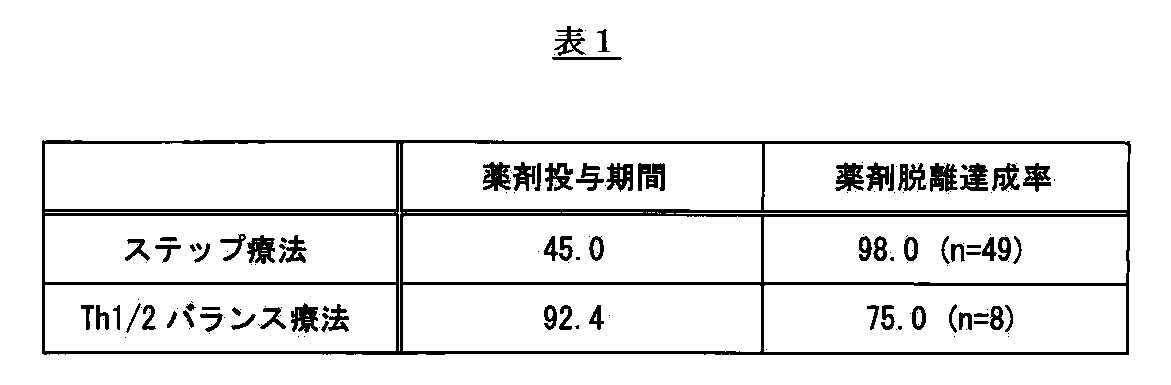
ヒトの基礎的研究として新規治療薬剤キットを用いて加養した49症例の平均的効果例を図8に示した。この図8の左図(Before)に示すように、脱毛と苔癬化した紅皮症を伴うイヌ(ミニチュア・ダックスフントの成犬)のアトピー性皮膚炎を治療した。
治療における投薬方法は、図7に示すような3段階のステップ法、薬剤キットとしてはAnti−Th3,anti−Th2,adjustment−Th1/P.Therapyを用い、ステップ1の抗Th3薬として漢方・生薬である霊芝(日産化学)、抗Th2薬としてIPD(大鵬薬品)、Th1調整薬として経口腸溶剤INF−γ(CD4/8比が高くアネルギーの病態では口腔内IFN−α)を被験動物であるイヌに投与した。
以上の新規治療の結果及び効果を、図8及び図9に平均的効果例として示した。
本実施例の治療により、脱毛を伴うアトピー性皮膚炎がほぼ完治することが分かった。なお、イヌのアトピー性皮膚炎の治療に関しては、本実施例に示すようなステップ法を用いた場合(n=49)は、上述したように薬剤投与平均期間は45.0日、薬剤離脱達成率は98.0%と極めて優れた治療効果を示した(表1参照)。
(治療の臨床的概要とヒトの治療への外挿)
下記表1に示したように衛生仮説(Th1サイトカインであるIFNの皮下投与によるTh1とTh1バランスの均衡をはかる)を利用した治療では、治療日数は90日程度で、治癒率も70%台であった(n=8)。また、不治であったイヌの症例ではTh3生体反応の上昇が観察された。Th3あるいはTh3サイトカインでTGF−β1がアトピーの治癒阻害因子と統計学的にも判断された。この事証から、TGF−β1を治療マーカーとして使用し、薬剤も抗Th3薬剤のキットを投与するアトピー性皮膚炎の治療(Anti−Th3,anti−Th2,adjustment−Th1/P.Therapy;ステップ法)を発明した。動物のアトピーについて、衛生仮説を利用した従来法と比較して、新規治療法薬剤キットを適用(ステップ法を実施)したところ、下記表1に示したように、治療日数が平均45.0日、治癒寛解率が97.0%と、著しい治療期間の短縮と治癒寛解率(%)の改善が認められた(n=49)。なお、従来のTh1/Th2バランス療法を用いた場合(n=8)は、薬剤投与平均期間は92.4日、薬剤離脱達成率は75.0%という結果であった。
治療における投薬方法は、図7に示すような3段階のステップ法、薬剤キットとしてはAnti−Th3,anti−Th2,adjustment−Th1/P.Therapyを用い、ステップ1の抗Th3薬として漢方・生薬である霊芝(日産化学)、抗Th2薬としてIPD(大鵬薬品)、Th1調整薬として経口腸溶剤INF−γ(CD4/8比が高くアネルギーの病態では口腔内IFN−α)を被験動物であるイヌに投与した。
以上の新規治療の結果及び効果を、図8及び図9に平均的効果例として示した。
本実施例の治療により、脱毛を伴うアトピー性皮膚炎がほぼ完治することが分かった。なお、イヌのアトピー性皮膚炎の治療に関しては、本実施例に示すようなステップ法を用いた場合(n=49)は、上述したように薬剤投与平均期間は45.0日、薬剤離脱達成率は98.0%と極めて優れた治療効果を示した(表1参照)。
アトピー性皮膚炎の検出方法
アトピー性皮膚炎の患者群(Atopy)及び非アトピー群(健常者;Control)から血漿を採取し、イムノクロマト法(金コロイド法)を用いてTGF−β1の量を測定した。
具体的には、ひとあるいは動物用TGF−β1を抗原とし、図10に示す各種抗体やパッドを使用して、採取した血漿中のTGF−β1の濃度を測定した。当該方法は、詳しくは、毛細管現象により血漿がメンブレン上を通過する際に、TGF−β1、標識化抗TGF−β1抗体及び捕捉抗体の三者によりTGF−β1複合体が形成され、その標識物の集積を目視で確認する測定方法である。2ストリップ化により測定時間を短縮化することができる(約10分)。なお、測定までの間は凍結保存が必要である。
上記イムノクロマト法により血漿中のTGF−β1の濃度を測定した結果を、図11に示した。ヒトの場合、血漿中のTGF−β1の濃度が1.5ng/ml以上であると、有意にアトピー性皮膚炎を発症していると評価することができることが分かった。なお、同様にして、ネコ及びイヌについても測定した結果、ネコは1.7ng/ml以上、イヌは2.0ng/ml以上のTGF−β1濃度の場合、有意にアトピー性皮膚炎を発症していると評価することができることが分かった(図示せず)。
本実施例では、血漿中のTGF−β1の濃度(量)を指標として、アトピー性皮膚炎を検出できることを示したが、当該濃度測定の結果は、抗Th3薬を投与するための薬剤使用意思決定に用いることができる他、アトピー性皮膚炎に対する投薬治療において薬剤離脱達成の判断にも用いることができる。
アトピー性皮膚炎の患者群(Atopy)及び非アトピー群(健常者;Control)から血漿を採取し、イムノクロマト法(金コロイド法)を用いてTGF−β1の量を測定した。
具体的には、ひとあるいは動物用TGF−β1を抗原とし、図10に示す各種抗体やパッドを使用して、採取した血漿中のTGF−β1の濃度を測定した。当該方法は、詳しくは、毛細管現象により血漿がメンブレン上を通過する際に、TGF−β1、標識化抗TGF−β1抗体及び捕捉抗体の三者によりTGF−β1複合体が形成され、その標識物の集積を目視で確認する測定方法である。2ストリップ化により測定時間を短縮化することができる(約10分)。なお、測定までの間は凍結保存が必要である。
上記イムノクロマト法により血漿中のTGF−β1の濃度を測定した結果を、図11に示した。ヒトの場合、血漿中のTGF−β1の濃度が1.5ng/ml以上であると、有意にアトピー性皮膚炎を発症していると評価することができることが分かった。なお、同様にして、ネコ及びイヌについても測定した結果、ネコは1.7ng/ml以上、イヌは2.0ng/ml以上のTGF−β1濃度の場合、有意にアトピー性皮膚炎を発症していると評価することができることが分かった(図示せず)。
本実施例では、血漿中のTGF−β1の濃度(量)を指標として、アトピー性皮膚炎を検出できることを示したが、当該濃度測定の結果は、抗Th3薬を投与するための薬剤使用意思決定に用いることができる他、アトピー性皮膚炎に対する投薬治療において薬剤離脱達成の判断にも用いることができる。
重症アトピー性皮膚炎の治療(3)
重症アトピーの中でも、特に最重症アトピーの患者は、Th2生体反応が高値であるが、他のアトピーとは異なりTh1生体反応は低値(アネルギー)で、Th3生体反応も低値であることが特徴である(図15参照)。なお、ここでは、最重症アトピーとは、アトピーの重症度分類のうち、体表面積の36%以上において皮膚紅斑を有する状態と定義した。臨床的には脱ステロイド後の湿潤性苔癬化のみられた患者のほとんどが、この重症度分類に該当する。
最重症アトピー患者における、成人型最重症アトピー性皮膚炎に対する臨床的効果を示すデータを、図13に示した。なお、当該患者から採取した血漿を被験サンプルとし、図12(A)に例示した抗TGF−β1抗体を含むアトピー性皮膚炎検出用簡易キット(ヒト用)を用いて、活性化TGF−β1レベルを測定したところ、図14に示したように、活性化TGF−β1について陽性であった。しかし、最重症アトピーでは、病態とTh3生体反応等を考慮した結果、抗Th3薬の投与よりもTh3生体反応増強剤(Th3増強剤)の投与が適当であると判断され、アトピー性皮膚炎を一括りにした時の加療の複雑さを如実に示すものであった。
初診時(0病日)ではすべての高値を呈し、とくにIgEは49,370IU/mlであった。最重症アトピーではTh3生体反応が低値であるために、Th3増強剤(亜鉛含有物:牡蠣の貝殻粉末)を投与した。投与から約30日後(09/11/11)で著しい数値の改善がみられた。次いで、30~50日の間は抗Th2剤(IPD)を投与したところ、臨床症状とよく一致して活性化TGF−β1(上記検出用簡易キットによる結果)が有意に低下した。
以上ことから、上記検出用簡易キットにより測定された活性化TGF−β1は、アトピーの臨床症状と一致し、治療効果と一致していることが明らかにされた。
次に、成人型最重症アトピー性皮膚炎に対する各Th生体反応への効果を、図15に示した。
ヒト用活性化TGF−β1簡易キットで陽性であったが、2ヶ月後の投薬直前にはTh3生体反応が著しく低値であったので抗Th3剤ではなく、Th3増強剤を投与したところ、2009年11月11日(投与30日目)にはTh3生体反応(%)は0.3から7.6の著しい改善がみられた。しかしながら、アトピーであることと成人型最重症あるいは重症型ではTh2生体反応の上昇がみられた。そこで、30~50日の投与期間にわたり、抗Th2剤(IPD)が投与され、臨床症状は顔前され、痒覚は激減した。ただし、痒覚の発作は残余していた。
その後、臨床症状は改善され、TGF−β1が著しく改善された。このことは臨床症状や薬剤の離脱(暖解)と一致するマーカーは、TGF−β1が治療効果と一致していることが明らかにされた。
図16に、本実施例における最重症アトピー患者の皮膚の異常(アトピー浸潤)を、加療前(左図;初診時)と、最終検査後(右図;初診から74日目の外観所見)について、それぞれ示した。
初診時、皮膚潰瘍等による特徴的な暗赤色の退色がみられ、正常の肌色に復した。初診から74日目の外観所見では、初診時でみられた陰部掻痒症や皮膚潰瘍(掻き壊し)は完全に消失し、苔癬化も著しく改善された。
瘢痕化:初診時にみられた掻き壊しによる潰瘍は、74日目の外観所見では瘢痕を形成して治癒している。また、74日目の外観所見では、手の甲の中央に大きな瘢痕がみられるが、初診時にはみられなかった掻き壊しであり、Th3増強剤(SD:スノードリーム)投与時の治癒痕と判断された。ケラチノイドの増生による治癒促進効果が著しいことを臨床的に表している。
掻痒:すべてのデータの改善により、痒覚も皮膚バリア機能の回復と共に改善した。
苔癬化(皮膚肥厚):全身に苔癬化がみられたが、総じて激減した。しかしながら、陰部痒覚症は残余する傾向であった。潰瘍の消失、その後の血管透過性亢進も抑制され、皮膚肥厚も著しく回旋され、手の機能回復も観察された。また、手の甲の浮腫状変化も消失し、靱帯や甲の血管の走行が明瞭に観察された。さらに、苔癬化の改善により指が細くなった用に観察された(図16)。
重症アトピーの中でも、特に最重症アトピーの患者は、Th2生体反応が高値であるが、他のアトピーとは異なりTh1生体反応は低値(アネルギー)で、Th3生体反応も低値であることが特徴である(図15参照)。なお、ここでは、最重症アトピーとは、アトピーの重症度分類のうち、体表面積の36%以上において皮膚紅斑を有する状態と定義した。臨床的には脱ステロイド後の湿潤性苔癬化のみられた患者のほとんどが、この重症度分類に該当する。
最重症アトピー患者における、成人型最重症アトピー性皮膚炎に対する臨床的効果を示すデータを、図13に示した。なお、当該患者から採取した血漿を被験サンプルとし、図12(A)に例示した抗TGF−β1抗体を含むアトピー性皮膚炎検出用簡易キット(ヒト用)を用いて、活性化TGF−β1レベルを測定したところ、図14に示したように、活性化TGF−β1について陽性であった。しかし、最重症アトピーでは、病態とTh3生体反応等を考慮した結果、抗Th3薬の投与よりもTh3生体反応増強剤(Th3増強剤)の投与が適当であると判断され、アトピー性皮膚炎を一括りにした時の加療の複雑さを如実に示すものであった。
初診時(0病日)ではすべての高値を呈し、とくにIgEは49,370IU/mlであった。最重症アトピーではTh3生体反応が低値であるために、Th3増強剤(亜鉛含有物:牡蠣の貝殻粉末)を投与した。投与から約30日後(09/11/11)で著しい数値の改善がみられた。次いで、30~50日の間は抗Th2剤(IPD)を投与したところ、臨床症状とよく一致して活性化TGF−β1(上記検出用簡易キットによる結果)が有意に低下した。
以上ことから、上記検出用簡易キットにより測定された活性化TGF−β1は、アトピーの臨床症状と一致し、治療効果と一致していることが明らかにされた。
次に、成人型最重症アトピー性皮膚炎に対する各Th生体反応への効果を、図15に示した。
ヒト用活性化TGF−β1簡易キットで陽性であったが、2ヶ月後の投薬直前にはTh3生体反応が著しく低値であったので抗Th3剤ではなく、Th3増強剤を投与したところ、2009年11月11日(投与30日目)にはTh3生体反応(%)は0.3から7.6の著しい改善がみられた。しかしながら、アトピーであることと成人型最重症あるいは重症型ではTh2生体反応の上昇がみられた。そこで、30~50日の投与期間にわたり、抗Th2剤(IPD)が投与され、臨床症状は顔前され、痒覚は激減した。ただし、痒覚の発作は残余していた。
その後、臨床症状は改善され、TGF−β1が著しく改善された。このことは臨床症状や薬剤の離脱(暖解)と一致するマーカーは、TGF−β1が治療効果と一致していることが明らかにされた。
図16に、本実施例における最重症アトピー患者の皮膚の異常(アトピー浸潤)を、加療前(左図;初診時)と、最終検査後(右図;初診から74日目の外観所見)について、それぞれ示した。
初診時、皮膚潰瘍等による特徴的な暗赤色の退色がみられ、正常の肌色に復した。初診から74日目の外観所見では、初診時でみられた陰部掻痒症や皮膚潰瘍(掻き壊し)は完全に消失し、苔癬化も著しく改善された。
瘢痕化:初診時にみられた掻き壊しによる潰瘍は、74日目の外観所見では瘢痕を形成して治癒している。また、74日目の外観所見では、手の甲の中央に大きな瘢痕がみられるが、初診時にはみられなかった掻き壊しであり、Th3増強剤(SD:スノードリーム)投与時の治癒痕と判断された。ケラチノイドの増生による治癒促進効果が著しいことを臨床的に表している。
掻痒:すべてのデータの改善により、痒覚も皮膚バリア機能の回復と共に改善した。
苔癬化(皮膚肥厚):全身に苔癬化がみられたが、総じて激減した。しかしながら、陰部痒覚症は残余する傾向であった。潰瘍の消失、その後の血管透過性亢進も抑制され、皮膚肥厚も著しく回旋され、手の機能回復も観察された。また、手の甲の浮腫状変化も消失し、靱帯や甲の血管の走行が明瞭に観察された。さらに、苔癬化の改善により指が細くなった用に観察された(図16)。
本発明によれば、アトピー性皮膚炎の治療用キット及びアトピー性皮膚炎の治療方法を提供することができる。また、本発明によれば、アトピー性皮膚炎の検出用キット、アトピー性皮膚炎の病態の評価方法を提供することができる。
本発明の治療用キット及び治療方法は、例えば、45年の長年にわたりアトピー性皮膚炎に罹患していた患者(前出3年間発症無の患者様:本発明者が最初に加療した重症アトピー性皮膚炎)に対しても、画期的な治癒をもたらし完治させることができ、しかも検査数字がすべて一端正常化すれば、再発が認められていないため、アトピー性皮膚炎の治療手段として極めて有用なものである。
また、本発明のアトピー性皮膚炎の検出用キットは、アトピー治療阻害因子の存在検査として、被験者及び被験動物がアトピー性皮膚炎を発症しているかを容易かつ迅速に判定することができる点で極めて有用なもので、図11に示した様に統計学的に有意差がみられた(図11:危険率5%水準)。さらに、当該キットによって検出される血漿中のTGF−β1の濃度を指標として、本発明のAD治療方法における抗Th3薬を投与するための薬剤使用意思決定を行うことや、アトピー性皮膚炎に対する投薬治療における薬剤離脱達成の判断をすることや、ADの病態の評価をすることができる点でも、本発明のAD検出用キットは極めて有用なものである。
本発明の治療用キット及び治療方法は、例えば、45年の長年にわたりアトピー性皮膚炎に罹患していた患者(前出3年間発症無の患者様:本発明者が最初に加療した重症アトピー性皮膚炎)に対しても、画期的な治癒をもたらし完治させることができ、しかも検査数字がすべて一端正常化すれば、再発が認められていないため、アトピー性皮膚炎の治療手段として極めて有用なものである。
また、本発明のアトピー性皮膚炎の検出用キットは、アトピー治療阻害因子の存在検査として、被験者及び被験動物がアトピー性皮膚炎を発症しているかを容易かつ迅速に判定することができる点で極めて有用なもので、図11に示した様に統計学的に有意差がみられた(図11:危険率5%水準)。さらに、当該キットによって検出される血漿中のTGF−β1の濃度を指標として、本発明のAD治療方法における抗Th3薬を投与するための薬剤使用意思決定を行うことや、アトピー性皮膚炎に対する投薬治療における薬剤離脱達成の判断をすることや、ADの病態の評価をすることができる点でも、本発明のAD検出用キットは極めて有用なものである。
Claims (55)
- 抗Th3薬及び抗Th2薬を含むアトピー性皮膚炎の治療用キットであって、哺乳動物に対して、抗Th3薬が投与され、その後抗Th3薬に代えて抗Th2薬が投与されるように用いられることを特徴とする、前記キット。
- さらにTh1調整薬を含むキットであって、抗Th2薬の投与後、抗Th2薬に代えてTh1調整薬が投与されるように用いられることを特徴とする、請求項1記載のキット。
- 抗Th3薬の投与開始後、Th3生体反応の低下が認められた後に抗Th2薬が投与されるように用いられる、請求項1又は2記載のキット。
- 抗Th3薬の投与開始後、Th3生体反応の低下及びTh2生体反応の亢進が認められた後に抗Th2薬が投与されるように用いられる、請求項3記載のキット。
- 抗Th3薬の投与開始後、Th3生体反応の正常化が認められた後に抗Th2薬が投与され、抗Th2薬の投与開始後、Th2生体反応の低下が認められた後にTh1調整薬が投与されるように用いられる、請求項2記載のキット。
- 抗Th3薬の投与開始後、Th3生体反応の低下及びTh2生体反応の亢進が認められた後に抗Th2薬が投与され、抗Th2薬の投与開始後、Th2生体反応の低下及びTh1生体反応の低下が認められた後にTh1調整薬が投与されるように用いられる、請求項5記載のキット。
- 抗Th3薬及びTh1調整薬を含むアトピー性皮膚炎の治療用キットであって、哺乳動物に対して、抗Th3薬が投与され、その後抗Th3薬に代えてTh1調整薬が投与されるように用いられることを特徴とする、前記キット。
- さらに抗Th2薬を含むキットであって、Th1調整薬の投与後、該Th1調整薬に代えて抗Th2薬が投与されるように用いられることを特徴とする、請求項1記載のキット。
- 抗Th3薬の投与開始後、Th3生体反応の低下が認められた後にTh1調整薬が投与されるように用いられる、請求項7又は8記載のキット。
- 抗Th3薬の投与開始後、Th3生体反応の低下及びTh1生体反応の低下又は亢進が認められた後にTh1調整薬が投与されるように用いられる、請求項9記載のキット。
- 抗Th3薬の投与開始後、Th3生体反応の低下が認められた後にTh1調整薬が投与され、Th1調整薬の投与開始後、Th1生体反応の亢進又は低下が認められた後に抗Th2薬が投与されるように用いられる、請求項8記載のキット。
- 抗Th3薬の投与開始後、Th3生体反応の低下及びTh1生体反応の低下又は亢進が認められた後にTh1調整薬が投与され、Th1調整薬の投与開始後、Th1生体反応の亢進又は低下及びTh2生体反応の亢進が認められた後に抗Th2薬が投与されるように用いられる、請求項11記載のキット。
- 抗Th3薬が、霊芝若しくはその抽出物を有効成分として含む薬剤及び/又はリンツィーである、請求項1~12のいずれか1項に記載のキット。
- 抗Th3薬の投与量が、1日につき1~120mg/kg体重となるように用いられる、請求項1~13のいずれか1項に記載のキット。
- 抗Th2薬が、IPD及び/又は霊芝若しくはその抽出物を有効成分として含む薬剤である、請求項1~6及び8~14のいずれか1項に記載のキット。
- 抗Th2薬の投与量が、1日につき0.1~10mg/kg体重となるように用いられる、請求項1~6及び8~15のいずれか1項に記載のキット。
- Th1調整薬が、インターフェロン−γ、インターフェロン−α、南瓜種子又はその抽出物、南蛮毛又はその抽出物、及び桂皮又はその抽出物からなる群より選ばれる少なくとも1種を有効成分として含む薬剤である、請求項2~16のいずれか1項に記載のキット。
- Th1調整薬の投与量が、1日につき1~30MUとなるように用いられる、請求項2~17のいずれか1項に記載のキット。
- 前記投与が、経口投与、皮下投与、静注投与、口腔投与、口腔内投与、舌下投与、歯肉塗布、粘膜投与又は噴霧投与である、請求項1~18のいずれか1項に記載のキット。
- 哺乳動物が、ヒト又は非ヒト哺乳動物である、請求項1~19のいずれか1項に記載のキット。
- 非ヒト哺乳動物が、イヌ、ネコ、ウシ、ウマ、ブタ、ヒツジ、ヤギ、マウス、ラット、ウサギ、モルモット又はハムスターである、請求項20記載のキット。
- アトピー性皮膚炎を発症している非ヒト哺乳動物に対して、抗Th3薬を投与し、その後抗Th3薬に代えて抗Th2薬を投与することを特徴とする、アトピー性皮膚炎の治療方法。
- さらに、抗Th2薬の後、抗Th2薬に代えてTh1調整薬を投与することを特徴とする、請求項22記載の方法。
- 抗Th3薬の投与開始後、Th3生体反応の低下が認められた後に抗Th2薬を投与する、請求項22又は23記載の方法。
- 抗Th3薬の投与開始後、Th3生体反応の低下及びTh2生体反応の亢進が認められた後に抗Th2薬を投与する、請求項24記載の方法。
- 抗Th3薬の投与開始後、Th3生体反応の低下が認められた後に抗Th2薬を投与し、抗Th2薬の投与開始後、Th2生体反応の低下が認められた後にTh1調整薬を投与する、請求項23記載の方法。
- 抗Th3薬の投与開始後、Th3生体反応の低下及びTh2生体反応の亢進が認められた後に抗Th2薬を投与し、抗Th2薬の投与開始後、Th2生体反応の低下及びTh1生体反応の低下が認められた後にTh1調整薬を投与する、請求項26記載の方法。
- 抗Th3薬の投与は、Th3生体反応をモニタリングしながら行う、請求項22~27のいずれか1項に記載の方法。
- さらに、Th2生体反応をモニタリングしながら行う、請求項28記載の方法。
- 抗Th2薬の投与は、Th2生体反応をモニタリングしながら行う、請求項22~29のいずれか1項に記載の方法。
- さらに、Th1生体反応をモニタリングしながら行う、請求項30記載の方法。
- 抗Th1調整薬の投与は、Th1生体反応をモニタリングしながら行う、請求項23~31のいずれか1項に記載の方法。
- アトピー性皮膚炎を発症している非ヒト哺乳動物に対して、抗Th3薬を投与し、その後抗Th3薬に代えてTh1調整薬を投与することを特徴とする、アトピー性皮膚炎の治療方法。
- さらに、Th1調整薬の後、該Th1調整薬に代えて抗Th2薬を投与することを特徴とする、請求項33記載の方法。
- 抗Th3薬の投与開始後、Th3生体反応の低下が認められた後にTh1調整薬を投与する、請求項33又は34記載の方法。
- 抗Th3薬の投与開始後、Th3生体反応の低下及びTh1生体反応の低下又は亢進が認められた後にTh1調整薬を投与する、請求項35記載の方法。
- 抗Th3薬の投与開始後、Th3生体反応の低下が認められた後にTh1調整薬を投与し、Th1調整薬の投与開始後、Th1生体反応の亢進又は低下が認められた後に抗Th2薬を投与する、請求項34記載の方法。
- 抗Th3薬の投与開始後、Th3生体反応の低下及びTh1生体反応の低下又は亢進が認められた後にTh1調整薬を投与し、Th1調整薬の投与開始後、Th1生体反応の亢進又は低下及びTh2生体反応の亢進が認められた後に抗Th2薬を投与する、請求項37記載の方法。
- 抗Th3薬の投与は、Th3生体反応をモニタリングしながら行う、請求項33~38のいずれか1項に記載の方法。
- さらに、Th1生体反応をモニタリングしながら行う、請求項39記載の方法。
- 抗Th1調整薬の投与は、Th1生体反応をモニタリングしながら行う、請求項33~40のいずれか1項に記載の方法。
- さらに、Th2生体反応をモニタリングしながら行う、請求項41記載の方法。
- 抗Th2薬の投与は、Th2生体反応をモニタリングしながら行う、請求項34~42のいずれか1項に記載の方法。
- 抗Th3薬の投与量が、1日につき1~120mg/kg体重である、請求項22~43のいずれか1項に記載の方法。
- 抗Th3薬が、霊芝若しくはその抽出物を有効成分として含む薬剤及び/又はリンツィーである、請求項22~44のいずれか1項に記載の方法。
- 抗Th2薬の投与量が、1日につき0.1~10mg/kg体重である、請求項22~32及び34~45のいずれか1項に記載の方法。
- 抗Th2薬が、IPD及び/又は霊芝若しくはその抽出物を有効成分として含む薬剤であるである、請求項22~32及び34~45のいずれか1項に記載の方法。
- Th1調整薬の投与量が、1日につき1~30MUである、請求項23~47のいずれか1項に記載の方法。
- Th1調整薬が、インターフェロン−γ、インターフェロン−α、南瓜種子又はその抽出物、南蛮毛又はその抽出物、及び桂皮又はその抽出物からなる群より選ばれる少なくとも1種を有効成分として含む薬剤である、請求項23~47のいずれか1項に記載の方法。
- 前記投与が、経口投与、皮下投与、静注投与、口腔投与、口腔内投与、舌下投与、歯肉塗布、粘膜投与又は噴霧投与である、請求項22~49のいずれか1項に記載の方法。
- 非ヒト哺乳動物が、イヌ、ネコ、ウシ、ウマ、ウサギ、モルモット又はハムスターである、請求項22~50のいずれか1項に記載の方法。
- 抗TGF−β抗体を含むことを特徴とする、アトピー性皮膚炎の検出用キット。
- 被験哺乳動物の血漿中のTGF−βを検出し、その検出結果を指標としてアトピー性皮膚炎の病態を評価する方法。
- 哺乳動物が、ヒト又は非ヒト哺乳動物である、請求項53記載の方法。
- 非ヒト哺乳動物が、イヌ、ネコ、ウシ、ウマ、ブタ、ヒツジ、ヤギ、マウス、ラット、ウサギ、モルモット又はハムスターである、請求項54記載の方法。
Priority Applications (2)
| Application Number | Priority Date | Filing Date | Title |
|---|---|---|---|
| PCT/JP2010/067701 WO2011040651A1 (ja) | 2009-10-01 | 2010-10-01 | アトピー性皮膚炎の治療薬 |
| JP2011534358A JP5818685B2 (ja) | 2009-10-01 | 2010-10-01 | アトピー性皮膚炎の治療薬 |
Applications Claiming Priority (2)
| Application Number | Priority Date | Filing Date | Title |
|---|---|---|---|
| JP2009-230019 | 2009-10-01 | ||
| JP2009230019 | 2009-10-01 |
Publications (1)
| Publication Number | Publication Date |
|---|---|
| WO2011040052A1 true WO2011040052A1 (ja) | 2011-04-07 |
Family
ID=43825891
Family Applications (2)
| Application Number | Title | Priority Date | Filing Date |
|---|---|---|---|
| PCT/JP2010/052394 Ceased WO2011040052A1 (ja) | 2009-10-01 | 2010-02-10 | アトピー性皮膚炎の治療薬 |
| PCT/JP2010/067701 Ceased WO2011040651A1 (ja) | 2009-10-01 | 2010-10-01 | アトピー性皮膚炎の治療薬 |
Family Applications After (1)
| Application Number | Title | Priority Date | Filing Date |
|---|---|---|---|
| PCT/JP2010/067701 Ceased WO2011040651A1 (ja) | 2009-10-01 | 2010-10-01 | アトピー性皮膚炎の治療薬 |
Country Status (2)
| Country | Link |
|---|---|
| JP (1) | JP5818685B2 (ja) |
| WO (2) | WO2011040052A1 (ja) |
Cited By (1)
| Publication number | Priority date | Publication date | Assignee | Title |
|---|---|---|---|---|
| WO2012039518A1 (ja) * | 2010-09-24 | 2012-03-29 | Kuwabara Masato | Th3マーチ関連疾患の治療及び予防用医薬組成物 |
Families Citing this family (1)
| Publication number | Priority date | Publication date | Assignee | Title |
|---|---|---|---|---|
| US9375468B2 (en) * | 2012-02-08 | 2016-06-28 | Premune Ab | Prevention of inflammatory disorders in domestic non-human mammals |
Citations (1)
| Publication number | Priority date | Publication date | Assignee | Title |
|---|---|---|---|---|
| JP2008214230A (ja) * | 2007-03-01 | 2008-09-18 | Makoto Kawashima | 霊芝エキスによる哺乳動物の治療法 |
Family Cites Families (2)
| Publication number | Priority date | Publication date | Assignee | Title |
|---|---|---|---|---|
| JPH0641416B2 (ja) * | 1985-07-17 | 1994-06-01 | 保彦 小島 | 植物起源の生物活性物質の製造法および同物質含有組成物 |
| EP2164515A4 (en) * | 2007-06-11 | 2011-04-27 | Advitech Inc | PROCESS FOR TREATING ATOPIC ECZEMA |
-
2010
- 2010-02-10 WO PCT/JP2010/052394 patent/WO2011040052A1/ja not_active Ceased
- 2010-10-01 JP JP2011534358A patent/JP5818685B2/ja active Active
- 2010-10-01 WO PCT/JP2010/067701 patent/WO2011040651A1/ja not_active Ceased
Patent Citations (1)
| Publication number | Priority date | Publication date | Assignee | Title |
|---|---|---|---|---|
| JP2008214230A (ja) * | 2007-03-01 | 2008-09-18 | Makoto Kawashima | 霊芝エキスによる哺乳動物の治療法 |
Non-Patent Citations (4)
| Title |
|---|
| HIDEHITO SUZUKI: "Allergy no Rinsho ni Yoseru -495- Atopy-sei Hifuen ni Taisuru Suplatast Tosilate (IPD) ni yoru Ko Allergy Sayo", ALLERGY IN PRACTICE, no. 374, 2008, pages 504 - 508 * |
| MASARU HORIUCHI ET AL.: "Th Paradigm Pattern no Shikkan ni Taisuru Shushokuteki Inshi Toshite no Yakuwari", JAPANESE ASSOCIATION OF COMPARATIVE CLINICAL MEDICINE GAKUJUTSU SHUKAI KOEN YOSHISHU, vol. 37, 2007, pages 14 * |
| MASATO KUWABARA ET AL.: "Atopy-sei Hifuen no Chiryoji no Yakubutsu no Shiyo Junjo no Juyosei", JAPANESE JOURNAL OF ALLERGOLOGY, vol. 58, no. 8/9, 30 September 2009 (2009-09-30), pages 1264 * |
| TADASHI TERUI: "Atopy-sei Hifuen ni Okeru Kosankyusei Ensho no Seigyo", JOURNAL OF NIHON UNIVERSITY MEDICAL ASSOCIATION, vol. 64, no. 1, 2005, pages 55 - 59 * |
Cited By (2)
| Publication number | Priority date | Publication date | Assignee | Title |
|---|---|---|---|---|
| WO2012039518A1 (ja) * | 2010-09-24 | 2012-03-29 | Kuwabara Masato | Th3マーチ関連疾患の治療及び予防用医薬組成物 |
| JP2016106121A (ja) * | 2010-09-24 | 2016-06-16 | 株式会社 バイオエルティ | Th3マーチ関連疾患の治療及び予防用医薬組成物 |
Also Published As
| Publication number | Publication date |
|---|---|
| JPWO2011040651A1 (ja) | 2013-02-28 |
| WO2011040651A1 (ja) | 2011-04-07 |
| JP5818685B2 (ja) | 2015-11-18 |
Similar Documents
| Publication | Publication Date | Title |
|---|---|---|
| Claxton et al. | Sex and ApoE genotype differences in treatment response to two doses of intranasal insulin in adults with mild cognitive impairment or Alzheimer's disease | |
| Ciprandi et al. | Topical azelastine reduces eosinophil activation and intercellular adhesion molecule-1 expression on nasal epithelial cells: an antiallergic activity | |
| JP2020533381A (ja) | トラジピタントによるアトピー性皮膚炎の改善された治療 | |
| JP2016106121A (ja) | Th3マーチ関連疾患の治療及び予防用医薬組成物 | |
| JP2011256145A (ja) | Th3マーチ関連疾患の治療及び予防用医薬組成物 | |
| JP5818685B2 (ja) | アトピー性皮膚炎の治療薬 | |
| US20230128114A1 (en) | Methods and compositions for treating or preventing an inflammatory condition | |
| Hedgpeth et al. | Periodontal CD14 mRNA expression is downregulated in patients with chronic periodontitis and type 2 diabetes | |
| Al-Oudah et al. | Activity of zinc oral dispersible tablet on marjory clinical type of recurrent aphthous stomatitis ulceration, a clinical trial human study | |
| US20150086648A1 (en) | Methods for treating heat stress and related compositions | |
| TWI802924B (zh) | 一種用以篩選藥物之方法,以及該藥物於治療乾癬的用途 | |
| Van Mieghem et al. | Can abdominal perimeter be used as an accurate estimation of intra-abdominal pressure? | |
| Kurian et al. | Dietary Habits Leading to Recurrent Aphthous Ulcers-A Survey | |
| Melamed et al. | The benefit of montelukast in atopic dermatitis induced by food allergies | |
| Arinawati et al. | Allergy-related stomatitis: a rare case in dental practice | |
| Tuil et al. | Itraconazole IV solution in the treatment of candidemia in non-neutropenic patients | |
| Umanets et al. | Sputum cell count and its association with reflux severity in asthmatic children with gastroesophageal reflux disease | |
| Bazmi | Evaluation of Salivary Levels of Interleukin-23 (IL-23) and Interferon-Gamma (IFN-γ) in Chronic Periodontitis Patients with Type 2 Diabetes Mellitus | |
| Mottaghi et al. | Uric Acid and Salt Sensitivity in the Normotensive Population: An Iranian Sample | |
| Nanzer | The Calcitriol Study A Randomised Placebo Controlled Clinical Trial to Test the Effects of Calcitriol in Steroid Resistant Asthma. | |
| Patni | Clinical Study of Psoriasis and Levels of C-Reactive Protein and Serum Albumin in Newly Diagnoses Cases of Psoriasis | |
| Lane et al. | Morphine and remifentanil and their effects on dreams, nightmares and hallucinations in critically ill patients | |
| Amith | Correlation of Serum Leptin Visfatin and Ghrelin Levels in Patients with Type 2 Diabetes Mellitus and Periodontal Disease | |
| Quillinan | Treatment of Diffuse Cutaneous Systemic Sclerosis with Hyperimmune Caprine Serum | |
| Palacios et al. | Risk factors related to death in patients with ischemic stroke |
Legal Events
| Date | Code | Title | Description |
|---|---|---|---|
| 121 | Ep: the epo has been informed by wipo that ep was designated in this application |
Ref document number: 10820173 Country of ref document: EP Kind code of ref document: A1 |
|
| NENP | Non-entry into the national phase |
Ref country code: DE |
|
| 122 | Ep: pct application non-entry in european phase |
Ref document number: 10820173 Country of ref document: EP Kind code of ref document: A1 |
|
| NENP | Non-entry into the national phase |
Ref country code: JP |