WO2010140459A1 - 生体認証装置の製品認証方法 - Google Patents
生体認証装置の製品認証方法 Download PDFInfo
- Publication number
- WO2010140459A1 WO2010140459A1 PCT/JP2010/058209 JP2010058209W WO2010140459A1 WO 2010140459 A1 WO2010140459 A1 WO 2010140459A1 JP 2010058209 W JP2010058209 W JP 2010058209W WO 2010140459 A1 WO2010140459 A1 WO 2010140459A1
- Authority
- WO
- WIPO (PCT)
- Prior art keywords
- framework
- authentication
- biometric
- test
- authenticated
- Prior art date
- Legal status (The legal status is an assumption and is not a legal conclusion. Google has not performed a legal analysis and makes no representation as to the accuracy of the status listed.)
- Ceased
Links
Images



Classifications
-
- H—ELECTRICITY
- H04—ELECTRIC COMMUNICATION TECHNIQUE
- H04L—TRANSMISSION OF DIGITAL INFORMATION, e.g. TELEGRAPHIC COMMUNICATION
- H04L9/00—Cryptographic mechanisms or cryptographic arrangements for secret or secure communications; Network security protocols
- H04L9/32—Cryptographic mechanisms or cryptographic arrangements for secret or secure communications; Network security protocols including means for verifying the identity or authority of a user of the system or for message authentication, e.g. authorization, entity authentication, data integrity or data verification, non-repudiation, key authentication or verification of credentials
- H04L9/3226—Cryptographic mechanisms or cryptographic arrangements for secret or secure communications; Network security protocols including means for verifying the identity or authority of a user of the system or for message authentication, e.g. authorization, entity authentication, data integrity or data verification, non-repudiation, key authentication or verification of credentials using a predetermined code, e.g. password, passphrase or PIN
- H04L9/3231—Biological data, e.g. fingerprint, voice or retina
-
- G—PHYSICS
- G06—COMPUTING OR CALCULATING; COUNTING
- G06F—ELECTRIC DIGITAL DATA PROCESSING
- G06F21/00—Security arrangements for protecting computers, components thereof, programs or data against unauthorised activity
- G06F21/30—Authentication, i.e. establishing the identity or authorisation of security principals
- G06F21/31—User authentication
- G06F21/32—User authentication using biometric data, e.g. fingerprints, iris scans or voiceprints
-
- H—ELECTRICITY
- H04—ELECTRIC COMMUNICATION TECHNIQUE
- H04L—TRANSMISSION OF DIGITAL INFORMATION, e.g. TELEGRAPHIC COMMUNICATION
- H04L9/00—Cryptographic mechanisms or cryptographic arrangements for secret or secure communications; Network security protocols
- H04L9/32—Cryptographic mechanisms or cryptographic arrangements for secret or secure communications; Network security protocols including means for verifying the identity or authority of a user of the system or for message authentication, e.g. authorization, entity authentication, data integrity or data verification, non-repudiation, key authentication or verification of credentials
- H04L9/321—Cryptographic mechanisms or cryptographic arrangements for secret or secure communications; Network security protocols including means for verifying the identity or authority of a user of the system or for message authentication, e.g. authorization, entity authentication, data integrity or data verification, non-repudiation, key authentication or verification of credentials involving a third party or a trusted authority
Definitions
- the present invention relates to a product authentication method for a biometric authentication device, and in particular, a method in which a biometric authentication device is authenticated by a third party other than the person who provides the biometric authentication device and the person who provides the biometric authentication device. It is about.
- Biometric authentication is also referred to as biometric authentication, and is a technique for identifying individuals using biometric information such as fingerprints and irises.
- biometric authentication device the standardization of BioAPI (Biometric Application Programming Interface) as an interface between the biometric authentication technology part that acquires and collates biometric information and the application has been promoted by ISO / IEC JTC1 / SC37. ing.
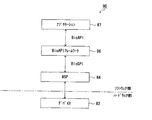
- FIG. 4 is a schematic diagram of a biometric authentication device using BioAPI.
- the biometric authentication device 80 includes, for example, a part configured as software (software part) and a part configured as hardware (hardware part).
- the hardware unit is provided with a device 82 for acquiring biological information such as a camera.
- the software part is a part called a biometric service provider (BSP) 84 in the hierarchical structure defined by BioAPI.
- BSP biometric service provider
- a BioAPI framework (BioAPI Framework) 86 and an application 87 are defined as software components of BioAPI.
- the BSP 84 is software located in the first layer, which is the lowest layer of the hierarchical structure, includes a function controlled by the device 82, and has a function of acquiring and collating biometric information.
- the BioAPI framework 86 is software located in the second layer on the first layer, and forms the core of BioAPI.
- the application 87 is software located in the third layer on the second layer.
- BioSPI Biometric Service Provider Interface
- the BSP 84 provides a BioSPI function (BioSPI function) to the BioAPI framework 86.
- BioAPI framework 86 accesses the BSP 84 by calling BioSPI functions.
- the interface between the BioAPI framework 86 and the application 87 is called BioAPI.
- the BioAPI framework 86 provides a BioAPI function (BioAPI function) to the application 87.
- the application 87 accesses the BioAPI framework 86 by calling the BioAPI function.
- BioSPI functions there are BioSPI functions corresponding to many BioAPI functions on a one-to-one basis. Therefore, when the application 87 calls the BioAPI function, there is a case where the BioAPI framework 86 calls the corresponding BioSPI function. As a result, the application 87 can access the BSP 84 via the BioAPI framework 86.
- FIG. 5 is a schematic diagram for explaining the compatibility test.
- the CTS 88 calls the BioSPI function, causes the BSP 84 to execute predetermined processing, and determines whether the result conforms to the standard. If so, the CTS 88 authenticates the BSP.
- BioAPI biometric application programming interface
- the present invention has been made in view of the above-described problems, and an object of the present invention is to provide BSP product authentication in a system including an authentication test apparatus and a test target apparatus connected via a network. An object of the present invention is to provide a product authentication method for a biometric authentication apparatus.
- a product authentication method for a biometric authentication device provides a biometric service provider with a system including an authentication test device and a test target device connected via a network.
- a product authentication method for product authentication comprising the following steps.
- the authentication test apparatus has a test tool and an authentication side framework
- the test target apparatus has an authenticated side framework and a biometric service provider.
- the test tool sends an instruction to the authenticating framework.
- the authenticating framework sends an instruction to the authenticated authenticating framework via the network.
- the authenticated framework then sends an indication to the biometric service provider.
- the biometric service provider performs processing corresponding to the instruction, and sends the processing result to the authenticated-side framework.
- the authenticated-side framework sends the processing result to the authenticating-side framework via the network.
- the authentication side framework sends the processing result to the test tool.
- the test tool determines whether the processing result satisfies a condition given by the standard.
- the test target apparatus includes a device having a photographing function, and responds to an instruction sent from the authentication target framework, and a biometric service provider
- the biometric information of the subject is registered in the authentication test apparatus in advance, and the test tool performs biometric authentication based on the processing result and the biometric information.
- the test tool passes through the authenticating framework, the network, and the authenticated framework to the biometric service provider.
- the process of inquiring about the function to be possessed, the process in which the biometric service provider notifies the test tool of the function through the authenticated-side framework, the network and the authenticating-side framework, and the test tool from the notified function to the test item The process of selecting is good.
- test tool determines whether or not to authenticate the biometric service provider based on a determination result of whether or not the processing result for each test item satisfies a condition defined by the standard. is there.
- the product authentication method of the biometric authentication device of this invention since the authentication test device and the test target device are implemented in a system connected via a network, specialized knowledge of biometric authentication is given to the authentication side. It is sufficient that there is a practitioner who has, and the person to be authenticated does not need to have a person who has specialized knowledge of biometric authentication. For this reason, even a vendor that is remote from the certification authority can receive product certification without bringing the BSP into the certification authority. Further, when product authentication is performed, if a biometric authentication test is used in combination, a more reliable test can be performed.
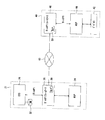
- FIG. 1 is a schematic diagram of a product authentication system for a biometric authentication device.
- product authentication is performed by a third party who does not fall under either the manufacturer or supplier as the first party and the purchaser or end user as the second party. It is a system that performs authentication.
- the third party that performs the third party authentication is a so-called certification body.
- a certification test apparatus 20 is provided in the certification body.
- the authentication test apparatus 20 has hierarchical software, and has an application on a layer above the BioAPI framework 26 and the layer in which the BioAPI framework 26 is included.
- a compatibility test tool (CTS: Conformance Test Suite) 28 which is a test tool for product authentication, is used as an application.
- the test target device 40 is provided outside the certification body.
- the test target device 40 has hierarchical software, and includes a BSP 44 and a BioAPI framework 46 in a layer above the layer including the BSP 44.
- the BSP 44 is a product authentication target.
- the test target apparatus 40 may be provided with a device 42.
- the device 42 is composed of, for example, a camera, and in this case, is used to acquire biological information.
- the BSP 44 is used to control a device 42 such as a camera.
- the test target device 40 is provided, for example, in a manufacturer that manufactures the BSP 44 or in an administrative organization that does not have a function as a certification body.
- the BioAPI framework 26 and the CTS 28 of the authentication test apparatus 20 are realized as software by any suitable means.
- a CPU (not shown) provided in the authentication test apparatus 20 executes a predetermined program.
- the BSP 44 and the BioAPI framework 46 of the test target device 40 can be realized as software.
- the interface between the BioAPI framework 26 and the application (here, CTS) 28 is called BioAPI (Biometric Application Programming Interface).
- the CTS 28 accesses the BioAPI framework 26 by calling BioAPI functions.
- BioSPI Biometric Service Provider Interface
- BioAPI frameworks 26 and 46 include BioAPI interworking protocol (BIP) 30 and 50.
- BIP BioAPI interworking protocol
- the BIPs 30 and 50 have a function of converting BioAPI functions into network data and exchanging network data with other BIPs connected via the network.
- FIG. 2 is a sequence diagram for explaining a product authentication method of the biometric authentication device.
- a network connection confirmation between the certification test device 20 and the test target device 40 is performed. After the network connection is confirmed, determine the test items.
- test items may be performed either offline or online.
- the provider of the test target device 40 authenticates the information on the functions supported by the BSP 44 of the test target device 40 when applying for product authentication or after applying. Submit to the institution.
- the person in charge of the test inputs test items to the CTS 28 using the input device provided in the certification test apparatus 20.
- the CTS 28 provides information on the functions supported by the BSP 44 to the BSP 44 via the BioAPI frameworks 26 and 46 and the Internet 60. Send instructions to request. Upon receiving this instruction, the BSP 44 notifies the CTS 28 of information on the functions supported by the BSP 44 via the BioAPI frameworks 26 and 46 and the Internet 60. The CTS 28 determines a test item based on information on functions supported by the BSP 44 to be tested.
- the functions supported by the BSP 44 are given by the BioSPI function provided by the BSP 44 and the parameters used when calling the BioSPI function.
- a product certification test is performed.
- the CTS 28 sends a predetermined instruction to the BSP 44, receives the processing result in the BSP 44, and determines whether this result satisfies the requirements of the standard. Done in Specifically, it is performed in the following process.
- the BioAPI framework 26 (the authentication-side framework 26) in the authentication test apparatus 20 may be called. ) (Indicated by I in FIG. 2).
- the authentication-side framework 26 Upon receiving an instruction from the CTS 28, the authentication-side framework 26 sends the instruction to a BioAPI framework (also referred to as an authenticated-side framework) 46 of the test target device 40 via a network such as the Internet 60 (see FIG. Indicated in FIG. 2 by II).
- a BioAPI framework also referred to as an authenticated-side framework
- the BioAPI function of the authentication-side framework 26 is called, and the BIP 30 in the authentication-side framework 26 converts the information of the BioAPI function into network data, and sends it to the authenticated-side framework 46 via the Internet 60. Done by sending.
- the authenticated-side framework 46 sends the instruction received from the authenticated-side framework 26 to the BSP 44 (indicated by III in FIG. 2). This operation is performed when the authenticated-side framework 46 that has received the BioAPI function information calls the BioSPI function corresponding to the BioAPI function of the BSP 44.
- the BSP 44 performs processing corresponding to the instruction received from the authenticated-side framework 46.
- the BSP 44 sends the execution result of the BioSPI function as a processing result in the BSP 44 to the authenticated-side framework 46 (indicated by IV in FIG. 2).
- the BSP 44 controls the device 42 to perform, for example, a photographing process.
- the photographed image data is sent to the authenticated side framework 46 as a processing result.
- the BSP 44 may control the device 42 to perform a predetermined display and instruct the subject.
- the authenticated framework 46 Upon receiving the processing result from the BSP 44, the authenticated framework 46 sends the processing result to the authenticating framework 26 via the Internet 60 (indicated by V in FIG. 2).
- the authenticated-side framework 46 receives the execution result of the BioSPI function as the processing result in the BSP 44, the authenticated framework 46 sends the execution result of the BioSPI function to this BioSPI function on a one-to-one basis. Convert to the execution result of the corresponding BioAPI function.
- the BIP 50 of the to-be-authenticated framework 46 converts the execution result information of the BioAPI function into network data, and then sends it to the authenticating framework 26 via the Internet 60.
- the authentication-side framework 26 sends the processing result in the BSP 44 received from the authenticated-side framework 46 via the Internet 60, that is, the execution result of the BioAPI function to the CTS 28 (indicated by VI in FIG. 2).
- the CTS 28 receives the processing result based on the instruction given by calling the BioAPI function to the authentication side framework 26 from the authentication side framework 26 as the execution result of the BioAPI function.
- the CTS 28 determines whether or not the execution result of the BioAPI function satisfies a preset condition, that is, whether or not it is a value determined by the standard.
- the authentication side framework 26 and the to-be-authenticated side framework 46 have BIPs 30 and 50, respectively.
- the BIPs 30 and 50 convert information about the BioAPI function into network data, and transmit / receive it via the Internet 60. It is carried out.
- the CTS 28 sends an instruction to the BSP 44 outside the certification body without being aware of the existence of the Internet 60, and Based on the instruction, the processing result processed by the BSP 44 can be received.
- the authentication test apparatus and the test target apparatus are connected to each other via a network such as the Internet.
- a network such as the Internet.
- test subject is required to acquire biometric information
- the test subject only needs to have the same level of knowledge as a general user who performs biometric authentication, and specialized knowledge about biometric authentication is not necessary.
- the authentication test device and the test target device can be performed by a system connected via a network such as the Internet.
- a network such as the Internet.
- information regarding the BioAPI function is exchanged between the BioAPI framework as network data.
- the program of the authentication test apparatus and the test target apparatus may not be created on the same platform, and even if the programs are created on different platforms such as Windows (registered trademark) and Unix (registered trademark)
- the product authentication method of the biometric authentication device of the form can be implemented. Therefore, the certification authority only needs to prepare a CTS for one platform, and there is no need to prepare a CTS for each platform.
- the test object apparatus 40 is provided with a BioAPI framework 46. Whether or not the BioAPI framework 46 satisfies the standard may be determined in advance by performing an authentication test according to a test procedure that is being standardized, so that an authentication test that satisfies the standard may be performed.
- the BioAPI framework is provided with a function for performing error checking, such as checking whether the parameters of the BioAPI function are within a specified range.
- error checking such as checking whether the parameters of the BioAPI function are within a specified range.
- FIG. 3 is a schematic diagram for explaining a system for performing a product authentication method for a biometric authentication apparatus that uses biometric authentication together.
- This configuration example is different from the product authentication system described with reference to FIG. 1 in that a database (DB) 32 and a BSP 24 are provided in the authentication test apparatus 21. Since the other points are the same as those of the product authentication system described with reference to FIG.
- the biometric information of the subject is acquired in advance, and the biometric information (registration information) is stored in the database 32 in the authentication test apparatus 21 so as to be readable.
- the test target device 40 acquires the biological information (test information) of the subject.
- the authentication test apparatus 21 performs biometric authentication using the test information acquired by the test target apparatus 40 and the registration information registered in advance by the authentication organization using the BSP 24 for verification.
- BioAPI Framework (Authentication Framework) 28, 88 CTS 30, 50 BIP 32 Database (DB) 42, 82 Device 40 Device under test 46 BioAPI framework (authenticated side framework) 60 Internet (network) 80 Biometric authentication device 86 BioAPI framework 87 Application
Landscapes
- Engineering & Computer Science (AREA)
- Computer Security & Cryptography (AREA)
- Theoretical Computer Science (AREA)
- Signal Processing (AREA)
- Computer Networks & Wireless Communication (AREA)
- Biomedical Technology (AREA)
- General Health & Medical Sciences (AREA)
- Health & Medical Sciences (AREA)
- Biodiversity & Conservation Biology (AREA)
- Computer Hardware Design (AREA)
- Software Systems (AREA)
- Physics & Mathematics (AREA)
- General Engineering & Computer Science (AREA)
- General Physics & Mathematics (AREA)
- Life Sciences & Earth Sciences (AREA)
- Measurement Of The Respiration, Hearing Ability, Form, And Blood Characteristics Of Living Organisms (AREA)
- Test And Diagnosis Of Digital Computers (AREA)
- Collating Specific Patterns (AREA)
Abstract
認証機関とBSPを提供する企業との間の距離の制約を受けない、第三者認証の方法を提供する。 先ず、試験ツールが認証側フレームワークに指示を送る。次に、認証側フレームワークが、指示を、ネットワークを経て被認証側フレームワークに送る。次に、被認証側フレームワークが、指示を、バイオメトリックサービスプロバイダに送る。次に、バイオメトリックサービスプロバイダが、指示に対応する処理を行い、処理結果を被認証側フレームワークに送る。次に、被認証側フレームワークが、処理結果を、ネットワークを経て前記認証側フレームワークに送る。次に、認証側フレームワークが、処理結果を、試験ツールに送る。次に、試験ツールが、処理結果が、予め設定した条件を満たすか否かを判定する。
Description
この発明は、生体認証装置の製品認証方法に関し、特に、生体認証装置が規格に適合していることの認証を、生体認証装置を提供する者及び提供される者以外の第三者が行う方法に関するものである。
生体認証は、バイオメトリック認証とも称され、指紋や虹彩などの生体情報を用いて個体を識別する技術である。この生体認証を行う装置に関して、生体情報の取得や照合を行う生体認証技術部分と、アプリケーションとの間のインタフェースとしての、BioAPI(Biometric Application Programming Interface)の標準化がISO/IEC JTC1/SC37で進められている。
図4を参照して、BioAPIを利用した生体認証装置について説明する。図4は、BioAPIを利用した生体認証装置の模式図である。
生体認証装置80は、例えば、ソフトウェアとして構成される部分(ソフトウェア部)と、ハードウェアとして構成される部分(ハードウェア部)とを備えて構成される。
ハードウェア部には、カメラなど生体情報を取得するデバイス82が設けられている。ソフトウェア部は、BioAPIによって規定されている階層構造の中の、バイオメトリックサービスプロバイダ(BSP:Biometric Service Provider)84と呼ばれる部分である。これ以外に、BioAPIのソフトウェアコンポーネントには、BioAPIフレームワーク(BioAPI Framework)86及びアプリケーション87が規定されている。
BSP84は、階層構造の最下層である第1層に位置するソフトウェアであって、デバイス82の制御する機能を含み、生体情報の取得や照合などを行う機能を有している。BioAPIフレームワーク86は、第1層上の第2層に位置するソフトウェアであって、BioAPIの中核をなしている。アプリケーション87は、第2層上の第3層に位置するソフトウェアである。
BioAPIフレームワーク86とBSP84の間のインタフェースは、BioSPI(BioSPI:Biometric Service Provider Interface)と呼ばれる。BSP84は、BioAPIフレームワーク86に対して、BioSPI関数(BioSPI function)を提供する。BioAPIフレームワーク86は、BioSPI関数を呼び出すことにより、BSP84にアクセスする。
BioAPIフレームワーク86とアプリケーション87の間のインタフェースは、BioAPIと呼ばれる。BioAPIフレームワーク86は、アプリケーション87に対して、BioAPI関数(BioAPI function)を提供する。アプリケーション87は、BioAPI関数を呼び出すことにより、BioAPIフレームワーク86にアクセスする。
なお、多くのBioAPI関数に1対1に対応して、BioSPI関数が存在している。従って、アプリケーション87がBioAPI関数を呼び出すと、BioAPIフレームワーク86が対応するBioSPI関数を呼び出す場合が存在する。この結果、アプリケーション87は、BioAPIフレームワーク86を介して、BSP84にアクセスできる。
図4を参照して説明した生体認証装置の製造にあたり、BSP84を提供する企業(ベンダー)は多数存在している。そこで、ベンダーが提供するBSP84が、規格に適合していることを確認するための認証試験が、適合性試験ツール(CTS:Conformance Test Suite)を用いて行われる(例えば、非特許文献1参照)。
図5を参照して、適合性試験(製品認証試験)について説明する。図5は、適合性試験について説明するための模式図である。この適合性試験では、CTS88が、BioSPI関数を呼び出して、BSP84に所定の処理を実行させ、その結果が規格に適合しているか否かの判定を行う。適合していれば、CTS88が、そのBSPを製品認証する。
"Information technology - Conformance testing for the biometric application programming interface (BioAPI) - Part 1: Methods and procedures", ISO/IEC 24709-1の例えばFigure 4
"Information technology - Conformance testing for the biometric application programming interface (BioAPI) - Part 1: Methods and procedures", ISO/IEC 24709-1の例えばFigure 4
ここで、上述の従来例の適合性試験を行う製品認証方法では、製品認証の対象となるBSPを提供する企業が、そのBSPを認証機関に持ち込んで、その認証機関内で認証試験を行うか、あるいは認証機関の試験実施者がBSPを提供する企業の所在地を訪れて実施する形態が一般的である。
しかしながら、BSPの製品認証を行うには、生体認証の専門的な知識が必要であり、設置のための人的および設備的なコストが発生するので、認証機関の開設には様々な制限が生じる。特に、生体認証製品の普及の初期段階においては、国や地域によっては認証機関の設置ができず、結果的に認証機関の数が世界的に見ても数箇所に限られることが考えられる。このため、国内に認証機関が開設されていない場合など、認証機関に対して遠隔地のベンダーにとっては、製品認証を受けるために、遠隔地に認証対象となるBSPや装置を技術者とともに移送しなければならなず、不便である。また、一度製品認証を受けたBSPであっても、オプション機能を追加した場合など、更なる認証が必要な場合も多い。このような場合、認証を受けるたびに海外への認証対象製品および技術者の移動が発生してしまい、結果的に認証のコストが大きくなり、製品認証の普及が進まない要因となる。
そこで、認証機関とBSPを提供する企業との間の距離の制約を受けない、第三者認証の手法が求められている。
そこで、認証機関とBSPを提供する企業との間の距離の制約を受けない、第三者認証の手法が求められている。
この発明は、上述の問題点に鑑みてなされたものであり、この発明の目的は、ネットワークを介して接続された、認証試験装置と、試験対象装置とを備えるシステムで、BSPの製品認証を行う生体認証装置の製品認証方法を提供することにある。
上述した目的を達成するために、この発明の生体認証装置の製品認証方法は、ネットワークを介して接続された、認証試験装置と、試験対象装置とを備えるシステムに対して、バイオメトリックサービスプロバイダの製品認証を行う製品認証方法であって、以下の過程を備えている。ここで、認証試験装置は、試験ツール及び認証側フレームワークを有し、試験対象装置は被認証側フレームワーク及びバイオメトリックサービスプロバイダを有する。
先ず、試験ツールが認証側フレームワークに指示を送る。次に、認証側フレームワークが、指示を、ネットワークを経て被認証側フレームワークに送る。次に、被認証側フレームワークが、指示を、バイオメトリックサービスプロバイダに送る。次に、バイオメトリックサービスプロバイダが、指示に対応する処理を行い、処理結果を被認証側フレームワークに送る。次に、被認証側フレームワークが、処理結果を、ネットワークを経て認証側フレームワークに送る。次に、認証側フレームワークが、処理結果を、試験ツールに送る。次に、試験ツールが、処理結果が、規格により与えられる条件を満たすか否かを判定する。
上述した生体認証装置の製品認証方法の実施にあたり、好ましくは、試験対象装置が、撮影機能を有するデバイスを備えていて、被認証側フレームワークから送られた指示に対応して、バイオメトリックサービスプロバイダが、デバイスを制御することにより被験者に対する撮影処理を行い、処理結果を被認証側フレームワークに送るのが良い。
また、予め、被験者の生体情報を認証試験装置に登録しておき、試験ツールが、処理結果と生体情報とにより生体認証を行うのが好適である。
また、試験ツールが認証側フレームワークに指示を送る過程の前に、試験ツールが、認証側フレームワーク、ネットワーク及び被認証側フレームワークを経て、バイオメトリックサービスプロバイダに対して、バイオメトリックサービスプロバイダが有する機能を問い合わせる過程と、バイオメトリックサービスプロバイダが、被認証側フレームワーク、ネットワーク及び認証側フレームワークを経て、試験ツールに、機能を通知する過程と、試験ツールが、通知された機能から試験項目を選択する過程とを行うのが良い。
さらに、試験ツールが、各試験項目についての処理結果が、規格により定められた条件を満たすか否かの判定結果に基づいて、バイオメトリックサービスプロバイダを認証するか否かを判断するのが好適である。
この発明の生体認証装置の製品認証方法によれば、認証試験装置と、試験対象装置とがネットワークを介して接続されているシステムで実施されるので、認証側に生体認証の専門的な知識を有する実施者がいれば良く、被認証側には、生体認証の専門的な知識を有する者がいなくても良い。このため、認証機関から遠隔地に存在するベンダーであっても、BSPを認証機関にもちこむことなく製品認証を受けることができる。また、製品認証を行うにあたって、生体認証試験を併用すれば、より信頼性の高い試験を行うことができる。
以下、図を参照して、この発明の実施の形態について説明するが、各構成要素の配置関係については、この発明が理解できる程度に概略的に示したものに過ぎない。また、以下、この発明の好適な構成例について説明するが、数値的条件などは、単なる好適例にすぎない。従って、この発明は以下の実施の形態に限定されるものではなく、この発明の構成の範囲を逸脱せずにこの発明の効果を達成できる多くの変更又は変形を行うことができる。
(生体認証装置の製品認証システム)
図1を参照して、生体認証装置の製品認証を行うシステム構成について説明する。図1は、生体認証装置の製品認証システムの概略図である。
図1を参照して、生体認証装置の製品認証を行うシステム構成について説明する。図1は、生体認証装置の製品認証システムの概略図である。
この製品認証システムは、製造者又は供給者である第一者、及び、購入者又は最終使用者である第二者のいずれにも該当しない第三者が製品認証を行う、すなわち、第三者認証を行うシステムである。この第三者認証を行う第三者が、いわゆる認証機関となる。
認証機関内には、認証試験装置20が設けられている。認証試験装置20は、階層構造のソフトウェアを有していて、BioAPIフレームワーク26と、BioAPIフレームワーク26が含まれる層の上の層に、アプリケーションを備えている。ここでは、アプリケーションとして、製品認証を行う試験ツールである、適合性試験ツール(CTS:Conformance Test Suit)28が用いられる。
認証機関外に、試験対象装置40が設けられている。試験対象装置40は、階層構造のソフトウェアを有していて、BSP44と、BSP44が含まれる層の上の層に、BioAPIフレームワーク46とを備えている。この製品認証システムでは、BSP44が製品認証の対象となる。
試験対象装置40には、デバイス42が設けられている場合がある。デバイス42は、例えば、カメラなどで構成され、この場合、生体情報を取得するのに用いられる。BSP44は、カメラなどのデバイス42を制御するのに用いられる。
試験対象装置40は、例えば、BSP44の製造を行う製造業者の社内や、認証機関としての機能を有さない行政機関などに設けられる。
認証試験装置20のBioAPIフレームワーク26及びCTS28は、任意好適な手段でソフトウェアとして実現され、例えば、認証試験装置20が備えるCPU(図示を省略する。)が所定のプログラムを実行して実現される。また、試験対象装置40のBSP44及びBioAPIフレームワーク46も、同様に、ソフトウェアとして実現できる。
BioAPIフレームワーク26とアプリケーション(ここでは、CTS)28の間のインタフェースは、BioAPI(Biometric Application Programming Interface)と呼ばれる。CTS28は、BioAPI関数を呼び出すことにより、BioAPIフレームワーク26にアクセスする。
BioAPIフレームワーク46とBSP44の間のインタフェースは、BioSPI(Biometric Service Provider Interface)と呼ばれる。BioAPIフレームワーク46は、BioSPI関数を呼び出すことにより、BSP44にアクセスする。
認証試験装置20及び試験対象装置40は、インターネット60などネットワークを介して接続される。BioAPIフレームワーク26及び46は、BioAPIインターワーキングプロトコル(BIP:BioAPI Interworking Protocol)30及び50を含んでいる。BIP30及び50は、BioAPI関数をネットワークデータに変換し、ネットワークを経て接続された他のBIPと、ネットワークデータのやり取りをする機能を有している。
(生体認証装置の製品認証方法)
図1及び図2を参照して、生体認証装置の製品認証方法について説明する。図2は、生体認証装置の製品認証方法について説明するためのシーケンス図である。
図1及び図2を参照して、生体認証装置の製品認証方法について説明する。図2は、生体認証装置の製品認証方法について説明するためのシーケンス図である。
製品認証試験の準備として、認証試験装置20と試験対象装置40との間の、ネットワーク接続確認が行われる。ネットワークの接続確認が行われた後、試験項目を決定する。
試験項目の決定は、オフライン及びオンラインのいずれの方法で行っても良い。試験項目の決定をオフラインで行う場合は、例えば、試験対象装置40の提供者が、製品認証の申し込みの際、又は、申し込み後に、試験対象装置40のBSP44がサポートしている機能の情報を認証機関に提出する。認証機関では、試験担当者が、認証試験装置20が備える入力装置を用いてCTS28に対して試験項目の入力を行う。
一方、試験項目の決定をオンラインで行う場合は、ネットワークの接続確認後、CTS28が、BioAPIフレームワーク26及び46とインターネット60とを介して、BSP44に対して、BSP44がサポートしている機能の情報を要求する指示を送る。この指示を受けたBSP44は、自己がサポートしている機能の情報を、BioAPIフレームワーク26及び46とインターネット60とを介して、CTS28に通知する。CTS28は、試験対象のBSP44がサポートしている機能の情報に基づいて、試験項目を決定する。
ここで、BSP44がサポートしている機能は、BSP44が提供するBioSPI関数と、BioSPI関数を呼び出す際に用いられるパラメータとで与えられる。
試験項目が決定された後、製品認証試験が行われる。製品認証試験は、決定した試験項目のそれぞれに対して、CTS28がBSP44に所定の指示を送り、BSP44での処理結果を受け取り、この結果が、規格の要件を満たしているか否かを判定することで行われる。具体的には、以下の過程で行われる。
先ず、CTS28が所定のBioAPI関数を呼び出すことにより、認証試験装置20内のBioAPIフレームワーク26(認証側フレームワーク26と称することもある。
)に指示を送る(図2中、Iで示す)。
)に指示を送る(図2中、Iで示す)。
認証側フレームワーク26は、CTS28から指示を受けると、その指示を、インターネット60などネットワークを経て、試験対象装置40のBioAPIフレームワーク(被認証側フレームワークと称することもある。)46に送る(図2中、IIで示す)。この動作は、認証側フレームワーク26のBioAPI関数が呼び出され、認証側フレームワーク26内のBIP30が、BioAPI関数の情報をネットワークデータに変換して、インターネット60を介して被認証側フレームワーク46に送ることによって、行われる。
被認証側フレームワーク46は、認証側フレームワーク26から受け取った指示を、BSP44に送る(図2中、IIIで示す)。この動作は、BioAPI関数の情報を受け取った被認証側フレームワーク46が、BSP44の、BioAPI関数に対応するBioSPI関数を呼び出すことによって、行われる。
BSP44は、被認証側フレームワーク46から受けた指示に対応する処理を行う。BSP44は、BioSPI関数の実行結果を、BSP44での処理結果として被認証側フレームワーク46に送る(図2中、IVで示す)。
製品認証の対象であるBSP44が、生体情報の取得に用いられるカメラなどのデバイス42に対応して製造された場合は、BSP44は、デバイス42を制御して、例えば、撮影処理を行う。その撮影された画像データが、処理結果として、被認証側フレームワーク46に送られる。
なお、撮影などにより生体情報を取得する際に、被験者による操作など、試験対象装置40側で、操作が必要な場合がある。この場合、CTS28からの指示により、BSP44がデバイス42を制御して所定の表示を行って、被験者に指示すればよい。
被認証側フレームワーク46は、BSP44から処理結果を受けると、その処理結果を、インターネット60を経て認証側フレームワーク26に送る(図2中、Vで示す)。この過程では、被認証側フレームワーク46が、BSP44での処理結果として、BioSPI関数の実行結果を受け取ると、被認証フレームワーク46は、BioSPI関数の実行結果を、このBioSPI関数に1対1で対応するBioAPI関数の実行結果に変換する。被認証フレームワーク46のBIP50は、このBioAPI関数の実行結果の情報をネットワークデータに変換した後、インターネット60を介して認証側フレームワーク26に送る。
認証側フレームワーク26は、被認証側フレームワーク46からインターネット60を経て受け取ったBSP44での処理結果、すなわち、BioAPI関数の実行結果をCTS28に送る(図2中、VIで示す)。CTS28は、認証側フレームワーク26に対して、BioAPI関数を呼び出すことにより与えた指示に基づく処理結果を、BioAPI関数の実行結果として、認証側フレームワーク26から受け取る。
CTS28は、BioAPI関数の実行結果が、予め設定された条件を満たすか否か、すなわち、規格により定められる値となっているか否かを判定する。
各試験項目について、それぞれ上述の過程を行う。各試験項目について、CTS28が呼び出したBioAPI関数の実行結果が、予め設定された条件を満たしている場合は、試験対象のBSP44の製品認証がなされる。
認証側フレームワーク26と、被認証側フレームワーク46とは、それぞれBIP30及び50を備えていて、このBIP30及び50が、BioAPI関数についての情報をネットワークデータに変換して、インターネット60を介して送受信を行っている。このように、認証側フレームワーク26及び被認証側フレームワーク46内のBIP30及び50を用いることで、CTS28は、インターネット60の存在を意識することなく、認証機関外のBSP44に指示を送り、その指示に基づいてBSP44で処理された処理結果を受け取ることができる。
上述した実施形態の生体認証装置の製品認証方法によれば、認証試験装置と、試験対象装置とがインターネットなどネットワークを介して接続して実施されるので、認証試験装置が設置されている認証機関内に製品認証試験を実施するための生体認証に関する専門的な知識を有する実施者がいれば良い。試験対象装置が設置される認証機関外には、生体情報取得の指示に従うだけであるため、生体認証の専門的な知識を有する者がいなくても良い。このため、認証機関から遠隔地のベンダーであっても、BSPを認証機関にもちこむことなく製品認証を受けることができる。
なお、生体情報の取得には、被験者が必要になるが、被験者には、生体認証を行う一般の使用者と同程度の知識があれば良く、生体認証に関する専門的な知識は不要である。
また、この生体認証装置の製品認証方法によれば、認証試験装置と、試験対象装置とがインターネットなどネットワークを介して接続されたシステムで行うことができる。この場合、BioAPI関数に関する情報はネットワークデータとしてBioAPIフレームワーク間でやり取りされる。このため、認証試験装置と試験対象装置とのプログラムが同じプラットフォームで作成されていなくても良く、Windows(登録商標)と、Unix(登録商標)など、異なるプラットフォームで作成されていても、この実施形態の生体認証装置の製品認証方法の実施が可能になる。従って、認証機関では1つのプラットフォームについてのCTSを用意すれば良く、プラットフォームごとにCTSを用意する必要はない。
ここで、試験対象装置40には、BioAPIフレームワーク46が設けられている。BioAPIフレームワーク46が規格を満たしているか否かについては、標準化が進められている試験手順に従って認証試験を行うことにより、予め、規格を満たしていることの認証試験を行っておけばよい。
また、一般に、BioAPIフレームワークには、BioAPI関数のパラメータが規定の範囲に入っているかのチェックなど、エラーチェックを行う機能が設けられている。しかしながら、BSPの製品認証試験を行うに当たっては、BioAPIフレームワークでのエラーチェックを行わずに、呼び出されたBioAPI関数の情報をそのまま、他のBioAPIフレームワークに送る、スルーモードを設けるのが良い。このスルーモードを設けることで、想定外のパラメータがBioSPI関数に与えられた場合の振る舞いに関して、試験の透明性が高まる。
(生体認証装置の製品認証方法の他の構成例)
上述した製品認証方法により、BioSPI関数が規格に準拠していることの認証、すなわちBSPの製品認証を行うことができる。
上述した製品認証方法により、BioSPI関数が規格に準拠していることの認証、すなわちBSPの製品認証を行うことができる。
なお、例えばカメラなど、生体情報の取得機能を有するデバイス42の制御に用いられるBSPの製品認証を行う場合は、被験者に対する撮影などにより生体情報を取得することがある。そこで、製品認証を行うにあたり、生体認証を組み合わせるのが良い。
図3を参照して、生体認証装置の製品認証方法の他の構成例について説明する。図3は、生体認証を併用した、生体認証装置の製品認証方法を行うシステムについて説明するための模式図である。
この構成例は、認証試験装置21内に、データベース(DB)32とBSP24が設けられている点が、図1を参照して説明した製品認証システムと異なっている。その他の点は、図1を参照して説明した製品認証システムと同様なので、重複する説明を省略する。
予め被験者の生体情報を取得し、認証試験装置21内のデータベース32に、その生体情報(登録情報)を読出し可能に格納しておく。
図1及び図2を参照して説明したように、各試験項目についてBioSPI関数を呼び出して製品認証試験を行った後、試験対象装置40が被験者の生体情報(試験情報)を取得する。認証試験装置21は、照合用のBSP24によって、試験対象装置40が取得した試験情報と、予め認証機関で登録した登録情報とを用いて生体認証を行う。
このように、製品認証を行うにあたって、生体認証試験を併用することで、より信頼性の高い試験を行うことができる。
20、21 認証試験装置
24、44、84 BSP
26 BioAPIフレームワーク(認証側フレームワーク)
28、88 CTS
30、50 BIP
32 データベース(DB)
42、82 デバイス
40 試験対象装置
46 BioAPIフレームワーク(被認証側フレームワーク)
60 インターネット(ネットワーク)
80 生体認証装置
86 BioAPIフレームワーク
87 アプリケーション
24、44、84 BSP
26 BioAPIフレームワーク(認証側フレームワーク)
28、88 CTS
30、50 BIP
32 データベース(DB)
42、82 デバイス
40 試験対象装置
46 BioAPIフレームワーク(被認証側フレームワーク)
60 インターネット(ネットワーク)
80 生体認証装置
86 BioAPIフレームワーク
87 アプリケーション
Claims (5)
- ネットワークを介して接続された、
試験ツール及び認証側フレームワークを有する認証試験装置と、
被認証側フレームワーク及びバイオメトリックサービスプロバイダを有する試験対象装置と
を備えるシステムに対して、バイオメトリックサービスプロバイダの製品認証を行う製品認証方法において、
前記試験ツールが認証側フレームワークに指示を送る過程と、
前記認証側フレームワークが、前記指示を、前記ネットワークを経て前記被認証側フレームワークに送る過程と、
前記被認証側フレームワークが、前記指示を、前記バイオメトリックサービスプロバイダに送る過程と、
前記バイオメトリックサービスプロバイダが、前記指示に対応する処理を行い、処理結果を前記被認証側フレームワークに送る過程と、
前記被認証側フレームワークが、前記処理結果を、前記ネットワークを経て前記認証側フレームワークに送る過程と、
前記認証側フレームワークが、前記処理結果を、前記試験ツールに送る過程と、
前記試験ツールが、前記処理結果が、規格により与えられる条件を満たすか否かを判定する過程と
を備えることを特徴とする生体認証装置の製品認証方法。 - 前記試験対象装置が、撮影機能を有するデバイスを備えていて、
前記被認証側フレームワークから送られた前記指示に対応して、前記バイオメトリックサービスプロバイダが、前記デバイスを制御することにより被験者に対する撮影処理を行う
ことを特徴とする請求項1に記載の生体認証装置の製品認証方法。 - 予め、前記被験者の生体情報を、登録情報として認証試験装置に登録しておき、
前記試験ツールが、前記撮影処理により得られた生体情報と前記登録情報とにより生体認証を行う
ことを特徴とする請求項2に記載の生体認証装置の製品認証方法。 - 前記試験ツールが認証側フレームワークに指示を送る過程の前に、
前記試験ツールが、前記認証側フレームワーク、前記ネットワーク及び前記被認証側フレームワークを経て、前記バイオメトリックサービスプロバイダに対して、該バイオメトリックサービスプロバイダが有する機能を問い合わせる過程と、
前記バイオメトリックサービスプロバイダが、前記被認証側フレームワーク、前記ネットワーク及び前記認証側フレームワークを経て、前記試験ツールに、前記機能を通知する過程と、
前記試験ツールが、前記通知された機能から試験項目を選択する過程と
を有する
ことを特徴とする請求項1~3のいずれか一項に記載の生体認証装置の製品認証方法。 - 前記試験ツールが、前記処理結果が、予め設定した条件を満たすか否かの判定結果に基づいて、前記バイオメトリックサービスプロバイダを認証するか否かを判断する過程
を有することを特徴とする請求項4に記載の生体認証装置の製品認証方法。
Applications Claiming Priority (2)
| Application Number | Priority Date | Filing Date | Title |
|---|---|---|---|
| JP2009132144A JP2010277515A (ja) | 2009-06-01 | 2009-06-01 | 生体認証装置の製品認証方法 |
| JP2009-132144 | 2009-06-01 |
Publications (1)
| Publication Number | Publication Date |
|---|---|
| WO2010140459A1 true WO2010140459A1 (ja) | 2010-12-09 |
Family
ID=43297596
Family Applications (1)
| Application Number | Title | Priority Date | Filing Date |
|---|---|---|---|
| PCT/JP2010/058209 Ceased WO2010140459A1 (ja) | 2009-06-01 | 2010-05-14 | 生体認証装置の製品認証方法 |
Country Status (2)
| Country | Link |
|---|---|
| JP (1) | JP2010277515A (ja) |
| WO (1) | WO2010140459A1 (ja) |
Citations (2)
| Publication number | Priority date | Publication date | Assignee | Title |
|---|---|---|---|---|
| JP2004152045A (ja) * | 2002-10-31 | 2004-05-27 | Oki Electric Ind Co Ltd | 生体情報を利用した個人認証システム |
| JP2008176407A (ja) * | 2007-01-16 | 2008-07-31 | Toshiba Corp | 生体認証システム、装置及びプログラム |
-
2009
- 2009-06-01 JP JP2009132144A patent/JP2010277515A/ja not_active Withdrawn
-
2010
- 2010-05-14 WO PCT/JP2010/058209 patent/WO2010140459A1/ja not_active Ceased
Patent Citations (2)
| Publication number | Priority date | Publication date | Assignee | Title |
|---|---|---|---|---|
| JP2004152045A (ja) * | 2002-10-31 | 2004-05-27 | Oki Electric Ind Co Ltd | 生体情報を利用した個人認証システム |
| JP2008176407A (ja) * | 2007-01-16 | 2008-07-31 | Toshiba Corp | 生体認証システム、装置及びプログラム |
Non-Patent Citations (2)
| Title |
|---|
| NIST/ITL CSD: "NIST/ITL's Biometric Application Programming Interface (BioAPI) Conformance Test Suite (CTS)Implementation (the BioAPI Test Environment)", BETA IMPLEMENTATION V1.1, 28 February 2006 (2006-02-28), Retrieved from the Internet <URL:http://www.nist.gov/itl/csd/biometrics/upload/BRC_BTEOverview_March_1_V4.pdf> [retrieved on 20100603] * |
| TOSHI NAKAMURA ET AL.: "New Methodologies for BioAPI Conformance Testing", March 2010 (2010-03-01), Retrieved from the Internet <URL:http://biometrics.nist.gov/ibpc2010/pdfs/Nakamura_Toshi_20100304-New%20Methodologies%20for%20BioAPI%20Conformance%20Testing.pdf> [retrieved on 20100603] * |
Also Published As
| Publication number | Publication date |
|---|---|
| JP2010277515A (ja) | 2010-12-09 |
Similar Documents
| Publication | Publication Date | Title |
|---|---|---|
| CN101515932B (zh) | 一种安全的Web service访问方法和系统 | |
| US9015796B1 (en) | Systems and methods for device configuration and activation with automated privacy law compliance | |
| CN108881232B (zh) | 业务系统的登录访问方法、装置、存储介质和处理器 | |
| US11343319B2 (en) | Method and a system for user authentication in an offline mobile calibration or checklist performing device | |
| CN109150828B (zh) | 一种验证注册方法及系统 | |
| JP6141041B2 (ja) | 情報処理装置及びプログラム、制御方法 | |
| US11871226B2 (en) | Method and system for providing location-aware multi-factor mobile authentication | |
| US8065662B1 (en) | Compatibility testing of an application programming interface | |
| CN109684801A (zh) | 电子证件的生成、签发和验证方法及装置 | |
| CN105871794A (zh) | 分布式文件系统数据存储的方法、客户端、服务器及系统 | |
| CN115529154B (zh) | 登录管理方法、装置、电子装置及可读存储介质 | |
| CN104965492A (zh) | 家电设备的检测方法、装置及终端 | |
| CN107645471A (zh) | 一种用于移动终端用户身份认证的方法和系统 | |
| KR102436385B1 (ko) | 사물 인터넷 프로토콜을 이용한 비콘 기반 단말 접속 시스템, 이의 방법, 그리고 이 방법이 저장된 컴퓨터 판독 가능 저장 매체 | |
| CN107645726A (zh) | 一种用于移动终端用户身份认证的方法和系统 | |
| US11711366B2 (en) | Scalable onboarding for internet-connected devices | |
| CN112995325A (zh) | 服务调试方法、调试服务、电子设备及计算机存储介质 | |
| CN104753927B (zh) | 一种统一验证的方法和设备 | |
| WO2010140459A1 (ja) | 生体認証装置の製品認証方法 | |
| CN104283896A (zh) | 登录方法、登录系统和终端 | |
| CN111800382B (zh) | 合作系统对接方法、装置、系统及计算机可读存储介质 | |
| CN114039797A (zh) | 一种多因子认证的逃生方法和云平台 | |
| CN106412110A (zh) | 一种光纤光栅解调仪远程校准装置及方法 | |
| CN110768993B (zh) | 一种基于rdp协议的校验方法及装置 | |
| KR100714534B1 (ko) | 네트워크 비디오 카메라 인식 시스템 및 그 방법 |
Legal Events
| Date | Code | Title | Description |
|---|---|---|---|
| 121 | Ep: the epo has been informed by wipo that ep was designated in this application |
Ref document number: 10783243 Country of ref document: EP Kind code of ref document: A1 |
|
| NENP | Non-entry into the national phase |
Ref country code: DE |
|
| 122 | Ep: pct application non-entry in european phase |
Ref document number: 10783243 Country of ref document: EP Kind code of ref document: A1 |