US9856149B2 - Vanadium-titanium compound material with high thermal stability and high activity and preparation method thereof - Google Patents

Vanadium-titanium compound material with high thermal stability and high activity and preparation method thereof Download PDF

Info

Publication number
US9856149B2
US9856149B2 US14/427,613 US201214427613A US9856149B2 US 9856149 B2 US9856149 B2 US 9856149B2 US 201214427613 A US201214427613 A US 201214427613A US 9856149 B2 US9856149 B2 US 9856149B2
Authority
US
United States
Prior art keywords
vanadium
compound material
titanium compound
crystal form
titanium oxide
Prior art date
Legal status (The legal status is an assumption and is not a legal conclusion. Google has not performed a legal analysis and makes no representation as to the accuracy of the status listed.)
Expired - Fee Related, expires
Application number
US14/427,613
Other versions
US20150246823A1 (en
Inventor
Zhuhong Yang
Licheng Li
Xiaohua Lu
Wenjun Yao
Tuo Ji
Zheng Li
Chang Liu
Current Assignee (The listed assignees may be inaccurate. Google has not performed a legal analysis and makes no representation or warranty as to the accuracy of the list.)
CHANGSHU YUTYRONE ADVANCED WEAR MATERIALS TECHNOLOGY Co Ltd
Nanjing Tech University
Original Assignee
CHANGSHU YUTYRONE ADVANCED WEAR MATERIALS TECHNOLOGY Co Ltd
Nanjing Tech University
Priority date (The priority date is an assumption and is not a legal conclusion. Google has not performed a legal analysis and makes no representation as to the accuracy of the date listed.)
Filing date
Publication date
Application filed by CHANGSHU YUTYRONE ADVANCED WEAR MATERIALS TECHNOLOGY Co Ltd, Nanjing Tech University filed Critical CHANGSHU YUTYRONE ADVANCED WEAR MATERIALS TECHNOLOGY Co Ltd
Assigned to CHANGSHU YUTYRONE ADVANCED WEAR MATERIALS TECHNOLOGY CO., LTD., NANJING TECH UNIVERSITY reassignment CHANGSHU YUTYRONE ADVANCED WEAR MATERIALS TECHNOLOGY CO., LTD. ASSIGNMENT OF ASSIGNORS INTEREST (SEE DOCUMENT FOR DETAILS). Assignors: JI, Tuo, LI, LICHENG, LI, ZHENG, LIU, CHANG, LU, XIAOHUA, YANG, ZHUHONG, YAO, WENJUN
Publication of US20150246823A1 publication Critical patent/US20150246823A1/en
Application granted granted Critical
Publication of US9856149B2 publication Critical patent/US9856149B2/en
Expired - Fee Related legal-status Critical Current
Adjusted expiration legal-status Critical

Links

Images

Classifications

    • CCHEMISTRY; METALLURGY
    • C01INORGANIC CHEMISTRY
    • C01GCOMPOUNDS CONTAINING METALS NOT COVERED BY SUBCLASSES C01D OR C01F
    • C01G31/00Compounds of vanadium
    • BPERFORMING OPERATIONS; TRANSPORTING
    • B01PHYSICAL OR CHEMICAL PROCESSES OR APPARATUS IN GENERAL
    • B01JCHEMICAL OR PHYSICAL PROCESSES, e.g. CATALYSIS OR COLLOID CHEMISTRY; THEIR RELEVANT APPARATUS
    • B01J21/00Catalysts comprising the elements, oxides, or hydroxides of magnesium, boron, aluminium, carbon, silicon, titanium, zirconium, or hafnium
    • B01J21/06Silicon, titanium, zirconium or hafnium; Oxides or hydroxides thereof
    • B01J21/063Titanium; Oxides or hydroxides thereof
    • BPERFORMING OPERATIONS; TRANSPORTING
    • B01PHYSICAL OR CHEMICAL PROCESSES OR APPARATUS IN GENERAL
    • B01JCHEMICAL OR PHYSICAL PROCESSES, e.g. CATALYSIS OR COLLOID CHEMISTRY; THEIR RELEVANT APPARATUS
    • B01J23/00Catalysts comprising metals or metal oxides or hydroxides, not provided for in group B01J21/00
    • B01J23/16Catalysts comprising metals or metal oxides or hydroxides, not provided for in group B01J21/00 of arsenic, antimony, bismuth, vanadium, niobium, tantalum, polonium, chromium, molybdenum, tungsten, manganese, technetium or rhenium
    • B01J23/20Vanadium, niobium or tantalum
    • B01J23/22Vanadium
    • B01J35/002
    • B01J35/1009
    • B01J35/1014
    • B01J35/1019
    • B01J35/1038
    • B01J35/1042
    • B01J35/1057
    • B01J35/1061
    • BPERFORMING OPERATIONS; TRANSPORTING
    • B01PHYSICAL OR CHEMICAL PROCESSES OR APPARATUS IN GENERAL
    • B01JCHEMICAL OR PHYSICAL PROCESSES, e.g. CATALYSIS OR COLLOID CHEMISTRY; THEIR RELEVANT APPARATUS
    • B01J35/00Catalysts, in general, characterised by their form or physical properties
    • B01J35/30Catalysts, in general, characterised by their form or physical properties characterised by their physical properties
    • BPERFORMING OPERATIONS; TRANSPORTING
    • B01PHYSICAL OR CHEMICAL PROCESSES OR APPARATUS IN GENERAL
    • B01JCHEMICAL OR PHYSICAL PROCESSES, e.g. CATALYSIS OR COLLOID CHEMISTRY; THEIR RELEVANT APPARATUS
    • B01J35/00Catalysts, in general, characterised by their form or physical properties
    • B01J35/60Catalysts, in general, characterised by their form or physical properties characterised by their surface properties or porosity
    • B01J35/61Surface area
    • B01J35/612Surface area less than 10 m2/g
    • BPERFORMING OPERATIONS; TRANSPORTING
    • B01PHYSICAL OR CHEMICAL PROCESSES OR APPARATUS IN GENERAL
    • B01JCHEMICAL OR PHYSICAL PROCESSES, e.g. CATALYSIS OR COLLOID CHEMISTRY; THEIR RELEVANT APPARATUS
    • B01J35/00Catalysts, in general, characterised by their form or physical properties
    • B01J35/60Catalysts, in general, characterised by their form or physical properties characterised by their surface properties or porosity
    • B01J35/61Surface area
    • B01J35/61310-100 m2/g
    • BPERFORMING OPERATIONS; TRANSPORTING
    • B01PHYSICAL OR CHEMICAL PROCESSES OR APPARATUS IN GENERAL
    • B01JCHEMICAL OR PHYSICAL PROCESSES, e.g. CATALYSIS OR COLLOID CHEMISTRY; THEIR RELEVANT APPARATUS
    • B01J35/00Catalysts, in general, characterised by their form or physical properties
    • B01J35/60Catalysts, in general, characterised by their form or physical properties characterised by their surface properties or porosity
    • B01J35/61Surface area
    • B01J35/615100-500 m2/g
    • BPERFORMING OPERATIONS; TRANSPORTING
    • B01PHYSICAL OR CHEMICAL PROCESSES OR APPARATUS IN GENERAL
    • B01JCHEMICAL OR PHYSICAL PROCESSES, e.g. CATALYSIS OR COLLOID CHEMISTRY; THEIR RELEVANT APPARATUS
    • B01J35/00Catalysts, in general, characterised by their form or physical properties
    • B01J35/60Catalysts, in general, characterised by their form or physical properties characterised by their surface properties or porosity
    • B01J35/63Pore volume
    • B01J35/633Pore volume less than 0.5 ml/g
    • BPERFORMING OPERATIONS; TRANSPORTING
    • B01PHYSICAL OR CHEMICAL PROCESSES OR APPARATUS IN GENERAL
    • B01JCHEMICAL OR PHYSICAL PROCESSES, e.g. CATALYSIS OR COLLOID CHEMISTRY; THEIR RELEVANT APPARATUS
    • B01J35/00Catalysts, in general, characterised by their form or physical properties
    • B01J35/60Catalysts, in general, characterised by their form or physical properties characterised by their surface properties or porosity
    • B01J35/63Pore volume
    • B01J35/6350.5-1.0 ml/g
    • BPERFORMING OPERATIONS; TRANSPORTING
    • B01PHYSICAL OR CHEMICAL PROCESSES OR APPARATUS IN GENERAL
    • B01JCHEMICAL OR PHYSICAL PROCESSES, e.g. CATALYSIS OR COLLOID CHEMISTRY; THEIR RELEVANT APPARATUS
    • B01J35/00Catalysts, in general, characterised by their form or physical properties
    • B01J35/60Catalysts, in general, characterised by their form or physical properties characterised by their surface properties or porosity
    • B01J35/64Pore diameter
    • B01J35/643Pore diameter less than 2 nm
    • BPERFORMING OPERATIONS; TRANSPORTING
    • B01PHYSICAL OR CHEMICAL PROCESSES OR APPARATUS IN GENERAL
    • B01JCHEMICAL OR PHYSICAL PROCESSES, e.g. CATALYSIS OR COLLOID CHEMISTRY; THEIR RELEVANT APPARATUS
    • B01J35/00Catalysts, in general, characterised by their form or physical properties
    • B01J35/60Catalysts, in general, characterised by their form or physical properties characterised by their surface properties or porosity
    • B01J35/64Pore diameter
    • B01J35/6472-50 nm
    • BPERFORMING OPERATIONS; TRANSPORTING
    • B01PHYSICAL OR CHEMICAL PROCESSES OR APPARATUS IN GENERAL
    • B01JCHEMICAL OR PHYSICAL PROCESSES, e.g. CATALYSIS OR COLLOID CHEMISTRY; THEIR RELEVANT APPARATUS
    • B01J35/00Catalysts, in general, characterised by their form or physical properties
    • B01J35/70Catalysts, in general, characterised by their form or physical properties characterised by their crystalline properties, e.g. semi-crystalline
    • BPERFORMING OPERATIONS; TRANSPORTING
    • B01PHYSICAL OR CHEMICAL PROCESSES OR APPARATUS IN GENERAL
    • B01JCHEMICAL OR PHYSICAL PROCESSES, e.g. CATALYSIS OR COLLOID CHEMISTRY; THEIR RELEVANT APPARATUS
    • B01J37/00Processes, in general, for preparing catalysts; Processes, in general, for activation of catalysts
    • B01J37/02Impregnation, coating or precipitation
    • B01J37/0201Impregnation
    • B01J37/0203Impregnation the impregnation liquid containing organic compounds
    • BPERFORMING OPERATIONS; TRANSPORTING
    • B01PHYSICAL OR CHEMICAL PROCESSES OR APPARATUS IN GENERAL
    • B01JCHEMICAL OR PHYSICAL PROCESSES, e.g. CATALYSIS OR COLLOID CHEMISTRY; THEIR RELEVANT APPARATUS
    • B01J37/00Processes, in general, for preparing catalysts; Processes, in general, for activation of catalysts
    • B01J37/02Impregnation, coating or precipitation
    • B01J37/0236Drying, e.g. preparing a suspension, adding a soluble salt and drying
    • BPERFORMING OPERATIONS; TRANSPORTING
    • B01PHYSICAL OR CHEMICAL PROCESSES OR APPARATUS IN GENERAL
    • B01JCHEMICAL OR PHYSICAL PROCESSES, e.g. CATALYSIS OR COLLOID CHEMISTRY; THEIR RELEVANT APPARATUS
    • B01J37/00Processes, in general, for preparing catalysts; Processes, in general, for activation of catalysts
    • B01J37/04Mixing
    • BPERFORMING OPERATIONS; TRANSPORTING
    • B01PHYSICAL OR CHEMICAL PROCESSES OR APPARATUS IN GENERAL
    • B01JCHEMICAL OR PHYSICAL PROCESSES, e.g. CATALYSIS OR COLLOID CHEMISTRY; THEIR RELEVANT APPARATUS
    • B01J37/00Processes, in general, for preparing catalysts; Processes, in general, for activation of catalysts
    • B01J37/08Heat treatment
    • B01J37/082Decomposition and pyrolysis
    • B01J37/088Decomposition of a metal salt
    • BPERFORMING OPERATIONS; TRANSPORTING
    • B01PHYSICAL OR CHEMICAL PROCESSES OR APPARATUS IN GENERAL
    • B01JCHEMICAL OR PHYSICAL PROCESSES, e.g. CATALYSIS OR COLLOID CHEMISTRY; THEIR RELEVANT APPARATUS
    • B01J2235/00Indexing scheme associated with group B01J35/00, related to the analysis techniques used to determine the catalysts form or properties
    • BPERFORMING OPERATIONS; TRANSPORTING
    • B01PHYSICAL OR CHEMICAL PROCESSES OR APPARATUS IN GENERAL
    • B01JCHEMICAL OR PHYSICAL PROCESSES, e.g. CATALYSIS OR COLLOID CHEMISTRY; THEIR RELEVANT APPARATUS
    • B01J2235/00Indexing scheme associated with group B01J35/00, related to the analysis techniques used to determine the catalysts form or properties
    • B01J2235/15X-ray diffraction
    • BPERFORMING OPERATIONS; TRANSPORTING
    • B01PHYSICAL OR CHEMICAL PROCESSES OR APPARATUS IN GENERAL
    • B01JCHEMICAL OR PHYSICAL PROCESSES, e.g. CATALYSIS OR COLLOID CHEMISTRY; THEIR RELEVANT APPARATUS
    • B01J2523/00Constitutive chemical elements of heterogeneous catalysts
    • BPERFORMING OPERATIONS; TRANSPORTING
    • B01PHYSICAL OR CHEMICAL PROCESSES OR APPARATUS IN GENERAL
    • B01JCHEMICAL OR PHYSICAL PROCESSES, e.g. CATALYSIS OR COLLOID CHEMISTRY; THEIR RELEVANT APPARATUS
    • B01J2523/00Constitutive chemical elements of heterogeneous catalysts
    • B01J2523/40Constitutive chemical elements of heterogeneous catalysts of Group IV (IVA or IVB) of the Periodic Table
    • B01J2523/47Titanium
    • BPERFORMING OPERATIONS; TRANSPORTING
    • B01PHYSICAL OR CHEMICAL PROCESSES OR APPARATUS IN GENERAL
    • B01JCHEMICAL OR PHYSICAL PROCESSES, e.g. CATALYSIS OR COLLOID CHEMISTRY; THEIR RELEVANT APPARATUS
    • B01J2523/00Constitutive chemical elements of heterogeneous catalysts
    • B01J2523/50Constitutive chemical elements of heterogeneous catalysts of Group V (VA or VB) of the Periodic Table
    • B01J2523/55Vanadium
    • BPERFORMING OPERATIONS; TRANSPORTING
    • B01PHYSICAL OR CHEMICAL PROCESSES OR APPARATUS IN GENERAL
    • B01JCHEMICAL OR PHYSICAL PROCESSES, e.g. CATALYSIS OR COLLOID CHEMISTRY; THEIR RELEVANT APPARATUS
    • B01J37/00Processes, in general, for preparing catalysts; Processes, in general, for activation of catalysts
    • B01J37/0081Preparation by melting
    • CCHEMISTRY; METALLURGY
    • C01INORGANIC CHEMISTRY
    • C01PINDEXING SCHEME RELATING TO STRUCTURAL AND PHYSICAL ASPECTS OF SOLID INORGANIC COMPOUNDS
    • C01P2002/00Crystal-structural characteristics
    • C01P2002/70Crystal-structural characteristics defined by measured X-ray, neutron or electron diffraction data
    • C01P2002/72Crystal-structural characteristics defined by measured X-ray, neutron or electron diffraction data by d-values or two theta-values, e.g. as X-ray diagram
    • CCHEMISTRY; METALLURGY
    • C01INORGANIC CHEMISTRY
    • C01PINDEXING SCHEME RELATING TO STRUCTURAL AND PHYSICAL ASPECTS OF SOLID INORGANIC COMPOUNDS
    • C01P2006/00Physical properties of inorganic compounds
    • C01P2006/12Surface area
    • CCHEMISTRY; METALLURGY
    • C01INORGANIC CHEMISTRY
    • C01PINDEXING SCHEME RELATING TO STRUCTURAL AND PHYSICAL ASPECTS OF SOLID INORGANIC COMPOUNDS
    • C01P2006/00Physical properties of inorganic compounds
    • C01P2006/14Pore volume
    • CCHEMISTRY; METALLURGY
    • C01INORGANIC CHEMISTRY
    • C01PINDEXING SCHEME RELATING TO STRUCTURAL AND PHYSICAL ASPECTS OF SOLID INORGANIC COMPOUNDS
    • C01P2006/00Physical properties of inorganic compounds
    • C01P2006/16Pore diameter
    • CCHEMISTRY; METALLURGY
    • C01INORGANIC CHEMISTRY
    • C01PINDEXING SCHEME RELATING TO STRUCTURAL AND PHYSICAL ASPECTS OF SOLID INORGANIC COMPOUNDS
    • C01P2006/00Physical properties of inorganic compounds
    • C01P2006/32Thermal properties

Definitions

  • the vanadium-titanium compound material of the present invention has excellent catalytic performance, and when being used as a catalyst, the conversion rate of oxynitride is 98% and more, which is superior to the existing industrial index; additionally, the conversion rate of the volatile organic compound is 97% and more.

Landscapes

  • Chemical & Material Sciences (AREA)
  • Organic Chemistry (AREA)
  • Engineering & Computer Science (AREA)
  • Materials Engineering (AREA)
  • Chemical Kinetics & Catalysis (AREA)
  • Inorganic Chemistry (AREA)
  • Physics & Mathematics (AREA)
  • Thermal Sciences (AREA)
  • Catalysts (AREA)
  • Nanotechnology (AREA)
  • Inorganic Compounds Of Heavy Metals (AREA)

Abstract

It discloses a vanadium-titanium compound material with high thermal stability and high activity and a preparation method thereof. The vanadium-titanium compound material is mainly composed of vanadium oxide and titanium oxide, where the content of vanadium oxide is 0.5% to 30% by mass of the vanadium-titanium compound material, and the crystal form of titanium oxide in the vanadium-titanium compound material is one of anatase and TiO2(B) or a mixture thereof.

Description

This application is the U.S. national phase of International Application No. PCT/CN2012/082481 filed on 29 Sep. 2012 which designated the U.S., the entire content of the International Application is hereby incorporated by reference.
TECHNICAL FIELD
The present invention belongs to the technical field of material preparation, and particularly relates to a vanadium-titanium compound material with high stability and high activity and a method for preparing the same.
RELATED ART
According to statistics, from 1967 to 2000, 28% of published papers about catalytic application of transition metals are vanadium-related, and 15% are titanium related, and a large number of reports indicate that among many catalytic reaction system, vanadium and titanium have attracted extensive attention[1]. Especially vanadium-titanium compounds have good prospects in environmental protection- and energy-related catalytic system such as selective catalytic reduction of oxynitrides, oxidation of volatile organic compounds, oxidation of hydrogen sulfide and, selective oxidation of hydrocarbons, compared with other materials.
The catalytic performance of a vanadium-titanium compound is closely associated with the structure of one component, that is, titanium oxide [2]. Titanium oxide in nature is classified into three conventional crystalline forms: anatase, brookite and rutile, where rutile is the stable phase of titanium oxide, and anatase and brookite are the metastable phase. In a high-temperature heat treatment process, anatase and brookite are finally converted into rutile. There are large differences in catalytic performance among titanium oxide of different crystal forms after being composed with vanadium oxide. Under normal circumstances, the performance of vanadium-titanium compound containing titanium oxide of metastable phase anatase is the best. However, during the preparation or application of material, the material always needs to face with high high-temperature environments, so crystal transformation easily occurs in titanium oxide in the vanadium-titanium compound, and rutile type titanium oxide is generated. Vanadium oxide is likely to form a solid solution with rutile type titanium oxide, so that the catalytic performance of the vanadium-titanium compound is significantly degraded[3]. Additionally, vanadium oxide will promote the crystal transformation of titanium oxide, resulting in that the generation temperature of rutile type titanium oxide in the vanadium-titanium compound is lower than that of conventional titanium oxide, thereby further increasing the degradation of the catalytic performance of the vanadium-titanium compound[4].
Presently, a large amount of work has been focused on how to solve the problem of poor stability of the vanadium-titanium compound so as to maintain the high performance. A common practice is introducing a structure auxiliary agent (such as tungsten, molybdenum, aluminum, silicon and potassium) to increase the generation temperature of rutile type titanium oxide[5]. Although the addition of the structure auxiliary agent can relieve the conversion of anatase type titanium oxide into rutile type titanium oxide to a certain degree, there are still a series of problems. For example, some structure auxiliary agents has great influence on the disperse state of vanadium oxide, easily resulting in significant decline of the catalytic performance of the vanadium-titanium compound; additionally, the amount of a vanadium-titanium compound useful in denitration, for example, tungsten oxide or molybdenum oxide, as the structure auxiliary agents, is always up to 8 to 10 times the amount of vanadium oxide in the compound, resulting in significant increase of the cost of the vanadium-titanium compound [6]. Therefore, how to improve the stability and maintain the good performance of the vanadium-titanium compound at the same time is still the focus of the industry.
SUMMARY
In order to solve the above problem, an objective of the present invention is to provide a vanadium-titanium compound material, where the material has good thermal stability and catalytic activity, when being used as a catalyst, the removal rate of oxynitride is up to 98%, the conversion rate of the volatile organic compound is 97% and more, and no structure auxiliary agent needs to be added in the preparation process.
Another objective of the present invention is to provide a method for preparing the vanadium-titanium compound material, where the method has the advantages of simple process, low cost, being suitable for large-scale industrial production.
The objectives of the present invention can be achieved through the following measures:
A vanadium-titanium compound material with high thermal stability and high activity is provided. The material is mainly composed of vanadium oxide and titanium oxide, where the content of vanadium oxide is 0.5% to 30% by mass of the vanadium-titanium compound material, the crystal form of titanium oxide in the vanadium-titanium compound material is one of anatase and TiO2(B) or a mixture thereof. Preferably, the content of vanadium oxide in the vanadium-titanium compound material is 1% to 10% by mass of the vanadium-titanium compound material, and most preferably, the content of vanadium oxide in the vanadium-titanium compound material is 1% to 5% by mass of the vanadium-titanium compound material.
The specific surface area of the vanadium-titanium compound material is 1 to 200 m2/g, the pore volume is 0.005 to 0.8 cm3/g, and preferably, the specific surface area of the vanadium-titanium compound material is 1 to 120 m2/g, and the pore volume is 0.01 to 0.4 cm3 /g.
A method for preparing the vanadium-titanium compound material with high thermal stability and high activity is provided. The method includes: adding titanium oxide containing the crystal form TiO2(B) to a vanadium-containing precursor solution, fully stirring, standing still for 6 to 8 h, drying, and then roasting at 300° C. to 700° C. In titanium oxide containing the crystal form TiO2(B) of the present invention, a part of titanium oxide is in the crystal form TiO2(B) or all of titanium oxide is in the crystal form TiO2(B). Preferably, titanium oxide in the crystal form TiO2(B) accounts for 1% to 100% by mass of all titanium oxide, further preferably, titanium oxide in the crystal form TiO2(B) accounts for 5% to 100% by mass of all titanium oxide, and most preferably, titanium oxide in the crystal form TiO2(B) accounts for 5% by mass of all titanium oxide.
Titanium oxide containing the crystal form TiO2(B) has a specific surface area of 10 to 300 m2/g, a pore volume of 0.02 to 10 cm3/g, and an average pore size of 1.0 to 50 nm. In the present invention, useful vanadium-containing precursor is metavanadate, vanadyl sulfate or vanadyl oxalate, and the metavanadate is preferably, ammonium metavanadate. The solvent for the vanadium-containing precursor solution is water or an organic alcohol, where the organic alcohol is preferably ethanol, and most preferably absolute ethanol. Preferably, the concentration of the vanadium-containing precursor solution is 1 to 6 mol/L.
The method may further includes: dissolving the vanadium-containing precursor and a cosolvent together in water or an organic alcohol solvent to prepare an impregnating solution, then adding the impregnating solution into titanium oxide containing the crystal form TiO2(B) and fully stirring, standing still for 6 to 8 h, drying and calcinating at 300° C. to 700° C. The ratio of the vanadium-containing precursor solution and titanium oxide containing the crystal form TiO2(B) is 0.5 to 1.0 mL/g, and preferably, is 0.7 mL/g.
Generally, titanium oxide has three crystal forms: anatase, rutile and brookite. TiO2(B) is a new crystal form of TiO2 that is found later by Marchand et al for the first time in 1980. The structural parameters of the four crystal forms are shown in Table 1:
TABLE 1
Structural parameters of the crystal form TiO2
Crystal Space Density Literature
form group (g · cm3) Lattice parameter (nm) resources
rutile P42/mnm 4.13 a = 0.459, c = 0.296
Anatase I41/amd 3.79 a = 0.379, c = 0.951
Brookite Pbca 3.99 a = 0.917, b = 0.546,
c = 0.514
TiO2(B) I4/m 3.64 a = 1.216, b = 0.374, Marchand
c = 0.651, β = 107.3° (1980)
By means of XRD or Raman spectroscopy detection, the crystal form of titanium oxide of the vanadium-titanium compound material of the present invention is determined to be one or two of anatase and TiO2(B).
Compared with the prior art, the present invention has the following beneficial effects:
(1) In the process of preparing the vanadium-titanium compound material of the present invention, no new structure auxiliary agent needs to be added to improve the thermal stability of titanium oxide in the vanadium-titanium compound material, the generation temperature of rutile type titanium oxide in the vanadium-titanium compound material may be 900° C. and more.
(2) The vanadium-titanium compound material of the present invention has excellent catalytic performance, and when being used as a catalyst, the conversion rate of oxynitride is 98% and more, which is superior to the existing industrial index; additionally, the conversion rate of the volatile organic compound is 97% and more.
(3) The method for preparing the vanadium-titanium compound material of the present invention is simple, has low costs, and is suitable for industrialized large-scale production.
BRIEF DESCRIPTION OF THE DRAWINGS
The disclosure will become more fully understood from the detailed description given herein below for illustration only, and thus are not limitative of the disclosure, and wherein:
FIG. 1 is an XRD pattern of a vanadium-titanium compound material according to Embodiment 1 after the thermal stability test;
FIG. 2 is an XRD pattern of a vanadium-titanium compound material obtained by a conventional method after the thermal stability test;
As shown in FIG. 1 and FIG. 2, in the heat-treatment test at 500° C. to 800° C., the vanadium-titanium compound material prepared according to the present invention has no rutile phase and is pure anatase, and the sample has no rutile phase until the temperature is higher than 900° C.; while the vanadium-titanium compound material prepared by a conventional method has the rutile phase at 600° C.;
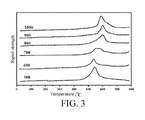
FIG. 3 is a TPR pattern of the vanadium-titanium compound material according to Embodiment 1 after the thermal stability test; and
FIG. 4 is a TPR pattern of a vanadium-titanium compound material obtained by a conventional method after the thermal stability test;
As shown in FIG. 3 and FIG. 4, the vanadium-titanium compound material prepared according to the present invention has reduction peaks after treatment at 500° C. to 1000° C., as for the vanadium-titanium compound material prepared according to the conventional method, the strength of the reduction peak at 600° C. is much weaker than that of the sample treated at 500° C., and the sample treated at 700° C. has no reduction peak, indicating that the vanadium-titanium compound material prepared according to the method of the present invention has excellent thermal stability.
DETAILED DESCRIPTION
The present invention is further described below according to embodiments, and the specific implementation solutions of the following embodiments are merely used to specifically illustrate the present invention, but the present invention is not limited to the disclosure of the embodiments.
Embodiment 1:
According to the method described in Patent No. ZL0315827.5, anatase type titanium oxide, industrial grade K2CO3 (purity 98 wt %) and H2O were fully mixed, where the TiO2/K2O molar ratio was 1.9, and the water content was 20 wt %; the mixed reactants were uniformly coated on an alumina plate and sintered at a reaction temperature of 880° C. for a reaction time of 2 h, and the sintered product was potassium dititanate; the sintered product was dispersed in water and then placed in a solution of a 5 fold volume at 50° C. and pH 8, and reacted for 8 h, and after filtration, placed in a hydrochloric acid aqueous solution at pH 3 and stirred for 8 h, to a potassium content in solid of less than 0.5 wt % by mass of the product; the resulting products were washed with water, filtered and dried at 20° C. to 50° C. for 12 h to obtain the hydrated product; the hydrated product was crystallized in the air for 2 h at 500° C., to obtain titanium oxide containing the crystal form TiO2(B), where titanium oxide contained 95% anatase crystal form and 5% TiO2(B) crystal form, and had a specific surface area of 105 m2/g, an average pore size of 6.2 nm, and a pore volume of 0.23 cm3/g. Ammonium metavanadate as the vanadium-containing precursor and oxalic acid as the cosolvent at a molar ratio of 1:2 were dissolved in deionized water to formulate an impregnating solution (that is, vanadium-containing precursor solution) having a concentration of 0.2 M; the impregnating solution was added to a powder of titanium oxide containing the crystal form TiO2(B) at a liquid-solid ratio of 0.7 mL/g (that is, 1 mL impregnating solution was mixed with 0.7 g titanium oxide all in the crystal form TiO2(B)), fully stirred, stood still for 8 h, and dried in an oven, and then placed in a tube furnace and calcinated at 500° C. with air charged, to obtain a vanadium-titanium compound material.
Test of thermal stability of the vanadium-titanium compound material: the vanadium-titanium compound material was placed in a muffle furnace, and calcinated for 2 h at six temperatures, 500° C., 600° C., 700° C., 800° C., 900° C. and 1000° C. respectively.
Method 1: After cooling, the 6 samples were porphyrized, and the crystal forms of the samples were detected by a X-ray powder diffraction (XRD) meter of model D8Adavance, where the detection conditions were the scanning range of 5° to 60°, the speed of 0.5 s/step, and the voltage of 40 kV and the current of 30 mA. The experimental results were shown in FIG. 1.
Method 2: After cooling, the 6 samples were porphyrized, and the reducing capacity of vanadium oxide in the sample was detected by a multifunctional adsorption instrument (TPR) of model TP-5000. 0.05 g sample was weighted and added into a quartz tube, air was charged into the quartz tube at a speed of 20 mL/min, and the temperature was raised from room temperature to 300° C. at a rate of 10° C./min and maintained at 300° C. for 0.5 h; after the temperature was decreased to room temperature, a 20% hydrogen/nitrogen mixture was charged at a speed of 20 mL/min, a thermal conductivity detector was turned on, the bridge current was set to be 90 mA, and the thermal conductivity cell temperature was 60° C.; after the detector was stable, the temperature was raised from room temperature to 800° C. at a rate of 10° C./min, and singles were acquired by the thermal conductivity detector. The experimental results were shown in FIG. 2.
Test of oxynitride removal performance of the vanadium-titanium compound material: the evaluation device was a quartz tube reactor having a inner diameter of 8 mm; the vanadium-titanium compound material was tabletted and crushed into particles having a particle size of 1.25 to 3 mm, and the particles were placed in the thermostat section of the reactor to an accumulation length of about 18 cm; the composition of the feed gas was: NO (700 ppm), NH3 (700 ppm), 5% O2, with the rest being nitrogen; the space velocity was 5000 h−1, and the reaction temperature was 300° C.
Test of volatile organic compound removal performance of the vanadium-titanium compound material: this evaluation was performed in a fixed-bed microreactor having an inner diameter of 4 mm; a certain amount of vanadium-titanium compound material was weighted and added to the thermostat section of the reactor; the volatile organic compound was toluene, the content of toluene in the feed gas was 1000 ppm, and the rest being air; the reaction temperature was 400° C., and the space velocity of the feed gas was 12000 h−1.
The structural parameters and the evaluation results of the catalytic performance of the vanadium-titanium compound material were shown in Table 1.
Embodiment 2:
Anatase type TiO2, industrial grade K2CO3 (purity 98 wt %), and H2O were fully mixed, where the TiO2/K2O molar ratio was 3, and the water content was 20 wt %; the mixed reactants were uniformly coated on an alumina plate and sintered at a reaction temperature of 1000° C. for a reaction time of 2 h, and the sintered product was potassium tetratitanate; the sintered product was crushed and placed in an HCl aqueous solution at pH 3 and stirred for 24 h to the potassium content in solid of less than 0.5 wt % of the product; the resulting product was washed with water, filtered, and dried for 12 h at 20° C. to 50° C., to obtain a hydrated product; the resulting product was crystallized for 2 h in the air at 400° C., to obtain titanium oxide all in the crystal form TiO2(B) having a specific surface area of 20 m2/g and a pore volume of 0.03 cm3/g. As the vanadium-containing precursor, vanadyl sulfate was dissolved in deionized water to formulate an impregnating solution having concentration of 1 mol/L; the impregnating solution was added to titanium oxide all in the crystal form TiO2(B) at a liquid-solid ratio of 0.7 g/mL (that is, 1 mL impregnating solution was mixed with 0.7 g titanium oxide all in the crystal form TiO2(B)), and fully stirred, stood still for 8 h, dried in an oven, and then placed in a tube furnace and calcinated at 600° C. with air charged, to obtain a vanadium-titanium compound material.
The structural parameters and the evaluation results of the catalytic performance of the vanadium-titanium compound material were shown in Table 1.
Embodiment 3:
Anatase type titanium oxide was dispersed in a 10 M NaOH aqueous solution at a liquid-solid ratio of 100 mL/g, and then the mixed solution was fully stirred, placed in a hydrothermal reactor and heated to 180° C., and maintained at 180° C. for 48 h. After the solution was cooled to room temperature, the precipitate was collected and immersed in excessive amount of 0.1 M HCl aqueous solution, stirred for 24 h; then, the precipitate was washed with deionized water, collected, and dried at 80° C. The powder was calcinated for 2 h at 400° C., to obtain a powder of titanium oxide all in the crystal form TiO2(B), where titanium oxide in the crystal form TiO2(B) has a specific surface area of 50 m2/g, a pore volume of 0.15 cm3/g, and an average pore size of 12 nm. As the vanadium-containing precursor, vanadyl oxalate was dissolved in deionized water to formulate an impregnating solution having concentration of 0.6 mol/L; the impregnating solution was added to titanium oxide at the liquid-solid ratio as described in Embodiment 1, and fully stirred, stood still for 8 h, dried in an oven, and then placed in a tube furnace and calcinated at 400° C. with air charged, to obtain a vanadium-titanium compound material.
The structural parameters and the evaluation results of the catalytic performance of the vanadium-titanium compound material were shown in Table 1.
Embodiment 4:
Twin titanium oxide containing the crystal form TiO2(B) and the crystal form anatase prepared according to the method of Embodiment 1 was compounded with commercially available anatase type titanium oxide (commercially available anatase titanium oxide had a specific surface area of 200 m2/g, a pore volume of 0.35 cm3/g, and an average pore size of 5 nm) at a mass ratio of 1:1, to obtain twin titanium oxide containing the crystal form TiO2(B) and the crystal form anatase, where the content of the TiO2(B) crystal form was about 2.5%. As the vanadium-containing precursor, ammonium metavanadate was added into absolute ethanol, heated and stirred, to formulate an impregnating solution having a concentration of 0.1 mol/L; the impregnating solution was added to titanium oxide at a liquid-solid ratio of 0.7 mL/g, fully stirred, stood still for 8 h, and dried in an oven; and then, placed in a tube furnace, and calcinated at 700° C. with air charged, to obtain a vanadium-titanium compound material.
The structural parameters and the evaluation results of the catalytic performance of the vanadium-titanium compound material were shown in Table 1.
Embodiment 5:
Titanium oxide all in the crystal form TiO2(B) prepared according to the method of Embodiment 2 was compounded with commercially available anatase type titanium oxide (the same as that in Embodiment 4) at a mass ratio of 1:5, to obtain twin titanium oxide containing the crystal form TiO2(B) and the crystal form anatase, where the content of the crystal form TiO2(B) was about 16%. Ammonium metavanadate as the vanadium-containing precursor and oxalic acid as the cosolvent at a molar ratio of 1:2 were dissolved in deionized water to formulate an impregnating solution having a concentration of 3 mol/L; the impregnating solution was added to titanium oxide having a content of the crystal form TiO2(B) of about 16% at a liquid-solid ratio of 0.7 mL/g, fully stirred, stood still for 8 h, and dried in an oven, and then placed in a tube furnace and calcinated at 500° C. with air charged, to obtain a vanadium-titanium compound material.
The structural parameters and the evaluation results of the catalytic performance of the vanadium-titanium compound material were shown in Table 1.
Embodiment 6:
Titanium oxide all in the crystal form TiO2(B) prepared according to the method of Embodiment 3 was compounded with commercially available anatase type titanium oxide (the same as that in Embodiment 4) at a mass ratio of 1:10, to obtain twin titanium oxide containing the crystal form TiO2(B) and the crystal form anatase, where the content of the TiO2(B) crystal form was 10%. As the vanadium-containing precursor, vanadyl sulfate was dissolved in deionized water to formulate an impregnating solution having a concentration of 2 mol/L; the impregnating solution was added to titanium oxide having a content of the crystal form of TiO2(B) of 10% at a liquid-solid ratio of 0.7 mL/g, fully stirred, stood still for 8 h, and dried in an oven; and then, placed in a tube furnace, and calcinated at 400° C. with air charged, to obtain a vanadium-titanium compound material.
The structural parameters and the evaluation results of the catalytic performance of the vanadium-titanium compound material were shown in Table 1.
Embodiment 7:
Twin titanium oxide containing the crystal form TiO2(B) and the crystal form anatase prepared according to the method of Embodiment 1 was compounded with commercially available amorphous hydrated titanium oxide at a mass ratio of 1:8, and calcinated for 2 h at 500° C., to obtain twin titanium oxide containing the crystal form TiO2(B) and the crystal form anatase having a content of the crystal form TiO2(B) of about 1%, where the material had a specific surface area of 150 m2/g, a pore volume of 0.35 cm3/g, and a pore diameter of 8 nm. As the vanadium-containing precursor, vanadyl sulfate was dissolved in deionized water to formulate an impregnating solution having a concentration of 6 mol/L; the impregnating solution was added to titanium oxide having a content of the crystal form TiO2(B) of about 1% at a liquid-solid ratio of 1 mL/g, fully stirred, stood still for 8 h, and dried in an oven; and then, placed in a tube furnace, and calcinated at 550° C. with air charged, to obtain a vanadium-titanium compound material.
Embodiment 8:
Tetrabutyl titanate and acetylacetone were slowly added to absolute ethanol at the same time, and stirred for 1 h at room temperature; an ethanol-hydrochloric acid aqueous solution was formulated, and added to the solution of tetrabutyl titanate and acetylacetoneethanol with vigorous stirring at a speed of 1 to 2 drops per second, and continuously stirred for 4 h, to obtain a stable transparent sol solution, where the molar ratio of the materials was Ti:absolute ethanol:water:acetylacetone=1:20:5:0.3; and after the sample was gelated, and then aged for 2 days at room temperature, to form a sol.
Titanium oxide all in the crystal form TiO2(B) prepared according to the method of Embodiment 2 was added to the sol at a mass ratio of 1:20, stirred for 6 h, dried in an oven, and calcinated for 2 h at 400° C., to obtain titanium oxide all in the crystal form TiO2(B). As the vanadium-containing precursor, ammonium metavanadate was dissolved in deionized water to formulate an impregnating solution having a concentration of 4 mol/L; the impregnating solution was added to titanium oxide at the liquid-solid ratio of 0.5 mL/g, fully stirred, stood still for 8 h, and dried in an oven, and then placed in a tube furnace and calcinated at 300° C. with air charged, to obtain a vanadium-titanium compound material.
TABLE 2
Structural parameters and the evaluation results of the catalytic
performance of the vanadium-titanium compound material
Mass Structural parameters Conversion
percentage Specific Pore Average Crystal Crystal Conver- rate of
of surface vol- pore form trans- sion volatile
vanadium area ume size compo- formation rate of organic
Embodiment oxide m2/g cm3/g nm sition temperature oxynitride compound
Embodiment 1 1 wt % 98 0.23 6   anatase 900° C. 98%  97%
Embodiment 2 5 wt % 8 0.02 / TiO2(B) + 850° C. 99% 100%
anatase
Embodiment 3 3 wt % 42 0.13 10.5  TiO2(B) 820° C. 99%  99%
Embodiment 4 0.5 wt % 1 0.01 / anatase 850° C. 85%  88%
Embodiment 5 10 wt % 120 0.32 6.3 anatase 800° C. 98%  98%
Embodiment 6 15 wt % 150 0.28 5.2 TiO2(B) + 700° C. 98% 100%
anatase
Embodiment 7 30 wt % 50 0.18 8.5 TiO2(B) + 730° C. 100%  100%
anatase
Embodiment 8 20 wt % 200 0.45 5.5 anatase 780° C. 96% 100%
COMPARATIVE EXAMPLE 1
As the raw material, hydrated titanium oxide (Jiangsu Zhenjiang Titanium Dioxide Co., Ltd.) was calcinated for 2 h at 500° C., to obtain anatase type titanium oxide having a specific surface area of 150 m2/g, a pore volume of 0.3 cm3/g, and an average pore size of 6.5 nm. The resulting anatase type titanium oxide was used as the base material of a vanadium-titanium compound material, the method for preparing the vanadium-titanium compound material was the same as that in Embodiment 1. According to the material structure and performance evaluation method in Embodiment 1, it is known from tests that, the material has rutile phase after heat treatment at 600° C., and the removal rate of oxynitride is 60%.
COMPARATIVE EXAMPLE 2
Titanium oxide was prepared according to the precipitation method reported in reference[7]. 20 mL tetrabutyl titanate was added to 100 mL absolute ethanol, the mixed solution was then added to 100 mL ethanol aqueous solution, and the mixed solution was stirred, where the molar ratio of water/tetrabutyl titanate was 75. After a while precipitate was formed, the mixed solution was continuously stirred for 24 h, and the precipitate was then collected and washed with 400 mL ethanol aqueous solution. After washing, the precipitate was baked for 24 h in an oven at 80° C., and finally the dried powder was subjected to heat treatment for 2 h at 400° C., to obtain titanium oxide all in the crystal form anatase, where the material had a specific surface area of 130 m2/g, a pore volume of 0.25 cm3/g, and an average pore size of 7 nm. According to the material structure and performance evaluation method in Embodiment 1, it is known from tests that, the material has rutile phase after heat treatment at 500° C., and the removal rate of oxynitride is 60%.
COMPARATIVE EXAMPLE 3
Commercial titanium oxide nanoparticles (Hangzhou Wanjing New Material Co., Ltd.) had a specific surface area of 88.3 m2/g, a pore volume of 0.05 cm3/g, and a particle size of 10 nm. According to the material structure and performance evaluation method in Embodiment 1, it is known from tests that, the material has rutile phase after heat treatment at 550° C., and the removal rate of oxynitride is 68%.
COMPARATIVE EXAMPLE 4
In the vanadium-titanium compound material reported in reference[8], the crystal form of titanium oxide was anatase, 9 wt % tungsten trioxide was added to the compound as the structure auxiliary agent to improve the thermal stability of the vanadium-titanium compound material. The rutile generation temperature of the compound was 600° C., and the conversion rate of oxynitride was 95%.
COMPARATIVE EXAMPLE 5
According to the improved method reported in reference[9], silica having a content of 5 wt % was added as the structure auxiliary agent to improve the thermal stability of the vanadium-titanium compound material. The rutile generation temperature of the compound was 730° C., the conversion rate of oxynitride was merely 30%, and the removal rate of the volatile organic compound was 45%.

Claims (15)

What is claimed is:
1. A method for preparing a vanadium-titanium compound material, comprising:
adding titanium oxide containing the crystal form TiO2(B) to a vanadium-containing precursor solution, fully stirring, standing still for 6 to 8 h, drying, and then roasting at 300° C. to 700° C.; wherein
the vanadium-containing precursor solution is prepared from a vanadium-containing precursor, the vanadium-containing precursor including metavanadate, vanadyl sulfate or vanadyl oxalate.
2. The method for preparing a vanadium-titanium compound material according to claim 1, wherein a content of the crystal form TiO2(B) in the titanium oxide containing the crystal form TiO2(B) is 1% to 100%.
3. The method for preparing a vanadium-titanium compound material according to claim 2, wherein the content of the crystal form TiO2(B) in the titanium oxide having the crystal form TiO2(B) is 5% to 100%.
4. The method for preparing a vanadium-titanium compound material according to claim 1, wherein the titanium oxide containing the crystal form TiO2(B) has a specific surface area of 10 to 300 m2/g, a pore volume of 0.02 to 1.0 cm3/g, and an average pore size of 1.0 to 50 nm.
5. The method for preparing a vanadium-titanium compound material according to claim 1, wherein
the vanadium-containing precursor solution is prepared by mixing the vanadium-containing precursor with water or an organic alcohol.
6. The method for preparing a vanadium-titanium compound material according to claim 5, wherein the organic alcohol is ethanol.
7. The method for preparing a vanadium-titanium compound material according to claim 1, wherein a concentration of the vanadium-containing precursor in the vanadium-containing precursor solution is 1 to 6 mol/L.
8. The method for preparing a vanadium-titanium compound material according to claim 1, wherein a liquid-solid ratio of the vanadium-containing precursor solution to the titanium oxide containing the crystal form TiO2(B) is 0.5 to 1.0 mL/g.
9. A method for preparing a vanadium-titanium compound material, comprising:
preparing a vanadium-containing precursor solution by mixing a vanadium-containing precursor and a solvent, wherein
the vanadium-containing precursor is metavanadate, vanadyl sulfate or vanadyl oxalate, and
the solvent is water or an organic alcohol;
adding titanium oxide containing the crystal form TiO2(B) to the vanadium-containing precursor solution;
stirring the vanadium-containing precursor solution to which the titanium oxide containing the crystal form TiO2(B) has been added to form a mixture;
allowing the mixture to stand for 6to 8h and then drying the mixture to form a dried mixture; and
calcinating the dried mixture at 300° C. to 700° C. to obtain the vanadium-titanium compound material.
10. The method for preparing a vanadium-titanium compound material according to claim 9, wherein a content of the crystal form TiO2(B) in the titanium oxide containing the crystal form TiO2(B) is 1% to 100%.
11. The method for preparing a vanadium-titanium compound material according to claim 10, wherein the content of the crystal form TiO2(B) in the titanium oxide having the crystal form TiO2(B) is 5% to 100%.
12. The method for preparing a vanadium-titanium compound material according to claim 9, wherein the titanium oxide containing the crystal form TiO2(B) has a specific surface area of 10to 300 m2/g, a pore volume of 0.02 to 1.0 cm3/g, and an average pore size of 1.0 to 50 nm.
13. The method for preparing a vanadium-titanium compound material according to claim 9, wherein the organic alcohol is ethanol.
14. The method for preparing a vanadium-titanium compound material according to claim 9, wherein a concentration of the vanadium-containing precursor in the vanadium-containing precursor solution is 1 to 6 mol/L.
15. The method for preparing a vanadium-titanium compound material according to claim 9, wherein a liquid-solid ratio of the vanadium-containing precursor solution to the titanium oxide containing the crystal form TiO2(B) is 0.5 to 1.0 mL/g.
US14/427,613 2012-09-29 2012-09-29 Vanadium-titanium compound material with high thermal stability and high activity and preparation method thereof Expired - Fee Related US9856149B2 (en)

Applications Claiming Priority (1)

Application Number Priority Date Filing Date Title
PCT/CN2012/082481 WO2014047937A1 (en) 2012-09-29 2012-09-29 Vanadium-titanium compound material with high thermal stability and high activity and preparation method thereof

Publications (2)

Publication Number Publication Date
US20150246823A1 US20150246823A1 (en) 2015-09-03
US9856149B2 true US9856149B2 (en) 2018-01-02

Family

ID=50386902

Family Applications (1)

Application Number Title Priority Date Filing Date
US14/427,613 Expired - Fee Related US9856149B2 (en) 2012-09-29 2012-09-29 Vanadium-titanium compound material with high thermal stability and high activity and preparation method thereof

Country Status (3)

Country Link
US (1) US9856149B2 (en)
JP (1) JP2015533766A (en)
WO (1) WO2014047937A1 (en)

Families Citing this family (4)

* Cited by examiner, † Cited by third party
Publication number Priority date Publication date Assignee Title
SG11201802496TA (en) * 2016-09-12 2018-04-27 The Chugoku Electric Power Co Inc Denitration catalyst and method for producing the same
CN109216559B (en) * 2018-09-21 2020-04-10 福州大学 Application of rapidly-synthesized B-phase titanium dioxide in perovskite solar cell
CN114824319B (en) * 2022-05-23 2023-06-23 河北工业大学 N-doped TiO 2-x Preparation method and application of supported PtCu alloy nano catalyst
CN116351410B (en) * 2023-03-20 2024-04-16 浙江工业大学之江学院 Solid acid catalyst loaded with ternary metal oxides of titanium, vanadium and cerium, and preparation method and application thereof

Citations (15)

* Cited by examiner, † Cited by third party
Publication number Priority date Publication date Assignee Title
US3464930A (en) * 1965-05-18 1969-09-02 Basf Ag Oxidation catalyst containing vanadium and titanium
US3562185A (en) * 1967-01-04 1971-02-09 Basf Ag Oxidation catalysts containing vanadium pentoxide and titanium dioxide
US3948807A (en) * 1973-01-13 1976-04-06 Kuraray Co., Ltd. Oxide catalysts and process for preparation thereof
US4085193A (en) * 1973-12-12 1978-04-18 Mitsubishi Petrochemical Co. Ltd. Catalytic process for reducing nitrogen oxides to nitrogen
DE4134292A1 (en) * 1991-04-24 1992-10-29 Tech Hochschule C Schorlemmer Vanadium pent:oxide anatase-carrier catalyst for phthalic anhydride prepn. - prepd. by controlling amt. of titanium incorporated into vanadium-oxygen lattice and excluding alkali(ne earth) ions
CN1076925A (en) 1990-10-05 1993-10-06 罗纳·布朗克化学公司 The controlled oxidation of ethane is to produce the method for ethene and acetate mixture
US5750777A (en) * 1994-12-29 1998-05-12 Rhone-Poulenc Chimie Process for the preparation of carboxylic acids by controlled oxidation of the corresponding alkanes
US5840971A (en) * 1994-02-21 1998-11-24 Rhodia S.A. Process for the production of acetic acid by controlled oxidation of ethanol
CN1265383A (en) 2000-02-28 2000-09-06 南京大学 Composite nanometer-level Ce-V-Ti oxide and its preparation and application
US6552233B2 (en) * 2000-09-14 2003-04-22 Lehigh University Vanadia-titania/metal-molybdate dual catalyst bed system and process using the same for methanol oxidation to formaldehyde
US7491676B2 (en) * 2004-10-19 2009-02-17 Millennium Inorganic Chemicals High activity titania supported metal oxide DeNOx catalysts
CN101433835A (en) 2008-12-05 2009-05-20 浙江师范大学 Mesoporous TiO2 supported V2O5 catalyst with high specific surface area as well as preparation method and use thereof
CN101480611A (en) 2009-02-04 2009-07-15 北京科技大学 Vanadium-doped titanium-base flue gas denitration catalyst material and preparation method thereof
US20120149933A1 (en) * 2009-06-11 2012-06-14 Mitsubishi Gas Chemical Company, Inc. Ammoxidation catalyst and method for producing nitrile compound using the same
CN102872854A (en) 2012-09-29 2013-01-16 南京工业大学 Vanadium-titanium compound material with high thermal stability and high activity and preparation method thereof

Family Cites Families (7)

* Cited by examiner, † Cited by third party
Publication number Priority date Publication date Assignee Title
JP2003080067A (en) * 2001-09-13 2003-03-18 Kansai Electric Power Co Inc:The Method for producing titanium oxide for catalyst carrier and ammonia denitration catalyst
CN1206025C (en) * 2003-09-22 2005-06-15 南京工业大学 Method for synthesizing titanium oxide with high specific surface area
JP2010055855A (en) * 2008-08-27 2010-03-11 Mitsubishi Chemicals Corp Electrode material electrode for nonaqueous electrolyte secondary battery, and nonaqueous electrolyte secondary battery using same
US8545796B2 (en) * 2009-07-31 2013-10-01 Cristal Usa Inc. Silica-stabilized ultrafine anatase titania, vanadia catalysts, and methods of production thereof
JP5764559B2 (en) * 2009-08-28 2015-08-19 南京工▲業▼大学Nanjing University Of Technology Method for preparing mesoporous composite titanium oxide material
JP5980472B2 (en) * 2010-05-14 2016-08-31 日立化成株式会社 Titanium dioxide, method for producing titanium dioxide, lithium ion battery, and electrode for lithium ion battery
JP2012166966A (en) * 2011-02-10 2012-09-06 Doshisha B type titanium oxide and method of manufacturing the same, and lithium ion battery using the same

Patent Citations (15)

* Cited by examiner, † Cited by third party
Publication number Priority date Publication date Assignee Title
US3464930A (en) * 1965-05-18 1969-09-02 Basf Ag Oxidation catalyst containing vanadium and titanium
US3562185A (en) * 1967-01-04 1971-02-09 Basf Ag Oxidation catalysts containing vanadium pentoxide and titanium dioxide
US3948807A (en) * 1973-01-13 1976-04-06 Kuraray Co., Ltd. Oxide catalysts and process for preparation thereof
US4085193A (en) * 1973-12-12 1978-04-18 Mitsubishi Petrochemical Co. Ltd. Catalytic process for reducing nitrogen oxides to nitrogen
CN1076925A (en) 1990-10-05 1993-10-06 罗纳·布朗克化学公司 The controlled oxidation of ethane is to produce the method for ethene and acetate mixture
DE4134292A1 (en) * 1991-04-24 1992-10-29 Tech Hochschule C Schorlemmer Vanadium pent:oxide anatase-carrier catalyst for phthalic anhydride prepn. - prepd. by controlling amt. of titanium incorporated into vanadium-oxygen lattice and excluding alkali(ne earth) ions
US5840971A (en) * 1994-02-21 1998-11-24 Rhodia S.A. Process for the production of acetic acid by controlled oxidation of ethanol
US5750777A (en) * 1994-12-29 1998-05-12 Rhone-Poulenc Chimie Process for the preparation of carboxylic acids by controlled oxidation of the corresponding alkanes
CN1265383A (en) 2000-02-28 2000-09-06 南京大学 Composite nanometer-level Ce-V-Ti oxide and its preparation and application
US6552233B2 (en) * 2000-09-14 2003-04-22 Lehigh University Vanadia-titania/metal-molybdate dual catalyst bed system and process using the same for methanol oxidation to formaldehyde
US7491676B2 (en) * 2004-10-19 2009-02-17 Millennium Inorganic Chemicals High activity titania supported metal oxide DeNOx catalysts
CN101433835A (en) 2008-12-05 2009-05-20 浙江师范大学 Mesoporous TiO2 supported V2O5 catalyst with high specific surface area as well as preparation method and use thereof
CN101480611A (en) 2009-02-04 2009-07-15 北京科技大学 Vanadium-doped titanium-base flue gas denitration catalyst material and preparation method thereof
US20120149933A1 (en) * 2009-06-11 2012-06-14 Mitsubishi Gas Chemical Company, Inc. Ammoxidation catalyst and method for producing nitrile compound using the same
CN102872854A (en) 2012-09-29 2013-01-16 南京工业大学 Vanadium-titanium compound material with high thermal stability and high activity and preparation method thereof

Non-Patent Citations (6)

* Cited by examiner, † Cited by third party
Title
"Effect of Additives on the Structure and Reactivity of the Surface Vanadium Oxide Phase in V.sub.2 O.sub.5 /TiO.sub.2 Catalysts," G. Deo et al. Journal of Catalysis, vol. 146, Issue 2 (Apr. 1994), pp. 335-345. *
"Formation of highly crystallized TiO2(B) and its photocatalytic behavior," Ashok Kumar Chakraborty et al. Applied Catalysis B: Environmental 93 (2010), pp. 368-375. *
"Physical and Chemical Characterization of Surface Vanadium Oxide Supported on Titania: Influence of Titania Phase (Anatase, Rutile, Brookite and B)," Goutam Deo et al. Applied Catalysis A, vol. 91, Issue 1 (Nov. 1992), pp. 27-42. *
"Synthesis, microstructure, and properties of black anatase and B phase TiO2 nanoparticles," Lu Li et al. Materials and Design 100 (2016), pp. 235-240. *
"Thermal influence on the structure and photocatalytic activity of mesoporous titania containing Ti02(B)", Teruhisa Hongo et al. Microporous and Mesoporous Materials 142 (2011), pp. 316-321. *
"TiO2(B)/anatase heterostructure nanofibers decorated with anatase nanoparticles as efficient photocatalysts for methanol oxidation," Tarek A. Kandiel et al. Journal Molecular Catalysis A: Chemical 425 (2016), pp. 55-60. *

Also Published As

Publication number Publication date
US20150246823A1 (en) 2015-09-03
WO2014047937A1 (en) 2014-04-03
JP2015533766A (en) 2015-11-26

Similar Documents

Publication Publication Date Title
An et al. Oxygen vacancy mediated construction of anatase/brookite heterophase junctions for high-efficiency photocatalytic hydrogen evolution
Chen et al. Selective-synthesis of high-performance single-crystalline Sr2Nb2O7 nanoribbon and SrNb2O6 nanorod photocatalysts
Huang et al. Effect of carbon doping on the mesoporous structure of nanocrystalline titanium dioxide and its solar-light-driven photocatalytic degradation of NO x
Hayashi et al. Hydrothermal synthesis of titania photocatalyst under subcritical and supercritical water conditions
Menzel et al. Impact of hydrothermal processing conditions on high aspect ratio titanate nanostructures
Zhang et al. Superior visible light photocatalytic performance of reticular BiVO 4 synthesized via a modified sol–gel method
CN107149932B (en) Synthesis of bismuth vanadate photocatalyst with controllable crystal face proportion, catalyst and application
JP4027249B2 (en) Low halogen low rutile ultrafine titanium oxide and method for producing the same
US9856149B2 (en) Vanadium-titanium compound material with high thermal stability and high activity and preparation method thereof
Carlucci et al. Selective synthesis of TiO 2 nanocrystals with morphology control with the microwave-solvothermal method
Camposeco et al. Active TiO2 nanotubes for CO oxidation at low temperature
Du et al. Black lead molybdate nanoparticles: Facile synthesis and photocatalytic properties responding to visible light
Sun et al. Crystallinity and photocatalytic properties of BiVO4/halloysite nanotubes hybrid catalysts for sunlight-driven decomposition of dyes from aqueous solution
EP3464183A1 (en) Titanium dioxide sol, method for preparation thereof and products obtained therefrom
Jing et al. g-C3N4 doping TiO2 recovered from spent catalyst for H2 evolution from water
Jia et al. Preparation and characterization of Rb-doped TiO2 powders for photocatalytic applications
US12391632B2 (en) Mixed metal oxide catalyst containing tantalum for ODH of ethane
CN101550595B (en) Method for preparing pure rutile-phase titanium dioxide single crystalline nanorod without template under low temperature
CN107442098B (en) A kind of strontium titanate catalyst using visible light photolysis of water to produce hydrogen and preparation method
Fu et al. Rutile TiO 2 single crystals delivering enhanced photocatalytic oxygen evolution performance
CN102872854A (en) Vanadium-titanium compound material with high thermal stability and high activity and preparation method thereof
CN102367180B (en) A method for preparing nanometer mesoporous TiO2 with high pore order using cheap industrial titanium source
Rhee et al. Synthesis of nitrogen-doped titanium oxide nanostructures via a surfactant-free hydrothermal route
Yao et al. Low-temperature selective catalytic reduction of NO over manganese supported on TiO2 nanotubes
JP4895929B2 (en) Low halogen low rutile ultrafine titanium oxide and method for producing the same

Legal Events

Date Code Title Description
AS Assignment

Owner name: CHANGSHU YUTYRONE ADVANCED WEAR MATERIALS TECHNOLO

Free format text: ASSIGNMENT OF ASSIGNORS INTEREST;ASSIGNORS:YANG, ZHUHONG;LI, LICHENG;LU, XIAOHUA;AND OTHERS;REEL/FRAME:035144/0638

Effective date: 20150309

Owner name: NANJING TECH UNIVERSITY, CHINA

Free format text: ASSIGNMENT OF ASSIGNORS INTEREST;ASSIGNORS:YANG, ZHUHONG;LI, LICHENG;LU, XIAOHUA;AND OTHERS;REEL/FRAME:035144/0638

Effective date: 20150309

STCF Information on status: patent grant

Free format text: PATENTED CASE

FEPP Fee payment procedure

Free format text: MAINTENANCE FEE REMINDER MAILED (ORIGINAL EVENT CODE: REM.); ENTITY STATUS OF PATENT OWNER: SMALL ENTITY

LAPS Lapse for failure to pay maintenance fees

Free format text: PATENT EXPIRED FOR FAILURE TO PAY MAINTENANCE FEES (ORIGINAL EVENT CODE: EXP.); ENTITY STATUS OF PATENT OWNER: SMALL ENTITY

STCH Information on status: patent discontinuation

Free format text: PATENT EXPIRED DUE TO NONPAYMENT OF MAINTENANCE FEES UNDER 37 CFR 1.362

FP Lapsed due to failure to pay maintenance fee

Effective date: 20220102