US9617543B2 - Sugar chain-containing polymer, and sugar chain-containing polymer complex - Google Patents
Sugar chain-containing polymer, and sugar chain-containing polymer complex Download PDFInfo
- Publication number
- US9617543B2 US9617543B2 US14/287,943 US201414287943A US9617543B2 US 9617543 B2 US9617543 B2 US 9617543B2 US 201414287943 A US201414287943 A US 201414287943A US 9617543 B2 US9617543 B2 US 9617543B2
- Authority
- US
- United States
- Prior art keywords
- sugar chain
- containing polymer
- pei
- complex
- sirna
- Prior art date
- Legal status (The legal status is an assumption and is not a legal conclusion. Google has not performed a legal analysis and makes no representation as to the accuracy of the status listed.)
- Active
Links
- DDAWMTIGVTXQJR-UHFFFAOYSA-N CC(=O)NC(C(=O)NC(C)C)C(O)C(OC1OC(CO)C(O)C(O)C1NC(C)=O)C(O)CO Chemical compound CC(=O)NC(C(=O)NC(C)C)C(O)C(OC1OC(CO)C(O)C(O)C1NC(C)=O)C(O)CO DDAWMTIGVTXQJR-UHFFFAOYSA-N 0.000 description 2
Images





Classifications
-
- C—CHEMISTRY; METALLURGY
- C12—BIOCHEMISTRY; BEER; SPIRITS; WINE; VINEGAR; MICROBIOLOGY; ENZYMOLOGY; MUTATION OR GENETIC ENGINEERING
- C12N—MICROORGANISMS OR ENZYMES; COMPOSITIONS THEREOF; PROPAGATING, PRESERVING, OR MAINTAINING MICROORGANISMS; MUTATION OR GENETIC ENGINEERING; CULTURE MEDIA
- C12N15/00—Mutation or genetic engineering; DNA or RNA concerning genetic engineering, vectors, e.g. plasmids, or their isolation, preparation or purification; Use of hosts therefor
- C12N15/09—Recombinant DNA-technology
- C12N15/11—DNA or RNA fragments; Modified forms thereof; Non-coding nucleic acids having a biological activity
- C12N15/113—Non-coding nucleic acids modulating the expression of genes, e.g. antisense oligonucleotides; Antisense DNA or RNA; Triplex- forming oligonucleotides; Catalytic nucleic acids, e.g. ribozymes; Nucleic acids used in co-suppression or gene silencing
- C12N15/1136—Non-coding nucleic acids modulating the expression of genes, e.g. antisense oligonucleotides; Antisense DNA or RNA; Triplex- forming oligonucleotides; Catalytic nucleic acids, e.g. ribozymes; Nucleic acids used in co-suppression or gene silencing against growth factors, growth regulators, cytokines, lymphokines or hormones
-
- A—HUMAN NECESSITIES
- A61—MEDICAL OR VETERINARY SCIENCE; HYGIENE
- A61K—PREPARATIONS FOR MEDICAL, DENTAL OR TOILETRY PURPOSES
- A61K49/00—Preparations for testing in vivo
- A61K49/001—Preparation for luminescence or biological staining
- A61K49/0013—Luminescence
- A61K49/0017—Fluorescence in vivo
- A61K49/0019—Fluorescence in vivo characterised by the fluorescent group, e.g. oligomeric, polymeric or dendritic molecules
- A61K49/0021—Fluorescence in vivo characterised by the fluorescent group, e.g. oligomeric, polymeric or dendritic molecules the fluorescent group being a small organic molecule
- A61K49/0032—Methine dyes, e.g. cyanine dyes
- A61K49/0034—Indocyanine green, i.e. ICG, cardiogreen
-
- A—HUMAN NECESSITIES
- A61—MEDICAL OR VETERINARY SCIENCE; HYGIENE
- A61K—PREPARATIONS FOR MEDICAL, DENTAL OR TOILETRY PURPOSES
- A61K49/00—Preparations for testing in vivo
- A61K49/001—Preparation for luminescence or biological staining
- A61K49/0013—Luminescence
- A61K49/0017—Fluorescence in vivo
- A61K49/005—Fluorescence in vivo characterised by the carrier molecule carrying the fluorescent agent
- A61K49/0052—Small organic molecules
-
- A—HUMAN NECESSITIES
- A61—MEDICAL OR VETERINARY SCIENCE; HYGIENE
- A61K—PREPARATIONS FOR MEDICAL, DENTAL OR TOILETRY PURPOSES
- A61K49/00—Preparations for testing in vivo
- A61K49/001—Preparation for luminescence or biological staining
- A61K49/0013—Luminescence
- A61K49/0017—Fluorescence in vivo
- A61K49/005—Fluorescence in vivo characterised by the carrier molecule carrying the fluorescent agent
- A61K49/0054—Macromolecular compounds, i.e. oligomers, polymers, dendrimers
-
- A—HUMAN NECESSITIES
- A61—MEDICAL OR VETERINARY SCIENCE; HYGIENE
- A61P—SPECIFIC THERAPEUTIC ACTIVITY OF CHEMICAL COMPOUNDS OR MEDICINAL PREPARATIONS
- A61P1/00—Drugs for disorders of the alimentary tract or the digestive system
- A61P1/16—Drugs for disorders of the alimentary tract or the digestive system for liver or gallbladder disorders, e.g. hepatoprotective agents, cholagogues, litholytics
-
- A—HUMAN NECESSITIES
- A61—MEDICAL OR VETERINARY SCIENCE; HYGIENE
- A61P—SPECIFIC THERAPEUTIC ACTIVITY OF CHEMICAL COMPOUNDS OR MEDICINAL PREPARATIONS
- A61P35/00—Antineoplastic agents
-
- C—CHEMISTRY; METALLURGY
- C12—BIOCHEMISTRY; BEER; SPIRITS; WINE; VINEGAR; MICROBIOLOGY; ENZYMOLOGY; MUTATION OR GENETIC ENGINEERING
- C12N—MICROORGANISMS OR ENZYMES; COMPOSITIONS THEREOF; PROPAGATING, PRESERVING, OR MAINTAINING MICROORGANISMS; MUTATION OR GENETIC ENGINEERING; CULTURE MEDIA
- C12N15/00—Mutation or genetic engineering; DNA or RNA concerning genetic engineering, vectors, e.g. plasmids, or their isolation, preparation or purification; Use of hosts therefor
- C12N15/09—Recombinant DNA-technology
- C12N15/11—DNA or RNA fragments; Modified forms thereof; Non-coding nucleic acids having a biological activity
- C12N15/111—General methods applicable to biologically active non-coding nucleic acids
-
- C—CHEMISTRY; METALLURGY
- C12—BIOCHEMISTRY; BEER; SPIRITS; WINE; VINEGAR; MICROBIOLOGY; ENZYMOLOGY; MUTATION OR GENETIC ENGINEERING
- C12N—MICROORGANISMS OR ENZYMES; COMPOSITIONS THEREOF; PROPAGATING, PRESERVING, OR MAINTAINING MICROORGANISMS; MUTATION OR GENETIC ENGINEERING; CULTURE MEDIA
- C12N2310/00—Structure or type of the nucleic acid
- C12N2310/10—Type of nucleic acid
- C12N2310/14—Type of nucleic acid interfering nucleic acids [NA]
-
- C—CHEMISTRY; METALLURGY
- C12—BIOCHEMISTRY; BEER; SPIRITS; WINE; VINEGAR; MICROBIOLOGY; ENZYMOLOGY; MUTATION OR GENETIC ENGINEERING
- C12N—MICROORGANISMS OR ENZYMES; COMPOSITIONS THEREOF; PROPAGATING, PRESERVING, OR MAINTAINING MICROORGANISMS; MUTATION OR GENETIC ENGINEERING; CULTURE MEDIA
- C12N2320/00—Applications; Uses
- C12N2320/30—Special therapeutic applications
- C12N2320/32—Special delivery means, e.g. tissue-specific
Definitions
- the present invention relates to a sugar chain-containing polymer and a sugar chain-containing polymer complex; more specifically, a sugar chain-containing polymer that specifically interacts with liver in liver fibrosis and is useful for imaging, diagnosis and therapy of the lesion area of liver fibrosis, and a sugar chain-containing polymer complex comprising the polymer as a carrier for an anionic substance.
- Liver fibrosis is associated with fatal liver diseases such as liver cancer and liver cirrhosis.
- diagnosis and therapy of liver fibrosis at an early stage is important.
- Activated hepatic stellate cells play important roles in liver fibrosis.
- HSCs change their characters from the steady state to the active state, and induce secretion of cytokines and growth factors from hepatocytes and nonparenchymal cells.
- Activated HSCs also produce extracellular matrix (ECM)-constituting factors such as collagen, which contribute to liver fibrosis.
- ECM extracellular matrix
- Non-patent Documents 1 and 2 a polymer containing N-acetylglucosamine (GlcNAc) has strong binding ability to vimentin and desmin on the cell surface. Further, the present inventors reported that an N-acetylglucosamine-containing polymer (PVGIcNAc) can identify vimentin- and desmin-positive cells from a hepatocyte population.
- the N-acetylglucosamine-containing polymer interacts with vimentin-positive cells such as sinusoidal endothelial cells, Kupffer cells and HSCs. In particular, activated HSCs more strongly express vimentin and desmin than HSCs in the steady state and other nonparenchymal cells.
- PVGIcNAc is a polymer having a structure in which N-acetylglucosamine is bound to a polystyrene backbone.
- the hydrophobic polystyrene chain is strongly adsorbed to a polystyrene culture dish, which is also hydrophobic. Taking advantage of this property, selective culture of specific hepatocytes became possible by preparing a PVGlcNAc-coated culture dish.
- ICG indocyanine green
- siRNA small interfering ribonucleic acid
- a virus vector for example, adenovirus or lentivirus
- no virus vector using, for example, liposomes, a cation polymer or a dendrimer
- liver fibrosis As described above, early detection and therapy of liver fibrosis are important for therapy of liver diseases. Development of methods of targeting and delivery of drugs, reagents, therapeutic genes and the like to activated HSCs, and carriers therefor, as key points of therapy of liver fibrosis has been demanded.
- the present invention aims to provide a sugar chain-containing polymer that enables targeting to the lesion area of liver fibrosis and is useful for imaging, diagnosis and therapy of liver fibrosis; and a sugar chain-containing polymer complex comprising the polymer as a carrier for an anionic substance useful for therapy and the like.
- the sugar chain-containing polymer of the present invention is a cationic polymer comprising an amine, which polymer comprises N-acetylglucosamine bound thereto.
- the sugar chain-containing polymer of the present invention preferably comprises a disulfide bond.
- the sugar chain-containing polymer of the present invention preferably comprises a structure in which a polyethyleneimine is linked via a disulfide bond.
- the sugar chain-containing polymer of the present invention preferably further comprises a fluorescent dye bound thereto.
- the fluorescent dye is preferably indocyanine green.
- the sugar chain-containing polymer complex of the present invention is characterized in that the complex comprises the sugar chain-containing polymer of the present invention and an anionic substance(s).
- the sugar chain-containing polymer complex of the present invention the sugar chain-containing polymer and the anionic substance(s) form a complex by electrostatic interaction.
- the anionic substance is preferably nucleic acid.
- the nucleic acid is preferably RNA.
- the RNA is preferably an siRNA.
- the siRNA is preferably an siRNA of TGF ⁇ 1.
- the present invention can provide a sugar chain-containing polymer that enables targeting to the lesion area of liver fibrosis and is useful for imaging, diagnosis and therapy of liver fibrosis; and a sugar chain-containing polymer complex comprising the polymer as a carrier for an anionic substance(s) useful for therapy and the like.
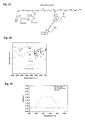
- FIG. 1A is a chemical formula representing the structure of PEI-D-GlcNAc-ICG used in Examples.
- FIG. 1B shows FT-IR spectra of the polymers synthesized in Example.
- FIG. 1C shows 1 H-NMR spectra of PEI-D and PEI-D-GlcNAc. COCH 3 of GlcNAc appears at 1.9 ppm, and NHCH 2 CH 2 of PEI appears at 2.2-3.0 ppm.
- FIG. 1D shows UV spectra of PEI-D-GlcNAc and PEI-D-GlcNAc-ICG.
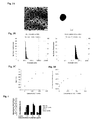
- FIG. 2A is a schematic diagram illustrating formation of a complex (nanocomplex) using PEI-D-GlcNAc-ICG and siRNA.
- FIG. 2B shows photographs showing results of a gel shift assay by agarose gel electrophoresis of the complex in the presence of DTT (right) and in the absence of DTT (left).
- FIG. 3A shows photographs showing the shape and the size of PEI-D-GlcNAc-siRNA taken by TEM.
- FIG. 3B shows the sizes and the size distributions of complexes (PEI-D-GlcNAc-siRNA and PEI-D-GlcNAc-ICG-siRNA) obtained by DLS calculation.
- FIG. 3C shows changes in the size of the complex caused by addition of DTT.
- FIG. 3D shows changes in the fluorescence intensity caused by addition of DTT.
- FIG. 5A - FIG. 5C show fluorescence images of cells as observed by confocal microscopy for confirmation of uptake of FITC-conjugated siRNA/polymer complexes by the cells.
- FIG. 5A shows fluorescence images observed by confocal microscopy, which images show interaction between the complexes and intracellular desmin.
- FIG. 5B shows fluorescence images observed by confocal microscopy, which images show interaction between the complexes and desmin on the cell surface of HSCs.
- desmin is shown in red; FITC-conjugated siRNA is shown in green; and DAPI is shown in blue.
- the left panel shows photographs showing analysis results obtained by Western blotting of ⁇ -SMA and TGF ⁇ 1 after transfection with siTGF/ ⁇ 1 using the complexes (scale bar: 50 ⁇ m).
- the right panels show graphs showing results of densitometer analysis of the relative intensity of each of ⁇ -SMA and TGF ⁇ 1 bands with respect to the ⁇ -actin band (p ⁇ 0.05).
- FIG. 6A - FIG. 6C show photographs showing results of in vivo imaging of ICG fluorescence.
- FIG. 6A shows optical images of mice with liver fibrosis (Fibrosis) and normal mice (Normal) after administration of PEI-D-GlcNAc-ICG.
- FIG. 6B shows optical images of mice with liver fibrosis after injection of PEI-D-ICG or PEI-D-GlcNAc-ICG.
- FIG. 6C shows ex vivo fluorescence images of organs (liver, spleen and kidney). The left panel shows images obtained 6 days after administration of PEI-D-GlcNAc-ICG, and the right panel shows images obtained 6 days after administration of ICG alone.
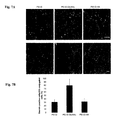
- FIG. 7A shows photographs showing results of immunohistochemical analysis of liver cryosections by confocal microscopy after administration of PEI-D-GlcNAc-ICG, PEI-D-ICG or PEI-D-HA-ICG.
- desmin is shown in green
- ICG is shown in red
- DAPI is shown in blue.
- FIG. 7B is a graph showing the ratio of desmin-positive cells to ICG-introduced cells. The results are presented as the mean ⁇ standard deviation for 10 separate areas in each sample.
- FIG. 8A shows photographs showing results obtained by Western blotting of ⁇ -SMA and TGF ⁇ 1 in the liver tissue after administration of siTGF ⁇ 1 using complexes (left panel).
- the right panels show graphs showing results of densitometer analysis of the relative intensity of each of ⁇ -SMA and TGF ⁇ 1 bands with respect to ⁇ -actin bands.
- FIG. 8B shows photographs obtained by H&E staining of liver sections after administration of siTGF ⁇ 1 using PEI-D-GlcNAc (p ⁇ 0.05).
- the sugar chain-containing polymer of the present invention is a cationic polymer comprising an amine, which polymer comprises N-acetylglucosamine bound thereto.
- the amine may be any of primary, secondary and tertiary amines, or may comprise all of primary to tertiary amines. Since the polymer is cationic, the polymer can form a complex with a useful anionic substance or macromolecule by electrostatic interaction.
- N-acetylglucosamine binds to the polymer preferably by covalent bonding.
- the method of binding of N-acetylglucosamine is not limited. Examples of the method include formation of a bond by reaction of a side-chain amine in the polymer with a sugar chain having N-acetylglucosamine at its terminus.
- N-acetylglucosamine is preferably contained at a side-chain terminus in the polymer by a structure represented by the formula below.
- the backbone of the sugar chain-containing polymer of the present invention is preferably polyethyleneimine.
- Polyethyleneimine is a cationic water-soluble polymer produced by polymerization of ethyleneimine.
- Polyethyleneimine has a structure represented by the molecular formula [—(CH 2 CH 2 NH—] n , and is linear or branched.
- the polyethyleneimine is preferably linear.
- the sugar chain-containing polymer of the present invention preferably has a disulfide bond, and preferably has a structure in which a plurality of polymers are bound together via a disulfide bond(s).
- the disulfide bond(s) is/are cleaved upon reduction.
- Disulfide bonds are easily reduced in intracellular environments in which glutathion is contained at high concentration.
- the sugar chain-containing polymer shows excellent stability in the extracellular space while the polymer is degraded in the cell by reduction. Therefore, in cases where the polymer is forming a complex with a useful substance, the polymer can efficiently release the useful substance in the cell.
- the sugar chain-containing polymer of the present invention preferably contains a fluorescent dye bound thereto.
- a fluorescent dye is not limited as long as the dye can be used in the living body.
- the fluorescent dye include fluorescein derivatives such as fluorescein isothiocyanate (FITC); fluorescent proteins such as Calcein-AM (DOJINDO LABORATORIES), indocyanine green, GFP, RFP and YFP; and SYBR Green. Indocyanine green is preferred.
- the molecular weight of the sugar chain-containing polymer of the present invention is preferably not less than 3000.
- the sugar chain-containing polymer complex of the present invention is characterized in that the complex comprises the sugar chain-containing polymer and an anionic substance.
- the sugar chain-containing polymer of the present invention is cationic, and can therefore form a complex with the anionic substance by electrostatic interaction.
- a sugar chain-containing polymer complex having a nanoparticulate shape can be formed by incorporation of an anionic siRNA.
- the anionic substance is preferably capable of interacting with the sugar chain-containing polymer of the present invention by electrostatic interaction to form a complex, and preferably a substance useful for therapy and/or imaging of lesions.
- the sugar chain-containing polymer complex has a disulfide bond
- the complex is degraded by reduction in the cell, and the anionic substance contained therein is released into the cell.
- the sugar chain-containing polymer of the present invention contains N-acetylglucosamine, which interacts with desmin and vimentin, which are highly expressed in activated hepatic stellate cells (HSCs)
- HSCs activated hepatic stellate cells
- the sugar chain-containing polymer of the present invention or the complex thereof is useful as a drug delivery system (DDS) to the liver, especially hepatic stellate cells in liver fibrosis.
- DDS drug delivery system
- the anionic substance is preferably nucleic acid, more preferably RNA, still more preferably an siRNA, especially preferably an siRNA of TGF ⁇ 1. Delivery of an siRNA into specific cells is generally difficult, but the sugar chain-containing polymer complex of the present invention can efficiently deliver an siRNA into hepatic stellate cells (HSCs).
- HSCs hepatic stellate cells
- the size of the sugar chain-containing polymer complex of the present invention is preferably about 5 to 200 nm in diameter.
- PEI Polyethyleneimine
- CBA N,N′-cystaminebisacrylamide
- Chitobiose was purchased from Megazyme International Ireland.
- 3-(4,5-dimethylthiazol-2-yl)-2,5-diphenyl tetrazolium bromide (MTT) water-soluble carbodiimide, [1-ethyl-3,3(-dimethylaminopropyl)carbodiimide hydrochloride (EDC)], and 1,4-dithiothreitol (DTT) were purchased from Sigma-Aldrich CO. LLC.
- a monoclonal mouse anti-TGF ⁇ 1 antibody was purchased from R&D Systems, Inc.
- a monoclonal mouse anti- ⁇ -actin antibody, monoclonal mouse anti-desmin antibody, and monoclonal mouse anti- ⁇ -smooth muscle actin antibody were purchased from Sigma-Aldrich CO. LLC.
- a horseradish peroxidase (HRP)-conjugated mouse secondary antibody was purchased from Abcam plc.
- PEI-D A disulfide bond-conjugated polyethyleneimine (PEI-D) was obtained by Michael addition using CBA. Under nitrogen atmosphere, 0.8-KDa PEI (10% aqueous methanol) and CBA (at a molar ratio of 1:2—ratio of reactive groups in CBA to amino groups in PEI) were mixed together at 55° C. for 24 hours. Unreacted CBA was eliminated with an excess amount of PEI. The resulting product was purified using a dialysis membrane (MWCO3500). GlcNAc was immobilized to PEI-D (PEI-D-GlcNAc) by the known EDC coupling method (Kim S J., et al., Biomaterials 2011; 32: 3471-80).
- ICG-Osu For conjugating ICG to PEI-D-GlcNAc (PEI-D-GlcNAc-ICG), ICG-Osu was dissolved in dimethyl sulfoxide (1 mg/ml). An equal amount of the polymer (2 mg/ml in PBS) and ICG-Osu were mixed for 2 hours at room temperature. Unreacted ICG-Osu was eliminated by centrifugation at 15,000 rpm. Immobilization of the disulfide bond and GlcNAc was confirmed by FT-IR (Bruker Optics IF66, manufactured by Bruker Optics) and 1 H-NMR (DU-800, manufactured by Beckman Coulter, Inc.).
- siRNA and PEI-D-GlcNAc were mixed at various ratios to form complexes.
- DTT was added at 50 nM to the solution of each complex, and the resulting mixture was left to stand for 10 minutes at room temperature. The formation of a complex was confirmed by gel shift assay.
- the sample of each complex was subjected to electrophoresis in 1% agarose gel supplemented with 0.1% ethidium bromide, in a solution (TAE) containing Tris base, acetic acid, and ethylenediaminetetraacetic acid (EDTA), at 100 V for 15 minutes.
- TAE Tris base, acetic acid, and ethylenediaminetetraacetic acid
- the polymer PEI-D-GlcNAc, PEI-D-GlcNAc-ICG
- siRNA 20 times volume
- the size and the zeta potential of each complex were measured by dynamic light scattering (DLS).
- the fluorescence intensity of ICG in the complex after the addition of DTT was measured by a microplate reader (SpectraMax M2, manufactured by Molecular Devices Inc.) at excitation and emission wavelengths of 805 nm and 820 nm, respectively.
- rat hepatic stellate cells (ScienCell Research Laboratories) were cultured in a 96-well cell culture plate containing a medium for stellate cells supplemented with 10% FBS and penicillin/streptomycin for 24 hours.
- An MTT assay was performed to estimate the cell viability.
- the cells were incubated with polymers at various concentrations for 24 hours.
- the cell culture medium was replaced, and 10 ⁇ l of an MTT solution (5 mg/ml in PBS) was added to the culture, followed by culturing the cells for 4 hours. Thereafter, the cells were washed, and the formazan dye produced was dissolved in 100 ⁇ l of dimethylsulfoxide for 15 minutes. The absorption was measured at 570 nm with a microplate reader.
- HSCs at a density of 1 ⁇ 10 4 (cells/well) were cultured on 8-well chamber slides for 24 hours.
- FITC-conjugated siRNA and the synthesized polymer PEI-D, PEI-D-GlcNAc
- PKI-D, PEI-D-GlcNAc the synthesized polymer
- the complex was incubated with the cells for 4 hours, and the cells were washed with PBS three times.
- the cells were then fixed using 4% paraformaldehyde for 10 minutes.
- the cells were permeabilized with 0.1% Triton X-100 to stain intracellular desmin.
- Carbon tetrachloride (CCl 4 ) was used for induction of liver fibrosis in mice.
- CCl 4 was dissolved in olive oil (1:5), and 1 ⁇ l/ ⁇ g body weight of the CCl 4 solution was intraperitoneally injected to female mice (Baltic/nu) of 5 to 6 weeks old once a week for a total of 5 weeks. All animal experiments have been approved by Korea Research Institute of Bioscience and Biotechnology (KRIBB).
- the PEI-D-GlcNAc-ICG/TGF ⁇ 1 siRNA complex was intravenously injected to the mice (200 ⁇ l), and, 3 days after the first injection, the PEI-D-GlcNAc/TGF ⁇ 1 siRNA was intravenously injected to the mice.
- the mice were observed with an IVIS Lumina imaging system (Xenogen Corporation) using an ICG filter set.
- the therapeutic effect of the PEI-D-GlcNAc-ICG/TGF ⁇ 1 siRNA complex was investigated by Western blotting and H&E staining. To perform ex vivo imaging, the mice were dissected 6 days after the injection of the complex, and the liver, spleen and kidney were observed using the imaging system.
- Proteins from cells and tissues were analyzed by Western blotting.
- Cells and tissues were homogenized in RIPA buffer (GenDEPOT, Inc.) and centrifuged at 13,000 rpm for 30 minutes at 4° C. The protein concentration was measured using a Bradford assay kit (GenDEPOT, Inc.). Equal amounts of proteins were separated by 12% SDS polyacrylamide gel electrophoresis (SDS-PAGE), and transferred to a PVDF membrane. The membrane was blocked with Blocking one (NACALAI TESQUE, Inc.) for 1 hour, and incubated with a primary antibody, a monoclonal mouse anti- ⁇ -SMA antibody (1:2000 dilution) or anti- ⁇ -actin antibody (1:5000 dilution), for 2 hours.
- a primary antibody a monoclonal mouse anti- ⁇ -SMA antibody (1:2000 dilution) or anti- ⁇ -actin antibody (1:5000 dilution
- the membrane was washed with TBST buffer, and incubated with an HRP-conjugated mouse secondary antibody for 2 hours at room temperature. Bands of the proteins were detected with LAS 3000 (FUJI FILM Corporation). The band intensity was analyzed using Image J software.
- the liver was fixed with formalin, and embedded in paraffin to prepare samples. Hematoxylin and eosin staining (H&E staining) was performed according to a standard method. The samples were observed under a light microscope. Immunofluorescence staining was performed using cryosection specimens. The sections were blocked with 1% BSA for 1 hour, and incubated with a polyclonal rabbit anti-desmin antibody (Abcam plc) for 2 hours. The sections were then reacted with a rabbit FITC-conjugated secondary antibody for 2 hours at room temperature. The sections were observed by confocal microscopy.
- N-acetyl-glucosamine and indocyanine green were immobilized on a carrier (see FIG. 1A ).
- the disulfide bond was conjugated to polyethyleneimine (PEI) by Michael addition using cystamine bisacrylamide (CBA), to synthesize PEI-D.
- CBA cystamine bisacrylamide
- FR-IR Fourier transform infrared spectroscopy
- the carbonyl group of CBA in PEI-D appeared at 1710 cm ⁇ 1 ( FIG. 1B ). This result indicates that the disulfide bond was successfully conjugated to PEI.
- the conjugation of GlcNAc to PEI was performed by the 1-ethyl-3-(3-dimethylaminopropyl)carbodiimide (EDC) coupling method.
- EDC 1-ethyl-3-(3-dimethylaminopropyl)carbodiimide
- the immobilization of GlcNAc was confirmed by 1 H-NMR (see FIG. 1C ).
- the molar ratio of GlcNAc to the primary amines in PEI was 3.5 mol % according to integration of the proton peaks in the NMR spectrum.
- the conjugation of ICG was analyzed by ultraviolet-visible (UV-Vis) spectroscopy (see FIG. 1D ).
- ICG-Osu was conjugated to PEI-D-GlcNAc by covalent bonding.
- the absorption peak of ICG was generally found at 780 nm.
- the absorption peak of ICG in the polymer was found at 805 nm. Since several studies have reported that the absorption peak of ICG shows red shift upon conjugation to a carrier, it is thought, in the present description, that shifting of the absorbance peak occurred due to conjugation of ICG-Osu to PEI.
- the cationic polymer and the negatively charged siRNA easily aggregated due to electrostatic interaction (see FIG. 2A ). Formation of the complex between the polymer and the siRNA was confirmed by a gel shift assay (see FIG. 2B ). PEI-D-GlcNAc completely aggregated with the siRNA at weight ratios of not less than 1. It was shown that therapy with 50 mM DTT allows formation of the complex at a weight ratio of not less than 10, and that the siRNA is released by destruction of the disulfide bond in the presence of a reducing agent. The shape and the size of the complex (PEI-D-GlcNAc-siRNA) were observed by TEM (see FIG. 3A ).
- the complex had a uniform nanoparticulate shape, and its size was about 50 nm.
- the size and the zeta potential of the complex were investigated by DLS (see FIG. 3B ). At a weight ratio of 20, the size of the complex was 97.6 ⁇ 21.9 nm, and the zeta potential was 28.86 ⁇ 4.13 mV.
- the size determined by DLS was larger than that determined by the TEM analysis. This is because the size determined by DLS is the hydrodynamic diameter, while the size determined by TEM is the diameter of the core alone.
- the size of the complex (PEI-D-GlcNAc-ICG-siRNA) increased to 148 ⁇ 35 nm. As shown in FIG.
- the size of the complex also increased by the addition of DTT.
- the fluorescence intensity of ICG in the complex was measured using a microplate reader at excitation and emission wavelengths of 805 nm and 820 nm, respectively (see FIG. 3D ).
- the fluorescence intensity increased as the concentration of DTT increased.
- the fluorescence intensity of the complex in 500 mM DTT was approximately twice as high as the fluorescence intensity in the absence of DTT.
- Efficient gene delivery requires complete aggregation of the polymer with a gene in the form of pDNA or siRNA outside the cell, as well as easy degradation of the polymer after its incorporation into the cell.
- the synthesized complex enabled efficient delivery of the siRNA and emission of strong fluorescence under reducing conditions in the cell.
- Cytotoxicity of the complex to HSCs was investigated by an MTT assay.
- the polymer at various concentrations was incubated together with HSCs in a medium supplemented with 10% FBS for 24 hours.
- the present inventors previously reported that conjugation of GlcNAc to 25-KDa PEI (PEI 25 k) reduces cytotoxicity.
- PEI 25 k-GlcNAc had cytotoxicity at high concentration.
- the disulfide bond- and GlcNAc-conjugated PEI had lower cytotoxicity than PEI 25 k (see FIG. 4 ).
- PEI-D-GlcNAc showed high cellular viability even after the therapy at high concentration.
- PEI-25 k is well known as an efficient carrier for gene delivery since it has many primary amine groups that contribute to binding with negatively charged genes. However, because of its cationic nature and high molecular weight, PEI-25 k shows high cytotoxicity. Conjugation of a disulfide bond to low-molecular-weight PEI reduces the cytotoxicity by degradation of the disulfide bond under reducing conditions. These results indicate that PEI-D-GlcNAc is a safe gene carrier for HSCs.
- FITC-siRNA FITC-conjugated siRNA
- the PEI-D-GlcNAc/FITC-siRNA complex was present in desmin-positive regions in the cells.
- the PEI-D/FITC-siRNA complex did not interact with desmin, and only interacted with cells because of the cationic nature of PEI.
- the GlcNAc moiety of the complex bound to desmin that was exposed on the surface of HSCs (see FIG. 5B ).
- Another group reported that a hyaluronic acid (HA)-conjugated gene carrier was efficiently targeted to HSCs (Kim K S., et al., ACS Nano 2010. 4: 3005-14; Park K., et al., Biomaterials 2011. 32: 4951-8).
- PEI-D-HA is also incorporated into HSCs in a large amount.
- the PEI-D-HA/FITC-siRNA complex bound not only to desmin-positive regions but also to desmin-negative regions in the cells.
- HA specifically binds to CD44 and hyaluronan receptor-1. Therefore, it is thought that HA was targeted not only to HSCs but also to other hepatocytes such as sinusoidal endothelial cells. Since liver fibrosis is associated with activated HSCs, gene delivery that is specifically targeted to activated HSCs may cause less side effects.
- the GlcNAc-immobilized carrier can be more specifically targeted to HSCs overexpressing vimentin and desmin than to other nonparenchymal cells expressing only vimentin.
- TGF ⁇ 1 siRNA transforming growth factor-1
- FBS-free medium a transforming growth factor-1 (TGF ⁇ 1) siRNA in an FBS-free medium
- Protein knock-down was measured by Western blotting 48 hours after the transfection.
- the TGF ⁇ 31 protein level in the medium was lower than those in the case of a control and the case where a PEI-D/TGF ⁇ 1 siRNA was used.
- liver sinusoidal endothelial cells and Kupffer cells secrete cytokines to activate HSCs, causing phenotypic changes in the HSCs.
- TGF ⁇ 1 is an important cytokine in liver fibrosis, and knock-down of TGF ⁇ 1 causes reduction in ⁇ -SMA.
- the amount of reduction in ⁇ -SMA protein was larger in the case where the PEI-D-GlcNAc/TGF ⁇ 1 siRNA complex was used than in the case where the PEI-D/TGF ⁇ 1 siRNA complex was used (see FIG. 5C ).
- Liver fibrosis was observed using the ICG-conjugated complex. Fibrosis was induced in mice using carbon tetrachloride, and the induction was confirmed by histological analysis using hematoxylin and eosin staining (H&E staining). After injection of the PEI-D-GlcNAc-ICG/siRNA complex to the tail vein of normal mice and mice with liver fibrosis, the complex was first localized in the liver. On the next day, the fluorescence signal from the complex was observed only in the fibrotic mice, and the signal disappeared in the normal mice (see FIG. 6A ).
- the PEI-D-GlcNAc-ICG/siRNA complex showed a stronger fluorescence signal than the PEI-D-ICG/siRNA complex in the mice with liver fibrosis (see FIG. 6B ).
- normal mice and mice with liver fibrosis were dissected 6 days after injection, and the liver, spleen, and kidney were removed.
- the PEI-D-GlcNAc-ICG/siRNA complex showed strong localization only in the fibrotic liver, whereas no accumulation was found in the liver of the normal mice.
- ICG has been used to measure hepatic function based on its fluorescence retention rate measured 15 minutes after the injection. It is expected that the PEI-D-GlcNAc-ICG/siRNA complex may exhibit a larger difference in the fluorescence retention rate between a normal liver and a fibrotic liver even after a long period. Thus, use of the PEI-D-GlcNAc-ICG/siRNA complex allows more accurate analysis of liver fibrosis.
- TGF ⁇ 1 siRNA therapy using each complex was studied by Western blotting and H&E staining.
- the levels of TGF ⁇ 1 and ⁇ -SMA decreased after injection of any of the complexes (PEI-D/TGF ⁇ 1 siRNA, PEI-D-GlcNAc/TGF ⁇ 1 siRNA, and PEI-D-HA/TGF ⁇ 1 siRNA).
- the ⁇ -SMA level was lower than others.
- the results on TGF ⁇ 1 were similar among the complexes (see FIG. 8B ).
- expression of ⁇ -SMA is limited to HSCs.
- TGF ⁇ 1 is secreted from all hepatocytes. It was thought that transfection with the GlcNAc-immobilized complex occurred specifically in HSCs. On the other hand, it was thought that other complexes interacted with both HSCs and other cells. This may explain why the level of ⁇ -SMA was lowest in the case where PEI-D-GlcNAc/TGF ⁇ 1 siRNA was used, while the level of TGF ⁇ 1 was almost the same among all of the complexes. The level of ⁇ -SMA indicates the level of activation of HSCs. After the therapy with TGF ⁇ 1 siRNA using PEI-D-GlcNAc-ICG, the level of ⁇ -SMA remarkably decreased. This suggests the therapeutic effect on liver fibrosis.
- mice with carbon tetrachloride-induced liver fibrosis showed many symptoms of inflammation.
- the liver tissue appeared like a normal tissue, which does not show formation of nodules (see FIG. 8B ).
- the GlcNAc-immobilized bioreducible complex is useful for efficient imaging and therapy of liver fibrosis.
- Conjugation of a disulfide bond and GlcNAc to PEI decreased the cytotoxicity of PEI.
- the GlcNAc-immobilized nanocomplex interacted strongly with HSCs via desmin exposed on the surface.
- the PEI-D-GlcNAc-ICG/siRNA complex remarkably accumulated in the fibrotic liver of mice.
- the complex interacts specifically with HSCs.
Landscapes
- Health & Medical Sciences (AREA)
- Engineering & Computer Science (AREA)
- Life Sciences & Earth Sciences (AREA)
- Biomedical Technology (AREA)
- Genetics & Genomics (AREA)
- General Health & Medical Sciences (AREA)
- Chemical & Material Sciences (AREA)
- Organic Chemistry (AREA)
- Bioinformatics & Cheminformatics (AREA)
- Wood Science & Technology (AREA)
- Biotechnology (AREA)
- General Engineering & Computer Science (AREA)
- Zoology (AREA)
- Molecular Biology (AREA)
- Animal Behavior & Ethology (AREA)
- Public Health (AREA)
- Veterinary Medicine (AREA)
- Epidemiology (AREA)
- Physics & Mathematics (AREA)
- Microbiology (AREA)
- Biochemistry (AREA)
- Plant Pathology (AREA)
- Biophysics (AREA)
- Endocrinology (AREA)
- Nuclear Medicine, Radiotherapy & Molecular Imaging (AREA)
- Medicinal Chemistry (AREA)
- General Chemical & Material Sciences (AREA)
- Pharmacology & Pharmacy (AREA)
- Chemical Kinetics & Catalysis (AREA)
- Gastroenterology & Hepatology (AREA)
- Medicinal Preparation (AREA)
- Pharmaceuticals Containing Other Organic And Inorganic Compounds (AREA)
- Saccharide Compounds (AREA)
- Medicines Containing Antibodies Or Antigens For Use As Internal Diagnostic Agents (AREA)
- Macromolecular Compounds Obtained By Forming Nitrogen-Containing Linkages In General (AREA)
- Addition Polymer Or Copolymer, Post-Treatments, Or Chemical Modifications (AREA)
Abstract
Description
- [Non-patent Document 1] Ise H., et al., Glycobiology 2010; 20: 843-64
- [Non-patent Document 2] Komura K., Ise H., Akaike T., Glycobiology 2012; 22: 1741-59

Claims (13)

Applications Claiming Priority (2)
| Application Number | Priority Date | Filing Date | Title |
|---|---|---|---|
| JP2013-246145 | 2013-11-28 | ||
| JP2013246145A JP6466637B2 (en) | 2013-11-28 | 2013-11-28 | Sugar chain-containing polymer and sugar chain-containing polymer complex |
Publications (2)
| Publication Number | Publication Date |
|---|---|
| US20150148527A1 US20150148527A1 (en) | 2015-05-28 |
| US9617543B2 true US9617543B2 (en) | 2017-04-11 |
Family
ID=53183179
Family Applications (1)
| Application Number | Title | Priority Date | Filing Date |
|---|---|---|---|
| US14/287,943 Active US9617543B2 (en) | 2013-11-28 | 2014-05-27 | Sugar chain-containing polymer, and sugar chain-containing polymer complex |
Country Status (6)
| Country | Link |
|---|---|
| US (1) | US9617543B2 (en) |
| JP (1) | JP6466637B2 (en) |
| KR (1) | KR102177258B1 (en) |
| AU (1) | AU2014202888B2 (en) |
| CA (1) | CA2852067C (en) |
| IN (1) | IN2014MU01748A (en) |
Families Citing this family (2)
| Publication number | Priority date | Publication date | Assignee | Title |
|---|---|---|---|---|
| TW202430194A (en) * | 2022-10-14 | 2024-08-01 | 國立大學法人九州大學 | Antifibrotic agent, pharmaceutical composition for treating fibrosis, and method for inactivating myofibroblasts |
| TW202608933A (en) * | 2024-04-12 | 2026-03-01 | 國立大學法人九州大學 | Copolymer, antifibrotic agent, pharmaceutical composition for treating fibrosis, and method for inactivating myofibroblasts |
Citations (1)
| Publication number | Priority date | Publication date | Assignee | Title |
|---|---|---|---|---|
| CN103030813A (en) * | 2012-12-21 | 2013-04-10 | 深圳先进技术研究院 | Preparation method of chitosan grafted polyethyleneimine non-viral transgene vector |
Family Cites Families (6)
| Publication number | Priority date | Publication date | Assignee | Title |
|---|---|---|---|---|
| EP0601417A3 (en) * | 1992-12-11 | 1998-07-01 | Hoechst Aktiengesellschaft | Physiologically compatible and degradable polymer-based carbohydrate receptor blockers, a method for their preparation and their use |
| JP4786052B2 (en) * | 2001-04-04 | 2011-10-05 | 花王株式会社 | Sugar graft polymer |
| GB0209022D0 (en) * | 2002-04-19 | 2002-05-29 | Imp College Innovations Ltd | Compounds |
| US20030215395A1 (en) * | 2002-05-14 | 2003-11-20 | Lei Yu | Controllably degradable polymeric biomolecule or drug carrier and method of synthesizing said carrier |
| AR090905A1 (en) * | 2012-05-02 | 2014-12-17 | Merck Sharp & Dohme | CONJUGATES CONTAINING TETRAGALNAC AND PEPTIDES AND PROCEDURES FOR THE ADMINISTRATION OF OLIGONUCLEOTIDES, PHARMACEUTICAL COMPOSITION |
| TWI595885B (en) * | 2012-05-02 | 2017-08-21 | 喜納製藥公司 | Novel tetragalnac containing conjugates and methods for delivery of oligonucleotides |
-
2013
- 2013-11-28 JP JP2013246145A patent/JP6466637B2/en active Active
-
2014
- 2014-05-21 CA CA2852067A patent/CA2852067C/en active Active
- 2014-05-26 IN IN1748MU2014 patent/IN2014MU01748A/en unknown
- 2014-05-27 US US14/287,943 patent/US9617543B2/en active Active
- 2014-05-28 KR KR1020140064335A patent/KR102177258B1/en active Active
- 2014-05-28 AU AU2014202888A patent/AU2014202888B2/en active Active
Patent Citations (1)
| Publication number | Priority date | Publication date | Assignee | Title |
|---|---|---|---|---|
| CN103030813A (en) * | 2012-12-21 | 2013-04-10 | 深圳先进技术研究院 | Preparation method of chitosan grafted polyethyleneimine non-viral transgene vector |
Non-Patent Citations (6)
| Title |
|---|
| Ise et al., "Vimentin and desmin possess GicNAc-binding lectin-like properties on cell surfaces," Glycobiology, vol. 20, No. 7, Mar. 22, 2010, pp. 843-864. |
| Kim et al. (Biomaterials 32 (2011) 3471-3480). * |
| Kim et al., "Imaging and therapy of liver fibrosis using bioreducible polyethylenimine/siRNA complexes conjugated with N-acetylglucosamine as a targeting moiety," Biomaterials, vol. 34, May 13, 2013, pp. 6504-6514. |
| Komura et al., "Dynamic behaviors of vimentin induced by interaction with GlcNAc molecules," Glycobiology, vol. 22, No. 12, Jul. 30, 2012, pp. 1741-1759. |
| Martello et al. (Protocol Exchange (2007), Published online, Sep. 3, 2007) (Abstract sent). * |
| Zhao et al; CN 103030813 A; Apr. 10, 2013 (Machine English Translation). * |
Also Published As
| Publication number | Publication date |
|---|---|
| KR102177258B1 (en) | 2020-11-10 |
| CA2852067A1 (en) | 2015-05-28 |
| US20150148527A1 (en) | 2015-05-28 |
| KR20150062105A (en) | 2015-06-05 |
| IN2014MU01748A (en) | 2015-10-02 |
| AU2014202888B2 (en) | 2018-08-16 |
| AU2014202888A1 (en) | 2015-06-11 |
| JP6466637B2 (en) | 2019-02-06 |
| CA2852067C (en) | 2021-06-15 |
| JP2015105230A (en) | 2015-06-08 |
Similar Documents
| Publication | Publication Date | Title |
|---|---|---|
| Mansur et al. | Design and development of polysaccharide-doxorubicin-peptide bioconjugates for dual synergistic effects of integrin-targeted and cell-penetrating peptides for cancer chemotherapy | |
| Tripathi et al. | Linear polyethylenimine-graft-chitosan copolymers as efficient DNA/siRNA delivery vectors in vitro and in vivo | |
| Kim et al. | Imaging and therapy of liver fibrosis using bioreducible polyethylenimine/siRNA complexes conjugated with N-acetylglucosamine as a targeting moiety | |
| Lee et al. | Mussel-inspired hyaluronic acid derivative nanostructures for improved tumor targeting and penetration | |
| Kim et al. | Multifunctional polyion complex micelle featuring enhanced stability, targetability, and endosome escapability for systemic siRNA delivery to subcutaneous model of lung cancer | |
| Van Driessche et al. | pH-sensitive hydrazone-linked doxorubicin nanogels via polymeric-activated Ester scaffolds: Synthesis, assembly, and in vitro and in vivo evaluation in tumor-bearing zebrafish | |
| Zhu et al. | Vinblastine-loaded nanoparticles with enhanced tumor-targeting efficiency and decreasing toxicity: developed by one-step molecular imprinting process | |
| Lu et al. | Importance of polymer length in fructose-based polymeric micelles for an enhanced biological activity | |
| Ranalli et al. | Peptide-based stealth nanoparticles for targeted and pH-triggered delivery | |
| US12357702B2 (en) | Peptidic diagnostic compositions | |
| CN105189614A (en) | Nanoparticles stabilized with nitrophenylboronic acid compositions | |
| Bukchin et al. | Amphiphilic polymeric nanoparticles modified with a protease-resistant peptide shuttle for the delivery of SN-38 in diffuse intrinsic pontine glioma | |
| Hu et al. | Reduction-triggered polycyclodextrin supramolecular nanocage induces immunogenic cell death for improved chemotherapy | |
| Canato et al. | Anti‐HER2 Super Stealth Immunoliposomes for Targeted‐Chemotherapy | |
| Vetter et al. | Ionic coating of SiRNA polyplexes with CRGD–PEG–hyaluronic acid to modulate serum stability and in vivo performance | |
| Ding et al. | Folate ligand orientation optimized during cell membrane mimetic micelle formation for enhanced tumor cell targeting | |
| Yang et al. | Journey of poly (ethylene glycol) in living cells | |
| Bao et al. | Tumor targeted siRNA delivery by adenosine receptor-specific curdlan nanoparticles | |
| Hu et al. | Hypoxia-responsive modules via tunable hydrophobicity reversal enhance renal-targeted release of CD36-interfering nanoparticles to ameliorate acute kidney injury | |
| Mathew et al. | Vimentin targeted nano-gene carrier for treatment of renal diseases | |
| Chen et al. | αvβ3 Receptor-targeted acid-responsive controlled-release endosome escape doxorubicin-loaded liposomes for A549/ADR treatment | |
| AU2014202888B2 (en) | Sugar chain-containing polymer, and sugar chain-containing polymer complex | |
| Lee et al. | Cell-specific siRNA delivery by peptides and antibodies | |
| Christie et al. | Optical properties and application of a reactive and bioreducible thiol-containing tetramethylrhodamine dimer | |
| US20230372505A1 (en) | Oligonucleic acid conjugate |
Legal Events
| Date | Code | Title | Description |
|---|---|---|---|
| AS | Assignment |
Owner name: SOMAR CORP., JAPAN Free format text: ASSIGNMENT OF ASSIGNORS INTEREST;ASSIGNORS:CHUNG, BONG HYUN;ISE, HIROHIKO;AKAIKE, TOSHIHIRO;AND OTHERS;SIGNING DATES FROM 20140922 TO 20141013;REEL/FRAME:034190/0061 Owner name: KOREA RESEARCH INSTITUTE OF BIOSCIENCE AND BIOTECH Free format text: ASSIGNMENT OF ASSIGNORS INTEREST;ASSIGNORS:CHUNG, BONG HYUN;ISE, HIROHIKO;AKAIKE, TOSHIHIRO;AND OTHERS;SIGNING DATES FROM 20140922 TO 20141013;REEL/FRAME:034190/0061 |
|
| STCF | Information on status: patent grant |
Free format text: PATENTED CASE |
|
| MAFP | Maintenance fee payment |
Free format text: PAYMENT OF MAINTENANCE FEE, 4TH YR, SMALL ENTITY (ORIGINAL EVENT CODE: M2551); ENTITY STATUS OF PATENT OWNER: SMALL ENTITY Year of fee payment: 4 |
|
| FEPP | Fee payment procedure |
Free format text: ENTITY STATUS SET TO UNDISCOUNTED (ORIGINAL EVENT CODE: BIG.); ENTITY STATUS OF PATENT OWNER: LARGE ENTITY |
|
| MAFP | Maintenance fee payment |
Free format text: PAYMENT OF MAINTENANCE FEE, 8TH YEAR, LARGE ENTITY (ORIGINAL EVENT CODE: M1552); ENTITY STATUS OF PATENT OWNER: LARGE ENTITY Year of fee payment: 8 |
|
| AS | Assignment |
Owner name: SOMAR CORP., JAPAN Free format text: ASSIGNMENT OF ASSIGNORS INTEREST;ASSIGNOR:KOREAN RESEARCH INSTITUTE OF BIOSCIENCE AND BIOTECHNOLOGY;REEL/FRAME:071916/0039 Effective date: 20250728 |