CROSS-REFERENCE TO RELATED APPLICATION
This application claims the benefit of U.S. Provisional Application Ser. No. 61/711,654, filed Oct. 9, 2012, herein incorporated by reference.
FIELD OF THE INVENTION
The presently-disclosed subject matter relates to methods and systems for producing triterpenes, and in particular to methods and systems for producing triterpenes, including methylated triterpenes, using expression vectors, isolated gene sequences and genetically engineered, i.e. transgenic organisms, including yeast and plants, which can be used for the production of triterpenes.
BACKGROUND OF THE INVENTION
Triterpenes are terpenes consisting of six isoprene units having a molecular formula C30H48. Animals, plants and fungi (e.g. yeast), create triterpenes such as squalene and botryococcene. In recent years, studies have been conducted exploring the uses of triterpenes as biofuels and petroleum chemicals.
Triterpenes may be methylated, for example in the form of mono- and di-methylated forms including mono- and di-methylated forms of squalene and botryococcene to name two, as well as other triterpenes. In nature, for example, animal, plant and fungi, triterpenes metabolism occurs in the cytoplasm utilizing the mevalonate (MVA) pathway. FIG. 1 is a schematic showing typical triterpene metabolism occurring in the cytoplasm of animal plant and fungi cells (left portion, FIG. 1). In nature, and in particular in plant cells having chloroplast, monoterpenes and diterpenes are produced in chloroplasts using the methyl erythrithol phosphate (MEP) pathway, for example as shown in the right side of FIG. 1. However, the MEP pathway occurs exclusively in the chloroplast compartment and is responsible for monoterpene, diterpene and polyterpene (carotenoids and phytol) biosynthesis but not triterpene biosynthesis.
Botryococcus braunii accumulates very high levels of methylated triterpenes, compounds that contribute to the buoyancy of the algae and serve as high-valued feedstocks for the petrochemical and chemical industries. Three SAM-dependent methyltransferases catalyzing successive and regio-specific methylations of either squalene or botryococcene are identified. Methylation of the triterpene analogs squalene and botryococcene requires distinct methyltransferases. The observed substrate selectivity and successive cycles of regio-specific catalysis by triterpene methyltransferases from Botryococcus braunii provides evidence that further chemical diversification is achievable.
Botryococcus braunii is a colony-forming, freshwater green algae reported to accumulate 30 to 86% of its dry weight as hydrocarbon oils (1) Three distinct races of B. braunii have been described based on the types of hydrocarbons that each accumulates (2) Race A accumulates fatty acid-derived alkadienes and alkatrienes (3), race L accumulates the tetraterpene lycopadiene (4), and race B accumulates triterpenes, predominately botryococcene, squalene and their methylated derivatives (5) The oils accumulate both in intracellular oil bodies and in association with an extracellular matrix (6), which in race B consists largely of long-chain, cross-linked biopolymers formed in part from acetalization of polymethylsqualene diols (7) Di- and tetra-methylated botryococcenes are generally the most abundant triterpenes accumulating in race B with smaller amounts of tetramethylated-squalene (8) and other structural derivatives of squalene and botryococcene that range from C31 to C37 accumulating to various levels in different strains and in response to variable culture conditions (9) Other polymethylated derivatives such as diepoxy-tetramethylsqualene (10), botryolins (11), and brauixanthins (12) have also been reported.
B. braunii race B has received significant attention because it is considered an ancient algal species dating back at least 500 MYA and is one of the few organisms known to have directly contributed to the existing oil and coal shale deposits found on Earth (13-15), accounting for up to 1.4% of the total hydrocarbon content in oil shales (16) Secondly, because the hydrocarbon oils of B. braunii race B are readily converted to starting materials for industrial chemical manufacturing and high quality fuels under standard hydrocracking/distillation conditions in yields approaching 97% (17), race B has been considered a potential production host for renewable petrochemicals and biofuels. However, the slow growth habit of B. braunii poses serious limitations to its suitability as a robust biofuel production system.
B. braunii race B accumulates triterpene oils in excess of 30% of its dry weight. The composition of the triterpene oils is dominated by di-methylated to tetra-methylated forms of botryococcene and squalene. While unusual mechanisms for the biosynthesis of the botryococcene and squalene were recently described, the enzyme(s) responsible for decorating these triterpene scaffolds with methyl substituents were unknown. A transcriptome of B. braunii was screened computationally assuming that the triterpene methyltransferases (TMTs) might resemble the SAM-dependent enzymes described for methylating the side chain of sterols. Six sterol methyltransferase-like genes were isolated and functionally characterized. Three of these genes when co-expressed in yeast with complementary squalene synthase or botryococcene synthase expression cassettes resulted in the accumulation of mono- and di-methylated forms of both triterpene scaffolds. Surprisingly, TMT-1 and TMT-2 exhibited preference for squalene as the methyl acceptor substrate, while TMT-3 showed a preference for botryococcene as its methyl acceptor substrate. These in vivo preferences were confirmed with in vitro assays utilizing microsomal preparations from yeast over-expressing the respective genes, which encode for membrane associated enzymes. Structural examination of the in vivo yeast generated mono- and di-methylated products by NMR identified terminal carbons, C3 and C22/C20, as the atomic acceptor sites for the methyl additions to squalene and botryococcene, respectively. These sites were identical to those previously reported for the triterpenes extracted from the algae themselves. The availability of closely related triterpene methyltransferases exhibiting distinct substrate specificities and successive catalytic activities provides an important tool for investigating the molecular mechanisms responsible for the specificities exhibited by these unique enzymes.
As previously noted, B. braunii has attracted considerable interest because it reportedly accumulates hydrocarbon oils from 30 to 86% (1) of its dry weight and because these oils are considered progenitors to oil and coal shale deposits (2-4). While all B. braunii are morphologically similar, three distinct chemotypes of B. braunii have been reported depending on the type of hydrocarbons each accumulates (5). Race A accumulates fatty acid-derived alkadienes and alkatrienes (6); race L accumulates the tetraterpene lycopadiene (7); and race B amasses the linear triterpenes, botryococcene, squalene, and their methylated derivatives (8). Di- and tetra-methylated botryococcenes are generally the most abundant oils accumulating in race B (9). However, lower amounts of tetramethylated-squalene (10) and variable amounts of other structural derivatives of botryococcene ranging from C31 to C37 accumulate to various levels in different race B strains and in response to variable culture conditions (9,11). The oils accumulate both in intracellular oil bodies and in association with an extracellular matrix (12), which in race B consists mainly of long-chain, cross-linked polyacetals formed in large part from acetalization of polymethylsqualene diols that account for approximately 10% of the dry weight (13). Other polymethylsqualene derivatives have been described in race B, such as diepoxy-tetramethylsqualene (14), botryolins (15), and braunixanthins (16). The linear triterpenes, botryococcene, squalene, and their methylated derivatives, are hence common components of B. braunii race B and make up a large proportion of its total biomass.
A unique mechanism for botryococcene biosynthesis was recently described by Niehaus et al. (17), in which two squalene synthase-like (SSL) enzymes perform the successive half-reactions that are normally catalyzed by a single enzyme in the case of squalene synthase. SSL-1 uses farnesyl diphosphate (FPP) as a substrate to catalyze the production of pre-squalene diphosphate (PSPP), which a second enzyme, SSL-3, converts to botryococcene in an NADPH-dependent manner. A third enzyme, SSL-2, catalyzes the biosynthesis of squalene from PSPP produced by SSL-1 but cannot efficiently use FPP as a substrate. Overall, it was suggested that the squalene and botryococcene produced by the SSL enzymes were channeled into the production of the liquid oils and the biosynthesis of squalene derivatives, such as the extracellular matrix (17), while the conventional B. braunii squalene synthase (18) appears to synthesize squalene destined for sterol biosynthesis.
It is not botryococcene and squalene, however, that accumulate to substantial levels in this algae, but the methylated forms of these triterpenes. For instance, while the liquid oil content of B. braunii race B is composed primarily of botryococcenes, generally less than 1% is in the non-methylated C30 form and the majority is dominated by di-methylated and tetramethylated forms, depending on the strain and culture conditions (9, Metzger, 1983 #102,11). Essentially all the squalene that accumulates is in methylated forms, accumulating in the oil fraction (less than 5% of the total oil (19) or incorporated into a variety of other B. braunii natural products (13-16). Because B. braunii race B accumulates 30% or more of its dry weight as these triterpene components, one can estimate that the methylated triterpenes can account for up to 25% of the total algal biomass dry weight and contribute directly to the buoyancy that distinguishes these algal colonies. Unlike many green algae that are flagellated and phototaxic (20), the buoyance characteristic of Botryococcus provides a means for it to float in its normal aqueous habitats and to intercept a greater amount of photosynthetic light. In addition to these purported physiological roles, the methylated forms of botryococcene and squalene enhance their utility as feedstocks for petrochemical processing and chemical manufacturing. The increased branching evident in the methylated triterpenes improves their hydrocracking to chemical species of value for the synthesis of industrial polymers and other commodity based chemicals (21) and yields high quality gasoline, kerosene and diesel fuels upon distillation (22).
While the unique mechanisms for C30 botryococcene and squalene biosynthesis in Botryococcus braunii have been elucidated (17), the specific mechanism(s) by which these triterpenes are methylated was unclear at the start of this work. Small molecule methylation has been extensively characterized for many diverse compounds and typically consists of a methyltransferase (MT) that utilizes the universal methyl-donor S-adenosyl methionine (SAM), and exhibits variable degrees of selectivity for a wide range of methyl acceptor molecules (24). MTs are also distinguished as C-, O-, N-, S- or halide methyltransferases, an indication of the methylation target within the acceptor substrate. While MTs may only share limited overall amino acid sequence similarities, domains responsible for SAM binding appear to be broadly conserved and highly conserved structural folds have served to associate MTs into five distinct Classes. Most of the small molecule MTs fall into Class 1, but do not appear to cluster phylogenetically based on their target site (i.e. methylation of carbon versus nitrogen) or the particular chemical class of the methyl acceptor substrate. An indole alkaloid MT, for instance, shows closer sequence similarity to a tocopherol MT rather than any other alkaloid specific MTs. Clustering in this instance appears more related to the evolutionary origins of the MTs and the propensity of MTs to undergo neofunctionalization. There remains a need in the art to harness the unique oil biosynthesis capacity for use in a system that allows for rapid and higher yield production.
There remains a need in the art to harness this unique oil biosynthetic capacity for use in a system that allows for more rapid and higher yield production.
SUMMARY OF THE INVENTION
The presently-disclosed subject matter meets some or all of the above-identified needs, as will be evident to those of ordinary skill in the art after a study of information provided in this document.
This disclosure describes several embodiments of the presently-disclosed subject matter, and in many cases lists variations and permutations of these embodiments. Accordingly, this disclosure is merely exemplary of the numerous and varied embodiments. Mention of one or more representative features of a given embodiment is likewise exemplary. Such an embodiment can typically exist with or without the feature(s) mentioned; likewise, those features can be applied to other embodiments of the presently-disclosed subject matter, whether listed in this Summary or not. To avoid excessive repetition, this disclosure does not list or suggest all possible combinations of such features.
The presently-disclosed subject matter relates to triterpene production, including methylated triterpene production. In various forms, the subject matter relates to isolated nucleic acid sequences which encode various proteins including enzymes for the production of triterpenes and including methylated e.g. mono and di-methlyated triterpenes. The presently-disclosed subject matter includes isolated nucleic acids encoding triterpene methyltransferases, genetically modified or engineered triterpene methyltransferase having a chloroplast tag directing the triterpene methyltransferase to chloroplasts of plant cells when the protein is expressed in plant cells, expression vectors expressing a nucleic acid encoding triterpene methyltransferases, genetically modified cells, e.g. plant cells having an expression vector encoding one or more triterpene methyltransferases and methods for transforming cells with an expression vector encoding triterpene methyltransferases.
In addition, the presently-disclosed subject matter is directed to exploiting the MEP pathway of plant cells to produce triterpenes and in particular methylated triterpenes. Using isolated nucleic acids, e.g. expression vectors with nucleic acid sequences encoding specific enzymes which target the products of the MEP pathway in chloroplast, methylated triterpenes are produced. For example, plant cells can be genetically modified to express various triterpene methyltransferases along with triterpene synthases (e.g. squalene synthase and/or botryococcene synthase and prenyltransferase (PT)), all with addressing information (e.g. tags) such that the encoded enzymes are directed to the chloroplast compartment of the transfected plant cells. As a result, the presently engineered mechanism provides a unique metabolism incorporated in a non-native environment within plant cells. From the present design, triterpene biosynthesis can occur in the chloroplast compartment in a manner such that carbon from the MEP pathway can be diverted to triterpene biosynthesis. An advantage of this scheme or approach is to eliminate regulatory mechanisms controlling triterpene biosynthesis which occurs in the cytoplasm and hence the present scheme provides a robust production level of triterpenes. In various alternative forms, the triterpene synthase can include one or more combinations of synthases other than squalene and botryococcene synthases.
The present invention, in one form thereof, relates to an isolated nucleic acid having a nucleic acid sequence encoding at least one protein selected from the group consisting of triterpene methyltransferase 1 (TMT-1), triterpene methyltransferase 2 (TMT-2) and triterpene methyltransferase 3 (TMT-3). In one further embodiment, the nucleic acid sequence encodes at least two proteins selected from the group consisting of TMT-1, TMT-2 and TMT-3 or alternatively all three proteins. The nucleic acid sequence may be selected from the group consisting of SEQ ID NOS: 1, 2 and 3.
In one advantageous form, the isolated nucleic acid may include non-native nucleic acid sequences of TMT-1, TMT-2 and TMT-3. As used throughout this disclosure, non-native nucleic acid sequences include nucleic acids sequences which are not found in the native forms of the nucleic acid sequences, i.e. sequences that are not found in nature or naturally occurring with genes for encoding triterpene methyltransferases. These non-native (to triterpene methyltransferases) nucleic acid sequences may occur at the 5′ end, 3′ end or within the sequence of the nucleic acid sequences encoding TMT-1, TMT-2 and TMT-3.
In yet another alternative form, the isolated nucleic acid may include a chloroplast target sequence, wherein when the nucleic acid is expressed in a plant cell with chloroplasts, the protein is directed to the chloroplasts.
The present invention, in another form thereof, relates to a non-naturally occurring protein in the form of a triterpene methyltransferase with a chloroplast tag wherein, the triterpene methyltransferase is directed to chloroplasts of plant cells when the protein is synthesized in the plant cells. In various further specific advantageous forms, the triterpene methyltransferase may be TMT-1, TMT-2 and/or TMT-3. The protein may have an amino acid sequence encoded from a nucleic acid having a nucleic acid sequence selected from the group consisting of SEQ ID NOS: 1-3.
The present invention in another form thereof relates to an expression vector comprising a nucleic acid having a nucleic acid sequence encoding a protein selected from the group consisting of triterpene methyltransferase 1, triterpene methyltransferase 2 and triterpene methyltransferase 3. In one further specific form, the expression vector includes a sequence encoding at least one triterpene synthase such as squalene synthase or botryococcene synthase or both. In one form, the triterpene synthases may be from B. braunii. In yet a further specific form, the nucleic acid may also have a sequence encoding prenyltransferase.
In yet an alternative, further form, the expression vector may include one or more chloroplast target sequences wherein when the expression vector is used to transform a plant cell and the nucleic acid is expressed in the plant cell, one or more proteins encoded by the expression vector are directed to a chloroplast.
The present invention, in another form thereof, relates to a transfected plant cell with an expression vector comprising a nucleic acid having a nucleic acid sequence encoding a protein selected from the group consisting of triterpene methyltransferase 1, triterpene methyltransferase 2 and triterpene methyltransferase 3. In various further advantageous forms, the expression vector further includes genes for triterpene synthase such as squalene synthase and/or botryococcene synthase. In yet a further form, the nucleic acid further includes a sequence encoding prenyltransferase. In a still further form, one or more of the triterpene methyltransferases, triterpene synthases and prenyltransferase include a sequence targeting these proteins to the chloroplasts of the plant cell.
The present invention, in yet another form thereof relates to a method for transforming a cell which includes transfecting a plant cell with an expression vector comprising a nucleic acid having a nucleic acid sequence encoding one or more protein sequences selected from the group consisting of TMT-1, TMT-2 and TMT-3. In various further form, the expression vector may further include nucleic acid sequences for encoding one or more triterpene synthases and prenyltransferase. Advantageously, the proteins include a tag or address which directs the enzymes to the chloroplast compartment of the transfected plant cell.
The presently-disclosed subject matter relates to methylation of a triterpene analogs of squalene and botryococcene using different methyltransferases.
Further, the present-disclosed subject matter relates to mechanisms for the biosynthesis of botryococcene and squalene analogs using specific enzymes responsible for decorating these triterpene scaffolds with methyl substitutes.
In addition, the present-disclosed subject matter relates to genetically engineered or transgenic yeast and plants which have triterpene methyltransferase (TMTs) which provide methylation of a side chain of sterols.
Further, the present subject matter relates to genetically engineered yeast which has been modified to specifically express methyltransferase-like genes including yeast which have been transformed to co-express complimentary squalene synthase or botryococcene synthase.
In addition, the present subject matter relates to the use of TMT-1 and TMT-2 for methylation of squalene and TMT-3 for the methylation of botryococcene.
BRIEF DESCRIPTION OF THE DRAWINGS
FIG. 1 is a schematic illustrating the mevalonate (MVA) pathway in cytoplasm of wild type cells (left side) and the methyl erythritol phosphate (MEP) pathway of plant chloroplast (right side).
FIG. 2 is a graph showing triterpene content in accordance with the present invention.
FIG. 3 is chart illustrating triterpene chemical profiles of plants engineered for methylated botryococcene and squalene biosynthesis in accordance with the present invention.
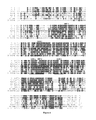
FIG. 4 shows amino acid alignment of six sterol C-24 methyltransferases-like genes from B. braunii race B along with those of C. reinhardtii (EDP05221) and A. thaliana (AAG28462) identified as SEQ ID NOS: 7-14. Conserved sterol-binding domains (SMT) and S-adenosyl methionine-binding domains (SAM) as identified by (27) are boxed and labeled in blue or red, respectively.
FIG. 5 is a graph providing a functional characterization of B. braunii race B TMT genes. Yeast expressing various combinations of triterpene synthase and TMTs were grown in shake flask for five days and organic extracts analyzed by GC-MS (chromatograms shown). TMT genes were co-expressed with BSS (squalene synthase) [TMT-1 (D), TMT-2 (E), and TMT-3 (F)], or SSL-1-3m (botryococcene synthase) [TMT-1 (G), TMT-2 (H), and TMT-3 (I)]. Yeast expressing only BSS (B) or SSL-1-3m (C) or only harboring empty expression vectors (A) serve as background controls. The chromatograms are annotated for the elution behavior of C30-botryococcene (1), C31-botryococcene (2), C32-botryococcene (3), squalene (4), C31-squalene (5), and C32-squalene (6).
FIG. 6 consists of graphs (A)-(F) showing accumulation of triterpenes in yeast engineered with various triterpene synthases and triterpene methyltransferases (TMT's). Yeast were engineered with B. braunii squalene synthase (BSS) and either TMT-1 (A), TMT-2 (B), or TMT-3 (C) on separate plasmids and accumulation of squalene (closed circles), C31 squalene (closed squares), and C32 squalene (closed triangles) measured, or with the botryococcene SSL-1-3m and either TMT-1 (D), TMT-2 (E), or TMT-3 (F) on separate plasmids and accumulation of C30 botryococcene (open circles), C31 botryococcene (open squares), and C32 botryococcene (open triangles) measured. Yeast was grown in shake flasks at 30° C. for the indicated time and organic extracts analyzed by GC-MS. Data represents mean±S.E.M of 3 replicates.
FIG. 7 shows the structures of the various triterpenes (compounds 1-7) accumulating in yeast expressing squalene synthase or botryococcene synthase in combination with TMT-1, -2 or -3 in accordance with the present invention. Yeast expressing the squalene synthase (BSS) gene accumulates squalene (1), and C31 mono-methylated squalene (2) and C32 di-methylated squalene (3) when co-expressed with the TMT-1, TMT-2, or TMT-3 genes. Yeast expressing the botryococcene synthase expression cassette (SSL-1-3m) accumulates C30 botryococcene (4), but a mixture of C31 mono-methylated isomers, showacene (5) and isoshowacene (6), and C32 di-methylated botryococcene (7) when co-expressed with TMT-3. Squalene and botryococcene have their carbons labeled, and the common sites of methylation are indicated with red arrows. The mono- and di-methylation sites with the triterpenes that accumulate in the respective yeast lines are highlighted with red circles. Methylation sites were assigned according to NMR signatures of the isolated compounds (Table S1) with reference to those previous reported (16, 20, 31, 34, 35).
FIG. 8 is a scheme showing the methyl triterpene biosynthetic pathways in B. braunii. SSL-1 converts two FPP molecules to PSPP, which is converted in an NADPH-dependent manner to either squalene or C30 botryococcene by SSL-2 or SSL-3, respectively. TMT-1 and TMT-2 can transfer a methyl group from SAM to squalene to form mono- or di-methyl squalene, while TMT-3 acts on C30 botryococcene to form mono- or dimethyl botryococcene.
FIG. 9 comprises two graphs in panels (A) and (B) showing the accumulation of triterpenes in yeast engineered with various triterpene synthases in accordance with the present invention. Yeast line TN-7 was engineered with either B. braunii squalene synthase (panel A, left side) or SSL-1-3m (panel B, right side) and accumulation of squalene (squares), or botryococcene (triangles) measured. Yeast were grown in selection media in shake flasks at 30° C. for the indicated time and organic extracts analyzed by GC-MS. Data represents mean±S.E.M.
FIG. 10 shows mass spectra of C31 squalene (A) and C32 squalene (B) produced in TN7 yeast expressing BSS and TMT-1, TMT-2 or TMT-3, C31 botryococcene (C) produced in TN7 yeast expressing SSL-1-3m and TMT-1, TMT-2 or TMT-3, and C32 botryococcene (D) produced in TN7 yeast expressing SSL-1-3m and TMT-3.
DETAILED DESCRIPTION
The details of one or more embodiments of the presently-disclosed subject matter are set forth in this disclosure. Modifications to embodiments described in this document, and other embodiments, will be evident to those of ordinary skill in the art after a study of the information provided in this document. The information provided in this document, and particularly the specific details of the described exemplary embodiments, is provided primarily for clearness of understanding and no unnecessary limitations are to be understood therefrom. In case of conflict, the specification of this document, including definitions, will control.
Some of the polynucleotide and polypeptide sequences disclosed herein are cross-referenced to GENBANK®/GENPEPT® accession numbers. The sequences cross-referenced in the GENBANK®/GENPEPT® database are expressly incorporated by reference as are equivalent and related sequences present in GENBANK®/GENPEPT® or other public databases. Also expressly incorporated herein by reference are all annotations present in the GENBANK®/GENPEPT® database associated with the sequences disclosed herein. Unless otherwise indicated or apparent, the references to the GENBANK®/GENPEPT® database are references to the most recent version of the database as of the filing date of this Application.
While the terms used herein are believed to be well understood by one of ordinary skill in the art, definitions are set forth to facilitate explanation of the presently-disclosed subject matter.
Unless defined otherwise, all technical and scientific terms used herein have the same meaning as commonly understood by one of ordinary skill in the art to which the presently-disclosed subject matter belongs. Although any methods, devices, and materials similar or equivalent to those described herein can be used in the practice or testing of the presently-disclosed subject matter, representative methods, devices, and materials are now described.
Following long-standing patent law convention, the terms “a”, “an”, and “the” refer to “one or more” when used in this application, including the claims. Thus, for example, reference to “a cell” includes a plurality of such cells, and so forth.
Unless otherwise indicated, all numbers expressing quantities of ingredients, properties such as reaction conditions, and so forth used in the specification and claims are to be understood as being modified in all instances by the term “about”. Accordingly, unless indicated to the contrary, the numerical parameters set forth in this specification and claims are approximations that can vary depending upon the desired properties sought to be obtained by the presently-disclosed subject matter.
As used herein, the term “about,” when referring to a value or to an amount of mass, weight, time, volume, concentration or percentage is meant to encompass variations of in some embodiments ±20%, in some embodiments ±10%, in some embodiments ±5%, in some embodiments ±1%, in some embodiments ±0.5%, and in some embodiments ±0.1% from the specified amount, as such variations are appropriate to perform the disclosed method. By way of providing an example, about 60% is inclusive of: 60%±0.1%, which is inclusive of 59.9%-60.1%, and so forth.
As used herein, ranges can be expressed as from “about” one particular value, and/or to “about” another particular value. It is also understood that there are a number of values disclosed herein, and that each value is also herein disclosed as “about” that particular value in addition to the value itself. For example, if the value “10” is disclosed, then “about 10” is also disclosed. It is also understood that each unit between two particular units are also disclosed. For example, if 10 and 15 are disclosed, then 11, 12, 13, and 14 are also disclosed.
A “parent” protein, enzyme, polynucleotide, gene, or cell, is any protein, enzyme, polynucleotide, gene, or cell, from which any other protein, enzyme, polynucleotide, gene, or cell, is derived or made, using any methods, tools or techniques, and whether or not the parent is itself native or mutant. A parent polynucleotide or gene encodes for a parent protein or enzyme.
A “mutation” means any process or mechanism resulting in a mutant protein, enzyme, polynucleotide, gene, or cell. This includes any mutation in which a protein, enzyme, polynucleotide, or gene sequence is altered, and any detectable change in a cell arising from such a mutation. Typically, a mutation occurs in a polynucleotide or gene sequence, by point mutations, deletions, or insertions of single or multiple nucleotide residues. A mutation includes polynucleotide alterations arising within a protein-encoding region of a gene as well as alterations in regions outside of a protein-encoding sequence, such as, but not limited to, regulatory or promoter sequences. A mutation in a gene can be “silent”, i.e., not reflected in an amino acid alteration upon expression, leading to a “sequence-conservative” variant of the gene. This generally arises because of degeneracy of the genetic code wherein more than one codon codes for the same amino acid.
It is understood that the addition of sequences that do not alter the encoded activity of a nucleic acid molecule, such as the addition of a non-functional or non-coding sequence, is a conservative variation of the basic nucleic acid molecule. The “activity” of an enzyme is a measure of its ability to catalyze a reaction, i.e., to “function”, and may be expressed as the rate at which the product of the reaction is produced. For example, enzyme activity can be represented as the amount of product produced per unit of time or per unit of enzyme (e.g., concentration or weight), or in terms of affinity or dissociation constants.
One of skill in the art will appreciate that many conservative substitutions of the nucleic acid constructs which are disclosed herein yield a functionally identical construct. For example, owing to the degeneracy of the genetic code, “silent substitutions” (i.e., substitutions in a nucleic acid sequence which do not result in an alteration in an encoded polypeptide) are an implied feature of every nucleic acid sequence which encodes an amino acid.
It will be appreciated by those skilled in the art that due to the degeneracy of the genetic code, a multitude of nucleotide sequences encoding modified triterpene synthase polypeptides of the presently-disclosed subject matter may be produced, some of which bear substantial identity to the nucleic acid sequences explicitly disclosed herein. For instance, codons AGA, AGG, CGA, CGC, CGG, and CGU all encode the amino acid arginine. Thus, at every position in the nucleic acid molecules of the presently-disclosed subject matter where an arginine is specified by a codon, the codon can be altered to any of the corresponding codons described above without altering the encoded polypeptide. It is understood that U in an RNA sequence corresponds to T in a DNA sequence.
A polynucleotide, polypeptide, or other component is “isolated” when it is partially or completely separated from components with which it is normally associated (other proteins, nucleic acid molecules, cells, synthetic reagents, etc.). A nucleic acid molecule or polypeptide is “recombinant” when it is artificial or engineered, or derived from an artificial or engineered protein or nucleic acid molecule. For example, a polynucleotide that is inserted into a vector or any other heterologous location, e.g., in a genome of a recombinant organism, such that it is not associated with nucleotide sequences that normally flank the polynucleotide as it is found in nature is a recombinant polynucleotide. A protein expressed in vitro or in vivo from a recombinant polynucleotide is an example of a recombinant polypeptide. Likewise, a polynucleotide sequence that does not appear in nature, for example a variant of a naturally occurring gene, is recombinant. For example, an “isolated” nucleic acid molecule is one which is separated from other nucleic acid molecules which are present in the natural source of the nucleic acid molecule. For example, with regards to genomic DNA, the term “isolated” includes nucleic acid molecules which are separated from the chromosome with which the genomic DNA is naturally associated. Typically, an “isolated” nucleic acid molecule is free of sequences which naturally flank the nucleic acid molecule (i.e., sequences located at the 5′ and 3′ ends of the nucleic acid molecule) in the genomic DNA of the organism from which the nucleic acid molecule is derived. For example, in various embodiments, the isolated nucleic acid molecule can contain less than about 5 kb, 4 kb, 3 kb, 2 kb, 1 kb, 0.5 kb or 0.1 kb of nucleotide sequences which naturally flank the nucleic acid molecule in genomic DNA of the cell from which the nucleic acid molecule is derived. Moreover, an “isolated” nucleic acid molecule, such as a cDNA molecule, can be substantially free of other cellular material, or culture medium when produced by recombinant techniques, or substantially free of chemical precursors or other chemicals when chemically synthesized.
The presently-disclosed invention is based on the conventional beliefs that botryococcene biosynthesis resembles that of squalene, a metabolite essential for sterol metabolism in all eukaryotes. Squalene arises from an initial condensation of two molecules of farnesyl diphosphate (FPP) to form pre-squalene diphosphate (PSPP), which then undergoes a reductive rearrangement to form squalene. In principle, botryococcene could arise from an alternative rearrangement of the pre-squalene intermediate. Because of these proposed similarities, the present inventors believe that a botryococcene synthase would resemble squalene synthase and hence isolated squalene synthase-like genes from B. braunii race B. While B. braunii does harbor at least one typical squalene synthase, none of the other three squalene synthase-like (SSL) genes encode for botryococcene biosynthesis directly. SSL-1 catalyzes the biosynthesis of PSPP and SSL-2 the biosynthesis of bisfarnesyl ether, while SSL-3 does not appear able to directly utilize FPP as a substrate. However, when combinations of the synthase-like enzymes were mixed together, in vivo and in vitro, robust botryococcene (SSL-1+SSL-3) or squalene biosynthesis (SSL1+SSL-2) was observed. These findings were unexpected because squalene synthase, an ancient and likely progenitor to the other Botryococcus triterpene synthases, catalyzes a two-step reaction within a single enzyme unit without intermediate release, yet in B. braunii, these activities appear to have separated and evolved inter-dependently for specialized triterpene oil production greater than 500 MYA. Co-expression of the SSL-1 and SSL-3 genes in different configurations, as independent genes, as gene fusions, or targeted to intracellular membranes, also demonstrate the potential for engineering even greater efficiencies of botryococcene biosynthesis.
The present system and method will now be described with regard to various experiments and examples which provide for additional understanding of the present method and system.
Transgenic plants were created using conventional transformation technology in order to produce transgenic plants which produce triterpenes using the MEP pathway in the chloroplast of the plant cells. The transgenic plants successfully express triterpene methyltransferases in combination with appropriate triterpene synthases, producing mono- and di-methylated forms of squalene and botryococcene. As a result, the transgenic plants introduce triterpenes biosynthesis in the chloroplast compartment in a manner such that the carbon from the MEP pathway is diverted to triterpene biosynthesis. Advantageously, this approach eliminates regulatory mechanisms controlling triterpenes biosynthesis in the cytoplasm, hence providing a robust production level of triterpenes. For exemplary purposes, reference is made to FIG. 1, right side depicting the MEP pathway in chloroplast.
The transgenic plants have been transfected by the introduction of genes for prenyltransferase (PT) specific triterpene synthases (e.g. squalene synthase and/or botryococcene synthase) and various triterpene methyltransferases into the nuclear genome of the plant cells along with addressing information such that the encoded enzymes are directed to the chloroplast compartment of the transgenic plants.
The transgenic plants were created using conventional transformation technology. Gene constructs (FIG. 3) were generated, introduced into Agrobacterium tumefaciens and sterile leaf explants where then inoculated with the respective A. tumefaciens cultures. Because the gene constructs harbor an antibiotic resistance gene, plant cells transformed with the various gene constructs can be selected and regenerated into intact, individual plants to yield independent transgenic plant lines. The respective plant lines are then propagated in a greenhouse and leaf discs of 1.5 cm harvested in order to extract and profile their triterpenes content by GC-MS (as described previous). In brief, the leaf discs are powdered in liquid nitrogen, the powdered tissue extracted with a 2-3 ml hexane per gm powdered tissue, and the hexane extract clarified by passing it over a silica column (0.5 cm by 2 cm). The column flow-through is then evaluated by standard GC-MS as illustrated in FIG. 2.
FIG. 2 illustrates examples of GC-MS analysis of transgenic plant material for triterpenes content. The upper panel is the analysis of a plant engineered for only squalene production in the chloroplast compartment and was demonstrated to accumulate high levels of squalene (peak #1, verified by authentic standards and MS match). This same transgenic plant line was then engineered separately with a gene encoding for triterpene methyltransferase 1 (TMT-1) or 2 (TMT-2), the transgenic plants harboring all the transgenes regenerated and profiled by GC-MS. The peaks corresponding to peaks 2 and 3 correspond to monomethylated (2) and dimethylated (3) squalene. An analogous strategy was used to create plant lines accumulating botryococcene produced in the chloroplast, and those high accumulating lines were then engineered with triterpene methyltransferases genes 1, 2 and 3. For the botryococcene engineered lines, only those plant harboring the TMT3 gene accumulated mono- and di-methylated forms of botryococcene. In contrast, for the squalene engineered plants, only those subsequently engineered with TMT-1 and 2 accumulated mono- and di-methylated forms of squalene.
FIG. 3 illustrates the analysis of transgenic plant lines (#) for their triterpenes contents. The upper panel is specific for those plants engineered for botryococcene and methylated botryococcene biosynthesis in the cytoplasm versus the chloroplast compartment. For example, the first three transgenic lines evaluate (#1, 10 and 15) were all engineered for the botryococcene biosynthesis in the chloroplast (as noted by the tp designation), but the triterpene methyltransferase was targeted to the cytoplasm (no tp designation). Expression of both gene constructs were derived by strong constitutive promoter (either the cauliflower mosaic virus 35 S promoter, Pca; or the corresponding cassava mosaic virus promoter, Pcv). The green histogram bars represent the amount of botryococcene accumulation, while the yellow and red bars represent the amount of mono- and di-methylated botryococcene, respectively. Only when both the botryococcene synthase and triterpene methyltransferase are targeted to the chloroplast compartment is there significant triterpenes accumulation and significant amounts of methylated botryococcene observed. The constructs with the botryococcene targeted to the chloroplast compartment and with a carboxy-terminal sequence to direct the BS enzyme to the membrane within the chloroplast (tp-BS-mp), did not yield more botryococcene, but the relative conversion of the botryococcene to its methylated forms was much greater.
FIG. 3 shows an illustration of triterpene chemical profiles of plants engineered for methylated botryococcene and squalene biosynthesis. The lower panel (or half) of FIG. 3 illustrates the same chemical analysis for plants engineered for squalene and methylated squalene production. For example, plants # 7, 14, and 21 were engineered for squalene biosynthesis in the chloroplast compartment (tp designation), but triterpenes methyltransferase enzymes 1 and 2 were targeted to the cytosoloic compartment (no tp designation). These plants clearly accumulate high levels of squalene and very little methylated forms. In contrast, when both the squalene synthase and methyltransferase genes are targeted to the chloroplast compartment (tp designations), high levels of mono- and di-methylated forms of squalene accumulate.
It is important to note that only squalene accumulating plants engineered with triterpene methyltransferase 1 and 2, but not TMT-3, accumulate methylated squalene. In contrast, only botryococcene accumulating plants engineered with TMT-3, but not TMT-1 or 2, accumulated methylate botryococcene. This is a demonstration that each methyltransferase exhibits substrate specificity for either squalene or botryococcene.
In an alternative forms or embodiments, transgenic plants are generated using isolated nucleic acid such as expression vectors having nucleic acid sequences encoding various triterpene methyltransferases including ones with tags directing the enzyme(s) to the chloroplast of the transgenic plant cells. Further, the expression vector can include other enzymes for triterpene biosynthesis using the MEP pathway which include one or more triterpene synthases such as squalene synthase or botryococcene synthase and prenyltransferase.
Exemplar Experimental Procedures
The following exemplar experimental procedures provide a better understanding of the presently disclosed subject matter including method and procedures for producing various transgenic cells, isolated nucleic acid sequences and expression vectors for the production of triterpenes.
Cloning the SMT-Like Genes—
The triterpene methyltransferase-3 (TMT-3) identified through a random sequencing effort of ESTs using a B. braunii phage cDNA library as previously described (17). Briefly, phages were converted to their plasmid form using the mass excision protocol as described by the manufacturer (Stratagene), and ˜500 individual colonies were randomly selected for automated DNA sequencing using sequencing primers flanking the cDNA insertion sites. Manually assembled cDNA sequences were then screened against the NCBI tBlastn search function across all available databases and TMT-3 was identified as exhibiting similarity to C-24-sterol methyltransferase (SMT) genes. All other SMT-like genes were identified in a B. braunii 454 transcriptomic dataset as previously described (17). This dataset was screened computationally using a NCBI BLAST search window with the C. reinhardtii SMT-1 protein sequence (EDP05221) and the Arabidopsis thaliana SMT-1 sequence (AAG28462) as the queries, which led to the identification of six full-length ORFs that were at least 42% identical and 59% similar to C. reinhardtii SMT. Full sequence data is available from Genbank. Full sequence data is available from Genbank (TMT-1, JN828962; TMT-2 JN828963; TMT-3, JN828964; SMT-1, JN828965; SMT-2, JN828966; SMT-3, JN828967).
Primers flanked by the BamHI and NotI or EcoRI and NotI restriction enzyme sites were designed to amplify each of the six SMT-like genes from Botryococcus braunii mRNA, the amplification products digested with the corresponding restriction enzymes, then ligated into the standard yeast expression vectors YEp352-Ura or pESC-Leu (17). All constructs were verified by DNA sequencing.
Yeast Expression Studies—
Yeast lines previously developed for high level accumulation of squalene and botryococcene were used for evaluating the putative triterpene methyltransferase genes (17,23,24). These lines consist of the TN7 parental strain harboring an insertional mutation in the native yeast squalene synthase gene (ERG9) transformed with expression vectors containing either the full-length Botryococcus squalene synthase (BSS) gene (18) or a fusion of the Botryococcus SSL-1 and SSL-3 genes (functional equivalent of botryococcene synthase) including a sequence encoding for the carboxy-terminal membrane targeting domain of the Botryococcus squalene synthase protein (SSL-1-3m) (17). The various methyltransferase expression vectors were introduced into these two yeast lines using the lithium acetate transformation protocol, followed by selection for complementation of the uracil and leucine auxotrophic growth markers (24). Transformants were confirmed to possess the various expression vectors using colony PCR with primers selective for the methyltransferase genes. Individual colonies were subsequently grown in 30 ml of the appropriate Yeast Synthetic Drop-out medium (selection) containing 5 mg/l ergosterol for the indicated time at 30° C. before analyzing the cultures for production of novel triterpene components.
In brief, 1 ml aliquots of the culture were combined with 1 ml of acetone, mixed vigorously, and incubated at room temperature for 10 min. One ml of hexane was added and mixed vigorously for 60 sec. The mixture was then centrifuged briefly at 500 g to separate the phases, and an aliquot of the organic phase (1-3 μl) analyzed by GC-MS with a Varian CP-3800 GC coupled to a Varian Saturn 2200 MS/MS (Varian Medical Systems) using a Supelco SLB-5 ms fused silica capillary column (30 m×0.25 mm×0.25 μm film thickness, Supelco). The initial oven temperature was set at 220° C. for 1 min., ramped to 280° C. at 20° C./min., then ramped to 298° C. at 3° C./min.
Purification of Mono- and Di-Methylated Triterpenes—
Yeast lines containing the respective triterpene synthase and TMT expression cassettes were grown in 1 L Yeast Synthetic Drop-out medium media containing 5 mg/l ergosterol at 28° C. for 8 days, after which hexane extracts were prepared. The crude extracts were then subject to HPLC separation on a Waters 2695 HPLC with a Waters 2996 Photodiode Array detector (Waters Corporation) and a Develosil 60-3, 250 mm×20 mm column (Nomura Chemical), run in isocratic mode (100% n-hexane) at 8 ml/min. Under these conditions, C32 botrycooccene, C31 botryococcene, C32 squalene, and C31 squalene eluted at ˜18, 22, 32, and 34 minutes, respectively. Repetitive chromatographic runs afforded further purification of the various compounds.
NMR of methylated triterpenes—1H and 13C NMR spectra were recorded on a JEOL alpha 600 NMR spectrometer at 300K. Chemical shifts were referenced relative to solvent peaks, namely dH 7.24 and dC 77.1 for CDCl3. Each product was identified as shown in FIG. 7 by reference to 13C chemical shifts for botryococcenes and methylsqualenes previously reported (10,16,19,25,26).
In Vitro Assays for the Methyltransferase Activities—
The various B. braunii SMT-like genes or empty vector control were expressed in TN-7 yeast and grown in 100 ml selection media for 3 days, after which microsomes were prepared according to the methods of Pompon et al. (27). Enzyme assays contained 50 mM HEPES, pH 7.5, either 0.01% (TMT-3) or 0.1% (all other samples) DHPC, 2 mM acceptor substrate (botryococcene, squalene, C32-botryococcene, C32-squalene, cycloartenol, zymosterol, or lanosterol), 50 μM 3H-SAM (˜150 dpm/pmole), 2 μl microsomes, in 100 μl total volume. Assays were set up by first combining everything except 3H-SAM and microsomes and treating with a sonicating water bath (Branson 2510) for ˜1 min. until the solution became cloudy due to micelle formation, after which 3H-SAM and microsomes were added and the reaction incubated at 37° C. for 5 min. Reactions were stopped by adding an equal volume of 10% (w/v) KOH in methanol, followed by extraction of hydrocarbon products with 400 μl n-hexane. An aliquot of the organic phase was spotted on silica TLC plates and developed with n-hexane:MTBE (25:1). Triterpenes were visualized with iodine vapor and the corresponding zones were scraped and subject to scintillation analysis.
Results
Identification of Triterpene Methyltransferase Candidate Genes—
from experiments conducted one predicts that a methyltransferase acting on squalene or botryococcene would resemble a C-24 sterol methyltransferase (SMT) because these enzymes act on the linear isoprenoid side chain of sterols. A B. braunii transcriptomic database (17) was screened computationally for cDNAs showing amino acid sequence similarities to the A. thaliana and C. reinhardtii SMT-1 enzymes. The BLAST search revealed six candidate genes that were greater than 42% identical and 59% similar to the C. reinhardtii SMT-1 (FIG. 4). For comparison, the A. thaliana genome contains three predicted SMT genes (28), and the C. reinhardtii genome contains only one SMT gene (29). These particular genes appear overrepresented in B. braunii compared to other plants and algae and enhanced the prospects these could be triterpene methyl-transferases (TMTs). Amino acid alignments revealed that all six candidate genes share three conserved SAM binding sites as identified by Kagen and Clarke (28); however, the sterol binding domain SMT-2, which is invariant in all known plant SMTs (31, 32), is absolutely conserved in three of the candidates (SMT-1, -2, and -3), but not so in the other three (TMT-1, -2, and -3) (FIG. 4). In contrast to other sterol methyltransferases (31, 32), the B. braunii MTs possess distinct amino-terminal hydrophobic regions within the first 50 amino acids indicative that these proteins might not behave as soluble proteins but rather might associate with membrane systems.
In Vivo Functional Characterization of MT Activities—
To screen the six candidates for TMT capabilities, we co-expressed the various SMT-like genes in TN7 yeast engineered with either B. braunii squalene synthase (BSS) or a construct in which SSL-1 and SSL-3 are fused with a (GSGG)3 amino acid linker and also contains the 73 C-terminal amino acids of BSS fused to its C-terminus (SSL-1-3m). TN7 yeast engineered with BSS or SSL-1-3m can accumulate squalene or botryococcene, respectively, to levels above 100 mg/L (FIG. 5 (row B, row C) and FIG. 9). When SMT-1, -2, or -3 were co-expressed with either BSS or SSL-1-3m, no distinct products could be detected in organic extracts by GC-MS analysis (data not shown); however, co-expression of TMT-1, -2, or -3 all resulted in the accumulation of several unique products (FIG. 5, rows D-I). Analysis of the mass spectra of the unique peaks showed parent ions of 424 and 438 amu (FIG. 10), suggesting mono- and di-methylated triterpenes, respectively.
When TMT-1 was co-expressed with BSS, 63% of the total squalenes accumulated as methyl-derivatives with 43% accumulating as dimethyl-squalene (FIG. 5, row D, FIG. 6, panel (A)). However, when coexpressed with SSL-1-3m, only 3% of the total botryococcenes accumulated as monomethyl-botryococcene and no dimethyl-botryococcene was detected (FIG. 5, row G, and FIG. 6, panel (D)). Similarly, when TMT-2 was co-expressed with BSS, 40% of squalenes accumulated as methyl-derivatives with 31% accumulating as monomethyl-squalene (FIG. 5, row E, and FIG. 6, panel (B)). Only 2% of total botryococcenes accumulated as monomethyl-botryococcene when co-expressed with SSL-1-3m (FIG. 5, row H and FIG. 6, panel (E)). When TMT-3 was co-expressed with BSS, approximately 18% of the total accumulating squalene was converted to its methyl-derivatives, with 11% of that as monomethyl-squalene (FIG. 5, row F and FIG. 6, panel (C)). When TMT-3 was co-expressed with SSL-1-3m, 33% of the accumulating botryococcene was methylated with greater than half of that in the dimethyl-botryococcene form (FIG. 5, row I and FIG. 6, panel (F)).
While the conversion of botryococcene and squalene to their mono- and di-methyl derivatives were readily detected, no further methylated products (tri- and tetra-methylated) accumulated. In view of the forgoing it was believed that multiple methyltransferases might act successively and cooperatively in the formation of C34 triterpenes, with one methyltransferase catalyzing the C30 to C32 conversion and another using C32 as a substrate to form a C34 triterpene. To test this possibility, yeast expressing either BSS or SSL-1-3m with TMT-1, TMT-2 or TMT-3 as well as one of the remaining five other SMT-like B. braunii genes were evaluated for their triterpene content. No unique products other than the C31 and C32 triterpenes observed in the yeast lines expressing only TMT-1, -2 or -3 (FIG. 5) were detected by GC-MS analysis (data not shown).
In Vitro Biochemical Confirmation—
To verify the in vivo results with in vitro determinations, the six SMT-like genes were expressed in yeast and microsomal preparations used as the source of the enzymes in assays containing 3H-SAM and either botryococcene or squalene as substrates. TMT-1 and TMT-2 readily catalyzed the transfer of a methyl group from SAM to squalene, but showed less than 1/100 of those levels of activity with botryococcene as the acceptor (See Table 1)
| TABLE 1 |
| |
| Substrate preference of the various B. braunii SMT-like enzymesa |
| Enzyme activity (pmoles/h/μg) |
| substrate |
empty |
TMT-1 |
TMT-2 |
TMT-3 |
SMT-1 |
SMT-2 |
SMT-3 |
| |
| squalene |
0 |
513.7 ± 8.6 |
862.2 ± 59.9 |
35.4 ± 3.0 |
0 |
0 |
0 |
| botryococcene |
0 |
3.3 ± 1.3 |
4.5 ± 1.3 |
434.9 ± 31.8 |
0 |
0 |
0 |
| C32 squalene |
0 |
0 |
0 |
0 |
0 |
0 |
0 |
| C32 botryococcene |
0 |
0 |
0 |
0 |
0 |
0 |
0 |
| |
| aThe various B. braunii SMT-like genes or empty vector control were constitutively expressed in yeast for 3 days, after which microsomes were prepared according to the methods of Pompon et al. (36). Enzyme assays contained 50 mM HEPES, pH 7.5, either 0.01% (TMT-3) or 0.1% (all other samples) DHPC, 2 mM acceptor substrate (botryococcene, squalene, C32 botryococcene, C32 squalene), 50 μM 3H-SAM (~150 dpm/pmole), 2 μL aliquots of microsomes (~μg protein) in 100 μL final reaction volume. Assays were set up by first combining everything except 3H-SAM and microsomes, and sonicating the mixture until the solution became cloudy due to micelle formation. The 3H-SAM and microsomes were added, and the reaction incubated at 37° C. for 5 min. Reactions were stopped by adding an equal volume of 10% KOH in methanol, followed by extraction of hydrocarbon products with 400 μL n-hexane. Aliquots of the hexane extract were separated by TLC and radioactivity incorporated into the triterpene fractions determined by scintillation counting. Data is reported as pmoles of methyl groups transferred to acceptor substrate per unit time and per μg of microsomal protein. Data represents mean ± S.E.M., (of 3 replicates, i.e. n = 3) |
In contrast, TMT-3 favored botryococcene as the methyl acceptor and exhibited only very modest activity with squalene. None of the other 3 SMT-like genes showed any measurable methyltransferase activity with botryococcene or squalene as substrates. None of the six enzymes was able to methylate C32 botryococcene or C32 squalene, possible intermediates to the tetramethylated forms (see below). Equally surprising, none of the six B. braunii SMT-like genes methylated cycloartenol, zymosterol, or lanosterol (data not shown), which suggested a proper substrate(s) for these MTs, that was not located this hydrophobic substrates were not in a form available for catalytic turnover, or that the MTs were not catalytically competent under these in vitro conditions.
Chemical Identification of the Reaction Products—
To determine the specific methylation sites on squalene and botryococcene, the mono- and di-methylated squalenes and botryococcenes produced in vivo by the engineered yeast were purified and subjected to 1H and 13C NMR analyses (see Tables 2-10, below for complete 13C NMR assignments).
| TABLE 2 |
| |
| C31a botryococcene by TMT3 |
| |
1 |
17.78 |
| |
2 |
131.37 |
| |
3 |
124.47 |
| |
4 |
26.82 |
| |
5 |
39.81 |
| |
6 |
134.76 |
| |
7 |
124.91 |
| |
8 |
23.20 |
| |
9 |
41.41 |
| |
10 |
42.12 |
| |
11 |
135.91 |
| |
12 |
133.82 |
| |
13 |
36.84 |
| |
14 |
37.51 |
| |
15 |
25.92 |
| |
16 |
124.58 |
| |
17 |
135.11 |
| |
18 |
37.62 |
| |
19 |
33.44 |
| |
20 |
40.82 |
| |
21 |
150.27 |
| |
22 |
109.44 |
| |
23 |
25.79 |
| |
24 |
16.00 |
| |
25 |
23.63 |
| |
26 |
146.85 |
| |
27 |
111.20 |
| |
28 |
21.23 |
| |
29 |
16.07 |
| |
30 |
19.06 |
| |
31 |
19.76 |
| |
| TABLE 3 |
| |
| C31b botryococcene |
| by TMT3 |
| |
1 |
109.44 |
| |
2 |
150.24 |
| |
3 |
40.82 |
| |
4 |
33.44 |
| |
5 |
37.58 |
| |
6 |
134.80 |
| |
7 |
124.80 |
| |
8 |
23.20 |
| |
9 |
41.45 |
| |
10 |
42.12 |
| |
11 |
135.89 |
| |
12 |
133.84 |
| |
13 |
36.77 |
| |
14 |
37.46 |
| |
15 |
25.90 |
| |
16 |
124.69 |
| |
17 |
135.07 |
| |
18 |
39.81 |
| |
19 |
26.82 |
| |
20 |
124.50 |
| |
21 |
131.34 |
| |
22 |
17.78 |
| |
23 |
19.06 |
| |
24 |
16.00 |
| |
25 |
23.63 |
| |
26 |
146.85 |
| |
27 |
111.20 |
| |
28 |
21.23 |
| |
29 |
16.07 |
| |
30 |
25.79 |
| |
31 |
19.76 |
| |
|
| TABLE 4 |
| |
| C32 botryococcene |
| by TMT3 |
| |
1 |
109.44 |
| |
2 |
150.23 |
| |
3 |
40.82 |
| |
4 |
33.44 |
| |
5 |
37.58 |
| |
6 |
135.07 |
| |
7 |
124.70 |
| |
8 |
23.19 |
| |
9 |
41.45 |
| |
10 |
42.11 |
| |
11 |
135.91 |
| |
12 |
133.82 |
| |
13 |
36.84 |
| |
14 |
37.51 |
| |
15 |
25.92 |
| |
16 |
124.58 |
| |
17 |
135.11 |
| |
18 |
37.62 |
| |
19 |
33.42 |
| |
20 |
40.84 |
| |
21 |
150.23 |
| |
22 |
109.44 |
| |
23 |
19.04 |
| |
24 |
16.00 |
| |
25 |
23.62 |
| |
26 |
146.84 |
| |
27 |
111.19 |
| |
28 |
21.23 |
| |
29 |
16.07 |
| |
30 |
19.04 |
| |
31 |
19.78 |
| |
32 |
19.78 |
| |
|
| TABLE 5 |
| |
| C31 squalene by TMT1 |
| |
1 |
109.46 |
| |
2 |
150.25 |
| |
3 |
40.79 |
| |
4 |
33.42 |
| |
5 |
37.59 |
| |
6 |
134.99a |
| |
7 |
124.49b |
| |
8 |
26.85 |
| |
9 |
39.84 |
| |
10 |
135.19a |
| |
11 |
124.40b |
| |
12 |
28.36 |
| |
13 |
28.36 |
| |
14 |
124.40b |
| |
15 |
135.17a |
| |
16 |
39.81c |
| |
17 |
26.74d |
| |
18 |
124.36 |
| |
19 |
135.25a |
| |
20 |
39.81c |
| |
21 |
26.72d |
| |
22 |
124.19 |
| |
23 |
131.34 |
| |
24 |
17.76 |
| |
25 |
19.03 |
| |
26 |
16.09e |
| |
27 |
16.12e |
| |
28 |
16.12e |
| |
29 |
16.09e |
| |
30 |
25.79 |
| |
31 |
19.76 |
| |
|
| TABLE 6 |
| |
| C32 squalene by TMT1 |
| |
1 |
109.46 |
| |
2 |
150.23 |
| |
3 |
40.79 |
| |
4 |
33.43 |
| |
5 |
37.61 |
| |
6 |
135.15f |
| |
7 |
124.19 |
| |
8 |
26.73 |
| |
9 |
39.86 |
| |
10 |
135.25f |
| |
11 |
124.41 |
| |
12 |
28.37 |
| |
13 |
28.37 |
| |
14 |
124.41 |
| |
15 |
135.25f |
| |
16 |
39.86 |
| |
17 |
26.73 |
| |
18 |
124.19 |
| |
19 |
135.15f |
| |
20 |
37.61 |
| |
21 |
33.43 |
| |
22 |
40.79 |
| |
23 |
150.23 |
| |
24 |
109.46 |
| |
25 |
19.03 |
| |
26 |
16.08g |
| |
27 |
16.12g |
| |
28 |
16.12g |
| |
29 |
16.08g |
| |
30 |
19.03 |
| |
31 |
19.78 |
| |
32 |
19.78 |
| |
|
| TABLE 7 |
| |
| C31 squalene by TMT2 |
| |
1 |
109.46 |
| |
2 |
150.26 |
| |
3 |
40.79 |
| |
4 |
33.43 |
| |
5 |
37.59 |
| |
6 |
134.99a |
| |
7 |
124.49b |
| |
8 |
26.85 |
| |
9 |
39.84 |
| |
10 |
135.19a |
| |
11 |
124.40b |
| |
12 |
28.36 |
| |
13 |
28.36 |
| |
14 |
124.40b |
| |
15 |
135.17a |
| |
16 |
39.81c |
| |
17 |
26.74d |
| |
18 |
124.36 |
| |
19 |
135.25a |
| |
20 |
39.81c |
| |
21 |
26.72d |
| |
22 |
124.19 |
| |
23 |
131.34 |
| |
24 |
17.76 |
| |
25 |
19.03 |
| |
26 |
16.08e |
| |
27 |
16.13e |
| |
28 |
16.13e |
| |
29 |
16.08e |
| |
30 |
25.79 |
| |
31 |
19.76 |
| |
|
| TABLE 8 |
| |
| C32 squalene by TMT2 |
| |
1 |
109.45 |
| |
2 |
150.26 |
| |
3 |
40.79 |
| |
4 |
33.42 |
| |
5 |
37.59 |
| |
6 |
135.17f |
| |
7 |
124.18 |
| |
8 |
26.71 |
| |
9 |
39.86 |
| |
10 |
135.25f |
| |
11 |
124.40 |
| |
12 |
28.35 |
| |
13 |
28.35 |
| |
14 |
124.40 |
| |
15 |
135.25f |
| |
16 |
39.86 |
| |
17 |
26.71 |
| |
18 |
124.18 |
| |
19 |
135.17f |
| |
20 |
37.59 |
| |
21 |
33.42 |
| |
22 |
40.79 |
| |
23 |
150.26 |
| |
24 |
109.45 |
| |
25 |
19.04 |
| |
26 |
16.08g |
| |
27 |
16.12g |
| |
28 |
16.12g |
| |
29 |
16.08g |
| |
30 |
19.04 |
| |
31 |
19.76 |
| |
32 |
19.76 |
| |
|
| TABLE 9 |
| |
| C31 squalene by TMT3 |
| |
1 |
109.45 |
| |
2 |
150.25 |
| |
3 |
40.79 |
| |
4 |
33.43 |
| |
5 |
37.60 |
| |
6 |
134.99a |
| |
7 |
124.49b |
| |
8 |
26.86 |
| |
9 |
39.84 |
| |
10 |
135.19a |
| |
11 |
124.40b |
| |
12 |
28.36 |
| |
13 |
28.36 |
| |
14 |
124.40b |
| |
15 |
135.17a |
| |
16 |
39.81c |
| |
17 |
26.75d |
| |
18 |
124.36 |
| |
19 |
135.25a |
| |
20 |
39.81c |
| |
21 |
26.72d |
| |
22 |
124.19 |
| |
23 |
131.34 |
| |
24 |
17.75 |
| |
25 |
19.03 |
| |
26 |
16.09e |
| |
27 |
16.12e |
| |
28 |
16.12e |
| |
29 |
16.09e |
| |
30 |
25.79 |
| |
31 |
19.76 |
| |
|
| TABLE 10 |
| |
| C32 squalene by TMT3 |
| |
1 |
109.46 |
| |
2 |
150.25 |
| |
3 |
40.79 |
| |
4 |
33.42 |
| |
5 |
37.60 |
| |
6 |
135.16f |
| |
7 |
124.18 |
| |
8 |
26.73 |
| |
9 |
39.86 |
| |
10 |
135.26f |
| |
11 |
124.40 |
| |
12 |
28.36 |
| |
13 |
28.36 |
| |
14 |
124.40 |
| |
15 |
135.26f |
| |
16 |
39.86 |
| |
17 |
26.73 |
| |
18 |
124.18 |
| |
19 |
135.16f |
| |
20 |
37.60 |
| |
21 |
33.42 |
| |
22 |
40.79 |
| |
23 |
150.25 |
| |
24 |
109.46 |
| |
25 |
19.04 |
| |
26 |
16.08g |
| |
27 |
16.12g |
| |
28 |
16.12g |
| |
29 |
16.08g |
| |
30 |
19.04 |
| |
31 |
19.78 |
| |
32 |
19.78 |
| |
|
| |
a, b, c, d, e, f, gSignals with the same letter may be interchangeable in a same column. |
| |
1H and 13C NMR spectra were recorded on a JEOL alpha 600 NMR spectrometer at 300K. Chemical shifts were referenced relative to solvent peaks, namely dH 7.24 and dC 77.1 for CDCl3. Each product was identified as shown in FIG. 7 by referring 13C chemical shifts for botryococcenes and methylsqualenes to those previously reported (1-4). |
| |
1. Achitouv, E., Metzger, P., Rager, M. N., and Largeau, C. (2004) Phytochemistry 65, 3159-3165 |
| |
2. Huang, Z., and Poulter, C. D. (1989) Phytochemistry 28, 1467-1470 |
| |
3. Huang, Z., and Poulter, C. D. (1989) Phytochemistry 28, 3043-3046 |
| |
4. Okada, S., Tonegawa, I., Matsuda, H., Murakami, M., and Yamaguchi, K. (1997) Tetrahedron 53, 11307-11316 |
The mono-methylated squalenes produced by yeast expressing TMT-1, -2, or -3 were all identical based on their NMR signals and methylated at the C-3 position of squalene (FIG. 7, compound 2). Similarly, all the di-methylated squalenes produced by all three yeast lines gave identical NMR signals indicative of methylation at the C-3 and C-22 positions (FIG. 7, compound 3). In contrast, the mono-methylated botryococcene produced by yeast expressing TMT-3 occurred at two positions, either the C-20 position yielding showacene (FIG. 7, compound 5) or the C-3 position yielding isoshowacene (FIG. 7, compound 6). Based on the relative intensity of the NMR signals for the methyl substituent at C-20 in showacene (FIG. 7, compound 5) versus that for C-3 in isoshowacene (FIG. 7, compound 6), showacene accounts for more of the total mono-methylated products than isoshowacene. Di-methylated botryococcene produced by TMT-3 had methyl groups at the C-3 and C-20 positions (FIG. 7, compound 7). The very small amounts of methylated botryococcenes produced in yeast expressing TMT-1 or TMT-2 were not sufficient for NMR analysis; however, the GC-MS patterns of mono-methylated botryococcene produced by TMT-1, -2, and -3 were all identical (FIG. 10). These findings suggest that all the TMT's methylate botryococcene at identical positions.
The large accumulation of triterpene oils by Botryococcus braunii race B has provided the impetus for considerable interest in elucidating the biosynthesis of these seemingly simple molecules. The oil is composed largely of linear, branched-chain triterpenes resembling squalene, yet the triterpene scaffold, botryococcene, is synthesized by the successive action of two enzymes rather than a single enzyme like that typical for squalene biosynthesis (17). While small amounts of the C30 botryococcene and squalene triterpenes do accumulate, methylated forms of these molecules predominate and accumulate upwards of 30% of the total algal dry weight. Hence, these algae must possess a robust mechanism(s) for converting the triterpene scaffolds to their methylated forms, that also lend these molecules to a variety industrial applications (23).
In the current effort, three triterpene methyltransferases were identified which contribute to the methylation status of botryococcene and squalene, and biochemical properties were uncovered during this investigation. While three-triterpene MTs genes were identified exhibiting sequence similarity to sterol methyltransferases (FIG. 4), two of these encoded enzymes showed activity and specificity for squalene methylation. The third TMT appears to have specificity for botryococcene methylation. The specificity for squalene or botryococcene was unexpected because these molecules have very similar physical features. Nonetheless, the B. braunii TMTs were found to discriminate between the two methyl acceptors, as depicted in FIG. 8, and this must arise from the ability of the respective enzymes to recognize differences of the internal linkages within squalene and botryococcene. TMT-3 must be able to recognize the internal ethyl, methyl substituents at C-10 of botryococcene, while TMT-1 and -2 must prefer the straight-chain linkage across C-11, -12, -13 and -14 of squalene.
The substrate specificity of the TMTs was unexpected when one considers the symmetry and asymmetry of squalene, botryococcene and the mono-methylated intermediates, and the successive nature of these catalytic events. Most small molecule MTs catalyze mono-methylation reactions, with some notable exceptions such as the tri-methylation of phosphoethanolamine in the biosynthesis of the choline head group in phospholipid biosynthesis (29). In contrast, the successive methylation of the sterol side-chain at C-24 requires distinct enzymes, sterol methyltransferases 1 and 2 (30, 31). The successive nature of the B. braunii TMTs appears to represent yet another permutation in the activities of this diverse family of enzymes. For TMT-1 and -2, the symmetry of squalene affords equal probability of methylation at either end of the molecule, but these enzymes also introduce a second methylation at the equivalent position on the other side of the molecule. While TMT-1 appears to perform this second methylation with great facility, this is not the case for TMT-2. The accumulation of di-methylated squalene exceeds that for mono-methylated squalene greater than 2-fold in yeast expressing the TMT-1 gene (FIG. 6, panel (A)), but di-methylated squalene only accumulates to approximately 20% of that for mono-methylated squalene in yeast expressing TMT-2 (FIG. 8, panel (B)). TMT-3 functionally resembles TMT-1 with regards to the ease with which it introduces the second methylation into the botryococcene backbone, that is, the accumulation of dimethyl-botryococcene slightly exceeded that of monomethyl-botryococcene (FIG. 8, panel (F)). Based on NMR analysis of the mono-methylated botryococcene produced in yeast, showacene accumulated to higher levels than isoshowacene. It is unclear whether this arises from a preference for methylating botryococcene at C-20 rather than the C-3 position with both monomethylated-botryococcenes serving as equal substrates in the second methylation reaction, or if both the C-3 and C-20 positions of botryococcene are methylated with equal efficiency but isoshowacene (methylated at C-3) is the preferred substrate for the second methylation reaction, or a combination of both possibilities. Regardless, a ratio of showacene to isoshowacene of approximately 1.7 to 1.0 is seen in mono-methylated botryococcene isolated from B. braunii (31), suggesting that yeast expressing TMT-3 and SSL-1-3m recapitulate the same biochemical bias as observed in B. braunii.
The unique specificities of TMT-1, -2 and -3 offer opportunities to gain insights into the biochemical features of these enzymes. Given the large collection of highly conserved the class 1 MT crystal structures and their utility for molecular modeling and mapping residues important for catalysis in the wider family of MT enzymes, a similar strategy might facilitate identifying those regions of these Botryococcus MTs specifying substrate selectivity and target site selection for methylation.
The aforementioned and identified several genes encoding for methyltransferases capable of introducing terminal methyl substituents at C-3 and C-22/C-20 of squalene and botryococcene are provided as examples of some possible enzymes. However, botryococcene and squalene accumulate in B. braunii largely in their tetramethylated forms. Hence, additional MTs or other mechanisms for the complete methylation pattern of these triterpenes are also suitable in accordance with the present disclosure which are readily known or determined using routine experimentation known to one of ordinary skill in the art.
REFERENCES
Numerous references have been cited in this disclosure including the following which are herein incorporated by reference.
- 1. Brown, A. C., Knights, B. A., and Conway, E. (1969) Phytochemistry 8, 543-547
- 2. Derenne, S., Largeau, C., Hetenyi, M., BruknerWein, A., Connan, J., and Lugardon, B. (1997) Geochimica Et Cosmochimica Acta 61, 1879-1889
- 3. Glikson, M., Lindsay, K., and Saxby, J. (1989) Organic Geochemistry 14, 595-&
- 4. Mastalerz, M., and Hower, J. C. (1996) Organic Geochemistry 24, 301-308
- 5. Metzger, P., and Largeau, C. (2005) Applied Microbiology and Biotechnology 66, 486-496
- 6. Gelpi, E., Oro, J., Schneide.H j, and Bennett, E. O. (1968) Science 161, 700-702
- 7. Metzger, P., Allard, B., Casadevall, E., Berkaloff, C., and Coute, A. (1990) Journal Of Phycology 26, 258-266
- 8. Okada, S., Murakami, M., and Yamaguchi, K. (1995) Journal Of Applied Phycology 7, 555-559
- 9. Metzger, P., Casadevall, E., and Coute, A. (1988) Phytochemistry 27, 1383-1388
- 10. Huang, Z., and Poulter, C. D. (1989) Phytochemistry 28, 1467-1470
- 11. Metzger, P., Berkaloff, C., Casadevall, E., and Coute, A. (1985) Phytochemistry 24, 2305-2312
- 12. Weiss, T. L., Chun, H. J., Okada, S., Vitha, S., Holzenburg, A., Laane, J., and Devarenne, T. P. (2010) Journal of Biological Chemistry 285, 32458-32466
- 13. Metzger, P., Rager, M. N., and Largeau, C. (2007) Organic Geochemistry 38, 566-581
- 14. Metzger, P. (1999) Tetrahedron 55, 167-176
- 15. Metzger, P., Rager, M. N., and Largeau, C. (2002) Phytochemistry 59, 839-843
- 16. Okada, S., Tonegawa, I., Matsuda, H., Murakami, M., and Yamaguchi, K. (1997) Tetrahedron 53, 11307-11316
- 17. Niehaus, T. D., Okada, S., Devarenne, T. P., Watt, D. S., Sviripa, V., and Chappell, J. (2011) Proceedings of the National Academy of Sciences of the United States of America 108, 12260-12265
- 18. Okada, S., Devarenne, T. P., and Chappell, J. (2000) Archives Of Biochemistry And Biophysics 373, 307-317
- 19. Achitouv, E., Metzger, P., Rager, M. N., and Largeau, C. (2004) Phytochemistry 65, 3159-3165
- 20. Ueki, N., Matsunaga, S., Inouye, I., and Hallmann, A. (2010) Bmc Biology 8
- 21. Morrison, R. T., and Boyd, R. N. (1973). in Organic Chemistry 3rd edition, Allyn and Bacon, Boston, Mass. pp 109-110
- 22. Hillen, L. W., Pollard, G., Wake, L. V., and White, N. (1982) Biotechnology And Bioengineering 24, 193-205
- 23. Song, L. S. (2003) Analytical Biochemistry 317, 180-185
- 24. Takahashi, S., Yeo, Y., Greenhagen, B. T., McMullin, T., Song, L., Maurina-Brunker, J., . . . Chappell, J. (2007) Biotechnology and Bioengineering 97, 170-181
- 25. Huang, Z., and Poulter, C. D. (1989) Phytochemistry 28, 3043-3046
- 26. Metzger, P., Casadevall, E., Pouet, M. J., and Pouet, Y. (1985) Phytochemistry 24, 2995-3002
- 27. Pompon, D., Louerat, B., Bronine, A., and Urban, P. (1996) Cytochrome P450, Pt B 272, 51-64
- 28. Carland, F., Fujioka, S., and Nelson, T. (2010) Plant Physiology 153, 741-756
- 29. Merchant, S. S., Prochnik, S. E., Vallon, O., Harris, E. H., Karpowicz, S. J., Witman, G. B., . . . Team, J. G. I. A. (2007) Science 318, 245-251
- 30. Niehaus, T, Kinison, S., Okada, S., Civ, P., DeVareene, T., Chappell, J. (2012) J. Biol. Chem. 287(11): 8163-73, including its fifty-one (51) cited references are also herein incorporated by reference.
INCORPORATION BY REFERENCE
All publication, patents, and patent applications mentioned in this specification are herein incorporated by reference to the same extent as if each individual publication, patent, or patent application was specifically and individually indicated to be incorporated by reference.
It will be understood that various details of the presently disclosed subject matter can be changed without departing from the scope of the subject matter disclosed herein. Furthermore, the foregoing description is for the purpose of illustration only, and not for the purpose of limitation.
| SEQUENCE LISTING |
|
| >Seq1 [Botryococcus braunii race B] triterpene methyltransferase 1 (TMT-1) mRNA, |
| complete cds |
| (SEQ ID NO: 1) |
|
| Atgggattggatctcctttcaacgtacgccccaggcatttttgacagtctcctgacttggaagggagtggctggtttggtcgttg |
|
| |
| ccattaccttgggctacctgatcatatctaggcttcctggacaaaagagccgtccaaagctattggatctaaagacaggag |
| |
| gtatctcctttgagaaggtcgcggccgtgtatgatgactacgacaagtcgtacggggagggagatcacggcgaactgcat |
| |
| gtcaaggacaagaacaaggtcttccaactggctaatactttctacgattttgtaactgatggttacgagtgggcatggggttc |
| |
| gagcttccacttctcccagcgcatgcccggcctgtcccatgcggcttcccagatgctccacgagtcgcgcatggcatctttttt |
| |
| gcgtctgaagccgggaatgaaatgcttggatgtgggctgtggtgtgggcaaccctggacggacagttgcgtcctgcagtg |
| |
| gggccgaggtcaccggcatcaccatcaatgagtaccagatcaagagggcagagtaccacaacaaaaggacgggctt |
| |
| ggtggggtacttcaaaccagtggtgggaaatttctgtgccatgccattcaaggataagacttttgatgctgctttcgccatgga |
| |
| ttccacttgccacgcacccaagctggaggacgtgtacagcgaagttttccgtgtcctgaagccaggaggcctgtttgccac |
| |
| atacgagtgggtctccaccaaagactacgaccccaacaactcccgacatgtgaaagtgatgaacagcatcatcttcggc |
| |
| aacggtcttccgaacattcggagctggaaacaggctgaggacgccgggaaaaacgtgggattcaagttggtgacaagc |
| |
| ttcgatctcgccaccgcccccccagttggcaagccctggtactatgtgcccgagctgatggtgaagtatgggctgctgacg |
| |
| attcagaaggctctagtgcgcggagcctgcaacgtgggcctccttcccaatgagggctggaaggtttgcaacatggtcgc |
| |
| cgacatggttcccaaccttgtcgagggtggcgcgacaaacatcttcacccccatgcacttgctcatctttgagaagcccaa |
| |
| gtga |
| |
| >Seq2 [Botryococcus braunii race B] triterpene methyltransferase 1 (TMT-2) mRNA, |
| complete cds |
| (SEQ ID NO: 2) |
|
| Atggcagtagatttgctttcgatctatgggccaggcctttttgagagtcttctcacggtaaaaggcgctactggcttgatagctg |
|
| |
| ctcttatcttaggatacatcataataacaagactgcctggtcaaaagactaaacccaaattactggatttaacagcgggtgg |
| |
| tattccatttgagaaagtcggggaggtgtttaatgattacgacaaatcttatggaaagggaacccacggcgaattgcatgtc |
| |
| caggatacaaataaagtattccaattggcaaacacattttacgactttgtcactgatggttacgagtgggcctggggttcgag |
| |
| cttccacttctcacagcgcatgcctggcttgtctcatgcagcctcgcagatgctccatgaatcacggatggcatcttatctccgt |
| |
| ttgaagccagggatgacatgcttagacgtgggctgtggtgtgggcaacccgggaagaactgtagccgcatgcagtggtg |
| |
| cagttgtgactggaatcactataaacaagtaccagatccaaagggctgagtaccacaacagaaggacgggcttggtgg |
| |
| gattttttaaaccaacagttggaaacttctgcaacatgccatttgatgctaagtcttttgatgccgcttttgcaatggatgccactt |
| |
| gccacgcccccaagctggaagacgtgtatggggaggtcttccgcgtattgaagcctggaggcttctttgctacctatgagtg |
| |
| ggtttctacaaagaactatgaccccaccaacacgagacatgtcaaagtgatgaacagtatcatctttgggaacggtcttcc |
| |
| gaacataaggagctggaaacaagctgaggaggcaggggagaatgtgggatttaaactgttgacaagttttgaccttgca |
| |
| acagcgcccccagtgggaaagccctggtattatgtgccagagctgatggttaagtatgggcttctaaagatccagaaggc |
| |
| tctggtgcgcggagcctgcagcttgggtcttctccccgaccagagctggaaggtttgcaacatggtcgctgacatggttccc |
| |
| aaccttgtcgagggtggagcaacagacattttcacccctatgcacttgctgatcttccagaagccagaatga |
| |
| >Seq3 [Botryococcus braunii race B] triterpene methyltransferase 1 (TMT-3) mRNA, |
| complete cds |
| (SEQ ID NO: 3) |
|
| atggccctggatcttctttcatcctacgctcctggcttggtcgaaagcctgctaacatggaaaggcgcagccggcttggctgc |
|
| |
| agctgttgccctgggctatattattataagcaaccttcctggaaggcaggttgctaagcccagccttcttcaagtcagaactg |
| |
| gtggcgtcgccttcgagaaggtcgctgaggtagttgccgactacagtgactcttacgggcaaactgaaaagggcgactc |
| |
| atcgtcaaggacaacaacaagattgtctctctcgcgaatactttctatgacctcatcaccgatggatatgagtggggatggg |
| |
| gctccggcttccacttctctcataggctgccagggatgtccttcaatgcatctcagctgctccatgagtcccgtatggcgtctttc |
| |
| ctgcgcctgaagcccggcatgcaagttcttgatgttggctgcggtgtcggaaaccctggcagaacggttgctgcctgcagt |
| |
| ggagcagtggtgactggcatcaccatcaatgcataccagatcaagcgcgctgagttgcacactaagcgggcgggcttgg |
| |
| taggatacttcaagccagttcagggaaacttctgcgcgatgcctttccaagacaagagcttcgatgctgcctttgccatgga |
| |
| ctctacttgccatgcccccaagctggaggqtgtgtactccgaggtcttccgcgtgttgaagcctggcgcatactttgcaactta |
| |
| tgagtgggtgtctacaaagaactacgactccaacaacccagagcacgtgaagtgcatgaacagcatcatcctgggcaat |
| |
| ggcctgccgaacatcaggagttggaagcaagctgaggaggcagggaagaacgtgggtttcaacctgcttaccagcctc |
| |
| gacatggctacaaactcccccatcggaaagcctggtactctgtcccagagcgcatggtaaactggggcctgttccgtttc |
| |
| cacaaggcttgcattcgcactgcctctaccctgcatctgctgccgccagaatcctggaagttcttctacatccttgcagagat |
| |
| ggccgagaaccttgtaaagggtgggcaatgggacatcttcaccccatgcacttgctgatcttccaaaagccagagtaa |
| |
| >Seq4 [Botryococcus braunii race B] sterol methyltransferase-like 1 (SMT-1) mRNA, |
| complete cds |
| (SEQ ID NO: 4) |
|
| atggcgtccgagctcttcgcgacatactaccctcgcgtggtagaggccgctcagcaactcgcaccatggcaaatcgctgc |
|
| |
| tggagtaaccgcggccgttgttattggtggctatatatggatcatcacagagcttcgtqgccctcgacgaacaggaactagt |
| |
| ctgttcaaattgtccggaggtggtattaagaagcacgatgtagcaaaattcatggacggctacgagaaatcatacaaaact |
| |
| caggaagacggtgcgctgacatggcaccacatcagcaaggaggactctgtcqagatggtgaacaccttctacgacctg |
| |
| gtcacagacgcgtatgagtgggcctgggacatctctttccacttctcctgccgacctgtgtgggccaactttgcccaggccc |
| |
| aagttctccatgagtgccgcattgccaacctggctcgcatccaacctggcatgaaagttattgatgttggcactggagtggg |
| |
| caaccccggccggaccattgcatcactgacgggggcccatgtgaccggtgtcaccatcaacgcataccagattaagcg |
| |
| ggcgctgcaccacacaaagaaggctggcctgttggacatgtacaaaccagtgcaggctgatttcaccgacatgcctttcg |
| |
| ccgacgagagttttgatgctgccttcgcaatgaagccacctgccacgcccccaagctggagcaagtatatgcagaagtg |
| |
| taccgcgtgctgaagccaggagcgtacttcgcagtgtatgaggccgtgtcaaagcccatttcgacccgaaaaacaaga |
| |
| ggcatgtcgagataatcaacagccttgtgtatggcaatggaatcccggacatgaggacctggaaggaagctgaggagg |
| |
| ccggaaagaaggtcggcttcaagcttcacttctcgtatgatgctggcgaggcttcctctgtcctggccccctggtgggagcg |
| |
| cccgagaaacttggtcaacaccggtgtcattgcatacactaaattcgccatcaaggtgtgtgacaagattggtatcctgcca |
| |
| agggactatgccaagttcgccaagtgtgtgggagattgcattcctgacgccgtggaatctggagagctgggcatcttcacc |
| |
| ccgatgtacgtgtacgtgtggcagaagccggagaagtcaacttaa |
| |
| >Seq5 [Botryococcus braunii race B] sterol methyltransferase-like 2 (SMT-2) mRNA, |
| complete cds |
| (SEQ ID NO: 5) |
|
| Atggcggcagagctcatcaaggagtacgttcccattgtatcggagtatgcaccgggcctgatcgaaggtctcctatcatgg |
|
| |
| aaaggcgcagtcggcttggtcgcggccactggaattggctacgttcttatcattcaacggcttcaaaacacatctgcgacg |
| |
| aagaacttgtggggattgacaggaggtggtgtccaggctaaggatgtcagcaaggtcgcggacgtctacgataagtcgt |
| |
| acggcaaggagggggacggctccctcaccctgcaccatttggacaagaaggaatctgtggcggtcgtggacacgttcta |
| |
| caacctggtcacggatggctacgaggcgtgctggacaccagcttccatttctcgccgcgcccgcgattcaccaacttccg |
| |
| caccgctcagatcctgcacgaggctcgcatcggctacatggcccgcatccagccgggattcaaagttcttgactgcggct |
| |
| gtggaattgggaacccgggcaggactgtggcggctctcacaggggcccatgtgaccggcatcaccatcaatgagtacc |
| |
| aagtcaagagagctctgtaccacaccaagaaggcgggtttgacgggattgttcacgccagtgcaaggagacttcacag |
| |
| acatgccttttgcggacaagactttcgatgctgctttcgccttgaggcgacctgccacgcacccaagctggagcaggtgta |
| |
| cggagagatcttccgcgtgctcaagccaggtgctttcttcgccgtgtacgaggccgtcaccaccgacaagttcgaccccgc |
| |
| caacaagcgccacgtcgagattatcaacagcctggtctacggcaacggcattccggacatgaggacatggaagcagg |
| |
| ctgaagaggcgggtaagaacgtgggcttcaagctgtgctgcgcatttgtgctggtgctgcttcacctgtggctctcccctgg |
| |
| tgggaacgcgtgaaggacatgatcaattggggcgttgtcaaatacacgaaggccgcctgcctggcgctggactccctcc |
| |
| gcttgctgcccaaggactactggaaagtagccaacatggtcggggacagccttcctgatctcgtcgagtctggggagacc |
| |
| gggatcttcacgccgatgtacctgctcgtgtggcaaaagcccgaggagtag |
| |
| >Seq6 [Botryococcus braunii race B] sterol methyltransferase-like 3 (SMT-3) mRNA, |
| complete cds |
| (SEQ ID NO: 6) |
|
| Atggtgtcggagcttgtatcgatgtacgttcctcctattgtagaggctgccaaagccgtaacaccatggcaagcggctgctg |
|
| |
| gggtcactgcagccatttttataggatcatatctttggcacagtgcttcgcttcgcaaacaaagacgaacaggcactgcaga |
| |
| cggtggactgttttcgttgaccgcaggagggattaagaagcaagacgtaacaaaactcgtagactccttcagtcaagcat |
| |
| acaagacggaggacgacggccagcttacatgccaccatatcaccagggagcagtccgtggaaatggtaaacaccttct |
| |
| atgacctgatcacggacctttatgagtgggcctgggacacaagcttccacttctcgtgccgccccagatgggccaacttcg |
| |
| ctcaagcccaggtcctgcacgagtggcgcattgccaatcttgctaacattcagcccggcatgaaagtccttgatgttggaac |
| |
| cggagttggcaacccaggcaggacgattgcctctctctctggcgcccaagtgacaggagtcaccatcaatgcatatcaag |
| |
| tgaagcgcgctctgcaccacaccaggaaggctaaattggaagatttttacaaaccagtgcaggccgactttactgacacg |
| |
| cctttcgaagatgacactttcgatgctgcttttgcaattgaagccacctgccatgcccccaagctggagcaggtgtacaagg |
| |
| aagtgtaccgcgtgctgaagcctggagcgtacttcgctctttatgatggcgtgacaaagcccaactttgaccccaagaacg |
| |
| agaggcacgtgcaattgatgaacgctacggtgatcggcaacggatgcccggacatgaggacgtggaaggagtgtgag |
| |
| gagataggaaaggaggtcggcttcaagctgcacatgtcgtatgatgctggcgaagcttcccgcgtcctccacccctggtg |
| |
| ggagaaactcgacaacttcatcaacacaggctttgcgtggtatggaccggcctccattaagctcttgtcgaaaattggttttct |
| |
| gccaagggacttcacgaaattcatcgatattgcggcagctagtgttttctctgtcaaggaggctggagagcttggcattttca |
| |
| ctcccatgtacgtattcgtgtggcagaagccggagaagaccgcttga |