US9259416B2 - Pyrazolone compounds useful for treatment of cerebrovascular disorders associated with ischemic stroke - Google Patents
Pyrazolone compounds useful for treatment of cerebrovascular disorders associated with ischemic stroke Download PDFInfo
- Publication number
- US9259416B2 US9259416B2 US11/659,799 US65979905A US9259416B2 US 9259416 B2 US9259416 B2 US 9259416B2 US 65979905 A US65979905 A US 65979905A US 9259416 B2 US9259416 B2 US 9259416B2
- Authority
- US
- United States
- Prior art keywords
- group
- administration
- dose
- compound
- carbon atoms
- Prior art date
- Legal status (The legal status is an assumption and is not a legal conclusion. Google has not performed a legal analysis and makes no representation as to the accuracy of the status listed.)
- Expired - Fee Related, expires
Links
- 0 [1*]C1=NN([3*])C(=O)C1[2*] Chemical compound [1*]C1=NN([3*])C(=O)C1[2*] 0.000 description 9
Images



Classifications
-
- A—HUMAN NECESSITIES
- A61—MEDICAL OR VETERINARY SCIENCE; HYGIENE
- A61K—PREPARATIONS FOR MEDICAL, DENTAL OR TOILETRY PURPOSES
- A61K31/00—Medicinal preparations containing organic active ingredients
- A61K31/33—Heterocyclic compounds
- A61K31/395—Heterocyclic compounds having nitrogen as a ring hetero atom, e.g. guanethidine or rifamycins
- A61K31/41—Heterocyclic compounds having nitrogen as a ring hetero atom, e.g. guanethidine or rifamycins having five-membered rings with two or more ring hetero atoms, at least one of which being nitrogen, e.g. tetrazole
- A61K31/415—1,2-Diazoles
-
- A—HUMAN NECESSITIES
- A61—MEDICAL OR VETERINARY SCIENCE; HYGIENE
- A61K—PREPARATIONS FOR MEDICAL, DENTAL OR TOILETRY PURPOSES
- A61K31/00—Medicinal preparations containing organic active ingredients
- A61K31/33—Heterocyclic compounds
- A61K31/395—Heterocyclic compounds having nitrogen as a ring hetero atom, e.g. guanethidine or rifamycins
- A61K31/41—Heterocyclic compounds having nitrogen as a ring hetero atom, e.g. guanethidine or rifamycins having five-membered rings with two or more ring hetero atoms, at least one of which being nitrogen, e.g. tetrazole
- A61K31/415—1,2-Diazoles
- A61K31/4152—1,2-Diazoles having oxo groups directly attached to the heterocyclic ring, e.g. antipyrine, phenylbutazone, sulfinpyrazone
-
- A—HUMAN NECESSITIES
- A61—MEDICAL OR VETERINARY SCIENCE; HYGIENE
- A61P—SPECIFIC THERAPEUTIC ACTIVITY OF CHEMICAL COMPOUNDS OR MEDICINAL PREPARATIONS
- A61P25/00—Drugs for disorders of the nervous system
-
- A—HUMAN NECESSITIES
- A61—MEDICAL OR VETERINARY SCIENCE; HYGIENE
- A61P—SPECIFIC THERAPEUTIC ACTIVITY OF CHEMICAL COMPOUNDS OR MEDICINAL PREPARATIONS
- A61P25/00—Drugs for disorders of the nervous system
- A61P25/02—Drugs for disorders of the nervous system for peripheral neuropathies
-
- A—HUMAN NECESSITIES
- A61—MEDICAL OR VETERINARY SCIENCE; HYGIENE
- A61P—SPECIFIC THERAPEUTIC ACTIVITY OF CHEMICAL COMPOUNDS OR MEDICINAL PREPARATIONS
- A61P25/00—Drugs for disorders of the nervous system
- A61P25/14—Drugs for disorders of the nervous system for treating abnormal movements, e.g. chorea, dyskinesia
-
- A—HUMAN NECESSITIES
- A61—MEDICAL OR VETERINARY SCIENCE; HYGIENE
- A61P—SPECIFIC THERAPEUTIC ACTIVITY OF CHEMICAL COMPOUNDS OR MEDICINAL PREPARATIONS
- A61P25/00—Drugs for disorders of the nervous system
- A61P25/18—Antipsychotics, i.e. neuroleptics; Drugs for mania or schizophrenia
-
- A—HUMAN NECESSITIES
- A61—MEDICAL OR VETERINARY SCIENCE; HYGIENE
- A61P—SPECIFIC THERAPEUTIC ACTIVITY OF CHEMICAL COMPOUNDS OR MEDICINAL PREPARATIONS
- A61P25/00—Drugs for disorders of the nervous system
- A61P25/28—Drugs for disorders of the nervous system for treating neurodegenerative disorders of the central nervous system, e.g. nootropic agents, cognition enhancers, drugs for treating Alzheimer's disease or other forms of dementia
-
- A—HUMAN NECESSITIES
- A61—MEDICAL OR VETERINARY SCIENCE; HYGIENE
- A61P—SPECIFIC THERAPEUTIC ACTIVITY OF CHEMICAL COMPOUNDS OR MEDICINAL PREPARATIONS
- A61P9/00—Drugs for disorders of the cardiovascular system
- A61P9/10—Drugs for disorders of the cardiovascular system for treating ischaemic or atherosclerotic diseases, e.g. antianginal drugs, coronary vasodilators, drugs for myocardial infarction, retinopathy, cerebrovascula insufficiency, renal arteriosclerosis
-
- A—HUMAN NECESSITIES
- A61—MEDICAL OR VETERINARY SCIENCE; HYGIENE
- A61K—PREPARATIONS FOR MEDICAL, DENTAL OR TOILETRY PURPOSES
- A61K39/00—Medicinal preparations containing antigens or antibodies
- A61K2039/545—Medicinal preparations containing antigens or antibodies characterised by the dose, timing or administration schedule
Definitions
- the present invention relates to treatment of cerebrovascular disorders associated with insufficient cerebral circulation.
- the invention comprises administration to a patient in need of such treatment of a loading dose followed by a maintenance dose of a therapeutically effective amount of a pyrazolone compound of Formula (I):
- R 1 represents a hydrogen atom, an aryl group, an alkyl group having from 1 to 5 carbon atoms or an alkoxycarbonylalkyl group having from 3 to 6 carbon atoms in total
- R 2 represents a hydrogen atom, an aryloxy group, an arylmercapto group, an alkyl group having from 1 to 5 carbon atoms or a hydroxyalkyl group having from 1 to 3 carbon atoms, or R 1 and R 2 taken together may form an alkylene group having from 3 to 5 carbon atoms
- R 3 represents a hydrogen atom, an alkyl group having from 1 to 5 carbon atoms, a cycloalkyl group having from 5 to 7 carbon atoms, a hydroxyalkyl group having from 1 to 3 carbon atoms, a benzyl group, a naphthyl
- Cerebrovascular disorders can be caused by insufficient cerebral circulation as a result of, for illustrative purposes only and not limiting the scope of the invention or its application, ischemic stroke and transient ischemic attacks, in which a blood vessel supplying cerebral blood supply becomes occluded. Insufficient blood flow decreases the flow of blood, which deprives affected brain tissue of oxygen, causing brain ischemia and consequent neurologic symptoms.
- the treatment of ischemic stroke is generally selected from two approaches: 1) treatment in the acute stage for the purpose of removing the ischemia and inhibiting ischemia-caused cytopathy; and 2) treatment in the chronic stage for treating the sequelae of ischemic stroke.
- the present invention is intended for purposes of both approaches—treatment in the acute stage and the chronic stage of ischemic stroke.
- Disorders implicated in obstruction of blood vessels, insufficient cerebral circulation, and ischemic syndromes include.
- Ischemic stroke and other ischemic syndromes may cause cytopathy.
- disorders caused by cytopathy are disorders associated with neurological symptoms, such as neuropsychologic symptoms and somatoneurological symptoms.
- disorders associated with neuropsychologic symptoms include:
- consciousness symptoms associated disorders such as consciousness disorder; akinesic mutism
- speech symptoms associated disorders such as aphasia, agraphia, alexia
- function symptoms associated disorders such as apraxia
- cognition symptoms associated disorders such as agnosia
- somatoneurological symptoms with associated disorders include:
- cranial nerve symptoms e.g., opthalmopathy symptoms, facial spasm and associated disorders such as sensory disorder
- optic nerve symptoms such as homonymous hemianopia
- opthalmopathy symptoms left and right difference in fissures of eye (blepharoptosis)
- ocular position conjugate deviation of eyes, skew deviation of eyes
- ocular motion horizontal, vertical
- abnormal ocular motion ocular bobbing
- nystagmus, pupilla size, shape
- light reflex e.g., opthalmopathy symptoms, facial spasm and associated disorders such as sensory disorder
- optic nerve symptoms such as homonymous hemianopia
- opthalmopathy symptoms left and right difference in fissures of eye (blepharoptosis)
- ocular position conjuggate deviation of eyes, skew deviation of eyes
- ocular motion horizontal, vertical
- abnormal ocular motion ocular bobbing
- nystagmus pupilla (size, shape); light reflex
- Sensory system symptoms such as those associated with sensory disorder: right and left difference, dissociation sensibility (hot algesthesia vs taction, deep sensibility;
- Coordinated motion symptoms such as uncoordination symptoms (such as limb motion ataxia, trunk motion ataxia), motion conversion, nose-pointing test, knee-heel test, leg-knocking test);
- Reflex symptoms such as deep reflex, morbid reflex (Babinski sign and Chaddock sign);
- Autonomic nerve symptoms such as ischuria, incontinence of urine, constipation, dyshidrosis
- Stand-up, walk symptoms (not positively carried out in the extra-acute stage of cerebral blood vessel disorder) (such as stand-up (on both legs, on one leg), hopping, walking, tandem gate-walking, Romberg sign, squat-down test);
- meninx stimulus sign symptoms (such as poll tetany, Kerning sign);
- Rigidity symptoms such as decerebrate rigidity, decorticate rigidity.
- the compounds of formula I of the invention are effective for the improvement of neurological symptoms associated with, for example, ischemic stroke as illustrative of a cause of insufficient cerebral circulation resulting in cerebrovascular disorders.
- the active ingredient is effective for the improvement of prognosis associated with ischemic stroke and other causes of insufficient cerebral circulation, and improvement of interference with activities of daily living and/or relief of disability.
- the compounds of formula I of the invention are effective for improvement of neurological symptoms, interference with activities of daily living and disability at the acute stage of ischemic stroke, and other consequences of ischemic syndrome.
- NIH stroke scale (NIHSS) is known for the purpose of objective and quantitative determination of neurological criticality.
- Patients to whom the compounds of the invention may be administered are not limited with respect to determination by the NIH stroke scale, but for purposes of illustration preferably include patients having an NIH stroke scale of not more than 22.
- NIHSS NIH stroke scale
- CNS Canadian neurological scale
- GCS Glasgow Coma scale
- MMSE mini-mental state examination
- Orgogozo stroke scale Oxfordshire Community stroke project classification (Bamford)
- Canadian stroke scale JSS
- the patients may have a scale that corresponds to the NIH stroke scale of not more than 22.
- the route of administration to a patient of a pharmaceutical composition of the invention comprising a pharmaceutically effective amount of a pyrazolone compound of structural Formula (I) is not limited.
- the pharmaceutical composition is preferably administered parenterally, but alternatively may be administered orally.
- the pharmaceutical composition may be administered intravenously or percutaneously, but preferably intravenously.
- the pyrazolone compounds represented by formula (I) are known to have a cerebral function normalizing effect (JP-B 5-31523), a lipid peroxide formation inhibiting effect (JP-B 5-35128, compound of Example 1), an antiulcer effect (JP-A 3-215425), and a hyperglycemia inhibiting effect (JP-A 3-215426).
- Such compounds have been produced and marketed since 2001 as a brain-protecting drug under the general name Edaravone and trade name Radicut® by Mitsubishi Pharma Corporation.
- the compound according to the invention provides, as an active ingredient, a pyrazolone compound that satisfies a need in the pharmaceutical market for improved potency useful for the treatment of disorders associated with ischemic stroke.
- the present inventors have found that, when the dose of a pyrazolone compound of formula I is controlled so as to substantially constantly maintain the plasma concentration of unchanged form or the free plasma consentration of the compound at a predetermined level for a predetermined period of time, then the potency of the compound for treatment of disorders associated with ischemic stroke can be improved.
- the invention relates to a method for the treatment of cerebrovascular disorders associated with insufficient cerebral circulation mentioned below:
- a method for the treatment of cerebrovascular disorders associated with insufficient cerebral circulation comprising administration to a patient in need of such treatment of a therapeutically effective amount of a compound of Formula (I),
- R 1 represents a hydrogen atom, an aryl group, an alkyl group having from 1 to 5 carbon atoms or an alkoxycarbonylalkyl group having from 3 to 6 carbon atoms in total
- R 2 represents a hydrogen atom, an aryloxy group, an arylmercapto group, an alkyl group having from 1 to 5 carbon atoms or a hydroxyalkyl group having from 1 to 3 carbon atoms, or R 1 and R 2 taken together may form an alkylene group having from 3 to 5 carbon atoms
- R 3 represents a hydrogen atom, an alkyl group having from 1 to 5 carbon atoms, a cycloalkyl group having from 5 to 7 carbon atoms, a hydroxyalkyl group having from 1 to 3 carbon atoms, a benzyl group, a naphthyl group or a phenyl group, or a phenyl group substituted with from 1 to 3 substituents, which substituent(s) may be the same
- a method according to item 1 wherein rapid attainment of a therapeutically effective plasma concentration of unchanged form of the compound is achieved by intravenous bolus administration, and further wherein substantially continuous maintenance of a therapeutically effective plasma concentration at a desired level for a desired period of time is achieved by intravenous infusion.
- insufficient cerebral circulation is related to ischemia, including ischemic stroke and transient ischemic attack.
- a method for the treatment of cerebrovascular disorders associated with insufficient cerebral circulation related to ischemia comprising administration to a patient in need of such treatment of a loading dose and a maintenance dose of a therapeutically effective amount of the compound of Formula (I),
- R 1 represents a hydrogen atom, an aryl group, an alkyl group having from 1 to 5 carbon atoms or an alkoxycarbonylalkyl group having from 3 to 6 carbon atoms in total
- R 2 represents a hydrogen atom, an aryloxy group, an arylmercapto group, an alkyl group having from 1 to 5 carbon atoms or a hydroxyalkyl group having from 1 to 3 carbon atoms, or R 1 and R 2 taken together form an alkylene group having from 3 to 5 carbon atoms
- R 3 represents a hydrogen atom, an alkyl group having from 1 to 5 carbon atoms, a cycloalkyl group having from 5 to 7 carbon atoms, a hydroxyalkyl group having from 1 to 3 carbon atoms, a benzyl group, a naphthyl group or a phenyl group, or a phenyl group substituted with from 1 to 3 substituents, which substituent(s) may be the same or different
- the range of plasma concentration of unchanged form of the compound within about 3 minutes to about 5 minutes after completion of the loading dose administration, and the range of the desired maintenance plasma concentration of unchanged form of the compound is selected from the group comprising from about 180 ng/ml to about 430 ng/ml; from about 180 ng/ml to about 800 ng/ml; from about 180 ng/ml to about 930 ng/ml; from about 180 ng/ml to about 1240 ng/ml; and from about 180 ng/ml to about 1600 ng/ml.
- the range of free plasma concentration of unchanged form of the compound attained within about 3 minutes to about 5 minutes after completion of the loading dose administration, and the range of the desired maintenance free plasma concentration of unchanged form of the compound is selected from the group comprising from about 15 ng/ml to about 35 ng/ml; from about 15 ng/ml to about 50 ng/ml; from about 15 ng/ml to about 65 ng/ml; from about 15 ng/ml to about 75 ng/ml; from about 15 ng/ml to about 100 ng/ml; and from about 15 ng/ml to about 130 ng/ml.
- the range of free plasma concentration of unchanged form of the compound within about 3 minutes to about 5 minutes after completion of the loading dose administration, and the range of the desired maintenance free plasma concentration of unchanged form of the compound is selected from the group comprising from about 15 ng/ml to about 35 ng/ml; from about 15 ng/ml to about 50 ng/ml; from about 15 ng/ml to about 65 ng/ml; from about 15 ng/ml to about 75 ng/ml; from about 15 ng/ml to about 100 ng/ml; and from about 15 ng/ml to about 130 ng/ml.
- a method for the treatment of cerebrovascular disorders associated with insufficient cerebral circulation comprising administration to a patient in need of such treatment of a therapeutically effective amount of a compound of Formula (I),
- R 1 represents a hydrogen atom, an aryl group, an alkyl group having from 1 to 5 carbon atoms or an alkoxycarbonylalkyl group having from 3 to 6 carbon atoms in total
- R 2 represents a hydrogen atom, an aryloxy group, an arylmercapto group, an alkyl group having from 1 to 5 carbon atoms or a hydroxyalkyl group having from 1 to 3 carbon atoms, or R 1 and R 2 taken together may form an alkylene group having from 3 to 5 carbon atoms
- R 3 represents a hydrogen atom, an alkyl group having from 1 to 5 carbon atoms, a cycloalkyl group having from 5 to 7 carbon atoms, a hydroxyalkyl group having from 1 to 3 carbon atoms, a benzyl group, a naphthyl group or a phenyl group, or a phenyl group substituted with from 1 to 3 substituents, which substituent(s) may be
- a method for the treatment of cerebrovascular disorders associated with insufficient cerebral circulation comprising administration to a patient in need of such treatment of a therapeutically effective amount of a compound of Formula (I),
- R 1 represents a hydrogen atom, an aryl group, an alkyl group having from 1 to 5 carbon atoms or an alkoxycarbonylalkyl group having from 3 to 6 carbon atoms in total
- R 2 represents a hydrogen atom, an aryloxy group, an arylmercapto group, an alkyl group having from 1 to 5 carbon atoms or a hydroxyalkyl group having from 1 to 3 carbon atoms, or R 1 and R 2 taken together may form an alkylene group having from 3 to 5 carbon atoms
- R 3 represents a hydrogen atom, an alkyl group having from 1 to 5 carbon atoms, a cycloalkyl group having from 5 to 7 carbon atoms, a hydroxyalkyl group having from 1 to 3 carbon atoms, a benzyl group, a naphthyl group or a phenyl group, or a phenyl group substituted with from 1 to 3 substituents, which substituent(s) may be the same
- the dose for rapid attainment of a therapeutically effective plasma concentration of unchanged form of the compound is selected from a group consisting of from about 0.025 to about 1.3 mg per kg of the weight of a patient; about 0.075 to about 0.5 mg per kg of the weight of a patient; about 0.1 to about 0.3 mg per kg of the weight of a patient; about 0.15 to about 1.0 mg per kg of the weight of a patient; and about 0.25 to about 0.75 mg per kg of the weight of a patient, and the dose for maintenance of a therapeutically effective plasma concentration is administered from about 0.05 to about 2.5 mg/hr per kg of the weight of the patient for a period selected from the group consisting of about 0.5 hours; 1 hour; 2.75 hours; and 72 hours.
- a method for the treatment of cerebrovascular disorders associated with insufficient cerebral circulation associated with acute ischemic stroke comprising administration to a patient in need of such treatment of a loading dose and a maintenance dose of a therapeutically effective amount of the compound of Formula (I),
- R 1 represents a hydrogen atom, an aryl group, an alkyl group having from 1 to 5 carbon atoms or an alkoxycarbonylalkyl group having from 3 to 6 carbon atoms in total
- R 2 represents a hydrogen atom, an aryloxy group, an arylmercapto group, an alkyl group having from 1 to 5 carbon atoms or a hydroxyalkyl group having from 1 to 3 carbon atoms, or R 1 and R 2 taken together may form an alkylene group having from 3 to 5 carbon atoms
- R 3 represents a hydrogen atom, an alkyl group having from 1 to 5 carbon atoms, a cycloalkyl group having from 5 to 7 carbon atoms, a hydroxyalkyl group having from 1 to 3 carbon atoms, a benzyl group, a naphthyl group or a phenyl group, or a phenyl group substituted with from 1 to 3 substituents, which substituent(s) may be the same or
- the compound is administered by intravenous bolus administration of a loading dose for providing attainment of the plasma concentration of unchanged form of the compound within a range of from about 60 ng/ml to about 3200 ng/ml within about 3 minutes to about 5 minutes after completion of the administration of the loading dose, and for providing intravenous infusion administration of a maintenance dose for providing the plasma concentration of unchanged form of the compound within a range of from about 60 ng/ml to about 3200 ng/ml up to about 120 hours after initiation of administration of the maintenance dose; or (ii) the compound is administered by an intravenous bolus loading dose for providing the free plasma concentration of unchanged form of the compound within a range of from about 5 ng/ml to about 260 ng/ml within about 3 minutes to about 5 minutes after completion of the initial dose administration, and administration of a maintenance dose by intravenous infusion for providing the free plasma concentration of unchanged form of the compound within a range of from about 5 ng/ml to about 260 ng/m
- the range of plasma concentration of unchanged form of the compound within about 3 minutes to about 5 minutes after completion of the loading dose administration, and the range of the desired maintenance plasma concentration of unchanged form of the compound is selected from the group comprising from about 180 ng/ml to about 430 ng/ml; from about 180 ng/ml to about 800 ng/ml; from about 180 ng/ml to about 930 ng/ml; from about 180 ng/ml to about 1240 ng/ml; and from about 180 ng/ml to about 1600 ng/ml.
- the range of free plasma concentration of unchanged form of the compound attained within about 3 minutes to about 5 minutes after completion of the loading dose administration, and the range of the desired maintenance free plasma concentration of unchanged form of the compound is selected from the group comprising from about 15 ng/ml to about 35 ng/ml; from about 15 ng/ml to about 50 ng/ml; from about 15 ng/ml to about 65 ng/ml; from about 15 ng/ml to about 75 ng/ml; from about 15 ng/ml to about 100 ng/ml; and from about 15 ng/ml to about 130 ng/ml.
- the range of free plasma concentration of unchanged form of the compound within about 3 minutes to about 5 minutes after completion of the loading dose administration, and the range of the desired maintenance free plasma concentration of unchanged form of the compound is selected from the group comprising from about 15 ng/ml to about 35 ng/ml; from about 15 ng/ml to about 50 ng/ml; from about 15 ng/ml to about 65 ng/ml; from about 15 ng/ml to about 75 ng/ml; from about 15 ng/ml to about 100 ng/ml; and from about 15 ng/ml to about 130 ng/ml.
- a method according to item 1, 8, 13, 14 or 17, wherein the treatment of cerebrovascular disorders is improvement of neurological symptoms, or of prognosis, or of interference with activities of daily living and/or disability, or a combination of such improvements.
- a pharmaceutical composition comprised of a compound as recited in item 1, 8, 13, 14 or 17, and a pharmaceutically acceptable carrier thereof.
- a pharmaceutical composition made by combining a compound as recited in item 1, 8, 13, 14 or 17, and a pharmaceutically acceptable carrier.
- a process for preparing a pharmaceutical composition comprising combining a compound of item 1, 8, 13, 14 or 17, and a pharmaceutically acceptable carrier.
- a drug when administered to a patient, it is metabolized into various metabolites.
- the term “unchanged form” as used by the inventors means the compound substantially is not metabolized (i.e., it remains the same compound as the administered compound).
- free plasma concentration of unchanged form the inventors mean the plasma concentration of unchanged form not bound with protein.
- a compound of the present invention administered to a patient according to the present invention may be present in the plasma in unchanged form
- the compound may be present as free form or as protein-bound form.
- plasma concentration of unchanged form is the sum of free plasma concentration and protein-bound concentration of the particular drug. It is the free (unbound) form that is pharmacologically active. Since protein binding rates differ between species, the inventors have expressed the dose-action relationship of the compounds of this invention based on the free plasma concentration. Other published data use total plasma concentrations.
- the active ingredient comprised of a compound of formula I of the invention is administered at a loading dose followed by a maintenance dose.
- loading dose the inventors mean the initial administration for rapidly reaching the effective concentration in plasma.
- maintenance dose the inventors mean the substantially continuous administration sufficient for substantially maintaining the effective concentration of a therapeutically effective amount of the compound in plasma for a desired period of time.
- the loading dose administration is bolus administration, and is preferably intravenous bolus administration.
- bolus administration the inventors mean a route of administration capable of rapidly attaining the desired concentration in plasma.
- the administration of the loading dose is finished within about five minutes, more preferably within about 3 minutes.
- Examples, without limiting the invention, of the administration of a maintenance dose are drip infusion, oral administration, subcutaneous administration, and endermic administration.
- a preferred embodiment of administration of the maintenance dose is intravenous infusion.
- a compound of the invention used as an active ingredient is administered so that the plasma concentration of the unchanged form of the compound is provided within the range of about 60 ng/ml to about 3200 ng/ml within about 3 minutes after completion of the loading dose administration, and thereafter is maintained within such range for a desired period.
- the range of plasma concentration of unchanged form within about 3 minutes after completion of the loading dose administration, and thereafter at which the plasma concentration is maintained substantially in a range within about 180 ng/ml to about 430 ng/ml.
- the range desired within about 3 minutes after completion of the loading dose administration may be from about 180 ng/ml to about 800 ng/ml, or from about 180 ng/ml to about 930 ng/ml, or from about 180 ng/ml to about 1240 ng/ml, or from about 180 ng/ml to about 1600 ng/ml.
- the active ingredient is administered so that the free plasma concentration of unchanged form is provided within a range of from about 5 ng/ml to about 260 ng/ml within about 3 minutes after completion of the loading dose administration. In the most preferred embodiment from about 15 ng/ml to about 35 ng/ml.
- the range may be from about 15 ng/ml to about 50 ng/ml, or from about 15 ng/ml to about 65 ng/ml, or from about 15 ng/ml to about 75 ng/ml, or from about 15 ng/ml to about 100 ng/ml, or from about 15 ng/ml to about 130 ng/ml.
- the plasma concentration of unchanged form or the free plasma concentration of unchanged form of the compound remains substantially within such ranges described above for the preferred embodiment and other embodiments upon administration of the loading dose.
- the above-mentioned plasma concentration of unchanged form or free plasma concentration of unchanged form of the compound remains substantially as such within a period of about 120 hours after initiation of the loading dose administration.
- the desired duration is within about 72 hours, or within about 24 hours, or within about 12 hours, or within about 3 hours, preferably within about 1 hour, or within 0.5 hours.
- the inventors have defined the free plasma concentration of unchanged form to fall within the range of from about 5 ng/ml to about 260 ng/ml. Although the inventors have not obtained sufficient data for concentrations less than 5 ng/ml to show the effectiveness of the active ingredient in rat ischemic stroke models, the invention may be useful even below this concentration.
- the free plasma concentration of unchanged form is more than about 260 ng/ml, then there is a possibility that the active ingredient may be toxic in monkeys.
- the invention may be effective and useful in other embodiments—for example (and not limiting the scope of the invention), in pharmaceutical compositions comprising combination of a compound according to the invention and another component.
- inventions for the treatment of ischemic stroke and related causes of insufficient cerebral circulation generally may be administered as described above.
- the active ingredient may be administered at a starting dose of from about 0.025 to about 1.3 mg per kg of the weight of a patient, preferably from about 0.05 to about 0.8 mg per kg of the weight of a patient, more preferably from about 0.075 to about 0.5 mg per kg of the weight of a patient, even more preferably from about 0.1 to about 0.3 mg per kg of the weight of a patient. It is preferred that the mode of administration in such case is intravenous bolus administration.
- the active ingredient is administered at a dose of from about 0.05 to about 2.5 mg/hr per kg of the weight of the patient, preferably from about 0.125 to about 2.0 mg/hr per kg of the weight of the patient, more preferably from about 0.15 to about 1.0 mg/hr per kg of the weight of the patient, even more preferably from about 0.25 to about 0.75 mg/hr per kg of the weight of the patient.
- the administration mode in this stage is intravenous infusion. It is desirable that the continuation of administration by intravenous infusion extends for about 0.5 hour, preferably about 1 hour, more preferably about 2.75 hours, even more preferably about 3 hours, still more preferably about 12 hours, further more preferably about 24 hours, still further more preferably about 72 hours, still further more preferably about 120 hours.
- the pyrazolone compound of formula (I) of the invention serving as an active ingredient in the invention can be produced in any desired method. Preferred examples of the production method are described in JP-B 5-35128.
- a free-form pyrazolone derivative of formula (I) may be used for the active ingredient in the invention.
- any desired pseudo-polymorphic form such as a hydrate or solvate, or any combination thereof, or a physiologically acceptable salt of a pyrazolone compound of formula (I) or pseudo-polymorphic form, or their respective combination, may also be used.
- the pyrazolone compound includes tautomeric isomers shown by the chemical structural formulae in JP-B 5-31523, column 5, upper section—formula (I′) or (I′′) shown immediately below:
- the aryl group for R 1 includes a phenyl group and a phenyl group substituted with a substituent that includes a methyl group, a butyl group, a methoxy group, a butoxy group, a chlorine atom and a hydroxyl group.
- the alkyl group having from 1 to 5 carbon atoms for R 1 , R 2 and R 3 includes a methyl group, an ethyl group, a propyl group, an isopropyl group, a butyl group, an isobutyl group, a sec-butyl group, a tert-butyl group, a pentyl group.
- the alkoxycarbonylalkyl group having from 3 to 6 carbon atoms in total for R 1 includes a methoxycarbonylmethyl group, an ethoxycarbonylmethyl group, a propoxycarbonylmethyl group, a methoxycarbonylethyl group, a methoxycarbonylpropyl group.
- the aryloxy group for R 2 includes a phenoxy group, a p-methylphenoxy group, a p-methoxyphenoxy group, a p-chlorophenoxy group, a p-hydroxyphenoxy group; the arylmercapto group includes a phenylmercapto group, a p-methylphenylmercapto group, a p-methoxyphenylmercapto group, a p-chlorophenylmercapto group, a p-hydroxyphenylmercapto group.
- the alkylene group having from 3 to 5 carbon atoms for R 1 and R 2 includes a trimethylene group, a tetramethylene group, a pentamethylene group, a methyltrimethylene group, an ethyltrimethylene group, a dimethyltrimethylene group, a methyltetramethylene group.
- the hydroxyalkyl group having from 1 to 3 carbon atoms for R 2 and R 3 includes a hydroxymethyl group, a 2-hydroxyethyl group, a 3-hydroxypropyl group.
- the cycloalkyl group having from 5 to 7 carbon atoms for R 3 includes a cyclopentyl group, a cyclohexyl group, a cycloheptyl group.
- the alkoxy group having from 1 to 5 carbon atoms for the substituent of the phenyl group for R 3 includes a methoxy group, an ethoxy group, a propoxy group, an isopropoxy group, a butoxy group, a pentyloxy group;
- the alkoxycarbonyl group having from 2 to 5 carbon atoms in total includes a methoxycarbonyl group, an ethoxycarbonyl group, a propoxycarbonyl group, a butoxycarbonyl group;
- the alkylmercapto group having from 1 to 3 carbon atoms includes a methylmercapto group, an ethylmercapto group, a propylmercapto group;
- the alkylamino group having from 1 to 4 carbon atoms includes a methylamino group, an ethylamino group, a propylamino group, a butylamino group;
- Pharmaceutically acceptable salts of the pyrazolone compound of formula (I) may be acid-addition salts or base-addition salts.
- they include mineral acid salts such as hydrochlorides, sulfates, hydrobromides or phosphates; organic acid salts such as methanesulfonates, paratoluenesulfonates, acetates, oxalates, citrates, maleates or fumarates; metal salts such as sodium salts, potassium salts or magnesium salts; ammonium salts; and organic amine salts with ethanolamine or 2-amino-2-methyl-1-propanol.
- all salts that are pharmaceutically acceptable for use of the pyrazolone compound of formula (I) of the invention are usable within the scope of the invention.
- the active ingredient of the drug of the invention one or more different types of a compound of formula (I) or a pharmaceutically acceptable salt thereof or a pseudo-polymorphic or other physical form or forms mentioned above may be directly administered to patients, but preferably, the active ingredient is combined with a pharmacologically and pharmaceutically acceptable additive and formulated into a pharmaceutical preparation well known to those skilled in the art.
- the pharmacologically and pharmaceutically acceptable additive includes, for example, vehicle, disintegrator or disintegration aid, binder, lubricant, coating agent, dye, diluent, base, solubilizer or dissolution aid, isotonizer, pH-controlling agent, stabilizer, propellant and adhesive.
- vehicle disintegrator or disintegration aid
- binder lubricant
- coating agent dye
- diluent base
- solubilizer or dissolution aid isotonizer
- pH-controlling agent stabilizer
- propellant and adhesive examples of the preparation suitable to oral administration are tablets, capsules, powder, fine granules, granules, liquids, and syrups.
- Examples of the preparation suitable to parenteral administration are injections, drips, plasters, and suppositories. Preferred examples are plasters and injections. More preferred examples are injections.
- the additive to the preparation suitable to oral administration includes, for example, vehicle such as glucose, lactose, D-mannitol, starch or crystalline cellulose; disintegrator or disintegration aid such as carboxymethyl cellulose, starch or calcium carboxymethyl cellulose; binder such as hydroxypropyl cellulose, hydroxypropylmethyl cellulose, polyvinylpyrrolidone or gelatin; lubricant such as magnesium stearate or talc; coating agent such as hydroxypropylmethyl cellulose, white sugar, polyethylene glycol or titanium oxide; base such as vaseline, liquid paraffin, polyethylene glycol, gelatin, kaolin, glycerin, pure water or hard fat.
- vehicle such as glucose, lactose, D-mannitol, starch or crystalline cellulose
- disintegrator or disintegration aid such as carboxymethyl cellulose, starch or calcium carboxymethyl cellulose
- binder such as hydroxypropyl cellulose, hydroxypropylmethyl cellulose, polyvinylpyr
- solubilizer or dissolution aid to constitute aqueous injections or in-situ dissolution injections, such as distilled water for injections, physiological saline or propylene glycol; isotonizer such as glucose, sodium chloride, D-mannitol, glycerin; and pH-controlling agent such as inorganic acids, organic acids, inorganic bases or organic bases.
- FIG. 1 The results are shown in FIG. 1 .
- the percentage water content of rat's cortex to which an ischemic load had been applied showed an increase.
- An increase in the percentage water content was greatest in the control group. It was almost equal in the bolus group and the infusion group, and was lowest in the bolus+infusion group.
- the total dose of the drug in the drug administered groups other than the control group was 3 mg/kg in the bolus group and also 3 mg/kg (1 mg/kg/hr ⁇ 3 hr) in the infusion group, while in the bolus+infusion group, it was 2.95 mg/kg (0.2 mg/kg+1 mg/kg/hr ⁇ 2.75 hr). This has revealed that the percentage water content of the bolus+infusion group was lowest though the dose of the drug was smallest of all the groups.
- the active form of Edaravone is the unchanged form
- Japanese Pharmacology & Therapeutics, Vol. 25, Supplement 1997, pp. 209-211 the active form does not exhibit drug efficacy when the active form combined with protein existing in the blood
- the free plasma concentration of unchanged form of the compound was calculated based on the measurement results of the plasma concentration of unchanged form of the compound in the rat; and from the value thus obtained, the human plasma concentration of unchanged form of the compound was calculated.
- the results are shown in FIG. 3 - a and FIG. 3 - b .
- the binding ratios of rat and human serum proteins with Edaravone are set at 85.8% and 91.9%, respectively, in accordance with Japanese Pharmacology & Therapeutics, Vol. 25, Supplement 1997, pp. 245-254.
- a croo monkey (3 years to 5 years old) was subjected to inhalation anesthesia with pentobarbital, and then its body temperature was kept at around 37° C.
- the middle cerebral artery at around the branch of the left internal carotid artery was exposed, and the middle cerebral artery was occluded by electrocoagulation. Then, the administration was started as in Table 6. 28 hours after occlusion (just after administration), the whole brain was removed under deep anesthesia by excess pentobarbital administration, and coronary brain sections each having a thickness of 4 mm were cut out of the forehead.
- the brain sections were stained with 1 w/v % 2,3,5-triphenyltetrazolium chloride, and the infarct area was measured to calculate the infarct volume.
- the plasma concentration of unchanged form of the compound at this dose used Radicut® is from 163.7 to 174.7 ng/ml.
- the free plasma concentration of unchanged form of the compound is calculated to be from 23.3 to 24.8 ng/ml.
- the human plasma concentration of unchanged form of the compound (protein binding percentage, 91.9%) that may be on the same level as that of the free plasma concentration of unchanged form of the compound is from 287.7 to 306.2 ng/ml, and the monkey plasma concentration of unchanged form of the compound (protein binding percentage, 87.4%) is from 184.9 to 196.8 ng/ml.
- the loading dose (the time necessary for administration at the loading dose is considered to be 0 minute) and the maintenance dose that give these human and monkey plasma concentrations of unchanged form of the compound are presumed from the pharmacokinetic parameters (distribution volume, rate constant).
- the pharmacokinetic parameter calculation and the simulation of the plasma concentration of unchanged form of the compound in maintenance dose administration after loading dose administration were carried out by the use of the pharmacokinetic analysis software WinNonlin ver. 4.0 (supplied by Pharsight Corporation).
- the pharmacokinetic parameter was obtained from the plasma concentration of unchanged form of the compound in 2 mg/kg bolus administration and 2 mg/kg/2 hr infusion administration of Edaravone to healthy monkey.
- the plasma concentration of unchanged form of the compound at a loading dose of 0.1 mg/kg was simulated (A).
- the plasma concentration of unchanged form of the compound at a maintenance dose of 0.5 mg/kg/hr was simulated (B).
- (A) and (B) are summed, and the plasma concentration of unchanged form of the compound is presumed to be approximately 220 ng/ml.
- the pharmacokinetic parameter was obtained from the plasma concentration of unchanged form of the compound in 1.5 mg/kg/40 min and 1.8 mg/kg/6 hr infusion administration of Edaravone to healthy adults.
- the plasma concentration of unchanged form of the compound at a loading dose of 0.1 mg/kg was simulated (C).
- the plasma concentration of unchanged form of the compound at a maintenance dose of 0.25 mg/kg was simulated (D).
- C) and (D) are summed, and the plasma concentration of unchanged form of the compound is presumed to be approximately 318 ng/ml.
- Edaravone is first administered to healthy humans, and Edaravone and its main metabolites are analyzed for their endokinetics and safety. In this stage, the dose is appropriately controlled so as to obtain the intended plasma concentration of unchanged form. With reference to the data obtained in this stage, the dose to be employed in the next stage is investigated (first step). Next, Edaravone is investigated for its safety to ischemic stroke patients at their acute stage (second step). In the first step and the second step, the dose and the administration period are stepwise increased. With reference to the information data obtained in the tests of the first step and the second step, some doses are selected, and these are subjected to comparison test for their efficacy and the safety. Based on this, the dose to be investigated in the next step is specifically defined (third step). Finally, the dose specifically defined in the previous step is investigated for its efficacy (fourth step).
- This invention is useful as a method for treatment of cerebrovascular disorders associated with insufficient cerebral circulation.
- FIG. 1 illustrates the results of the consideration (Example 1) on the action against cerebral edema in a rat middle cerebral artery occlusion and reperfusion model.
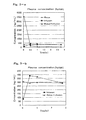
- FIG. 2 - a illustrates the measurement results (Example 2) of the rat plasma concentration of unchanged form.
- FIG. 2 - b illustrates the rat plasma concentration of unchanged form obtained from the infusion group and Bolus+infusion group of FIG. 2 - a.
- FIG. 3 - a illustrates the human plasma concentration of unchanged form calculated from the measurement results of the rat plasma concentration of unchanged form.
- FIG. 3 - b illustrates the human plasma concentration of unchanged form obtained from the infusion group and Bolus+infusion group of FIG. 3 - a.
- FIG. 4 illustrates the results of the rat dose response test in Example 3-1.
- FIG. 5 illustrates the results of the monkey dose response test in Example 3-2.
Landscapes
- Health & Medical Sciences (AREA)
- Veterinary Medicine (AREA)
- Public Health (AREA)
- General Health & Medical Sciences (AREA)
- Animal Behavior & Ethology (AREA)
- Chemical & Material Sciences (AREA)
- Life Sciences & Earth Sciences (AREA)
- Pharmacology & Pharmacy (AREA)
- Medicinal Chemistry (AREA)
- Engineering & Computer Science (AREA)
- Bioinformatics & Cheminformatics (AREA)
- Organic Chemistry (AREA)
- Neurology (AREA)
- General Chemical & Material Sciences (AREA)
- Chemical Kinetics & Catalysis (AREA)
- Nuclear Medicine, Radiotherapy & Molecular Imaging (AREA)
- Neurosurgery (AREA)
- Biomedical Technology (AREA)
- Epidemiology (AREA)
- Psychiatry (AREA)
- Heart & Thoracic Surgery (AREA)
- Urology & Nephrology (AREA)
- Vascular Medicine (AREA)
- Hospice & Palliative Care (AREA)
- Cardiology (AREA)
- Psychology (AREA)
- Pharmaceuticals Containing Other Organic And Inorganic Compounds (AREA)
Abstract

or a pharmaceutically acceptable salt thereof, or a pseudo-polymorphic form thereof, administered at a controlled dose so that the plasma concentration of unchanged form is kept constant for a predetermined period of time and so that the compound may exhibit a higher effect.
Description

or a pharmaceutically acceptable salt of the compound, or a psudeo-polymorphic form (hydrate or solvate) or mixture of such forms:
wherein,
R1 represents a hydrogen atom, an aryl group, an alkyl group having from 1 to 5 carbon atoms or an alkoxycarbonylalkyl group having from 3 to 6 carbon atoms in total;
R2 represents a hydrogen atom, an aryloxy group, an arylmercapto group, an alkyl group having from 1 to 5 carbon atoms or a hydroxyalkyl group having from 1 to 3 carbon atoms, or R1 and R2 taken together may form an alkylene group having from 3 to 5 carbon atoms; and
R3 represents a hydrogen atom, an alkyl group having from 1 to 5 carbon atoms, a cycloalkyl group having from 5 to 7 carbon atoms, a hydroxyalkyl group having from 1 to 3 carbon atoms, a benzyl group, a naphthyl group or a phenyl group, or a phenyl group substituted with from 1 to 3 substituents, which substituent(s) may be the same or different and are selected from the class consisting of alkoxy groups having from 1 to 5 carbon atoms, hydroxyalkyl groups having from 1 to 3 carbon atoms, alkoxycarbonyl groups having from 2 to 5 carbon atoms in total, alkylmercapto groups having from 1 to 3 carbon atoms, alkylamino groups having from 1 to 4 carbon atoms, dialkylamino groups having from 2 to 8 carbon atoms in total, halogen atoms, a trifluoromethyl group, a carboxyl group, a cyano group, a hydroxyl group, a nitro group, an amino group, and an acetamide group.

wherein,
R1 represents a hydrogen atom, an aryl group, an alkyl group having from 1 to 5 carbon atoms or an alkoxycarbonylalkyl group having from 3 to 6 carbon atoms in total;
R2 represents a hydrogen atom, an aryloxy group, an arylmercapto group, an alkyl group having from 1 to 5 carbon atoms or a hydroxyalkyl group having from 1 to 3 carbon atoms, or R1 and R2 taken together may form an alkylene group having from 3 to 5 carbon atoms; and
R3 represents a hydrogen atom, an alkyl group having from 1 to 5 carbon atoms, a cycloalkyl group having from 5 to 7 carbon atoms, a hydroxyalkyl group having from 1 to 3 carbon atoms, a benzyl group, a naphthyl group or a phenyl group, or a phenyl group substituted with from 1 to 3 substituents, which substituent(s) may be the same or different and are selected from the class consisting of alkoxy groups having from 1 to 5 carbon atoms, hydroxyalkyl groups having from 1 to 3 carbon atoms, alkoxycarbonyl groups having from 2 to 5 carbon atoms in total, alkylmercapto groups having from 1 to 3 carbon atoms, alkylamino groups having from 1 to 4 carbon atoms, dialkylamino groups having from 2 to 8 carbon atoms in total, halogen atoms, a trifluoromethyl group, a carboxyl group, a cyano group, a hydroxyl group, a nitro group, an amino group, and an acetamide group,
or a pharmaceutically acceptable salt of the compound, or a pseudo-polymorphic form, or a mixture of such forms, and further wherein the dosage of administration is controlled for providing rapid attainment of a therapeutically effective plasma concentration of unchanged form of the compound, and for providing substantially continuous maintenance of a therapeutically effective plasma concentration of unchanged form of the compound.

wherein,
R1 represents a hydrogen atom, an aryl group, an alkyl group having from 1 to 5 carbon atoms or an alkoxycarbonylalkyl group having from 3 to 6 carbon atoms in total,
R2 represents a hydrogen atom, an aryloxy group, an arylmercapto group, an alkyl group having from 1 to 5 carbon atoms or a hydroxyalkyl group having from 1 to 3 carbon atoms, or R1 and R2 taken together form an alkylene group having from 3 to 5 carbon atoms,
R3 represents a hydrogen atom, an alkyl group having from 1 to 5 carbon atoms, a cycloalkyl group having from 5 to 7 carbon atoms, a hydroxyalkyl group having from 1 to 3 carbon atoms, a benzyl group, a naphthyl group or a phenyl group, or a phenyl group substituted with from 1 to 3 substituents, which substituent(s) may be the same or different and are selected from the class consisting of alkoxy groups having from 1 to 5 carbon atoms, hydroxyalkyl groups having from 1 to 3 carbon atoms, alkoxycarbonyl groups having from 2 to 5 carbon atoms in total, alkylmercapto groups having from 1 to 3 carbon atoms, alkylamino groups having from 1 to 4 carbon atoms, dialkylamino groups having from 2 to 8 carbon atoms in total, halogen atoms, a trifluoromethyl group, a carboxyl group, a cyano group, a hydroxyl group, a nitro group, an amino group and an acetamide group,
or a pharmaceutically acceptable salt, of the compound, or a pseudo-polymorphic form, or a mixture of such forms, and further wherein
(i) the compound is administered by intravenous bolus administration of a loading dose for providing rapid attainment, within about 3 minutes to about 5 minutes after completion of the administration of the loading dose, of the plasma concentration of unchanged form of the compound within a range of from about 60 ng/ml to about 3200 ng/ml, or of the free plasma concentration of unchanged form of the compound within a range of from about 5 ng/ml to about 260 ng/ml, and
(ii) the compound is administered by intravenous infusion administration of a maintenance dose, for from about 0.5 hours to about 120 hours after initiation of the administration of the maintenance dose, for maintaining the plasma concentration of unchanged form of the compound substantially within a range of from about 60 ng/ml to about 3200 ng/ml or for maintaining the free plasma concentration of unchanged form of the compound substantially within a range of from about 5 ng/ml to about 260 ng/ml.

wherein,
R1: represents a hydrogen atom, an aryl group, an alkyl group having from 1 to 5 carbon atoms or an alkoxycarbonylalkyl group having from 3 to 6 carbon atoms in total;
R2 represents a hydrogen atom, an aryloxy group, an arylmercapto group, an alkyl group having from 1 to 5 carbon atoms or a hydroxyalkyl group having from 1 to 3 carbon atoms, or R1 and R2 taken together may form an alkylene group having from 3 to 5 carbon atoms; and
R3 represents a hydrogen atom, an alkyl group having from 1 to 5 carbon atoms, a cycloalkyl group having from 5 to 7 carbon atoms, a hydroxyalkyl group having from 1 to 3 carbon atoms, a benzyl group, a naphthyl group or a phenyl group, or a phenyl group substituted with from 1 to 3 substituents, which substituent(s) may be the same or different and are selected from the class consisting of alkoxy groups having from 1 to 5 carbon atoms, hydroxyalkyl groups having from 1 to 3 carbon atoms, alkoxycarbonyl groups having from 2 to 5 carbon atoms in total, alkylmercapto groups having from 1 to 3 carbon atoms, alkylamino groups having from 1 to 4 carbon atoms, dialkylamino groups having from 2 to 8 carbon atoms in total, halogen atoms, a trifluoromethyl group, a carboxyl group, a cyano group, a hydroxyl group, a nitro group, an amino group, and an acetamide group,
or a pharmaceutically acceptable salt of the compound and further wherein the dosage of administration is controlled for providing rapid attainment of a therapeutically effective plasma concentration of unchanged form of the compound, and for providing substantially continuous maintenance of a therapeutically effective plasma concentration of unchanged form of the compound, and further wherein the dose for rapid attainment of a therapeutically effective plasma concentration of unchanged form of the compound is selected from a group consisting of from about 0.025 to about 1.3 mg per kg of the weight of a patient; about 0.075 to about 0.5 mg per kg of the weight of a patient; about 0.1 to about 0.3 mg per kg of the weight of a patient; about 0.15 to about 1.0 mg per kg of the weight of a patient; and about 0.25 to about 0.75 mg per kg of the weight of a patient, and the dose for maintenance of a therapeutically effective plasma concentration is administered from about 0.05 to about 2.5 mg/hr per kg of the weight of the patient for a period selected from the group consisting of about 0.5 hours; 1 hour; 2.75 hours; and 72 hours.

wherein,
R1 represents a hydrogen atom, an aryl group, an alkyl group having from 1 to 5 carbon atoms or an alkoxycarbonylalkyl group having from 3 to 6 carbon atoms in total;
R2 represents a hydrogen atom, an aryloxy group, an arylmercapto group, an alkyl group having from 1 to 5 carbon atoms or a hydroxyalkyl group having from 1 to 3 carbon atoms, or R1 and R2 taken together may form an alkylene group having from 3 to 5 carbon atoms; and
R3 represents a hydrogen atom, an alkyl group having from 1 to 5 carbon atoms, a cycloalkyl group having from 5 to 7 carbon atoms, a hydroxyalkyl group having from 1 to 3 carbon atoms, a benzyl group, a naphthyl group or a phenyl group, or a phenyl group substituted with from 1 to 3 substituents, which substituent(s) may be the same or different and are selected from the class consisting of alkoxy groups having from 1 to 5 carbon atoms, hydroxyalkyl groups having from 1 to 3 carbon atoms, alkoxycarbonyl groups having from 2 to 5 carbon atoms in total, alkylmercapto groups having from 1 to 3 carbon atoms, alkylamino groups having from 1 to 4 carbon atoms, dialkylamino groups having from 2 to 8 carbon atoms in total, halogen atoms, a trifluoromethyl group, a carboxyl group, a cyano group, a hydroxyl group, a nitro group, an amino group, and an acetamide group,
or a pharmaceutically acceptable salt of the compound, further wherein
(i) the compound is administered by intravenous bolus administration of a loading dose for providing rapid attainment, within about 3 minutes to about 5 minutes after completion of the administration of the loading dose, of the plasma concentration of unchanged form of the compound within a range of from about 60 ng/ml to about 3200 ng/ml, or of the free plasma concentration of unchanged form of the compound within a range of from about 5 ng/ml to about 260 ng/ml, and
(ii) the compound is administered by intravenous infusion administration of a maintenance dose, for from about 0.5 hours to about 120 hours after initiation of the administration of the maintenance dose, for maintaining the plasma concentration of unchanged form of the compound substantially within a range of from about 60 ng/ml to about 3200 ng/ml or for maintaining the free plasma concentration of unchanged form of the compound substantially within a range of from about 5 ng/ml to about 260 ng/ml.
and further wherein,
the dose for rapid attainment of a therapeutically effective plasma concentration of unchanged form of the compound is selected from a group consisting of from about 0.025 to about 1.3 mg per kg of the weight of a patient; about 0.075 to about 0.5 mg per kg of the weight of a patient; about 0.1 to about 0.3 mg per kg of the weight of a patient; about 0.15 to about 1.0 mg per kg of the weight of a patient; and about 0.25 to about 0.75 mg per kg of the weight of a patient, and the dose for maintenance of a therapeutically effective plasma concentration is administered from about 0.05 to about 2.5 mg/hr per kg of the weight of the patient for a period selected from the group consisting of about 0.5 hours; 1 hour; 2.75 hours; and 72 hours.

R1 represents a hydrogen atom, an aryl group, an alkyl group having from 1 to 5 carbon atoms or an alkoxycarbonylalkyl group having from 3 to 6 carbon atoms in total,
R2 represents a hydrogen atom, an aryloxy group, an arylmercapto group, an alkyl group having from 1 to 5 carbon atoms or a hydroxyalkyl group having from 1 to 3 carbon atoms, or R1 and R2 taken together may form an alkylene group having from 3 to 5 carbon atoms,
R3 represents a hydrogen atom, an alkyl group having from 1 to 5 carbon atoms, a cycloalkyl group having from 5 to 7 carbon atoms, a hydroxyalkyl group having from 1 to 3 carbon atoms, a benzyl group, a naphthyl group or a phenyl group, or a phenyl group substituted with from 1 to 3 substituents, which substituent(s) may be the same or different and are selected from the class consisting of alkoxy groups having from 1 to 5 carbon atoms, hydroxyalkyl groups having from 1 to 3 carbon atoms, alkoxycarbonyl groups having from 2 to 5 carbon atoms in total, alkylmercapto groups having from 1 to 3 carbon atoms, alkylamino groups having from 1 to 4 carbon atoms, dialkylamino groups having from 2 to 8 carbon atoms in total, halogen atoms, a trifluoromethyl group, a carboxyl group, a cyano group, a hydroxyl group, a nitro group, an amino group and an acetamide group,
or a pharmaceutically acceptable salt of the compound, or a pseudo-polymorphic form, or a mixture of such forms, wherein the compound of Formula (I) is 3-methyl-1-phenyl-2-pyrazolin-5-one.
and further wherein
(i) the compound is administered by intravenous bolus administration of a loading dose for providing attainment of the plasma concentration of unchanged form of the compound within a range of from about 60 ng/ml to about 3200 ng/ml within about 3 minutes to about 5 minutes after completion of the administration of the loading dose, and for providing intravenous infusion administration of a maintenance dose for providing the plasma concentration of unchanged form of the compound within a range of from about 60 ng/ml to about 3200 ng/ml up to about 120 hours after initiation of administration of the maintenance dose; or
(ii) the compound is administered by an intravenous bolus loading dose for providing the free plasma concentration of unchanged form of the compound within a range of from about 5 ng/ml to about 260 ng/ml within about 3 minutes to about 5 minutes after completion of the initial dose administration, and administration of a maintenance dose by intravenous infusion for providing the free plasma concentration of unchanged form of the compound within a range of from about 5 ng/ml to about 260 ng/ml for from about 0.5 hours to about 120 hours after initiation of the administration of the maintenance dose.

or a metabolized form. As unchanged form, the compound may be present as free form or as protein-bound form. In general, plasma concentration of unchanged form is the sum of free plasma concentration and protein-bound concentration of the particular drug. It is the free (unbound) form that is pharmacologically active. Since protein binding rates differ between species, the inventors have expressed the dose-action relationship of the compounds of this invention based on the free plasma concentration. Other published data use total plasma concentrations.

The active ingredient according to the present invention encompasses all these isomers. In formula (I), the aryl group for R1 includes a phenyl group and a phenyl group substituted with a substituent that includes a methyl group, a butyl group, a methoxy group, a butoxy group, a chlorine atom and a hydroxyl group.
- 3-methyl-1-phenyl-2-pyrazolin-5-one,
- 3-methyl-1-(2-methylphenyl)-2-pyrazolin-5-one,
- 3-methyl-1-(3-methylphenyl)-2-pyrazolin-5-one,
- 3-methyl-1-(4-methylphenyl)-2-pyrazolin-5-one,
- 3-methyl-1-(3,4-dimethylphenyl)-2-pyrazolin-5-one,
- 1-(4-ethylphenyl)-3-methyl-2-pyrazolin-5-one,
- 3-methyl-1-(4-propylphenyl)-2-pyrazolin-5-one,
- 1-(4-butylphenyl)-3-methyl-2-pyrazolin-5-one,
- 1-(3-trifluoromethylphenyl)-3-methyl-2-pyrazolin-5-one,
- 1-(4-trifluoromethylphenyl)-3-methyl-2-pyrazolin-5-one,
- 1-(2-methoxyphenyl)-3-methyl-2-pyrazolin-5-one,
- 1-(3-methoxyphenyl)-3-methyl-2-pyrazolin-5-one,
- 1-(4-methoxyphenyl)-3-methyl-2-pyrazolin-5-one,
- 1-(3,4-dimethoxyphenyl)-3-methyl-2-pyrazolin-5-one,
- 1-(4-ethoxyphenyl)-3-methyl-2-pyrazolin-5-one,
- 3-methyl-1-(4-propoxyphenyl)-2-pyrazolin-5-one,
- 1-(4-butoxyphenyl)-3-methyl-2-pyrazolin-5-one,
- 1-(2-chlorophenyl)-3-methyl-2-pyrazolin-5-one,
- 1-(3-chlorophenyl)-3-methyl-2-pyrazolin-5-one,
- 1-(4-chlorophenyl)-3-methyl-2-pyrazolin-5-one,
- 1-(3,4-dichlorophenyl)-3-methyl-2-pyrazolin-5-one,
- 1-(4-bromophenyl)-3-methyl-2-pyrazolin-5-one,
- 1-(4-fluorophenyl)-3-methyl-2-pyrazolin-5-one,
- 1-(3-chloro-4-methylphenyl)-3-methyl-2-pyrazolin-5-one,
- 1-(3-methylmercaptophenyl)-3-methyl-2-pyrazolin-5-one,
- 1-(4-methylmercaptophenyl)-3-methyl-2-pyrazolin-5-one,
- 4-(3-methyl-5-oxo-2-pyrazolin-1-yl)benzoic acid,
- 1-(4-ethoxycarbonylphenyl)-3-methyl-2-pyrazolin-5-one,
- 1-(4-nitrophenyl)-3-methyl-2-pyrazolin-5-one
- 3-ethyl-1-phenyl-2-pyrazolin-5-one,
- 1-phenyl-3-propyl-2-pyrazolin-5-one;
- 1,3-diphenyl-2-pyrazolin-5-one,
- 3-phenyl-1-(p-tolyl)-2-pyrazolin-5-one,
- 1-(4-methoxyphenyl)-3-phenyl-2-pyrazolin-5-one,
- 1-(4-chlorophenyl)-3-phenyl-2-pyrazolin-5-one,
- 3,4-dimethyl-1-phenyl-2-pyrazolin-5-one,
- 4-isobutyl-3-methyl-1-phenyl-2-pyrazolin-5-one,
- 4-(2-hydroxyethyl)-3-methyl-1-phenyl-2-pyrazolin-5-one,
- 3-methyl-4-phenoxy-1-phenyl-2-pyrazolin-5-one,
- 3-methyl-4-phenylmercapto-1-phenyl-2-pyrazolin-5-one,
- 2,3a,4,5,6,7-hexahydro-2-phenylindazol-3-one,
- 3-(ethoxycarbonylmethyl)-1-phenyl-2-pyrazolin-5-one,
- 1-phenyl-2-pyrazolin-5-one,
- 3-methyl-2-pyrazolin-5-one,
- 1,3-dimethyl-2-pyrazolin-5-one,
- 1-ethyl-3-methyl-2-pyrazolin-5-one,
- 1-butyl-3-methyl-2-pyrazolin-5-one,
- 1-(2-hydroxyethyl)-3-methyl-2-pyrazolin-5-one,
- 1-cyclohexyl-3-methyl-2-pyrazolin-5-one,
- 1-benzyl-3-methyl-2-pyrazolin-5-one,
- 1-(α-naphthyl)-3-methyl-2-pyrazolin-5-one,
- 1-methyl-3-phenyl-2-pyrazolin-5-one,
- 3-methyl-1-(4-methylphenyl)-2-pyrazolin-5-one,
- 1-(4-butylphenyl)-3-methyl-2-pyrazolin-5-one,
- 1-(4-methoxyphenyl)-3-methyl-2-pyrazolin-5-one,
- 1-(4-butoxyphenyl)-3-methyl-2-pyrazolin-5-one,
- 1-(4-chlorophenyl)-3-methyl-2-pyrazolin-5-one,
- 1-(4-hydroxyphenyl)-3-methyl-2-pyrazolin-5-one,
- 1-(3,4-dihydroxyphenyl)-3-methyl-2-pyrazolin-5-one,
- 1-(2-hydroxyphenyl)-3-methyl-2-pyrazolin-5-one,
- 1-(3-hydroxyphenyl)-3-methyl-2-pyrazolin-5-one,
- 1-(4-hydroxyphenyl)-3-methyl-2-pyrazolin-5-one,
- 1-(3,4-hydroxyphenyl)-3-methyl-2-pyrazolin-5-one,
- 1-(4-hydroxyphenyl)-3-phenyl-2-pyrazolin-5-one,
- 1-(4-hydroxymethylphenyl)-3-methyl-2-pyrazolin-5-one,
- 1-(4-aminophenyl)-3-methyl-2-pyrazolin-5-one,
- 1-(4-methylaminophenyl)-3-methyl-2-pyrazolin-5-one,
- 1-(4-ethylaminophenyl)-3-methyl-2-pyrazolin-5-one,
- 1-(4-butylaminophenyl)-3-methyl-2-pyrazolin-5-one,
- 1-(4-dimethylaminophenyl)-3-methyl-2-pyrazolin-5-one,
- 1-(acetamidophenyl)-3-methyl-2-pyrazolin-5-one,
- 1-(4-cyanophenyl)-3-methyl-2-pyrazolin-5-one.
| TABLE 3 | ||
| Starting time of administration | ||
| Group | Dose | and administration time |
| Control | — | — |
| |
3 mg/kg, i.v. | Bolus immediately after reperfusion |
| started | ||
| |
1 mg/kg/hr, i.v. | Infusion for 3 hours immediately |
| after reperfusion started | ||
| Bolus + | 0.2 mg/kg, i.v. + | Bolus of 0.2 mg/kg immediately after |
| |
1 mg/kg/hr, i.v. | reperfusion started, followed by |
| infusion for 2.75 hours | ||
| TABLE 4 | |||
| CAPCELL PAC C18MG 2.0 mm | |||
| Column | (ID) × 150 mm (Shiseido Co.) | ||
| Mobile Phase | methanol/10 mmol/L ammonium | ||
| acetate (pH 4.5) (4:6, v/v) | |||
| Flow Rate | 0.2 mL/ | ||
| Column Temperature | |||
| 50° C. | |||
| Auto sampler Temperature | 4° C. | ||
| Spray Voltage | 5.0 kV | ||
| Sheath Gas Pressure | 37 Torr | ||
| Auxiliary Gas Pressure | 16 Torr | ||
| Capillary Temperature | 397° C. | ||
| Scan Mode | SRM | ||
| Ionization Method | ESI (positive) | ||
| TABLE 5 | |||
| loading dose (i.v.) | maintenance dose (i.v.) | ||
| Drug | dose weight | dose volume | dose weight | dose volume |
| physio- | 1.0 ml/kg | 0.5 ml/body/hr | ||
| logical | ||||
| saline | ||||
| Edaravone | 0.05 mg/kg | 1.0 ml/kg | 0.25 mg/kg/hr | 0.5 ml/body/hr |
| Edaravone | 0.1 mg/kg | 1.0 ml/kg | 0.5 mg/kg/hr | 0.5 ml/body/hr |
| Edaravone | 0.2 mg/kg | 1.0 ml/kg | 1.0 mg/kg/hr | 0.5 ml/body/hr |
| TABLE 6 | |||
| loading dose (i.v.) | maintenance dose (i.v.) | ||
| Drug | dose weight | dose volume | dose weight | dose volume |
| solvent | 1.0 ml/kg | 2.0 ml/kg/hr | ||
| Edaravone | 0.1 mg/kg | 1.0 ml/kg | 0.5 mg/kg/hr | 2.0 ml/kg/hr |
| Edaravone | 0.2 mg/kg | 1.0 ml/kg | 1.0 mg/kg/hr | 2.0 ml/kg/hr |
| Edaravone | 0.4 mg/kg | 1.0 ml/kg | 2.0 mg/kg/hr | 2.0 ml/kg/hr |
Claims (7)
Applications Claiming Priority (3)
| Application Number | Priority Date | Filing Date | Title |
|---|---|---|---|
| JP2004-233635 | 2004-08-10 | ||
| JP2004233635 | 2004-08-10 | ||
| PCT/JP2005/014969 WO2006016707A2 (en) | 2004-08-10 | 2005-08-10 | Pyrazolone compounds for treating cerebrovascular disorders |
Publications (2)
| Publication Number | Publication Date |
|---|---|
| US20070249700A1 US20070249700A1 (en) | 2007-10-25 |
| US9259416B2 true US9259416B2 (en) | 2016-02-16 |
Family
ID=35534529
Family Applications (1)
| Application Number | Title | Priority Date | Filing Date |
|---|---|---|---|
| US11/659,799 Expired - Fee Related US9259416B2 (en) | 2004-08-10 | 2005-08-10 | Pyrazolone compounds useful for treatment of cerebrovascular disorders associated with ischemic stroke |
Country Status (8)
| Country | Link |
|---|---|
| US (1) | US9259416B2 (en) |
| EP (1) | EP1793821B1 (en) |
| JP (2) | JP5198852B2 (en) |
| KR (1) | KR101255578B1 (en) |
| CN (1) | CN101001627A (en) |
| CA (1) | CA2576544A1 (en) |
| ES (1) | ES2707781T3 (en) |
| WO (1) | WO2006016707A2 (en) |
Families Citing this family (3)
| Publication number | Priority date | Publication date | Assignee | Title |
|---|---|---|---|---|
| JP2009143902A (en) * | 2007-11-21 | 2009-07-02 | Kowa Co | Stable water-soluble formulation containing edaravone |
| CN101524352A (en) | 2008-03-04 | 2009-09-09 | 江苏先声药物研究有限公司 | Composition containing 3-methyl-1-phenyl-2-pyrazoline-5-ketone |
| CN104326984A (en) * | 2014-10-10 | 2015-02-04 | 河南明德科润医药科技有限责任公司 | Synthesis method of high-purity pharmaceutical injection-grade edaravone raw material |
Citations (6)
| Publication number | Priority date | Publication date | Assignee | Title |
|---|---|---|---|---|
| EP0208874A1 (en) | 1985-05-20 | 1987-01-21 | Mitsubishi Kasei Corporation | Prophylactic and therapeutic agent for circulatory disorders |
| JPH03215426A (en) | 1990-01-16 | 1991-09-20 | Mitsubishi Kasei Corp | Blood sugar increase inhibitor |
| JPH03215425A (en) | 1990-01-16 | 1991-09-20 | Mitsubishi Kasei Corp | anti-ulcer agent |
| JP2004091441A (en) | 2002-09-04 | 2004-03-25 | Mitsubishi Pharma Corp | Oral administration preparation containing pyrazolone derivative |
| JP2004123700A (en) * | 2002-05-22 | 2004-04-22 | Mitsubishi Pharma Corp | Peroxynitrite eraser |
| US20070043116A1 (en) * | 2003-10-03 | 2007-02-22 | Yosuke Funakoshi | Method for preventing and/or treating neurodegenerative diseases |
Family Cites Families (3)
| Publication number | Priority date | Publication date | Assignee | Title |
|---|---|---|---|---|
| JPS61263917A (en) | 1985-05-20 | 1986-11-21 | Mitsubishi Yuka Yakuhin Kk | Cerebral function normalizing agent |
| JPS62108814A (en) | 1985-11-07 | 1987-05-20 | Mitsubishi Chem Ind Ltd | Lipid peroxide production inhibitor |
| CN1440749A (en) * | 2003-03-24 | 2003-09-10 | 南昌弘益科技有限公司 | Edaravone injection for treating acute cerebral thrombus and its prepn |
-
2005
- 2005-08-10 KR KR1020077005530A patent/KR101255578B1/en not_active Expired - Fee Related
- 2005-08-10 US US11/659,799 patent/US9259416B2/en not_active Expired - Fee Related
- 2005-08-10 WO PCT/JP2005/014969 patent/WO2006016707A2/en not_active Ceased
- 2005-08-10 CN CNA2005800274320A patent/CN101001627A/en active Pending
- 2005-08-10 CA CA002576544A patent/CA2576544A1/en not_active Abandoned
- 2005-08-10 JP JP2007508663A patent/JP5198852B2/en not_active Expired - Fee Related
- 2005-08-10 EP EP05772671.3A patent/EP1793821B1/en not_active Expired - Lifetime
- 2005-08-10 ES ES05772671T patent/ES2707781T3/en not_active Expired - Lifetime
-
2012
- 2012-07-02 JP JP2012148294A patent/JP5469707B2/en not_active Expired - Fee Related
Patent Citations (6)
| Publication number | Priority date | Publication date | Assignee | Title |
|---|---|---|---|---|
| EP0208874A1 (en) | 1985-05-20 | 1987-01-21 | Mitsubishi Kasei Corporation | Prophylactic and therapeutic agent for circulatory disorders |
| JPH03215426A (en) | 1990-01-16 | 1991-09-20 | Mitsubishi Kasei Corp | Blood sugar increase inhibitor |
| JPH03215425A (en) | 1990-01-16 | 1991-09-20 | Mitsubishi Kasei Corp | anti-ulcer agent |
| JP2004123700A (en) * | 2002-05-22 | 2004-04-22 | Mitsubishi Pharma Corp | Peroxynitrite eraser |
| JP2004091441A (en) | 2002-09-04 | 2004-03-25 | Mitsubishi Pharma Corp | Oral administration preparation containing pyrazolone derivative |
| US20070043116A1 (en) * | 2003-10-03 | 2007-02-22 | Yosuke Funakoshi | Method for preventing and/or treating neurodegenerative diseases |
Non-Patent Citations (28)
| Title |
|---|
| "Effect of a Novel Free Radical Scavenger, Edaravone (MCI-186), on Acute Brain Infarction, Randomized, Placebo-Controlled, Double=Blind Study At Multicenters", Cerebrovascular Diseases, Karger, Basel, CH, vol. 15, No. 3, 2003, pp. 222-229. |
| Alberts (Stroke, 2004, vol. 35, pp. 342-344). * |
| Chinese Official Action dated Oct. 9, 2009 with English translation. |
| Database WPI, Section Ch, Week 200382, Derwent Publications Ltd., London, GB; AN 2003-878221, XP002386756. |
| European Search Report issued Sep. 4, 2012 in corresponding European Patent Application No. 05 772 671.3. |
| Faden et al (Archives of Neurology, 2007, vol. 64, pp. 794-800). * |
| H. Nakamura et al., "Effects of Edaravone on Experimental Brain Injury in View of Free Radical Reaction", ACTA Neurochirurgica. Supplement. 2003, vol. 86, pp. 309-311. |
| H. Shibata, et al., "Phase I Clinical Study of MCI-186 (Edaravne, 3-Methyl-1-Phenyl-2-Pyrazolin-5-One) in Healthy Volunteers: Safety and Pharmacokinetics of Single and Multiple Administrations", Rinsho Yakuri-Japanese Journal of Clinical Pharmacology and Therapeutics, Nihon Rinsho Yakuri Gakkai, Tokyo, Japan, vol. 29, No. 6, Nov. 1998, pp. 863-876. |
| Hata et al (Pulse Radiolysis Study on Free Radical Scavenger Edaravone(3-methyl-1-phenyl-2-pyrazolin-5-one).2: A Comparative Study on Edaravone Derivatives, 2011, Journal of Radiation Research, vol. 52, pp. 15-23). * |
| J. Bailey, "An Approximate Model-Independent Method to Maintain Constant Plasma Levels of Intravenous Drugs", Journal of Pharmacokinetics and Biopharmaceutics, vol. 19, No. 6, pp. 635-645, 1991. |
| J. Kucharczyk et al., "Nicardipine reduces ischemic brain injury. Magnetic resonance imaging/spectroscopy study in cats", Stroke, vol. 20, No. 2, pp. 268-274, 1989. |
| JP 2004/123700 (Derwent abstract, Apr. 22, 2004). * |
| JP 2004/123700 (English translation from Espacenet, printed on Feb. 17, 2015, Japanese document published in Apr. 2004). * |
| K. Ohtani et al., "SM-31900, a novel NMDA receptor glycine-binding site antagonist, reduces infarct volume induced by permanent middle cerebral artery occlusion in spontaneously hypertensive rats", Neurochemistry International, vol. 42, No. 5, pp. 375-384, 2003. |
| Kabadi et al (International Journal of Molecular Science, 2014, vol. 15, pp. 1216-1236). * |
| Kazunori Toyoda et al., "Free Radical Scavenger, Edaravone, in Stroke With Internal Carotid Artery Occlusion", Journal of the Neurological Sciences. Jun. 15, 2004, vol. 221, No. 1-2, pp. 11-17. |
| Li-Hui Zhang et al., Database Medline [Online] US National Library of Medicine (NLM), Bethesda, MD, US; Dec. 2003, "Neuroprotective effect of ONO-1078, a leukotriene receptor antagonist, on transient global cerebal ischemia in rats", XP002386754. |
| Minako Yamamoto et al., "3-Methyl-1-Phenyl-2-Pyrazolin-5-One(MCI-186): Protein Binding and Distribution to Red Blood Cell", Jpn Pharmacol Ther, vol. 25, Supplemental 97, pp. 245-253. |
| N. Morimoto, "Effects of heparin-urokinase on the brain damage induced by complete global brain ischemia", Journal of Okayama Medical Association, vol. 103, pp. 173-181, 1991. |
| Noriko Yasuoka et al., "Neuroprotection of Edaravone on Hypdxic-Ischemic Brain Injury in Neonatal Rats", Brain Research, Development Brain Research, Jul. 19, 2004, vol. 151, No. 1-2, pp. 129-139. |
| Office Action issued Jul. 9, 2013 in corresponding Canadian Application No. 2,576,544. |
| Ohta et al., "Effects of Continuous Intravenous Infusion of MCI-186 on Functional Recovery after Spinal Cord Injury in Rats", Journal of Neurotrauma, vol. 28, Feb. 2011, pp. 289-298. |
| T. Nakagomi et al., "Effect of Edaravone on Cerebral Vasospasm Following Experimental Subarachnoid Hemorrhage", Journal of Stroke and Cerebrovascular Diseases, vol. 12, No. 1, pp. 17-21, 2003. |
| T. Watanabe et al., "Effects of an Antistroke Agent MCI-186 on Cerebral Arachidonate Cascade", The Journal of Pharmacology and Experimental Therapeutics, Dec. 2004, vol. 271, No. 3, pp. 1624-1629. |
| T. Yamamoto et al., "Delayed Neuronal Death Prevented by Inhibition of Increased Hydroxyl Radical Formation in a Transient Cerebral Ischemia", Brain Research, Jul. 11, 1997, vol. 762, No. 1-2, pp. 240-242. |
| Takahashi et al (MCI-186 prevents spinal cord damage and affects enzyme levels of nitric oxide synthase and Cu/Zn superoxide dismutase after transient ischemia in rabbits, Nov. 2003, The Journal of Thoracic and Cardiovascular Surgery, vol. 126, p. 1461-1466). * |
| Tomoaki Ikeda et al., "Effect of the Free Radical Scavenger, 3-Methyl-1-Phenyl-2-Pyrazolin-5-One (MCI-186), on Hypoxia-Ischemia-Induced Brain Injury in Neonatal Rats", Neuroscience Letters, Limerick, IE, vol. 329, No. 1, 2002, pp. 33-36. |
| Z. Yang et al., "Edaravone, an ethical brain protecting agent for acute cerebral infarction", Chinese Journal of New Drugs, vol. 11, No. 12, pp. 911-913, 2002. |
Also Published As
| Publication number | Publication date |
|---|---|
| ES2707781T3 (en) | 2019-04-05 |
| JP2008509879A (en) | 2008-04-03 |
| JP5469707B2 (en) | 2014-04-16 |
| WO2006016707A2 (en) | 2006-02-16 |
| EP1793821B1 (en) | 2018-10-31 |
| CA2576544A1 (en) | 2006-02-16 |
| KR101255578B1 (en) | 2013-04-17 |
| US20070249700A1 (en) | 2007-10-25 |
| JP2012184263A (en) | 2012-09-27 |
| JP5198852B2 (en) | 2013-05-15 |
| CN101001627A (en) | 2007-07-18 |
| KR20070061541A (en) | 2007-06-13 |
| WO2006016707A3 (en) | 2006-09-14 |
| EP1793821A2 (en) | 2007-06-13 |
Similar Documents
| Publication | Publication Date | Title |
|---|---|---|
| JP2004536807A (en) | How to treat glaucoma V | |
| JP4988204B2 (en) | A novel therapeutic agent for amyotrophic lateral sclerosis (ALS) or a disease caused by ALS | |
| JP5081890B2 (en) | Combination drugs of antithrombotic drugs and pyrazolone derivatives | |
| JP5469707B2 (en) | Pyrazolone compounds useful for the treatment of cerebrovascular disorders associated with cerebral infarction | |
| JP5259970B2 (en) | Drug dependence treatment | |
| US10004720B2 (en) | Agent for preventing and/or treating ophthalmologic diseases | |
| JP2004123716A (en) | Pharmaceutical for prevention and / or treatment of liver damage caused by chemical substances | |
| JP2004091441A (en) | Oral administration preparation containing pyrazolone derivative | |
| JP2004115508A (en) | Drugs for improving the function of burned skin tissue | |
| US20060135588A1 (en) | Preventive and/or therapeutic drugs for inflammatory intestinal diseases | |
| JP2005314348A (en) | Facial nerve palsy treatment | |
| US7312239B2 (en) | Medicament for prevention and/or therapy of arterial wall disorder | |
| JP2008037753A (en) | Treatment and / or prevention agent for pruritus | |
| JP2004123700A (en) | Peroxynitrite eraser | |
| JP2004161720A (en) | Agent for treatment and prevention of paraquat poisoning | |
| WO2010047369A1 (en) | Agent for treatment of diabetic nephropathy | |
| JP2004532249A (en) | Method for treating glaucoma VI | |
| WO2003064395A1 (en) | Preventive or therapeutic agents for neurodegenerative diseases | |
| JP2004067585A (en) | Pharmaceutical for prevention and / or treatment of disorders due to ischemic spinal cord injury | |
| JP2004331653A (en) | Agent for preventing and / or treating pain | |
| JP2003300880A (en) | Apoptosis inhibitor | |
| JP2003267871A (en) | Radiation damage prevention agent | |
| JP2004137252A (en) | Cytotoxic marker inhibitor | |
| JP2004346067A (en) | Drugs to extend the treatment time of antithrombotic drugs |
Legal Events
| Date | Code | Title | Description |
|---|---|---|---|
| AS | Assignment |
Owner name: MITSUBISHI PHARMA CORPORATION, JAPAN Free format text: ASSIGNMENT OF ASSIGNORS INTEREST;ASSIGNORS:YUKI, SATOSHI;NAKANO, TAKUMA;SUZUKI, HIROKO;REEL/FRAME:019393/0467 Effective date: 20070517 |
|
| AS | Assignment |
Owner name: MITSUBISHI TANABE PHARMA CORPORATION, JAPAN Free format text: CHANGE OF NAME;ASSIGNOR:MITSUBISHI PHARMA CORPORATION;REEL/FRAME:020838/0701 Effective date: 20071001 Owner name: MITSUBISHI TANABE PHARMA CORPORATION,JAPAN Free format text: CHANGE OF NAME;ASSIGNOR:MITSUBISHI PHARMA CORPORATION;REEL/FRAME:020838/0701 Effective date: 20071001 |
|
| ZAAA | Notice of allowance and fees due |
Free format text: ORIGINAL CODE: NOA |
|
| ZAAB | Notice of allowance mailed |
Free format text: ORIGINAL CODE: MN/=. |
|
| ZAAA | Notice of allowance and fees due |
Free format text: ORIGINAL CODE: NOA |
|
| STCF | Information on status: patent grant |
Free format text: PATENTED CASE |
|
| MAFP | Maintenance fee payment |
Free format text: PAYMENT OF MAINTENANCE FEE, 4TH YEAR, LARGE ENTITY (ORIGINAL EVENT CODE: M1551); ENTITY STATUS OF PATENT OWNER: LARGE ENTITY Year of fee payment: 4 |
|
| FEPP | Fee payment procedure |
Free format text: MAINTENANCE FEE REMINDER MAILED (ORIGINAL EVENT CODE: REM.); ENTITY STATUS OF PATENT OWNER: LARGE ENTITY |
|
| LAPS | Lapse for failure to pay maintenance fees |
Free format text: PATENT EXPIRED FOR FAILURE TO PAY MAINTENANCE FEES (ORIGINAL EVENT CODE: EXP.); ENTITY STATUS OF PATENT OWNER: LARGE ENTITY |
|
| STCH | Information on status: patent discontinuation |
Free format text: PATENT EXPIRED DUE TO NONPAYMENT OF MAINTENANCE FEES UNDER 37 CFR 1.362 |
|
| FP | Lapsed due to failure to pay maintenance fee |
Effective date: 20240216 |