US7488748B2 - 3,6-Disubstituted azabicyclo hexane derivatives as muscarinic receptor antagonists - Google Patents
3,6-Disubstituted azabicyclo hexane derivatives as muscarinic receptor antagonists Download PDFInfo
- Publication number
- US7488748B2 US7488748B2 US10/543,585 US54358503A US7488748B2 US 7488748 B2 US7488748 B2 US 7488748B2 US 54358503 A US54358503 A US 54358503A US 7488748 B2 US7488748 B2 US 7488748B2
- Authority
- US
- United States
- Prior art keywords
- hydroxy
- hex
- azabicyclo
- phenylacetamide
- cyclopentyl
- Prior art date
- Legal status (The legal status is an assumption and is not a legal conclusion. Google has not performed a legal analysis and makes no representation as to the accuracy of the status listed.)
- Expired - Fee Related
Links
- VLKZOEOYAKHREP-UHFFFAOYSA-N n-Hexane Chemical class CCCCCC VLKZOEOYAKHREP-UHFFFAOYSA-N 0.000 title abstract description 56
- 229940121948 Muscarinic receptor antagonist Drugs 0.000 title abstract description 7
- 150000001875 compounds Chemical class 0.000 claims abstract description 417
- 238000000034 method Methods 0.000 claims abstract description 168
- 208000037265 diseases, disorders, signs and symptoms Diseases 0.000 claims abstract description 46
- 201000010099 disease Diseases 0.000 claims abstract description 26
- 238000011282 treatment Methods 0.000 claims abstract description 14
- 230000002485 urinary effect Effects 0.000 claims abstract description 14
- 210000005095 gastrointestinal system Anatomy 0.000 claims abstract description 13
- 230000000241 respiratory effect Effects 0.000 claims abstract description 12
- 239000008194 pharmaceutical composition Substances 0.000 claims abstract description 9
- -1 diastereomers Chemical class 0.000 claims description 46
- 125000003118 aryl group Chemical group 0.000 claims description 34
- 125000000217 alkyl group Chemical group 0.000 claims description 29
- 125000001072 heteroaryl group Chemical group 0.000 claims description 29
- WEVYAHXRMPXWCK-UHFFFAOYSA-N Acetonitrile Chemical compound CC#N WEVYAHXRMPXWCK-UHFFFAOYSA-N 0.000 claims description 28
- 125000004435 hydrogen atom Chemical group [H]* 0.000 claims description 26
- 229910052736 halogen Inorganic materials 0.000 claims description 25
- 150000002367 halogens Chemical class 0.000 claims description 25
- 229910052740 iodine Inorganic materials 0.000 claims description 24
- 125000002924 primary amino group Chemical group [H]N([H])* 0.000 claims description 24
- 150000003839 salts Chemical class 0.000 claims description 24
- HBAQYPYDRFILMT-UHFFFAOYSA-N 8-[3-(1-cyclopropylpyrazol-4-yl)-1H-pyrazolo[4,3-d]pyrimidin-5-yl]-3-methyl-3,8-diazabicyclo[3.2.1]octan-2-one Chemical class C1(CC1)N1N=CC(=C1)C1=NNC2=C1N=C(N=C2)N1C2C(N(CC1CC2)C)=O HBAQYPYDRFILMT-UHFFFAOYSA-N 0.000 claims description 23
- 150000001204 N-oxides Chemical class 0.000 claims description 23
- OKKJLVBELUTLKV-UHFFFAOYSA-N Methanol Chemical compound OC OKKJLVBELUTLKV-UHFFFAOYSA-N 0.000 claims description 21
- 125000000753 cycloalkyl group Chemical group 0.000 claims description 20
- 208000035475 disorder Diseases 0.000 claims description 20
- ZMXDDKWLCZADIW-UHFFFAOYSA-N N,N-Dimethylformamide Chemical compound CN(C)C=O ZMXDDKWLCZADIW-UHFFFAOYSA-N 0.000 claims description 19
- NINIDFKCEFEMDL-UHFFFAOYSA-N Sulfur Chemical compound [S] NINIDFKCEFEMDL-UHFFFAOYSA-N 0.000 claims description 19
- 239000005864 Sulphur Substances 0.000 claims description 19
- QVGXLLKOCUKJST-UHFFFAOYSA-N atomic oxygen Chemical compound [O] QVGXLLKOCUKJST-UHFFFAOYSA-N 0.000 claims description 19
- 125000001495 ethyl group Chemical group [H]C([H])([H])C([H])([H])* 0.000 claims description 19
- 229910052760 oxygen Inorganic materials 0.000 claims description 19
- 239000001301 oxygen Substances 0.000 claims description 19
- 241001465754 Metazoa Species 0.000 claims description 18
- 229910052794 bromium Inorganic materials 0.000 claims description 18
- 229910052801 chlorine Inorganic materials 0.000 claims description 18
- 229910052731 fluorine Inorganic materials 0.000 claims description 18
- 229910052739 hydrogen Inorganic materials 0.000 claims description 18
- 239000001257 hydrogen Substances 0.000 claims description 18
- WYURNTSHIVDZCO-UHFFFAOYSA-N Tetrahydrofuran Chemical compound C1CCOC1 WYURNTSHIVDZCO-UHFFFAOYSA-N 0.000 claims description 16
- 125000003545 alkoxy group Chemical group 0.000 claims description 15
- 125000002496 methyl group Chemical group [H]C([H])([H])* 0.000 claims description 15
- 125000005842 heteroatom Chemical group 0.000 claims description 14
- VEXZGXHMUGYJMC-UHFFFAOYSA-N Hydrochloric acid Chemical compound Cl VEXZGXHMUGYJMC-UHFFFAOYSA-N 0.000 claims description 13
- IJGRMHOSHXDMSA-UHFFFAOYSA-N Atomic nitrogen Chemical compound N#N IJGRMHOSHXDMSA-UHFFFAOYSA-N 0.000 claims description 12
- IAZDPXIOMUYVGZ-UHFFFAOYSA-N Dimethylsulphoxide Chemical compound CS(C)=O IAZDPXIOMUYVGZ-UHFFFAOYSA-N 0.000 claims description 12
- 239000003795 chemical substances by application Substances 0.000 claims description 12
- LFQSCWFLJHTTHZ-UHFFFAOYSA-N Ethanol Chemical compound CCO LFQSCWFLJHTTHZ-UHFFFAOYSA-N 0.000 claims description 10
- 125000000449 nitro group Chemical group [O-][N+](*)=O 0.000 claims description 10
- 125000004433 nitrogen atom Chemical group N* 0.000 claims description 10
- 239000002904 solvent Substances 0.000 claims description 10
- 125000001424 substituent group Chemical group 0.000 claims description 10
- LSBDFXRDZJMBSC-UHFFFAOYSA-N 2-phenylacetamide Chemical compound NC(=O)CC1=CC=CC=C1 LSBDFXRDZJMBSC-UHFFFAOYSA-N 0.000 claims description 9
- YXFVVABEGXRONW-UHFFFAOYSA-N Toluene Chemical compound CC1=CC=CC=C1 YXFVVABEGXRONW-UHFFFAOYSA-N 0.000 claims description 9
- 125000003282 alkyl amino group Chemical group 0.000 claims description 9
- 238000006243 chemical reaction Methods 0.000 claims description 9
- 125000002023 trifluoromethyl group Chemical group FC(F)(F)* 0.000 claims description 9
- GQHTUMJGOHRCHB-UHFFFAOYSA-N 2,3,4,6,7,8,9,10-octahydropyrimido[1,2-a]azepine Chemical compound C1CCCCN2CCCN=C21 GQHTUMJGOHRCHB-UHFFFAOYSA-N 0.000 claims description 8
- 206010020651 Hyperkinesia Diseases 0.000 claims description 8
- 208000000269 Hyperkinesis Diseases 0.000 claims description 8
- 208000019693 Lung disease Diseases 0.000 claims description 8
- 208000008589 Obesity Diseases 0.000 claims description 8
- 206010046543 Urinary incontinence Diseases 0.000 claims description 8
- 125000005018 aryl alkenyl group Chemical group 0.000 claims description 8
- 125000003710 aryl alkyl group Chemical group 0.000 claims description 8
- 125000004104 aryloxy group Chemical group 0.000 claims description 8
- 208000006673 asthma Diseases 0.000 claims description 8
- 150000001732 carboxylic acid derivatives Chemical class 0.000 claims description 8
- 150000001733 carboxylic acid esters Chemical class 0.000 claims description 8
- 230000001684 chronic effect Effects 0.000 claims description 8
- 206010012601 diabetes mellitus Diseases 0.000 claims description 8
- 230000002496 gastric effect Effects 0.000 claims description 8
- 125000004447 heteroarylalkenyl group Chemical group 0.000 claims description 8
- 208000030603 inherited susceptibility to asthma Diseases 0.000 claims description 8
- 208000002551 irritable bowel syndrome Diseases 0.000 claims description 8
- 235000020824 obesity Nutrition 0.000 claims description 8
- 230000000414 obstructive effect Effects 0.000 claims description 8
- 208000005069 pulmonary fibrosis Diseases 0.000 claims description 8
- 125000004429 atom Chemical group 0.000 claims description 6
- 239000012351 deprotecting agent Substances 0.000 claims description 6
- 229910052757 nitrogen Inorganic materials 0.000 claims description 6
- 125000001436 propyl group Chemical group [H]C([*])([H])C([H])([H])C([H])([H])[H] 0.000 claims description 6
- 229920006395 saturated elastomer Polymers 0.000 claims description 6
- FPQQSJJWHUJYPU-UHFFFAOYSA-N 3-(dimethylamino)propyliminomethylidene-ethylazanium;chloride Chemical compound Cl.CCN=C=NCCCN(C)C FPQQSJJWHUJYPU-UHFFFAOYSA-N 0.000 claims description 5
- KDLHZDBZIXYQEI-UHFFFAOYSA-N Palladium Chemical compound [Pd] KDLHZDBZIXYQEI-UHFFFAOYSA-N 0.000 claims description 5
- 125000004453 alkoxycarbonyl group Chemical group 0.000 claims description 5
- 125000001797 benzyl group Chemical group [H]C1=C([H])C([H])=C(C([H])=C1[H])C([H])([H])* 0.000 claims description 5
- 125000003917 carbamoyl group Chemical group [H]N([H])C(*)=O 0.000 claims description 5
- 239000003960 organic solvent Substances 0.000 claims description 5
- 125000000229 (C1-C4)alkoxy group Chemical group 0.000 claims description 4
- ISNKSXRJJVWFIL-UHFFFAOYSA-N (sulfonylamino)amine Chemical compound NN=S(=O)=O ISNKSXRJJVWFIL-UHFFFAOYSA-N 0.000 claims description 4
- 238000007126 N-alkylation reaction Methods 0.000 claims description 4
- CTQNGGLPUBDAKN-UHFFFAOYSA-N O-Xylene Chemical compound CC1=CC=CC=C1C CTQNGGLPUBDAKN-UHFFFAOYSA-N 0.000 claims description 4
- 150000001338 aliphatic hydrocarbons Chemical class 0.000 claims description 4
- 230000002152 alkylating effect Effects 0.000 claims description 4
- 238000005574 benzylation reaction Methods 0.000 claims description 4
- 125000004093 cyano group Chemical group *C#N 0.000 claims description 4
- 238000010511 deprotection reaction Methods 0.000 claims description 4
- 125000004446 heteroarylalkyl group Chemical group 0.000 claims description 4
- 239000000546 pharmaceutical excipient Substances 0.000 claims description 4
- YLQBMQCUIZJEEH-UHFFFAOYSA-N tetrahydrofuran Natural products C=1C=COC=1 YLQBMQCUIZJEEH-UHFFFAOYSA-N 0.000 claims description 4
- 125000004169 (C1-C6) alkyl group Chemical group 0.000 claims description 3
- 229950011225 atrolactamide Drugs 0.000 claims description 3
- 239000003937 drug carrier Substances 0.000 claims description 3
- 125000001997 phenyl group Chemical group [H]C1=C([H])C([H])=C(*)C([H])=C1[H] 0.000 claims description 3
- 125000006239 protecting group Chemical group 0.000 claims description 3
- 125000003277 amino group Chemical group 0.000 claims description 2
- 239000003085 diluting agent Substances 0.000 claims description 2
- 239000008096 xylene Substances 0.000 claims description 2
- 206010071289 Lower urinary tract symptoms Diseases 0.000 claims 14
- DTQVDTLACAAQTR-UHFFFAOYSA-N trifluoroacetic acid Substances OC(=O)C(F)(F)F DTQVDTLACAAQTR-UHFFFAOYSA-N 0.000 claims 2
- 102000014415 Muscarinic acetylcholine receptor Human genes 0.000 abstract description 17
- 108050003473 Muscarinic acetylcholine receptor Proteins 0.000 abstract description 17
- 230000001404 mediated effect Effects 0.000 abstract description 6
- HEDRZPFGACZZDS-MICDWDOJSA-N Trichloro(2H)methane Chemical compound [2H]C(Cl)(Cl)Cl HEDRZPFGACZZDS-MICDWDOJSA-N 0.000 description 258
- YMWUJEATGCHHMB-UHFFFAOYSA-N Dichloromethane Chemical compound ClCCl YMWUJEATGCHHMB-UHFFFAOYSA-N 0.000 description 187
- 238000002360 preparation method Methods 0.000 description 141
- UHOVQNZJYSORNB-UHFFFAOYSA-N C1=CC=CC=C1 Chemical compound C1=CC=CC=C1 UHOVQNZJYSORNB-UHFFFAOYSA-N 0.000 description 138
- 238000005160 1H NMR spectroscopy Methods 0.000 description 132
- GDOPTJXRTPNYNR-UHFFFAOYSA-N CC1CCCC1 Chemical compound CC1CCCC1 GDOPTJXRTPNYNR-UHFFFAOYSA-N 0.000 description 100
- 238000003786 synthesis reaction Methods 0.000 description 53
- 230000015572 biosynthetic process Effects 0.000 description 50
- XEKOWRVHYACXOJ-UHFFFAOYSA-N Ethyl acetate Chemical compound CCOC(C)=O XEKOWRVHYACXOJ-UHFFFAOYSA-N 0.000 description 44
- 239000011541 reaction mixture Substances 0.000 description 40
- CCAWDIFJOBKBSE-UHFFFAOYSA-N 1-(chloromethyl)-3,5-dimethoxybenzene Chemical compound COC1=CC(CCl)=CC(OC)=C1 CCAWDIFJOBKBSE-UHFFFAOYSA-N 0.000 description 36
- 0 [1*]C([2*])([Ar])[W]C(=O)C[Y]N([3*])C1C2CC1CN([4*])C2 Chemical compound [1*]C([2*])([Ar])[W]C(=O)C[Y]N([3*])C1C2CC1CN([4*])C2 0.000 description 27
- 239000000243 solution Substances 0.000 description 27
- 239000000203 mixture Substances 0.000 description 26
- XLYOFNOQVPJJNP-UHFFFAOYSA-N water Substances O XLYOFNOQVPJJNP-UHFFFAOYSA-N 0.000 description 22
- VYPSYNLAJGMNEJ-UHFFFAOYSA-N Silicium dioxide Chemical compound O=[Si]=O VYPSYNLAJGMNEJ-UHFFFAOYSA-N 0.000 description 20
- 238000004440 column chromatography Methods 0.000 description 20
- 235000019439 ethyl acetate Nutrition 0.000 description 19
- 230000002829 reductive effect Effects 0.000 description 19
- BEOBZEOPTQQELP-UHFFFAOYSA-N 4-(trifluoromethyl)benzaldehyde Chemical compound FC(F)(F)C1=CC=C(C=O)C=C1 BEOBZEOPTQQELP-UHFFFAOYSA-N 0.000 description 18
- NLKNQRATVPKPDG-UHFFFAOYSA-M potassium iodide Chemical compound [K+].[I-] NLKNQRATVPKPDG-UHFFFAOYSA-M 0.000 description 18
- 239000000741 silica gel Substances 0.000 description 17
- 229910002027 silica gel Inorganic materials 0.000 description 17
- 229960001866 silicon dioxide Drugs 0.000 description 17
- UAEPNZWRGJTJPN-UHFFFAOYSA-N CC1CCCCC1 Chemical compound CC1CCCCC1 UAEPNZWRGJTJPN-UHFFFAOYSA-N 0.000 description 16
- WLJVXDMOQOGPHL-UHFFFAOYSA-N phenylacetic acid Chemical compound OC(=O)CC1=CC=CC=C1 WLJVXDMOQOGPHL-UHFFFAOYSA-N 0.000 description 16
- BWHMMNNQKKPAPP-UHFFFAOYSA-L potassium carbonate Chemical compound [K+].[K+].[O-]C([O-])=O BWHMMNNQKKPAPP-UHFFFAOYSA-L 0.000 description 16
- 239000012044 organic layer Substances 0.000 description 15
- QGXNHCXKWFNKCG-UHFFFAOYSA-N 2-(bromomethyl)benzonitrile Chemical compound BrCC1=CC=CC=C1C#N QGXNHCXKWFNKCG-UHFFFAOYSA-N 0.000 description 14
- 229940002612 prodrug Drugs 0.000 description 14
- 239000000651 prodrug Substances 0.000 description 14
- BTHIGJGJAPYFSJ-UHFFFAOYSA-N 1-(bromomethyl)-3,5-dimethoxybenzene Chemical compound COC1=CC(CBr)=CC(OC)=C1 BTHIGJGJAPYFSJ-UHFFFAOYSA-N 0.000 description 12
- QTBSBXVTEAMEQO-UHFFFAOYSA-N Acetic acid Chemical compound CC(O)=O QTBSBXVTEAMEQO-UHFFFAOYSA-N 0.000 description 12
- OAYLNYINCPYISS-UHFFFAOYSA-N ethyl acetate;hexane Chemical compound CCCCCC.CCOC(C)=O OAYLNYINCPYISS-UHFFFAOYSA-N 0.000 description 12
- YNQLUTRBYVCPMQ-UHFFFAOYSA-N CCC1=CC=CC=C1 Chemical compound CCC1=CC=CC=C1 YNQLUTRBYVCPMQ-UHFFFAOYSA-N 0.000 description 10
- 239000000047 product Substances 0.000 description 10
- 239000012453 solvate Substances 0.000 description 10
- UCCPSECWHYGABJ-UHFFFAOYSA-N 4-methylpentyl methanesulfonate Chemical compound CC(C)CCCOS(C)(=O)=O UCCPSECWHYGABJ-UHFFFAOYSA-N 0.000 description 9
- 239000002207 metabolite Substances 0.000 description 9
- RWGFKTVRMDUZSP-UHFFFAOYSA-N CC(C)C1=CC=CC=C1 Chemical compound CC(C)C1=CC=CC=C1 RWGFKTVRMDUZSP-UHFFFAOYSA-N 0.000 description 8
- UIIMBOGNXHQVGW-UHFFFAOYSA-M Sodium bicarbonate Chemical class [Na+].OC([O-])=O UIIMBOGNXHQVGW-UHFFFAOYSA-M 0.000 description 8
- 150000002148 esters Chemical class 0.000 description 8
- 229960003424 phenylacetic acid Drugs 0.000 description 8
- 239000003279 phenylacetic acid Substances 0.000 description 8
- 229910000027 potassium carbonate Inorganic materials 0.000 description 8
- CRRUGYDDEMGVDY-UHFFFAOYSA-N 1-bromoethylbenzene Chemical compound CC(Br)C1=CC=CC=C1 CRRUGYDDEMGVDY-UHFFFAOYSA-N 0.000 description 7
- VNXBKJFUJUWOCW-UHFFFAOYSA-N CC1CC1 Chemical compound CC1CC1 VNXBKJFUJUWOCW-UHFFFAOYSA-N 0.000 description 7
- 230000000694 effects Effects 0.000 description 7
- 102000005962 receptors Human genes 0.000 description 7
- 108020003175 receptors Proteins 0.000 description 7
- WZHKDGJSXCTSCK-FNORWQNLSA-N CC/C=C/CCC Chemical compound CC/C=C/CCC WZHKDGJSXCTSCK-FNORWQNLSA-N 0.000 description 6
- PMZURENOXWZQFD-UHFFFAOYSA-L Sodium Sulfate Chemical compound [Na+].[Na+].[O-]S([O-])(=O)=O PMZURENOXWZQFD-UHFFFAOYSA-L 0.000 description 6
- ZMANZCXQSJIPKH-UHFFFAOYSA-N Triethylamine Chemical compound CCN(CC)CC ZMANZCXQSJIPKH-UHFFFAOYSA-N 0.000 description 6
- 210000001519 tissue Anatomy 0.000 description 6
- CCARPEUWUWIJPX-UHFFFAOYSA-N 5-(2-bromoethyl)-1,3-benzodioxole Chemical compound BrCCC1=CC=C2OCOC2=C1 CCARPEUWUWIJPX-UHFFFAOYSA-N 0.000 description 5
- IIEWJVIFRVWJOD-UHFFFAOYSA-N CCC1CCCCC1 Chemical compound CCC1CCCCC1 IIEWJVIFRVWJOD-UHFFFAOYSA-N 0.000 description 5
- BWEKDYGHDCHWEN-UHFFFAOYSA-N CCCC=C(C)C Chemical compound CCCC=C(C)C BWEKDYGHDCHWEN-UHFFFAOYSA-N 0.000 description 5
- RTZKZFJDLAIYFH-UHFFFAOYSA-N Diethyl ether Chemical compound CCOCC RTZKZFJDLAIYFH-UHFFFAOYSA-N 0.000 description 5
- SJRJJKPEHAURKC-UHFFFAOYSA-N N-Methylmorpholine Chemical compound CN1CCOCC1 SJRJJKPEHAURKC-UHFFFAOYSA-N 0.000 description 5
- 239000005557 antagonist Substances 0.000 description 5
- 229910052938 sodium sulfate Inorganic materials 0.000 description 5
- HBEDSQVIWPRPAY-UHFFFAOYSA-N 2,3-dihydrobenzofuran Chemical compound C1=CC=C2OCCC2=C1 HBEDSQVIWPRPAY-UHFFFAOYSA-N 0.000 description 4
- BDJAEZRIGNCQBZ-UHFFFAOYSA-N CC1CCC1 Chemical compound CC1CCC1 BDJAEZRIGNCQBZ-UHFFFAOYSA-N 0.000 description 4
- MYEIDJPOUKASEC-UHFFFAOYSA-N CCCC1=CC=C2OCOC2=C1 Chemical compound CCCC1=CC=C2OCOC2=C1 MYEIDJPOUKASEC-UHFFFAOYSA-N 0.000 description 4
- 239000007832 Na2SO4 Substances 0.000 description 4
- YTRNSQPXEDGWMR-UHFFFAOYSA-N alpha-Cyclohexylmandelic acid Chemical compound C=1C=CC=CC=1C(O)(C(=O)O)C1CCCCC1 YTRNSQPXEDGWMR-UHFFFAOYSA-N 0.000 description 4
- RKUNBYITZUJHSG-SPUOUPEWSA-N atropine Chemical compound O([C@H]1C[C@H]2CC[C@@H](C1)N2C)C(=O)C(CO)C1=CC=CC=C1 RKUNBYITZUJHSG-SPUOUPEWSA-N 0.000 description 4
- 239000000872 buffer Substances 0.000 description 4
- 239000000706 filtrate Substances 0.000 description 4
- 238000000338 in vitro Methods 0.000 description 4
- 230000000144 pharmacologic effect Effects 0.000 description 4
- 238000012552 review Methods 0.000 description 4
- BVMGTUJYIOYCBX-UHFFFAOYSA-N 1-bromo-2,3-dihydro-1h-indene Chemical compound C1=CC=C2C(Br)CCC2=C1 BVMGTUJYIOYCBX-UHFFFAOYSA-N 0.000 description 3
- JKMHFZQWWAIEOD-UHFFFAOYSA-N 2-[4-(2-hydroxyethyl)piperazin-1-yl]ethanesulfonic acid Chemical compound OCC[NH+]1CCN(CCS([O-])(=O)=O)CC1 JKMHFZQWWAIEOD-UHFFFAOYSA-N 0.000 description 3
- CSCPPACGZOOCGX-UHFFFAOYSA-N Acetone Chemical compound CC(C)=O CSCPPACGZOOCGX-UHFFFAOYSA-N 0.000 description 3
- 229930003347 Atropine Natural products 0.000 description 3
- FIPKSKMDTAQBDJ-UHFFFAOYSA-N CC1CCC2=C1C=CC=C2 Chemical compound CC1CCC2=C1C=CC=C2 FIPKSKMDTAQBDJ-UHFFFAOYSA-N 0.000 description 3
- JCCCMAAJYSNBPR-UHFFFAOYSA-N CCC1=CC=CS1 Chemical compound CCC1=CC=CS1 JCCCMAAJYSNBPR-UHFFFAOYSA-N 0.000 description 3
- 239000007995 HEPES buffer Substances 0.000 description 3
- RKUNBYITZUJHSG-UHFFFAOYSA-N Hyosciamin-hydrochlorid Natural products CN1C(C2)CCC1CC2OC(=O)C(CO)C1=CC=CC=C1 RKUNBYITZUJHSG-UHFFFAOYSA-N 0.000 description 3
- WMFOQBRAJBCJND-UHFFFAOYSA-M Lithium hydroxide Chemical compound [Li+].[OH-] WMFOQBRAJBCJND-UHFFFAOYSA-M 0.000 description 3
- 238000005481 NMR spectroscopy Methods 0.000 description 3
- 229960000396 atropine Drugs 0.000 description 3
- 230000008901 benefit Effects 0.000 description 3
- 238000011161 development Methods 0.000 description 3
- 230000018109 developmental process Effects 0.000 description 3
- PYHXGXCGESYPCW-UHFFFAOYSA-N diphenylacetic acid Chemical compound C=1C=CC=CC=1C(C(=O)O)C1=CC=CC=C1 PYHXGXCGESYPCW-UHFFFAOYSA-N 0.000 description 3
- RAXXELZNTBOGNW-UHFFFAOYSA-N imidazole Natural products C1=CNC=N1 RAXXELZNTBOGNW-UHFFFAOYSA-N 0.000 description 3
- 239000003149 muscarinic antagonist Substances 0.000 description 3
- 210000000056 organ Anatomy 0.000 description 3
- 229910000030 sodium bicarbonate Inorganic materials 0.000 description 3
- 239000012321 sodium triacetoxyborohydride Substances 0.000 description 3
- 239000007787 solid Substances 0.000 description 3
- 230000001225 therapeutic effect Effects 0.000 description 3
- MNDIARAMWBIKFW-UHFFFAOYSA-N 1-bromohexane Chemical compound CCCCCCBr MNDIARAMWBIKFW-UHFFFAOYSA-N 0.000 description 2
- HIKRJHFHGKZKRI-UHFFFAOYSA-N 2,4,6-trimethylbenzaldehyde Chemical compound CC1=CC(C)=C(C=O)C(C)=C1 HIKRJHFHGKZKRI-UHFFFAOYSA-N 0.000 description 2
- RUHJZSZTSCSTCC-UHFFFAOYSA-N 2-(bromomethyl)naphthalene Chemical compound C1=CC=CC2=CC(CBr)=CC=C21 RUHJZSZTSCSTCC-UHFFFAOYSA-N 0.000 description 2
- ZHGXYXVTCLJDSI-UHFFFAOYSA-N 2-cyclobutyl-2-hydroxy-2-phenylacetic acid Chemical compound C=1C=CC=CC=1C(O)(C(=O)O)C1CCC1 ZHGXYXVTCLJDSI-UHFFFAOYSA-N 0.000 description 2
- AAJLPPDFIRPBDA-UHFFFAOYSA-N 2-cyclohexyl-2-phenylacetic acid Chemical compound C=1C=CC=CC=1C(C(=O)O)C1CCCCC1 AAJLPPDFIRPBDA-UHFFFAOYSA-N 0.000 description 2
- IZSWBXTYTALSOZ-UHFFFAOYSA-N 2-cyclohexyl-2-phenylacetonitrile Chemical compound C=1C=CC=CC=1C(C#N)C1CCCCC1 IZSWBXTYTALSOZ-UHFFFAOYSA-N 0.000 description 2
- BCJIDGDYYYBNNB-UHFFFAOYSA-N 2-cyclopentyl-2-phenylacetic acid Chemical compound C=1C=CC=CC=1C(C(=O)O)C1CCCC1 BCJIDGDYYYBNNB-UHFFFAOYSA-N 0.000 description 2
- GLLGDXIKHKJEBV-UHFFFAOYSA-N 2-cyclopentyl-2-phenylacetonitrile Chemical compound C=1C=CC=CC=1C(C#N)C1CCCC1 GLLGDXIKHKJEBV-UHFFFAOYSA-N 0.000 description 2
- APPYFFBRMGXDFO-UHFFFAOYSA-N 2-cyclopropyl-2-hydroxy-2-phenylacetic acid Chemical compound C=1C=CC=CC=1C(O)(C(=O)O)C1CC1 APPYFFBRMGXDFO-UHFFFAOYSA-N 0.000 description 2
- YEDUAINPPJYDJZ-UHFFFAOYSA-N 2-hydroxybenzothiazole Chemical compound C1=CC=C2SC(O)=NC2=C1 YEDUAINPPJYDJZ-UHFFFAOYSA-N 0.000 description 2
- 239000001431 2-methylbenzaldehyde Substances 0.000 description 2
- SJSOFNCYXJUNBT-UHFFFAOYSA-N 3,4,5-trimethoxybenzoic acid Chemical compound COC1=CC(C(O)=O)=CC(OC)=C1OC SJSOFNCYXJUNBT-UHFFFAOYSA-N 0.000 description 2
- CVKOOKPNCVYHNY-UHFFFAOYSA-N 3-(bromomethyl)benzonitrile Chemical compound BrCC1=CC=CC(C#N)=C1 CVKOOKPNCVYHNY-UHFFFAOYSA-N 0.000 description 2
- IAVREABSGIHHMO-UHFFFAOYSA-N 3-hydroxybenzaldehyde Chemical compound OC1=CC=CC(C=O)=C1 IAVREABSGIHHMO-UHFFFAOYSA-N 0.000 description 2
- GNKZMNRKLCTJAY-UHFFFAOYSA-N 4'-Methylacetophenone Chemical compound CC(=O)C1=CC=C(C)C=C1 GNKZMNRKLCTJAY-UHFFFAOYSA-N 0.000 description 2
- LTAGXVMHLFYRNK-UHFFFAOYSA-N 4-(2-bromoethyl)-1,2-dimethoxybenzene Chemical compound COC1=CC=C(CCBr)C=C1OC LTAGXVMHLFYRNK-UHFFFAOYSA-N 0.000 description 2
- NXNNJSPCPKSLRT-UHFFFAOYSA-N 4-(2-bromoethyl)-1,2-dimethylbenzene Chemical compound CC1=CC=C(CCBr)C=C1C NXNNJSPCPKSLRT-UHFFFAOYSA-N 0.000 description 2
- WWHJLVMBXXXUFO-UHFFFAOYSA-N 4-(chloromethyl)-1,2-dimethoxybenzene Chemical compound COC1=CC=C(CCl)C=C1OC WWHJLVMBXXXUFO-UHFFFAOYSA-N 0.000 description 2
- KVCQTKNUUQOELD-UHFFFAOYSA-N 4-amino-n-[1-(3-chloro-2-fluoroanilino)-6-methylisoquinolin-5-yl]thieno[3,2-d]pyrimidine-7-carboxamide Chemical compound N=1C=CC2=C(NC(=O)C=3C4=NC=NC(N)=C4SC=3)C(C)=CC=C2C=1NC1=CC=CC(Cl)=C1F KVCQTKNUUQOELD-UHFFFAOYSA-N 0.000 description 2
- 125000003119 4-methyl-3-pentenyl group Chemical group [H]\C(=C(/C([H])([H])[H])C([H])([H])[H])C([H])([H])C([H])([H])* 0.000 description 2
- CUXORYBALTZBJP-UHFFFAOYSA-N 5-(2-bromoethyl)-1,2,3-trimethoxybenzene Chemical compound COC1=CC(CCBr)=CC(OC)=C1OC CUXORYBALTZBJP-UHFFFAOYSA-N 0.000 description 2
- XXRUQNNAKXZSOS-UHFFFAOYSA-N 5-(chloromethyl)-1,2,3-trimethoxybenzene Chemical compound COC1=CC(CCl)=CC(OC)=C1OC XXRUQNNAKXZSOS-UHFFFAOYSA-N 0.000 description 2
- UNXURIHDFUQNOC-UHFFFAOYSA-N 5-bromo-2-methylpent-2-ene Chemical compound CC(C)=CCCBr UNXURIHDFUQNOC-UHFFFAOYSA-N 0.000 description 2
- OUDFNZMQXZILJD-UHFFFAOYSA-N 5-methyl-2-furaldehyde Chemical compound CC1=CC=C(C=O)O1 OUDFNZMQXZILJD-UHFFFAOYSA-N 0.000 description 2
- PZQZYQBMFCYBAC-UHFFFAOYSA-N 5-methylhexane-1-sulfonic acid Chemical compound CC(C)CCCCS(O)(=O)=O PZQZYQBMFCYBAC-UHFFFAOYSA-N 0.000 description 2
- NGJZILDWYSVWOA-UHFFFAOYSA-N 6-(2-bromoethyl)-2,3-dihydro-1,4-benzodioxine Chemical compound O1CCOC2=CC(CCBr)=CC=C21 NGJZILDWYSVWOA-UHFFFAOYSA-N 0.000 description 2
- KWOLFJPFCHCOCG-UHFFFAOYSA-N Acetophenone Chemical compound CC(=O)C1=CC=CC=C1 KWOLFJPFCHCOCG-UHFFFAOYSA-N 0.000 description 2
- YPGCWEMNNLXISK-UHFFFAOYSA-N CC(C(=O)O)C1=CC=CC=C1 Chemical compound CC(C(=O)O)C1=CC=CC=C1 YPGCWEMNNLXISK-UHFFFAOYSA-N 0.000 description 2
- BSMGLVDZZMBWQB-UHFFFAOYSA-N CC(C)C(=O)C1=CC=CC=C1 Chemical compound CC(C)C(=O)C1=CC=CC=C1 BSMGLVDZZMBWQB-UHFFFAOYSA-N 0.000 description 2
- XGFRYLCIQYDSPE-UHFFFAOYSA-N CC(C1=CC=CC=C1)C1=CC=NC=C1 Chemical compound CC(C1=CC=CC=C1)C1=CC=NC=C1 XGFRYLCIQYDSPE-UHFFFAOYSA-N 0.000 description 2
- UZDXATQPJOOHQJ-UHFFFAOYSA-N CCC1=C(C#N)C=CC=C1 Chemical compound CCC1=C(C#N)C=CC=C1 UZDXATQPJOOHQJ-UHFFFAOYSA-N 0.000 description 2
- WEDBHNMGFLTQNC-UHFFFAOYSA-N CCC1=CC(C#N)=CC=C1 Chemical compound CCC1=CC(C#N)=CC=C1 WEDBHNMGFLTQNC-UHFFFAOYSA-N 0.000 description 2
- AMKPQMFZCBTTAT-UHFFFAOYSA-N CCC1=CC(N)=CC=C1 Chemical compound CCC1=CC(N)=CC=C1 AMKPQMFZCBTTAT-UHFFFAOYSA-N 0.000 description 2
- QSNNGOUNLVCFPU-UHFFFAOYSA-N CCC1=CC2=C(C=C1)OCCO2 Chemical compound CCC1=CC2=C(C=C1)OCCO2 QSNNGOUNLVCFPU-UHFFFAOYSA-N 0.000 description 2
- RJTJVVYSTUQWNI-UHFFFAOYSA-N CCC1=CC2=C(C=CC=C2)C=C1 Chemical compound CCC1=CC2=C(C=CC=C2)C=C1 RJTJVVYSTUQWNI-UHFFFAOYSA-N 0.000 description 2
- SXFFMFAQNAFSLF-UHFFFAOYSA-N CCC1=CC=C(C#N)C=C1 Chemical compound CCC1=CC=C(C#N)C=C1 SXFFMFAQNAFSLF-UHFFFAOYSA-N 0.000 description 2
- QXOAOKTUPHMFTR-UHFFFAOYSA-N CCCC1=CNC2=C1C=CC=C2 Chemical compound CCCC1=CNC2=C1C=CC=C2 QXOAOKTUPHMFTR-UHFFFAOYSA-N 0.000 description 2
- IMNFDUFMRHMDMM-UHFFFAOYSA-N CCCCCCC Chemical compound CCCCCCC IMNFDUFMRHMDMM-UHFFFAOYSA-N 0.000 description 2
- 206010010774 Constipation Diseases 0.000 description 2
- IAZDPXIOMUYVGZ-WFGJKAKNSA-N Dimethyl sulfoxide Chemical compound [2H]C([2H])([2H])S(=O)C([2H])([2H])[2H] IAZDPXIOMUYVGZ-WFGJKAKNSA-N 0.000 description 2
- XIQVNETUBQGFHX-UHFFFAOYSA-N Ditropan Chemical compound C=1C=CC=CC=1C(O)(C(=O)OCC#CCN(CC)CC)C1CCCCC1 XIQVNETUBQGFHX-UHFFFAOYSA-N 0.000 description 2
- KCXVZYZYPLLWCC-UHFFFAOYSA-N EDTA Chemical compound OC(=O)CN(CC(O)=O)CCN(CC(O)=O)CC(O)=O KCXVZYZYPLLWCC-UHFFFAOYSA-N 0.000 description 2
- 102000003688 G-Protein-Coupled Receptors Human genes 0.000 description 2
- 108090000045 G-Protein-Coupled Receptors Proteins 0.000 description 2
- SIKJAQJRHWYJAI-UHFFFAOYSA-N Indole Chemical compound C1=CC=C2NC=CC2=C1 SIKJAQJRHWYJAI-UHFFFAOYSA-N 0.000 description 2
- TWRXJAOTZQYOKJ-UHFFFAOYSA-L Magnesium chloride Chemical compound [Mg+2].[Cl-].[Cl-] TWRXJAOTZQYOKJ-UHFFFAOYSA-L 0.000 description 2
- LZCOQTDXKCNBEE-XJMZPCNVSA-N N-methylscopolamine Chemical compound C1([C@@H](CO)C(=O)OC2C[C@@H]3[N+]([C@H](C2)[C@@H]2[C@H]3O2)(C)C)=CC=CC=C1 LZCOQTDXKCNBEE-XJMZPCNVSA-N 0.000 description 2
- JUJWROOIHBZHMG-UHFFFAOYSA-N Pyridine Chemical compound C1=CC=NC=C1 JUJWROOIHBZHMG-UHFFFAOYSA-N 0.000 description 2
- FAPWRFPIFSIZLT-UHFFFAOYSA-M Sodium chloride Chemical compound [Na+].[Cl-] FAPWRFPIFSIZLT-UHFFFAOYSA-M 0.000 description 2
- 208000001871 Tachycardia Diseases 0.000 description 2
- 206010047513 Vision blurred Diseases 0.000 description 2
- OIPILFWXSMYKGL-UHFFFAOYSA-N acetylcholine Chemical compound CC(=O)OCC[N+](C)(C)C OIPILFWXSMYKGL-UHFFFAOYSA-N 0.000 description 2
- 230000002411 adverse Effects 0.000 description 2
- 238000003556 assay Methods 0.000 description 2
- 239000012131 assay buffer Substances 0.000 description 2
- 239000012267 brine Substances 0.000 description 2
- 229940124630 bronchodilator Drugs 0.000 description 2
- 239000000168 bronchodilator agent Substances 0.000 description 2
- AIXAANGOTKPUOY-UHFFFAOYSA-N carbachol Chemical compound [Cl-].C[N+](C)(C)CCOC(N)=O AIXAANGOTKPUOY-UHFFFAOYSA-N 0.000 description 2
- 229960004484 carbachol Drugs 0.000 description 2
- 239000003054 catalyst Substances 0.000 description 2
- 230000001186 cumulative effect Effects 0.000 description 2
- WGLUMOCWFMKWIL-UHFFFAOYSA-N dichloromethane;methanol Chemical compound OC.ClCCl WGLUMOCWFMKWIL-UHFFFAOYSA-N 0.000 description 2
- 231100000673 dose–response relationship Toxicity 0.000 description 2
- 238000002474 experimental method Methods 0.000 description 2
- NPZTUJOABDZTLV-UHFFFAOYSA-N hydroxybenzotriazole Substances O=C1C=CC=C2NNN=C12 NPZTUJOABDZTLV-UHFFFAOYSA-N 0.000 description 2
- 238000001727 in vivo Methods 0.000 description 2
- JVTZFYYHCGSXJV-UHFFFAOYSA-N isovanillin Chemical compound COC1=CC=C(C=O)C=C1O JVTZFYYHCGSXJV-UHFFFAOYSA-N 0.000 description 2
- 239000012528 membrane Substances 0.000 description 2
- 238000012986 modification Methods 0.000 description 2
- 230000004048 modification Effects 0.000 description 2
- BTFQKIATRPGRBS-UHFFFAOYSA-N o-tolualdehyde Chemical compound CC1=CC=CC=C1C=O BTFQKIATRPGRBS-UHFFFAOYSA-N 0.000 description 2
- XULSCZPZVQIMFM-IPZQJPLYSA-N odevixibat Chemical compound C12=CC(SC)=C(OCC(=O)N[C@@H](C(=O)N[C@@H](CC)C(O)=O)C=3C=CC(O)=CC=3)C=C2S(=O)(=O)NC(CCCC)(CCCC)CN1C1=CC=CC=C1 XULSCZPZVQIMFM-IPZQJPLYSA-N 0.000 description 2
- 229960005434 oxybutynin Drugs 0.000 description 2
- 230000002093 peripheral effect Effects 0.000 description 2
- 230000003389 potentiating effect Effects 0.000 description 2
- 238000011321 prophylaxis Methods 0.000 description 2
- ZSKGQVFRTSEPJT-UHFFFAOYSA-N pyrrole-2-carboxaldehyde Chemical compound O=CC1=CC=CN1 ZSKGQVFRTSEPJT-UHFFFAOYSA-N 0.000 description 2
- 238000001525 receptor binding assay Methods 0.000 description 2
- 238000010898 silica gel chromatography Methods 0.000 description 2
- HPALAKNZSZLMCH-UHFFFAOYSA-M sodium;chloride;hydrate Chemical compound O.[Na+].[Cl-] HPALAKNZSZLMCH-UHFFFAOYSA-M 0.000 description 2
- 210000001913 submandibular gland Anatomy 0.000 description 2
- 239000000126 substance Substances 0.000 description 2
- 230000006794 tachycardia Effects 0.000 description 2
- 238000012360 testing method Methods 0.000 description 2
- 229960004045 tolterodine Drugs 0.000 description 2
- OOGJQPCLVADCPB-HXUWFJFHSA-N tolterodine Chemical compound C1([C@@H](CCN(C(C)C)C(C)C)C=2C(=CC=C(C)C=2)O)=CC=CC=C1 OOGJQPCLVADCPB-HXUWFJFHSA-N 0.000 description 2
- BDIAUFOIMFAIPU-UHFFFAOYSA-N valepotriate Natural products CC(C)CC(=O)OC1C=C(C(=COC2OC(=O)CC(C)C)COC(C)=O)C2C11CO1 BDIAUFOIMFAIPU-UHFFFAOYSA-N 0.000 description 2
- ABDKAPXRBAPSQN-UHFFFAOYSA-N veratrole Chemical compound COC1=CC=CC=C1OC ABDKAPXRBAPSQN-UHFFFAOYSA-N 0.000 description 2
- QCHFTSOMWOSFHM-WPRPVWTQSA-N (+)-Pilocarpine Chemical compound C1OC(=O)[C@@H](CC)[C@H]1CC1=CN=CN1C QCHFTSOMWOSFHM-WPRPVWTQSA-N 0.000 description 1
- VCGRFBXVSFAGGA-UHFFFAOYSA-N (1,1-dioxo-1,4-thiazinan-4-yl)-[6-[[3-(4-fluorophenyl)-5-methyl-1,2-oxazol-4-yl]methoxy]pyridin-3-yl]methanone Chemical compound CC=1ON=C(C=2C=CC(F)=CC=2)C=1COC(N=C1)=CC=C1C(=O)N1CCS(=O)(=O)CC1 VCGRFBXVSFAGGA-UHFFFAOYSA-N 0.000 description 1
- RHGAFWACIZXDNF-UHFFFAOYSA-N (1-bromo-2-methylpropyl)benzene Chemical compound CC(C)C(Br)C1=CC=CC=C1 RHGAFWACIZXDNF-UHFFFAOYSA-N 0.000 description 1
- NWZSZGALRFJKBT-KNIFDHDWSA-N (2s)-2,6-diaminohexanoic acid;(2s)-2-hydroxybutanedioic acid Chemical compound OC(=O)[C@@H](O)CC(O)=O.NCCCC[C@H](N)C(O)=O NWZSZGALRFJKBT-KNIFDHDWSA-N 0.000 description 1
- OMPDNUCUXZWZGT-UHFFFAOYSA-N 1-(1-bromoethyl)-1,2,3,4-tetrahydronaphthalene Chemical compound C1=CC=C2C(C(Br)C)CCCC2=C1 OMPDNUCUXZWZGT-UHFFFAOYSA-N 0.000 description 1
- QWECYQJPMOAXMH-UHFFFAOYSA-N 1-(1-bromoethyl)naphthalene Chemical compound C1=CC=C2C(C(Br)C)=CC=CC2=C1 QWECYQJPMOAXMH-UHFFFAOYSA-N 0.000 description 1
- QWTWDWKIMDVQDF-UHFFFAOYSA-N 1-(2-bromoethoxy)-3-methylbenzene Chemical compound CC1=CC=CC(OCCBr)=C1 QWTWDWKIMDVQDF-UHFFFAOYSA-N 0.000 description 1
- VCYNKCKSPFGUSA-UHFFFAOYSA-N 1-(2-bromoethoxy)-4-methylbenzene Chemical compound CC1=CC=C(OCCBr)C=C1 VCYNKCKSPFGUSA-UHFFFAOYSA-N 0.000 description 1
- UIIJKBSUGZNVQN-UHFFFAOYSA-N 1-(2-bromoethyl)-2-methoxybenzene Chemical compound COC1=CC=CC=C1CCBr UIIJKBSUGZNVQN-UHFFFAOYSA-N 0.000 description 1
- PZXWZXNXBNIAHO-UHFFFAOYSA-N 1-(2-bromoethyl)-2-methylbenzene Chemical compound CC1=CC=CC=C1CCBr PZXWZXNXBNIAHO-UHFFFAOYSA-N 0.000 description 1
- FLRUNCJXOVYWDH-UHFFFAOYSA-N 1-(2-bromoethyl)-4-fluorobenzene Chemical compound FC1=CC=C(CCBr)C=C1 FLRUNCJXOVYWDH-UHFFFAOYSA-N 0.000 description 1
- FANHQLQOKQMXSI-UHFFFAOYSA-N 1-(3-bromopropoxy)-3-methylbenzene Chemical compound CC1=CC=CC(OCCCBr)=C1 FANHQLQOKQMXSI-UHFFFAOYSA-N 0.000 description 1
- PURSZYWBIQIANP-UHFFFAOYSA-N 1-(bromomethyl)-2-chlorobenzene Chemical compound ClC1=CC=CC=C1CBr PURSZYWBIQIANP-UHFFFAOYSA-N 0.000 description 1
- QZNQSIHCDAGZIA-UHFFFAOYSA-N 1-(bromomethyl)-4-tert-butylbenzene Chemical compound CC(C)(C)C1=CC=C(CBr)C=C1 QZNQSIHCDAGZIA-UHFFFAOYSA-N 0.000 description 1
- VGISFWWEOGVMED-UHFFFAOYSA-N 1-(chloromethyl)-3-methoxybenzene Chemical compound COC1=CC=CC(CCl)=C1 VGISFWWEOGVMED-UHFFFAOYSA-N 0.000 description 1
- ASOKPJOREAFHNY-UHFFFAOYSA-N 1-Hydroxybenzotriazole Chemical compound C1=CC=C2N(O)N=NC2=C1 ASOKPJOREAFHNY-UHFFFAOYSA-N 0.000 description 1
- SCBYPRYCSIVASE-UHFFFAOYSA-N 1-[4-(2-bromoethyl)phenyl]ethanone Chemical compound CC(=O)C1=CC=C(CCBr)C=C1 SCBYPRYCSIVASE-UHFFFAOYSA-N 0.000 description 1
- DJFWBXZNNOYGAU-UHFFFAOYSA-N 1-bromo-1,2,3,4-tetrahydronaphthalene Chemical compound C1=CC=C2C(Br)CCCC2=C1 DJFWBXZNNOYGAU-UHFFFAOYSA-N 0.000 description 1
- HZBKCOQFEBKXAC-UHFFFAOYSA-N 1-bromo-2-methylpent-2-ene Chemical compound CCC=C(C)CBr HZBKCOQFEBKXAC-UHFFFAOYSA-N 0.000 description 1
- YXZFFTJAHVMMLF-UHFFFAOYSA-N 1-bromo-3-methylbutane Chemical compound CC(C)CCBr YXZFFTJAHVMMLF-UHFFFAOYSA-N 0.000 description 1
- QNJFJRMDXIBMKU-UHFFFAOYSA-N 1-bromo-4-methylpent-2-ene Chemical compound CC(C)C=CCBr QNJFJRMDXIBMKU-UHFFFAOYSA-N 0.000 description 1
- YZWKKMVJZFACSU-UHFFFAOYSA-N 1-bromopentane Chemical compound CCCCCBr YZWKKMVJZFACSU-UHFFFAOYSA-N 0.000 description 1
- CWKXDPPQCVWXAG-UHFFFAOYSA-N 2,3-dihydro-1,4-benzodioxine-6-carbaldehyde Chemical compound O1CCOC2=CC(C=O)=CC=C21 CWKXDPPQCVWXAG-UHFFFAOYSA-N 0.000 description 1
- DDSJXCGGOXKGSJ-UHFFFAOYSA-N 2-(3,4,5-trimethoxyphenyl)acetic acid Chemical compound COC1=CC(CC(O)=O)=CC(OC)=C1OC DDSJXCGGOXKGSJ-UHFFFAOYSA-N 0.000 description 1
- RPOJUXOCSVBANA-UHFFFAOYSA-N 2-(3,4-dichlorophenyl)ethyl methanesulfonate Chemical compound CS(=O)(=O)OCCC1=CC=C(Cl)C(Cl)=C1 RPOJUXOCSVBANA-UHFFFAOYSA-N 0.000 description 1
- CKIIJIDEWWXQEA-UHFFFAOYSA-N 2-(bromomethyl)-1,3-dioxolane Chemical compound BrCC1OCCO1 CKIIJIDEWWXQEA-UHFFFAOYSA-N 0.000 description 1
- DDEAEWMDOSXKBX-UHFFFAOYSA-N 2-(chloromethyl)quinoline Chemical compound C1=CC=CC2=NC(CCl)=CC=C21 DDEAEWMDOSXKBX-UHFFFAOYSA-N 0.000 description 1
- QKNYBSVHEMOAJP-UHFFFAOYSA-N 2-amino-2-(hydroxymethyl)propane-1,3-diol;hydron;chloride Chemical compound Cl.OCC(N)(CO)CO QKNYBSVHEMOAJP-UHFFFAOYSA-N 0.000 description 1
- ICSNLGPSRYBMBD-UHFFFAOYSA-N 2-aminopyridine Chemical compound NC1=CC=CC=N1 ICSNLGPSRYBMBD-UHFFFAOYSA-N 0.000 description 1
- WPDWOCRJBPXJFM-UHFFFAOYSA-N 2-bromo-1-phenylpropan-1-one Chemical compound CC(Br)C(=O)C1=CC=CC=C1 WPDWOCRJBPXJFM-UHFFFAOYSA-N 0.000 description 1
- JJFOBACUIRKUPN-UHFFFAOYSA-N 2-bromoethoxybenzene Chemical compound BrCCOC1=CC=CC=C1 JJFOBACUIRKUPN-UHFFFAOYSA-N 0.000 description 1
- ZWWGBCATTSMQFJ-UHFFFAOYSA-N 2-bromoethyl 2-phenylacetate Chemical compound BrCCOC(=O)CC1=CC=CC=C1 ZWWGBCATTSMQFJ-UHFFFAOYSA-N 0.000 description 1
- WCUMEPYJVQJQCR-UHFFFAOYSA-N 2-chloro-2-cyclohexyl-2-phenylacetyl chloride Chemical compound C=1C=CC=CC=1C(Cl)(C(=O)Cl)C1CCCCC1 WCUMEPYJVQJQCR-UHFFFAOYSA-N 0.000 description 1
- TZIJHUMOXVRAQO-UHFFFAOYSA-N 2-cycloheptyl-2-hydroxy-2-phenylacetic acid Chemical compound C=1C=CC=CC=1C(O)(C(=O)O)C1CCCCCC1 TZIJHUMOXVRAQO-UHFFFAOYSA-N 0.000 description 1
- WFLUEQCOAQCQLP-UHFFFAOYSA-N 2-cyclopentyl-2-hydroxy-2-phenylacetic acid Chemical compound C=1C=CC=CC=1C(O)(C(=O)O)C1CCCC1 WFLUEQCOAQCQLP-UHFFFAOYSA-N 0.000 description 1
- PUWQVDWJJCSTLK-UHFFFAOYSA-N 2-hydroxy-2-phenylacetyl chloride Chemical compound ClC(=O)C(O)C1=CC=CC=C1 PUWQVDWJJCSTLK-UHFFFAOYSA-N 0.000 description 1
- ZWVHTXAYIKBMEE-UHFFFAOYSA-N 2-hydroxyacetophenone Chemical compound OCC(=O)C1=CC=CC=C1 ZWVHTXAYIKBMEE-UHFFFAOYSA-N 0.000 description 1
- WBJWXIQDBDZMAW-UHFFFAOYSA-N 2-hydroxynaphthalene-1-carbonyl chloride Chemical compound C1=CC=CC2=C(C(Cl)=O)C(O)=CC=C21 WBJWXIQDBDZMAW-UHFFFAOYSA-N 0.000 description 1
- CMWKITSNTDAEDT-UHFFFAOYSA-N 2-nitrobenzaldehyde Chemical compound [O-][N+](=O)C1=CC=CC=C1C=O CMWKITSNTDAEDT-UHFFFAOYSA-N 0.000 description 1
- IWPZKOJSYQZABD-UHFFFAOYSA-N 3,4,5-trimethoxybenzoic acid Natural products COC1=CC(OC)=CC(C(O)=O)=C1 IWPZKOJSYQZABD-UHFFFAOYSA-N 0.000 description 1
- HCDMJFOHIXMBOV-UHFFFAOYSA-N 3-(2,6-difluoro-3,5-dimethoxyphenyl)-1-ethyl-8-(morpholin-4-ylmethyl)-4,7-dihydropyrrolo[4,5]pyrido[1,2-d]pyrimidin-2-one Chemical compound C=1C2=C3N(CC)C(=O)N(C=4C(=C(OC)C=C(OC)C=4F)F)CC3=CN=C2NC=1CN1CCOCC1 HCDMJFOHIXMBOV-UHFFFAOYSA-N 0.000 description 1
- NTLAICDKHHQUGC-UHFFFAOYSA-N 3-(2-bromoethyl)-1h-indole Chemical compound C1=CC=C2C(CCBr)=CNC2=C1 NTLAICDKHHQUGC-UHFFFAOYSA-N 0.000 description 1
- UZGLOGCJCWBBIV-UHFFFAOYSA-N 3-(chloromethyl)pyridin-1-ium;chloride Chemical compound Cl.ClCC1=CC=CN=C1 UZGLOGCJCWBBIV-UHFFFAOYSA-N 0.000 description 1
- QTPMOWNOJGNZJO-UHFFFAOYSA-N 3-[(1-bromocyclohexa-2,4-dien-1-yl)methyl]pyridine;hydrochloride Chemical compound Cl.C=1C=CN=CC=1CC1(Br)CC=CC=C1 QTPMOWNOJGNZJO-UHFFFAOYSA-N 0.000 description 1
- NIDWUZTTXGJFNN-UHFFFAOYSA-N 3-bromopropoxybenzene Chemical compound BrCCCOC1=CC=CC=C1 NIDWUZTTXGJFNN-UHFFFAOYSA-N 0.000 description 1
- ZETIVVHRRQLWFW-UHFFFAOYSA-N 3-nitrobenzaldehyde Chemical compound [O-][N+](=O)C1=CC=CC(C=O)=C1 ZETIVVHRRQLWFW-UHFFFAOYSA-N 0.000 description 1
- YGCZTXZTJXYWCO-UHFFFAOYSA-N 3-phenylpropanal Chemical compound O=CCCC1=CC=CC=C1 YGCZTXZTJXYWCO-UHFFFAOYSA-N 0.000 description 1
- IVLRQCRVLIXRFV-UHFFFAOYSA-N 4-(1-bromoethyl)-1,2-dimethylbenzene Chemical compound CC(Br)C1=CC=C(C)C(C)=C1 IVLRQCRVLIXRFV-UHFFFAOYSA-N 0.000 description 1
- NTMMKUJSEKNOEE-UHFFFAOYSA-N 4-(1-chloropropan-2-yl)phenol Chemical compound ClCC(C)C1=CC=C(O)C=C1 NTMMKUJSEKNOEE-UHFFFAOYSA-N 0.000 description 1
- GGEGIBVNJACVCA-UHFFFAOYSA-N 4-(2-bromoethyl)benzamide Chemical compound NC(=O)C1=CC=C(CCBr)C=C1 GGEGIBVNJACVCA-UHFFFAOYSA-N 0.000 description 1
- MDSVZAOASLDVPG-UHFFFAOYSA-N 4-(2-bromoethyl)benzenesulfonamide Chemical compound NS(=O)(=O)C1=CC=C(CCBr)C=C1 MDSVZAOASLDVPG-UHFFFAOYSA-N 0.000 description 1
- AKPSLMUFDIXDJJ-UHFFFAOYSA-N 4-(bromomethyl)-1,2-dimethoxybenzene Chemical compound COC1=CC=C(CBr)C=C1OC AKPSLMUFDIXDJJ-UHFFFAOYSA-N 0.000 description 1
- UMLFTCYAQPPZER-UHFFFAOYSA-N 4-(bromomethyl)benzonitrile Chemical compound BrCC1=CC=C(C#N)C=C1 UMLFTCYAQPPZER-UHFFFAOYSA-N 0.000 description 1
- ZDHKVKPZQKYREU-UHFFFAOYSA-N 4-(chloromethyl)pyridine;hydron;chloride Chemical compound Cl.ClCC1=CC=NC=C1 ZDHKVKPZQKYREU-UHFFFAOYSA-N 0.000 description 1
- HQSCPPCMBMFJJN-UHFFFAOYSA-N 4-bromobenzonitrile Chemical compound BrC1=CC=C(C#N)C=C1 HQSCPPCMBMFJJN-UHFFFAOYSA-N 0.000 description 1
- PDONIKHDXYHTLS-UHFFFAOYSA-N 4-bromothiophene-2-carbaldehyde Chemical compound BrC1=CSC(C=O)=C1 PDONIKHDXYHTLS-UHFFFAOYSA-N 0.000 description 1
- YTHJCZRFJGXPTL-UHFFFAOYSA-N 4-hydroxy-3-nitrobenzaldehyde Chemical compound OC1=CC=C(C=O)C=C1[N+]([O-])=O YTHJCZRFJGXPTL-UHFFFAOYSA-N 0.000 description 1
- YTCRQCGRYCKYNO-UHFFFAOYSA-N 4-methoxy-3-nitrobenzaldehyde Chemical compound COC1=CC=C(C=O)C=C1[N+]([O-])=O YTCRQCGRYCKYNO-UHFFFAOYSA-N 0.000 description 1
- BOANVGUSBSJUMW-UHFFFAOYSA-N 5-(1-bromoethyl)-2,3-dihydro-1h-indene Chemical compound CC(Br)C1=CC=C2CCCC2=C1 BOANVGUSBSJUMW-UHFFFAOYSA-N 0.000 description 1
- JRKZQRRYNCMSCB-UHFFFAOYSA-N 5-(2-bromoethyl)-2,3-dihydro-1-benzofuran Chemical compound BrCCC1=CC=C2OCCC2=C1 JRKZQRRYNCMSCB-UHFFFAOYSA-N 0.000 description 1
- KTGGTNZMKZKBKM-UHFFFAOYSA-N 5-(3-bromopropyl)-1,3-benzodioxole Chemical compound BrCCCC1=CC=C2OCOC2=C1 KTGGTNZMKZKBKM-UHFFFAOYSA-N 0.000 description 1
- SXINBFXPADXIEY-UHFFFAOYSA-N 5-Nitrofurfural Chemical compound [O-][N+](=O)C1=CC=C(C=O)O1 SXINBFXPADXIEY-UHFFFAOYSA-N 0.000 description 1
- CYJRNFFLTBEQSQ-UHFFFAOYSA-N 8-(3-methyl-1-benzothiophen-5-yl)-N-(4-methylsulfonylpyridin-3-yl)quinoxalin-6-amine Chemical compound CS(=O)(=O)C1=C(C=NC=C1)NC=1C=C2N=CC=NC2=C(C=1)C=1C=CC2=C(C(=CS2)C)C=1 CYJRNFFLTBEQSQ-UHFFFAOYSA-N 0.000 description 1
- 208000024827 Alzheimer disease Diseases 0.000 description 1
- NLXLAEXVIDQMFP-UHFFFAOYSA-N Ammonia chloride Chemical class [NH4+].[Cl-] NLXLAEXVIDQMFP-UHFFFAOYSA-N 0.000 description 1
- FGUUSXIOTUKUDN-IBGZPJMESA-N C1(=CC=CC=C1)N1C2=C(NC([C@H](C1)NC=1OC(=NN=1)C1=CC=CC=C1)=O)C=CC=C2 Chemical compound C1(=CC=CC=C1)N1C2=C(NC([C@H](C1)NC=1OC(=NN=1)C1=CC=CC=C1)=O)C=CC=C2 FGUUSXIOTUKUDN-IBGZPJMESA-N 0.000 description 1
- KQNPFQTWMSNSAP-UHFFFAOYSA-N CC(C)C(=O)O Chemical compound CC(C)C(=O)O KQNPFQTWMSNSAP-UHFFFAOYSA-N 0.000 description 1
- NQRMTOKLHZNAQH-UHFFFAOYSA-N CC(C)C(C)C1=CC=CC=C1 Chemical compound CC(C)C(C)C1=CC=CC=C1 NQRMTOKLHZNAQH-UHFFFAOYSA-N 0.000 description 1
- PMPBFICDXLLSRM-UHFFFAOYSA-N CC(C)C1=C2C=CC=CC2=CC=C1 Chemical compound CC(C)C1=C2C=CC=CC2=CC=C1 PMPBFICDXLLSRM-UHFFFAOYSA-N 0.000 description 1
- XPQDAIPCBCVWIJ-UHFFFAOYSA-N CC(C)C1=CC=C2CCCC2=C1 Chemical compound CC(C)C1=CC=C2CCCC2=C1 XPQDAIPCBCVWIJ-UHFFFAOYSA-N 0.000 description 1
- OKJDRCDBHNDGRV-UHFFFAOYSA-N CC(C)C1=CC=C2CCCCC2=C1 Chemical compound CC(C)C1=CC=C2CCCCC2=C1 OKJDRCDBHNDGRV-UHFFFAOYSA-N 0.000 description 1
- JHUBNQSPUZXGKI-UHFFFAOYSA-N CC(C)C1=CC=C2OCOC2=C1 Chemical compound CC(C)C1=CC=C2OCOC2=C1 JHUBNQSPUZXGKI-UHFFFAOYSA-N 0.000 description 1
- CRBJBYGJVIBWIY-UHFFFAOYSA-N CC(C)C1=CC=CC=C1O Chemical compound CC(C)C1=CC=CC=C1O CRBJBYGJVIBWIY-UHFFFAOYSA-N 0.000 description 1
- BSZXAFXFTLXUFV-UHFFFAOYSA-N CC(C1=CC=CC=C1)C1=CC=CC=C1 Chemical compound CC(C1=CC=CC=C1)C1=CC=CC=C1 BSZXAFXFTLXUFV-UHFFFAOYSA-N 0.000 description 1
- MGMSKQZIAGFMRU-UHFFFAOYSA-N CC1=C(C)C=C(C(C)C)C=C1 Chemical compound CC1=C(C)C=C(C(C)C)C=C1 MGMSKQZIAGFMRU-UHFFFAOYSA-N 0.000 description 1
- QCWXDVFBZVHKLV-UHFFFAOYSA-N CC1=CC=C(C(C)(C)C)C=C1 Chemical compound CC1=CC=C(C(C)(C)C)C=C1 QCWXDVFBZVHKLV-UHFFFAOYSA-N 0.000 description 1
- HFPZCAJZSCWRBC-UHFFFAOYSA-N CC1=CC=C(C(C)C)C=C1 Chemical compound CC1=CC=C(C(C)C)C=C1 HFPZCAJZSCWRBC-UHFFFAOYSA-N 0.000 description 1
- URLKBWYHVLBVBO-UHFFFAOYSA-N CC1=CC=C(C)C=C1 Chemical compound CC1=CC=C(C)C=C1 URLKBWYHVLBVBO-UHFFFAOYSA-N 0.000 description 1
- POCNHGFJLGYFIK-UHFFFAOYSA-N CC1CCCCCCC1 Chemical compound CC1CCCCCCC1 POCNHGFJLGYFIK-UHFFFAOYSA-N 0.000 description 1
- BKOOMYPCSUNDGP-UHFFFAOYSA-N CC=C(C)C Chemical compound CC=C(C)C BKOOMYPCSUNDGP-UHFFFAOYSA-N 0.000 description 1
- HYCOYJYBHKAKGQ-UHFFFAOYSA-N CCC1=C(C)C=C(C)C=C1C Chemical compound CCC1=C(C)C=C(C)C=C1C HYCOYJYBHKAKGQ-UHFFFAOYSA-N 0.000 description 1
- HYFLWBNQFMXCPA-UHFFFAOYSA-N CCC1=C(C)C=CC=C1 Chemical compound CCC1=C(C)C=CC=C1 HYFLWBNQFMXCPA-UHFFFAOYSA-N 0.000 description 1
- CVGAWKYSRYXQOI-UHFFFAOYSA-N CCC1=C(Cl)C=CC=C1 Chemical compound CCC1=C(Cl)C=CC=C1 CVGAWKYSRYXQOI-UHFFFAOYSA-N 0.000 description 1
- MLPVBIWIRCKMJV-UHFFFAOYSA-N CCC1=C(N)C=CC=C1 Chemical compound CCC1=C(N)C=CC=C1 MLPVBIWIRCKMJV-UHFFFAOYSA-N 0.000 description 1
- PXWYZLWEKCMTEZ-UHFFFAOYSA-N CCC1=C([N+](=O)[O-])C=CC=C1 Chemical compound CCC1=C([N+](=O)[O-])C=CC=C1 PXWYZLWEKCMTEZ-UHFFFAOYSA-N 0.000 description 1
- WQAHNJBJOOVOIQ-UHFFFAOYSA-N CCC1=CC(Br)=CS1 Chemical compound CCC1=CC(Br)=CS1 WQAHNJBJOOVOIQ-UHFFFAOYSA-N 0.000 description 1
- ZLCSFXXPPANWQY-UHFFFAOYSA-N CCC1=CC(C)=CC=C1 Chemical compound CCC1=CC(C)=CC=C1 ZLCSFXXPPANWQY-UHFFFAOYSA-N 0.000 description 1
- LAGWZWJDSQHXQZ-UHFFFAOYSA-N CCC1=CC(Cl)=C(Cl)C=C1 Chemical compound CCC1=CC(Cl)=C(Cl)C=C1 LAGWZWJDSQHXQZ-UHFFFAOYSA-N 0.000 description 1
- CORZDGJEVGIUAR-UHFFFAOYSA-N CCC1=CC(F)=C(N)C=C1 Chemical compound CCC1=CC(F)=C(N)C=C1 CORZDGJEVGIUAR-UHFFFAOYSA-N 0.000 description 1
- CAWZFQGJUGEKFU-UHFFFAOYSA-N CCC1=CC(O)=C(OC)C=C1 Chemical compound CCC1=CC(O)=C(OC)C=C1 CAWZFQGJUGEKFU-UHFFFAOYSA-N 0.000 description 1
- HMNKTRSOROOSPP-UHFFFAOYSA-N CCC1=CC(O)=CC=C1 Chemical compound CCC1=CC(O)=CC=C1 HMNKTRSOROOSPP-UHFFFAOYSA-N 0.000 description 1
- CHWNEIVBYREQRF-UHFFFAOYSA-N CCC1=CC(OC)=C(O)C=C1 Chemical compound CCC1=CC(OC)=C(O)C=C1 CHWNEIVBYREQRF-UHFFFAOYSA-N 0.000 description 1
- WUPPJQMTXDHJCV-UHFFFAOYSA-N CCC1=CC(OC)=C(OC)C(C)=C1 Chemical compound CCC1=CC(OC)=C(OC)C(C)=C1 WUPPJQMTXDHJCV-UHFFFAOYSA-N 0.000 description 1
- NEBQMYHKOREVAL-UHFFFAOYSA-N CCC1=CC(OC)=C(OC)C=C1 Chemical compound CCC1=CC(OC)=C(OC)C=C1 NEBQMYHKOREVAL-UHFFFAOYSA-N 0.000 description 1
- CDQDCHVJLUPXEF-UHFFFAOYSA-N CCC1=CC(OC)=CC(OC)=C1 Chemical compound CCC1=CC(OC)=CC(OC)=C1 CDQDCHVJLUPXEF-UHFFFAOYSA-N 0.000 description 1
- DWLZULQNIPIABE-UHFFFAOYSA-N CCC1=CC(OC)=CC=C1 Chemical compound CCC1=CC(OC)=CC=C1 DWLZULQNIPIABE-UHFFFAOYSA-N 0.000 description 1
- NKWRRUKHBWTRPY-UHFFFAOYSA-N CCC1=CC([N+](=O)[O-])=C(O)C=C1 Chemical compound CCC1=CC([N+](=O)[O-])=C(O)C=C1 NKWRRUKHBWTRPY-UHFFFAOYSA-N 0.000 description 1
- FJSIDFIEVSIPAM-UHFFFAOYSA-N CCC1=CC([N+](=O)[O-])=C(OC)C=C1 Chemical compound CCC1=CC([N+](=O)[O-])=C(OC)C=C1 FJSIDFIEVSIPAM-UHFFFAOYSA-N 0.000 description 1
- ZQVKTHRQIXSMGY-UHFFFAOYSA-N CCC1=CC=C(C(=O)O)C=C1 Chemical compound CCC1=CC=C(C(=O)O)C=C1 ZQVKTHRQIXSMGY-UHFFFAOYSA-N 0.000 description 1
- CAABRJFUDNBRJZ-UHFFFAOYSA-N CCC1=CC=C(C(=O)OC)C=C1 Chemical compound CCC1=CC=C(C(=O)OC)C=C1 CAABRJFUDNBRJZ-UHFFFAOYSA-N 0.000 description 1
- IHHXYTIKYUHTQU-UHFFFAOYSA-N CCC1=CC=C(C(F)(F)F)C=C1 Chemical compound CCC1=CC=C(C(F)(F)F)C=C1 IHHXYTIKYUHTQU-UHFFFAOYSA-N 0.000 description 1
- NBXLPPVOZWYADY-UHFFFAOYSA-N CCC1=CC=C(C)O1 Chemical compound CCC1=CC=C(C)O1 NBXLPPVOZWYADY-UHFFFAOYSA-N 0.000 description 1
- RESTWAHJFMZUIZ-UHFFFAOYSA-N CCC1=CC=C([N+](=O)[O-])C=C1 Chemical compound CCC1=CC=C([N+](=O)[O-])C=C1 RESTWAHJFMZUIZ-UHFFFAOYSA-N 0.000 description 1
- BCPPUBVGMZSBTP-UHFFFAOYSA-N CCC1=CC=C([N+](=O)[O-])O1 Chemical compound CCC1=CC=C([N+](=O)[O-])O1 BCPPUBVGMZSBTP-UHFFFAOYSA-N 0.000 description 1
- RXAKLPGKSXJZEF-UHFFFAOYSA-N CCC1=CC=CC([N+](=O)[O-])=C1 Chemical compound CCC1=CC=CC([N+](=O)[O-])=C1 RXAKLPGKSXJZEF-UHFFFAOYSA-N 0.000 description 1
- MFEIKQPHQINPRI-UHFFFAOYSA-N CCC1=CC=CN=C1 Chemical compound CCC1=CC=CN=C1 MFEIKQPHQINPRI-UHFFFAOYSA-N 0.000 description 1
- VJXRKZJMGVSXPX-UHFFFAOYSA-N CCC1=CC=NC=C1 Chemical compound CCC1=CC=NC=C1 VJXRKZJMGVSXPX-UHFFFAOYSA-N 0.000 description 1
- JXKAUUVMXZIJNZ-UHFFFAOYSA-N CCC1=NC(N)=CC=C1 Chemical compound CCC1=NC(N)=CC=C1 JXKAUUVMXZIJNZ-UHFFFAOYSA-N 0.000 description 1
- XCIZVKSCLVSDHN-UHFFFAOYSA-N CCC1=NC2=C(C=CC=C2)C=C1 Chemical compound CCC1=NC2=C(C=CC=C2)C=C1 XCIZVKSCLVSDHN-UHFFFAOYSA-N 0.000 description 1
- ZTRLPNGPVUTPJP-UHFFFAOYSA-N CCC1C(F)C(F)C(F)C(F)C1F Chemical compound CCC1C(F)C(F)C(F)C(F)C1F ZTRLPNGPVUTPJP-UHFFFAOYSA-N 0.000 description 1
- WEBRDDDJKLAXTO-UHFFFAOYSA-N CCC1OCCO1 Chemical compound CCC1OCCO1 WEBRDDDJKLAXTO-UHFFFAOYSA-N 0.000 description 1
- AFABGHUZZDYHJO-UHFFFAOYSA-N CCCC(C)C Chemical compound CCCC(C)C AFABGHUZZDYHJO-UHFFFAOYSA-N 0.000 description 1
- YQZBFMJOASEONC-UHFFFAOYSA-N CCCC1=C(C)C=CC=C1 Chemical compound CCCC1=C(C)C=CC=C1 YQZBFMJOASEONC-UHFFFAOYSA-N 0.000 description 1
- RQUBLQRVLBWBLZ-UHFFFAOYSA-N CCCC1=C(OC)C=CC=C1 Chemical compound CCCC1=C(OC)C=CC=C1 RQUBLQRVLBWBLZ-UHFFFAOYSA-N 0.000 description 1
- AJBMNDMITCOCOH-UHFFFAOYSA-N CCCC1=CC(C#N)=CC=C1 Chemical compound CCCC1=CC(C#N)=CC=C1 AJBMNDMITCOCOH-UHFFFAOYSA-N 0.000 description 1
- FZJVYOOQGFZCSY-UHFFFAOYSA-N CCCC1=CC(C)=C(C)C=C1 Chemical compound CCCC1=CC(C)=C(C)C=C1 FZJVYOOQGFZCSY-UHFFFAOYSA-N 0.000 description 1
- UZHSVNHWFJRTQC-UHFFFAOYSA-N CCCC1=CC(OC)=C(OC)C(C)=C1 Chemical compound CCCC1=CC(OC)=C(OC)C(C)=C1 UZHSVNHWFJRTQC-UHFFFAOYSA-N 0.000 description 1
- YXLFQKUIZVSIEP-UHFFFAOYSA-N CCCC1=CC(OC)=C(OC)C=C1 Chemical compound CCCC1=CC(OC)=C(OC)C=C1 YXLFQKUIZVSIEP-UHFFFAOYSA-N 0.000 description 1
- URRAWPBGQJUEGS-UHFFFAOYSA-N CCCC1=CC(S(N)(=O)=O)=CC=C1 Chemical compound CCCC1=CC(S(N)(=O)=O)=CC=C1 URRAWPBGQJUEGS-UHFFFAOYSA-N 0.000 description 1
- RXFJHVNBEFFCJX-UHFFFAOYSA-N CCCC1=CC=C(C(=O)OC)C=C1 Chemical compound CCCC1=CC=C(C(=O)OC)C=C1 RXFJHVNBEFFCJX-UHFFFAOYSA-N 0.000 description 1
- QLXNGGLMBPBCES-UHFFFAOYSA-N CCCC1=CC=C(C(=O)OCC2=CC=CC=C2)C=C1 Chemical compound CCCC1=CC=C(C(=O)OCC2=CC=CC=C2)C=C1 QLXNGGLMBPBCES-UHFFFAOYSA-N 0.000 description 1
- ZNBVIYMIVFKTIW-UHFFFAOYSA-N CCCC1=CC=C(C(C)=O)C=C1 Chemical compound CCCC1=CC=C(C(C)=O)C=C1 ZNBVIYMIVFKTIW-UHFFFAOYSA-N 0.000 description 1
- LMRCNAHPCAQHJA-UHFFFAOYSA-N CCCC1=CC=C(C(N)=O)C=C1 Chemical compound CCCC1=CC=C(C(N)=O)C=C1 LMRCNAHPCAQHJA-UHFFFAOYSA-N 0.000 description 1
- TZZUWLNIZBCCGL-UHFFFAOYSA-N CCCC1=CC=C(CO)C=C1 Chemical compound CCCC1=CC=C(CO)C=C1 TZZUWLNIZBCCGL-UHFFFAOYSA-N 0.000 description 1
- QXQAPNSHUJORMC-UHFFFAOYSA-N CCCC1=CC=C(Cl)C=C1 Chemical compound CCCC1=CC=C(Cl)C=C1 QXQAPNSHUJORMC-UHFFFAOYSA-N 0.000 description 1
- LUJGLFMPEZIRRP-UHFFFAOYSA-N CCCC1=CC=C(F)C=C1 Chemical compound CCCC1=CC=C(F)C=C1 LUJGLFMPEZIRRP-UHFFFAOYSA-N 0.000 description 1
- KJPMOBLGZILGHK-UHFFFAOYSA-N CCCC1=CC=C2OCCC2=C1 Chemical compound CCCC1=CC=C2OCCC2=C1 KJPMOBLGZILGHK-UHFFFAOYSA-N 0.000 description 1
- AWZSWDFNFJRHDZ-UHFFFAOYSA-N CCCC1=CC=C2OCCOC2=C1 Chemical compound CCCC1=CC=C2OCCOC2=C1 AWZSWDFNFJRHDZ-UHFFFAOYSA-N 0.000 description 1
- OFBQJSOFQDEBGM-UHFFFAOYSA-N CCCCC Chemical compound CCCCC OFBQJSOFQDEBGM-UHFFFAOYSA-N 0.000 description 1
- GXDHCNNESPLIKD-UHFFFAOYSA-N CCCCC(C)C Chemical compound CCCCC(C)C GXDHCNNESPLIKD-UHFFFAOYSA-N 0.000 description 1
- SHSJAUIDOGFRGQ-UHFFFAOYSA-N CCCCC1=CC=C2OCOC2=C1 Chemical compound CCCCC1=CC=C2OCOC2=C1 SHSJAUIDOGFRGQ-UHFFFAOYSA-N 0.000 description 1
- GGBJHURWWWLEQH-UHFFFAOYSA-N CCCCC1CCCCC1 Chemical compound CCCCC1CCCCC1 GGBJHURWWWLEQH-UHFFFAOYSA-N 0.000 description 1
- UCEBQYXBQBLMSB-UHFFFAOYSA-N CCCCOC1=CC=CC(C)=C1 Chemical compound CCCCOC1=CC=CC(C)=C1 UCEBQYXBQBLMSB-UHFFFAOYSA-N 0.000 description 1
- YFNONBGXNFCTMM-UHFFFAOYSA-N CCCCOC1=CC=CC=C1 Chemical compound CCCCOC1=CC=CC=C1 YFNONBGXNFCTMM-UHFFFAOYSA-N 0.000 description 1
- QLTKVDKXTKKJOX-UHFFFAOYSA-N CCCOC1=CC=C(C)C=C1 Chemical compound CCCOC1=CC=C(C)C=C1 QLTKVDKXTKKJOX-UHFFFAOYSA-N 0.000 description 1
- RMVOEKSHKZRBIM-UHFFFAOYSA-N CCCOC1=CC=CC(C)=C1 Chemical compound CCCOC1=CC=CC(C)=C1 RMVOEKSHKZRBIM-UHFFFAOYSA-N 0.000 description 1
- DSNYFFJTZPIKFZ-UHFFFAOYSA-N CCCOC1=CC=CC=C1 Chemical compound CCCOC1=CC=CC=C1 DSNYFFJTZPIKFZ-UHFFFAOYSA-N 0.000 description 1
- UHNRLQRZRNKOKU-UHFFFAOYSA-N CCN(CC1=NC2=C(N1)C1=CC=C(C=C1N=C2N)C1=NNC=C1)C(C)=O Chemical compound CCN(CC1=NC2=C(N1)C1=CC=C(C=C1N=C2N)C1=NNC=C1)C(C)=O UHNRLQRZRNKOKU-UHFFFAOYSA-N 0.000 description 1
- WDAXFOBOLVPGLV-UHFFFAOYSA-N CCOC(=O)C(C)C Chemical compound CCOC(=O)C(C)C WDAXFOBOLVPGLV-UHFFFAOYSA-N 0.000 description 1
- UTUVIKZNQWNGIM-UHFFFAOYSA-N CCOC(=O)C(C)C1=CC=CC=C1 Chemical compound CCOC(=O)C(C)C1=CC=CC=C1 UTUVIKZNQWNGIM-UHFFFAOYSA-N 0.000 description 1
- UXVMQQNJUSDDNG-UHFFFAOYSA-L Calcium chloride Chemical compound [Cl-].[Cl-].[Ca+2] UXVMQQNJUSDDNG-UHFFFAOYSA-L 0.000 description 1
- 208000006545 Chronic Obstructive Pulmonary Disease Diseases 0.000 description 1
- 206010012289 Dementia Diseases 0.000 description 1
- FEWJPZIEWOKRBE-JCYAYHJZSA-N Dextrotartaric acid Chemical compound OC(=O)[C@H](O)[C@@H](O)C(O)=O FEWJPZIEWOKRBE-JCYAYHJZSA-N 0.000 description 1
- JOYRKODLDBILNP-UHFFFAOYSA-N Ethyl urethane Chemical compound CCOC(N)=O JOYRKODLDBILNP-UHFFFAOYSA-N 0.000 description 1
- WQZGKKKJIJFFOK-GASJEMHNSA-N Glucose Natural products OC[C@H]1OC(O)[C@H](O)[C@@H](O)[C@@H]1O WQZGKKKJIJFFOK-GASJEMHNSA-N 0.000 description 1
- 238000012404 In vitro experiment Methods 0.000 description 1
- 239000001358 L(+)-tartaric acid Substances 0.000 description 1
- 235000011002 L(+)-tartaric acid Nutrition 0.000 description 1
- FEWJPZIEWOKRBE-LWMBPPNESA-N L-(+)-Tartaric acid Natural products OC(=O)[C@@H](O)[C@H](O)C(O)=O FEWJPZIEWOKRBE-LWMBPPNESA-N 0.000 description 1
- UQOFGTXDASPNLL-XHNCKOQMSA-N Muscarine Chemical compound C[C@@H]1O[C@H](C[N+](C)(C)C)C[C@H]1O UQOFGTXDASPNLL-XHNCKOQMSA-N 0.000 description 1
- 208000006550 Mydriasis Diseases 0.000 description 1
- JGFZNNIVVJXRND-UHFFFAOYSA-N N,N-Diisopropylethylamine (DIPEA) Chemical compound CCN(C(C)C)C(C)C JGFZNNIVVJXRND-UHFFFAOYSA-N 0.000 description 1
- XLISACWEDCQPRB-UHFFFAOYSA-N N-(cyclohexylmethyl)-3,3,3-triphenyl-N-piperidin-1-ylpropanamide Chemical class C1(=CC=CC=C1)C(CC(=O)N(CC1CCCCC1)N1CCCCC1)(C1=CC=CC=C1)C1=CC=CC=C1 XLISACWEDCQPRB-UHFFFAOYSA-N 0.000 description 1
- AYCPARAPKDAOEN-LJQANCHMSA-N N-[(1S)-2-(dimethylamino)-1-phenylethyl]-6,6-dimethyl-3-[(2-methyl-4-thieno[3,2-d]pyrimidinyl)amino]-1,4-dihydropyrrolo[3,4-c]pyrazole-5-carboxamide Chemical compound C1([C@H](NC(=O)N2C(C=3NN=C(NC=4C=5SC=CC=5N=C(C)N=4)C=3C2)(C)C)CN(C)C)=CC=CC=C1 AYCPARAPKDAOEN-LJQANCHMSA-N 0.000 description 1
- 206010028813 Nausea Diseases 0.000 description 1
- 241000283973 Oryctolagus cuniculus Species 0.000 description 1
- 102000016979 Other receptors Human genes 0.000 description 1
- 208000002193 Pain Diseases 0.000 description 1
- 239000007868 Raney catalyst Substances 0.000 description 1
- NPXOKRUENSOPAO-UHFFFAOYSA-N Raney nickel Chemical compound [Al].[Ni] NPXOKRUENSOPAO-UHFFFAOYSA-N 0.000 description 1
- 229910000564 Raney nickel Inorganic materials 0.000 description 1
- QCHFTSOMWOSFHM-UHFFFAOYSA-N SJ000285536 Natural products C1OC(=O)C(CC)C1CC1=CN=CN1C QCHFTSOMWOSFHM-UHFFFAOYSA-N 0.000 description 1
- KEAYESYHFKHZAL-UHFFFAOYSA-N Sodium Chemical compound [Na] KEAYESYHFKHZAL-UHFFFAOYSA-N 0.000 description 1
- QAOWNCQODCNURD-UHFFFAOYSA-N Sulfuric acid Chemical compound OS(O)(=O)=O QAOWNCQODCNURD-UHFFFAOYSA-N 0.000 description 1
- FEWJPZIEWOKRBE-UHFFFAOYSA-N Tartaric acid Natural products [H+].[H+].[O-]C(=O)C(O)C(O)C([O-])=O FEWJPZIEWOKRBE-UHFFFAOYSA-N 0.000 description 1
- OKJPEAGHQZHRQV-UHFFFAOYSA-N Triiodomethane Natural products IC(I)I OKJPEAGHQZHRQV-UHFFFAOYSA-N 0.000 description 1
- ZHFUXJOYEQQEIJ-UHFFFAOYSA-N [4-(2-chloroethyl)phenyl]methanol Chemical compound OCC1=CC=C(CCCl)C=C1 ZHFUXJOYEQQEIJ-UHFFFAOYSA-N 0.000 description 1
- BHRDERJKRBPTOZ-UHFFFAOYSA-N [H]N1CCC=C1CC Chemical compound [H]N1CCC=C1CC BHRDERJKRBPTOZ-UHFFFAOYSA-N 0.000 description 1
- YWKLDYUCEMREEE-UHFFFAOYSA-N [bromo-[3-fluoro-4-[(2-methylpropan-2-yl)oxy]phenyl]methyl]carbamic acid Chemical compound C(C)(C)(C)OC1=C(C=C(C(NC(=O)O)Br)C=C1)F YWKLDYUCEMREEE-UHFFFAOYSA-N 0.000 description 1
- 229960004373 acetylcholine Drugs 0.000 description 1
- 230000003042 antagnostic effect Effects 0.000 description 1
- 230000001078 anti-cholinergic effect Effects 0.000 description 1
- NWCHELUCVWSRRS-UHFFFAOYSA-N atrolactic acid Chemical compound OC(=O)C(O)(C)C1=CC=CC=C1 NWCHELUCVWSRRS-UHFFFAOYSA-N 0.000 description 1
- 210000003192 autonomic ganglia Anatomy 0.000 description 1
- JXLHNMVSKXFWAO-UHFFFAOYSA-N azane;7-fluoro-2,1,3-benzoxadiazole-4-sulfonic acid Chemical compound N.OS(=O)(=O)C1=CC=C(F)C2=NON=C12 JXLHNMVSKXFWAO-UHFFFAOYSA-N 0.000 description 1
- AGEZXYOZHKGVCM-UHFFFAOYSA-N benzyl bromide Chemical compound BrCC1=CC=CC=C1 AGEZXYOZHKGVCM-UHFFFAOYSA-N 0.000 description 1
- 230000027455 binding Effects 0.000 description 1
- 230000004071 biological effect Effects 0.000 description 1
- 230000036471 bradycardia Effects 0.000 description 1
- 208000006218 bradycardia Diseases 0.000 description 1
- 210000004556 brain Anatomy 0.000 description 1
- XUHFBOUSHUEAQZ-UHFFFAOYSA-N bromobenzyl cyanide Chemical compound N#CC(Br)C1=CC=CC=C1 XUHFBOUSHUEAQZ-UHFFFAOYSA-N 0.000 description 1
- AQNQQHJNRPDOQV-UHFFFAOYSA-N bromocyclohexane Chemical compound BrC1CCCCC1 AQNQQHJNRPDOQV-UHFFFAOYSA-N 0.000 description 1
- BRTFVKHPEHKBQF-UHFFFAOYSA-N bromocyclopentane Chemical compound BrC1CCCC1 BRTFVKHPEHKBQF-UHFFFAOYSA-N 0.000 description 1
- OQROAIRCEOBYJA-UHFFFAOYSA-N bromodiphenylmethane Chemical compound C=1C=CC=CC=1C(Br)C1=CC=CC=C1 OQROAIRCEOBYJA-UHFFFAOYSA-N 0.000 description 1
- 239000001110 calcium chloride Substances 0.000 description 1
- 229910001628 calcium chloride Inorganic materials 0.000 description 1
- BVKZGUZCCUSVTD-UHFFFAOYSA-N carbonic acid Chemical class OC(O)=O BVKZGUZCCUSVTD-UHFFFAOYSA-N 0.000 description 1
- 239000000969 carrier Substances 0.000 description 1
- 210000003169 central nervous system Anatomy 0.000 description 1
- 239000003153 chemical reaction reagent Substances 0.000 description 1
- IJOOHPMOJXWVHK-UHFFFAOYSA-N chlorotrimethylsilane Chemical compound C[Si](C)(C)Cl IJOOHPMOJXWVHK-UHFFFAOYSA-N 0.000 description 1
- 239000000064 cholinergic agonist Substances 0.000 description 1
- 239000000812 cholinergic antagonist Substances 0.000 description 1
- DERZBLKQOCDDDZ-JLHYYAGUSA-N cinnarizine Chemical compound C1CN(C(C=2C=CC=CC=2)C=2C=CC=CC=2)CCN1C\C=C\C1=CC=CC=C1 DERZBLKQOCDDDZ-JLHYYAGUSA-N 0.000 description 1
- 230000009137 competitive binding Effects 0.000 description 1
- 230000009989 contractile response Effects 0.000 description 1
- 238000001816 cooling Methods 0.000 description 1
- 239000012043 crude product Substances 0.000 description 1
- IABZFPLSDXDLRS-UHFFFAOYSA-N cyclohexylmethyl methanesulfonate Chemical compound CS(=O)(=O)OCC1CCCCC1 IABZFPLSDXDLRS-UHFFFAOYSA-N 0.000 description 1
- 238000003745 diagnosis Methods 0.000 description 1
- 229960004132 diethyl ether Drugs 0.000 description 1
- 238000006073 displacement reaction Methods 0.000 description 1
- 238000009826 distribution Methods 0.000 description 1
- 229940079593 drug Drugs 0.000 description 1
- 239000003814 drug Substances 0.000 description 1
- 206010013781 dry mouth Diseases 0.000 description 1
- 238000001035 drying Methods 0.000 description 1
- 230000004064 dysfunction Effects 0.000 description 1
- 239000003480 eluent Substances 0.000 description 1
- 238000011067 equilibration Methods 0.000 description 1
- ARFLASKVLJTEJD-UHFFFAOYSA-N ethyl 2-bromopropanoate Chemical compound CCOC(=O)C(C)Br ARFLASKVLJTEJD-UHFFFAOYSA-N 0.000 description 1
- 238000001704 evaporation Methods 0.000 description 1
- 230000008020 evaporation Effects 0.000 description 1
- 239000000835 fiber Substances 0.000 description 1
- CNUDBTRUORMMPA-UHFFFAOYSA-N formylthiophene Chemical compound O=CC1=CC=CS1 CNUDBTRUORMMPA-UHFFFAOYSA-N 0.000 description 1
- 238000002825 functional assay Methods 0.000 description 1
- 239000008103 glucose Substances 0.000 description 1
- 238000004128 high performance liquid chromatography Methods 0.000 description 1
- IKDUDTNKRLTJSI-UHFFFAOYSA-N hydrazine monohydrate Substances O.NN IKDUDTNKRLTJSI-UHFFFAOYSA-N 0.000 description 1
- FUKUFMFMCZIRNT-UHFFFAOYSA-N hydron;methanol;chloride Chemical compound Cl.OC FUKUFMFMCZIRNT-UHFFFAOYSA-N 0.000 description 1
- 208000013403 hyperactivity Diseases 0.000 description 1
- 238000011534 incubation Methods 0.000 description 1
- PZOUSPYUWWUPPK-UHFFFAOYSA-N indole Natural products CC1=CC=CC2=C1C=CN2 PZOUSPYUWWUPPK-UHFFFAOYSA-N 0.000 description 1
- RKJUIXBNRJVNHR-UHFFFAOYSA-N indolenine Natural products C1=CC=C2CC=NC2=C1 RKJUIXBNRJVNHR-UHFFFAOYSA-N 0.000 description 1
- 238000002329 infrared spectrum Methods 0.000 description 1
- 230000005764 inhibitory process Effects 0.000 description 1
- INQOMBQAUSQDDS-UHFFFAOYSA-N iodomethane Chemical compound IC INQOMBQAUSQDDS-UHFFFAOYSA-N 0.000 description 1
- 229960001361 ipratropium bromide Drugs 0.000 description 1
- KEWHKYJURDBRMN-ZEODDXGYSA-M ipratropium bromide hydrate Chemical compound O.[Br-].O([C@H]1C[C@H]2CC[C@@H](C1)[N@@+]2(C)C(C)C)C(=O)C(CO)C1=CC=CC=C1 KEWHKYJURDBRMN-ZEODDXGYSA-M 0.000 description 1
- 238000011813 knockout mouse model Methods 0.000 description 1
- 239000010410 layer Substances 0.000 description 1
- 239000003446 ligand Substances 0.000 description 1
- 238000000670 ligand binding assay Methods 0.000 description 1
- 230000000670 limiting effect Effects 0.000 description 1
- 238000012417 linear regression Methods 0.000 description 1
- 229940006116 lithium hydroxide Drugs 0.000 description 1
- 125000003564 m-cyanobenzyl group Chemical group [H]C1=C([H])C(=C([H])C(C#N)=C1[H])C([H])([H])* 0.000 description 1
- OVWYEQOVUDKZNU-UHFFFAOYSA-N m-tolualdehyde Chemical compound CC1=CC=CC(C=O)=C1 OVWYEQOVUDKZNU-UHFFFAOYSA-N 0.000 description 1
- 229910001629 magnesium chloride Inorganic materials 0.000 description 1
- 238000012423 maintenance Methods 0.000 description 1
- 238000004519 manufacturing process Methods 0.000 description 1
- 230000007246 mechanism Effects 0.000 description 1
- HNNUQHJWFIPTLJ-UHFFFAOYSA-N methyl 4-(2-bromoethyl)benzoate Chemical compound COC(=O)C1=CC=C(CCBr)C=C1 HNNUQHJWFIPTLJ-UHFFFAOYSA-N 0.000 description 1
- NLWBJPPMPLPZIE-UHFFFAOYSA-N methyl 4-(bromomethyl)benzoate Chemical compound COC(=O)C1=CC=C(CBr)C=C1 NLWBJPPMPLPZIE-UHFFFAOYSA-N 0.000 description 1
- MBABOKRGFJTBAE-UHFFFAOYSA-N methyl methanesulfonate Chemical compound COS(C)(=O)=O MBABOKRGFJTBAE-UHFFFAOYSA-N 0.000 description 1
- 239000002808 molecular sieve Substances 0.000 description 1
- 239000000472 muscarinic agonist Substances 0.000 description 1
- 230000003551 muscarinic effect Effects 0.000 description 1
- GINQYTLDMNFGQP-UHFFFAOYSA-N n,n-dimethylformamide;methylsulfinylmethane Chemical compound CS(C)=O.CN(C)C=O GINQYTLDMNFGQP-UHFFFAOYSA-N 0.000 description 1
- 230000008693 nausea Effects 0.000 description 1
- 230000001537 neural effect Effects 0.000 description 1
- 239000002858 neurotransmitter agent Substances 0.000 description 1
- 239000012299 nitrogen atmosphere Substances 0.000 description 1
- 230000009871 nonspecific binding Effects 0.000 description 1
- 125000006504 o-cyanobenzyl group Chemical group [H]C1=C([H])C(C#N)=C(C([H])=C1[H])C([H])([H])* 0.000 description 1
- 229940078552 o-xylene Drugs 0.000 description 1
- KGCNHWXDPDPSBV-UHFFFAOYSA-N p-nitrobenzyl chloride Chemical compound [O-][N+](=O)C1=CC=C(CCl)C=C1 KGCNHWXDPDPSBV-UHFFFAOYSA-N 0.000 description 1
- 239000008188 pellet Substances 0.000 description 1
- XDEPVFFKOVDUNO-UHFFFAOYSA-N pentafluorobenzyl bromide Chemical compound FC1=C(F)C(F)=C(CBr)C(F)=C1F XDEPVFFKOVDUNO-UHFFFAOYSA-N 0.000 description 1
- KRIOVPPHQSLHCZ-UHFFFAOYSA-N phenyl propionaldehyde Natural products CCC(=O)C1=CC=CC=C1 KRIOVPPHQSLHCZ-UHFFFAOYSA-N 0.000 description 1
- 229910052698 phosphorus Inorganic materials 0.000 description 1
- 229960001416 pilocarpine Drugs 0.000 description 1
- 150000003053 piperidines Chemical class 0.000 description 1
- 102000004169 proteins and genes Human genes 0.000 description 1
- 108090000623 proteins and genes Proteins 0.000 description 1
- 238000000746 purification Methods 0.000 description 1
- UMJSCPRVCHMLSP-UHFFFAOYSA-N pyridine Natural products COC1=CC=CN=C1 UMJSCPRVCHMLSP-UHFFFAOYSA-N 0.000 description 1
- 238000003653 radioligand binding assay Methods 0.000 description 1
- 210000002345 respiratory system Anatomy 0.000 description 1
- 230000000717 retained effect Effects 0.000 description 1
- 210000003079 salivary gland Anatomy 0.000 description 1
- 239000012047 saturated solution Substances 0.000 description 1
- XGVXKJKTISMIOW-ZDUSSCGKSA-N simurosertib Chemical compound N1N=CC(C=2SC=3C(=O)NC(=NC=3C=2)[C@H]2N3CCC(CC3)C2)=C1C XGVXKJKTISMIOW-ZDUSSCGKSA-N 0.000 description 1
- 210000002460 smooth muscle Anatomy 0.000 description 1
- URGAHOPLAPQHLN-UHFFFAOYSA-N sodium aluminosilicate Chemical compound [Na+].[Al+3].[O-][Si]([O-])=O.[O-][Si]([O-])=O URGAHOPLAPQHLN-UHFFFAOYSA-N 0.000 description 1
- 235000017557 sodium bicarbonate Nutrition 0.000 description 1
- 239000011780 sodium chloride Substances 0.000 description 1
- AJPJDKMHJJGVTQ-UHFFFAOYSA-M sodium dihydrogen phosphate Chemical compound [Na+].OP(O)([O-])=O AJPJDKMHJJGVTQ-UHFFFAOYSA-M 0.000 description 1
- 239000012312 sodium hydride Substances 0.000 description 1
- 229910000104 sodium hydride Inorganic materials 0.000 description 1
- 229910000162 sodium phosphate Inorganic materials 0.000 description 1
- 235000011152 sodium sulphate Nutrition 0.000 description 1
- 230000006641 stabilisation Effects 0.000 description 1
- 238000011105 stabilization Methods 0.000 description 1
- 239000001117 sulphuric acid Substances 0.000 description 1
- 235000011149 sulphuric acid Nutrition 0.000 description 1
- 239000006228 supernatant Substances 0.000 description 1
- 239000000725 suspension Substances 0.000 description 1
- 230000016978 synaptic transmission, cholinergic Effects 0.000 description 1
- DYHSDKLCOJIUFX-UHFFFAOYSA-N tert-butoxycarbonyl anhydride Chemical compound CC(C)(C)OC(=O)OC(=O)OC(C)(C)C DYHSDKLCOJIUFX-UHFFFAOYSA-N 0.000 description 1
- XXKQUYPKRKBDOL-UHFFFAOYSA-N tert-butyl n-[4-(bromomethyl)-2-fluorophenyl]carbamate Chemical compound CC(C)(C)OC(=O)NC1=CC=C(CBr)C=C1F XXKQUYPKRKBDOL-UHFFFAOYSA-N 0.000 description 1
- DPKBAXPHAYBPRL-UHFFFAOYSA-M tetrabutylazanium;iodide Chemical compound [I-].CCCC[N+](CCCC)(CCCC)CCCC DPKBAXPHAYBPRL-UHFFFAOYSA-M 0.000 description 1
- CZDYPVPMEAXLPK-UHFFFAOYSA-N tetramethylsilane Chemical compound C[Si](C)(C)C CZDYPVPMEAXLPK-UHFFFAOYSA-N 0.000 description 1
- WROMPOXWARCANT-UHFFFAOYSA-N tfa trifluoroacetic acid Chemical compound OC(=O)C(F)(F)F.OC(=O)C(F)(F)F WROMPOXWARCANT-UHFFFAOYSA-N 0.000 description 1
- 230000035922 thirst Effects 0.000 description 1
- 230000001988 toxicity Effects 0.000 description 1
- 231100000419 toxicity Toxicity 0.000 description 1
- DKZBBWMURDFHNE-UHFFFAOYSA-N trans-coniferylaldehyde Natural products COC1=CC(C=CC=O)=CC=C1O DKZBBWMURDFHNE-UHFFFAOYSA-N 0.000 description 1
- 208000014001 urinary system disease Diseases 0.000 description 1
- 210000001635 urinary tract Anatomy 0.000 description 1
- 208000019206 urinary tract infection Diseases 0.000 description 1
- 238000003828 vacuum filtration Methods 0.000 description 1
- MWOOGOJBHIARFG-UHFFFAOYSA-N vanillin Chemical compound COC1=CC(C=O)=CC=C1O MWOOGOJBHIARFG-UHFFFAOYSA-N 0.000 description 1
Classifications
-
- C—CHEMISTRY; METALLURGY
- C07—ORGANIC CHEMISTRY
- C07D—HETEROCYCLIC COMPOUNDS
- C07D401/00—Heterocyclic compounds containing two or more hetero rings, having nitrogen atoms as the only ring hetero atoms, at least one ring being a six-membered ring with only one nitrogen atom
- C07D401/02—Heterocyclic compounds containing two or more hetero rings, having nitrogen atoms as the only ring hetero atoms, at least one ring being a six-membered ring with only one nitrogen atom containing two hetero rings
- C07D401/04—Heterocyclic compounds containing two or more hetero rings, having nitrogen atoms as the only ring hetero atoms, at least one ring being a six-membered ring with only one nitrogen atom containing two hetero rings directly linked by a ring-member-to-ring-member bond
-
- C—CHEMISTRY; METALLURGY
- C07—ORGANIC CHEMISTRY
- C07D—HETEROCYCLIC COMPOUNDS
- C07D209/00—Heterocyclic compounds containing five-membered rings, condensed with other rings, with one nitrogen atom as the only ring hetero atom
- C07D209/02—Heterocyclic compounds containing five-membered rings, condensed with other rings, with one nitrogen atom as the only ring hetero atom condensed with one carbocyclic ring
- C07D209/52—Heterocyclic compounds containing five-membered rings, condensed with other rings, with one nitrogen atom as the only ring hetero atom condensed with one carbocyclic ring condensed with a ring other than six-membered
-
- C—CHEMISTRY; METALLURGY
- C07—ORGANIC CHEMISTRY
- C07D—HETEROCYCLIC COMPOUNDS
- C07D401/00—Heterocyclic compounds containing two or more hetero rings, having nitrogen atoms as the only ring hetero atoms, at least one ring being a six-membered ring with only one nitrogen atom
- C07D401/02—Heterocyclic compounds containing two or more hetero rings, having nitrogen atoms as the only ring hetero atoms, at least one ring being a six-membered ring with only one nitrogen atom containing two hetero rings
- C07D401/06—Heterocyclic compounds containing two or more hetero rings, having nitrogen atoms as the only ring hetero atoms, at least one ring being a six-membered ring with only one nitrogen atom containing two hetero rings linked by a carbon chain containing only aliphatic carbon atoms
-
- C—CHEMISTRY; METALLURGY
- C07—ORGANIC CHEMISTRY
- C07D—HETEROCYCLIC COMPOUNDS
- C07D403/00—Heterocyclic compounds containing two or more hetero rings, having nitrogen atoms as the only ring hetero atoms, not provided for by group C07D401/00
- C07D403/02—Heterocyclic compounds containing two or more hetero rings, having nitrogen atoms as the only ring hetero atoms, not provided for by group C07D401/00 containing two hetero rings
- C07D403/04—Heterocyclic compounds containing two or more hetero rings, having nitrogen atoms as the only ring hetero atoms, not provided for by group C07D401/00 containing two hetero rings directly linked by a ring-member-to-ring-member bond
-
- C—CHEMISTRY; METALLURGY
- C07—ORGANIC CHEMISTRY
- C07D—HETEROCYCLIC COMPOUNDS
- C07D405/00—Heterocyclic compounds containing both one or more hetero rings having oxygen atoms as the only ring hetero atoms, and one or more rings having nitrogen as the only ring hetero atom
- C07D405/02—Heterocyclic compounds containing both one or more hetero rings having oxygen atoms as the only ring hetero atoms, and one or more rings having nitrogen as the only ring hetero atom containing two hetero rings
- C07D405/04—Heterocyclic compounds containing both one or more hetero rings having oxygen atoms as the only ring hetero atoms, and one or more rings having nitrogen as the only ring hetero atom containing two hetero rings directly linked by a ring-member-to-ring-member bond
-
- C—CHEMISTRY; METALLURGY
- C07—ORGANIC CHEMISTRY
- C07D—HETEROCYCLIC COMPOUNDS
- C07D405/00—Heterocyclic compounds containing both one or more hetero rings having oxygen atoms as the only ring hetero atoms, and one or more rings having nitrogen as the only ring hetero atom
- C07D405/02—Heterocyclic compounds containing both one or more hetero rings having oxygen atoms as the only ring hetero atoms, and one or more rings having nitrogen as the only ring hetero atom containing two hetero rings
- C07D405/06—Heterocyclic compounds containing both one or more hetero rings having oxygen atoms as the only ring hetero atoms, and one or more rings having nitrogen as the only ring hetero atom containing two hetero rings linked by a carbon chain containing only aliphatic carbon atoms
-
- C—CHEMISTRY; METALLURGY
- C07—ORGANIC CHEMISTRY
- C07D—HETEROCYCLIC COMPOUNDS
- C07D409/00—Heterocyclic compounds containing two or more hetero rings, at least one ring having sulfur atoms as the only ring hetero atoms
- C07D409/02—Heterocyclic compounds containing two or more hetero rings, at least one ring having sulfur atoms as the only ring hetero atoms containing two hetero rings
- C07D409/04—Heterocyclic compounds containing two or more hetero rings, at least one ring having sulfur atoms as the only ring hetero atoms containing two hetero rings directly linked by a ring-member-to-ring-member bond
Definitions
- This invention generally relates to derivatives of 3,6-disubstituted azabicyclo hexanes.
- the compounds of this invention can function as muscarinic receptor antagonists and can be used for the treatment of various diseases of the respiratory, urinary and gastrointestinal systems mediated through muscarinic receptors.
- the invention also relates to pharmaceutical compositions containing the compounds of the present invention and the methods of treating the diseases mediated through muscarinic receptors.
- Muscarinic receptors as members of the G Protein Coupled Receptors are composed of a family of 5 receptor sub-types (M 1 , M 2 , M 3 , M 4 and M 5 ) and are activated by the neurotransmitter acetylcholine. These receptors are widely distributed on multiple organs and tissues and are critical to the maintenance of central and peripheral cholinergic neurotransmission. The regional distribution of these receptor sub-types in the brain and other organs has been documented.
- the M 1 subtype is located primarily in neuronal tissues such as cereberal cortex and autonomic ganglia
- the M 2 subtype is present mainly in the heart where it mediates cholinergically induced bradycardia
- the M 3 subtype is located predominantly on smooth muscle and salivary glands ( Nature, 1986; 323: 411; Science, 1987; 237: 527).
- a review in Current Opinions in Chemical Biology, 1999; 3: 426, as well as in Trends in Pharmacological Sciences, 2001; 22: 409 by Eglen et. al. describe the biological potentials of modulating muscarinic receptor subtypes by ligands in different disease conditions like Alzheimer's disease, pain, urinary disease condition, chronic obstructive pulmonary disease etc.
- Muscarinic agonists such as muscarine and pilocarpine and antagonists such as atropine have been known for over a century, but little progress has been made in the discovery of receptor subtype-selective compounds making it difficult to assign specific functions to the individual receptors.
- classical muscarinic antagonists such as atropine are potent bronchodilators, their clinical utility is limited due to high incidence of both peripheral and central adverse effects such as tachycardia, blurred vision, dryness of mouth, constipation, dementia, etc.
- the present invention provides 3,6-disubstituted azabicyclo hexanes which function as muscarinic receptor antagonists and are useful as safe treatment of various diseases of the respiratory, urinary and gastrointestinal systems, and methods for the syntheses of the compounds.
- the present invention includes 3,6-disubstituted azabicyclo [3.1.0], [3.1.1] and [3.1.2] hexanes.
- the invention also provides pharmaceutical compositions containing the compounds, and which may also contain acceptable carriers, excipients or diluents which are useful for the treatment of various diseases of the respiratory, urinary and gastrointestinal systems.
- the present invention also includes within its scope prodrugs of the compounds.
- prodrugs are functionalized derivatives of these compounds which readily get converted in vivo into the defined compounds.
- Conventional procedures for the selection and preparation of suitable prodrugs are known to the artisan of ordinary skill in the art.
- the invention also includes the enantiomers, diastereomers, N-oxides, polymorphs, pharmaceutically acceptable salts, pharmaceutically acceptable solvates, esters and metabolities of these compounds having the same type of activity.
- the invention further includes pharmaceutical compositions comprising the compounds of the present invention, their enantiomers, diastereomers, prodrugs, N-oxides, polymorphs, pharmaceutically acceptable salts, pharmaceutically acceptable solvates, esters, or metabolites in combination with a pharmaceutically acceptable carrier and optionally included excipients.
- a method for treatment or prophylaxis of an animal or a human suffering from a disease or disorder of the respiratory, urinary and gastrointestinal systems, wherein the disease or disorder is mediated through muscarinic receptors comprising administering to a patient in need thereof, an effective amount of compounds as described above.
- a method for treatment or prophylaxis of an animal or a human suffering from a disease or disorder of the respiratory systems such as bronchial asthma, chronic obstructive pulmonary disorders (COPD), pulmonary fibrosis, etc., urinary system which induce such urinary disorders as urinary incontinence, lower urinary tract systems (LUTS), etc., and gastrointestinal system such as irritable bowel syndrome, obesity, diabetes and gastrointestinal hyperkinesis with compounds as described above, wherein the disease or disorder is associated with muscarinic receptors, comprising administering to a patient in need thereof, an effective amount of compounds as described above.
- a disease or disorder of the respiratory systems such as bronchial asthma, chronic obstructive pulmonary disorders (COPD), pulmonary fibrosis, etc.
- urinary system which induce such urinary disorders as urinary incontinence, lower urinary tract systems (LUTS), etc.
- gastrointestinal system such as irritable bowel syndrome, obesity, diabetes and gastrointestinal hyperkinesis with compounds as
- the compounds of the present invention exhibit significant potency in terms of their activity, which was determined by in vitro receptor binding and functional assays and in vitro experiments using anaesthetized rabbit. Compounds were tested in vitro and in vitro. Some compounds were found to function as potent muscarinic receptor antagonists with high affinity towards M 3 receptors. Therefore, the present invention provides pharmaceutical compositions for treatment of diseases or disorders associated with muscarinic receptors. Compounds and compositions described herein can be administered orally or parenterally.
- the preparation comprises condensing a compound of Formula VII with the compound of Formula VIII, wherein
- reaction of the compound of Formula VII with a compound of Formula VIII to give a compound of Formula IX can be carried out in the presence of a condensing agent, for example 1-(3-dimethylaminopropyl)-3-ethyl carbodiimide hydrochloride (EDC) and 1,8-diazabicyclo [5.4.0]undec-7-ene (DBU).
- a condensing agent for example 1-(3-dimethylaminopropyl)-3-ethyl carbodiimide hydrochloride (EDC) and 1,8-diazabicyclo [5.4.0]undec-7-ene (DBU).
- reaction of the compound of Formula VII with a compound of Formula VIII to give a compound of Formula IX can be carried out in a suitable solvent, for example N,N-dimethylformamide, dimethylsulfoxide, toluene and xylene at a temperature ranging from about 0-140° C.
- a suitable solvent for example N,N-dimethylformamide, dimethylsulfoxide, toluene and xylene at a temperature ranging from about 0-140° C.
- the deprotection of the compound of Formula IX to give a compound of Formula X can be carried out with a deprotecting agent, for example palladium on carbon, trifluoroacetic acid (TFA) and hydrochloric acid.
- a deprotecting agent for example palladium on carbon, trifluoroacetic acid (TFA) and hydrochloric acid.
- the deprotection of the compound of Formula IX to give a compound of Formula X can be carried out in a suitable organic solvent, for example methanol, ethanol, tetrahydrofuran and acetonitrile at temperatures ranging from about 10-50° C.
- a suitable organic solvent for example methanol, ethanol, tetrahydrofuran and acetonitrile at temperatures ranging from about 10-50° C.
- N-alkylation or benzylation of the compound of Formula X to give a compound of Formula I can be carried out with a suitable alkylating or benzylating agent, L-R 4 wherein L is any leaving group, known in the art, for example halogen, O-mestyl and O-tosyl group.
- N-alkylation or benzylation of the compound of Formula X to give a compound of Formula I can be carried out in a suitable organic solvent such as N,N-dimethylformamide dimethylsulfoxide, tetrahydrofaran and acetonitrile, at temperatures ranging from about 25 to about 100° C.
- a suitable organic solvent such as N,N-dimethylformamide dimethylsulfoxide, tetrahydrofaran and acetonitrile
- compositions disclosed may be administered to an animal for treatment orally, or by parenteral route.
- Pharmaceutical compositions disclosed herein can be produced and administered in dosage units, each unit containing a certain amount of at least one compound described herein and/or at least one physiologically acceptable salt addition thereof.
- the dosage may be varied over extremely wide limits as the compounds are effective at low dosage levels and relatively free of toxicity.
- the compounds may be administered in the low micromolar concentration, which is therapeutically effective, and the dosage may be increased as desired up to the maximum dosage tolerated by the patient.
- the present invention also includes within its scope prodrugs of the compounds of Formulae I, II, III, I, V and VI.
- prodrugs will be functional derivatives of these compounds, which readily are converted in vivo into the defined compounds.
- Conventional procedures for the selection and preparation of suitable prodrugs are known.
- the present invention also includes the enantiomers, diastereomers, N-Oxides, polymorphs, solvates and pharmaceutically acceptable salts of these compounds as well as metabolites having the same type of activity.
- the present invention further includes pharmaceutical composition comprising the molecules of Formulae I, II, III, IV, V and VI or prodrugs, metabolite enantiomers, diastereomers. N-oxides, polymorphs solvates or pharmaceutically acceptable salts thereof, in combination with pharmaceutically acceptable carrier and optionally included excipient.
- Step-1a Synthesis of 2-Hydroxy-2-cyclopentyl-2-(4-methoxy)phenylacetic acid
- Step-1b Synthesis of (1 ⁇ , 5 ⁇ , 6 ⁇ )-6-amino-3-azabicyclo[3.1.0]hexane:
- Step-1c Synthesis of (1 ⁇ , 5 ⁇ , 6 ⁇ )-6-tert-butoxy carbonylamino-3-azabicyclo[3.1.0]hexane.
- Step-1d Synthesis (1 ⁇ , 5 ⁇ , 6 ⁇ )-N-3-(4-methyl-3-pentenyl-6-tert butoxycarbonylamino-3-azabicyclo[3.1.0]hexane.
- step-1c To a solution of compound of step-1c (1 mmol) in 10 ml of acetonitrile was added 5-bromo-4-methyl pent-3-ene (0.75 mmol) followed by the addition of potassium carbonate (3 mmol) and potassium iodide (2 mmol). The reaction mixture was refluxed for 5 hours and then brought to room temperature and filtered. The filtrate was concentrated under reduced pressure and the residue was purified by column chromatography (60 ⁇ 20 mesh size silica gel). The compound was eluted with 1:1 EtOAc:Hexane mixture.
- Step-1e Synthesis of (1 ⁇ , 5 ⁇ , 6 ⁇ )-3-N-(4-methyl-3-pentenyl)-6-amino-3-azabicyclo[3.1.0]hexane hydrochloride
- Step-1f Synthesis of (1 ⁇ , 5 ⁇ , 6 ⁇ )-N-[3-(4-methyl-3-pentenyl)-3-azabicyclo[3.1.0]hex-6-yl]-2-hydroxy-2-cyclopentyl-2-(4-methoxy)phenyl acetamide (Compound No.1)
- Step-2a Synthesis of 2-hydroxy-2-cyclohexyl-2-phenylacetic acid
- Step-2b Synthesis of (1 ⁇ , 5 ⁇ , 6 ⁇ )-N-[3-benzyl-3-azabicyclo[3.1.0]-hex-6-yl]-2-hydroxy-2-cyclohexyl-2-phenylacetamide
- the compound was synthesized by procedure of Example 1, step-f, using 2-hydroxy-2-cyclohexyl-2-phenylacetic acid in place of 2-hydroxy-2-cyclopentyl-2-(4-methoxy)phenylacetic acid and (1 ⁇ , 5 ⁇ , 6 ⁇ )-3-benzyl-3-azabicyclo-6-amino[3.1.0]hexane instead of (1 ⁇ , 5 ⁇ , 6 ⁇ )-3-N-(4-methyl-3-pentenyl)-6-amino-3-azabicyclo[3.1.0]hexane hydrochloride.
- Step-2c Synthesis of (1 ⁇ , 5 ⁇ , 6 ⁇ )-N-[3-azabicyclo[3.1.0]-hex-6-yl]-2-cyclohexyl-2-hydroxy-2-phenylacetamide
- Step-b The compound of Step-b (1 mmol) in MeOH (20 ml) was added to a suspension of Pd—C in MeOH (10 ml) and the reaction mixture was hydrogenated in parr apparatus at 45 psi for 3 hrs. The reaction mixture was filtered over celite and concentrated under reduced pressure to give the compound.
- Step-2d Synthesis of (1 ⁇ , 5 ⁇ , 6 ⁇ )-N-[3-(2-Thienylmethyl)-3-azabicyclo[3.1.0]hex-6-yl]-2-hydroxy-2-cyclohexyl-2-phenylacetamide (Compound No.2)
- Step-3a Synthesis of 2-hydroxy-2-cylopentyl-2-phenyl acetic acid
- Step-3b Synthesis of (1 ⁇ , 5 ⁇ , 6 ⁇ )-N-[3-benzyl-3-azabicyclo[3.1.0]-hex-6-yl]-2-hydroxy-2-cyclopentyl-2-phenylacetamide
- Step-3c Synthesis of (1 ⁇ , 5 ⁇ , 6 ⁇ )-N-[3-azabicyclo-[3.10]hex-6-yl]-2-cyclopentyl-2-hydroxy-2-phenylacetmide
- the compound was synthesized by following the procedure of Example-2, Step-c, but using the compound (1 ⁇ , 5 ⁇ , 6 ⁇ )-N-[3-benzyl-3-azabicyclo[3.1.0]hex-6-yl]-2-hydroxy-2-cyclopentyl-2-phenylacetamide.
- Step-3d Synthesis of (1 ⁇ , 5 ⁇ , 6 ⁇ )-N-[3-(2-thienylmethyl)-3-azabicyclo[3.1.0]hex-6-yl]-2-hydroxy-2-cyclopentyl-2-phenylacetamide (Compound No.3)
- the compound was synthesized by following the procedure of Example-2, Step-d, using (1 ⁇ , 5 ⁇ , 6 ⁇ )-N-[3-azabicyclo-[3.1.0]-hex-6-yl]-2-hydroxy-2-cyclopentyl-2-phenylacetamide instead of (1 ⁇ , 5 ⁇ , 6 ⁇ )-N-[3-azabicyclo-[3.1.0]-hex-6-yl]-2-hydroxy-2-cyclohexyl-2-phenylacetamide.
- Step-6a Synthesis of 6-(2-bromoethyl)-1,4-benzodioxan
- Step-6b Synthesis of (1 ⁇ , 5 ⁇ , 6 ⁇ )-N-[3-(2-(1,4-benzodioxan-6-yl)ethyl)-3-azabicyclo[3.1.0]-hex-6-yl]-2-hydroxy-2-cyclopentyl-2-phenylacetamide
- the compound was synthesized following the procedure of Example-5 using 6-(2-bromoethyl)-1,4-benzodioxan, instead of 4-methylpentyl methane sulphonate.
- the compound was synthesized following the procedure described in EP 0388054 A1 and starting with 3,4,5-trimethoxyphenylacetic acid.
- Step-7b Synthesis of (1 ⁇ , 5 ⁇ , 6 ⁇ )-N-[3-(3,4,5-trimethoxyphenethyl)-3-azabicyclo[3.1.0]-hex-6-yl]-2-hydroxy-2-cyclopentyl-2-phenylacetamide
- the compound was synthesized following the procedure of Example 5, using 3,4,5-trimethoxyphenethyl bromide instead of 4-methylpentyl methane sulphonate.
- the compound was synthesized by following the procedure of Example 5, using 3-(3,4-methylenedioxyphenyl)propylbromide instead of 4-methylpentyl methane sulphonate.
- the compound was synthesized following the procedure described in EP0388054 A1 and starting with 3,4,5-trimethoxybenzoic acid.
- Step-9b Synthesis of (1 ⁇ , 5 ⁇ , 6 ⁇ )-N-[3-(3,4,5-trimethoxybenzyl)-3-azabicyclo[3.1.0]hex-6-yl]-2-hydroxy-2-cyclopentyl-2-phenylacetamide
- the compound was prepared by following the procedure of Example-5, using 3,4,5-trimethoxybenzylchloride instead of 4-methylpentyl methanesulphonate.
- the compound was synthesized by following the procedure of Example 10 but using 3,4-dimethoxybenzylchloride instead of 3,5-dimethoxybenzylchloride.
- the compound was synthesized following the procedure of Example 10, using 3-methoxybenzylchloride instead of 3,5-dimethoxybenzylchloride.
- the compound was synthesized by following the procedure of Example 13, using 5-methyl-2-furancarboxaldehyde instead of 4-trifluoromethylbenzaldehyde.
- the compound was synthesized by following the procedure of Example 10, using 4-methylphenoxyethyl bromide instead of 3,5-dimethoxybenzylchloride.
- the compound was eluted with 30:70—EtOAc-hexane mixture.
- the compound was prepared by following the procedure of Example 13 but using 3-nitrobenzaldehyde instead of 4-trifluoromethylbenzaldehyde.
- the compound was synthesized following the procedure of Example 5 but using 4-chlorophenylthylmethane sulphonate instead of 4-methylpentyl methanesulphonate.
- the compound was synthesized using the procedure of Example 10, using 4-nitrobenzyl chloride instead of 3,5-dimethoxy benzyl chloride.
- the compound was synthesized by following the procedure of Example 13, using phenylpropionaldehyde instead of 4-trifluoromethyl benzaldehyde.
- the compound was synthesized by following the procedure of Example 13, using 3-hydroxybenzaldehyde instead of 4-trifluoromethyl benzaldehyde.
- the compound was synthesized by following the procedure of Example 13, using acetophenone instead of 4-trifluoromethyl benzaldehyde.
- the compound was synthesized by following the procedure of Example 10, using 4-t-butylbenzylbromide instead of 3,5-dimethoxybenzylbromide.
- the compound was synthesized by following the procedure of Example 10 but using 2-chloromethyl quinoline instead of 3,5-dimethoxybenzylbromide.
- the compound was synthesized by following the procedure of Example 13 but using 3-nitro-4-methoxybenzaldehyde instead of 4-trifluoromethyl benzaldehyde.
- the compound was synthesized by following the procedure of Example 13 but using 3-nitro-4-hydroxy benzaldehyde instead of 4-trifluoromethyl benzaldehyde.
- the compound was synthesized by following the procedure of Example 10, using 3,4-dichlorophenethyl methanesulphonate instead of 4-methylpentyl methane sulphonate.
- Step-a Synthesis of 6-tert-butoxy carbonyl amino-2-pyridine methyl methane sulphonate
- Step-b Synthesis of (1 ⁇ , 5 ⁇ , 6 ⁇ )-N-[3-(6-tert-butoxycarbonyl aminopyridin-2-yl methyl)-3-azabicyclo[3.1.0]hex-6-yl]-2-hydroxy-2-cyclopentyl-2-phenylacetamide
- Step-c Synthesis of Preparation of (1 ⁇ , 5 ⁇ , 6 ⁇ )-N-[3-(6-aminopyridin-2-yl-methyl)-3-azabicyclo[3.1.0]hex-6-yl]-2-hydroxy-2-cyclopentyl-2-phenylacetamide
- Step-b The compound of Step-b (1 mmol) was taken in EtOAc and EtOAc saturated with hydrochloric acid was added to the RM. The RM was stirred at RT for 3 days. The RM was cooled to 0° C. purified with aq. NaHCO 3 . The organic layer was purified by 10% MeOH-DCM.
- the compound was synthesized following the procedure of Example 10 but using 2-phenoxyethylbromide instead of 3,5-dimethoxybenzylbromide.
- the compound was synthesized following the procedure of Example 10 using 3-phenoxypropylbromide instead of 3,5-dimethoxybenzylbromide.
- the compound was synthesized following the procedure of Example 13 but using pyrrole-2-carboxaldehyde instead of 4-trifluoromethyl benzaldehyde.
- the compound was synthesized following the procedure of Example 13 using 1,4-benzodioxan-6-carboxaldehyde instead of 4-trifluoromethyl benzaldehyde.
- the compound was prepared by the following procedure:
- Step-b Synthesis of (1 ⁇ , 5 ⁇ 6 ⁇ )-N-[3-benzyl-3-azabicyclo[3.1.0]hex-6-yl]-2-hydroxy-2-cyclobutyl-2-phenylacetamide
- This compound was prepared by following the procedure of Example 2, Step-b but using 2-hydroxy-2-cyclobutyl-2-phenylacetic acid instead of 2-hydroxy-2-cyclohexyl-2-phenyl acetic acid.
- Step-a Synthesis of (1 ⁇ , 5 ⁇ , 6 ⁇ )-N-[3-azabicyclo[3.1.0]hex-6-yl]-2-cyclobutyl-2-hydroxy-2-phenylacetamide
- the compound was prepared following the procedure of Example 2, Step-c by using (1 ⁇ , 5 ⁇ , 6 ⁇ )-N-[3-benzyl-3-azabicyclo[3.1.0]hex-6-yl]-2-cyclobutyl-2-hydroxy-2-phenyacetamide instead of (1 ⁇ , 5 ⁇ , 6 ⁇ )-N-[3-benzyl-3-bicyclo[3.1.0]hex-6-yl-2-cyclohexyl-2-hydroxy-2-phenylacetamide.
- Step-b Synthesis of compound (1 ⁇ , 5 ⁇ , 6 ⁇ )-N-[3-benzyl-3-azabicyclo[3.1.0]hex-6-yl]-2-hydroxy-2-cyclobutyl-2-phenylacetamide
- the compound was synthesized following the procedure of Example 5 using (1 ⁇ , 5 ⁇ , 6 ⁇ )-N-[3-azabicyclo[3.1.0]-hex-6-yl-2-cyclobutyl-2-hydroxy-2-phenylacetamide instead of (1 ⁇ , 5 ⁇ , 6 ⁇ )-N-[3-azabicyclo[3.1.0]-hex-6-yl]-2-cyclopentyl-2-hydroxy-2-phenylacetamide and 5-bromo-2-methyl-pent-3-ene instead of 4-methylpentyl methane sulphonate.
- the compound was prepared by following the procedure of Example 10 but using 3,4-methylenedioxy phenethylbromide instead of 3,5-dimethoxybenzyl bromide and (1 ⁇ , 5 ⁇ , 6 ⁇ )-N-3-[azabicyclo[3.1.0]hex-6-yl]-2-hydroxy-2-cyclobutyl-2-phenylacetamide instead of (1 ⁇ , 5 ⁇ , 6 ⁇ )-N-[3-azabicyclo[3.1.0]hex-6-yl]-2-hydroxy-2-cyclopentyl-2-phenyl-acetamide.
- the compound was synthesized as per reported procedure of Saul B. Kadin and Joseph G. Cannon, J. Org. Chem. 1962, 27, 240-245.
- Step-b Synthesis of (1 ⁇ , 5 ⁇ 6 ⁇ )-N-[3-benzyl-3-azabicyclo[3.1.0]hex-6-yl]-2-hydroxy-2-cyclopropyl-2-phenylacetamide
- the above compound was prepared by following the procedure of Example 2, Step-b using 2-hydroxy-2-cyclopropyl-2-phenylacetic acid instead of 2-hydroxy-2-cyclohexyl-2-phenylacetic acid.
- Step-a Synthesis of (1 ⁇ , 5 ⁇ , 6 ⁇ )-N-[3-azabicyclo [3.1.0]hex-6-yl]-2-cyclopropyl-2-hydroxy-2-phenylacetamide
- the compound was prepared by following the procedure of Example 2 step-c, using (1 ⁇ , 5 ⁇ , 6 ⁇ )-N-[3-benzyl-3-azabicyclo-[3.1.0]hex-6-yl]-2-cyclopropyl-2-phenylacetamide instead of (1 ⁇ , 5 ⁇ , 6 ⁇ )-N-[3-benzyl-3-azabicyclo-[3.1.0]hex-6-yl]-2-hydroxy-2-cyclohexyl-2-phenylacetamide.
- Step-b Synthesis of (1 ⁇ , 5 ⁇ , 6 ⁇ )-N-[3-[4-methyl-3-pentenyl)-3-azabicyclo [3.1.0]hex-6-yl]-2-2-hydroxy-2-cyclopropyl-2-phenylacetamide
- the compound was synthesized following the procedure of Example 5 using(1 ⁇ , 5 ⁇ , 6 ⁇ )-N-[3-azabicyclo[3.1.0]hex-6-yl]-2-cyclopropyl-2-hydroxy-2-phenylacetamide instead of (1 ⁇ , 5 ⁇ , 6 ⁇ )-N-[3-azabicyclo[3.1.0]hex-6-yl]-2-cyclopentyl-2-hydroxy-2-phenylacetamide and 5-bromo-5-methyl-pent-3-one instead of 4-methylpentyl methane sulphonate.
- the compound was prepared following the procedure of Example 10 using 3,4-methylenedioxyphenethylbromide instead of 3,4-dimethoxybenzylbromide and (1 ⁇ , 5 ⁇ , 6 ⁇ )-N-[3-azabicyclo[3.1.0]hex-6-yl]-2-hydroxy-2-cyclopropyl-2-phenylacetamide instead of (1 ⁇ , 5 ⁇ , 6 ⁇ )-N-[3-azabicyclo[3.1.0]hex-6-yl]-2-hydroxy-2-cyclopentyl-2-phenylacetamide.
- the compound was prepared following the procedure of Example 13 using 4-hydroxy-3-methoxybenzaldehyde instead of 4-trifluoromethylbenzaldehyde.
- the compound was prepared following the procedure of Example 13 using 3-hydroxy-4-methoxybenzaldehyde instead of 4-trifluoromethylbenzaldehyde.
- the compound was synthesized following the procedure of Example 10 using 2-bromoethylphenylacetate instead of 3,5-dimethoxybenzylchloride.
- the compound was synthesized following the procedure of Example 13 using 2-hydroxyacetophenone instead of 4-trifluoromethyl benzaldehyde.
- the compound was synthesized by following the procedure of Example 13 using 4-methylacetophenone instead of 4-trifluoromethylbenzaldehyde.
- the above compound was prepared by following the procedure of Example 10 using 3-(1-bromophenyl methyl)pyridine hydrochloride instead of 3,5-dimethoxybenzylbromide.
- the compound was synthesized following the procedure of Example 13 using 3-methylbenzaldehyde instead of 4-trifluoromethylbenzaldehyde.
- the compound was synthesized following the procedure of Example 13 using 2,4,6-trimethylbenzaldehyde instead of 4-trifluoromethylbenzaldehyde.
- Step-b Synthesis of (1 ⁇ , 5 ⁇ , 6 ⁇ )-N-[3-[2-(3,4-dimethoxyphenyl)ethyl-3-azabicyclo[3.1.0]hex-6-yl]-2-hydroxy-2-cyclopentyl-2-phenylacetamide
- Step-b Synthesis of (1 ⁇ , 5 ⁇ , 6 ⁇ )-N-[3-[2-(3,4-dimethylphenyl)ethyl-3-azabicyclo[3.1.0]hex-6-yl]-2-hydroxy-2-cyclopentyl-2-phenylacetamide
- the compound was synthesized following the procedure of Example 10, using 1-bromopentane instead of 3,5-dimethoxybenzylchloride.
- the compound was prepared following the procedure of Example 10, using 4-cyanobenzylbromide instead of 3,5-dimethoxybenzylchloride.
- the compound was synthesized following the procedure of Example 10 using 2,3,4,5,6-pentafluorobenzylbromide instead of 3,5-dimethoxybenzylchloride.
- the compound was prepared following the procedure of Example 53, using cyanobenzylbromide instead of 2-cyanobenzylbromide.
- the compound was prepared following the procedure of Example 10, using 3-chloromethylpyridine hydrochloride instead of 3,5-dimethoxybenzylchloride.
- the compound was prepared following the procedure of Example 13, using 4-bromo-thiophene-2-carboxaldehyde instead of 4-trifluoromethylbenzaldehyde.
- the compound was prepared following the procedure of Example 10, using 1-phenylethyl bromide instead of 3,5-dimethoxybenzylbromide.
- the compound was prepared following the procedure of Example 13, using 2-nitrobenzaldehyde instead of 4-trifluoromethylbenzyldehyde.
- the compound was synthesized following the procedure of Example 10, using methyl-4-(bromomethyl)benzoate instead of 3,5 dimethoxybenzylchloride.
- the compound was synthesized following the procedure of Example 10, using benzhydrylbromide instead of 3,5-dimethoxybenzylchloride.
- the compound was synthesized following the procedure of Example 27, using (1 ⁇ , 5 ⁇ , 6 ⁇ )-N-[3-(2-nitrobenzyl)-3-azabicyclo[3.1.0]hex-6-yl]-2-hydroxy-2-cyclopentyl-2-phenylacetamide.
- the compound was synthesized following the procedure of Example 46, using ethyl-2-bromopropionate instead of 1-bromoindan.
- the above compound was prepared by following the procedure of Example 53, using 2-(4-acetylphenyl)ethylbromide instead of 2-cyanobenzylbromide.
- the compound was synthesized by following the procedure of Example 10, using 4-methoxycarbonyl phenethylbromide instead of 3,5-dimethoxybenzylchloride.
- the compound was synthesized following the procedure of Example 53, using 3-cyanobenzylbromide instead of 2-cyanobenzylbromide.
- the compound was synthesized following the procedure of Example 53, using (1 ⁇ , 5 ⁇ , 6 ⁇ )-N-[3-azabicyclo-[3.1.0]hex-6-yl]-2-hydroxy-2-cyclohexyl-2-phenylacetamide-2-phenylacetamide instead of (1 ⁇ , 5 ⁇ , 6 ⁇ )-N-[3-azabicyclo[3.1.0]-hex-6-yl]-2-hydroxy-2-cyclopentyl-2-phenylacetamide.
- the compound was synthesized following the procedure of Example 53, using (1 ⁇ , 5 ⁇ , 6 ⁇ )-N-[3-azabicyclo-[3.1.0]hex-6-yl]-2-hydroxy-2-cyclohexyl-2-phenylacetamide instead of (1 ⁇ , 5 ⁇ , 6 ⁇ )-N-[3-azabicyclo[3.1.0]-hex-6-yl]-2-hydroxy-2-cyclopentyl-2-phenylacetamide and 3-cyanobenzyl bromide instead of 2-cyanobenzylbromide.
- the compound was synthesized following the procedure of Example 53, using (1 ⁇ , 5 ⁇ , 6 ⁇ )-N-[3-azabicyclo-[3.1.0]hex-6-yl]-2-hydroxy-2-cyclohexyl-2-phenylacetamide instead of (1 ⁇ , 5 ⁇ 6 ⁇ )-N-[3-azabicyclo[3.1.0]-hex-6-yl]-2-hydroxy-2-cyclopentyl-2-phenylacetamide and 1-bromo-3-methylbutane instead of 2-cyanobenzyl bromide.
- Step-b The title compound was synthesized following the procedure of Example 10, using 4-hydroxy methylphenethylchloride instead of 3,5-dimethoxybenzylchloride
- Step-b Synthesis of (1 ⁇ , 5 ⁇ , 6 ⁇ )-N-[3-(3-fluoro-4-tert-butoxy)carbonylamino-3-fluorobenzyl)-3-azabicyclo[3.1.0]hex-6-yl]-2-hydroxy-2-cyclopentylphenylacetamide
- Step-c Synthesis of(1 ⁇ , 5 ⁇ , 6 ⁇ )-N-[3-(3-fluoro-4-aminobenzyl)-3-azabicyclo [3.1.0]-hex-6-yl]-2-hydroxy-2-cyclopentyl-2-phenylacetamide
- Step-b The compound of Step-b was dissolved in EtOH and ethanolic hydrochloric acid (5 ml) was added to the RM. The RM was stirred overnight at RT. The RM was concentrated under reduced pressure to give the desired product.
- the compound was synthesized following the procedure of Example 10, using 1-(3,4-dimethylphenyl)ethylbromide instead of 3,5-dimethoxybenzylchloride.
- the compound was synthesized following the procedure of Example 10, using 2-(3-methylphenoxy)ethyl bromide instead of 3,5-dimethoxybenzylchloride.
- the compound was synthesized following the procedure of Example 10, using 3-(3-methylphenoxy)propylbromide instead of 3,5-dimethoxybenzylchloride.
- the compound was prepared following the procedure of Example 13, using 2-methylbenzaldehyde instead of 4-trifluoromethylbenzaldehyde.
- the compound was prepared following the procedure of Example 10, using 2-(2-methylphenyl)ethylbromide instead of 3,5-dimethoxybenzylchloride.
- the compound was synthesized by following the procedure of Example 10, but using 2-bromomethyl-1,3-dioxolane instead of 3,5-dimethoxybenzylchloride.
- the compound was synthesized by following the procedure of Example 62, using (1 ⁇ , 5 ⁇ 6 ⁇ )-N-[3-[2-(carboethoxy)propyl]-3-azabicyclo[3.1.0]hex-6-yl]-2-hydroxy-2-cyclopentyl-2-phenylacetamide instead of (1 ⁇ , 5 ⁇ , 6 ⁇ )-N-[3-(4-carbomethoxy) benzyl-3-azabicyclo-[3.1.0]-hex-6-yl]-2-hydroxy-2-cyclopentyl-2-phenylacetamide.
- Step-a Synthesis of (1 ⁇ , 5 ⁇ , 6 ⁇ )-N-[3-benzyl-3-azabicyclo[3.1.0]-hex-6-yl]-2-hydroxy-2,2-diphenylacetamide
- the compound was synthesized by following the procedure of Example 1, using 2,2-diphenylacetic acid instead of 2-hydroxy-2-cyclopentyl-2-(4-methoxy)phenylacetic acid and (1 ⁇ , 5 ⁇ , 6 ⁇ )-3-azabicyclo-[3.1.0]-hexane instead of (1 ⁇ , 5 ⁇ , 6 ⁇ )-N-[3-[4-methyl-3-pentenyl]-6-amino-3-azabicyclo[-[3.1.0]hexane hydrochloride.
- Step-b Synthesis of (1 ⁇ , 5 ⁇ , 6 ⁇ )-N-[3-azabicyclo-[3.1.0]-hex-6-yl]-2-hydroxy-2,2-diphenylacetamide
- the compound was synthesized following the procedure of Example 2, Step-c, using (1 ⁇ , 5 ⁇ , 6 ⁇ )-N-[3-benzyl-3-azabicyclo-[3.1.0]-hex-6-yl]-2-hydroxy-2,2-diphenylacetamide instead of (1 ⁇ , 5 ⁇ , 6 ⁇ )-N-[3-benzyl-3-azabicyclo [3.1.0]-hex-6-yl]-2-hydroxy-2-cyclohexyl-2-phenylacetamide.
- Step-c Preparation of (1 ⁇ , 5 ⁇ , 6 ⁇ )-N-[3-(1-phenylethyl)-3-azabicyclo[3.1.0]-hex-6-yl]-2-hydroxy-2,2-diphenylacetamide
- Step-a Synthesis of (1 ⁇ , 5 ⁇ , 6 ⁇ )-N-[3-benzyl-3-azabicyclo[3.1.0]-hex-6-yl]-2-hydroxy-2-cycloheptyl-2-phenylacetamide
- the compound was synthesized following the procedure of Example 1 using 2-hydroxy-2-cycloheptyl-2-phenylacetic acid instead of 2-hydroxy-2-cyclopentyl-2-(4-methoxy)phenylacetic acid and (1 ⁇ , 5 ⁇ , 6 ⁇ )-3-benzyl-3-azabicyclo-6-amino-[3.1.0]hexane instead of (1 ⁇ , 5 ⁇ , 6 ⁇ )-N-[4-methyl-3-pentenyl)]-6-amino-3-azabicyclo[3.1.0]hexane hydrochloride.
- Step-b Synthesis of (1 ⁇ ,5 ⁇ ,6 ⁇ )-N-[3-azabicyclo[3.1.0]-hex-6-yl]-2-hydroxy-2-cycloheptyl-2-phenylacetamide
- the compound was synthesized following the procedure of Example 2, Step-c, using (1 ⁇ , 5 ⁇ , 6 ⁇ )-N-[3-benzyl-3-azabicyclo[3.1.0]-hex-6-yl]-2-hydroxy-2-cycloheptyl-2-phenylacetamide instead of (1 ⁇ , 5 ⁇ , 6 ⁇ )-N-[3-benzyl-3-azabicyclo[3.1.0]-hex-6-yl]-2-hydroxy-2-cyclohexyl-2-phenylacetamide.
- Step-c Synthesis of (1 ⁇ , 5 ⁇ , 6 ⁇ )-N-[3-(1-phenylethyl)-3-azabicyclo[3.1.0]-hex-6-yl]-2-hydroxy-2-cycloheptyl-2-phenylacetamide
- the compound was synthesized following the procedure of Example 80, Step-c, using (1 ⁇ , 5 ⁇ , 6 ⁇ )-N-[3-azabicyclo[3.1.0]-hex-6-yl]-2-hydroxy-2-cycloheptyl-2-phenylacetamide instead of (1 ⁇ , 5 ⁇ , 6 ⁇ )-N-[3-azabicyclo[3.1.0]-hex-6-yl]-2-hydroxy-2-hydroxy-2,2-diphenylacetamide.
- the compound was synthesized following the procedure of Example 5, using (1 ⁇ , 5 ⁇ , 6 ⁇ )-N-[3-azabicyclo[3.1.0]-hex-6-yl]-2-cyclopropyl-2-hydroxy-2-cyclophenylacetamide instead of (1 ⁇ , 5 ⁇ , 6 ⁇ )-N-[3-azabicyclo[3.1.0]-hex-6-yl]-2-cyclopentyl-2-hydroxy-2-phenyl acetamide and 5-(2-bromoethyl)-2,3-dihydrobenzofuran instead of 4-methylpentylmethane sulphonate.
- the compound was synthesized following the procedure of Example 5 using (1 ⁇ , 5 ⁇ , 6 ⁇ )-N-[3-azabicyclo[3.1.0]-hex-6-yl]-2-hydroxy-2-cyclopropyl-2-phenylacetamide instead of (1 ⁇ , 5 ⁇ , 6 ⁇ )-N-[3-azabicyclo[3.1.0]-hex-6-yl]-2-cyclopropyl-2-hydroxy-2-phenylacetamide and 1-phenyl ethyl bromide instead of 4-methylpentylmethane sulphonate.
- the compound was synthesized following the procedure of Example 80, Step-c using (1 ⁇ , 5 ⁇ , 6 ⁇ )-N-[3-azabicyclo[3.1.0]-hex-6-yl]-2-hydroxy-2-cyclobutyl-2-phenylacetamide instead of (1 ⁇ , 5 ⁇ , 6 ⁇ )-N-[3-azabicyclo[3.1.0]-hex-6-yl]-2-hydroxy-2,2-diphenyl acetamide.
- the compound was prepared following the procedure of Example 63 using (1 ⁇ , 5 ⁇ , 6 ⁇ )-N-[3-(2-phenylcarboxyethyl)-3 azabicyclo[3.1.0]hex-6-yl]-2-hydroxy-2-cycloheptyl-2-phenylacetamide.
- the compound was synthesized following the procedure of Example 53 using (1 ⁇ , 5 ⁇ , 6 ⁇ )-N-[3-azabicyclo[3.1.0]-hex-6-yl]-2-cyclohexyl-2-phenylacetamide instead of (1 ⁇ , 5 ⁇ , 6 ⁇ )-N-[3-azabicyclo[3.1.0]-hex-6-yl]-2-hydroxy-2-cyclopentyl-2-phenylacetamide and 3-(2-bromomethyl)indole instead of 2-cyanobenzyl bromide.
- the compound was synthesized following the procedure of Example 54 using (1 ⁇ , 5 ⁇ , 6 ⁇ )-N-[3-azabicyclo[3.1.0]-hex-6-yl]-2-hydroxy-2-cyclohexyl-2-phenylacetamide instead of (1 ⁇ , 5 ⁇ , 6 ⁇ )-N-[3-azabicyclo[3.1.0]-hex-6-yl]-2-hydroxy-2-cyclopentyl-2-phenylacetamide and 2-(bromomethyl)naphthalene instead of 2-cyanobenzyl bromide.
- the compound was synthesized using the procedure described in Example 54 using 1-bromohexane instead of 2-cyanobenzyl bromide.
- the compound was synthesized following the procedure of Example 46 using 1,2,3,4-tetrahydro-1-naphthylbromide instead of 1-bromoindan.
- the compound was synthesized following the procedure of Example 10, using 2-chlorobenzyl bromide instead of 3,5-dimethoxybenzyl bromide.
- the compound was synthesized following the procedure of Example 10, using 2-methoxyphenethyl bromide instead of 3,5-dimethoxybenzylbromide.
- the compound was synthesized following the procedure of Example 10, using 2-(4-fluorophenyl)ethyl bromide instead of 3,5-dimethoxybenzylchloride.
- the compound was synthesized following the procedure of Example 10, using 5-(1-bromoethyl)indane instead of 3,5-dimethoxybenzylchloride.
- the compound was synthesized following the procedure of Example 10, using 1-(1-bromoethyl)naphthalene instead of 3,5-dimethoxybenzyl chloride.
- the compound was synthesized following the procedure of Example 10, using 1-(1-bromoethyl)3,4-methylene dioxyphenyl instead of 3,5-dimethoxybenzyl chloride.
- the compound was synthesized following the procedure of Example 10, using 1-(1-bromoethyl)1,2,3,4-tetrahydronaphthalene instead of 3,5-dimethoxybenzyl chloride.
- the compound was synthesized following the procedure of Example 10 using (1 ⁇ , 5 ⁇ , 6 ⁇ )-N-[3-azabicyclo[3.1.0]-hex-6-yl]-2-hydroxy-2-cyclopropyl-2-phenylacetamide instead of (1 ⁇ ,5 ⁇ ,6 ⁇ )-N-[3-azabicyclo[3.1.0]-hex-6-yl]-2-hydroxy-2-cyclopentyl-2-phenylacetamide and cis-3-hexen-1-methanesulphonate instead of 3,5-dimethoxybenzyl chloride.
- the compound was synthesized following the procedure of Example 10 using (1 ⁇ , 5 ⁇ , 6 ⁇ )-N-[3-azabicyclo[3.1.0]-hex-6-yl]-2-hydroxy-2-cyclopropyl-2-phenylacetamide instead of (1 ⁇ , 5 ⁇ , 6 ⁇ )-N-[3-azabicyclo[3.1.0]-hex-6-yl]-2-hydroxy-2-cyclopentyl-2-phenylacetamide and trans-3-hexen-1-methane sulphonate instead of 3,5-dimethoxybenzyl chloride.
- the compound was synthesized following the procedure of Example 10 using (1 ⁇ , 5 ⁇ , 6 ⁇ )-N-[3-azabicyclo[3.1.0]-hex-6-yl]-2-hydroxy-2-cyclohexyl-2-phenylacetamide instead of (1 ⁇ , 5 ⁇ , 6 ⁇ )-N-[3-azabicyclo[3.1.0]-hex-6-yl]-2-hydroxy-2-cyclopentyl-2-phenylacetamide and trans-3-hexen-1-methanesulphonate instead of 3,5-dimethoxybenzyl chloride.
- the compound was synthesized following the procedure of Example 10 using cis-3-hexene-1-methanesulphonate instead of 3,5-dimethoxybenzyl chloride and (1 ⁇ , 5 ⁇ , 6 ⁇ )-N-[3-azabicyclo[3.1.0]-hex-6-yl]-2-hydroxy-2-cyclohexyl-2-phenylacetamide instead of (1 ⁇ , 5 ⁇ , 6 ⁇ )-N-[3-azabicyclo[3.1.0]-hex-6-yl]-2-hydroxy-2-cyclopentyl-2-phenylacetamide.
- the compound was synthesized following the procedure of Example 10 using trans-hex-3-ene-1-methane sulphonate instead of 3,5-dimethoxybenzyl chloride.
- the compound was synthesized following the procedure of Example 10 using cis-hex-3-ene-1-methanesulphonate instead of 3,5-dimethoxybenzyl chloride.
- the compound was synthesized following the procedure of Example 53 using 2-(bromomethyl)naphthalene instead of 2-cyanobenzylbromide.
- the compound was synthesized following the procedure of Example 53 using 2-(bromompropiophenone) instead of 2-cyanobenzyl bromide.
- the compound was synthesized following the procedure of Example 10, using 4-carbamoyl phenethylbromide instead of 3,5-dimethoxybenzyl chloride.
- the compound was synthesized following the procedure of Example 10 using benzyl-4-(2-bromoethylbenzoate instead of 3,5-dimethoxybenzyl chloride.
- the compound was synthesized by following the procedure described in Example 10 using (1-bromo-2-methylpropyl)benzene instead of 3,5-dimethoxybenzylchloride.
- the compound was synthesized following the procedure of Example 53, using (1 ⁇ , 5 ⁇ , 6 ⁇ )-N-[3-azabicyclo[3.1.0]-hex-6-yl]-2-hydroxy-2-cyclohexyl-2-phenylacetamide instead of (1 ⁇ , 5 ⁇ , 6 ⁇ )-N-[3-azabicyclo[3.1.0]-hex-6-yl]-2-hydroxy-2-cyclopentyl-2-phenylacetamide and 2-bromopropiophenone instead of 2-cyanobenzylbromide.
- the compound was synthesized by following the procedure of Example 53 using (1 ⁇ , 5 ⁇ , 6 ⁇ )-N-[3-azabicyclo[3.1.0]hex-6-yl]-2-cyclohexyl-2-hydroxy-2-phenylacetamide instead of (1 ⁇ , 5 ⁇ 6 ⁇ )-N-(3-azabicyclo-[3.1.0]-hex-6-yl]-2-hydroxy-2-cyclopentyl-2-phenylacetamide and 1-bromohexane instead of 2-cyanobenzyl bromide.
- the compound was synthesized by following the procedure of Example 10, using 4-cyanophenyl bromide instead of 3,4-dimethoxybenzylchloride.
- the compound was synthesized by following the procedure of Example 10 using 4-sulphamoyl phenethylbromide instead of 3,5-dimethoxybenzyl chloride.
- the compound was synthesized by following the procedure of Example 10 cyclohexylmethyl methane sulphonate instead of 3,5-dimethoxybenzylchloride.
- reaction mixture was poured into water and extracted with DCM.
- organic layer was dried, concentrated under reduced pressure and the residue purified by column chromatography (100-200 mesh size, silicagel) eluting the compound with 15:85 EtOAc-hexane mixture.
- the compound was synthesized following the procedure described in Organic Synthesis Coll. Vol. 3 pg 220.
- Step-b Synthesis of ⁇ -cyclohexylphenylacetic acid
- Step-a To a mixture of 7.5 ml each of conc. sulphuric acid, acetic acid and water, the compound of Step-a (10 mmol) was added and the reaction mixture was refluxed for 12 hours. The reaction mixture was poured into ice and extracted with dichloromethane. The organic layer was separated and concentrated under reduced pressure and purified by column chromatography.
- Step-c Synthesis of (1 ⁇ , 5 ⁇ , 6 ⁇ )-N-[3-benzyl-3-azabicyclo[3.1.0]-hex-6-yl]-2-cyclohexyl-2-phenylacetamide
- the compound was synthesized following the procedure of Example 1 using ⁇ -cyclohexylphenylacetic acid instead of 2-hydroxy-2-cyclopentyl-2-(4-methoxy)phenylacetic acid and (1 ⁇ , 5 ⁇ , 6 ⁇ )-N-[3-benzyl-6-amino-3-azabicyclo[3.1.0]hexane(1 ⁇ , 5 ⁇ 6 ⁇ )-N-[3-(4-methyl-3-pentenyl)]-6-amino-3-azabicyclo[3.1.0]-hexane hydrochloride.
- the compound was synthesized following the procedure described in Organic Synthesis Coll. Vol. 3 pg. 220, using cyclopentylbromide instead of cyclohexylbromide.
- Step-b Synthesis of ⁇ -cyclopentylphenylacetic acid
- Step-c Synthesis of (1 ⁇ , 5 ⁇ , 6 ⁇ )-N-[3-benzyl-3-azabicyclo[3.1.0-hex-6-yl-2-cyclopentyl-2-phenylacetamide
- the compound was synthesized following the procedure of Example-1, using ⁇ -cyclopentylphenylacetic acid instead of 2-hydroxy-2-cyclopentyl-2-(4-methoxy)phenylacetic acid and (1 ⁇ , 5 ⁇ , 6 ⁇ )-3-benzyl-3-azabicyclo-6-amino[3.1.0]hexane instead of (1 ⁇ , 5 ⁇ , 6 ⁇ )-N-[3-(4-methyl-3-pentenyl)]-6-amino-3-azabicyclo[3.1.0]hexanehydrochloride.
- the compound was synthesized following the procedure of Example-1 using 2-hydroxy-2-phenyl propionic acid instead of 2-hydroxy-2-cyclopentyl-2-(4-methoxy)phenyl acetic acid and (1 ⁇ , 5 ⁇ 6 ⁇ )-3-benzyl-3-azabicyclo-6-amino[3.1.0]hexane instead of (1 ⁇ , 5 ⁇ 6 ⁇ )-N-[3-(4-methyl-3-pentenyl)]-6-amino-3-azabicyclo[3.1.0]-hexane hydrochloride.
- Step-a Preparation of N-(1-tert-Butoxycarbonyl (1 ⁇ , 5 ⁇ , 6 ⁇ )-N-[3-azabicyclo[3.1.0]-hex-6-yl]-2-hydroxy-2-cyclopentyl-2-phenylacetamide
- Step-b Preparation of N-(1-tert-Butyloxycarbonyl-(1 ⁇ , 5 ⁇ , 6 ⁇ )-N-[3-azabicyclo[3.1.0]-hex-6-yl]-2-cyclopentyl-2-trimethylslilyloxy-2-phenylacetamide
- step 120-a To a stirred solution of compound in step 120-a (960 mg, 1 mmol) and imidazole (604 mg, 3.7 mmol) in DMF (20 mg), was added trimethylsilylchloride (0.8 ml, 2.7 mmol) at room temperature and the reaction mixture was stirred for 18 hours. The reaction mixture was poured into water and extracted with diethylether. The organic layer was washed with H 2 O, brine, and dried over anhydrous Na 2 SO 4 . The evaporation of solvent gave the crude product which was purified by silicagel column chromatography. The desired product was eluted with 10:90 -EtOAc-hexane mixture.
- Step-c Preparation of N-methyl-N-(1-tert-butoxycarbonyl (1 ⁇ , 5 ⁇ , 6 ⁇ )-N-[3-azabicyclo[3.1.0]-hex-6-yl]-2-hydroxy-2-cyclopentyl-2-phenylacetamide
- step-120b To a stirred solution of compound synthesized in step-120b (825 mg, 1 mmol) in dry THF (15 ml), were sequentially added sodium hydride (556 ml, 152 mg, 1.8 mmol), and tetrabutyl ammonium iodide (50 mg, 0.07 mmol) at 0° C. After 10 minutes, iodomethane was added. The mixture was allowed to warm to room temperature and stirred for 19 hours. The reaction mixture was quenched with saturated NH 4 Cl solution and the mixture was extracted with ethyl acetate. The organic layer was washed with brine, dried over anhydrous Na 2 SO 4 and concentrated. The residue was purified by silica gel column chromatography and the desired product eluted with 8:92 EtOAc-Hexane mixture.
- Step-d Preparation of N-methyl(1 ⁇ , 5 ⁇ 6 ⁇ )-N-[3-azabicyclo[3.1.0]-hex-6-yl]-2-cyclopentyl-2-hydroxy-2-phenylacetamide hydrochloride
- step c The compound synthesized in step c (330 m, 1 mmol) was dissolved in 10% HCl—MeOH (8 ml) and the mixture was stirred for 17 hours at room temperature. The solvent was evaporated to obtain the crude compound which was used without purification.
- Step-e Preparation of N-methyl-N-(1 ⁇ , 5 ⁇ , 6 ⁇ )-N-[3-(1-phenyl ethyl)-3-azabicyclo[3.1.0]-hex-6-yl]-2-cyclopentyl-2-hydroxy-2-phenylacetamide
- This compound was synthesized following the same procedure as for Example 120, using 3,4-methylenedioxyphenyl ethyl bromide instead of 1-bromo-1-phenyl ethane.
- the desired product was eluted with 50:50 EtoAc-Hexane mixture.
- Step-a Preparation of N-(1-tert-butoxycarbonyl(1 ⁇ , 5 ⁇ , 6 ⁇ )-N-[3-azabicyclo[3.1.0]-hex-6-yl]-2-hydroxy-cyclohexyl-2-phenylacetamide
- This compound was synthesized following the same method as for Example 120, step a, by using (1 ⁇ , 5 ⁇ , 6 ⁇ )-N-[3-(3-azabicyclo[3.1.0]-hex-6-yl]-2-hydroxy-2-cyclohexyl-2-phenylacetamide instead of (1 ⁇ , 5 ⁇ , 6 ⁇ )-N-[3-azabicyclo[3.1.0]-hex-6-yl]-2-hydroxy -2-phenylacetamide.
- Step-b Preparation of N-(1-tert-butyloxycarbonyl(1 ⁇ , 5 ⁇ , 6 ⁇ )-N-[3-azabicyclo[3.1.0]-hex-6-yl]-2-cyclohexyl-2-trimethylsilyloxy-2-phenylacetamide
- This compound was synthesized following the same procedure as for Example 120, step-b, using N-(1-tert-butyloxycarbonyl(1 ⁇ , 5 ⁇ , 6 ⁇ )-N-[3-azabicyclo[3.1.0]-hex-6-yl]-2-cyclohexyl-2-hydroxy-2-phenyl acetamide instead of N-(t-tert-butyloxycarbonyl(1 ⁇ , 5 ⁇ , 6 ⁇ )-N-[3-azabicyclo[3.1.0]-hex-6-yl]-2-cyclopenyl-2-trimethylsilyloxy-2-phenylacetamide.
- Step-c N-methyl-N-(1-tert-butyloxy carbonyl 1 ⁇ , 5 ⁇ , 6 ⁇ )-N-[3-azabicyclo[3.1.0]hex-6-yl]-2-cyclohexyl-2-trimethyl-silyloxy-2-phenylacetamide
- This compound was synthesized following the same procedure as for Example 120, step-c, using N-methyl-N-(1-tert-butyloxy carbonyl 1 ⁇ , 5 ⁇ , 6 ⁇ )-N-[3-azabicyclo[3.1.0]hex-6-yl]-2-cyclohexyl-2-trimethyl-silyloxy-2-phenylacetamide instead of N-(1-tert-butyloxy carbonyl (1 ⁇ , 5 ⁇ , 6 ⁇ )-N-[3-azabicyclo[3.1.0]hex-6-yl]-2-cyclohexyl-2-trimethylsilyloxy-2-phenylacetamide.
- the desired product eluted with 25:75 EtoAc/hexane mixture.
- Step-d Preparation of N-methyl(1 ⁇ , 5 ⁇ , 6 ⁇ )-N-[3-azabicyclo[3.1.0]-hex-6-yl]-2-cyclohexyl-2-hydroxy-2-phenylacetamide hydrochloride
- Step e Preparation of N-methyl(1 ⁇ , 5 ⁇ , 6 ⁇ )-N-[3-(3,4-methylenedioxyethyl-3-azabicyclo[3.1.0]-hex-6-yl]-2-cyclohexyl-2-hydroxy-2-phenylacetamide
- This compound was synthesized following the same procedure as for Example 120, using compound synthesized in step-123d and 3,4-methylenedioxyphenylethylbromide.
- the crude compound was purified by silicagel (100-200) column chromatography and the desired product was eluted with 40:60 EtoAc/Hexane.
- Example 120 The compound was synthesized following the same procedure as for Example 120, using 5-bromo-2-methyl-2-pentene instead of 1-bromo-1-phenyl ethane.
- test compounds for M 2 and M 3 muscarinic receptor subtypes were determined by [ 3 H]—N-methylscopolamine binding studies using rat heart and submandibular gland respectively as described by Moriya et al., ( Life Sci., 1999,64(25):2351-2358) with minor modifications.
- Membrane preparation Submandibular glands and heart were isolated and placed in ice cold homogenizing buffer (HEPES 20 mM, 10 mM EDTA, pH 7.4) immediately after sacrifice. The tissues were homogenized in 10 volumes of homogenizing buffer and the homogenate was filtered through two layers of wet gauze and filtrate was centrifuged at 500 g for 10 min. The supernatant was subsequently centrifuged at 40,000 g for 20 min. The pellet thus obtained was resuspended in same volume of assay buffer (HEPES 20 mM, EDTA 5 mM, pH 7.4) and were stored at ⁇ 70° C. until the time of assay.
- HEPES 20 mM, 10 mM EDTA, pH 7.4 ice cold homogenizing buffer
- Ligand binding assay The compounds were dissolved and diluted in DMSO.
- the membrane homogenates (150-250 ⁇ g protein) were incubated in 250 ⁇ l of assay buffer (HEPES 20 mM, pH 7.4) at 24-25° C. for 3 h.
- Non-specific binding was determined in the-presence of 1 ⁇ M atropine.
- the incubation was terminated by vacuum filtration over GF/B fiber filters(Wallac).
- the filters were then washed with ice cold 50 mM Tris HCl buffer (pH 7.4).
- the filter mats were dried and bound radioactivity retained on filters was counted.
- the IC 50 & Kd were estimated by using the non-linear curve fitting program using G Pad Prism software.
- Ki inhibition constant
- the bladder was cut into longitudinal strips (3 mm wide and 5-6 mm long) and mounted in 10 ml organ baths at 30° C., with one end connected to the base of the tissue holder and the other end connected to a polygraph through a force displacement transducer. Each tissue was maintained at a constant basal tension of 2 g and allowed to equilibrate for 1 hour during which the PSS was changed every 15 min. At the end of equilibration period the stabilization of the tissue contractile response was assessed with 1 ⁇ mol/L of Carbachol consecutively for 2-3 times. Subsequently a cumulative concentration response curve to carbachol (10-9 mol/L to 3 ⁇ 10 ⁇ 5 mol/L) was obtained. After several washes, once the baseline was achieved, cumulative concentration response curve was obtained in presence of NCE (NCE added 20 min. prior to the second CRC).
Landscapes
- Chemical & Material Sciences (AREA)
- Organic Chemistry (AREA)
- Pharmaceuticals Containing Other Organic And Inorganic Compounds (AREA)
- Indole Compounds (AREA)
Abstract
This invention generally relates to derivatives of 3,6 disubstituted azabicyclo hexanes. The compounds of this invention can function as muscarinic receptor antagonists and can be used for the treatment of various diseases of the respiratory, urinary and gastrointestinal systems mediated through muscarinic receptors. The invention also relates to pharmaceutical compositions containing the compounds of the present invention and the methods of treating the diseases mediated through muscarinic receptors.
Description
This invention generally relates to derivatives of 3,6-disubstituted azabicyclo hexanes.
The compounds of this invention can function as muscarinic receptor antagonists and can be used for the treatment of various diseases of the respiratory, urinary and gastrointestinal systems mediated through muscarinic receptors.
The invention also relates to pharmaceutical compositions containing the compounds of the present invention and the methods of treating the diseases mediated through muscarinic receptors.
Muscarinic receptors as members of the G Protein Coupled Receptors (GPCRs) are composed of a family of 5 receptor sub-types (M1, M2, M3, M4 and M5) and are activated by the neurotransmitter acetylcholine. These receptors are widely distributed on multiple organs and tissues and are critical to the maintenance of central and peripheral cholinergic neurotransmission. The regional distribution of these receptor sub-types in the brain and other organs has been documented. For example, the M1 subtype is located primarily in neuronal tissues such as cereberal cortex and autonomic ganglia, the M2 subtype is present mainly in the heart where it mediates cholinergically induced bradycardia, and the M3 subtype is located predominantly on smooth muscle and salivary glands (Nature, 1986; 323: 411; Science, 1987; 237: 527). A review in Current Opinions in Chemical Biology, 1999; 3: 426, as well as in Trends in Pharmacological Sciences, 2001; 22: 409 by Eglen et. al., describe the biological potentials of modulating muscarinic receptor subtypes by ligands in different disease conditions like Alzheimer's disease, pain, urinary disease condition, chronic obstructive pulmonary disease etc.
A review in J. Med. Chem., 2000; 43: 4333 by Christian C. Felder et. al. describes therapeutic opportunities for muscarinic receptors in the central nervous system and elaborates on muscarinic receptor structure and function, pharmacology and their therapeutic uses.
The pharmacological and medical aspects of the muscarinic class of acetylcholine agonists and antagonists are presented in a review in Molecules, 2001, 6: 142.
N. J. M. Birdsall et. al. in Trends in Pharmacological Sciences, 2001; 22: 215 have also summarized the recent developments on the role of different muscarinic receptor subtypes using different muscarinic receptors of knock out mice.
Muscarinic agonists such as muscarine and pilocarpine and antagonists such as atropine have been known for over a century, but little progress has been made in the discovery of receptor subtype-selective compounds making it difficult to assign specific functions to the individual receptors. Although classical muscarinic antagonists such as atropine are potent bronchodilators, their clinical utility is limited due to high incidence of both peripheral and central adverse effects such as tachycardia, blurred vision, dryness of mouth, constipation, dementia, etc. Subsequent development of the quarterly derivatives of atropine such as ipratropium bromide are better tolerated than parenterally administered options but most of them are not ideal anti-cholinergic bronchodilators due to lack of selectivity for muscarinic receptor sub-types. The existing compounds offer limited therapeutic benefit due to their lack of selectivity resulting in dose limiting side-effects such as thirst, nausea, mydriasis and those associated with the heart such as tachycardia mediated by the M2 receptor.
Annual review of Pharmacological Toxicol., 2001; 41: 691, describes the pharmacology of the lower urinary tract infections. Although anti muscarinic agents such as oxybutynin and tolterodine that act non-selectively on muscarinic receptors have been used for many years to treat bladder hyperactivity, the clinical effectiveness of these agents has been limited due to the side effects such as dry mouth, blurred vision and constipation. Tolterodine is considered to be generally better tolerated than oxybutynin. (W. D. Steers et. al. in Curr. Opin. Invest. Drugs, 2: 268, C. R. Chapple et. al. in Urology, 55: 33), Steers W D, Barrot D M, Wein A J, 1996, Voiding dysfunction: diagnosis classification and management. In “Adult and Pediatric Urology,” ed. J Y Gillenwatter, J T Grayhack, S S Howards, J W Duckett, pp 1220-1325, St. Louis, Mo.; Mosby. 3rd edition.)
Despite these advances, there remains a need for development of new highly selective muscarinic antagonists which can interact with distinct subtypes, thus avoiding the occurrence of adverse effects.
Compounds having antagonistic activity against muscarinic receptors have been described in Japanese patent application Laid Open Number 92921/1994 and 135958/1994; WO 93/16048; U.S. Pat. No. 3,176,019; GB 940,540; EP 0325 571; WO 98/29402; EP 0801067; EP 0388054; WO 9109013; U.S. Pat. No. 5,281,601. U.S. Pat. Nos. 6,174,900, 6,130,232 and 5,948,792; WO 97/45414 are related to 1,4-disubstituted piperidine derivatives; WO 98/05641 describes fluorinated, 1,4-disubstitued piperidine derivatives; WO 93/16018 and WO96/33973 are other close art references.
A report in J. Med. Chem., 2002; 44:984, describes cyclohexylmethyl piperidinyl triphenylpropioamide derivatives as selective M3 antagonist discriminating against the other receptor subtypes.
The present invention provides 3,6-disubstituted azabicyclo hexanes which function as muscarinic receptor antagonists and are useful as safe treatment of various diseases of the respiratory, urinary and gastrointestinal systems, and methods for the syntheses of the compounds. The present invention includes 3,6-disubstituted azabicyclo [3.1.0], [3.1.1] and [3.1.2] hexanes.
The invention also provides pharmaceutical compositions containing the compounds, and which may also contain acceptable carriers, excipients or diluents which are useful for the treatment of various diseases of the respiratory, urinary and gastrointestinal systems.
The present invention also includes within its scope prodrugs of the compounds. In general, such prodrugs are functionalized derivatives of these compounds which readily get converted in vivo into the defined compounds. Conventional procedures for the selection and preparation of suitable prodrugs are known to the artisan of ordinary skill in the art.
The invention also includes the enantiomers, diastereomers, N-oxides, polymorphs, pharmaceutically acceptable salts, pharmaceutically acceptable solvates, esters and metabolities of these compounds having the same type of activity.
The invention further includes pharmaceutical compositions comprising the compounds of the present invention, their enantiomers, diastereomers, prodrugs, N-oxides, polymorphs, pharmaceutically acceptable salts, pharmaceutically acceptable solvates, esters, or metabolites in combination with a pharmaceutically acceptable carrier and optionally included excipients.
Other advantages of the invention will be set forth in the description which follows, and in part will be apparent from the description or may be learnt by the practice of the invention. The objects and the advantages of the invention may be realized and obtained by means of the mechanisms and combinations pointed out in the appended claims.
In accordance with one aspect of the present invention, there is provided a compound having the structure of Formula I:

and its pharmaceutically acceptable salts, pharmaceutically acceptable solvates, esters, enantiomers, diastereomers, N-oxides, polymorphs, prodrugs, or metabolites, wherein
- Ar represents an aryl or a heteroaryl ring having 1-2 hetero atoms selected from the group consisting of oxygen, sulphur and nitrogen atoms, the aryl or heteroaryl rings may be unsubstituted or substituted by one to three substituents independently selected from lower alkyl (C1-C4), trifluoromethyl cyano, hydroxy, nitro, halogen (e.g. F, Cl, Br or I), lower alkoxy (C1-C4), amino or lower alkylamino (C1-C4);
- R1 represents a hydrogen, hydroxy, hydroxymethyl, loweralkyl (C1-C4), amino, alkoxy, cycloalkyl (C3-C7), carbamoyl, halogen (e.g. F, Cl, Br, I) or aryl;
- R2 represents alkyl, C3-C7 cycloalkyl ring, C3-C7 cycloalkenyl ring, an aryl or a heteroaryl ring having 1 to 2 hetero atoms selected from the group consisting of oxygen, sulphur and nitrogen atoms; the aryl or a hetero aryl ring may be unsubstituted or substituted by one to three substituents independently selected from lower alkyl (C1-C4), trifluoromethyl, cyano, hydroxy, nitro, lower alkoxycarbonyl, halogen, lower alkoxy (C1-C4), unsubstituted amino or lower alkyl (C1-C4) amino;
- W represents (CH2)p, where p represents 0 to 1;
- X represents an oxygen, sulphur, NR or no atom wherein R represents hydrogen or C1-6 alkyl;
- Y represents CHR5CO wherein R5 represents hydrogen or methyl or (CH2)q wherein q represents 0 to 4;
- m represents 0 to 2;
- R3 represents hydrogen, lower alkyl (C1-C4) or CO2C (CH3)3;
- R4 represents C1-C15 saturated or unsaturated aliphatic hydrocarbon (straight chain or branched) in which any 1 to 6 hydrogen atoms may be substituted with the group independently selected from halogen (e.g. F, Cl, Br, I), carboxylic acid, carboxylic acid ester, aryl, aryloxy, arylalkyl, arylalkenyl, heteroaryl, heteroarylalkyl, heteroarylalkenyl having 1 to 2 hetero atoms selected from the group consisting of nitrogen, oxygen and sulphur with an option that any 1 to 5 hydrogen atoms on an aryl or heteroaryl ring in said aryl, aryloxy, arylalkyl, arylalkenyl, heteroaryl, heteroarylalkenyl group may be substituted with lower alkyl, trifluoromethyl, halogen (e.g. F, Cl, Br, I), cyano, nitro, hydroxy, lower (C1-C4)alkoxy, amino, lower (C1-C4)alkylamino, sulphonylamino, amide, carboxylic acid, carboxylic acid ester or benzyl ester.
In accordance with a second aspect of the present invention, there is provided a compound having the structure of Formula II and its pharmaceutically acceptable salts, pharmaceutically acceptable solvates, esters, enantiomers, diastereomers, N-oxides, polymorphs, prodrugs, metabolites, wherein Ar, R1, R2, R3, R4, W, X and Y are as defined for Formula I.

In accordance with a third aspect of the present invention, there is provided a compound having the structure of Formula III and its pharmaceutically acceptable salts, pharmaceutically acceptable solvates, esters, enantiomers, diastereomers, N-oxides, polymorphs, prodrugs, metabolites, wherein Ar, R1, R2, R3 and R4 are as defined for Formula I

In accordance with a fourth aspect of the present invention, there is provided a compound having the structure of Formula IV and its pharmaceutically acceptable salts, pharmaceutically acceptable solvates, esters, enantiomers, diastereomers, N-oxides, polymorphs, prodrugs, metabolites, wherein Ar, R1, R3 and R4 are as defined for Formula I and r is 1 to 4.

In accordance with a fifth aspect of the present invention, there is provided a compound having the structure of Formula V and its pharmaceutically acceptable salts, pharmaceutically acceptable solvates, esters, enantiomers, diastereomers, N-oxides, polymorphs, prodrugs, metabolites, wherein Ar, R1, R3 and R4 are as defined for Formula I and s is 1 to 3.

In accordance with a sixth aspect of the present invention, there is provided a compound having the structure of Formula VI and its pharmaceutically acceptable salts, pharmaceutically acceptable solvates, esters, enantiomers, diastereomers, N-oxides, polymorphs, prodrugs, metabolites, wherein Formula VI wherein R3, R4 and s are the same as defined for Formula V.

In accordance with a seventh aspect of the present invention, there is provided a method for treatment or prophylaxis of an animal or a human suffering from a disease or disorder of the respiratory, urinary and gastrointestinal systems, wherein the disease or disorder is mediated through muscarinic receptors, comprising administering to a patient in need thereof, an effective amount of compounds as described above.
In accordance with an eighth aspect of the present invention, there is provided a method for treatment or prophylaxis of an animal or a human suffering from a disease or disorder of the respiratory systems such as bronchial asthma, chronic obstructive pulmonary disorders (COPD), pulmonary fibrosis, etc., urinary system which induce such urinary disorders as urinary incontinence, lower urinary tract systems (LUTS), etc., and gastrointestinal system such as irritable bowel syndrome, obesity, diabetes and gastrointestinal hyperkinesis with compounds as described above, wherein the disease or disorder is associated with muscarinic receptors, comprising administering to a patient in need thereof, an effective amount of compounds as described above.
In accordance with a ninth aspect of the present invention, there is provided a process for preparing the compounds as described above.
The compounds of the present invention exhibit significant potency in terms of their activity, which was determined by in vitro receptor binding and functional assays and in vitro experiments using anaesthetized rabbit. Compounds were tested in vitro and in vitro. Some compounds were found to function as potent muscarinic receptor antagonists with high affinity towards M3 receptors. Therefore, the present invention provides pharmaceutical compositions for treatment of diseases or disorders associated with muscarinic receptors. Compounds and compositions described herein can be administered orally or parenterally.
The compounds described herein may be prepared by the reaction sequence as show in Scheme-I.

The preparation comprises condensing a compound of Formula VII with the compound of Formula VIII, wherein
- Ar represents an aryl or a heteroaryl ring having 1-2 hetero atoms selected from the group consisting of oxygen, sulphur and nitrogen atoms, the aryl or heteroaryl rings may be unsubstituted or substituted by one to three substituents independently selected from lower alkyl (C1-C4), trifluoromethyl cyano, hydroxy, nitro, halogen (e.g. F, Cl, Br or I), lower alkoxy (C1-C4), amino or lower alkylamino (C1-C4);
- R1 represents a hydrogen, hydroxy, hydroxymethyl, loweralkyl (C1-C4), amino, alkoxy, cycloalkyl (C3-C7), carbamoyl, halogen (e.g. F, Cl, Br, I) or aryl;
- R2 represents alkyl, C3-C7 cycloalkyl ring, C3-C7 cycloalkenyl ring, an aryl or a heteroaryl ring having 1 to 2 hetero atoms selected from the group consisting of oxygen, sulphur and nitrogen atoms; the aryl or a hetero aryl ring may be unsubstituted or substituted by one to three substituents independently selected from lower alkyl (C1-C4), trifluoromethyl, cyano, hydroxy, nitro, lower alkoxycarbonyl, halogen, lower alkoxy (C1-C4), unsubstituted amino or lower alkyl (C1-C4) amino;
- W represents (CH2)p, where p represents 0 to 1;
- X represents an oxygen, sulphur, NR or no atom wherein R represents hydrogen or C1-6 alkyl;
- Y represents CHR5CO wherein R5 represents hydrogen or methyl or (CH2)q wherein q represents 0 to 4;
- m represents 0 to 2;
- R3 represents hydrogen, lower alkyl (C1-C4) or CO2C(CH3)3;
- P is any group which can be used to protect an amino group and is selected from benzyl and t-butyloxy carbonyl groups, in the presence of a condensing agent to give a protected compound of Formula IX wherein R1, R2, R3, W, X, Y, P and m are as defined earlier, which on deprotection through reaction with a deprotecting agent in an organic solvent gives an unprotected compound of Formula X wherein R1, R2, R3, W, X, Y and m are the same as defined earlier, which is finally N-alkylated or benzylated with a suitable alkylating or benzylating agent L-R4 wherein L is any leaving group known in the art, to give a compound of Formula I.
The reaction of the compound of Formula VII with a compound of Formula VIII to give a compound of Formula IX can be carried out in the presence of a condensing agent, for example 1-(3-dimethylaminopropyl)-3-ethyl carbodiimide hydrochloride (EDC) and 1,8-diazabicyclo [5.4.0]undec-7-ene (DBU).
The reaction of the compound of Formula VII with a compound of Formula VIII to give a compound of Formula IX can be carried out in a suitable solvent, for example N,N-dimethylformamide, dimethylsulfoxide, toluene and xylene at a temperature ranging from about 0-140° C.
The deprotection of the compound of Formula IX to give a compound of Formula X can be carried out with a deprotecting agent, for example palladium on carbon, trifluoroacetic acid (TFA) and hydrochloric acid.
The deprotection of the compound of Formula IX to give a compound of Formula X can be carried out in a suitable organic solvent, for example methanol, ethanol, tetrahydrofuran and acetonitrile at temperatures ranging from about 10-50° C.
The N-alkylation or benzylation of the compound of Formula X to give a compound of Formula I can be carried out with a suitable alkylating or benzylating agent, L-R4 wherein L is any leaving group, known in the art, for example halogen, O-mestyl and O-tosyl group.
The N-alkylation or benzylation of the compound of Formula X to give a compound of Formula I can be carried out in a suitable organic solvent such as N,N-dimethylformamide dimethylsulfoxide, tetrahydrofaran and acetonitrile, at temperatures ranging from about 25 to about 100° C.
In the above scheme, where specific bases, condensing agents, protecting groups, deprotecting agents, N-alkylating/benzylating agents, solvents, catalysts etc. are mentioned, it is to be understood that other bases, condensing agents, protecting groups, deprotecting agents, N-alkylating/benzylating agents, solvents, catalysts etc. known to those skilled in the art may be used. Similarly, the reaction temperature and duration may be adjusted according to the desired needs.
An illustrative list of particular compounds which are capable of being produced by Scheme I and shown in Table 1 include:
Compound Chemical Name No.
- 1. (1α,5α,6α)-N-[3-(4-methyl-3-pentenyl)-3-azabicyclo[3.1.0]hex-6-yl]-2-hydroxy-2-cyclopentyl-2-(4-methoxy)phenylacetamide
- 2. (1α,5α,6α)-N-[3-(2-thienylmethyl)-3-azabicyclo[3.1.0]hex-6-yl]-2-hydroxy-2-cyclohexyl-2-phenylacetamide
- 3. (1α,5α,6α)-N-[3-(2-thienylmethyl)-3-azabicyclo[3.1.0]hex-6-yl]-2-hydroxy-2-cyclopentyl-2-phenylacetamide
- 4. (1α,5α,6α)-N-[3-(5-nitro-2-furylmethyl)-3-azabicyclo[3.1.0]hex-6-yl]-2-hydroxy-2-cyclopentyl-2-phenylacetamide
- 5. (1α,5α,6α)-N-[3-(4-methyl-pentyl)-3-azabicyclo[3.1.0]hex-6-yl]-2-hydroxy-2-cyclopentyl-2-phenylacetamide
- 6. (1α,5α,6α)-N-[3-(2-(1,4-benzodioxan-6-yl)ethyl)-3-azabicyclo[3.1.0]hex-6-yl]-2-hydroxy-2-cyclopentyl-2-phenylacetamide
- 7. (1α,5α,6α)-N-[3-(3,4,5-trimethoxyphenethyl-3-azabicyclo[3.1.0]hex-6-yl]-2-hydroxy-2-cyclopentyl-2-phenylacetamide
- 8. (1α,5α,6α)-N-[3-[3-(3,4-methyldioxyphenyl)propyl)]-3-azabicyclo[3.1.0]hex-6-yl]-2-hydroxy-2-cyclopentyl-2-phenylacetamide
- 9. (1α,5α,6α)-N-[3-(3,4,5-trimethoxybenzyl)-3-azabicyclo[3.1.0]hex-6-yl]-2-hydroxy-2-cyclopentyl-2-phenylacetamide
- 10. (1α,5α,6α)-N-[3-(3,5-dimethoxybenzyl)-3-azabicyclo[3.1.0]hex-6-yl]-2-hydroxy-2-cyclopentyl-2-phenylacetamide
- 11. (1α,5α,6α)-N-[3-(3,4-dimethoxybenzyl)-3-azabicyclo[3.1.0]hex-6-yl]-2-hydroxy-2-cyclopentyl-2-phenylacetamide
- 12. (1α,5α,6α)-N-[3-(3-methoxybenzyl)-3-azabicyclo[3.1.0]hex-6-yl]-2-hydroxy-2-cyclopentyl-2-phenylacetamide
- 13. (1α,5α,6α)-N-[3-(4-trifluoromethylbenzyl)-3-azabicyclo[3.1.0]hex-6-yl]-2-hydroxy-2-cyclopentyl-2-phenylacetamide
- 14. (1α,5α,6α)-N-[3-(5-methyl-2-furylmethyl)-3-azabicyclo[3.1.0]hex-6-yl]-2-hydroxy-2-cyclopentyl-2-phenylacetamide
- 15. (1α,5α,6α)-N-[3-(2-(4-methylphenoxy)ethyl)-3-azabicyclo[3.1.0]hex-6-yl]-2-hydroxy-2-cyclopentyl-2-phenylacetamide
- 16. (1α,5α,6α)-N-[3-(3-nitrobenzyl-3-azabicyclo[3.1.0]hex-6-yl]-2-hydroxy-2-cyclopentyl-2-phenylacetamide
- 17. (1α,5α,6α)-N-[3-(4-chlorophenethyl)-3-azabicyclo[3.1.0]hex-6-yl]-2-hydroxy-2-cyclopentyl-2-phenylacetamide
- 18. (1α,5α,6α)-N-[3-(4-nitrobenzyl)-3-azabicyclo[3.1.0]hex-6-yl]-2-hydroxy-2-cyclopentyl-2-phenylacetamide
- 19. (1α,5α,6α)-N-[3-(4-phenylpropyl)-3-azabicyclo[3.1.0]hex-6-yl]-2-hydroxy-2-cyclopentyl-2-phenylacetamide
- 20. (1α,5α,6α)-N-[3-(3-hydroxybenzyl)-3-azabicyclo[3.1.0]hex-6-yl]-2-hydroxy-2-cyclopentyl-2-phenylacetamide
- 21. (1α,5α,6α)-N-[3-(3-hydroxybenzyl)-3-azabicyclo[3.1.0]hex-6-yl]-2-hydroxy-2-cyclopentyl-2-phenylacetamide
- 22. (1α,5α,6α)-N-[3-(4-t-butylbenzyl)-3-azabicyclo[3.1.0]hex-6-yl]-2-hydroxy-2-hydroxy-2-cyclopentyl-2-phenylacetamide
- 23. (1α,5α,6α)-N-[3-(2-methylquinolinyl)-3-azabicyclo[3.1.0]hex-6-yl]-2-hydroxy-2-cyclopentyl-2-phenylacetamide
- 24. (1α,5α,6α)-N-[3-(3-nitro-4-methoxybenzyl)-3-azabicyclo[3.1.0]hex-6-yl]-2-hydroxy-2-cyclopentyl-2-phenylacetamide
- 25. (1α,5α,6α)-N-[3-(3-nitro-4-hydroxybenzyl)-3-azabicyclo[3.1.0]hex-6-yl]-2-hydroxy 2-cyclopentyl-2-phenylacetamide
- 26. (1α,5α,6α)-N-[3-(3,4-dichlorophenyl)-3-azabicyclo[3.1.0]hex-6-yl]-2-hydroxy-2-cyclopentyl-2-phenylacetamide
- 27. (1α,5α,6α)-N-[3-(3-aminobenzyl)-3-azabicyclo[3.1.0]hex-6-yl]-2-hydroxy-2-cyclopentyl-2-phenylacetamide
- 28. (1α,5α,6α)-N-[3-(6-aminopyridin-2-yl-methyl)-3-azabicyclo[3.1.0]hex-6-yl]-2-hydroxy-2-cyclopentyl-2-phenylacetamide
- 29. (1α,5α,6α)-N-[3-(2-phenoxyethyl)-3-azabicyclo[3.1.0]hex-6-yl]-2-hydroxy-2-cyclopentyl-2-phenylacetamide
- 30. (1α,5α,6α)-N-[3-(3-phenoxypropyl)-3-azabicyclo[3.1.0]hex-6-yl]-2-hydroxy-2-cyclopentyl-2-phenylacetamide
- 31. (1α,5α,6α)-N-[3-(2-methylpyrollyl)-3-azabicyclo[3.1.0]hex-6-yl]-2-hydroxy-2-cyclopentyl-2-phenylacetamide
- 32. (1α,5α,6α)-N-[3-(1,4-benzodioxan-6-yl)-3-methyl-3-azabicyclo[3.1.0]hex-6-yl]-2-hydroxy-2-cyclopentyl-2-phenylacetamide
- 33. (1α,5α,6α)-N-[3-benzyl-3-azabicyclo[3.1.0]hex-6-yl]-2-hydroxy-2-cyclopentyl-2-phenylacetamide
- 34. (1α,5α,6α)-N-[3-(4-methyl-3-pentyl)-3-azabicyclo-[3.1.0]hex-6-yl]-2-hydroxy-2-cyclopentyl-2-phenylacetamide
- 35. (1α,5α,6α)-N-[3-(2-(3,4-methylendioxyphenyl)ethyl]-3-azabicyclo-[3.1.0]hex-6-yl]-2-hydroxy-2-cyclobutyl-2-phenylacetamide
- 36. (1α,5α,6α)-N-[3-benzyl-3-azabicyclo-[3.1.0]hex-6-yl]-2-hydroxy-2-cyclopentyl-2-phenylacetamide
- 37. (1α,5α,6α)-N-[3-(4-methyl-3-pentenyl)-3-azabicyclo-[3.1.0]hex-6-yl]-2-hydroxy-2-cyclopropyl-2-phenylacetamide
- 38. (1α,5α,6α)-N-[3-[2-(3,4-methylenedioxyphenyl)ethyl]-3-azabicyclo-[3.1.0]hex-6-yl]-2-hydroxy-2-cyclopropyl-2-phenylacetamide
- 39. (1α,5α,6α)-N-[3-(4-hydroxy-3-methoxybenzyl)-3-azabicyclo-[3.1.0]hex-6-yl]-2-hydroxy-2-cyclopropyl-2-phenylacetamide
- 40. (1α,5α,6α)-N-[3-(3-hydroxy-4-methoxybenzyl]-3-azabicyclo-[3.1.0]hex-6-yl]-2-hydroxy-2-cyclopentyl-2-phenylacetamide
- 41. (1α,5α,6α)-N-[3-(2-phenylcarboethoxyethyl]-3-azabicyclo[3.1.0]hex-6-yl]-2-hydroxy-2-cyclopentyl-2-phenylacetamide
- 42. (1α,5α,6α)-N-[3-(1-(2-hydroxyphenyl)ethyl]-3-azabicyclo[3.1.0]hex-6-yl]-2-hydroxy-2-cyclopentyl-2-phenylacetamide
- 43. (1α,5α,6α)-N-[3-(1-(4-methylphenyl)ethyl]-3-azabicyclo[3.1.0]hex-6-yl]-2-hydroxy-2-cyclopentyl-2-phenylacetamide
- 44. (1α,5α,6α)-N-[3-(1-bromophenylmethylpyridine)-3-azabicyclo-[3.1.0]hex-6-yl]-2-hydroxy-2-cyclopentyl-2-phenylacetamide
- 45. (1α,5α,6α)-N-[3-(4-pyridylmethyl)-3-azabicyclo[3.1.0]hex-6-yl]-2-hydroxy-2-cyclopentyl-2-phenylacetamide
- 46. (1α, 5α6α)-N-[3-(1-indanyl)-3-azabicyclo[3.1.0]hex-6-yl]-2-hydroxy-2-cyclopentyl-2-phenylacetamide
- 47. (1α,5α,6α)-N-[3-(3-methylbenzyl)-3-azabicyclo[3.1.0]hex-6-yl]-2-hydroxy-2-cyclopentyl-2-phenylacetamide
- 48. (1α,5α,6α)-N-[3-(2,4,6-trimethylbenzyl)-3-azabicyclo[3.1.0]hex-6-yl]-2-hydroxy-2-cyclopentyl-2-phenylacetamide
- 49. (1α,5α,6α)-N-[3-(2-(3,4-dimethoxyphenyl)-3-azabicyclo[3.1.0]hex-6-yl]-2-hydroxy-2-cyclopentyl-2-phenylacetamide
- 50. (1α,5α,6α)-N-[3-(2-(3,4-dimethylphenyl)ethyl-3-azabicyclo[3.1.0]hex-6-yl]-2-hydroxy-2-cyclopentyl-2-phenylacetamide
- 51. (1α,5α,6α)-N-[3-pentyl-3-azabicyclo[3.1.0]hex-6-yl]-2-hydroxy-2-cyclopentyl-2-phenylacetamide
- 52. (1α,5α,6α)-N-[3-(4-cyanobenzyl)-3-azabicyclo[3.1.0]hex-6-yl]-2-hydroxy-2-cyclopentyl-2-phenylacetamide
- 53. (1α,5α,6α)-N-[3-(2-cyanobenzyl)-3-azabicyclo[3.1.0]hex-6-yl]-2-hydroxy-2-cyclopentyl-2-phenylacetamide
- 54. (1α,5α,6α)-N-[3-(2,3,4,5,6-pentafluorobenzyl)-3-azabicyclo[3.1.0]hex-6-yl]-2-hydroxy-2-cyclopentyl-2-phenylacetamide
- 55. (1α,5α,6α)-N-[3-(4-cyanobenzyl)-3-azabicyclo-[3.1.0]hex-6-yl]-2-hydroxy-2-cyclohexyl-2-phenylacetamide
- 56. (1α,5α,6α)-N-[3-(3-methylpyridyl)-3-azabicyclocyanobenzyl[3.1.0]hex-6-yl]-2-hydroxy-2-cyclopentyl-2-phenylacetamide
- 57. (1α,5α,6α)-N-[3-(4-bromo-2-methylthienyl)-3-azabicyclo[3.1.0]hex-6-yl]-2-hydroxy-2-cyclohexyl-2-phenylacetamide
- 58. (1α,5α,6α)-N-[3-(1-(phenyl)ethyl]-3-azabicyclo[3.1.0]hex-6-yl]-2-hydroxy-2-cyclohexyl-2-phenylacetamide
- 59. (1α,5α,6α)-N-[3-(2-nitrobenzyl)-3-azabicyclo[3.1.0]hex-6-yl]-2-hydroxy-2-cyclopentyl-2-phenylacetamide
- 60. (1α,5α,6α)-N-[3-(4-methoxycarbonyl]benzyl]-3-azabicyclo[3.1.0]hex-6-yl]-2-hydroxy-2-cyclopentyl-2-phenylacetamide
- 61. (1α,5α,6α)-N-[3-(diphenylmethyl)-3-azabicyclo[3.1.0]hex-6-yl]-2-hydroxy-2-cyclopentyl-2-phenylacetamide
- 62. (1α,5α,6α)-N-[3-(4-carboxybenzyl)-3-azabicyclo[3.1.0]hex-6-yl]-2-hydroxy-2-cyclopentyl-2-phenylacetamide
- 63. (1α,5α,6α)-N-[3-(2-aminobenzyl)-3-azabicyclo[3.1.0]hex-6-yl]-2-hydroxy-2-cyclopentyl-2-phenylacetamide
- 64. (1α,5α,6α)-N-[3-(2-carboethoxypropyl)-3-azabicyclo[3.1.0]hex-6-yl]-2-hydroxy-2-cyclopentyl-2-phenylacetamide
- 65. (1α,5α,6α)-N-[3-(2-(4-acetylphenyl)-3-azabicyclo[3.1.0]hex-6-yl]-2-hydroxy-2-cyclopentyl-2-phenylacetamide
- 66. (1α,5α,6α)-N-[3-(2-(4-methoxycarbonyl)phenyl)ethyl-3-azabicyclo[3.1.0]hex-6-yl]-2-hydroxy-2-cyclopentyl-2-phenylacetamide
- 67. (1α,5α,6α)-N-[3-(3-cyanobenzyl)-3-azabicyclo[3.1.0]hex-6-yl]-2-hydroxy-2-cyclopentyl-2-phenylacetamide
- 68. (1α,5α,6α)-N-[3-(2-cyanobenzyl)-3-azabicyclo[3.1.0]hex-6-yl]-2-hydroxy-2-cyclohexyl-2-phenylacetamide
- 69. (1α,5α,6α)-N-[3-(3-cyanobenzyl)-3-azabicyclo[3.1.0]hex-6-yl]-2-hydroxy-2-cyclohexyl-2-phenylacetamide
- 70. (1α,5α,6α)-N-[3-(3-methylbutyl)-3-azabicyclo[3.1.0]hex-6-yl]-2-hydroxy-2-cyclohexyl-2-phenylacetamide
- 71. (1α,5α,6α)-N-[3-(4-hydroxymethyl phenethyl)-3-azabicyclo[3.1.0]hex-6-yl]-2-hydroxy-2-cyclobentyl-2-phenylacetamide
- 72. (1α,5α,6α)-N-[3-(3-Fluoro-4-aminobenzyl)-3-azabicyclo[3.1.0]hex-6-yl]-2-hydroxy-2-cyclopentyl-2-phenylacetamide
- 73. (1α,5α,6α)-N-[3-(1-(3,4-dimethylphenyl)ethyl)-3-azabicyclo[3.1.0]hex-6-yl]-2-hydroxy-2-cyclopentyl-2-phenylacetamide
- 74. (1α,5α,6α)-N-[3-(2-(3-methylphenoxy)ethyl)-3-azabicyclo[3.1.0]hex-6-yl]-2-hydroxy-2-cyclopentyl-2-phenylacetamide
- 75. (1α,5α,6α)-N-[3-(3-(3-methylphenoxy)propyl)-3-azabicyclo[3.1.0]hex-6-yl]-2-hydroxy-2-cyclopentyl-2-phenylacetamide
- 76. (1α,5α,6α)-N-[3-(2-methylbenzyl)-3-azabicyclo[3.1.0]hex-6-yl]-2-hydroxy-2-cyclopentyl-2-phenylacetamide
- 77. (1α,5α,6α)-N-[3-(2-(2-methylbenzyl)-3-azabicyclo[3.1.0]hex-6-yl]-2-hydroxy-2-cyclopentyl-2-phenylacetamide
- 78. (1α,5α,6α)-N-[3-(1,3-dioxolan-2-yl-methyl)-3-azabicyclo[3.1.0]hex-6-yl]-2-hydroxy-2-cyclopentyl-2-phenylacetamide
- 79. (1α,5α,6α)-N-[3-(2-carboxy)propyl-3-azabicyclo[3.1.0]hex-6-yl]-2-hydroxy-2-cyclopentyl-2-phenylacetamide
- 80. (1α,5α,6α)-N-[3-(1-phenylethyl)-3-azabicyclo[3.1.0]hex-6-yl]-2-hydroxy-2,2-diphenylacetamide
- 81. (1α,5α,6α)-N-[3-(1-phenylethyl)-3-azabicyclo[3.1.0]hex-6-yl]-2-hydroxy-2-cyclopentyl-2-phenylacetamide
- 82. (1α,5α,6α)-N-[3-(2-(2,3-dihydrobenzofuran-5-yl)ethyl)-3-azabicyclo[3.1.0]hex-6-yl]-2-hydroxy-2-cyclopropyl-2-phenylacetamide
- 83. (1α,5α,6α)-N-[3-(1-phenylethyl)-3-azabicyclo[3.1.0]hex-6-yl]-2-hydroxy-2-cyclopropyl-2-phenylacetamide
- 84. (1α,5α,6α)-N-[3-(1-phenylethyl)-3-azabicyclo[3.1.0]hex-6-yl]-2-hydroxy-2-cyclobutyl-2-phenylacetamide
- 85. (1α,5α,6α)-N-[3-(2-phenylcarboxy)ethyl-3-azabicyclo[3.1.0]hex-6-yl]-2-hydroxy-2-cycloheptyl-2-phenylacetamide
- 86. (1α,5α,6α)-N-[3-(2-(3-indoyl)ethyl)-3-azabicyclo[3.1.0]hex-6-yl]-2-hydroxy-2-cyclohexyl-2-phenylacetamide
- 87. (1α,5α,6α)-N-[3-(2-methylnaphthyl)-3-azabicyclo[3.1.0]hex-6-yl]-2-hydroxy-2-cyclohexyl-2-phenylacetamide
- 88. (1α,5α,6α)-N-[3-(2-indoyl-3-yl)ethyl-3-azabicyclo[3.1.0]hex-6-yl]-2-hydroxy-2-cyclopentyl-2-phenylacetamide
- 89. (1α,5α,6α)-N-[3-hexyl-3-azabicyclo[3.1.0]hex-6-yl]-2-hydroxy-2-cyclopentyl-2-phenylacetamide
- 90. (1α,5α,6α)-N-[3-(1,2,3,4-tetrahydronaphth-1-yl)-3-azabicyclo[3.1.0]hex-6-yl]-2-hydroxy-2-cyclopentyl-2-phenylacetamide
- 91. (1α,5α,6α)-N-[3-(2-chlorobenzyl)-3-azabicyclo[3.1.0]hex-6-yl]-2-hydroxy-2-cyclopentyl-2-phenylacetamide
- 92. (1α,5α,6α)-N-[3-(2-(2-methoxyphenyl)ethyl)-3-azabicyclo[3.1.0]hex-6-yl]-2-hydroxy-2-cyclopentyl-2-phenylacetamide
- 93. (1α,5α,6α)-N-[3-(2-(4-fluorophenyl)ethyl)-3-azabicyclo[3.1.0]hex-6-yl]-2-hydroxy-2-cyclopentyl-2-phenylacetamide
- 94. (1α,5α,6α)-N-[3-(indan-5-yl)ethyl)-3-azabicyclo[3.1.0]hex-6-yl]-2-hydroxy-2-cyclopentyl-2-phenylacetamide
- 95. (1α,5α,6α)-N-[3-(1-(naphth-1-yl)ethyl)-3-azabicyclo[3.1.0]hex-6-yl]-2-hydroxy-2-cyclopentyl-2-phenylacetamide
- 96. (1α,5α,6α)-N-[3-(1-(3,4-methylenedioxyphenyl)ethyl)-3-azabicyclo[3.1.0]hex-6-yl]-2-hydroxy-2-cyclopentyl-2-phenylacetamide
- 97. (1α,5α,6α)-N-[3-(1,2,3,4-tetrahydronaphth-6-yl)ethyl-3-azabicyclo[3.1.0]hex-6-yl]-2-hydroxy-2-cyclopentyl-2-phenylacetamide
- 98. (1α,5α,6α)-N-[3-(1-(cis-(hex-3-enyl)-3-azabicyclo[3.1.0]hex-6-yl]-2-hydroxy-2-cyclopropyl-2-phenylacetamide
- 99. (1α,5α,6α)-N-[3-(1-(trans-hex-3-enyl)-3-azabicyclo[3.1.0]hex-6-yl]-2-hydroxy-2-cyclopropyl-2-phenylacetamide
- 100. (1α, 5α6α)-N-[3-(1-(trans-hex-3-enyl)-3-azabicyclo[3.1.0]-2-hydroxy-2-cyclohexyl-2-phenylacetamide
- 101. (1α,5α,6α)-N-[3-(1-(cis-hex-3-enyl)-3-azabicyclo[3.1.0]hex-6-yl]-2-hydroxy-2-cyclohexyl-2-phenylacetamide
- 102. (1α,5α,6α)-N-[3-(1-(trans-hex-3-enyl)-3-azabicyclo[3.1.0]hex-6-yl]-2-hydroxy-2-cyclopentyl-2-phenylacetamide
- 103. (1α,5α,6α)-N-[3-(1-(cis-hex-3-enyl)-3-azabicyclo[3.1.0]hex-6-yl]-2-hydroxy-2-cyclopentyl-2-phenylacetamide
- 104. (1α,5α,6α)-N-[3-(2-naphthylmethyl)-3-azabicyclo[3.1.0]hex-6-yl]-2-hydroxy-2-cyclopentyl-2-phenylacetamide
- 105. (1α,5α,6α)-N-[3-(2-phenyl-1-methyl)-2-oxoethyl]-3-azabicyclo[3.1.0]hex-6-yl]-2-hydroxy-2-cyclopentyl-2-phenylacetamide
- 106. (1α,5α,6α)-N-[3-(2-(4-carbamoylphenyl)ethyl)-3-azabicyclo[3.1.0]hex-6-yl]-2-hydroxy-2-cyclopentyl-2-phenylacetamide
- 107. (1α,5α,6α)-N-[3-(2-(4-benzyloxycarbonylphenyl)ethyl)-3-azabicyclo[3.1.0]hex-6-yl]-2-hydroxy-2-cyclopentyl-2-phenylacetamide
- 108. (1α,5α,6α)-N-[3-(1-(2-methylpropyl)benzane-3-azabicyclo[3.1.0]hex-6-yl]-hydroxy-2-cyclopentyl-2-phenylacetamide
- 109. (1α,5α,6α)-N-[3-(2-(phenyl-1-methyl)-2-oxoethyl)-3-azabicyclo[3.1.0]hex-6-yl]-2-hydroxy-2-cyclohexyl-2-phenylacetamide
- 110. (1α,5α,6α)-N-[3-hexyl-3-azabicyclo[3.1.0]hex-6-yl]-2-hydroxy-2-cyclohexyl-2-phenylacetamide
- 111. (1α,5α,6α)-N-[3-(2-(4-cyanophenyl)ethyl)-3-azabicyclo[3.1.0]hex-6-yl]-2-hydroxy-2-cyclopentyl-2-phenylacetamide
- 112. (1α,5α,6α)-N-[3-(2-(4-sulphamoylphenyl)ethyl)1-3-azabicyclo[3.1.0]hex-6-yl]-2-hydroxy-2-cyclopentyl-2-phenylacetamide
- 113. (1α,5α,6α)-N-[3-cyclohexylmethyl-3-azabicyclo[3.1.0]hex-6-yl]-2-hydroxy-2-cyclopentyl-2-phenylacetamide
- 114. (1α,5α,6α)-N-[3-benzyl-3-azabicyclo[3.1.0]hex-6-yl]-2,2-diphenylacetamide
- 115. (1α,5α,6α)-N-[3-benzyl-3-azabicyclo[3.1.0]hex-6-yl]-2-chloro-2-cyclohexyl-2-phenylacetamide
- 116. (1α,5α,6α)-N-[3-benzyl-3-azabicyclo[3.1.0]hex-6-yl]-2-cyclohexyl-2-phenylacetamide
- 117. (1α,5α,6α)-N-[3-benzyl-3-azabicyclo[3.1.0]hex-6-yl-2-hydroxy-2-phenylacetamide
- 118. (1α,5α,6α)-N-[3-benzyl-3-azabicyclo[3.1.0]hex-6-yl]-2-cyclopentyl-2-phenylacetamide
- 119. (1α,5α,6α)-N-[3-benzyl-3-azabicyclo[3.1.0]hex-6-yl]-2-hydroxy-2-phenyl propionamide
- 120. N-methyl-N-(1α,5α,6α)-N-[3-(1-phenyl-ethyl)-3-azabicyclo[3.1.0]-hex-6-yl]-2-cyclopentyl-2-hydroxy-2-phenylacetamide
- 121. N-methyl-N-(1α,5α,6α)-N-[3-(3,4-methylenedioxyethyl)-3-azabicyclo[3.1.0]-hex-6-yl]-2-cyclopentyl-2-hydroxy-2-phenylacetamide
- 122. N-methyl-N-(1α,5α,6α)-N-[3-(9-benzyl-3-azabicyclo[3.1.0]-hex-6-yl]-2-cyclopentyl-2-hydroxy-2-phenylacetamide
- 123. N-methyl-(1α,5α,6α)-N-[3-(3,4-methylenedioxyethyl)-3-azabicyclo[3.1.0]-hex-6-yl]-2-cyclohexyl-2-hydroxy-2-phenylacetamide
- 124. N-methyl-N-(1α,5α,6α)-N-[3-(4-methyl-3-pentenyl)-3-azabicyclo[3.1.0]-hex-6-yl]-2-cyclohexyl-2-hydroxy-2-phenylacetamide
- 125. N-methyl-N-(1α,5α,6α)-N-[3-(4-methyl-3-pentenyl)-3-azabicyclo[3.1.0]-hex-6-yl]-2-cyclopentyl-2-hydroxy-2-phenylacetamide
- 126. N-methyl-N-(1α,5α,6α)-N-[3-(4-methyl-3-pentenyl)-3-azabicyclo[3.1.0]-hex-6-yl]-2-cyclopentyl-2-hydroxy-2-phenylacetamide L (+)tartarate salt.
| TABLE I | |
| Formula I | |
 |
|
| Compound No. | Ar | R1 | R2 | R3 | R4 |
| 1 |
 |
OH |
 |
H |
 |
| 2 |
 |
OH |
 |
H |
 |
| 3 |
 |
OH |
 |
H |
 |
| 4 |
 |
OH |
 |
H |
 |
| 5 |
 |
OH |
 |
H |
 |
| 6 |
 |
OH |
 |
H |
 |
| 7 |
 |
OH |
 |
H |
 |
| 8 |
 |
OH |
 |
H |
 |
| 9 |
 |
OH |
 |
H |
 |
| 10 |
 |
OH |
 |
H |
 |
| 11 |
 |
OH |
 |
H |
 |
| 12 |
 |
OH |
 |
H |
 |
| 13 |
 |
OH |
 |
H |
 |
| 14 |
 |
OH |
 |
H |
 |
| 15 |
 |
OH |
 |
H |
 |
| 16 |
 |
OH |
 |
H |
 |
| 17 |
 |
OH |
 |
H |
 |
| 18 |
 |
OH |
 |
H |
 |
| 19 |
 |
OH |
 |
H |
 |
| 20 |
 |
OH |
 |
H |
 |
| 21 |
 |
OH |
 |
H |
 |
| 22 |
 |
OH |
 |
H |
 |
| 23 |
 |
OH |
 |
H |
 |
| 24 |
 |
OH |
 |
H |
 |
| 25 |
 |
OH |
 |
H |
 |
| 26 |
 |
OH |
 |
H |
 |
| 27 |
 |
OH |
 |
H |
 |
| 28 |
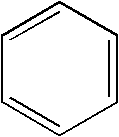 |
OH |
 |
H |
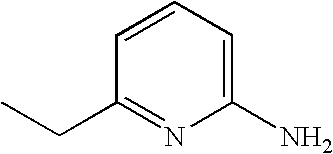 |
| 29 |
 |
OH |
 |
H |
 |
| 30 |
 |
OH |
 |
H |
 |
| 31 |
 |
OH |
 |
H |
 |
| 32 |
 |
OH |
 |
H |
 |
| 33 |
 |
OH |
 |
H |
 |
| 34 |
 |
OH |
 |
H |
 |
| 35 |
 |
OH |
 |
H |
 |
| 36 |
 |
OH |
 |
H |
 |
| 37 |
 |
OH |
 |
H |
 |
| 38 |
 |
OH |
 |
H |
 |
| 39 |
 |
OH |
 |
H |
 |
| 40 |
 |
OH |
 |
H |
 |
| 41 |
 |
OH |
 |
H |
 |
| 42 |
 |
OH |
 |
H |
 |
| 43 |
 |
OH |
 |
H |
 |
| 44 |
 |
OH |
 |
H |
 |
| 45 |
 |
OH |
 |
H |
 |
| 46 |
 |
OH |
 |
H |
 |
| 47 |
 |
OH |
 |
H |
 |
| 48 |
 |
OH |
 |
H |
 |
| 49 |
 |
OH |
 |
H |
 |
| 50 |
 |
OH |
 |
H |
 |
| 51 |
 |
OH |
 |
H |
 |
| 52 |
 |
OH |
 |
H |
 |
| 53 |
 |
OH |
 |
H |
 |
| 54 |
 |
OH |
 |
H |
 |
| 55 |
 |
OH |
 |
H |
 |
| 56 |
 |
OH |
 |
H |
 |
| 57 |
 |
OH |
 |
H |
 |
| 58 |
 |
OH |
 |
H |
 |
| 59 |
 |
OH |
 |
H |
 |
| 60 |
 |
OH |
 |
H |
 |
| 61 |
 |
OH |
 |
H |
 |
| 62 |
 |
OH |
 |
H |
 |
| 63 |
 |
OH |
 |
H |
 |
| 64 |
 |
OH |
 |
H |
 |
| 65 |
 |
OH |
 |
H |
 |
| 66 |
 |
OH |
 |
H |
 |
| 67 |
 |
OH |
 |
H |
 |
| 68 |
 |
OH |
 |
H |
 |
| 69 |
 |
OH |
 |
H |
 |
| 70 |
 |
OH |
 |
H |
 |
| 71 |
 |
OH |
 |
H |
 |
| 72 |
 |
OH |
 |
H |
 |
| 73 |
 |
OH |
 |
H |
 |
| 74 |
 |
OH |
 |
H |
 |
| 75 |
 |
OH |
 |
H |
 |
| 76 |
 |
OH |
 |
H |
 |
| 77 |
 |
OH |
 |
H |
 |
| 78 |
 |
OH |
 |
H |
 |
| 79 |
 |
OH |
 |
H |
 |
| 80 |
 |
OH |
 |
H |
 |
| 81 |
 |
OH |
 |
H |
 |
| 82 |
 |
OH |
 |
H |
 |
| 83 |
 |
OH |
 |
H |
 |
| 84 |
 |
OH |
 |
H |
 |
| 85 |
 |
OH |
 |
H |
 |
| 86 |
 |
OH |
 |
H |
 |
| 87 |
 |
OH |
 |
H |
 |
| 88 |
 |
OH |
 |
H |
 |
| 89 |
 |
OH |
 |
H |
 |
| 90 |
 |
OH |
 |
H |
 |
| 91 |
 |
OH |
 |
H |
 |
| 92 |
 |
OH |
 |
H |
 |
| 93 |
 |
OH |
 |
H |
 |
| 94 |
 |
OH |
 |
H |
 |
| 95 |
 |
OH |
 |
H |
 |
| 96 |
 |
OH |
 |
H |
 |
| 97 |
 |
OH |
 |
H |
 |
| 98 |
 |
OH |
 |
H |
 |
| 99 |
 |
OH |
 |
H |
 |
| 100 |
 |
OH |
 |
H |
 |
| 101 |
 |
OH |
 |
H |
 |
| 102 |
 |
OH |
 |
H |
 |
| 103 |
 |
OH |
 |
H |
 |
| 104 |
 |
OH |
 |
H |
 |
| 105 |
 |
OH |
 |
H |
 |
| 106 |
 |
OH |
 |
H |
 |
| 107 |
 |
OH |
 |
H |
 |
| 108 |
 |
OH |
 |
H |
 |
| 109 |
 |
OH |
 |
H |
 |
| 110 |
 |
OH |
 |
H |
 |
| 111 |
 |
OH |
 |
H |
 |
| 112 |
 |
OH |
 |
H |
 |
| 113 |
 |
OH |
 |
H |
 |
| 114 |
 |
H |
 |
H |
 |
| 115 |
 |
Cl |
 |
H |
 |
| 116 |
 |
H |
 |
H |
 |
| 117 |
 |
OH | H | H |
 |
| 118 |
 |
H |
 |
H |
 |
| 119 |
 |
OH | CH3 | H |
 |
| 120 |
 |
OH |
 |
CH3 |
 |
| 121 |
 |
OH |
 |
CH3 |
 |
| 122 |
 |
OH |
 |
CH3 |
 |
| 123 |
 |
OH |
 |
CH3 |
 |
| 124 |
 |
OH |
 |
CH3 |
 |
| 125 |
 |
OH |
 |
CH3 |
 |
| 126 |
 |
OH |
 |
CH3 |
 |
| (wherein, W is (CH2)p where p = 0, X is no atom and Y is (CH2)q where q = 0, m = 0) | |||||
Compounds or compositions disclosed may be administered to an animal for treatment orally, or by parenteral route. Pharmaceutical compositions disclosed herein can be produced and administered in dosage units, each unit containing a certain amount of at least one compound described herein and/or at least one physiologically acceptable salt addition thereof. The dosage may be varied over extremely wide limits as the compounds are effective at low dosage levels and relatively free of toxicity. The compounds may be administered in the low micromolar concentration, which is therapeutically effective, and the dosage may be increased as desired up to the maximum dosage tolerated by the patient.
The present invention also includes within its scope prodrugs of the compounds of Formulae I, II, III, I, V and VI. In general, such prodrugs will be functional derivatives of these compounds, which readily are converted in vivo into the defined compounds. Conventional procedures for the selection and preparation of suitable prodrugs are known.
The present invention also includes the enantiomers, diastereomers, N-Oxides, polymorphs, solvates and pharmaceutically acceptable salts of these compounds as well as metabolites having the same type of activity. The present invention further includes pharmaceutical composition comprising the molecules of Formulae I, II, III, IV, V and VI or prodrugs, metabolite enantiomers, diastereomers. N-oxides, polymorphs solvates or pharmaceutically acceptable salts thereof, in combination with pharmaceutically acceptable carrier and optionally included excipient.
The examples mentioned below demonstrate the general synthetic procedure as well as the specific preparation of the preferred compound. The examples are provided to illustrate particular aspects of the disclosure and should not be constrained to limit the scope of the present invention, as defined by the claims.
Various solvents, such as acetone, methanol, pyridine, ether, tetrahydrofuran, hexanes, and dichloromethane, were dried using various drying reagents according to procedures well known in the literature. IR spectra were recorded as nujol mulls or a thin neat film on a Perkin Elmer Paragon instrument, Nuclear Magnetic Resonance (NMR) were recorded on a Varian XL-300 MHz instrument using tetramethylsilane as an internal standard.
This was prepared following the procedure described in J. Amer. Chem. Soc. 75, 2654 (1953).
This was synthesized as per reported procedure of Braish, T. F. et. al., Synlett. 1100 (1996).
This was synthesized as per reported procedure of Braish, T. F. et. al., Synlett. 1110 (1996).
To a solution of compound of step-1c (1 mmol) in 10 ml of acetonitrile was added 5-bromo-4-methyl pent-3-ene (0.75 mmol) followed by the addition of potassium carbonate (3 mmol) and potassium iodide (2 mmol). The reaction mixture was refluxed for 5 hours and then brought to room temperature and filtered. The filtrate was concentrated under reduced pressure and the residue was purified by column chromatography (60×20 mesh size silica gel). The compound was eluted with 1:1 EtOAc:Hexane mixture.
1HNMR (CDCl3): δ value: 5.09-5.04 (t, 4H), 4.56 (bs, 1H), 3.11-3.08 (d, 2H), 2.76 (s, 1H), 2.36-2.31 (m, 4H), 2.11-2.03 (m, 2H), 1.67 (s, 3H), 1.52-1.43 (m, 13H) IR (DCM): 1706 cm−1
To a solution of compound of step-1d in EtOAc (20 ml) at 0° C. was added saturated solution of hydrochloric acid in EtOAc. The reaction mixture was stirred at room temperature for 16 hours and then concentrated under reduced pressure to give a solid.
m.p.: 231° C.
A solution of 2-hydroxy-2-cyclopentyl-2-(4-methoxy)phenylacetic acid (1 mmol) and (1α, 5α, 6α)-3-N-(4-methyl-3-pentenyl)-6-amino-3-azabicyclo[3.1.0]hexane hydrochloride (1 mmol) in DMF (5 ml) was cooled to 0° C. The reaction mixture was treated with 1-hydroxybenzotriazole (HOBT, 1.1 mmol) and N-methyl morpholine (NMM, 4mmol) and stirred at 0° C. for half an hr. EDC.HCl (1-[3-(dimethylamino)propyl]-3-ethyl-carbodiimide hydrochloride; 1 mmol) was added and the reaction mixture was stirred at 0° C. for 1 hr. and then at room temperature overnight. The reaction mixture was poured into saturated sodium bicarbonate solution and extracted with EtOAc. The organic layer was washed with water, dried over sodium sulphate and concentrated under reduced pressure. The residue was purified by column chromatography (100×200 mesh size silicagel) eluting the compound with 70:30 EtOAc-hexane mixture.
1HNMR (CDCl3, δ-value): 7.54-6.84 (m, 4-Ar—H); 6.35 (bs, 1H) 5.04 (t, 1H); 3.79 (s, 3H); 3.19-1.17 (m, 26H) IR (DCM): 1652 cm−1
This was prepared by following the procedure in J. Amer. Chem. Soc., 75, 2654 (1953).
The compound was synthesized by procedure of Example 1, step-f, using 2-hydroxy-2-cyclohexyl-2-phenylacetic acid in place of 2-hydroxy-2-cyclopentyl-2-(4-methoxy)phenylacetic acid and (1α, 5α, 6α)-3-benzyl-3-azabicyclo-6-amino[3.1.0]hexane instead of (1α, 5α, 6α)-3-N-(4-methyl-3-pentenyl)-6-amino-3-azabicyclo[3.1.0]hexane hydrochloride.
The compound of Step-b (1 mmol) in MeOH (20 ml) was added to a suspension of Pd—C in MeOH (10 ml) and the reaction mixture was hydrogenated in parr apparatus at 45 psi for 3 hrs. The reaction mixture was filtered over celite and concentrated under reduced pressure to give the compound.
1HNMR (CDCl3-δ value): 7.47-6.74 (m, 5ArH), 3.24-3.16 (m, 3H), 3.07-3.02 (m, 2H), 2.9-1.23 (m, 13H). IR (DCM): 1660 cm−1
A solution of compound of step c (1 mmol) and 2-formylthiophene (1.1 mmol) in dry THF was stirred over molecular sieves for 2 hours and then sodium triacetoxy borohydride was added and the reaction mixture stirred at room temperature overnight. The reaction mixture was filtered, concentrated under reduced pressure and EtOAc was added. The organic layer was washed with water, dried and concentrated under reduced pressure. The residue was purified by column chromatography (100-200 mesh, silica gel), eluting the compound with 40:60 EtOAc-hexane.
m.pt.: 153-154° C. 1HNMR (CDCl3, δ value): 7.59-6.81 (m, 8 ArH), 6.59 (bs, 1H); 3.73 (s, 2H), 3.12-1.23 (m, 18H). IR (KBr): 1656 cm−1
This was prepared by following the procedure in J. Amer. Chem. Soc. 75, 2654 (1953).
This was synthesized by procedure of Example 2, Step b, using 2-hydroxy-2-cyclopentyl-2-phenylacetic acid in place of 2-hydroxy-2-cyclopentyl-2-(4-(methoxy)phenylacetic acid and (1α, 5α, 6α)-3-benzyl-3-azabicyclo-6-amino[3.1.0]hexane instead of (1α, 5α, 6α)-3-N-(4-methyl-3-pentyl)-6-amino-3-azabicyclo[3.1.0]hexane hydrochloride.
The compound was synthesized by following the procedure of Example-2, Step-c, but using the compound (1α, 5α, 6α)-N-[3-benzyl-3-azabicyclo[3.1.0]hex-6-yl]-2-hydroxy-2-cyclopentyl-2-phenylacetamide.
The compound was synthesized by following the procedure of Example-2, Step-d, using (1α, 5α, 6α)-N-[3-azabicyclo-[3.1.0]-hex-6-yl]-2-hydroxy-2-cyclopentyl-2-phenylacetamide instead of (1α, 5α, 6α)-N-[3-azabicyclo-[3.1.0]-hex-6-yl]-2-hydroxy-2-cyclohexyl-2-phenylacetamide.
1HNMR (CDCl3-δ values): 7.58-6.82 (m, 8ArH), 6.36 (bs, 1H), 3.74 (s, 2H), 3.11-3.10 (m, 16H) IR (DCM): 1658 cm−1
A solution of (1α, 5α, 6α)-N-[3-azabicyclo[3.1.0]-hex-6-yl]-2-hydroxy-2-cyclopentyl-2-phenylacetamide (1 mmol) in TBF containing acetic acid (3.7 mmol); 5-nitrofurfural (2.5 mmol) and sodium triacetoxyborohydride (3.2 mmol) was stirred at room temperature overnight. The reaction mixture was poured into saturated bicarbonate solution and extracted with EtOAc. The organic layer was washed with water and dried. The crude compound obtained after removing the solvents was purified by column chromatography (100-200 mesh silica gel) eluting the compound with 20:80 EtOAc:Hexane mixture.
1HNMR (CDCl3 δ-value): 7.58-7.23 (m, 5ArH), 6.44 (bs, 1H); 6.37 (d, 1H), 3.66 (s, 2H), 3.14-2.90 (m, 5H), 2.52-2.48 (m, 2H), 1.60-1.47 (m, 8H), 1.46-1.42 (m, 2H) IR (DCM): 1655 cm−1
A solution of (1α, 5α, 6α)-N-3-azabicyclo[3.1.0]-hex-6-yl]-2-hydroxy-2-phenylacetamide (1 mmol) in 15 ml of acetonitrile containing 4-methylpentyl methanesulphonate (2 mmol) and potassium carbonate (2 mmol) was refluxed for 8 hours. The reaction mixture was filtered and concentrated under reduced pressure. The residue was purified by column chromatography (100-200 mesh, silicagel) eluting the compound with 80:20:EtOAc-hexane mixture.
1HNMR (CDCl3, δ value): 7.63-7.26 (m, 5ArH); 6.37 (bs, 1H), 3.14-3.07 (m, 4H); 2.85 (s, 1H); 2.33-2.28 (m, 3H), 1.7-0.82 (m, 21H) IR (DCM): 1651 cm−1
The compound was synthesized following the procedure of EP 0388054 A1.
The compound was synthesized following the procedure of Example-5 using 6-(2-bromoethyl)-1,4-benzodioxan, instead of 4-methylpentyl methane sulphonate.
1HNMR (CDCl3, δ values): 7.60-7.23 (m, 5ArH), 6.76-6.56 (m, 3H), 5.30 (s, 1H), 4.22 (s, 4H), 3.24-2.57 (m, 10H), 1.67-0.89 (m, 10H) IR (DCM): 1661 cm−1
The compound was synthesized following the procedure described in EP 0388054 A1 and starting with 3,4,5-trimethoxyphenylacetic acid.
The compound was synthesized following the procedure of Example 5, using 3,4,5-trimethoxyphenethyl bromide instead of 4-methylpentyl methane sulphonate.
1HNMR (CDCl3): 7.59-6.42 (m, 7ArH), 6.37 (bs, 1H), 3.82 (s, 9H), 3.19-0.89 (m, 20H). IR (DCM): 1653 cm−1
The compound was synthesized by following the procedure of Example 5, using 3-(3,4-methylenedioxyphenyl)propylbromide instead of 4-methylpentyl methane sulphonate.
1HNMR (CDCl3): 7.59-6.56 (m, 8ArH), 5.29 (s, 2H), 3.19-0.89 (m, 22H) IR (DCM): 1654 cm−1
The compound was synthesized following the procedure described in EP0388054 A1 and starting with 3,4,5-trimethoxybenzoic acid.
The compound was prepared by following the procedure of Example-5, using 3,4,5-trimethoxybenzylchloride instead of 4-methylpentyl methanesulphonate.
1HNMR (CDCl3, δ-values): 7.59-6.46 (m, 7ArH), 6.40 (bs, 1H), 3.82 (s, 9H), 3.46 (s, 2H), 3.09-1.01 (m, 16H) IR (DCM): 1653 cm−1
To a solution of (1α, 5α6α)-N-[3-azabicyclo[3.1.0]hex-6-yl]-2-cyclopentyl-2-hydroxy-2-phenylacetamide (1 mmol), 3,5-dimethoxybenzylchloride (1.3 mmol), potassium carbonate (2 mmol) and potassium iodide (2 mmol) in acetonitrile was refluxed for 8 hours. The reaction mixture was filtered, concentrated under reduced pressure and the residue was purified by column chromatography (100-200 mesh size silicagel) eluting the compound with 1:1 EtOAc-hexane mixture.
1HNMR (CDCl3, δ values): 7.58-6.44 (m, 8ArH), 6.33 (bs, 1H), 3.76 (s, 6H), 3.52 (s, 2H), 3.11-3.10 (m, 16H)
The compound was synthesized by following the procedure of Example 10 but using 3,4-dimethoxybenzylchloride instead of 3,5-dimethoxybenzylchloride.
1HNMR (CDCl3, δ-values): 7.58-6.74 (m, 8ArH), 6.42 (bs, 1H), 3.84 (s, 2H), 3.49-0.89 (m, 16H) IR (DCM): 1657 cm−1
The compound was synthesized following the procedure of Example 10, using 3-methoxybenzylchloride instead of 3,5-dimethoxybenzylchloride.
The pure product was eluted with 20:80 EtOAc-hexane mixture.
1HNMR (CDCl3, δ values): 7.60-6.76 (m, 9Ar—H), 6.44 (bs, 1H), 3.78 (s, 3H), 3.57 (s, 2H), 3.13-0.89 (m, 16H) IR (DCM): 1661 cm−1
A solution of ((1α, 5α, 6α)-N-[3-azabicyclo[3.1.0]hex-6-yl]-2-hydroxy-2-cyclopentyl-2-phenylacetamide (1 mmol), 4-trifluoromethylbenzaldehyde (2.64 mmol), sodium triacetoxyborohydride (3.3 mmol) and acetic acid (3.8 mmol) in THF was stirred at room temperature for 4 days. The reaction mixture was poured into saturated aqueous sodium bicarbonate solution and extracted with dichloromethane. The organic layer was washed with water, dried and concentrated under reduced pressure. The residue was purified by column chromatography (100-200 mesh size silicagel) and compound was eluted with 20:80 EtOAc-hexane mixture
1HNMR (CDCl3, δ-values): 7.60-7.23 (m, 9ArH), 6.49 (ds, 1H), 3.68 (s, 2H), 3.12-1.10 (m, 16H) IR (DCM): 1651 cm−1
The compound was synthesized by following the procedure of Example 13, using 5-methyl-2-furancarboxaldehyde instead of 4-trifluoromethylbenzaldehyde.
1HNMR (CDCl3, δ-values): 7.57-5.99 (m, 7ArH), 5.84 (s, 1H), 3.53 (s, 2H), 3.09-249 (m, 7H), 2.24 (s, 3H), 1.63-1.16 (m, 9H). IR (DCM): 1638 cm−1
The compound was synthesized by following the procedure of Example 10, using 4-methylphenoxyethyl bromide instead of 3,5-dimethoxybenzylchloride.
The compound was eluted with 30:70—EtOAc-hexane mixture.
1HNMR (CDCl3, δ values): 7.58-6.73 (m, 9ArH), 6.48 (s, 1H), 4.01 (t, 3H), 3.25-2.63 (m, 9H), 2.26 (s, 3H), 1.62-1.18 (m, 9H) IR (DCM): 1652 cm−1
The compound was prepared by following the procedure of Example 13 but using 3-nitrobenzaldehyde instead of 4-trifluoromethylbenzaldehyde.
1HNMR (CDCl3, δ-values): 8.09-7.23 (m, 9ArH), 6.47 (bs, 1H), 3.67 (6, 2H), 3.22-1.23 (m, 16H) IR (DCM): 1654 cm−1
The compound was synthesized following the procedure of Example 5 but using 4-chlorophenylthylmethane sulphonate instead of 4-methylpentyl methanesulphonate.
1HNMR (CDCl3 δ-values): 7.58-7.06 (m, 9ArH), 6.39 (s, 1H), 3.16-3.11 (t, 2H), 3.02-0.87 (m, 18H) IR (DCM): 1657 cm−1
The compound was synthesized using the procedure of Example 10, using 4-nitrobenzyl chloride instead of 3,5-dimethoxy benzyl chloride.
m.pt: 85-87° C. 1HNMR (CDCl3, δ values): 7.58-7.06 (m, 9ArH), 6.39 (s, 1H), 3.16-3.11 (t, 2H), 3.02-0.87 (m, 18H) IR (DCM): 1657 cm−1
The compound was synthesized by following the procedure of Example 13, using phenylpropionaldehyde instead of 4-trifluoromethyl benzaldehyde.
1HNMR(CDCl3, δ-values): 7.59-7.12 (m, 10 ArH), 6.38 (bs, 1H), 3.11-1.25 (m, 22H)
The compound was synthesized by following the procedure of Example 13, using 3-hydroxybenzaldehyde instead of 4-trifluoromethyl benzaldehyde.
1HNMR (CDCl3, δ-values): 7.59-6.67 (m, 9ArH), 6.54 (bs, 1H), 3.47 (s, 2H), 3.04-0.83 (m, 16H)
The compound was synthesized by following the procedure of Example 13, using acetophenone instead of 4-trifluoromethyl benzaldehyde.
1HNMR (CDCl3, δ-values): 7.58-7.15 (m, 10ArH), 6.36 (bs, 1H), 3.29 (q, 1H), 3.19-1.23 (m, 20H) IR (DCM): 1652 cm−1
The compound was synthesized by following the procedure of Example 10, using 4-t-butylbenzylbromide instead of 3,5-dimethoxybenzylbromide.
m.pt.: 60-62° C. 1HNMR (CDCl3, δ-values): 7.58-7.12 (m, 9ArH), 6.35 (bs, 1H), 3.40 (s, 2H), 3.13-1.36 (m, 16H), 1.29 (s, 9H) IR (DCM): 1652 cm−1
The compound was synthesized by following the procedure of Example 10 but using 2-chloromethyl quinoline instead of 3,5-dimethoxybenzylbromide.
m.pt.: 54-57° C. 1HNMR (CDCl3, δ-values): 8.08-7.26 (m, 11ArH), 6.44 (bs, 1H), 3.87 (s, 2H), 3.13-1.15 (m, 16H) IR (DCM): 1646 cm−1
The compound was synthesized by following the procedure of Example 13 but using 3-nitro-4-methoxybenzaldehyde instead of 4-trifluoromethyl benzaldehyde.
1HNMR (CDCl3, δ-values): 7.68-6.97 (m, 8ArH), 6.46 (bs, 1H), 3.93 (s, 3H), 3.50 (s, 2H), 3.04-1.10 (m, 16H) IR (DCM): 1650 cm−1
The compound was synthesized by following the procedure of Example 13 but using 3-nitro-4-hydroxy benzaldehyde instead of 4-trifluoromethyl benzaldehyde.
IR (DCM): 1658 cm−1 1HNMR (CDCl3, δ-values): 7.91-7.05 (m, 8ArH), 6.44 (bs, 1H), 3.49 (s, 2H), 3.04-1.23 (m, 16H)
The compound was synthesized by following the procedure of Example 10, using 3,4-dichlorophenethyl methanesulphonate instead of 4-methylpentyl methane sulphonate.
1HNMR (CDCl3): 7.581-6.7 (m, 8ArH), 6.39 (bs, 1H), 3.14-0.88 (m, 20H)
The solution of compound of Example 15 (1 mmol) in methanol was cooled in an ice bath and to it raney nickel and hydrazine hydrate (2 mmol) were added. The reaction mixture was further stirred for 2 hours in an ice bath. It was filtered over celite, the filtrate was concentrated, and the residue taken in DCM. The residue was washed with water, dried and purified by column chromatography (100-200 mesh, silicagel) eluting the compound with 70:30 EtOAc-hexane mixture.
1HNMR (CDCl3, δ-values: 7.59-6.52 (m, 9ArH), 6.37 (bs, 1H), 3.44 (s, 2H), 3.077-1.25 (m, 16H) IR (DCM): 1645 cm−1
The compound was synthesized following the procedure described in J. Med. Chem., 2000, Vol. 43 (26), 5017-5029
To a solution of compound of Step-a (1 mmol) in acetonitrile was added (1α, 5α, 6α)-N-[3-(azabicyclo[3.1.0]hex-6-yl]-2-hydroxy-2-cyclopentyl phenyl acetamide (1 mmol), potassium carbonate (3 mmol) and the RM was stirred overnight at RT. The RM was poured into water and extracted with EtOAc. The organic layers were dried and concentrated under reduced pressure. The residue was purified by column chromatography eluting the compound with 5:95 MeOH-DCM.
m.pt: 60° C. 1HNMR (CDCl3, δ-values): 7.74-6.93 (m, 8ArH), 6.39 (bs, 1H), 3.54 (s, 2H), 3.10-2.43 (m, 6H), 1.65-1.01 (m, 19H) IR (DCM): 1658 cm−1
The compound of Step-b (1 mmol) was taken in EtOAc and EtOAc saturated with hydrochloric acid was added to the RM. The RM was stirred at RT for 3 days. The RM was cooled to 0° C. purified with aq. NaHCO3. The organic layer was purified by 10% MeOH-DCM.
1HNMR (CDCl3): 7.59-6.33 (m, 8H), 3.57 (s, 2H), 3.14-2.44 (m, 7H), 1.89-1.15 (m, 9H)
The compound was synthesized following the procedure of Example 10 but using 2-phenoxyethylbromide instead of 3,5-dimethoxybenzylbromide.
1HNMR (CDCl3, δ-values): 7.58-6.83 (m, 10ArH), 6.38 (bs, 1H), 3.96 (t, 2H), 3.077-1.25 (m, 16H) IR (DCM): 1645 cm−1
The compound was synthesized following the procedure of Example 10 using 3-phenoxypropylbromide instead of 3,5-dimethoxybenzylbromide.
1HNMR (CDCl3, δ values): 7.58-6.84 (m, 10ArH), 6.38 (bs, 1H), 3.93 (t, 2H), 3.13-1.42 (m, 20H) IR (DCM): 1652 cm−1
The compound was synthesized following the procedure of Example 13 but using pyrrole-2-carboxaldehyde instead of 4-trifluoromethyl benzaldehyde.
1HNMR (CDCl3, δ-values): 9.17 (s, 1H), 7.58-6.05 (m, 8ArH), 5.96 (bs, 1H), 3.61 (s, 2H), 3.07-1.15 (m, 16H) IR (DCM): 1645 cm−1
The compound was synthesized following the procedure of Example 13 using 1,4-benzodioxan-6-carboxaldehyde instead of 4-trifluoromethyl benzaldehyde.
m.pt.: 61-64° C. 1HNMR (CDCl3, δ-values): 7.57-6.65 (m, 8ArH), 6.33 (bs, 1H), 4.22 (s, 4H), 3.41 (s, 2H), 3.04-1.10 (m, 16H) IR (DCM): 1655 cm−1
The compound was prepared by the following procedure:
This was synthesized as per reported procedure of Saul B. Kadin and Joseph G. Cannon, J. Org. Chem., 1962, 27, 240-245.
This compound was prepared by following the procedure of Example 2, Step-b but using 2-hydroxy-2-cyclobutyl-2-phenylacetic acid instead of 2-hydroxy-2-cyclohexyl-2-phenyl acetic acid.
1HNMR (CDCl3, δ-values): 7.47-6.19 (m, 10ArH), 6.19 (bs, 1H), 3.52 (s, 2H), 3.36-3.27 (m, 1H), 3.06-2.98 (m, 3H), 2.35-2.32 (m, 2H), 1.88-1.74 (m, 8H).
The compound was prepared following the procedure of Example 2, Step-c by using (1α, 5α, 6α)-N-[3-benzyl-3-azabicyclo[3.1.0]hex-6-yl]-2-cyclobutyl-2-hydroxy-2-phenyacetamide instead of (1α, 5α, 6α)-N-[3-benzyl-3-bicyclo[3.1.0]hex-6-yl-2-cyclohexyl-2-hydroxy-2-phenylacetamide.
The compound was synthesized following the procedure of Example 5 using (1α, 5α, 6α)-N-[3-azabicyclo[3.1.0]-hex-6-yl-2-cyclobutyl-2-hydroxy-2-phenylacetamide instead of (1α, 5α, 6α)-N-[3-azabicyclo[3.1.0]-hex-6-yl]-2-cyclopentyl-2-hydroxy-2-phenylacetamide and 5-bromo-2-methyl-pent-3-ene instead of 4-methylpentyl methane sulphonate.
1HNMR (CDCl3, δ-values): 7.48-7.26 (m, 5ArH), 6.13 (bs, 1H), 5.07-5.03 (t, 1H), 3.49 (bs, 1H), 3.34 (m, 1H), 3.10 (m, 2H), 2.86 (s, 1H), 2.33 (m, 4H), 2.09-1.57 (m, 16H). IR (DCM): 1651 cm−1
The compound was prepared by following the procedure of Example 10 but using 3,4-methylenedioxy phenethylbromide instead of 3,5-dimethoxybenzyl bromide and (1α, 5α, 6α)-N-3-[azabicyclo[3.1.0]hex-6-yl]-2-hydroxy-2-cyclobutyl-2-phenylacetamide instead of (1α, 5α, 6α)-N-[3-azabicyclo[3.1.0]hex-6-yl]-2-hydroxy-2-cyclopentyl-2-phenyl-acetamide.
1HNMR (CDCl3): 7.48-7.29 (m, 5H), 6.7-6.58 (m, 3H), 6.16 (s, 1H), 5.9 (s, 2H), 3.33 (m, 1H), 3.13 (m, 2H), 2.84 (s, 1H), 2.56 (m, 4H) 2.33 (m, 2H),2.054-1.6 (m, 8H).
The compound was synthesized as per reported procedure of Saul B. Kadin and Joseph G. Cannon, J. Org. Chem. 1962, 27, 240-245.
The above compound was prepared by following the procedure of Example 2, Step-b using 2-hydroxy-2-cyclopropyl-2-phenylacetic acid instead of 2-hydroxy-2-cyclohexyl-2-phenylacetic acid.
1HNMR (CDCl3, δ-values): 7.59-7.29 (m, 5H), 6.05 (bs, 1H), 3.54 (s, 2H), 3.06 (m, 3H), 2.37 (m, 2H), 2.04 (s, 1H), 1.54-1.45 (m, 3H), 0.54 (m, 4H). IR (DCM): 1648 cm−1
The compound was prepared by following the procedure of Example 2 step-c, using (1α, 5α, 6α)-N-[3-benzyl-3-azabicyclo-[3.1.0]hex-6-yl]-2-cyclopropyl-2-phenylacetamide instead of (1α, 5α, 6α)-N-[3-benzyl-3-azabicyclo-[3.1.0]hex-6-yl]-2-hydroxy-2-cyclohexyl-2-phenylacetamide.
The compound was synthesized following the procedure of Example 5 using(1α, 5α, 6α)-N-[3-azabicyclo[3.1.0]hex-6-yl]-2-cyclopropyl-2-hydroxy-2-phenylacetamide instead of (1α, 5α, 6α)-N-[3-azabicyclo[3.1.0]hex-6-yl]-2-cyclopentyl-2-hydroxy-2-phenylacetamide and 5-bromo-5-methyl-pent-3-one instead of 4-methylpentyl methane sulphonate.
1HNMR (CDCl3, δ-values): 7.59-7.29 (m, 5H), 6.00 (s, 1H), 5.06 (t, 1H), 3.44 (bs, 1H), 3.12 (m, 2H), 2.94 (s, 1H), 2.34 (m, 4H), 2.06 (m, 2H), 1.66-1.45 (m, 0H), 0.56 (m, 4H) IR (DCM): 1651 cm−1
The compound was prepared following the procedure of Example 10 using 3,4-methylenedioxyphenethylbromide instead of 3,4-dimethoxybenzylbromide and (1α, 5α, 6α)-N-[3-azabicyclo[3.1.0]hex-6-yl]-2-hydroxy-2-cyclopropyl-2-phenylacetamide instead of (1α, 5α, 6α)-N-[3-azabicyclo[3.1.0]hex-6-yl]-2-hydroxy-2-cyclopentyl-2-phenylacetamide.
1HNMR (CDCl3, δ-values): 7.59-7.30 (m, 5H), 6.67-6.66 (m, 3H), 6.03 (s, 1H), 5.9 (s, 2H), 3.17 (m, 2H), 2.92 (s, 1H), 2.58 (m, 4H), 2.36 (m, 2H), 1.65-1.47 (m, 3H), 0.08 (m, 1H), 0.05 (m, 4H) IR (DCM): 1649 cm−1
The compound was prepared following the procedure of Example 13 using 4-hydroxy-3-methoxybenzaldehyde instead of 4-trifluoromethylbenzaldehyde.
m.pt: 68-73° C. 1HNMR (CDCl3, δ values): 7.58-6.78 (m, 8ArH), 6.66 (bs, 1H), 6.41 (s, 1H), 5.85 (s, 3H), 3.46 (s, 2H), 3.05-1.11 (m, 17H) IR DCM): 1654 cm−1
The compound was prepared following the procedure of Example 13 using 3-hydroxy-4-methoxybenzaldehyde instead of 4-trifluoromethylbenzaldehyde.
m.pt: 66-73° C. 1HNMR (CDCl3, δ-value): 7.57-6.67 (m, 8ArH), 6.37 (bs, 1H), 3.85 (s, 3H), 3.45 (s, 2H), 3.13-2.94 (m, 4H), 2.38-2.35 (m, 2H), 1.67-1.25 9m, 10H) IR (DCM): 1655 cm−1
The compound was synthesized following the procedure of Example 10 using 2-bromoethylphenylacetate instead of 3,5-dimethoxybenzylchloride.
1HNMR (CDCl3, δ values): 7.58-7.26 (m, 10ArH), 6.38 (bs, 1H), 4.12-4.01 (m, 3H), 3.15-2.33 (m, 6H), 1.60-0.85 (m, 13H) IR (DCM): 1646 and 1741 cm−1
The compound was synthesized following the procedure of Example 13 using 2-hydroxyacetophenone instead of 4-trifluoromethyl benzaldehyde.
1HNMR (CDCl3, δ-values): 7.57-6.70 (m, 9ArH), 6.45 (bs, 1H), 3.38-1.16 (m, 20H) IR (DCM): 1655 cm−1
The compound was synthesized by following the procedure of Example 13 using 4-methylacetophenone instead of 4-trifluoromethylbenzaldehyde.
1HNMR (CDCl3, δ-values): 7.58-7.04 (m, 9ArH), 6.33 (bs, 1H), 3.28-1.45 (m, 12H), 1.25-1.21 (m, 11H)) IR (DCM): 1646 cm−1
The above compound was prepared by following the procedure of Example 10 using 3-(1-bromophenyl methyl)pyridine hydrochloride instead of 3,5-dimethoxybenzylbromide.
1HNMR (CDCl3, δ-values): 8.45-7.06 (m, 14ArH), 6.46 (bs, 1H), 4.17 (s, 1H), 3.12-0.91 (m, 16H) IR (DCM): 1660 cm−1
The compound was synthesized following the procedure of Example 10 using 4-chloromethylpyridine hydrochloride instead of 3,5-dimethoxybenzylbromide.
m.pt: 70-73° C. 1HNMR (CDCl3, δ-values): 7.40-7.16 (m, 15ArH), 6.27 (bs, 1H), 3.82 (s, 1H), 3.33-1.24 (m, 11H) IR (DCM): 1657 cm−1
To a solution of (1α, 5α, 6α)-N-(3-azabicyclo[3.1.0]hex-6-yl]-2-hydroxy-2-cyclopentyl-2-phenylacetamide (1 mmol) in THF was added 1-bromoindan (1.5 mmol) and N-ethyldiisopropylamine (4 mmol) under nitrogen atmosphere. The reaction mixture was stirred at room temperature for 5 days. The reaction mixture was poured into saturated sodium bicarbonate solution and extracted with EtOAc. The organic layer was dried, concentrated under reduced pressure and purified by column chromatography (silicagel, 100-200 mesh) eluting the compound with 30:70 EtOAc-hexane.
1HNMR (CDCl3, δ-values): 7.58-7.12 (m, 9ArH), 6.36 (bs, 1H), 4.26-4.22 (t, 1H), 3.06-0.85 (m, 20H) IR (DCM): 1652 cm−1
The compound was synthesized following the procedure of Example 13 using 3-methylbenzaldehyde instead of 4-trifluoromethylbenzaldehyde.
1HNMR (CDCl3, δ-values): 7.58-6.99 (m, 9ArH), 6.36 (bs, 1H), 3.49 (s, 2H), 3.06-0.87 (m, 19H) IR (DCM): 1645 cm−1
The compound was synthesized following the procedure of Example 13 using 2,4,6-trimethylbenzaldehyde instead of 4-trifluoromethylbenzaldehyde.
1HNMR (CDCl3, δ-values): 7.56-7.22 (m, 7ArH), 6.30 (bs, 1H), 3.49 (s, 2H), 3.10-0.85 (m, 25H). IR (DCM): 1646 cm−1
The compound was synthesized as per reported procedure in EP 0388054A1, using 1,2-dimethoxybenzene instead of 2,3-dihydrobenzofuran.
The compound was synthesized following the procedure described in Example 10 using 3,4-dimethoxyphenethyl bromide instead of 3,5-dimethoxybenzylbromide.
1HNMR (CDCl3, δ-values): 7.58-7.56 (d, 2ArH), 7.36-7.23 (m, 3H), 6.77-6.67 (m, 3H), 6.39 (bs, 1H), 3.88-3.83 (s, 6H), 3.18-3.15 (d, 2H), 3.15-2.37 (m, 10H), 1.73-0.87 (m, 10H) IR (DCM): 1642 cm−1
The compound was synthesized as per reported procedure in EP0388054A1 using o-xylene instead of 2,3-dihydrobenzofuran.
The compound was synthesized following the procedure described in Example 10 using 3,4-dimethylphenethyl bromide instead of 3,5-dimethoxy benzylbromide.
1HNMR (CDCl3): 7.58-7.56 (d, 2ArH), 7.38-7.28 (m, 2ArH), 7.28-6.36 (m, 2ArH), 7.02-7.00 (d, 1ArH), 6.92-6.87 (m, 2ArH), 6.36 (bs, 1H), 3.16-3.13 (m, 3H), 3.02-2.99 (m, 1H), 2.85 (bs, 1H), 2.63-2.53 (m, 4H), 2.37-2.34 (m, 2H), 2.20 (bs, 6H), 1.63-1.25 (m, 11H) IR (DCM): 1646 cm−1
The compound was synthesized following the procedure of Example 10, using 1-bromopentane instead of 3,5-dimethoxybenzylchloride.
1HNMR (CDCl3, δ-values): 7.58-7.55 (d, 2ArH), 7.35-7.22 (m, 3H), 6.35 (bs, 1H), 3.09-3.06 (m, 3H), 2.98 (m, 1H), 2.85 (bs, 1H), 2.31-2.27 (m, 4H), 1.77-0.83 (m, 7H)
The compound was prepared following the procedure of Example 10, using 4-cyanobenzylbromide instead of 3,5-dimethoxybenzylchloride.
1HNMR (CDCl3, δ-values): 7.58-7.53 (m, 4ArH), 7.34-7.26 (m, 5ArH), 6.47 (bs, 1H), 3.57 (s, 2H), 3.06-2.97 (m, 4H), 2.35 (d, 2H, J=7.6), 1.64-1.45 (m, 8H), 1.25-1.16 (m, 2H), IR (KBr): 1652 cm−1, 2228 cm−1
To a solution of (1α, 5α6α)-N-[3-azabicyclo[3.1.0]hex-6-yl]-2-hydroxy-2-cyclopentyl-2-phenylacetamide (1 mmol) in DMF (10 ml) was added 2-cyanobenzylbromide (1.2 mmol), potassium carbonate (2 mmol) and potassium iodide (2 mmol). The reaction mixture was stirred overnight at room temperature, poured into water and extracted with ethyl acetate. The organic layer was dried and concentrated under reduced pressure. The residue was purified by column chromatography (100-200 mesh silicagel) eluting the compound with 25.75 EtOAc-hexane mixture.
1HNMR (CDCl3, δ-value): 7.59-7.23 (m, 10ArH), 6.40 (bs, 1H), 3.73 (s, 2H), 3.09-2.96 (m, 5H), 2.48-2.43 (m, 2H), 1.55-1.25 (m, 8H), 1.30-1.25 (m, 2H) IR (KBr): 1651 cm−1, 2225 cm−1
The compound was synthesized following the procedure of Example 10 using 2,3,4,5,6-pentafluorobenzylbromide instead of 3,5-dimethoxybenzylchloride.
1HNMR (CDCl3, δ-values): 7.57-7.22 (m, 5ArH), 6.38 (s, 1H), 3.72 (s, 2H), 3.05-1.23 (m, 16H), IR (KBr): 1653 cm−1
The compound was prepared following the procedure of Example 53, using cyanobenzylbromide instead of 2-cyanobenzylbromide.
m.pt.:66° C. 1HNMR (CDCl3, δ-value): 7.66-7.46 (m, 4ArH), 7.33-7.26 (m, 5ArH), 6.66 (bs, 1H), 3.57 (s, 2H), 3.07-2.98 (m, 3H), 2.69 (m, 1H), 2.44-2.33 (m, 3H), 1.81-1.77 (m, 1H), 1.46-1.43 (m, 2H), 1.25-1.11 (m, 7H), 0.90-0.82 (m, 2H) IR (KBr): 1655 cm−1, 2228 cm−1
The compound was prepared following the procedure of Example 10, using 3-chloromethylpyridine hydrochloride instead of 3,5-dimethoxybenzylchloride.
1HNMR (CDCl3, δ-value): 8.45-7.18 (m, (ArH), 6.44 (bs, 1H), 3.53 (s, 2H), 3.05-1.17 (m, 16H). IR (KBr): 1653 cm−1
The compound was prepared following the procedure of Example 13, using 4-bromo-thiophene-2-carboxaldehyde instead of 4-trifluoromethylbenzaldehyde.
1HNMR (CDCl3, δ-values): 7.58-6.74 (m, 7ArH), 6.40 (bs, 1H), 3.74 (s, 2H), 3.13-1.10 (m, 16H) IR (KBr): 1653 cm−1
The compound was prepared following the procedure of Example 10, using 1-phenylethyl bromide instead of 3,5-dimethoxybenzylbromide.
1HNMR (CDCl3, δ-values): 7.59-6.17 (m, 10ArH), 6.57 (bs, 1H), 4.13-4.10 (Q, 1H), 3.28-0.87 (m, 21H) IR (DCM): 1659 cm−1
The compound was prepared following the procedure of Example 13, using 2-nitrobenzaldehyde instead of 4-trifluoromethylbenzyldehyde.
m.pt: 161-163° C. 1HNMR (CDCl3, δ-values): 7.81-7.23 (m, 9ArH), 6.38 (bs, 1H), 3.84 (s, 2H), 3.08-1.25 (m, 16H) IR (DCM): 1640 cm−1
The compound was synthesized following the procedure of Example 10, using methyl-4-(bromomethyl)benzoate instead of 3,5 dimethoxybenzylchloride.
1HNMR (CDCl3, δ-values): 7.94-7.23 (m, 9ArH), 6.40 (bs, 1H), 3.89 (s, 3H), 3.57 (s, 2H), 3.07-0.82 (m, 16H) IR (DCM): 1643 cm−1
The compound was synthesized following the procedure of Example 10, using benzhydrylbromide instead of 3,5-dimethoxybenzylchloride.
1HNMR (CDCl3) δ-values): 7.59-7.10 (m, 15ArH), 6.39 (bs, 1H), 4.16 (s, 1H), 3.13-0.82 (m, 16H) IR (DCM): 1652 cm−1
The solution of compound (1α, 5α, 6α)-N-[3-(4-carbomethoxybenzyl)-3-azabicyclo [3.1.0]hex-6-yl]-2-hydroxy-2-cyclopentyl-2-phenylacetamide (1 mmol) in methanol (20 ml) containing lithiumhydroxide (4 mmol) in 5 ml of water was stirred at room temperature for 24 hours. The reaction mixture was concentrated under reduced pressure, the residue was cooled in ice and acidified with acetic acid. It was extracted with ethyl acetate and the residue after removing the solvent was purified by column chromatography (100-200 mesh silicagel) eluting the compound with ethyl acetate.
m.pt: 124°-129° C. 1HNMR (DMSO-d6, δ-values): 7.88-7.21 (m, 9ArH), 5.46 (s, 1H), 3.59 (s, 2H), 2.94-1.18 (m, 16H) IR (DCM): 1656 cm−1
The compound was synthesized following the procedure of Example 27, using (1α, 5α, 6α)-N-[3-(2-nitrobenzyl)-3-azabicyclo[3.1.0]hex-6-yl]-2-hydroxy-2-cyclopentyl-2-phenylacetamide.
m.pt: 67-72° C. 1HNMR (CDCl3, δ-values): 7.58-6.56 (m, 9ArH), 6.43 (bs, 1H), 3.51 (s, 2H), 3.02-0.83 (m, 16H) IR (DCM): 1647 cm−1
The compound was synthesized following the procedure of Example 46, using ethyl-2-bromopropionate instead of 1-bromoindan.
1HNMR (CDCl3, δ-values): 7.58-7.23 (m, 5ArH), 6.38 (bs, 1H), 4.15-4.07 (q, 2H), 3.28-1.21 (m, 23H). IR (DCM): 1652 cm−1 and 1731 cm−1
The above compound was prepared by following the procedure of Example 53, using 2-(4-acetylphenyl)ethylbromide instead of 2-cyanobenzylbromide.
1HNMR (CDCl3, δ-values): 8.09-7.83 (m, 2ArH), 7.59-7.56 (m, 2ArH), 7.36-7.22 (m, 5ArH), 6.39 (bs, 1H), 3.76-3.16 (m, 2H), 3.14-2.83 (m, 3H), 2.75-2.63 (m, 4H), 2.58-2.57 (bs, 3H), 2.36 (bs, 2H), 1.67-0.87 (m, 10H) IR (DCM): 1662 cm−1
The compound was synthesized by following the procedure of Example 10, using 4-methoxycarbonyl phenethylbromide instead of 3,5-dimethoxybenzylchloride.
1HNMR (CDCl3, δ-values): 7.93-7.90 (d, 2H), 7.58-7.56 (d, 2), 7.35-7.30 (M, 2H), 7.27-7.20 (m, 3H), 6.36 (bs, 1H), 3.88 (s, 3H), 3.15-3.12 (d, 2H), 3.09 (bs, 1H), 3.01-2.99 (m, 1H), 2.82 (bs, 1H), 2.75-2.71 (m, 2H), 2.64-2.59 (m, 2H), 2.37-2.34 (m, 2H), 1.63-1.16 (m, 11H) IR (DCM): 1654 cm−1 and 1720 cm−1
The compound was synthesized following the procedure of Example 53, using 3-cyanobenzylbromide instead of 2-cyanobenzylbromide.
1HNMR (CDCl 3, δ-values): 7.59-7.46 (m, 5ArH), 7.38-7.23 (m, 4ArH), 6.41 (bs, 1H), 3.54 (s, 2H), 3.05-2.95 (m, 5H), 2.38-2.34 (m, 2H), 1.68-1.41 (m, 8H), 1.20-1.17 (m, 2H) IR (DCM): 1648 cm−1 and 2229 cm−1
The compound was synthesized following the procedure of Example 53, using (1α, 5α, 6α)-N-[3-azabicyclo-[3.1.0]hex-6-yl]-2-hydroxy-2-cyclohexyl-2-phenylacetamide-2-phenylacetamide instead of (1α, 5α, 6α)-N-[3-azabicyclo[3.1.0]-hex-6-yl]-2-hydroxy-2-cyclopentyl-2-phenylacetamide.
1HNMR (CDCl3, δ-values): 7.58-7.24 (m, 9ArH), 6.65 (bs, 1H), 3.73 (s, 2H), 3.10-2.73 (m, 3H), 2.48 (m, 1H), 2.46-2.42 (m, 3H), 1.68-1.65 (m, 1H), 1.62-m, 9H), 0.99-0.95 (m, 2H). IR (DCM): 1648 cm−1 and 2224 cm−1
The compound was synthesized following the procedure of Example 53, using (1α, 5α, 6α)-N-[3-azabicyclo-[3.1.0]hex-6-yl]-2-hydroxy-2-cyclohexyl-2-phenylacetamide instead of (1α, 5α, 6α)-N-[3-azabicyclo[3.1.0]-hex-6-yl]-2-hydroxy-2-cyclopentyl-2-phenylacetamide and 3-cyanobenzyl bromide instead of 2-cyanobenzylbromide.
m.pt: 68-70° C. 1HNMR (CDCl3, δ-values): 7.59-7.46 (m, 5ArH), 7.38-7.22 (m, 4ArH) 6.63 (bs, 1H), 3.54 (s, 2H), 3.06-2.97 (m, 3H), 2.68 (m, 1H), 2.39-2.34 (m, 3H), 1.81-1.77 (m, 1H), 1.66-1.16 (m, 9H), 0.87-0.83 (m, 2H). IR (DCM): 1654 cm−1 and 2229 cm−1
The compound was synthesized following the procedure of Example 53, using (1α, 5α, 6α)-N-[3-azabicyclo-[3.1.0]hex-6-yl]-2-hydroxy-2-cyclohexyl-2-phenylacetamide instead of (1α, 5α6α)-N-[3-azabicyclo[3.1.0]-hex-6-yl]-2-hydroxy-2-cyclopentyl-2-phenylacetamide and 1-bromo-3-methylbutane instead of 2-cyanobenzyl bromide.
1HNMR (CDCl3, δ-values): 7.59-7.56 (m, 2ArH), 7.35-7.22 (m, 3ArH), 6.56 (bs, 1H), 3.07 (t, 2H), 2.85-2.80 (m, 2H), 2.35-2.25 (m, 5H), 1.66-1.62 (m, 1H), 1.41-1.16 (m, 12H), 0.91-0.88 (m, 2H), 0.83 (d, 6H, J=6.0 Hz) IR (DCM): 1655 cm−1
The compound was prepared following the procedure given in U.S. Pat. No.4,595,690.
1HNMR (CDCl3): 7.58-7.56 (m, 2ArH), 7.36-7.24 (m, 5H), 7.16-7.13 (d, 2H), 6.40 (bs, 1H), 4.64 (s, 2H), 3.17-3.10 (m, 3H), 3.02-2.97 (m, 1H), 2.84 (bs, 1H), 2.67-2.62 (m, 4H), 2.41 (bs, 2H), 1.77-1.16 (m, 11H) IR (DCM): 1655 cm−1
The compound was synthesized following the procedure described in J. Med. Chem., 2000, 43(26), 5017-5029
The compound was synthesized following the procedure of Example 10, using 4-tert-butoxycarbonylamino-3-fluorobenzylbromide instead of 3,5-dimethoxybenzylchloride
The compound of Step-b was dissolved in EtOH and ethanolic hydrochloric acid (5 ml) was added to the RM. The RM was stirred overnight at RT. The RM was concentrated under reduced pressure to give the desired product.
1HNMR (CDCl3, δ-values): 7.58-7.55 (m, 2ArH), 7.35-7.55 (m, 2ArH), 7.35-7.22 (ml, 3ArH), 6.87-6.63 (m, 3ArH), 6.34 (bs, 1H), 3.62 (bs, 2H), 3.49 (b, 2H), 3.10 (bs, 1H), 3.04-2.95 (bs, 4H), 2.33-2.30 (m, 2H), 1.63-0.88 (m, 10H) IR (DCM): 1640 cm−1
The compound was synthesized following the procedure of Example 10, using 1-(3,4-dimethylphenyl)ethylbromide instead of 3,5-dimethoxybenzylchloride.
1HMR (CDCl3 δ-values): 7.63-6.92 (m, 8ArH), 6.34 (bs, 1H), 3.27-3.25 (q, 1H), 3.14-0.85 (m, 25H). IR (DCM): 1658 cm−1
The compound was synthesized following the procedure of Example 10, using 2-(3-methylphenoxy)ethyl bromide instead of 3,5-dimethoxybenzylchloride.
1HNMR (CDCl3, δ-values): 7.58-6.64 (m, 9ArH), 6.37 (s, 1H), 3.97-3.93 (t, 2H), 3.18-1.17 (m, 21H). IR (DCM): 1658 cm−1
The compound was synthesized following the procedure of Example 10, using 3-(3-methylphenoxy)propylbromide instead of 3,5-dimethoxybenzylchloride.
1HNMR (CDCl3, δ-values): 7.58-6.65 (m, 9ArH), 6.35 (bs, 1H), 3.94-3.89 (t, 2H), 3.12-1.25 (m, 23H). IR (DCM): 1657 cm−1
The compound was prepared following the procedure of Example 13, using 2-methylbenzaldehyde instead of 4-trifluoromethylbenzaldehyde.
1HNMR (CDCl3, δ-values): 7.58-7.08 (m, 9ArH), 6.35 (bs, 1H), 3.49 (s, 2H), 3.09-0.88 (m, 19H) IR (DCM): 1653 cm−1
The compound was prepared following the procedure of Example 10, using 2-(2-methylphenyl)ethylbromide instead of 3,5-dimethoxybenzylchloride.
1HNMR (CDCl3, δ-values): 7.59-7.09 (m, 9ArH), 6.35 (bs, 1H), 3.19 (m, 10H), 2.27 (8, 3H), 160-1.25 (m, 10H) IR (CM): 1654 cm−1
Preparation of (1α, 5α, 6α)-N-[3-(1,3-dioxolan-2-ylmethyl)-3-azabicyclo-[3.1.0]-hex-6-yl]-2-hydroxy-2-cyclopentyl-2-phenylacetamide (Compound No.78)
The compound was synthesized by following the procedure of Example 10, but using 2-bromomethyl-1,3-dioxolane instead of 3,5-dimethoxybenzylchloride.
1HNMR (CDCl3, δ-values): 7.57-7.22 (m, 5ArH), 6.39 (bs, 1H), 4.90 (t, 1H), 3.95-3.79 (m, 4H), 3.22-1.18 (m, 19H) IR (DCM): 1652 cm−1
The compound was synthesized by following the procedure of Example 62, using (1α, 5α6α)-N-[3-[2-(carboethoxy)propyl]-3-azabicyclo[3.1.0]hex-6-yl]-2-hydroxy-2-cyclopentyl-2-phenylacetamide instead of (1α, 5α, 6α)-N-[3-(4-carbomethoxy) benzyl-3-azabicyclo-[3.1.0]-hex-6-yl]-2-hydroxy-2-cyclopentyl-2-phenylacetamide.
m.pt: 91-95° C. 1HNMR (CDCl3, δ-value): 7.68-7.17 (m, 5ArH), 3.57-2.68 (m, 10H), 1.88 (s, 3H), 1.47-0.83 (m, 9H). IR (KBr): 1627 cm−1 and 1714 cm−1
The compound was synthesized by following the procedure of Example 1, using 2,2-diphenylacetic acid instead of 2-hydroxy-2-cyclopentyl-2-(4-methoxy)phenylacetic acid and (1α, 5α, 6α)-3-azabicyclo-[3.1.0]-hexane instead of (1α, 5α, 6α)-N-[3-[4-methyl-3-pentenyl]-6-amino-3-azabicyclo[-[3.1.0]hexane hydrochloride.
The compound was synthesized following the procedure of Example 2, Step-c, using (1α, 5α, 6α)-N-[3-benzyl-3-azabicyclo-[3.1.0]-hex-6-yl]-2-hydroxy-2,2-diphenylacetamide instead of (1α, 5α, 6α)-N-[3-benzyl-3-azabicyclo [3.1.0]-hex-6-yl]-2-hydroxy-2-cyclohexyl-2-phenylacetamide.
A solution of (1α, 5α, 6α)-N-[3-azabicyclo [3.1.0]-hex-6-yl]-2-hydroxy-2,2-diphenylacetamide (1 mmol), 1-phenylethylbromide (1.2 mmol), potassium carbonate (2 mmol) and potassium iodide (2 mmol) in 10 ml of acetonitrile was refluxed for 8 hours. The reaction mixture was filtered and the filtrate was concentrated under reduced pressure. The crude compound was purified by column chromatography (100-200 mesh silicagel) eluting the compound with 60:40-EtOAc-hexane mixture.
m.pt: 70-73° C. 1HNMR (CDCl3, δ-values): 7.40-7.16 (m, 15ArH), 6.27 (bs, 1H), 3.82 (s, 1H), 3.33-3.21 (m, 3H), 3.19-3.13 (d, 1H), 2.81-2.39 (m, 2H), 1.56-1.24 (m, 5H).
The compound was synthesized following the procedure of Example 1 using 2-hydroxy-2-cycloheptyl-2-phenylacetic acid instead of 2-hydroxy-2-cyclopentyl-2-(4-methoxy)phenylacetic acid and (1α, 5α, 6α)-3-benzyl-3-azabicyclo-6-amino-[3.1.0]hexane instead of (1α, 5α, 6α)-N-[4-methyl-3-pentenyl)]-6-amino-3-azabicyclo[3.1.0]hexane hydrochloride.
The compound was synthesized following the procedure of Example 2, Step-c, using (1α, 5α, 6α)-N-[3-benzyl-3-azabicyclo[3.1.0]-hex-6-yl]-2-hydroxy-2-cycloheptyl-2-phenylacetamide instead of (1α, 5α, 6α)-N-[3-benzyl-3-azabicyclo[3.1.0]-hex-6-yl]-2-hydroxy-2-cyclohexyl-2-phenylacetamide.
The compound was synthesized following the procedure of Example 80, Step-c, using (1α, 5α, 6α)-N-[3-azabicyclo[3.1.0]-hex-6-yl]-2-hydroxy-2-cycloheptyl-2-phenylacetamide instead of (1α, 5α, 6α)-N-[3-azabicyclo[3.1.0]-hex-6-yl]-2-hydroxy-2-hydroxy-2,2-diphenylacetamide.
1HNMR (CDCl3, δ-values): 7.60-7.14 (m, 10ArH), 6.54 (bs, 1H), 3.28-3.16 (m, 2H), 2.98 (s, 1H IR (DCM): 1652 cm−1
The compound was synthesized following the procedure of Example 5, using (1α, 5α, 6α)-N-[3-azabicyclo[3.1.0]-hex-6-yl]-2-cyclopropyl-2-hydroxy-2-cyclophenylacetamide instead of (1α, 5α, 6α)-N-[3-azabicyclo[3.1.0]-hex-6-yl]-2-cyclopentyl-2-hydroxy-2-phenyl acetamide and 5-(2-bromoethyl)-2,3-dihydrobenzofuran instead of 4-methylpentylmethane sulphonate.
1HNMR (CDCl3, δ-values): 7.58-7.34 (m, 5ArH), 6.99 (bs, 1H), 6.88 (d, J=8Hz, 1H), 6.67 (d, J=8Hz, 1H), 6.03 (m, 1H), 4.54 (t, 2H), 3.15 (m, 4H), 2.59-2.38 (m, 6H), 1.8 (m, 1H), 1.47 (m, 2H), 0.28 (m, 1H), 0.56 (m, 4H) IR (DCM): 1665 cm−1
The compound was synthesized following the procedure of Example 5 using (1α, 5α, 6α)-N-[3-azabicyclo[3.1.0]-hex-6-yl]-2-hydroxy-2-cyclopropyl-2-phenylacetamide instead of (1α, 5α, 6α)-N-[3-azabicyclo[3.1.0]-hex-6-yl]-2-cyclopropyl-2-hydroxy-2-phenylacetamide and 1-phenyl ethyl bromide instead of 4-methylpentylmethane sulphonate.
1HNMR (CDCl3, δ-values): 7.58 (m, 2H), 7.38-7.17 (m, 8H), 5.99 (bs, 1H), 3.40 (d, J=3.0, 1H), 3.31 (m, 1H), 3.20 (q, J=6.5, 1H), 3.06 (m, 1H), 2.78 (m, 1H), 2.4 (m, 1H), 2.15 (m, 1H), 1.50 (m, 2H), 1.4(m, 1H), 1.25 (d, J=6.5, 3H), 0.56 (m, 4H) IR (KBr): 1655 cm−1
The compound was synthesized following the procedure of Example 80, Step-c using (1α, 5α, 6α)-N-[3-azabicyclo[3.1.0]-hex-6-yl]-2-hydroxy-2-cyclobutyl-2-phenylacetamide instead of (1α, 5α, 6α)-N-[3-azabicyclo[3.1.0]-hex-6-yl]-2-hydroxy-2,2-diphenyl acetamide.
1HMR (CDCl3, δ-values): 7.46-7.15 (m, 10ArH), 6.15 (m, 1H), 3.28 (m, 2H), 3.19 (q, J=6.5; 1H), 2.98 (m, 1H), 2.76 (m, 1H), 2.4 (m, 1H), 2.15-1.8 (m, 3H), 1.42 (m, 1H), 1.28 (m, 8H). IR (DCM): 1655 cm−1
The compound was prepared following the procedure of Example 63 using (1α, 5α, 6α)-N-[3-(2-phenylcarboxyethyl)-3 azabicyclo[3.1.0]hex-6-yl]-2-hydroxy-2-cycloheptyl-2-phenylacetamide.
1HNMR (DMSO d6, δ-values): 7.68-7.18 (m, 10ArH), 5.75 (s, 1H), 3.35-2.59 (m, 7H), 1.98 (m, 2H), 1.47-1.15 (m, 9H), IR (DCM): 1638 cm−1
The compound was synthesized following the procedure of Example 53 using (1α, 5α, 6α)-N-[3-azabicyclo[3.1.0]-hex-6-yl]-2-cyclohexyl-2-phenylacetamide instead of (1α, 5α, 6α)-N-[3-azabicyclo[3.1.0]-hex-6-yl]-2-hydroxy-2-cyclopentyl-2-phenylacetamide and 3-(2-bromomethyl)indole instead of 2-cyanobenzyl bromide.
1HNMR (CDCl3, δ-values): 7.96 (m, 1H0, 7.60-7.01 (m, 10ArH), 6.60 (bs, 1H) 3.20 (t, 2H), 2.95-2.68 (m, 6H), 2.39 (m, 3H), 1.32-1.12 (m, 10H), 0.87-0.85 (m, 2H) IR (DCM): 1662 cm−1
The compound was synthesized following the procedure of Example 54 using (1α, 5α, 6α)-N-[3-azabicyclo[3.1.0]-hex-6-yl]-2-hydroxy-2-cyclohexyl-2-phenylacetamide instead of (1α, 5α, 6α)-N-[3-azabicyclo[3.1.0]-hex-6-yl]-2-hydroxy-2-cyclopentyl-2-phenylacetamide and 2-(bromomethyl)naphthalene instead of 2-cyanobenzyl bromide.
m.pt.: 165-168° C. 1HNMR (CDCl3 δ-values): 7.78-7.72 (m, 3ArH), 7.63-7.57 (m, 3ArH), 7.44-7.31 (m, 6H), 6.59 (bs, 1H), 3.69 (s, 2H), 3.12-3.04 (m, 3H), 2.72 (m, 1H), 2.40(m, 3H), 1.82-1.78 (m, 1H), 1.66-1.54 (m, 2H), 1.45-1.12 (m, 8H), 0.88-0.84 (m, 1H) IR (KBr): 1653 cm−1
The compound was synthesized following the procedure of Example 54 using 3-(2-bromoethyl)indole instead of 2-cyanobenzyl bromide.
m.pt.: 55-57° C. 1HNMR (CDCl3, δ-values): 8.07-8.01 (m, 1H), 7.65-7.60 (m, 3ArH), 7.42-7.05 (m, 7H), 6.44 (bs, 1H), 2.96-2.87 (m, 5H), 2.78-2.76 (m, 2H), 2.47-2.43 (m, 2H), 1.75-1.73 (m, 4H), 1.71-1.53 (m, 4H), 1.04 (m, 1H), 0.95 (m, 1H), IR (KBr): 1668 cm−1
The compound was synthesized using the procedure described in Example 54 using 1-bromohexane instead of 2-cyanobenzyl bromide.
1HNMR (CDCl3, δ-values): 7.58-7.56 (m, 2ArH), 7.36-7.26 (m, 3ArH), 6.31 (bs, 1H), 3.14-2.86 (m, 5H), 2.33-2.25 (m, 4H), 1.61-1.22 (m, 18H), 0.86 (t, 3H) IR (DCM): 1653 cm−1
The compound was synthesized following the procedure of Example 46 using 1,2,3,4-tetrahydro-1-naphthylbromide instead of 1-bromoindan.
m.pt.: 66-71° C. 1HNMR (CDCl3, δ-values): 7.62-7.03 (m, 9ArH), 6.37 (bs, 1H), 3.66 (bs, 1H), 3.18-2.72 (m, 9H), 2.08-1.29 (m, 13H) IR (KBr): 1657 cm−1
The compound was synthesized following the procedure of Example 10, using 2-chlorobenzyl bromide instead of 3,5-dimethoxybenzyl bromide.
1HNMR (CDCl3, δ-values): 7.58-7.12 (m, 9ArH), 6.38 (s, 1H), 3.65 (s, 2H), 3.12-1.10 (m, 16H), IR (KBr): 1658 cm−1
The compound was synthesized following the procedure of Example 10, using 2-methoxyphenethyl bromide instead of 3,5-dimethoxybenzylbromide.
1HNMR (CDCl3, δ-values): 7.58-6.79(m, 9ArH), 6.31 (bs, 1H), 3.77 (s, 3H), 3.16-2.35 (m, 10H), 1.65-1.41 (m, 10H) IR (KBr): 1659 cm−1
The compound was synthesized following the procedure of Example 10, using 2-(4-fluorophenyl)ethyl bromide instead of 3,5-dimethoxybenzylchloride.
1HNMR (CDCl3, δ-values): 7.59-6.89 (m, 9ArH), 6.37 (bs, 1H), 3.15-2.33 (m, 11H), 1.64-1.18 (m, 10H) IR (DCM): 1654 cm−1
The compound was synthesized following the procedure of Example 10, using 5-(1-bromoethyl)indane instead of 3,5-dimethoxybenzylchloride.
1HNMR (CDCl3, δ-values): 7.56-6.93 (m, 8ArH), 6.30 (bs, 1H), 3.27-2.76 (m, 11H), 2.05-1.20 (m, 15H)
The compound was synthesized following the procedure of Example 10, using 1-(1-bromoethyl)naphthalene instead of 3,5-dimethoxybenzyl chloride.
m.pt: 82-87° C. 1HNMR (CDCl3, δ-values): 8.36-7.25 (m, 12ArH), 3.95-3.93 (q, 1H), 3.43-2.04 (m, 7H), 1.57-1.23 (m, 13H) IR (KBr): 1654 cm−1
The compound was synthesized following the procedure of Example 10, using 1-(1-bromoethyl)3,4-methylene dioxyphenyl instead of 3,5-dimethoxybenzyl chloride.
m.pt: 53-56° C. 1HNMR (CDCl3, δ-values): 7.62-6.37 (m, 8ArH), 5.94 (m, 2H), 3.30-2.39 (m, 7H), 1.65-1.23 (m, 13H) IR (KBr): 1655 cm−1
The compound was synthesized following the procedure of Example 10, using 1-(1-bromoethyl)1,2,3,4-tetrahydronaphthalene instead of 3,5-dimethoxybenzyl chloride.
m.pt: 73-78° C. 1HNMR (CDCl3, δ-values): 7.60-6.89 (m, 8ArH), 6.33 (s, 1H), 3.28-2.73 (m, 9H), 2.37 (q, 1H), 2.02-1.58 (m, 14H), 1.27-1.12 (m, 5H) IR (KBr): 1654.8 cm−1
The compound was synthesized following the procedure of Example 10 using (1α, 5α, 6α)-N-[3-azabicyclo[3.1.0]-hex-6-yl]-2-hydroxy-2-cyclopropyl-2-phenylacetamide instead of (1α,5α,6α)-N-[3-azabicyclo[3.1.0]-hex-6-yl]-2-hydroxy-2-cyclopentyl-2-phenylacetamide and cis-3-hexen-1-methanesulphonate instead of 3,5-dimethoxybenzyl chloride.
1HNMR (CDCl3, δ-values): 7.59-7.26 (m, 5ArH), 6.0 (bs, 1H), 5.38-5.26 (m, 2H), 3.15-2.93 (m, 2H), 2.83 (s, 1H), 2.37-2.32 (m, 9H), 2.13-2.11 (m, 2H), 2.04-2.01 (m, 2H), 1.45-1.25 (m, 2H), 0.97-0.92 (m, 3H), 0.058-0.052 (m, 5H) IR (DCM): 1652 cm−1
The compound was synthesized following the procedure of Example 10 using (1α, 5α, 6α)-N-[3-azabicyclo[3.1.0]-hex-6-yl]-2-hydroxy-2-cyclopropyl-2-phenylacetamide instead of (1α, 5α, 6α)-N-[3-azabicyclo[3.1.0]-hex-6-yl]-2-hydroxy-2-cyclopentyl-2-phenylacetamide and trans-3-hexen-1-methane sulphonate instead of 3,5-dimethoxybenzyl chloride.
1HNMR (CDCl3, δ-values): 7.62-7.33 (m, 5ArH), 6.04 (bs, 1H), 5.55-5.33 (m, 2H), 3.15-2.93 (m, 2H), 2.83 (s, 1H), 2.37-2.32 (m, 9H), 2.13-2.11 (m, 2H), 2.04-2.01 (m, 2H), 1.45-1.25 (m, 2H), 0.97-0.92 (m, 3H), 0.058-0.052 (m, 5H) IR (DCM): 1652 cm−1
The compound was synthesized following the procedure of Example 10 using (1α, 5α, 6α)-N-[3-azabicyclo[3.1.0]-hex-6-yl]-2-hydroxy-2-cyclohexyl-2-phenylacetamide instead of (1α, 5α, 6α)-N-[3-azabicyclo[3.1.0]-hex-6-yl]-2-hydroxy-2-cyclopentyl-2-phenylacetamide and trans-3-hexen-1-methanesulphonate instead of 3,5-dimethoxybenzyl chloride.
1HNMR (CDCl3, δ-values): 7.59-7.23 (m, 5ArH), 6.59 (bs, 1H), 5.45-5.30 (m, 2H), 3.11-3.08 (m, 2H), 2.39-2.36 (m, 3H), 3.11-3.08 (m, 2H), 2.86 (s, 1H), 2.39-2.36 (m, 3H), 2.06-1.97 (m, 6H), 1;45-1.22 (m, 13H), 0.96-0.89 (m, 2H) IR (DCM): 1652 cm−1
The compound was synthesized following the procedure of Example 10 using cis-3-hexene-1-methanesulphonate instead of 3,5-dimethoxybenzyl chloride and (1α, 5α, 6α)-N-[3-azabicyclo[3.1.0]-hex-6-yl]-2-hydroxy-2-cyclohexyl-2-phenylacetamide instead of (1α, 5α, 6α)-N-[3-azabicyclo[3.1.0]-hex-6-yl]-2-hydroxy-2-cyclopentyl-2-phenylacetamide.
1NMR (CDCl3, δ-values): 7.59-7.23 (m, 5ArH), 6.58 (bs, 1H), 5.38-5.23 (m, 2H), 3.10-3.07 (m, 2H), 2.8 (s, 1H), 2.39-2.34 (m, 4H), 2.13-2.01 (m, 5H), 1.66-1.42 9m, 10H), 1.26-0.89 (m, 5H). IR (DCM): 1651 cm−1
The compound was synthesized following the procedure of Example 10 using trans-hex-3-ene-1-methane sulphonate instead of 3,5-dimethoxybenzyl chloride.
1HNMR (CDCl3, δ-values): 7.63-7.23 (m, 10ArH), 6.11 (bs, 1H), 3.56 (m, 2H), 3.41 (bs, 1H), 3.14-3.10 (m, 2H), 2.93-2.90 (m, 2H), 2.30-2.04 (m, 2H), 1.59-1.42 (m, 3H), 1.42-1.37 (m, 1H), 1.25 (s, 2H), 0.67-0.47 (m, 5H).
The compound was synthesized following the procedure of Example 10 using cis-hex-3-ene-1-methanesulphonate instead of 3,5-dimethoxybenzyl chloride.
1HNMR (CDCl3, δ-values): 7.58-7.27 (m, 5ArH), 6.34 (bs, 1H), 5.40-5.22 (m, 2H), 3.4-3.0 (m, 4H), 2.84 (m, 1H), 2.33 (m, 4H), 2.12-1.98 (4H), 1.7-1.2 (m, 13H) IR (DCM): 1651 cm−1
The compound was synthesized following the procedure of Example 53 using 2-(bromomethyl)naphthalene instead of 2-cyanobenzylbromide.
m.pt.: 70-72° C. 1HNMR (CDCl3, δ-values): 7.79-7.72 (m, 3ArH), 7.63-7.56 (m, 3ArH), 7.44-7.23 (m, 6ArH), 6.38 (bs, 1H), 3.69 (s, 2H), 3.11-2.98 (m, 5H), 2.41-2.38 (m, 2H), 1.69-1.43 (m, 8H), 1.28-1.11 (m,2H) IR (KBr): 1656 cm−1
The compound was synthesized following the procedure of Example 53 using 2-(bromompropiophenone) instead of 2-cyanobenzyl bromide.
m.pt.: 57-59° C. 1HNMR (CDCl3, δ-values): 8.04-8.01 (m, 2ArH), 7.60-7.22 (m, 8ArH), 6.39 (bs, 1H), 3.98 (q, 1H), 3.09-2.92 (m, 4H), 2.73-2.55 (m, 3H), 1.79-1.41 (m, 8), 1.25-1.10 (m, 5H). IR (Br): 1658 cm−1
The compound was synthesized following the procedure of Example 10, using 4-carbamoyl phenethylbromide instead of 3,5-dimethoxybenzyl chloride.
1HNMR (CDCl3, δ-values): 7.70-7.67 (d, 2ArH), 7.52-7.41 (m, 2ArH), 7.35 (m, 1H), 7.22-6.86 (m, 3H), 3.01-2.98 (m, 1H), 2.72-2.58 (m, 7H), 1.55-0.78 (m, 10H). IR (KBr): 1659, 1618 cm−1
The compound was synthesized following the procedure of Example 10 using benzyl-4-(2-bromoethylbenzoate instead of 3,5-dimethoxybenzyl chloride.
1HNMR (CDCl3, δ-values): 7.96-7.93 (d, 2H), 7.55-7.51 (d, 2H), 7.44-7.19 (m, 10H), 6.39 (bs, 1H), 5.33 (s, 2H0, 3.16-2.98 (m, 4H), 2.82-2.62 (m, 5H),2.40-2.32 (s, 2H), 1.82-0.84 (m, 10H). IR (DCM): 1718, 1659 cm−1
The compound was synthesized by following the procedure described in Example 10 using (1-bromo-2-methylpropyl)benzene instead of 3,5-dimethoxybenzylchloride.
m.pt: 143-145° C. 1HNMR (CDCl3, δ-values): 7.58-7.08 (m, 8ArH), 6.35 (bs, 1H), 3.16-2.84 (m, 5H), 2.09-2.05 (m, 2H) 2.74-2.67 (m, 6H), 2.4 (m, 1H), 1.64-1.25 (m, 10H)
The compound was synthesized following the procedure of Example 53, using (1α, 5α, 6α)-N-[3-azabicyclo[3.1.0]-hex-6-yl]-2-hydroxy-2-cyclohexyl-2-phenylacetamide instead of (1α, 5α, 6α)-N-[3-azabicyclo[3.1.0]-hex-6-yl]-2-hydroxy-2-cyclopentyl-2-phenylacetamide and 2-bromopropiophenone instead of 2-cyanobenzylbromide.
m.pt: 79-81° C. 1HNMR (CDCl3, δ-values): 8.04-8.02 (m, 2ArH), 7.58-7.25 (m, 8ArH), 6.60 (bs, 1H), 3.98 (q, 1H), 3.08-3.04 (m, 1H), 2.94-2.90 (m, 1H), 2.73-2.56 (m, 5H), 1.68-1.64 (m, 1H), 1.59-1.10 (m, 13H), 0.99 (m, 1H) IR (KBr): 1674 cm−1
The compound was synthesized by following the procedure of Example 53 using (1α, 5α, 6α)-N-[3-azabicyclo[3.1.0]hex-6-yl]-2-cyclohexyl-2-hydroxy-2-phenylacetamide instead of (1α, 5α6α)-N-(3-azabicyclo-[3.1.0]-hex-6-yl]-2-hydroxy-2-cyclopentyl-2-phenylacetamide and 1-bromohexane instead of 2-cyanobenzyl bromide.
m.pt: 59-61° C. 1HNMR (CDCl3, δ-values): 7.59-7.56 (m, 2ArH), 7.35-7.22 (m, 3ArH), 6.57 (bs, 1H), 3.09-3.04 (m, 2H), 2.85-2.77 (m, 2H), 2.37-2.26 (m, 5H), 1.64-1.11 (m, 18H), 0.87-0.83 (m, 4H) IR (KBr): 1655 cm−1
The compound was synthesized by following the procedure of Example 10, using 4-cyanophenyl bromide instead of 3,4-dimethoxybenzylchloride.
1HNMR (CDCl3, δ-values): 7.56 (m, 4H), 7.33-7.26 (m, 5H), 6.53 (bs,1H), 3.63 (s, 1H), 3.24 (m, 2H), 3.01 (m, 2H), 2.85-2.74 (m, 3H0, 2.55 (m, 2H), 2.4 (m, 1H), 1.86-0.86 (m, 10H) IR (KBr): 1658 cm−1 and 2228 cm−1
The compound was synthesized by following the procedure of Example 10 using 4-sulphamoyl phenethylbromide instead of 3,5-dimethoxybenzyl chloride.
1HNMR (CDCl3, δ-values): 7.81-7.78 (m, 2H), 7.60-7.58 (m, 2H), 7.44-7.22 (m, 6H), 3.18-3.02 (m, 3H), 2.78-2.68 (m, 5H), 2.50 (bs, 2H), 2.4 (m, 1H), 1.61-0.86 (m, 10H) IR (KBr): 1656 cm−1
The compound was synthesized by following the procedure of Example 10 cyclohexylmethyl methane sulphonate instead of 3,5-dimethoxybenzylchloride.
1HNMR (CDCl3, δ-values): 7.58-7.14 (m, 5H), 6.35 (s, 1H), 3.38-2.88 (m, 5H), 2.25-1.78 (m, 4H), 1.7-1.1 (m, 20H) IR (DCM): 1645 cm−1
A solution of diphenylacetic acid (1 mmol) and (1α, 5α, 6α)-3-benzyl-3-azabicyclo[3.1.0]-6-amino hexane (1.1 mmol) in 5 ml of DMF was cooled to 0° C. HOBT (1.2 mmol) and NMM (1 mmol) were added to the reaction mixture and stirred for 30 min. at 0° C.EDC (1 mmol) was added to the reaction mixture and stirred for 1 hr. at 0° C. and then at room temperature overnight. The reaction mixture was poured into water and extracted with ethyl acetate. The organic layer was dried and concentrated under reduced pressure. The residue was purified by column chromatography (100-200 mesh silicagel) eluting the compound with 50:50 EtOAc-hexane mixture to give a yellow solid.
m.pt: 169° C. 1HNMR (CDCl3, δ-values): 7.37-7.18 (m, 15ArH), 5.57 (bs, 1H), 4.83 (s, 1H), 3.54 (s, 2H), 3.08-2.93 (m, (3H), 2.37-2.35 (d, 2H), 1.28-1.24 (m, 2H) IR (KBr): 1648 cm−1
A solution of (1α, 5α, 6α)-3-benzyl-3-azabicyclo-6-amino[3.1.0]hexane (1 mmol) was dissolved in 5 ml of DCM and cooled to −20° C. A solution of 2-chloro-2-cyclohexyl-2-phenylacetylchloride (1.1 mmol) in DCM (5 ml) was added to the reaction mixture and the reaction mixture was stirred at the same temperature for half an hour. It was then warmed to room temperature for 15 minutes. Triethylamine (2 mmol) was added after cooling the reaction mixture to −20° C. The reaction mixture was stirred at the same temperature for 30 minutes, warmed to room temperature and stirred at room temperature for 2 hours. The reaction mixture was poured into water and extracted with DCM. The organic layer was dried, concentrated under reduced pressure and the residue purified by column chromatography (100-200 mesh size, silicagel) eluting the compound with 15:85 EtOAc-hexane mixture.
1HNMR (CDCl3, δ-values): 7.67-7.20 (m, 5ArH), 6.82 (s, 1H), 3.53 (s, 2H), 3.10-3.02 (m, 3H), 2.38-2.31 (m, 2H), 1.73-0.87 (m, 13H). IR (KBr): 1674 cm−1
The compound was synthesized following the procedure described in Organic Synthesis Coll. Vol. 3 pg 220.
To a mixture of 7.5 ml each of conc. sulphuric acid, acetic acid and water, the compound of Step-a (10 mmol) was added and the reaction mixture was refluxed for 12 hours. The reaction mixture was poured into ice and extracted with dichloromethane. The organic layer was separated and concentrated under reduced pressure and purified by column chromatography.
The compound was synthesized following the procedure of Example 1 using α-cyclohexylphenylacetic acid instead of 2-hydroxy-2-cyclopentyl-2-(4-methoxy)phenylacetic acid and (1α, 5α, 6α)-N-[3-benzyl-6-amino-3-azabicyclo[3.1.0]hexane(1α, 5α6α)-N-[3-(4-methyl-3-pentenyl)]-6-amino-3-azabicyclo[3.1.0]-hexane hydrochloride.
1HNMR (CDCl3): 7.34-7.16 (m, 10ArH), 5.47 (bs, 1H), 3.60 (s, 2H), 3.08-2.98 (m, 3H), 2.76 (dm, 2H), 2.35 (m, 2H), 1.43-0.91 (m, 11H) IR (KBr): 1646 cm−1
(1α, 5α, 6α)-3-benzyl-3-azabicyclo-6-amino[3.1.0]-hexane (1 mmol) was dissolved in DMF (10 ml) and to it 2-hydroxy-2-phenylacetylchloride (1.2 mmol) was added followed by the addition of potassium carbonate (2 mmol) and potassium iodide (2 mmol). The reaction mixture was stirred at room temperature for 3 hours. The reaction mixture was poured into water and extracted with ethyl acetate. The organic layer was dried and the residue obtained after removal of solvents was purified by column chromatography (100-200 mesh size silicagel) eluting the compound with DCM.
m.pt. 81° C. 1HNMR (CDCl3, δ-values): 7.41-7.21 (m, 10ArH), 6.69 (bs, 1H), 5.34 (s, 1H), 3.59 (s, 2H), 3.15-3.11 (m, 3H), 2.45-2.41 (m, 211), 1.62-1.55 (m, 2H) IR (KBr): 1666 cm−1
The compound was synthesized following the procedure described in Organic Synthesis Coll. Vol. 3 pg. 220, using cyclopentylbromide instead of cyclohexylbromide.
The compound was synthesized following the procedure described of Example-116, step-b, using α-cyclopentylphenylacetonitrile instead of α-cyclohexylphenylacetonitrile.
The compound was synthesized following the procedure of Example-1, using α-cyclopentylphenylacetic acid instead of 2-hydroxy-2-cyclopentyl-2-(4-methoxy)phenylacetic acid and (1α, 5α, 6α)-3-benzyl-3-azabicyclo-6-amino[3.1.0]hexane instead of (1α, 5α, 6α)-N-[3-(4-methyl-3-pentenyl)]-6-amino-3-azabicyclo[3.1.0]hexanehydrochloride.
1HNMR (CDCl3, δ-value): 7.34-7.16 (m, 10 ArH), 5.42 (s, 1H), 3.64 (s, 2H), 3.08-2.86 (m, 4H), 2.35 (m, 2H), 1.68-1.19 (m, 8H), 0.88 (m, 2H). IR (DCM): 1644 cm−1
The compound was synthesized following the procedure of Example-1 using 2-hydroxy-2-phenyl propionic acid instead of 2-hydroxy-2-cyclopentyl-2-(4-methoxy)phenyl acetic acid and (1α, 5α6α)-3-benzyl-3-azabicyclo-6-amino[3.1.0]hexane instead of (1α, 5α6α)-N-[3-(4-methyl-3-pentenyl)]-6-amino-3-azabicyclo[3.1.0]-hexane hydrochloride.
1HNMR (CDCl3, δ-value): 7.53-7.18 (m, 10 ArH), 6.35 (bs, 1H), 3.53 (s, 2H), 3.07-3.04 (m, 3H), 2.38-2.33 (m, 2H), 1.78 (s, 3H), 0.970-0.85 (m, 2H) IR (DCM): 1659 cm−1
To a cold solution of 1 gm (1 mmol) of (1α, 5α, 6α)-N-[3-pentyl-2-phenylacetamide in DCM (50 ml) were added 0.9 ml (2 mmol) of triethylamine and 0.6 ml, 1.2 mmol of Ditert-butyl dicarbonate diluted with DCM (2 ml) at 0° C. The reaction mixture was stirred at 0° C. for 20 minutes and then at room temperature for 2 hours. The reaction mixture was poured into water, and the organic layer was separated, dried over anhydrous Na2SO4 and concentrated under reduced pressure. The crude compound was purified by column chromatography and the desired product eluted with 30:70 EtOAC-Hexane.
m.pt: 69-75° C. 1HNMR (CDCl3, δ-value): 7.23-7.50 (m, 5ArH), 6.59 (s, 1H), 3.67-3.64 (m, 2H), 3.35-3.31 (m, 2H), 2.96 (m, 1H), 2.94 (m, 1H), 1.66-1.45 (m, 8H), 1.40 (s, 9H), 1.26 (1.25 (m, 1H)
To a stirred solution of compound in step 120-a (960 mg, 1 mmol) and imidazole (604 mg, 3.7 mmol) in DMF (20 mg), was added trimethylsilylchloride (0.8 ml, 2.7 mmol) at room temperature and the reaction mixture was stirred for 18 hours. The reaction mixture was poured into water and extracted with diethylether. The organic layer was washed with H2O, brine, and dried over anhydrous Na2SO4. The evaporation of solvent gave the crude product which was purified by silicagel column chromatography. The desired product was eluted with 10:90 -EtOAc-hexane mixture.
1HNMR (CDCl3, δ-value): 7.63-7.53 (m, 5 ArH), 7.30 (s, 1H), 4.02-3.98 (d, 2H), 3.66 (s, 2H), 3.24-3.13 (m, 1H), 2.74 (s, 1H), 2.11-1.84 (m, 8H), 1.69 (s, 9H), 1.38 (m, 1H), 1.15 (m, 1H), 0.214 (s, 9H).
To a stirred solution of compound synthesized in step-120b (825 mg, 1 mmol) in dry THF (15 ml), were sequentially added sodium hydride (556 ml, 152 mg, 1.8 mmol), and tetrabutyl ammonium iodide (50 mg, 0.07 mmol) at 0° C. After 10 minutes, iodomethane was added. The mixture was allowed to warm to room temperature and stirred for 19 hours. The reaction mixture was quenched with saturated NH4Cl solution and the mixture was extracted with ethyl acetate. The organic layer was washed with brine, dried over anhydrous Na2SO4 and concentrated. The residue was purified by silica gel column chromatography and the desired product eluted with 8:92 EtOAc-Hexane mixture.
IR: 1699.1 cm−1, 1651.9 cm−1 1HNMR (CDCl3, δ-value): 7.29-7.23 (m, 5ArH), 3.7 (bs, 2H), 3.40 (bs, 2H), 2.76 (bs, 2H), 2.44 (s, 3H), 1.80-1.51 (m, 8H), 1.43 (s, 9H), 1.25 (m, 1H), 1.22 (m, 1H), 0.19 (s, 3H)
The compound synthesized in step c (330 m, 1 mmol) was dissolved in 10% HCl—MeOH (8 ml) and the mixture was stirred for 17 hours at room temperature. The solvent was evaporated to obtain the crude compound which was used without purification.
IR: 1631.30 cm−1 1HNMR (CDCl3, δ-value): 7.40-7.13 (m, 5ArH), 3.60 (bs, 2H), 3.42 (bs, 2H), 2.96 (bs, 2H), 2.75 (s, 3H), 2.00-1.55 (m, 8H), 1.32-1.25 (m, 2H).
To a solution of compound of step-120d (230 mg, 1 mmol) in CH3CN (25 ml) were added potassium carbonate (226 mg, 3 mmol), 1-bromo-1-phenylethane (160 mg, 1.5 mmol) and potassium iodide (170 mg, 1.5 mmol) at room temperature. The reaction mixture was refluxed for 8 hours. The reaction mixture was extracted with EtOAc. The combined organic extract was dried over anhy. Na2SO4 and concentrated. The crude compound was purified by silica gel (100-200 mesh) column chromatography and the desired product was eluted with 20:80 EtOAc/Hexane mixture.
IR=1628 cm−1 1HNMR (CDCl3, δ-value): 7.41-7.19 (m, 10ArH), 5.27 (s, 1H), 3.20-3.18 (m, 2H), 3.02-2.99 (m, 2H), 2.74-2.70 (m, 1H), 2.68 (s, 3H), 2.25 (m, 1H), 2.21 (m, 1H), 1.18-1.38 (m, 8H), 1.29 (s, 3H), 1.26 (m, 1H), 1.25 (s, 1H)
This compound was synthesized following the same procedure as for Example 120, using 3,4-methylenedioxyphenyl ethyl bromide instead of 1-bromo-1-phenyl ethane. The desired product was eluted with 50:50 EtoAc-Hexane mixture.
IR (DCM): 1621.2 cm−1 1HMR (CDCl3-δ-values): 7.39-7.21 (m, 5ArH), 6.74-6.60 (m, 3Ar—H), 5.92 (s, 2H), 5.17 (s, 1H), 3.14-3.01 (m, 4H), 2.71 (s, 3H), 2.60-2.58 (m, 4H), 2.33 (m, 2H), 1.79-1.38 (m, 10H).
This compound was synthesized following the same method as for Example 120e, using benzyl bromide instead of 1-bromo-1-phenyl ethane. The desired product eluted with 50:50 EtoAc/Hexane mixture.
1HNMR (CDCl3, δ-value): 7.40-7.23 (m, 10ArH), 5.19 (s, 1H), 3.54 (s, 2H), 3.03 (m, 4H), 2.70 (s, 3H), 2.35 (m, 2H), 1.79-1.44 (m, 8H), 1.42 (m, 1H), 1.25 (m, 1H) IR=1627.8 cm−1
This compound was synthesized following the same method as for Example 120, step a, by using (1α, 5α, 6α)-N-[3-(3-azabicyclo[3.1.0]-hex-6-yl]-2-hydroxy-2-cyclohexyl-2-phenylacetamide instead of (1α, 5α, 6α)-N-[3-azabicyclo[3.1.0]-hex-6-yl]-2-hydroxy -2-phenylacetamide.
m.pt: 93-97° C. 1HNMR (CDCl3, δ-values): 7.59-7.23 (m, 5ArH), 6.78 (s, 1H), 3.67-3.61 (m, 2H), 3.35-3.32 (m, 2H), 2.61 (s, 1H), 2.41-2.37 (m, 2H), 1.77-1.44 (m, 10H), 1.40 (s, 9H), 1.11 (m, 1H), 0.85 (m, 1H). IR: 1698.8 cm−1 and 1676 cm−1
This compound was synthesized following the same procedure as for Example 120, step-b, using N-(1-tert-butyloxycarbonyl(1α, 5α, 6α)-N-[3-azabicyclo[3.1.0]-hex-6-yl]-2-cyclohexyl-2-hydroxy-2-phenyl acetamide instead of N-(t-tert-butyloxycarbonyl(1α, 5α, 6α)-N-[3-azabicyclo[3.1.0]-hex-6-yl]-2-cyclopenyl-2-trimethylsilyloxy-2-phenylacetamide.
m.pt: 62-66° C. 1HNMR (CDCl3, δ-value): 7.26-7.14 (m, 5ArH), 3.74-3.64 (m, 2H), 3.40 (bs, 2H), 2.37 (s, 3H), 2.30 (bs, 2H), 1.71-1.53 (m, 10H), 1.42 (s, 3H), 1.33-1.21 (m, 2H), 0.19 (s, 9H). IR: 1701.15 cm−1 1652.3 cm−1
This compound was synthesized following the same procedure as for Example 120, step-c, using N-methyl-N-(1-tert-butyloxy carbonyl 1α, 5α, 6α)-N-[3-azabicyclo[3.1.0]hex-6-yl]-2-cyclohexyl-2-trimethyl-silyloxy-2-phenylacetamide instead of N-(1-tert-butyloxy carbonyl (1α, 5α, 6α)-N-[3-azabicyclo[3.1.0]hex-6-yl]-2-cyclohexyl-2-trimethylsilyloxy-2-phenylacetamide. The desired product eluted with 25:75 EtoAc/hexane mixture.
m.pt.: 62-66° C. 1HNMR (CDCl3-δ-values): 7.26-7.14 (m, 5ArH), 3.74-3.64 (m, 2H), 3.40 (bs, 2H), 2.37 (s, 3H), 2.30 (bs, 2H), 1.71-1.53 (m, 10H), 1.42 (s, 3), 1.33-1.21 (m, 2H), 0.19 (s, 9H). IR (KBr): 1701.5 cm−1 and 1652.3 cm−1
This compound was synthesized following the same procedure as for Example 120, Step-d, by using N-methyl-N-(1-tert-butyloxy carbonyl (1α, 5α, 6α)-N-[3-azabicyclo[3.1.0]-hex-6-yl]-2-cyclohexyl-2-trimethylsilyloxy-2-phenylacetamide.
1HNMR (CDCl3, δ-value): 7.42-7.22 (m, 5ArH), 5.30 (s, 1H), 3.73-3.00 (m, 6H), 2.81 (s, 3H), 1.82-1.38 (m, 10H), 1.32-1.25 (m, 2H) IR: 1627.10 cm−1
This compound was synthesized following the same procedure as for Example 120, using compound synthesized in step-123d and 3,4-methylenedioxyphenylethylbromide. The crude compound was purified by silicagel (100-200) column chromatography and the desired product was eluted with 40:60 EtoAc/Hexane.
1HNMR (CDCl3, δ-value): 7.41-7.21 (m, 5ArH), 6.74-6.61 (m, 3 ArH), 5.92 (s, 2H), 4.80 (s, 1H), 3.21-3.18 (m, 1H), 3.06-2.95 (m, 2H), 2.75 (s, 3H), 2.65-2.49 (m, 5H), 2.37-2.32 (t, 2H), 1.80-0.88 (m, 12H) IR (KBr): 1622.2 cm−1
This compound was synthesized following the same procedure as for Example 123, using 5-bromo-2-methyl-2-pentene instead of 3,4-methylenedioxyphenylethylbromide.
Eluent=40% EtoAc/Hexane
1HNMR (CDCl3, δ-value): 7.43-7.21 (m, 5ArH), 5.12-5.07 (t, 1H), 4.87 (s, 1H), 3.39-3.36 (m, 1H), 3.18-2.98 (m, 2H), 2.75 (s, 3H), 2.50 (bs, 1H), 2.38-2.27 (m, 3H), 2.12-2.05 (m, 2H), 1.69-1.25 (m, 14H), 1.11 (s, 6H) IR: 1627.1 cm−1
The compound was synthesized following the same procedure as for Example 120, using 5-bromo-2-methyl-2-pentene instead of 1-bromo-1-phenyl ethane.
1HNMR (CDCl3, δ-value): 7.40-7.21 (m, 5ArH), 5.21 (s, 1H), 5.09-5.05 (t, 1H), 3.12-3.09 (m, 2H), 2.95 (s, 1H), 2.71 (s, 3H), 2.37-2.32 (m, 3H), 2.09-2.07 (m, 2H0, 1.68 (s, 6H), 1.65-1.51 (m, 8H), 1.48-1.41 (m, 2H), 1.25 (m, 2H). IR: 1632.8 cm−1, 1651.9 cm−1
To a solution of compound synthesized in Example 125 (485 mg, 1 mmol) in 8 ml of EtOH was added L (+) tartaric acid (184 mg, 1 mmol) and the reaction mixture heated at 60° C. for 1 hr. After 1 hour the reaction mixture was concentrated to give a solid compound.
mpt.: 71-75° C. IR (Kbi): 1735 cm−1 and 1625.7 cm−1 HPLC: 98.60%
Biological Activity
Radioligand Binding Assays:
The affinity of test compounds for M2 and M3 muscarinic receptor subtypes was determined by [3H]—N-methylscopolamine binding studies using rat heart and submandibular gland respectively as described by Moriya et al., (Life Sci., 1999,64(25):2351-2358) with minor modifications.
Membrane preparation: Submandibular glands and heart were isolated and placed in ice cold homogenizing buffer (HEPES 20 mM, 10 mM EDTA, pH 7.4) immediately after sacrifice. The tissues were homogenized in 10 volumes of homogenizing buffer and the homogenate was filtered through two layers of wet gauze and filtrate was centrifuged at 500 g for 10 min. The supernatant was subsequently centrifuged at 40,000 g for 20 min. The pellet thus obtained was resuspended in same volume of assay buffer (HEPES 20 mM, EDTA 5 mM, pH 7.4) and were stored at −70° C. until the time of assay.
Ligand binding assay The compounds were dissolved and diluted in DMSO. The membrane homogenates (150-250 μg protein) were incubated in 250 μl of assay buffer (HEPES 20 mM, pH 7.4) at 24-25° C. for 3 h. Non-specific binding was determined in the-presence of 1 μM atropine. The incubation was terminated by vacuum filtration over GF/B fiber filters(Wallac). The filters were then washed with ice cold 50 mM Tris HCl buffer (pH 7.4). The filter mats were dried and bound radioactivity retained on filters was counted. The IC50 & Kd were estimated by using the non-linear curve fitting program using G Pad Prism software. The value of inhibition constant Ki was calculated from competitive binding studies by using Cheng & Prusoff equation (Biochem Pharmacol, 1973,22: 3099-3108), Ki=IC50/(1+L/Kd), where L is the concentration of [3H]NMS used in the particular experiment.
Functional Experiments Using Isolated Rat Bladder:
Methodology:
Animals were euthanized by overdose of urethane and whole bladder was isolated and removed rapidly and placed in ice cold Tyrode buffer with the following composition (mMol/L) NaCl 137; KCl 2.7; CaCl2 1.8; MgCl2 0.1; NaHCO3 11.9; NaH2PO4 0.4; Glucose 5:55 and continuously gassed with 95% O2 and 5% CO2.
The bladder was cut into longitudinal strips (3 mm wide and 5-6 mm long) and mounted in 10 ml organ baths at 30° C., with one end connected to the base of the tissue holder and the other end connected to a polygraph through a force displacement transducer. Each tissue was maintained at a constant basal tension of 2 g and allowed to equilibrate for 1 hour during which the PSS was changed every 15 min. At the end of equilibration period the stabilization of the tissue contractile response was assessed with 1 μmol/L of Carbachol consecutively for 2-3 times. Subsequently a cumulative concentration response curve to carbachol (10-9 mol/L to 3×10⁻⁵ mol/L) was obtained. After several washes, once the baseline was achieved, cumulative concentration response curve was obtained in presence of NCE (NCE added 20 min. prior to the second CRC).
The contractile results were expressed as % of control E max. ED50 values were calculated by fitting a non-linear regression curve (Graph Pad Prism). PKB values were calculated by the formula pKB=−log [(molar concentration of antagonist/(dose ratio−1))]
where,
dose ratio=ED50 in the presence of antagonist/ED50 in the absence of antagonist.
The results of In-Vitro tests are listed in Table II.
| TABLE II | ||||
| Receptor Binding Assay | Functional | |||
| pKi (nM) | Assay pKB | |||
| M2 | M3 | (nM) | ||
| Compound No. 2 | 5.5 | 6.89 | 7.52 |
| Compound No. 3 | 5.4 | 6.28 | 8.04 |
| Compound No. 17 | 6.3 | 7.1 | 7.02 |
| Compound No. 19 | 5.58 | 6.11 | 7.52 |
| Compound No. 21 | 6.2 | 7.6 | 8.2 |
| Compound No. 43 | 5.91 | 7.23 | 6.86 |
| Compound No. 50 | 6.09 | 7.36 | 7.48 |
| Compound No. 58 | 6.81 | 8.23 | 7.89 |
| Compound No. 66 | 6.27 | 7.36 | 7.67 |
| Compound No. 71 | 6.01 | 7.37 | 6.8 |
| Compound No. 81 | 7.27 | 8.62 | 7.89 |
| Compound No. 115 | <6 | <6 | 5.45 |
| Compound No. 116 | <6 | <6 | 6.03 |
| Compound No. 117 | <6 | <6 | 5.08 |
| Compound No. 125 | 7.61 | 7.58 | 8.36 |
While the present invention has been described in terms of its specific embodiments, certain modifications and equivalents will be apparent to those skilled in the art and are intended to be included within the scope of the present invention.
Claims (25)
1. A compound having the structure of Formula I:

and its pharmaceutically acceptable salts, pharmaceutically acceptable, enantiomers, diastereomers, or N-oxides, wherein
Ar represents an aryl or a heteroaryl ring having 1-2 hetero atoms selected from the group consisting of oxygen, sulphur and nitrogen atoms, the aryl or heteroaryl rings may be unsubstituted or substituted by one to three substituents independently selected from lower alkyl (C1-C4), trifluoromethyl cyano, hydroxy, nitro, halogen (e.g. F, Cl, Br or I), lower alkoxy (C1-C4), amino or lower alkylamino(C1-C4);
R1 represents a hydrogen, hydroxy, hydroxymethyl, loweralkyl (C1-C4), amino, alkoxy, cycloalkyl (C3-C7), carbamoyl, halogen (e.g. F, Cl, Br, I) or aryl;
R2 represents alkyl, C3-C7 cycloalkyl ring, C3-C7 cycloalkenyl ring, an aryl or a heteroaryl ring having 1 to 2 hetero atoms selected from the group consisting of oxygen, sulphur and nitrogen atoms; the aryl or a hetero aryl ring may be unsubstituted or substituted by one to three substituents independently selected from lower alkyl (C1-C4), trifluoromethyl, cyano, hydroxy, nitro, lower alkoxycarbonyl, halogen, lower alkoxy (C1-C4), unsubstituted amino or lower alkyl (C1-C4) amino;
W represents (CH2)p, where p represents 0 to 1;
X represents an oxygen, sulphur, NR or no atom wherein R represents hydrogen or C1-6 alkyl;
Y represents CHR5CO wherein R5 represents hydrogen or methyl, or (CH2)q wherein q represents 0 to 4;
m represents 0 to 2;
R3 represents hydrogen, lower alkyl (C1-C4) or CO2C (CH3)3; and
R4 represents C1-C15 saturated or unsaturated aliphatic hydrocarbon (straight chain or branched) in which any 1 to 6 hydrogen atoms may be substituted with the group independently selected from halogen (e.g. F, Cl, Br, I), carboxylic acid, carboxylic acid ester, aryl, aryloxy, arylalkyl, arylalkenyl, heteroaryl, heteroarylalkyl, heteroarylalkenyl having 1 to 2 hetero atoms selected from the group consisting of nitrogen, oxygen and sulphur with option that any 1 to 5 hydrogen atoms on the ring in said aryl, aryloxy, arylalkyl, arylalkenyl, heteroaryl, heteroarylalkenyl may be substituted with lower alkyl, trifluoromethyl, halogen (e.g. F, Cl, Br, I), cyano, nitro, hydroxy, lower (C1-C4) alkoxy, amino, lower (C1-C4) alkylamino, sulphonylamino, amide, carboxylic acid, carboxylic acid ester or benzyl ester.
2. The compound according to claim 1 having the structure of Formula II and its pharmaceutically acceptable salts, pharmaceutically acceptable enantiomers, diastereomers, or N-oxides, wherein Ar, R1, R2, R3, R4, W, X and Y are as defined for Formula I

3. The compound according to claim 1 having the structure of Formula III and its pharmaceutically acceptable salts, pharmaceutically acceptable enantiomers, diastereomers, or N-oxides, wherein Ar, R1, R2, R3 and R4 are as defined for Formula I

4. The compound according to claim 1 having the structure of Formula IV and its pharmaceutically acceptable salts, pharmaceutically acceptable enantiomers, diastereomers, or N-oxides, wherein Ar, R1, R3 and R4 are as defined for Formula I and r is 1 to 4

5. The compound according to claim 1 having the structure of Formula V and its pharmaceutically acceptable salts, pharmaceutically acceptable enantiomers, diastereomers, or N-oxides, wherein Ar, R1, R3 and R4 are as defined for Formula I and s is 1 to 3

6. The compound according to claim 1 having the structure of Formula VI and its pharmaceutically acceptable salts, pharmaceutically acceptable enantiomers, diastereomers, or N-oxides, wherein R3, R4 and s are as defined for Formula I and s is 1 to 3

7. A compound selected from the group consisting of:
(1α,5α,6α)-N-[3-(4-methyl-3-pentenyl)-3-azabicyclo[3.1.0]hex-6-yl]-2-hydroxy-2-cyclopentyl-2-(4-methoxy)phenylacetamide;
(1α,5α,6α)-N-[3-(2-thienylmethyl)-3-azabicyclo[3.1.0]hex-6-yl]-2-hydroxy-2-cyclohexyl-2-phenylacetamide;
(1α,5α,6α)-N-[3-(2-thienylmethyl)-3-azabicyclo[3.1.0]hex-6-yl]-2-hydroxy-2-cyclopentyl-2-phenylacetamide;
(1α,5α,6α)-N-[3-(5-nitro-2-furylmethyl)-3-azabicyclo[3.1.0]hex-6-yl]-2-hydroxy-2-cyclopentyl-2-phenylacetamide;
(1α,5α,6α)-N-[3-(4-methyl-pentyl)-3-azabicyclo[3.1.0]hex-6-yl]-2-hydroxy-2-cyclopentyl-2-phenylacetamide;
(1α,5α,6α)-N-[3-(2-(1,4-benzodioxan-6-yl)ethyl)-3-azabicyclo[3.1.0]hex-6-yl]-2-hydroxy-2-cyclopentyl-2-phenylacetamide;
(1α,5α,6α)-N-[3-(3,4,5-trimethoxyphenethyl-3-azabicyclo[3.1.0]hex-6-yl]-2-hydroxy-2-cyclopentyl-2-phenylacetamide;
(1α,5α,6α)-N-[3-[3-(3,4-methyldioxyphenyl)propyl)]-3-azabicyclo[3.1.0]hex-6-yl]-2-hydroxy-2-cyclopentyl-2-phenylacetamide;
(1α,5α,6α)-N-[3-(3,4,5-trimethoxybenzyl)-3-azabicyclo[3.1.0]hex-6-yl]-2-hydroxy-2-cyclopentyl-2-phenylacetamide;
(1α, 5α6α)-N-[3-(3,5-dimethoxybenzyl)-3-azabicyclo[3.1.0]hex-6-yl]-2-hydroxy-2-cyclopentyl-2-phenylacetamide;
(1α, 5α6α)-N-[3-(3,4-dimethoxybenzyl)-3-azabicyclo[3.1.0]hex-6-yl]-2-hydroxy-2-cyclopentyl-2-phenylacetamide;
(1α,5α,6α)-N-[3-(3-methoxybenzyl)-3-azabicyclo[3.1.0]hex-6-yl]-2-hydroxy-2-cyclopentyl-2-phenylacetamide;
(1α,5α,6α)-N-[3-(4-trifluoromethylbenzyl)-3-azabicyclo[3. 10.]hex-6-yl]-2-hydroxy-2-cyclopentyl-2-phenylacetamide;
(1α,5α,6α)-N-[3-(5-methyl-2-furylmethyl)-3-azabicyclo[3.1.0]hex-6-yl]-2-hydroxy-2-cyclopentyl-2-phenylacetamide;
(1α,5α,6α)-N-[3-(2-(4-methylphenoxy)ethyl)-3-azabicyclo[3.1.0]hex-6-yl]-2-hydroxy-2-cyclopentyl-2-phenylacetamide;
(1α,5α,6α)-N-[3-(3-nitrobenzyl-3-azabicyclo[3.1.0]hex-6-yl]-2-hydroxy-2-cyclopentyl-2-phenylacetamide;
(1α,5α,6α)-N-[3-(4-chlorophenethyl)-3-azabicyclo[3.1.0]hex-6-yl]-2-hydroxy-2-cyclopentyl-2-phenylacetamide;
(1α,5α,6α)-N-[3-(4-nitrobenzyl)-3-azabicyclo[3.1.0]hex-6-yl]-2-hydroxy-2-cyclopentyl-2-phenylacetamide;
(1α,5α,6α)-N-[3-(4-phenylpropyl)-3-azabicyclo[3.1.0]hex-6-yl]-2-hydroxy-2-cyclopentyl-2-phenylacetamide;
(1α,5α,6α)-N-[3-(3-hydroxybenzyl)-3-azabicyclo[3.1.0]hex-6-yl]-2-hydroxy-2-cyclopentyl-2-phenylacetamide;
(1α,5α,6α)-N-[3-(3-hydroxybenzyl)-3-azabicyclo[3.1.0]hex-6-yl]-2-hydroxy-2-cyclopentyl-2-phenylacetamide;
(1α,5α,6α)-N-[3-(4-t-butylbenzyl)-3-azabicyclo[3.1.0]hex-6-yl]-2-hydroxy-2-hydroxy-2-cyclopentyl-2-phenylacetamide;
(1α,5α,6α)-N-[3-(2-methylquinolinyl)-3-azabicyclo[3.1.0]hex-6-yl]-2-hydroxy-2-cyclopentyl-2-phenylacetamide;
(1α,5α,6α)-N-[3-(3-nitro-4-methoxybenzyl)-3-azabicyclo[3.1.0]hex-6-yl]-2-hydroxy-2-cyclopentyl-2-phenylacetamide;
(1α,5α,6α)-N-[3-(3-nitro-4-hydroxybenzyl)-3-azabicyclo[3.1.0]hex-6-yl]-2-hydroxy-2-cyclopentyl-2-phenylacetamide;
(1α,5α,6α)-N-[3-(3,4-dichlorophenyl)-3-azabicyclo[3.1.0]hex-6-yl]-2-hydroxy-2-cyclopentyl-2-phenylacetamide;
(1α,5α,6α)-N-[3-(3-aminobenzyl)-3-azabicyclo[3.1.0]hex-6-yl]-2-hydroxy-2-cyclopentyl-2-phenylacetamide;
(1α,5α,6α)-N-[3-(6-aminopyridin-2-yl-methyl)-3-azabicyclo[3.1.0]hex-6-yl]-2-hydroxy-2-cyclopentyl-2-phenylacetamide;
(1α,5α,6α)-N-[3-(2-phenoxyethyl)-3-azabicyclo[3.1.0]hex-6-yl]-2-hydroxy-2-cyclopentyl-2-phenylacetamide;
(1α,5α,6α)-N-[3-(3-phenoxypropyl)-3-azabicyclo[3.1.0]hex-6-yl]-2-hydroxy-2-cyclopentyl-2-phenylacetamide;
(1α,5α,6α)-N-[3-(2-methylpyrollyl)-3-azabicyclo[3.1.0]hex-6-yl]-2-hydroxy-2-cyclopentyl-2-phenylacetamide;
(1α,5α,6α)-N-[3-(1,4-benzodioxan-6-yl)-3-methyl-3-azabicyclo[3.1.0]hex-6-yl]-2-hydroxy-2-cyclopentyl-2-phenylacetamide;
(1α,5α,6α)-N-[3-benzyl-3-azabicyclo[3.1.0]hex-6-yl]-2-hydroxy-2-cyclopentyl-2-phenylacetamide;
(1α,5α,6α)-N-[3-(4-methyl-3-pentyl)-3-azabicyclo-[3.1.0]hex-6-yl]-2-hydroxy-2-cyclopentyl-2-phenylacetamide;
(1α,5α,6α)-N-[3-(2-(3,4-methylendioxyphenyl)ethyl]-3-azabicyclo-[3.1.0]hex-6-yl]-2-hydroxy-2-cyclobutyl-2-phenylacetamide;
(1α,5α,6α)-N-[3-benzyl-3-azabicyclo-[3.1.0]hex-6-yl]-2-hydroxy-2-cyclopentyl-2-phenylacetamide;
(1α,5α,6α)-N-[3-(4-methyl-3-pentenyl)-3-azabicyclo-[3.1.0]hex-6-yl]-2-hydroxy-2-cyclopropyl-2-phenylacetamide;
(1α,5α,6α)-N-[3-[2-(3,4-methylenedioxyphenyl)ethyl]-3-azabicyclo-[3.1.0]hex-6-yl]-2-hydroxy-2-cyclopropyl-2-phenylacetamide;
(1α,5α,6α)-N-[3-(4-hydroxy-3-methoxybenzyl)-3-azabicyclo-[3.1.0]hex-6-yl]-2-hydroxy-2-cyclopropyl-2-phenylacetamide;
(1α,5α,6α)-N-[3-(3-hydroxy-4-methoxybenzyl]-3-azabicyclo-[3.1.0]hex-6-yl]-2-hydroxy-2-cyclopentyl-2-phenylacetamide;
(1α,5α,6α)-N-[3-(2-phenylcarboethoxyethyl]-3-azabicyclo[3.1.0]hex-6-yl]-2-hydroxy-2-cyclopentyl-2-phenylacetamide;
(1α,5α,6α)-N-[3-(1-(2-hydroxyphenyl)ethyl]-3-azabicyclo[3.1.0]hex-6-yl]-2-hydroxy-2-cyclopentyl-2-phenylacetamide;
(1α,5α,6α)-N-[3-(1-(4-methylphenyl)ethyl]-3-azabicyclo[3.1.0]hex-6-yl]-2-hydroxy-2-cyclopentyl-2-phenylacetamide;
(1α,5α,6α)-N-[3-(1-bromophenylmethylpyridine)-3-azabicyclo-[3.1.0]hex-6-yl]-2-hydroxy-2-cyclopentyl-2-phenylacetamide;
(1α,5α,6α)-N-[3-(4-pyridylmethyl)-3-azabicyclo[3.1.0]hex-6-yl]-2-hydroxy-2-cyclopentyl-2-phenylacetamide;
(1α,5α,6α)-N-[3-(1-indanyl)-3-azabicyclo[3.1.0]hex-6-yl]-2-hydroxy-2-cyclopentyl-2-phenylacetamide;
(1α,5α,6α)-N-[3-(3-methylbenzyl)-3-azabicyclo[3.1.0]hex-6-yl]-2-hydroxy-2-cyclopentyl-2-phenylacetamide;
(1α,5α,6α)-N-[3-(2,4,6-trimethylbenzyl)-3-azabicyclo[3.1.0]hex-6-yl]-2-hydroxy-2-cyclopentyl-2-phenylacetamide;
(1α,5α,6α)-N-[3-(2-(3,4-dimethoxyphenyl)-3-azabicyclo[3.1.0]hex-6-yl]-2-hydroxy-2-cyclopentyl-2-phenylacetamide;
(1α,5α,6α)-N-[3-(2-(3,4-dimethylphenyl)ethyl-3-azabicyclo[3.1.0]hex-6-yl]-2-hydroxy-2-cyclopentyl-2-phenylacetamide;
(1α,5α,6α)-N-[3-pentyl-3-azabicyclo[3.1.0]hex-6-yl]-2-hydroxy-2-cyclopentyl-2-phenylacetamide;
(1α,5α,6α)-N-[3-(4-cyanobenzyl)-3-azabicyclo[3.1.0]hex-6-yl]-2-hydroxy-2-cyclopentyl-2-phenylacetamide;
(1α,5α,6α)-N-[3-(2-cyanobenzyl)-3-azabicyclo[3.1.0]hex-6-yl]-2-hydroxy-2-cyclopentyl-2-phenylacetamide;
(1α,5α,6α)-N-[3-(2,3,4,5,6-pentafluorobenzyl)-3-azabicyclo[3.1.0]hex-6-yl]-2-hydroxy-2-cyclopentyl-2-phenylacetamide;
(1α,5α,6α)-N-[3-(4-cyanobenzyl)-3-azabicyclo-[3.1.0]hex-6-yl]-2-hydroxy-2-cyclohexyl-2-phenylacetamide;
(1α,5α,6α)-N-[3-(3-methylpyridyl)-3-azabicyclocyanobenzyl[3.1.0]hex-6-yl]-2-hydroxy-2-cyclopentyl-2-phenylacetamide;
(1α,5α,6α)-N-[3-(4-bromo-2-methylthienyl)-3-azabicyclo[3.1.0]hex-6-yl]-2-hydroxy-2-cyclohexyl-2-phenylacetamide;
(1α,5α,6α)-N-[3-(1-(phenyl)ethyl]-3-azabicyclo[3.1.0]hex-6-yl]-2-hydroxy-2-cyclohexyl-2-phenylacetamide;
(1α,5α,6α)-N-[3-(2-nitrobenzyl)-3-azabicyclo[3.1.0]hex-6-yl]-2-hydroxy-2-cyclopentyl-2-phenylacetamide;
(1α,5α,6α)-N-[3-(4-methoxycarbonyl]benzyl]-3-azabicyclo[3.1.0]hex-6-yl]-2-hydroxy-2-cyclopentyl-2-phenylacetamide;
(1α,5α,6α)-N-[3-(diphenylmethyl)-3-azabicyclo[3.1.0]hex-6-yl]-2-hydroxy-2-cyclopentyl-2-phenylacetamide;
(1α,5α,6α)-N-[3-(4-carboxybenzyl)-3-azabicyclo[3.1.0]hex-6-yl]-2-hydroxy-2-cyclopentyl-2-phenylacetamide;
(1α,5α,6α)-N-[3-(2-aminobenzyl)-3-azabicyclo[3.1.0]hex-6-yl]-2-hydroxy-2-cyclopentyl-2-phenylacetamide;
(1α,5α,6α)-N-[3-(2-carboethoxypropyl)-3-azabicyclo[3.1.0]hex-6-yl]-2-hydroxy-2-cyclopentyl-2-phenylacetamide;
(1α,5α,6α)-N-[3-(2-(4-acetylphenyl)-3-azabicyclo[3.1.0]hex-6-yl]-2-hydroxy-2-cyclopentyl-2-phenylacetamide;
(1α,5α,6α)-N-[3-(2-(4-methoxycarbonyl)phenyl)ethyl-3-azabicyclo[3.1.0]hex-6-yl]-2-hydroxy-2-cyclopentyl-2-phenylacetamide;
(1α,5α,6α)-N-[3-(3-cyanobenzyl)-3-azabicyclo[3.1.0]hex-6-yl]-2-hydroxy-2-cyclopentyl-2-phenylacetamide;
(1α,5α,6α)-N-[3-(2-cyanobenzyl)-3-azabicyclo[3.1.0]hex-6-yl]-2-hydroxy-2-cyclohexyl-2-phenylacetamide;
(1α,5α,6α)-N-[3-(3-cyanobenzyl)-3-azabicyclo[3.1.0]hex-6-yl]-2-hydroxy-2-cyclohexyl-2-phenylacetamide;
(1α,5α,6α)-N-[3-(3-methylbutyl)-3-azabicyclo[3.1.0]hex-6-yl]-2-hydroxy-2-cyclohexyl-2-phenylacetamide;
(1α,5α,6α)-N-[3-(4-hydroxymethyl phenethyl)-3-azabicyclo[3.1.0]hex-6-yl]-2-hydroxy-2-cyclobentyl-2-phenylacetamide;
(1α,5α,6α)-N-[3-(3-Fluoro-4-aminobenzyl)-3-azabicyclo[3.1.0]hex-6-yl]-2-hydroxy-2-cyclopentyl-2-phenylacetamide;
(1α,5α,6α)-N-[3-(1-(3,4-dimethylphenyl)ethyl)-3-azabicyclo[3.1.0]hex-6-yl]-2-hydroxy-2-cyclopentyl-2-phenylacetamide;
(1α,5α,6α)-N-[3-(2-(3-methylphenoxy)ethyl)-3-azabicyclo[3.1.0]hex-6-yl]-2-hydroxy-2-cyclopentyl-2-phenylacetamide;
(1α,5α,6α)-N-[3-(3-(3-methylphenoxy)propyl)-3-azabicyclo[3.1.0]hex-6-yl]-2-hydroxy-2-cyclopentyl-2-phenylacetamide;
(1α,5α,6α)-N-[3-(2-methylbenzyl)-3-azabicyclo[3.1.0]hex-6-yl]-2-hydroxy-2-cyclopentyl-2-phenylacetamide;
(1α,5α,6α)-N-[3-(2-(2-methylbenzyl)-3-azabicyclo[3.1.0]hex-6-yl]-2-hydroxy-2-cyclopentyl-2-phenylacetamide;
(1α,5α,6α)-N-[3-(1,3-dioxolan-2-yl-methyl)-3-azabicyclo[3.1.0]hex-6-yl]-2-hydroxy-2-cyclopentyl-2-phenylacetamide;
(1α,5α,6α)-N-[3-(2-carboxy)propyl-3-azabicyclo[3.1.0.]hex-6-yl]-2-hydroxy-2-cyclopentyl-2-phenylacetamide;
(1α,5α,6α)-N-[3-(1-phenylethyl)-3-azabicyclo[3.1.0]hex-6-yl]-2-hydroxy-2,2-diphenylacetamide;
(1α,5α,6α)-N-[3-(1-phenylethyl)-3-azabicyclo[3.1.0]hex-6-yl]-2-hydroxy-2-cyclopentyl-2-phenylacetamide;
(1α,5α,6α)-N-[3-(2-(2,3-dihydrobenzofuran-5-yl)ethyl)-3-azabicyclo[3.1.0]hex-6-yl]-2-hydroxy-2-cyclopropyl-2-phenylacetamide;
(1α,5α,6α)-N-[3-(1-phenylethyl)-3-azabicyclo[3.1.0]hex-6-yl]-2-hydroxy-2-cyclopropyl-2-phenylacetamide;
(1α,5α,6α)-N-[3-(1-phenylethyl)-3-azabicyclo[3.1.0]hex-6-yl]-2-hydroxy-2-cyclobutyl-2-phenylacetamide;
(1α,5α,6α)-N-[3-(2-phenylcarboxy)ethyl-3-azabicyclo[3.1.0]hex-6-yl]-2-hydroxy-2-cycloheptyl-2-phenylacetamide;
(1α,5α,6α)-N-[3-(2-(3-indoyl)ethyl)-3-azabicyclo[3.1.0]hex-6-yl]-2-hydroxy-2-cyclohexyl-2-phenylacetamide;
(1α,5α,6α)-N-[3-(2-methylnaphthyl)-3-azabicyclo[3.1.0]hex-6-yl]-2-hydroxy-2-cyclohexyl-2-phenylacetamide;
(1α,5α,6α)-N-[3-(2-indoyl-3-yl)ethyl-3-azabicyclo[3.1.0]hex-6-yl]-2-hydroxy-2-cyclopentyl-2-phenylacetamide;
(1α,5α,6α)-N-[3-hexyl-3-azabicyclo[3.1.0]hex-6-yl]-2-hydroxy-2-cyclopentyl-2-phenylacetamide;
(1α, 5α6α)-N-[3-(1,2,3,4-tetrahydronaphth-1-yl)-3-azabicyclo[3.1.0]hex-6-yl]-2-hydroxy-2-cyclopentyl-2-phenylacetamide;
(1α,5α,6α)-N-[3-(2-chlorobenzyl)-3-azabicyclo[3.1.0]hex-6-yl]-2-hydroxy-2-cyclopentyl-2-phenylacetamide;
(1α,5α,6α)-N-[3-(2-(2-methoxyphenyl)ethyl)-3-azabicyclo[3.1.0]hex-6-yl]-2-hydroxy-2-cyclopentyl-2-phenylacetamide;
(1α,5α,6α)-N-[3-(2-(4-fluorophenyl)ethyl)-3-azabicyclo[3.1.0]hex-6-yl]-2-hydroxy-2-cyclopentyl-2-phenylacetamide;
(1α,5α,6α)-N-[3-(indan-5-yl)ethyl)-3-azabicyclo[3.1.0]hex-6-yl]-2-hydroxy-2-cyclopentyl-2-phenylacetamide;
(1α,5α,6α)-N-[3-(1-(naphth-1-yl)ethyl)-3-azabicyclo[3.1.0]hex-6-yl]-2-hydroxy-2-cyclopentyl-2-phenylacetamide;
(1α,5α,6α)-N-[3-(1-(3,4-methylenedioxyphenyl)ethyl)-3-azabicyclo[3.1.0]hex-6-yl]-2-hydroxy-2-cyclopentyl-2-phenylacetamide;
(1α,5α,6α)-N-[3-(1,2,3,4-tetrahydronaphth-6-yl)ethyl-3-azabicyclo[3.1.0]hex-6-yl]-2-hydroxy-2-cyclopentyl-2-phenylacetamide;
(1α,5α,6α)-N-[3-(1-(cis-(hex-3-enyl)-3-azabicyclo[3.1.0]hex-6-yl]-2-hydroxy-2-cyclopropyl-2-phenylacetamide;
(1α,5α,6α)-N-[3-(1-(trans-hex-3-enyl)-3-azabicyclo[3.1.0]hex-6-yl]-2-hydroxy-2-cyclopropyl-2-phenylacetamide;
(1α,5α,6α)-N-[3-(1-(trans-hex-3-enyl)-3-azabicyclo[3.1.0]-2-hydroxy-2-cyclohexyl-2-phenylacetamide;
(1α,5α,6α)-N-[3-(1-(cis-hex-3-enyl)-3-azabicyclo[3.1.0]hex-6-yl]-2-hydroxy-2-cyclohexyl-2-phenylacetamide;
(1α,5α,6α)-N-[3-(1-(trans-hex-3-enyl)-3-azabicyclo[3.1.0]hex-6-yl]-2-hydroxy-2-cyclopentyl-2-phenylacetamide;
(1α,5α,6α)-N-[3-(1-(cis-hex-3-enyl)-3-azabicyclo[3.1.0]hex-6-yl]-2-hydroxy-2-cyclopentyl-2-phenylacetamide;
(1α,5α,6α)-N-[3-(2-naphthylmethyl)-3-azabicyclo[3.1.0]hex-6-yl]-2-hydroxy-2-cyclopentyl-2-phenylacetamide;
(1α,5α,6α)-N-[3-(2-phenyl-1-methyl)-2-oxoethyl]-3-azabicyclo[3.1.0]hex-6-yl]-2-hydroxy-2-cyclopentyl-2-phenylacetamide;
(1α,5α,6α)-N-[3-(2-(4-carbamoylphenyl)ethyl)-3-azabicyclo[3.1.0]hex-6-yl]-2-hydroxy-2-cyclopentyl-2-phenylacetamide;
(1α,5α,6α)-N-[3-(2-(4-benzyloxycarbonylphenyl)ethyl)-3-azabicyclo[3.1.0]hex-6-yl]-2-hydroxy-2-cyclopentyl-2-phenylacetamide;
(1α,5α,6α)-N-[3-(1-(2-methylpropyl)benzane-3-azabicyclo[3.1.0]hex-6-yl]-2-hydroxy-2-cyclopentyl-2-phenylacetamide;
(1α,5α,6α)-N-[3-(2-(phenyl-1-methyl)-2-oxoethyl)-3-azabicyclo[3.1.0]hex-6-yl]-2-hydroxy-2-cyclohexyl-2-phenylacetamide;
(1α,5α,6α)-N-[3-hexyl-3-azabicyclo[3.1.0]hex-6-yl]-2-hydroxy-2-cyclohexyl-2-phenylacetamide;
(1α,5α,6α)-N-[3-(2-(4-cyanophenyl)ethyl)-3-azabicyclo[3.1.0]hex-6-yl]-2-hydroxy-2-cyclopentyl-2-phenylacetamide;
(1α,5α,6α)-N-[3-(2-(4-sulphamoylphenyl)ethyl)1-3-azabicyclo[3.1.0]hex-6-yl]-2-hydroxy-2-cyclopentyl-2-phenylacetamide;
(1α,5α,6α)-N-[3-cyclohexylmethyl-3-azabicyclo[3.1.0]hex-6-yl]-2-hydroxy-2-cyclopentyl-2-phenylacetamide;
(1α,5α,6α)-N-[3-benzyl-2-azabicyclo[3.1.0]hex-6-yl]-2,2-diphenylacetamide;
(1α,5α,6α)-N-[3-benzyl-3-azabicyclo[3.1.0]hex-6-yl]-2-chloro-2-cyclohexyl-2-phenylacetamide;
(1α,5α,6α)-N-[3-benzyl-3-azabicyclo[3.1.0]hex-6-yl]-2-cyclohexyl-2-phenylacetamide;
(1α,5α,6α)-N-[3-benzyl-3-azabicyclo[3.1.0]hex-6-yl]-2-hydroxy-2-phenylacetamide;
(1α,5α,6α)-N-[3-benzyl-3-azabicyclo[3.1.0]hex-6-yl]-2-cyclopentyl-2-phenylacetamide;
(1α,5α,6α)-N-[3-benzyl-3-azabicyclo[3.1.0]hex-6-yl]-2-hydroxy-2-phenyl propionamide;
N-methyl-N-(1α,5α,6α)-N-[3-(1-phenyl-ethyl)-3-azabicyclo[3.1.0]-hex-6-yl]-2-cyclopentyl-2-hydroxy-2-phenylacetamide;
N-methyl-N-(1α,5α,6α)-N-[3-(3,4-methylenedioxyethyl)-3-azabicyclo[3.1.0]-hex-6-yl]-2-cyclopentyl-2-hydroxy-2-phenylacetamide;
N-methyl-N-(1α,5α,6α)-N-[3-(9-benzyl-3-azabicyclo[3.1.0]-hex-6-yl]-2-cyclopentyl-2-hydroxy-2-phenylacetamide;
N-methyl-(1α,5α,6α)-N-[3-(3,4-methylenedioxyethyl)-3-azabicyclo[3.1.0]-hex-6-yl]-2-cyclohexyl-2-hydroxy-2-phenylacetamide;
N-methyl-N-(1α,5α,6α)-N-[3-(4-methyl-3-pentenyl)-3-azabicyclo[3.1.0]-hex-6-yl]-2-cyclohexyl-2-hydroxy-2-phenylacetamide;
N-methyl-N-(1α,5α,6α)-N-[3-(4-methyl-3-pentenyl)-3-azabicyclo[3.1.0]-hex-6-yl]-2-cyclopentyl-2-hydroxy-2-phenylacetamide; and
N-methyl-N-(1α,5α,6α)-N-[3-(4-methyl-3-pentenyl)-3-azabicyclo[3.1.0]-hex-6-yl]-2-cyclopentyl-2-hydroxy-2-phenylacetamide L (+)tartarate salt.
8. A pharmaceutical composition comprising a therapeutically effective amount of a compound as defined in any one of claims 1 -7 together with pharmaceutically acceptable carriers, excipients or diluents.
9. A method for treating of an animal or a human suffering from a disease or disorder of the respiratory, urinary and gastrointestinal systems,
wherein the disease or disorder is urinary incontinence, lower urinary tract symptoms (LUTS), bronchial asthma, chronic obstructive pulmonary disorders (COPD), pulmonary fibrosis, irritable bowel syndrome, obesity, diabetes or gastrointestinal hyperkinesis;
comprising administering to said animal or human, a therapeutically effective amount of a compound having the structure of Formula I,

and its pharmaceutically acceptable salts, pharmaceutically acceptable enantiomers, diastereomers, or N-oxides, wherein
Ar represents an aryl or a heteroaryl ring having 1-2 hetero atoms selected from the group consisting of oxygen, sulphur and nitrogen atoms, the aryl or heteroaryl rings may be unsubstituted or substituted by one to three substituents independently selected from lower alkyl (C1-C4), trifluoromethyl cyano, hydroxy, nitro, halogen (e.g. F, Cl, Br or I), lower alkoxy (C1-C4), amino or lower alkylamino(C1-C4);
R1 represents a hydrogen, hydroxy, hydroxymethyl, loweralkyl (C1-C4), amino, alkoxy, cycloalkyl (C3-C7), carbamoyl, halogen (e.g. F, Cl, Br, I) or aryl;
R2 represents alkyl, C3-C7 cycloalkyl ring, C3-C7 cycloalkenyl ring, an aryl or a heteroaryl ring having 1 to 2 hetero atoms selected from the group consisting of oxygen, sulphur and nitrogen atoms; the aryl or a hetero aryl ring may be unsubstituted or substituted by one to three substituents independently selected from lower alkyl (C1-C4), trifluoromethyl, cyano, hydroxy, nitro, lower alkoxycarbonyl, halogen, lower alkoxy (C1-C4), unsubstituted amino or lower alkyl (C1-C4) amino;
W represents (CH2)p, where p represents 0 to 1;
X represents an oxygen, sulphur, nitrogen or no atom;
Y represents CHR5CO wherein R5 represents hydrogen or methyl; or (CH2)q wherein q represents 0 to 4;
m represents 0 to 2;
R3 represents hydrogen, lower alkyl (C1-C4) or CO2C(CH3)3; and
R4 represents C1-C15 saturated or unsaturated aliphatic hydrocarbon (straight chain or branched) in which any 1 to 6 hydrogen atoms may be substituted with the group independently selected from halogen (e.g. F, Cl, Br, I), carboxylic acid, carboxylic acid ester, aryl, aryloxy, arylalkyl, arylalkenyl, heteroaryl, heteroarylalkyl, heteroarylalkenyl having 1 to 2 hetero atoms selected from the group consisting of nitrogen, oxygen and sulphur with option that any 1 to 5 hydrogen atoms on the ring in said aryl, aryloxy, arylalkyl, arylalkenyl, heteroaryl, heteroarylalkenyl may be substituted with lower alkyl, trifluoromethyl, halogen (F, Cl, Br, I), cyano, nitro, hydroxy, lower (C1-C4) alkoxy, amino, lower (C1-C4) alkylamino, sulphonylamino, amide, carboxylic acid, carboxylic acid ester or benzyl ester.
10. The method according to claim 9 for treatment of an animal or a human suffering from a disease or disorder of the respiratory, urinary and gastrointestinal systems,
wherein the disease or disorder is urinary incontinence, lower urinary tract symptoms (LUTS), bronchial asthma, chronic obstructive pulmonary disorders (COPD), pulmonary fibrosis, irritable bowel syndrome, obesity, diabetes or gastrointestinal hyperkinesis;
comprising administering to said animal or human, a therapeutically effective amount of compound having the structure of Formula II and its pharmaceutically

acceptable salts, pharmaceutically acceptable enantiomers, diastereomers, or N-oxides, wherein Ar, R1, R2, R3, R4, W, X and Y are as defined for Formula I.
11. The method according to claim 9 for treatment of an animal or a human suffering from a disease or disorder of the respiratory, urinary and gastrointestinal systems,
wherein the disease or disorder is urinary incontinence, lower urinary tract symptoms (LUTS), bronchial asthma, chronic obstructive pulmonary disorders (COPD), pulmonary fibrosis, irritable bowel syndrome, obesity, diabetes or gastrointestinal hyperkinesis;
comprising administering to said animal or human, a therapeutically effective amount of a compound having the structure of Formula III and its pharmaceutically acceptable salts, pharmaceutically acceptable enantiomers, diastereomers, or N-oxides, wherein Ar, R1, R2, R3 and R4 are as defined for Formula I

12. The method according to claim 9 for treatment of an animal or a human suffering from a disease or disorder of the respiratory, urinary and gastrointestinal systems,
wherein the disease or disorder is urinary incontinence, lower urinary tract symptoms (LUTS), bronchial asthma, chronic obstructive pulmonary disorders (COPD), pulmonary fibrosis, irritable bowel syndrome, obesity, diabetes or gastrointestinal hyperkinesis;
comprising administering to said animal or human, a therapeutically effective amount of a compound having the structure of Formula IV and its pharmaceutically acceptable salts, pharmaceutically acceptable enantiomers, diastereomers, or N-oxides, wherein Ar, R1, R3 and R4 are as defined for Formula I and r is 1 to 4

13. The method according to claim 9 for treatment of an animal or a human suffering from a disease or disorder of the respiratory, urinary and gastrointestinal systems,
wherein the disease or disorder is urinary incontinence, lower urinary tract symptoms (LUTS), bronchial asthma, chronic obstructive pulmonary disorders (COPD), pulmonary fibrosis, irritable bowel syndrome, obesity, diabetes or gastrointestinal hyperkinesis;
comprising administering to said animal or human, a therapeutically effective amount of a compound having the structure of Formula V and its pharmaceutically acceptable salts, pharmaceutically acceptable enantiomers, diastereomers, or N-oxides, wherein Ar, R1, R3 and R4 are as defined for Formula I and s is 1 to 3

14. The method according to claim 9 for treatment of an animal or a human suffering from a disease or disorder of the respiratory, urinary and gastrointestinal systems,
wherein the disease or disorder is urinary incontinence, lower urinary tract symptoms (LUTS), bronchial asthma, chronic obstructive pulmonary disorders (COPD), pulmonary fibrosis, irritable bowel syndrome, obesity, diabetes or gastrointestinal hyperkinesis;
comprising administering to said animal or human, a therapeutically effective amount of a compound having the structure of Formula VI and its pharmaceutically acceptable salts, pharmaceutically acceptable enantiomers, diastereomers, or N-oxides, wherein R3, R4 are as defined for Formula I and s is 1 to 3

15. The method for treatment of an animal or a human suffering from a disease or disorder of the respiratory, urinary and gastrointestinal systems,
wherein the disease or disorder is urinary incontinence, lower urinary tract symptoms, (LUTS), bronchial asthma, chronic obstructive pulmonary disorders (COPD), pulmonary fibrosis, irritable bowel syndrome, obesity, diabetes or gastrointestinal hyperkinesis;
comprising administering to said animal or human, a therapeutically effective amount of the pharmaceutical composition according to claim 8 .
16. A process of preparing a compound of Formula I,

and its pharmaceutically acceptable salts, pharmaceutically acceptable enantiomers, diastereomers, or N-oxides, wherein
Ar represents an aryl or a heteroaryl ring having 1-2 hetero atoms selected from the group consisting of oxygen, sulphur and nitrogen atoms, the aryl or heteroaryl rings may be unsubstituted or substituted by one to three substituents independently selected from lower alkyl (C1-C4), trifluoromethyl cyano, hydroxy, nitro, halogen (e.g. F, Cl, Br or I), lower alkoxy (C1-C4), amino or lower alkylamino(C1-C4);
R1 represents a hydrogen, hydroxy, hydroxymethyl, loweralkyl(C1-C4), amino, alkoxy, cycloalkyl (C3-C7), carbamoyl, halogen (e.g. F, Cl, Br, I) or aryl;
R2 represents alkyl, C3-C7 cycloalkyl ring, C3-C7 cycloalkenyl ring, an aryl or a heteroaryl ring having 1 to 2 hetero atoms selected from the group consisting of oxygen, sulphur and nitrogen atoms; the aryl or a hetero aryl ring may be unsubstituted or substituted by one to three substituents independently selected from lower alkyl (C1-C4), trifluoromethyl, cyano, hydroxy, nitro, lower alkoxycarbonyl, halogen, lower alkoxy (C1-C4), unsubstituted amino or lower alkyl (C1-C4) amino;
W represents (CH2)p, where p represents 0 to 1;
X represents an oxygen, sulphur, nitrogen or no atom;
Y represents CHR5CO wherein R5 represents hydrogen or methyl or (CH2)q wherein q represents 0 to 4;
m represents 0 to 2;
R3 represents hydrogen, lower alkyl (C1-C4) or CO2C(CH3)3; and
R4 represents C1-C15 saturated or unsaturated aliphatic hydrocarbon (straight chain or branched) in which any 1 to 6 hydrogen atoms may be substituted with the group independently selected from halogen (e.g. F, Cl, Br, I), carboxylic acid, carboxylic acid ester, aryl, aryloxy, arylalkyl, arylalkenyl, heteroaryl, heteroarylalkyl, heteroarylalkenyl having 1 to 2 hetero atoms selected from the group consisting of nitrogen, oxygen and sulphur with option that any 1 to 5 hydrogen atoms on the ring in the said aryl, aryloxy, arylalkyl, arylalkenyl, heteroaryl, heteroarylalkenyl may be substituted with lower alkyl, trifluoromethyl, halogen (e.g. F, Cl, Br, I), cyano, nitro, hydroxy, lower (C1-C4) alkoxy, amino, lower (C1-C4)alkylamino, sulphonylamino, amide, carboxylic acid, carboxylic acid ester or benzyl ester, comprising
(a) condensing a compound of Formula VIII with a compound of Formula VII

wherein Ar, R1, R2, W, X, Y and R3 have the same meanings as defined earlier for Formula I, to give a protected compound of Formula IX
wherein Ar, R1, R2, W, X, Y and R3 are the same as defined earlier and P is a protecting group for an amino group,

(b) deprotecting the compound of Formula IX in the presence of a deprotecting agent to give an unprotected intermediate of Formula X wherein Ar, R1, R2, W, X, Y and R3 as defined earlier, and

(c) N-alkylating or benzylating the intermediate of Formula X with a suitable alkylating or benzylating agent to give a compound of Formula I wherein Ar, R1, R2, W, X, Y, R3 and R4 are as defined earlier.
17. The process according to claim 16 wherein P is selected from the group consisting of benzyl and t-butyloxy carbonyl groups.
18. The process according to claim 16 wherein the reaction of a compound of Formula VII with a compound of Formula VII to give a compound of Formula IX is carried out in the presence of a condensing agent which is selected from the group consisting of 1-(3-dimethylaminopropyl)-3-ethyl carbodiimide hydrochloride (EDC) and 1,8-diazabicyclo[5.4.0]undec-7-ene (DBU).
19. The process according to claim 16 wherein the reaction of a compound of Formula VII with a compound of Formula VIII to give a compound of Formula IX is carried out in a suitable solvent selected from the group consisting of N,N-dimethylformamide, dimethylsulfoxide, toluene and xylene.
20. The process according to claim 16 wherein the reaction of a compound of Formula VII with a compound of Formula VIII is carried out at temperature ranging from 0-140° C.
21. The process according to claim 16 wherein the reaction of a compound of Formula IX to give a compound of Formula X is carried out with a deprotecting agent which is selected from the group consisting of palladium on carbon trifluoroacetic acid (TFA) and hydrochloric acid.
22. The process according to claim 16 wherein the deprotection of a compound of Formula IX to give a compound of Formula X is carried out in a suitable organic solvent selected from the group consisting of methanol, ethanol, tetrahydrofuran and acetonitrile.
23. The process according to claim 16 wherein the N-alkylation or benzylation of a compound of Formula X to give a compound of Formula I is carried out with a suitable alkylating or benzylating agent L-R4 wherein L is any leaving group and R4 is as defined earlier.
24. The process according to claim 23 wherein the leaving group is selected from the group consisting of halogen, O-methyl and O-tosyl groups.
25. The process according to claim 23 wherein the N-alkylation or benzylation of a compound of Formula X to give a compound of Formula I is carried out in a suitable organic solvent selected from the group consisting of N,N-dimethylformamide, dimethylsulfoxide, tetrahydrofuran and acetonitrile.
Applications Claiming Priority (1)
| Application Number | Priority Date | Filing Date | Title |
|---|---|---|---|
| PCT/IB2003/000256 WO2004067510A1 (en) | 2003-01-28 | 2003-01-28 | 3,6-disubstituted azabicyclo hexane derivatives as muscarinic receptor antagonists |
Publications (2)
| Publication Number | Publication Date |
|---|---|
| US20060247225A1 US20060247225A1 (en) | 2006-11-02 |
| US7488748B2 true US7488748B2 (en) | 2009-02-10 |
Family
ID=32800534
Family Applications (1)
| Application Number | Title | Priority Date | Filing Date |
|---|---|---|---|
| US10/543,585 Expired - Fee Related US7488748B2 (en) | 2003-01-28 | 2003-01-23 | 3,6-Disubstituted azabicyclo hexane derivatives as muscarinic receptor antagonists |
Country Status (4)
| Country | Link |
|---|---|
| US (1) | US7488748B2 (en) |
| EP (1) | EP1590325A1 (en) |
| AU (1) | AU2003202727A1 (en) |
| WO (1) | WO2004067510A1 (en) |
Cited By (2)
| Publication number | Priority date | Publication date | Assignee | Title |
|---|---|---|---|---|
| US11274082B2 (en) | 2019-05-31 | 2022-03-15 | Ikena Oncology, Inc. | Tead inhibitors and uses thereof |
| US11458149B1 (en) | 2019-05-31 | 2022-10-04 | Ikena Oncology, Inc. | TEAD inhibitors and uses thereof |
Families Citing this family (11)
| Publication number | Priority date | Publication date | Assignee | Title |
|---|---|---|---|---|
| AU2002345266B2 (en) * | 2002-07-08 | 2009-07-02 | Ranbaxy Laboratories Limited | 3,6-disubstituted azabicyclo [3.1.0]hexane derivatives useful as muscarinic receptor antagonists |
| EP1618091A1 (en) | 2003-04-09 | 2006-01-25 | Ranbaxy Laboratories, Ltd. | Substituted azabicyclo hexane derivatives as muscarinic receptor antagonists |
| JP2006522787A (en) * | 2003-04-11 | 2006-10-05 | ランバクシー ラボラトリーズ リミテッド | Azabicyclo derivatives as muscarinic receptor antagonists |
| WO2006032994A2 (en) * | 2004-09-24 | 2006-03-30 | Ranbaxy Laboratories Limited | Muscarinic receptor antagonists |
| EP1828126A1 (en) * | 2004-12-15 | 2007-09-05 | Ranbaxy Laboratories Limited | Acid addition salts of muscarinic receptor antagonists |
| WO2006117754A1 (en) * | 2005-05-03 | 2006-11-09 | Ranbaxy Laboratories Limited | 3,6-disubstituted azabicyclo [3.1.0] hexane derivatives as muscarinic receptor antagonists |
| WO2007039884A1 (en) | 2005-10-05 | 2007-04-12 | Ranbaxy Laboratories Limited | 3 -azabicyclooctane derivatives as muscarinic receptor antagonists |
| WO2007077510A2 (en) | 2005-12-30 | 2007-07-12 | Ranbaxy Laboratories Limited | Muscarinic receptor antagonists |
| WO2007110782A1 (en) | 2005-12-30 | 2007-10-04 | Ranbaxy Laboratories Limited | Muscarinic receptor antagonists |
| EP2059505A2 (en) * | 2006-09-04 | 2009-05-20 | Ranbaxy Laboratories Limited | Muscarinic receptor antagonists |
| US20090326004A1 (en) | 2008-06-03 | 2009-12-31 | Ranbaxy Laboratories Limited | Muscarinic receptor antagonists |
Citations (20)
| Publication number | Priority date | Publication date | Assignee | Title |
|---|---|---|---|---|
| GB940540A (en) | 1960-07-26 | 1963-10-30 | Mead Johnson & Co | Aminoacetylenes and process for preparing the same |
| US4595690A (en) | 1985-02-11 | 1986-06-17 | Syntex (U.S.A.) Inc. | Antihypertensive dihydropyridine derivatives |
| EP0325571A1 (en) | 1988-01-22 | 1989-07-26 | Kabi Pharmacia AB | New amines, their use and preparation |
| EP0383256A2 (en) | 1989-02-14 | 1990-08-22 | Fujisawa Pharmaceutical Co., Ltd. | A novel substituted-acetamide compound and a process for the preparation thereof |
| EP0388054A1 (en) | 1989-03-17 | 1990-09-19 | Pfizer Limited | Pyrrolidine derivatives |
| WO1991009013A1 (en) | 1989-12-12 | 1991-06-27 | Pfizer Limited | Muscarinic receptor antagonists |
| WO1993016018A1 (en) | 1992-02-18 | 1993-08-19 | Favorit Oy | Compost maker |
| WO1993016048A1 (en) | 1992-02-05 | 1993-08-19 | Fujisawa Pharmaceutical Co., Ltd. | Substituted acetamide compound |
| US5281601A (en) | 1989-12-12 | 1994-01-25 | Pfizer Inc. | Muscarinic receptor antagonists |
| JPH0692921A (en) | 1992-07-27 | 1994-04-05 | Kyorin Pharmaceut Co Ltd | New arylglycinamide derivative and its production |
| JPH06135958A (en) | 1992-10-28 | 1994-05-17 | Tanabe Seiyaku Co Ltd | Benzocycloheptene derivative and its production |
| WO1995006635A1 (en) | 1993-09-02 | 1995-03-09 | Yamanouchi Pharmaceutical Co., Ltd. | Carbamate derivative and medicine containing the same |
| WO1996033973A1 (en) | 1995-04-28 | 1996-10-31 | Banyu Pharmaceutical Co., Ltd. | 1,4-disubstituted piperidine derivatives |
| EP0751127A1 (en) | 1995-06-26 | 1997-01-02 | Ss Pharmaceutical Co., Ltd. | 4-(.Alpha.-hydroxy-.alpha-aryl-alkylcarbonylamino)-piperidines for the treatment and prophylaxis of disorders of the urinary tract |
| EP0801067A1 (en) | 1994-12-28 | 1997-10-15 | Yamanouchi Pharmaceutical Co. Ltd. | Novel quinuclidine derivatives and medicinal composition thereof |
| WO1997045414A1 (en) | 1996-05-31 | 1997-12-04 | Banyu Pharmaceutical Co., Ltd. | 1,4-disubstituted piperidine derivatives |
| WO1998005641A1 (en) | 1996-08-01 | 1998-02-12 | Banyu Pharmaceutical Co., Ltd. | Fluorinated 1,4-disubstituted piperidine derivatives |
| WO1998029402A1 (en) | 1996-12-31 | 1998-07-09 | Pharmacia & Upjohn Company | Process to prepare tolterodine |
| EP0863141A1 (en) | 1995-10-13 | 1998-09-09 | Banyu Pharmaceutical Co., Ltd. | Substituted heteroaromatic derivatives |
| US6559162B2 (en) * | 1999-12-23 | 2003-05-06 | Astrazeneca Ab | Azabicyclooctane derivatives useful in the treatment of cardiac arrhythmias |
Family Cites Families (11)
| Publication number | Priority date | Publication date | Assignee | Title |
|---|---|---|---|---|
| US2490714A (en) * | 1947-05-13 | 1949-12-06 | Du Pont | Preparation of diazoacetic esters |
| US5001160A (en) * | 1988-04-28 | 1991-03-19 | Marion Laboratories, Inc. | 1-aryl-1-hydroxy-1-substituted-3-(4-substituted-1-piperazinyl)-2-propanones and their use in treatment of neurogenic bladder disorders |
| US5164402A (en) * | 1989-08-16 | 1992-11-17 | Pfizer Inc | Azabicyclo quinolone and naphthyridinone carboxylic acids |
| FR2659323B1 (en) * | 1990-03-07 | 1992-06-12 | Synthelabo | DERIVATIVES OF 4- (AMINOMETHYL) PIPERIDINE, THEIR PREPARATION AND THEIR THERAPEUTIC APPLICATION. |
| GB9020051D0 (en) * | 1990-09-13 | 1990-10-24 | Pfizer Ltd | Muscarinic receptor antagonists |
| TWI244481B (en) * | 1998-12-23 | 2005-12-01 | Pfizer | 3-azabicyclo[3.1.0]hexane derivatives useful in therapy |
| AU2002314744A1 (en) * | 2001-04-17 | 2002-10-28 | Sepracor, Inc. | Thiazole and other heterocyclic ligands and use thereof |
| DE60238709D1 (en) * | 2001-12-03 | 2011-02-03 | Hoffmann La Roche | 4-PIPERIDINYL ALKYLAMINE DERIVATIVES, ANTAGONISTS OF MUSCARIN RECEPTORS |
| ES2297029T3 (en) * | 2001-12-03 | 2008-05-01 | F. Hoffmann-La Roche Ag | DERIVATIVES OF AMINOTETRALINA AS ANTAGONISTS OF MUSCARINIC RECEPTORS. |
| EP1534675B1 (en) * | 2002-08-23 | 2009-02-25 | Ranbaxy Laboratories, Ltd. | Fluoro and sulphonylamino containing 3,6-disubstituted azabicyclo¬3.1.0 hexane derivatives as muscarinic receptor antagonists |
| JP2006522787A (en) * | 2003-04-11 | 2006-10-05 | ランバクシー ラボラトリーズ リミテッド | Azabicyclo derivatives as muscarinic receptor antagonists |
-
2003
- 2003-01-23 US US10/543,585 patent/US7488748B2/en not_active Expired - Fee Related
- 2003-01-28 WO PCT/IB2003/000256 patent/WO2004067510A1/en not_active Ceased
- 2003-01-28 AU AU2003202727A patent/AU2003202727A1/en not_active Abandoned
- 2003-01-28 EP EP03701638A patent/EP1590325A1/en not_active Withdrawn
Patent Citations (26)
| Publication number | Priority date | Publication date | Assignee | Title |
|---|---|---|---|---|
| GB940540A (en) | 1960-07-26 | 1963-10-30 | Mead Johnson & Co | Aminoacetylenes and process for preparing the same |
| US3176019A (en) | 1960-07-26 | 1965-03-30 | Mead Johnson & Co | Substituted aminobutynyl acetates |
| US4595690A (en) | 1985-02-11 | 1986-06-17 | Syntex (U.S.A.) Inc. | Antihypertensive dihydropyridine derivatives |
| EP0325571A1 (en) | 1988-01-22 | 1989-07-26 | Kabi Pharmacia AB | New amines, their use and preparation |
| EP0383256A2 (en) | 1989-02-14 | 1990-08-22 | Fujisawa Pharmaceutical Co., Ltd. | A novel substituted-acetamide compound and a process for the preparation thereof |
| EP0388054A1 (en) | 1989-03-17 | 1990-09-19 | Pfizer Limited | Pyrrolidine derivatives |
| WO1991009013A1 (en) | 1989-12-12 | 1991-06-27 | Pfizer Limited | Muscarinic receptor antagonists |
| US5281601A (en) | 1989-12-12 | 1994-01-25 | Pfizer Inc. | Muscarinic receptor antagonists |
| WO1993016048A1 (en) | 1992-02-05 | 1993-08-19 | Fujisawa Pharmaceutical Co., Ltd. | Substituted acetamide compound |
| WO1993016018A1 (en) | 1992-02-18 | 1993-08-19 | Favorit Oy | Compost maker |
| JPH0692921A (en) | 1992-07-27 | 1994-04-05 | Kyorin Pharmaceut Co Ltd | New arylglycinamide derivative and its production |
| JPH06135958A (en) | 1992-10-28 | 1994-05-17 | Tanabe Seiyaku Co Ltd | Benzocycloheptene derivative and its production |
| WO1995006635A1 (en) | 1993-09-02 | 1995-03-09 | Yamanouchi Pharmaceutical Co., Ltd. | Carbamate derivative and medicine containing the same |
| EP0801067A1 (en) | 1994-12-28 | 1997-10-15 | Yamanouchi Pharmaceutical Co. Ltd. | Novel quinuclidine derivatives and medicinal composition thereof |
| WO1996033973A1 (en) | 1995-04-28 | 1996-10-31 | Banyu Pharmaceutical Co., Ltd. | 1,4-disubstituted piperidine derivatives |
| EP0823423A1 (en) | 1995-04-28 | 1998-02-11 | Banyu Pharmaceutical Co., Ltd. | 1,4-disubstituted piperidine derivatives |
| EP0751127A1 (en) | 1995-06-26 | 1997-01-02 | Ss Pharmaceutical Co., Ltd. | 4-(.Alpha.-hydroxy-.alpha-aryl-alkylcarbonylamino)-piperidines for the treatment and prophylaxis of disorders of the urinary tract |
| US6174900B1 (en) | 1995-06-26 | 2001-01-16 | Ss Pharmaceutical Co., Ltd. | Substituted piperidine derivative for treating urinary disturbance |
| US6130232A (en) | 1995-10-13 | 2000-10-10 | Banyu Pharmaceutical Coaltd | Substituted piperidine derivatives as muscarinic M3 receptor antagonists |
| EP0863141A1 (en) | 1995-10-13 | 1998-09-09 | Banyu Pharmaceutical Co., Ltd. | Substituted heteroaromatic derivatives |
| WO1997045414A1 (en) | 1996-05-31 | 1997-12-04 | Banyu Pharmaceutical Co., Ltd. | 1,4-disubstituted piperidine derivatives |
| US5948792A (en) | 1996-08-01 | 1999-09-07 | Banyu Pharmaceutical Co., Ltd. | Fluorine-containing 1,4-disubstituted piperidine derivatives |
| EP0930298A1 (en) | 1996-08-01 | 1999-07-21 | Banyu Pharmaceutical Co., Ltd. | Fluorinated 1,4-disubstituted piperidine derivatives |
| WO1998005641A1 (en) | 1996-08-01 | 1998-02-12 | Banyu Pharmaceutical Co., Ltd. | Fluorinated 1,4-disubstituted piperidine derivatives |
| WO1998029402A1 (en) | 1996-12-31 | 1998-07-09 | Pharmacia & Upjohn Company | Process to prepare tolterodine |
| US6559162B2 (en) * | 1999-12-23 | 2003-05-06 | Astrazeneca Ab | Azabicyclooctane derivatives useful in the treatment of cardiac arrhythmias |
Non-Patent Citations (28)
| Title |
|---|
| Abrams et al. British Journal of Pharmacology 2006, 148, 565-578. * |
| Ahren et al. Diabetologia 1996, 39, 383-390. * |
| Biel et al., "Central Stimulants. II. Cholinergic Blocking Agents1", Journal of Organic Chemistry, 26:4096-4103 (1961). |
| Birdsall et al., "Muscarinic receptors: it's a knockout", Trends in Pharmacological Sciences, 22(5):215-219 (2001). |
| Bonner et al., "Identification of a Family of Muscarinic Acetylcholine Receptor Genes", Science, 237:527-531 (1987). |
| Broadley and Kelly, "Muscarinic Receptor Agonists and Antagonists", Molecules, 6:142-193 (2001). |
| Carrier et al. The Journal of Pharmacology and Experimental Therapeutics 1987, 242(2), 531-535. * |
| Chapple, "Muscarinic receptor antagonists in the treatment of overactive bladder", Urology, 55(Suppl. 5A):33-46 (2000). |
| Cheng and Prusoff, "Relationship between the inhibition constant (K1) and the concentration of inhibitor which causes 50 per cent inhibition (I50) of an enzymatic reaction", Biochemical Pharmacology, 22:3099-3108 (1973). |
| de Groat and Yoshimura, "Pharmacology of the Lower Urinary Tract", Annual Review of Pharmacology and Toxicology, 41:691-721 (2001). |
| Eglen et al., "Muscarinic receptor ligands and their theraputic potential", Current Opinion in Chemical Biology, 3:426-432 (1999). |
| Eglen et al., "Theraputic opportunities from muscarinic receptor research", Trends in Pharmacological Sciences, 22(8):409-414 (2001). |
| Felder et al., "Theraputic Opportunities for Muscarinic Receptors in the Central Nervous System", Journal of Medicinal Chemistry, 43(23):4333-4353 (2000). |
| Horning, E.C., 1955, Organic Syntheses, Collective Vol. 3. Hoboken, NJ: John Wiley and Sons, p. 220. |
| Kadin and Cannon, "Esters of N-Methyl-3-hydroxypiperidine Having Psychotomimetic Activity. II", Journal of Organic Chemistry, 27:240-245 (1962). |
| Kubo et al., "Cloning, sequencing and expression of complementary DNA encoding the muscarinic acetylcholine receptor", Nature, 323(2):411-416 (1986). |
| Latifpour et al. The Journal of Pharmacology and Experimental Therapeutics 1989, 249(1), 81-88. * |
| Lee et al, "Evaluation of Stereoisomers of 4-Fluoroalkyl Analogues of 3-Quinuclidinyl Benzilate in In Vivo Competition Studies for the M1, M2 and M3 Muscarinic Receptor Subtypes in Brain", Nuclear Medicine and Biology, 22(6):773-781 (1995) XP004051742, ISSN: 0969-8051. |
| Michel et al. Naunyn-Schmiedeberg's Arch Pharmacol 2006, 374, 79-85. * |
| Morissette et al. Advanced Drug Delivery Reviews 2004, 56, 275-300. * |
| Moriya et al., "Affinity Profiles of Various Muscarinic Antagonists for Cloned Human Muscarinic Acetylcholine Receptor (mAChR) Subtypes and mAChRs in Rat Heart and Submandibular Gland", Life Sciences, 64(25):2351-2358 (1999). |
| O'Neill, M. Drug Discovery Today Oct. 2005, 10(20), 1338. * |
| Sagara et al., "Cyclohexylmethylpiperidinyltriphenylpropioamide: A Selective Muscarinic M3 Antagonist Discriminating against the Other Receptor Subtypes", Journal of Medicinal Chemistry, 45:984-987 (2002). |
| Shacklett and Smith, "The Preparation of Substituted Benzilic Acids", Journal of the American Chemical Society , 75:2654-2657 (1953). |
| Steers, "The future direction of neuro-urology drug research", Current Opinion in CPNS Investigational Drugs, 2(3):268-282. |
| Steers, Barrot, Wein, "Voiding dysfunction: diagnosis classification and management", In: Adult and Pediatric Urology, ed. Gillenwater, Grayhack, Howards, Duckett. Mosby, St. Louis, MO; 1220-1325, 3rd edition (1996). |
| Taniguchi et al, "Agents for the Treatment of Overactive Detrusor. VI1alpha). Synthesis and Pharmacological Properties of Acetamide Derivatives Bearing Cyclic Amines in N-Substituents", Chemical and Pharmaceutical Bulletin, 42(1):74-84 (1994). |
| Wess et al. Life Sciences 2003, 72, 2047-2054. * |
Cited By (5)
| Publication number | Priority date | Publication date | Assignee | Title |
|---|---|---|---|---|
| US11274082B2 (en) | 2019-05-31 | 2022-03-15 | Ikena Oncology, Inc. | Tead inhibitors and uses thereof |
| US11458149B1 (en) | 2019-05-31 | 2022-10-04 | Ikena Oncology, Inc. | TEAD inhibitors and uses thereof |
| US11760728B2 (en) | 2019-05-31 | 2023-09-19 | Ikena Oncology, Inc. | Tead inhibitors and uses thereof |
| US11925651B2 (en) | 2019-05-31 | 2024-03-12 | Ikena Oncology, Inc. | TEAD inhibitors and uses thereof |
| US12577208B2 (en) | 2019-05-31 | 2026-03-17 | EHE Foundation | TEAD inhibitors and uses thereof |
Also Published As
| Publication number | Publication date |
|---|---|
| AU2003202727A1 (en) | 2004-08-23 |
| EP1590325A1 (en) | 2005-11-02 |
| US20060247225A1 (en) | 2006-11-02 |
| WO2004067510A1 (en) | 2004-08-12 |
| WO2004067510A8 (en) | 2005-03-24 |
Similar Documents
| Publication | Publication Date | Title |
|---|---|---|
| US7399779B2 (en) | 3,6-disubstituted azabicyclo [3.1.0] hexane derivatives useful as muscarinic receptor antagonists | |
| US7488748B2 (en) | 3,6-Disubstituted azabicyclo hexane derivatives as muscarinic receptor antagonists | |
| US7232835B2 (en) | 3,6-Disubstituted azabicyclo derivatives as muscarinic receptor antagonists | |
| US7446123B2 (en) | Azabicyclo derivatives as muscarinic receptor antagonists | |
| US7592359B2 (en) | Substituted azabicyclo hexane derivatives as muscarinic receptor antagonists | |
| US7501443B2 (en) | Flavaxate derivatives as muscarinic receptor antagonists | |
| US20070010568A1 (en) | Substituted azabicyclo hexane derivatives as muscarinic receptor antagonists | |
| US20060281805A1 (en) | Substituted azabicyclo hexane derivatives as muscarinic receptor antagonists | |
| US7465751B2 (en) | 1-substituted-3-pyrrolidine derivatives as muscarinic receptor antagonists | |
| CA2511726A1 (en) | Xanthine derivatives as muscarinic receptor antagonists | |
| US7560479B2 (en) | 3,6-Disubstituted azabicyclo hexane derivatives as muscarinic receptor antagonists | |
| WO2006035280A1 (en) | 3,4-dihydroisoquinoline compounds as muscrinic receptor antagonists for the treatment of respiratory, urinary and gastrointestinal diseases | |
| HK1085724B (en) | 3,6-disubstituted azabicyclo (3.1.0)-hexane derivatives as muscarinic receptor antagonists | |
| KR20060014373A (en) | Substituted azabicyclo hexane derivatives as muscarinic receptor antagonists |
Legal Events
| Date | Code | Title | Description |
|---|---|---|---|
| AS | Assignment |
Owner name: RANBAXY LABORATORIES LIMITED, INDIA Free format text: ASSIGNMENT OF ASSIGNORS INTEREST;ASSIGNORS:MEHTA, ANITA;SILAMKOTI, ARUNDUTT V.;KUMAR, NARESH;AND OTHERS;REEL/FRAME:016655/0762;SIGNING DATES FROM 20030207 TO 20030214 |
|
| REMI | Maintenance fee reminder mailed | ||
| LAPS | Lapse for failure to pay maintenance fees | ||
| STCH | Information on status: patent discontinuation |
Free format text: PATENT EXPIRED DUE TO NONPAYMENT OF MAINTENANCE FEES UNDER 37 CFR 1.362 |
|
| FP | Expired due to failure to pay maintenance fee |
Effective date: 20130210 |