US7419829B2 - Vector system - Google Patents
Vector system Download PDFInfo
- Publication number
- US7419829B2 US7419829B2 US10/873,573 US87357304A US7419829B2 US 7419829 B2 US7419829 B2 US 7419829B2 US 87357304 A US87357304 A US 87357304A US 7419829 B2 US7419829 B2 US 7419829B2
- Authority
- US
- United States
- Prior art keywords
- retroviral vector
- nucleic acid
- sequence
- wpre
- vector genome
- Prior art date
- Legal status (The legal status is an assumption and is not a legal conclusion. Google has not performed a legal analysis and makes no representation as to the accuracy of the status listed.)
- Expired - Lifetime, expires
Links
- 239000013598 vector Substances 0.000 title claims abstract description 214
- 230000001177 retroviral effect Effects 0.000 claims abstract description 107
- 239000002773 nucleotide Substances 0.000 claims abstract description 40
- 125000003729 nucleotide group Chemical group 0.000 claims abstract description 40
- 238000000034 method Methods 0.000 claims abstract description 28
- 230000001105 regulatory effect Effects 0.000 claims abstract description 24
- 230000001124 posttranscriptional effect Effects 0.000 claims abstract description 16
- 210000004027 cell Anatomy 0.000 claims description 181
- 108090000623 proteins and genes Proteins 0.000 claims description 118
- 230000014509 gene expression Effects 0.000 claims description 72
- 238000004806 packaging method and process Methods 0.000 claims description 54
- 239000002245 particle Substances 0.000 claims description 43
- 230000003612 virological effect Effects 0.000 claims description 42
- 108091028043 Nucleic acid sequence Proteins 0.000 claims description 38
- 102000004169 proteins and genes Human genes 0.000 claims description 37
- 101710086987 X protein Proteins 0.000 claims description 34
- 230000035772 mutation Effects 0.000 claims description 32
- 150000007523 nucleic acids Chemical class 0.000 claims description 32
- 241000725303 Human immunodeficiency virus Species 0.000 claims description 22
- 101710149951 Protein Tat Proteins 0.000 claims description 22
- 241000700605 Viruses Species 0.000 claims description 22
- 238000004519 manufacturing process Methods 0.000 claims description 22
- 102000039446 nucleic acids Human genes 0.000 claims description 20
- 108020004707 nucleic acids Proteins 0.000 claims description 20
- 241000713666 Lentivirus Species 0.000 claims description 19
- 108091081024 Start codon Proteins 0.000 claims description 17
- 208000015181 infectious disease Diseases 0.000 claims description 15
- 239000000203 mixture Substances 0.000 claims description 15
- 101710201961 Virion infectivity factor Proteins 0.000 claims description 12
- 101710149136 Protein Vpr Proteins 0.000 claims description 11
- 241000713800 Feline immunodeficiency virus Species 0.000 claims description 8
- 241000288906 Primates Species 0.000 claims description 8
- 241000713311 Simian immunodeficiency virus Species 0.000 claims description 8
- 239000003085 diluting agent Substances 0.000 claims description 8
- 241000713704 Bovine immunodeficiency virus Species 0.000 claims description 7
- 241000713756 Caprine arthritis encephalitis virus Species 0.000 claims description 7
- 102100034353 Integrase Human genes 0.000 claims description 7
- 241000283923 Marmota monax Species 0.000 claims description 7
- 108010078428 env Gene Products Proteins 0.000 claims description 7
- 230000002458 infectious effect Effects 0.000 claims description 7
- 241000713325 Visna/maedi virus Species 0.000 claims description 6
- 101710091045 Envelope protein Proteins 0.000 claims description 5
- 101710177291 Gag polyprotein Proteins 0.000 claims description 5
- 102100034349 Integrase Human genes 0.000 claims description 5
- 101710125418 Major capsid protein Proteins 0.000 claims description 5
- 101710188315 Protein X Proteins 0.000 claims description 5
- 206010037742 Rabies Diseases 0.000 claims description 5
- 108010089520 pol Gene Products Proteins 0.000 claims description 5
- 241000283073 Equus caballus Species 0.000 claims description 4
- 208000007502 anemia Diseases 0.000 claims description 4
- 241000894007 species Species 0.000 claims description 4
- 210000003705 ribosome Anatomy 0.000 claims description 2
- 108091093126 WHP Posttrascriptional Response Element Proteins 0.000 abstract 1
- 235000018102 proteins Nutrition 0.000 description 29
- 108091032973 (ribonucleotides)n+m Proteins 0.000 description 27
- 108020004705 Codon Proteins 0.000 description 27
- 241001430294 unidentified retrovirus Species 0.000 description 27
- 208000037265 diseases, disorders, signs and symptoms Diseases 0.000 description 22
- 206010028980 Neoplasm Diseases 0.000 description 18
- 201000010099 disease Diseases 0.000 description 17
- 108010027225 gag-pol Fusion Proteins Proteins 0.000 description 17
- 230000000694 effects Effects 0.000 description 16
- 208000005623 Carcinogenesis Diseases 0.000 description 15
- 108020004414 DNA Proteins 0.000 description 15
- 230000036952 cancer formation Effects 0.000 description 15
- 231100000504 carcinogenesis Toxicity 0.000 description 15
- 239000013603 viral vector Substances 0.000 description 15
- 230000006870 function Effects 0.000 description 13
- 206010061218 Inflammation Diseases 0.000 description 12
- 150000001413 amino acids Chemical class 0.000 description 12
- 230000004054 inflammatory process Effects 0.000 description 12
- 239000013612 plasmid Substances 0.000 description 12
- 230000006798 recombination Effects 0.000 description 12
- 238000005215 recombination Methods 0.000 description 12
- 102000040650 (ribonucleotides)n+m Human genes 0.000 description 11
- 230000002757 inflammatory effect Effects 0.000 description 11
- 239000008194 pharmaceutical composition Substances 0.000 description 11
- 238000013518 transcription Methods 0.000 description 11
- 230000035897 transcription Effects 0.000 description 11
- 238000012217 deletion Methods 0.000 description 10
- 230000037430 deletion Effects 0.000 description 10
- 230000010354 integration Effects 0.000 description 10
- 238000013519 translation Methods 0.000 description 10
- 241001492404 Woodchuck hepatitis virus Species 0.000 description 9
- 235000001014 amino acid Nutrition 0.000 description 9
- 229940024606 amino acid Drugs 0.000 description 9
- 239000000047 product Substances 0.000 description 9
- 238000006467 substitution reaction Methods 0.000 description 9
- 238000010361 transduction Methods 0.000 description 9
- 230000026683 transduction Effects 0.000 description 9
- 108091026890 Coding region Proteins 0.000 description 8
- 108010043121 Green Fluorescent Proteins Proteins 0.000 description 8
- 102000004144 Green Fluorescent Proteins Human genes 0.000 description 8
- 102100034343 Integrase Human genes 0.000 description 8
- 239000005090 green fluorescent protein Substances 0.000 description 8
- 210000003169 central nervous system Anatomy 0.000 description 7
- 108700004025 env Genes Proteins 0.000 description 7
- 238000001415 gene therapy Methods 0.000 description 7
- 238000000338 in vitro Methods 0.000 description 7
- 238000001727 in vivo Methods 0.000 description 7
- 108700026244 Open Reading Frames Proteins 0.000 description 6
- 230000001413 cellular effect Effects 0.000 description 6
- 239000003623 enhancer Substances 0.000 description 6
- 101150030339 env gene Proteins 0.000 description 6
- 239000012634 fragment Substances 0.000 description 6
- 230000037433 frameshift Effects 0.000 description 6
- 239000000546 pharmaceutical excipient Substances 0.000 description 6
- 108090000765 processed proteins & peptides Proteins 0.000 description 6
- 102000004196 processed proteins & peptides Human genes 0.000 description 6
- 238000012546 transfer Methods 0.000 description 6
- 238000003146 transient transfection Methods 0.000 description 6
- 241000710188 Encephalomyocarditis virus Species 0.000 description 5
- 241000991587 Enterovirus C Species 0.000 description 5
- 206010019695 Hepatic neoplasm Diseases 0.000 description 5
- 241000699670 Mus sp. Species 0.000 description 5
- 108020005067 RNA Splice Sites Proteins 0.000 description 5
- 108010092799 RNA-directed DNA polymerase Proteins 0.000 description 5
- 108700019146 Transgenes Proteins 0.000 description 5
- 239000013611 chromosomal DNA Substances 0.000 description 5
- 208000035475 disorder Diseases 0.000 description 5
- 108020001507 fusion proteins Proteins 0.000 description 5
- 102000037865 fusion proteins Human genes 0.000 description 5
- 238000003780 insertion Methods 0.000 description 5
- 230000037431 insertion Effects 0.000 description 5
- 230000007246 mechanism Effects 0.000 description 5
- 230000010076 replication Effects 0.000 description 5
- 239000000243 solution Substances 0.000 description 5
- 239000000126 substance Substances 0.000 description 5
- 210000001519 tissue Anatomy 0.000 description 5
- 238000001890 transfection Methods 0.000 description 5
- 210000004291 uterus Anatomy 0.000 description 5
- 102000004190 Enzymes Human genes 0.000 description 4
- 108090000790 Enzymes Proteins 0.000 description 4
- 241000700721 Hepatitis B virus Species 0.000 description 4
- 241000713772 Human immunodeficiency virus 1 Species 0.000 description 4
- 108700008625 Reporter Genes Proteins 0.000 description 4
- 125000000539 amino acid group Chemical group 0.000 description 4
- 210000004369 blood Anatomy 0.000 description 4
- 239000008280 blood Substances 0.000 description 4
- 239000013604 expression vector Substances 0.000 description 4
- 230000002068 genetic effect Effects 0.000 description 4
- 230000001965 increasing effect Effects 0.000 description 4
- 238000002347 injection Methods 0.000 description 4
- 239000007924 injection Substances 0.000 description 4
- 238000007918 intramuscular administration Methods 0.000 description 4
- 238000001990 intravenous administration Methods 0.000 description 4
- 239000007922 nasal spray Substances 0.000 description 4
- 210000000056 organ Anatomy 0.000 description 4
- 229920001184 polypeptide Polymers 0.000 description 4
- 238000002360 preparation method Methods 0.000 description 4
- 230000008569 process Effects 0.000 description 4
- 230000000717 retained effect Effects 0.000 description 4
- 238000007920 subcutaneous administration Methods 0.000 description 4
- 230000001225 therapeutic effect Effects 0.000 description 4
- 230000002463 transducing effect Effects 0.000 description 4
- 208000030507 AIDS Diseases 0.000 description 3
- 108700010070 Codon Usage Proteins 0.000 description 3
- 208000010412 Glaucoma Diseases 0.000 description 3
- 101000650854 Homo sapiens Small glutamine-rich tetratricopeptide repeat-containing protein alpha Proteins 0.000 description 3
- 241000714177 Murine leukemia virus Species 0.000 description 3
- 108010091086 Recombinases Proteins 0.000 description 3
- 102000018120 Recombinases Human genes 0.000 description 3
- 206010038933 Retinopathy of prematurity Diseases 0.000 description 3
- 210000001744 T-lymphocyte Anatomy 0.000 description 3
- 239000004098 Tetracycline Substances 0.000 description 3
- 108020004566 Transfer RNA Proteins 0.000 description 3
- 238000007792 addition Methods 0.000 description 3
- 230000015572 biosynthetic process Effects 0.000 description 3
- 230000008859 change Effects 0.000 description 3
- 230000002950 deficient Effects 0.000 description 3
- 238000011161 development Methods 0.000 description 3
- 230000018109 developmental process Effects 0.000 description 3
- 102100035859 eIF5-mimic protein 2 Human genes 0.000 description 3
- 230000036541 health Effects 0.000 description 3
- 230000001976 improved effect Effects 0.000 description 3
- 230000002401 inhibitory effect Effects 0.000 description 3
- 230000000977 initiatory effect Effects 0.000 description 3
- 208000014674 injury Diseases 0.000 description 3
- 229960000318 kanamycin Drugs 0.000 description 3
- 229930027917 kanamycin Natural products 0.000 description 3
- SBUJHOSQTJFQJX-NOAMYHISSA-N kanamycin Chemical compound O[C@@H]1[C@@H](O)[C@H](O)[C@@H](CN)O[C@@H]1O[C@H]1[C@H](O)[C@@H](O[C@@H]2[C@@H]([C@@H](N)[C@H](O)[C@@H](CO)O2)O)[C@H](N)C[C@@H]1N SBUJHOSQTJFQJX-NOAMYHISSA-N 0.000 description 3
- 229930182823 kanamycin A Natural products 0.000 description 3
- 210000004962 mammalian cell Anatomy 0.000 description 3
- 239000003550 marker Substances 0.000 description 3
- 108020004999 messenger RNA Proteins 0.000 description 3
- 238000012986 modification Methods 0.000 description 3
- 230000004048 modification Effects 0.000 description 3
- 201000001119 neuropathy Diseases 0.000 description 3
- 230000007823 neuropathy Effects 0.000 description 3
- 230000036961 partial effect Effects 0.000 description 3
- 208000033808 peripheral neuropathy Diseases 0.000 description 3
- 108700004029 pol Genes Proteins 0.000 description 3
- 230000001737 promoting effect Effects 0.000 description 3
- 230000009467 reduction Effects 0.000 description 3
- 238000011160 research Methods 0.000 description 3
- 230000004044 response Effects 0.000 description 3
- 230000002441 reversible effect Effects 0.000 description 3
- 238000010561 standard procedure Methods 0.000 description 3
- 229960002180 tetracycline Drugs 0.000 description 3
- 229930101283 tetracycline Natural products 0.000 description 3
- 235000019364 tetracycline Nutrition 0.000 description 3
- 150000003522 tetracyclines Chemical class 0.000 description 3
- 230000014621 translational initiation Effects 0.000 description 3
- 230000008733 trauma Effects 0.000 description 3
- 101150040614 vpx gene Proteins 0.000 description 3
- FJKROLUGYXJWQN-UHFFFAOYSA-N 4-hydroxybenzoic acid Chemical compound OC(=O)C1=CC=C(O)C=C1 FJKROLUGYXJWQN-UHFFFAOYSA-N 0.000 description 2
- 241000714175 Abelson murine leukemia virus Species 0.000 description 2
- ORILYTVJVMAKLC-UHFFFAOYSA-N Adamantane Natural products C1C(C2)CC3CC1CC2C3 ORILYTVJVMAKLC-UHFFFAOYSA-N 0.000 description 2
- 208000023275 Autoimmune disease Diseases 0.000 description 2
- 241000713840 Avian erythroblastosis virus Species 0.000 description 2
- 108020004635 Complementary DNA Proteins 0.000 description 2
- 108010051219 Cre recombinase Proteins 0.000 description 2
- 102100023933 Deoxyuridine 5'-triphosphate nucleotidohydrolase, mitochondrial Human genes 0.000 description 2
- 206010012689 Diabetic retinopathy Diseases 0.000 description 2
- 241000702191 Escherichia virus P1 Species 0.000 description 2
- 108010046276 FLP recombinase Proteins 0.000 description 2
- 241000714475 Fujinami sarcoma virus Species 0.000 description 2
- 108700028146 Genetic Enhancer Elements Proteins 0.000 description 2
- 108700039691 Genetic Promoter Regions Proteins 0.000 description 2
- DHMQDGOQFOQNFH-UHFFFAOYSA-N Glycine Chemical compound NCC(O)=O DHMQDGOQFOQNFH-UHFFFAOYSA-N 0.000 description 2
- 241001213909 Human endogenous retroviruses Species 0.000 description 2
- 206010020751 Hypersensitivity Diseases 0.000 description 2
- 108010061833 Integrases Proteins 0.000 description 2
- 108020004684 Internal Ribosome Entry Sites Proteins 0.000 description 2
- 108091092195 Intron Proteins 0.000 description 2
- 108060001084 Luciferase Proteins 0.000 description 2
- 239000005089 Luciferase Substances 0.000 description 2
- 108010052285 Membrane Proteins Proteins 0.000 description 2
- 241000713869 Moloney murine leukemia virus Species 0.000 description 2
- 241000713862 Moloney murine sarcoma virus Species 0.000 description 2
- 241001529936 Murinae Species 0.000 description 2
- 229930193140 Neomycin Natural products 0.000 description 2
- 108090001074 Nucleocapsid Proteins Proteins 0.000 description 2
- 108700020796 Oncogene Proteins 0.000 description 2
- 208000018737 Parkinson disease Diseases 0.000 description 2
- 235000014443 Pyrus communis Nutrition 0.000 description 2
- 108020004511 Recombinant DNA Proteins 0.000 description 2
- 108091027981 Response element Proteins 0.000 description 2
- 241000714474 Rous sarcoma virus Species 0.000 description 2
- 108020004459 Small interfering RNA Proteins 0.000 description 2
- 230000024932 T cell mediated immunity Effects 0.000 description 2
- 108700005077 Viral Genes Proteins 0.000 description 2
- 108010067390 Viral Proteins Proteins 0.000 description 2
- 230000002378 acidificating effect Effects 0.000 description 2
- 230000009471 action Effects 0.000 description 2
- 230000001154 acute effect Effects 0.000 description 2
- 230000004075 alteration Effects 0.000 description 2
- 229960000723 ampicillin Drugs 0.000 description 2
- AVKUERGKIZMTKX-NJBDSQKTSA-N ampicillin Chemical compound C1([C@@H](N)C(=O)N[C@H]2[C@H]3SC([C@@H](N3C2=O)C(O)=O)(C)C)=CC=CC=C1 AVKUERGKIZMTKX-NJBDSQKTSA-N 0.000 description 2
- 230000033115 angiogenesis Effects 0.000 description 2
- 230000000692 anti-sense effect Effects 0.000 description 2
- 239000003963 antioxidant agent Substances 0.000 description 2
- 235000006708 antioxidants Nutrition 0.000 description 2
- 238000013459 approach Methods 0.000 description 2
- 210000001367 artery Anatomy 0.000 description 2
- 230000008901 benefit Effects 0.000 description 2
- 230000027455 binding Effects 0.000 description 2
- 230000000981 bystander Effects 0.000 description 2
- 239000003795 chemical substances by application Substances 0.000 description 2
- 238000010367 cloning Methods 0.000 description 2
- 239000002299 complementary DNA Substances 0.000 description 2
- 150000001875 compounds Chemical class 0.000 description 2
- 238000004590 computer program Methods 0.000 description 2
- 108010011219 dUTP pyrophosphatase Proteins 0.000 description 2
- 238000010790 dilution Methods 0.000 description 2
- 239000012895 dilution Substances 0.000 description 2
- 239000003937 drug carrier Substances 0.000 description 2
- 230000002708 enhancing effect Effects 0.000 description 2
- 239000000796 flavoring agent Substances 0.000 description 2
- 238000009472 formulation Methods 0.000 description 2
- 108700004026 gag Genes Proteins 0.000 description 2
- 101150047047 gag-pol gene Proteins 0.000 description 2
- 210000001035 gastrointestinal tract Anatomy 0.000 description 2
- 210000005260 human cell Anatomy 0.000 description 2
- 230000028996 humoral immune response Effects 0.000 description 2
- 208000032839 leukemia Diseases 0.000 description 2
- 230000000670 limiting effect Effects 0.000 description 2
- 210000004185 liver Anatomy 0.000 description 2
- 210000002540 macrophage Anatomy 0.000 description 2
- 239000011159 matrix material Substances 0.000 description 2
- 238000010369 molecular cloning Methods 0.000 description 2
- 210000001616 monocyte Anatomy 0.000 description 2
- 229940097496 nasal spray Drugs 0.000 description 2
- -1 nef Proteins 0.000 description 2
- 229960004927 neomycin Drugs 0.000 description 2
- 201000003142 neovascular glaucoma Diseases 0.000 description 2
- 201000005737 orchitis Diseases 0.000 description 2
- 238000007911 parenteral administration Methods 0.000 description 2
- 101150088264 pol gene Proteins 0.000 description 2
- 239000003755 preservative agent Substances 0.000 description 2
- 230000001566 pro-viral effect Effects 0.000 description 2
- 108020003175 receptors Proteins 0.000 description 2
- 102000005962 receptors Human genes 0.000 description 2
- 238000010839 reverse transcription Methods 0.000 description 2
- 206010039073 rheumatoid arthritis Diseases 0.000 description 2
- 239000004055 small Interfering RNA Substances 0.000 description 2
- 230000000638 stimulation Effects 0.000 description 2
- 230000001629 suppression Effects 0.000 description 2
- 239000000375 suspending agent Substances 0.000 description 2
- 239000003826 tablet Substances 0.000 description 2
- 108700004027 tat Genes Proteins 0.000 description 2
- 238000012360 testing method Methods 0.000 description 2
- 231100000331 toxic Toxicity 0.000 description 2
- 230000002588 toxic effect Effects 0.000 description 2
- 239000003053 toxin Substances 0.000 description 2
- 231100000765 toxin Toxicity 0.000 description 2
- 230000002103 transcriptional effect Effects 0.000 description 2
- 230000001052 transient effect Effects 0.000 description 2
- 238000002054 transplantation Methods 0.000 description 2
- 108700026215 vpr Genes Proteins 0.000 description 2
- MTCFGRXMJLQNBG-REOHCLBHSA-N (2S)-2-Amino-3-hydroxypropansäure Chemical compound OC[C@H](N)C(O)=O MTCFGRXMJLQNBG-REOHCLBHSA-N 0.000 description 1
- 229940090248 4-hydroxybenzoic acid Drugs 0.000 description 1
- 206010065040 AIDS dementia complex Diseases 0.000 description 1
- 102000007469 Actins Human genes 0.000 description 1
- 108010085238 Actins Proteins 0.000 description 1
- 206010001052 Acute respiratory distress syndrome Diseases 0.000 description 1
- 208000024827 Alzheimer disease Diseases 0.000 description 1
- 208000003120 Angiofibroma Diseases 0.000 description 1
- 108700031308 Antennapedia Homeodomain Proteins 0.000 description 1
- 108020005544 Antisense RNA Proteins 0.000 description 1
- 239000004475 Arginine Substances 0.000 description 1
- 206010003210 Arteriosclerosis Diseases 0.000 description 1
- 208000022211 Arteriovenous Malformations Diseases 0.000 description 1
- 239000000592 Artificial Cell Substances 0.000 description 1
- DCXYFEDJOCDNAF-UHFFFAOYSA-N Asparagine Natural products OC(=O)C(N)CC(N)=O DCXYFEDJOCDNAF-UHFFFAOYSA-N 0.000 description 1
- 201000001320 Atherosclerosis Diseases 0.000 description 1
- 241000713834 Avian myelocytomatosis virus 29 Species 0.000 description 1
- 208000034577 Benign intracranial hypertension Diseases 0.000 description 1
- 102100026189 Beta-galactosidase Human genes 0.000 description 1
- 108091005753 BiP proteins Proteins 0.000 description 1
- 108010006654 Bleomycin Proteins 0.000 description 1
- 208000014644 Brain disease Diseases 0.000 description 1
- 102000053642 Catalytic RNA Human genes 0.000 description 1
- 108090000994 Catalytic RNA Proteins 0.000 description 1
- 108010001857 Cell Surface Receptors Proteins 0.000 description 1
- 102000000844 Cell Surface Receptors Human genes 0.000 description 1
- 102000019034 Chemokines Human genes 0.000 description 1
- 108010012236 Chemokines Proteins 0.000 description 1
- 206010008748 Chorea Diseases 0.000 description 1
- 208000002691 Choroiditis Diseases 0.000 description 1
- 108091062157 Cis-regulatory element Proteins 0.000 description 1
- 101710094648 Coat protein Proteins 0.000 description 1
- 206010009900 Colitis ulcerative Diseases 0.000 description 1
- 208000027932 Collagen disease Diseases 0.000 description 1
- 208000035473 Communicable disease Diseases 0.000 description 1
- 206010010741 Conjunctivitis Diseases 0.000 description 1
- 201000006306 Cor pulmonale Diseases 0.000 description 1
- 206010011017 Corneal graft rejection Diseases 0.000 description 1
- 206010058202 Cystoid macular oedema Diseases 0.000 description 1
- 102000004127 Cytokines Human genes 0.000 description 1
- 108090000695 Cytokines Proteins 0.000 description 1
- 108010014303 DNA-directed DNA polymerase Proteins 0.000 description 1
- 102000016928 DNA-directed DNA polymerase Human genes 0.000 description 1
- 201000004624 Dermatitis Diseases 0.000 description 1
- 201000010374 Down Syndrome Diseases 0.000 description 1
- 241000255581 Drosophila <fruit fly, genus> Species 0.000 description 1
- 239000004150 EU approved colour Substances 0.000 description 1
- 208000032274 Encephalopathy Diseases 0.000 description 1
- YQYJSBFKSSDGFO-UHFFFAOYSA-N Epihygromycin Natural products OC1C(O)C(C(=O)C)OC1OC(C(=C1)O)=CC=C1C=C(C)C(=O)NC1C(O)C(O)C2OCOC2C1O YQYJSBFKSSDGFO-UHFFFAOYSA-N 0.000 description 1
- 108700024394 Exon Proteins 0.000 description 1
- 102000010834 Extracellular Matrix Proteins Human genes 0.000 description 1
- 108010037362 Extracellular Matrix Proteins Proteins 0.000 description 1
- 241000713859 FBR murine osteosarcoma virus Species 0.000 description 1
- 102000003974 Fibroblast growth factor 2 Human genes 0.000 description 1
- 108090000379 Fibroblast growth factor 2 Proteins 0.000 description 1
- 108010067306 Fibronectins Proteins 0.000 description 1
- 102000016359 Fibronectins Human genes 0.000 description 1
- 238000012413 Fluorescence activated cell sorting analysis Methods 0.000 description 1
- 241000710198 Foot-and-mouth disease virus Species 0.000 description 1
- 108091006027 G proteins Proteins 0.000 description 1
- 102000030782 GTP binding Human genes 0.000 description 1
- 108091000058 GTP-Binding Proteins 0.000 description 1
- 206010018364 Glomerulonephritis Diseases 0.000 description 1
- WHUUTDBJXJRKMK-UHFFFAOYSA-N Glutamic acid Natural products OC(=O)C(N)CCC(O)=O WHUUTDBJXJRKMK-UHFFFAOYSA-N 0.000 description 1
- 239000004471 Glycine Substances 0.000 description 1
- 108090000288 Glycoproteins Proteins 0.000 description 1
- 102000003886 Glycoproteins Human genes 0.000 description 1
- 208000035895 Guillain-Barré syndrome Diseases 0.000 description 1
- 208000031886 HIV Infections Diseases 0.000 description 1
- 208000008899 Habitual abortion Diseases 0.000 description 1
- 208000010496 Heart Arrest Diseases 0.000 description 1
- 241000589989 Helicobacter Species 0.000 description 1
- 206010019668 Hepatic fibrosis Diseases 0.000 description 1
- 241000238631 Hexapoda Species 0.000 description 1
- 241000714260 Human T-lymphotropic virus 1 Species 0.000 description 1
- 241000714259 Human T-lymphotropic virus 2 Species 0.000 description 1
- 241000713340 Human immunodeficiency virus 2 Species 0.000 description 1
- 208000023105 Huntington disease Diseases 0.000 description 1
- 101710203526 Integrase Proteins 0.000 description 1
- 206010022557 Intermediate uveitis Diseases 0.000 description 1
- 206010022941 Iridocyclitis Diseases 0.000 description 1
- QNAYBMKLOCPYGJ-REOHCLBHSA-N L-alanine Chemical compound C[C@H](N)C(O)=O QNAYBMKLOCPYGJ-REOHCLBHSA-N 0.000 description 1
- DCXYFEDJOCDNAF-REOHCLBHSA-N L-asparagine Chemical compound OC(=O)[C@@H](N)CC(N)=O DCXYFEDJOCDNAF-REOHCLBHSA-N 0.000 description 1
- CKLJMWTZIZZHCS-REOHCLBHSA-N L-aspartic acid Chemical compound OC(=O)[C@@H](N)CC(O)=O CKLJMWTZIZZHCS-REOHCLBHSA-N 0.000 description 1
- WHUUTDBJXJRKMK-VKHMYHEASA-N L-glutamic acid Chemical compound OC(=O)[C@@H](N)CCC(O)=O WHUUTDBJXJRKMK-VKHMYHEASA-N 0.000 description 1
- ZDXPYRJPNDTMRX-VKHMYHEASA-N L-glutamine Chemical compound OC(=O)[C@@H](N)CCC(N)=O ZDXPYRJPNDTMRX-VKHMYHEASA-N 0.000 description 1
- AGPKZVBTJJNPAG-WHFBIAKZSA-N L-isoleucine Chemical compound CC[C@H](C)[C@H](N)C(O)=O AGPKZVBTJJNPAG-WHFBIAKZSA-N 0.000 description 1
- ROHFNLRQFUQHCH-YFKPBYRVSA-N L-leucine Chemical compound CC(C)C[C@H](N)C(O)=O ROHFNLRQFUQHCH-YFKPBYRVSA-N 0.000 description 1
- COLNVLDHVKWLRT-QMMMGPOBSA-N L-phenylalanine Chemical compound OC(=O)[C@@H](N)CC1=CC=CC=C1 COLNVLDHVKWLRT-QMMMGPOBSA-N 0.000 description 1
- AYFVYJQAPQTCCC-GBXIJSLDSA-N L-threonine Chemical compound C[C@@H](O)[C@H](N)C(O)=O AYFVYJQAPQTCCC-GBXIJSLDSA-N 0.000 description 1
- OUYCCCASQSFEME-QMMMGPOBSA-N L-tyrosine Chemical compound OC(=O)[C@@H](N)CC1=CC=C(O)C=C1 OUYCCCASQSFEME-QMMMGPOBSA-N 0.000 description 1
- KZSNJWFQEVHDMF-BYPYZUCNSA-N L-valine Chemical compound CC(C)[C@H](N)C(O)=O KZSNJWFQEVHDMF-BYPYZUCNSA-N 0.000 description 1
- GUBGYTABKSRVRQ-QKKXKWKRSA-N Lactose Natural products OC[C@H]1O[C@@H](O[C@H]2[C@H](O)[C@@H](O)C(O)O[C@@H]2CO)[C@H](O)[C@@H](O)[C@H]1O GUBGYTABKSRVRQ-QKKXKWKRSA-N 0.000 description 1
- ROHFNLRQFUQHCH-UHFFFAOYSA-N Leucine Natural products CC(C)CC(N)C(O)=O ROHFNLRQFUQHCH-UHFFFAOYSA-N 0.000 description 1
- 241000234269 Liliales Species 0.000 description 1
- KDXKERNSBIXSRK-UHFFFAOYSA-N Lysine Natural products NCCCCC(N)C(O)=O KDXKERNSBIXSRK-UHFFFAOYSA-N 0.000 description 1
- 239000004472 Lysine Substances 0.000 description 1
- 241000713821 Mason-Pfizer monkey virus Species 0.000 description 1
- 102000018697 Membrane Proteins Human genes 0.000 description 1
- 206010027476 Metastases Diseases 0.000 description 1
- 241001465754 Metazoa Species 0.000 description 1
- 206010049567 Miller Fisher syndrome Diseases 0.000 description 1
- 241000699666 Mus <mouse, genus> Species 0.000 description 1
- 108091057508 Myc family Proteins 0.000 description 1
- 208000003926 Myelitis Diseases 0.000 description 1
- 206010029113 Neovascularisation Diseases 0.000 description 1
- 201000004404 Neurofibroma Diseases 0.000 description 1
- 108091092724 Noncoding DNA Proteins 0.000 description 1
- 102000043276 Oncogene Human genes 0.000 description 1
- 208000003435 Optic Neuritis Diseases 0.000 description 1
- 206010030924 Optic ischaemic neuropathy Diseases 0.000 description 1
- 208000005141 Otitis Diseases 0.000 description 1
- 208000008469 Peptic Ulcer Diseases 0.000 description 1
- 241000709664 Picornaviridae Species 0.000 description 1
- 206010035138 Placental insufficiency Diseases 0.000 description 1
- 208000003971 Posterior uveitis Diseases 0.000 description 1
- 208000010366 Postpoliomyelitis syndrome Diseases 0.000 description 1
- 208000002158 Proliferative Vitreoretinopathy Diseases 0.000 description 1
- 201000004681 Psoriasis Diseases 0.000 description 1
- 206010037649 Pyogenic granuloma Diseases 0.000 description 1
- 108091034057 RNA (poly(A)) Proteins 0.000 description 1
- 206010063837 Reperfusion injury Diseases 0.000 description 1
- 241001068263 Replication competent viruses Species 0.000 description 1
- 208000013616 Respiratory Distress Syndrome Diseases 0.000 description 1
- 206010038910 Retinitis Diseases 0.000 description 1
- 208000007014 Retinitis pigmentosa Diseases 0.000 description 1
- 101150075200 S-2 gene Proteins 0.000 description 1
- 206010039705 Scleritis Diseases 0.000 description 1
- 206010040070 Septic Shock Diseases 0.000 description 1
- MTCFGRXMJLQNBG-UHFFFAOYSA-N Serine Natural products OCC(N)C(O)=O MTCFGRXMJLQNBG-UHFFFAOYSA-N 0.000 description 1
- 229920002472 Starch Polymers 0.000 description 1
- 208000014151 Stomatognathic disease Diseases 0.000 description 1
- 101710172711 Structural protein Proteins 0.000 description 1
- 208000037065 Subacute sclerosing leukoencephalitis Diseases 0.000 description 1
- 206010042297 Subacute sclerosing panencephalitis Diseases 0.000 description 1
- 108700025695 Suppressor Genes Proteins 0.000 description 1
- 241000709710 Swine vesicular disease virus Species 0.000 description 1
- 208000027522 Sydenham chorea Diseases 0.000 description 1
- 206010042742 Sympathetic ophthalmia Diseases 0.000 description 1
- 206010043189 Telangiectasia Diseases 0.000 description 1
- 208000011622 Testicular disease Diseases 0.000 description 1
- AYFVYJQAPQTCCC-UHFFFAOYSA-N Threonine Natural products CC(O)C(N)C(O)=O AYFVYJQAPQTCCC-UHFFFAOYSA-N 0.000 description 1
- 239000004473 Threonine Substances 0.000 description 1
- 241000390203 Trachoma Species 0.000 description 1
- 101710195626 Transcriptional activator protein Proteins 0.000 description 1
- 108090000992 Transferases Proteins 0.000 description 1
- 206010052779 Transplant rejections Diseases 0.000 description 1
- 206010044688 Trisomy 21 Diseases 0.000 description 1
- 201000006704 Ulcerative Colitis Diseases 0.000 description 1
- 208000012931 Urologic disease Diseases 0.000 description 1
- KZSNJWFQEVHDMF-UHFFFAOYSA-N Valine Natural products CC(C)C(N)C(O)=O KZSNJWFQEVHDMF-UHFFFAOYSA-N 0.000 description 1
- 108020005202 Viral DNA Proteins 0.000 description 1
- 108010003533 Viral Envelope Proteins Proteins 0.000 description 1
- 108010087302 Viral Structural Proteins Proteins 0.000 description 1
- 208000027418 Wounds and injury Diseases 0.000 description 1
- 101710136524 X polypeptide Proteins 0.000 description 1
- 108010084455 Zeocin Proteins 0.000 description 1
- 238000009825 accumulation Methods 0.000 description 1
- 239000002253 acid Substances 0.000 description 1
- 208000004064 acoustic neuroma Diseases 0.000 description 1
- 230000003213 activating effect Effects 0.000 description 1
- 230000004913 activation Effects 0.000 description 1
- 239000000654 additive Substances 0.000 description 1
- 230000000996 additive effect Effects 0.000 description 1
- 235000004279 alanine Nutrition 0.000 description 1
- 208000026935 allergic disease Diseases 0.000 description 1
- 230000006229 amino acid addition Effects 0.000 description 1
- 206010002026 amyotrophic lateral sclerosis Diseases 0.000 description 1
- 230000002491 angiogenic effect Effects 0.000 description 1
- 201000004612 anterior uveitis Diseases 0.000 description 1
- 239000003242 anti bacterial agent Substances 0.000 description 1
- 230000001772 anti-angiogenic effect Effects 0.000 description 1
- 230000003110 anti-inflammatory effect Effects 0.000 description 1
- 230000000840 anti-viral effect Effects 0.000 description 1
- 229940088710 antibiotic agent Drugs 0.000 description 1
- 239000000427 antigen Substances 0.000 description 1
- 108091007433 antigens Proteins 0.000 description 1
- 102000036639 antigens Human genes 0.000 description 1
- 230000003078 antioxidant effect Effects 0.000 description 1
- 230000006907 apoptotic process Effects 0.000 description 1
- 239000007864 aqueous solution Substances 0.000 description 1
- ODKSFYDXXFIFQN-UHFFFAOYSA-N arginine Natural products OC(=O)C(N)CCCNC(N)=N ODKSFYDXXFIFQN-UHFFFAOYSA-N 0.000 description 1
- 208000011775 arteriosclerosis disease Diseases 0.000 description 1
- 230000005744 arteriovenous malformation Effects 0.000 description 1
- 206010003246 arthritis Diseases 0.000 description 1
- 235000009582 asparagine Nutrition 0.000 description 1
- 229960001230 asparagine Drugs 0.000 description 1
- 235000003704 aspartic acid Nutrition 0.000 description 1
- 208000006673 asthma Diseases 0.000 description 1
- 230000003143 atherosclerotic effect Effects 0.000 description 1
- 230000009286 beneficial effect Effects 0.000 description 1
- 108010005774 beta-Galactosidase Proteins 0.000 description 1
- OQFSQFPPLPISGP-UHFFFAOYSA-N beta-carboxyaspartic acid Natural products OC(=O)C(N)C(C(O)=O)C(O)=O OQFSQFPPLPISGP-UHFFFAOYSA-N 0.000 description 1
- 210000000941 bile Anatomy 0.000 description 1
- 239000011230 binding agent Substances 0.000 description 1
- 229960001561 bleomycin Drugs 0.000 description 1
- OYVAGSVQBOHSSS-UAPAGMARSA-O bleomycin A2 Chemical compound N([C@H](C(=O)N[C@H](C)[C@@H](O)[C@H](C)C(=O)N[C@@H]([C@H](O)C)C(=O)NCCC=1SC=C(N=1)C=1SC=C(N=1)C(=O)NCCC[S+](C)C)[C@@H](O[C@H]1[C@H]([C@@H](O)[C@H](O)[C@H](CO)O1)O[C@@H]1[C@H]([C@@H](OC(N)=O)[C@H](O)[C@@H](CO)O1)O)C=1N=CNC=1)C(=O)C1=NC([C@H](CC(N)=O)NC[C@H](N)C(N)=O)=NC(N)=C1C OYVAGSVQBOHSSS-UAPAGMARSA-O 0.000 description 1
- 230000037396 body weight Effects 0.000 description 1
- 210000001185 bone marrow Anatomy 0.000 description 1
- 238000010322 bone marrow transplantation Methods 0.000 description 1
- 210000004556 brain Anatomy 0.000 description 1
- 210000005013 brain tissue Anatomy 0.000 description 1
- 201000011510 cancer Diseases 0.000 description 1
- 210000000234 capsid Anatomy 0.000 description 1
- 239000002775 capsule Substances 0.000 description 1
- 239000000969 carrier Substances 0.000 description 1
- 230000034303 cell budding Effects 0.000 description 1
- 230000022131 cell cycle Effects 0.000 description 1
- 230000032823 cell division Effects 0.000 description 1
- 210000000170 cell membrane Anatomy 0.000 description 1
- 210000003855 cell nucleus Anatomy 0.000 description 1
- 230000002490 cerebral effect Effects 0.000 description 1
- 238000006243 chemical reaction Methods 0.000 description 1
- 229960005091 chloramphenicol Drugs 0.000 description 1
- WIIZWVCIJKGZOK-RKDXNWHRSA-N chloramphenicol Chemical compound ClC(Cl)C(=O)N[C@H](CO)[C@H](O)C1=CC=C([N+]([O-])=O)C=C1 WIIZWVCIJKGZOK-RKDXNWHRSA-N 0.000 description 1
- 201000004709 chorioretinitis Diseases 0.000 description 1
- 210000000349 chromosome Anatomy 0.000 description 1
- 230000001684 chronic effect Effects 0.000 description 1
- 208000019425 cirrhosis of liver Diseases 0.000 description 1
- 238000012761 co-transfection Methods 0.000 description 1
- 239000011248 coating agent Substances 0.000 description 1
- 230000000052 comparative effect Effects 0.000 description 1
- 230000000295 complement effect Effects 0.000 description 1
- 239000003184 complementary RNA Substances 0.000 description 1
- 238000007906 compression Methods 0.000 description 1
- 230000006835 compression Effects 0.000 description 1
- 230000001010 compromised effect Effects 0.000 description 1
- 210000004087 cornea Anatomy 0.000 description 1
- 239000006071 cream Substances 0.000 description 1
- 210000000695 crystalline len Anatomy 0.000 description 1
- 230000001351 cycling effect Effects 0.000 description 1
- 230000003412 degenerative effect Effects 0.000 description 1
- 230000001419 dependent effect Effects 0.000 description 1
- 238000009795 derivation Methods 0.000 description 1
- 239000007933 dermal patch Substances 0.000 description 1
- 238000013461 design Methods 0.000 description 1
- 230000001236 detergent effect Effects 0.000 description 1
- 238000010586 diagram Methods 0.000 description 1
- 230000037213 diet Effects 0.000 description 1
- 235000005911 diet Nutrition 0.000 description 1
- 231100000676 disease causative agent Toxicity 0.000 description 1
- 239000003814 drug Substances 0.000 description 1
- 239000000890 drug combination Substances 0.000 description 1
- 238000010410 dusting Methods 0.000 description 1
- 239000000975 dye Substances 0.000 description 1
- 230000004064 dysfunction Effects 0.000 description 1
- 208000019258 ear infection Diseases 0.000 description 1
- 208000002296 eclampsia Diseases 0.000 description 1
- 230000002500 effect on skin Effects 0.000 description 1
- 238000010828 elution Methods 0.000 description 1
- 206010014599 encephalitis Diseases 0.000 description 1
- 201000002491 encephalomyelitis Diseases 0.000 description 1
- 150000002148 esters Chemical class 0.000 description 1
- BEFDCLMNVWHSGT-UHFFFAOYSA-N ethenylcyclopentane Chemical compound C=CC1CCCC1 BEFDCLMNVWHSGT-UHFFFAOYSA-N 0.000 description 1
- 230000029142 excretion Effects 0.000 description 1
- 238000002474 experimental method Methods 0.000 description 1
- 210000002744 extracellular matrix Anatomy 0.000 description 1
- 108010052621 fas Receptor Proteins 0.000 description 1
- 102000018823 fas Receptor Human genes 0.000 description 1
- 210000002950 fibroblast Anatomy 0.000 description 1
- 238000001914 filtration Methods 0.000 description 1
- 238000001943 fluorescence-activated cell sorting Methods 0.000 description 1
- 235000013355 food flavoring agent Nutrition 0.000 description 1
- 239000012537 formulation buffer Substances 0.000 description 1
- 230000004927 fusion Effects 0.000 description 1
- 101150098622 gag gene Proteins 0.000 description 1
- 230000002496 gastric effect Effects 0.000 description 1
- 238000001476 gene delivery Methods 0.000 description 1
- 230000000762 glandular Effects 0.000 description 1
- 235000013922 glutamic acid Nutrition 0.000 description 1
- 239000004220 glutamic acid Substances 0.000 description 1
- ZDXPYRJPNDTMRX-UHFFFAOYSA-N glutamine Natural products OC(=O)C(N)CCC(N)=O ZDXPYRJPNDTMRX-UHFFFAOYSA-N 0.000 description 1
- 238000005469 granulation Methods 0.000 description 1
- 230000003179 granulation Effects 0.000 description 1
- 239000003102 growth factor Substances 0.000 description 1
- 208000019622 heart disease Diseases 0.000 description 1
- 201000011066 hemangioma Diseases 0.000 description 1
- 230000011132 hemopoiesis Effects 0.000 description 1
- 238000002744 homologous recombination Methods 0.000 description 1
- 230000006801 homologous recombination Effects 0.000 description 1
- 239000005556 hormone Substances 0.000 description 1
- 229940088597 hormone Drugs 0.000 description 1
- 238000009396 hybridization Methods 0.000 description 1
- 230000009610 hypersensitivity Effects 0.000 description 1
- 230000002519 immonomodulatory effect Effects 0.000 description 1
- 230000008105 immune reaction Effects 0.000 description 1
- 239000007943 implant Substances 0.000 description 1
- 230000006872 improvement Effects 0.000 description 1
- 208000000509 infertility Diseases 0.000 description 1
- 231100000535 infertility Toxicity 0.000 description 1
- 230000036512 infertility Effects 0.000 description 1
- 208000027866 inflammatory disease Diseases 0.000 description 1
- 239000003112 inhibitor Substances 0.000 description 1
- 230000005764 inhibitory process Effects 0.000 description 1
- 238000002743 insertional mutagenesis Methods 0.000 description 1
- 230000003993 interaction Effects 0.000 description 1
- 230000003834 intracellular effect Effects 0.000 description 1
- 230000000302 ischemic effect Effects 0.000 description 1
- 229960000310 isoleucine Drugs 0.000 description 1
- AGPKZVBTJJNPAG-UHFFFAOYSA-N isoleucine Natural products CCC(C)C(N)C(O)=O AGPKZVBTJJNPAG-UHFFFAOYSA-N 0.000 description 1
- 208000017169 kidney disease Diseases 0.000 description 1
- 239000008101 lactose Substances 0.000 description 1
- 238000011031 large-scale manufacturing process Methods 0.000 description 1
- 210000000265 leukocyte Anatomy 0.000 description 1
- 201000007270 liver cancer Diseases 0.000 description 1
- 208000019423 liver disease Diseases 0.000 description 1
- 239000006210 lotion Substances 0.000 description 1
- 239000007937 lozenge Substances 0.000 description 1
- 239000000314 lubricant Substances 0.000 description 1
- 210000004698 lymphocyte Anatomy 0.000 description 1
- 208000002780 macular degeneration Diseases 0.000 description 1
- 239000000463 material Substances 0.000 description 1
- 230000001404 mediated effect Effects 0.000 description 1
- 239000012528 membrane Substances 0.000 description 1
- 230000005906 menstruation Effects 0.000 description 1
- 230000002503 metabolic effect Effects 0.000 description 1
- 230000001394 metastastic effect Effects 0.000 description 1
- 206010061289 metastatic neoplasm Diseases 0.000 description 1
- 150000002772 monosaccharides Chemical class 0.000 description 1
- 210000004877 mucosa Anatomy 0.000 description 1
- 201000000585 muscular atrophy Diseases 0.000 description 1
- 201000006938 muscular dystrophy Diseases 0.000 description 1
- 206010028417 myasthenia gravis Diseases 0.000 description 1
- 230000002107 myocardial effect Effects 0.000 description 1
- 208000010125 myocardial infarction Diseases 0.000 description 1
- 108700004028 nef Genes Proteins 0.000 description 1
- 101150023385 nef gene Proteins 0.000 description 1
- 208000015122 neurodegenerative disease Diseases 0.000 description 1
- 208000008795 neuromyelitis optica Diseases 0.000 description 1
- 210000002569 neuron Anatomy 0.000 description 1
- 239000002674 ointment Substances 0.000 description 1
- 229940006093 opthalmologic coloring agent diagnostic Drugs 0.000 description 1
- 230000016087 ovulation Effects 0.000 description 1
- 244000052769 pathogen Species 0.000 description 1
- 208000011906 peptic ulcer disease Diseases 0.000 description 1
- 208000028169 periodontal disease Diseases 0.000 description 1
- 210000001428 peripheral nervous system Anatomy 0.000 description 1
- 239000008024 pharmaceutical diluent Substances 0.000 description 1
- COLNVLDHVKWLRT-UHFFFAOYSA-N phenylalanine Natural products OC(=O)C(N)CC1=CC=CC=C1 COLNVLDHVKWLRT-UHFFFAOYSA-N 0.000 description 1
- CWCMIVBLVUHDHK-ZSNHEYEWSA-N phleomycin D1 Chemical compound N([C@H](C(=O)N[C@H](C)[C@@H](O)[C@H](C)C(=O)N[C@@H]([C@H](O)C)C(=O)NCCC=1SC[C@@H](N=1)C=1SC=C(N=1)C(=O)NCCCCNC(N)=N)[C@@H](O[C@H]1[C@H]([C@@H](O)[C@H](O)[C@H](CO)O1)O[C@@H]1[C@H]([C@@H](OC(N)=O)[C@H](O)[C@@H](CO)O1)O)C=1N=CNC=1)C(=O)C1=NC([C@H](CC(N)=O)NC[C@H](N)C(N)=O)=NC(N)=C1C CWCMIVBLVUHDHK-ZSNHEYEWSA-N 0.000 description 1
- 230000028742 placenta development Effects 0.000 description 1
- 230000003169 placental effect Effects 0.000 description 1
- 102000040430 polynucleotide Human genes 0.000 description 1
- 108091033319 polynucleotide Proteins 0.000 description 1
- 239000002157 polynucleotide Substances 0.000 description 1
- 230000008092 positive effect Effects 0.000 description 1
- 230000003389 potentiating effect Effects 0.000 description 1
- 239000000843 powder Substances 0.000 description 1
- 201000011461 pre-eclampsia Diseases 0.000 description 1
- 230000002265 prevention Effects 0.000 description 1
- 230000001023 pro-angiogenic effect Effects 0.000 description 1
- 238000012545 processing Methods 0.000 description 1
- 239000000651 prodrug Substances 0.000 description 1
- 229940002612 prodrug Drugs 0.000 description 1
- 230000002062 proliferating effect Effects 0.000 description 1
- 230000006785 proliferative vitreoretinopathy Effects 0.000 description 1
- 230000001915 proofreading effect Effects 0.000 description 1
- 230000004952 protein activity Effects 0.000 description 1
- 230000017854 proteolysis Effects 0.000 description 1
- 208000020016 psychiatric disease Diseases 0.000 description 1
- 230000002829 reductive effect Effects 0.000 description 1
- 230000014493 regulation of gene expression Effects 0.000 description 1
- 230000022532 regulation of transcription, DNA-dependent Effects 0.000 description 1
- 238000009877 rendering Methods 0.000 description 1
- 125000006853 reporter group Chemical group 0.000 description 1
- 108091008146 restriction endonucleases Proteins 0.000 description 1
- 108700004030 rev Genes Proteins 0.000 description 1
- 101150098213 rev gene Proteins 0.000 description 1
- 238000012552 review Methods 0.000 description 1
- 108091092562 ribozyme Proteins 0.000 description 1
- 150000003839 salts Chemical class 0.000 description 1
- 230000037390 scarring Effects 0.000 description 1
- 230000036303 septic shock Effects 0.000 description 1
- WXMKPNITSTVMEF-UHFFFAOYSA-M sodium benzoate Chemical compound [Na+].[O-]C(=O)C1=CC=CC=C1 WXMKPNITSTVMEF-UHFFFAOYSA-M 0.000 description 1
- 235000010234 sodium benzoate Nutrition 0.000 description 1
- 239000004299 sodium benzoate Substances 0.000 description 1
- 235000010199 sorbic acid Nutrition 0.000 description 1
- 239000004334 sorbic acid Substances 0.000 description 1
- 229940075582 sorbic acid Drugs 0.000 description 1
- 239000003381 stabilizer Substances 0.000 description 1
- 239000008107 starch Substances 0.000 description 1
- 235000019698 starch Nutrition 0.000 description 1
- 239000006228 supernatant Substances 0.000 description 1
- 230000008093 supporting effect Effects 0.000 description 1
- 239000000829 suppository Substances 0.000 description 1
- 238000001356 surgical procedure Methods 0.000 description 1
- 239000000725 suspension Substances 0.000 description 1
- 208000011580 syndromic disease Diseases 0.000 description 1
- 201000000596 systemic lupus erythematosus Diseases 0.000 description 1
- 101150098170 tat gene Proteins 0.000 description 1
- 208000009056 telangiectasis Diseases 0.000 description 1
- 238000002560 therapeutic procedure Methods 0.000 description 1
- 206010043778 thyroiditis Diseases 0.000 description 1
- 230000000699 topical effect Effects 0.000 description 1
- 206010044325 trachoma Diseases 0.000 description 1
- 230000005026 transcription initiation Effects 0.000 description 1
- 108091006106 transcriptional activators Proteins 0.000 description 1
- 108091005703 transmembrane proteins Proteins 0.000 description 1
- 102000035160 transmembrane proteins Human genes 0.000 description 1
- 230000000381 tumorigenic effect Effects 0.000 description 1
- OUYCCCASQSFEME-UHFFFAOYSA-N tyrosine Natural products OC(=O)C(N)CC1=CC=C(O)C=C1 OUYCCCASQSFEME-UHFFFAOYSA-N 0.000 description 1
- 238000000108 ultra-filtration Methods 0.000 description 1
- 238000005199 ultracentrifugation Methods 0.000 description 1
- 238000011144 upstream manufacturing Methods 0.000 description 1
- 208000014001 urinary system disease Diseases 0.000 description 1
- 238000010200 validation analysis Methods 0.000 description 1
- 239000004474 valine Substances 0.000 description 1
- 230000002792 vascular Effects 0.000 description 1
- 230000004862 vasculogenesis Effects 0.000 description 1
- 230000002227 vasoactive effect Effects 0.000 description 1
- 108700026220 vif Genes Proteins 0.000 description 1
- 101150059019 vif gene Proteins 0.000 description 1
- 230000029812 viral genome replication Effects 0.000 description 1
- 210000000605 viral structure Anatomy 0.000 description 1
- 210000002845 virion Anatomy 0.000 description 1
- 101150024249 vpr gene Proteins 0.000 description 1
Images







Classifications
-
- C—CHEMISTRY; METALLURGY
- C12—BIOCHEMISTRY; BEER; SPIRITS; WINE; VINEGAR; MICROBIOLOGY; ENZYMOLOGY; MUTATION OR GENETIC ENGINEERING
- C12N—MICROORGANISMS OR ENZYMES; COMPOSITIONS THEREOF; PROPAGATING, PRESERVING, OR MAINTAINING MICROORGANISMS; MUTATION OR GENETIC ENGINEERING; CULTURE MEDIA
- C12N15/00—Mutation or genetic engineering; DNA or RNA concerning genetic engineering, vectors, e.g. plasmids, or their isolation, preparation or purification; Use of hosts therefor
- C12N15/09—Recombinant DNA-technology
- C12N15/63—Introduction of foreign genetic material using vectors; Vectors; Use of hosts therefor; Regulation of expression
- C12N15/79—Vectors or expression systems specially adapted for eukaryotic hosts
- C12N15/85—Vectors or expression systems specially adapted for eukaryotic hosts for animal cells
- C12N15/86—Viral vectors
-
- C—CHEMISTRY; METALLURGY
- C12—BIOCHEMISTRY; BEER; SPIRITS; WINE; VINEGAR; MICROBIOLOGY; ENZYMOLOGY; MUTATION OR GENETIC ENGINEERING
- C12N—MICROORGANISMS OR ENZYMES; COMPOSITIONS THEREOF; PROPAGATING, PRESERVING, OR MAINTAINING MICROORGANISMS; MUTATION OR GENETIC ENGINEERING; CULTURE MEDIA
- C12N9/00—Enzymes; Proenzymes; Compositions thereof; Processes for preparing, activating, inhibiting, separating or purifying enzymes
- C12N9/0004—Oxidoreductases (1.)
- C12N9/0071—Oxidoreductases (1.) acting on paired donors with incorporation of molecular oxygen (1.14)
-
- A—HUMAN NECESSITIES
- A61—MEDICAL OR VETERINARY SCIENCE; HYGIENE
- A61K—PREPARATIONS FOR MEDICAL, DENTAL OR TOILETRY PURPOSES
- A61K48/00—Medicinal preparations containing genetic material which is inserted into cells of the living body to treat genetic diseases; Gene therapy
-
- C—CHEMISTRY; METALLURGY
- C12—BIOCHEMISTRY; BEER; SPIRITS; WINE; VINEGAR; MICROBIOLOGY; ENZYMOLOGY; MUTATION OR GENETIC ENGINEERING
- C12N—MICROORGANISMS OR ENZYMES; COMPOSITIONS THEREOF; PROPAGATING, PRESERVING, OR MAINTAINING MICROORGANISMS; MUTATION OR GENETIC ENGINEERING; CULTURE MEDIA
- C12N2740/00—Reverse transcribing RNA viruses
- C12N2740/00011—Details
- C12N2740/10011—Retroviridae
- C12N2740/15011—Lentivirus, not HIV, e.g. FIV, SIV
- C12N2740/15041—Use of virus, viral particle or viral elements as a vector
- C12N2740/15043—Use of virus, viral particle or viral elements as a vector viral genome or elements thereof as genetic vector
-
- C—CHEMISTRY; METALLURGY
- C12—BIOCHEMISTRY; BEER; SPIRITS; WINE; VINEGAR; MICROBIOLOGY; ENZYMOLOGY; MUTATION OR GENETIC ENGINEERING
- C12N—MICROORGANISMS OR ENZYMES; COMPOSITIONS THEREOF; PROPAGATING, PRESERVING, OR MAINTAINING MICROORGANISMS; MUTATION OR GENETIC ENGINEERING; CULTURE MEDIA
- C12N2830/00—Vector systems having a special element relevant for transcription
- C12N2830/48—Vector systems having a special element relevant for transcription regulating transport or export of RNA, e.g. RRE, PRE, WPRE, CTE
-
- C—CHEMISTRY; METALLURGY
- C12—BIOCHEMISTRY; BEER; SPIRITS; WINE; VINEGAR; MICROBIOLOGY; ENZYMOLOGY; MUTATION OR GENETIC ENGINEERING
- C12N—MICROORGANISMS OR ENZYMES; COMPOSITIONS THEREOF; PROPAGATING, PRESERVING, OR MAINTAINING MICROORGANISMS; MUTATION OR GENETIC ENGINEERING; CULTURE MEDIA
- C12N2840/00—Vectors comprising a special translation-regulating system
- C12N2840/20—Vectors comprising a special translation-regulating system translation of more than one cistron
- C12N2840/203—Vectors comprising a special translation-regulating system translation of more than one cistron having an IRES
- C12N2840/206—Vectors comprising a special translation-regulating system translation of more than one cistron having an IRES having multiple IRES
Definitions
- the present invention relates to a vector system comprising a mutated post-transcriptional regulatory element.
- the present invention relates to a mutated WPRE sequence that can efficiently express nucleotides of interest in a retroviral vector system.
- the present invention also relates to methods of delivering and expressing nucleotides of interest to a target cells.
- Retroviral vector systems such as lentiviral vector systems, have been proposed as a delivery system for, inter alia, the transfer of a nucleotide of interest to one or more sites of interest. Indeed, the concept of using viral vectors for gene therapy is well known (Verma and Somia (1997) Nature 389:239-242). Retrovirus genomes contain accessory genes, such as a rev gene, a tat gene, a vif gene, a nef gene, a vpr gene or an S2 gene.
- the deletion of such accessory genes particularly when using retroviral vector systems in gene therapy, is highly advantageous. Firstly, it permits vectors to be produced without genes normally associated with disease in retroviral (e.g. HIV) infections. Secondly, the deletion of accessory genes permits the vector to package more heterologous DNA. Thirdly, genes whose function is unknown such as dUTPase and S2, may be omitted, thus reducing the risk of causing undesirable effects.
- WO 98/18934 involves gene transfer systems, such as retroviral vectors; and there are other documents that may involve retroviral vectors (See, e.g., Naldini et al., 1996 Science 272, 263; PCT/GB96/01230; Bowtell et al., 1988 J. Virol. 62, 2464; Correll et al., 1994 Blood 84, 1812; Emerman and Temin 1984 Cell 39, 459; Ghattas et al., 1991 Mol. Cell. Biol. 11, 5848; Hantzopoulos et al., 1989 PNAS 86, 3519; Hatzoglou et al., 1991 J. Biol.
- retroviral vectors whether based on retroviruses or lentiviruses, are their frequent inability to generate high levels of gene expression, particularly in vivo. Many steps, both transcriptional and post-transcriptional, are involved in regulating gene expression. Therefore, it is possible to enhance expression of transgenes delivered by retroviral vectors through the addition of elements known to post-transcriptionally increase gene expression.
- the best-known example is the inclusion of introns within the expression cassette (Choi, T. et al, (1991) Mol. Cell. Biol. 9: 3070-3074). Many gene transfer experiments, performed both in vitro and in vivo, have demonstrated that the presence of an intron can facilitate gene expression.
- HBV hepatitis B virus
- PRE post-transcriptional regulatory element
- WPRE Woodchuck hepatitis virus
- the WPRE has been shown to be significantly more active than its HBV counterpart, correlating to the presence of additional cis-acting sequences not found in the HBV PRE. Insertion of the WPRE in lentiviral vectors resulted in significant stimulation of expression of reporter genes such as luciferase and green fluorescent protein (GFP) in a variety of cells spanning different species (Zufferey, R. et al, (1999) J. Virol 73: 2886-2892). Stimulation was irrespective of the cycling status of transduced cells.
- reporter genes such as luciferase and green fluorescent protein (GFP)
- the WPRE contains three cis-acting sequences important for its function in enhancing expression levels. However, in addition, it contains a fragment of approximately 180 base pairs (bp), comprising the 5′ end of the WHV X protein open reading frame, together with its associated promoter. The full-length X protein has been implicated in tumorigenesis (Flajolet, M. et al, (1998) J. Virol. 72: 6175-6180). Cis-activation of myc family oncogenes due to the insertion of viral DNA into the host genome is known to be a key mechanism of WHV-mediated carcinogenesis (Buendia, M. A. (1994) In C.
- the present inventors have now shown that mutation of a region of the WPRE corresponding to the X protein ORF ablates the tumorigenic activity of the X protein, thereby allowing the WPRE to be used safely in retroviral and lentiviral expression vectors to enhance expression levels of heterologous genes or nucleotides of interest.
- the modified WPRE can be used to identify genes involved in tumorigenesis by identifying its integration site in the chromosomal DNA of cells of interest.
- an isolated nucleic acid molecule comprising a woodchuck post-transcriptional regulatory element (WPRE) containing an X region, wherein the WPRE has a mutation in the X region, whereby expression of a functional X protein is prevented.
- WPRE woodchuck post-transcriptional regulatory element
- the isolated nucleic acid molecule comprises the sequence of SEQ ID NO:1.
- the X region comprises a sufficient number of base pair changes such that reversion to the wild type WPRE sequence is substantially prevented.
- the X region sequence comprises at least six, seven, eight, nine, ten, eleven, twelve or thirteen base pair changes, relative to the wild type WPRE sequence.
- the X region of the invention comprises the sequence:
- the X region comprises a promoter sequence and the mutation is partly or entirely in the promoter sequence.
- the wild type WPRE X region promoter sequence comprises the sequence:
- the X region promoter sequence comprises at least six, seven, eight, nine, ten or eleven base pair changes relative to the wild type WPRE sequence. Even more preferably, the X region promoter sequence has a mutation at one or more of positions 12, 13, 15, 16, 17, 18, 19 and/or 20 of the wild type sequence.
- the X region promoter sequence of the invention is:
- the X region comprises an initiation codon and the mutation is partly or entirely in the initiation codon.
- the initiation codon of the wild type WPRE is A at position 1, T at position 2 and G at position 3.
- the initiation codon comprises a nucleotide other than T at position 2.
- the mutation comprises at least two base pair changes relative to the wild type WPRE sequence.
- the X region initiation codon is GGG.
- the X protein is not expressed or is non-functional.
- a retroviral vector genome comprising at least one NOI and the isolated nucleic acid molecule according to the first aspect of the invention is provided.
- the retroviral vector genome is a lentiviral vector genome.
- the lentiviral vector genome can be a minimal lentiviral vector genome.
- the lentiviral vector genome can be derived from a viral species selected from the group consisting of human immunodeficiency virus (HIV), simian immunodeficiency virus (SIV), visna/maedi virus (VMV), caprine arthritis-encephalitis virus (CAEV), equine infectious anaemia virus (EIAV), feline immunodeficiency virus (FIV), and bovine immunodeficiency virus (BIV).
- the lentiviral vector genome is derived from a non-primate lentivirus.
- a nucleic acid sequence encoding Rev, or a functional equivalent thereof is disrupted such that the nucleic acid sequence is incapable of encoding the functional Rev or is removed from the vector genome.
- a nucleic acid sequence encoding Tat is disrupted such that the nucleic acid sequence is incapable of encoding functional Tat or is removed from the vector genome.
- a preferred embodiment of the present invention provides a retroviral vector genome that comprises a central polypurine tract (cPPT) sequence.
- the retroviral vector genome comprises a gag-packaging signal having ATG motifs, and wherein the ATG motifs are ATTG motifs.
- the retroviral vector genome is multicistronic and can comprise at least one internal regulatory element.
- the internal regulatory element is a promoter or an internal ribosomal entry site (IRES).
- a retroviral vector system for producing a retrovirus-derived vector particle comprising (i) the retroviral vector genome according to the second aspect of the invention, (ii) a nucleotide sequence encoding retroviral gag and pol proteins; (iii) nucleotide sequences encoding other essential viral packaging components not encoded by the nucleotide sequence of (ii).
- nucleic acid sequence(s) encoding at least one of Vpr, Vif, Tat, Nef, or analogous auxiliary genes, from the retrovirus from which the particles are derived are disrupted such as said nucleic acid sequence(s) are incapable of encoding functional Vpr, Vif, Tat, Nef, or analogous auxiliary proteins, or are removed from the system.
- the vector system is pseudotyped with at least part of a heterologous env protein.
- the heterologous env protein is derivable from Rabies-G or VSV-G.
- a viral particle produced from the retroviral vector system of the present invention is provided.
- a sixth aspect of the invention provides a cell that has been transduced with the retroviral vector system of the present invention.
- composition comprising the retroviral vector genome of the present invention, together with a carrier or a diluent, is provided.
- An eighth aspect of the invention provides a composition comprising a viral particle of the present invention, together with a carrier or a diluent.
- a ninth aspect of the invention provides a method of delivering at least one NOI to a target cells, comprising introducing the retroviral vector genome of the present invention into the target cell, whereby the NOI is delivered to the target cell.
- a method of identifying genes involved in tumorigenesis comprising the steps of introducing the isolated nucleic acid molecule of the present invention into a cell of interest, whereby the nucleic acid is recombined into chromosomal DNA of the cell of interest; determining whether the cell of interest forms a tumor; and, if the cell of interest forms a tumor, locating a site of recombination in the chromosomal DNA, and identifying a gene near or adjacent to the site of recombination; thereby identifying the gene involved in tumorigenesis.
- FIG. 1 shows a schematic diagram of EIAV minimal vectors.
- FIG. 2 shows a plasmid map of pONY8G
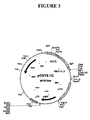
- FIG. 3 shows a plasmid map of pONY8.1G
- FIG. 4 shows a plasmid map of pONY8Z
- FIG. 5 shows the effect of mutations within the WPRE on the expression level of a reporter gene, GFP.
- FACS analysis was used to calculate the MFI of eGFP expression in D17 cells that were between 1% and 10% GFP-positive.
- the MFI ⁇ SD of eGFP expression in pSMART3G WPRE and pSMART3G WPREMut is shown.
- FIG. 6 shows a comparison of the nucleotide sequence of wild-type WPRE sequence from WHV8 (WT) (SEQ ID NO:5), WPRE from SMART2 vectors (SMT) (SEQ ID NO:6), and WPRE incorporating nucleotide changes designed to prevent transcription from the X promoter and translation from the X protein initiation codon (MUT) (SEQ ID NO:1).
- WT WPRE from WHV8
- SMT WPRE from SMART2 vectors
- MUT X protein initiation codon
- FIG. 7 shows a plasmid map of pONY8.9.4 MV opti Y.
- This vector comprises a modified form of WPRE, at nucleotides 8206-8795 of the vector plasmid.
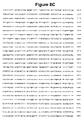
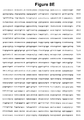
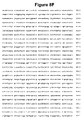
- FIGS. 8A-8H show the sequence of pONY8.9.4 MV opti Y (SEQ ID NO:7).
- operably linked means that the components described are in a relationship permitting them to function in their intended manner.
- the Woodchuck hepatitis virus (WHV) post-transcriptional regulatory element (WPRE) can enhance expression from a number of different vector types including lentiviral vectors (U.S. Pat. Nos. 6,136,597; 6,287,814; Zufferey, R., et al. (1999) J. Virol. 73: 2886-92).
- this enhancement is thought to be due to improved RNA processing at the post-transcriptional level, resulting in increased levels of nuclear transcripts.
- a two-fold increase in mRNA stability also contributes to this enhancement (Zufferey, R., et al. ibid).
- the WPRE contains three cis-acting sequences important for its function in enhancing expression levels. In addition, it contains a fragment of approximately 180 bp comprising the 5′-end of the WHV X protein ORF (full length ORF is 425 bp), together with its associated promoter. Translation from transcripts initiated from the X promoter results in formation of a protein representing the NH 2 -terminal 60 amino acids of the X protein. This truncated X protein can promote tumorigenesis, particularly if the truncated X protein sequence is integrated into the host cell genome at specific loci (Balsano, C. et al, (1991) Biochem. Biophys Res. Commun. 176: 985-92; Flajolet, M.
- the “X region” of the WPRE is defined as comprising at least the first 60-amino acids of the X protein ORF, including the translation initiation codon, and its associated promoter.
- a “functional” X protein is defined herein as a truncated X protein that is capable of promoting tumorigenesis, or a transformed phenotype, when expressed in cells of interest.
- a “non-functional” X protein in the context of this application is defined as an X protein that is incapable of promoting tumorigenesis in cells of interest.
- the present inventors have introduced mutations into the WPRE sequence, and found that the mutations prevent expression of a functional X protein, thereby preventing tumorigenesis in the cells of interest.
- these mutations are introduced into the promoter region of the X protein, or into the translation initiation codon of the X protein.
- the present inventors have found that the nature of these mutations, in addition to preventing expression of a functional X protein, also prevents the reversion back to the wild-type WPRE sequences, which can be accomplished by the low-fidelity proofreading activity of viral-encoded reverse transcriptase present in the vector genomes of the present invention.
- a “mutation” can comprise one or more amino acid deletions, additions, or substitutions.
- one aspect of the present invention provides an isolated nucleic acid molecule comprising a WPRE containing an X region, wherein the WPRE has a mutation in the X region whereby expression of a functional X protein is prevented.
- the mutation is in the promoter sequence of the X region or in the initiation codon of the X region.
- the X protein is not expressed, or is non-functional.
- Liver tumours can occur sporadically when vectors expressing the wild-type WPRE are transduced in utero. Despite the presence of the wild-type WPRE, tumours do not occur in the case of every integration event. Therefore, other secondary factors are presumably required to promote tumorigenesis. These secondary factors can include those arising from insertional mutagenesis as a result of integration of the viral vector genome comprising the wild-type WPRE. As a consequence, expression of a known factor that is involved in, but not sufficient for, tumorigenesis (for example, a mutated tumour suppressor gene) in the context of an integrating vector can lead to integration within, or adjacent to, a secondary gene that has a role in tumour generation and together with expression of the known factor, can lead to tumorigenesis.
- a known factor that is involved in, but not sufficient for, tumorigenesis for example, a mutated tumour suppressor gene
- the tumour mass can then be removed and its genomic DNA isolated.
- the integration site can be located and the unknown secondary factor can be identified. Location of the integration site can be achieved by standard methods known to the skilled artisan such as, but not limited to, Southern hybridisation and genomic PCR.
- methods for identifying a gene involved in tumorigenesis comprising the steps of introducing the isolated nucleic acid according to the first aspect of the invention, into a cell of interest, whereby the nucleic acid is recombined into chromosomal DNA of the cell of interest, determining whether the cell of interest forms a tumor; and, if the cell of interest forms a tumor: locating a site of recombination in the chromosomal DNA, and identifying a gene near or adjacent to the site of recombination, thereby identifying the gene involved in tumorigenesis.
- retrovirus includes: murine leukemia virus (MLV), human immunodeficiency virus (HIV), equine infectious anaemia virus (EIAV), mouse mammary tumour virus (MMTV), Rous sarcoma virus (RSV), Fujinami sarcoma virus (FuSV), Moloney murine leukemia virus (Mo-MLV), FBR murine osteosarcoma virus (FBR MSV), Moloney murine sarcoma virus (Mo-MSV), Abelson murine leukemia virus (A-MLV), Avian myelocytomatosis virus-29 (MC29), and Avian erythroblastosis virus (AEV) and all other retroviridiae including lentiviruses.
- MMV murine leukemia virus
- HCV human immunodeficiency virus
- EIAV equine infectious anaemia virus
- MMTV mouse mammary tumour virus
- RSV Rous sarcoma virus
- FuSV Fujinami
- Lentiviruses also belong to the retrovirus family, but they can infect both dividing and non-dividing cells (Lewis et al (1992) EMBO J. 3053-3058).
- the lentivirus group can be split into “primate” and “non-primate”.
- primate lentiviruses include the human immunodeficiency virus (HIV), the causative agent of human acquired immunodeficiency syndrome (AIDS), and the simian immunodeficiency virus (SIV).
- the non-primate lentiviral group includes the prototype “slow virus” visna/maedi virus (VMV), as well as the related caprine arthritis-encephalitis virus (CAEV), equine infectious anaemia virus (EIAV) and the more recently described feline immunodeficiency virus (FIV) and bovine immunodeficiency virus (BIV).
- genomic structure of some lentiviruses may be found in the art.
- details on HIV and EIAV may be found from the NCBI Genbank database (i.e. Genome Accession Nos. AF033819 and AF033820 respectively). Details of HIV variants may also be found in the HIV databases maintained by Los Alamos National Laboratory. Details of EIAV clones may be found at the NCBI database maintained by the National Institutes of Health.
- a retrovirus initially attaches to a specific cell surface receptor.
- the retroviral RNA genome is then copied to DNA by the virally encoded reverse transcriptase, which is carried inside the parent virus.
- This DNA is transported to the host cell nucleus where it subsequently integrates into the host genome.
- the provirus is typically referred to as the provirus.
- the provirus is stable in the host chromosome during cell division and is transcribed like other cellular genes.
- the provirus encodes the proteins and other factors required to make more virus, which can leave the cell by a process sometimes called “budding”.
- Each retroviral genome comprises genes called gag, pol and env, which code for virion proteins and enzymes. These genes are flanked at both ends by regions called long terminal repeats (LTRs).
- LTRs are responsible for proviral integration, and transcription. They also serve as enhancer-promoter sequences. In other words, the LTRs can control the expression of the viral genes. Encapsidation of the retroviral RNAs occurs by virtue of a psi sequence located at the 5′ end of the viral genome.
- the LTRs themselves are identical sequences that can be divided into three elements, which are called U3, R and U5.
- U3 is derived from the sequence unique to the 3′ end of the RNA.
- R is derived from a sequence repeated at both ends of the RNA and
- U5 is derived from the sequence unique to the 5′ end of the RNA.
- the sizes of the three elements can vary considerably among different retroviruses.
- the site of transcription initiation is at the boundary between U3 and R in the left hand side LTR and the site of poly (A) addition (termination) is at the boundary between R and U5 in the right hand side LTR.
- U3 contains most of the transcriptional control elements of the provirus, which include the promoter and multiple enhancer sequences responsive to cellular and in some cases, viral transcriptional activator proteins.
- Some retroviruses have any one or more of the following genes that code for proteins that are involved in the regulation of gene expression: tat, rev, tax and rex.
- gag encodes the internal structural protein of the virus.
- Gag protein is proteolytically processed into the mature proteins MA (matrix), CA (capsid) and NC (nucleocapsid).
- the pol gene encodes the reverse transcriptase (RT), which contains DNA polymerase, associated RNase H and integrase (IN), which mediate replication of the genome.
- the env gene encodes the surface (SU) glycoprotein and the transmembrane (TM) protein of the virion, which form a complex that interacts specifically with cellular receptor proteins. This interaction leads ultimately to infection by fusion of the viral membrane with the cell membrane.
- Retroviruses may also contain “additional” genes, which code for proteins other than gag, pol and env.
- additional genes include in HIV, one or more of vif, vpr, vpx, vpu, tat, rev and nef.
- EIAV has, for example, the additional genes S2 and dUTPase.
- Proteins encoded by additional genes serve various functions, some of which may be duplicative of a function provided by a cellular protein.
- EIAV for example, tat acts as a transcriptional activator of the viral LTR. It binds to a stable, stem-loop RNA secondary structure referred to as TAR. Rev regulates and co-ordinates the expression of viral genes through rev-response elements (RRE). The mechanisms of action of these two proteins are thought to be broadly similar to the analogous mechanisms in the primate viruses. The function of S2 is unknown.
- an EIAV protein, Ttm has been identified that is encoded by the first exon of tat spliced to the env coding sequence at the start of the transmembrane protein.
- Retroviral vector systems have been proposed as a delivery system for, inter alia, the transfer of a NOI to one or more sites of interest. The transfer can occur in vitro, ex vivo, in vivo, or combinations thereof. Retroviral vector systems have even been exploited to study various aspects of the retrovirus life cycle, including receptor usage, reverse transcription and RNA packaging (reviewed by Miller, 1992 Curr Top Microbiol Immunol 158:1-24).
- a recombinant retroviral vector particle is capable of transducing a recipient cell with an NOI. Once within the cell, the RNA genome from the vector particle is reverse transcribed into DNA and integrated into the DNA of the recipient cell.
- the term “vector genome” refers to the RNA construct present in the retroviral vector particle and/or the integrated DNA construct. The term also embraces a separate or isolated DNA construct capable of encoding such an RNA genome.
- a retroviral or lentiviral genome should comprise at least one component part derivable from a retrovirus or a lentivirus.
- the term “derivable” is used in its normal sense as meaning a nucleotide sequence or a part thereof, which need not necessarily be obtained from a virus such as a lentivirus but instead could be derived therefrom.
- the sequence may be prepared synthetically or by use of recombinant DNA techniques.
- the genome comprises a psi region (or an analogous component that is capable of causing encapsidation).
- the viral vector genome is preferably “replication defective”, by which we mean that the genome does not comprise sufficient genetic information alone to enable independent replication to produce infectious viral particles within the recipient cell.
- the genome lacks a functional env, gag or pol gene.
- the viral vector genome may comprise some or all of the long terminal repeats (LTRs).
- LTRs long terminal repeats
- the genome comprises at least part of the LTRs or an analogous sequence, which is capable of mediating proviral integration, and transcription.
- the sequence may also comprise or act as an enhancer-promoter sequence.
- the viral vector genome of the second aspect of the invention may be provided as a kit of parts.
- the kit may comprise (i) a plasmid or plasmids containing the NOIs and internal regulatory sequences, such as, for example, a promoter or an IRES sequence(s); and (ii) a retroviral genome construct with suitable restriction enzyme recognition sites for cloning the NOIs and internal regulatory sequence(s) into the viral genome.
- the sequences encoding retroviral Gag, Pol and Env proteins are introduced into the cell and stably integrated into the cell genome; a stable cell line is produced which is referred to as the packaging cell line.
- the packaging cell line produces the proteins required for packaging retroviral RNA but it cannot bring about encapsidation due to the lack of a psi region.
- the helper proteins can package the psi-positive recombinant vector RNA to produce the recombinant virus stock. This can be used to transduce the NOI into recipient cells.
- the present invention also provides a packaging cell line comprising a viral vector genome of the present invention.
- the packaging cell line may be transduced with a viral vector system comprising the genome or transfected with a plasmid carrying a DNA construct capable of encoding the RNA genome.
- the present invention also provides a retroviral (or lentiviral) vector particle produced by such a cell.
- the second approach is to introduce the three different DNA sequences that are required to produce a retroviral vector particle i.e. the env coding sequences, the gag-pol coding sequence and the defective retroviral genome containing one or more NOIs into the cell at the same time by transient transfection and the procedure is referred to as transient triple transfection (Landau & Littman 1992; Pear et al 1993).
- the triple transfection procedure has been optimised (Soneoka et al 1995; Finer et al 1994).
- WO 94/29438 describes the production of producer cells in vitro using this multiple DNA transient transfection method.
- the components of the viral system which are required to complement the vector genome, may be present on one or more “producer plasmids” for transfecting into cells.
- the present invention also provides a vector system for producing a retrovirus-derived particle, comprising
- the nucleic acid sequence(s) encoding at least one of Vpr, Vif, Tat, Nef, or analogous auxiliary genes, from the retrovirus from which the particles are derived are disrupted such as said nucleic acid sequence(s) are incapable of encoding functional Vpr, Vif, Tat, Nef, or analogous auxiliary proteins, or are removed from the system.
- the present invention also provides a cell transfected with such a vector system and a retroviral vector particle produced by such a cell.
- the gag-pol sequence is codon optimised for use in the particular producer cell (see below).
- the env protein encoded by the nucleotide sequence of iii) may be a homologous retroviral or lentiviral env protein. Alternatively, it may be a heterologous env, or an env from a non-retro or lentivirus (see below under “pseudotyping”).
- retroviral vector system is used generally to mean a kit of parts that can be used when combined with other necessary components for viral particle production to produce viral particles in host cells.
- the retroviral vector genome may lack one or more of the genes needed for viral replication. This may be combined in a kit with a further complementary nucleotide sequence or sequences, for example on one or more producer plasmids. By cotransfection of the genome together with the producer plasmid(s), the necessary components should be provided for the production of infectious viral particles.
- the complementary nucleotide sequence(s) may be stably present within a packaging cell line that is included in the kit.
- the present invention also relates to a retroviral vector system, which is capable of delivering an RNA genome to a recipient cell, wherein the genome is longer than the wild type genome of the lentivirus.
- the vector system may, for example, be an EIAV vector system.
- the RNA genome of the vector system has up to 5%, more preferably up to 10% or even up to 30% more bases than the wild-type genome.
- the RNA genome is about 10% longer than the wild-type genome.
- wild type EIAV comprises an RNA genome of approximately 8 kb.
- An EIAV vector system of the present invention may have an RNA genome of up to (preferably about) 8.8 kb.
- the retroviral vector system of the present invention is a self-inactivating (SIN) vector system.
- SI self-inactivating
- self-inactivating retroviral vector systems have been constructed by deleting the transcriptional enhancers or the enhancers and promoter in the U3 region of the 3′ LTR. After a round of vector reverse transcription and integration, these changes are copied into both the 5′ and the 3′ LTRs, producing a transcriptionally inactive provirus. However, any promoter(s) internal to the LTRs in such vectors will still be transcriptionally active.
- This strategy has been employed to eliminate effects of the enhancers and promoters in the viral LTRs on transcription from internally placed genes. Such effects include increased transcription or suppression of transcription. This strategy can also be used to eliminate downstream transcription from the 3′ LTR into genomic DNA.
- a recombinase-assisted mechanism is used, which facilitates the production of high titre regulated lentiviral vectors from the producer cells of the present invention.
- recombinase assisted system includes, but is not limited to, a system using the Cre recombinase/loxP recognition sites of bacteriophage P1 or the site-specific FLP recombinase of S. cerevisiae, which catalyses recombination events between 34 bp FLP recognition targets (FRTs).
- the site-specific FLP recombinase of S. cerevisiae which catalyses recombination events between 34 bp FLP recognition targets (FRTs) has been configured into DNA constructs to generate high level producer cell lines using recombinase-assisted recombination events (Karreman et al (1996) NAR 24:1616-1624).
- a similar system has been developed using the Cre recombinase/loxP recognition sites of bacteriophage P1 (Vanin et al (1997) J. Virol 71:7820-7826). This was configured into a lentiviral genome such that high titre lentiviral producer cell lines were generated.
- producer/packaging cell lines By using producer/packaging cell lines, it is possible to propagate and isolate quantities of retroviral vector particles (e.g. to prepare suitable titres of the retroviral vector particles) for subsequent transduction of, for example, a site of interest (such as adult brain tissue).
- Producer cell lines are usually better for large-scale production or vector particles.
- Transient transfection has numerous advantages over the packaging cell method.
- transient transfection avoids the longer time required to generate stable vector-producing cell lines and is used if the vector genome or retroviral packaging components are toxic to cells.
- the vector genome encodes toxic genes or genes that interfere with the replication of the host cell, such as inhibitors of the cell cycle or genes that induce apoptosis, it may be difficult to generate stable vector-producing cell lines, but transient transfection can be used to produce the vector before the cells die.
- cell lines have been developed using transient infection that produce vector titre levels that are comparable to the levels obtained from stable vector-producing cell lines (Pear et al 1993, PNAS 90:8392-8396).
- Producer cells/packaging cells can be of any suitable cell type.
- Producer cells are generally mammalian cells, but can be, for example, insect cells.
- the term “producer cell” or “vector producing cell” refers to a cell that contains all the elements necessary for production of retroviral vector particles.
- the producer cell is obtainable from a stable producer cell line.
- the producer cell is obtainable from a derived stable producer cell line.
- the producer cell is obtainable from a derived producer cell line.
- derived producer cell line is a transduced producer cell line that has been screened and selected for high expression of a marker gene. Such cell lines support high-level expression from the retroviral genome.
- derived producer cell line is used interchangeably with the term “derived stable producer cell line” and the term “stable producer cell line.
- the derived producer cell line includes, but is not limited to, a retroviral and/or a lentiviral producer cell.
- the derived producer cell line is an HIV or EIAV producer cell line, more preferably an EIAV producer cell line.
- envelope protein sequences, and nucleocapsid sequences are all stably integrated in the producer and/or packaging cell.
- one or more of these sequences could also exist in episomal form and gene expression could occur from the episome.
- packaging cell refers to a cell that contains those elements necessary for production of infectious recombinant virus that are lacking in the RNA genome.
- packaging cells typically contain one or more producer plasmids, which are capable of expressing viral structural proteins (such as codon optimised gag-pol and env) but they do not contain a packaging signal.
- packetaging signal which is referred to interchangeably as “packaging sequence” or “psi” is used in reference to the non-coding, cis-acting sequence required for encapsidation of retroviral RNA strands during viral particle formation.
- packetaging sequence psi
- this sequence has been mapped to loci extending from upstream of the major splice donor site (SD) to at least the gag start codon.
- Packaging cell lines suitable for use with the above-described vector constructs may be readily prepared (see also WO 92/05266), and utilised to create producer cell lines for the production of retroviral vector particles. As already mentioned, a summary of the available packaging lines is presented in “Retroviruses” (as above).
- simple packaging cell lines comprising a provirus in which the packaging signal has been deleted
- second-generation cell lines have been produced, wherein the 3′ LTR of the provirus is deleted. In such cells, two recombinations would be necessary to produce a wild type virus.
- a further improvement involves the introduction of the gag-pol genes and the env gene on separate constructs so-called third generation packaging cell lines. These constructs are introduced sequentially to prevent recombination during transfection.
- the packaging cell lines are second-generation packaging cell lines.
- the packaging cell lines are third generation packaging cell lines.
- third generation cell lines a further reduction in recombination may be achieved by changing the codons.
- This technique based on the redundancy of the genetic code, aims to reduce homology between the separate constructs, for example, between the regions of overlap in the gag-pol and env open reading frames.
- the packaging cell lines are useful for providing the gene products necessary to encapsidate and provide a membrane protein for a high titre vector particle production.
- the packaging cell may be a cell cultured in vitro, such as a tissue culture cell line. Suitable cell lines include, but are not limited to, mammalian cells, such as murine fibroblast derived cell lines or human cell lines.
- the packaging cell line is a primate or human cell line, such as for example: HEK293, 293-T, TE671, HT1080.
- high titre means an effective amount of a retroviral vector or particle that is capable of transducing a target site such as a cell.
- the term “effective amount” means an amount of a retroviral or lentiviral vector or vector particle that is sufficient to induce expression of the NOIs at a target site.
- a high-titre viral preparation for a producer/packaging cell is usually on the order of 10 5 to 10 7 retrovirus particles per ml.
- the viral preparation is concentrated by ultracentrifugation.
- the resulting preparation should have at least 10 8 t.u./ml, preferably from 10 8 to 10 9 t.u./ml, more preferably at least 10 9 t.u./ml.
- the titer is expressed in transducing units per ml (t.u./ml) as titred on a standard D17 cell line).
- Other methods of concentration such as ultrafiltration or binding to and elution from a matrix may be used.
- the expression products encoded by the NOIs may be proteins that are secreted from the cell. Alternatively, the NOI expression products are not secreted and are active within the cell. For some applications, it is preferred for the NOI expression product to demonstrate a bystander effect or a distant bystander effect; that is the production of the expression product in one cell leading to the modulation of additional, related cells, either neighbouring or distant (e.g. metastatic), which possess a common phenotype. Zennou et al., (2000) Cell 101: 173; Folleuzi et al., (2000) Nat. Genetics 25: 217; Zennou et al., (2001) Nat. Biotechnol. 19: 446.
- cPPT central polypurine tract
- This cis-acting element is located, for example, in the EIAV polymerase coding region element.
- the genome of the present invention comprises a cPPT sequence.
- the viral genome may comprise a translational enhancer.
- the NOIs may be operatively linked to one or more promoter/enhancer elements. Transcription of one or more NOIs may be under the control of viral LTRs or alternatively promoter-enhancer elements.
- the promoter is a strong viral promoter such as CMV, or is a cellular constitutive promoter such as PGK, beta-actin or EF1alpha.
- the promoter may be regulated or tissue-specific.
- the control of expression can also be achieved by using such systems as the tetracycline system that switches gene expression on or off in response to outside agents (in this case tetracycline or its analogues).
- retroviral vector systems it is desirable to engineer particles with different target cell specificities to the native virus, to enable the delivery of genetic material to an expanded or altered range of cell types.
- One manner in which to achieve this is by engineering the virus envelope protein to alter its specificity.
- Another approach is to introduce a heterologous envelope protein into the vector particle to replace or add to the native envelope protein of the virus.
- pseudotyping means incorporating in at least a part of, or substituting a part of, or replacing all of, an env gene of a viral genome with a heterologous env gene, for example, an env gene from another virus.
- Pseudotyping is not a new phenomenon and examples may be found in WO 99/61639, WO-A-98/05759, WO-A-98/05754, WO-A-97/17457, WO-A-96/09400, WO-A-91/00047 and Mebatsion et al 1997 Cell 90, 841-847.
- the vector system is pseudotyped with a gene encoding at least part of the rabies G protein.
- rabies G pseudotyped retroviral vectors may be found in WO99/61639.
- the vector system is pseudotyped with a gene encoding at least part of the VSV-G protein. Examples of VSV-G pseudotyped retroviral vectors may be found in U.S. Pat. No. 5,817,491.
- a retrovirus or lentivirus minimal system can be constructed from HIV, SIV, FIV, and EIAV viruses.
- Such a system requires none of the additional genes vif, vpr, vpx, vpu, tat, rev and nef for either vector production or for transduction of dividing and non-dividing cells.
- an EIAV minimal vector system can be constructed which does not require S2 for either vector production or for transduction of dividing and non-dividing cells.
- the deletion of additional genes is highly advantageous. Firstly, it permits vectors to be produced without the genes associated with disease in lentiviral (e.g. HIV) infections. In particular, tat is associated with disease.
- genes whose function is unknown, such as S2 may be omitted, thus reducing the risk of causing undesired effects. Examples of minimal lentiviral vectors are disclosed in WO-A-99/32646 and in WO-A-98/17815.
- the auxiliary genes may be present as part of the vector genome-encoding DNA, or together with the packaging components. The location of an auxiliary gene in a vector production system depends in part on its relationship with other retroviral components. For example, vif is often part of a gag-pol packaging cassette in a packaging cell. Thus, to remove a functional auxiliary gene for the purposes of the invention may involve its removal from the packaging components, or from the vector genome, or perhaps both.
- a functional auxiliary gene may not require removal of the gene in its entirety. Usually removal of part of the gene, or disruption of the gene in some other way will be sufficient.
- the absence of a functional auxiliary gene is understood herein to mean that the gene is not present in a form in which it is capable of encoding the functional auxiliary protein.
- auxiliary genes are associated with characteristics of lentiviruses that are particularly undesirable for a gene therapy vector.
- the invention is not limited with regard to the combination of auxiliary genes that are absent in a system according to the invention for producing HIV-1-based vector particles, any combination of three, or more preferably four, of the genes may be absent in their functional form.
- all five of the auxiliary genes vpr, vif, tat, nef, and vpu are absent in their functional form.
- it is most preferable that all of the auxiliary genes are absent in their functional form (except rev which is preferably present unless replaced by a system analogous to the rev/RRE system).
- the delivery system used in the invention is devoid of at least tat and S2 (if it is an EIAV vector system), and possibly also vif, vpr, vpx, vpu and nef. More preferably, the systems of the present invention are also devoid of rev.
- Rev was previously thought to be essential in some retroviral genomes for efficient virus production. For example, in the case of HIV, it was thought that rev and RRE sequence should be included. However, it has been found that the requirement for rev and RRE can be reduced or eliminated by codon optimisation (see below) or by replacement with other functional equivalent systems such as the MPMV system. As expression of the codon-optimised gag-pol is rev-independent, RRE can be removed from the gag-pol expression cassette, thus removing any potential for recombination with any RRE contained on the vector genome.
- the viral genome of the present invention lacks the Rev response element (RRE).
- RRE Rev response element
- a nucleic acid sequence encoding Rev, or a functional equivalent thereof is disrupted such that the nucleic acid sequence is incapable of encoding the functional Rev or is removed from the vector genome.
- the system used in the present invention is based on a so-called “minimal” system in which some or all of the additional genes have been removed.
- the viral vector of the present invention has a minimal viral genome.
- minimal viral genome means that the viral vector has been manipulated so as to remove the non-essential elements and to retain the essential elements to provide the required functionality to infect, transduce and deliver a NOI to a target host cell.
- the viral vector with the minimal viral genome is a minimal lentiviral vector.
- Codon optimisation has previously been described in WO99/41397. Different cells differ in their usage of particular codons. This codon bias corresponds to a bias in the relative abundance of particular tRNAs in the cell type. By altering the codons in the sequence to match with the relative abundance of corresponding tRNAs, it is possible to increase expression. By the same token, it is possible to decrease expression by deliberately choosing codons for which the corresponding tRNAs are known to be rare in the particular cell type. Thus, an additional degree of translational control is available.
- viruses including HIV and other lentiviruses
- Codon usage tables are known in the art for mammalian cells, as well as for a variety of other organisms.
- Codon optimisation has a number of other advantages.
- the nucleotide sequences encoding the packaging components of the viral particles required for assembly of viral particles in the producer cells/packaging cells have RNA instability sequences (INS) eliminated from them.
- INS RNA instability sequences
- the amino acid sequence coding sequence for the packaging components is retained so that the viral components encoded by the sequences remain the same, or at least sufficiently similar that the function of the packaging components is not compromised.
- Codon optimisation also overcomes the Rev/RRE requirement for export, rendering optimised sequences Rev independent. Codon optimisation also reduces homologous recombination between different constructs within the vector system (for example, between the regions of overlap in the gag-pol and env open reading frames). The overall effect of codon optimisation is therefore a notable increase in viral titre and improved safety.
- codons relating to INS are codon optimised.
- sequences are codon optimised in their entirety, with the exception of the sequence encompassing the frameshift site.
- the gag-pol gene comprises two overlapping reading frames encoding gag and pol proteins respectively.
- the expression of both proteins depends on a frameshift during translation. This frameshift occurs as a result of ribosome “slippage” during translation. This slippage is thought to be caused at least in part by ribosome-stalling RNA secondary structures.
- Such secondary structures exist downstream of the frameshift site in the gag-pol gene.
- the region of overlap extends from nucleotide 1222 downstream of the beginning of gag (wherein nucleotide 1 is the A of the gag ATG) to the end of gag (nt 1503). Consequently, a 281 bp fragment spanning the frameshift site and the overlapping region of the two reading frames is preferably not codon optimised. Retaining this fragment will enable more efficient expression of the gag-pol proteins.
- nt 1262 where nucleotide 1 is the A of the gag ATG.
- the end of the overlap is at 1461 bp.
- the wild type sequence has been retained from nt 1156 to 1465.
- Derivations from optimal codon usage may be made, for example, to accommodate convenient restriction sites, and conservative amino acid changes may be introduced into the gag-pol proteins.
- codon optimisation was based on highly expressed mammalian genes.
- the third and sometimes the second and third base may be changed.
- gag-pol sequences Due to the degenerate nature of the Genetic Code, it will be appreciated that a skilled worker can achieve numerous gag-pol sequences. Also, there are many retroviral variants described that can be used as a starting point for generating a codon optimised gag-pol sequence. Lentiviral genomes can be quite variable. For example, there are many quasi-species of HIV-1 that are still functional. This is also the case for EIAV. These variants may be used to enhance particular parts of the transduction process. Details of HIV variants may also be found in the HIV databases maintained by Los Alamos National Laboratory. Details of EIAV clones may be found at the NCBI database maintained by the National Institutes of Health.
- the strategy for codon optimised gag-pol sequences can be used in relation to any retrovirus. This would apply to all lentiviruses, including EIAV, FIV, BIV, CAEV, VMR, SIV, HIV-1 and HIV-2. In addition, this method could be used to increase expression of genes from HTLV-1, HTLV-2, HFV, HSRV and human endogenous retroviruses (HERV), MLV and other retroviruses.
- HERV human endogenous retroviruses
- Codon optimisation can render gag-pol expression Rev independent.
- the genome also needs to be modified. This is achieved by optimising vector genome components.
- these modifications can also lead to the production of a safer system absent of all additional proteins both in the producer and in the transduced cell.
- the packaging components for a retroviral vector include expression products of gag, pol and env genes.
- efficient packaging depends on a short sequence of 4 stem loops followed by a partial sequence from gag and env (the “packaging signal”).
- packaging signal the partial sequence from gag and env
- inclusion of a deleted gag sequence in the retroviral vector genome will optimise vector titre.
- efficient packaging has been reported to require from 255 to 360 nucleotides of gag in vectors that still retain env sequences, or about 40 nucleotides of gag in a particular combination of splice donor mutation, gag and env deletions.
- the retroviral vector genome includes a gag sequence that comprises one or more deletions, more preferably the gag sequence comprises about 360 nucleotides derivable from the N-terminus.
- the term NOI includes any suitable nucleotide sequence, which need not necessarily be a complete naturally occurring DNA or RNA sequence.
- the NOI can be, for example, a synthetic RNA/DNA sequence, a codon optimised RNA/DNA sequence, a recombinant RNA/DNA sequence (i.e. prepared by use of recombinant DNA techniques), a cDNA sequence or a partial genomic DNA sequence, including combinations thereof.
- the sequence need not be a coding region. If it is a coding region, it need not be an entire coding region.
- the RNA/DNA sequence can be in a sense orientation or in an anti-sense orientation. Preferably, it is in a sense orientation.
- the sequence is, comprises, or is transcribed from cDNA.
- heterologous sequence(s) also referred to as “heterologous sequence(s)”, “heterologous gene(s)” or “transgene(s)”, may be any one or more of, for example, a selection gene(s), marker gene(s) and therapeutic gene(s).
- the NOI may be a candidate gene that is of potential significance in a disease process.
- the vector system of the present invention may, for example, be used for target validation purposes.
- the NOI may have a therapeutic or diagnostic application.
- Suitable NOIs include, but are not limited to: sequences encoding enzymes, cytokines, chemokines, hormones, antibodies, anti-oxidant molecules, engineered immunoglobulin-like molecules, a single chain antibody, fusion proteins, immune co-stimulatory molecules, immunomodulatory molecules, anti-sense RNA, small interfering RNA (siRNA), a transdominant negative mutant of a target protein, a toxin, a conditional toxin, an antigen, a tumour suppresser protein and growth factors, membrane proteins, pro- and anti-angiogenic proteins and peptides, vasoactive proteins and peptides, anti-viral proteins and ribozymes, and derivatives thereof (such as with an associated reporter group).
- the NOIs may also encode pro-drug activating enzymes.
- the NOIs may also encode reporter genes such as, but not limited to, green fluorescent protein (GFP), luciferase, ⁇ -galactosidase, or resistance genes to antibiotics such as, for example, ampicillin, neomycin, bleomycin, zeocin, chloramphenicol, hygromycin, kanamycin, among others.
- GFP green fluorescent protein
- luciferase luciferase
- ⁇ -galactosidase or resistance genes to antibiotics such as, for example, ampicillin, neomycin, bleomycin, zeocin, chloramphenicol, hygromycin, kanamycin, among others.
- the NOI may encode all or part of the protein of interest (“POI”), or a mutant, homologue or variant thereof.
- POI protein of interest
- the NOI may encode a fragment of the POI that is capable of functioning in vivo in an analogous manner to the wild-type protein.
- mutant includes POIs that include one or more amino acid variations from the wild-type sequence.
- a mutant may comprise one or more amino acid additions, deletions or substitutions.
- homologue means an entity having a certain homology with the NOI, or which encodes a protein having a degree of homology with the POI.
- homology can be equated with “identity”.
- a homologous sequence is taken to include an amino acid sequence that may be at least 75, 85 or 90% identical, preferably at least 95 or 98% identical to the subject sequence.
- the homologues will comprise the same active sites as the subject amino acid sequence.
- homology can also be considered in terms of similarity (i.e. amino acid residues having similar chemical properties/functions), in the context of the present invention, it is preferred to express homology in terms of sequence identity.
- a homologous sequence is taken to include a nucleotide sequence that may be at least 75, 85 or 90% identical, preferably at least 95 or 98% identical to the subject sequence.
- the homologues will comprise the same sequences that code for the active sites etc. as the subject sequence.
- homology can also be considered in terms of similarity (i.e. amino acid residues having similar chemical properties/functions), in the context of the present invention it is preferred to express homology in terms of sequence identity.
- Homology comparisons can be conducted by eye, or more usually, with the aid of readily available sequence comparison programs. These commercially available computer programs can calculate percent (%) homology between two or more sequences.
- a suitable computer program for carrying out sequence comparisons is the GCG Wisconsin Bestfit package (University of Wisconsin, U.S.A.; Devereux et al., 1984, Nucleic Acids Research 12:387).
- Examples of other software than can perform sequence comparisons include, but are not limited to, the BLAST package (see Ausubel et al., 1999 ibid—Chapter 18), FASTA (Atschul et al., 1990, J. Mol. Biol., 403-410) and the GENEWORKS suite of comparison tools. Both BLAST and FASTA are available for offline and online searching (see Ausubel et al., 1999 ibid, pages 7-58 to 7-60). However, for some applications, it is preferred to use the GCG Bestfit program.
- the BLAST 2 Sequences tool is also available for comparing protein and nucleotide sequence (see FEMS Microbiol Lett 1999 174(2): 247-50; FEMS Microbiol Lett 1999 177(1): 187-8).
- sequences may also have deletions, insertions or substitutions of amino acid residues that produce a silent change and result in a functionally equivalent substance.
- Deliberate amino acid substitutions may be made on the basis of similarity in polarity, charge, solubility, hydrophobicity, hydrophilicity, and/or the amphipathic nature of the residues as long as the secondary binding activity of the substance is retained.
- negatively charged amino acids include aspartic acid and glutamic acid; positively charged amino acids include lysine and arginine; and amino acids with uncharged polar head groups having similar hydrophilicity values include leucine, isoleucine, valine, glycine, alanine, asparagine, glutamine, serine, threonine, phenylalanine, and tyrosine.
- the present invention also encompasses homologous substitution (substitution and replacement are both used herein to mean the interchange of an existing amino acid residue, with an alternative residue) may occur i.e. like-for-like substitution such as basic for basic, acidic for acidic, polar for polar etc. Non-homologous substitution may also occur i.e. from one class of residue to another.
- the NOI encodes a single POI or a mutant, homologue or variant thereof.
- the NOI does not encode a fusion protein.
- fusion protein is used in its conventional sense to mean an entity that comprises two or more protein activities, joined together by a peptide bond to form a single chimeric protein.
- a fusion protein is encoded by a single polynucleotide driven by a single promoter.
- the viral genome of the present invention comprises at least one, but can optionally comprise two or more NOIs.
- NOIs In order for two or more NOIs to be expressed, there may be two or more transcription units within the vector genome, one for each NOI.
- retroviral vectors achieve the highest titres and most potent gene expression properties if they are kept genetically simple (PCT/GB96/01230; Bowtell et al., 1988 J. Virol. 62, 2464; Correll et al., 1994 Blood 84, 1812; Emerman and Temin 1984 Cell 39, 459; Ghattas et al., 1991 Mol. Cell. Biol.
- IVS internal ribosome entry site
- IRES elements Insertion of IRES elements into retroviral vectors is compatible with the retroviral replication cycle and allows expression of multiple coding regions from a single promoter (Adam et al (as above); Koo et al (1992) Virology 186:669-675; Chen et al 1993 J. Virol 67:2142-2148).
- IRES elements were first found in the non-translated 5′ ends of picornaviruses where they promote cap-independent translation of viral proteins (Jang et al (1990) Enzyme 44: 292-309). When located between open reading frames in an RNA, IRES elements allow efficient translation of the downstream open reading frame by promoting entry of the ribosome at the IRES element followed by downstream initiation of translation.
- cistron refers to a nucleic acid segment corresponding to a polypeptide chain, comprising the relevant translational start (initiation) and stop (termination) codons.
- a multicistronic mRNA is an mRNA transcript with more than one cistron and thus, encoding more than one polypeptide.
- IRES encephalomyocarditis virus
- IRES sequences are typically found in the 5′ non-coding region of genes. In addition to those in the literature they can be found empirically by looking for genetic sequences that affect expression and then determining whether that sequence affects the DNA (i.e. acts as a promoter or enhancer) or only the RNA (acts as an IRES sequence).
- IRES elements from PV, EMCV and swine vesicular disease virus have previously been used in retroviral vectors (Coffin et al, as above).
- IRES includes any sequence or combination of sequences which work as or improve the function of an IRES.
- the IRES(s) may be of viral origin (such as EMCV IRES, PV IRES, or FMDV 2A-like sequences) or cellular origin (such as FGF2 IRES, NRF IRES, Notch 2 IRES or EIF4 IRES).
- viral origin such as EMCV IRES, PV IRES, or FMDV 2A-like sequences
- cellular origin such as FGF2 IRES, NRF IRES, Notch 2 IRES or EIF4 IRES.
- the genome may be as follows:
- IRESs and NOIs can also be utilised.
- transcripts containing the IRESs and NOIs need not be driven from the same promoter.
- An example of this arrangement may be:
- the IRESs may be of different origins, that is, heterologous to one another.
- one IRES may be from EMCV and the other IRES may be from poliovirus.
- IRESs are an efficient way to co-express multiple genes from one vector
- other methods are also useful, and may be used alone or in conjunction with IRESs. These include the use of multiple internal promoters in the vector (Overell et al., Mol Cell Biol. 8: 1803-8 (1988)), or the use of alternate splicing patterns leading to multiple RNA species derived from the single viral genome that expresses the different genes. This strategy has previously been used by itself for two genes (Cepko et al. Cell 37: 1053 (1984)).
- the present invention also relates to a cell that has been transduced with a vector system comprising a viral genome according to the first aspect of the invention.
- the cell may be transduced in vivo, in vitro or ex vivo.
- the cell may be removed from the subject and transduced ready for reimplantation into the subject (ex vivo transduction).
- the cell may be transduced by direct gene transfer in vivo, using the vector system of the present invention in accordance with standard techniques (such as via injection of vector stocks expressing the NOIs). If the cell is part of a cell line that is stable in culture (i.e. which can survive numerous passages and can multiple in vitro) then it may be transduced in vitro by standard techniques, for example, by exposure of the cell to viral supernatants comprising vectors expressing the NOIs.
- the cell may be any cell that is susceptible to transduction. If the vector system is capable of transducing non-dividing cells (for example if it is a lentiviral system) then the cell may be a non-dividing cell, such as a neuron.
- the present invention can employ cassettes comprising one or more NOIs, which, in the case of two or more NOIs, can be operably linked by an IRES. These cassettes may be used in a method for producing the vector genome in a producer cell.
- the present invention also provides an expression vector comprising such a cassette. Transfection of a suitable cell with such an expression vector should result in a cell that expresses each POI encoded by the NOI in the cassette.
- the present invention also provides such a transfected cell.
- Cloning of the cassette into an expression vector and transfection of cells with the vector can be carried out by techniques well known in the art (such as those described in Sambrook et al. (Molecular Cloning: A Laboratory Manual, 2nd Edition, Cold Spring Harbor Laboratory press (1989)), and other laboratory textbooks).
- the cassette comprises a promoter.
- a cassette comprising two or more NOIs can be bicistronic or tricistronic, and can comprises the following elements:
- the present invention provides a pharmaceutical composition, which comprises a vector genome according to the second aspect of the invention and a pharmaceutically acceptable carrier, diluent or excipient (including combinations thereof).
- the pharmaceutical compositions may be for human or animal usage in human and veterinary medicine or research, and will typically comprise any one or more of a pharmaceutically acceptable diluent, carrier, or excipient.
- Acceptable carriers or diluents for therapeutic use are well known in the pharmaceutical art, and are described, for example, in Remington's Pharmaceutical Sciences, Mack Publishing Co. (A. R. Gennaro edit. 1985).
- the choice of pharmaceutical carrier, excipient or diluent can be selected with regard to the intended route of administration and standard pharmaceutical practice.
- the pharmaceutical compositions may comprise as—or in addition to—the carrier, excipient or diluent any suitable binder(s), lubricant(s), suspending agent(s), coating agent(s), solubilising agent(s).
- Preservatives, stabilizers, dyes and even flavouring agents may be provided in the pharmaceutical composition.
- preservatives include sodium benzoate, sorbic acid and esters of p-hydroxybenzoic acid.
- Antioxidants and suspending agents may be also used.
- the pharmaceutical composition of the present invention may be formulated to be delivered using a mini-pump or by a mucosal route, for example, as a nasal spray or aerosol for inhalation or ingestible solution, or parenterally in which the composition is formulated by an injectable form, for delivery, by, for example, an intravenous, intramuscular or subcutaneous route.
- the formulation may be designed to be delivered by both routes.
- the pharmaceutical composition is to be delivered mucosally through the gastrointestinal mucosa, it should be able to remain stable during transit though the gastrointestinal tract; for example, it should be resistant to proteolytic degradation, stable at acid pH and resistant to the detergent effects of bile.
- compositions can be administered by inhalation, in the form of a suppository or pessary, topically in the form of a lotion, solution, cream, ointment or dusting powder, by use of a skin patch, orally in the form of tablets containing excipients such as starch or lactose or chalk, or in capsules or ovules either alone or in admixture with excipients, or in the form of elixirs, solutions or suspensions containing flavouring or colouring agents, or they can be injected parenterally, for example, intravenously, intramuscularly or subcutaneously.
- compositions may be best used in the form of a sterile aqueous solution, which may contain other substances, for example, enough salts or monosaccharides to make the solution isotonic with blood.
- a sterile aqueous solution which may contain other substances, for example, enough salts or monosaccharides to make the solution isotonic with blood.
- the compositions may be administered in the form of tablets or lozenges that can be formulated in a conventional manner.
- a physician will determine the actual dosage that will be most suitable for an individual subject and it will vary with the age, weight and response of the particular patient and severity of the condition.
- the dosages below are exemplary of the average case. There can, of course, be individual instances where higher or lower dosage ranges are merited.
- compositions (or component parts thereof) of the present invention may be administered orally.
- the compositions (or component parts thereof) of the present invention may be administered by direct injection.
- the compositions (or component parts thereof) of the present invention may be administered topically.
- the compositions (or component parts thereof) of the present invention may be administered by inhalation.
- the compositions (or component parts thereof) of the present invention may also be administered by one or more of: parenteral, mucosal, intramuscular, intravenous, subcutaneous, intraocular or transdermal administration means, and are formulated for such administration.
- the pharmaceutical composition of the present invention may be administered in accordance with a regimen of 1 to 10 times per day, such as once or twice per day.
- the specific dose level and frequency of dosage for any particular patient may be varied and will depend upon a variety of factors including the activity of the specific compound employed, the metabolic stability and length of action of that compound, the age, body weight, general health, sex, diet, mode and time of administration, rate of excretion, drug combination, the severity of the particular condition, and the host undergoing therapy.
- administered also includes, but is not limited to, delivery by a mucosal route, for example, as a nasal spray or aerosol for inhalation or as an ingestible solution; a parenteral route where delivery is by an injectable form, such as, for example, an intravenous, intramuscular or subcutaneous route.
- one or more of the following routes may administer the pharmaceutical composition of the present invention: oral administration, injection (such as direct injection), topical, inhalation, parenteral administration, mucosal administration, intramuscular administration, intravenous administration, subcutaneous administration, intraocular administration or transdermal administration.
- compositions comprising an effective amount of vector comprising an identified modulating moiety operably linked to an NOI may be used in the treatment of disorders, such as those listed in WO-A-98/09985.
- disorders such as those listed in WO-A-98/09985.
- macrophage inhibitory and/or T cell inhibitory activity and thus, anti-inflammatory activity i.e.
- inhibitory effects against a cellular and/or humoral immune response including a response not associated with inflammation; diseases associated with viruses and/or other intracellular pathogens; inhibit the ability of macrophages and T cells to adhere to extracellular matrix components and fibronectin, as well as up-regulated fas receptor expression in T cells; inhibit unwanted immune reaction and inflammation including arthritis, including rheumatoid arthritis, inflammation associated with hypersensitivity, allergic reactions, asthma, systemic lupus erythematosus, collagen diseases and other autoimmune diseases, inflammation associated with atherosclerosis, arteriosclerosis, atherosclerotic heart disease, reperfusion injury, cardiac arrest, myocardial infarction, vascular inflammatory disorders, respiratory distress syndrome or other cardiopulmonary diseases, inflammation associated with peptic ulcer, ulcerative colitis and other diseases of the gastrointestinal tract, hepatic fibrosis, liver cirrhosis or other hepatic diseases, thyroiditis or other glandular diseases, glomerulonephritis or other renal and urologic diseases,
- retinitis or cystoid macular oedema retinitis or cystoid macular oedema, sympathetic ophthalmia, scleritis, retinitis pigmentosa, immune and inflammatory components of degenerative fondus disease, inflammatory components of ocular trauma, ocular inflammation caused by infection, proliferative vitreo-retinopathies, acute ischaemic optic neuropathy, excessive scarring, e.g.
- monocyte or leukocyte proliferative diseases e.g. leukaemia
- monocytes or lymphocytes for the prevention and/or treatment of graft rejection in cases of transplantation of natural or artificial cells, tissue and organs such as cornea, bone marrow, organs, lenses, pacemakers, natural or artificial skin tissue.
- Specific cancer related disorders include but not limited to: solid tumours; blood born tumours such as leukemias; tumor metastases; benign tumours, for example hemangiomas, acoustic neuromas, neurofibromas, trachomas, and pyogenic granulomas; rheumatoid arthritis; psoriasis; ocular angiogenic diseases, for example, diabetic retinopathy, retinopathy of prematurity, macular degeneration, corneal graft rejection, neovascular glaucoma, retrolental fibroplasia, rubeosis; Osler-Webber Syndrome; myocardial angiogenesis; plaque neovascularization; telangiectasia; hemophiliac joints; angiofibroma; wound granulation; coronary collaterals; cerebral collaterals; arteriovenous malformations; ischaemic limb angiogenesis; neovascular glaucoma; retrolental fibroplasia; diabetic
- the ability of the WPRE to express the X-protein would need to be abrogated.
- mutation of nucleotides within the X promoter region, or within the translation initiation codon (ATG) of the X protein itself, or preferably both could be introduced. Maximal diversity from the wild type WPRE sequence would be the preferred option, as this will prevent reversion to wild-type sequence from occurring.
- the retroviral reverse transcriptase in this case originating from the lentivirus, EIAV
- EIAV lentivirus
- the likelihood of a single base pair change reverting an altered nucleotide back to wild type will occur at a frequency of 1 per 40,000 integration events. Therefore, with each change relative to the wild-type WPRE sequence comes an additive reduction in the likely reversion to functional wild-type sequence.
- WPRE functionality there are presumably a limited number of changes that can be made to the WPRE without affecting its ability to enhance transgene expression.
- WPREMut SEQ ID NO:1.
- the mutations were inserted by overlap PCR using the following primers:
- Primers 1 and 2 were used to amplify a 452 bp PCR product using the wild-type WPRE sequence as template (PCR#1).
- Primers 3 and 4 were used to amplify a 260 bp PCR product using the wild-type WPRE sequence as template (PCR#2).
- PCR#1 and PCR#2 were used in overlap PCR to create WPREMut (652 bp). WPREMut was inserted into vector genomes using the flanking Not I sites.
- eGFP reporter gene
- pSMART3G vectors containing either wild-type WPRE, or WPREMut were assessed for the expression of a reporter gene (eGFP) from pSMART3G vectors containing either wild-type WPRE, or WPREMut.
- Transductions of D17 cells were conducted using dilutions of the vector preps and pooled transduced cells were analysed for eGFP expression by FACS from each dilution. Samples containing between 1% and 10% GFP-positive cells were used in order to compare the expression level of GFP, in order to control for differences in vector titre.
- the mean fluorescence intensity (MFI) of eGFP expression for each of these samples was used; the average MFI ⁇ SD is shown in FIG. 5 .
- FIG. 6 shows an alignment of WPRE sequences showing the mutations that have been introduced into the WPRE.
- This vector genome differs from pSMART2Z in a number of ways (in addition to the WPREMut sequence): i) a tetracycline resistance gene replacing the ampicillin resistance gene in earlier vector genomes (eg. pSMART2Z); ii) mutations within the major splice donor site to prevent unwanted splicing; iii) mutations within the initiation codon of the first exon of EIAV Tat (CTG) to prevent translation of the truncated Tat polypeptide; iv) mutations of all the ATG sequences within the packaging signal to ATTG ( ⁇ ; pSMART2Z vectors contained the first two ATG sequences mutated in this fashion); v) a neomycin transferase gene downstream of the ⁇ site that allows production of high titre vector in the absence of Rev; vi) minimal retained nucleotide sequence corresponding to a small region of EIAV env (pSMART2 vectors contain a larger fragment from this region of EI
- the pONYT9.1NCZ vector is made by transient transfection of HEK293T cells with pESGPK (the codon optimised Gag/Pol expression construct, with a kanamycin resistance gene) and pRVK (a kanamycin resistant variant of pRV67, the VSV-G expression construct).
- pESGPK the codon optimised Gag/Pol expression construct, with a kanamycin resistance gene
- pRVK a kanamycin resistant variant of pRV67, the VSV-G expression construct
- mice will be treated as for the previous study (administration of test article via the main artery to foetal mice in utero) and observed for extended periods for the generation of tumours.
- the results of this study will demonstrate whether the wild-type WPRE sequence is indeed responsible for the generation of tumours in this model. These results will provide evidence supporting the use of vectors containing the improved WPRE (WPREMut) rather than wild-type WPRE in vivo.
Landscapes
- Life Sciences & Earth Sciences (AREA)
- Health & Medical Sciences (AREA)
- Genetics & Genomics (AREA)
- Chemical & Material Sciences (AREA)
- Engineering & Computer Science (AREA)
- Zoology (AREA)
- Organic Chemistry (AREA)
- Bioinformatics & Cheminformatics (AREA)
- Wood Science & Technology (AREA)
- General Engineering & Computer Science (AREA)
- Biomedical Technology (AREA)
- Biotechnology (AREA)
- Microbiology (AREA)
- Biochemistry (AREA)
- Molecular Biology (AREA)
- General Health & Medical Sciences (AREA)
- Medicinal Chemistry (AREA)
- Virology (AREA)
- Physics & Mathematics (AREA)
- Biophysics (AREA)
- Plant Pathology (AREA)
- Micro-Organisms Or Cultivation Processes Thereof (AREA)
- Medicines That Contain Protein Lipid Enzymes And Other Medicines (AREA)
Abstract
Description
| 5 10 15 | |||
| GTCTGCTGAGAGACTCGG | (SEQ ID NO:2) |
| 5 10 15 20 | |||
| GGGGAAGCTGACGTCCTTTCC | (SEQ ID NO:3) |
| 5 10 15 20 | |||
| GGGAAGGTCTGCTGAGACTC | (SEQ ID NO:4) |
-
- (i) a retroviral genome according to the second aspect of the invention;
- (ii) a nucleotide sequence coding for retroviral gag and pol proteins;
- (iii) nucleotide sequences encoding other essential viral packaging components not encoded by the nucleotide sequence of (ii).
| ALIPHATIC | Non-polar | G A P | ||
| I L V | ||||
| Polar - uncharged | C S T M | |||
| N Q | ||||
| Polar - charged | D E | |||
| K R | ||||
| AROMATIC | H F W Y | |||
-
- [(NOI1-IRES1] . . . NOIn n=1→n
-
- NOI1-IRES1-NOI2
- NOI1-IRES1-NOI2-IRES2-NOI3
-
- IRES1-NOI1-promoter-NOI2-IRES2-NOI3.
-
- Promoter-(NOI1)-(IRES1)-(NOI2)
- Promoter-(NOI1)-(IRES1)-(NOI2)-(IRES2)-(NOI3)
Pharmaceutical Compositions
| 1. | 5′-GTG AAT TCG CGG CCG CAA TCA ACC TCT | (SEQ ID NO:8) | |
| 2. | 5′-GGT GGC AAC ACA GGC GAG CAG CCC CGA GTC TCA GCA GAC | (SEQ ID NO:9) | |
| CTT CCC CGA CAA C | |||
| 3. | 5′-CCG TGG TGT TGT CGG GGA AGG TCT GCT GAG ACT CGG | (SEQ ID NO:10) | |
| 4. | 5′-GCT GTC GAG CGG CCG CGA ATT CAC TAG TGA TTC TCG AC | (SEQ ID NO:11) |
| TABLE 1 |
| Vectors to be used in comparative study of EIAV vectors in |
| the murine in utero transduction model. |
| Gag/Pol | VSV-G | |||
| Test | expression | expression | WPRE | |
| article | Vector genome | cassette | cassette | (WT/Mut) |
| 1 | pSMART2Z | pONY3.1 | pRV67 | WT |
| 2 | pSMART2Z WPREMut | pONY3.1 | pRV67 | Mut |
| 3 | pONYT9.1NCZ | pESGPK | pRVK | Mut |
| 4 | Formulation buffer | N/A | N/A | N/A |
Claims (31)
Priority Applications (2)
| Application Number | Priority Date | Filing Date | Title |
|---|---|---|---|
| US10/873,573 US7419829B2 (en) | 2000-10-06 | 2004-06-21 | Vector system |
| US12/168,563 US20090111106A1 (en) | 2000-10-06 | 2008-07-07 | Vector System |
Applications Claiming Priority (5)
| Application Number | Priority Date | Filing Date | Title |
|---|---|---|---|
| GBGB0024550.6A GB0024550D0 (en) | 2000-10-06 | 2000-10-06 | |
| GB0024550.6 | 2000-10-06 | ||
| PCT/GB2001/004433 WO2002029065A2 (en) | 2000-10-06 | 2001-10-05 | Retroviral vectors containing internal ribosomal entry sites |
| US10/408,456 US7259015B2 (en) | 2000-10-06 | 2003-04-07 | Vector system |
| US10/873,573 US7419829B2 (en) | 2000-10-06 | 2004-06-21 | Vector system |
Related Parent Applications (1)
| Application Number | Title | Priority Date | Filing Date |
|---|---|---|---|
| US10/408,456 Continuation-In-Part US7259015B2 (en) | 2000-10-06 | 2003-04-07 | Vector system |
Related Child Applications (1)
| Application Number | Title | Priority Date | Filing Date |
|---|---|---|---|
| US12/168,563 Continuation US20090111106A1 (en) | 2000-10-06 | 2008-07-07 | Vector System |
Publications (2)
| Publication Number | Publication Date |
|---|---|
| US20050002907A1 US20050002907A1 (en) | 2005-01-06 |
| US7419829B2 true US7419829B2 (en) | 2008-09-02 |
Family
ID=46302203
Family Applications (1)
| Application Number | Title | Priority Date | Filing Date |
|---|---|---|---|
| US10/873,573 Expired - Lifetime US7419829B2 (en) | 2000-10-06 | 2004-06-21 | Vector system |
Country Status (1)
| Country | Link |
|---|---|
| US (1) | US7419829B2 (en) |
Cited By (52)
| Publication number | Priority date | Publication date | Assignee | Title |
|---|---|---|---|---|
| US20050106559A1 (en) * | 2002-02-01 | 2005-05-19 | Philippa Radcliffe | Viral vector |
| US20090291491A1 (en) * | 1996-10-17 | 2009-11-26 | Alan John Kingsman | Retroviral vectors |
| WO2010127166A2 (en) | 2009-04-30 | 2010-11-04 | The Regents Of The University Of California | Combination anti-hiv vectors, targeting vectors, and methods of use |
| WO2011054976A2 (en) | 2009-11-09 | 2011-05-12 | Genepod Therapeutics Ab | Novel viral vector construct for neuron specific optimized continuous dopa synthesis in vivo |
| WO2012170765A2 (en) | 2011-06-10 | 2012-12-13 | Oregon Health & Science University | Cmv glycoproteins and recombinant vectors |
| EP2568289A2 (en) | 2011-09-12 | 2013-03-13 | International AIDS Vaccine Initiative | Immunoselection of recombinant vesicular stomatitis virus expressing hiv-1 proteins by broadly neutralizing antibodies |
| EP2586461A1 (en) | 2011-10-27 | 2013-05-01 | Christopher L. Parks | Viral particles derived from an enveloped virus |
| EP2644701A1 (en) | 2012-03-29 | 2013-10-02 | Christopher L. Parks | Methods to improve vector expression and genetic stability |
| WO2014026053A1 (en) | 2012-08-09 | 2014-02-13 | The Regents Of The University Of California | Cd25 pre-selective combination anti-hiv vectors, targeting vectors, and methods of use |
| WO2014036524A2 (en) | 2012-08-31 | 2014-03-06 | The Regents Of The University Of California | Genetically modified msc and therapeutic methods |
| WO2016115177A1 (en) | 2015-01-12 | 2016-07-21 | Juno Therapeutics, Inc. | Modified hepatitis post-transcriptional regulatory elements |
| WO2016160618A2 (en) | 2015-03-27 | 2016-10-06 | University Of Southern California | Car t-cell therapy directed to lhr for the treatment of solid tumors |
| US20160326548A1 (en) * | 2015-05-07 | 2016-11-10 | Sangamo Biosciences, Inc. | Methods and compositions for increasing transgene activity |
| WO2016197064A1 (en) | 2015-06-04 | 2016-12-08 | Epstein Alan L | Lym-1 and lym-2 targeted car cell immunotherapy |
| EP3150223A1 (en) | 2015-10-02 | 2017-04-05 | International AIDS Vaccine Initiative | Replication-competent vsv-hiv env vaccines |
| WO2017091786A1 (en) | 2015-11-23 | 2017-06-01 | Novartis Ag | Optimized lentiviral transfer vectors and uses thereof |
| EP3187585A1 (en) | 2010-03-25 | 2017-07-05 | Oregon Health&Science University | Cmv glycoproteins and recombinant vectors |
| US9840720B2 (en) | 2012-02-13 | 2017-12-12 | Ucl Business Plc | Materials and methods relating to packaging cell lines |
| WO2018185564A2 (en) | 2017-04-07 | 2018-10-11 | Uti Limited Partnership | Assay to measure the potency of receptor-ligand interactions in nanomedicines |
| US20190048060A1 (en) * | 2017-08-08 | 2019-02-14 | Sangamo Therapeutics, Inc. | Chimeric antigen receptor mediated cell targeting |
| EP3569244A1 (en) | 2015-09-23 | 2019-11-20 | CytoImmune Therapeutics, LLC | Flt3 directed car cells for immunotherapy |
| EP3587582A1 (en) | 2013-10-24 | 2020-01-01 | Adaptimmune Limited | Vectors for transgene expression |
| WO2020043899A1 (en) | 2018-08-31 | 2020-03-05 | Invectys | Chimeric antigen receptors against multiple hla-g isoforms |
| WO2020252136A1 (en) | 2019-06-11 | 2020-12-17 | Shire Human Genetic Therapies, Inc. | Adeno associated viral vector delivery of antibodies for the treatment of disease mediated dysregulated plasma kallikrein |
| EP3781182A2 (en) | 2018-04-18 | 2021-02-24 | Summa Health | Compositions and methods for the treatment of ischemia and cardiomyopathy |
| WO2021070956A1 (en) | 2019-10-11 | 2021-04-15 | タカラバイオ株式会社 | siRNA EXPRESSION VECTOR |
| WO2021081280A1 (en) | 2019-10-23 | 2021-04-29 | Shire Human Genetic Therapies, Inc. | Adeno-associated virus vectors based gene therapy for hereditary angioedema |
| WO2021087361A1 (en) | 2019-11-01 | 2021-05-06 | Sangamo Therapeutics, Inc. | Zinc finger nuclease variants for treating or preventing lysosomal storage diseases |
| DE102020106710A1 (en) | 2020-03-11 | 2021-09-16 | Immatics US, Inc. | WPRE MUTANT CONSTRUCTS, COMPOSITIONS, AND RELATED PROCEDURES |
| WO2021183643A1 (en) | 2020-03-11 | 2021-09-16 | Immatics US, Inc. | Wpre mutant constructs, compositions and methods thereof |
| WO2021212069A1 (en) | 2020-04-17 | 2021-10-21 | City Of Hope | Flt3-targeted chimeric antigen receptor modified cells for treatment of flt3-positive malignancies |
| WO2021222222A1 (en) | 2020-04-27 | 2021-11-04 | Mccray Jr Paul B | Compositions and methods for the treatment of cystic fibrosis |
| US11219695B2 (en) | 2016-10-20 | 2022-01-11 | Sangamo Therapeutics, Inc. | Methods and compositions for the treatment of Fabry disease |
| WO2022076803A1 (en) | 2020-10-09 | 2022-04-14 | The Trustees Of The University Of Pennsylvania | Compositions and methods for treatment of fabry disease |
| WO2022130014A1 (en) | 2020-12-16 | 2022-06-23 | Takeda Pharmaceutical Company Limited | Adeno associated viral vector delivery of antibodies for the treatment of disease mediated by dysregulated plasma kallikrein |
| US11401512B2 (en) | 2018-02-08 | 2022-08-02 | Sangamo Therapeutics, Inc. | Engineered target specific nucleases |
| WO2022226263A1 (en) | 2021-04-23 | 2022-10-27 | The Trustees Of The University Of Pennsylvania | Novel compositions with brain-specific targeting motifs and compositions containing same |
| WO2023056399A1 (en) | 2021-10-02 | 2023-04-06 | The Trustees Of The University Of Pennsylvania | Novel aav capsids and compositions containing same |
| WO2023102517A1 (en) | 2021-12-02 | 2023-06-08 | The Trustees Of The University Of Pennsylvania | Compositions and methods for treatment of fabry disease |
| US11857641B2 (en) | 2019-02-06 | 2024-01-02 | Sangamo Therapeutics, Inc. | Method for the treatment of mucopolysaccharidosis type I |
| WO2024033837A1 (en) | 2022-08-11 | 2024-02-15 | Institute Of Molecular And Clinical Ophthalmology Basel (Iob) | Human cone photoreceptor optogenetic constructs |
| WO2024033834A1 (en) | 2022-08-11 | 2024-02-15 | Institute Of Molecular And Clinical Opthalmology Basel (Iob) | Promoters for specific expression of genes in cone photoreceptors |
| US11912986B2 (en) | 2019-09-23 | 2024-02-27 | The Regents Of The University Of California | Methods for screening genetic perturbations |
| WO2024130070A2 (en) | 2022-12-17 | 2024-06-20 | The Trustees Of The University Of Pennsylvania | Recombinant aav capsids with cardiac- and skeletal muscle- specific targeting motifs and uses thereof |
| WO2024130067A2 (en) | 2022-12-17 | 2024-06-20 | The Trustees Of The University Of Pennsylvania | Recombinant aav mutant vectors with cardiac and skeletal muscle-specific targeting motifs and compositions containing same |
| WO2024259299A1 (en) | 2023-06-14 | 2024-12-19 | The Broad Institute, Inc. | Compositions and methods for identification of vhh antibodies that bind a target antigen |
| WO2025007046A1 (en) | 2023-06-29 | 2025-01-02 | The Trustees Of The University Of Pennsylvania | Mutant aav with central nervous system targeting motifs and compositions containing same |
| EP4495246A2 (en) | 2018-03-01 | 2025-01-22 | University of Kansas | Techniques for generating cell-based therapeutics using recombinant t cell receptor genes |
| WO2025102034A1 (en) | 2023-11-10 | 2025-05-15 | The Trustees Of The University Of Pennsylvania | Gene therapy for barth syndrome |
| WO2025106661A1 (en) | 2023-11-14 | 2025-05-22 | The Trustees Of The University Of Pennsylvania | Compositions with cardiac and skeletal musclespecific targeting motifs and uses thereof |
| US12630839B2 (en) | 2019-01-04 | 2026-05-19 | Sangamo Therapeutics, Inc. | Compositions for the treatment of Fabry disease |
| WO2026122921A1 (en) | 2024-12-05 | 2026-06-11 | The Trustees Of The University Of Pennsylvania | Gene therapy for barth syndrome |
Families Citing this family (14)
| Publication number | Priority date | Publication date | Assignee | Title |
|---|---|---|---|---|
| ATE303169T1 (en) | 2001-11-19 | 2005-09-15 | Scil Technology Gmbh | HOMOGENEOUSLY COATED DEVICE WITH OSTEOINDUCTIVE AND OSTEOCONDUCTIVE PROPERTIES |
| CN100522241C (en) * | 2002-09-10 | 2009-08-05 | Scil技术股份有限公司 | Metal implant coated under reduced oxygen concentration with osteoinductive protein |
| CN101595228A (en) | 2005-07-21 | 2009-12-02 | 艾博特公司 | Multi-gene expression including SORF constructs and methods of using polyproteins, precursor proteins, and proteolysis |
| JP2013509188A (en) * | 2009-10-30 | 2013-03-14 | アボット・ラボラトリーズ | SORF constructs and multiple gene expression |
| CN109844124B (en) * | 2016-05-20 | 2023-10-03 | 哈佛学院董事及会员团体 | Gene therapy for age-related diseases and disorders |
| WO2021181108A1 (en) | 2020-03-13 | 2021-09-16 | Oxford Biomedica (Uk) Limited | Lentiviral vectors |
| US20230277685A1 (en) * | 2020-04-08 | 2023-09-07 | President And Fellows Of Harvard College | TGFß THERAPY FOR OCULAR AND NEURODEGENERATIVE DISEASES |
| CN111733187B (en) * | 2020-08-26 | 2020-11-06 | 和元生物技术(上海)股份有限公司 | A kind of WPRE mutant virus vector and its application |
| GB202114528D0 (en) | 2021-10-12 | 2021-11-24 | Oxford Biomedica Ltd | Lentiviral vectors |
| GB202114534D0 (en) | 2021-10-12 | 2021-11-24 | Oxford Biomedica Ltd | Novel viral regulatory elements |
| GB202114529D0 (en) | 2021-10-12 | 2021-11-24 | Oxford Biomedica Ltd | Lentiviral vectors |
| GB202114532D0 (en) | 2021-10-12 | 2021-11-24 | Oxford Biomedica Ltd | Lentiviral Vectors |
| GB202114530D0 (en) | 2021-10-12 | 2021-11-24 | Oxford Biomedica Ltd | Retroviral vectors |
| GB202211935D0 (en) | 2022-08-16 | 2022-09-28 | Oxford Biomedica Ltd | envelope proteins |
Citations (9)
| Publication number | Priority date | Publication date | Assignee | Title |
|---|---|---|---|---|
| WO1993003143A1 (en) | 1991-08-07 | 1993-02-18 | Anderson W French | Retroviral vectors containing internal ribosome entry sites |
| WO1994024870A1 (en) | 1993-01-20 | 1994-11-10 | Biotransplant, Inc. | Retroviral vectors capable of expressing multimeric proteins from multiple translational initiation sites |
| WO1997018319A1 (en) | 1995-11-14 | 1997-05-22 | Somatix Therapy Corporation | Joint expression of gtp cyclohydrolase and tyrosine hydroxylase |
| WO1998012338A1 (en) | 1996-09-21 | 1998-03-26 | Viromedica Pacific Limited | Improved retroviral vectors for gene therapy |
| US6103226A (en) | 1994-08-12 | 2000-08-15 | Arch Development Corporation | Genetically engineered cells that produce produce L. Dopa |
| US6136597A (en) | 1997-09-18 | 2000-10-24 | The Salk Institute For Biological Studies | RNA export element |
| US20030044981A1 (en) * | 1999-03-16 | 2003-03-06 | Dana-Farber Cancer Institute, Inc. | Pseudotyped lentiviral vectors and uses thereof |
| US6682907B1 (en) * | 1998-04-24 | 2004-01-27 | Institut Pasteur | Use of triplex structure DNA in transferring nucleotide sequences |
| US6969598B2 (en) * | 2001-04-30 | 2005-11-29 | Oxford Biomedica (Uk) Limited | Methods for producing high titre vectors and compositions used in such methods |
-
2004
- 2004-06-21 US US10/873,573 patent/US7419829B2/en not_active Expired - Lifetime
Patent Citations (10)
| Publication number | Priority date | Publication date | Assignee | Title |
|---|---|---|---|---|
| WO1993003143A1 (en) | 1991-08-07 | 1993-02-18 | Anderson W French | Retroviral vectors containing internal ribosome entry sites |
| WO1994024870A1 (en) | 1993-01-20 | 1994-11-10 | Biotransplant, Inc. | Retroviral vectors capable of expressing multimeric proteins from multiple translational initiation sites |
| US6103226A (en) | 1994-08-12 | 2000-08-15 | Arch Development Corporation | Genetically engineered cells that produce produce L. Dopa |
| WO1997018319A1 (en) | 1995-11-14 | 1997-05-22 | Somatix Therapy Corporation | Joint expression of gtp cyclohydrolase and tyrosine hydroxylase |
| WO1998012338A1 (en) | 1996-09-21 | 1998-03-26 | Viromedica Pacific Limited | Improved retroviral vectors for gene therapy |
| US6136597A (en) | 1997-09-18 | 2000-10-24 | The Salk Institute For Biological Studies | RNA export element |
| US6287814B1 (en) | 1997-09-18 | 2001-09-11 | Salk Institute | RNA export element and methods of use |
| US6682907B1 (en) * | 1998-04-24 | 2004-01-27 | Institut Pasteur | Use of triplex structure DNA in transferring nucleotide sequences |
| US20030044981A1 (en) * | 1999-03-16 | 2003-03-06 | Dana-Farber Cancer Institute, Inc. | Pseudotyped lentiviral vectors and uses thereof |
| US6969598B2 (en) * | 2001-04-30 | 2005-11-29 | Oxford Biomedica (Uk) Limited | Methods for producing high titre vectors and compositions used in such methods |
Non-Patent Citations (12)
| Title |
|---|
| Didier Trono, et al., HIV-Based Vectors: Getting The Best Out Of The Worst, The Journal of Gene Medicine, 2000, vol. 2, p. 61-63. |
| During et al., "In Vivo Expression of Therapeutic Human Genes for Dopamine Production in the Caudites of MPTP-Treated Monkeys Using an AAV Vector", Gene Therapy, vol. 5, pp. 820-827, 1998. |
| Flajolet et al., "Woodchuck Hepatitis Virus Enhancer I and Enhancer II are Both Involved in N-miyc2 Activation in Woodchuck Liver Tumors", Journal of Virology, vol. 72, No. 7, pp. 6175-6180, 1998. |
| Hsieh et al., "Improved Gene Expression by a Modified Bicistronic Retroviral Vector", Biochemical and Biophysical Research Communications, vol. 214, pp. 910-917, 1995. |
| J.C. Olsen, Gene Transfer Vectors Derived From Equine Infectious Anemia Virus, Gene Therapy, 1998, vol. 5, p. 1481-1487. |
| K. A. Mitrophanous, et al., Stable Gene Transfer To The Nervous System Using A Non-Primate Lentiviral Vector, Gene Therapy, 1999, vol. 6, p. 1808-1816. |
| Metz et al., "Construction and Characterization of Single-Transcript Tricistronic Retroviral Vectors Using Two Internal Ribosome Entry Sites", Somatic Cell and Molecular Genetics, vol. 24, No. 1, pp. 53-69, 1998. |
| Moffat et al., "L-Dopa and Dopamine-Producing Gene Cassettes for Gene Therapy Approaches to Parkinson's Disease", Experimental Neurology, vol. 11, No. 1, pp. 69-73, Mar. 1, 1997. |
| Nam-Hee Shin, et al., Replication Of Lengthened Moloney Murine Luekemia Virus Genomes Is Impaired At Multiple Stages, Journal of Virology, 2000, vol. 74, No. 6, p. 2694-2702. |
| Robbins et al., "Viral Vectors for Gene Therapy", Trends in Biotechnology, Elsevier Publications, Cambridge, GB, vol. 16, No. 1, pp. 35-40, 1998. |
| Zheng et al., "Transcripts of Hepatitis B Virus X Gene Derived From Intragenic Promoter", The Journal of Biological Chemistry, vol. 269, No. 36, pp. 22593-22598, 1994. |
| Zufferey, et al., "Woodchuck Hepatitis Virus Posttranscriptional Regulatory Element Enhances Expression ONF Transgenes Delivered by Retroviral Vectors", Journal of Virology, vol. 73, No. 4, pp. 2886-2892, 1999. |
Cited By (62)
| Publication number | Priority date | Publication date | Assignee | Title |
|---|---|---|---|---|
| US20090291491A1 (en) * | 1996-10-17 | 2009-11-26 | Alan John Kingsman | Retroviral vectors |
| US20050106559A1 (en) * | 2002-02-01 | 2005-05-19 | Philippa Radcliffe | Viral vector |
| US9738907B2 (en) * | 2002-02-01 | 2017-08-22 | Oxford Biomedica (Uk) Limited | Viral vector |
| WO2010127166A2 (en) | 2009-04-30 | 2010-11-04 | The Regents Of The University Of California | Combination anti-hiv vectors, targeting vectors, and methods of use |
| WO2011054976A2 (en) | 2009-11-09 | 2011-05-12 | Genepod Therapeutics Ab | Novel viral vector construct for neuron specific optimized continuous dopa synthesis in vivo |
| EP3187585A1 (en) | 2010-03-25 | 2017-07-05 | Oregon Health&Science University | Cmv glycoproteins and recombinant vectors |
| WO2012170765A2 (en) | 2011-06-10 | 2012-12-13 | Oregon Health & Science University | Cmv glycoproteins and recombinant vectors |
| EP2568289A2 (en) | 2011-09-12 | 2013-03-13 | International AIDS Vaccine Initiative | Immunoselection of recombinant vesicular stomatitis virus expressing hiv-1 proteins by broadly neutralizing antibodies |
| EP2586461A1 (en) | 2011-10-27 | 2013-05-01 | Christopher L. Parks | Viral particles derived from an enveloped virus |
| US9840720B2 (en) | 2012-02-13 | 2017-12-12 | Ucl Business Plc | Materials and methods relating to packaging cell lines |
| EP2644701A1 (en) | 2012-03-29 | 2013-10-02 | Christopher L. Parks | Methods to improve vector expression and genetic stability |
| WO2014026053A1 (en) | 2012-08-09 | 2014-02-13 | The Regents Of The University Of California | Cd25 pre-selective combination anti-hiv vectors, targeting vectors, and methods of use |
| WO2014036524A2 (en) | 2012-08-31 | 2014-03-06 | The Regents Of The University Of California | Genetically modified msc and therapeutic methods |
| EP3587582A1 (en) | 2013-10-24 | 2020-01-01 | Adaptimmune Limited | Vectors for transgene expression |
| US10363269B2 (en) | 2015-01-12 | 2019-07-30 | Juno Therapeutics, Inc. | Modified hepatitis post-transcriptional regulatory elements |
| WO2016115177A1 (en) | 2015-01-12 | 2016-07-21 | Juno Therapeutics, Inc. | Modified hepatitis post-transcriptional regulatory elements |
| WO2016160618A2 (en) | 2015-03-27 | 2016-10-06 | University Of Southern California | Car t-cell therapy directed to lhr for the treatment of solid tumors |
| US10179918B2 (en) * | 2015-05-07 | 2019-01-15 | Sangamo Therapeutics, Inc. | Methods and compositions for increasing transgene activity |
| US20160326548A1 (en) * | 2015-05-07 | 2016-11-10 | Sangamo Biosciences, Inc. | Methods and compositions for increasing transgene activity |
| WO2016197064A1 (en) | 2015-06-04 | 2016-12-08 | Epstein Alan L | Lym-1 and lym-2 targeted car cell immunotherapy |
| EP3569244A1 (en) | 2015-09-23 | 2019-11-20 | CytoImmune Therapeutics, LLC | Flt3 directed car cells for immunotherapy |
| EP3150223A1 (en) | 2015-10-02 | 2017-04-05 | International AIDS Vaccine Initiative | Replication-competent vsv-hiv env vaccines |
| WO2017091786A1 (en) | 2015-11-23 | 2017-06-01 | Novartis Ag | Optimized lentiviral transfer vectors and uses thereof |
| EP4458957A2 (en) | 2015-11-23 | 2024-11-06 | Novartis AG | Optimized lentiviral transfer vectors and uses thereof |
| US11219695B2 (en) | 2016-10-20 | 2022-01-11 | Sangamo Therapeutics, Inc. | Methods and compositions for the treatment of Fabry disease |
| WO2018185564A2 (en) | 2017-04-07 | 2018-10-11 | Uti Limited Partnership | Assay to measure the potency of receptor-ligand interactions in nanomedicines |
| US20190048060A1 (en) * | 2017-08-08 | 2019-02-14 | Sangamo Therapeutics, Inc. | Chimeric antigen receptor mediated cell targeting |
| US12516098B2 (en) * | 2017-08-08 | 2026-01-06 | Sangamo Therapeutics, Inc. | Chimeric antigen receptor mediated cell targeting |
| US11401512B2 (en) | 2018-02-08 | 2022-08-02 | Sangamo Therapeutics, Inc. | Engineered target specific nucleases |
| EP4495246A2 (en) | 2018-03-01 | 2025-01-22 | University of Kansas | Techniques for generating cell-based therapeutics using recombinant t cell receptor genes |
| EP4700117A2 (en) | 2018-04-18 | 2026-02-25 | Summa Health | Compositions and methods for the treatment of ischemia and cardiomyopathy |
| EP3781182A2 (en) | 2018-04-18 | 2021-02-24 | Summa Health | Compositions and methods for the treatment of ischemia and cardiomyopathy |
| WO2020043899A1 (en) | 2018-08-31 | 2020-03-05 | Invectys | Chimeric antigen receptors against multiple hla-g isoforms |
| US12630839B2 (en) | 2019-01-04 | 2026-05-19 | Sangamo Therapeutics, Inc. | Compositions for the treatment of Fabry disease |
| US11857641B2 (en) | 2019-02-06 | 2024-01-02 | Sangamo Therapeutics, Inc. | Method for the treatment of mucopolysaccharidosis type I |
| WO2020252136A1 (en) | 2019-06-11 | 2020-12-17 | Shire Human Genetic Therapies, Inc. | Adeno associated viral vector delivery of antibodies for the treatment of disease mediated dysregulated plasma kallikrein |
| US11912986B2 (en) | 2019-09-23 | 2024-02-27 | The Regents Of The University Of California | Methods for screening genetic perturbations |
| WO2021070956A1 (en) | 2019-10-11 | 2021-04-15 | タカラバイオ株式会社 | siRNA EXPRESSION VECTOR |
| WO2021081280A1 (en) | 2019-10-23 | 2021-04-29 | Shire Human Genetic Therapies, Inc. | Adeno-associated virus vectors based gene therapy for hereditary angioedema |
| WO2021087361A1 (en) | 2019-11-01 | 2021-05-06 | Sangamo Therapeutics, Inc. | Zinc finger nuclease variants for treating or preventing lysosomal storage diseases |
| WO2021087366A1 (en) | 2019-11-01 | 2021-05-06 | Sangamo Therapeutics, Inc. | Compositions and methods for genome engineering |
| DE102020106710A1 (en) | 2020-03-11 | 2021-09-16 | Immatics US, Inc. | WPRE MUTANT CONSTRUCTS, COMPOSITIONS, AND RELATED PROCEDURES |
| WO2021183643A1 (en) | 2020-03-11 | 2021-09-16 | Immatics US, Inc. | Wpre mutant constructs, compositions and methods thereof |
| US11851673B2 (en) | 2020-03-11 | 2023-12-26 | Immatics US, Inc. | WPRE mutant constructs, compositions, and methods thereof |
| DE102020111571A1 (en) | 2020-03-11 | 2021-09-16 | Immatics US, Inc. | WPRE MUTANT CONSTRUCTS, COMPOSITIONS, AND RELATED PROCEDURES |
| US12123013B2 (en) | 2020-03-11 | 2024-10-22 | Immatics US, Inc. | WPRE mutant constructs, compositions, and methods thereof |
| WO2021212069A1 (en) | 2020-04-17 | 2021-10-21 | City Of Hope | Flt3-targeted chimeric antigen receptor modified cells for treatment of flt3-positive malignancies |
| WO2021222222A1 (en) | 2020-04-27 | 2021-11-04 | Mccray Jr Paul B | Compositions and methods for the treatment of cystic fibrosis |
| WO2022076803A1 (en) | 2020-10-09 | 2022-04-14 | The Trustees Of The University Of Pennsylvania | Compositions and methods for treatment of fabry disease |
| WO2022130014A1 (en) | 2020-12-16 | 2022-06-23 | Takeda Pharmaceutical Company Limited | Adeno associated viral vector delivery of antibodies for the treatment of disease mediated by dysregulated plasma kallikrein |
| WO2022226263A1 (en) | 2021-04-23 | 2022-10-27 | The Trustees Of The University Of Pennsylvania | Novel compositions with brain-specific targeting motifs and compositions containing same |
| WO2023056399A1 (en) | 2021-10-02 | 2023-04-06 | The Trustees Of The University Of Pennsylvania | Novel aav capsids and compositions containing same |
| WO2023102517A1 (en) | 2021-12-02 | 2023-06-08 | The Trustees Of The University Of Pennsylvania | Compositions and methods for treatment of fabry disease |
| WO2024033837A1 (en) | 2022-08-11 | 2024-02-15 | Institute Of Molecular And Clinical Ophthalmology Basel (Iob) | Human cone photoreceptor optogenetic constructs |
| WO2024033834A1 (en) | 2022-08-11 | 2024-02-15 | Institute Of Molecular And Clinical Opthalmology Basel (Iob) | Promoters for specific expression of genes in cone photoreceptors |
| WO2024130070A2 (en) | 2022-12-17 | 2024-06-20 | The Trustees Of The University Of Pennsylvania | Recombinant aav capsids with cardiac- and skeletal muscle- specific targeting motifs and uses thereof |
| WO2024130067A2 (en) | 2022-12-17 | 2024-06-20 | The Trustees Of The University Of Pennsylvania | Recombinant aav mutant vectors with cardiac and skeletal muscle-specific targeting motifs and compositions containing same |
| WO2024259299A1 (en) | 2023-06-14 | 2024-12-19 | The Broad Institute, Inc. | Compositions and methods for identification of vhh antibodies that bind a target antigen |
| WO2025007046A1 (en) | 2023-06-29 | 2025-01-02 | The Trustees Of The University Of Pennsylvania | Mutant aav with central nervous system targeting motifs and compositions containing same |
| WO2025102034A1 (en) | 2023-11-10 | 2025-05-15 | The Trustees Of The University Of Pennsylvania | Gene therapy for barth syndrome |
| WO2025106661A1 (en) | 2023-11-14 | 2025-05-22 | The Trustees Of The University Of Pennsylvania | Compositions with cardiac and skeletal musclespecific targeting motifs and uses thereof |
| WO2026122921A1 (en) | 2024-12-05 | 2026-06-11 | The Trustees Of The University Of Pennsylvania | Gene therapy for barth syndrome |
Also Published As
| Publication number | Publication date |
|---|---|
| US20050002907A1 (en) | 2005-01-06 |
Similar Documents
| Publication | Publication Date | Title |
|---|---|---|
| US20050002907A1 (en) | Vector system | |
| US20090111106A1 (en) | Vector System | |
| EP1504108B1 (en) | Lentiviral vector | |
| US7351585B2 (en) | Retroviral vector | |
| EP2194137B1 (en) | Cells comprising codon optimized lentiviral particles | |
| EP1895010B1 (en) | Equine infectious anaemia virus (eiav) based vectors | |
| US20060281180A1 (en) | Vectors | |
| EP1080216B1 (en) | Retroviral delivery system | |
| US9932597B2 (en) | Vectors for transgene expression | |
| Barker et al. | Vectors derived from the human immunodeficiency virus, HIV-1 | |
| AU741764B2 (en) | Retroviral vector particles produced in a baculovirus expression system | |
| US20030143205A1 (en) | Alphavirus expression systems | |
| HK1223124B (en) | Vectors for transgene expression | |
| Schambach et al. | Retroviral vectors for cell and gene therapy | |
| GB2356200A (en) | Hybrid viral vectors |
Legal Events
| Date | Code | Title | Description |
|---|---|---|---|
| AS | Assignment |
Owner name: OXFORD BIOMEDICA (UK) LIMITED, GREAT BRITAIN Free format text: ASSIGNMENT OF ASSIGNORS INTEREST;ASSIGNORS:MITROPHANOUS, KYRI;ROHLL, JONATHAN;MISKIN, JAMES;AND OTHERS;REEL/FRAME:015131/0983 Effective date: 20040621 |
|
| AS | Assignment |
Owner name: OXFORD BIOMEDICA (UK) LIMITED, GREAT BRITAIN Free format text: CORRECTIVE ASSIGNMENT TO CORRECT ASSIGNOR'S NAME, PREVIOUSLY RECORDED ON REEL/FRAME 0151;ASSIGNORS:MITROPHANOUS, KYRI;ROHLL, JONATHAN;MISKIN, JAMES;AND OTHERS;REEL/FRAME:015882/0448 Effective date: 20040621 |
|
| STCF | Information on status: patent grant |
Free format text: PATENTED CASE |
|
| CC | Certificate of correction | ||
| FPAY | Fee payment |
Year of fee payment: 4 |
|
| FEPP | Fee payment procedure |
Free format text: PAT HOLDER NO LONGER CLAIMS SMALL ENTITY STATUS, ENTITY STATUS SET TO UNDISCOUNTED (ORIGINAL EVENT CODE: STOL); ENTITY STATUS OF PATENT OWNER: LARGE ENTITY |
|
| SULP | Surcharge for late payment | ||
| AS | Assignment |
Owner name: OBERLAND CAPITAL SA LLC, NEW YORK Free format text: SECURITY INTEREST;ASSIGNOR:OXFORD BIOMEDICA (UK) LIMITED;REEL/FRAME:036573/0542 Effective date: 20150501 |
|
| FPAY | Fee payment |
Year of fee payment: 8 |
|
| AS | Assignment |
Owner name: OXFORD BIOMEDICA (UK) LIMITED, UNITED KINGDOM Free format text: RELEASE BY SECURED PARTY;ASSIGNOR:OBERLAND CAPITAL SA LLC;REEL/FRAME:042975/0446 Effective date: 20170630 Owner name: CORTLAND CAPITAL MARKET SERVICES LLC, ILLINOIS Free format text: CONFIRMATION NOTICE OF PATENT SECURITY;ASSIGNORS:OXFORD BIOMEDICA (UK) LIMITED;OXFORD BIOMEDICA PLC;REEL/FRAME:043152/0811 Effective date: 20170711 |
|
| AS | Assignment |
Owner name: OXFORD BIOMEDICA (UK) LIMITED, UNITED KINGDOM Free format text: RELEASE BY SECURED PARTY;ASSIGNOR:CORTLAND CAPITAL MARKET SERVICES LLC;REEL/FRAME:049667/0379 Effective date: 20190628 |
|
| MAFP | Maintenance fee payment |
Free format text: PAYMENT OF MAINTENANCE FEE, 12TH YEAR, LARGE ENTITY (ORIGINAL EVENT CODE: M1553); ENTITY STATUS OF PATENT OWNER: LARGE ENTITY Year of fee payment: 12 |