US7275518B1 - Torque-based powertrain control for vehicles - Google Patents
Torque-based powertrain control for vehicles Download PDFInfo
- Publication number
- US7275518B1 US7275518B1 US11/380,793 US38079306A US7275518B1 US 7275518 B1 US7275518 B1 US 7275518B1 US 38079306 A US38079306 A US 38079306A US 7275518 B1 US7275518 B1 US 7275518B1
- Authority
- US
- United States
- Prior art keywords
- torque
- engine
- controller
- engine torque
- difference
- Prior art date
- Legal status (The legal status is an assumption and is not a legal conclusion. Google has not performed a legal analysis and makes no representation as to the accuracy of the status listed.)
- Expired - Lifetime
Links
Images



Classifications
-
- F—MECHANICAL ENGINEERING; LIGHTING; HEATING; WEAPONS; BLASTING
- F02—COMBUSTION ENGINES; HOT-GAS OR COMBUSTION-PRODUCT ENGINE PLANTS
- F02D—CONTROLLING COMBUSTION ENGINES
- F02D41/00—Electrical control of supply of combustible mixture or its constituents
- F02D41/02—Circuit arrangements for generating control signals
- F02D41/14—Introducing closed-loop corrections
- F02D41/1497—With detection of the mechanical response of the engine
-
- F—MECHANICAL ENGINEERING; LIGHTING; HEATING; WEAPONS; BLASTING
- F02—COMBUSTION ENGINES; HOT-GAS OR COMBUSTION-PRODUCT ENGINE PLANTS
- F02D—CONTROLLING COMBUSTION ENGINES
- F02D41/00—Electrical control of supply of combustible mixture or its constituents
- F02D41/0002—Controlling intake air
-
- F—MECHANICAL ENGINEERING; LIGHTING; HEATING; WEAPONS; BLASTING
- F02—COMBUSTION ENGINES; HOT-GAS OR COMBUSTION-PRODUCT ENGINE PLANTS
- F02D—CONTROLLING COMBUSTION ENGINES
- F02D41/00—Electrical control of supply of combustible mixture or its constituents
- F02D41/24—Electrical control of supply of combustible mixture or its constituents characterised by the use of digital means
- F02D41/2406—Electrical control of supply of combustible mixture or its constituents characterised by the use of digital means using essentially read only memories
- F02D41/2425—Particular ways of programming the data
- F02D41/2429—Methods of calibrating or learning
- F02D41/2451—Methods of calibrating or learning characterised by what is learned or calibrated
-
- F—MECHANICAL ENGINEERING; LIGHTING; HEATING; WEAPONS; BLASTING
- F02—COMBUSTION ENGINES; HOT-GAS OR COMBUSTION-PRODUCT ENGINE PLANTS
- F02D—CONTROLLING COMBUSTION ENGINES
- F02D41/00—Electrical control of supply of combustible mixture or its constituents
- F02D41/02—Circuit arrangements for generating control signals
- F02D41/14—Introducing closed-loop corrections
- F02D41/1401—Introducing closed-loop corrections characterised by the control or regulation method
- F02D2041/1409—Introducing closed-loop corrections characterised by the control or regulation method using at least a proportional, integral or derivative controller
-
- F—MECHANICAL ENGINEERING; LIGHTING; HEATING; WEAPONS; BLASTING
- F02—COMBUSTION ENGINES; HOT-GAS OR COMBUSTION-PRODUCT ENGINE PLANTS
- F02D—CONTROLLING COMBUSTION ENGINES
- F02D41/00—Electrical control of supply of combustible mixture or its constituents
- F02D41/02—Circuit arrangements for generating control signals
- F02D41/14—Introducing closed-loop corrections
- F02D41/1401—Introducing closed-loop corrections characterised by the control or regulation method
- F02D2041/141—Introducing closed-loop corrections characterised by the control or regulation method using a feed-forward control element
-
- F—MECHANICAL ENGINEERING; LIGHTING; HEATING; WEAPONS; BLASTING
- F02—COMBUSTION ENGINES; HOT-GAS OR COMBUSTION-PRODUCT ENGINE PLANTS
- F02D—CONTROLLING COMBUSTION ENGINES
- F02D41/00—Electrical control of supply of combustible mixture or its constituents
- F02D41/02—Circuit arrangements for generating control signals
- F02D41/14—Introducing closed-loop corrections
- F02D41/1401—Introducing closed-loop corrections characterised by the control or regulation method
- F02D2041/1413—Controller structures or design
- F02D2041/1431—Controller structures or design the system including an input-output delay
-
- F—MECHANICAL ENGINEERING; LIGHTING; HEATING; WEAPONS; BLASTING
- F02—COMBUSTION ENGINES; HOT-GAS OR COMBUSTION-PRODUCT ENGINE PLANTS
- F02D—CONTROLLING COMBUSTION ENGINES
- F02D2200/00—Input parameters for engine control
- F02D2200/02—Input parameters for engine control the parameters being related to the engine
- F02D2200/10—Parameters related to the engine output, e.g. engine torque or engine speed
- F02D2200/1002—Output torque
-
- F—MECHANICAL ENGINEERING; LIGHTING; HEATING; WEAPONS; BLASTING
- F02—COMBUSTION ENGINES; HOT-GAS OR COMBUSTION-PRODUCT ENGINE PLANTS
- F02D—CONTROLLING COMBUSTION ENGINES
- F02D2250/00—Engine control related to specific problems or objectives
- F02D2250/18—Control of the engine output torque
-
- F—MECHANICAL ENGINEERING; LIGHTING; HEATING; WEAPONS; BLASTING
- F02—COMBUSTION ENGINES; HOT-GAS OR COMBUSTION-PRODUCT ENGINE PLANTS
- F02D—CONTROLLING COMBUSTION ENGINES
- F02D41/00—Electrical control of supply of combustible mixture or its constituents
- F02D41/24—Electrical control of supply of combustible mixture or its constituents characterised by the use of digital means
- F02D41/2406—Electrical control of supply of combustible mixture or its constituents characterised by the use of digital means using essentially read only memories
- F02D41/2425—Particular ways of programming the data
- F02D41/2429—Methods of calibrating or learning
- F02D41/2441—Methods of calibrating or learning characterised by the learning conditions
-
- Y—GENERAL TAGGING OF NEW TECHNOLOGICAL DEVELOPMENTS; GENERAL TAGGING OF CROSS-SECTIONAL TECHNOLOGIES SPANNING OVER SEVERAL SECTIONS OF THE IPC; TECHNICAL SUBJECTS COVERED BY FORMER USPC CROSS-REFERENCE ART COLLECTIONS [XRACs] AND DIGESTS
- Y02—TECHNOLOGIES OR APPLICATIONS FOR MITIGATION OR ADAPTATION AGAINST CLIMATE CHANGE
- Y02T—CLIMATE CHANGE MITIGATION TECHNOLOGIES RELATED TO TRANSPORTATION
- Y02T10/00—Road transport of goods or passengers
- Y02T10/10—Internal combustion engine [ICE] based vehicles
- Y02T10/40—Engine management systems
Definitions
- the present invention relates to systems and methods for controlling a vehicle powertrain.
- Vehicle manufacturers continually strive to improve fuel economy and reduce emissions while meeting customer expectations for performance and drivability.
- the availability of increasingly more powerful powertrain control computers has enabled more precise control of the vehicle powertrain and more efficient use of available energy to power the vehicle and related accessories.
- closed-loop or feedback control is generally preferred for lower feedgas emissions and best utilization of energy provided by conventional or alternative fuels, fuel cells, and/or batteries
- the availability and accuracy of the sensors or estimators used to provide feedback to the controller may limit the operating conditions where closed-loop control is feasible.
- various compromises may be necessary to accommodate manufacturing and assembly variation and component wear over the vehicle lifetime of the vehicle.
- a minimum engine torque may be set to ensure stable combustion.
- This torque value also referred to as the “misfire torque limit,” is the lower bound of the engine torque production.
- a buffer or error margin is provided such that the misfire torque limit is set above the true combustion stability limit. This buffer helps to ensure that the vehicle will not operate in the unstable combustion region, despite various factors such as throttle valve variability, engine friction losses that vary with temperature, variability in combustion efficiency associated with fuel variability, age and wear of the engine components, varying engine, vehicle, and ambient operating conditions, etc.
- a vehicle such as a hybrid electric vehicle (HEV) where the engine is operated in a torque control mode rather than an engine-speed control mode
- the engine speed is generally independent of the combustion cylinder air mass and the spark ignition angle, and is therefore unsuitable for use in maintaining combustion stability.
- Excess torque produced by the engine in an HEV may translate into a charging current for the battery, which must be controlled to manage the battery performance and useful life.
- a system and method for controlling a vehicle powertrain having an internal combustion engine include determining a difference between a desired engine torque and a current engine torque, adjusting the difference based on a stored torque offset corresponding to a current engine speed, and controlling the engine to produce a torque corresponding to the adjusted torque difference.
- the stored torque offset is adjusted when the engine is operating in a predetermined engine speed range based on a steady-state difference between the desired and current engine torque to reduce the steady-state difference to zero.
- the adjusted torque difference may be limited by a maximum-engine-torque-available parameter and a minimum-engine-torque-available parameter, which is based on an operating temperature, such as the engine coolant temperature.
- the system and method may also include monitoring the rate of change of the desired engine torque and controlling spark to rapidly reduce current engine torque to the adjusted torque difference value.
- Embodiments of the present invention include a controller implementing proportional-integral (PI) feedback control of engine torque with anti-windup integrator control logic where the controller determines a difference between a torque feedback signal from an electrical machine and a desired engine torque, limits the difference term to a calibratable range, and adjusts the integral term of the PI control using a learned torque offset value corresponding to a current engine speed range.
- PI proportional-integral
- the present invention provides a number of advantages.
- the present invention provides a more robust closed-loop engine torque control strategy that allows operation of the engine nearer the combustion stability under varying ambient and operating conditions while accommodating component variation and wear.
- the present invention provides more frequent updates of learned torque offset values to improve torque control when operating under low-load or idle conditions. Additional robustness for rapid accelerator pedal changes (tipout) and idling is provided using dynamic spark retard to more rapidly achieve a desired engine torque, which avoids overcharging the battery in HEV applications.
- FIG. 1 is a schematic block diagram of a representative hybrid electric vehicle (HEV) embodiment of a system and method for controlling a vehicle powertrain according to the present invention
- HEV hybrid electric vehicle
- FIG. 2 is a controller block diagram illustrating operation of a system or method for controlling a vehicle powertrain according to one embodiment of the present invention
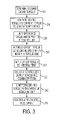
- FIG. 3 is a flow chart illustrating operation of a system or method for controlling a vehicle powertrain according to one embodiment of the present invention.
- FIG. 4 is a flow chart illustrating operation of an adaptive torque offset for a system or method for closed loop torque control according to one embodiment of the present invention.
- the present invention is described with reference to a representative HEV embodiment having a vehicle powertrain including an internal combustion engine, a battery, and an electrical machine.
- a representative HEV embodiment having a vehicle powertrain including an internal combustion engine, a battery, and an electrical machine.
- the present invention may also be used in other applications including other hybrid vehicle configurations and conventional vehicles having an internal combustion engine with a measured or estimated torque feedback signal provided to the powertrain controller to implement closed loop torque control as described herein.
- various features of the invention illustrated and described with respect to any one embodiment may be combined with features in any other embodiment(s) to form embodiments within the scope of the invention that are not explicitly illustrated or described.
- Vehicle 10 generally represents any vehicle having a conventional or hybrid electric powertrain with an internal combustion engine (ICE) 12 .
- the powertrain includes engine 12 and an electric machine or generator 14 .
- Engine 12 and generator 14 are connected through a power transfer unit or transmission, which in this embodiment is implemented by a planetary gearset 16 .
- Planetary gearset 16 includes a ring gear 18 , a carrier 20 , planet gears 22 , and a sun gear 24 .
- Electrical machine 14 can be used as a generator to provide electric current to charge battery 46 or operate motor 40 , or as a motor to provide an output torque to shaft 26 connected to sun gear 24 .
- operation of engine 12 supplies torque to shaft 28 , which is connected to carrier 20 .
- a brake 30 is provided for selectively stopping rotation of shaft 26 , thereby locking sun gear 24 in place. Because this configuration allows torque to be transferred from electrical machine 14 to ICE 12 , a one-way clutch 32 is provided so that shaft 28 rotates in only one direction. Electrical machine 14 can be used to control the rotational speed of engine 12 via planetary gearset 16 and shaft 28 when and if desired.
- ring gear 18 is connected to a shaft 34 , which is connected to vehicle drive wheels 36 through a second gear set or transmission 38 .
- Vehicle 10 includes a second electrical machine, or motor 40 , which can be used to output torque to shaft 42 .
- Other vehicles within the scope of the present invention may have different electric machine arrangements, such as more or less than two electric machines.
- both electrical machines 14 , 40 may be operated as motors using electric current from battery 46 or another source of electric current to provide a desired output torque.
- both machines 14 , 40 may be operated as generators supplying electrical power to a high voltage bus 44 and/or to an energy storage device, represented by high voltage battery 46 .
- a device such as a capacitor bank can be used to selectively store and supply electrical energy.
- a device such as a fuel cell may be used in conjunction with a battery and/or capacitor to provide electrical power for the vehicle 10 .
- controller 50 is a vehicle system controller (VSC).
- VSC 50 vehicle system controller
- VSC 50 is shown as a single controller, it may include multiple hardware and/or software controllers.
- VSC 50 may include a separate powertrain control module (PCM), which could be software embedded within VSC 50 , or the PCM could be implemented by a separate hardware device with corresponding software.
- PCM powertrain control module
- a controller may be implemented by a dedicated hardware device that may include programmed logic and/or an embedded microprocessor executing instructions to control the vehicle and powertrain.
- a controller area network (CAN) 52 may be used to communicate control data and/or commands between VSC 50 , transaxle 48 , and one or more other controllers, such as battery control module (BCM) 54 .
- BCM 54 may communicate data such as battery temperature, state-of-charge (SOC), discharge power limit, and/or other operating conditions or parameters of battery 46 .
- Devices other than battery 46 may also have dedicated controllers or control modules that communicate with VSC 50 to implement control of the vehicle and powertrain.
- transaxle 48 may include one or more controllers, such as a transaxle control module (TCM), configured to control specific components within 48 , such as generator 14 and/or motor 40 .
- TCM transaxle control module
- VSC 50 and BCM 54 may include a microprocessor based central processing unit (CPU) 70 in communication with a memory management unit (MMU) 72 that manages various computer-readable storage media 74 .
- the computer readable storage media preferably include various types of volatile and non-volatile memory such as a read-only memory (ROM) 76 , a random-access memory (RAM) 78 , and a keep-alive memory (KAM) 80 .
- ROM read-only memory
- RAM random-access memory
- KAM keep-alive memory
- the computer-readable storage media may be implemented using any of a number of known temporary and/or persistent memory devices such as PROMs, EPROMs, EEPROMs, flash memory, or any other electric, magnetic, optical or combination memory capable of storing data, code, instructions, calibration information, operating variables, and the like used by CPU 70 in controlling the engine, vehicle, or various subsystems.
- CPU 70 may communicate directly with one or more storage media 74 .
- CPU 70 communicates with the various sensors and actuators of the engine, vehicle, etc. via an input/output (I/O) interface 82 .
- I/O input/output
- Vehicle 10 may also include one or more emission control devices, generally represented by block 56 .
- vehicle 10 may include a carbon canister associated with the vehicle fuel system and configured to collect fuel vapors to reduce emissions. From time to time, the carbon canister may be purged, such that collected vapors are taken into the engine air intake system and combusted.
- emission control devices 56 may also include one or more catalysts or catalytic reactors in various configurations to treat exhaust gases of engine 12 .
- vehicle 10 may also include one or more engine or motor driven accessories (ACC) 58 .
- ACC engine or motor driven accessories
- accessories 58 use torque produced by engine 12 and/or electrical energy from battery 46 and/or electrical machines 14 , 40
- one or more of the accessories 58 may be selectively controlled by VSC 50 to more accurately control torque production of engine 12 when operating near the combustion stability limit.
- an air conditioning system may include a compressor 59 that is selectively controlled by VSC 50 during selected operating modes to more accurately control operation of engine 12 .
- FIG. 2 is a block diagram illustrating one embodiment of a system or method for controlling a vehicle powertrain according to the present invention.
- the functions or steps represented by the block diagram may be performed by software and/or hardware. Depending upon the particular processing strategy, such as event-driven, interrupt-driven, etc., the various functions may be performed in an order or sequence other than illustrated in the Figures. Similarly, one or more steps or functions may be repeatedly performed, although not explicitly illustrated.
- the functions illustrated are primarily implemented by software, instructions, or code stored in a computer readable storage medium and executed by a computer or control module to control operation of the vehicle.
- Various conventional sensors or actuators are represented generally by corresponding blocks of the Figures.
- the vehicle system controller determines a desired engine torque as represented by block 100 . Determination of a desired engine torque will depend on a number of considerations that may be application and implementation specific. For the representative embodiment of an HEV illustrated in FIG. 1 , the desired engine torque represents the amount of torque to be delivered by ICE 12 taking into consideration various ambient and vehicle operating conditions and/or modes that may include vehicle speed, engine speed, battery SOC, accelerator pedal position, engine coolant temperature, motor current, cruise control status, emission control system status, engine idle mode, etc.
- the desired engine torque represented by block 100 is filtered or delayed as represented by block 104 to account for the physical properties of the engine intake manifold as represented by manifold filling time constant 102 .
- the filter or delay 104 may incorporate various estimated or measured operating parameters such as barometric pressure, mass air flow, ambient temperature, and the like to approximate the dynamics of the intake manifold.
- the filtered or delayed desired torque value is compared to a current engine torque feedback signal or value 108 determined from transmission 38 and/or motor 40 to generate a torque difference signal or value at block 106 .
- the torque difference value is then clipped or limited to a calibratable range as represented by block 110 .
- the resulting torque value is then acted on by a proportional-integral (PI) controller 112 that includes a proportional term 120 , an integral term 122 , and an offset 124 applied to integral term 122 .
- PI controller 112 may include anti-windup (and/or wind-down) integrator control logic 150 that limits the integrator value to improve transient performance and transitions between operating modes.
- integrator anti-windup logic may be used to prevent undesirable integrator values resulting from the requested torque exceeding the maximum available engine torque limit or when the throttle valve reaches an open or closed stop position.
- Torque offset 124 includes logic 152 for continuously updating a corresponding offset value based on an engine speed range when the engine is operating at steady-state within a predetermined region or range of the minimum engine torque line.
- a torque offset is stored in a table in persistent memory, such as KAM 80 , indexed by one of four engine speed ranges.
- the torque offset value is based on a rolling average of the previously stored value and a new value corresponding to a steady-state difference of the integral term 122 .
- integral term 122 is reset.
- a torque offset corresponding to the current engine speed operating range is retrieved from memory and added to integral term 122 .
- the torque offset value may be adjusted or ramped before being combined with the integral term with the adjustment or ramp based on the distance between the desired torque and the minimum torque as represented by block 152 . Operation of one embodiment for the torque offset logic is illustrated and described in greater detail with reference to FIGS. 3 and 4 .
- the output of PI controller 112 is clipped or limited by maximum positive and maximum negative limits as represented by block 130 .
- the output of block 130 is then combined with a desired engine torque feed forward (FF) term 134 at block 132 .
- the output of block 132 is again compared to upper and lower limits and clipped or limited accordingly as represented by block 140 .
- the lower limit represents the engine torque at minimum airflow, which is preferably a function of temperature.
- the torque at minimum airflow is stored in a lookup table accessed or indexed by engine coolant temperature with the minimum torque having a higher value for lower temperatures to account for increased frictional losses and reduced combustion efficiency of the engine. This feature of the present invention helps to reduce or eliminate susceptibility to misfire for cold engines that may otherwise affect the emission control system.
- the adjusted and limited engine torque determined by block 140 is then used to control operation of the engine to produce the desired torque.
- this includes fuel metering and spark or ignition timing (not shown) in addition to airflow control.
- airflow control is implemented by an electronic throttle control (ETC) with a throttle valve position determined in response to the determined airflow corresponding to the desired torque as represented by block 160 .
- the ETC uses feedback control to accurately position the throttle valve to achieve the desired airflow as represented by block 162 .
- airflow control may be achieved using other engine actuators.
- throttle-less engines and/or those with electronic valve actuation (EVA) may use intake and/or exhaust valve timing to control engine airflow.
- engines may include a supercharger or turbocharger with boost controlled to modify intake airflow.
- the present invention is independent of the particular engine technology used to effect the closed-loop torque control strategy.
- the present invention includes detecting the rate of change of the desired engine torque requested by the VSC as represented by block 170 .
- the rate of change may be determined by comparing the current desired engine torque to one or more previous values and filtering or averaging if desired.
- Monitoring the rate of change of the desired torque may be used to detect a rapid release of the accelerator pedal (generally referred to as tipout) so that spark or ignition timing may be used to rapidly adjust the engine torque output as represented by block 172 .
- tipout a rapid release of the accelerator pedal
- spark or ignition timing may be used to rapidly adjust the engine torque output as represented by block 172 .
- a spark control torque reduction routine or algorithm may be activated to more rapidly reduce the difference between the desired and current torque.
- ignition timing control or spark retard is generally more responsive to rapid changes in desired torque relative to the response of the ETC or other airflow control devices. Closed loop spark timing control may also be used when the engine is operating in the predetermined region or range of the minimum torque line and closing the throttle valve or controlling other airflow control devices does not reduce torque sufficiently.
- the resulting indicated or combustion torque produced by the engine acts on the powertrain components as represented by block 164 .
- a current engine torque feedback signal is then provided at block 108 and supplied to the feedback controller at block 106 as previously described.
- While the present invention is described with a torque feedback signal supplied by the transmission and/or motor of a hybrid vehicle, the invention may also be applied to conventional powertrain implementations with an estimated or measured torque feedback signal.
- torque sensors are not commercially viable for automotive applications, a number of methods have been developed to accurately estimate an “actual” torque based on other sensors in combination with ambient and engine operating conditions and parameters as known by those of ordinary skill in the art.
- FIG. 3 is a flowchart illustrating operation of a system or method for controlling a vehicle powertrain according to one embodiment of the present invention. Similar to the previously described Figures, the flowcharts of FIG. 3 (and FIG. 4 ) generally represent functions performed by hardware and/or software. Depending upon the particular application and implementation, one or more blocks, steps, or functions may be repeated or continuously performed although not explicitly illustrated. Likewise, various steps or functions may be performed in a sequence different from that illustrated, be performed in parallel, and/or omitted while still providing the closed loop control features of the present invention.
- a desired engine torque is determined as represented generally by block 200 .
- the desired engine torque may be determined using various vehicle and operator sensors and/or actuators and take into consideration a number of engine, vehicle, and ambient operating conditions.
- the desired torque is compared to a feedback signal or value representing the current torque being produced by the engine to generate a difference signal or value as represented by block 210 .
- the difference torque is then clipped or limited to an acceptable range as determined by corresponding calibration values that determine an upper and lower limit with the limited value supplied to a controller, such as a PI controller as represented by block 220 .
- a controller such as a PI controller
- the embodiments selected to illustrate the present invention utilize a PI controller, various other control strategies may be used within the scope of the present invention.
- the present invention may be adapted for use with a proportional-integral-differential (PID) controller if desired.
- PID proportional-integral-differential
- a stored torque offset value is retrieved based on current engine rotational speed as represented by block 230 and applied to the integral term of the PI controller as represented by block 240 .
- four engine speed ranges are used with a torque offset stored in persistent or non-volatile memory in a one-dimensional table or array indexed by the engine speed range, which spans 1000 rpm increments.
- a greater or lesser number of torque offset values may be stored and/or indexed by a different operating parameter and/or multiple engine or vehicle operating parameters, for example.
- the resulting output torque value from the PI controller is clipped or limited and combined with a feed-forward desired engine torque term as represented by block 250 .
- the resulting total desired engine torque term is again clipped or limited with the lower limit based on temperature, such as engine coolant temperature, as represented by block 260 .
- This clipped or limited value is then used to control one or more of the airflow, fuel, and spark so the engine produces the total desired torque as represented by block 270 .
- Block 300 initializes the torque offset table so that all entries contain a predetermined initial value.
- a representative value may be 7.5 nm, for example with allowable values ranging from 0 nm to 10 nm, for example.
- Block 310 determines if the engine is operating in a low load condition near the minimum torque or combustion stability limit. For example, block 310 may determine whether the desired engine torque supplied to the PI controller is within +/ ⁇ 5 nm of the minimum torque line for the engine.
- the minimum torque line for the engine may also be stored in non-volatile memory and indexed or accessed based on one or more engine, vehicle, or ambient operating conditions or parameters.
- block 310 determines that the engine is operating within a predetermined range or region of the minimum torque value for current operating conditions, the process continues with block 320 . Otherwise, the process returns to block 310 until the engine is operating in the low load region or range of minimum torque.
- Block 320 determines whether the engine is operating in steady state, the definition of which may vary depending upon the application and implementation. In one embodiment, block 320 indicates steady state operation when the rate of change of desired torque and the absolute value of desired torque are less than corresponding thresholds for a predetermined period of time.
- block 330 selects an appropriate stored value for updating or learning based on the current engine speed and corresponding engine speed range. The selected memory or table location is then updated with a new torque offset value as represented by block 340 and described in greater detail with reference to blocks 342 - 348 .
- the new torque offset value is based on the previous value plus a gain factor multiplied by the steady state value of the integral term of the PI controller, which is multiplied by the elapsed time of the steady state value.
- the integrator value is then reset as represented by block 344 .
- the new torque offset value may be limited or clipped to a predetermined range, such as between 0 nm and 10 nm, for example, as represented by block 346 .
- the limited or clipped value is then stored in the corresponding location for the current engine speed range as represented by block 348 .
- the present invention provides a robust closed-loop torque-based powertrain control for operation of an internal combustion engine that accurately controls torque, particularly under low load near the combustion stability limit.
- the present invention uses a learned or adaptive torque offset value based on an engine speed range to control engine torque when operating near the combustion stability limit, in addition to spark control to rapidly respond to accelerator pedal tipout and avoid overcharging the battery in HEV applications.
- the minimum operating torque parameter is selected based on temperature to account for weaker combustion at cold engine temperatures and improve combustion stability.
Landscapes
- Engineering & Computer Science (AREA)
- Chemical & Material Sciences (AREA)
- Combustion & Propulsion (AREA)
- Mechanical Engineering (AREA)
- General Engineering & Computer Science (AREA)
- Hybrid Electric Vehicles (AREA)
- Control Of Vehicle Engines Or Engines For Specific Uses (AREA)
- Combined Controls Of Internal Combustion Engines (AREA)
Abstract
Description
Claims (20)
Priority Applications (1)
| Application Number | Priority Date | Filing Date | Title |
|---|---|---|---|
| US11/380,793 US7275518B1 (en) | 2006-04-28 | 2006-04-28 | Torque-based powertrain control for vehicles |
Applications Claiming Priority (1)
| Application Number | Priority Date | Filing Date | Title |
|---|---|---|---|
| US11/380,793 US7275518B1 (en) | 2006-04-28 | 2006-04-28 | Torque-based powertrain control for vehicles |
Publications (1)
| Publication Number | Publication Date |
|---|---|
| US7275518B1 true US7275518B1 (en) | 2007-10-02 |
Family
ID=38535682
Family Applications (1)
| Application Number | Title | Priority Date | Filing Date |
|---|---|---|---|
| US11/380,793 Expired - Lifetime US7275518B1 (en) | 2006-04-28 | 2006-04-28 | Torque-based powertrain control for vehicles |
Country Status (1)
| Country | Link |
|---|---|
| US (1) | US7275518B1 (en) |
Cited By (56)
| Publication number | Priority date | Publication date | Assignee | Title |
|---|---|---|---|---|
| US20080016599A1 (en) * | 2006-02-07 | 2008-01-17 | Zf Friedrichshafen Ag | Method for operating a parallel drive train of a vehicle |
| US20080257619A1 (en) * | 2007-04-19 | 2008-10-23 | Ford Global Technologies, Llc | System and method of inhibiting the affects of driveline backlash in a hybrid propulsion system |
| US20100121556A1 (en) * | 2008-11-13 | 2010-05-13 | Ford Global Technologies, Llc | Torque-Based Hybrid Electric Vehicle Powertrain Control System and Method |
| US20110054744A1 (en) * | 2009-09-01 | 2011-03-03 | Gm Global Technology Operations, Inc. | System and method for determining engine friction |
| US20110153128A1 (en) * | 2009-12-21 | 2011-06-23 | Wright John F | Hybrid powertrain diagnostics |
| US20110288661A1 (en) * | 2010-05-19 | 2011-11-24 | Gadient Ross J | Methods and apparatus for state limiting in a control system |
| WO2012075290A1 (en) * | 2010-12-01 | 2012-06-07 | Tula Technology, Inc. | Skip fire internal combustion engine control |
| US20120209462A1 (en) * | 2011-02-15 | 2012-08-16 | GM Global Technology Operations LLC | Optimization to reduce fuel consumption in charge depleting mode |
| US20120253645A1 (en) * | 2009-12-14 | 2012-10-04 | Toyota Jidosha Kabushiki Kaisha | Control apparatus for vehicle |
| US20120310455A1 (en) * | 2011-06-03 | 2012-12-06 | GM Global Technology Operations LLC | Method and apparatus for controlling torque output of a hybrid powertrain system |
| US20120310454A1 (en) * | 2011-06-02 | 2012-12-06 | GM Global Technology Operations LLC | Method and apparatus for managing torque in a hybrid powertrain system |
| US20120323401A1 (en) * | 2011-06-17 | 2012-12-20 | GM Global Technology Operations LLC | Output torque rate limiting based on a request busyness indicator that considers the recent time history of the output torque request |
| US20130111905A1 (en) * | 2011-11-04 | 2013-05-09 | Honeywell Spol. S.R.O. | Integrated optimization and control of an engine and aftertreatment system |
| US8439012B2 (en) | 2011-11-04 | 2013-05-14 | Ford Global Technologies, Llc | Method and system for engine control |
| US8464690B2 (en) | 2008-07-11 | 2013-06-18 | Tula Technology, Inc. | Hybrid vehicle with cylinder deactivation |
| US8499743B2 (en) | 2008-07-11 | 2013-08-06 | Tula Technology, Inc. | Skip fire engine control |
| US8511281B2 (en) | 2009-07-10 | 2013-08-20 | Tula Technology, Inc. | Skip fire engine control |
| US20140026681A1 (en) * | 2012-07-24 | 2014-01-30 | Siemens Aktiengesellschaft | Method and apparatus for determining an electrical torque of an electrical machine |
| US8880258B2 (en) | 2011-10-17 | 2014-11-04 | Tula Technology, Inc. | Hybrid powertrain control |
| US8892330B2 (en) | 2011-10-17 | 2014-11-18 | Tula Technology, Inc. | Hybrid vehicle with cylinder deactivation |
| US20140352414A1 (en) * | 2013-05-31 | 2014-12-04 | Toyota Jidosha Kabushiki Kaisha | Misfire detection system of internal combustion engine |
| US9020735B2 (en) | 2008-07-11 | 2015-04-28 | Tula Technology, Inc. | Skip fire internal combustion engine control |
| US9020669B2 (en) | 2010-12-29 | 2015-04-28 | Cummins Inc. | Hybrid vehicle driver coach |
| US9086020B2 (en) | 2011-10-17 | 2015-07-21 | Tula Technology, Inc. | Firing fraction management in skip fire engine control |
| US9512794B2 (en) | 2015-01-12 | 2016-12-06 | Tula Technology, Inc. | Noise, vibration and harshness reduction in a skip fire engine control system |
| US9623866B2 (en) * | 2015-05-15 | 2017-04-18 | Ford Global Technologies, Llc | Methods and systems for selectively adapting engine air flow |
| WO2017142603A1 (en) * | 2016-02-17 | 2017-08-24 | Tula Technology Inc. | Skip fire transition control |
| CN107687373A (en) * | 2016-08-05 | 2018-02-13 | 株式会社斯巴鲁 | The abating protection device of engine |
| US10060368B2 (en) | 2015-01-12 | 2018-08-28 | Tula Technology, Inc. | Engine torque smoothing |
| US10125712B2 (en) * | 2017-02-17 | 2018-11-13 | GM Global Technology Operations LLC | Torque security of MPC-based powertrain control |
| US10138860B2 (en) | 2016-02-17 | 2018-11-27 | Tula Technology, Inc. | Firing fraction transition control |
| US10196995B2 (en) | 2015-01-12 | 2019-02-05 | Tula Technology, Inc. | Engine torque smoothing |
| US10344692B2 (en) | 2015-01-12 | 2019-07-09 | Tula Technology, Inc. | Adaptive torque mitigation by micro-hybrid system |
| US10458350B2 (en) * | 2015-07-22 | 2019-10-29 | Robert Bosch Gmbh | Method for ascertaining an accuracy of a torque transmitted by a belt-driven starter generator of an internal combustion engine to the internal combustion engine |
| US10578037B2 (en) | 2015-01-12 | 2020-03-03 | Tula Technology, Inc. | Adaptive torque mitigation by micro-hybrid system |
| US10619586B2 (en) | 2018-03-27 | 2020-04-14 | GM Global Technology Operations LLC | Consolidation of constraints in model predictive control |
| CN111114522A (en) * | 2018-10-30 | 2020-05-08 | 通用汽车环球科技运作有限责任公司 | Steady state control model-based predictive controlled powertrain system using a continuously variable transmission |
| US10661804B2 (en) | 2018-04-10 | 2020-05-26 | GM Global Technology Operations LLC | Shift management in model predictive based propulsion system control |
| CN111222024A (en) * | 2020-01-20 | 2020-06-02 | 重庆凯瑞动力科技有限公司 | A kind of vehicle permanent magnet synchronous motor gantry deceleration calibration data processing method |
| EP3715206A1 (en) * | 2019-03-21 | 2020-09-30 | Robert Bosch GmbH | Method for testing a drive train of a vehicle |
| US10859159B2 (en) | 2019-02-11 | 2020-12-08 | GM Global Technology Operations LLC | Model predictive control of torque converter clutch slip |
| US10954877B2 (en) | 2017-03-13 | 2021-03-23 | Tula Technology, Inc. | Adaptive torque mitigation by micro-hybrid system |
| US11008921B1 (en) | 2019-11-06 | 2021-05-18 | GM Global Technology Operations LLC | Selective catalytic reduction device control |
| US11192561B2 (en) | 2019-05-21 | 2021-12-07 | GM Global Technology Operations LLC | Method for increasing control performance of model predictive control cost functions |
| CN114017188A (en) * | 2021-09-29 | 2022-02-08 | 江铃汽车股份有限公司 | Vehicle idle speed control method and device, readable storage medium and vehicle |
| US11312208B2 (en) | 2019-08-26 | 2022-04-26 | GM Global Technology Operations LLC | Active thermal management system and method for flow control |
| CN114734815A (en) * | 2022-04-12 | 2022-07-12 | 中国第一汽车股份有限公司 | Starting self-adaptive control method and device, electronic equipment and storage medium |
| CN115306550A (en) * | 2022-08-05 | 2022-11-08 | 联合汽车电子有限公司 | Cylinder cleaning method, device, storage medium and equipment for hybrid electric vehicle |
| US11555461B2 (en) | 2020-10-20 | 2023-01-17 | Tula Technology, Inc. | Noise, vibration and harshness reduction in a skip fire engine control system |
| CN116517715A (en) * | 2023-05-31 | 2023-08-01 | 中国第一汽车股份有限公司 | Engine torque control method, engine torque control device, electronic equipment and storage medium |
| CN116677726A (en) * | 2023-06-25 | 2023-09-01 | 潍柴动力股份有限公司 | A method and related device for adjusting torque of engine accessories |
| CN116892460A (en) * | 2023-06-28 | 2023-10-17 | 重庆长安汽车股份有限公司 | Engine torque adjustment method, device, equipment, storage medium and vehicle |
| CN117189404A (en) * | 2023-09-19 | 2023-12-08 | 中国第一汽车股份有限公司 | Torque determination method, device, storage medium and processor for engine in vehicle |
| CN119641507A (en) * | 2024-12-30 | 2025-03-18 | 长城汽车股份有限公司 | Engine control method, engine control device, vehicle and computer readable storage medium |
| CN120819441A (en) * | 2025-09-17 | 2025-10-21 | 潍柴动力股份有限公司 | Engine torque control method, device, storage medium and electronic device |
| CN120819450A (en) * | 2025-09-16 | 2025-10-21 | 潍柴动力股份有限公司 | Engine speed control method, device, readable storage medium and vehicle |
Citations (24)
| Publication number | Priority date | Publication date | Assignee | Title |
|---|---|---|---|---|
| US5109695A (en) | 1990-08-24 | 1992-05-05 | Ford Motor Company | Misfire detection in an internal combustion engine |
| DE19739567A1 (en) | 1997-09-10 | 1999-03-11 | Bosch Gmbh Robert | Procedure for controlling torque of drive unit of IC engine |
| US5935042A (en) | 1998-05-18 | 1999-08-10 | Chrysler Corporation | Adaptive K-factor to improve stall-torque management |
| US6065446A (en) | 1996-03-28 | 2000-05-23 | Siemens Aktiengesellschaft | Method for controlling an internal combustion engine |
| US6119063A (en) | 1999-05-10 | 2000-09-12 | Ford Global Technologies, Inc. | System and method for smooth transitions between engine mode controllers |
| US6176218B1 (en) | 1999-09-23 | 2001-01-23 | Daimlerchrysler Corporation | Stabilizing function for torque based idle control |
| US6176808B1 (en) | 1999-07-15 | 2001-01-23 | Ford Global Technologies, Inc. | Hybrid vehicle powertrain and control therefor |
| US6188951B1 (en) | 1999-09-23 | 2001-02-13 | Daimlerchrysler Corporation | Engine friction characterization |
| US6279531B1 (en) | 1999-08-09 | 2001-08-28 | Ford Global Technologies, Inc. | System and method for controlling engine torque |
| US6314802B1 (en) | 1999-07-27 | 2001-11-13 | Daimlerchrysler Corporation | Optimal engine speed compensation method used in misfire detection |
| US6349700B1 (en) | 2000-08-11 | 2002-02-26 | Ford Global Technologies, Inc. | Engine/vehicle speed control for direct injection spark ignition engine applications |
| US6363316B1 (en) | 2000-05-13 | 2002-03-26 | Ford Global Technologies, Inc. | Cylinder air charge estimation using observer-based adaptive control |
| US6460409B1 (en) | 2000-05-13 | 2002-10-08 | Ford Global Technologies, Inc. | Feed-forward observer-based control for estimating cylinder air charge |
| US6553958B1 (en) | 2001-04-11 | 2003-04-29 | Ford Global Technologies, Inc. | Adaptive torque model for internal combustion engine |
| US20030173123A1 (en) | 2002-03-18 | 2003-09-18 | Nissan Motor Co., Ltd. | Hybrid vehicle employing hybrid system |
| US6664651B1 (en) | 2000-11-14 | 2003-12-16 | Ford Motor Company | Engine on idle arbitration for a hybrid electric vehicle |
| US6688282B1 (en) | 2002-08-28 | 2004-02-10 | Ford Global Technologies, Llc | Power-based idle speed control |
| US6691807B1 (en) | 2000-04-11 | 2004-02-17 | Ford Global Technologies Llc | Hybrid electric vehicle with variable displacement engine |
| US6777904B1 (en) | 2003-02-25 | 2004-08-17 | Ford Global Technologies, Llc | Method and system for controlling a motor |
| US6820589B2 (en) | 2002-10-17 | 2004-11-23 | Ford Global Technologies, Llc | Idle speed control method and system |
| US6827167B2 (en) | 2002-03-28 | 2004-12-07 | Ford Global Technologies, Llc | Hybrid electric vehicle torque distribution |
| US6845305B1 (en) | 2002-09-11 | 2005-01-18 | Ford Motor Company | Engine torque control for a hybrid electric vehicle using estimated engine torque |
| US6877480B2 (en) | 2003-09-05 | 2005-04-12 | Ford Global Technologies, Llc | Idle speed compensation in a pedal map |
| US20060025904A1 (en) | 2004-07-29 | 2006-02-02 | Ford Global Technologies, Llc | Vehicle and method for operating an engine in a vehicle |
-
2006
- 2006-04-28 US US11/380,793 patent/US7275518B1/en not_active Expired - Lifetime
Patent Citations (25)
| Publication number | Priority date | Publication date | Assignee | Title |
|---|---|---|---|---|
| US5109695A (en) | 1990-08-24 | 1992-05-05 | Ford Motor Company | Misfire detection in an internal combustion engine |
| US6065446A (en) | 1996-03-28 | 2000-05-23 | Siemens Aktiengesellschaft | Method for controlling an internal combustion engine |
| DE19739567A1 (en) | 1997-09-10 | 1999-03-11 | Bosch Gmbh Robert | Procedure for controlling torque of drive unit of IC engine |
| US5935042A (en) | 1998-05-18 | 1999-08-10 | Chrysler Corporation | Adaptive K-factor to improve stall-torque management |
| US6119063A (en) | 1999-05-10 | 2000-09-12 | Ford Global Technologies, Inc. | System and method for smooth transitions between engine mode controllers |
| US6176808B1 (en) | 1999-07-15 | 2001-01-23 | Ford Global Technologies, Inc. | Hybrid vehicle powertrain and control therefor |
| US6314802B1 (en) | 1999-07-27 | 2001-11-13 | Daimlerchrysler Corporation | Optimal engine speed compensation method used in misfire detection |
| US6279531B1 (en) | 1999-08-09 | 2001-08-28 | Ford Global Technologies, Inc. | System and method for controlling engine torque |
| US6176218B1 (en) | 1999-09-23 | 2001-01-23 | Daimlerchrysler Corporation | Stabilizing function for torque based idle control |
| US6188951B1 (en) | 1999-09-23 | 2001-02-13 | Daimlerchrysler Corporation | Engine friction characterization |
| US6691807B1 (en) | 2000-04-11 | 2004-02-17 | Ford Global Technologies Llc | Hybrid electric vehicle with variable displacement engine |
| US6460409B1 (en) | 2000-05-13 | 2002-10-08 | Ford Global Technologies, Inc. | Feed-forward observer-based control for estimating cylinder air charge |
| US6363316B1 (en) | 2000-05-13 | 2002-03-26 | Ford Global Technologies, Inc. | Cylinder air charge estimation using observer-based adaptive control |
| US6349700B1 (en) | 2000-08-11 | 2002-02-26 | Ford Global Technologies, Inc. | Engine/vehicle speed control for direct injection spark ignition engine applications |
| US6664651B1 (en) | 2000-11-14 | 2003-12-16 | Ford Motor Company | Engine on idle arbitration for a hybrid electric vehicle |
| US6553958B1 (en) | 2001-04-11 | 2003-04-29 | Ford Global Technologies, Inc. | Adaptive torque model for internal combustion engine |
| US20030173123A1 (en) | 2002-03-18 | 2003-09-18 | Nissan Motor Co., Ltd. | Hybrid vehicle employing hybrid system |
| US6827167B2 (en) | 2002-03-28 | 2004-12-07 | Ford Global Technologies, Llc | Hybrid electric vehicle torque distribution |
| US6688282B1 (en) | 2002-08-28 | 2004-02-10 | Ford Global Technologies, Llc | Power-based idle speed control |
| US6845305B1 (en) | 2002-09-11 | 2005-01-18 | Ford Motor Company | Engine torque control for a hybrid electric vehicle using estimated engine torque |
| US6820589B2 (en) | 2002-10-17 | 2004-11-23 | Ford Global Technologies, Llc | Idle speed control method and system |
| US6777904B1 (en) | 2003-02-25 | 2004-08-17 | Ford Global Technologies, Llc | Method and system for controlling a motor |
| US6877480B2 (en) | 2003-09-05 | 2005-04-12 | Ford Global Technologies, Llc | Idle speed compensation in a pedal map |
| US20060025904A1 (en) | 2004-07-29 | 2006-02-02 | Ford Global Technologies, Llc | Vehicle and method for operating an engine in a vehicle |
| US7085631B2 (en) * | 2004-07-29 | 2006-08-01 | Ford Global Technologies, Llc | Vehicle and method for operating an engine in a vehicle |
Cited By (93)
| Publication number | Priority date | Publication date | Assignee | Title |
|---|---|---|---|---|
| US7836988B2 (en) * | 2006-02-07 | 2010-11-23 | Zf Friedrichshafen Ag | Method for operating a parallel drive train of a vehicle |
| US20080016599A1 (en) * | 2006-02-07 | 2008-01-17 | Zf Friedrichshafen Ag | Method for operating a parallel drive train of a vehicle |
| US20080257619A1 (en) * | 2007-04-19 | 2008-10-23 | Ford Global Technologies, Llc | System and method of inhibiting the affects of driveline backlash in a hybrid propulsion system |
| US7971667B2 (en) * | 2007-04-19 | 2011-07-05 | Ford Global Technologies, Llc | System and method of inhibiting the effects of driveline backlash in a hybrid propulsion system |
| US9020735B2 (en) | 2008-07-11 | 2015-04-28 | Tula Technology, Inc. | Skip fire internal combustion engine control |
| US8499743B2 (en) | 2008-07-11 | 2013-08-06 | Tula Technology, Inc. | Skip fire engine control |
| US8464690B2 (en) | 2008-07-11 | 2013-06-18 | Tula Technology, Inc. | Hybrid vehicle with cylinder deactivation |
| US7813865B2 (en) | 2008-11-13 | 2010-10-12 | Ford Global Technologies, Llc | Torque-based hybrid electric vehicle powertrain control system and method |
| US20100121556A1 (en) * | 2008-11-13 | 2010-05-13 | Ford Global Technologies, Llc | Torque-Based Hybrid Electric Vehicle Powertrain Control System and Method |
| US8511281B2 (en) | 2009-07-10 | 2013-08-20 | Tula Technology, Inc. | Skip fire engine control |
| US8651091B2 (en) | 2009-07-10 | 2014-02-18 | Tula Technology, Inc. | Skip fire engine control |
| US20110054744A1 (en) * | 2009-09-01 | 2011-03-03 | Gm Global Technology Operations, Inc. | System and method for determining engine friction |
| US8437927B2 (en) * | 2009-09-01 | 2013-05-07 | GM Global Technology Operations LLC | System and method for determining engine friction |
| US20120253645A1 (en) * | 2009-12-14 | 2012-10-04 | Toyota Jidosha Kabushiki Kaisha | Control apparatus for vehicle |
| US9181884B2 (en) * | 2009-12-14 | 2015-11-10 | Toyota Jidosha Kabushiki Kaisha | Control apparatus for vehicle |
| US8392057B2 (en) | 2009-12-21 | 2013-03-05 | Cummins Inc. | Hybrid powertrain diagnostics |
| US20110153128A1 (en) * | 2009-12-21 | 2011-06-23 | Wright John F | Hybrid powertrain diagnostics |
| US20110288661A1 (en) * | 2010-05-19 | 2011-11-24 | Gadient Ross J | Methods and apparatus for state limiting in a control system |
| US8965538B2 (en) * | 2010-05-19 | 2015-02-24 | The Boeing Company | Methods and apparatus for state limiting in a control system |
| WO2012075290A1 (en) * | 2010-12-01 | 2012-06-07 | Tula Technology, Inc. | Skip fire internal combustion engine control |
| US8869773B2 (en) | 2010-12-01 | 2014-10-28 | Tula Technology, Inc. | Skip fire internal combustion engine control |
| US9020669B2 (en) | 2010-12-29 | 2015-04-28 | Cummins Inc. | Hybrid vehicle driver coach |
| US20120209462A1 (en) * | 2011-02-15 | 2012-08-16 | GM Global Technology Operations LLC | Optimization to reduce fuel consumption in charge depleting mode |
| US8813884B2 (en) * | 2011-02-15 | 2014-08-26 | GM Global Technology Operations LLC | Optimization to reduce fuel consumption in charge depleting mode |
| US20120310454A1 (en) * | 2011-06-02 | 2012-12-06 | GM Global Technology Operations LLC | Method and apparatus for managing torque in a hybrid powertrain system |
| US8452473B2 (en) * | 2011-06-02 | 2013-05-28 | GM Global Technology Operations LLC | Method and apparatus for managing torque in a hybrid powertrain system |
| US8583306B2 (en) * | 2011-06-03 | 2013-11-12 | GM Global Technology Operations LLC | Method for controlling torque output of a hybrid powertrain system |
| US20120310455A1 (en) * | 2011-06-03 | 2012-12-06 | GM Global Technology Operations LLC | Method and apparatus for controlling torque output of a hybrid powertrain system |
| US8560144B2 (en) * | 2011-06-17 | 2013-10-15 | GM Global Technology Operations LLC | Output torque rate limiting based on a request busyness indicator that considers the recent time history of the output torque request |
| US20120323401A1 (en) * | 2011-06-17 | 2012-12-20 | GM Global Technology Operations LLC | Output torque rate limiting based on a request busyness indicator that considers the recent time history of the output torque request |
| US8880258B2 (en) | 2011-10-17 | 2014-11-04 | Tula Technology, Inc. | Hybrid powertrain control |
| US8892330B2 (en) | 2011-10-17 | 2014-11-18 | Tula Technology, Inc. | Hybrid vehicle with cylinder deactivation |
| US10508604B2 (en) | 2011-10-17 | 2019-12-17 | Tula Technology, Inc. | Firing fraction management in skip fire engine control |
| US11280276B2 (en) | 2011-10-17 | 2022-03-22 | Tula Technology, Inc. | Firing fraction management in skip fire engine control |
| US9086020B2 (en) | 2011-10-17 | 2015-07-21 | Tula Technology, Inc. | Firing fraction management in skip fire engine control |
| US10968841B2 (en) | 2011-10-17 | 2021-04-06 | Tula Technology, Inc. | Firing fraction management in skip fire engine control |
| US9964051B2 (en) | 2011-10-17 | 2018-05-08 | Tula Technology, Inc. | Firing fraction management in skip fire engine control |
| US9528446B2 (en) | 2011-10-17 | 2016-12-27 | Tula Technology, Inc. | Firing fraction management in skip fire engine control |
| US8439012B2 (en) | 2011-11-04 | 2013-05-14 | Ford Global Technologies, Llc | Method and system for engine control |
| US20130111905A1 (en) * | 2011-11-04 | 2013-05-09 | Honeywell Spol. S.R.O. | Integrated optimization and control of an engine and aftertreatment system |
| US11156180B2 (en) | 2011-11-04 | 2021-10-26 | Garrett Transportation I, Inc. | Integrated optimization and control of an engine and aftertreatment system |
| US11619189B2 (en) | 2011-11-04 | 2023-04-04 | Garrett Transportation I Inc. | Integrated optimization and control of an engine and aftertreatment system |
| US9146166B2 (en) * | 2012-07-24 | 2015-09-29 | Siemens Aktiengesellschaft | Method and apparatus for determining an electrical torque of an electrical machine |
| CN103580577A (en) * | 2012-07-24 | 2014-02-12 | 西门子公司 | Method and apparatus for determining an electrical torque of an electrical machine |
| CN103580577B (en) * | 2012-07-24 | 2018-11-09 | 西门子公司 | Method and apparatus for the electromagnetic torque for measuring motor |
| US20140026681A1 (en) * | 2012-07-24 | 2014-01-30 | Siemens Aktiengesellschaft | Method and apparatus for determining an electrical torque of an electrical machine |
| US9261433B2 (en) * | 2013-05-31 | 2016-02-16 | Nippon Soken, Inc. | Misfire detection system of internal combustion engine |
| US20140352414A1 (en) * | 2013-05-31 | 2014-12-04 | Toyota Jidosha Kabushiki Kaisha | Misfire detection system of internal combustion engine |
| US10060368B2 (en) | 2015-01-12 | 2018-08-28 | Tula Technology, Inc. | Engine torque smoothing |
| US10830166B2 (en) | 2015-01-12 | 2020-11-10 | Tula Technology, Inc. | Noise, vibration and harshness reduction in a skip fire engine control system |
| US11136928B2 (en) | 2015-01-12 | 2021-10-05 | Tula Technology, Inc. | Noise, vibration and harshness reduction in a skip fire engine control system |
| US10196995B2 (en) | 2015-01-12 | 2019-02-05 | Tula Technology, Inc. | Engine torque smoothing |
| US10221786B2 (en) | 2015-01-12 | 2019-03-05 | Tula Technology, Inc. | Noise, vibration and harshness reduction in a skip fire engine control system |
| US10344692B2 (en) | 2015-01-12 | 2019-07-09 | Tula Technology, Inc. | Adaptive torque mitigation by micro-hybrid system |
| US10436133B2 (en) | 2015-01-12 | 2019-10-08 | Tula Technology, Inc. | Engine torque smoothing |
| US11208964B2 (en) | 2015-01-12 | 2021-12-28 | Tula Technology, Inc. | Engine torque smoothing |
| US11359562B2 (en) | 2015-01-12 | 2022-06-14 | Tula Technology, Inc. | Noise, vibration and harshness reduction in a skip fire engine control system |
| US10578037B2 (en) | 2015-01-12 | 2020-03-03 | Tula Technology, Inc. | Adaptive torque mitigation by micro-hybrid system |
| US10787979B2 (en) | 2015-01-12 | 2020-09-29 | Tula Technology, Inc. | Engine torque smoothing |
| US9512794B2 (en) | 2015-01-12 | 2016-12-06 | Tula Technology, Inc. | Noise, vibration and harshness reduction in a skip fire engine control system |
| US9623866B2 (en) * | 2015-05-15 | 2017-04-18 | Ford Global Technologies, Llc | Methods and systems for selectively adapting engine air flow |
| US10458350B2 (en) * | 2015-07-22 | 2019-10-29 | Robert Bosch Gmbh | Method for ascertaining an accuracy of a torque transmitted by a belt-driven starter generator of an internal combustion engine to the internal combustion engine |
| US9777658B2 (en) | 2016-02-17 | 2017-10-03 | Tula Technology, Inc. | Skip fire transition control |
| US10138860B2 (en) | 2016-02-17 | 2018-11-27 | Tula Technology, Inc. | Firing fraction transition control |
| WO2017142603A1 (en) * | 2016-02-17 | 2017-08-24 | Tula Technology Inc. | Skip fire transition control |
| CN107687373A (en) * | 2016-08-05 | 2018-02-13 | 株式会社斯巴鲁 | The abating protection device of engine |
| CN107687373B (en) * | 2016-08-05 | 2022-03-22 | 株式会社斯巴鲁 | Failure protection device of engine |
| US10125712B2 (en) * | 2017-02-17 | 2018-11-13 | GM Global Technology Operations LLC | Torque security of MPC-based powertrain control |
| DE102018102888B4 (en) | 2017-02-17 | 2023-05-11 | GM Global Technology Operations LLC | TORQUE RELIABILITY OF MPC-BASED POWERTRAIN CONTROL |
| US10954877B2 (en) | 2017-03-13 | 2021-03-23 | Tula Technology, Inc. | Adaptive torque mitigation by micro-hybrid system |
| US10619586B2 (en) | 2018-03-27 | 2020-04-14 | GM Global Technology Operations LLC | Consolidation of constraints in model predictive control |
| US10661804B2 (en) | 2018-04-10 | 2020-05-26 | GM Global Technology Operations LLC | Shift management in model predictive based propulsion system control |
| CN111114522A (en) * | 2018-10-30 | 2020-05-08 | 通用汽车环球科技运作有限责任公司 | Steady state control model-based predictive controlled powertrain system using a continuously variable transmission |
| US10859159B2 (en) | 2019-02-11 | 2020-12-08 | GM Global Technology Operations LLC | Model predictive control of torque converter clutch slip |
| EP3715206A1 (en) * | 2019-03-21 | 2020-09-30 | Robert Bosch GmbH | Method for testing a drive train of a vehicle |
| US11192561B2 (en) | 2019-05-21 | 2021-12-07 | GM Global Technology Operations LLC | Method for increasing control performance of model predictive control cost functions |
| US11312208B2 (en) | 2019-08-26 | 2022-04-26 | GM Global Technology Operations LLC | Active thermal management system and method for flow control |
| US11008921B1 (en) | 2019-11-06 | 2021-05-18 | GM Global Technology Operations LLC | Selective catalytic reduction device control |
| CN111222024A (en) * | 2020-01-20 | 2020-06-02 | 重庆凯瑞动力科技有限公司 | A kind of vehicle permanent magnet synchronous motor gantry deceleration calibration data processing method |
| CN111222024B (en) * | 2020-01-20 | 2023-05-16 | 重庆凯瑞动力科技有限公司 | Method for processing speed-reducing calibration data of automotive permanent magnet synchronous motor rack |
| US11555461B2 (en) | 2020-10-20 | 2023-01-17 | Tula Technology, Inc. | Noise, vibration and harshness reduction in a skip fire engine control system |
| CN114017188B (en) * | 2021-09-29 | 2024-02-02 | 江铃汽车股份有限公司 | Vehicle idle speed control method and device, readable storage medium and vehicle |
| CN114017188A (en) * | 2021-09-29 | 2022-02-08 | 江铃汽车股份有限公司 | Vehicle idle speed control method and device, readable storage medium and vehicle |
| CN114734815A (en) * | 2022-04-12 | 2022-07-12 | 中国第一汽车股份有限公司 | Starting self-adaptive control method and device, electronic equipment and storage medium |
| CN115306550A (en) * | 2022-08-05 | 2022-11-08 | 联合汽车电子有限公司 | Cylinder cleaning method, device, storage medium and equipment for hybrid electric vehicle |
| CN115306550B (en) * | 2022-08-05 | 2024-04-12 | 联合汽车电子有限公司 | Cylinder cleaning method and device for hybrid electric vehicle, storage medium and equipment |
| CN116517715A (en) * | 2023-05-31 | 2023-08-01 | 中国第一汽车股份有限公司 | Engine torque control method, engine torque control device, electronic equipment and storage medium |
| CN116677726A (en) * | 2023-06-25 | 2023-09-01 | 潍柴动力股份有限公司 | A method and related device for adjusting torque of engine accessories |
| CN116892460A (en) * | 2023-06-28 | 2023-10-17 | 重庆长安汽车股份有限公司 | Engine torque adjustment method, device, equipment, storage medium and vehicle |
| CN117189404A (en) * | 2023-09-19 | 2023-12-08 | 中国第一汽车股份有限公司 | Torque determination method, device, storage medium and processor for engine in vehicle |
| CN119641507A (en) * | 2024-12-30 | 2025-03-18 | 长城汽车股份有限公司 | Engine control method, engine control device, vehicle and computer readable storage medium |
| CN120819450A (en) * | 2025-09-16 | 2025-10-21 | 潍柴动力股份有限公司 | Engine speed control method, device, readable storage medium and vehicle |
| CN120819441A (en) * | 2025-09-17 | 2025-10-21 | 潍柴动力股份有限公司 | Engine torque control method, device, storage medium and electronic device |
Similar Documents
| Publication | Publication Date | Title |
|---|---|---|
| US8439012B2 (en) | Method and system for engine control | |
| US9840974B2 (en) | Method and system for engine torque control | |
| CN101915170B (en) | For the exhaust gas recirculation diagnostic of coordinated torque control system | |
| US8499734B2 (en) | System and method for controlling torque during engine start operations in hybrid vehicles | |
| CN101659257B (en) | Hybrid vehicle auto start systems and methods | |
| US8086390B2 (en) | Pumping loss reduction systems and methods | |
| US6956298B2 (en) | Control apparatus for hybrid vehicle | |
| CN101648561B (en) | Method for torque management in a hybrid vehicle equipped with active fuel management | |
| US8374771B2 (en) | Method for operating a hybrid vehicle drive and a device for carrying out said method | |
| US20120029787A1 (en) | Increased fuel economy mode control systems and methods | |
| EP0933245A2 (en) | Control system for hybrid vehicle | |
| US20230083854A1 (en) | Hybrid vehicle engine idling control | |
| US10718259B2 (en) | Method and system for controlling engine torque reserve | |
| US9145135B2 (en) | Hybrid vehicle | |
| US9056603B2 (en) | System and method for controlling engine torque to prevent driveline bump during a downshift when a throttle valve is closed | |
| CN110341692A (en) | Vehicular system | |
| US20180230927A1 (en) | Method to select optimal mode on a multi-mode engine with charging | |
| US20200361468A1 (en) | Methods and system for controlling engine compression braking in a vehicle with a continuously variable transmission | |
| US9238995B2 (en) | Energy control systems and methods for a powertrain of a vehicle | |
| US8095299B2 (en) | Method for starting a vehicle engine | |
| CN102606361A (en) | Control device for vehicle | |
| US9221453B2 (en) | Dynamic pedal response for vehicle fuel economy | |
| US10077728B1 (en) | Engine pump loss control to improve battery system charging and overall vehicle efficiency | |
| US8364373B2 (en) | Method for controlling internal combustion engines in hybrid powertrains | |
| US7182065B2 (en) | Vehicle and method for operating an engine in a vehicle |
Legal Events
| Date | Code | Title | Description |
|---|---|---|---|
| AS | Assignment |
Owner name: FORD MOTOR COMPANY, MICHIGAN Free format text: ASSIGNMENT OF ASSIGNORS INTEREST;ASSIGNORS:GARTNER, PAUL;MARTIN, DOUGLAS;MCGEE, RYAN;AND OTHERS;REEL/FRAME:017800/0020;SIGNING DATES FROM 20060504 TO 20060510 Owner name: FORD GLOBAL TECHNOLOGIES, LLC, MICHIGAN Free format text: ASSIGNMENT OF ASSIGNORS INTEREST;ASSIGNOR:FORD MOTOR COMPANY;REEL/FRAME:017800/0135 Effective date: 20060515 |
|
| STCF | Information on status: patent grant |
Free format text: PATENTED CASE |
|
| FPAY | Fee payment |
Year of fee payment: 4 |
|
| FPAY | Fee payment |
Year of fee payment: 8 |
|
| MAFP | Maintenance fee payment |
Free format text: PAYMENT OF MAINTENANCE FEE, 12TH YEAR, LARGE ENTITY (ORIGINAL EVENT CODE: M1553); ENTITY STATUS OF PATENT OWNER: LARGE ENTITY Year of fee payment: 12 |