US6555522B1 - Peptides and other small molecules derived from regions of interacting proteins and uses thereof - Google Patents
Peptides and other small molecules derived from regions of interacting proteins and uses thereof Download PDFInfo
- Publication number
- US6555522B1 US6555522B1 US09/245,039 US24503999A US6555522B1 US 6555522 B1 US6555522 B1 US 6555522B1 US 24503999 A US24503999 A US 24503999A US 6555522 B1 US6555522 B1 US 6555522B1
- Authority
- US
- United States
- Prior art keywords
- peptide
- leu
- ala
- val
- glu
- Prior art date
- Legal status (The legal status is an assumption and is not a legal conclusion. Google has not performed a legal analysis and makes no representation as to the accuracy of the status listed.)
- Expired - Fee Related
Links
Images


Classifications
-
- C—CHEMISTRY; METALLURGY
- C07—ORGANIC CHEMISTRY
- C07K—PEPTIDES
- C07K14/00—Peptides having more than 20 amino acids; Gastrins; Somatostatins; Melanotropins; Derivatives thereof
- C07K14/435—Peptides having more than 20 amino acids; Gastrins; Somatostatins; Melanotropins; Derivatives thereof from animals; from humans
- C07K14/46—Peptides having more than 20 amino acids; Gastrins; Somatostatins; Melanotropins; Derivatives thereof from animals; from humans from vertebrates
- C07K14/47—Peptides having more than 20 amino acids; Gastrins; Somatostatins; Melanotropins; Derivatives thereof from animals; from humans from vertebrates from mammals
- C07K14/4701—Peptides having more than 20 amino acids; Gastrins; Somatostatins; Melanotropins; Derivatives thereof from animals; from humans from vertebrates from mammals not used
- C07K14/4722—G-proteins
-
- A—HUMAN NECESSITIES
- A61—MEDICAL OR VETERINARY SCIENCE; HYGIENE
- A61K—PREPARATIONS FOR MEDICAL, DENTAL OR TOILETRY PURPOSES
- A61K38/00—Medicinal preparations containing peptides
Definitions
- the present invention relates generally to the field of peptides and other small molecules (i.e. peptide mimetics) as pharmaceutical and/or therapeutic agents, and to methods for identification and design of peptides and peptide mimetics having desired functional activities.
- peptides and other small molecules derived from regions of interacting intracellular signaling proteins are provided. More specifically, peptides and other small molecules derived from regions of the G ⁇ subunit of heterotrimeric GTP binding proteins are provided.
- Such molecules include specific agonists and antagonists of G ⁇ downstream effectors, including adenylyl cyclase and phospholipase C. Such molecules are targeted to predicted regions of interaction between intracellular signaling proteins and tested for activity in functional assays using methods of the invention.
- One major advantage of the invention is the incorporation of three-dimensional structural information in models used for predicting interaction surfaces between intracellular proteins. Another major advantage is the ability to distinguish, within a predicted interaction surface, a signal transfer region from a general binding domain. Resolution of such signal transfer regions from general binding domains is useful for prediction and validation of pharmacologic and therapeutic agonists and antagonists.
- Examples of other extracellular ligands for which peptide mimetics have been developed include erythropoietin and TNF ⁇ (Wrighton et al., 1997, Increased potency of an erythropoietin peptide mimetic through covalent dimerization, Nature Biotechnology 15, 1261-1265; Takasaki et al., 1997, Structure-based design and characterization of exocyclic peptidomimetics that inhibit TNF ⁇ binding to its receptor, Nature Biotechnology 15, 1266-1270). Finally, distinct regions of peptide hormones have even been considered for design of receptor antagonists (Portoghese et al., 1990, Design of peptidomimetic ⁇ opioid receptor antagonists using the message-address concept, J. Med. Chem. 33, 1714-1720).
- G proteins Heterotrimeric GTP-binding proteins consisting of G ⁇ subunits are ubiquitous signal transduction proteins that play essential roles in intracellular communication (see e.g. DeVivo and Iyengar, 1994, G protein pathways: signal processing by effectors, Molec. Cell. Endocrinol. 100, 65-70).
- cAMP cyclic AMP
- G proteins the enzymatic production of cyclic AMP (cAMP) via adenylyl cyclases is regulated by G proteins (Smit and Iyengar, 1998, Mammalian adenylyl cyclases, Adv. Sec. Mess. Phosphoprot. Res.
- G beta subunit interacts with a peptide encoding region 956-982 of adenylyl cyclase 2, cross-linking of the peptide to free G beta gamma but not the heterotrimer, J. Biol. Chem.
- G proteins provide a versatile system for investigation of intracellular protein-protein interactions by virtue of their interactions with multiple downstream effectors.
- G protein ⁇ subunits regulate the activity of not on adenylyl cyclase but also phospholipase C- ⁇ 2, calcium channels, potassium channels, and ⁇ -adrenergic receptor kinase (see e.g. Ford et al., 1998, Molecular basis for interactions of G protein ⁇ subunits with effectors, Science 280, 1271-1274).
- Intracellular targets may also provide intervention points having enhanced specificity compared to drugs targeted strictly at cell surface receptors.
- the ability to use intracellular interacting proteins as therapeutic targets for drug design has been less clearly established, however.
- One reason may be that an intracellular protein-protein interaction, unlike a typical cell surface hormone-receptor interaction, will often involve a multiplicity of proteins.
- resolution of specific interactions among three or more proteins will often be necessary to carry out design of safe and effective drugs. Accordingly, a need exists for a generally-applicable approach for identification of peptides and mimetics thereof having selective activity at a chosen intracellular site of action.
- This invention provides peptides and other small molecules derived from regions of intracellular interacting proteins and methods for identification of such molecules. More specifically, the present invention provides peptides and other small molecules derived from regions of G ⁇ proteins which function as agonists or antagonists of adenylyl cyclase or phospholipase C- ⁇ 2.
- the invention is based, at least in part, on the discovery of the inventors that it is possible to resolve, within a given intracellular signal transduction protein, a signal transfer region from a general binding domain. Such resolution provides a rational basis for design of agonists and antagonists of virtually any desired intracellular protein-protein interaction.
- the drug design methods of the invention utilize three-dimensional structural information for prediction of protein-protein interactions followed by evaluation of predictions in functional assays.
- the present invention relates generally to the field of peptides and peptide mimetics as pharmaceutical and/or therapeutic agents. More particularly, the present invention relates to peptides and other small molecules (e.g. peptide mimetics) derived from regions of G ⁇ proteins and their use as pharmaceutical and/or therapeutic agents. For example, peptides and derivatives thereof for modulating adenylyl cyclase and phospholipase C- ⁇ 2 activities are provided. Still further, methods for identification of peptides and derivatives thereof useful for modulating a chosen effector-of-interest among various effectors are provided.
- One advantage of the methods of the invention is the use of structural modeling information to predict and validate pharmacologic and therapeutic agents.
- This invention provides an isolated G ⁇ peptide or derivative thereof.
- This invention provides a peptide having an amino acid sequence selected from the group consisting of SEQ ID NO:5, SEQ ID NO:6, SEQ ID NO:7, SEQ ID NO:8, SEQ ID NO:9 and SEQ ID NO:10.
- a derivative of a peptide is capable of immunospecific binding to an antipeptide antibody.
- a peptide or a derivative thereof displays only one functional activity of an intracellular signaling protein from which it is derived.
- This invention provides a purified fragment of a peptide, which fragment displays one or more functional activities of an intracellular signaling protein.
- This invention provides a purified fragment of a peptide comprising a region of the peptide selected from the group consisting of an adenylyl cyclase interaction region and a phospholipase C interaction region.
- This invention provides a purified molecule comprising the fragment.
- This invention provides a chimeric peptide comprising the fragment, which fragment consists of at least 6 amino acids fused by a covalent bond to an amino acid sequence of a second peptide.
- This invention provides a purified antibody or an antigen-binding derivative thereof capable of immunospecific binding to a peptide selected from the group consisting of SEQ ID NO:5, SEQ ID NO:6, SEQ ID NO:7, SEQ ID NO:8, SEQ ID NO:9 and SEQ ID NO:10 and not to a protein from which the peptide was derived.
- the antibody is polyclonal. In another embodiment, the antibody is monoclonal.
- This invention provides a method of making a recombinant protein comprising: (a) growing a recombinant cell containing a nucleic acid comprising a nucleotide sequence encoding an amino acid sequence selected from the group consisting of SEQ ID NO:5, SEQ ID NO:6, SEQ ID NO:7, SEQ ID NO:8, SEQ ID NO:9 and SEQ ID NO:10 such that the recombinant protein is expressed by the cell; and (b) recovering the expressed recombinant protein. Further, this invention provides a purified recombinant protein produced by said method. Any method known in the art may be used for growing the recombinant cell (see e.g.
- This invention provides a pharmaceutical composition
- a pharmaceutical composition comprising: (a) a peptide or derivative thereof selected from the group consisting of SEQ ID NO:5, SEQ ID NO:6, SEQ ID NO:7, SEQ ID NO:8, SEQ ID NO:9 and SEQ ID NO:10; and (b) a pharmaceutically acceptable carrier.
- the pharmaceutically acceptable carrier can be any carrier known to one skilled in the art.
- This invention provides a method of identifying a peptide or derivative thereof having a biological activity of interest comprising: (a) providing a molecular model of an intracellular protein-protein interaction, which model predicts one or more interaction surfaces among a plurality of interacting proteins from three-dimensional structure information; and (b) testing a candidate interaction surface predicted by the molecular model by determining whether a peptide encoding at least a portion of the surface has a functional activity in a functional assay.
- the functional activity is an agonist activity.
- the functional activity is an antagonist activity.
- This invention provides a method of identifying a functional activity of a G ⁇ peptide comprising: (a) expressing a protein comprising a peptide selected from the group consisting of SEQ ID NO:9 and SEQ ID NO:10 in a biological system; and (b) measuring an effect of expression in a biological assay.
- the biological system is selected from the group consisting of an animal cell culture and an experimental animal.
- the experimental animal is selected from the group consisting of a fly (e.g. D. melanogaster ), a worm (e.g. C. elegans ), a fish (e.g. zebrafish), a rat, a mouse and a guinea pig.
- the biological assay is selected from the group consisting of an adenylyl cyclase assay, a phospholipase C assay, a potassium channel assay, a calcium channel assay and a ⁇ -adrenergic receptor kinase assay.
- This invention provides a method of detecting an effect of expression of a recombinant protein comprising a peptide selected from the group consisting of SEQ ID NO:9 and SEQ ID NO:10 on a signal transduction pathway, the method comprising: (a) expressing the recombinant protein in a cell culture or experimental animal already having a mutation in the signal transduction pathway; and (b) detecting the effect of expression in a biological assay.
- the biological assay is selected from the group consisting of an adenylyl cyclase assay, a phospholipase C ⁇ assay, a potassium channel assay and a calcium channel assay.
- the mutation in the signal transduction pathway is in a gene selected from the group consisting of an adenylyl cyclase gene, a phospholipase C gene, a potassium channel gene and a calcium channel gene.
- This invention provides a method of identifying a molecule that specifically binds to a peptide or derivative thereof selected from the group consisting of SEQ ID NO:5, SEQ ID NO:6, SEQ ID NO:7, SEQ ID NO:8, SEQ ID NO:9 and SEQ ID NO:10, the method comprising: (a) contacting the peptide or derivative thereof with a plurality of molecules under conditions conducive to binding; and (b) identifying a molecule from the plurality of molecules that specifically binds to the peptide or derivative thereof.
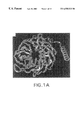
- FIGS. 1A and 1B Regions of G ⁇ involved in contacts with the AC2 956-982 peptide.
- FIG. 1A Ribbon diagram of the G ⁇ backbone from the crystal structure of G ⁇ (Sondek et al., 1996, Nature 379, 369-374; Lambright et al., 1996, Nature 379, 311-319); the residues in contact with the AC2 peptide are shown in pink (Weng et al., 1996, J. Biol. Chem. 271, 26445-26448).
- FIG. 1B Predicted core contacts between the AC2 956-982 peptide and G ⁇ .
- the AC2 peptide residues are in the blue boxes.
- the AC2 peptide residues are numbered 1-27 from the N terminus.
- G ⁇ 1 residues are in green boxes.
- the G ⁇ 1 residues are shown in the spatial sequence in which they are predicted to interact with the AC2 peptide.
- FIGS. 2A-2E Effects of the G ⁇ 86-105 peptides on AC2 and AC1 activities.
- FIG. 2A Ribbon diagram of the G ⁇ backbone with residues 86-105 in yellow. Other residues in contact with the AC2 peptide are shown in pink.
- FIG. 2B Effect of the G ⁇ 86-105 peptide (TTN) and the M101N G ⁇ 86-105 mutant peptide (m-TTN) on basal, ⁇ s * (2 nM), and various concentrations of TTN peptide on G ⁇ -stimulated AC2 activity in the presence of ⁇ s * (2 nM) plus G ⁇ (50 nM) stimulated AC2 activities.
- TTN G ⁇ 86-105 peptide
- m-TTN M101N G ⁇ 86-105 mutant peptide
- FIG. 2C Effect of various concentrations of TTN peptide on G ⁇ -stimulated AC2 activity in the presence of ⁇ s * (2 nM).
- FIG. 2D Effect of TTN and m-TTN peptides on basal and CaM (100 nM) plus G ⁇ (30 nM) regulated AC1 activities.
- FIG. 2E Effect of TTN and m-TTN peptides on basal and CaM (100 nM) stimulated AC1 activities.
- FIGS. 3A-3C Effects of the G ⁇ 115-135 peptide on AC2 and AC1 activities.
- FIG. 3A Ribbon diagram of the G ⁇ 1 backbone with residues 115-135 in yellow. Other residues in contact with the AC2 peptide are shown in pink.
- FIG. 3B Effect of the G ⁇ 115-135 peptide (GGL) and the Y124V G ⁇ 115-135 mutant peptide (m-GGL) on basal, ⁇ s * (2 nM), and ⁇ s * (2 NM) plus G ⁇ (50 nM) stimulated AC2 activities.
- FIG. 3C Effect of GGL and m-GGL peptides on basal, CaM (100 nM), or CaM (100 nM) plus G ⁇ (30 nM) regulated AC1 activities.
- FIG. 4 Schematic representation of the regions of G ⁇ involved in interactions with G ⁇ (outlined in green) and some regions that may interact with adenylyl cyclases 1 and 2 (outlined in red).
- the space-filling model of G ⁇ was obtained from the crystallographic coordinates; G ⁇ contact regions are those identified by Sigler and coworkers (Sondek et al., 1996, Nature 379, 369-374; Lambright et al., 1996, Nature 379, 311-319) from the crystal structure of the heterotrimer.
- the AC2 peptide interaction region was deduced from molecular modeling studies (Weng et al., 1996, J. Biol. Chem. 271, 26445-26448) and the functional data in FIG. 2 and FIG. 3 indicate that these regions may be involved in interactions with AC1 and AC2.
- FIGS. 5A-C Effects of varying concentrations of G ⁇ 86-105 peptide on PLC- ⁇ 2 activity.
- FIG. 5 A Effects of G ⁇ 86-105 peptide on basal and G ⁇ (100 nM) stimulated PLC- ⁇ 2 activity.
- FIGS. 5 B-C Effects of G ⁇ 86-105 peptide and M101N G ⁇ 86-105 peptide on PLC- ⁇ 2 activity.
- FIGS. 6A-G Effects of varying concentrations of G ⁇ 86-105 peptide and (FIGS. 6A-C) K89A, H91A, and R96A substituted peptides on PLC- ⁇ 2 activity (FIGS. 6D-E) K89A, H91A, and R96A triple substituted peptide on basal (FIG. 6D) and G ⁇ (100 nM) (FIG. 6E) stimulated PLC- ⁇ 2 activity.
- FIG. 6F Effects of varying concentrations of G ⁇ 86-105 peptide and FLLT peptide on PLC- ⁇ 2 activity.
- FIG. 6G Effects of 100 nM G ⁇ and varying concentrations of G ⁇ 86-105 peptide on PLC- ⁇ 2 and PLCX ⁇ activity.
- FIGS. 7A-C Effects of varying concentrations of G ⁇ 86-105 peptide and (FIG. 7A) S98A G ⁇ 86-105 peptide, (FIG. 7B) S97,98R G ⁇ 86-105 peptide, and (FIG. 7C) S97, 98D and S97, 98C peptides on PLC- ⁇ 2 activity.
- FIGS. 8A-8E Effects of shorter peptides from G ⁇ 86-105 region on PLC- ⁇ 2 activity.
- FIG. 8A Effects of 100 ⁇ M G ⁇ 96-98, G ⁇ 96-101, and G ⁇ 89-101 peptides on PLC- ⁇ 2 activity.
- FIGS. 8B-C Effects of varying concentrations of G ⁇ 96-101 peptide and S97, 98R (FIG. 8B) and S97, 98D (FIG. 8C) G ⁇ 96-101 peptides on PLC- ⁇ 2 basal activity. Values for (FIG. 8A) are given as mean ⁇ SEM of three experiments.
- FIGS. 9A-B Effects of G ⁇ 115-135 peptide on PLC- ⁇ 2 activity.
- FIG. 9A Effects of 30 nM G ⁇ 115-135 peptide and Y124V G ⁇ 115-135 peptide on basal and G ⁇ (100 nM) stimulated PLC- ⁇ 2 activity.
- FIG. 9B Effect of varying concentrations of G ⁇ 115-135 peptide on G ⁇ (100 nM) stimulated PLC- ⁇ 2 activity. Values for (FIG. 9A) are given as mean ⁇ SEM of three experiments.
- FIG. 10 Ribbon diagram of G ⁇ .
- the present invention relates to peptides and other small molecules (e.g. peptide mimetics) derived from regions of intracellular interacting proteins (e.g. signal transduction proteins) and to their use as pharmaceutics.
- the present invention also relates to methods for identifying peptides and derivatives thereof as candidate pharmaceutics. Such methods combine molecular modeling of surface interactions between two or more intracellular proteins with experimental validation of model predictions. More specifically, modeling of surface interactions is based on three-dimensional structure information and validation of model predictions is based on measuring activities of peptides or derivatives thereof encoding at least a portion of a predicted interaction surface in a functional assay.
- the invention further relates to fragments and analogs of identified peptides.
- Nucleic acids encoding such peptides are also within the scope of the invention. Production of peptides and derivatives thereof, e.g., by recombinant or chemical synthetic methods, is provided. Antibodies specifically immunoreactive with identified peptides and derivatives are additionally provided.
- the invention is illustrated by way of Examples set forth in Section 6 below which disclose, inter alia, the identification and characterization of peptides derived from a G ⁇ protein, human G ⁇ 1, which have specific interactions with adenylyl cyclase and phospholipase C- ⁇ 2.
- the complete G ⁇ 1 protein amino acid sequence which is identical in humans, dogs, cows and mice, is set forth in SEQ ID NO:1 (Codina et al., 1986, Beta-subunits of the human liver Gs/Gi signal-transducing proteins and those of bovine retinal rod cell transducing are identical, FEBS Lett. 207, 187-192).
- Any functional assay known to one skilled in the art may be used to measure a functional activity of a peptide of the invention.
- an adenylyl cyclase activity or a phospholipase C- ⁇ 2 activity may be measured.
- Such enzyme activities may be measured in in vivo or in vitro experimental systems.
- Functional assays used to determine an activity of a peptide may employ any cloned, recombinant enzyme available. Many such enzymes are known in the art.
- Examples include but are not limited to: the bovine adenylyl cyclase 1 (AC1) amino acid sequence set forth in SEQ ID NO:2 (Krupinski et al., 1989, Science 244, 1558-1564; the rat adenylyl cyclase 2 (AC2) amino acid sequence is set forth in SEQ ID NO:3 (Feinstein et al., 1991, Proc. Natl. Acad. Sci. U.S.A. 88, 10173-10177); and the human phospholipase C- ⁇ 2 (PLC- ⁇ 2) amino acid sequence is set forth in SEQ ID NO:4 (Park et al., 1992, J. Biol. Chem. 267, 16048-16055).
- the invention provides amino acid sequences of peptides, fragments and derivatives thereof, and other small molecules, and fragments and derivatives thereof, which comprise an antigenic determinant (i.e., can be recognized by an antibody) or which are otherwise functionally active.
- an antigenic determinant i.e., can be recognized by an antibody
- nucleic acid sequences encoding them are also provided.
- “Functionally active” material refers to material displaying one or more functional activities associated with an identified peptide or other small molecule of the invention, e.g., activation or inhibition of a downstream effector (e.g., adenylyl cyclase 1 or 2, phospholipase C- ⁇ 2, etc.) or binding to another protein binding partner, antigenicity (binding to an antibody of the invention), immunogenicity, etc.
- a downstream effector e.g., adenylyl cyclase 1 or 2, phospholipase C- ⁇ 2, etc.
- the invention provides fragments of a peptide or derivative thereof consisting of at least 3 amino acids, 6 amino acids, 10 amino acids, 15 amino acids, 20 amino acids, 30 amino acids, or 50 amino acids. Nucleic acids encoding the foregoing are also provided.
- a peptide of the invention may be isolated and purified by any number of standard methods including but not limited to chromatography (e.g., ion exchange, affinity, and sizing column chromatography), centrifugation, differential solubility, etc.
- the functional properties of an identified peptide of interest may be evaluated using any functional assay known in the art. In preferred embodiments, assays for evaluating downstream effector functions in intracellular signal transduction pathways are used (see Examples in Section 6).
- a peptide, fragment, analog, or derivative may be expressed as a fusion, or chimeric protein product (comprising the peptide, fragment, analog, or derivative joined via a peptide bond to a heterologous protein sequence of a different protein).
- a chimeric product can be made by ligating the appropriate nucleic acid sequences encoding the desired amino acid sequences to each other by methods known in the art, in the proper reading frame, and expressing the chimeric product by methods known in the art. Such exemplary but not limiting methods are described below.
- a chimeric product may be made by protein synthetic techniques, e.g., by use of a peptide synthesizer.
- This invention provides methods for identification of peptides and peptide mimetics.
- the methods of the invention provide for identification of peptides (and/or fragments, analogs, derivatives, and mimetics thereof, i.e. other small molecules) by first modeling an interaction surface from three-dimensional structural information of one or more interacting proteins.
- interactions of a heterotrimeric G protein ⁇ subunit with one or more downstream effectors is modeled to predict one or more interaction regions. Predicted interaction regions are next evaluated using synthetic or recombinant peptides (or other small molecules) in functional assays.
- the method can be used to identify peptides having very specific functional effects.
- peptide agonists or antagonists of a specific pathway are identified by activation or inhibition, respectively, of the functional pathway with a given peptide or derivative thereof.
- interaction regions specific for each interaction partner may be identified.
- the methods of the invention are used to resolve a specific signal transfer region from a general binding domain within an intracellular signaling protein. Such resolution permits design of selective agonists and antagonists of the identified interactions.
- peptides of the invention described herein which have been derived from regions of G ⁇ proteins include but are not limited to peptides having amino acid sequences as set forth in SEQ ID NO:5, SEQ ID NO:6, SEQ ID NO:7, SEQ ID NO:8, SEQ ID NO:9 and SEQ ID NO:10.
- Peptides which modulate the adenylyl cyclase effector pathway include but are not limited to peptides having amino acid sequences as set forth in SEQ ID NO:5 and SEQ ID NO:6.
- Peptides which modulate the phospholipase C effector pathway include but are not limited to peptides having amino acid sequences as set forth in SEQ ID NO:9 and SEQ ID NO:10.
- the methods of the invention may be applied to virtually any intracellular signal transduction pathway.
- many cancers have been linked to perturbations in regulation of the cell cycle.
- Cell cycle gene products are amenable to the methods of the invention for identification of peptides and other small molecules which may act as agonists or antagonists. Such molecules are of potentially great benefit for cancer treatment.
- the cell cycle consists of four stages: G1 (for Gap1) phase, the resting stage prior to DNA synthesis; S (for synthesis) phase, in which DNA synthesis occurs; G2 (for Gap2) phase, the resting stage after DNA synthesis and prior to mitosis; and M phase, mitosis, in which cell division occurs.
- G1 for Gap1 phase
- S for synthesis
- G2 for Gap2 phase
- M phase mitosis, in which cell division occurs.
- CDKs cyclin-dependent kinases
- the kinase activities of CDKs require their positive subunits, the cyclins.
- the activities of specific CDK/cyclin complexes are in turn positively and negatively regulated by phosphorylation events and CDK inhibitors (CKIs) (see Hunter and Pines, 1995, Cell 80, 225-236; Morgan, 1995, Nature 374, 131-134).
- CDK2, CDK4 and CDK6 While specific CDKs (CDK2, CDK4 and CDK6) and cyclins D and E regulate the progression from G1 into S phase, cdc2 and cyclins A and B regulate the cell cycle progression from G1 into mitosis (see Hunter and Pines, 1995, Cell 80, 225-236).
- Human tumor suppressor genes often act as negative regulators of the cell cycle, and several tumor suppressors are known to influence activities of CDK/cyclin complexes.
- p53 activates transcription of the p21 CDK inhibitor (p21 WAF1/CIP1 ) in response to DNA damage signals, and p21 in turn binds and inactivates the CDK4 and CDK6 cyclin D complexes (Gartel et al., 1996, Proc. Soc. Exp. Biol. Med. 213, 138-149).
- Another CDK inhibitor, p16 is itself a potent tumor suppressor (Biggs and Kraft, 1995, J. Mol. Med. 73, 509-514).
- a resistant intracellular signal transduction protein may be indicated by the identification of no peptide or other small molecule capable of modulating a downstream effector in a specific fashion.
- a synergistic effect between two or more domains of a given signal transduction protein, or two or more domains of more than one signal transduction protein may be required to elicit an experimental manifestation of an effector interaction using a peptide or derivative thereof of the invention.
- An effective literature review generally involves reviewing the relevant chemical, biological, and medical literature (including clinical data) in connection with a signal transduction pathway or other biological event of interest.
- reference to a variety of frequently-updated computer databases is often the best course to follow (e.g. Medline®, GenBank®, etc.).
- any method known to one of ordinary skill in the art may be used together with the peptides, derivatives, and methods of the invention.
- Set forth below are well known methods for nucleic acid cloning, hybridization, and amplification which are of general use together with the invention. These methods enable the production of, e.g., synthetic and recombinant peptides and derivatives thereof, including fusion proteins.
- any prokaryotic or eukaryotic cell may serve as the nucleic acid source for molecular cloning.
- the nucleic acid sequences encoding proteins and fragments thereof may be isolated from vertebrate, mammalian, human, porcine, bovine, feline, avian, equine, canine, as well as additional primate sources, insects (e.g., Drosophila), invertebrates (e.g., C. elegans ), plants, etc.
- the DNA may be obtained by standard procedures known in the art from cloned DNA (e.g., a DNA “library”), by chemical synthesis, by cDNA cloning, or by the cloning of genomic DNA, or fragments thereof, purified from the desired cell (see e.g., Sambrook et al., 1989, Molecular Cloning, A Laboratory Manual, 2d Ed., Cold Spring Harbor Laboratory Press, Cold Spring Harbor, N.Y.; see also Glover, ed., 1985, DNA Cloning: A Practical Approach, MRL Press, Ltd., Oxford, U.K. Vol. I, II.).
- Clones derived from genomic DNA may contain regulatory and intron DNA regions in addition to coding regions; clones derived from cDNA will contain only exon sequences.
- nucleic acid fragments are generated, identification of the specific nucleic acid fragment of interest may be accomplished in a number of ways. For example, if a portion of a nucleic acid is available and can be purified and labeled, the generated nucleic acid fragments may be screened by hybridization to the labeled probe (Benton and Davis, 1977, Science 196, 180; Grunstein and Hogness, 1975, Proc. Natl. Acad. Sci. U.S.A. 72, 3961). Those fragments with substantial homology to the probe will hybridize. It is also possible to identify the appropriate fragment by restriction enzyme digestion(s) and comparison of fragment sizes with those expected according to a known restriction map if such is available.
- the presence of the desired nucleic acid may be detected by assays based on the physical, chemical, or immunological properties of any expressed product.
- cDNA clones, or DNA clones which hybrid-select the cognate mRNAs can be selected and expressed to produce a protein that has, e.g., similar or identical electrophoretic migration, isoelectric focusing behavior, proteolytic digestion maps, hormonal activity, binding activity, or antigenic properties as known for a protein of interest.
- other proteins may be identified by binding of the labeled antibody to expressed putative proteins, e.g., in an ELISA (enzyme-linked immunosorbent assay)-type procedure.
- binding protein specific to a known protein other proteins may be identified by binding to such a protein (see e.g., Clemmons, 1993, “IGF binding proteins and their functions,” Mol. Reprod. Dev. 35, 368-374; Loddick et al., 1998, “Displacement of growth factors from their binding proteins as a potential treatment for stroke,” Proc. Natl. Acad. Sci. U.S.A. 95, 1894-1898).
- An identified and isolated nucleic acid may be inserted into an appropriate cloning vector.
- Any of a large number of vector-host systems known in the art may be used. Possible vectors include, but are not limited to, plasmids or modified viruses, but the vector system must be compatible with the host cell used. Such vectors include, but are not limited to, bacteriophages such as lambda derivatives, or plasmids such as PBR322 or pUC plasmid derivatives or the Bluescript vector (Stratagene).
- the insertion into a cloning vector can, for example, be accomplished by ligating the DNA fragment into a cloning vector which has complementary cohesive termini.
- the ends of the DNA molecules may be enzymatically modified.
- any site desired may be produced by ligating nucleotide sequences (linkers) onto the DNA termini; these ligated linkers may comprise specific chemically synthesized oligonucleotides encoding restriction endonuclease recognition sequences.
- the cleaved vector and an gene may be modified by homopolymeric tailing. Recombinant molecules can be introduced into host cells via transformation, transfection, infection, electroporation, etc., so that many copies of the desired sequence are generated.
- transformation of host cells with recombinant DNA molecules that incorporate an isolated nucleic acid sequence enables generation of multiple copies of the nucleic acid.
- the nucleic acid may be obtained in large quantities by growing transformants, isolating the recombinant DNA molecules from the transformants and, when necessary, retrieving the inserted nucleic acid from the isolated recombinant DNA (e.g. by restriction digestion or PCR).
- Nucleic acid hybridization under various stringency conditions is quite well known to one skilled in the art.
- Guidelines for nucleic acid hybridization are widely available, including detailed protocols for determination and use of an appropriate stringency (see e.g., Sambrook et al., 1989, Molecular Cloning, A Laboratory Manual, 2d ed., Cold Spring Harbor Laboratory Press, Cold Spring Harbor, N.Y.; see also, Ausubel et al., eds., in the Current Protocols in Molecular Biology series of laboratory technique manuals, ⁇ 1987-1994 Current Protocols, ⁇ 1994-1997 John Wiley and Sons, Inc.; see especially, Dyson, 1991, Immobilization of nucleic acids and hybridization analysis, In: Essential Molecular Biology: A Practical Approach, Vol. 2, Brown, ed., pp. 111-156, IRL Press at Oxford University Press, Oxford, U.K.).
- a nucleic acid which is hybridizable to another nucleic acid under conditions of high stringency is provided.
- a nucleic acid which is hybridizable to another nucleic acid under conditions of medium stringency is provided.
- hybridization procedures using conditions of high stringency may be as follows. Prehybridization of filters containing DNA is carried out for 8 h to overnight at 65° C. in buffer composed of 6 ⁇ SSC, 50 mM Tris-HCl (pH 7.5), 1 mM EDTA, 0.02% PVP, 0.02% Ficoll, 0.02% BSA, and 500 ⁇ g/ml denatured salmon sperm DNA. Filters are hybridized for 48 h at 65° C.
- a nucleic acid which is hybridizable to another nucleic acid under conditions of low stringency is provided.
- procedures using conditions of low stringency may be as follows (see also Shilo and Weinberg, 1981, Proc. Natl. Acad. Sci. U.S.A. 78, 6789-6792).
- Filters containing DNA are pretreated for 6 h at 40° C. in a solution containing 35% formamide, 5 ⁇ SSC, 50 mM Tris-HCl (pH 7.5), 5 mM EDTA, 0.1% PVP, 0.1% Ficoll, 1% BSA, and 500 ⁇ g/ml denatured salmon sperm DNA.
- Hybridizations are carried out in the same solution with the following modifications: 0.02% PVP, 0.02% Ficoll, 0.2% BSA, 100 ⁇ g/ml salmon sperm DNA, 10% (wt/vol) dextran sulfate, and 5-20 ⁇ 106 cpm 32 P-labeled probe. Filters are incubated in hybridization mixture for 18-20 h at 40° C., and then washed for 1.5 h at 55° C. in a solution containing 2 ⁇ SSC, 25 mM Tris-HCl (pH 7.4), 5 mM EDTA, and 0.1% SDS. The wash solution is replaced with fresh solution and incubated an additional 1.5 h at 60° C. Filters are blotted dry and exposed for autoradiography. If necessary, filters are washed for a third time at 65-68° C. and re-exposed to film.
- PCR polymerase chain reaction
- Oligonucleotide primers representing known sequences are used as primers in PCR.
- PCR may be carried out using a thermal cycler (e.g., from Perkin-Elmer Cetus) and a thermostable polymerase (e.g., Gene AmpTM brand of Tag polymerase).
- the nucleic acid being amplified may include but is not limited to mRNA, cDNA or genomic DNA from any species.
- PCR amplification method is quite well known in the art (see e.g., U.S. Pat. Nos. 4,683,202, 4,683,195 and 4,889,818; Gyllenstein et al., 1988, Proc. Natl. Acad. Sci. U.S.A. 85, 7652-7656; Ochman et al., 1988, Genetics 120, 621-623; Loh et al., 1989, Science 243, 217-220).
- the rolling circle amplification (RCA) method may also be used for nucleic acid amplification.
- RCA rolling circle amplification
- One such method utilizing rolling circle replication by DNA polymerase under isothermal conditions has recently been described by Lizardi et al. (1998, Nature Genetics 19, 225-232; see also references therein).
- nucleic acid source Any prokaryotic cell, eukaryotic cell, or virus, can serve as the nucleic acid source.
- nucleic acid sequences may be obtained from the following sources: human, porcine, bovine, feline, avian, equine, canine, insect (e.g., D. melanogaster ), invertebrate (e.g., C. elegans ), plant, etc.
- the DNA may be obtained by standard procedures known in the art (see e.g., Sambrook et al., 1989, Molecular Cloning, A Laboratory Manual, 2d Ed., Cold Spring Harbor Laboratory Press, Cold Spring Harbor, N.Y.; Glover (ed.), 1985, DNA Cloning: A Practical Approach, MRL Press, Ltd., Oxford, U.K. Vol. I, II).
- Disease states include acquired immunodeficiency syndrome (AIDS), angina, arteriosclerosis, arthritis, asthma, blood pressure dysregulation, bronchitis, cancer (all forms), cholesterol imbalance, cerebral circulatory, cirrhosis, clotting disorder, depression, dermatologic disease, diabetes, diarrhea, dysmenorrhea, dyspepsia, emphysema, gastrointestinal distress, hemorrhoids, hepatitis, hypertension, hyperprolactinemia, immunomodulation, resistance to bacterial infection, resistance to viral infection, inflammation, insomnia, lactation disorders, lipidemia, migraine, pain prevention or management, peripheral vascular disease, platelet aggregation, premenstrual syndrome, prostatic disorders, elevated triglycerides, respiratory tract infection, retinopathy, sinusitus, rheumatic disease, impaired wound healing, tinnitus,
- AIDS acquired immunodeficiency syndrome
- angina arteriosclerosis
- arthritis arthritis
- asthma blood pressure dysregulation
- bronchitis cancer
- cardiovascular disorders include cardiovascular disorders, nervous system disorders, hypercholesterolemia, inflammation, antipyretic, analgesic, slowing the aging process, accelerated convalescence, anemia, indigestion, impotence and menstrual disorders.
- the methods of the present invention comprise administering to a subject in need thereof an effective amount of a peptide or derivative thereof (e.g. a small molecule mimetic), or a composition comprising a peptide or peptide derivative, to the subject to modulate (i.e. stimulate or inhibit) an intracellular protein-protein interaction, such as a signal transduction event.
- a therapeutic composition comprising a peptide or derivative thereof and a pharmaceutical carrier is administered systemically to a subject to modulate a signal transduction event or to treat a disease, disorder or condition.
- an effective amount of a therapeutic composition comprising a peptide or derivative thereof and a pharmaceutical carrier is applied locally to a site to modulate signal transduction or to treat a disease, disorder or condition at the site.
- peptides and derivatives thereof and pharmaceutical compositions of the present invention are used in the treatment of or amelioration of symptoms in any disease, condition or disorder where modulation of a signal transduction event would be beneficial.
- diseases, disorders or conditions in which the peptides, peptide derivatives and pharmaceutical compositions of the present invention can be used for treatment are set forth in Section 5.4 herein.
- the methods of the present invention also provide for the treatment of a subject by administration of a therapeutic composition comprising a peptide or derivative thereof and a pharmaceutically acceptable carrier.
- the subject is preferably an animal, including but not limited to animals such as dogs, cats, cows, sheep, pigs, chickens, etc., is preferably a mammal, and most preferably a human.
- a pharmaceutical composition of the invention can be administered systemically by, e.g., intravenous or intramuscular injection.
- a pharmaceutical composition of the invention can be introduced to a site by any suitable route including sub-cutaneously, orally, topically, subconjunctivally, etc.
- a pharmaceutical composition of the invention can be introduced into the central nervous system by any suitable route, including intraventricular or intrathecal injection, etc.
- Intraventricular injection may be facilitated by an intraventricular catheter, for example, attached to a reservoir, such as an Ommaya reservoir.
- the composition may be administered intraperitoneally.
- delivery systems are well known and can be used to administer a pharmaceutical composition of the invention, e.g., via aqueous solution, encapsulation in liposomes, microparticles, microcapsules, and by way of receptor-mediated endocytosis (see e.g., Wu and Wu, 1987, J. Biol. Chem. 262, 4429-4432).
- Other methods of administration include but are not limited to direct application to the skin, intradermal, intranasal and epidural routes.
- a pharmaceutical composition of the invention may be administered by any convenient route, for example, by infusion or bolus injection, by absorption through epithelial or mucocutaneous linings (e.g., oral mucosa, rectal and intestinal mucosa).
- intravenous administration is used.
- a therapeutic or pharmaceutical composition of the invention is administered locally to the area in need of treatment.
- This may be achieved by, for example and not by way of limitation, local infusion during surgery, topical application (e.g. cream or ointment), in conjunction with a wound dressing after surgery, or directly onto the eye, by injection, by means of a catheter, or by means of an implant, said implant being of a porous or gelatinous material, including membranes, such as silastic membranes, or fibers.
- administration can be by direct injection at the site of treatment.
- a therapeutic or pharmaceutical composition can be administered to the eye by eye drops.
- a therapeutic or pharmaceutical composition can be delivered in a vesicle, in particular, a liposome (see Langer, 1990, Science 249, 1527-1533; Treat et al., 1989, in Liposomes In The Therapy Of Infectious Disease And Cancer, Lopez-Berestein and Fidler, eds., Liss, New York, pp. 353-365; Lopez-Berestein, ibid., pp. 317-327).
- a vesicle or liposome delivery system is particularly preferred for delivery of a peptide or other small molecule which does not easily cross cell membranes to reach an intracellular site of action.
- a therapeutic or pharmaceutical composition can be delivered in a controlled release system.
- a pump may be used (see Langer, supra; Sefton, 1987, CRC Crit. Rev. Biomed. Eng. 14, 201; Buchwald et al., 1980, Surgery 88, 507; Saudek et al., 1989, N. Engl. J. Med. 321, 574).
- polymeric materials can be used (see Medical Applications of Controlled Release, 1974, Langer and Wise, eds., CRC Press, Boca Raton, Fla.; Controlled Drug Bioavailability, Drug Product Design and Performance, 1984, Smolen and Ball, eds., Wiley, New York; Ranger and Peppas, 1983, J. Macromol. Sci. Rev. Macromol. Chem. 23, 61; see also Levy et al., 1985, Science 228, 190; During et al., 1989, Ann. Neurol. 25, 351; Howard et al., 1989, J. Neurosurg. 71, 105).
- a controlled release system can be placed in proximity of the therapeutic target, i.e., the brain (see, e.g., Goodson, 1984, in Medical Applications of Controlled Release, supra, vol. 2, pp. 115-138).
- the present invention also provides for therapeutic or pharmaceutical compositions comprising a peptide or a peptide derivative of the invention in combination with a pharmaceutically acceptable carrier, which compositions can be administered as described above.
- carrier refers to a diluent, adjuvant, excipient, or vehicle with which the peptide is administered.
- Such pharmaceutical carriers can be sterile liquids, such as water and oils, including those of petroleum oil such as mineral oil, vegetable oil such as peanut oil, soybean oil, and sesame oil, animal oil, or oil of synthetic origin. Saline solutions and aqueous dextrose and glycerol solutions can also be employed as liquid carriers, particularly for injectable solutions.
- Particularly preferred pharmaceutical carriers for treatment of or amelioration of inflammation in the central nervous system are carriers that can penetrate the blood/brain barrier.
- Suitable pharmaceutical excipients include starch, glucose, lactose, sucrose, gelatin, malt, rice, flour, chalk, silica gel, sodium stearate, glycerol monostearate, talc, sodium chloride, dried skim milk, glycerol, propylene, glycol, water, ethanol, and the like.
- the therapeutic composition if desired, can also contain minor amounts of wetting or emulsifying agents, or pH buffering agents. These compositions can take the form of solutions, suspensions, emulsion, tablets, capsules, powders, sustained-release formulations, and the like.
- the composition can be formulated with traditional binders and carriers such as triglycerides.
- compositions contain a therapeutically effective amount of the therapeutic composition, together with a suitable amount of carrier so as to provide the form for proper administration to the subject.
- suitable pharmaceutical carriers are described in “Remington's Pharmaceutical Sciences” by E. W. Martin.
- Such compositions contain a therapeutically effective amount of the therapeutic composition, together with a suitable amount of carrier so as to provide the form for proper administration to the subject.
- the formulation should suit the mode of administration.
- the composition is formulated in accordance with routine procedures as a pharmaceutical composition adapted for local injection administration to human beings.
- compositions for local injection administration are solutions in sterile isotonic aqueous buffer.
- the composition may also include a solubilizing agent and a local anesthetic such as lidocaine to ease pain at the site of the injection.
- the ingredients are supplied either separately or mixed together in unit dosage form, for example, as a dry lyophilized powder or water free concentrate in a hermetically sealed container such as an ampoule or sachet indicating the quantity of active agent.
- an ampoule of sterile water for injection or saline can be provided so that the ingredients may be mixed prior to administration.
- compositions of the invention can be formulated as neutral or salt forms.
- Pharmaceutically acceptable salts include those formed with free amino groups such as those derived from hydrochloric, phosphoric, acetic, oxalic, tartaric acids, etc., and those formed with free carboxyl groups such as those derived from sodium, potassium, ammonium, calcium, ferric hydroxides, isopropylamine, triethylamine, 2-ethylamino ethanol, histidine, procaine, etc.
- composition if desired, can also contain minor amounts of wetting or emulsifying agents, or pH buffering agents.
- the composition can be a liquid solution, suspension, emulsion, tablet, pill, capsule, sustained release formulation, cream, gel or powder.
- the composition can be formulated as a suppository, with traditional binders and carriers such as triglycerides.
- the present invention also provides for the modification of the peptide or peptide derivative such that it is more stable once administered to a subject (i.e., once administered, it has a longer period of effectiveness as compared to the unmodified form).
- modifications are well know to those of skill in the art (e.g., polyethylene glycol derivatization a.k.a. PEGylation, microencapsulation, etc.).
- the amount of the therapeutic or pharmaceutical composition of the invention which is effective in the treatment of a particular disease, condition or disorder will depend on the nature of the disease, condition or disorder and can be determined by standard clinical techniques. In general, the dosage ranges from about 0.001 mg/kg to about 2 mg/kg. In addition, in vitro assays such as those set forth in the Examples of Section 6 herein may optionally be employed to help identify optimal dosage ranges. The precise dose to be employed in the formulation will also depend on the route of administration, and the seriousness of the disease, condition or disorder, and should be decided according to the judgment of the practitioner and each patient's circumstances. Effective doses may be extrapolated from dose-response curves derived from in vitro or animal model test systems. For example, in order to obtain an effective mg/kg dose for humans based on data generated from rat studies, the effective mg/kg dosage in rats is divided by six.
- the invention also provides a pharmaceutical pack or kit comprising one or more containers filled with one or more of the ingredients (e.g., peptide or small molecule derivative thereof plus carrier) of the pharmaceutical compositions of the invention.
- the invention comprises kits containing an effective amount of a pharmaceutical composition of the invention.
- the kit is contemplated to comprise one or more containers containing at least one pharmaceutical composition of the invention.
- the kit will contain such a composition formulated for application to the skin, or for administration by intradermal, intramuscular, intravenous, intranasal, epidural and oral routes of administration.
- the kits may contain a liquid solution, suspension, emulsion, tablet, pill, capsule, sustained release formulation, cream, gel or powder.
- Peptide derivatives may include cyclic peptides, peptides obtained by substitution of a natural amino acid residue by the corresponding D-stereoisomer or by a non-natural amino acid residue, chemical derivatives of the peptides, dual peptides, multimers of the peptides, and peptides fused to other proteins or carriers (e.g. cell permeable carriers).
- cyclic peptide refers to a cyclic derivative of a peptide of the invention to which, e.g., two or more additional amino acid residues suitable for cyclization have been added, often at the carboxyl terminus and at the amino terminus.
- a cyclic peptide may contain either an intramolecular disulfide bond, i.e., —S—S—, an intramolecular amide bond between the two added residues, i.e., —CONH— or —NHCO— or intramolecular S-alkyl bonds, i.e., —S—(CH 2 ) —CONH— or —NH—CO(CH 2 ) n —S—, wherein n is 1, 2, or more.
- an intramolecular disulfide bond i.e., —S—S—
- an intramolecular amide bond between the two added residues i.e., —CONH— or —NHCO—
- intramolecular S-alkyl bonds i.e., —S—(CH 2 ) —CONH— or —NH—CO(CH 2 ) n —S—, wherein n is 1, 2, or more.
- a cyclic derivative containing an intramolecular disulfide bond may be prepared by conventional solid phase synthesis (Merrifield et al., 1982) while incorporating suitable S-protected cysteine or homocysteine residues at the positions selected for cyclization such as the amino and carboxyl termini (Sahm et al., 1996, J. Pharm. Pharmacol. 48, 197).
- cyclization can be performed either by selective removal of the S-protecting groups with a consequent on-support oxidation of free corresponding two SH-functions, to form S—S bonds, followed by conventional removal of the product from the support and appropriate purification procedure, or by removal of the peptide from the support along with complete side-chain deprotection, followed by oxidation of the free SH-functions in highly dilute aqueous solution.
- the cyclic derivatives containing an intramolecular amide bond may be prepared by conventional solid phase synthesis while incorporating suitable amino and carboxyl side-chain protected amino acid derivatives at the positions selected for cyclization.
- the cyclic derivatives containing intramolecular —S-alkyl bonds can be prepared by conventional solid phase synthesis while incorporating an amino acid residue with a suitable amino-protected side chain, and a suitable S-protected cysteine or homocysteine residue at the positions selected for cyclization.
- a peptide derivative of the invention may have one or more amino acid residues replaced by the corresponding D-amino acid residue.
- a peptide or peptide derivative of the invention may be all-L, all-D, or a mixed D,L-peptide.
- an amino acid residue may be replaced by a non-natural amino acid residue. Examples of non-naturally occurring or derivatized non-naturally occurring amino acids include N ⁇ -methyl amino acids, C ⁇ -methyl amino acids, and ⁇ -methyl amino acids.
- Amino acid analogs in general may include but are not limited to ⁇ -alanine ( ⁇ -Ala), norvaline (Nva), norleucine (Nle), 4-aminobutyric acid ( ⁇ -Abu), 2-aminoisobutyric acid (Aib), 6-aminohexanoic acid ( ⁇ -Ahx), ornithine (orn), hydroxyproline (Hyp), sarcosine, citrulline, cysteic acid, and cyclohexylalanine.
- amino acids may include but are not limited to, ⁇ -amino isobutyric acid, t-butylglycine, t-butylalanine and phenylglycine.
- a chemical derivative of a peptide of the invention includes, but is not limited to, a derivative containing additional chemical moieties not normally a part of the peptide, provided that the derivative retains the desired functional activity of the peptide.
- Examples of such derivatives include: (a) N-acyl derivatives of the amino terminal or of another free amino group, wherein the acyl group may be either an alkanoyl group, e.g., acetyl, hexanoyl, octanoyl, an aroyl group, e.g., benzoyl, or a blocking group such as Fmoc (fluorenylmethyl-O—CO—), carbobenzoxy (benzyl-O—CO—), monomethoxysuccinyl, naphthyl-NH—CO—, acetylamino-caproyl, adamantyl-NH—CO—; (b) esters of the carboxyl terminal or of another free carboxyl or
- Also included among the chemical derivatives are those derivatives obtained by modification of the peptide bond —CO—NH—, for example, by: (a) reduction to —CH 2 —NH—; (b) alkylation to —CO—N(alkyl)—; and (c) inversion to —NH—CO—.
- a dual peptide according to the invention consists of two of the same, or two different, peptides of the invention covalently linked to one another, either directly or through a spacer, such as by a short stretch of alanine residues, or by a putative site for proteolysis (e.g. by cathepsin, see U.S. Pat. No. 5,126,249 and European Patent No. 495,049 with respect to such sites).
- Multimers according to the invention consist of polymer molecules formed from a number of the same or different peptides or derivatives thereof.
- the polymerization is carried out with a suitable polymerization agent, such as 0.1% glutaraldehyde (Audibert et al., 1981, Nature 289, 593).
- the peptide derivative is more resistant to proteolytic degradation than the corresponding non-derivatized peptide.
- a peptide derivative having D-amino acid substitution(s) in place of one or more L-amino acid residue(s) resists proteolytic cleavage when administered to a mammal.
- the peptide derivative has increased permeability across a cell membrane as compared to the corresponding non-derivatized peptide.
- a peptide derivative may have a lipophilic moiety coupled at the amino terminus and/or carboxyl terminus and/or an internal site. Such derivatives are highly preferred when targeting intracellular protein-protein interactions, provided they retain the desired functional activity.
- a dualized or multimerized peptide or peptide derivative has enhanced functional activity.
- the peptides or peptide derivatives of the invention are obtained by any method of peptide synthesis known to those skilled in the art, including synthetic and recombinant techniques.
- the peptides or peptide derivatives can be obtained by solid phase peptide synthesis which, in brief, consists of coupling the carboxyl group of the C-terminal amino acid to a resin and successively adding N-alpha protected amino acids.
- the protecting groups may be any such groups known in the art. Before each new amino acid is added to the growing chain, the protecting group of the previous amino acid added to the chain is removed.
- the coupling of amino acids to appropriate resins has been described by Rivier et al. (U.S. Pat. No. 4,244,946).
- Purification of the synthesized peptides or peptide derivatives is carried out by standard methods, including chromatography (e.g., ion exchange, affinity, and sizing column chromatography), centrifugation, differential solubility, hydrophobicity, or by any other standard technique for the purification of proteins.
- chromatography e.g., ion exchange, affinity, and sizing column chromatography
- centrifugation e.g., centrifugation, differential solubility, hydrophobicity
- hydrophobicity e.g., adenol chromatography
- reverse phase HPLC high performance liquid chromatography
- structure-function relationships determined from the peptides, peptide derivatives, and other small molecules of the invention may also be used to prepare analogous molecular structures having similar properties.
- the invention is contemplated to include molecules in addition to those expressly disclosed that share the structure, hydrophobicity, charge characteristics and side chain properties of the specific embodiments exemplified herein.
- the peptide or other small molecule is functionally active, i.e., capable of exhibiting one or more of the identified functional activities associated with a peptide of the invention.
- such derivatives or analogs which have the desired immunogenicity or antigenicity can be used in immunoassays, for immunization, for activation or inhibition of effector activity, etc.
- such derivatives or analogs which have the desired binding activity can be used for binding to a molecule or other target of interest.
- such derivatives or analogs which have the desired binding activity can be used for binding to a binding partner specific for another known protein (see e.g., Clemmons, 1993, Mol.
- Derivatives or analogs that retain, or alternatively lack or inhibit, a desired property-of-interest can be used as activators, or inhibitors, respectively, of such property and its physiological correlates.
- a specific embodiment relates to a peptide or other small molecule that can be bound by an anti-peptide antibody.
- Derivatives or analogs of a peptide can be tested for the desired activity by any functional assay known in the art, including but not limited to the assays described in Section 6 below.
- peptide derivatives can be made by altering amino acid sequences by substitutions, additions or deletions that provide for functionally equivalent molecules, or for functionally enhanced or diminished molecules, as desired.
- other nucleic acid sequences which encode substantially the same amino acid sequence may be used for the production of recombinant peptides. These include but are not limited to nucleotide sequences comprising all or portions of a peptide of the invention which is altered by the substitution of different codons that encode a functionally equivalent amino acid residue within the sequence, thus producing a silent change.
- the derivatives of the invention include, but are not limited to, those containing, as a primary amino acid sequence, all or part of the amino acid sequence of a protein including altered sequences in which functionally equivalent amino acid residues are substituted for residues within the sequence resulting in a silent change.
- one or more amino acid residues within the sequence can be substituted by another amino acid of a similar polarity which acts as a functional equivalent, resulting in a silent alteration.
- Substitutions for an amino acid within the sequence may be selected from other members of the class to which the amino acid belongs.
- the nonpolar (hydrophobic) amino acids include alanine, leucine, isoleucine, valine, proline, phenylalanine, tryptophan and methionine.
- the polar neutral amino acids include glycine, serine, threonine, cysteine, tyrosine, asparagine, and glutamine.
- the positively charged (basic) amino acids include arginine, lysine and histidine.
- the negatively charged (acidic) amino acids include aspartic acid and glutamic acid. Such substitutions are generally understood to be conservative substitutions.
- proteins comprising a part (i.e. fragment) of a peptide of the invention having at least 3, at least 6, or at least 9 (continuous) amino acids of the peptide of the invention is provided.
- the fragment consists of at least 10 or at least 20 or at least 50 amino acids of the peptide. In specific embodiments, such fragments are not larger than 35, 100 or 200 amino acids.
- Derivatives or analogs of peptides include but are not limited to those molecules comprising regions that are substantially homologous to a peptide or fragment thereof (e.g., in various embodiments, at least 60% or 70% or 80% or 90% or 95% or 98% or 99% identity over an amino acid sequence of identical size or when compared to an aligned sequence in which the alignment is done by a computer homology program known in the art) or whose encoding nucleic acid is capable of hybridizing to a coding gene sequence, under high stringency, moderate stringency, or low stringency conditions.
- the derivatives and analogs of the invention can be produced by various methods known in the art.
- the manipulations which result in their production can occur at the gene or protein level.
- a cloned nucleic acid sequence can be modified by any of numerous strategies known in the art (Sambrook et al., 1989, Molecular Cloning, A Laboratory Manual, 2d ed., Cold Spring Harbor Laboratory Press, Cold Spring Harbor, N.Y.).
- the sequence can be cleaved at appropriate sites with restriction endonuclease(s), followed by further enzymatic modification if desired, isolated, and ligated in vitro.
- a nucleic acid sequence can be mutated in vitro or in vivo, to create and/or destroy translation, initiation, and/or termination sequences, or to create variations in coding regions and/or to form new restriction endonuclease sites or destroy preexisting ones, to facilitate further in vitro modification.
- Any technique for mutagenesis known in the art can be used, including but not limited to, chemical mutagenesis, in vitro site-directed mutagenesis (Hutchinson et al., 1978, J. Biol. Chem. 253:6551), use of TAB® linkers (Pharmacia), etc. See also Section 5. herein which sets forth general cloning techniques.
- Manipulations of a protein sequence may also be made at the protein level. Included within the scope of the invention are peptide fragments. or other derivatives or analogs which are differentially modified during or after translation, e.g., by glycosylation, acetylation, phosphorylation, amidation, derivatization by known protecting/blocking groups, proteolytic cleavage, linkage to an antibody molecule or other cellular ligand, etc.
- a peptide derivative is a chimeric or fusion protein comprising a peptide of the invention or fragment thereof joined at its amino- or carboxy-terminus, or both, via a peptide bond to an amino acid sequence of a different protein.
- a chimeric or fusion protein may be produced by recombinant expression of a nucleic acid encoding the protein.
- such a chimeric or fusion protein comprises a fragment of at least six (6) amino acids of a peptide of the invention.
- such a chimeric or fusion protein not only comprises a fragment of at least six (6) amino acids of a peptide of the invention but also has a functional activity equivalent to or greater than the peptide of the invention.
- a peptide, peptide fragment, peptide derivative, peptide analog, or a small molecule derivative thereof may be used as an immunogen to generate antibodies which immunospecifically bind such an immunogen.
- Such antibodies may in turn be used as diagnostic or therapeutic agents and include but are not limited to polyclonal, monoclonal, humanized or chimeric antibodies, single chain antibodies, Fab fragments and F(ab′) 2 fragments, fragments produced by a Fab expression library, anti-idiotypic (anti-Id) antibodies, and epitope-binding fragments of any of the above.
- polyclonal antibodies to a peptide or derivative or analog may be obtained.
- various host animals can be immunized by injection with the native protein, or a synthetic version, or derivative or fragment thereof, including but not limited to rabbits, mice, rats, etc.
- adjuvants may be used to increase the immunological response, depending on the host species, and including but not limited to Freund's (complete and incomplete), mineral gels such as aluminum hydroxide, surface active substances such as lysolecithin, polyanions, peptides, oil emulsions, keyhole limpet hemocyanins, dinitrophenol, and potentially useful human adjuvants such as BCG (bacille Calmette-Guerin) and Corynebacterium parvum.
- BCG Bacille Calmette-Guerin
- any technique which provides for the production of antibody molecules by continuous cell lines in culture may be used.
- the hybridoma technique originally developed by Kohler and Milstein (1975, Nature 256, 495-497), as well as the trioma technique, the human B-cell hybridoma technique (Kozbor et al., 1983, Immunology Today 4, 72), and the EBV-hybridoma technique to produce human monoclonal antibodies Colde et al., 1985, in Monoclonal Antibodies and Cancer Therapy, Alan R. Liss, Inc., pp. 77-96).
- monoclonal antibodies can be produced in germ-free animals utilizing recent technology (see e.g., PCT/US90/02545).
- human antibodies may be used and can be obtained by using human hybridomas (Cole et al., 1983, Proc. Natl. Acad. Sci. U.S.A. 80, 2026-2030) or by transforming human B cells with EBV virus in vitro (Cole et al., 1985, in Monoclonal Antibodies and Cancer Therapy , Alan R. Liss, pp. 77-96).
- the monoclonal antibodies which may be used in the methods of the invention include but are not limited to human monoclonal antibodies or chimeric human-mouse (or other species) monoclonal antibodies.
- Human monoclonal antibodies may be made by any of numerous techniques known in the art (e.g., Teng et al., 1983, Proc. Natl. Acad. Sci. U.S.A. 80, 7308-7312; Kozbor et al., 1983, Immunology Today 4, 72-79; Olsson et al., 1982, Meth. Enzymol. 92, 3-16).
- a chimeric antibody is a molecule in which different portions are derived from different animal species, such as those having a variable region derived from a murine mAb and a human immunoglobulin constant region.
- Techniques have been developed for the production of “chimeric antibodies” (Morrison et al., 1984, Proc. Natl. Acad. Sci. U.S.A. 81, 6851-6855; Neuberger et al., 1984, Nature, 312, 604-608; Takeda et al., 1985, Nature, 314, 452-454) by splicing the genes from a mouse antibody molecule of appropriate antigen specificity together with genes from a human antibody molecule of appropriate biological activity.
- humanized antibodies are antibody molecules from non-human species having one or more complementarity determining regions (CDRs) from the non-human species and a framework region from a human immunoglobulin molecule.
- CDRs complementarity determining regions
- An immunoglobulin light or heavy chain variable region consists of a “framework” region interrupted by three hypervariable regions, referred to as complementarily determining regions (CDRs).
- CDRs complementarily determining regions
- Antibody fragments which contain the idiotype of the molecule can be generated by known techniques.
- such fragments include but are not limited to: the F(ab′) 2 fragment which can be produced by pepsin digestion of the antibody molecule; the Fab′ fragments which can be generated by reducing the disulfide bridges of the F(ab′) 2 fragment, the Fab fragments which can be generated by treating the antibody molecule with papain and a reducing agent, and Fv fragments.
- Antibodies raised against a peptide can, in turn, be utilized to generate anti-idiotype antibodies that “mimic” the peptide, using techniques well known in the art (see, e.g., Greenspan and Bona, 1993, FASEB J. 7, 437-444; and Nissinoff, 1991, J. Immunol. 147, 2429-2438).
- antibodies which bind to the peptide and competitively inhibit the binding of peptide to its receptor can be used to generate anti-idiotypes that “mimic” the peptide receptor and, therefore, bind the peptide.
- screening for the desired antibody can be accomplished by techniques known in the art (e.g., enzyme-linked immunosorbent assay or ELISA). For example, to select antibodies which recognize a specific domain of a protein, one may assay generated hybridomas for a product which binds to a fragment containing such domain. For selection of an antibody that specifically binds a first homolog but which does not specifically bind a different homolog, one can select on the basis of positive binding to the first homolog and a lack of binding to the second homolog.
- enzyme-linked immunosorbent assay e.g., enzyme-linked immunosorbent assay or ELISA
- Antibody molecules may be purified by many well known techniques, e.g., immunoabsorption or immunoaffinity chromatography, chromatographic methods such as HPLC (high performance liquid chromatography), or a combination thereof, etc.
- assays known in the art which can be used include but are not limited to competitive and non-competitive assays using techniques such as: radioimmunoassays, ELISA (enzyme linked immunosorbent assay), “sandwich” immunoassays, immunoradiometric assays, gel diffusion precipitin reactions, immunodiffusion assays, in situ immunoassays (e.g., using colloidal gold, enzyme or radioisotope labels), western blots, precipitation reactions, agglutination assays (e.g., gel agglutination assays, hemagglutination assays), complement fixation assays, immunofluorescence assays, protein A
- peptides and other small molecules of the invention can be analyzed by any of various methods well known in the art. Examples of such methods include but are not limited to those described below.
- Additional well known methods of structural analysis can also be employed. These include but are not limited to X-ray crystallography (Engstom, 1974, Biochem. Exp. Biol. 11, 7-13), nuclear magnetic resonance spectroscopy (Clore and Gonenborn, 1989, CRC Crit. Rev. Biochem. 24, 479-564) and computer modeling (Fletterick and Zoller, eds., 1986, Computer Graphics and Molecular Modeling, in Current Communications in Molecular Biology, Cold Spring Harbor Laboratory Press, Cold Spring Harbor, N.Y.).
- the single-letter amino acid code as used herein corresponds to the three-letter amino acid code of the Sequence Listing herein, as follows: A, Ala, alanine; R, Arg, arginine; N, Asn, asparagine; D, Asp, aspartic acid; B, Asx, asparagine or aspartic acid; C, Cys, cysteine; Q, Gln, glutamine; E, Glu, glutamic acid; Z, Glx, glutamine or glutamic acid; G, Gly, glycine; H, His, histidine; I, Ile, isoleucine; L, Leu, leucine; K, Lys, lysine; M, Met, methionine; F, Phe, phenylalanine; P, Pro, proline; S, Ser, serine; T, Thr, threonine; W, Trp, tryptophan; Y, Tyr, tyrosine; V, Val, valine; and X
- a nucleic acid encoding a recombinant peptide of the invention can be analyzed, as needed, by any number of methods well known in the art including but not limited to Southern hybridization (Southern, 1975, J. Mol. Biol. 98, 503-517), Northern hybridization (see e.g., Freeman et al., 1983, Proc. Natl. Acad. Sci. U.S.A. 80, 4094-4098), restriction endonuclease mapping (Maniatis, 1982, Molecular Cloning, A Laboratory Manual, Cold Spring Harbor Laboratory Press, Cold Spring Harbor, N.Y.), and DNA sequence analysis.
- this invention provides nucleic acid probes recognizing a nucleic acid encoding a peptide of the invention.
- polymerase chain reaction PCR; U.S. Pat. Nos. 4,683,202, 4,683,195 and 4,889,818; Gyllenstein et al., 1988, Proc. Natl. Acad. Sci. U.S.A. 85, 7652-7656; Ochman et al., 1988, Genetics 120, 621-623; Loh et al., 1989, Science 243, 217-220
- Southern hybridization with an nucleic acid-specific probe can allow the detection of an nucleic acid in DNA from various cell types. Methods of amplification other than PCR are commonly known and can also be employed.
- Southern hybridization can be used to determine the genetic linkage of a given nucleic acid.
- Northern hybridization analysis can be used to determine the expression of an nucleic acid.
- Various cell types, at various states of development or activity can be tested for nucleic acid expression.
- the stringency of the hybridization conditions for both Southern and Northern hybridization can be manipulated to ensure detection of nucleic acids with the desired degree of relatedness to the specific nucleic acid probe used. Modifications of these methods and other methods commonly known in the art can be used.
- any nucleotide sequence encoding such peptides predicted from the genetic code can be inserted into an appropriate expression vector (i.e., a vector which contains the necessary elements for the transcription and translation of the inserted protein-coding sequence).
- an appropriate expression vector i.e., a vector which contains the necessary elements for the transcription and translation of the inserted protein-coding sequence.
- host-vector systems may be utilized to express the protein-coding sequence. These include but are not limited to mammalian cell systems infected with virus (e.g., vaccinia virus, adenovirus, etc.); insect cell systems infected with virus (e.g., baculovirus); microorganisms such as yeast containing yeast vectors, or bacteria transformed with bacteriophage, DNA, plasmid DNA, or cosmid DNA.
- vectors vary in their strengths and specificities. Depending on the host-vector system utilized, any one of a number of suitable transcription and translation elements may be used. In yet another embodiment, a fragment of a protein comprising one or more domains of the protein is expressed.
- any of the methods well known in the art for the insertion of DNA fragments into a vector may be used to construct expression vectors containing a chimeric nucleic acid consisting of appropriate transcriptional/translational control signals and the protein coding sequences. These methods may include in vitro recombinant DNA and synthetic techniques and in vivo recombinants (genetic recombination). Expression of a nucleic acid sequence encoding a peptide of the invention may be regulated by a second nucleic acid sequence so that the peptide is expressed in a host transformed with the recombinant DNA molecule. For example, expression of a peptide may be controlled by any promoter/enhancer element known in the art.
- Promoters which may be used to control nucleic acid expression include, but are not limited to, the SV40 early promoter region (Benoist and Chambon, 1981, Nature 290:304-310), the promoter contained in the 3′ long terminal repeat of Rous sarcoma virus (Yamamoto et al., 1980, Cell 22:787-797), the herpes thymidine kinase promoter (Wagner et al., 1981, Proc. Natl. Acad. Sci. U.S.A.
- promoter elements from yeast or other fungi such as the Gal 4 promoter, the ADC (alcohol dehydrogenase) promoter, PGK (phosphoglycerol kinase) promoter, alkaline phosphatase promoter, and the following animal transcriptional control regions, which exhibit tissue specificity and have been utilized in transgenic animals: elastase I gene control region which is active in pancreatic acinar cells (Swift et al., 1984, Cell 38:639-646; Ornitz et al., 1986, Cold Spring Harbor Symp.
- mouse mammary tumor virus control region which is active in testicular, breast, lymphoid and mast cells (Leder et al., 1986, Cell 45:485-495), albumin gene control region which is active in liver (Pinkert et al., 1987, Genes and Devel. 1:268-276), alpha-fetoprotein gene control region which is active in liver (Krumlauf et al., 1985, Mol. Cell. Biol. 5:1639-1648; Hammer et al., 1987, Science 235:53-58; alpha 1-antitrypsin gene control region which is active in the liver (Kelsey et al., 1987, Genes and Devel.
- beta-globin gene control region which is active in myeloid cells (Mogram et al., 1985, Nature 315:338-340; Kollias et al., 1986, Cell 46:89-94; myelin basic protein gene control region which is active in oligodendrocyte cells in the brain (Readhead et al., 1987, Cell 48:703-712); myosin light chain-2 gene control region which is active in skeletal muscle (Sani, 1985, Nature 314:283-286), and gonadotropic releasing hormone gene control region which is active in the hypothalamus (Mason et al., 1986, Science 234:1372-1378).
- a vector in a specific embodiment, comprises a promoter operably linked to a nucleic acid encoding a peptide of the invention, one or more origins of replication, and, optionally, one or more selectable markers (e.g., an antibiotic resistance gene).
- a promoter operably linked to a nucleic acid encoding a peptide of the invention, one or more origins of replication, and, optionally, one or more selectable markers (e.g., an antibiotic resistance gene).
- Expression vectors containing nucleic acid inserts can be identified by any of a number of well known methods. Three general approaches are: (a) nucleic acid hybridization; (b) presence or absence of “marker” gene functions; and (c) expression of inserted sequences. In the first approach, the presence of a gene inserted in an expression vector can be detected by nucleic acid hybridization using probes comprising sequences that are homologous to an inserted gene.
- the recombinant vector/host system can be identified and selected based upon the presence or absence of certain “marker” gene functions (e.g., thymidine kinase activity, resistance to antibiotics, transformation phenotype, occlusion body formation in baculovirus, etc.) caused by the insertion of a nucleic acid of interest in the vector. For example, if the nucleic acid is inserted within the marker gene sequence of the vector, recombinants containing the insert can be identified by the absence of the marker gene function.
- recombinant expression vectors can be identified by assaying the product expressed by the recombinant. Such assays can be based, for example, on the physical or functional properties of an expressed peptide in in vitro assay systems (e.g., binding with an anti-peptide antibody of the invention).
- a host cell strain for expressing a nucleic acid encoding a peptide of the invention may be chosen which modulates the expression of the inserted sequences, or modifies and processes the nucleic acid product in the specific fashion desired. Expression from certain promoters can be elevated in the presence of certain inducers; thus, expression of a genetically-engineered peptide of the invention may be controlled.
- different host cells have characteristic and specific mechanisms for the translational and post-translational processing and modification (e.g., glycosylation, phosphorylation). Appropriate cell lines or host systems can be chosen to ensure the desired modification and processing of the foreign peptide or protein expressed. For example, expression in a bacterial system can be used to produce a non-glycosylated core protein product. Expression in yeast will produce a glycosylated product. Expression in mammalian cells can be used to ensure “native” glycosylation of a heterologous protein. Furthermore, different vector/host expression systems may effect processing reactions to different extents.
- This invention provides screening methods useful in the identification of molecules (e.g. proteins or other compounds) which bind to, or otherwise directly interact with, the identified peptides and other small molecules of the invention.
- molecules e.g. proteins or other compounds
- Such screening methods are well known in the art (see e.g., PCT International Publication No. WO 96/34099, published Oct. 31, 1996, which is incorporated by reference herein in its entirety).
- proteins and compounds may include endogenous cellular components which interact with the identified peptides in vivo and which, therefore, may provide new targets for pharmaceutical and therapeutic interventions, as well as recombinant, synthetic, and otherwise exogenous compounds which may have binding capacity and, therefore, may be candidates for pharmaceutical agents.
- cell lysates or tissue homogenates may be screened for proteins or other compounds which bind to a peptide of the invention.
- exogenous compounds both naturally occurring or synthetic (e.g., libraries of small molecules), may be screened for binding capacity.
- a peptide of the invention having a desired functional activity in a functional assay can be evaluated for cross reactivity with other cellular components by using the peptide, or a chimeric or fusion protein thereof, as “bait” in a yeast two-hybrid assay system (Fields and Song, 1989, Nature 340:245-246; U.S. Pat. No. 5,283,173) or a variation thereof. In this way, other potential interactions or functional effects of a peptide of the invention can be identified prior to pharmaceutical development and clinical use.
- the yeast two-hybrid method has been used to analyze IGF-1-receptor interactions (see Zhu and Kahn, 1997, Proc. Natl. Acad. Sci. U.S.A. 94, 13063-13068). Because interactions are screened for in yeast, the protein-protein interactions detected occur under physiological conditions that mimic conditions in eukaryotic cells, including vertebrates or invertebrates (Chien et al., 1991, Proc. Natl. Acad. Sci. U.S.A. 88, 9578-9581). This feature facilitates identification of proteins capable of interaction with peptides, derivatives, or fusion proteins of the invention having a desired functional activity.
- the improved yeast two-hybrid system is based upon the detection of expression of a reporter gene, the transcription of which is dependent upon the reconstitution of a transcriptional regulator by the interaction of two proteins, each fused to one half of the transcriptional regulator.
- the “bait” i.e., peptide or fusion protein or derivative or analog thereof
- prey proteins to be tested for ability to interact with the bait
- the prey has a complexity of at least about 50, about 100, about 500, about 1,000, about 5,000, about 10,000, or about 50,000; or has a complexity in the range of about 25 to about 100,000, about 100 to about 50,000, about 50,000 to about 100,000, or about 100,000 to about 500,000.
- the prey population can be one or more nucleic acids encoding mutants of a protein (e.g., as generated by site-directed mutagenesis or another method of making mutations in a nucleotide sequence).
- the prey populations are proteins encoded by DNA, e.g., cDNA or genomic DNA or synthetically-generated DNA.
- the populations can be expressed from chimeric genes comprising cDNA sequences from an un-characterized sample of a population of cDNA from mRNA.
- yeast two-hybrid system proteins examined in this system are expressed as cytoplasmic proteins, and therefore facilitating identification of interactors with the peptides and derivatives thereof of the invention.
- recombinant biological libraries expressing random peptides can be used as the source of prey nucleic acids.
- the invention provides methods of screening for inhibitors or enhancers of the protein interactants identified herein.
- the protein-protein interaction assay can be carried out as described herein, except that it is done in the presence of one or more candidate molecules.
- An increase or decrease in reporter gene activity relative to that present when the one or more candidate molecules are absent indicates that the candidate molecule has an effect on the interacting pair.
- inhibition of the interaction is selected for (i.e., inhibition of the interaction is necessary for the cells to survive), for example, where the interaction activates the URA3 gene, causing yeast to die in medium containing the chemical 5-fluoroorotic acid (Rothstein, 1983, Meth. Enzymol. 101, 167-180).
- the identification of inhibitors of such interactions can also be accomplished, for example, but not by way of limitation, using competitive inhibitor assays, as described above.
- proteins of the bait and prey populations are provided as fusion (chimeric) proteins (preferably by recombinant expression of a chimeric coding sequence) comprising each protein contiguous to a pre-selected sequence.
- the pre-selected sequence is a DNA binding domain.
- the DNA binding domain can be any DNA binding domain, as long as it specifically recognizes a DNA sequence within a promoter.
- the DNA binding domain is of a transcriptional activator or inhibitor.
- the pre-selected sequence is an activator or inhibitor domain of a transcriptional activator or inhibitor, respectively.
- the regulatory domain alone (not as a fusion to a protein sequence) and the DNA-binding domain alone (not as a fusion to a protein sequence) preferably do not detectably interact (so as to avoid false positives in the assay).
- the assay system further includes a reporter gene operably linked to a promoter that contains a binding site for the DNA binding domain of the transcriptional activator (or inhibitor).
- binding of a peptide of the invention to a fusion protein leads to reconstitution of a transcriptional activator (or inhibitor) which activates (or inhibits) expression of the reporter gene.
- the activation (or inhibition) of transcription of the reporter gene occurs intracellularly, e.g., in prokaryotic or eukaryotic cells, preferably in cell culture.
- the promoter that is operably linked to the reporter gene nucleotide sequence can be a native or non-native promoter of the nucleotide sequence, and the DNA binding site(s) that are recognized by the DNA binding domain portion of the fusion protein can be native to the promoter (if the promoter normally contains such binding site(s)) or non-native to the promoter.
- one or more tandem copies (e.g., four or five copies) of the appropriate DNA binding site can be introduced upstream of the TATA box in the desired promoter (e.g., in the area of about position ⁇ 100 to about ⁇ 400).
- the GAL1-10 promoter is operably fused to the desired nucleotide sequence; the GAL1-10 promoter already contains 4 binding sites for GAL4.
- the transcriptional activation binding site of the desired gene(s) can be deleted and replaced with GAL4 binding sites (Bartel et al., 1993, BioTechniques 14, 920-924; Chasman et al., 1989, Mol. Cell. Biol. 9, 4746-4749).
- the reporter gene preferably contains the sequence encoding a detectable or selectable marker, the expression of which is regulated by the transcriptional activator, such that the marker is either turned on or off in the cell in response to the presence of a specific interaction.
- the assay is carried out in the absence of background levels of the transcriptional activator (e.g., in a cell that is mutant or otherwise lacking in the transcriptional activator).
- more than one reporter gene is used to detect transcriptional activation, e.g., one reporter gene encoding a detectable marker and one or more reporter genes encoding different selectable markers.
- the detectable marker can be any molecule that can give rise to a detectable signal, e.g., a fluorescent protein or a protein that can be readily visualized or that is recognizable by a specific antibody.
- the selectable marker can be any protein molecule that confers the ability to grow under conditions that do not support the growth of cells not expressing the selectable marker, e.g., the selectable marker is an enzyme that provides an essential nutrient and the cell in which the interaction assay occurs is deficient in the enzyme and the selection medium lacks such nutrient.
- the reporter gene can either be under the control of the native promoter that naturally contains a binding site for the DNA binding protein, or under the control of a heterologous or synthetic promoter.
- the activation domain and DNA binding domain used in the assay can be from a wide variety of transcriptional activator proteins, as long as these transcriptional activators have separable binding and transcriptional activation domains.
- the GAL4 protein of S. cerevisiae Moet al., 1987, Cell 48, 847-853
- the GCN4 protein of S. cerevisiae Hope and Struhl, 1986, Cell 46, 885-894
- the ARD1 protein of S. cerevisiae Thukral et al., 1989, Mol. Cell. Biol. 9, 2360-2369
- the human estrogen receptor Karl et al., 1987, Cell 51, 941-951
- the DNA binding domain and activation domain that are employed in the fusion proteins need not be from the same transcriptional activator.
- a GAL4 or LEXA DNA binding domain is employed.
- a GAL4 or herpes simplex virus VP16 (Triezenberg et al., 1988, Genes Dev. 2, 730-742) activation domain is employed.
- amino acids 1-147 of GAL4 (Ma et al., 1987, Cell 48, 847-853; Ptashne et al., 1990, Nature 346, 329-331) is the DNA binding domain, and amino acids 411-455 of VP16 (Triezenberg et al., 1988, Genes Dev. 2, 730-742; Cress et al., 1991, Science 251, 87-90) comprise the activation domain.
- the yeast transcription factor GAL4 is reconstituted by protein-protein interaction and the host strain is mutant for GAL4.
- the DNA-binding domain is Ace1N and/or the activation domain is Ace1, the DNA binding and activation domains of the Ace1 protein, respectively.
- Ace1 is a yeast protein that activates transcription from the CUP1 operon in the presence of divalent copper.
- CUP1 encodes metallothionein, which chelates copper, and the expression of CUP1 protein allows growth in the presence of copper, which is otherwise toxic to the host cells.
- the reporter gene can also be a CUP1-lacZ fusion that expresses the enzyme beta-galactosidase (detectable by routine chromogenic assay) upon binding of a reconstituted Ace1N transcriptional activator (see Chaudhuri et al., 1995, FEBS Letters 357, 221-226).
- the DNA binding domain of the human estrogen receptor is used, with a reporter gene driven by one or three estrogen receptor response elements (Le Douarin et al., 1995, Nucl. Acids. Res. 23, 876-878).
- the DNA binding domain and the transcriptional activator/inhibitor domain each preferably has a nuclear localization signal (see Ylikomi et al., 1992, EMBO J. 11, 3681-3694; Dingwall and Laskey, 1991, TIBS 16, 479-481) functional in the cell in which the fusion proteins are to be expressed.
- the fusion constructs can further contain sequences encoding affinity tags such as glutathione-S-transferase or maltose-binding protein or an epitope of an available antibody, for affinity purification (e.g., binding to glutathione, maltose, or a particular antibody specific for the epitope, respectively) (Allen et al., 1995, TIBS 20, 511-516).
- affinity tags such as glutathione-S-transferase or maltose-binding protein or an epitope of an available antibody, for affinity purification (e.g., binding to glutathione, maltose, or a particular antibody specific for the epitope, respectively) (Allen et al., 1995, TIBS 20, 511-516).
- the fusion constructs further comprise bacterial promoter sequences for recombinant production of the fusion protein in bacterial cells.
- the host cell in which the interaction assay occurs can be any cell, prokaryotic or eukaryotic, in which transcription of the reporter gene can occur and be detected, including, but not limited to, mammalian (e.g., monkey, mouse, rat, human, bovine), chicken, bacterial, or insect cells, and is preferably a yeast cell.
- mammalian e.g., monkey, mouse, rat, human, bovine
- Chicken bacterial, or insect cells
- Expression constructs encoding and capable of expressing the binding domain fusion proteins, the transcriptional activation domain fusion proteins, and the reporter gene product(s) are provided within the host cell, by mating of cells containing the expression constructs, or by cell fusion, transformation, electroporation, microinjection, etc.
- the DNA binding domain is the GAL4 DNA binding domain
- the activation domain is the herpes simplex virus VP16 transcriptional activation domain
- the reporter gene contains the desired coding sequence operably linked to a minimal promoter element from the adenovirus E1B gene driven by several GAL4 DNA binding sites (see Fearon et al., 1992, Proc. Natl. Acad. Sci. U.S.A. 89, 7958-7962).
- the host cell used should not express an endogenous transcription factor that binds to the same DNA site as that recognized by the DNA binding domain fusion population.
- the host cell is mutant or otherwise lacking in an endogenous, functional form of the reporter gene(s) used in the assay.
- Various vectors and host strains for expression of the two fusion protein populations in yeast are known and can be used (see e.g., U.S. Pat. No. 5,1468,614; Bartel et al., 1993, “Using the two-hybrid system to detect protein-protein interactions” In Cellular Interactions in Development , Hartley, ed., Practical Approach Series xviii, IRL Press at Oxford University Press, New York, N.Y., pp. 153-179; Fields and Sternglanz, 1994, Trends In Genetics 10, 286-292).
- yeast strains or derivative strains made therefrom which can be used are N105, N106, N1051, N1061, and YULH.
- Other exemplary strains that can be used in the assay of the invention also include, but are not limited to, the following:
- Y190 MATa, ura3-52, his3-200, lys2-801, ade2-101, trp1-901, leu2-3,112, gal4 ⁇ , gal80 ⁇ , cyh r 2, LYS2::GAL1 UAS -HIS3 TATA HIS3, URA3::GAL1 UAS -GAL1 TATA -lacZ; Harper et al., 1993, Cell 75, 805-816, available from Clontech, Palo Alto, Calif.
- Y190 contains HIS3 and lacZ reporter genes driven by GAL4 binding sites.
- CG-1945 MATa, ura3-52, his3-200, lys2-801, ade2-101, trp1-901, leu2-3,112, gal4-542, gal80-538, cyh r 2, LYS2::GAL1 UAS -HIS3 TATA HIS3, URA3::GAL1 UAS17mers(x3) -CYC1 TATA -lacZ; available from Clontech, Palo Alto, Calif.
- CG-1945 contains HIS3 and lacZ reporter genes driven by GAL4 binding sites.
- Y187 MAT- ⁇ , ura3-52, his3-200, ade2-101, trp1-901, leu2-3,112, gal4 ⁇ , gal80 ⁇ , URA3::GAL1 UAS -GAL1 TATA -lacZ, available from Clontech, Palo Alto, Calif.
- Y187 contains a lacZ reporter gene driven by GAL4 binding sites.
- SFY526 MATa, ura3-52, his3-200, lys2-801, ade2-101, trp1-901, leu2-3,112, gal4-542, gal80-538, can r , URA3::GAL1-lacZ, available from Clontech, Palo Alto, Calif.
- SFY526 contains HIS3 and lacZ reporter genes driven by GAL4 binding sites.
- HF7c MATa, ura3-52, his3-200, lys2-801, ade2-101, trp1-901, leu2-3,112, gal4-542, gal80-538, LYS2::GAL1-HIS3, URA3::GAL1 UAS17mers(x3) -CYC1-lacZ, available from Clontech, Palo Alto, Calif.
- HF7c contains HIS3 and lacZ reporter genes driven by GAL4 binding sites.
- YRG-2 MATa, ura3-52, his3-200, lys2-801, ade2-101, trp1-901, leu2-3,112, gal4-542, gal80-538, LYS2::GAL1 UAS -GAL1 TATA -HIS3, URA3::GAL1 UAS17mers(x3) -CYC1-lacZ, available from Stratagene, La Jolla, Calif.
- YRG-2 contains HIS3 and lacZ reporter genes driven by GAL4 binding sites. Many other strains commonly known and available in the art can be used.
- cells mutant in the reporter gene may be selected by known methods, or the cells can be made mutant in the target reporter gene by known gene-disruption methods prior to introducing the reporter gene (Rothstein, 1983, Meth. Enzymol. 101, 202-211).
- plasmids encoding the different fusion protein populations can be introduced simultaneously into a single host cell (e.g., a haploid yeast cell) containing one or more reporter genes, by co-transformation, to conduct the assay for protein-protein interactions.
- a single host cell e.g., a haploid yeast cell
- the two fusion protein populations are introduced into a single cell either by mating (e.g., for yeast cells) or cell fusions (e.g., of mammalian cells).
- haploid yeast cells of opposite mating type that have been transformed with a binding domain fusion expression construct (preferably a plasmid) and an activation (or inhibitor) domain fusion expression construct (preferably a plasmid), respectively, will deliver both constructs into the same diploid cell.
- a binding domain fusion expression construct preferably a plasmid
- an activation (or inhibitor) domain fusion expression construct preferably a plasmid
- the mating type of a yeast strain may be manipulated by transformation with the HO gene (Herskowitz and Jensen, 1991, Meth. Enzymol. 194, 132-146).
- a yeast interaction mating assay is employed using two different types of host cells, strain-type a and alpha of the yeast Saccharomyces cerevisiae .
- the host cell preferably contains at least two reporter genes, each with one or more binding sites for the DNA-binding domain (e.g., of a transcriptional activator).
- the activator domain and DNA binding domain are each parts of chimeric proteins formed from the two respective populations of proteins.
- One strain of host cells for example the a strain, contains fusions of the library of nucleotide sequences with the DNA-binding domain of a transcriptional activator, such as GAL4.
- the hybrid proteins expressed in this set of host cells are capable of recognizing the DNA-binding site in the promoter or enhancer region in the reporter gene construct.
- the second set of yeast host cells for example, the alpha strain, contains nucleotide sequences encoding fusions of a library of DNA sequences fused to the activation domain of a transcriptional activator.
- the fusion protein constructs are introduced into the host cell as a set of plasmids.
- These plasmids are preferably capable of autonomous replication in a host yeast cell and preferably can also be propagated in E. coli .
- the plasmid contains a promoter directing the transcription of the DNA binding or activation domain fusion genes, and a transcriptional termination signal.
- the plasmid also preferably contains a selectable marker gene, permitting selection of cells containing the plasmid.
- the plasmid can be single-copy or multi-copy. Single-copy yeast plasmids that have the yeast centromere may also be used to express the activation and DNA binding domain fusions (Elledge et al., 1988, Gene 70, 303-312).
- the fusion constructs are introduced directly into the yeast chromosome via homologous recombination.
- the homologous recombination for these purposes is mediated through yeast sequences that are not essential for vegetative growth of yeast, e.g., the MER2, MERI, ZIPI, REC102, or ME14 gene.
- Bacteriophage vectors can also be used to express the DNA binding domain and/or activation domain fusion proteins. Libraries can generally be prepared faster and more easily from bacteriophage vectors than from plasmid vectors.
- the present invention provides a method of detecting one or more protein-protein interactions comprising (a) recombinantly expressing a peptide of the invention having a desired functional activity, or a derivative or analog thereof, in a first population of yeast cells being of a first mating type and comprising a first fusion protein containing the peptide amino acid sequence and a DNA binding domain, wherein said first population of yeast cells contains a first nucleotide sequence operably linked to a promoter driven by one or more DNA binding sites recognized by said DNA binding domain such that an interaction of said first fusion protein with a second fusion protein, said second fusion protein comprising a transcriptional activation domain, results in increased transcription of said first nucleotide sequence; (b) recombinantly expressing in a second population of yeast cells of a second mating type different from said first mating type, a plurality of said second fusion proteins, each second fusion protein comprising a sequence of a fragment, derivative or analog of a protein and
- a step is carried out of negatively selecting to eliminate those yeast cells in said first population which said increased transcription of said first nucleotide sequence occurs in the absence of said second fusion protein (see e.g. PCT International Publication No. WO 97/47763, published Dec. 18, 1997, which is incorporated by reference herein in its entirety).
- the bait peptide sequence and the prey library of chimeric genes are combined by mating the two yeast strains on solid media, such that the resulting diploids contain both kinds of chimeric genes, i.e., the DNA-binding domain fusion and the activation domain fusion.
- Preferred reporter genes include the URA3, HIS3 and/or the lacZ genes (see e.g., Rose and Botstein, 1983, Meth. Enzymol. 101, 167-180) operably linked to GAL4 DNA-binding domain recognition elements.
- Other reporter genes include but are not limited to, Green Fluorescent Protein (GFP) (Cubitt et al., 1995, Trends Biochem. Sci. 20, 448-455), luciferase, LEU2, LYS2, ADE2, TRP1, CAN1, CYH2, GUS, CUP1 or chloramphenicol acetyl transferase (CAT). Expression of the reporter genes can be detected by techniques known in the art (see e.g. PCT International Publication No. WO 97/47763, published Dec. 18, 1997, which is incorporated by reference herein in its entirety).
- transcription of the reporter gene is detected by a linked replication assay.
- a linked replication assay For example, as described by Vasavada et al., 1991, Proc. Natl. Acad. Sci. U.S.A. 88, 10686-10690, expression of SV40 large T antigen is under the control of the E1B promoter responsive to GAL4 binding sites.
- the replication of a plasmid containing the SV40 origin of replication indicates a protein-protein interaction.
- a polyoma virus replicon can be used (Id.).
- reporter genes that encode proteins can be detected by immunoassay, i.e., by detecting the immunospecific binding of an antibody to such protein, which antibody can be labeled, or incubated with a labeled binding partner to the antibody, to yield a detectable signal.
- immunoassay i.e., by detecting the immunospecific binding of an antibody to such protein, which antibody can be labeled, or incubated with a labeled binding partner to the antibody, to yield a detectable signal.
- Alam and Cook disclose non-limiting examples of detectable marker genes that can be operably linked to a transcriptional regulatory region responsive to a reconstituted transcriptional activator, and thus used as reporter genes (Alam and Cook, 1990, Anal. Biochem. 188, 245-254).
- reporter genes like URA3 or HIS3 enables the cells to grow in the absence of uracil or histidine, respectively, and hence serves as a selectable marker.
- the cells exhibiting protein-protein interactions are selected by the ability to grow in media lacking a nutritional component, such as uracil or histidine (see Le Douarin et al., 1995, Nucl. Acids Res. 23, 876-878; Durfee et al., 1993, Genes Dev. 7, 555-569; Pierrat et al., 1992, Gene 119, 237-245; Wolcott et al., 1966, Biochem. Biophys. Acta 122, 532-534).
- the activities of the reporter genes like GFP or lacZ are monitored by measuring a detectable signal (e.g., fluorescent or chromogenic, respectively) that results from the activation of these reporter genes.
- LacZ transcription for example, can be monitored by incubation in the presence of a substrate, such as X-gal (5-bromo-4-chloro-3-indolyl- ⁇ -D-galactoside), of its encoded enzyme, ⁇ -galactosidase.
- false positives arising from transcriptional activation by the DNA binding domain fusion proteins in the absence of a transcriptional activator domain fusion protein are prevented or reduced by negative selection prior to exposure to the activation domain fusion population (see e.g. PCT International Publication No. WO 97/47763, published Dec. 18, 1997, which is incorporated by reference herein in its entirety).
- negative selection is carried out by incubating the cell in the presence of 5-fluoroorotic acid (5-FOA, which kills URA+cells (Rothstein, 1983, Meth. Enzymol. 101, 167-180).
- 5-FOA 5-fluoroorotic acid
- negative selection involving a selectable marker as a reporter gene can be combined with the use of a toxic or growth inhibitory agent to allow a higher rate of processing than other methods.
- Negative selection can also be carried out on the activation domain fusion population prior to interaction with the DNA binding domain fusion population, by similar methods, either alone or in addition to negative selection of the DNA binding fusion opulation. Negative selection can be carried out on the recovered protein-protein complex by known methods (see e.g., Bartel et al., 1993, BioTechniques 14, 920-924; PCT International Publication No. WO 97/47763, published Dec. 18, 1997).
- the DNA sequences encoding the pairs of interactive proteins are isolated by a method wherein either the DNA-binding domain hybrids or the activation domain hybrids are amplified, in separate respective reactions.
- the amplification is carried out by polymerase chain reaction (PCR) (see U.S. Pat. Nos. 4,683,202; 4,683,195; and 4,889,818; Gyllenstein et al., 1988, Proc. Natl. Acad. Sci. U.S.A.
- amplification methods known in the art can be used, including but not limited to ligase chain reaction (see EP 320,308), use of Q ⁇ replicase, or methods listed in Kricka et al., 1995 , Molecular Probing, Blotting, and Sequencing , Academic Press, New York, Chapter 1 and Table IX.
- the plasmids encoding the DNA-binding domain hybrid and the activation domain hybrid proteins can also be isolated and cloned by any of the methods well known in the art.
- a shuttle yeast to E. coli
- the genes can be recovered by transforming the yeast DNA into E. coli and recovering the plasmids from E. coli (see e.g., Hoffman et al., 1987, Gene 57, 267-272).
- the yeast vector can be isolated, and the insert encoding the fusion protein subcloned into a bacterial expression vector, for growth of the plasmid in E. coli.
- the G ⁇ 86-105 peptide inhibited G ⁇ stimulation of AC2 (SEQ ID NO:3) and blocked G ⁇ inhibition of AC1 (SEQ ID NO:2) and by itself inhibited calmodulin-stimulated AC1, thus displaying partial agonist activity.
- Substitution of Met-101 with Asn in G ⁇ 86-105 resulted in the loss of both the inhibitory and partial agonist activities.
- Most activities of the G ⁇ 115-135 peptide were similar to those of G ⁇ 86-105, but G ⁇ 115-135 was less effective in blocking G ⁇ inhibition of AC1.
- Substitution of Tyr-124 with Val in the G ⁇ 115-135 peptide diminished all of its activities.
- G proteins serve as signal transducers for a wide variety of receptors. Both G ⁇ and G ⁇ subunits can communicate receptor signals (Fung et al., 1981, Proc. Natl. Acad. Sci. U.S.A. 78, 152-156; Northup et al., 1983, J. Biol. Chem. 258, 11369-11376; Logothetis et al., 1987, Nature 325, 321-326; Tang and Gilman, 1991, Science 254, 1500-1503; Dietzel and Kurjan, 1987, Cell 50, 1000-1010). Regions of G ⁇ complex involved in communicating the signal to effectors have not been well characterized.
- Peptide Synthesis Peptides were synthesized on an Applied Biosystems peptide synthesizer (model 431A) and purified by HPLC on acetonitrile gradients. Purified peptides were lyophilized and stored at ⁇ 20° C. When required peptides were dissolved in water to final concentration of 1-3 mM. Identity of the peptides was verified by mass spectrometry.
- G ⁇ was purified from bovine brain (Dingus et al., 1994, Meth. Enzymol. 237, 457-471).
- Q227L-G ⁇ s was expressed in rabbit reticulocyte lysates.
- AC2 was expressed in Sf9 cells by infection with recombinant baculovirus (Jacobowitz and Iyengar, 1994, Proc. Natl. Acad. Sci. U.S.A. 91, 10630-10634). AC2 assays have been described (Chen et al., 1995, Science 268, 1166-1169).
- Bovine AC1 (Jacobowitz et al., 1993, J. Biol.
- Chem. 268, 3829-3832 was epitope tagged at the N terminus with the FLAG epitope (Jacobowitz and Iyengar, 1994, Proc. Natl. Acad. Sci. U.S.A. 91, 10630-10634) and expressed in Sf9 cells by baculovirus infection.
- AC2 assays have been described (Chen et al., 1995, Science 268, 1166-1169). When required the peptides were mixed with adenylyl cyclase containing membranes and held on ice for 10 min prior to assays. Approximately 1-4 ⁇ g of AC2 Sf9 cell membranes per assay tube was used. All assays contained a mixture of protease inhibitors. The final concentration of each inhibitor was leupeptin at 3.2 ⁇ g/ml, aprotinin at 2 ⁇ g/ml, phenanthroline at 1.0 mM, and phenylmethylsulfonyl fluoride at 1.0 mM.
- AC1-containing Sf9 cell membranes (1-4 ⁇ g per assay tube) was used.
- the assay mixture contained either 1 mM EGTA or 50 ⁇ M CaCl 2 plus 100 nM calmodulin (CaM). All experiments were repeated two or more times with qualitatively similar results. Typical experiments are shown. Values are mean ⁇ SD of triplicate determinations.
- FIG. 1A shows the backbone of G ⁇ .
- the regions of G ⁇ predicted to interact with the AC2 peptide are shown in pink.
- Predicted contacts between residues of the AC2 peptide and G ⁇ are shown in FIG. 1 B. Since the peptide encodes a region of AC2, we reasoned that the predicted contact residues on G ⁇ could be involved in communicating signals to effectors.
- TTN The first peptide (TTN) encodes the region of residues 86-105 of G ⁇ , which includes the stretch of residues 91-99 predicted by the model to be important for effector interactions (FIG. 2 A).
- FIG. 2 A The effects of TTN peptide on the activity of recombinant AC2 expressed in Sf9 cells are shown in FIG.
- the “mutated” peptide (m-TTN) containing Asn at the position corresponding to G ⁇ -101 was much less efficacious than the TTN peptide in inhibiting G ⁇ stimulation (FIG. 2 B).
- the half-maximal concentration at which the TTN peptide inhibited G ⁇ stimulation of AC2 was in the range of 30-60 ⁇ M (FIG. 2 C). Since G ⁇ also inhibits AC1, we tested whether the TTN peptide's ability to block G ⁇ interactions with effectors could be extended to modulation of G ⁇ inhibition of AC1.
- the recombinant AC1 expressed in Sf9 cells was used in the assays. The TTN peptide did not affect basal activity of AC1.
- the GGL peptide alone was also capable of inhibiting Ca 2+ /CaM-stimulated AC1 activity, but the m-GGL peptide did not inhibit the AC1 activity as extensively as the GGL peptide (FIG. 3 C).
- FIG. 4 shows how the G ⁇ binding region on G ⁇ identified from the crystal structure overlaps with an adenylyl cyclase (effector) interaction domain we have identified by molecular modeling.
- Transmembrane signal transfer in heterotrimeric G protein coupled pathways involves sequential protein-protein interactions.
- G ⁇ subunits and one of their effectors, phospholipase C- ⁇ 2 (PLC- ⁇ 2)(SEQ ID NO:4), to determine if all of the contact points on G ⁇ (SEQ ID NO:1) are required for signal transfer.
- PLC- ⁇ 2 phospholipase C- ⁇ 2
- a peptide encoding residues 86-105 of G ⁇ was able to specifically stimulate phospholipase C- ⁇ 2, and a six amino acid stretch within this sequence (G ⁇ residues 96-101) (SEQ ID NO:8) was sufficient for signal transfer and thus could be considered as a core signal transfer region.
- G ⁇ 115-135 SEQ ID NO:6
- Another peptide encoding G ⁇ 115-135 did not substantially stimulate PLC- ⁇ 2 by itself but inhibited G ⁇ stimulation of PLC- ⁇ 2, indicating that the 115-135 amino acid stretch of G ⁇ may be part of a general binding domain.
- This resolution of signal transfer regions from general binding domains indicates that not all of the interactions in protein-protein contact may be required for signal transfer, and it may be feasible to synthesize agonists and antagonists that regulate signal flow at intracellular sites.
- Transmembrane signaling in heterotrimeric G protein coupled systems occurs through protein-protein interactions.
- Agonist occupied receptors interact with G proteins to promote nucleotide exchange and subunit dissociation.
- the G ⁇ subunits as well as the G ⁇ complex interact with and regulate effectors (Gilman, 1987, Ann. Rev. Biochem. 57, 615; Hamm, J. Biol. Chem. 273, 669).
- the G ⁇ complex regulates numerous effectors including K+ channels, adenylyl cyclase 2 (AC2), phospholipase C- ⁇ 2 and Ca 2+ channels.
- a general issue that arises in this mode of signal transduction involving protein-protein interactions is whether all of the contacts between the protein partners are required information flow. In this study, we have addressed this issue in G ⁇ regulation of phospholipase C- ⁇ 2.
- Peptides were synthesized on an Applied Biosystems peptide synthesizer (model 431A) and purified by HPLC on acetonitrile gradients. Purified peptides were lyophilized and stored at ⁇ 20 degrees C. When needed, peptides were dissolved in HED buffer (10 mM Hepes pH 7.0, 1 mM EDTA pH 8.0, 1 mM DTT). Identity of peptides was verified by mass spectrometry.
- Recombinant PLC- ⁇ 2 was expressed in High 5 cells by infection with recombinant baculovirus. Three to four days after infection, the cells were lysed by par bombing to 600 psi. The lysate was then centrifuged, and the cytosolic fraction was collected. Approximately 10-15 ⁇ g of cytosolic fraction was used per 100 ⁇ l reaction volume.
- Phospholipid substrate is a mixture of [3H]PIP2 and unlabeled phospholipids. Unlabeled phospholipids, from Sigma (P-6023), are crude phospholipids from bovine brain. The total diphosphoinositide and triphosphoinositide content is 20-40%.
- Phospholipids are sonicated in 10 mM Hepes pH 7.0 to form micelles. A total of 0.01 ⁇ Ci of [3H]PIP2, corresponding to approximately 7000 cpm, and 5 ⁇ g of unlabeled mixed phospholipids are used per reaction.
- the PLC assay was performed as previously described (De Vivo, 1994, Meth. Enzymol. 238, 131). Briefly, substrate, PLC- ⁇ 2, peptide, and G ⁇ subunits are mixed on ice in a 100 ⁇ l volume buffer containing 10 mM Hepes pH 7.0, 1 mM DTT, 100 mM KCl, 10 mM NaCl, 2 mM EGTA, 1 mM EDTA, and 1 mM MgCl 2 . Reactions are started by the addition of 25 ⁇ l 5 mM CaCl 2 and incubated at 32 degrees C. for 15 minutes.
- recombinant PLC- ⁇ 2 was expressed in Sf9 cells and purified as described (Runnel et al., 1996, Biochem. 35, 16824) and labeled with the amine-reactive probe, Cascade Blue acetyl azide (Molecular Probes, Eugene Oreg.) by raising the pH to 8.0 and adding a 4-fold excess of probe from a freshly prepared concentrated DMF solution. The reaction was kept on ice for 30 minutes before extensive dialysis in a solution comprising 20 mM Hepes, 0.16 M NaCl, 1 mM DTT, pH 7.2 to remove excess probe.
- Peptides were labeled with DABMI (4-dimethyl-5aminophenylazophenyl-4′-maleimeide) using an equimolar amount of dye in the absence of reducing agents. The reaction was allowed to proceed for 30 minutes at room temperature before quenching with 5 mM DTT. The final labeling ratios, as determined by absorption, were 1:1 for CB-PLC- ⁇ 2 and 0.8 for the two DABMI-peptides. Fluorescence spectra were taken on an ISS-PCL (ISS Champaign, Ill.) photon counting spectrofluorometer using a 3 ⁇ 3 mm cuvette and exciting at 380 nm and scanning from 400-560 nm.
- ISS-PCL ISS Champaign, Ill.
- the three amino acid peptide did not stimulate PLC- ⁇ 2, but the six amino acid peptide as well as the thirteen amino acid peptide did stimulate (FIG. 8 A). Since the G ⁇ 96-101 six amino acid peptide was the smallest peptide we had found that stimulated PLC- ⁇ 2, we analyzed it further. Concentration-effect curves showed that it had considerably lower affinity than the G ⁇ 86-105 peptide (FIG. 8 B). However, when the serines corresponding to position 97 and 98 were substituted by arginines (SEQ ID NO:9), the six amino acid peptide stimulated with an apparent K act of 30 ⁇ M (FIG. 8B) as compared to 5-10 ⁇ M K act for the G ⁇ 86-105 peptide (FIG.
- FIGS. 8A-E show that amino acids 96 to 101 of G ⁇ constitute a core signal transfer region for activation of PLC- ⁇ 2. If this region is sufficient for signal transfer then what is the role of the other regions of G ⁇ that interact with PLC- ⁇ 2? One role may be to contribute to the overall affinity of the interactions but not be involved in signal transfer. If this were the case then a peptide encoding such a region should inhibit G ⁇ stimulation of PLC- ⁇ 2, but by itself would not stimulate PLC- ⁇ 2.
- FIG. 10 The position of the residues identified in these studies relative to the remainder of the protein is summarized in a ribbon diagram of G ⁇ (FIG. 10 ).
- G ⁇ is shown in khaki, G ⁇ is shown in grey, residues 96-101 of G ⁇ are shown in pink, and residues 115-135 of G ⁇ are shown in aqua.
Landscapes
- Chemical & Material Sciences (AREA)
- Health & Medical Sciences (AREA)
- Life Sciences & Earth Sciences (AREA)
- Organic Chemistry (AREA)
- General Health & Medical Sciences (AREA)
- Gastroenterology & Hepatology (AREA)
- Biochemistry (AREA)
- Biophysics (AREA)
- Zoology (AREA)
- Genetics & Genomics (AREA)
- Medicinal Chemistry (AREA)
- Molecular Biology (AREA)
- Proteomics, Peptides & Aminoacids (AREA)
- Toxicology (AREA)
- Peptides Or Proteins (AREA)
- Medicines That Contain Protein Lipid Enzymes And Other Medicines (AREA)
- Investigating Or Analysing Biological Materials (AREA)
Abstract
Description
Claims (23)
Priority Applications (2)
| Application Number | Priority Date | Filing Date | Title |
|---|---|---|---|
| US09/245,039 US6555522B1 (en) | 1998-02-05 | 1999-02-05 | Peptides and other small molecules derived from regions of interacting proteins and uses thereof |
| US10/320,778 US20030157644A1 (en) | 1998-02-05 | 2002-12-16 | Peptides and other small molecules derived from regions of interacting proteins and uses thereof |
Applications Claiming Priority (2)
| Application Number | Priority Date | Filing Date | Title |
|---|---|---|---|
| US7376598P | 1998-02-05 | 1998-02-05 | |
| US09/245,039 US6555522B1 (en) | 1998-02-05 | 1999-02-05 | Peptides and other small molecules derived from regions of interacting proteins and uses thereof |
Related Child Applications (1)
| Application Number | Title | Priority Date | Filing Date |
|---|---|---|---|
| US10/320,778 Division US20030157644A1 (en) | 1998-02-05 | 2002-12-16 | Peptides and other small molecules derived from regions of interacting proteins and uses thereof |
Publications (1)
| Publication Number | Publication Date |
|---|---|
| US6555522B1 true US6555522B1 (en) | 2003-04-29 |
Family
ID=26754861
Family Applications (2)
| Application Number | Title | Priority Date | Filing Date |
|---|---|---|---|
| US09/245,039 Expired - Fee Related US6555522B1 (en) | 1998-02-05 | 1999-02-05 | Peptides and other small molecules derived from regions of interacting proteins and uses thereof |
| US10/320,778 Abandoned US20030157644A1 (en) | 1998-02-05 | 2002-12-16 | Peptides and other small molecules derived from regions of interacting proteins and uses thereof |
Family Applications After (1)
| Application Number | Title | Priority Date | Filing Date |
|---|---|---|---|
| US10/320,778 Abandoned US20030157644A1 (en) | 1998-02-05 | 2002-12-16 | Peptides and other small molecules derived from regions of interacting proteins and uses thereof |
Country Status (1)
| Country | Link |
|---|---|
| US (2) | US6555522B1 (en) |
Cited By (1)
| Publication number | Priority date | Publication date | Assignee | Title |
|---|---|---|---|---|
| US7462472B2 (en) * | 2001-11-02 | 2008-12-09 | The University Of Chicago | Methods and compositions relating to anthrax pathogenesis |
Families Citing this family (6)
| Publication number | Priority date | Publication date | Assignee | Title |
|---|---|---|---|---|
| WO2004058289A1 (en) * | 2002-12-20 | 2004-07-15 | Chakshu Research, Inc. | Ophthalmic formulation for the prevention and treatment of ocular conditions |
| US20060172972A1 (en) * | 2002-12-20 | 2006-08-03 | Chakshu Research Inc | Formulation and method for administration of ophthalmologically active agents |
| US20060177430A1 (en) * | 2002-12-20 | 2006-08-10 | Chakshu Research Inc | Treatment of ocular disorders with ophthalmic formulations containing methylsulfonylmethane as a transport enhancer |
| US20060166879A1 (en) * | 2002-12-20 | 2006-07-27 | Chakshu Research Inc | Treatment of conditions associated with the presence of macromolecular aggregates, particularly ophthalmic disorders |
| EA200800338A1 (en) * | 2005-07-15 | 2008-08-29 | Чакшу Рисерч Инк. | PREVENTION AND TREATMENT OF OPHTHALMOLOGICAL COMPLICATIONS OF DIABETES |
| CN101636157A (en) * | 2007-01-12 | 2010-01-27 | 康乃尔研究基金会有限公司 | Adenylyl cyclases as novel targets for antibacterial interventions |
Citations (3)
| Publication number | Priority date | Publication date | Assignee | Title |
|---|---|---|---|---|
| US5519003A (en) * | 1994-02-01 | 1996-05-21 | Board Of Trustees Of The Leland Stanford Junior University | WD-40-derived peptides and uses thereof |
| WO1998000538A2 (en) | 1996-07-01 | 1998-01-08 | Biosignal Inc. | Peptides and peptidomimetic compounds affecting the activity of g-protein-coupled receptors by altering receptor oligomerization |
| US5750353A (en) | 1995-12-11 | 1998-05-12 | New England Medical Center Hospitals, Inc. | Assay for non-peptide agonists to peptide hormone receptors |
Family Cites Families (1)
| Publication number | Priority date | Publication date | Assignee | Title |
|---|---|---|---|---|
| US5891720A (en) * | 1997-04-17 | 1999-04-06 | Millennium Pharmaceuticals, Inc. | Isolated DNA encoding a novel human G-protein coupled receptor |
-
1999
- 1999-02-05 US US09/245,039 patent/US6555522B1/en not_active Expired - Fee Related
-
2002
- 2002-12-16 US US10/320,778 patent/US20030157644A1/en not_active Abandoned
Patent Citations (3)
| Publication number | Priority date | Publication date | Assignee | Title |
|---|---|---|---|---|
| US5519003A (en) * | 1994-02-01 | 1996-05-21 | Board Of Trustees Of The Leland Stanford Junior University | WD-40-derived peptides and uses thereof |
| US5750353A (en) | 1995-12-11 | 1998-05-12 | New England Medical Center Hospitals, Inc. | Assay for non-peptide agonists to peptide hormone receptors |
| WO1998000538A2 (en) | 1996-07-01 | 1998-01-08 | Biosignal Inc. | Peptides and peptidomimetic compounds affecting the activity of g-protein-coupled receptors by altering receptor oligomerization |
Non-Patent Citations (64)
Cited By (1)
| Publication number | Priority date | Publication date | Assignee | Title |
|---|---|---|---|---|
| US7462472B2 (en) * | 2001-11-02 | 2008-12-09 | The University Of Chicago | Methods and compositions relating to anthrax pathogenesis |
Also Published As
| Publication number | Publication date |
|---|---|
| US20030157644A1 (en) | 2003-08-21 |
Similar Documents
| Publication | Publication Date | Title |
|---|---|---|
| ES2625316T3 (en) | Neukinase, a protein downstream of neuregulin | |
| AU707598B2 (en) | Cell death protein | |
| US5883228A (en) | Functionally active regions of signal transducer and activator of transcription | |
| ES2210306T3 (en) | TRAP SYSTEMS FOR INTERACTIONS, TO DETECT PROTEIN INTERACTIONS. | |
| US6627405B1 (en) | 53BP2 complexes | |
| US6071700A (en) | Heterologous polypeptide production in the absence of nonsense-mediated MRNA decay functions | |
| US20020086331A1 (en) | Crystal structure of worm NitFhit reveals that a Nit tetramer binds two Fhit dimers | |
| US5463023A (en) | Composition for inhibition of intracellular transcription | |
| Fathallah et al. | Molecular cloning of a novel human hsp70 from a B cell line and its assignment to chromosome 5. | |
| Bennasroune et al. | Inhibition by transmembrane peptides of chimeric insulin receptors | |
| KR20000029469A (en) | Compounds that inhibit interaction between signal-transducing proteins and the glgf(pdz/dhr) domain and uses thereof | |
| US20030157644A1 (en) | Peptides and other small molecules derived from regions of interacting proteins and uses thereof | |
| US5986055A (en) | CDK2 interactions | |
| US6248520B1 (en) | Nucleic acid molecules encoding nuclear hormone receptor coactivators and uses thereof | |
| JP2002507892A (en) | Cloning and characterization of human adenylate cyclase | |
| JPH05178894A (en) | Peptide inhibiting ras-gap interaction | |
| AU733874B2 (en) | Novel CREBa isoform | |
| AU770000B2 (en) | Hermansky pudlak syndrome protein-interacting proteins and methods of use thereof | |
| EP1613572A2 (en) | Gpr54 receptor agonist and antagonist useful for the treatmentt of gonadotropin related diseases | |
| WO2002090544A2 (en) | Protein-protein interactions in adipocyte cells (3) | |
| JP4508872B2 (en) | Gene transcription regulator | |
| WO1996011207A1 (en) | Compositions and methods for interfering with hepatitis b virus infection | |
| US7144711B2 (en) | AGS proteins and nucleic acid molecules and uses therefor | |
| JP2002503468A (en) | Member of the D52 gene family | |
| CA2319782A1 (en) | Retinoblastoma protein complexes and retinoblastoma interacting proteins |
Legal Events
| Date | Code | Title | Description |
|---|---|---|---|
| AS | Assignment |
Owner name: MOUNT SINAI SCHOOL OF MEDICINE OR THE CITY UNIVERS Free format text: ASSIGNMENT OF ASSIGNORS INTEREST;ASSIGNORS:IYENGAR, SRINIVAS RAVI V.;WENG, GEZHI;CHEN, YIBANG;AND OTHERS;REEL/FRAME:009860/0697 Effective date: 19990325 |
|
| AS | Assignment |
Owner name: NATIONAL INSTITUTES OF HEALTH, THE, MARYLAND Free format text: CONFIRMATORY LICENSE;ASSIGNOR:NEW YORK, UNIVERSITY OF;REEL/FRAME:010229/0033 Effective date: 19990318 |
|
| FPAY | Fee payment |
Year of fee payment: 4 |
|
| REMI | Maintenance fee reminder mailed | ||
| LAPS | Lapse for failure to pay maintenance fees | ||
| STCH | Information on status: patent discontinuation |
Free format text: PATENT EXPIRED DUE TO NONPAYMENT OF MAINTENANCE FEES UNDER 37 CFR 1.362 |
|
| FP | Lapsed due to failure to pay maintenance fee |
Effective date: 20110429 |
|
| AS | Assignment |
Owner name: NATIONAL INSTITUTES OF HEALTH (NIH), U.S. DEPT. OF Free format text: CONFIRMATORY LICENSE;ASSIGNOR:ICAHN SCHOOL OF MEDICINE AT MOUNT SINAI;REEL/FRAME:038926/0445 Effective date: 20140728 |
|
| AS | Assignment |
Owner name: NIH-DEITR, MARYLAND Free format text: CONFIRMATORY LICENSE;ASSIGNOR:ICAHN SCHOOL OF MEDICINE AT MOUNT SINAI;REEL/FRAME:042539/0908 Effective date: 20170531 |
|
| AS | Assignment |
Owner name: NIH-DEITR, MARYLAND Free format text: CONFIRMATORY LICENSE;ASSIGNOR:ICAHN SCHOOL OF MEDICINE AT MOUNT SINAI;REEL/FRAME:042611/0292 Effective date: 20170531 |