US6232345B1 - Cerebral function improving agents - Google Patents
Cerebral function improving agents Download PDFInfo
- Publication number
- US6232345B1 US6232345B1 US09/527,241 US52724100A US6232345B1 US 6232345 B1 US6232345 B1 US 6232345B1 US 52724100 A US52724100 A US 52724100A US 6232345 B1 US6232345 B1 US 6232345B1
- Authority
- US
- United States
- Prior art keywords
- cerebral
- hydrogen atom
- hydroxyl group
- active ingredient
- formula
- Prior art date
- Legal status (The legal status is an assumption and is not a legal conclusion. Google has not performed a legal analysis and makes no representation as to the accuracy of the status listed.)
- Expired - Lifetime
Links
- 230000002490 cerebral effect Effects 0.000 title claims abstract description 94
- 239000004129 EU approved improving agent Substances 0.000 title description 11
- 206010048962 Brain oedema Diseases 0.000 claims abstract description 29
- 208000006752 brain edema Diseases 0.000 claims abstract description 29
- 150000001875 compounds Chemical class 0.000 claims abstract description 25
- 125000004435 hydrogen atom Chemical group [H]* 0.000 claims abstract description 21
- 206010008118 cerebral infarction Diseases 0.000 claims abstract description 19
- 230000004060 metabolic process Effects 0.000 claims abstract description 17
- 208000026106 cerebrovascular disease Diseases 0.000 claims abstract description 15
- 239000004480 active ingredient Substances 0.000 claims abstract description 14
- 125000002887 hydroxy group Chemical group [H]O* 0.000 claims abstract description 14
- 125000003158 alcohol group Chemical group 0.000 claims abstract description 8
- 229910052783 alkali metal Inorganic materials 0.000 claims abstract description 7
- 150000001340 alkali metals Chemical class 0.000 claims abstract description 7
- 125000004043 oxo group Chemical group O=* 0.000 claims abstract description 7
- 238000000034 method Methods 0.000 claims description 20
- 239000000203 mixture Substances 0.000 claims description 19
- 230000003213 activating effect Effects 0.000 claims description 7
- 230000001603 reducing effect Effects 0.000 claims description 7
- 230000001771 impaired effect Effects 0.000 claims description 4
- 239000003795 chemical substances by application Substances 0.000 abstract description 9
- WHBMMWSBFZVSSR-UHFFFAOYSA-N 3-hydroxybutyric acid Chemical compound CC(O)CC(O)=O WHBMMWSBFZVSSR-UHFFFAOYSA-N 0.000 description 52
- 241000700159 Rattus Species 0.000 description 42
- XLYOFNOQVPJJNP-UHFFFAOYSA-N water Substances O XLYOFNOQVPJJNP-UHFFFAOYSA-N 0.000 description 30
- NBPUSGBJDWCHKC-UHFFFAOYSA-M sodium 3-hydroxybutyrate Chemical compound [Na+].CC(O)CC([O-])=O NBPUSGBJDWCHKC-UHFFFAOYSA-M 0.000 description 29
- 239000002504 physiological saline solution Substances 0.000 description 26
- 238000012360 testing method Methods 0.000 description 25
- 239000000243 solution Substances 0.000 description 22
- 230000000694 effects Effects 0.000 description 21
- 238000001802 infusion Methods 0.000 description 18
- 241001465754 Metazoa Species 0.000 description 16
- 210000001168 carotid artery common Anatomy 0.000 description 16
- 210000004720 cerebrum Anatomy 0.000 description 16
- 239000003814 drug Substances 0.000 description 16
- 229940079593 drug Drugs 0.000 description 16
- RTZKZFJDLAIYFH-UHFFFAOYSA-N Diethyl ether Chemical compound CCOCC RTZKZFJDLAIYFH-UHFFFAOYSA-N 0.000 description 14
- JVTAAEKCZFNVCJ-UHFFFAOYSA-M Lactate Chemical compound CC(O)C([O-])=O JVTAAEKCZFNVCJ-UHFFFAOYSA-M 0.000 description 14
- PEDCQBHIVMGVHV-UHFFFAOYSA-N Glycerine Chemical compound OCC(O)CO PEDCQBHIVMGVHV-UHFFFAOYSA-N 0.000 description 13
- 230000002146 bilateral effect Effects 0.000 description 12
- 210000004556 brain Anatomy 0.000 description 11
- NNFCIKHAZHQZJG-UHFFFAOYSA-N potassium cyanide Chemical compound [K+].N#[C-] NNFCIKHAZHQZJG-UHFFFAOYSA-N 0.000 description 11
- 230000004083 survival effect Effects 0.000 description 11
- FAPWRFPIFSIZLT-UHFFFAOYSA-M Sodium chloride Chemical compound [Na+].[Cl-] FAPWRFPIFSIZLT-UHFFFAOYSA-M 0.000 description 10
- 238000001990 intravenous administration Methods 0.000 description 10
- -1 methyl β-hydroxybutyrate Chemical compound 0.000 description 9
- 206010061216 Infarction Diseases 0.000 description 8
- GQPLMRYTRLFLPF-UHFFFAOYSA-N Nitrous Oxide Chemical compound [O-][N+]#N GQPLMRYTRLFLPF-UHFFFAOYSA-N 0.000 description 8
- 206010030113 Oedema Diseases 0.000 description 8
- 230000001965 increasing effect Effects 0.000 description 8
- 230000007574 infarction Effects 0.000 description 8
- QVGXLLKOCUKJST-UHFFFAOYSA-N atomic oxygen Chemical compound [O] QVGXLLKOCUKJST-UHFFFAOYSA-N 0.000 description 7
- 239000001301 oxygen Substances 0.000 description 7
- 229910052760 oxygen Inorganic materials 0.000 description 7
- 230000010410 reperfusion Effects 0.000 description 7
- 206010002091 Anaesthesia Diseases 0.000 description 6
- 201000006474 Brain Ischemia Diseases 0.000 description 6
- DXBOTVWRXLQVMG-UHFFFAOYSA-N COC(=O)CC(C)(C)C Chemical compound COC(=O)CC(C)(C)C DXBOTVWRXLQVMG-UHFFFAOYSA-N 0.000 description 6
- 206010008120 Cerebral ischaemia Diseases 0.000 description 6
- LFQSCWFLJHTTHZ-UHFFFAOYSA-N Ethanol Chemical compound CCO LFQSCWFLJHTTHZ-UHFFFAOYSA-N 0.000 description 6
- OKKJLVBELUTLKV-UHFFFAOYSA-N Methanol Chemical compound OC OKKJLVBELUTLKV-UHFFFAOYSA-N 0.000 description 6
- 241000700157 Rattus norvegicus Species 0.000 description 6
- HEMHJVSKTPXQMS-UHFFFAOYSA-M Sodium hydroxide Chemical compound [OH-].[Na+] HEMHJVSKTPXQMS-UHFFFAOYSA-M 0.000 description 6
- 230000037005 anaesthesia Effects 0.000 description 6
- 210000003657 middle cerebral artery Anatomy 0.000 description 6
- 238000002360 preparation method Methods 0.000 description 6
- 230000002633 protecting effect Effects 0.000 description 6
- 239000011780 sodium chloride Substances 0.000 description 6
- WQZGKKKJIJFFOK-GASJEMHNSA-N Glucose Natural products OC[C@H]1OC(O)[C@H](O)[C@@H](O)[C@@H]1O WQZGKKKJIJFFOK-GASJEMHNSA-N 0.000 description 5
- 208000027418 Wounds and injury Diseases 0.000 description 5
- 210000002808 connective tissue Anatomy 0.000 description 5
- 230000006378 damage Effects 0.000 description 5
- 239000012530 fluid Substances 0.000 description 5
- 239000008103 glucose Substances 0.000 description 5
- 208000014674 injury Diseases 0.000 description 5
- 208000028867 ischemia Diseases 0.000 description 5
- 210000004731 jugular vein Anatomy 0.000 description 5
- 230000002503 metabolic effect Effects 0.000 description 5
- 210000003470 mitochondria Anatomy 0.000 description 5
- 239000003182 parenteral nutrition solution Substances 0.000 description 5
- 230000000982 vasogenic effect Effects 0.000 description 5
- 230000002407 ATP formation Effects 0.000 description 4
- 206010067276 Cytotoxic oedema Diseases 0.000 description 4
- 206010021143 Hypoxia Diseases 0.000 description 4
- PIWKPBJCKXDKJR-UHFFFAOYSA-N Isoflurane Chemical compound FC(F)OC(Cl)C(F)(F)F PIWKPBJCKXDKJR-UHFFFAOYSA-N 0.000 description 4
- WCUXLLCKKVVCTQ-UHFFFAOYSA-M Potassium chloride Chemical compound [Cl-].[K+] WCUXLLCKKVVCTQ-UHFFFAOYSA-M 0.000 description 4
- 230000036765 blood level Effects 0.000 description 4
- 210000000269 carotid artery external Anatomy 0.000 description 4
- 239000012153 distilled water Substances 0.000 description 4
- 150000002148 esters Chemical class 0.000 description 4
- 235000011187 glycerol Nutrition 0.000 description 4
- 210000002216 heart Anatomy 0.000 description 4
- 238000002347 injection Methods 0.000 description 4
- 239000007924 injection Substances 0.000 description 4
- 229960002725 isoflurane Drugs 0.000 description 4
- 239000000463 material Substances 0.000 description 4
- 230000002438 mitochondrial effect Effects 0.000 description 4
- 239000001272 nitrous oxide Substances 0.000 description 4
- 235000021401 pellet diet Nutrition 0.000 description 4
- 230000002035 prolonged effect Effects 0.000 description 4
- 239000006228 supernatant Substances 0.000 description 4
- 239000008399 tap water Substances 0.000 description 4
- 235000020679 tap water Nutrition 0.000 description 4
- YNJBWRMUSHSURL-UHFFFAOYSA-N trichloroacetic acid Chemical compound OC(=O)C(Cl)(Cl)Cl YNJBWRMUSHSURL-UHFFFAOYSA-N 0.000 description 4
- 210000001186 vagus nerve Anatomy 0.000 description 4
- CSCPPACGZOOCGX-UHFFFAOYSA-N Acetone Chemical compound CC(C)=O CSCPPACGZOOCGX-UHFFFAOYSA-N 0.000 description 3
- 206010008089 Cerebral artery occlusion Diseases 0.000 description 3
- 208000022306 Cerebral injury Diseases 0.000 description 3
- LYCAIKOWRPUZTN-UHFFFAOYSA-N Ethylene glycol Chemical compound OCCO LYCAIKOWRPUZTN-UHFFFAOYSA-N 0.000 description 3
- 238000009825 accumulation Methods 0.000 description 3
- 230000004913 activation Effects 0.000 description 3
- 230000001154 acute effect Effects 0.000 description 3
- 150000001298 alcohols Chemical class 0.000 description 3
- 229940125717 barbiturate Drugs 0.000 description 3
- 210000004004 carotid artery internal Anatomy 0.000 description 3
- 210000001638 cerebellum Anatomy 0.000 description 3
- 239000003246 corticosteroid Substances 0.000 description 3
- 229960001334 corticosteroids Drugs 0.000 description 3
- 230000007423 decrease Effects 0.000 description 3
- 238000011161 development Methods 0.000 description 3
- 238000006911 enzymatic reaction Methods 0.000 description 3
- 235000003642 hunger Nutrition 0.000 description 3
- 230000000302 ischemic effect Effects 0.000 description 3
- 230000007246 mechanism Effects 0.000 description 3
- 210000001767 medulla oblongata Anatomy 0.000 description 3
- 201000007309 middle cerebral artery infarction Diseases 0.000 description 3
- 208000018389 neoplasm of cerebral hemisphere Diseases 0.000 description 3
- 238000001543 one-way ANOVA Methods 0.000 description 3
- 239000012488 sample solution Substances 0.000 description 3
- 230000037351 starvation Effects 0.000 description 3
- 238000007619 statistical method Methods 0.000 description 3
- PUPZLCDOIYMWBV-UHFFFAOYSA-N (+/-)-1,3-Butanediol Chemical compound CC(O)CCO PUPZLCDOIYMWBV-UHFFFAOYSA-N 0.000 description 2
- WDJHALXBUFZDSR-UHFFFAOYSA-N Acetoacetic acid Natural products CC(=O)CC(O)=O WDJHALXBUFZDSR-UHFFFAOYSA-N 0.000 description 2
- 206010002660 Anoxia Diseases 0.000 description 2
- 208000004020 Brain Abscess Diseases 0.000 description 2
- 206010008111 Cerebral haemorrhage Diseases 0.000 description 2
- 108050008072 Cytochrome c oxidase subunit IV Proteins 0.000 description 2
- 102000000634 Cytochrome c oxidase subunit IV Human genes 0.000 description 2
- WSFSSNUMVMOOMR-UHFFFAOYSA-N Formaldehyde Chemical compound O=C WSFSSNUMVMOOMR-UHFFFAOYSA-N 0.000 description 2
- 229930091371 Fructose Natural products 0.000 description 2
- RFSUNEUAIZKAJO-ARQDHWQXSA-N Fructose Chemical compound OC[C@H]1O[C@](O)(CO)[C@@H](O)[C@@H]1O RFSUNEUAIZKAJO-ARQDHWQXSA-N 0.000 description 2
- 239000005715 Fructose Substances 0.000 description 2
- VEXZGXHMUGYJMC-UHFFFAOYSA-N Hydrochloric acid Chemical compound Cl VEXZGXHMUGYJMC-UHFFFAOYSA-N 0.000 description 2
- DGAQECJNVWCQMB-PUAWFVPOSA-M Ilexoside XXIX Chemical compound C[C@@H]1CC[C@@]2(CC[C@@]3(C(=CC[C@H]4[C@]3(CC[C@@H]5[C@@]4(CC[C@@H](C5(C)C)OS(=O)(=O)[O-])C)C)[C@@H]2[C@]1(C)O)C)C(=O)O[C@H]6[C@@H]([C@H]([C@@H]([C@H](O6)CO)O)O)O.[Na+] DGAQECJNVWCQMB-PUAWFVPOSA-M 0.000 description 2
- 206010059491 Intracranial haematoma Diseases 0.000 description 2
- LRHPLDYGYMQRHN-UHFFFAOYSA-N N-Butanol Chemical compound CCCCO LRHPLDYGYMQRHN-UHFFFAOYSA-N 0.000 description 2
- 230000002159 abnormal effect Effects 0.000 description 2
- 210000002551 anterior cerebral artery Anatomy 0.000 description 2
- 239000003963 antioxidant agent Substances 0.000 description 2
- 210000001367 artery Anatomy 0.000 description 2
- 230000000903 blocking effect Effects 0.000 description 2
- 239000008280 blood Substances 0.000 description 2
- 210000004369 blood Anatomy 0.000 description 2
- 230000008499 blood brain barrier function Effects 0.000 description 2
- 210000001218 blood-brain barrier Anatomy 0.000 description 2
- 230000015556 catabolic process Effects 0.000 description 2
- 210000000170 cell membrane Anatomy 0.000 description 2
- 230000003727 cerebral blood flow Effects 0.000 description 2
- 210000001175 cerebrospinal fluid Anatomy 0.000 description 2
- 238000002485 combustion reaction Methods 0.000 description 2
- 230000003013 cytotoxicity Effects 0.000 description 2
- 231100000135 cytotoxicity Toxicity 0.000 description 2
- 230000034994 death Effects 0.000 description 2
- 230000006735 deficit Effects 0.000 description 2
- 238000006731 degradation reaction Methods 0.000 description 2
- 230000003111 delayed effect Effects 0.000 description 2
- WOWBFOBYOAGEEA-UHFFFAOYSA-N diafenthiuron Chemical compound CC(C)C1=C(NC(=S)NC(C)(C)C)C(C(C)C)=CC(OC=2C=CC=CC=2)=C1 WOWBFOBYOAGEEA-UHFFFAOYSA-N 0.000 description 2
- 238000001647 drug administration Methods 0.000 description 2
- 239000003792 electrolyte Substances 0.000 description 2
- 239000000706 filtrate Substances 0.000 description 2
- 238000001914 filtration Methods 0.000 description 2
- 238000009472 formulation Methods 0.000 description 2
- 239000011521 glass Substances 0.000 description 2
- 230000004190 glucose uptake Effects 0.000 description 2
- 208000018875 hypoxemia Diseases 0.000 description 2
- 230000005764 inhibitory process Effects 0.000 description 2
- 150000002576 ketones Chemical class 0.000 description 2
- 210000004185 liver Anatomy 0.000 description 2
- 238000004519 manufacturing process Methods 0.000 description 2
- 210000003205 muscle Anatomy 0.000 description 2
- 210000001577 neostriatum Anatomy 0.000 description 2
- 210000002569 neuron Anatomy 0.000 description 2
- 230000003204 osmotic effect Effects 0.000 description 2
- 210000001152 parietal lobe Anatomy 0.000 description 2
- 239000001103 potassium chloride Substances 0.000 description 2
- 235000011164 potassium chloride Nutrition 0.000 description 2
- 230000002265 prevention Effects 0.000 description 2
- 239000000047 product Substances 0.000 description 2
- 230000004044 response Effects 0.000 description 2
- 150000003839 salts Chemical class 0.000 description 2
- 239000011734 sodium Substances 0.000 description 2
- 229910052708 sodium Inorganic materials 0.000 description 2
- 108010011792 succinate oxidase Proteins 0.000 description 2
- KDYFGRWQOYBRFD-UHFFFAOYSA-N succinic acid Chemical compound OC(=O)CCC(O)=O KDYFGRWQOYBRFD-UHFFFAOYSA-N 0.000 description 2
- 210000001519 tissue Anatomy 0.000 description 2
- 210000002700 urine Anatomy 0.000 description 2
- 238000005303 weighing Methods 0.000 description 2
- ORTVZLZNOYNASJ-UPHRSURJSA-N (z)-but-2-ene-1,4-diol Chemical compound OC\C=C/CO ORTVZLZNOYNASJ-UPHRSURJSA-N 0.000 description 1
- PKDBCJSWQUOKDO-UHFFFAOYSA-M 2,3,5-triphenyltetrazolium chloride Chemical compound [Cl-].C1=CC=CC=C1C(N=[N+]1C=2C=CC=CC=2)=NN1C1=CC=CC=C1 PKDBCJSWQUOKDO-UHFFFAOYSA-M 0.000 description 1
- MCBPGNJQXAFMCM-UHFFFAOYSA-N 2,3-dihydroxypropanoic acid 3-hydroxybutanoic acid Chemical compound CC(O)CC(O)=O.OCC(O)C(O)=O MCBPGNJQXAFMCM-UHFFFAOYSA-N 0.000 description 1
- PINRUEQFGKWBTO-UHFFFAOYSA-N 3-methyl-5-phenyl-1,3-oxazolidin-2-imine Chemical compound O1C(=N)N(C)CC1C1=CC=CC=C1 PINRUEQFGKWBTO-UHFFFAOYSA-N 0.000 description 1
- 208000010444 Acidosis Diseases 0.000 description 1
- 241000976983 Anoxia Species 0.000 description 1
- 208000031104 Arterial Occlusive disease Diseases 0.000 description 1
- 206010052346 Brain contusion Diseases 0.000 description 1
- 206010006126 Brain herniation Diseases 0.000 description 1
- FEWJPZIEWOKRBE-JCYAYHJZSA-N Dextrotartaric acid Chemical compound OC(=O)[C@H](O)[C@@H](O)C(O)=O FEWJPZIEWOKRBE-JCYAYHJZSA-N 0.000 description 1
- 241000196324 Embryophyta Species 0.000 description 1
- 206010053172 Fatal outcomes Diseases 0.000 description 1
- 102000003855 L-lactate dehydrogenase Human genes 0.000 description 1
- 108700023483 L-lactate dehydrogenases Proteins 0.000 description 1
- WHXSMMKQMYFTQS-UHFFFAOYSA-N Lithium Chemical compound [Li] WHXSMMKQMYFTQS-UHFFFAOYSA-N 0.000 description 1
- 239000005089 Luciferase Substances 0.000 description 1
- 241000219823 Medicago Species 0.000 description 1
- GRYLNZFGIOXLOG-UHFFFAOYSA-N Nitric acid Chemical compound O[N+]([O-])=O GRYLNZFGIOXLOG-UHFFFAOYSA-N 0.000 description 1
- ZLMJMSJWJFRBEC-UHFFFAOYSA-N Potassium Chemical compound [K] ZLMJMSJWJFRBEC-UHFFFAOYSA-N 0.000 description 1
- 208000004756 Respiratory Insufficiency Diseases 0.000 description 1
- 206010038669 Respiratory arrest Diseases 0.000 description 1
- 206010038678 Respiratory depression Diseases 0.000 description 1
- 206010039203 Road traffic accident Diseases 0.000 description 1
- FEWJPZIEWOKRBE-UHFFFAOYSA-N Tartaric acid Natural products [H+].[H+].[O-]C(=O)C(O)C(O)C([O-])=O FEWJPZIEWOKRBE-UHFFFAOYSA-N 0.000 description 1
- 239000002253 acid Substances 0.000 description 1
- 230000007950 acidosis Effects 0.000 description 1
- 208000026545 acidosis disease Diseases 0.000 description 1
- 150000007513 acids Chemical class 0.000 description 1
- 239000012190 activator Substances 0.000 description 1
- 210000000577 adipose tissue Anatomy 0.000 description 1
- 238000010171 animal model Methods 0.000 description 1
- 230000007953 anoxia Effects 0.000 description 1
- 230000003501 anti-edematous effect Effects 0.000 description 1
- 238000013459 approach Methods 0.000 description 1
- 239000007864 aqueous solution Substances 0.000 description 1
- 208000021328 arterial occlusion Diseases 0.000 description 1
- 230000009286 beneficial effect Effects 0.000 description 1
- WQZGKKKJIJFFOK-VFUOTHLCSA-N beta-D-glucose Chemical compound OC[C@H]1O[C@@H](O)[C@H](O)[C@@H](O)[C@@H]1O WQZGKKKJIJFFOK-VFUOTHLCSA-N 0.000 description 1
- 208000029028 brain injury Diseases 0.000 description 1
- 210000005013 brain tissue Anatomy 0.000 description 1
- 230000009460 calcium influx Effects 0.000 description 1
- 230000007681 cardiovascular toxicity Effects 0.000 description 1
- 231100000060 cardiovascular toxicity Toxicity 0.000 description 1
- 210000004027 cell Anatomy 0.000 description 1
- 230000005779 cell damage Effects 0.000 description 1
- 239000007795 chemical reaction product Substances 0.000 description 1
- 239000003638 chemical reducing agent Substances 0.000 description 1
- 230000004087 circulation Effects 0.000 description 1
- 230000003247 decreasing effect Effects 0.000 description 1
- 206010012601 diabetes mellitus Diseases 0.000 description 1
- 150000005690 diesters Chemical class 0.000 description 1
- 235000021045 dietary change Nutrition 0.000 description 1
- 235000014113 dietary fatty acids Nutrition 0.000 description 1
- 230000004064 dysfunction Effects 0.000 description 1
- 230000037149 energy metabolism Effects 0.000 description 1
- 230000002708 enhancing effect Effects 0.000 description 1
- 150000002170 ethers Chemical class 0.000 description 1
- 238000011156 evaluation Methods 0.000 description 1
- 238000013401 experimental design Methods 0.000 description 1
- 210000003722 extracellular fluid Anatomy 0.000 description 1
- 238000000605 extraction Methods 0.000 description 1
- 229930195729 fatty acid Natural products 0.000 description 1
- 239000000194 fatty acid Substances 0.000 description 1
- 150000004665 fatty acids Chemical class 0.000 description 1
- 210000003191 femoral vein Anatomy 0.000 description 1
- 230000009760 functional impairment Effects 0.000 description 1
- 238000007654 immersion Methods 0.000 description 1
- 230000006872 improvement Effects 0.000 description 1
- 230000001939 inductive effect Effects 0.000 description 1
- 230000028709 inflammatory response Effects 0.000 description 1
- 238000003780 insertion Methods 0.000 description 1
- 230000037431 insertion Effects 0.000 description 1
- 238000007917 intracranial administration Methods 0.000 description 1
- 238000010253 intravenous injection Methods 0.000 description 1
- 239000000644 isotonic solution Substances 0.000 description 1
- 210000003734 kidney Anatomy 0.000 description 1
- 208000006443 lactic acidosis Diseases 0.000 description 1
- 231100000518 lethal Toxicity 0.000 description 1
- 231100000636 lethal dose Toxicity 0.000 description 1
- 230000001665 lethal effect Effects 0.000 description 1
- 229910052744 lithium Inorganic materials 0.000 description 1
- 230000008338 local blood flow Effects 0.000 description 1
- 230000014759 maintenance of location Effects 0.000 description 1
- 239000012528 membrane Substances 0.000 description 1
- 239000002207 metabolite Substances 0.000 description 1
- 230000002107 myocardial effect Effects 0.000 description 1
- 230000016273 neuron death Effects 0.000 description 1
- 230000003961 neuronal insult Effects 0.000 description 1
- 230000007935 neutral effect Effects 0.000 description 1
- 229910017604 nitric acid Inorganic materials 0.000 description 1
- 210000000056 organ Anatomy 0.000 description 1
- 239000008188 pellet Substances 0.000 description 1
- 239000011148 porous material Substances 0.000 description 1
- 229910052700 potassium Inorganic materials 0.000 description 1
- 239000011591 potassium Substances 0.000 description 1
- BUKHSQBUKZIMLB-UHFFFAOYSA-L potassium;sodium;dichloride Chemical compound [Na+].[Cl-].[Cl-].[K+] BUKHSQBUKZIMLB-UHFFFAOYSA-L 0.000 description 1
- 230000001737 promoting effect Effects 0.000 description 1
- 210000004129 prosencephalon Anatomy 0.000 description 1
- 239000003223 protective agent Substances 0.000 description 1
- 239000008213 purified water Substances 0.000 description 1
- 230000000241 respiratory effect Effects 0.000 description 1
- 230000000717 retained effect Effects 0.000 description 1
- 230000002000 scavenging effect Effects 0.000 description 1
- 210000002966 serum Anatomy 0.000 description 1
- 150000003384 small molecules Chemical class 0.000 description 1
- 238000003756 stirring Methods 0.000 description 1
- 239000001384 succinic acid Substances 0.000 description 1
- 235000002906 tartaric acid Nutrition 0.000 description 1
- 239000011975 tartaric acid Substances 0.000 description 1
- 210000001587 telencephalon Anatomy 0.000 description 1
- 210000003478 temporal lobe Anatomy 0.000 description 1
- 238000010998 test method Methods 0.000 description 1
- 239000012085 test solution Substances 0.000 description 1
- 230000001225 therapeutic effect Effects 0.000 description 1
- 210000001685 thyroid gland Anatomy 0.000 description 1
- 231100000419 toxicity Toxicity 0.000 description 1
- 230000001988 toxicity Effects 0.000 description 1
- 231100000041 toxicology testing Toxicity 0.000 description 1
- 230000001052 transient effect Effects 0.000 description 1
- 230000004102 tricarboxylic acid cycle Effects 0.000 description 1
- 150000005691 triesters Chemical class 0.000 description 1
- 239000013638 trimer Substances 0.000 description 1
- 230000000304 vasodilatating effect Effects 0.000 description 1
Images


Classifications
-
- A—HUMAN NECESSITIES
- A61—MEDICAL OR VETERINARY SCIENCE; HYGIENE
- A61K—PREPARATIONS FOR MEDICAL, DENTAL OR TOILETRY PURPOSES
- A61K31/00—Medicinal preparations containing organic active ingredients
- A61K31/185—Acids; Anhydrides, halides or salts thereof, e.g. sulfur acids, imidic, hydrazonic or hydroximic acids
- A61K31/19—Carboxylic acids, e.g. valproic acid
-
- A—HUMAN NECESSITIES
- A61—MEDICAL OR VETERINARY SCIENCE; HYGIENE
- A61K—PREPARATIONS FOR MEDICAL, DENTAL OR TOILETRY PURPOSES
- A61K31/00—Medicinal preparations containing organic active ingredients
- A61K31/21—Esters, e.g. nitroglycerine, selenocyanates
- A61K31/215—Esters, e.g. nitroglycerine, selenocyanates of carboxylic acids
- A61K31/22—Esters, e.g. nitroglycerine, selenocyanates of carboxylic acids of acyclic acids, e.g. pravastatin
-
- A—HUMAN NECESSITIES
- A61—MEDICAL OR VETERINARY SCIENCE; HYGIENE
- A61P—SPECIFIC THERAPEUTIC ACTIVITY OF CHEMICAL COMPOUNDS OR MEDICINAL PREPARATIONS
- A61P25/00—Drugs for disorders of the nervous system
-
- A—HUMAN NECESSITIES
- A61—MEDICAL OR VETERINARY SCIENCE; HYGIENE
- A61P—SPECIFIC THERAPEUTIC ACTIVITY OF CHEMICAL COMPOUNDS OR MEDICINAL PREPARATIONS
- A61P25/00—Drugs for disorders of the nervous system
- A61P25/28—Drugs for disorders of the nervous system for treating neurodegenerative disorders of the central nervous system, e.g. nootropic agents, cognition enhancers, drugs for treating Alzheimer's disease or other forms of dementia
-
- A—HUMAN NECESSITIES
- A61—MEDICAL OR VETERINARY SCIENCE; HYGIENE
- A61P—SPECIFIC THERAPEUTIC ACTIVITY OF CHEMICAL COMPOUNDS OR MEDICINAL PREPARATIONS
- A61P3/00—Drugs for disorders of the metabolism
-
- A—HUMAN NECESSITIES
- A61—MEDICAL OR VETERINARY SCIENCE; HYGIENE
- A61P—SPECIFIC THERAPEUTIC ACTIVITY OF CHEMICAL COMPOUNDS OR MEDICINAL PREPARATIONS
- A61P9/00—Drugs for disorders of the cardiovascular system
-
- A—HUMAN NECESSITIES
- A61—MEDICAL OR VETERINARY SCIENCE; HYGIENE
- A61P—SPECIFIC THERAPEUTIC ACTIVITY OF CHEMICAL COMPOUNDS OR MEDICINAL PREPARATIONS
- A61P9/00—Drugs for disorders of the cardiovascular system
- A61P9/10—Drugs for disorders of the cardiovascular system for treating ischaemic or atherosclerotic diseases, e.g. antianginal drugs, coronary vasodilators, drugs for myocardial infarction, retinopathy, cerebrovascula insufficiency, renal arteriosclerosis
Definitions
- the present invention relates to cerebral function improving agents, more specifically, those agents which act by suppressing cerebral edema, protecting cerebral function, activating cerebral metabolism, or reducing the extent of cerebral infarction.
- Cerebral edema which impairs cerebral function, is defined as an increase in the water content of the brain parenchyma which results in an increase in cerebral volume. Cerebral edema not only causes transient metabolic and functional impairment of neurons but also increases the intracranial pressure, leading to impairment of the cerebral circulation and metabolism. These changes further aggravate cerebral edema, which may progress to brain herniation with an occasional fatal outcome.
- Cerebral edema can be classified into two etiologic types, which are vasogenic edema and cytotoxic edema.
- Vasogenic edema occurs due to the interstitial retention of serum components leaking from vessels into the cerebral tissue as a result of dysfunction of the blood-brain barrier of the cerebral capillaries. Edema of this type is typically associated with cerebral contusion, tumor, abscess, or hemorrhage, and intracranial hematoma.
- Cytotoxic edema results from cell membrane injury caused by lactate accumulation when energy metabolism is impaired in the cerebral parenchyma. Edema of this type is typically associated with cerebral ischemia, hypoxemia, and lactic acidosis.
- the current therapeutic approaches to these conditions include:
- Intravenous hypertonic fluids Hypertonic fluids relieve cerebral edema by increasing the blood osmotic pressure and thus attracting the interstitial fluid back into the vessels. However, a rebound phenomenon is observed after discontinuation of the hypertonic infusion because the blood osmotic pressure decreases again.
- Corticosteroids are used in the treatment of vasogenic edema associated with cerebral tumor or abscess because they promote the function of the blood-brain barrier, stabilize cell membranes, and suppress inflammatory responses and the production of cerebrospinal fluid. However, it has been reported that corticosteroids aggravate ischemic neuronal damage.
- Antioxidants relieve cerebral edema by scavenging free radicals generated due to ischemia or cellular injury.
- Ca-channel blockers are expected to inhibit delayed neuronal death that results from calcium influx into cerebral neurons in the presence of edema.
- Ca-channel blockers have a vasodilatory effect, and thus may aggravate cerebral edema by increasing local blood flow.
- Barbiturates protect the brain against ischemia because they reduce cerebral metabolic activity (cerebral oxygen and glucose consumption) and thus inhibit further lactate accumulation and acidosis. However, barbiturates exert these beneficial effects at doses which also cause respiratory depression and cardiovascular toxicity. Therefore, careful respiratory and circulatory management is required during their use.
- ⁇ -hydroxybutyric acid which had not previously been evaluated for their effect on cerebral function, suppressed cerebral edema by activating cerebral metabolism.
- These compounds were also found to protect the brain mitochondria by activating cerebral metabolism and thus to reduce the extent of cerebral infarction caused by ischemia.
- the present invention provides cerebral function improving agents which specifically act by suppressing cerebral edema, protecting cerebral function, activating cerebral metabolism, or reducing the extent of cerebral infarction.
- the present invention provides cerebral function improving agents containing as the active ingredient the compounds represented by the following formula (1):
- R 2 represents a hydrogen atom when R 1 is a hydroxyl group
- R 1 and R 2 are combined together to form an oxo group
- R 3 represents a hydrogen atom, an alkali metal, or a monohydric
- the compound may be an oligomer composed of 2-10 molecules when R 1 represents a hydroxyl group and R 2 and R 3 represent hydrogen atoms.
- an object of the present invention is to provide cerebral function improving agents containing the compounds of formula (1), and more specifically, to provide cerebral function improving agents containing ⁇ -hydroxybutyric acid, sodium ⁇ -hydroxybutyrate, and/or esters of ⁇ -hydroxybutyric acid.
- the compounds of formula (1), the active ingredient of the cerebral function improving agents according to the present invention act by suppressing cerebral edema, protecting cerebral function, activating cerebral metabolism, or reducing the extent of cerebral infarction.
- Another object of the present invention is to provide cerebral edema suppressing agents, cerebral function protecting agents, cerebral metabolic activators, and cerebral infarction reducing agents containing the compounds of formula (1) as the active ingredient
- FIG. 1 shows the relationship between the dose of sodium ⁇ -hydroxy-butyrate or methyl ⁇ -hydroxybutyrate and the cerebral water content.
- FIG. 2 shows the relationship between the dose of sodium ⁇ -hydroxy-butyrate and the survival time.
- FIG. 3 shows the relationship between the duration of sodium ⁇ -hydroxybutyrate administration and the survival time.
- FIG. 4 shows the effect of sodium ⁇ -hydroxybutyrate on the cerebral water content.
- FIG. 5 shows the effect of sodium ⁇ -hydroxybutyrate on the cerebral Na + content.
- FIG. 6 shows the effect of sodium ⁇ -hydroxybutyrate on the cerebral K + content.
- FIG. 7 shows the effect of sodium ⁇ -hydroxybutyrate on the cerebral ATP content.
- FIG. 8 shows the effect of sodium ⁇ -hydroxybutyrate on the cerebral lactate content.
- ⁇ -hydroxybutyric acid a representative type of the compounds of formula (1), is a ketone (like acetone and acetoacetic acid) produced by degradation of fatty acids in the liver. Since ⁇ -hydroxybutyric acid is detected in the urine of diabetic patients and since the blood level of the compound increases during starvation, it had been thought to be the end product of metabolism and unnecessary for the living body until Owen et al. reported the results of a metabolic study in obese patients [J. Clin. Invest. 46(10), 1589-1595 (1967)]. Their results indicated that ⁇ -hydroxybutyric acid was utilized as an energy source instead of glucose in the brains of obese patients fasted for 5-6 weeks.
- ⁇ -hydroxybutyric acid is a water-soluble, low molecular weight compound (M.W. 104).
- M.W. 104 water-soluble, low molecular weight compound
- One gram of ⁇ -hydroxybutyric acid has 3.8 kcal of energy.
- the blood level of ⁇ -hydroxybutyric acid is only 0-3 mg/dl and the compound is excreted in the urine and expired air without being utilized.
- the blood level rises to 20-30 mg/dl or higher and utilization commences.
- ⁇ -hydroxybutyric acid can be substituted for glucose as an energy source during fasting and starvation. It is metabolized and utilized by vital organs and tissues excluding the liver (i.e., the heart, kidneys, brain, and muscles).
- Japanese Patent Kokai No. 201746/'83 discloses that salts of 3-hydroxybutyric acid and compositions containing the same protect myocardial metabolism.
- Fujii et al. Jpn. J. Acute Med., 4(5), 484 (1993)] reported that intravenous administration of ⁇ -hydroxybutyric acid increased the ketone level and decreased the lactate level in the cerebrospinal fluid after acute cerebral injury.
- the compounds of formula (1) have not been reported to improve cerebral function by improving impaired cerebral metabolism, suppressing cerebral edema, protecting cerebral function, or reducing the extent of cerebral infarction.
- the present inventors have found that intravenous pretreatment with ⁇ -hydroxybutyric acid prolonged the survival time of animals given a lethal intravenous dose of potassium cyanide (KCN).
- KCN potassium cyanide
- KCN is believed to show cytotoxicity by reducing the oxygen supply to the electron transport system and blocking ATP production through the inhibition of mitochondrial cytochrome oxidase. It has been reported that these effects of KCN can only be antagonized by promotion of cerebral glucose uptake, activation of the mitochondrial succinate oxidase system, and an increase in cerebral blood flow.
- the present inventors observed that KCN-induced death was delayed by continuous intravenous infusion of ⁇ -hydroxybutyric acid. ⁇ -hydroxybutyric acid, the blood level of which probably increased during continuous infusion, may have exerted this effect by promoting cerebral ATP production and accumulation. That is, continuous infusion of ⁇ -hydroxybutyric acid probably prolonged survival by enhancing the tolerance of cerebral mitochondria to anoxia subsequently induced by a lethal dose of KCN.
- ⁇ -hydroxybutyric acid may have suppressed cerebral edema by the following mechanisms: it may be metabolized and enter the TCA cycle to promote ATP production or suppress ATP consumption. This may have maintained a high activity of Na + /K + -ATPase, which could then actively pump retained sodium and water out of the cells.
- ⁇ -hydroxybutyric acid may have exerted this effect by improving cerebral metabolism and protecting the brain mitochondria against ischemia.
- the present invention provides cerebral function improving agents containing as the active ingredient the compounds of formula (1), wherein R 2 represents a hydrogen atom when R 1 is a hydroxyl group; or R 1 and R 2 are combined together to form an oxo group; R 3 represents a hydrogen atom, an alkali metal such as sodium, potassium and lithium, or a monohydric, dihydric or trihydrc alcohol residue.
- the alcohol residue include C 1 -C 12 monohydric alcohols such as methanol, ethanol and butanol, dihydric alcohols such as ethylene glycol, 1,3-butanediol and 2-butene-1 ,4diol, trihydric alcohols such as glycerin, and acids such as tartaric acid and succinic acid.
- the compound may be an oligomer composed of 2-10 molecules when R 1 represents a hydroxyl group and R 2 and R 3 represent hydrogen atoms.
- Examples of the compounds of formula (1) include acetoacetic acid, ⁇ -hydroxybutyric acid, sodium ⁇ -hydroxybutyrate, and esters of ⁇ -hydroxybutyric acid.
- the esters may include those containing methanol, ethanol, and glycerin (mono-, di- and tri-esters).
- the cerebral function improving agents of the present invention may be indicated for the treatment of vasogenic edema associated with cerebral injury, tumor, or hemorrhage, intracranial hematoma or late cerebral ischemia, and cytotoxic edema due to cerebral ischemia, severe brain injury, or hypoxemia.
- the cerebral function improving agents of the present invention are preferably administered by intravenous infusion at a constant rate in parenteral fluid, but can also be administered via enteral alimentation or via intravenous injection. These agents are desirably used in the form of an aqueous solution.
- these agents may be added to parenteral fluid at a concentration of 5-500 mM, and administered at a rate of 1-2 ml/kg/hr although the optimum concentration depends on the patient's weight
- concentration range of these agents in parenteral fluid may be preferably 10-300 mM, but more preferably 20-100 mM.
- these agents may preferably be administered for 1-7 days, although the duration of administration also depends on the patient's initial condition and response.
- the suppressive effect of sodium ⁇ -hydroxybutyrate on cerebral edema induced by ligation and severing of the bilateral common carotid arteries was studied in male Wistar rats (weighing 158.8 ⁇ 1.2 g). Solutions of sodium ⁇ -hydroxybutyrate were prepared at concentrations of 2.5, 5.0, 10, 20, 40, 80, 160, and 320 mM and administered at a rate of 10 ml/kg/hr for 5 hours. Accordingly, the doses of sodium ⁇ -hydroxybutyrate administered were 3.1, 6.3, 12.5, 25, 50, 100, 200 and 400 mg/kg/hr, respectively.
- Rats were operated on under anesthesia which was introduced with ether and maintained by inhalation of a mixture of isoflurane/nitrous oxide/oxygen (0.5:70:30). A midline incision was made in the neck and the connective tissue was carefully dissected to avoid injury to the vagus nerve while exposing the bilateral common carotid arteries.
- the right external jugular vein was cannulated and the other end of the cannula was led out through the back of the animal. Then the common carotid artery was ligated at two points (head side and heart side) and severed between the two ligatures. The skin incision was sutured and each rat was immediately given physiological saline or one of the sodium ⁇ -hydroxybutyrate solutions by continuous intravenous infusion using an infusion pump (10 ml/kg/hr for 5 hours).
- each rat was decapitated, and the whole brain was isolated immediately. After removal of the cerebellum and the medulla oblongata, the wet weight of the cerebrum was measured. The cerebrum was then dried at 105° C. for 24 hours, after which the dry weight was measured.
- the cerebral water content was calculated by using the following formula:
- Cerebral water content (%) (wet weight of the cerebrum ⁇ dry weight of the cerebrum)/wet weight of the cerebrum ⁇ 100.
- the cerebral water content was related to the dose of sodium ⁇ -hydroxybutyrate.
- BHBNa represents sodium ⁇ -hydroxybutyrate
- BHBMe represents methyl ⁇ -hydroxybutyrate
- the cerebral water content was 79.56 ⁇ 0.05% in sham-operated rats.
- rats receiving physiological saline following ligation of the bilateral common carotid arteries the cerebral water content was significantly higher than in the sham-operated group, indicating the onset of cerebral edema.
- methyl ⁇ -hydroxy-butyrate was administered to rats at a dose of 25 mg/kg/hr for 5 hours. The results are also shown in FIG. 1 .
- mice Male Wistar rats aged 6-9 weeks (Japan S.L.C. Ltd.) were used. The animals were maintained at 23 ⁇ 3° C. and 55 ⁇ 15% humidity with lights on for 12 hours daily (from 7:00 to 19:00). They were fed a pellet diet (MF, Oriental Yeast Co., Ltd.) and tap water ad libitum. The number of the animals per group was 6-8.
- MF Oriental Yeast Co., Ltd.
- composition content per 100 ml
- the doses of sodium ⁇ -hydroxybutyrate tested were 50 and 100 mg/kg/hr (The solutions were prepared at 80 mM and 160 mM, respectively.), while Grenol was given at the recommended dinical dose (5 ml/kg/hr). In all groups, the solutions were administered at a rate of 5 ml/kg/hr for 1 hour via a cannula in the right external jugular vein. Another group received sodium ⁇ -hydroxybutyrate at a dose of 100 mg/kg/hr for 3 hours to study the influence of the administration period on the effect of the test drug.
- Rats were operated on under anesthesia which was introduced with ether and maintained by inhalation of a mixture of isoflurane/nitrous oxide/oxygen (0.5:70:30).
- the right external jugular vein was cannulated, and the other end of the cannula was fixed to the muscles of the back.
- the specified dose of the test or control drug was administered followed immediately by potassium cyanide (KCN: 3 mg/kg).
- the survival time was defined as the interval from the administration of potassium cyanide to the onset of respiratory arrest.
- Data are expressed as the mean ⁇ standard error (S.E.). Differences between the groups were tested for significance by using one-way ANOVA. When a significant difference was detected between the groups, Dunnett's multiple comparison test was performed. The level of significance was set at p ⁇ 0.05.
- FIG. 2 shows the relationship between the dose of sodium ⁇ -hydroxybutyrate and the survival time
- FIG. 3 shows the relationship between the duration of administration and the survival time.
- the survival time was significantly prolonged by treatment with sodium ⁇ -hydroxybutyrate at 50 or 100 mg/kg/hr for 1 hour as compared with the physiological saline-receiving group (58.8 ⁇ 2.4 and 58.8 ⁇ 1.2 sec vs. 44.6 ⁇ 1.6 sec; FIG. 2 ). Although rats treated with Grenol also survived for longer than the physiological saline-receiving group, the difference was not statistically significant (52.8 ⁇ 2.3 sec vs. 44.6 ⁇ 1.6 sec; FIG. 2 ).
- the survival time of rats treated with sodium ⁇ -hydroxybutyrate at 100 mg/kg/hr for 3 hours did not differ significantly from that of rats treated for 1 hour (61.0 ⁇ 1.6 sec vs. 58.2 ⁇ 2.2 sec; FIG. 3 ).
- Potassium cyanide is believed to express its cytotoxicity by suppressing oxygen supply to the electron transport system and blocking ATP production through the inhibition of mitochondrial cytochrome oxidase. It has been reported that anti-anoxia mechanisms may include the promotion of cerebral glucose uptake, activation of the mitochondrial succinate oxidase system, and promotion of an increase in cerebral blood flow.
- ⁇ -hydroxybutyric acid at the doses tested in this study, significantly suppressed the increase in cerebral water content induced by the bilateral common carotid arteries ligation (BLCL) for 6 hours. At the same dose levels, the compound significantly prolonged the survival time after potassium cyanide administration.
- the Grenol-treated group did not show a significant increase in survival time as compared with the physiological saline-treated group. Based on these findings, the isotonic solution of ⁇ -hydroxybutyric acid may have suppressed the increase in the cerebral water content in the BLCL-induced cerebral edema model by activating cerebral metabolism, a mechanism different from the anti-edema effect of Grenol.
- mice Male Wistar rats purchased from Japan S.L.C., Ltd. were used after a 1-week acclimatization period. The animals were maintained at 23 ⁇ 2° C. and 55 ⁇ 10% humidity with lights on for 12 hours daily (from 7:00 to 19:00). They were fed a pellet diet (MF, Oriental Yeast Co., Ltd.) and tap water ad libitum. Their weight averaged 172.1 ⁇ 6.7 g at the time of the study.
- MF Oriental Yeast Co., Ltd.
- BHBNa remained stable for 5 months when stored at room temperature. Samples of the lot used in the study showed no changes in quality when tested after completion of the study. The solution was confirmed to remain stable for at least 1 week after preparation and to be prepared at a proper concentration.
- the dose of BHBNa tested was 25 mg/kg/hr.
- the test group was treated with a 20 mM BHBNa solution, while the control group received physiological saline. In both groups, administration was performed at a rate of 10 ml/kg/hr for 5 hours.
- Rats were operated on under anesthesia which was introduced with ether and maintained by inhalation of a mixture of isoflurane/nitrous oxide/oxygen (0.5:70:30). A midline incision was made in the neck. The connective tissue was dissected carefully to avoid injury to the vagus nerves while exposing the bilateral common carotid arteries. The right external jugular vein was cannulated and the other end of the cannula was led out through the back. Each of the exposed common carotid arteries was ligated at two points (head side and heart side) and severed between the two ligatures.
- each rat was immediately given the test drug or physiological saline by continuous intravenous infusion using an infusion pump at a rate of 10 ml/kg/hr for 5 hours.
- the bilateral common carotid arteries were exposed in the same way and the skin incision was closed without arterial ligation and severing.
- each animal was sacrificed by decapitation and the whole brain was immediately isolated. After removal of the cerebellum and the medulla oblongata, the wet weight of the cerebrum was measured. The cerebrum was then dried at 105° C. for 24 hours and the dry weight was measured.
- the cerebral water content was calculated by using the following formula:
- Cerebral water content (%) (wet weight of the cerebrum ⁇ dry weight of the cerebrum)/wet weight of the cerebrum ⁇ 100.
- the dried cerebrum was dissolved in 0.6 N HNO 3 (1 ml/100 g cerebrum) and subjected to wet combustion at 125° C. until a clear colorless product was obtained.
- purified water was added to make up exactly 1 ml, and the solution was assayed for Na + and K + by using a flame photometer (FLAME-30C: Nihonbunko Medical Co., Ltd.). Groups of 9 rats were used in the study.
- the bilateral common carotid arteries ligation (BLCL) caused a significant increase in the cerebral water and Na + content (p ⁇ 0.01) as well as a significant decrease in the cerebral K + content (p ⁇ 0.01) in the physiological saline group compared with the sham-operated group.
- the rats receiving continuous infusion of BHBNa showed a significantly smaller increase in the cerebral water and Na + content (p ⁇ 0.01) as compared with the physiological saline-treated rats, although the cerebral K + content did not differ significantly.
- mice Male Wistar rats (Japan S.L.C., Ltd.) were used in the study. The animals were maintained at 23 ⁇ 3° C. and 55 ⁇ 15% humidity with lights on for 12 hours daily (from 7:00 to 19:00). They were fed a pellet diet (MF, Oriental Yeast Co., Ltd.) and tap water ad libitum. Their weight ranged from 161.7 to 249.0 g at the time of the study.
- MF Oriental Yeast Co., Ltd.
- composition content per 100 ml
- BHBNa Exactly 0.2 g of BHBNa was weighed and dissolved in distilled water for injection to make a final volume of 10 ml. To 9 ml of this solution, physiological saline was added to make up 30 ml. The 0.6% BHBNa solution thus obtained was sterilized by filtration through DISMIC-25CS (0.2 ⁇ M, ADVANTEC Toyo) prior to use.
- Rats were operated on under anesthesia which was introduced with ether and maintained by inhalation of a mixture of isoflurane/nitrous oxide/oxygen (0.5:70:30). A midline incision was made in the neck and the connective tissue was carefully dissected to avoid injury to the vagus nerve while exposing the bilateral common carotid arteries.
- the right external jugular vein was cannulated and the other end of the cannula was led out through the back of the animal.
- the common carotid artery was ligated at two points (head side and heart side) and severed between the two ligatures.
- the skin incision was closed and each rat was immediately given physiological saline, 0.6% BHBNa solution, or Glyceol by continuous intravenous infusion using an infusion pump at a rate of 5 ml/kg/hr.
- the bilateral common carotid arteries were exposed and the skin incision was then dosed without arterial ligation and severing.
- the head of each rat was irradiated with microwaves (5 kW) for 2 seconds using a microwave applicator (TMW6402C, Toshiba) to terminate all enzyme reactions and the production/degradation of metabolites in the brain tissue.
- TCA trichloroacetic acid
- the cerebrum was separated from the cerebellum and medulla oblongata and was placed in a pre-weighed test tube containing 3 ml of ice-cold 10% trichloroacetic acid (TCA). Then the test tube was weighed again. Next, the cerebrum was homogenized in TCA in an ice-cold bath using a homogenizer (Physcotron, Nichion).
- the homogenate was centrifuged at 3,000 rpm for 15 minutes at 4° C., and the supernatant was collected.
- the pellet was homogenized again in 2 ml of 10% TCA and the homogenate was centrifuged under the same conditions.
- the supernatant thus obtained was mixed thoroughly with the previous supernatant by stirring to use the mixture as the sample solution.
- the sample solution was divided into two equal portions, and to one portion, 3 ml of water-saturated ether was added. The mixture was stirred and centrifuged at 3,000 rpm for 15 minutes at 4° C., and the ether layer (supernatant) was removed.
- the cerebral ATP level was determined by an enzymatic method (the luciferin-luciferase method) by using Lumat LB9507 (EG&G BERTHOLD). The data obtained were expressed as ⁇ moles/wet weight g.
- the cerebral lactate level was determined by an enzymatic method (lactate dehydrogenase method) by using Determiner LA (Kyowa Medics). The data obtained were expressed as ⁇ moles/wet weight g.
- FIGS. 7 and 8 Data on the cerebral ATP and lactate levels are shown in FIGS. 7 and 8, respectively.
- the cerebral ATP level was significantly reduced after 3 hours of BLCL in the physiological saline-treated rats compared with the sham-operated rats (0.52 ⁇ 0.10 vs. 1.85 ⁇ 0.13 ⁇ moles/wet weight g).
- the rats which received BHBNa at a dose of 30 mg/kg/hr during BLCL showed a significantly smaller decrease in the cerebral ATP level as compared with the physiological saline group, with the final value (1.56 ⁇ 0.10 ⁇ moles/wet weight g) being similar to that in the sham-operated rats.
- Continuous infusion of Glyceol during BLCL produced no significant difference in the cerebral ATP level as compared with that in the physiological saline group (1.00 ⁇ 0.04 vs. 0.52 ⁇ 0.10 ⁇ moles/wet weight g).
- the cerebral lactate level was significantly increased after 3 hours of BLCL in the physiological saline-treated rats compared with the sham-operated rats (11.39 ⁇ 0.85 vs. 0.61 ⁇ 0.12 ⁇ moles/wet weight g).
- Rats which received BHBNa at a dose of 30 mg/kg/hr during BLCL showed a significantly smaller increase in cerebral lactate as compared with the physiological saline group, with the final value being 1.36 ⁇ 0.17 ⁇ moles/wet weight g.
- Rats receiving Glyceol during BLCL also showed a significantly smaller increase in cerebral lactate as compared with the physiological saline group (7.16 ⁇ 0.54 vs. 11.39 ⁇ 0.85 ⁇ moles/wet weight g), but the final value was still significantly higher than in the sham-operated group.
- mice Male Wistar rats aged 8 weeks (Charles River Japan, Inc.) were used in the study. The animals were maintained at 23 ⁇ 3° C. and 55 ⁇ 15% humidity with lights on for 12 hours daily (from 7:00 to 19:00). They were fed a pellet diet (MF, Oriental Yeast Co., Ltd.) and tap water ad libitum. Their weight ranged from 270.6 to 338.9 g at the time of the study.
- MF Oriental Yeast Co., Ltd.
- BHBNa Exactly 0.2 g of BHBNa was weighed and dissolved in distilled water for injection to make up a final volume of 10 ml. To 9 ml of this solution, physiological saline was added to make up 30 ml. The 0.6% BHBNa solution obtained in this way (a dose level of 30 mg/kg) was sterilized by filtration through DISMIC-25CS (0.2 ⁇ M, ADVANTEC Toyo) prior to use.
- the external carotid artery was incised, and an embolizing thread was inserted via this incision to a distance of 21 mm into the internal carotid artery.
- the tip of the thread went beyond the origin of the middle cerebral artery and entered the anterior cerebral artery by about 1-2 mm, so that the middle cerebral artery was occluded by the central portion of the thread.
- the rats were given a continuous infusion of physiological saline or 0.6% BHBNa solution via a cannula inserted into a femoral vein on the previous day.
- Administration was performed at a rate of 5 ml/kg/hr using an infusion pump and was continued until the scheduled time of sacrifice (24 hours after reperfusion).
- Each rat was sacrificed at 24 hours after reperfusion.
- the cerebrum was isolated, and cut into 2 mm coronal sections by using a Brain Slicer (MUROMACHI KIKAI Co., Ltd.) from a point 7 mm behind the edge of the forebrain to the interauricular line (telencephalon).
- the brain sections were stained to detect normal mitochondria by total immersion for 30 min in a 2% solution of 2,3,5-triphenyltetrazolium chloride (TTC) in physiological saline.
- TTC 2,3,5-triphenyltetrazolium chloride
- Photographs of the TTC-stained coronal sections of the cerebrum were scanned by using an film scanner and the data were processed with image analyzing software (NIH Image).
- the percent infarcted area (mitochondria death) on each cerebral section was calculated from the total area of the unstained regions relative to the entire area of the section.
- the mean percent infarction was 35.18 ⁇ 2.69% in the rats receiving a continuous infusion of physiological saline throughout the 2 hour period of middle cerebral artery occlusion and the subsequent 24 hour reperfusion period.
- Infarcts were found in the middle cerebral artery territory (temporal lobe), the anterior cerebral artery territory (parietal lobe), and the region in and around the striatum in the right cerebral hemisphere. These findings suggested that infarction may develop not only in the central ischemic region but also in the surrounding regions (parietal lobe and striatum) after occlusion of the middle cerebral artery.
- BHBNa was orally or intravenously administered to Wistar or SD rats of both sexes at a single dose of 2000 mg/kg. The rats survived without any abnormal findings.
- Each component was dissolved in about 950 ml of water, and the pH was adjusted to 7.0 with hydrochloric acid or sodium hydroxide. Then more water was added to make exactly 1,000 ml.
- the solution thus prepared was filtrated through a 0.20 ⁇ m membrane filter, and the filtrate was filled in a 500 ml glass container and autoclaved to give a precipitate-free, colorless parenteral solution.
- BHB ⁇ -hydroxybutyric acid
- BHBMe methyl ⁇ -hydroxybutyrate
- BHB-oligo (3 mar) oligomer (trimer) of ⁇ -hydroxybutyric acid.
- the cerebral function improving agents of the present invention which contain the compounds of formula (1) as the active ingredient, can suppress cerebral edema, protect cerebral function, improve impaired cerebral metabolism, and reduce the extent of cerebral infarction. These agents are therefore expected to be highly effective for the improvement of cerebral function.
Landscapes
- Health & Medical Sciences (AREA)
- Pharmacology & Pharmacy (AREA)
- Veterinary Medicine (AREA)
- Public Health (AREA)
- Chemical & Material Sciences (AREA)
- General Health & Medical Sciences (AREA)
- Medicinal Chemistry (AREA)
- Animal Behavior & Ethology (AREA)
- Life Sciences & Earth Sciences (AREA)
- Engineering & Computer Science (AREA)
- Bioinformatics & Cheminformatics (AREA)
- General Chemical & Material Sciences (AREA)
- Nuclear Medicine, Radiotherapy & Molecular Imaging (AREA)
- Chemical Kinetics & Catalysis (AREA)
- Organic Chemistry (AREA)
- Epidemiology (AREA)
- Neurosurgery (AREA)
- Neurology (AREA)
- Biomedical Technology (AREA)
- Cardiology (AREA)
- Emergency Medicine (AREA)
- Heart & Thoracic Surgery (AREA)
- Hematology (AREA)
- Obesity (AREA)
- Diabetes (AREA)
- Vascular Medicine (AREA)
- Urology & Nephrology (AREA)
- Hospice & Palliative Care (AREA)
- Psychiatry (AREA)
- Acyclic And Carbocyclic Compounds In Medicinal Compositions (AREA)
- Pharmaceuticals Containing Other Organic And Inorganic Compounds (AREA)
Abstract
A cerebral function improving agent containing as the active ingredient a compound represented by the following formula: 
wherein R2 represents a hydrogen atom when R1 is a hydroxyl group;
or R1 and R2 in combination represent an oxo group;
R3 represents a hydrogen atom, an alkali metal, or a monohydric,
dihydric or trihydric alcohol residue;
which may be an oligomer composed of 2-10 molecules when R1 represents a hydroxyl group and R2 and R3 represent hydrogen atoms.
The agent supresses cerebral edema, protects cerebral function, activates cerebral metabolisms and reduces the extent of cerebral infarction.
Description
This application is a continuation application of U.S. Ser. No. 08/756,747, filed Nov. 26, 1996 now U.S. Pat. No. 6,136,862.
1. Field of the Invention
The present invention relates to cerebral function improving agents, more specifically, those agents which act by suppressing cerebral edema, protecting cerebral function, activating cerebral metabolism, or reducing the extent of cerebral infarction.
2. Description of the Prior Art
In recent years, an increasing number of individuals have suffered from cerebrovascular diseases or cerebral injury due to traffic accidents, etc. These conditions are often associated with cerebral edema and impairment of cerebral metabolism. This trend is probably due to dietary changes that have increased fat intake as well as the increased prevalence of cerebrovascular diseases along with the increase in the elderly population.
Cerebral edema, which impairs cerebral function, is defined as an increase in the water content of the brain parenchyma which results in an increase in cerebral volume. Cerebral edema not only causes transient metabolic and functional impairment of neurons but also increases the intracranial pressure, leading to impairment of the cerebral circulation and metabolism. These changes further aggravate cerebral edema, which may progress to brain herniation with an occasional fatal outcome.
Cerebral edema can be classified into two etiologic types, which are vasogenic edema and cytotoxic edema.
1. Vasogenic edema: Vasogenic edema occurs due to the interstitial retention of serum components leaking from vessels into the cerebral tissue as a result of dysfunction of the blood-brain barrier of the cerebral capillaries. Edema of this type is typically associated with cerebral contusion, tumor, abscess, or hemorrhage, and intracranial hematoma.
2. Cytotoxic edema: Cytotoxic edema results from cell membrane injury caused by lactate accumulation when energy metabolism is impaired in the cerebral parenchyma. Edema of this type is typically associated with cerebral ischemia, hypoxemia, and lactic acidosis.
The current therapeutic approaches to these conditions include:
(1) Intravenous hypertonic fluids: Hypertonic fluids relieve cerebral edema by increasing the blood osmotic pressure and thus attracting the interstitial fluid back into the vessels. However, a rebound phenomenon is observed after discontinuation of the hypertonic infusion because the blood osmotic pressure decreases again.
(2) Corticosteroids: Corticosteroids are used in the treatment of vasogenic edema associated with cerebral tumor or abscess because they promote the function of the blood-brain barrier, stabilize cell membranes, and suppress inflammatory responses and the production of cerebrospinal fluid. However, it has been reported that corticosteroids aggravate ischemic neuronal damage.
(3) Antioxidants: Antioxidants relieve cerebral edema by scavenging free radicals generated due to ischemia or cellular injury.
(4) Ca-channel blockers: Ca-channel blockers are expected to inhibit delayed neuronal death that results from calcium influx into cerebral neurons in the presence of edema. However, Ca-channel blockers have a vasodilatory effect, and thus may aggravate cerebral edema by increasing local blood flow.
(5) Barbiturates: Barbiturates protect the brain against ischemia because they reduce cerebral metabolic activity (cerebral oxygen and glucose consumption) and thus inhibit further lactate accumulation and acidosis. However, barbiturates exert these beneficial effects at doses which also cause respiratory depression and cardiovascular toxicity. Therefore, careful respiratory and circulatory management is required during their use.
Thus, there have been demands for development of drugs which are effective for the prevention and treatment of cerebral edema and have no potential for inducing a rebound response or other toxicities.
The present inventors have found that β-hydroxybutyric acid, its salts, and its esters, which had not previously been evaluated for their effect on cerebral function, suppressed cerebral edema by activating cerebral metabolism. These compounds were also found to protect the brain mitochondria by activating cerebral metabolism and thus to reduce the extent of cerebral infarction caused by ischemia.
Therefore, the present invention provides cerebral function improving agents which specifically act by suppressing cerebral edema, protecting cerebral function, activating cerebral metabolism, or reducing the extent of cerebral infarction.
The present invention provides cerebral function improving agents containing as the active ingredient the compounds represented by the following formula (1): 
wherein R2 represents a hydrogen atom when R1 is a hydroxyl group;
or R1 and R2 are combined together to form an oxo group;
R3 represents a hydrogen atom, an alkali metal, or a monohydric,
dihydric or trihydric alcohol residue.
The compound may be an oligomer composed of 2-10 molecules when R1 represents a hydroxyl group and R2 and R3 represent hydrogen atoms.
In other words, an object of the present invention is to provide cerebral function improving agents containing the compounds of formula (1), and more specifically, to provide cerebral function improving agents containing β-hydroxybutyric acid, sodium β-hydroxybutyrate, and/or esters of β-hydroxybutyric acid.
The compounds of formula (1), the active ingredient of the cerebral function improving agents according to the present invention, act by suppressing cerebral edema, protecting cerebral function, activating cerebral metabolism, or reducing the extent of cerebral infarction.
Accordingly, another object of the present invention is to provide cerebral edema suppressing agents, cerebral function protecting agents, cerebral metabolic activators, and cerebral infarction reducing agents containing the compounds of formula (1) as the active ingredient
The figures show the results of the animal studies described later in the present specification.
FIG. 1 shows the relationship between the dose of sodium β-hydroxy-butyrate or methyl β-hydroxybutyrate and the cerebral water content.
FIG. 2 shows the relationship between the dose of sodium β-hydroxy-butyrate and the survival time.
FIG. 3 shows the relationship between the duration of sodium β-hydroxybutyrate administration and the survival time.
FIG. 4 shows the effect of sodium β-hydroxybutyrate on the cerebral water content.
FIG. 5 shows the effect of sodium β-hydroxybutyrate on the cerebral Na+ content.
FIG. 6 shows the effect of sodium β-hydroxybutyrate on the cerebral K+ content.
FIG. 7 shows the effect of sodium β-hydroxybutyrate on the cerebral ATP content.
FIG. 8 shows the effect of sodium β-hydroxybutyrate on the cerebral lactate content.
β-hydroxybutyric acid, a representative type of the compounds of formula (1), is a ketone (like acetone and acetoacetic acid) produced by degradation of fatty acids in the liver. Since β-hydroxybutyric acid is detected in the urine of diabetic patients and since the blood level of the compound increases during starvation, it had been thought to be the end product of metabolism and unnecessary for the living body until Owen et al. reported the results of a metabolic study in obese patients [J. Clin. Invest. 46(10), 1589-1595 (1967)]. Their results indicated that β-hydroxybutyric acid was utilized as an energy source instead of glucose in the brains of obese patients fasted for 5-6 weeks.
β-hydroxybutyric acid is a water-soluble, low molecular weight compound (M.W. 104). One gram of β-hydroxybutyric acid has 3.8 kcal of energy. During normal metabolism, the blood level of β-hydroxybutyric acid is only 0-3 mg/dl and the compound is excreted in the urine and expired air without being utilized. During fasting or starvation, however, the blood level rises to 20-30 mg/dl or higher and utilization commences. β-hydroxybutyric acid can be substituted for glucose as an energy source during fasting and starvation. It is metabolized and utilized by vital organs and tissues excluding the liver (i.e., the heart, kidneys, brain, and muscles).
Japanese Patent Kokai No. 201746/'83 discloses that salts of 3-hydroxybutyric acid and compositions containing the same protect myocardial metabolism. In addition, Fujii et al. [Jpn. J. Acute Med., 4(5), 484 (1993)] reported that intravenous administration of β-hydroxybutyric acid increased the ketone level and decreased the lactate level in the cerebrospinal fluid after acute cerebral injury.
The compounds of formula (1), however, have not been reported to improve cerebral function by improving impaired cerebral metabolism, suppressing cerebral edema, protecting cerebral function, or reducing the extent of cerebral infarction.
The present inventors have found that intravenous pretreatment with β-hydroxybutyric acid prolonged the survival time of animals given a lethal intravenous dose of potassium cyanide (KCN).
KCN is believed to show cytotoxicity by reducing the oxygen supply to the electron transport system and blocking ATP production through the inhibition of mitochondrial cytochrome oxidase. It has been reported that these effects of KCN can only be antagonized by promotion of cerebral glucose uptake, activation of the mitochondrial succinate oxidase system, and an increase in cerebral blood flow. The present inventors observed that KCN-induced death was delayed by continuous intravenous infusion of β-hydroxybutyric acid. β-hydroxybutyric acid, the blood level of which probably increased during continuous infusion, may have exerted this effect by promoting cerebral ATP production and accumulation. That is, continuous infusion of β-hydroxybutyric acid probably prolonged survival by enhancing the tolerance of cerebral mitochondria to anoxia subsequently induced by a lethal dose of KCN.
The present inventors have also found that simultaneous intravenous administration of β-hydroxybutyric acid prevented the development of cerebral edema in animals with cerebral ischemia caused by ligation of the bilateral common carotid arteries. In that study, high cerebral ATP levels were maintained in animals treated with β-hydroxybutyric acid. Based on this finding, β-hydroxybutyric acid may have suppressed cerebral edema by the following mechanisms: it may be metabolized and enter the TCA cycle to promote ATP production or suppress ATP consumption. This may have maintained a high activity of Na+/K+-ATPase, which could then actively pump retained sodium and water out of the cells.
Furthermore, the present inventors have found that administration of β-hydroxybutyric add during ligation of the middle cerebral artery and subsequent reperfusion markedly reduced the extent of cerebral infarction due to acute ischemia induced by arterial ligation. β-hydroxybutyric acid may have exerted this effect by improving cerebral metabolism and protecting the brain mitochondria against ischemia.
The present invention provides cerebral function improving agents containing as the active ingredient the compounds of formula (1), wherein R2 represents a hydrogen atom when R1 is a hydroxyl group; or R1 and R2 are combined together to form an oxo group; R3 represents a hydrogen atom, an alkali metal such as sodium, potassium and lithium, or a monohydric, dihydric or trihydrc alcohol residue. Examples of the alcohol residue include C1-C12 monohydric alcohols such as methanol, ethanol and butanol, dihydric alcohols such as ethylene glycol, 1,3-butanediol and 2-butene-1 ,4diol, trihydric alcohols such as glycerin, and acids such as tartaric acid and succinic acid. The compound may be an oligomer composed of 2-10 molecules when R1 represents a hydroxyl group and R2 and R3 represent hydrogen atoms.
Examples of the compounds of formula (1) include acetoacetic acid, β-hydroxybutyric acid, sodium β-hydroxybutyrate, and esters of β-hydroxybutyric acid. The esters may include those containing methanol, ethanol, and glycerin (mono-, di- and tri-esters).
The cerebral function improving agents of the present invention may be indicated for the treatment of vasogenic edema associated with cerebral injury, tumor, or hemorrhage, intracranial hematoma or late cerebral ischemia, and cytotoxic edema due to cerebral ischemia, severe brain injury, or hypoxemia.
The cerebral function improving agents of the present invention are preferably administered by intravenous infusion at a constant rate in parenteral fluid, but can also be administered via enteral alimentation or via intravenous injection. These agents are desirably used in the form of an aqueous solution.
In general, these agents may be added to parenteral fluid at a concentration of 5-500 mM, and administered at a rate of 1-2 ml/kg/hr although the optimum concentration depends on the patient's weight The concentration range of these agents in parenteral fluid may be preferably 10-300 mM, but more preferably 20-100 mM.
In general, these agents may preferably be administered for 1-7 days, although the duration of administration also depends on the patient's initial condition and response.
The cerebral function improving effects of the compounds of formula (1) are illustrated below by way of Examples.
A): Cerebral edema suppressing effect:
Relationship between the dose and the effect of sodium β-hydroxybutyrate
The suppressive effect of sodium β-hydroxybutyrate on cerebral edema induced by ligation and severing of the bilateral common carotid arteries was studied in male Wistar rats (weighing 158.8 ±1.2 g). Solutions of sodium β-hydroxybutyrate were prepared at concentrations of 2.5, 5.0, 10, 20, 40, 80, 160, and 320 mM and administered at a rate of 10 ml/kg/hr for 5 hours. Accordingly, the doses of sodium β-hydroxybutyrate administered were 3.1, 6.3, 12.5, 25, 50, 100, 200 and 400 mg/kg/hr, respectively.
Rats were operated on under anesthesia which was introduced with ether and maintained by inhalation of a mixture of isoflurane/nitrous oxide/oxygen (0.5:70:30). A midline incision was made in the neck and the connective tissue was carefully dissected to avoid injury to the vagus nerve while exposing the bilateral common carotid arteries.
For test drug administration, the right external jugular vein was cannulated and the other end of the cannula was led out through the back of the animal. Then the common carotid artery was ligated at two points (head side and heart side) and severed between the two ligatures. The skin incision was sutured and each rat was immediately given physiological saline or one of the sodium β-hydroxybutyrate solutions by continuous intravenous infusion using an infusion pump (10 ml/kg/hr for 5 hours).
In sham-operated rats, the bilateral common carotid arteries were exposed in the same way and the skin incision was closed without arterial ligation and severing.
On completion of administration, each rat was decapitated, and the whole brain was isolated immediately. After removal of the cerebellum and the medulla oblongata, the wet weight of the cerebrum was measured. The cerebrum was then dried at 105° C. for 24 hours, after which the dry weight was measured. The cerebral water content was calculated by using the following formula:
Cerebral water content (%)=(wet weight of the cerebrum−dry weight of the cerebrum)/wet weight of the cerebrum×100.
As shown in FIG. 1, the cerebral water content was related to the dose of sodium β-hydroxybutyrate.
(In FIG. 1, BHBNa represents sodium β-hydroxybutyrate, while BHBMe represents methyl β-hydroxybutyrate.)
The cerebral water content was 79.56±0.05% in sham-operated rats. In rats receiving physiological saline following ligation of the bilateral common carotid arteries, the cerebral water content was significantly higher than in the sham-operated group, indicating the onset of cerebral edema.
In all groups treated with sodium β-hydroxybutyrate, the cerebral water content was lower than in the physiological saline group and the difference was statistically significant (p<0.01) at doses of 5 mM or more. These results indicate that sodium β-hydroxybutyrate is effective for the prevention and treatment of cerebral edema.
Relationship between the dose and the effect of methyl β-hydroxybutyrate
By using the same procedures described above, methyl β-hydroxy-butyrate was administered to rats at a dose of 25 mg/kg/hr for 5 hours. The results are also shown in FIG. 1.
The following components in the specified amounts were used to prepare a parenteral solution according to the appropriate procedures:
Methyl β-hydroxybutyrate 2.42 g
Sodium chloride 2.05 g
Potassium chloride 1.47 g
Glucose 50.00 g
These components were dissolved in about 950 ml of water, and the pH was adjusted to 7.0 with sodium hydroxide. Then, water was added to the solution to make it exactly 1,000 ml. The solution thus prepared was filtrated through a 0.45 μm pore filter. The filtrate was filled in a 500 ml glass vial and autoclaved to give a precipitate-free, colorless parenteral solution.
Using this solution, the effect of methyl β-hydroxybutyrate on cerebral edema was assessed in the same animal model as mentioned above in Example 1. In all rats treated with this solution, the cerebral water content was lower than in the physiological saline-treated group, indicating that methyl β-hydroxy-butyrate suppressed the development of cerebral edema.
B): Cerebral function protecting effect:
(Materials and methods)
1. Test animals
Male Wistar rats aged 6-9 weeks (Japan S.L.C. Ltd.) were used. The animals were maintained at 23±3° C. and 55±15% humidity with lights on for 12 hours daily (from 7:00 to 19:00). They were fed a pellet diet (MF, Oriental Yeast Co., Ltd.) and tap water ad libitum. The number of the animals per group was 6-8.
2. Test and control drugs
1) Test drug
Sodium β-hydroxybutyrate (purity 99.8%)
Samples of the lot used in the study showed no changes in quality when tested after completion of the study. It was confirmed that the prepared solutions were stable for at least 1 week and that they were prepared at proper concentrations.
2) Control drug
(1) Physiological saline JP
Manufacturer: Plant of Otsuka Pharumaceutical Co., Ltd.
(2) Grenol (brand name)
Composition (content per 100 ml)
Concentrated glycerin 10 g
Fructose 5 g
Sodium chloride 0.9 g
Manufacturer: Shimizu Pharnaceutical Co., Ltd.
3. Administration
The doses of sodium β-hydroxybutyrate tested were 50 and 100 mg/kg/hr (The solutions were prepared at 80 mM and 160 mM, respectively.), while Grenol was given at the recommended dinical dose (5 ml/kg/hr). In all groups, the solutions were administered at a rate of 5 ml/kg/hr for 1 hour via a cannula in the right external jugular vein. Another group received sodium β-hydroxybutyrate at a dose of 100 mg/kg/hr for 3 hours to study the influence of the administration period on the effect of the test drug.
4. Procedures
Rats were operated on under anesthesia which was introduced with ether and maintained by inhalation of a mixture of isoflurane/nitrous oxide/oxygen (0.5:70:30). The right external jugular vein was cannulated, and the other end of the cannula was fixed to the muscles of the back. Via the cannula, the specified dose of the test or control drug was administered followed immediately by potassium cyanide (KCN: 3 mg/kg). The survival time was defined as the interval from the administration of potassium cyanide to the onset of respiratory arrest.
5. Statistical analysis
Data are expressed as the mean ± standard error (S.E.). Differences between the groups were tested for significance by using one-way ANOVA. When a significant difference was detected between the groups, Dunnett's multiple comparison test was performed. The level of significance was set at p<0.05.
(Results)
FIG. 2 shows the relationship between the dose of sodium β-hydroxybutyrate and the survival time, while FIG. 3 shows the relationship between the duration of administration and the survival time.
The survival time was significantly prolonged by treatment with sodium β-hydroxybutyrate at 50 or 100 mg/kg/hr for 1 hour as compared with the physiological saline-receiving group (58.8±2.4 and 58.8±1.2 sec vs. 44.6±1.6 sec; FIG. 2). Although rats treated with Grenol also survived for longer than the physiological saline-receiving group, the difference was not statistically significant (52.8±2.3 sec vs. 44.6±1.6 sec; FIG. 2).
The survival time of rats treated with sodium β-hydroxybutyrate at 100 mg/kg/hr for 3 hours did not differ significantly from that of rats treated for 1 hour (61.0±1.6 sec vs. 58.2±2.2 sec; FIG. 3).
Potassium cyanide is believed to express its cytotoxicity by suppressing oxygen supply to the electron transport system and blocking ATP production through the inhibition of mitochondrial cytochrome oxidase. It has been reported that anti-anoxia mechanisms may include the promotion of cerebral glucose uptake, activation of the mitochondrial succinate oxidase system, and promotion of an increase in cerebral blood flow. β-hydroxybutyric acid, at the doses tested in this study, significantly suppressed the increase in cerebral water content induced by the bilateral common carotid arteries ligation (BLCL) for 6 hours. At the same dose levels, the compound significantly prolonged the survival time after potassium cyanide administration. In contrast, the Grenol-treated group did not show a significant increase in survival time as compared with the physiological saline-treated group. Based on these findings, the isotonic solution of β-hydroxybutyric acid may have suppressed the increase in the cerebral water content in the BLCL-induced cerebral edema model by activating cerebral metabolism, a mechanism different from the anti-edema effect of Grenol.
C): Cerebral metabolic activation:
(Materials and methods)
1. Test animals
Male Wistar rats purchased from Japan S.L.C., Ltd. were used after a 1-week acclimatization period. The animals were maintained at 23±2° C. and 55±10% humidity with lights on for 12 hours daily (from 7:00 to 19:00). They were fed a pellet diet (MF, Oriental Yeast Co., Ltd.) and tap water ad libitum. Their weight averaged 172.1±6.7 g at the time of the study.
2. Test and control drugs
1) Test drug
Sodium β-hydroxybutyrate (BHBNa).
BHBNa remained stable for 5 months when stored at room temperature. Samples of the lot used in the study showed no changes in quality when tested after completion of the study. The solution was confirmed to remain stable for at least 1 week after preparation and to be prepared at a proper concentration.
2) Control drug
Physiological saline JP
Manufacturer: Otsuka Pharmaceutical Co., Ltd.
3. Experimental design
The dose of BHBNa tested was 25 mg/kg/hr. The test group was treated with a 20 mM BHBNa solution, while the control group received physiological saline. In both groups, administration was performed at a rate of 10 ml/kg/hr for 5 hours.
4. Test procedures
Rats were operated on under anesthesia which was introduced with ether and maintained by inhalation of a mixture of isoflurane/nitrous oxide/oxygen (0.5:70:30). A midline incision was made in the neck. The connective tissue was dissected carefully to avoid injury to the vagus nerves while exposing the bilateral common carotid arteries. The right external jugular vein was cannulated and the other end of the cannula was led out through the back. Each of the exposed common carotid arteries was ligated at two points (head side and heart side) and severed between the two ligatures. The skin incision was sutured and each rat was immediately given the test drug or physiological saline by continuous intravenous infusion using an infusion pump at a rate of 10 ml/kg/hr for 5 hours. In sham-operated rats, the bilateral common carotid arteries were exposed in the same way and the skin incision was closed without arterial ligation and severing. After completion of administration, each animal was sacrificed by decapitation and the whole brain was immediately isolated. After removal of the cerebellum and the medulla oblongata, the wet weight of the cerebrum was measured. The cerebrum was then dried at 105° C. for 24 hours and the dry weight was measured. The cerebral water content was calculated by using the following formula:
Cerebral water content (%)=(wet weight of the cerebrum−dry weight of the cerebrum)/wet weight of the cerebrum×100.
After weighing, the dried cerebrum was dissolved in 0.6 N HNO3 (1 ml/100 g cerebrum) and subjected to wet combustion at 125° C. until a clear colorless product was obtained. To the combustion product, purified water was added to make up exactly 1 ml, and the solution was assayed for Na+ and K+ by using a flame photometer (FLAME-30C: Nihonbunko Medical Co., Ltd.). Groups of 9 rats were used in the study.
5. Statistical analysis
Data are expressed as the mean±standard error (S.E.). Differences between the groups were tested for significance by using one-way ANOVA, followed by Dunnett's multiple comparison test. The level of significance was set at p<0.05.
(Results)
Data on the cerebral water and electrolyte content in rats with bilateral common carotid artery ligation with or without BHBNa treatment are shown in Table 1 and FIGS. 4-6.
| TABLE 1 |
| Cerebral water and electrolyte content |
| Na+ content | K+ content | ||
| Group | Cerebral water | (mEq/kg | (mEq/kg |
| (n = 9) | content (%) | dry weight) | dry weight) |
| Sham-operated | 79.32 ± 0.16** | 224.08 ± 5.93** | 458.31 ± 13.44** |
| Physiological | 81.96 ± 0.21 | 304.39 ± 12.83 | 405.99 ± 20.96 |
| saline | |||
| BHBNa | 79.50 ± 0.09** | 269.74 ± 15.98** | 420.42 ± 5.76 |
| **P < 0.01 vs. Physiological saline group | |||
The bilateral common carotid arteries ligation (BLCL) caused a significant increase in the cerebral water and Na+ content (p<0.01) as well as a significant decrease in the cerebral K+ content (p<0.01) in the physiological saline group compared with the sham-operated group. The rats receiving continuous infusion of BHBNa showed a significantly smaller increase in the cerebral water and Na+ content (p<0.01) as compared with the physiological saline-treated rats, although the cerebral K+ content did not differ significantly.
(Materials and methods)
1. Test animals
Male Wistar rats (Japan S.L.C., Ltd.) were used in the study. The animals were maintained at 23±3° C. and 55±15% humidity with lights on for 12 hours daily (from 7:00 to 19:00). They were fed a pellet diet (MF, Oriental Yeast Co., Ltd.) and tap water ad libitum. Their weight ranged from 161.7 to 249.0 g at the time of the study.
2. Test and control drugs
1) Test drug
Sodium β-hydroxybutyrate (BHBNa).
2) Control drug
Glyceol (brand name)
Composition (content per 100 ml)
Concentrated glycerin 10 g
Fructose 5 g
Sodium chloride 0.9 g
Distributor Chugai Pharmaceutical Co., Ltd.
3) Vehicles
(1) Vehicle 1
Physiological saline JP
Distributor: Otsuka Pharmaceutical Co., Ltd.
(2) Vehicle 2
Distilled Water for Injection JP
Distributor: Otsuka Pharmaceutical Co., Ltd.
3. Preparation of the dosing solution
Exactly 0.2 g of BHBNa was weighed and dissolved in distilled water for injection to make a final volume of 10 ml. To 9 ml of this solution, physiological saline was added to make up 30 ml. The 0.6% BHBNa solution thus obtained was sterilized by filtration through DISMIC-25CS (0.2 μM, ADVANTEC Toyo) prior to use.
4. Preparation of a cerebral ischemia model
Rats were operated on under anesthesia which was introduced with ether and maintained by inhalation of a mixture of isoflurane/nitrous oxide/oxygen (0.5:70:30). A midline incision was made in the neck and the connective tissue was carefully dissected to avoid injury to the vagus nerve while exposing the bilateral common carotid arteries.
For test drug administration, the right external jugular vein was cannulated and the other end of the cannula was led out through the back of the animal. Then the common carotid artery was ligated at two points (head side and heart side) and severed between the two ligatures. The skin incision was closed and each rat was immediately given physiological saline, 0.6% BHBNa solution, or Glyceol by continuous intravenous infusion using an infusion pump at a rate of 5 ml/kg/hr. In sham-operated rats, the bilateral common carotid arteries were exposed and the skin incision was then dosed without arterial ligation and severing.
After 3 hours of cerebral ischemia, the head of each rat was irradiated with microwaves (5 kW) for 2 seconds using a microwave applicator (TMW6402C, Toshiba) to terminate all enzyme reactions and the production/degradation of metabolites in the brain tissue. The cerebrum was separated from the cerebellum and medulla oblongata and was placed in a pre-weighed test tube containing 3 ml of ice-cold 10% trichloroacetic acid (TCA). Then the test tube was weighed again. Next, the cerebrum was homogenized in TCA in an ice-cold bath using a homogenizer (Physcotron, Nichion). The homogenate was centrifuged at 3,000 rpm for 15 minutes at 4° C., and the supernatant was collected. The pellet was homogenized again in 2 ml of 10% TCA and the homogenate was centrifuged under the same conditions. The supernatant thus obtained was mixed thoroughly with the previous supernatant by stirring to use the mixture as the sample solution. The sample solution was divided into two equal portions, and to one portion, 3 ml of water-saturated ether was added. The mixture was stirred and centrifuged at 3,000 rpm for 15 minutes at 4° C., and the ether layer (supernatant) was removed. This extraction procedure was done three times, and the water phase thus obtained was assayed to determine the ATP content The other portion of the sample solution was used to determine the lactate content. The weight of the cerebrum was calculated from the difference of the weight of the test tube measured as above.
The cerebral ATP level was determined by an enzymatic method (the luciferin-luciferase method) by using Lumat LB9507 (EG&G BERTHOLD). The data obtained were expressed as μmoles/wet weight g.
The cerebral lactate level was determined by an enzymatic method (lactate dehydrogenase method) by using Determiner LA (Kyowa Medics). The data obtained were expressed as μmoles/wet weight g.
5. Statistical analyses
Data are expressed as the mean±standard error (S.E.). Differences between the groups were tested for significance by using one-way ANOVA. When a significant difference was detected, Scheffe's multiple comparison test was performed. The level of significance was set at p<0.05.
(Results)
Data on the cerebral ATP and lactate levels are shown in FIGS. 7 and 8, respectively.
1. Effect of BHBNa on the cerebral ATP and lactate levels in normal rats
Continuous infusion of BHBNa for 3 hours had no significant effect on the cerebral ATP or lactate level in normal rats without BLCL.
2. Effect of BHBNa and Glyceol on the cerebral ATP and lactate levels in rats with BLCL
1) Cerebral ATP level
The cerebral ATP level was significantly reduced after 3 hours of BLCL in the physiological saline-treated rats compared with the sham-operated rats (0.52±0.10 vs. 1.85±0.13 μmoles/wet weight g). The rats which received BHBNa at a dose of 30 mg/kg/hr during BLCL showed a significantly smaller decrease in the cerebral ATP level as compared with the physiological saline group, with the final value (1.56±0.10 μmoles/wet weight g) being similar to that in the sham-operated rats. Continuous infusion of Glyceol during BLCL produced no significant difference in the cerebral ATP level as compared with that in the physiological saline group (1.00±0.04 vs. 0.52±0.10 μmoles/wet weight g).
2) Cerebral lactate level
The cerebral lactate level was significantly increased after 3 hours of BLCL in the physiological saline-treated rats compared with the sham-operated rats (11.39±0.85 vs. 0.61±0.12 μmoles/wet weight g). Rats which received BHBNa at a dose of 30 mg/kg/hr during BLCL showed a significantly smaller increase in cerebral lactate as compared with the physiological saline group, with the final value being 1.36±0.17 μmoles/wet weight g. Rats receiving Glyceol during BLCL also showed a significantly smaller increase in cerebral lactate as compared with the physiological saline group (7.16±0.54 vs. 11.39±0.85 μmoles/wet weight g), but the final value was still significantly higher than in the sham-operated group.
D): Cerebral infarction reducing effect
(Materials and methods)
1. Test animals
Male Wistar rats aged 8 weeks (Charles River Japan, Inc.) were used in the study. The animals were maintained at 23±3° C. and 55±15% humidity with lights on for 12 hours daily (from 7:00 to 19:00). They were fed a pellet diet (MF, Oriental Yeast Co., Ltd.) and tap water ad libitum. Their weight ranged from 270.6 to 338.9 g at the time of the study.
2. Test and control drugs
1) Test drug
Sodium β-hydroxybutyrate (BHBNa)
2) Vehicles
(1) Vehicle 1
Physiological saline JP
Distributor: Otsuka Pharmaceutical Co., Ltd.
(2) Vehicle 2
Distilled Water for Injection JP
Distributor: Otsuka Pharmaceutical Co., Ltd.
3. Preparation of the test solution
The solution of BHBNa was prepared immediately before use.
Exactly 0.2 g of BHBNa was weighed and dissolved in distilled water for injection to make up a final volume of 10 ml. To 9 ml of this solution, physiological saline was added to make up 30 ml. The 0.6% BHBNa solution obtained in this way (a dose level of 30 mg/kg) was sterilized by filtration through DISMIC-25CS (0.2 μM, ADVANTEC Toyo) prior to use.
4. Preparation of a middle cerebral artery occlusion/reperfusion model
1) Middle cerebral artery occlusion model
Under ether anesthesia, a midline incision was made in the neck. The incision reached the right carotid bifurcation while avoiding injury to the vagus nerve. Around the bifurcation, the common carotid artery and the external carotid artery were separated from surrounding connective tissue and adipose tissue. The occipital and superior thyroid arteries arising from the external carotid artery were dissected out, double ligated with 6-0 silk, and cut. The external carotid artery was then double ligated with 5-0 silk and cut In addition, the right internal carotid artery was dissected out from the surrounding connective tissue to expose the pterygopalatine artery. The external carotid artery was incised, and an embolizing thread was inserted via this incision to a distance of 21 mm into the internal carotid artery. The tip of the thread went beyond the origin of the middle cerebral artery and entered the anterior cerebral artery by about 1-2 mm, so that the middle cerebral artery was occluded by the central portion of the thread.
In sham-operated rats, the skin incision was closed without inserting any embolizing thread into the internal carotid artery. The rats were then maintained until the scheduled time of sacrifice.
2) Reperfusion model
After the middle cerebral artery was occluded with an embolizing thread for 2 hours, the thread was removed under ether anesthesia to allow reperfusion.
5. Administration of the test and control drugs
Immediately after insertion of the embolizing thread, the rats were given a continuous infusion of physiological saline or 0.6% BHBNa solution via a cannula inserted into a femoral vein on the previous day. Administration was performed at a rate of 5 ml/kg/hr using an infusion pump and was continued until the scheduled time of sacrifice (24 hours after reperfusion).
6. Preparation of cerebral specimens
Each rat was sacrificed at 24 hours after reperfusion. The cerebrum was isolated, and cut into 2 mm coronal sections by using a Brain Slicer (MUROMACHI KIKAI Co., Ltd.) from a point 7 mm behind the edge of the forebrain to the interauricular line (telencephalon). The brain sections were stained to detect normal mitochondria by total immersion for 30 min in a 2% solution of 2,3,5-triphenyltetrazolium chloride (TTC) in physiological saline. The stained sections were fixed with 10% neutral buffered formalin.
7. Evaluation of brain sections
Photographs of the TTC-stained coronal sections of the cerebrum were scanned by using an film scanner and the data were processed with image analyzing software (NIH Image). The percent infarcted area (mitochondria death) on each cerebral section was calculated from the total area of the unstained regions relative to the entire area of the section.
The percent infarction data obtained are shown in Table 2.
| TABLE 2 |
| Infarction data |
| n = 4 |
| Infarction % | S.E. | |||
| BHBNa | 18.99 | ±1.59 | ||
| Physiological | 35.18 | ±2.69 | ||
| saline | ||||
The mean percent infarction was 35.18±2.69% in the rats receiving a continuous infusion of physiological saline throughout the 2 hour period of middle cerebral artery occlusion and the subsequent 24 hour reperfusion period. Infarcts were found in the middle cerebral artery territory (temporal lobe), the anterior cerebral artery territory (parietal lobe), and the region in and around the striatum in the right cerebral hemisphere. These findings suggested that infarction may develop not only in the central ischemic region but also in the surrounding regions (parietal lobe and striatum) after occlusion of the middle cerebral artery.
On the other hand, continuous infusion of BHBNa (30 mg/kg/hr) immediately after arterial occlusion reduced the mean percent infarction to 18.99 ±1.59%. Most infarct foci were localized in the central ischemic zone and few extended to the surrounding regions.
Toxicity Study
(1) BHBNa was orally or intravenously administered to Wistar or SD rats of both sexes at a single dose of 2000 mg/kg. The rats survived without any abnormal findings.
(2) BHBNa was repeatedly administered orally or intravenously to male Wistar or SD rats for 2 weeks. The rats given 500 mg/kg-2000 mg/kg survived without any abnormal findings.
Formulation
The following components in the specified amounts were used to prepare parenteral solutions according to the appropriate procedures:
β-hydroxybutyric acid monoglycerate 16.0 g
Sodium chloride 3.15 g
Potassium chloride 0.30 g
Each component was dissolved in about 950 ml of water, and the pH was adjusted to 7.0 with hydrochloric acid or sodium hydroxide. Then more water was added to make exactly 1,000 ml. The solution thus prepared was filtrated through a 0.20 μm membrane filter, and the filtrate was filled in a 500 ml glass container and autoclaved to give a precipitate-free, colorless parenteral solution.
Other formulations
By using the components in the specified amounts listed in Table 3, precipitate-free, colorless parenteral solutions were obtained according to the procedures described above.
The abbreviations used in Table 3 are as follows:
BHB=β-hydroxybutyric acid;
BHBNa sodium β-hydroxybutyrate;
BHBMe=methyl β-hydroxybutyrate; and
BHB-oligo (3 mar)=oligomer (trimer) of β-hydroxybutyric acid.
| TABLE 3 |
| List of components and the amounts |
| (g/l) | ||||||||
| BHB | BHBNa | BHBMe | BHB-oligo (3mar) | NaCl | KCl | Glucose | ||
| (1) | 31.2 | — | — | — | 2.05 | 1.47 | 50 |
| (2) | 2.42 | — | — | — | 2.05 | 1.47 | 50 |
| (3) | 15.6 | — | — | — | 7.02 | 1.47 | 50 |
| (4) | 2.42 | — | — | — | 7.02 | 1.47 | 50 |
| (5) | — | 16.4 | — | — | 0.585 | — | 50 |
| (6) | — | 16.4 | — | — | — | 1.47 | 50 |
| (7) | — | — | 36.3 | — | 2.05 | 1.47 | 50 |
| (8) | — | — | 18.15 | — | 7.02 | — | 50 |
| (9) | — | — | 2.42 | — | 7.02 | 1.47 | 50 |
| (10) | — | — | — | 46.5 | 2.05 | 1.47 | 50 |
| (11) | — | — | — | 6.2 | 2.05 | 1.47 | 50 |
| (12) | — | — | — | 46.5 | 7.02 | 1.47 | 50 |
| (13) | — | — | — | 6.2 | 7.02 | 1.47 | 50 |
As described above, the cerebral function improving agents of the present invention; which contain the compounds of formula (1) as the active ingredient, can suppress cerebral edema, protect cerebral function, improve impaired cerebral metabolism, and reduce the extent of cerebral infarction. These agents are therefore expected to be highly effective for the improvement of cerebral function.
Claims (8)
1. A method for activating cerebral metabolism in a subject suffering from impaired cerebral metabolism comprising enterally or parenterally administering to the subject a composition comprising as an active ingredient a compound represented by the formula (1) 
wherein R2 represents a hydrogen atom when R1 is a hydroxyl group; or R1 and R2 are combined together to form an oxo group;
R3 represents a hydrogen atom, an alkali metal or a monohydric, dihydric or trihydric alcohol residue, which may be an oligomer composed of 2-10 molecules when R1 represents a hydroxyl group and R2 and R3 represent hydrogen atoms.
2. A method for retaining cerebral ATP content comprising enterally administering to a subject suffering from cerebral edema or cerebral infarction a composition comprising as an active ingredient a compound represented by the formula (1) 
wherein R2 represents a hydrogen atom when R1 is a hydroxyl group; or R1 and R2 are combined together to form an oxo group;
R3 represents a hydrogen atom, an alkali metal or a monohydric, dihydric or trihydric alcohol residue, which may be an oligomer composed of 2-10 molecules when R1 represents a hydroxyl group and R2 and R3 represent hydrogen atoms.
3. A method for suppressing cerebral edema comprising enterally administering to a subject suffering from cerebral edema a composition comprising as an active ingredient a compound represented by the formula (1) 
wherein R2 represents a hydrogen atom when R1 is a hydroxyl group; or R1 and R2 are combined together to form an oxo group;
R3 represents a hydrogen atom, an alkali metal or a monohydric, dihydric or trihydric alcohol residue, which may be an oligomer composed of 2-10 molecules when R1 represents a hydroxyl group and R2 and R3 represent hydrogen atoms.
4. A method for reducing cerebral infarction comprising enterally administering to a subject suffering from cerebral infarction a composition comprising as an active ingredient a compound represented by the formula (1) 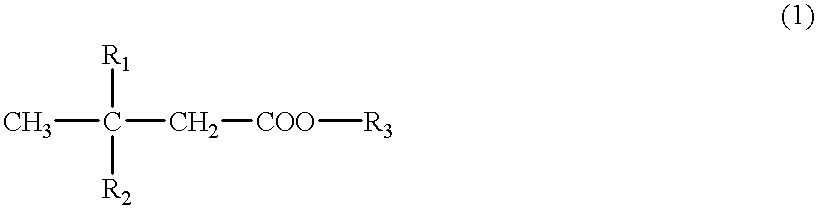
wherein R2 represents a hydrogen atom when R1 is a hydroxyl group; or R1 and R2 are combined together to form an oxo group;
R3 represents a hydrogen atom, an alkali metal or a monohydric, dihydric or trihydric alcohol residue, which may be an oligomer composed of 2-10 molecules when R1 represents a hydroxyl group and R2 and R3 represent hydrogen atoms.
5. A method as claimed in claim 1 wherein the composition comprises as an active ingredient from 5 to 500 mM of the compound of formula (1).
6. A method as claimed in claim 2, wherein the composition comprises as an active ingredient from 5 to 500 mM of the compound of formula (1).
7. A method as claimed in claim 3, wherein the composition comprises as an active ingredient from 5 to 500 mM of the compound of formula (1).
8. A method as claimed in claim 4, wherein the composition comprises as an active ingredient from 5 to 500 mM of the compound of formula (1).
Priority Applications (1)
| Application Number | Priority Date | Filing Date | Title |
|---|---|---|---|
| US09/527,241 US6232345B1 (en) | 1995-12-01 | 2000-03-17 | Cerebral function improving agents |
Applications Claiming Priority (10)
| Application Number | Priority Date | Filing Date | Title |
|---|---|---|---|
| JP33775095 | 1995-12-01 | ||
| JP7-337750 | 1995-12-01 | ||
| JP8-202671 | 1996-07-31 | ||
| JP20267196 | 1996-07-31 | ||
| JP8-202676 | 1996-08-01 | ||
| JP20267696 | 1996-08-01 | ||
| JP29924796A JP4598203B2 (en) | 1995-12-01 | 1996-10-24 | Brain function improver |
| JP8-299247 | 1996-10-24 | ||
| US08/756,747 US6136862A (en) | 1995-12-01 | 1996-11-26 | Cerebral function improving agents |
| US09/527,241 US6232345B1 (en) | 1995-12-01 | 2000-03-17 | Cerebral function improving agents |
Related Parent Applications (1)
| Application Number | Title | Priority Date | Filing Date |
|---|---|---|---|
| US08/756,747 Continuation US6136862A (en) | 1995-12-01 | 1996-11-26 | Cerebral function improving agents |
Publications (1)
| Publication Number | Publication Date |
|---|---|
| US6232345B1 true US6232345B1 (en) | 2001-05-15 |
Family
ID=27476120
Family Applications (2)
| Application Number | Title | Priority Date | Filing Date |
|---|---|---|---|
| US08/756,747 Expired - Lifetime US6136862A (en) | 1995-12-01 | 1996-11-26 | Cerebral function improving agents |
| US09/527,241 Expired - Lifetime US6232345B1 (en) | 1995-12-01 | 2000-03-17 | Cerebral function improving agents |
Family Applications Before (1)
| Application Number | Title | Priority Date | Filing Date |
|---|---|---|---|
| US08/756,747 Expired - Lifetime US6136862A (en) | 1995-12-01 | 1996-11-26 | Cerebral function improving agents |
Country Status (7)
| Country | Link |
|---|---|
| US (2) | US6136862A (en) |
| EP (2) | EP0780123B1 (en) |
| JP (1) | JP4598203B2 (en) |
| CA (1) | CA2191677C (en) |
| DE (1) | DE69621756T2 (en) |
| HK (1) | HK1043055A1 (en) |
| TW (1) | TW577736B (en) |
Cited By (47)
| Publication number | Priority date | Publication date | Assignee | Title |
|---|---|---|---|---|
| US20040171594A1 (en) * | 2001-06-28 | 2004-09-02 | Donghui Xu | Use of bis-acid(5-androsten-17-one-3beta-hydroxyl)diester for manufacture pharmaceuticals |
| US6835750B1 (en) | 2000-05-01 | 2004-12-28 | Accera, Inc. | Use of medium chain triglycerides for the treatment and prevention of alzheimer's disease and other diseases resulting from reduced neuronal metabolism II |
| US20040266872A1 (en) * | 1997-03-17 | 2004-12-30 | Btg International Limited | Therapeutic compositions |
| US20060122270A1 (en) * | 2000-05-01 | 2006-06-08 | Henderson Samuel T | Use of medium chain triglycerides for the treatment and prevention of Alzheimer's disease and other diseases resulting from reduced neuronal metabolism |
| US20060189545A1 (en) * | 2003-03-06 | 2006-08-24 | Henderson Samuel T | Novel chemical entities and methods for their use in treatment of metabolic disorders |
| US20060252775A1 (en) * | 2005-05-03 | 2006-11-09 | Henderson Samuel T | Methods for reducing levels of disease associated proteins |
| US20070135376A1 (en) * | 2005-06-20 | 2007-06-14 | Accera, Inc. | Method to reduce oxidative damage and improve mitochondrial efficiency |
| US20070179197A1 (en) * | 2000-05-01 | 2007-08-02 | Accera, Inc. | Compositions and methods for improving or preserving brain function |
| US20070197645A1 (en) * | 2004-09-21 | 2007-08-23 | Martin Keith F | Treatment of adhd |
| US20070197665A1 (en) * | 2004-07-20 | 2007-08-23 | Gross Richard A | Oligomeric ketone compounds |
| US20070225252A1 (en) * | 2004-07-23 | 2007-09-27 | Gross Richard A | Ketogenic Saccharides |
| US20070281892A1 (en) * | 2004-09-21 | 2007-12-06 | Martin Keith F | Dopaminergic Mimetics |
| US20080058416A1 (en) * | 2004-05-12 | 2008-03-06 | David Greenwood | Cns Modulators |
| US20080213691A1 (en) * | 2003-09-12 | 2008-09-04 | Headway Technologies, Inc. | Method to print photoresist lines with negative sidewalls |
| US20080287372A1 (en) * | 2000-05-01 | 2008-11-20 | Accera, Inc. | Use of Ketogenic Compounds for Treatment of Age-Associated Memory Impairment |
| US20090253781A1 (en) * | 2002-05-24 | 2009-10-08 | Btg International Limited | Therapeutic compositions |
| US20100003730A1 (en) * | 2008-07-03 | 2010-01-07 | Accera, Inc. | Enzymatic Synthesis of Acetoacetate Esters and Derivatives |
| US20110111049A1 (en) * | 2007-04-12 | 2011-05-12 | Matthew T Andrews | Ischemia/reperfusion protection compositions and methods of using |
| US20110178032A1 (en) * | 2008-07-03 | 2011-07-21 | Accera, Inc. | Monoglyceride of Acetoacetate and Derivatives for the Treatment of Neurological Disorders |
| WO2015120388A1 (en) * | 2014-02-10 | 2015-08-13 | Cytori Therapeutics, Inc. | Regenerative cell therapy for central nervous system (cns) disorders and ptsd |
| US9175345B2 (en) | 2007-07-31 | 2015-11-03 | Accera, Inc. | Use of genomic testing and ketogenic compounds for treatment of reduced cognitive function |
| US9463203B2 (en) | 2001-12-07 | 2016-10-11 | Cytori Therapeutics, Inc. | Methods of using regenerative cells in the treatment of cartilage defects |
| US9486484B2 (en) | 2008-08-19 | 2016-11-08 | Cytori Therapeutics, Inc. | Methods of using adipose tissue-derived cells in the treatment of the lymphatic system and malignant disease |
| US9492483B2 (en) | 2001-12-07 | 2016-11-15 | Cytori Therapeutics, Inc. | Methods of using regenerative cells to treat a burn |
| US9597395B2 (en) | 2001-12-07 | 2017-03-21 | Cytori Therapeutics, Inc. | Methods of using adipose tissue-derived cells in the treatment of cardiovascular conditions |
| US9849149B2 (en) | 2001-12-07 | 2017-12-26 | Cytori Therapeutics, Inc. | Methods of using regenerative cells in the treatment of erectile dysfunction |
| US10307398B2 (en) | 2016-09-20 | 2019-06-04 | Regents Of The University Of Minnesota | Resuscitation composition and methods of making and using |
| US11065217B2 (en) | 2017-01-27 | 2021-07-20 | Temple University—Of the Commonwealth System of Higher Education | Use of short chain fatty acids for the treatment and prevention of diseases and disorders |
| US11690817B2 (en) | 2017-11-22 | 2023-07-04 | Axcess Global Sciences, Llc | Non-racemic beta-hydroxybutyrate compounds and compositions enriched with the R-enantiomer and methods of use |
| US11786499B2 (en) | 2017-11-22 | 2023-10-17 | Axcess Global Sciences, Llc | Ketone body esters of S-beta-hydroxybutyrate and/or S-1,3-butanediol for modifying metabolic function |
| US11793778B2 (en) | 2018-04-18 | 2023-10-24 | Axcess Global Sciences, Llc | Compositions and methods for keto stacking with beta-hydroxybutyrate and acetoacetate |
| US11806324B2 (en) | 2018-04-18 | 2023-11-07 | Axcess Global Sciences, Llc | Beta-hydroxybutyric acid compositions and methods for oral delivery of ketone bodies |
| US11896565B2 (en) | 2016-03-11 | 2024-02-13 | Axcess Global Sciences, Llc | Beta-hydroxybutyrate mixed salt compositions and methods of use |
| US11944598B2 (en) | 2017-12-19 | 2024-04-02 | Axcess Global Sciences, Llc | Compositions containing s-beta-hydroxybutyrate or non-racemic mixtures enriched with the s-enatiomer |
| US11950616B2 (en) | 2019-06-21 | 2024-04-09 | Axcess Global Sciences, Llc | Non-vasoconstricting energy-promoting compositions containing ketone bodies |
| US11969430B1 (en) | 2023-03-10 | 2024-04-30 | Axcess Global Sciences, Llc | Compositions containing paraxanthine and beta-hydroxybutyrate or precursor for increasing neurological and physiological performance |
| US12090129B2 (en) | 2017-11-22 | 2024-09-17 | Axcess Global Sciences, Llc | Non-racemic beta-hydroxybutyrate compounds and compositions enriched with the R-enantiomer and methods of use |
| US12128020B2 (en) | 2016-04-19 | 2024-10-29 | Axcess Global Sciences, Llc | Administration of R-beta-hydroxybutyrate and related compounds in humans |
| US12167993B2 (en) | 2019-06-21 | 2024-12-17 | Axcess Global Sciences, Llc | Non-vasoconstricting energy-promoting compositions containing ketone bodies |
| US12186297B2 (en) | 2020-08-26 | 2025-01-07 | Axcess Global Sciences, Llc | Compositions and methods for increasing lean-to-fat mass ratio |
| US12329734B2 (en) | 2017-12-19 | 2025-06-17 | Axcess Global Sciences, Llc | Use of S-beta-hydroxybutyrate compounds for induction and maintenance of flow |
| US12433912B2 (en) | 2019-05-15 | 2025-10-07 | Axcess Global Sciences, Llc | Autobiotic compositions and method for promoting healthy gut microbiome |
| US12496283B2 (en) | 2016-04-19 | 2025-12-16 | Axcess Global Sciences, Llc | Administration of R-beta-hydroxybutyrate and related compounds in humans |
| US12521378B2 (en) | 2016-04-19 | 2026-01-13 | Axcess Global Sciences, Llc | Administration of R-beta-hydroxybutyrate salt blend and related compounds in humans |
| US12533331B2 (en) | 2018-04-18 | 2026-01-27 | Axcess Global Sciences, Llc | S-beta-hydroxybutyric acid compositions and methods for delivery of ketone bodies |
| US12533346B2 (en) | 2016-04-19 | 2026-01-27 | Axcess Global Sciences, Llc | Administration of berberine metabolites |
| US12551455B2 (en) | 2023-10-02 | 2026-02-17 | Axcess Global Sciences, Llc | Compositions and methods for keto stacking with beta-hydroxybutyrate and acetoacetate |
Families Citing this family (30)
| Publication number | Priority date | Publication date | Assignee | Title |
|---|---|---|---|---|
| US6316038B1 (en) | 1997-03-17 | 2001-11-13 | Btg International Limited | Therapeutic compositions |
| AU749638B2 (en) | 1997-03-17 | 2002-06-27 | Btg International Limited | Therapeutic compositions |
| MXPA01000632A (en) * | 1998-07-22 | 2002-05-06 | Metabolix Inc | Nutritional and therapeutic uses of 3-hydroxyalkanoate oligomers. |
| DE69935799T2 (en) | 1998-09-15 | 2007-12-27 | Btg International Ltd. | THERAPEUTIC COMPOSITIONS |
| US20020119191A1 (en) * | 2000-04-24 | 2002-08-29 | Hitoo Nishino | Pharmaceutical or food composition for treatment or prevention of brain edema |
| US20060280721A1 (en) * | 2003-06-03 | 2006-12-14 | The Gov Of Usa Represented By Secretary Of Dpt Of | Nutritional supplements and therapeutic compositions comprising (r)-3- hydroxybutyrate derivatives |
| GB0410266D0 (en) * | 2004-05-07 | 2004-06-09 | Ketocytonyx Inc | Treatment of apoptosis |
| WO2006020137A2 (en) | 2004-07-16 | 2006-02-23 | Ketocytonyx Inc. | Oligomeric compounds |
| KR20060094421A (en) * | 2005-02-24 | 2006-08-29 | 고재영 | Novel Stroke Therapeutic Compositions |
| US20100056631A1 (en) | 2006-10-30 | 2010-03-04 | Ophtecs Corporation | Antiallergenic composition |
| WO2008110034A1 (en) * | 2007-03-14 | 2008-09-18 | Shantou University | 3-hydroxy fatty acid and its derivatives for improving of learning and/or memory of subjects |
| EP2143434A4 (en) * | 2007-03-30 | 2014-07-23 | Earthus Inc | COMPOSITION FOR PROMOTING FORMATION OF KETONE COMPOUND |
| EP2240017B1 (en) | 2008-01-04 | 2019-03-13 | Oxford University Innovation Limited | Ketone bodies and ketone body esters as blood lipid lowering agents |
| EP3296284B1 (en) * | 2008-08-21 | 2021-12-01 | The Government of the United States of America, as repres. by the Secretary of Health and Human Services, Nat. Inst. of Health | Non-therapeutical use of hydroxybutyrate ester |
| US8642654B2 (en) | 2009-04-16 | 2014-02-04 | Isis Innovation Limited | Hydroxybutyrate ester and medical use thereof |
| WO2010120232A1 (en) * | 2009-04-14 | 2010-10-21 | Yki, Ytkemiska Institutet Ab | A prodrug comprising beta-keto carboxylic acid, beta-keto carboxylic acid salt or beta-keto carboxylic acid ester for drug delivery |
| GB201002983D0 (en) | 2010-02-22 | 2010-04-07 | Tdeltas Ltd | Nutritinal composition |
| GB201206192D0 (en) | 2012-04-05 | 2012-05-23 | Tdeltas Ltd | Ketone bodies and ketone body esters and for maintaining or improving muscle power output |
| WO2014071389A1 (en) | 2012-11-05 | 2014-05-08 | Veech Richard L | Ketone bodies to protect tissues from damage by ionizing radiation |
| GB201304467D0 (en) | 2013-03-12 | 2013-04-24 | Tdeltas Ltd | Compound for use in protecting skin |
| CN105246870A (en) | 2013-03-14 | 2016-01-13 | 伊希斯创新有限公司 | The preparation method of (R)-3-hydroxybutyric acid (R)-3-hydroxybutyl ester |
| WO2016012657A1 (en) * | 2014-07-21 | 2016-01-28 | Oulun Yliopisto | Oligomeric forms of 3-hydroxybutyrate |
| WO2018049383A1 (en) * | 2016-09-12 | 2018-03-15 | University Of South Florida | Neuroregeneration improved by ketone |
| US9925164B1 (en) | 2017-01-12 | 2018-03-27 | Neuroenergy Ventures, Inc. | Glyceryl 3-hydroxybutyrates for traumatic brain injury |
| US10376528B2 (en) | 2017-03-10 | 2019-08-13 | Tecton Group, Llc | Composition comprising ketone body and nicotinamide adenine dinucleotide modulator and methyl donor |
| US20190231742A1 (en) * | 2017-04-20 | 2019-08-01 | Theodore B. VANITALLIE | Nutritional agents used to prevent and treat hypersensitivity and other allergic-type disorders |
| BR112020013342A2 (en) * | 2018-02-01 | 2020-12-01 | Wellstat Therapeutics Corporation | compositions and devices for systemic supply of uridine |
| JP6979918B2 (en) * | 2018-03-30 | 2021-12-15 | 大阪瓦斯株式会社 | Human senescent cell activator |
| CN110151744A (en) * | 2019-05-28 | 2019-08-23 | 南方医科大学 | Application of butyric acid compound in preparation of medicine or functional food for treating ischemic stroke |
| IL288343B2 (en) | 2019-05-30 | 2024-04-01 | Neuroenergy Ventures Inc | Glyceryl tris (beta-hydroxy-butyrate) and transient ischemic attacks |
Citations (4)
| Publication number | Priority date | Publication date | Assignee | Title |
|---|---|---|---|---|
| US4346107A (en) | 1979-02-12 | 1982-08-24 | Claudio Cavazza | Pharmaceutical composition comprising acyl-carnitine for the treatment of impaired cerebral metabolism |
| JPS58201746A (en) | 1982-02-23 | 1983-11-24 | ソルヴエイ・エ・コムパニ− | Drug composition containing 3-hydroxybutanoic acid or salt derived therefrom and medicinal compound |
| GB2126082A (en) | 1982-08-12 | 1984-03-21 | Heinrich Schulze | Pharmaceutical preparations having analgetic and cytostatic activity |
| US5116868A (en) | 1989-05-03 | 1992-05-26 | The Johns Hopkins University | Effective ophthalmic irrigation solution |
Family Cites Families (3)
| Publication number | Priority date | Publication date | Assignee | Title |
|---|---|---|---|---|
| JPS5950662B2 (en) * | 1981-04-28 | 1984-12-10 | 電気化学工業株式会社 | Production method of γ-amino-β-hydroxybutyric acid |
| CA1334575C (en) | 1988-07-26 | 1995-02-28 | Atsushi Hiraide | Substitution fluid preparation comprising 3-hydroxybutyric acid (beta-hydroxybutyric acid) and its salts |
| RU2007168C1 (en) * | 1991-02-20 | 1994-02-15 | Кыргызский государственный медицинский институт | Agent showing antiedematous activity at experimental brain edema |
-
1996
- 1996-10-24 JP JP29924796A patent/JP4598203B2/en not_active Expired - Lifetime
- 1996-11-22 EP EP96118764A patent/EP0780123B1/en not_active Expired - Lifetime
- 1996-11-22 DE DE69621756T patent/DE69621756T2/en not_active Expired - Lifetime
- 1996-11-22 EP EP01122563A patent/EP1188437A3/en not_active Ceased
- 1996-11-25 TW TW085114504A patent/TW577736B/en not_active IP Right Cessation
- 1996-11-26 US US08/756,747 patent/US6136862A/en not_active Expired - Lifetime
- 1996-11-29 CA CA002191677A patent/CA2191677C/en not_active Expired - Lifetime
-
2000
- 2000-03-17 US US09/527,241 patent/US6232345B1/en not_active Expired - Lifetime
-
2002
- 2002-06-20 HK HK02104597.7A patent/HK1043055A1/en unknown
Patent Citations (4)
| Publication number | Priority date | Publication date | Assignee | Title |
|---|---|---|---|---|
| US4346107A (en) | 1979-02-12 | 1982-08-24 | Claudio Cavazza | Pharmaceutical composition comprising acyl-carnitine for the treatment of impaired cerebral metabolism |
| JPS58201746A (en) | 1982-02-23 | 1983-11-24 | ソルヴエイ・エ・コムパニ− | Drug composition containing 3-hydroxybutanoic acid or salt derived therefrom and medicinal compound |
| GB2126082A (en) | 1982-08-12 | 1984-03-21 | Heinrich Schulze | Pharmaceutical preparations having analgetic and cytostatic activity |
| US5116868A (en) | 1989-05-03 | 1992-05-26 | The Johns Hopkins University | Effective ophthalmic irrigation solution |
Non-Patent Citations (18)
| Title |
|---|
| Artru et al., J. of Neurochemistry, "gamma-hydroxybutyrate: cerebral metabolic, vasclar, and protective. effects", vol. 35, No. 5, 1980, pp 1114-1119. |
| Atarskaya et al., Kirg. Med. Inst., "Anti-oedematous agent for cerebral cedema experiments-comprises cobalt homo-pantothenato-ascorbinate, administered by intraperitoneal injection", 02/94. |
| Bendikov et al., Biull. Eksp biol. Med., "Effect of sodium hydroxybutyrate on cerebral circulation and reginal vasomotor reflexes", vol. 88, No. 11, 1979, pp 555-557. |
| Chang et al., "Hypoxia and B-Hydroxybutrate Acutely Reduce Glucose Extraction by the brain in Antheshetized Dogs", Can J. Physiol. Pharmacol., vol. 71, 1993, pp 465-472. |
| Chang et al., Can J. Physiol. Pharmacol., "Hypoxia and beta-hydroxybutyrate acutely, reduce glucose. extraction by the brain in anesthetized dogs", vol. 71, No. 7, 1993, pp 465-472. |
| Denki Kagaku Kogyo KK, "Gamma amino beta hydroxybutyric acid preparation hydrolysis hydroxy pyrrolidon cerebral function metabolism adjust", 09/92. |
| Fuji et al., Study on Administration of Ketone After Acute Cerebran Injury:, Jpn J. Acute Med., vol. 4, No. 5, 1993, pp 484. |
| Go et al., "Protective Effect of Fasting Upon Cerebral Hypoxic-Ischemic Injury", Metabolic Brain Disease, vol. 3, No. 4, 1988, pp 257-263. |
| Gueld et al., Chemical abstracts for 1991; 95112. |
| Gueldry et al., "Effect of 1,3-Butaneodiol on Cerebral Energy Metabiolism, Comparison With B-Hydroxybutryate", Metabolic Brain Disease, vol. 9, No. 2, 1994, pp 171-181. |
| Kirsch et al., "Hypoxia Induced Preferential Ketone Utilization by Rat Brain Slices", Stroke, vol. 15, No. 2 1994), pp 319-323. |
| Kirsch et al., "Role of Tissue Lactate and Substrate Availability in 1, 3-Butanediol-Enhanced Hypoxic. Survival in the Mouse", Stroke, vol. 14, No. 6, 1983, pp 971-978. |
| Marie et al., "Protective Action of 1, 3-Butanediol in Cerebral Ischemia, A Neurologic, Histologic, and. Metabolic Study", Journal of Cerebral Blood Flow and Metabolism, vol. 7, 1987, pp 794-800. |
| Owen et al., "Brain Metabolism During Fasting", The Journal of Clinical Investigation, vol. 46, No. 10,. (1967), pp 1585-1595. |
| Rising et al., "Hypoxia-Induced Increases in Hyploxic Tolerance Augmented by b-Hydroxybutyrate in Mice", Stroke, vol. 20, No. 9, 1988, pp 1219-1225. |
| Robertson et al., Stroke Dietary non-protein calories and cerebral infaraction size in rats, vol. 23, No. 4 pp 1993 564-568. |
| Roeder et al., "Competition Among Oxidizable Substrates in Brains of Young and Adult Rats", Biochem. J.,. vol. 219 1984, pp 125-130. |
| Seccombe et al., "Fetal Utilization of Maternally Derived Ketone Bodies for Lipogenesis in the Rate",. Biochemica et Biophysica Acta, vol. 488, 1977, pp 402-416. |
Cited By (74)
| Publication number | Priority date | Publication date | Assignee | Title |
|---|---|---|---|---|
| US20040266872A1 (en) * | 1997-03-17 | 2004-12-30 | Btg International Limited | Therapeutic compositions |
| US8101653B2 (en) | 1997-03-17 | 2012-01-24 | Btg International Limited | Therapeutic compositions |
| US8445535B1 (en) | 2000-05-01 | 2013-05-21 | Accera, Inc. | Use of medium chain triglycerides for the treatment and prevention of Alzheimer's disease and other diseases resulting from reduced neuronal metabolism II |
| US8426468B2 (en) | 2000-05-01 | 2013-04-23 | Accera, Inc. | Use of medium chain triglycerides for the treatment and prevention of alzheimer'S disease and other diseases resulting from reduced neuronal metabolism |
| US9603823B2 (en) | 2000-05-01 | 2017-03-28 | Accera, Inc. | Use of medium chain triglycerides for the treatment and prevention of Alzheimer's disease and other diseases resulting from reduced neuronal metabolism II |
| US6835750B1 (en) | 2000-05-01 | 2004-12-28 | Accera, Inc. | Use of medium chain triglycerides for the treatment and prevention of alzheimer's disease and other diseases resulting from reduced neuronal metabolism II |
| US10111849B2 (en) | 2000-05-01 | 2018-10-30 | Accera, Inc. | Use of medium chain triglycerides for the treatment and prevention of Alzheimer's disease and other diseases resulting from reduced neuronal metabolism II |
| US20070179197A1 (en) * | 2000-05-01 | 2007-08-02 | Accera, Inc. | Compositions and methods for improving or preserving brain function |
| US20080287372A1 (en) * | 2000-05-01 | 2008-11-20 | Accera, Inc. | Use of Ketogenic Compounds for Treatment of Age-Associated Memory Impairment |
| US8124589B2 (en) | 2000-05-01 | 2012-02-28 | Accera, Inc. | Use of ketogenic compounds for treatment of age-associated memory impairment |
| US20060122270A1 (en) * | 2000-05-01 | 2006-06-08 | Henderson Samuel T | Use of medium chain triglycerides for the treatment and prevention of Alzheimer's disease and other diseases resulting from reduced neuronal metabolism |
| US20040171594A1 (en) * | 2001-06-28 | 2004-09-02 | Donghui Xu | Use of bis-acid(5-androsten-17-one-3beta-hydroxyl)diester for manufacture pharmaceuticals |
| US9849149B2 (en) | 2001-12-07 | 2017-12-26 | Cytori Therapeutics, Inc. | Methods of using regenerative cells in the treatment of erectile dysfunction |
| US9511094B2 (en) | 2001-12-07 | 2016-12-06 | Cytori Therapeutics, Inc. | Methods of using regenerative cells in the treatment of stroke and related diseases and disorders |
| US9597395B2 (en) | 2001-12-07 | 2017-03-21 | Cytori Therapeutics, Inc. | Methods of using adipose tissue-derived cells in the treatment of cardiovascular conditions |
| US9511096B2 (en) | 2001-12-07 | 2016-12-06 | Cytori Therapeutics, Inc. | Methods of using regenerative cells to treat an ischemic wound |
| US9504716B2 (en) | 2001-12-07 | 2016-11-29 | Cytori Therapeutics, Inc. | Methods of using adipose derived regenerative cells to promote restoration of intevertebral disc |
| US9463203B2 (en) | 2001-12-07 | 2016-10-11 | Cytori Therapeutics, Inc. | Methods of using regenerative cells in the treatment of cartilage defects |
| US9872877B2 (en) | 2001-12-07 | 2018-01-23 | Cytori Therapeutics, Inc. | Methods of using regenerative cells to promote epithelialization or neodermis formation |
| US9492483B2 (en) | 2001-12-07 | 2016-11-15 | Cytori Therapeutics, Inc. | Methods of using regenerative cells to treat a burn |
| US20090253781A1 (en) * | 2002-05-24 | 2009-10-08 | Btg International Limited | Therapeutic compositions |
| US20060189545A1 (en) * | 2003-03-06 | 2006-08-24 | Henderson Samuel T | Novel chemical entities and methods for their use in treatment of metabolic disorders |
| US20080213691A1 (en) * | 2003-09-12 | 2008-09-04 | Headway Technologies, Inc. | Method to print photoresist lines with negative sidewalls |
| US20080058416A1 (en) * | 2004-05-12 | 2008-03-06 | David Greenwood | Cns Modulators |
| US7485743B2 (en) | 2004-07-20 | 2009-02-03 | Btg International Limited | Oligomeric ketone compounds |
| US20070197665A1 (en) * | 2004-07-20 | 2007-08-23 | Gross Richard A | Oligomeric ketone compounds |
| US20070225252A1 (en) * | 2004-07-23 | 2007-09-27 | Gross Richard A | Ketogenic Saccharides |
| US20110065656A1 (en) * | 2004-09-21 | 2011-03-17 | Btg International Limited | Dopaminergic mimetics |
| US20070281892A1 (en) * | 2004-09-21 | 2007-12-06 | Martin Keith F | Dopaminergic Mimetics |
| US20070197645A1 (en) * | 2004-09-21 | 2007-08-23 | Martin Keith F | Treatment of adhd |
| US20100034745A1 (en) * | 2005-05-03 | 2010-02-11 | Neuera Pharmaceuticals, Inc. | Method for Reducing Levels of Disease Associated Proteins |
| US20060252775A1 (en) * | 2005-05-03 | 2006-11-09 | Henderson Samuel T | Methods for reducing levels of disease associated proteins |
| US20100041751A1 (en) * | 2005-06-20 | 2010-02-18 | Accera, Inc. | Method to Reduce Oxidative Damage and Improve Mitochondrial Efficiency |
| US20070135376A1 (en) * | 2005-06-20 | 2007-06-14 | Accera, Inc. | Method to reduce oxidative damage and improve mitochondrial efficiency |
| US8748400B2 (en) | 2006-04-03 | 2014-06-10 | Accera, Inc. | Use of ketogenic compounds for treatment of age-associated memory impairment |
| US20110111049A1 (en) * | 2007-04-12 | 2011-05-12 | Matthew T Andrews | Ischemia/reperfusion protection compositions and methods of using |
| US9186340B2 (en) | 2007-04-12 | 2015-11-17 | Regents Of The University Of Minnesota | Ischemia/reperfusion protection compositions and methods of using |
| US9149450B2 (en) | 2007-04-12 | 2015-10-06 | Regents Of The University Of Minnesota | Ischemia/reperfusion protection compositions and methods of using |
| US8728532B2 (en) | 2007-04-12 | 2014-05-20 | Regents Of The University Of Minnesota | Ischemia/reperfusion protection compositions and methods of using |
| US9175345B2 (en) | 2007-07-31 | 2015-11-03 | Accera, Inc. | Use of genomic testing and ketogenic compounds for treatment of reduced cognitive function |
| US10105338B2 (en) | 2007-07-31 | 2018-10-23 | Accera, Inc. | Use of genomic testing and ketogenic compounds for treatment of reduced cognitive function |
| US20110178032A1 (en) * | 2008-07-03 | 2011-07-21 | Accera, Inc. | Monoglyceride of Acetoacetate and Derivatives for the Treatment of Neurological Disorders |
| US8105809B2 (en) | 2008-07-03 | 2012-01-31 | Accera, Inc. | Enzymatic synthesis of acetoacetate esters and derivatives |
| US20100003730A1 (en) * | 2008-07-03 | 2010-01-07 | Accera, Inc. | Enzymatic Synthesis of Acetoacetate Esters and Derivatives |
| US9125881B2 (en) | 2008-07-03 | 2015-09-08 | Accera, Inc. | Monoglyceride of acetoacetate and derivatives for the treatment of neurological disorders |
| US9486484B2 (en) | 2008-08-19 | 2016-11-08 | Cytori Therapeutics, Inc. | Methods of using adipose tissue-derived cells in the treatment of the lymphatic system and malignant disease |
| WO2015120388A1 (en) * | 2014-02-10 | 2015-08-13 | Cytori Therapeutics, Inc. | Regenerative cell therapy for central nervous system (cns) disorders and ptsd |
| US11896565B2 (en) | 2016-03-11 | 2024-02-13 | Axcess Global Sciences, Llc | Beta-hydroxybutyrate mixed salt compositions and methods of use |
| US12251362B2 (en) | 2016-04-19 | 2025-03-18 | Axcess Global Sciences, Llc | Administration of R-beta-hydroxybutyrate and related compounds in humans |
| US12496283B2 (en) | 2016-04-19 | 2025-12-16 | Axcess Global Sciences, Llc | Administration of R-beta-hydroxybutyrate and related compounds in humans |
| US12350243B2 (en) | 2016-04-19 | 2025-07-08 | Axcess Global Sciences, Llc | Compositions and compounds containing beta-hydroxybutyrate and one or more amino acids |
| US12521378B2 (en) | 2016-04-19 | 2026-01-13 | Axcess Global Sciences, Llc | Administration of R-beta-hydroxybutyrate salt blend and related compounds in humans |
| US12128020B2 (en) | 2016-04-19 | 2024-10-29 | Axcess Global Sciences, Llc | Administration of R-beta-hydroxybutyrate and related compounds in humans |
| US12533346B2 (en) | 2016-04-19 | 2026-01-27 | Axcess Global Sciences, Llc | Administration of berberine metabolites |
| US10307398B2 (en) | 2016-09-20 | 2019-06-04 | Regents Of The University Of Minnesota | Resuscitation composition and methods of making and using |
| US11759442B2 (en) | 2017-01-27 | 2023-09-19 | Temple University-Of The Commonwealth System Of Higher Education | Use of short chain fatty acids for the treatment and prevention of diseases and disorders |
| US11065217B2 (en) | 2017-01-27 | 2021-07-20 | Temple University—Of the Commonwealth System of Higher Education | Use of short chain fatty acids for the treatment and prevention of diseases and disorders |
| US12090129B2 (en) | 2017-11-22 | 2024-09-17 | Axcess Global Sciences, Llc | Non-racemic beta-hydroxybutyrate compounds and compositions enriched with the R-enantiomer and methods of use |
| US11690817B2 (en) | 2017-11-22 | 2023-07-04 | Axcess Global Sciences, Llc | Non-racemic beta-hydroxybutyrate compounds and compositions enriched with the R-enantiomer and methods of use |
| US11786499B2 (en) | 2017-11-22 | 2023-10-17 | Axcess Global Sciences, Llc | Ketone body esters of S-beta-hydroxybutyrate and/or S-1,3-butanediol for modifying metabolic function |
| US12329734B2 (en) | 2017-12-19 | 2025-06-17 | Axcess Global Sciences, Llc | Use of S-beta-hydroxybutyrate compounds for induction and maintenance of flow |
| US11944598B2 (en) | 2017-12-19 | 2024-04-02 | Axcess Global Sciences, Llc | Compositions containing s-beta-hydroxybutyrate or non-racemic mixtures enriched with the s-enatiomer |
| US12514841B2 (en) | 2017-12-19 | 2026-01-06 | Axcess Global Sciences, Llc | Use of S-beta-hydroxybutyrate compounds for induction and maintenance of flow |
| US11806324B2 (en) | 2018-04-18 | 2023-11-07 | Axcess Global Sciences, Llc | Beta-hydroxybutyric acid compositions and methods for oral delivery of ketone bodies |
| US12533331B2 (en) | 2018-04-18 | 2026-01-27 | Axcess Global Sciences, Llc | S-beta-hydroxybutyric acid compositions and methods for delivery of ketone bodies |
| US11793778B2 (en) | 2018-04-18 | 2023-10-24 | Axcess Global Sciences, Llc | Compositions and methods for keto stacking with beta-hydroxybutyrate and acetoacetate |
| US12472200B2 (en) | 2019-05-15 | 2025-11-18 | Axcess Global Sciences, Llc | Autobiotic compositions and method for promoting healthy gut microbiome |
| US12433912B2 (en) | 2019-05-15 | 2025-10-07 | Axcess Global Sciences, Llc | Autobiotic compositions and method for promoting healthy gut microbiome |
| US12167993B2 (en) | 2019-06-21 | 2024-12-17 | Axcess Global Sciences, Llc | Non-vasoconstricting energy-promoting compositions containing ketone bodies |
| US11950616B2 (en) | 2019-06-21 | 2024-04-09 | Axcess Global Sciences, Llc | Non-vasoconstricting energy-promoting compositions containing ketone bodies |
| US12186297B2 (en) | 2020-08-26 | 2025-01-07 | Axcess Global Sciences, Llc | Compositions and methods for increasing lean-to-fat mass ratio |
| US12144814B2 (en) | 2023-03-10 | 2024-11-19 | Axcess Global Sciences, Llc | Compositions containing paraxanthine and beta-hydroxybutyrate or precursor for increasing neurological and physiological performance |
| US11969430B1 (en) | 2023-03-10 | 2024-04-30 | Axcess Global Sciences, Llc | Compositions containing paraxanthine and beta-hydroxybutyrate or precursor for increasing neurological and physiological performance |
| US12551455B2 (en) | 2023-10-02 | 2026-02-17 | Axcess Global Sciences, Llc | Compositions and methods for keto stacking with beta-hydroxybutyrate and acetoacetate |
Also Published As
| Publication number | Publication date |
|---|---|
| JPH1095730A (en) | 1998-04-14 |
| JP4598203B2 (en) | 2010-12-15 |
| EP0780123B1 (en) | 2002-06-12 |
| HK1043055A1 (en) | 2002-09-06 |
| DE69621756T2 (en) | 2002-10-24 |
| TW577736B (en) | 2004-03-01 |
| DE69621756D1 (en) | 2002-07-18 |
| CA2191677A1 (en) | 1997-06-02 |
| EP1188437A2 (en) | 2002-03-20 |
| CA2191677C (en) | 2007-03-06 |
| US6136862A (en) | 2000-10-24 |
| EP1188437A3 (en) | 2002-03-27 |
| EP0780123A1 (en) | 1997-06-25 |
Similar Documents
| Publication | Publication Date | Title |
|---|---|---|
| US6232345B1 (en) | Cerebral function improving agents | |
| US5834032A (en) | Compositions and methods for treating diabetes | |
| KR960008651B1 (en) | Therapeutic preparation for the treatment of hepatic disorders | |
| CA1173749A (en) | Therapeutic method for treatment of juvenile diabetes mellitus and pharmaceutical composition for such a method | |
| JP2003171271A (en) | Medicine for glucose tolerance disorder | |
| JP2001513506A (en) | Chromium / biotin treatment for type II diabetes | |
| US6235784B1 (en) | Medicament and therapeutical method for treating idiopathic asthenozoospermia | |
| JP5516654B2 (en) | Liver cancer development / proliferation inhibitor | |
| US3819830A (en) | Method for treating diseases by coenzyme a and adenosine triphosphate and composition therefor | |
| ES2250749T3 (en) | USE OF A COMBINED COMPOSITION THAT INCLUDES PROPIONIL L-CARNITINE AND OTHER PHARMACOS FOR THE TREATMENT OF ERECTILE DYSFUNCTION. | |
| Brewer | The pharmacological use of zinc | |
| EP0217258B1 (en) | The use of choline or choline releasing compounds for reducing the perception of fatigue | |
| US7439077B2 (en) | Coumarin analog compounds for safer anticoagulant treatment | |
| US4775665A (en) | Method and composition for treating neurological disorders and aging | |
| EP0715850B1 (en) | Use of proline and/or derivatives as an antihepatitis agent | |
| JP2015131849A (en) | Pharmaceutical composition and food and drink for abnormal glucose tolerance | |
| Forbes et al. | The effect of alcohol on liver lipids and on liver and heart glycogen | |
| JPH03501027A (en) | energy substrate | |
| KR100458996B1 (en) | Cerebral function improving agent | |
| RU2111762C1 (en) | Substance capable to decrease attraction to ethanol | |
| EP0409994A1 (en) | Active vitamin d for chronic hepatitis treatment | |
| EP0125900A1 (en) | A pharmaceutical composition for use in treating neurological disease or aging | |
| JPH08208472A (en) | Anti-hepatitis agent | |
| BE825194A (en) | N-BENZENE-SULFONYL-BETA-ALANINE HYDRAZIDE AS A SAFE AND ACTIVE IMMUNOSUPRESSIVE AGENT | |
| JPH07206684A (en) | Agent for suppressing hepatopathy |
Legal Events
| Date | Code | Title | Description |
|---|---|---|---|
| AS | Assignment |
Owner name: BTG INTERNATIONAL LIMITED, ENGLAND Free format text: ASSIGNMENT OF ASSIGNORS INTEREST;ASSIGNOR:SHIMIZU PHARMACEUTICAL CO., LTD.;REEL/FRAME:011667/0772 Effective date: 20001023 |
|
| STCF | Information on status: patent grant |
Free format text: PATENTED CASE |
|
| FEPP | Fee payment procedure |
Free format text: PAYOR NUMBER ASSIGNED (ORIGINAL EVENT CODE: ASPN); ENTITY STATUS OF PATENT OWNER: LARGE ENTITY |
|
| CC | Certificate of correction | ||
| FPAY | Fee payment |
Year of fee payment: 4 |
|
| FPAY | Fee payment |
Year of fee payment: 8 |
|
| FPAY | Fee payment |
Year of fee payment: 12 |