US6033889A - Gene sequence of Aquifex pyrophilus superoxide dismutase and protein expressed in Escherichia coli - Google Patents

Gene sequence of Aquifex pyrophilus superoxide dismutase and protein expressed in Escherichia coli Download PDF

Info

Publication number
US6033889A
US6033889A US09/008,303 US830398A US6033889A US 6033889 A US6033889 A US 6033889A US 830398 A US830398 A US 830398A US 6033889 A US6033889 A US 6033889A
Authority
US
United States
Prior art keywords
sod
pyrophilus
superoxide dismutase
protein
glu
Prior art date
Legal status (The legal status is an assumption and is not a legal conclusion. Google has not performed a legal analysis and makes no representation as to the accuracy of the status listed.)
Expired - Fee Related
Application number
US09/008,303
Inventor
Ye Sun Han
Yeon Gyu Yu
Sung Hou Kim
Jae Hwan Lim
Jae Ryeon Ryu
In Geol Choi
Current Assignee (The listed assignees may be inaccurate. Google has not performed a legal analysis and makes no representation or warranty as to the accuracy of the list.)
Korea Institute of Science and Technology KIST
Original Assignee
Korea Institute of Science and Technology KIST
Priority date (The priority date is an assumption and is not a legal conclusion. Google has not performed a legal analysis and makes no representation as to the accuracy of the date listed.)
Filing date
Publication date
Application filed by Korea Institute of Science and Technology KIST filed Critical Korea Institute of Science and Technology KIST
Assigned to KOREA INSTITUTE OF SCIENCE AND TECHNOLOGY reassignment KOREA INSTITUTE OF SCIENCE AND TECHNOLOGY ASSIGNMENT OF ASSIGNORS INTEREST (SEE DOCUMENT FOR DETAILS). Assignors: CHOI, IN GEOL, HAN, YE SUN, KIM, SUNG HOU, LIM, JAE HWAN, RYU, JAE RYEON, YU, YEON GYU
Application granted granted Critical
Publication of US6033889A publication Critical patent/US6033889A/en
Anticipated expiration legal-status Critical
Expired - Fee Related legal-status Critical Current

Links

Images

Classifications

    • CCHEMISTRY; METALLURGY
    • C12BIOCHEMISTRY; BEER; SPIRITS; WINE; VINEGAR; MICROBIOLOGY; ENZYMOLOGY; MUTATION OR GENETIC ENGINEERING
    • C12NMICROORGANISMS OR ENZYMES; COMPOSITIONS THEREOF; PROPAGATING, PRESERVING, OR MAINTAINING MICROORGANISMS; MUTATION OR GENETIC ENGINEERING; CULTURE MEDIA
    • C12N15/00Mutation or genetic engineering; DNA or RNA concerning genetic engineering, vectors, e.g. plasmids, or their isolation, preparation or purification; Use of hosts therefor
    • C12N15/09Recombinant DNA-technology
    • C12N15/11DNA or RNA fragments; Modified forms thereof; Non-coding nucleic acids having a biological activity
    • C12N15/52Genes encoding for enzymes or proenzymes
    • CCHEMISTRY; METALLURGY
    • C12BIOCHEMISTRY; BEER; SPIRITS; WINE; VINEGAR; MICROBIOLOGY; ENZYMOLOGY; MUTATION OR GENETIC ENGINEERING
    • C12NMICROORGANISMS OR ENZYMES; COMPOSITIONS THEREOF; PROPAGATING, PRESERVING, OR MAINTAINING MICROORGANISMS; MUTATION OR GENETIC ENGINEERING; CULTURE MEDIA
    • C12N9/00Enzymes; Proenzymes; Compositions thereof; Processes for preparing, activating, inhibiting, separating or purifying enzymes
    • C12N9/0004Oxidoreductases (1.)
    • C12N9/0089Oxidoreductases (1.) acting on superoxide as acceptor (1.15)
    • AHUMAN NECESSITIES
    • A61MEDICAL OR VETERINARY SCIENCE; HYGIENE
    • A61KPREPARATIONS FOR MEDICAL, DENTAL OR TOILETRY PURPOSES
    • A61K38/00Medicinal preparations containing peptides
    • YGENERAL TAGGING OF NEW TECHNOLOGICAL DEVELOPMENTS; GENERAL TAGGING OF CROSS-SECTIONAL TECHNOLOGIES SPANNING OVER SEVERAL SECTIONS OF THE IPC; TECHNICAL SUBJECTS COVERED BY FORMER USPC CROSS-REFERENCE ART COLLECTIONS [XRACs] AND DIGESTS
    • Y02TECHNOLOGIES OR APPLICATIONS FOR MITIGATION OR ADAPTATION AGAINST CLIMATE CHANGE
    • Y02ATECHNOLOGIES FOR ADAPTATION TO CLIMATE CHANGE
    • Y02A50/00TECHNOLOGIES FOR ADAPTATION TO CLIMATE CHANGE in human health protection, e.g. against extreme weather
    • Y02A50/30Against vector-borne diseases, e.g. mosquito-borne, fly-borne, tick-borne or waterborne diseases whose impact is exacerbated by climate change

Definitions

  • the present invention relates to a gene sequence of superoxide dismutase of Aquifex pyrophilus and protein expressed in Escherichia coli.
  • hyperthermophile are classified as a kind of archaeobacteria or archaea, among which are two species of Thennotoga and Aquifex which belong to a class of bacteria.
  • A. pyrophilus of Eubacterium is located at the lowest part of the evolution map. They are known as an autotrophic bacterium which can oxidize or reduce sulfur atom to produce energy. [See, Huber R. et al., Syst. Appl. Microbiol. 15: 349-351, 1992].
  • A. pyrophilus was discovered in deep submarine. It also has been found that the organism may grow between 67° C. and 95° C. and its optimum growth temperature is 85° C.
  • SOD Superoxide dismutase
  • SODs are an enzyme which can convert superoxide radicals (O 2 --) to H 2 O 2 .
  • the superoxide radicals are chemically and inevitably generated in vivo.
  • the enzyme is one of the important enzymes to function in the intracellular protection mechanisms. [See, Fridovich, I. et al., Annu. Rev. Biochem. 64, 97-112].
  • SODs are divided into three species, i.e., Cu- and Zn-, Fe-, and Mn-SOD in accord with the kind of bound metal.
  • Cu-, and Zn-SOD are found in eucaryote, Fe-SOD in eubacteria and archaeobacteria, and Mn-SOD in bacteria and mitochondria of eucaryote.
  • the superoxide dismutase involves an important protection mechanism to prevent cellular lesions due to oxygen. Therefore, the enzyme may be useful for the preparation of necessary medicaments for treating inflammation, disease of autoimmunization, chromosomal lesion and the like.
  • A. pyrophilus is one of hyperthermophilic bacteria which can grow at the optimum temperature of 85° C., so that the superoxide dismutase of A. pyrophilus has a higher thermal stability than other organisms and is further broadly applicable in the field of the pharmaceutical industry.
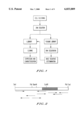
  • FIG. 1 is a flow chart according to the present invention.
  • FIG. 2 is a strategy for mapping the restriction enzyme and sequencing the gene sequences of A. pyrophilus SOD.
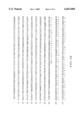
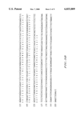
  • FIG. 3 is a gene sequence of pD2 clone containing SOD gene (SEQ ID NO: 1 and 2).
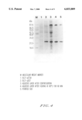
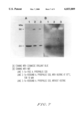
  • FIG. 4 is a photograph showing Tricine-SDS polyacrylamide gel (16.5%) electrophoresis of SOD protein in every purification step.
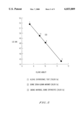
  • FIG. 5 is a graph showing the results of Sephacryl S-200 gel-filtration chromatography for determining the molecular weight of A. pyrophilus.
  • FIG. 6 is a photograph showing the activity of SOD protein as analysed by Nondenaturating gel electrophoresis in the NBT staining method.
  • FIG. 7 is a photograph showing Tricine-SDS polyacrylamide gel electrophoresis of a Fe-free SOD and an activated, Fe-bound SOD in the NBT staining method.
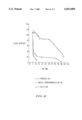
  • FIG. 8 is a graph showing comparisons of specific activities of A. pyrophilus SOD, E. coli Fe-SOD and Bacillus stearothennophilus Mn-SOD after heating the SODs.
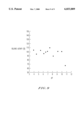
  • FIG. 9 is a graph showing the determination of activity of SOD between pH 4.0 and pH 10.7, on which the effect of pH on activity is indicated.
  • the object of the present invention is to obtain a superior superoxide dismutase in thermal stability. This object is accomplished by finding gene sequences of the superoxide dismutase from A. pyrophilus and expressing proteins in E. coli to produce a superior enzyme in thermal stability.
  • the gene sequences of superoxide dismutase of the present invention are isolated from A. pyrophilus strain (DSM #6858) which has been deposited with the deposit authority, DSM (Deutsche Sammiung von Mikroorganism und Zellkulturen GmBH) in Germany.
  • DSM Deutsche Sammiung von Mikroorganism und Zellkulturen GmBH
  • the strain culturing [See, Huber, R. et al., Syst. Appl. Microbiol., 15:349-351, 1992], genomic DNA isolation from the strain and then cloning of the genomic DNA are carried out, as shown in FIG. 1. Plasmid library and genomic library are prepared by using pBluescript KS(+) and ⁇ DASHII, respectively.
  • the gene sequences of about 178 clones of the plasmid library are read by the chain termination method, and then a similarity to other SOD species is searched in BLAST program (Basic Local Alignment Search Tool Program). Polymerase chain reaction of the most similar clone is carried out and the produced synthetic segments is used as a probe for finding the SOD gene from the genomic library in order to obtain an entire SOD gene.
  • BLAST program Basic Local Alignment Search Tool Program
  • a genomic DNA library was plated on E. coli MRA-P2. Plaque hybridization screening was done using ECL direct system (Amersham Co., Ohio, U.S.A.). Prehybridization and hybridization were done at 42° C. for 1 and 4 h, respectively, in hybridization solution. Positive plaques were pooled in SM buffer (50 mM Tris-HCl, pH 7.5, 10 mM NaCl, 8 mM MgSO 4 , 0.01% gelatin), replated at low density, and a single plaque was isolated. Phage DNA was isolated using Qiagen Lambda Kit. Phage DNA digested with HindIII, EcoRI, and SacI were identified by Southern hybridization with the PCR-amplified fragment as a probe.
  • the phage DNA (( ⁇ 12) digested with SacI was ligated with pBluscript KS(+) and transformation of E. coli DH5 ⁇ was carried out according to the procedure by Sambrook.
  • the positive clones were tested by PCR to yield a final clone, pD2.
  • the pD2 clone which had the SOD gene was digested with SacI, EcoRV, PstI and BamHI as shown in FIG. 2. These fragments were subcloned into pBluescript KS(+) for DNA sequencing (See, FIG. 3).
  • the identified gene sequence according to the present invention consist of a total of 639 bases, wherein initiation codon is ATG codon at the position of 1,013 and termination codon is TAA codon at the position of 1,652.
  • GAAAAGGAGG (SEQ ID NO: 3) is present at the position of 18 bases upstream the initiation codon, which is similar to the Shine Dalgarno base sequence for E. coli and which is presumed to be a ribosome-binding position.
  • TATAAA SEQ ID NO: 4
  • at the position of 70 base upstream the initiation codon is considered to be a promoter position.
  • pD2 clones containing the SOD gene are subjected to the polymerase chain reaction using two synthetic primers. Synthetic fragments obtained from the reaction are treated with restriction enzyme NcoI and BamHI, ligated to pET3d vector (Novagen, Inc.) which has been pretreated with the same enzymes, and then transformed to host, E. coli BL21.
  • the sequences of synthetic primers used are as follows.
  • sodF SEQ ID NO: 5
  • sodR SEQ ID NO: 6
  • the proteins are isolated and purified by using anionic exchange chromatograph (Q-sepharose, FPLC, LKB Pharmacia) and Gel-filtration column.
  • the purified proteins are analysed for their protein size on a 16.5% Tricine SDS-PAGE to identify as 24 kDa and 96 kDa (See, FIG. 4).
  • the protein of 24 kDa has the same molecular weight as calculated from the predicted amino acid sequence from its base sequence.
  • the 96 kDa protein shows that SOD of A. phraphilus is present in a form of homotertramer, which is consistent with the crystalline structure of SOD.
  • Sephacryl S-200 gel filtration chromatography is used to determinate the molecular weight of SOD.
  • the molecular weight of SOD is 89 kDa (See, FIG. 5).
  • Atomic Absorption Spectrophotometer (Barian SectrAA800) is used to analyse what kind of metal is contained in a purified protein. It is found that the SOD contains 0.75 gram atom of iron per monomer.
  • nitro blue tetrazolium (NBT) staining method is used to test the activity of enzymes [See, Beauchamp, C. and Fridovich, I., Anal. Biochem, 44:276-287, 1971].
  • Superoxide radicals can reduce colorless nitro blue terzolium to blue formazan, whereas active sites of the SOD protein immobilized on the gel appear as transparent bands.
  • KCN renders Cu-, Zn-SOD inactive and H 2 O 2 inhibits the activity of Fe-SOD. It was identified that the SOD protein of A. pyrophilus contains Fe, because the protein is inactivated by H 2 O 2 (See, FIG. 6).
  • Fe-free SOD is present as inactive monomers and Fe-rebound SOD is present as a mixture of active tetramers and inactive monomers (See, FIG. 7).
  • SOD activity unit is defined as the amount of enzyme which inhibits the rate of cytochrome c reduction by 50%.
  • thermostability of the enzymes are determinated. After boiling for 2 hours, SOD of A. pyrophilus retains about 80% of activity (See, FIG. 8). To the contrary, after boiling at 95° C. for 2 hours Fe-SOD of E. coli and Mn-SOD of Bacillus stearothermophilus lose almost all of their activities. Thus, the results show that SOD of A. pyrophilus has strong thermostability, as predicted.
  • a gene cloning flow chart was designed for obtaining a gene to produce superoxide dismutase.
  • DSM #6858 DSM (Deutsche Sammlung von Mikroorganismen und Zellkulturen Gmbh) which is an Microorganism deposition authority in Germany.
  • a plasmid library from the strain was prepared as follows. The strain was cultured to yield genomic DNA and then the resulting genomic DNA was treated with restriction enzyme HindIII to produce small gene fragments. The resulting DNA fragments were cloned into vector pBluescript KS ( ⁇ ) which has been lineared by digesting with HindIII, to screen 178 positive clones containing the A. pyrophilus gene.
  • Genomic DNAs for A. pyrophilus were incompletely excised with HindIII to obtain segments in an appropriate size (at least 10 kb), and then linked to the HindIII-digested lamda-DASH II DNA (available from Stratagene, Calif., U.S.A.) to package the genomic library by using Gigapack XL packaging extract (available from Stratagene, La Jolla, Calif., U.S.A.). Thereafter, the genomic library was completed using the method described by Sambrook, et al., Molecular Cloning: A Laboratory Manual, 2nd ed., Cold Spring Harbor laboratory Press, Cold Spring Harbor, N.Y., (1989). The plaque forming unit of the prepared library was about 10 10 pfu/ml.
  • the amplified segment obtained above was used as a probe to conduct plaque-bindinga detection method by using ECL Direct System (available from Amersham Co.). 12 clones which show a positive signal were selected, among which a clone showing the strongest positive signal was selected and designated as A12. Clone A12 contained 2.1 kb A. pyrophilus gene insert segments. Following extraction of DNAs from the segments, the DNAs were treated with restriction enzyme SacI to conduct an analysis of Southern blotting hybridization. At this time, 2.1 kb insert segments were isolated from the agarose gel, which show a positive signal, and then linked to the SacI-pretreated pBluscript SK( ⁇ ).
  • the resulting clones were designated as pD2. Restriction enzyme positions which are contained within the 2.1 kb segment of the clone, were used to treat the segment and vector with restriction enzyme PstI, BamHI, EcoRV, respectively and subcloned them into pBluescript SK( ⁇ ) (See, FIG. 2). From each of the resulting clones, entire 2.1 kb base sequences were determinated using dideoxynucleoside chain termination method (See, FIG. 3). Comparative analysis of the base sequence with the known superoxide dismutase gene sequence of other species, identified that the resulting base sequences shows high homology to SOD of E. coli in 44%, to SOD of Bacillus stearothermophilus in 45%, and to SOD of Thermus thenmophilus in 45%.
  • E. coli After checking the restriction enzyme and base sequences in order to obtain superoxide dismutase protein, the protein was expressed in E. coli of which a protein expression mechanism is well established presently.
  • expression vector pET3d (available from Novagen, Inc.) was digested with restriction enzyme NcoI and BamHI, rendering it linear.
  • pD2 clone containing superoxide dismutase gene was subjected to polymerase chain reaction using two synthetic oligonucleotides and then isolated on agarose gel.
  • the resulting gene segment of 638 bases was treated with restriction enzyme NcoI and BamHI, and linked to the same enzyme-treated pET3d to transform into a host in use for expression, E.
  • the used synthetic oligonucleotides were provided by Bio-Synthesis Co. in U.S.A., which were synthesized as we requested.
  • the oligonucleotides included a cleavage site of the used restriction enzyme, and was designed to exactly bind to origin of replication for protein.
  • the sequence of the synthetic oligonucleotides are as follows:
  • KCTC 0288BP a stronger recombinant clone in degree of expression was selected (KCTC 0288BP) and inoculated on 1 liter of ampicillin(100 ug/ul)-added LB medium.
  • the LB medium was cultured until OD 600 reached 0.5 at 30° C. IPTG was added so as to be 400 mM, inducing the superoxide dismutase protein to be expressed. After culturing the medium together with shaking for 4 hours, the cell was centrifuged at 4000 g for 10 min and recovered.
  • the resulting cell was dissolved in 25 ml of lysis buffer (20 mM potassium phosphate, pH 7.0, 20 mM NaCl, 0.1 mM EDTA, 0.1 mM PMSF), frozen and thawed three times, and then crushed by operating a sonic generator (Branson sonifier, Model 450) 5 times for 1 min each time.
  • the resulting cell extract was centrifuged at 25,000 g for 1 hour and the supernatant was heat-treated for 1 hour at 80° C.
  • the sample was recentrifuged at 25,000 g for 30 min and the obtained supernatant was isolated on anion exchange chromatography (Q-sepharose, FPLC, LKB Pharmacia) and finally on gel filtration chromatography (Superdex-200, FPLC, LKB Pharmacia).
  • anion exchange chromatography Q-sepharose, FPLC, LKB Pharmacia
  • gel filtration chromatography Superdex-200, FPLC, LKB Pharmacia
  • the molecular weight of the protein was found to be 24,240 Da exactly by using the mass spectrum.
  • the oligomer having 96 kDa of molecular weight was conformed to the fact that a homotertamer is present in X-ray crystalline construction of A.
  • pyrophilus SOD and gel filtration chromatography of Sephacryl S-200 identified that the molecular weight is 89 kDa (See, FIG. 5).
  • Fe-free SOD was subjected to dialysis against the following solution at 4° C. in turn.
  • Fe-free SOD was made for the purpose of determining enzymic activity of Fe-free SOD and carried out electrophoresis on Tricine SDS-polyacrylamde gel by using NBT staining method (See, FIG. 7). From SDS-PAGE, the Fe-free SOD was found to be present as an inactive monomer and the reconstituted Fe-SOD was found to be present in two forms, i.e., an active tetramer and an inactive monomer. The non-heat treated protein showed the same bands as those of the heat treated protein at 95° C. for 10 min.
  • the kinds of buffer solution used at each pH are as follows: pH 4.0, 4.6: acetate buffer; pH 5.5: citrate buffer; pH 6.2: MES(2-[N-morpholino] ethansulfonic acid) buffer; pH 6.8: BTP (Bis-Tris Propane) buffer; pH 7.0: phosphate buffer; pH 7.5: Hepes buffer; pH 8.2: Tris-Cl buffer; pH 9.2, 10.0, 10.7: carbonate buffer).

Landscapes

  • Health & Medical Sciences (AREA)
  • Life Sciences & Earth Sciences (AREA)
  • Genetics & Genomics (AREA)
  • Engineering & Computer Science (AREA)
  • Chemical & Material Sciences (AREA)
  • Organic Chemistry (AREA)
  • Bioinformatics & Cheminformatics (AREA)
  • Wood Science & Technology (AREA)
  • Zoology (AREA)
  • Biomedical Technology (AREA)
  • Biotechnology (AREA)
  • Molecular Biology (AREA)
  • General Engineering & Computer Science (AREA)
  • Microbiology (AREA)
  • Biochemistry (AREA)
  • General Health & Medical Sciences (AREA)
  • Medicinal Chemistry (AREA)
  • Physics & Mathematics (AREA)
  • Biophysics (AREA)
  • Plant Pathology (AREA)
  • Enzymes And Modification Thereof (AREA)

Abstract

Gene sequences of superoxide dismutase of Aquifex pyrophilus which is one of hyperthermophile microorganism and protein expressed therefrom are provided, wherein the protein is used as a necessary medicament in treatment of inflammation, disease of autoimmunization, chromosome lesion and the like, and particularly, A. pyrophilus is a hyperthermophile which can grow at the optimum temperature of 85 DEG C., and thus the superoxide dismutase of A. pyrophilus has a higher thermal stability than other organisms, resulting in further broad applications in the pharmaceutical field.

Description

BACKGROUND OF THE INVENTION
1. Field of the Invention
The present invention relates to a gene sequence of superoxide dismutase of Aquifex pyrophilus and protein expressed in Escherichia coli.
2. Description of the Prior Art
Recently, there has been a variety of attempts to isolate enzymes from the organisms which may grow in a specific environment, or to modify a known enzyme so as to obtain an enzyme which can maintain its activity in a specific environment. In particular, the presence of an organism which can grow in temperatures around 100° C. or higher has been reported, and it has been known that an enzyme isolated from such a organism can also maintain its activity at a high temperature of around 100° C. without being denatured. Therefore, there have been extensive attempts to find a hyperthermophilic enzyme which is active at a high temperature from such microorganisms. Microorganisms which may grow at an extremely high temperature are collectively referred to as "hyperthermophile" and their optimum growth temperature is normally a temperature of at least 80° C. It has also been reported that some kinds of microorganisms may grow even at an extremely higher temperature of at least 115° C. Now, it has been reported that there are about at least 50 to 60 kinds of hyperthermophile, and they are largely distributed at deep thermal vent regions. Most hyperthermophile are classified as a kind of archaeobacteria or archaea, among which are two species of Thennotoga and Aquifex which belong to a class of bacteria.
The results of 16s RNA sequence analysis indicated that A. pyrophilus of Eubacterium is located at the lowest part of the evolution map. They are known as an autotrophic bacterium which can oxidize or reduce sulfur atom to produce energy. [See, Huber R. et al., Syst. Appl. Microbiol. 15: 349-351, 1992]. A. pyrophilus was discovered in deep submarine. It also has been found that the organism may grow between 67° C. and 95° C. and its optimum growth temperature is 85° C.
Superoxide dismutase (hereinafter. referred to SOD) is an enzyme which can convert superoxide radicals (O2 --) to H2 O2. The superoxide radicals are chemically and inevitably generated in vivo. The enzyme is one of the important enzymes to function in the intracellular protection mechanisms. [See, Fridovich, I. et al., Annu. Rev. Biochem. 64, 97-112]. SODs are divided into three species, i.e., Cu- and Zn-, Fe-, and Mn-SOD in accord with the kind of bound metal. Cu-, and Zn-SOD are found in eucaryote, Fe-SOD in eubacteria and archaeobacteria, and Mn-SOD in bacteria and mitochondria of eucaryote.
As disclosed above, the superoxide dismutase involves an important protection mechanism to prevent cellular lesions due to oxygen. Therefore, the enzyme may be useful for the preparation of necessary medicaments for treating inflammation, disease of autoimmunization, chromosomal lesion and the like. Particularly, A. pyrophilus is one of hyperthermophilic bacteria which can grow at the optimum temperature of 85° C., so that the superoxide dismutase of A. pyrophilus has a higher thermal stability than other organisms and is further broadly applicable in the field of the pharmaceutical industry.
BRIEF DESCRIPTION OF THE SEVERAL VIEWS OF THE DRAWING
FIG. 1 is a flow chart according to the present invention.
FIG. 2 is a strategy for mapping the restriction enzyme and sequencing the gene sequences of A. pyrophilus SOD.
FIG. 3 is a gene sequence of pD2 clone containing SOD gene (SEQ ID NO: 1 and 2).
FIG. 4 is a photograph showing Tricine-SDS polyacrylamide gel (16.5%) electrophoresis of SOD protein in every purification step.
FIG. 5 is a graph showing the results of Sephacryl S-200 gel-filtration chromatography for determining the molecular weight of A. pyrophilus.
FIG. 6 is a photograph showing the activity of SOD protein as analysed by Nondenaturating gel electrophoresis in the NBT staining method.
FIG. 7 is a photograph showing Tricine-SDS polyacrylamide gel electrophoresis of a Fe-free SOD and an activated, Fe-bound SOD in the NBT staining method.
FIG. 8 is a graph showing comparisons of specific activities of A. pyrophilus SOD, E. coli Fe-SOD and Bacillus stearothennophilus Mn-SOD after heating the SODs.
FIG. 9 is a graph showing the determination of activity of SOD between pH 4.0 and pH 10.7, on which the effect of pH on activity is indicated.
SUMMARY OF THE INVENTION
The object of the present invention is to obtain a superior superoxide dismutase in thermal stability. This object is accomplished by finding gene sequences of the superoxide dismutase from A. pyrophilus and expressing proteins in E. coli to produce a superior enzyme in thermal stability.
DETAILED DESCRIPTION OF THE INVENTION
The gene sequences of superoxide dismutase of the present invention are isolated from A. pyrophilus strain (DSM #6858) which has been deposited with the deposit authority, DSM (Deutsche Sammiung von Mikroorganism und Zellkulturen GmBH) in Germany. The strain culturing [See, Huber, R. et al., Syst. Appl. Microbiol., 15:349-351, 1992], genomic DNA isolation from the strain and then cloning of the genomic DNA are carried out, as shown in FIG. 1. Plasmid library and genomic library are prepared by using pBluescript KS(+) and λDASHII, respectively. The gene sequences of about 178 clones of the plasmid library are read by the chain termination method, and then a similarity to other SOD species is searched in BLAST program (Basic Local Alignment Search Tool Program). Polymerase chain reaction of the most similar clone is carried out and the produced synthetic segments is used as a probe for finding the SOD gene from the genomic library in order to obtain an entire SOD gene.
A genomic DNA library was plated on E. coli MRA-P2. Plaque hybridization screening was done using ECL direct system (Amersham Co., Ohio, U.S.A.). Prehybridization and hybridization were done at 42° C. for 1 and 4 h, respectively, in hybridization solution. Positive plaques were pooled in SM buffer (50 mM Tris-HCl, pH 7.5, 10 mM NaCl, 8 mM MgSO4, 0.01% gelatin), replated at low density, and a single plaque was isolated. Phage DNA was isolated using Qiagen Lambda Kit. Phage DNA digested with HindIII, EcoRI, and SacI were identified by Southern hybridization with the PCR-amplified fragment as a probe. The phage DNA ((φ12) digested with SacI was ligated with pBluscript KS(+) and transformation of E. coli DH5α was carried out according to the procedure by Sambrook. The positive clones were tested by PCR to yield a final clone, pD2. The pD2 clone which had the SOD gene was digested with SacI, EcoRV, PstI and BamHI as shown in FIG. 2. These fragments were subcloned into pBluescript KS(+) for DNA sequencing (See, FIG. 3).
The identified gene sequence according to the present invention consist of a total of 639 bases, wherein initiation codon is ATG codon at the position of 1,013 and termination codon is TAA codon at the position of 1,652. GAAAAGGAGG (SEQ ID NO: 3) is present at the position of 18 bases upstream the initiation codon, which is similar to the Shine Dalgarno base sequence for E. coli and which is presumed to be a ribosome-binding position. TATAAA (SEQ ID NO: 4) at the position of 70 base upstream the initiation codon is considered to be a promoter position.
To express proteins from the identified gene, pD2 clones containing the SOD gene are subjected to the polymerase chain reaction using two synthetic primers. Synthetic fragments obtained from the reaction are treated with restriction enzyme NcoI and BamHI, ligated to pET3d vector (Novagen, Inc.) which has been pretreated with the same enzymes, and then transformed to host, E. coli BL21. The sequences of synthetic primers used are as follows.
sodF (SEQ ID NO: 5):
5'-GCCTCACGTTCACCATGGGTGTGCACAAACTGGAACCCAAAG-3'
sodR (SEQ ID NO: 6):
5'-GCTAGGCATGTCGGACTTTTACTTGATGAAGTCCTTGAGGGC-3'
Several recombinant clones are inoculated to the ampicillin-added LB medium and a test of SOD expression is conducted by employing SDS-PAGE. The strongest expressed recombinant clone (pD27) is selected. IPTG is added to E. coli BL21 culture (which has been deposited with the Korea Research Institute of Bioscience and Biotechnology, Korean Collection for Type Cultures at #52, Oun-dong, Yusong-ku, Taejon 305-333, Republic of Korea and designated as KCTC 0288BP) in which plasmid pD27 containing SOD gene resides, inducing proteins therefrom. Then, the proteins are isolated and purified by using anionic exchange chromatograph (Q-sepharose, FPLC, LKB Pharmacia) and Gel-filtration column. The purified proteins are analysed for their protein size on a 16.5% Tricine SDS-PAGE to identify as 24 kDa and 96 kDa (See, FIG. 4). The protein of 24 kDa has the same molecular weight as calculated from the predicted amino acid sequence from its base sequence. The 96 kDa protein shows that SOD of A. phraphilus is present in a form of homotertramer, which is consistent with the crystalline structure of SOD.
Sephacryl S-200 gel filtration chromatography is used to determinate the molecular weight of SOD. The molecular weight of SOD is 89 kDa (See, FIG. 5). Atomic Absorption Spectrophotometer (Barian SectrAA800) is used to analyse what kind of metal is contained in a purified protein. It is found that the SOD contains 0.75 gram atom of iron per monomer.
The nitro blue tetrazolium (NBT) staining method is used to test the activity of enzymes [See, Beauchamp, C. and Fridovich, I., Anal. Biochem, 44:276-287, 1971]. Superoxide radicals can reduce colorless nitro blue terzolium to blue formazan, whereas active sites of the SOD protein immobilized on the gel appear as transparent bands. In this method, it is found that KCN renders Cu-, Zn-SOD inactive and H2 O2 inhibits the activity of Fe-SOD. It was identified that the SOD protein of A. pyrophilus contains Fe, because the protein is inactivated by H2 O2 (See, FIG. 6). From the comparison of the activity of Fe-free SOD and Fe-rebound SOD, it is found that Fe-free SOD is present as inactive monomers and Fe-rebound SOD is present as a mixture of active tetramers and inactive monomers (See, FIG. 7).
To determinate the activity of SOD protein, cytochrome c reduction determination method is used (See, Fridovich, I., Adv. Enzymol. 58: 61-87, 1986). SOD activity unit is defined as the amount of enzyme which inhibits the rate of cytochrome c reduction by 50%.
While the specific activity of SOD of A. pyrophilus is 1,400 unit/mg, those of Fe-SOD of E. coli and Mn-SOD of Bacillus stearothennophilus are 1,623 unit/mg and 1,387 unit/mg, respectively. Their activities at a normal temperature are similar to one another. By using cytochrome c reduction determination method, thermostability of the enzymes are determinated. After boiling for 2 hours, SOD of A. pyrophilus retains about 80% of activity (See, FIG. 8). To the contrary, after boiling at 95° C. for 2 hours Fe-SOD of E. coli and Mn-SOD of Bacillus stearothermophilus lose almost all of their activities. Thus, the results show that SOD of A. pyrophilus has strong thermostability, as predicted.
Examination of the activity of SOD at normal temperature in cytochrome c reduction determination method for testing the stability of the enzyme at various pH phases identified that the enzyme shows its activity and loses no activity, within a range of pH 4.0 to pH 10.7.
DESCRIPTION OF THE PREFERRED EMBODIMENTS
The present invention will be illustrated in greater detail by way of the following examples. The examples are presented for illustrative purposes only and should not be construed as limiting the invention.
EXAMPLE 1 Cloning of Superoxide Dismutase Gene
As shown in FIG. 1, a gene cloning flow chart was designed for obtaining a gene to produce superoxide dismutase. A. pyrophilus strain (DSM #6858) is available from DSM (Deutsche Sammlung von Mikroorganismen und Zellkulturen Gmbh) which is an Microorganism deposition authority in Germany. A plasmid library from the strain was prepared as follows. The strain was cultured to yield genomic DNA and then the resulting genomic DNA was treated with restriction enzyme HindIII to produce small gene fragments. The resulting DNA fragments were cloned into vector pBluescript KS (±) which has been lineared by digesting with HindIII, to screen 178 positive clones containing the A. pyrophilus gene. Screening was conducted in a medium containing X-gal and IPTG (isopropyl-1-thio-beta-D-galactosidase) by using alpha-complement test in a known method. Base sequences of these clones were determinated in dideoxynucleoside chain termination method. Among them, a single clone of which sequence is similar to the SOD sequence derived from other species was found and designated as aqpksH15.
For obtaining insert segments containing a portion of SOD gene in aqpksH15, polymerase chain reaction was conducted (T7, KS primer; at 95° C. for 1 min 30 sec; at 50° C. for 1 min; 72° C. for 1 min/25 times cycle). Synthetic segments thus obtained, were used as a probe for finding the SOD gene from the genomic library in order to obtain an entire SOD gene. AqpksH15 was treated with restriction enzyme HindII and EcoRV and the obtained DNA segments (400 bp) were isolated on agarose gel. The isolated DNA was used as a probe to establish a gene map of an entire SOD gene obtained after they were probed.
Genomic DNAs for A. pyrophilus (DSM 36858) were incompletely excised with HindIII to obtain segments in an appropriate size (at least 10 kb), and then linked to the HindIII-digested lamda-DASH II DNA (available from Stratagene, Calif., U.S.A.) to package the genomic library by using Gigapack XL packaging extract (available from Stratagene, La Jolla, Calif., U.S.A.). Thereafter, the genomic library was completed using the method described by Sambrook, et al., Molecular Cloning: A Laboratory Manual, 2nd ed., Cold Spring Harbor laboratory Press, Cold Spring Harbor, N.Y., (1989). The plaque forming unit of the prepared library was about 1010 pfu/ml.
To obtain an entire gene of SOD from the genomic library thus obtained of A. pyrophilus, the amplified segment obtained above was used as a probe to conduct plaque-bindinga detection method by using ECL Direct System (available from Amersham Co.). 12 clones which show a positive signal were selected, among which a clone showing the strongest positive signal was selected and designated as A12. Clone A12 contained 2.1 kb A. pyrophilus gene insert segments. Following extraction of DNAs from the segments, the DNAs were treated with restriction enzyme SacI to conduct an analysis of Southern blotting hybridization. At this time, 2.1 kb insert segments were isolated from the agarose gel, which show a positive signal, and then linked to the SacI-pretreated pBluscript SK(±). The resulting clones were designated as pD2. Restriction enzyme positions which are contained within the 2.1 kb segment of the clone, were used to treat the segment and vector with restriction enzyme PstI, BamHI, EcoRV, respectively and subcloned them into pBluescript SK(±) (See, FIG. 2). From each of the resulting clones, entire 2.1 kb base sequences were determinated using dideoxynucleoside chain termination method (See, FIG. 3). Comparative analysis of the base sequence with the known superoxide dismutase gene sequence of other species, identified that the resulting base sequences shows high homology to SOD of E. coli in 44%, to SOD of Bacillus stearothermophilus in 45%, and to SOD of Thermus thenmophilus in 45%.
EXAMPLE 2 Expression, Isolation and Purification of Superoxide Dismutase Protein
After checking the restriction enzyme and base sequences in order to obtain superoxide dismutase protein, the protein was expressed in E. coli of which a protein expression mechanism is well established presently. First, expression vector pET3d (available from Novagen, Inc.) was digested with restriction enzyme NcoI and BamHI, rendering it linear. pD2 clone containing superoxide dismutase gene was subjected to polymerase chain reaction using two synthetic oligonucleotides and then isolated on agarose gel. The resulting gene segment of 638 bases was treated with restriction enzyme NcoI and BamHI, and linked to the same enzyme-treated pET3d to transform into a host in use for expression, E. coli BL21(DE3) (hsdS gal γc I ts857 ind 1 sam7 nin5 lacUV5-T7 genel, Novagen Inc., Madison, Wis., U.S.A.). The used synthetic oligonucleotides were provided by Bio-Synthesis Co. in U.S.A., which were synthesized as we requested. The oligonucleotides included a cleavage site of the used restriction enzyme, and was designed to exactly bind to origin of replication for protein. The sequence of the synthetic oligonucleotides are as follows:
sodF:
5'-GCCTCCACGTTCACCATGGGTGTGCACAAACTGGAACCCAAAG-3'
sodR:
5'-GCTAGGCATGTCGGACTTTTACTTGATTGAAGTCCTTGAGGGC-3'
Among the transformed E. coli BL21 (DE3) with superoxide dismutase gene, a stronger recombinant clone in degree of expression was selected (KCTC 0288BP) and inoculated on 1 liter of ampicillin(100 ug/ul)-added LB medium. The LB medium was cultured until OD600 reached 0.5 at 30° C. IPTG was added so as to be 400 mM, inducing the superoxide dismutase protein to be expressed. After culturing the medium together with shaking for 4 hours, the cell was centrifuged at 4000 g for 10 min and recovered. The resulting cell was dissolved in 25 ml of lysis buffer (20 mM potassium phosphate, pH 7.0, 20 mM NaCl, 0.1 mM EDTA, 0.1 mM PMSF), frozen and thawed three times, and then crushed by operating a sonic generator (Branson sonifier, Model 450) 5 times for 1 min each time. The resulting cell extract was centrifuged at 25,000 g for 1 hour and the supernatant was heat-treated for 1 hour at 80° C. The sample was recentrifuged at 25,000 g for 30 min and the obtained supernatant was isolated on anion exchange chromatography (Q-sepharose, FPLC, LKB Pharmacia) and finally on gel filtration chromatography (Superdex-200, FPLC, LKB Pharmacia). When the purified protein was electrophorated on 16.5% Tricine SDS-polyacrylamide gel, two protein bands of which molecular weight correspond to 24 kDa and 96 kDa were identified (See, FIG. 4). The protein band having the molecular weight of 24 kDa shows almost identical value to 24,344 kDa of SOD molecular weight as calculated from SOD amino acid sequence. The molecular weight of the protein was found to be 24,240 Da exactly by using the mass spectrum. The oligomer having 96 kDa of molecular weight was conformed to the fact that a homotertamer is present in X-ray crystalline construction of A. pyrophilus SOD and gel filtration chromatography of Sephacryl S-200 identified that the molecular weight is 89 kDa (See, FIG. 5).
EXAMPLE 3 Metal Analysis of Superoxide Dimutase Protein
In order to find the kind of metals contained in the purified SOD, the results of analysis of the SOD using Atom absorption analyser (Barian SpectrAA800) indicated that 0.75 gram atom of Fe is contained per monomer.
1) For obtaining Fe-free SOD, the obtained SOD protein as above was subjected to dialysis against the following solutions in turn.
(i) 50 mM acetate buffer solution, pH 3.8. 8M urea, 10 mM EDTA, at 25° C. for 16 hours
(ii) 50 mM acetate buffer solution, pH 3.8, 8M urea, 1 mM EDTA, at 25° C. for 4 hours
(iii) 50 mM potassium phosphate buffer solution, pH 7.0, 8M urea, 1 mM EDTA, at 25° C. for 4 hours
(iv) 50 mM potassium phosphate buffer solution, pH 7.0, 1 mM EDTA at 25° C. for 4 hours
(v) 50 mM potassium phosphate buffer solution, pH 7.0 at 25° C. for 4 hours.
Thereafter, the protein was finally isolated using desalting column (FPLC, Pharmacia).
2) For obtaining Fe-containing SOD, Fe-free SOD was subjected to dialysis against the following solution at 4° C. in turn.
(i) 50 mM acetate buffer solution, pH 3.8, 8M urea, 10 mM FeSO4
(ii) 50 mM potassium phosphate buffer solution, pH 7.5, 8M urea, 10 mM FeSO4
(iii) 50 mM potassium phosphate buffer solution, pH 7.0, 1 mM FeSO4
(iv) 50 mM potassium phosphate buffer solution, pH 7.0, 0.5 mM EDTA.
Then, centricon was used to concentrate the dialyzed protein to a concentration of 1 mg/ml. Atomic Absorption Spectrophotometer (Barian SectrAA800) was used to measure the reconstituted SOD containing Fe, and then it was found that 0.85 gram atom of Fe is contained per monomer.
It has been reported that several kinds of SODs are inhibited by a certain inhibitor in its activity, respectively, depending on the kind of metal attached thereto. For Cu, Zn-SOD, its activity is inhibited by KCN, and for Fe-SOD, is inhibited by H2 O2. Therefore, in order to examine the ligand metal of the SOD enzyme, A. pyrophilus SOD enzyme was previously cultured in 20 mM phosphate buffer solution, pH 7.0 containing two inhibitors, i.e. KCN and H2 O2 and a staining solution was added to the cultured solutions. SOD removed O2 - to prevent the solution from staining, and thus colorless spots appear in the solutions. A. pyrophilus SOD was not inhibited by KCN, but inhibited selectly by H2 O2. As a result, the SOD would be a Fe-SOD (See. FIG. 6).
Fe-free SOD was made for the purpose of determining enzymic activity of Fe-free SOD and carried out electrophoresis on Tricine SDS-polyacrylamde gel by using NBT staining method (See, FIG. 7). From SDS-PAGE, the Fe-free SOD was found to be present as an inactive monomer and the reconstituted Fe-SOD was found to be present in two forms, i.e., an active tetramer and an inactive monomer. The non-heat treated protein showed the same bands as those of the heat treated protein at 95° C. for 10 min.
EXAMPLE 4 Measurement of Activity of Superoxide Dismutase Protein
When examined in Cytochrome c reduction assay, it was found that specific activity of A. pyrophilus SOD was 1,400 units/mg. This value is similar to 1,623 units/mg of Fe-SOD of E. coli and 1,387 units/mg of Mn-SOD of Bacillus stearothennophilus. Namely, the activity of A. pyrophilus at growth optimum temperature could not be compared, but the activity of A. pyrophilus at normal temperature was of a similar level to other SOD species.
To observe thermal stability of the enzyme, cytochrome c reduction assay was conducted. The results indicated that A. pyrophilus SOD retained approximately 80% of activity even after heating at 95° C. for two hours (See, FIG. 8). To the contrary, E. coli Fe-SOD and Bacillus stearothermophilus Mn-SOD lost all their activities after heating at 95° C. As a result, it is demonstrated that the isolated enzyme SOD according to the invention has strong thermal activity as expected.
For the purpose of examining stability of the enzyme at various pH, SOD activity was examined at a normal temperature in cytochrome c reduction assay. The results showed the enzyme retained its activity at a range of pH 4.2 to pH 10.7. The kinds of buffer solution used at each pH are as follows: pH 4.0, 4.6: acetate buffer; pH 5.5: citrate buffer; pH 6.2: MES(2-[N-morpholino] ethansulfonic acid) buffer; pH 6.8: BTP (Bis-Tris Propane) buffer; pH 7.0: phosphate buffer; pH 7.5: Hepes buffer; pH 8.2: Tris-Cl buffer; pH 9.2, 10.0, 10.7: carbonate buffer).
Therefore. it was observed that the activity of the enzyme was not lost at all at a range of pH 4.2 to pH 10.0.
__________________________________________________________________________
#             SEQUENCE LISTING                                            
- (1) GENERAL INFORMATION:                                                
-    (iii) NUMBER OF SEQUENCES: 6                                         
- (2) INFORMATION FOR SEQ ID NO:1:                                        
-      (i) SEQUENCE CHARACTERISTICS:                                      
#pairs    (A) LENGTH: 2057 base                                           
          (B) TYPE: nucleic acid                                          
          (C) STRANDEDNESS: single                                        
          (D) TOPOLOGY: linear                                            
-     (ii) MOLECULE TYPE: DNA (genomic)                                   
-     (ix) FEATURE:                                                       
          (A) NAME/KEY: CDS                                               
          (B) LOCATION: 1014..1652                                        
-     (xi) SEQUENCE DESCRIPTION: SEQ ID NO:1:                             
- GAGCTCCTGG GCGAACTCGT CGTTGAGTTC GGGGAGAACC TTCTTCTTTA TC - #TCCTTTAT   
  60                                                                      
- CTTAACCTTT ATATTTACCT TCCTTATCTC CTTGCCTTCC TGGTCGTACA GG - #GGAAGCTC   
 120                                                                      
- TTTCAGCTCT ACCTCCTTCT CCCGCCTTCT TTCCTTTAAG GGCTTCCTCT AC - #TTCCTTTC   
 180                                                                      
- TCAGCATTCC CTGGCCGAGT ATCACCGAGG TTTCCTGCTT TACCTTTTCC CC - #TTCACCGC   
 240                                                                      
- CAACCTCTTC AACTTCGTAC TCAAGGACGA GCATATCCCC CTCTTGGGCC GG - #CTCGTTCT   
 300                                                                      
- CTTCCTTTGG GTTCCCAAAC CGCGTTAGCC TCTCTTAGTC TTTCAAGCTC TT - #CCTTACAT   
 360                                                                      
- ACTCCTCCTT GAACTCTATC TTGGGAACTT CTACCTCAAG GTCTGCGATG TT - #TTTTAGCT   
 420                                                                      
- CAAACTCTGG AGCGACTTCA AAGCTAACGG TGTATTTTAC GCTTCCCTCT TC - #CTCATTTA   
 480                                                                      
- CCTCAAGTTT TTCAAGGAAT ACGTCCGCAA CGGGTCTTAT ATTTGCCTTC TC - #AAGGGCTT   
 540                                                                      
- CCTGGAGTGT TTCGTCCGCT ATTTTCTTTC CAACCTCTTC CTCCACGTAG TC - #CTTATACT   
 600                                                                      
- TCGCTCTAAT TATCCAGAGT GGGGCTTTTC CCCTTCTGAA TCCCTGTATC TG - #GACGTTCT   
 660                                                                      
- GCTGCAGGTT CTTGTAGGTT TCCTCAAGTT TTTCCTTAAC CTTTTGGTCC TT - #TACCTCAA   
 720                                                                      
- CCGTTAGGGA TTTAAAGAGT CCTTCCCTGT CCTGAACCTC TACTTTCATT AC - #GACCTCCG   
 780                                                                      
- TCTATTTTAC TGGTGCGGGT GGCGGGAGTC GAACCCGCAC GCCCTTACGG GC - #ACCGGATC   
 840                                                                      
- CTAAGTCCGG CGCGTCTGCC AGTTCCGCCA ACACCCGCTA AATAAATTAT TA - #TATAGTTC   
 900                                                                      
- GCAAACGTGA AAAAAAGAAT CCTTTCTTTT ATGACCTTAG GCATATAAAA CC - #TTAAAACT   
 960                                                                      
- TCCAAGTTAA AATTTTTAAA TAGAAAAAAG CTAACGAAAA GGAGGTGGCA AA - #A ATG      
1016                                                                      
#     Met                                                                 
#       1                                                                 
- GGT GTG CAC AAA CTG GAA CCC AAA GAC CAT TT - #A AAA CCT CAA AAC CTT     
1064                                                                      
Gly Val His Lys Leu Glu Pro Lys Asp His Le - #u Lys Pro Gln Asn Leu       
#              15                                                         
- GAG GGT ATA TCT AAC GAA CAG ATA GAA CCC CA - #C TTT GAG GCA CAC TAC     
1112                                                                      
Glu Gly Ile Ser Asn Glu Gln Ile Glu Pro Hi - #s Phe Glu Ala His Tyr       
#         30                                                              
- AAG GGT TAC GTT GCA AAG TAT AAC GAG ATT CA - #G GAG AAA CTC GCG GAC     
1160                                                                      
Lys Gly Tyr Val Ala Lys Tyr Asn Glu Ile Gl - #n Glu Lys Leu Ala Asp       
#     45                                                                  
- CAG AAC TTT GCG GAC AGA AGC AAG GCA AAC CA - #G AAC TAC TCC GAA TAC     
1208                                                                      
Gln Asn Phe Ala Asp Arg Ser Lys Ala Asn Gl - #n Asn Tyr Ser Glu Tyr       
# 65                                                                      
- AGG GAG TTG AAG GTT GAA GAA ACT TTT AAC TA - #C ATG GGG GTG GTG CTC     
1256                                                                      
Arg Glu Leu Lys Val Glu Glu Thr Phe Asn Ty - #r Met Gly Val Val Leu       
#                 80                                                      
- CAC GAG CTT TAC TTC GGC ATG CTC ACG CCT GG - #T GGA AAG GGA GAA CCC     
1304                                                                      
His Glu Leu Tyr Phe Gly Met Leu Thr Pro Gl - #y Gly Lys Gly Glu Pro       
#             95                                                          
- TCC GAA GCC CTC AAG AAG AAG ATT GAA GAG GA - #T ATC GGA GGA CTT GAT     
1352                                                                      
Ser Glu Ala Leu Lys Lys Lys Ile Glu Glu As - #p Ile Gly Gly Leu Asp       
#       110                                                               
- GCC TGC ACG AAC GAG CTA AAG GCC GCA GCT AT - #G GCC TTC AGG GGA TGG     
1400                                                                      
Ala Cys Thr Asn Glu Leu Lys Ala Ala Ala Me - #t Ala Phe Arg Gly Trp       
#   125                                                                   
- GCT ATA CTC GGG CTT GAC ATA TTC AGC GGA AG - #G CTC GTG GTT AAC GGA     
1448                                                                      
Ala Ile Leu Gly Leu Asp Ile Phe Ser Gly Ar - #g Leu Val Val Asn Gly       
130                 1 - #35                 1 - #40                 1 -   
#45                                                                       
- CTT GAC GCC CAC AAC GTT TAT AAC TTA ACG GG - #A CTC ATT CCC CTC ATA     
1496                                                                      
Leu Asp Ala His Asn Val Tyr Asn Leu Thr Gl - #y Leu Ile Pro Leu Ile       
#               160                                                       
- GTT ATA GAC ACT TAT GAA CAC GCC TAC TAC GT - #T GAC TAC AAG AAC AAG     
1544                                                                      
Val Ile Asp Thr Tyr Glu His Ala Tyr Tyr Va - #l Asp Tyr Lys Asn Lys       
#           175                                                           
- AGA CCT CCT TAC ATT GAC GCA TTC TTC AAG AA - #C ATA AAC TGG GAC GTC     
1592                                                                      
Arg Pro Pro Tyr Ile Asp Ala Phe Phe Lys As - #n Ile Asn Trp Asp Val       
#       190                                                               
- GTT AAC GAA AGG TTT GAA AAG GCT ATG AAA GC - #T TAC GAG GCC CTC AAG     
1640                                                                      
Val Asn Glu Arg Phe Glu Lys Ala Met Lys Al - #a Tyr Glu Ala Leu Lys       
#   205                                                                   
- GAC TTC ATC AAG TAAGCTTGCT CCCTTTTCTC CTTTCCCTTC TC - #CTTATCCT         
1692                                                                      
Asp Phe Ile Lys                                                           
210                                                                       
- ATCCTGCGGG TATAAAAAGC TCTCCAAAAC CACTCCCGGA ACCAATTTTT AC - #ACTTAAAA   
1752                                                                      
- GAATCGGAGA TTACGTTTAC GTAATAGGCG AGGACATTGA GGTAAAGGGC TT - #TAAAAAGC   
1812                                                                      
- ATAAAAACTT CTGGTATAAG AAGGAAGAAA GGGCCTTCTG TTTTTACGTT AA - #GCATGTTA   
1872                                                                      
- AAGGTAAAGA GAAAAAAGCC TGCGTTCCCG AGGCGGGTCG GATAAAGCCG AG - #AATTTCAT   
1932                                                                      
- ACGAAGAGAA AGAAGAGAAG GTCATTATAA GGGCTGAGGA AAAGGGAATT TA - #CAACGTTT   
1992                                                                      
- ATCCTTATGA GGGAAACCTA TTGATACCTT TTCCCTTAAA AACCTTTGAA GA - #CTCTGCAG   
2052                                                                      
#          2057                                                           
- (2) INFORMATION FOR SEQ ID NO:2:                                        
-      (i) SEQUENCE CHARACTERISTICS:                                      
#acids    (A) LENGTH: 213 amino                                           
          (B) TYPE: amino acid                                            
          (D) TOPOLOGY: linear                                            
-     (ii) MOLECULE TYPE: protein                                         
-     (xi) SEQUENCE DESCRIPTION: SEQ ID NO:2:                             
- Met Gly Val His Lys Leu Glu Pro Lys Asp Hi - #s Leu Lys Pro Gln Asn     
#                 15                                                      
- Leu Glu Gly Ile Ser Asn Glu Gln Ile Glu Pr - #o His Phe Glu Ala His     
#             30                                                          
- Tyr Lys Gly Tyr Val Ala Lys Tyr Asn Glu Il - #e Gln Glu Lys Leu Ala     
#         45                                                              
- Asp Gln Asn Phe Ala Asp Arg Ser Lys Ala As - #n Gln Asn Tyr Ser Glu     
#     60                                                                  
- Tyr Arg Glu Leu Lys Val Glu Glu Thr Phe As - #n Tyr Met Gly Val Val     
# 80                                                                      
- Leu His Glu Leu Tyr Phe Gly Met Leu Thr Pr - #o Gly Gly Lys Gly Glu     
#                 95                                                      
- Pro Ser Glu Ala Leu Lys Lys Lys Ile Glu Gl - #u Asp Ile Gly Gly Leu     
#           110                                                           
- Asp Ala Cys Thr Asn Glu Leu Lys Ala Ala Al - #a Met Ala Phe Arg Gly     
#       125                                                               
- Trp Ala Ile Leu Gly Leu Asp Ile Phe Ser Gl - #y Arg Leu Val Val Asn     
#   140                                                                   
- Gly Leu Asp Ala His Asn Val Tyr Asn Leu Th - #r Gly Leu Ile Pro Leu     
145                 1 - #50                 1 - #55                 1 -   
#60                                                                       
- Ile Val Ile Asp Thr Tyr Glu His Ala Tyr Ty - #r Val Asp Tyr Lys Asn     
#               175                                                       
- Lys Arg Pro Pro Tyr Ile Asp Ala Phe Phe Ly - #s Asn Ile Asn Trp Asp     
#           190                                                           
- Val Val Asn Glu Arg Phe Glu Lys Ala Met Ly - #s Ala Tyr Glu Ala Leu     
#       205                                                               
- Lys Asp Phe Ile Lys                                                     
    210                                                                   
- (2) INFORMATION FOR SEQ ID NO:3:                                        
-      (i) SEQUENCE CHARACTERISTICS:                                      
#pairs    (A) LENGTH: 10 base                                             
          (B) TYPE: nucleic acid                                          
          (C) STRANDEDNESS: single                                        
          (D) TOPOLOGY: linear                                            
-     (ii) MOLECULE TYPE: DNA (genomic)                                   
-     (xi) SEQUENCE DESCRIPTION: SEQ ID NO:3:                             
#        10                                                               
- (2) INFORMATION FOR SEQ ID NO:4:                                        
-      (i) SEQUENCE CHARACTERISTICS:                                      
          (A) LENGTH: 6 base p - #airs                                    
          (B) TYPE: nucleic acid                                          
          (C) STRANDEDNESS: single                                        
          (D) TOPOLOGY: linear                                            
-     (ii) MOLECULE TYPE: DNA (genomic)                                   
-     (xi) SEQUENCE DESCRIPTION: SEQ ID NO:4:                             
#            6                                                            
- (2) INFORMATION FOR SEQ ID NO:5:                                        
-      (i) SEQUENCE CHARACTERISTICS:                                      
#pairs    (A) LENGTH: 42 base                                             
          (B) TYPE: nucleic acid                                          
          (C) STRANDEDNESS: single                                        
          (D) TOPOLOGY: linear                                            
-     (ii) MOLECULE TYPE: other nucleic acid                              
#= "SYNTHETIC PRIMER"TION: /desc                                          
-     (xi) SEQUENCE DESCRIPTION: SEQ ID NO:5:                             
#  42              GGGT GTGCACAAAC TGGAACCCAA AG                          
- (2) INFORMATION FOR SEQ ID NO:6:                                        
-      (i) SEQUENCE CHARACTERISTICS:                                      
#pairs    (A) LENGTH: 42 base                                             
          (B) TYPE: nucleic acid                                          
          (C) STRANDEDNESS: single                                        
          (D) TOPOLOGY: linear                                            
-     (ii) MOLECULE TYPE: other nucleic acid                              
#= "SYNTHETIC PRIMER"TION: /desc                                          
-     (xi) SEQUENCE DESCRIPTION: SEQ ID NO:6:                             
#  42              TTTT ACTTGATGAA GTCCTTGAGG GC                          
__________________________________________________________________________
Claims (9)

What is claimed is:
1. An isolated DNA sequence encoding Aquifex pyrophilus superoxide dismutase consisting of SEQ ID NO:2.
2. The isolated DNA sequence of claim 1, wherein said DNA sequence is SEQ ID NO:1.
3. An isolated A. pyrophilus superoxide dismutase comprising SEQ ID NO:2 and having a molecular weight of about 96 KDa.
4. The isolated A. pyrophilus superoxide dismutase of claim 3 consisting of SEQ ID NO:2.
5. A plasmid comprising the DNA sequence of claim 1.
6. The plasmid of claim 5, wherein said plasmid is pD27.
7. A transformed bacterium comprising the plasmid of claim 5.
8. The transformed bacterium of claim 7, wherein said transformed bacterium is E. coli strain BL21(DE3)pD27 (KCTC 0288BP).
9. A synthetic probe which consists of one of the following base sequences:
sodF (SEO ID NO:5):
5'-GCCTCCACGTTCACCATGGGTGTGCACAAACTGGAACCCAAAG-3' or
sodR (SEO ID NO:6):
5'-GCTAGGCATGTCGGACTTTTACTTGATTGAAGTCCTTGAGGGC-3'.
US09/008,303 1997-01-16 1998-01-16 Gene sequence of Aquifex pyrophilus superoxide dismutase and protein expressed in Escherichia coli Expired - Fee Related US6033889A (en)

Applications Claiming Priority (2)

Application Number Priority Date Filing Date Title
KR1019970001140A KR0183362B1 (en) 1997-01-16 1997-01-16 Aquipex pyrophyllus superoxide dismutase gene sequence and protein expressed therefrom
KR97-1140 1997-01-16

Publications (1)

Publication Number Publication Date
US6033889A true US6033889A (en) 2000-03-07

Family

ID=19494835

Family Applications (1)

Application Number Title Priority Date Filing Date
US09/008,303 Expired - Fee Related US6033889A (en) 1997-01-16 1998-01-16 Gene sequence of Aquifex pyrophilus superoxide dismutase and protein expressed in Escherichia coli

Country Status (2)

Country Link
US (1) US6033889A (en)
KR (1) KR0183362B1 (en)

Cited By (1)

* Cited by examiner, † Cited by third party
Publication number Priority date Publication date Assignee Title
CN113667653A (en) * 2021-08-24 2021-11-19 深圳市不二生物科技有限公司 Transdermal full-absorption type anti-aging nano functional mask based on superoxide dismutase

Non-Patent Citations (20)

* Cited by examiner, † Cited by third party
Title
Charles Beauchamp, et al., Analytical Biochemistry, vol. 44, pp. 276 287, 1971, Superoxide Dismutase: Improved Assays and an Assay Applicable to Acrylamide Gels 1 . *
Charles Beauchamp, et al., Analytical Biochemistry, vol. 44, pp. 276-287, 1971, "Superoxide Dismutase: Improved Assays and an Assay Applicable to Acrylamide Gels1 ".
H.M. Hassan, et al., Proc. Natl. Acad. Sci. USA, vol. 89, pp. 3217 3221, 1992, Regulatory Roles of FNR. Fur, and Arc in Expression of Manganese Containing Superoxide Dismutase in Escherichia Coli . *
H.M. Hassan, et al., Proc. Natl. Acad. Sci. USA, vol. 89, pp. 3217-3221, 1992, "Regulatory Roles of FNR. Fur, and Arc in Expression of Manganese-Containing Superoxide Dismutase in Escherichia Coli".
I. Fridovich, Adv. Enzymol., vol. 58, pp. 61 97, 1986, Superoxide Dismutases . *
I. Fridovich, Adv. Enzymol., vol. 58, pp. 61-97, 1986, "Superoxide Dismutases".
Irwin Fridovich, Annu. Rev. Biochem., vol. 64, pp. 97 112, 1995, Superoxide Radical and Superoxide Dismutases . *
Irwin Fridovich, Annu. Rev. Biochem., vol. 64, pp. 97-112, 1995, "Superoxide Radical and Superoxide Dismutases".
J.M. McCord, et al., Oxidases and Related Redox Systems, vol. 1, University Park Press, p. 51 76, 1973, Superpoxide and Superoxide Dismutase . *
J.M. McCord, et al., Oxidases and Related Redox Systems, vol. 1, University Park Press, p. 51-76, 1973, "Superpoxide and Superoxide Dismutase".
L. Flohe, et al., pp. 93 105, Superoxide Dismutase Assays Methods in Enzymology vol. 105, 1984. *
L. Flohe, et al., pp. 93-105, "Superoxide Dismutase Assays" Methods in Enzymology vol. 105, 1984.
Lim, J. H. et al., FEBS Letters, vol. 406, pp. 142 146, Apr. 7, 1997. *
Lim, J.-H. et al., FEBS Letters, vol. 406, pp. 142-146, Apr. 7, 1997.
M. Takao, et al., The Journal of Biological Chemistry, vol. 266, No. 22, pp. 14151 14154, 1991, Unique Characteristics of Superoxide Dismutase of a Strictly Anaerobic Archaebacterium Methanobacterium Thermoautotrophicum . *
M. Takao, et al., The Journal of Biological Chemistry, vol. 266, No. 22, pp. 14151-14154, 1991, "Unique Characteristics of Superoxide Dismutase of a Strictly Anaerobic Archaebacterium Methanobacterium Thermoautotrophicum".
Showbu Sato, et al., Eur. J. Biochem., vol. 73, pp. 373 381, 1977, Superoxide Dismutase From Thermus Aquaticus . *
Showbu Sato, et al., Eur. J. Biochem., vol. 73, pp. 373-381, 1977, "Superoxide Dismutase From Thermus Aquaticus".
Y. Takeda, et al., Nucleic Acids Research, vol. 14, No. 11, pp. 4577 4590, 1986, Structure and Gene Expression of the E. Coli MN Superoxide Dismutase Gene . *
Y. Takeda, et al., Nucleic Acids Research, vol. 14, No. 11, pp. 4577-4590, 1986, "Structure and Gene Expression of the E. Coli MN-Superoxide Dismutase Gene".

Cited By (2)

* Cited by examiner, † Cited by third party
Publication number Priority date Publication date Assignee Title
CN113667653A (en) * 2021-08-24 2021-11-19 深圳市不二生物科技有限公司 Transdermal full-absorption type anti-aging nano functional mask based on superoxide dismutase
CN113667653B (en) * 2021-08-24 2024-01-05 广州市万千粉丝化妆品有限公司 Transdermal total-absorption anti-aging nano-functional mask based on superoxide dismutase

Also Published As

Publication number Publication date
KR19980065913A (en) 1998-10-15
KR0183362B1 (en) 1999-04-01

Similar Documents

Publication Publication Date Title
JP4411351B2 (en) Agarase and its gene
Kälin et al. Phenol hydroxylase from Trichosporon cutaneum: gene cloning, sequence analysis, and functional expression in Escherichia coli
US5948659A (en) Recombinant fructosyl amino acid oxidase
Robin et al. Primary structure, expression in Escherichia coli, and properties of S-adenosyl-L-methionine: uroporphyrinogen III methyltransferase from Bacillus megaterium
JP3880624B2 (en) Various improved mutants of (2.5-DKG) reductase
Welker et al. Cloning, overexpression, purification, and physicochemical characterization of a cold shock protein homolog from the hyperthermophilic bacterium Thermotoga maritima
Frébort et al. Two Distinct Quinoprotein Amine Oxidases are Induced by n‐Butylamine in the Mycelia of Aspergillus niger AKU 3302: Purification, Characterization, cDNA Cloning and Sequencing
US6033889A (en) Gene sequence of Aquifex pyrophilus superoxide dismutase and protein expressed in Escherichia coli
US5925522A (en) Salmonella nucleotide sequences, methods of detection of salmonella nucleotide sequences, and method of detection of salmonella
JP3364972B2 (en) Transglutaminase gene from fish
JPH0698769A (en) Chondroitinase and its gene
JPH10248574A (en) New lactic acid-oxidizing enzyme
JPWO2000050582A1 (en) Novel enzyme with decolorizing activity and method for decolorizing dyes using the same
JP2000245468A (en) New enzyme having decoloring activity and decolorization of dye using the same
EP0726313B1 (en) DNA coding for mammalian L-asparaginase
US6124126A (en) Complementary DNA for rice chitinase having lytic activity against moulds and bacteria, and vector containing said complementary DNA and transformant
JPH10215878A (en) New hexokinase
JP2002345469A (en) Method for producing coenzyme Q10
US6255081B1 (en) Thermostable flap endonuclease derived from hyperthermophile bacterium belonging to the genus pyrococcus
JP3058504B2 (en) Aldehyde dehydrogenase
JPH06303981A (en) Dna having genetic information on protein having formaldehyde dehydrogenase activity and production of formaldehyde dehydrogenase
JP2003079386A (en) New fructosyl amino acid oxidase
KR100486790B1 (en) Process for preparing nickel-containing superoxide dismutase
JP3335287B2 (en) Hexokinase gene
WO1992002625A1 (en) Pharmaceutical compositions containing superoxide dismutase from bacillus stearothermophilus and bacillus caldotenax

Legal Events

Date Code Title Description
AS Assignment

Owner name: KOREA INSTITUTE OF SCIENCE AND TECHNOLOGY, KOREA,

Free format text: ASSIGNMENT OF ASSIGNORS INTEREST;ASSIGNORS:HAN, YE SUN;YU, YEON GYU;KIM, SUNG HOU;AND OTHERS;REEL/FRAME:008970/0535

Effective date: 19980108

FEPP Fee payment procedure

Free format text: PAYOR NUMBER ASSIGNED (ORIGINAL EVENT CODE: ASPN); ENTITY STATUS OF PATENT OWNER: SMALL ENTITY

FPAY Fee payment

Year of fee payment: 4

REMI Maintenance fee reminder mailed
LAPS Lapse for failure to pay maintenance fees
STCH Information on status: patent discontinuation

Free format text: PATENT EXPIRED DUE TO NONPAYMENT OF MAINTENANCE FEES UNDER 37 CFR 1.362

FP Lapsed due to failure to pay maintenance fee

Effective date: 20080307