US6033843A - Interaction of cyclin D1 and estrogen receptor and its use in assays - Google Patents
Interaction of cyclin D1 and estrogen receptor and its use in assays Download PDFInfo
- Publication number
- US6033843A US6033843A US09/171,151 US17115199A US6033843A US 6033843 A US6033843 A US 6033843A US 17115199 A US17115199 A US 17115199A US 6033843 A US6033843 A US 6033843A
- Authority
- US
- United States
- Prior art keywords
- cyclin
- estrogen
- ere
- estrogen receptor
- transcription
- Prior art date
- Legal status (The legal status is an assumption and is not a legal conclusion. Google has not performed a legal analysis and makes no representation as to the accuracy of the status listed.)
- Expired - Fee Related
Links
Images

Classifications
-
- G—PHYSICS
- G01—MEASURING; TESTING
- G01N—INVESTIGATING OR ANALYSING MATERIALS BY DETERMINING THEIR CHEMICAL OR PHYSICAL PROPERTIES
- G01N33/00—Investigating or analysing materials by specific methods not covered by groups G01N1/00 - G01N31/00
- G01N33/48—Biological material, e.g. blood, urine; Haemocytometers
- G01N33/50—Chemical analysis of biological material, e.g. blood, urine; Testing involving biospecific ligand binding methods; Immunological testing
- G01N33/74—Chemical analysis of biological material, e.g. blood, urine; Testing involving biospecific ligand binding methods; Immunological testing involving hormones or other non-cytokine intercellular protein regulatory factors such as growth factors, including receptors to hormones and growth factors
- G01N33/743—Steroid hormones
-
- G—PHYSICS
- G01—MEASURING; TESTING
- G01N—INVESTIGATING OR ANALYSING MATERIALS BY DETERMINING THEIR CHEMICAL OR PHYSICAL PROPERTIES
- G01N33/00—Investigating or analysing materials by specific methods not covered by groups G01N1/00 - G01N31/00
- G01N33/48—Biological material, e.g. blood, urine; Haemocytometers
- G01N33/50—Chemical analysis of biological material, e.g. blood, urine; Testing involving biospecific ligand binding methods; Immunological testing
- G01N33/5005—Chemical analysis of biological material, e.g. blood, urine; Testing involving biospecific ligand binding methods; Immunological testing involving human or animal cells
- G01N33/5008—Chemical analysis of biological material, e.g. blood, urine; Testing involving biospecific ligand binding methods; Immunological testing involving human or animal cells for testing or evaluating the effect of chemical or biological compounds, e.g. drugs, cosmetics
- G01N33/5011—Chemical analysis of biological material, e.g. blood, urine; Testing involving biospecific ligand binding methods; Immunological testing involving human or animal cells for testing or evaluating the effect of chemical or biological compounds, e.g. drugs, cosmetics for testing antineoplastic activity
Definitions
- the present invention relates to methods for preventing the growth of tumours, and for assays for compounds useful in the prevention of tumours.
- the cyclins are a class of polypeptides which are involved in the control of the cell cycle.
- Three closely related human D-type cyclins have been identified, all of which interact with and activate cyclin dependent kinases (CDK) 4 and 6, although they have specialized function in distinct cell types.
- CDK cyclin dependent kinases
- the cyclin D1 gene has been found to be overexpressed and/or deregulated by clonal chromosome rearrangements or by amplification in B cell lymphoma, in parathyroid adenoma, and in breast and squamous cell cancer.
- cyclin D1 deficient mice have a defect in estrogen-mediated proliferation of breast epithelium during pregnancy (Sicinski et al, 1995, Cell 82; 621-630; Fantl et al, 1995, Genes & Development 9; 2364-2372).
- the present invention provides an assay for inhibitors of estrogen responsive tumour cells which comprises:
- the present invention further provides an assay for an inhibitor of estrogen responsive tumour cells which comprises:
- the invention provides compounds obtainable by such an assay, for example peptide compounds based on the portions of cyclin D1 or the estrogen receptor which interact with each other.
- the assay of the invention is optionally performed in the presence of an estrogen which is capable of binding to the estrogen receptor.
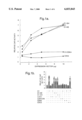
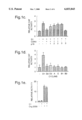
- FIGS. 1A-1E shows that cyclin D1 potentiates ERE responsive gene transcription in the presence of 17 ⁇ -estradiol.
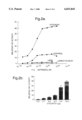
- FIGS. 2A-2C show cyclin D1 enhances ERE responsive gene transcription independently of ligand activation of ER.
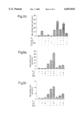
- FIGS. 3A-3C show the potentiation of gene activation by cyclin D1 is ER-mediated.
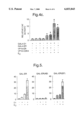
- FIGS. 4A-4C show cyclin D1 interacts with (un)liganded ER.
- FIG. 5 shows that activation of ER by cyclin D1 does not require sequence specific DNA binding and cyclin D1 specifically activates the EF region of ER.
- the cyclin D1 may be any suitable mammalian cyclin D1, particularly human cyclin D1.
- Human D1 cyclin has been cloned and sources of the gene can be readily identified by those of skill in the art. See for example, Xiong et al, 1991, Cell 65; 691-699 and Xiong et al, 1992, Genomics 13; 575-84.
- Murine D1 cyclin has also been cloned.
- Other mammalian cyclins can be obtained using routine cloning methods analogous to those described in the aforementioned references.
- cyclin D1 is preferred mutants of D1 which still retain the ability to interact directly with the estrogen receptor.
- Examples of cyclin D1 mutants are well known in the art and two particular mutants are illustrated in the accompanying Examples.
- a particularly preferred mutant is a mutant which carries a mutation in the cyclin box, such as the cyclin D1-KE mutant. This mutation renders the D1 unable to bind CDKs.
- Fragments of the cyclin may be used provided such fragments retain the ability to interact with the target domain of the estrogen receptor responsible for the cyclin interaction.
- Fragments of cyclin D1 may be generated in any suitable way known to those of skill in the art. Suitable ways include, but are not limited to, recombinant expression of a fragment of the DNA encoding the cyclin. Such fragments may be generated by taking DNA encoding the cyclin, identifying suitable restriction enzyme recognition sites either side of the portion to be expressed, and cutting out said portion from the DNA. The portion may then be operably linked to a suitable promoter in a standard commercially available expression system. Another recombinant approach is to amplify the relevant portion of the DNA with suitable PCR primers. Small fragments of the cyclin (up to about 20 or 30 amino acids) may also be generated using peptide synthesis methods which are well known in the art.
- Suitable fragments to bind to the estrogen receptor may be tested using routine procedures such as those described in the accompanying examples relating to intact cyclin D1.
- Reference herein to cyclin D1 includes the above mentioned mutants and fragments which are functionally able to bind the estrogen receptor unless the context is explicitly to the contrary.
- the estrogen receptor used in the assay obtained from the same mammalian source as the cyclin D1.
- the human estrogen receptor is preferred. This is a 66 kd protein which functions as hormone-activated transcription factor. Receptor activation is thought to be a consequence of ligand-induced conformational changes in the structure of the receptor.
- the complex of estrogen with its receptor binds with a high affinity to a well-defined 13-bp palindromic sequence, the estrogen response element (ERE).
- the ERE is usually located upstream of an estrogen-responsive gene.
- Estrogen responsive genes include progesterone receptor and PS-2. Transcriptional activation of these genes is involved in estrogen-responsive tumour growth.
- the estrogen receptor may be provided in free from it may also be used in the form of a fusion protein linked to marker or reporter proteins.
- the estrogen receptor may be fused to a heterologous DNA binding domain such as that of the yeast transcription factor GAL 4.
- the GAL 4 transcription factor comprises two functional domains. These domains are the DNA binding domain (DBD) and the transcriptional activation domain (TAD).
- DBD DNA binding domain
- TAD transcriptional activation domain
- a functional GAL 4 transcription factor is restored only when two proteins of interest interact.
- interaction of the proteins may be measured by the use of a reporter gene probably linked to a GAL 4 DNA binding site which is capable of activating transcription of said reporter gene.
- This assay format is described by Fields and Song, 1989, Nature 340; 245-246. This type of assay format can be used in both mammalian cells and in yeast and is described in further detail in the Examples which follow.
- Fragments and mutants of the estrogen receptor which retain the ability to interact with the cyclin D1 may also be used, and such fragments and mutants may be obtained by methods analogous to those described above in relation to cyclin fragments.
- Particluarly preferred fragments include those which retain the E/F regions comprising amino acids 292-595 or a portion thereof such as 340-595 of the ER.
- Smaller fragments may also be used, e.g. those starting at around 292, 300, 340, 360 or 380 and ending at the C-terminus (595) or a truncation thereof, e.g. 590, 580, 550 or 500. Suitable fragments may be determined by routine experimentation.
- estrogen receptor is activated by cyclin D1 alone to provide ERE-responsive gene transcription
- transcription is enhanced synergistically in the presence of an estrogen. It is thus a preferred aspect of the assay that estrogen is also brought into contact with the cyclin D1, estrogen receptor and putative inhibitor compound.
- the estrogen may be any natural or synthetic estrogen capable of binding to and activating the estrogen receptor. Examples of estrogens include 17 ⁇ -estradiol.
- cyclin D1 and the estrogen receptor may be studied in vitro by labelling one of these proteins with a detectable label and bringing it into contact with the other protein which has been optionally immobilised on a solid support, either prior to or after the proteins have been brought into contact with each other.
- Suitable detectable labels include 35 S-methionine which may be incorporated into recombinantly produced proteins, and tags such as an HA tag, GST or histidine.
- the recombinantly produced protein may also be expressed as a fusion protein containing an epitope which can be labelled with an antibody.
- an antibody against the cyclin and/or ER can be obtained using conventional methodology.
- the protein which is optionally immobilized on a solid support may be immobilized using an antibody against that protein bound to a solid support or via other technologies which are known per se.
- a preferred in vitro interaction which utilises a fusion protein of cyclin D1 fused to glutathione-S-transferase (GST) This may be immobilized on glutathione agarose beads.
- GST glutathione-S-transferase
- the putative inhibitor compound can be assayed by determining its ability to diminish the amount of labelled ER which binds to the immobilized GST-cyclin D1. This may be determined by fractionating the glutathione-agarose beads by SDS-polyacrylamide gel electrophoresis.
- the beads may be rinsed to remove unbound protein and the amount of protein which has bound can be determined by counting the amount of label present in, for example, a suitable scintillation counter. It can be seen that in this alternative in vitro format it is not necessary to provide an ERE in order to measure the binding between the cyclin D1 and the ER; such binding may be measured directly. An example of this is indicated in FIG. 4a.
- the one of the cyclin D1 and the ER may be labelled with a fluorescent donor moiety and the other labelled with an acceptor which is capable of reducing the emission from the donor.
- FRET fluorescence resonance energy transfer
- the fluorescence signal of the donor will be altered when the cyclin D1 and ER interact.
- the presence of a candidate inhibitor compound which disrupts the interaction will increase the amount of unaltered fluorescence signal of the donor.
- FRET is a technique known per se in the art and thus the precise donor and acceptor molecules and the means by which they are linked to the cyclin D1 and ER may be accomplished by reference to the literature.
- Suitable fluorescent donor moieties are those capable of transferring fluorogenic energy to another fluorogenic molecule or part of a compound and include, but are not limited to, coumarins and related dyes such as fluoresceins, rhodols and rhodamines, resorufins, cyanine dyes, bimanes, acridines, isoindoles, dansyl dyes, aminophthalic hydrazines such as luminol and isoluminol derivatives, aminophthalimides, aminonaphthalimides, aminobenzofurans, aminoquinolines, dicyanohydroquinones, and europium and terbium complexes and related compounds.
- coumarins and related dyes such as fluoresceins, rhodols and rhodamines, resorufins, cyanine dyes, bimanes, acridines, isoindoles, dansyl dyes, amino
- Suitable acceptors include, but are not limited to, coumarins and related fluorophores, xanthenes such as fluoresceins, rhodols and rhodamines, resorufins, cyanines, difluoroboradiazaindacenes, and phthalocyanines.
- a preferred donor is fluorescein and preferred acceptors include rhodamine and carbocyanine.
- the isothiocyanate derivatives of these fluorescein and rhodamine available from Aldrich Chemical Company Ltd, Gillingham, Dorset, UK, may be used to label the cyclin D1 and ER.
- carbocyanine For attachment of carbocyanine, see for example Guo et al, J. Biol. Chem., 270; 27562-8, 1995.
- the assay of the invention may also take the form of an in vivo assay.
- the in vivo assay may be performed in an estrogen responsive cell line which expressing the estrogen receptor or in ER-negative cell lines in which the ER is expressed from a vector introduced into the cell.
- a reporter gene construct comprising an ERE operably linked to a reporter gene may be introduced into the cell together with a cyclin D1 expression vector.
- EREs for example 3, 4 or 5
- the reporter gene may be any suitable reporter gene used in the art.
- reporter genes include chloramphenicol acetyl transferase (CAT) or luciferase.
- the cyclin D1 expression vector will comprise DNA encoding cyclin operably linked to a promoter capable of expressing the gene in the host cell. Suitable promoters include viral promoters such as a CMV or SV40 promoter.
- the cell lines used in assays of the invention may be used to achieve transient expression of the cyclin although in a further aspect of the invention cells which are stably transfected with constructs which express the cyclin gene and, where required, the ER may also be generated. Means to generated stably transformed cell lines are well known in the art and such means may be used here.
- Suitable cell lines include breast cancer cell lines which are widely available in the art.
- the Examples which follow utilise the T47D breast cancer cell line although other suitable Examples include MCF-7 and MDA.
- a construct capable of expressing this protein may also be introduced into the cell operably linked to a suitable promoter.
- the precise format of the assays of the invention may be varied by those of skill in the art using routine skill and knowledge.
- the amount of cyclin D1 and estrogen receptor may be varied depending upon the scale of the assay.
- the person of skill in the art will select relatively equimolar amounts of the two components, say from 1:10 to 100:1, preferably from 1:1 to 10:1, molar ratio of cyclin D1 to ER.
- cyclin D1 (and where necessary ER) may be varied within fairly wide limits, so that the intracellular levels of the two may vary by a wide ratio, for example from 1:10 to 1000:1, preferably 1:1 to 100:1, molar ratio of cyclin D1 to ER.
- putative inhibitor compound which may be added to an assay of the invention will normally be determined by trial and error depending upon the type of compound used. Typically, from about 0.01 to 100 nM concentrations of putative inhibitor compound may be used, for example from 0.1 to 10 nM.
- Inhibitor compounds which may be used may be natural or synthetic chemical compounds used in drug screening programmes. Extracts of plants which contain several characterised or uncharacterised components may also be used.
- a further class of putative inhibitor compounds can be derived from the cyclin D1 and ER protein sequences. Peptide fragments of from 5 to 40 amino acids, for example from 6 to 10 amino acids from the region of cyclin D1 and ER which are responsible for the interaction between these proteins may be tested for their ability to disrupt this interaction.
- Antibodies directed to the site of interaction in either protein form a further class of putative inhibitor compounds.
- Candidate inhibitor antibodies may be characterised and their binding regions determined to provide single chain antibodies and fragments thereof which are responsible for disrupting the interaction between cyclin D1 and estrogen receptor.
- candidate inhibitor compounds may be based on modelling the 3-dimensional structure of cyclin D1 and ER and using rational drug design to provide potential inhibitor compounds with particular molecular shape, size and charge characteristics.
- Candidate inhibitor compounds obtained according to the method of the invention may be prepared as a pharmaceutical preparation. Such preparations will comprise the compound together with suitable carriers, diluents and exipients. Such formulations form a further aspect of the present invention.
- the formulations may be used in methods of treatment of proliferative diseases, particularly those involving cells which grow in response to stimulation by estrogen, for example breast cancer.
- Candidate inhibitor compounds may also be used in combination with any other anti-proliferative compounds used to treat hyperproliferative diseases such as cancers.
- the assay of the invention when conducted in vivo, need not measure the degree of inhibition of binding or transcriptional activation caused by the inhibitor compound being tested. Instead the effect on cell growth or proliferation may be measured. It may be that such a modified assay is run in parallel or subsequent to the main assay of the invention in order to confirm that any effect on cell growth or proliferation is as a result of the inhibition of binding or transcriptional activation caused by said inhibitor compound and not merely a general toxic effect.
- anti-estrogens such as tamoxifens, eg. 4-hydroxytamoxifen, or pure anti-estrogens such as N-(n-butyl)-11-[3,17beta-dihydroxy-estra-1,3,5(10)-trien-7 alpha-yl]N-methylundecanamide, known as ICI 164,384.
- anti-estrogen compounds may be included in the assay in order to determine inhibitor compounds which may act additively or synergistically with anti-estrogens. This will facilitate the provision of combination therapy against estrogen-responsive tumours.
- Estrogen responsive tumours are primarily breast tumours although other tumour types which have been found to be estrogen-responsive include endometrial cancer and ovarian carcinoma.
- cyclin D1 and the ER may also be used to monitor the status and progress of disease states associated with enhanced transcription of ERE regulated genes.
- antibodies may be generated which bind to the cyclin/ER complex or to one or other component in the allosteric form induced by binding to the other.
- Such antibodies may be raised in routine ways, using as immunogen the cyclin/ER complex which may be stabilized by using protein cross-linking reagents.
- the antibodies generated by such an immunogen may be screened against the immunogen and separately against the cyclin and ER, in order to obtain antibodies which recognise only the proteins when complexed.
- Such antibodies may be packaged in kits with other suitable reagents for immunodiagnosis and used in the clinic to monitor disease states.
- D-type cyclins are strongly implicated in controlling transition through the G 1 phase of the cell cycle.
- Three closely related human D-type cyclins have been identified, 1 ,2, which all interact with and activate cyclin dependent kinases (CDK) 4 and 6, although they have specialized functions in distinct cell types 3 ,4.
- CDK cyclin dependent kinases
- cyclin D1 interacts directly with the estrogen receptor and potentiates transcription of estrogen receptor-regulated genes.
- the estrogen receptor (ER) which belongs to the conserved family of steroid and thyroid receptors, is a 66 kilodalton nuclear regulatory protein that functions as a hormone-activated transcription factor. Receptor activation is thought to be a consequence of ligand-induced conformational changes in the structure of the ER 7 ,8.
- the estrogen-ER complex binds with high affinity to a well-defined 13-basepair palindromic sequence, the estrogen response element (ERE), which is usually located upstream of an estrogen-responsive gene 7 ,9,10.
- ERE-containing genes Activation of ERE-containing genes is elicited in ER-positive cells by treatment with 17 ⁇ -estradiol and can be measured by a chloramphenicol acetyl transferase (CAT) reporter gene with an upstream ERE site in these cells 11 ,12.
- CAT chloramphenicol acetyl transferase
- FIG. 1 d/e The uniqueness of cyclin D1 among the cyclins in the activation of ERE-mediated transcription is illustrated in FIG. 1 d/e. Cyclin D1 potentiated ER-mediated transcription, whereas the other D type cyclins (which were expressed at comparable levels, data not shown) and cyclin A, cyclin E, cyclin B1 and cyclin B2 did not.
- cyclin D1 activates transcription mediated by other steroid receptors
- PRE progesterone response element
- FIG. 1e reporter gene construct
- transcription of the PRE-reporter gene was induced by a progestin, Org 2058.
- cyclin D1 failed to enhance PRE-mediated transcription both in the presence and absence of Org 2058.
- cyclin D1-mediated activation is not general among steroid receptors.
- FIG. 2a demonstrates that the activity of the ERE-CAT reporter gene was dramatically enhanced in T47D cells by 17 ⁇ -estradiol, as expected. However, the activity of the ERE-CAT reporter gene was enhanced substantially by cotransfection of cyclin D1 expression vector at all concentrations of 17 ⁇ -estradiol tested.
- cyclin D1 was able to restore the transcriptional activity to levels similar or even higher than obtained with 17 ⁇ -estradiol (0.1 nM) alone (FIG. 2b).
- cyclin D1 and estrogen are synergistic in stimulating estrogen-regulated transcription and that cyclin D1 can also act independently of estrogen in activating ERE-responsive transcription. Therefore, cyclin D1 can substitute for estrogen in activating ER. This may contribute to the mitogen-independent proliferation in cyclin D1 overexpressing cells, which is frequently found in breast tumours 17-19 .
- FIG. 2c shows that 4-hydroxytamoxifen antagonized the effect of 17 ⁇ -estradiol on transcriptional activation, but did not prevent transcriptional potentiation by cyclin D1.
- a pure anti-estrogen ICI 164,384 which blocks both activation functions of ER (AF-1 and AF-2), did not prevent cyclin D1 transactivation.
- cyclin D1 acts through the ER to enhance transcription of ERE-containing genes.
- the ER protein levels in U2-OS cells containing ectopicly expressed cyclin D1 were similar to those seen in cells without ectopic cyclin D1 (FIG. 3c). Therefore, the enhancement of ERE-responsive gene transcription by cyclin D1 was not due to a modulation of ER protein levels.
- Cyclin D1 could well activate ER-mediated transcription through direct binding to ER.
- 35 S-methionine labelled human ER with GST-cyclin D1 protein in an in vitro binding assay, we did indeed observe specific binding of ER to GST-cyclin D1 (FIG. 4a). Binding was observed both with liganded as well as with unliganded receptor (lanes 2 and 3).
- cyclin D1 also binds to both liganded ER and unliganded ER in vivo, we used a mammalian two hybrid assay.
- a chimeric expression vector harbouring cyclin D1 fused to a GAL4 DNA binding domain (GAL4-D1) was generated and cotransfected with ER and a GAL4-site containing reporter plasmid into U2-OS cells. Transcription of the reporter gene should be stimulated in the presence of 17 ⁇ -estradiol if a complex is formed between GAL4-D1 and ER, where the transactivational activity in this complex is provided by the hormone-dependent activation domain AF2 in ER. As is shown in FIG. 4b, GAL4-dependent CAT transcription was minimally stimulated when either GAL4-D1 or ER were transfected separately.
- HA-tagged ER constructs were transfected together with cyclin D1 into U2-OS cells and maintained in 17 ⁇ -estradiol enriched or free conditions.
- HA-ER fusion protein was immunoprecipitated using an antibody against HA-epitope tag (12CAS) and analyzed for cyclin D1 binding by Western blot analysis.
- Cotransfection with cyclin D1 resulted in coimmunoprecipitation of cyclin D1 with liganded as well as with unliganded ER.
- cyclin D1 physically interacts both with liganded and unliganded ER in vivo.
- cyclin D1 was able to stimulate transactivation by both GAL-ER(EF) and GAL-ER wild type to the same extent (FIG. 5).
- cyclin D1 mediated transactivation of ER correlated with binding to ER.
- Immunoprecipitation of GAL fusion proteins, which contain the AB- or EF region of ER, from transiently transfected U2-OS cell extracts, followed by western blot analysis using a monoclonal antibody directed against cyclin D1 revealed that cyclin D1 predominantly binds to the EF region and not, or at least with lower affinity, to the AB region of ER.
- cyclin D1 as a positive regulator of ER-mediated transcription through a direct interaction with ER.
- Cyclin D1 may therefore contribute to stimulation of estrogen-mediated cell proliferation in hormone-responsive tissues, such as breast epithelium. Consistent with this is the recent finding that cyclin D1 deficient mice have a defect in hormone-responsive proliferation of breast epithelium 5 ,6. Cyclin D1 can also enhance transcription of ER-responsive genes without the assistance of estrogens, providing a mechanism for estrogen-independent growth of cyclin D1 overexpressing breast tumour cells.
- Cyclin D1 potentiates ERE responsive gene transcription in the presence of 17 ⁇ -estradiol.
- a The effect of cyclin D1 and its associated kinase activity on ERE-mediated transcription.
- b The effects of CDKs on regulation of ERE-mediated transcription by cyclin D1.
- c The effect of p16 INK4 in ectopic cyclin D1/CDK4 expressing cells on ERE-mediated transcription.
- ERE/PRE-reporter construct was used in transient transfections of T47D breast cancer cells 11 ,12 together with wild type cyclins, CDKs and p16 INK4 expression vectors, or with mutants of cyclin D1, which are unable to bind to CDK4 (cyclin D1-KE) or with retinoblastoma protein pRb (cyclin D1-GH) or a catalytic inactive mutant of CDK4 (CDK4-DN).
- the reporter plasmids ERE-TK-CAT (3 ⁇ g) containing the ERE from the vitellogenin A2 gene or (PRE) 2 -TK-luc, were transfected transiently into subconfluent T47D cells using the calcium phosphate precipitation technique 21.
- the expression vectors used in the transient transfection studies were pCMV cyclin D1, cyclin D2, cyclin D3, cyclin A, cyclin E, cyclin B1, cyclin B2, CDC2, CDK2, CDK4, CDK4-DN, cyclin D1-GH and cyclin D1-KE, which have been described elsewhere 13 ,22.
- DMEM Dulbecco's Minimal Essential Medium
- the relative CAT activity was calculated by normalizing to the luciferase activity and divided by the ERE-CAT activity in the presence of 17 ⁇ -estradiol (1 nM); in panel 1e the relative activity was calculated by normalizing to ⁇ -galactosidase and was divide by the basal transcription in the absence of ligand.
- Cyclin D1 enhances ERE responsive gene transcription independently of ligand activation of ER.
- Cyclin D1 activates ERE-CAT transcription in 17 ⁇ -estradiol free conditions. T47D cells were transfected with various amounts of cyclin D1 constructs in the absence of ligand.
- Cyclin D1 induces ERE-gene expression by a hormone-independent mechanism. The effect of cyclin D1 on ERE-responsive transcription was examined in T47D cells treated with 17 ⁇ -estradiol and/or the antiestrogens 4-hydroxytamoxifen and ICI 164,384.
- T47D cells were transfected with ERE-reporter plasmid, cyclin D1 expression vector and the internal control pCMV-luciferase construct as described in Experimental Procedures.
- the amount of cyclin D1 plasmid used for transient transfections was 5 ⁇ g per 10 cm plate in panel A/C and variable in panel B.
- cells were maintained in phenol red free DMEM supplemented with insulin (10 ⁇ g/ml) and transferrin (10 ⁇ g/ml); cells were treated with 17 ⁇ -estradiol (0.1 nM) and/or antiestrogen (100 nM) as indicated.
- ER is involved in modulation of ERE-responsive gene transcription triggered by cyclin D1.
- the human ER-negative U2-OS and HeLa cell lines were used to investigate the role of ER in potentiation of ERE-CAT transcription activity by cyclin D1. Together with ERE-CAT and pCMV-luciferase plasmids, cells were transfected with cyclin D1 in combination with human ER and tested for transcription of the CAT reporter gene. b. Cyclin D1 does not moaulate ER protein synthesis. U2-OS cells transfected with ER and/or cyclin D1 were subjected to immunoblotting using an antibody directed against ER.
- RESULTS. Transient transfections Cells were transfected with 0.4 ⁇ g human ER construct (HEGO 24 ; and cyclin D1 construct (0.25 ⁇ g or 1 ⁇ g) together with 3 ⁇ g ERE-CAT reporter construct and 0.5 ⁇ g pCMV luciferase as internal control as described in FIG. 1. Cells were maintained in phenol red free DMEM containing insulin/transferrin (10 ⁇ g/ml each) or the ligand 17 ⁇ -estradiol (1 nM). After transfection, cells were lysed and assayed for both CAT and luciferase activity.
- the CAT activity was normalized to luciferase activity and divided by the basal CAT activity of cells lacking ER in order to obtain the "relative CAT activity" as indicated.
- Western blotting U2-OS cells, transfected with ER (0.4 ⁇ g) together with cyclin D1 (1 ⁇ g), were lysed in extraction buffer (50 mM Tris pH 7.4, 150 mM KCl, 15 mM NaCl, 30 mM MgCl2, 10 mM EGTA, 0.5% NP-40, 1 mM PMSF, 5 ⁇ g/ml aprotinin, 10 ⁇ g/ml trypsin inhibitor, 10 ⁇ g/ml leupeptin).
- Cyclin D1 interacts with (un)liganded ER.
- cyclin D1 and liganded ER were studied using a mammalian two hybrid assay with a chimeric protein GAL4-D1, which contains the GAL4 DNA binding domain (amino acid 1-147) fused to cyclin D1, in combination with ER which acts as a hormone-activated transcription factor.
- GAL4-D1 contains the GAL4 DNA binding domain (amino acid 1-147) fused to cyclin D1
- ER acts as a hormone-activated transcription factor.
- hybrid proteins are able to stimulate transcription of a GAL4-dependent reporter construct (G5BCAT).
- G5BCAT contains five GAL4 binding sites 5' to the E1B TATA sequence 25 .
- the human steroid progesterone receptor (PR-B) served as negative control.
- the unliganded ER also did not stimulate CAT transcription.
- GAL4-D1 in combination with VP16-CDK4 and dimerized ER served as positive controls.
- the results are expressed as average of at least three separate experiments ⁇ SD and related to CAT activity of a transfection using vector containing GAL4 DNA binding domain in combination of GSBCAT reporter vector in the presence of 10 nM ligand (17 ⁇ -estradiol or Org 2058) for panel B and in the absence of ligand for panel C.
- E 2 17 ⁇ -estradiol; D1, cyclin D1; ER, estrogen receptor; *P ⁇ 0.05.
- RESULTS In vitro binding assay.
- 35 S-methionine labeled ER protein was prepared by in vitro transcription/translation and incubated with 1 ⁇ g GST-cyclin D1 in ELB (250 mM NaCl, 0.1% NP-40, 50 mM Hepes pH 7.0, 5 mM EDTA) with 0.5 mM DTT, 1 mM PMSF, 10 ⁇ g/ml aprotinin and 10 ⁇ g/ml leupeptin, bound to gluthathione-agarose beads, washed in ELB, eluted and fractionated by SDS-polyacrylamide gel electrophoresis.
- GAL4-dependent reporter system Generating chimeric proteins, the full length cyclin D1 or ER cDNAs were inserted in frame downstream of the GAL4 (1-147) DNA binding domain fragment and sequence coding for the acidic activation domain of the Herpes Simplex virus VP16 protein.
- U2-OS cells were transfected in panel b with 1.5 ⁇ g GAL4-D1, ER, PR-B and CDK4 expression vectors in combination with 10 ⁇ g GSB-CAT reporter constructs, whereas 5 ⁇ g of the indicated constructs was used in panels c and d.
- As an internal control 0.5 ⁇ g of pCMV-luciferase plasmid was used in the assays.
- the CAT activity was corrected for differences in transfection efficiency by normalizing to luciferase activity.
- the results are expressed as average of at least three separate experiments ⁇ SD and related to CAT activity of a transfection using vector containing GAL4 DNA binding domain in combination of G5BCAT reporter vector in the presence of 1 nM ligand (17 ⁇ -estradiol or Org 2058) for panels b/c and in the absence of ligand for panel d.
- E 2 17 ⁇ -estradiol; D1, cyclin D1; ER, estrogen receptor; *P ⁇ 0.05.
- Activation of ER by cyclin D1 does not require sequence-specific DNA binding and cyclin D1 specifically activates the EF region of ER.
- U2-OS cells were transfected with 1,5 ⁇ g of a vector encoding full length ER, AB region of ER or EF region of ER fused to GAL4 DNA binding domain yielding GAL-ER, GAL-ER(AB) and GAL-ER(EF), respectively.
- Transfection studies were performed together with cyclin D1 expression vector (1,5 ⁇ g) and G5BCAT reporter vector (3 ⁇ g) and cells were kept in the presence or absence of 10 nM 17 ⁇ -estradiol. The results are expressed as relative CAT activity compared with basal CAT level in the absence of ligand.
Landscapes
- Health & Medical Sciences (AREA)
- Life Sciences & Earth Sciences (AREA)
- Engineering & Computer Science (AREA)
- Immunology (AREA)
- Molecular Biology (AREA)
- Biomedical Technology (AREA)
- Chemical & Material Sciences (AREA)
- Urology & Nephrology (AREA)
- Hematology (AREA)
- Analytical Chemistry (AREA)
- Pathology (AREA)
- Cell Biology (AREA)
- Biotechnology (AREA)
- Food Science & Technology (AREA)
- Medicinal Chemistry (AREA)
- Physics & Mathematics (AREA)
- Microbiology (AREA)
- Biochemistry (AREA)
- General Health & Medical Sciences (AREA)
- General Physics & Mathematics (AREA)
- Endocrinology (AREA)
- Bioinformatics & Cheminformatics (AREA)
- Toxicology (AREA)
- Tropical Medicine & Parasitology (AREA)
- Measuring Or Testing Involving Enzymes Or Micro-Organisms (AREA)
- Steroid Compounds (AREA)
- Investigating Or Analysing Biological Materials (AREA)
- Pharmaceuticals Containing Other Organic And Inorganic Compounds (AREA)
- Medicines That Contain Protein Lipid Enzymes And Other Medicines (AREA)
- Measuring And Recording Apparatus For Diagnosis (AREA)
- Devices For Conveying Motion By Means Of Endless Flexible Members (AREA)
- Mechanical Treatment Of Semiconductor (AREA)
Applications Claiming Priority (3)
| Application Number | Priority Date | Filing Date | Title |
|---|---|---|---|
| GBGB9608143.5A GB9608143D0 (en) | 1996-04-19 | 1996-04-19 | Assay |
| GB9608143 | 1996-04-19 | ||
| PCT/EP1997/001888 WO1997040378A1 (en) | 1996-04-19 | 1997-04-16 | Interaction of cyclin d1 and estrogen receptor and its use in assays |
Publications (1)
| Publication Number | Publication Date |
|---|---|
| US6033843A true US6033843A (en) | 2000-03-07 |
Family
ID=10792355
Family Applications (1)
| Application Number | Title | Priority Date | Filing Date |
|---|---|---|---|
| US09/171,151 Expired - Fee Related US6033843A (en) | 1996-04-19 | 1997-04-16 | Interaction of cyclin D1 and estrogen receptor and its use in assays |
Country Status (10)
| Country | Link |
|---|---|
| US (1) | US6033843A (da) |
| EP (1) | EP0898708B1 (da) |
| JP (1) | JP2000508777A (da) |
| AT (1) | ATE308497T1 (da) |
| AU (1) | AU2698197A (da) |
| CA (1) | CA2249396A1 (da) |
| DE (1) | DE69708081T2 (da) |
| DK (1) | DK0898708T3 (da) |
| GB (1) | GB9608143D0 (da) |
| WO (1) | WO1997040378A1 (da) |
Families Citing this family (5)
| Publication number | Priority date | Publication date | Assignee | Title |
|---|---|---|---|---|
| WO1999018124A1 (en) * | 1997-10-07 | 1999-04-15 | Merck & Co., Inc. | Assays for nuclear receptor ligands using fret |
| AU2533499A (en) | 1998-02-12 | 1999-08-30 | Prolifix Limited | Interaction between cyclin d1 and steroid receptor co-activators and uses thereof in assays |
| US6210924B1 (en) * | 1998-08-11 | 2001-04-03 | Amgen Inc. | Overexpressing cyclin D 1 in a eukaryotic cell line |
| WO2001059448A1 (fr) * | 2000-02-10 | 2001-08-16 | Chugai Seiyaku Kabushiki Kaisha | Procede de criblage d'un agent antiandrogene |
| ATE445164T1 (de) * | 2000-06-22 | 2009-10-15 | Univ Paris Descartes | Zusammensetzungen und methoden zum nachweis, behandeln oder vorhersagen der antwort von brust tumorzellen auf eine endocrin-therapie |
Citations (1)
| Publication number | Priority date | Publication date | Assignee | Title |
|---|---|---|---|---|
| WO1994010307A1 (en) * | 1992-10-29 | 1994-05-11 | Medical Research Council | Transcription factor dp-1 |
-
1996
- 1996-04-19 GB GBGB9608143.5A patent/GB9608143D0/en active Pending
-
1997
- 1997-04-16 DK DK97920694T patent/DK0898708T3/da active
- 1997-04-16 EP EP97920694A patent/EP0898708B1/en not_active Expired - Lifetime
- 1997-04-16 CA CA002249396A patent/CA2249396A1/en not_active Abandoned
- 1997-04-16 DE DE69708081T patent/DE69708081T2/de not_active Expired - Fee Related
- 1997-04-16 JP JP9537692A patent/JP2000508777A/ja not_active Ceased
- 1997-04-16 AT AT97920694T patent/ATE308497T1/de not_active IP Right Cessation
- 1997-04-16 WO PCT/EP1997/001888 patent/WO1997040378A1/en not_active Ceased
- 1997-04-16 AU AU26981/97A patent/AU2698197A/en not_active Abandoned
- 1997-04-16 US US09/171,151 patent/US6033843A/en not_active Expired - Fee Related
Patent Citations (1)
| Publication number | Priority date | Publication date | Assignee | Title |
|---|---|---|---|---|
| WO1994010307A1 (en) * | 1992-10-29 | 1994-05-11 | Medical Research Council | Transcription factor dp-1 |
Non-Patent Citations (7)
| Title |
|---|
| International Search Report. * |
| Van Diest et al., Am. J. Pathol. , 150(2):705 711 (1997). * |
| Van Diest et al., Am. J. Pathol., 150(2):705-711 (1997). |
| Wilcken et al., Clin. Cancer Res. , 3(6):849 854 (1997). * |
| Wilcken et al., Clin. Cancer Res., 3(6):849-854 (1997). |
| Zwijsen et al., Cell , 88(3):405 415 (1997). * |
| Zwijsen et al., Cell, 88(3):405-415 (1997). |
Also Published As
| Publication number | Publication date |
|---|---|
| EP0898708A1 (en) | 1999-03-03 |
| WO1997040378A1 (en) | 1997-10-30 |
| DE69708081T2 (de) | 2002-07-04 |
| DE69708081D1 (de) | 2001-12-13 |
| DK0898708T3 (da) | 2002-03-04 |
| AU2698197A (en) | 1997-11-12 |
| GB9608143D0 (en) | 1996-06-26 |
| CA2249396A1 (en) | 1997-10-30 |
| EP0898708B1 (en) | 2001-11-07 |
| ATE308497T1 (de) | 2001-11-15 |
| JP2000508777A (ja) | 2000-07-11 |
Similar Documents
| Publication | Publication Date | Title |
|---|---|---|
| Hoeck et al. | Hormone-dependent phosphorylation of the glucocorticoid receptor occurs mainly in the amino-terminal transactivation domain. | |
| Jurutka et al. | Phosphorylation of serine 208 in the human vitamin D receptor. The predominant amino acid phosphorylated by casein kinase II, in vitro, and identification as a significant phosphorylation site in intact cells. | |
| Dutertre et al. | Ligand-independent interactions of p160/steroid receptor coactivators and CREB-binding protein (CBP) with estrogen receptor-α: regulation by phosphorylation sites in the A/B region depends on other receptor domains | |
| Westermarck et al. | The DEXD/H‐box RNA helicase RHII/Gu is a co‐factor for c‐Jun‐activated transcription | |
| Floyd et al. | Amphiphysin 1 binds the cyclin-dependent kinase (cdk) 5 regulatory subunit p35 and is phosphorylated by cdk5 and cdc2 | |
| Zhang et al. | Phosphorylation of human progesterone receptor by cyclin-dependent kinase 2 on three sites that are authentic basal phosphorylation sites in vivo | |
| Font de Mora et al. | AIB1 is a conduit for kinase-mediated growth factor signaling to the estrogen receptor | |
| Jenster et al. | Changes in the abundance of androgen receptor isotypes: effects of ligand treatment, glutamine-stretch variation, and mutation of putative phosphorylation sites | |
| US5639592A (en) | Functional antagonism between proto-oncoprotein c-Jun and hormone receptors | |
| Kane et al. | Activation of orphan receptor‐mediated transcription by Ca2+/calmodulin‐dependent protein kinase IV | |
| Du et al. | The LIM-only coactivator FHL2 modulates WT1 transcriptional activity during gonadal differentiation | |
| Edwards et al. | Progesterone receptor interacting coregulatory proteins and cross talk with cell signaling pathways | |
| Yi et al. | Differences in the abilities of estrogen receptors to integrate activation functions are critical for subtype-specific transcriptional responses | |
| Darwish et al. | Phosphorylation is involved in transcriptional activation by the 1, 25-dihydroxyvitamin D3 receptor | |
| CA2160135A1 (en) | Method for screening for receptor agonists | |
| CA2588646A1 (en) | Methods to identify ligands of hormone nuclear receptors | |
| US7012128B2 (en) | Interaction between cyclin D1 and steroid receptor co-activators and uses thereof in assays | |
| US6033843A (en) | Interaction of cyclin D1 and estrogen receptor and its use in assays | |
| CA2301143A1 (en) | Differential ligand activation of estrogen receptors er.alpha. and er.beta. at ap1 sites | |
| Gay et al. | Multiple phosphorylation events control chicken ovalbumin upstream promoter transcription factor I orphan nuclear receptor activity | |
| US6579686B2 (en) | Constitutive androstane receptor | |
| Kunz et al. | Identification of a novel glucocorticoid receptor mutation in budesonide-resistant human bronchial epithelial cells | |
| WO2004052302A2 (en) | A method for creating specific, high affinity nuclear receptor pharmaceuticals | |
| US20050142634A1 (en) | Novel modulator of non-genomic activity of nuclear receptors (mnar) and uses thereof | |
| US20020015966A1 (en) | Effector-specific protein assembly and uses thereof |
Legal Events
| Date | Code | Title | Description |
|---|---|---|---|
| FEPP | Fee payment procedure |
Free format text: PAYOR NUMBER ASSIGNED (ORIGINAL EVENT CODE: ASPN); ENTITY STATUS OF PATENT OWNER: LARGE ENTITY |
|
| AS | Assignment |
Owner name: PROLIFIX LTD, UNITED KINGDOM Free format text: ASSIGNMENT OF ASSIGNORS INTEREST;ASSIGNORS:BERNARDS, RENE;MICHALIDES, ROB J.A.M.;ZWIJSEN, RENATA M.L.;REEL/FRAME:010559/0813;SIGNING DATES FROM 20000110 TO 20000117 |
|
| FPAY | Fee payment |
Year of fee payment: 4 |
|
| REMI | Maintenance fee reminder mailed | ||
| LAPS | Lapse for failure to pay maintenance fees | ||
| STCH | Information on status: patent discontinuation |
Free format text: PATENT EXPIRED DUE TO NONPAYMENT OF MAINTENANCE FEES UNDER 37 CFR 1.362 |
|
| FP | Lapsed due to failure to pay maintenance fee |
Effective date: 20080307 |