US5589573A - Amino acid sequences of anti-idiotypic antibodies against anti-cancer human monoclonal antibody, and DNA base sequences encoding those sequences - Google Patents

Amino acid sequences of anti-idiotypic antibodies against anti-cancer human monoclonal antibody, and DNA base sequences encoding those sequences Download PDF

Info

Publication number
US5589573A
US5589573A US08/318,970 US31897094A US5589573A US 5589573 A US5589573 A US 5589573A US 31897094 A US31897094 A US 31897094A US 5589573 A US5589573 A US 5589573A
Authority
US
United States
Prior art keywords
seq
idio
amino acid
information
sequence
Prior art date
Legal status (The legal status is an assumption and is not a legal conclusion. Google has not performed a legal analysis and makes no representation as to the accuracy of the status listed.)
Expired - Fee Related
Application number
US08/318,970
Inventor
Hideaki Hagiwara
Yasuyuki Aotsuka
Current Assignee (The listed assignees may be inaccurate. Google has not performed a legal analysis and makes no representation or warranty as to the accuracy of the list.)
Individual
Original Assignee
Individual
Priority date (The priority date is an assumption and is not a legal conclusion. Google has not performed a legal analysis and makes no representation as to the accuracy of the date listed.)
Filing date
Publication date
Application filed by Individual filed Critical Individual
Assigned to HAGIWARA, YOSHIHIDE reassignment HAGIWARA, YOSHIHIDE ASSIGNMENT OF ASSIGNORS INTEREST (SEE DOCUMENT FOR DETAILS). Assignors: AOTSUKA, YASUYUKI, HAGIWARA, HIDEAKI
Application granted granted Critical
Publication of US5589573A publication Critical patent/US5589573A/en
Assigned to HAGIWARA, HIDEAKI reassignment HAGIWARA, HIDEAKI ASSIGNMENT OF ASSIGNORS INTEREST (SEE DOCUMENT FOR DETAILS). Assignors: HAGIWARA, YOSHIHIDE
Anticipated expiration legal-status Critical
Expired - Fee Related legal-status Critical Current

Links

Images

Classifications

    • CCHEMISTRY; METALLURGY
    • C07ORGANIC CHEMISTRY
    • C07KPEPTIDES
    • C07K2/00Peptides of undefined number of amino acids; Derivatives thereof
    • CCHEMISTRY; METALLURGY
    • C07ORGANIC CHEMISTRY
    • C07KPEPTIDES
    • C07K16/00Immunoglobulins [IGs], e.g. monoclonal or polyclonal antibodies
    • C07K16/42Immunoglobulins [IGs], e.g. monoclonal or polyclonal antibodies against immunoglobulins
    • C07K16/4208Immunoglobulins [IGs], e.g. monoclonal or polyclonal antibodies against immunoglobulins against an idiotypic determinant on Ig
    • C07K16/4241Immunoglobulins [IGs], e.g. monoclonal or polyclonal antibodies against immunoglobulins against an idiotypic determinant on Ig against anti-human or anti-animal Ig
    • C07K16/4258Immunoglobulins [IGs], e.g. monoclonal or polyclonal antibodies against immunoglobulins against an idiotypic determinant on Ig against anti-human or anti-animal Ig against anti-receptor Ig
    • C07K16/4266Immunoglobulins [IGs], e.g. monoclonal or polyclonal antibodies against immunoglobulins against an idiotypic determinant on Ig against anti-human or anti-animal Ig against anti-receptor Ig against anti-tumor receptor Ig
    • AHUMAN NECESSITIES
    • A61MEDICAL OR VETERINARY SCIENCE; HYGIENE
    • A61KPREPARATIONS FOR MEDICAL, DENTAL OR TOILETRY PURPOSES
    • A61K38/00Medicinal preparations containing peptides

Definitions

  • This invention relates to the structure of the variable regions of mouse immunoglobulins against idiotypes of an antigen-specific human immunoglobulin, useful in wide fields, for example in pharmaceutical fields such as prophylaxis, treatment and/or diagnosis of human diseases, and/or in pharmacological and/or biochemical fields such as biochemical reagents and reagents for purification of biomacromolecules.
  • this invention relates to the amino acid sequences of the H chain and L chain variable regions of mouse immunoglobulins against idiotypes of a cancer cell antigen-specific human immunoglobulin produced by a human/human fused cell strain CLN/SUZ H11 from a B cell of a patient carrying human cervical carcinoma and a human lymphoblastoid cell strain, and relates to the base sequences of the genes of the variable regions.
  • monoclonal antibodies against malignant tumor cells are utilized not only for fundamental researches such as analyses of tumor antigens, but in serum diagnoses, image diagnoses of tumors using labeled antibodies, and have extremely high utilization value.
  • human-derived anti-cancer monoclonal antibodies are expected as ideal antibodies in the clinical field, since they have only faint or no side effects.
  • the antibody (named CLN-IgG) produced by this cell strain, that the antibody class is IgG; the isotypes are ⁇ 1 type and ⁇ type; and the antibody binds to a cancer antigen immunohistologically existing on the surface of the cancer cells and moreover inhibits proliferation of the cancer cells.
  • variable regions of antibodies have various three-dimensional-like structures in accordance with the structures of the antigenic determinants on the surfaces of antigens to be recognized.
  • an antibody itself can be considered to be an antigen, and in the case, the structures of the variable regions of the antibody are called idiotypes, and antibodies against the idiotypes of the antibody are called anti-idiotypic antibodies.
  • the structure corresponding to an antigenic determinant is called an idiotope.
  • An idiotype can be thought to be an aggregate of idiotypes.
  • anti-idiotypic antibodies are expected to be utilized for the purpose of treatment and/or diagnosis of cancers.
  • a vaccine therapy using an anti-idiotypic antibody as an antigen is made possible. It is generally difficult to get cancer antigens in large amounts, and it is restricted from a safety aspect and an ethical aspect to directly immunize human beings with cancer cells as antigens. Therefore, these problems can be avoided by performing immunization with an anti-idiotypic antibody in place of an antigen.
  • anti-idiotypic antibodies can be utilized to examine the state of immune reactions against cancer cells. Specifically, it serves for early detection of cancers, judgment of therapeutic effects to detect or determine one's antibodies against cancer antigens existing in the blood or humor of cancer patients.
  • a method by gene manipulation is considered as a means for solving the above problems, i.e. a means for realizing improvement of production amount of the antibodies and elevation or modification of the activities of the antibodies.
  • the problem of 1) it can be considered to solve the problem by cloning such an antibody gene, introducing the gene into host cells such as animal cells or Escherichia coli, expressing the antibody gene to give a large amount of the antibody, and in the case of the problem of 2), it can be considered to alter such an antibody so as to have stronger immunogenicity by artificially changing the antibody gene, or to design an antibody molecule having a higher vaccinal activity by adding a function which the antibody does not inherently have, for example an enzymatic activity, an immunity induction activity or the like to the antibody molecule or a fragment thereof.
  • the main object of this invention is to clarify the gene structures of the L chains and the H chains of anti-CLN-IgG idiotype antibodies.
  • the present inventors have succeeded in creating hybridomas producing, respectively, five kinds of mouse anti-CLN-IgG idiotype antibodies (Idio 3, Idio 17, Idio 20, Idio 27 and Idio 33) having ⁇ 1 and ⁇ isotypes against the idiotypes of CLN-IgG; have separated, from the hybridomas, cDNAs encoding the L chains and H chains of the anti-idiotypic antibodies, respectively; have clarified their DNA base sequences; have determined, based on these sequences, the amino acid sequences of the L chains and H chains of the antibodies, respectively; and have completed this invention.
  • an immunoglobulin H chain variable region fragment which contains a hypervariable region CDR1 having an amino acid sequence selected from
  • hypervariable region CDR2 having an amino acid sequence selected from
  • an immunoglobulin L chain fragment which contains a hypervariable region CDR1 having an amino acid sequence selected from
  • cytoplasmie RNAs were prepared from the five mouse hybridomas, respectively; the RNAs were converted to eDNAs by a reverse transeriptase; the antibody genes were amplified using these eDNAs as templates and using the PCR method; the amplified DNA fragments were integrated into plasmids and cloned; the base sequences of the insertion DNAs of the plasmids purified from Escherichia coli clones isolated were determined, and the amino acid sequences were determined based on the base sequences.
  • Each mouse hybridoma is cultured and proliferated in a culture medium, e.g., RDF or RPMI 1640 medium, containing 5% fetal bovine serum under a suitable condition, e.g. under a condition of 37° C. and a carbon dioxide concentration of 5%; the resultant cells are collected by centrifugation; and the cytoplasmic RNA is extracted from the cells by a conventional method, e.g. a method disclosed in 7.12 of Molecular Cloning (2nd edition, edited by Sambrook et al., Cold Spring Harbor Laboratory Press 1989).
  • the resultant cytoplasmic RNA can further be utilized as a template for cDNA synthesis.
  • the cytoplasmic RNAs were extracted from mouse hybridomas No. 3, No. 17, No. 20, No. 27 and No. 33, and provided for synthesis of cDNAs.
  • a single-strand DNA complementary to the mRNA is synthesized in the presence of dATP, dGTP, dTTP and dCTP using, as a primer, an oligo dT corresponding to a poly A, or a synthetic nucleotide having a random sequence, and a reverse transcriptase.
  • cDNAs were synthesized using the cytoplasmic RNAs obtained in the step of [1] as templates and a random hexamer as a primer, respectively, and provided for the step of amplification of the antibody genes.
  • PCR reaction is performed in the presence of dATP, dGTR, dTTP, dCTP and Taq polymerase using as a template a single-strand cDNA obtained in the step of [2] and as a primer a sequence of the antibody gene (e.g., a sequence encoding a constant region, a variable region or a leader region of the antibody gene) to amplify the antibody gene.
  • the antibody genes were amplified using as templates the single-strand cDNAs obtained in the step of [2] and using synthetic DNA oligomers corresponding to the sequences of the leader regions and variable regions of the L chains and H chains of the antibodies, respectively.
  • a PCR-amplified DNA fragment obtained in the step of [3] is, directly or after treatment with restriction enzyme(s), ligated into one of various vectors, for example plasmid vectors such as pUC 18, pCR1000 and pCRTM, phage vectors such as M 13 phage, and phagemid vectors such as pUC 118 and pBluescrpt SK + to prepare a vector containing the insertion fragment. Then, Escherichia coli is transformed with the vector, and a colony of the Escherichia coli containing the targeted antibody gene fragment is obtained. The purified vector recovered from the Escherichia coli is provided as a sample for determination of the DNA base sequence.
  • plasmid vectors such as pUC 18, pCR1000 and pCRTM
  • phage vectors such as M 13 phage
  • phagemid vectors such as pUC 118 and pBluescrpt SK +
  • the PCR-amplified DNA fragments obtained in the step of [3] were directly ligated, respectively, into pCR1000 and pCRTM plasmid vector; an Escherichia coli INV ⁇ F' was transformed with each of the resultant plasmids; and the plasmids were purified from the resultant Escherichia coli colonies, respectively.
  • the base sequence of the DNA at the insertion site in a plasmid obtained in the step of [4] can be determined using the Maxam-Gilbert method or the Sanger method.
  • the pCR1000 or pCRTM plasmid vectors containing the insertion fragments were purified, respectively; their base sequences were determind by the Sanger method; and the amino acid sequences were presumed based on their base sequences, respectively.
  • FIG. 1 is a drawing showing isotypes of monoclonal antibodies Idio 3, Idio 17, Idio 20, Idio 27 and Idio 33.
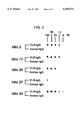
  • FIG. 2 is a drawing showing the monoclonal antibodies Idio 3, Idio 17, Idio 20, Idio 27 and Idio 33 specifically bind to CLN-IgG, and do not bind to other human IgGs.
  • FIG. 3 is a drawing showing that monoclonal antibodies Idio 3, Idio 17, Idio 20, Idio 27 and Idio 33 are competitively inhibiting the binding between CLN-IgG and human matrical carcinoma cell ME-180.
  • FIG. 4 is a drawing where the amino acid sequences of the H chain variable regions of monoclonal antibodies Idio 3, Idio 17, Idio 20, Idio 27 and Idio 33 are notated in parallel according to the Kabat's notation, and the regions of the hypervariable regions CDR1, CDR2 and CDR3 are determined.
  • FIG. 5 is a drawing where the amino acid sequences of the L chain variable regions of monoclonal antibodies Idio 3, Idio 17, Idio 20, Idio 27 and Idio 33 are notated in parallel according to the Kabat's notation, and the regions of the hypervariable regions CDR1, CDR2 and CDR3 are determined.
  • mice 100 ⁇ l of 1 mg/ml human IgG (produced by Cappel) is intraperitoneally injected to a Balb/c mouse on the first day after its birth to prepare a mouse having immunological tolerance to human IgG. Six weeks later, the mouse is immunized as follows with CLN-IgG as an antigen.
  • CLN-IgG purified from a culture medium of a human/human hybridoma CLN/SUZ Hll (ATCC No. HB8307) according to an ammonium sulfate precipitation method and protein A-affinity chromatography was adjusted to a concentration of 2 ⁇ g/ ⁇ l with physiological saline; an equal amount of complete Freund's adjuvant solution was added; and after mixing and emulsification, 100 ⁇ l of the emulsion (corresponding to 100 ⁇ g of CLN-IgG) was subcutaneously injected into the immunologically tolerated mouse. Thereafter, similar immunization was repeated 4 to 5 times, the murine spleen was enucleated 4 days after the final immunization and made to be spleen cells, and they were used for the following cell fusion.
  • a mouse parent cells NS-1 (ATCC TIB 18) and the spleen cells are washed with portions of RPMI 1640 medium not containing serum, respectively, and the both of the cells are mixed and centrifuged.
  • 1 ml of 50% polyethylene glycol (average molecular weight: 4,000) is added dropwise to the resultant precipitate over a period of 1 minute.
  • 10 ml of RPMI 1640 medium is further added over a period of 3 minutes, the mixture is centrifuged at 400 ⁇ g for 5 minutes, the precipitate is suspended in 10 ml of RPMI 1640 medium containing 20% fetal bovine serum, and the suspension is spread into a 96-well microplate.
  • the cells were cultured in HAT medium for 14 to 21 days, transferred to HT medium, and finally cultured in RPMI 1640 medium containins 10% fetal bovine serum.
  • the antibody titers in the culture supernatants on the wells where proliferation was observed were assayed by an enzyme-labeled antibody technique; hybridoma clones secreting monoclonal antibodies which bind to CLN-IgG but not to human IgG were obtained from the appropriate wells by the limiting dilution method; and these hybridoma clones were named No. 3, No. 17, No. 20, No. 27 and No. 33.
  • Isotypes of the antibodies secreted from the 5 mouse hybridomas obtained in Example 1 were determined as follows using a mouse monoclonal antibody isotyping kit (produced by Amersham Co.).
  • the mouse hybridomas are started to be cultured at a concentration each of 5 ⁇ 10 4/ ml in portions of RPMI 1640 medium containing 10% fetal bovine serum, respectively, and 5 days later the culture supernatants are obtained, one stick portions of the typing sticks are placed in test tubes, respectively; 3 ml portions of the culture supernatants 5-fold diluted with TBS-T (Tris-buffered saline (TBS, pH 7.6) containing 0.1% Tween 20) are added thereto respectively; and the mixtures are incubated at room temperature for 15 minutes. The culture supernatants are discarded, 5 ml portions of TBS-T are added, and the typing sticks are washed at room temperature for 5 minutes.
  • TBS-T Tris-buffered saline (TBS, pH 7.6) containing 0.1% Tween 20
  • TBS-T was discarded, and the washing was repeated once more.
  • 3 ml portions of a peroxidase-labeled anti-mouse antibody 500-fold diluted with TBS-T are added, and the mixtures are incubated at room temperature for 15 minutes.
  • the typing sticks are washed twice in the same manner as above; 3 ml portions of an enzyme substrate solution (obtained by adding one drop of 30% aqueous hydrogen peroxide to 50 ml of a TBS solution of 4-chloro-1-naphtol) are added; the mixtures are subjected to reaction at room temperature for 15 minutes; and then the sticks are washed with distilled water.
  • the isotypes of the mouse antibodies are determined based on the resultant signals, respectively.
  • CLN-IgG and human IgG1 were diluted with PBS to concentrations of 50 to 0.2 ⁇ l/ml, respectively. 2 ⁇ l portions of the thus prepared samples were spotted on a number of Hybond-ECL nitrocellulose membrane (produced by Amersham Co.), respectively and after being dried, the nitrocellulose membranes were allowed to stand at room temperature for one hour in PBS-T (0.3% Tween 20-containing PBS) containing 5% skim milk. After being washed with PBS-T, the nitrocellulose membranes were allowed to stand at room temperature for one hour in the culture supernatants (500-fold diluted with PBS-T) of mouse hybridomas No. 3, No. 17, No. 20, No.
  • the nitrocellulose membranes were allowed to stand at room temperature for one hour in portions of a peroxidase-labeled sheep anti-mouse Ig antibody 3,000-fold diluted with PBS-T, respectively. After being washed with PBS-T, the nitrocellulose membranes were subjected to reaction for one minute in portions of the ECL detecting reagent, and sheets of X-ray film were exposed for 30 seconds to the light emitted from the resultant nitrocellulose membranes, respectively.
  • mouse antibodies have an activity to inhibit the binding of a human monoclonal antibody CLN-IgG to a human cancer cell. The method is stated below.
  • a human cervical carcinoma cell ME-180 (available from ATCC) is cultured in DF medium (a 1:1 mixed medium of DME: F-12) containing 10% fetal bovine serum.
  • DF medium a 1:1 mixed medium of DME: F-12
  • the cells are detached from the bottom face of the Petri dish using trypsin, collected by centrifugation and sufficiently washed with the medium.
  • a constant number (10 5 /100 ⁇ l) each of the cells is placed in each well of a 96-well microtiter plate, and allowed to stand at 37° C. overnight to be attached on the plate. 50 ⁇ l portions of 3% glutaraldehyde solution were added dropwise into the respective wells, and the mixtures are allowed to stand at 37° C.
  • the cells of each well are centrifuged at 200 ⁇ g for 10 minutes and washed three times with a gelatin buffer (10 mM phosphate-buffered physiological saline containing 0.3% gelatin); 200 ⁇ l portions of 1% bovine serum albumin (BSA) solution are added dropwise; and the mixture is allowed to stand at 37° C. for one hour to block the plate. The cells are washed three times with the gelatin buffer to remove BSA not adsorbed.
  • a gelatin buffer (10 mM phosphate-buffered physiological saline containing 0.3% gelatin)
  • BSA bovine serum albumin
  • the cells are washed three times with the gelatin buffer, and portions of a substrate solution containing hydrogen peroxide and o-phenylenediamine are added to perform reaction in a darkroom. 10 minutes later, 50 ⁇ l portions of 5N sulfuric acid are added to stop the reaction.
  • a yellow reaction product having absorption at 490 nm is formed.
  • the amount of CLN-IgG bound to the cancer cell is determined by measuring the amount of the reaction product by a spectrometer.
  • these mouse antibodies are antibodies against the idiotypes of CLN-IgG.
  • cytoplasmic RNAs were extracted according to the method disclosed in Molecular Cloning (2nd edition, edited by Sambrook et al., Cold Spring Harbor Laboratory Press 1989) 7, 12, as stated below.
  • each of the hybridomas cells are collected by centrifugation, and washed twice with 10 times each precipitate's volume of a phosphate-buffered saline.
  • the cells of these groups are centrifuged at 2,000 ⁇ g and 4° C. for 5 minutes, and the resultant precipitates are suspended in 200 ⁇ l portions of an RNA extracting solution (0.14M NaCl, 1.5 mM MgCl 2 , 10 mM Tris-HCl pH 8.6, 0.5% Nonidet P-40, 1 mM dithiothreitol, 20 mM vanadylribonucleoside complex), respectively.
  • the suspensions are subjected to vortex for 15 seconds and allowed to stand on ice for 5 minutes.
  • the resultant suspensions are centrifuged at 12,000 ⁇ g for 30 seconds to remove the cell nuclei as precipitates; to the supernatants are, respectively, added 200 ⁇ l portions of a proteinase buffer (0.2M Tris-HCl pH 8.0, 25 mM EDTA pH 8.0, 0.3M NaCl, 1.2% SDS) and 1 ⁇ l portions of an aqueous proteinase K solution (20 mg/ml); and the mixtures are sufficiently stirred and subjected to incubation at 37° C. for 30 minutes.
  • a proteinase buffer 0.2M Tris-HCl pH 8.0, 25 mM EDTA pH 8.0, 0.3M NaCl, 1.2% SDS
  • Equal volume portions of phenol/chloroform are added to the reaction solutions, respectively, and the mixtures are stirred, centrifuged at 5,000 ⁇ g and room temperature for 10 minutes, and then allowed to separate into organic layers and aqueous layers, respectively.
  • 400 ⁇ l portions of isopropanol cooled on ice in advance are added to the aqueous layers recovered, respectively, and the mixtures are allowed to stand on ice for 30 minutes.
  • the mixtures are centrifuged at 12,000 ⁇ g and 4° C. for 10 minutes to collect RNAs.
  • the resultant RNA precipitates are washed with 1 ml portions of ethanol, dried under reduced pressure and suspended in appropriate amount portions of TE buffer, respectively.
  • the antibody genes are amplified.
  • the antibody genes were amplified from the cytoplasmic RNAs obtained in Example 4, using a GeneAmp® RNA PCR kit (produced by Takara Shuzo Co., Ltd.). First, 20 ⁇ l each of reactive solutions were prepared containing PCR buffer II (x1), 5 mM MgCl 2 , 1 mM dATP, 1 mM dGTP, 1 mM dTTP and 1 mM dCTP, 1U/ ⁇ l an RNase inhibitor, 2.5 ⁇ M a random hexamer, 2.5 U/ ⁇ l a reverse transcriptase and 100 ng each of the above-mentioned cytoplasmic RNAs, respectively; 20 ⁇ l portions of a mineral oil were overlaid thereon respectively; and incubations were performed at room temperature for 10 minutes, at 42° C.
  • the base sequences of the PCRTM primers are shown below.
  • the primers contained in a Ig-Prime kitTM (produced by Novagen Co.) were used except for the primer of the leader sequence C for H chains.
  • the letters other than A, G, C and T mean the following bases.
  • R A/G
  • W A/T
  • I inosine
  • Y C/T
  • D A/G/T
  • K G/T
  • H A/C/T
  • S C/G
  • V A/C/G
  • M A/C
  • B G/C/T
  • PCR-amplified fragments about 600 bp long was integrated into pCR 1000 vector or pCRTM vector using TA cloning kit (produced by Invitogen Co.). Specifically, ligation mix solutions were prepared by mixing 1 ⁇ l portions of the PCR reaction products, 1 ⁇ l portions of 10 ⁇ the ligation buffer, 2 ⁇ l portions of pCR1000 or pCRTM vector (corresponding to 50 ⁇ g), 1 ⁇ l of T4 DNA ligase and 6 ⁇ l portions of sterilized water, respectively; and incubated overnight at 12° C..
  • Plasmids were purified from the Escherichia coli clones containing the respective antibody genes, and named 3KB11, 17KB1, 20KB1, 27KA2, 33KA26, 3GB1, 17GB7, 20GA2, 27GA5 and 33GC003, respectively. Purification of the plasmids is performed as follows.
  • the Escherichia coli strains containing the above plasmids, respectively, are cultured 37° C. overnight in 100 ml portions of LB medium containing Kanamycin (50 ⁇ g/ml), respectively. Each of the resultant culture broths is centrifuged at 3,000 rpm for 10 minutes; the cells collected are suspended in 3 ml of an ice-cooled suspension (50 mM glucose, 10 mM EDTA, 2 mM Tris-HCl pH 8.0); and the suspension is allowed to stand at room temperature for 5 minutes.
  • an ice-cooled suspension 50 mM glucose, 10 mM EDTA, 2 mM Tris-HCl pH 8.0
  • reaction solution To the reaction solution are added 6 ml of TE buffer-saturated phenol and 6 ml of chloroform/isoamyl alcohol (24:1), and the mixture is subjected to vortex for 30 seconds and then centrifuged at 10,000 rpm and 4° C. for 3 minutes. The aqueous layer is transferred into another centrifugation vessel, an equal amount of isopropanol is added, and the mixture is sufficiently mixed and then centrifuged at 10,000 rpm and room temperature for 10 minutes.
  • the resultant precipitate is washed with 1 ml of 70% cold (-20° C.) ethanol, dried under reduced pressure, and dissolved in 480 ⁇ l of sterilized water.
  • the solution is transferred into an Eppendorf tube; 120 ⁇ l of 4M NaCl and 600 ⁇ l of 13% polyethylene glycol #6000 are added; and the mixture is allowed to stand on ice for 20 minutes.
  • the mixture is then centrifuged at 10,000 rpm and 4° C. for 10 minutes, and the precipitate is washed with 1 ml of 70% cold (-20° C.) ethanol, dried under reduced pressure and dissolved in 100 ⁇ l of TE buffer.
  • the resultant purified plasmid was used as a template for sequencing reaction.
  • the sequencing reactions were performed using AmpliTaq cycle sequencing kit (produced by Takara Shuzo Co., Ltd.) and a fluorescent-labeled primer in a reagent kit (produced by Wakunaga Pharmaceutical Co., Ltd.) exclusively used for a fluorencene-type DNA sequencer.
  • AmpliTaq cycle sequencing kit produced by Takara Shuzo Co., Ltd.
  • a fluorescent-labeled primer in a reagent kit (produced by Wakunaga Pharmaceutical Co., Ltd.) exclusively used for a fluorencene-type DNA sequencer.
  • 2 to 4 ⁇ g of one of the plasmids purified as stated in Example 5 is mixed with 1 ⁇ l of the FITC-labeled primer (1 p mole/ ⁇ l, forward or reverse is used) and 2 ⁇ l of the 10 ⁇ cycling mix solution, and sterilized water is added to prepare 10 ⁇ l in final volume of a reaction mix.
  • reaction-stopping dye solution (95% formaldehyde, 20 mM EDTA, 0.05% methyl violet) are added, and the mixtures are mixed by centrifugation and preserved at 20° C. until they are electrophoresed.
  • a 5% polyacrylamide gel was used and was obtained by adding pure water to 30 g of urea, 6 ml of 10 ⁇ TBE buffer (0.89M Tris-HCl, 0.89M boric acid, 0.025M EDTA disodium salt) and 10 ml of 30% acrylamide solution (28.5% acrylamide and 1.5% methylenebisacrylamide, both produced by BIO-RAD Co.) to make the whole volume 60 ml; filtering the mixture with 0.22- ⁇ m filter; deaerating the filtrate for 30 minutes; adding 150 ⁇ l of 10% ammonium persulfate and 15 ⁇ l of TEMEO; allowing the mixture to stand overnight to make it gel.
  • the gel was set in the DNA sequencer DSQ-1, and prerun was performed at a constant voltage of 1,000 V for one hour.
  • Each of the samples was denatured at 95° C. for 3 minutes immediately before electrophoresis, and rapidly cooled on ice, and 2 to 3 ⁇ l of the reaction solution was sucked up from the bottom part of the tube by a microsyringe and loaded onto the gel.
  • Electrophoresis was performed at a constant electric power of 20 W for 12 hours.
  • the base sequence was determined using the software attached to DSO-1. The sequence was confirmed by sequencing both of the sense and antisense chains of the same plasmid in both directions.
  • Example 6 The amino acid sequences obtained in Example 6 were notated in parallel according to the numbering of Kabat et al.'s data base (Sequences of proteins of immunological interest Fifth edition, U. S. Department of health and human services. Public health service, National Institutes of Health. NIH Publication No. 91-3242, Kabat et al. 1991), and the amino acid sequences of the hypervariable regions CDR1, CDR2 and CDR3 of each antibody were identified (FIG. 4, H chains, FIG. 5 L chains).
  • amino acid sequences of Idio 3 H chain CDR1, Idio 17 H chain CDR1, Idio 20 H chain CDR1, Idio 27 H chain CDR1, Idio 33 H chain CDR2, Idio 3 L chain CDR2, Idio 17 L chain CDR2, Idio 27 L chain CDR2 and Idio 33 L chain CDR2 were the same as those of known antibodies, but the amino acid sequences of other CDRs were revealed to be novel sequences.

Landscapes

  • Chemical & Material Sciences (AREA)
  • Health & Medical Sciences (AREA)
  • Organic Chemistry (AREA)
  • Immunology (AREA)
  • Life Sciences & Earth Sciences (AREA)
  • Medicinal Chemistry (AREA)
  • General Health & Medical Sciences (AREA)
  • Proteomics, Peptides & Aminoacids (AREA)
  • Biophysics (AREA)
  • Molecular Biology (AREA)
  • Genetics & Genomics (AREA)
  • Biochemistry (AREA)
  • Epidemiology (AREA)
  • Bioinformatics & Cheminformatics (AREA)
  • Pharmacology & Pharmacy (AREA)
  • Engineering & Computer Science (AREA)
  • Animal Behavior & Ethology (AREA)
  • Public Health (AREA)
  • Veterinary Medicine (AREA)
  • Peptides Or Proteins (AREA)
  • Preparation Of Compounds By Using Micro-Organisms (AREA)
  • Micro-Organisms Or Cultivation Processes Thereof (AREA)

Abstract

Amino acid sequences of the H chain and L chain variable regions of mouse monoclonal antibodies Idio 3, Idio 17, Idio 20, Idio 27 and Idio 33 against idiotypes of a cancer cell antigen-specific human immunoglobulin CLN/IgG produced by a human/human fused cell strain CLN/SUZ H11, and base sequences of the genes of the variable regions are disclosed. The above amino acid sequences and the base sequences are useful in medical and pharmaceutical fields such as prophylaxis, treatment and/or diagnosis of human diseases, and/or in pharmacological and/or biochemical fields, etc. such as biochemical reagents, and reagents for purification of biomacromolecules.

Description

DETAILED DESCRIPTION OF THE INVENTION
This invention relates to the structure of the variable regions of mouse immunoglobulins against idiotypes of an antigen-specific human immunoglobulin, useful in wide fields, for example in pharmaceutical fields such as prophylaxis, treatment and/or diagnosis of human diseases, and/or in pharmacological and/or biochemical fields such as biochemical reagents and reagents for purification of biomacromolecules.
More detailedly, this invention relates to the amino acid sequences of the H chain and L chain variable regions of mouse immunoglobulins against idiotypes of a cancer cell antigen-specific human immunoglobulin produced by a human/human fused cell strain CLN/SUZ H11 from a B cell of a patient carrying human cervical carcinoma and a human lymphoblastoid cell strain, and relates to the base sequences of the genes of the variable regions.
Since the development of the technique of formation of monoclonal antibodies by cell fusion or immortalization of cells, many useful antibodies have been obtained using mainly mice. Among them, monoclonal antibodies against malignant tumor cells are utilized not only for fundamental researches such as analyses of tumor antigens, but in serum diagnoses, image diagnoses of tumors using labeled antibodies, and have extremely high utilization value. Particularly, human-derived anti-cancer monoclonal antibodies are expected as ideal antibodies in the clinical field, since they have only faint or no side effects.
In such circumstances, one of the present inventors, as disclosed detailedly in Japanese Laid-Open Patent Publication No. 201994/1983 (=U.S. Pat. No. 5,286,647; EP-A-839,02157.3), Japanese Laid-Open Patent Publication No. 135898/1984 and Japanese Laid-Open Patent Publication No. 137497/1984, established a cell strain CLN/SUZ H11 (ATCC No. HB 8307) which produces a human monoclonal antibody having a high reactivity with human cancer cells. Interesting findings are obtained about the antibody (named CLN-IgG) produced by this cell strain, that the antibody class is IgG; the isotypes are γ1 type and κ type; and the antibody binds to a cancer antigen immunohistologically existing on the surface of the cancer cells and moreover inhibits proliferation of the cancer cells. At present, the whole amino acid sequence and DNA base sequence of the antibody are clarified (Japanese Laid-Open Patent Publication No. 346792/1992=WO 92/20799).
On the other hand, since Jerne put forward the so-called network theory, various researches have been made on the structure of the variable regions of antibodies. An antibody binds to an antigen at its variable region (antigen combining site). Therefore, the variable regions of antibodies have various three-dimensional-like structures in accordance with the structures of the antigenic determinants on the surfaces of antigens to be recognized. Thus, an antibody itself can be considered to be an antigen, and in the case, the structures of the variable regions of the antibody are called idiotypes, and antibodies against the idiotypes of the antibody are called anti-idiotypic antibodies. The structure corresponding to an antigenic determinant is called an idiotope. An idiotype can be thought to be an aggregate of idiotypes. It was reported that among anti-idiotypic antibodies (Ab2) against an antibody (Ab1) exist antibodies which competitively inhibit binding of Ab1 to an antigen and have idiotopes analogous to antigens recognized by the antibodies, i.e. antibodies having structures as so-called internal images of the antigen.
In view of the above findings, anti-idiotypic antibodies are expected to be utilized for the purpose of treatment and/or diagnosis of cancers.
For example, as for the purpose of cancer treatment, a vaccine therapy using an anti-idiotypic antibody as an antigen is made possible. It is generally difficult to get cancer antigens in large amounts, and it is restricted from a safety aspect and an ethical aspect to directly immunize human beings with cancer cells as antigens. Therefore, these problems can be avoided by performing immunization with an anti-idiotypic antibody in place of an antigen.
In a diagnostic aspect, anti-idiotypic antibodies can be utilized to examine the state of immune reactions against cancer cells. Specifically, it serves for early detection of cancers, judgment of therapeutic effects to detect or determine one's antibodies against cancer antigens existing in the blood or humor of cancer patients.
Under such technical background, problems as stated below are underlying to be solved.
1) When anti-idiotypic antibodies are utilized as vaccines or diagnostic drugs, it is necessary to provide these antibodies in large amounts and stably. 2) There is a possibility to give more powerful vaccines or diagnostic drugs abounding in functionality by altering or modifying the antibodies.
A method by gene manipulation is considered as a means for solving the above problems, i.e. a means for realizing improvement of production amount of the antibodies and elevation or modification of the activities of the antibodies.
For example, in the case of the problem of 1), it can be considered to solve the problem by cloning such an antibody gene, introducing the gene into host cells such as animal cells or Escherichia coli, expressing the antibody gene to give a large amount of the antibody, and in the case of the problem of 2), it can be considered to alter such an antibody so as to have stronger immunogenicity by artificially changing the antibody gene, or to design an antibody molecule having a higher vaccinal activity by adding a function which the antibody does not inherently have, for example an enzymatic activity, an immunity induction activity or the like to the antibody molecule or a fragment thereof.
For accomplishment of these purposes, separation of anti-idiotypic antibody genes, and clarification of their structures are necessary. However, there has not so far been known anything at all about the structures of L chains and H chains constituting anti-idiotypic antibodies against idiotypes of CLN-IgG, and the gene structures of the variable regions having a function to specifically bind to idiotopes of CLN-IgG.
Thus the main object of this invention is to clarify the gene structures of the L chains and the H chains of anti-CLN-IgG idiotype antibodies.
The present inventors have succeeded in creating hybridomas producing, respectively, five kinds of mouse anti-CLN-IgG idiotype antibodies (Idio 3, Idio 17, Idio 20, Idio 27 and Idio 33) having γ1 and κ isotypes against the idiotypes of CLN-IgG; have separated, from the hybridomas, cDNAs encoding the L chains and H chains of the anti-idiotypic antibodies, respectively; have clarified their DNA base sequences; have determined, based on these sequences, the amino acid sequences of the L chains and H chains of the antibodies, respectively; and have completed this invention.
Thus, according to this invention are provided an immunoglobulin H chain variable region fragment which contains a hypervariable region CDR1 having an amino acid sequence selected from
(1) Ser Tyr Trp Met His; SEQ ID NO. 1 Asp Tyr Tyr Met Asn; and SEQ ID NO. 2 Asn Tyr Trp Met Gln, SEQ ID NO. 3
a hypervariable region CDR2 having an amino acid sequence selected from
(2) Ala Ile Tyr Pro Gly Asn Ser Asp Ile Set Tyr Ser Gln Asn Phe Lys Asp; SEQ ID NO. 4 Phe Ile Arg Asn Lys Ala Asn Leu Tyr Thr Thr Asp Tyr Ser Ala Ser Val Lys Gly; SEQ ID NO. 5 Phe Ile Arg Asn Lys Ala Asn Tyr Tyr Thr Thr Glu Tyr Ser Ala Set Val Lys Gly; and Ala Ile Tyr Pro Gly SEQ ID NO. 6 Asp Gly Asp Thr Arg Tyr Thr Glu Lys Phe Lys Gly SEQ ID NO. 7,
and a hypervariable region CDR3 having an amino acid sequence selected from
(3) Glu Glu Tyr Asp Tyr Asp Thr Leu Asp Tyr; SEQ ID NO. 8 Asp Arg Gly Gly Arg Asp Trp Tyr Phe Asp Val; SEQ ID NO. 9 Asp Gly Phe Leu Arg Asp Trp Tyr Phe Asp Val; and SEQ ID NO. 10 Ser Gly Tyr Tyr Gly Ser Phe Val Gly Phe Ala Tyr; SEQ ID NO. 11
and DNA and RNA fragments encoding the immunoglobulin H chain variable region fragment.
According to this invention are further provided an immunoglobulin L chain fragment which contains a hypervariable region CDR1 having an amino acid sequence selected from
(1) Tyr Arg Ala Set Lys Set Val Gln Leu His Leu Ala Ile Val Tyr Met His; SEQ ID NO. 12 Tyr Arg Ala Set Lys Ser Val Set Thr Ser Gly Tyr Ser Tyr Met His; SEQ ID NO. 13 Lys Ala Ser Gln Asp Val Asn Thr Ala Val Ala; and Lys Ala Set Gln Asp Val Thr SEQ ID NO. 14 Thr Asp Val Ala,
a hypervariable region CDR2 having an amino acid sequence SEQ ID NO. 15 selected from
(2) Leu Val Ser Asn Leu Glu Ser; Leu Val Set Asn Leu Asp Ser; and SEQ ID NO. 16 Ser Ala Ser Tyr Arg Tyr Thr, SEQ ID NO. 17
and a hypervariable region CDE3 having an amino acid sequence selected from
(3) Gln His Ile Arg Val Ala Tyr Thr; SEQ ID NO. 19 Gln His Ile Arg Gly Ala Tyr Thr; SEQ ID NO. 20 Gln His Ile Glu Gly Ala Tyr Thr; SEQ ID NO. 21 Gln Gln His Tyr Ser Pro Pro Leu Thr; and SEQ ID NO. 22 Gln Gln His Tyr Ser Thr Ala Trp Thr; SEQ ID NO. 23
and DNA and RNA fragments encoding the immunoglobulin L chain variable region fragment.
In this invention, cytoplasmie RNAs were prepared from the five mouse hybridomas, respectively; the RNAs were converted to eDNAs by a reverse transeriptase; the antibody genes were amplified using these eDNAs as templates and using the PCR method; the amplified DNA fragments were integrated into plasmids and cloned; the base sequences of the insertion DNAs of the plasmids purified from Escherichia coli clones isolated were determined, and the amino acid sequences were determined based on the base sequences. These steps are further detailedly described below.
[1] Isolation of cytoplasmic RNAs
Each mouse hybridoma is cultured and proliferated in a culture medium, e.g., RDF or RPMI 1640 medium, containing 5% fetal bovine serum under a suitable condition, e.g. under a condition of 37° C. and a carbon dioxide concentration of 5%; the resultant cells are collected by centrifugation; and the cytoplasmic RNA is extracted from the cells by a conventional method, e.g. a method disclosed in 7.12 of Molecular Cloning (2nd edition, edited by Sambrook et al., Cold Spring Harbor Laboratory Press 1989). The resultant cytoplasmic RNA can further be utilized as a template for cDNA synthesis. Specifically in this invention, the cytoplasmic RNAs were extracted from mouse hybridomas No. 3, No. 17, No. 20, No. 27 and No. 33, and provided for synthesis of cDNAs.
[2] Synthesis of cDNAs
Using a cytoplasmic RNA obtained in the step of [1] as a template, a single-strand DNA complementary to the mRNA is synthesized in the presence of dATP, dGTP, dTTP and dCTP using, as a primer, an oligo dT corresponding to a poly A, or a synthetic nucleotide having a random sequence, and a reverse transcriptase. In the specific operations in the invention, cDNAs were synthesized using the cytoplasmic RNAs obtained in the step of [1] as templates and a random hexamer as a primer, respectively, and provided for the step of amplification of the antibody genes.
[3] Amplification of antibody genes by PCR
PCR reaction is performed in the presence of dATP, dGTR, dTTP, dCTP and Taq polymerase using as a template a single-strand cDNA obtained in the step of [2] and as a primer a sequence of the antibody gene (e.g., a sequence encoding a constant region, a variable region or a leader region of the antibody gene) to amplify the antibody gene. Suitably in the invention, the antibody genes were amplified using as templates the single-strand cDNAs obtained in the step of [2] and using synthetic DNA oligomers corresponding to the sequences of the leader regions and variable regions of the L chains and H chains of the antibodies, respectively.
[4] Cloning of PCR-amplified DNA fragments
A PCR-amplified DNA fragment obtained in the step of [3] is, directly or after treatment with restriction enzyme(s), ligated into one of various vectors, for example plasmid vectors such as pUC 18, pCR1000 and pCR™, phage vectors such as M 13 phage, and phagemid vectors such as pUC 118 and pBluescrpt SK+ to prepare a vector containing the insertion fragment. Then, Escherichia coli is transformed with the vector, and a colony of the Escherichia coli containing the targeted antibody gene fragment is obtained. The purified vector recovered from the Escherichia coli is provided as a sample for determination of the DNA base sequence. In the specific operations in the invention, the PCR-amplified DNA fragments obtained in the step of [3] were directly ligated, respectively, into pCR1000 and pCR™ plasmid vector; an Escherichia coli INVαF' was transformed with each of the resultant plasmids; and the plasmids were purified from the resultant Escherichia coli colonies, respectively.
[5] Determination of the base sequences and amino acid sequences of the DNAs
The base sequence of the DNA at the insertion site in a plasmid obtained in the step of [4] can be determined using the Maxam-Gilbert method or the Sanger method. In the invention, the pCR1000 or pCR™ plasmid vectors containing the insertion fragments were purified, respectively; their base sequences were determind by the Sanger method; and the amino acid sequences were presumed based on their base sequences, respectively.
Hereafter, this invention is further specifically described below according to examples.
Drawings referred to in Examples are briefly described as follows.
FIG. 1 is a drawing showing isotypes of monoclonal antibodies Idio 3, Idio 17, Idio 20, Idio 27 and Idio 33.
FIG. 2 is a drawing showing the monoclonal antibodies Idio 3, Idio 17, Idio 20, Idio 27 and Idio 33 specifically bind to CLN-IgG, and do not bind to other human IgGs.
FIG. 3 is a drawing showing that monoclonal antibodies Idio 3, Idio 17, Idio 20, Idio 27 and Idio 33 are competitively inhibiting the binding between CLN-IgG and human matrical carcinoma cell ME-180.
FIG. 4 is a drawing where the amino acid sequences of the H chain variable regions of monoclonal antibodies Idio 3, Idio 17, Idio 20, Idio 27 and Idio 33 are notated in parallel according to the Kabat's notation, and the regions of the hypervariable regions CDR1, CDR2 and CDR3 are determined.
FIG. 5 is a drawing where the amino acid sequences of the L chain variable regions of monoclonal antibodies Idio 3, Idio 17, Idio 20, Idio 27 and Idio 33 are notated in parallel according to the Kabat's notation, and the regions of the hypervariable regions CDR1, CDR2 and CDR3 are determined.
EXAMPLE 1 Preparation of mouse hybridomas
100 μl of 1 mg/ml human IgG (produced by Cappel) is intraperitoneally injected to a Balb/c mouse on the first day after its birth to prepare a mouse having immunological tolerance to human IgG. Six weeks later, the mouse is immunized as follows with CLN-IgG as an antigen.
CLN-IgG purified from a culture medium of a human/human hybridoma CLN/SUZ Hll (ATCC No. HB8307) according to an ammonium sulfate precipitation method and protein A-affinity chromatography was adjusted to a concentration of 2 μg/μl with physiological saline; an equal amount of complete Freund's adjuvant solution was added; and after mixing and emulsification, 100 μl of the emulsion (corresponding to 100 μg of CLN-IgG) was subcutaneously injected into the immunologically tolerated mouse. Thereafter, similar immunization was repeated 4 to 5 times, the murine spleen was enucleated 4 days after the final immunization and made to be spleen cells, and they were used for the following cell fusion.
A mouse parent cells NS-1 (ATCC TIB 18) and the spleen cells are washed with portions of RPMI 1640 medium not containing serum, respectively, and the both of the cells are mixed and centrifuged. 1 ml of 50% polyethylene glycol (average molecular weight: 4,000) is added dropwise to the resultant precipitate over a period of 1 minute. 10 ml of RPMI 1640 medium is further added over a period of 3 minutes, the mixture is centrifuged at 400×g for 5 minutes, the precipitate is suspended in 10 ml of RPMI 1640 medium containing 20% fetal bovine serum, and the suspension is spread into a 96-well microplate.
Thereafter, the cells were cultured in HAT medium for 14 to 21 days, transferred to HT medium, and finally cultured in RPMI 1640 medium containins 10% fetal bovine serum.
The antibody titers in the culture supernatants on the wells where proliferation was observed were assayed by an enzyme-labeled antibody technique; hybridoma clones secreting monoclonal antibodies which bind to CLN-IgG but not to human IgG were obtained from the appropriate wells by the limiting dilution method; and these hybridoma clones were named No. 3, No. 17, No. 20, No. 27 and No. 33.
EXAMPLE 2 Determination of isotypes of the mouse antibodies
Isotypes of the antibodies secreted from the 5 mouse hybridomas obtained in Example 1 were determined as follows using a mouse monoclonal antibody isotyping kit (produced by Amersham Co.).
The mouse hybridomas are started to be cultured at a concentration each of 5×10⁴/ ml in portions of RPMI 1640 medium containing 10% fetal bovine serum, respectively, and 5 days later the culture supernatants are obtained, one stick portions of the typing sticks are placed in test tubes, respectively; 3 ml portions of the culture supernatants 5-fold diluted with TBS-T (Tris-buffered saline (TBS, pH 7.6) containing 0.1% Tween 20) are added thereto respectively; and the mixtures are incubated at room temperature for 15 minutes. The culture supernatants are discarded, 5 ml portions of TBS-T are added, and the typing sticks are washed at room temperature for 5 minutes. TBS-T was discarded, and the washing was repeated once more. 3 ml portions of a peroxidase-labeled anti-mouse antibody 500-fold diluted with TBS-T are added, and the mixtures are incubated at room temperature for 15 minutes. The typing sticks are washed twice in the same manner as above; 3 ml portions of an enzyme substrate solution (obtained by adding one drop of 30% aqueous hydrogen peroxide to 50 ml of a TBS solution of 4-chloro-1-naphtol) are added; the mixtures are subjected to reaction at room temperature for 15 minutes; and then the sticks are washed with distilled water. The isotypes of the mouse antibodies are determined based on the resultant signals, respectively.
As a result, as shown in FIG. 1, all the isotypes of these antibodies were γ1 and κ.
EXAMPLE 3 Examination of specificities of the anti-idio-typic antibodies
It was examined according to a dot blot technique, using an ECL Western blotting detecting reagent (produced by Amersham Co.), that the mouse anti-CLN-IgG idiotype antibodies specifically bind to CLN-IgG. The process is stated below.
CLN-IgG and human IgG1 (produced by Protogen Co.) were diluted with PBS to concentrations of 50 to 0.2 μl/ml, respectively. 2 μl portions of the thus prepared samples were spotted on a number of Hybond-ECL nitrocellulose membrane (produced by Amersham Co.), respectively and after being dried, the nitrocellulose membranes were allowed to stand at room temperature for one hour in PBS-T (0.3% Tween 20-containing PBS) containing 5% skim milk. After being washed with PBS-T, the nitrocellulose membranes were allowed to stand at room temperature for one hour in the culture supernatants (500-fold diluted with PBS-T) of mouse hybridomas No. 3, No. 17, No. 20, No. 27 and No. 33, respectively. After being washed with PBS-T, the nitrocellulose membranes were allowed to stand at room temperature for one hour in portions of a peroxidase-labeled sheep anti-mouse Ig antibody 3,000-fold diluted with PBS-T, respectively. After being washed with PBS-T, the nitrocellulose membranes were subjected to reaction for one minute in portions of the ECL detecting reagent, and sheets of X-ray film were exposed for 30 seconds to the light emitted from the resultant nitrocellulose membranes, respectively.
The results of the sheets of X-ray film developed are shown in FIG. 2. Any of the five antibodies bound to CLN-IgG, but did not bind to human IgG1. Namely, it was revealed that these antibodies are specific to CLN-IgG.
Next, it was examined whether or not the mouse antibodies have an activity to inhibit the binding of a human monoclonal antibody CLN-IgG to a human cancer cell. The method is stated below.
A human cervical carcinoma cell ME-180 (available from ATCC) is cultured in DF medium (a 1:1 mixed medium of DME: F-12) containing 10% fetal bovine serum. At the stage when the number of the cells becomes 5×10⁶ to 1×10⁷, the cells are detached from the bottom face of the Petri dish using trypsin, collected by centrifugation and sufficiently washed with the medium. A constant number (105 /100 μl) each of the cells is placed in each well of a 96-well microtiter plate, and allowed to stand at 37° C. overnight to be attached on the plate. 50 μl portions of 3% glutaraldehyde solution were added dropwise into the respective wells, and the mixtures are allowed to stand at 37° C. for 20 minutes to fix the cells. The cells of each well are centrifuged at 200×g for 10 minutes and washed three times with a gelatin buffer (10 mM phosphate-buffered physiological saline containing 0.3% gelatin); 200 μl portions of 1% bovine serum albumin (BSA) solution are added dropwise; and the mixture is allowed to stand at 37° C. for one hour to block the plate. The cells are washed three times with the gelatin buffer to remove BSA not adsorbed. Thereafter, dilutions at various rates (100 to 1,000,000-fold) of the ascites obtained by intraperitoneally inoculating into mice the various hybridomas secreting the mouse anti-idiotypic antibodies are added dropwise together with CLN-IgG (50 μg each), and the mixtures are subjected to reaction at 37° C. for one hour. The cells of these wells are washed three times with the gelatin buffer, 50 μl portions of a 3,000-fold diluted peroxidase-conjugated goat anti-human Ig antibody (produced by TAGO Co.) are added dropwise, respectively, and the mixtures are subjected to reaction at 37° C. for 30 minutes. The cells are washed three times with the gelatin buffer, and portions of a substrate solution containing hydrogen peroxide and o-phenylenediamine are added to perform reaction in a darkroom. 10 minutes later, 50 μl portions of 5N sulfuric acid are added to stop the reaction. When the peroxidase-conjugated goat anti-Ig antibody remains on the microplate, namely when the human IgG to be bound thereto remains, a yellow reaction product having absorption at 490 nm is formed. The amount of CLN-IgG bound to the cancer cell is determined by measuring the amount of the reaction product by a spectrometer.
It was clarified, according to the above method, that all the mouse antibodies Idio 3, Idio 17, Idio 20, Idio 27 and Idio 33 inhibit the binding of CLN-IgG to the cancer cell (FIG. 3).
From the foregoing, these mouse antibodies are antibodies against the idiotypes of CLN-IgG.
EXAMPLE 4 Preparation of RNA
From the five kinds of mouse hybridomas No. 3, No. 17, No. 20, No. 27 and No. 33, the cytoplasmic RNAs were extracted according to the method disclosed in Molecular Cloning (2nd edition, edited by Sambrook et al., Cold Spring Harbor Laboratory Press 1989) 7, 12, as stated below.
108 each of the hybridomas cells are collected by centrifugation, and washed twice with 10 times each precipitate's volume of a phosphate-buffered saline. The cells of these groups are centrifuged at 2,000×g and 4° C. for 5 minutes, and the resultant precipitates are suspended in 200 μl portions of an RNA extracting solution (0.14M NaCl, 1.5 mM MgCl2, 10 mM Tris-HCl pH 8.6, 0.5% Nonidet P-40, 1 mM dithiothreitol, 20 mM vanadylribonucleoside complex), respectively. The suspensions are subjected to vortex for 15 seconds and allowed to stand on ice for 5 minutes. The resultant suspensions are centrifuged at 12,000×g for 30 seconds to remove the cell nuclei as precipitates; to the supernatants are, respectively, added 200 μl portions of a proteinase buffer (0.2M Tris-HCl pH 8.0, 25 mM EDTA pH 8.0, 0.3M NaCl, 1.2% SDS) and 1 μl portions of an aqueous proteinase K solution (20 mg/ml); and the mixtures are sufficiently stirred and subjected to incubation at 37° C. for 30 minutes. Equal volume portions of phenol/chloroform are added to the reaction solutions, respectively, and the mixtures are stirred, centrifuged at 5,000×g and room temperature for 10 minutes, and then allowed to separate into organic layers and aqueous layers, respectively. 400 μl portions of isopropanol cooled on ice in advance are added to the aqueous layers recovered, respectively, and the mixtures are allowed to stand on ice for 30 minutes. The mixtures are centrifuged at 12,000×g and 4° C. for 10 minutes to collect RNAs. The resultant RNA precipitates are washed with 1 ml portions of ethanol, dried under reduced pressure and suspended in appropriate amount portions of TE buffer, respectively. Using the cytoplasmic RNAs obtained according to the above operations, the antibody genes are amplified.
EXAMPLE 5 Amplification and cloning of the antibody genes by the RT-PCR method
The antibody genes were amplified from the cytoplasmic RNAs obtained in Example 4, using a GeneAmp® RNA PCR kit (produced by Takara Shuzo Co., Ltd.). First, 20 μl each of reactive solutions were prepared containing PCR buffer II (x1), 5 mM MgCl2, 1 mM dATP, 1 mM dGTP, 1 mM dTTP and 1 mM dCTP, 1U/μl an RNase inhibitor, 2.5 μM a random hexamer, 2.5 U/μl a reverse transcriptase and 100 ng each of the above-mentioned cytoplasmic RNAs, respectively; 20 μl portions of a mineral oil were overlaid thereon respectively; and incubations were performed at room temperature for 10 minutes, at 42° C. for 15 minutes, at 99° C. for 5 minutes and then at 4° C. for 5 minutes to perform cDNA synthesis by reverse transcription reaction. Then, 80 μl portions of a solution consisting of 4 μl of 25 mM MgCl2, 8 μl of 10×PCR buffer II, 65.5 μl of sterile distilled water, 0.5 μl of AmpliTaq DNA polymerase (5 U/μl) and 2 μl of PCR primers (each 100 pmoles) were added to the above 20 μl of the reverse transcription reaction solutions; 80 μl portions of the mineral oil were overlaid thereon; and PCR reactions were succeedingly performed. Each reaction was performed by repeating 30 times the cycle of 94° C. for 1.5 minutes, 50° C. for 2 minutes and then 72° C. for 3 minutes. The base sequences of the PCR™ primers are shown below. The primers contained in a Ig-Prime kit™ (produced by Novagen Co.) were used except for the primer of the leader sequence C for H chains.
__________________________________________________________________________
Primer for H chains                                                       
Leader sequence A                                                         
          5' GGGAATTCATGRASTTSKGGYTMARCTKGRTTT 3' SEQ ID NO. 24           
Leader sequence B                                                         
          5' GGGAATTCATGRAATGSASCTGGGTYWTYCTCTT 3' SEQ ID NO. 25          
Leader sequence C                                                         
          5' TTAAATGGTATCCAGTGT 3' SEQ ID NO 26                           
Constant region                                                           
          5' CCCAAGCTTCCAGGGRCCARKGGATARACIGRTGG 3' SEQ ID NO. 27         
Primer for L chains                                                       
Leader sequence A                                                         
          5' GGGAATTCATGRAGWCACAKWCYCAGGTCTTT 3' SEQ ID NO. 28            
Leader sequence B                                                         
          5' GGGAATTCATGGAGACAGACACACTCCTGCTAT 3' SEQ ID NO. 29           
Constant region                                                           
          5' CCCAAGCTTACTGGATGGTGGGAAGATGGA 3' SEQ ID NO                  
__________________________________________________________________________
          30                                                              
In the above, the letters other than A, G, C and T mean the following bases. R=A/G, W=A/T, I=inosine, Y=C/T, D=A/G/T, K=G/T, H=A/C/T, S=C/G, V=A/C/G, M=A/C, B=G/C/T
10 μl portions of the resultant 100 μl each of the PCR reaction products are subjected to 1.5% agarose gel eleetrophoresis, and it was confirmed that the antibody gene fragments each about 600 bp long were amplified. As a result, in the case of the H chains, the antibody genes derived from No. 3 and No. 17 were amplified in the leader sequence A, the antibody genes derived from No. 20 and No. 27 were amplified in the leader sequence B, and the antibody gene derived from No. 33 was amplified in the leader sequence C. On the other hand, in the L chains, the antibody genes derived from No. 27 and No. 33 were amplified in the case where the leader sequence A was used, and the antibody genes derived from No. 3, No. 17 and No. 20 were amplified in the leader sequence B.
Each of the PCR-amplified fragments about 600 bp long was integrated into pCR 1000 vector or pCR™ vector using TA cloning kit (produced by Invitogen Co.). Specifically, ligation mix solutions were prepared by mixing 1 μl portions of the PCR reaction products, 1 μl portions of 10×the ligation buffer, 2 μl portions of pCR1000 or pCR™ vector (corresponding to 50 μg), 1 μl of T4 DNA ligase and 6 μl portions of sterilized water, respectively; and incubated overnight at 12° C.. Separately, 50 μl portions of a suspension of a competent Escherichia coli INαT' strain, to which portions were added 2 μl portions of 0.5M β-mercaptoethanol, respectively, were prepared; and 1 μl portions of the above ligation mix solutions are added thereto, respectively. The mixtures are allowed to stand on ice for 30 minutes, incubated at 42° C. for one minute, and rapidly cooled on ice for 2 minutes. 450 μl portions of SOC medium warmed to 42° C. in advance were added to the resultant Escherichia coli solutions, respectively, and the mixtures are cultured with shaking at 37° C. for one hour. Meanwhile, 25 μl portions of X-Gal (40 mg/μl) are spreaded onto a number of LB agar plates each containing Kanamycin (50 μg/ml), respectively, and the agar plates are incubated at 37° C. until each X-Gal completely permeates the agar plate.
200 μl portions of the Escherichia coli culture broths after completion of culture were spread on the agar plate dried, respectively, and the plates were allowed to stand at 37° C. overnight to give white colonies each having Kanamycin resistance.
Plasmids were purified from the Escherichia coli clones containing the respective antibody genes, and named 3KB11, 17KB1, 20KB1, 27KA2, 33KA26, 3GB1, 17GB7, 20GA2, 27GA5 and 33GC003, respectively. Purification of the plasmids is performed as follows.
The Escherichia coli strains containing the above plasmids, respectively, are cultured 37° C. overnight in 100 ml portions of LB medium containing Kanamycin (50 μg/ml), respectively. Each of the resultant culture broths is centrifuged at 3,000 rpm for 10 minutes; the cells collected are suspended in 3 ml of an ice-cooled suspension (50 mM glucose, 10 mM EDTA, 2 mM Tris-HCl pH 8.0); and the suspension is allowed to stand at room temperature for 5 minutes. 6 ml of an alkali lysing solution (0.2 N sodium hydroxide, 1% SDS) is added, and the mixture is mixed by gently turning the centrifugation vessel upside down, and allowed to stand on ice for 5 minutes. 4.5 ml of an ice-cooled neutralizing solution (5M potassium acetate pH 4.8) is added, and the mixture is centrifuged at 12,000 rpm and 4° C. for 10 minutes. The supernatant is transferred into another centrifugation vessel; 1 ml of heat-treated 100 μg/ml RNase A solution is added; and the mixture is subjected to reaction for one hour in an incubator of 37° C. to perform RNA digestion. To the reaction solution are added 6 ml of TE buffer-saturated phenol and 6 ml of chloroform/isoamyl alcohol (24:1), and the mixture is subjected to vortex for 30 seconds and then centrifuged at 10,000 rpm and 4° C. for 3 minutes. The aqueous layer is transferred into another centrifugation vessel, an equal amount of isopropanol is added, and the mixture is sufficiently mixed and then centrifuged at 10,000 rpm and room temperature for 10 minutes.
The resultant precipitate is washed with 1 ml of 70% cold (-20° C.) ethanol, dried under reduced pressure, and dissolved in 480 μl of sterilized water. The solution is transferred into an Eppendorf tube; 120 μl of 4M NaCl and 600 μl of 13% polyethylene glycol #6000 are added; and the mixture is allowed to stand on ice for 20 minutes. The mixture is then centrifuged at 10,000 rpm and 4° C. for 10 minutes, and the precipitate is washed with 1 ml of 70% cold (-20° C.) ethanol, dried under reduced pressure and dissolved in 100 μl of TE buffer. The resultant purified plasmid was used as a template for sequencing reaction.
EXAMPLE 6 Determination of the base sequences
Sanger reactions were performed using as templates the plasmids cloning purified in Example 5 and a fluorescent-labeled primer; the reaction products were analyzed by a DNA sequencer DSQ-1 (produced by Shimadzu Corporation); and the DNA base sequences of the insert parts of the plasmids were also determined.
The sequencing reactions were performed using AmpliTaq cycle sequencing kit (produced by Takara Shuzo Co., Ltd.) and a fluorescent-labeled primer in a reagent kit (produced by Wakunaga Pharmaceutical Co., Ltd.) exclusively used for a fluorencene-type DNA sequencer. First, 2 to 4 μg of one of the plasmids purified as stated in Example 5 is mixed with 1 μl of the FITC-labeled primer (1 p mole/μl, forward or reverse is used) and 2 μl of the 10×cycling mix solution, and sterilized water is added to prepare 10 μl in final volume of a reaction mix. Four tubes are prepared in which 2 μl portions of the termination mix (A, G, C, T) were placed in advance, respectively. 2 μl portions of the above reaction mix were taken and placed into the respective tubes. The mixtures are corrected by centrifugation, 10 μl portions of a mineral oil are overlaid, and cycling reactions are performed under the following conditions; Precycle 95° C., 3 minutes; first cycle 95° C. 30 seconds, 60° C. 30 seconds, 72° C. 1 minute (repeated 15 times); second cycle 95° C. 30 seconds, 72° C. 1 minute (repeated 15 times); postcycle 4° C.
2 μl portions of a reaction-stopping dye solution (95% formaldehyde, 20 mM EDTA, 0.05% methyl violet) are added, and the mixtures are mixed by centrifugation and preserved at 20° C. until they are electrophoresed.
A 5% polyacrylamide gel was used and was obtained by adding pure water to 30 g of urea, 6 ml of 10×TBE buffer (0.89M Tris-HCl, 0.89M boric acid, 0.025M EDTA disodium salt) and 10 ml of 30% acrylamide solution (28.5% acrylamide and 1.5% methylenebisacrylamide, both produced by BIO-RAD Co.) to make the whole volume 60 ml; filtering the mixture with 0.22-μm filter; deaerating the filtrate for 30 minutes; adding 150 μl of 10% ammonium persulfate and 15 μl of TEMEO; allowing the mixture to stand overnight to make it gel.
The gel was set in the DNA sequencer DSQ-1, and prerun was performed at a constant voltage of 1,000 V for one hour. Each of the samples was denatured at 95° C. for 3 minutes immediately before electrophoresis, and rapidly cooled on ice, and 2 to 3 μl of the reaction solution was sucked up from the bottom part of the tube by a microsyringe and loaded onto the gel. Electrophoresis was performed at a constant electric power of 20 W for 12 hours.
After completion of electrophoresis, the base sequence was determined using the software attached to DSO-1. The sequence was confirmed by sequencing both of the sense and antisense chains of the same plasmid in both directions.
The resultant base sequences of the variable regions of the H chains and L chains of the five kinds of the mouse monoclonal antibodies, and amino acid sequences presumed therefrom are shown in the following sequence listing. Relation between the sequence numbers and the sequences of the clones are as follows:
Sequence No. 31 and SEQ ID NO. 40: Idio 3 H chain variable region (clone 3GB1)
Sequence No. 31 and SEQ ID NO. 41: Idio 17 H chain variable region (clone 17GB7)
Sequence No. 32 and SEQ ID NO. 42: Idio 20 H chain variable region (clone 20GA2)
Sequence No. 33 and SEQ ID NO. 43: Idio 27 H chain variable region (clone 27GA5)
Sequence No. 34: Idio 33 H chain variable region (clone 33GC003)
Sequence No. 35 and SEQ ID NO. 44: Idio 3 L chain variable region (clone 3KB11)
Sequence No. 36 and SEQ ID NO. 45: Idio 17 L chain variable region (clone 17KB1)
Sequence No. 37 and SEQ ID NO. 46: Idio 20 L chain variable region (clone 20KB1)
Sequence No. 38 and SEQ ID NO. 48:Idio 27 L chain variable region (clone 27KA2)
Sequence No. 39 and SEQ ID NO. 48: Idio 33 L chain variable region (clone 33KA26)
EXAMPLE 7 Determination of hypervariable regions
The amino acid sequences obtained in Example 6 were notated in parallel according to the numbering of Kabat et al.'s data base (Sequences of proteins of immunological interest Fifth edition, U. S. Department of health and human services. Public health service, National Institutes of Health. NIH Publication No. 91-3242, Kabat et al. 1991), and the amino acid sequences of the hypervariable regions CDR1, CDR2 and CDR3 of each antibody were identified (FIG. 4, H chains, FIG. 5 L chains). In order to confirm the novelty of the identified amino acid sequences of the hypervariable regions CDR1, CDR2 and CDR3, retrieval by a computer was performed using the above Kabat et al.'s data base and a protein data base NBRF-PDB (National Biomedical Research Foundation--protein data base) Release 36.
As a result, the amino acid sequences of Idio 3 H chain CDR1, Idio 17 H chain CDR1, Idio 20 H chain CDR1, Idio 27 H chain CDR1, Idio 33 H chain CDR2, Idio 3 L chain CDR2, Idio 17 L chain CDR2, Idio 27 L chain CDR2 and Idio 33 L chain CDR2 were the same as those of known antibodies, but the amino acid sequences of other CDRs were revealed to be novel sequences.
__________________________________________________________________________
SEQUENCE LISTING                                                          
(1) GENERAL INFORMATION:                                                  
(iii) NUMBER OF SEQUENCES:48                                              
(2) INFORMATION FOR SEQ ID NO: 1:                                         
(i) SEQUENCE CHARACTERISTICS:                                             
(A) LENGTH:5 amino acids                                                  
(B) TYPE:amino acid                                                       
(D) TOPOLOGY:linear                                                       
(ii) MOLECULE TYPE:protein                                                
(ix) FEATURE:                                                             
(A) NAME/KEY:H-CDR1-1                                                     
(D) OTHER INFORMATION:hypervariable region                                
(xi) SEQUENCE DESCRIPTION:SEQ ID NO:1:                                    
SerTyrTrpMetHis                                                           
(2) INFORMATION FOR SEQ ID NO: 2:                                         
(i) SEQUENCE CHARACTERISTICS:                                             
(A) LENGTH:5 amino acids                                                  
(B) TYPE:amino acid                                                       
(D) TOPOLOGY:linear                                                       
(ii) MOLECULE TYPE:protein                                                
(ix) FEATURE:                                                             
(A) NAME/KEY:H-CDR1-2                                                     
(D) OTHER INFORMATION:hypervariable region                                
(xi) SEQUENCE DESCRIPTION:SEQ ID NO: 2:                                   
AspTyrTyrMetAsn                                                           
5                                                                         
(2) INFORMATION FOR SEQ ID NO: 3:                                         
(i) SEQUENCE CHARACTERISTICS:                                             
(A) LENGTH:5 amino acids                                                  
(B) TYPE:amino acid                                                       
(D) TOPOLOGY:linear                                                       
(ii) MOLECULE TYPE:protein                                                
(ix) FEATURE:                                                             
(A) NAME/KEY:H-CDR1-3                                                     
(D) OTHER INFORMATION:hypervariable region                                
(xi) SEQUENCE DESCRIPTION:SEQ ID NO:3:                                    
AsnTyrTrpMetGln                                                           
5                                                                         
(2) INFORMATION FOR SEQ ID NO: 4:                                         
(i) SEQUENCE CHARACTERISTICS:                                             
(A) LENGTH:17 amino acids                                                 
(B) TYPE:amino acid                                                       
(D) TOPOLOGY:linear                                                       
(ii) MOLECULE TYPE:protein                                                
(ix) FEATURE:                                                             
(A) NAME/KEY:H-CDR2-1                                                     
(D) OTHER INFORMATION:hypervariable region                                
(xi) SEQUENCE DESCRIPTION:SEQ ID NO: 4:                                   
AlaIleTyrProGlyAsnSerAspIleSerTyrSerGlnAsnPheLys                          
51015                                                                     
Asp                                                                       
(2) INFORMATION FOR SEQ ID NO: 5:                                         
(i) SEQUENCE CHARACTERISTICS:                                             
(A) LENGTH:19 amino acids                                                 
(B) TYPE:amino acid                                                       
(D) TOPOLOGY:linear                                                       
(ii) MOLECULE TYPE:protein                                                
(ix) FEATURE:                                                             
(A) NAME/KEY:H-CDR2-2                                                     
(D) OTHER INFORMATION:hypervariable region                                
(xi) SEQUENCE DESCRIPTION:SEQ ID NO:5:                                    
PheIleArgAsnLysAlaAsnLeuTyrThrThrAspTyrSerAlaSer                          
51015                                                                     
ValLysGly                                                                 
(2) INFORMATION FOR SEQ ID NO: 6:                                         
(i) SEQUENCE CHARACTERISTICS:                                             
(A) LENGTH:19 amino acids                                                 
(B) TYPE:amino acid                                                       
(D) TOPOLOGY:linear                                                       
(ii) MOLECULE TYPE:protein                                                
(ix) FEATURE:                                                             
(A) NAME/KEY:H-CDR2-3                                                     
(D) OTHER INFORMATION:hypervariable region                                
(xi) SEQUENCE DESCRIPTION:SEQ ID NO: 6:                                   
PheIleArgAsnLysAlaAsnTyrTyrThrThrGluTyrSerAlaSer                          
51015                                                                     
ValLysGly                                                                 
(2) INFORMATION FOR SEQ ID NO: 7:                                         
(i) SEQUENCE CHARACTERISTICS:                                             
(A) LENGTH:17 amino acids                                                 
(B) TYPE:amino acid                                                       
(D) TOPOLOGY:linear                                                       
(ii) MOLECULE TYPE:protein                                                
(ix) FEATURE:                                                             
(A) NAME/KEY:H-CDR2-4                                                     
(D) OTHER INFORMATION:hypervariable region                                
(xi) SEQUENCE DESCRIPTION:SEQ ID NO:7:                                    
AlaIleTyrProGlyAspGlyAspThrArgTyrThrGluLysPheLys                          
51015                                                                     
Gly                                                                       
(2) INFORMATION FOR SEQ ID NO: 8:                                         
(i) SEQUENCE CHARACTERISTICS:                                             
(A) LENGTH:10 amino acids                                                 
(B) TYPE:amino acid                                                       
(D) TOPOLOGY:linear                                                       
(ii) MOLECULE TYPE:protein                                                
(ix) FEATURE:                                                             
(A) NAME/KEY:H-CDR3-1                                                     
(D) OTHER INFORMATION:hypervariable region                                
(xi) SEQUENCE DESCRIPTION:SEQ ID NO: 8:                                   
GluGluTyrAspTyrAspThrLeuAspTyr                                            
510                                                                       
(2) INFORMATION FOR SEQ ID NO: 9:                                         
(i) SEQUENCE CHARACTERISTICS:                                             
(A) LENGTH:11 amino acids                                                 
(B) TYPE:amino acid                                                       
(D) TOPOLOGY:linear                                                       
(ii) MOLECULE TYPE:protein                                                
(ix) FEATURE:                                                             
(A) NAME/KEY:H-CDR3-2                                                     
(D) OTHER INFORMATION:hypervariable region                                
(xi) SEQUENCE DESCRIPTION:SEQ ID NO:9:                                    
AspArgGlyGlyArgAspTrpTyrPheAspVal                                         
510                                                                       
(2) INFORMATION FOR SEQ ID NO: 10:                                        
(i) SEQUENCE CHARACTERISTICS:                                             
(A) LENGTH:11 amino acids                                                 
(B) TYPE:amino acid                                                       
(D) TOPOLOGY:linear                                                       
(ii) MOLECULE TYPE:protein                                                
(ix) FEATURE:                                                             
(A) NAME/KEY:H-CDR3-3                                                     
(D) OTHER INFORMATION:hypervariable region                                
(xi) SEQUENCE DESCRIPTION:SEQ ID NO: 10:                                  
AspGlyPheLeuArgAspTrpTyrPheAspVal                                         
510                                                                       
(2) INFORMATION FOR SEQ ID NO: 11:                                        
(i) SEQUENCE CHARACTERISTICS:                                             
(A) LENGTH:12 amino acids                                                 
(B) TYPE:amino acid                                                       
(D) TOPOLOGY:linear                                                       
(ii) MOLECULE TYPE:protein                                                
(ix) FEATURE:                                                             
(A) NAME/KEY:H CDR3-4                                                     
(D) OTHER INFORMATION:hypervariable region                                
(xi) SEQUENCE DESCRIPTION:SEQ ID NO:11:                                   
SerGlyTyrTyrGlySerPheValGlyPheAlaTyr                                      
510                                                                       
(2) INFORMATION FOR SEQ ID NO: 12:                                        
(i) SEQUENCE CHARACTERISTICS:                                             
(A) LENGTH:17 amino acids                                                 
(B) TYPE:amino acid                                                       
(D) TOPOLOGY:linear                                                       
(ii) MOLECULE TYPE:protein                                                
(ix) FEATURE:                                                             
(A) NAME/KEY:L CDR1-1                                                     
(D) OTHER INFORMATION:hypervariable region                                
(xi) SEQUENCE DESCRIPTION:SEQ ID NO: 12:                                  
TyrArgAlaSerLysSerValGlnLeuHisLeuAlaIleValTyrMet                          
51015                                                                     
His                                                                       
(2) INFORMATION FOR SEQ ID NO: 13:                                        
(i) SEQUENCE CHARACTERISTICS:                                             
(A) LENGTH:16 amino acids                                                 
(B) TYPE:amino acid                                                       
(D) TOPOLOGY:linear                                                       
(ii) MOLECULE TYPE:protein                                                
(ix) FEATURE:                                                             
(A) NAME/KEY:L CDR1-2                                                     
(D) OTHER INFORMATION:hypervariable region                                
(xi) SEQUENCE DESCRIPTION:SEQ ID NO:13:                                   
TyrArgAlaSerLysSerValSerThrSerGlyTyrSerTyrMetHis                          
51015                                                                     
(2) INFORMATION FOR SEQ ID NO: 14:                                        
(i) SEQUENCE CHARACTERISTICS:                                             
(A) LENGTH:11 amino acids                                                 
(B) TYPE:amino acid                                                       
(D) TOPOLOGY:linear                                                       
(ii) MOLECULE TYPE:protein                                                
(ix) FEATURE:                                                             
(A) NAME/KEY:L CDR1-3                                                     
(D) OTHER INFORMATION:hypervariable region                                
(xi) SEQUENCE DESCRIPTION:SEQ ID NO: 14:                                  
LysAlaSerGlnAspValAsnThrAlaValAla                                         
510                                                                       
(2) INFORMATION FOR SEQ ID NO: 15:                                        
(i) SEQUENCE CHARACTERISTICS:                                             
(A) LENGTH:11 amino acids                                                 
(B) TYPE:amino acid                                                       
(D) TOPOLOGY:linear                                                       
(ii) MOLECULE TYPE:protein                                                
(ix) FEATURE:                                                             
(A) NAME/KEY:L CDR1-4                                                     
(D) OTHER INFORMATION:hypervariable region                                
(xi) SEQUENCE DESCRIPTION:SEQ ID NO:15:                                   
LysAlaSerGlnAspValThrThrAspValAla                                         
510                                                                       
(2) INFORMATION FOR SEQ ID NO: 16:                                        
(i) SEQUENCE CHARACTERISTICS:                                             
(A) LENGTH:7 amino acids                                                  
(B) TYPE:amino acid                                                       
(D) TOPOLOGY:linear                                                       
(ii) MOLECULE TYPE:protein                                                
(ix) FEATURE:                                                             
(A) NAME/KEY:L CDR2-1                                                     
(D) OTHER INFORMATION:hypervariable region                                
(xi) SEQUENCE DESCRIPTION:SEQ ID NO: 16:                                  
LeuValSerAsnLeuGluSer                                                     
5                                                                         
(2) INFORMATION FOR SEQ ID NO: 17:                                        
(i) SEQUENCE CHARACTERISTICS:                                             
(A) LENGTH:7 amino acids                                                  
(B) TYPE:amino acid                                                       
(D) TOPOLOGY:linear                                                       
(ii) MOLECULE TYPE:protein                                                
(ix) FEATURE:                                                             
(A) NAME/KEY:L CDR2-2                                                     
(D) OTHER INFORMATION:hypervariable region                                
(xi) SEQUENCE DESCRIPTION:SEQ ID NO:17:                                   
LeuValSerAsnLeuAspSer                                                     
5                                                                         
(2) INFORMATION FOR SEQ ID NO: 18:                                        
(i) SEQUENCE CHARACTERISTICS:                                             
(A) LENGTH:7 amino acids                                                  
(B) TYPE:amino acid                                                       
(D) TOPOLOGY:linear                                                       
(ii) MOLECULE TYPE:protein                                                
(ix) FEATURE:                                                             
(A) NAME/KEY:L CDR2-3                                                     
(D) OTHER INFORMATION:hypervariable region                                
(xi) SEQUENCE DESCRIPTION:SEQ ID NO: 18:                                  
SerAlaSerTyrArgTyrThr                                                     
5                                                                         
(2) INFORMATION FOR SEQ ID NO: 19:                                        
(i) SEQUENCE CHARACTERISTICS:                                             
(A) LENGTH:8 amino acids                                                  
(B) TYPE:amino acid                                                       
(D) TOPOLOGY:linear                                                       
(ii) MOLECULE TYPE:protein                                                
(ix) FEATURE:                                                             
(A) NAME/KEY:L CDR3-1                                                     
(D) OTHER INFORMATION:hypervariable region                                
(xi) SEQUENCE DESCRIPTION:SEQ ID NO:19:                                   
GlnHisIleArgValAlaTyrThr                                                  
5                                                                         
(2) INFORMATION FOR SEQ ID NO: 20:                                        
(i) SEQUENCE CHARACTERISTICS:                                             
(A) LENGTH:8 amino acids                                                  
(B) TYPE:amino acid                                                       
(D) TOPOLOGY:linear                                                       
(ii) MOLECULE TYPE:protein                                                
(ix) FEATURE:                                                             
(A) NAME/KEY:L CDR3-2                                                     
(D) OTHER INFORMATION:hypervariable region                                
(xi) SEQUENCE DESCRIPTION:SEQ ID NO: 20:                                  
GlnHisIleArgGlyAlaTyrThr                                                  
5                                                                         
(2) INFORMATION FOR SEQ ID NO: 21:                                        
(i) SEQUENCE CHARACTERISTICS:                                             
(A) LENGTH:8 amino acids                                                  
(B) TYPE:amino acid                                                       
(D) TOPOLOGY:linear                                                       
(ii) MOLECULE TYPE:protein                                                
(ix) FEATURE:                                                             
(A) NAME/KEY:L CDR3-3                                                     
(D) OTHER INFORMATION:hypervariable region                                
(xi) SEQUENCE DESCRIPTION:SEQ ID NO:21:                                   
GlnHisIleGluGlyAlaTyrThr                                                  
5                                                                         
(2) INFORMATION FOR SEQ ID NO: 22:                                        
(i) SEQUENCE CHARACTERISTICS:                                             
(A) LENGTH:9 amino acids                                                  
(B) TYPE:amino acid                                                       
(D) TOPOLOGY:linear                                                       
(ii) MOLECULE TYPE:protein                                                
(ix) FEATURE:                                                             
(A) NAME/KEY:L CDR3-4                                                     
(D) OTHER INFORMATION:hypervariable region                                
(xi) SEQUENCE DESCRIPTION:SEQ ID NO: 22:                                  
GlnGlnHisTyrSerProProLeuThr                                               
5                                                                         
(2) INFORMATION FOR SEQ ID NO: 23:                                        
(i) SEQUENCE CHARACTERISTICS:                                             
(A) LENGTH:9 amino acids                                                  
(B) TYPE:amino acid                                                       
(D) TOPOLOGY:linear                                                       
(ii) MOLECULE TYPE:protein                                                
(ix) FEATURE:                                                             
(A) NAME/KEY:L CDR3-5                                                     
(D) OTHER INFORMATION:hypervariable region                                
(xi) SEQUENCE DESCRIPTION:SEQ ID NO:23:                                   
GlnGlnHisTyrSerThrAlaTrpThr                                               
5                                                                         
(2) INFORMATION FOR SEQ ID NO: 24:                                        
(i) SEQUENCE CHARACTERISTICS:                                             
(A) LENGTH:33 base pairs                                                  
(B) TYPE:nucleic acid                                                     
(C) STRANDEDNESS:single                                                   
(D) TOPOLOGY:linear                                                       
(ii) MOLECULE TYPE:cDNA                                                   
(iii) HYPOTHETICAL:no                                                     
(ix) FEATURE:                                                             
(A) NAME/KEY:H Leader Seq. A                                              
(B) OTHER INFORMATION:R is A or G;                                        
S is C or G;                                                              
K is G or T;                                                              
Y is C or T;                                                              
M is A or C.                                                              
(xi) SEQUENCE DESCRIPTION:SEQ ID NO: 24:                                  
GGGAATTCATGRASTTSKGGYTMARCTKGRTTT33                                       
(2) INFORMATION FOR SEQ ID NO: 25:                                        
(i) SEQUENCE CHARACTERISTICS:                                             
(A) LENGTH:34 base pairs                                                  
(B) TYPE:nucleic acid                                                     
(C) STRANDEDNESS:single                                                   
(D) TOPOLOGY:linear                                                       
(ii) MOLECULE TYPE:cDNA                                                   
(iii) HYPOTHETICAL:no                                                     
(iv) ANTI-SENSE:no                                                        
(ix) FEATURE:                                                             
(A) NAME/KEY:H Leader Sequence B                                          
(B) OTHER INFORMATION:S is C or G;                                        
Y is C or T;                                                              
W is A or T; and                                                          
R is A or G.                                                              
(xi) SEQUENCE DESCRIPTION:SEQ ID NO:25:                                   
GGGAATTCATGRAATGSASCTGGGTYWTYCTCTT34                                      
(2) INFORMATION FOR SEQ ID NO: 26:                                        
(i) SEQUENCE CHARACTERISTICS:                                             
(A) LENGTH:18 base pairs                                                  
(B) TYPE:nucleic acid                                                     
(C) STRANDEDNESS:single                                                   
(D) TOPOLOGY:linear                                                       
(ii) MOLECULE TYPE:cDNA                                                   
(iii) HYPOTHETICAL:no                                                     
(iv) ANTI-SENSE:no                                                        
(ix) FEATURE:                                                             
(A) NAME/KEY:H Leader Sequence C                                          
(xi) SEQUENCE DESCRIPTION:SEQ ID NO: 26:                                  
TTAAATGGTATCCAGTGT18                                                      
(2) INFORMATION FOR SEQ ID NO: 27:                                        
(i) SEQUENCE CHARACTERISTICS:                                             
(A) LENGTH:35 base pairs                                                  
(B) TYPE:nucleic acid                                                     
(C) STRANDEDNESS:single                                                   
(D) TOPOLOGY:linear                                                       
(ii) MOLECULE TYPE:cDNA                                                   
(iii) HYPOTHETICAL:no                                                     
(iv) ANTI-SENSE:no                                                        
(ix) FEATURE:                                                             
(A) NAME/KEY:H Constant Region                                            
(B) OTHER INFORMATION:R is A or G;                                        
K is G or T; and                                                          
N is inosine.                                                             
(xi) SEQUENCE DESCRIPTION:SEQ ID NO:27:                                   
CCCAAGCTTCCAGGGRCCARKGGATARACNGRTGG35                                     
(2) INFORMATION FOR SEQ ID NO: 28:                                        
(i) SEQUENCE CHARACTERISTICS:                                             
(A) LENGTH:32 base pairs                                                  
(B) TYPE:nucleic acid                                                     
(C) STRANDEDNESS:single                                                   
(D) TOPOLOGY:linear                                                       
(ii) MOLECULE TYPE:cDNA                                                   
(iii) HYPOTHETICAL:no                                                     
(iv) ANTI-SENSE:no                                                        
(ix) FEATURE:                                                             
(A) NAME/KEY:L Leader Sequence A                                          
(B) OTHER INFORMATION:R is A or G;                                        
K is G or T;                                                              
W is A or T; and                                                          
Y is C or T.                                                              
(xi) SEQUENCE DESCRIPTION:SEQ ID NO: 28:                                  
GGGAATTCATGRAGWCACAKWCYCAGGTCTTT32                                        
(2) INFORMATION FOR SEQ ID NO: 29:                                        
(i) SEQUENCE CHARACTERISTICS:                                             
(A) LENGTH:33 base pairs                                                  
(B) TYPE:nucleic acid                                                     
(C) STRANDEDNESS:single                                                   
(D) TOPOLOGY:linear                                                       
(ii) MOLECULE TYPE:cDNA                                                   
(iii) HYPOTHETICAL:no                                                     
(iv) ANTI-SENSE:no                                                        
(ix) FEATURE:                                                             
(A) NAME/KEY:L Leader Sequence B                                          
(xi) SEQUENCE DESCRIPTION:SEQ ID NO: 29:                                  
GGAATTCAATGGAGACAGACACACTCCTGCTAT33                                       
(2) INFORMATION FOR SEQ ID NO: 30:                                        
(i) SEQUENCE CHARACTERISTICS:                                             
(A) LENGTH:30 base pairs                                                  
(B) TYPE:nucleic acid                                                     
(C) STRANDEDNESS:single                                                   
(D) TOPOLOGY:linear                                                       
(ii) MOLECULE TYPE:cDNA                                                   
(iii) HYPOTHETICAL:no                                                     
(iv) ANTI-SENSE:no                                                        
(ix) FEATURE:                                                             
(A) NAME/KEY:L constant                                                   
(xi) SEQUENCE DESCRIPTION:SEQ ID NO: 30:                                  
CCCAAGCTTACTGGATGGTGGGAAGATGGA30                                          
(2) INFORMATION FOR SEQ ID NO: 31:                                        
(i) SEQUENCE CHARACTERISTICS:                                             
(A) LENGTH:357 base pairs                                                 
(B) TYPE:nucleic acid                                                     
(C) STRANDEDNESS:double                                                   
(D) TOPOLOGY:linear                                                       
(ii) MOLECULE TYPE:mRNA                                                   
(iii) HYPOTHETICAL:no                                                     
(iv) ANTI-SENSE:no                                                        
(vi) ORIGINAL SOURCE:                                                     
(A) ORGANISM:mouse                                                        
(ix) FEATURE:                                                             
(A) NAME/KEY:Idio 3 H chain variable/Idio 17 H chain                      
variable                                                                  
(xi) SEQUENCE DESCRIPTION:SEQ ID NO: 31:                                  
GAGGTTCAGCTCGAGCAGTCTGGGACTGTGCTGGCAAGGCCTGGGGCT48                        
GluValGlnLeuGlnGlnSerGlyThrValLeuAlaArgProGlyAla                          
51015                                                                     
TCAGTGAAGATGTCCTGCAAGGCTTCGGGCTACACCTTTAACAGCTAC96                        
SerValLysMetSerCysLysAlaSerGlyTyrThrPheAsnSerTyr                          
202530                                                                    
TGGATGCACTGGGTAAAACAGAGGCCTGGACAGGGTCTGGAATGGATT144                       
TrpMetHisTrpValLysGlnArgProGlyGlnGlyLeuGluTrpIle                          
354045                                                                    
GGCGCGATTTATCCTGGAAATAGTGATATTAGCTACAGCCAGAACTTT192                       
GlyAlaIleTyrProGlyAsnSerAspIleSerTyrSerGlnAsnPhe                          
505560                                                                    
AAGGACAGGGCCAAACTGACTGCCGTCACATCCACCAGCACTGCCTAC240                       
LysAspArgAlaLysLeuThrAlaValThrSerThrSerThrAlaTyr                          
65707580                                                                  
ATGGAACTCAGAAGCCTGACAAATGAGGACTCTGCGGTCTATTTCTGT288                       
MetGluLeuArgSerLeuThrAsnGluAspSerAlaValTyrPheCys                          
859095                                                                    
ACAAAAGAGGAATATGATTACGACACCCTGGACTACTGGGGTCAAGGA336                       
ThrLysGluGluTyrAspTyrAspThrLeuAspTyrTrpGlyGlnGly                          
100105110                                                                 
ACCTCAGTCACCGTCTCCTCA357                                                  
ThrSerValThrValSerSer                                                     
115                                                                       
(2) INFORMATION FOR SEQ ID NO: 32:                                        
(i) SEQUENCE CHARACTERISTICS:                                             
(A) LENGTH:366 base pairs                                                 
(B) TYPE:nucleic acid                                                     
(C) STRANDEDNESS:double                                                   
(D) TOPOLOGY:linear                                                       
(ii) MOLECULE TYPE:mRNA                                                   
(iii) HYPOTHETICAL:no                                                     
(iv) ANTI-SENSE:no                                                        
(vi) ORIGINAL SOURCE:                                                     
(A) ORGANISM:mouse                                                        
(ix) FEATURE:                                                             
(A) NAME/KEY:Idio 20 H chain variable                                     
(xi) SEQUENCE DESCRIPTION:SEQ ID NO: 32:                                  
GAGGTGAAGCTGGTGGAGTCTGGAGGAGGCTTGGTACAGCCTGGGGGT48                        
GluValLysLeuValGluSerGlyGlyGlyLeuValGlnProGlyGly                          
51015                                                                     
TCTCTCAGACTCTCCTGTGCAACTTCTGGGTTAACCTTCACTGATTAC96                        
SerLeuArgLeuSerCysAlaThrSerGlyLeuThrPheThrAspTyr                          
202530                                                                    
TACATGAACTGGGTCCGCCAGCCTCCAGGAAAGGAACTTGAATGGTTG144                       
TyrMetAsnTrpValArgGlnProProGlyLysGluLeuGluTrpLeu                          
354045                                                                    
GGTTTTATTAGAAACAAAGCTAATCTTTACACAACAGACTACAGTGCA192                       
GlyPheIleArgAsnLysAlaAsnLeuTyrThrThrAspTyrSerAla                          
505560                                                                    
TCTGTGAAGGGTCGGTTCACCATCTCCAGACATAATCCCCAAAGCATC240                       
SerValLysGlyArgPheThrIleSerArgAspAsnProGlnSerIle                          
65707580                                                                  
CTCTATCTTCAAATGAACACCCTGACAACTGAGGACAGTGCCACTTAT288                       
LeuTyrLeuGlnMetAsnThrLeuThrThrGluAspSerAlaThrTyr                          
859095                                                                    
TACTGTGCAAGAGATAGGGGGGGGAGGGACTGGTACTTCGATGTCTGG336                       
TyrCysAlaArgAspArgGlyGlyArgAspTrpTyrPheAspValTrp                          
100105110                                                                 
GGCGCAGGGACCACGGTCACCGTCTCCTCA366                                         
GlyAlaGlyThrThrValThrValSerSer                                            
115120                                                                    
(2) INFORMATION FOR SEQ ID NO: 33:                                        
(i) SEQUENCE CHARACTERISTICS:                                             
(A) LENGTH:366 base pairs                                                 
(B) TYPE:nucleic acid                                                     
(C) STRANDEDNESS:double                                                   
(D) TOPOLOGY:linear                                                       
(ii) MOLECULE TYPE:mRNA                                                   
(iii) HYPOTHETICAL:no                                                     
(iv) ANTI-SENSE:no                                                        
(vi) ORIGINAL SOURCE:                                                     
(A) ORGANISM:mouse                                                        
(ix) FEATURE:                                                             
(A) NAME/KEY:Idio 27 H chain variable                                     
(xi) SEQUENCE DESCRIPTION:SEQ ID NO: 33:                                  
GAGGTGAAGCTGGTGGAGTCTGGAGGAGGCTTGGTACAGCCTGGGGGT48                        
GluValLysLeuValGluSerGlyGlyGlyLeuValGlnProGlyGly                          
51015                                                                     
TCTCTGAGACTCTCCTGTGCAACTTCTGGGTTCACCTTCACTGATTAC96                        
SerLeuArgLeuSerCysAlaThrSerGlyPheThrPheThrAspTyr                          
202530                                                                    
TACATGAACTGGGTCCGCCAGCCTCCAGGAAAGGCACTTGAGTGGTTG144                       
TyrMetAsnTrpValArgGlnProProGlyLysAlaLeuGluTrpLeu                          
354045                                                                    
GGTTTTATTAGAAACAAAGCTAATTATTACACAACAGAGTACAGTGCA192                       
GlyPheIleArgAsnLysAlaAsnTyrTyrThrThrGluTyrSerAla                          
505560                                                                    
TCTGTGAAGGGTCGGTTCACCATCTCCAGAGATAATTCCCAAAGCATC240                       
SerValLysGlyArgPheThrIleSerArgAspAsnSerGlnSerIle                          
65707580                                                                  
CTCTATCTTCAAATGAACACCCTGAGAGCTGAGGACAGTGCCACTTAT288                       
LeuGlnMetAsnThrLeuThrLeuArgAlaGluAspSerAlaThrTyr                          
859095                                                                    
TACTGTGCAAGAGATGGGTTCCTACGGGACTGGTACTTCGATGTCTGG336                       
TyrCysAlaArgAspGlyPheLeuArgAspTrpTyrPheAspValTrp                          
100105110                                                                 
GGCGCAGGGACCACGGTCACCGTCTCCTCA366                                         
GlyAlaGlyThrThrValThrValSerSer                                            
115120                                                                    
(2) INFORMATION FOR SEQ ID NO: 34:                                        
(i) SEQUENCE CHARACTERISTICS:                                             
(A) LENGTH:363 base pairs                                                 
(B) TYPE:nucleic acid                                                     
(C) STRANDEDNESS:double                                                   
(D) TOPOLOGY:linear                                                       
(ii) MOLECULE TYPE:mRNA                                                   
(iii) HYPOTHETICAL:no                                                     
(iv) ANTI-SENSE:no                                                        
(vi) ORIGINAL SOURCE:                                                     
(A) ORGANISM:mouse                                                        
(ix) FEATURE:                                                             
(A) NAME/KEY:Idio 33 H chain variable                                     
(xi) SEQUENCE DESCRIPTION:SEQ ID NO: 34:                                  
GAGGTTCAGCTCCAGCAGTCTGGGGCTGAACTGGCAAGACCTGGGGCT48                        
GluValGlnLeuGlnGlnSerGlyAlaGluLeuAlaArgProGlyAla                          
51015                                                                     
TCAGTGAACTTGTCCTGCAAGGCTTCTGGCTACACCTTTACTAACTAC96                        
SerValAsnLeuSerCysLysAlaSerGlyTyrThrPheThrAsnTyr                          
202530                                                                    
TGGATGCAGTGGGTAAAACAGAGGCCTGGACAGGGTCTGGAATGGATT144                       
TrpMetGlnTrpValLysGlnArgProGlyGlnGlyLeuGluTrpIle                          
354045                                                                    
GGGGCTATTTATCCTGGAGATGGTGATACTAGGTACACTCAGAAGTTC192                       
GlyAlaIleTyrProGlyAspGlyAspThrArgTyrThrGlnLysPhe                          
505560                                                                    
AAGGGCAAGGCCACATTGACTGCAGCTAAATCCTCCAGCACAGCCTAC240                       
LysGlyLysAlaThrLeuThrAlaAlaLysSerSerSerThrAlaTyr                          
65707580                                                                  
ATGCAACTCAGCAGCTTGGCATCTGAGGACTCTGCGGTCTATTACTGT288                       
MetGlnLeuSerSerLeuAlaSerGluAspSerAlaValTyrTyrCys                          
859095                                                                    
GCAAGATCGGGCTACTATGGTAGCTTCGTTGGGTTTGCTTACTGGGGC336                       
AlaArgSerGlyTyrTyrGlySerPheValGlyPheAlaTyrTrpGly                          
100105110                                                                 
CAAGGGACTCTGGTCACTGTCTCTGCA363                                            
GlnGlyThrLeuValThrValSerAla                                               
115120                                                                    
(2) INFORMATION FOR SEQ ID NO: 35:                                        
(i) SEQUENCE CHARACTERISTICS:                                             
(A) LENGTH:336 base pairs                                                 
(B) TYPE:nucleic acid                                                     
(C) STRANDEDNESS:double                                                   
(D) TOPOLOGY:linear                                                       
(ii) MOLECULE TYPE:mRNA                                                   
(iii) HYPOTHETICAL:no                                                     
(iv) ANTI-SENSE:no                                                        
(vi) ORIGINAL SOURCE:                                                     
(A) ORGANISM:mouse                                                        
(ix) FEATURE:                                                             
(A) NAME/KEY:Idio 3 L chain                                               
(xi) SEQUENCE DESCRIPTION:SEQ ID NO: 35:                                  
GACATTGTGCTGACACAGTCTCCTGCTTCCTTAGCTGTATCTCCTCTG48                        
AspIleValLeuThrGlnSerProAlaSerLeuAlaValSerProLeu                          
51015                                                                     
GGGCAGAGGGCCACCATCTCATACAGGGCCAGCAAAAGTGTGCAGTTA96                        
GlyGlnArgAlaThrIleSerTyrArgAlaSerLysSerValGlnLeu                          
202530                                                                    
CATCTGGCTATAGTTTATATGCACTGGAACCAACAGAAACCAGGACAG144                       
HisLeuAlaIleValTyrMetHisTrpAsnGlnGlnLysProGlyGln                          
354045                                                                    
CCACCCAGACTCCTCATCTATCTTGTATCCAACCTAGAATCTGGGGTC192                       
ProProArgLeuLeuIleTyrLeuValSerAsnLeuGluSerGlyVal                          
505560                                                                    
CCTGCCAGGTTCAGTGGCAGTGGGTCTGGGACAGACTTCACCCTCAAC240                       
ProAlaArgPheSerGlySerGlySerGlyThrAspPheThrLeuAsn                          
65707580                                                                  
ATCCATCCTGTGGAGGAGGAGGATGCTGCAACCTATTACTGTCAGCAC288                       
IleHisProValGluGluGluAspAlaAlaThrTyrTyrCysGlnHis                          
859095                                                                    
ATTAGGGTAGCTTACACGTTCGGAGGGGGGACCAAGCTGGAAATAAAA336                       
IleArgValAlaTyrThrPheGlyGlyGlyThrLysLeuGluIleLys                          
100105110                                                                 
(2) INFORMATION FOR SEQ ID NO: 36:                                        
(i) SEQUENCE CHARACTERISTICS:                                             
(A) LENGTH:330 base pairs                                                 
(B) TYPE:nucleic acid                                                     
(C) STRANDEDNESS:double                                                   
(D) TOPOLOGY:linear                                                       
(ii) MOLECULE TYPE:mRNA                                                   
(iii) HYPOTHETICAL:no                                                     
(iv) ANTI-SENSE:no                                                        
(vi) ORIGINAL SOURCE:                                                     
(A) ORGANISM:mouse                                                        
(ix) FEATURE:                                                             
(A) NAME/KEY:Idio 17 L chain variable                                     
(xi) SEQUENCE DESCRIPTION:SEQ ID NO: 36:                                  
GACATTGTGCTGACACAGTCTCCTGCTTCCTTAGCTGTATCTCTGGGG48                        
AspIleValLeuThrGlnSerProAlaSerLeuAlaValSerLeuGly                          
51015                                                                     
CAGAGGGCCTCCATCTCATACAGGGCCAGCAAAAGTGTCAGTACATCT96                        
GlnArgAlaSerIleSerTyrArgAlaSerLysSerValSerThrSer                          
202530                                                                    
GGCTATAGTTATATGCACTGGAACCAACAGAAACCAGGACAGCCACCC144                       
GlyTyrSerTyrMetHisTrpAsnGlnGlnLysProGlyGlnProPro                          
354045                                                                    
AGACTCCTCATCTATCTTGTATCCAACCTAGAATCTGGGGTCCCTGCC192                       
ArgLeuLeuIleTyrLeuValSerAsnLeuGluSerGlyValProAla                          
505560                                                                    
AGGTTCAGTGGCAGTGGGTCTGGGACAGACTTCACCCTCAACATCCAT240                       
ArgPheSerGlySerGlySerGlyThrAspPheThrLeuAsnIleHis                          
65707580                                                                  
CCTGTGGAGGAGGAGGATGCTGCAACCTATTACTGTCAGCACATTAGG288                       
ProValGluGluGluAspAlaAlaThrTyrTyrCysGlnHisIleArg                          
859095                                                                    
GGAGCTTACACGTTCGGAGGGGGGACCAAGCTGGAAATAAAA330                             
GlyAlaTyrThrPheGlyGlyGlyThrLysLeuGluIleLys                                
100105110                                                                 
(2) INFORMATION FOR SEQ ID NO: 37:                                        
(i) SEQUENCE CHARACTERISTICS:                                             
(A) LENGTH:330 base pairs                                                 
(B) TYPE:nucleic acid                                                     
(C) STRANDEDNESS:double                                                   
(D) TOPOLOGY:linear                                                       
(ii) MOLECULE TYPE:mRNA                                                   
(iii) HYPOTHETICAL:no                                                     
(iv) ANTI-SENSE:no                                                        
(vi) ORIGINAL SOURCE:                                                     
(A) ORGANISM:mouse                                                        
(ix) FEATURE:                                                             
(A) NAME/KEY:Idio 20 L chain                                              
(xi) SEQUENCE DESCRIPTION:SEQ ID NO: 37:                                  
GACATTGTGCTGACACAGTCTCCTGCTTCCTTAGCTGTATCTCTGGGG48                        
AspIleValLeuThrGlnSerProAlaSerLeuAlaValSerLeuGly                          
51015                                                                     
CAGAGGGCCACCATCTCATACAGGGCCAGCAAAAGTGTCAGTACATCT96                        
GlnArgAlaThrIleSerTyrArgAlaSerLysSerValSerThrSer                          
202530                                                                    
GGCTATAGTTATATGCACTGGAACCAACAGAGACCAGGACAGCCACCC144                       
GlyTyrSerTyrMetHisTrpAsnGlnGlnArgProGlyGlnProPro                          
354045                                                                    
AGACTCCTCATCTATCTTGTATCCAACCTAGACTCTGGGGTCCCTGCC192                       
ArgLeuLeuIleTyrLeuValSerAsnLeuAspSerGlyValProAla                          
505560                                                                    
AGGTTCAGTGGCAGTGGGTCTGGGACAGACTTCACCCTCAACATCCAT240                       
ArgPheSerGlySerGlySerGlyThrAspPheThrLeuAsnIleHis                          
65707580                                                                  
CCTGTGGAGGAGGAGGATGCTGCAACCTATTACTGTCAGCACATTGAG288                       
ProValGluGluGluAspAlaAlaThrTyrTyrCysGlnHisIleGlu                          
859095                                                                    
GGAGCTTACACGTTCGGAGGGGGGACCAAGCTGGAAATAAAA330                             
GlyAlaTyrThrPheGlyGlyGlyThrLysLeuGluIleLys                                
100105110                                                                 
(2) INFORMATION FOR SEQ ID NO: 38:                                        
(i) SEQUENCE CHARACTERISTICS:                                             
(A) LENGTH:321 nucleotides                                                
(B) TYPE:nucleic acid                                                     
(C) STRANDEDNESS:double                                                   
(D) TOPOLOGY:linear                                                       
(ii) MOLECULE TYPE:mRNA                                                   
(iii) HYPOTHETICAL:no                                                     
(iv) ANTI-SENSE:no                                                        
(vi) ORIGINAL SOURCE:                                                     
(A) ORGANISM:mouse                                                        
(ix) FEATURE:                                                             
(A) NAME/KEY:Idio 27 L chain                                              
(xi) SEQUENCE DESCRIPTION:SEQ ID NO: 38:                                  
GACATTGTGATGACCCAGTCTCACAAATTCATGTCCACATCAGTAGGA48                        
AspIleValMetThrGlnSerHisLysPheMetSerThrSerValGly                          
51015                                                                     
GACAGGGTCAGTATCACCTGCAAGGCCAGTCAGGATGTGAATACTGCT96                        
AspArgValSerIleThrCysLysAlaSerGlnAspValAsnThrAla                          
202530                                                                    
GTAGCCTGGTATCAACAGAAACCAGGACAATCTCCTAAACTACTGCTT144                       
ValAlaTrpTyrGlnGlnLysProGlyGlnSerProLysLeuLeuLeu                          
354045                                                                    
TACTCGGCATCCTACCGGTACACTGGAGTCCCTGATCACTTCACTGGC192                       
TyrSerAlaSerTyrArgTyrThrGlyValProAspHisPheThrGly                          
505560                                                                    
AGTGGATCTGGGACGGATTTCACTTTCACCATCAGCGGTGTGCAGGCT240                       
SerGlySerGlyThrAspPheThrPheThrIleSerGlyValGlnAla                          
65707580                                                                  
GAAGACCTGGCAGTTTATTACTGTCAGCAACATTATAGTCCTCCTCTC288                       
GluAspLeuAlaValTyrTyrCysGlnGlnHisTyrSerProProLeu                          
859095                                                                    
ACGTTCGGTGCTGGGACCAAGCTGGAACTGAAA321                                      
ThrPheGlyAlaGlyThrLysLeuGluLeuLys                                         
100105                                                                    
(2) INFORMATION FOR SEQ ID NO: 39:                                        
(i) SEQUENCE CHARACTERISTICS:                                             
(A) LENGTH:321 base pairs                                                 
(B) TYPE:nucleic acid                                                     
(C) STRANDEDNESS:double                                                   
(D) TOPOLOGY:linear                                                       
(ii) MOLECULE TYPE:mRNA                                                   
(iii) HYPOTHETICAL:no                                                     
(iv) ANTI-SENSE:no                                                        
(vi) ORIGINAL SOURCE:                                                     
(A) ORGANISM:mouse                                                        
(ix) FEATURE:                                                             
(A) NAME/KEY:Idio 33 L chain variable                                     
(xi) SEQUENCE DESCRIPTION:SEQ ID NO: 39:                                  
GACATTGTGATGACACAGTCTCACAAATTCATGTCCACATCAGTTGGA48                        
AspIleValMetThrGlnSerHisLysPheMetSerThrSerValGly                          
51015                                                                     
GACAGGGTCACCATCACCTGCAAGGCCAGTCAGGATGTGACTACTGAT96                        
AspArgValThrIleThrCysLysAlaSerGlnAspValThrThrAsp                          
202530                                                                    
GTAGCCTGGTATCAACAGAAACCACGACAATCTCCTAAACTACTGATT144                       
ValAlaTrpTyrGlnGlnLysProArgGlnSerProLysLeuLeuIle                          
354045                                                                    
TACTCGGCATCCTATCGGTACACTGGAGTCCCTGATCGCTTCACTGGC192                       
TyrSerAlaSerTyrArgTyrThrGlyValProAspArgPheThrGly                          
505560                                                                    
AGTGGATCTGGGACGGATTTCACTTTCACCATCAGCAGTGTGCAGGCT240                       
SerGlySerGlyThrAspPheThrPheThrIleSerSerValGlnAla                          
65707580                                                                  
GAAGACCTGGCAGTTTATTACTGTCAGCAACATTATAGTACTGCGTGG288                       
GluAspLeuAlaValTyrTyrCysGlnGlnHisTyrSerThrAlaTrp                          
859095                                                                    
ACGTTCGGTGGTGGCACCAAGCTGGAAATCAAA321                                      
ThrPheGlyGlyGlyThrLysLeuGluIleLys                                         
100105                                                                    
(2) INFORMATION FOR SEQ ID NO: 40:                                        
(i) SEQUENCE CHARACTERISTICS:                                             
(A) LENGTH:399 base pairs                                                 
(B) TYPE:nucleic acid                                                     
(C) STRANDEDNESS:double                                                   
(D) TOPOLOGY:linear                                                       
(ii) MOLECULE TYPE:mRNA                                                   
(iii) HYPOTHETICAL:no                                                     
(iv) ANTI-SENSE:no                                                        
(vi) ORIGINAL SOURCE:                                                     
(A) ORGANISM:mouse                                                        
(ix) FEATURE:                                                             
(A) NAME/KEY:Clone 3GB1                                                   
(xi) SEQUENCE DESCRIPTION:SEQ ID NO:40:                                   
CTGTCGGTAACTTCAGGGGTCTACTCAGAGGTTCAGCTCGAGCAGTCT48                        
LeuSerValThrSerGlyValTyrSerGluValGlnLeuGlnGlnSer                          
515                                                                       
GGGACTGTGCTGGCAAGGCCTGGGGCTTCAGTGAAGATGTCCTGCAAG96                        
GlyThrValLeuAlaArgProGlyAlaSerValLysMetSerCysLys                          
101520                                                                    
GCTTCGGGCTACACCTTTAACAGCTACTGGATGCACTGGGTAAAACAG144                       
AlaSerGlyTyrThrPheAsnSerTyrTrpMetHisTrpValLysGln                          
253035                                                                    
AGGCCTGGACAGGGTCTGGAATGGATTGGCGCGATTTATCCTGGAAAT192                       
ArgProGlyGlnGlyLeuGluTrpIleGlyAlaIleTyrProGlyAsn                          
40455055                                                                  
AGTGATATTAGCTACAGCCAGAACTTTAAGGACAGGGCCAAACTGACT240                       
SerAspIleSerTyrSerGlnAsnPheLysAspArgAlaLysLeuThr                          
606570                                                                    
GCCGTCACATCCACCAGCACTGCCTACATGGAACTCAGAAGCCTGACA288                       
AlaValThrSerThrSerThrAlaTyrMetGluLeuArgSerLeuThr                          
758085                                                                    
AATGAGGACTCTGCGGTCTATTTCTGTACAAAAGAGGAATATGATTAC336                       
AsnGluAspSerAlaValTyrPheCysThrLysGluGluTyrAspTyr                          
9095100                                                                   
GACACCCTGGACTACTGGGGTCAAGGAACCTCAGTCACCGTCTCCTCA384                       
AspThrLeuAspTyrTrpGlyGlnGlyThrSerValThrValSerSer                          
105110115                                                                 
GCCAAAACGACACCC399                                                        
AlaLysThrThrPro                                                           
120                                                                       
(2) INFORMATION FOR SEQ ID NO: 41:                                        
(i) SEQUENCE CHARACTERISTICS:                                             
(A) LENGTH:402 base pairs                                                 
(B) TYPE:nucleic acid                                                     
(C) STRANDEDNESS:double                                                   
(D) TOPOLOGY:linear                                                       
(ii) MOLECULE TYPE:mRNA                                                   
(iii) HYPOTHETICAL:no                                                     
(iv) ANTI-SENSE:no                                                        
(vi) ORIGINAL SOURCE:                                                     
(A) ORGANISM:mouse                                                        
(ix) FEATURE:                                                             
(A) NAME/KEY:Clone 17GB7                                                  
(xi) SEQUENCE DESCRIPTION:SEQ ID NO: 41:                                  
ATTGTGTCGGTAACTTCAGGGGTCTACTCAGAGGTTCAGCTCGAGCAG48                        
IleLeuSerValThrSerGlyValTyrSerGluValGlnLeuGlnGln                          
10-515                                                                    
TCTGGGACTGTGCTGGCAAGGCCTGGGGCTTCAGTGAAGATGTCCTGC96                        
SerGlyThrValLeuAlaArgProGlyAlaSerValLysMetSerCys                          
101520                                                                    
AAGGCTTCGGGCTACACCTTTAACAGCTACTGGATGCACTGGGTAAAA144                       
LysAlaSerGlyTyrThrPheAsnSerTyrTrpMetHisTrpValLys                          
253035                                                                    
CAGAGGCCTGGACAGGGTCTGGAATGGATTGGCGCGATTTATCCTGGA192                       
GlnArgProGlyGlnGlyLeuGluTrpIleGlyAlaIleTyrProGly                          
404550                                                                    
AATAGTGATATTAGCTACAGCCAGAACTTTAAGGACAGGGCCAAACTG240                       
AsnSerAspIleSerTyrSerGlnAsnPheLysAspArgAlaLysLeu                          
55606570                                                                  
ACTGCCGTCACATCCACCAGCACTGCCTACATGGAACTCAGAAGCCTG288                       
ThrAlaValThrSerThrSerThrAlaTyrMetGluLeuArgSerLeu                          
758085                                                                    
ACAAATGAGGACTCTGCGGTCTATTTCTGTACAAAAGAGGAATATGAT336                       
ThrAsnGluAspSerAlaValTyrPheCysThrLysGluGluTyrAsp                          
9095100                                                                   
TACGACACCCTGGACTACTGGGGTCAAGGAACCTCAGTCACCGTCTCC384                       
TyrAspThrLeuAspTyrTrpGlyGlnGlyThrSerValThrValSer                          
105110115                                                                 
TCAGCCAAAACGACACCC402                                                     
SerAlaLysThrThrPro                                                        
120                                                                       
(2) INFORMATION FOR SEQ ID NO: 42:                                        
(i) SEQUENCE CHARACTERISTICS:                                             
(A) LENGTH:438 nucleotides                                                
(B) TYPE:nucleic acid                                                     
(C) STRANDEDNESS:double                                                   
(D) TOPOLOGY:linear                                                       
(ii) MOLECULE TYPE:mRNA                                                   
(iii) HYPOTHETICAL:no                                                     
(iv) ANTI-SENSE:no                                                        
(vi) ORIGINAL SOURCE:                                                     
(A) ORGANISM:mouse                                                        
(ix) FEATURE:                                                             
(A) NAME/KEY:Clone 20GA2                                                  
(xi) SEQUENCE DESCRIPTION:SEQ ID NO:42:                                   
ATGGAGTTCGGGCTAAACTGGGTTTTCCTTGTAACACTTTTAAATGGT48                        
MetGluPheGlyLeuAsnTrpValPheLeuValThrLeuLeuAsnGly                          
15-10-5                                                                   
ATCCAGTGTGAGGTGAAGCTGGTGGAGTCTGGAGGAGGCTTGGTACAG96                        
IleGlnCysGluValLysLeuValGluSerGlyGlyGlyLeuValGln                          
1510                                                                      
CCTGGGGGTTCTCTCAGACTCTCCTGTGCAACTTCTGGGTTAACCTTC144                       
ProGlyGlySerLeuArgLeuSerCysAlaThrSerGlyLeuThrPhe                          
152025                                                                    
ACTGATTACTACATGAACTGGGTCCGCCAGCCTCCAGGAAAGGAACTT192                       
ThrAspTyrTyrMetAsnTrpValArgGlnProProGlyLysGluLeu                          
30354045                                                                  
GAATGGTTGGGTTTTATTAGAAACAAAGCTAATCTTTACACAACAGAC240                       
GluTrpLeuGlyPheIleArgAsnLysAlaAsnLeuTyrThrThrAsp                          
505560                                                                    
TACAGTGCATCTGTGAAGGGTCGGTTCACCATCTCCAGACATAATCCC288                       
TyrSerAlaSerValLysGlyArgPheThrIleSerArgAspAsnPro                          
657075                                                                    
CAAAGCATCCTCTATCTTCAAATGAACACCCTGACAACTGAGGACAGT336                       
GlnSerIleLeuTyrLeuGlnMetAsnThrLeuThrThrGluAspSer                          
808590                                                                    
GCCACTTATTACTGTGCAAGAGATAGGGGGGGGAGGGACTGGTACTTC384                       
AlaThrTyrTyrCysAlaArgAspArgGlyGlyArgAspTrpTyrPhe                          
95100105                                                                  
GATGTCTGGGGCGCAGGGACCACGGTCACCGTCTCCTCAGCCAAAACG432                       
AspValTrpGlyAlaGlyThrThrValThrValSerSerAlaLysThr                          
110115120125                                                              
ACACCC438                                                                 
ThrPro                                                                    
(2) INFORMATION FOR SEQ ID NO: 43:                                        
(i) SEQUENCE CHARACTERISTICS:                                             
(A) LENGTH:411 base pairs                                                 
(B) TYPE:nucleic acid                                                     
(C) STRANDEDNESS:double                                                   
(D) TOPOLOGY:linear                                                       
(ii) MOLECULE TYPE:mRNA                                                   
(iii) HYPOTHETICAL:no                                                     
(iv) ANTI-SENSE:no                                                        
(vi) ORIGINAL SOURCE:                                                     
(A) ORGANISM:                                                             
(ix) FEATURE:                                                             
(A) NAME/KEY:Clone 27GA5                                                  
(xi) SEQUENCE DESCRIPTION:SEQ ID NO: 43:                                  
CTTGTAACACGTTTAAATGGTATCCAGTGTGAGGTGAAGCTGGTGGAG48                        
LeuValThrArgLeuAsnGlyIleGlnCysGluValLysLeuValGlu                          
10-515                                                                    
TCTGGAGGAGGCTTGGTACAGCCTGGGGGTTCTCTGAGACTCTCCTGT96                        
SerGlyGlyGlyLeuValGlnProGlyGlySerLeuArgLeuSerCys                          
101520                                                                    
GCAACTTCTGGGTTCACCTTCACTGATTACTACATGAACTGGGTCCGC144                       
AlaThrSerGlyPheThrPheThrAspTyrTyrMetAsnTrpValArg                          
253035                                                                    
CAGCCTCCAGGAAAGGCACTTGAGTGGTTGGGTTTTATTAGAAACAAA192                       
GlnProProGlyLysAlaLeuGluTrpLeuGlyPheIleArgAsnLys                          
404550                                                                    
GCTAATTATTACACAACAGAGTACAGTGCATCTGTGAAGGGTCGGTTC240                       
AlaAsnTyrTyrThrThrGluTyrSerAlaSerValLysGlyArgPhe                          
55606570                                                                  
ACCATCTCCAGAGATAATTCCCAAAGCATCCTCTATCTTCAAATGAAC288                       
ThrIleSerArgAspAsnSerGlnSerIleLeuGlnMetAsnThrLeu                          
758085                                                                    
ACCCTGAGAGCTGAGGACAGTGCCACTTATTACTGTGCAAGAGATGGG336                       
ThrLeuArgAlaGluAspSerAlaThrTyrTyrCysAlaArgAspGly                          
9095100                                                                   
TTCCTACGGGACTGGTACTTCGATGTCTGGGGCGCAGGGACCACGGTC384                       
PheLeuArgAspTrpTyrPheAspValTrpGlyAlaGlyThrThrVal                          
105110115                                                                 
ACCGTCTCCTCAGCCAAAACGACACCC411                                            
ThrValSerSerAlaLysThrThrPro                                               
120125                                                                    
(2) INFORMATION FOR SEQ ID NO: 44:                                        
(i) SEQUENCE CHARACTERISTICS:                                             
(A) LENGTH:354 base pairs                                                 
(B) TYPE:nucleic acid                                                     
(C) STRANDEDNESS:double                                                   
(D) TOPOLOGY:linear                                                       
(ii) MOLECULE TYPE:mRNA                                                   
(iii) HYPOTHETICAL:no                                                     
(iv) ANTI-SENSE:no                                                        
(vi) ORIGINAL SOURCE:mouse                                                
(A) ORGANISM:                                                             
(ix) FEATURE:                                                             
(A) NAME/KEY:Clone 3KB11                                                  
(xi) SEQUENCE DESCRIPTION:SEQ ID NO:44:                                   
GACATTGTGCTGACACAGTCTCCTGCTTCCTTAGCTGTATCTCCTCTG48                        
AspIleValLeuThrGlnSerProAlaSerLeuAlaValSerProLeu                          
51015                                                                     
GGGCAGAGGGCCACCATCTCATACAGGGCCAGCAAAAGTGTGCAGTTA96                        
GlyGlnArgAlaThrIleSerTyrArgAlaSerLysSerValGlnLeu                          
202530                                                                    
CATCTGGCTATAGTTTATATGCACTGGAACCAACAGAAACCAGGACAG144                       
HisLeuAlaIleValTyrMetHisTrpAsnGlnGlnLysProGlyGln                          
354045                                                                    
CCACCCAGACTCCTCATCTATCTTGTATCCAACCTAGAATCTGGGGTC192                       
ProProArgLeuLeuIleTyrLeuValSerAsnLeuGluSerGlyVal                          
505560                                                                    
CCTGCCAGGTTCAGTGGCAGTGGGTCTGGGACAGACTTCACCCTCAAC240                       
ProAlaArgPheSerGlySerGlySerGlyThrAspPheThrLeuAsn                          
65707580                                                                  
ATCCATCCTGTGGAGGAGGAGGATGCTGCAACCTATTACTGTCAGCAC288                       
IleHisProValGluGluGluAspAlaAlaThrTyrTyrCysGlnHis                          
859095                                                                    
ATTAGGGTAGCTTACACGTTCGGAGGGGGGACCAAGCTGGAAATAAAA336                       
IleArgValAlaTyrThrPheGlyGlyGlyThrLysLeuGluIleLys                          
100105110                                                                 
CGGGCTGATGCTGCACCA354                                                     
ArgAlaAspAlaAlaPro                                                        
115                                                                       
(2) INFORMATION FOR SEQ ID NO: 45:                                        
(i) SEQUENCE CHARACTERISTICS:                                             
(A) LENGTH:438 base pairs                                                 
(B) TYPE:nucleic acid                                                     
(C) STRANDEDNESS:double                                                   
(D) TOPOLOGY:linear                                                       
(ii) MOLECULE TYPE:mRNA                                                   
(iii) HYPOTHETICAL:no                                                     
(iv) ANTI-SENSE:no                                                        
(vi) ORIGINAL SOURCE:                                                     
(A) ORGANISM:mouse                                                        
(ix) FEATURE:                                                             
(A) NAME/KEY:Clone 17KB1                                                  
(xi) SEQUENCE DESCRIPTION:SEQ ID NO: 45:                                  
CTATGGGTACTGCTGCTCTGGGTTCCAGGTTCCACTGGTGACATTGTG48                        
LeuTrpValLeuLeuLeuTrpValProGlySerThrGlyAspIleVal                          
10-51                                                                     
CTGACACAGTCTCCTGCTTCCTTAGCTGTATCTCTGGGGCAGAGGGCC96                        
LeuThrGlnSerProAlaSerLeuAlaValSerLeuGlyGlnArgAla                          
51015                                                                     
TCCATCTCATACAGGGCCAGCAAAAGTGTCAGTACATCTGGCTATAGT144                       
SerIleSerTyrArgAlaSerLysSerValSerThrSerGlyTyrSer                          
20253035                                                                  
TATATGCACTGGAACCAACAGAAACCAGGACAGCCACCCAGACTCCTC192                       
TyrMetHisTrpAsnGlnGlnLysProGlyGlnProProArgLeuLeu                          
404550                                                                    
ATCTATCTTGTATCCAACCTAGAATCTGGGGTCCCTGCCAGGTTCAGT240                       
IleTyrLeuValSerAsnLeuGluSerGlyValProAlaArgPheSer                          
556065                                                                    
GGCAGTGGGTCTGGGACAGACTTCACCCTCAACATCCATCCTGTGGAG288                       
GlySerGlySerGlyThrAspPheThrLeuAsnIleHisProValGlu                          
707580                                                                    
GAGGAGGATGCTGCAACCTATTACTGTCAGCACATTAGGGGAGCTTAC336                       
GluGluAspAlaAlaThrTyrTyrCysGlnHisIleArgGlyAlaTyr                          
859095                                                                    
ACGTTCGGAGGGGGGACCAAGCTGGAAATAAAACGGGCTGATGCTGCA384                       
ThrPheGlyGlyGlyThrLysLeuGluIleLysArgAlaAspAlaAla                          
100105110115                                                              
CCAACTGTATCCATCTTCCCACCATCCAGTAAGCTTGGGAAACGGTTC432                       
ProThrValSerIlePheProProSerSerLysLeuGlyLysArgPhe                          
120125130                                                                 
GCACCG438                                                                 
AlaPro                                                                    
(2) INFORMATION FOR SEQ ID NO: 46:                                        
(i) SEQUENCE CHARACTERISTICS:                                             
(A) LENGTH:417                                                            
(B) TYPE:nucleic acid                                                     
(C) STRANDEDNESS:double                                                   
(D) TOPOLOGY:linear                                                       
(ii) MOLECULE TYPE:mRNA                                                   
(iii) HYPOTHETICAL:no                                                     
(iv) ANTI-SENSE:no                                                        
(vi) ORIGINAL SOURCE:                                                     
(A) ORGANISM:mouse                                                        
(ix) FEATURE:                                                             
(A) NAME/KEY:Clone 20KB1                                                  
(xi) SEQUENCE DESCRIPTION:SEQ ID NO:46:                                   
GGCCGCGGTGAGAACCGTTGGGAATTCATGGAGACAGACACACTCCTG48                        
MetGluThrAspThrLeuLeu                                                     
20-15                                                                     
CTATGGGTACTGCTGCTCTGGGTTCCAGGTTCCACTGGTGACATTGTG96                        
LeuTrpValLeuLeuLeuTrpValProGlySerThrGlyAspIleVal                          
10-51                                                                     
CTGACACAGTCTCCTGCTTCCTTAGCTGTATCTCTGGGGCAGAGGGCC144                       
LeuThrGlnSerProAlaSerLeuAlaValSerLeuGlyGlnArgAla                          
51015                                                                     
ACCATCTCATACAGGGCCAGCAAAAGTGTCAGTACATCTGGCTATAGT192                       
ThrIleSerTyrArgAlaSerLysSerValSerThrSerGlyTyrSer                          
202530                                                                    
TATATGCACTGGAACCAACAGAGACCAGGACAGCCACCCAGACTCCTC240                       
TyrMetHisTrpAsnGlnGlnArgProGlyGlnProProArgLeuLeu                          
354045                                                                    
ATCTATCTTGTATCCAACCTAGACTCTGGGGTCCCTGCCAGGTTCAGT288                       
IleTyrLeuValSerAsnLeuAspSerGlyValProAlaArgPheSer                          
50556065                                                                  
GGCAGTGGGTCTGGGACAGACTTCACCCTCAACATCCATCCTGTGGAG336                       
GlySerGlySerGlyThrAspPheThrLeuAsnIleHisProValGlu                          
707580                                                                    
GAGGAGGATGCTGCAACCTATTACTGTCAGCACATTGAGGGAGCTTAC384                       
GluGluAspAlaAlaThrTyrTyrCysGlnHisIleGluGlyAlaTyr                          
859095                                                                    
ACGTTCGGAGGGGGGACCAAGCTGGAAATAAAA417                                      
ThrPheGlyGlyGlyThrLysLeuGluIleLys                                         
100105                                                                    
(2) INFORMATION FOR SEQ ID NO: 47:                                        
(i) SEQUENCE CHARACTERISTICS:                                             
(A) LENGTH:420                                                            
(B) TYPE:nucleic acid                                                     
(C) STRANDEDNESS:single                                                   
(D) TOPOLOGY:linear                                                       
(ii) MOLECULE TYPE:mRNA                                                   
(iii) HYPOTHETICAL:no                                                     
(iv) ANTI-SENSE:no                                                        
(vi) ORIGINAL SOURCE:                                                     
(A) ORGANISM:mouse                                                        
(ix) FEATURE:                                                             
(A) NAME/KEY:Clone 27KA2                                                  
(xi) SEQUENCE DESCRIPTION:SEQ ID NO: 47:                                  
GCGGCCGCGGTGAGAACCGTTTGGGAATTCATCGAGACACAGTCCCAG48                        
MetGluThrGlnSerGln                                                        
20-15                                                                     
GTCTTTGTATTCGTGTTTCTCTGGTTGTCTGGTGTTGACGGAGACATT96                        
ValPheValPheValPheLeuTrpLeuSerGlyValAspGlyAspIle                          
10-51                                                                     
GTGATGACCCAGTCTCACAAATTCATGTCCACATCAGTAGGAGACAGG144                       
ValMetThrGlnSerHisLysPheMetSerThrSerValGlyAspArg                          
51015                                                                     
GTCAGTATCACCTGCAAGGCCAGTCAGGATGTGAATACTGCTGTAGCC192                       
ValSerIleThrCysLysAlaSerGlnAspValAsnThrAlaValAla                          
202530                                                                    
TGGTATCAACAGAAACCAGGACAATCTCCTAAACTACTGCTTTACTCG240                       
TrpTyrGlnGlnLysProGlyGlnSerProLysLeuLeuLeuTyrSer                          
35404550                                                                  
GCATCCTACCGGTACACTGGAGTCCCTGATCACTTCACTGGCAGTGGA288                       
AlaSerTyrArgTyrThrGlyValProAspHisPheThrGlySerGly                          
556065                                                                    
TCTGGGACGGATTTCACTTTCACCATCAGCGGTGTGCAGGCTGAAGAC336                       
SerGlyThrAspPheThrPheThrIleSerGlyValGlnAlaGluAsp                          
707580                                                                    
CTGGCAGTTTATTACTGTCAGCAACATTATAGTCCTCCTCTCACGTTC384                       
LeuAlaValTyrTyrCysGlnGlnHisTyrSerProProLeuThrPhe                          
859095                                                                    
GGTGCTGGGACCAAGCTGGAACTGAAACGGGCTGAT420                                   
GlyAlaGlyThrLysLeuGluLeuLysArgAlaAsp                                      
100105110                                                                 
(2) INFORMATION FOR SEQ ID NO: 48:                                        
(i) SEQUENCE CHARACTERISTICS:                                             
(A) LENGTH:360 base pairs                                                 
(B) TYPE:nucleic acid                                                     
(C) STRANDEDNESS:single                                                   
(D) TOPOLOGY:linear                                                       
(ii) MOLECULE TYPE:mRNA                                                   
(iii) HYPOTHETICAL:no                                                     
(iv) ANTI-SENSE:no                                                        
(vi) ORIGINAL SOURCE:                                                     
(A) ORGANISM:mouse                                                        
(ix) FEATURE:                                                             
(A) NAME/KEY:Clone 23KA26                                                 
(xi) SEQUENCE DESCRIPTION:SEQ ID NO:48:                                   
GGTGTTGACGGAGACATTGTGATGACACAGTCTCACAAATTCATGTCC48                        
GlyValAspGlyAspIleValMetThrGlnSerHisLysPheMetSer                          
1510                                                                      
ACATCAGTTGGAGACAGGGTCACCATCACCTGCAAGGCCAGTCAGGAT96                        
ThrSerValGlyAspArgValThrIleThrCysLysAlaSerGlnAsp                          
152025                                                                    
GTGACTACTGATGTAGCCTGGTATCAACAGAAACCACGACAATCTCCT144                       
ValThrThrAspValAlaTrpTyrGlnGlnLysProArgGlnSerPro                          
303540                                                                    
AAACTACTGATTTACTCGGCATCCTATCGGTACACTGGAGTCCCTGAT192                       
LysLeuLeuIleTyrSerAlaSerTyrArgTyrThrGlyValProAsp                          
455055                                                                    
CGCTTCACTGGCAGTGGATCTGGGACGGATTTCACTTTCACCATCAGC240                       
ArgPheThrGlySerGlySerGlyThrAspPheThrPheThrIleSer                          
60657075                                                                  
AGTGTGCAGGCTGAAGACCTGGCAGTTTATTACTGTCAGCAACATTAT288                       
SerValGlnAlaGluAspLeuAlaValTyrTyrCysGlnGlnHisTyr                          
808590                                                                    
AGTACTGCGTGGACGTTCGGTGGTGGCACCAAGCTGGAAATCAAACCG336                       
SerThrAlaTrpThrPheGlyGlyGlyThrLysLeuGluIleLysArg                          
95100105                                                                  
GCTGATGCTGCACCAACTGTATCC360                                               
AlaAspAlaAlaProThrValSer                                                  
110115                                                                    
__________________________________________________________________________

Claims (5)

What is claimed is:
1. An Fv region fragment comprising the immunoglobulin H chain variable region fragment having the formula of SEQ ID No. 31 and the immunoglobulin L chain variable region fragment having the formula of SEQ ID No. 35.
2. An Fv region fragment comprising the immunoglobulin H chain variable region fragment having the formula of SEQ ID No. 31 and the immunoglobulin L chain variable region fragment having the formula of SEQ ID No. 36.
3. An Fv region fragment comprising the immunoglobulin H chain variable region fragment having the formula of SEQ ID No. 33 and the immunoglobulin L chain variable region fragment having the formula of SEQ ID No. 37.
4. An Fv region fragment comprising the immunoglobulin H chain variable region fragment having the formula of SEQ ID No. 32 and the immunoglobulin L chain variable region fragment having the formula of SEQ ID No. 38.
5. An Fv region fragment comprising the immunoglobulin H chain variable region fragment having the formula of SEQ ID No. 34 and the immunoglobulin L chain variable region fragment having the formula of SEQ ID No. 39.
US08/318,970 1993-10-06 1994-10-06 Amino acid sequences of anti-idiotypic antibodies against anti-cancer human monoclonal antibody, and DNA base sequences encoding those sequences Expired - Fee Related US5589573A (en)

Applications Claiming Priority (2)

Application Number Priority Date Filing Date Title
JP5272950A JPH07101999A (en) 1993-10-06 1993-10-06 Amino acid sequence of anti-idiotype antibody to anti-cancer human monoclonal antibody and dna base sequence coding for the same
JP5-272950 1993-10-06

Publications (1)

Publication Number Publication Date
US5589573A true US5589573A (en) 1996-12-31

Family

ID=17521043

Family Applications (1)

Application Number Title Priority Date Filing Date
US08/318,970 Expired - Fee Related US5589573A (en) 1993-10-06 1994-10-06 Amino acid sequences of anti-idiotypic antibodies against anti-cancer human monoclonal antibody, and DNA base sequences encoding those sequences

Country Status (4)

Country Link
US (1) US5589573A (en)
EP (1) EP0702082A1 (en)
JP (1) JPH07101999A (en)
KR (1) KR100211439B1 (en)

Cited By (5)

* Cited by examiner, † Cited by third party
Publication number Priority date Publication date Assignee Title
US6051693A (en) * 1982-05-21 2000-04-18 The Regents Of The University Of California CLNH11-specific antibodies
WO2002081496A3 (en) * 2001-04-06 2004-02-19 Centro Inmunologia Molecular Ganglioside-associated recombinant antibodies and the use thereof in the diagnosis and treatment of tumours
US6849425B1 (en) * 1999-10-14 2005-02-01 Ixsys, Inc. Methods of optimizing antibody variable region binding affinity
WO2015123654A1 (en) 2014-02-17 2015-08-20 The Cleveland Clinic Foundation Amine passivated nanoparticles for cancer treatment and imaging
US20190359722A1 (en) * 2017-01-23 2019-11-28 Toyo University Anti-epha2 antibody and immunological detection of epha2 using same

Families Citing this family (7)

* Cited by examiner, † Cited by third party
Publication number Priority date Publication date Assignee Title
US5763393A (en) * 1996-05-17 1998-06-09 Neurotherapeutics L.P. Neuroactive peptides
AU767391B2 (en) * 1998-10-05 2003-11-06 Genzyme Corporation Peptides related to an IGF-II-R epitope, polynucleotides encoding the peptides, and their use in immunomodulation
WO2001070766A2 (en) 2000-03-21 2001-09-27 Genzyme Corporation Therapeutic anti-cytomegalovirus compounds
WO2001092306A2 (en) 2000-05-31 2001-12-06 Genzyme Corporation Therapeutic compounds for ovarian cancer
US6861408B2 (en) 2000-05-31 2005-03-01 Genzyme Corporation Therapeutic anti-melanoma compounds
US20050025763A1 (en) * 2003-05-08 2005-02-03 Protein Design Laboratories, Inc. Therapeutic use of anti-CS1 antibodies
CA2826563C (en) * 2011-02-07 2020-10-20 Paul Kussie Methods and systems for treating eclampsia and pre-eclampsia

Citations (7)

* Cited by examiner, † Cited by third party
Publication number Priority date Publication date Assignee Title
JPS59135898A (en) * 1983-01-20 1984-08-04 ザ・リ−ジエンツ・オブ・ザ・ユニバ−シテイ・オブ・カリフオルニア Production of antigen peculiar human immune globulin
JPS59137497A (en) * 1983-01-20 1984-08-07 ザ・リ−ジエンツ・オブ・ザ・ユニバ−シテイ・オブ・カリフオルニア Antigen idiosyncratic immunogloblin producing human/human hybridoma and producing antibody
WO1989000050A1 (en) * 1987-07-02 1989-01-12 Akzo N.V. Antigen recognized by mca 16-88
JPH04346792A (en) * 1991-05-22 1992-12-02 Hagiwara Yoshihide Amino acid sequence of anti-cancer human monoclonal antibody and dna base sequence coding the same antibody
US5208146A (en) * 1990-11-05 1993-05-04 The Regents Of The University Of California Murine monoclonal anti-idiotype antibodies
WO1993010221A1 (en) * 1991-11-13 1993-05-27 The Regents Of The University Of California Chimeric murine/human anti-idiotype monoclonal antibodies
US5286647A (en) * 1982-05-21 1994-02-15 University Of California Human-human hybridomas for neoplasms

Patent Citations (7)

* Cited by examiner, † Cited by third party
Publication number Priority date Publication date Assignee Title
US5286647A (en) * 1982-05-21 1994-02-15 University Of California Human-human hybridomas for neoplasms
JPS59135898A (en) * 1983-01-20 1984-08-04 ザ・リ−ジエンツ・オブ・ザ・ユニバ−シテイ・オブ・カリフオルニア Production of antigen peculiar human immune globulin
JPS59137497A (en) * 1983-01-20 1984-08-07 ザ・リ−ジエンツ・オブ・ザ・ユニバ−シテイ・オブ・カリフオルニア Antigen idiosyncratic immunogloblin producing human/human hybridoma and producing antibody
WO1989000050A1 (en) * 1987-07-02 1989-01-12 Akzo N.V. Antigen recognized by mca 16-88
US5208146A (en) * 1990-11-05 1993-05-04 The Regents Of The University Of California Murine monoclonal anti-idiotype antibodies
JPH04346792A (en) * 1991-05-22 1992-12-02 Hagiwara Yoshihide Amino acid sequence of anti-cancer human monoclonal antibody and dna base sequence coding the same antibody
WO1993010221A1 (en) * 1991-11-13 1993-05-27 The Regents Of The University Of California Chimeric murine/human anti-idiotype monoclonal antibodies

Non-Patent Citations (10)

* Cited by examiner, † Cited by third party
Title
Identification of a malignant cell . . . , Y. Aotsuka, et al., European Journal of Cancer and Clinical Oncology, vol. 24, No. 5, pp. 829 838. *
Identification of a malignant cell . . . , Y. Aotsuka, et al., European Journal of Cancer and Clinical Oncology, vol. 24, No. 5, pp. 829-838.
Immunoglobulin variable region . . . , K. Yago, et al., Molecular Immunology, vol. 30, No. 16, Nov. 1993, pp. 1481 1489. *
Immunoglobulin variable region . . . , K. Yago, et al., Molecular Immunology, vol. 30, No. 16, Nov. 1993, pp. 1481-1489.
Molecular Cloning, 2nd edition ed. by Sambrook, et al., Cold Spring Harbor Laboratory Press, 1898, §7.12.
Molecular Cloning, 2nd edition ed. by Sambrook, et al., Cold Spring Harbor Laboratory Press, 1898, 7.12. *
Quantitation of human . . . , W. Taddei Peters, et al., Cancer Research, vol. 52, No. 9, 1 May 1992, pp. 2603 2609. *
Quantitation of human . . . , W. Taddei-Peters, et al., Cancer Research, vol. 52, No. 9, 1 May 1992, pp. 2603-2609.
UC 729 6 . . . , M. Glassy, et al., Proceedings of the National Academy of Sciences of the USA, vol. 80, No. 20, Oct. 1983, pp. 6327 6331. *
UC 729-6 . . . , M. Glassy, et al., Proceedings of the National Academy of Sciences of the USA, vol. 80, No. 20, Oct. 1983, pp. 6327-6331.

Cited By (9)

* Cited by examiner, † Cited by third party
Publication number Priority date Publication date Assignee Title
US6051693A (en) * 1982-05-21 2000-04-18 The Regents Of The University Of California CLNH11-specific antibodies
US6051229A (en) * 1982-05-21 2000-04-18 The Regents Of The University Of California Human-human hybridom for neoplasms CLNH5 and CLNH11 specific antibody compositions
US6051387A (en) * 1982-05-21 2000-04-18 The Regents Of The University Of California Methods of determining the presence of a neoplasm with CLNH5- and CLNH11-specific antibodies
US6849425B1 (en) * 1999-10-14 2005-02-01 Ixsys, Inc. Methods of optimizing antibody variable region binding affinity
US7175996B1 (en) 1999-10-14 2007-02-13 Applied Molecular Evolution Methods of optimizing antibody variable region binding affinity
WO2002081496A3 (en) * 2001-04-06 2004-02-19 Centro Inmunologia Molecular Ganglioside-associated recombinant antibodies and the use thereof in the diagnosis and treatment of tumours
CN100349920C (en) * 2001-04-06 2007-11-21 分子免疫中心 Ganglioside-related recombinant antibody and its application in the preparation of drugs for the diagnosis and treatment of tumors
WO2015123654A1 (en) 2014-02-17 2015-08-20 The Cleveland Clinic Foundation Amine passivated nanoparticles for cancer treatment and imaging
US20190359722A1 (en) * 2017-01-23 2019-11-28 Toyo University Anti-epha2 antibody and immunological detection of epha2 using same

Also Published As

Publication number Publication date
KR100211439B1 (en) 1999-08-02
JPH07101999A (en) 1995-04-18
KR950011468A (en) 1995-05-15
EP0702082A1 (en) 1996-03-20

Similar Documents

Publication Publication Date Title
Cumano et al. Structure of primary anti‐(4‐hydroxy‐3‐nitro‐phenyl) acetyl (NP) antibodies in normal and idiotypically suppressed C57BL/6 mice
US7306907B2 (en) Single domain ligands, receptors comprising said ligands, methods for their production, and use of said ligands and receptors
EP0332424A2 (en) Chimeric antibodies directed against human carcinoembryonic antigen
US5589573A (en) Amino acid sequences of anti-idiotypic antibodies against anti-cancer human monoclonal antibody, and DNA base sequences encoding those sequences
JPH06217786A (en) Anti-feline herpesvirus-1 recombinant antibody and gene fragment encoding the antibody
JPH06502997A (en) Nucleotide sequence encoding the variable region of the β chain of human T lymphocyte receptor and corresponding peptide segment and use in diagnosis and therapy
CA2156857C (en) Human b-lymphoblastoid cell line secreting anti-ganglioside antibody
EP0500659B1 (en) Monoclonal antibodies
US5976845A (en) Composite antibodies of human subgroup IV light chain capable of binding to TAG-72
AU673347B2 (en) Genetically engineered antibodies
AU2002225230B2 (en) Polypeptides capable of binding to CD64 and comprising one or more heterologous T cell epitopes, and their uses
Zielinski et al. Surface phenotypes in T-cell leukaemia are determined by oncogenic retroviruses
Thielemans et al. Syngeneic antiidiotypic immune responses to a B cell lymphoma. Comparison between heavy chain hypervariable region peptides and intact Ig as immunogens.
EP0618969B1 (en) Composite antibodies of human subgroup iv light chain capable of binding to tag-72
Legrain et al. A single VH-gene associated with a variety of D-and J-segments encodes for a large family of ABPC48-related antibodies induced by antiidiotypic immunization
CA2060626A1 (en) Chimeric antiidiotypic monoclonal antibodies
Sikder et al. Amino acid substitutions in VH CDR2 change the idiotype but not the antigen-binding of monoclonal antibodies to alpha (1----6) dextrans.
JPH09100300A (en) Amino acid sequence of anticancer human monoclonal antibody and dna base sequence coding for the same
Perfetti et al. Specificity and variable region cDNA sequence of an isogeneic monoclonal antiidiotype to an anti-α (1→ 6) dextran
Barak Immunochemical and molecular analysis of beta 2---> 6 fructosan binding monoclonal antibodies bearing the A48 regulatory idiotype
Liu et al. MONOCLONAL ANTIBODIES (mAbs) AS
EP0386275A2 (en) Anti-idiotype intermediate method of making binding site mimics
Souchon et al. Nucleotide sequence of the VH, VL regions of an anti-idiotopic antibody reacting with a private idiotope of the anti-lysozyme D1. 3 antibody
LARRICK et al. Therapeutic Monoclonal
Larrick et al. Construction of recombinant therapeutic monoclonal antibodies

Legal Events

Date Code Title Description
AS Assignment

Owner name: HAGIWARA, YOSHIHIDE, JAPAN

Free format text: ASSIGNMENT OF ASSIGNORS INTEREST;ASSIGNORS:HAGIWARA, HIDEAKI;AOTSUKA, YASUYUKI;REEL/FRAME:007339/0370

Effective date: 19950127

FEPP Fee payment procedure

Free format text: PAT HOLDER CLAIMS SMALL ENTITY STATUS - SMALL BUSINESS (ORIGINAL EVENT CODE: SM02); ENTITY STATUS OF PATENT OWNER: SMALL ENTITY

FPAY Fee payment

Year of fee payment: 4

FPAY Fee payment

Year of fee payment: 8

REMI Maintenance fee reminder mailed
LAPS Lapse for failure to pay maintenance fees
STCH Information on status: patent discontinuation

Free format text: PATENT EXPIRED DUE TO NONPAYMENT OF MAINTENANCE FEES UNDER 37 CFR 1.362

FP Lapsed due to failure to pay maintenance fee

Effective date: 20081231

AS Assignment

Owner name: HAGIWARA, HIDEAKI, MASSACHUSETTS

Free format text: ASSIGNMENT OF ASSIGNORS INTEREST;ASSIGNOR:HAGIWARA, YOSHIHIDE;REEL/FRAME:023196/0258

Effective date: 20001113