US4996151A - Method for producing the Eag I restriction endonuclease and methylase - Google Patents
Method for producing the Eag I restriction endonuclease and methylase Download PDFInfo
- Publication number
- US4996151A US4996151A US07/195,882 US19588288A US4996151A US 4996151 A US4996151 A US 4996151A US 19588288 A US19588288 A US 19588288A US 4996151 A US4996151 A US 4996151A
- Authority
- US
- United States
- Prior art keywords
- dna
- restriction endonuclease
- eag
- cloning
- vector
- Prior art date
- Legal status (The legal status is an assumption and is not a legal conclusion. Google has not performed a legal analysis and makes no representation as to the accuracy of the status listed.)
- Expired - Lifetime
Links
Images


Classifications
-
- C—CHEMISTRY; METALLURGY
- C12—BIOCHEMISTRY; BEER; SPIRITS; WINE; VINEGAR; MICROBIOLOGY; ENZYMOLOGY; MUTATION OR GENETIC ENGINEERING
- C12N—MICROORGANISMS OR ENZYMES; COMPOSITIONS THEREOF; PROPAGATING, PRESERVING, OR MAINTAINING MICROORGANISMS; MUTATION OR GENETIC ENGINEERING; CULTURE MEDIA
- C12N9/00—Enzymes; Proenzymes; Compositions thereof; Processes for preparing, activating, inhibiting, separating or purifying enzymes
- C12N9/14—Hydrolases (3)
- C12N9/16—Hydrolases (3) acting on ester bonds (3.1)
- C12N9/22—Ribonucleases [RNase]; Deoxyribonucleases [DNase]
-
- C—CHEMISTRY; METALLURGY
- C12—BIOCHEMISTRY; BEER; SPIRITS; WINE; VINEGAR; MICROBIOLOGY; ENZYMOLOGY; MUTATION OR GENETIC ENGINEERING
- C12N—MICROORGANISMS OR ENZYMES; COMPOSITIONS THEREOF; PROPAGATING, PRESERVING, OR MAINTAINING MICROORGANISMS; MUTATION OR GENETIC ENGINEERING; CULTURE MEDIA
- C12N9/00—Enzymes; Proenzymes; Compositions thereof; Processes for preparing, activating, inhibiting, separating or purifying enzymes
- C12N9/10—Transferases (2.)
- C12N9/1003—Transferases (2.) transferring one-carbon groups (2.1)
- C12N9/1007—Methyltransferases (general) (2.1.1.)
Definitions
- the present invention relates to clones for the Eag I restriction endonuclease and modification methylase, and to the production of these enzymes from the clones.
- Restriction endonucleases are a class of enzymes that occur naturally in bacteria. When they are purified away from other contaminating bacterial components, restriction endonucleases can be used in the laboratory to break DNA molecules into precise fragments. This property enables DNA molecules to be uniquely identified and to be fractionated into their constituent genes. Restriction endonucleases have proved to be indispensable tools in modern genetic research. They are the biochemical ⁇ scissors ⁇ by means of which genetic engineering and analysis is performed.
- Restriction endonucleases act by recognizing and binding to particular sequences of nucleotides (the ⁇ recognition sequence ⁇ ) along the DNA molecule. Once bound, they cleave the molecule within, or to one side of, the sequence. Different restriction endonucleases have affinity for different recognition sequences. Over one hundred different restriction endonucleases have been identified among many hundreds of bacterial species that have been examined to date.
- Bacteria usually possess only a small number restriction endonucleases per species.
- the endonucleases are named according to the bacteria from which they are derived.
- the species Haemophilus aegyptius for example synthesizes 3 different restriction endonucleases, named HaeI, HaeII and HaeIII.
- These enzymes recognize and cleave the sequences (AT)GGCC(AT), PuGCGCPy and GGCC respectively.
- Escherichia coli RY13 synthesizes only one enzyme, EcoRI, which recognizes the sequence GAATTC.
- restriction endonucleases play a protective role in the welfare of the bacterial cell. They enable bacteria to resist infection by foreign DNA molecules like viruses and plasmids that would otherwise destroy or parasitize them. They impart resistance by binding to infecting DNA molecules and cleaving them each time that the recognition sequence occurs. The disintegration that results inactivates many of the infecting genes and renders the DNA susceptible to further degradation by exonucleases.
- a second component of bacterial protective systems are the modification methylases. These enzymes are complementary to restriction endonucleases and they provide the means by which bacteria are able to protect their own DNA and distinguish it from foreign, infecting DNA. Modification methylases recognize and bind to the same nucleotide recognition sequence as the corresponding restriction endonuclease, but instead of breaking the DNA, they chemically modify one or other of the nucleotides within the sequence by the addition of a methyl group. Following methylation, the recognition sequence is no longer bound or cleaved by the restriction endonuclease.
- the DNA of a bacterial cell is always fully modified, by virtue of the activity of its modification methylase and it is therefore completely insensitive to the presence of the endogenous restriction endonuclease. It is only unmodified, and therefore identifiably foreign, DNA that is sensitive to restriction endonuclease recognition and attack.
- the key to isolating clones of restriction endonuclease genes is to develop a simple and reliable method to identify such clones within complex ⁇ libraries ⁇ i.e. populations of clones derived by ⁇ shotgun ⁇ procedures, when they occur at frequencies as low as 10 -3 to 10 -4 .
- the method should be selective, such that the unwanted, majority, of clones are destroyed while the desirable, rare, clones survive.
- Type II restriction-modification systems are being cloned with increasing frequency.
- the first cloned systems used bacteriophage infection as a means of identifying or selecting restriction endonuclease clones (HhaII: Mann et al., Gene 3: 97-112, (1978); EcoRII: Kosykh et al., Molec. gen. Genet 178: 717-719, (1980); PstI: Walder et al., Proc. Nat. Acad. Sci. USA 78 1503-1507, (1981)).
- a third approach and one that is being used to clone a growing number of systems, involves selecting for an active methylase gene referring to our patent application No. 707079 and (BsuRI: Kiss et al., Nucleic Acids Res. 13:6403-6421, (1985)). Since restriction and modification genes tend to be closely linked, clones containing both genes can often be isolated by selecting for just the one gene.
- a potential obstacle to cloning restriction-modification genes lies in trying to introduce the endonuclease gene into a host not already protected by modification. If the methylase gene and endonuclease gene are introduced together as a single clone, the methylase must protectively modify the host DNA before the endonuclease has the opportunity to cleave it. On occasion, therefore, it might only be possible to clone the genes sequentially, methylase first then endonuclease.
- Another obstacle to cloning restriction-modification systems lies in the discovery that some strains of E.coli react adversely to cytosine modification; they possess systems that destroy DNA containing methylated cytosine (Raleigh and Wilson, Proc.
- Cytosine-specific methylase genes cannot be cloned easily into these strains, either on their own, or together with their corresponding endonuclease genes. To avoid this problem it is necessary to use mutant strains of E.coli (McrA - and McrB - ) in which these systems are defective.
- a clone containing the genes for the Eag I restriction endonuclease and modification methylase derived from Enterobacter agglomerans (ATCC 53769), as well as related methods for the production of the enzymes. More specifically, this invention relates to clones which express the restriction endonuclease Eag I, an enzyme which recognizes the DNA sequence CGGCCG and cleaves after the first C.
- Eag I restriction endonuclease produced in accordance with the present invention is substantially pure and free of the contaminants normally found in Eag I preparations made by conventional techniques from E.agglomerans.
- the preferred method for cloning this enzyme comprises forming a library containing the DNA from E.agglomerans (ATCC,53769), isolating those clones which contain DNA coding for the Eag I modification methylase by resistance to Not I endonuclease cleavage (GC GGCCGC) and screening among these to identify those that also contain the Eag I restriction endonuclease gene.
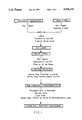
- FIG. 1 illustrates the scheme for cloning and producing the Eag I restriction endonuclease.
- FIG. 2 is pLSN3, the vector used in cloning this system.
- FIG. 3 is a restriction map of a 2.9 Kb Pst fragment of E.agglomerans DNA that encodes the Eag I restriction endonuclease and modification methylase.
- the fragment was cloned into the Pst I site of pLSN3 (see FIG. 2) to create pEagRM2.9, then it was transferred into the Pst I site of pUC19 (ATCC 37254) to create pEagRM2.9-19a and pEagRM2.9-19b.
- a mapping gel of pEagRM2.9-19b is also included.
- FIG. 4 is a photograph of an agarose gel demonstrating Eag I restriction endonuclease activity in cell extracts of E.coli RR1 (ATCC 31343) carrying pEagRM2.9, pEagRM2.9-19a and pEagRM2.9-19b.
- the present invention relates to clones of the Eag I restriction and modification genes, as well to the restriction endonuclease Eag I produced from such clones.
- the Eag I genes are cloned by a method which takes advantage of the fact that certain clones which are selected on the basis of containing and expressing the Eag I modification methylase gene also contain the Eag I restriction gene.
- the DNA of such clones is resistant to digestion, in vitro, by the Not I and Eag I restriction endonucleases.
- FIG. 1 The method described herein by which the Eag I restriction gene and methylase gene are preferably cloned and expressed are illustrated in FIG. 1, and they include the following steps:
- the DNA of Enterobacter agglomerans is purified. Samples of this bacterium are available from: ATCC 53769.
- the DNA is digested with a restriction endonuclease such as Pst I.
- a vector containing four Eag I sites (three Not I sites) spread throughout the plasmid was constructed from pBR322 (ATCC 37017) (See FIG. 2).
- the digested DNA is ligated to a cloning vector such as pLSN3, that contains one or more Eag I sites.
- the ligated DNA is transformed into an appropriate host such as Escherichia coli strain RR1 (ATCC 31343).
- the transformed mixture is plated onto media selective for transformed cells, such as the antibiotic tetracycline. After incubation, the transformed colonies are collected together into a single culture, the cell library.
- the recombinant plasmids are purified in toto from the cell library to make the plasmid library.
- the plasmid library is digested to completion with the Not I restriction endonuclease, prepared from Nocardia otitidis-caviarum (ATCC 14630). Not I digestion differentially destroys unmodified, non-methylase-containing, clones, increasing the relative frequency of Eag I methylase clones.
- the digested plasmid library is transformed back into an appropriate host such as E.coli RR1, and transformants are recovered by plating onto selective media.
- the colonies are picked and their DNA is analyzed for the presence of the Eag I modification gene: the plasmids that they carry are purified and incubated with the Eag I restriction endonuclease to determine whether they are resistant to digestion.
- Total cellular DNA chromosomal and plasmid
- the DNA of clones that carry the Eag I modification gene should be fully modified, and both plasmid DNA and total DNA should be substantially resistant to digestion.
- Clones carrying the Eag I restriction endonuclease are identified by preparing cell extracts of the Eag I methylase clones, identified in step 8, and assaying the extracts for Eag I restriction endonuclease activity.
- the quantity of Eag I restriction endonuclease produced by the clones may be increased by elevating the gene dosage, through the use of high copy number vectors, and by elevating the transcription rate, through the use of highly active, exogenous promotors.
- the Eag I restriction endonuclease may be produced from clones carrying the Eag I restriction and modification genes by propagation in a fermenter in a rich medium containing tetracycline. The cells are collected by centrifugation and disrupted by sonication to produce a crude cell extract containing the Eag I restriction endonuclease activity.
- the crude cell extract containing the Eag I restriction endonuclease activity is purified by standard protein purification techniques such as affinity-chromatography and ion-exchange chromatography.
- DNA purification Three grams of frozen Enterobacter agglomerans (ATCC 53769) cells were thawed on ice and resuspended in 25 ml of 0.1 M Tris-HCl pH 7.1; 0.1M EDTA. 60mg of lysozyme in 35ml of the above buffer was added. The suspension was incubated at 37° C. for 15 minutes. SDS was added from a 10% stock solution to adjust the final concentration of SDS to 1%. Proteinase K was added to a final concentration of 50 ⁇ g/ml and the solution was incubated for one hour at 37° C. SDS and sarcosyl were added to the final concentrations of 3% each and incubated for 2 hours at 55° C.
- the DNA was dialyzed overnight into TE (10mM Tris-HCl pH.7.1; 1mM EDTA). The DNA was then diluted with an equal volume of TE. One gram/ml of CsCl and 100 ⁇ g/ml of EtBr were added and the DNA was spun in a Ti70 rotor for 48 hours at 44,000rpm. The bands were removed and extracted with isopropanol saturated with water and CsCl. The DNA was then dialyzed overnight into TE and then phenol and chloroform extracted. This solution was dialyzed once again against TE overnight.
- Plasmid Library The cell library was centrifuged at 10K rpm for 5 minutes. The supernatant was discarded and the cell pellet was resuspended in 10 ml of ice-cold 10% sucrose, 50mM Tris-HCl (pH 8.0). 2 ml of lysozyme (10mg/ml in 0.25M Tris-HCl, pH8.0) and 8 ml of 0.25M EDTA were added. The solution was gently mixed and set on ice for 10 min. Then 4 ml of 10% SDS was added and the suspension was gently stirred; immediately following, 6 ml of 5M NaCl was added and mixed gently. The solution was placed on ice for 1 hour to induce cell lysis.
- the mixture was transferred to a 50 ml tube and centrifuged for 45 min. at 17K rpm, 4° C. The supernatant was extracted twice with phenol/CHCl 3 and once with CHCl 3 . The DNA was then precipitated with two volumes of ethanol at -70° C. for 15 min. The DNA was spun at 15K rpm for 20 min at 4° C. The pellet was washed with 70% ethanol and then resuspended in 8 ml of TE (pH 8.0).
- the tubes were opened, illuminated with ultraviolet light, and the lower of the two fluorescent bands was collected by syringe.
- the DNA was diluted with two volumes of water and then precipitated with two volumes of ethanol in a dry ice-ethanol bath. The solution was spun for 20 minutes at 12K rpm, 0° C. The DNA was resuspended in 500 ⁇ l of TE and extracted with phenol and then CHCl 3 . The DNA was reprecipitated with two volumes of ethanol and resuspended in 500 ⁇ l of TE.
- the plasmid DNA concentration was found to be approximately 100 ⁇ g/ml.
- Each 5 ml culture was centrifuged at 5K rpm for 5 minutes; the supernatant was discarded and the cell pellet was resuspended in 0.1 ml of 25mM Tris-HCl,pH 8.0, 10mM EDTA, 50mM glucose, containing 4 mg/ml lysozyme.
- the solution was transfered to a 1.5 ml Eppendorf tube. After 5 minutes at room temperature, 0.2 ml of 0.2N NaOH, 1% SDS was added to each tube and the tubes were immediately inverted gently to lyse the cells, then placed on ice for 5 minutes.
- the pellets were resuspended in 50 ⁇ l of 10mM Tris, 1mM EDTA, pH 8.0 containing DNase-free pancreatic RNase (20 ⁇ g/ml).
- the plasmid minipreps were subsequently analyzed by digestion with Eag I, Not I and Pst I.
- Eag I Methylase Gene Clones Twelve of the 13 plasmids that were analyzed were found to be resistent to Eag I and Not I digestion and to carry a 2.9 Kb Pst I fragment of E.agglomerans DNA.. One of the 12 resistant plasmids contained an additional 0.9 Kb Pst I fragment of E.agglomerans DNA. The presence of the additional fragment did not affect the properties of the plasmid, so for simplicity only plasmids carrying the 2.9 Kb fragment were analyzed in detail (FIG. 3).
- Plasmids typical of which is pEagRM2.9, were shown to encode not only the Eag I modification methylase but also the Eag I restriction endonuclease.
- a sample of plasmid pEagRM2.9 has been deposited at the American Type Culture Collection under ATCC Accession No. 40853.
- Eag I Restriction Gene Clone pEggRM2.9, and similar plasmids, were found to encode and express the Eag I restriction endonuclease by assaying extracts of E.coli RR1 that carried the plasmids.
- a 1 liter culture of the cells to be assayed was grown overnight at 37° C. in L-broth containing 20 ⁇ g/ml tetracycline. The culture was centrifuged at 10K rpm for 5 min and the cell pellet ( ⁇ 7 grams) was resuspended in 20 ml of 10mM KPO 4 pH 7.5, 0.1M NaCl, 0.1mM EDTA. 1 ml of 10 mg/ml lysozyme and 2 ml of 0.1M EDTA was added and the suspension was left on ice for 15 minutes. The suspension was sonicated gently for four 20-second bursts to disrupt the cells.
- 14 ⁇ g (28 ⁇ l) of Bam HI-linearized pLSN3 was diluted into 700 ⁇ l of Eag I restriction endonuclease digestion buffer (150mM NaCl, 10mM Tris-HCl,pH 8.0, 10mM MgCl2, 10mM 2-mercaptoethanol, 100 ⁇ g/ml BSA).
- Eag I restriction endonuclease digestion buffer 150mM NaCl, 10mM Tris-HCl,pH 8.0, 10mM MgCl2, 10mM 2-mercaptoethanol, 100 ⁇ g/ml BSA.
- the solution was dispensed into 6 tubes, 200 ⁇ l into the first tube and 100 ⁇ l into each of the remaining 5 tubes.
- 1 ⁇ l of the extract was added to the first tube to achieve 0.25 ⁇ l extract/ ⁇ g DNA.
- 100 ⁇ l was then removed from the first tube and transferred to the second tube to achieve 0.125 ⁇ l/ ⁇ g.
- Phage-resistance of the Eag I RM clones Some restriction-modification systems express the restriction phenotype when they are cloned into E.coli, and some do not. The restriction phenotype is the ability of cells to survive infection by phages and the inability of phages to reproduce. E.coli RR1 carrying pEagRM2.9, or other plasmids containing the 2.9 Kb Pst I fragment, displays a restriction phenotype. Lambdoid phages plaque with an efficiency of approximately 10 -2 on these clones compared to an efficiency of 1 on the same strain carrying pLSN3.
- the supernatant was brought to 0.1M NaCl and precipitated with two volumes of ethanol.
- the DNA pellet was resuspended in TE (10mM Tris-HCl, pH8.0, 10mM EDTA) and then extracted with phenol, phenol/CHCl 3 and finally CHCl 3 .
- the DNA was reprecipitated; rinsed with 70% ethanol; and resuspended in 60 ⁇ l TE.
- 1, 5 and 10 ⁇ l of the sterile ligation was mixed with 200 ⁇ l of competent, ice-cold, E.coli RR1 and incubated on ice for 25 minutes and then heat shocked at 42° C. for 2 min.
- 1 ml of L-broth was then added to each mixture and incubated at 37° C. for 1 hour.
- the cells were pelleted and 1 ml of supernatant was removed.
- the cells were then resuspended in the remaining L-broth and then plated onto L-agar plates containing 100 ⁇ g/ml ampicillin and transformants were recovered after incubation at 37° C., overnight.
- the extracts from pEagRM2.9-19b were found to contain approximately 5-fold more Eag I restriction endonuclease than the parental clone and extracts from pEagRM2.9-19a contain ⁇ 10-fold more endonuclease, ⁇ 1 ⁇ 106 units/gm cells.
- E.coli RR1 carrying pEagRM2.9-19a is the preferred host from which the Eag I restriction endonuclease can be purified.
- the strain should be grown to stationary phase at 37° C. in a fermenter, in L-broth containing ampicillin. The cells should then be collected by centrifugation and either broken immediately for extract preparation, or stored frozen at -70° C. until it is convenient to do so.
Landscapes
- Life Sciences & Earth Sciences (AREA)
- Health & Medical Sciences (AREA)
- Chemical & Material Sciences (AREA)
- Genetics & Genomics (AREA)
- Organic Chemistry (AREA)
- Engineering & Computer Science (AREA)
- Bioinformatics & Cheminformatics (AREA)
- Zoology (AREA)
- Wood Science & Technology (AREA)
- Molecular Biology (AREA)
- Microbiology (AREA)
- Biotechnology (AREA)
- Biomedical Technology (AREA)
- Biochemistry (AREA)
- General Engineering & Computer Science (AREA)
- General Health & Medical Sciences (AREA)
- Medicinal Chemistry (AREA)
- Enzymes And Modification Thereof (AREA)
- Micro-Organisms Or Cultivation Processes Thereof (AREA)
Priority Applications (5)
| Application Number | Priority Date | Filing Date | Title |
|---|---|---|---|
| US07/195,882 US4996151A (en) | 1988-05-19 | 1988-05-19 | Method for producing the Eag I restriction endonuclease and methylase |
| JP1125474A JPH02150279A (ja) | 1988-05-19 | 1989-05-18 | EagI制限エンドヌクレアーゼおよびメチラーゼの製造方法 |
| DE68920905T DE68920905D1 (de) | 1988-05-19 | 1989-05-19 | Verfahren zur Herstellung der EagI-Restriktionsendonuklease und Methylase. |
| DE89305110T DE343010T1 (de) | 1988-05-19 | 1989-05-19 | Verfahren zur Herstellung der EagI-Restriktionsendonuklease und Methylase. |
| EP89305110A EP0343010B1 (de) | 1988-05-19 | 1989-05-19 | Verfahren zur Herstellung der EagI-Restriktionsendonuklease und Methylase |
Applications Claiming Priority (1)
| Application Number | Priority Date | Filing Date | Title |
|---|---|---|---|
| US07/195,882 US4996151A (en) | 1988-05-19 | 1988-05-19 | Method for producing the Eag I restriction endonuclease and methylase |
Publications (1)
| Publication Number | Publication Date |
|---|---|
| US4996151A true US4996151A (en) | 1991-02-26 |
Family
ID=22723212
Family Applications (1)
| Application Number | Title | Priority Date | Filing Date |
|---|---|---|---|
| US07/195,882 Expired - Lifetime US4996151A (en) | 1988-05-19 | 1988-05-19 | Method for producing the Eag I restriction endonuclease and methylase |
Country Status (4)
| Country | Link |
|---|---|
| US (1) | US4996151A (de) |
| EP (1) | EP0343010B1 (de) |
| JP (1) | JPH02150279A (de) |
| DE (2) | DE68920905D1 (de) |
Cited By (10)
| Publication number | Priority date | Publication date | Assignee | Title |
|---|---|---|---|---|
| US5192676A (en) * | 1991-02-05 | 1993-03-09 | New England Biolabs, Inc. | Type ii restriction endonuclease, asci, obtainable from arthrobacter species and a process for producing the same |
| US5200337A (en) * | 1991-10-25 | 1993-04-06 | New England Biolabs, Inc. | Type ii restriction endonuclease, apo i, obtainable from arthrobacter protophormiae and a process for producing the same |
| US5231021A (en) * | 1992-04-10 | 1993-07-27 | Life Technologies, Inc. | Cloning and expressing restriction endonucleases and modification methylases from xanthomonas |
| US5248605A (en) * | 1992-12-07 | 1993-09-28 | Life Technologies, Inc. | Cloning and expressing restriction endonucleases from haemophilus |
| US5288696A (en) * | 1990-09-07 | 1994-02-22 | New England Biolabs, Inc. | Method for producing and cloning SacII restriction endonuclease and methylase |
| US5298404A (en) * | 1989-10-13 | 1994-03-29 | New England Biolabs, Inc. | Method for producing the Hpa I restriction endonuclease and methylase |
| US5312746A (en) * | 1993-01-08 | 1994-05-17 | Life Technologies, Inc. | Cloning and expressing restriction endonucleases and modification methylases from caryophanon |
| US5334526A (en) * | 1993-05-28 | 1994-08-02 | Life Technologies, Inc. | Cloning and expression of AluI restriction endonuclease |
| US5729619A (en) * | 1995-08-08 | 1998-03-17 | Northrop Grumman Corporation | Operator identity, intoxication and drowsiness monitoring system and method |
| EP2537925A1 (de) | 2005-08-04 | 2012-12-26 | New England Biolabs, Inc. | Neuartige Restriktionsendonukleasen, DNA-Kodierung dieser Endonukleasen und Verfahren zur Identifizierung neuer Endonukleasen mit der gleichen oder variierten Spezifizität |
Families Citing this family (1)
| Publication number | Priority date | Publication date | Assignee | Title |
|---|---|---|---|---|
| US5371006A (en) * | 1993-01-11 | 1994-12-06 | New England Biolabs, Inc. | Isolated DNA encoding the NotI restriction endonuclease and related methods for producing the same |
Citations (2)
| Publication number | Priority date | Publication date | Assignee | Title |
|---|---|---|---|---|
| EP0193413A2 (de) * | 1985-03-01 | 1986-09-03 | New England Biolabs, Inc. | Klonierung von Restriktions- und Modifikationsgenen |
| US6707079B2 (en) * | 2001-02-22 | 2004-03-16 | Halo Lsi, Inc. | Twin MONOS cell fabrication method and array organization |
Family Cites Families (2)
| Publication number | Priority date | Publication date | Assignee | Title |
|---|---|---|---|---|
| EP0314346B1 (de) * | 1987-10-15 | 1995-08-30 | New England Biolabs, Inc. | Verfahren zur Herstellung der Afl II Restriktionsendonuklease |
| DE3811277A1 (de) * | 1988-04-02 | 1989-10-12 | Boehringer Mannheim Gmbh | Typ ii-restriktionsendonuklease eclxi |
-
1988
- 1988-05-19 US US07/195,882 patent/US4996151A/en not_active Expired - Lifetime
-
1989
- 1989-05-18 JP JP1125474A patent/JPH02150279A/ja active Pending
- 1989-05-19 EP EP89305110A patent/EP0343010B1/de not_active Expired - Lifetime
- 1989-05-19 DE DE68920905T patent/DE68920905D1/de not_active Expired - Lifetime
- 1989-05-19 DE DE89305110T patent/DE343010T1/de active Pending
Patent Citations (2)
| Publication number | Priority date | Publication date | Assignee | Title |
|---|---|---|---|---|
| EP0193413A2 (de) * | 1985-03-01 | 1986-09-03 | New England Biolabs, Inc. | Klonierung von Restriktions- und Modifikationsgenen |
| US6707079B2 (en) * | 2001-02-22 | 2004-03-16 | Halo Lsi, Inc. | Twin MONOS cell fabrication method and array organization |
Non-Patent Citations (56)
| Title |
|---|
| Blumenthal et al., J. Bacteriol. 164: 501 509, 1985. * |
| Blumenthal et al., J. Bacteriol. 164: 501-509, 1985. |
| Borck, K. et al. (1976) Molec. Gen. Genet. 146, 199 207. * |
| Borck, K. et al. (1976) Molec. Gen. Genet. 146, 199-207. |
| Bougueleret et al., Nucleic Acids Res. 12: 3659 3676, 1984. * |
| Bougueleret et al., Nucleic Acids Res. 12: 3659-3676, 1984. |
| Brooks, J. E. (1987) Met. Enz., vol. 152, 113 129. * |
| Brooks, J. E. (1987) Met. Enz., vol. 152, 113-129. |
| Butkus, V. V. et al. (1985) Chem. Abst. 103: 137590g. * |
| Chandrasegaran, S. et al., (1987) Structure and Expression, vol. I, Sarma et al. (eds.), Adenine Press, 149 156. * |
| Chandrasegaran, S. et al., (1987) Structure and Expression, vol. I, Sarma et al. (eds.), Adenine Press, 149-156. |
| Gingeras & Brooks, Proc. Natl. Acad. Sci. U.S.A. 80: 402 406, 1983. * |
| Gingeras & Brooks, Proc. Natl. Acad. Sci. U.S.A. 80: 402-406, 1983. |
| Greene, P. J. et al. (1981) J. Biol. Chem., 256 (5), 2143 2153. * |
| Greene, P. J. et al. (1981) J. Biol. Chem., 256 (5), 2143-2153. |
| Janulaitis et al., Gene 20: 197 204, 1982. * |
| Janulaitis et al., Gene 20: 197-204, 1982. |
| Kauc, L. et al. (1987) Chem Abst. 107: 19790g. * |
| Kaue, L. et al. (1986) Acta Microbiologica Polonica 35(3/4), 317 320. * |
| Kaue, L. et al. (1986) Acta Microbiologica Polonica 35(3/4), 317-320. |
| Kessler, C. et al. (1985) Gene 33, 1, 22, 97, 98. * |
| Kiss & Baldauf, Gene 21: 111 119, 1983. * |
| Kiss & Baldauf, Gene 21: 111-119, 1983. |
| Kiss et al., Nucleic Acids Res. 13: 6403 6421, 1985. * |
| Kiss et al., Nucleic Acids Res. 13: 6403-6421, 1985. |
| Kosysh et al., Molec. Gen. Genet. 178: 717 719, 1980. * |
| Kosysh et al., Molec. Gen. Genet. 178: 717-719, 1980. |
| Lunnen, K. P. et al. (1988) Gene 24, 25 32. * |
| Lunnen, K. P. et al. (1988) Gene 24, 25-32. |
| Maniatis et al., Molecular Cloning; A Laboratory Manual; Cold Spring Harbor Laboratories, New York; pp. 368 369, 1982. * |
| Maniatis et al., Molecular Cloning; A Laboratory Manual; Cold Spring Harbor Laboratories, New York; pp. 368-369, 1982. |
| Mann et al., Gene 3: 97 112, 1978. * |
| Mann et al., Gene 3: 97-112, 1978. |
| Newman, A. K. et al. (1981) J. Biol. Chem., 256(5), 2131 2139. * |
| Newman, A. K. et al. (1981) J. Biol. Chem., 256(5), 2131-2139. |
| Raleigh & Wilson, Proc. Natl. Acad. Sci., U.S.A. 83: 9070 9074, 1986. * |
| Raleigh & Wilson, Proc. Natl. Acad. Sci., U.S.A. 83: 9070-9074, 1986. |
| Roberts, R. J. (1989) Nuc. Acids Res. 17 (Suppl.), 1347 1387. * |
| Roberts, R. J. (1989) Nuc. Acids Res. 17 (Suppl.), 1347-1387. |
| Schoner, B. et al. (1983) Gene 24, 227 238. * |
| Schoner, B. et al. (1983) Gene 24, 227-238. |
| Sohail, A. et al. (1987) Pakistan J. Zool. 19(4), 371 391. * |
| Sohail, A. et al. (1987) Pakistan J. Zool. 19(4), 371-391. |
| Sohail, A. et al. (1989) Chem. Abst. 111: 35574c. * |
| Szomolanyi et al., Gene 10: 219 225, 1980. * |
| Szomolanyi et al., Gene 10: 219-225, 1980. |
| Theriault & Roy, Gene 19: 355 359, 1982. * |
| Theriault & Roy, Gene 19: 355-359, 1982. |
| Walder et al., J. Biol. Chem. 258: 1235 1241, 1983. * |
| Walder et al., J. Biol. Chem. 258: 1235-1241, 1983. |
| Walder et al., Proc. Nat. Acad. Sci. U.S.A. 78: 1503 1507, 1981. * |
| Walder et al., Proc. Nat. Acad. Sci. U.S.A. 78: 1503-1507, 1981. |
| Walder, R. Y. et al. (1984) J. Biol. Chem., 259(12), 8015 8026. * |
| Walder, R. Y. et al. (1984) J. Biol. Chem., 259(12), 8015-8026. |
| Wilson, G. C. (1988) Trends in Genetics 4(11), 314 318. * |
| Wilson, G. C. (1988) Trends in Genetics 4(11), 314-318. |
Cited By (18)
| Publication number | Priority date | Publication date | Assignee | Title |
|---|---|---|---|---|
| US5298404A (en) * | 1989-10-13 | 1994-03-29 | New England Biolabs, Inc. | Method for producing the Hpa I restriction endonuclease and methylase |
| US5288696A (en) * | 1990-09-07 | 1994-02-22 | New England Biolabs, Inc. | Method for producing and cloning SacII restriction endonuclease and methylase |
| US5192676A (en) * | 1991-02-05 | 1993-03-09 | New England Biolabs, Inc. | Type ii restriction endonuclease, asci, obtainable from arthrobacter species and a process for producing the same |
| US5200337A (en) * | 1991-10-25 | 1993-04-06 | New England Biolabs, Inc. | Type ii restriction endonuclease, apo i, obtainable from arthrobacter protophormiae and a process for producing the same |
| US5231021A (en) * | 1992-04-10 | 1993-07-27 | Life Technologies, Inc. | Cloning and expressing restriction endonucleases and modification methylases from xanthomonas |
| US5304480A (en) * | 1992-04-10 | 1994-04-19 | Life Technologies, Inc. | Cloning and expressing XhoII restriction endonuclease and M.XhoII modification methylase from xanthomonas |
| US5248605A (en) * | 1992-12-07 | 1993-09-28 | Life Technologies, Inc. | Cloning and expressing restriction endonucleases from haemophilus |
| US5312746A (en) * | 1993-01-08 | 1994-05-17 | Life Technologies, Inc. | Cloning and expressing restriction endonucleases and modification methylases from caryophanon |
| US5334526A (en) * | 1993-05-28 | 1994-08-02 | Life Technologies, Inc. | Cloning and expression of AluI restriction endonuclease |
| US5729619A (en) * | 1995-08-08 | 1998-03-17 | Northrop Grumman Corporation | Operator identity, intoxication and drowsiness monitoring system and method |
| EP2537925A1 (de) | 2005-08-04 | 2012-12-26 | New England Biolabs, Inc. | Neuartige Restriktionsendonukleasen, DNA-Kodierung dieser Endonukleasen und Verfahren zur Identifizierung neuer Endonukleasen mit der gleichen oder variierten Spezifizität |
| EP2540823A1 (de) | 2005-08-04 | 2013-01-02 | New England Biolabs, Inc. | Neuartige Restriktionsendonukleasen, DNA-Kodierung dieser Endonukleasen und Verfahren zur Identifizierung neuer Endonukleasen mit der gleichen oder variierten Spezifizität |
| EP2548953A1 (de) | 2005-08-04 | 2013-01-23 | New England Biolabs, Inc. | Neuartige Restriktionsendonukleasen, DNA-Kodierung dieser Endonukleasen und Verfahren zur Identifizierung neuer Endonukleasen mit der gleichen oder variierten Spezifizität |
| EP2562252A1 (de) | 2005-08-04 | 2013-02-27 | New England Biolabs, Inc. | Neuartige Restriktionsendonukleasen, DNA-Kodierung dieser Endonukleasen und Verfahren zur Identifizierung neuer Endonukleasen mit der gleichen oder variierten Spezifizität |
| EP2565266A1 (de) | 2005-08-04 | 2013-03-06 | New England Biolabs, Inc. | Neuartige Restriktionsendonukleasen, DNA-Kodierung dieser Endonukleasen und Verfahren zur Identifizierung neuer Endonukleasen mit der gleichen oder variierten Spezifizität |
| EP2565267A1 (de) | 2005-08-04 | 2013-03-06 | New England Biolabs, Inc. | Neuartige Restriktionsendonukleasen, DNA-Kodierung dieser Endonukleasen und Verfahren zur Identifizierung neuer Endonukleasen mit der gleichen oder variierten Spezifizität |
| EP2568040A1 (de) | 2005-08-04 | 2013-03-13 | New England Biolabs, Inc. | Neuartige Restriktionsendonukleasen, DNA-Kodierung dieser Endonukleasen und Verfahren zur Identifizierung neuer Endonukleasen mit der gleichen oder variierten Spezifizität |
| EP2574668A1 (de) | 2005-08-04 | 2013-04-03 | New England Biolabs, Inc. | Neuartige Restriktionsendonukleasen, DNA-Kodierung dieser Endonukleasen und Verfahren zur Identifizierung neuer Endonukleasen mit der gleichen oder variierten Spezifizität |
Also Published As
| Publication number | Publication date |
|---|---|
| JPH02150279A (ja) | 1990-06-08 |
| DE343010T1 (de) | 1994-02-24 |
| EP0343010A3 (en) | 1990-07-25 |
| DE68920905D1 (de) | 1995-03-16 |
| EP0343010B1 (de) | 1995-02-01 |
| EP0343010A2 (de) | 1989-11-23 |
Similar Documents
| Publication | Publication Date | Title |
|---|---|---|
| US5002882A (en) | Method for producing the XmaI restriction endonuclease and methylase | |
| US4999294A (en) | Method for producing the FokI restriction endonuclease and methylase | |
| US4983542A (en) | Method for producing the XbaI restriction endonuclease and methylase | |
| US4996151A (en) | Method for producing the Eag I restriction endonuclease and methylase | |
| EP0388212B1 (de) | Verfahren zur Herstellung der Hinc-II-Restriktionsendonuklease und Methylase | |
| US5139942A (en) | Method for producing the nde i restriction endonuclease and methylase | |
| US4999293A (en) | Method for producing the HhaI restriction endonuclease and methylase | |
| US4987074A (en) | Method for producing the HgiAI restriction endonuclease and methylase | |
| US4983522A (en) | Method for producing the HinPI restriction endonuclease and methylase | |
| EP0388136B1 (de) | Verfahren zur Herstellung von Restriktionsendonuklease und -Methylase-MwoI | |
| US4988620A (en) | Method for producing the FnuDI restriction endonuclease and methylase | |
| US5030569A (en) | Method for producing the AFL II restriction endonuclease and methylase | |
| US5100793A (en) | Method for producing the asei restriction endonuclease and methylase | |
| US5075232A (en) | Method for producing the nlavi restriction endonuclease and methylase | |
| EP0321267B1 (de) | Verfahren zur Herstellung von AccI-Restriktionsendonuklease und -methylase | |
| EP0321268A2 (de) | Verfahren zur Herstellung von BanI-Restriktionsendonuklease und -methylase | |
| US5298404A (en) | Method for producing the Hpa I restriction endonuclease and methylase | |
| EP0314346B1 (de) | Verfahren zur Herstellung der Afl II Restriktionsendonuklease | |
| ENDONUCLEASE | Barsomian et al. | |
| ENDONUCLEASE | Looney et al.[45] Date of Patent: Mar. 12, 1991 | |
| ENDONUCLEASE | Van Cott et al.[45] Date of Patent: Jan. 29, 1991 |
Legal Events
| Date | Code | Title | Description |
|---|---|---|---|
| AS | Assignment |
Owner name: NEW ENGLAND BIOLABS, BEVERLY, MASSACHUSETTS A MASS Free format text: ASSIGNMENT OF ASSIGNORS INTEREST.;ASSIGNORS:BROOKS, JOAN E.;SZNYTER, LAURA A.;REEL/FRAME:004931/0108 Effective date: 19880531 Owner name: NEW ENGLAND BIOLABS,MASSACHUSETTS Free format text: ASSIGNMENT OF ASSIGNORS INTEREST;ASSIGNORS:BROOKS, JOAN E.;SZNYTER, LAURA A.;REEL/FRAME:004931/0108 Effective date: 19880531 |
|
| STCF | Information on status: patent grant |
Free format text: PATENTED CASE |
|
| FEPP | Fee payment procedure |
Free format text: PAYOR NUMBER ASSIGNED (ORIGINAL EVENT CODE: ASPN); ENTITY STATUS OF PATENT OWNER: SMALL ENTITY |
|
| FPAY | Fee payment |
Year of fee payment: 4 |
|
| FEPP | Fee payment procedure |
Free format text: PAYOR NUMBER ASSIGNED (ORIGINAL EVENT CODE: ASPN); ENTITY STATUS OF PATENT OWNER: SMALL ENTITY Free format text: PAYER NUMBER DE-ASSIGNED (ORIGINAL EVENT CODE: RMPN); ENTITY STATUS OF PATENT OWNER: SMALL ENTITY |
|
| FPAY | Fee payment |
Year of fee payment: 8 |
|
| FPAY | Fee payment |
Year of fee payment: 12 |
|
| AS | Assignment |
Owner name: FLEET NATIONAL BANK, MASSACHUSETTS Free format text: SECURITY AGREEMENT;ASSIGNOR:NEW ENGLAND BIOLABS, INC.;REEL/FRAME:014220/0763 Effective date: 20031222 Owner name: FLEET NATIONAL BANK,MASSACHUSETTS Free format text: SECURITY AGREEMENT;ASSIGNOR:NEW ENGLAND BIOLABS, INC.;REEL/FRAME:014220/0763 Effective date: 20031222 |
|
| AS | Assignment |
Owner name: NEW ENGLAND BIOLABS, INC., MASSACHUSETTS Free format text: RELEASE PREVIOUSLY RECORDED AT REEL/FRAME 014220/0763;ASSIGNOR:FLEET NATIONAL BANK;REEL/FRAME:015286/0792 Effective date: 20041020 Owner name: NEW ENGLAND BIOLABS, INC.,MASSACHUSETTS Free format text: RELEASE PREVIOUSLY RECORDED AT REEL/FRAME 014220/0763;ASSIGNOR:FLEET NATIONAL BANK;REEL/FRAME:015286/0792 Effective date: 20041020 |
|
| AS | Assignment |
Owner name: NEW ENGLAND BIOLABS, INC., MASSACHUSETTS Free format text: TERMINATION AND RELEASE OF SECURITY INTEREST IN PATENTS;ASSIGNOR:BANK OF AMERICA, N.A. (AS SUCCESSOR-BY-MERGER WITH FLEET NATIONAL BANK);REEL/FRAME:064962/0066 Effective date: 20230919 |