US20120028362A1 - 2-quinoxalinol salen compounds and uses thereof - Google Patents
2-quinoxalinol salen compounds and uses thereof Download PDFInfo
- Publication number
- US20120028362A1 US20120028362A1 US13/270,782 US201113270782A US2012028362A1 US 20120028362 A1 US20120028362 A1 US 20120028362A1 US 201113270782 A US201113270782 A US 201113270782A US 2012028362 A1 US2012028362 A1 US 2012028362A1
- Authority
- US
- United States
- Prior art keywords
- compound
- quinoxalinol
- solution
- nmr
- compounds
- Prior art date
- Legal status (The legal status is an assumption and is not a legal conclusion. Google has not performed a legal analysis and makes no representation as to the accuracy of the status listed.)
- Granted
Links
- -1 2-quinoxalinol salen compounds Chemical class 0.000 title claims abstract description 152
- 238000000034 method Methods 0.000 claims abstract description 121
- 150000001768 cations Chemical class 0.000 claims abstract description 63
- 239000007787 solid Substances 0.000 claims abstract description 44
- 150000001875 compounds Chemical class 0.000 claims description 107
- 125000000999 tert-butyl group Chemical group [H]C([H])([H])C(*)(C([H])([H])[H])C([H])([H])[H] 0.000 claims description 67
- JPVYNHNXODAKFH-UHFFFAOYSA-N Cu2+ Chemical compound [Cu+2] JPVYNHNXODAKFH-UHFFFAOYSA-N 0.000 claims description 36
- RTZKZFJDLAIYFH-UHFFFAOYSA-N Diethyl ether Chemical compound CCOCC RTZKZFJDLAIYFH-UHFFFAOYSA-N 0.000 claims description 35
- 150000001413 amino acids Chemical class 0.000 claims description 31
- 125000002887 hydroxy group Chemical group [H]O* 0.000 claims description 25
- 239000007800 oxidant agent Substances 0.000 claims description 21
- 239000001257 hydrogen Substances 0.000 claims description 20
- 229910052739 hydrogen Inorganic materials 0.000 claims description 20
- 230000001590 oxidative effect Effects 0.000 claims description 18
- XSCHRSMBECNVNS-UHFFFAOYSA-N quinoxaline Chemical compound N1=CC=NC2=CC=CC=C21 XSCHRSMBECNVNS-UHFFFAOYSA-N 0.000 claims description 16
- WAEMQWOKJMHJLA-UHFFFAOYSA-N Manganese(2+) Chemical compound [Mn+2] WAEMQWOKJMHJLA-UHFFFAOYSA-N 0.000 claims description 14
- VEQPNABPJHWNSG-UHFFFAOYSA-N Nickel(2+) Chemical compound [Ni+2] VEQPNABPJHWNSG-UHFFFAOYSA-N 0.000 claims description 14
- 150000001412 amines Chemical class 0.000 claims description 13
- SMWDFEZZVXVKRB-UHFFFAOYSA-N Quinoline Chemical compound N1=CC=CC2=CC=CC=C21 SMWDFEZZVXVKRB-UHFFFAOYSA-N 0.000 claims description 11
- 239000000203 mixture Substances 0.000 claims description 11
- JUJWROOIHBZHMG-UHFFFAOYSA-N Pyridine Chemical compound C1=CC=NC=C1 JUJWROOIHBZHMG-UHFFFAOYSA-N 0.000 claims description 10
- 125000004169 (C1-C6) alkyl group Chemical group 0.000 claims description 9
- 230000008033 biological extinction Effects 0.000 claims description 9
- XLJKHNWPARRRJB-UHFFFAOYSA-N cobalt(2+) Chemical compound [Co+2] XLJKHNWPARRRJB-UHFFFAOYSA-N 0.000 claims description 9
- RAXXELZNTBOGNW-UHFFFAOYSA-N imidazole Natural products C1=CNC=N1 RAXXELZNTBOGNW-UHFFFAOYSA-N 0.000 claims description 9
- 229910052757 nitrogen Inorganic materials 0.000 claims description 9
- 125000004191 (C1-C6) alkoxy group Chemical group 0.000 claims description 8
- UFHFLCQGNIYNRP-UHFFFAOYSA-N Hydrogen Chemical compound [H][H] UFHFLCQGNIYNRP-UHFFFAOYSA-N 0.000 claims description 8
- UFWIBTONFRDIAS-UHFFFAOYSA-N Naphthalene Chemical compound C1=CC=CC2=CC=CC=C21 UFWIBTONFRDIAS-UHFFFAOYSA-N 0.000 claims description 8
- BBEAQIROQSPTKN-UHFFFAOYSA-N pyrene Chemical compound C1=CC=C2C=CC3=CC=CC4=CC=C1C2=C43 BBEAQIROQSPTKN-UHFFFAOYSA-N 0.000 claims description 8
- DZBUGLKDJFMEHC-UHFFFAOYSA-N acridine Chemical compound C1=CC=CC2=CC3=CC=CC=C3N=C21 DZBUGLKDJFMEHC-UHFFFAOYSA-N 0.000 claims description 7
- PXGOKWXKJXAPGV-UHFFFAOYSA-N Fluorine Chemical compound FF PXGOKWXKJXAPGV-UHFFFAOYSA-N 0.000 claims description 6
- SIKJAQJRHWYJAI-UHFFFAOYSA-N Indole Chemical compound C1=CC=C2NC=CC2=C1 SIKJAQJRHWYJAI-UHFFFAOYSA-N 0.000 claims description 6
- LOUPRKONTZGTKE-WZBLMQSHSA-N Quinine Chemical compound C([C@H]([C@H](C1)C=C)C2)C[N@@]1[C@@H]2[C@H](O)C1=CC=NC2=CC=C(OC)C=C21 LOUPRKONTZGTKE-WZBLMQSHSA-N 0.000 claims description 6
- MWPLVEDNUUSJAV-UHFFFAOYSA-N anthracene Chemical compound C1=CC=CC2=CC3=CC=CC=C3C=C21 MWPLVEDNUUSJAV-UHFFFAOYSA-N 0.000 claims description 6
- WDECIBYCCFPHNR-UHFFFAOYSA-N chrysene Chemical compound C1=CC=CC2=CC=C3C4=CC=CC=C4C=CC3=C21 WDECIBYCCFPHNR-UHFFFAOYSA-N 0.000 claims description 6
- YNPNZTXNASCQKK-UHFFFAOYSA-N phenanthrene Chemical compound C1=CC=C2C3=CC=CC=C3C=CC2=C1 YNPNZTXNASCQKK-UHFFFAOYSA-N 0.000 claims description 6
- UMJSCPRVCHMLSP-UHFFFAOYSA-N pyridine Natural products COC1=CC=CN=C1 UMJSCPRVCHMLSP-UHFFFAOYSA-N 0.000 claims description 5
- GVEPBJHOBDJJJI-UHFFFAOYSA-N fluoranthrene Natural products C1=CC(C2=CC=CC=C22)=C3C2=CC=CC3=C1 GVEPBJHOBDJJJI-UHFFFAOYSA-N 0.000 claims description 4
- 239000011737 fluorine Substances 0.000 claims description 4
- 229910052731 fluorine Inorganic materials 0.000 claims description 4
- 229910052717 sulfur Inorganic materials 0.000 claims description 4
- BAXOFTOLAUCFNW-UHFFFAOYSA-N 1H-indazole Chemical compound C1=CC=C2C=NNC2=C1 BAXOFTOLAUCFNW-UHFFFAOYSA-N 0.000 claims description 3
- 235000001258 Cinchona calisaya Nutrition 0.000 claims description 3
- CZPWVGJYEJSRLH-UHFFFAOYSA-N Pyrimidine Chemical compound C1=CN=CN=C1 CZPWVGJYEJSRLH-UHFFFAOYSA-N 0.000 claims description 3
- 125000004054 acenaphthylenyl group Chemical group C1(=CC2=CC=CC3=CC=CC1=C23)* 0.000 claims description 3
- HXGDTGSAIMULJN-UHFFFAOYSA-N acetnaphthylene Natural products C1=CC(C=C2)=C3C2=CC=CC3=C1 HXGDTGSAIMULJN-UHFFFAOYSA-N 0.000 claims description 3
- 125000000217 alkyl group Chemical group 0.000 claims description 3
- PYKYMHQGRFAEBM-UHFFFAOYSA-N anthraquinone Natural products CCC(=O)c1c(O)c2C(=O)C3C(C=CC=C3O)C(=O)c2cc1CC(=O)OC PYKYMHQGRFAEBM-UHFFFAOYSA-N 0.000 claims description 3
- 150000004056 anthraquinones Chemical class 0.000 claims description 3
- 125000001797 benzyl group Chemical group [H]C1=C([H])C([H])=C(C([H])=C1[H])C([H])([H])* 0.000 claims description 3
- LOUPRKONTZGTKE-UHFFFAOYSA-N cinchonine Natural products C1C(C(C2)C=C)CCN2C1C(O)C1=CC=NC2=CC=C(OC)C=C21 LOUPRKONTZGTKE-UHFFFAOYSA-N 0.000 claims description 3
- GNBHRKFJIUUOQI-UHFFFAOYSA-N fluorescein Chemical group O1C(=O)C2=CC=CC=C2C21C1=CC=C(O)C=C1OC1=CC(O)=CC=C21 GNBHRKFJIUUOQI-UHFFFAOYSA-N 0.000 claims description 3
- PZOUSPYUWWUPPK-UHFFFAOYSA-N indole Natural products CC1=CC=CC2=C1C=CN2 PZOUSPYUWWUPPK-UHFFFAOYSA-N 0.000 claims description 3
- RKJUIXBNRJVNHR-UHFFFAOYSA-N indolenine Natural products C1=CC=C2CC=NC2=C1 RKJUIXBNRJVNHR-UHFFFAOYSA-N 0.000 claims description 3
- PBMFSQRYOILNGV-UHFFFAOYSA-N pyridazine Chemical compound C1=CC=NN=C1 PBMFSQRYOILNGV-UHFFFAOYSA-N 0.000 claims description 3
- JWVCLYRUEFBMGU-UHFFFAOYSA-N quinazoline Chemical compound N1=CN=CC2=CC=CC=C21 JWVCLYRUEFBMGU-UHFFFAOYSA-N 0.000 claims description 3
- 229960000948 quinine Drugs 0.000 claims description 3
- 238000004519 manufacturing process Methods 0.000 claims description 2
- 125000003275 alpha amino acid group Chemical group 0.000 claims 5
- 150000002431 hydrogen Chemical class 0.000 claims 2
- 239000003446 ligand Substances 0.000 abstract description 143
- 239000003054 catalyst Substances 0.000 abstract description 78
- 238000007254 oxidation reaction Methods 0.000 abstract description 40
- 239000002262 Schiff base Substances 0.000 abstract description 19
- 238000002414 normal-phase solid-phase extraction Methods 0.000 abstract description 12
- 238000001514 detection method Methods 0.000 abstract description 11
- IAZDPXIOMUYVGZ-WFGJKAKNSA-N Dimethyl sulfoxide Chemical compound [2H]C([2H])([2H])S(=O)C([2H])([2H])[2H] IAZDPXIOMUYVGZ-WFGJKAKNSA-N 0.000 description 223
- ZMXDDKWLCZADIW-UHFFFAOYSA-N N,N-Dimethylformamide Chemical compound CN(C)C=O ZMXDDKWLCZADIW-UHFFFAOYSA-N 0.000 description 189
- OKKJLVBELUTLKV-UHFFFAOYSA-N Methanol Chemical compound OC OKKJLVBELUTLKV-UHFFFAOYSA-N 0.000 description 151
- HEDRZPFGACZZDS-MICDWDOJSA-N Trichloro(2H)methane Chemical compound [2H]C(Cl)(Cl)Cl HEDRZPFGACZZDS-MICDWDOJSA-N 0.000 description 116
- VEUMANXWQDHAJV-UHFFFAOYSA-N 2-[2-[(2-hydroxyphenyl)methylideneamino]ethyliminomethyl]phenol Chemical compound OC1=CC=CC=C1C=NCCN=CC1=CC=CC=C1O VEUMANXWQDHAJV-UHFFFAOYSA-N 0.000 description 102
- 239000000243 solution Substances 0.000 description 100
- 229910052751 metal Inorganic materials 0.000 description 97
- 239000002184 metal Substances 0.000 description 95
- 125000005289 uranyl group Chemical group 0.000 description 94
- FFRYUAVNPBUEIC-UHFFFAOYSA-N quinoxalin-2-ol Chemical compound C1=CC=CC2=NC(O)=CN=C21 FFRYUAVNPBUEIC-UHFFFAOYSA-N 0.000 description 86
- 238000005160 1H NMR spectroscopy Methods 0.000 description 84
- XLYOFNOQVPJJNP-ZSJDYOACSA-N Heavy water Chemical group [2H]O[2H] XLYOFNOQVPJJNP-ZSJDYOACSA-N 0.000 description 80
- 238000001644 13C nuclear magnetic resonance spectroscopy Methods 0.000 description 76
- 238000006243 chemical reaction Methods 0.000 description 74
- 239000000047 product Substances 0.000 description 66
- LFQSCWFLJHTTHZ-UHFFFAOYSA-N Ethanol Chemical compound CCO LFQSCWFLJHTTHZ-UHFFFAOYSA-N 0.000 description 56
- 230000015572 biosynthetic process Effects 0.000 description 53
- YMWUJEATGCHHMB-UHFFFAOYSA-N Dichloromethane Chemical compound ClCCl YMWUJEATGCHHMB-UHFFFAOYSA-N 0.000 description 51
- SMQUZDBALVYZAC-UHFFFAOYSA-N salicylaldehyde Chemical compound OC1=CC=CC=C1C=O SMQUZDBALVYZAC-UHFFFAOYSA-N 0.000 description 51
- 229920005989 resin Polymers 0.000 description 48
- 239000011347 resin Substances 0.000 description 48
- 239000000543 intermediate Substances 0.000 description 44
- WEVYAHXRMPXWCK-UHFFFAOYSA-N Acetonitrile Chemical compound CC#N WEVYAHXRMPXWCK-UHFFFAOYSA-N 0.000 description 43
- 239000002904 solvent Substances 0.000 description 42
- 238000003786 synthesis reaction Methods 0.000 description 42
- CSCPPACGZOOCGX-UHFFFAOYSA-N Acetone Chemical compound CC(C)=O CSCPPACGZOOCGX-UHFFFAOYSA-N 0.000 description 37
- CVYUXEXHZAMDQP-UHFFFAOYSA-N 3,5-diamino-1h-quinoxalin-2-one Chemical compound OC1=C(N)N=C2C(N)=CC=CC2=N1 CVYUXEXHZAMDQP-UHFFFAOYSA-N 0.000 description 36
- 239000010949 copper Substances 0.000 description 36
- 239000011541 reaction mixture Substances 0.000 description 34
- 0 [1*]C1=NC2=CC(/N=C/C3=CC=CC=C3O)=C(/N=C/C3=C(O)C=CC=C3)C=C2N=C1O.[2*]C.[3*]C Chemical compound [1*]C1=NC2=CC(/N=C/C3=CC=CC=C3O)=C(/N=C/C3=C(O)C=CC=C3)C=C2N=C1O.[2*]C.[3*]C 0.000 description 33
- 238000010992 reflux Methods 0.000 description 33
- 229910052802 copper Inorganic materials 0.000 description 32
- 238000002844 melting Methods 0.000 description 30
- 230000008018 melting Effects 0.000 description 30
- 230000003647 oxidation Effects 0.000 description 30
- PXHVJJICTQNCMI-UHFFFAOYSA-N nickel Substances [Ni] PXHVJJICTQNCMI-UHFFFAOYSA-N 0.000 description 29
- 229940024606 amino acid Drugs 0.000 description 28
- 235000001014 amino acid Nutrition 0.000 description 28
- YNQLUTRBYVCPMQ-UHFFFAOYSA-N CCC1=CC=CC=C1 Chemical compound CCC1=CC=CC=C1 YNQLUTRBYVCPMQ-UHFFFAOYSA-N 0.000 description 26
- 239000011572 manganese Substances 0.000 description 25
- 238000004809 thin layer chromatography Methods 0.000 description 24
- RYGMFSIKBFXOCR-UHFFFAOYSA-N Copper Chemical compound [Cu] RYGMFSIKBFXOCR-UHFFFAOYSA-N 0.000 description 23
- HEDRZPFGACZZDS-UHFFFAOYSA-N Chloroform Chemical compound ClC(Cl)Cl HEDRZPFGACZZDS-UHFFFAOYSA-N 0.000 description 22
- 239000007858 starting material Substances 0.000 description 22
- VLKZOEOYAKHREP-UHFFFAOYSA-N n-Hexane Chemical compound CCCCCC VLKZOEOYAKHREP-UHFFFAOYSA-N 0.000 description 21
- 239000013078 crystal Substances 0.000 description 20
- 239000002244 precipitate Substances 0.000 description 20
- 230000008859 change Effects 0.000 description 19
- 238000000870 ultraviolet spectroscopy Methods 0.000 description 19
- IAZDPXIOMUYVGZ-UHFFFAOYSA-N Dimethylsulphoxide Chemical compound CS(C)=O IAZDPXIOMUYVGZ-UHFFFAOYSA-N 0.000 description 18
- HUMNYLRZRPPJDN-UHFFFAOYSA-N benzaldehyde Chemical compound O=CC1=CC=CC=C1 HUMNYLRZRPPJDN-UHFFFAOYSA-N 0.000 description 18
- RWCCWEUUXYIKHB-UHFFFAOYSA-N benzophenone Chemical compound C=1C=CC=CC=1C(=O)C1=CC=CC=C1 RWCCWEUUXYIKHB-UHFFFAOYSA-N 0.000 description 18
- DIOQZVSQGTUSAI-UHFFFAOYSA-N decane Chemical compound CCCCCCCCCC DIOQZVSQGTUSAI-UHFFFAOYSA-N 0.000 description 18
- 230000009102 absorption Effects 0.000 description 17
- 238000010521 absorption reaction Methods 0.000 description 17
- 150000001299 aldehydes Chemical class 0.000 description 17
- CIHOLLKRGTVIJN-UHFFFAOYSA-N tert‐butyl hydroperoxide Chemical compound CC(C)(C)OO CIHOLLKRGTVIJN-UHFFFAOYSA-N 0.000 description 17
- 229910052768 actinide Inorganic materials 0.000 description 16
- 150000001255 actinides Chemical class 0.000 description 16
- 238000000605 extraction Methods 0.000 description 16
- 238000010438 heat treatment Methods 0.000 description 16
- YXFVVABEGXRONW-UHFFFAOYSA-N Toluene Chemical compound CC1=CC=CC=C1 YXFVVABEGXRONW-UHFFFAOYSA-N 0.000 description 15
- 239000012965 benzophenone Substances 0.000 description 15
- 230000003197 catalytic effect Effects 0.000 description 15
- 150000004696 coordination complex Chemical class 0.000 description 15
- 238000003818 flash chromatography Methods 0.000 description 15
- 229910052748 manganese Inorganic materials 0.000 description 15
- NNPPMTNAJDCUHE-UHFFFAOYSA-N CC(C)C Chemical compound CC(C)C NNPPMTNAJDCUHE-UHFFFAOYSA-N 0.000 description 14
- 150000003839 salts Chemical group 0.000 description 14
- QWTDNUCVQCZILF-UHFFFAOYSA-N CCC(C)C Chemical compound CCC(C)C QWTDNUCVQCZILF-UHFFFAOYSA-N 0.000 description 13
- ZOASGOXWEHUTKZ-UHFFFAOYSA-N CCCSC Chemical compound CCCSC ZOASGOXWEHUTKZ-UHFFFAOYSA-N 0.000 description 13
- 229910052759 nickel Inorganic materials 0.000 description 13
- 238000002360 preparation method Methods 0.000 description 13
- 238000000746 purification Methods 0.000 description 13
- 238000001228 spectrum Methods 0.000 description 13
- 238000003756 stirring Methods 0.000 description 13
- KDLHZDBZIXYQEI-UHFFFAOYSA-N Palladium Chemical compound [Pd] KDLHZDBZIXYQEI-UHFFFAOYSA-N 0.000 description 12
- 229910052770 Uranium Inorganic materials 0.000 description 12
- 230000007246 mechanism Effects 0.000 description 12
- 239000003960 organic solvent Substances 0.000 description 12
- 239000012071 phase Substances 0.000 description 12
- PYWVYCXTNDRMGF-UHFFFAOYSA-N rhodamine B Chemical compound [Cl-].C=12C=CC(=[N+](CC)CC)C=C2OC2=CC(N(CC)CC)=CC=C2C=1C1=CC=CC=C1C(O)=O PYWVYCXTNDRMGF-UHFFFAOYSA-N 0.000 description 12
- 229910052723 transition metal Inorganic materials 0.000 description 12
- 150000003624 transition metals Chemical class 0.000 description 12
- QTBSBXVTEAMEQO-UHFFFAOYSA-M Acetate Chemical compound CC([O-])=O QTBSBXVTEAMEQO-UHFFFAOYSA-M 0.000 description 11
- 125000003277 amino group Chemical group 0.000 description 11
- 125000000958 aryl methylene group Chemical group 0.000 description 11
- 125000004435 hydrogen atom Chemical class [H]* 0.000 description 11
- XLYOFNOQVPJJNP-UHFFFAOYSA-N water Substances O XLYOFNOQVPJJNP-UHFFFAOYSA-N 0.000 description 11
- 239000012099 Alexa Fluor family Substances 0.000 description 10
- VHUUQVKOLVNVRT-UHFFFAOYSA-N Ammonium hydroxide Chemical compound [NH4+].[OH-] VHUUQVKOLVNVRT-UHFFFAOYSA-N 0.000 description 10
- 238000005481 NMR spectroscopy Methods 0.000 description 10
- 150000004753 Schiff bases Chemical class 0.000 description 10
- 239000000908 ammonium hydroxide Substances 0.000 description 10
- CZZYITDELCSZES-UHFFFAOYSA-N diphenylmethane Chemical compound C=1C=CC=CC=1CC1=CC=CC=C1 CZZYITDELCSZES-UHFFFAOYSA-N 0.000 description 10
- 238000005516 engineering process Methods 0.000 description 10
- 230000007613 environmental effect Effects 0.000 description 10
- 229910052747 lanthanoid Inorganic materials 0.000 description 10
- 229910021645 metal ion Inorganic materials 0.000 description 10
- 238000005580 one pot reaction Methods 0.000 description 10
- 230000035484 reaction time Effects 0.000 description 10
- JXSSPZOCHGZWJP-UHFFFAOYSA-N 1,2-difluoro-3,4-dinitrobenzene Chemical compound [O-][N+](=O)C1=CC=C(F)C(F)=C1[N+]([O-])=O JXSSPZOCHGZWJP-UHFFFAOYSA-N 0.000 description 9
- FRASJONUBLZVQX-UHFFFAOYSA-N 1,4-naphthoquinone Chemical compound C1=CC=C2C(=O)C=CC(=O)C2=C1 FRASJONUBLZVQX-UHFFFAOYSA-N 0.000 description 9
- XEKOWRVHYACXOJ-UHFFFAOYSA-N Ethyl acetate Chemical compound CCOC(C)=O XEKOWRVHYACXOJ-UHFFFAOYSA-N 0.000 description 9
- COQLPRJCUIATTQ-UHFFFAOYSA-N Uranyl acetate Chemical compound O.O.O=[U]=O.CC(O)=O.CC(O)=O COQLPRJCUIATTQ-UHFFFAOYSA-N 0.000 description 9
- WGQKYBSKWIADBV-UHFFFAOYSA-N benzylamine Chemical compound NCC1=CC=CC=C1 WGQKYBSKWIADBV-UHFFFAOYSA-N 0.000 description 9
- 239000003153 chemical reaction reagent Substances 0.000 description 9
- 238000011161 development Methods 0.000 description 9
- 238000002474 experimental method Methods 0.000 description 9
- 239000012467 final product Substances 0.000 description 9
- 150000002602 lanthanoids Chemical class 0.000 description 9
- 125000001570 methylene group Chemical group [H]C([H])([*:1])[*:2] 0.000 description 9
- IJGRMHOSHXDMSA-UHFFFAOYSA-N nitrogen Substances N#N IJGRMHOSHXDMSA-UHFFFAOYSA-N 0.000 description 9
- 238000000425 proton nuclear magnetic resonance spectrum Methods 0.000 description 9
- 239000000126 substance Substances 0.000 description 9
- 238000010189 synthetic method Methods 0.000 description 9
- PWHULOQIROXLJO-UHFFFAOYSA-N Manganese Chemical compound [Mn] PWHULOQIROXLJO-UHFFFAOYSA-N 0.000 description 8
- JGFZNNIVVJXRND-UHFFFAOYSA-N N,N-Diisopropylethylamine (DIPEA) Chemical compound CCN(C(C)C)C(C)C JGFZNNIVVJXRND-UHFFFAOYSA-N 0.000 description 8
- 238000004364 calculation method Methods 0.000 description 8
- 238000001914 filtration Methods 0.000 description 8
- 150000002466 imines Chemical class 0.000 description 8
- 150000002739 metals Chemical class 0.000 description 8
- QNGNSVIICDLXHT-UHFFFAOYSA-N para-ethylbenzaldehyde Natural products CCC1=CC=C(C=O)C=C1 QNGNSVIICDLXHT-UHFFFAOYSA-N 0.000 description 8
- 238000011084 recovery Methods 0.000 description 8
- 125000001424 substituent group Chemical group 0.000 description 8
- JFALSRSLKYAFGM-UHFFFAOYSA-N uranium(0) Chemical compound [U] JFALSRSLKYAFGM-UHFFFAOYSA-N 0.000 description 8
- LBUJPTNKIBCYBY-UHFFFAOYSA-N 1,2,3,4-tetrahydroquinoline Chemical compound C1=CC=C2CCCNC2=C1 LBUJPTNKIBCYBY-UHFFFAOYSA-N 0.000 description 7
- VILFTWLXLYIEMV-UHFFFAOYSA-N 1,5-difluoro-2,4-dinitrobenzene Chemical compound [O-][N+](=O)C1=CC([N+]([O-])=O)=C(F)C=C1F VILFTWLXLYIEMV-UHFFFAOYSA-N 0.000 description 7
- MHAJPDPJQMAIIY-UHFFFAOYSA-N Hydrogen peroxide Chemical compound OO MHAJPDPJQMAIIY-UHFFFAOYSA-N 0.000 description 7
- 125000004202 aminomethyl group Chemical group [H]N([H])C([H])([H])* 0.000 description 7
- 125000003118 aryl group Chemical group 0.000 description 7
- 230000008901 benefit Effects 0.000 description 7
- 230000000694 effects Effects 0.000 description 7
- 229920005990 polystyrene resin Polymers 0.000 description 7
- 239000000523 sample Substances 0.000 description 7
- 230000035945 sensitivity Effects 0.000 description 7
- 238000000926 separation method Methods 0.000 description 7
- VHYFNPMBLIVWCW-UHFFFAOYSA-N 4-Dimethylaminopyridine Chemical compound CN(C)C1=CC=NC=C1 VHYFNPMBLIVWCW-UHFFFAOYSA-N 0.000 description 6
- VEXZGXHMUGYJMC-UHFFFAOYSA-N Hydrochloric acid Chemical compound Cl VEXZGXHMUGYJMC-UHFFFAOYSA-N 0.000 description 6
- YHIPILPTUVMWQT-UHFFFAOYSA-N Oplophorus luciferin Chemical compound C1=CC(O)=CC=C1CC(C(N1C=C(N2)C=3C=CC(O)=CC=3)=O)=NC1=C2CC1=CC=CC=C1 YHIPILPTUVMWQT-UHFFFAOYSA-N 0.000 description 6
- 239000004793 Polystyrene Substances 0.000 description 6
- 239000007864 aqueous solution Substances 0.000 description 6
- 239000006227 byproduct Substances 0.000 description 6
- 150000001879 copper Chemical class 0.000 description 6
- WYICGPHECJFCBA-UHFFFAOYSA-N dioxouranium(2+) Chemical compound O=[U+2]=O WYICGPHECJFCBA-UHFFFAOYSA-N 0.000 description 6
- 239000000284 extract Substances 0.000 description 6
- 238000004128 high performance liquid chromatography Methods 0.000 description 6
- 238000011068 loading method Methods 0.000 description 6
- 239000000463 material Substances 0.000 description 6
- 230000008569 process Effects 0.000 description 6
- 238000004611 spectroscopical analysis Methods 0.000 description 6
- WYURNTSHIVDZCO-UHFFFAOYSA-N tetrahydrofuran Substances C1CCOC1 WYURNTSHIVDZCO-UHFFFAOYSA-N 0.000 description 6
- 239000003643 water by type Substances 0.000 description 6
- UWYZHKAOTLEWKK-UHFFFAOYSA-N 1,2,3,4-tetrahydroisoquinoline Chemical compound C1=CC=C2CNCCC2=C1 UWYZHKAOTLEWKK-UHFFFAOYSA-N 0.000 description 5
- VYPSYNLAJGMNEJ-UHFFFAOYSA-N Silicium dioxide Chemical compound O=[Si]=O VYPSYNLAJGMNEJ-UHFFFAOYSA-N 0.000 description 5
- 238000001460 carbon-13 nuclear magnetic resonance spectrum Methods 0.000 description 5
- 238000006555 catalytic reaction Methods 0.000 description 5
- 150000004699 copper complex Chemical class 0.000 description 5
- 229910001385 heavy metal Inorganic materials 0.000 description 5
- 239000011159 matrix material Substances 0.000 description 5
- 230000004048 modification Effects 0.000 description 5
- 238000012986 modification Methods 0.000 description 5
- 238000005457 optimization Methods 0.000 description 5
- 230000002829 reductive effect Effects 0.000 description 5
- 239000000741 silica gel Substances 0.000 description 5
- 229910002027 silica gel Inorganic materials 0.000 description 5
- 238000006467 substitution reaction Methods 0.000 description 5
- 238000012800 visualization Methods 0.000 description 5
- BMYNFMYTOJXKLE-UHFFFAOYSA-N 3-azaniumyl-2-hydroxypropanoate Chemical compound NCC(O)C(O)=O BMYNFMYTOJXKLE-UHFFFAOYSA-N 0.000 description 4
- HSHNITRMYYLLCV-UHFFFAOYSA-N 4-methylumbelliferone Chemical compound C1=C(O)C=CC2=C1OC(=O)C=C2C HSHNITRMYYLLCV-UHFFFAOYSA-N 0.000 description 4
- NJYVEMPWNAYQQN-UHFFFAOYSA-N 5-carboxyfluorescein Chemical compound C12=CC=C(O)C=C2OC2=CC(O)=CC=C2C21OC(=O)C1=CC(C(=O)O)=CC=C21 NJYVEMPWNAYQQN-UHFFFAOYSA-N 0.000 description 4
- 238000005033 Fourier transform infrared spectroscopy Methods 0.000 description 4
- 229920001367 Merrifield resin Polymers 0.000 description 4
- KPKZJLCSROULON-QKGLWVMZSA-N Phalloidin Chemical compound N1C(=O)[C@@H]([C@@H](O)C)NC(=O)[C@H](C)NC(=O)[C@H](C[C@@](C)(O)CO)NC(=O)[C@H](C2)NC(=O)[C@H](C)NC(=O)[C@@H]3C[C@H](O)CN3C(=O)[C@@H]1CSC1=C2C2=CC=CC=C2N1 KPKZJLCSROULON-QKGLWVMZSA-N 0.000 description 4
- 108010004469 allophycocyanin Proteins 0.000 description 4
- 229910052782 aluminium Inorganic materials 0.000 description 4
- XAGFODPZIPBFFR-UHFFFAOYSA-N aluminium Chemical compound [Al] XAGFODPZIPBFFR-UHFFFAOYSA-N 0.000 description 4
- DEGAKNSWVGKMLS-UHFFFAOYSA-N calcein Chemical compound O1C(=O)C2=CC=CC=C2C21C1=CC(CN(CC(O)=O)CC(O)=O)=C(O)C=C1OC1=C2C=C(CN(CC(O)=O)CC(=O)O)C(O)=C1 DEGAKNSWVGKMLS-UHFFFAOYSA-N 0.000 description 4
- 229910017052 cobalt Inorganic materials 0.000 description 4
- 239000010941 cobalt Substances 0.000 description 4
- GUTLYIVDDKVIGB-UHFFFAOYSA-N cobalt atom Chemical compound [Co] GUTLYIVDDKVIGB-UHFFFAOYSA-N 0.000 description 4
- OPQARKPSCNTWTJ-UHFFFAOYSA-L copper(ii) acetate Chemical compound [Cu+2].CC([O-])=O.CC([O-])=O OPQARKPSCNTWTJ-UHFFFAOYSA-L 0.000 description 4
- 238000002330 electrospray ionisation mass spectrometry Methods 0.000 description 4
- 239000003480 eluent Substances 0.000 description 4
- 125000000879 imine group Chemical group 0.000 description 4
- 238000010348 incorporation Methods 0.000 description 4
- FNEZBBILNYNQGC-UHFFFAOYSA-N methyl 2-(3,6-diamino-9h-xanthen-9-yl)benzoate Chemical compound COC(=O)C1=CC=CC=C1C1C2=CC=C(N)C=C2OC2=CC(N)=CC=C21 FNEZBBILNYNQGC-UHFFFAOYSA-N 0.000 description 4
- 229960002378 oftasceine Drugs 0.000 description 4
- 229910052760 oxygen Inorganic materials 0.000 description 4
- 230000009257 reactivity Effects 0.000 description 4
- 238000006722 reduction reaction Methods 0.000 description 4
- 150000003335 secondary amines Chemical class 0.000 description 4
- QZAYGJVTTNCVMB-UHFFFAOYSA-N serotonin Chemical compound C1=C(O)C=C2C(CCN)=CNC2=C1 QZAYGJVTTNCVMB-UHFFFAOYSA-N 0.000 description 4
- 238000002371 ultraviolet--visible spectrum Methods 0.000 description 4
- 239000002699 waste material Substances 0.000 description 4
- XWHHYOYVRVGJJY-MRVPVSSYSA-N (2r)-2-amino-3-(4-fluorophenyl)propanoic acid Chemical compound OC(=O)[C@H](N)CC1=CC=C(F)C=C1 XWHHYOYVRVGJJY-MRVPVSSYSA-N 0.000 description 3
- XWHHYOYVRVGJJY-QMMMGPOBSA-N 4-fluoro-L-phenylalanine Chemical compound OC(=O)[C@@H](N)CC1=CC=C(F)C=C1 XWHHYOYVRVGJJY-QMMMGPOBSA-N 0.000 description 3
- BGWLYQZDNFIFRX-UHFFFAOYSA-N 5-[3-[2-[3-(3,8-diamino-6-phenylphenanthridin-5-ium-5-yl)propylamino]ethylamino]propyl]-6-phenylphenanthridin-5-ium-3,8-diamine;dichloride Chemical compound [Cl-].[Cl-].C=1C(N)=CC=C(C2=CC=C(N)C=C2[N+]=2CCCNCCNCCC[N+]=3C4=CC(N)=CC=C4C4=CC=C(N)C=C4C=3C=3C=CC=CC=3)C=1C=2C1=CC=CC=C1 BGWLYQZDNFIFRX-UHFFFAOYSA-N 0.000 description 3
- YMZMTOFQCVHHFB-UHFFFAOYSA-N 5-carboxytetramethylrhodamine Chemical compound C=12C=CC(N(C)C)=CC2=[O+]C2=CC(N(C)C)=CC=C2C=1C1=CC=C(C(O)=O)C=C1C([O-])=O YMZMTOFQCVHHFB-UHFFFAOYSA-N 0.000 description 3
- IHHSSHCBRVYGJX-UHFFFAOYSA-N 6-chloro-2-methoxyacridin-9-amine Chemical compound C1=C(Cl)C=CC2=C(N)C3=CC(OC)=CC=C3N=C21 IHHSSHCBRVYGJX-UHFFFAOYSA-N 0.000 description 3
- QGZKDVFQNNGYKY-UHFFFAOYSA-N Ammonia Chemical compound N QGZKDVFQNNGYKY-UHFFFAOYSA-N 0.000 description 3
- UHOVQNZJYSORNB-UHFFFAOYSA-N Benzene Chemical compound C1=CC=CC=C1 UHOVQNZJYSORNB-UHFFFAOYSA-N 0.000 description 3
- OKTJSMMVPCPJKN-UHFFFAOYSA-N Carbon Chemical compound [C] OKTJSMMVPCPJKN-UHFFFAOYSA-N 0.000 description 3
- PIICEJLVQHRZGT-UHFFFAOYSA-N Ethylenediamine Chemical class NCCN PIICEJLVQHRZGT-UHFFFAOYSA-N 0.000 description 3
- WTDRDQBEARUVNC-UHFFFAOYSA-N L-Dopa Natural products OC(=O)C(N)CC1=CC=C(O)C(O)=C1 WTDRDQBEARUVNC-UHFFFAOYSA-N 0.000 description 3
- ROHFNLRQFUQHCH-YFKPBYRVSA-N L-leucine Chemical compound CC(C)C[C@H](N)C(O)=O ROHFNLRQFUQHCH-YFKPBYRVSA-N 0.000 description 3
- FFEARJCKVFRZRR-BYPYZUCNSA-N L-methionine Chemical compound CSCC[C@H](N)C(O)=O FFEARJCKVFRZRR-BYPYZUCNSA-N 0.000 description 3
- FGBAVQUHSKYMTC-UHFFFAOYSA-M LDS 751 dye Chemical compound [O-]Cl(=O)(=O)=O.C1=CC2=CC(N(C)C)=CC=C2[N+](CC)=C1C=CC=CC1=CC=C(N(C)C)C=C1 FGBAVQUHSKYMTC-UHFFFAOYSA-M 0.000 description 3
- 229910001229 Pot metal Inorganic materials 0.000 description 3
- AUNGANRZJHBGPY-SCRDCRAPSA-N Riboflavin Chemical compound OC[C@@H](O)[C@@H](O)[C@@H](O)CN1C=2C=C(C)C(C)=CC=2N=C2C1=NC(=O)NC2=O AUNGANRZJHBGPY-SCRDCRAPSA-N 0.000 description 3
- PJANXHGTPQOBST-VAWYXSNFSA-N Stilbene Natural products C=1C=CC=CC=1/C=C/C1=CC=CC=C1 PJANXHGTPQOBST-VAWYXSNFSA-N 0.000 description 3
- NINIDFKCEFEMDL-UHFFFAOYSA-N Sulfur Chemical compound [S] NINIDFKCEFEMDL-UHFFFAOYSA-N 0.000 description 3
- 238000002441 X-ray diffraction Methods 0.000 description 3
- TWIIVLKQFJBFPW-UHFFFAOYSA-N acetaminosalol Chemical compound C1=CC(NC(=O)C)=CC=C1OC(=O)C1=CC=CC=C1O TWIIVLKQFJBFPW-UHFFFAOYSA-N 0.000 description 3
- 239000002253 acid Substances 0.000 description 3
- 230000010933 acylation Effects 0.000 description 3
- 238000005917 acylation reaction Methods 0.000 description 3
- RGCKGOZRHPZPFP-UHFFFAOYSA-N alizarin Chemical compound C1=CC=C2C(=O)C3=C(O)C(O)=CC=C3C(=O)C2=C1 RGCKGOZRHPZPFP-UHFFFAOYSA-N 0.000 description 3
- 125000005129 aryl carbonyl group Chemical group 0.000 description 3
- QVGXLLKOCUKJST-UHFFFAOYSA-N atomic oxygen Chemical compound [O] QVGXLLKOCUKJST-UHFFFAOYSA-N 0.000 description 3
- 239000002585 base Substances 0.000 description 3
- 229910052799 carbon Inorganic materials 0.000 description 3
- 238000010668 complexation reaction Methods 0.000 description 3
- 238000005859 coupling reaction Methods 0.000 description 3
- LMBZFORQYYGJTK-UHFFFAOYSA-N decane;2-hydroperoxy-2-methylpropane Chemical compound CC(C)(C)OO.CCCCCCCCCC LMBZFORQYYGJTK-UHFFFAOYSA-N 0.000 description 3
- 238000013461 design Methods 0.000 description 3
- 238000009792 diffusion process Methods 0.000 description 3
- YJHDFAAFYNRKQE-YHPRVSEPSA-L disodium;5-[[4-anilino-6-[bis(2-hydroxyethyl)amino]-1,3,5-triazin-2-yl]amino]-2-[(e)-2-[4-[[4-anilino-6-[bis(2-hydroxyethyl)amino]-1,3,5-triazin-2-yl]amino]-2-sulfonatophenyl]ethenyl]benzenesulfonate Chemical compound [Na+].[Na+].N=1C(NC=2C=C(C(\C=C\C=3C(=CC(NC=4N=C(N=C(NC=5C=CC=CC=5)N=4)N(CCO)CCO)=CC=3)S([O-])(=O)=O)=CC=2)S([O-])(=O)=O)=NC(N(CCO)CCO)=NC=1NC1=CC=CC=C1 YJHDFAAFYNRKQE-YHPRVSEPSA-L 0.000 description 3
- 239000000975 dye Substances 0.000 description 3
- 125000006575 electron-withdrawing group Chemical group 0.000 description 3
- 239000011982 enantioselective catalyst Substances 0.000 description 3
- 238000006735 epoxidation reaction Methods 0.000 description 3
- 235000013305 food Nutrition 0.000 description 3
- VANNPISTIUFMLH-UHFFFAOYSA-N glutaric anhydride Chemical compound O=C1CCCC(=O)O1 VANNPISTIUFMLH-UHFFFAOYSA-N 0.000 description 3
- 125000005842 heteroatom Chemical group 0.000 description 3
- 238000011835 investigation Methods 0.000 description 3
- 125000000959 isobutyl group Chemical group [H]C([H])([H])C([H])(C([H])([H])[H])C([H])([H])* 0.000 description 3
- 238000002955 isolation Methods 0.000 description 3
- AWJUIBRHMBBTKR-UHFFFAOYSA-N isoquinoline Chemical compound C1=NC=CC2=CC=CC=C21 AWJUIBRHMBBTKR-UHFFFAOYSA-N 0.000 description 3
- 238000002372 labelling Methods 0.000 description 3
- 125000005647 linker group Chemical group 0.000 description 3
- 229930182817 methionine Natural products 0.000 description 3
- QPJVMBTYPHYUOC-UHFFFAOYSA-N methyl benzoate Chemical compound COC(=O)C1=CC=CC=C1 QPJVMBTYPHYUOC-UHFFFAOYSA-N 0.000 description 3
- 239000011259 mixed solution Substances 0.000 description 3
- COCAUCFPFHUGAA-MGNBDDOMSA-N n-[3-[(1s,7s)-5-amino-4-thia-6-azabicyclo[5.1.0]oct-5-en-7-yl]-4-fluorophenyl]-5-chloropyridine-2-carboxamide Chemical compound C=1C=C(F)C([C@@]23N=C(SCC[C@@H]2C3)N)=CC=1NC(=O)C1=CC=C(Cl)C=N1 COCAUCFPFHUGAA-MGNBDDOMSA-N 0.000 description 3
- MIYKHJXFICMPOJ-UHFFFAOYSA-N n-benzyl-1-phenylmethanimine Chemical compound C=1C=CC=CC=1CN=CC1=CC=CC=C1 MIYKHJXFICMPOJ-UHFFFAOYSA-N 0.000 description 3
- 229930014626 natural product Natural products 0.000 description 3
- 239000003758 nuclear fuel Substances 0.000 description 3
- 125000004043 oxo group Chemical group O=* 0.000 description 3
- 239000001301 oxygen Substances 0.000 description 3
- 239000011772 phylloquinone Substances 0.000 description 3
- 229920002223 polystyrene Polymers 0.000 description 3
- 239000002516 radical scavenger Substances 0.000 description 3
- 150000003254 radicals Chemical class 0.000 description 3
- 230000009467 reduction Effects 0.000 description 3
- 230000004044 response Effects 0.000 description 3
- 238000007152 ring opening metathesis polymerisation reaction Methods 0.000 description 3
- 239000012266 salt solution Substances 0.000 description 3
- 239000012321 sodium triacetoxyborohydride Substances 0.000 description 3
- 230000003595 spectral effect Effects 0.000 description 3
- PJANXHGTPQOBST-UHFFFAOYSA-N stilbene Chemical compound C=1C=CC=CC=1C=CC1=CC=CC=C1 PJANXHGTPQOBST-UHFFFAOYSA-N 0.000 description 3
- 235000021286 stilbenes Nutrition 0.000 description 3
- 230000002194 synthesizing effect Effects 0.000 description 3
- CXWXQJXEFPUFDZ-UHFFFAOYSA-N tetralin Chemical compound C1=CC=C2CCCCC2=C1 CXWXQJXEFPUFDZ-UHFFFAOYSA-N 0.000 description 3
- DTQVDTLACAAQTR-UHFFFAOYSA-N trifluoroacetic acid Substances OC(=O)C(F)(F)F DTQVDTLACAAQTR-UHFFFAOYSA-N 0.000 description 3
- 239000011728 vitamin K2 Substances 0.000 description 3
- UGZIQCCPEDCGGN-LLVKDONJSA-N (2r)-3-(3,4-dichlorophenyl)-2-[(2-methylpropan-2-yl)oxycarbonylamino]propanoic acid Chemical compound CC(C)(C)OC(=O)N[C@@H](C(O)=O)CC1=CC=C(Cl)C(Cl)=C1 UGZIQCCPEDCGGN-LLVKDONJSA-N 0.000 description 2
- KSQOLKMHJFBQNA-QFIPXVFZSA-N (2s)-2-(9h-fluoren-9-ylmethoxycarbonylamino)-3-[2-(trifluoromethyl)phenyl]propanoic acid Chemical compound C([C@@H](C(=O)O)NC(=O)OCC1C2=CC=CC=C2C2=CC=CC=C21)C1=CC=CC=C1C(F)(F)F KSQOLKMHJFBQNA-QFIPXVFZSA-N 0.000 description 2
- GTVVZTAFGPQSPC-QMMMGPOBSA-N (2s)-2-azaniumyl-3-(4-nitrophenyl)propanoate Chemical compound OC(=O)[C@@H](N)CC1=CC=C([N+]([O-])=O)C=C1 GTVVZTAFGPQSPC-QMMMGPOBSA-N 0.000 description 2
- KSDWBXFRQWMWHO-NSHDSACASA-N (2s)-3-(2,4-dichlorophenyl)-2-[(2-methylpropan-2-yl)oxycarbonylamino]propanoic acid Chemical compound CC(C)(C)OC(=O)N[C@H](C(O)=O)CC1=CC=C(Cl)C=C1Cl KSDWBXFRQWMWHO-NSHDSACASA-N 0.000 description 2
- CVLOUTPKZUJTGV-QHCPKHFHSA-N (2s)-3-(3-cyanophenyl)-2-(9h-fluoren-9-ylmethoxycarbonylamino)propanoic acid Chemical compound C([C@@H](C(=O)O)NC(=O)OCC1C2=CC=CC=C2C2=CC=CC=C21)C1=CC=CC(C#N)=C1 CVLOUTPKZUJTGV-QHCPKHFHSA-N 0.000 description 2
- HBBXWMALJNZDOM-LBPRGKRZSA-N (2s)-3-(3-methylphenyl)-2-[(2-methylpropan-2-yl)oxycarbonylamino]propanoic acid Chemical compound CC1=CC=CC(C[C@H](NC(=O)OC(C)(C)C)C(O)=O)=C1 HBBXWMALJNZDOM-LBPRGKRZSA-N 0.000 description 2
- MSZQAQJBXGTSHP-NSHDSACASA-N (2s)-3-cyclohexyl-2-[(2-methylpropan-2-yl)oxycarbonylamino]propanoic acid Chemical compound CC(C)(C)OC(=O)N[C@H](C(O)=O)CC1CCCCC1 MSZQAQJBXGTSHP-NSHDSACASA-N 0.000 description 2
- FDKXTQMXEQVLRF-ZHACJKMWSA-N (E)-dacarbazine Chemical compound CN(C)\N=N\c1[nH]cnc1C(N)=O FDKXTQMXEQVLRF-ZHACJKMWSA-N 0.000 description 2
- LNOLJFCCYQZFBQ-BUHFOSPRSA-N (ne)-n-[(4-nitrophenyl)-phenylmethylidene]hydroxylamine Chemical compound C=1C=C([N+]([O-])=O)C=CC=1C(=N/O)/C1=CC=CC=C1 LNOLJFCCYQZFBQ-BUHFOSPRSA-N 0.000 description 2
- JFLSOKIMYBSASW-UHFFFAOYSA-N 1-chloro-2-[chloro(diphenyl)methyl]benzene Chemical compound ClC1=CC=CC=C1C(Cl)(C=1C=CC=CC=1)C1=CC=CC=C1 JFLSOKIMYBSASW-UHFFFAOYSA-N 0.000 description 2
- BUZMJVBOGDBMGI-UHFFFAOYSA-N 1-phenylpropylbenzene Chemical compound C=1C=CC=CC=1C(CC)C1=CC=CC=C1 BUZMJVBOGDBMGI-UHFFFAOYSA-N 0.000 description 2
- VGIRNWJSIRVFRT-UHFFFAOYSA-N 2',7'-difluorofluorescein Chemical compound OC(=O)C1=CC=CC=C1C1=C2C=C(F)C(=O)C=C2OC2=CC(O)=C(F)C=C21 VGIRNWJSIRVFRT-UHFFFAOYSA-N 0.000 description 2
- PRDFBSVERLRRMY-UHFFFAOYSA-N 2'-(4-ethoxyphenyl)-5-(4-methylpiperazin-1-yl)-2,5'-bibenzimidazole Chemical compound C1=CC(OCC)=CC=C1C1=NC2=CC=C(C=3NC4=CC(=CC=C4N=3)N3CCN(C)CC3)C=C2N1 PRDFBSVERLRRMY-UHFFFAOYSA-N 0.000 description 2
- XDFNWJDGWJVGGN-UHFFFAOYSA-N 2-(2,7-dichloro-3,6-dihydroxy-9h-xanthen-9-yl)benzoic acid Chemical compound OC(=O)C1=CC=CC=C1C1C2=CC(Cl)=C(O)C=C2OC2=CC(O)=C(Cl)C=C21 XDFNWJDGWJVGGN-UHFFFAOYSA-N 0.000 description 2
- VWHRYODZTDMVSS-UHFFFAOYSA-N 2-azaniumyl-3-(3-fluorophenyl)propanoate Chemical compound OC(=O)C(N)CC1=CC=CC(F)=C1 VWHRYODZTDMVSS-UHFFFAOYSA-N 0.000 description 2
- NFIVJOSXJDORSP-UHFFFAOYSA-N 2-azaniumyl-3-(4-boronophenyl)propanoate Chemical compound OC(=O)C(N)CC1=CC=C(B(O)O)C=C1 NFIVJOSXJDORSP-UHFFFAOYSA-N 0.000 description 2
- HBAHZZVIEFRTEY-UHFFFAOYSA-N 2-heptylcyclohex-2-en-1-one Chemical compound CCCCCCCC1=CCCCC1=O HBAHZZVIEFRTEY-UHFFFAOYSA-N 0.000 description 2
- 125000003903 2-propenyl group Chemical group [H]C([*])([H])C([H])=C([H])[H] 0.000 description 2
- ZVDGOJFPFMINBM-UHFFFAOYSA-N 3-(6-methoxyquinolin-1-ium-1-yl)propane-1-sulfonate Chemical compound [O-]S(=O)(=O)CCC[N+]1=CC=CC2=CC(OC)=CC=C21 ZVDGOJFPFMINBM-UHFFFAOYSA-N 0.000 description 2
- NJIRSTSECXKPCO-UHFFFAOYSA-M 3-[n-methyl-4-[2-(1,3,3-trimethylindol-1-ium-2-yl)ethenyl]anilino]propanenitrile;chloride Chemical compound [Cl-].C1=CC(N(CCC#N)C)=CC=C1\C=C\C1=[N+](C)C2=CC=CC=C2C1(C)C NJIRSTSECXKPCO-UHFFFAOYSA-M 0.000 description 2
- PECYZEOJVXMISF-UHFFFAOYSA-N 3-aminoalanine Chemical compound [NH3+]CC(N)C([O-])=O PECYZEOJVXMISF-UHFFFAOYSA-N 0.000 description 2
- MJKVTPMWOKAVMS-UHFFFAOYSA-N 3-hydroxy-1-benzopyran-2-one Chemical compound C1=CC=C2OC(=O)C(O)=CC2=C1 MJKVTPMWOKAVMS-UHFFFAOYSA-N 0.000 description 2
- XWHHYOYVRVGJJY-UHFFFAOYSA-N 4-fluorophenylalanine Chemical compound OC(=O)C(N)CC1=CC=C(F)C=C1 XWHHYOYVRVGJJY-UHFFFAOYSA-N 0.000 description 2
- UNGMOMJDNDFGJG-UHFFFAOYSA-N 5-carboxy-X-rhodamine Chemical compound [O-]C(=O)C1=CC(C(=O)O)=CC=C1C1=C(C=C2C3=C4CCCN3CCC2)C4=[O+]C2=C1C=C1CCCN3CCCC2=C13 UNGMOMJDNDFGJG-UHFFFAOYSA-N 0.000 description 2
- LDCYZAJDBXYCGN-VIFPVBQESA-N 5-hydroxy-L-tryptophan Chemical compound C1=C(O)C=C2C(C[C@H](N)C(O)=O)=CNC2=C1 LDCYZAJDBXYCGN-VIFPVBQESA-N 0.000 description 2
- YSMODUONRAFBET-UHFFFAOYSA-N 5-hydroxylysine Chemical compound NCC(O)CCC(N)C(O)=O YSMODUONRAFBET-UHFFFAOYSA-N 0.000 description 2
- HUNCSWANZMJLPM-UHFFFAOYSA-N 5-methyltryptophan Chemical compound CC1=CC=C2NC=C(CC(N)C(O)=O)C2=C1 HUNCSWANZMJLPM-UHFFFAOYSA-N 0.000 description 2
- VWOLRKMFAJUZGM-UHFFFAOYSA-N 6-carboxyrhodamine 6G Chemical compound [Cl-].C=12C=C(C)C(NCC)=CC2=[O+]C=2C=C(NCC)C(C)=CC=2C=1C1=CC(C(O)=O)=CC=C1C(=O)OCC VWOLRKMFAJUZGM-UHFFFAOYSA-N 0.000 description 2
- YXHLJMWYDTXDHS-IRFLANFNSA-N 7-aminoactinomycin D Chemical compound C[C@H]1OC(=O)[C@H](C(C)C)N(C)C(=O)CN(C)C(=O)[C@@H]2CCCN2C(=O)[C@@H](C(C)C)NC(=O)[C@H]1NC(=O)C1=C(N)C(=O)C(C)=C2OC(C(C)=C(N)C=C3C(=O)N[C@@H]4C(=O)N[C@@H](C(N5CCC[C@H]5C(=O)N(C)CC(=O)N(C)[C@@H](C(C)C)C(=O)O[C@@H]4C)=O)C(C)C)=C3N=C21 YXHLJMWYDTXDHS-IRFLANFNSA-N 0.000 description 2
- 108700012813 7-aminoactinomycin D Proteins 0.000 description 2
- JDDWRLPTKIOUOF-UHFFFAOYSA-N 9h-fluoren-9-ylmethyl n-[[4-[2-[bis(4-methylphenyl)methylamino]-2-oxoethoxy]phenyl]-(2,4-dimethoxyphenyl)methyl]carbamate Chemical compound COC1=CC(OC)=CC=C1C(C=1C=CC(OCC(=O)NC(C=2C=CC(C)=CC=2)C=2C=CC(C)=CC=2)=CC=1)NC(=O)OCC1C2=CC=CC=C2C2=CC=CC=C21 JDDWRLPTKIOUOF-UHFFFAOYSA-N 0.000 description 2
- QTBSBXVTEAMEQO-UHFFFAOYSA-N Acetic acid Chemical compound CC(O)=O QTBSBXVTEAMEQO-UHFFFAOYSA-N 0.000 description 2
- DWUZCBQMOYKEPZ-UHFFFAOYSA-N CC(C)C.CCC(C)C.CCC1=CC=CC=C1.CCCSC Chemical compound CC(C)C.CCC(C)C.CCC1=CC=CC=C1.CCCSC DWUZCBQMOYKEPZ-UHFFFAOYSA-N 0.000 description 2
- UJKFMHOFNPDINU-UHFFFAOYSA-N CC.CC(C)C.CC(C)O.CCC(=O)O.CCC(C)C.CCC(C)C.CCC(N)=O.CCC1=CC=C(O)C=C1.CCC1=CC=CC=C1.CCC1=CN=CC1.CCC1=CNC2=C1C=CC=C2.CCCC(=O)O.CCCC(N)=O.CCCCCN.CCCCNC(=N)N.CCCSC.CCO.CCS Chemical compound CC.CC(C)C.CC(C)O.CCC(=O)O.CCC(C)C.CCC(C)C.CCC(N)=O.CCC1=CC=C(O)C=C1.CCC1=CC=CC=C1.CCC1=CN=CC1.CCC1=CNC2=C1C=CC=C2.CCCC(=O)O.CCCC(N)=O.CCCCCN.CCCCNC(=N)N.CCCSC.CCO.CCS UJKFMHOFNPDINU-UHFFFAOYSA-N 0.000 description 2
- OYPRJOBELJOOCE-UHFFFAOYSA-N Calcium Chemical compound [Ca] OYPRJOBELJOOCE-UHFFFAOYSA-N 0.000 description 2
- AGPKZVBTJJNPAG-CRCLSJGQSA-N D-allo-isoleucine Chemical compound CC[C@H](C)[C@@H](N)C(O)=O AGPKZVBTJJNPAG-CRCLSJGQSA-N 0.000 description 2
- 238000004057 DFT-B3LYP calculation Methods 0.000 description 2
- MYMOFIZGZYHOMD-UHFFFAOYSA-N Dioxygen Chemical compound O=O MYMOFIZGZYHOMD-UHFFFAOYSA-N 0.000 description 2
- OZLGRUXZXMRXGP-UHFFFAOYSA-N Fluo-3 Chemical compound CC1=CC=C(N(CC(O)=O)CC(O)=O)C(OCCOC=2C(=CC=C(C=2)C2=C3C=C(Cl)C(=O)C=C3OC3=CC(O)=C(Cl)C=C32)N(CC(O)=O)CC(O)=O)=C1 OZLGRUXZXMRXGP-UHFFFAOYSA-N 0.000 description 2
- 102220566469 GDNF family receptor alpha-1_S65T_mutation Human genes 0.000 description 2
- 102220566451 GDNF family receptor alpha-1_Y66H_mutation Human genes 0.000 description 2
- 108010015133 Galactose oxidase Proteins 0.000 description 2
- DHMQDGOQFOQNFH-UHFFFAOYSA-N Glycine Chemical compound NCC(O)=O DHMQDGOQFOQNFH-UHFFFAOYSA-N 0.000 description 2
- XEEYBQQBJWHFJM-UHFFFAOYSA-N Iron Chemical compound [Fe] XEEYBQQBJWHFJM-UHFFFAOYSA-N 0.000 description 2
- WTDRDQBEARUVNC-LURJTMIESA-N L-DOPA Chemical compound OC(=O)[C@@H](N)CC1=CC=C(O)C(O)=C1 WTDRDQBEARUVNC-LURJTMIESA-N 0.000 description 2
- WHUUTDBJXJRKMK-VKHMYHEASA-N L-glutamic acid Chemical compound OC(=O)[C@@H](N)CCC(O)=O WHUUTDBJXJRKMK-VKHMYHEASA-N 0.000 description 2
- KDXKERNSBIXSRK-YFKPBYRVSA-N L-lysine Chemical compound NCCCC[C@H](N)C(O)=O KDXKERNSBIXSRK-YFKPBYRVSA-N 0.000 description 2
- COLNVLDHVKWLRT-QMMMGPOBSA-N L-phenylalanine Chemical compound OC(=O)[C@@H](N)CC1=CC=CC=C1 COLNVLDHVKWLRT-QMMMGPOBSA-N 0.000 description 2
- QIVBCDIJIAJPQS-VIFPVBQESA-N L-tryptophane Chemical compound C1=CC=C2C(C[C@H](N)C(O)=O)=CNC2=C1 QIVBCDIJIAJPQS-VIFPVBQESA-N 0.000 description 2
- KZSNJWFQEVHDMF-BYPYZUCNSA-N L-valine Chemical compound CC(C)[C@H](N)C(O)=O KZSNJWFQEVHDMF-BYPYZUCNSA-N 0.000 description 2
- ROHFNLRQFUQHCH-UHFFFAOYSA-N Leucine Natural products CC(C)CC(N)C(O)=O ROHFNLRQFUQHCH-UHFFFAOYSA-N 0.000 description 2
- 108010009711 Phalloidine Proteins 0.000 description 2
- 108010004729 Phycoerythrin Proteins 0.000 description 2
- KZSNJWFQEVHDMF-UHFFFAOYSA-N Valine Natural products CC(C)C(N)C(O)=O KZSNJWFQEVHDMF-UHFFFAOYSA-N 0.000 description 2
- 239000003875 Wang resin Substances 0.000 description 2
- 108091005971 Wild-type GFP Proteins 0.000 description 2
- NERFNHBZJXXFGY-UHFFFAOYSA-N [4-[(4-methylphenyl)methoxy]phenyl]methanol Chemical compound C1=CC(C)=CC=C1COC1=CC=C(CO)C=C1 NERFNHBZJXXFGY-UHFFFAOYSA-N 0.000 description 2
- 238000002835 absorbance Methods 0.000 description 2
- 150000008065 acid anhydrides Chemical class 0.000 description 2
- PEJLNXHANOHNSU-UHFFFAOYSA-N acridine-3,6-diamine;10-methylacridin-10-ium-3,6-diamine;chloride Chemical compound [Cl-].C1=CC(N)=CC2=NC3=CC(N)=CC=C3C=C21.C1=C(N)C=C2[N+](C)=C(C=C(N)C=C3)C3=CC2=C1 PEJLNXHANOHNSU-UHFFFAOYSA-N 0.000 description 2
- 150000001298 alcohols Chemical class 0.000 description 2
- HYOWVAAEQCNGLE-UHFFFAOYSA-N alpha-Methylphenylalanine Chemical compound OC(=O)C(N)(C)CC1=CC=CC=C1 HYOWVAAEQCNGLE-UHFFFAOYSA-N 0.000 description 2
- 125000003368 amide group Chemical group 0.000 description 2
- VZTDIZULWFCMLS-UHFFFAOYSA-N ammonium formate Chemical compound [NH4+].[O-]C=O VZTDIZULWFCMLS-UHFFFAOYSA-N 0.000 description 2
- 238000013459 approach Methods 0.000 description 2
- 238000001479 atomic absorption spectroscopy Methods 0.000 description 2
- 239000011575 calcium Substances 0.000 description 2
- 229910052791 calcium Inorganic materials 0.000 description 2
- 125000002915 carbonyl group Chemical group [*:2]C([*:1])=O 0.000 description 2
- 150000001732 carboxylic acid derivatives Chemical group 0.000 description 2
- 238000012512 characterization method Methods 0.000 description 2
- TUESWZZJYCLFNL-DAFODLJHSA-N chembl1301 Chemical compound C1=CC(C(=N)N)=CC=C1\C=C\C1=CC=C(C(N)=N)C=C1O TUESWZZJYCLFNL-DAFODLJHSA-N 0.000 description 2
- 238000009833 condensation Methods 0.000 description 2
- 230000005494 condensation Effects 0.000 description 2
- 238000012937 correction Methods 0.000 description 2
- ZYGHJZDHTFUPRJ-UHFFFAOYSA-N coumarin Chemical compound C1=CC=C2OC(=O)C=CC2=C1 ZYGHJZDHTFUPRJ-UHFFFAOYSA-N 0.000 description 2
- GLNDAGDHSLMOKX-UHFFFAOYSA-N coumarin 120 Chemical compound C1=C(N)C=CC2=C1OC(=O)C=C2C GLNDAGDHSLMOKX-UHFFFAOYSA-N 0.000 description 2
- 230000008878 coupling Effects 0.000 description 2
- 238000010168 coupling process Methods 0.000 description 2
- 238000005202 decontamination Methods 0.000 description 2
- 230000003588 decontaminative effect Effects 0.000 description 2
- 230000003247 decreasing effect Effects 0.000 description 2
- GFZPJHFJZGRWMQ-UHFFFAOYSA-M diOC18(3) dye Chemical compound [O-]Cl(=O)(=O)=O.O1C2=CC=CC=C2[N+](CCCCCCCCCCCCCCCCCC)=C1C=CC=C1N(CCCCCCCCCCCCCCCCCC)C2=CC=CC=C2O1 GFZPJHFJZGRWMQ-UHFFFAOYSA-M 0.000 description 2
- 239000000539 dimer Substances 0.000 description 2
- OOYIOIOOWUGAHD-UHFFFAOYSA-L disodium;2',4',5',7'-tetrabromo-4,5,6,7-tetrachloro-3-oxospiro[2-benzofuran-1,9'-xanthene]-3',6'-diolate Chemical compound [Na+].[Na+].O1C(=O)C(C(=C(Cl)C(Cl)=C2Cl)Cl)=C2C21C1=CC(Br)=C([O-])C(Br)=C1OC1=C(Br)C([O-])=C(Br)C=C21 OOYIOIOOWUGAHD-UHFFFAOYSA-L 0.000 description 2
- VYFYYTLLBUKUHU-UHFFFAOYSA-N dopamine Chemical compound NCCC1=CC=C(O)C(O)=C1 VYFYYTLLBUKUHU-UHFFFAOYSA-N 0.000 description 2
- 239000003814 drug Substances 0.000 description 2
- WTOSNONTQZJEBC-UHFFFAOYSA-N erythrosin Chemical compound OC(=O)C1=CC=CC=C1C(C1C(C(=C(O)C(I)=C1)I)O1)=C2C1=C(I)C(=O)C(I)=C2 WTOSNONTQZJEBC-UHFFFAOYSA-N 0.000 description 2
- 150000002148 esters Chemical class 0.000 description 2
- 230000005284 excitation Effects 0.000 description 2
- 238000002866 fluorescence resonance energy transfer Methods 0.000 description 2
- DVGHHMFBFOTGLM-UHFFFAOYSA-L fluorogold Chemical compound F[Au][Au]F DVGHHMFBFOTGLM-UHFFFAOYSA-L 0.000 description 2
- 239000012634 fragment Substances 0.000 description 2
- 230000006870 function Effects 0.000 description 2
- YFHXZQPUBCBNIP-UHFFFAOYSA-N fura-2 Chemical compound CC1=CC=C(N(CC(O)=O)CC(O)=O)C(OCCOC=2C(=CC=3OC(=CC=3C=2)C=2OC(=CN=2)C(O)=O)N(CC(O)=O)CC(O)=O)=C1 YFHXZQPUBCBNIP-UHFFFAOYSA-N 0.000 description 2
- 239000007789 gas Substances 0.000 description 2
- 230000014509 gene expression Effects 0.000 description 2
- 125000000623 heterocyclic group Chemical group 0.000 description 2
- 229950005911 hydroxystilbamidine Drugs 0.000 description 2
- 238000002329 infrared spectrum Methods 0.000 description 2
- AGPKZVBTJJNPAG-UHFFFAOYSA-N isoleucine Natural products CCC(C)C(N)C(O)=O AGPKZVBTJJNPAG-UHFFFAOYSA-N 0.000 description 2
- 125000001449 isopropyl group Chemical group [H]C([H])([H])C([H])(*)C([H])([H])[H] 0.000 description 2
- 229960003136 leucine Drugs 0.000 description 2
- SXQCTESRRZBPHJ-UHFFFAOYSA-M lissamine rhodamine Chemical compound [Na+].C=12C=CC(=[N+](CC)CC)C=C2OC2=CC(N(CC)CC)=CC=C2C=1C1=CC=C(S([O-])(=O)=O)C=C1S([O-])(=O)=O SXQCTESRRZBPHJ-UHFFFAOYSA-M 0.000 description 2
- 229910003002 lithium salt Inorganic materials 0.000 description 2
- 159000000002 lithium salts Chemical class 0.000 description 2
- 150000002696 manganese Chemical class 0.000 description 2
- 238000005259 measurement Methods 0.000 description 2
- DKHGMERMDICWDU-GHDNBGIDSA-N menaquinone-4 Chemical compound C1=CC=C2C(=O)C(C/C=C(C)/CC/C=C(C)/CC/C=C(C)/CCC=C(C)C)=C(C)C(=O)C2=C1 DKHGMERMDICWDU-GHDNBGIDSA-N 0.000 description 2
- 125000000250 methylamino group Chemical group [H]N(*)C([H])([H])[H] 0.000 description 2
- AHEWZZJEDQVLOP-UHFFFAOYSA-N monobromobimane Chemical compound BrCC1=C(C)C(=O)N2N1C(C)=C(C)C2=O AHEWZZJEDQVLOP-UHFFFAOYSA-N 0.000 description 2
- 239000012454 non-polar solvent Substances 0.000 description 2
- 150000002894 organic compounds Chemical class 0.000 description 2
- 125000003544 oxime group Chemical group 0.000 description 2
- AFAIELJLZYUNPW-UHFFFAOYSA-N pararosaniline free base Chemical compound C1=CC(N)=CC=C1C(C=1C=CC(N)=CC=1)=C1C=CC(=N)C=C1 AFAIELJLZYUNPW-UHFFFAOYSA-N 0.000 description 2
- 150000004965 peroxy acids Chemical class 0.000 description 2
- 125000001997 phenyl group Chemical group [H]C1=C([H])C([H])=C(*)C([H])=C1[H] 0.000 description 2
- 229960005190 phenylalanine Drugs 0.000 description 2
- COLNVLDHVKWLRT-UHFFFAOYSA-N phenylalanine Natural products OC(=O)C(N)CC1=CC=CC=C1 COLNVLDHVKWLRT-UHFFFAOYSA-N 0.000 description 2
- MBWXNTAXLNYFJB-LKUDQCMESA-N phylloquinone Chemical compound C1=CC=C2C(=O)C(C/C=C(C)/CCCC(C)CCCC(C)CCCC(C)C)=C(C)C(=O)C2=C1 MBWXNTAXLNYFJB-LKUDQCMESA-N 0.000 description 2
- 229920013716 polyethylene resin Polymers 0.000 description 2
- RSRNHSYYBLEMOI-UHFFFAOYSA-M primuline Chemical compound [Na+].S1C2=C(S([O-])(=O)=O)C(C)=CC=C2N=C1C(C=C1S2)=CC=C1N=C2C1=CC=C(N)C=C1 RSRNHSYYBLEMOI-UHFFFAOYSA-M 0.000 description 2
- LUDZVVVPVCUUBP-UHFFFAOYSA-N quinoxaline-2,3-diamine Chemical compound C1=CC=C2N=C(N)C(N)=NC2=C1 LUDZVVVPVCUUBP-UHFFFAOYSA-N 0.000 description 2
- 230000005855 radiation Effects 0.000 description 2
- 230000002285 radioactive effect Effects 0.000 description 2
- 239000000700 radioactive tracer Substances 0.000 description 2
- 239000000376 reactant Substances 0.000 description 2
- 238000005067 remediation Methods 0.000 description 2
- 229940043267 rhodamine b Drugs 0.000 description 2
- 238000007142 ring opening reaction Methods 0.000 description 2
- 239000011540 sensing material Substances 0.000 description 2
- 239000007790 solid phase Substances 0.000 description 2
- 238000002470 solid-phase micro-extraction Methods 0.000 description 2
- 238000000527 sonication Methods 0.000 description 2
- 239000011593 sulfur Substances 0.000 description 2
- 238000001308 synthesis method Methods 0.000 description 2
- ACNRTYKOPZDRCO-UHFFFAOYSA-N tert-butyl n-(2-oxoethyl)carbamate Chemical compound CC(C)(C)OC(=O)NCC=O ACNRTYKOPZDRCO-UHFFFAOYSA-N 0.000 description 2
- 238000012360 testing method Methods 0.000 description 2
- 231100000331 toxic Toxicity 0.000 description 2
- 230000002588 toxic effect Effects 0.000 description 2
- 238000012546 transfer Methods 0.000 description 2
- 230000007306 turnover Effects 0.000 description 2
- 239000004474 valine Substances 0.000 description 2
- 125000000391 vinyl group Chemical group [H]C([*])=C([H])[H] 0.000 description 2
- 229920002554 vinyl polymer Polymers 0.000 description 2
- 238000010626 work up procedure Methods 0.000 description 2
- 238000002424 x-ray crystallography Methods 0.000 description 2
- 229910052724 xenon Inorganic materials 0.000 description 2
- FHNFHKCVQCLJFQ-UHFFFAOYSA-N xenon atom Chemical compound [Xe] FHNFHKCVQCLJFQ-UHFFFAOYSA-N 0.000 description 2
- NHTGHBARYWONDQ-UHFFFAOYSA-N (+-)-α-methyl-tyrosine Chemical compound OC(=O)C(N)(C)CC1=CC=C(O)C=C1 NHTGHBARYWONDQ-UHFFFAOYSA-N 0.000 description 1
- SFLSHLFXELFNJZ-QMMMGPOBSA-N (-)-norepinephrine Chemical compound NC[C@H](O)C1=CC=C(O)C(O)=C1 SFLSHLFXELFNJZ-QMMMGPOBSA-N 0.000 description 1
- OOTFAHIVGAQXOL-LBPRGKRZSA-N (2,5-dioxopyrrolidin-1-yl) (2s)-3-(4-hydroxy-3,5-diiodophenyl)-2-[(2-methylpropan-2-yl)oxycarbonylamino]propanoate Chemical compound C([C@H](NC(=O)OC(C)(C)C)C(=O)ON1C(CCC1=O)=O)C1=CC(I)=C(O)C(I)=C1 OOTFAHIVGAQXOL-LBPRGKRZSA-N 0.000 description 1
- FATJLEZSGFVHQA-CABZTGNLSA-N (2,5-dioxopyrrolidin-1-yl) (2s,3s)-3-methyl-2-[(2-methylpropan-2-yl)oxycarbonylamino]pentanoate Chemical compound CC(C)(C)OC(=O)N[C@@H]([C@@H](C)CC)C(=O)ON1C(=O)CCC1=O FATJLEZSGFVHQA-CABZTGNLSA-N 0.000 description 1
- MTCFGRXMJLQNBG-REOHCLBHSA-N (2S)-2-Amino-3-hydroxypropansäure Chemical compound OC[C@H](N)C(O)=O MTCFGRXMJLQNBG-REOHCLBHSA-N 0.000 description 1
- LORKUZBPMQEQET-UHFFFAOYSA-M (2e)-1,3,3-trimethyl-2-[(2z)-2-(1-methyl-2-phenylindol-1-ium-3-ylidene)ethylidene]indole;chloride Chemical compound [Cl-].CC1(C)C2=CC=CC=C2N(C)\C1=C/C=C(C1=CC=CC=C1[N+]=1C)/C=1C1=CC=CC=C1 LORKUZBPMQEQET-UHFFFAOYSA-M 0.000 description 1
- ARHOAMSIDCQWEW-JOCHJYFZSA-N (2r)-2-(9h-fluoren-9-ylmethoxycarbonylamino)-3-(2-fluorophenyl)propanoic acid Chemical compound C([C@H](C(=O)O)NC(=O)OCC1C2=CC=CC=C2C2=CC=CC=C21)C1=CC=CC=C1F ARHOAMSIDCQWEW-JOCHJYFZSA-N 0.000 description 1
- DWSDVARCJDOADL-JOCHJYFZSA-N (2r)-2-(9h-fluoren-9-ylmethoxycarbonylamino)-3-(3-fluorophenyl)propanoic acid Chemical compound C([C@H](C(=O)O)NC(=O)OCC1C2=CC=CC=C2C2=CC=CC=C21)C1=CC=CC(F)=C1 DWSDVARCJDOADL-JOCHJYFZSA-N 0.000 description 1
- NJXPSSISZLAXRE-HSZRJFAPSA-N (2r)-2-(9h-fluoren-9-ylmethoxycarbonylamino)-3-(3-methylphenyl)propanoic acid Chemical compound CC1=CC=CC(C[C@@H](NC(=O)OCC2C3=CC=CC=C3C3=CC=CC=C32)C(O)=O)=C1 NJXPSSISZLAXRE-HSZRJFAPSA-N 0.000 description 1
- IXUMACXMEZBPJG-JOCHJYFZSA-N (2r)-2-(9h-fluoren-9-ylmethoxycarbonylamino)-3-(4-fluorophenyl)propanoic acid Chemical compound C([C@H](C(=O)O)NC(=O)OCC1C2=CC=CC=C2C2=CC=CC=C21)C1=CC=C(F)C=C1 IXUMACXMEZBPJG-JOCHJYFZSA-N 0.000 description 1
- LXOXXTQKKRJNNB-JOCHJYFZSA-N (2r)-2-(9h-fluoren-9-ylmethoxycarbonylamino)-3-(4-iodophenyl)propanoic acid Chemical compound C([C@H](C(=O)O)NC(=O)OCC1C2=CC=CC=C2C2=CC=CC=C21)C1=CC=C(I)C=C1 LXOXXTQKKRJNNB-JOCHJYFZSA-N 0.000 description 1
- UXLHLZHGQPDMJQ-HSZRJFAPSA-N (2r)-2-(9h-fluoren-9-ylmethoxycarbonylamino)-3-(4-methylphenyl)propanoic acid Chemical compound C1=CC(C)=CC=C1C[C@H](C(O)=O)NC(=O)OCC1C2=CC=CC=C2C2=CC=CC=C21 UXLHLZHGQPDMJQ-HSZRJFAPSA-N 0.000 description 1
- AJXDCHXGNUFBRC-HXUWFJFHSA-N (2r)-2-(9h-fluoren-9-ylmethoxycarbonylamino)-3-(furan-2-yl)propanoic acid Chemical compound C([C@H](C(=O)O)NC(=O)OCC1C2=CC=CC=C2C2=CC=CC=C21)C1=CC=CO1 AJXDCHXGNUFBRC-HXUWFJFHSA-N 0.000 description 1
- AJMRBDCOLBEYRZ-JOCHJYFZSA-N (2r)-2-(9h-fluoren-9-ylmethoxycarbonylamino)-3-[3-(trifluoromethyl)phenyl]propanoic acid Chemical compound C([C@H](C(=O)O)NC(=O)OCC1C2=CC=CC=C2C2=CC=CC=C21)C1=CC=CC(C(F)(F)F)=C1 AJMRBDCOLBEYRZ-JOCHJYFZSA-N 0.000 description 1
- YMEGJWTUWMVZPD-JOCHJYFZSA-N (2r)-2-(9h-fluoren-9-ylmethoxycarbonylamino)-3-[4-(trifluoromethyl)phenyl]propanoic acid Chemical compound C([C@H](C(=O)O)NC(=O)OCC1C2=CC=CC=C2C2=CC=CC=C21)C1=CC=C(C(F)(F)F)C=C1 YMEGJWTUWMVZPD-JOCHJYFZSA-N 0.000 description 1
- ORWNVJDLEMVDLV-AREMUKBSSA-N (2r)-2-(9h-fluoren-9-ylmethoxycarbonylamino)-3-naphthalen-1-ylpropanoic acid Chemical compound C12=CC=CC=C2C2=CC=CC=C2C1COC(=O)N[C@@H](C(=O)O)CC1=CC=CC2=CC=CC=C12 ORWNVJDLEMVDLV-AREMUKBSSA-N 0.000 description 1
- JYUTZJVERLGMQZ-AREMUKBSSA-N (2r)-2-(9h-fluoren-9-ylmethoxycarbonylamino)-3-naphthalen-2-ylpropanoic acid Chemical compound C12=CC=CC=C2C2=CC=CC=C2C1COC(=O)N[C@@H](C(=O)O)CC1=CC=C(C=CC=C2)C2=C1 JYUTZJVERLGMQZ-AREMUKBSSA-N 0.000 description 1
- DXIVJCDZOMUITR-OAQYLSRUSA-N (2r)-2-(9h-fluoren-9-ylmethoxycarbonylamino)-3-pyridin-2-ylpropanoic acid Chemical compound C([C@H](C(=O)O)NC(=O)OCC1C2=CC=CC=C2C2=CC=CC=C21)C1=CC=CC=N1 DXIVJCDZOMUITR-OAQYLSRUSA-N 0.000 description 1
- JQLPMTXRCLXOJO-OAQYLSRUSA-N (2r)-2-(9h-fluoren-9-ylmethoxycarbonylamino)-3-pyridin-3-ylpropanoic acid Chemical compound C([C@H](C(=O)O)NC(=O)OCC1C2=CC=CC=C2C2=CC=CC=C21)C1=CC=CN=C1 JQLPMTXRCLXOJO-OAQYLSRUSA-N 0.000 description 1
- SCSSXJVRZMQUKA-OAQYLSRUSA-N (2r)-2-(9h-fluoren-9-ylmethoxycarbonylamino)-3-pyridin-4-ylpropanoic acid Chemical compound C([C@H](C(=O)O)NC(=O)OCC1C2=CC=CC=C2C2=CC=CC=C21)C1=CC=NC=C1 SCSSXJVRZMQUKA-OAQYLSRUSA-N 0.000 description 1
- LSBZJMRHROCYGY-HXUWFJFHSA-N (2r)-2-(9h-fluoren-9-ylmethoxycarbonylamino)-3-thiophen-3-ylpropanoic acid Chemical compound C([C@H](C(=O)O)NC(=O)OCC1C2=CC=CC=C2C2=CC=CC=C21)C=1C=CSC=1 LSBZJMRHROCYGY-HXUWFJFHSA-N 0.000 description 1
- TYJDOLCFYZSNQC-QGZVFWFLSA-N (2r)-2-[(2-methylpropan-2-yl)oxycarbonylamino]-3,3-diphenylpropanoic acid Chemical compound C=1C=CC=CC=1C([C@@H](NC(=O)OC(C)(C)C)C(O)=O)C1=CC=CC=C1 TYJDOLCFYZSNQC-QGZVFWFLSA-N 0.000 description 1
- UZDKQMIDSLETST-ZCFIWIBFSA-N (2r)-2-[(2-methylpropan-2-yl)oxycarbonylamino]-3-(2,3,4,5,6-pentafluorophenyl)propanoic acid Chemical compound CC(C)(C)OC(=O)N[C@@H](C(O)=O)CC1=C(F)C(F)=C(F)C(F)=C1F UZDKQMIDSLETST-ZCFIWIBFSA-N 0.000 description 1
- SHMWDGGGZHFFRC-LLVKDONJSA-N (2r)-2-[(2-methylpropan-2-yl)oxycarbonylamino]-3-[3-(trifluoromethyl)phenyl]propanoic acid Chemical compound CC(C)(C)OC(=O)N[C@@H](C(O)=O)CC1=CC=CC(C(F)(F)F)=C1 SHMWDGGGZHFFRC-LLVKDONJSA-N 0.000 description 1
- SMVCCWNHCHCWAZ-LLVKDONJSA-N (2r)-2-[(2-methylpropan-2-yl)oxycarbonylamino]-3-[4-(trifluoromethyl)phenyl]propanoic acid Chemical compound CC(C)(C)OC(=O)N[C@@H](C(O)=O)CC1=CC=C(C(F)(F)F)C=C1 SMVCCWNHCHCWAZ-LLVKDONJSA-N 0.000 description 1
- KHHIGWRTNILXLL-OAHLLOKOSA-N (2r)-2-[(2-methylpropan-2-yl)oxycarbonylamino]-3-naphthalen-1-ylpropanoic acid Chemical compound C1=CC=C2C(C[C@@H](NC(=O)OC(C)(C)C)C(O)=O)=CC=CC2=C1 KHHIGWRTNILXLL-OAHLLOKOSA-N 0.000 description 1
- URKWHOVNPHQQTM-OAHLLOKOSA-N (2r)-2-[(2-methylpropan-2-yl)oxycarbonylamino]-3-naphthalen-2-ylpropanoic acid Chemical compound C1=CC=CC2=CC(C[C@@H](NC(=O)OC(C)(C)C)C(O)=O)=CC=C21 URKWHOVNPHQQTM-OAHLLOKOSA-N 0.000 description 1
- JLBCSWWZSSVXRQ-SNVBAGLBSA-N (2r)-2-[(2-methylpropan-2-yl)oxycarbonylamino]-3-pyridin-3-ylpropanoic acid Chemical compound CC(C)(C)OC(=O)N[C@@H](C(O)=O)CC1=CC=CN=C1 JLBCSWWZSSVXRQ-SNVBAGLBSA-N 0.000 description 1
- FNYWDMKESUACOU-SNVBAGLBSA-N (2r)-2-[(2-methylpropan-2-yl)oxycarbonylamino]-3-pyridin-4-ylpropanoic acid Chemical compound CC(C)(C)OC(=O)N[C@@H](C(O)=O)CC1=CC=NC=C1 FNYWDMKESUACOU-SNVBAGLBSA-N 0.000 description 1
- OJLISTAWQHSIHL-SECBINFHSA-N (2r)-2-[(2-methylpropan-2-yl)oxycarbonylamino]-3-thiophen-2-ylpropanoic acid Chemical compound CC(C)(C)OC(=O)N[C@@H](C(O)=O)CC1=CC=CS1 OJLISTAWQHSIHL-SECBINFHSA-N 0.000 description 1
- PECGVEGMRUZOML-CQSZACIVSA-N (2r)-2-amino-3,3-diphenylpropanoic acid Chemical compound C=1C=CC=CC=1C([C@@H](N)C(O)=O)C1=CC=CC=C1 PECGVEGMRUZOML-CQSZACIVSA-N 0.000 description 1
- ULBLKXPBISVARU-BYPYZUCNSA-N (2r)-2-amino-3-(1,3-thiazol-2-ylsulfanyl)propanoic acid Chemical compound OC(=O)[C@@H](N)CSC1=NC=CS1 ULBLKXPBISVARU-BYPYZUCNSA-N 0.000 description 1
- NFIVJOSXJDORSP-MRVPVSSYSA-N (2r)-2-amino-3-(4-boronophenyl)propanoic acid Chemical compound OC(=O)[C@H](N)CC1=CC=C(B(O)O)C=C1 NFIVJOSXJDORSP-MRVPVSSYSA-N 0.000 description 1
- CHRJYKJYNAKSHG-VIFPVBQESA-N (2r)-2-amino-3-(4-methylphenyl)sulfanylpropanoic acid Chemical compound CC1=CC=C(SC[C@H](N)C(O)=O)C=C1 CHRJYKJYNAKSHG-VIFPVBQESA-N 0.000 description 1
- OXNUZCWFCJRJSU-SECBINFHSA-N (2r)-2-amino-3-[4-(hydroxymethyl)phenyl]propanoic acid Chemical compound OC(=O)[C@H](N)CC1=CC=C(CO)C=C1 OXNUZCWFCJRJSU-SECBINFHSA-N 0.000 description 1
- JULROCUWKLNBSN-IMJSIDKUSA-N (2r)-2-amino-3-[[(2r)-2-amino-2-carboxyethyl]diselanyl]propanoic acid Chemical compound OC(=O)[C@@H](N)C[Se][Se]C[C@H](N)C(O)=O JULROCUWKLNBSN-IMJSIDKUSA-N 0.000 description 1
- DFZVZEMNPGABKO-SSDOTTSWSA-N (2r)-2-amino-3-pyridin-3-ylpropanoic acid Chemical compound OC(=O)[C@H](N)CC1=CC=CN=C1 DFZVZEMNPGABKO-SSDOTTSWSA-N 0.000 description 1
- XRPOWEFAFQZLRI-YFKPBYRVSA-N (2r)-2-amino-3-thiophen-2-ylsulfanylpropanoic acid Chemical compound OC(=O)[C@@H](N)CSC1=CC=CS1 XRPOWEFAFQZLRI-YFKPBYRVSA-N 0.000 description 1
- GPYTYOMSQHBYTK-ZCFIWIBFSA-N (2r)-2-azaniumyl-2,3-dimethylbutanoate Chemical compound CC(C)[C@@](C)(N)C(O)=O GPYTYOMSQHBYTK-ZCFIWIBFSA-N 0.000 description 1
- HYOWVAAEQCNGLE-SNVBAGLBSA-N (2r)-2-azaniumyl-2-methyl-3-phenylpropanoate Chemical compound [O-]C(=O)[C@@]([NH3+])(C)CC1=CC=CC=C1 HYOWVAAEQCNGLE-SNVBAGLBSA-N 0.000 description 1
- NPDBDJFLKKQMCM-BYPYZUCNSA-N (2r)-2-azaniumyl-3,3-dimethylbutanoate Chemical compound CC(C)(C)[C@@H]([NH3+])C([O-])=O NPDBDJFLKKQMCM-BYPYZUCNSA-N 0.000 description 1
- GTVVZTAFGPQSPC-MRVPVSSYSA-N (2r)-2-azaniumyl-3-(4-nitrophenyl)propanoate Chemical compound OC(=O)[C@H](N)CC1=CC=C([N+]([O-])=O)C=C1 GTVVZTAFGPQSPC-MRVPVSSYSA-N 0.000 description 1
- IOABLDGLYOGEHY-MRVPVSSYSA-N (2r)-2-azaniumyl-3-[2-(trifluoromethyl)phenyl]propanoate Chemical compound [O-]C(=O)[C@H]([NH3+])CC1=CC=CC=C1C(F)(F)F IOABLDGLYOGEHY-MRVPVSSYSA-N 0.000 description 1
- BURBNIPKSRJAIQ-MRVPVSSYSA-N (2r)-2-azaniumyl-3-[3-(trifluoromethyl)phenyl]propanoate Chemical compound [O-]C(=O)[C@H]([NH3+])CC1=CC=CC(C(F)(F)F)=C1 BURBNIPKSRJAIQ-MRVPVSSYSA-N 0.000 description 1
- CRFFPDBJLGAGQL-MRVPVSSYSA-N (2r)-2-azaniumyl-3-[4-(trifluoromethyl)phenyl]propanoate Chemical compound [O-]C(=O)[C@H]([NH3+])CC1=CC=C(C(F)(F)F)C=C1 CRFFPDBJLGAGQL-MRVPVSSYSA-N 0.000 description 1
- ORQXBVXKBGUSBA-MRVPVSSYSA-N (2r)-2-azaniumyl-3-cyclohexylpropanoate Chemical compound OC(=O)[C@H](N)CC1CCCCC1 ORQXBVXKBGUSBA-MRVPVSSYSA-N 0.000 description 1
- PDRJLZDUOULRHE-SSDOTTSWSA-N (2r)-2-azaniumyl-3-pyridin-2-ylpropanoate Chemical compound OC(=O)[C@H](N)CC1=CC=CC=N1 PDRJLZDUOULRHE-SSDOTTSWSA-N 0.000 description 1
- FQFVANSXYKWQOT-SSDOTTSWSA-N (2r)-2-azaniumyl-3-pyridin-4-ylpropanoate Chemical compound OC(=O)[C@H](N)CC1=CC=NC=C1 FQFVANSXYKWQOT-SSDOTTSWSA-N 0.000 description 1
- BQIZNDWONIMCGM-HSZRJFAPSA-N (2r)-3-(1-benzothiophen-3-yl)-2-(9h-fluoren-9-ylmethoxycarbonylamino)propanoic acid Chemical compound C12=CC=CC=C2C2=CC=CC=C2C1COC(=O)N[C@@H](C(=O)O)CC1=CSC2=CC=CC=C12 BQIZNDWONIMCGM-HSZRJFAPSA-N 0.000 description 1
- MURVSBJYXHTRJQ-GFCCVEGCSA-N (2r)-3-(1-benzothiophen-3-yl)-2-[(2-methylpropan-2-yl)oxycarbonylamino]propanoic acid Chemical compound C1=CC=C2C(C[C@@H](NC(=O)OC(C)(C)C)C(O)=O)=CSC2=C1 MURVSBJYXHTRJQ-GFCCVEGCSA-N 0.000 description 1
- PGIMVGROPOKRNA-JOCHJYFZSA-N (2r)-3-(2,4-dichlorophenyl)-2-(9h-fluoren-9-ylmethoxycarbonylamino)propanoic acid Chemical compound C([C@H](C(=O)O)NC(=O)OCC1C2=CC=CC=C2C2=CC=CC=C21)C1=CC=C(Cl)C=C1Cl PGIMVGROPOKRNA-JOCHJYFZSA-N 0.000 description 1
- RNNKPNPLIMFSDY-JOCHJYFZSA-N (2r)-3-(2-chlorophenyl)-2-(9h-fluoren-9-ylmethoxycarbonylamino)propanoic acid Chemical compound C([C@H](C(=O)O)NC(=O)OCC1C2=CC=CC=C2C2=CC=CC=C21)C1=CC=CC=C1Cl RNNKPNPLIMFSDY-JOCHJYFZSA-N 0.000 description 1
- TUUQJNHCVFJMPU-LLVKDONJSA-N (2r)-3-(2-chlorophenyl)-2-[(2-methylpropan-2-yl)oxycarbonylamino]propanoic acid Chemical compound CC(C)(C)OC(=O)N[C@@H](C(O)=O)CC1=CC=CC=C1Cl TUUQJNHCVFJMPU-LLVKDONJSA-N 0.000 description 1
- ACFGBBASKOIPEW-HSZRJFAPSA-N (2r)-3-(2-cyanophenyl)-2-(9h-fluoren-9-ylmethoxycarbonylamino)propanoic acid Chemical compound C([C@H](C(=O)O)NC(=O)OCC1C2=CC=CC=C2C2=CC=CC=C21)C1=CC=CC=C1C#N ACFGBBASKOIPEW-HSZRJFAPSA-N 0.000 description 1
- AJHPGXZOIAYYDW-GFCCVEGCSA-N (2r)-3-(2-cyanophenyl)-2-[(2-methylpropan-2-yl)oxycarbonylamino]propanoic acid Chemical compound CC(C)(C)OC(=O)N[C@@H](C(O)=O)CC1=CC=CC=C1C#N AJHPGXZOIAYYDW-GFCCVEGCSA-N 0.000 description 1
- NTWUXBKUDXGMHV-LLVKDONJSA-N (2r)-3-(2-fluorophenyl)-2-[(2-methylpropan-2-yl)oxycarbonylamino]propanoic acid Chemical compound CC(C)(C)OC(=O)N[C@@H](C(O)=O)CC1=CC=CC=C1F NTWUXBKUDXGMHV-LLVKDONJSA-N 0.000 description 1
- PCGOCPOJLMLJAR-GFCCVEGCSA-N (2r)-3-(2-methylphenyl)-2-[(2-methylpropan-2-yl)oxycarbonylamino]propanoic acid Chemical compound CC1=CC=CC=C1C[C@@H](NC(=O)OC(C)(C)C)C(O)=O PCGOCPOJLMLJAR-GFCCVEGCSA-N 0.000 description 1
- QNVHCYWPXIGFGN-JOCHJYFZSA-N (2r)-3-(3,4-dichlorophenyl)-2-(9h-fluoren-9-ylmethoxycarbonylamino)propanoic acid Chemical compound C([C@H](C(=O)O)NC(=O)OCC1C2=CC=CC=C2C2=CC=CC=C21)C1=CC=C(Cl)C(Cl)=C1 QNVHCYWPXIGFGN-JOCHJYFZSA-N 0.000 description 1
- CYAOPVHXASZUDE-LLVKDONJSA-N (2r)-3-(3,4-difluorophenyl)-2-[(2-methylpropan-2-yl)oxycarbonylamino]propanoic acid Chemical compound CC(C)(C)OC(=O)N[C@@H](C(O)=O)CC1=CC=C(F)C(F)=C1 CYAOPVHXASZUDE-LLVKDONJSA-N 0.000 description 1
- RCZHBTHQISEPPP-LLVKDONJSA-N (2r)-3-(3-chlorophenyl)-2-[(2-methylpropan-2-yl)oxycarbonylamino]propanoic acid Chemical compound CC(C)(C)OC(=O)N[C@@H](C(O)=O)CC1=CC=CC(Cl)=C1 RCZHBTHQISEPPP-LLVKDONJSA-N 0.000 description 1
- FDQDHMZKOPOWFE-GFCCVEGCSA-N (2r)-3-(3-cyanophenyl)-2-[(2-methylpropan-2-yl)oxycarbonylamino]propanoic acid Chemical compound CC(C)(C)OC(=O)N[C@@H](C(O)=O)CC1=CC=CC(C#N)=C1 FDQDHMZKOPOWFE-GFCCVEGCSA-N 0.000 description 1
- FPCCREICRYPTTL-LLVKDONJSA-N (2r)-3-(3-fluorophenyl)-2-[(2-methylpropan-2-yl)oxycarbonylamino]propanoic acid Chemical compound CC(C)(C)OC(=O)N[C@@H](C(O)=O)CC1=CC=CC(F)=C1 FPCCREICRYPTTL-LLVKDONJSA-N 0.000 description 1
- SYOBJKCXNRQOGA-MUUNZHRXSA-N (2r)-3-(4-benzoylphenyl)-2-(9h-fluoren-9-ylmethoxycarbonylamino)propanoic acid Chemical compound C([C@H](C(=O)O)NC(=O)OCC1C2=CC=CC=C2C2=CC=CC=C21)C(C=C1)=CC=C1C(=O)C1=CC=CC=C1 SYOBJKCXNRQOGA-MUUNZHRXSA-N 0.000 description 1
- HIQJNYPOWPXYIC-QGZVFWFLSA-N (2r)-3-(4-benzoylphenyl)-2-[(2-methylpropan-2-yl)oxycarbonylamino]propanoic acid Chemical compound C1=CC(C[C@@H](NC(=O)OC(C)(C)C)C(O)=O)=CC=C1C(=O)C1=CC=CC=C1 HIQJNYPOWPXYIC-QGZVFWFLSA-N 0.000 description 1
- ULNOXUAEIPUJMK-LLVKDONJSA-N (2r)-3-(4-bromophenyl)-2-[(2-methylpropan-2-yl)oxycarbonylamino]propanoic acid Chemical compound CC(C)(C)OC(=O)N[C@@H](C(O)=O)CC1=CC=C(Br)C=C1 ULNOXUAEIPUJMK-LLVKDONJSA-N 0.000 description 1
- CQPNKLNINBUUOM-JOCHJYFZSA-N (2r)-3-(4-chlorophenyl)-2-(9h-fluoren-9-ylmethoxycarbonylamino)propanoic acid Chemical compound C([C@H](C(=O)O)NC(=O)OCC1C2=CC=CC=C2C2=CC=CC=C21)C1=CC=C(Cl)C=C1 CQPNKLNINBUUOM-JOCHJYFZSA-N 0.000 description 1
- BETBOAZCLSJOBQ-LLVKDONJSA-N (2r)-3-(4-chlorophenyl)-2-[(2-methylpropan-2-yl)oxycarbonylamino]propanoic acid Chemical compound CC(C)(C)OC(=O)N[C@@H](C(O)=O)CC1=CC=C(Cl)C=C1 BETBOAZCLSJOBQ-LLVKDONJSA-N 0.000 description 1
- RMBLTLXJGNILPG-GFCCVEGCSA-N (2r)-3-(4-cyanophenyl)-2-[(2-methylpropan-2-yl)oxycarbonylamino]propanoic acid Chemical compound CC(C)(C)OC(=O)N[C@@H](C(O)=O)CC1=CC=C(C#N)C=C1 RMBLTLXJGNILPG-GFCCVEGCSA-N 0.000 description 1
- RCXSXRAUMLKRRL-LLVKDONJSA-N (2r)-3-(4-fluorophenyl)-2-[(2-methylpropan-2-yl)oxycarbonylamino]propanoic acid Chemical compound CC(C)(C)OC(=O)N[C@@H](C(O)=O)CC1=CC=C(F)C=C1 RCXSXRAUMLKRRL-LLVKDONJSA-N 0.000 description 1
- JZLZDBGQWRBTHN-LLVKDONJSA-N (2r)-3-(4-iodophenyl)-2-[(2-methylpropan-2-yl)oxycarbonylamino]propanoic acid Chemical compound CC(C)(C)OC(=O)N[C@@H](C(O)=O)CC1=CC=C(I)C=C1 JZLZDBGQWRBTHN-LLVKDONJSA-N 0.000 description 1
- JYRWNPUFECDJCX-GFCCVEGCSA-N (2r)-3-(4-methylphenyl)-2-[(2-methylpropan-2-yl)oxycarbonylamino]propanoic acid Chemical compound CC1=CC=C(C[C@@H](NC(=O)OC(C)(C)C)C(O)=O)C=C1 JYRWNPUFECDJCX-GFCCVEGCSA-N 0.000 description 1
- NGWQIBYYDHXJJR-CQSZACIVSA-N (2r)-3-(4-tert-butylphenyl)-2-[(2-methylpropan-2-yl)oxycarbonylamino]propanoic acid Chemical compound CC(C)(C)OC(=O)N[C@@H](C(O)=O)CC1=CC=C(C(C)(C)C)C=C1 NGWQIBYYDHXJJR-CQSZACIVSA-N 0.000 description 1
- HIJAUEZBPWTKIV-JOCHJYFZSA-N (2r)-3-cyclohexyl-2-(9h-fluoren-9-ylmethoxycarbonylamino)propanoic acid Chemical compound C([C@H](C(=O)O)NC(=O)OCC1C2=CC=CC=C2C2=CC=CC=C21)C1CCCCC1 HIJAUEZBPWTKIV-JOCHJYFZSA-N 0.000 description 1
- MSZQAQJBXGTSHP-LLVKDONJSA-N (2r)-3-cyclohexyl-2-[(2-methylpropan-2-yl)oxycarbonylamino]propanoic acid Chemical compound CC(C)(C)OC(=O)N[C@@H](C(O)=O)CC1CCCCC1 MSZQAQJBXGTSHP-LLVKDONJSA-N 0.000 description 1
- CMJCWQISQGNHHI-SSDOTTSWSA-N (2r)-5-(carbamoylamino)-2-[(2-methylpropan-2-yl)oxycarbonylamino]pentanoic acid Chemical compound CC(C)(C)OC(=O)N[C@@H](C(O)=O)CCCNC(N)=O CMJCWQISQGNHHI-SSDOTTSWSA-N 0.000 description 1
- HYJVYOWKYPNSTK-UONOGXRCSA-N (2r,3s)-3-benzamido-2-hydroxy-3-phenylpropanoic acid Chemical compound N([C@H]([C@@H](O)C(O)=O)C=1C=CC=CC=1)C(=O)C1=CC=CC=C1 HYJVYOWKYPNSTK-UONOGXRCSA-N 0.000 description 1
- VZOHGJIGTNUNNC-GOSISDBHSA-N (2s)-2-(9h-fluoren-9-ylmethoxycarbonylamino)-3,3-dimethylbutanoic acid Chemical compound C1=CC=C2C(COC(=O)N[C@@H](C(C)(C)C)C(O)=O)C3=CC=CC=C3C2=C1 VZOHGJIGTNUNNC-GOSISDBHSA-N 0.000 description 1
- PENQOTJCVODUQU-NDEPHWFRSA-N (2s)-2-(9h-fluoren-9-ylmethoxycarbonylamino)-3,3-diphenylpropanoic acid Chemical compound C=1C=CC=CC=1C([C@H](NC(=O)OCC1C2=CC=CC=C2C2=CC=CC=C21)C(=O)O)C1=CC=CC=C1 PENQOTJCVODUQU-NDEPHWFRSA-N 0.000 description 1
- LSBAZFASKHLHKB-IBGZPJMESA-N (2s)-2-(9h-fluoren-9-ylmethoxycarbonylamino)-3-(1,3-thiazol-4-yl)propanoic acid Chemical compound C([C@@H](C(=O)O)NC(=O)OCC1C2=CC=CC=C2C2=CC=CC=C21)C1=CSC=N1 LSBAZFASKHLHKB-IBGZPJMESA-N 0.000 description 1
- DLOGILOIJKBYKA-KRWDZBQOSA-N (2s)-2-(9h-fluoren-9-ylmethoxycarbonylamino)-3-(2,3,4,5,6-pentafluorophenyl)propanoic acid Chemical compound C([C@@H](C(=O)O)NC(=O)OCC1C2=CC=CC=C2C2=CC=CC=C21)C1=C(F)C(F)=C(F)C(F)=C1F DLOGILOIJKBYKA-KRWDZBQOSA-N 0.000 description 1
- ARHOAMSIDCQWEW-QFIPXVFZSA-N (2s)-2-(9h-fluoren-9-ylmethoxycarbonylamino)-3-(2-fluorophenyl)propanoic acid Chemical compound C([C@@H](C(=O)O)NC(=O)OCC1C2=CC=CC=C2C2=CC=CC=C21)C1=CC=CC=C1F ARHOAMSIDCQWEW-QFIPXVFZSA-N 0.000 description 1
- GYFMRMRGTNDDAT-QHCPKHFHSA-N (2s)-2-(9h-fluoren-9-ylmethoxycarbonylamino)-3-(2-methylphenyl)propanoic acid Chemical compound CC1=CC=CC=C1C[C@@H](C(O)=O)NC(=O)OCC1C2=CC=CC=C2C2=CC=CC=C21 GYFMRMRGTNDDAT-QHCPKHFHSA-N 0.000 description 1
- DWSDVARCJDOADL-QFIPXVFZSA-N (2s)-2-(9h-fluoren-9-ylmethoxycarbonylamino)-3-(3-fluorophenyl)propanoic acid Chemical compound C([C@@H](C(=O)O)NC(=O)OCC1C2=CC=CC=C2C2=CC=CC=C21)C1=CC=CC(F)=C1 DWSDVARCJDOADL-QFIPXVFZSA-N 0.000 description 1
- NJXPSSISZLAXRE-QHCPKHFHSA-N (2s)-2-(9h-fluoren-9-ylmethoxycarbonylamino)-3-(3-methylphenyl)propanoic acid Chemical compound CC1=CC=CC(C[C@H](NC(=O)OCC2C3=CC=CC=C3C3=CC=CC=C32)C(O)=O)=C1 NJXPSSISZLAXRE-QHCPKHFHSA-N 0.000 description 1
- IXUMACXMEZBPJG-QFIPXVFZSA-N (2s)-2-(9h-fluoren-9-ylmethoxycarbonylamino)-3-(4-fluorophenyl)propanoic acid Chemical compound C([C@@H](C(=O)O)NC(=O)OCC1C2=CC=CC=C2C2=CC=CC=C21)C1=CC=C(F)C=C1 IXUMACXMEZBPJG-QFIPXVFZSA-N 0.000 description 1
- IKNWCIROCRMKAY-NRFANRHFSA-N (2s)-2-(9h-fluoren-9-ylmethoxycarbonylamino)-3-(4-hydroxy-3,5-diiodophenyl)propanoic acid Chemical compound C([C@@H](C(=O)O)NC(=O)OCC1C2=CC=CC=C2C2=CC=CC=C21)C1=CC(I)=C(O)C(I)=C1 IKNWCIROCRMKAY-NRFANRHFSA-N 0.000 description 1
- LXOXXTQKKRJNNB-QFIPXVFZSA-N (2s)-2-(9h-fluoren-9-ylmethoxycarbonylamino)-3-(4-iodophenyl)propanoic acid Chemical compound C([C@@H](C(=O)O)NC(=O)OCC1C2=CC=CC=C2C2=CC=CC=C21)C1=CC=C(I)C=C1 LXOXXTQKKRJNNB-QFIPXVFZSA-N 0.000 description 1
- UXLHLZHGQPDMJQ-QHCPKHFHSA-N (2s)-2-(9h-fluoren-9-ylmethoxycarbonylamino)-3-(4-methylphenyl)propanoic acid Chemical compound C1=CC(C)=CC=C1C[C@@H](C(O)=O)NC(=O)OCC1C2=CC=CC=C2C2=CC=CC=C21 UXLHLZHGQPDMJQ-QHCPKHFHSA-N 0.000 description 1
- AJXDCHXGNUFBRC-FQEVSTJZSA-N (2s)-2-(9h-fluoren-9-ylmethoxycarbonylamino)-3-(furan-2-yl)propanoic acid Chemical compound C([C@@H](C(=O)O)NC(=O)OCC1C2=CC=CC=C2C2=CC=CC=C21)C1=CC=CO1 AJXDCHXGNUFBRC-FQEVSTJZSA-N 0.000 description 1
- AJMRBDCOLBEYRZ-QFIPXVFZSA-N (2s)-2-(9h-fluoren-9-ylmethoxycarbonylamino)-3-[3-(trifluoromethyl)phenyl]propanoic acid Chemical compound C([C@@H](C(=O)O)NC(=O)OCC1C2=CC=CC=C2C2=CC=CC=C21)C1=CC=CC(C(F)(F)F)=C1 AJMRBDCOLBEYRZ-QFIPXVFZSA-N 0.000 description 1
- OBRYXGOVBZKHLL-QHCPKHFHSA-N (2s)-2-(9h-fluoren-9-ylmethoxycarbonylamino)-3-[4-(phosphonomethyl)phenyl]propanoic acid Chemical compound C([C@@H](C(=O)O)NC(=O)OCC1C2=CC=CC=C2C2=CC=CC=C21)C1=CC=C(CP(O)(O)=O)C=C1 OBRYXGOVBZKHLL-QHCPKHFHSA-N 0.000 description 1
- YMEGJWTUWMVZPD-QFIPXVFZSA-N (2s)-2-(9h-fluoren-9-ylmethoxycarbonylamino)-3-[4-(trifluoromethyl)phenyl]propanoic acid Chemical compound C([C@@H](C(=O)O)NC(=O)OCC1C2=CC=CC=C2C2=CC=CC=C21)C1=CC=C(C(F)(F)F)C=C1 YMEGJWTUWMVZPD-QFIPXVFZSA-N 0.000 description 1
- ORWNVJDLEMVDLV-SANMLTNESA-N (2s)-2-(9h-fluoren-9-ylmethoxycarbonylamino)-3-naphthalen-1-ylpropanoic acid Chemical compound C12=CC=CC=C2C2=CC=CC=C2C1COC(=O)N[C@H](C(=O)O)CC1=CC=CC2=CC=CC=C12 ORWNVJDLEMVDLV-SANMLTNESA-N 0.000 description 1
- JYUTZJVERLGMQZ-SANMLTNESA-N (2s)-2-(9h-fluoren-9-ylmethoxycarbonylamino)-3-naphthalen-2-ylpropanoic acid Chemical compound C12=CC=CC=C2C2=CC=CC=C2C1COC(=O)N[C@H](C(=O)O)CC1=CC=C(C=CC=C2)C2=C1 JYUTZJVERLGMQZ-SANMLTNESA-N 0.000 description 1
- LFIMKADLAIDVGC-IBGZPJMESA-N (2s)-2-(9h-fluoren-9-ylmethoxycarbonylamino)-3-pyrazol-1-ylpropanoic acid Chemical compound C([C@@H](C(=O)O)NC(=O)OCC1C2=CC=CC=C2C2=CC=CC=C21)N1C=CC=N1 LFIMKADLAIDVGC-IBGZPJMESA-N 0.000 description 1
- DXIVJCDZOMUITR-NRFANRHFSA-N (2s)-2-(9h-fluoren-9-ylmethoxycarbonylamino)-3-pyridin-2-ylpropanoic acid Chemical compound C([C@@H](C(=O)O)NC(=O)OCC1C2=CC=CC=C2C2=CC=CC=C21)C1=CC=CC=N1 DXIVJCDZOMUITR-NRFANRHFSA-N 0.000 description 1
- JQLPMTXRCLXOJO-NRFANRHFSA-N (2s)-2-(9h-fluoren-9-ylmethoxycarbonylamino)-3-pyridin-3-ylpropanoic acid Chemical compound C([C@@H](C(=O)O)NC(=O)OCC1C2=CC=CC=C2C2=CC=CC=C21)C1=CC=CN=C1 JQLPMTXRCLXOJO-NRFANRHFSA-N 0.000 description 1
- SCSSXJVRZMQUKA-NRFANRHFSA-N (2s)-2-(9h-fluoren-9-ylmethoxycarbonylamino)-3-pyridin-4-ylpropanoic acid Chemical compound C([C@@H](C(=O)O)NC(=O)OCC1C2=CC=CC=C2C2=CC=CC=C21)C1=CC=NC=C1 SCSSXJVRZMQUKA-NRFANRHFSA-N 0.000 description 1
- PXBMQFMUHRNKTG-FQEVSTJZSA-N (2s)-2-(9h-fluoren-9-ylmethoxycarbonylamino)-3-thiophen-2-ylpropanoic acid Chemical compound C([C@@H](C(=O)O)NC(=O)OCC1C2=CC=CC=C2C2=CC=CC=C21)C1=CC=CS1 PXBMQFMUHRNKTG-FQEVSTJZSA-N 0.000 description 1
- LSBZJMRHROCYGY-FQEVSTJZSA-N (2s)-2-(9h-fluoren-9-ylmethoxycarbonylamino)-3-thiophen-3-ylpropanoic acid Chemical compound C([C@@H](C(=O)O)NC(=O)OCC1C2=CC=CC=C2C2=CC=CC=C21)C=1C=CSC=1 LSBZJMRHROCYGY-FQEVSTJZSA-N 0.000 description 1
- XQIRYUNKLVPVRR-KRWDZBQOSA-N (2s)-2-(9h-fluoren-9-ylmethoxycarbonylamino)butanoic acid Chemical compound C1=CC=C2C(COC(=O)N[C@@H](CC)C(O)=O)C3=CC=CC=C3C2=C1 XQIRYUNKLVPVRR-KRWDZBQOSA-N 0.000 description 1
- XYXYXSKSTZAEJW-VIFPVBQESA-N (2s)-2-(phenylmethoxycarbonylamino)butanedioic acid Chemical compound OC(=O)C[C@@H](C(O)=O)NC(=O)OCC1=CC=CC=C1 XYXYXSKSTZAEJW-VIFPVBQESA-N 0.000 description 1
- TYJDOLCFYZSNQC-KRWDZBQOSA-N (2s)-2-[(2-methylpropan-2-yl)oxycarbonylamino]-3,3-diphenylpropanoic acid Chemical compound C=1C=CC=CC=1C([C@H](NC(=O)OC(C)(C)C)C(O)=O)C1=CC=CC=C1 TYJDOLCFYZSNQC-KRWDZBQOSA-N 0.000 description 1
- RVXBTZJECMMZSB-QMMMGPOBSA-N (2s)-2-[(2-methylpropan-2-yl)oxycarbonylamino]-3-(1,3-thiazol-4-yl)propanoic acid Chemical compound CC(C)(C)OC(=O)N[C@H](C(O)=O)CC1=CSC=N1 RVXBTZJECMMZSB-QMMMGPOBSA-N 0.000 description 1
- XKMOOODKNPYTEE-NSHDSACASA-N (2s)-2-[(2-methylpropan-2-yl)oxycarbonylamino]-3-[2-(trifluoromethyl)phenyl]propanoic acid Chemical compound CC(C)(C)OC(=O)N[C@H](C(O)=O)CC1=CC=CC=C1C(F)(F)F XKMOOODKNPYTEE-NSHDSACASA-N 0.000 description 1
- SHMWDGGGZHFFRC-NSHDSACASA-N (2s)-2-[(2-methylpropan-2-yl)oxycarbonylamino]-3-[3-(trifluoromethyl)phenyl]propanoic acid Chemical compound CC(C)(C)OC(=O)N[C@H](C(O)=O)CC1=CC=CC(C(F)(F)F)=C1 SHMWDGGGZHFFRC-NSHDSACASA-N 0.000 description 1
- SMVCCWNHCHCWAZ-NSHDSACASA-N (2s)-2-[(2-methylpropan-2-yl)oxycarbonylamino]-3-[4-(trifluoromethyl)phenyl]propanoic acid Chemical compound CC(C)(C)OC(=O)N[C@H](C(O)=O)CC1=CC=C(C(F)(F)F)C=C1 SMVCCWNHCHCWAZ-NSHDSACASA-N 0.000 description 1
- KHHIGWRTNILXLL-HNNXBMFYSA-N (2s)-2-[(2-methylpropan-2-yl)oxycarbonylamino]-3-naphthalen-1-ylpropanoic acid Chemical compound C1=CC=C2C(C[C@H](NC(=O)OC(C)(C)C)C(O)=O)=CC=CC2=C1 KHHIGWRTNILXLL-HNNXBMFYSA-N 0.000 description 1
- URKWHOVNPHQQTM-HNNXBMFYSA-N (2s)-2-[(2-methylpropan-2-yl)oxycarbonylamino]-3-naphthalen-2-ylpropanoic acid Chemical compound C1=CC=CC2=CC(C[C@H](NC(=O)OC(C)(C)C)C(O)=O)=CC=C21 URKWHOVNPHQQTM-HNNXBMFYSA-N 0.000 description 1
- JPGQESMEFISORC-QMMMGPOBSA-N (2s)-2-[(2-methylpropan-2-yl)oxycarbonylamino]-3-pyrazol-1-ylpropanoic acid Chemical compound CC(C)(C)OC(=O)N[C@H](C(O)=O)CN1C=CC=N1 JPGQESMEFISORC-QMMMGPOBSA-N 0.000 description 1
- KMODKKCXWFNEIK-JTQLQIEISA-N (2s)-2-[(2-methylpropan-2-yl)oxycarbonylamino]-3-pyridin-2-ylpropanoic acid Chemical compound CC(C)(C)OC(=O)N[C@H](C(O)=O)CC1=CC=CC=N1 KMODKKCXWFNEIK-JTQLQIEISA-N 0.000 description 1
- JLBCSWWZSSVXRQ-JTQLQIEISA-N (2s)-2-[(2-methylpropan-2-yl)oxycarbonylamino]-3-pyridin-3-ylpropanoic acid Chemical compound CC(C)(C)OC(=O)N[C@H](C(O)=O)CC1=CC=CN=C1 JLBCSWWZSSVXRQ-JTQLQIEISA-N 0.000 description 1
- FNYWDMKESUACOU-JTQLQIEISA-N (2s)-2-[(2-methylpropan-2-yl)oxycarbonylamino]-3-pyridin-4-ylpropanoic acid Chemical compound CC(C)(C)OC(=O)N[C@H](C(O)=O)CC1=CC=NC=C1 FNYWDMKESUACOU-JTQLQIEISA-N 0.000 description 1
- IKKVPSHCOQHAMU-AWEZNQCLSA-N (2s)-2-[(2-methylpropan-2-yl)oxycarbonylamino]-3-quinolin-2-ylpropanoic acid Chemical compound C1=CC=CC2=NC(C[C@H](NC(=O)OC(C)(C)C)C(O)=O)=CC=C21 IKKVPSHCOQHAMU-AWEZNQCLSA-N 0.000 description 1
- OJLISTAWQHSIHL-VIFPVBQESA-N (2s)-2-[(2-methylpropan-2-yl)oxycarbonylamino]-3-thiophen-2-ylpropanoic acid Chemical compound CC(C)(C)OC(=O)N[C@H](C(O)=O)CC1=CC=CS1 OJLISTAWQHSIHL-VIFPVBQESA-N 0.000 description 1
- PNFVIPIQXAIUAY-LURJTMIESA-N (2s)-2-[(2-methylpropan-2-yl)oxycarbonylamino]butanoic acid Chemical compound CC[C@@H](C(O)=O)NC(=O)OC(C)(C)C PNFVIPIQXAIUAY-LURJTMIESA-N 0.000 description 1
- CEIWXEQZZZHLDM-AAEUAGOBSA-N (2s)-2-[[(2s)-1-ethoxy-1-oxo-4-phenylbutan-2-yl]amino]propanoic acid Chemical compound CCOC(=O)[C@@H](N[C@@H](C)C(O)=O)CCC1=CC=CC=C1 CEIWXEQZZZHLDM-AAEUAGOBSA-N 0.000 description 1
- QMBTZYHBJFPEJB-LURJTMIESA-N (2s)-2-amino-2-methylpent-4-enoic acid Chemical compound OC(=O)[C@](N)(C)CC=C QMBTZYHBJFPEJB-LURJTMIESA-N 0.000 description 1
- PECGVEGMRUZOML-AWEZNQCLSA-N (2s)-2-amino-3,3-diphenylpropanoic acid Chemical compound C=1C=CC=CC=1C([C@H](N)C(O)=O)C1=CC=CC=C1 PECGVEGMRUZOML-AWEZNQCLSA-N 0.000 description 1
- POGSZHUEECCEAP-ZETCQYMHSA-N (2s)-2-amino-3-(3-amino-4-hydroxyphenyl)propanoic acid Chemical compound OC(=O)[C@@H](N)CC1=CC=C(O)C(N)=C1 POGSZHUEECCEAP-ZETCQYMHSA-N 0.000 description 1
- NFIVJOSXJDORSP-QMMMGPOBSA-N (2s)-2-amino-3-(4-boronophenyl)propanoic acid Chemical compound OC(=O)[C@@H](N)CC1=CC=C(B(O)O)C=C1 NFIVJOSXJDORSP-QMMMGPOBSA-N 0.000 description 1
- PEMUHKUIQHFMTH-QMMMGPOBSA-N (2s)-2-amino-3-(4-bromophenyl)propanoic acid Chemical compound OC(=O)[C@@H](N)CC1=CC=C(Br)C=C1 PEMUHKUIQHFMTH-QMMMGPOBSA-N 0.000 description 1
- ZOXYHKHLLCDEAX-DKWTVANSSA-N (2s)-2-amino-3-(diaminomethylideneamino)propanoic acid;hydron;chloride Chemical compound Cl.OC(=O)[C@@H](N)CN=C(N)N ZOXYHKHLLCDEAX-DKWTVANSSA-N 0.000 description 1
- PBUXSPZZJMCMSU-VKHMYHEASA-N (2s)-2-amino-3-(tetrazol-2-yl)propanoic acid Chemical compound OC(=O)[C@@H](N)CN1N=CN=N1 PBUXSPZZJMCMSU-VKHMYHEASA-N 0.000 description 1
- IOABLDGLYOGEHY-QMMMGPOBSA-N (2s)-2-amino-3-[2-(trifluoromethyl)phenyl]propanoic acid Chemical compound OC(=O)[C@@H](N)CC1=CC=CC=C1C(F)(F)F IOABLDGLYOGEHY-QMMMGPOBSA-N 0.000 description 1
- BURBNIPKSRJAIQ-QMMMGPOBSA-N (2s)-2-amino-3-[3-(trifluoromethyl)phenyl]propanoic acid Chemical compound OC(=O)[C@@H](N)CC1=CC=CC(C(F)(F)F)=C1 BURBNIPKSRJAIQ-QMMMGPOBSA-N 0.000 description 1
- CRFFPDBJLGAGQL-QMMMGPOBSA-N (2s)-2-amino-3-[4-(trifluoromethyl)phenyl]propanoic acid Chemical compound OC(=O)[C@@H](N)CC1=CC=C(C(F)(F)F)C=C1 CRFFPDBJLGAGQL-QMMMGPOBSA-N 0.000 description 1
- PDRJLZDUOULRHE-ZETCQYMHSA-N (2s)-2-amino-3-pyridin-2-ylpropanoic acid Chemical compound OC(=O)[C@@H](N)CC1=CC=CC=N1 PDRJLZDUOULRHE-ZETCQYMHSA-N 0.000 description 1
- DFZVZEMNPGABKO-ZETCQYMHSA-N (2s)-2-amino-3-pyridin-3-ylpropanoic acid Chemical compound OC(=O)[C@@H](N)CC1=CC=CN=C1 DFZVZEMNPGABKO-ZETCQYMHSA-N 0.000 description 1
- JPSHPWJJSVEEAX-NFJMKROFSA-N (2s)-2-amino-4-fluoropentanedioic acid Chemical compound OC(=O)[C@@H](N)CC(F)C(O)=O JPSHPWJJSVEEAX-NFJMKROFSA-N 0.000 description 1
- GPYTYOMSQHBYTK-LURJTMIESA-N (2s)-2-azaniumyl-2,3-dimethylbutanoate Chemical compound CC(C)[C@](C)([NH3+])C([O-])=O GPYTYOMSQHBYTK-LURJTMIESA-N 0.000 description 1
- XVWFTOJHOHJIMQ-BYPYZUCNSA-N (2s)-2-azaniumyl-3-(1,2,4-triazol-1-yl)propanoate Chemical compound OC(=O)[C@@H](N)CN1C=NC=N1 XVWFTOJHOHJIMQ-BYPYZUCNSA-N 0.000 description 1
- NOILRCJONSGSRP-VIFPVBQESA-N (2s)-2-azaniumyl-3-(2-oxo-1h-quinolin-4-yl)propanoate Chemical compound C1=CC=C2C(C[C@H](N)C(O)=O)=CC(=O)NC2=C1 NOILRCJONSGSRP-VIFPVBQESA-N 0.000 description 1
- VWTFNYVAFGYEKI-QMMMGPOBSA-N (2s)-2-azaniumyl-3-(3,4-dimethoxyphenyl)propanoate Chemical compound COC1=CC=C(C[C@H](N)C(O)=O)C=C1OC VWTFNYVAFGYEKI-QMMMGPOBSA-N 0.000 description 1
- FQFVANSXYKWQOT-ZETCQYMHSA-N (2s)-2-azaniumyl-3-pyridin-4-ylpropanoate Chemical compound OC(=O)[C@@H](N)CC1=CC=NC=C1 FQFVANSXYKWQOT-ZETCQYMHSA-N 0.000 description 1
- BQIZNDWONIMCGM-QHCPKHFHSA-N (2s)-3-(1-benzothiophen-3-yl)-2-(9h-fluoren-9-ylmethoxycarbonylamino)propanoic acid Chemical compound C12=CC=CC=C2C2=CC=CC=C2C1COC(=O)N[C@H](C(=O)O)CC1=CSC2=CC=CC=C12 BQIZNDWONIMCGM-QHCPKHFHSA-N 0.000 description 1
- MURVSBJYXHTRJQ-LBPRGKRZSA-N (2s)-3-(1-benzothiophen-3-yl)-2-[(2-methylpropan-2-yl)oxycarbonylamino]propanoic acid Chemical compound C1=CC=C2C(C[C@H](NC(=O)OC(C)(C)C)C(O)=O)=CSC2=C1 MURVSBJYXHTRJQ-LBPRGKRZSA-N 0.000 description 1
- PGIMVGROPOKRNA-QFIPXVFZSA-N (2s)-3-(2,4-dichlorophenyl)-2-(9h-fluoren-9-ylmethoxycarbonylamino)propanoic acid Chemical compound C([C@@H](C(=O)O)NC(=O)OCC1C2=CC=CC=C2C2=CC=CC=C21)C1=CC=C(Cl)C=C1Cl PGIMVGROPOKRNA-QFIPXVFZSA-N 0.000 description 1
- RNNKPNPLIMFSDY-QFIPXVFZSA-N (2s)-3-(2-chlorophenyl)-2-(9h-fluoren-9-ylmethoxycarbonylamino)propanoic acid Chemical compound C([C@@H](C(=O)O)NC(=O)OCC1C2=CC=CC=C2C2=CC=CC=C21)C1=CC=CC=C1Cl RNNKPNPLIMFSDY-QFIPXVFZSA-N 0.000 description 1
- TUUQJNHCVFJMPU-NSHDSACASA-N (2s)-3-(2-chlorophenyl)-2-[(2-methylpropan-2-yl)oxycarbonylamino]propanoic acid Chemical compound CC(C)(C)OC(=O)N[C@H](C(O)=O)CC1=CC=CC=C1Cl TUUQJNHCVFJMPU-NSHDSACASA-N 0.000 description 1
- ACFGBBASKOIPEW-QHCPKHFHSA-N (2s)-3-(2-cyanophenyl)-2-(9h-fluoren-9-ylmethoxycarbonylamino)propanoic acid Chemical compound C([C@@H](C(=O)O)NC(=O)OCC1C2=CC=CC=C2C2=CC=CC=C21)C1=CC=CC=C1C#N ACFGBBASKOIPEW-QHCPKHFHSA-N 0.000 description 1
- AJHPGXZOIAYYDW-LBPRGKRZSA-N (2s)-3-(2-cyanophenyl)-2-[(2-methylpropan-2-yl)oxycarbonylamino]propanoic acid Chemical compound CC(C)(C)OC(=O)N[C@H](C(O)=O)CC1=CC=CC=C1C#N AJHPGXZOIAYYDW-LBPRGKRZSA-N 0.000 description 1
- NTWUXBKUDXGMHV-NSHDSACASA-N (2s)-3-(2-fluorophenyl)-2-[(2-methylpropan-2-yl)oxycarbonylamino]propanoic acid Chemical compound CC(C)(C)OC(=O)N[C@H](C(O)=O)CC1=CC=CC=C1F NTWUXBKUDXGMHV-NSHDSACASA-N 0.000 description 1
- PCGOCPOJLMLJAR-LBPRGKRZSA-N (2s)-3-(2-methylphenyl)-2-[(2-methylpropan-2-yl)oxycarbonylamino]propanoic acid Chemical compound CC1=CC=CC=C1C[C@H](NC(=O)OC(C)(C)C)C(O)=O PCGOCPOJLMLJAR-LBPRGKRZSA-N 0.000 description 1
- QNVHCYWPXIGFGN-QFIPXVFZSA-N (2s)-3-(3,4-dichlorophenyl)-2-(9h-fluoren-9-ylmethoxycarbonylamino)propanoic acid Chemical compound C([C@@H](C(=O)O)NC(=O)OCC1C2=CC=CC=C2C2=CC=CC=C21)C1=CC=C(Cl)C(Cl)=C1 QNVHCYWPXIGFGN-QFIPXVFZSA-N 0.000 description 1
- IHSYIDJNVXPQRM-QFIPXVFZSA-N (2s)-3-(3,4-difluorophenyl)-2-(9h-fluoren-9-ylmethoxycarbonylamino)propanoic acid Chemical compound C([C@@H](C(=O)O)NC(=O)OCC1C2=CC=CC=C2C2=CC=CC=C21)C1=CC=C(F)C(F)=C1 IHSYIDJNVXPQRM-QFIPXVFZSA-N 0.000 description 1
- CYAOPVHXASZUDE-NSHDSACASA-N (2s)-3-(3,4-difluorophenyl)-2-[(2-methylpropan-2-yl)oxycarbonylamino]propanoic acid Chemical compound CC(C)(C)OC(=O)N[C@H](C(O)=O)CC1=CC=C(F)C(F)=C1 CYAOPVHXASZUDE-NSHDSACASA-N 0.000 description 1
- UYEQBZISDRNPFC-QFIPXVFZSA-N (2s)-3-(3,5-difluorophenyl)-2-(9h-fluoren-9-ylmethoxycarbonylamino)propanoic acid Chemical compound C([C@@H](C(=O)O)NC(=O)OCC1C2=CC=CC=C2C2=CC=CC=C21)C1=CC(F)=CC(F)=C1 UYEQBZISDRNPFC-QFIPXVFZSA-N 0.000 description 1
- CZBNUDVCRKSYDG-NSHDSACASA-N (2s)-3-(3,5-difluorophenyl)-2-[(2-methylpropan-2-yl)oxycarbonylamino]propanoic acid Chemical compound CC(C)(C)OC(=O)N[C@H](C(O)=O)CC1=CC(F)=CC(F)=C1 CZBNUDVCRKSYDG-NSHDSACASA-N 0.000 description 1
- FDQDHMZKOPOWFE-LBPRGKRZSA-N (2s)-3-(3-cyanophenyl)-2-[(2-methylpropan-2-yl)oxycarbonylamino]propanoic acid Chemical compound CC(C)(C)OC(=O)N[C@H](C(O)=O)CC1=CC=CC(C#N)=C1 FDQDHMZKOPOWFE-LBPRGKRZSA-N 0.000 description 1
- FPCCREICRYPTTL-NSHDSACASA-N (2s)-3-(3-fluorophenyl)-2-[(2-methylpropan-2-yl)oxycarbonylamino]propanoic acid Chemical compound CC(C)(C)OC(=O)N[C@H](C(O)=O)CC1=CC=CC(F)=C1 FPCCREICRYPTTL-NSHDSACASA-N 0.000 description 1
- NDMVQEZKACRLDP-NSHDSACASA-N (2s)-3-(4-aminophenyl)-2-[(2-methylpropan-2-yl)oxycarbonylamino]propanoic acid Chemical compound CC(C)(C)OC(=O)N[C@H](C(O)=O)CC1=CC=C(N)C=C1 NDMVQEZKACRLDP-NSHDSACASA-N 0.000 description 1
- SYOBJKCXNRQOGA-NDEPHWFRSA-N (2s)-3-(4-benzoylphenyl)-2-(9h-fluoren-9-ylmethoxycarbonylamino)propanoic acid Chemical compound C([C@@H](C(=O)O)NC(=O)OCC1C2=CC=CC=C2C2=CC=CC=C21)C(C=C1)=CC=C1C(=O)C1=CC=CC=C1 SYOBJKCXNRQOGA-NDEPHWFRSA-N 0.000 description 1
- HIQJNYPOWPXYIC-KRWDZBQOSA-N (2s)-3-(4-benzoylphenyl)-2-[(2-methylpropan-2-yl)oxycarbonylamino]propanoic acid Chemical compound C1=CC(C[C@H](NC(=O)OC(C)(C)C)C(O)=O)=CC=C1C(=O)C1=CC=CC=C1 HIQJNYPOWPXYIC-KRWDZBQOSA-N 0.000 description 1
- TVBAVBWXRDHONF-QFIPXVFZSA-N (2s)-3-(4-bromophenyl)-2-(9h-fluoren-9-ylmethoxycarbonylamino)propanoic acid Chemical compound C([C@@H](C(=O)O)NC(=O)OCC1C2=CC=CC=C2C2=CC=CC=C21)C1=CC=C(Br)C=C1 TVBAVBWXRDHONF-QFIPXVFZSA-N 0.000 description 1
- ULNOXUAEIPUJMK-NSHDSACASA-N (2s)-3-(4-bromophenyl)-2-[(2-methylpropan-2-yl)oxycarbonylamino]propanoic acid Chemical compound CC(C)(C)OC(=O)N[C@H](C(O)=O)CC1=CC=C(Br)C=C1 ULNOXUAEIPUJMK-NSHDSACASA-N 0.000 description 1
- CQPNKLNINBUUOM-QFIPXVFZSA-N (2s)-3-(4-chlorophenyl)-2-(9h-fluoren-9-ylmethoxycarbonylamino)propanoic acid Chemical compound C([C@@H](C(=O)O)NC(=O)OCC1C2=CC=CC=C2C2=CC=CC=C21)C1=CC=C(Cl)C=C1 CQPNKLNINBUUOM-QFIPXVFZSA-N 0.000 description 1
- JOPKKUTWCGYCDA-QHCPKHFHSA-N (2s)-3-(4-cyanophenyl)-2-(9h-fluoren-9-ylmethoxycarbonylamino)propanoic acid Chemical compound C([C@@H](C(=O)O)NC(=O)OCC1C2=CC=CC=C2C2=CC=CC=C21)C1=CC=C(C#N)C=C1 JOPKKUTWCGYCDA-QHCPKHFHSA-N 0.000 description 1
- RMBLTLXJGNILPG-LBPRGKRZSA-N (2s)-3-(4-cyanophenyl)-2-[(2-methylpropan-2-yl)oxycarbonylamino]propanoic acid Chemical compound CC(C)(C)OC(=O)N[C@H](C(O)=O)CC1=CC=C(C#N)C=C1 RMBLTLXJGNILPG-LBPRGKRZSA-N 0.000 description 1
- RCXSXRAUMLKRRL-NSHDSACASA-N (2s)-3-(4-fluorophenyl)-2-[(2-methylpropan-2-yl)oxycarbonylamino]propanoic acid Chemical compound CC(C)(C)OC(=O)N[C@H](C(O)=O)CC1=CC=C(F)C=C1 RCXSXRAUMLKRRL-NSHDSACASA-N 0.000 description 1
- JZLZDBGQWRBTHN-NSHDSACASA-N (2s)-3-(4-iodophenyl)-2-[(2-methylpropan-2-yl)oxycarbonylamino]propanoic acid Chemical compound CC(C)(C)OC(=O)N[C@H](C(O)=O)CC1=CC=C(I)C=C1 JZLZDBGQWRBTHN-NSHDSACASA-N 0.000 description 1
- JYRWNPUFECDJCX-LBPRGKRZSA-N (2s)-3-(4-methylphenyl)-2-[(2-methylpropan-2-yl)oxycarbonylamino]propanoic acid Chemical compound CC1=CC=C(C[C@H](NC(=O)OC(C)(C)C)C(O)=O)C=C1 JYRWNPUFECDJCX-LBPRGKRZSA-N 0.000 description 1
- NGWQIBYYDHXJJR-AWEZNQCLSA-N (2s)-3-(4-tert-butylphenyl)-2-[(2-methylpropan-2-yl)oxycarbonylamino]propanoic acid Chemical compound CC(C)(C)OC(=O)N[C@H](C(O)=O)CC1=CC=C(C(C)(C)C)C=C1 NGWQIBYYDHXJJR-AWEZNQCLSA-N 0.000 description 1
- ZKSJJSOHPQQZHC-VWLOTQADSA-N (2s)-3-[4-(9h-fluoren-9-ylmethoxycarbonylamino)phenyl]-2-[(2-methylpropan-2-yl)oxycarbonylamino]propanoic acid Chemical compound C1=CC(C[C@H](NC(=O)OC(C)(C)C)C(O)=O)=CC=C1NC(=O)OCC1C2=CC=CC=C2C2=CC=CC=C21 ZKSJJSOHPQQZHC-VWLOTQADSA-N 0.000 description 1
- CIEGZABLYKOZLG-NDEPHWFRSA-N (2s)-3-[4-[[(e)-n,n'-bis[(2-methylpropan-2-yl)oxycarbonyl]carbamimidoyl]amino]phenyl]-2-(9h-fluoren-9-ylmethoxycarbonylamino)propanoic acid Chemical compound C1=CC(NC(/NC(=O)OC(C)(C)C)=N/C(=O)OC(C)(C)C)=CC=C1C[C@@H](C(O)=O)NC(=O)OCC1C2=CC=CC=C2C2=CC=CC=C21 CIEGZABLYKOZLG-NDEPHWFRSA-N 0.000 description 1
- OGLRHZZGDZRSHK-PMERELPUSA-N (2s)-3-anthracen-9-yl-2-(9h-fluoren-9-ylmethoxycarbonylamino)propanoic acid Chemical compound C12=CC=CC=C2C2=CC=CC=C2C1COC(=O)N[C@H](C(=O)O)CC1=C(C=CC=C2)C2=CC2=CC=CC=C12 OGLRHZZGDZRSHK-PMERELPUSA-N 0.000 description 1
- BMYNFMYTOJXKLE-REOHCLBHSA-N (2s)-3-azaniumyl-2-hydroxypropanoate Chemical compound [NH3+]C[C@H](O)C([O-])=O BMYNFMYTOJXKLE-REOHCLBHSA-N 0.000 description 1
- HIJAUEZBPWTKIV-QFIPXVFZSA-N (2s)-3-cyclohexyl-2-(9h-fluoren-9-ylmethoxycarbonylamino)propanoic acid Chemical compound C([C@@H](C(=O)O)NC(=O)OCC1C2=CC=CC=C2C2=CC=CC=C21)C1CCCCC1 HIJAUEZBPWTKIV-QFIPXVFZSA-N 0.000 description 1
- NBMSMZSRTIOFOK-SFHVURJKSA-N (2s)-5-(carbamoylamino)-2-(9h-fluoren-9-ylmethoxycarbonylamino)pentanoic acid Chemical compound C1=CC=C2C(COC(=O)N[C@@H](CCCNC(=O)N)C(O)=O)C3=CC=CC=C3C2=C1 NBMSMZSRTIOFOK-SFHVURJKSA-N 0.000 description 1
- CMJCWQISQGNHHI-ZETCQYMHSA-N (2s)-5-(carbamoylamino)-2-[(2-methylpropan-2-yl)oxycarbonylamino]pentanoic acid Chemical compound CC(C)(C)OC(=O)N[C@H](C(O)=O)CCCNC(N)=O CMJCWQISQGNHHI-ZETCQYMHSA-N 0.000 description 1
- QJCNLJWUIOIMMF-SFYZADRCSA-N (2s,3r)-3-methyl-2-[(2-methylpropan-2-yl)oxycarbonylamino]pentanoic acid Chemical compound CC[C@@H](C)[C@@H](C(O)=O)NC(=O)OC(C)(C)C QJCNLJWUIOIMMF-SFYZADRCSA-N 0.000 description 1
- WPTUQMUCTTVOFW-BONVTDFDSA-N (2s,3s)-2-[[2-(1h-indol-3-yl)acetyl]amino]-3-methylpentanoic acid Chemical compound C1=CC=C2C(CC(=O)N[C@@H]([C@@H](C)CC)C(O)=O)=CNC2=C1 WPTUQMUCTTVOFW-BONVTDFDSA-N 0.000 description 1
- NCQJBPXXRXOIJD-OAHLLOKOSA-N (3r)-3-[(2-methylpropan-2-yl)oxycarbonylamino]-3-naphthalen-2-ylpropanoic acid Chemical compound C1=CC=CC2=CC([C@@H](CC(O)=O)NC(=O)OC(C)(C)C)=CC=C21 NCQJBPXXRXOIJD-OAHLLOKOSA-N 0.000 description 1
- OPAAZWPTEYZZIW-LBPRGKRZSA-N (3s)-3-(4-methoxyphenyl)-3-[(2-methylpropan-2-yl)oxycarbonylamino]propanoic acid Chemical compound COC1=CC=C([C@H](CC(O)=O)NC(=O)OC(C)(C)C)C=C1 OPAAZWPTEYZZIW-LBPRGKRZSA-N 0.000 description 1
- NCQJBPXXRXOIJD-HNNXBMFYSA-N (3s)-3-[(2-methylpropan-2-yl)oxycarbonylamino]-3-naphthalen-2-ylpropanoic acid Chemical compound C1=CC=CC2=CC([C@H](CC(O)=O)NC(=O)OC(C)(C)C)=CC=C21 NCQJBPXXRXOIJD-HNNXBMFYSA-N 0.000 description 1
- GQWRNLFTLLZYBJ-JTQLQIEISA-N (3s)-3-[(2-methylpropan-2-yl)oxycarbonylamino]-3-pyridin-3-ylpropanoic acid Chemical compound CC(C)(C)OC(=O)N[C@@H](CC(O)=O)C1=CC=CN=C1 GQWRNLFTLLZYBJ-JTQLQIEISA-N 0.000 description 1
- NPWMTBZSRRLQNJ-VKHMYHEASA-N (3s)-3-aminopiperidine-2,6-dione Chemical compound N[C@H]1CCC(=O)NC1=O NPWMTBZSRRLQNJ-VKHMYHEASA-N 0.000 description 1
- VQVUBYASAICPFU-UHFFFAOYSA-N (6'-acetyloxy-2',7'-dichloro-3-oxospiro[2-benzofuran-1,9'-xanthene]-3'-yl) acetate Chemical compound O1C(=O)C2=CC=CC=C2C21C1=CC(Cl)=C(OC(C)=O)C=C1OC1=C2C=C(Cl)C(OC(=O)C)=C1 VQVUBYASAICPFU-UHFFFAOYSA-N 0.000 description 1
- CHADEQDQBURGHL-UHFFFAOYSA-N (6'-acetyloxy-3-oxospiro[2-benzofuran-1,9'-xanthene]-3'-yl) acetate Chemical compound O1C(=O)C2=CC=CC=C2C21C1=CC=C(OC(C)=O)C=C1OC1=CC(OC(=O)C)=CC=C21 CHADEQDQBURGHL-UHFFFAOYSA-N 0.000 description 1
- VWTFNYVAFGYEKI-UHFFFAOYSA-N (S)-3,4-dimethoxyphenylalanine Natural products COC1=CC=C(CC(N)C(O)=O)C=C1OC VWTFNYVAFGYEKI-UHFFFAOYSA-N 0.000 description 1
- ZFMHHKMOLFNMMV-NOENIZQJSA-N (e,2r)-2-(9h-fluoren-9-ylmethoxycarbonylamino)-5-phenylpent-4-enoic acid Chemical compound C([C@H](C(=O)O)NC(=O)OCC1C2=CC=CC=C2C2=CC=CC=C21)\C=C\C1=CC=CC=C1 ZFMHHKMOLFNMMV-NOENIZQJSA-N 0.000 description 1
- FUFUQQWIXMPZFU-VIFPVBQESA-N (s)-methyl 2-amino-3-(4-nitrophenyl)propanoate Chemical compound COC(=O)[C@@H](N)CC1=CC=C([N+]([O-])=O)C=C1 FUFUQQWIXMPZFU-VIFPVBQESA-N 0.000 description 1
- CMUHFUGDYMFHEI-UHFFFAOYSA-N -2-Amino-3-94-aminophenyl)propanoic acid Natural products OC(=O)C(N)CC1=CC=C(N)C=C1 CMUHFUGDYMFHEI-UHFFFAOYSA-N 0.000 description 1
- OIYMUIUXMYAXIX-UHFFFAOYSA-N 1,1-diphenylpropan-1-ol Chemical compound C=1C=CC=CC=1C(O)(CC)C1=CC=CC=C1 OIYMUIUXMYAXIX-UHFFFAOYSA-N 0.000 description 1
- BDNKZNFMNDZQMI-UHFFFAOYSA-N 1,3-diisopropylcarbodiimide Chemical compound CC(C)N=C=NC(C)C BDNKZNFMNDZQMI-UHFFFAOYSA-N 0.000 description 1
- 150000000191 1,4-naphthoquinones Chemical class 0.000 description 1
- SRUQARLMFOLRDN-UHFFFAOYSA-N 1-(2,4,5-Trihydroxyphenyl)-1-butanone Chemical compound CCCC(=O)C1=CC(O)=C(O)C=C1O SRUQARLMFOLRDN-UHFFFAOYSA-N 0.000 description 1
- CTTVWDKXMPBZMQ-UHFFFAOYSA-N 1-[6-(dimethylamino)naphthalen-2-yl]undecan-1-one Chemical compound CCCCCCCCCCC(=O)c1ccc2cc(ccc2c1)N(C)C CTTVWDKXMPBZMQ-UHFFFAOYSA-N 0.000 description 1
- RYWVMBMBFIBLMY-UHFFFAOYSA-N 1-nitro-4H-pyridin-4-ylium Chemical class [O-][N+](=O)[N+]1=CC=CC=C1 RYWVMBMBFIBLMY-UHFFFAOYSA-N 0.000 description 1
- HZNVUJQVZSTENZ-UHFFFAOYSA-N 2,3-dichloro-5,6-dicyano-p-benzoquinone Substances ClC1=C(Cl)C(=O)C(C#N)=C(C#N)C1=O HZNVUJQVZSTENZ-UHFFFAOYSA-N 0.000 description 1
- OGNSCSPNOLGXSM-UHFFFAOYSA-N 2,4-diaminobutyric acid Chemical compound NCCC(N)C(O)=O OGNSCSPNOLGXSM-UHFFFAOYSA-N 0.000 description 1
- UFBJCMHMOXMLKC-UHFFFAOYSA-N 2,4-dinitrophenol Chemical compound OC1=CC=C([N+]([O-])=O)C=C1[N+]([O-])=O UFBJCMHMOXMLKC-UHFFFAOYSA-N 0.000 description 1
- ADAOOVVYDLASGJ-UHFFFAOYSA-N 2,7,10-trimethylacridin-10-ium-3,6-diamine;chloride Chemical compound [Cl-].CC1=C(N)C=C2[N+](C)=C(C=C(C(C)=C3)N)C3=CC2=C1 ADAOOVVYDLASGJ-UHFFFAOYSA-N 0.000 description 1
- NOFPXGWBWIPSHI-UHFFFAOYSA-N 2,7,9-trimethylacridine-3,6-diamine;hydrochloride Chemical compound Cl.CC1=C(N)C=C2N=C(C=C(C(C)=C3)N)C3=C(C)C2=C1 NOFPXGWBWIPSHI-UHFFFAOYSA-N 0.000 description 1
- JNGRENQDBKMCCR-UHFFFAOYSA-N 2-(3-amino-6-iminoxanthen-9-yl)benzoic acid;hydrochloride Chemical compound [Cl-].C=12C=CC(=[NH2+])C=C2OC2=CC(N)=CC=C2C=1C1=CC=CC=C1C(O)=O JNGRENQDBKMCCR-UHFFFAOYSA-N 0.000 description 1
- XKZQKPRCPNGNFR-UHFFFAOYSA-N 2-(3-hydroxyphenyl)phenol Chemical compound OC1=CC=CC(C=2C(=CC=CC=2)O)=C1 XKZQKPRCPNGNFR-UHFFFAOYSA-N 0.000 description 1
- IXZONVAEGFOVSF-UHFFFAOYSA-N 2-(5'-chloro-2'-phosphoryloxyphenyl)-6-chloro-4-(3H)-quinazolinone Chemical compound OP(O)(=O)OC1=CC=C(Cl)C=C1C1=NC(=O)C2=CC(Cl)=CC=C2N1 IXZONVAEGFOVSF-UHFFFAOYSA-N 0.000 description 1
- HOZZVEPRYYCBTO-UHFFFAOYSA-N 2-(9h-fluoren-9-ylmethoxycarbonylamino)-2-methylpropanoic acid Chemical compound C1=CC=C2C(COC(=O)NC(C)(C)C(O)=O)C3=CC=CC=C3C2=C1 HOZZVEPRYYCBTO-UHFFFAOYSA-N 0.000 description 1
- FUOOLUPWFVMBKG-UHFFFAOYSA-N 2-Aminoisobutyric acid Chemical compound CC(C)(N)C(O)=O FUOOLUPWFVMBKG-UHFFFAOYSA-N 0.000 description 1
- XKMOOODKNPYTEE-UHFFFAOYSA-N 2-[(2-methylpropan-2-yl)oxycarbonylamino]-3-[2-(trifluoromethyl)phenyl]propanoic acid Chemical compound CC(C)(C)OC(=O)NC(C(O)=O)CC1=CC=CC=C1C(F)(F)F XKMOOODKNPYTEE-UHFFFAOYSA-N 0.000 description 1
- IKKVPSHCOQHAMU-UHFFFAOYSA-N 2-[(2-methylpropan-2-yl)oxycarbonylamino]-3-quinolin-2-ylpropanoic acid Chemical compound C1=CC=CC2=NC(CC(NC(=O)OC(C)(C)C)C(O)=O)=CC=C21 IKKVPSHCOQHAMU-UHFFFAOYSA-N 0.000 description 1
- ZJIPRFVJGMPMPL-UHFFFAOYSA-N 2-[(2-methylpropan-2-yl)oxycarbonylamino]-3-quinolin-3-ylpropanoic acid Chemical compound C1=CC=CC2=CC(CC(NC(=O)OC(C)(C)C)C(O)=O)=CN=C21 ZJIPRFVJGMPMPL-UHFFFAOYSA-N 0.000 description 1
- KWRIMAHFUWUMAC-LURJTMIESA-N 2-[(2s)-2-amino-2-carboxyethyl]benzotriazole-5-carboxylic acid Chemical compound C1=CC(C(O)=O)=CC2=NN(C[C@H](N)C(O)=O)N=C21 KWRIMAHFUWUMAC-LURJTMIESA-N 0.000 description 1
- DIOBIOPCRMWGAT-UHFFFAOYSA-N 2-[(3,5-dinitrobenzoyl)amino]-4-methylpentanoic acid Chemical compound CC(C)CC(C(O)=O)NC(=O)C1=CC([N+]([O-])=O)=CC([N+]([O-])=O)=C1 DIOBIOPCRMWGAT-UHFFFAOYSA-N 0.000 description 1
- YQNRVGJCPCNMKT-LFVJCYFKSA-N 2-[(e)-[[2-(4-benzylpiperazin-1-ium-1-yl)acetyl]hydrazinylidene]methyl]-6-prop-2-enylphenolate Chemical compound [O-]C1=C(CC=C)C=CC=C1\C=N\NC(=O)C[NH+]1CCN(CC=2C=CC=CC=2)CC1 YQNRVGJCPCNMKT-LFVJCYFKSA-N 0.000 description 1
- RUVJFMSQTCEAAB-UHFFFAOYSA-M 2-[3-[5,6-dichloro-1,3-bis[[4-(chloromethyl)phenyl]methyl]benzimidazol-2-ylidene]prop-1-enyl]-3-methyl-1,3-benzoxazol-3-ium;chloride Chemical compound [Cl-].O1C2=CC=CC=C2[N+](C)=C1C=CC=C(N(C1=CC(Cl)=C(Cl)C=C11)CC=2C=CC(CCl)=CC=2)N1CC1=CC=C(CCl)C=C1 RUVJFMSQTCEAAB-UHFFFAOYSA-M 0.000 description 1
- ALVZYHNBPIMLFM-UHFFFAOYSA-N 2-[4-[2-(4-carbamimidoylphenoxy)ethoxy]phenyl]-1h-indole-6-carboximidamide;dihydrochloride Chemical compound Cl.Cl.C1=CC(C(=N)N)=CC=C1OCCOC1=CC=C(C=2NC3=CC(=CC=C3C=2)C(N)=N)C=C1 ALVZYHNBPIMLFM-UHFFFAOYSA-N 0.000 description 1
- PDDJAJCJQXFQCW-UHFFFAOYSA-N 2-[4-[bis(carboxymethyl)amino]-3-(carboxymethoxy)phenyl]-1h-indole-6-carboxylic acid Chemical compound C1=C(N(CC(O)=O)CC(O)=O)C(OCC(=O)O)=CC(C=2NC3=CC(=CC=C3C=2)C(O)=O)=C1 PDDJAJCJQXFQCW-UHFFFAOYSA-N 0.000 description 1
- PDURUKZNVHEHGO-UHFFFAOYSA-N 2-[6-[bis(carboxymethyl)amino]-5-(carboxymethoxy)-1-benzofuran-2-yl]-1,3-oxazole-5-carboxylic acid Chemical compound O1C=2C=C(N(CC(O)=O)CC(O)=O)C(OCC(=O)O)=CC=2C=C1C1=NC=C(C(O)=O)O1 PDURUKZNVHEHGO-UHFFFAOYSA-N 0.000 description 1
- RJPSHDMGSVVHFA-UHFFFAOYSA-N 2-[carboxymethyl-[(7-hydroxy-4-methyl-2-oxochromen-8-yl)methyl]amino]acetic acid Chemical compound OC(=O)CN(CC(O)=O)CC1=C(O)C=CC2=C1OC(=O)C=C2C RJPSHDMGSVVHFA-UHFFFAOYSA-N 0.000 description 1
- VHVGNTVUSQUXPS-UHFFFAOYSA-N 2-amino-3-hydroxy-3-phenylpropanoic acid Chemical compound OC(=O)C(N)C(O)C1=CC=CC=C1 VHVGNTVUSQUXPS-UHFFFAOYSA-N 0.000 description 1
- QMBTZYHBJFPEJB-UHFFFAOYSA-N 2-azaniumyl-2-methylpent-4-enoate Chemical compound OC(=O)C(N)(C)CC=C QMBTZYHBJFPEJB-UHFFFAOYSA-N 0.000 description 1
- HMJQKIDUCWWIBW-UHFFFAOYSA-N 2-azaniumyl-3,3,3-trifluoropropanoate Chemical compound OC(=O)C(N)C(F)(F)F HMJQKIDUCWWIBW-UHFFFAOYSA-N 0.000 description 1
- QFGMPXZFCIHYIR-UHFFFAOYSA-N 2-azaniumyl-3-(3,5-difluorophenyl)propanoate Chemical compound OC(=O)C(N)CC1=CC(F)=CC(F)=C1 QFGMPXZFCIHYIR-UHFFFAOYSA-N 0.000 description 1
- JZKXXXDKRQWDET-UHFFFAOYSA-N 2-azaniumyl-3-(3-hydroxyphenyl)propanoate Chemical compound OC(=O)C(N)CC1=CC=CC(O)=C1 JZKXXXDKRQWDET-UHFFFAOYSA-N 0.000 description 1
- KVNPSKDDJARYKK-UHFFFAOYSA-N 2-azaniumyl-3-(5-methoxy-1h-indol-3-yl)propanoate Chemical compound COC1=CC=C2NC=C(CC(N)C(O)=O)C2=C1 KVNPSKDDJARYKK-UHFFFAOYSA-N 0.000 description 1
- GDMRVYIFGPMUCG-UHFFFAOYSA-N 2-azaniumyl-3-(6-methyl-1h-indol-3-yl)propanoate Chemical compound CC1=CC=C2C(CC(N)C(O)=O)=CNC2=C1 GDMRVYIFGPMUCG-UHFFFAOYSA-N 0.000 description 1
- KDYAKYRBGLKMAK-UHFFFAOYSA-N 2-azaniumyl-3-cyclopentylpropanoate Chemical compound OC(=O)C(N)CC1CCCC1 KDYAKYRBGLKMAK-UHFFFAOYSA-N 0.000 description 1
- ZFUKCHCGMBNYHH-UHFFFAOYSA-N 2-azaniumyl-3-fluoro-3-methylbutanoate Chemical compound CC(C)(F)C(N)C(O)=O ZFUKCHCGMBNYHH-UHFFFAOYSA-N 0.000 description 1
- IRZQDMYEJPNDEN-UHFFFAOYSA-N 2-azaniumyl-3-phenylbutanoate Chemical compound OC(=O)C(N)C(C)C1=CC=CC=C1 IRZQDMYEJPNDEN-UHFFFAOYSA-N 0.000 description 1
- CRSSRGSNAKKNNI-UHFFFAOYSA-N 2-azaniumyl-3-quinolin-2-ylpropanoate Chemical compound C1=CC=CC2=NC(CC(N)C(O)=O)=CC=C21 CRSSRGSNAKKNNI-UHFFFAOYSA-N 0.000 description 1
- ZUYBRQWHZZVAHM-UHFFFAOYSA-N 2-azaniumyl-3-quinolin-4-ylpropanoate Chemical compound C1=CC=C2C(CC(N)C(O)=O)=CC=NC2=C1 ZUYBRQWHZZVAHM-UHFFFAOYSA-N 0.000 description 1
- ADVPTQAUNPRNPO-UHFFFAOYSA-N 2-azaniumyl-3-sulfinopropanoate Chemical compound OC(=O)C(N)CS(O)=O ADVPTQAUNPRNPO-UHFFFAOYSA-N 0.000 description 1
- WTOFYLAWDLQMBZ-UHFFFAOYSA-N 2-azaniumyl-3-thiophen-2-ylpropanoate Chemical compound OC(=O)C(N)CC1=CC=CS1 WTOFYLAWDLQMBZ-UHFFFAOYSA-N 0.000 description 1
- UCSBOFLEOACXIR-UHFFFAOYSA-N 2-benzyl-8-(cyclopentylmethyl)-6-(4-hydroxyphenyl)imidazo[1,2-a]pyrazin-3-ol Chemical compound Oc1c(Cc2ccccc2)nc2c(CC3CCCC3)nc(cn12)-c1ccc(O)cc1 UCSBOFLEOACXIR-UHFFFAOYSA-N 0.000 description 1
- KZMAWJRXKGLWGS-UHFFFAOYSA-N 2-chloro-n-[4-(4-methoxyphenyl)-1,3-thiazol-2-yl]-n-(3-methoxypropyl)acetamide Chemical compound S1C(N(C(=O)CCl)CCCOC)=NC(C=2C=CC(OC)=CC=2)=C1 KZMAWJRXKGLWGS-UHFFFAOYSA-N 0.000 description 1
- NYCRCTMDYITATC-MRVPVSSYSA-N 2-fluoro-D-phenylalanine Chemical compound OC(=O)[C@H](N)CC1=CC=CC=C1F NYCRCTMDYITATC-MRVPVSSYSA-N 0.000 description 1
- NYCRCTMDYITATC-QMMMGPOBSA-N 2-fluoro-L-phenylalanine Chemical compound OC(=O)[C@@H](N)CC1=CC=CC=C1F NYCRCTMDYITATC-QMMMGPOBSA-N 0.000 description 1
- NYCRCTMDYITATC-UHFFFAOYSA-N 2-fluorophenylalanine Chemical compound OC(=O)C(N)CC1=CC=CC=C1F NYCRCTMDYITATC-UHFFFAOYSA-N 0.000 description 1
- WRFPVMFCRNYQNR-UHFFFAOYSA-N 2-hydroxyphenylalanine Chemical compound OC(=O)C(N)CC1=CC=CC=C1O WRFPVMFCRNYQNR-UHFFFAOYSA-N 0.000 description 1
- MFNXWZGIFWJHMI-UHFFFAOYSA-N 2-methyl-2-[(2-methylpropan-2-yl)oxycarbonylamino]propanoic acid Chemical compound CC(C)(C)OC(=O)NC(C)(C)C(O)=O MFNXWZGIFWJHMI-UHFFFAOYSA-N 0.000 description 1
- HYPYXGZDOYTYDR-HAJWAVTHSA-N 2-methyl-3-[(2e,6e,10e,14e)-3,7,11,15,19-pentamethylicosa-2,6,10,14,18-pentaenyl]naphthalene-1,4-dione Chemical compound C1=CC=C2C(=O)C(C/C=C(C)/CC/C=C(C)/CC/C=C(C)/CC/C=C(C)/CCC=C(C)C)=C(C)C(=O)C2=C1 HYPYXGZDOYTYDR-HAJWAVTHSA-N 0.000 description 1
- WFOTVGYJMFZMTD-UHFFFAOYSA-N 3',10'-dihydroxyspiro[2-benzofuran-3,7'-benzo[c]xanthene]-1-one Chemical compound O1C(=O)C2=CC=CC=C2C21C(C=CC=1C3=CC=C(O)C=1)=C3OC1=CC(O)=CC=C21 WFOTVGYJMFZMTD-UHFFFAOYSA-N 0.000 description 1
- NYPYHUZRZVSYKL-ZETCQYMHSA-N 3,5-diiodo-L-tyrosine Chemical compound OC(=O)[C@@H](N)CC1=CC(I)=C(O)C(I)=C1 NYPYHUZRZVSYKL-ZETCQYMHSA-N 0.000 description 1
- JPZXHKDZASGCLU-GFCCVEGCSA-N 3-(2-Naphthyl)-D-Alanine Chemical compound C1=CC=CC2=CC(C[C@@H](N)C(O)=O)=CC=C21 JPZXHKDZASGCLU-GFCCVEGCSA-N 0.000 description 1
- IGRCWJPBLWGNPX-UHFFFAOYSA-N 3-(2-chlorophenyl)-n-(4-chlorophenyl)-n,5-dimethyl-1,2-oxazole-4-carboxamide Chemical compound C=1C=C(Cl)C=CC=1N(C)C(=O)C1=C(C)ON=C1C1=CC=CC=C1Cl IGRCWJPBLWGNPX-UHFFFAOYSA-N 0.000 description 1
- IHSYIDJNVXPQRM-UHFFFAOYSA-N 3-(3,4-difluorophenyl)-2-(9h-fluoren-9-ylmethoxycarbonylamino)propanoic acid Chemical compound C12=CC=CC=C2C2=CC=CC=C2C1COC(=O)NC(C(=O)O)CC1=CC=C(F)C(F)=C1 IHSYIDJNVXPQRM-UHFFFAOYSA-N 0.000 description 1
- AUUIARVPJHGTSA-UHFFFAOYSA-N 3-(aminomethyl)chromen-2-one Chemical compound C1=CC=C2OC(=O)C(CN)=CC2=C1 AUUIARVPJHGTSA-UHFFFAOYSA-N 0.000 description 1
- PIGOPELHGLPKLL-YFKPBYRVSA-N 3-(pyrazol-1-yl)-L-alanine Chemical compound [O-]C(=O)[C@@H]([NH3+])CN1C=CC=N1 PIGOPELHGLPKLL-YFKPBYRVSA-N 0.000 description 1
- KFKRXESVMDBTNQ-UHFFFAOYSA-N 3-[18-(2-carboxylatoethyl)-8,13-bis(1-hydroxyethyl)-3,7,12,17-tetramethyl-22,23-dihydroporphyrin-21,24-diium-2-yl]propanoate Chemical compound N1C2=C(C)C(C(C)O)=C1C=C(N1)C(C)=C(C(O)C)C1=CC(C(C)=C1CCC(O)=O)=NC1=CC(C(CCC(O)=O)=C1C)=NC1=C2 KFKRXESVMDBTNQ-UHFFFAOYSA-N 0.000 description 1
- HAPJROQJVSPKCJ-UHFFFAOYSA-N 3-[4-[2-[6-(dibutylamino)naphthalen-2-yl]ethenyl]pyridin-1-ium-1-yl]propane-1-sulfonate Chemical compound C1=CC2=CC(N(CCCC)CCCC)=CC=C2C=C1C=CC1=CC=[N+](CCCS([O-])(=O)=O)C=C1 HAPJROQJVSPKCJ-UHFFFAOYSA-N 0.000 description 1
- IXFSUSNUALIXLU-UHFFFAOYSA-N 3-[4-[2-[6-(dioctylamino)naphthalen-2-yl]ethenyl]pyridin-1-ium-1-yl]propane-1-sulfonate Chemical compound C1=CC2=CC(N(CCCCCCCC)CCCCCCCC)=CC=C2C=C1C=CC1=CC=[N+](CCCS([O-])(=O)=O)C=C1 IXFSUSNUALIXLU-UHFFFAOYSA-N 0.000 description 1
- QWZHDKGQKYEBKK-UHFFFAOYSA-N 3-aminochromen-2-one Chemical compound C1=CC=C2OC(=O)C(N)=CC2=C1 QWZHDKGQKYEBKK-UHFFFAOYSA-N 0.000 description 1
- GYXDEFFXDFOZMJ-UHFFFAOYSA-N 3-anthracen-9-yl-2-[(2-methylpropan-2-yl)oxycarbonylamino]propanoic acid Chemical compound C1=CC=C2C(CC(NC(=O)OC(C)(C)C)C(O)=O)=C(C=CC=C3)C3=CC2=C1 GYXDEFFXDFOZMJ-UHFFFAOYSA-N 0.000 description 1
- ACWBBAGYTKWBCD-ZETCQYMHSA-N 3-chloro-L-tyrosine Chemical compound OC(=O)[C@@H](N)CC1=CC=C(O)C(Cl)=C1 ACWBBAGYTKWBCD-ZETCQYMHSA-N 0.000 description 1
- NVZVRXJTMCMDNR-UHFFFAOYSA-N 3-cyclopentyl-2-(9h-fluoren-9-ylmethoxycarbonylamino)propanoic acid Chemical compound C12=CC=CC=C2C2=CC=CC=C2C1COC(=O)NC(C(=O)O)CC1CCCC1 NVZVRXJTMCMDNR-UHFFFAOYSA-N 0.000 description 1
- VIIIJFZJKFXOGG-UHFFFAOYSA-N 3-methylchromen-2-one Chemical compound C1=CC=C2OC(=O)C(C)=CC2=C1 VIIIJFZJKFXOGG-UHFFFAOYSA-N 0.000 description 1
- PQJVKBUJXQTCGG-UHFFFAOYSA-N 3-n,6-n-dibenzylacridine-3,6-diamine;hydrochloride Chemical compound Cl.C=1C=CC=CC=1CNC(C=C1N=C2C=3)=CC=C1C=C2C=CC=3NCC1=CC=CC=C1 PQJVKBUJXQTCGG-UHFFFAOYSA-N 0.000 description 1
- FBTSQILOGYXGMD-LURJTMIESA-N 3-nitro-L-tyrosine Chemical compound OC(=O)[C@@H](N)CC1=CC=C(O)C([N+]([O-])=O)=C1 FBTSQILOGYXGMD-LURJTMIESA-N 0.000 description 1
- CWFPSKVBKAPBPV-UHFFFAOYSA-N 3-propan-2-yl-1h-quinoxalin-2-one Chemical compound C1=CC=C2NC(=O)C(C(C)C)=NC2=C1 CWFPSKVBKAPBPV-UHFFFAOYSA-N 0.000 description 1
- XBQADBXCNQPHHY-NSHDSACASA-N 33305-77-0 Chemical compound CC(C)(C)OC(=O)N[C@H](C(O)=O)CC1=CC=C([N+]([O-])=O)C=C1 XBQADBXCNQPHHY-NSHDSACASA-N 0.000 description 1
- FWBHETKCLVMNFS-UHFFFAOYSA-N 4',6-Diamino-2-phenylindol Chemical compound C1=CC(C(=N)N)=CC=C1C1=CC2=CC=C(C(N)=N)C=C2N1 FWBHETKCLVMNFS-UHFFFAOYSA-N 0.000 description 1
- YSCNMFDFYJUPEF-OWOJBTEDSA-N 4,4'-diisothiocyano-trans-stilbene-2,2'-disulfonic acid Chemical compound OS(=O)(=O)C1=CC(N=C=S)=CC=C1\C=C\C1=CC=C(N=C=S)C=C1S(O)(=O)=O YSCNMFDFYJUPEF-OWOJBTEDSA-N 0.000 description 1
- LHYQAEFVHIZFLR-UHFFFAOYSA-L 4-(4-diazonio-3-methoxyphenyl)-2-methoxybenzenediazonium;dichloride Chemical compound [Cl-].[Cl-].C1=C([N+]#N)C(OC)=CC(C=2C=C(OC)C([N+]#N)=CC=2)=C1 LHYQAEFVHIZFLR-UHFFFAOYSA-L 0.000 description 1
- YPGZWUVVEWKKDQ-UHFFFAOYSA-M 4-(4-dihexadecylaminostyryl)-N-methylpyridium iodide Chemical compound [I-].C1=CC(N(CCCCCCCCCCCCCCCC)CCCCCCCCCCCCCCCC)=CC=C1C=CC1=CC=[N+](C)C=C1 YPGZWUVVEWKKDQ-UHFFFAOYSA-M 0.000 description 1
- VDFGKWYGLJURQQ-QMMMGPOBSA-N 4-[(2s)-2-azaniumyl-3-ethoxy-3-oxopropyl]-2-nitrophenolate Chemical compound CCOC(=O)[C@@H](N)CC1=CC=C(O)C([N+]([O-])=O)=C1 VDFGKWYGLJURQQ-QMMMGPOBSA-N 0.000 description 1
- YOQMJMHTHWYNIO-UHFFFAOYSA-N 4-[6-[16-[2-(2,4-dicarboxyphenyl)-5-methoxy-1-benzofuran-6-yl]-1,4,10,13-tetraoxa-7,16-diazacyclooctadec-7-yl]-5-methoxy-1-benzofuran-2-yl]benzene-1,3-dicarboxylic acid Chemical compound COC1=CC=2C=C(C=3C(=CC(=CC=3)C(O)=O)C(O)=O)OC=2C=C1N(CCOCCOCC1)CCOCCOCCN1C(C(=CC=1C=2)OC)=CC=1OC=2C1=CC=C(C(O)=O)C=C1C(O)=O YOQMJMHTHWYNIO-UHFFFAOYSA-N 0.000 description 1
- NZVGXJAQIQJIOY-UHFFFAOYSA-N 4-[6-[6-(4-methylpiperazin-1-yl)-1h-benzimidazol-2-yl]-1h-benzimidazol-2-yl]benzenesulfonamide;trihydrochloride Chemical compound Cl.Cl.Cl.C1CN(C)CCN1C1=CC=C(N=C(N2)C=3C=C4NC(=NC4=CC=3)C=3C=CC(=CC=3)S(N)(=O)=O)C2=C1 NZVGXJAQIQJIOY-UHFFFAOYSA-N 0.000 description 1
- WCKQPPQRFNHPRJ-UHFFFAOYSA-N 4-[[4-(dimethylamino)phenyl]diazenyl]benzoic acid Chemical compound C1=CC(N(C)C)=CC=C1N=NC1=CC=C(C(O)=O)C=C1 WCKQPPQRFNHPRJ-UHFFFAOYSA-N 0.000 description 1
- CMUHFUGDYMFHEI-QMMMGPOBSA-N 4-amino-L-phenylalanine Chemical compound OC(=O)[C@@H](N)CC1=CC=C(N)C=C1 CMUHFUGDYMFHEI-QMMMGPOBSA-N 0.000 description 1
- NIGWMJHCCYYCSF-QMMMGPOBSA-N 4-chloro-L-phenylalanine Chemical compound OC(=O)[C@@H](N)CC1=CC=C(Cl)C=C1 NIGWMJHCCYYCSF-QMMMGPOBSA-N 0.000 description 1
- PZNQZSRPDOEBMS-MRVPVSSYSA-N 4-iodo-D-phenylalanine Chemical compound OC(=O)[C@H](N)CC1=CC=C(I)C=C1 PZNQZSRPDOEBMS-MRVPVSSYSA-N 0.000 description 1
- PZNQZSRPDOEBMS-QMMMGPOBSA-N 4-iodo-L-phenylalanine Chemical compound OC(=O)[C@@H](N)CC1=CC=C(I)C=C1 PZNQZSRPDOEBMS-QMMMGPOBSA-N 0.000 description 1
- GTVVZTAFGPQSPC-UHFFFAOYSA-N 4-nitrophenylalanine Chemical compound OC(=O)C(N)CC1=CC=C([N+]([O-])=O)C=C1 GTVVZTAFGPQSPC-UHFFFAOYSA-N 0.000 description 1
- 125000001054 5 membered carbocyclic group Chemical group 0.000 description 1
- XFGVJLGVINCWDP-UHFFFAOYSA-N 5,5,5-trifluoroleucine Chemical compound FC(F)(F)C(C)CC(N)C(O)=O XFGVJLGVINCWDP-UHFFFAOYSA-N 0.000 description 1
- CUAFTDKGNHODEF-UHFFFAOYSA-N 5,6,6-trihydroxycyclohexa-2,4-diene-1-carbaldehyde Chemical compound OC1=CC=CC(C=O)C1(O)O CUAFTDKGNHODEF-UHFFFAOYSA-N 0.000 description 1
- JMHHECQPPFEVMU-UHFFFAOYSA-N 5-(dimethylamino)naphthalene-1-sulfonyl fluoride Chemical compound C1=CC=C2C(N(C)C)=CC=CC2=C1S(F)(=O)=O JMHHECQPPFEVMU-UHFFFAOYSA-N 0.000 description 1
- IPJDHSYCSQAODE-UHFFFAOYSA-N 5-chloromethylfluorescein diacetate Chemical compound O1C(=O)C2=CC(CCl)=CC=C2C21C1=CC=C(OC(C)=O)C=C1OC1=CC(OC(=O)C)=CC=C21 IPJDHSYCSQAODE-UHFFFAOYSA-N 0.000 description 1
- INPQIVHQSQUEAJ-UHFFFAOYSA-N 5-fluorotryptophan Chemical compound C1=C(F)C=C2C(CC(N)C(O)=O)=CNC2=C1 INPQIVHQSQUEAJ-UHFFFAOYSA-N 0.000 description 1
- ZMERMCRYYFRELX-UHFFFAOYSA-N 5-{[2-(iodoacetamido)ethyl]amino}naphthalene-1-sulfonic acid Chemical compound C1=CC=C2C(S(=O)(=O)O)=CC=CC2=C1NCCNC(=O)CI ZMERMCRYYFRELX-UHFFFAOYSA-N 0.000 description 1
- 125000004008 6 membered carbocyclic group Chemical group 0.000 description 1
- VDBJCDWTNCKRTF-UHFFFAOYSA-N 6'-hydroxyspiro[2-benzofuran-3,9'-9ah-xanthene]-1,3'-dione Chemical compound O1C(=O)C2=CC=CC=C2C21C1C=CC(=O)C=C1OC1=CC(O)=CC=C21 VDBJCDWTNCKRTF-UHFFFAOYSA-N 0.000 description 1
- HWQQCFPHXPNXHC-UHFFFAOYSA-N 6-[(4,6-dichloro-1,3,5-triazin-2-yl)amino]-3',6'-dihydroxyspiro[2-benzofuran-3,9'-xanthene]-1-one Chemical compound C=1C(O)=CC=C2C=1OC1=CC(O)=CC=C1C2(C1=CC=2)OC(=O)C1=CC=2NC1=NC(Cl)=NC(Cl)=N1 HWQQCFPHXPNXHC-UHFFFAOYSA-N 0.000 description 1
- IDLISIVVYLGCKO-UHFFFAOYSA-N 6-carboxy-4',5'-dichloro-2',7'-dimethoxyfluorescein Chemical compound O1C(=O)C2=CC=C(C(O)=O)C=C2C21C1=CC(OC)=C(O)C(Cl)=C1OC1=C2C=C(OC)C(O)=C1Cl IDLISIVVYLGCKO-UHFFFAOYSA-N 0.000 description 1
- YLKRUSPZOTYMAT-UHFFFAOYSA-N 6-hydroxydopa Chemical compound OC(=O)C(N)CC1=CC(O)=C(O)C=C1O YLKRUSPZOTYMAT-UHFFFAOYSA-N 0.000 description 1
- XBQADBXCNQPHHY-LLVKDONJSA-N 61280-75-9 Chemical compound CC(C)(C)OC(=O)N[C@@H](C(O)=O)CC1=CC=C([N+]([O-])=O)C=C1 XBQADBXCNQPHHY-LLVKDONJSA-N 0.000 description 1
- WJOLQGAMGUBOFS-UHFFFAOYSA-N 8-(cyclopentylmethyl)-2-[(4-fluorophenyl)methyl]-6-(4-hydroxyphenyl)imidazo[1,2-a]pyrazin-3-ol Chemical compound Oc1c(Cc2ccc(F)cc2)nc2c(CC3CCCC3)nc(cn12)-c1ccc(O)cc1 WJOLQGAMGUBOFS-UHFFFAOYSA-N 0.000 description 1
- FWEOQOXTVHGIFQ-UHFFFAOYSA-N 8-anilinonaphthalene-1-sulfonic acid Chemical compound C=12C(S(=O)(=O)O)=CC=CC2=CC=CC=1NC1=CC=CC=C1 FWEOQOXTVHGIFQ-UHFFFAOYSA-N 0.000 description 1
- MEMQQZHHXCOKGG-UHFFFAOYSA-N 8-benzyl-2-[(4-fluorophenyl)methyl]-6-(4-hydroxyphenyl)imidazo[1,2-a]pyrazin-3-ol Chemical compound Oc1c(Cc2ccc(F)cc2)nc2c(Cc3ccccc3)nc(cn12)-c1ccc(O)cc1 MEMQQZHHXCOKGG-UHFFFAOYSA-N 0.000 description 1
- ONVKEAHBFKWZHK-UHFFFAOYSA-N 8-benzyl-6-(4-hydroxyphenyl)-2-(naphthalen-1-ylmethyl)imidazo[1,2-a]pyrazin-3-ol Chemical compound Oc1c(Cc2cccc3ccccc23)nc2c(Cc3ccccc3)nc(cn12)-c1ccc(O)cc1 ONVKEAHBFKWZHK-UHFFFAOYSA-N 0.000 description 1
- SGAOZXGJGQEBHA-UHFFFAOYSA-N 82344-98-7 Chemical compound C1CCN2CCCC(C=C3C4(OC(C5=CC(=CC=C54)N=C=S)=O)C4=C5)=C2C1=C3OC4=C1CCCN2CCCC5=C12 SGAOZXGJGQEBHA-UHFFFAOYSA-N 0.000 description 1
- TUCVPZNBGBRVRL-UHFFFAOYSA-N 9'-chloro-3',10'-dihydroxyspiro[2-benzofuran-3,7'-benzo[c]xanthene]-1-one Chemical compound O1C(=O)C2=CC=CC=C2C21C1=CC(Cl)=C(O)C=C1OC1=C2C=CC2=CC(O)=CC=C21 TUCVPZNBGBRVRL-UHFFFAOYSA-N 0.000 description 1
- ICISKFRDNHZCKS-UHFFFAOYSA-N 9-(4-aminophenyl)-2-methylacridin-3-amine;nitric acid Chemical compound O[N+]([O-])=O.C12=CC=CC=C2N=C2C=C(N)C(C)=CC2=C1C1=CC=C(N)C=C1 ICISKFRDNHZCKS-UHFFFAOYSA-N 0.000 description 1
- 241000251468 Actinopterygii Species 0.000 description 1
- PAYRUJLWNCNPSJ-UHFFFAOYSA-N Aniline Chemical compound NC1=CC=CC=C1 PAYRUJLWNCNPSJ-UHFFFAOYSA-N 0.000 description 1
- 239000004475 Arginine Substances 0.000 description 1
- DCXYFEDJOCDNAF-UHFFFAOYSA-N Asparagine Natural products OC(=O)C(N)CC(N)=O DCXYFEDJOCDNAF-UHFFFAOYSA-N 0.000 description 1
- 238000012935 Averaging Methods 0.000 description 1
- KXDAEFPNCMNJSK-UHFFFAOYSA-N Benzamide Chemical compound NC(=O)C1=CC=CC=C1 KXDAEFPNCMNJSK-UHFFFAOYSA-N 0.000 description 1
- VGGGPCQERPFHOB-MCIONIFRSA-N Bestatin Chemical compound CC(C)C[C@H](C(O)=O)NC(=O)[C@@H](O)[C@H](N)CC1=CC=CC=C1 VGGGPCQERPFHOB-MCIONIFRSA-N 0.000 description 1
- XDTMQSROBMDMFD-UHFFFAOYSA-N C1CCCCC1 Chemical compound C1CCCCC1 XDTMQSROBMDMFD-UHFFFAOYSA-N 0.000 description 1
- LCIAFUXYECDNRX-BMNRKXRESA-N C=1C=CC=C(O)C=1/C=N/C=1C=C2N=C(O)C(C(C)C)=NC2=CC=1\N=C\C1=CC=CC=C1O Chemical compound C=1C=CC=C(O)C=1/C=N/C=1C=C2N=C(O)C(C(C)C)=NC2=CC=1\N=C\C1=CC=CC=C1O LCIAFUXYECDNRX-BMNRKXRESA-N 0.000 description 1
- MWNLTKCQHFZFHN-UHFFFAOYSA-N CBQCA reagent Chemical compound C1=CC(C(=O)O)=CC=C1C(=O)C1=CC2=CC=CC=C2N=C1C=O MWNLTKCQHFZFHN-UHFFFAOYSA-N 0.000 description 1
- XSAYZAUNJMRRIR-UHFFFAOYSA-N CC(=O)C1=CC2=C(C=CC=C2)C=C1 Chemical compound CC(=O)C1=CC2=C(C=CC=C2)C=C1 XSAYZAUNJMRRIR-UHFFFAOYSA-N 0.000 description 1
- TXFPEBPIARQUIG-UHFFFAOYSA-N CC(=O)C1=CC=C(O)C=C1 Chemical compound CC(=O)C1=CC=C(O)C=C1 TXFPEBPIARQUIG-UHFFFAOYSA-N 0.000 description 1
- YQYGPGKTNQNXMH-UHFFFAOYSA-N CC(=O)C1=CC=C([N+](=O)[O-])C=C1 Chemical compound CC(=O)C1=CC=C([N+](=O)[O-])C=C1 YQYGPGKTNQNXMH-UHFFFAOYSA-N 0.000 description 1
- KWOLFJPFCHCOCG-UHFFFAOYSA-N CC(=O)C1=CC=CC=C1 Chemical compound CC(=O)C1=CC=CC=C1 KWOLFJPFCHCOCG-UHFFFAOYSA-N 0.000 description 1
- KGGRQKDGRGUWAT-UHFFFAOYSA-N CC(=O)NC(=O)C1=CC=CC=C1 Chemical compound CC(=O)NC(=O)C1=CC=CC=C1 KGGRQKDGRGUWAT-UHFFFAOYSA-N 0.000 description 1
- UZJLYRRDVFWSGA-UHFFFAOYSA-N CC(=O)NCC1=CC=CC=C1 Chemical compound CC(=O)NCC1=CC=CC=C1 UZJLYRRDVFWSGA-UHFFFAOYSA-N 0.000 description 1
- OECPUBRNDKXFDX-UHFFFAOYSA-N CC(C)(C)C(=O)C1=CC=CC=C1 Chemical compound CC(C)(C)C(=O)C1=CC=CC=C1 OECPUBRNDKXFDX-UHFFFAOYSA-N 0.000 description 1
- CJGXJKVMUHXVHL-UHFFFAOYSA-N CC(C)(C)CC1=CC=CC=C1 Chemical compound CC(C)(C)CC1=CC=CC=C1 CJGXJKVMUHXVHL-UHFFFAOYSA-N 0.000 description 1
- BSMGLVDZZMBWQB-UHFFFAOYSA-N CC(C)C(=O)C1=CC=CC=C1 Chemical compound CC(C)C(=O)C1=CC=CC=C1 BSMGLVDZZMBWQB-UHFFFAOYSA-N 0.000 description 1
- KXUHSQYYJYAXGZ-UHFFFAOYSA-N CC(C)CC1=CC=CC=C1 Chemical compound CC(C)CC1=CC=CC=C1 KXUHSQYYJYAXGZ-UHFFFAOYSA-N 0.000 description 1
- UHHSDILSHCFBSP-GBXPDJHUSA-N CC(C)CC1=NC2=C(C=C(/N=C/C3=C(O)C=CC(O)=C3)C(/N=C/C3=C(O)C=CC(O)=C3)=C2)N=C1O.CCN.CCNC(=O)CCC(=O)O.CCNC(=O)CCC(=O)OC1=CC(/C=N/C2=CC3=C(C=C2/N=C/C2=C(O)C=CC(O)=C2)N=C(O)C(CC(C)C)=N3)=C(O)C=C1.O=C1CCCC(=O)O1 Chemical compound CC(C)CC1=NC2=C(C=C(/N=C/C3=C(O)C=CC(O)=C3)C(/N=C/C3=C(O)C=CC(O)=C3)=C2)N=C1O.CCN.CCNC(=O)CCC(=O)O.CCNC(=O)CCC(=O)OC1=CC(/C=N/C2=CC3=C(C=C2/N=C/C2=C(O)C=CC(O)=C2)N=C(O)C(CC(C)C)=N3)=C(O)C=C1.O=C1CCCC(=O)O1 UHHSDILSHCFBSP-GBXPDJHUSA-N 0.000 description 1
- FAFSNTSIRFRTME-UHFFFAOYSA-N CC.CC(C)C.CC(C)O.CCC(C)C.CCC(C)C.CCC(N)=O.CCC1=CC=C(O)C=C1.CCC1=CC=CC=C1.CCC1=CNC2=C1C=CC=C2.CCCC(N)=O.CCCSC.CCO.CCS Chemical compound CC.CC(C)C.CC(C)O.CCC(C)C.CCC(C)C.CCC(N)=O.CCC1=CC=C(O)C=C1.CCC1=CC=CC=C1.CCC1=CNC2=C1C=CC=C2.CCCC(N)=O.CCCSC.CCO.CCS FAFSNTSIRFRTME-UHFFFAOYSA-N 0.000 description 1
- TWPVRLMQPJALMU-UHFFFAOYSA-N CCC(=O)O.CCC1=CN=CC1.CCCC(=O)O.CCCCCN.CCCCNC(=N)N Chemical compound CCC(=O)O.CCC1=CN=CC1.CCCC(=O)O.CCCCCN.CCCCNC(=N)N TWPVRLMQPJALMU-UHFFFAOYSA-N 0.000 description 1
- RJTJVVYSTUQWNI-UHFFFAOYSA-N CCC1=CC2=C(C=CC=C2)C=C1 Chemical compound CCC1=CC2=C(C=CC=C2)C=C1 RJTJVVYSTUQWNI-UHFFFAOYSA-N 0.000 description 1
- HXDOZKJGKXYMEW-UHFFFAOYSA-N CCC1=CC=C(O)C=C1 Chemical compound CCC1=CC=C(O)C=C1 HXDOZKJGKXYMEW-UHFFFAOYSA-N 0.000 description 1
- RESTWAHJFMZUIZ-UHFFFAOYSA-N CCC1=CC=C([N+](=O)[O-])C=C1 Chemical compound CCC1=CC=C([N+](=O)[O-])C=C1 RESTWAHJFMZUIZ-UHFFFAOYSA-N 0.000 description 1
- FFSAXUULYPJSKH-UHFFFAOYSA-N CCCC(=O)C1=CC=CC=C1 Chemical compound CCCC(=O)C1=CC=CC=C1 FFSAXUULYPJSKH-UHFFFAOYSA-N 0.000 description 1
- OCKPCBLVNKHBMX-UHFFFAOYSA-N CCCCC1=CC=CC=C1 Chemical compound CCCCC1=CC=CC=C1 OCKPCBLVNKHBMX-UHFFFAOYSA-N 0.000 description 1
- WBTGBMSHWUUZRB-RCVAFGJMSA-J CCNC(=O)CCC(=O)OC1=CC(/C=N/C2=CC3=C(C=C2/N=C/C2=C(O)C=CC(O)=C2)N=C(CC(C)C)C(O)=N3)=C(O)C=C1.CCNC(=O)CCC(=O)OC1=CC2=C(C=C1)O[Cu]13OC4=C(C=C(O)C=C4)C=N1C1=CC4=C(C=C1/N3=C/2)N=C(CC(C)C)C(O)=N4.CCNC(=O)CCC(=O)OC1=CC2=C(C=C1)O[Cu]13OC4=C(C=C(O)C=C4)C=N1C1=CC4=C(C=C1/N3=C/2)N=C(O)C(CC(C)C)=N4.[Cr+2].[Cr+2] Chemical compound CCNC(=O)CCC(=O)OC1=CC(/C=N/C2=CC3=C(C=C2/N=C/C2=C(O)C=CC(O)=C2)N=C(CC(C)C)C(O)=N3)=C(O)C=C1.CCNC(=O)CCC(=O)OC1=CC2=C(C=C1)O[Cu]13OC4=C(C=C(O)C=C4)C=N1C1=CC4=C(C=C1/N3=C/2)N=C(CC(C)C)C(O)=N4.CCNC(=O)CCC(=O)OC1=CC2=C(C=C1)O[Cu]13OC4=C(C=C(O)C=C4)C=N1C1=CC4=C(C=C1/N3=C/2)N=C(O)C(CC(C)C)=N4.[Cr+2].[Cr+2] WBTGBMSHWUUZRB-RCVAFGJMSA-J 0.000 description 1
- QKLCQKPAECHXCQ-UHFFFAOYSA-N CCOC(=O)C(=O)C1=CC=CC=C1 Chemical compound CCOC(=O)C(=O)C1=CC=CC=C1 QKLCQKPAECHXCQ-UHFFFAOYSA-N 0.000 description 1
- DULCUDSUACXJJC-UHFFFAOYSA-N CCOC(=O)CC1=CC=CC=C1 Chemical compound CCOC(=O)CC1=CC=CC=C1 DULCUDSUACXJJC-UHFFFAOYSA-N 0.000 description 1
- OXTZNOOSRDELEG-UHFFFAOYSA-N CCc1cccc(CC(C)C)c1 Chemical compound CCc1cccc(CC(C)C)c1 OXTZNOOSRDELEG-UHFFFAOYSA-N 0.000 description 1
- GQKZBCPTCWJTAS-UHFFFAOYSA-N COCC1=CC=CC=C1 Chemical compound COCC1=CC=CC=C1 GQKZBCPTCWJTAS-UHFFFAOYSA-N 0.000 description 1
- IVOMOUWHDPKRLL-KQYNXXCUSA-N Cyclic adenosine monophosphate Chemical compound C([C@H]1O2)OP(O)(=O)O[C@H]1[C@@H](O)[C@@H]2N1C(N=CN=C2N)=C2N=C1 IVOMOUWHDPKRLL-KQYNXXCUSA-N 0.000 description 1
- 238000010499 C–H functionalization reaction Methods 0.000 description 1
- OYIFNHCXNCRBQI-SCSAIBSYSA-N D-2-aminoadipic acid Chemical compound OC(=O)[C@H](N)CCCC(O)=O OYIFNHCXNCRBQI-SCSAIBSYSA-N 0.000 description 1
- AYFVYJQAPQTCCC-PWNYCUMCSA-N D-Allothreonine Chemical compound C[C@@H](O)[C@@H](N)C(O)=O AYFVYJQAPQTCCC-PWNYCUMCSA-N 0.000 description 1
- FDKWRPBBCBCIGA-UWTATZPHSA-N D-Selenocysteine Natural products [Se]C[C@@H](N)C(O)=O FDKWRPBBCBCIGA-UWTATZPHSA-N 0.000 description 1
- QWCKQJZIFLGMSD-GSVOUGTGSA-N D-alpha-aminobutyric acid Chemical compound CC[C@@H](N)C(O)=O QWCKQJZIFLGMSD-GSVOUGTGSA-N 0.000 description 1
- 150000008574 D-amino acids Chemical class 0.000 description 1
- RHGKLRLOHDJJDR-SCSAIBSYSA-N D-citrulline Chemical compound OC(=O)[C@H](N)CCCNC(N)=O RHGKLRLOHDJJDR-SCSAIBSYSA-N 0.000 description 1
- ILRYLPWNYFXEMH-UHFFFAOYSA-N D-cystathionine Natural products OC(=O)C(N)CCSCC(N)C(O)=O ILRYLPWNYFXEMH-UHFFFAOYSA-N 0.000 description 1
- BRDJPCFGLMKJRU-UHFFFAOYSA-N DDAO Chemical compound ClC1=C(O)C(Cl)=C2C(C)(C)C3=CC(=O)C=CC3=NC2=C1 BRDJPCFGLMKJRU-UHFFFAOYSA-N 0.000 description 1
- XPDXVDYUQZHFPV-UHFFFAOYSA-N Dansyl Chloride Chemical compound C1=CC=C2C(N(C)C)=CC=CC2=C1S(Cl)(=O)=O XPDXVDYUQZHFPV-UHFFFAOYSA-N 0.000 description 1
- 238000003775 Density Functional Theory Methods 0.000 description 1
- 108090000204 Dipeptidase 1 Proteins 0.000 description 1
- 108091005941 EBFP Proteins 0.000 description 1
- 108091005942 ECFP Proteins 0.000 description 1
- OUVXYXNWSVIOSJ-UHFFFAOYSA-N Fluo-4 Chemical compound CC1=CC=C(N(CC(O)=O)CC(O)=O)C(OCCOC=2C(=CC=C(C=2)C2=C3C=C(F)C(=O)C=C3OC3=CC(O)=C(F)C=C32)N(CC(O)=O)CC(O)=O)=C1 OUVXYXNWSVIOSJ-UHFFFAOYSA-N 0.000 description 1
- 102220566453 GDNF family receptor alpha-1_Y66F_mutation Human genes 0.000 description 1
- 102220566455 GDNF family receptor alpha-1_Y66W_mutation Human genes 0.000 description 1
- 229910052688 Gadolinium Inorganic materials 0.000 description 1
- WHUUTDBJXJRKMK-UHFFFAOYSA-N Glutamic acid Natural products OC(=O)C(N)CCC(O)=O WHUUTDBJXJRKMK-UHFFFAOYSA-N 0.000 description 1
- 239000004471 Glycine Substances 0.000 description 1
- 238000004566 IR spectroscopy Methods 0.000 description 1
- BUGQHORRADGONS-KRWDZBQOSA-N Indole-3-acetyl-L-phenylalanine Chemical compound C([C@@H](C(=O)O)NC(=O)CC=1C2=CC=CC=C2NC=1)C1=CC=CC=C1 BUGQHORRADGONS-KRWDZBQOSA-N 0.000 description 1
- 239000003810 Jones reagent Substances 0.000 description 1
- 102100039386 Ketimine reductase mu-crystallin Human genes 0.000 description 1
- SNDPXSYFESPGGJ-BYPYZUCNSA-N L-2-aminopentanoic acid Chemical compound CCC[C@H](N)C(O)=O SNDPXSYFESPGGJ-BYPYZUCNSA-N 0.000 description 1
- XUJNEKJLAYXESH-REOHCLBHSA-N L-Cysteine Chemical compound SC[C@H](N)C(O)=O XUJNEKJLAYXESH-REOHCLBHSA-N 0.000 description 1
- AHLPHDHHMVZTML-BYPYZUCNSA-N L-Ornithine Chemical compound NCCC[C@H](N)C(O)=O AHLPHDHHMVZTML-BYPYZUCNSA-N 0.000 description 1
- ONIBWKKTOPOVIA-BYPYZUCNSA-N L-Proline Chemical compound OC(=O)[C@@H]1CCCN1 ONIBWKKTOPOVIA-BYPYZUCNSA-N 0.000 description 1
- QNAYBMKLOCPYGJ-REOHCLBHSA-N L-alanine Chemical compound C[C@H](N)C(O)=O QNAYBMKLOCPYGJ-REOHCLBHSA-N 0.000 description 1
- AYFVYJQAPQTCCC-HRFVKAFMSA-N L-allothreonine Chemical compound C[C@H](O)[C@H](N)C(O)=O AYFVYJQAPQTCCC-HRFVKAFMSA-N 0.000 description 1
- QWCKQJZIFLGMSD-VKHMYHEASA-N L-alpha-aminobutyric acid Chemical compound CC[C@H](N)C(O)=O QWCKQJZIFLGMSD-VKHMYHEASA-N 0.000 description 1
- 150000008575 L-amino acids Chemical class 0.000 description 1
- ODKSFYDXXFIFQN-BYPYZUCNSA-P L-argininium(2+) Chemical compound NC(=[NH2+])NCCC[C@H]([NH3+])C(O)=O ODKSFYDXXFIFQN-BYPYZUCNSA-P 0.000 description 1
- DCXYFEDJOCDNAF-REOHCLBHSA-N L-asparagine Chemical compound OC(=O)[C@@H](N)CC(N)=O DCXYFEDJOCDNAF-REOHCLBHSA-N 0.000 description 1
- CKLJMWTZIZZHCS-REOHCLBHSA-N L-aspartic acid Chemical compound OC(=O)[C@@H](N)CC(O)=O CKLJMWTZIZZHCS-REOHCLBHSA-N 0.000 description 1
- ILRYLPWNYFXEMH-WHFBIAKZSA-N L-cystathionine Chemical compound [O-]C(=O)[C@@H]([NH3+])CCSC[C@H]([NH3+])C([O-])=O ILRYLPWNYFXEMH-WHFBIAKZSA-N 0.000 description 1
- XVOYSCVBGLVSOL-UHFFFAOYSA-N L-cysteine sulfonic acid Natural products OC(=O)C(N)CS(O)(=O)=O XVOYSCVBGLVSOL-UHFFFAOYSA-N 0.000 description 1
- ZDXPYRJPNDTMRX-VKHMYHEASA-N L-glutamine Chemical compound OC(=O)[C@@H](N)CCC(N)=O ZDXPYRJPNDTMRX-VKHMYHEASA-N 0.000 description 1
- HNDVDQJCIGZPNO-YFKPBYRVSA-N L-histidine Chemical compound OC(=O)[C@@H](N)CC1=CN=CN1 HNDVDQJCIGZPNO-YFKPBYRVSA-N 0.000 description 1
- JTTHKOPSMAVJFE-VIFPVBQESA-N L-homophenylalanine Chemical compound OC(=O)[C@@H](N)CCC1=CC=CC=C1 JTTHKOPSMAVJFE-VIFPVBQESA-N 0.000 description 1
- AGPKZVBTJJNPAG-WHFBIAKZSA-N L-isoleucine Chemical compound CC[C@H](C)[C@H](N)C(O)=O AGPKZVBTJJNPAG-WHFBIAKZSA-N 0.000 description 1
- MRAUNPAHJZDYCK-BYPYZUCNSA-N L-nitroarginine Chemical compound OC(=O)[C@@H](N)CCCNC(=N)N[N+]([O-])=O MRAUNPAHJZDYCK-BYPYZUCNSA-N 0.000 description 1
- SNDPXSYFESPGGJ-UHFFFAOYSA-N L-norVal-OH Natural products CCCC(N)C(O)=O SNDPXSYFESPGGJ-UHFFFAOYSA-N 0.000 description 1
- LRQKBLKVPFOOQJ-YFKPBYRVSA-N L-norleucine Chemical compound CCCC[C@H]([NH3+])C([O-])=O LRQKBLKVPFOOQJ-YFKPBYRVSA-N 0.000 description 1
- ZKZBPNGNEQAJSX-REOHCLBHSA-N L-selenocysteine Chemical compound [SeH]C[C@H](N)C(O)=O ZKZBPNGNEQAJSX-REOHCLBHSA-N 0.000 description 1
- AYFVYJQAPQTCCC-GBXIJSLDSA-N L-threonine Chemical compound C[C@@H](O)[C@H](N)C(O)=O AYFVYJQAPQTCCC-GBXIJSLDSA-N 0.000 description 1
- XUIIKFGFIJCVMT-LBPRGKRZSA-N L-thyroxine Chemical compound IC1=CC(C[C@H]([NH3+])C([O-])=O)=CC(I)=C1OC1=CC(I)=C(O)C(I)=C1 XUIIKFGFIJCVMT-LBPRGKRZSA-N 0.000 description 1
- OUYCCCASQSFEME-QMMMGPOBSA-N L-tyrosine Chemical compound OC(=O)[C@@H](N)CC1=CC=C(O)C=C1 OUYCCCASQSFEME-QMMMGPOBSA-N 0.000 description 1
- 101000772180 Lithobates catesbeianus Transthyretin Proteins 0.000 description 1
- KDXKERNSBIXSRK-UHFFFAOYSA-N Lysine Natural products NCCCCC(N)C(O)=O KDXKERNSBIXSRK-UHFFFAOYSA-N 0.000 description 1
- 239000004472 Lysine Substances 0.000 description 1
- 229910018965 MCl2 Inorganic materials 0.000 description 1
- FYYHWMGAXLPEAU-UHFFFAOYSA-N Magnesium Chemical compound [Mg] FYYHWMGAXLPEAU-UHFFFAOYSA-N 0.000 description 1
- ABSPRNADVQNDOU-UHFFFAOYSA-N Menaquinone 1 Natural products C1=CC=C2C(=O)C(CC=C(C)C)=C(C)C(=O)C2=C1 ABSPRNADVQNDOU-UHFFFAOYSA-N 0.000 description 1
- KWPGVWHAJORRAP-UHFFFAOYSA-N N,N-bis(2-methylpropyl)-1-[nonyl(phenyl)phosphoryl]formamide Chemical compound C(CCCCCCC)CP(C(N(CC(C)C)CC(C)C)=O)(C1=CC=CC=C1)=O KWPGVWHAJORRAP-UHFFFAOYSA-N 0.000 description 1
- FBDCJLXTUCMFLF-QMMMGPOBSA-N N-(indole-3-acetyl)-L-alanine Chemical compound C1=CC=C2C(CC(=O)N[C@@H](C)C(O)=O)=CNC2=C1 FBDCJLXTUCMFLF-QMMMGPOBSA-N 0.000 description 1
- SNIXRMIHFOIVBB-UHFFFAOYSA-N N-Hydroxyl-tryptamine Chemical compound C1=CC=C2C(CCNO)=CNC2=C1 SNIXRMIHFOIVBB-UHFFFAOYSA-N 0.000 description 1
- 206010028980 Neoplasm Diseases 0.000 description 1
- 229910052781 Neptunium Inorganic materials 0.000 description 1
- CTQNGGLPUBDAKN-UHFFFAOYSA-N O-Xylene Chemical compound CC1=CC=CC=C1C CTQNGGLPUBDAKN-UHFFFAOYSA-N 0.000 description 1
- XHLHPRDBBAGVEG-UHFFFAOYSA-N O=C1CCCC2=C1C=CC=C2 Chemical compound O=C1CCCC2=C1C=CC=C2 XHLHPRDBBAGVEG-UHFFFAOYSA-N 0.000 description 1
- JHIVVAPYMSGYDF-UHFFFAOYSA-N O=C1CCCCC1 Chemical compound O=C1CCCCC1 JHIVVAPYMSGYDF-UHFFFAOYSA-N 0.000 description 1
- SYQSKXSTWKSKFX-HRTPUDOWSA-N OC1=CC=CC=C1\C=N\C(C(=CC1=N2)\N=C\C=3C(=CC=CC=3)O)=CC1=NC(O)=C2CC1=CC=CC=C1 Chemical compound OC1=CC=CC=C1\C=N\C(C(=CC1=N2)\N=C\C=3C(=CC=CC=3)O)=CC1=NC(O)=C2CC1=CC=CC=C1 SYQSKXSTWKSKFX-HRTPUDOWSA-N 0.000 description 1
- PAEJFPYQSSYCIB-BKHCZYBLSA-N OC1=CC=CC=C1\C=N\C1=CC2=NC=CN=C2C=C1\N=C\C1=CC=CC=C1O Chemical compound OC1=CC=CC=C1\C=N\C1=CC2=NC=CN=C2C=C1\N=C\C1=CC=CC=C1O PAEJFPYQSSYCIB-BKHCZYBLSA-N 0.000 description 1
- WVDDGKGOMKODPV-UHFFFAOYSA-N OCC1=CC=CC=C1 Chemical compound OCC1=CC=CC=C1 WVDDGKGOMKODPV-UHFFFAOYSA-N 0.000 description 1
- AHLPHDHHMVZTML-UHFFFAOYSA-N Orn-delta-NH2 Natural products NCCCC(N)C(O)=O AHLPHDHHMVZTML-UHFFFAOYSA-N 0.000 description 1
- UTJLXEIPEHZYQJ-UHFFFAOYSA-N Ornithine Natural products OC(=O)C(C)CCCN UTJLXEIPEHZYQJ-UHFFFAOYSA-N 0.000 description 1
- 102000004316 Oxidoreductases Human genes 0.000 description 1
- 108090000854 Oxidoreductases Proteins 0.000 description 1
- CBENFWSGALASAD-UHFFFAOYSA-N Ozone Chemical compound [O-][O+]=O CBENFWSGALASAD-UHFFFAOYSA-N 0.000 description 1
- PEMUHKUIQHFMTH-UHFFFAOYSA-N P-Bromo-DL-phenylalanine Chemical compound OC(=O)C(N)CC1=CC=C(Br)C=C1 PEMUHKUIQHFMTH-UHFFFAOYSA-N 0.000 description 1
- AMFGWXWBFGVCKG-UHFFFAOYSA-N Panavia opaque Chemical compound C1=CC(OCC(O)COC(=O)C(=C)C)=CC=C1C(C)(C)C1=CC=C(OCC(O)COC(=O)C(C)=C)C=C1 AMFGWXWBFGVCKG-UHFFFAOYSA-N 0.000 description 1
- OAICVXFJPJFONN-UHFFFAOYSA-N Phosphorus Chemical compound [P] OAICVXFJPJFONN-UHFFFAOYSA-N 0.000 description 1
- 238000006929 Pictet-Spengler synthesis reaction Methods 0.000 description 1
- 229910052778 Plutonium Inorganic materials 0.000 description 1
- QBKMWMZYHZILHF-UHFFFAOYSA-L Po-Pro-1 Chemical compound [I-].[I-].O1C2=CC=CC=C2[N+](C)=C1C=C1C=CN(CCC[N+](C)(C)C)C=C1 QBKMWMZYHZILHF-UHFFFAOYSA-L 0.000 description 1
- CZQJZBNARVNSLQ-UHFFFAOYSA-L Po-Pro-3 Chemical compound [I-].[I-].O1C2=CC=CC=C2[N+](C)=C1C=CC=C1C=CN(CCC[N+](C)(C)C)C=C1 CZQJZBNARVNSLQ-UHFFFAOYSA-L 0.000 description 1
- BOLJGYHEBJNGBV-UHFFFAOYSA-J PoPo-1 Chemical compound [I-].[I-].[I-].[I-].O1C2=CC=CC=C2[N+](C)=C1C=C1C=CN(CCC[N+](C)(C)CCC[N+](C)(C)CCCN2C=CC(=CC3=[N+](C4=CC=CC=C4O3)C)C=C2)C=C1 BOLJGYHEBJNGBV-UHFFFAOYSA-J 0.000 description 1
- GYPIAQJSRPTNTI-UHFFFAOYSA-J PoPo-3 Chemical compound [I-].[I-].[I-].[I-].O1C2=CC=CC=C2[N+](C)=C1C=CC=C1C=CN(CCC[N+](C)(C)CCC[N+](C)(C)CCCN2C=CC(=CC=CC3=[N+](C4=CC=CC=C4O3)C)C=C2)C=C1 GYPIAQJSRPTNTI-UHFFFAOYSA-J 0.000 description 1
- ONIBWKKTOPOVIA-UHFFFAOYSA-N Proline Natural products OC(=O)C1CCCN1 ONIBWKKTOPOVIA-UHFFFAOYSA-N 0.000 description 1
- 102000004669 Protein-Lysine 6-Oxidase Human genes 0.000 description 1
- 108010003894 Protein-Lysine 6-Oxidase Proteins 0.000 description 1
- BDJDTKYGKHEMFF-UHFFFAOYSA-M QSY7 succinimidyl ester Chemical compound [Cl-].C=1C=C2C(C=3C(=CC=CC=3)S(=O)(=O)N3CCC(CC3)C(=O)ON3C(CCC3=O)=O)=C3C=C\C(=[N+](\C)C=4C=CC=CC=4)C=C3OC2=CC=1N(C)C1=CC=CC=C1 BDJDTKYGKHEMFF-UHFFFAOYSA-M 0.000 description 1
- 229920002536 Scavenger resin Polymers 0.000 description 1
- 101000916225 Schizosaccharomyces pombe (strain 972 / ATCC 24843) Cullin-4 Proteins 0.000 description 1
- XDSSPSLGNGIIHP-VKHMYHEASA-N Se-methyl-L-selenocysteine Chemical compound C[Se]C[C@H]([NH3+])C([O-])=O XDSSPSLGNGIIHP-VKHMYHEASA-N 0.000 description 1
- XDSSPSLGNGIIHP-UHFFFAOYSA-N Se-methyl-L-selenocysteine Natural products C[Se]CC(N)C(O)=O XDSSPSLGNGIIHP-UHFFFAOYSA-N 0.000 description 1
- MTCFGRXMJLQNBG-UHFFFAOYSA-N Serine Natural products OCC(N)C(O)=O MTCFGRXMJLQNBG-UHFFFAOYSA-N 0.000 description 1
- 239000005864 Sulphur Substances 0.000 description 1
- 239000004098 Tetracycline Substances 0.000 description 1
- ZMZDMBWJUHKJPS-UHFFFAOYSA-M Thiocyanate anion Chemical compound [S-]C#N ZMZDMBWJUHKJPS-UHFFFAOYSA-M 0.000 description 1
- 229920000398 Thiolyte Polymers 0.000 description 1
- AYFVYJQAPQTCCC-UHFFFAOYSA-N Threonine Natural products CC(O)C(N)C(O)=O AYFVYJQAPQTCCC-UHFFFAOYSA-N 0.000 description 1
- 239000004473 Threonine Substances 0.000 description 1
- AUYYCJSJGJYCDS-LBPRGKRZSA-N Thyrolar Chemical compound IC1=CC(C[C@H](N)C(O)=O)=CC(I)=C1OC1=CC=C(O)C(I)=C1 AUYYCJSJGJYCDS-LBPRGKRZSA-N 0.000 description 1
- DPXHITFUCHFTKR-UHFFFAOYSA-L To-Pro-1 Chemical compound [I-].[I-].S1C2=CC=CC=C2[N+](C)=C1C=C1C2=CC=CC=C2N(CCC[N+](C)(C)C)C=C1 DPXHITFUCHFTKR-UHFFFAOYSA-L 0.000 description 1
- QHNORJFCVHUPNH-UHFFFAOYSA-L To-Pro-3 Chemical compound [I-].[I-].S1C2=CC=CC=C2[N+](C)=C1C=CC=C1C2=CC=CC=C2N(CCC[N+](C)(C)C)C=C1 QHNORJFCVHUPNH-UHFFFAOYSA-L 0.000 description 1
- MZZINWWGSYUHGU-UHFFFAOYSA-J ToTo-1 Chemical compound [I-].[I-].[I-].[I-].C12=CC=CC=C2C(C=C2N(C3=CC=CC=C3S2)C)=CC=[N+]1CCC[N+](C)(C)CCC[N+](C)(C)CCC[N+](C1=CC=CC=C11)=CC=C1C=C1N(C)C2=CC=CC=C2S1 MZZINWWGSYUHGU-UHFFFAOYSA-J 0.000 description 1
- APJYDQYYACXCRM-UHFFFAOYSA-N Tryptamine Natural products C1=CC=C2C(CCN)=CNC2=C1 APJYDQYYACXCRM-UHFFFAOYSA-N 0.000 description 1
- QIVBCDIJIAJPQS-UHFFFAOYSA-N Tryptophan Natural products C1=CC=C2C(CC(N)C(O)=O)=CNC2=C1 QIVBCDIJIAJPQS-UHFFFAOYSA-N 0.000 description 1
- IVOMOUWHDPKRLL-UHFFFAOYSA-N UNPD107823 Natural products O1C2COP(O)(=O)OC2C(O)C1N1C(N=CN=C2N)=C2N=C1 IVOMOUWHDPKRLL-UHFFFAOYSA-N 0.000 description 1
- ULHRKLSNHXXJLO-UHFFFAOYSA-L Yo-Pro-1 Chemical compound [I-].[I-].C1=CC=C2C(C=C3N(C4=CC=CC=C4O3)C)=CC=[N+](CCC[N+](C)(C)C)C2=C1 ULHRKLSNHXXJLO-UHFFFAOYSA-L 0.000 description 1
- ZVUUXEGAYWQURQ-UHFFFAOYSA-L Yo-Pro-3 Chemical compound [I-].[I-].O1C2=CC=CC=C2[N+](C)=C1C=CC=C1C2=CC=CC=C2N(CCC[N+](C)(C)C)C=C1 ZVUUXEGAYWQURQ-UHFFFAOYSA-L 0.000 description 1
- GRRMZXFOOGQMFA-UHFFFAOYSA-J YoYo-1 Chemical compound [I-].[I-].[I-].[I-].C12=CC=CC=C2C(C=C2N(C3=CC=CC=C3O2)C)=CC=[N+]1CCC[N+](C)(C)CCC[N+](C)(C)CCC[N+](C1=CC=CC=C11)=CC=C1C=C1N(C)C2=CC=CC=C2O1 GRRMZXFOOGQMFA-UHFFFAOYSA-J 0.000 description 1
- JSBNEYNPYQFYNM-UHFFFAOYSA-J YoYo-3 Chemical compound [I-].[I-].[I-].[I-].C12=CC=CC=C2C(C=CC=C2N(C3=CC=CC=C3O2)C)=CC=[N+]1CCC(=[N+](C)C)CCCC(=[N+](C)C)CC[N+](C1=CC=CC=C11)=CC=C1C=CC=C1N(C)C2=CC=CC=C2O1 JSBNEYNPYQFYNM-UHFFFAOYSA-J 0.000 description 1
- HCHKCACWOHOZIP-UHFFFAOYSA-N Zinc Chemical compound [Zn] HCHKCACWOHOZIP-UHFFFAOYSA-N 0.000 description 1
- APERIXFHHNDFQV-UHFFFAOYSA-N [2-[2-[2-[bis(carboxymethyl)amino]-5-methylphenoxy]ethoxy]-4-[3,6-bis(dimethylamino)xanthen-9-ylidene]cyclohexa-2,5-dien-1-ylidene]-bis(carboxymethyl)azanium;chloride Chemical compound [Cl-].C12=CC=C(N(C)C)C=C2OC2=CC(N(C)C)=CC=C2C1=C(C=1)C=CC(=[N+](CC(O)=O)CC(O)=O)C=1OCCOC1=CC(C)=CC=C1N(CC(O)=O)CC(O)=O APERIXFHHNDFQV-UHFFFAOYSA-N 0.000 description 1
- ABUBSBSOTTXVPV-UHFFFAOYSA-H [U+6].CC([O-])=O.CC([O-])=O.CC([O-])=O.CC([O-])=O.CC([O-])=O.CC([O-])=O Chemical compound [U+6].CC([O-])=O.CC([O-])=O.CC([O-])=O.CC([O-])=O.CC([O-])=O.CC([O-])=O ABUBSBSOTTXVPV-UHFFFAOYSA-H 0.000 description 1
- 238000000862 absorption spectrum Methods 0.000 description 1
- 230000001133 acceleration Effects 0.000 description 1
- JXNCBISRWFPKJU-UHFFFAOYSA-N acetic acid;manganese Chemical compound [Mn].CC(O)=O JXNCBISRWFPKJU-UHFFFAOYSA-N 0.000 description 1
- RZUBARUFLYGOGC-MTHOTQAESA-L acid fuchsin Chemical compound [Na+].[Na+].[O-]S(=O)(=O)C1=C(N)C(C)=CC(C(=C\2C=C(C(=[NH2+])C=C/2)S([O-])(=O)=O)\C=2C=C(C(N)=CC=2)S([O-])(=O)=O)=C1 RZUBARUFLYGOGC-MTHOTQAESA-L 0.000 description 1
- 150000007513 acids Chemical class 0.000 description 1
- DPKHZNPWBDQZCN-UHFFFAOYSA-N acridine orange free base Chemical compound C1=CC(N(C)C)=CC2=NC3=CC(N(C)C)=CC=C3C=C21 DPKHZNPWBDQZCN-UHFFFAOYSA-N 0.000 description 1
- IVHDZUFNZLETBM-IWSIBTJSSA-N acridine red 3B Chemical compound [Cl-].C1=C\C(=[NH+]/C)C=C2OC3=CC(NC)=CC=C3C=C21 IVHDZUFNZLETBM-IWSIBTJSSA-N 0.000 description 1
- BGLGAKMTYHWWKW-UHFFFAOYSA-N acridine yellow Chemical compound [H+].[Cl-].CC1=C(N)C=C2N=C(C=C(C(C)=C3)N)C3=CC2=C1 BGLGAKMTYHWWKW-UHFFFAOYSA-N 0.000 description 1
- 238000013019 agitation Methods 0.000 description 1
- 229960003767 alanine Drugs 0.000 description 1
- 235000004279 alanine Nutrition 0.000 description 1
- 150000001294 alanine derivatives Chemical class 0.000 description 1
- 150000001336 alkenes Chemical class 0.000 description 1
- HYOWVAAEQCNGLE-JTQLQIEISA-N alpha-methyl-L-phenylalanine Chemical compound OC(=O)[C@](N)(C)CC1=CC=CC=C1 HYOWVAAEQCNGLE-JTQLQIEISA-N 0.000 description 1
- 150000003862 amino acid derivatives Chemical class 0.000 description 1
- 229910021529 ammonia Inorganic materials 0.000 description 1
- 238000004458 analytical method Methods 0.000 description 1
- RDOXTESZEPMUJZ-UHFFFAOYSA-N anisole Chemical compound COC1=CC=CC=C1 RDOXTESZEPMUJZ-UHFFFAOYSA-N 0.000 description 1
- 230000001093 anti-cancer Effects 0.000 description 1
- 230000000843 anti-fungal effect Effects 0.000 description 1
- 229940121375 antifungal agent Drugs 0.000 description 1
- 239000002246 antineoplastic agent Substances 0.000 description 1
- 229940045988 antineoplastic drug protein kinase inhibitors Drugs 0.000 description 1
- ODKSFYDXXFIFQN-UHFFFAOYSA-N arginine Natural products OC(=O)C(N)CCCNC(N)=N ODKSFYDXXFIFQN-UHFFFAOYSA-N 0.000 description 1
- 125000000637 arginyl group Chemical class N[C@@H](CCCNC(N)=N)C(=O)* 0.000 description 1
- 229960001230 asparagine Drugs 0.000 description 1
- 235000009582 asparagine Nutrition 0.000 description 1
- 150000001508 asparagines Chemical class 0.000 description 1
- 229960005261 aspartic acid Drugs 0.000 description 1
- 235000003704 aspartic acid Nutrition 0.000 description 1
- 150000001510 aspartic acids Chemical class 0.000 description 1
- 238000003556 assay Methods 0.000 description 1
- 239000012298 atmosphere Substances 0.000 description 1
- 125000004429 atom Chemical group 0.000 description 1
- JPIYZTWMUGTEHX-UHFFFAOYSA-N auramine O free base Chemical compound C1=CC(N(C)C)=CC=C1C(=N)C1=CC=C(N(C)C)C=C1 JPIYZTWMUGTEHX-UHFFFAOYSA-N 0.000 description 1
- DDXFSYLOWHQCEK-LBPRGKRZSA-N benzyl (2r)-3-iodo-2-[(2-methylpropan-2-yl)oxycarbonylamino]propanoate Chemical compound CC(C)(C)OC(=O)N[C@@H](CI)C(=O)OCC1=CC=CC=C1 DDXFSYLOWHQCEK-LBPRGKRZSA-N 0.000 description 1
- DDXFSYLOWHQCEK-GFCCVEGCSA-N benzyl (2s)-3-iodo-2-[(2-methylpropan-2-yl)oxycarbonylamino]propanoate Chemical compound CC(C)(C)OC(=O)N[C@H](CI)C(=O)OCC1=CC=CC=C1 DDXFSYLOWHQCEK-GFCCVEGCSA-N 0.000 description 1
- OJVABJMSSDUECT-UHFFFAOYSA-L berberin sulfate Chemical compound [O-]S([O-])(=O)=O.C1=C2CC[N+]3=CC4=C(OC)C(OC)=CC=C4C=C3C2=CC2=C1OCO2.C1=C2CC[N+]3=CC4=C(OC)C(OC)=CC=C4C=C3C2=CC2=C1OCO2 OJVABJMSSDUECT-UHFFFAOYSA-L 0.000 description 1
- WTOFYLAWDLQMBZ-LURJTMIESA-N beta(2-thienyl)alanine Chemical compound OC(=O)[C@@H](N)CC1=CC=CS1 WTOFYLAWDLQMBZ-LURJTMIESA-N 0.000 description 1
- OQFSQFPPLPISGP-UHFFFAOYSA-N beta-carboxyaspartic acid Natural products OC(=O)C(N)C(C(O)=O)C(O)=O OQFSQFPPLPISGP-UHFFFAOYSA-N 0.000 description 1
- 102000006635 beta-lactamase Human genes 0.000 description 1
- 239000012867 bioactive agent Substances 0.000 description 1
- 239000013060 biological fluid Substances 0.000 description 1
- 230000031018 biological processes and functions Effects 0.000 description 1
- 230000002051 biphasic effect Effects 0.000 description 1
- 108091005948 blue fluorescent proteins Proteins 0.000 description 1
- 238000009835 boiling Methods 0.000 description 1
- 125000000484 butyl group Chemical group [H]C([*])([H])C([H])([H])C([H])([H])C([H])([H])[H] 0.000 description 1
- NMUGYJRMGWBCPU-UHFFFAOYSA-N calcium orange Chemical compound C=12C=CC(=[N+](C)C)C=C2OC2=CC(N(C)C)=CC=C2C=1C(C(=C1)C([O-])=O)=CC=C1NC(=S)NC(C=1)=CC=C(N(CC(=O)OCOC(C)=O)CC(=O)OCOC(C)=O)C=1OCCOC1=CC=CC=C1N(CC(=O)OCOC(C)=O)CC(=O)OCOC(C)=O NMUGYJRMGWBCPU-UHFFFAOYSA-N 0.000 description 1
- VTJUKNSKBAOEHE-UHFFFAOYSA-N calixarene Chemical class COC(=O)COC1=C(CC=2C(=C(CC=3C(=C(C4)C=C(C=3)C(C)(C)C)OCC(=O)OC)C=C(C=2)C(C)(C)C)OCC(=O)OC)C=C(C(C)(C)C)C=C1CC1=C(OCC(=O)OC)C4=CC(C(C)(C)C)=C1 VTJUKNSKBAOEHE-UHFFFAOYSA-N 0.000 description 1
- 201000011510 cancer Diseases 0.000 description 1
- UHBYWPGGCSDKFX-UHFFFAOYSA-N carboxyglutamic acid Chemical compound OC(=O)C(N)CC(C(O)=O)C(O)=O UHBYWPGGCSDKFX-UHFFFAOYSA-N 0.000 description 1
- 230000015556 catabolic process Effects 0.000 description 1
- 150000003943 catecholamines Chemical class 0.000 description 1
- 229940106189 ceramide Drugs 0.000 description 1
- NAXWWTPJXAIEJE-UHFFFAOYSA-N chembl1398678 Chemical compound C1=CC=CC2=C(O)C(N=NC3=CC=C(C=C3)C3=NC4=CC=C(C(=C4S3)S(O)(=O)=O)C)=CC(S(O)(=O)=O)=C21 NAXWWTPJXAIEJE-UHFFFAOYSA-N 0.000 description 1
- HQKOBNMULFASAN-UHFFFAOYSA-N chembl1991515 Chemical compound OC1=CC=C(Cl)C=C1N=NC1=C(O)C=CC2=CC=CC=C12 HQKOBNMULFASAN-UHFFFAOYSA-N 0.000 description 1
- VYXSBFYARXAAKO-WTKGSRSZSA-N chembl402140 Chemical compound Cl.C1=2C=C(C)C(NCC)=CC=2OC2=C\C(=N/CC)C(C)=CC2=C1C1=CC=CC=C1C(=O)OCC VYXSBFYARXAAKO-WTKGSRSZSA-N 0.000 description 1
- 239000007795 chemical reaction product Substances 0.000 description 1
- 239000003638 chemical reducing agent Substances 0.000 description 1
- 239000003795 chemical substances by application Substances 0.000 description 1
- 150000003841 chloride salts Chemical class 0.000 description 1
- 229930002875 chlorophyll Natural products 0.000 description 1
- 235000019804 chlorophyll Nutrition 0.000 description 1
- ATNHDLDRLWWWCB-AENOIHSZSA-M chlorophyll a Chemical compound C1([C@@H](C(=O)OC)C(=O)C2=C3C)=C2N2C3=CC(C(CC)=C3C)=[N+]4C3=CC3=C(C=C)C(C)=C5N3[Mg-2]42[N+]2=C1[C@@H](CCC(=O)OC\C=C(/C)CCC[C@H](C)CCC[C@H](C)CCCC(C)C)[C@H](C)C2=C5 ATNHDLDRLWWWCB-AENOIHSZSA-M 0.000 description 1
- 229960002173 citrulline Drugs 0.000 description 1
- 238000004140 cleaning Methods 0.000 description 1
- 238000003776 cleavage reaction Methods 0.000 description 1
- 150000004700 cobalt complex Chemical class 0.000 description 1
- 230000009918 complex formation Effects 0.000 description 1
- 239000008139 complexing agent Substances 0.000 description 1
- 230000001268 conjugating effect Effects 0.000 description 1
- 230000021615 conjugation Effects 0.000 description 1
- 238000011109 contamination Methods 0.000 description 1
- 239000013256 coordination polymer Substances 0.000 description 1
- 229920001795 coordination polymer Polymers 0.000 description 1
- 229910001431 copper ion Inorganic materials 0.000 description 1
- 235000001671 coumarin Nutrition 0.000 description 1
- 229960000956 coumarin Drugs 0.000 description 1
- AFYCEAFSNDLKSX-UHFFFAOYSA-N coumarin 460 Chemical compound CC1=CC(=O)OC2=CC(N(CC)CC)=CC=C21 AFYCEAFSNDLKSX-UHFFFAOYSA-N 0.000 description 1
- 150000003983 crown ethers Chemical class 0.000 description 1
- 239000002178 crystalline material Substances 0.000 description 1
- 238000002425 crystallisation Methods 0.000 description 1
- 238000002447 crystallographic data Methods 0.000 description 1
- 229940095074 cyclic amp Drugs 0.000 description 1
- ORQXBVXKBGUSBA-UHFFFAOYSA-N cyclohexyl D-alanine Natural products OC(=O)C(N)CC1CCCCC1 ORQXBVXKBGUSBA-UHFFFAOYSA-N 0.000 description 1
- 235000018417 cysteine Nutrition 0.000 description 1
- XUJNEKJLAYXESH-UHFFFAOYSA-N cysteine Natural products SCC(N)C(O)=O XUJNEKJLAYXESH-UHFFFAOYSA-N 0.000 description 1
- 150000001944 cysteine derivatives Chemical class 0.000 description 1
- 230000001120 cytoprotective effect Effects 0.000 description 1
- 125000001295 dansyl group Chemical group [H]C1=C([H])C(N(C([H])([H])[H])C([H])([H])[H])=C2C([H])=C([H])C([H])=C(C2=C1[H])S(*)(=O)=O 0.000 description 1
- 238000013480 data collection Methods 0.000 description 1
- 238000006731 degradation reaction Methods 0.000 description 1
- 230000001419 dependent effect Effects 0.000 description 1
- 238000002050 diffraction method Methods 0.000 description 1
- 229910001873 dinitrogen Inorganic materials 0.000 description 1
- 229910001882 dioxygen Inorganic materials 0.000 description 1
- BMAUDWDYKLUBPY-UHFFFAOYSA-L disodium;3-[[4-[(4,6-dichloro-1,3,5-triazin-2-yl)amino]-2-methylphenyl]diazenyl]naphthalene-1,5-disulfonate Chemical compound [Na+].[Na+].C=1C=C(N=NC=2C=C3C(=CC=CC3=C(C=2)S([O-])(=O)=O)S([O-])(=O)=O)C(C)=CC=1NC1=NC(Cl)=NC(Cl)=N1 BMAUDWDYKLUBPY-UHFFFAOYSA-L 0.000 description 1
- BDYOOAPDMVGPIQ-QDBORUFSSA-L disodium;5-[(4-anilino-6-methoxy-1,3,5-triazin-2-yl)amino]-2-[(e)-2-[4-[(4-anilino-6-methoxy-1,3,5-triazin-2-yl)amino]-2-sulfonatophenyl]ethenyl]benzenesulfonate Chemical compound [Na+].[Na+].N=1C(NC=2C=C(C(\C=C\C=3C(=CC(NC=4N=C(OC)N=C(NC=5C=CC=CC=5)N=4)=CC=3)S([O-])(=O)=O)=CC=2)S([O-])(=O)=O)=NC(OC)=NC=1NC1=CC=CC=C1 BDYOOAPDMVGPIQ-QDBORUFSSA-L 0.000 description 1
- 238000006073 displacement reaction Methods 0.000 description 1
- 229960003638 dopamine Drugs 0.000 description 1
- 229940079593 drug Drugs 0.000 description 1
- 238000001035 drying Methods 0.000 description 1
- 239000010976 emerald Substances 0.000 description 1
- 229910052876 emerald Inorganic materials 0.000 description 1
- 108010048367 enhanced green fluorescent protein Proteins 0.000 description 1
- 238000005186 environmental transport Methods 0.000 description 1
- YQGOJNYOYNNSMM-UHFFFAOYSA-N eosin Chemical compound [Na+].OC(=O)C1=CC=CC=C1C1=C2C=C(Br)C(=O)C(Br)=C2OC2=C(Br)C(O)=C(Br)C=C21 YQGOJNYOYNNSMM-UHFFFAOYSA-N 0.000 description 1
- 150000002118 epoxides Chemical class 0.000 description 1
- YSMODUONRAFBET-UHNVWZDZSA-N erythro-5-hydroxy-L-lysine Chemical compound NC[C@H](O)CC[C@H](N)C(O)=O YSMODUONRAFBET-UHNVWZDZSA-N 0.000 description 1
- 125000001033 ether group Chemical group 0.000 description 1
- ZMMJGEGLRURXTF-UHFFFAOYSA-N ethidium bromide Chemical compound [Br-].C12=CC(N)=CC=C2C2=CC=C(N)C=C2[N+](CC)=C1C1=CC=CC=C1 ZMMJGEGLRURXTF-UHFFFAOYSA-N 0.000 description 1
- 229960005542 ethidium bromide Drugs 0.000 description 1
- OAYLNYINCPYISS-UHFFFAOYSA-N ethyl acetate;hexane Chemical compound CCCCCC.CCOC(C)=O OAYLNYINCPYISS-UHFFFAOYSA-N 0.000 description 1
- NNMXSTWQJRPBJZ-UHFFFAOYSA-K europium(iii) chloride Chemical compound Cl[Eu](Cl)Cl NNMXSTWQJRPBJZ-UHFFFAOYSA-K 0.000 description 1
- 239000000706 filtrate Substances 0.000 description 1
- 235000019688 fish Nutrition 0.000 description 1
- 108010021843 fluorescent protein 583 Proteins 0.000 description 1
- 108091006047 fluorescent proteins Proteins 0.000 description 1
- 102000034287 fluorescent proteins Human genes 0.000 description 1
- 125000001153 fluoro group Chemical group F* 0.000 description 1
- INPQIVHQSQUEAJ-VIFPVBQESA-N fluorotryptophane Chemical compound C1=C(F)C=C2C(C[C@H](N)C(O)=O)=CNC2=C1 INPQIVHQSQUEAJ-VIFPVBQESA-N 0.000 description 1
- JZUZJVFERQWLNC-FQEVSTJZSA-N fmoc-3-nitro-l-tyrosine Chemical compound C([C@@H](C(=O)O)NC(=O)OCC1C2=CC=CC=C2C2=CC=CC=C21)C1=CC=C(O)C([N+]([O-])=O)=C1 JZUZJVFERQWLNC-FQEVSTJZSA-N 0.000 description 1
- RZRRJPNDKJOLHI-QFIPXVFZSA-N fmoc-4-nitro-l-phenylalanine Chemical compound C([C@@H](C(=O)O)NC(=O)OCC1C2=CC=CC=C2C2=CC=CC=C21)C1=CC=C([N+]([O-])=O)C=C1 RZRRJPNDKJOLHI-QFIPXVFZSA-N 0.000 description 1
- 238000004186 food analysis Methods 0.000 description 1
- 230000037406 food intake Effects 0.000 description 1
- 239000000446 fuel Substances 0.000 description 1
- 125000000524 functional group Chemical group 0.000 description 1
- UIWYJDYFSGRHKR-UHFFFAOYSA-N gadolinium atom Chemical compound [Gd] UIWYJDYFSGRHKR-UHFFFAOYSA-N 0.000 description 1
- TUHVEAJXIMEOSA-UHFFFAOYSA-N gamma-guanidinobutyric acid Natural products NC(=[NH2+])NCCCC([O-])=O TUHVEAJXIMEOSA-UHFFFAOYSA-N 0.000 description 1
- 239000003365 glass fiber Substances 0.000 description 1
- 235000013922 glutamic acid Nutrition 0.000 description 1
- 239000004220 glutamic acid Substances 0.000 description 1
- ZDXPYRJPNDTMRX-UHFFFAOYSA-N glutamine Natural products OC(=O)C(N)CCC(N)=O ZDXPYRJPNDTMRX-UHFFFAOYSA-N 0.000 description 1
- 125000000404 glutamine group Chemical class N[C@@H](CCC(N)=O)C(=O)* 0.000 description 1
- 239000005431 greenhouse gas Substances 0.000 description 1
- 230000005283 ground state Effects 0.000 description 1
- 239000003673 groundwater Substances 0.000 description 1
- 230000009931 harmful effect Effects 0.000 description 1
- 239000000383 hazardous chemical Substances 0.000 description 1
- 230000036541 health Effects 0.000 description 1
- 231100000206 health hazard Toxicity 0.000 description 1
- 238000006077 hetero Diels-Alder cycloaddition reaction Methods 0.000 description 1
- 238000004896 high resolution mass spectrometry Methods 0.000 description 1
- 229960002885 histidine Drugs 0.000 description 1
- HNDVDQJCIGZPNO-UHFFFAOYSA-N histidine Natural products OC(=O)C(N)CC1=CN=CN1 HNDVDQJCIGZPNO-UHFFFAOYSA-N 0.000 description 1
- 125000000487 histidyl group Chemical class [H]N([H])C(C(=O)O*)C([H])([H])C1=C([H])N([H])C([H])=N1 0.000 description 1
- 238000005669 hydrocyanation reaction Methods 0.000 description 1
- ZMZDMBWJUHKJPS-UHFFFAOYSA-N hydrogen thiocyanate Natural products SC#N ZMZDMBWJUHKJPS-UHFFFAOYSA-N 0.000 description 1
- 230000003301 hydrolyzing effect Effects 0.000 description 1
- 230000002209 hydrophobic effect Effects 0.000 description 1
- 230000006872 improvement Effects 0.000 description 1
- 239000012535 impurity Substances 0.000 description 1
- PNDZEEPOYCVIIY-UHFFFAOYSA-N indo-1 Chemical compound CC1=CC=C(N(CC(O)=O)CC(O)=O)C(OCCOC=2C(=CC=C(C=2)C=2N=C3[CH]C(=CC=C3C=2)C(O)=O)N(CC(O)=O)CC(O)=O)=C1 PNDZEEPOYCVIIY-UHFFFAOYSA-N 0.000 description 1
- 230000005764 inhibitory process Effects 0.000 description 1
- 229910052500 inorganic mineral Inorganic materials 0.000 description 1
- 230000010354 integration Effects 0.000 description 1
- 230000003993 interaction Effects 0.000 description 1
- PNDPGZBMCMUPRI-UHFFFAOYSA-N iodine Chemical compound II PNDPGZBMCMUPRI-UHFFFAOYSA-N 0.000 description 1
- 150000002500 ions Chemical class 0.000 description 1
- 229910052742 iron Inorganic materials 0.000 description 1
- 229960000310 isoleucine Drugs 0.000 description 1
- 150000002519 isoleucine derivatives Chemical class 0.000 description 1
- 230000000155 isotopic effect Effects 0.000 description 1
- 210000003734 kidney Anatomy 0.000 description 1
- 230000003907 kidney function Effects 0.000 description 1
- 238000011005 laboratory method Methods 0.000 description 1
- 150000002614 leucines Chemical class 0.000 description 1
- 229950008325 levothyroxine Drugs 0.000 description 1
- 230000000670 limiting effect Effects 0.000 description 1
- IOOMXAQUNPWDLL-UHFFFAOYSA-M lissamine rhodamine anion Chemical compound C=12C=CC(=[N+](CC)CC)C=C2OC2=CC(N(CC)CC)=CC=C2C=1C1=CC=C(S([O-])(=O)=O)C=C1S([O-])(=O)=O IOOMXAQUNPWDLL-UHFFFAOYSA-M 0.000 description 1
- 238000006138 lithiation reaction Methods 0.000 description 1
- 230000003908 liver function Effects 0.000 description 1
- 230000007774 longterm Effects 0.000 description 1
- DLBFLQKQABVKGT-UHFFFAOYSA-L lucifer yellow dye Chemical compound [Li+].[Li+].[O-]S(=O)(=O)C1=CC(C(N(C(=O)NN)C2=O)=O)=C3C2=CC(S([O-])(=O)=O)=CC3=C1N DLBFLQKQABVKGT-UHFFFAOYSA-L 0.000 description 1
- VWHRYODZTDMVSS-QMMMGPOBSA-N m-fluoro-L-phenylalanine Chemical compound OC(=O)[C@@H](N)CC1=CC=CC(F)=C1 VWHRYODZTDMVSS-QMMMGPOBSA-N 0.000 description 1
- 239000011777 magnesium Substances 0.000 description 1
- 229910052749 magnesium Inorganic materials 0.000 description 1
- NGCVJRFIBJVSFI-UHFFFAOYSA-I magnesium green Chemical compound [K+].[K+].[K+].[K+].[K+].C1=C(N(CC([O-])=O)CC([O-])=O)C(OCC(=O)[O-])=CC(NC(=O)C=2C=C3C(C4(C5=CC(Cl)=C([O-])C=C5OC5=CC([O-])=C(Cl)C=C54)OC3=O)=CC=2)=C1 NGCVJRFIBJVSFI-UHFFFAOYSA-I 0.000 description 1
- 230000014759 maintenance of location Effects 0.000 description 1
- FDZZZRQASAIRJF-UHFFFAOYSA-M malachite green Chemical compound [Cl-].C1=CC(N(C)C)=CC=C1C(C=1C=CC=CC=1)=C1C=CC(=[N+](C)C)C=C1 FDZZZRQASAIRJF-UHFFFAOYSA-M 0.000 description 1
- 229940107698 malachite green Drugs 0.000 description 1
- 229940071125 manganese acetate Drugs 0.000 description 1
- UOGMEBQRZBEZQT-UHFFFAOYSA-L manganese(2+);diacetate Chemical compound [Mn+2].CC([O-])=O.CC([O-])=O UOGMEBQRZBEZQT-UHFFFAOYSA-L 0.000 description 1
- 238000004949 mass spectrometry Methods 0.000 description 1
- 229960000901 mepacrine Drugs 0.000 description 1
- 229910001510 metal chloride Inorganic materials 0.000 description 1
- UGZBFCCHLUWCQI-LURJTMIESA-N methyl (2r)-3-iodo-2-[(2-methylpropan-2-yl)oxycarbonylamino]propanoate Chemical compound COC(=O)[C@H](CI)NC(=O)OC(C)(C)C UGZBFCCHLUWCQI-LURJTMIESA-N 0.000 description 1
- WCYLIGGIKNKWQX-RXMQYKEDSA-N methyl (2s)-2-amino-3,3-dimethylbutanoate Chemical compound COC(=O)[C@@H](N)C(C)(C)C WCYLIGGIKNKWQX-RXMQYKEDSA-N 0.000 description 1
- QICAMETZWUJWGH-INIZCTEOSA-N methyl (2s)-3-[1-[(3-methyl-4-nitrophenyl)methyl]imidazol-4-yl]-2-[(2-methylpropan-2-yl)oxycarbonylamino]propanoate Chemical compound C1=NC(C[C@@H](C(=O)OC)NC(=O)OC(C)(C)C)=CN1CC1=CC=C([N+]([O-])=O)C(C)=C1 QICAMETZWUJWGH-INIZCTEOSA-N 0.000 description 1
- FALUXMVPGFKLAM-LBPRGKRZSA-N methyl (2s)-3-cyclohexyl-2-[(2-methylpropan-2-yl)oxycarbonylamino]propanoate Chemical compound CC(C)(C)OC(=O)N[C@H](C(=O)OC)CC1CCCCC1 FALUXMVPGFKLAM-LBPRGKRZSA-N 0.000 description 1
- WYJJUDJUEGRXHZ-UHFFFAOYSA-N methyl 2-amino-3-(4-hydroxyphenyl)-2-methylpropanoate Chemical compound COC(=O)C(C)(N)CC1=CC=C(O)C=C1 WYJJUDJUEGRXHZ-UHFFFAOYSA-N 0.000 description 1
- 229940095102 methyl benzoate Drugs 0.000 description 1
- DWCZIOOZPIDHAB-UHFFFAOYSA-L methyl green Chemical compound [Cl-].[Cl-].C1=CC(N(C)C)=CC=C1C(C=1C=CC(=CC=1)[N+](C)(C)C)=C1C=CC(=[N+](C)C)C=C1 DWCZIOOZPIDHAB-UHFFFAOYSA-L 0.000 description 1
- VWKNUUOGGLNRNZ-UHFFFAOYSA-N methylbimane Chemical compound CC1=C(C)C(=O)N2N1C(C)=C(C)C2=O VWKNUUOGGLNRNZ-UHFFFAOYSA-N 0.000 description 1
- JUHDUIDUEUEQND-UHFFFAOYSA-N methylium Chemical compound [CH3+] JUHDUIDUEUEQND-UHFFFAOYSA-N 0.000 description 1
- 125000004372 methylthioethyl group Chemical group [H]C([H])([H])SC([H])([H])C([H])([H])* 0.000 description 1
- 239000011707 mineral Substances 0.000 description 1
- CFCUWKMKBJTWLW-BKHRDMLASA-N mithramycin Chemical compound O([C@@H]1C[C@@H](O[C@H](C)[C@H]1O)OC=1C=C2C=C3C[C@H]([C@@H](C(=O)C3=C(O)C2=C(O)C=1C)O[C@@H]1O[C@H](C)[C@@H](O)[C@H](O[C@@H]2O[C@H](C)[C@H](O)[C@H](O[C@@H]3O[C@H](C)[C@@H](O)[C@@](C)(O)C3)C2)C1)[C@H](OC)C(=O)[C@@H](O)[C@@H](C)O)[C@H]1C[C@@H](O)[C@H](O)[C@@H](C)O1 CFCUWKMKBJTWLW-BKHRDMLASA-N 0.000 description 1
- FZTMEYOUQQFBJR-UHFFFAOYSA-M mitoTracker Orange Chemical compound [Cl-].C=12C=CC(=[N+](C)C)C=C2OC2=CC(N(C)C)=CC=C2C=1C1=CC=C(CCl)C=C1 FZTMEYOUQQFBJR-UHFFFAOYSA-M 0.000 description 1
- IKEOZQLIVHGQLJ-UHFFFAOYSA-M mitoTracker Red Chemical compound [Cl-].C1=CC(CCl)=CC=C1C(C1=CC=2CCCN3CCCC(C=23)=C1O1)=C2C1=C(CCC1)C3=[N+]1CCCC3=C2 IKEOZQLIVHGQLJ-UHFFFAOYSA-M 0.000 description 1
- 239000012046 mixed solvent Substances 0.000 description 1
- MLEBFEHOJICQQS-UHFFFAOYSA-N monodansylcadaverine Chemical compound C1=CC=C2C(N(C)C)=CC=CC2=C1S(=O)(=O)NCCCCCN MLEBFEHOJICQQS-UHFFFAOYSA-N 0.000 description 1
- VMGAPWLDMVPYIA-HIDZBRGKSA-N n'-amino-n-iminomethanimidamide Chemical compound N\N=C\N=N VMGAPWLDMVPYIA-HIDZBRGKSA-N 0.000 description 1
- SGZRFMMIONYDQU-UHFFFAOYSA-N n,n-bis(2-methylpropyl)-2-[octyl(phenyl)phosphoryl]acetamide Chemical compound CCCCCCCCP(=O)(CC(=O)N(CC(C)C)CC(C)C)C1=CC=CC=C1 SGZRFMMIONYDQU-UHFFFAOYSA-N 0.000 description 1
- VMCOQLKKSNQANE-UHFFFAOYSA-N n,n-dimethyl-4-[6-[6-(4-methylpiperazin-1-yl)-1h-benzimidazol-2-yl]-1h-benzimidazol-2-yl]aniline Chemical compound C1=CC(N(C)C)=CC=C1C1=NC2=CC=C(C=3NC4=CC(=CC=C4N=3)N3CCN(C)CC3)C=C2N1 VMCOQLKKSNQANE-UHFFFAOYSA-N 0.000 description 1
- CSJXLKVNKAXFSI-UHFFFAOYSA-N n-(2-aminoethyl)-5-(dimethylamino)naphthalene-1-sulfonamide Chemical compound C1=CC=C2C(N(C)C)=CC=CC2=C1S(=O)(=O)NCCN CSJXLKVNKAXFSI-UHFFFAOYSA-N 0.000 description 1
- HSEVJGUFKSTHMH-UHFFFAOYSA-N n-(2-chloroethyl)-n-ethyl-3-methyl-4-[2-(1,3,3-trimethylindol-1-ium-2-yl)ethenyl]aniline Chemical compound CC1=CC(N(CCCl)CC)=CC=C1C=CC1=[N+](C)C2=CC=CC=C2C1(C)C HSEVJGUFKSTHMH-UHFFFAOYSA-N 0.000 description 1
- ZRIOKRZSXPPREV-WDBKTSHHSA-N n-cyclohexylcyclohexanamine;(2s)-4-methyl-2-[(2-methylpropan-2-yl)oxycarbonylamino]pent-4-enoic acid Chemical compound C1CCCCC1NC1CCCCC1.CC(=C)C[C@@H](C(O)=O)NC(=O)OC(C)(C)C ZRIOKRZSXPPREV-WDBKTSHHSA-N 0.000 description 1
- 230000007935 neutral effect Effects 0.000 description 1
- KBJMLQFLOWQJNF-UHFFFAOYSA-N nickel(ii) nitrate Chemical class [Ni+2].[O-][N+]([O-])=O.[O-][N+]([O-])=O KBJMLQFLOWQJNF-UHFFFAOYSA-N 0.000 description 1
- VOFUROIFQGPCGE-UHFFFAOYSA-N nile red Chemical compound C1=CC=C2C3=NC4=CC=C(N(CC)CC)C=C4OC3=CC(=O)C2=C1 VOFUROIFQGPCGE-UHFFFAOYSA-N 0.000 description 1
- FEMOMIGRRWSMCU-UHFFFAOYSA-N ninhydrin Chemical compound C1=CC=C2C(=O)C(O)(O)C(=O)C2=C1 FEMOMIGRRWSMCU-UHFFFAOYSA-N 0.000 description 1
- 125000000449 nitro group Chemical group [O-][N+](*)=O 0.000 description 1
- 239000012299 nitrogen atmosphere Substances 0.000 description 1
- QJGQUHMNIGDVPM-UHFFFAOYSA-N nitrogen group Chemical group [N] QJGQUHMNIGDVPM-UHFFFAOYSA-N 0.000 description 1
- 229960002748 norepinephrine Drugs 0.000 description 1
- SFLSHLFXELFNJZ-UHFFFAOYSA-N norepinephrine Natural products NCC(O)C1=CC=C(O)C(O)=C1 SFLSHLFXELFNJZ-UHFFFAOYSA-N 0.000 description 1
- 238000000655 nuclear magnetic resonance spectrum Methods 0.000 description 1
- 239000012038 nucleophile Substances 0.000 description 1
- QIQXTHQIDYTFRH-UHFFFAOYSA-N octadecanoic acid Chemical compound CCCCCCCCCCCCCCCCCC(O)=O QIQXTHQIDYTFRH-UHFFFAOYSA-N 0.000 description 1
- 150000007524 organic acids Chemical class 0.000 description 1
- 235000005985 organic acids Nutrition 0.000 description 1
- 239000013110 organic ligand Substances 0.000 description 1
- 125000001979 organolithium group Chemical group 0.000 description 1
- 229960003104 ornithine Drugs 0.000 description 1
- LDCYZAJDBXYCGN-UHFFFAOYSA-N oxitriptan Natural products C1=C(O)C=C2C(CC(N)C(O)=O)=CNC2=C1 LDCYZAJDBXYCGN-UHFFFAOYSA-N 0.000 description 1
- 125000004430 oxygen atom Chemical group O* 0.000 description 1
- VYNDHICBIRRPFP-UHFFFAOYSA-N pacific blue Chemical compound FC1=C(O)C(F)=C2OC(=O)C(C(=O)O)=CC2=C1 VYNDHICBIRRPFP-UHFFFAOYSA-N 0.000 description 1
- 230000036961 partial effect Effects 0.000 description 1
- 239000008188 pellet Substances 0.000 description 1
- 230000000737 periodic effect Effects 0.000 description 1
- NTGBUUXKGAZMSE-UHFFFAOYSA-N phenyl n-[4-[4-(4-methoxyphenyl)piperazin-1-yl]phenyl]carbamate Chemical compound C1=CC(OC)=CC=C1N1CCN(C=2C=CC(NC(=O)OC=3C=CC=CC=3)=CC=2)CC1 NTGBUUXKGAZMSE-UHFFFAOYSA-N 0.000 description 1
- 150000002993 phenylalanine derivatives Chemical class 0.000 description 1
- 238000005539 phosphorimetry Methods 0.000 description 1
- 229910052698 phosphorus Inorganic materials 0.000 description 1
- 239000011574 phosphorus Substances 0.000 description 1
- 229910001392 phosphorus oxide Inorganic materials 0.000 description 1
- LFGREXWGYUGZLY-UHFFFAOYSA-N phosphoryl Chemical class [P]=O LFGREXWGYUGZLY-UHFFFAOYSA-N 0.000 description 1
- MBWXNTAXLNYFJB-NKFFZRIASA-N phylloquinone Chemical compound C1=CC=C2C(=O)C(C/C=C(C)/CCC[C@H](C)CCC[C@H](C)CCCC(C)C)=C(C)C(=O)C2=C1 MBWXNTAXLNYFJB-NKFFZRIASA-N 0.000 description 1
- SHUZOJHMOBOZST-UHFFFAOYSA-N phylloquinone Natural products CC(C)CCCCC(C)CCC(C)CCCC(=CCC1=C(C)C(=O)c2ccccc2C1=O)C SHUZOJHMOBOZST-UHFFFAOYSA-N 0.000 description 1
- 235000019175 phylloquinone Nutrition 0.000 description 1
- 229960001898 phytomenadione Drugs 0.000 description 1
- INAAIJLSXJJHOZ-UHFFFAOYSA-N pibenzimol Chemical compound C1CN(C)CCN1C1=CC=C(N=C(N2)C=3C=C4NC(=NC4=CC=3)C=3C=CC(O)=CC=3)C2=C1 INAAIJLSXJJHOZ-UHFFFAOYSA-N 0.000 description 1
- 229960003171 plicamycin Drugs 0.000 description 1
- 239000003880 polar aprotic solvent Substances 0.000 description 1
- 239000002798 polar solvent Substances 0.000 description 1
- 229920000889 poly(m-phenylene isophthalamide) Polymers 0.000 description 1
- 229920000642 polymer Polymers 0.000 description 1
- 238000006116 polymerization reaction Methods 0.000 description 1
- 239000002243 precursor Substances 0.000 description 1
- 125000002924 primary amino group Chemical group [H]N([H])* 0.000 description 1
- 108090000765 processed proteins & peptides Proteins 0.000 description 1
- 102000004196 processed proteins & peptides Human genes 0.000 description 1
- 230000002035 prolonged effect Effects 0.000 description 1
- XJMOSONTPMZWPB-UHFFFAOYSA-M propidium iodide Chemical compound [I-].[I-].C12=CC(N)=CC=C2C2=CC=C(N)C=C2[N+](CCC[N+](C)(CC)CC)=C1C1=CC=CC=C1 XJMOSONTPMZWPB-UHFFFAOYSA-M 0.000 description 1
- 230000001681 protective effect Effects 0.000 description 1
- 239000003909 protein kinase inhibitor Substances 0.000 description 1
- KXXXUIKPSVVSAW-UHFFFAOYSA-K pyranine Chemical compound [Na+].[Na+].[Na+].C1=C2C(O)=CC(S([O-])(=O)=O)=C(C=C3)C2=C2C3=C(S([O-])(=O)=O)C=C(S([O-])(=O)=O)C2=C1 KXXXUIKPSVVSAW-UHFFFAOYSA-K 0.000 description 1
- CXZRDVVUVDYSCQ-UHFFFAOYSA-M pyronin B Chemical compound [Cl-].C1=CC(=[N+](CC)CC)C=C2OC3=CC(N(CC)CC)=CC=C3C=C21 CXZRDVVUVDYSCQ-UHFFFAOYSA-M 0.000 description 1
- INCIMLINXXICKS-UHFFFAOYSA-M pyronin Y Chemical compound [Cl-].C1=CC(=[N+](C)C)C=C2OC3=CC(N(C)C)=CC=C3C=C21 INCIMLINXXICKS-UHFFFAOYSA-M 0.000 description 1
- 238000003908 quality control method Methods 0.000 description 1
- 238000011002 quantification Methods 0.000 description 1
- GPKJTRJOBQGKQK-UHFFFAOYSA-N quinacrine Chemical compound C1=C(OC)C=C2C(NC(C)CCCN(CC)CC)=C(C=CC(Cl)=C3)C3=NC2=C1 GPKJTRJOBQGKQK-UHFFFAOYSA-N 0.000 description 1
- UKOBAUFLOGFCMV-UHFFFAOYSA-N quinacrine mustard Chemical compound C1=C(Cl)C=CC2=C(NC(C)CCCN(CCCl)CCCl)C3=CC(OC)=CC=C3N=C21 UKOBAUFLOGFCMV-UHFFFAOYSA-N 0.000 description 1
- 125000001567 quinoxalinyl group Chemical group N1=C(C=NC2=CC=CC=C12)* 0.000 description 1
- 239000012857 radioactive material Substances 0.000 description 1
- 239000002901 radioactive waste Substances 0.000 description 1
- 102000005962 receptors Human genes 0.000 description 1
- 238000001953 recrystallisation Methods 0.000 description 1
- BOLDJAUMGUJJKM-LSDHHAIUSA-N renifolin D Natural products CC(=C)[C@@H]1Cc2c(O)c(O)ccc2[C@H]1CC(=O)c3ccc(O)cc3O BOLDJAUMGUJJKM-LSDHHAIUSA-N 0.000 description 1
- 238000011160 research Methods 0.000 description 1
- HSSLDCABUXLXKM-UHFFFAOYSA-N resorufin Chemical compound C1=CC(=O)C=C2OC3=CC(O)=CC=C3N=C21 HSSLDCABUXLXKM-UHFFFAOYSA-N 0.000 description 1
- MYFATKRONKHHQL-UHFFFAOYSA-N rhodamine 123 Chemical compound [Cl-].COC(=O)C1=CC=CC=C1C1=C2C=CC(=[NH2+])C=C2OC2=CC(N)=CC=C21 MYFATKRONKHHQL-UHFFFAOYSA-N 0.000 description 1
- XFKVYXCRNATCOO-UHFFFAOYSA-M rhodamine 6G Chemical compound [Cl-].C=12C=C(C)C(NCC)=CC2=[O+]C=2C=C(NCC)C(C)=CC=2C=1C1=CC=CC=C1C(=O)OCC XFKVYXCRNATCOO-UHFFFAOYSA-M 0.000 description 1
- 102200071196 rs1800730 Human genes 0.000 description 1
- 102200055220 rs747329682 Human genes 0.000 description 1
- 239000010979 ruby Substances 0.000 description 1
- 229910001750 ruby Inorganic materials 0.000 description 1
- 229910052707 ruthenium Inorganic materials 0.000 description 1
- 150000003303 ruthenium Chemical class 0.000 description 1
- 229910052594 sapphire Inorganic materials 0.000 description 1
- 239000010980 sapphire Substances 0.000 description 1
- 230000007017 scission Effects 0.000 description 1
- 238000012216 screening Methods 0.000 description 1
- 229940055619 selenocysteine Drugs 0.000 description 1
- ZKZBPNGNEQAJSX-UHFFFAOYSA-N selenocysteine Natural products [SeH]CC(N)C(O)=O ZKZBPNGNEQAJSX-UHFFFAOYSA-N 0.000 description 1
- 235000016491 selenocysteine Nutrition 0.000 description 1
- DYPYMMHZGRPOCK-UHFFFAOYSA-N seminaphtharhodafluor Chemical compound O1C(=O)C2=CC=CC=C2C21C(C=CC=1C3=CC=C(O)C=1)=C3OC1=CC(N)=CC=C21 DYPYMMHZGRPOCK-UHFFFAOYSA-N 0.000 description 1
- 125000003607 serino group Chemical class [H]N([H])[C@]([H])(C(=O)[*])C(O[H])([H])[H] 0.000 description 1
- 229940076279 serotonin Drugs 0.000 description 1
- GJPYYNMJTJNYTO-UHFFFAOYSA-J sodium aluminium sulfate Chemical compound [Na+].[Al+3].[O-]S([O-])(=O)=O.[O-]S([O-])(=O)=O GJPYYNMJTJNYTO-UHFFFAOYSA-J 0.000 description 1
- ZSOMPVKQDGLTOT-UHFFFAOYSA-J sodium green Chemical compound C[N+](C)(C)C.C[N+](C)(C)C.C[N+](C)(C)C.C[N+](C)(C)C.COC=1C=C(NC(=O)C=2C=C(C(=CC=2)C2=C3C=C(Cl)C(=O)C=C3OC3=CC([O-])=C(Cl)C=C32)C([O-])=O)C(OC)=CC=1N(CCOCC1)CCOCCOCCN1C(C(=C1)OC)=CC(OC)=C1NC(=O)C1=CC=C(C2=C3C=C(Cl)C(=O)C=C3OC3=CC([O-])=C(Cl)C=C32)C(C([O-])=O)=C1 ZSOMPVKQDGLTOT-UHFFFAOYSA-J 0.000 description 1
- UGJCNRLBGKEGEH-UHFFFAOYSA-N sodium-binding benzofuran isophthalate Chemical compound COC1=CC=2C=C(C=3C(=CC(=CC=3)C(O)=O)C(O)=O)OC=2C=C1N(CCOCC1)CCOCCOCCN1C(C(=CC=1C=2)OC)=CC=1OC=2C1=CC=C(C(O)=O)C=C1C(O)=O UGJCNRLBGKEGEH-UHFFFAOYSA-N 0.000 description 1
- GFWRVVCDTLRWPK-KPKJPENVSA-N sofalcone Chemical compound C1=CC(OCC=C(C)C)=CC=C1\C=C\C(=O)C1=CC=C(OCC=C(C)C)C=C1OCC(O)=O GFWRVVCDTLRWPK-KPKJPENVSA-N 0.000 description 1
- 239000002689 soil Substances 0.000 description 1
- 238000010532 solid phase synthesis reaction Methods 0.000 description 1
- 238000007614 solvation Methods 0.000 description 1
- 241000894007 species Species 0.000 description 1
- 230000000707 stereoselective effect Effects 0.000 description 1
- 150000003431 steroids Chemical class 0.000 description 1
- 230000004936 stimulating effect Effects 0.000 description 1
- 238000003860 storage Methods 0.000 description 1
- 238000012916 structural analysis Methods 0.000 description 1
- 239000000758 substrate Substances 0.000 description 1
- 238000005287 template synthesis Methods 0.000 description 1
- NPDBDJFLKKQMCM-UHFFFAOYSA-N tert-butylglycine Chemical compound CC(C)(C)C(N)C(O)=O NPDBDJFLKKQMCM-UHFFFAOYSA-N 0.000 description 1
- 229960002180 tetracycline Drugs 0.000 description 1
- 229930101283 tetracycline Natural products 0.000 description 1
- 235000019364 tetracycline Nutrition 0.000 description 1
- 150000003522 tetracyclines Chemical class 0.000 description 1
- WGTODYJZXSJIAG-UHFFFAOYSA-N tetramethylrhodamine chloride Chemical compound [Cl-].C=12C=CC(N(C)C)=CC2=[O+]C2=CC(N(C)C)=CC=C2C=1C1=CC=CC=C1C(O)=O WGTODYJZXSJIAG-UHFFFAOYSA-N 0.000 description 1
- JGVWCANSWKRBCS-UHFFFAOYSA-N tetramethylrhodamine thiocyanate Chemical compound [Cl-].C=12C=CC(N(C)C)=CC2=[O+]C2=CC(N(C)C)=CC=C2C=1C1=CC=C(SC#N)C=C1C(O)=O JGVWCANSWKRBCS-UHFFFAOYSA-N 0.000 description 1
- CZDYPVPMEAXLPK-UHFFFAOYSA-N tetramethylsilane Chemical compound C[Si](C)(C)C CZDYPVPMEAXLPK-UHFFFAOYSA-N 0.000 description 1
- QOFZZTBWWJNFCA-UHFFFAOYSA-N texas red-X Chemical compound [O-]S(=O)(=O)C1=CC(S(=O)(=O)NCCCCCC(=O)O)=CC=C1C(C1=CC=2CCCN3CCCC(C=23)=C1O1)=C2C1=C(CCC1)C3=[N+]1CCCC3=C2 QOFZZTBWWJNFCA-UHFFFAOYSA-N 0.000 description 1
- ACOJCCLIDPZYJC-UHFFFAOYSA-M thiazole orange Chemical compound CC1=CC=C(S([O-])(=O)=O)C=C1.C1=CC=C2C(C=C3N(C4=CC=CC=C4S3)C)=CC=[N+](C)C2=C1 ACOJCCLIDPZYJC-UHFFFAOYSA-M 0.000 description 1
- JADVWWSKYZXRGX-UHFFFAOYSA-M thioflavine T Chemical compound [Cl-].C1=CC(N(C)C)=CC=C1C1=[N+](C)C2=CC=C(C)C=C2S1 JADVWWSKYZXRGX-UHFFFAOYSA-M 0.000 description 1
- 150000003588 threonines Chemical class 0.000 description 1
- JOXIMZWYDAKGHI-UHFFFAOYSA-N toluene-4-sulfonic acid Chemical class CC1=CC=C(S(O)(=O)=O)C=C1 JOXIMZWYDAKGHI-UHFFFAOYSA-N 0.000 description 1
- 229910021655 trace metal ion Inorganic materials 0.000 description 1
- 230000007704 transition Effects 0.000 description 1
- 125000002023 trifluoromethyl group Chemical group FC(F)(F)* 0.000 description 1
- APIBROGXENTUGB-ZUQRMPMESA-M triphenyl-[(e)-3-phenylprop-2-enyl]phosphanium;bromide Chemical compound [Br-].C=1C=CC=CC=1[P+](C=1C=CC=CC=1)(C=1C=CC=CC=1)C\C=C\C1=CC=CC=C1 APIBROGXENTUGB-ZUQRMPMESA-M 0.000 description 1
- 229960004799 tryptophan Drugs 0.000 description 1
- 229960004441 tyrosine Drugs 0.000 description 1
- OUYCCCASQSFEME-UHFFFAOYSA-N tyrosine Natural products OC(=O)C(N)CC1=CC=C(O)C=C1 OUYCCCASQSFEME-UHFFFAOYSA-N 0.000 description 1
- 150000003668 tyrosines Chemical class 0.000 description 1
- 229950009811 ubenimex Drugs 0.000 description 1
- 150000003679 valine derivatives Chemical class 0.000 description 1
- 229910052720 vanadium Inorganic materials 0.000 description 1
- LEONUFNNVUYDNQ-UHFFFAOYSA-N vanadium atom Chemical compound [V] LEONUFNNVUYDNQ-UHFFFAOYSA-N 0.000 description 1
- 235000019143 vitamin K2 Nutrition 0.000 description 1
- 229940041603 vitamin k 3 Drugs 0.000 description 1
- 239000008096 xylene Substances 0.000 description 1
Images
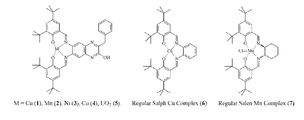
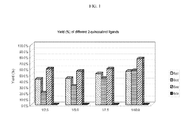

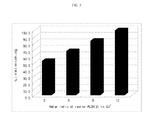
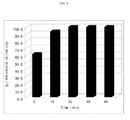


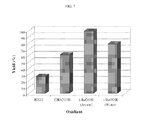
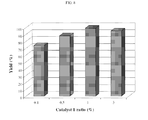
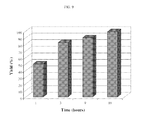
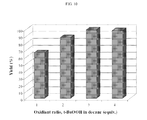
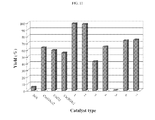
Classifications
-
- C—CHEMISTRY; METALLURGY
- C07—ORGANIC CHEMISTRY
- C07D—HETEROCYCLIC COMPOUNDS
- C07D241/00—Heterocyclic compounds containing 1,4-diazine or hydrogenated 1,4-diazine rings
- C07D241/36—Heterocyclic compounds containing 1,4-diazine or hydrogenated 1,4-diazine rings condensed with carbocyclic rings or ring systems
- C07D241/38—Heterocyclic compounds containing 1,4-diazine or hydrogenated 1,4-diazine rings condensed with carbocyclic rings or ring systems with only hydrogen or carbon atoms directly attached to the ring nitrogen atoms
- C07D241/40—Benzopyrazines
- C07D241/44—Benzopyrazines with hetero atoms or with carbon atoms having three bonds to hetero atoms with at the most one bond to halogen, e.g. ester or nitrile radicals, directly attached to carbon atoms of the hetero ring
-
- C—CHEMISTRY; METALLURGY
- C07—ORGANIC CHEMISTRY
- C07D—HETEROCYCLIC COMPOUNDS
- C07D241/00—Heterocyclic compounds containing 1,4-diazine or hydrogenated 1,4-diazine rings
- C07D241/36—Heterocyclic compounds containing 1,4-diazine or hydrogenated 1,4-diazine rings condensed with carbocyclic rings or ring systems
- C07D241/50—Heterocyclic compounds containing 1,4-diazine or hydrogenated 1,4-diazine rings condensed with carbocyclic rings or ring systems with hetero atoms directly attached to ring nitrogen atoms
- C07D241/52—Oxygen atoms
Definitions
- the present subject matter relates to 2-quinoxalinol salen compounds and in particular 2-quinoxalinol salen Schiff-base compounds.
- the disclosed 2-quinoxalinol salen compounds may be utilized as ligands for forming complexes with cations.
- Salen ligands have been of interest to a wide variety of chemists. In particular, these have been investigated in a variety of applications because of their ease of preparation and ability to form stable complexes. For example, copper (I) salen complexes have been investigated as antitumor agents and protein kinase inhibitors. Salen ligands and their complexes also have been applied as catalysts in a variety of processes including as catalytic scavengers of hydrogen peroxide and cytoprotective agents, in the catalytic oxidation of secondary amines, in enantioselective catalysts for asymmetric epoxidation of unfunctionalized olefins or as catalysts for ring-opening metathesis. As catalysts, these complexes have proven quite useful, in particular after incorporation into solid supports and for chiral or stereoselective reaction catalysis. Therefore, new salen ligands are desirable.
- Salen ligands are the product of a salicylic aldehyde compound and an ethylene diamine compound, hence the name “salen” is derived. Therefore, under suitable reaction conditions new ethylene diamine compounds may be utilized to create new salen ligands.
- 2-quinoxalinol is an ethylene diamine compound that previously has not been utilized for forming salen ligands. Derivatives of 2-quinoxalinols are key intermediates as bioactive agents in agriculture, have been used in dyes, and have been key pharmaceutical or medicinal intermediates. Synthetic methods for the parallel synthesis of 2-quinoxalinols have been previously reported.
- 2-quinoxalinol salen compounds and in particular 2-quinoxalinol salen Schiff-base ligands.
- the disclosed 2-quinoxalinol salen compounds may be utilized as ligands for forming complexes with cations.
- the formed complexes may be utilized as catalysts for oxidation reactions.
- the disclosed 2-quinoxalinol salen compounds may be conjugated to solid supports and utilized in methods for selective solid-phase extraction or detection of cations.
- the disclosed compounds have a formula:
- R 1 is an amino acid side chain moiety and R 2 and R 3 are hydrogen, hydroxyl, C 1-6 alkyl which may be straight chain or branched (e.g., 3-tert-butyl or 3,5-Di-tert butyl), C 1-6 alkoxy which may be straight chain or branched, ether, or amine.
- the substituents R 2 and R 3 may be the same or different. In some embodiments, at least one of R 2 and R 3 is 3-OH or at least one of R 2 and R 3 is 5-OH. Salt forms of the disclosed compounds also are contemplated, for example salts of the dioxoanion are contemplated:
- M 2+ is a divalent metal cation.
- the disclosed compounds are fluorescent.
- R 1 is an amino acid side chain moiety, which may be a side chain moiety of a naturally occurring amino acid or a non-naturally occurring amino acid.
- R 1 is selected from:
- R 1 may be selected from:
- R 1 is a side chain that increases the UV-Visible extinction coefficient of the compounds or that increases fluorescence of the compounds.
- the disclosed compounds may form complexes with metal cations.
- the disclosed compounds are complexed to a divalent cation, which may include, but is not limited to Cu 2+ , Mn 2+ , Co 2+ , Ni 2+ , UO 2 2+ , Fe 2+ , Pd 2+ , Ag 2+ , and Sn 2+ , or mixtures thereof.
- the complexes may be formed by first forming the salen compound and subsequently reacting the compound with a divalent cation.
- the compound may be formed in a reaction mixture that comprises the divalent cation.
- Suitable solid supports may include functionalized resins, which may include, but are not limited to functionalized polystyrene and polyethylene resins.
- Suitable functionalized polystyrene resins include, but are not limited to, aminomethyl polystyrene resin, 2-chlorotrityl chloride resin, DHP HM resin, HMPA-AM resin, Knorr resin, Knorr-2-chlorotrityl resin, MBHA resin, Merrifield resin, oxime resin, PAM resin, Rink amide-AM resin, Rink amide-MBHA resin, Sieber resin, Wang resin, Weinreb AM resin, Boc-Ser-Merrifield resin, and Boc-Gly-Merrifield resin.
- the disclosed compounds may be conjugated to the solid support via a linker compound such as an acylating linker compound.
- Suitable acylating linker compounds may include, but are not limited to, anhydride compounds such as acid anhydrides.
- the disclosed compounds and complexes typically are fluorescent.
- the disclosed compounds and complexes may be conjugated to additional fluorophores.
- the additional fluorophores optionally may be functionalized prior to conjugation with the disclosed compounds and complexes.
- the methods include reacting a reaction mixture comprising a 2-quinoxalinol compound, analog, or derivative having a formula:
- R 1 is an amino acid side chain moiety
- R 2 is hydrogen, hydroxyl, C 1-6 alkyl which may be straight chain or branched (e.g., 3-tert-butyl or 3,5-Di-tert butyl), C 1-6 alkoxy which may be straight chain or branched, ether, or amine, thereby obtaining the salen compound.
- the 2-quinoxalinol compound, analog, or derivative and salicylic aldehyde compound, analog, or derivative may be present in the reaction mixture at a suitable ratio.
- the reaction mixture comprises about equal molar amounts of the 2-quinoxalinol compound, analog, or derivative and the salicylic aldehyde compound, analog, or derivative.
- the reaction mixture comprises an excess amount of the salicylic aldehyde compound, analog, or derivative as compared to the 2-quinoxalinol compound, analog, or derivative.
- the methods may include obtaining or isolating an intermediate compound having a formula:
- R 2 and R 3 are hydrogen, hydroxyl, C 1-6 alkyl which may be straight chain or branched (e.g., 3-tert-butyl or 3,5-Di-tert butyl), C 1-6 alkoxy which may be straight chain or brandied, ether, or amine, thereby obtaining the salen compound.
- the substituents R 2 and R 3 may be the same or different in order to obtain a symmetrically substituted or asymmetrically substituted salen compound, respectively.
- the reaction mixtures include an alcohol (e.g., MeOH) and reacting includes heating the reaction mixture.
- the compounds may be utilized for removing a cation from a solution.
- Suitable cations for the removal methods may include divalent cations such as Cu 2+ , Mn 2+ , Co 2+ , Ni 2+ , UO 2 2+ , Fe 2+ , Pd 2+ , Ag 2+ , and Sn 2+ , and mixtures thereof.
- the compounds may be conjugated to a solid support prior to their use in the removal methods.
- Also disclosed are methods for detecting a cation in a solution which methods may include detecting divalent cations.
- the method may include: (a) contacting the solution with a salen compound, which optionally may be conjugated to a solid support or a fluorophore, where if the solution comprises the cation, the compound forms a complex with the cation; and (b) detecting the complex in the solution.
- the complex may be detected by methods which may include, but are not limited to, detecting a change in an absorption maximum for the solution, detecting a change in fluorescence of the compound (or detecting a change in fluorescence of an optionally conjugated fluorophore), or detecting a change in electrochemical properties of the solution.
- the methods for detecting a cation in a solution may include: (a) contacting the solution with complex comprising a complexed cation as disclosed herein, which complex optionally may be conjugated to a solid support or a fluorophore, where if the solution comprises the cation, the solution cation displaces the complexed cation from the compound and forms a new complex with the compound; and (b) detecting the new complex or detecting the displaced cation.
- the new complex and displaced cation may be detected by steps which may include, but are not limited to, detecting a change in an absorption maximum for the solution, detecting a change in fluorescence of the compound (or detecting a change in fluorescence of an optionally conjugated fluorophore), or detecting a change in electrochemical properties of the solution.
- the formed complexes may be utilized as catalysts in chemical reactions.
- the formed complexes may be utilized in oxidation reactions, which may include but are not limited to, oxidation reactions of methylenes (e.g., aryl, allyl, vinyl, or any other ⁇ , ⁇ -unsaturated methylene), asymmetric epoxidation reactions, ring-opening reactions of epoxides, and oxidation reactions of amines.
- methods for oxidizing compounds include reacting a methylene compound, an oxidizing agent, and a 2-quinoxalinol salen complex.
- FIG. 1 illustrates the yield (%) for different salen compounds using various ratios of 2-quinoxalinol compounds and salicylic aldehyde compounds.
- FIG. 2 provides H-NMR results from Example 2 of intermediate (1a) and 2-quinoxalinol imines (3ae).
- intermediate (1a) 1 H-NMR of hydrogen of two amino groups is shown.
- 2-quinoxalinol imine (3ae) only the hydrogen on the carbon of imine group is shown.
- FIG. 3 is a bar graph of Cu 2+ extraction indicating the different molar ratios of PLG1(2) resin to Cu 2+ extracted quantified using atomic absorption.
- FIG. 4 is a bar graph of Cu 2+ extraction with PLG1(2) resin with respect to agitation time quantified using atomic absorption.
- FIG. 5 is a bar graph of Cu 2+ recovery with PLG1(2) resin versus time quantified using atomic absorption.
- FIG. 6 illustrates the structures of salen, salph, and salqu copper complex catalysts (1-7)
- FIG. 7 illustrates the yield for oxidation of diphenylmethane into benzophenone in acetonitrile for several oxidants. Yields are based on purification by flash column chromatography.
- FIG. 8 illustrates the yield for oxidation of diphenylmetharie into benzophenone in acetonitrile for various ratios of catalyst. Yields are based on purification by flash column chromatography.
- FIG. 9 illustrates the yield for oxidation of diphenylmethane into benzophenone in acetonitrile versus time. Yields are based on purification by flash column chromatography.
- FIG. 10 illustrates the yield for oxidation of diphenylmethane into benzophenone in acetonitrile for various ratios of oxidant. Yields are based on purification by flash column chromatography.
- FIG. 11 illustrates reaction yields using copper salts or ligand supported metal catalysts (salen, salph, and salqu ligands). Yields are based on separation by flash column chromatography.
- salicylic aldehyde analogs or derivatives may include compounds having a formula:
- R 2 is hydrogen, hydroxyl, C 1-6 alkyl which may be straight chain or branched (e.g., 3-tert-butyl or 3,5-Di-tert butyl), C 1-6 alkoxy which may be straight chain or branched, ether, or amine.
- an ethylene diamine analog or derivative may include 2-quinoxalinol or an analog or derivative thereof such as a compound having a formula:
- R 1 is an amino acid side chain side chain moiety.
- Analogs of 2-quinoxalinol and methods for making and using such analogs are known in the art. (See, e.g., Zhang et al., J. Comb. Chem. 2004, 6, 431-436; and Wu et al., Molec. Diversity, 8: 165-174, 2004; the contents of which are incorporated herein by reference in their entireties including their disclosure related to analogs of analogs of 2-quinoxalinol and methods for making and using such analogs). Salen compounds and the use thereof (e.g., as ligands) also are known in the art. (See, e.g., U.S. Pat. Nos.
- Salt forms of the disclosed salen compounds also are contemplated.
- salt forms may include deprotonated forms of the salen compounds having a formula:
- Salt forms may be prepared by methods that include lithiation in order to form a lithium salt of the disclosed salon compound, for example, a compound having a formula:
- the lithium salt of the disclosed salen compound further may be reacted with a metal chloride salt MCl 2 to form a metal salt of the salen compound having a formula:
- M 2+ is a lanthanide metal such as gadolinium.
- metal salts of the disclosed salen compounds may be utilized as catalysts in reactions that require C—H activation or in polymerization reactions.
- the disclosed salen compounds are fluorescent.
- the compounds when stimulating by light having a wavelength of 365 nm, 385 nm, 405 nm, 415 nm, or 546 nm, the compounds emit light having a wavelength within a range of 300-900 nm. In particular, two emission bands may be observed at 395 nm and 480 nm.
- the disclosed salen compounds may be prepared from 2-quinoxalinol compounds, analogs, or derivatives reacted with salicylic aldehyde compounds, analogs, or derivatives.
- the 2-quinoxalinol compound, analogs, or derivatives may be prepared from natural or non-naturally amino acids. (See, e.g., Zhang et al., J. Comb. Chem. 2004, 6, 431-436; and Wu et al., Molec.
- the disclosed salen compounds may include a subsistent R 1 which is a side chain moiety of an amino acid.
- an “amino acid” refers to any naturally occurring or non-naturally occurring amino acid.
- Naturally occurring amino acids include the twenty (20) common amino acids (i.e., glycine, alanine, leucine, isoleucine, valine, phenylalanine, serine, threonine, cysteine, methionine, tyrosine, asparagine, glutamine, aspartic acid, glutamic acid, tryptophan, histidine, lysine, arginine, and proline), and pyrolysine and selenocysteine.
- the disclosed salen compounds may include a substituent R 1 selected from:
- R 1 is a side chain moiety that increases the UV-Visible extinction coefficient of the salen compounds or that increases fluorescence of the salen compounds.
- R 1 may be an aromatic amino acid side chain moiety. Suitable, aromatic amino acid side chain moieties may comprise at least one 5- or 6-membered carbocyclic or heterocyclic ring, where the heterocyclic ring may be substituted with heteroatoms that include, but are not limited to, N, O, and S. in some embodiments, R 1 is a side chain moiety of a non-naturally occurring amino acid that increases the UV-Visible extinction coefficient of the salen compounds or that increases fluorescence of the salen compounds.
- R 1 may comprise naphthalene, anthracene, quinoline, quinoxaline, acridine, pyrimidine, pyridine, quinazoline, pyridazine, imidazole, indazole, indole, acenaphthylene, fluorine, phenanthrene, chrysene, pyrene, quinine, or anthraquinone.
- Non-naturally occurring amino acids may be prepared by derivatizing a naturally occurring amino acid.
- a non-naturally occurring amino acid may be derivatizing by conjugating to the side chain moiety of a naturally occurring amino acid a compound selected from naphthalene, anthracene, quinoline, quinoxaline, acridine, pyrimidine, pyridine, quinazoline, pyridazine, imidazole, indazole, indole, acenaphthylene, fluorine, phenanthrene, chrysene, pyrene, quinine, or anthraquinone.
- the non-naturally occurring amino acid thereby obtained may be utilized in the methods disclosed herein for synthesizing 2-quinoxalinol analogs.
- the non-naturally occurring amino acid thereby obtained having a formula:
- R 1 is defined as above and R 4 is hydrogen or C 1-6 alkyl which may be straight chain or branched (e.g., Me or Et) may be reacted with 1,5-difluoro-2,4-dinitrobenzene having a formula:
- This compound further may be reacted with ammonia to obtain a compound having a formula:
- This compound further may be reduced and cyclized to obtain a 2-quinoxalinol compound, analog, or derivative having a formula:
- the 2-quinoxalinol compound, analog, or derivative thereby obtained may be utilized to prepare the presently disclosed salen compounds.
- Non-naturally occurring amino acids for use in preparing the disclosed 2-quinoxalinol compounds, analogs, and derivatives are known in the art and are described, e.g., in U.S. Pat. Nos. 7,468,458 and 7,385,038; and in U.S. Published Application Nos. 2009-0093405, 2009-0036525, 2006-0246509, 2006-0234339, 2004-0265952, 2004-0259256, and 2003-0235852, the contents of which are incorporated by reference herein in their entireties including their disclosure related to non-naturally occurring amino acids.
- Amino acids that are suitable for preparing the disclosed 2-quinoxalinol compounds, analogs, or derivatives may include natural or synthetic L-amino acids and D-amino acids.
- Derivatives of naturally occurring amino acids for preparing 2-quinoxalinol compounds, analogs, or derivatives also are available commercially. (See, e.g., Sigma-Aldrich® Catalog, the content of which is incorporated by reference in its entirety including disclosure related to amino acid derivatives).
- Derivatives of alanine for preparing the disclosed 2-quinoxalinol compounds, analogs, or derivatives may include, but are not limited to (R)-(+)- ⁇ -Allylalanine, (S)-( ⁇ )- ⁇ -Allylalanine, D-2-Aminobutyric acid, L-2-Aminobutyric acid, 2-Aminoisobutyric acid, (S)-(+)-2-Amino-4-phenylbutyric acid, Boc-Abu-OH, Boc-D-Abu-OH, Boc-Aib-OH, Boc- ⁇ -(9-anthryl)-Ala-OH, Boc- ⁇ -(3-benzothienyl)-Ala-OH, Boc- ⁇ -(3-benzothienyl)-D-Ala-OH, Boc-Cha-OH, Boc-D-Cha-OH, Boc-Cha-OMe, Boc- ⁇ -(2-furyl)-Ala-OH, Boc
- Derivatives of arginine for preparing the disclosed 2-quinoxalinol compounds, analogs, or derivatives may include, but are not limited to, L-2-Amino-3-guanidinopropionic acid hydrochloride, 4-Guanidinobutyric acid, and N ⁇ Nitro-L-arginine benzyl ester p-toluenesulfonate salt.
- the 2-quinoxalinol compounds, analogs, or derivatives thereby obtained may be utilized to prepare the presently disclosed salen compounds.
- Derivatives of asparagine for preparing the disclosed 2-quinoxalinol compounds, analogs, or derivatives may include, but are not limited to, Boe-Asn(Xan)-OH.
- the 2-quinoxalinol compounds, analogs, or derivatives thereby obtained may be utilized to prepare the presently disclosed salen compounds.
- Derivatives of aspartic acid for preparing the disclosed 2-quinoxalinol compounds, analogs, or derivatives may include, but are not limited to, N-Z-L-aspartic acid.
- the 2-quinoxalinol compounds, analogs, or derivatives thereby obtained may be utilized to prepare the presently disclosed salen compounds.
- Derivatives of cysteine for preparing the disclosed 2-quinoxalinol compounds, analogs, or derivatives may include, but are not limited to, L-Cystathionine, L-Cysteic acid, L-Cysteinesulfinic acid, Se-Methyl-seleno-L-cysteine,Seleno-L-cystine, S-(2-Thiazolyl)-L-cysteine, S-(2-Thienyl)-L-cysteine, and S-(4-Tolyl)-L-cysteine.
- the 2-quinoxalinol compounds, analogs, or derivatives thereby obtained may be utilized to prepare the presently disclosed salen compounds.
- Derivatives of glutamic acid for preparing the disclosed 2-quinoxalinol compounds, analogs, or derivatives may include, but are not limited to, D-2-Aminoadipic acid, ⁇ -Carboxy-DL-glutamic acid, and 4-Fluoro-DL-glutamic acid.
- the 2-quinoxalinol compounds, analogs, or derivatives thereby obtained may be utilized to prepare the presently disclosed salen compounds.
- Derivatives of glutamine for preparing the disclosed 2-quinoxalinol compounds, analogs, or derivatives may include, but are not limited to, Boc-Cit-OH, Boc-D-Cit-OH, D-Citrulline, Fmoc-Cit-OH, and Thio-L-citrulline.
- the 2-quinoxalinol compounds, analogs, or derivatives thereby obtained may be utilized to prepare the presently disclosed salen compounds.
- Derivatives of histidine for preparing the disclosed 2-quinoxalinol compounds, analogs, or derivatives may include, but are not limited to, N-Boc-3-(3-methyl-4-nitrobenzyl)-L-histidine methyl ester.
- the 2-quinoxalinol compounds, analogs, or derivatives thereby obtained may be utilized to prepare the presently disclosed salen compounds.
- Derivatives of isoleucine for preparing the disclosed 2-quinoxalinol compounds, analogs, or derivatives may include, but are not limited to, Boc-allo-Ile-OH, D-allo-Isoleucine, and DL-allo-Isoleucine.
- the 2-quinoxalinol compounds, analogs, or derivatives thereby obtained may be utilized to prepare the presently disclosed salen compounds,
- Derivatives of leucine for preparing the disclosed 2-quinoxalinol compounds, analogs, or derivatives may include, but are not limited to, N-[(2S,3R)-3-Amino-2-hydroxy-4-phenylbutyryl]-L-leucine, Boc-4,5-dehydro-Leu-OH (dicyclohexylammonium) salt, Boc-Ile-OSu, N-(3,5-Dinitrobenzoyl)-DL-leucine, Fmoc-tBu-Gly-OH, N-(3-Indolylacetyl)-L-isoleucine, D-tert-Leucine, L-tert-Leucine, DL-tert-Leucine, L-tert-Leucine methyl ester, and 5,5,5-Trifluoro-DL-leucine.
- the 2-quitioxalinol compounds, analogs, or derivatives thereby obtained may be utilized to prepare the presently disclosed salen compounds.
- Derivatives of lysine for preparing the disclosed 2-quinoxalinol compounds, analogs, or derivatives may include, but are not limited to, DL-5-Hydroxylysine, and (5R)-5-Hydroxy-L-lysine.
- the 2-quinoxalinol compounds, analogs, or derivatives thereby obtained may be utilized to prepare the presently disclosed salen compounds.
- Derivatives of phenylalanine for preparing the disclosed 2-quinoxalinol compounds, analogs, or derivatives may include, but are not limited to, 4-Amino-L-phenylalanine, Boc-Bpa-OH, Boc-D-Bpa-OH, Boc-4-tert-butyl-Phe-OH, Boc-4-tert-butyl-D-Phe-OH, Boc-4-(Fmoc-amino)-L-phenylalanine, (S)-Boc-4-methoxy- ⁇ -Phe-OH, Boc-pentafluoro-D-phenylalanine, Boc-pentafluoro-L-phenylalanine, Boc-Phe(4-Br)—OH, Boc-D-Phe(4-Br)—OH, Boc-Phe(2-CF3)-OH, Boc-D-Phe(2-CF3)-OH, Boc-Phe(3-CF3)-OH, Boc-D-Phe(3-CF3)
- Derivatives of serine for preparing the disclosed 2-quinoxalinol compounds, analogs, or derivatives may include, but are not limited to, N-Benzoyl-(2R,3S)-3-phenylisoserine, L-Isoserine, DL-Isoserine, DL-Isoserine, and DL-3-Phenylserine.
- the 2-quinoxalinol compounds, analogs, or derivatives thereby obtained may be utilized to prepare the presently disclosed salen compounds.
- Derivatives of threonine for preparing the disclosed 2-quinoxalinol compounds, analogs, or derivatives may include, but are not limited to, D-allo-Threonine, and L-allo-Threonine.
- the 2-quinoxalinol compounds, analogs, or derivatives thereby obtained may be utilized to prepare the presently disclosed salen compounds.
- Derivatives of tryptophan for preparing the disclosed 2-quinoxalinol compounds, analogs, or derivatives may include, but are not limited to, 5-Fluoro-L-tryptophan, 5-Fluoro-DL-tryptophan, 5-Hydroxy-L-tryptophan, 5-Methoxy-DL-tryptophan, 5-Methyl-DL-tryptophan, 5-Methyl-DL-tryptophan, and 6-Methyl-DL-tryptophan.
- the 2-quinoxalinol compounds, analogs, or derivatives thereby obtained may be utilized to prepare the presently disclosed salen compounds.
- Derivatives of tyrosine for preparing the disclosed 2-quinoxalinol compounds, analogs, or derivatives may include, but are not limited to, 3-Amino-L-tyrosine, Boc-Tyr(3,5-I2)-OSu, 3-Chloro-L-tyrosine, 3,5-Diiodo-L-tyrosine, Fmoc-Tyr(3-NO2)-OH, Fmoc-Tyr(3,5-I2)-OH, ⁇ -Methyl-DL-tyrosine, ⁇ -Methyl-DL-tyrosine methyl ester, 3-Nitro-L-tyrosine, 3-Nitro-L-tyrosine ethyl ester, DL-o-Tyrosine, and DL-m-Tyrosine.
- the 2-quinoxalinol compounds, analogs, or derivatives thereby obtained may be utilized to prepare the presently disclosed salen compounds.
- Derivatives of valine for preparing the disclosed 2-quinoxalinol compounds, analogs, or derivatives may include, but are not limited to, 3-Fluoro-DL-valine, (R)-(+)- ⁇ -Methylvaline, and (S)-( ⁇ )- ⁇ -Methylvaline.
- the 2-quinoxalinol compounds, analogs, or derivatives thereby obtained may be utilized to prepare the presently disclosed salen compounds.
- 2-quinoxalinol compounds, analogs, or derivatives may include, but are not limited to, 2,4-Diaminobutyric Acid, 2,3-Diaminopropionic Acid, Norleucine, Norvaline, Ornithine, and Pyroglutamine, or analogs or derivatives thereof.
- the 2-quinoxalinol compounds, analogs, or derivatives thereby obtained may be utilized to prepare the presently disclosed salen compounds.
- the disclosed salen compounds may function as ligands for cations such as divalent metal cations.
- Divalent metal cations may include, but are not limited to Cu 2+ , Mn 2+ , Co 2+ , Ni 2+ , UO 2 2+ , Fe 2+ , Pd 2+ , Ag 2+ , and Sn 2+ , and Sn 2+ , and mixtures thereof.
- the complexes may be formed by first forming the salen compound and subsequently reacting the salen compound with a divalent cation (i.e., in a two-step synthesis method).
- the complex may be formed in a reaction mixture that comprises the components for forming the salen compounds and the divalent cation (i.e., in a one-step synthesis method). (See Example 4 below.)
- Suitable solid supports may include resins, which may be incorporated into filter cartridges or utilized in batch methods.
- suitable resins may include polystyrene resins or polyethylene resins.
- the resins typically are functionalized (e.g., with one or more of an aminomethyl group, a 2-chlorotrityl group, an oxime group, an amide group, or the like).
- Suitable functionalized polystyrene resins may include, but are not limited to, aminomethyl polystyrene resin, 2-chlorotrityl chloride resin, DHP HM resin, HMPA-AM resin, Knorr resin, Knorr-2-chlorotrityl resin, MBHA resin, Merrifield resin, oxime resin, PAM resin, Rink amide-AM resin, Rink amide-MBHA resin, Sieber resin, Wang resin, Weinreb AM resin, Boc-Ser-Merrifield resin, and Boc-Gly-Merrifield resin.
- the disclosed salen compounds and complexes typically are fluorescent.
- additional fluorophores may include, but are not limited to, 1,5 IAEDANS; 1,8-ANS; 4-Methylumbelliferone; 5-carboxy-2,7-dichlorofluorescein; 5-Carboxyfluorescein (5-FAM); 5-Carboxytetramethylrhodamine (5-TAMRA); 5-FAM (5-Carboxyfluorescein); 5-HAT (Hydroxy Tryptamine); 5-Hydroxy Tryptamine (HAT); 5-ROX (carboxy-X-rhodamine); 5-TAMIA (5-carboxytetramethylrhodamine); 6-Carboxyrhodamine 6G; 6-CR 6G; 6-JOE; 7-Amino-4-methylcoumarin; 7-Aminoactinomycin D (7-AAD); 7-Hydr
- a “fluorophore” may include a salt of the fluorophore or a functionalized form of the fluorophore (e.g., where the fluorophore may include one or more of an amino group, a 2-chlorotrityl group, an oxime group, an amide group, or the like).
- the disclosed salen compounds may be conjugated directly to the solid supports or fluorophores disclosed herein (which optionally may be functionalized) or may be conjugated via a linker compound.
- Suitable linker compounds may include acylating compounds such as anhydride compounds, and in particular acid anhydrides (e.g., glutaric anhydride).
- the disclosed salen compounds may be prepared by reacting a reaction mixture comprising a 2-quinoxalinol compound, analog, or derivative having a formula:
- R 1 is an amino acid side chain moiety
- R 2 is hydrogen, hydroxyl, C 1-6 alkyl which may be straight chain or branched (e.g., 3-tert-butyl or 3,5-Di-tert butyl), C 1-6 alkoxy which may be straight chain or branched, ether, or amine, thereby obtaining the salen compound.
- the reaction mixture comprises about equal molar amounts of 2-quinoxalinol compound, analog, or derivative and salicylic aldehyde compound, analog, or derivative.
- the reaction mixture comprises an excess amount of salicylic aldehyde compound, analog, or derivative (e.g., at least 2.5 ⁇ , 5 ⁇ , 7.5 ⁇ , or 10 ⁇ as much salicylic aldehyde compound, analog, or derivative as compared to 2-quinoxalinol compound, analog, or derivative.)
- an excess amount of salicylic aldehyde compound, analog, or derivative e.g., at least 2.5 ⁇ , 5 ⁇ , 7.5 ⁇ , or 10 ⁇ as much salicylic aldehyde compound, analog, or derivative as compared to 2-quinoxalinol compound, analog, or derivative.
- the reaction mixture further comprises a solvent.
- Suitable solvents may include alcohols (e.g., MeOH).
- the reaction mixture further may include an additional solvent such as dimethylformamide (DMF).
- the method may include applying heat to the reaction mixture (e.g., heating to at least about 60° C., 70° C. or 80° C., for at least about 6, 8, 10, or 12 hours).
- the methods may include obtaining or isolating an intermediate compound having a formula:
- R 2 and R 3 are hydrogen, hydroxyl, C 1-6 alkyl which may be straight chain or branched (e.g., 3-tert-butyl or 3,5-Di-tert butyl), C 1-6 alkoxy which may be straight chain or branched, ether, or amine.
- the substituents R 2 and R 3 may be the same or different, thereby obtaining a symmetrically or asymmetrically substituted salen compound, respectively.
- the reaction mixture further comprises a solvent. Suitable solvents may include alcohols (e.g., MeOH).
- the reaction mixture further may include an additional solvent such as dimethylformamide (DMF).
- the method may include applying heat to the reaction mixture (e.g., heating to at least about 60° C., 70° C. or 80° C., for at least about 6, 8, 10, or 12 hours).
- Also disclosed are methods for detecting a cation in a solution which may include detecting divalent metal cations such as UO 2 2+ .
- the method may include (a) contacting the solution with a salen compound, which optionally may be conjugated to a solid support or a fluorophore, where if the solution comprises the cation, the compound forms a complex with the cation; and (b) detecting the complex in the solution.
- the methods for detecting a cation in a solution may include: (a) contacting the solution with complex comprising a complexed cation as disclosed herein, which complex optionally may be conjugated to a solid support or a fluorophore, where if the solution comprises the cation, the solution cation displaces the complexed cation from the compound and forms a new complex with the compound; and (b) detecting the new complex or detecting the displaced cation.
- Detection methods for the complex (or new complex) or the displaced cation may include detecting a change in an absorption maximum for the solution via UV-Vis spectra analysis (e.g., where the uncomplexed compound exhibits a first absorption maximum and the complexed compound exhibits a second different absorption maximum). Detection methods for the complex (or new complex) or the displaced cation also may include detecting a change in fluorescence from the compound, complex, or optionally conjugated fluorophore (e.g., detecting a change in wavelength of absorbed or emitted light from the compound, complex, or optionally conjugated fluorophore when the complex is formed).
- Detection methods for the complex (or new complex) or the displaced cation also may include detecting a change in electrochemical properties of the solution (e.g., detecting a change in voltage of the solution if a complex is formed or if a complexed cation is displaced by a cation in solution).
- the formed complexes may be utilized as catalysts in chemical reactions.
- the formed complexes may be utilized in oxidation reactions, which may include but are not limited to, oxidation reactions of methylenes aryl, allyl, vinyl, or any other ⁇ , ⁇ -unsaturated methylene), asymmetric epoxidation reactions, ring-opening reactions of epoxicles, oxidation reactions of amines, hydrolytic kinetic resolution (HKR), Hetero Diels-Alder reactions, Pictet-Spengler reactions, and hydrocyanation reactions.
- methods for oxidizing compounds include reacting a methylene compound, an oxidizing agent, and a 2-quinoxalinol salen complex.
- an “oxidizing agent” is any compound or material which is capable of removing an electron from a compound being oxidized.
- Suitable oxidizing agents include, but are not limited to, hydrogen peroxide, alkyl peroxides, peroxy acids, oxygen, and ozone.
- the methylene compound to be oxidized may be may be substituted with one or more heteroatoms (e.g., N or O), or with one or more substituents (e.g., carbonyl, amino, formyl, ester, and nitro).
- Suitable methylene compounds may include, but are not limited to aryl methylene compounds.
- a Schiff-base condensation of an aldehyde with the diaminoquinoxaline results in a new category of ligands for use in metal coordination or for use as potential bioagents, based on the skeleton 2,2′-(1E,1′E)-(quinoxaline-6,7-diyibis(azan-1-yl-1-ylidene))bis(methan-1-yl-1-ylidene)diphenol.
- the approach described here is adaptable for parallel synthesis of a larger size library. A solution-phase parallel method of synthesizing a 2-quinoxalinol salen ligands and a preparative library for a series of these ligands was demonstrated.
- methyl amino acids were selected as the building blocks, including phenylalanine with an aromatic group, methionine containing a hetero atom (sulfur), and valine and leucine with alkyl groups at R 1 .
- the yield of intermediate 4d was lower than others.
- the aldehydes chosen included hydrophilic salicylaldehydes (di-hydroxide, 5a and 5b) and hydrophobic salicylaldehyde (mono- and di-tert-butyl, 5c and 5d) to build the library.
- the selected salicylic aldehydes provided a variety of compounds of varying solubility and coordination properties for the salen product in metal coordination chemistry or applications. (See Scheme 2.)
- the major product Upon heating from room temperature to reflux temperature the major product is the half-unit ligand 6cdh which has two possible structures and a small amount of the full unit targeted compound 6cd; small amounts of products Gad and with a high yield only of 6ae. Whichever of the potential isomeric products 6cdh is, there is another amino group which needs to be reacted with the salicylaldehyde derivative. Hence, the exact structure was not determined. The prolonging of reaction time from 48 hours to 72 hours did not result in additional full unit products nor did increasing the reaction temperature benefit the reaction progress. Changing the solvent from methanol to higher boiling point solvents (e.g., toluene, DMF and benzene) allowed for increasing the refluxing temperature, but did not produce the desired product. Both microwave and ultrasonic methods also were tried, but without success.
- solvent from methanol to higher boiling point solvents e.g., toluene, DMF and benzene
- the final tested condition was a ratio of 1:10 (diamino-2-quinoxalinol to salicylaldehyde derivative) which was reacted for 48 hours at reflux temperature in a solution of methanol.
- this was synthesized as a 4 ⁇ 5 library, the procedure was found to be suitable for the solution phase parallel synthesis of 2-quinoxalinol Schiff base ligands.
- Table 2 illustrates that all of the twenty targeted products were synthesized by parallel methods with high yield and purity.
- HPLC can not identify the exact percentage of this major impurity because the large difference of absorbance of their UV (254 or 214 nm).
- ⁇ Indicates a one-step yield from diamino-2-qunioxalinol 4 to final product 6. *At this temperature, these compounds were found to decompose.
- a 2-quinoxalinol salen (or Schiff-base) ligand library was prepared by an efficient solution phase parallel method. It was found that these organic ligands are stable at high temperature ( ⁇ 200° C.) and not sensitive to oxygen, water, alkaline conditions or most solvents. In the process, the synthetic method for the key intermediate quinoxaline was further optimized from methods used in previous reports.
- the column employed was a water C 18 column (w33471F, 3.9 ⁇ 300 mm) from DIKMA Co. All melting points were recorded on a MeI-temp 11 melting point apparatus, and the values were uncorrected. 1 H and 13 C NMR spectra were recorded on BrukerTM AC 250 spectrometer (operated at 250 and 62.5 MHz, respectively) or BrukerTM AV 400 spectrometer (operated at 400 and 100 MHz, respectively). Chemical shifts are reported as (5 values (ppm).
- Electrospray ionization mass spectrometry was performed on a Micromass QTOFTM mass spectrometer (Waters Corp, Milford Mass.). Direct probe samples were on a VG-70S mass spectrometer (Waters Corp, Milford Mass.). All UV data was collected using a Cary 50 UV-Vis spectrophotometer with a xenon lamp and an equipment range from 200 to 1250 nm. IR spectroscopic data was collected using a ShimsdzuTM IR, Prestige-21 Fourier Transform Infrared Spectrophotometer and KBr solid samples. Samples for melting point, IR, and UV, were purified by recrystallization or —flash column chromatography of the final 2-quinoxalinol products.
- the reaction solution was concentrated to dryness using a rotary evaporator resulting in a yellow oil or oily solid.
- the resultant yellow oil was dissolved in 100 mL of ethanol (95%) with stirring.
- HCOONH 4 , 20 equiv., (0.2 mol) and 5% wet Pd-C (3.1 g, 7.0 g for containing sulfur, catalytic) were added under a protective N 2 atmosphere.
- the reaction mixture was heated to reflux temperature for 15-30 minutes. During this time, the reaction mixture changed the initial yellow to red and then to fluorescent yellow. After this time, the catalyst Pd-C and unreacted HCOONH 4 were filtered from the solution. The filtrate was put into freezer (0° C.) for 48-72 hours until yellow crystals form.
- the yield of final products ranges from 40% to 80% with the purity of them ranging from 90.0% to 99.0%. All of the final products were identified and characterized by 1 H-NMR, 13 C-NMR, MS, HRMS, UV-Vis and IR.
- IR 3172.9 cm ⁇ 1 (bs), 3381.2 cm ⁇ 1 (bs), 3182.6 cm ⁇ 1 (bs), 3005.2 cm ⁇ 1 ,1645.3 cm ⁇ 1 , 1510.3 cm ⁇ 1 , 1402.3 cm ⁇ 1 , 1278.8 cm ⁇ 1 .
- IR 3381.2 cm ⁇ 1 (bs), 3365.1 cm ⁇ 1 (bs), 2962.7 cm ⁇ 1 , 2929.9 cm ⁇ 1 , 1656.9 cm ⁇ 1 , 1512.2 cm ⁇ 1 , 1406.1 cm ⁇ 1 , 1273.0 cm ⁇ 1 .
- IR 3352.3 cm ⁇ 1 (bs), 32771 cm ⁇ 1 (bs), 2949.2 cm ⁇ 1 , 2868.2 cm ⁇ 1 , 2818.0 cm ⁇ 1 , 1653.0 cm ⁇ 1 , 1512.2 cm ⁇ 1 , 1419.6 cm ⁇ 1 , 1402.3 cm ⁇ 1 , 1271.1 cm ⁇ 1 .
- IR 3321.4 cm ⁇ 1 (bs), 3219.2 cm ⁇ 1 (bs), 2920.2 cm ⁇ 1 , 2879.7 cm ⁇ 1 , 1643.4 cm ⁇ 1 , 1510.3 cm ⁇ 1 , 1402.3 cm ⁇ 1 , 1273.0 cm ⁇ 1 .
- IR 3392.8 cm ⁇ 1 (bs), 3005.2 cm ⁇ 1 , 1656.8 cm ⁇ 1 , 1616.3 cm ⁇ 1 , 1467.8 cm ⁇ 1 , 1271.1 cm ⁇ 1 , 1234.4 cm ⁇ 1 .
- IR 3437.2 cm ⁇ 1 (bs), 3417.9 cm ⁇ 1 (bs), 2953.0 cm ⁇ 1 , 2912.5 cm ⁇ 1 , 1672.3 cm ⁇ 1 , 1606.7 cm ⁇ 1 , 1500.6 cm ⁇ 1 , 1431.2 cm ⁇ 1 , 1394.5 cm ⁇ 1 , 1197.8 cm ⁇ 1 , 1143.8 cm ⁇ 1 .
- IR 3435.2 cm ⁇ 1 (bs), 3415.9 cm ⁇ 1 (bs), 2956.9 cm ⁇ 1 , 2910.6 cm ⁇ 1 , 2873.9 cm ⁇ 1 , 1656.9 cm ⁇ 1 , 1612.5 cm ⁇ 1 , 1529.6 cm ⁇ 1 , 1477.5 cm ⁇ 1 , 1442.8 cm ⁇ 1 , 1261.5 cm ⁇ 1 , 1168.9 cm ⁇ 1 .
- UV 299.1 nm (bs), 390.9 nm (bs).
- IR 3448.7 cm ⁇ 1 (bs), 3427.5 cm ⁇ 1 (bs), 3055.2 cm ⁇ 1 , 3030.2 cm ⁇ 1 , 1654.9 cm ⁇ 1 , 1610.6 cm ⁇ 1 , 1570.1 cm ⁇ 1 , 1481.3 cm ⁇ 1 , 1276.9 cm ⁇ 1 , 1197.8 cm ⁇ 1 .
- IR 3421.7 cm ⁇ 1 (bs), 3059.1 cm ⁇ 1 , 2966.5 cm ⁇ 1 , 2926.0 cm ⁇ 1 , 1656.9 cm ⁇ 1 , 1616.4 cm ⁇ 1 , 1556.6 cm ⁇ 1 , 1465.9 cm ⁇ 1 , 1373.3 cm ⁇ 1 , 1273.0 cm ⁇ 1 , 1230.6 cm ⁇ 1 .
- UV 306.5 nm (bs), 389.6 nm (bs).
- IR 3400.5 cm ⁇ 1 (bs), 2962.7 cm ⁇ 1 , 2926.0 cm ⁇ 1 , 1656.9 cm ⁇ 1 , 1627.9 cm ⁇ 1 , 1579.7 cm ⁇ 1 , 1490.8 cm ⁇ 1 , 1400.0 cm ⁇ 1 , 1273.0 cm ⁇ 1 , 1219.0 cm ⁇ 1 .
- IR 3429.4 cm ⁇ 1 (bs), 2956.9 cm ⁇ 1 , 2872.0 cm ⁇ 1 , 1660.7 cm ⁇ 1 , 1606.7 cm ⁇ 1 , 1467.8 cm ⁇ 1 , 1431.2 cm ⁇ 1 , 1388.8 cm ⁇ 1 , 1270.0 cm ⁇ 1 , 1199.7 cm ⁇ 1 .
- UV 302.2 nm (bs), 386.2 nm (bs).
- IR 3423.7 cm ⁇ 1 (bs), 2958.8 cm ⁇ 1 , 2910.6 cm ⁇ 1 , 2870.1 cm ⁇ 1 , 1653.0 cm ⁇ 1 , 1614.4 cm ⁇ 1 , 1581.6 cm ⁇ 1 , 1469.8 cm ⁇ 1 , 1437.0 cm ⁇ 1 , 1390.7 cm ⁇ 1 , 1363.7 cm ⁇ 1 , 1253.7 cm ⁇ 1 , 1203.6 cm ⁇ 1 .
- UV 299.6 nm (bs), 387.9 nm (bs).
- IR 3419.8 cm ⁇ 1 (bs), 2949.2 cm ⁇ 1 , 2866.2 cm ⁇ 1 , 1656.9 cm ⁇ 1 , 1618.3 cm ⁇ 1 , 1579.7 cm ⁇ 1 , 1465.9 cm ⁇ 1 , 1373.3 cm ⁇ 1 , 1271.1 cm ⁇ 1 , 1232.5 cm ⁇ 1 .
- UV 301.3 nm (bs), 381.0 nm (bs).
- IR 3427.5 cm ⁇ 1 (bs), 3412.1 cm ⁇ 1 (bs), 2956.9 cm ⁇ 1 , 2924.1 cm ⁇ 1 , 1658.8 cm ⁇ 1 , 1618.3 cm ⁇ 1 , 1577.8 cm ⁇ 1 , 1483.3 cm ⁇ 1 , 1379.1 cm ⁇ 1 , 1286.5 cm ⁇ 1 , 1213.2 cm ⁇ .
- UV 303.9 nm (bs), 395.7 nm (bs).
- IR 3423.7 cm ⁇ 1 (bs), 2955.0 cm ⁇ 1 , 2918.3 cm ⁇ 1 , 2870.1 cm ⁇ 1 , 1662.6 cm ⁇ 1 , 1604.8 cm ⁇ 1 , 1573.9 cm ⁇ 1 , 1496.8 cm ⁇ 1 , 1469.8 cm ⁇ 1 , 1431.2 cm ⁇ 1 , 1396.5 cm ⁇ 1 , 1273.0 cm ⁇ 1 , 1199.7 cm ⁇ 1 .
- UV 299.6 nm (bs), 382.7 nm (bs).
- TR 3423.7 cm ⁇ 1 (bs), 2956.9 cm ⁇ 1 , 2920.1 cm ⁇ 1 , 2880.1 cm ⁇ 1 , 1656.9 cm ⁇ 1 , 1616.4 cm ⁇ 1 , 1583.6 cm ⁇ 1 1469.8 cm ⁇ 1 , 1437.0 cm ⁇ 1 , 1386.8 cm ⁇ 1 , 1367.5 cm ⁇ 1 , 1255.7 cm ⁇ 1 , 1207.4 cm ⁇ 1 .
- UV 301.3 nm (bs), 389.6 nm (bs).
- IR 3441.0 cm ⁇ 1 (bs), 3425.6 cm ⁇ 1 (bs), 2955.0 cm ⁇ 1 , 2922/cm ⁇ 1 , 2864.3 cm ⁇ 1 , 1658.8 cm ⁇ 1 , 1616.4 cm ⁇ 1 , 1572.0 cm ⁇ 1 , 1485.2 cm ⁇ 1 , 1384.9 cm ⁇ 1 , 1278.8 cm ⁇ 1 , 1203.6 cm ⁇ 1 .
- UV 383.6 nm (bs).
- IR 3415.9 cm ⁇ 1 (bs), 2920.2 cm ⁇ 1 , 2852.7 cm ⁇ 1 , 1656.9 cm ⁇ 1 , 1616.4 cm ⁇ 1 , 1467.8 cm ⁇ 1 , 1373.3 cm ⁇ 1 , 1271.1 cm ⁇ 1 , 1230.6 cm 1 .
- IR 3433.3 cm ⁇ 1 (bs), 3417.9 cm ⁇ 1 (bs), 2953.0 cm ⁇ 1 , 2920.2 cm ⁇ 1 , 2872.0 cm ⁇ 1 , 1666.5 cm ⁇ 1 , 1654.9 cm ⁇ 1 , 1606.7 cm ⁇ 1 , 1489.1 cm ⁇ 1 , 1427.3 cm ⁇ 1 , 1388.8 cm ⁇ 1 , 1311.6 cm ⁇ 1 , 1267.2 cm ⁇ 1 .
- UV 305.6 nm (Us), 389.6 nm (bs).
- IR 3441.0 cm ⁇ 1 (bs), 3425.6 cm ⁇ 1 (bs), 2956.9 cm ⁇ 1 , 2914.4 cm ⁇ 1 , 2870.1 cm ⁇ 1 , 1656.9 cm ⁇ 1 , 1616.4 cm ⁇ 1 , 1583.6 cm ⁇ 1 , 1469.8 cm ⁇ 1 , 1433.1 cm ⁇ 1 , 1386.8 cm ⁇ 1 , 1269.2 cm ⁇ 1 , 1259.5 cm ⁇ 1 .
- UV 302.2 nm (bs), 391.4 nm (bs).
- IR 3441.0 cm ⁇ 1 (bs), 3423.6 cm ⁇ 1 (bs), 2916.4 cm ⁇ 1 , 2841.2 cm ⁇ 1 , 2796.8 cm ⁇ 1 , 1660.7 cm ⁇ 1 , 1614.4 cm ⁇ 1 , 1570.1 cm ⁇ 1 , 1479.4 cm ⁇ 1 , 1398.4 cm ⁇ 1 , 1276.9 cm ⁇ 1 , 1201.6 cm ⁇ 1 .
- Diamino-2-quinoxalinols were reacted with salicylaldehyde derivatives to produce 2-quinoxalinol imines regioselectively as one isomer in good yield.
- Regioselectivity was characterized through the use of isotopic 15 N labeling experiments.
- the 2-quinoxalinol imines thereby obtained may further be reacted without purification with additional salicylaldehyde derivatives to yield asymmetrically substituted 2-quinoxalinol salens.
- 2-quinoxalinol imines The synthesis of 2-quinoxalinol imines is challenging, because they are often unstable, particularly when using bulky imines.
- the synthesis of the key intermediate, the 2-quinoxalinol imine (3a) from diamino-2-quinoxalinol (1) is a unique challenge, because of the difficulty in obtaining one isomer as the final product. If the reaction can be controlled such that only one amine is reacted with an aldehyde, this would provide a method to develop asymmetrically substituted 2-quinoxalinol salens.
- a side product determined to be the half unit salen ligand, that is, a single product, a 2-quinoxalinol imine (3) was successfully synthesized and isolated.
- this side product as a starting material for asymmetrically substituted ligands provides a means to overcome the difficulty of synthesis in producing regioselective or bulky 2-quinoxalinol imine compounds.
- these 2-quinoxalinol imines are stable in atmospheric conditions.
- Scheme 3 illustrates that identifying the exact structure of the 2-quinoxalinol imines is difficult because two isomers [(3a) or (3b)] are possible.
- the general synthetic route for the formation of the 2-quinoxalinol salen ligands has been reported previously, and it was previously shown that the ratio of the starting materials used (diamino-2-quinoxalinol (1) to salicylaldehyde derivatives (2)) is important for optimization of the reaction.
- the ratio is 1:1.2
- a 2-quinoxalinol imine is the major product with high regioselectivity. If the ratio of reactants is increased, the yield of symmetric 2-quinoxalinol salens increases. As the ratio of reactants reaches 1:10, the yield of the symmetric 2-quinoxolinol salen is much higher.
- 2-quinoxalinol imine intermediates in the reaction is important to determine the utility of these compounds in asymmetric syntheses, because two configurations [(3a) or (3b)] are possible.
- the two amino groups of the diamino-2-quinoxalinol intermediate (1) were differentiated by replacing ammonium hydroxide with 15 N labeled ammonium hydroxide during the secondary substitution of the 1,5-difluoro-2,4-dinitrobenzene (DFDNB). Because of the heteronuclear coupling of 15 N, 1 H-NMR can be used to demonstrate a difference between the two amino groups of intermediate (1).
- the higher reactivity of the 6-amino group versus the 7-amino group may be explained based on either a kinetic or a thermodynamic argument.
- the 2-quinoxalinol ring is an aromatic system
- the 2-hydroxyl group is an electron-donor group which increases electron density of the carbon contacting 6-amino group and so making 6-amino group more reactive than the 7-amino group (an ⁇ -nucleophile effect).
- This effect is evident in the 1 H-NMR of intermediate 1 ( FIG. 2 ).
- There is a substantial difference between the chemical shift of hydrogen on 6 and 7 amino groups ( ⁇ 0.81 ppm, as identified in the labeling study).
- the two amino groups are in the same benzene ring, the up-field hydrogen of the 6-amino group must have more electron density and, therefore, the 6-amino group is more reactive than the 7-amino group downfield.
- the density functional theory method B3LYP/6-31G(d) was used to characterize intermediate (1) and 2-quinoxalinol imines (3a) and ground states in vacuum using Gaussian 03. Calculations using B3LYP/6-31G(d) were used for geometry optimizations and the calculation of vibrational frequencies, which confirmed all stationary points as minima and provided thermodynamic corrections. The effect of methanol was approximated by subsequent single-point calculations using the conductor-like polarizable continuum model (CPCM). The default Gaussian 03 dielectric constant of 32.63 was used for methanol. Partial charges for the intermediate (1) and 2-quinoxalinol imines (3a) were obtained using CHELPG method. The calculation results show that the 6-nitrogen in each case has more negative charge than the 7-nitrogen, and the 6-amino group of 2-qunioxilinol should be more reactive that 7-amino group. (See Table 3.)
- the synthetic method for the preparation of 2-quinoxalinol imines (3a) began with the addition of 1.0 equiv. of the intermediate (1) dissolved in 4 mL methanol to a solution of 1.2 equiv substituted salicylaldehyde (2) in 6 mL methanol. The two were combined with stirring, and after heating at refluxing temperature for 1 hour, the reaction mixture becomes deep yellow or red. Stirring at refluxing temperature was continued for 14 hours, and monitored by TLC. Once it was observed that the reaction mixture no longer contains starting material (1), the reaction was stopped by allowing the mixture to cool to room temperature.
- the yield of final products ranges from 65% to 94%.
- R 1 was a hydrogen atom
- the diamino-2-quinoxalinol (1e) was not stable and was found to decompose on exposure to air. Because of this, it was directly used for the following reaction with 12 equiv salicylaldehyde under nitrogen gas protection without purification after the reduction reaction.
- the undehydrogenating diamino-2-quinoxalinol 1H reacts with the salicylaldehyde derivative.
- the major byproducts were 3aj-1 (11.0%) and 3ak-1 (10.0%) and the expected products 3aj and 3ak was not obtained.
- sample 3ai a modified procedure was used.
- R 1 , R 2 and R 3 groups were tested. Altering the R 1 group does not appear to affect the reactivity of 6,7-amino group.
- R 3 of the second salicylaldehyde 2′ added could be H or 3,5-di-tert-butyl and the yield of these asymmetrically substituted 2-quinoxalinol salens (4a, 4b, 4d, 4e, 4g, 4h, 4j and 4k) were 50.0%-70.0%, whereas when R 3 was a hydroxyl group, there is no expected product; however, when R 2 is 3,5-di-tert-butyl, there is only one combination which has a good yield of the asymmetrically substituted 2-quinoxalinol salens, that is, R 1 is 3-tert-butyl, the yield is a bit lower ( ⁇ 45%).
- 2-quinoxalinol imines The exact structure of 2-quinoxalinol imines was identified using isotope 15 N labeled compounds. Based on this, a series of new compounds, the 2-quinoxalinol imines were prepared and used to generate a series of asymmetrically substituted 2-quinoxalinol salens. Using the imine functional group in these compounds, further asymmetrically salen ligand may be generated using 2-quinoxalinol derivative prepared from natural or artificial amino acids and labeled peptides, as well as secondary amine products for screening for bioactivity. These asymmetrical 2-quinoxalinol salen ligands further may be used to prepare metal complexes in order to identify their chiral character and develop complexes as potential new chiral catalysts.
- NMR data were collected by using DMSO-d6. D2O/water exchange experiments were run in some experiments. The solvents used are indicted in the experimental details. Reaction progress was monitored by thin-layer chromatography (TLC) using 0.25 mm silica gel precoated plates with visualization by irradiation with a UV lamp. HRMS data was collected using Electrospray ionization mass spectrometry or direct probe ionization. IR spectroscopic data was collected using KBr solid samples. Samples for melting point, IR and NMR were purified by flash column chromatography. Calculations were run using Gaussian 03.
- IR 3491.2 cm ⁇ 1 (bs), 3375.4 cm ⁇ 1 , 2955.08 cm ⁇ 1 , 2870.18 cm ⁇ 1 , 2821.98 cm ⁇ 1 , 1718.68 cm ⁇ 1 , 1653.0 cm ⁇ 1 , 1626.0 cm ⁇ 1 , 1502.6 cm ⁇ 1 , 1238.0 cm ⁇ 1 . Melting point: 248.0-250.0° C.
- IR 3489.2 cm ⁇ 1 (bs), 3429.4 cm ⁇ 1 (bs), 3394.7 cm ⁇ 1 (bs), 2941.4 cm ⁇ 1 , 2877.8 cm ⁇ 1 , 2818.0 cm ⁇ 1 , 1656.8 cm ⁇ 1 , 1626.0 cm ⁇ 1 , 1500.6 cm ⁇ 1 , 1465.9 cm ⁇ 1 , 1275.0 cm ⁇ 1 , 1236.4 cm ⁇ 1 . Melting point: 260.0-261.0° C.
- IR 3489.2 cm ⁇ 1 (bs), 3379.4 cm ⁇ 1 (bs), 3232.1 cm ⁇ 1 (bs), 2957.0 cm ⁇ 1 , 2871.0 cm ⁇ 1 , 2869.0 cm ⁇ 1 , 1709.1 cm ⁇ 1 , 1686.0 cm ⁇ 1 , 1614.6 cm ⁇ 1 , 1515.0 cm ⁇ 1 , 1297.5 cm ⁇ 1 , 1250.5 cm ⁇ 1 . Melting point: 250.0-251.0° C. (Color Changed).
- IR 3466.1 cm ⁇ 1 (bs), 3329.1 cm ⁇ 1 (bs), 2955.0 cm ⁇ 1 , 2899.0 cm ⁇ 1 , 2873.9 cm ⁇ 1 , 1662.6 cm ⁇ 1 , 1618.3 cm ⁇ 1 , 1492.9.6 cm ⁇ 1 , 1427.3 cm ⁇ 1 , 1236.4 cm ⁇ 1 , 1205.5 cm ⁇ 1 , 1172.7 cm ⁇ 1 . Melting point: 240.0-241.0 color changed).
- a fourth complex UO 2 L4•H 2 O (4) was prepared through layering a solution of the tetra-tert butyl substituted 2-quinoxalinol salen ligand H 2 L4 in acetone with an aqueous solution containing uranyl acetate.
- the complexes exhibit a symmetric core featuring a slightly distorted bicapped pentagonal geometry around the uranium center with two oxo-groups and two imine groups from the ligand chelating the ligand and the fifth site in the coordination plane of the ligand occupied by a solvent molecule.
- These compounds were characterized using solution (NMR and UV-Vis) and solid-state (IR, X-ray crystallography) techniques.
- Complexes of H 2 L4 with early transition metals; Mn 2+ , Co 2+ , Ni 2+ , and Cu 2+ also were prepared and characterized for comparison of solution and spectroscopic characteristics.
- Various ligand systems have been proposed for the selective extraction of uranium including organic phosphorus oxides, crown ethers, calixarenes, and Schiff bases. Many of these have also been proposed for use in actinide selective sensors; however, their use in applications might be limited by sensitivity, signal response, and competition from other metals. A good sensor for uranium must be: highly selective, provide a large signal response, and allow for isolation and recovery of the metal. New ligand systems will be required that can both address these limitations in a variety of solvent and pH conditions and that possess the capacity to allow for modifications to tailor selectivity or solubility for incorporation into applications.
- Uranium has a natural fluorescence, but this is reduced or quenched in some minerals containing other metals.
- a chemical or fluorescent sensor could be useful in rapid field identification of actinides and in decontaminations and could increase sensitivity of detection by reducing detection limits.
- the addition of a quinoxaline functionality to the salen imparts the fluorescence of the quinoxaline and alters the flexibility or the coordination site through the addition of the aromatic backbone. This aromatic system will also contribute to the intensity of absorption in the UV-Vis of the complex.
- Salen or salophen ligands have been used as transition metal complexes in a variety of applications. For example, Cu, Mn, or Ru complexes have been used as catalysts in the catalytic oxidation of secondary amines, in enantioselective catalysts, and as catalysts for ring-opening metathesis.
- Uranyl metal salophens have been used in molecular recognition studies as anion receptors or in other studies probing chemical reactivity of the metal complex.
- 2-quinoxalinol ligands were prepared and modified for use in recognizing uranyl.
- a Schiff-base condensation of a benzaldehyde with the diaminoquinoxaline results in ligands based on the skeleton 2,2′-(1E,1′E)-(quinoxaline-6,7 diylbis (azan-1-yl-1-ylidene)) bis(methan-1-yl-1-ylidene) diphenol.
- Scheme 4. Here, four uranyl metal complexes with 2-quinoxalinol salen ligands are reported and are characterized by X-ray diffraction.
- Aminoacid methyl esters, difluorodinitrobenzene (DFDNB), HCl (37%) and functionalized salicylaldehydes were purchased from Acros Organics Co.
- Ammonium hydroxide (5.0 N), palladium on carbon (wet, 5%) was purchased from Sigma-Aldrich Co.
- Copper (II) acetate, Ni (II) acetate, Mn (II) acetate, Co (II) acetate, uranyl (UO 2 2+ ) acetate not currently available were purchased from Sigma-Aldrich Co. Starting materials were used as received. All organic solvents were purchased from Thermo Fisher Scientific Co. and were used directly for synthesis.
- Electrospray ionization mass spectrometry was performed on a Micromass QTOF mass spectrometer (Waters Corp, Milford Mass.). Direct probe samples were on a VG-70S mass spectrometer (Waters Corp, Milford Mass.). All UV data was collected using a Cary 50 UV-Vis spectrophotometer with a xenon lamp and an equipment range from 200 to 1250 nm. The IR data were recorded as KBr pellets on SHIMADZU Inc. IR, Prestige-21 Fourier Transform Infrared Spectrophotometer in the range 400-4000 cm ⁇ 1 .
- the ligands were prepared using a procedure modified from the literature. To 1.0 equiv (0.1 mmol) of the diamino-2-quinoxalinol intermediate dissolved in 4 mL methanol, a solution of 10.0 equiv (1 mmol) salicylaldehyde in. 6 mL methanol was added. After heating at reflux temperature for 48 hours, a dark yellow product precipitates. The precipitate was filtered and washed with 95% ethanol and cold acetone 5 times to obtain the final product. The yield of final products was close to 80% with the purity 95%. All of the products were identified by 13 C, 1 H-NMR, IR, HRMS, and UV-Vis.
- a portion of the dark red solid (10 mg) was dissolved in 1 mL dimethylformamide (DMF) and put into a vial. Into this, diethyl ether was allowed to diffuse into from an outer vial. After 2 weeks, the formation of red crystals as thin needles was observed.
- DMF dimethylformamide
- Ni(L4)•MeOH (7): To a solution of H 2 L4 (70.0 mg, 0.10 mmol) in 10 mL MeOH and CHCl 3 (1:1), nickel 11 acetate (Ni(OAc) 2 •4 H 2 O, 27 mg, 0.11 mmol) was added. After heating to reflux temperature for 12 hours, the solution was concentrated and washed with 95% EtOH. A green/brown precipitate was obtained by filtering. Yield: 92.7% (70 mg); HRMS: obs: 755.3461, calc: 755.3471 (M + )).
- Crystals of uranyl metal complexes UO 2 L1•DMF, UO 2 L2•DMF, and UO 2 L3•DMF were obtained in good yield from slow diffusion of diethyl ether into a solution of the metal complex in dimethyl formamide at room temperature. Crystals of the UO 2 L4•H 2 O were grown by layering an aqueous solution of uranyl acetate with a solution of ligand H 2 L4 in acetone. Crystal of complexes with the first row transition metals were found to not, be of a suitable quality for characterization by X-ray diffraction. X-ray diffraction data for UO 2 L1•DMF, UO 2 L2•DMF. UO 2 L3•DMF.
- Crystal data for structural analysis of uranyl complexes of compounds UO 2 L1•DMF, UO 2 L2•DMF. UO 2 L3•DMF. and UO 2 L4•H 2 O have been deposited with the Cambridge Crystallographic Data Center as CCDC nos. 650168, 673941, 673940 and 650169, respectively.
- Crystals of the UO 2 L1•DMF were grown by solvent diffusion of the metal complex in dimethyl formamide with ether.
- the general coordination motif of uranyl-Schiff base complexes is similar to that seen in the uranyl (UO 2 2+ ) salophen (N,N′-disalicylidene-o-phenylenediaminate) complexes having a pentagonal-bipyramidal geometry with the equatorial plane of the uranyl ion coordinated by the two oxo- and two aza-coordination sites of the ligand and the fifth position in that plane occupied by a DMF solvent molecule. This was typical with what was seen in this series of ligands.
- the 2-quinoxalinol salen ligands demonstrate a significant twist upon coordination of a metal. This can be seen in the side view of the metal complex (data not shown) This is more pronounced than the 35° seen in the salophen uranyl complex, close to 45′ from the coordination plane of the metal ion indicating a strongly bound complex.
- the average U—N bond distance in the coordination core is 2.55(3) ⁇ , and the average U—O bond distance is 2.25(5) ⁇ .
- the asymmetric unit cell contains two independent, seven-coordinate uranyl complexes that differ in the conformation of the ligand substituents. This results in a noticeable difference in the bond distances despite similar environment around uranium center (Table 7).
- Each complex has one ligand coordinating the metal ion and the fifth coordination site occupied by a water molecule.
- the U—O bond distances in the “yl” oxygens are typical for uranyl complexes, averaging 1.78(2) ⁇ .
- the angles of the O—U—O of the uranyl metal ions are near linear at 177.6(10)° for U1 and 178.51(11)° for U2.
- the average bite angle of the N—U—O angle is 68.9(3)°.
- the average U—N and U—O bond distances in the coordination core of the two molecules are very similar to that seen before, 2.56(4) ⁇ and 2.25(2) ⁇ , respectively.
- UO 2 L1•DMF, UO 2 L2•DMF, and UO 2 L4•H 2 O have strong peaks around 1620 cm ⁇ 1 (free ligands 1.654-1658 cm ⁇ 1 ) indicating coordinated imine nitrogens.
- the uranyl complex of ligand UO 2 L3•DMF has a strong vibration at 1603 cm ⁇ 1 (free ligand 1658 cm ⁇ 1 ) indicating coordinated imine nitrogens.
- This slight difference between UO 2 L1•DMF, UO 2 L2•DMF and UO 2 L3•DMF may be the result of the absence of the phenyl group in the quinoxolinol backbone.
- Coordination through the phenolic hydroxyl unit in the salicylaldehyde coordination site can also be shown by the shift in the C—O band for uranyl complexes of ligands UO 2 L1•DMF and UO 2 L2•DMF (1203 cm ⁇ 1 ) as compared to the free ligands (1276 and 1271 cm ⁇ 1 , respectively). This is also seen in UO 2 L3•DMF and UO 2 L4•H 2 O, although it is shifted slightly from the other ligands with bands at 1263 cm ⁇ 1 and 1229 cm ⁇ 1 respectively compared to the free ligands (H 2 L3, 1278 and H 2 L4, 1261 cm ⁇ 1 ). Bands around 900 cm ⁇ 1 seen in the uranyl complexes are due to the asymmetric and symmetric UO 2 stretching characteristic of linear uranyl ion in the complex.
- the transition metal complexes of ligand 4 were prepared along with the uranyl complex in dichloromethane for UV-Vis spectroscopy. The results are shown in Table 8. (See spectra S2-S7 in Supplementary material.) The different metal complexes can be distinguished by their distinct spectra. The differences between the spectra seen in the coordinating solvent DMF and the non-coordinating DCM, are due to the fact that the fifth coordination site in the plane of the uranyl is not filled by solvent, possibly leading to dimers.
- CMPO octyl(phenyl)-N,N-diisobutylcarbamoyl methylphosphine oxide
- the 2-quinoxolinol Schiff base ligands and their uranyl-complexes have been synthesized and characterized. Crystal structures demonstrate pentagonal bipyramidal geometry around uranium center with the 2 aza and 2 oxo coordinating sites of the ligand perpendicular to the “-yl” oxygens. The remaining coordination site of the metal is occupied by a solvent molecule. A significant twist of the ligand front planar is seen to occur upon coordination of a metal. This results in a change in the ⁇ -orbital overlap of the ligand backbone and contributes to a dramatic change in the ultraviolet-visible spectrum. The use of non-coordinating solvents results in the formation of ligand dimers. The presence of different substituents on the salicylaldehyde moiety incorporated into the ligand backbone affects the solubility of the ligand greatly and also affects the response seen through spectroscopy.
- Metal complexes of 2-quinoxalinol salen (salqu) ligands can be prepared in a one-pot metal templated synthesis resulting in significantly enhanced yields than if the ligand were prepared and isolated prior to introducing the metal for complexation. Using this method, 12 salqu metal complexes have been prepared and characterized from +2 metal ions.
- One-pot multicomponent syntheses have received increasing attention of late, because they not only address fundamental principles of synthetic efficiency and reaction design, but they also expand the possibilities for extending one-pot reactions into combinatorial and solid-phase methods. This presents a new way of thinking about “greener” chemistry by allowing for the reduction of synthetic steps, purification solvents, and wastes.
- a one-pot metal templated strategy for the preparation of metal complexes for use in applications offers the distinct advantages of reduced environmental impacts and easier procedures for workup.
- Salen or salph complexes have been used widely in applications for everything from catalysts to molecular recognition.
- salen Cu, Mn, or Ru complexes have been used as catalysts in the catalytic oxidation of secondary amines, as the basis for enantioselective catalysts, and as catalysts for ring-opening metathesis.
- Uranyl (UO 2 2+ ) salophen complexes have been used in molecular recognition studies.
- salen Mn complexes can act as catalytic scavengers of hydrogen peroxide and have been demonstrated to have a degree of cytoprotectivity.
- the diamino-2-quinoxalinol intermediate 1 was reacted with only 2.1 equivalents of the salicylaldehyde derivative (2) and 1.1 equivalents of metal acetate were added directly to the reaction mixture. This also does not require a mixed solvent system, and only methanol was used. The mixture was then heated to reflux temperature and allowed to react for 6 hours. After the reaction was determined to be complete, a large quantity of red or black solid was found to precipitate from solution. The precipitates were filtered and washed with ethanol for 5 times. The solids were dried to obtain salqu metal complexes with purity greater than 95% (Purity was identified by NMR and TLC.) Yields were found to range from 60-85%. The results are listed in Table 9.
- the IR spectral results are indicative of metal complexation. Broad peaks in free ligands seen around 3400 cm ⁇ 1 (3400-3448 cm ⁇ 1 ) are indicative of the presence of the hydroxyl groups on the free ligand. These broad signals are seen to be absent in the Cu, Mn, Co, Ni, and UO 2 metal complexes indicating the formation of the metal complex with these oxygens. Coordination through the phenolic hydroxyl unit in the salicylaldehyde coordination site can also be shown a shift in the C—O band for the metal complexes between 1199-1213 cm ⁇ 1 as compared to the sharp peak in the free ligands (1263-1276 cm ⁇ 1 ). (3j was lower 1146 cm ⁇ 1 although there was not a peak seen as in the range characteristic of the C—O stretch in the starting material.)
- the spectra of the free ligands have peaks around 1654-1658 cm ⁇ 1 for the carbon-nitrogen imine stretch. This was seen to shift to 1599-1620 cm ⁇ 1 (3f-3l) for the uranyl complexes and was indicative of coordinated imine nitrogens. This peak was seen at 1616-1614 cm ⁇ 1 in the Ni 2+ and Co 2+ complexes, and in the Cu 2+ complex (3b) but was not as well defined in the Mn 2+ or in the Cu 2+ (3a) in which the metal may not be strongly coordinating to the imines. Bands around 900 cm ⁇ 1 (897-903 cm ⁇ 1 ) seen in the uranyl complexes (3f-3l) are due to the asymmetric and symmetric UO 2 stretching characteristic of linear uranyl ion in the complex.
- the advantages of the one-pot synthetic method for preparing salqu metal complexes are the shortened reaction time from more than 2 days to 6 hours and improved final yields from less than 50.0% to over 60-85%. This permits optimization of the procedure in order to conserve the amounts of the salicylaldehyde derivatives (2) used while avoiding using the more troublesome solvent DMF. This method could be incorporated into a combinatorial method for synthesis of these complexes because of its relative simplicity and high yield.
- Electrospray ionization mass spectrometry was performed on a Micromass QTOF mass spectrometer (Waters Corp, Milford Mass.). Direct probe samples were on a VG-70S mass spectrometer (Waters Corp, Milford Mass.). Reaction progress was monitored by thin-layer chromatography (TLC) using 0.25 mm Whatman Aluminum silica gel 60-F254 precoated plates with visualization by irradiation with a Mineralight UVGL-25 lamp. IR spectroscopic data was collected using a ShimsdzuTM Inc. IR, Prestige-21 Fourier Transform Infrared Spectrophotometer and KBr solid samples.
- IR 3395, 2927, 1637, 1606, 1539, 1463, 1435, 1383, 1282, 937 cm ⁇ 1 .
- Solid-phase extraction (SPE) technologies are being used in a wide number of areas including environmental chemistry, medicinal chemistry, combinatorial chemistry, agriculture, and food science. This technology has been used in environmental applications to monitor or extract toxic heavy metal cations such as Hg 2+ , Pb 2+ , As 3+ , etc. Others have applied solid phase micro-extraction (SPME) techniques to analyze biological fluids in diagnostic medicine.
- SPME solid phase micro-extraction
- Copper salts are often applied as catalysts in a variety of organic synthetic procedures.
- An overabundance of copper in the environment is of concern due to possible harmful effects to agriculture, fish, or wildlife.
- SPE technology for the selective recovery of copper has not previously been described in the literature.
- Such technology has considerable potential and would allow many catalytic or coupling reactions commonly used in the synthetic laboratory to be more accessible for use in combinatorial processes or in industrial applications where excess or trace metal ions are likely to complicate subsequent reactions.
- this would create a more efficient and more readily recyclable system thereby limiting the need for costly copper reagents.
- Polystyrene (PS) aminomethyl resin was selected as solid carrier, because this resin can swell in many organic solvents.
- Glutaric anhydride was selected as linker between solid carrier and 2-quinoxalinol salen ligand.
- the isopropyl-2-quinoxalinol salen ligand (1) was selected as the coordination ligand, both because the 5′-hydroxyl group on the outer portion of the salen is a convenient site for incorporating the resin, and because its yield is the highest of the symmetric library.
- Scheme 8 is the optimized method for the synthesis of solid reagents PLG1 or PLG2.
- the loaded resin PL can be further acylated with 1.5 equivalent of ligand 1 by using 2.2 equivalents of 4-dimethyl-aminopyridine (DMAP) and 2.2 equivalents of N,N′-diisopropyl-carbodiimide (DIC) in distilled, dry DMF at room temperature for three days. Extending the reaction time does not increase loading. Without DMAP, the loading was very low. If wet DMF was used, the loading capability was decreased, because DIC can be decomposed easily by moisture.
- DMAP 4-dimethyl-aminopyridine
- DIC N,N′-diisopropyl-carbodiimide
- Mn salt solution For nickel, 20 mg of prepared PLG1 or PLG2 was mixed with 3 ml of the nickel (2 ⁇ 10 ⁇ 4 mol/L) salt solution at room temperature. After 24 hours, only 30% of nickel was extracted, and after 72 hours, only 45.7% of the nickel was extracted. (The final metal ion concentrations were determined using atomic absorption.)
- Mn salt solution For Mn, the Mn salt solution must be prepared as a 1 ⁇ 10 ⁇ 4 mol/L solution, because the detection limit for Mn by atomic absorption using a hollow cathode lamp is limited. A 3 ml 1 ⁇ 10 ⁇ 4 mol/L manganese salt solution was extracted at room temperature by 10 mg PLG1 and PLG2 resins for 24 hours.
- Atomic absorption spectrum (VarianAA240), its software (AA240FS) and hollow cathode lamp (HLC; Ni 232.0 nm, optimum working range: 0.1-20 mg/L; Mn 279.5 nm, optimum working range: 0.02-5 mg/L; Cu 324.8 nm, optimum working range: 0.03-10 mg/L) from Varian, Inc.
- a copper (II) complex of the 2-quinoxalinol salen ligand (salquCu) 1 has been tested for use in catalysis.
- an optimized method for oxidation of aryl methylenes and its potential applications are described.
- the yields obtained are higher than other commonly used catalytic methods. Because this methods does not require high heat or increased pressure, this presents an opportunity for more environmentally friendly or “green” chemistry in a single phase system.
- Vitamin K 1 and K 2 1,4-naphthoquinone
- 1,2,3,4-tetra-hydronaphtinalene 1,2,3,4-tetra-hydronaphtinalene in increased yield (65%) as compared to established methods (30-40% yield) that require higher temperatures and increased pressure.
- Salen metal (Mn, Ru, Co, Cu, etc.) complexes have been used in the development of catalysts for numerous reactions, among these the oxidation of activated C—H bonds; however, this reaction is limited by low solubility of salen ligands in organic solvents resulting in low yields. For these reasons, a modified salen system that can be used for oxidation of activated C—H bonds is useful.
- catalysts are required for acceleration of the reaction and improvement of yields.
- Metal catalysts used in this way have included copper, cobalt or ruthenium salts.
- salen ligands have been used as manganese or copper catalyst supports.
- One promising method developed recently is the Gif system, in which an iron catalyst is combined with a suitable carboxylic acid, pyridine, zinc dust (as a reductant) with oxygen as the oxidant, to acylate methylene; however, less than 40% yields were obtained.
- Gif system in which an iron catalyst is combined with a suitable carboxylic acid, pyridine, zinc dust (as a reductant) with oxygen as the oxidant, to acylate methylene; however, less than 40% yields were obtained.
- Many articles have reported high conversion rates of this oxidation as determined by GC or HPLC; however, this is not a good reflection of isolable yields, due to the different absorptions between starting materials and products.
- salquCu 1 Based on the 2-quinoxalinol salen ligands (salqu), a new copper catalyst, salquCu 1 ( FIG. 6 ) was developed. This metal complex can be used as a catalyst in the conversion of aryl methylene groups into aryl carbonyl groups. Described here is a method of using this catalyst, and its selectivity is characterized. Potential applications of the salquCu catalyst 1 are proposed
- tert-butyl functionalized copper complexes 1a and 1b show good catalytic effect, whereas hydroxyl functionalized complexes 1f and 1g lead to yields comparable with regular the manganese salen and copper salph complexes 6 and 7. It is also possible that the hydroxyl group impairs the catalytic function of Cu or Mn, leading to the lower yields. Complexes 1c and 1e gave a lower yield than catalysts 1, 1a and 1b, probably because of reduced solubility.
- Catalyst (1) is stable to air and moisture and can be reused at least twice. Catalysts that are found to be stable both to air and moisture are much more convenient for their application. Stable capability was tested using the reaction conditions to oxidize diphenylmethane.
- Oxidation of tetra-hydroisoquinoline and tetra-hydroquinoline using this method leads to isoquinoline and quinoline (Entry 17 and 18 respectively), but not ⁇ -ketoisoquinoline or ⁇ -ketoquinoline analogs.
- the yield can be improved using a modified reaction scheme, method 2. (Entry 4, 5, 10 and 11).
- the oxidation of benzylamine directly into benzaldehyde by the catalyst I mimics the important biological process of oxidation of amine substrates to aldehydes as catalyzed by the naturally occurring metalloenzymes that contain copper, namely amine and lysyl oxidases (Entry 2). Once the benzaldehyde is generated, this can react directly with any remaining unreacted benzylamine to form N-benzylidenebenzylamine.
- N-benzylidenebenzylamine is a useful, costly but commercially available, indicator reagent used for organolithium assays and as an intermediate of amino acid syntheses, and this is a potentially useful as an inexpensive method to prepare N-benzylidenebenzylamine directly from benzylamine.
- 1,4-naphthoquinone is typically prepared on an industrial scale from naphthalene using oxygen gas with a vanadium catalyst at high temperature while under pressure. This reaction typically yields no more than 40%.
- This is an important compound as it is a key intermediate of several natural products including phylloquinone and menaquinone (vitamin K 1 and K 2 ), the derivatives of which have been found to have broad bioactivity ranging from anticancer to antifungal.
- phylloquinone and menaquinone vitamin K 1 and K 2
- Several new methods for preparing 1,4-naphthoquinone derivatives have been developed, but all of them involve more expensive metal catalysts.
- the unusual salquCu metal complex I was developed for use in oxidation of aryl methylenes with good yields. Results of the optimization process indicate that the configuration and solubility of salqu copper complex catalyst (e.g., 1) are key factors during the oxidation. Besides the salqu copper complex 1, the salqu manganese complex was also found to demonstrate catalytic ability.
- the copper catalyst 1. an important fragment of natural compound, 1,4-naphthoquinone, can be obtained in high yields, and the oxidations of the metalloenzymes amine oxidase and galactose oxidase, can be mimicked.
- These types of catalysts present a new option for use in industry or organic syntheses because of their relative ease of preparation, low sensitivity to moisture and air, and the use of more environmentally friendly and less costly metals. They are also soluble in many common organic solvents. They possess high catalytic efficiency and can be reused at least twice.
- the salqu metal complexes disclosed here e.g., 1) may be particularly useful after incorporation into polymers for use in solid phase catalysts based on the developed solid phase extraction (SPE) technology.
- the final synthesized products (Entry 1 to 19) were identified by TLC, 1 H and 13 CNMR and compared with TLC, 1 H and 13 CNMR of commercially available compounds.
- the known 1 H and 13 C-NMR of commercial available compounds are available from spectral database for organic compounds (SDBS), National Institute of Advanced Industrial Science and Technology (AIST), Japan. Chemical shifts are reported as ⁇ values (ppm), NMR data were collected by using CDCl 3 or DMSO-d 6 .
- the solvents used are indicted in the experimental details. Reaction prowess was monitored by thin-layer chromatography (TLC) using 0.25 mm Whatman Aluminum silica gel 60-F254 precoated plates with visualization by irradiation with a Mineralight UVGL-25 lamp.
- the products yields are based on separation by flash column chromatography.
Landscapes
- Chemical & Material Sciences (AREA)
- Organic Chemistry (AREA)
- Plural Heterocyclic Compounds (AREA)
- Organic Low-Molecular-Weight Compounds And Preparation Thereof (AREA)
Abstract
Description
- The present application is a continuation of U.S. application Ser. No. 12/429,933, filed on Apr. 24, 2009, which application claims the benefit of priority under 35 U.S.C. §119(e) to U.S. provisional application No. 61/125,489, filed on Apr. 25, 2008; U.S. provisional application No. 61/190,239, filed on Aug. 27, 2008; and U.S. provisional application No. 61/196,305, filed on Oct. 16, 2008; the contents of which are incorporated herein by reference in their entireties.
- The present subject matter relates to 2-quinoxalinol salen compounds and in particular 2-quinoxalinol salen Schiff-base compounds. In particular, the disclosed 2-quinoxalinol salen compounds may be utilized as ligands for forming complexes with cations.
- Salen ligands have been of interest to a wide variety of chemists. In particular, these have been investigated in a variety of applications because of their ease of preparation and ability to form stable complexes. For example, copper (I) salen complexes have been investigated as antitumor agents and protein kinase inhibitors. Salen ligands and their complexes also have been applied as catalysts in a variety of processes including as catalytic scavengers of hydrogen peroxide and cytoprotective agents, in the catalytic oxidation of secondary amines, in enantioselective catalysts for asymmetric epoxidation of unfunctionalized olefins or as catalysts for ring-opening metathesis. As catalysts, these complexes have proven quite useful, in particular after incorporation into solid supports and for chiral or stereoselective reaction catalysis. Therefore, new salen ligands are desirable.
- Salen ligands are the product of a salicylic aldehyde compound and an ethylene diamine compound, hence the name “salen” is derived. Therefore, under suitable reaction conditions new ethylene diamine compounds may be utilized to create new salen ligands. 2-quinoxalinol is an ethylene diamine compound that previously has not been utilized for forming salen ligands. Derivatives of 2-quinoxalinols are key intermediates as bioactive agents in agriculture, have been used in dyes, and have been key pharmaceutical or medicinal intermediates. Synthetic methods for the parallel synthesis of 2-quinoxalinols have been previously reported. These factors have served to peak interest in utilizing 2-quinoxalinols for the preparation of a new series of 2-quinoxalinol salen framework ligands based on a Schiff base synthesis. The development of preparative methods using solution-phase parallel synthesis is not only feasible, but also desirable in the development of a new series of metal complexing agents that could be screened for bioactivity, or used in the development of new catalysts or metal selective sensors or sensing materials, through the incorporation of a unique coordination site and a quinoxaline that should have high UV and fluorescent activity. Taking advantage of a solution-phase combinatorial approach allows for the preparation of a series of ligands with a variety of substitution patterns. Here, it also is demonstrated that 2-quinoxalinols exhibit regioselectivity in Schiff base synthesis of salen ligands, which permits formation of asymmetrically substituted 2-quinoxalinol salen ligands.
- Disclosed are 2-quinoxalinol salen compounds and in particular 2-quinoxalinol salen Schiff-base ligands. The disclosed 2-quinoxalinol salen compounds may be utilized as ligands for forming complexes with cations. The formed complexes may be utilized as catalysts for oxidation reactions. Further, the disclosed 2-quinoxalinol salen compounds may be conjugated to solid supports and utilized in methods for selective solid-phase extraction or detection of cations.
- In some embodiments, the disclosed compounds have a formula:
-

- where R1 is an amino acid side chain moiety and R2 and R3 are hydrogen, hydroxyl, C1-6alkyl which may be straight chain or branched (e.g., 3-tert-butyl or 3,5-Di-tert butyl), C1-6alkoxy which may be straight chain or branched, ether, or amine. The substituents R2 and R3 may be the same or different. In some embodiments, at least one of R2 and R3 is 3-OH or at least one of R2 and R3 is 5-OH. Salt forms of the disclosed compounds also are contemplated, for example salts of the dioxoanion are contemplated:
-

- where M2+ is a divalent metal cation. Typically, the disclosed compounds are fluorescent.
- The substituent R1 is an amino acid side chain moiety, which may be a side chain moiety of a naturally occurring amino acid or a non-naturally occurring amino acid. In some embodiments, R1 is selected from:
-

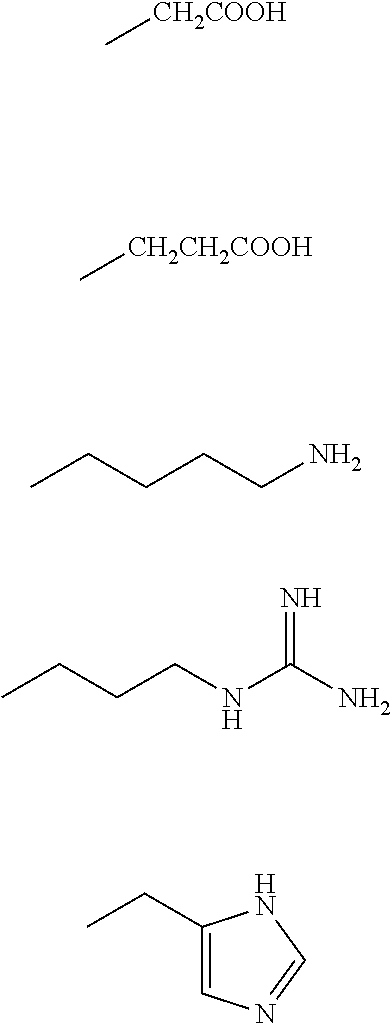
- In other embodiments, R1 may be selected from:
-
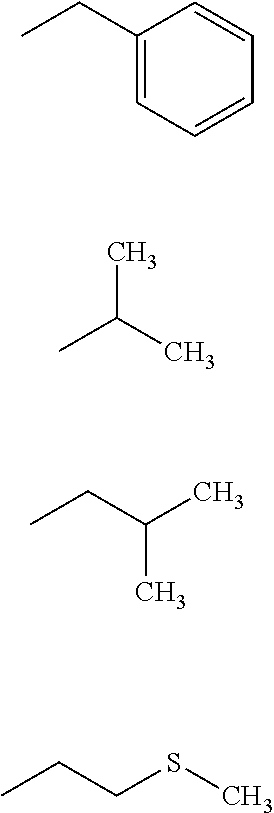
- Preferably, R1 is a side chain that increases the UV-Visible extinction coefficient of the compounds or that increases fluorescence of the compounds.
- The disclosed compounds may form complexes with metal cations. In some embodiments, the disclosed compounds are complexed to a divalent cation, which may include, but is not limited to Cu2+, Mn2+, Co2+, Ni2+, UO2 2+, Fe2+, Pd2+, Ag2+, and Sn2+, or mixtures thereof. In some embodiments, the complexes may be formed by first forming the salen compound and subsequently reacting the compound with a divalent cation. Alternatively, the compound may be formed in a reaction mixture that comprises the divalent cation.
- The disclosed compounds and complexes may be conjugated to a solid support. Suitable solid supports may include functionalized resins, which may include, but are not limited to functionalized polystyrene and polyethylene resins. Suitable functionalized polystyrene resins include, but are not limited to, aminomethyl polystyrene resin, 2-chlorotrityl chloride resin, DHP HM resin, HMPA-AM resin, Knorr resin, Knorr-2-chlorotrityl resin, MBHA resin, Merrifield resin, oxime resin, PAM resin, Rink amide-AM resin, Rink amide-MBHA resin, Sieber resin, Wang resin, Weinreb AM resin, Boc-Ser-Merrifield resin, and Boc-Gly-Merrifield resin. Optionally, the disclosed compounds may be conjugated to the solid support via a linker compound such as an acylating linker compound. Suitable acylating linker compounds may include, but are not limited to, anhydride compounds such as acid anhydrides.
- The disclosed compounds and complexes typically are fluorescent. In some embodiments, the disclosed compounds and complexes may be conjugated to additional fluorophores. The additional fluorophores optionally may be functionalized prior to conjugation with the disclosed compounds and complexes.
- Also disclosed are methods for making the disclosed compounds. In some embodiments, the methods include reacting a reaction mixture comprising a 2-quinoxalinol compound, analog, or derivative having a formula:
-

- where R1 is an amino acid side chain moiety; and a salicylic aldehyde, compound, analog, or derivative having a formula:
-
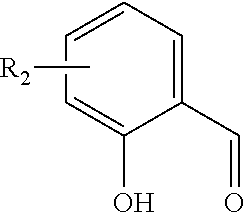
- where R2 is hydrogen, hydroxyl, C1-6alkyl which may be straight chain or branched (e.g., 3-tert-butyl or 3,5-Di-tert butyl), C1-6alkoxy which may be straight chain or branched, ether, or amine, thereby obtaining the salen compound. The 2-quinoxalinol compound, analog, or derivative and salicylic aldehyde compound, analog, or derivative may be present in the reaction mixture at a suitable ratio. For example, in some embodiments the reaction mixture comprises about equal molar amounts of the 2-quinoxalinol compound, analog, or derivative and the salicylic aldehyde compound, analog, or derivative. In other embodiments, the reaction mixture comprises an excess amount of the salicylic aldehyde compound, analog, or derivative as compared to the 2-quinoxalinol compound, analog, or derivative.
- In some embodiments, the methods may include obtaining or isolating an intermediate compound having a formula:
-

- and reacting the intermediate in a reaction mixture with a salicylic aldehyde analog or derivative having a formula:
-
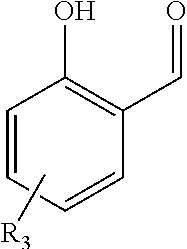
- where R2 and R3 are hydrogen, hydroxyl, C1-6alkyl which may be straight chain or branched (e.g., 3-tert-butyl or 3,5-Di-tert butyl), C1-6alkoxy which may be straight chain or brandied, ether, or amine, thereby obtaining the salen compound. The substituents R2 and R3 may be the same or different in order to obtain a symmetrically substituted or asymmetrically substituted salen compound, respectively. Optionally, the reaction mixtures include an alcohol (e.g., MeOH) and reacting includes heating the reaction mixture.
- Also disclosed are methods for utilizing the disclosed compounds. In some embodiments, the compounds may be utilized for removing a cation from a solution. Suitable cations for the removal methods may include divalent cations such as Cu2+, Mn2+, Co2+, Ni2+, UO2 2+, Fe2+, Pd2+, Ag2+, and Sn2+, and mixtures thereof. Optionally, the compounds may be conjugated to a solid support prior to their use in the removal methods.
- Also disclosed are methods for detecting a cation in a solution, which methods may include detecting divalent cations. The method may include: (a) contacting the solution with a salen compound, which optionally may be conjugated to a solid support or a fluorophore, where if the solution comprises the cation, the compound forms a complex with the cation; and (b) detecting the complex in the solution. The complex may be detected by methods which may include, but are not limited to, detecting a change in an absorption maximum for the solution, detecting a change in fluorescence of the compound (or detecting a change in fluorescence of an optionally conjugated fluorophore), or detecting a change in electrochemical properties of the solution.
- In other embodiments, the methods for detecting a cation in a solution may include: (a) contacting the solution with complex comprising a complexed cation as disclosed herein, which complex optionally may be conjugated to a solid support or a fluorophore, where if the solution comprises the cation, the solution cation displaces the complexed cation from the compound and forms a new complex with the compound; and (b) detecting the new complex or detecting the displaced cation. In the methods, the new complex and displaced cation may be detected by steps which may include, but are not limited to, detecting a change in an absorption maximum for the solution, detecting a change in fluorescence of the compound (or detecting a change in fluorescence of an optionally conjugated fluorophore), or detecting a change in electrochemical properties of the solution.
- In some embodiments, the formed complexes may be utilized as catalysts in chemical reactions. For example, the formed complexes may be utilized in oxidation reactions, which may include but are not limited to, oxidation reactions of methylenes (e.g., aryl, allyl, vinyl, or any other α,β-unsaturated methylene), asymmetric epoxidation reactions, ring-opening reactions of epoxides, and oxidation reactions of amines. In some embodiments, methods for oxidizing compounds include reacting a methylene compound, an oxidizing agent, and a 2-quinoxalinol salen complex.
-
FIG. 1 . illustrates the yield (%) for different salen compounds using various ratios of 2-quinoxalinol compounds and salicylic aldehyde compounds. -
FIG. 2 . provides H-NMR results from Example 2 of intermediate (1a) and 2-quinoxalinol imines (3ae). For intermediate (1a), 1H-NMR of hydrogen of two amino groups is shown. For 2-quinoxalinol imine (3ae), only the hydrogen on the carbon of imine group is shown. -
FIG. 3 . is a bar graph of Cu2+ extraction indicating the different molar ratios of PLG1(2) resin to Cu2+ extracted quantified using atomic absorption. -
FIG. 4 . is a bar graph of Cu2+ extraction with PLG1(2) resin with respect to agitation time quantified using atomic absorption. -
FIG. 5 . is a bar graph of Cu2+ recovery with PLG1(2) resin versus time quantified using atomic absorption. -
FIG. 6 . illustrates the structures of salen, salph, and salqu copper complex catalysts (1-7) -
FIG. 7 . illustrates the yield for oxidation of diphenylmethane into benzophenone in acetonitrile for several oxidants. Yields are based on purification by flash column chromatography. -
FIG. 8 . illustrates the yield for oxidation of diphenylmetharie into benzophenone in acetonitrile for various ratios of catalyst. Yields are based on purification by flash column chromatography. -
FIG. 9 . illustrates the yield for oxidation of diphenylmethane into benzophenone in acetonitrile versus time. Yields are based on purification by flash column chromatography. -
FIG. 10 . illustrates the yield for oxidation of diphenylmethane into benzophenone in acetonitrile for various ratios of oxidant. Yields are based on purification by flash column chromatography. -
FIG. 11 . illustrates reaction yields using copper salts or ligand supported metal catalysts (salen, salph, and salqu ligands). Yields are based on separation by flash column chromatography. - The disclosed subject matter is further described below.
- Unless otherwise specified or indicated by context, the terms “a”, “an”, and “the” mean “one or more.”
- As used herein, “about”, “approximately,” “substantially,” and “significantly” will be understood by persons of ordinary skill in the art and will vary to some extent on the context in which they are used. If there are uses of the term which are not clear to persons of ordinary skill in the art given the context in which it is used, “about” and “approximately” will mean plus or minus ≦10% of the particular term and “substantially” and “significantly” will mean plus or minus >10% of the particular term.
- As used herein, the terms “include” and “including” have the same meaning as the terms “comprise” and “comprising.”
- Disclosed herein are salen compounds. As used herein, a “salen” refers to a compound formed from a salicylic aldehyde compound (which may include salicylic aldehyde analogs or derivative) and an ethylene diamine compound (which may include ethylene diamine analogs or derivatives). As disclosed herein, salicylic aldehyde analogs or derivatives may include compounds having a formula:
-
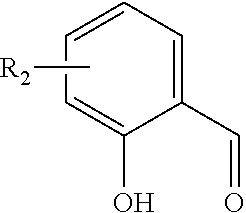
- where R2 is hydrogen, hydroxyl, C1-6alkyl which may be straight chain or branched (e.g., 3-tert-butyl or 3,5-Di-tert butyl), C1-6alkoxy which may be straight chain or branched, ether, or amine. As disclosed herein, an ethylene diamine analog or derivative may include 2-quinoxalinol or an analog or derivative thereof such as a compound having a formula:
-
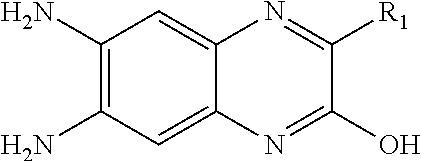
- where R1 is an amino acid side chain side chain moiety. Analogs of 2-quinoxalinol and methods for making and using such analogs are known in the art. (See, e.g., Zhang et al., J. Comb. Chem. 2004, 6, 431-436; and Wu et al., Molec. Diversity, 8: 165-174, 2004; the contents of which are incorporated herein by reference in their entireties including their disclosure related to analogs of analogs of 2-quinoxalinol and methods for making and using such analogs). Salen compounds and the use thereof (e.g., as ligands) also are known in the art. (See, e.g., U.S. Pat. Nos. 7,122,537; 6,982,243; 6,903,043; 6,884,750; 6,828,293; 6,794,526; 6,723,879; 6,720,434; 6,713,435; 6,689,733; and 6,589,948; and U.S. Published Application Nos. 2009-0030172; 2007-0123503; 2005-0085401; 2004-0059107; 2004-0054201; 2003-0216250; 2003-0139627; 2003-0120091; 2003-0100763; and 2003-0032821; the contents of which are incorporated by reference in their entireties including their disclosure related to salen compounds and their use as ligands for metal cations).
- Salt forms of the disclosed salen compounds also are contemplated. For example, salt forms may include deprotonated forms of the salen compounds having a formula:
-
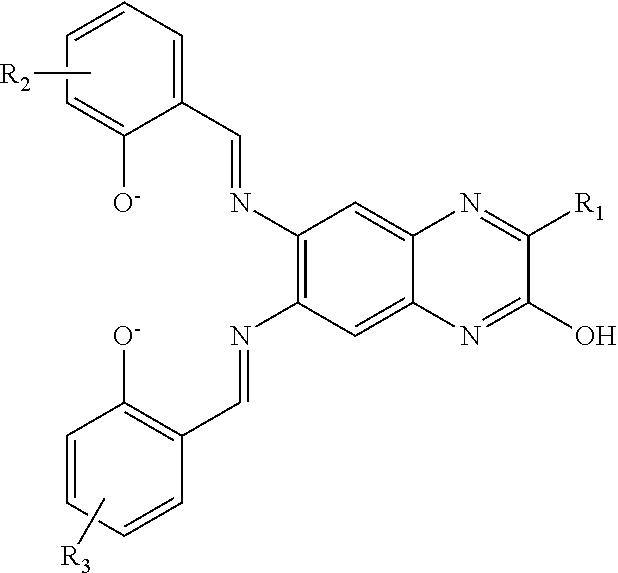
- (i.e., the dioxoanion. form), which optionally is bound conically to a cation, M2+, which optionally is a divalent metal cation. Salt forms may be prepared by methods that include lithiation in order to form a lithium salt of the disclosed salon compound, for example, a compound having a formula:
-

- The lithium salt of the disclosed salen compound further may be reacted with a metal chloride salt MCl2 to form a metal salt of the salen compound having a formula:
-

- In some embodiments, M2+ is a lanthanide metal such as gadolinium. These metal salts of the disclosed salen compounds may be utilized as catalysts in reactions that require C—H activation or in polymerization reactions.
- Typically, the disclosed salen compounds are fluorescent. For example, when stimulating by light having a wavelength of 365 nm, 385 nm, 405 nm, 415 nm, or 546 nm, the compounds emit light having a wavelength within a range of 300-900 nm. In particular, two emission bands may be observed at 395 nm and 480 nm.
- The disclosed salen compounds may be prepared from 2-quinoxalinol compounds, analogs, or derivatives reacted with salicylic aldehyde compounds, analogs, or derivatives. The 2-quinoxalinol compound, analogs, or derivatives may be prepared from natural or non-naturally amino acids. (See, e.g., Zhang et al., J. Comb. Chem. 2004, 6, 431-436; and Wu et al., Molec. Diversity, 8: 165-174, 2004; the contents of which are incorporated herein by reference in their entireties including their disclosure related to analogs or derivative of 2-quinoxalinol and methods for making and using such analogs.) Accordingly, the disclosed salen compounds may include a subsistent R1 which is a side chain moiety of an amino acid. As disclosed herein, an “amino acid” refers to any naturally occurring or non-naturally occurring amino acid. Naturally occurring amino acids include the twenty (20) common amino acids (i.e., glycine, alanine, leucine, isoleucine, valine, phenylalanine, serine, threonine, cysteine, methionine, tyrosine, asparagine, glutamine, aspartic acid, glutamic acid, tryptophan, histidine, lysine, arginine, and proline), and pyrolysine and selenocysteine. In some embodiments, the disclosed salen compounds may include a substituent R1 selected from:
-

- Preferably, R1 is a side chain moiety that increases the UV-Visible extinction coefficient of the salen compounds or that increases fluorescence of the salen compounds. For example, R1 may be an aromatic amino acid side chain moiety. Suitable, aromatic amino acid side chain moieties may comprise at least one 5- or 6-membered carbocyclic or heterocyclic ring, where the heterocyclic ring may be substituted with heteroatoms that include, but are not limited to, N, O, and S. in some embodiments, R1 is a side chain moiety of a non-naturally occurring amino acid that increases the UV-Visible extinction coefficient of the salen compounds or that increases fluorescence of the salen compounds. For example, in some embodiments, R1 may comprise naphthalene, anthracene, quinoline, quinoxaline, acridine, pyrimidine, pyridine, quinazoline, pyridazine, imidazole, indazole, indole, acenaphthylene, fluorine, phenanthrene, chrysene, pyrene, quinine, or anthraquinone.
- Non-naturally occurring amino acids may be prepared by derivatizing a naturally occurring amino acid. In some embodiments, a non-naturally occurring amino acid may be derivatizing by conjugating to the side chain moiety of a naturally occurring amino acid a compound selected from naphthalene, anthracene, quinoline, quinoxaline, acridine, pyrimidine, pyridine, quinazoline, pyridazine, imidazole, indazole, indole, acenaphthylene, fluorine, phenanthrene, chrysene, pyrene, quinine, or anthraquinone. The non-naturally occurring amino acid thereby obtained may be utilized in the methods disclosed herein for synthesizing 2-quinoxalinol analogs. (See, e.g., Zhang et al., J. Comb. Chem. 2004, 6, 431-436; and Wu et al., Molec. Diversity, 8: 165-174, 2004; the contents of which are incorporated herein by reference in their entireties including their disclosure related to analogs or derivative of 2-quinoxalinol and methods for making and using such analogs). For example, the non-naturally occurring amino acid thereby obtained having a formula:
-

- where R1 is defined as above and R4 is hydrogen or C1-6alkyl which may be straight chain or branched (e.g., Me or Et) may be reacted with 1,5-difluoro-2,4-dinitrobenzene having a formula:
-

- to obtain a compound having a formula:
-
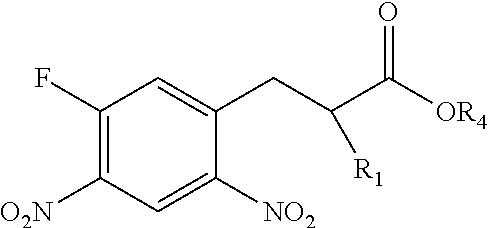
- This compound further may be reacted with ammonia to obtain a compound having a formula:
-

- This compound further may be reduced and cyclized to obtain a 2-quinoxalinol compound, analog, or derivative having a formula:
-
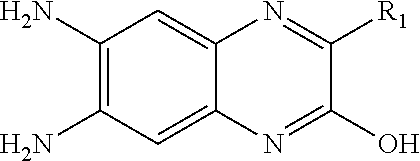
- The 2-quinoxalinol compound, analog, or derivative thereby obtained may be utilized to prepare the presently disclosed salen compounds. Non-naturally occurring amino acids for use in preparing the disclosed 2-quinoxalinol compounds, analogs, and derivatives are known in the art and are described, e.g., in U.S. Pat. Nos. 7,468,458 and 7,385,038; and in U.S. Published Application Nos. 2009-0093405, 2009-0036525, 2006-0246509, 2006-0234339, 2004-0265952, 2004-0259256, and 2003-0235852, the contents of which are incorporated by reference herein in their entireties including their disclosure related to non-naturally occurring amino acids. Amino acids that are suitable for preparing the disclosed 2-quinoxalinol compounds, analogs, or derivatives may include natural or synthetic L-amino acids and D-amino acids. Derivatives of naturally occurring amino acids for preparing 2-quinoxalinol compounds, analogs, or derivatives also are available commercially. (See, e.g., Sigma-Aldrich® Catalog, the content of which is incorporated by reference in its entirety including disclosure related to amino acid derivatives).
- Derivatives of alanine for preparing the disclosed 2-quinoxalinol compounds, analogs, or derivatives may include, but are not limited to (R)-(+)-α-Allylalanine, (S)-(−)-α-Allylalanine, D-2-Aminobutyric acid, L-2-Aminobutyric acid, 2-Aminoisobutyric acid, (S)-(+)-2-Amino-4-phenylbutyric acid, Boc-Abu-OH, Boc-D-Abu-OH, Boc-Aib-OH, Boc-β-(9-anthryl)-Ala-OH, Boc-β-(3-benzothienyl)-Ala-OH, Boc-β-(3-benzothienyl)-D-Ala-OH, Boc-Cha-OH, Boc-D-Cha-OH, Boc-Cha-OH, Boc-Cha-OMe, Boc-β-(2-furyl)-Ala-OH, Boc-β-(2-furyl)-D-Ala-OH, Boc-β-iodo-Ala-OBzl, Boc-β-iodo-D-Ala-OBzl, Boc-3-iodo-D-Ala-OMe, Boc-β-iodo-Ala-OMe, Boc-1-Nal-OH, Boc-D-1-Nal-OH, Boc-2-Nal-OH, Boc-D-2-Nal-OH, (R)-Boc-3-(2-naphthyl)-β-Ala-OH, (S)-Boc-3-(2-naphthyl)-β-Ala-OH, Boc-β-phenyl-Phe-OH, Boc-3-(1-pyrazolyl)-Ala-OH, Boc-3-(2-pyridyl)-Ala-OH, Boc-3-(3-pyridyl)-Ala-OH, (S)-Boc-3-(3-pyridyl)-β-Ala-OH, Boc-3-(3-pyridyl)-D-Ala-OH, Boc-3-(4-pyridyl)-Ala-OH, Boc-3-(4-pyridyl)-D-Ala-OH, Boc-β-2-quinolyl)-Ala-OH, Boc-3-(2-quinolyl)-DL-Ala-OH, Boc-3-(3-quinolyl)-DL-Ala-OH, Boc-3-(4-quinolyl)-DL-Ala-OH, Boc-3-(2-quinoxalyl)-DL-Ala-OH, Boc-β-styryl-Ala-OH, Boc-β-styryl-D-Ala-OH, Boc-β-(4-thiazolyl)-Ala-OH, Boc-β-(2-thienyl)-Ala-OH, Boc-β-(2-thienyl)-D-Ala-OH, Boc-β-(3-thienyl)-Ala-OH, Boc-β-(3-thienyl)-D-Ala-OH, Boc-3-(1,2,4-triazol-1-yl)-Ala-OH, 3-(5-Carboxy-2H-benzotriazol-2-yl)-L-alanine, 3-Cyclohexyl-D-alanine, 3-Cyclopentyl-DL-alanine, (−)-3-(3,4-Dihydroxyphenyl)-2-methyl-L-alanine, 3,3-Diphenyl-D-alanine, 3,3-Diphenyl-L-alanine, N—[(S)-(+)-1-(Ethoxycarbonyl)-3-phenylpropyl]-L-alanine, N-[1-(S)-(+)-Ethoxycarbonyl-3-phenylpropyl]-L-alanyl, Fmoc-Abu-OH, Fmoc-3-(9-anthryl)-Ala-OH, Fmoc-β-(3-benzothienyl)-Ala-OH, Fmoc-β-(3-benzothienyl)-D-Ala-OH, Fmoc-Cha-OH, Fmoc-D-Cha-OH, Fmoc-3-cyclopentyl-DL-Ala-OH, Fmoc-β-(2-furyl)-Ala-OH, Fmoc-β-(2-furyl)-D-Ala-OH, Fmoc-α-Me-Ala-OH, Fmoc-1-Nal-OH, Fmoc-D-1-Nal-OH, Fmoc-2-Nal-OH, Fmoc-D-2-Nal-OH, Fmoc-β-phenyl-Phe-OH, Fmoc-3-(1-pyrazolyl)-Ala-OH, Fmoc-β-(2-pyridyl)-Ala-OH, Fmoc-β-(2-pyridyl)-D-Ala-OH, Fmoc-β-(3-pyridyl)-Ala-OH, Fmoc-β-(3-pyridyl)-D-Ala-OH, Fmoc-β-(4-pyridyl)-Ala-OH, Fmoc-β-(4-pyridyl)-D-Ala-OH, Fmoc-β-(2-quinolyl)-DL-Ala-OH, Fmoc-β-styryl-Ala-OH, Fmoc-β-styryl-D-Ala-OH, Fmoc-β-(4-thiazolyl)-Ala-OH, Fmoc-β-(2-thienyl)-Ala-OH, Fmoc-β-(3-thienyl)-Ala-OH, Fmoc-β-(3-thienyl)-D-Ala-OH, Fmoc-3-(1,2,4-triazol-1-yl)-Ala-OH, N-(3-Indolylacetyl)-L-alanine, 3-(2-Naphthyl)-D-alanine, 3-(2-Oxo-1,2-dihydro-4-quinolinyl)alanine, 3-(1-Pyrazolyl)-L-alanine, 3-(2-Pyridyl)-D-alanine, 3-(2-Pyridyl)-L-alanine, 3-(3-Pyridyl)-D-alanine, 3-(3-Pyridyl)-L-alanine, 3-(4-Pyridyl)-D-alanine, 3-(4-Pyridyl)-L-alanine, 3-(2-Quinolyl)-DL-alanine, 3-(4-Quinolyl)-DL-alanine, 3-(2-Tetrazolyl)-L-alanine, 3-(2-Thienyl)-L-alanine, 3-(2-Thienyl)-DL-alanine, L-Thyroxine, 3-(1,2,4-Triazol-1-yl)-L-alanine, 3,3,3-Trifluoro-DL-alanine, and 3-Ureidopropionic acid. The 2-quinoxalinol compounds, analogs, or derivatives thereby obtained may be utilized to prepare the presently disclosed salen compounds.
- Derivatives of arginine for preparing the disclosed 2-quinoxalinol compounds, analogs, or derivatives may include, but are not limited to, L-2-Amino-3-guanidinopropionic acid hydrochloride, 4-Guanidinobutyric acid, and NωNitro-L-arginine benzyl ester p-toluenesulfonate salt. The 2-quinoxalinol compounds, analogs, or derivatives thereby obtained may be utilized to prepare the presently disclosed salen compounds.
- Derivatives of asparagine for preparing the disclosed 2-quinoxalinol compounds, analogs, or derivatives may include, but are not limited to, Boe-Asn(Xan)-OH. The 2-quinoxalinol compounds, analogs, or derivatives thereby obtained may be utilized to prepare the presently disclosed salen compounds.
- Derivatives of aspartic acid for preparing the disclosed 2-quinoxalinol compounds, analogs, or derivatives may include, but are not limited to, N-Z-L-aspartic acid. The 2-quinoxalinol compounds, analogs, or derivatives thereby obtained may be utilized to prepare the presently disclosed salen compounds.
- Derivatives of cysteine for preparing the disclosed 2-quinoxalinol compounds, analogs, or derivatives may include, but are not limited to, L-Cystathionine, L-Cysteic acid, L-Cysteinesulfinic acid, Se-Methyl-seleno-L-cysteine,Seleno-L-cystine, S-(2-Thiazolyl)-L-cysteine, S-(2-Thienyl)-L-cysteine, and S-(4-Tolyl)-L-cysteine. The 2-quinoxalinol compounds, analogs, or derivatives thereby obtained may be utilized to prepare the presently disclosed salen compounds.
- Derivatives of glutamic acid for preparing the disclosed 2-quinoxalinol compounds, analogs, or derivatives may include, but are not limited to, D-2-Aminoadipic acid, γ-Carboxy-DL-glutamic acid, and 4-Fluoro-DL-glutamic acid. The 2-quinoxalinol compounds, analogs, or derivatives thereby obtained may be utilized to prepare the presently disclosed salen compounds.
- Derivatives of glutamine for preparing the disclosed 2-quinoxalinol compounds, analogs, or derivatives may include, but are not limited to, Boc-Cit-OH, Boc-D-Cit-OH, D-Citrulline, Fmoc-Cit-OH, and Thio-L-citrulline. The 2-quinoxalinol compounds, analogs, or derivatives thereby obtained may be utilized to prepare the presently disclosed salen compounds.
- Derivatives of histidine for preparing the disclosed 2-quinoxalinol compounds, analogs, or derivatives may include, but are not limited to, N-Boc-3-(3-methyl-4-nitrobenzyl)-L-histidine methyl ester. The 2-quinoxalinol compounds, analogs, or derivatives thereby obtained may be utilized to prepare the presently disclosed salen compounds.
- Derivatives of isoleucine for preparing the disclosed 2-quinoxalinol compounds, analogs, or derivatives may include, but are not limited to, Boc-allo-Ile-OH, D-allo-Isoleucine, and DL-allo-Isoleucine. The 2-quinoxalinol compounds, analogs, or derivatives thereby obtained may be utilized to prepare the presently disclosed salen compounds,
- Derivatives of leucine for preparing the disclosed 2-quinoxalinol compounds, analogs, or derivatives may include, but are not limited to, N-[(2S,3R)-3-Amino-2-hydroxy-4-phenylbutyryl]-L-leucine, Boc-4,5-dehydro-Leu-OH (dicyclohexylammonium) salt, Boc-Ile-OSu, N-(3,5-Dinitrobenzoyl)-DL-leucine, Fmoc-tBu-Gly-OH, N-(3-Indolylacetyl)-L-isoleucine, D-tert-Leucine, L-tert-Leucine, DL-tert-Leucine, L-tert-Leucine methyl ester, and 5,5,5-Trifluoro-DL-leucine. The 2-quitioxalinol compounds, analogs, or derivatives thereby obtained may be utilized to prepare the presently disclosed salen compounds.
- Derivatives of lysine for preparing the disclosed 2-quinoxalinol compounds, analogs, or derivatives may include, but are not limited to, DL-5-Hydroxylysine, and (5R)-5-Hydroxy-L-lysine. The 2-quinoxalinol compounds, analogs, or derivatives thereby obtained may be utilized to prepare the presently disclosed salen compounds.
- Derivatives of phenylalanine for preparing the disclosed 2-quinoxalinol compounds, analogs, or derivatives may include, but are not limited to, 4-Amino-L-phenylalanine, Boc-Bpa-OH, Boc-D-Bpa-OH, Boc-4-tert-butyl-Phe-OH, Boc-4-tert-butyl-D-Phe-OH, Boc-4-(Fmoc-amino)-L-phenylalanine, (S)-Boc-4-methoxy-β-Phe-OH, Boc-pentafluoro-D-phenylalanine, Boc-pentafluoro-L-phenylalanine, Boc-Phe(4-Br)—OH, Boc-D-Phe(4-Br)—OH, Boc-Phe(2-CF3)-OH, Boc-D-Phe(2-CF3)-OH, Boc-Phe(3-CF3)-OH, Boc-D-Phe(3-CF3)-OH, Boc-Phe(4-CF3)-OH, Boc-D-Phe(4-CF3)-OH, Boc-Phe(2-Cl)—OH, Boc-D-Phe(2-Cl)—OH, Boc-Phe(2,4-Cl2)-OH, Boc-D-Phe(2,4-Cl2)-OH, Boc-D-Phe(3-Cl)—OH, Boc-Phe(3,4-Cl2)-OH, Boc-D-Phe(3,4-Cl2)-OH, Boc-Phe(4-CD-OH, Boc-D-Phe(4-Cl)—OH, Boc-Phe(2-CN)—OH, Boc-D-Phe(2-CN)—OH, Boc-Phe(3-CN)—OH, Boc-D-Phe(3-CN)—OH, Boc-Phe(4-CN)—OH, Boc-D-Phe(4-CN)—OH, Boc-Phe(2-Me)—OH, Boc-D-Phe(2-Me)—OH, Boc-Phe(3-Me)—OH, Boc-D-Phe(3-Me)—OH, Boc-Phe(4-Me)—OH, Boc-D-Phe(4-Me)—OH, Boc-Phe(4-NH2)-OH, Boc-Phe(4-NO2)-OH, Boc-D-Phe(4-NO2)-OH, Boc-Phe(2-F)—OH, Boc-D-Phe(2-F)—OH, Boc-Phe(3-F)—OH, Boc-D-Phe(3-F)—OH, Boc-Phe(3,4-F2)-OH, Boc-D-Phe(3,4-F2)-OH, Boc-Phe(3,5-F2)-OH, Boc-Phe(4-F)—OH, Boc-D-Phe(4-F)—OH, Boc-Phe(4-I)—OH, Boc-D-Phe(4-I)—OH, 4-Borono-D-phenylalanine, 4-Borono-L-phenylalanine, 4-Borono-DL-phenylalanine, 4-Borono-DL-phenylalanine, p-Bromo-DL-phenylalanine, 4-Bromo-L-phenylalanine, N-(tert-Butoxycarbonyl)-β-phenyl-D-phenylalanine, 4-Chloro-L-phenylalanine, DL-3,5-Difluorophenylalanine, 3,4-Dihydroxy-L-phenylalanine, 3,4-Dihydroxy-L-phenylalanine, 3,4-Dihydroxy-DL-phenylalanine, 3-(3,4-Dimethoxyphenyl)-L-alanine, o-Fluoro-D-phenylalanine, o-Fluoro-L-phenylalanine, o-Fluoro-DL-phenylalanine, m-Fluoro-L-phenylalanine, m-Fluoro-DL-phenylalanine, m-Fluoro-DL-phenylalanine, p-Fluoro-D-phenylalanine, p-Fluoro-D-phenylalanine, p-Fluoro-L-phenylalanine, p-Fluoro-L-phenylalanine, p-Fluoro-DL-phenylalanine, p-Fluoro-DL-phenylalanine, D-4-Fluorophenylalanine, L-4-Fluorophenylalanine, Fmoc-Bpa-OH, Fmoc-D-Bpa-OH, Fmoc-pentafluoro-L-phenylalanine, Fmoc-Phe(4-Boc2-guanidino)-OH, Fmoc-Phe(4-Br)—OH, Fmoc-Phe(2-CF3)-OH, Fmoc-D-Phe(2-CF3)-OH, Fmoc-Phe(3-CF3)-OH, Fmoc-D-Phe(3-CF3)-OH, Fmoc-Phe(4-CF3)-OH, Fmoc-D-Phe(4-CF3)-OH, Fmoc-Phe(2-Cl)—OH, Fmoc-D-Phe(2-Cl)—OH, Fmoc-Phe(2,4-Cl2)-OH, Fmoc-D-Phe(2,4-Cl2)-OH, Fmoc-Phe(3,4-Cl2)-OH, Fmoc-D-Phe(3,4-Cl2)-OH, Fmoc-Phe(4-Cl)—OH, Fmoc-D-Phe(4-Cl)—OH, Fmoc-Phe(2-CN)—OH, Fmoc-D-Phe(2-CN)—OH, Fmoc-Phe(3-CN)—OH, Fmoc-D-Phe(3-CN)—OH, Fmoc-Phe(4-CN)—OH, Fmoc-Phe(2-Me)—OH, Fmoc-D-Phe(2-Me)—OH, Fmoc-Phe(3-Me)—OH, Fmoc-D-Phe(3-Me)—OH, Fmoc-Phe(4-Me)—OH, Fmoc-D-Phe(4-Me)—OH, Fmoc-Phe(4-NO2)-OH, Fmoc-Phe(2-F)—OH, Fmoc-D-Phe(2-F)—OH, Fmoc-Phe(3-F)—OH, Fmoc-D-Phe(3-F)—OH, Fmoc-Phe(3,4-F2)-OH, Fmoc-D-Phe(3,4-F2)-OH, Fmoc-Phe(3,5-F2)-OH, Fmoc-Phe(4-F)—OH, Fmoc-D-Phe(4-F)—OH, Fmoc-Phe(4-I)—OH, Fmoc-D-Phe(4-I)—OH, Fmoc-4-(phosphonomethyl)-Phe-OH, 6-Hydroxy-DL-DOPA, 4-(Hydroxymethyl)-D-phenylalanine, N-(3-Indolylacetyl)-L-phenylalanine, p-Iodo-D-phenylalanine, 4-Iodo-L-phenylalanine, α-Methyl-D-phenylalanine, α-Methyl-L-phenylalanine, α-Methyl-DL-phenylalanine, β-Methyl-DL-phenylalanine, α-Methyl-DL-phenylalanine, 4-Nitro-D-phenylalanine, 4-Nitro-DL-phenylalanine, 4-Nitro-L-phenylalanine, 4-Nitro-L-phenylalanine, (S)-(+)-4-Nitrophenylalanine methyl ester, 2-(Trifluoromethyl)-D-phenylalanine, 2-(Trifluoromethyl)-L-phenylalanine, 3-(Trifluoromethyl)-D-phenylalanine, 3-(Trifluoromethyl)-L-phenylalanine, 4-(Trifluoromethyl)-D-phenylalanine, 4-(Trifluoromethyl)-L-phenylalanine, and 3,3′,5-Triiodo-L-thyronine. The 2-quinoxalinol compounds, analogs, or derivatives thereby obtained may be utilized to prepare the presently disclosed salen compounds.
- Derivatives of serine for preparing the disclosed 2-quinoxalinol compounds, analogs, or derivatives may include, but are not limited to, N-Benzoyl-(2R,3S)-3-phenylisoserine, L-Isoserine, DL-Isoserine, DL-Isoserine, and DL-3-Phenylserine. The 2-quinoxalinol compounds, analogs, or derivatives thereby obtained may be utilized to prepare the presently disclosed salen compounds.
- Derivatives of threonine for preparing the disclosed 2-quinoxalinol compounds, analogs, or derivatives may include, but are not limited to, D-allo-Threonine, and L-allo-Threonine. The 2-quinoxalinol compounds, analogs, or derivatives thereby obtained may be utilized to prepare the presently disclosed salen compounds.
- Derivatives of tryptophan for preparing the disclosed 2-quinoxalinol compounds, analogs, or derivatives may include, but are not limited to, 5-Fluoro-L-tryptophan, 5-Fluoro-DL-tryptophan, 5-Hydroxy-L-tryptophan, 5-Methoxy-DL-tryptophan, 5-Methyl-DL-tryptophan, 5-Methyl-DL-tryptophan, and 6-Methyl-DL-tryptophan. The 2-quinoxalinol compounds, analogs, or derivatives thereby obtained may be utilized to prepare the presently disclosed salen compounds.
- Derivatives of tyrosine for preparing the disclosed 2-quinoxalinol compounds, analogs, or derivatives may include, but are not limited to, 3-Amino-L-tyrosine, Boc-Tyr(3,5-I2)-OSu, 3-Chloro-L-tyrosine, 3,5-Diiodo-L-tyrosine, Fmoc-Tyr(3-NO2)-OH, Fmoc-Tyr(3,5-I2)-OH, α-Methyl-DL-tyrosine, α-Methyl-DL-tyrosine methyl ester, 3-Nitro-L-tyrosine, 3-Nitro-L-tyrosine ethyl ester, DL-o-Tyrosine, and DL-m-Tyrosine. The 2-quinoxalinol compounds, analogs, or derivatives thereby obtained may be utilized to prepare the presently disclosed salen compounds.
- Derivatives of valine for preparing the disclosed 2-quinoxalinol compounds, analogs, or derivatives may include, but are not limited to, 3-Fluoro-DL-valine, (R)-(+)-α-Methylvaline, and (S)-(−)-α-Methylvaline. The 2-quinoxalinol compounds, analogs, or derivatives thereby obtained may be utilized to prepare the presently disclosed salen compounds.
- Other suitable amino acids for preparing the disclosed 2-quinoxalinol compounds, analogs, or derivatives may include, but are not limited to, 2,4-Diaminobutyric Acid, 2,3-Diaminopropionic Acid, Norleucine, Norvaline, Ornithine, and Pyroglutamine, or analogs or derivatives thereof. The 2-quinoxalinol compounds, analogs, or derivatives thereby obtained may be utilized to prepare the presently disclosed salen compounds.
- The disclosed salen compounds may function as ligands for cations such as divalent metal cations. Divalent metal cations may include, but are not limited to Cu2+, Mn2+, Co2+, Ni2+, UO2 2+, Fe2+, Pd2+, Ag2+, and Sn2+, and Sn2+, and mixtures thereof. In some embodiments, the complexes may be formed by first forming the salen compound and subsequently reacting the salen compound with a divalent cation (i.e., in a two-step synthesis method). Alternatively, the complex may be formed in a reaction mixture that comprises the components for forming the salen compounds and the divalent cation (i.e., in a one-step synthesis method). (See Example 4 below.)
- The disclosed salen compounds and complexes may be conjugated to a solid support. Suitable solid supports may include resins, which may be incorporated into filter cartridges or utilized in batch methods. In some embodiments, suitable resins may include polystyrene resins or polyethylene resins. The resins typically are functionalized (e.g., with one or more of an aminomethyl group, a 2-chlorotrityl group, an oxime group, an amide group, or the like). Suitable functionalized polystyrene resins may include, but are not limited to, aminomethyl polystyrene resin, 2-chlorotrityl chloride resin, DHP HM resin, HMPA-AM resin, Knorr resin, Knorr-2-chlorotrityl resin, MBHA resin, Merrifield resin, oxime resin, PAM resin, Rink amide-AM resin, Rink amide-MBHA resin, Sieber resin, Wang resin, Weinreb AM resin, Boc-Ser-Merrifield resin, and Boc-Gly-Merrifield resin.
- The disclosed salen compounds and complexes typically are fluorescent. However, the disclosed salen compounds and complexes may be conjugated to additional fluorophores as known in the art. Suitable additional fluorophores may include, but are not limited to, 1,5 IAEDANS; 1,8-ANS; 4-Methylumbelliferone; 5-carboxy-2,7-dichlorofluorescein; 5-Carboxyfluorescein (5-FAM); 5-Carboxytetramethylrhodamine (5-TAMRA); 5-FAM (5-Carboxyfluorescein); 5-HAT (Hydroxy Tryptamine); 5-Hydroxy Tryptamine (HAT); 5-ROX (carboxy-X-rhodamine); 5-TAMIA (5-carboxytetramethylrhodamine); 6-Carboxyrhodamine 6G; 6-CR 6G; 6-JOE; 7-Amino-4-methylcoumarin; 7-Aminoactinomycin D (7-AAD); 7-Hydroxy-4-methylcoumarin; 9-Amino-6-chloro-2-methoxyacridine; ABQ; Acid Fuchsin; ACMA (9-Amino-6-chloro-2-methoxyacridine); Acridine Orange; Acridine Red; Acridine Yellow; Acriflavin; Acriflavin Feulgen SITSA; Alexa. Fluor 350™; Alexa Fluor 430™; Alexa Fluor 488™; Alexa Fluor 532™; Alexa Fluor 546™; Alexa Fluor 568™; Alexa Fluor 594™; Alexa Fluor 633™; Alexa Fluor 647™; Alexa Fluor 660™; Alexa Fluor 680™; Alizarin Complexion; Alizarin Red; Allophycocyanin (APC); AMC; AMCA-S; AMCA (Aminomethylcoumarin); AMCA-X; Aminoactinomycin D; Aminocoumarin; Atninomethylcournarin (AMCA); Anilin Blue; Anthrocyl stearate; APC (Allophycocyanin); APC-Cy7; APTS; Astrazon Brilliant Red 4G; Astrazon Orange R; Astrazon Red 6B; Astrazon Yellow 7 GLL; Atabrine; ATTO-TAG™ CBQCA; ATTO-TAG™ FQ; Auramine; Aurophosphine G; Aurophosphine; BAO 9 (Bisaminophenyloxadiazole); Berberine Sulphate; Beta Lactamase; BFP blue shifted GFP (Y66H); Blue Fluorescent Protein; BFP/GFP FRET; Bimane; Bisbenzamide; Bisbenzimide (Hoechst); Blancophor FFG; Blancophor SV; BOBO™-1; BOBO™-3; Bodipy 492/515; Bodipy 493/503; Bodipy 500/510; Bodipy 505/515; Bodipy 530/550; Bodipy 542/563; Bodipy 558/568; Bodipy 564/570; Bodipy 576/589; Bodipy 581/591; Bodipy 630/650-X; Bodipy 650/665-X; Bodipy 665/676; Bodipy FL; Bodipy FL ATP; Bodipy F1-Ceramide; Bodipy R6G SE; Bodipy TMR; Bodipy TMR-X conjugate; Bodipy TMR-X, SE; Bodipy TR; Bodipy TR ATP; Bodipy TR-X SE; BO-PRO™-1; BO-PROTK-3; Brilliant Suiphoflavin FF; Calcein; Calcein Blue; Calcium Crimson™; Calcium Green; Calcium Orange; Calcofluor White; Carboxy-X-rhodamine (5-ROX); Cascade Blue™; Cascade Yellow; Catecholamine; CCF2 (GeneBlazer); CFDA; CFP-Cyan Fluorescent Protein; CFP/YFP FRET; Chlorophyll; Chromornycin A; CL-NERF (Ratio Dye, pH); CMFDA; Coelenterazine f; Coelenterazine fcp; Coelenterazine Coelenterazine hcp; Coelenterazine ip; Coelenterazine n; Coelenterazine O; Coumarin Phalloidin; C-phycocyanine; CPM Methylcoumarin; CTC; CTC Formazan; Cy2™; Cy3.1 8; Cy3.5™; Cy3™; Cy5.1 8; Cy5.5™; Cy5™; Cy7™; Cyan OFF; cyclic AMP Fluorosensor (FiCRhR); Dabcyl; Dansyl; Dansyl Amine; Dansyl Cadaverine; Dansyl Chloride; Dansyl DHPE; Dansyl fluoride; DAPI; Dapoxyl; Dapoxyl 2; Dapoxyl 3; DCFDA; DCFH (Dichlorodihydrofluorescein Diacetate); DDAO; DHR (Dihydrorhodamine 123); Di-4-ANEPPS; Di-8-ANEPPS (non-ratio); DIA (4-Di-16-ASP); Dichlorodihydrofluorescein Diacetate (DCFH); DiD-Lipophilic Tracer; DID (DTIC 18(5)); DIDS; Dihydrorhodamine 123 (DHR); DiI (DiICl8(3)); Dinitrophenol; DiO (DiOC18(3)); DiR; DiR (DiICl8(7)); DNP; Dopamine; DsRed; DTAF; DY-630-NHS; DY-635-NHS; EBFP; ECFP; EGFP; ELF 97; Eosin; Erythrosin; Erythrosin ITC; Ethidium Bromide; Ethidium homodimer-1 (EthD-1); Euchrysin; EukoLight; Europium (III) chloride; EYFP; Fast Blue; FDA; Feulgen (Pararosaniline); FITC; Flazo Orange; Fluo-3; Fluo-4; Fluorescein (FITC); Fluorescein Diacetate; Fluoro-Emerald; Fluoro-Gold (Hydroxystilbamidine); Fluor-Ruby; Fluor X; FM 1-43™; FM 4-46; Fura Red™; Fura Red™/Fluo-3; Fura-2; Fura-2/BCECF; Genacryl Brilliant Red B; Genacryl Brilliant Yellow 100F; Genacryl Pink 3G; Genacryl Yellow 50F; GeneBlazer (CCF2); GFP(S65T); GFP red shifted (rsGFP); GFP wild type, non-UV excitation (wtGFP); GFP wild type, WV excitation (wtGFP); GFPuv; Gloxalic Acid; Granular Blue; Haematoporphyrin; Hoechst 33258; Hoechst 33342; Hoechst 34580; HPTS; Hydroxycoumarin; Hydroxystilbamidine (FluoroGold); Hydroxytryptamine; Indo-1; Indodicarbocyanine (DiD); Indotricarbocyanine (DiR); Intrawhite Cf; JC-1; JO-JO-i; JO-PRO-1; Laurodan; LDS 751 (DNA); LDS 751 (RNA); Leucophor PAF; Leucophor SF; Leucophor WS; Lissamine Rhodamine; Lissamine Rhodamine B; Calcein/Ethidium homodimer; LOLO-1; LO-PRO-1; Lucifer Yellow; Lyso Tracker Blue; Lyso Tracker Blue-White; Lyso Tracker Green; Lyso Tracker Red; Lyso Tracker Yellow; LysoSensor Blue; LysoSensor Green; LysoSensor Yellow/Blue; Mag Green; Magdala Red (Phloxin B); Mag-Fura Red; Mag-Fura-2; Mag-Fura-5; Mag-Indo-1; Magnesium Green; Magnesium Orange; Malachite Green; Marina Blue; Maxilon Brilliant Flavin 10 GFF; Maxilon Brilliant Flavin 8 OFF; Merocyanin; Methoxycournarin; Mitotracker Green FM; Mitotracker Orange; Mitotracker Red; Mitramycin; Monobromobimane; Monobromobimane (mBBr-GSH); Monochlorobirnane; MPS (Methyl Green. Pyridine Stilbene); NBD; NBD Amine; Nile Red; Nitrobenzoxadidole; Noradrenaline; Nuclear Fast Red; Nuclear Yellow; Nylosan Brilliant lavin E8G; Oregon Green; Oregon Green 488-X; Oregon Green™; Oregon Green™ 488; Oregon Green™ 500; Oregon Green™ 514; Pacific Blue; Pararosaniline (Feulgen); PBFI; PE-Cy5; PE-Cy7; PerCP; PerCP-Cy5.5; PE-TexasRed [Red 613]; Phloxin B (Magdala Red); Phorwite AR; Phorwite BKL; Phorwite Rev; Phorwite RPA; Phosphine 3R; Phycoerythrin B [PE]; Phycoerythrin R [PE]; PKH26 (Sigma); PKH67; PMIA; Pontochrome Blue Black; POPO-1; POPO-3; PO-PRO-1; PO-PRO-3; Primuline; Procion Yellow; Propidium Iodid (PI); PyMPO; Pyrene; Pyronine; Pyronine B; Pyrozal Brilliant Flavin 7GF; QSY 7; Quinacrine Mustard; Red 613 [PE-TexasRed]; Resorufin; RH 414; Rhod-2; Rhodamine; Rhodamine 110; Rhodamine 123; Rhodamine 5 GLD; Rhodamine 6G; Rhodamine B; Rhodamine B 200; Rhodamine B extra; Rhodamine BB; Rhodamine BO; Rhodamine Green; Rhodamine Phalticidine; Rhodamine Phalloidine; Rhodamine Red; Rhodamine WT; Rose Bengal; R-phycocyanine; R-phycoerythrin (PE); RsGFP; S6SA; S65C; S65L; S65T; Sapphire GFP; SBFI; Serotonin; Sevron Brilliant Red 2B; Sevron Brilliant Red 4G; Sevron Brilliant Red B; Sevron Orange; Sevron Yellow L; SgBFP™; SgBFP™ (super glow BFP); SgGFP™; SgGFP™ (super glow GFP); SITS; SITS (Primuline); SITS (Stilbene Isothiosulphonic Acid); SNAFL calcein; SNAFL-1; SNAFL-2; SNARF calcein; SNARFI; Sodium Green; SpectrumAqua; SpectrumGreen; SpectrumOrange; Spectrum Red; SPQ (6-methoxy-N-(3-sulfopropyl)quinolinium); Stilbene; Sulphorhodamine B can C; Sulphorhodamine G Extra; SYTO 11; SYTO 12; SYTO 13; SYTO 14; SYTO 15; SYTO 16; SYTO 17; SYTO 18; SYTO 20; SYTO 21; SYTO 22; SYTO 23; SYTO 24; SYTO 25; SYTO 40; SYTO 41; SYTO 42; SYTO 43; SYTO 44; SYTO 45; SYTO 59; SYTO 60; SYTO 61; SYTO 62; SYTO 63; SYTO 64; SYTO 80; SYTO 81; SYTO 82; SYTO 83; SYTO 84; SYTO 85; SYTOX Blue; SYTOX Green; SYTOX Orange; Tetracycline; Tetramethylrhodamine (TRITC); Texas Red™; Texas Red-X™ conjugate; Thiadicarbocyanine (DiSC3); Thiazine Red R; Thiazole Orange; Thioflavin 5; Thioflavin S; Thioflavin TCN; Thiolyte; Thiozole Orange; Tinopol CBS (Calcofluor White); TMR; TO-PRO-1; TO-PRO-3; TO-PRO-5; TOTO-1; TOTO-3; TriColor (PE-Cy5); TRITC Tetramethyl Rodaminelso Thio Cyanate; True Blue; TruRed; Ultralite; Uranine B; Uvitex SFC; wt GFP; WW 781; X-Rhodamine; XRITC; Xylene Orange; Y66F; Y66H; Y66W; Yellow GFP; YFP; YO-PRO-1; YO-PRO-3; YOYO-1; and YOYO-3. As used herein, a “fluorophore” may include a salt of the fluorophore or a functionalized form of the fluorophore (e.g., where the fluorophore may include one or more of an amino group, a 2-chlorotrityl group, an oxime group, an amide group, or the like).
- The disclosed salen compounds may be conjugated directly to the solid supports or fluorophores disclosed herein (which optionally may be functionalized) or may be conjugated via a linker compound. Suitable linker compounds may include acylating compounds such as anhydride compounds, and in particular acid anhydrides (e.g., glutaric anhydride).
- The disclosed salen compounds may be prepared by reacting a reaction mixture comprising a 2-quinoxalinol compound, analog, or derivative having a formula:
-

- where R1 is an amino acid side chain moiety; and a salicylic aldehyde analog or derivative having a formula:
-
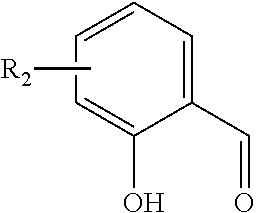
- where R2 is hydrogen, hydroxyl, C1-6alkyl which may be straight chain or branched (e.g., 3-tert-butyl or 3,5-Di-tert butyl), C1-6alkoxy which may be straight chain or branched, ether, or amine, thereby obtaining the salen compound. For example, in some embodiments the reaction mixture comprises about equal molar amounts of 2-quinoxalinol compound, analog, or derivative and salicylic aldehyde compound, analog, or derivative. in other embodiments, the reaction mixture comprises an excess amount of salicylic aldehyde compound, analog, or derivative (e.g., at least 2.5×, 5×, 7.5×, or 10× as much salicylic aldehyde compound, analog, or derivative as compared to 2-quinoxalinol compound, analog, or derivative.)
- The reaction mixture further comprises a solvent. Suitable solvents may include alcohols (e.g., MeOH). The reaction mixture further may include an additional solvent such as dimethylformamide (DMF). The method may include applying heat to the reaction mixture (e.g., heating to at least about 60° C., 70° C. or 80° C., for at least about 6, 8, 10, or 12 hours).
- The methods may include obtaining or isolating an intermediate compound having a formula:
-
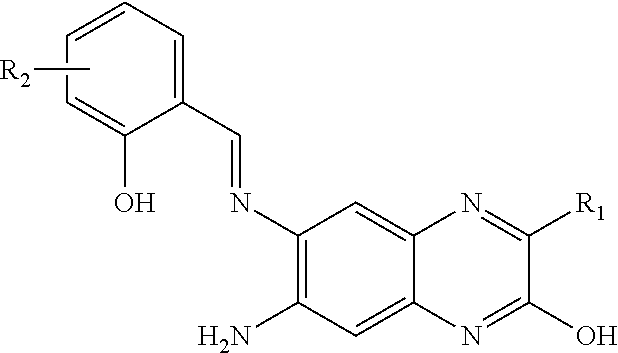
- and reacting the intermediate in a reaction mixture with a salicylic aldehyde analog or derivative having a formula:
-

- where R2 and R3 are hydrogen, hydroxyl, C1-6alkyl which may be straight chain or branched (e.g., 3-tert-butyl or 3,5-Di-tert butyl), C1-6alkoxy which may be straight chain or branched, ether, or amine. The substituents R2 and R3 may be the same or different, thereby obtaining a symmetrically or asymmetrically substituted salen compound, respectively. The reaction mixture further comprises a solvent. Suitable solvents may include alcohols (e.g., MeOH). The reaction mixture further may include an additional solvent such as dimethylformamide (DMF). The method may include applying heat to the reaction mixture (e.g., heating to at least about 60° C., 70° C. or 80° C., for at least about 6, 8, 10, or 12 hours).
- Also disclosed are methods for detecting a cation in a solution, which may include detecting divalent metal cations such as UO2 2+. The method may include (a) contacting the solution with a salen compound, which optionally may be conjugated to a solid support or a fluorophore, where if the solution comprises the cation, the compound forms a complex with the cation; and (b) detecting the complex in the solution.
- In other embodiments, the methods for detecting a cation in a solution may include: (a) contacting the solution with complex comprising a complexed cation as disclosed herein, which complex optionally may be conjugated to a solid support or a fluorophore, where if the solution comprises the cation, the solution cation displaces the complexed cation from the compound and forms a new complex with the compound; and (b) detecting the new complex or detecting the displaced cation.
- Detection methods for the complex (or new complex) or the displaced cation may include detecting a change in an absorption maximum for the solution via UV-Vis spectra analysis (e.g., where the uncomplexed compound exhibits a first absorption maximum and the complexed compound exhibits a second different absorption maximum). Detection methods for the complex (or new complex) or the displaced cation also may include detecting a change in fluorescence from the compound, complex, or optionally conjugated fluorophore (e.g., detecting a change in wavelength of absorbed or emitted light from the compound, complex, or optionally conjugated fluorophore when the complex is formed). Detection methods for the complex (or new complex) or the displaced cation also may include detecting a change in electrochemical properties of the solution (e.g., detecting a change in voltage of the solution if a complex is formed or if a complexed cation is displaced by a cation in solution).
- In some embodiments, the formed complexes may be utilized as catalysts in chemical reactions. For example, the formed complexes may be utilized in oxidation reactions, which may include but are not limited to, oxidation reactions of methylenes aryl, allyl, vinyl, or any other α,β-unsaturated methylene), asymmetric epoxidation reactions, ring-opening reactions of epoxicles, oxidation reactions of amines, hydrolytic kinetic resolution (HKR), Hetero Diels-Alder reactions, Pictet-Spengler reactions, and hydrocyanation reactions. In some embodiments, methods for oxidizing compounds include reacting a methylene compound, an oxidizing agent, and a 2-quinoxalinol salen complex. As used herein, an “oxidizing agent” is any compound or material which is capable of removing an electron from a compound being oxidized. Suitable oxidizing agents include, but are not limited to, hydrogen peroxide, alkyl peroxides, peroxy acids, oxygen, and ozone. Optionally, the methylene compound to be oxidized may be may be substituted with one or more heteroatoms (e.g., N or O), or with one or more substituents (e.g., carbonyl, amino, formyl, ester, and nitro). Suitable methylene compounds may include, but are not limited to aryl methylene compounds.
- The following EXAMPLES are illustrative and are not intended to limit the scope of the claimed subject matter.
- Reference is made to Wu et al., “An Efficient Method for Solution-Phase Parallel Synthesis of 2-Quinoxalinol Salen Schiff-base. Ligands,” J. Comb. Chem., 2007, 9 (4), pp. 601-608, the content of which is incorporated herein by reference in its entirety.
- Abstract and Introduction
- A solution-phase parallel method for the synthesis of 2-quinoxalinol salen ligands was designed and optimized. The synthesis began with commercially available 1,5-difluoro-2,4-dinitrobenzene (DFDNB) and employed a sequence of five reaction steps. Laboratory techniques with low sensitivity to water or air for solution-phase parallel reactions were coupled with workup and purification procedures to give high-purity and yield a small ligand library of 20 compounds. The final step, a Schiff-base condensation of an aldehyde with the diaminoquinoxaline results in a new category of ligands for use in metal coordination or for use as potential bioagents, based on the
skeleton - Results and Discussion
- Synthesis began with the preparation of a 2-quinoxalinol precursor. (See, e.g., Zhang et al., J. Comb. Chem. 2004, 6, 431-436; and Wu et al., Molec. Diversity, 8: 165-174, 2004. Based on this previous work, the method for synthesizing diamino-2-quinoxalinols was further optimized. Here, scavenger resins as used in the previous investigations were replaced by the use of 2 equivalents of DIPEA (diisopropylethylamine) to remove the produced HF and HCl on the amino acid methyl group in the first step (Scheme 1).
-

- Ammonium hydroxide in water (3 equiv.) was employed in the substitution of the second fluorine (
Step 2, Scheme 1). In this way, the intermediate (3) does not require additional purification after substitution of the two fluorine atoms, because the remaining unreacted ammonium hydroxide and water can be removed using high vacuum. This serves both to simplify the process of parallel solution methods and reduce the costs of materials. After reduction by wet Pd on carbon, the target intermediates, diamino-2-quinoxalinols (4), were recrystallized from 95% ethanol. The purity and yield of each aim intermediate were very high (Table 1). -
TABLE 1 Synthesis results of diamino-2-quinoxalinols. No. Compound R1 Purity (%)‡ Rt (min) Yield (%)* mp (° C.) 1 4a 
99 3.46 97 261.4~263.5 2 4b 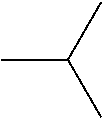
99 3.53 90 234.5~244.5 3 4c 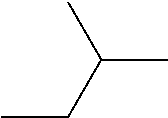
99 3.18 99 249.5~250.3 4 4d 
99 3.47 68 >300 ‡Identified by HPLC; Rt is retention time. *One step yield of Pd—C reduction. - Four different kinds of methyl amino acids were selected as the building blocks, including phenylalanine with an aromatic group, methionine containing a hetero atom (sulfur), and valine and leucine with alkyl groups at R1. The yield of intermediate 4d (made from the methionine starting material) was lower than others. The aldehydes chosen included hydrophilic salicylaldehydes (di-hydroxide, 5a and 5b) and hydrophobic salicylaldehyde (mono- and di-tert-butyl, 5c and 5d) to build the library. The selected salicylic aldehydes provided a variety of compounds of varying solubility and coordination properties for the salen product in metal coordination chemistry or applications. (See
Scheme 2.) -
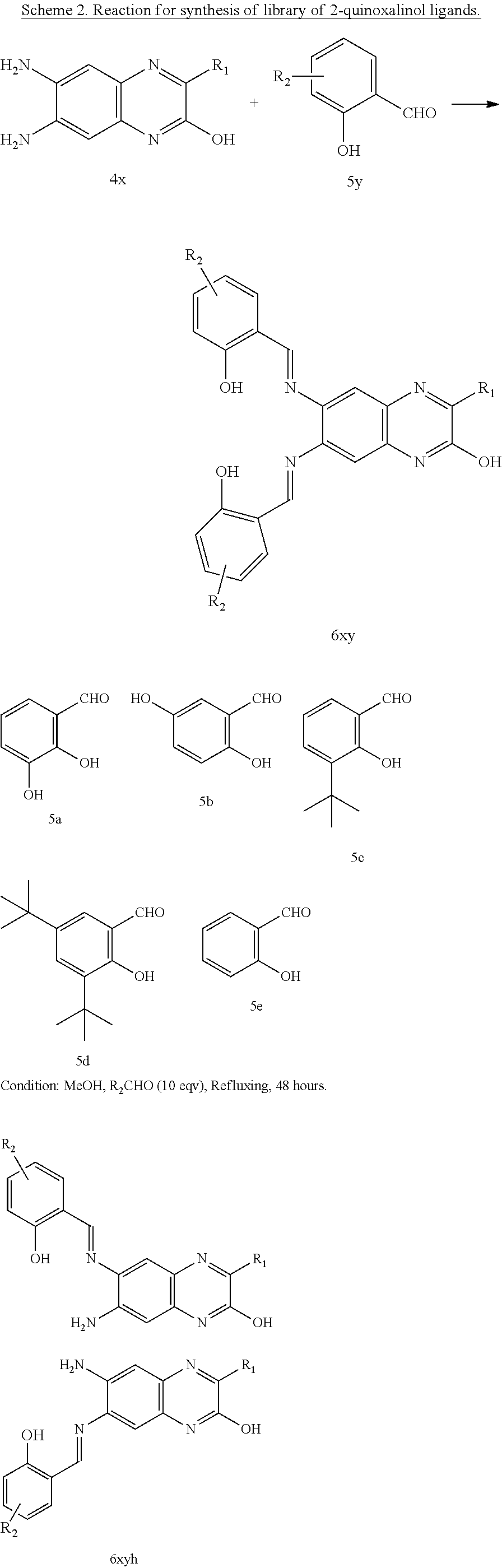
- Four different reactions were used in order to optimize the solution phase parallel conditions (
FIG. 1 ). These were optimized from different times, temperatures, solvents, as well as balancing ratios of diamino-2-quinoxalinols (4) to substituted salicylaldehyde derivatives (5). In some cases, microwave heating or sonication was applied for difficult reactions. According to previously preparations of Schiff base compounds in the literature, methanol was selected as solvent, with a ratio of 1:2.5 of diamino-2-quinoxalinol (4) to salicylaldehyde derivative (5) at room temperature allowed to react for 48 hours. Under these conditions the desired products were not obtained. Upon heating from room temperature to reflux temperature the major product is the half-unit ligand 6cdh which has two possible structures and a small amount of the full unit targeted compound 6cd; small amounts of products Gad and with a high yield only of 6ae. Whichever of the potential isomeric products 6cdh is, there is another amino group which needs to be reacted with the salicylaldehyde derivative. Hence, the exact structure was not determined. The prolonging of reaction time from 48 hours to 72 hours did not result in additional full unit products nor did increasing the reaction temperature benefit the reaction progress. Changing the solvent from methanol to higher boiling point solvents (e.g., toluene, DMF and benzene) allowed for increasing the refluxing temperature, but did not produce the desired product. Both microwave and ultrasonic methods also were tried, but without success. - Finally, on increasing the ratio of salicylaldehyde derivative from 1:2.5 to 1:5 (
FIG. 1 ), the yield of full unit target product went up from 20% to 31% for 6cd. The yields of 6ad and 6ae do not change dramatically. On increasing the ratio of to 1:7.5, the yields of target products increased to 52% for 6ad, 44% for 6cd and 60% for 6ae. The final products precipitated from methanol solution. This is useful for solution phase parallel synthesis and allows for the use of parallel filtration. When the ratio was increased from 1:7.5 to 1:10, the yield of 6cd and 6ae increased to 57% and 77% but the yields for 6ad did not change significantly. Continuing to increase the ratio did lead to better yields. The products were filtered directly resulting in yellow solids. These were washed with 95% ethanol andcold acetone 5 times each. It was determined that there was no final product in the filtered solution using TLC, and the yellow solids were pure full-unit ligand products. These were characterized by 1H-NMR, 13C-NMR, MS and HRMS. The purity of 6ad, 6cd and 6ae identified by 1H-NMR was no less than 99%. For 6da, at the ratio of 1:10 of 4d to 5a, the aim product 6da was not obtained, but when the reaction concentration was increased by reducing the volume of solvent of methanol, under the ratio of 1:10, a relatively high yields of 6da (65%) was obtained. - The final tested condition was a ratio of 1:10 (diamino-2-quinoxalinol to salicylaldehyde derivative) which was reacted for 48 hours at reflux temperature in a solution of methanol. When this was synthesized as a 4×5 library, the procedure was found to be suitable for the solution phase parallel synthesis of 2-quinoxalinol Schiff base ligands. The results are shown on Table 2, which illustrates that all of the twenty targeted products were synthesized by parallel methods with high yield and purity.
-
TABLE 2 Synthesis results of 2-quinoxalinol Schiff base ligands library. No. Product R1 R2 Purity (%)† Yield (%)¶ mp (° C.) 1 6aa 
3-OH >90 50 251.0* 2 6ab 
5-OH >95 41 246.0* 3 6ac 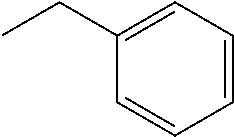
3-tert-butyl >95 55 271.0-273.5 4 6ad 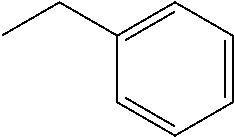
3,5-Di-tert-butyl >99 56 279.1-280.1 5 6ae 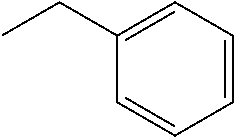
H >99 77 264.1-266.1 6 6ba 
3-OH >90 64 >300.0 7 6bb 
5-OH >95 44 221.5* 8 6bc 
3-tert-butyl >99 56 285.1-286.1 9 6bd 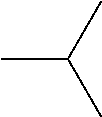
3,5-Di-tert-butyl >99 55 280.0-281.0 10 6be 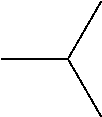
H >90 70 288.5-289.3 11 6ca 
3-OH >95 50 260.0-261.5 12 6cb 
5-OH >90 67 290.5* 13 6cc 
3-tert-butyl >95 52 285.1-286.7 14 6cd 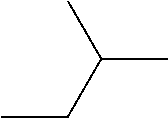
3,5-Di-tert-butyl >99 57 287.8-288.8 15 6ce 
H >99 86 286.5-288.5 16 6da 
3-OH >90 65 >300.0 17 6db 
5-OH >90 57 >300.0 18 6dc 
3-tert-butyl >95 46 262.0* 19 6dd 
3,5-Di-tert-butyl >99 56 286.0-287.5 20 6de 
H >95 81 270.5* †Identified by the proportion of typical peak areas of 1H-NMR, assuming the half unit Schiff base ligand is the only major byproduct. HPLC can not identify the exact percentage of this major impurity because the large difference of absorbance of their UV (254 or 214 nm). ¶Indicates a one-step yield from diamino-2- qunioxalinol 4 tofinal product 6.*At this temperature, these compounds were found to decompose. - Conclusion
- A 2-quinoxalinol salen (or Schiff-base) ligand library was prepared by an efficient solution phase parallel method. It was found that these organic ligands are stable at high temperature (<200° C.) and not sensitive to oxygen, water, alkaline conditions or most solvents. In the process, the synthetic method for the key intermediate quinoxaline was further optimized from methods used in previous reports.
- From the resulting yields under the optimized conditions, some trends are clear. With each quinoxaline, the yield of the product with aldehyde 5e was significantly higher most likely due to limited steric hindrance, but yields were quite good with using aldehyde 5d, which should be the most sterically hindered aldehyde. This is also the aldehyde with the best solubility and products from this aldehyde are soluble in chlorinated solvents, whereas some of the compounds synthesized from aldehyde 5a and 5b are soluble only in DMSO. The most likely causes of the inhibition of product formation in reactions with aldehyde 5b are hydrogen bonding or an unfavorable transition state.
- Experimental
- All amino acid methyl esters, DFDNB, HCl (37%) and aldehydes were purchased from Acros Organics Co. Ammonium hydroxide (5.0 N), palladium on carbon (wet, 5%) were purchased from Sigma-Aldrich Co. Starting materials were used as received. All organic solvents were obtained from Thermo Fisher Scientific Co. and were directly used for synthesis. HPLC analysis was performed on a Shimadzu™ apparatus equipped with a SPD-10A VP detector. Solutions for HPLC were eluted as 50/50 acetonitrile/H2O with a buffer consisting of 0.05% TFA over 10 min at 1 mL/min with detection by UV at 254 nm. The column employed was a water C18column (w33471F, 3.9×300 mm) from DIKMA Co. All melting points were recorded on a MeI-temp 11 melting point apparatus, and the values were uncorrected. 1H and 13C NMR spectra were recorded on Bruker™ AC 250 spectrometer (operated at 250 and 62.5 MHz, respectively) or Bruker™ AV 400 spectrometer (operated at 400 and 100 MHz, respectively). Chemical shifts are reported as (5 values (ppm). Some 1H-NMR data were collected using DMSO-d6 and CDCl3 to dissolve samples because they were not completely soluble only in DMSO-d6; however, if just CDCl3 is used, the active protons do not appear in D2O/water exchange experiments. The solvents used are indicted in the experimental details. Reaction progress was monitored by thin-layer chromatography (TLC) using 0.25 mm Whatman™ Aluminum silica gel 60-F254 precoated plates with visualization by irradiation with a Mineralight™ UVGL-25 lamp. The parallel synthesis was carried out on a Corning™ parallel synthesizer. Electrospray ionization mass spectrometry was performed on a Micromass QTOF™ mass spectrometer (Waters Corp, Milford Mass.). Direct probe samples were on a VG-70S mass spectrometer (Waters Corp, Milford Mass.). All UV data was collected using a
Cary 50 UV-Vis spectrophotometer with a xenon lamp and an equipment range from 200 to 1250 nm. IR spectroscopic data was collected using a Shimsdzu™ IR, Prestige-21 Fourier Transform Infrared Spectrophotometer and KBr solid samples. Samples for melting point, IR, and UV, were purified by recrystallization or —flash column chromatography of the final 2-quinoxalinol products. - General Procedure
- To a stirring solution of 150 mL of THF, 1.0 equivalent (10.0 mmol) of 1,5-difluoro-2,4-dinitrobenzene (DFDNB), 2.2 equivalents (22 mmol) of diisopropylethylamine (DIPEA), and 1.0 equivalent methyl amino acid (10 mmol) were added. The reaction mixture was stirred continuously for 12 hours at room temperature. After it was confirmed by TLC that the starting materials (DFDNB) had been consumed, 3 equiv (30 mmol) of ammonium hydroxide in water was added as 5.0N in aqueous solution to the reaction mixture. The reaction solution was stirred at room temperature for an additional 5 hours until the reaction was complete and this was confirmed by TLC. The reaction solution was concentrated to dryness using a rotary evaporator resulting in a yellow oil or oily solid. The resultant yellow oil was dissolved in 100 mL of ethanol (95%) with stirring. To this, HCOONH4, 20 equiv., (0.2 mol) and 5% wet Pd-C (3.1 g, 7.0 g for containing sulfur, catalytic) were added under a protective N2 atmosphere. The reaction mixture was heated to reflux temperature for 15-30 minutes. During this time, the reaction mixture changed the initial yellow to red and then to fluorescent yellow. After this time, the catalyst Pd-C and unreacted HCOONH4 were filtered from the solution. The filtrate was put into freezer (0° C.) for 48-72 hours until yellow crystals form. If there is no solids precipitate from the solution, sonication using an ultrasonic bath can help precipitate the diamino-2-quinoxalinols intermediate as a solid, Filtration of the solid from the reaction solution results in highly pure diamino-2-quinoxalinols intermediate. The synthetic yield from starting material of 4a, 4b, 4c and 4d were 60%, 59%, 58% and 41%, respectively. After drying on high vacuum, HPLC, 1H-NMR and 13C-NMR show the purity of each of these are not less than 98%.
- To 1.0 equiv (0.1 mmol) of the diamino-2-quinoxalinol intermediate dissolved in 4 mL methanol, a solution of 10.0 equiv (1 mmol) aldehyde derivatives in 6 mL methanol was added. The two were combined with stirring, and after heating to reflux temperature for hour, the reaction mixture becomes deep yellow or dark. After continued heating at reflux temperature for 48 hours, product forms and precipitates as either dark yellow or red solids. The precipitate was filtered directly and washed with 95% ethanol and
cold acetone 5 times each to obtain the 2-quinoxalinols Schiff base ligands as the final product. The yield of final products ranges from 40% to 80% with the purity of them ranging from 90.0% to 99.0%. All of the final products were identified and characterized by 1H-NMR, 13C-NMR, MS, HRMS, UV-Vis and IR. - For synthesis of 6aa, 6ea and 6db, 1.0 equiv (0.1 mmol) of diamino-2-quinoxalinols intermediates was dissolved into 4 mL methanol and 10.0 equiv (1 mmol) aldehyde derivates was dissolved into 2 mL methanol. Under stirring, mixer solution becomes red after refluxing 40 min. After refluxing for 48 hours, a red precipitate formed. This was filtered directly and washed with 95% ethanol and
cold acetone 5 times each to obtain product. - 4a 1H-NMR (400 MHz DMSO-d6): δ 3.99 (s, 2H), 4.66 (bs, 2H), 5.47 (bs, 2H), 6.37 (s, 1H), 6.80 (s, 1H), 7.16-7.31 (m, 5H), 11.86 (bs, 1H). 13C-NMR (100 MHz, DMSO-d6): δ 155.1, 152.2, 140.5, 139.4, 133.0, 129.4, 128.6, 126.4, 125.8, 111.0, 96.8, 38.8. Formula: C15H14N4O. MS (M+H): 267.0. HRMS: found (267.1256), calc (267.1240. IR: 3172.9 cm−1(bs), 3381.2 cm−1(bs), 3182.6 cm−1(bs), 3005.2 cm−1,1645.3 cm−1, 1510.3 cm−1, 1402.3 cm−1, 1278.8 cm−1. UV: 402.9 nm (bs).
- 4b 1H-NMR (400 MHz DMSO-d6): δ 1.13 (d, J=6.8, 6H), 3.33 (sept, 1H), 4.66 (bs, 2H), 5.36 (bs, 2H), 6.33 (s, 1H), 6.78 (s, 1H), 11.73 (bs, 1H). 13C-NMR (100 MHz, DMSO-d6): δ 157.7, 154.7, 140.1, 132.8, 125.9, 125.5, 111.3, 96.9, 29.7, 21.0. Formula: C11H14N4O. MS (M+H): 219.0. HRMS: found (219.1248), calc (219.1246). IR: 3381.2 cm−1 (bs), 3365.1 cm−1(bs), 2962.7 cm−1, 2929.9 cm−1, 1656.9 cm−1, 1512.2 cm−1, 1406.1 cm−1, 1273.0 cm−1. UV: 394.0 nm (bs).
- 4c 1H-NMR (250 MHz DMSO-d6): δ 0.90 (d, J=6.7, 6H), 2.15 (m, 1H), 2.50 (d, 2H), 4.62 (bs, 2H), 5.39 (bs, 2H), 6.35 (s, 1H), 6.79 (s, 1H), 11.98 (bs, 1H). 13C-NMR (62.5 MHz, DMSO-d6): δ155.4, 153.2, 140.1, 132.8, 126.0, 125.8, 111.2, 96.9, 41.7, 26.9, 23.0. Formula: C12H16H4O. MS (M+H): 233.0. HRMS: found (233.1410), calc (233.1402). IR: 3352.3 cm−1(bs), 32771 cm−1(bs), 2949.2 cm−1, 2868.2 cm−1, 2818.0 cm−1, 1653.0 cm−1, 1512.2 cm−1, 1419.6 cm−1, 1402.3 cm−1, 1271.1 cm−1. UV: 410.6 nm (bs), 299.1 (wbs).
- 4d 1H-NMR (400 MHz DMSO-d6): δ 2.09 (s, 3H), 2.83 (t, 2H), 2.95 (t, 2H), 5.19 (bs, 2H), 5.65 (bs, 2H), 6.39 (s, 1H), 6.82 (s, 1H), 11.99 (bs, 1H), 13C-NMR (100 MHz, DMSO-d6): δ 155.2, 151.8, 140.4, 132.9, 126.2, 125.8, 111.1, 96.9, 32.9, 31.1, 15.1. Formula: C11H14N4OS. MS (M+H): 251.0. HRMS: found (251.0966), calc (251.0963). IR: 3321.4 cm−1(bs), 3219.2 cm−1(bs), 2920.2 cm−1, 2879.7 cm−1, 1643.4 cm−1, 1510.3 cm−1, 1402.3 cm−1, 1273.0 cm−1. UV: 391.0 nm (bs).
- 6aa 1H-NMR (400 MHz DMSO-d6): δ 4.14 (s, 2H), 6.77-7.34 (m, 12H), 7.87 (s, 1H), 8.83 (s, 1H), 9.04 (s, 1H), 9.22 (bs, 1H, D2O exchangeable), 9.41 (bs, 1H, D2O exchangeable), 12.18 (bs, 1H, D2O exchangeable), 12.53 (bs, 1H, D2O exchangeable), 12.99 (bs, 1H, D2O exchangeable). 13C-NMR (100 MHz, DMSO-d6): δ 165.6, 164.8, 160.7, 154.9, 150.0, 1493, 146.2, 146.1, 145.7, 138.2, 137.9, 132.1, 129.7, 128.8, 126.9, 123.4, 122.9, 120.3, 120.2, 119.8, 119.6, 118.4, 106.0, 40.0. Formula: C29H22N4O5. MS: 507.0. HRMS: found (507.1666), calc (507.1668). IR: 3392.8 cm−1(bs), 3005.2 cm−1, 1656.8 cm−1, 1616.3 cm−1, 1467.8 cm−1, 1271.1 cm−1, 1234.4 cm−1. UV: 383.0 nm (bs).
- 6ab 1H-NMR (400 MHz DMSO-d6): δ 4.14 (s, 2H), 6.74-7.35 (m, 12H), 7.87 (s, 1H), 834 (s, 1H), 8.97 (s, 1H), 9.08 (bs, M, D2O exchangeable), 9.12 (bs, 1H, D2O exchangeable), 11.43 (bs, 1H, D2O exchangeable), 12.31 (bs, 1H, D2O exchangeable), 12.50 (bs, 1H, D2O exchangeable). 13C-NMR (100 MHz, DMSO-d6): δ 164.3, 163.8, 160.6, 155.0, 153.8, 153.5, 150.2, 150.0, 146.5, 138.0, 137.9, 132.1, 131.1, 129.7, 128.9, 126.9, 122.4, 121.7, 120.2, 119.9, 118.1, 117.9, 117.7, 117.5, 116.5, 105.9, 40.0. Formula: C29H22N4O5. MS (M+H): 507.0. HRMS: found (507.1667), calc (507.1668), IR: 3387.0 cm−1(bs), 3005.0 cm−1, 1662.6 cm−1, 1616.4 cm−1, 1573.9 cm−1, 1487.1 cm−1, 1282.7 cm−1, 1153.4 cm−1. UV: 378.0 nm (bs).
- 6ac 1H-NMR (400 MHz DMSO-d6): δ 1.31 (s, 9H), 1.34 (s, 9H), 4.15 (s, 2H), 6.77-7.44 (m, 12H), 7.62 (s, 1H), 8.58 (s, 1H), 8.70 (s, 1H), 12.26 (bs, 1H), 13.42 (bs, 1H), 13.60 (bs, 1H). 13C-NMR (100 MHz, DMSO-d6): δ 165.4, 163.7, 160.6, 160.4, 155.1, 144.6, 138.4, 137.7, 137.4, 137.0, 133.9, 131.9, 1313, 130.7, 129.3, 128.2, 126.4, 126.1, 119.2, 118.9, 118.7, 118.2, 117.9, 105.5, 34.7, 29.2. Formula: C37H:48N4O3. MS (M+H): 587.0. HRMS: found (587.3028), calc (587.3022). IR: 3437.2 cm−1(bs), 3417.9 cm−1(bs), 2953.0 cm−1, 2912.5 cm−1, 1672.3 cm−1, 1606.7 cm−1, 1500.6 cm−1, 1431.2 cm−1, 1394.5 cm−1, 1197.8 cm−1, 1143.8 cm−1. UV: 285.7 nm (bs), 387.9 nm (bs).
- 6ad 1H-NMR (250 MHz DMSO-d6 and CDCl3): δ 1.23 (s, 18H), 1.32 (s, 9H), 1.34 (s, 9H), 4.14 (s, 2H), 7.01 (s, 1H), 7.12-7.41 (m, 9H), 7.59 (s, 1H), 8.58 (s, 1H), 8.68 (s, 1H), 12.22 (bs, 1H), 13.25 (bs, 1H), 13.36 (bs, 1H). 13C-NMR (62.5 MHz, DMSO-d6 and CDCl3): δ 165.9, 1643, 160.2, 158.6, 158.3, 155.3, 144.9, 140.6, 140.5, 138.9, 137.2, 137.1, 136.9, 131.7, 131.5, 129.5, 128.7, 128.4, 128.2, 1272, 127.0, 126.5, 118.4, 118.1, 118.1, 105.6, 35.1, 34.1, 31.5, 29.4. Formula: C45H54N4O3, MS (M+H): 699.0. FIRMS: found (699.4276), calc (699.4274). IR: 3435.2 cm−1(bs), 3415.9 cm−1(bs), 2956.9 cm−1, 2910.6 cm−1, 2873.9 cm−1, 1656.9 cm−1, 1612.5 cm−1, 1529.6 cm−1, 1477.5 cm−1, 1442.8 cm−1, 1261.5 cm−1, 1168.9 cm−1. UV: 299.1 nm (bs), 390.9 nm (bs).
- 6ae 1H-NMR (400 MHz DMSO-d6): δ 4.17 (s, 2H), 6.95-7.03 (m, 2H), 7.11 (s, 1H), 7.25-7.49 (m, 7H), 7.66 (d, 1H), 7.79 (d, 1H), 7.94 (5, 1H), 8.90 (s, 1H), 9.13 (s, 1H), 12.28 (bs, 1H), 12.57 (bs, 1H), 13.13 (bs, 1H). 13C-NMR (100 MHz, DMSO-d6): δ 164.6, 164.0, 160.9, 160.8, 160.6, 155.0, 146.0, 138.1, 137.9, 134.5, 133.8, 133.1, 132.3, 132.2, 131.2, 129.8, 128.9, 126.9, 120.2, 120.0, 119.9, 119.6, 118.1, 117.2, 117.1, 105.8, 40.0. Formula: C29H22N4O3. MS (M+H): 475.0. HRMS: found (475.1762), calc (475.1770). IR: 3448.7 cm−1(bs), 3427.5 cm−1(bs), 3055.2 cm−1, 3030.2 cm−1, 1654.9 cm−1, 1610.6 cm−1, 1570.1 cm−1, 1481.3 cm−1, 1276.9 cm−1, 1197.8 cm−1. UV: 305.6 nm (wbs), 335.9 nm (wbs), 390.5 nm (bs).
- 6ba 1H-NMR (400 MHz DMSO-d6): δ 1.26 (d, J=6.8 Hz, 6H), 3.50 (sept, 1H), 6.80 (t, 1H), 6.84 (t, 1H), 6.94 (d, 1H), 6.99 (d, 1H), 7.01 (s, 1H), 7.14 (d, 1H), 7.22 (d, 1H), 7.92 (s, 1H), 8.87 (s, 1H), 9.11 (s, 1H), 9.24 (bs, 1H), 9.43 (bs, 1H), 12.24 (bs, 1H), 12.48 (bs, 1H), 13.06 (bs, 1H). 13C-NMR (100 MHz, DMSO-d6): δ 166.0, 165.6, 164.8, 154.6, 150.0, 149.7, 146.2, 146.1, 145.4, 138.1, 131.8, 131.1, 123.5, 122.9, 120.3, 120.2, 120.0, 119.6, 119.2, 118.3, 106.0, 30.4, 20.6. Formula: C25H22N4O5. MS (M+11): 459.0. FIRMS: found (459.1675), calc (459.1668). IR: 3421.7 cm−1(bs), 3059.1 cm−1, 2966.5 cm−1, 2926.0 cm−1, 1656.9 cm−1, 1616.4 cm−1, 1556.6 cm−1, 1465.9 cm−1, 1373.3 cm−1, 1273.0 cm−1, 1230.6 cm−1. UV: 306.5 nm (bs), 389.6 nm (bs).
- 6bb 1H-NMR (400 MHz DMSO-d6): δ 1.23 (d, J=6.8 Hz, 6H), 3.48 (sept, 1H), 6.74-7.1.2 (m, 7H), 7.88 (s, 1H), 8.74 (s, 1H), 9.01 (s, 1H), 9.08 (bs, 114, D2O exchangeable), 9.13 (bs, 1H, D2O exchangeable), 11.46 (bs, 1H, D2O exchangeable), 12.36 (bs, 1H, D2O exchangeable), 12.42 (bs, 1H, D2O exchangeable). 13C-NMR (100 MHz, DMSO-d6): δ 165.9, 164.3, 163.8, 154.6, 153.8, 153.5, 150.2, 150.0, 146.2, 138.2, 131.8, 130.9, 122.3, 121.7, 120.2, 120.0, 118.0, 117.9, 117.6, 116.5, 105.8, 30.4, 20.6. Formula: C25H22N4O5. MS (M+H): 458.0. HRMS: found (459.1665), colt (4591668). IR: 3400.5 cm−1(bs), 2962.7 cm−1, 2926.0 cm−1, 1656.9 cm−1, 1627.9 cm−1, 1579.7 cm−1, 1490.8 cm−1, 1400.0 cm−1, 1273.0 cm−1, 1219.0 cm−1. UV: 299.1 nm (bs), 387.0 nm (bs).
- 6bc 1H-NMR (400 MHz DMSO-d6): δ 1.27 (d, J=6.8 Hz, 6H), 1.37 (s, 9H), 1.42 (s, 9H), 3.52 (sept, 1H), 6.93 (t, 1H), 6.95 (t, 1H), 7.20 (s, 1H), 7.38 (d, 1H), 7.44 (d, 1H), 7.54-7.58 (1, 2H), 8.00 (s, 1H), 8.94 (s, 1H), 9.19 (s, 1H), 12.51 (bs, 1H), 13.73 (bs, 1H), 14.04 (bs, 1H). 13C-NMR (100 MHz, DMSO-d6): δ 167.1, 166.3, 165.5, 160.5, 160.4, 154.6, 144.5, 137.9, 137.6, 137.1, 137.0, 132.2, 132.0, 131.4, 131.3, 130.8, 119.7, 119.4, 119.1, 118.9, 118.3, 105.9, 34.9, 30.4, 29.7, 20.6. Formula: C33H38N4O3, MS (M+H): 539.0. HRMS: found (539.3024), calc (539.3022). IR: 3429.4 cm−1(bs), 2956.9 cm−1, 2872.0 cm−1, 1660.7 cm−1, 1606.7 cm−1, 1467.8 cm−1, 1431.2 cm−1, 1388.8 cm−1, 1270.0 cm−1, 1199.7 cm−1. UV: 302.2 nm (bs), 386.2 nm (bs).
- 6bd 1H-NMR (400 MHz DMSO-d6 and CDCl3): δ 1.20 (s, 9H), 1.21 (s, 9H), 1.21 (d, J=6.8 Hz, 6H), 1.29 (s, 9H), 1.32 (s, 9H), 3.52 (sept, 1H), 6.99 (s, 1H), 7.17 (s, 2H), 7.34 (s, 1H), 7.37 (s, 1H), 7.62 (s, 1H), 8.59 (s, 1H), 8.72 (s, 1H), 12.12 (bs, 1H), 13.28 (bs, 1H), 13.39 (bs, 1H). 13C-NMR (100 MHz, DMSO-d6 and CDCl3): 165.9, 165.7, 1641, 158.5, 158.3, 155.1, 144.5, 140.5, 140.4, 138.8, 137.1, 136.9, 131.5, 131.2, 128.6, 128.1, 127.1, 126.8, 118.3, 118.1, 118.0, 105.4, 35.0, 34.1, 31.4, 30.3, 29.3, 20.1. Formula: C41H54N4O3. MS (M+H): 651.0. HRMS: found (651.4274), calc (651.4268). IR: 3423.7 cm−1(bs), 2958.8 cm−1, 2910.6 cm−1, 2870.1 cm−1, 1653.0 cm−1, 1614.4 cm−1, 1581.6 cm−1, 1469.8 cm−1, 1437.0 cm−1, 1390.7 cm−1, 1363.7 cm−1, 1253.7 cm−1, 1203.6 cm−1. UV: 299.6 nm (bs), 387.9 nm (bs).
- 6be 1H-NMR (400 MHz DMSO-d6): δ 1.23 (d, J=6.8 Hz, 6H), 3.47 (sept, 6.91-7.00 (m, 4H), 7.08 (s, 1H), 7.39 (t, 1H), 7.44 (t, 1H), 7.66 (d, 1H), 7.76 (d, 1H), 7.93 (s, 1H), 8.87 (s, 1H), 9.15 (s, 1H), 12.28 (bs, 1H), 12.46 (bs, 1H), 13.14 (bs, 13C-NMR (100 MHz, DMSO-d6): δ 166.1, 164.6, 163.9, 160.9, 160.6, 154.6, 145.7, 137.9, 134.4, 133.8, 133.1, 132.4, 132.0, 131.1, 120.2, 119.8, 119.5, 118.1, 117.2, 117.1, 105.7, 30.4, 20.6. Formula: C25H22N4O3. MS (M+H): 427M. HRMS: found (427.1764), calc (427.1770). IR: 3441.0 cm−1(bs), 2964.6 cm−1, 2924.1 cm−1, 1658.8 cm−1, 1616.4 cm−1, 1570.1 cm−1, 1479.4 cm−1, 1452.0 cm−1, 1278.8 cm−1, 1203.6 cm−1. UV: 335.9 nm (bs), 387.9 nm (bs).
- 6ca 1H-NMR (400 MHz DMSO-d6): δ 1.23 (d, J=6.6 Hz, 6H), 2.27 (m, 1H), 2.71 (d, J=7.0, 2H), 6.80 (t, 1H), 6.83 (t, 1H), 6.95 (d, 1H), 7.00 (d, 1H), 7.09 (s, 1H), 7.14 (t, 2H), 7.22 (1, 2H), 7.92 (s, 1H), 8.87 (s, 1H), 9.08 (s, 1H), 9.24 (bs, 1H, D2O exchangeable), 9.42 (bs, 1H, D2O exchangeable), 12.25 (bs, 1H, D2O exchangeable), 12.47 (bs, 1H, D2O exchangeable), 13.04 (bs, 1H, D2O exchangeable). 13C-NMR (100 MHz, DMSO-d6): δ 165.6, 164.7, 161.7, 155.2, 150.0, 149.7, 146.2, 146.1, 145.4, 138.1, 131.9, 131.2, 123.4, 122.9, 120.3, 120.2, 120.0, 119.6, 119.2, 118.3, 106.0, 42.1, 26.6, 23.1. Formula: C26H24N4O5, MS (M+H): 473.0. FIRMS: found (473.1818), calc (473.1825). IR: 3419.8 cm−1(bs), 2949.2 cm−1, 2866.2 cm−1, 1656.9 cm−1, 1618.3 cm−1, 1579.7 cm−1, 1465.9 cm−1, 1373.3 cm−1, 1271.1 cm−1, 1232.5 cm−1. UV: 301.3 nm (bs), 381.0 nm (bs).
- 6cb 1H-NMR (400 MHz DMSO-d6): δ 0.98 (d, J=6.6 Hz, 6H), 2.27 (m, 1H), 2.71 (d, J=7.0, 2H), 6.77-6.91 (m, 4H), 7.06 (s, 2H), 7.14 (s, 1H), 7.92 (s, 1H), 8.77 (s, 1H), 9.01 (s, 1H), 9.12 (bs, 1H), 9.15 (bs, 1H), 11.49 (bs, 1H), 12.36 (bs, 1H), 12.45 (bs, 1H). 13C-NMR (100 MHz, DMSO-d6): δ 164.4, 163.7, 161.5, 155.2, 153.8, 153.5, 150.2, 150.0, 146.2, 138.2, 131.9, 131.1, 120.2, 119.9, 117.9, 117.6, 117.5, 116.5, 105.8, 42.1, 26.7, 23.1. Formula: C26H24N4O5. MS (M+H): 473.0. HRMS: found (473.1832), calc (473.1825). IR: 3427.5 cm−1 (bs), 3412.1 cm−1(bs), 2956.9 cm−1, 2924.1 cm−1, 1658.8 cm−1, 1618.3 cm−1, 1577.8 cm−1, 1483.3 cm−1, 1379.1 cm−1, 1286.5 cm−1, 1213.2 cm−. UV: 303.9 nm (bs), 395.7 nm (bs).
- 6cc 1H-NMR (400 MHz DMSO-d6): δ 0.99 (d, J=6.6 Hz, 61H), 13.7 (s, 9H), 1.42 (s, 9H), 2.29 (m, 1H), 2.72 (d, 2H), 6.93 (t, 1H), 6.95 (t, 1H), 7.20 (s, 1H), 7.38 (d, 1H), 7.44 (d, 1H), 7.53-7.58 (m, 2H), 8.01 (s, 1H), 8.93 (s, 1H), 9.16 (s, 1H), 12.51 (bs, 1H), 13.73 (bs, 1H), 14.03 (bs, 1H). 13C-NMR (100 MHz, DMSO-d6): δ 167.1, 165.5, 161.9, 160.5, 160.4, 1552, 144.5, 137.9, 137.2, 137.0, 132.2, 132.0, 131.9, 131.4, 130.8, 119.7, 119.4, 119.1, 118.9, 118.2, 105.9, 42.1, 34.9, 29.7, 26.6, 211. Formula: C34H40N4O3. MS (M+H): 553.0, HRMS: found (553.3177), cab (553.3178). IR: 3423.7 cm−1(bs), 2955.0 cm−1, 2918.3 cm−1, 2870.1 cm−1, 1662.6 cm−1, 1604.8 cm−1, 1573.9 cm−1, 1496.8 cm−1, 1469.8 cm−1, 1431.2 cm−1, 1396.5 cm−1, 1273.0 cm−1, 1199.7 cm−1. UV: 299.6 nm (bs), 382.7 nm (bs).
- 6cd 1H-NMR (250 MHz DMSO-d6 and CDCl3): δ 0.82 (d, J=6.6 Hz, 6H), 1.10 (s, 9H), 1.11 (s, 9H), 1.19 (s, 9H), 1.22 (s, 9H), 2.13 (m, 1H), 2.57 (d, J 7.1, 21), 6.88 (s, 1H), 7.04-7.06 (dd, 2H), 7.21 (d, 2H), 7.23 (d, 2H), 7.47 (s, 1H), 8.47 (s, 1H), 8.58 (s, 1H), 12.08 (bs, 1H), 13.15 (bs, 1H), 13.25 (bs, 1H). 13C-NMR (62.5 MHz, DMSO-d6 and CDCl3): 166.6, 164.1, 161.4, 158.4, 158.1, 155.6, 144.4, 140.4, 138.7, 136.9, 136.8, 131.3, 128.5, 128.0, 127.0, 126.8, 118.2, 118.0, 117.8, 105.4, 42.0, 34.9, 34.0, 31.3, 29.3, 26.5, 22.6. Formula: C42H56N4O3. MS (M+14): 665.0, HRMS: found (665.4431), calc (665.4430). TR: 3423.7 cm−1(bs), 2956.9 cm−1, 2920.1 cm−1, 2880.1 cm−1, 1656.9 cm−1, 1616.4 cm−1, 1583.6 cm−11469.8 cm−1, 1437.0 cm−1, 1386.8 cm−1, 1367.5 cm−1, 1255.7 cm−1, 1207.4 cm−1. UV: 301.3 nm (bs), 389.6 nm (bs).
- 6ce 1H-NMR (250 MHz DMSO-d6): δ 0.98 (d, J=6.5 Hz, 6H), 2.27 (m, 1H), 2.70 (d, J=6.9, 2H), 6.94-7.11 (m, 4H), 7.38 (s, 1H), 7.41-7.46 (m, 2H), 7.68 (d, 1H), 7.79 (d, 1H), 7.96 (s, 1H), 8.89 (s, 1H), 9.14 (s, 1H), 12.34 (bs, 2H), 13.14 (bs, 1H). 13C-NMR (62.5 MHz, DMSO-d6): δ 164.6, 163.9, 161.7, 160.9, 160.6, 155.2, 145.6, 138.0, 134.4, 133.8, 131.1, 132.4, 132.0, 131.2, 120.2, 120.0, 119.8, 119.5, 118.0, 117.2, 105.8, 42.1, 26.6, 23.1. Formula: C26H24N4O3. MS (M+H): 441.0. HRMS: found (441.1922), calc (441.1926). IR: 3441.0 cm−1(bs), 3425.6 cm−1(bs), 2955.0 cm−1, 2922/cm−1, 2864.3 cm−1, 1658.8 cm−1, 1616.4 cm−1, 1572.0 cm−1, 1485.2 cm−1, 1384.9 cm−1, 1278.8 cm−1, 1203.6 cm−1. UV: 383.6 nm (bs).
- 6da 1H-NMR (400 MHz DMSO-d6): δ 2.14 (s, 3H), 2.95 (t, 2H), 3.13 (t, 2H), 6.81 (t, 1H), 6.84 (t, 1H), 6.95 (d, 1H), 7.00 (d, 1H), 7.11 (s, 1H), 7.15 (d, 1H), 7.23 (d, 1H), 7.92 (s, 1H), 8.88 (s, 1H), 9.08 (s, 1H), 9.25 (bs, 1H, D2O exchangeable), 9.43 (bs, 1H, D2O exchangeable), 12.23 (bs, 1H, D2O exchangeable), 12.53 (bs, 1H, D2O exchangeable), 13.02 (bs, 1H, D2O exchangeable). 13C-NMR (100 MHz, DMSO-d6): δ 165.7, 164.8, 160.6, 155.0, 149.9, 149.7, 146.2, 146.1, 145.6, 138.2, 132.0, 131.1, 123.4, 122.9, 120.3, 120.2, 120.0, 119.6, 119.2, 118.3, 106.1, 33.2, 30.5, 15.0. Formula: C25H22N4O5S, MS (M+H): 491.0, HRMS: found (491.1389), calc (491.1389). IR: 3415.9 cm−1(bs), 2920.2 cm−1, 2852.7 cm−1, 1656.9 cm−1, 1616.4 cm−1, 1467.8 cm−1, 1373.3 cm−1, 1271.1 cm−1, 1230.6 cm1. UV: 307.4 nm (bs), 390.5 nm (bs).
- 6 db 1H-NMR (400 MHz DMSO-d6): δ 2.14 (s, 3H), 2.94 (t, 2H), 3.12 (t, 2H), 6.77-6.93 (m, 4H), 7.06 (s, 2H), 7.14 (s, 1H), 7.92 (s, 1H), 8.78 (s, 1H), 8.80 (s, 1H), 9.12 (bs, 1H), 9.16 (bs, 1H), 11.48 (bs, 1H), 12.34 (bs, 1H), 12.49 (bs, 1H). 13C-NMR (100 MHz, DMSO-d6): δ 164.4, 163.8, 153.8, 153.5, 150.2, 150.0, 132.0, 121.7, 120.2, 119.9, 118.1, 117.9, 117.7, 116.5, 105.9; 33.1, 30.1, 15.2. Formula: C25H22N4O5S, MS (M+H): 491.0. HRMS: found (491.1384), calc (491.1389). IR: 3439.1 cm−1(bs), 2972.3 cm−1, 2924.1 cm−1, 1654.9 cm−1, 1624.1 cm−1, 1575.8 cm−1, 1477.5 cm−1, 1388.8 cm−1, 1282.7 cm−1, 1220.9 UV: 302.2 nm (wbs), 391.4 nm (bs).
- 6dc 1H-NMR (250 MHz DMSO-d6): δ 1.36 (s, 9H), 1.40 (s, 9H), 2.14 (s, 3H), 2.94 (t, 2H), 3.11 (t, 2H), 6.93-6.98 (m, 2H), 7.20 (s, 1H), 7.39 (d, 1H), 7.41 (d, 1H), 7.54 (t, 2H), 8.00 (s, 1H), 8.93 (s, 1H), 9.14 (s, 1H), 12.56 (bs, 1H), 13.72 (bs, 1H), 14.01 (bs, 1H). 13C-NMR (62.5 MHz, DMSO-d6): δ 166.9, 165.2, 160.6, 160.4, 154.9, 144.6, 138.1, 137.2, 137.0, 132.1, 131.8, 131.3, 130.6, 119.6, 119.3, 118.9, 118.7, 118.2, 105.9, 349, 33.2, 30.5, 29.6, 15.3, Formula: C33H38N4O3S, MS (M+H): 571.0. HRMS: found (571.2738), calc (571.2743). IR: 3433.3 cm−1(bs), 3417.9 cm−1(bs), 2953.0 cm−1, 2920.2 cm−1, 2872.0 cm−1, 1666.5 cm−1, 1654.9 cm−1, 1606.7 cm−1, 1489.1 cm−1, 1427.3 cm−1, 1388.8 cm−1, 1311.6 cm−1, 1267.2 cm−1. UV: 305.6 nm (Us), 389.6 nm (bs).
- 6dd 1H-NMR (400 MHz DMSO-d6 and CDCl3): δ1.20 (s, 9H), 1.21 (s, 9H), 1.29 (s, 9H), 1.32 (s, 9H), 2.15 (s, 3H), 2.90 (t, 2H), 3.12 (t, 2H), 6.97 (s, 1H), 7.14 (s, 2H), 7.31 (d, 1H), 7.34 (d, 1H), 7.56 (s, 1H), 8.55 (s, 1H), 8.65 (s, 1H), 12.20 (bs, 1H), 13.21 (bs, 1H), 13.32 (bs, 1H). 13C-NMR (100 MHz, DMSO-d6 and CDCl3): δ 165.8, 164.3, 159.8, 158.6, 158.3, 155.4, 144.9, 140.5, 140.4, 139.0, 137.1, 137.0, 131.4, 131.3, 128.7, 1281, 127.1, 126.9, 118.3, 118.1, 118.0, 105.6, 35.0, 34.1., 33.1, 31.4, 30.6, 29.3, 15.5. Formula: C41H54N4O3S MS (M+H): 683.0. HRMS: found (683.4005), calc (683.3995). IR: 3441.0 cm−1 (bs), 3425.6 cm−1(bs), 2956.9 cm−1, 2914.4 cm−1, 2870.1 cm−1, 1656.9 cm−1, 1616.4 cm−1, 1583.6 cm−1, 1469.8 cm−1, 1433.1 cm−1, 1386.8 cm−1, 1269.2 cm−1, 1259.5 cm−1. UV: 302.2 nm (bs), 391.4 nm (bs).
- 6de 1H-NMR (400 MHz DMSO-d6): δ2.14 (s, 3H), 2.95 (t, 2H), 3.13 (t, 2H), 6.95-7.04 (m, 4H), 7.12 (s, 1H), 7.42 (t, 1H), 7.47 (t, 1H), 7.70 (d, 1H), 7.79 (d, 1H), 7.96 (s, 1H), 8.91 (s, 1H), 9.14 (s, 1H), 12.30 (bs, 1H), 12.54 (bs, 1H), 13.12 (bs, 1H). 13C-NMR (100 MHz, DMSO-d6): δ164.7, 164.0, 160.9, 160.6, 155.0, 145.8, 138.1, 134.5, 133.8, 133.1, 120.2, 120.0, 119.9, 118.1, 117.2, 117.1, 105.8, 33.2, 30.5, 15.2. Formula: C25H22N4O3S. MS (M+H): 459.0. HRMS: found (459.1489), calc (459.1491). IR: 3441.0 cm−1(bs), 3423.6 cm−1 (bs), 2916.4 cm−1, 2841.2 cm−1, 2796.8 cm−1, 1660.7 cm−1, 1614.4 cm−1, 1570.1 cm−1, 1479.4 cm−1, 1398.4 cm−1, 1276.9 cm−1, 1201.6 cm−1. UV: 335.9 nm (bs), 387.0 nm (bs).
-
- 1. Marzano, C.; Pellei, M.; Colavito, D.; Alidori, S.; Lobbia, G. G.; Gandin, V.; Tisato, F.; Santini, C., J. Med. Chem. 2006, 49, 7317-7324.
- 2. Bregman, H.; Williams, D. S.; Atilia, G. E.; Carroll, P. J.; Meggers, E., J. Am. Chem. Soc. 2004, 126, (24), 13594-13595.
- 3. Doctrow, S. R.; Huffman, K.; Marcus, C. B.; Tocco, G.; Malfroy, E.; Adinolti, C. A.; Kruk, H.; Baker, K.; Lazarowych, N.; Mascarenhas, J.; Malfroy, B., J. Med. Chem. 2002, 45, 4549-4558.
- 4. Murahashi, S.; Naota, T.; Taki, H., J. Chem. Soc., Chem. Commun. 1985, 613-614.
- 5. Irie, R.; Noda, K.; Ito, Y.; Matsumoto, N.; Katsuki, T., Tetrahedron Lett. 1990, 31, 7345-7348.
- 6. Zhang, W.; Loebach, J. L.; Wilson, S. R.; Jacobsen, E. N., J. Am. Chem. Soc. 1990, 112, 2801-2083.
- 7. Jacobsen, E. N.; Kakiuchi, F.; Konsler, R. G.; Larrow, J. F.; Tokunaga, M., Tetrahedron Lett. 1997, 38, 773-776.
- 8. Wu, M. H.; Jacobsen, E. N., J. Org, Chem. 1998, 63, 5252-5254.
- 9. Wu, M. H.; Hansen, K. B.; Jacobsen, E. N., Angew. Chem. Int. Ed. 1999, 38, 2012-2014.
- 10. Holbach, M.; Weck, M., J. Org. Chem. 2006, 71, 1825-1836.
- 11. Peukert, F.; Jacobsen, E. N., Org. Lett. 1999, 1(8), 1245-1248.
- 12. Yoon, T. P.; Jacobsen, E. N., Science 2003, 299.1691-1693.
- 13. Canali, L.; Sherrington., D. C., Chem, Soc. Rev. 1999, 28, 85-93.
- 14. Zhang, H.; Li, C., Tetrahedron 2006, 62, 6640-6649.
- 15. Banti, D.; Belokon, Y. N.; Fu, W. L.; Groaz, E.; North, M., Chem. Comm. 2005, 2707-2709.
- 16. Sasaki, H.; Irie, R.; Hamada, T.; Suzuki, K.; Katsuki, T.,
Tetrahedron 1994, 50 11827-11838. - 17. Fukuda, T.; Katsuki, T., Tetrahedron Lett 1996, 37, 4389-4392.
- 18. Hamachi, K.; Irie, R.; Katsuki, T., Tetrahedron Lett 1996, 37, 4979-4982.
- 19. Katsuki, T., Journal Mot. Catal. A: Chemical 1996, 113, 87-107.
- 20. Nishikori, H.; Katsuki, T., Applied Catalysis A: General 2000, 194-195, 475-477.
- 21. Niimi, T.; Uchida, T.; Me, R.; Katsuki, T., Tetrahedron Lett. 2000, 41, 3647-3615.
- 22. Ready, J. M.; Jacobsen, E. N., J. Am. Chem. Soc. 2001, 123, 2687-2688.
- 23. Sun, W.; Kuhn, F. E., Applied Catalysis A: General 2005, 285, 163-168.
- 24. Schaper, W. W.; Lothar, R. C.; Erwin, H.; Eckhard, R.; Dirk, S.; U.S. Pat. Appl. Publ. 2005, US2005256000 A1 20051117 CAN 143:454394 AN 2005:1224419, 97.
- 25. Jaung, J. Y., Dyes and Pigments 2006, 71, (3), 245-250.
- 26. Zhang, L.; Liu, G.; Zhang, S. D.; Yang, H. Z.; Li, L.; Wu, X. H.; Yu, J. L.; Kou, B. B.; Xu, S.; Li, J.; Sun, G. C.; Ji, Y. F.; Cheng, G. F.; J. Comb. Chem. 2004, 6, 431-436.
- 27. Li, L.; Liu, G.; Wang, Z. G.; Yuan, Y. Y.; Zhang, C. X.; Tian, H. Y.; Wu, X. H.; Zhang, J., J. Comb. Chem. 2004, 6, (5), 811-821.
- 28. Wu, X. H; Liu, G.; Zhang, J.; Wang, Z. G.; Xu, S.; Zhang, S. D.; Zhang, L.; Wang, L., Mol. Diversity. 2004, 8, 165-174.
- 29. Aguiari, A.; Bullita, E.; Casellao, U.; Guerriero, P.; Tamburini, S.; Vigato, P. A., Inorg. Chinn. Acta 1992, 202, 157-171.
- 30. Holbach, M.; Zheng, X. L.; Surd, C.; Jones, C. W.; Weck, M., J. Org. Chem. 2006, 71, 2903-2906.
- 31. Gallant, A. J.; Patrick, B. O., J. Org. Chem. 2004, 69, 8739-8744,
- 32. Gordon, J. C.; Shukla, P.; Cowley, A. H.; Jones, J. H.; Keogh, D. W.; Scott, B. L., Chem. Comm. 2002, 2710-2711
- 33. Liu, G.; Fan, Y. M., Calson, J. R.; and Lam, K. S., J. Comb. Chem. 2000.2, (5), 467-474.
- Reference is made to Wu et al., “Regiosdective Synthesis of Asymmetrically Substituted 2-Quinoxalinol Salen Ligands,”J. Org. Chem.,
Nov 9; 72(23):8691-9. Epub 2007 Oct. 16., the content of which is incorporated herein by reference in its entirety. - Abstract and Introduction
- Diamino-2-quinoxalinols were reacted with salicylaldehyde derivatives to produce 2-quinoxalinol imines regioselectively as one isomer in good yield. Regioselectivity was characterized through the use of isotopic 15N labeling experiments. The 2-quinoxalinol imines thereby obtained may further be reacted without purification with additional salicylaldehyde derivatives to yield asymmetrically substituted 2-quinoxalinol salens.
- The synthesis of 2-quinoxalinol imines is challenging, because they are often unstable, particularly when using bulky imines. The synthesis of the key intermediate, the 2-quinoxalinol imine (3a) from diamino-2-quinoxalinol (1) is a unique challenge, because of the difficulty in obtaining one isomer as the final product. If the reaction can be controlled such that only one amine is reacted with an aldehyde, this would provide a method to develop asymmetrically substituted 2-quinoxalinol salens. Here, a side product determined to be the half unit salen ligand, that is, a single product, a 2-quinoxalinol imine (3) was successfully synthesized and isolated. The use of this side product as a starting material for asymmetrically substituted ligands provides a means to overcome the difficulty of synthesis in producing regioselective or bulky 2-quinoxalinol imine compounds. In addition, these 2-quinoxalinol imines are stable in atmospheric conditions.
-
Scheme 3 illustrates that identifying the exact structure of the 2-quinoxalinol imines is difficult because two isomers [(3a) or (3b)] are possible. -
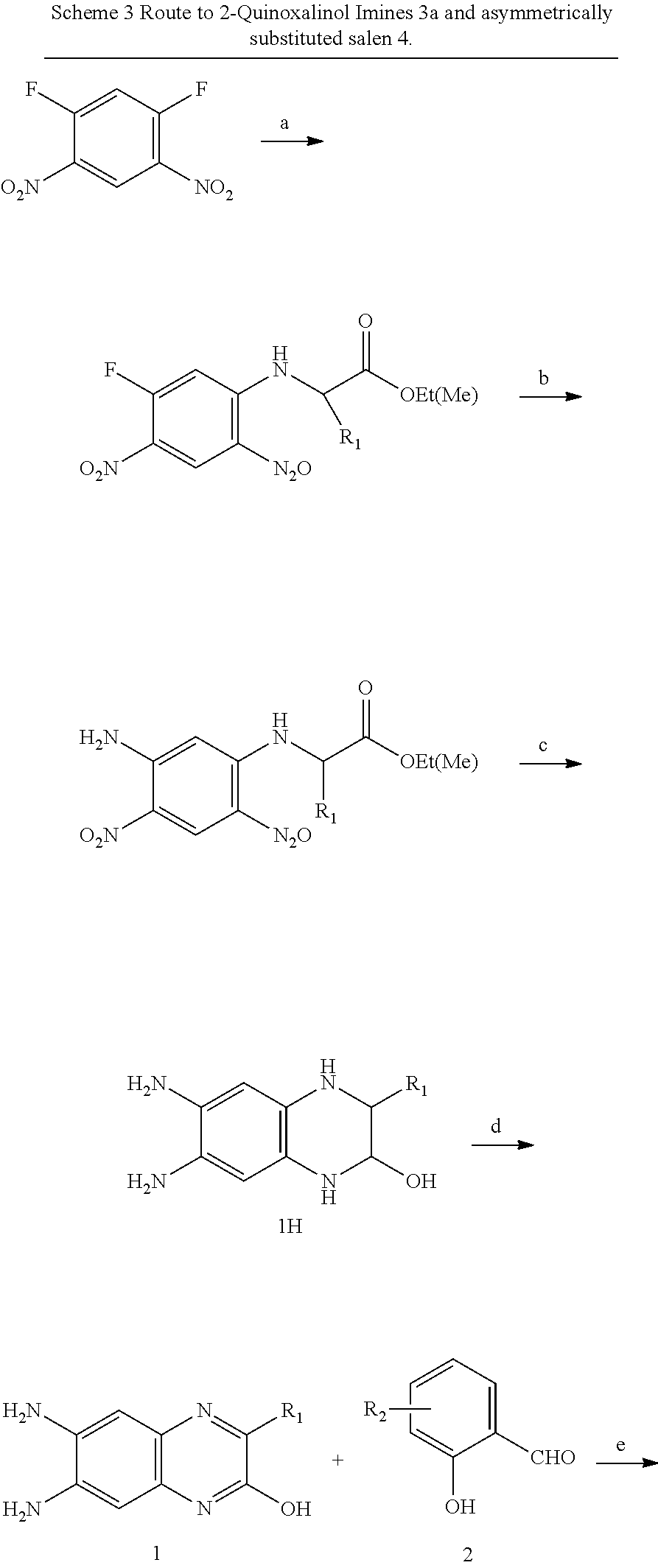
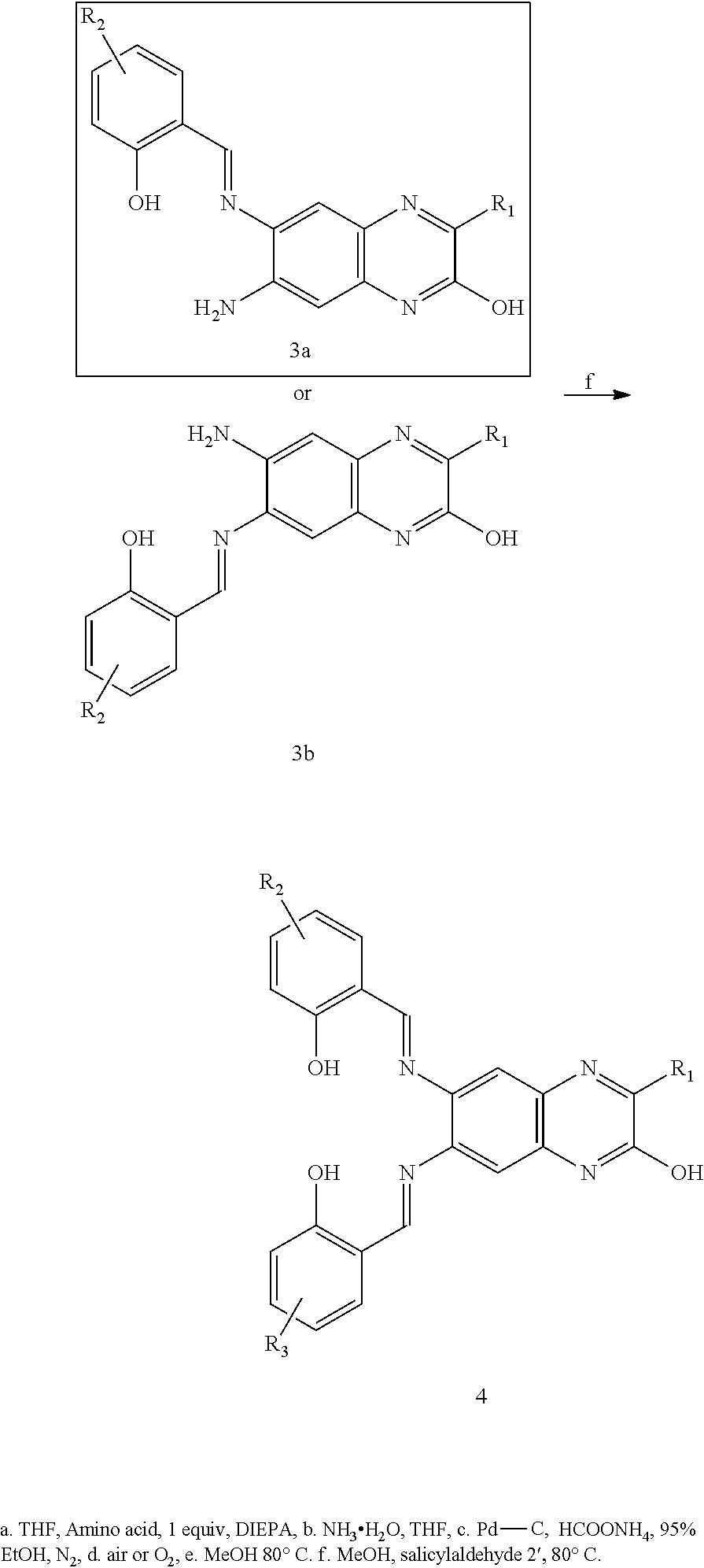
- Here, the exact structure of these 2-quinoxalinol imine was determined using isotope 15N. labeled compounds and NMR technology. The reaction was found to be regioselective. Based on these observations, several 2-quinoxalinol imine intermediates were synthesized and used as synthetic building blocks in the preparation of asymmetrically substituted salen-based ligands.
- Results and Discussion
- The general synthetic route for the formation of the 2-quinoxalinol salen ligands has been reported previously, and it was previously shown that the ratio of the starting materials used (diamino-2-quinoxalinol (1) to salicylaldehyde derivatives (2)) is important for optimization of the reaction. When the ratio is 1:1.2, a 2-quinoxalinol imine is the major product with high regioselectivity. If the ratio of reactants is increased, the yield of symmetric 2-quinoxalinol salens increases. As the ratio of reactants reaches 1:10, the yield of the symmetric 2-quinoxolinol salen is much higher.
- The identification of 2-quinoxalinol imine intermediates in the reaction is important to determine the utility of these compounds in asymmetric syntheses, because two configurations [(3a) or (3b)] are possible. In order to identify the exact structure, the two amino groups of the diamino-2-quinoxalinol intermediate (1) were differentiated by replacing ammonium hydroxide with 15N labeled ammonium hydroxide during the secondary substitution of the 1,5-difluoro-2,4-dinitrobenzene (DFDNB). Because of the heteronuclear coupling of 15N, 1H-NMR can be used to demonstrate a difference between the two amino groups of intermediate (1). Thus, in the 2-quinoxalinol imine intermediate, the position of the imine formation (whether on the 15N or 14N of intermediate (1)) can be identified. The 1H-NMR spectra with intermediate (1a), 2-quinoxalinol imine (3ae) and the 15N labeled intermediate (1a), 2-quinoxalinol imine (3ae) are shown in
FIG. 2 . - In
FIG. 2 , for intermediate (1a), the “a” labeled peaks corresponding to the two protons of the 14N and 15N amino groups are different in spectra I and II. Spectra I has a broad single peak, while in spectra II, with heteronuclear coupling, the protons are split (J=78.0 Hz). For the 13N labeling 2-quinoxalinol imines (3ae-15N), the peak marked “b” corresponding to the proton on the carbon of imine group are split by 15N (J=3.0) (spectra IV), whereas it is still a single peak in spectra III. At the same time, in the spectra III and IV, the peak (δ=4.66 ppm) disappear. Therefore, the final structure of 2-quinoxalinol imines is 3ae. - The higher reactivity of the 6-amino group versus the 7-amino group may be explained based on either a kinetic or a thermodynamic argument. In the kinetic explanation, the 2-quinoxalinol ring is an aromatic system, and the 2-hydroxyl group is an electron-donor group which increases electron density of the carbon contacting 6-amino group and so making 6-amino group more reactive than the 7-amino group (an α-nucleophile effect). This effect is evident in the 1H-NMR of intermediate 1 (
FIG. 2 ). There is a substantial difference between the chemical shift of hydrogen on 6 and 7 amino groups (Δδ=0.81 ppm, as identified in the labeling study). The two amino groups are in the same benzene ring, the up-field hydrogen of the 6-amino group must have more electron density and, therefore, the 6-amino group is more reactive than the 7-amino group downfield. - This can be confirmed by computational results. The density functional theory method B3LYP/6-31G(d) was used to characterize intermediate (1) and 2-quinoxalinol imines (3a) and ground states in vacuum using Gaussian 03. Calculations using B3LYP/6-31G(d) were used for geometry optimizations and the calculation of vibrational frequencies, which confirmed all stationary points as minima and provided thermodynamic corrections. The effect of methanol was approximated by subsequent single-point calculations using the conductor-like polarizable continuum model (CPCM). The default Gaussian 03 dielectric constant of 32.63 was used for methanol. Partial charges for the intermediate (1) and 2-quinoxalinol imines (3a) were obtained using CHELPG method. The calculation results show that the 6-nitrogen in each case has more negative charge than the 7-nitrogen, and the 6-amino group of 2-qunioxilinol should be more reactive that 7-amino group. (See Table 3.)
-
TABLE 3 Calculation results of intermediate 1. 
Charge of Charge of 6-nitrogen 7-nitrogen Intermediate R1 (δ6) (δ7) ≧δ6-7 1a 
−0.857 −0.831 0.026 1b 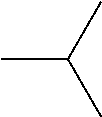
−0.856 −0.831 0.025 1c 
−0.861 −0.839 0.022 1d 
−0.848 −0.817 0.039 1e H −0.852 −0.823 0.029 - Finally, based on thermodynamics the minimized energy of three pair of 2-quinoxalinol imines isomers (3ad and 3bd, 3af and 3bf and 3ai and 3bi) was calculated with the same method (vida supra) using a model of gas and methanol. The minimized energy of 3ad, 3af and 3ai are 0.869, 0.931 and 0.954 lower in the gas model; and 0.800, 0.889 and 1.061 kcal/mol lower in the MeOH model than their respective isomers (3bd, 3bf and 3bi). Therefore, from the thermodynamic view, 3ad, 3af and 3ai are more stable than their isomers.
- The synthetic method for the preparation of 2-quinoxalinol imines (3a) began with the addition of 1.0 equiv. of the intermediate (1) dissolved in 4 mL methanol to a solution of 1.2 equiv substituted salicylaldehyde (2) in 6 mL methanol. The two were combined with stirring, and after heating at refluxing temperature for 1 hour, the reaction mixture becomes deep yellow or red. Stirring at refluxing temperature was continued for 14 hours, and monitored by TLC. Once it was observed that the reaction mixture no longer contains starting material (1), the reaction was stopped by allowing the mixture to cool to room temperature. Pure 2-quinoxalinol imines (3a) were obtained by flash column chromatography using hexane:ethyl acetate, 3:1 as eluent. According to this method, eight different 2-quinoxalinol imines (3aa-3ah) were prepared (Table 4).
-
TABLE 4 Formation of 2-Quinoxalinol Imines (3ax). 3a 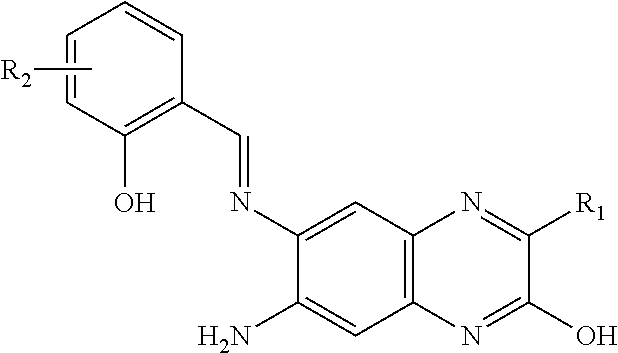
Product R1 R2 Yield (%) 3aa 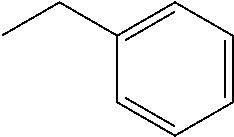
3-tert-butyl 93.8* 3ab 
3-tert-butyl 70.2* 3ac 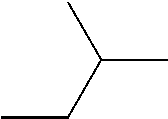
3-tert-butyl 71.5* 3ad 
3-tert-butyl 65.5* 3ae 
3,5-Di-tert-butyl 76.7* 3af 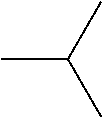
3,5-Di-tert-butyl 66.0* 3ag 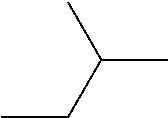
3,5-Di-tert-butyl 89.2* 3ah 
3,5-Di-tert-butyl 80.0* 3ai 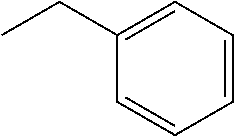
3-OH 68.5* 3aj H 3-tert-butyl —¶ 3ak H 3,5-Di-tert-butyl —¶ *One-step yield purified by column separation. - The yield of final products ranges from 65% to 94%. When R1 was a hydrogen atom, the diamino-2-quinoxalinol (1e) was not stable and was found to decompose on exposure to air. Because of this, it was directly used for the following reaction with 12 equiv salicylaldehyde under nitrogen gas protection without purification after the reduction reaction. The undehydrogenating diamino-2-quinoxalinol 1H reacts with the salicylaldehyde derivative. The major byproducts were 3aj-1 (11.0%) and 3ak-1 (10.0%) and the expected products 3aj and 3ak was not obtained. For sample 3ai, a modified procedure was used. After heating to reflux temperature for 4 hours, a red precipitate (3ai) forms. The red solid was filtered off and washed with 95% ethanol followed by acetone resulting in the pure final 2-quinoxalinol imine (3ai). Unlike the previous reactions, prolonging the reaction time did not increase the yield of product (3ai). Other salicylaldehyde derivatives with different functional groups in the 3 position were tried, but the expected final 2-quinoxalinol imines (e.g., 3a) were not obtained. In contrast, in some cases, low yields of the symmetric 2-quirioxalinol salens were obtained. When the 3 position had bulky group such as tert-butyl group, the 2-quinoxalinol imines (3a) were formed as the major products. The compound 3ai is a special case, but when another intermediate (1) with different group R1 reacted with 2,3-dihydroxy salicylaldehyde, the expected products were not formed. These results demonstrate that the 2-quinoxalinol aromatic system and 3 position bulky group of salicylaldehyde are necessary to the regioselective effect. All of the final products were identified and characterized by H-NMR, 13C-NMR, MS, HR-MS, and IR. In all cases, the R1 groups are electron-donor groups or are neutral (H). In the case of reactions with an electron-withdrawing group on R1, such as with a trifluoromethyl group, the resultant diamino-2-quinoxalinol was unstable, and its 2-quinoxalinol imine was not obtained.
- Based on these experiments, nine 2-quinoxalinol imines (3aa-3ai), and twelve asymmetrically substituted 2-quinoxalinol salens (4a-4l) were obtained (Table 5).
-
TABLE 5 Formation of Asymmetrically Substituted 2-Quinoxalinol Salen Ligands (4). 4 
Product R1 R2 R3 Yield (%)* 4a 
3-tert- butyl 3,5-Di-tert- butyl 49.1 4b 
3-tert-butyl H 60.5 4c 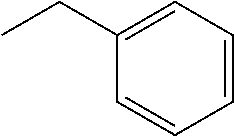
3,5-Di-tert-butyl 3-tert-butyl 41.0 4d 
3-tert- butyl 3,5-Di-tert- butyl 54.2 4e 
3-tert-butyl H 63.0 4f 
3,5-Di-tert-butyl 3-tert-butyl 44.7 4g 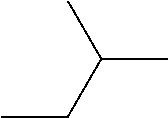
3-tert- butyl 3,5-Di-tert- butyl 50.0 4h 
3-tert-butyl H 68.5 4i 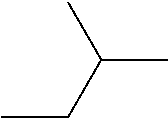
3,5-Di-tert-butyl 3-tert-butyl 38.5 4j 
3-tert- butyl 3,5-Di-tert- butyl 50.5 4k 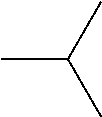
3-tert-butyl H 66.4 4l 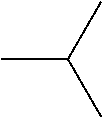
3,5-Di-tert-butyl 3-tert-butyl 43.7 *Yield is a two step yield (i.e., the yield from starting material 1 to final product 4). - The procedure for the synthesis of these asymmetrically substituted 2-quinoxalinol salens is unique and can be done in, one pot. According to the general procedure of synthesis of 2-quinoxalinol imines 3a, when the imines are formed, without additional purification, a second substituted
salicylaldehyde 2′ was directly added into the methanol reaction solution. The reaction mixture was allowed to heat to reflux temperature for another 14 hours, and in the end, a precipitate forms. The end product can be filtered and washed with 95% ethanol andacetone 5 times each. The precipitates were directly identified by NMR and MS. The purities of them are very high. All of synthesized salens (4a-4l) are of low solubility in water, hexane, methanol, or ethanol. When R3 is H, these ligands are very soluble in DMSO or DMF, but not in DCM or CHCl3, whereas other salens are, in contrast, soluble in DCM or CHCl3, but of low solubility in DMSO. - Combinations of different R1, R2 and R3 groups were tested. Altering the R1 group does not appear to affect the reactivity of 6,7-amino group. When intermediate 3a was reacted with the
first salicylaldehyde 2 containing the R2 group being 3-tert-butyl, R3 of thesecond salicylaldehyde 2′ added could be H or 3,5-di-tert-butyl and the yield of these asymmetrically substituted 2-quinoxalinol salens (4a, 4b, 4d, 4e, 4g, 4h, 4j and 4k) were 50.0%-70.0%, whereas when R3 was a hydroxyl group, there is no expected product; however, when R2 is 3,5-di-tert-butyl, there is only one combination which has a good yield of the asymmetrically substituted 2-quinoxalinol salens, that is, R1 is 3-tert-butyl, the yield is a bit lower (˜45%). - Conclusion
- The exact structure of 2-quinoxalinol imines was identified using isotope 15N labeled compounds. Based on this, a series of new compounds, the 2-quinoxalinol imines were prepared and used to generate a series of asymmetrically substituted 2-quinoxalinol salens. Using the imine functional group in these compounds, further asymmetrically salen ligand may be generated using 2-quinoxalinol derivative prepared from natural or artificial amino acids and labeled peptides, as well as secondary amine products for screening for bioactivity. These asymmetrical 2-quinoxalinol salen ligands further may be used to prepare metal complexes in order to identify their chiral character and develop complexes as potential new chiral catalysts.
- Experimental Section
- All amino acid methyl esters, DFDNB (1,5-difluoro-2,4-dinitrobenzene), HCl (37%), Ammonium hydroxide (5.0 N), palladium on carbon. (wet, 5%) were purchased and used as received, 15N labeled ammonium hydroxide was purchased from Cambridge Isotope laboratories, Inc. All melting points were recorded, and the values were uncorrected. 1H and 13C NMR spectra were recorded on a 250 MHz NMR spectrometer (operated at 250 and 62.5 MHz, respectively) or 400 MHz spectrometer (operated at 400 and 100 MHz, respectively). Which instrument was used and when is indicated in the data provided. Chemical shifts are reported as 5 values (ppm). NMR data were collected by using DMSO-d6. D2O/water exchange experiments were run in some experiments. The solvents used are indicted in the experimental details. Reaction progress was monitored by thin-layer chromatography (TLC) using 0.25 mm silica gel precoated plates with visualization by irradiation with a UV lamp. HRMS data was collected using Electrospray ionization mass spectrometry or direct probe ionization. IR spectroscopic data was collected using KBr solid samples. Samples for melting point, IR and NMR were purified by flash column chromatography. Calculations were run using Gaussian 03.
- General Procedure
- 3aa-3ai The synthesis of 2-quinoxalinol imine (3a) began with the addition of 1.0 equiv of the intermediate 2-quinoxalinol (1) dissolved in 4 mL methanol to a solution of 1.2 equiv. substituted salicylaldehyde derivatives (2) in 6 mL methanol. The two were combined with stirring for 14 hours, monitored by TLC. Once starting material (1) can no longer be seen by TLC, the reaction was considered complete. Pure 2-quinoxalinol imines (3a) were obtained by purification using flash column chromatography with a solution of hexane:ethyl acetate, 3:1 as eluent. For sample (380, a modified procedure was used. The product began to form as a red solid (3M) after heating at refluxing temperature for 4 hours. The red solid was filtered off and washed with 95% ethanol followed by acetone to obtain pure final 2-quinoxalinol imines (3ai).
- 4a-4i This procedure is the same as that for preparing the 2-quinoxalinol imine; however, when the starting material (1) can no longer be observed using TLC, a
second salicylaldehyde derivative 2′ can be added directly to the reaction mixture. The mixture was then allowed to heat at refluxing temperature for an additional 14 hours resulting in a large quantity of precipitates. These precipitates were isolated by filtering, and then washed with 95% ethanol andacetone 5 times each. The pure products were identified and characterized by NMR, IR, MS and HRMS. - Experimental Data
- 3aa 1H-NMR (400 MHz DMSO-d6): δ 1.44 (s, 9H), 4.04 (s, 2H), 5.84 (bs, 2H), 6.59 (s, 1H), 6.80 (s, 1H), 6.59-7.74 (m, 9H), 8.98 (s, 1H), 12.15 (bs, 1H), 13.58 (bs, 1H). 13C-NMR (100 MHz, DMSO-d6): δ 167.4, 164.0, 159.8, 155.5, 154.2, 145.6, 138.8, 136.8, 133.4, 132.3, 132.2, 132.0, 131.8, 130.4, 129.5, 129.2, 128.7, 126.6, 125.0, 120.0, 119.0, 117.1, 97.7, 40.0, 35.0, 30.0. Formula: C26H26N4O2. MS (M+H): 426.0. HRMS: found (426.2051), calc 026.2056). IR: 3470.0 cm−1(bs), 3375.4 cm−1(bs), 3182.6 cm−1, 2956.9 cm−1, 2927.9 cm−1, 2870.1 cm−1, 1728.2 cm−1, 1656.9 cm−1, 1624.1 cm−1, 1271.1 cm−1. Melting point: 196.0-199.0° C.
- 3ab 1H-NMR (400 MHz DMSO-d6): δ 1.20 (d, J=6.8, 6H), 1.44 (s, 3.61 (sept, 1H), 5.77 (bs, 2H), 6.60 (s, 1H), 6.94 (t, 1H), 7.38 (d, 1H), 7.53 (d, 1H), 7.55 (s, 1H), 9.03 (s, 1H), 12.07 (bs, 1H), 13.64 (bs, 1H). 13C-NMR (100 MHz, DMSO-d6): δ 170.8, 163.8, 159.8, 159.6, 155.1, 145.3, 136.8, 133.1, 132.1, 131.8, 130.4, 124.8, 120.1, 119.0, 117.7, 97.8, 35.0, 29.9, 20.8, 14.6. Formula: C22H26N4O2. MS (M+H): 378.0. HRMS: found (378.2052), calc (378.2056). IR: 3442.9 cm−1(bs), 3402.4 cm−1(bs), 2958.8 cm−1, 2872.0 cm−1, 1710.9 cm−1, 1651.1 cm−1, 1626.0 cm−1, 1502.6 cm−1, 1234.4 cm−1. Melting point: 250.0-253.0° C. (Color changed).
- 3ac 1H-NMR (250 MHz DMSO-d6): δ 0.93 (d, 7=6.6, 6H), 1.43 (s, 9H), 2.19 (m, 1H), 2.58 (d, 2H), 5.77 (bs, 2H), 6.59 (s, 1H), 6.93 (t, 1H), 7.37 (d, 1H), 7.52 (d, 1H), 7.55 (s, 1H), 8.99 (s, 1H), 12.06 (bs, 1H), 13.62 (bs, 1H). 13C-NMR (62.5 MHz, DMSO-d6): δ 163.8, 159.8, 155.8, 155.2, 145.3, 136.8, 133.2, 132.1, 131.7, 130.4, 125.0, 120.3, 119.0, 117.6, 97.8, 41.7, 34.9, 29.7, 26.8, 23.1. Formula: C23H28N4O2. MS (M+H): 392.0. HRMS: found (392.2206), calc (392.2212). IR: 3392.8 cm−1(bs), 2954.9 cm−1, 2924.1 cm−1, 2866.2 cm−1, 1710.0 cm−1, 1626.0 cm−1, 1600.9 cm−1, 1371.4 cm−1, 1232.5 cm−1. Melting point: >300.0° C.
- 3ad 1H-NMR (250 MHz DMSO-d6): δ1.43 (s, 9H), 2.09 (s, 3H), 2.86 (t, 2H), 2.97 (t, 2H), 5.82 (bs, 2H), 6.59 (s, 1H), 6.93 (t, 1H), 7.37 (d, 1H) 7.51 (d, 1H), 7.53 (s, 1H), 12.11 (bs, 1H), 13.59 (bs, 1H). 13C-NMR (62.5 MHz, DMSO-d6): δ 163.9, 159.8, 155.5, 153.9, 145.5, 136.8, 133.3, 132.3, 131.8, 130.4, 125.0, 120.0, 119.0, 117.6, 97.8, 34.9, 32.8, 30.9, 29.7, 15.2. Formula: C22H26N4O2S. MS (M+H): 410.0. HRMS: found (410.1767), calc (410.1776). IR: 3469.9 cm−1(bs), 3334.9 cm−1(bs), 2920.2 cm−1, 2954.9 cm−1, 2918.3 cm−1, 2875.9 cm−1, 1710.8 cm−1, 1662.6 cm−1, 1626.0 cm−1, 1429.3 cm−1, 1234.4 cm−1. Melting point: 225.0-227.0° C.
- 3ae 1H-NMR (400 MHz DMSO-d6): δ 1.31 (s, 9H), 1.44 (s, 9H), 4.05 (s, 2H), 5.81 (bs, 2H, D2O exchangeable), 6.58 (s, 1H), 7.20-7.55 (m, 8H), 8.99 (s, 1H), 12.15 (bs, 1H, D2O exchangeable), 13.32 (bs, 114, D2O exchangeable). 13C-NMR (100 MHz, DMSO-d6): 168.2, 162.4, 160.5, 159.5, 145.7, 142.7, 141.4, 137.7, 137.5, 134.1, 133.0, 132.8, 131.8, 131.0, 130.6, 123.4, 121.8, 102.9, 40.0, 39.8, 38.9, 36.2, 34.2. Formula: C30H34N4O2. MS: 482.0. HRMS: found (482.2681), calc (482.2682). IR: 3491.2 cm−1(bs), 3375.4 cm−1, 2955.08 cm−1, 2870.18 cm−1, 2821.98 cm−1, 1718.68 cm−1, 1653.0 cm−1, 1626.0 cm−1, 1502.6 cm−1, 1238.0 cm−1. Melting point: 248.0-250.0° C. 3ae 15N: 1H-NMR (400 MHz DMSO-d6): δ 1.31 (s, 9H), 1.44 (s, 9H), 4.04 (s, 2H), 5.81 (bs, 2H, D2O exchangeable), 6.58 (s, 1H), 7.21-7.55 (m, 8H), 8.98 (d, 1H), 12.14 (bs, 1H, 020 exchangeable), 13.32 (bs, 1H, D2O exchangeable).
- 3af 1H-NMR (400 MHz DMSO-d6): δ 1.18 (d, 6H), 1.26 (s, 9H), 1.28 (s, 9H), 4.00 (sept, 1H), 5.67 (bs, 2H), 6.59 (s, 1H), 7.40 (s, 1H), 7.54 (s, 1H), 7.58 (s, 1H), 9.04 (s, 1H), 12.06 (bs, 1H), 13.36 (bs, 1H). 13C-NMR (100 MHz, DMSO-d6): δ 164.3, 159.6, 157.5, 155.1, 145.2, 140.7, 136.0, 133.0, 132.3, 128.2, 127.4, 124.8, 119.4, 117.6, 97.7, 35.1, 34.4, 31.8, 29.8, 20.8, 14.6. Formula: C26H34N4O2, MS (M+H): 434. HRMS: found (434.2675), calc (434.2682). IR: 3489.2 cm−1(bs), 3387.0 cm−1, 2958.88 cm−1, 2910.68 cm−1, 2870.18 cm−1, 2819.98 cm−1, 1739.88 cm−1, 1651.1 cm−1, 1620.2 cm−1, 1502.6 cm−1, 1240.1 cm−1. Melting point: 275.0-276.0° C. (Color changed).
- 3ag 1H-NMR (400 MHz DMSO-d6): δ 0.94 (d, 6H), 1.32 (s, 9H), 144 (s, 9H), 2.20 (m, 1H), 2.59 (d, 2H), 5.76 (bs, 2H), 6.59 (s, 1H), 7.40 (s, 1H), 7.54 (s, 1H), 7.57 (s, 1H), 9.01 (s, 1H), 12.06 (bs, 1H), 13.36 (bs, 1H). 13C-NMR (100 MHz, DMSO-d6): δ 164.4, 157.5, 155.8, 155.0, 145.3, 140.7, 136.0, 133.0, 132.4, 128.2, 127.5, 125.0, 119.4, 117.6, 97.7, 41.7, 35.1, 34.4, 31.8, 29.8, 26.7, 23.1. Formula: C27H36N4O2, MS (M+H): 448.0. HRMS: found (448.2839), calc (448.2838). IR: 3489.2 cm−1(bs), 3400.5 cm−1(bs), 2955.0 cm−1, 2866.2 cm−1, 2818.0 cm−1, 1653.0 cm−1, 1626.0 cm−1, 1500.6 cm−1, 1234.4 cm−1, Melting point: >300.0° C.
- 3ah 1H-NMR (250 MHz DMSO-d6): δ1.31 (s, 9H), 1.44 (s, 9H), 2.11 (s, 2H), 2.83 (t, 2H), 2.96 (t, 2H), 5.80 (bs, 2H), 6.59 (s, 1H), 7.40 (s, 1H), 7.56 (s, 1H), 7.70 (s, 1H), 8.99 (s, 1H), 12.12 (bs, 1H), 13.33 (bs, 1H). 13C-NMR (62.5 MHz, DMSO-d6): δ 164.5, 157.5, 155.5, 153.8, 145.4, 140.7, 136.1, 133.2, 132.5, 128.2, 127.5, 125.0, 119.4, 117.6, 97.6, 35.1, 34.4, 32.8, 31.8, 30.8, 29.8, 15.2. Formula: C26H34N4O2S, MS (M+H): 467. HRMS: found (467.2475), calc (467.2480). IR: 3473.8 cm−1(bs), 3333.0 cm−1(bs), 2956.8 cm−1, 2912.5 cm−1, 2870.1 cm−1, 1711.08 cm−1, 1662.6 cm−1, 1626.0 cm−1, 1500.6 cm−1, 1234.5 cm−1. Melting point: 239.5-240.5° C.
- 3ai 1H-NMR (400 MHz DMSO-d6): δ 4.04 (s, 2H), 5.87 (bs, 2H, D2O exchangeable), 6.57 (s, 1H), 6.78-7.34 (m, 81-I), 7.49 (s, 1H), 8.94 (s, 1H), 9.26 (bs, 1H, D2O exchangeable), 12.13 (bs, 1H, D2O exchangeable), 12.47 (bs, 1H, D2O exchangeable). 13C-NMR (100 MHz, DMSO-d6): δ 162.6, 155.5, 154.0, 149.0, 146.0, 145.8, 138.8, 133.4, 132.8, 129.5, 128.7, 126.6, 124.9, 122.9, 120.8, 119.3, 119.2, 117.4, 97.5, 39.0. Formula: C22H18N4O3, MS (M+H): 387.0. HRMS: found (387.1452), calc (387.1457). IR: 3489.2 cm−1 (bs), 3429.4 cm−1(bs), 3394.7 cm−1(bs), 2941.4 cm−1, 2877.8 cm−1, 2818.0 cm−1, 1656.8 cm−1, 1626.0 cm−1, 1500.6 cm−1, 1465.9 cm−1, 1275.0 cm−1, 1236.4 cm−1. Melting point: 260.0-261.0° C.
- 3aj-1 1H-NMR (400 MHz CDCl3 and DMSO-d6): δ1.40 (s, 9H), 1.41 (s, 9H), 3.87 (s, 2H), 4.04 (t, 1H), 6.37-7.50 (m, 8H), 8.78 (s, 1H), 8.84 (s, 1H), 10.49 (bs, 1H), 14.09 (bs, 1H), 14.16 (bs, 1H). 13C-NMR (100 MHz, CDCl3 and DMSO-d6): δ 166.0, 163.8, 161.2, 160.3, 160.0, 137.9, 137.0, 136.9, 135.7, 132.6, 131.6, 131.2, 130.0, 126.7, 119.7, 118.8, 105.5, 103.7, 60.2, 34.9, 29.7. Formula: C30H34N4O3. MS (M): 498.3. HRMS: found (498.2628), calc (498.2631). IR: 3386.9 cm−1(bs), 2955.8 cm−1, 2877.8 cm−1, 2818.0 cm−1, 1680.2 cm−1, 1609.6 cm−1, 1519.4 cm−1, 1430.6 cm−1, 1303.4 cm−1, 1143.5 cm−1, Melting point: 255.0-256.0° C. (Color changed).
- 3ak-1 1H-NMR (400 MHz CDCl3 and DMSO-d6): δ 1.35 (s, 18H), 1.47 (s, 18H), 4.10 (s, 2H), 4.11 (t, 3H), 6.60 (s, 1H), 6.79 (s, 1H), 7.20-7.47 (m, 4H), 8.63 (s, 1H), 8.67 (s, 1H), 9.38 (bs, 1H), 13.55 (bs, 1H), 13.64 (bs, 1H). 13C-NMR (100 MHz, CDCl3 and DMSO-d6): δ 169.7, 163.2, 146.4, 145.3, 141.7, 133.1, 132.0, 123.1, 39.8, 38.9, 36.3, 34.2. Formula: C38H50N4O3. MS (M): 610.4. HRMS: found (610.3883), calc (610.3891). IR: 3489.2 cm−1(bs), 3379.4 cm−1(bs), 3232.1 cm−1(bs), 2957.0 cm−1, 2871.0 cm−1, 2869.0 cm−1, 1709.1 cm−1, 1686.0 cm−1, 1614.6 cm−1, 1515.0 cm−1, 1297.5 cm−1, 1250.5 cm−1. Melting point: 250.0-251.0° C. (Color Changed).
- 4a 1H: NM. (400 MHz DMSO-d6): δ 1.31 (s, 9H), 1.36 (s, 9H), 1.42 (s, 9H), 4.18 (s, 2H) 6.90-7.56 (m, 11H), 7.97 (s, 1H), 8.94 (s, 1H), 9.13 (s, 1H), 13.49 (bs, 1H, D2O exchangeable), 14.01 (bs, 1H, D2O exchangeable) 13C NMR (100 MHz, DMSO-d6): δ 167.1, 164.9, 160.4, 158.4, 145.0, 140.7, 138.2, 137.8, 137.2, 136.7, 131.7, 130.6, 129.6, 128.6, 128.1, 126.7, 119.6, 118.6, 118.3, 35.1, 34.9, 34.3, 31.7, 29.7, 29.6, 25.7. Formula: C41H46N4O3. MS (M+): 642.0. HRMS: found (642.3559), calc (642.3570). IR: 3437.2 cm−1(bs), 3423.7 cm−1(bs), 2955.4 cm−1, 2910.6 cm−1, 2870.1 cm−1, 1658.8 cm−1, 1610.6 cm−1, 1577.8 cm−1, 1431.2.9 cm−1, 1392.6.0 cm−1, 1195.9 cm−1, 1168.9 cm−1, Melting point: 251.0-253.0° C.
- 4b 1H-NMR (400 MHz DMSO-d6): δ 1.38 (s, 9H), 4.17 (s, 2H), 6.88-7.88 (m, 13H), 7.96 (s, 1H), 8.90 (s, 1H), 9.11 (s, 1H), 12.12 (bs, 2H), 14.46 (bs, 1H). 13C-NMR (100 MHz, DMSO-d6): δ 164.7, 164.2, 160.8, 160.5, 155.0, 146.2, 137.9, 137.3, 137.1, 134.4, 132.2, 132.0, 131.7, 131.1, 130.6, 129.7, 128.9, 126.9, 120.5, 119.7, 119.6, 118.7, 118.0, 117.0, 105.7. Formula: C33H30N4O3. MS (M): 387.0. FIRMS: found (530.2320), calc (530.2318). IR: 3425.6 cm−1(bs), 3147.8 cm−1(bs), 3394.7 cm−1(bs), 2920.2 cm−1, 2864.3 cm−1, 2785.2 cm−1, 1660.7 cm−1, 1608.6 cm−1, 1483.3 cm−1, 1384.9 cm−1, 1201.7 cm−1, 1147.7 cm−1. Melting point: 239.0-241.0° C.
- 4c 1H-NMR (400 MHz CDCl3 and DMSO-d6): δ1.30 (s, 9H), 1.37 (s, 9H), 1.40 (s, 9H) 4.17 (s, 2H), 6.89-7.89 (m, 11H), 7.91 (s, 1H), 8.86 (s, 1H), 9.07 (s, 1H), 12.53 (bs, 1H), 13.65 (bs, 1H), 13.68 (bs, 1H). 13C-NMR (100 MHz, CDCl3 and DMSO-d6): 166.8, 166.7, 165.7, 160.7, 160.6, 160.4, 158.1, 154.9, 151.7, 144.6, 140.5, 138.4, 137.7, 137.2, 137.0, 136.3, 132.1, 131.8, 131.5, 131.2, 129.6, 128.7, 128.1, 127.9, 126.7, 119.6, 119.3, 118.9, 118.3, 105.9, 35.0, 34.9, 34.3, 31.9, 31.7, 29.6. Formula: C41H46N4O3. MS (M+): 642.0. HRMS: found (642.3583), calc (642.3570). IR: 3373.5 cm−1(bs), 2956.9 cm−1, 2924.1 cm−1, 2866.2 cm−1, 1654.9 cm−1, 1602.9 cm−1, 1275.0 cm−1, 1488.8 cm−1, 1203.9 cm−1, 1174.7 cm−1. Melting point: 260.0-262.0° C.
- 4d 1H-NMR (400 MHz CDCl3 and DMSO-d6): δ 1.17 (s, 9H), 1.25 (s, 9H), 1.29 (s, 9H), 2.04 (s, 3H), 2.87 (t, 2H), 3.08 (t, 2H), 6.70-7.54 (m, 7H), 8.52 (s, 1H), 8.61 (s, 1H), 12.13 (bs, 1H), 13.15 (bs, 1H), 13.50 (bs, 1H). 13C-NMR (100 MHz, CDCl3 and DMSO-d6): δ 165.8, 165.5, 164.2, 160.7, 159.9, 159.8, 158.5, 158.2, 155.3, 144.9, 144.6, 140.5, 140.4, 138.9, 138.6, 137.7, 137.0, 136.9, 131.5, 131.4, 131.2, 130.8, 128.7, 128.1, 127.0, 126.8, 118.8, 118.2, 105.6, 35.0, 34.8, 34.1, 33.1, 30.6, 29.3, 29.2, 15.4. Formula: C37H46N4O3S. MS (M+): 626.0. HRMS: found (626.3279), calc (626.3291). IR: 3421.7 cm−1(bs), 2953.0 cm−1(bs), 2914.4 cm−1(bs), 2862.4 cm−1, 1656.9 cm−1, 1610.6 cm−1, 1577.8 cm−1, 1431.2 cm−1, 1313.5 cm−1, 1267.2 cm−1. Melting point: 244.0-245.0° C. (Color changed).
- 4e 1H-NMR (400 MHz DMSO-d6): δ 1.38 (s, 9H), 2.15 (s, 3H), 2.94 (t, 2H), 3.13 (t, 2H), 6.89-7.99 (m, 9H), 8.92 (s, 1H), 9.13 (s, 1H), 11.99 (bs, 1H), 12.49 (bs, 1H), 14.47 (bs, 1H). 13C-NMR (100 MHz, DMSO-d6): δ 164.6, 164.1, 160.8, 160.5, 154.8, 146.0, 137.3, 137.1, 134.4, 132.1, 132.0, 131.7, 131.0, 130.6, 120.5, 119.7, 119.6, 118.7, 118.0, 117.0, 105.7, 34.9, 33.2, 30.5, 29.6, 15.2. Formula: C29H30N4O3S. MS (M+): 514.0. HRMS: found (514.2039), calc (514.2039). IR: 3419.8 cm−1(bs), 2914.4 cm−1, 2864.3 cm−1, 2787.1 cm−1, 1658.8 cm−1, 1608.6 cm−1, 1483.3 cm−1, 1392.6 cm−1, 1207.4 cm−1, 1143.8 cm−1. Melting point: 229.0-230.0° C. (Color changed).
- 4f 1H-NMR (400 MHz CDCl3 and DMSO-d6): δ 0.92 (s, 9H), 1.0.1 (s, 9H), 1.04 (s, 9H), 1.80 (s, 3H), 2.62 (t, 2H), 2.82 (t, 2H), 6.46-7.31 (m, 7H), 8.28 (s, 1H), 8.40 (s, 1H). 13C-NMR (100 MHz, CDCl3 and DMSO-d6): δ 170.4, 170.3, 169.1, 168.6, 165.5, 165.3, 164.9, 163.0, 149.4, 149.3, 145.3, 143.7, 143.4, 142.5, 141.7, 138.9, 136.9, 136.4, 136.2, 135.9, 135.5, 135.3, 133.0, 131.8, 123.9, 123.7, 123.1, 122.7, 39.6, 39.0, 38.0, 37.9, 36.2, 35.4, 34.1, 34.0, 20.2. Formula: C37H46N4O3S. MS (M+): 626.0. HRMS: found (626.3277), calc (626.3291). IR: 3466.1 cm−1(bs), 3329.1 cm−1(bs), 2955.0 cm−1, 2899.0 cm−1, 2873.9 cm−1, 1662.6 cm−1, 1618.3 cm−1, 1492.9.6 cm−1, 1427.3 cm−1, 1236.4 cm−1, 1205.5 cm−1, 1172.7 cm−1. Melting point: 240.0-241.0 color changed).
- 4g. 1H-NMR (400 MHz CDCl3 and DMSO-d6): δ 0.92 (d, 6H), 1.22 (s, 9H), 1.30 (s, 9H), 1.32 (s, 9H), 2.24 (m, 1H), 2.69 (d, 2H), 6.74-7.58 (m, 7H), 8.58 (s, 1H), 8.66 (s, 1H). 13.23 (bs, 1H), 13.41 (bs, 1H), 13.56 (bs, 1H). 13C-NMR (100 MHz, CDCl3 and DMSO-d6): δ 165.0, 164.0, 163.0, 160.5, 158.6, 155.7, 144.7, 144.5, 140.5, 138.6, 137.7, 137.6, 137.1, 131.4, 131.1, 130.9, 130.7, 130.5, 128.7, 127.1, 119.1, 118.9, 118.3, 118.1, 117.8, 105.6, 42.1, 35.0, 34.8, 34.1, 31.4, 29.4, 29.3, 26.7, 22.7. Formula: C38H48N4O3. MS (M+): 608.0. HRMS: found (608.3730), calc (6083726). IR: 3421.7 cm−1(bs), 2955.0 cm−1(bs), 2910.6 cm−1(bs), 2872.0 cm−1, 1662.6 cm−1, 1606.7 cm−1, 1492.9 cm−1, 1425.4 cm−1, 1317.4 cm−1, 1276.9 cm−1, 1134.1 cm−1, 1089.8 cm1. Melting point: 260.0-261.0° C. (Color changed).
- 4h 1H-NMR (250 MHz DMSO-d6): δ 0.98 (d, 6H), 1.37 (s, 9H), 2.27 (m, 1H), 2.70 (d, 2H), 6.86-7.98 (m, 9H), 8.90 (s, 1H), 9.12 (s, 1H). 12.36 (bs, 1H), 14.01 (bs, 1H), 14.48 (bs, 1H). 13C-NMR (62.5 MHz, DMSO-d6): δ 164.5, 164.1, 161.9, 161.6, 160.8, 160.5, 155.2, 145.8, 144.5, 137.9, 137.2, 1371, 137.0, 134.3, 132.2, 132.0, 131.6, 131.4, 131.1, 130.7, 130.6, 120.5, 119.7, 119.6, 119.4, 119.1, 118.9, 118.6, 1181, 117.9, 117.0, 105.8, 42.1, 34.9, 29.7, 26.6, 23.1. Formula: C20H=N4O3, MS (M+): 496.0. HRMS: found (496.2472), calc (496.2474). IR: 3435.2 cm−1(bs), 3423.7 cm−1(bs), 2953.0 cm−1, 2916.4 cm−1, 2868.2 cm−1, 1656.9 cm−1, 1610.6 cm−1, 1473.6 cm−1, 1431.2 cm−1, 1392.6 cm−1, 1276.8 cm−1, 1193.9 cm−1, 1143.8 cm−1. Melting point: 271.0-273.0° C. (Color changed).
- 4i 1H-NMR (400 MHz CDCl3 and DMSO-d6): δ 0.91 (d, 6H), 1.22 (s, 9H), 1.28 (s, 9H), 1.32 (s, 9H), 2.23 (m, 1H), 2.69 (d, 2H), 6.73-7.58 (m, 7H), 8.58 (s, 1H), 8.66 (s, 1H). 13.22 (bs, 1H), 13.41 (bs, 1H), 13.56 (bs, 1H). 13C-NMR (100 MHz, CDCl3 and DMSO-d6): δ 165.9, 165.2, 163.7, 161.8, 161.6, 160.7, 158.6, 155.7, 144.7, 144.4, 140.5, 138.6, 137.7, 137.6, 137.1, 131.4, 131.1, 131.0, 130.9, 130.7, 130.5, 128.7, 127.1, 119.1, 118.9, 118.3, 118.1, 117.7, 105.5, 42.1, 35.0, 34.8, 34.7, 31.4, 29.3, 29.2, 26.8, 22.7. Formula: C38H48N4O3. MS (M+): 608.0. HRMS: found (608.3721), calc (608.3726). IR: 3500.0 cm−1(bs), 2955.0 cm−1(bs), 2912.5 cm−1(bs), 2872.0 cm−1, 1662.6 cm−1, 1604.8 cm−1, 1492.9 cm−1, 1431.2 cm−1, 1356.6 cm−1, 1207.4 cm−1, 1138.0 cm−1. Melting point: 264.0-266.0° C.
- 4j 1H-NMR (400 MHz CDCl3 and DMSO-d6): δ 1.21 (d, 6H), 1.30 (s, 9H), 1.33 (s, 9H), 1.34 (s, 9H), 3.49 (m, 1H), 6.74-7.61 (m, 7H), 8.57 (s, 1H), 8.68 (s, 1H). 12.05 (bs, 1H), 13.22 (bs, 1H), 13.58 (bs, 1H). 13C-NMR (100 MHz, CDCl3 and DMSO-d6): δ 165.4, 163.5, 160.7, 160.5, 158.6, 158.1, 155.1, 144.7, 144.4, 140.5, 138.5, 137.8, 137.6, 137.1, 131.5, 131.3, 131.0, 130.9, 130.7, 130.4, 128.7, 127.1, 119.1., 118.9, 118.3, 118.2, 118.1, 117.9, 105.4, 35.0, 34.8, 34.1, 31.4, 30.3, 29.4, 29.3, 20.2. Formula: C37H46N4O3. MS (M+): 594.0. HRMS: found (594.3566), calc (594.3570). IR: 3415.9 cm−1(bs), 3138.2 cm−1(bs), 2955.0 cm−1, 2872.0 cm−1, 2792.9 cm−1, 1664.6 cm−1, 1606.7 cm−1, 1489.1 cm−1, 1479.4 cm−1, 1211.3 cm−1, 1184.3 cm−1. Melting point: 269.0-271.0° C.
- 4k 1H-NMR (400 MHz CDCl3 and DMSO-d6): δ 1.27 (d, 6H), 1.38 (s, 9H), 3.51 (m, 1H), 6.89-7.99 (m, 9H), 8.91 (s, 1H), 9.16 (s, 1H). 12.06 (bs, 1H), 12.43 (bs, 14.52 (bs, 1H). 13C-NMR (100 MHz, CDCl3 and DMSO-d): δ 164.6, 164.1, 161.0, 160.9, 160.6, 160.5, 154.6, 145.9, 137.2, 137.1, 134.4, 133.1, 132.0, 131.7, 131.0, 130.6, 120.6, 120.1, 119.7, 119.6, 119.5, 118.7, 118.1, 117.9, 117.2, 117.0, 105.6, 34.9, 30.4, 29.6, 20.6. Formula: C29H30N4O3, MS (M): 482.0. HRMS: found (482.2313), calc (482.2318). IR: 3448.7 cm−1(bs), 3145.9 cm−1(bs), 2958.8 cm−1, 2870.1 cm−1, 2794.9 cm−1, 1658.8 cm−1, 1610.6 cm−1, 1481.3 cm−1, 1384.9 cm−1, 1207.4 cm−1, 1147.7 cm1. Melting point: 265.0-267.0° C.
- 4l 1H-NMR (400 MHz CDCl3 and DMSO-d6): δ 1.19-1.30 (m, 33H), 3.47 (m, 1H), 6.72-7.59 (m, 7H), 8.57 (s, 1H), 8.67 (s, 1H). 12.02 (bs, 1H), 13.35 (bs, 1H), 13.43 (bs, 1H). 13C-NMR (100 MHz, CDCl3 and DMSO-d6): δ 166.0, 165.4, 164.2, 160.7, 158.3, 155.0, 144.3, 140.4, 138.8, 137.7, 136.9, 131.5, 131.1, 131.0, 130.8, 128.1, 126.9, 118.9, 118.3, 118.2, 117.9, 105.5, 34.9, 34.7, 34.1, 31.3, 30.3, 29.3, 29.2, 20.1. Formula: C37H46N4O3. MS (M+): 594.0. HRMS: found (594.3572), calc (594.3570). IR: 3417.9 cm−1(bs), 3142.0 cm−1(bs), 2956.9 cm−1, 2877.8 cm−1, 2868.2 cm−1, 1656.9 cm−1, 1606.7 cm−1, 1469.8 cm−1, 1433.1 cm−1, 1209.4 cm−1, 1172.7 cm−1. Melting point: 258.0-260.0° C.
-
- 1. (a) Jacobsen, E. N.; Kakiuchi, F.; Konsler, R. G.; Larrow, J. F.; Tokunaga, M. Tetrahedron Lett. 1997, 38, 773. (b) Wu, M. H.; Jacobsen, E. N. J. Org. Chem. 1998, 63, 5252. (c) Wu, M. H.; Hansen, K. B.; Jacobsen, E. N. Angew. Chem. Int. Ed. 1999, 38, 2012. (d) Gigante, B.; Corma, A.; Garcia, H.; Sabater, M. J. Catal. Lett. 2000, 68, 113.
- 2. (a) Irk, R.; Noda, K.; Ito, Y.; Matsumoto, N.; Katsuki, T. Tetrahedron Lett. 1990, 31, 7345. (b) Zhang, W.; Loebach, J. L.; Wilson, S. R.; Jacobsen, E. N. J. Am. Chem. Soc. 1990, 112, 2801. (c) Holbach, M.; Week, M.; J. Org. Chem. 2006, 71, 1825.
- 3. (a) Kumar, P.; Naidu, V.; Gupta, P. Tetrahedron 2007, 63(13), 2745. (b) Brandes, B. D.; Jacobsen, E. N. Tetrahedron:
Asymmetry 1997, 8, 3927. (c) Breinbauer, R.; Jacobsen, E. N. Angew. Chem. Int. Ed. 2000, 39, 3604. (d) Annis, D. A.; Jacobsen, E. N. J. Am. Chem. Soc. 1999, 121, 4147. - 4. (a) Schwas, S. E.; Branalt, J.; Jacobsen, E. N. J. Org. Chem. 1998, 63, 403. (b) Chapman, J. J.; Day, C. S.; Welker, M. E. Eur. J. Org. Chem. 2001, 12, 2273. (c) Mellah, M.; Ansel, B.; Patureau, F.; Voituriez, A.; Schulz, E; Journal of Molecular Catalysis A: Chemical. 2007, 272, 20.
- 5. (a) Taylor, M. S.; Jacobsen, E. N. J. Am. Chem. Soc. 2004, 126, 10558. (b) Jayasree, S.; Majeed, S. A.; Benjamin L. J. Am. Chem. Soc. 2006, 128(4), 1086.
- 6, (a) Sigman, M. S.; Jacobsen, E. N. J. Am. Chem. Soc. 1998, 120, 5315. (b) Vachal, P.; Jacobsen, E. N. Org. Lett. 2000, 2, 867. (c) Yan, M.; Xu, Q. Y.; Chan, A. S. C. Tetrahedron: Asymmetry 2000, 11, 845. (d) Belokon, Y. N.; North, M.; Parsons, T. Org. Lett. 2000, 2, 1617. (e) Belokon, Y. N.; Green, B.; Ikonnikov, N. S.; North, M.; Parsons, T.; Tararov, V. I. Tetrahedron 2001, 57, 771.
- 7. (a) Marzano, C.; Pellei, M.; Colavito, D.; Alidori, S.; Lobbia, G. G.; Gandin, V.; Tisato, F.; Santini, C., J. Med. Chem. 2006, 49, 7317. (b) Bregman, H.; Williams, D. S.; Atilla, G. E.; Carroll, P. J.; Meggers, E., J. Am. Chem. Soc. 2004, 126(24), 13594. (c). Doctrow, S. R.; Huffman, K.; Marcus, C. B.; Tocco, G.; Malfroy, E.; Adinolfi, C. A.; Kruk, H.; Baker, K.; Lazarowych, N.; Mascarenhas, J.; Malfroy, B., J. Med. Chem. 2002, 45, 4549.
- 8. Wu, X. H.; Gorden, A. E. V. J. Comb. Chem. 2007, 9, 601.
- 9. (a) Zhang, L.; Liu, G.; Zhang, S, D.; Yang, H. Z.; Li, L.; Wu, X. H.; Yu, J. L.; Kou, B. B.; Xu, S.; Li, J.; Sun, G. C.; Ji, Y. F.; Cheng, G. F. J. Comb. Chem. 2004, 6, 431. (b) Perez, C.; Lopez, de C. A.; Bello, J. Food Chem. Toxicol. 2002, 40, 1463. (c) Mensah-Osman, E. J.; AL-Katib, A. M.; Dandashi, M. H.; Mohammad, R. M. Mol. Cancer. Ther. 2002, 1, 1315. (d) Seitz, L. E.; Suling, W. J.; Reynolds, R. C. J. Med. Chem. 2002, 45, 5604. (e) Burke, J. R.; Pattoli, M. A.; Gregor, K. R.; Brassil, P. J.; MacMaster, J. F.; McIntyre, K. W.; Yang, X.; Iotzova, V. S.; Clarke, W.; Strnad, J.; Qiu, Y.; Zusi, F. C. J. Biol. Chem. 2003, 278, 1450.
- 10. Jaung, J. Y., Dyes and Pigments 2006, 71(3), 245.
- 11. Schaper, W. W.; Lothar, R. C.; Erwin, H.; Eckhard, R.; Dirk, S.; U.S. Pat, Appl. Publ. 2005, US2005256000 A1 20051117 CAN 143:454394 AN 2005:1224419, 97.
- 12. (a) Pan, S. C.; List, B. Org. Lett. 2007, 9, 1149. (b) Pan, S. C.; Zhou, J.; and List, B. Angew. Chem. Int. Ed. 2007, 46, 612. (c) Rossi, J. C.; Marull, M.; Boiteau, L.; Taillades, J. Eur. J. Org. Chem. 2007, 662. (d) Huguenot, F.; Brigand. T. J. Org. Chem. 2006, 71, 7075. (e) Wang, H.; Zhao, X. M.; Li, Y. H.; Lu, L. Org. Lett. 2006, 8, 1379. (f) Martnez, R.; Ramon, D. J.; Yus, M. Tetrahedron Lett. 2005, 46, 8471.
- 13. (a) Vilaivan, T.; Bhanthumnavin, W.; Sritana-Anant, Y. Curr. Org. Chem. 2005, 9, 1315. (b) Kobayashi, S.; Ishitani, H. Chem. Rev. 1999, 99, 1069. (c) Arend, M. Angew. Chem. Int. Ed. 1999, 38, 2873. (d) Bloch, R. Chem. Rev. 1998, 98, 1407. (e) Enders, D.; Reinhold, U. Tetrahedron:
Asymmetry 1997, 8, 1895, (f) Alvaro, G.; Savoia, D. Syn. Lett. 2002, 651. - 14. (a) Jacobsen, E. N.; Kakiuchi, F.; Konsler, R. G.; Larrow, J. F.; Tokunaga, M., Tetrahedron Lett. 1997, 38, 773. (b) Wu, M. H.; Jacobsen, E. N. J. Org. Chem., 1998, 63, 5252. (c) Wu, M. H.; Hansen, K. B.; Jacobsen, E. N. Angew. Chem., Int. Ed. 1999, 38, 2012.
- 15. Johann, H.; Martin, K.; PCT Int. Appl. 2007, 57, WO 2007017284 A2 20070215 CAN 146:252109 AN 2007: 174055.
- 16. Pettersen, E. O.; Larsen, R. O.; Domish, J. M.; Borretzen, B.; Oftebro, R.; Ramdahl, T.; Moen, V. Eur. Pat. Appl. 1994, 26, EP 609032 A1 19940803 CAN 121:179238 AN 1994: 579238.
- 17. Hudson, M. J.; Knowles, J. P.; Harris, P. J. F.; Jackson, D. B.; Chinn, M. L.; Ward, S. Microporous and Mesoporous Materials. 2004, 75, 121.
- 18. (a) Prugh, J. D.; Birchenough, L. A.; Egbertson, M. S. Synth. Commun. 1992, 22, 2357. (b) Look, G. C.; Murphy, M. M.; Campbell, D. A.; Gallop, M. A. Tetrahedron Lett. 1995, 36(17) 2937. (c) Mooteoa, D. R.; Fraser-Reid, B. Tetrahedron Lett. 1989, 30(18), 2363.
- 19. (a) Peukert, s.; and Jacobsen, E. N.; Org. lett, 1999, 1, 1245.
- 20. Love, B. E.; Ren, J. H. J. Org. Chem. 1993, 58, 5556.
- 21. Frisch, M. J.; Trucks, G. W.; Schlegel, H. B.; Scuseria, G. E.; Robb, M. A.; Cheeseman, J. R.; Montgomery, J. A., Jr.; Vreven, T.; Kudin, K. N.; Burant, J. C.; Millam, J. M.; Iyengar, S. S.; Tomasi, J.; Barone, V.; Mennucci, B.; Cossi, M.; Scalmani, G.; Rega, N.; Petersson, C. T. A.; Nakatsuji, H.; Hada, M.; Ehara, M.; Toyota, K.; Fukuda, R.; Hasegawa, J.; Ishida, M.; Nakajima, T.; Honda, Y.; Kitao, O.; Nakai, H.; Klene, M.; Li, X.; Knox, J. E.; Hratchian, H. P.; Cross; J. B.; Bakken, V.; Adamo, C.; Jaramillo, j.; Gomperts, R.; Stratmann, R. E.; Yazyev, O.; Austin, A. J.; Cammi, R.; Pomelli, C.; Ochterski, J. W.; Ayala, P. Y.; Morokurna, K.; Voth, G. A.; Salvador, P.; Dannenberg, J. J.; Zakrzewski, V. G.; Dapprich, S.; Daniels, A. D.; Strain, M. C.; Farkas, O.; Malick, D. K.; Rabuck, A. a; Raghavachari, K.; Foresman, J. B.; Ortiz, J. V.; Cui, Q.; Baboul, A. G.; Clifford, S.; Cioslowski, J.; Stefanov, B. B.; Liu, G.; Liashenko, A.; Piskorz, P.; Komarorni, L; Martin, R. L.; Fox, D. J.; Keith, T.; Al-Laham, M. A.; Peng, C. Y.; Nanayakkartt, A.; Challacombe, M.; Gill, P. M. W.; Johnson, B.; Chen, W.; Wong, M. W.; Gonzalez, C.; Pople, J. A. Gaussian 03, reVision D.01; Gaussian, Inc.: Wallingford, Conn., 2004.
- 22. Cossi, M.; Rega, N.; Scalmani, G.; Barone, V. J. Comput. Chem. 2003, 24, 669.
- 23. Breneman, C. M.; Wiberg, K. B. J. Comput. Chem. 1990, 11, 361.
- Reference is made to Wu e al., “Synthesis and Characterization of 2-Quinoxalinol Schiff-Base Metal Complexes,” Inorganica Chimica Acta, Volume 362,
Issue - Abstract
- The reaction of uranyl acetate with (2,2′-(1E,1′E)-(2-benzyl-3-hydroxyquinoxaline-6,7 diyl) bis(azan-1-yl-1-ylidene)bis(methan-1-yl-1-ylidene)diphenol) (H2L1) at room temperature in methanol and chloroform yields the UO2L1 complex. Crystals were grown through solvent diffusion of the ligand-metal complex in dimethyl formamide with diethyl ether to prepare: UO2L1•DMF (1). Complexes with 2,2′-(1E,1′E)-(2-benzyl-3-hydroxyquirioxaline-6,7-diyl)bis(azan-1-yl-1-ylidene)bis(methan-1-yl-1-ylidene)dibenzene-1,4-diol, (H2L2) and 2,2′-(1E,1′E)-(2-hydroxy-3-isopropylquinoxaline-6,7-diyl)bis(azan-1-yl-1-ylidene)bis(methan-1-yl-1-ylidene)diphenol (H2L3) were also prepared, and crystals of the uranyl complexes (UO2L2•DMF (2) and (3)) grown from DMF/ether. A fourth complex UO2L4•H2O (4) was prepared through layering a solution of the tetra-tert butyl substituted 2-quinoxalinol salen ligand H2L4 in acetone with an aqueous solution containing uranyl acetate. The complexes exhibit a symmetric core featuring a slightly distorted bicapped pentagonal geometry around the uranium center with two oxo-groups and two imine groups from the ligand chelating the ligand and the fifth site in the coordination plane of the ligand occupied by a solvent molecule. These compounds were characterized using solution (NMR and UV-Vis) and solid-state (IR, X-ray crystallography) techniques. Complexes of H2L4 with early transition metals; Mn2+, Co2+, Ni2+, and Cu2+ also were prepared and characterized for comparison of solution and spectroscopic characteristics.
- Introduction
- One proposal to limit greenhouse gases is to increase the use of electrical power production using nuclear fuels; however, this has caused wide spread public concern about the possible health hazards that might result from environmental contamination with the actinides (U, Np, Pu), which are both radioactive and chemically toxic heavy metals. Prolonged exposure or ingestion of quantities of uranium, principally found as uranyl ion (UO2 2+) under environmental or aqueous conditions, can lead to damage of kidney and/or liver function, through a mechanism much like other heavy metals. A resurgence of interest in actinide coordination chemistry is founded on improving understanding of environmental transport and long term storage solid forms in order to better address these health and environmental concerns. Here, a new series of ligands incorporating a quinoxaline into a salen backbone were synthesized. These new ligands may be used to facilitate remediation of contaminated sites and for decontamination applications.
- Various ligand systems have been proposed for the selective extraction of uranium including organic phosphorus oxides, crown ethers, calixarenes, and Schiff bases. Many of these have also been proposed for use in actinide selective sensors; however, their use in applications might be limited by sensitivity, signal response, and competition from other metals. A good sensor for uranium must be: highly selective, provide a large signal response, and allow for isolation and recovery of the metal. New ligand systems will be required that can both address these limitations in a variety of solvent and pH conditions and that possess the capacity to allow for modifications to tailor selectivity or solubility for incorporation into applications.
- While using the inherent radioactivity of the actinides is one way to detect these radioactive heavy metals, the methods to remediate wastes from medical radioactive waste would be very different than cleaning up materials containing actinides from nuclear fuels. Typical handheld radiation detectors could not distinguish between the two. A Geiger counter only detects beta and gamma emissions, not alpha emissions, and while uranium emits both alpha and beta emissions, Tc99(used in medical tracer studies), is a strong beta emitter. This might lead one to not realize the quantities of radioactive material present. Also, some isotopes such as 239Pu are entirely alpha-emitters, and would not be detected by a Geiger counter, since these are β and γ-emission detectors. Only the daughter products would be detected. Finally, emissions could be masked by the presence of other metals or in solutions. Uranium has a natural fluorescence, but this is reduced or quenched in some minerals containing other metals. A chemical or fluorescent sensor could be useful in rapid field identification of actinides and in decontaminations and could increase sensitivity of detection by reducing detection limits.
- Currently used methods for the determination of heavy metal ion concentration in groundwater and soils are based on atomic absorption spectroscopy (AA), but this technique has a low sensitivity for uranium. Kinetic phosphorimetry (KPA) or ultraviolet-visible spectroscopy (UV-Vis) with a coordinating dye such as Arsenazo III have improved sensitivity, but both techniques are complicated by organic compounds and require that samples be purified prior to measurements. Other ligand systems found to be selective for uranyl (UO2 2+) demonstrate a false signal with first row transition metals, in particular Cu2+. Thus, detection and quantification of uranium from environmental samples can be quite complicated, and it is dependent on purification of the sample prior to measurement.
- In the design of the 2-quinoxolinol salen ligands, the addition of a quinoxaline functionality to the salen imparts the fluorescence of the quinoxaline and alters the flexibility or the coordination site through the addition of the aromatic backbone. This aromatic system will also contribute to the intensity of absorption in the UV-Vis of the complex. Salen or salophen ligands have been used as transition metal complexes in a variety of applications. For example, Cu, Mn, or Ru complexes have been used as catalysts in the catalytic oxidation of secondary amines, in enantioselective catalysts, and as catalysts for ring-opening metathesis. Uranyl metal salophens have been used in molecular recognition studies as anion receptors or in other studies probing chemical reactivity of the metal complex.
- Therefore, 2-quinoxalinol ligands were prepared and modified for use in recognizing uranyl. A Schiff-base condensation of a benzaldehyde with the diaminoquinoxaline results in ligands based on the
skeleton Scheme 4.) Here, four uranyl metal complexes with 2-quinoxalinol salen ligands are reported and are characterized by X-ray diffraction. (Sec Scheme 5.) All of the metal complexes are characterized by 1H-NMR or mass spec, and compared with ultraviolet-visible spectroscopy. Complexes with early transition metals are also described with Mn2+, Co2+, Ni2+, and Cu2+ to compare the spectroscopy of the complexes. (SeeScheme 6.) The results described here will contribute to the development of actinide selective sensors. -
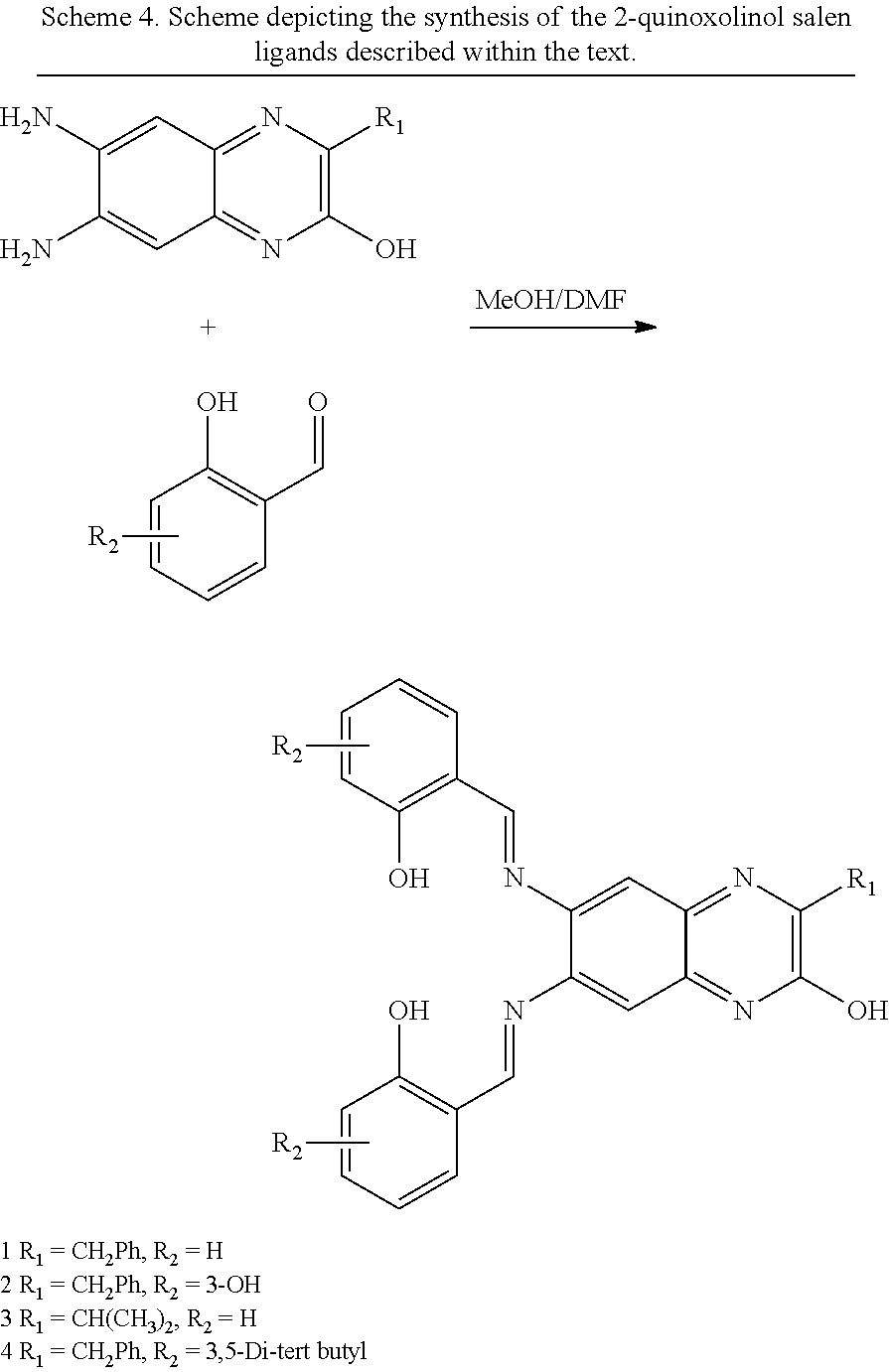
-

-
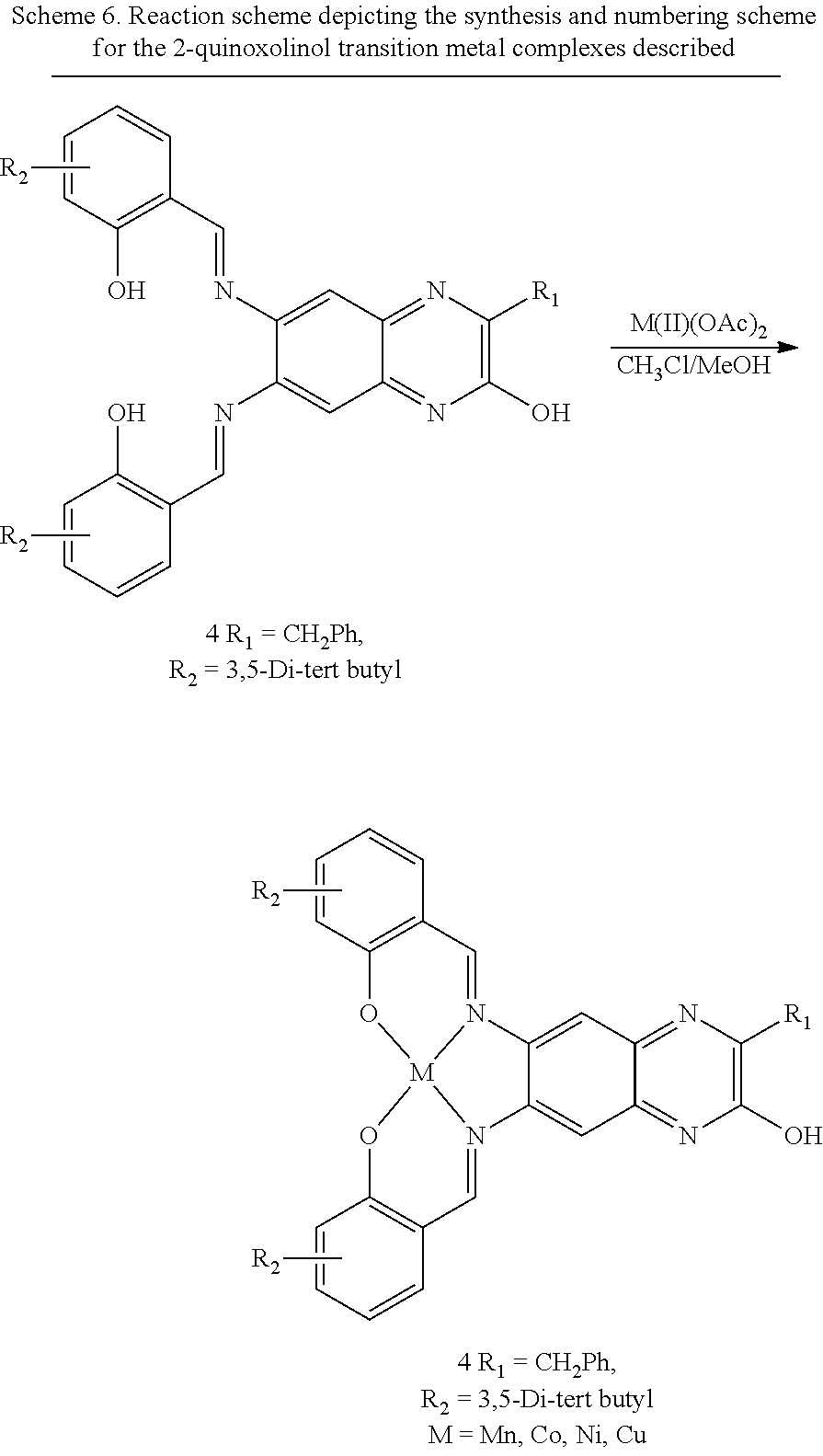
- Experimental Section
- General Procedure
- Aminoacid methyl esters, difluorodinitrobenzene (DFDNB), HCl (37%) and functionalized salicylaldehydes were purchased from Acros Organics Co. Ammonium hydroxide (5.0 N), palladium on carbon (wet, 5%) was purchased from Sigma-Aldrich Co. Copper (II) acetate, Ni (II) acetate, Mn (II) acetate, Co (II) acetate, uranyl (UO2 2+) acetate not currently available were purchased from Sigma-Aldrich Co. Starting materials were used as received. All organic solvents were purchased from Thermo Fisher Scientific Co. and were used directly for synthesis.
- Reaction progress was monitored by thin-layer chromatography (TLC) using 0.25 mm Whaunan Aluminum silica gel 60-F254 precoated plates with visualization by irradiation with a Mineralight UVGL-25 lamp. All melting points were recorded on a MeI-temp II melting point apparatus, and the values were uncorrected. The 1H and 13C NMR spectra were recorded on Bruker AV 400 spectrometer with d6-DMSO and d4-MeOH as solvents with tetramethylsilane as the reference (operated at 400 and 100 MHz, respectively). Chemical shifts are reported as δ values (ppm). Electrospray ionization mass spectrometry was performed on a Micromass QTOF mass spectrometer (Waters Corp, Milford Mass.). Direct probe samples were on a VG-70S mass spectrometer (Waters Corp, Milford Mass.). All UV data was collected using a
Cary 50 UV-Vis spectrophotometer with a xenon lamp and an equipment range from 200 to 1250 nm. The IR data were recorded as KBr pellets on SHIMADZU Inc. IR, Prestige-21 Fourier Transform Infrared Spectrophotometer in the range 400-4000 cm−1. - Ligand Synthesis
- The ligands were prepared using a procedure modified from the literature. To 1.0 equiv (0.1 mmol) of the diamino-2-quinoxalinol intermediate dissolved in 4 mL methanol, a solution of 10.0 equiv (1 mmol) salicylaldehyde in. 6 mL methanol was added. After heating at reflux temperature for 48 hours, a dark yellow product precipitates. The precipitate was filtered and washed with 95% ethanol and
cold acetone 5 times to obtain the final product. The yield of final products was close to 80% with the purity 95%. All of the products were identified by 13C, 1H-NMR, IR, HRMS, and UV-Vis. - Synthesis of Metal Complexes
- [UO2(L1)•DMF] (1): To a solution of H2L1 (23.7 mg, 0.25 mmol) in 10 mL MeOH and CHCl3(1:1) uranyl acetate (UO2(OAc)2•2H2O, 25.5 mg, 0.06 mmol) was added and stirred at room temperature for two hours. The solution was concentrated and washed with 95% EtOH to obtain 1. Yield: 80.7% (30.0 mg); δH(400 MHz DMSO-d6): δ 4.20 (s, 2H), 6.73-6.77 (t, 2H), 7.00-7.04 (t, 2H), 7.24-7.88 (m, 10H), 8.12 (s, 1H), 9.60 (s, 1H), 9.76 (s, 1H), 12.67 (bs, 1H). FIRMS: obs: 784.2280, calc: 784.2285 (M+H+ CH3CN). ν (KBr)/cm−1: 3397, 3337, 2965, 1657, 1620, 1582, 1545, 1491, 1445, 1204, 1144, 1040 cm−1. UV-Vis (DMSO): 290 nm (∈=2.0×10⁴), 370 nm (∈=1.5×10⁴). A portion of the dark red solid (10 mg) was dissolved in 1 mL dimethylformamide (DMF) and put into a vial. Into this, diethyl ether was allowed to diffuse into from an outer vial. After 2 weeks, the formation of red crystals as thin needles was observed.
- [UO2(L2)•DMF] (2): To a solution of H2L2 (25.3 mg, 0.05 mmol) in 6 mL DMF and MeOH (50:50), uranyl acetate (UO2(OAc)2•2H2O, 25.5 mg, 0.06 mmol) was added and the resulting mixture was stirred at room temperature for two hours. The solution was concentrated and washed with 95% EtOH to obtain 2. Yield: 85.9% (33.3 mg); δH (400 MHz DMSO-d6): δ 4.22 (s, 2H), 6.54-8.67 (m, 13H), 9.55 (s, 1H), 9.71 (s, 1H), 11.77 (bs, 1H), 11.82 (bs, 1H), 12.69 (bs, 1H). FIRMS: obs: 816.2178, calc: 816.2183 (M+H+CH3CN). ν (KBr)/cm−1: 3397, 3337, 2965, 1657, 1620, 1582, 1545, 1491, 1445, 1204, 903 cm−1. UV-Vis (DMF): 365 nm (∈=1.10×10⁴), A portion of the dark red solid (10 mg) was dissolved in 1 mL of dimethylformamide (DMF) in a vial. Into this diethyl ether was allowed to diffuse into from an outer vial. After 2 weeks, the formation of red crystals as thin needles was observed.
- [UO2(L3)•DMF] (3): To a solution of H2L3 (106.6 mg, 0.25 mmol) in 60 mL MeOH and 100 mL THF, uranyl acetate (UO2(OAc)2•2H2O, 130 mg, 0.30 mmol) was added. The solution turned dark red upon addition of metal salt. After stirring at room temperature for 2 hours, the solution was concentrated and washed with 95% EtOH, Yield: 97.8% (170 mg). δH (400 MHz DMSO-d6): δ 1.28 (d, 6H), 3.56 (m, 1H), 6.74-8.17 (m, 10H), 9.61 (s, 1H), 9.81 (s, 1H), 12.58 (bs, 1H). HRMS: obs: 736.2280, calc: 736.2285 (M+H-1-CH3CN). ν (KBr)/cm−1: 3406, 2967, 1655, 1601, 1539, 1464, 1441, 1263, 1146, 899 cm−1. UV-Vis (DMF): 287 nm (∈=1.7×10⁴), 304 nm (∈=1.6×10⁴), 360 nm (∈=1.3×10⁴), 385 nm (∈=1.3×10⁴), 419 nm (c=1.4×10⁴). A portion of the dark red solid (10 mg) was dissolved in 1 mL dimethylformamide (DMF) and put into a vial. into this, diethyl ether was allowed to diffuse into from an outer vial. After 2 weeks, the formation of red crystals as thin needles was observed.
- [UO2(L4)•H2O] (4): To a solution of H2L4 (35.0 mg, 0.05 mmol) in 6 mL MeOH and 6 mL CHCl3, uranyl acetate (UO2(OAc)2•2H2O, 25.5 mg, 0.06 mmol) was added. The solution turned dark red upon addition of metal salt. After stirring at room temperature, for 2 hours, the solution was concentrated. Yield: 77.1% (37.3 mg). In a second preparative method, an aqueous solution of uranium acetate (10 mg in 1 mL) was layered with a saturated acetone solution of ligand H2L4 (10 mg in 1 mL). The acetone solution was seen to turn red at the interface. After one week, crystals as red rods were seen to form at the interface of the two layers, and the crystalline material was collected (Yield: 80%). This was identified as [UO2(L4)•H2O] and characterized by XRD. δH (400 MHz CDCl3+DMSO-d6): δ 1.19 (s, 18H), 1.64 (s, 18H), 4.11 (s, 2H), 7.09-7.63 (m, 10H), 7.70 (s, 1H), 9.19 (s, 1H), 9.32 (s, 1H), 12.18 (bs, 1H). FIRMS: obs: 967.4514, calc: 967.4524 (M+H). ν (KBr)/cm−1: 3433, 2957, 1655, 1620, 1383, 1283, 1229, 1153, 937, 760 cm−1. UV-Vis DMSO: 295 nm (∈=2.5×10⁴), 375 nm (∈=1.6×10⁴), and 440 nm (∈=1.5×10⁴).
- [Co(L4)*MeOH] (5): To a solution of H2L4 (70 mg, 0.10 mmol) in 10 mL MeOH and CHCl3(1:1) an 1.1 molar amount of cobalt II acetate (Co(OAc)2•4 H2O, 27 mg, 0.11 mmol) was added. After heating to reflux temperature for 12 hours, the solution was concentrated and washed with 95% EtOH. A dark black/blue precipitate was obtained by filtering. Yield: 79.4% (60.0 mg); HRMS: obs: 755.3369, calc: 755.3372 (M+)). ν (KBr)/cm−1: 3066, 2957, 1665, 1614, 1572, 1524, 1501, 1462, 1410, 1256, 1180, 1128 cm−1. UV-Vis (dichloromethane): 322 nm (∈=6.15×10⁴), 437 nm (∈=7.08×10⁴).
- [Cu(L4)•MeOH] (6): To a solution of H2L4 (70 mg, 0.10 mmol) in 10 mL MeOH and CHCl3(1:1), copper II acetate (Cu(OAc)2•1 H2O, 22 mg, 0.11 mmol) was added. After heating to reflux temperature for 12 hours, the solution was concentrated and washed with 95% EtOH. A. dark precipitate was obtained by filtering. Yield: 82.8% (63 mg); HRMS: obs: 760.3413, calc: 760.3422 (M+). ν (KBr)/cm−1: 3067, 2955, 1661, 1586, 1528, 1491, 1416, 1377, 1260, 1209, 1173, 1130 cm−1. UV-Vis (dichloromethane): 286 nm (∈=6.13×10⁴), 330 nm (∈=7.54×10⁴), 458 nm (∈=9.14×10⁴). DMSO: 280 nm (∈=3.4×10⁴), 32 5 nm (∈=2.8×10⁴), and 454 nm (∈=1.5×10⁴).
- [Ni(L4)•MeOH] (7): To a solution of H2L4 (70.0 mg, 0.10 mmol) in 10 mL MeOH and CHCl3(1:1), nickel 11 acetate (Ni(OAc)2•4 H2O, 27 mg, 0.11 mmol) was added. After heating to reflux temperature for 12 hours, the solution was concentrated and washed with 95% EtOH. A green/brown precipitate was obtained by filtering. Yield: 92.7% (70 mg); HRMS: obs: 755.3461, calc: 755.3471 (M+)). ν (KBr)/cm−1: 3067, 2955, 2870, 1665, 1616, 1584, 1533, 1598, 1464, 1414, 1379, 1260, 1182, 1130 cm−. UV-Vis (dichloromethane): 268 nm (∈=4.66×10⁴), 314 nm (∈=4.81×10⁴), 388 nm (∈=5.78×10⁴), 452 nm (∈=9.24×10⁴).
- [Mn(L4)•MeOH] (8): To a solution of H2L4 (70.0 mg, 0.10 mmol) in 10 mL MeOH and CHCl3(1:1), manganese II acetate (Mn(OAc)2•4 H2O, 27 mg, 0.11 mmol) was added. After heating to reflux temperature for 12 hours, the solution was concentrated and washed with 95% EtOH. A dark brown precipitate was obtained by filtering. Yield: 96.5% (72.5 mg); HRMS: obs: 751.3420, calc: 751.3429 (M+). ν (KBr)/cm−1: 3385, 3248, 3208, 2955, 2911, 1670, 1582, 1532, 1462, 1416, 1317, 1248, 1177, 1130 cm−1. UV-Vis (dichloromethane): 372 nm (∈=4.06×10⁴), 510 nm, (∈=7.13×10⁴).
- Crystal Growth and X-ray Crystallography
- Crystals of uranyl metal complexes UO2L1•DMF, UO2L2•DMF, and UO2L3•DMF were obtained in good yield from slow diffusion of diethyl ether into a solution of the metal complex in dimethyl formamide at room temperature. Crystals of the UO2L4•H2O were grown by layering an aqueous solution of uranyl acetate with a solution of ligand H2L4 in acetone. Crystal of complexes with the first row transition metals were found to not, be of a suitable quality for characterization by X-ray diffraction. X-ray diffraction data for UO2L1•DMF, UO2L2•DMF. UO2L3•DMF. and UO2L4•H2O were collected at −80° C. on a Bruker SMART APEX CCD X-ray diffractometer unit using Mo Kα radiation from crystals mounted in Paratone-N oil on glass fibers. SMART (v 5.624) was used for preliminary determination of cell constants and data collection control. Determination of integrated intensities and global cell refinement were performed with the Bruker SAINT Software package using a narrow-frame integration algorithm. The program suite SHELXTL (v 6.12) was used for space group determination, structure solution, and refinement. Refinement was performed against F2 by weighted full-matrix least square, and empirical absorption correction (SADABS Sheldrick, G. M., SADABS—An empirical absorption correction program; Bruker Analytical X-ray Systems Madison, Wis., 1996.) were applied. H atoms were placed at calculated positions using suitable riding models with isotropic displacement parameters derived from their carrier atoms. Crystal data, selected bond distances and angles, are provided in Tables 6 and 7. Crystallography data for structural analysis of uranyl complexes of compounds UO2L1•DMF, UO2L2•DMF. UO2L3•DMF. and UO2L4•H2O have been deposited with the Cambridge Crystallographic Data Center as CCDC nos. 650168, 673941, 673940 and 650169, respectively.
-
TABLE 6 Crystallographic data for uranyl 2- quinoxolinol complexes 1•(UO2)2+, 2•(UO2)2+, 3•(UO2)2+ and 4•(UO2)2+ Compounds 1•(UO2)2+ 2•(UO2)2+ 3•(UO2)2+ 4•(UO2)2+ Empirical formula C32H27N5O6U C32.75H28.75N5.25O8.25U C28H26N5O6U C108H146N8O19U2 Fw (g/mol) 815.62 865.89 767.58 2336.39 Wavelength (Å) 0.71073 0.71073 0.71073 0.71073 Crystal system Monoclinic Monoclinic Monoclinic Monoclinic Space group C2/c C2/c C2/c P21/n Z 8 4 8 4 a (Å) 33.449(2) 16.403(2) 26.074(2) Å 21.084(2) b (Å) 7.404(4) 7.196(4) 7.291(5) Å 23.115(2) c (Å) 28.564(1) 28.974(3) 28.868(2) Å 23.334(2) a (deg) 90 90 90 90 β (deg) 124.200(1) 93.968(3) 99.572(1) 107.461(1) g (deg) 90 90 90 90 V (Å3) 5851.0(5) 3412.0(6) 5411.7(6) 10848(1) Density calc'd (g/cm3) 1.852 1.686 1.882 1.431 Abs coeff (mm−1) 5.603 4.814 6.051 3.050 F(000) 3152 1680 2952 4744 Cryst size (mm3) 0.03 × 0.1 × 0.02 0.02 × 0.1 × 0.02 0.02 × 0.1 × 0.02 0.4 × 0.02 × 0.25 Reflns collected 28742 10978 1728] 94464 Indep reflns 7246 7362 6501 26956 [R(int) = 0.0603] [R(int) = 0.0608] [R(int) = 0.0496] [R(int) = 0.0513] Refinements method Full-matrix Least Full-matrix Least Full-matrix Least Full-matrix Least Squares on F2 Squares on F2 Squares on F2 Squares on F2 GOF of F2 1.025 1.030 0.950 0.950 Final R indices R1 = 0.0435 R1 = 0.0746 R1 = 0.0388 R1 = 0.0333 [1 > 2σ(I)] wR2 = 0.0968 wR2 = 0.1967 wR2 = 0.0863 wR2 = 0.0789 R indices (all data) R1 = 0.0668 R1 = 0.0746 R1 = 0.0684 R1 = 0.0517 wR2 = 0.1051 wR2 = 0.1967 wR2 = 0.1036 wR2 = 0.0848 Largest diff peak 2.561 and −0.561 2.845 and −2.384 2.074 and −1.089 1.766 and −0.876 and hole (e/Å3) - Results and Discussion
- A detailed description of a synthesis of the ligands has been reported previously in a combinatorial solution method for their synthesis. Using a method based on this earlier synthesis, the fluorescent yellow 2-quinoxolinol salen ligands were obtained as solids in high yield. The ligands were bright yellow in color, stable in air, and soluble in a range of organic solvents. The uranyl complexes have been obtained by combining the appropriate Schiff base with hexa-hydrated UO2(OAc)2 in a (50:50) solution of dichloromethane and methanol resulting in reddish brown precipitates. Complexes of the ligand H2L4 with transition metals could be obtained in quantitative yields with longer periods of heat or with the addition of base.
- Crystals of the UO2L1•DMF were grown by solvent diffusion of the metal complex in dimethyl formamide with ether. The crystals formed as dark red acicular prisms, conforming to space group C2/c with Z=4. The general coordination motif of uranyl-Schiff base complexes is similar to that seen in the uranyl (UO2 2+) salophen (N,N′-disalicylidene-o-phenylenediaminate) complexes having a pentagonal-bipyramidal geometry with the equatorial plane of the uranyl ion coordinated by the two oxo- and two aza-coordination sites of the ligand and the fifth position in that plane occupied by a DMF solvent molecule. This was typical with what was seen in this series of ligands.
- The 2-quinoxalinol salen ligands demonstrate a significant twist upon coordination of a metal. This can be seen in the side view of the metal complex (data not shown) This is more pronounced than the 35° seen in the salophen uranyl complex, close to 45′ from the coordination plane of the metal ion indicating a strongly bound complex. The average U—N bond distance in the coordination core is 2.55(3) Å, and the average U—O bond distance is 2.25(5) Å. These bond distances are comparable to the salophen uranyl complexes reported previously (data not shown)
- A uranyl complex of ligand UO2L4•H2O was prepared to demonstrate a second crystallization method using the ligand with improved organic solubility. Such a system might be more suitable in extraction applications. Crystals of the uranyl complex of ligand UO2L4•H2O were grown from a solution of the ligand in acetone layered with an aqueous solution of uranyl acetate. This serves to demonstrate the strong coordination capability of the ligand specific to the uranyl ion. Crystals formed as red needles at the interface of the two layers, conforming to space group P21/n with Z=4. The asymmetric unit cell contains two independent, seven-coordinate uranyl complexes that differ in the conformation of the ligand substituents. This results in a noticeable difference in the bond distances despite similar environment around uranium center (Table 7). Each complex has one ligand coordinating the metal ion and the fifth coordination site occupied by a water molecule. The U—O bond distances in the “yl” oxygens are typical for uranyl complexes, averaging 1.78(2) Å. The angles of the O—U—O of the uranyl metal ions are near linear at 177.6(10)° for U1 and 178.51(11)° for U2. The average bite angle of the N—U—O angle is 68.9(3)°. The average U—N and U—O bond distances in the coordination core of the two molecules are very similar to that seen before, 2.56(4) Å and 2.25(2) Å, respectively.
- Spectroscopy
- In the 1H NMR. spectra of the uranyl (UO2 2+) complexes, a significant shift in the imine CH═N proton is observed in the uranyl metal complexes (9.6-9.8 ppm for L1-L3, 9.2-93 ppm for L4) as compared to the free ligands (8.9-9.3 ppm). (This difference in L4 is presumably due to the difference in solvation.) This is indicative of the imine nitrogen lone pairs coordinating to the metal center. In a similar fashion, there are three hydroxyl peaks in the 1H NMR spectra of the free ligands (12.1-13.3 ppm) while in the uranyl (UO2 2+) complexes, only one from the quinoxolinol hydroxyl group remains (12.6-12.7 ppm for L1-L3, 12.2 ppm for L4).
- In the IR spectra of UO2L1•DMF, UO2L2•DMF, and UO2L4•H2O have strong peaks around 1620 cm−1 (free ligands 1.654-1658 cm−1) indicating coordinated imine nitrogens. The uranyl complex of ligand UO2L3•DMF has a strong vibration at 1603 cm−1 (free ligand 1658 cm−1) indicating coordinated imine nitrogens. This slight difference between UO2L1•DMF, UO2L2•DMF and UO2L3•DMF may be the result of the absence of the phenyl group in the quinoxolinol backbone. Coordination through the phenolic hydroxyl unit in the salicylaldehyde coordination site can also be shown by the shift in the C—O band for uranyl complexes of ligands UO2L1•DMF and UO2L2•DMF (1203 cm−1) as compared to the free ligands (1276 and 1271 cm−1, respectively). This is also seen in UO2L3•DMF and UO2L4•H2O, although it is shifted slightly from the other ligands with bands at 1263 cm−1 and 1229 cm−1 respectively compared to the free ligands (H2L3, 1278 and H2L4, 1261 cm−1). Bands around 900 cm−1 seen in the uranyl complexes are due to the asymmetric and symmetric UO2 stretching characteristic of linear uranyl ion in the complex.
- Broad peaks in free ligands seen around 3400 cm−1 (3392-3448 cm−1) are indicative of the presence of the hydroxyl groups. These are seen to be absent in the Cu, Co, Ni, and Mn, metal complexes of ligand H2L4, presumably indicating the formation of metal complex with these oxygens. This coordination can be confirmed using the shift in the C—O band of the hydroxy unit in the salen coordination site for the transition metal complexes of ligand H2L4, Co (1256 cm−1), Cu (1260 cm−1), Ni (1260 cm−1) and Mn (1248 cm−1), compared to the free ligand, H2L4 (1261 cm−1). This is also seen in bands indicative of binding to the lone pairs of the imine nitrogens in the complexes of H2L4 with Co (1614 cm−1) and Ni (1616 cm−1) compared to the free ligand (1656 cm−1).
-
TABLE 7 Selected interatomic distances (Å) and angles (°) for uranyl complexes UO2L1•DMF, UO2L2•DMF. UO2L3•DMF. and UO2L4•H2O (*UO2L4•H2O uses molecule 1 of thedimolecular unit cell.) (UO2)L1•(DMF) (UO2)L2•(DMF) U1-O1 2.241(4) O1-U1-N1 70.57(2) U1-O3 2.233(8) O3-U1-N1 70.1(3) U1-O2 2.250(4) O2-U1-N2 69.38(1) U1-O4 2.239(9) O4-U1-N2 71.3(3) U1-O3 2.400(4) O4-U1-O5 176.71(2) U1-O101 2.415(9) O1-U1-O2 176.71(2) U1-N1 2.521(4) N1-U1-N2 62.83(1) U1-N1 2.571(10) N1-U1-N2 63.6(3) U1-N2 2.582(4) O1-U1-O4 93.03(2) U1-N2 2.528(9) O2-U1-O3 93.0(4) U1-O4 1.782(4) O2-U1-O4 92.37(2) U1-O1 1.800(9) O2-U1-O4 92.9(4) U1-O5 1.796(4) U1-O2 1.786(8) (UO2)L3•(DMF) (UO2)L4•(H2O) U1-O1 2.252(4) O1-U1-N1 69.96(2) U1-O3 2.254(2) O3-U1-N1 69.23(9) U1-O2 2.259(4) O2-U1-N2 69.75(2) U1-O4 2.255(2) O4-U1-N2 68.71(8) U1-O5 2.375(5) O4-U1-O3 176.15(2) U1-O5 2.456(2) O1-U1-O2 177.62(10) U1-N1 2.549(5) N1-U1-N2 63.28(2) U1-N1 2.551(3) N1-U1-N2 63.54(8) U1-N2 2.571(4) O1-U1-O3 87.57(2) U1-N2 2.577(3) O1-U1-O4 91.67(9) U1-O3 1.805(4) O2-U1-O3 86.76(2) U1-O1 1.774(2) O2-U1-O4 87.38(10) U1-O4 1.782(4) U1-O2 1.779(2) - In DMF, ligand H2L1 features two UV peaks at 305 nm (∈=32000) and 390 nm. (∈=32000). (Data not shown.) The addition of an aqueous solution of HCl causes (3-fold excess) a slight shift to 300 nm and 390 nm with no change seen in the extinction coefficients. Upon the addition of the uranyl ion (UO2 2+), as a solution of uranyl acetate, the absorption maximum in the UV-Vis spectra demonstrates a shift to 290 nm (∈=20000) and 370 nm (∈=15000) with an additional peak at 440 nm (∈=15000), indicating the formation of uranyl complex. Similar bands have been reported for multidentate hydroxyl-containing uranyl complexes (390 and 450 nm). A similar shift is seen in the spectra in addition to the formation of additional peaks are seen in the uranyl complex UO2L3•DMF (336 nm, 388 nm). The uranyl complex. UO2L3•DMF features additional peaks with maxima at 287 nm (∈=1.7×10⁴), 304 nm (∈=1.6×10⁴), 360 nm (∈=1.3×10⁴), 385 nm (∈=1.3×10⁴), and 419 inn (∈=1.4×10⁴). The UO2L4•H2O complex in DMF also demonstrated a shift due to the formation of metal complex with maximum absorbances at 295 nm (∈=2.5×10⁴), 375 nm (∈=1.6×10⁴), and 440 nm (∈=1.5×10⁴). This was found to be significantly different than the copper complex of the same ligand in DMF, CuL4: 280 nm (∈=3.4×10⁴), 325 nm (∈=2.8×10⁴), and 454 nm=1.5×10⁴).
-
TABLE 8 Extinction Coefficients for metal complexes of ligand 4 in dichloromethane.Metal Ion Extinction Metal Ion Extinction (Max Wavelength) Coefficient (Max Wavelength) Coefficient Free ligand (301 nm) 44500 Cobalt (437 nm) 69000 Free ligand (391 nm) 44100 Cobalt (322 nm) 60000 Manganese (510 nm) 71000 Copper (458 nm) 92000 Manganese (372 nm) 40000 Copper (330 nm) 76000 Nickel (452 nm) 91000 Copper (286 nm) 62000 Nickel (388 nm) 57000 Uranyl (250 nm) 34000 Nickel (314 nm) 48000 Uranyl (300 nm) 29000 Nickel (268 nm) 46000 Uranyl (379 nm) 24000 Uranyl (456 nm) 17000 - Because of spectral changes due to the effects of solvent and from ligand to ligand, in order to have a better comparison between uranyl and other potentially competing metals, the transition metal complexes of
ligand 4 were prepared along with the uranyl complex in dichloromethane for UV-Vis spectroscopy. The results are shown in Table 8. (See spectra S2-S7 in Supplementary material.) The different metal complexes can be distinguished by their distinct spectra. The differences between the spectra seen in the coordinating solvent DMF and the non-coordinating DCM, are due to the fact that the fifth coordination site in the plane of the uranyl is not filled by solvent, possibly leading to dimers. The cobalt complex has two intense peaks at 322 nm (∈=6.0×10⁴) and 437 nm (∈=6.9×10⁴). The copper complex demonstrated the most intense peaks with the highest extinction coefficients at 330 nm (∈=7.6×10⁴) and 458 nm (∈=9.2×10⁴) and an additional peak at 286 nm (∈=6.2×10⁴). The manganese complex demonstrated two intense peaks at 372 nm (∈=4.0×10⁴) and 510 nm (∈=7.1×10⁴), and so could be distinguished by the unique peak at 510 nm. The nickel complex had four peaks with one very close to the 458 nm of copper at 452 nm (∈=9.1×10⁴), but could be distinguished from copper by the additional peaks at 388 nm (∈=5.7×10⁴), 314 nm (∈=4.8×10⁴) and 268 nm (∈=4.6×10⁴). Finally, the uranyl in dichloromethane is unique with two shoulders at 379 nm (∈=2.4×10⁴) and 456 nm (∈=1.7×10⁴) resulting from the metal complex and peaks at 250 nm (∈=3.4×10⁴) and 300 nm (∈=2.9×10⁴). - Lanthanide complexes with salen ligands have been described; however, often it has been found the metal is coordinated only to the oxo-groups of the ligand, resulting in a coordination polymer or a sandwich complex. Complexes that can be formed without protection from air or moisture are particularly useful. Without using inert atmosphere methods of preparing air sensitive complexes, these ligands did not demonstrate complex formation with lanthanides either with heating or with the addition of strong base with lanthanide chloride, acetate, or acetoacetonate salts (as judged by UV-Vis or NMR). This is indicative of a certain amount of selectivity for the actinides, based on the high oxophilicity typical of the lanthanides as compared to the actinides which tend to demonstrate more covalent character in their bonding. This is consistent with the high oxophilicity of the lanthanides. Lanthanides greatly prefer hard interactions and an all oxo-coordinating system while actinides will also bind to the nitrogen heteroatoms. Since at the bottom of the periodic table, there are very small differences in ionic radii between metals, separating the lanthanides produced as daughter products during the nuclear fuel cycles is quite a challenge. This difference in their chemistry has been exploited in the development of sulphur or phosphorus containing ligands—such as CMPO (octyl(phenyl)-N,N-diisobutylcarbamoyl methylphosphine oxide)—for the separation and isolation of the actinides. This will require further investigations to elucidate selectivity and determine the potential utility of these ligands in separations applications.
- Conclusions
- The 2-quinoxolinol Schiff base ligands and their uranyl-complexes have been synthesized and characterized. Crystal structures demonstrate pentagonal bipyramidal geometry around uranium center with the 2 aza and 2 oxo coordinating sites of the ligand perpendicular to the “-yl” oxygens. The remaining coordination site of the metal is occupied by a solvent molecule. A significant twist of the ligand front planar is seen to occur upon coordination of a metal. This results in a change in the π-orbital overlap of the ligand backbone and contributes to a dramatic change in the ultraviolet-visible spectrum. The use of non-coordinating solvents results in the formation of ligand dimers. The presence of different substituents on the salicylaldehyde moiety incorporated into the ligand backbone affects the solubility of the ligand greatly and also affects the response seen through spectroscopy.
- Combining oxo- and imine aza-coordination sites as used here, has been demonstrated to impart, a degree of selectivity for uranyl in particular over lanthanides. At elevated temperature, the ligand has been found to form stable complexes with Cu, Ni, Co, and Mn. Characterization of the transition metal complexes demonstrates that while the uranyl complex is more easily formed, when other metal complexes are formed their spectroscopic signature is characteristic to discriminate between uranyl and transition metals. While possessing a strong signal upon coordination, solubility complicates the determination of selectivity. The change in the UV-Vis spectra of the uranyl complex as compared to transition metal complexes, in particular Cu2+, may be exploited in the development of sensors for actinides on surfaces or in contaminated areas.
- Additional experiments to develop these ligands as selective metal coordination systems for use in sensors or extraction applications will continue with experiments to quantify selectivity for uranium or actinides over lanthanides and with experiments probing fluorimetric methods to increase sensitivity. The use of fluorimetry would be another way to rule out competition from transition metals in sensing of actinides. These investigations will broaden an understanding of the chemical behavior of the actinides and enable the development of new sensors and sensing materials for improved detection and isolation of actinides from fuel wastes or contaminated environmental sites.
-
- 1. Gorden, A. E. V.; Xu, J.; Raymond, K. N.; Durbin, P. W. Chem. Rev. 2003, 103, 4207.
- 2. Bruno, J.; Ewing, R. C.
Elements 2007, 2, 343. - 3. Durbin, P. W.; Kullgren, B.; Xu, J.; Raymond, K. N. Radiat. Prof. Dosim. 1998, 79, 433.
- 4. Hayton, T. W.; Boncella, J. M.; Scott, B. L.; Batista, E. R. J. Am. Chem. S. 2006, 128, 12622.
- 5. Bray, T. H; Beitz, J. V.; Bean, A. C.; Yu, Y. Q.; Albrecht-Schmitt, T. E. Inorg. Chem. 2006, 45, 8251.
- 6. Schelter, E. J.; Yang, P.; Scott, B. L.; Thompson, J. D.; Martin, R. L.; Hay, P. J.; Morris, D. E.; Kiplinger, J. L. Inorg. Chem. 2007, 46, 7477.
- 7. Takeo, K.; Ikeda, Y. Inorg. Chem. 2007, 46, 1550.
- 8. Graves, C. R.; Yang, P.; Kozimor, S. A.; Vaughn, A. E.; Clark, D. L.; Conradson, S. D.; Schelter, E. J.; Scott, B. L.; Thompson, J. D.; flay, P. J.; Morris, D. E.; Kiplinger, J. L. J. Am. Chem. Soc. 2008, 130, 5272.
- 9. Charushnikova, I. A.; Krot, N. N.; Starikova, Z. A.
Radiochemistry 2008, 50, 117. - 10. Szigethy, G.; Xu, J.; Gorden, A. E. V.; Teat, S. J.; Shuh, D. K.; Raymond, K. N. Eur. J. Inorg. Chem. 2008 in press.
- 11. Bharara, M. S.; Strawbridge, K.; Vilsek, J. Z.; Bray, T. H.; Gorden, A. E. V. Inorg. Chem. 2007, 46, 8309.
- 12. Bharara, M. S.; Tonics, S. A.; Gorden, A. E. V. Chem. Commun. 2007, 4006.
- 13. Bharara, M. S.; Heflin, K. L.; Tonics, S. A.; Strawbridge, K.; Gorden, A. E. V. Dalton Trans. 2008, 10, 2966.
- 14. Nash, K. L.; Choppin, G. R. Sep. Sci. and Technol. 1997, 32, 255.
- 15. Barboso, S.; Carrera, A. G.; Matthews, S. E.; Arnaud-Neu, F.; Bohmer, V.; Dozol, J.-F.; Rouquette, H.; Schwing-Weill, M.-J. J. Chem. Soc, Perkin Trans. 2 1999, 719.
- 16. Mathur, J. N.; Murali, M. S.; Nash, K. L. Solv. Extr. Ion Exch 2001, 19, 357.
- 17. Rogers, R., D.; Kurihara, L. K.; Benning, M. M. Inorg. Chem. 1987, 26, 43 46.
- 18. Hassaballa, H.; Steed, J. W.; Junk, P. C.; Elsegood, M. R. J. Inorg. Chem. 1998, 37, 4666.
- 19. Shinkai, S.; Koreishi, H.; Ueda, K.; Arimura, T.; Manabe, O. J. Am. Chem. Soc. 1987, 109, 6371.
- 20. Salmon, L.; Thuery, P.; Ephritikhine, M. Eur. J. Inorg. Chem. 2006, 4289.
- 21. Salmon, L.; Thuery, P.; Ephritikhine, M. Chem. Commun. 2006, 856.
- 22. Melfi, P. J.; Kim, S. K.; Lee, J. T.; Bolze, F.; Seidel, D.; Lynch, V. M.; Veauthier, J. M.; Gaunt, A. J.; Neu, M. P.; Ou, Z.; Kadish, K. M.; Fukuzumi, S.; Ohkubo, K.; Sessler, J. L. Inorg, Chem. 2007, 46, 5143.
- 23. Sopo, H.; Goljahanpoor, K.; Sillanpa{umlaut over ( )}a, R. Polyhedron 2007, 26, 3397.
- 24. Sawicki, M.; Siaugue, J. M.; Jacopin, C.; Moulin, C.; Badly, T.; Durgada, R.; Meunier, S.; Baret, P.; Pierre, J. L.; Taran, F. Chem. Eur. J. 2005, 11, 3689.
- 25. Choppin, G. R. Sep. Sci. and Technol. 2006, 41, 1955.
- 26. Choppin, G. R. Sol Extra Res & Devt-
Jap - 27. Sessler, J. L.; Melfi, P. J.; Seidel, D.; Gorden, A. E. V.; Ford, D. K.; Palmer, P. D.; Tait, C. D.
Tetrahedron 2004, 60, 11089. - 28. Sessler, J. L.; Melfi, P. J.; Tomat, E.; Callaway, W.; Huggins, M. T.; Gordon, P. L.; Keogh, D. W.; Date, R. W.; Bruce, D. W.; Donnio, B. J. Alloys Compounds 2006, 418, 171.
- 29. Lutfullah; Alam, M. N.; Rahman, N.; Azmi, S, N. H. J. Haz. Materials 2008, 155, 261.
- 30. Murahashi, S.; Naota, T.; Taki, H. J. Chem. Soc., Chem. Commun. 1985, 613.
- 31. Zhang, W.; Loebach, J. L.; Wilson, S. R.; Jacobsen, E. N. J. Am. Chem. Soc. 1990, 112, 2801.
- 32. Wu, M. H.; Hansen, K. B.; Jacobsen, E. N. Angew. Chem. Int. Ed. Eng. 1999, 38, 2012.
- 33. Rudkevich, D. M.; Stauthamer, W. P. R. V.; Verboom, W.; Engbersen, J. F. J.; Harkema, S.; Reinhoudt, D. N. J. Am. Chem. Soc 1992, 114, 9671.
- 34. Van Doom, A. R.; Verboom, W.; Harkema, S.; Reinhoudt, D. N. Synthesis 1992, 119.
- 35. Rudkevich, D. M.; Verboom, W.; Brzozka, Z.; Palys, M. J.; Stauthamer, W. P. R. V.; van Hummel, G. J.; Franken, S. M.; Harkema, S.; Engbersen, J. F. J.; Reinhoudt, D. N. J. Am. Chem. Sac 1994, 116, 4341.
- 36. Vaughn, A. E.; Basalt, D. B.; Barnes, C. L.; Tucker, S. A.;. Duval, P. B. J. Am. Chem. Soc 2006, 128, 10656.
- 37. Wu, X.; Gorden, A. E. V. J. Comb. Chem. 2007, 9, 601.
- 38. Wu, X.; Gorden, A. E. V.; Tonks, S. A.; Vilseck, 3. J. Org. Chem. 2007, 72, 8691.
- 39. Sheldrick, G. M.; Universität Göttingen, 1997.
- 40. Sheldrick, G. M.; Siemens Analytical X-ray Instruments, Inc: Madison, Wis., 2001.
- 41. Sheldrick, G. M., SADABS—An empirical absorption correction program; Bruker Analytical X-ray Systems Madison, Wis., 1996.
- 42. Kannappan, R.; Tanase, S.; Tooke, D. M.; Spek, A. L.; Mutikainen, I.; Turpeinen, U.; Reedijk, J. Polyhedron 2004, 23, 2285.
- 43. Abu-Hussen, A. A. J. Coord. Chem. 2006, 59, 157.
- 44. Casellato, U.; Tamburini, S.; Tomasin, P.; Vigato, P. A. Inorg. Chim. Acta 2002, 341, 118.
- 45. Rao, P. V.; Rao, C. P.; Sreedhara, A.; Wegelius, E. K.; Rissanen, K.; Kolehmainen, E. J. Chem. Soc., Dalton Trans. 2000, 1213.
- 46. Chen, H.; Cronin, J. A.; Archer, R. A. Macromolecules 1994, 27, 2174.
- 47. Wong, W.-K.; Yang, X.; Jones, R. A.; Rivers, J. H.; Lynch, V.; Lo, W.-K.; Xiao, D.; Oye, M. M.; Holmes, A. L. Inorg. Chem. 2006, 45, 4340.
- 48. Diamond, R. M.; Street Jr., K.; Seaborg, G. T. J. Am. Chem. Soc. 1954, 76, 1461.
- 49. Matloka, K.; Sah, A. K.; Peters, M. W.; Srinivasan, P.; Gelis, A. V.; Regalbuto, M.; Scott, M. J. Inorg. Chem. 2007, 46, 10549.
- Reference is made to Wu et al., “One-Pot Metal Templated Synthesis for the Preparation of 2-Quinoxalinol Salen Metal Complexes,” Polyhedron, Volume 28,
Issue - Abstract
- Metal complexes of 2-quinoxalinol salen (salqu) ligands can be prepared in a one-pot metal templated synthesis resulting in significantly enhanced yields than if the ligand were prepared and isolated prior to introducing the metal for complexation. Using this method, 12 salqu metal complexes have been prepared and characterized from +2 metal ions.
- One-pot multicomponent syntheses have received increasing attention of late, because they not only address fundamental principles of synthetic efficiency and reaction design, but they also expand the possibilities for extending one-pot reactions into combinatorial and solid-phase methods. This presents a new way of thinking about “greener” chemistry by allowing for the reduction of synthetic steps, purification solvents, and wastes. A one-pot metal templated strategy for the preparation of metal complexes for use in applications offers the distinct advantages of reduced environmental impacts and easier procedures for workup.
- Salen or salph complexes have been used widely in applications for everything from catalysts to molecular recognition. For example, salen Cu, Mn, or Ru complexes have been used as catalysts in the catalytic oxidation of secondary amines, as the basis for enantioselective catalysts, and as catalysts for ring-opening metathesis. Uranyl (UO2 2+) salophen complexes have been used in molecular recognition studies. In addition, salen Mn complexes can act as catalytic scavengers of hydrogen peroxide and have been demonstrated to have a degree of cytoprotectivity.
- Symmetric and asymmetric 2-quinoxolinol salen ligands (abbreviated salqu, e.g. 3) have been synthesized for use in catalysis using solution phase and combinatorial strategies. A disadvantage of this reaction scheme was an extended reaction time required to obtain the optimal yields. Metal complexes of this series of ligands were then prepared by a standard proton transfer procedure. Because applications in solid phase extraction and catalysts of salqu metal complexes have been discovered, it was thought that it would to be advantageous to find a more efficient, economical method to prepare salqu metal complexes. Here, a one-pot synthetic method based on a metal template synthesis to access salqu metal complexes will be introduced. With this method, 12 salqu metal complexes have been synthesized from diamino-2-quinoxalinol (1, Scheme 7) in significantly higher yields in a shorter time than when the ligand is isolated and purified prior to complexation.
-

- Previously, to prepare the salqu metal complexes, two steps were required. The first being the preparation of salqu ligands followed by preparation of the salqu metal complex. In the synthesis of symmetric salqu ligands, the final optimized conditions required that the diamino-2-quinoxalinol intermediate 1 be reacted with 10 equivalents of the desired salicylaldehyde derivatives (2) at reflux temperature in methanol for 48 hours. The ligand must then be isolated prior to the addition of the metal to prepare the metal complex, resulting in yields around 60.0%. Metal complexes are then prepared from a reaction of the salqu ligand (3) with 1.2 equivalents of the desired metal acetate at reflux temperature in either DMF or DCM with MeOH reacted for 2-12 hours. The final yields for this step are around 85.0%, resulting in an overall yield for both reactions close to 50%.
- Using a metal templating strategy for a one-pot synthetic method, the diamino-2-
quinoxalinol intermediate 1 was reacted with only 2.1 equivalents of the salicylaldehyde derivative (2) and 1.1 equivalents of metal acetate were added directly to the reaction mixture. This also does not require a mixed solvent system, and only methanol was used. The mixture was then heated to reflux temperature and allowed to react for 6 hours. After the reaction was determined to be complete, a large quantity of red or black solid was found to precipitate from solution. The precipitates were filtered and washed with ethanol for 5 times. The solids were dried to obtain salqu metal complexes with purity greater than 95% (Purity was identified by NMR and TLC.) Yields were found to range from 60-85%. The results are listed in Table 9. -
TABLE 9 Salqu metal complexes synthesized using a one-pot metal templated method. [M]2+ R1 R2 Yield 3a Cu2+ 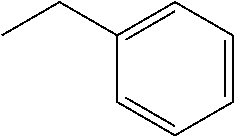
3,5-di-tert-butyl 72.8 3b Cu2+ 
H 80.0 3c Mn2+ 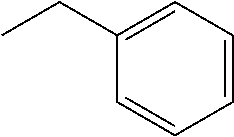
3,5-di-tert-butyl 76.5 3d Co2+ 
3,5-di-tert-butyl 69.4 3e Ni2+ 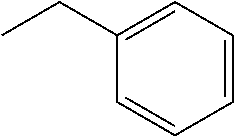
3,5-di-tert-butyl 62.7 3f UO2 2+ 
3-OH 84.5 3g UO2 2+ 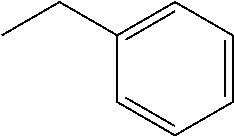
3,5-di-tert-butyl 62.0 3h UO2 2+ 
H 61.2 3i UO2 2+ 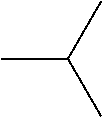
3,5-di-tert-butyl 65.3 3j UO2 2+ 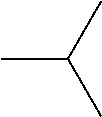
H 63.4 3k UO2 2+ 
H 67.0 3l UO2 2+ 
H 69.8 - The IR spectral results are indicative of metal complexation. Broad peaks in free ligands seen around 3400 cm−1(3400-3448 cm−1) are indicative of the presence of the hydroxyl groups on the free ligand. These broad signals are seen to be absent in the Cu, Mn, Co, Ni, and UO2 metal complexes indicating the formation of the metal complex with these oxygens. Coordination through the phenolic hydroxyl unit in the salicylaldehyde coordination site can also be shown a shift in the C—O band for the metal complexes between 1199-1213 cm−1 as compared to the sharp peak in the free ligands (1263-1276 cm−1). (3j was lower 1146 cm−1 although there was not a peak seen as in the range characteristic of the C—O stretch in the starting material.)
- The spectra of the free ligands have peaks around 1654-1658 cm−1 for the carbon-nitrogen imine stretch. This was seen to shift to 1599-1620 cm−1 (3f-3l) for the uranyl complexes and was indicative of coordinated imine nitrogens. This peak was seen at 1616-1614 cm−1 in the Ni2+ and Co2+ complexes, and in the Cu2+ complex (3b) but was not as well defined in the Mn2+ or in the Cu2+ (3a) in which the metal may not be strongly coordinating to the imines. Bands around 900 cm−1 (897-903 cm−1) seen in the uranyl complexes (3f-3l) are due to the asymmetric and symmetric UO2 stretching characteristic of linear uranyl ion in the complex.
- In the 1H NMR spectra of the uranyl (UO2 2+) complexes, a significant shift in the imine CH═N proton was observed in the uranyl metal complexes (9.5-9.8 ppm for 3f-3l) as compared to the free ligands (8.9-9.3 ppm). This was indicative of the imine nitrogen lone pairs coordinating to the metal center. In a similar fashion, there are three hydroxyl peaks in the 1H NMR spectra of the free ligands (12.1-13.3 ppm) while in the uranyl (UO2 2+) complexes, only one from the quinoxolinol hydroxyl group remains (12.6-12.7 ppm for 3f, 3h, and 3j-3l, 12.2-12.3 ppm for 3g, 3i).
- The advantages of the one-pot synthetic method for preparing salqu metal complexes are the shortened reaction time from more than 2 days to 6 hours and improved final yields from less than 50.0% to over 60-85%. This permits optimization of the procedure in order to conserve the amounts of the salicylaldehyde derivatives (2) used while avoiding using the more troublesome solvent DMF. This method could be incorporated into a combinatorial method for synthesis of these complexes because of its relative simplicity and high yield.
- In conclusion, a one-pot methodology based on a metal templating synthesis using +2 metal ions to more easily and rapidly prepare salqu metal complexes is an efficient method to prepare these metal complexes. With this method, several salqu metal complexes have been synthesized and identified. This will be a more convenient synthetic method in exploring the use of such metal complexes. In the future, a new salqu metal complex library will be prepared in this way.
- General Procedure and Data
- All amino acid methyl esters, DFDNB, HCl (37%) and aldehydes were purchased from Acros Organics Co. Ammonium hydroxide (5.0 N), palladium on carbon (wet, 5%) were purchased from Sigma-Aldrich Co. Starting materials were used as received. All organic solvents were purchased from Thermo Fisher Scientific Co, and were used directly for synthesis. 1H and 13C NMR spectra were recorded on Bruker AC 250 spectrometer (operated at 250 and 62.5 MHz, respectively) or Bruker AV 400 spectrometer (operated at 400 and 100 MHz, respectively). Chemical shifts are reported as δ values (ppm). The solvents used are indicted in the experimental details. Electrospray ionization mass spectrometry was performed on a Micromass QTOF mass spectrometer (Waters Corp, Milford Mass.). Direct probe samples were on a VG-70S mass spectrometer (Waters Corp, Milford Mass.). Reaction progress was monitored by thin-layer chromatography (TLC) using 0.25 mm Whatman Aluminum silica gel 60-F254 precoated plates with visualization by irradiation with a Mineralight UVGL-25 lamp. IR spectroscopic data was collected using a Shimsdzu™ Inc. IR, Prestige-21 Fourier Transform Infrared Spectrophotometer and KBr solid samples.
- To a 5 ml methanol solution of intermediate 1 (0.05 mmol), 2.1 equivalents of the desired salicylaldehyde derivatives (e.g., 2 0.105 mmol) and 1.1 equivalent of metal acetate (0.055 mmol) were added. The mixture was heated to reflux temperature with stirring and allowed to react for 6 hours. At this time, a dark red or black solid precipitates out, indicating the completion of the reaction. The precipitates were filtered from the reaction solution. They were then washed with ethanol five times. Finally, the solids were dried under high vacuum.
- 3a IR: 3067, 2955, 1661, 1586, 1528, 1491, 1416, 1377, 1260, 1209, 1173, 1130 cm−1. MS: 760.0 (M+H); HRMS: found (760.3413); calc (760.3422).
- 3b IR: 3510, 3392, 1655, 1605, 1587, 1560, 1526, 1499, 1442, 1382, 1331, 1200, 1178, 1151. cm−1. MS: 536.1 (M+H); HRMS: found (536.0912); calc (536.0909).
- 3c IR: 3385, 3248, 3208, 2955, 2911, 1670, 1582, 1532, 1462, 1416, 1317, 1248, 1177, 1130 cm−1. MS: 751.3 (M+H); HRMS: found (751.3420); calc (751.3429).
- 3d IR: 3066, 2957, 1665, 1614, 1572, 1524, 1501, 1462, 1410, 1256, 1180, 1128 cm−1. MS: 755.3 (M+H); HRMS: found (755.3369); calc (755.3372),
- 3e IR: 3067, 2955, 2870, 1665, 1616, 1584, 1533, 1598, 1464, 1414, 1379, 1260, 1182, 1130 cm−1. MS: 755.3 (M+H); HRMS: found (755.3461); calc 755.3471.
- 3f 1H-NMR (400 MHz DMSO-d6): δ 4.22 (s, 2H), 6.54-8.67 (m, 13H), 9.55 (s, 1H), 9.71 (s, 1H), 11.77 (bs, 1H), 11.82 (bs, 1H), 12.69 (bs, 1H). 13C-NMR: 160.2, 159.4, 155.0, 137.8, 132.8, 132.0, 129.7, 128.9, 126.9, 126.3, 124.1, 124.0, 123.9, 119.5, 117.1, 106.3, 42.0. IR: 3397, 3337, 2965, 1657, 1620, 1582, 1545, 1491, 1445, 1204, 903 cm−1. MS: 816.2 (M+H+CH3CN); FIRMS: found (816.2178); cal (816.2183).
- 3g 1H-NMR (400 MHz DMSO-d6): δ 1.19 (s, 18H), 1.64 (s, 18H), 4.11 (s, 2H), 7.09-7.63 (m, 10H), 7.70 (s, 1H), 9.19 (s, 1H), 932 (s, 1H), 12.18 (bs, 1H), 13C-NMR: 173.3, 173.0, 171.2, 165.1, 153.8, 148.8, 144.6, 144.3, 143.5, 142.0, 137.1, 135.9, 134.2, 133.1, 131.3, 128.9, 123.3, 110.6, 42.0, 40.3, 38.6, 36.3, 35.1. IR: 3433, 2957, 1655, 1620, 1383, 1283, 1229, 1153, 937, 760 cm−1. MS: 967.4 (M+H); HRMS: found (967.4514); calc (967.4524).
- 3h 1H NMR (400 MHz DMSO-d6): δ4.20 (s, 2H), 6.73-6.77 (t, 2H), 7.00-7.04 (t, 2H), 7.24-7.88 (m, 10H), 8.12 (s, 1H), 9.60 (s, 1H), 9.76 (s, 1H), 12.67 (bs, 1H). 13C-NMR: 170.8, 170.2, 168.0, 167.3, 161.3, 155.0, 148.9, 143.6, 137.8, 137.3, 136.5, 132.8, 129.7, 128.9, 126.9, 124.8, 121.4, 121.0, 119.5, 117.4, 106.3, 42.3. IR: 3397, 3337, 2965, 1657, 1620, 1582, 1545, 1491, 1445, 1204, 1144, 1040 cm−1. MS: 784.0 (M+H+CH3CN); HRMS: found (784.2280); calc (784.2285).
- 3i 1H-NMR (400 MHz DMSO-d6): δ 1.22 (d, 6H), 1.26 (s, 18H), 1.69 (s, 18H), 3.50 (m, 1H), 7.26-7.80 (m, 6H), 9.30 (s, 1H), 9.46 (s, 1H), 12.28 (bs, 1H). 13C-NMR: 173.3, 172.6, 153.4, 148.6, 144.6, 144.4, 143.3, 136.8, 135.7, 134.4, 128.9, 123.3, 110.4, 40.4, 38.6, 36.4, 35.1, 25.1, IR: 3444, 2958, 1710, 1666, 1587, 1423, 1371 1224, 898 cm−1. MS: 919.2 (M+H); HRMS: found (919.4514); calc (919.4524).
- 3j 1H-NMR (400 MHz DMSO-d6): δ 1.28 (d, 6H), 3.56 (m, 1H), 6.74-8.17 (m, 10H), 9.61 (s, 1H), 9.81 (s, 1H), 12.58 (bs, 1H). 13C-NMR: 170.8, 170.2, 170.0, 167.9, 166.6, 154.6, 148.3, 143.5, 137.2, 136.5, 132.5, 131.9, 124.8, 124.6, 121.4, 121.0, 119.4, 117.4, 106.2, 30.5, 20.6. IR: 3406, 2966, 1654, 1602, 1539, 1463, 1400, 1384, 1145, 898 cm−1. MS: 736.2 (M+H); HRMS: found (736.2280); calc (736.2285).
- 3k 1H-NMR (400 MHz DMSO-d6): δ 1.00 (d, 6H), 228 (m, 1H), 2.74 (d, 2H), 6.75 (t, 2H), 7.03 (t, 2H), 7.44 (s, 1H), 7.65 (m, 2H), 7.87 (t, 2H), 8.19 (s, 1H), 9.61 (s, 1H), 9.78 (s, 1H), 12.54 (bs, 1H). 13C-NMR: 170.8, 1702, 162.3, 155.2, 148.3, 143.4, 137.2, 136.5, 132.6, 132.0, 124.8, 124.6, 121.4, 121.1, 119.3, 117.4, 106.2, 42.1, 26.8, 23.1. IR: 3395, 2927, 1637, 1606, 1539, 1463, 1435, 1383, 1282, 937 cm−1. MS: 709.2 (M+H); HRMS: found (709.2167); calc (709.2176).
- 3l 1H-NMR (400 MHz DMSO-d6): δ 2.15 (s, 3H), 2.96 (t, 2H), 3.16 (t, 2H), 6.75 (t, 2H), 7.03 (t, 2H), 7.46 (s, 1H), 7.66 (m, 2H), 7.87 (t, 2H), 8.19 (s, 1H), 9.62 (s, 1H), 9.78 (s, 1H), 12.64 (bs, 1H). 13C-NMR: 170.8, 170.2, 168.0, 167.2, 161.1, 155.0, 148.5, 143.5, 137.3, 136.5, 132.7, 131.2, 124.7, 121.4, 121.0, 119.4, 117.5, 106.3, 33.3, 30.5, 15.2. IR: 3395, 2927, 1637, 1606, 1539, 1463, 1435, 1383, 1282, 937 cm−1. IR: 3408, 1655, 1637, 1601, 1583, 1537, 1464, 1440, 1382, 1300, 1199, 1150, 897, 760 cm−1. MS: 768.2 (M+H); HRMS: found (768.2013); calc (768.2006).
-
- 1. Ugi, I.; Domling, A.; Werner, B. J. Heterocycl. Chem. 2000, 37, 647.
- 2. Posner, G. H. Chem. Rev. 1986, 86, 831.
- 3. Weber, L.; Illgen, K.; Almstetter, M. Synlett 1999, 366.
- 4. Kobayashi, S. Chem. Soc. Rev. 1999, 28, 1.
- 5. Murahashi, S.; Naota T.; Taki, H. J. Chem. Soc., Chem. Commun., 1985, 613.
- 6. Zhang, W.; Loebach, J. L.; Wilson, S. R.; Jacobsen, E. N. J. Am. Chem. Soc., 1990, 112, 2801.
- 7. Wu, M. H.; Hansen K. B.; Jacobsen, E. N. Angew. Chem., Int. Ed. 1999, 38, 2012.
- 8. Reinoso-Garcia, M. M.; Dijkman, A.; Verboom, W.; Reinhoudt, D. N.; Malinowska, E.; Wojciechowska, D.; Pietrzak M.; Selucky, P. Eur. J. Org. Chem. 2005, 2131.
- 9. Van Axel Castelli, V.; Dalla Cort, A.; Mandolini, L.; Pinto, V.; Reinhoudt, D. N.; Ribaudo, F.; Sanna, C.; Schiaffino, L.; Snellinkruel, B. H. M. Supramolecular Chem. 2002, 14, 211.
- 10, Rudkevich, D. M.; Stauthamer, W. P. R. V.; Verboom, W.; Engbersen, J. F. J.; Harketna, S.; Reinhoudt, D. N. J. Am. Chem. Sac, 1992, 114, 9671.
- 11. Doctrow, S. R.; Huffman, K.; Marcus, C. B.; Tocco, G.; Malfroy, E.; Adinolfi, C. A.; Kruk, H.; Baker, K.; Lazarowych, N.; Mascarenhas, J.; Malfroy, B., J. Med. Chem. 2002, 45, 4549
- 12. Wu, X.; Gorden, A. E. V. J. Comb. Chem. 2007, 9, 601.
- 13. Wu, X.; Gorden, A. E. V.; Tonics, S. A.; Vilseck, J. Z. J. Org. Chem. 2007, 72, 8691,
- 14. Wu, X.; Bray, T. H.; Bharara, M.; Tate, B. K.; Gorden, A. E. V. Inorg. Chim. Acta. 2008, in press.
- 15. Wu, X.; Gorden, A. E. V. Tetrahedron Lett. 2008, 49, 5200.
- 16. Wu, X.; Gorden, A. E. V. Eur. J. Org. Chem. accepted
- 17. Casellato, U.; Tamburini, S.; Tomasin, P.; Vigato, P. A. Inorg. Chim. Acta. 2002, 341, 118.
- 18. Abu-Hussen, A. A. J. Coord. Chem. 2006, 59, 157.
- Wu et al., “2-Quinoxalinol Salen Ligands Incorporated Into Functionalized Resins for Selective Solid-Phase Extraction of Copper (II),” Tetrahedron Letters, Volume 49, Issue 35, 25 Aug. 2008, Pages 5200-5203, the content of which is incorporated herein by reference in its entirety.
- Abstract
- In exploring selective extraction systems for use in environmental remediation or in metal scavenging agents for use in combinatorial chemistry, a novel reagent for the selective extraction of copper (H) has been developed. 2-Quinoxalinol salen ligands supported on an aminomethyl-polystyrene resin has been shown to efficiently and selectively extract copper (II) ions from organic solvents within 30 minutes under a variety of experimental conditions. Mild reducing conditions allow for metal ion recovery.
- Solid-phase extraction (SPE) technologies are being used in a wide number of areas including environmental chemistry, medicinal chemistry, combinatorial chemistry, agriculture, and food science. This technology has been used in environmental applications to monitor or extract toxic heavy metal cations such as Hg2+, Pb2+, As3+, etc. Others have applied solid phase micro-extraction (SPME) techniques to analyze biological fluids in diagnostic medicine. In food science, SPE technologies are used extensively in food analysis and quality control. Currently the most common application of SPE technology currently in use is in the identification of drug components, one promising area of SPE technology not as widely investigated is as a scavenging agent to remove excess catalysts or metal ions used in synthetic methods or combinatorial chemistry.
- Copper salts are often applied as catalysts in a variety of organic synthetic procedures. An overabundance of copper in the environment is of concern due to possible harmful effects to agriculture, fish, or wildlife. SPE technology for the selective recovery of copper has not previously been described in the literature. Such technology has considerable potential and would allow many catalytic or coupling reactions commonly used in the synthetic laboratory to be more accessible for use in combinatorial processes or in industrial applications where excess or trace metal ions are likely to complicate subsequent reactions. In addition, because of the high cost of copper reagents, this would create a more efficient and more readily recyclable system thereby limiting the need for costly copper reagents.
- In previous research, both symmetric and asymmetric 2-quinoxalinol salen ligands were prepared. (See
structure 1 as an example). It has been found that these ligands can coordinate +2 metal cations. Detailed here are methods of preparing solid phase reagents comprising 2-quinoxalinol salen ligands and their application in the selective extraction and recovery of copper cations. - Polystyrene (PS) aminomethyl resin was selected as solid carrier, because this resin can swell in many organic solvents. Glutaric anhydride was selected as linker between solid carrier and 2-quinoxalinol salen ligand. The isopropyl-2-quinoxalinol salen ligand (1) was selected as the coordination ligand, both because the 5′-hydroxyl group on the outer portion of the salen is a convenient site for incorporating the resin, and because its yield is the highest of the symmetric library. Presented in
Scheme 8 is the optimized method for the synthesis of solid reagents PLG1 or PLG2. -
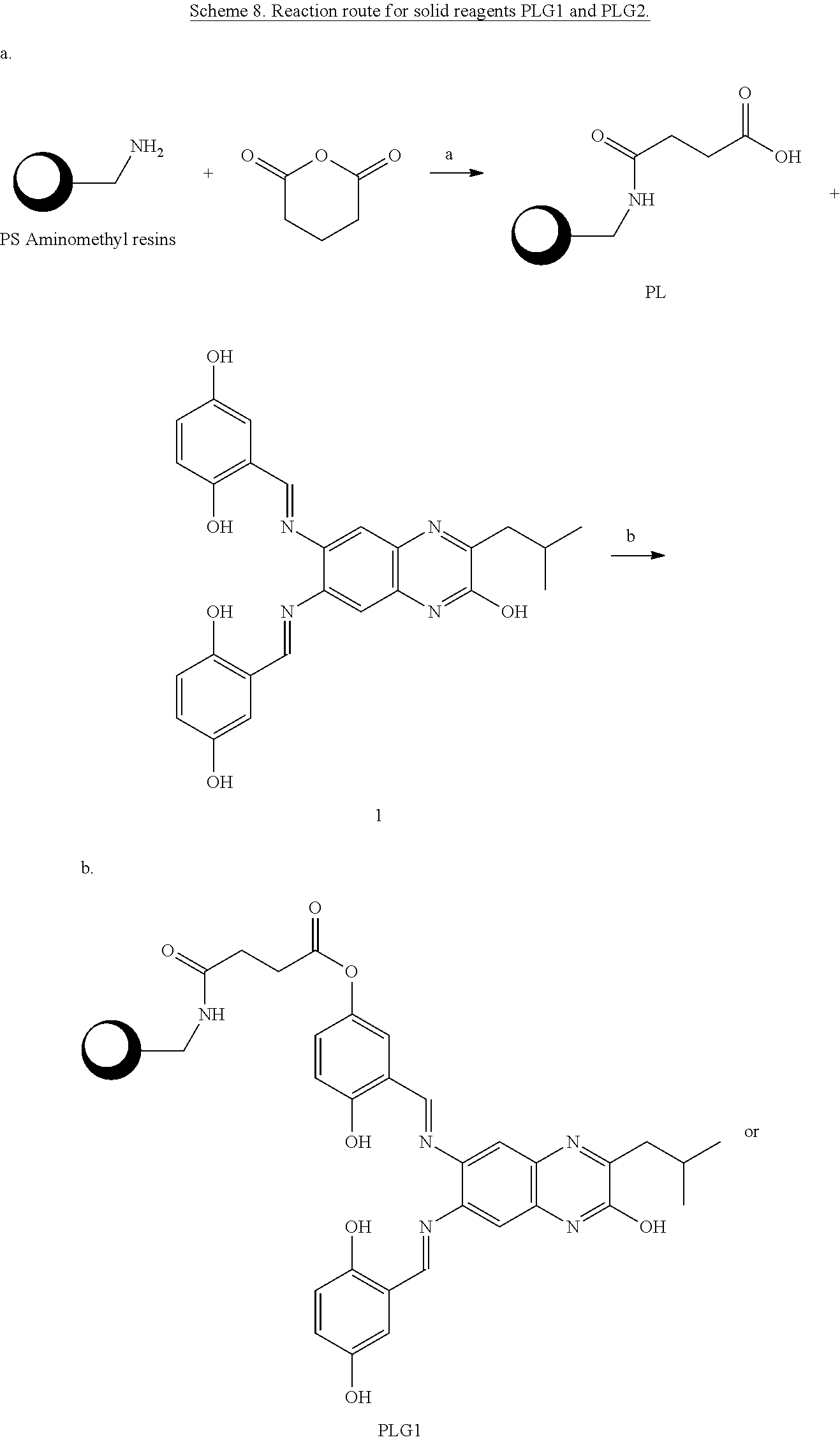

- Different molar ratios and various solvents were investigated to optimize the acylation of the amino group onto the (PS) aminomethyl resin. Finally, a molar ratio of glutaric anhydride to (PS) aminomethyl resin 5:1 using dichloromethane as solvent at room temperature for 24 hours was found to be the optimum conditions for acylation of the amino group. After acylation was completed, the resin was washed with DCM, DMF, and MeOH, three times each. The loaded resin PL can be further acylated with 1.5 equivalent of
ligand 1 by using 2.2 equivalents of 4-dimethyl-aminopyridine (DMAP) and 2.2 equivalents of N,N′-diisopropyl-carbodiimide (DIC) in distilled, dry DMF at room temperature for three days. Extending the reaction time does not increase loading. Without DMAP, the loading was very low. If wet DMF was used, the loading capability was decreased, because DIC can be decomposed easily by moisture. - There are three potential binding sites (the 2, 2′ and 5′ positions) for the carboxylic acid linker to attach to
ligand 1.Positions - With this solid ligand functionalized reagent in hand, extraction studies were run in several different solvent combinations: DMF, DMF/MeOH, MeOH, THF/MeOH, steric hindrance of the 2′ position. Hydrogen DCM/MeOH and DCM/EtOH. Finally, it was found that DCM/MeOH was the best combination for extraction, because the DCM can best swell the PS resins while MeOH still readily dissolves the metal salts. Metal salts of Cu2+, Mn2+, and Ni2+ were used in extraction studies. Solutions containing these metal cations were prepared using copper acetate, manganese acetate, and nickel nitrate salts in a 50:50 solution of DCM/MeOH. To determine extraction capability, 3 ml of a prepared solution of 2×10⁻⁴ mol/L Cu2+ was mixed with 5 mg, 10 mg, 15 mg, 20 mg prepared PLG1(2) (The molar ratio of Cu2+ to PLG1(2) was 1:3, 1:6, 1:9, 1:12.) respectively at room temperature with stirring for 40 min. The extraction results for Cu2+ metal are shown in
FIG. 3 . It was found that 20 mg PLG1 and PLG2 resins may completely extract 3ml Cu 2+ 2×10⁻⁴ mol/L solution at 40 min. Further optimization of extracting time using 20 mg PLG1 and PLG2 resins with 3ml 2×10⁻⁴ mol/L concentration copper cations solution at room temperature (FIG. 4 ) showed that the shortest time for 100% extraction was 30 min. Complexed resin can be directly filtered off to separate from the organic solvent. - For nickel, 20 mg of prepared PLG1 or PLG2 was mixed with 3 ml of the nickel (2×10⁻⁴ mol/L) salt solution at room temperature. After 24 hours, only 30% of nickel was extracted, and after 72 hours, only 45.7% of the nickel was extracted. (The final metal ion concentrations were determined using atomic absorption.) For Mn, the Mn salt solution must be prepared as a 1×10⁻⁴ mol/L solution, because the detection limit for Mn by atomic absorption using a hollow cathode lamp is limited. A 3
ml 1×10⁻⁴ mol/L manganese salt solution was extracted at room temperature by 10 mg PLG1 and PLG2 resins for 24 hours. It was found that 63.0% of the manganese was removed by the resin, This lead to a surprising conclusion. The PLO I and PLG2 resins might selectively extract Cu2+ within a short time (30 min). To confirm this, 3ml 2×10⁻⁴ mol/L Cu2+ and 3ml 2×10⁻⁴ mol/L Ni2+ solution were combined to prepare a 6ml 1×10⁻⁴ mol/L Cu2+ and Ni2+ mixed solution; 3ml 2×10⁻⁴ mol/L Cu2+ solution and 3ml 1×10⁻⁴ mol/L Mn2+ solution were combined to obtain a 6ml 1×10⁻⁴ mol/L Cu2+ and 5×10⁻⁵ mol/L Mn2+ solution. To these mixed solutions, 20 mg of the prepared PLG1 and PLG2 resin was added at room temperature and allowed to extract for 45 min. After filtering off the PLG1 and PLG2 resins, the extraction solution were analyzed by atomic absorption. It was found that 80.0% of the Cu2+ was removed, but only 7.8% Ni2+ in the Cu2+/Ni2+ solution, and only 22.0% Mn2+ was extracted in the Cu2+/Mn2+ mixed solutions. - For the recovery of copper from the PLG1Cu and PLG2Cu resins, several different conditions were tried (Scheme 8). Routine cleavage or recovery conditions, DCM with different organic acids including trifluoroacetic acid were not found to release copper ions, nor were strong bases.
- Because sodium triacetoxyborohydride can efficiently reduce the imine group (C═N) to amino group (C—N) which coordinates only weakly with the metal, the 20 mg PLG1Cu and PLG2Cu resins were mixed with 3 ml DCM/CH3COOH (2:1). To this, 10 mg sodium triacetoxyborohydride was added, and the reaction progress was measured over time (
FIG. 5 ). The results show that after 4 hours the maximum amount of Cu2+ can be recovered (70.0%). Extending the reaction time or increasing the amount of sodium triacetoxyborohydride does not increase this recovery rate. - To conclude, an optimized synthetic route for resins PLG1 and PLG2 was obtained. This kind of resin can selectively extract copper (II) cation within short time. The copper can then be recovered using reducing conditions from the resin. This has the potential to enable the selective extraction of copper even from a mixture containing other metals. PLG1 and PLG2 resins could also be applied in environmental or materials chemistry to remove copper or in combinatorial chemistry as a metal scavenging agent to remove excess copper. In the future, design new solid reagents to selectively extract other metals or improve on the selectivity or application of this system.
- Experimental
- All organic solvents were from Sigma-Aldrich Co. and were used directly for synthesis. Metal salts and other reagent for synthesis were from Acros Organics Co. Polystyrene (PS) aminomethyl resin (1% DVB, 0.59 mol/g loading and 100-200 mesh.) was from ChemPep Inc. IR, Prestige-21 Fourier transform infrared spectrophotometer and KBr solid samples. Atomic absorption spectrum (VarianAA240), its software (AA240FS) and hollow cathode lamp (HLC; Ni 232.0 nm, optimum working range: 0.1-20 mg/L; Mn 279.5 nm, optimum working range: 0.02-5 mg/L; Cu 324.8 nm, optimum working range: 0.03-10 mg/L) from Varian, Inc.
-
- 1. Zhao, J.; Han, B.; Dian, Y.; Wang, D. Anal. Chim. Acta 2007, 603, 87.
- 2. Jeanneau, L.; Faure, P.; Jarde, E. J. Chromatography A. 2007, 1173, 1.
- 3. Tokuyama, H.; Iwama, T.; Langmuir, ASAP.
- 4. Vanloot, P.; Branger, C.; Margaillan, A.; Brach-Papa, C.; Boudenne, J. L.; Coulomb, B. Anal. Bioanal. Chem. 2007, 389, 1595,
- 5. Divrikli, U.; Akdogan, A.; Soylak, M.; Elci, L. J. Haz. Materials 2007, 149, 331.
- 6. Cui, Y.; Chang, X.; Zhu, X.; Luo, H.; Hu, Z.; Zou, X.; He,
Q. Microchemical Journal 2007, 87, 20. - 7. Duran, C.; Gundogdu, A.; Bulut, V. N.; Soylak, M.; Elci, L.; Senturk, H. B.; Tufekci, M. J. Haz. Mat. 2007, 146, 347.
- 8. Musteata, M. L.; Musteata, F. M.; Pawliszyn, J. Anal. Chem. 2007, 79, 6903.
- 9. Grigoriadou, D.; Androulaki, A.; Psomiadou, E.; Tsimidou, M. Z. Food Chem. 2007, 105, 675.
- 10. Rodrigues, C. I.; Marta, L.; Maia, R.; Miranda, M.; Ribeirinho, M.; Maguas, C. J. Food Comp. Anal. 2007, 20, 440.
- 11. Pohl, P.; Prusisz, B. Food Chem. 2007, 102, 1415.
- 12. Sanvicens, N.; Moore, E. J.; Guilbault, G. G.; Marco, M. P.; J. Agric. Food Chem. 2006, 54, 9176.
- 13. Basheer, C.; Chong, H. G.; Hii, T. M.; Lee, H. K. Anal. Chem. 2007, 79, 6845.
- 14. I. Wilson, D. Anal. Chem. 1987, 59, 2830.
- 15. Zhang, W.; Lu, Y.; J. Comb. Chem. 2007, 9, 836.
- 16. Curran, D. P.; Luo, Z.; J. Am. Chem. Soc. 1999, 121, 9069.
- 17. Matsugi, M.; Curran, D. P. Org. Lett. 2004, 6, 2717.
- 18. Yang, P.; Cao, Y.; Hu, J. C.; Dai, W. L.; Fan, K. N. Applied Catalysis A: General 2003, 241, 363
- 19. Arai, T.; Watanabe, M.; Yanagisawa, A. Org. Lett. 2007, 9, 3595.
- 20. Hird, A. W.; Hoveyda, A. H. J. Am. Chem. Soc. 2005, 127, 14988.
- 21. Lee, D.; Yun, J. Tetrahedron Lett. 2005, 46, 2037-2039.
- 22. Biffis, A.; Filippi, F.; Palma, G.; Lora, S.; Macca, C.; Corain. B. J. Ma Cat. A: Chemical 2003, 203, 213-220.
- 24. Wu, X. H.; Gorden, A. E. V. J. Comb. Chem. 2007, 9, 601.
- 25. Wu, X. H.; Gorden, A. E. V.; Tonks, S. A.; Vilseck, J. Z. J. Org. Chem. 2007, 72, 8691.
- 26. Holbach, M.; Week, M. J. Org. Chem. 2006, 71, 1825.
- 27. Abdel-Magid, A. F.; Carson, K. G.; Harris, B. D.;. Maryanoff, C. A.; Shah, R. D. J. Org. Chem. 1996, 61, 3849.
- Wu et al., “2-Quirtoxalinol Salen Copper Complexes for Oxidation of Aryl Methylenes,” Eur. J. Org. Chem., Volume 2009
Issue 4, Pages 451-454, 13 Jan. 2009, the content of which is incorporated herein by reference in its entirety. - Abstract
- A copper (II) complex of the 2-quinoxalinol salen ligand (salquCu) 1 has been tested for use in catalysis. Here, an optimized method for oxidation of aryl methylenes and its potential applications are described. In organic solvents, the yields obtained are higher than other commonly used catalytic methods. Because this methods does not require high heat or increased pressure, this presents an opportunity for more environmentally friendly or “green” chemistry in a single phase system. Using this method, a key fragment of natural products Vitamin K1 and K2, 1,4-naphthoquinone, can be synthesized from 1,2,3,4-tetra-hydronaphtinalene in increased yield (65%) as compared to established methods (30-40% yield) that require higher temperatures and increased pressure.
- Introduction
- The development of new metal catalysts has been of wide interest in synthetic methodology; however, the application of these in the pharmaceutical industry has been limited for many reasons. Developing less-expensive, easier to use, or more environmentally friendly metal catalysts is a promising trend for new synthetic methods. The oxidation of C—H bonds offers benefits in commercial organic synthesis in the form of “greener” chemistry by energy efficiency, and operational simplicity, while at the same time reducing wastes.
- Salen metal (Mn, Ru, Co, Cu, etc.) complexes have been used in the development of catalysts for numerous reactions, among these the oxidation of activated C—H bonds; however, this reaction is limited by low solubility of salen ligands in organic solvents resulting in low yields. For these reasons, a modified salen system that can be used for oxidation of activated C—H bonds is useful.
- Previously, several methods of oxidation of aryl methylenes to form aryl carbonyls or aryl α-hydroxyl groups have been described. The utility of these systems has often been limited by the need for selectivity. in the 1970's, researchers used Se2O as the oxidant for reactions like this; however, the mechanism was determined to proceed with the formation of β-ketoseleninic acids leading to numerous byproducts. Oxidations with manganese salts or nitropyridinium salts were found to have a hydrogen transfer and radical mechanism, but these resulted in low yields (less than 60%). Singlet oxygen has also been investigated for use as an oxidant, but because this reaction also involves radical mechanism, the products are a mixture of the α-keto and α-hydroxyl group products. More recently, methods of oxidation using hypervalent iodine, tert-butylhydroperoxide, Jones reagent, DDQ, or peroxyacid have been reported. Yields of these methods are still less than 80%, and these methods require rigorous controlled conditions.
- For this kind of oxidation, catalysts are required for acceleration of the reaction and improvement of yields. Metal catalysts used in this way have included copper, cobalt or ruthenium salts. For this purpose, salen ligands have been used as manganese or copper catalyst supports. One promising method developed recently is the Gif system, in which an iron catalyst is combined with a suitable carboxylic acid, pyridine, zinc dust (as a reductant) with oxygen as the oxidant, to acylate methylene; however, less than 40% yields were obtained. Many articles have reported high conversion rates of this oxidation as determined by GC or HPLC; however, this is not a good reflection of isolable yields, due to the different absorptions between starting materials and products. This is especially true in the oxidation of an aryl methylene group into an aryl carbonyl group which should exhibit a stronger UV absorption. For this particular oxidation, it is difficult to identify a metal catalyst possessing both good solubility in organic polar aprotic solvents (for example, CH3CN) and non polar solvents (for example, hexane), a bottleneck to the oxidation of non polar compounds like steroids.
- Based on the 2-quinoxalinol salen ligands (salqu), a new copper catalyst, salquCu 1 (
FIG. 6 ) was developed. This metal complex can be used as a catalyst in the conversion of aryl methylene groups into aryl carbonyl groups. Described here is a method of using this catalyst, and its selectivity is characterized. Potential applications of thesalquCu catalyst 1 are proposed - Results and Discussion
- The conversion of diphenylmethane into benzophenone was selected to test the activity of
catalyst salquCu 1 and to develop optimized conditions, Based on previous reports with salphCu, three equivalents of H2O2 in CH3CN as solvent with 1% by molar of thecatalyst salquCu 1 was heated to reflux temperature for 18 hours. Under these conditions, the isolated yield of benzophenone was only 27%. Six experimental factors were considered to optimizing this reaction: oxidant (FIG. 7 ), catalyst ratio (FIG. 8 ), reaction time (FIG. 9 ), oxidant ratio (FIG. 10 ), solvent, and types of catalyst (FIG. 11 and Table 10). - First, four oxidants were tested using CH3CN as solvent in each case, with 1% of
catalyst 1 at reflux temperature for 18 hours. (FIG. 7 ) It was found that tert-butylhydroperoxide in decane was the best oxidant, quantitatively converting diphenylmethane into benzophenone. When tert-butylhydroperoxide in water was used as the oxidant, the yield of product, benzophenone, was around 80%. (FIG. 7 ) The use of tert-butylhydroperoxide in decane allows for a uniform or monophasic organic soluble catalyst system, and thus further improves the optimal yield. - With tert-butylhydroperoxide in decane as oxidant, the catalyst ratio was increased from 0.1% to 3% (Their turnover numbers are 736, 176, 99 and 32 respectively.) It was found that 1% of
catalyst 1 was best for this oxidation. (FIG. 8 ) Although 0.1% catalyst 1 leads to the highest turnover number, using 1% catalyst 1 results in the optimal yields within 18 hours. Increasing the amount of catalyst beyond this point did not decrease the reaction time required to achieve the optimal yield of benzophenone. Using less than 1% catalyst resulted in reduced yields. (FIG. 8 ) Decreasing the reaction time or oxidant ratio also results in lower yields. (FIGS. 9 and 10 ) The addition of more of the tell-butylhydroperoxide oxidant also does not serve to decrease the reaction time. (FIG. 10 ) - Finally, several polar and non polar solvents were tested. With acetonitrile, chloroform, toluene and hexane as solvents, the yields of the desired product, benzophenone, were very high (over 95%), but using THF as solvent, the yields were very low, because of the degradation of THF under oxidative conditions. When toluene was used as solvent, there were not any byproducts generated by reaction of the toluene obtained. Therefore, the optimal reaction conditions require acetonitrile (toluene, hexane or chloroform) as solvent, the addition of 3 equivalents of tert-butylhydroperoxide in decane as oxidant, with 1% of the
catalyst salquCu 1. The reaction mixture heated to reflux temperature and found to be complete after 18 hours. - Previously, a library of salqu ligands has been prepared using combinatorial methods. These have been used to prepare stable metal complexes of broad solubility with Ni2+, Co2+, Cu2+, Mn2+ or UO2 2+. Different metal complexes were tested as catalysts. (
FIG. 6 ) - Without the addition of catalyst, oxidation using 3 equivalents of tem-butylhydroperoxide in decane as oxidant in acetonitrile heated to reflux temperature for 18 hours, resulted in a very modest yield. Only about 5-10% of the desired product, benzophenone, was obtained. With the addition of copper salts to the reaction mixture, 50-60% benzophenone can be obtained. The addition of the salph Cu complex 6 increased the yield of benzophenone obtained to 74%. Using the salen Mn complex 7, produced a similar result, 75%.
- Why using the
catalysts catalyst salquCu 1 also eliminates the need for a biphasic system, which would be useful in applying this system to larger scale applications. - As a demonstration of the importance of solubility toward the efficacy of this reaction, different salqu copper complexes were examined in catalytic studies. The results of these experiments are depicted in Table 1.0.
-
TABLE 10 Optimized conditions with different salquCu catalysts (1x). Catalyst 1 or 1x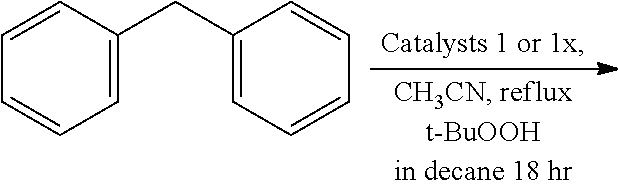

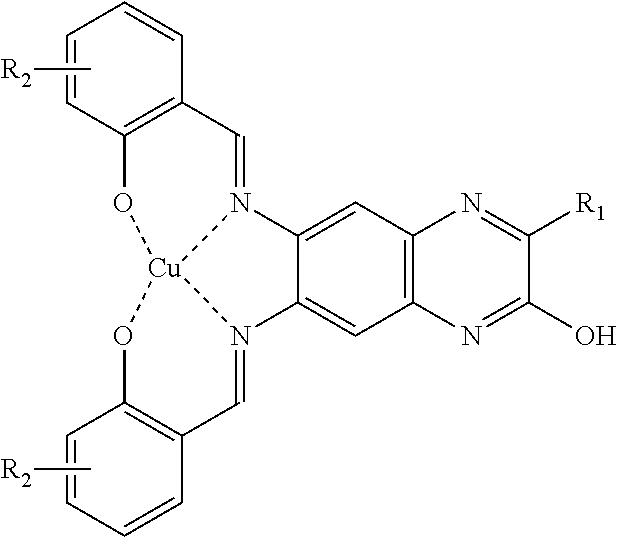
No. R1 R2 Yield (%)[a] 1 CH2Ph 3,5-ditertbutyl 99 1a CH2Ph 3-tert-butyl 92 1b CH2CH(CH3)2 3,5-ditertbutyl 99 1c CH2CH(CH3)2 H 90 1d CH2CH(CH3)2 5- OH 80 1e CH(CH3)2 H 90 1f CH(CH3)2 5-OH 65 1g CH2CH2SCH3 3-OH 77 [a]Yields are based on separation by flash column chromatography and mass calculation. - Besides
catalyst 1, tert-butyl functionalized copper complexes 1a and 1b show good catalytic effect, whereas hydroxyl functionalized complexes 1f and 1g lead to yields comparable with regular the manganese salen andcopper salph complexes catalysts 1, 1a and 1b, probably because of reduced solubility. - Catalyst (1) is stable to air and moisture and can be reused at least twice. Catalysts that are found to be stable both to air and moisture are much more convenient for their application. Stable capability was tested using the reaction conditions to oxidize diphenylmethane.
- Diphenylmethane was reacted with 1
% catalyst catalyst 1 was reused at least twice. This increases the overall lifetime of the usable catalyst and could be of benefit to reduce volumes of solvents required in larger scale reactions. - Once the optimal conditions were determined, these were used in reactions with several compounds containing aryl methylene group to be oxidized (Table 11).
-
TABLE 11 Tested Aryl methylene compound using catalyst 1.Entry[ ]
Starting material Final product Yield (%)[ ]1 

99[c] 2 
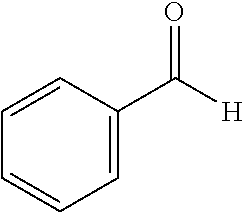
88[c]; [e] 3 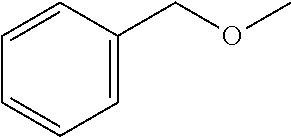
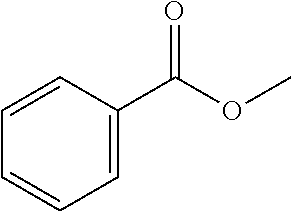
93[c] 4 

50[c]; 90[d] 5 

14[c]; 82[d] 6 
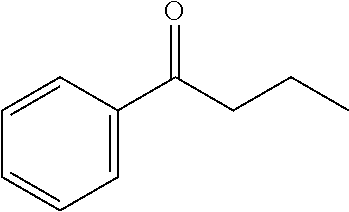
80[c] 7 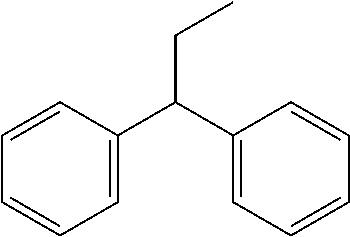

81[c] 8 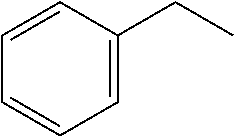

80[c] 9 

47[c] 10 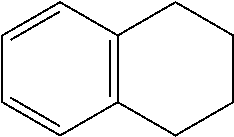

26[d] 66[d] 
11 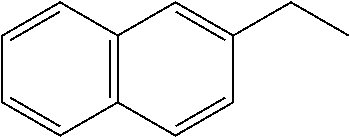
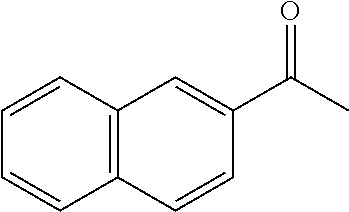
60[c]; 91[d] 12 
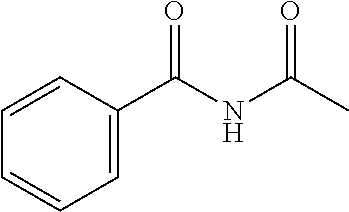
—[ ]13 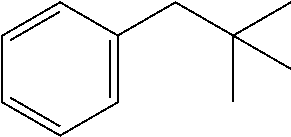
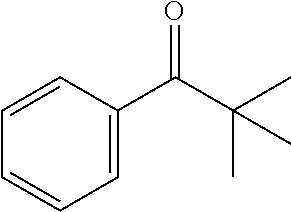
—[ ]14 
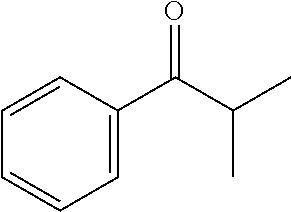
—[ ]15 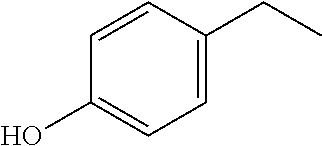
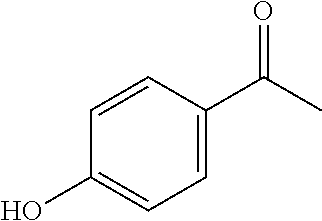
—[ ]16 
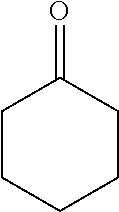
—[ ]17 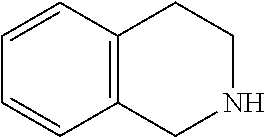

56[c] 18 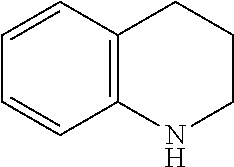
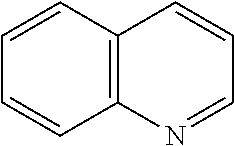
66[c] [a]All of products were characterized by 1H and 13C NMR and found to be in agreement with their standard NMR spectrum. [b]None of the expected final product was obtained. [c]Method 1: 1 % catalyst 1, CH3CN, 3 equivalents t-BuOOH (in decane), reflux for 18 hours.[d]Method 2: (1) 1 % catalyst 1, CH3CN, 3 equivalents t-BuOOH (in decane), reflux for 18 hours. (2) 3 equivalents t-BuOOH (in decane), CH3CN, reflux for 18 hours.[e]After 40 minutes the Schiff base product, N-benzylidenebenzylarnine was formed. 89% of benzaldehyde was determined by adding the reacted benzaldehyde with pure isolated benzaldehyde. [f]Yields are based on separation by flash column chromatography and mass calculation. indicates data missing or illegible when filed - It was found that if there is an electron donor group neighbouring to the methylene group to be oxidized, the yield is increased (
Entry Entry 4, 5). Aryl methylene compounds with neighbouring electron withdrawing groups can be oxidized again to enhance the final yields (Table 11, Method 2). Aryl methylene groups can be selectively oxidized, while other methylene groups were not affected (Entry 6). If an amino or hydroxyl group is present neighbouring to the methylene group, the final product produced is an aldehyde (Entry 2 and Entry 9). By this method, not only may the aryl methylenes be oxidized to the corresponding carbonyl groups, but an ether group can be converted to an ester in good yields (Entry 3). - If there is no aryl group neighbouring the methylene group, the expected product is not obtained (Entry 16). This could also be due to steric limitations on the configurational geometry of the metal complex to the catalytic mechanism. For example, when there is a bulky tert-butyl group on the methylene, none of the expected product found (Entry 13, 14). Compounds containing a hydroxyl group were found to have no reaction (Entry 15) or lower yields (Entry 9), presumably because the oxygen atom could coordinate with the catalyst metal centre, (in this case copper), and this may block the catalyst mechanism. Remarkably, tetra-hydroisoquinoline and tetra-hydroquinoline were special cases. Oxidation of tetra-hydroisoquinoline and tetra-hydroquinoline using this method leads to isoquinoline and quinoline (
Entry 17 and 18 respectively), but not α-ketoisoquinoline or α-ketoquinoline analogs. For some of the oxidation reactions found to have poor yields, the yield can be improved using a modified reaction scheme,method 2. (Entry - The oxidation of benzylamine directly into benzaldehyde by the catalyst I mimics the important biological process of oxidation of amine substrates to aldehydes as catalyzed by the naturally occurring metalloenzymes that contain copper, namely amine and lysyl oxidases (Entry 2). Once the benzaldehyde is generated, this can react directly with any remaining unreacted benzylamine to form N-benzylidenebenzylamine. N-benzylidenebenzylamine is a useful, costly but commercially available, indicator reagent used for organolithium assays and as an intermediate of amino acid syntheses, and this is a potentially useful as an inexpensive method to prepare N-benzylidenebenzylamine directly from benzylamine.
- In another example of the potential utility of this catalyst, 1,4-naphthoquinone is typically prepared on an industrial scale from naphthalene using oxygen gas with a vanadium catalyst at high temperature while under pressure. This reaction typically yields no more than 40%. This is an important compound as it is a key intermediate of several natural products including phylloquinone and menaquinone (vitamin K1 and K2), the derivatives of which have been found to have broad bioactivity ranging from anticancer to antifungal. Several new methods for preparing 1,4-naphthoquinone derivatives have been developed, but all of them involve more expensive metal catalysts. Disclosed here is a new method for preparing 1,4-naphthoquinone by using inexpensive commercial available starting
material salquCu catalysts 1 with 63% yield. (Entry 10) This conversion also mimics another crucial biological oxidization process catalyzed by galactose oxidase. - This is a promising new result, but it remains to determine the specific oxidation mechanism, although the mechanism of oxidation by copper salt and THBP has been investigated. This can be difficult, because if the mechanism involves a carbon cation intermediate, the methoxyl group should be better leaving group than hydrogen (Entry 3) in conversion of phenyl methyl ether to methyl benzoate. In contrast, in the reactions characterized here the hydrogen acts as the leaving group. Secondly, if the mechanism involves a radical intermediate, the conversion of 1,1-diphenylpropane to benzophenone can not be explained and the expected
products 1,1-diphenylpropanol should be obtained as a final reasonable product. (Entry 7) In addition, conversion of tetra-hydroquinoline to quinoline, expected α-ketoquinolines have not been obtained, indicating an unexpected mechanism occurs. (Entry 17 and 1.8) Another question that arises is in the case of benzylamine. (Entry 2) The expected product would be benzoic amide; however, the major product found is benzaldehyde in very good yield (>88%). - Conclusions
- The unusual salquCu metal complex I was developed for use in oxidation of aryl methylenes with good yields. Results of the optimization process indicate that the configuration and solubility of salqu copper complex catalyst (e.g., 1) are key factors during the oxidation. Besides the
salqu copper complex 1, the salqu manganese complex was also found to demonstrate catalytic ability. - Using the copper catalyst 1., an important fragment of natural compound, 1,4-naphthoquinone, can be obtained in high yields, and the oxidations of the metalloenzymes amine oxidase and galactose oxidase, can be mimicked. These types of catalysts present a new option for use in industry or organic syntheses because of their relative ease of preparation, low sensitivity to moisture and air, and the use of more environmentally friendly and less costly metals. They are also soluble in many common organic solvents. They possess high catalytic efficiency and can be reused at least twice. The salqu metal complexes disclosed here (e.g., 1) may be particularly useful after incorporation into polymers for use in solid phase catalysts based on the developed solid phase extraction (SPE) technology.
- Experimental Section
- All of starting materials were purchased from Acros Organics Co., TCI or Alfa Aesar Inc and were used as received. The tert-butylhydroperoxide in decane (6M) and salen Mn complex 7 used were purchased from Sigma-Aldrich Co. Salqu ligands were synthesized by previous procedure published. Solvents were purchased from Thermo Fisher Scientific Co. and were used directly. 1H and 13C NMR spectra were recorded on Bruker AC 250 spectrometer (operated at 250 and 62.5 MHz, respectively) or Bruker AV 400 spectrometer (operated at 400 and 100 MHz, respectively). The final synthesized products (
Entry 1 to 19) were identified by TLC, 1H and 13CNMR and compared with TLC, 1H and 13CNMR of commercially available compounds. The known 1H and 13C-NMR of commercial available compounds are available from spectral database for organic compounds (SDBS), National Institute of Advanced Industrial Science and Technology (AIST), Japan. Chemical shifts are reported as δ values (ppm), NMR data were collected by using CDCl3 or DMSO-d6. The solvents used are indicted in the experimental details. Reaction prowess was monitored by thin-layer chromatography (TLC) using 0.25 mm Whatman Aluminum silica gel 60-F254 precoated plates with visualization by irradiation with a Mineralight UVGL-25 lamp. The products yields are based on separation by flash column chromatography. -
Method 1 - The synthesis of the products depicted in Table 11 began with the combination of catalyst 1 (0.02 mmol, 15.2 mg) and 2.0 mmol of starting material (aryl methylene compound) dissolved in 2.0 mL acetonitrile with 1.0 mL tert-butylhydroperoxide decane solution (6.0 mmol). The reaction mixture was allowed to stir for 18 hours at 70° C. and monitored by TLC. Once the starting material can no longer be seen by TLC, the reaction was considered complete. Pure products were obtained using flash column chromatography with a solution of hexane:ethyl acetate, 10-20:1 as the eluent. The yields of final pure products were from 45.99%. (See notation in Table 11.)
-
Method 2 - For reactions found to result in low yields (see Table 11), a modified procedure was employed. The procedure began with of the addition of catalyst 1 (0.02 mmol, 15.2 mg) and 2.0 mmol of starting materials (aryl methylene compounds) dissolved in 2.0 mL acetonitrile and 1.0 mL tert-butylhydroperoxide decane solution (6.0 mmol). The reaction mixture was allowed to stir for 18 hours at 70T. After 18 hours, an additional 1.0 mL tert-butylhydroperoxide decane solution (6.0 mmol) was added and the solution was heated at reflux temperature for an additional 18 hours. The reaction was monitored by TLC. Once the starting material can no longer be seen by TLC, the reaction was considered complete. Pure products were obtained by purification using flash column chromatography with a solution of hexane ethyl acetate, 10-20:1 as eluent. The yields of final pure products were from 65-92%. (See notation in Table 11.)
- Data Section
-
Entry 1—1H-NMR (400 MHz, CDCl3): δ 7.49 (t, 4H), 7.62 (t, 2H), 7.84 (d, 4H). 13C-NMR (100 MHz, CDCl3): δ 196.8, 137.6, 132.5, 130.1, 1283. - Entry 2-N-benzylidenebenzylamine: 1H-NMR (400 MHz, CDCl3): δ 4.87 (s, 2H), 728-7.93 (m, 10H), 8.43 (s, 1H). 13C-NMR (100 MHz, CDCl3): δ 162.5, 139.0, 136.4, 134.5, 130.9, 130.6, 64.9. Benzaldehyde: 1H-NMR (400 MHz, CDCl3): δ 7.50 (t, 2H), 7.60 (t, 1H), 7.86 (d, 2H), 10.01 (s, 1H). 13C-NMR (100 MHz, CDCl3): δ 191.9, 136.0, 134.0, 129.3, 128.6.
-
Entry 3—1H-NMR (400 MHz, CDCl3): δ 3.91 (s, 3H), 7.43 (t, 2H), 7.53 (t, 1H), 8.05 (d, 2H). 13C-NMR (100 MHz, CDCl3): δ 167.1, 132.9, 130.2, 129.6, 128.4, 128.2, 126.9, 52.0. -
Entry 4—1H-NMR (250 MHz, CDCl3): δ 2.71 (s, 3H), 8.15 (d, 2H), 8.35 (d, 2H). 13C-NMR (62.5 MHz, CDCl3): δ 196.3, 141.4, 129.3, 123.9, 27.0. -
Entry 5—1H-NMR (400 MHz, CDCl3): δ 1.43 (t, 3H), 4.60 (q, 2H), 7.53 (t, 2H), 7.67 (t, 1H), 8.01 (d, 2H). 13C-NMR 000 MHz, CDCl3): δ 186.5, 163.9, 134.9, 132.4, 130.0, 128.9, 62.4, 14.1. -
Entry 6—1H-NMR (400 MHz, CDCl3): δ 1.02 (t, 3H), 1.97 (m, 2H), 2.96 (t, 2H), 7.46 (t, 2H), 7.53 (t, 1H), 7.96 (d, 2H). 13C-NMR (100 MHz, CDCl3): δ 200.4, 137.1, 132.9, 128.4, 128.2, 128.0, 40.5, 27.2, 13.9. -
Entry 7—1H-NMR (400 MHz, CDCl3): δ 7.50 (t, 4H), 7.62 (t, 2H), 7.85 (d, 41-1). 13C-NMR (100 MHz, CDCl3): δ 196.8, 137.6, 132.4, 130.1, 128.3. -
Entry 8—1H-NMR (400 MHz, CDCl3): δ 2.57 (s, 3H), 7.49 (t, 2H), 7.60 (t, 1H), 7.94 (d, 2H). 13C-NMR (100 MHz, CDCl3): δ 198.4, 1373, 133.6, 129.1, 128.6, 27.2. -
Entry 9—1H-NMR (400 MHz CDCl3): δ 7.50 (t, 2H), 7.60 (t, 11.1), 7.86 (d, 2H), 10.01 (s, 1H). 13C-NMR (100 MHz, CDCl3): δ 191.9, 136.0, 134.0, 129.3, 128.6. -
Entry 10—1H-NMR (400 MHz, DMSO-d6): δ 7.02 (s, 2H), 7.80 (dd, 2H), 8.13 (dd, 2H). 13C-NMR (100 MHz, DMSO-d6): δ 185.1, 138.7, 134.0, 131.9, 126.5. - Entry 11—1H-NMR (250 MHz, CDCl3): δ 2.71 (s, 3H), 7.56 (m, 2H), 7.62 (m, 4H), 8.05 (s, 1H). 13C-NMR (62.5 MHz, CDCl3): δ 198.1, 135.6, 134.4, 132.5, 130.2, 129.6, 128.5, 128.4, 127.8, 126.8, 123.9.
- Entry 17—1H-NMR (400 MHz, CDCl3): δ 7.57-7.96 (m, 5H), 8.54 (d, 1H), 9.27 (s, 2H). 13C-NMR (100 MHz, CDCl3): δ 152.5, 142.9, 135.8, 130.4, 127.6, 127.3, 126.5, 120.5.
-
Entry 18—1H-NMR (400 MHz, CDCl3): δ 7.29(m, 1H), 7.47 (t, 1H), 7.63 (t, 1H), 7.73 (d, 1H), 8.06 (m, 2H), 8.60 (m, 1H). 13C-NMR (100 MHz, CDCl3): δ 150.3, 148.2, 136.0, 129.4, 128.2, 127.8, 126.5, 121.0. -
- [1] (a) R. D. Smiley, G. G. Hammes, Chem. Rev. 2006, 106, 3080. (b) S. T. Connon, S. Blechert, Angew. Chem. Int. Ed. 2003, 42, 1900. (c) K. C. Nicolaou, D. Vourloumis, N. Winssinger, P. S. Baran, Angew. Chem. Int. Ed, 2000, 39, 44. (d) S. Caron, R. W. Dugger, S. G. Ruggeri, J. A. Ragan, D. H. B. Ripin, Chem. Rev. 2006, 106, 2943. (e) R. H. Grubbs, Angew. Chem. Int. Ed. 2006, 45, 3760. (f). R. R. Schrock, Angew. Chem. Int. Ed. 2006, 45, 3748. (g) Y. Chauvin, Angew. Chem. Int. Ed. 2006, 45, 3741.
- [2] (a) P. J. Walsh, H. Li, C. A. Parrodi, Chem. Rev. 2007, 107, 2503. (b) B. Notari, Catal.
Today 1993, 18, 163. (b) A. Butler, M. J. Clague, G. E. Meister, Chem. Rev. 1994, 94, 625. (c) J. M. Aubry, S. J. Bouttemy, J. Am. Chem. Soc. 1997, 119, 5286. (d) D. H. Dickman, Chem. Rev. 1994, 94, 569. - [3] (a) G. Dyker, Angew. Chem., Int. Ed. 1999, 38, 1698. (b) T. Naota, H. Takaya, S.-I. Murahashi, Chem. Rev. 1998, 98, 2599. (c) V. Ritleng, C. Sirli, M. Pfeffer, Chem. Rev. 2002, 102, 1731. (d) H. Chen, S. Schlecht, T. C. Semple, J. F. Hartwig, Science 2000, 287, 1995. (e) A. S. Goldman, Nature 1993, 366, 514.
- [4] (a) A. Erkkila, I, Majander, P. M. Pihko, Chem. Rev. 2007, 107, 5416. (b) D. Darensbourg, Chem. Rev. 2007, 107, 2388. (c) N. E. Borisova, M. D. Reshetova, Y. A. Ustynyuk, Chem. Rev. 2007, 107, 49. (d) S. E. Denmark, E. N. Jacobsen, Acc. Chem. Res. 2000, 33, 324. (e) S. Dey, D. R. Powell, C. Hu, a B. Berkowitz, Angew. Chem., Int. Ed. 2007, 46, 7010. (f) A. Pui, J-P. Mahy, Polyhedron 2007, 26, 3143. (g) Z. Lue, M. Yuan, F. Pan, S. Gao, D. Zhang, D. Zhu, Inorg, Chem. 2006, 45, 3538.
- [5] S. Velusamy, T. Punniyamurthy, Tetrahedron Lett. 2003, 44, 8955.
- [6] (a) H. B. Henbest, B. Nicholls, J. Chem. Soc. 1959, 221. (b) S. Harrison, Chem, Commun. 1966, 752. (c) A. J. Catino, R. E. Forslund, M. P. Doyle, J. Am. Chem. Soc. 2004, 126, 13622. (d) H. M. C. Ferraz, Jr. L. S. Longo, Org. Lett. 2003, 5, 1337. (e) R Breslow, P. C. Scholl, J. Am. Chem. Soc. 1971, 93, 2331. (f) J. Q. Yu, E. I. Coery, J. Am. Chem. Soc. 2003, 125, 3232. (g) S. Tsunoi, 1. Ryu, N. Sonoda, J. Am. Chem. Soc. 1994, 116, 5473.
- [7] (a) A. Krief, L. Hevesi, Organoselenium Chemistry I, Springer, N.Y., 1998, 115. (b) E. S. Krongauz, Russ. Chem., Rev, 1977, 46, 59. (c) N. Rabjohn, Org. React. 1976, 24, 261. (c) E. J. Coery, J. P. Schaefer, J. Am, Chem. Soc. 1960, 82, 918. (d) K. B. Sharpless, K. M. Gordon, J. Am. Chem. Soc. 1976, 98, 300.
- [8] (a) J. H. Markgraf, B. Y. Choi, Synth. Commun. 1999, 29, 2405. (b) J. H. Markgraf, C. A. Stickney, J. Heterocyclic Chem. 2000, 37, 109. (c) S, Negele, K. Wieser, T. Severin, J. Org. Chem. 1998, 63, 1138. (d) H. X. Wei, R. L. Jasoni, H. Shao, J. Hu, P. W. Pare,
Tetrahedron 2004, 60, 11829. - [9] (a) Wasserman, H. H.; Ives, J. L. J. Org. Chem. 1978, 43, 3238. (b) Wasserman, H. H.; Ives, J. L. J. Org. Chem. 1985, 50, 3573. (c) Rao, D. V.; Stuber, F. A.; Ulrich, H. J. Org. Chem. 1979, 44, 456. (d) L1, P.; Fong, W. M.; Chao, L. C. F.; Fung, S. H. C.; Williams, I. D. J. Org. Chem. 2001, 66, 4087.
- [10] (a) J. C. Lee, H. J. Park, J. Y. Park, Tetrahedron Lett. 2002, 43, 5661. (b) Z. L1, C. G. Xiu, C. Z. Xu, Tetrahedron Lett. 2003, 44, 9229. (c) N. K. Sharma, K. N. Ganesh, Tetrahedron Lett, 2004, 45, 1403. (d) X. Zhang, A. C. Schmitt, W. Jiang, Tetrahedron Lett. 2001, 42, 5335.
- [11] (a) S. I. Murahashi, N. Komiya, Y. O. Kuwabara.; T. Naota, J. Org. Chem. 2000, 65, 9186. (b) Jr. A. R. Doumaux, D. J. Trecker, J. Org. Chem. 1970, 35, 2121. (c) A. J. Catino, J. M. Nichols, H. Choi, S. Gottipamula, M. P. Doyle, Org Lett, 2005, 7, 5167. (d) Y. Bonvin, E. Callens, I. Larrosa, D. A. Henderson, J. Oldham., A. 3. Burton, A. G. M. Barrett, Org Lett, 2005, 7, 4549 (d) J. Mazurt, Chem Rev, 1992, 92, 113.
- [12] (a) R. Rangarajan, E. J. Eisenbraun, J. Org. Chem. 1985, 50, 2435. (b) H. Lee, R. G. Harvey, J. Org. Chem. 1988, 53, 4587. (c) D. Ma, C. Xia, H. Tian, Tetrahedron Lett. 1999, 40, 8915.
- [13] (a) A. Shaabani, D. 0, Lee, Tetrahedron Len. 2001, 42, 5833. (b) F. Minisci, C. Punta, F. Recupero, F. Fontana, G. F. Pedulli, J. Org. Chem. 2002, 67, 2671. (c) S. Minakata, E. Imai, Y. Ohshima, K. Inaki, I. Ryu, M. Komatsu, Y. Ohshiro, Chem. Len. 1996, 19. (d) M. Miyamoto, Y. Minami, Y. Ukaji, H. Kinoshita, K. Inomata, Chem. Len. 1994, 1149.
- [14] (a) K. Kamata, J. Kasai, K. Yamaguchi, N. Mizuno, Org. Len. 2004, 6, 3577. (b) P. H. J. Crlsen, T. Katsuki, V. S. Martin, K. B. Sharpless, J. Org. Chem. 1981, 46, 3936. (c) T. C. Lau, C. K. Mak, J. Chem. Soc. Chem. Commun. 1993, 766.
- [15] (a) N. Komiya, S, Noji, S. I. Murahashi, Tetrahedron Lett. 1998, 39, 7921. (b) N. H. Lee, C. S. Lee, D. S. Jung, Tetrahedron Lett. 1998, 39, 1385.
- [16] (a) U. Schuchardt, M. J. D. M. Jannini, D. T. Richens, M. C. Guerreiro, E. V. Spinace, Tetrahedron 2001, 57, 2685. (b) D. H. R. Barton, E. Csuhai, N. Ozbalik, Tetrahedron Lett. 1990, 31, 1657.
- [17] D. H. R. Barton, Chem. Soc. Rev. 1996, 25, 237.
- [18] (a) X. Wu, A. E. V. Gorden, J. Comb. Chem. 2007, 9, 601. (b) X. Wu, A. E. V. Gorden, S. A. Tonks, J. Z. Vilseck, J. Org. Chem. 2007, 72, 8691.
- [19] X. Wu, T. H. Bray, M. S. Bharara, B. K. Tate, A. E. V. Gorden, Inorg. Chem. Acta 2008, in press.
- [20] R. F. Moreira, E. Y. Tshuva, S. J. Lippard, Inorg. Chem. 2004, 43, 4427.
- [21] (a) S, Nara, B. Gomes, K. T. Yosunobu, J. Bio. Chem. 1966, 241(12), 2774. (b) T. Koyanagi, K. Matsumura, S. Kuroda, K. Tanizawa, Plant Cell Physiol 2000, 41(11), 1259.
- [22] R. G. Gillis, J. Org. Chem. 1956, 21, 805.
- [23] L. Duhamel, J. C. Plaquevent, J. Org. Chem. 1979, 44, 3404.
- [24] U. M. Azizov, L. I. Leonteva, Pharma. Chem. J. 1989, 23(12), 1017.
- [25] (a) S. J. Elder, D. B. Haytowitz, J. Howe, J. W. Peterson, S. L. Booth, J. Agric. Food Chem. 2006, 54 (2), 463. (b) Y. Naruta, J. Org. Chem. 1980, 45, 4097.
- [26] (a) I. Dai, I. Masami, Y. Yukinori, J. Nat. Prod. 2003, 66, 1611. (b) T. Kazuhito, Y. Hisatsugu, N. Sei-lchi, J. Am. Chem. Soc. 2007, 129, 12585. (c) K. Barbara, Z. Wieslawa, Bioorg. Med. Chem. 2007, 15(12), 4144. (d) E. Giaccomo, L. M. Grazia, L. Catarina. W. Vierle, S. M. Elisabeth, B. Roland, Eur. J. Med. Chem. 2006, 41(6), 773. (e) K. Barbara, Z. Wieslawa, Bioorg. Med. Chem. 2007, 15(12), 4144. (f) V. Claudia, M. Rui, C. G. Rita, L. Jim, J. Mohammed, T. D. Kenneth, Bioorg. Med. Chem. 2007, 15(15), 5340.
- [27] (a) C. C. Huang, N. H. Chang, Org. Lett. 2008, 10(4), 673. (b) P. Chatchawan, Boonsong, K. Ngampong, Synth. Commun. 2007, 37(9), 1463. (c) X. L. Wang, X. F. Zheng, 3. Reiner, Synlett. 2006, 6, 942,
- [28] (a), A. J. Baron, C. Stevens, C. Wilmot, K. D. Seneviratne, V. Blakeley, D. M. Dooley, S. E. V. Phillips, P. F. Knowles, M. J. Mcpherson, J. Bio. Chem. 1994, 269(40), 25095. (b) Y. Wang, T. D. P. Stack, J. Am. Chem. Soc. 1996, 118, 13097.
- [29] G. Rothenberg, L. Feldberg, H. Wiener; Y. Sasson, J Chem Soc,
Perkin Trans 2 1998, 2429. - [30] X. Wu, k E. V. Gorden, Tetrahedron Lett. 2008, 49(30), 5200.
- [31] (a) L. Zhang, G. Liu, S. D. Zhang, H. Z. Yang, L. L1, X. Wu, J. L. Yu, B. B. Kou, S. Xu, J. Li, G. C. Sun, Y. F. Ji, G. F. Cheng, J. Comb. Chem. 2004, 6, 431. (b) X. Wu, G. Liu, J. Zhang, Z. G. Wang, S. Xu, S. D. Zhang, L. Zhang, L Wang, Mol. Diver. 2004, 8, 165. (c) G. Liu, Y. M. Fan, J. R. Calson, K. S. Lam, J. Comb. Chem., 2000, 2, 467.
- It will be readily apparent to one skilled in the art that varying substitutions and modifications may be made to the invention disclosed herein without departing from the scope and spirit of the invention. The invention illustratively described herein suitably may be practiced in the absence of any element or elements, limitation or limitations which is not specifically disclosed herein. The terms and expressions which have been employed are used as terms of description and not of limitation, and there is no intention that in the use of such terms and expressions of excluding any equivalents of the features shown and described or portions thereof, but it is recognized that various modifications are possible within the scope of the invention. Thus, it should be understood that although the present invention has been illustrated by specific embodiments and optional features, modification and/or variation of the concepts herein disclosed may be resorted to by those skilled in the art, and that such modifications and variations are considered to be within the scope of this invention.
- In addition, where features or aspects of the invention are described in terms of Markush groups or other grouping of alternatives, those skilled in the art will recognize that the invention is also thereby described in terms of any individual member, any subgroup of members of the Markush group or other group, or the totality of members of the Markush group or other group.
- Citations to a number of patent and non-patent references are made herein. The cited references are incorporated by reference herein in their entireties. in the event that there is an inconsistency between a definition of a term in the specification as compared to a definition of the term in a cited reference, the term should be interpreted based on the definition in the specification.
Claims (30)
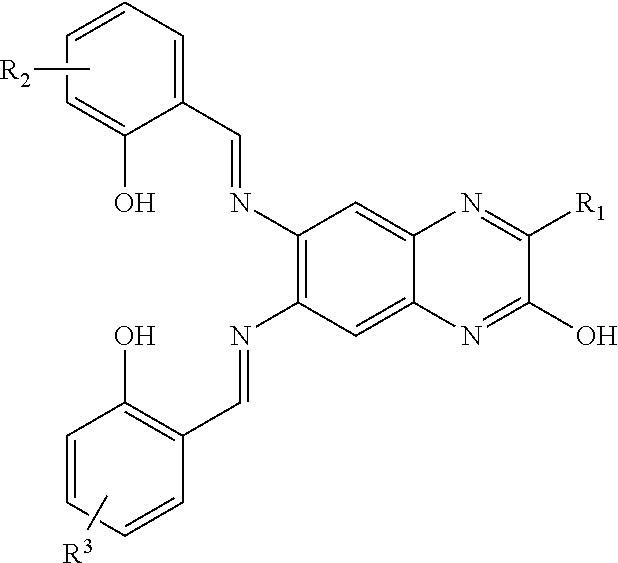
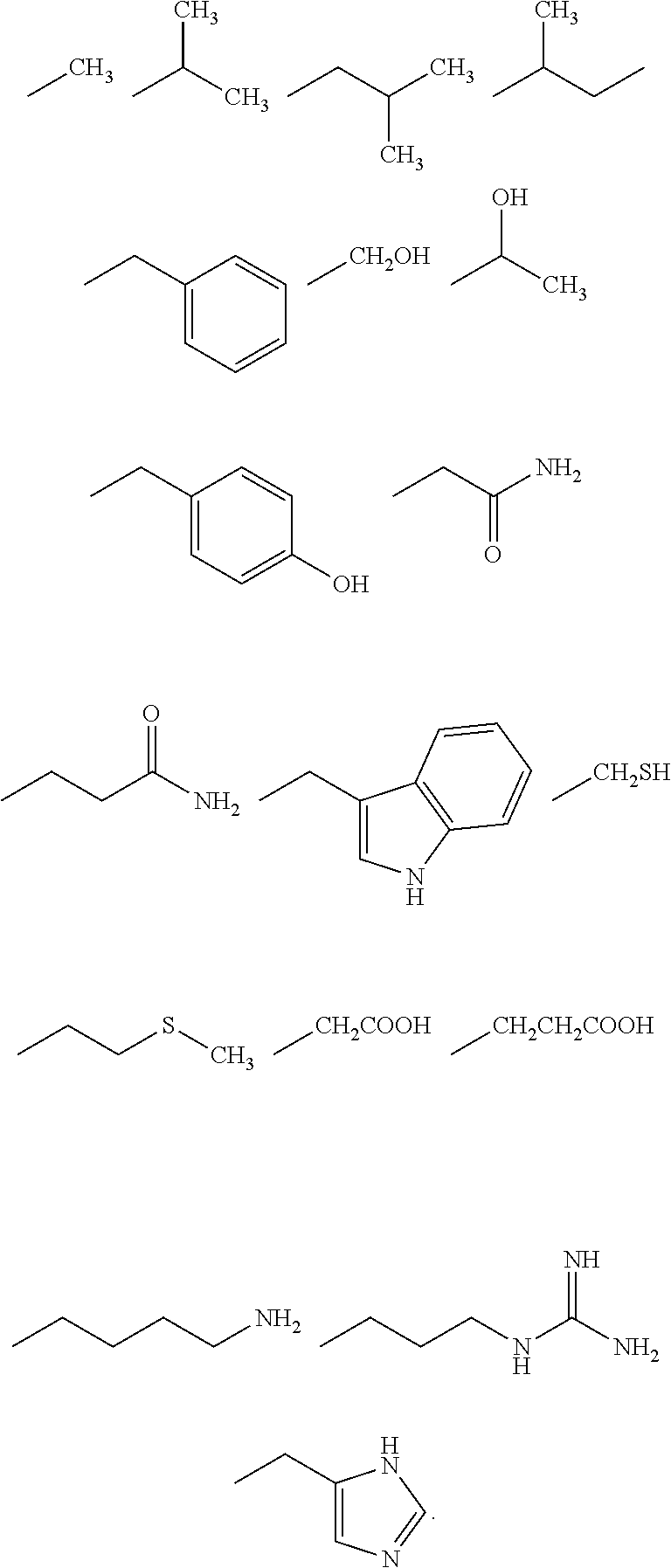
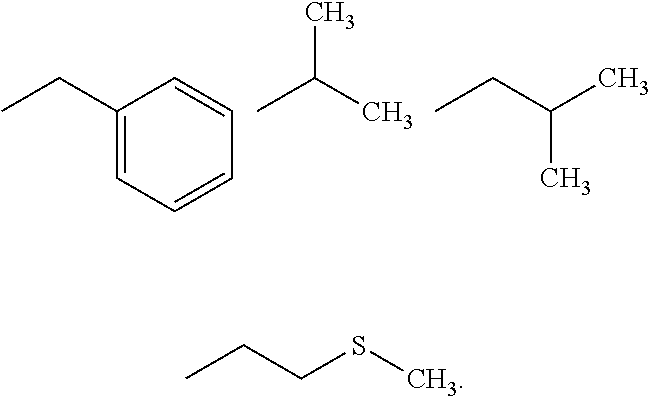

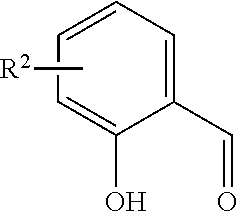
Priority Applications (1)
| Application Number | Priority Date | Filing Date | Title |
|---|---|---|---|
| US13/270,782 US8445678B2 (en) | 2008-04-25 | 2011-10-11 | 2-quinoxalinol salen compounds and uses thereof |
Applications Claiming Priority (5)
| Application Number | Priority Date | Filing Date | Title |
|---|---|---|---|
| US12548908P | 2008-04-25 | 2008-04-25 | |
| US19023908P | 2008-08-27 | 2008-08-27 | |
| US19630508P | 2008-10-16 | 2008-10-16 | |
| US12/429,933 US20090286968A1 (en) | 2008-04-25 | 2009-04-24 | 2-Quinoxalinol Salen Compounds and Uses Thereof |
| US13/270,782 US8445678B2 (en) | 2008-04-25 | 2011-10-11 | 2-quinoxalinol salen compounds and uses thereof |
Related Parent Applications (1)
| Application Number | Title | Priority Date | Filing Date |
|---|---|---|---|
| US12/429,933 Continuation US20090286968A1 (en) | 2008-04-25 | 2009-04-24 | 2-Quinoxalinol Salen Compounds and Uses Thereof |
Publications (2)
| Publication Number | Publication Date |
|---|---|
| US20120028362A1 true US20120028362A1 (en) | 2012-02-02 |
| US8445678B2 US8445678B2 (en) | 2013-05-21 |
Family
ID=41316772
Family Applications (2)
| Application Number | Title | Priority Date | Filing Date |
|---|---|---|---|
| US12/429,933 Abandoned US20090286968A1 (en) | 2008-04-25 | 2009-04-24 | 2-Quinoxalinol Salen Compounds and Uses Thereof |
| US13/270,782 Expired - Fee Related US8445678B2 (en) | 2008-04-25 | 2011-10-11 | 2-quinoxalinol salen compounds and uses thereof |
Family Applications Before (1)
| Application Number | Title | Priority Date | Filing Date |
|---|---|---|---|
| US12/429,933 Abandoned US20090286968A1 (en) | 2008-04-25 | 2009-04-24 | 2-Quinoxalinol Salen Compounds and Uses Thereof |
Country Status (1)
| Country | Link |
|---|---|
| US (2) | US20090286968A1 (en) |
Cited By (1)
| Publication number | Priority date | Publication date | Assignee | Title |
|---|---|---|---|---|
| WO2017031050A1 (en) * | 2015-08-14 | 2017-02-23 | Massachusetts Institute Of Technology | Molecularly tunable heterogeneous catalysts by edge functionalization of graphitic carbons |
Families Citing this family (12)
| Publication number | Priority date | Publication date | Assignee | Title |
|---|---|---|---|---|
| EP2557155B1 (en) * | 2010-04-06 | 2018-06-13 | IHI Corporation | Metal salen complex derivative and process for production thereof |
| CN101905171B (en) * | 2010-07-05 | 2011-12-28 | 沈阳化工大学 | Method for preparing Wang resin supported chiral Salon-Co (III) catalyst |
| CN101940947B (en) * | 2010-07-05 | 2011-12-21 | 沈阳化工大学 | Method for preparing polystyrene resin-immobilized Salon-Co (III) catalyst |
| CN103191779A (en) * | 2013-04-11 | 2013-07-10 | 南京大学 | Chiral schiff alkali metal catalyst supported by ionic liquid and preparation method and use thereof |
| CN105435844A (en) * | 2015-12-22 | 2016-03-30 | 聊城大学 | Copper formate catalyst, and preparation method and applications thereof |
| CN108760956B (en) * | 2018-06-29 | 2020-10-09 | 华东理工大学 | Pretreatment device and content determination method for fluoroquinolone veterinary drug antibiotic sample in breeding wastewater |
| CN110180031A (en) * | 2019-06-05 | 2019-08-30 | 上海纳米技术及应用国家工程研究中心有限公司 | A kind of rare earth Schiff bases luminescent material is used to mark the preparation method of degradable Invasive lumbar fusion device |
| CN111635299A (en) * | 2020-06-09 | 2020-09-08 | 大连理工大学 | A method for preparing aromatic hydrocarbon alpha ketone carbonyl compounds by continuous visible light catalyzed molecular oxygen oxidation in a microchannel reactor |
| WO2022000369A1 (en) * | 2020-07-01 | 2022-01-06 | 北京大学深圳研究生院 | Preparation method for and use of photosensitive material |
| CN111635385B (en) * | 2020-07-01 | 2023-03-24 | 中南林业科技大学 | Mitochondrion-targeted two-photon excitation near-infrared emission hydrogen sulfide fluorescent probe and preparation method and application thereof |
| CN114939178B (en) * | 2022-06-01 | 2024-07-12 | 中国药科大学 | Amino acid/polypeptide coordination polymer and its preparation method and application |
| CN115505104B (en) * | 2022-09-20 | 2024-01-26 | 广西民族师范学院 | Quinoxaline-based conjugated microporous polymer, photoelectrochemical sensor, preparation method thereof and detection method of dopamine |
Family Cites Families (21)
| Publication number | Priority date | Publication date | Assignee | Title |
|---|---|---|---|---|
| NO940195L (en) | 1993-01-25 | 1994-07-26 | Norsk Hydro As | New connections |
| EP1159259A1 (en) * | 1999-03-08 | 2001-12-05 | Ciba SC Holding AG | Manganese complexes of salen ligands and the use thereof |
| DE60033522T8 (en) * | 1999-07-28 | 2008-03-27 | Ciba Specialty Chemicals Holding Inc. | WATER-SOLUBLE GRANULES OF MANGANIC COMPLEXES FROM THE SALT TYPE |
| EP1289655B1 (en) * | 2000-05-24 | 2005-12-28 | Rstech Co., Ltd. | A method for preparing chiral compounds from racemic epoxides using chiral salen catalysts |
| MXPA02012464A (en) * | 2000-07-05 | 2003-04-25 | Ciba Sc Holding Ag | Process for the preparation of manganese complexes of salen compounds. |
| US6589948B1 (en) * | 2000-11-28 | 2003-07-08 | Eukarion, Inc. | Cyclic salen-metal compounds: reactive oxygen species scavengers useful as antioxidants in the treatment and prevention of diseases |
| KR100342659B1 (en) * | 2000-12-15 | 2002-07-04 | Rstech Co Ltd | Chiral polymer salene catalyst and process for preparing chiral compounds from racemic epoxide using the same |
| JP3990544B2 (en) * | 2001-03-26 | 2007-10-17 | 独立行政法人科学技術振興機構 | Method for producing amino compound using salen manganese complex as catalyst |
| JP3968076B2 (en) * | 2001-06-27 | 2007-08-29 | アールエス テック コーポレイション | New chiral salen compound, chiral salen catalyst, and method for producing chiral compound from racemic epoxy compound using the same |
| JP2003146978A (en) * | 2001-09-03 | 2003-05-21 | Kyushu Univ | METHOD FOR PRODUCING OPTICALLY ACTIVE LACTONE COMPOUND USING SALEN COBALT COMPLEX HAVING CIS-beta STRUCTURE |
| EP1504111A4 (en) | 2002-04-19 | 2005-11-23 | California Inst Of Techn | PEPTIDES NUCLEIC ACID PEPTIDE DISPLAY LIBRARS CONTAINING UNNATURELY AMINO-ACID-RESISTANT AND METHOD FOR THE PRODUCTION THEREOF |
| US7385038B2 (en) * | 2002-07-18 | 2008-06-10 | Protein Express Co., Ltd. | Non-natural labeled amino acid and method of constructing amino acid/tRNA complex |
| CA2503749A1 (en) | 2002-10-31 | 2004-05-13 | Riken | Method of expressing protein having unnatural amino acid integrated thereinto |
| US20040259256A1 (en) | 2003-03-21 | 2004-12-23 | Neurion Pharmaceuticals | Methods of unnatural amino acid incorporation in mammalian cells |
| JP5275566B2 (en) | 2003-06-18 | 2013-08-28 | ザ スクリプス リサーチ インスティチュート | Reactive unnatural amino acid genetic code addition |
| DE102004023332A1 (en) * | 2004-05-12 | 2006-01-19 | Bayer Cropscience Gmbh | Quinoxaline-2-one derivatives, crop protection agents containing them, and processes for their preparation and their use |
| WO2006099162A2 (en) | 2005-03-14 | 2006-09-21 | Georgia Tech Research Corporation | Polymeric salen compounds and methods thereof |
| EP1752467A1 (en) | 2005-08-10 | 2007-02-14 | 4Sc Ag | Inhibitors of cancer cell, t-cell and keratinocyte proliferation |
| HRP20110404T1 (en) * | 2005-11-08 | 2011-08-31 | Ambrx | Accelerants for the modification of non-natural amino acids and non-natural amino acid polypeptides |
| AU2007215566A1 (en) | 2006-01-19 | 2007-08-23 | Ambrx, Inc. | Non-natural amino acid polypeptides having modulated immunogenicity |
| GB0602799D0 (en) | 2006-02-11 | 2006-03-22 | Proximagen Ltd | Non-natural amino acid derivatives |
-
2009
- 2009-04-24 US US12/429,933 patent/US20090286968A1/en not_active Abandoned
-
2011
- 2011-10-11 US US13/270,782 patent/US8445678B2/en not_active Expired - Fee Related
Non-Patent Citations (2)
| Title |
|---|
| Xianghong Wu & Anne Gordon, An Efficient Method for Solution-Phase Parallel Synthesis of 2-Quinoxalinol Salen Schiff-Base Ligands, 9 J COMB. CHEM. 601 (2007) * |
| Xianghong Wu, et al, Regioselective Synthesis of Asymmetrically Substituted 2-Quinoxalinol Salen Ligands, 72 J ORG. CHEM. 8691 (2007) * |
Cited By (2)
| Publication number | Priority date | Publication date | Assignee | Title |
|---|---|---|---|---|
| WO2017031050A1 (en) * | 2015-08-14 | 2017-02-23 | Massachusetts Institute Of Technology | Molecularly tunable heterogeneous catalysts by edge functionalization of graphitic carbons |
| US11005108B2 (en) | 2015-08-14 | 2021-05-11 | Massachusetts Institute Of Technology | Molecularly tunable heterogeneous catalysts by edge functionalization of graphitic carbons |
Also Published As
| Publication number | Publication date |
|---|---|
| US8445678B2 (en) | 2013-05-21 |
| US20090286968A1 (en) | 2009-11-19 |
Similar Documents
| Publication | Publication Date | Title |
|---|---|---|
| US8445678B2 (en) | 2-quinoxalinol salen compounds and uses thereof | |
| Zang et al. | A phenolic Schiff base for highly selective sensing of fluoride and cyanide via different channels | |
| Özil et al. | A simple and efficient synthesis of benzimidazoles containing piperazine or morpholine skeleton at C-6 position as glucosidase inhibitors with antioxidant activity | |
| Tabushi et al. | Artificial allosteric system. 2. Cooperative 1-methylimidazole binding to an artificial allosteric system, zinc-gable porphyrin-dipyridylmethane complex | |
| KR102637487B1 (en) | Six-membered ring benzo deribatibes as dpp-4 inhibitor and use thereof | |
| Zhang et al. | Red-emitting ruthenium (II) and iridium (III) complexes as phosphorescent probes for methylglyoxal in vitro and in vivo | |
| CN101012234B (en) | Non-periphery substituted phthalocyanine metal complex and preparing method thereof | |
| Benites et al. | Metal− Ligand Charge-Transfer-Promoted Photoelectronic Bergman Cyclization of Copper Metalloenediynes: Photochemical DNA Cleavage via C-4 ‘H-Atom Abstraction | |
| Paitandi et al. | Pyrazole appended quinoline-BODIPY based arene ruthenium complexes: their anticancer activity and potential applications in cellular imaging | |
| CN108129365B (en) | Fluorescent probe for near-infrared detection of cysteine, and preparation method and application thereof | |
| Jayamani et al. | Synthesis, characterization and biomolecular interactions of Cu (II) and Ni (II) complexes of acyclic Schiff base ligand | |
| Tabrizi et al. | New RuII pincer complexes: synthesis, characterization and biological evaluation for photodynamic therapy | |
| Sasmal et al. | Photocytotoxicity and DNA cleavage activity of L-arg and L-lys Schiff base oxovanadium (IV) complexes having phenanthroline bases | |
| AlAjmi et al. | In Vivo assessment of newly synthesized achiral copper (ii) and zinc (ii) complexes of a benzimidazole derived scaffold as a potential analgesic, antipyretic and anti-inflammatory | |
| Kumar et al. | Synthesis, characterization, redox property and biological activity of Ru (II) carbonyl complexes containing O, N-donor ligands and heterocyclic bases | |
| Ahmadi et al. | A cystine-based dual chemosensor for fluorescent-colorimetric detection of CN− and fluorescent detection of Fe3+ in aqueous media: Synthesis, spectroscopic, and DFT studies | |
| Saha et al. | A new naphthalimide-Pd (II) complex as a light-up fluorescent chemosensor for selective detection of carbon monoxide in aqueous medium | |
| Ohshima et al. | Design and synthesis of a fluorescent probe for Zn2+, 5, 7-Bis (N, N-dimethylaminosulfonyl)-8-hydroxyquinoline-pendant 1, 4, 7, 10-tetraazacyclododecane and Zn2+-dependent hydrolytic and Zn2+-independent photochemical reactivation of its benzenesulfonyl-caged derivative | |
| CN104098606B (en) | A kind of Phosphorescent ionic type iridium complex and its preparation method and application | |
| Munusamy et al. | Enantioselective recognition of unmodified amino acids by ligand-displacement assays with in situ generated 1: 1 Cu (II)-BINOL imidazole complex | |
| Class et al. | Patent application title: 2-QUINOXALINOL SALEN COMPOUNDS AND USES THEREOF Inventors: Anne EV Gorden (Auburn, AL, US) Xianghong Wu (Auburn, AL, US) Assignees: Auburn University | |
| Aneetha et al. | Copper (II) complexes of tetraaza macrocycles bearing pendant arms: syntheses, structures and properties | |
| Heredia et al. | Metal-and base-free, aerobic photoredox catalysis with riboflavin to synthesize 2-substituted benzothiazoles | |
| EP3998271A2 (en) | Pentacyclic diamides with optoelectronic applications, methods to produce them and uses thereof | |
| Liang et al. | A Schiff base with excited-state intramolecular proton transfer and its Zinc (II) complex: Mechanochromic luminescence and acid-base stimuli response |
Legal Events
| Date | Code | Title | Description |
|---|---|---|---|
| FEPP | Fee payment procedure |
Free format text: PATENT HOLDER CLAIMS MICRO ENTITY STATUS, ENTITY STATUS SET TO MICRO (ORIGINAL EVENT CODE: STOM); ENTITY STATUS OF PATENT OWNER: MICROENTITY |
|
| STCF | Information on status: patent grant |
Free format text: PATENTED CASE |
|
| REMI | Maintenance fee reminder mailed | ||
| FPAY | Fee payment |
Year of fee payment: 4 |
|
| SULP | Surcharge for late payment | ||
| FEPP | Fee payment procedure |
Free format text: MAINTENANCE FEE REMINDER MAILED (ORIGINAL EVENT CODE: REM.); ENTITY STATUS OF PATENT OWNER: MICROENTITY |
|
| LAPS | Lapse for failure to pay maintenance fees |
Free format text: PATENT EXPIRED FOR FAILURE TO PAY MAINTENANCE FEES (ORIGINAL EVENT CODE: EXP.); ENTITY STATUS OF PATENT OWNER: MICROENTITY |
|
| STCH | Information on status: patent discontinuation |
Free format text: PATENT EXPIRED DUE TO NONPAYMENT OF MAINTENANCE FEES UNDER 37 CFR 1.362 |
|
| FP | Lapsed due to failure to pay maintenance fee |
Effective date: 20210521 |