US1856595A - Decorative rubberized cloth and method of producing same - Google Patents
Decorative rubberized cloth and method of producing same Download PDFInfo
- Publication number
- US1856595A US1856595A US418110A US41811030A US1856595A US 1856595 A US1856595 A US 1856595A US 418110 A US418110 A US 418110A US 41811030 A US41811030 A US 41811030A US 1856595 A US1856595 A US 1856595A
- Authority
- US
- United States
- Prior art keywords
- rubber
- cloth
- calender
- decorative
- sheet
- Prior art date
- Legal status (The legal status is an assumption and is not a legal conclusion. Google has not performed a legal analysis and makes no representation as to the accuracy of the status listed.)
- Expired - Lifetime
Links
- 239000004744 fabric Substances 0.000 title description 39
- 238000000034 method Methods 0.000 title description 13
- 229920001971 elastomer Polymers 0.000 description 39
- 238000003490 calendering Methods 0.000 description 16
- 239000004033 plastic Substances 0.000 description 13
- 239000004753 textile Substances 0.000 description 9
- 241000761557 Lamina Species 0.000 description 4
- 239000000463 material Substances 0.000 description 4
- 238000004519 manufacturing process Methods 0.000 description 2
- 229920002472 Starch Polymers 0.000 description 1
- 239000003086 colorant Substances 0.000 description 1
- 238000005520 cutting process Methods 0.000 description 1
- 238000005304 joining Methods 0.000 description 1
- 239000004816 latex Substances 0.000 description 1
- 229920000126 latex Polymers 0.000 description 1
- 230000018984 mastication Effects 0.000 description 1
- 238000010077 mastication Methods 0.000 description 1
- 238000012986 modification Methods 0.000 description 1
- 230000004048 modification Effects 0.000 description 1
- 230000000135 prohibitive effect Effects 0.000 description 1
- 235000019698 starch Nutrition 0.000 description 1
- 239000008107 starch Substances 0.000 description 1
- 229910052623 talc Inorganic materials 0.000 description 1
- 235000012222 talc Nutrition 0.000 description 1
- 239000000454 talc Substances 0.000 description 1
Images
Classifications
-
- B—PERFORMING OPERATIONS; TRANSPORTING
- B32—LAYERED PRODUCTS
- B32B—LAYERED PRODUCTS, i.e. PRODUCTS BUILT-UP OF STRATA OF FLAT OR NON-FLAT, e.g. CELLULAR OR HONEYCOMB, FORM
- B32B25/00—Layered products comprising a layer of natural or synthetic rubber
- B32B25/10—Layered products comprising a layer of natural or synthetic rubber next to a fibrous or filamentary layer
-
- Y—GENERAL TAGGING OF NEW TECHNOLOGICAL DEVELOPMENTS; GENERAL TAGGING OF CROSS-SECTIONAL TECHNOLOGIES SPANNING OVER SEVERAL SECTIONS OF THE IPC; TECHNICAL SUBJECTS COVERED BY FORMER USPC CROSS-REFERENCE ART COLLECTIONS [XRACs] AND DIGESTS
- Y10—TECHNICAL SUBJECTS COVERED BY FORMER USPC
- Y10T—TECHNICAL SUBJECTS COVERED BY FORMER US CLASSIFICATION
- Y10T156/00—Adhesive bonding and miscellaneous chemical manufacture
- Y10T156/10—Methods of surface bonding and/or assembly therefor
- Y10T156/1052—Methods of surface bonding and/or assembly therefor with cutting, punching, tearing or severing
- Y10T156/1054—Methods of surface bonding and/or assembly therefor with cutting, punching, tearing or severing and simultaneously bonding [e.g., cut-seaming]
Definitions
- the present invention relates to rubberized cloth or textile fabric having a decorative lamina of rubber or textile material, and the method of producing the same.
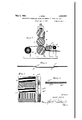
- FIG. 1 is a diagrammatic sectional illustration of a calender showing the arrangement of the various parts and the manner in which the materials arepassed therethrough;
- Fig. 2 is a fragmentary longitudinal sectional view of the colored rubber strip guide meansshowing the character of guide which may be used;
- Fig. 3 is a fragmentary plan of the laminated cloth resulting from the present invention.
- Fig. 4 is a transverse sectional view taken substantially on line 4 4 of Fig. 3 to show the various laminas of the product.
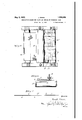
- Fig. 5 is a plan view of Fig. 1;
- Fig. 6 is a diagrammatic view showing the cutting on method of building up a sheet of variegated striped rubber.
- Fig. 7 is an edge view of a'sheet composed of a plurality of variegated colored stripes built up 'in the manner illustrated in Fig. 6; r
- a batch of rubber R preferably of so-called White latex stock
- R is masticated in the usual grinding mill or otherwise rendered in a soft semi-molten plastic state, as is usual previous to sheeting out the rubber through a calender.v
- the batch. R so provided is placed against two calender rolls 1() and 11 in the usual manner to provide the sheet 12 partially passing around the roller 11 where it again passes between the roller 11 and the roller 13 as usually provided.
- the calender rollers 10,11 and 13 are preferably heated.
- a reel of cloth or other fabric 14 is rotatably mountved and disposed with respect to the calender so that the cloth may be led between the rollers 11 and 13 together with the rubber sheet 12., The cloth 14 and the calendered rubber sheet 12 at this point will be united together by calendering, which is well known in the art.
- a pressure roller 18 may be mounted to oppose and cooperate with the calender roller v13,.as shown in Fig. 1. By reason of the hot plastic condition ofthe rubber 12 and the uneured state of the strips 15, they will fuse together under the pressure of the roller 18 to one homogeneous mass.
- the material may be subjected to a suitable process for curing or partially curing the rubber as may be desired.
- the colored stripes of rubber are presented to the calender rolls 13 and 18 in the form of a plurality of separated strips arranged edge to edge, it may be desirable to present these strips so that' their edges will abutor slightly overlap in the finished product.
- a plurality of gauges 17 are. provided, 011e for each strip and so arranged with respect to their adjacent gauges that the distance between them or the thickness of their separating or guiding walls will be compensated for.
- each gauge 17 in staggered arrangement, or one alternately above the other to allow for the thickness of the side guide walls 17 thereof.
- the multi-colored rubbenmaterials may be presented in single sheet form to the rubberv coated surface of the cloth 14. This may be done by joining the adjacentedges of the colored strips by what is known in the art The laminated fabric thus produced and.
- Figs. 3 and 4 consists of a cloth or other textile fabric surface .14a on rone side and of a multi-colored striped rubber surface 15a on the other side, united by an intermediate lamina of rubber 12a throughout their contacting areas.
- the lamina 15:l may be of other material such as a ⁇ decorative cloth, lace or the like and would be applied and united to the lamina 12" in the same manner as above described.
- the method of producing multi-stripedA sheet rubber including calendering sheet rub- ⁇ ber in plastic condition onto a surface of cloth vor other textile fabric; applying to the rubber surface of said laminas, while in hot plastic condition, a lamina of multi-colored striped rubber; and subjecting theresultant laminae to pressure.
- the method of producing multi-colored rubberized sheets including calendering sheet rubber in plastic condition onto a surface of cloth or other textile fabric, arranging a plurality of strips of said rubber of Varying colors in desired color arrangement, feeding said strips to a. rubberized surface of calendered cloth While said rubberized surface is in a plastic condition, and subjecting the resultant laminae to a calenderi-ng operation, whereby the three layers are united.
Landscapes
- Laminated Bodies (AREA)
- Treatment Of Fiber Materials (AREA)
- Casting Or Compression Moulding Of Plastics Or The Like (AREA)
Description
i May 3, 1932- J. 'STEIN 1,856,595
DECORATIVE RUBBERIZED CLOTH AND METHOD OF PRODUCING SAME Filed Jan. 2, 1950 v 2 Sheets-Sheet 2 gwuento@ amg Patented May 3, 1932' PATENT OFFICE JACOB STEIII, OF BROOKLYN, NEW YORK DECORATIVE BUBBERIZED CLOTH AND METHOD F PBODUCING SAME Application led January 2, 193.0. Serial No. 418,110.-
The present invention relates to rubberized cloth or textile fabric having a decorative lamina of rubber or textile material, and the method of producing the same.
While it is known 'that uncured rubber sheets or strips may be united together by a calendering operatlon, it is also well known that rubber strips or sheets can only be calendered to cloth or textile fabrics while the l0 rubber is in a hot plastic condition, usually as the result of mastication bvgrinding.
Y After the rubber has been s'heeted by calendering, dusted with starch or talcum (as is usually the case to permit handling and prevent the rubber from sticking to' itself -or superposed layers ofrubber), and allowed to cool, such rubbersheets or strips will not permanently adhere or unite with cloth or other textile fabric by a further calendering '20 operation irres ective of the degree of heat and pressure w ich may be applied. Therefore, it is necessary, in order to produce rub- 1 berized or rubber-coated fabric by calender operation, to pass the cloth and rubber 95. through the calender while the rubber is in its hot plastic state.
In view of this henomenon, rubberized or rubber calendered cloth or fabric has not been produced, where therubber lamina was 3 in variegating color stripes, due to the expense and impracticability of running batches of masticated plastic rubber of varying color through the calender simultaneously to f1produce desirable definite stripe color e ects upon the cloth or fabric being passed through the calender; and, further due to the fact that rubber. strips of varie ating color prepared in advance (cooled, usted and cut to desired width) would not adhere or unite by calender operation directly to the fabric for the reasons above stated.
In my previous Patents Nos. 1,603,812 and 1,603,813, I have shown a method and apparatus for producing av multi-striped' sheet 5 rubber of variegating color by a single calender o eration, and of course this multistriped) rubber sheet' could be calendered directly to cloth or other fabric when the two are passed through at the same time but, the met od and apparatus disclosed in these patents is very costly and for this reason prohibitive for ordinary uses and purposes.
I have found, however, that multi-colored striped rubberized cloth can be very eicient- 1y and economically reduced by the present method herein descri ed and claimed. However, it is to be understood that certain modifications and variations may be resorted to in the method herein shown and described without departing from the spirit of this invention; and, while the present disclosure is at present considered to be the 'preferred rocess or embodiment of the invention, it 1s only referred to by way of example.
In order that the invention and the manner of carrying out its process of manufacture may be better understood reference may be had to the accompanying drawings, in which Fig. 1 is a diagrammatic sectional illustration of a calender showing the arrangement of the various parts and the manner in which the materials arepassed therethrough;
Fig. 2 is a fragmentary longitudinal sectional view of the colored rubber strip guide meansshowing the character of guide which may be used;
Fig. 3 is a fragmentary plan of the laminated cloth resulting from the present invention; and
Fig. 4 is a transverse sectional view taken substantially on line 4 4 of Fig. 3 to show the various laminas of the product.
Fig. 5 is a plan view of Fig. 1;
Fig. 6 is a diagrammatic view showing the cutting on method of building up a sheet of variegated striped rubber; and
Fig. 7 is an edge view of a'sheet composed of a plurality of variegated colored stripes built up 'in the manner illustrated in Fig. 6; r
desired colorino' To practice the present invention, a batch of rubber R, preferably of so-called White latex stock, is masticated in the usual grinding mill or otherwise rendered in a soft semi-molten plastic state, as is usual previous to sheeting out the rubber through a calender.v The batch. R so provided is placed against two calender rolls 1() and 11 in the usual manner to provide the sheet 12 partially passing around the roller 11 where it again passes between the roller 11 and the roller 13 as usually provided. The calender rollers 10,11 and 13 are preferably heated. A reel of cloth or other fabric 14 is rotatably mountved and disposed with respect to the calender so that the cloth may be led between the rollers 11 and 13 together with the rubber sheet 12., The cloth 14 and the calendered rubber sheet 12 at this point will be united together by calendering, which is well known in the art.
Before the rubber sheet 12 has become cooled and while lit is still in its plastic condition, rubber of variegating colored stripes is appliedto the exposed surface of the rubber sheet.,12 and calendered thereon in the usual manner by heat and pressure.
To accomplish this, a number of different colored strips of rubber frompreviously calendered stock and of desired width and color, are cut and wound into reels 15 which are placed side by side on shaft or beam 16 in the arrangement. The beam 16 is, preferably but not necessarily, disposed o n the dischargeside of the calender and eX- tending across the same. As the calendered cloth 14 passes from between the calender rollers 11 and 13, the stri s 15 are feeding edge to edge to the top o the rubber sheet 12 which has been just calendered or united to the cloth 14 andwhich is still in its hot plastic condition. Now the three laminar, are subjected to pressure. To this end a pressure roller 18 may be mounted to oppose and cooperate with the calender roller v13,.as shown in Fig. 1. By reason of the hot plastic condition ofthe rubber 12 and the uneured state of the strips 15, they will fuse together under the pressure of the roller 18 to one homogeneous mass.
In some instances it may be desirable to position the calender roller 18 at a point distant from the calender roller 13 and to rovide an additionalroller (not shown) w ich will cooperate with the roller 18.
After the calender operation just described, the material may be subjected to a suitable process for curing or partially curing the rubber as may be desired.
Where the colored stripes of rubber are presented to the calender rolls 13 and 18 in the form of a plurality of separated strips arranged edge to edge, it may be desirable to present these strips so that' their edges will abutor slightly overlap in the finished product. To this end, a plurality of gauges 17 are. provided, 011e for each strip and so arranged with respect to their adjacent gauges that the distance between them or the thickness of their separating or guiding walls will be compensated for.
In the present disclosure this is done by arranging each gauge 17 in staggered arrangement, or one alternately above the other to allow for the thickness of the side guide walls 17 thereof.
It is to be understood of course, that the multi-colored rubbenmaterials may be presented in single sheet form to the rubberv coated surface of the cloth 14. This may be done by joining the adjacentedges of the colored strips by what is known in the art The laminated fabric thus produced and.
shown in Figs. 3 and 4, consists of a cloth or other textile fabric surface .14a on rone side and of a multi-colored striped rubber surface 15a on the other side, united by an intermediate lamina of rubber 12a throughout their contacting areas.
Since the invention in its broadest aspect is the production of a rubberized textile fabric havlng a decorative lamina, the lamina 15:l may be of other material such as a` decorative cloth, lace or the like and would be applied and united to the lamina 12" in the same manner as above described.
Having thus described the invention andwhat manner the same may be performed, what is claimed as new and desired to secure by Letters Patent of the United States is:
1. The method of producing multi-stripedA sheet rubber including calendering sheet rub-` ber in plastic condition onto a surface of cloth vor other textile fabric; applying to the rubber surface of said laminas, while in hot plastic condition, a lamina of multi-colored striped rubber; and subjecting theresultant laminae to pressure.
2. The method of producing multi-striped vsheet rubber including calendering sheet rubber in plastic condition onto a surface of cloth or other textile fabric; applying to the rubber surface of said laminas, while in hot plastic condition, a plurality of strips of rubber of varying color; and subjecting the resultant laminas to heat and pressure.
3. The method of producing multi-colored rubberized sheets including calendering sheet rubber in plastic condition onto a surface of cloth or other textile fabric, arranging a plurality of strips of said rubber of Varying colors in desired color arrangement, feeding said strips to a. rubberized surface of calendered cloth While said rubberized surface is in a plastic condition, and subjecting the resultant laminae to a calenderi-ng operation, whereby the three layers are united.
In testimony whereof I have hereunto set my hand.
JACOB STEIN.
Priority Applications (1)
| Application Number | Priority Date | Filing Date | Title |
|---|---|---|---|
| US418110A US1856595A (en) | 1930-01-02 | 1930-01-02 | Decorative rubberized cloth and method of producing same |
Applications Claiming Priority (1)
| Application Number | Priority Date | Filing Date | Title |
|---|---|---|---|
| US418110A US1856595A (en) | 1930-01-02 | 1930-01-02 | Decorative rubberized cloth and method of producing same |
Publications (1)
| Publication Number | Publication Date |
|---|---|
| US1856595A true US1856595A (en) | 1932-05-03 |
Family
ID=23656754
Family Applications (1)
| Application Number | Title | Priority Date | Filing Date |
|---|---|---|---|
| US418110A Expired - Lifetime US1856595A (en) | 1930-01-02 | 1930-01-02 | Decorative rubberized cloth and method of producing same |
Country Status (1)
| Country | Link |
|---|---|
| US (1) | US1856595A (en) |
-
1930
- 1930-01-02 US US418110A patent/US1856595A/en not_active Expired - Lifetime
Similar Documents
| Publication | Publication Date | Title |
|---|---|---|
| US5252379A (en) | Embossed process paper and production thereof | |
| US2539690A (en) | Method of providing plastic sheets with inlaid stripes | |
| US1603813A (en) | Apparatus for making striped rubber sheeting | |
| US2442598A (en) | Process of finishing plastic sheet material | |
| US1742777A (en) | Method and apparatus for incorporating cords in rubber sheets | |
| US2288054A (en) | Method of making rubber flooring | |
| US1913330A (en) | Method of obtaining treads consisting of two different kinds of rubber compound | |
| US2207279A (en) | Cord fabric and method of making the same | |
| US1978041A (en) | Method of manufacturing sponge rubber strips | |
| US1608102A (en) | Weftless fabric and method of manufacturing same | |
| US1975515A (en) | Decorative material and method of making | |
| US2259347A (en) | Laminating film | |
| US2166819A (en) | Method of producing multilayer ribbon strips | |
| US2779387A (en) | Method of manufacturing hard surface covering with partial removal of the selvage bands | |
| US1452379A (en) | Method and apparatus for building laminated strips | |
| US3205116A (en) | Apparatus for manufacturing synthetic foamed sheets | |
| US2554150A (en) | Process of manufacturing thermoplastic material | |
| US1469875A (en) | Leander philip beaukegard | |
| US2179444A (en) | Shaping and vulcanizing belting and the like | |
| US3400039A (en) | Composite carpet matting and method of making the same | |
| US1690514A (en) | Manufacture of rubber tire treads | |
| US3264155A (en) | Method of making extensible fabric | |
| US1628836A (en) | Apparatus for forming and cutting plastic material | |
| US3361609A (en) | Production process for embossable medium | |
| US2113158A (en) | Decorative material and method of making same |