US1853540A - Process of debismuthizing lead - Google Patents
Process of debismuthizing lead Download PDFInfo
- Publication number
- US1853540A US1853540A US440160A US44016030A US1853540A US 1853540 A US1853540 A US 1853540A US 440160 A US440160 A US 440160A US 44016030 A US44016030 A US 44016030A US 1853540 A US1853540 A US 1853540A
- Authority
- US
- United States
- Prior art keywords
- lead
- bath
- dross
- calcium
- bismuth
- Prior art date
- Legal status (The legal status is an assumption and is not a legal conclusion. Google has not performed a legal analysis and makes no representation as to the accuracy of the status listed.)
- Expired - Lifetime
Links
Images
Classifications
-
- C—CHEMISTRY; METALLURGY
- C22—METALLURGY; FERROUS OR NON-FERROUS ALLOYS; TREATMENT OF ALLOYS OR NON-FERROUS METALS
- C22B—PRODUCTION AND REFINING OF METALS; PRETREATMENT OF RAW MATERIALS
- C22B13/00—Obtaining lead
- C22B13/06—Refining
-
- C—CHEMISTRY; METALLURGY
- C22—METALLURGY; FERROUS OR NON-FERROUS ALLOYS; TREATMENT OF ALLOYS OR NON-FERROUS METALS
- C22B—PRODUCTION AND REFINING OF METALS; PRETREATMENT OF RAW MATERIALS
- C22B13/00—Obtaining lead
- C22B13/06—Refining
- C22B13/08—Separating metals from lead by precipitating, e.g. Parkes process
Definitions
- This invention relates to the refining of metalsand more particularly to the removal of bismuth fromlead.
- the invention is especially applicable to the removal of bismuth from desilverized lead and provides for the substantial elimination of the bismuth therefrom.
- the process is adapted for treating corroding lead, and is capable of reducing the bismuth content thereof to less than 005%.
- the invention also provides for theielimination of the debismuthizing reagents whereby the metal of the bath may be made to conform to refined lead specifications and will be in a marketable condition.
- the invention further consists in the new and novel features of operation and the new may be better understood by referring to the following description in which a particular commercial embodiment thereof is disclosed. It will be understood however, thatthe processes and the steps thereof may be modified invarious respects without departing from the broad spirit and scope of the invention.
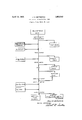
- the drawing is a flow sheet illustrating one form of the presentprocess.
- calcium and magnesium are used as reagents for the removal of bismuth.
- These reagents may be used in the form of calcium-lead alloys andmagnesilim-lead alloys or may be combined as a calcium-magnesium-lead alloy.
- the alloys may be iadded to the bath during the same operation or they may be successively added and the dross produced may be sepaeliminating the bismuth content from the bath.
- the bath of lead as for example, previously desilverized lead, is heated to a temperature sufiiciently to make it molten, that is, between 625 F. and 700 F. and a predetermined quantity of calcium-lead alloy is added therei to.
- a high bismuth dross is then formed which may be removed from the bath and treated for the recoveryof bismuth therefrom.
- a quantity of magnesium-lead allo or calcium-magnesium-lead alloy is then ad ed to the bath and a further uantity of dross is formed which may also e removed and treated for the recovery of the metal values.
- the lead bath may then be cooled sufiiciently to solidify a portion thereof, which contains p a substantial amount of the remainder of the bismuth.
- the bath may be treated by chlorine to form calcium and magnesium chlorides which separate in the form of a dross and may be removed from the bath, leaving the metal substantially free from these alloys.
- a quantity of lead from which the bismuth is 'tobe removed may be applied to a kettle and heated to a temperature of approximately 660 E.
- An oxide dross is formed on the surface of the bath and may be removed in any well knownmanner. Blocks and rims from previous processes may then be added to the bath, if desired, and allowed to melt therein.
- the bath is then maintained at a tempera ture of substantially 660 F. and a comparatively small quantity of a magnesium-lead alloy is added thereto and thoroughly incorporated therewith, as by stirring.
- a magnesium-calcium-bismuth-lead dross is formed which contains further quantities of bismuth and materially reduces the bismuth content of the bath. This dross may be removed and treated in any desired manner for the recovery of the metal values.
- the kettle is then slowly cooled and blocks and rims are formed from the portion of metal which first solidifies. These blocks and rims contain a substantial portion of the remaining bismuth and leave the bath substantially free from this element. They may be removed and added to subsequent baths of lead 'for further treatment in the manner pointed out above.
- the kettle is again heated and scraped to remove the metal which is solidified.
- the scrapings may be added to the blocks, if desired.
- the lead now contains a considerable quantity of calcium and magnesium which must be removed to render the lead suitable .for market asrefine'd lead. This is accomplished by heating the bath to a temperature of 750 F. and adding a slag of zinc chloride in suflicient quantity to completely cover the surface thereof and to form a seal. Chlorine gas is then introduced into the lead in suf-' ficient quantity tounite with the calcium and magnesium 'and form calcium and magnesium chlorides and if desired, to produce an excess of lead chloride which may be utilized in treating the bismuth drosses above mentioned.
- the slag of zinc chloride, calcium chloride and magnesium chloride may then be removed from the bath and the refined lead pumped to a. suitable container for subsequent use.
- the zinc chloride slag causes the chlorides of calcium, magnesium and lead to form a fimd slag in which secondary reactions may occur to accomplish selective chloridization of the calcium and magnesium. Furthermore the formation of litharge is prevented or if any should be formed it remains in solution in the fluid slag. ⁇ Vithout the zinc chloride a dry dross wouldbe produced which would be difiicult to handle and would not promote the formation of magnesium and calciumv chlorldes.
- temperatures of approximately 660 F. are preferable for the addition of the calcium and magnesium alloys and for the skimming operations.
- a temperature of approximately 750 F. may be employed for the chlorine treatment.
- a calcium-magnesium-lead alloy may be used in the second stage of'the bismuth removal if desired.
- the amount of calcium which is added during the first stage of the treatment may be correspondingly reduced so that the total amount of. calcium is not increased by the use of the calcium-magneslum-lead alloy.
- the process can be combmed as a single step in which a suitable quantity of a calcium-magnesium-' lead alloy is added to the bath to remove the desired. amount of bismuth.
- the process of removing bismuth from lead which comprises heating said lead to form a bath, adding a calcium-lead alloy and a magnesium-lead alloy to said bath to form a high bismuth dross, removing said dross, and adding chlorine to said bath to form calcium and magnesium chlorides and removing said chlorides as a dross.
- the process of treating lead for the removal of bismuth therefrom which comprises melting said lead to form a bath, adding a calcium-lead alloy to produce a. high bismuth dross, removing said high bismuth dross, adding a magnesium-lead alloy to produce a second high bismuth dross, removing said second dross, treating said bath with chlorine to form calcium chloride and magnesium chloride and an excess of lead chloride, and removing the dross comprising chlorides of zinc, lead, calcium and magnesium, whereby the lead is substantially freed from the above metals.
- moval of bismuth therefrom which comprises melting said lead to form a bath at a temperature of substantially 660 F., adding a calcium-lead alloy and stirring to produce a high bismuth dross, removing said high bismuth dross, adding a magnesiumlead alloy to produce a second high bismuth dross, removing said second dross, treating said bath with chlorine to form calcium chloride and magnesium chloride and an excess of lead chloride, and removing the dross comprising chlorides of zinc, lead, calcium and magnesium, whereby the lead is substantially freed from the above metals.
- the process of treating lead for the removal of bismuth therefrom which comprises melting said lead to form a bath at a temperature of substantially 660 F., adding a calcium-lead alloy and a magnesium lead alloy to produce a high bismuth dross, removing said high bismuth dross, coolin said bath to form blocks and rims, removing said blocks and rims, reheating said metal to approximately 7 50 F., adding a zinc chloride slag thereto to form a seal, treating said bath with chlorine to form calcium chloride and magnesium chloride and an excess of lead chloride, and removing the dross comprismaintaining the temperature at approximately 660 F., removing said dross, adding a magnesium-lead alloy to said bath while maintaining approximately the same temperature and stirring to effect an intimate mixture and produce a lead-magnesium-calciumbismuth dross, removing said last mentioned dross, heating the bath to a temperature of approximately 750 F., covering the same with a
- the process of refining lead for the removal of bismuth therefrom which comprises melting said lead'to form a bath at a temperature of approximately 660 F., removing any oxide dross that may be formed, adding to said bath blocks and rims from revious processes and allowing the same to melt therein,- adding calcium to said bath to.
- the process of removing'bismuth from lead which comprises heating said lead to form a bath, adding a calcium-lead alloy and a magnesium-lead alloy to said bath to form a high bismuth dross, removing said dross, and adding chlorine to said bath to form calcium and magnesium chlorides and removing saidchlorides as a dross.
- the process of treating lead for the removal of bismuth therefrom which comprises melting said lead to form a bath, adding a calcium-lead alloy to produce a high bismuth dross, removing said high bismuth dross, adding a magnesium-lead alloy to produce a second high bismuth dross, removing said second dross, treating said bath with chlorine to form calcium chloride and mag nesium chloride and an excess of lead chloride, and removing the dross comprising chlorides of zinc, lead, calcium and magnesium, whereby. the lead is substantially freed from the above metals.
- the process of treating lead for the removal of bismuth therefrom which comprises melting said lead to form a bath at a temperature of substantially 660 F., adding a calcium-lead alloy and a magnesium lead .alloyto produce a high bismuth dross, removing said high bismuth dross, coolin said bath to form blocks and rims, removing said blocks and rims, reheating said metal to approximately 7 50 F., adding a zinc chloride slag thereto to form a seal, treating said bath with chlorine to form calcium chloride and magnesium chloride and an excess of lead chloride, and removing the vdross comprising chlorides of zinc, lead, calcium and magnesium, whereby the lead is substantially freed from the above metals.
- the process of refining lead for the removal of bismuth therefrom which comprises melting said lead to form a bath at a temperature of approximately660 F .,'adding a calcium-lead alloy to said bath to form a calcium-lead-bismuth dross, stirringto effect an intimate contact of said alloy 'while maintaining the temperature at approximately 660 F., removing said dross, adding a magnesium-lead alloy to said bath while maintaining approximately the same temperature and stirring to effect an intimate mixture and produce a lead-magnesium-calciumbismuth dross, removing said last mentioned dross, heating the bath to a temperature of approximately 750 F., covering the same with a zinc chloride slag, applying chlorine gas to said. bath to produce chlorides of calcium, magnesium and lead, and to form a dross of said chlorides and removing the chloride dross from said bath, whereby the metal thereof is substantially freed from the above named elements.
Landscapes
- Engineering & Computer Science (AREA)
- Chemical & Material Sciences (AREA)
- Manufacturing & Machinery (AREA)
- Materials Engineering (AREA)
- Mechanical Engineering (AREA)
- Metallurgy (AREA)
- Organic Chemistry (AREA)
- Manufacture And Refinement Of Metals (AREA)
Description
. Patented Apr, 12, 1932 UNITED STATES PATENT OFFICE JESSE OATMAN BETTERTON, OF ME'I'UCHEN, NEW JERSEY, ASSIGNOR' TO AMERICAN SMELTING- AND REFINING COMPANY, OF NEW YORK, N. Y; A CORPORATION OF NEW JERSEY Application filed March 29, 1930, erial No. 440,160. Eenewed January 8, 1932.
This invention relates to the refining of metalsand more particularly to the removal of bismuth fromlead.
The invention is especially applicable to the removal of bismuth from desilverized lead and provides for the substantial elimination of the bismuth therefrom. The process is adapted for treating corroding lead, and is capable of reducing the bismuth content thereof to less than 005%.
The invention also provides for theielimination of the debismuthizing reagents whereby the metal of the bath may be made to conform to refined lead specifications and will be in a marketable condition.
The invention further consists in the new and novel features of operation and the new may be better understood by referring to the following description in which a particular commercial embodiment thereof is disclosed. It will be understood however, thatthe processes and the steps thereof may be modified invarious respects without departing from the broad spirit and scope of the invention.
The drawing is a flow sheet illustrating one form of the presentprocess.
In the following description and inthe claims the various steps in the process and the details comprising the invention will be identified by specific names for convenience but they are intended to be as generic in their applicationas the art will permit.
In accordance with the present invention calcium and magnesium are used as reagents for the removal of bismuth. These reagents may be used in the form of calcium-lead alloys andmagnesilim-lead alloys or may be combined as a calcium-magnesium-lead alloy. The alloys may be iadded to the bath during the same operation or they may be successively added and the dross produced may be sepaeliminating the bismuth content from the bath.
Referring to the process more in detail the bath of lead, as for example, previously desilverized lead, is heated to a temperature sufiiciently to make it molten, that is, between 625 F. and 700 F. and a predetermined quantity of calcium-lead alloy is added therei to. A high bismuth dross is then formed which may be removed from the bath and treated for the recoveryof bismuth therefrom. A quantity of magnesium-lead allo or calcium-magnesium-lead alloy is then ad ed to the bath and a further uantity of dross is formed which may also e removed and treated for the recovery of the metal values.
The lead bath may then be cooled sufiiciently to solidify a portion thereof, which contains p a substantial amount of the remainder of the bismuth. v
Thereafter, the bath may be treated by chlorine to form calcium and magnesium chlorides which separate in the form of a dross and may be removed from the bath, leaving the metal substantially free from these alloys.
As a specific'example of a manner in which the present process may be carried out, a quantity of lead from which the bismuth is 'tobe removed may be applied to a kettle and heated to a temperature of approximately 660 E. An oxide dross is formed on the surface of the bath and may be removed in any well knownmanner. Blocks and rims from previous processes may then be added to the bath, if desired, and allowed to melt therein.
An alloy of calcium and lead is then added to the molten bath and stirred a suflicient length of time to become thoroughl incorporated therein. A calcium-bismuthead dross is formed which contains a large percentage of the bismuth content of the bath and is removed therefromin any convenient manner.
The bath is then maintained at a tempera ture of substantially 660 F. and a comparatively small quantity of a magnesium-lead alloy is added thereto and thoroughly incorporated therewith, as by stirring. A magnesium-calcium-bismuth-lead dross is formed which contains further quantities of bismuth and materially reduces the bismuth content of the bath. This dross may be removed and treated in any desired manner for the recovery of the metal values.
The kettle is then slowly cooled and blocks and rims are formed from the portion of metal which first solidifies. These blocks and rims contain a substantial portion of the remaining bismuth and leave the bath substantially free from this element. They may be removed and added to subsequent baths of lead 'for further treatment in the manner pointed out above.
After the blocks and rims have been re moved, the kettle is again heated and scraped to remove the metal which is solidified. The scrapings may be added to the blocks, if desired. The lead now contains a considerable quantity of calcium and magnesium which must be removed to render the lead suitable .for market asrefine'd lead. This is accomplished by heating the bath to a temperature of 750 F. and adding a slag of zinc chloride in suflicient quantity to completely cover the surface thereof and to form a seal. Chlorine gas is then introduced into the lead in suf-' ficient quantity tounite with the calcium and magnesium 'and form calcium and magnesium chlorides and if desired, to produce an excess of lead chloride which may be utilized in treating the bismuth drosses above mentioned. The slag of zinc chloride, calcium chloride and magnesium chloride may then be removed from the bath and the refined lead pumped to a. suitable container for subsequent use.
The zinc chloride slag causes the chlorides of calcium, magnesium and lead to form a fimd slag in which secondary reactions may occur to accomplish selective chloridization of the calcium and magnesium. Furthermore the formation of litharge is prevented or if any should be formed it remains in solution in the fluid slag. \Vithout the zinc chloride a dry dross wouldbe produced which would be difiicult to handle and would not promote the formation of magnesium and calciumv chlorldes.
In a particular instance 200 pounds of corroding lead containing 045% of bismuth were treated in the above manner with calcium and magnesium alloys, containing substantially 1% of calcium and 1% magnesium with respect to the total quantity of lead in the bath. After skimming the calcium-bis muth-lead-dross, the bismuth in the bath was found to have been reduced to approximately .03%.' After skimming the magnesium-bismuth-calcium-lead dross, the bismuth content of the bath was reduced. to 009%. After freezing and removing the blocks and rims, he bismuth content of the bath was approximately 004%.
Although the temperature of the bath may be varied within limits,-it has been found that temperatures of approximately 660 F. are preferable for the addition of the calcium and magnesium alloys and for the skimming operations. For the chlorine treatment a temperature of approximately 750 F. may be employed.
It is to be noted that in the above process, although the calcium and magnesium alloys have been added separately, they may be combined if desired and added in a single step, in which case a. calcium-magnesium-bismuthlead dross will be obtained. It is obvious also that the calcium and magnesium may be processes, as will be apparent to a person skilled in the art.
Although the use of a magnesium-lead alloy was described in detail, it is to be noted that a calcium-magnesium-lead alloy may be used in the second stage of'the bismuth removal if desired. In this case the amount of calcium which is added during the first stage of the treatment may be correspondingly reduced so that the total amount of. calcium is not increased by the use of the calcium-magneslum-lead alloy. Furthermore, the process can be combmed as a single step in which a suitable quantity of a calcium-magnesium-' lead alloy is added to the bath to remove the desired. amount of bismuth.
Although certain novel features of the invention have been shown and described and are pointed out in the annexed claims, it will be understood that various omissions, substitutions and changes in the several steps of the process and in its operation may be made by those skilled in the art without departing from the spirit of the invention.
What is claimed is:
1. The process of removing bismuth from lead which comprises heating said lead to,
form a bath, adding calcium and magnesium to said bath,-r emoving the bismuth as a dross combined with said, calcium and magnesium and removing said calcium and magnesium by the addition of chlorinewhereby a chloride dross is produced.
2. The process of removing bismuth fromlead which-"comprises heating said lead to form a bath, adding a calcium alloy to said bath to form a high bismuth dross, removing said dross, adding a magnesium alloy to said bath to form a second hi 'h bismuth dross, and removing said second c ross. V
3. The process of removing bismuth from lead which comprises heating said lead to form a bath, adding a calcium-lead alloy to said bath to form a high bismuth dross, removing said dross, adding a magnesi um-lead alloy to said bath to form a second high bismuth dross, and removing said second dross.
4. The process of removing bismuth from lead which comprises heating said lead to form a bath, adding calcium to said bath to form a high bismuth dross, removing said dross, addingmagnesium to said bath to form a second high bismuth dross, and removingsaid second dross.
5. The process of removing bismuth from lead which comprises heating said lead to form a bath, adding a calcium-lead alloy and a magnesium-lead alloy to said bath to form a high bismuth dross, removing said dross, and adding chlorine to said bath to form calcium and magnesium chlorides and removing said chlorides as a dross.
6. The process of treating lead for the removal of bismuth therefrom, which comprises melting said lead to form a bath, adding a calcium-lead alloy to produce a. high bismuth dross, removing said high bismuth dross, adding a magnesium-lead alloy to produce a second high bismuth dross, removing said second dross, treating said bath with chlorine to form calcium chloride and magnesium chloride and an excess of lead chloride, and removing the dross comprising chlorides of zinc, lead, calcium and magnesium, whereby the lead is substantially freed from the above metals.
7. The process of treating lead for the removal of bismuth therefrom, which comprises melting said lead to form a bath, adding a calcium-lead alloy to produce a high bismuth dross, removing said high bis- 1 muth dross, adding a magnesium-lead alloy to produce a second high bismuth dross, removing said second dross,.add1ng a Z1110 chloride slag to said bath to form a seal,
treating said bath with chlorine to form calcium chloride and magnesium chloride and anexcess of lead chloride, and removing the dross comprising chlorides of zinc, lead, calcium and magnesium, whereby the lead is substantially freed from the above metals.
8. The process of treating lead for the re-.
moval of bismuth therefrom, which comprises melting said lead to form a bath at a temperature of substantially 660 F., adding a calcium-lead alloy and stirring to produce a high bismuth dross, removing said high bismuth dross, adding a magnesiumlead alloy to produce a second high bismuth dross, removing said second dross, treating said bath with chlorine to form calcium chloride and magnesium chloride and an excess of lead chloride, and removing the dross comprising chlorides of zinc, lead, calcium and magnesium, whereby the lead is substantially freed from the above metals.
9. The process of treating lead for the removal of bismuth therefrom, which comprises melting said lead to form a bath at a temperature of substantially 660 F., adding a calcium-lead alloy and stirring-to produce a high bismuth dross, removing said high bismuth dross, adding a magnesium-lead alloy to produce a second high bismuth dross,
removing said second dross, heating said -a.high bismuth dross, removing said high bismuth dross, adding a magnesium-lead alloy to produce a second high bismuth dross, removing said second dross, cooling said bath to form blocks and rims, removing said blocks and rims, reheating said metal to approximately 750 F., adding a zinc chloride slag thereto to form a seal, treating said bath with chlorine to form calcium chloride and magnesium chloride and an excess of lead chloride, and removing the dross comprising chlorides of zinc, lead, calcium and magnesium. whereby the lead is substantially freed from the above metals.
11. The process of treating lead for the removal of bismuth therefrom, which comprises melting said lead to form a bath at a temperature of substantially 660 F., adding a calcium-lead alloy and a magnesium lead alloy to produce a high bismuth dross, removing said high bismuth dross, coolin said bath to form blocks and rims, removing said blocks and rims, reheating said metal to approximately 7 50 F., adding a zinc chloride slag thereto to form a seal, treating said bath with chlorine to form calcium chloride and magnesium chloride and an excess of lead chloride, and removing the dross comprismaintaining the temperature at approximately 660 F., removing said dross, adding a magnesium-lead alloy to said bath while maintaining approximately the same temperature and stirring to effect an intimate mixture and produce a lead-magnesium-calciumbismuth dross, removing said last mentioned dross, heating the bath to a temperature of approximately 750 F., covering the same with a zinc chloride slag, applying chlorine gas to said bath to produce chlorides of calcium, magnesium and lead, and to form a dross of said chlorides and removing the chloride dross from said bath, whereby the metal thereof is substantially freed from the above named elements.
13. The process of refining lead for the removal of bismuth therefrom which comprises melting said lead to form a bath at a tem: perature of approximately 660 F addingto said bath blocks and rims from previous processes and allowing the same to melt therein, adding a calcium-lead alloy to said bath 'to form a calcium-lead-bismuth dross, stirring to effect an intimate contact of said alloy while maintaining the temperature at approximately 660 F., removing said dross, adding a magnesium-lead alloy to said bath while maintaining approximately the same temperature and stirring to effect an intimate mixture and produce a lead-magnesiumcalcium-bismuth dross, removing said last mentioned dross, cooling said bath to form' blocks and rims, removing said blocks and rims and adding the same to a subsequent bath in the step above mentioned, reheating the bath to a temperature of approximately 750 Fljcovering the same with a zinc chloride slag, applying chlorine gas to said bath to produce chlorides of calcium, magnesium and lead, and to form a dross of said chlorides and removing the chloride dross from said bath, whereby the. metal thereof is substantially freed from the above named elements.
It, The process of refining lead for the removal of bismuth therefrom which comprises melting said lead'to form a bath at a temperature of approximately 660 F., removing any oxide dross that may be formed, adding to said bath blocks and rims from revious processes and allowing the same to melt therein,- adding calcium to said bath to. form a calcium-lead-bismuth dross, stirring to effect an intimate contact of said alloy while maintaining the temperature at approximate- 1y'660 F., removing said dross, adding mag nesium to said bath while maintaining approximately the same temperature and stirring to effect an intimate mixture and produce a lead-magnesium-calcium-bismuth dross, removing said last mentioned dross, cooling said bath to form blocks and rims, re-' moving said blocks and rims and adding the same to a subsequent bath in the step above mentioned, ,reheating the bath to a tempermetal thereofis substantially freed from the above named elements.
.15. The process of *refininglead for the removal of bismuth therefrom which comprises melting said lead to form a'bath at a temperature of approximately 660 F., removing any oxide dross that may be formed, adding to said bath blocks and rims from previous processes and allowing the same to melt therein, adding a calcium-lead alloy to said bath to form a calcium-lead-bismuth dross, stirring to effect an intimate contact of said alloy while maintaining the tempera-' ture at approximately 660 F., removing said dross, adding a magnesium-lead alloy to said bath while maintaining approximately the same temperature and stirring to effect an intimate mixture and produce a lead-magnesium-calcium-bismnth dross, removing said last mentioned dross, cooling said bath to form blocks and rims, removing said blocks and rims and adding the same to a subsequent bath in the step above mentioned, reheating the bath to a temperature of approximately 750 F.. covering thesame with a zinc chloride slag, applying chlorine-gas to said bath to produce chlorides of calcium, magnesium and lead, and to forma dross of said chlorides and removing the chloride dross from said bath, whereby the metal thereof is substantially freed from the above named elements.
16. The process of refiningv lead for the removal of bismuth therefrom which comprises melting said lead to form a bath, adding calciiun to said bath in the formof a calcium-lead alloy whereby a calcium-bismuthlead dross is produced, removing said dross, adding a calcium-magnesium-lead alloy to said bath to produce a calcium-magnesiumlead-bismuth dross, removing said dross and treating the bath to reniove the remaining calcium and magnesium therefrom.
17 The process of refining lead for the removal of bismuth therefrom which comprises melting said l ead to forin a bath, adding a calcium-magnesium-lead alloy to said bath whereby a high bismuth dross is formed, removing said dross and treating the bath with chlorine for the removal of the calcium and magnesium. therefrom.
18. The process of refining lead containing bismuth as an impurity which comprises melting said lead and forming a molten bath 125 thereof, incorporating in said batlf a calciumyielding s bstanceland magnesium-yi eldin'g substance effect the removal of bismuth as a dross and introducing a chloridizing 'reagent in said molten bath to effect a siinul- 130 bath to form a high bismuth dross, removing said dross,,adding a magnesium alloy to said bath to form a second high bismuth dross, and removing said second dross.
3. The process of removing bismuth from lead which comprises heating said lead to form a bath,.adding a calcium-lead alloy to said bath to form a high bismuth dross, removing said dross, adding a magnesium-lead alloy to said bath to form a second high bismuth dross, and removing said second dross.
4. The process of removing bismuth from lead which comprises heating said lead to form a bath, adding calcium to said bath to form a high bismuth dross, removing said dross, adding magnesium to said bath to form a second high bismuth dross, and re movingsaid second dross.
5. The process of removing'bismuth from lead which comprises heating said lead to form a bath, adding a calcium-lead alloy and a magnesium-lead alloy to said bath to form a high bismuth dross, removing said dross, and adding chlorine to said bath to form calcium and magnesium chlorides and removing saidchlorides as a dross.
6. The process of treating lead for the removal of bismuth therefrom, which comprises melting said lead to form a bath, adding a calcium-lead alloy to produce a high bismuth dross, removing said high bismuth dross, adding a magnesium-lead alloy to produce a second high bismuth dross, removing said second dross, treating said bath with chlorine to form calcium chloride and mag nesium chloride and an excess of lead chloride, and removing the dross comprising chlorides of zinc, lead, calcium and magnesium, whereby. the lead is substantially freed from the above metals.
7. The process of treating lead for the removalof bismuth therefrom, which commuth dross, adding a magnesium-lead alloy to produce a second high bismuth dross, re-
moving said second dross, adding a zinc chloride slag to said bath to form a seal, treating said bath with chlorine to form calcium chloride and magnesium chloride and anexcess of lead chloride, and removing the dross comprising chlorides of zinc, lead, calcium andmagnesium, whereby the lead issubstantially freed from the above metals.
8. The process of treating lead for the re-v moval of bismuth therefrom, which comprises melting said lead to form a bath at a temperature of substantially 660 F., adding a calcium-lead alloy and stirring to produce a high bismuth dross, removing said high bismuth dross, adding a magnesiumlead alloy to produce a second high bismuth dross, removing said second dross, treating said bath with chlorine to form calcium chloride and magnesium chloride and an excess of lead chloride, and removing the dross comprising chlorides of zinc, lead, calcium and magnesium, whereby the lead is substantially freed from the above metals.
9. The process of treating lead for the removal of bismuth therefrom, which comprises melting said lead to form a bath at a temperature of substantially 660 F., adding a calcium-lead alloy and stirring to produce a high bismuth dross, removing said high bismuth dross, adding a magnesium-lead alloy to produce a second high bismuth dross, removing said second dross, heating said metal to approximately 750 F., adding a zinc chloride slag thereto to form a seal, treating said bath with chlorine to form calcium chloride and magnesium chloride and an excess of lead chloride. and removing the dross comprising chlorides of zinc, lead, calcium and magnesium, whereby the leadis substantially freed from the above metals. I
10. The process of treating lead for the removal of bismuth therefrom, which comprises melting said lead to form a bath at a temperature of substantially 660 F adding a calcium-lead alloy and stirring to produce a, high bismuth dross, removingsaid high removing said second dross, cooling said bath to form blocks and rims, removing said blocks and rims, reheating said metal to approximately 750 F., adding a zinc chloride slag thereto to form a seal, treating said bath with chlorine to form calcium chloride and magnesium chloride and an excess of lead chloride, and removing the dross comprising chlorides of zinc, lead, calcium and magnesium, whereby the lead is substantially freed from the above metals.
11. The process of treating lead for the removal of bismuth therefrom, which comprises melting said lead to form a bath at a temperature of substantially 660 F., adding a calcium-lead alloy and a magnesium lead .alloyto produce a high bismuth dross, removing said high bismuth dross, coolin said bath to form blocks and rims, removing said blocks and rims, reheating said metal to approximately 7 50 F., adding a zinc chloride slag thereto to form a seal, treating said bath with chlorine to form calcium chloride and magnesium chloride and an excess of lead chloride, and removing the vdross comprising chlorides of zinc, lead, calcium and magnesium, whereby the lead is substantially freed from the above metals.
12. The process of refining lead for the removal of bismuth therefrom which comprises melting said lead to form a bath at a temperature of approximately660 F .,'adding a calcium-lead alloy to said bath to form a calcium-lead-bismuth dross, stirringto effect an intimate contact of said alloy 'while maintaining the temperature at approximately 660 F., removing said dross, adding a magnesium-lead alloy to said bath while maintaining approximately the same temperature and stirring to effect an intimate mixture and produce a lead-magnesium-calciumbismuth dross, removing said last mentioned dross, heating the bath to a temperature of approximately 750 F., covering the same with a zinc chloride slag, applying chlorine gas to said. bath to produce chlorides of calcium, magnesium and lead, and to form a dross of said chlorides and removing the chloride dross from said bath, whereby the metal thereof is substantially freed from the above named elements.
13. The process of refining lead for the removal of bismuth therefrom which comprises melting said lead to form a bath at a tem:
perature of approximately 660 F adding to said bath blocks and rims from previous processes and allowing the same to melt therein, adding a calcium-lead alloy to said bath 'to form a calcium-lead-bismuth dross, stirring to effect an intimate contact of said alloy whilevmaintaining the temperature at approximately 660 F., removing said dross, adding a magnesium-lead alloy to said bath while maintaining approximately the same temperature and stirring to effect an intimate mixture and produce a lead-magnesiumcalcium-bismuth dross, removing said last mentioned dross, cooling said bath to form blocks and rims, removing said blocks and rims and adding the same to a subsequent bath in the step above mentioned, reheating the bath to a temperature of approximately 750 Fjcovering the same with a zinc chloride slag, applying chlorine gas to said bath to produce chlorides of calcium, magnesium and lead, and to form a dross of said chlorides and removing the chloride dross from said bath, whereby the. metal thereof is substantially freed from the above named elements.
14, The process of refining lead for the removal of bismuth therefrom which comprises melting said lead'to form a bath at a temperature of approximately 660 F., removing any oxidedross that may be formed, adding to said bath blocks and rims from revimoving said blocks and rims and adding the same to a subsequent bath in the step above mentioned, ,reheating the bath to a temperature of approximately 750 F., covering the same with a zinc chloride sla applying ch10- rine gas to said bath to pro uce chloridesof calcium, magnesium and lead, and to form a dross of said chlorides and removing the chloride dross from said bath, whereby the metal thereof is substantially freed from the above named elements. v
15. The process of 'refininglead for the removal of bismuth therefrom which comprises meltingsaid lead to form a'bath at a temperature of approximately 660 F., removing any oxide dross that may be formed, adding to said bath blocks and rims from previous processes and allowing the same to melt therein, adding a calcium-lead alloy to said bath to form a calcium-lead-bismuth dross, stirring to effect an intimate contact of said alloy while maintaining the tempera-' ture at approximately 660 F., removing said dross, adding a magnesium-lead alloy to said bath while maintaining approximately the same temperature and stirring to effect an intimate mixture and produce a lead-magnesium-calcium-bismuth dross, removing said last mentioned dross, cooling said bath to form blocks and rims, removing said blocks and rims and adding the same'to a subsequent bath in the step above mentioned, reheating the bath to a temperature of approximately 750 F., covering thesamewith a zinc chloride slag, applying chlorine gas to said bath to produce chlorides of calcium, magnesium and lead, and to form a dross of said chlorides and removing the-chloride dross from-said bath, whereby the metal thereof is substantially freed from the above named elements.
16. The process of refining lead for the removal of bismuth therefrom which comprises melting said lead to form a bath, adding calciumto said bath in the form of a calcium-lead alloy whereby a calcium-bismuthlead dross is produced, removing said dross, adding a calcium-magnesium-lead alloy to said bath to produce a calcium-magnesiumlead-bismuth dross, removing said dross and treating the bath to remove the remaining calcium and magnesium therefrom.
17. The process of refining lead for the removal of bismuth therefrom which comprises melting saidiead to form a bath, adding a calcium-magnesium-lead alloy to said bath whereby a highbism-uth dross is formed, removing said dross and treating the bath with chlorine for the removal of the calcium and magnesium therefrom.
18. The process of refining lead containing bismuth as an impurity which comprises melting said lead and forming a. molten bath thereof, incorporating in said batlf a calciumyielding substance I and magnesium-yielding substance effect the removal of bismuth as a dross and introducing a chloridizin'g reagent in said molten bath to effect a simultaneous removal of calcium and magnesium as a, dross.
19. The process of refining lead containing bismuth as an impurity which comprises melting said lead and forming a molten bath thereof, incorporating in said bath calcium and magnesium to effect the removal of bismuth as a dross, removing said bismuth-containingdross and introducing a chloridizing reagent in said molten bath to effect a simultaneous removal of calcium and magnesium as a dross.
In testimony whereof I have hereunto set my hand.
JESSE O-ATMAN BETTERTON.
Priority Applications (1)
| Application Number | Priority Date | Filing Date | Title |
|---|---|---|---|
| US440160A US1853540A (en) | 1930-03-29 | 1930-03-29 | Process of debismuthizing lead |
Applications Claiming Priority (1)
| Application Number | Priority Date | Filing Date | Title |
|---|---|---|---|
| US440160A US1853540A (en) | 1930-03-29 | 1930-03-29 | Process of debismuthizing lead |
Publications (1)
| Publication Number | Publication Date |
|---|---|
| US1853540A true US1853540A (en) | 1932-04-12 |
Family
ID=23747692
Family Applications (1)
| Application Number | Title | Priority Date | Filing Date |
|---|---|---|---|
| US440160A Expired - Lifetime US1853540A (en) | 1930-03-29 | 1930-03-29 | Process of debismuthizing lead |
Country Status (1)
| Country | Link |
|---|---|
| US (1) | US1853540A (en) |
Cited By (3)
| Publication number | Priority date | Publication date | Assignee | Title |
|---|---|---|---|---|
| EP0343012A3 (en) * | 1988-05-20 | 1991-01-09 | Timminco Limited | Magnesium-calcium alloys for debismuthizing lead |
| US5041160A (en) * | 1988-05-20 | 1991-08-20 | Timminco Limited | Magnesium-calcium alloys for debismuthizing lead |
| US5143693A (en) * | 1988-05-20 | 1992-09-01 | Timminco Limited | Magnesium-calcium alloys for debismuthizing lead |
-
1930
- 1930-03-29 US US440160A patent/US1853540A/en not_active Expired - Lifetime
Cited By (3)
| Publication number | Priority date | Publication date | Assignee | Title |
|---|---|---|---|---|
| EP0343012A3 (en) * | 1988-05-20 | 1991-01-09 | Timminco Limited | Magnesium-calcium alloys for debismuthizing lead |
| US5041160A (en) * | 1988-05-20 | 1991-08-20 | Timminco Limited | Magnesium-calcium alloys for debismuthizing lead |
| US5143693A (en) * | 1988-05-20 | 1992-09-01 | Timminco Limited | Magnesium-calcium alloys for debismuthizing lead |
Similar Documents
| Publication | Publication Date | Title |
|---|---|---|
| US2195217A (en) | Process of reducing magnesium content of aluminum-base alloys | |
| US2448993A (en) | Grain refining magnesium alloys | |
| US2031486A (en) | Process for the production of alloys of the alkaline earth metals with lead or other metals | |
| US1853538A (en) | Process of removing bismuth from metals | |
| US1931285A (en) | Process of treating drosses | |
| US1853534A (en) | Removal of bismuth from lead | |
| US1957837A (en) | Method of purifying lead, tin, and lead-tin alloys | |
| US1989734A (en) | Production of bismuth | |
| US1950387A (en) | Slag formation and reduction in lead softening | |
| US890160A (en) | Process of removing gold, silver, copper, and platinum from lead alloys. | |
| US1853541A (en) | Liquation of metals | |
| US1853535A (en) | Metal refining | |
| US1703329A (en) | Process for separating copper from nickel | |
| US1920442A (en) | Purification of solutions of zinc salts | |
| US1789299A (en) | Process of forming and purifying zinc chloride | |
| US1109113A (en) | Process of making zinc-white. | |
| US2698230A (en) | Magnesium base alloys containing zirconium | |
| US1092936A (en) | Process for purifying aluminum and its alloys. | |
| US2007545A (en) | Process for treating antimonial lead | |
| US1106409A (en) | Method of obtaining titanic oxid. | |
| US1853537A (en) | Metal refining | |
| US2115299A (en) | Process for refining lead alloys | |
| US2359718A (en) | Process of refining metals | |
| US2172009A (en) | Refining copper | |
| US1523779A (en) | Method of removing lead from nickel |