US12187756B2 - Stable vaccine against Clostridium difficile - Google Patents
Stable vaccine against Clostridium difficile Download PDFInfo
- Publication number
- US12187756B2 US12187756B2 US17/296,194 US201917296194A US12187756B2 US 12187756 B2 US12187756 B2 US 12187756B2 US 201917296194 A US201917296194 A US 201917296194A US 12187756 B2 US12187756 B2 US 12187756B2
- Authority
- US
- United States
- Prior art keywords
- glc
- compound
- synthesis
- galnac
- pharmaceutically acceptable
- Prior art date
- Legal status (The legal status is an assumption and is not a legal conclusion. Google has not performed a legal analysis and makes no representation as to the accuracy of the status listed.)
- Active, expires
Links
Images


Classifications
-
- C—CHEMISTRY; METALLURGY
- C08—ORGANIC MACROMOLECULAR COMPOUNDS; THEIR PREPARATION OR CHEMICAL WORKING-UP; COMPOSITIONS BASED THEREON
- C08B—POLYSACCHARIDES; DERIVATIVES THEREOF
- C08B37/00—Preparation of polysaccharides not provided for in groups C08B1/00 - C08B35/00; Derivatives thereof
- C08B37/006—Heteroglycans, i.e. polysaccharides having more than one sugar residue in the main chain in either alternating or less regular sequence; Gellans; Succinoglycans; Arabinogalactans; Tragacanth or gum tragacanth or traganth from Astragalus; Gum Karaya from Sterculia urens; Gum Ghatti from Anogeissus latifolia; Derivatives thereof
-
- A—HUMAN NECESSITIES
- A61—MEDICAL OR VETERINARY SCIENCE; HYGIENE
- A61K—PREPARATIONS FOR MEDICAL, DENTAL OR TOILETRY PURPOSES
- A61K39/00—Medicinal preparations containing antigens or antibodies
- A61K39/02—Bacterial antigens
- A61K39/08—Clostridium, e.g. Clostridium tetani
-
- A—HUMAN NECESSITIES
- A61—MEDICAL OR VETERINARY SCIENCE; HYGIENE
- A61K—PREPARATIONS FOR MEDICAL, DENTAL OR TOILETRY PURPOSES
- A61K47/00—Medicinal preparations characterised by the non-active ingredients used, e.g. carriers or inert additives; Targeting or modifying agents chemically bound to the active ingredient
- A61K47/50—Medicinal preparations characterised by the non-active ingredients used, e.g. carriers or inert additives; Targeting or modifying agents chemically bound to the active ingredient the non-active ingredient being chemically bound to the active ingredient, e.g. polymer-drug conjugates
- A61K47/51—Medicinal preparations characterised by the non-active ingredients used, e.g. carriers or inert additives; Targeting or modifying agents chemically bound to the active ingredient the non-active ingredient being chemically bound to the active ingredient, e.g. polymer-drug conjugates the non-active ingredient being a modifying agent
- A61K47/62—Medicinal preparations characterised by the non-active ingredients used, e.g. carriers or inert additives; Targeting or modifying agents chemically bound to the active ingredient the non-active ingredient being chemically bound to the active ingredient, e.g. polymer-drug conjugates the non-active ingredient being a modifying agent the modifying agent being a protein, peptide or polyamino acid
- A61K47/64—Drug-peptide, drug-protein or drug-polyamino acid conjugates, i.e. the modifying agent being a peptide, protein or polyamino acid which is covalently bonded or complexed to a therapeutically active agent
- A61K47/6415—Toxins or lectins, e.g. clostridial toxins or Pseudomonas exotoxins
-
- A—HUMAN NECESSITIES
- A61—MEDICAL OR VETERINARY SCIENCE; HYGIENE
- A61K—PREPARATIONS FOR MEDICAL, DENTAL OR TOILETRY PURPOSES
- A61K47/00—Medicinal preparations characterised by the non-active ingredients used, e.g. carriers or inert additives; Targeting or modifying agents chemically bound to the active ingredient
- A61K47/50—Medicinal preparations characterised by the non-active ingredients used, e.g. carriers or inert additives; Targeting or modifying agents chemically bound to the active ingredient the non-active ingredient being chemically bound to the active ingredient, e.g. polymer-drug conjugates
- A61K47/51—Medicinal preparations characterised by the non-active ingredients used, e.g. carriers or inert additives; Targeting or modifying agents chemically bound to the active ingredient the non-active ingredient being chemically bound to the active ingredient, e.g. polymer-drug conjugates the non-active ingredient being a modifying agent
- A61K47/62—Medicinal preparations characterised by the non-active ingredients used, e.g. carriers or inert additives; Targeting or modifying agents chemically bound to the active ingredient the non-active ingredient being chemically bound to the active ingredient, e.g. polymer-drug conjugates the non-active ingredient being a modifying agent the modifying agent being a protein, peptide or polyamino acid
- A61K47/64—Drug-peptide, drug-protein or drug-polyamino acid conjugates, i.e. the modifying agent being a peptide, protein or polyamino acid which is covalently bonded or complexed to a therapeutically active agent
- A61K47/646—Drug-peptide, drug-protein or drug-polyamino acid conjugates, i.e. the modifying agent being a peptide, protein or polyamino acid which is covalently bonded or complexed to a therapeutically active agent the entire peptide or protein drug conjugate elicits an immune response, e.g. conjugate vaccines
-
- A—HUMAN NECESSITIES
- A61—MEDICAL OR VETERINARY SCIENCE; HYGIENE
- A61P—SPECIFIC THERAPEUTIC ACTIVITY OF CHEMICAL COMPOUNDS OR MEDICINAL PREPARATIONS
- A61P31/00—Antiinfectives, i.e. antibiotics, antiseptics, chemotherapeutics
- A61P31/04—Antibacterial agents
-
- C—CHEMISTRY; METALLURGY
- C07—ORGANIC CHEMISTRY
- C07H—SUGARS; DERIVATIVES THEREOF; NUCLEOSIDES; NUCLEOTIDES; NUCLEIC ACIDS
- C07H1/00—Processes for the preparation of sugar derivatives
-
- C—CHEMISTRY; METALLURGY
- C07—ORGANIC CHEMISTRY
- C07H—SUGARS; DERIVATIVES THEREOF; NUCLEOSIDES; NUCLEOTIDES; NUCLEIC ACIDS
- C07H17/00—Compounds containing heterocyclic radicals directly attached to hetero atoms of saccharide radicals
- C07H17/04—Heterocyclic radicals containing only oxygen as ring hetero atoms
-
- G—PHYSICS
- G01—MEASURING; TESTING
- G01N—INVESTIGATING OR ANALYSING MATERIALS BY DETERMINING THEIR CHEMICAL OR PHYSICAL PROPERTIES
- G01N33/00—Investigating or analysing materials by specific methods not covered by groups G01N1/00 - G01N31/00
- G01N33/48—Biological material, e.g. blood, urine; Haemocytometers
- G01N33/50—Chemical analysis of biological material, e.g. blood, urine; Testing involving biospecific ligand binding methods; Immunological testing
- G01N33/53—Immunoassay; Biospecific binding assay; Materials therefor
- G01N33/569—Immunoassay; Biospecific binding assay; Materials therefor for microorganisms, e.g. protozoa, bacteria, viruses
- G01N33/56911—Bacteria
-
- A—HUMAN NECESSITIES
- A61—MEDICAL OR VETERINARY SCIENCE; HYGIENE
- A61K—PREPARATIONS FOR MEDICAL, DENTAL OR TOILETRY PURPOSES
- A61K39/00—Medicinal preparations containing antigens or antibodies
- A61K2039/555—Medicinal preparations containing antigens or antibodies characterised by a specific combination antigen/adjuvant
- A61K2039/55505—Inorganic adjuvants
-
- A—HUMAN NECESSITIES
- A61—MEDICAL OR VETERINARY SCIENCE; HYGIENE
- A61K—PREPARATIONS FOR MEDICAL, DENTAL OR TOILETRY PURPOSES
- A61K39/00—Medicinal preparations containing antigens or antibodies
- A61K2039/60—Medicinal preparations containing antigens or antibodies characteristics by the carrier linked to the antigen
- A61K2039/6031—Proteins
- A61K2039/6037—Bacterial toxins, e.g. diphteria toxoid [DT], tetanus toxoid [TT]
-
- G—PHYSICS
- G01—MEASURING; TESTING
- G01N—INVESTIGATING OR ANALYSING MATERIALS BY DETERMINING THEIR CHEMICAL OR PHYSICAL PROPERTIES
- G01N2469/00—Immunoassays for the detection of microorganisms
- G01N2469/20—Detection of antibodies in sample from host which are directed against antigens from microorganisms
Definitions
- the present invention relates to a synthetic saccharide of general formula (I) that is related to Clostridium difficile PS-II cell-surface polysaccharide and conjugate thereof.
- Said synthetic saccharide, said conjugate and pharmaceutical composition containing said synthetic saccharide or said conjugate are hydrolysis-resistant, long-term stable, thermostable and useful for prevention and/or treatment of diseases associated with Clostridium difficile , now named Clostridioides difficile .
- the synthetic saccharide of general formula (I) is useful as marker in immunological assays for detection of antibodies against Clostridium difficile bacteria.
- Clostridioides difficile in the past known as Clostridium difficile is a Gram-positive spore-forming anaerobic bacterium, which is considered the most important definable cause of nosocomial diarrhea.
- Clostridioides difficile and Clostridium difficile are used herein synonymously and are both abbreviated with C. difficile . It colonizes the intestinal tract of humans thus leading to Clostridium difficile infections (CDI). CDI has also become the most commonly diagnosed cause of hospital-acquired diarrhea, particularly in the risk groups including elderly and immunodeficient patients as well as those receiving antibiotic treatment. Infections caused by C.
- Clostridium difficile are becoming an important challenge due to the rapid increase of CDI incidence over the last ten years, which is mainly attributed to the emergence of the hypervirulent, and now predominant strain ribotype 027, causing epidemic outbreaks with increased morbidity, mortality and high relapse rates.
- prevention of infections caused by Clostridium difficile is highly desirable, and vaccination of risk groups is the most cost-efficient and the most powerful means.
- a vaccine against Clostridium difficile has not been developed yet.
- Carbohydrates exposed on the cell-surface of bacteria are often immunogenic and constitute potential candidates for vaccine development.
- carbohydrates are evolutionarily more stable and when covalently connected to a carrier protein, oligosaccharide antigens can elicit long lasting, T-cell-dependent protection.
- PS-I Three different structures of the cell-wall polysaccharide expressed by C. difficile cells, named PS-I, PS-II and PS-III were identified ( Expert Rev. Vaccines 2013, 12, 421). While the expression of PS-I saccharide may be more restricted e.g. expressed in ribotype 027, the PS-II saccharide was found in in all examined C. difficile ribotypes, indicating that the PS-II saccharide may be a conserved surface antigen.
- the repeating unit of the C. difficile PS-II saccharide consists of:
- the C. difficile PS-II saccharide hydrolyzes in water due to the chemical lability of the (1 ⁇ 6) phosphodiester bond interconnecting the PS-II repeating units at the anomeric position of mannose, thereby complicating the extraction from cells by commonly used hot acetic acid or water/phenol.
- the cleavage of the O1-C1 phosphodiester bond is followed by removal of a phosphomonoester group, leading to PS-II hexasaccharide unit.
- the phosphodiester bond cleavage of the PS-II saccharide is increased in the presence of acids, bases or metal ions. Because of the instability of C.
- the saccharide or its conjugate when used as a vaccine, has to be suitably buffered in a liquid formulation or lyophilized as a solid formulation, which has to be reconstituted before use.
- lyophilization and cold storage of vaccines lead to an increase of the cost of production and the complexity of the vaccine delivery, as a working cold chain system ensuring optimal temperatures during transport, storage and handling is required.
- the instability of the C. difficile PS-II saccharide is well documented in art.
- new stable C. difficile vaccine in form of a liquid formulation is required.
- the international patent application WO 2009/033268 A1 discloses the isolation of the PS-I and PS-II cell-surface saccharide of C. difficile from C. difficile bacteria of strains ribotype 027, MOH900 and MOH718.
- a synthetic approach to PS-II cell-surface saccharide of C. difficile was followed by Danieli et al. (Org. let. 2011, 13, 378-381), Costantino et al. (WO 2012/085668 A2), Seeberger (WO 2012/119769 A1) and Oberli et al. (Chemistry & Biology 2011, 18, 580). Monteiro (Meth Mol. Biol. 2016, 397-408) reports on the isolation of water-soluble PS-I and PS-II as well as water- and phenol soluble PS-III polysaccharide from C. difficile biomass by hot water-phenol treatment.
- Said saccharide can be conjugated to an immunogenic carrier to provide a conjugate and pharmaceutical composition thereof that are useful for prevention and/or treatment of diseases associated with C. difficile .
- the synthetic saccharide of general formula (I) is useful as marker in immunological assays for detection of antibodies against C. difficile bacteria.
- linker encompasses molecular fragments capable of connecting the reducing-end monosaccharide of a saccharide with an immunogenic carrier or a solid support, optionally by binding to at least one interconnecting molecule.
- the function of the linker per se or together with the interconnecting molecule is to establish, keep and/or bridge a special distance between the reducing-end monosaccharide and an immunogenic carrier or a solid support.
- the linker provides greater efficiency of coupling with saccharides by reducing steric hindrance of reactive groups (Methods in Molecular Medicine 2003, 87, 153-174). More specifically, one extremity of the linker is connected to the exocyclic oxygen atom at the anomeric center of the reducing-end monosaccharide and the other extremity is connected via the nitrogen atom with the interconnecting molecule, or directly with the immunogenic carrier or the solid support.
- linker for saccharide conjugates e.g. saccharide-carrier protein conjugate, antibody-drug conjugate
- suitable linkers for the herein discloses saccharides and conjugates (see “Antimicrobial glycoconjugate vaccines: an overview of classic and modern approaches for protein modification” in Chem Soc Rev 2018, Advance Article, DOI: 10.1039/C8CS00495A; as well as Acc Chem Res 2017, 50, 1270-1279) since the used linker, i.e.
- Such suitable linkers are harmless (i.e. non-toxic) and non-immunogenic (i.e. do not lead to the formation of nonprotective antibodies on immunization with a conjugate) and include but are not restricted to commercially available bifunctional polyethylene glycol (Journal of Controlled Release 2013, 172, 382-389; J. Immun. Meth. 1996, 191, 1-10), glutaric acid derivatives (J. Org. Chem.
- adipic acid derivatives such as the commercially available MFCO-NHS (monofluoro-substituted cyclooctyne N-hydroxysuccinimide ester), maleimides (as disclosed in Acc. Chem. Res. 2017, 50, 1270-1279), or hydrophilic alkyl phosphinates and sulfonyls (as described in WO2014080251A1).
- interconnecting molecule refers to a bifunctional molecule containing functional group X and functional group Y, wherein functional group X is capable of reacting with the terminal amino group on the linker L and the functional group Y is capable of reacting with a functionality present on an immunogenic carrier or on a solid support.
- FIG. 3 displays examples of commercially available interconnecting molecules, but does not restrict the interconnecting molecules that can be used according to the present invention to the examples displayed herein. It is to be understood that an interconnecting molecule does not form part of the linker or immunogenic carrier or solid support.
- adjuvant refers to an immunological adjuvant i.e. a material used in a vaccine composition that modifies or augments the effects of said vaccine by enhancing the immune response to a given antigen contained in the vaccine without being antigenically related to it.
- immunological adjuvant i.e. a material used in a vaccine composition that modifies or augments the effects of said vaccine by enhancing the immune response to a given antigen contained in the vaccine without being antigenically related to it.
- adjuvants include:
- aluminium phosphate typically aluminium hydroxyphosphates, often also containing a small amount of sulfate (i. e. aluminium hydroxyphosphate sulfate). They may be obtained by precipitation, and the reaction conditions and concentrations during precipitation influence the degree of substitution of phosphate for hydroxyl in the salt. Mixtures of both an aluminium hydroxide and an aluminium phosphate can be employed in the formulation according to the present invention;
- each molecule or substance that is able to favor or amplify a particular situation in the cascade of immunological events, ultimately leading to a more pronounced immunological response can be defined as an adjuvant.
- Saccharides are known by the person skilled in the art as TI-2 (T cell independent-2) antigens and poor immunogens. Therefore, to produce a saccharide-based vaccine, said saccharides are conjugated to an immunogenic carrier to provide a conjugate, which presents an increased immunogenicity in comparison with the saccharide.
- immunogenic carrier is defined as a structure, which is conjugated to the saccharide to form a conjugate that presents an increased immunity in comparison with the saccharide per se.
- the conjugation of the saccharides to the immunogenic carrier preferably protein carrier, has as effect the stimulation of the immune response against said saccharide, without inducing an immune response against the said immunogenic carrier.
- the present invention is directed to a saccharide of general formula (I)
- n is preferably an integer from 1 to 8, more preferably an integer from 1 to 6 and represents still more preferably 1, 2, 3, 4, or 5, still more preferably 1, 2, 3, or 4, still more preferably 1, 2, or 3, still more preferably 1 or 2, and still more preferably 1.
- the linker L preferably contains between 2 and 40 carbon atoms (including the carbon atoms of optional side chains), more preferably between 2 and 30, more preferably between 2 and 20, more preferably between 2 and 14, more preferably between 2 and 12, and still more preferably between 2 and 10 carbon atoms.
- the shortest atom chain between the oxygen atom (i.e. the oxygen of —O-L-NH 2 ) and the NH 2 -group consists preferably of 2 to 14 atoms, more preferably of 2 to 12 atoms, more preferably of 2 to 10 atoms, more preferably of 2 to 8 atoms.
- the shortest chain (which is the shortest possible connection between the oxygen at the anomeric center and the NH 2 -group) consists of 2 to 6 atoms, these are preferably carbon atoms.
- the shortest chain consists of 4 to 8 atoms, the chain may contain 1 or 2 heteroatoms selected from O, N and S.
- the shortest chain consists of 9 to 14 atoms, the chain may contain 1, 2, 3, or 4 heteroatoms selected from O, N and S.
- linker -L- or the shortest chain is fully or partially fluorinated.
- the linker -L- may contain a 3-membered or a 4-membered or a 5-membered or a 6-membered saturated carbocycle or a 5-membered partly unsaturated (and not aromatic) carbocycle or a 4-membered or a 5-membered or a 6-membered saturated oxygen heterocycle or a 4-membered or a 5-membered or a 6-membered saturated nitrogen heterocycle or a 6-membered aromatic carbocycle.
- the linker -L- may also contain amide (—NH—CO—, —CO—NH—) and/or urea (—NH—CO—NH—) residues and preferably only one amide or urea residue.
- the linker may also contain substituents and preferably two substituents such as R 10 and R 11 or four substituents such as R 10 , R 11 , R 15 and R 14 , which have the meanings as defined herein and which are preferably selected from: —F, —Cl, —CH 3 , —C 2 H 5 , —C 3 H 7 , —C 5 H 9 , —C 6 H 13 , —OCH 3 , —OC 2 H 5 , —CH 2 F, —CHF 2 , —CF 3 , —C(O)—NH 2 , —SCH 3 , —SC 2 H 5 , —NHC(O)CH 3 , —N(CH 3 ) 2 , and —N(C
- linker -L- is fluorinated, more than two substituents —F are preferred.
- the linker -L- is selected from: —CH 2 —, —(CH 2 ) 2 —, —(CH 2 ) 3 —, —(CH 2 ) 4 —, —(CH 2 ) 5 —, —(CH 2 ) 6 —, —(CH 2 ) 7 —, —(CH 2 ) 8 —, —(CH 2 ) 9 —, —(CH 2 ) 10 —, —CF 2 —, —(CF 2 ) 2 —, —(CF 2 ) 3 —, —(CF 2 ) 4 —, —(CF 2 ) 5 —, —(CF 2 ) 6 —, —(CF 2 ) 7 —, —(CF 2 ) 8 —, —(CF 2 ) 9 —, —(CF 2 ) 10 —, —(CH 2 ) 2 —O—(CH 2 ) 2 —, —CH 2 —O—(CH
- -L- represents -L a -, -L a -L e -, -L a -L b -L e -, or -L a -L d -L e -;
- the saccharide of the formula (I) has the group —O-L-E selected from the group consisting of:
- the linker L may also comprise the repeating unit of the C. difficile PS-II saccharide or fragments thereof:
- linker L is preferably selected from one of the following structures:
- saccharide of the formula (I) having the group —O-L-E selected from the group consisting of:
- the saccharides of the present invention can be hygroscopic and thus can build various hydrates thereof.
- Preferred, molar ratio of water molecule to the saccharide is in the range of 1 to 20, more preferred, 1 to 10, most preferred, 5-10.
- the saccharides of the present invention bear basic and/or acidic substituents and they may form salts with organic or inorganic acids or bases.
- acids for such acid addition salt formation are hydrochloric acid, hydrobromic acid, sulfuric acid, phosphoric acid, acetic acid, citric acid, oxalic acid, malonic acid, salicylic acid, p-aminosalicylic acid, malic acid, fumaric acid, succinic acid, ascorbic acid, maleic acid, sulfonic acid, phosphonic acid, perchloric acid, nitric acid, formic acid, propionic acid, gluconic acid, lactic acid, tartaric acid, hydroxymaleic acid, pyruvic acid, phenylacetic acid, benzoic acid, p-aminobenzoic acid, p-hydroxybenzoic acid, methanesulfonic acid, ethanesulfonic acid, nitrous acid, hydroxyethanesulfonic acid, ethylenesulfonic acid, p-toluenesulfonic acid, naphthylsulfonic acid, sulfanilic
- Suitable inorganic or organic bases are, for example, NaOH, KOH, NH 4 OH, tetraalkylammonium hydroxide, lysine or arginine and the like. Salts may be prepared in a conventional manner using methods well known in the art, for example by treatment of a solution of the compound of the general formula (I) with a solution of a base, selected out of the group mentioned above.
- a saccharide of general formula (I) contains an immunogenic protective epitope and is able to induce a protective immune response against Clostridium difficile bacteria in a human and/or animal host.
- the saccharide of general formula (I) elicits antibodies that are cross-reacting with the natural Clostridium difficile PS-II cell-surface saccharide, recognize specifically Clostridium difficile bacteria and opsonize them for killing by phagocytes, thus conferring protection against Clostridium difficile bacteria.
- the saccharides of general formula (I) are stable in acidic aqueous media, basic aqueous media as well as suspensions containing aluminum phosphate or aluminum hydroxide, such as the commonly used adjuvant Alhydrogel. While natural Clostridium difficile PS-II saccharide hydrolyzes within one day in acidic aqueous media, in basic aqueous media, or in the presence of aluminum salts, the saccharides of general formula (I) as well as conjugates thereof are stable over several days even at elevated temperatures. The increased stability is particularly advantageous for their use in vaccines against Clostridium difficile . Thus the saccharides of general formula (I) as well as conjugates thereof are particularly useful for shelf-stable liquid vaccine formulations against Clostridium difficile which can be stored at ambient temperature.
- the saccharides of the present invention overcome all the problems associated with the saccharides produced from bacterial sources and conjugates thereof in terms of purity and easiness of production. Firstly, the production of the cell wall saccharides requires optimization of the growth conditions. Secondly, depolymerization conditions under which the structural integrity of the constituting monosaccharides is maintained need to be found. Finally, purification conditions enabling the isolation of the pure saccharide of defined length and structure need to be determined. Besides usual contaminants, such as cellular polysaccharides, nucleic acids, lipids and proteins, also the undesired saccharides obtained through the depolymerization process, must be excluded. Thus, the production of pure saccharides of defined structure and length from bacterial sources is a tedious, almost impossible process.
- T*- represents a phosphate group (—P( ⁇ O)(OH) 2 or —P( ⁇ O)(O ⁇ )(OH) or —PO 3 2 ⁇ ).
- the present invention is also directed to a saccharide of general formula (I) or (II) or (III), wherein n is an integer selected from 1, 2, 3, 4, 5, 6, 7, 8, 9 and 10;
- T*- represents hydrogen or a phosphate group
- n is an integer selected from 1, 2, 3, 4, 5, 6, 7, 8, 9 and 10;
- n represents an integer selected from 1 to 10, more preferably from 1 to 6, more preferably from 1 to 3 and even more preferably from 1 to 2.
- a saccharide of general formula (I), (II), (II-a), (II-b), (III), (III-a) or (III-b), wherein n represents an integer selected from 1 to 2 is especially preferred.
- the linker -L- represents -L a -, -L a -L e -, -L a -L b -L e -, or -L a -L d -L e -;
- —O-L-E is selected from the group consisting of:
- -L e - represents —(CH 2 ) p1 —, —(CF 2 ) p1 —, —C 2 H 4 —(O—CH 2 —CH 2 ) p1 —, —CH 2 —(O—CH 2 —CH 2 ) p1 — or —(CH 2 ) p1 —O—(CH 2 ) p2 —;
- a synthetic saccharide of formula (II-b) wherein n is 1, E is an amino group, the linker -L- represents —(CH 2 ) o — and o is an integer selected from 1, 2, 3, 4, 5, 6, 7, 8, 9 and 10. Even more preferred is a synthetic saccharide of formula (II-b), wherein n is 1, E is an amino group, the linker -L- represents —(CH 2 ) o — and o is an integer selected from 1, 2, 3, 4, 5, and 6.
- the saccharide according to the present invention is selected from the group consisting of:
- Another aspect of the present invention is directed to a method of synthesis of a saccharide of general formula (I)
- T*- represents H— or a phosphate group
- Another aspect of the present invention is directed to the synthesis of saccharide 17* or 18* of general formula (I), wherein hexasaccharide intermediate 12* is obtained directly from compound 7* by performing step A6′.
- P 16 -P 20 and P 21 represent protecting groups
- LG 6 represents a leaving group
- N p represents a protected amino group
- a method of synthesis of saccharide 17* or 18* of general formula (I) comprises the steps A1), A2′), A9), A10) and A11).
- Compound 1* may be obtained from the corresponding protected mannose donor 21* by steps A1a), A1b) and A1c).
- the alcohol 22* in step A1a) may be prepared according to Brooks et al. (Tetrahedron 1995, 51, 7999) by reacting compound 21* with allyltrimethylsilane in presence of a Lewis acid (J. Am. Chem Soc. 1982, 104, 4976; Tetrahedron Letters, 1985, 26, 1479), subsequent isomerization with bis(benzonitrile)palladium (II) chloride in refluxing toluene to propenyl C-mannoside, ozonolysis or Lemieux-Johnson oxidation with sodium periodate and osmium tetroxide, and reduction to alcohol 22* with sodium acetoxyborohydride (see also Org. Biomol. Chem 2016, 14, 3913).
- the alcohol 22* is obtained from the corresponding glycoside by reacting with trimethylsulfoxonium iodide and sodium hydride (J. Org. Chem. 2002, 67, 7439) or by reacting with propargyl trimethylsilane and BF 3 ⁇ OEt 2 with subsequent ozonolysis and sodium borohydride reduction (Synlett 2005, 7, 1147).
- Another aspect of the present invention is directed to a method of synthesis of a saccharide of general formula (I)
- Another aspect of the present invention is directed to the synthesis of saccharide 42* or 43* of general formula (I), wherein hexasaccharide intermediate 37* is obtained directly from compound 34* by performing step A6′).
- a method of synthesis of saccharide 42* or 43* of general formula (I) comprises the steps C1), C2), C3), C4), C5), A6′), C9), C10) and C11).
- Another aspect of the present invention is directed to the synthesis of saccharide 42* or 43* of general formula (I), wherein hexasaccharide intermediate 37* is obtained directly from compound 30* by performing step A2′.
- a method of synthesis of saccharide 42* or 43* of general formula (I) comprises the steps C1), A2′), C9), C10) and C11).
- Another method for synthesis of saccharide of general formula (I) comprises the following steps:
- Compound 30* may be obtained from the corresponding protected mannose donor 21* by steps A1a), C1b), C1c) and C1 d).
- the conversion of alcohol 22* to the corresponding halogenide 44* in step C1b) can be achieved according to standard procedures, i.e. by reacting alcohol 22* with CBr 4 or I 2 in presence of PPh 3 , or alternatively, converting alcohol 22* to methansulfonate or trifluoromethansulfonate and subsequent displacement with tetrabutylammonium bromide or tetrabutylammonium iodide.
- the phosphite employed in step C1c) is preferably a trialkyl phosphite such as triethyl phosphite which is reacted with halogenide 44* to a phosphonate and subsequently hydrolyzed to a phosphonic acid with a Lewis acid, such as bromotrimethylsilane followed by water (Tetrahedron 1995, 51, 7999).
- a Lewis acid such as bromotrimethylsilane followed by water (Tetrahedron 1995, 51, 7999).
- the phosphonic acid is brought to reaction with alcohol HO-L-C in presence trichloroacetonitrile to obtain compound 45*.
- the phosphite employed in step C1c) can be a phosphoroamidite, such as dialkyl or dibenzyl N,N-diethylphosphoroamidite, or bis(diisopropylamino)benzyloxyphosphine, that reacts with compound 44* in an Arbuzow reaction and with alcohol HO-L-C under release of diethylamine.
- a phosphoroamidite such as dialkyl or dibenzyl N,N-diethylphosphoroamidite, or bis(diisopropylamino)benzyloxyphosphine
- Another aspect of the present invention is directed to a method of synthesis of a saccharide of general formula (I), wherein
- Another aspect of the present invention is directed to a method of synthesis of a saccharide of general formula (I), wherein
- Another aspect of the present invention is directed to a method of synthesis of a saccharide of general formula (I), wherein
- P 1 , P 3 , P 4 , P 6 -P 14 , P 16 -P 20 and P 22 represent protecting groups
- C represents -L-E p with E p being a solid support or a protected end group E
- n represents an integer from 2 to 10;
- P 1 , P 3 , P 4 , P 6 -P 12 , P 14 , P 16 -P20 and P 22 -P 24 represent protecting groups
- C represents -L-E p with E p being a solid support or a protected end group E
- n represents an integer from 2 to 10;
- Another aspect of the present invention is directed to a method of synthesis of a saccharide of general formula (I), wherein
- T*- represents H— or a phosphate group
- E p represents a solid support or a protected end group.
- E represents —NH 2 , —N 3 , —ON, —O—NH 2 , —CH ⁇ CH 2 , —C ⁇ CH, —Br, —Cl, —I, —CO 2 R′, —CONHNH 2 , —SH, —OH or —SAc; and the corresponding protected end group E p represents —N(P 26 )(P 27 ), —N 3 , —ON, —O—N(P 26 )(P 27 ), —CH ⁇ CH 2 , —C ⁇ CH, —Br, —Cl, —I, —CO 2 R′, —CONHN(P 26 )(P 27 ), —SP s , or —SAc
- N p is a protected amino group.
- Np is selected from —N 3 , —NH—CO—CCl 3 and —NH—COO—CH 2 —CCl 3 (Troc).
- P 1 , P 2 , P 3 , P 4 , P 5 , P 6 , P 7 , P 8 , P 9 , P 10 , P 11 , P 12 , P 13 , P 14 , P 15 , P 16 , P 17 , P 18 , P 19 , P 20 , P 21 , P 22 , P 23 , P 24 , P 25 , P 26 and P 27 represent protecting groups.
- protecting group refers to commonly used groups in organic synthesis, preferably used for protection of hydroxyl groups, amino groups and thiols.
- the amino protecting groups are preferably stable under the conditions applied to remove the hydroxyl protecting groups present in the molecule.
- the hydroxyl protecting groups preferably except protecting group P 21 can preferably be removed through hydrogenation.
- the protecting groups can be differentiated in permanent protecting groups and temporary protecting groups.
- Permanent protecting groups are protecting groups that are stable during the entire synthesis and that can be efficiently removed at the late stage of the synthesis.
- permanent protecting groups include P 1 , P 3 , P 4 , P 6 -P 12 , P 14 , P 16 -P 20 , P 22 -P 26 .
- P 1 , P 3 , P 4 , P 6 -P 12 , P 14 , P 16 -P 20 and P 22 -P 24 are masking the hydroxyl groups during the entire synthesis, while protecting groups P 26 and P 27 are masking the terminal amino group present in the end group E p .
- the temporary protecting groups are generally orthogonal protecting groups that can be selectively removed at different levels of the synthesis to free hydroxyl groups for subsequent introduction of different substituents, including monosaccharides, other protecting groups or other residues present on the molecule.
- temporary protecting groups include P 2 , P 5 , P 13 , P 15 , P 21 and P 25 .
- Temporary protecting groups P 2 , P 5 , P 13 , P 15 , P 21 and P 25 are preferably selected from, but are not restricted to: allyl, p-methoxybenzyl, 2-naphthylmethyl, tri-isopropylsilyl, tert-butyldimethylsilyl, tert-butyl methoxyphenylsilyl, triethylsilyl, trimethylsilyl, 2-trimethylsilylethoxymethyl, 9-fluorenylmethoxycarbonyl, thexyldimethylsilyl, (2-nitrophenyl)acetyl, 2-(azidomethyl)benzoyl, and levulinoyl.
- P 21 is selected from tri-isopropylsilyl, tert-butyldimethylsilyl, tert-butylmethoxyphenylsilyl.
- P 25 is 2-naphthylmethyl.
- the ingenious choice of protecting groups allows expedient access to a library of saccharides of general formulae (I), (II), (II-a), (II-b), (III), (III-a) or (III-b), functionalized with a terminal group for subsequent conjugation to an immunogenic carrier or a solid support.
- the choice of leaving groups affects the stereochemical outcome of the glycosylation reactions in steps A1a), A2), A2′), A4), A6), A6′), A8), B1.3), C2), C4), C6), C8), D1.3), E2), E4) and E6).
- glycosylating agents 2*, 5*, 8*, 11*, 19*, 20* and 21* are glycosylating agents.
- the term glycosylating agent refers to a monosaccharide functionalized at the anomeric position with a leaving group that upon activation with a suitable activating agent provide an oxocarbenium intermediate able to react with a nucleophile, such as a hydroxyl group.
- glycosylating agents 2*, 5*, 8*, 11*, 19*, 20* and 21* are functionalized at the anomeric position with leaving groups LG 1 , LG 2 , LG 3 , LG 4 , LG 5 , LG 6 and LG 7 .
- leaving groups suitable for the present synthesis are well known to the person skilled in carbohydrate chemistry and include halides, thioethers, imidates, acetate, and phosphate.
- R L may be any alkyl or aryl group, preferably, methyl, ethyl, propyl, isopropyl, phenyl or toluyl.
- leaving groups LG 1 , LG 2 , LG 3 , LG 4 , LG 5 , LG 6 and LG 7 are selected from the group of leaving groups consisting of: SBox, STaz,
- an oxocarbenium intermediate relies on the activation of the leaving group installed at the anomeric position of the glycosylating agent with an appropriate or suitable activating agent.
- suitable activating agents for phosphate i.e. phosphate activating agents
- imidate i.e. imidate activating agents
- suitable activating agents for thioether i.e.
- thioether activating agents include, but are not restricted to: NIS/TfOH, NIS/TMSOTf, NIS/BF 3 ⁇ Et 2 O, NIS/AgOTf, DMTST/Tf 2 O, IDPC, BSP/Tf 2 O, Ph 2 SO/Tf 2 O.
- silyl triflate include, but are not restricted to trimethylsilyl trifluoromethanesulfonate, tert-butyl dimethyl trifluoromethanesulfonate, triiospropyl trifluoromethanesulfonate.
- LG 1 , LG 2 , LG 3 , LG 4 , LG 5 , LG 6 and LG 7 are thioethers and even more preferred is when LG 1 , LG 2 , LG 3 , LG 4 , LG 5 , LG 6 and LG 7 are selected from the group consisting of:
- the coupling reaction between saccharides in the steps A1a), A2), A2′), A4), A6), A6′), A8), B1.3), C2), C4), C6), C8), D1.3), E2), E4) and E6) is performed by activation with NIS/TfOH or TMSOTf, in a mixture of apolar solvent and polar aprotic solvent at a temperature of between ⁇ 10° C. and 10° C. Even more preferred is that said reaction is performed in a mixture of apolar solvent and polar aprotic solvent, by treatment with NIS/TfOH at a temperature of about 0° C.
- the phosphorylating agent used in steps A9), B2), C9), D2), E9) and F2.1) is a compound capable of introducing the group P(O)(OH) 2 in its free form or as a monoester at a reactive position in a compound.
- a phosphate group is transferred to a hydroxyl group in steps A9), B2), C9), D2), E9) and F2.1).
- the phosphorylating agent used in step A1b) is preferably bis(diisopropylamino)-benzyloxyphosphine, benzyl N,N-diisopropylphosphonamidate or N,N-diethyl-1,5-dihydro-3H-2,3,4-benzodioxaphosphepin-3-amine.
- Preferred activating agent used in step A1b) is 1H-tetrazole, 4,5-dicyanoimidazole, 2-benzylthiotetrazole, 5-ethylthio-tetrazole, benzimidazolium triflate or imidazolium triflate. Most preferred is 1H-tetrazole as activating agent.
- the oxidation reaction is preferably carried out in the presence of an oxidizing agent such as hydrogen peroxide or 3-chloroperbenzoic acid.
- a further aspect according to the present invention refers to an intermediate compound for preparing a saccharide of the general formulae (I), (II), (II-a), (II-b), (III), (III-a) or (III-b), wherein the intermediate compound has any one of general formulae (I2a), (I2b), (I2c), (I2d), (I2e), (I2f), (I4a), (I4b), (I4c), (I4d), (I4e), (I4f), (I4g), (I4h), (I4i), (I4j), (I5a), (I5b), (I5c), (I5d), (I5e), (I5f), (I5g), (I5h), (I5i), (I5j), (I6a), (I6b), (I6c), (I6d), (I6e), (I6f), (I6g), (I6h), (I5i), (I5j), (I
- -L e - represents —(CH 2 ) p1 —, —(CF 2 ) p1 —, —C 2 H 4 —(O—CH 2 —CH 2 ) p1 —, —CH 2 —(O—CH 2 —CH 2 ) p1 — or —(CH 2 ) p1 —O—(CH 2 ) p2 —;
- An especially preferred intermediate is an intermediate of formula (I2a), (I2b), (I2c), (I2d), (I2e), (I2f), (I4a), (I4b), (I4c), (I4d), (I4e), (I4f), (I4g), (I4h), (I4i), (I4j), (I5a), (I5b), (I5c), (I5d), (I5e), (I5f), (I5g), (I5h), (I5i), (I5j), (I6a), (I6b), (I6c), (I6d), (I6e), (I6f), (I6g), (I6h), (I7a), (I7b), (I7c), (I7d), (I7e), (I7f), (I7g), (I7h), (I7i), (I7j), (I7k), (I7m), (I7n), (I7o) or (I7p
- P 1 , P 2 , P 3 , P 4 , P 5 , P 6 , P 7 , P 8 , P 9 , P 10 , P 11 , P 12 , P 13 , P 14 , P 15 , P 16 , P 17 , P 18 , P 19 , P 20 , P 21 , P 22 , P 23 , P 24 and P 25 are suitable protecting groups for hydroxyl groups, more preferably different suitable protecting groups for hydroxyl groups capable of being removed subsequently one after another by a suitable sequence of deprotection reactions.
- Preferred protecting groups for hydroxyl groups are acetyl, phenyl, benzyl, isopropylidene, benzylidene, benzoyl, p-methoxybenzyl, p-methoxybenzylidene, p-methoxyphenyl, p-bromobenzylidene, p-nitrophenyl, allyl, acetyl, isopropyl, p-bromobenzyl, dimethoxytrityl, trityl, 2-naphthylmethyl, pivaloyl, triisopropylsilyl, tert-butyldimethylsilyl, tert-butyldiphenylsilyl, tert-butylmethoxyphenylsilyl, triethylsilyl, trimethylsilyl, 2-trimethylsilylethoxymethyl, 9-fluorenylmethoxycarbonyl, benzyl
- Np is selected from —N 3 , —NH—CO—CCl 3 and —NH—CO—O—CH 2 —CCl 3 (Troc).
- intermediates I2a), (I2b), (I2c), (I2d), (I2e), (I2f), (I4a), (I4b), (I4c), (I4d), (I4e), (I4f), (I4g), (I4h), (I4i), (I4j), (I5a), (I5b), (I5c), (I5d), (I5e), (I5f), (I5g), (I5h), (I5i), (I5j), (I6a), (I6b), (I6c), (I6d), (I6e), (I6f), (I6g), (I6h), (I7a), (I7b), (I7c), (I7d), (I7e), (I7f), (I7g), (I7g), (
- Another aspect of the present invention refers to a conjugate comprising a saccharide of general formula (I) covalently bound or covalently linked to an immunogenic carrier through the terminal group E of the —O-L-E group.
- another aspect of the present invention is directed to a saccharide of any of the general formulae (I), (II), (II-a), (II-b), (III), (III-a) or (III-b) conjugated with an immunogenic carrier through the terminal group E of the —O-L-E group.
- a conjugate comprising a synthetic saccharide of the general formula (I), (II), (II-a), (II-b), (III), (III-a) or (III-b), covalently bound or covalently linked to an immunogenic carrier through the terminal group E of the —O-L-E group is also defined as a conjugate obtained by reacting a saccharide of any of the general formulae (I), (II), (II-a), (II-b), (III), (III-a) or (III-b) with an immunogenic carrier.
- said conjugate proved to be efficient as a vaccine for immunization against diseases associated with Clostridium difficile bacteria.
- TI-2 antigens are antigens, which are recognized only by mature B cells through the cross linking of surface exposed immunoglobulin receptors. Without T cell help, no immunological memory is generated and neither isotype switching from IgM to other IgG subclasses, nor B cells affinity maturation occurs.
- saccharides are known poor immunogens in humans due to the structural homology to human glycolipids and glycoproteins. Due to their poor immunogenic properties, saccharides manifest poor ability to produce both antibody production by B cells, as well as the formation of memory cells, features which are essential for the production of potent vaccines.
- the saccharides of general formulae (I), (II), (II-a), (II-b), (III), (III-a) or (III-b) are conjugated to an immunogenic carrier to provide conjugates, which present increased immunogenicity in comparison with the saccharide.
- an immunogenic carrier to provide conjugates, which present increased immunogenicity in comparison with the saccharide.
- n, Z and T* have the meanings defined herein, covalently linked through the O atom to an immunogenic carrier.
- Said conjugate comprises at least one synthetic saccharide of the general formula (I) and an immunogenic carrier to which the at least one saccharide (I) is covalently bound.
- immunogenic carrier is defined as a structure, which is conjugated to the saccharide to form a conjugate that presents an increased immunogenicity in comparison with the saccharide per se.
- conjugation of the saccharides of the general formulae (I), (II), (II-a), (II-b), (III), (III-a) or (III-b) to the immunogenic carrier has as effect the stimulation of the immune response against the saccharide of general formula (I) without inducing an immune response against said immunogenic carrier.
- CP carrier proteins
- glycosphingolipids with immunomodulatory properties.
- a carrier protein is a protein that is non-toxic and non-reactogenic and obtainable in sufficient amount and purity.
- the carrier protein is selected from the group comprising or consisting of: a diphtheria toxoid, such as CRM 197 , a mutated diphtheria toxoid, a modified diphtheria toxoid, a mutated and modified diphtheria toxoid, a tetanus toxoid, a modified tetanus toxoid, a mutated tetanus toxoid, non-lipidated cell-surface liporotein (protein D) of non-typeable Haemophilus influenzae , outer membrane protein (OMP) complex of Neisseria meningitidis , bovine serum albumin (BSA), keyhole limpet hemocyanine
- toxoid refers to a bacterial toxin (usually an exotoxin), whose toxicity has been inactivated or suppressed either by chemical (formalin) or heat treatment, while other properties, typically immunogenicity, are maintained.
- a mutated toxoid as used herein is a recombinant bacterial toxin, which has been amended to be less toxic or even non-toxic by amending the wild-type amino acid sequence. Such a mutation could be a substitution of one or more amino acids.
- Such a mutated toxoid presents on its surface a functionality that can react with the functional group Y of the interconnecting molecule to provide a modified toxoid.
- Said functionality is known to the person skilled in the art and includes, but is not restricted to the primary amino functionality of a lysine residue that can react with activated esters, an isocyanate group or an aldehyde in presence of a reducing agent, to the carboxylate functionality of a glutamate or aspartate residue that can be activated by carbodiimides or to the thiol functionality of a cysteine residue.
- Activated esters include N-( ⁇ -maleimidobutyryloxy) sulfosuccinimide ester (sulfo-GMBS), succinimidyl (4-iodoacetyl) aminobenzoate (sulfo-SIAB), succinimidyl-3-(bromoacetamido)propionate (SBAP), disuccinimidyl glutarate (DSG), disuccinimidyl adipate (DSA), 2-pyridyldithiol-tetraoxatetradecane-N-hydroxysuccinimide (PEG-4-SPDP) (see FIG. 2 ).
- sulfo-GMBS N-( ⁇ -maleimidobutyryloxy) sulfosuccinimide ester
- succinimidyl (4-iodoacetyl) aminobenzoate sulfo-SIAB
- the cysteine residue on the carrier protein can be converted to the corresponding dehydroalanine that can be further reacted with a suitable interconnecting molecule to provide modified carrier protein having on their surface the functional group X of the interconnecting molecule.
- the saccharides of general formula I are conjugated to the non-toxic mutated diphtheria toxin CRM 197 presenting as a functionality a primary amine functionality of a lysine residue.
- CRM 197 like wild-type diphtheria toxin is a single polypeptide chain of 535 amino acids (58 kD) consisting of two subunits linked by disulfide bridges having a single amino acid substitution of glutamic acid for glycine. It is utilized as a carrier protein in a number of approved conjugate vaccines for diseases such as Prevnar.
- the carrier protein presents on its surface primary amino functionalities of lysine residues that are able to react with the functional group Y of the interconnecting molecule to provide modified carrier protein having on their surface said functional group X of the interconnecting molecule, which is able to react with the terminal amino group of the linker of the compounds of general formula (I).
- Said functional group X of the interconnecting molecules is selected of the group comprising or consisting of maleimide; ⁇ -iodoacetyl; ⁇ -bromoacetyl; and N-hydroxysuccinimide ester (NHS), aldehyde, imidoester, carboxylic acid, alkyl sulfonate, sulfonyl chloride, epoxide, anhydride, carbonate (see FIG. 3 ).
- the saccharide of general formula I is conjugated to the non-toxic mutated diphtheria toxin CRM 197 , which is modified by maleimide.
- the saccharide of general formula I is conjugated to the non-toxic mutated diphtheria toxin CRM 197 , which is modified by ⁇ -bromoacetamide.
- the saccharide of general formula I is conjugated to the non-toxic mutated diphtheria toxin CRM 197 , which is modified by N-hydroxysuccinimide adipate.
- E 1 is a covalent bond, —NH—, —CH ⁇ CH—, —CONH—,
- CP is CRM 197 .
- the conjugate is of general formula (IV), wherein CP is CRM 197 and c, -E 1 -, W, n, L, Z and T* have the meanings as defined herein.
- the linker -L- is selected from: -L a -, -L a -L e -, -L a -L b -L e -, and -L a -L d -L e -;
- a is an integer selected from 2, 3, 4, 5 and 6 is preferred.
- n represents an integer from 1, 2 or 3;
- n represents an integer from 1, 2 or 3;
- c is comprised between 2 and 18, more preferably between 5 and 15, even more preferably between 8 and 12. It is also preferred that n represents 1.
- L, E 1 , W, c, CP, and n have the same meanings as defined above.
- n represents an integer from 1, 2 or 3;
- n represents an integer from 1, 2 or 3;
- n represents an integer from 1, 2 or 3;
- n is an integer from 1 to 3.
- —W— represents
- a is an integer selected from 2, 3, 4, 5 and 6.
- a is an integer selected from 2, 3, 4, 5 and 6, is especially preferred.
- the linker -L- represents L a , -L a -L e -, -L a -L b -L e -, or -L a -L d -L e -;
- E 1 is a covalent bond, —NH—, —CH ⁇ CH—, —CONH—,
- Glycosphingolipids as used herein are compounds containing a carbohydrate moiety ⁇ -linked to a sphingolipid.
- the carbohydrate moiety is a hexopyranose and most preferably is ⁇ -D-galactopyranose.
- sphingolipids are a class of lipids containing a C18 amino alcohol connected via an amide bond to a fatty acid.
- the C18 amino alcohol is preferably mono-, di- or polysubstituted with hydroxyl groups.
- the C18 amino alcohol is phytosphingosine.
- the fatty acid is preferably a monocarboxylic acid having a saturated alkyl chain of a number of carbons ranging from 16 to 28 and more preferably from 18 to 26.
- Glycosphingolipids with immunomodulatory properties include, but they are not restricted to (2S,3S,4R)-1-( ⁇ -D-galactopyranosyl)-2-hexacosanoylaminooctadecane-3,4-diol, which can stimulate natural killer (NK) activity and cytokine production by natural killer T (NKT) cells and exhibits potent antitumor activity in vivo ( Proc. Natl Acad. Sci . USA, 1998, 95, 5690).
- the conjugates of the saccharides of general formula I with a glycosphingolipid with immunomodulatory properties have the advantage of being heat stable.
- a functionality is introduced on the glycosphingolipid with immunomodulatory properties. Said functionality is prone to react directly with the terminal amino group of the linker of the saccharides of general formula I to provide conjugates of the saccharides of general formula I, or with the functional group Y of the interconnecting molecule to provide the modified glycosphingolipid with immunomodulatory properties.
- the glycosphingolipid with immunomodulatory properties is functionalized with a functionality, which is prone of reacting with the terminal amino group of the saccharides or with the functional group Y of the interconnecting molecule.
- a functionality prone to react with an amino group includes, but it is not restricted to activated ester, isocyanate group, aldehyde, epoxide, imidoester, carboxylic acid, alkyl sulfonate and sulfonyl chloride.
- a functionality prone to react with the functional group Y of the interconnecting molecule so that to provide the modified glycosphingolipid with immunomodulatory properties presenting the functional group X of the interconnecting molecule includes, but it is not restricted to amine, alcohol, thiol, activated ester, isocyanate group, aldehyde, epoxide, vinyl, imidoester, carboxylic acid, alkyl sulfonate, sulfonyl chloride, vinyl group, alkynyl group and azido group.
- the functionality introduced at the C6 of the carbohydrate moiety of the glycosphingolipid with immunomodulatory properties is selected from the group comprising or containing an amine, a thiol, an alcohol, a carboxylic acid, a vinyl, maleimide, ⁇ -iodoacetyl, ⁇ -bromoacetyl, N-hydroxysuccinimide ester (NHS), 2-pyridyldithiols.
- Said functional group X of the interconnecting molecules is selected of the group comprising or consisting of maleimide, ⁇ -iodoacetyl, ⁇ -bromoacetyl, N-hydroxysuccinimide ester (NHS), aldehyde, carboxylic acid, epoxyde, alkyl sulfonate, sulfonyl chloride, anhydride, carbonate.
- interconnecting molecule refers to a bifunctional molecule containing functional group X and functional group Y, wherein functional group X is capable of reacting with the terminal amino group on the linker -L- and the functional group Y is capable of reacting with a functionality present on the immunogenic carrier or on the solid support.
- Vaccines containing at least one conjugate of the present invention cause fewer side effects and/or non-protective immune responses in comparison to vaccines containing isolated (and not synthesized) mixtures of saccharides obtained by non-selective cleavage of the capsular polysaccharide of C. difficile or conjugates thereof.
- inventive vaccines can be easier manufactured in accordance with the GMP regulations than the vaccines containing isolated mixtures of non-selectively cleaved capsular polysaccharides and are easier characterized, which makes stability and purity control easier as well as detection of kind and amount of impurities.
- the conjugates comprising the saccharides of general formula (I) conjugated to an immunogenic carrier are useful for prevention and/or treatment of diseases associated with Clostridium difficile bacteria containing in their cell-wall saccharide one of the following saccharide fragments:
- the bacterium containing in their cell-wall saccharide one of the above mentioned saccharide fragments is Clostridium difficile.
- the conjugates comprising the saccharides of general formula I conjugated to an immunogenic carrier are useful for prevention and/or treatment of diseases associated with bacteria, and particularly with diseases associated with bacteria containing in their cell-wall polysaccharide one of the following saccharide fragments: ⁇ 6)- ⁇ -D-Glc-(1, 3)- ⁇ -D-GalNAc-(1, 4)- ⁇ -D-Glc-(1, 4)-[ ⁇ -D-Glc-(1, 3)]- ⁇ -D-GalNAc-(1, 3)- ⁇ -D-Man-(1-; -3)- ⁇ -D-Man-(1, 6)- ⁇ -D-Glc-(1, 3)- ⁇ -D-GalNAc-(1, 4)- ⁇ -D-Glc-(1, 4)-[ ⁇ -D-Glc-(1, 3)]- ⁇ -D-GalNAc-(1; ⁇ 4)-[ ⁇ -D-Glc-(1, 3)]- ⁇ -D-GalNA
- Another aspect of the present invention is directed to a pharmaceutical composition or a vaccine comprising at least one conjugate that comprises a saccharide of general formula (I) conjugated to an immunogenic carrier and/or at least one saccharide of general formula (I) together with at least one pharmaceutically acceptable adjuvant and/or excipient.
- Said pharmaceutical composition can be used for raising a protective immune response in a human and/or animal host.
- the pharmaceutical composition is suitable for use in humans.
- said pharmaceutical composition or vaccine further comprises at least one cell-well saccharide or cell-wall saccharide fragment and/or protein conjugates thereof of Clostridium difficile bacteria selected from the group comprising or consisting of Clostridium difficile strains, 027, MOH718 and MOH900.
- immunological adjuvant refers to an immunological adjuvant i.e. a material used in a vaccine composition that modifies or augments the effects of said vaccine by enhancing the immune response to a given antigen contained in the vaccine without being antigenically related to it.
- immunological adjuvants include, but are not restricted to oil emulsions (e.g. Freund's adjuvant), saponins, aluminum or calcium salts (e.g. alum), non-ionic block polymer surfactants, and many others.
- compositions are preferably in aqueous form, particularly at the point of administration, but they can also be presented in non-aqueous liquid forms or in dried forms e.g. as gelatin capsules, or as lyophilisates, etc.
- compositions may include one or more preservatives, such as thiomersal or 2-phenoxyethanol.
- preservatives such as thiomersal or 2-phenoxyethanol.
- Mercury-free compositions are preferred, and preservative-free vaccines can be prepared.
- compositions may include a physiological salt, such as a sodium salt e.g. to control tonicity.
- a physiological salt such as a sodium salt e.g. to control tonicity.
- Sodium chloride (NaCl) is typical and may be present at between 1 and 20 mg/ml.
- Other salts that may be present include potassium chloride, potassium dihydrogen phosphate, disodium phosphate dehydrate, magnesium chloride, calcium chloride, etc.
- compositions can have an osmolality of between 200 mOsm/kg and 400 mOsm/kg.
- compositions may include compounds (with or without an insoluble metal salt) in plain water (e.g. w.f.i.), but will usually include one or more buffers.
- Typical buffers include: a phosphate buffer; a Tris buffer; a borate buffer; a succinate buffer; a histidine buffer (particularly with an aluminium hydroxide adjuvant); or a citrate buffer.
- Buffer salts will typically be included in the 5-20 mM range.
- compositions typically have a pH between 5.0 and 9.5 e.g. between 6.0 and 8.0.
- compositions are preferably sterile and gluten free.
- compositions are suitable for administration to animal (and, in particular, human) patients, and thus include both human and veterinary uses. They may be used in a method of raising an immune response in a patient, comprising the step of administering the composition to the patient.
- compositions of the present invention may be administered before a subject is exposed to C. difficile and/or after a subject is exposed to C. difficile bacteria.
- the present invention is directed to the use of at least one conjugate that comprises at least one saccharide of general formula (I) conjugated to an immunogenic carrier and/or at least one saccharide of general formula (I) for the manufacture of said pharmaceutical composition or said vaccine for prevention and/or treatment of diseases associated with C. difficile bacteria, particularly, diseases associated with C. difficile bacteria is selected from the group comprising or consisting of diarrhea, pseudomembranous colitis and paralytic ileus.
- the present invention refers to the use of at least one saccharide of any one of general formulae (I), (II), (II-a), (II-b), (III), (III-a) or (III-b) and/or at least one of the conjugates comprising at least one saccharide of any one of general formulae (I), (I), (II), (II-a), (II-b), (III), (III-a) or (III-b) for the manufacture of said pharmaceutical composition or said vaccine.
- the present invention refers to the use of at least one of the saccharides I′a-1-I′a-11, I′b-1-I′b-11 and I′c-1-I′c-11 and/or at least one of the conjugates comprising at least one of the saccharides I′a-1-I′a-11, I′b-1-I′b-11 and I′c-1-I′c-11 for the manufacture of said pharmaceutical composition or said vaccine.
- the present invention refers to the use of at least one conjugate of any one of general formulae (IV), (IV-1)-(IV-4), (V) and (V-1)-(V-4) for the manufacture of said pharmaceutical composition or said vaccine.
- compositions may be prepared in unit dose form.
- a unit dose may have a volume of between 0.1-1.0 mL e.g. about 0.5 mL.
- the invention also provides a delivery device (e.g. syringe, nebuliser, sprayer, inhaler, dermal patch, etc.) containing a pharmaceutical composition of the invention e.g. containing a unit dose.
- a delivery device e.g. syringe, nebuliser, sprayer, inhaler, dermal patch, etc.
- a pharmaceutical composition of the invention e.g. containing a unit dose.
- This device can be used to administer the composition to a vertebrate subject.
- the invention also provides a sterile container (e.g. a vial) containing a pharmaceutical composition of the invention e.g. containing a unit dose.
- a sterile container e.g. a vial
- a pharmaceutical composition of the invention e.g. containing a unit dose.
- the invention also provides a unit dose of a pharmaceutical composition of the invention.
- the invention also provides a hermetically sealed container containing a pharmaceutical composition of the invention.
- Suitable containers include e.g. a vial.
- compositions of the invention may be prepared in various forms.
- the compositions may be prepared as injectables, either as liquid solutions or suspensions.
- Solid forms suitable for solution in, or suspension in, liquid vehicles prior to injection can also be prepared (e.g. a lyophilised composition or a spray-freeze dried composition).
- the composition may be prepared for topical administration e.g. as an ointment, cream or powder.
- the composition may be prepared for oral administration e.g. as a tablet or capsule, as a spray, or as a syrup (optionally flavoured).
- the composition may be prepared for pulmonary administration e.g. by an inhaler, using a fine powder or a spray.
- the composition may be prepared as a suppository.
- the composition may be prepared for nasal, aural or ocular administration e.g. as a spray or drops. Injectables for intramuscular administration are typical.
- compositions may comprise an effective amount of an adjuvant i.e. an amount which, when administered to an individual, either in a single dose or as part of a series, is effective for enhancing the immune response to a co-administered C. difficile PS-II saccharide antigen.
- This amount can vary depending upon the health and physical condition of the individual to be treated, age, the taxonomic group of individual to be treated (e.g. non-human primate, primate, etc.), the capacity of the individual's immune system to synthesize antibodies, the degree of protection desired, the formulation of the vaccine, the treating doctor's assessment of the medical situation, and other relevant factors.
- the amount will fall in a relatively broad range that can be determined through routine trials.
- Formulation and administration of the vaccine of the present invention may be achieved according to any known method in the art.
- a therapeutically effective dosage of one conjugate according to the present invention or of one saccharide of general formula (I) refers to that amount of the compound that results in an at least a partial immunization against a disease.
- Toxicity and therapeutic efficacy of such compounds can be determined by standard pharmaceutical, pharmacological, and toxicological procedures in cell cultures or experimental animals.
- the dose ratio between toxic and therapeutic effect is the therapeutic index.
- the actual amount of the composition administered will be dependent on the subject being treated, on the subject's weight, the severity of the affliction, the manner of administration and the judgment of the prescribing physician.
- Another aspect of the present invention is directed to a method of inducing immune response against C. difficile in a human and/or animal host, said method comprising administering of the saccharide of general formula (I) and/or salt thereof and/or a conjugate thereof or pharmaceutical composition thereof to said human and/or animal host.
- a method of treating or preventing diseases caused by C. difficile , in a human and/or animal host according to the present invention comprises administering of at least one saccharide of general formula (I) and/or salt thereof and/or a conjugate thereof or pharmaceutical composition thereof to said human and/or animal host.
- Yet another aspect of the present invention refers to saccharide of general formula (I) for use as marker in immunological assays for detection of antibodies against bacteria containing in their cell-wall polysaccharide one of the following saccharide fragments:
- Such assays comprise, for instance, microarray and ELISA useful for detection of antibodies against bacteria containing in their cell-wall polysaccharide one of the above mentioned saccharide fragments, such as C. difficile.
- the saccharides of the present invention can be easily conjugated to solid supports for providing immunological assays useful for detection of antibodies against C. difficile .
- Said solid supports present on their surface a functionality that is prone to react with the amino group of saccharides of general formula (I) or with the functional group Y of the interconnecting molecule to provide modified solid supports, presenting on their surface the functional group X of the interconnecting molecule that can further react with the amino group of saccharides of general formula (I).
- the solid supports are microarray slides, which present on their surface a functionality that is prone to react with the functional group Y of the interconnecting molecule to provide modified microarray slides, presenting of their surface the functional group X of the interconnecting molecule. Examples of such microarray slides include, but are not restricted to Corning® epoxide coated slides or Corning® GAPSTM II coated slides.
- the solid supports are microarray slides presenting on their surface a functionality that is prone to react with the amino group of saccharides of general formula (I), and more preferably an N-hydroxysuccinimide (NHS) activated ester.
- Such microarray slides are for example CodeLink® NHS slides.
- FIG. 1 shows the chemical structure of the repeating unit of C. difficile PS-II cell-wall saccharide.
- FIG. 2 provides examples of functional group X of the interconnecting molecule according to the present invention.
- FIG. 3 provides examples of functional group X of the interconnecting molecule according to the present invention.
- FIG. 4 shows a CRM 197 conjugate of the general formula (V-2) as preferred compounds of the present application.
- FIG. 5 shows two paths how the compound 33 could be cleaved by NaOH treatment.
- Path I shows the cleavage at the phosphate group where the phosphate group remains at the linker part and compound LA, 5-aminopentyl dihydrogen phosphate, is formed.
- Path II shows the cleavage at the phosphate group where the phosphate group remains at the saccharide moiety (compound 33B) and compound LB, 5-aminopentane-1-ol, is formed.
- FIG. 6 shows HPLC plots from bottom to top of the following compounds: Compound 33 (standard), compound 33A (control), compound 33 after one day treatment with 0.1 M sodium hydroxide solution at room temperature and purified, compound 33 after four days treatment with 0.1 M sodium hydroxide solution at room temperature, purified compound 33B, compound LB. It is evident from FIG. 7 that compound 33 is fully stable under basic conditions for one day. After four days of treatment with NaOH at rt still 50% of compound 33 remains intact.
- FIG. 7 shows HPLC plots from bottom to top of the following compounds: compound 33A (control), compound 33 after one day treatment with 0.1 M sodium hydroxide solution at room temperature and purified, compound 33 (standard), compound 33 after two months at 2° C.-8° C. in water, compound 33 after two months at 2° C.-8° C. in NaPi which is a synonym for PBS (phosphate-buffered saline), compound 33 after two months at 2° C.-8° C. in Alhydrogel and PBS. It is evident from FIG. 7 that compound 33 is fully stable at 2° C. to 8° C. over two months.
- FIG. 8 shows HPLC plots from bottom to top of the following compounds: compound 33A (control), compound 33 after one day treatment with 0.1 M sodium hydroxide solution at room temperature and purified, compound 33 (standard), compound 33 after two months at 25° C. in water, compound 33 after two months at 25° C. in NaPi which is a synonym for PBS (phosphate-buffered saline), compound 33 after two months at 25° C. in Alhydrogel and PBS. It is evident from FIG. 8 that compound 33 is fully stable at 25° C. over two months.
- FIG. 9 shows HPLC plots from bottom to top of the following compounds: compound 33A (control), compound 33 after one day treatment with 0.1 M sodium hydroxide solution at room temperature and purified, compound 33 (standard), compound 33 after two months at 37° C. in water, compound 33 after two months at 37° C. in NaPi which is a synonym for PBS (phosphate-buffered saline), compound 33 after two months at 37° C. in Alhydrogel and PBS. It is evident from FIG. 9 that compound 33 is fully stable at 37° C. over two months.
- FIG. 10 shows HPLC plots from bottom to top of the following compounds: compound 33A (control), compound 33 after one day treatment with 0.1 M sodium hydroxide solution at room temperature and purified, compound 33 (control), compound 92 (standard), compound 92 after one week at 2-8° C. in water, compound 92 after one week at 2-8° C. in NaPi which is a synonym for PBS (phosphate-buffered saline), compound 92 after one week at 2-8° C. in Alhydrogel and PBS. It is evident from FIG. 10 that compound 92 is fully stable at 2-8° C. over one week.
- FIG. 11 shows HPLC plots from bottom to top of the following compounds: compound 33A (control), compound 33 after one day treatment with 0.1 M sodium hydroxide solution at room temperature and purified, compound 33 (control), compound 92 (standard), compound 92 after one week at 25° C. in water, compound 92 after one week at 25° C. in NaPi which is a synonym for PBS (phosphate-buffered saline), compound 92 after one week at 25° C. in Alhydrogel and PBS. It is evident from FIG. 11 that compound 92 is fully stable at 25° C. over one week.
- FIG. 12 shows HPLC plots from bottom to top of the following compounds: compound 33A (control), compound 33 after one day treatment with 0.1 M sodium hydroxide solution at room temperature and purified, compound 33 (control), compound 92 (standard), compound 92 after one week at 37° C. in water, compound 92 after one week at 37° C. in NaPi which is a synonym for PBS (phosphate-buffered saline), compound 92 after one week at 37° C. in Alhydrogel and PBS. It is evident from FIG. 12 that compound 92 is fully stable at 37° C. over one week.
- FIG. 13 shows HPLC plots from bottom to top of the following compounds: compound 33A (control), compound 33 after one day treatment with 0.1 M sodium hydroxide solution at room temperature and purified, compound 33 (control), compound 54 (standard), compound 54 after one week at 25° C. in water, compound 54 after one week at 2-8° C. in water, compound 54 after one week at 37° C. in water. It is evident from FIG. 13 that compound 54 is fully stable at 37° C. over one week.
- FIG. 14 shows HPLC plots from bottom to top of the following compounds: compound 33A (control), compound 54 (standard), compound 54 after one week at 25° C. in Alhydrogel, compound 54 after one week at 2-8° C. in Alhydrogel, compound 54 after one week at 37° C. in Alhydrogel. It is evident from FIG. 14 that compound 54 when formulated with Alhydrogel becomes mostly adsorbed to the aluminum hydroxide and that no conceivable cleavage products were formed, which are detectable by HPLC in the presence of aluminium hydroxide. Thus compound 54 is stable at 37° C. over one week.
- the sera obtained from the rabbits immunized with compound 36 were diluted 1:100, 1000 with 1% BSA-PBS.
- the diluted sera (100 ⁇ L) were added per well of a microtiter plate which was coated with 0.5 ⁇ g of the corresponding 33-BSA conjugate (compound 37).
- Detection was done using HRP conjugated goat anti-rabbit secondary antibody diluted to 1:10000 and developed using 3,3′,5,5′-Tetramethylbenzidine (TMB) as a substrate.
- TMB 3,3′,5,5′-Tetramethylbenzidine
- FIG. 16 shows ELISA titers of rabbit antisera against C. difficile strain 630 (pooled sera). Rabbits (4 animals per study arm) were immunized four times (days 0, 14, 28, 77) subcutaneously with 2.5 ⁇ g or 10 ⁇ g glycan antigen per injection with or without aluminum hydroxide (Alum) adjuvant, as indicated. PBS with Alum served as negative control. The immunogen was conjugate 56. Pooled sera from different timepoints (days 0, 7, 21, 35, 77 and 84) were tested for total IgG against formalin-inactivated C. difficile bacteria (strain 630) coated onto the ELISA plates.
- Alum aluminum hydroxide
- Coated ELISA plates purchased from tgcBIOMICS GmbH were blocked with 200 ⁇ L per well of commercial blocking reagent (Roche, ref. 11112589001) for 2 hours.
- Sera were diluted 1:100 with 1% (w/v) BSA in PBS and incubated for 1 hour at a volume of 100 ⁇ L per well.
- Total IgG was then detected using an HRP-conjugated goat anti-rabbit IgG secondary antibody (Sigma-Aldrich, ref. A4914) diluted to 1:10,000 in 1% (w/v) BSA in PBS for 30 min and developed using the TMB substrate (Thermo Scientific, ref. 34028).
- FIG. 17 shows ELISA titers of rabbit antisera against C. difficile strain 630 (individual sera). Rabbits (4 animals per study arm) were immunized four times (days 0, 14, 28, 77) subcutaneously with 2.5 ⁇ g or 10 ⁇ g glycan antigen per injection with or without aluminum hydroxide (Alum) adjuvant, as indicated. PBS with Alum served as negative control. The immunogen was conjugate 56. Sera from different timepoints (days 0, 35, 77 and 84) were tested for total IgG against formalin-inactivated C. difficile bacteria (strain 630) coated onto the ELISA plates.
- Alum aluminum hydroxide
- Coated ELISA plates purchased from tgcBIOMICS GmbH were blocked with 200 uL per well of commercial blocking reagent (Roche, ref. 11112589001) for 2 hours.
- Sera were diluted 1:300 with 1% (w/v) BSA in PBS and incubated for 1 hour at a volume of 100 ⁇ L per well.
- Total IgG was then detected using an HRP-conjugated goat anti-rabbit IgG secondary antibody (Sigma-Aldrich, ref. A4914) diluted to 1:10,000 in 1% (w/v) BSA in PBS for 30 min and developed using the TMB substrate (Thermo Scientific, ref. 34028).
- FIG. 18 shows ELISA titers of rabbit antisera against C. difficile strain R20291.
- Rabbits (4 animals per study arm) were immunized four times (days 0, 14, 28, 77) subcutaneously with 2.5 ⁇ g or 10 ⁇ g glycan antigen per injection with or without aluminum hydroxide (Alum) adjuvant, as indicated.
- PBS with Alum served as negative control.
- the immunogen was conjugate 56. Pooled sera from different timepoints (days 21, 35, 77 and 84) were tested for total IgG against formalin-inactivated C. difficile bacteria (strain R20291) coated onto the ELISA plates.
- Commercially available coated ELISA plates were blocked with 200 ⁇ L per well of commercial blocking reagent (Roche, ref.
- FIG. 19 A shows ELISA titers of rabbit antisera (day 35) against C. difficile strain VPI10463.
- Rabbits (4 animals per study arm) were immunized four times (days 0, 14, 28, 77) subcutaneously with 2.5 ⁇ g or 10 ⁇ g glycan antigen per injection with or without aluminum hydroxide (Alum) adjuvant, as indicated.
- PBS with Alum served as negative control.
- the immunogen was conjugate 56. Pooled sera from day 35 were tested for total IgG against formalin-inactivated C. difficile bacteria (strain VPI10463) coated onto the ELISA plates. It is evident from FIG. 19 A that vaccination of rabbits with conjugate 56 induces IgG antibodies that bind to the surface of C. difficile bacteria, strain VPI10463. Further, addition of Alum adjuvant leads to higher overall IgG titers.
- FIG. 19 B shows ELISA titers of rabbit antisera (day 35) against isolated C. difficile PS-II polysaccharide.
- Rabbits (4 animals per study arm) were immunized four times (days 0, 14, 28, 77) subcutaneously with 2.5 ⁇ g or 10 ⁇ g glycan antigen per injection with aluminum hydroxide (Alum) adjuvant, as indicated.
- Alum aluminum hydroxide
- the immunogen was conjugate 56. Pooled sera from day 35 were tested for total IgG against isolated PS-II polysaccharide. It is evident from FIG. 19 B that vaccination of rabbits with conjugate 56 induces IgG antibodies that bind to the isolated PS-II polysaccharide.
- FIG. 19 C shows ELISA titers of rabbit antisera (day 35) against C. difficile strain 630 with or without pre-incubation with isolated C. difficile PS-II polysaccharide.
- Rabbits (4 animals per study arm) were immunized four times (days 0, 14, 28, 77) subcutaneously with 10 ⁇ g glycan antigen per injection with aluminum hydroxide (Alum) adjuvant. The immunogen was conjugate 56. Pooled sera (diluted 1:100 in 1% (w/v) BSA in PBS) from day 35 were incubated on ice for 30 min with 10 or 50 ⁇ g of isolated PS-II polysaccharide or with PBS.
- FIG. 20 shows ELISA titers of rabbit antisera against synthetic C. difficile PS-II hexasaccharide 54.
- Rabbits (4 animals per study arm) were immunized four times (days 0, 14, 28, 77) subcutaneously with 2.5 ⁇ g or 10 ⁇ g glycan antigen per injection with or without aluminum hydroxide (Alum) adjuvant, as indicated.
- PBS with Alum served as negative control.
- the immunogen was conjugate 56. Pooled sera from different timepoints (days 0, 21, 35, 77 and 84) were tested for total IgG against synthetic C. difficile PS-II hexasaccharide 54. It is evident from FIG. 20 that vaccination of rabbits with conjugate 56 induces IgG antibodies that bind to the synthetic immunogen 54. Further, addition of Alum adjuvant leads to higher overall IgG titers
- FIG. 21 shows ELISA titers of rabbit antisera against C. difficile strain 630.
- Mice (7 or 8 animals per study arm) were immunized two times (days 0, 14, 28) subcutaneously with either conjugate 94 or conjugate 56 at a dose of 0.5 or 2 ⁇ g glycan antigen per injection.
- PBS served as negative control and aluminum hydroxide (Alum) adjuvant was used for all immunizations. Pooled sera from days 21 and 35 were tested for total IgG against formalin-inactivated C. difficile bacteria (strain 630) coated onto the ELISA plates. It is evident from FIG. 21 that vaccination of mice with conjugate 94 or 56 induces IgG antibodies that bind to the surface of C. difficile bacteria, strain 630.
- FIG. 22 shows ELISA titers of rabbit antisera against C. difficile strain R20291.
- Mice (7 or 8 animals per study arm) were immunized two times (days 0, 14, 28) subcutaneously with either conjugate 94 or 56 at a dose of 0.5 or 2 ⁇ g glycan antigen per injection.
- PBS served as negative control and aluminum hydroxide (Alum) adjuvant was used for all immunizations. Pooled sera from days 21 and 35 were tested for total IgG against formalin-inactivated C. difficile bacteria (strain R20291) coated onto the ELISA plates. It is evident from FIG. 22 that vaccination of mice with conjugate 94 or 56 induces IgG antibodies that bind to the surface of C. difficile bacteria, strain 630.
- FIG. 23 shows ELISA titers of mouse antisera against synthetic C. difficile PS-II antigens.
- Mice (7 or 8 animals per study arm) were immunized two times (days 0, 14, 28) subcutaneously with either conjugate 94 or conjugate 56 at a dose of 0.5 or 2 ⁇ g glycan antigen per injection.
- PBS served as negative control and aluminum hydroxide (Alum) adjuvant was used for all immunizations. Pooled sera from days 21 and 35 were tested for total IgG against the respective synthetic C. difficile glycan antigen that was used for immunization. It is evident from FIG. 23 that vaccination of mice with conjugate 94 or 56 induces IgG antibodies that bind to the synthetic immunogens. Further, addition of Alum adjuvant leads to higher overall IgG titers.
- Alum adjuvant leads to higher overall IgG titers.
- FIG. 24 shows SEC chromatograms of two glycoconjugates 94 and 56 used for immunization experiments. Unconjugated CRM 197 protein served as control.
- FIG. 25 shows SDS-PAGE of C. difficile glycoconjugates 94 and 56 (2.5 ⁇ g per well) used for immunization experiments resolved using a 10% polyacrylamide gel. Unconjugated CRM 197 protein served as control.
- HRMS High resolution mass spectrometry
- HRMS was performed at the Free University Berlin, Mass Spectrometry Core Facility, with an Agilent 6210 ESI-TOF mass spectrometer.
- Infrared (IR) spectra were measured with a Perkin Elmer 100 FTIR spectrometer.
- NIS (3.0 equiv.) was added to a cooled solution of 1 (obtained according to Chem. Eur. J. 2014, 20, 3578-3583) in THF:H 2 O (4:1, 25 mL/1 g) at 0° C. After 10 min, reaction mixture was brought to rt and stirred for 2h. After complete consumption of starting material, THF was removed under reduced pressure and the obtained crude residue was dissolved in EtOAc and washed with aq. Na 2 S 2 O 3 and aq. NaHCO 3 .
- Propargyltrimethylsilane (9.11 mL, 61.5 mmol, 2.0 equiv.) was added to a clear solution of 3 (19.5 g, 30.8 mmol) in dry acetonitrile (390 mL) at room temperature and followed by dropwise addition of TMSOTf (2.8 mL, 15.4 mmol, 0.5 equiv.).
- the flask was sealed and placed in an ultrasonic cleaning bath (frequency 80 Hz, 100% power 230 V, 5-10° C.) until the reaction was complete by TLC (40 min)). After complete consumption of starting material, the reaction mixture was quenched with aq. NaHCO3, diluted with EtOAc and washed with brine.
- Et 3 SiH (3.0 equiv.), TfOH (3.3 equiv.) were added to a cooled solution of 18 in DCM (10 mL/1 g) in presence of freshly activated molecular sieves (4 ⁇ ) at ⁇ 78° C.
- the reaction mixture was stirred at the same temperature for 4 h. After complete consumption of starting material, reaction mixture was quenched with Et 3 N (1 mL) and diluted with DCM. The solution was washed with aq. NaHCO 3 and brine. The organic layer was dried over Na 2 SO 4 , filtered and concentrated.
- the thioglycoside acceptor 24 was synthesized according to Danieli, E.; Lay, L.; Proietti, D.; Berti, F.; Costantino, P.; Adamo, R. Org Lett. 2011, 13, 378-381.
- TMSOTf in DCM 0.1 M, 0.2 equiv.
- a solution of the imidate 23 (1.2 equiv.) in DCM was added.
- the reaction mixture was quenched with Et 3 N, and then filtered through a pad of Celite.
- reaction mixture was diluted with DCM and quenched with NaHCO 3 aq. sat. solution.
- the aqueous layer was extracted with DCM.
- the combined organic layer was washed with brine, dried over Na 2 SO 4 , filtered, and the filtrate was concentrated under vacuum to obtain the crude product.
- the crude product was purified by automated flash column chromatography on silica gel (0-100% EtOAc in cyclohexane) to afford the desired product 32 (37% over 3 steps) as viscous liquid.
- MALDI Calculated for C 152 H 171 N 5 BrO 38 PH + [M+H] + 2786.0635. found 2786.870.
- Antigen 33 (1.0 equiv.) was dissolved in DMSO-H 2 O at rt in a 2 mL vial. Triethylamine (35.0 equiv.) was added to it. The mixture was added to the activated adipate-NHS ester (10 equiv.) in DMSO in an Eppendorf vial and stirred for 3 h at rt. The Antigen-NHS ester was precipitated out by adding 10 volume of EtOAc and centrifuged, supernatant was removed carefully. Washed the precipitate with EtOAc (1 mL ⁇ 3), dried and taken for the next step.
- reaction mixture was diluted with DCM and concentrated under vacuum to obtain the crude product.
- the crude product was purified by automated column chromatography on silica gel using EtOAc in n-hexane (gradient, 0 to 100%) as the eluent.
- the combined organic layer was washed with brine, dried over Na 2 SO 4 , filtered, and the filtrate was concentrated under vacuum to obtain the crude product.
- the crude product was purified by automated flash column chromatography on silica gel (0-100% EtOAc in cyclohexane) to afford the desired product 53.
- glycoconjugates 36 and 37 The procedure described for the synthesis of glycoconjugates 36 and 37 was also used for the synthesis of 56 and 57.
- H-phosphonate 58 (1.0 equiv.) and linker (4.0 equiv.) were co-evaporated with pyridine and dried under vacuum for 30 min. After that, it was dissolved in py and to this PivCl (2.0 equiv.) was added. The reaction mixture was kept for stirring at rt for 2 h. After 2 h, the reaction was cooled to ⁇ 40° C., a freshly prepared solution of I 2 in Py:H 2 O (20:1) was added and the reaction mixture was kept for stirring at the same temperature for 1.5 h and later brought to rt and stirred at rt for 15 min.
- TEAB TEAB (10 mL) was added to the mixture and diluted with dichloromethane, washed successively with 10% aq. sodium thiosulfate, 1 M aq. triethylammonium hydrogen carbonate (TEAB), dried over Na 2 SO 4 , filtered and concentrated. The residue was purified by automated flash column chromatography (ethyl acetate:DCM:MeOH) together with 2% trimethylamine as eluents give the desired product 59 (70%) as viscous liquid. Maldi (ESI+) Calcd for C 154 H 178 N 5 PNaSiO 38 + [M-Et 3 N+Na] + 2789.1635. found 2788.0.
- H-phosphonate 86 (1.0 equiv.) and benzyl alcohol (10.0 equiv.) were co-evaporated with pyridine and dried under vacuum for 30 min. After that, it was dissolved in py and to this PivCl (5.0 equiv.) was added. The reaction mixture was kept for stirring at rt for 2 h. After 2 h, the reaction was cooled to ⁇ 40° C., a freshly prepared solution of I 2 in Py:H 2 O (20:1) was added and the reaction mixture was kept for stirring at the same temperature for 1.5 h and later brought to rt and stirred at rt for 15 min.
- TEAB TEAB (10 mL) was added to the mixture and diluted with dichloromethane, washed successively with 10% aq. sodium thiosulfate, 1 M aq. triethylammonium hydrogen carbonate (TEAB), dried over Na 2 SO 4 , filtered and concentrated. The residue was purified by automated flash column chromatography (ethyl acetate:DCM:MeOH) together with 2% trimethylamine as eluents give the desired product 87 (86%) as viscous liquid. Maldi (ESI+) Calcd for C 160 H 179 N 5 P 2 O 38 + [M+H-2 ⁇ Et 3 N] + 2842.1770. found 2842.1638.
- glycoconjugates 36 and 37 The procedure described for the synthesis of glycoconjugates 36 and 37 was used for the synthesis of 94 and 95.
- H-phosphonate 58 (1.2 equiv.) and acceptor 60 (1.0 equiv.) were co-evaporated with pyridine and dried under vacuum for 30 min. After that, it was dissolved in py and to this PivCl (1.3 equiv.) was added. The reaction mixture was kept for stirring at rt for 3 h. After 3 h, the reaction was cooled to ⁇ 40° C., a freshly prepared solution of I 2 in Py:H 2 O (250 ⁇ L, 20:1) was added and the reaction mixture was kept for stirring at the same temperature for 1.5 h and later brought to rt and stirred at rt for 15 min.
- Sodium iodide is added to a clear solution of 99 in 2-butanone and the reaction mixture is stirred at 100° C. for overnight. Then, the solvent is removed, and the crude residue is dissolved in DCM, washed with aq. NaHSO 3 , dried over Na 2 SO 4 and concentrated to give the iodomethyl derivative 100. This iodo derivative is dissolved in freshly distilled trimethylphosphite and the solution is heated to 100° C. under vacuum (water pump) for 48 h. After concentration and silica gel chromatography phosphonate derivative 101 is obtained.
- TEA and thiophenol are added to a clear solution of 101 in THF.
- the reaction mixture is stirred at room temperature for 24 h. After complete consumption of starting material, the reaction mixture is diluted with TEA and concentrated to give a crude residue, and it is purified by silica gel chromatography to give 102.
- Phosphonate 102, linker and triphenylphosphine are dissolved in THF and the solution is cooled at 0° C. and to this DIAD is added. The mixture is stirred at room temperature for 24 h. After 24 h, the solution is concentrated and crude product is purified by silica gel chromatography to give 103.
- TEA and thiophenol are added to a clear solution of 103 in THF.
- the reaction mixture is stirred at room temperature for 24 h. After complete consumption of starting material, the reaction mixture is diluted with TEA and concentrated to give a crude residue, and it is purified by silica gel chromatography to give 104.
- Phosphonate derivative 104 is dissolved in 0.05 M solution of NaOMe in MeOH and stirred at rt for 10 min. Then reaction mixture is quenched with AcOH and the solvents are removed under vacuum. The obtained crude residue is purified by silica gel chromatography to give 105.
- H-phosphonate 58 and linker are co-evaporated with pyridine and dried under vacuum for 30 min. After that, it is dissolved in pyridine and to this PivCl is added. The reaction mixture is kept for stirring at r.t. for 2 h. After 2 h, the reaction is cooled to ⁇ 40° C., a freshly prepared solution of I 2 in pyridine: H 2 O (20:1) is added and the reaction mixture is kept for stirring at the same temperature for 1.5 h and later brought to rt and stirred at rt for 15 min. Then, TEAB (10 mL) is added to the mixture and diluted with dichloromethane, washed successively with 10% aq. sodium thiosulfate, 1 M aq.
- TEAB triethylammonium hydrogen carbonate
- H-phosphonate 58 and linker are co-evaporated with pyridine and dried under vacuum for 30 min. After that, it is dissolved in pyridine and to this PivCl is added. The reaction mixture is kept for stirring at r.t. for 2 h. After 2 h, the reaction is cooled to ⁇ 40° C., a freshly prepared solution of I 2 in pyridine: H 2 O (20:1) is added and the reaction mixture is kept for stirring at the same temperature for 1.5 h and later brought to rt and stirred at rt for 15 min. Then, TEAB (10 mL) is added to the mixture and diluted with dichloromethane, washed successively with 10% aq. sodium thiosulfate, 1 M aq.
- TEAB triethylammonium hydrogen carbonate
- Reaction is performed in accordance with the synthesis of compound 33 and a TBS deprotection step.
- H-phosphonate 58 and linker are co-evaporated with pyridine and dried under vacuum for 30 min. After that, it is dissolved in pyridine and to this PivCl is added. The reaction mixture is kept for stirring at r.t. for 2 h. After 2 h, the reaction is cooled to ⁇ 40° C., a freshly prepared solution of I 2 in pyridine: H 2 O (20:1) is added and the reaction mixture is kept for stirring at the same temperature for 1.5 h and later brought to rt and stirred at rt for 15 min. Then, TEAB (10 mL) is added to the mixture and diluted with dichloromethane, washed successively with 10% aq. sodium thiosulfate, 1 M aq.
- TEAB triethylammonium hydrogen carbonate
- Reaction is performed in accordance with the synthesis of compound 33 and a TBS deprotection step.
- H-phosphonate 58 and linker are co-evaporated with pyridine and dried under vacuum for 30 min. After that, it is dissolved in pyridine and to this PivCl is added. The reaction mixture is kept for stirring at r.t. for 2 h. After 2 h, the reaction is cooled to ⁇ 40° C., a freshly prepared solution of I 2 in pyridine: H 2 O (20:1) is added and the reaction mixture is kept for stirring at the same temperature for 1.5 h and later brought to rt and stirred at rt for 15 min. Then, TEAB (10 mL) is added to the mixture and diluted with dichloromethane, washed successively with 10% aq. sodium thiosulfate, 1 M aq.
- TEAB triethylammonium hydrogen carbonate
- Reaction is performed in accordance with the synthesis of compound 33 and a TBS deprotection step.
- H-phosphonate 58 and linker are co-evaporated with pyridine and dried under vacuum for 30 min. After that, it is dissolved in pyridine and to this PivCl is added. The reaction mixture is kept for stirring at r.t. for 2 h. After 2 h, the reaction is cooled to ⁇ 40° C., a freshly prepared solution of I 2 in pyridine: H 2 O (20:1) is added and the reaction mixture is kept for stirring at the same temperature for 1.5 h and later brought to rt and stirred at rt for 15 min. Then, TEAB (10 mL) is added to the mixture and diluted with dichloromethane, washed successively with 10% aq. sodium thiosulfate, 1 M aq.
- TEAB triethylammonium hydrogen carbonate
- Reaction is performed in accordance with the synthesis of compound 33 and a TBS deprotection step.
- H-phosphonate 58 and linker are co-evaporated with pyridine and dried under vacuum for 30 min. After that, it is dissolved in pyridine and to this PivCl is added. The reaction mixture is kept for stirring at r.t. for 2 h. After 2 h, the reaction is cooled to ⁇ 40° C., a freshly prepared solution of I 2 in pyridine: H 2 O (20:1) is added and the reaction mixture is kept for stirring at the same temperature for 1.5 h and later brought to rt and stirred at rt for 15 min. Then, TEAB (10 mL) is added to the mixture and diluted with dichloromethane, washed successively with 10% aq. sodium thiosulfate, 1 M aq.
- TEAB triethylammonium hydrogen carbonate
- Reaction is performed in accordance with the synthesis of compound 33 and a TBS deprotection step.
- H-phosphonate 58 and linker are co-evaporated with pyridine and dried under vacuum for 30 min. After that, it is dissolved in pyridine and to this PivCl is added. The reaction mixture is kept for stirring at r.t. for 2 h. After 2 h, the reaction is cooled to ⁇ 40° C., a freshly prepared solution of I 2 in pyridine: H 2 O (20:1) is added and the reaction mixture is kept for stirring at the same temperature for 1.5 h and later brought to rt and stirred at rt for 15 min. Then, TEAB (10 mL) is added to the mixture and diluted with dichloromethane, washed successively with 10% aq. sodium thiosulfate, 1 M aq.
- TEAB triethylammonium hydrogen carbonate
- Reaction is performed in accordance with the synthesis of compound 33 and a TBS deprotection step.
- H-phosphonate 58 and linker are co-evaporated with pyridine and dried under vacuum for 30 min. After that, it is dissolved in pyridine and to this PivCl is added. The reaction mixture is kept for stirring at r.t. for 2 h. After 2 h, the reaction was cooled to ⁇ 40° C., a freshly prepared solution of I 2 in pyridine: H 2 O (20:1) is added and the reaction mixture is kept for stirring at the same temperature for 1.5 h and later brought to rt and stirred at rt for 15 min. Then, TEAB (10 mL) is added to the mixture and diluted with dichloromethane, washed successively with 10% aq. sodium thiosulfate, 1 M aq.
- TEAB triethylammonium hydrogen carbonate
- SBAP N-succinimidyl-3-(bromoacetamido) propionate
- sodium phosphate buffer NaPi, pH 7.4
- the reaction mixture is stirred for one hour at room temperature and afterwards concentrated using membrane filtration and rebuffered in NaPi (pH 8.0).
- a solution of compound 152 in NaPi is added to the solution of activated protein and stirred at r.t. for 16 hours.
- the glycoconjugate is then washed with sterile water and treated with l-cysteine in sterile water. Purification of the glycoconjugate is achieved by membrane filtration.
- H-phosphonate 58 and linker are co-evaporated with pyridine and dried under vacuum for 30 min. After that, it is dissolved in pyridine and to this PivCl is added. The reaction mixture is kept for stirring at r.t. for 2 h. After 2 h, the reaction is cooled to ⁇ 40° C., a freshly prepared solution of I 2 in pyridine: H 2 O (20:1) is added and the reaction mixture is kept for stirring at the same temperature for 1.5 h and later brought to rt and stirred at rt for 15 min. Then, TEAB (10 mL) is added to the mixture and diluted with dichloromethane, washed successively with 10% aq. sodium thiosulfate, 1 M aq.
- TEAB triethylammonium hydrogen carbonate
- Reaction is performed in accordance with the synthesis of compound 33 and a TBS deprotection step.
- Compound 163 is synthesized from compound 161 as described for compound 89 (removal of the TBDPS protecting group) and thereafter as described for compounds 91 and 92.
- the phosphonate compound 165 is synthesized as described for compound 163.
- Compound 163 is synthesized from compound 170 as described for compound 54.
- Compound 172 is synthesized from dodecasaccharide 89 which is attached to the dodecasaccharide 171
- Compound 173 is synthesized from the dodecasaccharide 89 which is attached to the dodecasaccharide 171 according to the procedure described for compound 88 following deprotection of the TBDPS group as described for compound 89, phosphorylation as described for compound 91 and subsequently complete deprotection as described for compound 92.
- Compound 172 is synthesized from compound 174 as described for compound 33.
- Compound 173 is synthesized from compound 177 as described for compound 54.
- Compound 179 is synthesized from compound 178 as described for compound 33.
- Compound 185 is synthesized from octadecasaccharide 161 from which the TBDPS protecting group is selectively removed according to the procedure described for compound 89. Thereafter the TBDPS deprotected trisaccharide is reacted with compound 184
- Compound 186 is synthesized from saccharide 185 which is converted according to the procedures described for compound 89 (removal of the TBDPS protecting group) and thereafter for compound 90 (removal of the TBDPS protecting group).
- Compound 187 is synthesized from saccharide 185 which is converted according to the procedures described for compound 89 (removal of the TBDPS protecting group), phosphorylation as described for compound 91 and subsequently complete deprotection as described for compound 92.
- Compound 186 is synthesized from compound 188 as described for compound 33.
- Compound 193 is synthesized from compound 192 as described for compound 33.
- Compound 197 is synthesized from compound 196 as described for compound 54.
- Compound 199 is synthesized from compound 198 as described for compound 33.
- Compound 203 is synthesized from compound 202 as described for compound 54.
- Compound 205 is synthesized from compound 204 as described for compound 33.
Landscapes
- Health & Medical Sciences (AREA)
- Life Sciences & Earth Sciences (AREA)
- Chemical & Material Sciences (AREA)
- Engineering & Computer Science (AREA)
- Molecular Biology (AREA)
- General Health & Medical Sciences (AREA)
- Bioinformatics & Cheminformatics (AREA)
- Medicinal Chemistry (AREA)
- Organic Chemistry (AREA)
- Immunology (AREA)
- Proteomics, Peptides & Aminoacids (AREA)
- Animal Behavior & Ethology (AREA)
- Public Health (AREA)
- Veterinary Medicine (AREA)
- Pharmacology & Pharmacy (AREA)
- Biochemistry (AREA)
- Epidemiology (AREA)
- Biotechnology (AREA)
- Virology (AREA)
- Genetics & Genomics (AREA)
- Microbiology (AREA)
- Urology & Nephrology (AREA)
- Hematology (AREA)
- Biomedical Technology (AREA)
- Chemical Kinetics & Catalysis (AREA)
- Food Science & Technology (AREA)
- General Physics & Mathematics (AREA)
- Communicable Diseases (AREA)
- Tropical Medicine & Parasitology (AREA)
- Toxicology (AREA)
- Cell Biology (AREA)
- Mycology (AREA)
- General Chemical & Material Sciences (AREA)
- Nuclear Medicine, Radiotherapy & Molecular Imaging (AREA)
- Physics & Mathematics (AREA)
- Analytical Chemistry (AREA)
- Oncology (AREA)
- Pathology (AREA)
- Materials Engineering (AREA)
- Polymers & Plastics (AREA)
Abstract
Description

-
- mineral-containing compositions, including calcium salts and aluminium salts (or mixtures thereof). Calcium salts include calcium phosphate. Aluminium salts include hydroxides, phosphates, sulfates, etc., with the salts taking any suitable form (e.g. gel, crystalline, amorphous, etc.). Adsorption to these salts is preferred. The mineral containing compositions may also be formulated as a particle of metal salt. The adjuvants known as aluminium hydroxide and aluminium phosphate may be also used. The invention can use any of the “hydroxide” or “phosphate” adjuvants that are in general used as adjuvants. The adjuvants known as “aluminium hydroxide” are typically aluminium oxyhydroxide salts, which are usually at least partially crystalline.
-
- saponins, which are a heterologous group of sterol glycosides and triterpenoid glycosides that are found in the bark, leaves, stems, roots and even flowers of a wide range of plant species. Saponins from the bark of the Quillaia saponaria, Molina tree have been widely studied as adjuvants. Saponins can also be commercially obtained from Smilax ornata (sarsaprilla), Gypsophilla paniculata (brides veil), and Saponaria officinalis (soap root). Saponin adjuvant formulations include purified formulations, such as QS21, as well as lipid formulations, such as ISCOMs. Saponin compositions have been purified using HPLC and RP-HPLC. Specific purified fractions using these techniques have been identified, including
QS 7, QS 17,QS 18, QS21, QH-A, QH-B and QH-C. Saponin formulations may also comprise a sterol, such as cholesterol. Combinations of saponins and cholesterols can be used to form unique particles called immunostimulating complexes (ISCOMs). ISCOMs generally include a phospholipid such as phosphatidylethanolamine or phosphatidylcholine. Any known saponin can be used in ISCOMs. Preferably, the ISCOM includes one or more of QuilA, QHA & QHC; - microparticles (i.e. a particle of 100 nm to 150 μm in diameter, more preferably 200 nm to 30 μm in diameter, or 500 nm to 10 μm in diameter) formed from materials that are biodegradable and non-toxic. Such non-toxic and biodegradable materials include, but are not restricted to poly(α-hydroxy acid), polyhydroxybutyric acid, polyorthoester, polyanhydride, polycaprolactone;
- CD1d ligands, such as an α-glycosylceramide, phytosphingosine-containing α-glycosylceramides, OCH, KRN7000 [(2S,3S,4R)-1-O-(α-D-galactopyranosyl)-2-(N-hexacosanoylamino)-1,3,4-octadecanetriol], CRONY-101, 3″-sulfo-galactosyl-ceramide;
- immunostimulatory oligonucleotides, such CpG motif containing ones (a dinucleotide sequence containing an unmethylated cytosine residue linked by a phosphate bond to a guanosine residue), or CO motif containing ones (a dinucleotide sequence containing cytosine linked to inosine), or a double-stranded RNA, or an oligonucleotide containing a palindromic sequence, or an oligonucleotide containing a poly(dG) sequence. Immunostimulatory oligonucleotides can include nucleotide modifications/analogs such as phosphorothioate modifications and can be double-stranded or (except for RNA) single-stranded;
- compounds containing lipids linked to a phosphate-containing acyclic backbone, such as MPLA or the TLR4 antagonist E5564;
- oil emulsions (e.g. Freund's adjuvant).
- saponins, which are a heterologous group of sterol glycosides and triterpenoid glycosides that are found in the bark, leaves, stems, roots and even flowers of a wide range of plant species. Saponins from the bark of the Quillaia saponaria, Molina tree have been widely studied as adjuvants. Saponins can also be commercially obtained from Smilax ornata (sarsaprilla), Gypsophilla paniculata (brides veil), and Saponaria officinalis (soap root). Saponin adjuvant formulations include purified formulations, such as QS21, as well as lipid formulations, such as ISCOMs. Saponin compositions have been purified using HPLC and RP-HPLC. Specific purified fractions using these techniques have been identified, including
-
- direct and optimize immune responses that are appropriate or desirable for the vaccine;
- enable mucosal delivery of vaccines, i.e. administration that results in contact of the vaccine with a mucosal surface such as buccal or gastric or lung epithelium and the associated lymphoid tissue;
- promote cell-mediated immune responses;
- enhance the immunogenicity of weaker immunogens, such as highly purified or recombinant antigens;
- reduce the amount of antigen or the frequency of immunization required to provide protective immunity; and
- improve the efficacy of vaccines in individuals with reduced or weakened immune responses, such as newborns, the aged, and immunocompromised vaccine recipients.
-
- increasing the biological or immunologic half-life of antigens;
- improving antigen delivery to antigen-presenting cells (APCs), as well as antigen processing and presentation by the APCs e.g., by enabling antigen to cross endosomal membranes into the cytosol after ingestion of antigen-adjuvant complexes by APC;
- mimicking danger inducing signals from stressed or damaged cells, which serve to initiate an immune response;
- inducing the production of immunomodulatory cytokines;
- biasing the immune response towards a specific subset of the immune system; and—blocking the rapid dispersal of the antigen challenge.

-
- wherein
- n is an integer selected from 1, 2, 3, 4, 5, 6, 7, 8, 9 and 10;
- T*- represents H— or a phosphate group;
- Z represents

-
- L represents a linker and;
- E represents —NH2, —N3, —CN, —O—NH2, —CH═CH2, —C≡CH, —Br, —Cl, —I, —CO2R′, —CONH—NH2, —SH, —OH or —SAc;
- R′ represents —H, -Me, -Et, 4-nitrophenyl, pentafluorophenyl, or N-succinimidyl;
- or a diastereoisomer or a pharmaceutically acceptable salt thereof.
-
- wherein
- -La- is selected from: —(CH2)o—, —(CF2)o—, —(CH2—CH2—O)o—C2H4—, —(CH2—CH2—O)o—CH2—, —(CR10R11)o—,

-
- -Lb- and -Lc- are independently of each other selected from: —O—, —NH—C(O)—NH—, —NH—C(S)—NH—, —NH—C(O)—, —C(O)—NH—, —NH—C(O)—O—, —NR9—, —NR18—, —SO2—,

-
- -Ld- represents —(CH2)q—, —(CF2)q—, —(CR12R13)q—, —(CH2—CH2—O)q—C2H4—, —(CH2—CH2—O)q—CH2—,

-
- -Le- is selected from: —(CH2)p1—, —(CF2)p1—, —C2H4—(O—CH2—CH2)p1—, —CH2—(O—CH2—CH2)p1—, —(CH2)p1—O—(CH2)p2—, —(CR14R15)p1—, —(CR14R15)p1—O—(CR21R22)p2—,

-
- R9 and R18 are independently of each other selected from: —CH3, —C2H5, —C3H7 and —C(O)CH3;
- R10, R11, R12, R13, R14, R15, R16, R17, R19, R20, R21 and R22 are independently of each other selected from: —H, —F, —Cl, —CH3, —C2H5, —C3H7, —C5H9, —C6H13, —OCH3, —OC2H5, —CH2F, —CHF2, —CF3, —C(O)—NH2, —SCH3, —SC2H5, —NHC(O)CH3, —N(CH3)2 and —N(C2H5)2;
- o, q, p1 and p2 are independently of each other an integer selected from 1, 2, 3, 4, 5, 6, 7, 8, 9, and 10.
-
- -La- represents —(CH2)o—, —(CH2—CH2—O)o—C2H4—, or —(CH2—CH2—O)o—CH2;
- -Lb- represents —O—;
- -Ld- represents —(CH2)q—, —(CH(OH))q—, —(CF2)q—, —(CH2—CH2—O)q—C2H4—, or —(CH2—CH2—O)q—CH2—;
- -Le- represents —(CH2)p1—, —(CF2)p1—, —C2H4—(O—CH2—CH2)p1—, —CH2—(O—CH2—CH2)p1— or —(CH2)p1—O—(CH2)p2—; and
- o, q, p1 and p2 are independently of each other an integer selected from 1, 2, 3, 4, 5, and 6.

-
- wherein R′ represents —H, -Me, -Et, 4-nitrophenyl, pentafluorophenyl, or N-succinimidyl;
- X represents —Br, —Cl, —I, —CO2H, —CN, —NO2 or —SAc.


-
- or preferably the disulfide of this moiety

-
- or preferably the disulfide of this moiety

-
- T*- represents a phosphate group, i.e. T*- represents —P(═O)(OH)2 or —P(═O)(O−)(OH) or —PO3 2−;
- Z represents

-
- preferably Z represents

-
- L represents a linker and preferably the linker disclosed herein;
- And the other substituents have the meanings as defined herein.
-
- T*- represents —H or a phosphate group, i.e. T*- represents —H or —P(═O)(OH)2 or —P(═O)(O−)(OH) or —PO3 2−;
- Z represents

-
- preferably Z represents

-
- L represents a linker and;
- E represents —NH2, —N3, —CN, —O—NH2, —CH═CH2, —C≡CH, —Br, —Cl, —I, —CO2R′, —CONH—NH2, —SH, —OH or —SAc;
- R′ represents —H, -Me, -Et, 4-nitrophenyl, pentafluorophenyl, or N-succinimidyl.

-
- wherein n, L, E and T* have the meanings as defined herein.


-
- wherein n, L, E and T* have the meanings as defined herein.

-
- -La- represents —(CH2)o—, —(CH2—CH2—O)o—C2H4—, or —(CH2—CH2—O)o—CH2;
- -Lb- represents —O—;
- -Ld- represents —(CH2)q—, —(CH(OH))q—, —(CF2)q—, —(CH2—CH2—O)q—C2H4—, or —(CH2—CH2—O)q—CH2—;
- -Le- represents —(CH2)p1—, —(CF2)p1—, —C2H4—(O—CH2—CH2)p1—, —CH2—(O—CH2—CH2)p1— or —(CH2)p1—O—(CH2)p2—; and
- o, q, p1 and p2 are independently of each other an integer selected from 1, 2, 3, 4, 5, and 6.
-
- -L- represents -La-, -La-Le-, -La-Lb-Le-, or -La-Ld-Le-;
- -La- represents —(CH2)o—, —(CH2—CH2—O)o—C2H4—, or —(CH2—CH2—O)o—CH2;
- -Lb- represents —O—;
- -Ld- represents —(CH2)q—, —(CH(OH))q—, —(CF2)q—, —(CH2—CH2—O)q—C2H4—, or —(CH2—CH2—O)q—CH2—;
- -Le- represents —(CH2)p1—, —(CF2)p1—, —C2H4—(O—CH2—CH2)p1—, —CH2—(O—CH2—CH2)p1— or —(CH2)p1—O—(CH2)p2—; and
- o, q, p1 and p2 are independently of each other an integer selected from 1, 2, 3, 4, 5, and 6 is especially preferred.
-
- -L- is selected from: La, -La-Le-, -La-Lb-Le-, and -La-Ld-Le-;
- -La- is selected from: —(CH2)o—, —(CH2—CH2—O)o—C2H4—, —(CH2—CH2—O)o—CH2;
- -Lb- represents —O—;
- -Ld- is selected from: —(CH2)q—, —(CF2)q—, —(CH2—CH2—O)q—C2H4—, and —(CH2—CH2—O)q—CH2—;
- -Le- is selected from: —(CH2)p1—, —(CF2)p1—, —C2H4—(O—CH2—CH2)p1—, —CH2—(O—CH2—CH2)p1— and —(CH2)p1—O—(CH2)p2—;
- o, q, p1 and p2 are independently of each other an integer selected from 1, 2, 3, 4, 5, and 6; and n represents 1 is also preferred.

-
- wherein R′ represents —H, -Me, -Et, 4-nitrophenyl, pentafluorophenyl, or N-succinimidyl;
- X represents —Br, —Cl, —I, —CO2H, —CN, —NO2 or —SAc.


-
- -La- represents —(CH2)o—, —(CH2—CH2—O)o—C2H4—, or —(CH2—CH2—O)o—CH2;
- -Lb- represents —O—;
- -Ld- represents —(CH2)q—, —(CH(OH))q—, —(CF2)q—, —(CH2—CH2—O)q—C2H4—, or —(CH2—CH2—O)q—CH2—,
-
- o, q, p1 and p2 are independently of each other an integer selected from 1, 2, 3, 4, 5, and 6.
-
- -La- represents —(CH2)o—, —(CH2—CH2—O)o—C2H4—, or —(CH2—CH2—O)o—CH2;
- -Lb- represents —O—;
- -Ld- represents —(CH2)q—, —(CH(OH))q—, —(CF2)q—, —(CH2—CH2—O)q—C2H4—, or —(CH2—CH2—O)q—CH2—;
- -Le- represents —(CH2)p1—, —(CF2)p1—, —C2H4—(O—CH2—CH2)p1—, —CH2—(O—CH2—CH2)p1— or —(CH2)p1—O—(CH2)p2—; and
- o, q, p1 and p2 are independently of each other an integer selected from 1, 2, 3, 4, 5, and 6.


-
- wherein Z represents


Chemical Synthesis

-
- wherein
- n is 1;
-
- Z represents

-
- L represents a linker and;
- E represents —NH2, —N3, —CN, —O—NH2, —CH═CH2, —C≡CH, —Br, —Cl, —I, —CO2R′, —CONH—NH2, —SH, —OH or —SAc;
- R′ represents —H, -Me, -Et, 4-nitrophenyl, pentafluorophenyl, or N-succinimidyl;
- comprising the following steps:
- A1) Providing a monosaccharide of
formula 1*:

-
-
- wherein P1, P3, P4 and P22 represent protecting groups, C represents -L-Ep with Ep being a solid support or a protected end group; and
- A2) reacting monosaccharide of
formula 1* with compound offormula 2* to obtaincompound 3*:
-

-
-
- wherein P1, P3, P4-P10 and P22 represent protecting groups, C represents -L-Ep with Ep being a solid support or a protected end group E, LG2 represents a leaving group and Np represents a protected amino group; and
- A3) Performing removal of protecting group P5 of
compound 3* to obtaincompound 4*
-

-
-
- wherein P1, P3, P4, P6-P10 and P22 represent protecting groups, C represents -L-Ep with Ep being a solid support or a protected end group E and Np represents a protected amino group; and
- A4) reacting
compound 4* withmonosaccharide 5* to obtaincompound 6*
-

-
-
- wherein P1, P3, P4, P6-P14 and P22 represent protecting groups, C represents -L-Ep with Ep being a solid support or a protected end group E, LG3 represents a leaving group and Np represents a protected amino group; and
- A5) Performing removal of protecting group P13 of
compound 6* to obtaincompound 7*
-

-
-
- wherein P1, P3, P4, P6-P12, P14 and P22 represent protecting groups, C represents -L-Ep with Ep being a solid support or a protected end group E and Np represents a protected amino group; and
- A6) Reacting
compound 7* withmonosaccharide 8* to obtaincompound 9*
-

-
-
- wherein P1, P3, P4, P6-P12, P14-P17 and P22 represent protecting groups, C represents -L-Ep with Ep being a solid support or a protected end group E, LG4 represents a leaving group and Np represents a protected amino group; and
- A7) Performing removal of protecting group P15 of
compound 9* to obtaincompound 10*
-

-
-
- wherein P1, P3, P4, P6-P12, P14, P16, P17 and P22 represent protecting groups, C represents -L-Ep with Ep being a solid support or a protected end group E and Np represents a protected amino group; and
- A8) reacting
compound 10* withmonosaccharide 11* to obtaincompound 12*
-

-
-
- wherein P1, P3, P4, P6-P12, P14 and P16-P22 represent protecting groups, C represents -L-Ep with Ep being a solid support or a protected end group E, LG5 represents a leaving group and Np represents a protected amino group; and
- A9) Optionally performing removal of protecting group P21 of
compound 12* to obtain compound 13* and reacting compound 13* with a phosphorylating agent to obtaincompound 14*
-

-
-
- wherein P1, P3, P4, P6-P12, P14, P16-P20 and P22-P24 represent protecting groups, C represents -L-Ep with Ep being a solid support or a protected end group E and Np represents a protected amino group; and
- A10) Converting the protected amino groups of
compound 12* or 14* to the corresponding acetamido groups to obtain compound 15* or 16*
-

-
-
- wherein P1, P3, P4, P6-P12, P14 and P16-P24 represent protecting groups and C represents -L-Ep with Ep being a solid support or a protected end group; and
- A11) Performing removal of all remaining protecting groups from compound 15* or 16* to obtain compound 17* or 18* of general formula (I)
-


wherein P16-P20 and P21 represent protecting groups, LG6 represents a leaving group and Np represents a protected amino group.

wherein P6-P12, P14 and P16-P21 represent protecting groups, LG7 represents a leaving group and Np represents a protected amino group. The
-
- A1a) Providing
compound 21*
- A1a) Providing

wherein P1-P4 represent protecting groups and LG′ represents a leaving group; and converting compound of

wherein P1-P4 represent protecting groups; and
-
- A1b) Reacting a compound of formula 22* with alcohol HO-L-C in presence of a phosphorylating agent to obtain a compound 23*;

-
-
- wherein P1-P4 and P22 represent protecting groups and C represents -L-Ep with Ep being a solid support or a protected end group E; and
-
-
- n is an integer selected from 2, 3, 4, 5, 6, 7, 8, 9 or 10;
- T*- represents H— or a phosphate group;
- Z represents

-
- L represents a linker and;
- E represents —NH2, —N3, —CN, —O—NH2, —CH═CH2, —C≡CH, —Br, —Cl, —I, —CO2R′, —CONH—NH2, —SH, —OH or —SAc;
- R′ represents —H, -Me, -Et, 4-nitrophenyl, pentafluorophenyl, or N-succinimidyl;
- comprising the following steps:
- B1) Providing compound 13*

-
- wherein P1, P3, P4, P6-P12, P14, P16-P20 and P22 represent protecting groups, C represents -L-Ep with Ep being a solid support or a protected end group E and Np represents a protected amino group;
- and repeating the following steps n−1 times:
- B1.1) Reacting with a compound of formula 22* in presence of a phosphorylating
- agent,
- B1.2) Performing removal of protecting group P2;
- B1.3) Performing steps A2)-A8) or steps A2)-A5) and A6′) or step A2′);
- B1.4) Performing removal of protecting group P21;
- or
- B2.1) Reacting compound 13* with a compound of the formula

-
-
- in presence of a phosphorylating agent,
- B2.2) Performing removal of protecting group P21;
- B2.3) optionally repeating the steps B2.1 and B2.2 one to eight times in order to synthesize the corresponding trisaccharides (n=3) to decasaccharides (n=10);
- to provide compound 24*:
-

-
- wherein P1, P3, P4, P6-P14, P16-P20 and P22 represent protecting groups, C represents -L-Ep with Ep being a solid support or a protected end group E, Np represents a protected amino group and n represents an integer from 2 to 10; and
- B2) Optionally reacting compound 24* with a phosphorylating agent to obtain compound 25*

-
- wherein P1, P3, P4, P6-P12, P14, P16-P20 and P22-P24 represent protecting groups, C represents -L-Ep with Ep being a solid support or a protected end group E, Np represents a protected amino group and n represents an integer from 2 to 10; and
- B3) Converting the protected amino groups of compound 24* or 25* to the corresponding acetamido groups to obtain compound 26* or 27*

-
-
- wherein P1, P3, P4, P6-P12, P14, P16-P20 and P22P24 represent protecting groups, C represents -L-Ep with Ep being a solid support or a protected end group E and n represents an integer from 2 to 10; and
- B4) Performing removal of all remaining protecting groups from compound 26* or 27* to obtain compound 28* or 29* of general formula (I)
-

-
-
- wherein n represents an integer from 2 to 10 and L and E have the meanings as defined herein.
-

-
- wherein
- n is 1;
- T*- represents H— or a phosphate group;
- Z represents

-
- L represents a linker and;
- E represents —NH2, —N3, —CN, —O—NH2, —CH═CH2, —C≡CH, —Br, —Cl, —I, —CO2R′, —CONH—NH2, —SH, —OH or —SAc;
- R′ represents —H, -Me, -Et, 4-nitrophenyl, pentafluorophenyl, or N-succinimidyl;
- comprising the following steps:
- C1) Providing a monosaccharide of formula 30* which can be obtained according to the procedure disclosed in Chem. Eur. J. 2015, 21, 7511-7519 or Synlett, 2005, 7, 1147-1151:

-
-
- wherein P1, P3, P4 and P22 represent protecting groups, C represents -L-Ep with Ep being a solid support or a protected end group; and
- C2) Reacting monosaccharide of formula 30* with compound of
formula 2* to obtain compound 31*:
-

-
-
- wherein P1, P3, P4-P10 and P22 represent protecting groups, C represents -L-Ep with Ep being a solid support or a protected end group E, LG2 represents a leaving group and Np represents a protected amino group; and
- C3) Performing removal of protecting group P5 of compound 31* to obtain compound 32*
-

-
-
- wherein P1, P3, P4, P6-P10 and P22 represent protecting groups, C represents -L-Ep with Ep being a solid support or a protected end group E and Np represents a protected amino group; and
- C4) Reacting compound 32* with
monosaccharide 5* to obtaincompound 33*
-

-
-
- wherein P1, P3, P4, P6-P14 and P22 represent protecting groups, C represents -L-Ep with Ep being a solid support or a protected end group E, LG3 represents a leaving group and Np represents a protected amino group; and
- C5) Performing removal of protecting group P13 of
compound 33* to obtaincompound 7*
-

-
-
- wherein P1, P3, P4, P6-P12, P14 and P22 represent protecting groups, C represents
- -L-Ep with Ep being a solid support or a protected end group E and Np represents a protected amino group; and
- C6) Reacting compound 34* with
monosaccharide 8* to obtaincompound 35*
-

-
-
- wherein P1, P3, P4, P6-P12, P14-P17 and P22 represent protecting groups, C represents -L-Ep with Ep being a solid support or a protected end group E, LG4 represents a leaving group and Np represents a protected amino group; and
- C7) Performing removal of protecting group P15 of
compound 35* to obtaincompound 36*
-

-
-
- wherein P1, P3, P4, P6-P12, P14, P16, P17 and P22 represent protecting groups, C represents -L-Ep with Ep being a solid support or a protected end group E and Np represents a protected amino group; and
- C8) Reacting
compound 36* withmonosaccharide 11* to obtain compound 37*
-

-
-
- wherein P1, P3, P4, P6-P12, P14 and P16-P22 represent protecting groups, C represents -L-Ep with Ep being a solid support or a protected end group E, LG5 represents a leaving group and Np represents a protected amino group; and
- C9) Optionally performing removal of protecting group P21 of compound 37* to obtain compound 38* and reacting compound 38* with a phosphorylating agent to obtain compound 39*
-

-
-
- wherein P1, P3, P4, P6-P12, P14, P16-P20 and P22-P24 represent protecting groups, C represents -L-Ep with Ep being a solid support or a protected end group E and Np represents a protected amino group; and
- C10) Converting the protected amino groups of compound 37* or 39* to the corresponding acetamido groups to obtain
compound 40* or 41*
-

-
-
- wherein P1, P3, P4, P6-P12, P14 and P16-P24 represent protecting groups and C represents -L-Ep with Ep being a solid support or a protected end group; and
- C11) Performing removal of all remaining protecting groups from
compound 40* or 41* to obtaincompound 42* or 43* of general formula (I)
-

-
- C1) Providing a monosaccharide of formula 30*:

-
-
- wherein P1, P3, P4 and P22 represent protecting groups, C represents -L-Ep with Ep being a solid support or a protected end group; and
- C2′) Reacting compound 30* with the
pentasaccharide 20* to obtain compound 37*
-

-
-
- wherein P6-P12, P14 and P16-P21 represent protecting groups, LG7 represents a leaving group and Np represents a protected amino group.
- C9) Optionally performing removal of protecting group P21 of compound 37* to obtain compound 38* and reacting compound 38* with a phosphorylating agent to obtain compound 39*
-

-
-
- wherein P1, P3, P4, P6-P12, P14, P16-P20 and P22-P24 represent protecting groups, C represents -L-Ep with Ep being a solid support or a protected end group E and Np represents a protected amino group; and
- C10) Converting the protected amino groups of compound 37* or 39* to the corresponding acetamido groups to obtain
compound 40* or 41*
-

-
-
- wherein P1, P3, P4, P6-P12, P14 and P16-P24 represent protecting groups and C represents -L-Ep with Ep being a solid support or a protected end group; and
- C11) Performing removal of all remaining protecting groups from
compound 40* or 41* to obtaincompound 42* or 43* of general formula (I)
-

-
-
- wherein L and E have the meanings as defined herein.
-
-
- C1b) Converting a compound of formula 22* to the corresponding halogenide 44*

-
-
- wherein P1-P4 represent protecting groups and Hal is selected from —Br or —I; and
- C1c) Reacting a compound of formula 44* with alcohol HO-L-C in presence of a phosphite to obtain a compound 45*;
-

-
-
- wherein P1-P4 and P22 represent protecting groups and C represents -L-Ep with Ep being a solid support or a protected end group E; and
- C1d) Performing removal of protecting group P2 of compound 45* to obtain compound 30*.
-
-
- n is an integer selected from 2, 3, 4, 5, 6, 7, 8, 9 or 10;
- T*- represents H— or a phosphate group;
- Z represents

-
- L represents a linker and;
- E represents —NH2, —N3, —CN, —O—NH2, —CH═CH2, —C≡CH, —Br, —Cl, —I, —CO2R′, —CONH—NH2, —SH, —OH or —SAc;
- R′ represents —H, -Me, -Et, 4-nitrophenyl, pentafluorophenyl, or N-succinimidyl;
- comprising the following steps:
- D1) Providing compound 38*

-
-
- wherein P1, P3, P4, P6-P14, P16-P20 and P22 represent protecting groups, C represents -L-Ep with Ep being a solid support or a protected end group E and Np represents a protected amino group;
- and repeating the following steps n−1 times:
- D1.1) Reacting with a compound of formula 44* in presence of a phosphite,
- D1.2) Performing removal of protecting group P2;
- D1.3) Performing steps C2)-C8) or steps C2)-C5) and A6′) or step A2′);
- D1.4) Performing removal of protecting group P21;
- or
- D2.1) Reacting compound 38* with a compound of the formula
-

-
-
- in presence of a coupling agent,
- D2.2) Performing removal of protecting group P21;
- D2.3) optionally repeating the steps D2.1 and D2.2 one to eight times in order to synthesize the corresponding trisaccharides (n=3) to decasaccharides (n=10);
- to provide compound 46*:
-

-
-
- wherein P1, P3, P4, P6-P14, P16-P20 and P22 represent protecting groups, C represents -L-Ep with Ep being a solid support or a protected end group E, Np represents a protected amino group and n represents an integer from 2 to 10; and
- D2) Optionally reacting compound 46* with a phosphorylating agent to obtain compound 47*
-

-
-
- wherein P1, P3, P4, P6-P14, P16-P20 and P22-P24 represent protecting groups, C represents -L-Ep with Ep being a solid support or a protected end group E, Np represents a protected amino group and n represents an integer from 2 to 10; and
- D3) Converting the protected amino groups of compound 46* or 47* to the corresponding acetamido groups to obtain compound 48* or 49*
-

-
-
- wherein P1, P3, P4, P6-P12, P14, P16-P20 and P22-P24 represent protecting groups, C represents -L-Ep with Ep being a solid support or a protected end group E and n represents an integer from 2 to 10; and
- D4) Performing removal of all remaining protecting groups from compound 48* or 49* to obtain compound 50* or 51* of general formula (I)
-

-
-
- wherein n represents an integer from 2 to 10 and L and E have the meanings as defined herein.
-
-
- n is 1;
- T*- represents H— or a phosphate group;
- Z represents

-
- L represents a linker and;
- E represents —NH2, —N3, —CN, —O—NH2, —CH═CH2, —C≡CH, —Br, —Cl, —I, —CO2R′, —CONH—NH2, —SH, —OH or —SAc;
- R′ represents —H, -Me, -Et, 4-nitrophenyl, pentafluorophenyl, or N-succinimidyl;
- comprising the following steps:
- E1) Providing a monosaccharide of formula 52*:

-
-
- wherein P1, P3, P4 and P25 represent protecting groups; and
- E2) reacting monosaccharide of formula 52* with compound of
formula 2* to obtain compound 53*:
-

-
-
- wherein P1, P3, P4-P10 and P25 represent protecting groups, LG2 represents a leaving group and Np represents a protected amino group; and
- E3) Performing removal of protecting group P5 of compound 53* to obtain
compound 54*
-

-
-
- wherein P1, P3, P4, P6-P10 and P25 represent protecting groups, and Np represents a protected amino group; and
- E4) reacting
compound 54* withmonosaccharide 5* to obtain compound 55*
-

-
-
- wherein P1, P3, P4, P6-P14 and P25 represent protecting groups, LG3 represents a leaving group and Np represents a protected amino group; and
- E5) Performing removal of protecting group P13 of compound 55* to obtain
compound 56*
-

-
-
- wherein P1, P3, P4, P6-P12, P14 and P25 represent protecting groups, and Np represents a protected amino group; and
- E6) Reacting
compound 56* with the disaccharide 19* to obtain compound 57*
-


-
-
- wherein P1, P3, P4, P6-P12, P14 and P16-P25 represent protecting groups, LG6 represents a leaving group and Np represents a protected amino group; and
- E7) Converting the protected amino groups of compound 57* to the corresponding acetamido groups to obtain compound 58*
-

-
-
- wherein P1, P3, P4, P6-P12, P14, P21 and P25 represent protecting groups; and
- E8) Performing removal of protecting group P25 of compound 58* to obtain compound 59* and reacting compound 59* with alcohol HO-L-C in presence of a phosphorylating agent to obtain compound 15*
-

-
-
- wherein P1, P3, P4, P6-P12, P14, P16-P22 represent protecting groups, and
- E9) Optionally performing removal of protecting group P21 of compound 15* to obtain compound 60* and reacting compound 60* with a phosphorylating agent to obtain
compound 16*
-

-
-
- wherein P1, P3, P4, P6-P12, P14, P16-P20 and P22-P24 represent protecting groups, C represents -L-Ep with Ep being a solid support or a protected end group E; and
- E10) Performing removal of all remaining protecting groups from compound 15* or 16* to obtain compound 17* or 18* of general formula (I)
-

-
- n is an integer selected from 2, 3, 4, 5, 6, 7, 8, 9 or 10;
- T*- represents H— or a phosphate group;
- Z represents

-
- L represents a linker and;
- E represents —NH2, —N3, —CN, —O—NH2, —CH═CH2, —C≡CH, —Br, —Cl, —I, —CO2R′, —CONH—NH2, —SH, —OH or —SAc;
- R′ represents —H, -Me, -Et, 4-nitrophenyl, pentafluorophenyl, or N-succinimidyl;
- comprising the following steps:
- F1) Providing compound 60*

-
-
- wherein P1, P3, P4, P6-P12, P14, P16-P20 and P22 represent protecting groups, C represents -L-Ep with Ep being a solid support or a protected end group;
- F2.1) Reacting compound 60* with a compound of the formula
-

-
-
- in presence of a phosphorylating agent,
- F2.2) Performing removal of protecting group P21;
- F3) optionally repeating the steps F2.1 and F2.2 n−2 times in order to synthesize the corresponding trimers (n=3) to decamers (n=10); to provide compound 26*:
-

wherein P1, P3, P4, P6-P14, P16-P20 and P22 represent protecting groups, C represents -L-Ep with Ep being a solid support or a protected end group E, and n represents an integer from 2 to 10; and
-
- F4) Optionally reacting compound 26* with a phosphorylating agent to obtain compound 27*

wherein P1, P3, P4, P6-P12, P14, P16-P20 and P22-P24 represent protecting groups, C represents -L-Ep with Ep being a solid support or a protected end group E, and n represents an integer from 2 to 10; and
-
- F5) Performing removal of all remaining protecting groups from compound 26* or 27* to obtain compound 28* or 29* of general formula (I)

-
-
- wherein n represents an integer from 2 to 10 and L and E have the meanings as defined herein.
-
-
- n is an integer selected from 1, 2, 3, 4, 5, 6, 7, 8, 9, 10;
-
- Z represents

-
- L represents a linker and;
- E represents —NH2, —N3, —CN, —O—NH2, —CH═CH2, —C≡CH, —Br, —Cl, —I, —CO2R′, —CONH—NH2, —SH, —OH or —SAc;
- R′ represents —H, -Me, -Et, 4-nitrophenyl, pentafluorophenyl, or N-succinimidyl;
- comprising the following steps:
- G1) Providing a monosaccharide of formula 52*:

-
-
- wherein P1, P3, P4 and P25 represent protecting groups; and
- G2) reacting monosaccharide of formula 52* with compound of
formula 2* to obtaincompound 3*:
-

-
-
- wherein P1, P3, P4-P10 and P25 represent protecting groups, LG2 represents a leaving group and Np represents a protected amino group; and
- G3) Performing removal of protecting group P5 of compound 53* to obtain
compound 54*
-

-
-
- wherein P1, P3, P4, P6-P10 and P25 represent protecting groups, and Np represents a protected amino group; and
- G4) reacting
compound 54* withmonosaccharide 5* to obtain compound 55*
-

-
-
- wherein P1, P3, P4, P6-P14 and P25 represent protecting groups, LG3 represents a leaving group and Np represents a protected amino group; and
- G5) Performing removal of protecting group P13 of compound 55* to obtain
compound 56*
-

-
-
- wherein P1, P3, P4, P6-P12, P14 and P25 represent protecting groups, and Np represents a protected amino group; and
- G6) Reacting
compound 56* with the disaccharide 19* to obtain compound 57*
-

-
-
- wherein P1, P3, P4, P6-P12, P14 and P16-P25 represent protecting groups, LG6 represents a leaving group and Np represents a protected amino group; and
- G7) Converting the protected amino groups of compound 57* to the corresponding acetamido groups to obtain compound 58*
-

-
-
- wherein P1, P3, P4, P6-P12, P14, P21 and P25 represent protecting groups; and
- G8) Performing removal of protecting group P25 of compound 58* to obtain compound 59* and reacting compound 59* with alcohol HO-L-C in presence of a phosphorylating agent to obtain compound 15*
-

-
-
- wherein P1, P3, P4, P6-P12, P14, P16-P22 represent protecting groups, and
- G9) Repeating the steps G9.1 and G9.2 n−1 times in order to synthesize the corresponding dimers (n=3) to decamers (n=10);
- G9.1) Performing removal of protecting group P21; and
- G9.2) Reacting the product of step G9.1) with a compound of the formula
-

-
-
- in presence of a phosphorylating agent, to provide compound 61*
-

-
-
- wherein P1, P3, P4, P6-P12, P14, P16-P22 represent protecting groups, C represents -L-Ep with Ep being a solid support or a protected end group;
- G10) Optionally performing removal of protecting group P21 of compound 61* or compound 15* to obtain compound 26* and reacting compound 26* with a phosphorylating agent to obtain compound 27*
- to provide compound 26*:
-

-
- wherein P1, P3, P4, P6-P12, P14, P16-P20 and P22-P24 represent protecting groups, C represents -L-Ep with Ep being a solid support or a protected end group E, and n represents an integer from 1 to 10; and
- G11) Performing removal of all remaining protecting groups from compound 26* or 27* to obtain compound 28* or 29* of general formula (I)

-
-
- wherein n represents an integer from 1 to 10 and L and E have the meanings as defined herein.
-

—O—CS—ORL, wherein RL may be any alkyl or aryl group, preferably, methyl, ethyl, propyl, isopropyl, phenyl or toluyl.

wherein the thioethers can also be substituted.

-
- first cleavage of the base-labile protecting groups by treatment with a base in presence of hydrogen peroxide in a mixture of solvents. Preferably, the base is NaOMe or LiOH; and
- second cleavage of the protecting groups sensitive to hydrogenation by subjecting the compound to hydrogen in presence of a palladium catalyst in a mixture of solvents.


wherein C represents -L-Ep with Ep being a solid support or a protected end group E, P1, P2, P3, P4, P5, P6, P7, P8, P9, P10, P11, P12, P13, P14, P15, P16, P17, P18, P19, P20, P21, P22, P23, P24 and P25 represent protecting groups, Np represents a protected amino group, LG represents a leaving group and E and L have the same meanings as defined above.
-
- -La- represents —(CH2)o—, —(CH2—CH2—O)o—C2H4—, or —(CH2—CH2—O)o—CH2;
- -Lb- represents —O—;
- -Ld- represents —(CH2)q—, —(CH(OH))q—, —(CF2)q—, —(CH2—CH2—O)q—C2H4—, or —(CH2—CH2—O)q—CH2—,
-
- o, q, p1 and p2 are independently of each other an integer selected from 1, 2, 3, 4, 5, and 6

wherein n, Z and T* have the meanings defined herein, covalently linked through the O atom to an immunogenic carrier.

-
- wherein
- c is comprised between 2 and 18;
- -E1- represents a covalent bond, —NH—, —O—NH—, —O—, —S—, —CO—, —CH═CH—, —CONH—, —CO—NHNH—,

-
- —W— is selected from:

-
- a represents an integer selected from 1, 2, 3, 4, 5, 6, 7, 8, 9 and 10,
- b represents an integer selected from 1, 2, 3 and 4,
- CP is a carrier protein; and
- n, L, Z and T* have the meanings as defined herein.

-
- -La- is selected from: —(CH2)o—, —(CH2—CH2—O)o—C2H4—, —(CH2—CH2—O)o—CH2;
- -Lb- represents —O—;
- -Ld- is selected from: —(CH2)q—, —(CF2)q—, —(CH2—CH2—O)q—C2H4—, and —(CH2—CH2—O)q—CH2—;
- -Le- is selected from: —(CH2)p1—, —(CF2)p1—, —C2H4—(O—CH2—CH2)p1—, —CH2—(O—CH2—CH2)p1— and —(CH2)p1—O—(CH2)p2—;
- and o, q, p1 and p2 are independently of each other an integer selected from 1, 2, 3, 4, 5, and 6.

and a is an integer selected from 2, 3, 4, 5 and 6 is preferred.
-
- the linker -L- is selected from: La, -La-Le-, -La-Lb-Le-, and -La-Ld-Le-;
- -La- is selected from: —(CH2)o—, —(CH2—CH2—O)o—C2H4—, —(CH2—CH2—O)o—CH2;
- -Lb- represents —O—;
- -Ld- is selected from: —(CH2)q—, —(CF2)q—, —(CH2—CH2—O)q—C2H4—, and —(CH2—CH2—O)q—CH2—;
- -Le- is selected from: —(CH2)p1—, —(CF2)p1—, —C2H4—(O—CH2—CH2)p1—, —CH2—(O—CH2—CH2)p1— and —(CH2)p1—O—(CH2)p2—;
- o, q, p1 and p2 are independently of each other an integer selected from 1, 2, 3, 4, 5, and 6;
- —W— represents

-
- and a is an integer selected from 2, 3, 4, 5 and 6 is especially preferred.
-
- n is selected from 1, 2 or 3;
- the linker -L- is selected from: La, -La-Le-, -La-Lb-Le-, and -La-Ld-Le-;
- -La- is selected from: —(CH2)o—, —(CH2—CH2—O)o—C2H4—, —(CH2—CH2—O)o—CH2;
- -Lb- represents —O—;
- -Ld- is selected from: —(CH2)q—, —(CF2)q—, —(CH2—CH2—O)q—C2H4—, and —(CH2—CH2—O)q—CH2—;
- -Le- is selected from: —(CH2)p1—, —(CF2)p1—, —C2H4—(O—CH2—CH2)p1—, —CH2—(O—CH2—CH2)p1— and —(CH2)p1—O—(CH2)p2—;
- o, q, p1 and p2 are independently of each other an integer selected from 1, 2, 3, 4, 5, and 6;
- —W— represents

-
- and a is an integer selected from 2, 3, 4, 5 and 6.
-
- o is an integer selected from 2, 3, 4, 5 and 6;
- —W— represents

-
- and a is an integer selected from 2, 3, 4, 5 and 6.
-
- the linker -L- represents —(CH2)o—,
- o is an integer selected from 2, 3, 4, 5 and 6;
- —W— represents

-
- and a is an integer selected from 2, 3, 4, 5 and 6.
-
- the linker -L- represents —(CH2)o—,
- o is an integer selected from 2, 3, 4, 5 and 6;
- —W— represents

-
- and a is an integer selected from 2, 3, 4, 5 and 6:
- and Z represents


wherein L, E1, W, c, CP, and n have the same meanings as defined above.

-
- wherein
- c is comprised between 2 and 18;
- -E1- represents a covalent bond, —NH—, —O—NH—, —O—, —S—, —CO—, —CH═CH—, —CONH—, —CO—NHNH—,

-
- —W— is selected from:

-
- a represents an integer selected from 1, 2, 3, 4, 5, 6, 7, 8, 9 and 10,
- b represents an integer selected from 1, 2, 3 and 4; and
- n, L, Z and T* have the meanings as defined herein.
-
- the linker -L- is selected from: La, -La-Le-, -La-Lb-Le-, and -La-Ld-Le-;
- -La- is selected from: —(CH2)o—, —(CH2—CH2—O)o—C2H4—, —(CH2—CH2—O)o—CH2;
- -Lb- represents —O—;
- -Ld- is selected from: —(CH2)q—, —(CF2)q—, —(CH2—CH2—O)q—C2H4—, and —(CH2—CH2—O)q—CH2—;
- -Le- is selected from: —(CH2)p1—, —(CF2)p1—, —C2H4—(O—CH2—CH2)p1—, —CH2—(O—CH2—CH2)p1— and —(CH2)p1—O—(CH2)p2—;
- o, q, p1 and p2 are independently of each other an integer selected from 1, 2, 3, 4, 5, and 6;
- —W— represents

-
- and a is an integer selected from 2, 3, 4, 5 and 6 is especially preferred.
-
- n is selected from 1, 2 or 3;
- the linker -L- is selected from: La, -La-Le-, La Lb Le and -La-Ld-Le-;
- -La- is selected from: —(CH2)o—, —(CH2—CH2—O)o—C2H4—, —(CH2—CH2—O)o—CH2;
- -Lb- represents —O—;
- -Ld- is selected from: —(CH2)q—, —(CF2)q—, —(CH2—CH2—O)q—C2H4—, and —(CH2—CH2—O)q—CH2—;
- -Le- is selected from: —(CH2)p1—, —(CF2)p1—, —C2H4—(O—CH2—CH2)p1—, —CH2—(O—CH2—CH2)p1— and —(CH2)p1—O—(CH2)p2—;
- o, q, p1 and p2 are independently of each other an integer selected from 1, 2, 3, 4, 5, and 6;
- —W— represents

-
- and a is an integer selected from 2, 3, 4, 5 and 6.
-
- o is an integer selected from 2, 3, 4, 5 and 6;
- —W— represents

-
- and a is an integer selected from 2, 3, 4, 5 and 6.
-
- the linker -L- represents —(CH2)o—,
- o is an integer selected from 2, 3, 4, 5 and 6;
- —W— represents

-
- and a is an integer selected from 2, 3, 4, 5 and 6.
-
- the linker -L- represents —(CH2)o—,
- o is an integer selected from 2, 3, 4, 5 and 6;
- —W— represents

-
- and a is an integer selected from 2, 3, 4, 5 and 6:
- and Z represents

-
- the linker -L- represents —(CH2)o—,
- o is an integer selected from 2, 3, 4, 5 and 6;
- —W— represents

-
- and a is an integer selected from 2, 3, 4, 5 and 6:
- and T* represents a phosphate group.


wherein L, E1, W, c, and n have the same meanings as defined above.

and a is an integer selected from 2, 3, 4, 5 and 6.

and a is an integer selected from 2, 3, 4, 5 and 6, is especially preferred.
-
- -La- represents —(CH2)o—, —(CH2—CH2—O)o—C2H4—, or —(CH2—CH2—O)o—CH2;
- -Lb- represents —O—;
- -Ld- represents —(CH2)q—, —(CH(OH))q—, —(CF2)q—, —(CH2—CH2—O)q—C2H4—, or —(CH2—CH2—O)q—CH2—;
- -Le- represents —(CH2)p1—, —(CF2)p1—, —C2H4—(O—CH2—CH2)p1—, —CH2—(O—CH2—CH2)p1— or (CH2)p1—O—(CH2)p2—; and
- o, q, p1 and p2 are independently of each other an integer selected from 1, 2, 3, 4, 5, and 6


- -6)-β-D-Glc-(1, 3)-β-D-GalNAc-(1, 4)-α-D-Glc-(1, 4)-[β-D-Glc-(1, 3)]-β-D-GalNAc-(1, 3)-α-D-Man-(1-;
- -3)-α-D-Man-(1, 6)-β-D-Glc-(1, 3)-β-D-GalNAc-(1, 4)-α-D-Glc-(1, 4)-[β-D-Glc-(1, 3)]-β-D-GalNAc-(1;
- -4)-[β-D-Glc-(1, 3)]-β-D-GalNAc-(1, 3)-α-D-Man-(1, 6)-β-D-Glc-(1, 3)-β-D-GalNAc-(1, 4)-α-D-Glc-(1;
- -4)-[β-D-Glc-(1, 3)]-β-D-GalNAc-(1, 3)-α-D-Man-(1, 6)-β-D-Glc-(1, 3)-β-D-GalNAc-(1, 4)-α-D-Glc-(1;
- -3)-β-D-GalNAc-(1, 4)-α-D-Glc-(1, 4)-[β-D-Glc-(1, 3)]-β-D-GalNAc-(1, 3)-α-D-Man-(1, 6)-β-D-Glc-(1.
- -6)-β-D-Glc-(1, 3)-β-D-GalNAc-(1, 4)-α-D-Glc-(1, 4)-[β-D-Glc-(1, 3)]-β-D-GalNAc-(1, 3)-α-D-Man-(1-;
- -3)-α-D-Man-(1, 6)-β-D-Glc-(1, 3)-β-D-GalNAc-(1, 4)-α-D-Glc-(1, 4)-[β-D-Glc-(1, 3)]-β-D-GalNAc-(1;
- -4)-[β-D-Glc-(1, 3)]-β-D-GalNAc-(1, 3)-α-D-Man-(1, 6)-β-D-Glc-(1, 3)-β-D-GalNAc-(1, 4)-α-D-Glc-(1;
- -4)-α-D-Glc-(1, 4)-[β-D-Glc-(1, 3)]-β-D-GalNAc-(1, 3)-α-D-Man-(1, 6)-β-D-Glc-(1, 3)-β-D-GalNAc-(1;
- -3)-β-D-GalNAc-(1, 4)-α-D-Glc-(1, 4)-[β-D-Glc-(1, 3)]-β-D-GalNAc-(1, 3)-α-D-Man-(1, 6)-β-D-Glc-(1.
-
- ACN acetonitrile
- AcOH acetic acid
- AIBN azobisisobutyronitrile
- Alhydrogel Aluminium Hydroxide Gel Adjuvant, Al: 10 mg/mL (Brenntag)
- Alloc allyloxycarbonyl
- aq. aqueous
- BH3 borane
- BBr3 boron tribromide
- Boc tert-butoxycarbonyl
- BnBr benzyl bromide
- br. broad
- CAS CAS Registry Number (CAS=Chemical Abstracts Service)
- CHCl3 chloroform
- cHex cyclohexane
- d doublet
- dd doublet of doublets
- DCM dichloromethane
-
DDQ 2,3-dichloro-5,6-dicyano-1,4-benzoquinone - DEAD diethyl azodicarboxylate
- DIPEA N,N-diisopropyl-ethylamine
- DMAP dimethylaminopyridine
- DME dimethoxyethane
- DMF dimethylformamide
- DMSO dimethylsulfoxide
- DPPA diphenylphosphoryl azide
- EDC.HCl N1-((ethylimino)methylene)-N3,N3-dimethylpropane-1,3-diamine hydrochloride
- ES electrospray
- Et2O diethyl ether
- EtOAc ethyl acetate
- FCS fetal calf serum
- FmocCl 9-fluorenylmethoxycarbonyl chloride
- GSDMD Gasdermin-D
- h hour
- HCl hydrochloric acid
- HEK293T embryonic kidney fibroblast cell line
- H2O water
- HOBt.H2O 1H-benzo[d][1,2,3]triazol-1-ol hydrate
- hPBMC human Peripheral Blood Mononuclear Cells
- IC50 half maximal inhibitory concentration
- K2CO3 potassium carbonate
- LDH lactate dehydrogenase
- LiAlH4 lithium aluminium hydride
- m multiplet
- MeCN acetonitrile
- MeOH methanol
- MeI methyl iodide
- MgSO4 magnesium sulphate
- min minutes
- MS mass spectrometry
- Na2CO3 sodium carbonate
- NaCNBH3 sodium cyanoborohydride
- NaHCO3 sodium hydrogencarbonate
- NaH sodium hydride
- NaOH sodium hydroxide
- NAP 2-naphthylmethyl
- NapBr 2-naphthylmethylbromide
- NaPi buffer phosphate-buffered saline (PBS)
- Na2SO4 sodium sulphate
- NBS N-bromosuccinimide
- NCS N-chlorosuccinimide
- NET neutrophil extracellular traps
- NIS N-iodosuccinimide
- NMR nuclear magnetic resonance
- PBBBr p-bromobenzylbromide
- PBS=NaPi phosphate-buffered saline
- Pd/C palladium on carbon
- Pd(PPh3)4 Tetrakis(triphenylphosphine)palladium(0)
- PMA phorbol 12-myristate 13-acetate
- PPh3 triphenylphosphine
- PTFE polytetrafluoroethylene
- q quartet
- RBF round bottom flask
- rt room temperature
- s singlet
- sat. saturated
- sep septet
- t triplet
- TBAF tetrabutylammonium fluoride
- TFA trifluoroacetic acid
- THF tetrahydrofuran
- THP1 acute monocytic leukaemia cancer cell line
- TLC thin layer chromatography
- TMSOTf trimethylsilyl trifluoromethanesulfonate
- TsOH tosic acid
- Wt weight


wherein Z represents


wherein Z represents


wherein Z represents


wherein Z represents


wherein Z represents


according to the procedure described for compound 88 following deprotection of the TBDPS group as described for compound 89 and subsequently complete deprotection as described for compound 90.
Synthesis of 173

wherein Z represents


wherein Z represents


in order to obtain the saccharide 185.
Synthesis of 186

wherein Z represents


wherein Z represents


is not stable under NaOH treatment, not stable under acid conditions such as acetic acid and also not stable in solution at 2-8° C., 25° C. and 37° C. In was found that under these conditions the natural PSII degrades quickly to degradation products which no longer induce an immunological effect.
-
- ELISA plates (high-binding, EIA/RIA Plate, 96 well, flat bottom with low evaporation lid, company: Costar® 3361)
- Detection antibody: Goat anti rabbit IgG peroxidase conjugate (Sigma, #A4914)
- Blocking solution: 1% FCS (v/v) in PBS
- Antibody diluent: PBS+1% BSA (w/v).
- Wash Buffer: PBS+0.1% Tween 20 (PBS-T)
- Developing solution: 1 Step™ Ultra TMB-ELISA developer. (ThermoScientific, Cat #: 34028)
- Stop solution: 2M Sulphuric acid (H2SO4)
- Plate reader:
Anthos ht 2. - Software: WinRead 2.36 for absorbance measurements and
GraphPad Prism 7 for data plotting and analysis. - Incomplete Freund's Adjuvant (IFA). InvivoGen; Cat: vac-ifa-10, Batch #: IFA-39-03; Exp Dt: September 2019
- QuantiPro™ BCA Assay Kit (SIGMA) Product: QPBCA-1KT; Lot #: SLBR7451V; Pcode: 1002296464
3. Methods:
Formulation of Vaccines for Immunization
-
- ELISA plates (high-binding, EIA/RIA Plate, 96 well, flat bottom with low evaporation lid, company: Costar® 3361)
- Detection antibody: Goat anti rabbit IgG peroxidase conjugate (Sigma, #A4914) and anti-human IgG (H+L)-HRP, Nordic Immunology, Lot #:6276
- Blocking solution: Roche, Ref: 11112589001; Lot: 21495200, Exp. Dt: July 2019.
- Antibody diluent: PBS+1% BSA (w/v)
- Wash Buffer: PBS+0.1% Tween 20 (PBS-T)
- Developing solution: 1 Step™ Ultra TMB-ELISA developer. (ThermoScientific, Cat #: 34028)
- Stop solution—2M Sulphuric acid (H2SO4)
- Plate reader:
Anthos ht 2 - Software: WinRead 2.36 for absorbance measurements and
GraphPad Prism 7 for data plotting and analysis - Alum: Aluminium Hydroxide Gel Adjuvant (
Alhydrogel 2%), Brenntag, Batch #:5447 Exp Dt: February 2020 - QuantiPro™ BCA Assay Kit (SIGMA) Product: QPBCA-1KT; Lot #: SLBR7451V; Pcode: 1002296464
- Mini-PROTEAN® TGX™ Gels—10%, 10 well (30 μL/well) Control Nr: 64175708
- Precision Plus Dual Color, Cat: 1610374; Control Nr: 641798899
- Gel Code™ Blue Safe Protein Stain; ThermoScientific; Ref: 1860957; Lot #: TA260266
- C. difficile coated ELISA plates for strains 630 (tgc BIOMICS Lot #: 630-43411) and R20291 (tgc BIOMICS Lot #: R20291-43559) Exp. Dt: May 2020.
- C. difficile positive patient plasma.
3. Methods
Formulation of Vaccines for Immunization in Aluminum Hydroxide (Alum) Adjuvant
Claims (33)


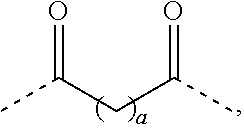


Applications Claiming Priority (4)
| Application Number | Priority Date | Filing Date | Title |
|---|---|---|---|
| EP18207920 | 2018-11-22 | ||
| EP18207920 | 2018-11-22 | ||
| EP18207920.2 | 2018-11-22 | ||
| PCT/EP2019/082331 WO2020104697A1 (en) | 2018-11-22 | 2019-11-22 | Stable vaccine against clostridium difficile |
Publications (2)
| Publication Number | Publication Date |
|---|---|
| US20230045939A1 US20230045939A1 (en) | 2023-02-16 |
| US12187756B2 true US12187756B2 (en) | 2025-01-07 |
Family
ID=64650105
Family Applications (1)
| Application Number | Title | Priority Date | Filing Date |
|---|---|---|---|
| US17/296,194 Active 2041-12-30 US12187756B2 (en) | 2018-11-22 | 2019-11-22 | Stable vaccine against Clostridium difficile |
Country Status (11)
| Country | Link |
|---|---|
| US (1) | US12187756B2 (en) |
| EP (1) | EP3883944A1 (en) |
| JP (1) | JP7296459B2 (en) |
| KR (1) | KR102803369B1 (en) |
| CN (1) | CN113166186B (en) |
| AU (1) | AU2019383549B2 (en) |
| BR (1) | BR112021008279A2 (en) |
| CA (1) | CA3120451A1 (en) |
| EA (1) | EA202191393A1 (en) |
| MX (1) | MX2021005949A (en) |
| WO (1) | WO2020104697A1 (en) |
Families Citing this family (2)
| Publication number | Priority date | Publication date | Assignee | Title |
|---|---|---|---|---|
| IL307300A (en) * | 2021-04-02 | 2023-11-01 | Matrivax Inc | Methods and compositions for treating clostridiodes difficile infections |
| WO2026013167A1 (en) | 2024-07-11 | 2026-01-15 | Idorsia Pharmaceuticals Ltd | Pharmaceutical composition comprising clostridioides difficile vaccine |
Citations (12)
| Publication number | Priority date | Publication date | Assignee | Title |
|---|---|---|---|---|
| WO1996027379A1 (en) * | 1995-03-08 | 1996-09-12 | The Scripps Research Institute | Carbopeptoids and carbonucleotoids |
| DE19648681A1 (en) | 1996-11-25 | 1998-05-28 | Hoechst Ag | Anti-adhesive benzoic acid derivatives |
| WO2006120576A2 (en) | 2005-05-06 | 2006-11-16 | Novartis Vaccines And Diagnostics Srl | Immunogens for meningitidis-a vaccines |
| WO2009033268A1 (en) | 2007-09-11 | 2009-03-19 | University Of Guelph | Novel polysaccharide immunogens from clostridium difficile |
| WO2012085668A2 (en) | 2010-12-24 | 2012-06-28 | Novartis Ag | Compounds |
| WO2012119769A1 (en) | 2011-03-08 | 2012-09-13 | Max-Planck-Gesellschaft zur Förderung der Wissenschaften e. V. | Oligosaccharides and oligosaccharide-protein conjugates derived from clostridium difficile polysaccharide ps-ii, methods of synthesis and uses thereof, in particular as a vaccine |
| WO2014080251A1 (en) | 2012-11-24 | 2014-05-30 | Hangzhou Dac Biotech Co., Ltd. | Hydrophilic linkers and their uses for conjugation of drugs to cell binding molecules |
| WO2014130613A2 (en) | 2013-02-22 | 2014-08-28 | Amgen Inc. | Carbohydrate phosphonate derivatives as modulators of glycosylation |
| US20160137724A1 (en) | 2011-08-02 | 2016-05-19 | Max-Planck-Gesellschaft Zur Foerderung Der Wissenschaften E.V. | Antibodies for prevention and treatment of diseases caused by clostridium difficile |
| WO2017021549A1 (en) | 2015-08-05 | 2017-02-09 | Enterome | Mannose derivatives useful for treating pathologies associated with adherent e. coli |
| US11479574B2 (en) | 2017-11-30 | 2022-10-25 | Idorsia Pharmaceuticals Ltd | Vaccine against Klebsiella pneumoniae |
| US11891413B2 (en) | 2017-11-30 | 2024-02-06 | Idorsia Pharmaceuticals Ltd | Vaccine against Klebsiella pneumoniae |
-
2019
- 2019-11-22 MX MX2021005949A patent/MX2021005949A/en unknown
- 2019-11-22 JP JP2021528951A patent/JP7296459B2/en active Active
- 2019-11-22 US US17/296,194 patent/US12187756B2/en active Active
- 2019-11-22 BR BR112021008279-4A patent/BR112021008279A2/en unknown
- 2019-11-22 EA EA202191393A patent/EA202191393A1/en unknown
- 2019-11-22 CA CA3120451A patent/CA3120451A1/en active Pending
- 2019-11-22 AU AU2019383549A patent/AU2019383549B2/en active Active
- 2019-11-22 KR KR1020217018275A patent/KR102803369B1/en active Active
- 2019-11-22 WO PCT/EP2019/082331 patent/WO2020104697A1/en not_active Ceased
- 2019-11-22 CN CN201980077346.2A patent/CN113166186B/en active Active
- 2019-11-22 EP EP19812940.5A patent/EP3883944A1/en active Pending
Patent Citations (13)
| Publication number | Priority date | Publication date | Assignee | Title |
|---|---|---|---|---|
| WO1996027379A1 (en) * | 1995-03-08 | 1996-09-12 | The Scripps Research Institute | Carbopeptoids and carbonucleotoids |
| DE19648681A1 (en) | 1996-11-25 | 1998-05-28 | Hoechst Ag | Anti-adhesive benzoic acid derivatives |
| WO2006120576A2 (en) | 2005-05-06 | 2006-11-16 | Novartis Vaccines And Diagnostics Srl | Immunogens for meningitidis-a vaccines |
| WO2009033268A1 (en) | 2007-09-11 | 2009-03-19 | University Of Guelph | Novel polysaccharide immunogens from clostridium difficile |
| WO2012085668A2 (en) | 2010-12-24 | 2012-06-28 | Novartis Ag | Compounds |
| WO2012119769A1 (en) | 2011-03-08 | 2012-09-13 | Max-Planck-Gesellschaft zur Förderung der Wissenschaften e. V. | Oligosaccharides and oligosaccharide-protein conjugates derived from clostridium difficile polysaccharide ps-ii, methods of synthesis and uses thereof, in particular as a vaccine |
| US20160137724A1 (en) | 2011-08-02 | 2016-05-19 | Max-Planck-Gesellschaft Zur Foerderung Der Wissenschaften E.V. | Antibodies for prevention and treatment of diseases caused by clostridium difficile |
| WO2014080251A1 (en) | 2012-11-24 | 2014-05-30 | Hangzhou Dac Biotech Co., Ltd. | Hydrophilic linkers and their uses for conjugation of drugs to cell binding molecules |
| WO2014130613A2 (en) | 2013-02-22 | 2014-08-28 | Amgen Inc. | Carbohydrate phosphonate derivatives as modulators of glycosylation |
| WO2017021549A1 (en) | 2015-08-05 | 2017-02-09 | Enterome | Mannose derivatives useful for treating pathologies associated with adherent e. coli |
| US11479574B2 (en) | 2017-11-30 | 2022-10-25 | Idorsia Pharmaceuticals Ltd | Vaccine against Klebsiella pneumoniae |
| US20230122752A1 (en) | 2017-11-30 | 2023-04-20 | Idorsia Pharmaceuticals Ltd | Vaccine against klebsiella pneumoniae |
| US11891413B2 (en) | 2017-11-30 | 2024-02-06 | Idorsia Pharmaceuticals Ltd | Vaccine against Klebsiella pneumoniae |
Non-Patent Citations (35)
Also Published As
| Publication number | Publication date |
|---|---|
| JP2022516837A (en) | 2022-03-03 |
| WO2020104697A1 (en) | 2020-05-28 |
| MX2021005949A (en) | 2021-07-06 |
| JP7296459B2 (en) | 2023-06-22 |
| CA3120451A1 (en) | 2020-05-28 |
| BR112021008279A2 (en) | 2021-08-03 |
| CN113166186B (en) | 2024-11-26 |
| CN113166186A (en) | 2021-07-23 |
| AU2019383549A1 (en) | 2021-06-10 |
| EP3883944A1 (en) | 2021-09-29 |
| AU2019383549B2 (en) | 2025-05-22 |
| US20230045939A1 (en) | 2023-02-16 |
| KR102803369B1 (en) | 2025-05-02 |
| EA202191393A1 (en) | 2021-10-12 |
| KR20210094573A (en) | 2021-07-29 |
Similar Documents
| Publication | Publication Date | Title |
|---|---|---|
| JP7512195B2 (en) | Vaccine against Klebsiella pneumoniae | |
| KR102713536B1 (en) | Vaccine against Klebsiella pneumoniae | |
| US10328141B2 (en) | Synthetic vaccines against Streptococcus pneumoniae type 1 | |
| US10188718B2 (en) | Vaccines against Streptococcus pneumoniae serotype 4 | |
| US10864261B2 (en) | Synthetic vaccines against Streptococcus pneumoniae serotype 2 | |
| US10688169B2 (en) | Vaccines against carbapenem-resistant Klebsiella pneumoniae | |
| US20230045939A1 (en) | Stable vaccine against clostridium difficile | |
| HK1256630A1 (en) | Synthetic vaccines against streptococcus pneumoniae serotype 2 | |
| EA046159B1 (en) | STABLE VACCINE AGAINST CLOSTRIDIUM DIFFICILE | |
| EP3181148A1 (en) | Synthetic vaccines against streptococcus pneumoniae serotype 2 |
Legal Events
| Date | Code | Title | Description |
|---|---|---|---|
| FEPP | Fee payment procedure |
Free format text: ENTITY STATUS SET TO UNDISCOUNTED (ORIGINAL EVENT CODE: BIG.); ENTITY STATUS OF PATENT OWNER: LARGE ENTITY |
|
| AS | Assignment |
Owner name: VAXXILON DEUTSCHLAND GMBH, GERMANY Free format text: ASSIGNMENT OF ASSIGNORS INTEREST;ASSIGNORS:EMMADI, MADHU;LISBOA, MARILDA P.;KNOPP, DANIEL;AND OTHERS;SIGNING DATES FROM 20210518 TO 20210520;REEL/FRAME:056767/0081 Owner name: VAXXILON AG, SWITZERLAND Free format text: ASSIGNMENT OF ASSIGNORS INTEREST;ASSIGNOR:VON BONIN, ARNE;REEL/FRAME:056772/0861 Effective date: 20210507 |
|
| AS | Assignment |
Owner name: VAXXILON AG, SWITZERLAND Free format text: ASSIGNMENT OF ASSIGNORS INTEREST;ASSIGNOR:VAXXILON DEUTSCHLAND GMBH;REEL/FRAME:056798/0717 Effective date: 20210507 Owner name: IDORSIA PHARMACEUTICALS LTD, SWITZERLAND Free format text: ASSIGNMENT OF ASSIGNORS INTEREST;ASSIGNOR:VAXXILON AG;REEL/FRAME:056798/0714 Effective date: 20200618 |
|
| STPP | Information on status: patent application and granting procedure in general |
Free format text: DOCKETED NEW CASE - READY FOR EXAMINATION |
|
| STPP | Information on status: patent application and granting procedure in general |
Free format text: NON FINAL ACTION MAILED |
|
| STPP | Information on status: patent application and granting procedure in general |
Free format text: RESPONSE TO NON-FINAL OFFICE ACTION ENTERED AND FORWARDED TO EXAMINER |
|
| STPP | Information on status: patent application and granting procedure in general |
Free format text: NON FINAL ACTION MAILED |
|
| AS | Assignment |
Owner name: IDORSIA PHARMACEUTICALS LTD, SWITZERLAND Free format text: MERGER;ASSIGNOR:VAXXILON AG;REEL/FRAME:068031/0950 Effective date: 20200618 |
|
| STPP | Information on status: patent application and granting procedure in general |
Free format text: RESPONSE TO NON-FINAL OFFICE ACTION ENTERED AND FORWARDED TO EXAMINER |
|
| STPP | Information on status: patent application and granting procedure in general |
Free format text: NOTICE OF ALLOWANCE MAILED -- APPLICATION RECEIVED IN OFFICE OF PUBLICATIONS |
|
| STPP | Information on status: patent application and granting procedure in general |
Free format text: PUBLICATIONS -- ISSUE FEE PAYMENT VERIFIED |
|
| STCF | Information on status: patent grant |
Free format text: PATENTED CASE |
|
| CC | Certificate of correction |