US12065445B2 - CDK2 inhibitors and methods of using the same - Google Patents
CDK2 inhibitors and methods of using the same Download PDFInfo
- Publication number
- US12065445B2 US12065445B2 US17/649,269 US202217649269A US12065445B2 US 12065445 B2 US12065445 B2 US 12065445B2 US 202217649269 A US202217649269 A US 202217649269A US 12065445 B2 US12065445 B2 US 12065445B2
- Authority
- US
- United States
- Prior art keywords
- optionally substituted
- nitrogen
- sulfur
- oxygen
- compound
- Prior art date
- Legal status (The legal status is an assumption and is not a legal conclusion. Google has not performed a legal analysis and makes no representation as to the accuracy of the status listed.)
- Active, expires
Links
Classifications
-
- A—HUMAN NECESSITIES
- A61—MEDICAL OR VETERINARY SCIENCE; HYGIENE
- A61K—PREPARATIONS FOR MEDICAL, DENTAL OR TOILETRY PURPOSES
- A61K45/00—Medicinal preparations containing active ingredients not provided for in groups A61K31/00 - A61K41/00
- A61K45/06—Mixtures of active ingredients without chemical characterisation, e.g. antiphlogistics and cardiaca
-
- A—HUMAN NECESSITIES
- A61—MEDICAL OR VETERINARY SCIENCE; HYGIENE
- A61K—PREPARATIONS FOR MEDICAL, DENTAL OR TOILETRY PURPOSES
- A61K31/00—Medicinal preparations containing organic active ingredients
- A61K31/33—Heterocyclic compounds
- A61K31/395—Heterocyclic compounds having nitrogen as a ring hetero atom, e.g. guanethidine or rifamycins
- A61K31/41—Heterocyclic compounds having nitrogen as a ring hetero atom, e.g. guanethidine or rifamycins having five-membered rings with two or more ring hetero atoms, at least one of which being nitrogen, e.g. tetrazole
- A61K31/415—1,2-Diazoles
- A61K31/4155—1,2-Diazoles non condensed and containing further heterocyclic rings
-
- A—HUMAN NECESSITIES
- A61—MEDICAL OR VETERINARY SCIENCE; HYGIENE
- A61P—SPECIFIC THERAPEUTIC ACTIVITY OF CHEMICAL COMPOUNDS OR MEDICINAL PREPARATIONS
- A61P1/00—Drugs for disorders of the alimentary tract or the digestive system
- A61P1/16—Drugs for disorders of the alimentary tract or the digestive system for liver or gallbladder disorders, e.g. hepatoprotective agents, cholagogues, litholytics
-
- A—HUMAN NECESSITIES
- A61—MEDICAL OR VETERINARY SCIENCE; HYGIENE
- A61P—SPECIFIC THERAPEUTIC ACTIVITY OF CHEMICAL COMPOUNDS OR MEDICINAL PREPARATIONS
- A61P13/00—Drugs for disorders of the urinary system
- A61P13/12—Drugs for disorders of the urinary system of the kidneys
-
- A—HUMAN NECESSITIES
- A61—MEDICAL OR VETERINARY SCIENCE; HYGIENE
- A61P—SPECIFIC THERAPEUTIC ACTIVITY OF CHEMICAL COMPOUNDS OR MEDICINAL PREPARATIONS
- A61P25/00—Drugs for disorders of the nervous system
- A61P25/28—Drugs for disorders of the nervous system for treating neurodegenerative disorders of the central nervous system, e.g. nootropic agents, cognition enhancers, drugs for treating Alzheimer's disease or other forms of dementia
-
- A—HUMAN NECESSITIES
- A61—MEDICAL OR VETERINARY SCIENCE; HYGIENE
- A61P—SPECIFIC THERAPEUTIC ACTIVITY OF CHEMICAL COMPOUNDS OR MEDICINAL PREPARATIONS
- A61P35/00—Antineoplastic agents
-
- A—HUMAN NECESSITIES
- A61—MEDICAL OR VETERINARY SCIENCE; HYGIENE
- A61P—SPECIFIC THERAPEUTIC ACTIVITY OF CHEMICAL COMPOUNDS OR MEDICINAL PREPARATIONS
- A61P37/00—Drugs for immunological or allergic disorders
-
- C—CHEMISTRY; METALLURGY
- C07—ORGANIC CHEMISTRY
- C07D—HETEROCYCLIC COMPOUNDS
- C07D487/00—Heterocyclic compounds containing nitrogen atoms as the only ring hetero atoms in the condensed system, not provided for by groups C07D451/00 - C07D477/00
- C07D487/02—Heterocyclic compounds containing nitrogen atoms as the only ring hetero atoms in the condensed system, not provided for by groups C07D451/00 - C07D477/00 in which the condensed system contains two hetero rings
- C07D487/10—Spiro-condensed systems
-
- C—CHEMISTRY; METALLURGY
- C07—ORGANIC CHEMISTRY
- C07D—HETEROCYCLIC COMPOUNDS
- C07D519/00—Heterocyclic compounds containing more than one system of two or more relevant hetero rings condensed among themselves or condensed with a common carbocyclic ring system not provided for in groups C07D453/00 or C07D455/00
Definitions
- the present disclosure relates generally to Cyclin-dependent kinase 2 (CDK2) inhibiting chemical compounds and uses thereof in the inhibition of the activity of CDK2.
- CDK2 Cyclin-dependent kinase 2
- the disclosure also provides pharmaceutically acceptable compositions comprising compounds disclosed herein and methods of using said compounds and compositions in the treatment of various disorders related to CDK2 activity.
- CDKs Cyclin-dependent kinases
- CDK1, CDK2, CDK4 and CDK6 have been found to be specifically important subtypes, where over activity of one or more of these subtypes may lead to dysregulation of the cell cycle and the development of a variety of cancers.
- the S phase of the cell cycle is responsible for DNA replication and is the phase where aberrant DNA replication may occur.
- the CDK2/cyclin E complex is required for the cell cycle transition from the G1 phase to the S phase and the CDK2/cyclin A complex is required for the cell cycle transition from the S phase to the G2 phase. Therefore, selective inhibition of the CDK2/cyclin E and/or CDK2/cyclin A complexes can prevent aberrant DNA replication and can be used to treat certain cancers.
- the present disclosure is based at least in part on the identification of compounds that bind and inhibit Cyclin-dependent kinase 2 (CDK2) and/or CDK2/cyclin complexes and methods of using the same to treat diseases associated with CDK2 activity.
- CDK2 Cyclin-dependent kinase 2
- CDK2/cyclin complexes Disclosed herein is a compound according to Formula I or a pharmaceutically acceptable salt thereof:
- the present disclosure provides compounds capable of inhibiting Cyclin-dependent kinase 2 (CDK2) and/or CDK2/cyclin complexes.
- CDK2 Overexpression of CDK2 is associated with abnormal regulation of the cell-cycle.
- the cyclin E/CDK2 complex plays an important role in regulation of the G1/S transition, histone biosynthesis and centrosome duplication. Progressive phosphorylation of retinoblastoma (Rb) by cyclin D/Cdk4/6 and cyclin E/Cdk2 releases the G1 transcription factor, E2F, and promotes S-phase entry.
- Activation of cyclin A/CDK2 during early S-phase promotes phosphorylation of endogenous substrates that permit DNA replication and inactivation of E2F, for S-phase completion.
- Cyclin E the regulatory cyclin for CDK2, is frequently overexpressed in cancer. Cyclin E amplification or overexpression has long been associated with poor outcomes in breast cancer. (Keyomarsi et al., Cyclin E and survival in patients with breast cancer. N Engl J Med. (2002) 347:1566-75). Cyclin E2 (CCNE2) overexpression is associated with endocrine resistance in breast cancer cells and CDK2 inhibition has been reported to restore sensitivity to tamoxifen or CDK4 inhibitors in tamoxifen-resistant and CCNE2 overexpressing cells. (Caldon et al., Mol. Cancer Ther. (2012) 11:1488-99; Herrera-Abreu et al., Cancer Res. (2016) 76: 2301-2313).
- Cyclin E amplification also reportedly contributes to trastuzumab resistance in HER2+ breast cancer.
- Cyclin E overexpression has also been reported to play a role in basal-like and triple negative breast cancer (TNBC), as well as inflammatory breast cancer.
- TNBC basal-like and triple negative breast cancer
- CCNE1 cyclin E1
- CDK inhibitors especially selective CDK2 inhibitors, which may be useful for the treatment of cancer or other proliferative diseases or conditions.
- CDK2 inhibitors may be useful in treating CCNE1 or CCNE2 amplified tumors.
- aliphatic or “aliphatic group”, as used herein, means a straight-chain (i.e., unbranched) or branched, substituted or unsubstituted hydrocarbon chain that is completely saturated or that contains one or more units of unsaturation, or a monocyclic hydrocarbon or bicyclic hydrocarbon that is completely saturated or that contains one or more units of unsaturation, but which is not aromatic (also referred to herein as “carbocycle,” “cycloaliphatic” or “cycloalkyl”), that has a single point of attachment to the rest of the molecule.
- aliphatic groups contain 1 to 6 aliphatic carbon atoms.
- aliphatic groups contain 1 to 5 aliphatic carbon atoms. In other embodiments, aliphatic groups contain 1 to 4 aliphatic carbon atoms. In still other embodiments, aliphatic groups contain 1 to 3 aliphatic carbon atoms, and in yet other embodiments, aliphatic groups contain 1 to 2 aliphatic carbon atoms.
- “cycloaliphatic” (or “carbocycle” or “cycloalkyl”) refers to a monocyclic C 3 -C 6 hydrocarbon that is completely saturated or that contains one or more units of unsaturation, but which is not aromatic, that has a single point of attachment to the rest of the molecule.
- Suitable aliphatic groups include, but are not limited to, linear or branched, substituted or unsubstituted alkyl, alkenyl, alkynyl groups and hybrids thereof such as (cycloalkyl)alkyl, (cycloalkenyl)alkyl or (cycloalkyl)alkenyl.
- bicyclic ring or “bicyclic ring system” refers to any bicyclic ring system, i.e. carbocyclic or heterocyclic, saturated or having one or more units of unsaturation, having one or more atoms in common between the two rings of the ring system.
- the term includes any permissible ring fusion, such as ortho-fused or spirocyclic.
- heterocyclic is a subset of “bicyclic” that requires that one or more heteroatoms are present in one or both rings of the bicycle.
- Such heteroatoms may be present at ring junctions and are optionally substituted, and may be selected from nitrogen (including N-oxides), oxygen, sulfur (including oxidized forms such as sulfones and sulfonates), phosphorus (including oxidized forms such as phosphonates and phosphates), boron, etc.
- a bicyclic group has 7-12 ring members and 0-4 heteroatoms independently selected from nitrogen, oxygen, and sulfur.
- the term “bridged bicyclic” refers to any bicyclic ring system, i.e. carbocyclic or heterocyclic, saturated or partially unsaturated, having at least one bridge.
- bridged bicyclic rings are to be understood to be a subset of, and falling within the scope of, “bicyclic ring”.
- a “bridge” is an unbranched chain of atoms or an atom or a valence bond connecting two bridgeheads, where a “bridgehead” is any skeletal atom of the ring system which is bonded to three or more skeletal atoms (excluding hydrogen).
- a bridged bicyclic group has 7-12 ring members and 0-4 heteroatoms independently selected from nitrogen, oxygen, and sulfur.
- Such bridged bicyclic groups are well known in the art and include those groups set forth below where each group is attached to the rest of the molecule at any substitutable carbon or nitrogen atom.
- a bridged bicyclic group is optionally substituted with one or more substituents as set forth for aliphatic groups. Additionally or alternatively, any substitutable nitrogen of a bridged bicyclic group is optionally substituted.
- Exemplary bicyclic rings include:
- bridged bicyclics contemplated as falling under the scope of a “bicycle” or “bicyclic ring” include:
- Compound X refers to 6-(1-benzyl-1H-pyrazole-4-carbonyl)-N-(3-(benzyloxy)-1-(methylamino)-1-oxobutan-2-yl)-2-(2,2-dimethylcyclopropane-1-carbonyl)-2,6-diazaspiro[3.4]octane-8-carboxamide.
- Compound X may also be depicted as
- lower alkyl refers to a C 1-4 straight or branched alkyl group.
- exemplary lower alkyl groups are methyl, ethyl, propyl, isopropyl, butyl, isobutyl, and tert-butyl.
- lower haloalkyl refers to a C 1-4 straight or branched alkyl group that is substituted with one or more halogen atoms.
- heteroatom means one or more of oxygen, sulfur, nitrogen, phosphorus, or silicon (including, any oxidized form of nitrogen, sulfur, phosphorus, or silicon; the quaternized form of any basic nitrogen; or an oxygen, sulfur, nitrogen, phosphorus, or silicon atom in a heterocyclic ring.
- unsaturated means that a moiety has one or more units of unsaturation.
- bivalent C 1-s (or C 1-6 ) saturated or unsaturated, straight or branched, hydrocarbon chain refers to bivalent alkylene, alkenylene, and alkynylene chains that are straight or branched as defined herein.
- alkylene refers to a bivalent alkyl group.
- An “alkylene chain” is a polymethylene group, i.e., —(CH 2 ) n —, wherein n is a positive integer, preferably from 1 to 6, from 1 to 4, from 1 to 3, from 1 to 2, or from 2 to 3.
- a substituted alkylene chain is a polymethylene group in which one or more methylene hydrogen atoms are replaced with a substituent. Suitable substituents include those described below for a substituted aliphatic group.
- alkenylene refers to a bivalent alkenyl group.
- a substituted alkenylene chain is a polymethylene group containing at least one double bond in which one or more hydrogen atoms are replaced with a substituent. Suitable substituents include those described below for a substituted aliphatic group.
- halogen means F, Cl, Br, or I.
- aryl used alone or as part of a larger moiety as in “aralkyl,” “aralkoxy,” or “aryloxyalkyl,” refers to monocyclic or bicyclic ring systems having a total of 4 to 14 ring members, wherein at least one ring in the system is aromatic and wherein each ring in the system contains three to seven ring members.
- aryl may be used interchangeably with the term “aryl ring”.
- aryl refers to an aromatic ring system which includes, but not limited to, phenyl, biphenyl, naphthyl, anthracyl and the like, which may bear one or more substituents.
- aryl is a group in which an aromatic ring is fused to one or more non-aromatic rings, such as indanyl, phthalimidyl, naphthimidyl, phenanthridinyl, or tetrahydronaphthyl, and the like.
- heteroaryl and “heteroar-,” used alone or as part of a larger moiety, e.g., “heteroaralkyl,” or “heteroaralkoxy,” refer to groups having 5 to 10 ring atoms, preferably 5, 6, or 9 ring atoms; having 6, 10, or 14 ⁇ electrons shared in a cyclic array; and having, in addition to carbon atoms, from one to five heteroatoms.
- heteroatom in the context of “heteroaryl” particularly includes, but is not limited to, nitrogen, oxygen, or sulfur, and includes any oxidized form of nitrogen or sulfur, and any quaternized form of a basic nitrogen.
- Heteroaryl groups include, without limitation, thienyl, furanyl, pyrrolyl, imidazolyl, pyrazolyl, triazolyl, tetrazolyl, oxazolyl, isoxazolyl, oxadiazolyl, thiazolyl, isothiazolyl, thiadiazolyl, pyridyl, pyridazinyl, pyrimidinyl, pyrazinyl, indolizinyl, purinyl, naphthyridinyl, and pteridinyl.
- heteroaryl and “heteroar-”, as used herein, also include groups in which a heteroaromatic ring is fused to one or more aryl, cycloaliphatic, or heterocyclyl rings, where the radical or point of attachment is on the heteroaromatic ring.
- Nonlimiting examples include indolyl, isoindolyl, benzothienyl, benzofuranyl, dibenzofuranyl, indazolyl, benzimidazolyl, benzthiazolyl, quinolyl, isoquinolyl, cinnolinyl, phthalazinyl, quinazolinyl, quinoxalinyl, 4H-quinolizinyl, carbazolyl, acridinyl, phenazinyl, phenothiazinyl, phenoxazinyl, tetrahydroquinolinyl, tetrahydroisoquinolinyl, and pyrido[2,3-b]-1,4-oxazin-3(4H)-one.
- a heteroaryl group may be monocyclic or bicyclic.
- a heteroaryl ring may include one or more oxo ( ⁇ O) or thioxo ( ⁇ S) substituent.
- the term “heteroaryl” may be used interchangeably with the terms “heteroaryl ring,” “heteroaryl group,” or “heteroaromatic,” any of which terms include rings that are optionally substituted.
- the term “heteroaralkyl” refers to an alkyl group substituted by a heteroaryl, wherein the alkyl and heteroaryl portions independently are optionally substituted.
- heterocycle As used herein, the terms “heterocycle,” “heterocyclyl,” “heterocyclic radical,” and “heterocyclic ring” are used interchangeably and refer to a stable 5- to 7-membered monocyclic or 7 to 10-membered bicyclic heterocyclic moiety that is either saturated or partially unsaturated, and having, in addition to carbon atoms, one or more, preferably 1 to 4, heteroatoms, as defined above.
- nitrogen includes a substituted nitrogen.
- a saturated or partially unsaturated ring having 0 to 3 heteroatoms selected from oxygen, sulfur and nitrogen.
- a heterocyclic ring can be attached to a provided compound at any heteroatom or carbon atom that results in a stable structure and any of the ring atoms can be optionally substituted.
- saturated or partially unsaturated heterocyclic radicals include, without limitation, tetrahydrofuranyl, tetrahydrothiophenyl pyrrolidinyl, piperidinyl, pyrrolinyl, tetrahydroquinolinyl, tetrahydroisoquinolinyl, decahydroquinolinyl, oxazolidinyl, piperazinyl, dioxanyl, dioxolanyl, diazepinyl, oxazepinyl, thiazepinyl, morpholinyl, and quinuclidinyl.
- heterocycle used interchangeably herein, and also include groups in which a heterocyclyl ring is fused to one or more aryl, heteroaryl, or cycloaliphatic rings, such as indolinyl, 3H-indolyl, chromanyl, phenanthridinyl, or tetrahydroquinolinyl.
- a heterocyclyl group may be monocyclic or bicyclic, bridged bicyclic, or spirocyclic.
- heterocyclic ring may include one or more oxo ( ⁇ O) or thioxo ( ⁇ S) substituent.
- heterocyclylalkyl refers to an alkyl group substituted by a heterocyclyl, wherein the alkyl and heterocyclyl portions independently are optionally substituted.
- partially unsaturated refers to a ring moiety that includes at least one double or triple bond.
- partially unsaturated is intended to encompass rings having multiple sites of unsaturation, but is not intended to include aryl or heteroaryl moieties, as herein defined.
- Suitable monovalent substituents on a substitutable carbon atom of an “optionally substituted” group are independently halogen; —(CH 2 ) 0-6 R ⁇ ; —(CH 2 ) 0-6 OR ⁇ ; —O(CH 2 ) 0-6 R ⁇ , —O—(CH 2 ) 0-6 C(O)OR ⁇ ; —(CH 2 ) 0-6 —CH(OR ⁇ ) 2 ; —(CH 2 ) 0-6 SR ⁇ ; —(CH 2 ) 0-6 Ph, which Ph may be substituted with R ⁇ ; —(CH 2 ) 0-6 O(CH 2 ) 0-1 Ph which Ph may be substituted with R ⁇ ; —CH ⁇ CHPh, which Ph may be substituted with R ⁇ ; —(CH 2 ) 0-6 O(CH 2 ) 0-1 -pyridyl which pyridyl may be substituted with R ⁇ ;
- Suitable monovalent substituents on R ⁇ are independently halogen, —(CH 2 ) 0-2 R • , -(haloR • ), —(CH 2 ) 0-2 OH, —(CH 2 ) 0-2 OR • , —(CH 2 ) 0-2 CH(OR • ) 2 ; —O(haloR • ), —CN, —N 3 , —(CH 2 ) 0-2 C(O)R • , —(CH 2 ) 0-2 C(O)OH, —(CH 2 ) 0-2 C(O)OR • , —(CH 2 ) 0-2 SR • , —(CH 2 ) 0-2 SH, —(CH 2 ) 0-2 NH 2 , —(CH 2 ) 0-2 NHR • , —(CH 2 ) 0-2 NR • 2
- Suitable divalent substituents on a saturated carbon atom of an “optionally substituted” group include the following: ⁇ O, ⁇ S, ⁇ NNR* 2 , ⁇ NNHC(O)R*, ⁇ NNHC(O)OR*, ⁇ NNHS(O) 2 R*, ⁇ NR*, ⁇ NOR*, —O(C(R* 2 ) 2-3 O—, or —S(C(R* 2 )) 2-3 S—, wherein each independent occurrence of R* is selected from hydrogen, C 1-6 aliphatic which may be substituted as defined below, and an unsubstituted 5 to 6-membered saturated, partially unsaturated, or aryl ring (having 0 to 4 heteroatoms independently selected from nitrogen, oxygen, and sulfur).
- Suitable divalent substituents that are bound to vicinal substitutable carbons of an “optionally substituted” group include: —O(CR* 2 ) 2-3 O—, wherein each independent occurrence of R* is selected from hydrogen, C 1-6 aliphatic which may be substituted as defined below, and an unsubstituted 5 to 6-membered saturated, partially unsaturated, or aryl ring (having 0 to 4 heteroatoms independently selected from nitrogen, oxygen, and sulfur).
- Suitable substituents on the aliphatic group of R* include halogen, —R • , -(haloR • ), —OH, —OR • , —O(haloR • ), —CN, —C(O)OH, —C(O)OR • , —NH 2 , —NHR • , —NR • 2 , or —NO 2 , wherein each R • is unsubstituted or where preceded by “halo” is substituted only with one or more halogens, and is independently C 1-4 aliphatic, —CH 2 Ph, —O(CH 2 ) 0-1 Ph, or a 5 to 6-membered saturated, partially unsaturated, or aryl ring (having 0 to 4 heteroatoms independently selected from nitrogen, oxygen, and sulfur).
- Suitable substituents on a substitutable nitrogen of an “optionally substituted” group include —R ⁇ , —NR ⁇ 2 , —C(O)R ⁇ , —C(O)OR ⁇ , —C(O)C(O)R ⁇ , —C(O)CH 2 C(O)R ⁇ , —S(O) 2 R ⁇ , —S(O) 2 NR ⁇ 2 , —C(S)NR ⁇ 2 , —C(NH)NR ⁇ 2 , or —N(R ⁇ )S(O) 2 R ⁇ ; wherein each R ⁇ is independently hydrogen, C 1-6 aliphatic which may be substituted as defined below, unsubstituted —OPh, or an unsubstituted 5 to 6-membered saturated, partially unsaturated, or aryl ring (having 0 to 4 heteroatoms independently selected from nitrogen, oxygen, and sulfur), or, notwithstanding the definition above, two independent occurrences of R
- Suitable substituents on the aliphatic group of R ⁇ are independently halogen, —R • , -(haloR • ), —OH, —OR • , —O(haloR • ), —CN, —C(O)OH, —C(O)OR • , —NH 2 , —NHR • , —NR • 2 , or —NO 2 , wherein each R • is unsubstituted or where preceded by “halo” is substituted only with one or more halogens, and is independently C 1-4 aliphatic, —CH 2 Ph, —O(CH 2 ) 0-1 Ph, or a 5 to 6-membered saturated, partially unsaturated, or aryl ring (having 0 to 4 heteroatoms independently selected from nitrogen, oxygen, and sulfur).
- the term “provided compound” or “compound of the present disclosure” refers to any genus, subgenus, and/or species set forth herein.
- the term “pharmaceutically acceptable salt” refers to those salts which are, within the scope of sound medical judgment, suitable for use in contact with the tissues of humans and lower animals without undue toxicity, irritation, allergic response and the like, and are commensurate with a reasonable benefit/risk ratio.
- Pharmaceutically acceptable salts are well known in the art. For example, S. M. Berge et al., describe pharmaceutically acceptable salts in detail in J. Pharmaceutical Sciences, 1977, 66, 1-19, which is incorporated herein by reference.
- Pharmaceutically acceptable salts of the compounds of this disclosure include those derived from suitable inorganic and organic acids and bases.
- Examples of pharmaceutically acceptable, nontoxic acid addition salts are salts of an amino group formed with inorganic acids such as hydrochloric acid, hydrobromic acid, phosphoric acid, sulfuric acid and perchloric acid or with organic acids such as acetic acid, oxalic acid, maleic acid, tartaric acid, citric acid, succinic acid or malonic acid or by using other methods used in the art such as ion exchange.
- inorganic acids such as hydrochloric acid, hydrobromic acid, phosphoric acid, sulfuric acid and perchloric acid
- organic acids such as acetic acid, oxalic acid, maleic acid, tartaric acid, citric acid, succinic acid or malonic acid or by using other methods used in the art such as ion exchange.
- salts include adipate, alginate, ascorbate, aspartate, benzenesulfonate, benzoate, bisulfate, borate, butyrate, camphorate, camphorsulfonate, citrate, cyclopentanepropionate, digluconate, dodecylsulfate, ethanesulfonate, formate, fumarate, glucoheptonate, glycerophosphate, gluconate, hemisulfate, heptanoate, hexanoate, hydroiodide, 2-hydroxy-ethanesulfonate, lactobionate, lactate, laurate, lauryl sulfate, malate, maleate, malonate, methanesulfonate, 2-naphthalenesulfonate, nicotinate, nitrate, oleate, oxalate, palmitate, pamoate, pectinate,
- Salts derived from appropriate bases include alkali metal, alkaline earth metal, ammonium and N + (C 1-4 alkyl) 4 salts.
- Representative alkali or alkaline earth metal salts include sodium, lithium, potassium, calcium, magnesium, and the like.
- Further pharmaceutically acceptable salts include, when appropriate, nontoxic ammonium, quaternary ammonium, and amine cations formed using counterions such as halide, hydroxide, carboxylate, sulfate, phosphate, nitrate, lower alkyl sulfonate, and aryl sulfonate.
- structures depicted herein are also meant to include compounds that differ only in the presence of one or more isotopically enriched atoms.
- compounds having the present structures including the replacement of hydrogen by deuterium or tritium, or the replacement of a carbon by a 13 C- or 14 C-enriched carbon are within the scope of this disclosure.
- Such compounds are useful, for example, as analytical tools, as probes in biological assays, or as therapeutic agents in accordance with the present disclosure.
- an inhibitor is defined as a compound that binds to and/or inhibits CDK2 with measurable affinity.
- an inhibitor has an IC 50 and/or binding constant of less than about 50 ⁇ M, less than about 1 ⁇ M, less than about 500 nM, less than about 100 nM, less than about 10 nM, or less than about 1 nM, when measured in an appropriate assay.
- patient means an animal, preferably a mammal, and most preferably a human.
- compositions of this disclosure refers to a non-toxic carrier, adjuvant, or vehicle that does not destroy the pharmacological activity of the compound with which it is formulated.
- Pharmaceutically acceptable carriers, adjuvants or vehicles that may be used in the compositions of this disclosure include, but are not limited to, ion exchangers, alumina, aluminum stearate, lecithin, serum proteins, such as human serum albumin, buffer substances such as phosphates, glycine, sorbic acid, potassium sorbate, partial glyceride mixtures of saturated vegetable fatty acids, water, salts or electrolytes, such as protamine sulfate, disodium hydrogen phosphate, potassium hydrogen phosphate, sodium chloride, zinc salts, colloidal silica, magnesium trisilicate, polyvinyl pyrrolidone, cellulose-based substances, polyethylene glycol, sodium carboxymethylcellulose, polyacrylates, waxes, polyethylene-polyoxypropylene-block
- a “pharmaceutically acceptable derivative” means any non-toxic salt, ester, salt of an ester or other derivative of a compound of this disclosure that, upon administration to a recipient, is capable of providing, either directly or indirectly, a compound of this disclosure or an inhibitorily or degratorily active metabolite or residue thereof.
- the term “inhibitorily active metabolite or residue thereof” means that a metabolite or residue thereof is also an inhibitor of a CDK2 protein, or a mutant thereof.
- the present disclosure provides inhibitors of CDK2 activity.
- the inhibitors of CDK2 include compounds of Formula IA:
- R 2 is hydrogen, an optionally substituted C 1-6 aliphatic group, —C 1-6 alkylene-OR, —C 1-3 alkylene-O—C 1-3 alkylene-R, —C(O)OR, —C(O)NR 2 , —S(O) 2 R, —S(O) 2 NR 2 , —S(O)R, —P(O)R 2 , or an optionally substituted cyclic group selected from a 3-8 membered saturated or partially unsaturated monocyclic carbocyclic ring, a 7-12 membered saturated or partially unsaturated bicyclic carbocyclic ring, phenyl, an 8-10 membered bicyclic aromatic carbocyclic ring, a 3-8 membered saturated or partially unsaturated monocyclic heterocyclic ring (having 1-2 heteroatoms independently selected from nitrogen, oxygen, and sulfur), a 7-12 membered saturated or partially unsaturated bicyclic heterocyclic ring (having 1-4 heteroatom
- the inhibitors of CDK2 include compounds of Formula I:
- R A is
- R A is
- R A is
- R A is
- R group shown is an optionally substituted C 1-6 aliphatic group.
- R A is
- R A is
- R A is selected from those depicted in the compounds of Table 1, below.
- R B is hydrogen, an optionally substituted C 1-6 aliphatic group, —OR, —NR 2 or a halogen.
- R B is hydrogen.
- R B is an optionally substituted C 1-6 aliphatic group.
- R B is —OR.
- R B is —NR 2 .
- R B is a halogen.
- R B is a methyl group.
- R B is a fluoro group.
- R B is selected from those depicted in the compounds of Table 1, below.
- L 1 is a covalent bond or a saturated or unsaturated, straight or branched, optionally substituted bivalent C 1-6 hydrocarbon chain, wherein 0-2 methylene units of L 1 are independently replaced by —O—, —NR—, —S—, —OC(O)—, —C(O)O—, —C(O)—, —S(O)—, —S(O) 2 —, —C(S)—, —NRS(O) 2 —, —S(O) 2 NR—, —NRC(O)—, —C(O)NR—, —OC(O)NR—, —NRC(O)O—, or —NRC(O)NR—.
- L 1 is a covalent bond.
- L 1 is a saturated or unsaturated, straight or branched, optionally substituted bivalent C 1-6 hydrocarbon chain, wherein 0-2 methylene units of L 1 are independently replaced by —O—, —NR—, —S—, —OC(O)—, —C(O)O—, —C(O)—, —S(O)—, —S(O) 2 —, —C(S)—, —NRS(O) 2 —, —S(O) 2 NR—, —NRC(O)—, —C(O)NR—, —OC(O)NR—, —NRC(O)O—, or —NRC(O)NR—.
- L 1 is a saturated or unsaturated, straight or branched, optionally substituted bivalent C 1-4 hydrocarbon chain, wherein 0-2 methylene units of L are independently replaced by —O—, —NR—, —S—, —OC(O)—, —C(O)O—, —C(O)—, —S(O)—, —S(O) 2 —, —C(S)—, —NRS(O) 2 —, —S(O) 2 NR—, —NRC(O)—, —C(O)NR—, —OC(O)NR—, —NRC(O)O—, or —NRC(O)NR—.
- L 1 is a saturated or unsaturated, straight or branched, optionally substituted bivalent C 1-4 hydrocarbon chain. In some embodiments, L 1 is a saturated or unsaturated, straight or branched, optionally substituted bivalent C 1-4 hydrocarbon chain, wherein 1 or 2 methylene units of L 1 are replaced by —O—, —NR—, —S—, —OC(O)—, —C(O)O—, —C(O)—, —S(O)—, —S(O) 2 —, —C(S)—, —NRS(O) 2 —, —S(O) 2 NR—, —NRC(O)—, —C(O)NR—, —OC(O)NR—, —NRC(O)O—, or —NRC(O)NR—.
- L 1 is a saturated, straight or branched, optionally substituted bivalent C 1-4 hydrocarbon chain. In some embodiments, L 1 is a partially unsaturated, straight or branched, optionally substituted bivalent C 1-4 hydrocarbon chain.
- L 1 is a saturated, straight, optionally substituted bivalent C 1-4 hydrocarbon chain, wherein 1-2 methylene units of L 1 are independently replaced by —O—, —NR—, —S—, —OC(O)—, —C(O)O—, —C(O)—, —S(O)—, —S(O) 2 —, —C(S)—, —NRS(O) 2 —, —S(O) 2 NR—, —NRC(O)—, —C(O)NR—, —OC(O)NR—, —NRC(O)O—, or —NRC(O)NR—.
- L 1 is an optionally substituted straight or branched C 1-4 alkylene chain, wherein 1-2 methylene units of L 1 are independently replaced by —O—, —NR—, —S—, —C(O)O—, —C(O)—, —S(O) 2 —, or —NRC(O)—.
- L 1 is an optionally substituted straight or branched C 1-4 alkylene chain, wherein 1-2 methylene units of L 1 are independently replaced by —O—, —NR—, —C(O)O—, —C(O)—, or —NRC(O)—.
- L 1 is an optionally substituted straight or branched C 1-4 alkylene chain, wherein 1-2 methylene units of L 1 are independently replaced by —O—, —NR—, —C(O)O—, or —NRC(O)—.
- L 1 is an optionally substituted straight or branched C 1-4 alkylene chain, wherein 1-2 methylene units of L 1 are independently replaced by —O—.
- L 1 is an optionally substituted straight or branched C 1-4 alkylene chain, wherein 1-2 methylene units of L 1 are independently replaced by —S—.
- L 1 is an optionally substituted straight or branched C 1-4 alkylene chain, wherein 1-2 methylene units of L 1 are independently replaced by —S(O) 2 —. In some embodiments, L 1 is an optionally substituted straight or branched C 1-4 alkylene chain, wherein 1-2 methylene units of L 1 are independently replaced by —NR—. In some embodiments, L 1 is an optionally substituted straight or branched C 1-4 alkylene chain, wherein 1-2 methylene units of L 1 are independently replaced by —C(O)O—.
- L 1 is an optionally substituted straight or branched C 1-4 alkylene chain, wherein 1-2 methylene units of L 1 are independently replaced by —NRC(O)—. In some embodiments, L 1 is an unsubstituted straight chain C 1-4 alkynylene. In some embodiments, L 1 is selected from those depicted in the compounds of Table 1, below.
- L 1 is a covalent bond
- L 1 is N
- R 1 is hydrogen, an optionally substituted C 1-6 aliphatic group, or an optionally substituted cyclic group selected from a 3-8 membered saturated or partially unsaturated monocyclic carbocyclic ring, a 7-12 membered saturated or partially unsaturated bicyclic carbocyclic ring, phenyl, an 8-10 membered bicyclic aromatic carbocyclic ring, a 3-8 membered saturated or partially unsaturated monocyclic heterocyclic ring (having 1-2 heteroatoms independently selected from nitrogen, oxygen, and sulfur), a 7-12 membered saturated or partially unsaturated bicyclic heterocyclic ring (having 1-4 heteroatoms independently selected from nitrogen, oxygen, and sulfur), a 5-6 membered monocyclic heteroaromatic ring (having 1-4 heteroatoms independently selected from nitrogen, oxygen, and sulfur), and an 8-10 membered bicyclic heteroaromatic ring (having 1-5 heteroatoms independently selected from nitrogen, oxygen, and sulfur).
- R 1 is hydrogen. In some embodiments, R 1 is an optionally substituted C 1-6 aliphatic group. In some embodiments, R 1 is methyl. In some embodiments, R 1 is ethyl. In some embodiments, R 1 is isopropyl.
- R 1 is an optionally substituted cyclic group selected from a 3-8 membered saturated or partially unsaturated monocyclic carbocyclic ring, a 7-12 membered saturated or partially unsaturated bicyclic carbocyclic ring, phenyl, an 8-10 membered bicyclic aromatic carbocyclic ring, a 3-8 membered saturated or partially unsaturated monocyclic heterocyclic ring (having 1-2 heteroatoms independently selected from nitrogen, oxygen, and sulfur), a 7-12 membered saturated or partially unsaturated bicyclic heterocyclic ring (having 1-4 heteroatoms independently selected from nitrogen, oxygen, and sulfur), a 5-6 membered monocyclic heteroaromatic ring (having 1-4 heteroatoms independently selected from nitrogen, oxygen, and sulfur), and an 8-10 membered bicyclic heteroaromatic ring (having 1-5 heteroatoms independently selected from nitrogen, oxygen, and sulfur).
- R 1 is an optionally substituted cyclic group selected from a 3-8 membered saturated or partially unsaturated monocyclic carbocyclic ring, phenyl, an 8-10 membered bicyclic aromatic carbocyclic ring, a 3-8 membered saturated or partially unsaturated monocyclic heterocyclic ring (having 1-2 heteroatoms independently selected from nitrogen, oxygen, and sulfur), a 5-6 membered monocyclic heteroaromatic ring (having 1-4 heteroatoms independently selected from nitrogen, oxygen, and sulfur), and an 8-10 membered bicyclic heteroaromatic ring (having 1-5 heteroatoms independently selected from nitrogen, oxygen, and sulfur).
- R 1 is an optionally substituted 3-8 membered saturated or partially unsaturated monocyclic carbocyclic ring. In some embodiments, R 1 is an optionally substituted phenyl. In some embodiments, R 1 is an optionally substituted 8-10 membered bicyclic aromatic carbocyclic ring. In some embodiments, R 1 is an optionally substituted 3-8 membered saturated or partially unsaturated monocyclic heterocyclic ring (having 1-2 heteroatoms independently selected from nitrogen, oxygen, and sulfur). In some embodiments, R 1 is an optionally substituted 5-6 membered monocyclic heteroaromatic ring (having 1-4 heteroatoms independently selected from nitrogen, oxygen, and sulfur).
- R 1 is an optionally substituted 8-10 membered bicyclic heteroaromatic ring (having 1-5 heteroatoms independently selected from nitrogen, oxygen, and sulfur).
- R 1 is an optionally substituted cyclic group selected from phenyl, cyclohexyl, cyclopentyl, cyclobutyl, cyclopropyl, cycloheptyl, oxazolyl, pyridinyl, pyridazinyl, 1,3,4-oxadiazolyl, 1,2,3-triazolyl, pyrazolyl, and tetrahydropyranyl.
- R 1 is optionally substituted phenyl.
- R 1 is optionally substituted cyclohexyl.
- R 1 is selected from those depicted in the compounds of Table 1, below.
- R 1 is an optionally substituted 7-12 membered saturated or partially unsaturated bicyclic heterocyclic ring (having 1-4 heteroatoms independently selected from nitrogen, oxygen, and sulfur). In some embodiments, R 1 is an optionally substituted a 7-12 membered saturated or partially unsaturated bicyclic carbocyclic ring. In some embodiments, R 1 is an optionally substituted 7-12 membered bridge bicyclic carbocyclic ring or an optionally substituted 7-12 membered bridged bicyclic heterocyclic ring (having 1-4 heteroatoms independently selected from nitrogen, oxygen, and sulfur). In some embodiments, R 1 is optionally substituted oxabicyclo[2.2.2]octanyl. In some embodiments, R 1 is optionally substituted bicyclo[2.2.2]octanyl.
- R 2 is hydrogen, an optionally substituted C 1-6 aliphatic group, —C 1-6 alkylene-OR, —C 1-3 alkylene-O—C 1-3 alkylene-R, —C(O)OR, or —C(O)NR 2 ; and R 3 is hydrogen; or R 2 and R 3 together with the intervening carbon atom form an optionally substituted 3-7 membered saturated or partially unsaturated carbocyclic ring, or an optionally substituted 3-7 membered saturated or partially unsaturated heterocyclic ring (having 1-2 heteroatoms independently selected from nitrogen, oxygen, and sulfur).
- R 2 is hydrogen, an optionally substituted C 1-6 aliphatic group, —C 1-6 alkylene-OR, —C 1-3 alkylene-O—C 1-3 alkylene-R, —C(O)OR, —C(O)NR 2 , —S(O) 2 R, —S(O) 2 NR 2 , —S(O)R, —P(O)R 2 , or an optionally substituted cyclic group selected from a 3-8 membered saturated or partially unsaturated monocyclic carbocyclic ring, a 7-12 membered saturated or partially unsaturated bicyclic carbocyclic ring, phenyl, an 8-10 membered bicyclic aromatic carbocyclic ring, a 3-8 membered saturated or partially unsaturated monocyclic heterocyclic ring (having 1-2 heteroatoms independently selected from nitrogen, oxygen, and sulfur), a 7-12 membered saturated or partially unsaturated bicyclic heterocyclic ring (having 1-4
- R 2 is hydrogen, an optionally substituted C 1-6 aliphatic group, —C 1-6 alkylene-OR, —C 1-3 alkylene-O—C 1-3 alkylene-R, —C(O)OR, or —C(O)NR 2 ; and R 3 is hydrogen.
- R 2 is hydrogen, methyl, —CH 2 OR, —CH 2 OCH 2 R, —C(O)OR, or —C(O)NR 2 ; and R 3 is hydrogen.
- R 2 is hydrogen.
- R 2 is an optionally substituted C 1-6 aliphatic group.
- R 2 is methyl.
- R 2 is —C 1-6 alkylene-OR. In some embodiments, R 2 is —CH 2 OR. In some embodiments, R 2 is —CH 2 OCH 2 R. In some embodiments, R 2 is —C(O)OR. In some embodiments, R 2 is —C(O)NR 2 . In some embodiments, R 2 is —C(O)NR 2 , wherein the two R groups, taken together with the intervening nitrogen atom, form an optionally substituted 4-7 membered saturated, partially unsaturated, or heteroaryl ring (having 0-3 heteroatoms, in addition to the nitrogen, independently selected from nitrogen, oxygen, and sulfur).
- R 2 is —C(O)NR 2 , wherein the two R groups, taken together with the intervening nitrogen atom, form an optionally substituted 4-7 membered saturated ring (having 0-3 heteroatoms, in addition to the nitrogen, independently selected from nitrogen, oxygen, and sulfur).
- R 2 is —C(O)NR 2 , wherein the two R groups, taken together with the intervening nitrogen atom, form an optionally substituted 4-7 membered saturated ring, selected from a piperidinyl, morpholinyl, piperazinyl, azetidinyl, pyrrolidinyl, azaspiro[3.3]heptanyl, and diazaspiro[3.3]heptanyl.
- R 2 is —S(O) 2 R, —S(O) 2 NR 2 , —S(O)R, or —P(O)R 2 .
- R 2 is —S(O) 2 R.
- R 2 is —S(O) 2 NR 2 .
- R 2 is —S(O)R.
- R 2 is —P(O)R 2 .
- R 2 is —S(O 2 )CH 3 .
- R 2 is —P(O)(CH 3 ) 2 .
- R 2 is an optionally substituted cyclic group selected from a 3-8 membered saturated or partially unsaturated monocyclic carbocyclic ring, a 7-12 membered saturated or partially unsaturated bicyclic carbocyclic ring, phenyl, an 8-10 membered bicyclic aromatic carbocyclic ring, a 3-8 membered saturated or partially unsaturated monocyclic heterocyclic ring (having 1-2 heteroatoms independently selected from nitrogen, oxygen, and sulfur), a 7-12 membered saturated or partially unsaturated bicyclic heterocyclic ring (having 1-4 heteroatoms independently selected from nitrogen, oxygen, and sulfur), a 5-6 membered monocyclic heteroaromatic ring (having 1-4 heteroatoms independently selected from nitrogen, oxygen, and sulfur), and an 8-10 membered bicyclic heteroaromatic ring (having 1-5 heteroatoms independently selected from nitrogen, oxygen, and sulfur).
- R 2 is an optionally substituted cyclic group selected from a 3-8 membered saturated or partially unsaturated monocyclic carbocyclic ring, phenyl, an 8-10 membered bicyclic aromatic carbocyclic ring, a 3-8 membered saturated or partially unsaturated monocyclic heterocyclic ring (having 1-2 heteroatoms independently selected from nitrogen, oxygen, and sulfur), a 5-6 membered monocyclic heteroaromatic ring (having 1-4 heteroatoms independently selected from nitrogen, oxygen, and sulfur), and an 8-10 membered bicyclic heteroaromatic ring (having 1-5 heteroatoms independently selected from nitrogen, oxygen, and sulfur).
- R 2 is an optionally substituted 3-8 membered saturated or partially unsaturated monocyclic carbocyclic ring. In some embodiments, R 2 is an optionally substituted phenyl. In some embodiments, R 2 is an optionally substituted 8-10 membered bicyclic aromatic carbocyclic ring. In some embodiments, R 2 is an optionally substituted 3-8 membered saturated or partially unsaturated monocyclic heterocyclic ring (having 1-2 heteroatoms independently selected from nitrogen, oxygen, and sulfur). In some embodiments, R 2 is an optionally substituted 5-6 membered monocyclic heteroaromatic ring (having 1-4 heteroatoms independently selected from nitrogen, oxygen, and sulfur).
- R 2 is an optionally substituted 8-10 membered bicyclic heteroaromatic ring (having 1-5 heteroatoms independently selected from nitrogen, oxygen, and sulfur). In some embodiments, R 2 is a tetrahydrofuranyl. In some embodiments, R 2 is a dioxanyl. In some embodiments, R 2 is a furanyl. In some embodiments, R 2 is an oxadiazolyl. In some embodiments, R 2 is an oxazolyl.
- R 2 is selected from those depicted in the compounds of Table 1, below.
- R 3 is hydrogen and R 2 is hydrogen or a substituent in Table R 2 :
- R 3 is hydrogen and R 2 is hydrogen or a substituent in Table R 2 -continued:
- R 3 is hydrogen and R 2 is hydrogen or a substituent in Table R 2 or Table R 2 -continued.
- R 3 is hydrogen and R 2 is
- R 2 and R 3 together with the intervening carbon atom form an optionally substituted 3-7 membered saturated or partially unsaturated carbocyclic ring, or an optionally substituted 3-7 membered saturated or partially unsaturated heterocyclic ring (having 1-2 heteroatoms independently selected from nitrogen, oxygen, and sulfur).
- R 2 and R 3 together with the intervening carbon atom form an optionally substituted 3-7 membered saturated or partially unsaturated carbocyclic ring.
- R 2 and R 3 together with the intervening carbon atom form an optionally substituted 3-7 membered saturated carbocyclic ring.
- R 2 and R 3 together with the intervening carbon atom form an optionally substituted 3-7 membered saturated or partially unsaturated heterocyclic ring (having 1-2 heteroatoms independently selected from nitrogen, oxygen, and sulfur). In some embodiments, R 2 and R 3 together with the intervening carbon atom form an optionally substituted 3-7 membered saturated heterocyclic ring (having 1-2 heteroatoms independently selected from nitrogen, oxygen, and sulfur).
- R 2 and R 3 together with the intervening carbon atom form an optionally substituted oxetanyl, cyclopropyl, cyclobutyl, cyclopentyl, tetrahydropyranyl, piperidinyl, piperazinyl, morpholinyl, pyrrolidinyl, or 1,4-oxazepanyl.
- R 2 and R 3 form a cyclic group selected from those depicted in the compounds of Table 1, below.
- R 4 is an optionally substituted cyclic group selected from a 3-8 membered saturated or partially unsaturated monocyclic carbocyclic ring, a 7-12 membered saturated or partially unsaturated bicyclic carbocyclic ring, phenyl, an 8-10 membered bicyclic aromatic carbocyclic ring, a 3-8 membered saturated or partially unsaturated monocyclic heterocyclic ring (having 1-2 heteroatoms independently selected from nitrogen, oxygen, and sulfur), a 7-12 membered saturated or partially unsaturated bicyclic heterocyclic ring (having 1-4 heteroatoms independently selected from nitrogen, oxygen, and sulfur), a 5-6 membered monocyclic heteroaromatic ring (having 1-4 heteroatoms independently selected from nitrogen, oxygen, and sulfur), and an 8-10 membered bicyclic heteroaromatic ring (having 1-5 heteroatoms independently selected from nitrogen, oxygen, and sulfur), and R 5 is hydrogen; or R 4 and R 5 together with the intervening nitrogen atom form an
- R 4 is an optionally substituted cyclic group selected from a 3-8 membered saturated or partially unsaturated monocyclic carbocyclic ring, a 7-12 membered saturated or partially unsaturated bicyclic carbocyclic ring, phenyl, an 8-10 membered bicyclic aromatic carbocyclic ring, a 3-8 membered saturated or partially unsaturated monocyclic heterocyclic ring (having 1-2 heteroatoms independently selected from nitrogen, oxygen, and sulfur), a 7-12 membered saturated or partially unsaturated bicyclic heterocyclic ring (having 1-4 heteroatoms independently selected from nitrogen, oxygen, and sulfur), a 5-6 membered monocyclic heteroaromatic ring (having 1-4 heteroatoms independently selected from nitrogen, oxygen, and sulfur), and an 8-10 membered bicyclic heteroaromatic ring (having 1-5 heteroatoms independently selected from nitrogen, oxygen, and sulfur), and R 5 is hydrogen.
- R 4 is an optionally substituted cyclic group selected from a 3-8 membered saturated or partially unsaturated monocyclic carbocyclic ring, a 7-12 membered saturated or partially unsaturated bicyclic carbocyclic ring, phenyl, an 8-10 membered bicyclic aromatic carbocyclic ring, a 3-8 membered saturated or partially unsaturated monocyclic heterocyclic ring (having 1-2 heteroatoms independently selected from nitrogen, oxygen, and sulfur), and a 5-6 membered monocyclic heteroaromatic ring (having 1-4 heteroatoms independently selected from nitrogen, oxygen, and sulfur).
- R 4 is an optionally substituted 3-8 membered saturated or partially unsaturated monocyclic carbocyclic ring. In some embodiments, R 4 is an optionally substituted 7-12 membered saturated or partially unsaturated bicyclic carbocyclic ring. In some embodiments, R 4 is an optionally substituted phenyl. In some embodiments, R 4 is an optionally substituted 8-10 membered bicyclic aromatic carbocyclic ring. In some embodiments, R 4 is an optionally substituted 3-8 membered saturated or partially unsaturated monocyclic heterocyclic ring (having 1-2 heteroatoms independently selected from nitrogen, oxygen, and sulfur).
- R 4 is an optionally substituted 5-6 membered monocyclic heteroaromatic ring (having 1-4 heteroatoms independently selected from nitrogen, oxygen, and sulfur).
- R 4 is an optionally substituted cyclic group selected from phenyl, piperidinyl, tetrahydropyranyl, 1,4-oxazepanyl, oxazolyl, cyclobutyl, cyclopentyl, or pyrrolidinyl.
- R 4 is selected from those depicted in the compounds of Table 1, below.
- R 4 and R 5 together with the intervening nitrogen atom form an optionally substituted 4-7 membered saturated, or partially unsaturated heterocyclic ring (having 0-2 heteroatoms, in addition to the nitrogen, independently selected from nitrogen, oxygen, and sulfur), or an optionally substituted heteroaryl ring (having 0-3 heteroatoms, in addition to the nitrogen, independently selected from nitrogen, oxygen, and sulfur).
- R 4 and R 5 together with the intervening nitrogen atom form an optionally substituted 4-7 membered saturated, or partially unsaturated heterocyclic ring (having 0-2 heteroatoms, in addition to the nitrogen, independently selected from nitrogen, oxygen, and sulfur).
- R 4 and R 5 together with the intervening nitrogen atom form an optionally substituted heteroaryl ring (having 0-3 heteroatoms, in addition to the nitrogen, independently selected from nitrogen, oxygen, and sulfur).
- R 4 and R 5 together with the intervening nitrogen atom form an optionally substituted cyclic group selected from piperindinyl, piperazinyl, morpholinyl, and pyrrolidinyl.
- R 4 and R 5 together with the intervening nitrogen atom form a substituted cyclic group, wherein the cyclic group is substituted with a group selected from —C 1-6 alkylene-phenyl, —O—C 1-6 alkylene-phenyl, —C 1-6 alkylene-cyclohexyl, and —O—C 1-6 alkylene-cyclohexyl.
- R 4 and R 5 form a cyclic group selected from those depicted in the compounds of Table 1, below.
- R A is a substituent of Table A:
- R A a substituent in Table A-continued:
- R 3 is hydrogen and R 2 is hydrogen or a substituent in Table A or Table A-continued.
- L 2 is a saturated or unsaturated, straight or branched, optionally substituted bivalent C 1-4 hydrocarbon chain, wherein 0-2 methylene units of L 2 are independently replaced by —O—, —NR—, —S—, —OC(O)—, —C(O)O—, —C(O)—, —S(O)—, —S(O) 2 —, —C(S)—, —NRS(O) 2 —, —S(O) 2 NR—, —NRC(O)—, —C(O)NR—, —OC(O)NR—, —NRC(O)O—, or —NRC(O)NR—.
- L 2 is a saturated or unsaturated, straight or branched, optionally substituted bivalent C 1-4 hydrocarbon chain, wherein 0-2 methylene units of L 2 are independently replaced by —C(O)O—, —C(O)—, or —C(O)NR—.
- L 2 is a C 1-4 alkylene chain, wherein 1-2 methylene units of L 2 are independently replaced by —C(O)O—, —C(O)—, or —C(O)NR—.
- L 2 is C 1-4 alkylene chain, wherein 1 methylene unit of L 2 is replaced by —C(O)O—, —C(O)—, or —C(O)NR—.
- L 2 is a saturated optionally substituted bivalent C 1-4 hydrocarbon chain.
- L 2 is a saturated bivalent C 1-4 hydrocarbon chain, substituted on a single methylene unit by two substituents, which together with the intervening carbon atom form a 3-7 membered carbocyclic ring or heterocyclic ring (having 1-2 heteroatoms independently selected from nitrogen, oxygen, and sulfur).
- L 2 is
- L 2 is
- L 2 is
- L 2 is
- L 2 is selected from those depicted in the compounds of Table 1, below.
- L 2 is a saturated, straight or branched, optionally substituted bivalent C 1-4 hydrocarbon chain. In some embodiments, L 2 is methylene.
- L 2 is —S(O) 2 —.
- R 6 is an optionally substituted C 1-6 aliphatic group, or a cyclic group selected from a 3-8 membered saturated or partially unsaturated monocyclic carbocyclic ring, a 7-12 membered saturated or partially unsaturated bicyclic carbocyclic ring, phenyl, an 8-10 membered bicyclic aromatic carbocyclic ring, a 3-8 membered saturated or partially unsaturated monocyclic heterocyclic ring (having 1-2 heteroatoms independently selected from nitrogen, oxygen, and sulfur), a 7-12 membered saturated or partially unsaturated bicyclic heterocyclic ring (having 1-4 heteroatoms independently selected from nitrogen, oxygen, and sulfur), a 5-6 membered monocyclic heteroaromatic ring (having 1-4 heteroatoms independently selected from nitrogen, oxygen, and sulfur), and an 8-10 membered bicyclic heteroaromatic ring (having 1-5 heteroatoms independently selected from nitrogen, oxygen, and sulfur), wherein the cyclic group is optionally
- R 6 is an optionally substituted C 1-6 aliphatic group. In some embodiments, R 6 is an optionally substituted methyl, ethyl, isopropyl, or tert-butyl group.
- R 6 is a cyclic group selected from a 3-8 membered saturated or partially unsaturated monocyclic carbocyclic ring, a 7-12 membered saturated or partially unsaturated bicyclic carbocyclic ring, phenyl, an 8-10 membered bicyclic aromatic carbocyclic ring, a 3-8 membered saturated or partially unsaturated monocyclic heterocyclic ring (having 1-2 heteroatoms independently selected from nitrogen, oxygen, and sulfur), a 7-12 membered saturated or partially unsaturated bicyclic heterocyclic ring (having 1-4 heteroatoms independently selected from nitrogen, oxygen, and sulfur), a 5-6 membered monocyclic heteroaromatic ring (having 1-4 heteroatoms independently selected from nitrogen, oxygen, and sulfur), and an 8-10 membered bicyclic heteroaromatic ring (having 1-5 heteroatoms independently selected from nitrogen, oxygen, and sulfur), wherein the cyclic group is optionally substituted with one or more instances of R 7 .
- R 6 is a 3-8 membered saturated or partially unsaturated monocyclic carbocyclic ring, optionally substituted with one or more instances of R 7 .
- R 6 is a phenyl group, optionally substituted with one or more instances of R 7 .
- R 6 is a cyclic group selected from cyclopropyl, cyclobutyl, cyclohexyl and phenyl, wherein the cyclic group is optionally substituted with one or more instances of R 7 .
- R 6 is a cyclopropyl group, optionally substituted with one or more instances of R 7 .
- R 6 is selected from those depicted in the compounds of Table 1, below.
- R 6 is a 3-8 membered saturated or partially unsaturated monocyclic heterocyclic ring (having 1-2 heteroatoms independently selected from nitrogen, oxygen, and sulfur), optionally substituted with one or more instances of R 7 .
- R 6 is tetrahydrofuranyl, optionally substituted with one or more instances of R 7 .
- R 6 is tetrahydropyranyl, optionally substituted with one or more instances of R 7 .
- R 6 is oxetanyl, optionally substituted with one or more instances of R 7 .
- R 6 is a 5-6 membered monocyclic heteroaromatic ring (having 1-4 heteroatoms independently selected from nitrogen, oxygen, and sulfur), optionally substituted with one or more instances of R 7 .
- R 6 is furanyl, optionally substituted with one or more instances of R 7 .
- R 6 is pyrazolyl, optionally substituted with one or more instances of R 7 .
- R 6 is oxazolyl, optionally substituted with one or more instances of R 7 .
- each instance of R 7 is independently halogen, —CN, —NO 2 , —OR, —SR, —NR 2 , —S(O) 2 R, —S(O) 2 NR 2 , —S(O)R, —S(O)NR 2 , —C(O)R, —C(O)OR, —C(O)NR 2 , —C(O)N(R)OR, —OC(O)R, —OC(O)NR 2 , —N(R)C(O)OR, —N(R)C(O)R, —N(R)C(O)NR 2 , —N(R)C(O)NR 2 , —N(R)S(O) 2 NR 2 , —N(R)S(O) 2 R, an optionally substituted C 1-6 aliphatic group, an optionally substituted C 1-6 aliphatic-Cy group, or Cy.
- each instance of R 7 is independently halogen, —OR, —CN, an optionally substituted C 1-6 aliphatic group, an optionally substituted C 1-6 aliphatic-Cy group, or Cy.
- each instance of R 7 is independently —F, methyl, ethyl, isopropyl, isobutyl, —CN, optionally substituted phenyl, optionally substituted benzyl, —CF 3 , —CH 2 OH, —CH 2 OCH 3 , —CH 2 CH 2 OCH 3 , —CH 2 CH 2 F, cyclopropyl or —CH 2 -(cyclopropyl).
- each instance of R 7 is independently a C 1-6 aliphatic group.
- -L 2 -R 6 is a substituent of Table B:
- -L 2 -R 6 is a substituent of Table B-continued:
- -L 2 -R 6 is a substituent of Table B or Table B-continued.
- -L 2 -R 6 is
- -L 2 -R 6 is
- -L 2 -R 6 is
- L 3 is a saturated or unsaturated, straight or branched, optionally substituted bivalent C 1-4 hydrocarbon chain, wherein 0-2 methylene units of L 3 are independently replaced by —O—, —NR—, —S—, —OC(O)—, —C(O)O—, —C(O)—, —S(O)—, —S(O) 2 —, —C(S)—, —NRS(O) 2 —, —S(O) 2 NR—, —NRC(O)—, —C(O)NR—, —OC(O)NR—, —NRC(O)O—, or —NRC(O)NR—.
- L 3 is a saturated or unsaturated, straight or branched, optionally substituted bivalent C 1-4 hydrocarbon chain, wherein 0-2 methylene units of L 3 are independently replaced by —S(O) 2 —, —C(O)NR—, or —C(O)—.
- L 3 is a C 1-4 alkylene chain, wherein 1-2 methylene units of L 3 are independently replaced by —S(O) 2 —, —C(O)NR—, or —C(O)—.
- L 3 is C 1-4 alkylene chain, wherein 1 methylene unit of L 3 is replaced by —S(O) 2 —, —C(O)NR—, or —C(O)—.
- L 3 is a saturated or unsaturated, straight or branched, optionally substituted bivalent C 1-4 alkylene chain, wherein 0-2 methylene units of L 3 are independently replaced by —C(O)O—, or —C(O)—.
- L 3 is a C 1-4 alkylene chain, wherein 1-2 methylene units of L 3 are independently replaced by —C(O)O—, or —C(O)—.
- L 3 is C 1-4 alkylene chain, wherein 1 methylene unit of L 3 is replaced by —C(O)O—, or —C(O)—.
- L 3 is a saturated optionally substituted bivalent C 1-4 hydrocarbon chain.
- L 3 is a saturated bivalent C 1-4 hydrocarbon chain, substituted on a single methylene unit by two substituents, which together with the intervening carbon atom form a 3-7 membered carbocyclic ring or heterocyclic ring (having 1-2 heteroatoms independently selected from nitrogen, oxygen, and sulfur).
- L 3 is
- L 3 is
- L 3 is
- L 3 is
- L 3 is selected from those depicted in the compounds of Table 1, below.
- R 8 is a cyclic group selected from a 3-8 membered saturated or partially unsaturated monocyclic carbocyclic ring, a 7-12 membered saturated or partially unsaturated bicyclic carbocyclic ring, phenyl, an 8-10 membered bicyclic aromatic carbocyclic ring, a 3-8 membered saturated or partially unsaturated monocyclic heterocyclic ring (having 1-2 heteroatoms independently selected from nitrogen, oxygen, and sulfur), a 7-12 membered saturated or partially unsaturated bicyclic heterocyclic ring (having 1-4 heteroatoms independently selected from nitrogen, oxygen, and sulfur), a 5-6 membered monocyclic heteroaromatic ring (having 1-4 heteroatoms independently selected from nitrogen, oxygen, and sulfur), and an 8-10 membered bicyclic heteroaromatic ring (having 1-5 heteroatoms independently selected from nitrogen, oxygen, and sulfur), wherein the cyclic group is optionally substituted with one or more instances of R 9 .
- R 8 is a cyclic group selected from a 3-8 membered saturated or partially unsaturated monocyclic carbocyclic ring, a 7-12 membered saturated or partially unsaturated bicyclic carbocyclic ring, phenyl, an 8-10 membered bicyclic aromatic carbocyclic ring, a 3-8 membered saturated or partially unsaturated monocyclic heterocyclic ring (having 1-2 heteroatoms independently selected from nitrogen, oxygen, and sulfur), a 7-12 membered saturated or partially unsaturated bicyclic heterocyclic ring (having 1-4 heteroatoms independently selected from nitrogen, oxygen, and sulfur), a 5-6 membered monocyclic heteroaromatic ring (having 1-4 heteroatoms independently selected from nitrogen, oxygen, and sulfur), and an 8-10 membered bicyclic heteroaromatic ring (having 1-5 heteroatoms independently selected from nitrogen, oxygen, and sulfur), wherein the cyclic group is optionally substituted with one or more instances of R 9 .
- R 8 is a cyclic group selected from a 3-8 membered saturated or partially unsaturated monocyclic heterocyclic ring (having 1-2 heteroatoms independently selected from nitrogen, oxygen, and sulfur), a 5-6 membered monocyclic heteroaromatic ring (having 1-4 heteroatoms independently selected from nitrogen, oxygen, and sulfur), and an 8-10 membered bicyclic heteroaromatic ring (having 1-5 heteroatoms independently selected from nitrogen, oxygen, and sulfur), wherein the cyclic group is optionally substituted with one or more instances of R 9 .
- R 8 is a 3-8 membered saturated or partially unsaturated monocyclic heterocyclic ring (having 1-2 heteroatoms independently selected from nitrogen, oxygen, and sulfur), optionally substituted with one or more instances of R 9 .
- R 8 is a 5-6 membered monocyclic heteroaromatic ring (having 1-4 heteroatoms independently selected from nitrogen, oxygen, and sulfur), optionally substituted with one or more instances of R 9 .
- R 8 is an 8-10 membered bicyclic heteroaromatic ring (having 1-5 heteroatoms independently selected from nitrogen, oxygen, and sulfur), optionally substituted with one or more instances of R 9 .
- R 8 is a cyclic group selected from pyrazolyl, oxazolyl, thiazolyl, pyrrolidinyl, tetrahydropyranyl, pyridinyl, imidazolyl, indolyl, 1,2,4-triazolyl, 1,2,4-thiadiazolyl, piperidinyl, and indazolyl, wherein the cyclic group is optionally substituted with one or more instances of R 9 .
- R 8 is a pyrazolyl or thiazolyl group, optionally substituted with one or more instances of R 9 .
- R 8 is a pyrazolyl or thiazolyl group.
- R 8 is selected from those depicted in the compounds of Table 1, below.
- each instance of R 9 is independently halogen, —CN, —NO 2 , —OR, —SR, —NR 2 , —S(O) 2 R, —S(O) 2 NR 2 , —S(O)R, —S(O)NR 2 , —C(O)R, —C(O)OR, —C(O)NR 2 , —C(O)N(R)OR, —OC(O)R, —OC(O)NR 2 , —N(R)C(O)OR, —N(R)C(O)R, —N(R)C(O)NR 2 , —N(R)C(O)NR 2 , —N(R)S(O) 2 NR 2 , —N(R)S(O) 2 R, an optionally substituted C 1-6 aliphatic group, an optionally substituted C 1-6 aliphatic-Cy group, or Cy.
- each instance of R 9 is independently halogen, an optionally substituted C 1-6 aliphatic group, an optionally substituted C 1-6 aliphatic-Cy group, or Cy. In some embodiments, each instance of R 9 is independently an optionally substituted C 1-6 aliphatic-Cy group, wherein the Cy is an optionally substituted group selected from phenyl, cyclohexyl, pyridinyl, piperidinyl, cyclopropyl, or tetrahydropyranyl. In some embodiments, R 9 is a benzylic group. In some embodiments, each instance of R 9 is independently halogen or an optionally substituted C 1-6 aliphatic group. In some embodiments, R 9 is selected from those depicted in the compounds of Table 1, below.
- -L 3 -R 8 is a substituent of Table C-continued:
- -L 3 -R 8 is a substituent of Table C or Table C-continued.
- -L 3 -R 8 is
- -L 3 -R 8 is
- the compound of Formula IA is a compound of Formula IIA:
- R A , R B , L 2 , R 6 , L 3 and R 8 , and their constituent groups are each as defined and described herein.
- R A , R B , L 2 , R 6 , L 3 and R 8 , and their constituent groups are each as defined and described in Formula IA.
- R A is a substituent from Table A.
- -L 2 -R 6 is a substituent from Table B.
- -L 3 -R 8 is a substituent from Table C.
- R A is a substituent from Table A
- -L 2 -R 6 is a substituent from Table B.
- R A is a substituent from Table A, and -L 3 -R 8 is a substituent from Table C.
- -L 2 -R 6 is a substituent from Table B, and -L 3 -R 8 is a substituent from Table C.
- R A is a substituent from Table A, -L 2 -R 6 is a substituent from Table B, and -L 3 -R 8 is a substituent from Table C.
- R A is a substituent from Table A-continued.
- -L 2 -R 6 is a substituent from Table B-continued.
- -L 3 -R 8 is a substituent from Table C-continued.
- R A is a substituent from Table A-continued
- -L 2 -R 6 is a substituent from Table B-continued.
- R A is a substituent from Table A-continued
- -L 3 -R 8 is a substituent from Table C-continued.
- -L 2 -R 6 is a substituent from Table B-continued
- -L 3 -R 8 is a substituent from Table C-continued.
- R A is a substituent from Table A-continued
- -L 2 -R 6 is a substituent from Table B-continued
- -L 3 -R 8 is a substituent from Table C-continued.
- R A is a substituent from Table A or Table A-continued.
- -L 2 -R 6 is a substituent from Table B or Table B-continued.
- -L 3 -R is a substituent from Table C or Table C-continued.
- R A is a substituent from Table A or Table A-continued
- -L 2 -R 6 is a substituent from Table B or Table B-continued.
- R A is a substituent from Table A or Table A-continued
- -L 3 -R 8 is a substituent from Table C or Table C-continued
- -L 2 -R 6 is a substituent from Table B or Table B-continued
- -L 3 -R 8 is a substituent from Table C or Table C-continued
- R A is a substituent from Table A or Table A-continued
- -L 2 -R 6 is a substituent from Table B or Table B-continued
- -L 3 -R 8 is a substituent from Table C or Table C-continued.
- the compound of Formula IA is a compound of Formula IIB:
- R A , R B , L 2 , R 6 , L 3 and R 8 , and their constituent groups are each as defined and described herein.
- R A , R B , L 2 , R 6 , L 3 and R 8 , and their constituent groups are each as defined and described in Formula IA.
- R A is a substituent from Table A.
- -L 2 -R 6 is a substituent from Table B.
- -L 3 -R 8 is a substituent from Table C.
- R A is a substituent from Table A
- -L 2 -R 6 is a substituent from Table B.
- R A is a substituent from Table A, and -L 3 -R 8 is a substituent from Table C.
- -L 2 -R 6 is a substituent from Table B, and -L 3 -R 8 is a substituent from Table C.
- R A is a substituent from Table A, -L 2 -R 6 is a substituent from Table B, and -L 3 -R 8 is a substituent from Table C.
- R A is a substituent from Table A-continued.
- -L 2 -R 6 is a substituent from Table B-continued.
- -L 3 -R 8 is a substituent from Table C-continued.
- R A is a substituent from Table A-continued
- -L 2 -R 6 is a substituent from Table B-continued.
- R A is a substituent from Table A-continued
- -L 3 -R 8 is a substituent from Table C-continued.
- -L 2 -R 6 is a substituent from Table B-continued
- -L 3 -R 8 is a substituent from Table C-continued.
- R A is a substituent from Table A-continued
- -L 2 -R 6 is a substituent from Table B-continued
- -L 3 -R 8 is a substituent from Table C-continued.
- R A is a substituent from Table A or Table A-continued.
- -L 2 -R 6 is a substituent from Table B or Table B-continued.
- -L 3 -R is a substituent from Table C or Table C-continued.
- R A is a substituent from Table A or Table A-continued
- -L 2 -R 6 is a substituent from Table B or Table B-continued.
- R A is a substituent from Table A or Table A-continued
- -L 3 -R 8 is a substituent from Table C or Table C-continued
- -L 2 -R 6 is a substituent from Table B or Table B-continued
- -L 3 -R 8 is a substituent from Table C or Table C-continued
- R A is a substituent from Table A or Table A-continued
- -L 2 -R 6 is a substituent from Table B or Table B-continued
- -L 3 -R 8 is a substituent from Table C or Table C-continued.
- the compound of Formula I or IA is a compound of Formula II.
- R A , L 2 , R 6 , L 3 and R 8 , and their constituent groups are each as defined and described herein.
- R A , L 2 , R 6 , L 3 and R 8 , and their constituent groups are each as defined and described in Formula I.
- R A is a substituent from Table A.
- -L 2 -R 6 is a substituent from Table B.
- -L 3 -R 8 is a substituent from Table C.
- R A is a substituent from Table A
- -L 2 -R 6 is a substituent from Table B.
- R A is a substituent from Table A, and -L 3 -R 8 is a substituent from Table C.
- -L 2 -R 6 is a substituent from Table B, and -L 3 -R 8 is a substituent from Table C.
- R A is a substituent from Table A, -L 2 -R 6 is a substituent from Table B, and -L 3 -R 8 is a substituent from Table C.
- R A is a substituent from Table A-continued.
- -L 2 -R 6 is a substituent from Table B-continued.
- -L 3 -R 8 is a substituent from Table C-continued.
- R A is a substituent from Table A-continued
- -L 2 -R 6 is a substituent from Table B-continued.
- R A is a substituent from Table A-continued
- -L 3 -R 8 is a substituent from Table C-continued.
- -L 2 -R 6 is a substituent from Table B-continued
- -L 3 -R 8 is a substituent from Table C-continued.
- R A is a substituent from Table A-continued
- -L 2 -R 6 is a substituent from Table B-continued
- -L 3 -R 8 is a substituent from Table C-continued.
- R A is a substituent from Table A or Table A-continued.
- -L 2 -R 6 is a substituent from Table B or Table B-continued.
- -L 3 -R is a substituent from Table C or Table C-continued.
- R A is a substituent from Table A or Table A-continued
- -L 2 -R 6 is a substituent from Table B or Table B-continued.
- R A is a substituent from Table A or Table A-continued
- -L 3 -R 8 is a substituent from Table C or Table C-continued
- -L 2 -R 6 is a substituent from Table B or Table B-continued
- -L 3 -R 8 is a substituent from Table C or Table C-continued
- R A is a substituent from Table A or Table A-continued
- -L 2 -R 6 is a substituent from Table B or Table B-continued
- -L 3 -R 8 is a substituent from Table C or Table C-continued.
- the compound of Formula I or IA is a compound of Formula IIIa:
- R 1 is phenyl. In some embodiments, R 1 is cyclohexyl. In some embodiments, R 2 is a substituent from Table R 2 . In some embodiments, R 2 is a substituent from Table R 2 -continued.
- R 2 is —C(O)NR 2 , wherein the two R groups, taken together with the intervening nitrogen atom, form an optionally substituted 4-7 membered saturated ring (having 0-3 heteroatoms, in addition to the nitrogen, independently selected from nitrogen, oxygen, and sulfur), and R 3 is hydrogen.
- L 2 is a methylene.
- L 3 is a methylene.
- both L 2 and L 3 are methylene.
- L 2 is a —C(O)—.
- L 3 is a —C(O)—.
- both L 2 and L 3 are —C(O)—.
- -L 2 -R 6 is a substituent from Table B. In some embodiments, -L 2 -R 6 is a substituent from Table B-continued. In some embodiments, -L 3 -R 8 is a substituent from Table C. In some embodiments, -L 3 -R 8 is a substituent from Table C.
- the compound of Formula I or IA is a compound of Formula IIIb:
- L 2 is a methylene.
- L 3 is a methylene.
- both L 2 and L 3 are methylene.
- L 2 is a —C(O)—.
- L 3 is a —C(O)—.
- both L 2 and L 3 are —C(O)—.
- -L 2 -R 6 is a substituent from Table B.
- -L 2 -R 6 is a substituent from Table B-continued.
- -L 3 -R 8 is a substituent from Table C.
- -L 3 -R 8 is a substituent from Table C.
- the compound of Formula I or IA is a compound of Formula IVa:
- R A is a substituent from Table A. In some embodiments, R A is a substituent from Table A-continued. In some embodiments, -L 2 -R 6 is a substituent from Table B. In some embodiments, -L 2 -R 6 is a substituent from Table B-continued. In some embodiments, the compound of Formula I is a compound of Formula IVb:
- R A , L 2 , R 6 , and R 9 , and their constituent groups, are each as defined and described herein.
- the thiazolyl group is not substituted with R 9 .
- R A is a substituent from Table A.
- R A is a substituent from Table A-continued.
- -L 2 -R 6 is a substituent from Table B.
- -L 2 -R 6 is a substituent from Table B-continued.
- the compound of Formula I or IA is a compound of Formula IVc:
- R A , L 2 , R 6 , and R 9 , and their constituent groups, are each as defined and described herein.
- the pyrazolyl group is not substituted with R 9 .
- the pyrazolyl group is substituted with one instance of R 9 , which is a benzyl group.
- R A is a substituent from Table A.
- R A is a substituent from Table A-continued.
- -L 2 -R 6 is a substituent from Table B.
- -L 2 -R 6 is a substituent from Table B-continued.
- the compound of Formula I or IA is a compound of Formula Va:
- R 6 is an optionally substituted cyclopropyl group.
- R A is a substituent from Table A.
- R A is a substituent from Table A-continued.
- -L 3 -R 8 is a substituent from Table C.
- -L 3 -R 8 is a substituent from Table C-continued.
- the compound of Formula I or IA is a compound of Formula Vb:
- R 6 is an optionally substituted cyclopropyl group.
- R A is a substituent from Table A. In some embodiments, R A is a substituent from Table A-continued.
- the compound of Formula I or IA is a compound of Formula VIa:
- R 1 is phenyl.
- R 1 is cyclohexyl.
- R 2 is a substituent from Table R 2 or Table R 2 -continued.
- R 2 is —C(O)NR 2 , wherein the two R groups, taken together with the intervening nitrogen atom, form an optionally substituted 4-7 membered saturated ring (having 0-3 heteroatoms, in addition to the nitrogen, independently selected from nitrogen, oxygen, and sulfur), and R 3 is hydrogen.
- R 6 is an optionally substituted cyclopropyl group.
- the compound of Formula I or IA is a compound of Formula VIb:
- R 1 is phenyl.
- R 1 is cyclohexyl.
- L 1 is an optionally substituted straight or branched C 1-4 alkylene chain, wherein 1-2 methylene units of L 1 are independently replaced by —O—, —NR—, —C(O)O—, or —NRC(O)—.
- R 2 is a substituent from Table R 2 or Table R 2 -continued.
- R 2 is —C(O)NR 2 , wherein the two R groups, taken together with the intervening nitrogen atom, form an optionally substituted 4-7 membered saturated ring (having 0-3 heteroatoms, in addition to the nitrogen, independently selected from nitrogen, oxygen, and sulfur), and R 3 is hydrogen.
- R 6 is an optionally substituted cyclopropyl group.
- the thiazolyl group is not substituted with R 7 .
- the compound of Formula I or IA is a compound of Formula VIc:
- R 1 is phenyl.
- R 1 is cyclohexyl.
- L 1 is an optionally substituted straight or branched C 1-4 alkylene chain, wherein 1-2 methylene units of L 1 are independently replaced by —O—, —NR—, —C(O)O—, or —NRC(O)—.
- R 2 is a substituent from Table R 2 or Table R 2 -continued.
- R 2 is —C(O)NR 2 , wherein the two R groups, taken together with the intervening nitrogen atom, form an optionally substituted 4-7 membered saturated ring (having 0-3 heteroatoms, in addition to the nitrogen, independently selected from nitrogen, oxygen, and sulfur), and R 3 is hydrogen.
- R 6 is an optionally substituted cyclopropyl group.
- the pyrazolyl group is not substituted with R 9 .
- the pyrazolyl group is substituted with one instance of R 9 , which is a benzyl group.
- the compound of Formula I or IA is a compound of Formula VId:
- R 6 is an optionally substituted cyclopropyl group.
- the compound of Formula I or IA is a compound of Formula VIe:
- R 4 , R 5 , R 6 , and R 9 , and their constituent groups, are each as defined and described herein.
- R 6 is an optionally substituted cyclopropyl group.
- the thiazolyl group is not substituted with R 9 .
- the compound of Formula I or IA is a compound of Formula VIf:
- R 4 , R 5 , R 6 , and R 9 , and their constituent groups, are each as defined and described herein.
- R 6 is an optionally substituted cyclopropyl group.
- the pyrazolyl group is not substituted with R 9 .
- the pyrazolyl group is substituted with one instance of R 9 , which is a benzyl group.
- the compound of Formula I or IA is a compound of Formula VIIa:
- R 1 is phenyl.
- R 1 is cyclohexyl.
- L 1 is an optionally substituted straight or branched C 1-4 alkylene chain, wherein 1-2 methylene units of L 1 are independently replaced by —O—, —NR—, —C(O)O—, or —NRC(O)—.
- R 6 is an optionally substituted cyclopropyl group.
- the compound of Formula I or IA is a compound of Formula VIIb:
- R 1 is phenyl.
- R 1 is cyclohexyl.
- L 1 is an optionally substituted straight or branched C 1-4 alkylene chain, wherein 1-2 methylene units of L 1 are independently replaced by —O—, —NR—, —C(O)O—, or —NRC(O)—.
- R 6 is an optionally substituted cyclopropyl group.
- the thiazolyl group is not substituted with R 9 .
- the compound of Formula I or IA is a compound of Formula VIIc:
- R 1 is phenyl.
- R 1 is cyclohexyl.
- L 1 is an optionally substituted straight or branched C 1-4 alkylene chain, wherein 1-2 methylene units of L 1 are independently replaced by —O—, —NR—, —C(O)O—, or —NRC(O)—.
- R 6 is an optionally substituted cyclopropyl group.
- the pyrazolyl group is not substituted with R 9 .
- the pyrazolyl group is substituted with one instance of R 9 , which is a benzyl group.
- the compound of Formula I or IA is a compound of Formula VIIIa:
- L 1 , R 1 , R 6 , and R 8 , and their constituent groups, are each as defined and described herein, and cyclic moiety Z is an optionally substituted cyclic group formed from two R groups, as defined and described herein.
- R 1 is phenyl.
- R 1 is cyclohexyl.
- L 1 is an optionally substituted straight or branched C 1-4 alkylene chain, wherein 1-2 methylene units of L 1 are independently replaced by —O—, —NR—, —C(O)O—, or —NRC(O)—.
- R 6 is an optionally substituted cyclopropyl group.
- Z is an optionally substituted cyclic group selected from piperidinyl, morpholinyl, piperazinyl, azetindinyl, pyrrolidinyl, azaspiro[3.3]heptanyl, and diazaspiro[3.3]heptanyl.
- the compound of Formula I or IA is a compound of Formula VIIIb:
- L 1 , R 1 , and R 9 , and their constituent groups, are each as defined and described herein, and cyclic moiety Z is an optionally substituted cyclic group formed from two R groups, as defined and described herein.
- R 1 is phenyl.
- R 1 is cyclohexyl.
- L 1 is an optionally substituted straight or branched C 1-4 alkylene chain, wherein 1-2 methylene units of L 1 are independently replaced by —O—, —NR—, —C(O)O—, or —NRC(O)—.
- R 6 is an optionally substituted cyclopropyl group.
- the thiazolyl group is not substituted with R 9 .
- Z is an optionally substituted cyclic group selected from piperidinyl, morpholinyl, piperazinyl, azetindinyl, pyrrolidinyl, azaspiro[3.3]heptanyl, and diazaspiro[3.3]heptanyl.
- the compound of Formula I or IA is a compound of Formula VIIIc:
- L 1 , R 1 , R 6 , and R 9 , and their constituent groups, are each as defined and described herein, and cyclic moiety Z is an optionally substituted cyclic group formed from two R groups, as defined and described herein.
- R 1 is phenyl.
- R 1 is cyclohexyl.
- L is an optionally substituted straight or branched C 1-4 alkylene chain, wherein 1-2 methylene units of L 1 are independently replaced by —O—, —NR—, —C(O)O—, or —NRC(O)—.
- R 6 is an optionally substituted cyclopropyl group.
- the pyrazolyl group is not substituted with R 9 . In some embodiments, the pyrazolyl group is substituted with one instance of R 9 , which is a benzyl group.
- Z is an optionally substituted cyclic group selected from piperidinyl, morpholinyl, piperazinyl, azetindinyl, pyrrolidinyl, azaspiro[3.3]heptanyl, and diazaspiro[3.3]heptanyl.
- the compound of Formula I or IA is a compound of Formula IXa:
- R 1 and R 8 and their constituent groups, are each as defined and described herein, and cyclic moiety Z is an optionally substituted cyclic group formed from two R groups, as defined and described herein.
- R 1 is phenyl.
- R 1 is cyclohexyl.
- Z is an optionally substituted cyclic group selected from piperidinyl, morpholinyl, piperazinyl, azetindinyl, pyrrolidinyl, azaspiro[3.3]heptanyl, and diazaspiro[3.3]heptanyl.
- the compound of Formula I or IA is a compound of Formula IXa*:
- R 1 and R 8 and their constituent groups, are each as defined and described herein, and cyclic moiety Z is an optionally substituted cyclic group formed from two R groups, as defined and described herein.
- R 1 is phenyl.
- R 1 is cyclohexyl.
- Z is an optionally substituted cyclic group selected from piperidinyl, morpholinyl, piperazinyl, azetindinyl, pyrrolidinyl, azaspiro[3.3]heptanyl, and diazaspiro[3.3]heptanyl.
- the compound of Formula I or IA is a compound of Formula IXa*:
- R 1 and R 8 and their constituent groups, are each as defined and described herein, and cyclic moiety Z is an optionally substituted cyclic group formed from two R groups, as defined and described herein.
- R 1 is phenyl.
- R 1 is cyclohexyl.
- Z is an optionally substituted cyclic group selected from piperidinyl, morpholinyl, piperazinyl, azetindinyl, pyrrolidinyl, azaspiro[3.3]heptanyl, and diazaspiro[3.3]heptanyl.
- the compound of Formula I or IA is a compound of Formula IXb:
- R 1 and R 9 and their constituent groups, are each as defined and described herein, and cyclic moiety Z is an optionally substituted cyclic group formed from two R groups, as defined and described herein.
- R 1 is phenyl.
- R 1 is cyclohexyl.
- the thiazolyl group is not substituted with R 9 .
- the thiazolyl group is substituted with one instance of R 9 , which is a benzyl group.
- Z is an optionally substituted cyclic group selected from piperidinyl, morpholinyl, piperazinyl, azetindinyl, pyrrolidinyl, azaspiro[3.3]heptanyl, and diazaspiro[3.3]heptanyl.
- the compound of Formula I or IA is a compound of Formula IXb*:
- R 1 and R 9 and their constituent groups, are each as defined and described herein, and cyclic moiety Z is an optionally substituted cyclic group formed from two R groups, as defined and described herein.
- R 1 is phenyl.
- R 1 is cyclohexyl.
- the thiazolyl group is not substituted with R 9 .
- the thiazolyl group is substituted with one instance of R 9 , which is a benzyl group.
- Z is an optionally substituted cyclic group selected from piperidinyl, morpholinyl, piperazinyl, azetindinyl, pyrrolidinyl, azaspiro[3.3]heptanyl, and diazaspiro[3.3]heptanyl.
- the compound of Formula I or IA is a compound of Formula IXb**:
- R 1 and R 9 and their constituent groups, are each as defined and described herein, and cyclic moiety Z is an optionally substituted cyclic group formed from two R groups, as defined and described herein.
- R 1 is phenyl.
- R 1 is cyclohexyl.
- the thiazolyl group is not substituted with R 9 .
- the thiazolyl group is substituted with one instance of R 9 , which is a benzyl group.
- Z is an optionally substituted cyclic group selected from piperidinyl, morpholinyl, piperazinyl, azetindinyl, pyrrolidinyl, azaspiro[3.3]heptanyl, and diazaspiro[3.3]heptanyl.
- the compound of Formula I or IA is a compound of Formula IXc:
- R 1 and R 9 and their constituent groups, are each as defined and described herein, and cyclic moiety Z is an optionally substituted cyclic group formed from two R groups, as defined and described herein.
- R 1 is phenyl.
- R 1 is cyclohexyl.
- the pyrazolyl group is not substituted with R 9 .
- the pyrazolyl group is substituted with one instance of R 9 , which is a benzyl group.
- Z is an optionally substituted cyclic group selected from piperidinyl, morpholinyl, piperazinyl, azetindinyl, pyrrolidinyl, azaspiro[3.3]heptanyl, and diazaspiro[3.3]heptanyl.
- the compound of Formula I or IA is a compound of Formula IXc*:
- R 1 and R 9 and their constituent groups, are each as defined and described herein, and cyclic moiety Z is an optionally substituted cyclic group formed from two R groups, as defined and described herein.
- R 1 is phenyl.
- R 1 is cyclohexyl.
- the pyrazolyl group is not substituted with R 9 .
- the pyrazolyl group is substituted with one instance of R 9 , which is a benzyl group.
- Z is an optionally substituted cyclic group selected from piperidinyl, morpholinyl, piperazinyl, azetindinyl, pyrrolidinyl, azaspiro[3.3]heptanyl, and diazaspiro[3.3]heptanyl.
- the compound of Formula I or IA is a compound of Formula IXc**:
- R 1 and R 9 and their constituent groups, are each as defined and described herein, and cyclic moiety Z is an optionally substituted cyclic group formed from two R groups, as defined and described herein.
- R 1 is phenyl.
- R 1 is cyclohexyl.
- the pyrazolyl group is not substituted with R 9 .
- the pyrazolyl group is substituted with one instance of R 9 , which is a benzyl group.
- Z is an optionally substituted cyclic group selected from piperidinyl, morpholinyl, piperazinyl, azetindinyl, pyrrolidinyl, azaspiro[3.3]heptanyl, and diazaspiro[3.3]heptanyl.
- the compound of Formula I or IA is a compound of Formula Xa:
- R 1 , R 6 , and R 8 , and their constituent groups, are each as defined and described herein.
- R 1 is phenyl.
- R 1 is cyclohexyl.
- R 6 is an optionally substituted cyclopropyl group.
- the compound of Formula I or IA is a compound of Formula Xb:
- R 1 , R 6 , and R 8 , and their constituent groups, are each as defined and described herein.
- R 1 is phenyl.
- R 1 is cyclohexyl.
- R 6 is an optionally substituted cyclopropyl group.
- the compound of Formula I or IA is a compound of Formula Xc:
- R 1 is phenyl.
- R 1 is cyclohexyl.
- R 6 is an optionally substituted cyclopropyl group.
- Z is an optionally substituted cyclic group selected from piperidinyl, morpholinyl, piperazinyl, azetindinyl, pyrrolidinyl, azaspiro[3.3]heptanyl, and diazaspiro[3.3]heptanyl.
- the compound of Formula IA is a compound of Formula XIa:
- R B , R 1 , R 6 , and R 8 , and their constituent groups, are each as defined and described herein.
- R 1 is phenyl.
- R 1 is cyclohexyl.
- R 6 is an optionally substituted cyclopropyl group.
- the compound of Formula IA is a compound of Formula XIb:
- R B , R 1 , R 6 , and R, and their constituent groups, are each as defined and described herein.
- R 1 is phenyl.
- R 1 is cyclohexyl.
- R 6 is an optionally substituted cyclopropyl group.
- the compound of Formula IA is a compound of Formula XIc:
- R 1 is phenyl.
- R 1 is cyclohexyl.
- R 6 is an optionally substituted cyclopropyl group.
- Z is an optionally substituted cyclic group selected from piperidinyl, morpholinyl, piperazinyl, azetindinyl, pyrrolidinyl, azaspiro[3.3]heptanyl, and diazaspiro[3.3]heptanyl.
- At least one hydrogen atom of the compound is a deuterium atom. In some embodiments, at least one C 1 -C 6 aliphatic group of the compound is substituted with at least one deuterium atom. In some embodiments, at least one C 1 -C 6 alkyl group of the compound is substituted with at least one deuterium atom. In some embodiments, at least one C 1 -C 6 alkylene group of the compound is substituted with at least one deuterium atom. In some embodiments, at least one bivalent C 1-6 hydrocarbon chain group of the compound is substituted with at least one deuterium atom. In some embodiments, R B is —CD 3 . In some embodiments, R 2 is substituted with one or more deuterium atoms. In some embodiments, R 1 is substituted with one or more deuterium atoms.
- the present disclosure provides a compound set forth in Table 1, above, or a pharmaceutically acceptable salt thereof. In some embodiments, the disclosure provides a compound set forth in Table 1, above, or a pharmaceutically acceptable salt thereof, and any enantiomers, diastereomers, or conformation isomers thereof. The present disclosure contemplates any and all enantiomers, diastereomers and conformation isomers of a compound shown herein.
- the present disclosure provides a pharmaceutical composition comprising a compound of the present disclosure, or a pharmaceutically acceptable salt thereof, together with a pharmaceutically acceptable carrier, excipient, vehicle, adjuvant or diluent.
- the present disclosure provides a pharmaceutical composition comprising a compound set forth in Table 1 above, or a pharmaceutically acceptable salt thereof, together with a pharmaceutically acceptable carrier, excipient, vehicle, adjuvant or diluent.
- the pharmaceutical composition further comprises an additional therapeutic agent.
- the present disclosure provides a complex comprising a CDK2 protein and a compound of the present disclosure.
- the present disclosure provides a method of inhibiting the activity of a cyclin-dependent kinase (CDK).
- the method comprises contacting a compound of the present disclosure with a CDK.
- the compound and the CDK are contacted in vivo.
- the compound and the CDK are contacted in vitro.
- the CDK is selected from CDK1, CDK2, CDK3, CDK4, CDK5, CDK6, CDK7, CDK8, CDK9, CDK10, CDK11, CDK12 and CDK13.
- the CDK is CDK2.
- the CDK is CDK3.
- the CDK is CDK4.
- the CDK is CDK6.
- the method inhibits the activity of both CDK2 and CDK3.
- the method inhibits the activity of CDK2 and one or both of CDK4 and CDK6.
- the compounds of the present disclosure inhibit the activity of one or more CDKs selected from CDK1, CDK2, CDK3, CDK4, CDK5, CDK6, CDK7, CDK8, CDK9, CDK10, CDK11, CDK12 and CDK13.
- the compounds of the present disclosure inhibit CDK2.
- the compounds of the present disclosure inhibit CDK3.
- the compounds of the present disclosure inhibit CDK4.
- the compounds of the present disclosure inhibit CDK5.
- the compounds of the present disclosure inhibit CDK6.
- the compounds of the present disclosure are CDK2/3 inhibitors.
- the compounds of the present disclosure are CDK2/4/6 inhibitors.
- the present disclosure provides compounds that selectively inhibit CDK2 over other cyclin-dependent kinases (CDKs).
- CDKs cyclin-dependent kinases
- the compounds of the present disclosure selectively inhibit CDK2 over one or more other CDKs, selected from CDK1, CDK3, CDK4, CDK5, CDK6, CDK7, CDK8, CDK9, CDK10, CDK11, CDK12 and CDK13.
- the compounds of the present disclosure selectively inhibit CDK2 over CDK4.
- the compounds of the present disclosure selectively inhibit CDK2 over CDK6.
- the compounds of the present disclosure selectively inhibit CDK2 over CDK4 and CDK6.
- the present disclosure provides compounds that selectively inhibit CDK2/cyclin E complexes over other CDK complexes.
- the compounds of this disclosure may be prepared or isolated in general by synthetic and/or semi-synthetic methods known to those skilled in the art for analogous compounds and by methods described in detail in the Examples, herein.
- LG includes, but is not limited to, halogens (e.g. fluoride, chloride, bromide, iodide), sulfonates (e.g. mesylate, tosylate, benzenesulfonate, brosylate, nosylate, triflate), diazonium, and the like.
- halogens e.g. fluoride, chloride, bromide, iodide
- sulfonates e.g. mesylate, tosylate, benzenesulfonate, brosylate, nosylate, triflate
- diazonium and the like.
- Amino protecting groups are well known in the art and include those described in detail in Protecting Groups in Organic Synthesis , T. W. Greene and P. G. M. Wuts, 3 rd edition, John Wiley & Sons, 1999, the entirety of which is incorporated herein by reference.
- Suitable amino protecting groups include, but are not limited to, aralkylamines, carbamates, cyclic imides, allyl amines, amides, and the like.
- Examples of such groups include t-butyloxycarbonyl (BOC), ethyloxycarbonyl, methyloxycarbonyl, trichloroethyloxycarbonyl, allyloxycarbonyl (Alloc), benzyloxocarbonyl (CBZ), allyl, phthalimide, benzyl (Bn), fluorenylmethylcarbonyl (Fmoc), formyl, acetyl, chloroacetyl, dichloroacetyl, trichloroacetyl, phenylacetyl, trifluoroacetyl, benzoyl, and the like.
- Compounds of the present disclosure including those of Formula I and the compounds of Table 1, can generally be prepared according the methods described below. Reagents and conditions can be modified and substituted using knowledge common to one of ordinary skill in the art, as needed, in order to arrive at the compounds of the present disclosure.
- the disclosure provides a composition comprising a compound of this disclosure or a pharmaceutically acceptable derivative thereof and a pharmaceutically acceptable carrier, adjuvant, or vehicle.
- the amount of compound in compositions of this disclosure is such that it is effective to measurably inhibit a CDK2 protein, or a mutant thereof, in a biological sample or in a patient.
- the amount of compound in compositions of this disclosure is such that it is effective to measurably inhibit a CDK2 protein, or a mutant thereof, in a biological sample or in a patient.
- a composition of this disclosure is formulated for administration to a patient in need of such composition.
- a composition of this disclosure is formulated for oral administration to a patient.
- compositions of the present disclosure may be administered orally, parenterally, by inhalation spray, topically, rectally, nasally, buccally, vaginally or via an implanted reservoir.
- parenteral as used herein includes subcutaneous, intravenous, intramuscular, intra-articular, intra-synovial, intrasternal, intrathecal, intrahepatic, intralesional and intracranial injection or infusion techniques.
- the compositions are administered subcutaneously, orally, intraperitoneally or intravenously.
- the compositions are administered orally.
- the compositions are administered intraperitoneally.
- the compositions are administered intravenously.
- the compositions are administered subcutaneously.
- Sterile injectable forms of the compositions of this disclosure may be aqueous or oleaginous suspension. These suspensions may be formulated according to techniques known in the art using suitable dispersing or wetting agents and suspending agents.
- the sterile injectable preparation may also be a sterile injectable solution or suspension in a non-toxic parenterally acceptable diluent or solvent, for example as a solution in 1,3-butanediol.
- a non-toxic parenterally acceptable diluent or solvent for example as a solution in 1,3-butanediol.
- the acceptable vehicles and solvents that may be employed are water, Ringer's solution and isotonic sodium chloride solution.
- sterile, fixed oils are conventionally employed as a solvent or suspending medium.
- any bland fixed oil may be employed including synthetic mono- or di-glycerides.
- Fatty acids such as oleic acid and its glyceride derivatives are useful in the preparation of injectables, as are natural pharmaceutically-acceptable oils, such as olive oil or castor oil, especially in their polyoxyethylated versions.
- These oil solutions or suspensions may also contain a long-chain alcohol diluent or dispersant, such as carboxymethyl cellulose or similar dispersing agents that are commonly used in the formulation of pharmaceutically acceptable dosage forms including emulsions and suspensions.
- Other commonly used surfactants such as Tweens, Spans and other emulsifying agents or bioavailability enhancers which are commonly used in the manufacture of pharmaceutically acceptable solid, liquid, or other dosage forms may also be used for the purposes of formulation.
- compositions of this disclosure may be orally administered in any orally acceptable dosage form including, but not limited to, capsules, tablets, aqueous suspensions or solutions.
- carriers commonly used include lactose and corn starch.
- Lubricating agents such as magnesium stearate, are also typically added.
- useful diluents include lactose and dried cornstarch.
- aqueous suspensions are required for oral use, the active ingredient is combined with emulsifying and suspending agents. If desired, certain sweetening, flavoring or coloring agents may also be added.
- compositions of this disclosure may be administered in the form of suppositories for rectal administration.
- suppositories for rectal administration.
- suppositories can be prepared by mixing the agent with a suitable non-irritating excipient that is solid at room temperature but liquid at rectal temperature and therefore will melt in the rectum to release the drug.
- suitable non-irritating excipient include cocoa butter, beeswax and polyethylene glycols.
- compositions of this disclosure may also be administered topically, especially when the target of treatment includes areas or organs readily accessible by topical application, including diseases of the eye, the skin, or the lower intestinal tract. Suitable topical formulations are readily prepared for each of these areas or organs.
- compositions may be formulated in a suitable ointment containing the active component suspended or dissolved in one or more carriers.
- Carriers for topical administration of compounds of this disclosure include, but are not limited to, mineral oil, liquid petrolatum, white petrolatum, propylene glycol, polyoxyethylene, polyoxypropylene compound, emulsifying wax and water.
- provided pharmaceutically acceptable compositions can be formulated in a suitable lotion or cream containing the active components suspended or dissolved in one or more pharmaceutically acceptable carriers.
- Suitable carriers include, but are not limited to, mineral oil, sorbitan monostearate, polysorbate 60, cetyl esters wax, cetearyl alcohol, 2-octyldodecanol, benzyl alcohol and water.
- compositions may be formulated as micronized suspensions in isotonic, pH adjusted sterile saline, or, preferably, as solutions in isotonic, pH adjusted sterile saline, either with or without a preservative such as benzylalkonium chloride.
- the pharmaceutically acceptable compositions may be formulated in an ointment such as petrolatum.
- compositions of this disclosure may also be administered by nasal aerosol or inhalation.
- Such compositions are prepared according to techniques well-known in the art of pharmaceutical formulation and may be prepared as solutions in saline, employing benzyl alcohol or other suitable preservatives, absorption promoters to enhance bioavailability, fluorocarbons, and/or other conventional solubilizing or dispersing agents.
- compositions of this disclosure are formulated for oral administration. Such formulations may be administered with or without food. In some embodiments, pharmaceutically acceptable compositions of this disclosure are administered without food. In other embodiments, pharmaceutically acceptable compositions of this disclosure are administered with food.
- compositions in a single dosage form will vary depending upon the host treated, the particular mode of administration.
- provided compositions should be formulated so that a dosage of between 0.01-100 mg/kg body weight/day of the compound can be administered to a patient receiving these compositions.
- a specific dosage and treatment regimen for any particular patient will depend upon a variety of factors, including the activity of the specific compound employed, the age, body weight, general health, sex, diet, time of administration, rate of excretion, drug combination, and the judgment of the treating physician and the severity of the particular disease being treated.
- the amount of a compound of the present disclosure in the composition will also depend upon the particular compound in the composition.
- Compounds and compositions described herein are generally useful for the modulation of the activity CDK2.
- the compounds and compositions described herein are CDK2 inhibitors.
- the compounds and compositions of the present disclosure are useful for treating diseases and disorders associated with CDK2 activity, including, but not limited to cancers, myeloproliferative disorders, autoimmune disorders, inflammatory disorders, viral infections, fibrotic disorders, and neurodegenerative disorders.
- the disclosure provides a method of inhibiting the activity of a CDK2, the method comprising contacting a compound of the present disclosure, or a pharmaceutically acceptable salt thereof with the CDK2.
- the contacting takes place in vitro. In some embodiments, the contacting takes place in vivo.
- the disclosure provides a method of treating, preventing or lessening the severity of a disease or disorder associated with CDK2 activity in a patient, including, but not limited to cancers, myeloproliferative disorders, autoimmune disorders, inflammatory disorders, fibrotic disorders, and neurodegenerative disorders, said method comprising administering to a patient in need thereof, a compound of the present disclosure, or a pharmaceutically acceptable salt thereof, or a pharmaceutical composition comprising an effective amount of a compound of the present disclosure, or a pharmaceutically acceptable salt thereof.
- the disclosure further provides a compound of the present disclosure, or a pharmaceutically acceptable salt thereof, or a pharmaceutical composition comprising an effective amount of a compound of the present disclosure, or a pharmaceutically acceptable salt thereof, for use in the treatment of a disease or disorder associated with CDK2 activity.
- the disclosure further provides a compound of the present disclosure, or a pharmaceutically acceptable salt thereof, or a pharmaceutical composition comprising an effective amount of a compound of the present disclosure, or a pharmaceutically acceptable salt thereof, for use in the manufacture of a medicament for treating a disease or disorder associated with CDK2 activity.
- the disease or disorder associated with CDK2 activity is a CDK2-mediated disease or disorder. In some embodiments, the disease or disorder associated with CDK2 activity is a disease or disorder caused by CDK2 over-activity.
- the disease or disorder associated with CDK2 activity is cancer.
- the cancer is selected from breast cancer, ovarian cancer, bladder cancer, uterine cancer, prostate cancer, lung cancer, esophageal cancer, head and neck cancer, colorectal cancer, kidney cancer, liver cancer, pancreatic cancer, stomach cancer, melanoma and thyroid cancer.
- the cancer is characterized by amplification or overexpression of CCNE1 and/or CCNE2.
- the cancer is breast cancer.
- the breast cancer is a breast cancer selected from ER-positive/HR-positive breast cancer, HER2-negative breast cancer, ER-positive/HR-positive breast cancer, HER2-positive breast cancer, triple negative breast cancer (TNBC), inflammatory breast cancer, endocrine resistant breast cancer, trastuzumab resistant breast cancer, breast cancer with primary or acquired resistance to CDK4/CDK6 inhibition, advanced breast cancer and metastatic breast cancer.
- TNBC triple negative breast cancer
- inflammatory breast cancer endocrine resistant breast cancer
- trastuzumab resistant breast cancer breast cancer with primary or acquired resistance to CDK4/CDK6 inhibition
- advanced breast cancer and metastatic breast cancer is characterized by amplification or overexpression of CCNE1 and/or CCNE2.
- the cancer is ovarian cancer.
- the ovarian cancer is high-grade serous ovarian cancer (HGSOC).
- the ovarian cancer is characterized by amplification or overexpression of CCNE1 and/or CCNE2.
- the cancer is bladder cancer.
- the bladder cancer is characterized by amplification or overexpression of CCNE1 and/or CCNE2.
- the cancer is uterine cancer.
- the uterine cancer is characterized by amplification or overexpression of CCNE1 and/or CCNE2.
- the cancer is prostate cancer.
- the prostate cancer is characterized by amplification or overexpression of CCNE1 and/or CCNE2.
- the cancer is lung cancer.
- the lung cancer is a lung cancer selected from non-small cell lung cancer, small cell lung cancer, squamous cell carcinoma, adenocarcinoma, and mesothelioma.
- the lung cancer is characterized by amplification or overexpression of CCNE1 and/or CCNE2.
- the lung cancer is CCNE1 amplified squamous cell carcinoma or CCNE1 amplified adenocarcinoma.
- the cancer is head and neck cancer.
- the head and neck cancer is characterized by amplification or overexpression of CCNE1 and/or CCNE2.
- the cancer is colorectal cancer.
- the colorectal cancer is characterized by amplification or overexpression of CCNE1 and/or CCNE2.
- the cancer is kidney cancer.
- the kidney cancer is renal cell carcinoma (RCC).
- the kidney cancer is characterized by amplification or overexpression of CCNE1 and/or CCNE2.
- the cancer is liver cancer.
- the liver cancer is hepatocellular carcinoma (HCC).
- the liver cancer is characterized by amplification or overexpression of CCNE1 and/or CCNE2.
- the cancer is pancreatic cancer.
- the pancreatic cancer is characterized by amplification or overexpression of CCNE1 and/or CCNE2.
- the cancer is stomach cancer.
- the stomach cancer is characterized by amplification or overexpression of CCNE1 and/or CCNE2.
- the cancer is melanoma.
- the melanoma is characterized by amplification or overexpression of CCNE1 and/or CCNE2.
- CDK2 expression is regulated by essential melanocytic transcription factor MITF. It has been found that CDK2 depletion suppresses the growth of melanoma (Du et al., Cancer Cell. 2004 December; 6(6): 565-576)
- the cancer is thyroid cancer.
- the thyroid cancer is characterized by amplification or overexpression of CCNE1 and/or CCNE2.
- the disease or disorder associated with CDK2 activity is a myeloproliferative disorder.
- the disease or disorder associated with CDK2 activity is a neurodegenerative disease or disorder.
- the neurodegenerative disease or disorder is Alzheimer's disease (AD). It has been reported that neuronal cell death in subjects suffering from AD is preceded by cell cycle events. Inhibition of one or more CDKs can inhibit cell cycle events and therefore stave off neuronal cell death (Yang et al., J Neurosci. 2003 Apr. 1; 23(7):2557-2563).
- the disease or disorder associated with CDK2 activity is a liver disease.
- the disease or disorder associated with CDK2 activity is liver fibrosis. It has been reported that CCNE1 knockout mice do not develop liver fibrosis upon exposure to pro-fibrotic toxin CCl 4 , suggesting that liver fibrosis can be treated via administration of a CDK2 inhibitor (Nevzorova, et al., Hepatology. 2012 September; 56(3): 1140-1149.)
- the disease or disorder associated with CDK2 activity is Cushing disease.
- Pituitary cyclin E/E2F1 signaling is a molecular mechanism underlying neuroendocrine regulation of the hypothalamic-pituitary-adrenal axis, and therefore provides a subcellular therapeutic target for CDK2 inhibitors of pituitary ACTH-dependent hypercortisolism, also known as Cushing disease (Liu, et al., J Clin Endocrinol Metab. 2015 July; 100(7): 2557-2564.).
- the disease or disorder associated with CDK2 activity is a kidney disease.
- the disease or disorder associated with CDK2 activity is polycystic kidney disease. It has been reported that CDK2/CDK5 inhibitor roscovitine yields effective arrest of cystic kidney disease in mouse models of polycystic kidney disease (Bukanov, et al., Nature. 2006 Dec. 14; 444(7121):949-52).
- the disease or disorder associated with CDK2 activity is an autoimmune disorder.
- CDK2 ablation has been shown to promote immune tolerance by supporting the function of regulatory T cells (Chunder et al., J Immunol. 2012 Dec. 15; 189(12):5659-66).
- the disease or disorder associated with CDK2 activity is an inflammatory disorder.
- Cyclin E ablation has been shown to attenuate hepatitis in mice, while p27 knockout mice display exacerbation of renal inflammation (Ehedego et al., Oncogene. 2018 June; 37(25):3329-3339; Ophascharoensuk et al., Nat Med. 1998 May; 4(5):575-80.).
- the inflammatory disorder is hepatitis.
- the compounds and compositions of the present disclosure are useful as male contraceptives. Based on the finding that male CDK2 knockout mice are sterile, CDK2 inhibitors have been studied as possible male contraceptives (Faber, et al., Biol Reprod. 2020 August; 103(2): 357-367.).
- the present disclosure provides a method of reducing male fertility comprising administering to a patient in need thereof, a compound of the present disclosure, or a pharmaceutically acceptable salt thereof, or a pharmaceutical composition comprising an effective amount of a compound of the present disclosure, or a pharmaceutically acceptable salt thereof.
- the compounds and compositions of the present disclosure are useful for treating diseases and disorders associated with CDK5 activity, including, but not limited to cancers, myeloproliferative disorders, autoimmune disorders, inflammatory disorders, viral infections, fibrotic disorders, and neurodegenerative disorders. In some embodiments, the compounds and compositions of the present disclosure are useful for treating neurodegenerative disorders associated with CDK5 activity.
- additional therapeutic agents which are normally administered to treat that condition, may be administered in combination with compounds and compositions of this disclosure.
- additional therapeutic agents that are normally administered to treat a particular disease, or condition are known as “appropriate for the disease, or condition, being treated.”
- a provided combination, or composition thereof is administered in combination with another therapeutic agent.
- the present disclosure provides a method of treating a disclosed disease or condition comprising administering to a patient in need thereof an effective amount of a compound disclosed herein or a pharmaceutically acceptable salt thereof and co-administering simultaneously or sequentially an effective amount of one or more additional therapeutic agents, such as those described herein.
- the method includes co-administering one additional therapeutic agent.
- the method includes co-administering two additional therapeutic agents.
- the combination of the disclosed compound and the additional therapeutic agent or agents acts synergistically.
- agents that the compounds of the present disclosure may also be combined with include, without limitation: endocrine therapeutic agents, chemotherapeutic agents and other CDK inhibitory compounds.
- the present disclosure provides a method of treating a disclosed disease or condition comprising administering to a patient in need thereof an effective amount of a compound disclosed herein or a pharmaceutically acceptable salt thereof and co-administering simultaneously or sequentially an effective amount of an endocrine therapeutic agent.
- the present disclosure provides a method of treating a disclosed disease or condition comprising administering to a patient in need thereof an effective amount of a compound disclosed herein or a pharmaceutically acceptable salt thereof and co-administering simultaneously or sequentially an effective amount of one or more additional CDK inhibitory compounds.
- the one or more additional CDK inhibitory compounds are CDK4, or CDK4/CDK6 inhibitors.
- the one or more additional CDK inhibitory compounds are CDK4, CDK6, CDK7 or CDK4/CDK6 inhibitors.
- the one or more additional CDK inhibitory compounds are CDK4 inhibitors.
- the one or more additional CDK inhibitory compounds are CDK6 inhibitors.
- the one or more additional CDK inhibitory compounds are CDK7 inhibitors.
- the one or more additional CDK inhibitory compounds are CDK4/CDK6 inhibitors.
- the present disclosure provides a method of treating a disclosed disease or condition comprising administering to a patient in need thereof an effective amount of a compound disclosed herein or a pharmaceutically acceptable salt thereof and co-administering simultaneously or sequentially an effective amount of a chemotherapeutic agent.
- the chemotherapeutic agent is a taxane.
- the chemotherapeutic agent is a platinum agent.
- the chemotherapeutic agent is trastuzumab.
- the term “combination,” “combined,” and related terms refers to the simultaneous or sequential administration of therapeutic agents in accordance with this disclosure.
- a combination of the present disclosure may be administered with another therapeutic agent simultaneously or sequentially in separate unit dosage forms or together in a single unit dosage form.
- the amount of additional therapeutic agent present in the compositions of this disclosure will be no more than the amount that would normally be administered in a composition comprising that therapeutic agent as the only active agent.
- the amount of additional therapeutic agent in the presently disclosed compositions will range from about 50% to 100% of the amount normally present in a composition comprising that agent as the only therapeutically active agent.
- One or more other therapeutic agent may be administered separately from a compound or composition of the present disclosure, as part of a multiple dosage regimen.
- one or more other therapeutic agents may be part of a single dosage form, mixed together with a compound of this disclosure in a single composition.
- one or more other therapeutic agent and a compound or composition of the present disclosure may be administered simultaneously, sequentially or within a period of time from one another, for example within 1, 2, 3, 4, 5, 6, 7, 8, 9, 10, 11, 12, 13, 14, 15, 16, 17, 18, 18, 20, 21, 22, 23, or 24 hours from one another.
- one or more other therapeutic agent and a compound or composition the present disclosure are administered as a multiple dosage regimen within greater than 24 hours apart.
- the present disclosure provides a composition comprising a provided compound or a pharmaceutically acceptable salt thereof and one or more additional therapeutic agents.
- the therapeutic agent may be administered together with a provided compound or a pharmaceutically acceptable salt thereof, or may be administered prior to or following administration of a provided compound or a pharmaceutically acceptable salt thereof. Suitable therapeutic agents are described in further detail below.
- a provided compound or a pharmaceutically acceptable salt thereof may be administered up to 5 minutes, 10 minutes, 15 minutes, 30 minutes, 1 hour, 2 hours, 3 hours, 4 hours, 5, hours, 6 hours, 7 hours, 8 hours, 9 hours, 10 hours, 11 hours, 12 hours, 13 hours, 14 hours, 15 hours, 16 hours, 17 hours, or 18 hours before the therapeutic agent.
- a provided compound or a pharmaceutically acceptable salt thereof may be administered up to 5 minutes, 10 minutes, 15 minutes, 30 minutes, 1 hour, 2 hours, 3 hours, 4 hours, 5, hours, 6 hours, 7 hours, 8 hours, 9 hours, 10 hours, 11 hours, 12 hours, 13 hours, 14 hours, 15 hours, 16 hours, 17 hours, or 18 hours following the therapeutic agent.
- Step 1 To a solution of (S)-4-benzyloxazolidin-2-one (40 g, 225 mmol) in anhydrous THF (400 mL) at ⁇ 78° C. under a N 2 atmosphere was added n-BuLi (2.5 M in Hexanes, 99 mL, 248 mmol) dropwise.
- Step 2 A mixture of (S)-4-benzyl-3-(2-bromoacetyl)oxazolidin-2-one (100 g, 335 mmol) in triethyl phosphite (279 g, 1.68 mol) was heated at 50° C. for 18 h. The excess triethyl phosphite was removed under vacuum at 70° C. to afford diethyl (S)-(2-(4-benzyl-2-oxooxazolidin-3-yl)-2-oxoethyl)phosphonate (110 g crude, 92%) as a yellow oil.
- Step 3 To a solution of diethyl (S)-(2-(4-benzyl-2-oxooxazolidin-3-yl)-2-oxoethyl)phosphonate (30 g, 84 mmol) in anhydrous THF (300 mL) at 0° C. under N 2 atmosphere was added LiHMDS (1.0 M in THF, 85 mL, 85 mmol) dropwise. The reaction mixture was stirred at 0° C. for 30 min then tert-butyl 3-oxoazetidine-1-carboxylate (21.68 g, 127 mmol) was added. The reaction was allowed to warm to room temperature and stirred for another 1 h.
- Step 4 A mixture of afford tert-butyl (S)-3-(2-(4-benzyl-2-oxooxazolidin-3-yl)-2-oxoethylidene)azetidine-1-carboxylate (10 g, 26.85 mmol), N-benzyl-1-methoxy-N-((trimethylsilyl)methyl)methanamine (8.29 g, 34.91 mmol) and LiF (2.09 g, 80.55 mmol) in acetonitrile (100 mL) was heated at 80° C. for 16 h. After cooling to room temperature, the mixture was diluted with water (200 mL) and extracted with EtOAc (300 mL ⁇ 2).
- Step 1 To a solution of Intermediate 2 (6.2 g, 12.26 mmol) in DCM (10 mL) was added TFA (5 mL). The reaction mixture was stirred at room temperature for 2 h. The solvent was removed under vacuum to afford crude (S)-4-benzyl-3-((S)-6-benzyl-2,6-diazaspiro[3.4]octane-8-carbonyl)oxazolidin-2-one (5 g, 100%) which was used directly in the next step.
- Step 2 To a solution of (S)-2,2-dimethylcyclopropane-1-carboxylic acid (1.55 g, 13.56 mmol) in DCM (50 mL) was added HATU (7.03 g, 18.50 mmol). The mixture was stirred at room temperature for 30 min. (S)-4-benzyl-3-((S)-6-benzyl-2,6-diazaspiro[3.4]octane-8-carbonyl)oxazolidin-2-one (5 g, 12.33 mmol) and DIPEA (6.37 g, 49.32 mmol) were added. The reaction mixture was stirred at room temperature for another 4 h.
- Step 3 To a solution of (S)-4-benzyl-3-((S)-6-benzyl-2-((S)-2,2-dimethylcyclopropane-1-carbonyl)-2,6-diazaspiro[3.4]octane-8-carbonyl)oxazolidin-2-one (1.0 g, 1.99 mmol) in EtOAc (8 mL) was added 10% Pd/C (400 mg). The reaction mixture was stirred under a H 2 atmosphere for 24 h. Conversion was around 50%. The mixture was filtered through celite and concentrated. The residue was redissolved in EtOAc (8 mL) and another batch of 10% Pd/C (400 mg) was added.
- Step 4 To a solution of 1-benzyl-1H-pyrazole-4-carboxylic acid (308 mg, 1.52 mmol) in DMF (10 mL) was added HATU (790 mg, 2.08 mmol). The mixture was stirred at room temperature for 30 min. (S)-4-benzyl-3-((S)-2-((S)-2,2-dimethylcyclopropane-1-carbonyl)-2,6-diazaspiro[3.4]octane-8-carbonyl)oxazolidin-2-one (570 mg, 1.39 mmol) and DIPEA (716 mg, 5.54 mmol) were added. The reaction mixture was stirred at room temperature for another 3 h.
- Step 5 To a solution of (S)-4-benzyl-3-((S)-6-(1-benzyl-1H-pyrazole-4-carbonyl)-2-((S)-2,2-dimethylcyclopropane-1-carbonyl)-2,6-diazaspiro[3.4]octane-8-carbonyl)oxazolidin-2-one (410 mg, 0.69 mmol) in THF/H 2 O (16 mL/2 mL) at 0° C. was added lithium hydroxide monohydrate (58 mg, 1.38 mmol) in H 2 O (1 mL) and 30% H 2 O 2 (0.18 mL, 1.72 mmol) in H 2 O (1 mL).
- Step 1 To a solution of ethyl 2-(diethoxyphosphoryl)acetate (52 g, 0.23 mol) in anhydrous THF (200 mL) at 0° C. under N 2 atmosphere was added LiHMDS (1.0 M in THF, 234 mL, 0.23 mol) dropwise. The reaction mixture was stirred at 0° C. for 30 min. Tert-butyl 3-oxoazetidine-1-carboxylate (20 g, 0.12 mol) was added and the reaction allowed to warm to room temperature and stirred for another 1 h. The mixture was diluted with EtOAc (1 L) and the organic layer washed with sat.
- LiHMDS 1.0 M in THF, 234 mL, 0.23 mol
- Step 2 A mixture of tert-butyl 3-(2-ethoxy-2-oxoethylidene)azetidine-1-carboxylate (17 g, 70.46 mmol), N-benzyl-1-methoxy-N-((trimethylsilyl)methyl)methanamine (20 g, 84.55 mmol) and LiF (5.48 g, 0.21 mol) in acetonitrile (100 mL) was heated at 80° C. for 16 h. After cooling to room temperature, the mixture was diluted with water (200 mL) and extracted with EtOAc (300 mL ⁇ 2). The combined organic layers were washed with brine, dried over Na 2 SO 4 , filtered and concentrated.
- Step 3 To a solution of 2-(tert-butyl) 8-ethyl 6-benzyl-2,6-diazaspiro[3.4]octane-2,8-dicarboxylate (20 g, 53.41 mmol) in EtOAc (120 mL) was added 10% Pd/C (5 g). The reaction mixture was stirred under an H 2 atmosphere for 4 days. The mixture was filtered through celite and concentrated to afford 2-(tert-butyl) 8-ethyl 2,6-diazaspiro[3.4]octane-2,8-dicarboxylate (15 g, 100%) which was used directly in the next step.
- Steps 4 & 5 To a solution of 2-(tert-butyl) 8-ethyl 2,6-diazaspiro[3.4]octane-2,8-dicarboxylate (15 g, 52.75 mmol) in a mixture of THF and H 2 O (100 mL/50 mL) was added NaOH (4.2 g, 0.1 mol). The reaction mixture was stirred at room temperature for 5 hours. FmocOSu (20 g, 59.29 mmol) was added and the resulting mixture was stirred for another 3 h then diluted with water (50 mL) and extracted with EtOAc (100 mL).
- Step 6 To a solution of 6-(((9H-fluoren-9-yl)methoxy)carbonyl)-2-(tert-butoxycarbonyl)-2,6-diazaspiro[3.4]octane-8-carboxylic acid (13 g, 27.20 mmol) in DMF (100 mL) was added HATU (15.5 g, 40.80 mmol) and the mixture stirred at room temperature for 30 min. (2S,3R)-2-amino-3-(benzyloxy)-N-methylbutanamide (7.2 g, 32.60 mmol) and DIPEA (14 g, 0.11 mol) were added and the reaction stirred for another 3 h.
- Step 2 To a solution of (S)-2,2-dimethylcyclopropane-1-carboxylic acid (37 mg, 0.32 mmol) in DCM (2 mL) was added HATU (166 mg, 0.44 mmol). The mixture was stirred at room temperature for 30 min. (R)-8-(((2S,3R)-3-(benzyloxy)-1-(methylamino)-1-oxobutan-2-yl)carbamoyl)-2,6-diazaspiro[3.4]octane-6-carboxylate (170 mg, 0.29 mmol) and DIPEA (151 mg, 1.17 mmol) were added and the reaction mixture stirred at room temperature for another 1 h.
- Step 3 To a solution of (9H-fluoren-9-yl)methyl (R)-8-(((2S,3R)-3-(benzyloxy)-1-(methylamino)-1-oxobutan-2-yl)carbamoyl)-2-((S)-2,2-dimethylcyclopropane-1-carbonyl)-2,6-diazaspiro[3.4]octane-6-carboxylate (120 mg, 0.25 mmol) in 1,4-dioxane (2 mL) was added 25% ammonium hydroxide (2 mL). The reaction mixture was heated at 50° C. overnight and the solvent removed under vacuum.
- Step 2 To a solution of 2,2-dimethylcyclopropane-1-carboxylic acid (500 mg, 4.38 mmol) in dry DMF (10 mL) was added EDCI (841 mg, 4.38 mmol), HOBt (591 mg, 4.38 mmol) and DIPEA (2.0 g, 14.6 mmol) and the mixture was stirred at room temperature for 1 h. Ethyl 6-benzyl-2,6-diazaspiro[3.4]octane-8-carboxylate (1.0 g, 3.65 mmol) was added and the reaction was stirred for an additional 14 h. The mixture was diluted with water (50 mL) and extracted with EtOAc (100 mL ⁇ 2).
- Step 4 To a solution of ethyl 2-(2,2-dimethylcyclopropane-1-carbonyl)-2,6-diazaspiro[3.4]octane-8-carboxylate (430 mg, 1.5 mmol) in DCM (5 mL) was added (Boc) 2 O (400 mg, 1.84 mmol) and TEA (227 mg, 2.25 mmol) and the mixture was stirred at room temperature for 4 h. The solvent was removed under vacuum and the residue was purified by column chromatography on silica gel (eluent: Pet.
- Step 5 To a solution of 6-(tert-butyl) 8-ethyl 2-(2,2-dimethylcyclopropane-1-carbonyl)-2,6-diazaspiro[3.4]octane-6,8-dicarboxylate (522 mg, 1.37 mmol) in a mixture of THF and H 2 O (4 mL/1 mL) was added LiOH (247 mg, 4.12 mmol). The reaction mixture was stirred at room temperature for 2 h then diluted with water (30 mL) and extracted with EtOAc (50 mL). The aqueous layer was collected and acidified with 1M HCl to pH ⁇ 2 and extracted with EtOAc (100 mL ⁇ 3).
- Step 6 To a solution of 6-(tert-butoxycarbonyl)-2-(2,2-dimethylcyclopropane-1-carbonyl)-2,6-diazaspiro[3.4]octane-8-carboxylic acid (100 mg, 0.284 mmol) in dry DMA (2 mL) was added EDCI (82 mg, 0.426 mmol), HOBt (57.5 mg, 0.426 mmol) and DIPEA (146 mg, 1.136 mmol) and the mixture stirred at room temperature for 1 h. (2S,3R)-2-amino-3-(benzyloxy)-N-methylbutanamide (75.7 mg, 0.341 mmol) was added and the reaction stirred a further 14 h.
- EDCI 82 mg, 0.426 mmol
- HOBt 57.5 mg, 0.426 mmol
- DIPEA 146 mg, 1.136 mmol
- Step 7 To a solution of tert-butyl 8-(((2S,3R)-3-(benzyloxy)-1-(methylamino)-1-oxobutan-2-yl)carbamoyl)-2-(2,2-dimethylcyclopropane-1-carbonyl)-2,6-diazaspiro[3.4]octane-6-carboxylate (556 mg, 1 mmol) in dioxane (4.0 mL) was added a solution of HCl in dioxane (4 M, 3 mL, 12 mmol).
- Step 1 To a solution of 1-benzyl-1H-pyrazole-4-carboxylic acid (1.1 g, 5.6 mmol) in dry DMF (10 mL) was added HATU (3.2 g, 8.4 mmol) and DIEA (2.89 g, 22.4 mmol) and the mixture was stirred at room temperature for 30 min. 2-(tert-butyl) 8-ethyl 2,6-diazaspiro[3.4]octane-2,8-dicarboxylate (Intermediate 5-Step 3) (1.9 g, 6.7 mmol) was added and the reaction stirred for 4 h then diluted with water (50 mL) and extracted with EtOAc (100 mL ⁇ 2).
- Step 2 To a solution of 2-(tert-butyl) 8-ethyl 6-(1-benzyl-1H-pyrazole-4-carbonyl)-2,6-diazaspiro[3.4]octane-2,8-dicarboxylate (1.0 g, 2.1 mmol) in a mixture of THF and H 2 O (8 mL/2 mL) was added LiOH (0.15 g, 6.4 mmol). The reaction mixture was stirred at room temperature for 2 h then diluted with water (30 mL) and extracted with ether (50 mL). The aqueous layer was collected and acidified with 1M HCl to pH ⁇ 2 and extracted with EtOAc (100 mL ⁇ 3).
- Step 3 To a solution of 6-(1-benzyl-1H-pyrazole-4-carbonyl)-2-(tert-butoxycarbonyl)-2,6-diazaspiro[3.4]octane-8-carboxylic acid (200 mg, 0.46 mmol) in dry DMF (5 mL) was added HATU (260 mg, 0.68 mmol) and DIEA (234 mg, 1.81 mmol) and the mixture stirred at room temperature for 30 min.
- HATU 260 mg, 0.68 mmol
- DIEA 234 mg, 1.81 mmol
- Step 4 To a solution of tert-butyl 6-(1-benzyl-1H-pyrazole-4-carbonyl)-8-(((2S,3R)-3-methoxy-1-(methylamino)-1-oxobutan-2-yl)carbamoyl)-2,6-diazaspiro[3.4]octane-2-carboxylate (130 mg, 0.23 mmol) in dioxane (2.0 mL) was added a solution of HCl in dioxane (4 M, 2 mL, 8 mmol).
- Step 1 To a solution of (R)-4-phenyloxazolidin-2-one (10 g, 61 mmol) in anhydrous THF (100 mL) at ⁇ 78° C. under a N 2 atmosphere was added n-BuLi (2.5 M in Hexanes, 27 mL, 67 mmol) dropwise. The reaction mixture was stirred at ⁇ 78° C. for 0.5 h then 2-bromoacetyl bromide (5.6 mL, 64 mmol) was added. The reaction was allowed to warm to room temperature and stirred for another 2 h. The mixture was diluted with EtOAc (100 mL), quenched with sat.
- EtOAc 100 mL
- Step 2 A mixture of (R)-3-(2-bromoacetyl)-4-phenyloxazolidin-2-one (10 g, 35 mmol) in triethyl phosphite (29 g, 175 mmol) was heated at 50° C. for 18 h. The excess triethyl phosphite was removed under vacuum at 70° C. to afford diethyl (R)-(2-oxo-2-(2-oxo-4-phenyloxazolidin-3-yl)ethyl)phosphonate (12 g crude, 99%) as a yellow oil.
- Step 3 To a solution of diethyl (R)-(2-oxo-2-(2-oxo-4-phenyloxazolidin-3-yl)ethyl)phosphonate (10 g, 29 mmol) in anhydrous THF (100 mL) at 0° C. under N 2 atmosphere was added LiHMDS (1.0 M in THF, 29 mL, 29 mmol) dropwise. The reaction mixture was stirred at 0° C. for 30 min then tert-butyl 3-oxoazetidine-1-carboxylate (21.68 g, 127 mmol) was added. The reaction was warmed to room temperature and stirred for 1 h.
- Step 4 A mixture of tert-butyl (R)-3-(2-oxo-2-(2-oxo-4-phenyloxazolidin-3-yl)ethylidene)azetidine-1-carboxylate (10 g, 27.90 mmol), N-benzyl-1-methoxy-N-((trimethylsilyl)methyl)methanamine (8.61 g, 36.27 mmol) and LiF (2.17 g, 83.71 mmol) in acetonitrile (100 mL) was heated at 80° C. for 16 h. After cooling to room temperature, the mixture was diluted with water (100 mL) and extracted with EtOAc (100 mL ⁇ 3).
- Step 1 To a solution of O-benzyl-N-(tert-butoxycarbonyl)-L-serine (1 g, 3.38 mmol) in DMF (10 mL) was added HATU (1.93 g, 5.07 mmol) and the mixture stirred at room temperature for 30 mi. Methylamine hydrochloride (274 mg, 4.06 mmol) and DIPEA (1.74 g, 13.52 mmol) were added and the reaction stirred for another 3 h then was diluted with water (60 mL) and, extracted with DCM (150 mL ⁇ 3). The combined organic layers were washed with brine, dried over Na 2 SO 4 , filtered and concentrated.
- Step 1 To a solution of (tert-butoxycarbonyl)-L-threonine (1 g, 4.60 mmol) in dry DMF (5 mL) at 0° C. was added NaH (644 mg, 16.1 mmol). The mixture was stirred at 0° C. for 30 min. 1-(bromomethyl)-4-fluorobenzene (869 mg, 4.60 mmol) was added and the resulting reaction mixture was stirred overnight then diluted with water (30 mL) and extracted with EtOAc (50 mL). The aqueous layer was collected and acidified with 1M HCl to pH ⁇ 2 and extracted with EtOAc (100 mL ⁇ 3).
- Step 2 To a solution of N-(tert-butoxycarbonyl)-O-(4-fluorobenzyl)-L-threonine (400 mg, 1.20 mmol) in DMF (3 mL) was added HATU (684 mg, 1.80 mmol) and the mixture was stirred at room temperature for 30 min. Methylamine hydrochloride (97 mg, 1.40 mmol) and DIPEA (619 mg, 4.80 mmol) were added and the reaction stirred for another 6 h then diluted with water (30 mL) and extracted with DCM (100 mL ⁇ 3). The combined organic layers were washed with brine, dried over Na 2 SO 4 , filtered and concentrated.
- Step 1 To a solution of O-benzyl-N-(tert-butoxycarbonyl)-L-threonine (5 g, 16.16 mmol) in i-PrOH (30 mL) was added rhodium on Al 2 O 3 (5%, 1.25 g) and the reaction stirred under a H 2 atmosphere for 48 h. The catalyst was removed by filtration through celite and the filtrate concentrated to afford N-(tert-butoxycarbonyl)-O-(cyclohexylmethyl)-L-threonine (5 g, 98%) as a colorless oil.
- Step 2 To a solution of N-(tert-butoxycarbonyl)-O-(cyclohexylmethyl)-L-threonine (5.4 g, 17.12 mmol), methylamine hydrochloride (1.39 g, 20.54 mmol) and HATU (9.76 g, 25.68 mmol) in DMF (25 mL) was added DIPEA (8.85 g, 68.48 mmol). The reaction mixture was stirred at room temperature for 5 h then diluted with water (250 mL).
- Step 3 To a solution of tert-butyl ((2S,3R)-3-(cyclohexylmethoxy)-1-(methylamino)-1-oxobutan-2-yl)carbamate (3.8 g, 11.57 mmol) in 1,4-dioxane (50 mL) was added a solution of HCl in 1,4-dioxane (4 M, 15 mL). The reaction mixture was stirred at room temperature for 3 h the solvent was removed under vacuum to afford crude (2S,3R)-2-amino-3-(cyclohexylmethoxy)-N-methylbutanamide (3 g, 98%) as a white solid.
- Step 1 To a solution of tert-butyl (S)-piperidin-3-ylcarbamate (1 g, 4.99 mmol) in DCM (10 mL) at 0° C. was added TEA (1.5 g, 14.97 mmol) and benzoyl chloride (1.05 g, 7.49 mmol). The resulting mixture was stirred at room temperature for 30 min then diluted with water (50 mL) and extracted with DCM (100 mL ⁇ 3).
- Step 1 To a solution of (tert-butoxycarbonyl)-L-threonine (25.0 g, 0.11 mol) in DMF (250 mL) was added K 2 CO 3 (23.0 g, 0.16 mol) and CH 3 I (19.4 g, 0.13 mol). The reaction mixture was stirred at room temperature for 4 h then diluted with water (300 mL) and extracted with EtOAc (500 mL ⁇ 2). The combined organic layers were washed with brine, dried over Na 2 SO 4 , filtered and concentrated. The mixture was purified by column chromatography on silica gel (eluent: Pet.
- Step 2 A mixture of methyl (tert-butoxycarbonyl)-L-threoninate (20 g, 85.7 mmol) in a solution of HCl in 1,4-dioxane (4 M, 250 mL) was stirred at room temperature for 6 h. The solvent was removed under vacuum to afford crude methyl L-threoninate hydrochloride (14.5 g, 100%) which was used directly in the next step.
- Step 3 To a solution of methyl L-threoninate hydrochloride (14.5 g, 85.5 mmol) in DCM (300 mL) was added TEA (45 g, 0.44 mol) and Trt-Cl (28.6 g, 102.6 mmol). The reaction mixture was stirred at room temperature overnight then diluted with water (200 mL) and extracted with DCM (300 mL ⁇ 2). The combined organic layers were washed with brine, dried over Na 2 SO 4 , filtered and concentrated. The mixture was purified by column chromatography on silica gel (eluent: Pet.
- Step 4 To a solution of methyl trityl-L-threoninate (12 g, 32 mmol) in THF (130 mL) was added TEA (6.5 g, 64 mmol) and MsCl (5.4 g, 38.4 mmol). The reaction mixture was heated at 80° C. for 30 h then cooled to room temperature, diluted with water (100 mL) and extracted with EtOAc (250 mL ⁇ 2). The combined organic layers were washed with brine, dried over Na 2 SO 4 , filtered and concentrated. The mixture was purified by column chromatography on silica gel (eluent: Pet.
- Step 1 To a solution of methyl (2S,3S)-3-methyl-1-tritylaziridine-2-carboxylate (5 g, 13.4 mmol) in a mixture of THF (18 mL), MeOH (6 mL) and water (6 mL) was added lithium hydroxide monohydrate (2 g, 46.9 mmol). The reaction was stirred at room temperature for 1 h, diluted with water (30 mL) and extracted with EtOAc (20 mL). The aqueous layer was collected and acidified to pH ⁇ 2 with 1M HCl and then extracted with EtOAc (20 mL ⁇ 2).
- Step 2 To a solution of (2S,3S)-3-methyl-1-tritylaziridine-2-carboxylic acid (2.9 g, 8.4 mmol) in DCM (16 mL) was added HATU (4.8 g, 33.8 mmol) and the mixture stirred at room temperature for 30 min. Methylamine hydrochloride (0.86 g, 12.7 mmol) and DIPEA (4.36 g, 33.8 mmol) were then added and the reaction mixture stirred for another 2 h. Water (20 mL) was then added and the mixture extracted with DCM (20 mL ⁇ 3). The combined organic layers were washed with brine, dried over Na 2 SO 4 , filtered and concentrated.
- Steps 3 & 4 To a solution of (2S,3S)—N,3-dimethyl-1-tritylaziridine-2-carboxamide (1.1 g, 3.1 mmol) in a mixture of DCM (3 mL) and MeOH (3 mL) was added TFA (2 mL). The mixture was stirred at room temperature for 30 min then diluted with water (10 mL) and extracted with Et 2 O (10 mL ⁇ 2). The pH of the aqueous layer was adjusted ⁇ 9 with solid NaHCO 3 and partitioned against EtOAc (10 mL). 4-nitrobenzyl chloroformate (82 mg, 0.38 mmol) was added and the mixture stirred at room temperature overnight then extracted with EtOAc (10 mL ⁇ 3).
- Step 5 To a mixture of 4-nitrobenzyl (2S,3S)-2-methyl-3-(methylcarbamoyl)aziridine-1-carboxylate (200 mg, 0.68 mmol) and 2,2,2-trifluoroethan-1-ol (200 mg, 2 mmol) under a nitrogen atmosphere was added boron trifluoride etherate (190 mg, 1.4 mmol). The reaction mixture was stirred at room temperature for 4 h.
- Step 1 To a solution of 2-methyl 1-(4-nitrobenzyl) (2S,3S)-3-methylaziridine-1,2-dicarboxylate (500 mg, 1.70 mmol) in toluene (2 mL) under a nitrogen atmosphere was added 2-cyclohexylethan-1-ol (435 mg, 3.40 mmol) and boron trifluoride etherate (0.2 mL). The reaction mixture was heated at reflux for 2 h then diluted with water (30 mL), extracted with EtOAc (100 mL ⁇ 2). The combined organic layers were washed with brine, dried over Na 2 SO 4 , filtered and concentrated. The mixture was purified by column chromatography on silica gel (eluent: Pet.
- Step 2 To a solution of methyl O-(2-cyclohexylethyl)-N-(((4-nitrobenzyl)oxy)carbonyl)-L-threoninate (150 mg, 0.36 mmol) in a mixture of THF (2 mL), MeOH (0.5 mL) and water (0.5 mL) was added lithium hydroxide monohydrate (43 mg, 1.07 mmol). The reaction was stirred at room temperature for 1 h then diluted with water (30 mL) and extracted with EtOAc (60 mL). The aqueous layer was collected and acidified with 1M HCl to pH ⁇ 2 then extracted with EtOAc (100 mL ⁇ 2).
- Step 3 To a solution of O-(2-cyclohexylethyl)-N-(((4-nitrobenzyl)oxy)carbonyl)-L-threonine (110 mg, 0.27 mmol) in DCM (2 mL) was added HATU (153 mg, 0.40 mmol) and the mixture stirred at room temperature for 30 min. Methylamine hydrochloride (27 mg, 0.40 mmol) and DIPEA (138 mg, 1.08 mmol) were added and the reaction stirred for another 2 h. The mixture was diluted with water (20 mL) and extracted with DCM (50 mL ⁇ 3). The combined organic layers were washed with brine, dried over Na 2 SO 4 , filtered and concentrated.
- Step 1 To a mixture of 2-oxabicyclo[2.2.2]octan-4-ylmethanol (0.500 g, 3.52 mmol) and (2S,3S)-1-benzyl 2-methyl 3-methylaziridine-1,2-dicarboxylate (0.876 g, 3.52 mmol) in dichloromethane (10 mL) at 0-5° C. was added boron trifluoride etherate (100 mg, 0.70 mmol). The resulting mixture was stirred at 0° C. for an hour.
- Step 2 To a solution of (2S,3R)-methyl 3-(2-oxabicyclo[2.2.2]octan-4-ylmethoxy)-2-(((benzyloxy)carbonyl)amino)butanoate (0.376 g, 0.96 mmol) in tetrahydrofuran (5 mL) at 0-5° C. was added methylmagnesium bromide (3M in ether, 1.6 mL, 4.81 mmol). The resulting mixture was stirred at room temperature for an hour. The reaction mixture was quenched with water at 0-5° C. and extracted with ethyl acetate (10 mL ⁇ 3).
- Step 3 To a solution of benzyl ((3S,4R)-4-(2-oxabicyclo[2.2.2]octan-4-ylmethoxy)-2-hydroxy-2-methylpentan-3-yl)carbamate (0.197 g, 0.50 mmol) in methanol (10 mL) was added Palladium on carbon (10%, 0.060 g). The resulting mixture was stirred at room temperature under H 2 atmosphere overnight.
- Step 1 To a solution of O-benzyl-N-(tert-butoxycarbonyl)-L-threonine (600 mg, 1.94 mmol) in isopropyl alcohol (5 mL) was added 5% Rh/Al 2 O 3 (100 mg). The reaction mixture was stirred under a H 2 atmosphere for 16 h. The catalyst was removed by filtration through celite and the filtrate concentrated to afford crude N-(tert-butoxycarbonyl)-O-(cyclohexylmethyl)-L-threonine (400 mg, 65%) as a yellow oil which was used directly in the next step.
- Step 2 To a solution of N-(tert-butoxycarbonyl)-O-(cyclohexylmethyl)-L-threonine (400 mg, 1.27 mmol) in dry THF (4 mL) at 0° C. was added BH 3 -THF (2M, 1.58 mL, 3.17 mmol). The mixture was stirred at room temperature for 3 h then quenched by addition of MeOH (4 mL). The solvent was removed under vacuum and the cured residue obtained purified by column chromatography on silica gel (eluent: Pet.
- Step 3 To a solution of tert-butyl ((2R,3R)-3-(cyclohexylmethoxy)-1-hydroxybutan-2-yl)carbamate (200 mg, 0.66 mmol) in DCM (5 mL) was added TFA (2 mL). The reaction mixture was stirred at room temperature for 1 h then the solvent was removed under vacuum to afford (2R,3R)-2-amino-3-(cyclohexylmethoxy)butan-1-ol (642 mg, 100%) which was used without purification.
- Step 1 To a solution of tert-butyl (R)-(2-hydroxypropyl)carbamate (200 mg, 1.14 mmol) in THF (5.0 mL) at 0° C. was added NaH (50 mg, 1.254 mmol) and TBAI (84 mg, 0.228 mmol) and the mixture was stirred at 0° C. for 30 min. Benzyl bromide (234 mg, 1.41 mmol) was added and the reaction was stirred overnight at room temperature. The reaction mixture was diluted with water (50 mL) and extracted with EtOAc (100 mL ⁇ 2). The combined organic layers were washed with brine, dried over Na 2 SO 4 , filtered and concentrated.
- Step 1 To a solution of (((9H-fluoren-9-yl)methoxy)carbonyl)-L-threonine (5 g, 14.60 mmol) in dry DMF (50 mL) was added imidazole (2 g, 29.20 mmol) and tert-butyldimethylsilyl chloride (2.4 g, 16.06 mmol). The mixture was stirred at room temperature overnight then diluted with water (100 mL) and extracted with EtOAc (150 mL ⁇ 3). The combined organic layers were washed with brine, dried over Na 2 SO 4 , filtered and concentrated.
- Step 2 To a solution of N-(((9H-fluoren-9-yl)methoxy)carbonyl)-O-(tert-butyldimethylsilyl)-L-threonine (480 mg, 1.05 mmol) in DMF (5 mL) was added HATU (440 mg, 1.16 mmol) and the mixture stirred at room temperature for 30 min. Methylamine hydrochloride (85 mg, 1.26 mmol) and DIPEA (545 mg, 4.20 mmol) were added and the reaction stirred for another 6 h. The mixture was diluted with water (20 mL), extracted with EtOAc (50 mL ⁇ 3).
- Step 1 To a solution of methyl 2-(4-hydroxyphenyl)acetate (1 g, 6.02 mmol) in DMF (5 mL) was added 2-bromopropane (888 mg, 7.22 mmol) and K 2 CO 3 (1.25 g, 9.03 mmol). The mixture was heated at 50° C. overnight then cooled to room temperature, diluted with water (60 mL) and extracted with EtOAc (100 mL ⁇ 2). The combined organic layers were washed with brine, dried over Na 2 SO 4 , filtered and concentrated. The residue obtained was purified by column chromatography on silica gel (eluent: Pet.
- Step 2 To a solution of methyl 2-(4-isopropoxyphenyl)acetate (820 mg, 3.94 mmol) in a mixture of MeOH (2 mL) and water (2 mL) was added NaOH (472 mg, 11.81 mmol). The mixture was heated at 50° C. overnight then cooled to room temperature, diluted with water (20 mL) and extracted with EtOAc (30 mL). The aqueous layer was collected and acidified with 1M HCl to pH ⁇ 2 and extracted with EtOAc (60 mL ⁇ 3).
- Step 1 To a solution of LDA (2.1 mL, 2 M in THF) in dry THF (10 mL) at ⁇ 80° C. under N 2 was added tert-butyl cyclopropanecarboxylate (500 mg, 3.50 mmol) dropwise. The mixture was stirred at ⁇ 80° C. 5.5 h then a solution of 1-bromo-2-methoxyethane (1.5 g, 10.5 mmol) in dry THF (2 mL) was added dropwise to the reaction mixture. The mixture was allowed to warm to room temperature and stirred for another 6 h. The reaction was diluted EtOAc (50 mL), washed with brine and the organic layer was dried over Na 2 SO 4 , filtered and concentrated.
- Step 2 A mixture of tert-butyl 1-(2-methoxyethyl)cyclopropane-1-carboxylate (100 mg, 0.50 mmol) in a solution of HCl in 1,4-dioxane (4 M, 3 mL) was stirred at room temperature for 5 h. The solvent was removed under vacuum to afford 1-(2-methoxyethyl)cyclopropane-1-carboxylic acid as a yellow oil which was used without purification.
- 1 H NMR 400 MHz, Chloroform-d
- Step 1 To a solution of methyl 1H-pyrazole-4-carboxylate (1 g, 7.90 mmol) in DMF (10 mL) was added K 2 CO 3 (3.3 g, 23.70 mmol) and 1-(bromomethyl)-4-fluorobenzene (1.5 g, 7.90 mmol). The reaction was stirred at room temperature overnight then diluted with water (60 mL) and extracted with EtOAc (150 mL ⁇ 3). The combined organic layers were washed with brine, dried over Na 2 SO 4 , filtered and concentrated to afford methyl 1-(4-fluorobenzyl)-1H-pyrazole-4-carboxylate (1.8 g, 97%) as a white solid.
- Step 2 To a solution of methyl 1-(4-fluorobenzyl)-1H-pyrazole-4-carboxylate (1 g, 4.30 mmol) in a mixture of THF (4 mL) MeOH (1 mL) and H 2 O (1 mL) was added 2M NaOH (2 mL). The mixture was stirred at room temperature for 4 h then diluted with water (50 mL) and extracted with EtOAc (80 mL). The aqueous layer was collected and acidified with 1M HCl to pH ⁇ 2 and extracted with EtOAc (150 mL ⁇ 3).
- Step 1 To a solution of (tert-butoxycarbonyl)-L-threonine (3 g, 13.7 mmol) in anhydrous DMF (30 mL) at 0° C. was added NaH (1.9 g, 47.95 mmol). The reaction mixture was allowed to warm to room temperature and stirred 1 h. 1-bromo-3-(bromomethyl) benzene (3.4 g, 13.7 mmol) was then added and the reaction stirred at rt overnight.
- Step 2 To a solution of O-(3-bromobenzyl)-N-(tert-butoxycarbonyl)-L-threonine (1.6 g, 4.13 mmol) in DCM (20 mL) was added HATU (2.3 g, 6.19 mmol) and the mixture stirred at room temperature for 30 min. Methylamine hydrochloride (332 mg, 4.96 mmol) and DIPEA (2.1 g, 16.5 mmol) were added and the reaction stirred for another 3 h. The reaction mixture was then diluted with water (60 mL) and extracted with DCM (150 mL ⁇ 3). The combined organic layers were washed with brine, dried over Na 2 SO 4 , filtered and concentrated.
- Step 3 To a solution of tert-butyl ((2S,3R)-3-((3-bromobenzyl)oxy)-1-(methylamino)-1-oxobutan-2-yl)carbamate (750 mg, 1.87 mmol) in dioxane (10 mL) was added Bis(pinacolato)diboron (950 mg, 3.74 mmol), potassium acetate (550 mg, 5.61 mmol) and Pd(dppf)Cl 2 (82 mg, 0.11 mmol). The reaction was then heated at 80° C. overnight. The reaction was cooled to room temperature, diluted with water (20 mL) and extracted with EtOAc (20 mL).
- Step 4 To a solution of tert-butyl ((2S,3R)-1-(methylamino)-1-oxo-3-((3-(4,4,5,5-tetramethyl-1,3,2-dioxaborolan-2-yl)benzyl)oxy)butan-2-yl)carbamate (500 mg, 1.11 mmol) in THF (10 mL) was added H 2 O 2 (506 mg, 4.46 mmol) and the mixture stirred at room temperature overnight. Water (10 mL) was added and the mixture was extracted with EtOAc (20 mL).
- Step 1 To a solution of (tert-butoxycarbonyl)-L-allothreonine (800 mg, 3.65 mmol) in DMF (8 mL) at 0° C. under a N 2 atmosphere was added NaH (437 mg, 10.95 mmol). The reaction mixture was stirred at 0° C. for 1 h then benzylbromide (624 mg, 3.65 mmol) was added. The reaction was allowed to warm to room temperature and stirred overnight. The mixture was diluted with water (80 mL) and extracted with EtOAc (80 mL). The aqueous layer was then acidified to pH ⁇ 1 with 1M HCl and extracted with EtOAc (150 mL ⁇ 3).
- Step 2 To a solution of O-benzyl-N-(tert-butoxycarbonyl)-L-allothreonine (200 mg, 0.65 mmol), methanamine hydrochloride (52 mg, 0.78 mmol), and HATU (368 mg, 0.97 mmol) in DMF (2 mL) was added DIEA (376 mg, 2.91 mmol). The mixture was stirred at room temperature for 2 h. The mixture was diluted with water (100 mL) and extracted with EtOAc (150 mL ⁇ 2). The combined organic layers were washed with brine, dried over Na 2 SO 4 , filtered and concentrated.
- Step 1 To a solution of methylamine hydrochloride (202 mg, 2.99 mmol) in dry DCM at 0° C. (2 mL) under a nitrogen atmosphere was added trimethylaluminium (2.5 mL, 2 mol/L in hexane). The mixture was stirred at 0° C. for 15 min and then a solution of tert-butyl (R)-(2-oxotetrahydrofuran-3-yl)carbamate (500 mg, 2.49 mmol) in dry DCM (5 mL) was added. The reaction mixture was allowed to warm to room temperature and then stirred overnight. Water (30 mL) was added, and the mixture extracted with DCM (50 mL ⁇ 3).
- Step 2 A solution of di-tert-butylazodicarboxylate (357 mg, 1.55 mmol) and Bu 3 P (783 mg, 3.88 mmol) in dry THF (8 mL) at 0° C. was stirred for 30 min. To this, a solution of tert-butyl (S)-(4-hydroxy-1-(methylamino)-1-oxobutan-2-yl)carbamate (180 mg, 0.77 mmol) in THF (2 mL) was added and the resulting mixture heated at 60° C. overnight. The mixture was then diluted with water (30 mL) and extracted with EtOAc (50 mL ⁇ 3).
- Step 1 To a solution of (6-methyl-1H-benzo[d]imidazol-2-yl)methanol (2 g, 6.47 mmol) in dry DMF (5 mL) was added 60% NaH (81 mg, 3.70 mmol) and the mixture stirred at room temperature for 30 min. SEM-Cl (370 mg, 2.20 mmol) was added slowly and the mixture was stirred at room temperature for another 4 hours. The reaction was then diluted with water (15 mL) and extracted with EtOAc (30 mL ⁇ 3). The combined organic layers were washed with brine, dried over Na 2 SO 4 , filtered and concentrated. The residue was purified by column chromatography on silica gel (eluent: Pet.
- Step 2 To a solution of (6-methyl-1-((2-(trimethylsilyl)ethoxy)methyl)-1H-benzo[d]imidazol-2-yl)methanol (100 mg, 0.34 mmol) and TEA (69 mg, 0.68 mmol) in DCM (2 mL) at 0° C. was added MsCl (47 mg, 0.41 mmol. The reaction mixture was stirred at room temperature for 1 h. Water (15 mL) was then added and the mixture extracted with DCM (30 mL ⁇ 3).
- Step 3 A mixture of (6-methyl-1-((2-(trimethylsilyl)ethoxy)methyl)-1H-benzo[d]imidazol-2-yl)methyl methanesulfonate (350 mg, 1.20 mmol) and NH 3 /MeOH (7 M, 4 mL) in a sealed-tube, was heated at 80° C. for 4 hours. The reaction was diluted with water (20 mL), extracted with DCM (50 mL ⁇ 2), dried over Na 2 SO 4 and concentrated. The residue was purified by prep-TLC (eluent: Pet.
- Step 1 To a solution of N-(tert-butoxycarbonyl)-O-(tert-butyldiphenylsilyl)-L-serine (200 mg, 0.45 mmol) in DCM (2 mL) was added HATU (188 mg, 0.495 mmol) and the reaction mixture stirred at room temperature for 30 min. Methanamine hydrochloride (36 mg, 0.54 mmol) and DIPEA (233 mg, 1.8 mmol) were added and the reaction mixture stirred for a further 3 h.
- Step 2 To a solution of t-BuOCONH 2 (1.99 g, 17.02 mmol) in n-PrOH/H 2 O (5 mL/10 mL) at room temperature was added NaOH (0.68 g, 17.02 mmol), 1,3-dichloro-5,5-dimethylhydantoin (2.24 g, 11.35 mmol), AQN(DHQD) 2 (243 mg, 0.283 mmol) and K 2 OsO 2 (OH) 4 (104 mg, 0.283 mmol). The reaction mixture was stirred at room temperature for 16 h. The mixture was diluted with water (100 mL) and extracted with EtOAc (150 mL ⁇ 2).
- Step 3 To a solution of methyl (2S,3R)-2-((tert-butoxycarbonyl)amino)-3-hydroxy-4-phenylbutanoate (0.1 g, 0.323 mmol) in a mixture of THF and water (2 mL/1 mL) was added LiOH (0.024 g, 0.969 mmol). The reaction mixture was stirred at room temperature for 2 h then diluted with water (10 mL) and extracted with ether (20 mL). The aqueous layer was collected and acidified with 1M HCl to pH 2 and extracted with EtOAc (10 mL ⁇ 3).
- Step 4 To a solution of (2S,3R)-2-((tert-butoxycarbonyl)amino)-3-hydroxy-4-phenylbutanoic acid (90 mg, 0.304 mmol) in DMF (1 mL) was added HATU (174 mg, 0.457 mmol). The mixture was stirred at room temperature for 30 min. Methylamine hydrochloride (31 mg, 0.457 mmol) and DIPEA (158 mg, 1.22 mmol) were then added and the reaction stirred for another 3 h. The mixture was diluted with water (20 mL), extracted with DCM (50 mL ⁇ 3), the combined organic layers washed with brine, dried over Na 2 SO 4 , filtered and concentrated.
- Step 1 To a solution of tert-butyl (S)-pyrrolidin-3-ylcarbamate (300 mg, 1.61 mmol) in toluene (20 mL) was added bromobenzene (316.2 mg, 2.01 mmol), Cs 2 CO 3 (787.3 mg, 2.42 mmol), BINAP (160.5 mg, 0.26 mmol) and Pd 2 (dba) 3 (118.0 mg, 0.13 mmol). The reaction mixture was heated at 110° C. under a N 2 atmosphere overnight. The reaction mixture was diluted with water (30 mL) and extracted with EtOAc (3 ⁇ 50 mL). The combined organic layers were washed with brine, dried over Na 2 SO 4 , filtered and concentrated.
- bromobenzene 316.2 mg, 2.01 mmol
- Cs 2 CO 3 787.3 mg, 2.42 mmol
- BINAP 160.5 mg, 0.26 mmol
- Pd 2 (dba) 3 118.0 mg, 0.13
- Step 2 To a solution of tert-butyl (S)-(1-phenylpyrrolidin-3-yl)carbamate (100 mg, 0.38 mmol) in 1,4-dioxane (3 mL) was added HCl in 1,4-dioxane (4 M, 4 mL). The mixture was stirred at room temperature for 1 h. The solvent was removed under vacuum to afford crude (S)-1-phenylpyrrolidin-3-amine (62 mg, 100%) as a white solid.
- Step 1 To a solution of tert-butyl 4-hydroxypiperidine-1-carboxylate (500 mg, 2.5 mmol) in THF (5 mL) at 0° C. was added benzyl bromide (547 mg, 3.2 mmol) and 60% sodium hydride (120 mg, 3.0 mmol). The resulting mixture was allowed to warm to room temperature and stirred for 3 h. Water was added and the aqueous layer was extracted with EtOAc three times. The combined organic layers were washed with water, brine and dried over Na 2 SO 4 .
- Step 1 TMSOTf (9.1 g, 40.9 mmol) was added dropwise to a solution of (S)-1-phenylethan-1-ol (2.0 g, 16.4 mmol) and TEA (8.3 g, 81.8 mmol) in DCM (20.0 mL) at 0° C. The resulting solution was allowed to warm to room temperature over 2 hours. Water was then added and the aqueous extracted with DCM. The combined organic layers were washed with water and brine and dried over Na 2 SO 4 .
- Step 2 To a solution of (S)-trimethyl(1-phenylethoxy)silane (150 mg, 0.77 mmol) in DCM (3.0 mL) was added benzyl 4-oxopiperidine-1-carboxylate (180 mg, 0.77 mmol), triethylsilane (99 mg, 0.85 mmol) and TMSOTf (86 mg, 0.39 mmol) at ⁇ 78° C. The resulting solution was then warmed to 0° C. and stirred for 2 h. The reaction mixture was quenched with 1M H 3 PO 4 , water was added and the aqueous extracted with EtOAc. The combined organic layers were washed with water, brine and dried over Na 2 SO 4 .
- Step 1 To a solution of (R)-tert-butyl 3-hydroxypiperidine-1-carboxylate (200 mg, 0.99 mmol) in DMF (2 mL) was added NaH (79 mg, 1.99 mmol) at 0° C. and the mixture was stirred for 30 min. Benzyl bromide (153 mg, 0.89 mmol) was added and the reaction was allowed to warm to room temperature and stirred overnight. Water was added and the aqueous layer was extracted with EtOAc. The combined organic layers were washed with water, brine and dried over Na 2 SO 4 .
- Step 2 To a solution of (R)-tert-butyl 3-(benzyloxy)piperidine-1-carboxylate (150 mg, 0.51 mmol) in EtOAc (2 mL) was added Rh (5% on Al 2 O 3 , 15 mg). The mixture was stirred under an atmosphere of H 2 overnight. The mixture was filtered and the filtrate concentrated in vacuo to afford (R)-tert-butyl 3-(benzyloxy)piperidine-1-carboxylate (144 mg, 94%) as a white solid.
- Step 1 To a solution of tert-butyl (R)-piperidin-3-ylcarbamate (500 mg, 2.50 mmol) in DMF (10.0 mL) was added (bromomethyl)cyclohexane (451 mg, 2.56 mmol) and K 2 CO 3 (690 mg, 5.00 mmol). The resulting mixture was heated at 50° C. for 4 h. Water was added and the aqueous extracted with EtOAc three times. The combined organic layers were washed with water, brine and dried over Na 2 SO 4 .
- Step 2 A solution of tert-butyl (R)-(1-(cyclohexylmethyl)piperidin-3-yl)carbamate (35 mg, 0.12 mmol) in HCl (4M in dioxane, 3 mL) was stirred at room temperature for 2 h. Solvent was removed to afford (R)-1-(cyclohexylmethyl)piperidin-3-amine (42 mg, quant.) as a colorless oil.
- Step 1 To a solution of tert-butyl 3-oxopiperazine-1-carboxylate (500 mg, 2.5 mmol) in DMF (5 mL) was added NaH (150 mg, 3.75 mmol) at 0° C. After stirring for 30 min, (bromomethyl)cyclohexane (528 mg, 3.0 mmol) was added and the solution was heated at 40° C. for 3 h. Water was added and the aqueous extracted with EtOAc three times. The combined organic layers were washed with water, brine and dried over Na 2 SO 4 .
- Step 2 A solution of tert-butyl 4-(cyclohexylmethyl)-3-oxopiperazine-1-carboxylate (100 mg, 1.1 mmol) in HCl (4M in dioxane, 3 mL) was stirred at room temperature for 4 h. The solvent was removed to afford 1-(cyclohexylmethyl)piperazin-2-one (66 mg, quant.).
- Step 1 To a solution of (R)-1-(tert-butoxycarbonyl)piperidine-3-carboxylic acid (100 mg, 0.44 mmol) in DMF (5 mL) was added cyclohexylamine (43 mg, 0.44 mmol), EDCI (88 mg, 0.66 mmol), HOBt (125 mg, 0.66 mmol) and DIPEA (169 mg, 1.31 mmol). The resulting mixture was stirred at room temperature overnight. Water was added and the aqueous extracted with EtOAc. The combined organic layers were washed with water, brine and dried over Na 2 SO 4 .
- Step 1 To a solution of tert-butyl (R)-piperidin-3-ylcarbamate (300 mg, 1.50 mmol) in DMA (10 mL) was added cyclohexanecarboxylic acid (230 mg, 1.8 mmol), EDCI (432 mg, 2.3 mmol), HOBt (304 mg, 2.3 mmol) and DIPEA (774 mg, 6.0 mmol). The resulting mixture was stirred at room temperature overnight. Water was added and the aqueous extracted with EtOAc three times. The combined organic layers were washed with water, brine and dried over Na 2 SO 4 .
- Step 2 A solution of tert-butyl (R)-(1-(cyclohexanecarbonyl)piperidin-3-yl)carbamate (34 mg, 0.11 mmol) in HCl (4M in dioxane, 3 mL) was stirred at room temperature for 2 h. The solvent was removed to afford (R)-(3-aminopiperidin-1-yl)(cyclohexyl)methanone (41 mg, quant.) as a light yellow oil.
- Step 1 To a solution of (2S,3R)-2-((tert-butoxycarbonyl)amino)-3-methoxybutanoic acid (500 mg, 2.15 mmol), piperidine (200 mg, 2.36 mmol), and N,N-Diisopropylethylamine (832 mg, 6.45 mmol) in N,N-Dimethylformamide (3 ml) was added HATU (980 mg, 2.58 mmol) at 0° C. The resulting mixture was stirred at room temperature under N 2 for 2 h. The reaction mixture was poured into water (10 mL) and extracted with ethyl acetate (10 mL ⁇ 2).
- Step 2 To a solution of tert-butyl ((2S,3R)-3-methoxy-1-oxo-1-(piperidin-1-yl)butan-2-yl)carbamate (650 mg, 2.17 mmol) in dichloromethane (5 ml) was added hydrogen chloride solution in dioxane (4.0 M, 6 mL); the resulting mixture was stirred at room temperature for 3 hours. The reaction mixture was concentrated in vacuo to afford (2S,3R)-2-amino-3-methoxy-1-(piperidin-1-yl)butan-1-one (495 mg, 95% yield) as a light yellow oil.
- Step 1 A mixture of O-benzyl-N-(tert-butoxycarbonyl)-L-threonine (4.4 g, 14.2 mmol) and Rh/Al 2 O 3 (880 mg, 20%) in methanol (50 mL) was stirred at 45° C. under hydrogen atmosphere (hydrogen balloon) overnight. The catalyst was removed through filtration and washed with methanol (20 mL ⁇ 2). The combined filtrates were concentrated under reduced pressure to afford N-(tert-butoxycarbonyl)-O-(cyclohexylmethyl)-L-threonine (4.6 g, 100% yield) as colorless oil which was used in next step without further purification.
- LCMS m/z 316.0 [M+H] + .
- Step 2 To a solution of N-(tert-butoxycarbonyl)-O-(cyclohexylmethyl)-L-threonine (4.9 g, 15.5 mmol) in tetrahydrofuran (40 mL) was added borane-tetrahydrofuran complex (1M, 31.1 mL) dropwise at 0° C. The resulting mixture was stirred at room temperature overnight.
- Step 3 To a solution of tert-butyl ((2R,3R)-3-(cyclohexylmethoxy)-1-hydroxybutan-2-yl)(4.0 g, 13.3 mmol) in anhydrous toluene (50 mL) was added triphenylphosphine (5.2 g, 19.9 mmol) at room temperature; followed by addition of diethyl azodicarboxylate (3.1 mL, 19.9 mmol) at 0° C. The reaction mixture was stirred at 80° C. under nitrogen atmosphere overnight.
- Step 4 To a mixture of tert-butyl (R)-2-((R)-1-(cyclohexylmethoxy)ethyl)aziridine-1-carboxylate (400 mg, 1.4 mmol) and cyclohexylmethanol (209.5 mg, 1.8 mmol) in dichloromethane (8 mL) was added boron trifluoride etherate (10.0 mg, 0.07 mmol) at 0° C. The resulting mixture was stirred at 0° C. for 30 minutes. The reaction mixture was quenched with saturated aqueous sodium bicarbonate solution at 0° C. and extracted with dichloromethane (10 mL ⁇ 3).
- Step 5 A mixture of tert-butyl ((2R,3R)-1,3-bis(cyclohexylmethoxy)butan-2-yl)carbamate (68 mg, 0.17 mmol) and hydrogen chloride in 1,4-dioxane (4M, 1 ml) in dichloromethane (2 mL) was stirred at room temperature for 1 hour. The volatiles were removed under reduced pressure to afford crude (2R,3R)-1,3-bis(cyclohexylmethoxy)butan-2-amine hydrochloride (crude 75 mg) as white solid.
- LCMS m/z 298.4 [M+H] + .
- Step 1 To a solution of LDA (2 M, 55 ml, 109.87 mmol) in dry tetrahydrofuran (60 ml) at ⁇ 70° C. was added a solution of (E)-2-methylbut-2-enoic acid (5.000 g, 49.94 mmol) in tetrahydrofuran (20 ml) dropwise slowly, and the resulting mixture was allowed to stirred at 0° C. for 30 minutes. The reaction mixture was cooled again to ⁇ 70° C., followed by dropwise addition of the solution of dimethyl sulfate (6.30 g, 49.94 mmol) in dry tetrahydrofuran (20 ml). The resulting mixture was stirred at ⁇ 70° C.
- reaction mixture was quenched with water (100 ml) and washed with diethyl ether (100 ml ⁇ 3) to remove some impurity.
- the aqueous layer was acidified with hydrochloric acid (3.0 M) at 0° C., and extracted with ethyl acetate (100 ml ⁇ 3).
- Step 2 To a stirred solution of 2,2-dimethylbut-3-enoic acid (2.200 g, 19.27 mmol) in dry N,N-dimethylformamide (30 mL) under N 2 atmosphere at room temperature was added potassium carbonate (5.300 g, 38.55 mmol). The resulting mixture was stirred at room temperature for 5 minutes, followed by addition of benzylbromide (3.600 g, 21.20 mmol), and the mixture was stirred at room temperature overnight. The reaction mixture was then poured into water (50 ml) and extracted with ethyl acetate (50 ml ⁇ 2).
- Step 3 To a suspension of Zn—Cu alloy (3 g) in diethyl ether (20 ml) at room temperature under an argon atmosphere was added diiodomethane (6.300 g, 23.50 mmol), followed by addition of 2,2-dimethylbut-3-enoate (1.200 g, 5.87 mmol). The resulting mixture was heated in a sealed tube at 60° C. for 16 hours. The reaction mixture was allowed to cool to room temperature, and diluted with Ethyl acetate (100 mL). The solid was removed through filtration, and the filter cake was washed with ethyl acetate (20 mL ⁇ 2).
- Step 4 To a solution of benzyl 2-cyclopropyl-2-methylpropanoate (950 mg, 4.36 mmol) in methanol (20 mL) was added Pd(OH) 2 —C (100 mg), and the mixture was stirred under hydrogen atmosphere at room temperature overnight. Pd(OH) 2 —C was removed through filtration and washed with ethanol (10 mL ⁇ 2). The combined filtrates were concentrated under reduced pressure to afford 2-cyclopropyl-2-methylpropanoic acid (0.540 g, 97%) as colorless oil which was used in next step without further purification.
- Step 5 To a solution of 2-cyclopropyl-2-methylpropanoic acid (0.540 g, 4.21 mmol) and 1-hydroxypyrrolidine-2,5-dione (0.582 g, 5.06 mmol) in dichloromethane (10 mL) at 0° C. was added N-(3-dimethylaminopropyl)-N′-ethylcarbodiimide hydrochloride (0.969 g, 5.06 mmol). The resulting mixture was stirred at room temperature overnight. The reaction mixture was then poured into water (30 mL) and extracted with dichloromethane (30 mL ⁇ 2).
- Step 1 To a mixture of tert-butyl ((2R,3R)-3-(cyclohexylmethoxy)-1-hydroxybutan-2-yl)carbamate (540 mg, 1.79 mmol), silver trifluoromethanesulfonate (921.2 mg, 3.59 mmol), potassium fluoride (312.0 mg, 5.37 mmol), and select fluour (951.3 mg, 2.69 mmol) in ethyl acetate (10 mL) was added 2-fluoro pyridine (348.6 mg, 3.59 mmol) and (Trifluoromethyl)trimethylsilane (510.5 mg, 3.59 mmol) at room temperature. The resulting mixture was stirred at room temperature under nitrogen atmosphere overnight.
- Step 2 To a solution of tert-butyl ((2R,3R)-3-(cyclohexylmethoxy)-1-(trifluoromethoxy)butan-2-yl)carbamate (100 mg, 0.27 mmol) in dichloromethane (2 mL) was added hydrogen chloride in 1,4-dioxane (4.0M, 2 mL). The resulting mixture was stirred at room temperature for one hour. The reaction mixture was concentrated in vacuo to give crude (2R,3R)-3-(cyclohexylmethoxy)-1-(trifluoromethoxy)butan-2-amine.
- Step 1 To a solution of (tetrahydro-2H-pyran-4-yl)methanol (500 mg, 4.304 mmol) and 1-benzyl 2-methyl (2S,3S)-3-methylaziridine-1,2-dicarboxylate (1.07 g, 4.304 mmol) in chloroform (5 mL) at 0° C. was added boron trifluoride etherate (611 mg, 4.3 mmol) dropwise; the resulting mixture was stirred at 0° C. under nitrogen atmosphere for 4 hours.
- boron trifluoride etherate 611 mg, 4.3 mmol
- Step 2 To a solution of (2S,3R)-methyl 2-(((benzyloxy)carbonyl)amino)-3-((tetrahydro-2H-pyran-4-yl)methoxy)butanoate (250 mg, 0.684 mmol) in ethanol (3 mL) at 0° C. was added sodium borohydride (78 mg, 2.052 mmol); the resulting mixture was stirred at 25° C. under nitrogen atmosphere overnight. The reaction mixture was poured into water (6 mL) and extracted with dichloromethane (8 mL ⁇ 4).
- Step 3 To a solution of benzyl ((2R,3R)-1-hydroxy-3-((tetrahydro-2H-pyran-4-yl)methoxy)butan-2-yl)carbamate (150 mg, 0.445 mmol) and triphenylphosphine (163 mg, 0.622 mmol) in toluene (2 mL) at 0° C. was added diethyl azodicarboxylate (108 mg, 0.622 mmol) dropwise; the resulting mixture was stirred at 80° C. under nitrogen atmosphere overnight.
- Step 4 To a solution of (R)-benzyl 2-((R)-1-((tetrahydro-2H-pyran-4-yl)methoxy)ethyl)aziridine-1-carboxylate (130 mg, 0.407 mmol) and 4,4-difluorocyclohexanol (56 mg, 0.407 mmol) in chloroform (2 mL) was added boron trifluoride etherate (29 mg, 0.204 mmol) dropwise at 0° C.; the resulting mixture was stirred at 0° C. under nitrogen atmosphere for 4 hours.
- Step 5 To a solution of benzyl ((2R,3R)-1-((4,4-difluorocyclohexyl)oxy)-3-((tetrahydro-2H-pyran-4-yl)methoxy)butan-2-yl)carbamate (50 mg, 0.11 mmol) in methanol (10 mL) was added palladium on carbon (10%, 5 mg). The resulting mixture was stirred at room temperature under hydrogen atmosphere (hydrogen balloon) for 2 hours.
- Step 2 To a solution of 1-(trifluoromethyl)cyclopropane-1-carboxylic acid (146 mg, 0.95 mmol) in DCM (5 mL) was added HATU (330 mg, 0.87 mmol) and the mixture stirred at room temperature for 30 min. (S)-4-benzyl-3-((S)-6-benzyl-2,6-diazaspiro[3.4]octane-8-carbonyl)oxazolidin-2-one (320 mg, 0.79 mmol) and DIPEA (408 mg, 3.16 mmol) were added and the reaction stirred at room temperature for another 2 h. The mixture was diluted with water (60 mL) and extracted with DCM (150 mL ⁇ 2).
- Step 3 To a solution of (S)-4-benzyl-3-((S)-6-benzyl-2-(1-(trifluoromethyl)cyclopropane-1-carbonyl)-2,6-diazaspiro[3.4] octane-8-carbonyl)oxazolidin-2-one (367 mg, 0.68 mmol) in EtOAc (8 mL) was added 10% Pd/C (145 mg). The reaction mixture was stirred under a H 2 atmosphere for 24 h. Conversion was around 50%. The mixture was filtered through celite and concentrated. The residue was redissolved in EtOAc (8 mL) and another batch of 10% Pd/C (145 mg) was added.
- Step 4 To a solution of 1-benzyl-1H-pyrazole-4-carboxylic acid (54 mg, 0.27 mmol) in DMF (2 mL) was added HATU (127 mg, 0.33 mmol). The mixture was stirred at room temperature for 30 min. (S)-4-benzyl-3-((S)-2-(1-(trifluoromethyl)cyclopropane-1-carbonyl)-2,6-diazaspiro[3.4]octane-8-carbonyl)oxazolidin-2-one (100 mg, 0.22 mmol) and DIPEA (115 mg, 0.89 mmol) were added and the reaction stirred at room temperature for another 2 h.
- HATU 127 mg, 0.33 mmol
- Step 5 To a solution of (S)-4-benzyl-3-((S)-6-(1-benzyl-1H-pyrazole-4-carbonyl)-2-(1-(trifluoromethyl) cyclopropane-1-carbonyl)-2,6-diazaspiro[3.4]octane-8-carbonyl)oxazolidin-2-one (100 mg, 0.16 mmol) in a mixture of THF and H 2 O (6 mL/0.5 mL) at 0° C. was added a solution of lithium hydroxide monohydrate (17 mg, 0.39 mmol) in H 2 O (0.5 mL) and 30% H 2 O 2 (11 mg, 0.31 mmol) in H 2 O (0.5 mL).
- reaction mixture was stirred at 0° C. for 2 h then diluted with water (50 mL) and extracted with EtOAc (80 mL). The aqueous layer was collected and acidified with 1M HCl to pH ⁇ 2 then extracted with EtOAc (150 mL ⁇ 3).
- Step 6 To a solution of (S)-6-(1-benzyl-1H-pyrazole-4-carbonyl)-2-(1-(trifluoromethyl)cyclopropane-1-carbonyl)-2,6-diazaspiro[3.4]octane-8-carboxylic acid (63 mg, 0.13 mmol) in DMF (2 mL) was added HATU (76 mg, 0.20 mmol) and the reaction stirred at room temperature for 30 min. (S)-2-amino-3-(benzyloxy)-N-methylpropanamide (33 mg, 0.16 mmol) and DIPEA (69 mg, 0.53 mmol) were added and the mixture stirred at room temperature for another 2 h.
- I-113B was made by a similar process to Method 1A, starting from Intermediate 1, in place of Intermediate 2.
- I-123B was made by a similar process to Method 2A, starting from Intermediate 3, in place of Intermediate 4.
- Step 2 To a solution of 2-phenylacetic acid (44 mg, 0.32 mmol) in DCM (5 mL) was added HATU (166 mg, 0.44 mmol) and the mixture stirred at room temperature for 30 min. (S)-8-(((2S,3R)-3-(benzyloxy)-1-(methylamino)-1-oxobutan-2-yl)carbamoyl)-2,6-diazaspiro[3.4]octane-6-carboxylate (170 mg, 0.29 mmol) and DIPEA (1.51 mg, 1.17 mmol) were added and the reaction stirred for another 2 h.
- Step 3 To a solution of (S)-8-(((2S,3R)-3-(benzyloxy)-1-(methylamino)-1-oxobutan-2-yl)carbamoyl)-2-(2-phenylacetyl)-2,6-diazaspiro[3.4]octane-6-carboxylate (150 mg, 0.21 mmol) in 1,4-dioxane (5 mL) was added 25% ammonium hydroxide (5 mL). The reaction mixture was heated at 50° C. overnight.
- Step 4 To a solution of 1-benzyl-1H-pyrazole-4-carboxylic acid (16 mg, 0.08 mmol) in DMF (1 mL) was added HATU (49 mg, 0.13 mmol) and the mixture stirred at room temperature for 30 min.
- I-25B was made by a similar process to Method 3A, starting from Intermediate 5, in place of Intermediate 6.
- I-24B was made by a similar process to Method 4A, starting from Intermediate 7, in place of Intermediate 8.
- I-77B was made by a similar process to Method 5A, starting from Intermediate 5, in place of Intermediate 6.
- Step 1 To a solution of Intermediate 6 (2.25 g, 3.30 mmol) in 1,4-dioxane (14 mL) was added 25% ammonium hydroxide (9 mL). The reaction mixture was heated at 50° C. overnight then the solvent removed under vacuum.
- Step 2 To a solution of tert-butyl (S)-8-(((2S,3R)-3-(benzyloxy)-1-(methylamino)-1-oxobutan-2-yl)carbamoyl)-2,6-diazaspiro[3.4]octane-2-carboxylate (100 mg, 0.22 mmol) in DCE (2 mL) was added oxazole-5-carbaldehyde (25 mg, 0.26 mmol), NaBH(OAc) 3 (184 mg, 0.88 mmol) and one drop of AcOH. The resulting mixture was stirred at room temperature overnight.
- Step 3 To a solution of (S)-8-(((2S,3R)-3-(benzyloxy)-1-(methylamino)-1-oxobutan-2-yl)carbamoyl)-6-(oxazol-5-ylmethyl)-2,6-diazaspiro[3.4]octane-2-carboxylate (95 mg, 0.18 mmol) in DCM (2.5 mL) was added TFA (0.5 mL). The reaction mixture was stirred at room temperature for 1 h.
- Step 4 To a solution of (S)-2,2-dimethylcyclopropane-1-carboxylic acid (24 mg, 0.21 mmol) in DCM (2 mL) was added HATU (100 mg, 0.26 mmol) and the mixture stirred at room temperature for 30 min.
- I-78B was made by a similar process to Method 6A, starting from Intermediate 5, in place of Intermediate 6.
- Step 1 To a solution of Intermediate 6 (2.25 g, 3.30 mmol) in 1,4-dioxane (14 mL) was added 25% ammonium hydroxide (9 mL). The reaction mixture was heated at 50° C. overnight then the solvent removed under vacuum.
- Step 2 To a solution of 1-benzyl-1H-pyrazole-4-carboxylic acid (1.05 g, 5.21 mmol) in DMF (20 mL) was added HATU (2.48 g, 6.50 mmol) and the mixture was stirred at room temperature for 30 min.
- Step 3 To a solution of tert-butyl (S)-6-(1-benzyl-1H-pyrazole-4-carbonyl)-8-(((2S,3R)-3-(benzyloxy)-1-(methylamino)-1-oxobutan-2-yl)carbamoyl)-2,6-diazaspiro[3.4]octane-2-carboxylate (70 mg, 0.11 mmol) in DCM (2 mL) was added TFA (1 mL). The reaction mixture was stirred at room temperature for 1 h.
- Step 4 To a solution of 1-methylcyclopropane-1-carboxylic acid (11 mg, 0.11 mmol) in DMA (1 mL) was added EDCI (27 mg, 0.14 mmol) and HOBt (19 mg, 0.12 mmol) and the mixture stirred at room temperature for 30 min.
- (S)-6-(1-benzyl-1H-pyrazole-4-carbonyl)-N-((2S,3R)-3-(benzyloxy)-1-(methylamino)-1-oxobutan-2-yl)-2,6-diazaspiro[3.4]octane-8-carboxamide 60 mg, 0.09 mmol
- DIPEA 48 mg, 0.37 mmol
- I-3B and I-67B were made by a similar process to Method 7A, starting from Intermediate 5, in place of Intermediate 6.
- I-66B was made by a similar process to Method 8A, starting from Intermediate 1, in place of Intermediate 2.
- Step 2 To a solution of (S)-6-(1-benzyl-1H-pyrazole-4-carbonyl)-N-((2S,3R)-3-((tert-butyldimethylsilyl)oxy)-1-(methylamino)-1-oxobutan-2-yl)-2-((S)-2,2-dimethylcyclopropane-1-carbonyl)-2,6-diazaspiro[3.4]octane-8-carboxamide (220 mg, 0.33 mmol) in DCM (3 mL) was added TFA (2 mL). The reaction mixture was stirred at room temperature overnight.
- I-88B was made by a similar process to Method 9A, starting from Intermediate 3, in place of Intermediate 4.
- Step 2 A mixture of (8S)—N-((2S,3R)-3-(benzyloxy)-1-(methylamino)-1-oxobutan-2-yl)-2-(2-cyclopropylacetyl)-6-(1-(tetrahydro-2H-pyran-2-yl)-1H-pyrazole-4-carbonyl)-2,6-diazaspiro[3.4]octane-8-carboxamide (70 mg, 0.11 mmol) in 4M HCl/dioxane (1 mL) was stirred at room temperature for 6 h. The solvent was removed under vacuum.
- I-41B was made by a similar process to Method 10A, starting from Intermediate 5, in place of Intermediate 6.
- Step 2 (8S)—N-((2S,3R)-3-(benzyloxy)-1-(methylamino)-1-oxobutan-2-yl)-2-((S)-2,2-dimethylcyclopropane-1-carbonyl)-6-(pyrrolidine-3-carbonyl)-2,6-diazaspiro[3.4]octane-8-carboxamide (I-70A) was made using a deprotection reaction, analogous to the conditions reported herein for Intermediate 7, Step 1.
- I-70B was made by a similar process to Method 11A, starting from Intermediate 7, in place of Intermediate 8.
- I-48B was made by a similar process to Method 12A, starting from Intermediate 7, in place of Intermediate 8.
- Step 1 To a solution of 6-(((9H-fluoren-9-yl)methoxy)carbonyl)-2-(tert-butoxycarbonyl)-2,6-diazaspiro[3.4]octane-8-carboxylic acid (3.5 g, 7.31 mmol) in N,N-dimethylformamide (30 ml) was added (2-(7-Aza-1H-benzotriazole-1-yl)-1,1,3,3-tetramethyluronium hexafluorophosphate) (3.6 g, 9.51 mmol) and N-ethyl-N-isopropylpropan-2-amine (2.8 g, 21.94 mmol).
- Step 2 A mixture of 6-((9H-fluoren-9-yl)methyl) 2-tert-butyl 8-(((2S,3R)-3-(benzyloxy)-1-methoxy-1-oxobutan-2-yl)carbamoyl)-2,6-diazaspiro[3.4]octane-2,6-dicarboxylate (4.8 g, 7.02 mmol) in hydrogen chloride solution in dioxane (4M, 20 ml) was stirred at room temperature for 4 hours.
- Step 3 To a solution of (S)-2, 2-dimethylcyclopropane-1-carboxylic acid (801 mg, 7.02 mmol) in N,N-dimethylformamide (40 ml) was added (2-(7-Aza-1H-benzotriazole-1-yl)-1,1,3,3-tetramethyluronium hexafluorophosphate) (3.2 g, 8.42 mmol) and N-ethyl-N-isopropylpropan-2-amine (3.7 ml, 21.06 mmol).
- Step 4 A solution of (9H-fluoren-9-yl)methyl 8-(((2S,3R)-3-(benzyloxy)-1-methoxy-1-oxobutan-2-yl)carbamoyl)-2-((S)-2,2-dimethylcyclopropanecarbonyl)-2,6-diazaspiro[3.4]octane-6-carboxylate (2.99 g, 4.40 mmol) and piperidine (2.0 ml) in dichloromethane (10 ml) was stirred at room temperature for 2 hours. The reaction mixture was then poured into water (50 ml) and extracted with ethyl acetate (50 ml ⁇ 3).
- Step 5 To a solution of 1-benzyl-1H-pyrazole-4-carboxylic acid (747 mg, 3.69 mmol) in N,N-dimethylformamide (35 ml) was added (2-(7-Aza-1H-benzotriazole-1-yl)-1,1,3,3-tetramethyluronium hexafluorophosphate) (1.7 g, 4.43 mmol) and N-ethyl-N-isopropylpropan-2-amine (1.4 g, 11.08 mmol).
- Step 6 To a solution of (2S,3R)-methyl 2-(6-(1-benzyl-1H-pyrazole-4-carbonyl)-2-((S)-2,2-dimethylcyclopropanecarbonyl)-2,6-diazaspiro[3.4]octane-8-carboxamido)-3-(benzyloxy)butanoate (300 mg, 0.47 mmol) in tetrahydrofuran (6 ml)-methanol (3 ml)-water (1.5 ml) was added lithium hydroxide monohydrate (20 mg, 0.47 mmol, 1.0 eq.). The resulting mixture was stirred at 0° C. overnight.
- reaction mixture was acidified to pH 4-5 with hydrochloric acid (2.0 N) and extracted with ethyl acetate (20 ml ⁇ 3).
- the combined organic phases were washed with brine (10 ml), dried over anhydrous sodium sulfate, and concentrated under reduced pressure to give a crude residue which was purified by column chromatography using 10% methanol/dichloromethane gradient to afford (2S,3R)-2-(6-(1-benzyl-1H-pyrazole-4-carbonyl)-2-((S)-2,2-dimethylcyclopropanecarbonyl)-2,6-diazaspiro[3.4]octane-8-carboxamido)-3-(benzyloxy)butanoic acid (I-9) (240 mg, 82% yield) as a white solid.
- Step 7 To a stirring mixture of (2S,3R)-2-(6-(1-benzyl-1H-pyrazole-4-carbonyl)-2-((S)-2,2-dimethyl cyclopropanecarbonyl)-2,6-diazaspiro[3.4]octane-8-carboxamido)-3-(benzyloxy)butanoic acid (25 mg, 0.04 mmol), piperidine (4.09 mg, 0.048 mmol) and DIPEA (10.34 mg, 0.08 mmol) in DMF (10 ml) was added HATU (2-(7-Aza-1H-benzotriazole-1-yl)-1,1,3,3-tetramethyluronium hexafluorophosphate) (22.8 mg, 0.06 mmol) at 0° C.
- Step 1 To a solution of tert-butyl (S)-6-benzyl-8-((S)-4-benzyl-2-oxooxazolidine-3-carbonyl)-2,6-diazaspiro[3.4]octane-2-carboxylate (Intermediate 2) (4.00 g, 7.92 mmol) in tetrahydrofuran (30 mL) at 0-5° C. was added a solution of lithium hydroxide monohydrate (831 mg, 19.80 mmol) and hydrogen peroxide (30% in H 2 O, 1.8 g, 15.8 mmol) in H 2 O (2 mL). The resulting mixture was stirred at room temperature for 1 h.
- Step 2 To a solution of (S)-6-benzyl-2-(tert-butoxycarbonyl)-2,6-diazaspiro[3.4]octane-8-carboxylic acid (2.74 g, 7.91 mmol), (2S,3R)-methyl 2-amino-3-(cyclohexylmethoxy)butanoate hydrochloride (1.99 g, 8.70 mmol), and N-ethyl-N-isopropylpropan-2-amine (4.09 g, 31.64 mmol) in N,N-dimethylformamide (20 mL) at 0-5° C.
- Step 3 To a mixture of tert-butyl (S)-6-benzyl-8-(((2S,3R)-3-(cyclohexylmethoxy)-1-methoxy-1-oxobutan-2-yl)carbamoyl)-2,6-diazaspiro[3.4]octane-2-carboxylate (3.30 g, 5.92 mmol) in dichloromethane (20 mL) was added hydrogen chloride dioxane solution (4.0 M, 10 mL). The resulting mixture was stirred at room temperature for an hour. TLC showed the reaction was complete.
- reaction mixture was concentrated in vacuo to afford crude methyl N—((S)-6-benzyl-2,6-diazaspiro[3.4]octane-8-carbonyl)-O-(cyclohexylmethyl)-L-threoninate which was used in next step without further purification.
- Step 4 To a solution of (S)-2, 2-dimethylcyclopropane-1-carboxylic acid (743 mg, 6.51 mmol), crude methyl N—((S)-6-benzyl-2,6-diazaspiro[3.4]octane-8-carbonyl)-O-(cyclohexylmethyl)-L-threoninate (5.92 mmol), and N-ethyl-N-isopropylpropan-2-amine (4 mL, 23.67 mmol) in N,N-dimethylformamide (20 mL) at 0-5° C.
- Step 5 To a solution of methyl N—((S)-6-benzyl-2-((S)-2,2-dimethylcyclopropane-1-carbonyl)-2,6-diazaspiro[3.4]octane-8-carbonyl)-O-(cyclohexylmethyl)-L-threoninate (2.00 g, 3.61 mmol) in methanol (70 mL) was added palladium on carbon (10%, 400 mg). The resulting mixture was stirred at room temperature under H 2 overnight. TLC showed the reaction was complete.
- Step 6 To a solution of methyl 0-(cyclohexylmethyl)-N—((S)-2-((S)-2,2-dimethylcyclopropane-1-carbonyl)-2,6-diazaspiro[3.4]octane-8-carbonyl)-L-threoninate (150 mg, 0.32 mmol), 1-benzyl-1H-pyrazole-4-carboxylic acid (79 mg, 0.39 mmol), and N-ethyl-N-isopropylpropan-2-amine (125 mg, 0.97 mmol) in N,N-dimethylformamide (2 mL) at 0-5° C.
- Step 7 To a solution of methyl N—((S)-6-(1-benzyl-1H-pyrazole-4-carbonyl)-2-((S)-2,2-dimethylcyclopropane-1-carbonyl)-2,6-diazaspiro[3.4]octane-8-carbonyl)-O-(cyclohexylmethyl)-L-threoninate (144 mg, 0.22 mmol) in tetrahydrofuran (2 mL)-methanol (1 mL)-water (1 mL) at 0-5° C. was added lithium hydroxide monohydrate (23 mg, 0.55 mmol, 2.5 eq.). The resulting mixture was stirred at 0-5° C. for 2 hours.
- Step 8 To a solution of N—((S)-6-(1-benzyl-1H-pyrazole-4-carbonyl)-2-((S)-2,2-dimethylcyclopropane-1-carbonyl)-2,6-diazaspiro[3.4]octane-8-carbonyl)-O-(cyclohexylmethyl)-L-threonine (796 mg, 1.26 mmol), piperidine (128 mg, 1.51 mmol), and N-ethyl-N-isopropylpropan-2-amine (487 mg, 3.77 mmol) in N,N-dimethylformamide (7 mL) at 0-5° C.
- I-194B was made by a similar process to Method 16A, starting from Intermediate 1, in place of Intermediate 2.
- Step 1 To a solution of (S)-2-(tert-butoxycarbonyl)-2,6-diazaspiro[3.4]octane-8-carboxylic acid (See synthesis of Intermediate 6) (2 g, 7.80 mmol) in water (20 ml) was added NaHCO 3 (1.3 g, 15.60 mmol), followed by the dropwise addition of the solution of 2,5-dioxopyrrolidin-1-yl thiazole-5-carboxylate (1.7 g, 7.80 mmol) in THF, and the resulting mixture was stirred at room temperature for 1 hours.
- NaHCO 3 1.3 g, 15.60 mmol
- Step 2 To a solution of (S)-2-(tert-butoxycarbonyl)-6-(thiazole-5-carbonyl)-2,6-diazaspiro[3.4]octane-8-carboxylic acid (2.4 g, 6.53 mmol) in dichloromethane (20 ml) was added hydrogen chloride in dioxane (4.0M, 20 ml). The resulting mixture was stirred at room temperature for 6 hours. The reaction mixture was concentrated in vacuo to give crude (S)-6-(thiazole-5-carbonyl)-2,6-diazaspiro[3.4]octane-8-carboxylic acid which was used in next step without further purification.
- LCMS m/z 267.8 [M+H] + .
- Step 3 To a solution of (S)-6-(thiazole-5-carbonyl)-2,6-diazaspiro[3.4]octane-8-carboxylic acid (crude) in water (20 ml) was added NaHCO 3 (2.7 g, 32.66 mmol), followed by dropwise addition of the solution of (S)-2,5-dioxopyrrolidin-1-yl 2,2-dimethylcyclopropanecarboxylate (1.3 g, 6.53 mmol) in THF, and the resulting mixture was stirred at room temperature for 1 hours. The reaction mixture was then poured into water (5 ml) and extracted with ethyl acetate (20 ml ⁇ 2) to remove impurity.
- NaHCO 3 2.7 g, 32.66 mmol
- Step 4 To a solution of crude (S)-2-((S)-2,2-dimethylcyclopropanecarbonyl)-6-(thiazole-5-carbonyl)-2,6-diazaspiro[3.4]octane-8-carboxylic acid (1.6 g, 4.35 mmol) in N,N-dimethylformamide (15 ml) was added (2S,3R)-2-amino-3-(cyclohexylmethoxy)-1-((S)-3-(methoxymethyl)piperidin-1-yl)butan-1-one hydrochloride (1.7 g, 4.79 mmol), N-ethyl-N-isopropylpropan-2-amine (2.3 ml, 13.06 mmol), and (2-(7-Aza-1H-benzotriazole-1-yl)-1,1,3,3-tetramethyluronium hexafluorophosphate) (2.2 g, 5.66 mmol).
- I-196B was made by a similar process to Method 17A, starting from (R)-2-(tert-butoxycarbonyl)-2,6-diazaspiro[3.4]octane-8-carboxylic acid.
- Step 1 To a solution of tert-butyl (S)-6-benzyl-8-((R)-2-oxo-4-phenyloxazolidine-3-carbonyl)-2,6-diazaspiro[3.4]octane-2-carboxylate (Intermediate 11) (1.1 g, 2.2 mmol) in DCM (4 mL) was added TFA (2 mL). The reaction mixture was stirred at room temperature for 2 h.
- Step 2 To a solution of (S)-2,2-dimethylcyclopropane-1-carboxylic acid (274 mg, 2.4 mmol) in DCM (10 mL) was added HATU (1.3 g, 3.3 mmol). The mixture was stirred at room temperature for 30 min. (S)-4-benzyl-3-((S)-6-benzyl-2,6-diazaspiro[3.4]octane-8-carbonyl)oxazolidin-2-one (876 mg, 2.2 mmol) and DIPEA (1.1 g, 8.8 mmol) were added and the reaction mixture stirred at room temperature for 4 h. The mixture was diluted with water (20 mL) and extracted with DCM (50 mL ⁇ 2).
Landscapes
- Health & Medical Sciences (AREA)
- Chemical & Material Sciences (AREA)
- Organic Chemistry (AREA)
- Medicinal Chemistry (AREA)
- Pharmacology & Pharmacy (AREA)
- Life Sciences & Earth Sciences (AREA)
- Animal Behavior & Ethology (AREA)
- General Health & Medical Sciences (AREA)
- Public Health (AREA)
- Veterinary Medicine (AREA)
- Bioinformatics & Cheminformatics (AREA)
- Engineering & Computer Science (AREA)
- General Chemical & Material Sciences (AREA)
- Chemical Kinetics & Catalysis (AREA)
- Nuclear Medicine, Radiotherapy & Molecular Imaging (AREA)
- Neurosurgery (AREA)
- Biomedical Technology (AREA)
- Neurology (AREA)
- Epidemiology (AREA)
- Hospice & Palliative Care (AREA)
- Psychiatry (AREA)
- Immunology (AREA)
- Urology & Nephrology (AREA)
- Gastroenterology & Hepatology (AREA)
- Pharmaceuticals Containing Other Organic And Inorganic Compounds (AREA)
- Nitrogen Condensed Heterocyclic Rings (AREA)
- Nitrogen And Oxygen Or Sulfur-Condensed Heterocyclic Ring Systems (AREA)
Abstract
Description

wherein each variable is as defined and described herein.

or a pharmaceutically acceptable salt thereof, wherein:
-
- RA is

-
- L1 is a covalent bond or a saturated or unsaturated, straight or branched, optionally substituted bivalent C1-6 hydrocarbon chain, wherein 0-2 methylene units of L1 are independently replaced by —O—, —NR—, —S—, —OC(O)—, —C(O)O—, —C(O)—, —S(O)—, —S(O)2—, —C(S)—, —NRS(O)2—, —S(O)2NR—, —NRC(O)—, —C(O)NR—, —OC(O)NR—, —NRC(O)O—, or —NRC(O)NR—;
- R1 is hydrogen, an optionally substituted C1-6 aliphatic group, or an optionally substituted cyclic group selected from a 3-8 membered saturated or partially unsaturated monocyclic carbocyclic ring, a 7-12 membered saturated or partially unsaturated bicyclic carbocyclic ring, phenyl, an 8-10 membered bicyclic aromatic carbocyclic ring, a 3-8 membered saturated or partially unsaturated monocyclic heterocyclic ring (having 1-2 heteroatoms independently selected from nitrogen, oxygen, and sulfur), a 7-12 membered saturated or partially unsaturated bicyclic heterocyclic ring (having 1-4 heteroatoms independently selected from nitrogen, oxygen, and sulfur), a 5-6 membered monocyclic heteroaromatic ring (having 1-4 heteroatoms independently selected from nitrogen, oxygen, and sulfur), and an 8-10 membered bicyclic heteroaromatic ring (having 1-5 heteroatoms independently selected from nitrogen, oxygen, and sulfur);
- R2 is hydrogen, an optionally substituted C1-6 aliphatic group, —C1-6 alkylene-OR, —C1-3 alkylene-O—C1-3 alkylene-R, —C(O)OR, or —C(O)NR2; and R3 is hydrogen; or R2 and R3 together with the intervening carbon atom form an optionally substituted 3-7 membered saturated or partially unsaturated carbocyclic ring, or an optionally substituted 3-7 membered saturated or partially unsaturated heterocyclic ring (having 1-2 heteroatoms independently selected from nitrogen, oxygen, and sulfur);
- R4 is an optionally substituted cyclic group selected from a 3-8 membered saturated or partially unsaturated monocyclic carbocyclic ring, a 7-12 membered saturated or partially unsaturated bicyclic carbocyclic ring, phenyl, an 8-10 membered bicyclic aromatic carbocyclic ring, a 3-8 membered saturated or partially unsaturated monocyclic heterocyclic ring (having 1-2 heteroatoms independently selected from nitrogen, oxygen, and sulfur), a 7-12 membered saturated or partially unsaturated bicyclic heterocyclic ring (having 1-4 heteroatoms independently selected from nitrogen, oxygen, and sulfur), a 5-6 membered monocyclic heteroaromatic ring (having 1-4 heteroatoms independently selected from nitrogen, oxygen, and sulfur), and an 8-10 membered bicyclic heteroaromatic ring (having 1-5 heteroatoms independently selected from nitrogen, oxygen, and sulfur); and R is hydrogen; or R4 and R5 together with the intervening nitrogen atom form an optionally substituted 4-7 membered saturated, or partially unsaturated heterocyclic ring (having 0-2 heteroatoms, in addition to the nitrogen, independently selected from nitrogen, oxygen, and sulfur), or an optionally substituted heteroaryl ring (having 0-3 heteroatoms, in addition to the nitrogen, independently selected from nitrogen, oxygen, and sulfur);
- L2 is a saturated or unsaturated, straight or branched, optionally substituted bivalent C1-4 hydrocarbon chain, wherein 0-2 methylene units of L2 are independently replaced by —O—, —NR—, —S—, —OC(O)—, —C(O)O—, —C(O)—, —S(O)—, —S(O)2—, —C(S)—, —NRS(O)2—, —S(O)2NR—, —NRC(O)—, —C(O)NR—, —OC(O)NR—, —NRC(O)O—, or —NRC(O)NR—;
- R6 is an optionally substituted C1-6 aliphatic group, or a cyclic group selected from a 3-8 membered saturated or partially unsaturated monocyclic carbocyclic ring, a 7-12 membered saturated or partially unsaturated bicyclic carbocyclic ring, phenyl, an 8-10 membered bicyclic aromatic carbocyclic ring, a 3-8 membered saturated or partially unsaturated monocyclic heterocyclic ring (having 1-2 heteroatoms independently selected from nitrogen, oxygen, and sulfur), a 7-12 membered saturated or partially unsaturated bicyclic heterocyclic ring (having 1-4 heteroatoms independently selected from nitrogen, oxygen, and sulfur), a 5-6 membered monocyclic heteroaromatic ring (having 1-4 heteroatoms independently selected from nitrogen, oxygen, and sulfur), and an 8-10 membered bicyclic heteroaromatic ring (having 1-5 heteroatoms independently selected from nitrogen, oxygen, and sulfur), wherein the cyclic group is optionally substituted with one or more instances of R7;
- each instance of R7 is independently halogen, —CN, —NO2, —OR, —SR, —NR2, —S(O)2R, —S(O)2NR2, —S(O)R, —S(O)NR2, —C(O)R, —C(O)OR, —C(O)NR2, —C(O)N(R)OR, —OC(O)R, —OC(O)NR2, —N(R)C(O)OR, —N(R)C(O)R, —N(R)C(O)NR2, —N(R)C(NR)NR2, —N(R)S(O)2NR2, —N(R)S(O)2R, an optionally substituted C1-6 aliphatic group, an optionally substituted C1-6 aliphatic-Cy group, or Cy;
- L3 is a saturated or unsaturated, straight or branched, optionally substituted bivalent C1-4 hydrocarbon chain, wherein 0-2 methylene units of L3 are independently replaced by —O—, —NR—, —S—, —OC(O)—, —C(O)O—, —C(O)—, —S(O)—, —S(O)2—, —C(S)—, —NRS(O)2—, —S(O)2NR—, —NRC(O)—, —C(O)NR—, —OC(O)NR—, —NRC(O)O—, or —NRC(O)NR—;
- R8 is a cyclic group selected from a 3-8 membered saturated or partially unsaturated monocyclic carbocyclic ring, a 7-12 membered saturated or partially unsaturated bicyclic carbocyclic ring, phenyl, an 8-10 membered bicyclic aromatic carbocyclic ring, a 3-8 membered saturated or partially unsaturated monocyclic heterocyclic ring (having 1-2 heteroatoms independently selected from nitrogen, oxygen, and sulfur), a 7-12 membered saturated or partially unsaturated bicyclic heterocyclic ring (having 1-4 heteroatoms independently selected from nitrogen, oxygen, and sulfur), a 5-6 membered monocyclic heteroaromatic ring (having 1-4 heteroatoms independently selected from nitrogen, oxygen, and sulfur), and an 8-10 membered bicyclic heteroaromatic ring (having 1-5 heteroatoms independently selected from nitrogen, oxygen, and sulfur), wherein the cyclic group is optionally substituted with one or more instances of R9;
- each instance of R9 is independently halogen, —CN, —NO2, —OR, —SR, —NR2, —S(O)2R, —S(O)2NR2, —S(O)R, —S(O)NR2, —C(O)R, —C(O)OR, —C(O)NR2, —C(O)N(R)OR, —OC(O)R, —OC(O)NR2, —N(R)C(O)OR, —N(R)C(O)R, —N(R)C(O)NR2, —N(R)C(NR)NR2, —N(R)S(O)2NR2, —N(R)S(O)2R, an optionally substituted C1-6 aliphatic group, an optionally substituted C1-6 aliphatic-Cy group, or Cy;
- each Cy is independently an optionally substituted cyclic group selected from a 3-8 membered saturated or partially unsaturated monocyclic carbocyclic ring, phenyl, a 3-8 membered saturated or partially unsaturated monocyclic heterocyclic ring (having 1-2 heteroatoms independently selected from nitrogen, oxygen, and sulfur), and a 5-6 membered monocyclic heteroaromatic ring (having 1-4 heteroatoms independently selected from nitrogen, oxygen, and sulfur); and
- each R is independently hydrogen, or an optionally substituted C1-6 aliphatic group, an optionally substituted phenyl, an optionally substituted 3-7 membered saturated or partially unsaturated carbocyclic ring, an optionally substituted 3-7 membered saturated or partially unsaturated heterocyclic ring (having 1-2 heteroatoms independently selected from nitrogen, oxygen, and sulfur), or an optionally substituted 5-6 membered heteroaryl ring (having 1-4 heteroatoms independently selected from nitrogen, oxygen, and sulfur); or
- two R groups on the same nitrogen are taken together with their intervening atoms to form an optionally substituted 4-7 membered saturated, partially unsaturated, or heteroaryl ring (having 0-3 heteroatoms, in addition to the nitrogen, independently selected from nitrogen, oxygen, and sulfur);
- wherein the compound is not Compound X, wherein Compound X is defined herein.


or a pharmaceutically acceptable salt thereof, wherein:
-
- RA is

-
- RB is hydrogen, an optionally substituted C1-6 aliphatic group, —OR, —NR2 or a halogen;
- L1 is a covalent bond or a saturated or unsaturated, straight or branched, optionally substituted bivalent C1-6 hydrocarbon chain, wherein 0-2 methylene units of L1 are independently replaced by —O—, —NR—, —S—, —OC(O)—, —C(O)O—, —C(O)—, —S(O)—, —S(O)2—, —C(S)—, —NRS(O)2—, —S(O)2NR—, —NRC(O)—, —C(O)NR—, —OC(O)NR—, —NRC(O)O—, or —NRC(O)NR—;
- R1 is hydrogen, an optionally substituted C1-6 aliphatic group, or an optionally substituted cyclic group selected from a 3-8 membered saturated or partially unsaturated monocyclic carbocyclic ring, a 7-12 membered saturated or partially unsaturated bicyclic carbocyclic ring, phenyl, an 8-10 membered bicyclic aromatic carbocyclic ring, a 3-8 membered saturated or partially unsaturated monocyclic heterocyclic ring (having 1-2 heteroatoms independently selected from nitrogen, oxygen, and sulfur), a 7-12 membered saturated or partially unsaturated bicyclic heterocyclic ring (having 1-4 heteroatoms independently selected from nitrogen, oxygen, and sulfur), a 5-6 membered monocyclic heteroaromatic ring (having 1-4 heteroatoms independently selected from nitrogen, oxygen, and sulfur), and an 8-10 membered bicyclic heteroaromatic ring (having 1-5 heteroatoms independently selected from nitrogen, oxygen, and sulfur);
-
- R4 is an optionally substituted cyclic group selected from a 3-8 membered saturated or partially unsaturated monocyclic carbocyclic ring, a 7-12 membered saturated or partially unsaturated bicyclic carbocyclic ring, phenyl, an 8-10 membered bicyclic aromatic carbocyclic ring, a 3-8 membered saturated or partially unsaturated monocyclic heterocyclic ring (having 1-2 heteroatoms independently selected from nitrogen, oxygen, and sulfur), a 7-12 membered saturated or partially unsaturated bicyclic heterocyclic ring (having 1-4 heteroatoms independently selected from nitrogen, oxygen, and sulfur), a 5-6 membered monocyclic heteroaromatic ring (having 1-4 heteroatoms independently selected from nitrogen, oxygen, and sulfur), and an 8-10 membered bicyclic heteroaromatic ring (having 1-5 heteroatoms independently selected from nitrogen, oxygen, and sulfur); and R is hydrogen; or R4 and R5 together with the intervening nitrogen atom form an optionally substituted 4-7 membered saturated, or partially unsaturated heterocyclic ring (having 0-2 heteroatoms, in addition to the nitrogen, independently selected from nitrogen, oxygen, and sulfur), or an optionally substituted heteroaryl ring (having 0-3 heteroatoms, in addition to the nitrogen, independently selected from nitrogen, oxygen, and sulfur);
- L2 is a saturated or unsaturated, straight or branched, optionally substituted bivalent C1-4 hydrocarbon chain, wherein 0-2 methylene units of L2 are independently replaced by —O—, —NR—, —S—, —OC(O)—, —C(O)O—, —C(O)—, —S(O)—, —S(O)2—, —C(S)—, —NRS(O)2—, —S(O)2NR—, —NRC(O)—, —C(O)NR—, —OC(O)NR—, —NRC(O)O—, or —NRC(O)NR—;
- R6 is an optionally substituted C1-6 aliphatic group, or a cyclic group selected from a 3-8 membered saturated or partially unsaturated monocyclic carbocyclic ring, a 7-12 membered saturated or partially unsaturated bicyclic carbocyclic ring, phenyl, an 8-10 membered bicyclic aromatic carbocyclic ring, a 3-8 membered saturated or partially unsaturated monocyclic heterocyclic ring (having 1-2 heteroatoms independently selected from nitrogen, oxygen, and sulfur), a 7-12 membered saturated or partially unsaturated bicyclic heterocyclic ring (having 1-4 heteroatoms independently selected from nitrogen, oxygen, and sulfur), a 5-6 membered monocyclic heteroaromatic ring (having 1-4 heteroatoms independently selected from nitrogen, oxygen, and sulfur), and an 8-10 membered bicyclic heteroaromatic ring (having 1-5 heteroatoms independently selected from nitrogen, oxygen, and sulfur), wherein the cyclic group is optionally substituted with one or more instances of R7;
- each instance of R7 is independently halogen, —CN, —NO2, —OR, —SR, —NR2, —S(O)2R, —S(O)2NR2, —S(O)R, —S(O)NR2, —C(O)R, —C(O)OR, —C(O)NR2, —C(O)N(R)OR, —OC(O)R, —OC(O)NR2, —N(R)C(O)OR, —N(R)C(O)R, —N(R)C(O)NR2, —N(R)C(NR)NR2, —N(R)S(O)2NR2, —N(R)S(O)2R, an optionally substituted C1-6 aliphatic group, an optionally substituted C1-6 aliphatic-Cy group, or Cy;
- L3 is a saturated or unsaturated, straight or branched, optionally substituted bivalent C1-4 hydrocarbon chain, wherein 0-2 methylene units of L3 are independently replaced by —O—, —NR—, —S—, —OC(O)—, —C(O)O—, —C(O)—, —S(O)—, —S(O)2—, —C(S)—, —NRS(O)2—, —S(O)2NR—, —NRC(O)—, —C(O)NR—, —OC(O)NR—, —NRC(O)O—, or —NRC(O)NR—;
- R8 is a cyclic group selected from a 3-8 membered saturated or partially unsaturated monocyclic carbocyclic ring, a 7-12 membered saturated or partially unsaturated bicyclic carbocyclic ring, phenyl, an 8-10 membered bicyclic aromatic carbocyclic ring, a 3-8 membered saturated or partially unsaturated monocyclic heterocyclic ring (having 1-2 heteroatoms independently selected from nitrogen, oxygen, and sulfur), a 7-12 membered saturated or partially unsaturated bicyclic heterocyclic ring (having 1-4 heteroatoms independently selected from nitrogen, oxygen, and sulfur), a 5-6 membered monocyclic heteroaromatic ring (having 1-4 heteroatoms independently selected from nitrogen, oxygen, and sulfur), and an 8-10 membered bicyclic heteroaromatic ring (having 1-5 heteroatoms independently selected from nitrogen, oxygen, and sulfur), wherein the cyclic group is optionally substituted with one or more instances of R9;
- each instance of R9 is independently halogen, —CN, —NO2, —OR, —SR, —NR2, —S(O)2R, —S(O)2NR2, —S(O)R, —S(O)NR2, —C(O)R, —C(O)OR, —C(O)NR2, —C(O)N(R)OR, —OC(O)R, —OC(O)NR2, —N(R)C(O)OR, —N(R)C(O)R, —N(R)C(O)NR2, —N(R)C(NR)NR2, —N(R)S(O)2NR2, —N(R)S(O)2R, an optionally substituted C1-6 aliphatic group, an optionally substituted C1-6 aliphatic-Cy group, or Cy;
- each Cy is independently an optionally substituted cyclic group selected from a 3-8 membered saturated or partially unsaturated monocyclic carbocyclic ring, phenyl, a 3-8 membered saturated or partially unsaturated monocyclic heterocyclic ring (having 1-2 heteroatoms independently selected from nitrogen, oxygen, and sulfur), and a 5-6 membered monocyclic heteroaromatic ring (having 1-4 heteroatoms independently selected from nitrogen, oxygen, and sulfur); and
- each R is independently hydrogen, or an optionally substituted C1-6 aliphatic group, an optionally substituted phenyl, an optionally substituted 3-7 membered saturated or partially unsaturated carbocyclic ring, an optionally substituted 3-7 membered saturated or partially unsaturated heterocyclic ring (having 1-2 heteroatoms independently selected from nitrogen, oxygen, and sulfur), or an optionally substituted 5-6 membered heteroaryl ring (having 1-4 heteroatoms independently selected from nitrogen, oxygen, and sulfur); or
- two R groups on the same nitrogen are taken together with their intervening atoms to form an optionally substituted 4-7 membered saturated, partially unsaturated, or heteroaryl ring (having 0-3 heteroatoms, in addition to the nitrogen, independently selected from nitrogen, oxygen, and sulfur);
- wherein the compound is not Compound X, wherein Compound X is defined herein.

or a pharmaceutically acceptable salt thereof, wherein:
-
- RA is

-
- L1 is a covalent bond or a saturated or unsaturated, straight or branched, optionally substituted bivalent C1-6 hydrocarbon chain, wherein 0-2 methylene units of L1 are independently replaced by —O—, —NR—, —S—, —OC(O)—, —C(O)O—, —C(O)—, —S(O)—, —S(O)2—, —C(S)—, —NRS(O)2—, —S(O)2NR—, —NRC(O)—, —C(O)NR—, —OC(O)NR—, —NRC(O)O—, or —NRC(O)NR—;
- R1 is hydrogen, an optionally substituted C1-6 aliphatic group, or an optionally substituted cyclic group selected from a 3-8 membered saturated or partially unsaturated monocyclic carbocyclic ring, a 7-12 membered saturated or partially unsaturated bicyclic carbocyclic ring, phenyl, an 8-10 membered bicyclic aromatic carbocyclic ring, a 3-8 membered saturated or partially unsaturated monocyclic heterocyclic ring (having 1-2 heteroatoms independently selected from nitrogen, oxygen, and sulfur), a 7-12 membered saturated or partially unsaturated bicyclic heterocyclic ring (having 1-4 heteroatoms independently selected from nitrogen, oxygen, and sulfur), a 5-6 membered monocyclic heteroaromatic ring (having 1-4 heteroatoms independently selected from nitrogen, oxygen, and sulfur), and an 8-10 membered bicyclic heteroaromatic ring (having 1-5 heteroatoms independently selected from nitrogen, oxygen, and sulfur);
- R2 is hydrogen, an optionally substituted C1-6 aliphatic group, —C1-6 alkylene-OR, —C1-3 alkylene-O—C1-3 alkylene-R, —C(O)OR, or —C(O)NR2; and R3 is hydrogen; or R2 and R3 together with the intervening carbon atom form an optionally substituted 3-7 membered saturated or partially unsaturated carbocyclic ring, or an optionally substituted 3-7 membered saturated or partially unsaturated heterocyclic ring (having 1-2 heteroatoms independently selected from nitrogen, oxygen, and sulfur);
- R4 is an optionally substituted cyclic group selected from a 3-8 membered saturated or partially unsaturated monocyclic carbocyclic ring, a 7-12 membered saturated or partially unsaturated bicyclic carbocyclic ring, phenyl, an 8-10 membered bicyclic aromatic carbocyclic ring, a 3-8 membered saturated or partially unsaturated monocyclic heterocyclic ring (having 1-2 heteroatoms independently selected from nitrogen, oxygen, and sulfur), a 7-12 membered saturated or partially unsaturated bicyclic heterocyclic ring (having 1-4 heteroatoms independently selected from nitrogen, oxygen, and sulfur), a 5-6 membered monocyclic heteroaromatic ring (having 1-4 heteroatoms independently selected from nitrogen, oxygen, and sulfur), and an 8-10 membered bicyclic heteroaromatic ring (having 1-5 heteroatoms independently selected from nitrogen, oxygen, and sulfur); and R is hydrogen; or R4 and R5 together with the intervening nitrogen atom form an optionally substituted 4-7 membered saturated, or partially unsaturated heterocyclic ring (having 0-2 heteroatoms, in addition to the nitrogen, independently selected from nitrogen, oxygen, and sulfur), or an optionally substituted heteroaryl ring (having 0-3 heteroatoms, in addition to the nitrogen, independently selected from nitrogen, oxygen, and sulfur);
- L2 is a saturated or unsaturated, straight or branched, optionally substituted bivalent C1-4 hydrocarbon chain, wherein 0-2 methylene units of L2 are independently replaced by —O—, —NR—, —S—, —OC(O)—, —C(O)O—, —C(O)—, —S(O)—, —S(O)2—, —C(S)—, —NRS(O)2—, —S(O)2NR—, —NRC(O)—, —C(O)NR—, —OC(O)NR—, —NRC(O)O—, or —NRC(O)NR—;
- R6 is an optionally substituted C1-6 aliphatic group, or a cyclic group selected from a 3-8 membered saturated or partially unsaturated monocyclic carbocyclic ring, a 7-12 membered saturated or partially unsaturated bicyclic carbocyclic ring, phenyl, an 8-10 membered bicyclic aromatic carbocyclic ring, a 3-8 membered saturated or partially unsaturated monocyclic heterocyclic ring (having 1-2 heteroatoms independently selected from nitrogen, oxygen, and sulfur), a 7-12 membered saturated or partially unsaturated bicyclic heterocyclic ring (having 1-4 heteroatoms independently selected from nitrogen, oxygen, and sulfur), a 5-6 membered monocyclic heteroaromatic ring (having 1-4 heteroatoms independently selected from nitrogen, oxygen, and sulfur), and an 8-10 membered bicyclic heteroaromatic ring (having 1-5 heteroatoms independently selected from nitrogen, oxygen, and sulfur), wherein the cyclic group is optionally substituted with one or more instances of R7;
- each instance of R7 is independently halogen, —CN, —NO2, —OR, —SR, —NR2, —S(O)2R, —S(O)2NR2, —S(O)R, —S(O)NR2, —C(O)R, —C(O)OR, —C(O)NR2, —C(O)N(R)OR, —OC(O)R, —OC(O)NR2, —N(R)C(O)OR, —N(R)C(O)R, —N(R)C(O)NR2, —N(R)C(NR)NR2, —N(R)S(O)2NR2, —N(R)S(O)2R, an optionally substituted C1-6 aliphatic group, an optionally substituted C1-6 aliphatic-Cy group, or Cy;
- L3 is a saturated or unsaturated, straight or branched, optionally substituted bivalent C1-4 hydrocarbon chain, wherein 0-2 methylene units of L3 are independently replaced by —O—, —NR—, —S—, —OC(O)—, —C(O)O—, —C(O)—, —S(O)—, —S(O)2—, —C(S)—, —NRS(O)2—, —S(O)2NR—, —NRC(O)—, —C(O)NR—, —OC(O)NR—, —NRC(O)O—, or —NRC(O)NR—;
- R8 is a cyclic group selected from a 3-8 membered saturated or partially unsaturated monocyclic carbocyclic ring, a 7-12 membered saturated or partially unsaturated bicyclic carbocyclic ring, phenyl, an 8-10 membered bicyclic aromatic carbocyclic ring, a 3-8 membered saturated or partially unsaturated monocyclic heterocyclic ring (having 1-2 heteroatoms independently selected from nitrogen, oxygen, and sulfur), a 7-12 membered saturated or partially unsaturated bicyclic heterocyclic ring (having 1-4 heteroatoms independently selected from nitrogen, oxygen, and sulfur), a 5-6 membered monocyclic heteroaromatic ring (having 1-4 heteroatoms independently selected from nitrogen, oxygen, and sulfur), and an 8-10 membered bicyclic heteroaromatic ring (having 1-5 heteroatoms independently selected from nitrogen, oxygen, and sulfur), wherein the cyclic group is optionally substituted with one or more instances of R9;
- each instance of R9 is independently halogen, —CN, —NO2, —OR, —SR, —NR2, —S(O)2R, —S(O)2NR2, —S(O)R, —S(O)NR2, —C(O)R, —C(O)OR, —C(O)NR2, —C(O)N(R)OR, —OC(O)R, —OC(O)NR2, —N(R)C(O)OR, —N(R)C(O)R, —N(R)C(O)NR2, —N(R)C(NR)NR2, —N(R)S(O)2NR2, —N(R)S(O)2R, an optionally substituted C1-6 aliphatic group, an optionally substituted C1-6 aliphatic-Cy group, or Cy;
- each Cy is independently an optionally substituted cyclic group selected from a 3-8 membered saturated or partially unsaturated monocyclic carbocyclic ring, phenyl, a 3-8 membered saturated or partially unsaturated monocyclic heterocyclic ring (having 1-2 heteroatoms independently selected from nitrogen, oxygen, and sulfur), and a 5-6 membered monocyclic heteroaromatic ring (having 1-4 heteroatoms independently selected from nitrogen, oxygen, and sulfur); and
- each R is independently hydrogen, or an optionally substituted C1-6 aliphatic group, an optionally substituted phenyl, an optionally substituted 3-7 membered saturated or partially unsaturated carbocyclic ring, an optionally substituted 3-7 membered saturated or partially unsaturated heterocyclic ring (having 1-2 heteroatoms independently selected from nitrogen, oxygen, and sulfur), or an optionally substituted 5-6 membered heteroaryl ring (having 1-4 heteroatoms independently selected from nitrogen, oxygen, and sulfur); or
- two R groups on the same nitrogen are taken together with their intervening atoms to form an optionally substituted 4-7 membered saturated, partially unsaturated, or heteroaryl ring (having 0-3 heteroatoms, in addition to the nitrogen, independently selected from nitrogen, oxygen, and sulfur);
- wherein the compound is not Compound X, wherein Compound X is defined herein.

In some embodiments, RA is

In some embodiments, RA is

In some embodiments, RA is

wherein the R group shown is an optionally substituted C1-6 aliphatic group. In some embodiments, RA is

wherein the R group shown is an optionally substituted methyl group. In some embodiments, RA is

In some embodiments, RA is selected from those depicted in the compounds of Table 1, below.

In some embodiments, L1 is

| TABLE R2 |
| Exemplary R2 substituents |
 |
 |
 |
 |
 |
 |
 |
 |
 |
 |
 |
 |
 |
 |
 |
 |
 |
 |
 |
 |
 |
 |
 |
 |
 |
 |
 |
 |
 |
 |
 |
 |
| Additional exemplary R2 substituents |
 |
 |
 |
 |
 |
 |
 |
 |
 |
 |
 |
 |
 |
 |
 |
 |
 |
 |
 |
 |
 |
 |
 |
 |
 |
 |
 |
 |
 |
 |
 |
 |
 |
 |
 |
 |
 |
 |
 |
 |
 |
 |
 |
 |
 |
 |
 |
 |
 |
 |
 |
 |
 |
 |
 |
 |
 |
 |
 |
 |
 |

| TABLE A |
| Exemplary RA substituents |
 |
 |
 |
 |
 |
 |
 |
 |
 |
 |
 |
 |
 |
 |
 |
 |
 |
 |
 |
 |
 |
 |
 |
 |
 |
 |
 |
 |
 |
 |
 |
 |
 |
 |
 |
 |
 |
 |
 |
 |
 |
 |
 |
 |
 |
 |
 |
 |
 |
 |
 |
 |
 |
 |
 |
 |
 |
 |
 |
 |
 |
 |
 |
 |
 |
 |
 |
 |
 |
 |
 |
 |
 |
 |
 |
 |
 |
 |
 |
 |
 |
 |
 |
 |
 |
 |
 |
 |
 |
 |
 |
 |
 |
 |
 |
 |
 |
 |
 |
 |
 |
 |
 |
 |
 |
 |
 |
 |
 |
 |
 |
 |
 |
 |
 |
 |
 |
 |
 |
 |
 |
 |
 |
 |
 |
 |
 |
| TABLE A |
| Additional exemplary RA substituents |
 |
 |
 |
 |
 |
 |
 |
 |
 |
 |
 |
 |
 |
 |
 |
 |
 |
 |
 |
 |
 |
 |
 |
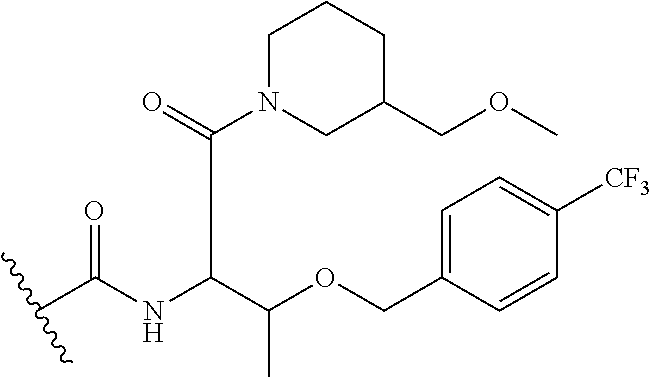 |
 |
 |
 |
 |
 |
 |
 |
 |
 |
 |
 |
 |
 |
 |
 |
 |
 |
 |
 |
 |
 |
 |
 |
 |
 |
 |
 |
 |
 |
 |
 |
 |
 |
 |
 |
 |
 |
 |
 |
 |
 |
 |
 |
 |
 |
 |
 |
 |
 |
 |
 |
 |
 |
 |
 |
 |
 |
 |
 |
 |
 |
 |
 |
 |
 |
 |
 |
 |
 |
 |
 |
 |
 |
 |
 |
 |
 |
 |
 |
 |
 |
 |
 |
 |
 |
 |
 |
 |
 |
 |
 |
 |
 |
 |
 |
 |
 |
 |
 |
 |
 |
 |
 |
 |
 |
 |
 |
 |
 |
 |
 |
 |
 |
 |
 |
 |
 |
 |
 |
 |
 |
 |
 |
 |
 |
 |
 |
 |
 |
 |
 |
 |
 |
 |
 |
 |
 |
 |

In some embodiments, L2 is

In some embodiments, L2 is

In some embodiments, L2 is

In some embodiments, L2 is selected from those depicted in the compounds of Table 1, below.
| TABLE B |
| Exemplary L2-R6 substituents |
 |
 |
 |
 |
 |
 |
 |
 |
 |
 |
 |
 |
 |
 |
 |
 |
 |
 |
 |
 |
 |
 |
 |
 |
 |
 |
 |
 |
 |
 |
 |
 |
 |
 |
 |
 |
| TABLE B-continued |
| Additional exemplary -L2-R6 substituents |
 |
 |
 |
 |
 |
 |
 |
 |
 |
 |
 |
 |
 |
 |


In some embodiments, L3 is

In some embodiments, L3 is

In some embodiments, L3 is

In some embodiments, L3 is selected from those depicted in the compounds of Table 1, below.
| TABLE C |
| Exemplary L3-R8 substituents |
 |
 |
 |
 |
 |
 |
 |
 |
 |
 |
 |
 |
 |
 |
 |
 |
 |
 |
 |
 |
 |
 |
 |
 |
 |
 |
 |
 |
 |
 |
 |
 |
 |
 |
 |
 |
 |
 |
 |
 |
 |
 |
 |
 |
 |
 |
 |
 |
 |
 |
 |
 |
 |
 |
 |
 |
 |
 |
 |
 |
 |
 |
 |
 |
| TABLE C-continued |
| Additional exemplary -L3 -R8 substituents |
 |
 |
 |
 |
 |
 |
 |


or a pharmaceutically acceptable salt thereof, wherein RA, RB, L2, R6, L3 and R8, and their constituent groups, are each as defined and described herein. In some embodiments, RA, RB, L2, R6, L3 and R8, and their constituent groups, are each as defined and described in Formula IA. In some embodiments, RA is a substituent from Table A. In some embodiments, -L2-R6 is a substituent from Table B. In some embodiments, -L3-R8 is a substituent from Table C. In some embodiments, RA is a substituent from Table A, and -L2-R6 is a substituent from Table B. In some embodiments, RA is a substituent from Table A, and -L3-R8 is a substituent from Table C. In some embodiments, -L2-R6 is a substituent from Table B, and -L3-R8 is a substituent from Table C. And in some embodiments, RA is a substituent from Table A, -L2-R6 is a substituent from Table B, and -L3-R8 is a substituent from Table C. In some embodiments, RA is a substituent from Table A-continued. In some embodiments, -L2-R6 is a substituent from Table B-continued. In some embodiments, -L3-R8 is a substituent from Table C-continued. In some embodiments, RA is a substituent from Table A-continued, and -L2-R6 is a substituent from Table B-continued. In some embodiments, RA is a substituent from Table A-continued, and -L3-R8 is a substituent from Table C-continued. In some embodiments, -L2-R6 is a substituent from Table B-continued, and -L3-R8 is a substituent from Table C-continued. And in some embodiments, RA is a substituent from Table A-continued, -L2-R6 is a substituent from Table B-continued, and -L3-R8 is a substituent from Table C-continued. In some embodiments, RA is a substituent from Table A or Table A-continued. In some embodiments, -L2-R6 is a substituent from Table B or Table B-continued. In some embodiments, -L3-R is a substituent from Table C or Table C-continued. In some embodiments, RA is a substituent from Table A or Table A-continued, and -L2-R6 is a substituent from Table B or Table B-continued. In some embodiments, RA is a substituent from Table A or Table A-continued, and -L3-R8 is a substituent from Table C or Table C-continued. In some embodiments, -L2-R6 is a substituent from Table B or Table B-continued, and -L3-R8 is a substituent from Table C or Table C-continued. And in some embodiments, RA is a substituent from Table A or Table A-continued, -L2-R6 is a substituent from Table B or Table B-continued, and -L3-R8 is a substituent from Table C or Table C-continued.

or a pharmaceutically acceptable salt thereof, wherein RA, RB, L2, R6, L3 and R8, and their constituent groups, are each as defined and described herein. In some embodiments, RA, RB, L2, R6, L3 and R8, and their constituent groups, are each as defined and described in Formula IA. In some embodiments, RA is a substituent from Table A. In some embodiments, -L2-R6 is a substituent from Table B. In some embodiments, -L3-R8 is a substituent from Table C. In some embodiments, RA is a substituent from Table A, and -L2-R6 is a substituent from Table B. In some embodiments, RA is a substituent from Table A, and -L3-R8 is a substituent from Table C. In some embodiments, -L2-R6 is a substituent from Table B, and -L3-R8 is a substituent from Table C. And in some embodiments, RA is a substituent from Table A, -L2-R6 is a substituent from Table B, and -L3-R8 is a substituent from Table C. In some embodiments, RA is a substituent from Table A-continued. In some embodiments, -L2-R6 is a substituent from Table B-continued. In some embodiments, -L3-R8 is a substituent from Table C-continued. In some embodiments, RA is a substituent from Table A-continued, and -L2-R6 is a substituent from Table B-continued. In some embodiments, RA is a substituent from Table A-continued, and -L3-R8 is a substituent from Table C-continued. In some embodiments, -L2-R6 is a substituent from Table B-continued, and -L3-R8 is a substituent from Table C-continued. And in some embodiments, RA is a substituent from Table A-continued, -L2-R6 is a substituent from Table B-continued, and -L3-R8 is a substituent from Table C-continued. In some embodiments, RA is a substituent from Table A or Table A-continued. In some embodiments, -L2-R6 is a substituent from Table B or Table B-continued. In some embodiments, -L3-R is a substituent from Table C or Table C-continued. In some embodiments, RA is a substituent from Table A or Table A-continued, and -L2-R6 is a substituent from Table B or Table B-continued. In some embodiments, RA is a substituent from Table A or Table A-continued, and -L3-R8 is a substituent from Table C or Table C-continued. In some embodiments, -L2-R6 is a substituent from Table B or Table B-continued, and -L3-R8 is a substituent from Table C or Table C-continued. And in some embodiments, RA is a substituent from Table A or Table A-continued, -L2-R6 is a substituent from Table B or Table B-continued, and -L3-R8 is a substituent from Table C or Table C-continued.

or a pharmaceutically acceptable salt thereof, wherein RA, L2, R6, L3 and R8, and their constituent groups, are each as defined and described herein. In some embodiments, RA, L2, R6, L3 and R8, and their constituent groups, are each as defined and described in Formula I. In some embodiments, RA is a substituent from Table A. In some embodiments, -L2-R6 is a substituent from Table B. In some embodiments, -L3-R8 is a substituent from Table C. In some embodiments, RA is a substituent from Table A, and -L2-R6 is a substituent from Table B. In some embodiments, RA is a substituent from Table A, and -L3-R8 is a substituent from Table C. In some embodiments, -L2-R6 is a substituent from Table B, and -L3-R8 is a substituent from Table C. And in some embodiments, RA is a substituent from Table A, -L2-R6 is a substituent from Table B, and -L3-R8 is a substituent from Table C. In some embodiments, RA is a substituent from Table A-continued. In some embodiments, -L2-R6 is a substituent from Table B-continued. In some embodiments, -L3-R8 is a substituent from Table C-continued. In some embodiments, RA is a substituent from Table A-continued, and -L2-R6 is a substituent from Table B-continued. In some embodiments, RA is a substituent from Table A-continued, and -L3-R8 is a substituent from Table C-continued. In some embodiments, -L2-R6 is a substituent from Table B-continued, and -L3-R8 is a substituent from Table C-continued. And in some embodiments, RA is a substituent from Table A-continued, -L2-R6 is a substituent from Table B-continued, and -L3-R8 is a substituent from Table C-continued. In some embodiments, RA is a substituent from Table A or Table A-continued. In some embodiments, -L2-R6 is a substituent from Table B or Table B-continued. In some embodiments, -L3-R is a substituent from Table C or Table C-continued. In some embodiments, RA is a substituent from Table A or Table A-continued, and -L2-R6 is a substituent from Table B or Table B-continued. In some embodiments, RA is a substituent from Table A or Table A-continued, and -L3-R8 is a substituent from Table C or Table C-continued. In some embodiments, -L2-R6 is a substituent from Table B or Table B-continued, and -L3-R8 is a substituent from Table C or Table C-continued. And in some embodiments, RA is a substituent from Table A or Table A-continued, -L2-R6 is a substituent from Table B or Table B-continued, and -L3-R8 is a substituent from Table C or Table C-continued.

or a pharmaceutically acceptable salt thereof, wherein L1, R1, R2, R3, L2, R6, L3 and R8, and their constituent groups, are each as defined and described herein. In some embodiments, R1 is phenyl. In some embodiments, R1 is cyclohexyl. In some embodiments, R2 is a substituent from Table R2. In some embodiments, R2 is a substituent from Table R2-continued. In some embodiments, R2 is —C(O)NR2, wherein the two R groups, taken together with the intervening nitrogen atom, form an optionally substituted 4-7 membered saturated ring (having 0-3 heteroatoms, in addition to the nitrogen, independently selected from nitrogen, oxygen, and sulfur), and R3 is hydrogen. In some embodiments, L2 is a methylene. In some embodiments, L3 is a methylene. In some embodiments, both L2 and L3 are methylene. In some embodiments, L2 is a —C(O)—. In some embodiments, L3 is a —C(O)—. In some embodiments, both L2 and L3 are —C(O)—. In some embodiments, -L2-R6 is a substituent from Table B. In some embodiments, -L2-R6 is a substituent from Table B-continued. In some embodiments, -L3-R8 is a substituent from Table C. In some embodiments, -L3-R8 is a substituent from Table C.

or a pharmaceutically acceptable salt thereof, wherein R4, R5, L2, R6, L3 and R8, and their constituent groups, are each as defined and described herein. In some embodiments, L2 is a methylene. In some embodiments, L3 is a methylene. In some embodiments, both L2 and L3 are methylene. In some embodiments, L2 is a —C(O)—. In some embodiments, L3 is a —C(O)—. In some embodiments, both L2 and L3 are —C(O)—. In some embodiments, -L2-R6 is a substituent from Table B. In some embodiments, -L2-R6 is a substituent from Table B-continued. In some embodiments, -L3-R8 is a substituent from Table C. In some embodiments, -L3-R8 is a substituent from Table C.


or a pharmaceutically acceptable salt thereof, wherein RA, L2, R6, and R9, and their constituent groups, are each as defined and described herein. In some embodiments, the thiazolyl group is not substituted with R9. In some embodiments, RA is a substituent from Table A. In some embodiments, RA is a substituent from Table A-continued. In some embodiments, -L2-R6 is a substituent from Table B. In some embodiments, -L2-R6 is a substituent from Table B-continued.

or a pharmaceutically acceptable salt thereof, wherein RA, L2, R6, and R9, and their constituent groups, are each as defined and described herein. In some embodiments, the pyrazolyl group is not substituted with R9. In some embodiments, the pyrazolyl group is substituted with one instance of R9, which is a benzyl group. In some embodiments, RA is a substituent from Table A. In some embodiments, RA is a substituent from Table A-continued. In some embodiments, -L2-R6 is a substituent from Table B. In some embodiments, -L2-R6 is a substituent from Table B-continued.

or a pharmaceutically acceptable salt thereof, wherein RA, R6, L3 and R8, and their constituent groups, are each as defined and described herein. In some embodiments, R6 is an optionally substituted cyclopropyl group. In some embodiments, RA is a substituent from Table A. In some embodiments, RA is a substituent from Table A-continued. In some embodiments, -L3-R8 is a substituent from Table C. In some embodiments, -L3-R8 is a substituent from Table C-continued.

or a pharmaceutically acceptable salt thereof, wherein RA, R6, and R8, and their constituent groups, are each as defined and described herein. In some embodiments, R6 is an optionally substituted cyclopropyl group.

or a pharmaceutically acceptable salt thereof, wherein L, R1, R2, R3, R6, and R8, and their constituent groups, are each as defined and described herein. In some embodiments, R1 is phenyl. In some embodiments, R1 is cyclohexyl. In some embodiments, R2 is a substituent from Table R2 or Table R2-continued. In some embodiments, R2 is —C(O)NR2, wherein the two R groups, taken together with the intervening nitrogen atom, form an optionally substituted 4-7 membered saturated ring (having 0-3 heteroatoms, in addition to the nitrogen, independently selected from nitrogen, oxygen, and sulfur), and R3 is hydrogen. In some embodiments, R6 is an optionally substituted cyclopropyl group.

or a pharmaceutically acceptable salt thereof, wherein L1, R1, R2, R3, R6, and R9, and their constituent groups, are each as defined and described herein. In some embodiments, R1 is phenyl. In some embodiments, R1 is cyclohexyl. In some embodiments, L1 is an optionally substituted straight or branched C1-4 alkylene chain, wherein 1-2 methylene units of L1 are independently replaced by —O—, —NR—, —C(O)O—, or —NRC(O)—. In some embodiments, R2 is a substituent from Table R2 or Table R2-continued. In some embodiments, R2 is —C(O)NR2, wherein the two R groups, taken together with the intervening nitrogen atom, form an optionally substituted 4-7 membered saturated ring (having 0-3 heteroatoms, in addition to the nitrogen, independently selected from nitrogen, oxygen, and sulfur), and R3 is hydrogen. In some embodiments, R6 is an optionally substituted cyclopropyl group. In some embodiments, the thiazolyl group is not substituted with R7.

or a pharmaceutically acceptable salt thereof, wherein L1, R1, R2, R3, R6, and R9, and their constituent groups, are each as defined and described herein. In some embodiments, R1 is phenyl. In some embodiments, R1 is cyclohexyl. In some embodiments, L1 is an optionally substituted straight or branched C1-4 alkylene chain, wherein 1-2 methylene units of L1 are independently replaced by —O—, —NR—, —C(O)O—, or —NRC(O)—. In some embodiments, R2 is a substituent from Table R2 or Table R2-continued. In some embodiments, R2 is —C(O)NR2, wherein the two R groups, taken together with the intervening nitrogen atom, form an optionally substituted 4-7 membered saturated ring (having 0-3 heteroatoms, in addition to the nitrogen, independently selected from nitrogen, oxygen, and sulfur), and R3 is hydrogen. In some embodiments, R6 is an optionally substituted cyclopropyl group. In some embodiments, the pyrazolyl group is not substituted with R9. In some embodiments, the pyrazolyl group is substituted with one instance of R9, which is a benzyl group.

or a pharmaceutically acceptable salt thereof, wherein R4, R5, R6, and R8, and their constituent groups, are each as defined and described herein. In some embodiments, R6 is an optionally substituted cyclopropyl group.

or a pharmaceutically acceptable salt thereof, wherein R4, R5, R6, and R9, and their constituent groups, are each as defined and described herein. In some embodiments, R6 is an optionally substituted cyclopropyl group. In some embodiments, the thiazolyl group is not substituted with R9.

or a pharmaceutically acceptable salt thereof, wherein R4, R5, R6, and R9, and their constituent groups, are each as defined and described herein. In some embodiments, R6 is an optionally substituted cyclopropyl group. In some embodiments, the pyrazolyl group is not substituted with R9. In some embodiments, the pyrazolyl group is substituted with one instance of R9, which is a benzyl group.

or a pharmaceutically acceptable salt thereof, wherein L1, R1, R2, R6, and R8, and their constituent groups, are each as defined and described herein. In some embodiments, R1 is phenyl. In some embodiments, R1 is cyclohexyl. In some embodiments, L1 is an optionally substituted straight or branched C1-4 alkylene chain, wherein 1-2 methylene units of L1 are independently replaced by —O—, —NR—, —C(O)O—, or —NRC(O)—. In some embodiments, R6 is an optionally substituted cyclopropyl group.

or a pharmaceutically acceptable salt thereof, wherein L1, R1, R2, R6, and R9, and their constituent groups, are each as defined and described herein. In some embodiments, R1 is phenyl. In some embodiments, R1 is cyclohexyl. In some embodiments, L1 is an optionally substituted straight or branched C1-4 alkylene chain, wherein 1-2 methylene units of L1 are independently replaced by —O—, —NR—, —C(O)O—, or —NRC(O)—. In some embodiments, R6 is an optionally substituted cyclopropyl group. In some embodiments, the thiazolyl group is not substituted with R9.

or a pharmaceutically acceptable salt thereof, wherein L1, R1, R2, R6, and R9, and their constituent groups, are each as defined and described herein. In some embodiments, R1 is phenyl. In some embodiments, R1 is cyclohexyl. In some embodiments, L1 is an optionally substituted straight or branched C1-4 alkylene chain, wherein 1-2 methylene units of L1 are independently replaced by —O—, —NR—, —C(O)O—, or —NRC(O)—. In some embodiments, R6 is an optionally substituted cyclopropyl group. In some embodiments, the pyrazolyl group is not substituted with R9. In some embodiments, the pyrazolyl group is substituted with one instance of R9, which is a benzyl group.

or a pharmaceutically acceptable salt thereof, wherein L1, R1, R6, and R8, and their constituent groups, are each as defined and described herein, and cyclic moiety Z is an optionally substituted cyclic group formed from two R groups, as defined and described herein. In some embodiments, R1 is phenyl. In some embodiments, R1 is cyclohexyl. In some embodiments, L1 is an optionally substituted straight or branched C1-4 alkylene chain, wherein 1-2 methylene units of L1 are independently replaced by —O—, —NR—, —C(O)O—, or —NRC(O)—. In some embodiments, R6 is an optionally substituted cyclopropyl group. In some embodiments, Z is an optionally substituted cyclic group selected from piperidinyl, morpholinyl, piperazinyl, azetindinyl, pyrrolidinyl, azaspiro[3.3]heptanyl, and diazaspiro[3.3]heptanyl.

or a pharmaceutically acceptable salt thereof, wherein L1, R1, and R9, and their constituent groups, are each as defined and described herein, and cyclic moiety Z is an optionally substituted cyclic group formed from two R groups, as defined and described herein. In some embodiments, R1 is phenyl. In some embodiments, R1 is cyclohexyl. In some embodiments, L1 is an optionally substituted straight or branched C1-4 alkylene chain, wherein 1-2 methylene units of L1 are independently replaced by —O—, —NR—, —C(O)O—, or —NRC(O)—. In some embodiments, R6 is an optionally substituted cyclopropyl group. In some embodiments, the thiazolyl group is not substituted with R9. In some embodiments, Z is an optionally substituted cyclic group selected from piperidinyl, morpholinyl, piperazinyl, azetindinyl, pyrrolidinyl, azaspiro[3.3]heptanyl, and diazaspiro[3.3]heptanyl.

or a pharmaceutically acceptable salt thereof, wherein L1, R1, R6, and R9, and their constituent groups, are each as defined and described herein, and cyclic moiety Z is an optionally substituted cyclic group formed from two R groups, as defined and described herein. In some embodiments, R1 is phenyl. In some embodiments, R1 is cyclohexyl. In some embodiments, L is an optionally substituted straight or branched C1-4 alkylene chain, wherein 1-2 methylene units of L1 are independently replaced by —O—, —NR—, —C(O)O—, or —NRC(O)—. In some embodiments, R6 is an optionally substituted cyclopropyl group. In some embodiments, the pyrazolyl group is not substituted with R9. In some embodiments, the pyrazolyl group is substituted with one instance of R9, which is a benzyl group. In some embodiments, Z is an optionally substituted cyclic group selected from piperidinyl, morpholinyl, piperazinyl, azetindinyl, pyrrolidinyl, azaspiro[3.3]heptanyl, and diazaspiro[3.3]heptanyl.

or a pharmaceutically acceptable salt thereof, wherein R1 and R8, and their constituent groups, are each as defined and described herein, and cyclic moiety Z is an optionally substituted cyclic group formed from two R groups, as defined and described herein. In some embodiments, R1 is phenyl. In some embodiments, R1 is cyclohexyl. In some embodiments, Z is an optionally substituted cyclic group selected from piperidinyl, morpholinyl, piperazinyl, azetindinyl, pyrrolidinyl, azaspiro[3.3]heptanyl, and diazaspiro[3.3]heptanyl.

or a pharmaceutically acceptable salt thereof, wherein R1 and R8, and their constituent groups, are each as defined and described herein, and cyclic moiety Z is an optionally substituted cyclic group formed from two R groups, as defined and described herein. In some embodiments, R1 is phenyl. In some embodiments, R1 is cyclohexyl. In some embodiments, Z is an optionally substituted cyclic group selected from piperidinyl, morpholinyl, piperazinyl, azetindinyl, pyrrolidinyl, azaspiro[3.3]heptanyl, and diazaspiro[3.3]heptanyl.

or a pharmaceutically acceptable salt thereof, wherein R1 and R8, and their constituent groups, are each as defined and described herein, and cyclic moiety Z is an optionally substituted cyclic group formed from two R groups, as defined and described herein. In some embodiments, R1 is phenyl. In some embodiments, R1 is cyclohexyl. In some embodiments, Z is an optionally substituted cyclic group selected from piperidinyl, morpholinyl, piperazinyl, azetindinyl, pyrrolidinyl, azaspiro[3.3]heptanyl, and diazaspiro[3.3]heptanyl.

or a pharmaceutically acceptable salt thereof, wherein R1 and R9, and their constituent groups, are each as defined and described herein, and cyclic moiety Z is an optionally substituted cyclic group formed from two R groups, as defined and described herein. In some embodiments, R1 is phenyl. In some embodiments, R1 is cyclohexyl. In some embodiments, the thiazolyl group is not substituted with R9. In some embodiments, the thiazolyl group is substituted with one instance of R9, which is a benzyl group. In some embodiments, Z is an optionally substituted cyclic group selected from piperidinyl, morpholinyl, piperazinyl, azetindinyl, pyrrolidinyl, azaspiro[3.3]heptanyl, and diazaspiro[3.3]heptanyl.

or a pharmaceutically acceptable salt thereof, wherein R1 and R9, and their constituent groups, are each as defined and described herein, and cyclic moiety Z is an optionally substituted cyclic group formed from two R groups, as defined and described herein. In some embodiments, R1 is phenyl. In some embodiments, R1 is cyclohexyl. In some embodiments, the thiazolyl group is not substituted with R9. In some embodiments, the thiazolyl group is substituted with one instance of R9, which is a benzyl group. In some embodiments, Z is an optionally substituted cyclic group selected from piperidinyl, morpholinyl, piperazinyl, azetindinyl, pyrrolidinyl, azaspiro[3.3]heptanyl, and diazaspiro[3.3]heptanyl.

or a pharmaceutically acceptable salt thereof, wherein R1 and R9, and their constituent groups, are each as defined and described herein, and cyclic moiety Z is an optionally substituted cyclic group formed from two R groups, as defined and described herein. In some embodiments, R1 is phenyl. In some embodiments, R1 is cyclohexyl. In some embodiments, the thiazolyl group is not substituted with R9. In some embodiments, the thiazolyl group is substituted with one instance of R9, which is a benzyl group. In some embodiments, Z is an optionally substituted cyclic group selected from piperidinyl, morpholinyl, piperazinyl, azetindinyl, pyrrolidinyl, azaspiro[3.3]heptanyl, and diazaspiro[3.3]heptanyl.

or a pharmaceutically acceptable salt thereof, wherein R1 and R9, and their constituent groups, are each as defined and described herein, and cyclic moiety Z is an optionally substituted cyclic group formed from two R groups, as defined and described herein. In some embodiments, R1 is phenyl. In some embodiments, R1 is cyclohexyl. In some embodiments, the pyrazolyl group is not substituted with R9. In some embodiments, the pyrazolyl group is substituted with one instance of R9, which is a benzyl group. In some embodiments, Z is an optionally substituted cyclic group selected from piperidinyl, morpholinyl, piperazinyl, azetindinyl, pyrrolidinyl, azaspiro[3.3]heptanyl, and diazaspiro[3.3]heptanyl.

or a pharmaceutically acceptable salt thereof, wherein R1 and R9, and their constituent groups, are each as defined and described herein, and cyclic moiety Z is an optionally substituted cyclic group formed from two R groups, as defined and described herein. In some embodiments, R1 is phenyl. In some embodiments, R1 is cyclohexyl. In some embodiments, the pyrazolyl group is not substituted with R9. In some embodiments, the pyrazolyl group is substituted with one instance of R9, which is a benzyl group. In some embodiments, Z is an optionally substituted cyclic group selected from piperidinyl, morpholinyl, piperazinyl, azetindinyl, pyrrolidinyl, azaspiro[3.3]heptanyl, and diazaspiro[3.3]heptanyl.

or a pharmaceutically acceptable salt thereof, wherein R1 and R9, and their constituent groups, are each as defined and described herein, and cyclic moiety Z is an optionally substituted cyclic group formed from two R groups, as defined and described herein. In some embodiments, R1 is phenyl. In some embodiments, R1 is cyclohexyl. In some embodiments, the pyrazolyl group is not substituted with R9. In some embodiments, the pyrazolyl group is substituted with one instance of R9, which is a benzyl group. In some embodiments, Z is an optionally substituted cyclic group selected from piperidinyl, morpholinyl, piperazinyl, azetindinyl, pyrrolidinyl, azaspiro[3.3]heptanyl, and diazaspiro[3.3]heptanyl.

or a pharmaceutically acceptable salt thereof, wherein R1, R6, and R8, and their constituent groups, are each as defined and described herein. In some embodiments, R1 is phenyl. In some embodiments, R1 is cyclohexyl. In some embodiments, R6 is an optionally substituted cyclopropyl group.

or a pharmaceutically acceptable salt thereof, wherein R1, R6, and R8, and their constituent groups, are each as defined and described herein. In some embodiments, R1 is phenyl. In some embodiments, R1 is cyclohexyl. In some embodiments, R6 is an optionally substituted cyclopropyl group.

or a pharmaceutically acceptable salt thereof, wherein Z, R1, R6, and R8, and their constituent groups, are each as defined and described herein. In some embodiments, R1 is phenyl. In some embodiments, R1 is cyclohexyl. In some embodiments, R6 is an optionally substituted cyclopropyl group. In some embodiments, Z is an optionally substituted cyclic group selected from piperidinyl, morpholinyl, piperazinyl, azetindinyl, pyrrolidinyl, azaspiro[3.3]heptanyl, and diazaspiro[3.3]heptanyl.

or a pharmaceutically acceptable salt thereof, wherein RB, R1, R6, and R8, and their constituent groups, are each as defined and described herein. In some embodiments, R1 is phenyl. In some embodiments, R1 is cyclohexyl. In some embodiments, R6 is an optionally substituted cyclopropyl group.

or a pharmaceutically acceptable salt thereof, wherein RB, R1, R6, and R, and their constituent groups, are each as defined and described herein. In some embodiments, R1 is phenyl. In some embodiments, R1 is cyclohexyl. In some embodiments, R6 is an optionally substituted cyclopropyl group.

or a pharmaceutically acceptable salt thereof, wherein Z, RB, R1, R6, and R8, and their constituent groups, are each as defined and described herein. In some embodiments, R1 is phenyl. In some embodiments, R1 is cyclohexyl. In some embodiments, R6 is an optionally substituted cyclopropyl group. In some embodiments, Z is an optionally substituted cyclic group selected from piperidinyl, morpholinyl, piperazinyl, azetindinyl, pyrrolidinyl, azaspiro[3.3]heptanyl, and diazaspiro[3.3]heptanyl.
| TABLE 1 |
| Exemplary Compounds |
| Cmpd # | Structure |
| I-1 |
 |
| I-2 |
 |
| I-3 |
 |
| (A) | |
 |
|
| (B) | |
| I-4 |
 |
| (A) | |
 |
|
| (B) | |
| I-5 |
 |
| (A) | |
 |
|
| (B) | |
| I-6 |
 |
| I-7 |
 |
| I-8 |
 |
| (A) | |
 |
|
| (B) | |
| I-9 |
 |
| I-10 |
 |
| I-11 |
 |
| I-12 |
 |
| Mixture | |
 |
|
| (A) | |
 |
|
| (B) | |
| I-13 |
 |
| I-14 |
 |
| I-15 |
 |
| I-16 |
 |
| (A) | |
 |
|
| (B) | |
| I-17 |
 |
| (A) | |
 |
|
| (B) | |
| I-18 |
 |
| I-19 |
 |
| (A) | |
 |
|
| (B) | |
| I-20 |
 |
| I-21 |
 |
| I-22 |
 |
| I-23 |
 |
| (A) | |
 |
|
| (B) | |
| I-24 |
 |
| (A) | |
 |
|
| (B) | |
| I-25 |
 |
| (A) | |
 |
|
| (B) | |
| I-26 |
 |
| (A) | |
 |
|
| (B) | |
| I-27 |
 |
| (A) | |
 |
|
| (B) | |
| I-28 |
 |
| I-29 |
 |
| I-30 |
 |
| I-31 |
 |
| I-32 |
 |
| I-33 |
 |
| (A) | |
 |
|
| (B) | |
| I-34 |
 |
| (A) | |
 |
|
| (B) | |
| I-35 |
 |
| I-36 |
 |
| (A) | |
 |
|
| (B) | |
| I-37 |
 |
| (A) | |
 |
|
| (B) | |
| I-38 |
 |
| (A) | |
 |
|
| (B) | |
| I-39 |
 |
| (A) | |
 |
|
| (B) | |
| I-40 |
 |
| (A) | |
 |
|
| (B) | |
| I-41 |
 |
| (A) | |
 |
|
| (B) | |
| I-42 |
 |
| (A) | |
 |
|
| (B) | |
| I-43 |
 |
| (A) | |
 |
|
| (B) | |
| I-44 |
 |
| (A) | |
 |
|
| (B) | |
| I-45 |
 |
| (A) | |
 |
|
| (B) | |
| I-46 |
 |
| (A) | |
 |
|
| (B) | |
| I-47 |
 |
| (A) | |
 |
|
| (B) | |
| I-48 |
 |
| (A) | |
 |
|
| (B) | |
| I-49 |
 |
| (A) | |
 |
|
| (B) | |
| I-50 |
 |
| (A) | |
 |
|
| (B) | |
| I-51 |
 |
| (A) | |
 |
|
| (B) | |
| I-52 |
 |
| I-53 |
 |
| (A) | |
 |
|
| (B) | |
| I-54 |
 |
| (A) | |
 |
|
| (B) | |
| I-55 |
 |
| (A) | |
 |
|
| (B) | |
| I-56 |
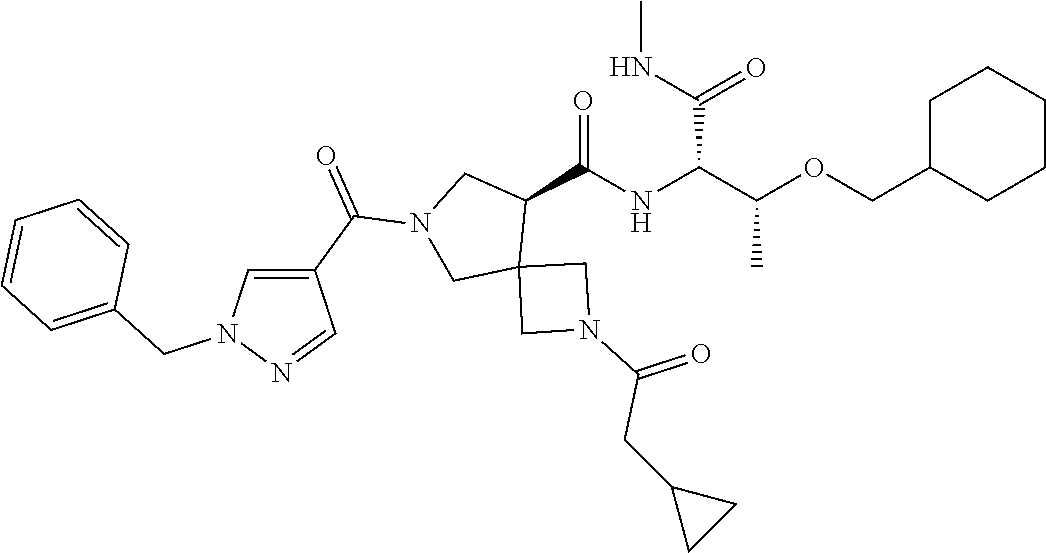 |
| (A) | |
 |
|
| (B) | |
| I-57 |
 |
| I-58 |
 |
| (A) | |
 |
|
| (B) | |
| I-59 |
 |
| (A) | |
 |
|
| (B) | |
| I-60 |
 |
| (A) | |
 |
|
| (B) | |
| I-61 |
 |
| (A) | |
 |
|
| (B) | |
| I-62 |
 |
| (A) | |
 |
|
| (B) | |
| I-63 |
 |
| (A) | |
 |
|
| (B) | |
| I-64 |
 |
| I-65 |
 |
| (A) | |
 |
|
| (B) | |
| I-66 |
 |
| (A) | |
 |
|
| (B) | |
| I-67 |
 |
| (A) | |
 |
|
| (B) | |
| I-68 |
 |
| (A) | |
 |
|
| (B) | |
| I-69 |
 |
| (A) | |
 |
|
| (B) | |
| I-70 |
 |
| (A) | |
 |
|
| (B) | |
| I-71 |
 |
| (A) | |
 |
|
| (B) | |
| I-72 |
 |
| (A) | |
 |
|
| (B) | |
| I-73 |
 |
| (A) | |
 |
|
| (B) | |
| I-74 |
 |
| (A) | |
 |
|
| (B) | |
| I-75 |
 |
| (A) | |
 |
|
| (B) | |
| I-76 |
 |
| (A) | |
 |
|
| (B) | |
| I-77 |
 |
| (A) | |
 |
|
| (B) | |
| I-78 |
 |
| (A) | |
 |
|
| (B) | |
| I-79 |
 |
| (A) | |
 |
|
| (B) | |
| I-80 |
 |
| (A) | |
 |
|
| (B) | |
| I-81 |
 |
| (A) | |
 |
|
| (B) | |
| I-82 |
 |
| (A) | |
 |
|
| (B) | |
| I-83 |
 |
| (A) | |
 |
|
| (B) | |
| I-84 |
 |
| (A) | |
 |
|
| (B) | |
| I-85 |
 |
| I-86 |
 |
| I-87 |
 |
| (A) | |
 |
|
| (B) | |
| I-88 |
 |
| Mixture | |
 |
|
| (A) | |
 |
|
| (B) | |
| I-89 |
 |
| (A) | |
 |
|
| (B) | |
| I-90 |
 |
| (A) | |
 |
|
| (B) | |
| I-91 |
 |
| (A) | |
 |
|
| (B) | |
| I-92 |
 |
| (A) | |
 |
|
| (B) | |
| I-93 |
 |
| I-94 |
 |
| (A) | |
 |
|
| (B) | |
| I-95 |
 |
| (A) | |
 |
|
| (B) | |
| I-96 |
 |
| (A) | |
 |
|
| (B) | |
| I-97 |
 |
| I-98 |
 |
| I-99 |
 |
| I-100 |
 |
| (A) | |
 |
|
| (B) | |
| I-101 |
 |
| (A) | |
 |
|
| (B) | |
| I-102 |
 |
| (A) | |
 |
|
| (B) | |
| I-103 |
 |
| (A) | |
 |
|
| (B) | |
| I-104 |
 |
| I-105 |
 |
| I-106 |
 |
| I-107 |
 |
| I-108 |
 |
| (A) | |
 |
|
| (B) | |
| I-109 |
 |
| (A) | |
 |
|
| (B) | |
| I-110 |
 |
| (A) | |
 |
|
| (B) | |
| I-111 |
 |
| I-112 |
 |
| (A) | |
 |
|
| (B) | |
| I-113 |
 |
| (A) | |
 |
|
| (B) | |
| I-114 |
 |
| (A) | |
 |
|
| (B) | |
| I-115 |
 |
| I-116 |
 |
| (A) | |
 |
|
| (B) | |
| I-117 |
 |
| (A) | |
 |
|
| (B) | |
| I-118 |
 |
| I-119 |
 |
| (A) | |
 |
|
| (B) | |
| I-120 |
 |
| (A) | |
 |
|
| (B) | |
| I-121 |
 |
| (A) | |
 |
|
| (B) | |
| I-122 |
 |
| (A) | |
 |
|
| (B) | |
| I-123 |
 |
| (A) | |
 |
|
| (B) | |
| I-124 |
 |
| I-125 |
 |
| (A) | |
 |
|
| (B) | |
| I-126 |
 |
| (A) | |
 |
|
| (B) | |
| I-127 |
 |
| (A) | |
 |
|
| (B) | |
| I-128 |
 |
| (A) | |
 |
|
| (B) | |
| I-129 |
 |
| (A) | |
 |
|
| (B) | |
| I-130 |
 |
| (A) | |
 |
|
| (B) | |
| I-131 |
 |
| (A) | |
 |
|
| (B) | |
| I-132 |
 |
| I-133 |
 |
| (A) | |
 |
|
| (B) | |
| I-134 |
 |
| (A) | |
 |
|
| (B) | |
| I-135 |
 |
| (A) | |
 |
|
| (B) | |
| I-136 |
 |
| (A) | |
 |
|
| (B) | |
| I-137 |
 |
| (A) | |
| I- |
 |
| (B) | |
| I-138 |
 |
| I-139 |
 |
| I-140 |
 |
| (A) | |
 |
|
| (B) | |
| I-141 |
 |
| (A) | |
 |
|
| (B) | |
| I-142 |
 |
| (A) | |
 |
|
| (B) | |
| I-143 |
 |
| I-144 |
 |
| (A) | |
 |
|
| (B) | |
| I-145 |
 |
| (A) | |
 |
|
| (B) | |
| I-146 |
 |
| I-147 |
 |
| I-148 |
 |
| (A) | |
 |
|
| (B) | |
| I-149 |
 |
| Mixture | |
 |
|
| (A) | |
 |
|
| (B) | |
| I-150 |
 |
| Mixture | |
 |
|
| (A) | |
 |
|
| (B) | |
| I-151 |
 |
| (A) | |
 |
|
| (B) | |
| I-152 |
 |
| Mixture | |
 |
|
| (A) | |
 |
|
| (B) | |
| I-153 |
 |
| Mixture | |
 |
|
| (A) | |
 |
|
| (B) | |
| I-154 |
 |
| (A) | |
 |
|
| (B) | |
| I-155 |
 |
| (A) | |
 |
|
| (B) | |
| I-156 |
 |
| (A) | |
 |
|
| (B) | |
| I-157 |
 |
| (A) | |
 |
|
| (B) | |
| I-158 |
 |
| (A) | |
 |
|
| (B) | |
| I-159 |
 |
| I-160 |
 |
| (A) | |
 |
|
| (B) | |
| I-161 |
 |
| (A) | |
 |
|
| (B) | |
| I-162 |
 |
| (A) | |
 |
|
| (B) | |
| I-163 |
 |
| (A) | |
 |
|
| (B) | |
| I-164 |
 |
| (A) | |
 |
|
| (B) | |
| I-165 |
 |
| I-166 |
 |
| (A) | |
 |
|
| (B) | |
| I-167 |
 |
| I-168 |
 |
| I-169 |
 |
| I-170 |
 |
| I-171 |
 |
| (A) | |
 |
|
| (B) | |
| I-172 |
 |
| I-173 |
 |
| Mixture | |
 |
|
| (A) | |
 |
|
| (B) | |
| I-174 |
 |
| (A) | |
 |
|
| (B) | |
| I-175 |
 |
| (A) | |
 |
|
| (B) | |
| I-176 |
 |
| (A) | |
 |
|
| (B) | |
| I-177 |
 |
| (A) | |
 |
|
| (B) | |
| I-178 |
 |
| (A) | |
 |
|
| (B) | |
| I-179 |
 |
| I-180 |
 |
| I-181 |
 |
| I-182 |
 |
| I-183 |
 |
| I-184 |
 |
| I-185 |
 |
| (A) | |
 |
|
| (B) | |
| I-186 |
 |
| (A) | |
 |
|
| (B) | |
| I-187 |
 |
| (A) | |
 |
|
| (B) | |
| I-188 |
 |
| (A) | |
 |
|
| (B) | |
| I-189 |
 |
| (A) | |
 |
|
| (B) | |
| I-190 |
 |
| (A) | |
 |
|
| (B) | |
| I-191 |
 |
| (A) | |
 |
|
| (B) | |
| I-192 |
 |
| Mixture | |
 |
|
| (A) | |
 |
|
| (B) | |
| I-193 |
 |
| I-194 |
 |
| Mixture | |
 |
|
| (A) | |
 |
|
| (B) | |
| I-195 |
 |
| I-196 |
 |
| Mixture | |
 |
|
| (A) | |
 |
|
| (B) | |
| I-197 |
 |
| I-198 |
 |
| I-199 |
 |
| I-200 |
 |
| I-201 |
 |
| (A) | |
 |
|
| (B) | |
| I-202 |
 |
| I-203 |
 |
| I-204 |
 |
| I-205 |
 |
| (A) | |
 |
|
| (B) | |
| I-206 |
 |
| I-207 |
 |
| I-208 |
 |
| (A) | |
 |
|
| (B) | |
| I-209 |
 |
| (A) | |
 |
|
| (B) | |
| I-210 |
 |
| I-211 |
 |
| I-212 |
 |
| I-213 |
 |
 |
|
| I-214 |
 |
| I-215 |
 |
| I-216 |
 |
| I-217 |
 |
| I-218 |
 |
| I-219 |
 |
| I-220 |
 |
| I-221 |
 |
| I-223 |
 |
 |
|
| I-224 |
 |
 |
|
| I-225 |
 |
| I-226 |
 |
| I-227 |
 |
 |
|
| I-228 |
 |
 |
|
| I-229 |
 |
 |
|
| I-230 |
 |
| I-231 |
 |
 |
|
| I-232 |
 |
 |
|
| I-233 |
 |
| I-234 |
 |
| I-235 |
 |
| I-236 |
 |
| I-237 |
 |
| I-238 |
 |
| I-239 |
 |
| I-240 |
 |
| I-241 |
 |
| I-242 |
 |
| I-243 |
 |
| I-244 |
 |
| I-245 |
 |
| I-246 |
 |
| I-247 |
 |
| I-248 |
 |
| I-249 |
 |
| I-250 |
 |
| I-251 |
 |
| I-252 |
 |
| I-253 |
 |
| I-254 |
 |
| I-255 |
 |
| I-256 |
 |
| I-257 |
 |
| I-258 |
 |
| I-259 |
 |
| I-260 |
 |
| I-261 |
 |
| I-262 |
 |
| I-263 |
 |
| I-264 |
 |
| I-265 |
 |
| I-266 |
 |
| I-267 |
 |
| I-268 |
 |
| I-269 |
 |
| I-270 |
 |
| I-271 |
 |
| I-272 |
 |
| I-273 |
 |
| I-274 |
 |
| I-275 |
 |
| I-276 |
 |
| I-277 |
 |
| I-278 |
 |
| I-279 |
 |
| I-280 |
 |
| I-281 |
 |
| I-282 |
 |
| I-283 |
 |
| I-284 |
 |
| I-285 |
 |
| I-286 |
 |
| I-287 |
 |
| I-288 |
 |
| I-289 |
 |
| I-290 |
 |
| I-291 |
 |
| I-292 |
 |
| I-293 |
 |
| I-294 |
 |
| I-295 |
 |
| I-296 |
 |
| I-297 |
 |
| I-298 |
 |
| I-299 |
 |
| I-300 |
 |
| I-301 |
 |
| I-302 |
 |
| I-303 |
 |
| I-304 |
 |
| I-305 |
 |
| I-306 |
 |
| I-307 |
 |
| I-308 |
 |
| I-309 |
 |
| I-310 |
 |
| I-311 |
 |
| I-312 |
 |
| I-313 |
 |
| I-314 |
 |
| I-315 |
 |
| I-316 |
 |
| I-317 |
 |
| I-318 |
 |
| I-319 |
 |
| I-320 |
 |
| I-321 |
 |
| I-322 |
 |
| I-323 |
 |
| I-324 |
 |
| I-325 |
 |
| I-326 |
 |
| I-327 |
 |
| I-328 |
 |
| I-329 |
 |
| I-330 |
 |
| I-331 |
 |
| I-332 |
 |
| I-333 |
 |
| I-334 |
 |
| I-335 |
 |
| I-336 |
 |
| I-337 |
 |
| I-338 |
 |
| I-339 |
 |
| I-340 |
 |
| I-341 |
 |
| I-342 |
 |
| I-343 |
 |
| I-344 |
 |
| I-345 |
 |
| I-346 |
 |
| I-347 |
 |
| I-348 |
 |
| I-349 |
 |
| I-350 |
 |
| I-351 |
 |
| I-352 |
 |
| I-353 |
 |
| I-354 |
 |
| I-355 |
 |
| I-356 |
 |
| I-357 |
 |
| I-358 |
 |
| I-359 |
 |
| I-360 |
 |
| I-361 |
 |
| I-362 |
 |
| I-363 |
 |
| I-364 |
 |
| I-365 |
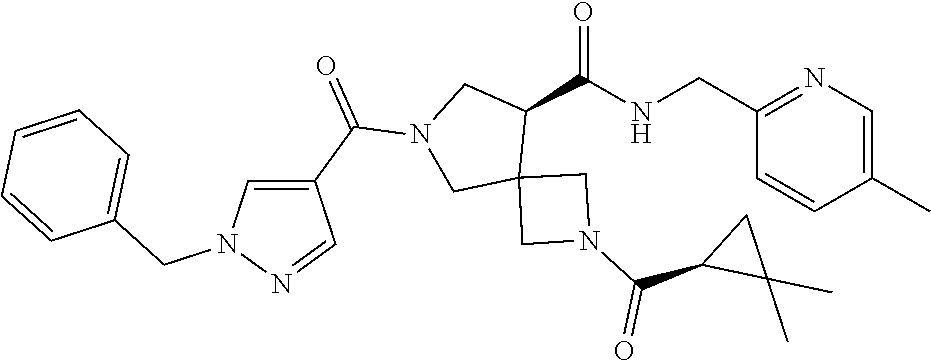 |
| I-366 |
 |
| I-367 |
 |
| I-368 |
 |
| I-369 |
 |
| I-370 |
 |
| I-371 |
 |
| I-372 |
 |
| I-373 |
 |
| I-374 |
 |
| I-375 |
 |
| I-376 |
 |
| I-377 |
 |
| I-378 |
 |
| I-379 |
 |
| I-380 |
 |
| I-381 |
 |
| I-382 |
 |
| I-383 |
 |
| I-384 |
 |
| I-385 |
 |
| I-386 |
 |
| I-387 |
 |
| I-388 |
 |
| I-389 |
 |
| I-390 |
 |
| I-391 |
 |
| I-392 |
 |
| I-393 |
 |
| I-394 |
 |
| I-395 |
 |
| I-396 |
 |
| I-397 |
 |
| I-398 |
 |
| I-399 |
 |
| I-400 |
 |
| I-401 |
 |
| I-402 |
 |
| I-403 |
 |
| I-404 |
 |
| I-405 |
 |
| I-406 |
 |
| I-407 |
 |
| I-408 |
 |
| I-409 |
 |
| I-410 |
 |
| I-411 |
 |
| I-412 |
 |
| I-413 |
 |
| I-414 |
 |
| I-415 |
 |
| I-416 |
 |
| I-417 |
 |
| I-418 |
 |
| I-419 |
 |
| I-420 |
 |
| I-421 |
 |
| I-422 |
 |
| I-423 |
 |
| I-424 |
 |
| I-425 |
 |
| I-426 |
 |
| I-427 |
 |
| I-428 |
 |
| I-429 |
 |
| I-430 |
 |
| I-431 |
 |
| I-432 |
 |
| I-433 |
 |
| I-434 |
 |
| I-435 |
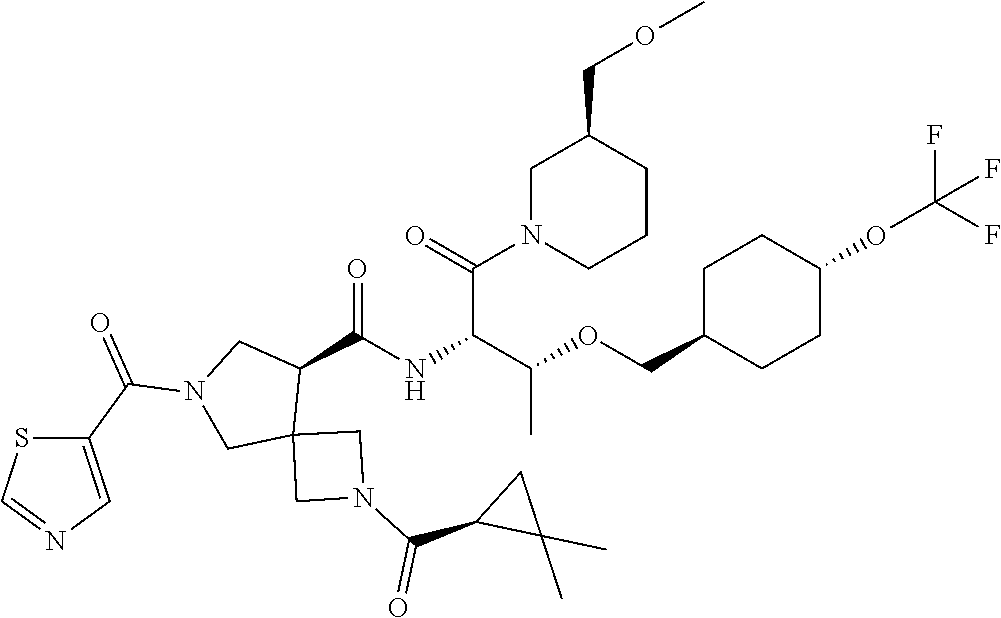 |
| I-436 |
 |
| I-437 |
 |
| I-438 |
 |
| I-439 |
 |
| I-440 |
 |
| I-441 |
 |
| I-442 |
 |
| I-443 |
 |
| I-444 |
 |
| I-445 |
 |
| I-446 |
 |
| I-447 |
 |
| I-448 |
 |
| I-449 |
 |
| I-450 |
 |
| I-451 |
 |
| I-452 |
 |
| I-453 |
 |
| I-454 |
 |
| I-455 |
 |
| I-456 |
 |
| I-457 |
 |
| I-458 |
 |
| I-459 |
 |
| I-460 |
 |
| I-461 |
 |
| I-462 |
 |
| I-463 |
 |
| I-464 |
 |
| I-465 |
 |
| I-466 |
 |
| I-467 |
 |
| I-468 |
 |
| I-469 |
 |
| I-470 |
 |
| I-471 |
 |
| I-472 |
 |
| I-473 |
 |
| I-474 |
 |
| I-475 |
 |
| I-476 |
 |
| I-477 |
 |
| I-478 |
 |
| I-479 |
 |
| I-480 |
 |
| I-481 |
 |
| I-482 |
 |
| I-483 |
 |
| I-484 |
 |
| I-485 |
 |
| I-486 |
 |
| I-487 |
 |
| I-488 |
 |
| I-489 |
 |
| I-490 |
 |
| I-491 |
 |
| I-492 |
 |
| I-493 |
 |
| I-494 |
 |
| I-495 |
 |
| I-496 |
 |
| I-497 |
 |
| I-498 |
 |
| I-499 |
 |
 |
|
| I-500 |
 |
| I-501 |
 |


| Compound | Characterization |
 |
LCMS m/z = 223.1 [M + H]+; 1H NMR (400 MHz, DMSO-d6) δ 8.73 (q, J = 4.6 Hz, 1H), 8.31 (d, J = 5.4 Hz, 2H), 7.37-7.26 (m, 5H), 4.59-4.47 (m, 2H), 3.90-3.77 (m, 2H), 2.65 (d, J = 4.6 Hz, 3H), 1.19 (d, J = 6.2 Hz, 3H). |
 |
1HNMR (400 MHz, CD3OD): δ 7.31-7.37 (m, 5H), 4.68 (d, J = 12.0 Hz, 1H), 4.49- 4.53 (m, 2H); 3.90-3.92 (m, 1H), 3.83-3.86 (m, 1H), 3.60-3.63 (m, 1H), 3.46-3.52 (m, 1H), 3.39-3.42 (m, 1H), 1.81-1.95 (m, 4H), 1.36 (d, J = 6.4 Hz, 3H). |
 |
207.00 [M + H]+ |
 |
225.1 [M + H]+ |

| Compound | Characterization |
 |
224.1 [M + H]+ |
 |
224.1 [M + H]+ |
 |
224.1 [M + H]+ |
 |
227.1 [M + H]+ |
 |
301.1 [M + H]+ |
 |
248.0 [M + H]+ |
 |
LCMS not recorded |
 |
LCMS not recorded |
 |
LCMS not recorded |
 |
LCMS not recorded |
 |
LCMS not recorded |
 |
LCMS not recorded |
 |
253.1 [M + H]+ |

| Compound | Characterization |
 |
432.2 [M + H]+ |
 |
432.2 [M + H]+ |
 |
283.2 [M + H]+ |
 |
285.2 [M + H]+ |
 |
269.2 [M + H]+ |
 |
360.30 [M + H]+ |
 |
230.2 [M + H]+ *Step 2: replace methylamine hydrochloride, HATU, DMF and DIPEA with methyl- magnesium bromide in tetra- hydrofuran at 0° C. |
 |
327.3 [M + H]+; 1H NMR (400 MHz, Chloroform-d) δ 8.27- 8.18 (m, 2H), 7.57-7.50 (m, 2H), 5.59-5.43 (m, 1H), 5.33- 5.18 (m, 3H), 4.37-4.24 (m, 1H), 4.19-3.99 (m, 1H), 3.86- 3.69 (m, 4H), 3.68-3.61 (m, 1H), 3.34-3.19 (m, 1H), 2.19- 2.06 (m, 4H), 202-1.83 (m, 2H), 1.79-1.54 (m, 7H), 1.39- |
| 1.31 (m, 6H), 1.08 (d, J = 6.3 | |
| Hz, 1H), 0.98 (d, J = 6.1 Hz, | |
| 1H). | |
 |
349.2 [M + H]+ |
 |
349.2 [M + H]+ |
 |
349.2 [M + H]+ |
 |
366.2 [M + H]+ |
 |
349.2 [M + H]+ |

| Compound | Characterization |
 |
205.2 [M + H]+ |
 |
204.1 [M + H]+ |


| Compound | LCMS |
 |
271.10 [M +H]+ |

| Compound | Characterization |
 |
231.1 [M + H]+ |
 |
215.2 [M + H]+ |
 |
189.10 [M + H]+ |
 |
257.2 [M + H]+ |
 |
243.3 [M + H]+ |
 |
203.1 [M + H]+ |
 |
255.1 [M + H]+ |
 |
201.1 [M + H]+ |
 |
251.2 [M + H]+ |
 |
355.1 [M + H]+ |
 |
265.2 [M + H]+ |
 |
297.3 [M + H]+ |
 |
309.1 [M + H]+ |
 |
345.1 [M + H]+ |
 |
321.2 [M + H]+ |
 |
255.3 [M + H]+ |
 |
243.3 [M + H]+ |
 |
297.1 [M + H]+ |
 |
215.2 [M + H]+ |
 |
LCMS not recorded//1HNMR (400 MHz, CDCl3): δ 3.61-3.73 (m, 9H), 3.43-3.52 (m, 2H), 3.20-3.24 (m, 1H), 2.07-2.14 (m, 2H), 1.78-1.84 (m, 2H), 1.66-1.76 (m, 2H), 1.25- 1.36 (m, 3H), 1.11 (d, J = 6.4 Hz, 3H). |
 |
328.2 [M + H]+ |
 |
242.2 [M + H]+ |
 |
m/z = 257.1 [M + H]+ |
 |
m/z = 245.2 [M + H]+ |
 |
m/z = 245.2 [M + H]+ |
 |
m/z = 309.2 [M + H]+ |
 |
m/z = 311.3 [M + H]+ |
 |
m/z = 297.3 [M + H]+ |
 |
m/z = 309.1 [M + H]+ |
 |
m/z = 241.2 [M + H]+ |
 |
m/z = 241.3 [M + H]+ |
 |
m/z = 243.2 [M + H]+ |
 |
m/z = 243.3 [M + H]+ |
 |
m/z = 255.2 [M + H]+ |
 |
m/z = 255.2 [M + H]+ |
 |
m/z = 257.3 [M + H]+ |
 |
m/z = 267.2 [M + H]+ |
 |
m/z = 377.2 [M + H]+ |
 |
m/z = 369.1 [M + H]+ |
 |
m/z = 341.1 [M + H]+ |
 |
m/z = 341.2 [M + H]+ |
 |
m/z = 341.2 [M + H]+ |
 |
m/z = 321.2 [M + H]+ |
 |
m/z = 357.4 [M + H]+ |
 |
m/z = 357.4 [M + H]+ |
 |
m/z = 367.4 [M + H]+ |
 |
m/z = 335.2 [M + H]+ |
 |
m/z = 349.2 [M + H]+ |
 |
m/z = 349.2 [M + H]+ |
 |
m/z = 347.2 [M + H]+ |
 |
m/z = 345.0 [M + H]+ |
 |
m/z = 347.2 [M + H]+ |
 |
m/z = 403.1 [M + H]+ |
 |
m/z = 387.2 [M + H]+ |
 |
m/z = 259.2 [M + H]+ |

| Compound | Characterization |
 |
390.2 [M + H]+ |
 |
LCMS not recorded // 1HNMR (400 MHz, DMSO-d6): δ 12.40 (s, 1H), 8.25-8.26 (m, 1H), 7.86-7.91 (m, 1H), 7.55-7.60 (m, 1H), 7.48 (t, J = 2.0 Hz, 2H), 7.33 (t, J = 12.0 Hz, 2H). |


| Compound | 1HNMR |
 |
1H NMR (400 MHz, Chloroform-d) δ 4.69 (t, J = 6.2 Hz, 1H), 4.57 (t, J = 6.2 Hz, 1H), 1.96-1.91 (m, 2H), 0.95-0.84 (m, 4H). |
 |
1H NMR (400 MHz, DMSO-d6) δ 12.11 (s, 1H), 1.46-1.42 (m, 2H), 1.07- 1.03 (m, 1H), 1.02-0.99 (m, 2H), 0.77-0.73 (m, 2H), 0.38-0.32 (m, 2H), 0.07-0.02 (m, 2H). |
 |
1H NMR (400 MHz, Chloroform-d) δ 1.52-1.48 (m, 2H), 1.45-1.40 (m, 2H), 1.29-1.24 (m, 4H), 0.89 (t, J = 7.2 Hz, 3H), 0.75 (q, J = 4.0 Hz, 2H). |
 |
1H NMR (400 MHz, DMSO-d6) δ 12.02 (s, 1H), 1.90 (dt, J = 13.8, 6.8 Hz, 1H), 1.04-1.01 (m, 2H), 0.98 (t, J = 3.2 Hz, 2H), 0.86 (s, 3H), 0.85 (s, 3H), 0.68-0.62 (m, 2H). |

| Building Block Structure | 1HNMR | LCMS |
 |
1H NMR (400 MHz, DMSO-d6) δ 12.33 (s, 1H), 8.37 (s, 1H), 7.82 (s, 1H), 7.38-7.24 (m, 5H), 5.35 (s, 2H). | 203.05 [M + H]+ |
 |
1H NMR (400 MHz, DMSO-d6) δ 12.34 (s, 1H), 8.22 (s, 1H), 7.79 (s, 1H), 4.03 (d, J = 7.2 Hz, 2H), 3.81 (ddd, J = 11.4, 4.4, 1.8 Hz, 2H), 3.23 (td, J = 11.8, 2.2 Hz, 2H), 2.13-1.98 (m, 1H), 1.39-1.31 (m, 2H), 1.28-1.14 (m, 2H). | 211.2 [M + H]+; |
 |
1H NMR (400 MHz, DMSO-d6) δ 12.32 (s, 1H), 8.26 (s, 1H), 7.79 (s, 1H), 3.98 (d, J = 7.2 Hz, 2H), 1.25 (tt, J = 7.6, 4.8 Hz, 1H), 0.55-0.49 (m, 2H), 0.40-0.32 (m, 2H). | 167.1 [M + H]+ |
 |
1H NMR (400 MHz, DMSO-d6) δ 8.36 (s, 1H), 7.92 (d, J = 0.6 Hz, 1H), 5.19 (q, J = 9.0 Hz, 2H). | 195.2 [M + H]+; |
 |
204.0 [M + H]+. | |
 |
204.0 [M + H]+. | |
 |
204.0 [M + H]+. | |


| Compound | LCMS |
 |
141.0 [M + H]+ |
 |
141.0 [M + H]+ |


| Compound | LCMS |
 |
357.3 [M + H]+ |

| Compound | LCMS |
 |
116.2 [M + H]+ |
 |
130.2 [M + H]+ |
 |
130.2 [M + H]+ |


| Compound | LCMS |
 |
198.2 [M + H]+ |
 |
184.2 [M + H]+ |
 |
184.2 [M + H]+ |

| Compound | LCMS |
 |
LCMS not recorded |
 |
283.1 [M + H]+ |


| Compound | LCMS |
 |
211.1 [M + H]+ |
 |
225.4 [M + H]+ |
 |
225.1 [M + H]+ |


| Compound | Characterization |
 |
LCMS not recorded |
 |
LCMS not recorded // 1HNMR (400 MHz, CDCl3): 67 4.64-4.67 (m, 2H), 4.04-4.08 (m, 1H), 3.65-3.66 (m, 1H), 3.38 (s, 3H), 3.00-3.05 (m, 3H), 2.54-2.62 (m, 1H), 1.69-1.77 (m, 6H), 1.44 (s, 9H), 1.09-1.23 (m, 5H). |
 |
LCMS: m/z 287.1 [M + H]+ // 1HNMR (400 MHz, CDCl3): δ 5.55 (s, 1H), 4.20-4.42 (m, 1H), 3.95-3.97 (m, 2H), 3.62 (q, J = 6.4 Hz, 1H), 3.32 (s, 3H), 3.16-3.27 (m, 2H), 2.55-3.02 (m, 2H), 1.65-1.86 (m, 4H), 1.45 (s, 9H),1.30- 1.33 (m, 1H). |
 |
LCMS not recorded // 1H NMR (400 MHz, CDCl3) δ 5.70 (t, J = 10.2 Hz, 1H), 4.58-4.70 (m, 1H), 4.26-4.41 (m, 1H), 3.74-3.88 (m, 1H), 3.31 (s, 3H), 3.15-3.29 (m, 2H), 2.86-3.06 (m, 1H), 2.53-2.83 (m, 1H), 1.68-1.87 (m, 3H), 1.43 (s, 9H), 1.34-1.38 (m, 1H), 1.29 (t, J = 6.0 Hz, 4H). |
 |
LCMS not recorded // 1HNMR (400 MHz, CDCl3): δ 5.59-5.60 (m, 1H), 4.60-4.65 (m, 1H), 4.35-4.41 (m, 1H), 3.71-3.85 (m, 1H), 3.32 (s, 3H), 3.22-3.28 (m, 2H) 3.05-3.11 (m, 0.5H), 2.84-2.90 (m, 0.5H), 2.57-2.72 (m, 1H), 1.79-1.83 (m, 2H), 1.44-1.48 (m, 11H), 1.28-1.30 (m, 4H). |
 |
LCMS not recorded |
 |
LCMS not recorded |
 |
LCMS not recorded |
 |
LCMS not recorded |
 |
353.1 [M + H]+ |

| Compound | LCMS |
 |
LCMS not recorded |
 |
320.4 |
 |
LCMS not recorded |


| Compound | Characterization |
 |
LCMS not recorded |
 |
LCMS not recorded |
 |
1HNMR (400 MHz, CDCl3): δ 3.41-3.49 (m, 3H), 3.29-3.38 (m, 2H), 2.80-2.84 (m, 1H), 1.96-2.15 (m, 4H), 1.60-1.88 (m, 10H), 1.33-1.47 (m, 3H), 1.10-1.15 (m, 6H). |
 |
1H NMR (400 MHz, CDCl3) δ 3.69-3.80 (m, 5H), 3.55-3.59 (m, 1H), 3.35-3.39 (m, 1H), 3.18-3.27 (m, 2H), 3.09-3.15 (m, 2H), 1.84-1.85 (m, 3H), 1.65-1.76 (m, 7H), 1.45 (s, 9H), 1.13-1.24 (m, 5H), 0.86-0.94 (m, 3H). |
 |
LCMS: m/z 385.5 [M + H]+. |


| TABLE 2 |
| Characterization Data of Exemplary Compounds |
| Table 2 below contains the characterization data for the compounds of Table 1. Additionally, |
| Table 2 discloses the method of Example 2 that best describes the process by which each compound of |
| Table 1 was made. The appropriate reagents, starting materials, conditions, and modifications from the |
| Exemplary synthesis method necessary for synthesizing the compounds of Table 1 would be apparent to a |
| Person of ordinary skill in the art. LCMS values are shown [M + H]+ unless otherwise specified. |
| Compound | |||
| Number | Method | 1HNMR | LCMS |
| I-1 | 14 | 1H NMR (400 MHz, Methanol-d4) δ 8.27-8.12 (m, 1H), | 627.4 |
| 7.96-7.88 (m, 1H), 7.60-6.99 (m, 10H), 5.37 (s, 2H), | |||
| 4.70-4.30 (m, 4H), 4.27-3.58 (m, 10H), 2.73 (s, 3H), | |||
| 1.48-1.29 (m, 1H), 1.19-1.07 (m, 6H), 1.03 (s, 1H), | |||
| 0.83-0.67 (m, 1H). | |||
| I-2 | 14 | 1H NMR (400 MHz, Methanol-d4) δ 8.20 (d, J = 17.1 Hz, | 565.4 |
| 1H), 7.92 (d, J = 10.1 Hz, 1H), 7.38-7.25 (m, 5H), 5.37 | |||
| (s, 2H), 4.59-3.37 (m, 13H), 2.78-2.70 (m, 3H), 1.22- | |||
| 0.99 (m, 11H), 0.82-0.73 (m, 1H). | |||
| I-3A | 7A | 1H NMR (400 MHz, Methanol-d4) δ 8.19 (d, J = 16.6 Hz, | 645.5 |
| 1H), 7.90 (d, J = 9.8 Hz, 1H), 7.30 (dd, J = 16.8. 4.8 Hz, | |||
| 10H), 5.39-5.35 (m, 2H), 4.62-4.43 (m, 3H), 4.15- | |||
| 3.75 (m, 10H), 2.73 (d, J = 10.4 Hz, 3H), 1.41 (s. 9H), 1.21 | |||
| (d. J = 6.2 Hz, 3H). | |||
| I-3B | 7B | 1H NMR (400 MHz, DMSO-d6) δ 8.39-8.27 (m, 2H), | 645.5 |
| 7.92-7.76 (m, 2H), 7.39-7.20 (m, 10H), 5.75 (s, 1H), | |||
| 5.34 (s, 2H), 4.59-4.27 (m, 3H), 4.07-3.36 (m, 11H), | |||
| 2.61 (d, J = 4.4 Hz, 3H), 1.37 (s, 10H), 1.28-1.22 (m, | |||
| 4H), 1.06 (dd, J = 20.2, 6.2 Hz, 3H). | |||
| I-4A | 7A | 1H NMR (400 MHz, Methanol-d4) δ 8.23-8.12 (m, 1H), | 655.5 |
| 7.94-7.85 (m, 1H), 7.36-7.22 (m, 10H), 5.36 (s, 2H), | |||
| 4.65-4.53 (m, 1H), 4.52-4.35 (m, 2H), 4.31-3.73 (m, | |||
| 9H), 3.41-3.33 (m, 1H), 3.03 (ddt, J = 38.0, 17.0, 8.6 Hz, | |||
| 1H), 2.79-2.68 (m, 3H), 2.07-1.75 (m, 4H), 1.24-1.13 | |||
| (m, 6H), 1.09-1.03 (m, 3H). | |||
| I-4B | 7B | 1H NMR (400 MHz, Methanol-d4) δ 8.23-8.13 (m, 1H), | 655.4 |
| 7.89 (d, J = 19.0 Hz, 1H), 7.37-7.20 (m, 10H), 5.35 (d, J | |||
| = 4.8 Hz, 2H), 4.69-4.29 (m, 4H), 4.24-3.71 (m, 9H), | |||
| 3.16-3.01 (m, 1H), 2.76-2.70 (m, 3H), 2.04-1.86 (m, | |||
| 4H), 1.22-1.10 (m, 6H), 1.06 (s, 3H). | |||
| I-5 | 14 | 1H NMR (400 MHz, Methanol-d4) δ 8.12-8.01 (m, 2H), | 550.3 |
| 7.36-7.24 (m, 5H), 4.73-4.36 (m, 4H), 4.29-3.69 (m, | |||
| 9H), 3.40 (s, 1H), 2.74 (dd, J = 7.0, 4.4 Hz, 3H), 1.52- | |||
| 1.33 (m, 1H), 1.25-1.09 (m, 9H), 1.03 (s, 1H), 0.77 (s, | |||
| 1H). | |||
| I-6 | 14 | 1H NMR (400 MHz, Methanol-d4) δ 8.27-8.12 (m, 1H), | 666.5 |
| 7.90 (d, J = 22.2 Hz, 1H), 7.74-7.42 (m, 4H), 7.40-7.23 | |||
| (m, 5H), 5.37 (s, 2H), 4.73-3.77 (m, 12H), 3.42 (s, 1H), | |||
| 2.80-2.72 (m, 3H), 1.53-1.36 (m, 1H), 1.25-1.08 (m, | |||
| 9H), 1.06-1.00 (m, 1H), 0.82-0.74 (m, 1H). | |||
| I-7 | 14 | 1H NMR (400 MHz, Methanol-d4) δ 8.16 (d, J = 22.2 Hz, | 584.4 |
| 1H), 7.90 (d,J = 14.6 Hz, 1H), 7.42-7.17 (m, 10H), 5.37 | |||
| (s, 2H), 4.67-4.27 (m, 3H), 4.25-3.58 (m, 9H), 3.29- | |||
| 3.08 (m, 2H), 1.43-1.32 (m, 1H), 1.20-1.08 (m, 9H), | |||
| 1.02 (s, 1H), 0.79-0.67 (m, 1H). | |||
| I-8A | 7A | 1H NMR (400 MHz, Methanol-d4) δ 8.26-8.11 (m, 1H), | 627.4 |
| 7.91 (s, 1H), 7.43-7.21 (m, 10H), 5.45-5.28 (m, 2H), | |||
| 4.67-4.55 (m, 1H), 4.52-4.42 (m, 2H), 4.40-3.72 (m, | |||
| 9H), 3.45-3.34 (m, 1H), 2.73 (s, 3H), 2.13-1.87 (m, | |||
| 2H), 1.43-1.13 (m, 4H), 0.93 (s, 1H), 0.50 (s, 2H), 0.13 | |||
| (s, 2H). | |||
| I-8B | 7B | 1H NMR (400 MHz, Methanol-d4) δ 8.32-8.12 (m, 1H), | 627.4 |
| 7.89 (d, J = 18.8 Hz, 1H), 7.42-7.17 (m, 10H), 5.36 (s, | |||
| 2H), 4.65-4.52 (m, 1H), 4.50-4.35 (m, 2H), 4.35-3.64 | |||
| (m, 8H), 3.37 (s, 1H), 2.72 (s, 3H), 2.14-1.93 (m, 2H), | |||
| 1.47-0.80 (m, 6H), 0.51 (s, 2H), 0.16 (s, 2H). | |||
| I-9 | 15 | 1H NMR (400 MHz, CD3OD): δ 8.15-8.27 (m, 1H), 7.93- | 628.6 |
| 7.95 (m, 1H), 7.29-7.36 (m, 10H), 5.38-5.40 (m, 2H), 4.56- | |||
| 4.70 (m, 2H), 4.20-4.51 (m, 4H), 3.80-4.13 (m, 5H), 3.40- | |||
| 3.50 (m, 1H), 1.42-1.48 (m, 1H), 1.32-1.37 (m, 1H), 1.18- | |||
| 1.28 (m, 4H), 1.11-1.18 (m, 4H), 1.03-1.05 (m, 1H), 0.75- | |||
| 0.79 (m, 1H). | |||
| I-10 | 14 | 1H NMR (400 MHz, Methanol-d4) δ 8.18-8.02 (m, 1H), | 647.5 |
| 7.95-7.82 (m, 1H), 7.39-7.16 (m, 5H), 4.67-4.55 (m, | |||
| 1H), 4.52-3.73 (m, 13H), 3.47-3.34 (m, 1H), 2.81- | |||
| 2.66 (m, 3H), 1.99-1.82 (m, 1H), 1.80-1.65 (m, 3H), | |||
| 1.63-1.50 (m, 2H), 1.49-1.27 (m, 2H), 1.26-0.93 (m, | |||
| 15H), 0.82-0.69 (m, 1H). | |||
| I-11 | 13 | 1H NMR (400 MHz, Methanol-d4) δ 8.66 (s, 1H), 8.38- | 642.4 |
| 8.26 (m, 1H), 8.18-7.90 (m, 2H), 7.64 (s, 1H), 7.54- | |||
| 7.38 (m, 1H), 7.36-7.25 (m, 5H), 5.62 (s, 2H), 4.67- | |||
| 4.31 (m, 4H), 4.30-3.77 (m, 9H), 3.42 (s, 1H), 2.74 (t, J = | |||
| 5.8 Hz, 3H), 1.43-1.34 (m, 1H), 1.27-1.10 (m, 9H), 1.07- | |||
| 0.96 (m, 1H), 0.84-0.68 (m, 1H). | |||
| I-12 Mix | 14 | 1H NMR (400 MHz, Methanol-d4) δ 8.25-8.16 (m, 1H), | 647.5 |
| 7.95-7.88 (m, 1H), 7.38-7.24 (m, 5H), 4.56-3.76 (m, | |||
| 10H), 3.48-3.33 (m, 2H), 3.22-3.10 (m, 1H), 2.77- | |||
| 2.69 (m, 3H), 1.79-1.62 (m, 6H), 1.57-1.38 (m, 2H), | |||
| 1.37-1.08 (m, 14H), 1.07-1.00 (m, 2H), 0.91 (q, J = | |||
| 11.8 Hz, 2H), 0.77 (dd, J = 7.6, 4.0 Hz, 1H). | |||
| I-13 | 13 | 1H NMR (400 MHz, Methanol-d4) δ 8.79 (s, 2H), 8.39- | 642.4 |
| 8.30 (m, 1H), 8.07-7.96 (m, 1H), 7.79-7.67 (m, 2H), | |||
| 7.39-7.21 (m, 5H), 5.74 (d, J = 8.6 Hz, 2H), 4.65-4.29 | |||
| (m, 4H), 4.26-3.79 (m, 8H), 3.61 (q, J = 7.0 Hz, 1H), | |||
| 3.49-3.37 (m, 1H), 2.74 (t, J = 6.2 Hz, 3H), 1.24-1.17 | |||
| (m, 5H), 1.16-1.11 (m, 4H), 1.07-1.00 (m, 1H), 0.83- | |||
| 0.72 (m, 1H). | |||
| I-14 | 13 | 1H NMR (400 MHz, Methanol-d4) δ 8.12-8.01 (m, 1H), | 565.4 |
| 7.90-7.80 (m, 1H), 7.36-7.23 (m, 5H), 4.65-3.83 (m, | |||
| 15H), 3.39 (s, 1H), 2.74 (s, 3H), 1.53-1.36 (m, 1H), 1.24- | |||
| 1.09 (m, 9H), 1.03 (s, 1H), 0.77 (s, 1H). | |||
| I-15 | 13 | 1H NMR (400 MHz, Methanol-d4) δ 8.79 (s, 2H), 8.44- | 642.4 |
| 8.26 (m, 2H), 8.02-7.93 (m, 2H), 7.37-7.22 (m, 5H), | |||
| 5.64 (s, 2H), 4.66-4.56 (m, 1H), 4.51-3.77 (m, 11H), | |||
| 3.42 (br s, 1H), 2.79-2.69 (m, 3H), 1.34-1.28 (m, 2H), | |||
| 1.23-1.18 (m, 3H), 1.16-1.11 (m, 4H), 1.03 (br s, 1H), | |||
| 0.83-0.68 (m, 1H). | |||
| I-16A | 5A | 1H NMR (400 MHz, Methanol-d4) δ 7.66 (d, J = 5.8 Hz, | 627.4 |
| 1H), 7.51 (s, 1H), 7.34-7.18 (m, 10H), 5.28 (d, J = 3.3 | |||
| Hz, 2H), 4.61-4.26 (m, 4H), 4.14-3.77 (m, 5H), 3.60 (s, | |||
| 2H), 3.21-3.12 (m, 1H), 3.01-2.79 (m, 4H), 2.73 (s, | |||
| 3H), 1.40-1.34 (m, 1H), 1.20-1.16 (m, 4H), 1.12-1.07 | |||
| (m, 4H), 1.03-0.99 (m, 1H), 0.74 (dt, J = 7.8, 4.0 Hz, | |||
| 1H). | |||
| I-16B | 5B | 1H NMR (400 MHz, Methanol-d4) δ 7.92 (s, 1H), 7.69 (s, | 627.5 |
| 1H), 7.37-7.24 (m, 10H), 5.36 (s, 2H), 4.66-4.32 (m, | |||
| 6H), 4.29-3.85 (m, 6H), 3.59-3.51 (m, 2H), 2.72 (s, | |||
| 3H), 1.52 (t, J = 6.6 Hz, 1H), 1.39-1.28 (m, 1H), 1.26- | |||
| 1.15 (m, 7H), 1.12 (s, 3H), 1.06-1.01 (m, 1H), 0.80 (dd, J = | |||
| 8.2, 4.2 Hz, 1H). | |||
| I-17A | 4A | 1H NMR (400 MHz, Methanol-d4) δ 8.13 (d, J = 11.0 Hz, | 690.4 |
| 1H), 7.91 (d, J = 9.6 Hz, 1H), 7.39-7.21 (m, 5H), 4.61 (d, | |||
| J = 11.8 Hz, 1H), 4.57-4.31 (m, 4H), 4.24-3.82 (m, | |||
| 11H), 3.50-3.37 (m, 1H), 3.14-3.03 (m, 1H), 2.77- | |||
| 2.68 (m, 3H), 2.60 (t, J = 12.6 Hz, 1H), 2.19 (t, J = 7.6 Hz, | |||
| 1H), 2.03 (q, J = 7.0, 6.4 Hz, 1H), 1.61 (s, 2H), 1.43-1.32 | |||
| (m, 2H), 1.25-1.08 (m, 11H), 1.03 (t, J = 4.6 Hz, 1H), | |||
| 0.77 (d, J = 9.6 Hz, 1H). | |||
| I-17B | 4B | 1H NMR (400 MHz, Methanol-d4) δ 8.12 (d, J = 25.6 Hz, | 690.4 |
| 1H), 7.90 (d, J = 19.4 Hz, 1H), 7.36-7.23 (m, 5H), 4.64- | |||
| 4.41 (m, 5H), 4.27-4.07 (m, 5H), 4.04-3.87 (m, 6H), | |||
| 3.84-3.75 (m, 1H), 3.46-3.36 (m, 1H), 3.07 (q, J = 11.2. | |||
| 10.4 Hz, 1H), 2.74 (d, J = 2.0 Hz, 3H), 2.58 (q, J = 11.4, | |||
| 11.0 Hz, 1H), 2.23-2.14 (m, 1H), 2.08 (s, 3H), 1.60 (s, | |||
| 2H), 1.51-1.41 (m, 1H), 1.22-1.18 (m, 5H), 1.16-1.11 | |||
| (m, 5H), 1.06-1.02 (m, 1H), 0.81-0.75 (m, 1H). | |||
| I-18 | 18 | 1H NMR (400 MHz, DMSO-d6) δ 9.25 (d, J = 2.6 Hz, 1H), | 599.4 |
| 8.80 (t, J = 15.6 Hz, 1H), 8.41-8.32 (m, 1H), 8.08-7.98 | |||
| (m, 1H), 7.51 (m, 1H), 6.72 (d, J = 8.8 Hz, 2H), 5.35 (d, J = | |||
| 8.2 Hz, 1H), 4.15 (m, 4H), 3.96-3.74 (m, 3H), 3.72- | |||
| 3.53 (m, 6H), 3.46 (s, 4H), 1.40-1.21 (m, 1H), 1.13- | |||
| 1.00 (m, 5H), 0.90 (d, J = 5.0 Hz, 1H), 0.86-0.58 (m, | |||
| 2H). | |||
| I-19A | 11A | 1H NMR (400 MHz, Methanol-d4) δ 8.16-8.10 (m, 1H), | 648.4 |
| 7.90 (d, J = 9.6 Hz, 1H), 7.35-7.23 (m, 5H), 4.61 (d, J = | |||
| 11.6 Hz, 1H), 4.52-4.31 (m, 3H), 4.24-3.81 (m, 11H), | |||
| 3.48-3.35 (m, 1H), 3.04 (d, J = 12.4 Hz, 2H), 2.77-2.71 | |||
| (m, 3H), 2.55 (t, J = 12.2 Hz, 2H), 2.09-1.98 (m, 1H), | |||
| 1.55 (d, J = 13.2 Hz, 2H), 1.40-1.29 (m, 2H), 1.26-1.19 | |||
| (m, 5H), 1.15-1.09 (m, 6H), 1.03 (t, J = 4.6 Hz, 1H), 0.77 | |||
| (dd, J = 12.0, 5.4 Hz, 1H). | |||
| I-19B | 11B | 1H NMR (400 MHz, Methanol-d4) δ 8.17-8.08 (m, 1H), | 648.5 |
| 7.93-7.86 (m, 1H), 7.41-7.20 (m, 5H), 4.67-4.36 (m, | |||
| 4H), 4.30-4.12 (m, 3H), 4.10-3.79 (m, 9H), 3.46-3.37 | |||
| (m, 1H), 3.06-3.00 (m, 2H), 2.74 (s, 3H), 2.59-2.50 (m, | |||
| 2H), 2.04 (s, 1H), 1.60-1.47 (m, 3H), 1.23-1.17 (m, | |||
| 6H), 1.15-1.12 (m, 4H), 1.07-1.02 (m, 1H), 0.83-0.74 | |||
| (m, 1H). | |||
| I-20 | 15 | 1H NMR (400 MHz, CD3OD): δ 8.13-8.03 (m, 1H), 7.83- | 695.9 |
| 7.78 (m, 1H), 7.24-7.18 (m, 10H), 8.28-8.26 (m, 2H), 4.52- | |||
| 4.34 (m, 3H), 4.10-3.75 (m, 12H), 3.37-3.29 (m, 1H), 1.27- | |||
| 1.19 (m, 2H), 1.11-0.93 (m, 9H), 0.80-0.64 (m, 2H). | |||
| I-21 | 15 | 1H NMR (400 MHz, DMSO-d6) δ 8.38-8.30 (m, 2H), 8.03- | 759.9 |
| 7.93 (m, 1H), 7.84-7.79 (m, 1H), 7.70-7.25 (m, 10H), 5.35- | |||
| 5.32 (m, 2H), 4.58-4.38 (m, 4H), 4.20-3.60 (m, 9H), 3.48- | |||
| 3.09 (m, 13H), 2.03-1.95 (m, 1H), 1.37-1.01 (m, 11H). | |||
| I-22 | 15 | 1H NMR (400 MHz, DMSO-d6) δ 8.68-8.31 (m, 3H), 7.84- | 723.8 |
| 7.78 (m, 1H), 7.37-7.25 (m, 10H), 5.35-5.31 (m, 2H), 5.00- | |||
| 4.85 (m, 1H), 4.54-3.58 (m, 14H), 2.02-1.95 (m, 2H), 1.10- | |||
| 1.03 (m, 10H), 0.87-0.82 (m, 6H), 0.72-0.65 (m, 5H). | |||
| I-23A | 4A | 1H NMR (400 MHz, Methanol-d4) δ 8.17-8.10 (m, 1H), | 662.5 |
| 7.90 (d, J = 9.6 Hz, 1H), 7.36-7.22 (m, 5H), 4.61 (d, J = | |||
| 11.8 Hz, 1H), 4.51-4.31 (m, 3H), 4.24-3.80 (m, 10H), | |||
| 3.49-3.34 (m, 1H), 2.87 (d, J = 11.6 Hz, 2H), 2.80-2.68 | |||
| (m, 3H), 2.08-1.83 (m, 3H), 1.57 (d, J = 13.6 Hz, 2H), | |||
| 1.40-1.28 (m, 5H), 1.25-1.18 (m, 3H), 1.15-1.08 (m, | |||
| 6H), 1.03 (t, J = 4.6 Hz, 1H), 0.76 (dt, J = 12.6, 5.6 Hz, | |||
| 1H). | |||
| I-23B | 4B | 1H NMR (400 MHz, Methanol-d4) δ 8.20-8.11 (m, 1H), | 662.5 |
| 7.95-7.87 (m, 1H), 7.34-7.25 (m, 5H), 4.66-4.55 (m, | |||
| 2H), 4.50-4.40 (m, 2H), 4.31-4.11 (m, 5H), 4.07-3.75 | |||
| (m, 6H), 3.55-3.39 (m, 3H), 3.02-2.83 (m, 5H), 2.74 (s, | |||
| 3H), 2.27-2.16 (m, 1H), 1.85 (s, 2H), 1.58-1.49 (m, | |||
| 2H), 1.24-1.18 (m, 5H), 1.16-1.11 (m, 4H), 1.05 (s, | |||
| 1H), 0.79 (s, 1H). | |||
| I-24A | 4A | 1H NMR (400 MHz, DMSO-d6) δ 9.26 (s, 1H), 8.45-8.35 | 568.3 |
| (m, 2H), 7.89 (s, 1H), 7.40-7.20 (m, 5H), 4.56-4.40 (m, | |||
| 2H), 4.39-4.16 (m, 2H), 4.15-3.94 (m, 4H), 3.93-3.70 | |||
| (m, 3H), 3.70-3.43 (m, 2H), 2.62-2.58 (m, 3H), 1.31- | |||
| 1.25 (m, 1H), 1.10-1.02 (m, 9H), 0.84 (s, 1H), 0.64 (s, | |||
| 1H). | |||
| I-24B | 4B | 1H NMR (400 MHz, DMSO-d6) δ 9.25 (s, 1H), 8.44-8.31 | 568.4 |
| (m, 2H), 7.96-7.84 (m, 1H), 7.35-7.23 (m, 5H), 4.58- | |||
| 4.30 (m, 3H), 4.21-4.00 (m, 3H), 3.94-3.62 (m, 5H), | |||
| 3.57-3.44 (m, 1H), 3.30 (s, 1H), 2.61 (t, J = 2.6 Hz, 3H), | |||
| 1.38-1.31 (m, 1H), 1.14-1.01 (m, 9H), 0.86 (s, 1H), | |||
| 0.70 (dd, J = 8.6, 4.4 Hz, 1H). | |||
| I-25A | 3A | 1H NMR (400 MHz, DMSO-d6) δ 8.39-8.29 (m, 2H), | 663.4 |
| 7.82 (d, J = 12.0 Hz, 2H), 7.38-7.23 (m, 13H), 7.21- | |||
| 7.13 (m, 2H), 5.35 (s, 2H), 4.56-4.40 (m, 2H), 4.38- | |||
| 4.10 (m, 2H), 4.07-3.86 (m, 4H), 3.82-3.69 (m, 2H), | |||
| 3.68-3.35 (m, 3H), 3.30 (d, J = 2.0 Hz, 2H), 2.64-2.56 | |||
| (m, 3H), 1.04 (m, J = 14.4, 7.0 Hz, 3H). | |||
| I-25B | 3B | 1H NMR (400 MHz, DMSO-d6) δ 8.39-8.30 (m, 2H), | 663.2 |
| 7.92-7.78 (m, 2H), 7.36-7.26 (m, 11H), 7.22 (d, J = 7.2 | |||
| Hz, 4H), 5.35 (s, 2H), 4.57-4.48 (m, 1H), 4.45-4.28 (m, | |||
| 3H), 4.14-3.89 (m, 4H), 3.88-3.57 (m, 5H), 3.37 (s, | |||
| 1H), 2.61 (dd, J = 11.0, 4.6 Hz, 3H), 1.11-1.02 (m, 3H). | |||
| I-26A | 3A | 1H NMR (400 MHz, DMSO-d6) δ 8.35 (q, J = 13.2, 12.4 | 649.4 |
| Hz, 2H), 7.82 (d, J = 16.6 Hz, 2H), 7.62 (d, J = 7.4 Hz, | |||
| 1H), 7.56 (s, 1H), 7.48 (d, J = 7.6 Hz, 1H), 7.41 (t, J = 7.4 | |||
| Hz, 2H), 7.36-7.21 (m, 10H), 5.35 (s, 2H), 4.56-4.09 | |||
| (m, 6H), 4.04-3.73 (m, 5H), 3.67-3.41 (m, 2H), 2.60- | |||
| 2.57 (m, 3H), 1.13-0.95 (m, 3H). | |||
| I-26B | 3B | 1H NMR (400 MHz, DMSO-d6) δ 8.42-8.27 (m, 2H), | 649.2 |
| 7.96-7.76 (m, 2H), 7.68-7.63 (m, 2H), 7.55-7.41 (m. | |||
| 3H), 7.36-7.23 (m, 10H), 5.35 (s, 2H), 4.53 (t, J = 9.6 Hz, | |||
| 1H), 4.48-4.36 (m, 2H), 4.33-4.20 (m, 3H), 4.10-3.79 | |||
| (m, 5H), 3.77-3.41 (m, 3H), 2.64-2.51 (m, 3H), 1.12- | |||
| 0.99 (m, 3H). | |||
| I-27A | 3A | 1H NMR (400 MHz, DMSO-d6) δ 8.35 (d, J = 11.6 Hz, | 641.4 |
| 2H), 7.89-7.80 (m, 2H), 7.37-7.25 (m, 10H), 5.35 (s, | |||
| 2H), 4.53 (dd, J = 12.0, 4.8 Hz, 1H), 4.44 (d, J = 12.2 Hz, | |||
| 1H), 4.36 (s, 1H), 4.07-3.83 (m, 5H), 3.80-3.57 (m, | |||
| 3H), 3.37 (s, 1H), 3.30 (s, 1H), 2.60 (dd, J = 10.6, 4.4 Hz, | |||
| 3H), 2.46 (d, J = 7.4 Hz, 1H), 2.18-1.90 (m, 4H), 1.81- | |||
| 1.70 (m, 2H), 1.62-1.52 (m, 2H), 1.08 (d, J = 6.2 Hz, | |||
| 3H). | |||
| I-27B | 3B | 1H NMR (400 MHz, DMSO-d6) δ 8.40-8.29 (m, 2H), | 641.4 |
| 7.90 (d, J = 17.2 Hz, 1H), 7.81 (d, J = 15.6 Hz, 1H), 7.37- | |||
| 7.25 (m, 10H), 5.35 (s, 2H), 4.52 (1.7 = 11.6 Hz, 1H), 4.46- | |||
| 4.21 (m, 2H), 4.13-3.52 (m, 8H), 3.50-3.37 (m, 1H), | |||
| 2.60 (t, J = 4.4 Hz, 3H), 2.57-2.52 (m, 1H), 2.14 (t, J = | |||
| 6.4 Hz, 2H), 2.01 (s, 2H), 1.78 (q, J = 8.2 Hz, 2H), 1.63 (t, | |||
| J = 9.0 Hz, 2H), 1.12-0.99 (m, 3H). | |||
| I-28 | 15 | 1H NMR (400 MHz, CDCl3): δ 8.84-8.60 (m, 3H), 7.96- | 694.9 |
| 7.78 (m, 3H), 7.37-7.27 (m, 6H), 7.25-7.19 (m, 2H), 5.28 | |||
| (s, 2H), 4.61-4.43 (m, 3H), 4.24-3.41 (m, 15H), 1.28-1.06 | |||
| (m, 12H), 0.77-0.68 (m, 1H). | |||
| I-29 | 15 | 1H NMR (400 MHz, CD3OD): δ 8.15-8.04 (m, 1H), 7.94- | 699.7 |
| 7.78 (m, 2H), 7.25-7.17 (m, 9H), 5.27 (d, J = 6.4 Hz, 2H), | |||
| 4.52-4.23 (m, 4H), 4.11-3.69 (m, 8H), 3.41-3.27 (m, 3H), | |||
| 2.42-2.38 (m, 2H), 1.21-1.19 (m, 2H), 1.12-0.98 (m, 8H), | |||
| 0.95-0.91 (m, 1H), O.71-O.61 (m, 1H) | |||
| I-30 | 15 | 1H NMR (400 MHz, CD3OD): δ 8.15-8.04 (m, 1H), 7.83- | 671.9 |
| 7.78 (m, 1H), 7.45-7.03 (m, 10H), 5.28-5.23 (m, 2H), 4.53- | |||
| 4.34 (m, 3H), 4.33-4.16 (m, 1H), 4.14-3.63 (m, 8H), 3.50- | |||
| 3.45 (m, 2H), 3.36-3.25 (m, 1H), 2.13-1.91 (m, 1H), 1.52- | |||
| 1.29 (m, 1H), 1.19 (s. 2H), 1.13-0.98 (m, 8H), 0.92 (s, 1H), | |||
| 0.69-0.62 (m, 1H). | |||
| I-31 | 15 | 1H NMR (400 MHz, DMSO-d6) δ 8.38-8.33 (m, 2H), 7.96- | 670.5 |
| 7.79 (s, 2H), 7.37-7.26 (m, 9H), 5.35 (s, 2H), 4.56-4.36 (m, | |||
| 3H), 4.24-3.89 (s. 5H), 3.81-3.40 (m, 5H), 3.14-3.05 (m, | |||
| 2H), 2.59-2.55 (m, 1H), 2.08-1.96 (m, 1H), 1.23 (s, 3H), | |||
| 1.11-1.01 (m, 7H), 0.86-0.81 (d, J = 6.8 Hz, 2H), 0.70- | |||
| 0.57 (m, 2H) | |||
| I-32 | 15 | 1H NMR (400 MHz, CD3OD) δ 8.23-8.16 (m, 1H), 7.93- | 696.9 |
| 7.88 (m, 1H), 7.37-7.28 (m, 10H), 5.38-5.37 (m, 2H), 5.00- | |||
| 4.92 (m, 1H), 4.65-4.44 (m, 3H), 4.39-4.24 (m, 1H), 4.22- | |||
| 3.81 (m, 8H), 3.60-3.48 (m, 4H), 2.91-2.70 (m, 4H), 1.37- | |||
| 1.33 (m, 1H), 1.24-1.10 (m, 9H), 1.03-1.02 (m, 1H), 0.79- | |||
| 0.74 (m, 1H). | |||
| I-33A | 4A | 1H NMR (400 MHz, DMSO-d6) δ 8.38-8.26 (m, 1H), | 565.4 |
| 8.17 (d, J = 13.4 Hz, 1H), 7.86-7.74 (m, 2H), 7.35-7.26 | |||
| (m, 5H), 4.55-4.40 (m, 2H), 4.35 (d, J = 8.4 Hz, 1H), | |||
| 4.25-4.14 (m, 1H), 4.08-3.90 (m, 4H), 3.86 (s, 3H), | |||
| 3.81-3.59 (m, 3H), 3.58-3.40 (m, 2H), 2.60 (dd, J = 9.0, | |||
| 4.4 Hz, 3H), 1.34-1.25 (m, 1H), 1.12-1.03 (m, 8H), 1.01 | |||
| (s, 1H), 0.84 (t, J = 4.6 Hz, 1H), 0.64 (q, J = 8.2, 5.8 Hz, | |||
| 1H). | |||
| I-33B | 4B | 1H NMR (400 MHz, DMSO-d6) δ 8.41-8.3 1 (m, 1H), | 565.2 |
| 8.19-8.13 (m, 1H), 7.94-7.82 (m, 1H), 7.80-7.72 (m, | |||
| 1H), 7.35-7.27 (m, 5H), 4.52 (t, J = 11.2 Hz, 1H), 4.46- | |||
| 4.29 (m, 2H), 4.17-3.94 (m, 3H), 3.94-3.56 (m, 8H), | |||
| 3.54-3.39 (m, 1H), 3.30 (s, 1H), 2.61 (d, J = 4.4 Hz, 3H), | |||
| 1.36 (t, J = 6.6 Hz, 1H), 1.15-1.02 (m, 9H), 0.89-0.82 | |||
| (m, 1H), 0.71-0.65 (m, 1H). | |||
| I-34A | 3A | 1H NMR (400 MHz, DMSO-d6) δ 8.38-8.28 (m, 2H), | 721.4 |
| 7.82 (d, J = 12.0 Hz, 2H), 7.37-7.22 (m, 10H), 7.06 (dd, J | |||
| = 15.2, 8.2 Hz, 2H), 6.85-6.75 (m, 2H), 5.35 (s, 2H), 4.54- | |||
| 4.41 (m, 3H), 4.36-4.32 (m, 1H), 4.27-4.05 (m, 1H), | |||
| 4.05-3.84 (m, 4H), 3.83-3.68 (m, 2H), 3.68-3.58 (m, | |||
| 2H), 3.41-3.20 (m, 3H), 2.63-2.56 (m, 3H), 1.23 (d, J = | |||
| 6.0 Hz, 6H), 1.05 (dd, J = 13.4, 6.4 Hz, 3H). | |||
| I-34B | 3B | 1H NMR (400 MHz, DMSO-d6) δ 8.40-8.29 (m, 2H), | 721.2 |
| 7.92-7.77 (m, 2H), 7.35-7.25 (m, 10H), 7.11 (d, J = 8.2 | |||
| Hz, 2H), 6.85-6.79 (m, 2H), 5.35 (s, 2H), 4.60-4.47 (m, | |||
| 2H), 4.45-4.31 (m, 2H), 4.21-3.33 (m, 12H), 2.61 (dd, J = | |||
| 10.4, 4.6 Hz, 3H), 1.24 (dd, J = 6.0, 2.8 Hz, 6H), 1.12- | |||
| 1.02 (m, 3H). | |||
| I-35 | 1A | 1H NMR (400 MHz, Methanol-d4) δ 8.50-8.47 (m, 1H), | 561.5 |
| 8.37-8.29 (m, 2H), 8.00-7.94 (m, 1H), 7.71-7.61 (m, | |||
| 2H), 7.16-7.10 (m, 1H), 5.57 (s, 2H), 4.81-4.58 (m, 2H), | |||
| 4.45-4.28 (m, 1H), 4.27-4.16 (m, 2H), 4.14-3.98 (m, | |||
| 3H), 3.97-3.84 (m, 2H), 3.30-3.22 (m, 1H), 2.71-2.66 | |||
| (m, 3H), 1.43-1.32 (m, 1H), 1.21-1.11 (m, 4H), 1.10- | |||
| 1.07 (m, 2H), 1.05-1.01 (m, 1H), 0.80-0.73 (m, 1H). | |||
| I-36A | 3A | 1H NMR (400 MHz, DMSO-d6) δ 8.44-8.26 (m, 1H), | 551.4 |
| 8.19-8.12 (m, 1H), 7.89-7.73 (m, 2H), 7.35-7.24 (m, | |||
| 5H), 4.56-4.40 (m, 2H), 4.35 (dd. J = 8.8. 4.0 Hz, 1H), | |||
| 4.21-3.88 (m, 5H), 3.85 (s, 3H), 3.78-3.38 (m, 5H), | |||
| 2.60 (dd, J = 9.2, 4.4 Hz, 3H), 1.94-1.83 (m, 2H), 1.10- | |||
| 1.04 (m, 3H), 0.93-0.80 (m, 1H), 0.40 (t, J = 7.0 Hz, 2H), | |||
| 0.08-0.01 (m, 2H). | |||
| I-36B | 3B | 1H NMR (400 MHz, DMSO-d6) δ 8.36-8.29 (m, 1H), | 551.2 |
| 8.22-8.09 (m, 1H), 7.93-7.72 (m, 2H), 7.35-7.26 (m, | |||
| 5H), 4.52 (t. J = 10.6 Hz, 1H), 4.45-4.22 (m, 2H), 4.05- | |||
| 3.93 (m, 3H), 3.85 (d, J = 4.4 Hz, 5H), 3.76-3.36 (m, | |||
| 5H), 2.62-2.58 (m, 3H), 1.96 (t, J = 7.4 Hz, 2H), 1.09- | |||
| 1.05 (m, 3H), 0.90 (d, J = 6.8 Hz, 1H), 0.46-0.38 (m, | |||
| 2H), 0.09 (s, 2H). | |||
| I-37A | 3A | 1H NMR (400 MHz, DMSO-d6) δ 8.40-8.28 (m, 2H), | 669.2 |
| 7.88-7.77 (m, 2H), 7.38-7.23 (m, 10H), 5.35 (s, 2H), | |||
| 4.53 (d, J = 12.2 Hz, 1H), 4.44 (d, J = 12.0 Hz, 1H), 4.35 | |||
| (d, J = 9.0 Hz, 1H), 4.19-3.84 (m, 5H), 3.81-3.53 (m, | |||
| 3H), 3.52-3.35 (m, 1H), 3.30 (s, 1H), 2.60 (dd, J = 10.4, | |||
| 4.4 Hz, 3H), 1.92-1.72 (m, 2H), 1.59 (s, 6H), 1.25-0.98 | |||
| (m, 6H), 0.84 (d, J = 9.4 Hz, 2H). | |||
| I-37B | 3B | 1H NMR (400 MHz, DMSO-d6) δ 8.40-8.27 (m, 2H), | 669.2 |
| 7.93-7.77 (m, 2H), 7.38-7.20 (m, 10H), 5.35 (s, 2H), | |||
| 4.52 (t, J = 11.6 Hz, 1H), 4.46-4.20 (m, 2H), 4.11-3.79 | |||
| (m, 5H), 3.77-3.51 (m, 3H), 3.49-3.38 (m, 1H), 2.60 (d, | |||
| J = 4.4 Hz, 3H), 1.89 (s, 2H), 1.63 (s, 6H), 1.26-1.01 (m, | |||
| 7H), 0.91-0.85 (m, 2H). | |||
| I-38A | 4A | 1H NMR (400 MHz, DMSO-d6) δ 8.36-8.19 (m, 1H), | 569.5 |
| 7.84 (dd, J = 11.0, 4.8 Hz, 1H), 7.35-7.25 (m, 5H), 4.56- | |||
| 4.39 (m, 2H), 4.38-4.32 (m, 1H), 4.23-4.10 (m, 1H), | |||
| 4.05-3.33 (m, 13H), 2.66 (d, J = 11.1 Hz, 1H), 2.61 (d, J = | |||
| 4.5 Hz, 3H), 1.57-1.52 (m, 4H), 1.36-1.20 (m, 1H), | |||
| 1.11-1.00 (m, 9H), 0.83 (q, J = 4.6 Hz, 1H), 0.68-0.60 | |||
| (m, 1H). | |||
| I-38B | 4B | 1H NMR (400 MHz, DMSO-d6) δ 8.40-8.27 (m, 1H), | 569.4 |
| 7.95-7.80 (m, 1H), 7.36-7.25 (m, 5H), 4.57-4.28 (m, | |||
| 3H), 4.15-3.92 (m, 2H), 3.91-3.78 (m, 4H), 3.77-3.59 | |||
| (m, 2H), 3.59-3.41 (m, 3H), 3.30 (s, 2H), 2.60 (d, J = 4.2 | |||
| Hz, 3H), 1.54 (s, 4H), 1.37-1.34 (m, 1H), 1.11 (s, 3H), | |||
| 1.10-1.02 (m, 6H), 0.86 (s, 1H), 0.69 (dt, J = 7.8, 4.2 Hz, | |||
| 1H). | |||
| I-39A | 4A | 1H NMR (400 MHz, DMSO-d6) δ 8.58 (d, J = 1.8 Hz, 1H), | 552.4 |
| 8.41-8.33 (m, 1H), 7.88-7.78 (m, 2H), 7.35-7.25 (m, | |||
| 5H), 4.53 (d, J = 12.2 Hz, 1H), 4.43 (d, J = 12.2 Hz, 1H), | |||
| 4.34 (d, J = 8.6 Hz, 1H), 4.27-3.66 (m, 9H), 3.65-3.43 | |||
| (m, 1H), 2.60 (dd, J = 7.4, 4.4 Hz, 3H), 1.32-1.23 (m, | |||
| 1H), 1.11-1.02 (m, 9H), 0.84 (t, J = 4.6 Hz, 1H), 0.69- | |||
| 0.60 (m, 1H). | |||
| I-39B | 4B | 1H NMR (400 MHz, DMSO-d6) δ 8.58-8.56 (m, 1H), | 552.1 |
| 8.46-8.39 (m, 1H), 7.96-7.84 (m, 1H), 7.83-7.75 (m, | |||
| 1H), 7.35-7.26 (m, 5H), 4.55-4.50 (m, 1H), 4.45-4.31 | |||
| (m, 2H), 4.20-3.39 (m, 10H), 2.64-2.59 (m, 3H), 1.38- | |||
| 1.32 (m, 1H), 1.13-1.05 (m, 9H), 0.87 (t, J = 5.0 Hz, 1H), | |||
| 0.68 (dq, J = 7.8, 4.4, 3.6 Hz, 1H). | |||
| I-40A | 5A | 1H NMR (400 MHz, DMSO-d6) δ 8.49-8.47 (m, 1H), | 548.4 |
| 8.26-8.19 (m, 1H), 8.17 (s, 1H), 7.84-7.72 (m, 2H), | |||
| 7.44 (d, J = 7.8 Hz, 1H), 7.33-7.24 (m, 6H), 4.55-4.41 | |||
| (m, 2H), 4.37-4.28 (m, 1H), 3.99-3.91 (m, 3H), 3.75- | |||
| 3.65 (m, 4H), 3.55 (d, J = 10.0 Hz, 1H), 2.97-2.90 (m, | |||
| 2H), 2.73-2.62 (m, 2H), 2.59 (d, J = 4.6 Hz, 3H), 1.34- | |||
| 1.26 (m, 1H), 1.13-0.99 (m, 9H), 0.85-0.79 (m, 1H), | |||
| 0.65-0.60 (m, 1H). | |||
| I-40B | 5B | 1H NMR (400 MHz, DMSO-d6) δ 8.49-8.45 (m, 1H), | 548.4 |
| 8.27 (dd, J = 8.8, 4.8 Hz, 1H), 7.84 (dd, J = 22.8. 4.8 Hz, | |||
| 1H), 7.73 (tdd, J = 7.6, 5.8, 1.8 Hz, 1H), 7.42 (d, J = 7.8 | |||
| Hz, 1H), 7.32-7.22 (m, 6H), 4.52 (dd, J = 12.0, 1.6 Hz, | |||
| 1H), 4.42 (dd, J = 12.0, 2.4 Hz, 1H), 4.35 (ddd, J = 13.8, | |||
| 8.8, 4.4 Hz, 1H), 4.15-4.03 (m, 1H), 3.94-3.65 (m, 5H), | |||
| 3.22 (q, J = 6.8 Hz, 1H), 3.06-2.90 (m, 2H), 2.73-2.65 | |||
| (m, 1H), 2.64-2.56 (m, 4H), 1.33 (ddd, J = 23.8, 8.0, 5.4 | |||
| Hz, 1H), 1.12-0.99 (m, 9H), 0.83 (dd, J = 5.4, 3.8 Hz, | |||
| 1H), 0.65 (dd, J = 8.0, 3.8 Hz, 1H). | |||
| I-41A | 10A | 1H NMR (400 MHz, DMSO-d6) δ 13.22 (s, 1H), 8.32 (dd, | 537.4 |
| J = 23.6, 9.0 Hz, 1H), 7.84 (s, 2H), 7.34-7.26 (m, 5H), | |||
| 4.55-4.40 (m, 2H), 4.35 (dd, J = 8.6, 3.4 Hz, 1H), 4.20- | |||
| 3.38 (m, 10H), 2.60 (dd, J = 11.2, 4.4 Hz, 3H), 1.88 (dd, J = | |||
| 22.8, 6.4 Hz, 2H), 1.07 (d, J = 5.4 Hz, 3H), 0.87 (s, 1H), | |||
| 0.40 (s, 2H), 0.04 (d, J = 7.6 Hz, 2H). | |||
| I-41B | 10B | 1H NMR (400 MHz, DMSO-d6) δ 13.22 (s, 1H), 8.32 (t, J | 537.1 |
| = 10.2 Hz, 1H), 8.23-8.00 (m, 1H), 7.97-7.76 (m, 2H), | |||
| 7.35-7.24 (m, 5H), 4.52 (t, J = 12.2 Hz, 1H), 4.45-4.21 | |||
| (m, 2H), 4.11-3.95 (m, 3H), 3.90-3.80 (m, 2H), 3.77- | |||
| 3.38 (m, 5H), 2.60 (d, J = 4.2 Hz, 3H), 2.00-1.92 (m, | |||
| 2H), 1.10-1.03 (m, 3H), 0.91 (s, 1H), 0.42 (t, J = 6.4 Hz, | |||
| 2H), 0.09 (t, J = 6.0 Hz, 2H). | |||
| I-42A | 4A | 1H NMR (400 MHz, DMSO-d6) δ 8.73-8.66 (m, 2H), | 562.4 |
| 8.43-8.24 (m, 1H), 7.99-7.70 (m, 1H), 7.52-7.44 (m, | |||
| 1H), 7.35-7.22 (m, 5H), 4.52 (dd, J = 12.2, 6.0 Hz, 1H), | |||
| 4.46-4.07 (m, 3H), 4.04-3.57 (m, 7H), 3.54-3.38 (m, | |||
| 1H), 3.30 (s, 1H), 2.64-2.54 (m, 3H), 1.33-1.20 (m, | |||
| 1H), 1.11-0.96 (m, 9H), 0.85-0.78 (m, 1H), 0.70-0.57 | |||
| (m, 1H). | |||
| I-42B | 4B | 1H NMR (400 MHz, DMSO-d6) δ 8.72-8.63 (m, 2H), | 562.2 |
| 8.47-8.25 (m, 1H), 7.95-7.79 (m, 2H), 7.48 (dd, J = 7.6, | |||
| 4.8 Hz, 1H), 7.37-7.16 (m, 5H), 4.59-4.30 (m, 3H), 4.28- | |||
| 4.00 (m, 1H), 3.98-3.63 (m, 6H), 3.60-3.34 (m, 2H), | |||
| 3.31 (d, J = 4.8 Hz, 1H), 2.60 (dt, J = 7.4, 3.2 Hz, 3H), | |||
| 1.41-1.22 (m, 1H), 1.16-1.01 (m, 7H), 1.00-0.92 (m, | |||
| 2H), 0.90-0.80 (m, 1H), 0.72-0.61 (m, 1H). | |||
| I-43A | 3A | 1H NMR (400 MHz, DMSO-d6) δ 8.42-8.28 (m, 2H), | 619.3 |
| 7.93 (d, J = 12.8 Hz, 1H), 7.85 (d, J = 4.8 Hz, 1H), 7.36- | |||
| 7.23 (m, 5H), 5.18 (q, J = 9.0 Hz, 2H), 4.56-4.49 (m, | |||
| 1H), 4.43 (d, J = 12.2 Hz, 1H), 4.35 (d, J = 8.6 Hz, 1H), | |||
| 4.20-3.88 (m, 5H), 3.87-3.47 (m, 4H), 3.41 (dt, J = | |||
| 12.6, 6.2 Hz, 1H), 2.60 (dd, J = 10.4, 4.5 Hz, 3H), 1.95- | |||
| 1.88 (m, 1H), 1.85 (dd, J = 6.9, 2.6 Hz, 1H), 1.12-1.04 | |||
| (m, 3H), 0.87 (dt, J = 13.8, 6.6 Hz, 1H), 0.44-0.36 (m, | |||
| 2H), 0.08-0.00 (m, 2H). | |||
| I-43B | 3B | 1H NMR (400 MHz, DMSO-d6) δ 8.38-8.29 (m, 2H), | 619.4 |
| 8.02-7.73 (m, 2H), 7.36-7.21 (m, 5H), 5.17 (q. J = 9.0 | |||
| Hz, 2H), 4.52 (t, J = 11.2 Hz, 1H), 4.46-4.27 (m, 2H), | |||
| 4.27-4.01 (m, 2H), 4.00-3.52 (m, 7H), 3.51-3.38 (m, | |||
| 1H), 2.60 (dd, J = 4.6, 2.4 Hz, 3H), 1.96 (t, J = 7.4 Hz, | |||
| 2H), 1.13-1.01 (m, 3H), 0.90 (d, J = 8.2 Hz, 1H), 0.43 (d, | |||
| J = 7.8 Hz, 2H), 0.10-0.05 (m, 2H). | |||
| I-44A | 4A | 1H NMR (400 MHz, DMSO-d6) δ 8.31 (s, 1H), 7.89-7.80 | 551.1 |
| (m, 1H), 7.72 (s, 1H), 7.65 (s, 1H), 7.41-7.26 (m, 5H), | |||
| 4.53 (d, J = 12.2 Hz, 1H), 4.43 (d, J = 12.2 Hz, 1H), 4.39- | |||
| 4.09 (m, 3H), 4.07-3.36 (m, 8H), 2.60 (dd, J = 9.6, 4.4 | |||
| Hz, 3H), 1.35-1.24 (m, 1H), 1.12-1.00 (m, 9H), 0.84 (br | |||
| s, 1H), 0.63 (br s, 1H). | |||
| I-44B | 4B | 1H NMR (400 MHz, DMSO-d6) δ 8.38-8.32 (m, 1H), | 551.4 |
| 7.92-7.86 (m, 1H), 7.75-7.68 (m, 1H), 7.64 (s, 1H), | |||
| 7.35-7.27 (m, 5H), 4.58-4.26 (m, 4H), 4.25-4.05 (m, | |||
| 2H), 4.04-3.84 (m, 2H), 3.84-3.77 (m, 2H), 3.65 (s, | |||
| 2H), 2.61 (d, J = 4.0 Hz, 3H), 1.39-1.35 (m, 1H), 1.12- | |||
| 1.04 (m, 9H), 0.86 (br s, 1H), 0.68 (br s, 1H). | |||
| I-45A | 4A | 1H NMR (400 MHz, DMSO-d6) δ 8.63-8.60 (m, 1H), | 562.2 |
| 8.41-8.25 (m, 1H), 7.97-7.75 (m, 3H), 7.54-7.49 (m, | |||
| 1H), 7.35-7.23 (m, 5H), 4.54-4.50 (m, 1H), 4.45-4.26 | |||
| (m, 2H), 4.22-4.03 (m, 2H), 4.02-3.85 (m, 4H), 3.84- | |||
| 3.64 (m, 3H), 3.60-3.41 (m, 1H), 2.64-2.54 (m, 3H), | |||
| 1.37-1.21 (m, 1H), 1.11-0.98 (m, 9H), 0.83 (dq, J = | |||
| 12.6, 4.6, 4.0 Hz, 1H), 0.67-0.60 (m, 1H). | |||
| I-45B | 4B | 1H NMR (400 MHz, DMSO-d6) δ 8.66-8.55 (m, 1H), | 562.4 |
| 8.44-8.27 (m, 1H), 8.01-7.68 (m, 3H), 7.51 (ddd, J = | |||
| 7.6, 4.6. 1.2 Hz, 1H), 7.40-7.16 (m, 5H), 4.59-4.11 (m, | |||
| 4H), 4.10-3.53 (m, 8H), 3.49-3.38 (m, 1H), 2.60 (td, J = | |||
| 5.2, 4.8, 2.6 Hz, 3H), 1.40-1.30 (m, 1H), 1.13-0.95 (m, | |||
| 9H), 0.88-0.81 (m, 1H), 0.70-0.62 (m, 1H). | |||
| I-46A | 4A | 1H NMR (400 MHz, DMSO-d6) δ 8.71-8.65 (m, 2H), | 562.1 |
| 8.44-8.26 (m, 1H), 7.89-7.74 (m, 1H), 7.51-7.45 (m, | |||
| 2H), 7.35-7.22 (m, 5H), 4.52 (dd, J = 12.2, 6.2 Hz, 1H), | |||
| 4.45-4.25 (m, 2H), 4.23-4.07 (m, 1H), 4.03-3.81 (m, | |||
| 3H), 3.78-3.37 (m, 6H), 2.63 (d, J = 4.6 Hz, 2H), 2.56 | |||
| (dd, J = 4.6, 2.0 Hz, 1H), 1.35-1.19 (m, 1H), 1.11-0.96 | |||
| (m, 9H), 0.87-0.77 (m, 1H), 0.69-0.56 (m, 1H). | |||
| I-46B | 4B | 1H NMR (400 MHz, DMSO-d6) δ 8.69-8.65 (m, 2H), | 562.2 |
| 8.45-8.25 (m, 1H), 7.94-7.79 (m, 1H), 7.46-7.43 (m, | |||
| 2H), 7.36-7.18 (m, 5H), 4.58-4.19 (m, 4H), 4.14-4.01 | |||
| (m, 1H), 3.97-3.81 (m, 2H), 3.80-3.75 (m, 1H), 3.73- | |||
| 3.65 (m, 3H), 3.62-3.46 (m, 1H), 3.40-3.35 (m, 1H), | |||
| 2.62-2.58 (m, 3H), 1.39-1.27 (m, 1H), 1.13-0.94 (m, | |||
| 9H), 0.85 (dt, J = 20.8, 4.8 Hz, 1H), 0.66 (ddt, J = 16.0, | |||
| 8.0, 3.8 Hz, 1H). | |||
| I-47A | 5A | 1H NMR (400 MHz, DMSO-d6) δ 8.27 (q, J = 8.4, 7.8 Hz, | 551.40 |
| 1H), 8.15 (s, 1H), 7.86-7.77 (m, 1H), 7.60 (d, J = 1.8 Hz, | |||
| 1H), 7.39-7.22 (m, 5H), 4.59-4.49 (m, 1H), 4.43 (d, J = | |||
| 12.2 Hz, 1H), 4.37-4.24 (m, 1H), 3.99-3.89 (m, 3H), | |||
| 3.79 (d, J = 5.8 Hz, 3H), 3.73-3.62 (m, 1H), 3.53 (dd, J = | |||
| 15.4, 9.2 Hz, 2H), 3.25 (t, J = 7.6 Hz, 1H), 3.13 (dd, J = | |||
| 14.2, 7.6 Hz, 1H), 3.00-2.91 (m, 2H), 2.71-2.54 (m, | |||
| 5H), 1.28 (m, 1H), 1.19 (d, J = 6.4 Hz, 1H), 1.12-0.96 | |||
| (m, 8H), 0.85-0.79 (m, 1H), 0.66-0.60 (m, 1H). | |||
| I-47B | 5B | 1H NMR (400 MHz, DMSO-d6) δ 8.28-8.23 (m, 2H), 7.86- | 551.2 |
| 7.79 (m, 1H), 7.55 (d, 1H), 7.34-7.23 (m, 5H), 4.55-4.51 | |||
| (m, 1H), 4.44-4.40 (m, 1H), 4.37-4.30 (m, 1H), 4.10-4.01 | |||
| (m, 2H), 3.91-3.83 (m, 2H), 3.77 (d, 2H), 3.73-3.70 (m, | |||
| 1H), 3.65-3.62 (m, 1H), 3.51-3.49 (m, 1H), 3.43-3.42 (m, | |||
| 2H), 3.16 (q, J = 6.8 Hz, 1H), 2.95-2.83 (m, 2H), 2.61-2.58 | |||
| (m, 3H), 2.54 (d, 1H), 1.36-1.27 (m, 1H), 1.1-1.0 (m, 9H), | |||
| 0.84-0.82 (m, 1H), 0.66-0.63 (m, 1H). | |||
| I-48A | 12A | 1H NMR (400 MHz, DMSO-d6) δ 8.31-8.25 (m, 2H), | 656.1 |
| 7.88-7.85 (m, 1H), 7.75 (s, 1H), 7.39 (d, J = 0.6 Hz, 1H), | |||
| 7.35-7.25 (m, 8H), 7.19 (s, 1H), 7.18 (s, 1H), 5.23 (s, | |||
| 2H), 4.54-4.51 (m, 1H), 4.44-4.37 (m, 1H), 4.37-4.30 | |||
| (m, 1H), 4.23-4.14 (m, 1H), 4.01-3.86 (m, 3H), 3.71 | |||
| (dd, J = 10.0, 5.4 Hz, 1H), 3.64-3.39 (m, 5H), 2.61 (d, J = | |||
| 4.6 Hz, 3H), 1.36-1.25 (m, 1H), 1.10-1.00 (m, 9H), 0.84 | |||
| (t, J = 4.6 Hz, 1H), 0.66-0.58 (m, 1H). | |||
| I-48B | 12B | 1H NMR (400 MHz, DMSO-d6) δ 8.31 (d, J = 8.8 Hz, 1H), | 656.2 |
| 8.27 (d, J = 5.0 Hz, 1H), 7.91-7.84 (m, 1H), 7.74 (t. J = | |||
| 0.8 Hz, 1H), 7.38 (s, 1H), 7.35-7.23 (m, 8H), 7.19 (d, J = | |||
| 1.4 Hz, 1H), 7.19-7.15 (m, 1H), 5.23 (s, 2H), 4.56-4.49 | |||
| (m, 1H), 4.47-4.38 (m, 1H), 4.37-4.30 (m, 1H), 4.12- | |||
| 4.05 (m, 1H), 4.01-3.69 (m, 3H), 3.66-3.35 (m, 6H), | |||
| 2.61 (dd, J = 4.6, 1.8 Hz, 3H), 1.36 (ddd, J = 10.6.7.8.5.4 | |||
| Hz, 1H), 1.14-1.04 (m, 9H), 0.86 (q, J = 4.8 Hz, 1H), | |||
| 0.68 (td, J = 7.6, 3.8 Hz, 1H). | |||
| I-49A | 5A | 1H NMR (400 MHz, DMSO-d6) δ 8.51 (s, 1H), 8.46 (dd, J = | 548.4 |
| 4.8, 1.6 Hz, 1H), 8.25-8.19 (m, 1H), 7.86-7.77 (m, | |||
| 1H), 7.73 (dt, J = 7.8, 2.0 Hz, 1H), 7.37-7.31 (m, 2H), | |||
| 7.30-7.24 (m, 4H), 4.52 (dd, J = 12.2. 5.2 Hz, 1H), 4.43 | |||
| (d, J = 12.2 Hz, 1H), 4.34 (dt, J = 8.8, 3.6 Hz, 1H), 4.02- | |||
| 3.97 (m, 1H), 3.94-3.91 (m, J = 13.8, 6.8 Hz, 2H), 3.75- | |||
| 3.65 (m, 1H), 3.63 (d, J = 3.2 Hz, 2H), 3.54 (d, J = 10.0 | |||
| Hz, 1H), 3.30-3.20 (m, 1H), 2.89 (t, J = 9.4 Hz, 2H), 2.65 | |||
| (dd, J = 9.0, 2.2 Hz, 1H), 2.59 (t, J = 4.2 Hz, 4H), 1.37- | |||
| 1.25 (m, 1H), 1.18-0.95 (m, 9H), 0.86-0.77 (m, 1H), | |||
| 0.62 (dt, J = 8.4, 4.0 Hz, 1H). | |||
| I-49B | 5B | 1H NMR (400 MHz, DMSO-d6) δ 8.52 (d, J = 2.4 Hz, 1H), | 548.4 |
| 8.50-8.47 (m, 1H), 8.30 (dd, J = 9.0, 3.6 Hz, 1H), 7.90- | |||
| 7.83 (m, 1H), 7.74 (d, J = 7.8 Hz, 1H), 7.37-7.26 (m, | |||
| 6H), 4.56 (d, J = 12.0 Hz, 1H), 4.44 (dd, J = 12.0. 2.8 Hz, | |||
| 1H), 4.37 (ddd, J = 13.6, 8.8, 4.4 Hz, 1H), 4.17-4.10 (m, | |||
| 1H), 3.97-3.86 (m, 1H), 3.79 (dd, J = 18.2. 9.4 Hz, 1H). | |||
| 3.69-3.67 (m, 1H), 3.65 (s, 1H), 3.62-3.52 (m, 1H), | |||
| 3.23 (q, J = 6.3 Hz, 1H), 3.03-2.86 (m, 2H), 2.71-2.64 | |||
| (m, 1H), 2.64-2.56 (m, 4H), 1.39-1.30 (m, 1H), 1.15- | |||
| 1.01 (m, 9H), 0.88-0.82 (m, 1H), 0.67 (dd, J = 8.0, 3.8 | |||
| Hz, 1H). | |||
| I-50A | 5A | 1H NMR (400 MHz, DMSO-d6) δ 8.23 (t, J = 8.2 Hz, 1H), | 537.4 |
| 8.18 (s, 1H), 7.79 (dd, J = 8.8, 4.4 Hz, 1H), 7.53-7.48 (m, | |||
| 2H), 7.34-7.22 (m, 5H), 4.50 (d, J = 5.6 Hz, 1H), 4.43 (d, | |||
| 12.2 Hz, 1H), 4.36-4.30 (m, 1H), 3.99-3.87 (m, 3H), | |||
| 3.66 (dd, J = 20.5, 9.8 Hz, 1H), 3.57-3.40 (m, 3H), 3.25- | |||
| 3.20 (m, 1H), 2.93-2.83 (m, 2H), 2.64-2.52 (m, 5H), | |||
| 1.33-1.23 (m, 1H), 1.13-0.97 (m, 9H), 0.84-0.78 (m, | |||
| 1H), 0.66-0.59 (m, 1H). | |||
| I-50B | 5B | 1H NMR (400 MHz, DMSO-d6) δ 8.28-8.25 (m, 1H), 7.87- | 537.2 |
| 7.78 (m, 1H), 7.48 (d, 2H), 7.33-7.23 (m, 5H), 4.54-4.51 | |||
| (m, 1H), 4.44-4.40 (m, 1H), 4.37-4.30 (m, 1H), 4.10-4.01 | |||
| (m, 1.5H), 3.91-3.81 (m, 1.5H), 3.77-3.62 (m, 2H), 3.51- | |||
| 3.43 (m, 4H), 3.16 (q, J = 6.8 Hz, 1H), 2.94-2.83 (m, 2H), | |||
| 2.61-2.58 (m, 3H), 1.36-1.27 (m, 1H), 1.1-1.0 (m, 9H), | |||
| 0.84-0.82 (m, 1H), 0.65-0.62 (m, 1H). | |||
| I-51A | 5A | 1H NMR (400 MHz, DMSO-d6) δ 9.02 (d, J = 1.8 Hz, 1H), | 554.4 |
| 8.26-8.15 (m, 1H), 7.84-7.76 (m, 2H), 7.35-7.23 (m, | |||
| 5H), 4.52 (dd, J = 12.2, 5.6 Hz, 1H), 4.47-4.39 (m, 1H), | |||
| 4.36-4.25 (m, 1H), 4.02-3.81 (m, 5H), 3.74-3.50 (m, | |||
| 1H), 3.31-3.26 (m, 2H), 2.95 (p, J = 10.2, 9.4 Hz, 2H), | |||
| 2.61 (dd, J = 14.6, 6.8 Hz, 5H), 1.29 (ddd, J = 14.2, 8.0, | |||
| 5.4 Hz, 1H), 1.14-0.98 (m, 9H), 0.85-0.79 (m, 1H), 0.62 | |||
| (ddd, J = 7.8, 6.0, 3.8 Hz, 1H). | |||
| I-51B | 6B | 1H NMR (400 MHz, DMSO-d6) δ 9.01 (d, J = 1.4 Hz, 1H), | 554.4 |
| 8.23 (d, J = 8.8 Hz, 1H), 7.84 (dd, J = 21.4, 4.6 Hz, 1H), | |||
| 7.77 (s, 1H), 7.34-7.23 (m, 5H), 4.54-4.40 (m, 2H), | |||
| 4.34 (ddd, J = 16.6, 8.9, 4.6 Hz, 1H), 4.15-3.99 (m, 1H), | |||
| 3.93-3.81 (m, 4H), 3.78-3.73 (m, 1H), 3.64-3.48 (m, | |||
| 1H), 3.27-3.19 (m, 1H), 3.07-2.87 (m, 2H), 2.68-2.52 | |||
| (m, 5H), 1.33 (ddd, J = 23.2, 8.0, 5.4 Hz, 1H), 1.11-1.00 | |||
| (m, 9H), 0.85-0.81 (m, 1H), 0.64 (dd, J = 8.0. 3.8 Hz, | |||
| 1H). | |||
| I-52 | 15 | 1H NMR (400 MHz, CD3OD): δ 8.24-8.14 (m, 1H), 7.97- | 812.5 |
| 7.87 (m, 2H), 7.51-7.06 (m, 10H), 5.37-5.33 (m, 2H), 4.63- | |||
| 4.30 (m, 4H), 4.08-3.78 (m, 8H), 3.46-3.35 (m, 1H), 3.20- | |||
| 3.15 (m, 2H), 3.01-2.95 (m, 2H), 1.50-1.41 ( m, 13H), | |||
| 1.38-1.25 (m, 4H), 1.25-1.09 (m, 8H), 1.06-1.00 (m, 1H), | |||
| 0.82-0.70 (m, 1H) | |||
| I-53A | 3A | 1H NMR (400 MHz, DMSO-d6) δ 8.39-8.28 (m, 1H), | 591.2 |
| 8.21 (d, J = 7.6 Hz, 1H), 7.85-7.77 (m, 2H), 7.36-7.24 | |||
| (m, 5H), 4.53 (dd, J = 12.2, 3.2 Hz, 1H), 4.43 (d, J = 12.0 | |||
| Hz, 1H), 4.35 (dd, J = 8.8, 3.8 Hz, 1H), 4.20-3.84 (m, | |||
| 8H), 3.80-3.37 (m, 4H), 2.60 (dd, J = 10.2, 4.4 Hz, 3H). | |||
| 1.92 (dd, J = 7.0, 4.6 Hz, 1H), 1.86 (dd, J = 6.8. 2.4 Hz, | |||
| 1H), 1.27-1.21 (m, 1H), 1.08 (p, J = 3.0 Hz, 3H), 0.86 | |||
| (dq, J = 12.6, 6.6 Hz, 1H), 0.52 (d, J = 7.6 Hz, 2H), 0.42- | |||
| 0.36 (m, 4H), 0.08-0.01 (m, 2H). | |||
| I-53B | 3B | 1H NMR (400 MHz, DMSO-d6) δ 8.33 (q, J = 11.4. 9.2 Hz, | 591.2 |
| 1H), 8.24-8.16 (m, 1H), 7.93-7.75 (m, 2H), 7.35-7.24 | |||
| (m, 5H), 4.52 (t, J = 11.4 Hz, 1H), 4.45-4.22 (m, 2H), | |||
| 4.15-3.36 (m, 12H), 2.60 (d, J = 4.4 Hz, 3H), 1.96 (t, J = | |||
| 7.6 Hz, 2H), 1.25 (d, J = 7.6 Hz, 1H), 1.10-1.03 (m, 3H), | |||
| 0.91 (t, J = 6.2 Hz, 1H), 0.55-0.34 (m, 6H), 0.11-0.08 | |||
| (m, 2H). | |||
| I-54A | 7A | 1H NMR (400 MHz, DMSO-d6) δ 8.42-8.27 (m, 2H), | 615.1 |
| 7.86-7.79 (m, 2H), 7.37-7.25 (m, 10H), 5.35 (s, 2H), | |||
| 4.53 (dd, J = 12.2. 4.2 Hz, 1H), 4.45-4.32 (m, 2H), 4.25- | |||
| 4.06 (m, 2H), 4.00-3.85 (m, 4H), 3.81-3.60 (m, 3H), | |||
| 3.57-3.40 (m, 1H), 2.63-2.57 (m, 3H), 2.40-2.22 (m, | |||
| 1H), 1.09-1.04 (m, 3H), 0.98-0.86 (m, 6H). | |||
| I-54B | 7B | 1H NMR (400 MHz, DMSO-d6) δ 8.39-8.27 (m, 2H), | 615.2 |
| 7.92-7.78 (m, 2H), 7.37-7.26 (m, 10H), 5.35 (s, 2H), | |||
| 4.52 (t. J = 11.4 Hz, 1H), 4.46-4.27 (m, 3H), 4.16-3.97 | |||
| (m, 3H), 3.95-3.78 (m, 2H), 3.77-3.53 (m, 4H), 3.51- | |||
| 3.38 (m, 1H), 2.60 (d, J = 4.4 Hz, 3H), 2.40 (p, J = 6.6 Hz, | |||
| 1H), 1.10-1.02 (m, 3H), 0.98-0.94 (m, 6H). | |||
| I-55A | 5A | 1H NMR (400 MHz, DMSO-d6) δ 8.50-8.48 (m, 2H), | 548.5 |
| 8.26-8.20 (m, 1H), 7.80 (dd, J = 12.0. 4.8 Hz, 1H), 7.35- | |||
| 7.25 (m, 7H), 4.56-4.41 (m, 2H), 4.36-4.27 (m, 1H), | |||
| 4.03-3.89 (m, 3H), 3.75-3.50 (m, 4H), 2.94-2.87 (m, | |||
| 2H), 2.67 (t, J = 7.8 Hz, 1H), 2.59 (d, J = 4.6 Hz, 3H), 1.30 | |||
| (ddd, J = 13.6.8.0.5.2 Hz, 1H), 1.13-0.99 (m, 9H), 0.82 | |||
| (q, J = 5.2 Hz, 1H), 0.63 (dd, J = 8.0. 3.8 Hz, 1H). | |||
| I-55B | 5B | 1H NMR (400 MHz, DMSO-d6) δ 8.50-8.47 (m, 2H), | 548.2 |
| 8.28 (dd, J = 9.0. 4.8 Hz, 1H), 7.90-7.83 (m, 1H), 7.33- | |||
| 7.29 (m, 3H), 7.29-7.22 (m, 4H), 4.55-4.51 (m, 1H), | |||
| 4.46-4.28 (m, 2H), 4.15-4.05 (m, 1H), 3.96-3.67 (m, | |||
| 3H), 3.65-3.49 (m, 2H), 3.33-3.18 (m, 2H), 3.01-2.86 | |||
| (m, 2H), 2.70-2.51 (m, 5H), 1.33 (ddd, J = 25.4, 8.0, 5.2 | |||
| Hz, 1H), 1.13-0.97 (m, 9H), 0.83 (dd, J = 5.4, 3.8 Hz, | |||
| 1H), 0.65 (dd, J = 8.0, 3.8 Hz, 1H). | |||
| I-56A | 1A | 1H NMR (400 MHz, DMSO-d6) δ 8.39-8.31 (m, 1H), | 633.3 |
| 8.26-8.12 (m, 1H), 7.86-7.70 (m, 2H), 7.38-7.23 (m, | |||
| 5H), 5.35 (s, 2H), 4.30-4.24 (m, 1H), 4.22-4.04 (m, | |||
| 1H), 4.04-3.79 (m, 4H), 3.79-3.52 (m, 4H), 3.52-3.35 | |||
| (m, 1H), 3.26-3.19 (m, 1H), 3.14-3.06 (m, 1H), 2.61- | |||
| 2.54 (m, 3H), 1.98-1.89 (m, 2H), 1.70-1.56 (m, 5H), | |||
| 1.43 (s, 1H), 1.26-1.06 (m, 3H), 1.04-0.98 (m, 3H), | |||
| 0.95-0.77 (m, 3H), 0.47-0.39 (m, 2H), 0.12-0.04 (m, | |||
| 2H). | |||
| I-56B | 1B | 1H NMR (400 MHz, DMSO-d6) δ 8.40-8.29 (m, 1H), | 633.55 |
| 8.28-8.10 (m, 1H), 7.93-7.70 (m, 2H), 7.38-7.21 (m, | |||
| 5H), 5.35 (s, 2H), 4.31-4.21 (m, 1H), 4.11-3.84 (m, | |||
| 3H), 3.83-3.51 (m, 4H), 3.50-3.37 (m, 1H), 3.27-2.62 | |||
| (m, 3H), 2.61-2.53 (m, 3H), 1.99-1.90 (m, 2H), 1.71- | |||
| 1.50 (m, 6H), 1.50-1.30 (m, 1H), 1.17-1.07 (m, 3H), | |||
| 1.02-0.78 (m, 6H), 0.46-0.39 (m, 2H), 0.12-0.05 (m, | |||
| 2H). | |||
| I-57 | 15 | 1H NMR (400 MHz, CD3OD): δ 8.25-8.14 (m, 1H), 7.93- | 712.5 |
| 7.87 (m, 1H), 7.57-7.03 (m, 10H), 5.38-5.34 (s, 2H), 4.64- | |||
| 4.32 (m, 4H), 4.23-3.78 (m, 8H), 3.74-3.46 (m, 1H), 3.45- | |||
| 3.32 (m, 1H), 3.25-3.13 (m, 2H), 2.91-2.78 (m, 2H), 1.65- | |||
| 1.57 (m, 2H), 1.55-1.44 (m, 2H), 1.40-1.32 (m, 3H), 1.25- | |||
| 1.08 (m, 9H), 1.03-1.01 (m, 1H), 0.79-0.73 (m, 1H). | |||
| I-58A | 2A | 1H NMR (400 MHz, DMSO-d6) δ 8.43-8.29 (m, 1H), | 593.34 |
| 7.87-7.76 (m, 1H), 7.39-7.23 (m, 7H), 7.18 (d, J = 7.6 | |||
| Hz, 3H), 5.35 (d, J = 4.9 Hz, 2H), 4.34 (d, J = 12.5 Hz, | |||
| 1H), 4.30-4.12 (m, 1H), 4.13-3.89 (m, 4H), 3.88-3.55 | |||
| (m, 5H), 3.11-2.93 (m, 1H), 2.58-2.50 (m, 9H), 2.46 (s, | |||
| 1H), 1.77 (s, 1H), 1.68-1.49 (m, 2H), 1.46-1.21 (m, | |||
| 1H), 1.19-0.92 (m, 8H), 0.90-0.82 (m, 1H), 0.68 (dd, J = | |||
| 12.1, 7.3 Hz, 1H). | |||
| I-58B | 2B | 1H NMR (400 MHz, DMSO-d6) δ 8.43-8.28 (m, 1H), | 594.5 |
| 7.88-7.77 (m, 1H), 7.38-7.19 (m, 8H), 7.19-7.13 (m, | |||
| 2H), 5.35 (t, J = 5.2 Hz, 2H), 4.35 (d, 1H), 4.28-4.02 (m, | |||
| 3H), 4.00-3.78 (m, 4H), 3.76-3.57 (m, 3H), 2.99 (d, | |||
| 1H), 2.53 (s, 2H), 1.75 (s, 1H), 1.59 (d, J = 11.2 Hz, 2H), | |||
| 1.46-1.34 (m, 1H), 1.13 (d, 4H), 1.07-0.98 (m, 3H), | |||
| 0.86 (d, J = 12.1 Hz, 1H), 0.74-0.61 (m, 1H). | |||
| I-59A | 2A | 1H NMR (400 MHz, DMSO-d6) δ 8.40-8.25 (m, 2H), | 623.5 |
| 7.86-7.78 (m, 1H), 7.45-7.24 (m, 10H), 5.36 (s, 2H), | |||
| 4.25-3.55 (m, 11H), 3.20-2.87 (m, 3H), 1.90-1.72 (m, | |||
| 2H), 1.57-1.40 (m, 2H), 1.38-1.28 (m, 1H), 1.12-1.01 | |||
| (m, 6H), 0.90-0.81 (m, 1H), 0.72-0.63 (m, 1H). | |||
| I-59B | 2B | 1H NMR (400 MHz, DMSO-d6) δ 8.40-8.20 (m, 2H), | 623.5 |
| 7.82 (d, J = 11.8 Hz, 1H), 7.45-7.24 (m, 10H), 5.35 (s, | |||
| 2H), 4.32-3.55 (m, 11H), 3.10 (br s, 3H), 1.84 (s, 2H), | |||
| 1.50 (s, 2H), 1.36-1.23 (m, 1H), 1.12-0.97 (m, 6H), | |||
| 0.86-0.67 (m, 2H). | |||
| I-60A | 7A | 1H NMR (400 MHz, DMSO-d6) δ 8.32 (dd, J = 24.8, 10.2 | 615.45 |
| Hz, 2H), 7.83 (t, J = 10.6 Hz, 2H), 7.38-7.21 (m, 10H), | |||
| 5.35 (s, 2H), 4.57-4.39 (m, 2H), 4.35 (d, J = 7.4 Hz, 1H), | |||
| 4.18-3.40 (m, 10H), 2.60 (dd, J = 10.8, 4.6 Hz, 3H), 1.90 | |||
| (dh, J = 24.8, 8.0 Hz, 2H), 1.43 (dq, J = 11.4, 7.2 Hz, 2H), | |||
| 1.08 (d, J = 6.0 Hz, 3H), 0.81 (dd, J = 8.6, 7.2 Hz, 3H). | |||
| I-60B | 7B | 1H NMR (400 MHz, DMSO-d6) δ 8.39-8.28 (m, 2H), | 615.40 |
| 7.97-7.76 (m, 2H), 7.46-7.09 (m, 10H), 5.35 (s, 2H), | |||
| 4.56-4.48 (m, 1H), 4.45-4.29 (m, 2H), 4.27-3.92 (m. | |||
| 4H), 3.88-3.38 (m, 6H), 2.64-2.54 (m, 3H), 2.03-1.95 | |||
| (m, 2H), 1.52-1.44 (m, 2H), 1.10-1.01 (m, 3H), 0.89- | |||
| 0.83 (m, 3H). | |||
| I-61A | 2A | 1H NMR (DMSO, 400 MHz) δ 0.75 (2H, d, J = 70.6 Hz), | 623.50 |
| 0.97-1.47 (9H, m), 1.75 (2H, s), 3.01-3.18 (2H, m), | |||
| 3.35-4.41 (11H, m), 5.35 (2H, s), 7.22-7.39 (7H, m), | |||
| 7.44 (3H, dt, J = 5.0, 2.4 Hz), 7.82 (1H, d, J = 12.2 Hz), 8.22- | |||
| 8.38 (2H, m). | |||
| I-61B | 2B | 1H NMR (400 MHz, DMSO-d6) δ 8.41-8.24 (m, 2H), | 623.45 |
| 7.83 (d, J = 12.7 Hz, 1H), 7.45-7.23 (m, 10H), 5.35 (s, | |||
| 2H), 4.28-3.54 (m, 11H), 3.15-3.02 (m, 2H), 1.96- | |||
| 1.62 (m, 2H), 1.43-0.98 (m, 10H), 0.93-0.60 (m, 2H). | |||
| I-62A | 7A | 1H NMR (400 MHz, DMSO-d6) δ 8.37-8.29 (m, 2H), 7.83- | 643.2 |
| 7.80 (m, 2H), 7.37-7.25 (m, 10H), 5.35 (d, 2H), 4.55-4.52 | |||
| (m, 1H), 4.45-4.42 (m, 1H), 4.36-4.34 (m, 1H), 4.21-4.01 | |||
| (m, 1.5H), 3.98-3.86 (m, 4H), 3.77-3.61 (m, 3H), 3.58-3.36 | |||
| (m, 1.5H), 2.6 (dd, J = 4.8 Hz, 3H), 1.93-1.80 (m, 2H), 1.09- | |||
| 1.07 (m, 3H), 0.95-0.91 (m, 9H). | |||
| I-62B | 7B | 1H NMR (400 MHz, DMSO-d6) δ 8.37-8.27 (m, 2H), 7.90- | 643.2 |
| 7.79 (m, 2H), 7.36-7.25 (m, 10H), 5.35 (s, 2H), 4.55-4.49 | |||
| (m, 1H), 4.45-4.32 (m, 2H), 4.25-4.09 (m, 1H), 4.02-3.96 | |||
| (m, 3H), 3.91-3.81 (m, 2H), 3.76-3.68 (m, 2H), 3.65-3.53 | |||
| (m, 1H), 3.46-3.37 (m, 1H), 2.60 (d, J = 4.8 Hz, 1H), 1.94- | |||
| 1.86 (m, 2H), 1.09-1.02 (m, 3H), 0.97-0.96 (m, 9H). | |||
| I-63A | 2A | 1H NMR (400 MHz, DMSO-d6) δ 10.42-10.37 (m, 1H), | 588.1 |
| 8.43-8.36 (m, 1H), 7.99-7.91 (m, 1H), 7.89-7.82 (m, | |||
| 1H), 7.63-7.51 (m, 3H), 7.50-7.25 (m, 10H), 5.38- | |||
| 5.34 (m, 2H), 4.33-3.64 (m, 7H), 3.30-3.28 (m, 1H), | |||
| 1.39-1.33 (m, 1H), 1.12-0.78 (m, 7H), 0.71-0.60 (m, | |||
| 1H). | |||
| I-63B | 2B | 1H NMR (400 MHz, DMSO-d6) δ 10.39 (d, J = 12.6 Hz, | 588.4 |
| 1H), 8.44-8.34 (m, 1H), 7.96 (d, J = 8.6 Hz, 1H), 7.86 (d, | |||
| J = 15.2 Hz, 1H), 7.65-7.53 (m, 3H), 7.50-7.21 (m, | |||
| 10H), 5.36 (s, 2H), 4.42-4.24 (m, 1H), 4.23-3.99 (m, | |||
| 3H), 3.98-3.79 (m, 3H), 3.78-3.66 (m, 1H), 1.38 (tt, J = | |||
| 34.0 Hz, 1H), 1.13-0.88 (m, 6H), 0.86-0.58 (m, 3H). | |||
| I-64 | 15 | 1H NMR (400 MHz, CD3OD): δ 8.14-8.22 (m, 1H), 7.87- | 739.4 |
| 7.93 (m, 1H), 7.27-7.36 (m, 10H), 5.38 (s, 2H), 4.94-4.99 | |||
| (m, 1H), 4.29-4.64 (m, 4H), 3.76-4.21 (m, 10H), 3.09-3.29 | |||
| (m, 5H), 2.49-2.98 (m, 3H), 1.46-1.80 (m, 4H), 1.19-1.30 | |||
| (m, 6H), 1.10-1.12 (m, 5H), 0.74-0.79 (m, 1H). | |||
| I-65A | 7A | 1H NMR (400 MHz, DMSO-d6) δ 8.35 (d, J = 12.2 Hz, | 629.45 |
| 2H), 7.82 (d, J = 16.0 Hz, 2H), 7.30 (m, 10H), 5.35 (s, 2H), | |||
| 4.56-4.40 (m, 2H), 4.37 (dd, J = 8.6, 3.2 Hz, 1H), 4.23 (d, | |||
| J = 45.8 Hz, 1H), 4.10-3.82 (m, 4H), 3.78 (m, 2H), 3.62 | |||
| (m, 1H), 3.44 (m, 1H), 2.60 (dd, J = 10.0, 4.4 Hz, 3H), | |||
| 1.39-1.16 (m, 1H), 1.05 (d, J = 15.4 Hz, 12H). | |||
| I-65B | 7B | 1H NMR (400 MHz, DMSO-d6) δ 8.34 (d, J = 21.8 Hz, | 629.5 |
| 2H), 7.94-7.76 (m, 2H), 7.38-7.20 (m, 10H), 5.35 (d, J = | |||
| 2.4 Hz, 2H), 4.58-4.20 (m, 5H), 4.03-3.78 (m, 4H), | |||
| 3.73-3.41 (m, 4H), 2.59 (dd, J = 4.6. 2.1 Hz, 3H), 1.13- | |||
| 1.04 (m, 12H). | |||
| I-66A | 8A | 1H NMR (400 MHz, DMSO-d6) δ 8.17 (dd, J = 19.0, 8.8 | 557.5 |
| Hz, 1H), 8.01 (s, 1H), 7.82-7.67 (m, 1H), 4.28-3.46 (m, | |||
| 11H), 3.25-3.21 (m, 1H), 3.10 (dd, J = 9.4, 6.4 Hz, 1H), | |||
| 2.60-2.56 (m, 3H), 1.70-1.60 (m, 5H), 1.44 (s, 1H), | |||
| 1.36-1.27 (m, 1H), 1.19-1.12 (m, 3H), 1.08 (t, J = 4.8 | |||
| Hz, 3H), 1.06-1.00 (m, 6H), 0.88-0.78 (m, 3H), 0.67 | |||
| (dd, J = 8.0, 4.0 Hz, 1H). | |||
| I-66B | 8B | 1H NMR (400 MHz, DMSO-d6) δ 8.25-8.18 (m, 1H), 8.01- | 557.1 |
| 7.97 (m, 2H), 7.86-7.79 (m, 1H), 4.36-4.29 (m, 1H), 4.26- | |||
| 4.12 (m, 1H), 4.06-3.88 (m, 3H), 3.83-3.59 (m, 6H), 3.27- | |||
| 3.19 (m, 1H), 3.12-3.04 (m, 1H), 3.59 (t, J = 4.8 Hz, 3H), | |||
| 1.63-1.60 (m, 5H), 1.39-1.33 (m, 2H), 1.19-1.11 (m, 6H), | |||
| 1.06-1.05 (m, 3H), 1.02-0.95 (m, 3H), 0.88-0.78 (m, 3H), | |||
| 0.71-0.65 (m, 1H). | |||
| I-67A | 7A | 1H NMR (400 MHz, DMSO-d6) δ 8.35 (d, J = 13.4 Hz, | 627.5 |
| 2H), 7.84-7.80 (m, 2H), 7.38-7.23 (m, 10H), 5.35 (s, | |||
| 2H), 4.53 (d, J = 12.0 Hz, 1H), 4.47-4.29 (m, 3H), 4.04- | |||
| 3.36 (m, 9H), 2.60 (dd, J = 10.2, 4.4 Hz, 3H), 1.21-1.12 | |||
| (m, 3H), 1.08 (t, J = 5.4 Hz, 3H), 0.87 (s, 2H), 0.41 (s, 2H). | |||
| I-67B | 7B | 1H NMR (400 MHz, DMSO-d6) δ 8.40-8.29 (m, 2H), | 627.5 |
| 7.83 (t, J = 16.6 Hz, 2H), 7.37-7.23 (m, 11H), 5.35 (s, | |||
| 2H), 4.57-4.26 (m, 4H), 4.03-3.38 (m, 9H), 2.60 (d, J = | |||
| 4.6 Hz, 4H), 1.22 (s, 3H), 1.07 (dd, J = 17.6, 6.2 Hz, 4H), | |||
| 0.90 (s, 2H), 0.45 (d, J = 2.6 Hz, 2H). | |||
| I-68A | 5A | 1H NMR (400 MHz, DMSO-d6) δ 8.20 (t, J = 8.2 Hz, 1H), | 555.5 |
| 7.84-7.76 (m, 1H), 7.35-7.22 (m, 5H), 4.55-4.48 (m, | |||
| 1H), 4.43 (d, J = 12.2 Hz, 1H), 4.38-4.22 (m, 1H), 4.00- | |||
| 3.87 (m, 3H), 3.84-3.76 (m, 2H), 3.68 (dd, J = 23.5, 9.6 | |||
| Hz, 1H), 3.54 (d, J = 10.0 Hz, 1H), 3.39-3.32 (m, 1H), | |||
| 3.31-3.16 (m, 4H), 2.91-2.83 (m, 2H), 2.65-2.52 (m, | |||
| 5H), 2.29-2.24 (m, 2H), 1.65-1.59 (m, 2H), 1.35-1.26 | |||
| (m, 1H), 1.13-1.05 (m, 6H), 1.04-0.99 (m, 4H), 0.86- | |||
| 0.79 (m, 1H), 0.67-0.60 (m, 1H). | |||
| I-68B | 5B | 1H NMR (400 MHz, DMSO-d6) δ 8.23 (d, J = 8.8 Hz, 1H), | 555.50 |
| 8.14 (s, 1H), 7.82 (dd, J = 23.2. 4.8 Hz, 1H), 7.34-7.23 | |||
| (m, 5H), 4.56-4.39 (m, 2H), 4.33 (m, 1H), 4.14-4.02 | |||
| (m, 2H), 3.95-3.84 (m, 1H), 3.81 (d, J = 9.6 Hz, 1H), | |||
| 3.79-3.72 (m, 2H), 3.59 (dd, J = 51.2, 9.6 Hz, 2H), 3.27 | |||
| (q, J = 2.0 Hz, 1H), 3.23 (dt, J = 11.8, 2.4 Hz, 2H), 3.15 (q, | |||
| J = 6.2 Hz, 1H), 2.97-2.84 (m, 2H), 2.63-2.55 (m, 4H), | |||
| 2.25 (dd, J = 7.0, 2.8 Hz, 2H), 1.60 (t, J = 15.2 Hz, 3H), | |||
| 1.33 (m, 1H), 1.12-1.06 (m, 7H), 1.06-1.02 (m, 4H). | |||
| 0.84 (dd, J = 5.4, 3.8 Hz, 1H), 0.65 (dd, J = 8.0, 3.8 Hz, | |||
| 1H). | |||
| I-69A | 7A | 1H NMR (400 MHz, DMSO-d6) δ 8.34 (d, J = 10.4 Hz, | 629.45 |
| 2H), 7.82 (d, J = 12.8 Hz, 2H), 7.39-7.23 (m, 10H), 5.35 | |||
| (s, 2H), 4.53 (d, J = 12.2 Hz, 1H), 4.43 (d, J = 12.2 Hz, | |||
| 1H), 4.39-4.32 (m, 1H), 4.17-3.83 (m, 5H), 3.80-3.60 | |||
| (m, 3H), 3.56-3.38 (m, 2H), 2.60 (dd, J = 10.4, 4.4 Hz, | |||
| 3H), 1.96-1.76 (m, 3H), 1.08 (d, J = 6.0 Hz, 3H), 0.86- | |||
| 0.80 (m, 6H). | |||
| I-69B | 7B | 1H NMR (400 MHz, DMSO-d6) δ 8.41-8.27 (m, 2H), | 629.2 |
| 7.95-7.78 (m, 2H), 7.38-7.22 (m, 10H), 5.35 (s, 2H), | |||
| 4.56-4.48 (m, 1H), 4.45-4.21 (m, 2H), 4.12-3.79 (m, | |||
| 5H), 3.76-3.52 (m, 3H), 3.49-3.36 (m, 1H), 2.60 (d, J = | |||
| 4.4 Hz, 3H), 1.99-1.86 (m, 3H), 1.11-1.00 (m, 3H), 0.90- | |||
| 0.85 (m, 6H). | |||
| I-70A | 11A | 1H NMR (400 MHz, DMSO-d6) δ 8.39-8.29 (m, 2H), | 554.2 |
| 7.92-7.82 (m, 1H), 7.35-7.24 (m, 5H), 4.57-4.49 (m, | |||
| 1H), 4.47-4.40 (m, 1H), 4.38-4.30 (m, 1H), 4.23-4.11 | |||
| (m, 1H), 4.04-3.90 (m, 3H), 3.84-3.74 (m, 2H), 3.65- | |||
| 3.53 (m, 3H), 3.47-3.39 (m, 2H), 3.18-3.09 (m, 2H), | |||
| 3.01-2.93 (m, 2H), 2.61 (d, J = 4.4 Hz, 3H), 2.07-1.96 | |||
| (m, 1H), 1.91-1.78 (m, 1H), 1.35-1.22 (m, 1H), 1.11- | |||
| 1.00 (m, 9H), 0.87-0.80 (m, 1H), 0.68-0.60 (m, 1H). | |||
| I-70B | 11B | 1H NMR (400 MHz, DMSO-d6) & 8.42-8.34 (m, 1H), | 554.2 |
| 7.92-7.84 (m, 1H), 7.36-7.25 (m, 5H), 4.56-4.52 (m, 1H), | |||
| 4.47-4.42 (m, 1H), 4.39-4.28 (m, 1H), 4.16-4.05 (m, 1H), | |||
| 4.02-3.82 (m, 3H), 3.80-3.69 (m, 2H), 3.63-3.56 (m, 2H), | |||
| 3.52-3.45 (m, 2H), 3.43-3.40 (m, 1H), 3.31-3.29 (m, 1H), | |||
| 3.26-3.23 (m, 2H), 3.15-3.09 (m, 2H), 2.62-2.60 (m, 3H), | |||
| 2.2-2.13 (m, 1H), 1.92-1.84 (m, 1H), 1.38-1.31 (m, 1H), | |||
| 1.12-1.03 (m, 9H), 0.89-0.86 (m, 1H), 0.73-0.66 (m, 1H). | |||
| I-71A | 7A | 1H NMR (400 MHz, DMSO-d6) δ 8.42-8.32 (m, 2H), 7.84- | 631.1 |
| 7.80 (m, 2H), 7.37-7.24 (m, 10H), 5.35 (s, 2H), 4.55-4.42 | |||
| (m, 3H), 4.38-4.20 (m, 2H), 4.13-3.97 (m, 3H), 3.91-3.88 | |||
| (m, 1H), 3.83-3.67 (m, 2H), 3.63-3.58 (m, 1H), 3.56-3.46 | |||
| (m, 1H), 2.62-2.58 (m, 3H), 1.25-1.15 (m, 4H), 1.11-1.06 | |||
| (m, 3H). | |||
| I-71B | 7B | 1H NMR (400 MHz, DMSO-d6) δ 8.41-8.29 (m, 2H), | 631.4 |
| 7.88-7.77 (m, 2H), 7.39-7.20 (m, 10H), 5.35 (d, J = 3.2 | |||
| Hz, 2H), 4.60-4.23 (m, 5H), 4.19-4.04 (m, 1H), 4.02- | |||
| 3.77 (m, 4H), 3.73-3.62 (m, 2H), 3.45 (s, 1H), 2.60 (d, J = | |||
| 4.8 Hz, 3H), 1.31-1.15 (m, 4H), 1.10-1.03 (m, 3H). | |||
| I-72A | 4A | 1H NMR (400 MHz, DMSO-d6) δ 11.65 (s, 1H), 8.39- | 600.4 |
| 8.28 (m, 1H), 8.11-8.01 (m, 1H), 7.91-7.75 (m, 2H), | |||
| 7.43 (d, J = 8.0 Hz, 1H), 7.36-7.23 (m, 5H), 7.19-7.04 | |||
| (m, 2H), 4.53 (d, J = 12.2 Hz, 1H), 4.44 (d, J = 12.2 Hz, | |||
| 1H), 4.39-4.33 (m, 1H), 4.29-4.14 (m, 1H), 4.10-3.86 | |||
| (m, 5H), 3.79-3.65 (m, 2H), 3.54-3.41 (m, 1H), 3.30 (s. | |||
| 1H), 2.60 (s, 3H), 1.37-1.18 (m, 2H), 1.12-1.08 (m, | |||
| 3H), 1.07-1.03 (m, 3H), 1.01 (s, 2H), 0.87-0.79 (m, | |||
| 1H), 0.67-0.58 (m, 1H). | |||
| I-72B | 4B | 1H NMR (400 MHz, DMSO-d6) δ 11.65 (s, 1H), 8.34 (t, J = | 600.1 |
| 8.0 Hz, 1H), 8.05 (d, J = 8.0 Hz, 1H), 7.96-7.77 (m, | |||
| 2H), 7.46-7.40 (m, 1H), 7.27 (s, 5H), 7.15 (ddd, J = 8.0, | |||
| 7.0, 1.2 Hz, 1H), 7.08 (tt, J = 7.0, 1.0 Hz, 1H), 4.51 (s, | |||
| 1H), 4.44-4.33 (m, 2H), 4.18-3.65 (m, 9H), 3.45 (q, J = | |||
| 6.2, 5.6 Hz, 1H), 2.61 (dd, J = 4.4, 2.8 Hz, 3H), 1.35 (dd, J = | |||
| 7.8, 5.2 Hz, 1H), 1.11-1.05 (m, 9H), 0.86 (d, J = 4.8 | |||
| Hz, 1H), 0.73-0.62 (m, 1H). | |||
| I-73A | 7A | 1H NMR (400 MHz, DMSO-d6) δ 8.36 (d, J = 12.8 Hz, | 638.45 |
| 2H), 7.83 (d, J = 15.6 Hz, 2H), 7.37-7.24 (m, 10H), 5.36 | |||
| (d, J = 1.4 Hz, 2H), 4.68-4.34 (m, 5H), 4.11-3.44 (m, | |||
| 8H), 2.60 (dd, J = 10.6, 4.6 Hz, 3H), 1.50 (dd, J = 24.6, 7.0 | |||
| Hz, 4H), 1.10 (d, J = 6.4 Hz, 3H). | |||
| I-73B | 7B | 1H NMR (400 MHz, DMSO-d6) δ 8.43-8.23 (m, 2H), | 638.4 |
| 7.91-7.76 (m, 2H), 7.38-7.23 (m, 10H), 5.35 (d, J = 4.8 | |||
| Hz, 2H), 4.66-4.48 (m, 2H), 4.47-4.30 (m, 3H), 4.17- | |||
| 4.05 (m, 1H), 4.00-3.39 (m, 7H), 2.60 (d, J = 4.6 Hz, | |||
| 3H), 1.55-1.48 (m, 4H), 1.13-1.01 (m, 3H). | |||
| I-74A | 7A | 1H NMR (400 MHz, DMSO-d6) δ 8.47-8.35 (m, 2H), | 643.5 |
| 7.90-7.85 (m, 2H), 7.42-7.29 (m, 10H), 5.40 (s, 2H), | |||
| 4.61-4.37 (m, 3H), 4.25-3.44 (m, 10H), 2.65 (dd, J = | |||
| 10.7, 4.4 Hz, 3H), 2.11-1.93 (m, 1H), 1.46-1.27 (m, | |||
| 4H), 1.14 (d, J = 6.2 Hz, 3H), 0.88-0.75 (m, 6H). | |||
| I-74B | 7B | 1H NMR (400 MHz, DMSO-d6) δ 8.41-8.22 (m, 2H), | 643.5 |
| 7.93-7.77 (m, 2H), 7.39-7.20 (m, 10H), 5.35 (s, 2H), | |||
| 4.52 (t, J = 11.6 Hz, 1H), 4.46-4.31 (m, 2H), 4.30-3.42 | |||
| (m, 9H), 3.41-3.34 (m, 1H), 2.63-2.57 (m, 3H), 2.08- | |||
| 1.97 (m, 1H), 1.49-1.37 (m, 2H), 1.35-1.21 (m, 2H), | |||
| 1.11-1.00 (m, 3H), 0.83-0.75 (m, 6H). | |||
| I-75A | 2A | 1H NMR (400 MHz, DMSO-d6) δ 10.21 (d, J = 5.2 Hz, | 602.4 |
| 1H), 8.42-8.34 (m, 1H), 7.88-7.8 (m, 1H), 7.49-7.40 | |||
| (m, 2H), 7.39-7.14 (m, 11H), 6.95 (d, J = 7.6 Hz, 1H), | |||
| 5.38-8.3 (m, 2H), 4.28-3.60 (m, 10H), 3.41-3.255 (m, | |||
| 1H), 1.34 (q, J = 7.0 Hz, 1H), 1.12-1.02 (m, 4H), 0.96- | |||
| 0.77 (m, 3H), 0.68-0.60 (m, 1H). | |||
| I-75B | 2B | 1H NMR (400 MHz, DMSO-d6) δ 10.22 (d, J = 9.8 Hz, | 602.5 |
| 1H), 8.41-8.32 (m, 1H), 7.84 (d, J = 16.6 Hz, 1H), 7.49- | |||
| 7.40 (m, 2H), 7.38-7.14 (m, 11H), 6.95 (d, J = 7.2 Hz, | |||
| 1H), 5.39-5.32 (m, 2H), 4.21 (d, J = 8.4 Hz, 1H), 4.18- | |||
| 4.07 (m, 1H), 4.07-3.94 (m, 2H), 3.92-3.79 (m, 4H), | |||
| 3.78-3.62 (m, 2H), 1.43-1.31 (m, 1H), 1.13-1.01 (m, | |||
| 5H), 0.91-0.85 (m, 1H), 0.84-0.78 (m, 1H), 0.69-0.58 | |||
| (m, 1H). | |||
| I-76A | 7A | 1H NMR (400 MHz, DMSO-d6) δ 8.42-8.31 (m, 2H), | 640.2 |
| 7.89-7.80 (m, 2H), 7.38-7.23 (m, 10H), 5.35 (s, 2H). | |||
| 4.64-3.38 (m, 12H), 3.31-3.29 (m, 1H), 2.64-2.56 (m, | |||
| 3H), 1.49-1.39 (m, 6H), 1.12-1.04 (m, 3H). | |||
| I-76B | 7B | 1H NMR (400 MHz, DMSO-d6) δ 8.41-8.30 (m, 2H), | 640.2 |
| 7.93-7.77 (m, 2H), 7.38-7.22 (m, 10H), 5.35 (s, 2H), | |||
| 4.64-4.31 (m, 5H), 4.20-3.40 (m, 8H), 2.60 (d, J = 4.4 | |||
| Hz, 3H), 1.50-1.46 (m, 6H), 1.09 (d, J = 6.2 Hz, 2H), | |||
| 1.05 (d, J = 5.8 Hz, 1H). | |||
| I-77A | 5A | 1H NMR (400 MHz, DMSO-d6) δ 8.23 (dd, J = 8.6 Hz, | 537.4 |
| 1H), 7.81 (dd, J = 13.2, 5.6 Hz, 1H), 7.60-7.54 (m, 1H), | |||
| 7.34-7.24 (m, 6H), 6.90 (s, 1H), 4.59-4.40 (m, 2H), | |||
| 4 40-4.24 (m, 2H), 3.99-3.89 (m, 3H), 3.74-3.63 (m, | |||
| 1H), 3.59-3.50 (m, 2H), 3.28-3.20 (m, 1H), 3.13-2.86 | |||
| (m, 3H), 2.67-2.57 (m, 5H), 1.34-1.18 (m, 1H), 1.02 | |||
| (m, 6H), 1.00 (d, J = 10.4 Hz, 3H), 0.84-0.80 (m, | |||
| 1H), 0.65-0.60 (m, 1H). | |||
| I-77B | 5B | 1H NMR (400 MHz, DMSO-d6) δ 8.27 (dd, J = 7.6 Hz, | 537.4 |
| 1H), 8.18 (s, 1H), 7.87-7.80 (m, 1H), 7.55 (s, 1H), 7.31- | |||
| 7.25 (m, 5H), 6.89 (s, 1H), 4.52 (d, J = 12.2 Hz, 1H), 4.42 | |||
| (dd, J = 12.0, 2.8 Hz, 1H), 4.34 (ddd, J = 13.8, 8.6, 4.4 Hz, | |||
| 1H), 4.14-3.71 (m, 4H), 3.66-3.46 (m, 3H), 3.18 (d, J = | |||
| 7.2 Hz, 1H), 3.05-2.86 (m, 2H), 2.69-2.53 (m, 5H), 1.32 | |||
| (dt, J = 20.0, 7.0 Hz, 1H), 1.11-1.00 (m, 9H), 0.83 (t, J = | |||
| 4.6 Hz, 1H), 0.64 (dd, J = 8.0, 3.6 Hz, 1H). | |||
| I-78A | 6A | 1H NMR (400 MHz, DMSO-d6) δ 8.28 (s, 1H), 8.26-8.18 | 538.2 |
| (m, 1H), 7.86-7.74 (m, 1H), 7.34-7.24 (m, 5H), 7.06 (s, | |||
| 1H), 4.54-4.48 (m, 1H), 4.46-4.40 (m, 1H), 4.36-4.30 | |||
| (m, 1H), 3.98-3.88 (m, 3H), 3.74-3.62 (m, 3H), 3.28- | |||
| 3.24 (m, 1H), 3.00-2.88 (m, 2H), 2.68-2.64 (m, 1H), | |||
| 2.62-2.54 (m, 4H), 1.28 (ddd, J = 20.6. 8.0. 5.4 Hz, 1H), | |||
| 1.12-1.08 (m, 3H), 1.06-0.98 (m, 6H), 0.84-0.78 (m, | |||
| 1H), 0.66-0.58 (m, 1H). | |||
| I-78B | 6B | 1H NMR (400 MHz, DMSO-d6) δ 8.28 (s, 1H), 8.24 (d, J = | 538.5 |
| 8.8 Hz, 1H), 8.13 (s, 1H), 7.83 (dd, J = 22.4. 4.6 Hz, 1H), | |||
| 7.33-7.23 (m, 5H), 7.05 (s, 1H), 4.52 (dd, J = 12.0, 1.6 | |||
| Hz, 1H), 4.42 (dd, J = 12.0, 3.0 Hz, 1H), 4.34 (ddd, J = | |||
| 17.4, 8.8, 4.6 Hz, 1H), 4.13-4.02 (m, 1H), 3.91-3.63 (m, | |||
| 5H), 3.50 (d, J = 10.0 Hz, 1H), 3.24-3.20 (m, 1H), 2.98 | |||
| (ddd, J = 21.8, 9.0, 5.0 Hz, 2H), 2.66 (dd, J = 13.6, 8.8 Hz, | |||
| 1H), 2.59 (dd, J = 6.4, 4.6 Hz, 4H), 1.33 (ddd, J = 21.4, | |||
| 8.0, 5.4 Hz, 1H), 1.10-1.01 (m, 9H), 0.83 (t, J = 4.6 Hz, | |||
| 1H), 0.65 (dd, J = 8.2, 3.8 Hz, 1H). | |||
| I-79A | 1H NMR (400 MHz, DMSO-d6) δ 8.28 (q, J = 9.2 Hz, 1H), | 677.45 | |
| 7.87 (t, J = 2.6 Hz, 1H), 7.85-7.47 (m, 5H), 7.38 (dd, J = | |||
| 8.6, 2.0 Hz, 2H), 7.34-7.22 (m, 5H), 6.29 (dt, J = 10.0, | |||
| 2.2 Hz, 1H), 5.47 (s, 2H), 4.51-4.34 (m, 2H), 4.24 (td, J = | |||
| 8.6, 3.2 Hz, 1H), 4.13-3.87 (m, 2H), 3.81-3.65 (m, 2H), | |||
| 3.54-3.35 (m, 6H), 2.60 (dd, J = 4.6, 1.6 Hz, 3H), 1.24- | |||
| 1.14 (m, 1H), 1.08-1.01 (m, 6H), 1.01-0.93 (m, 3H), | |||
| 0.79 (d, J = 4.5 Hz, 1H), 0.66-0.55 (m, 1H). | |||
| I-79B | 1H NMR (400 MHz, DMSO-d6) δ 8.29 (d, J = 9.6 Hz, 1H), | 677.40 | |
| 7.90-7.62 (m, 4H), 7.58-7.48 (m, 1H), 7.39-7.25 (m, | |||
| 6H), 6.36-6.27 (m, 1H), 5.49 (d, J = 2.4 Hz, 2H), 4.53 (d, | |||
| J = 11.8 Hz, 1H), 4.42 (dd, J = 12.0, 4.8 Hz, 1H), 4.29- | |||
| 4.14 (m, 1H), 4.08-3.36 (m, 9H), 3.23 (d, J = 4.2 Hz, | |||
| 1H), 2.59 (dd, J = 4.6, 2.0 Hz, 3H), 1.31-1.23 (m, 1H), | |||
| 1.11 (t, J = 3.2 Hz, 3H), 1.08-1.00 (m, 6H), 0.84 (d, J = | |||
| 4.6 Hz, 1H), 0.68 (dd, J = 8.0, 3.8 Hz, 1H). | |||
| I-80A | 7A | 1H NMR (400 MHz, DMSO-d6) δ 8.37-8.20 (m, 2H), | 745.5 |
| 7.90-7.73 (m, 2H), 7.37-7.22 (m, 12H), 7.15 (dd, J = | |||
| 20.0, 7.8 Hz, 2H), 5.34 (d, J = 5.8 Hz, 2H), 4.58-4.23 (m, | |||
| 3H), 4.15-3.34 (m, 9H), 3.29-3.15 (m, 1H), 2.58 (dd, J = | |||
| 10.2, 4.4 Hz, 3H), 1.22 (d, J = 8.4 Hz, 12H), 1.10-0.96 | |||
| (m, 4H). | |||
| I-80B | 7B | 1H NMR (400 MHz, DMSO-d6) δ 8.39-8.19 (m, 2H), | 745.5 |
| 7.95-7.74 (m, 2H), 7.28 (tdd, J = 27.4, 14.9, 8.1 Hz, | |||
| 14H), 5.35 (d, J = 7.4 Hz, 2H), 4.53 (t, J = 11.9 Hz, 1H), | |||
| 4.46-4.28 (m, 2H), 4.11-3.87 (m, 2H), 3.86-3.54 (m, | |||
| 5H), 3.50-3.38 (m, 2H), 3.29-3.16 (m, 1H), 2.72-2.61 | |||
| (m, 3H), 1.35-1.21 (m, 11H), 1.12-1.00 (m, 4H), 0.99- | |||
| 0.84 (m, 1H). | |||
| I-81A | 2A | 1H NMR (400 MHz, DMSO-d6) δ 10.38 (d, J = 4.6 Hz, | 588.40 |
| 1H), 8.44-8.35 (m, 1H), 7.86 (d, J = 12.8 Hz, 1H), 7.69 | |||
| (d, J = 4.6 Hz, 2H), 7.67-7.60 (m, 4H), 7.44 (dd, J = 8.2, | |||
| 7.0 Hz, 2H), 7.39-7.23 (m, 6H), 5.37 (s, 2H), 4.34-3.62 | |||
| (m, 8H), 3.47-3.34 (m, 1H), 1.41-1.31 (m, 1H), 1.15- | |||
| 1.02 (m, 5H), 0.88 (s, 1H), 0.87-0.78 (m, 1H), 0.66 (s, | |||
| 1H). | |||
| I-81B | 2B | 1H NMR (400 MHz, DMSO-d6) δ 10.38 (d, J = 10.8 Hz, | 588.40 |
| 1H), 8.39 (d, J = 12.4 Hz, 1H), 7.86 (d, J = 14.4 Hz, 1H), | |||
| 7.70 (d, J = 7.8 Hz, 2H), 7.63 (d, J = 7.4 Hz, 4H), 7.44 (t, J = | |||
| 7.6 Hz, 2H), 7.32 (dt, J = 19.8, 9.2 Hz, 6H), 5.37 (s, 2H), | |||
| 4.43-3.99 (m, 4H), 3.84 (m, 4H), 1.39 (m, 1H), 1.07 (d, J = | |||
| 14.8 Hz, 6H), 0.92 (d, J = 7.6 Hz, 1H), 0.83 (s, 1H), 0.66 | |||
| (s, 1H). | |||
| I-82A | 7A | 1H NMR (400 MHz, DMSO-d6) δ 8.38-8.28 (m, 2H), | 671.45 |
| 7.87-7.79 (m, 2H), 7.37-7.24 (m, 10H), 5.35 (s, 2H), | |||
| 4.55-4.41 (m, 2H), 4.38-4.32 (m, 1H), 4.20-3.40 (m, | |||
| 11H), 3.20 (d, J = 6.0 Hz, 1H), 3.16 (s, 2H), 3.15-3.12 | |||
| (m, 1H), 2.60 (dd, J = 11.2, 4.6 Hz, 3H), 2.13-1.90 (m, | |||
| 2H), 1.10-1.05 (m, 3H), 0.40-0.33 (m, 4H). | |||
| I-82B | 7B | 1H NMR (400 MHz, DMSO-d6) δ 8.46-8.27 (m, 2H), | 671.2 |
| 7.95-7.76 (m, 2H), 7.38-7.19 (m, 10H), 5.34 (s, 2H), | |||
| 4.57-4.47 (m, 1H), 4.46-4.29 (m, 2H), 4.11-3.56 (m, | |||
| 8H), 3.50-3.37 (m, 2H), 3.23-3.13 (m, 5H), 2.60 (d, J = | |||
| 4.4 Hz, 3H), 2.19-1.98 (m, 2H), 1.12-0.99 (m, 3H), 0.48- | |||
| 0.32 (m, 4H). | |||
| I-83A | 2A | 1H NMR (400 MHz, DMSO-d6) δ 8.52-8.21 (m, 2H), | 623.50 |
| 7.88-7.78 (m, 1H), 7.71-7.15 (m, 10H), 5.36 (s, 2H), | |||
| 4.54-3.50 (m, 11H), 3.23-2.65 (m, 3H), 2.00-1.30 (m, | |||
| 5H), 1.16-0.88 (m, 6H), 0.87-0.80 (m, 1H), 0.73-0.57 | |||
| (m, 1H). | |||
| I-83B | 2B | 1H NMR (400 MHz, DMSO-d6) δ 8.32 (d, J = 30.6 Hz, | 623.45 |
| 2H), 7.82 (d, J = 13.4 Hz, 1H), 7.46-7.35 (m, 5H), 7.34- | |||
| 7.22 (m, 5H), 5.35 (s, 2H), 4.17 (m, 1H), 3.96 (m, 3H), | |||
| 3.73 (m, 4H), 3.56-3.34 (m, 3H), 3.09 (m, 2H), 1.85 (m, | |||
| 2H), 1.49 (m, 2H), 1.30 (m, 2H), 1.12-1.08 (m, 3H), 1.05 | |||
| (m, 3H), 0.85 (s, 1H), 0.68 (d, J = 7.8 Hz, 1H). | |||
| I-84A | 2A | 1H NMR (400 MHz, DMSO-d6) δ 10.28-10.21 (m, 1H), | 602.1 |
| 8.42-8.36 (m, 1H), 7.88-7.81 (m, 1H), 7.53-7.46 (m, | |||
| 2H), 7.39-7.23 (m, 7H), 7.22-7.14 (m, 5H), 5.38-5.34 | |||
| (m, 2H), 4.28-3.63 (m, 10H), 1.39-1.30 (m, 1H), 1.12- | |||
| 1.08 (m, 1H), 1.06-1.02 (m, 3H), 0.91-0.87 (m, 1H), | |||
| 0.86-0.76 (m, 2H), 0.69-0.60 (m, 1H). | |||
| I-84B | 2B | 1H NMR (400 MHz, DMSO-d6) δ 10.26-10.18 (m, 1H), | 602.2 |
| 8.42-8.33 (m, 1H), 7.88-7.80 (m, 1H), 7.54-7.47 (m, | |||
| 2H), 7.37-7.24 (m, 7H), 7.21-7.13 (m, 5H), 5.38-5.33 | |||
| (m, 2H), 4.39-3.90 (m, 4H), 3.88-3.62 (m, 4H), 3.33 (s, | |||
| 3H), 1.43-1.29 (m, 1H), 1.12-0.99 (m, 5H), 0.89-0.76 | |||
| (m, 2H), 0.68-0.60 (m, 1H). | |||
| I-85 | 15 | 1H NMR (400 MHz, CDCl3): δ 7.83 (d, J = 3.2 Hz, 2H), | 731.5 |
| 7.29-7.37 (m, 7.4H), 7.23 (m, 2.6H), 6.85 (d, J = 7.2 Hz, | |||
| 1H), 5.31-5.36 (m, 2H), 4.98-5.02 (m, 1H), 4.62 (d, J = | |||
| 11.6 Hz, 1H), 4.42-4.46 (m, 1H), 3.75-4.21 (m, 11H), 3.43- | |||
| 3.54 (m, 4H), 3.06 (m, 1H), 2.23 (t, J = 7.6 Hz, 0.5H), | |||
| 1.99-2.05 (m, 1.5H), 1.13-1.22 (m, 10H), 0.88 (t, J = 6.6 | |||
| Hz, 1H), 0.72-0.77 (m, 1H). | |||
| I-86 | 15 | 1H NMR (400 MHz, CD3OD): δ 8.15-8.23 (m, 1H), 7.90 (t, | 697.5 |
| J = 10.2 Hz, 1H), 7.26-7.36 (m, 10H), 5.33-5.38 (m, 2H), | |||
| 4.90-4.97 (m, 1H), 4.42-4.66 (m, 3H), 4.04-4.22 (m, 3H), | |||
| 3.84-4.00 (m, 5H), 3.35-3.53 (m, 8H), 2.19 (t, J = 7.6 Hz, | |||
| 0.4H), 2.00-2.05 (m, 0.7H), 1.58-1.61 (m, 0.5H), 1.45-1.49 | |||
| (m, 0.5H), 1.22-1.24 (m, 2H), 1.17-1.18 (m, 2H), 1.10-1.13 | |||
| (m, 4H), 1.03 (m, 1H), 0.90 (t, J = 6.8 Hz, 1H), 0.74-0.79 | |||
| (m, 1H). | |||
| I-87A | 7A | 1H NMR (400 MHz, DMSO-d6) δ 8.39-8.30 (m, 2H), | 655.4 |
| 7.83-7.75 (m, 2H), 7.38-7.22 (m, 10H), 5.35 (s, 2H), | |||
| 4.56-3.44 (m, 12H), 3.30 (s, 3H), 2.60 (dd, J = 11.4, 4.2 | |||
| Hz, 3H), 1.09 (d, J = 6.6 Hz, 3H). | |||
| I-87B | 7B | 1H NMR (400 MHz, DMSO-d6) δ 8.40-8.28 (m, 2H), | 655.4 |
| 7.95-7.75 (m, 2H), 7.37-7.23 (m, 10H), 5.35 (s, 2H), | |||
| 4.59-4.35 (m, 2H), 4.33-4.20 (m, 1H), 4.17-3.99 (m, | |||
| 2H), 3.98-3.84 (m, 2H), 3.84-3.67 (m, 2H), 3.65-3.58 | |||
| (m, 1H), 3.51-3.34 (m, 2H), 3.30-3.22 (m, 1H), 2.60 (q, | |||
| J = 3.8 Hz, 3H), 1.30-1.24 (m, 1H), 1.11-1.01 (m, 4H). | |||
| I-88 - Mix | 14 | 1H NMR (400 MHz, Methanol-d4) δ 8.24-8.18 (m, 1H), | 551.4 |
| 7.96-7.89 (m, 1H), 7.40-7.24 (m, 5H), 5.38 (s, 2H), | |||
| 4.55-3.82 (m, 10H), 3.39 (s, 1H), 2.78-2.71 (m, 3H), | |||
| 1.51-1.37 (m, 1H), 1.22-1.09 (m, 9H), 1.03 (s, 1H), | |||
| 0.78 (s, 1H). | |||
| I-88A | 9A | 1H NMR (400 MHz, DMSO-d6) δ 8.38-8.34 (m, 1H), 8.19- | 551.4 |
| 8.13 (m, 1H), 7.84-7.70 (m, 2H), 7.37-7.25 (m, 5H), 5.35 | |||
| (s, 2H), 4.26-4.13 (m, 2H), 4.09-3.90 (m, 5H), 3.78-3.73 | |||
| (m, 4H), 3.48-3.33 (m, 1H), 2.61-2.56 (m, 2H), 1.35-1.31 | |||
| (m, 1H), 1.12-1.01 (m, 9H), 0.86-0.84 (m, 1H), 0.69-0.64 | |||
| (m, 1H). | |||
| I-88B | 9B | 1H NMR (400 MHz, DMSO-d6) δ 8.38-8.32 (m, 1H), 8.19- | 551.4 |
| 8.10 (m, 1H), 7.84-7.78 (m, 2H), 5.35 (s, 2H), 4.15-4.10 | |||
| (m, 2H), 4.05-3.99 (m, 4H), 3.83-3.62 (m, 5H), 2.59 (t, | |||
| J = 4.8 Hz, 3H), 1.36-1.35 (m, 1H), 1.12-0.95 (m, 9H), 0.87- | |||
| 0.86 (m, 1H), 0.69-0.68 (m, 1H). | |||
| I-89A | 7A | 1H NMR (400 MHz, DMSO-d6) δ 8.43-8.27 (m, 2H), | 669.5 |
| 7.88-7.80 (m, 2H), 7.43-7.19 (m, 10H), 5.35 (s, 2H), | |||
| 4.56-4.50 (m, 1H), 4.43 (d, J = 12.0 Hz, 1H), 4.39-4.33 | |||
| (m, 1H), 4.21-3.38 (m, 10H), 2.60 (dd, J = 10.6, 4.4 Hz, | |||
| 3H), 1.17-1.04 (m, 15H), 0.92-0.86 (m, 1H). | |||
| I-89B | 7B | 1H NMR (400 MHz, DMSO-d6) δ 8.44-8.26 (m, 2H), | 669.5 |
| 7.96-7.75 (m, 2H), 7.45-7.12 (m, 10H), 5.35 (s, 2H), | |||
| 4.52 (t, J = 11.6 Hz, 1H), 4.45-4.21 (m, 2H), 4.11-3.77 | |||
| (m, 5H), 3.77-3.46 (m, 4H), 3.43-3.39 (m, 1H), 2.61 (t, | |||
| J = 3.6 Hz, 3H), 1.18-0.92 (m, 16H). | |||
| I-90A | 7A | 1H NMR (400 MHz, DMSO-d6) δ 8.41-8.31 (m, 2H), | 633.5 |
| 7.88-7.78 (m, 2H), 7.38-7.23 (m, 10H), 5.35 (s, 2H), | |||
| 4.57-4.40 (m, 2H), 4.39-3.42 (m, 11H), 2.60 (dd, J = | |||
| 10.6, 4.4 Hz, 3H), 1.52-1.35 (m, 6H), 1.10-1.05 (m, | |||
| 3H). | |||
| I-90B | 7B | 1H NMR (400 MHz, DMSO-d6) δ 8.39-8.28 (m, 2H), | 633.45 |
| 7.92-7.78 (m, 2H), 7.37-7.22 (m, 10H), 5.35 (s, 2H), | |||
| 4.55-3.38 (m, 13H), 2.61-2.58 (m, 3H), 1.47 (d, J = | |||
| 22.0 Hz, 6H), 1.11-1.01 (m, 3H). | |||
| I-91A | 2A | 1H NMR (400 MHz, DMSO-d6) δ 8.41-8.30 (m, 1H), | 594.5 |
| 7.86-7.76 (m, 1H), 7.39-7.10 (m, 10H), 5.34-5.23 (m, | |||
| 2H), 4.35-3.49 (m, 11H), 3.20-2.59 (m, 2H), 2.43- | |||
| 2.33 (m, 1H), 1.79-1.31 (m, 4H), 1.31-0.98 (m, 9H), | |||
| 0.90-0.63 (m, 2H). | |||
| I-91B | 2B | 1H NMR (400 MHz, DMSO-d6) δ 8.42-8.28 (m, 1H), | 594.45 |
| 7.87-7.75 (m, 1H), 7.38-7.09 (m, 10H), 5.35 (s, 2H), | |||
| 4.29-3.90 (m, 5H), 3.87-3.49 (m, 6H), 3.17-2.94 (m, | |||
| 1H), 2.90-2.63 (m, 1H), 2.44-2.35 (m, 1H), 1.80-1.51 | |||
| (m, 3H), 1.49-1.28 (m, 2H), 1.27-1.15 (m, 2H), 1.14- | |||
| 1.00 (m, 6H), 0.90-0.80 (m, 1H), 0.71-0.62 (m, 1H). | |||
| I-92A | 7A | 1H NMR (400 MHz, DMSO-d6) δ 8.37-8.29 (m, 2H), 7.86- | 657.1 |
| 7.80 (m, 2H), 7.37-7.24 (m, 10H), 5.35 (s, 2H), 4.61-4.59 | |||
| (m, 1H), 4.55-4.42 (m, 2H), 4.37-4.34 (m, 1H), 4.19-3.86 | |||
| (m, 6H), 3.79-3.63 (m, 3H), 3.58-3.4 (m, 1H), 3.28-3.16 | |||
| (m, 2H), 2.60 (dd, J = 4.8 Hz, 3H), 2.24-2.12 (m, 1H), 2.04- | |||
| 1.91 (m, 1H), 1.09-1.06 (m, 3H), 0.36-0.29 (m, 4H). | |||
| I-92B | 7B | 1H NMR (400 MHz, DMSO-d6) δ 8.41-8.30 (m, 2H), | 657.5 |
| 7.96-7.79 (m, 2H), 7.45-7.18 (m, 10H), 5.37 (s, 2H), | |||
| 4.71-4.61 (m, 1H), 4.54 (t, J = 11.7 Hz, 1H), 4.47-4.25 | |||
| (m, 2H), 4.15-3.98 (m, 3H), 3.96-3.40 (m, 7H), 3.28 (d, | |||
| J = 11.2 Hz, 2H), 2.63 (d, J = 4.5 Hz, 3H), 2.28-2.04 (m, | |||
| 2H), 1.17-0.99 (m, 3H), 0.45-0.29 (m, 4H). | |||
| I-93 | 2B | 1H NMR (400 MHz, DMSO-d6) δ 8.42-8.34 (m, 1H), | 579.1 |
| 7.88-7.78 (m, 1H), 7.64-7.52 (m, 2H), 7.48-7.17 (m, | |||
| 10H), 5.38-5.28 (m, 2H), 4.38-3.58 (m, 10H), 1.12- | |||
| 0.92 (m, 7H), 0.84 (s, 1H), 0.70-0.58 (m, 1H). | |||
| I-94A | 7A | 1H NMR (400 MHz, DMSO-d6) δ 8.39-8.28 (m, 2H), | 669.50 |
| 7.88-7.77 (m, 2H), 7.38-7.22 (m, 10H), 5.35 (s, 2H), | |||
| 4.55-4.35 (m, 3H), 4.02-3.37 (m, 10H), 2.60 (dd, J = | |||
| 10.6, 4.6 Hz, 3H), 1.28 (d, J = 44.0 Hz, 6H), 1.08 (t, J = | |||
| 5.4 Hz, 3H), 0.81 (dq, J = 13.2, 6.4, 6.0 Hz, 5H), 0.41 (s, | |||
| 2H). | |||
| I-94B | 7B | 1H NMR (400 MHz, DMSO-d6) δ 8.42-8.21 (m, 2H), | 669.5 |
| 7.88-7.77 (m, 2H), 7.39-7.13 (m, 10H), 5.35 (d, J = 3.2 | |||
| Hz, 2H), 4.56-4.35 (m, 3H), 4.33-3.44 (m, 10H), 2.60 | |||
| (d, J = 4.6 Hz, 3H), 1.49-1.31 (m, 2H), 1.26 (t, J = 6.4 | |||
| Hz, 4H), 1.06 (dd, J = 17.6, 6.2 Hz, 3H), 0.87-0.81 (d, J = | |||
| 8.6 Hz, 5H), 0.49-0.39 (m, 2H). | |||
| I-95A | 4A | 1H NMR (400 MHz, DMSO-d6) δ 8.40-8.27 (m, 1H), | 649.2 |
| 8.20 (d, J = 11.6 Hz, 1H), 7.90-7.75 (m, 2H), 7.36-7.23 | |||
| (m, 5H), 4.56-4.5 (m, 1H), 4.47-4.4 (m, 1H), 4.38- | |||
| 4.31 (m, 1H), 4.27-4.21 (m, 1H), 4.08-3.39 (m, 13H), | |||
| 3.24 (t, J = 11.6 Hz, 2H), 2.65-2.56 (m, 3H), 2.07 (s, 1H), | |||
| 1.41-1.17 (m, 5H), 1.11-1.01 (m, 9H), 0.84 (t, J = 4.6 | |||
| Hz, 1H), 0.68-0.61 (m, 1H). | |||
| I-95B | 4B | 1H NMR (400 MHz, Methanol-d4) δ 8.18-8.07 (m, 1H), | 649.5 |
| 7.94-7.85 (m, 1H), 7.37-7.22 (m, 5H), 4.61-4.56 (m, | |||
| 1H), 4.49-4.40 (m, 2H), 4.29-4.12 (m, 3H), 4.05 (dt, J = | |||
| 22.2, 7.2 Hz, 4H), 3.96-3.86 (m, 5H), 3.85-3.75 (m, | |||
| 1H), 3.43-3.34 (m, 3H), 2.74 (s, 3H), 2.21-2.11 (m, | |||
| 1H), 1.53-1.42 (m, 3H), 1.40-1.29 (m, 3H), 1.21-1.17 | |||
| (m, 4H), 1.15-1.11 (m, 4H), 1.07-1.02 (m, 1H), 0.81- | |||
| 0.75 (m, 1H). | |||
| I-96A | 2A | 1H NMR (400 MHz, DMSO-d6) δ 8.45-8.32 (m, 2H), | 570.4 |
| 7.88-7.77 (m, 1H), 7.40-7.21 (m, 10H), 5.35 (d, J = 2.6 | |||
| Hz, 2H), 4.50-4.42 (m, 2H), 4.23-4.02 (m, 2H), 4.00- | |||
| 3.41 (m, 8H), 3.31-3.04 (m, 3H), 1.39-1.22 (m, 1H). | |||
| 1.11-0.97 (m, 6H), 0.87-0.82 (m, 1H), 0.69-0.59 (m, | |||
| 1H). | |||
| I-96B | 2B | 1H NMR (400 MHz, DMSO-d6) δ 8.48-8.32 (m, 2H), | 570.1 |
| 7.87-7.79 (m, 1H), 7.41-7.22 (m, 10H), 5.38-5.33 (m, | |||
| 2H), 4.52-4.40 (m, 2H), 4.33-3.54 (m, 8H), 3.51-3.35 | |||
| (m, 3H), 3.29-3.05 (m, 2H), 1.40-1.21 (m, 1H), 1.11- | |||
| 1.02 (m, 6H), 0.90-0.81 (m, 1H), 0.71-0.59 (m, 1H). | |||
| I-97 | 15 | 1H NMR (400 MHz, CD3OD): δ 8.14-8.23 (m, 1H), 7.87- | 695.5 |
| 7.93 (m, 1H), 7.17-7.42 (m, 10H), 5.33-5.38 (m, 2H), 4.93- | |||
| 4.98 (m, 1H), 4.60-4.65 (m, 1H), 4.50-4.56 (m, 1H), 3.84- | |||
| 4.20 (m, 8H), 3.43-3.58 (m, 4H), 3.37 (m, 1H), 2.19 (t, J = | |||
| 7.6 Hz, 1H), 2.02-2.03 (m, 1H), 1.58-1.62 (m, 3H), 1.43- | |||
| 1.53 (m, 4H), 1.18 (d, J = 4.8 Hz, 2H), 1.10-1.12 (m, 4H), | |||
| 1.02-1.04 (m, 1H), 0.90 (t, J = 6.6 Hz, 2H), 0.74-0.79 (m, | |||
| 1H). | |||
| I-98 | 15 | 1H NMR (400 MHz, CD3OD): δ 8.15-8.23 (m, 1H), 7.87- | 725.5 |
| 7.93 (m, 1H), 7.19-7.36 (m, 10H), 5.33-5.38 (m, 2H), 4.95- | |||
| 5.02 (m, 1H), 4.30-4.65 (m, 5H), 3.81-4.21 (m, 10H), 3.35- | |||
| 4.43 (m, 2H), 2.41-2.98 (m, 5H), 2.19 (t, J = 7.4 Hz, | |||
| 0.4H), 2.00-2.05 (m, 0.7 H), 1.60-1.78 (m, 3H), 1.18 (d, J = | |||
| 5.2 Hz, 2H), 1.10-1.12 (m, 4H), 1.01-1.04 (m, 1H), 0.90 | |||
| (t, J = 6.8 Hz, 1H), 0.73-0.79 (m, 1H). | |||
| I-99 | 15 | 1H NMR (400 MHz, CDCl3): δ 7.82-7.83 (m, 2H), 7.24- | 695.5 |
| 7.38 (m, 10H), 6.70-6.77 (m, 1H), 4.62 (d, J = 12.0 Hz, | |||
| 1H), 4.50-4.57 (m, 1H), 4.454.48 (m, 1H), 3.60-4.20 (m, | |||
| 14H), 3.05 (s, 1H), 1.99-2.03 (m, 1H), 1.12-1.24 (m, 16H), | |||
| 0.85-0.90 (m, 1H), 0.72-0.75 (m, 1H). | |||
| I-100A | 1A | 1H NMR (400 MHz, DMSO-d6) δ 8.59-8.53 (m, 1H), 8.35 | 615.2 |
| (d, J = 11.6 Hz, 1H), 8.03-8.02 (m, 1H), 7.84-7.80 (m, 1H), | |||
| 7.37-7.25 (m, 10H), 5.35 (s, 2H), 4.55-4.42 (m, 4H), 4.28- | |||
| 3.87 (m, 4H), 3.78-3.62 (m, 3H), 3.56-3.54 (m, 2H), 3.26- | |||
| 3.25 (m, 1H), 2.60-2.57 (m, 3H), 1.07-1.02 (m, 9H). | |||
| I-100B | 1B | 1H NMR (400 MHz, DMSO-d6) δ 8.57-8.47 (m, 1H), | 615.2 |
| 8.35 (d, 1H), 8.07-7.90 (m, 1H), 7.83-7.79 (m, 1H), | |||
| 7.38-7.20 (m, 10H), 5.35 (d, J = 4.2 Hz, 2H), 4.54-4.43 | |||
| (m, 3H), 4.32-4.20 (m, 1H), 4.01-3.76 (m, 3H), 3.76- | |||
| 3.65 (m, 2H), 3.63-3.53 (m, 3H), 3.30-3.26 (m, 1H), | |||
| 2.59 (d, J = 4.4 Hz, 3H), 1.09 (s, 9H). | |||
| I-101A | 2A | 1H NMR (400 MHz, DMSO-d6) δ 8.51-8.41 (m, 1H), | 625.2 |
| 8.38-8.35 (m, 1H), 7.95 (t, 1H), 7.86-7.79 (m, 1H), 7.41- | |||
| 7.07 (m, 10H), 5.39-5.32 (m, 2H), 4.28-3.80 (m, 6H), | |||
| 3.80-3.57 (m, 3H), 3.27-3.21 (m, 1H), 2.58-2.52 (m, | |||
| 5H), 1.67-1.47 (m, 4H), 1.35-1.22 (m, 1H), 1.10-1.07 | |||
| (m, 1H), 1.06-1.00 (m, 5H), 0.88-0.82 (m, 1H), 0.67- | |||
| 0.60 (m, 1H). | |||
| I-101B | 2B | 1H NMR (400 MHz, DMSO-d6) δ 8.47-8.30 (m, 2H), | 625.2 |
| 8.01-7.78 (m, 2H), 7.38-7.08 (m, 10H), 5.35 (s, 2H), | |||
| 4.38-4.10 (m, 2H), 4.09-3.85 (m, 3H), 3.85-3.53 (m. | |||
| 4H), 3.27-3.21 (m, 1H), 2.61-2.51 (m, 5H), 1.73-1.40 | |||
| (m, 4H), 1.34 (dd, J = 7.6, 5.6 Hz, 1H), 1.14-1.03 (m, | |||
| 6H), 0.85 (q, J = 4.8 Hz, 1H), 0.72-0.62 (m, 1H). | |||
| I-102A | 7A | 1H NMR (400 MHz, DMSO-d6) δ 8.35 (d, J = 11.4 Hz, | 671.45 |
| 2H), 7.89-7.76 (m, 2H), 7.38-7.20 (m, 10H), 5.35 (s, | |||
| 2H), 4.53 (d, J = 12.0 Hz, 1H), 4.46-4.33 (m, 2H), 4.21- | |||
| 3.42 (m, 10H), 3.16 (d, J = 18.8 Hz, 3H), 2.60 (dd, J = | |||
| 10.8, 4.6 Hz, 3H), 1.70-1.53 (m, 2H), 1.07 (t, J = 5.6 Hz, | |||
| 3H), 0.78 (s, 2H), 0.49 (s, 2H). | |||
| I-102B | 7B | 1H NMR (400 MHz, DMSO-d6) δ 8.45-8.26 (m, 2H), | 671.5 |
| 7.96-7.7 (m, 2H), 7.39-7.20 (m, 10H), 5.35 (s, 2H), | |||
| 4.52 (t, J = 12.0 Hz, 1H), 4.46-4.30 (m, 2H), 4.24-3.37 | |||
| (m, 10H), 3.30 (s, 2H), 3.18 (d, J = 18.0 Hz, 3H), 2.60 (d, J = | |||
| 4.4 Hz, 3H), 1.76-1.56 (m, 2H), 1.06 (dd, J = 18.6, 6.2 Hz, 3H), | |||
| 0.87-0.77 (m, 2H), 0.53 (s, 2H). | |||
| I-103A | 1A | 1H NMR (400 MHz, DMSO-d6) δ 9.25 (s, 1H), 8.38-8.34 | 560.1 |
| (m, 1H), 8.23 (dd, J = 8.4 Hz, 1H), 7.80-7.73 (m, 1H), 4.28- | |||
| 4.21 (m, 1H), 4.18-3.96 (m, 4H), 3.93-3.86 (m, 1H), 3.82- | |||
| 3.71 (m, 3H), 3.70-3.60 (m, 1H), 3.52-3.42 (m, 1H), 3.25- | |||
| 3.20 (m, 1H), 3.12-3.07 (m, 1H), 2.59 (d, J = 4.4 Hz, 2H), | |||
| 2.57-2.55 (m, 1H), 1.98-1.92 (m, 2H), 1.68-1.63 (m, 5H), | |||
| 1.44-1.42 (m, 1H), 1.19-1.09 (m, 3H), 1.03-1.00 (m, 3H), | |||
| 0.91-0.81 (m, 3H), 0.43-0.40 (m, 2H), 0.10-0.05 (m, 2H). | |||
| I-103B | 1B | 1H NMR (DMSO, 400 MHz) δ 0.06-0.12 (2H, m), 0.40- | 560.40 |
| 0.46 (2H, m), 0.77-0.98 (4H, m), 1.02 (2H, d, J = 6.2 Hz), | |||
| 1.08-1.21 (3H, m), 1.41 (1H, s), 1.61 (5H, d, J = 12.4 Hz), | |||
| 1.93-2.01 (2H, m), 2.59 (3H, s), 3.09 (1H, m), 3.19- | |||
| 3.27 (1H, m), 3.46 (1H, m), 3.61-3.89 (5H, m), 3.94- | |||
| 4.17 (4H, m), 4.20-4.33 (1H, m), 7.77-7.89 (1H, m), | |||
| 8.20-8.31 (1H, m), 8.33-8.39 (1H, m), 9.25 (1H, s). | |||
| I-104 | 15 | 1H NMR (400 MHz, CD3OD): δ 8.08-8.16 (m, 1H), 7.80- | 729.5 |
| 7.83 (d, J = 13.2 Hz, 1H), 7.19-7.27 (m, 5H), 5.28 (s, 2H), | |||
| 4.79-4.86 (m, 1H), 3.50-4.49 (m, 13H), 3.21-3.32 (m, 2H), | |||
| 3.04-3.10 (m, 1H), 2.45-2.55 (m, 1H), 1.93-2.03 (m, 1H), | |||
| 1.74-1.78 (m, 1H), 1.55-1.66 (m, 6H), 1.30-1.41 (m, 3H), | |||
| 1.00-1.07 (m, 10H), 0.67-0.83 (m, 11H). | |||
| I-105 | 15 | 1H NMR (400 MHz, CD3OD) δ 8.21 (d, J = 14.8 Hz, 1H), | 731.5 |
| 7.92 (d, J = 12.0 Hz, 1H), 7.28-7.37 (m, 5H), 5.38 (s, 2H), | |||
| 4.91-4.99 (m, 1H), 3.70-4.41 (m, 12H), 3.35-3.51 (m, 3H), | |||
| 3.11-3.24 (m, 2H), 2.84-3.04 (m, 1H), 2.52-2.70 (m, 1H), | |||
| 1.55-1.88 (m, 9H), 1.04-1.29 (m, 13H), 1.03-1.05 (m, 1H), | |||
| 0.88-0.97 (m, 3H), 0.76-0.80 (m, 1H). | |||
| I-106 | 15 | 1H NMR (400 MHz, CDCl3): δ 8.15-8.23 (m, 1H), 7.88- | 707.5 |
| 7.93 (m, 1H), 7.27-7.36 (m, 10H), 5.33-5.38 (m, 2H), 4.28- | |||
| 4.66 (m, 4H), 3.76-4.23 (m, 12H), 3.35-3.37 (m, 1H), 2.02- | |||
| 2.21 (m, 5H), 1.78-1.82 (m, 2H), 1.29-1.30 (m, 6H), 1.18- | |||
| 1.24 (m, 4H), 1.09-1.15 (m, 4H), 1.01-1.04 (m, 1H), 0.88- | |||
| 0.91 (m, 1H), 0.76-0.79 (m, 1H). | |||
| I-107 | 15 | 1H NMR (400 MHz, CD3OD) δ 8.17-8.25 (m, 2H), 7.89- | 713.5 |
| 7.93 (m, 1H), 7.28-7.36 (m, 5H), 5.38 (s, 2H), 4.50-4.56 | |||
| (m, 1H), 3.70-4.43 (m, 15H), 3.31-3.36 (m, 1H), 3.17-3.23 | |||
| (m, 1H), 2.11-2.25 (m, 4H), 1.82-1.89 (m, 2H), 1.65-1.77 | |||
| (m, 5H), 1.02-1.20 (m, 13H), 0.86-0.97 (m, 2H), 0.76-0.80 | |||
| (m, 1H). | |||
| I-108A | 7A | 1H NMR (400 MHz, DMSO-d6) δ 8.34 (d, J = 8.6 Hz, 2H), | 681.4 |
| 7.82 (d, J = 15.0 Hz, 2H), 7.41-7.23 (m, 10H), 5.35 (s, | |||
| 2H), 4.53 (d, J = 12.2 Hz, 1H), 4.50-4.26 (m, 3H), 3.92 | |||
| (m, 4H), 3.77 (m, 2H), 3.62-3.38 (m, 2H), 3.30 (s, 1H), | |||
| 2.60 (dd, J = 10.8, 4.5 Hz, 3H), 1.21-1.05 (m, 7H). | |||
| I-108B | 7B | 1H NMR (400 MHz, DMSO-d6) δ 8.36-8.31 (m, 2H), 7.88- | 681.4 |
| 7.79 (m, 2H), 7.37-7.23 (m, 10H), 5.35-5.34 (m, 2H), 4.52 | |||
| (t, J = 12 Hz, 1H), 4.44-4.34 (m, 3H), 4.12-3.96 (m, 3H), | |||
| 3.90-3.85 (m, 2H), 3.79-3.62 (m, 3H), 3.49-3.40 (m, 1H), | |||
| 2.61-2.59 (m, 3H), 1.28-1.04 (m, 7H). | |||
| I-109A | 7A | 1H NMR (400 MHz, DMSO-d6) δ 8.36 (d, J = 11.0 Hz, | 669.45 |
| 2H), 7.83 (d, J = 16.0 Hz, 2H), 7.38-7.23 (m, 10H), 5.36 | |||
| (s, 2H), 4.56-4.41 (m, 2H), 4.39-3.37 (m, 11H), 3.30 (s, | |||
| 1H), 2.60 (dd, J = 10.4, 4.4 Hz, 3H), 1.63 (s, 1H), 1.24 (s, | |||
| 1H), 1.09 (d, J = 5.6 Hz, 3H), 1.00-0.92 (m, 1H), 0.84 (s, | |||
| 8H), 0.40 (s, 2H). | |||
| I-109B | 7B | 1H NMR (400 MHz, DMSO-d6) δ 8.35 (d, J = 22.6 Hz, | 669.45 |
| 2H), 7.82 (d, J = 20.0 Hz, 1H), 7.39-7.21 (m, 10H), 5.35 | |||
| (d, J = 3.8 Hz, 2H), 4.52 (t, J = 11.6 Hz, 1H), 4.44-3.44 | |||
| (m, 12H), 2.60 (d, J = 4.4 Hz, 3H), 1.66 (s, 1H), 1.38- | |||
| 1.23 (m, 2H), 1.06 (dd, J = 16.6, 6.2 Hz, 3H), 0.86 (d, J = | |||
| 6.2 Hz, 8H), 0.43 (s, 2H). | |||
| I-110A | 2A | 1H NMR (400 MHz, DMSO-d6) δ 8.36 (d, J = 14.4 Hz, | 633.4 |
| 1H), 8.25-8.13 (m, 1H), 7.86-7.69 (m, 2H), 7.38-7.24 | |||
| (m, 5H), 5.35 (s, 2H), 4.31-3.53 (m, 11H), 3.29 (d, J = | |||
| 7.4 Hz, 1H), 3.21-3.11 (m, 1H), 2.58 (dd, J = 10.0, 4.4 | |||
| Hz, 3H), 2.08-1.98 (m, 1H), 1.63-1.29 (m, 7H), 1.17- | |||
| 1.00 (m, 11H), 0.85 (d, J = 4.4 Hz, 1H), 0.67 (d, J = 8.0 | |||
| Hz, 1H). | |||
| I-110B | 2B | 1H NMR (400 MHz, DMSO-d6) δ 8.41-8.18 (m, 2H), | 633.5 |
| 7.82 (d, J = 17.8 Hz, 2H), 7.38-7.22 (m, 5H), 5.35 (s, | |||
| 2H), 4.38-3.49 (m, 11H), 3.33-3.26 (m, 1H), 3.15 (d, J = | |||
| 7.4 Hz, 1H), 2.59 (t, J = 5.0 Hz, 3H), 1.99 (m, 1H), 1.63- | |||
| 1.33 (m, 7H), 1.16-0.94 (m, 11H), 0.91-0.81 (m, 1H), | |||
| 0.68 (m, 1H). | |||
| I-111 | 15 | 1H NMR (400 MHz, CD3OD) δ 8.18-8.24 (m, 1H), 7.92 (d, | 745.5 |
| J = 12.0 Hz, 1H), 7.28-7.37 (m, 5H), 5.38 (s, 2H), 4.88- | |||
| 4.96 (m, 1H), 3.64-4.56 (m, 13H), 3.33-3.39 (m, 2H), 3.13- | |||
| 3.28 (m, 4H), 2.44-3.05 (m, 3H), 1.61-1.85 (m, 8H), 1.45- | |||
| 1.56 (m, 2H), 1.01-1.22 (m, 13H), 0.83-0.97 (m, 3H), 0.74- | |||
| 0.79 (m, 1H). | |||
| I-112A | 4A | 1H NMR (400 MHz, DMSO-d6) δ 13.59-13.56 (m, 1H), | 601.5 |
| 8.39-8.31 (m, 1H), 8.25-8.16 (m, 1H), 7.93-7.80 (m, 1H), | |||
| 7.65-7.61 (m, 1H), 7.42 (t, J = 7.6 Hz, 1H), 7.36-7.21 (m, | |||
| 6H), 4.56-4.51 (m, 1H), 4.46-4.41 (m, 1H), 4.38-4.29 (m, | |||
| 2H), 4.26-4.05 (m, 3H), 4.03-3.92 (m, 2H), 3.90-3.78 (m, | |||
| 2H), 3.75-3.62 (m, 1H), 3.57-3.45 (m, 1H), 2.63-2.57 (m, | |||
| 3H), 1.37-1.23 (m, 1H), 1.18-1.01 (m, 9H), 0.85-0.83 (m, | |||
| 1H), 0.67-0.61 (m, 1H). | |||
| I-112B | 4B | 1H NMR (400 MHz, DMSO-d6) δ 13.58 (s, 1H), 8.40-8.34 | 601.5 |
| (m, 1H), 8.16 (d, J = 8.4 Hz, 1H), 7.93-7.84 (m, 1H), 7.63- | |||
| 7.60 (m, 1H), 7.42 (t, J = 7.6 Hz, 1H), 7.35-7.20 (m, 6H), | |||
| 4.57-4.30 (m, 4H), 4.25-4.20 (m, 1H), 4.16-4.13 (m, 1H), | |||
| 4.10-4.02 (m, 1H), 3.99-3.86 (m, 2H), 3.83-3.64 (m, 3H), | |||
| 3.54-3.45 (m, 1H), 2.63-2.60 (m, 3H), 1.41-1.34 (m, 1H), | |||
| 1.14-1.06 (m, 7H), 1.04-0.98 (m, 2H), 0.89-0.83 (m, 1H), | |||
| 0.72-0.63 (m, 1H). | |||
| I-113A | 1A | 1H NMR (400 MHz, DMSO-d6) δ 8.58 (s, 1H), 8.35 (d, J = | 667.4 |
| 8.0 Hz, 1H), 8.04 (s, 1H), 7.82 (d, J = 12.2 Hz, 1H), 7.42- | |||
| 7.22 (m, 10H), 5.36 (s, 2H), 4.55 (s, 1H), 4.46 (s, 2H), | |||
| 3.97-3.54 (m, 11H), 2.59 (dd, J = 8.4, 4.6 Hz, 3H), 1.24 | |||
| (dd, J = 13.4, 6.8 Hz, 2H), 1.18-1.10 (m, 2H). | |||
| I-113B | 1B | 1H NMR (400 MHz, DMSO-d6) δ 8.51-8.49 (m, 1H), | 667.4 |
| 8.36-8.32 (m, 1H), 8.00-7.99 (m, 1H), 7.84-7.80 (m, | |||
| 1H), 7.37-7.24 (m, 10H), 5.35-5.34 (m, 2H), 4.48- | |||
| 4.45 (m, 3H), 4.04-3.91 (m, 2H), 3.79-3.71 (m, 2H), | |||
| 3.60-3.56 (m, 3H), 3.38-3.36 (m, 1H), 3.29-3.27 (m, | |||
| 2H), 2.60 (d, J = 4.4 Hz, 3H), 2.51 (s, 1H), 1.27-1.23 (m, | |||
| 2H), 1.17-1.14 (m, 2H). | |||
| I-114A | 7A | 1H NMR (400 MHz, DMSO-d6) δ 8.36 (d, J = 14.6 Hz, | 653.45 |
| 2H), 7.83 (d, J = 16.6 Hz, 2H), 7.36-7.24 (m, 10H), 5.36 | |||
| (s, 2H), 4.57-4.47 (m, 2H), 4.46-4.34 (m, 3H), 4.03- | |||
| 3.40 (m, 8H), 2.63-2.57 (m, 3H), 1.31-1.16 (m, 1H), | |||
| 1.11-1.04 (m, 3H), 0.75 (s, 2H), 0.34 (s, 4H), 0.02 (s, | |||
| 2H). | |||
| I-114B | 7B | 1H NMR (400 MHz, DMSO-d6) δ 8.42-8.29 (m, 2H), | 653.45 |
| 7.96-7.75 (m, 2H), 7.38-7.21 (m, 10H), 5.35 (d, J = 3.2 | |||
| Hz, 2H), 4.52 (t, J = 11.6 Hz, 1H), 4.46-4.30 (m, 3H), | |||
| 4.09-3.95 (m, 2H), 3.93-3.41 (m, 7H), 2.63-2.57 (m, | |||
| 3H), 1.33-1.24 (m, 1H), 1.07 (dd, J = 17.2, 6.2 Hz, 3H), | |||
| 0.85-0.72 (m, 2H), 0.44-0.34 (m, 4H), 0.12-0.01 (m, | |||
| 2H). | |||
| I-115 | 1A | 1H NMR (400 MHz, DMSO-d6) δ 8.91-8.90 (m, 1H), | 679.4 |
| 8.41-8.35 (m, 1H), 8.26-8.24 (m, 1H), 4.88-4.86 (m, | |||
| 1H), 4.21-4.02 (m, 3H), 3.98-3.83 (m, 2H), 3.79-3.69 | |||
| (m, 2H), 3.61-3.40 (m, 7H), 3.26-3.16 (m, 2H), 1.66- | |||
| 1.58 (m, 7H), 1.46-1.30 (m, 6H), 1.17-1.09 (m, 6H), | |||
| 1.07-1.03 (m, 6H), 0.87-0.84 (m, 3H), 0.69-0.66 (m, | |||
| 1H). | |||
| I-116A | 7A | 1H NMR (400 MHz, Methanol-d4) δ 8.23-8.18 (m, 1H), | 667.45 |
| 7.94-7.89 (m, 1H), 7.38-7.24 (m, 10H), 5.40-5.36 (m, | |||
| 2H), 4.64-4.58 (m, 1H), 4.50-4.41 (m, 2H), 4.34-4.31 | |||
| (m, 1H), 4.20-3.94 (m, 6H), 3.87-3.83 (m, 1H), 3.61- | |||
| 3.58 (m, 2H), 2.73 (d, J = 11.2 Hz, 3H), 1.46-1.37 (m, | |||
| 2H), 1.22-1.15 (m, 4H), 0.93-0.71 (m, 4H), 0.48-0.37 | |||
| (m, 2H), 0.11-0.05 (m, 2H). | |||
| I-116B | 7B | 1H NMR (400 MHz, DMSO-d6) δ 8.40-8.27 (m, 2H), | 667.4 |
| 7.94-7.77 (m, 2H), 7.39-7.17 (m, 10H), 5.35 (s, 2H), | |||
| 4.57-4.47 (m, 1H), 4.46-4.34 (m, 2H), 4.29-3.58 (m, | |||
| 8H), 3.50-3.33 (m, 2H), 2.60 (d, J = 4.6 Hz, 3H), 1.47- | |||
| 1.29 (m, 2H), 1.13-1.00 (m, 3H), 0.80 (s, 2H), 0.74- | |||
| 0.61 (m, 1H), 0.54 (s, 2H), 0.40-0.28 (m, 2H), 0.08-- | |||
| 0.01 (m, 2H). | |||
| I-117A | 7A | 1H NMR (400 MHz, DMSO-d6) δ 8.35 (d, J = 9.8 Hz, 2H), | 659.45 |
| 7.85-7.79 (m, 2H), 7.37-7.32 (m, 3H), 7.31-7.24 (m, | |||
| 7H), 5.35 (s, 2H), 4.55-4.34 (m, 6H), 3.99-3.44 (m, | |||
| 9H), 2.62-2.58 (m, 3H), 1.86-1.72 (m, 2H), 1.09-1.05 | |||
| (m, 3H), 0.84 (s, 2H), 0.55 (s, 2H). | |||
| I-117B | 7B | 1H NMR (400 MHz, Chloroform-d) δ 7.83 (s, 2H), 7.42- | 659.45 |
| 7.27 (m, 10H), 5.31 (s, 2H), 4.69-4.42 (m, 5H), 4.35- | |||
| 3.76 (m, 9H), 3.10 (s, 1H), 2.89-2.78 (m, 3H), 1.96- | |||
| 1.83 (m, 2H), 1.16-0.93 (m, 5H), 0.64 (s, 2H). | |||
| I-118 | 1A | 1H NMR (400 MHz, DMSO-d6) δ 8.35-8.28 (m, 1H), | 559.4 |
| 4.90-4.82 (m, 1H), 4.21-4.12 (m, 1H), 4.09-3.95 (m, | |||
| 1H), 3.93-3.66 (m, 3H), 3.63-3.48 (m, 5H), 3.46-3.35 | |||
| (m, 4H), 3.27-3.21 (m, 1H), 3.17-3.13 (m, 1H), 1.94- | |||
| 1.91 (m, 3H), 1.69-1.58 (m, 7H), 1.47-1.37 (m, 5H), | |||
| 1.36-1.26 (m, 1H), 1.20-1.08 (m, 6H), 1.06-1.02 (m, | |||
| 6H), 0.89-0.83 (m, 3H), 0.70-0.66 (m, 1H). | |||
| I-119A | 2A | 1H NMR (400 MHz, DMSO-d6) δ 8.36 (d, J = 14.2 Hz, | 649.45 |
| 1H), 8.26-8.16 (m, 1H), 7.82 (d, J = 15.6 Hz, 2H), 7.39- | |||
| 7.23 (m, 5H), 5.35 (s, 2H), 4.29-3.57 (m, 14H), 3.25- | |||
| 3.14 (m, 2H), 2.61-2.55 (m, 3H), 1.69 (s, 1H), 1.53 (d, J = | |||
| 12.8 Hz, 2H), 1.32 (d, J = 19.8 Hz, 1H), 1.18-0.99 (m, | |||
| 12H), 0.85 (s, 1H), 0.68 (d, J = 8.0 Hz, 1H). | |||
| I-119B | 2B | 1H NMR (400 MHz, Methanol-d4) δ 8.29-8.14 (m, 1H), | 649.5 |
| 7.98-7.88 (m, 1H), 7.40-7.24 (m, 5H), 4.65-4.49 (m, | |||
| 1H), 4.46-4.34 (m, 1H), 4.27-3.81 (m, 10H), 3.48- | |||
| 3.33 (m, 4H), 3.20 (ddd, J = 14.6, 9.2, 6.6 Hz, 1H), 2.74 (s, | |||
| 3H), 1.86-1.69 (m, 1H), 1.60 (t, J = 16.0 Hz, 2H), 1.52- | |||
| 1.35 (m, 1H), 1.33-1.09 (m, 11H), 1.04 (q, J = 5.8, 4.8 | |||
| Hz, 2H), 0.83-0.73 (m, 1H). | |||
| I-120A | 2A | 1H NMR (400 MHz, DMSO-d6) δ 8.64 (dd, J = 18.8, 8.0 | 586.0 |
| Hz, 1H), 8.44-8.31 (m, 1H), 7.85 (d, J = 10.2 Hz, 1H), | |||
| 7.43-7.08 (m, 8H), 5.36 (s, 2H), 5.31-5.2 (m, 1H), 4.27- | |||
| 3.59 (m, 8H), 3.24-3.03 (m, 1H), 2.99-2.75 (m, 2H), | |||
| 2.44-2.31 (s, 1H), 1.98-1.73 (m, 1H), 1.41-1.28 (m. | |||
| 1H), 1.15-1.03 (m, 6H), 0.86 (s, 1H), 0.67 (dd, J = 8.4, | |||
| 4.2 Hz, 1H). | |||
| I-120B | 2B | 1H NMR (400 MHz, DMSO-d6) δ 8.67 (q, J = 9.8, 8.8 Hz, | 586.3 |
| 1H), 8.42-8.34 (m, 1H), 7.84 (d, J = 14.6 Hz, 1H), 7.43- | |||
| 7.08 (m, 8H), 5.36 (s, 2H), 5.28 (dq, J = 16.4, 7.8 Hz, 1H), | |||
| 4.35 (t, J = 10.4 Hz, 1H), 4.18-4.02 (m, 2H), 3.94 (d, J = | |||
| 10.4 Hz, 1H), 3.83 (d, J = 17.2 Hz, 2H), 3.64 (d, J = 14.2 | |||
| Hz, 2H), 3.19-3.04 (m, 1H), 2.98-2.77 (m, 2H), 2.41 (s, | |||
| 1H), 1.86 (dq, J = 17.2, 8.9 Hz, 1H), 1.35 (d, J = 18.4 Hz, | |||
| 1H), 1.14-1.03 (m, 6H), 0.86 (d, J = 6.4 Hz, 1H), 0.71 | |||
| (dd, J = 8.6, 4.2 Hz, 1H). | |||
| I-121A | 1A | 1H NMR (400 MHz, DMSO-d6) δ 8.25-8.13 (m, 2H), | 655.1 |
| 7.84-7.70 (m, 2H), 4.31-4.11 (m, 2H), 4.10-3.99 (m, | |||
| 3H), 3.99-3.38 (m, 10H), 3.30-3.18 (m, 3H), 3.15- | |||
| 3.06 (m, 1H), 2.64-2.54 (m, 3H), 2.14-1.99 (m, 1H), | |||
| 1.71-1.56 (m, 5H), 1.49-0.98 (m, 18H), 0.91-0.77 (m, | |||
| 3H), 0.71-0.62 (m, 1H). | |||
| I-121B | 1B | 1H NMR (400 MHz, DMSO-d6) δ 8.28-8.16 (m, 2H), | 655.5 |
| 7.88-7.77 (m, 2H), 4.39-3.95 (m, 7H), 3.91-3.46 (m, | |||
| 8H), 3.27-3.19 (m, 3H), 3.12-3.05 (m, 1H), 2.59 (t, J = | |||
| 4.8 Hz, 3H), 2.12-2.01 (m, 1H), 1.62 (s, 5H), 1.44-1.33 | |||
| (m, 4H), 1.27-1.17 (m, 3H), 1.14-0.99 (m, 10H), 0.95 | |||
| (d, J = 6.6 Hz, 1H), 0.89-0.78 (m, 3H), 0.69 (td, J = 7.8, | |||
| 4.0 Hz, 1H). | |||
| I-122A | 2A | 1H NMR (400 MHz, DMSO-d6) δ 8.39-8.30 (m, 2H), | 494.35 |
| 7.85-7.80 (m, 1H), 7.38-7.23 (m, 5H), 5.35 (s, 2H), | |||
| 4.25-3.54 (m, 9H), 3.28-3.01 (m, 6H), 1.40-1.29 (m, | |||
| 1H), 1.15-1.01 (m, 6H), 0.89-0.82 (m, 1H), 0.71-0.64 | |||
| (m, 1H). | |||
| I-122B | 2B | 1H NMR (400 MHz, DMSO-d6) δ 8.40-8.31 (m, 2H), | 494.0 |
| 7.86-7.79 (m, 1H), 7.40-7.22 (m, 5H), 5.35 (s, 2H), | |||
| 4.32-3.59 (m, 9H), 3.30 (s, 1H), 3.26-3.21 (m, 3H), | |||
| 3.21-3.05 (m, 2H), 1.40-1.30 (m, 1H), 1.14-1.02 (m, | |||
| 6H), 0.85 (s, 1H), 0.71-0.63 (m, 1H). | |||
| I-123 - Mix | 14 | 1H NMR (400 MHz, Methanol-d4) δ 8.25-8.16 (m, 1H), | 647.5 |
| 7.95-7.88 (m, 1H), 7.38-7.24 (m, 5H), 4.56-3.76 (m, | |||
| 10H), 3.48-3.33 (m, 2H), 3.22-3.10 (m, 1H), 2.77- | |||
| 2.69 (m, 3H), 1.79-1.62 (m, 6H), 1.57-1.38 (m, 2H), | |||
| 1.37-1.08 (m, 14H), 1.07-1.00 (m, 2H), 0.91 (q, J = | |||
| 11.8 Hz, 2H), 0.77 (dd, J = 7.6, 4.0 Hz, 1H). | |||
| I-123A | 2A | 1H NMR (400 MHz, DMSO-d6) δ 8.41-8.31 (m, 1H), | 647.5 |
| 8.25-8.1 (m, 1H), 7.88-7.68 (m, 2H), 7.4-7.21 (m, | |||
| 5H), 5.35 (s, 2H), 4.31-4.03 (m, 3H), 4.03-3.58 (m, | |||
| 7H), 3.55-3.38 (m, 1H), 3.26-3.16 (m, 1H), 3.15-3.05 | |||
| (m, 1H), 2.63-2.55 (m, 3H), 1.71-1.56 (m, 5H), 1.50- | |||
| 1.26 (m, 2H), 1.22-0.99 (m, 12H), 0.91-0.75 (m, 3H), | |||
| 0.70-0.63 (m, 1H). | |||
| I-123B | 2B | 1H NMR (400 MHz, DMSO-d6) δ 8.40-8.16 (m, 2H), | 647.5 |
| 7.88-7.68 (m, 2H), 7.38-7.20 (m, 5H), 5.35 (s, 2H), | |||
| 4.39-4.19 (m, 2H), 4.13 (t, J = 8.4 Hz, 1H), 4.04-3.99 | |||
| (m, 2H), 3.78-3.60 (m, 5H), 3.48-3.40 (m, 1H), 3.27- | |||
| 3.19 (m, 1H), 3.10-3.06 (m, 1H), 2.61-2.57 (m, 3H), | |||
| 1.62 (br s, 6H), 1.43-1.33 (m, 2H), 1.11 (s, 5H), 1.07- | |||
| 1.05 (m, 3H), 1.02-0.99 (m, 2H), 0.96 (t, J = 6.4 Hz, 1H), | |||
| 0.87-0.78 (m, 3H), 0.71-0.66 (m, 1H). | |||
| I-125 | 15 | 1H NMR (400 MHz, CD3OD): δ 7.91-7.97 (m, 2H), 7.18- | 633.5 |
| 7.22 (m, 5H), 4.88-4.93 (m, 1H), 4.32-4.57 (m, 4H), 3.71- | |||
| 4.17 (m, 10H), 3.27 (m, 1H), 2.25-2.43 (m, 2H), 1.89-1.99 | |||
| (m, 1H), 1.58-1.72 (m, 1H), 1.19-1.23 (m, 1H), 1.08-1.16 | |||
| (m, 5H), 1.02 (d, J = 9.6 Hz, 3H), 0.92-0.95 (m, 1H), 0.78- | |||
| 0.81 (m, 4H), 0.58-0.69 (m, 4H). | |||
| I-125A | 2A | 1H NMR (400 MHz, DMSO-d6) δ 8.40-8.14 (m, 2H), | 661.50 |
| 7.87-7.67 (m, 2H), 7.37-7.24 (m, 5H), 5.35 (s, 2H), | |||
| 4.29-4.10 (m, 2H), 4.08-3.40 (m, 11H), 2.61-2.55 (m, | |||
| 3H), 1.68-1.58 (m, 5H), 1.38-1.27 (m, 4H), 1.20-1.12 | |||
| (m, 2H), 1.13-1.01 (m, 10H), 0.89-0.79 (m, 3H), 0.70- | |||
| 0.62 (m, 1H). | |||
| I-125B | 2B | 1H NMR (400 MHz, DMSO-d6) δ 8.39-8.13 (m, 2H), | 661.65 |
| 7.85-7.73 (m, 2H), 7.38-7.22 (m, 5H), 5.35 (s, 2H), | |||
| 4.39-4.13 (m, 2H), 4.12-3.39 (m, 11H), 2.63-2.57 (m, | |||
| 3H), 1.61 (s, 5H), 1.39-1.27 (m, 4H), 1.14-0.93 (m, | |||
| 12H), 0.89-0.79 (m, 3H), 0.73-0.64 (m, 1H). | |||
| I-126A | 2A | 1H NMR (400 MHz, DMSO-d6) δ 8.77 (t, J = 6.2 Hz, 1H), | 557.40 |
| 8.37 (d, J = 8.2 Hz, 1H), 7.83 (d, J = 10.6 Hz, 1H), 7.62 (t, | |||
| J = 7.6 Hz, 1H), 7.38-7.24 (m, 5H), 6.84 (q, J = 8.0, 7.4 | |||
| Hz, 1H), 6.67 (d, J = 8.2 Hz, 1H), 5.35 (s, 2H), 4.43-4.07 | |||
| (m, 4H), 4.02-3.63 (m, 9H), 3.28-3.15 (m, 1H), 1.38- | |||
| 1.28 (m, 1H), 1.13-0.96 (m, 6H), 0.86 (d, J = 9.2 Hz, | |||
| 1H), 0.67 (td, J = 8.2, 3.6 Hz, 1H). | |||
| I-126B | 2B | 1H NMR (400 MHz, DMSO-d6) δ 8.87-8.72 (m, 1H), | 557.4 |
| 8.36 (d, J = 8.7 Hz, 1H), 7.83 (d, J = 11.3 Hz, 1H), 7.67- | |||
| 7.53 (m, 1H), 7.39-7.23 (m, 5H), 6.89-6.78 (m, 1H), | |||
| 6.67 (d, J = 6.8 Hz, 1H), 5.35 (s, 2H), 4.40 (dd, J = 16.2, | |||
| 6.0 Hz, 1H), 4.28-4.08 (m, 2H), 4.00 (d, J = 24.0 Hz, | |||
| 3H), 3.83 (d, J = 9.3 Hz, 5H), 3.75-3.62 (m, 2H), 3.27- | |||
| 3.16 (m, 1H), 1.39-1.34 (m, 1H), 1.31-1.27 (m, 1H), | |||
| 1.13-1.08 (m, 3H), 1.07-1.02 (m, 3H), 0.88-0.83 (m, | |||
| 1H), 0.71-0.63 (m, 1H). | |||
| I-127A | 2A | 1H NMR (400 MHz, DMSO-d6) δ 8.79-8.65 (m, 1H), | 558.35 |
| 8.39-8.30 (m, 1H), 7.81 (d, J = 14.4 Hz, 1H), 7.41-7.00 | |||
| (m, 9H), 5.34 (d, J = 5.6 Hz, 2H), 5.01-4.91 (m, 1H), | |||
| 4.30-3.84 (m, 5H), 3.83-3.65 (m, 2H), 3.67-3.57 (m, | |||
| 1H), 3.21-3.05 (m, 1H), 1.40-1.30 (m, 4H), 1.14-1.03 | |||
| (m, 7H), 0.90-0.84 (m, 1H), 0.73-0.64 (m, 1H). | |||
| I-127B | 2B | 1H NMR (400 MHz, DMSO-d6) δ 8.78-8.64 (m, 1H), | 558.4 |
| 8.38-8.33 (m, 1H), 7.84-7.79 (m, 1H), 7.36-6.99 (m, | |||
| 9H), 5.36-5.33 (m, 2H), 4.96-4.89 (m, 1H), 4.16-3.96 | |||
| (m, 2H), 3.95-3.84 (m, 2H), 3.84-3.67 (m, 3H), 3.64 (s, | |||
| 1H), 3.23-3.10 (m, 1H), 1.39-1.34 (m, 3H), 1.12-0.80 | |||
| (m, 8H), 0.65 (d, J = 8.0 Hz, 1H). | |||
| I-128A | 2A | 1H NMR (400 MHz, DMSO-d6) δ 8.71 (m, 1H), 8.37 (s, | 558.4 |
| 1H), 7.83 (d, J = 5.8 Hz, 1H), 7.39-7.22 (m, 6H), 7.15 (t, | |||
| J = 7.9 Hz, 2H), 7.04 (t, J = 8.7 Hz, 1H), 5.35 (s, 2H), 5.02- | |||
| 4.88 (m, 1H), 4.23-3.59 (m, 8H), 3.26-3.07 (m, 1H), | |||
| 1.37 (d, J = 7.4 Hz, 3H), 1.26 (m, 1H), 1.12-0.90 (m, | |||
| 6H), 0.82 (m, 1H), 0.70-0.60 (m, 1H). | |||
| I-128B | 2B | 1H NMR (400 MHz, DMSO-d6) δ 8.75-8.69 (m, 1H), 8.36- | 558.4 |
| 8.32 (m, 1H), 7.83-7.79 (m, 1H), 7.37-7.23 (m, 6H), 7.16- | |||
| 7.12 (m, 2H), 8.75-8.69 (m, 1H), 7.37-7.23 (m, 6H), 7.16- | |||
| 7.12 (m, 2H), 7.07-7.05 (m, 1H), 5.35-5.34 (m, 2H), 4.97- | |||
| 4.93 (m, 1H), 4.34-4.18 (m, 1H), 4.13-3.96 (m, 2H), 3.93- | |||
| 3.89 (m, 1H), 3.83-3.74 (m, 2H), 3.71-3.61 (m, 2H), 3.21- | |||
| 3.13 (m, 1H), 1.38-1.35 (m, 4H), 1.12-1.02 (m, 6H), 0.86- | |||
| 0.85 (m, 1H), 0.71-0.68 (m, 1H). | |||
| I-129A | 1A | 1H NMR (400 MHz, DMSO-d6) δ 9.27-9.22 (m, 1H), | 574.4 |
| 8.42-8.32 (m, 1H), 8.27-8.18 (m, 1H), 7.81-7.68 (m, | |||
| 1H), 4.29-4.05 (m, 4H), 4.03-3.77 (m, 4H), 3.77-3.44 | |||
| (m, 3H), 3.26-3.19 (m, 1H), 3.14-3.06 (m, 1H), 2.61- | |||
| 2.54 (m, 3H), 1.70-1.58 (m, 5H), 1.48-1.38 (m, 1H), | |||
| 1.37-1.27 (m, 1H), 1.26-1.11 (m, 4H), 1.10-1.06 (m, | |||
| 3H), 1.05-0.99 (m, 5H), 0.90-0.77 (m, 3H), 0.71-0.64 | |||
| (m, 1H). | |||
| I-129B | 1B | 1H NMR (DMSO, 400 MHz) δ 0.68 (1H, m), 0.77-0.89 | 574.40 |
| (3H, m), 0.96 (1H, t, J = 5.8 Hz), 1.02 (2H, d, J = 6.2 Hz), | |||
| 1.06 (3H, d, J = 6.0 Hz), 1.08-1.23 (6H, m), 1.34 (2H, m), | |||
| 1.56-1.68 (5H, m), 2.59 (3H, t, J = 4.8 Hz), 3.04-3.12 | |||
| (1H, m), 3.17-3.29 (2H, m), 3.42-3.52 (1H, m), 3.63- | |||
| 3.87 (5H, m), 3.98-4.27 (4H, m), 4.29-4.41 (1H, m), | |||
| 7.77-7.89 (1H, m), 8.24-8.41 (2H, m), 9.25 (1H, s). | |||
| I-130A | 2A | 1H NMR (400 MHz, DMSO-d6) δ 8.40-8.32 (m, 1H), | 621.45 |
| 8.14-8.04 (m, 1H), 7.87-7.79 (m, 1H), 7.79-7.69 (m, | |||
| 1H), 7.39-7.22 (m, 5H), 5.36 (s, 2H), 4.33-3.59 (m, | |||
| 11H), 3.15-3.08 (m, 1H), 3.00-2.90 (m, 1H), 2.61- | |||
| 2.55 (m, 3H), 1.37-1.20 (m, 2H), 1.12-1.01 (m, 9H), | |||
| 0.85-0.81 (m, 9H), 0.69-0.65 (m, 1H). | |||
| I-130B | 2B | 1H NMR (400 MHz, DMSO-d6) δ 8.40-8.12 (m, 2H), | 621.1 |
| 7.90-7.70 (m, 2H), 7.39-7.22 (m, 5H), 5.35 (s, 2H), | |||
| 4.37-4.25 (m, 1H), 4.17-3.55 (m, 9H), 3.51-3.37 (m, | |||
| 1H), 3.15-3.06 (m, 1H), 2.99-2.89 (m, 1H), 2.62-2.55 | |||
| (m, 3H), 1.40-1.31 (m, 1H), 1.14-1.09 (m, 3H), 1.07- | |||
| 1.01 (m, 5H), 1.00-0.96 (m, 1H), 0.89-0.85 (m, 1H). | |||
| 0.85-0.80 (m, 6H), 0.80-0.77 (m, 3H), 0.72-0.64 (m, | |||
| 1H). | |||
| I-131A | 2A | 1H NMR (400 MHz, DMSO-d6) δ 8.40-8.24 (m, 2H), | 550.4 |
| 7.87-7.81 (m, 1H), 7.39-7.23 (m, 5H), 5.36 (s, 2H), | |||
| 4.26-3.56 (m, 12H), 3.31-3.27 (m, 4H), 3.09-3.04 (m, | |||
| 2H), 1.84-1.73 (m, 1H), 1.44-1.30 (m, 2H), 1.13-1.03 | |||
| (m, 6H), 0.89-0.82 (m, 1H), 0.71-0.65 (m, 1H). | |||
| I-131B | 2B | 1H NMR (400 MHz, DMSO-d6) δ 8.40-8.25 (m, 2H), | 550.0 |
| 7.87-7.79 (m, 1H), 7.40-7.22 (m, 5H), 5.35 (s, 2H), | |||
| 4.34-3.58 (m, 12H), 3.30 (s, 2H), 3.25-3.22 (m, 1H), | |||
| 3.18-2.99 (m, 3H), 1.78 (s, 1H), 1.48-1.29 (m, 2H), | |||
| 1.14-1.03 (m, 6H), 0.88-0.81 (m, 1H), 0.73-0.64 (m, | |||
| 1H). | |||
| I-132 | 1A | 1H NMR (400 MHz, DMSO-d6) δ 8.48-8.40 (m, 1H), | 693.3 |
| 8.36-8.33 (m, 1H), 7.96-7.91 (m, 1H), 5.17 (q, J = 9.2 | |||
| Hz, 2H), 4.88-4.85 (m, 1H), 4.24-3.94 (m, 4H), 3.89- | |||
| 3.82 (m, 1H), 3.77-3.67 (m, 2H), 3.61-3.58 (m, 2H), | |||
| 3.51-3.40 (m, 5H), 3.25-3.22 (m, 1H), 3.17-3.13 (m, | |||
| 1H), 1.69-1.58 (m, 6H), 1.44-1.23 (m, 7H), 1.19-1.09 | |||
| (m, 6H), 1.06-1.03 (m, 6H), 0.86-0.85 (m, 1H), 0.69- | |||
| 0.67 (m, 1H). | |||
| I-133A | 2A | 1H NMR (400 MHz, DMSO-d6) δ 8.76-8.62 (m, 1H), | 586.35 |
| 8.42-8.35 (m, 1H), 7.88-7.80 (m, 1H), 7.41-7.22 (m, | |||
| 6H), 7.21-7.06 (m, 2H), 5.36 (s, 2H), 5.33-5.26 (m, | |||
| 1H), 4.29-3.75 (m, 7H), 3.69-3.63 (m, 1H), 3.23-3.01 | |||
| (m, 1H), 2.99-2.90 (m, 1H), 2.88-2.77 (m, 1H), 2.46- | |||
| 2.39 (m, 1H), 1.90-1.75 (m, 1H), 1.41-1.21 (m, 1H), | |||
| 1.11-0.99 (m, 6H), 0.90-0.83 (m, 1H), 0.71-0.64 (m, | |||
| 1H). | |||
| I-133B | 2B | 1H NMR (400 MHz, DMSO-d6) δ 8.66-8.60 (m, 1H), | 586.30 |
| 8.41-8.36 (m, 1H), 7.88-7.81 (m, 1H), 7.38-7.14 (m, | |||
| 8H), 5.36 (s, 2H), 5.27-5.20 (m, 1H), 4.35-4.02 (m, | |||
| 3H), 3.99-3.80 (m, 3H), 3.78-3.64 (m, 2H), 3.21-3.04 | |||
| (m, 1H), 2.97-2.75 (m, 2H), 2.46-2.31 (m, 1H), 1.87- | |||
| 1.76 (m, 1H), 1.39-1.33 (m, 1H), 1.14-1.09 (m, 3H), | |||
| 1.07-1.04 (m, 3H), 0.88-0.83 (m, 1H), 0.73-0.66 (m, | |||
| 1H). | |||
| I-134A | 2A | 1H NMR (400 MHz, DMSO-d6) δ 8.38-8.36 (m, 1H), 8.27- | 550.4 |
| 8.16 (m, 1H), 7.84-7.81 (m, 1H), 7.37-7.27 (m, 5H), 5.35 | |||
| (s, 2H), 4.26-4.15 (m, 1H), 4.12-3.86 (m, 6H), 3.77-3.71 | |||
| (m, 3H), 3.66-3.61 (m, 1H), 3.43-3.38 (m, 1H), 3.31-3.21 | |||
| (m, 6H), 1.75-1.73 (m, 1H), 1.46-1.44 (m, 1H), 1.35-1.30 | |||
| (m, 1H), 1.12-1.02 (m, 6H), 0.86-0.84 (m, 1H), 0.70-0.65 | |||
| (m, 1H). | |||
| I-134B | 2B | 1H NMR (400 MHz, DMSO-d6) δ 8.37-8.35 (m, 1H), 8.30- | 550.3 |
| 8.17 (m, 1H), 7.84-7.81 (m, 1H), 7.35-7.25 (m, 5H), 5.35 | |||
| (s, 2H), 4.36-4.16 (m, 1H), 4.08-3.83 (m, 6H), 3.80-3.57 | |||
| (m, 5H), 3.28-3.20 (m, 6H), 1.76-1.74 (m, 1H), 1.46-1.44 | |||
| (m, 1H), 1.38-1.24 (m, 1H), 1.11-1.05 (m, 6H), 0.86-0.83 | |||
| (m, 1H), 0.70-0.68 (m, 1H). | |||
| I-135A | 2A | 1H NMR (400 MHz, DMSO-d6) δ 8.36 (d, J = 11.0 Hz, | 620.5 |
| 1H), 7.93-7.79 (m, 2H), 7.40-7.22 (m, 5H), 5.35 (s, | |||
| 2H), 4.69-4.54 (m, 1H), 4.32-3.92 (m, 4H), 3.89-3.68 | |||
| (m, 4H), 3.66-3.38 (m, 4H), 3.28-3.22 (m, 1H), 3.16- | |||
| 3.08 (m, 1H), 1.78-1.58 (m, 5H), 1.48 (s, 1H), 1.32 (d, J = | |||
| 30.6 Hz, 1H), 1.24-1.12 (m, 3H), 111102 (m, 6H), | |||
| 1.01-0.94 (m, 3H), 0.92-0.81 (m, 3H), 0.72-0.61 (m, | |||
| 1H). | |||
| I-135B | 2B | 1H NMR (400 MHz, DMSO-d6) δ 8.36 (d, J = 12.4 Hz, | 620.5 |
| 1H), 7.91-7.74 (m, 2H), 7.41-7.20 (m, 5H), 5.35 (s, | |||
| 2H), 4.62 (dd, J = 10.4, 5.4 Hz, 1H), 4.35 (t, J = 8.2 Hz, | |||
| 1H), 4.10-3.90 (m, 3H), 3.85-3.70 (m, 4H), 3.65-3.38 | |||
| (m, 4H), 3.29-3.23 (m, 1H), 3.10 (t, J = 8.2 Hz, 1H), 1.71- | |||
| 1.63 (m, 5H), 1.46 (s, 1H), 1.35 (s, 1H), 1.25-1.14 (m, | |||
| 3H), 1.13-1.09 (m, 5H), 1.05 (d, J = 3.4 Hz, 2H), 1.01- | |||
| 0.92 (m, 3H), 0.86 (s, 2H), 0.68 (s, 1H). | |||
| I-136A | 1A | 1H NMR (400 MHz, DMSO-d6) δ 8.42-8.27 (m, 2H), 7.9- | 677.5 |
| 7.78 (m, 2H), 7.39-7.28 (m, 4H), 7.16 (q, J = 9.4 Hz, | |||
| 4H), 5.34 (s, 2H), 4.56-4.30 (m, 3H), 4.26-4.12 (m, | |||
| 1H), 4.09-3.59 (m, 8H), 3.56-3.38 (m, 1H), 2.64-2.55 | |||
| (m, 3H), 1.35-1.21 (m, 1H), 1.15-0.99 (m, 9H), 0.84 (t, | |||
| J = 4.8 Hz, 1H), 0.69-0.56 (m, 1H). | |||
| I-136B | 1B | 1H NMR (400 MHz, DMSO-20 δ 8.40-8.30 (m, 2H), | 677.45 |
| 7.94-7.77 (m, 2H), 7.37-7.26 (m, 4H), 7.21-7.09 (m, | |||
| 4H), 5.34 (s, 2H), 4.50 (t, J = 13.0 Hz, 1H), 4.42-4.29 (m, | |||
| 2H), 4.13 (t, J = 8.2 Hz, 1H), 4.08-3.91 (m, 3H), 3.90- | |||
| 3.76 (m, 2H), 3.75-3.64 (m, 2H), 3.63-3.57 (m, 1H), | |||
| 3.53-3.39 (m, 1H), 2.62-2.58 (m, 3H), 1.39-1.32 (m, | |||
| 1H), 1.13-1.00 (m, 9H), 0.89-0.83 (m, 1H), 0.73-0.64 | |||
| (m, 1H). | |||
| I-137A | 2A | 1H NMR (400 MHz, DMSO-2, ) δ 8.36 (d, J = 14.6 Hz, | 607.45 |
| 1H), 8.25-8.15 (m, 1H), 7.82 (d, J = 15.4 Hz, 1H), 7.79- | |||
| 7.71 (m, 1H), 7.40-7.21 (m, 5H), 5.35 (s, 2H), 4.29- | |||
| 4.02 (m, 3H), 4.00-3.56 (m, 7H), 3.53-3.39 (m, 1H), | |||
| 3.22-3.15 (m, 1H), 3.11-3.03 (m, 1H), 2.61-2.55 (m, | |||
| 3H), 1.71 (dt, J = 13.4, 6.6 Hz, 1H), 1.38-1.27 (m, 1H), | |||
| 1.13-1.01 (m, 9H), 0.88-0.84 (m, 1H), 0.82 (d, J = 6.6 | |||
| Hz, 6H), 0.69-0.64 (m, 1H). | |||
| I-137B | 2B | 1H NMR (400 MHz, Methanol-d4) δ 8.25-8.16 (m, 1H), | 607.45 |
| 7.91 (d, J = 16.8 Hz, 1H), 7.38-7.25 (m, 5H), 5.38 (s, | |||
| 2H), 4.58 (s, 1H), 4.37 (q, J = 4.8 Hz, 1H), 4.27-3.77 (m, | |||
| 9H), 3.47-3.37 (m, 1H), 3.14-3.08 (m, 1H), 2.75 (s, | |||
| 3H), 1.77 (dq, J = 12.8, 6.2 Hz, 1H), 1.52-1.39 (m, 1H), | |||
| 1.19-1.11 (m, 8H), 1.04 (d, J = 6.7 Hz, 2H), 0.87 (ddd, J = | |||
| 11.2, 5.4, 2.4 Hz, 6H), 0.79 (dd, J = 8.0, 4.2 Hz, 1H). | |||
| I-138 | 15 | 1H NMR (400 MHz, CD3OD): δ 9.16 (s, 1H), 8.37 (d, J = | 630.4 |
| 12.4 Hz, 1H), 4.89-4.95 (m, 1H), 4.22-4.40 (m, 3H), 3.87- | |||
| 4.18 (m, 6H), 3.55-3.75 (m, 10H), 3.33-3.38 (m, 1H), 3.19- | |||
| 3.24 (m, 1H), 1.66-1.76 (m, 5H), 1.49-1.55 (m, 1H), 1.11- | |||
| 1.22 (m, 12H), 0.90-0.90 (m, 3H), 0.76-0.82 (m, 1H). | |||
| I-139 | 26A | 1H NMR (400 MHz, DMSO-d6) δ 8.66-8.60 (m, 1H), | 603.0 |
| 8.26-8.18 (m, 2H), 7.95-7.89 (m, 2H), 7.36-7.19 (m, | |||
| 10H), 5.39-5.37 (m, 2H), 4.44-4.14 (m, 3H), 4.12- | |||
| 3.76 (m, 7H), 3.48-3.35 (m, 1H), 1.41-1.33 (m, 1H), | |||
| 1.20-1.13 (m, 2H), 1.11-1.09 (m, 2H), 1.01-0.96 (m, | |||
| 1H), 0.90-0.84 (m, 2H), 0.77-0.71 (m, 1H). | |||
| I-140A | 2A | 1H NMR (400 MHz, DMSO-d6) δ 8.64-8.55 (m, 1H), | 586.3 |
| 8.36 (d, J = 8.0 Hz, 1H), 7.83 (d, J = 11.8 Hz, 1H), 7.40- | |||
| 7.14 (m, 8H), 7.10-7.03 (m, 1H), 5.35 (s, 2H), 4.27- | |||
| 3.60 (m, 8H), 3.15-2.96 (m, 1H), 2.83 (s, 1H), 1.93 (d, J = | |||
| 43.0 Hz, 1H), 1.41-1.31 (m, 1H), 1.28-1.15 (m, 2H), | |||
| 1.14-1.02 (m, 5H), 0.97 (d, J = 9.8 Hz, 1H), 0.90-0.82 | |||
| (m, 1H), 0.73-0.63 (m, 1H). | |||
| I-140B | 2B | 1H NMR (400 MHz, Methanol-A) δ 8.26-8.17 (m, 1H), | 586.3 |
| 7.92 (d, J = 10.6 Hz, 1H), 7.39-7.12 (m, 8H), 7.09-7.02 | |||
| (m, 1H), 5.37 (s, 2H), 4.51-3.78 (m, 8H), 3.19-3.07 (m, | |||
| 1H), 2.93-2.82 (m, 1H), 2.10-1.90 (m, 1H), 1.47-1.37 | |||
| (m, 1H), 1.28-1.04 (m, 9H), 0.78 (td J = 8.4, 4.0 Hz, | |||
| 1H). | |||
| I-141A | 2A | 1H NMR (400 MHz, Methanol-A) δ 8.28-8.15 (m, 1H), | 715.5 |
| 7.92 (d, J = 10.0 Hz, 1H), 7.47-7.16 (m, 5H), 5.38 (s, | |||
| 2H), 4.58 (s, 1H), 4.43-4.30 (m, 2H), 4.26-4.15 (m, | |||
| 2H), 4.08-3.98 (m, 3H), 3.92-3.80 (m, 2H), 3.57-3.41 | |||
| (m, 2H), 2.77-2.72 (m, 3H), 2.18 (d, J = 11.6 Hz, 1H), | |||
| 1.88 (s, 1H), 1.67 (d, J = 11.8 Hz, 4H), 1.55-1.50 (m, | |||
| 3H), 1.45-1.38 (m, 1H), 1.37-1.32 (m, 1H), 1.30 (d, J = | |||
| 7.6 Hz, 1H), 1.21-1.17 (m, 3H), 1.16 (d, J = 4.2 Hz, 3H), | |||
| 1.13 (d, J = 5.4 Hz, 1H), 1.11 (s, 2H), 1.03 (d, J = 5.2 Hz, | |||
| 1H), 0.77 (dd, J = 8.0, 4.2 Hz, 1H). | |||
| I-141B | 2B | 1H NMR (400 MHz, Metlianol-0/4) δ 8.29-8.14 (m, 1H), | 715.5 |
| 7.91 (d, J = 17.0 Hz, 1H), 7.41-7.22 (m, 5H), 5.38 (s, | |||
| 2H), 4.64-4.51 (m, 1H), 4.43-4.34 (m, 1H), 4.27-4.07 | |||
| (m, 3H), 3.99-3.85 (m, 4H), 3.84-3.74 (m, 1H), 3.55- | |||
| 3.40 (m, 2H), 2.74 (d, J-2.8 Hz, 3H), 2.14 (s, 1H), 1.86 | |||
| (s, 1H), 1.66 (d, J = 10.0 Hz, 3H), 1.50 (dd, J = 8.0, 5.4 | |||
| Hz, 4H), 1.30 (d, J = 10.6 Hz, 1H), 1.21-1.13 (m, 6H), | |||
| 1.12 (d, J = 4.8 Hz, 2H), 1.08-1.02 (m, 2H), 0.79 (dd, J = | |||
| 7.8, 4.2 Hz, 1H). | |||
| I-142A | 2A | 1H NMR (400 MHz, DMSO-d6) δ 9.51 (d, J = 3.8 Hz, 1H), | 550.3 |
| 8.36 (d, J = 12.0 Hz, 1H), 7.83 (d, J = 10.8 Hz, 1H), 7.47- | |||
| 7.13 (m, 5H), 5.35 (s, 2H), 4.91-4.78 (m, 2H), 4.58- | |||
| 4.45 (m, 2H), 4.35-3.94 (m, 4H), 3.92 (d, J = 9.8 Hz, | |||
| 1H), 3.78 (dd, J = 15.0, 8.8 Hz, 2H), 3.65 (dd, J = 15.6, 5.8 | |||
| Hz, 4H), 3.25-3.11 (m, 1H), 1.44-1.29 (m, 1H), 1.13- | |||
| 1.08 (m, 3H), 1.06 (d, J = 11.2 Hz, 3H), 0.86 (s, 1H), 0.69 | |||
| (dd, J = 8.0, 3.8 Hz, 1H). | |||
| I-142B | 2B | 1H NMR (400 MHz, DMSO-d6) δ 9.47 (d, J = 16.4 Hz, | 550.3 |
| 1H), 8.33 (d, J = 12.0 Hz, 1H), 7.79 (d, J = 12.0 Hz, 1H), | |||
| 7.40-7.20 (m, 5H), 5.32 (s, 2H), 4.89-4.78 (m, 2H), | |||
| 4.50 (dd, J = 11.8, 5.4 Hz, 2H), 4.30 (d, J = 9.4 Hz, 1H), | |||
| 4.14 (d, J = 13.2 Hz, 1H), 4.02-3.86 (m, 4H), 3.79-3.67 | |||
| (m, 2H), 3.64-3.58 (m, 4H), 3.14 (d, J = 5.4 Hz, 1H), | |||
| 1.32 (d, J = 6.8 Hz, 1H), 1.08 (t, J = 2.4 Hz, 3H), 1.03 (d, J = | |||
| 7.8 Hz, 3H), 0.83 (s, 1H), 0.66 (s, 1H). | |||
| I-143 | 4B | 1H NMR (400 MHz, DMSO-d6) δ 13.50 (s, 1H), 10.61 (s, | 587 |
| 0.5H), 8.72-8.68 (m, 1H), 7.94-7.92 (m, 2H), 7.61 (d, | |||
| J = 8.4 Hz, 1H), 7.44 (t, J = 7.2 Hz, 1H), 7.33-7.22 (m, | |||
| 5.5H), 4.87-4.72 (m, 2H), 4.56-4.53 (m, 1H), 4.46- | |||
| 4.42 (m, 1H), 4.36-4.34 (m, 1H), 4.25-4.08 (m, 1H), | |||
| 4.00-3.85 (m, 4H), 3.70-3.65 (m, 5H), 2.60-2.59 (m, | |||
| 3H), 1.31-1.23 (m, 1H), 1.11-1.03 (m, 9H), 0.86-0.84 | |||
| (m, 1H), 0.70-0.68 (m, 7H). | |||
| I-144A | 2A | 1H NMR (400 MHz, DMSO-d6) δ 8.36 (d, J = 14.4 Hz, | 619.45 |
| 1H), 8.27-8.15 (m, 1H), 7.86-7.70 (m, 2H), 7.38-7.22 | |||
| (m, 5H), 5.35 (s, 2H), 4.29-3.62 (m, 10H), 3.51-3.37 | |||
| (m, 2H), 3.29 (s, 1H), 2.62-2.55 (m, 3H), 2.46-2.38 (m, | |||
| 1H), 1.98-1.88 (m, 2H), 1.84-1.76 (m, 2H), 1.70-1.59 | |||
| (m, 2H), 1.38-1.26 (m, 1H), 1.12-1.01 (m, 9H), 0.88- | |||
| 0.83 (m, 1H), 0.70-0.64 (m, 1H). | |||
| I-144B | 2B | 1H NMR (400 MHz, DMSO-d6) δ 8.37-8.27 (m, 1H), | 619.4 |
| 8.21 (d, J = 8.6 Hz, 1H), 7.81 (d, J = 17.8 Hz, 2H), 7.36- | |||
| 7.21 (m, 5H), 5.33 (s, 2H), 4.38-3.74 (m, 12H), 3.28- | |||
| 3.23 (m, 1H), 2.60-2.56 (m, 3H), 2.42-2.31 (m, 1H), | |||
| 1.95-1.82 (m, 2H), 1.80-1.70 (m, 2H), 1.66-1.53 (m, | |||
| 2H), 1.38-1.31 (m, 1H), 1.12-0.95 (m, 9H), 0.89-0.81 | |||
| (m, 1H), 0.72-0.64 (m, 1H). | |||
| I-145A | 1A | 1H NMR (400 MHz, DMSO-d6) δ 8.29-8.16 (m, 2H), | 618.0 |
| 7.83-7.66 (m, 1H), 4.72 (s, 2H), 4.29-3.64 (m, 11H), | |||
| 3.62-3.46 (m, 1H), 3.32 (s, 4H), 3.26-3.19 (m, 1H), | |||
| 3.14-3.07 (m, 1H), 2.58 (dd, J = 11.4, 4.4 Hz, 3H), 1.71- | |||
| 1.58 (m, 5H), 1.49-1.26 (m, 2H), 1.20-1.00 (m, 12H), | |||
| 0.89-0.75 (m, 3H), 0.69-0.63 (m, 1H). | |||
| I-145B | 1B | 1H NMR (400 MHz, DMSO-d6) δ 8.38-8.16 (m, 2H), | 618.5 |
| 7.91-7.77 (m, 1H), 4.71 (d, J = 2.0 Hz, 2H), 4.39-4.29 | |||
| (m, 1H), 4.25 (dd, J = 8.8, 4.4 Hz, 1H), 4.21-4.10 (m, | |||
| 1H), 4.03 (m, 2H), 3.75 (m, 5H), 3.54-3.44 (m, 1H), 3.42 | |||
| (d, J = 1.6 Hz, 3H), 3.29-3.18 (m, 2H), 3.09 (dt, J = 9.6, | |||
| 6.8 Hz, 1H), 2.59 (t, J = 4.8 Hz, 3H), 1.61 (d, J = 13.0 Hz, | |||
| 5H), 1.34 (m, 2H), 1.17 (m, 2H), 1.13-1.11 (m, 3H), 1.08- | |||
| 1.05 (m, 3H), 1.04-1.00 (m, 2H), 0.96 (t, J = 5.4 Hz, | |||
| 1H), 0.86 (d, J = 9.6 Hz, 2H), 0.80 (m, 1H), 0.68 (m, 1H). | |||
| I-146 | 1B | 1H NMR (400 MHz, DMSO-d6) δ 8.28 (q, J = 16.0, 9.0 | 574.4 |
| Hz, 1H), 8.06-8.00 (m, 2H), 7.91-7.77 (m, 1H), 4.51- | |||
| 4.33 (m, 1H), 4.30-3.98 (m, 4H), 3.92-3.59 (m, 5H), | |||
| 3.53-3.39 (m, 1H), 3.28-3.20 (m, 1H), 3.13-3.02 (m, | |||
| 1H), 2.61-2.57 (m, 3H), 1.68-1.55 (m, 5H), 1.45-1.33 | |||
| (m, 2H), 1.28-1.10 (m, 6H), 1.07-1.04 (m, 3H), 1.02 | |||
| (dd, J = 6.4, 2.4 Hz, 2H), 0.97 (t, J = 5.8 Hz, 1H), 0.90- | |||
| 0.78 (m, 3H), 0.71-0.65 (m, 1H). | |||
| I-147 | 16A | 1H NMR (400 MHz, DMSO-d6) δ 8.48-8.30 (m, 2H), | 835.4 |
| 7.93-7.78 (m, 3H), 7.39-7.22 (m, 7H), 5.35 (s, 2H), | |||
| 4.97-4.88 (m, 1H), 4.60-4.49 (m, 1H), 4.22-3.91 (m, | |||
| 5H), 3.83 (s, 3H), 3.76-3.59 (m, 4H), 3.28-3.09 (m, | |||
| 4H), 2.95-2.84 (m, 1H), 2.64-2.54 (m, 4H), 2.46-2.41 | |||
| (m, 1H), 1.90-1.81 (m, 1H), 1.70-1.56 (m, 5H), 1.50- | |||
| 1.29 (m, 3H), 1.12-1.04 (m, 10H), 0.90-0.81 (m, 3H), | |||
| 0.71-0.64 (m, 1H). | |||
| I-148A | 2A | 1H NMR (400 MHz, DMSO-d6) δ 8.39-8.27 (m, 2H), | 550.4 |
| 7.83 (d, J = 11.8 Hz, 1H), 7.44-7.18 (m, 5H), 5.36 (s, | |||
| 2H), 4.28-4.12 (m, 1H), 4.10-4.05 (m, 1H), 4.05-3.81 | |||
| (m, 4H), 3.80-3.67 (m, 4H), 3.63 (t, J = 5.2 Hz, 1H), 3.31- | |||
| 3.28 (m, 3H), 3.24 (d, J = 2.8 Hz, 1H), 3.16-2.98 (m, | |||
| 3H), 1.77 (d, J = 13.0 Hz, 1H), 1.45-1.28 (m, 2H), 1.14- | |||
| 1.08 (m, 3H), 1.07-1.01 (m, 3H), 0.85 (dd, J = 5.4, 3.6 | |||
| Hz, 1H), 0.72-0.62 (m, 1H). | |||
| I-148B | 2B | 1H NMR (400 MHz, DMSO-d6) δ 8.41-8.18 (m, 2H), | 550.4 |
| 7.83 (d, J = 13.0 Hz, 1H), 7.38-7.23 (m, 5H), 5.35 (s, | |||
| 2H), 4.37-3.55 (m, 12H), 3.30-3.25 (m, 3H), 3.18- | |||
| 3.01 (m, 3H), 1.82-1.73 (m, 1H), 1.46-1.27 (m, 2H), | |||
| 1.14-1.02 (m, 6H), 0.88-0.83 (m, 1H), 0.71-0.65 (m, | |||
| 1H). | |||
| I-149 - Mix | 15 | 1H NMR (400 MHz, CD3CD) δ 8.17-8.23 (m, 2H), 7.95 (d, | 737.5 |
| J = 12.4 Hz, 1H), 7.27-7.36 (m, 5H), 5.37 (s, 2H), 4.30- | |||
| 4.40 (m, 1H), 3.92-4.25 (m, 6H), 3.66-3.87 (m, 18H), 3.54- | |||
| 3.60 (m, 1H), 3.30-3.46 (m, 2H), 3.18-3.23 (m, 1H), 1.88- | |||
| 2.12 (m, 4H), 1.65-1.75 (m, 4H), 1.39-1.55 (m, 2H), 1.24- | |||
| 1.33 (m, 3H), 1.10-1.18 (m, 9H), 1.02-1.04 (m, 1H), 0.86- | |||
| 0.92 (m, 2H), 0.72-0.80 (m, 1H). | |||
| I-149A | 16A | 1H NMR (400 MHz, CD3OD): δ 8.21-8.26 (m, 1H), 7.94 | 737.5 |
| (d, J = 12.8 Hz, 1H), 7.29-7.39 (m, 5H), 5.40 (s, 2H), 4.95- | |||
| 4.98 (m, 1H), 4.53-4.56 (m, 0.6H), 3.72-4.29 (m, 11.3H), | |||
| 3.38-3.41 (m, 2H), 3.18-3.24 (m, 1H), 1.97-2.07 (m, 4H), | |||
| 1.40-1.73 (m, 7H), 1.12-1.31 (m, 13H), 1.06 (s, 1H), 0.92- | |||
| 0.96 (m, 2H), 0.78-0.81 (m, 1H). | |||
| I-149B | 16B | 1H NMR(400 MHz, CD3OD): δ 8.18-8.23 (m, 1H), 7.92 (d, | 737.4 |
| J = 12.8 Hz, 1H), 7.26-7.37 (m, 5H), 5.36-5.38 (m, 2H), | |||
| 4.95-4.99 (m, 1H), 3.55-4.40 (m, 15H), 3.33-3.38 (m, 1H), | |||
| 3.19-3.24 (m, 1H), 1.86-2.05 (m, 4H), 1.65-1.77 (m, 5H), | |||
| 1.03-1.25 (m, 14H), 0.91-0.97 (m, 2H), 0.76-0.80 (m, 1H). | |||
| I-150 - Mix | 15 | 1H NMR(400 MHz, MeOD):5 8.46-8.49 (m, 1H), 8.20- | 717.1 |
| 8.25 (m, 1H), 7.92-7.95 (m, 1H), 7.31-7.37 (m, 5H), 5.40 | |||
| (s, 2H), 3.59-4.64 (m, 13H), 3.37-3.40 (m, 2H), 3.20-3.24 | |||
| (m, 1H), 2.48-2.91 (m, 3H), 2.10-2.19 (m, 1H), 1.92-2.02 | |||
| (m, 1H), 1.13-1.89 (m, 21H), 1.04-1.08 (m, 1H), 0.90-1.00 | |||
| (m, 2H), 0.79-0.83 (m, 1H), | |||
| Isolated as HCl salt | |||
| I-150A | 16A | 1H NMR (400 MHz, CD3OD): δ 8.21-8.26 (m, 1H), 7.92- | 717.1 |
| 7.95 (m, 1H), 7.29-7.39 (m, 5H), 5.40 (s, 2H), 4.90-4.94 | |||
| (m, 1H), 3.67-4.39 (m, 12H), 3.36-3.66 (m, 4H), 3.18-3.28 | |||
| (m, 2H), 2.08-2.16 (m, 1H), 1.85-1.99 (m, 1H), 1.50-1.80 | |||
| (m, 9H), 1.13-1.27 (m, 12H), 0.94-1.00 (m, 2H), 0.78-0.81 | |||
| (m, 1H). | |||
| I-150B | 16B | 1H NMR (400 MHz, CD3OD): δ 8.21-8.26 (m, 1H), 7.92- | 717.1 |
| 7.95 (m, 1H), 7.29-7.39 (m, 5H), 5.40 (s, 2H), 4.90-4.94 | |||
| (m, 1H), 3.67-4.39 (m, 12H), 3.36-3.66 (m, 4H), 3.18-3.28 | |||
| (m, 2H), 2.08-2.16 (m, 1H), 1.85-1.99 (m, 1H), 1.50-1.80 | |||
| (m, 9H), 1.13-1.27 (m, 12H), 0.94-1.00 (m, 2H), 0.78-0.81 | |||
| (m, 1H). | |||
| I-151A | 16A | 1H NMR (400 MHz, CD3OD): δ 8.16-8.20 (m, 1H), 7.96- | 611.5 |
| 7.99 (m, 1H), 4.93-4.97 (m, 1H), 4.54-4.58 (m, 1H), 3.71- | |||
| 4.29 (m, 9H), 3.57-3.64 (m, 4H), 3.35-3.42 (m, 2H), 3.15- | |||
| 3.23 (m, 1H), 1.42-1.72 (m, 12H), 1.03-1.31 (m, 13H), | |||
| 0.90-0.97 (m, 2H), 0.76-0.81 (m, 1H). | |||
| I-151B | 16B | 1H NMR (400 MHz, CD3OD): δ 7.93-8.28 (m, 2H), 4.93- | 611.4 |
| 4.95 (m, 2H), 3.74-4.56 (m, 9H), 3.45-3.64 (m, 4H), 3.35- | |||
| 3.44 (m, 2H), 3.17-3.25 (m, 1H), 1.37-1.76 (m, 12H), 1.11- | |||
| 1.35 (m, 12H), 1.00-1.05 (m, 1H), 0.89-0.97 (m, 2H), 0.75- | |||
| 0.85 (m, 1H). | |||
| I-152 - Mix | 15 | 1H NMR (400 MHz, CDCl3) δ 7.80-7.84 (m, 2H), 7.33- | 703.5 |
| 7.39 (m, 3H), 7.21-7.25 (m, 1H), 6.81-6.91 (m, 1H), 5.31 | |||
| (s, 2H), 4.91-4.96 (m, 1H), 3.45-4.22 (m, 18H), 3.29-3.33 | |||
| (m, 1H), 3.15-3.20 (m, 1H), 3.02-3.07 (m, 1H), 1.67-1.74 | |||
| (m, 6H), 1.44-1.51 (m, 1H), 1.07-1.22 (m, 12H), 0.86-0.92 | |||
| (m, 2H), 0.72-0.76 (m, 1H). | |||
| I-152A | 16A | 1H NMR (400 MHz, CD3OD): δ 8.21-8.26 (m, 1H), 7.94 (d, | 703.5 |
| J = 13.6 Hz, 1H), 7.31-7.39 (m, 5H), 5.40 (s, 2H), 4.89- | |||
| 4.93 (m, 1H), 4.53-4.57 (m, 0.6H), 3.62-4.29 (m, 15.4H), | |||
| 3.37-3.42 (m, 2H), 3.18-3.24 (m, 1H), 1.71-1.77 (m, 5H), | |||
| 1.13-1.50 (m, 15H), 1.04-1.06 (m, 1H), 0.91-0.96 (m, 2H), | |||
| 0.80 (dd, J = 8.2, 4.2 Hz, 1H). | |||
| I-152B | 16B | 1H NMR(400 MHz, CD3OD): δ 8.21 (d, J = 18.4 Hz, 1H), | 703.4 |
| 7.92 (d, J = 12.8 Hz, 1H), 7.28-7.35 (m, 5H), 5.38 (s, 2H), | |||
| 4.90-4.93 (m, 1H), 3.60-4.37 (m, 18H), 3.33-3.45 (m, 2H), | |||
| 3.18-3.25 (m, 1H), 1.64-1.78 (m, 5H), 1.47-1.57 (m, 1H), | |||
| 1.04-1.24 (m, 13H), 0.89-0.94 (m, 2H), 0.74-0.82 (m, 1H). | |||
| I-153 - Mix | 15 | 1H NMR (400 MHz, CD3CD) δ 8.19-8.24 (m, 2H), 7.89- | 701.5 |
| 7 95 (m, 1H), 7 28-7 36 (m, 5H), δ 37 (s, 2H), 4 34-4 57 | |||
| (m, 2H), 3.91-4.25 (m, 8H), 3.66-3.77 (m, 4H), 3.54-3.62 | |||
| (m, 1H), 3.31-3.42 (m, 2H), 3.18-3.23 (m, 1H), 1.67-1.76 | |||
| (m, 4H), 1.48-1.56 (m, 4H), 1.24-1.30 (m, 9H), 1.10-1.18 | |||
| (m, 10H), 1.02-1.04 (m, 1H), 0.86-0.94 (m, 2H), 0.76-0.80 | |||
| (m, 1H). | |||
| I-153A | 16A | 1H NMR (400 MHz, CD3OD): δ 8.20-8.26 (m, 1H), 7.94 (d, | 701.5 |
| J = 15.2 Hz, 1H), 7.31-7.39 (m, 5H), 5.40 (s, 2H), 4.39- | |||
| 4.58 (m, 2H), 3.62-4.26 (m, 13H), 3.36-3.43 (m, 2H), 3.20- | |||
| 3.26 (m, 1H), 1.69-1.76 (m, 5H), 1.13-1.53 (m, 20H), 1.04- | |||
| 1.08 (m, 1H), 0.94-0.98 (m, 2H), 0.80 (dd, J = 8.0, 4.2 Hz, | |||
| 1H). | |||
| I-153B | 16B | 1H NMR(400 MHz, CD3OD): δ 8.19-8.23 (m, 1H), 7.92 (d, | 701.4 |
| J = 12.0 Hz, 1H), 7.27-7.37 (m, 5H), 5.38 (s, 2H), 3.59- | |||
| 4.46 (m, 16H), 3.35-3.37 (m, 1H), 3.22-3.26 (m, 1H), 1.49- | |||
| 1.80 (m, 7H), 1.10-1.26 (m, 16H), 1.03-1.05 (m, 1H), 0.89- | |||
| 0.97 (m, 3H), 0.76-0.80 (m, 1H). | |||
| I-154A | 16A | 1H NMR(400 MHz, DMSO-d6): δ 13.22 (brs, 1H), 8.49- | 647.4 |
| 5.57 (m, 1H), 8.14-8.19 (m, 1H), 7.80-7.84 (m, 1H), 4.85- | |||
| 4.87 (m, 1H), 3.89-4.28 (m, 4H), 3.59-3.79 (m, 7H), 3.35- | |||
| 3.48 (m, 1H), 3.24-3.29 (m, 1H), 3.13-3.17 (m, 1H), 1.86- | |||
| 2.02 (m, 4H), 1.59-1.68 (m, 4H), 1.32-1.47 (m, 2H), 1.21- | |||
| 1.31 (m, 3H), 1.02-1.15 (m, 10H), 0.80-0.87 (m, 5H), 0.66- | |||
| 0.68 (m, 1H). | |||
| I-154B | 16B | 1H NMR (400 MHz, CD3OD): δ 7.95-8.16 (m, 2H), 5.00 (s, | 647.4 |
| 1H), 3.50-4.39 (m, 12H), 3.35-3.48 (m, 2H), 3.20 (s, 1H), | |||
| 1.84-2.19 (m, 4H), 1.37-1.80 (m, 7H), 0.78-1.25 (m, 15H). | |||
| I-155A | 2A | 1H NMR (400 MHz, DMSO-d6) δ 8.50-8.33 (m, 2H), | 631.5 |
| 7.94-7.87 (m, 1H), 7.82 (d, J = 13.6 Hz, 1H), 7.38-7.23 | |||
| (m, 5H), 5.35 (s, 2H), 4.26-4.09 (m, 2H), 4.08-4.01 (m, | |||
| 1H), 3.99-3.88 (m, 2H), 3.86-3.56 (m, 4H), 3.29-3.13 | |||
| (m, 1H), 2.59-2.54 (m, 3H), 1.70-1.56 (m, 6H), 1.49- | |||
| 1.39 (m, 1H), 1.37-1.26 (m, 2H), 1.22-1.08 (m, 10H), | |||
| 1.06-1.02 (m, 3H), 0.89-0.77 (m, 3H), 0.66 (dd, J = 7.8, | |||
| 3.8 Hz, 1H). | |||
| I-155B | 2B | 1H NMR (400 MHz, DMSO-d6) δ 8.40-8.31 (m, 2H), | 631.5 |
| 7.98-7.76 (m, 2H), 7.39-7.29 (m, 3H), 7.28-7.23 (m, | |||
| 2H), 5.35 (s, 2H), 4.38-4.10 (m, 2H), 4.09-3.88 (m, | |||
| 3H), 3.85-3.54 (m, 4H), 3.31-3.19 (m, 1H), 2.57 (t, J = | |||
| 4.8 Hz, 3H), 1.74-1.63 (m, 1H), 1.62-1.52 (m, 5H), 1.51- | |||
| 1.43 (m, 1H), 1.35 (t, J = 6.8 Hz, 1H), 1.25-1.09 (m, | |||
| 10H), 1.08-1.01 (m, 4H), 0.91-0.74 (m, 3H), 0.73- | |||
| 0.60 (m, 1H). | |||
| I-156A | 1A | 1H NMR (400 MHz, DMSO-d6) δ 8.29-8.16 (m, 1H), | 588.0 |
| 8.14-8.04 (m, 1H), 7.84-7.68 (m, 1H), 4.29-4.04 (m, | |||
| 4H), 4.00-3.60 (m, 6H), 3.57-3.42 (m, 1H), 3.26-3.19 | |||
| (m, 1H), 3.14-3.06 (m, 1H), 2.67 (s, 3H), 2.62-2.54 (m, | |||
| 3H), 1.72-1.57 (m, 5H), 1.50-1.27 (m, 2H), 1.20-1.00 | |||
| (m, 12H), 0.89-0.77 (m, 3H), 0.70-0.62 (m, 1H). | |||
| I-156B | 1B | 1H NMR(400 MHz, DMSO-d6) δ 8.41-8.25 (m, 1H), 8.11- | 588.4 |
| 8.06 (m, 1H), 7.88-7.81 (m, 1H), 4.37-4.30 (m, 1H), 4.26- | |||
| 4.16 (m, 1H), 4.12-4.03 (m, 2H), 4.01-3.97 (m, 1H), 3.86- | |||
| 3.63 (m, 5H), 3.50-3.42 (m, 1H), 3.27-3.19 (m, 2H), 3.12- | |||
| 3.04 (m, 1H), 2.66 (s, 3H), 2.59 (t, J = 4.8 Hz, 3H), 1.63- | |||
| 1.60 (m, 5H), 1.38-1.32 (m, 2H), 1.12-1.11 (m, 4H), 1.06- | |||
| 1.05 (m, 3H), 1.02-0.95 (m, 3H), 0.88-0.66 (m, 5H). | |||
| I-157A | 1A | 1H NMR (400 MHz, DMSO-d6) δ 9.24-9.22 (m, 1H), | 608.9 |
| 8.28-8.16 (m, 1H), 7.86-7.68 (m, 1H), 4.29-3.99 (m, | |||
| 3H), 3.97-3.77 (m, 3H), 3.73-3.45 (m, 5H), 3.26-3.19 | |||
| (m, 1H), 3.14-3.05 (m, 1H), 2.62-2.54 (m, 3H), 1.70- | |||
| 1.57 (m, 5H), 1.49-1.26 (m, 2H), 1.19-0.98 (m, 12H), | |||
| 0.90-0.77 (m, 3H), 0.70-0.61 (m, 1H). | |||
| I-157B | 1B | 1H NMR (400 MHz, DMSO-d6) δ 9.23 (s, 1H), 8.41-8.15 | 608.4 |
| (m, 1H), 7.91-7.73 (m, 1H), 4.39-4.18 (m, 2H), 4.16- | |||
| 4.02 (m, 1H), 4.01-3.90 (m, 1H), 3.88-3.77 (m, 2H), | |||
| 3.76-3.64 (m, 3H), 3.62-3.55 (m, 1H), 3.50-3.42 (m, | |||
| 1H), 3.29-3.19 (m, 1H), 3.15-3.02 (m, 1H), 2.61-2.56 | |||
| (m, 3H), 1.71-1.55 (m, 5H), 1.49-1.37 (m, 1H), 1.36- | |||
| 1.25 (m, 1H), 1.21-1.09 (m, 5H), 1.08-1.03 (m, 4H), | |||
| 1.03-0.98 (m, 2H), 0.96-0.91 (m, 1H), 0.90-0.74 (m, | |||
| 3H), 0.72-0.62 (m, 1H). | |||
| I-158A | 2A | 1H NMR (400 MHz, DMSO-d6) δ 9.14-9.01 (m, 1H), | 546.4 |
| 8.42-8.32 (m, 1H), 7.83 (d, J = 11.4 Hz, 1H), 7.39-7.21 | |||
| (m, 5H), 5.35 (s, 2H), 5.23-5.09 (m, 1H), 4.27-4.04 (m, | |||
| 2H), 4.03-3.92 (m, 2H), 3.92-3.76 (m, 2H), 3.75-3.58 | |||
| (m, 2H), 3.23-3.07 (m, 1H), 2.35-2.25 (m, 3H), 1.52- | |||
| 1.43 (m, 3H), 1.41-1.30 (m, 1H), 1.14-1.08 (m, 3H), | |||
| 1.08-1.00 (m, 3H), 0.86 (s, 1H), 0.72-0.65 (m, 1H). | |||
| I-158B | 2B | 1 H NMR (400 MHz, DMSO-d6) δ 9.14-9.02 (m, 1H), | 546.4 |
| 8.41-8.33 (m, 1H), 7.86-7.79 (m, 1H), 7.38-7.23 (m, | |||
| 5H), 5.35 (s, 2H), 5.20-5.08 (m, 1H), 4.38-4.13 (m, | |||
| 1H), 4.10-3.61 (m, 7H), 3.27-3.13 (m, 1H), 2.34-2.26 | |||
| (m, 3H), 1.53-1.45 (m, 3H), 1.39-1.27 (m, 1H), 1.14- | |||
| 1.02 (m, 6H), 0.89-0.83 (m, 1H), 0.73-0.65 (m, 1H). | |||
| I-159 | 4A | 1H NMR (400 MHz, DMSO-d6) & 13.52 (s, 1H), 10.67 (s, | 587 |
| 1H), 8.70-8.64 (m, 1H), 7.96-7.88 (m, 2H), 7.62-7.60 | |||
| (m, 1H), 7.46-7.42 (m, 1H), 7.34-7.22 (m, 5H), 4.89- | |||
| 4.73 (m, 2H), 4.55-4.51 (m, 1H), 4.44-4.41 (m, 1H), | |||
| 4.34-4.25 (m, 1H), 4.14-4.06 (m, 1H), 4.03-3.82 (m, | |||
| 4H), 3.74-3.64 (m, 5H), 2.62-2.61 (m, 3H), 1.27-1.23 | |||
| (m, 1H), 1.16-1.02 (m, 9H), 0.85-0.82 (m, 1H), 0.69- | |||
| 0.66 (m, 1H). | |||
| I-160A | 1A | 1H NMR (400 MHz, DMSO-d6) δ 9.11-9.08 (m, 1H), | 588.4 |
| 8.28-8.12 (m, 1H), 7.84-7.66 (m, 1H), 4.29-3.48 (m, | |||
| 11H), 3.26-3.19 (m, 1H), 3.13-3.06 (m, 1H), 2.62- | |||
| 2.53 (m, 3H), 2.44-2.40 (m, 3H), 1.70-1.57 (m, 5H). | |||
| 1.48-1.25 (m, 2H), 1.20-0.98 (m, 12H), 0.89-0.77 (m, | |||
| 3H), 0.70-0.62 (m, 1H). | |||
| I-160B | 1B | 1H NMR (400 MHz, DMSO-d6) δ 9.09 (s, 1H), 8.41-8.17 | 588.5 |
| (m, 1H), 7.92-7.75 (m, 1H), 4.38-3.42 (m, 11H), 3.25- | |||
| 3.01 (m, 2H), 2.59 (t, J = 4.8 Hz, 3H), 2.41 (s, 3H), 1.61 (d, | |||
| J = 22.0 Hz, 5H), 1.46-1.27 (m, 2H), 1.16-1.00 (m, | |||
| 10H), 0.96-0.61 (m, 6H). | |||
| I-161A | 1A | 1H NMR (400 MHz, DMSO-d6) δ 8.62-8.50 (m, 1H), | 642.0 |
| 8.33-8.18 (m, 1H), 7.83-7.67 (m, 1H), 4.29-3.68 (m, | |||
| 10H), 3.62-3.46 (m, 1H), 3.26-3.20 (m, 1H), 3.14- | |||
| 3.06 (m, 1H), 2.63-2.55 (m, 3H), 1.71-1.55 (m, 5H), | |||
| 1.49-1.38 (m, 1H), 1.36-1.27 (m, 1H), 1.21-1.00 (m, | |||
| 12H), 0.89-0.77 (m, 3H), 0.70-0.64 (m, 1H). | |||
| I-161B | 1B | 1H NMR (400 MHz, DMSO-d6) & 8.58-8.54 (m, 1H), | 641.9 |
| 8.36-8.28 (m, 1H), 7.88-7.79 (m, 1H), 4.38-4.30 (m, | |||
| 1H), 4.27-4.21 (m, 1H), 4.19-4.13 (m, 1H), 4.11-4.09 | |||
| (m, 1H), 4.06-4.00 (m, 1H), 3.86-3.78 (m, 2H), 3.76- | |||
| 3.61 (m, 3H), 3.53-3.48 (m, 1H), 2.61-2.58 (m, 3H), | |||
| 1.62-1.59 (m, 5H), 1.42-1.31 (m, 2H), 1.15-1.09 (m, | |||
| 6H), 1.07-1.05 (m, 3H), 1.03-1.01 (m, 2H), 0.98-0.95 | |||
| (m, 1H), 0.87-0.81 (m, 3H), 0.72-0.66 (m, 1H). | |||
| I-162A | 1A | 1H NMR (400 MHz, DMSO-d6) δ 8.28-8.11 (m, 1H), | 632.5 |
| 7.86-7.65 (m, 1H), 4.68 (s, 2H), 4.28-3.40 (m, 14H), | |||
| 3.26-3.19 (m, 1H), 3.13-3.06 (m, 1H), 2.59 (s, 3H), | |||
| 2.38 (s, 3H), 1.70-1.57 (m, 5H), 1.49-1.27 (m, 2H), | |||
| 1.23-0.98 (m, 12H), 0.89-0.76 (m, 3H), 0.70-0.61 (m, | |||
| 1H). | |||
| I-162B | 1B | 1H NMR (400 MHz, DMSO-d6) δ 8.34-8.19 (m, 1H), | 632.5 |
| 7.90-7.77 (m, 1H), 4.67 (s, 2H), 4.31 (m, 2H), 4.15- | |||
| 3.89 (m, 2H), 3.78-3.39 (m, 10H), 3.24 (m, 1H), 3.08 (m, | |||
| 1H), 2.59 (t, J = 4.8 Hz, 3H), 2.37 (d, J = 3.2 Hz, 3H), 1.47 | |||
| (m, 8H), 1.10 (d, J = 9.6 Hz, 5H), 1.05 (s, 2H), 1.02-0.92 | |||
| (m, 3H), 0.76 (m, 5H). | |||
| I-163A | 1A | 1H NMR (400 MHz, DMSO-d6) δ 9.38-9.31 (m, 1H), | 642.9 |
| 8.27-8.12 (m, 1H), 7.85-7.64 (m, 1H), 4.29-4.08 (m, | |||
| 2H), 4.00-3.36 (m, 9H), 3.26-3.19 (m, 1H), 3.13-3.05 | |||
| (m, 1H), 2.62-2.53 (m, 3H), 1.70-1.57 (m, 5H), 1.48- | |||
| 1.25 (m, 2H), 1.21-0.98 (m, 12H), 0.89-0.77 (m, 3H), | |||
| 0.71-0.62 (m, 1H). | |||
| I-163B | 1B | 1H NMR (400 MHz, DMSO-d6) δ 9.34 (d, J = 3.0 Hz, 1H), | 642.4 |
| 8.37-8.17 (m, 1H), 7.90-7.74 (m, 1H), 4.37-3.82 (m, | |||
| 4H), 3.82-3.69 (m, 2H), 3.66-3.42 (m, 4H), 3.30-3.19 | |||
| (m, 2H), 3.15-3.01 (m, 1H), 2.61-2.55 (m, 3H), 1.70- | |||
| 1.51 (m, 5H), 1.49-1.26 (m, 2H), 1.24-1.08 (m, 5H), | |||
| 1.07-1.01 (m, 5H), 0.99 (s, 1H), 0.95 (d, J = 6.2 Hz, 1H), | |||
| 0.89-0.72 (m, 3H), 0.67 (dq, J = 8.6, 4.2 Hz, 1H). | |||
| I-164A | 1A | 1H NMR (400 MHz, DMSO-d6) δ 8.46 (d, J = 8.4 Hz, 1H), | 791.5 |
| 8.40-8.32 (m, 1H), 7.82 (dd, J = 15.4, 3.2 Hz, 1H), 7.33 | |||
| (dd, J = 8.8, 5.2 Hz, 2H), 7.23-7.13 (m, 2H), 5.34 (s, 2H), | |||
| 4.95-4.86 (m, 1H), 4.25-3.81 (m, 5H), 3.80-3.44 (m, | |||
| 9H), 3.42-3.33 (m, 1H), 3.27-3.20 (m, 1H), 2.04-1.53 | |||
| (m, 11H), 1.39-1.27 (m, 1H), 1.20-1.03 (m, 11H), 0.85 | |||
| (s, 1H), 0.68 (dd, J = 8.0, 3.6 Hz, 1H). | |||
| I-164B | 1B | 1H NMR (400 MHz, DMSO-d6) δ 8.61-8.48 (m, 1H), | 791.5 |
| 8.40-8.31 (m, 1H), 7.85-7.78 (m, 1H), 7.32 (dd, J = 8.6, | |||
| 5.2 Hz, 2H), 7.17 (t, J = 8.6 Hz, 2H), 5.34 (s, 2H), 4.89- | |||
| 4.82 (m, 1H), 4.30-3.40 (m, 15H), 3.24-3.17 (m, 1H), | |||
| 2.08-1.83 (m, 7H), 1.79-1.65 (m, 4H), 1.61-1.51 (m, | |||
| 1H), 1.38-1.26 (m, 1H), 1.12-1.03 (m, 10H), 0.88- | |||
| 0.82 (m, 1H), 0.70-0.64 (m, 1H). | |||
| I-165 | 2B | 1H NMR (400 MHz, DMSO-d6) δ 8.41-8.23 (m, 2H), | 647.1 |
| 8.03-7.89 (m, 1H), 7.86-7.74 (m, 1H), 7.37-7.21 (m, | |||
| 5H), 5.35 (s, 2H), 4.51-4.41 (m, 1H), 4.16-3.91 (m, | |||
| 3H), 3.81-3.52 (m, 5H), 3.44-3.37 (m, 1H), 3.30-3.29 | |||
| (m, 1H), 3.21-3.08 (m, 2H), 2.60-2.55 (m, 3H), 1.66- | |||
| 1.48 (m, 5H), 1.38-1.30 (m, 2H), 1.24-1.22 (m, 1H), | |||
| 1.12-0.99 (m, 11H), 0.88-0.78 (m, 3H), 0.71-0.64 (m, | |||
| 1H). | |||
| I-166A | 2A | 1H NMR (400 MHz, DMSO-d6) δ 8.36 (d, J = 15.0 Hz, | 661.6 |
| 1H), 8.25-8.13 (m, 1H), 7.86-7.70 (m, 2H), 7.39-7.24 | |||
| (m, 5H), 5.35 (s, 2H), 4.30-3.51 (m, 11H), 3.23-3.16 | |||
| (m, 1H), 3.11-3.04 (m, 1H), 2.62-2.55 (m, 3H), 1.70- | |||
| 1.33 (m, 12H), 1.11-1.00 (m, 11H), 0.88-0.82 (m, 1H), | |||
| 0.70-0.63 (m, 1H) | |||
| I-166B | 2B | 1H NMR (400 MHz, DMSO-d6) δ 8.40-8.30 (m, 1H), | 661.5 |
| 8.28-8.19 (m, 1H), 7.89-7.75 (m, 2H), 7.38-7.22 (m, | |||
| 5H), 5.35 (s, 2H), 4.40-3.44 (m, 11H), 3.26-3.16 (m, | |||
| 1H), 3.10-3.02 (m, 1H), 2.62-2.55 (m, 3H), 1.65-1.31 | |||
| (m, 12H), 1.12-0.94 (m, 11H), 0.89-0.83 (m, 1H), 0.72- | |||
| 0.64 (m, 1H). | |||
| I-167 | 1B | 1H NMR (400 MHz, Methanol-d4) δ 8.26-8.17 (m, 1H), | 701.5 |
| 7.95-7.87 (m, 1H), 7.33 (tt, J = 5.8, 3.2 Hz, 2H), 7.11- | |||
| 7.05 (m, 2H), 5.36 (d, J = 2.6 Hz, 2H), 4.56 (dd, J = 10.2, | |||
| 6.6 Hz, 1H), 4.40-4.35 (m, 1H), 4.26-4.08 (m, 3H), 4.00- | |||
| 3.80 (m, 5H), 3.45-3.37 (m, 2H), 3.25-3.17 (m, 1H), | |||
| 2.75 (d, J = 2.8 Hz, 3H), 2.00 (s, 2H), 1.83-1.73 (m, 3H), | |||
| 1.69-1.57 (m, 2H), 1.51-1.37 (m, 1H), 1.24-1.10 (m, | |||
| 10H), 1.05 (t, J = 5.6 Hz, 2H), 0.82-0.74 (m, 1H). | |||
| I-168 | 26b | 1H NMR (400 MHz, DMSO-d6) δ 10.55-10.54 (m, 1H), | 603.0 |
| 8.62-8.59 (m, 1H), 8.47-8.36 (m, 1H), 8.23-8.22 (m, | |||
| 1H), 7.90-7.82 (m, 2H), 7.36-7.18 (m, 10H), 5.36- | |||
| 5.35 (m, 2H), 4.36-3.73 (m, 7H), 3.52-3.50 (m, 4H), | |||
| 1.76-1.58 (m, 2H), 1.35-1.27 (m, 2H), 1.11-1.08 (m, | |||
| 2H), 0.86-0.75 (m, 2H), 0.64-0.63 (m, 1H). | |||
| I-169 | 1A | 1H NMR (400 MHz, DMSO-d6) δ 8.27-8.18 (m, 1H), | 574.3 |
| 8.07-8.02 (m, 2H), 7.82-7.71 (m, 1H), 4.44-4.35 (m. | |||
| 1H), 4.28-4.08 (m, 4H), 3.97-3.89 (m, 1H), 3.88-3.69 | |||
| (m, 4H), 3.58-3.45 (m, 1H), 3.26-3.20 (m, 1H), 3.13- | |||
| 3.06 (m, 1H), 2.62-2.56 (m, 3H), 1.71-1.57 (m, 5H), | |||
| 1.49-1.21 (m, 3H), 1.17-1.11 (m, 3H), 1.10-1.06 (m, | |||
| 3H), 1.05-1.01 (m, 5H), 0.89-0.79 (m, 3H), 0.69-0.64 | |||
| (m, 1H). | |||
| I-170 | 1A | 1H NMR (400 MHz, DMSO-d6) δ 8.36 (d, J = 13.4 Hz, | 701.5 |
| 1H), 8.28-8.18 (m, 1H), 7.86-7.72 (m, 2H), 7.36-7.30 | |||
| (m, 2H), 7.18 (t, J = 8.8 Hz, 2H), 5.34 (s, 2H), 4.35-4.02 | |||
| (m, 4H), 3.99-3.61 (m, 7H), 3.51-3.39 (m, 1H), 3.18 | |||
| (dd, J = 9.4, 6.2 Hz, 1H), 2.60-2.55 (m, 3H), 2.02-1.93 | |||
| (m, 2H), 1.86-1.65 (m, 5H), 1.59 (s, 1H), 1.37-1.27 (m, | |||
| 1H), 1.12-1.02 (m, 10H), 0.88-0.82 (m, 1H), 0.70- | |||
| 0.64 (m, 1H). | |||
| I-171A | 2A | 1H NMR (400 MHz, DMSO-d6) δ 8.50 (m, 1H), 8.44- | 671.4 |
| 8.18 (m, 2H), 7.89-7.76 (m, 1H), 7.38-7.03 (m, 10H), | |||
| 5.36 (d, J = 6.8 Hz, 2H), 4.73-4.64 (m, 1H), 4.20-4.01 | |||
| (m, 3H), 3.95-3.80 (m, 3H), 3.79-3.69 (m, 3H), 3.66- | |||
| 3.38 (m, 2H), 2.61 (dd, J = 7.2, 4.4 Hz, 3H), 1.38 (d, J = | |||
| 9.4 Hz, 3H), 1.34 (dd, J = 8.0, 3.2 Hz, 1H), 1.25 (d, J = | |||
| 11.8 Hz, 3H), 1.11 (t, J = 5.8 Hz, 3H), 1.04 (d, J = 5.2 Hz, | |||
| 3H), 0.86 (s, 1H), 0.68 (m, 1H). | |||
| I-171B | 2B | 1H NMR (400 MHz, DMSO-d6) δ 8.60-8.45 (m, 1H), | 671.5 |
| 8.38 (d, J = 6.6 Hz, 1H), 8.30 (dd, J = 12.0. 4.8 Hz, 1H), | |||
| 7.89-7.80 (m, 1H), 7.44-7.13 (m, 10H), 5.36 (d, J = 5.2 | |||
| Hz, 2H), 4.81-4.66 (m, 1H), 4.44 (dd, J = 23.4, 8.6 Hz, | |||
| 1H), 4.15-4.00 (m, 2H), 3.97-3.82 (m, 3H), 3.80-3.67 | |||
| (m, 3H), 3.65-3.48 (m, 2H), 2.61 (dd, J = 8.8, 4.2 Hz, | |||
| 3H), 1.38 (d, J = 8.4 Hz, 3H), 1.27 (d, J = 3.0 Hz, 3H), | |||
| 1.08-1.04 (m, 2H), 0.98-0.88 (m, 4H), 0.82 (d, J = 6.4 | |||
| Hz, 1H), 0.67 (d, J = 14.6 Hz, 1H), 0.37-0.26 (m, 1H). | |||
| I-172 | 15 | 1H NMR(400 MHz, CD3OD), δ 9.15 (s, 1H), 8.37 (d, J = | 656.4 |
| 14.4 Hz, 1H), 4.89-4.95 (m, 1H), 3.62-4.50 (m, 12H), 3.33- | |||
| 3.47 (m, 2H), 3.16-3.24 (m, 1H), 2.50-2.63 (m, 1H), 2.01- | |||
| 2.14 (m, 1H), 1.62-1.76 (m, 6H), 1.38-1.61 (m, 4H), 1.04- | |||
| 1.22 (m, 12H), 0.88-0.95 (m, 8H), 0.72-0.82 (m, 2H). | |||
| I-173 - Mix | 15 | 1H NMR(400 MHz, CD3OD): δ 8.01-8.21 (m, 1H), 7.91- | 639.7 |
| 8.00 (m, 1H), 4.91-4.97 (m, 1H), 4.43-4.52 (m, 2H), 3.83- | |||
| 4.21 (m, 9H), 3.64-3.73 (m, 1H), 3.34-3.38 (m, 2H), 3.12- | |||
| 3.20 (m, 1H), 2.52-2.67 (m, 1H), 2.06-2.14 (m, 1H), 1.81- | |||
| 1.87 (m, 1H), 1.66-1.69 (m, 5H), 1.41-1.52 (m, 3H), 1.03- | |||
| 1.24 (m, 11H), 0.89-0.95 (m, 8H), 0.81-0.85 (m, 1H), 0.76- | |||
| 0.78 (m, 1H). | |||
| I-173A | 15 | 1H NMR(400 MHz, CD3OD): δ 8.01-8.21 (m, 1H), 7.91- | 639.7 |
| 8.00 (m, 1H), 4.91-4.97 (m, 1H), 4.43-4.52 (m, 2H), 3.83- | |||
| 4.21 (m, 9H), 3.64-3.73 (m, 1H), 3.34-3.38 (m, 2H), 3.12- | |||
| 3.20 (m, 1H), 2.52-2.67 (m, 1H), 2.06-2.14 (m, 1H), 1.81- | |||
| 1.87 (m, 1H), 1.66-1.69 (m, 5H), 1.41-1.52 (m, 3H), 1.03- | |||
| 1.24 (m, 11H), 0.89-0.95 (m, 8H), 0.81-0.85 (m, 1H), 0.76- | |||
| 0.78 (m, 1H). | |||
| I-173B | 15 | 1H NMR(400 MHz, CD3OD): δ 8.01-8.21 (m, 1H), 7.91- | 639.7 |
| 8.00 (m, 1H), 4.91-4.97 (m, 1H), 4.43-4.52 (m, 2H), 3.83- | |||
| 4.21 (m, 9H), 3.64-3.73 (m, 1H), 3.34-3.38 (m, 2H), 3.12- | |||
| 3.20 (m, 1H), 2.52-2.67 (m, 1H), 2.06-2.14 (m, 1H), 1.81- | |||
| 1.87 (m, 1H), 1.66-1.69 (m, 5H), 1.41-1.52 (m, 3H), 1.03- | |||
| 1.24 (m, 11H), 0.89-0.95 (m, 8H), 0.81-0.85 (m, 1H), 0.76- | |||
| 0.78 (m, 1H). | |||
| I-174A | 1A | 1H NMR (400 MHz, DMSO-d6) δ 8.35 (d, J = 14.0 Hz, | 635.5 |
| 1H), 8.21 (s, 1H), 7.82 (d, J = 17.2 Hz, 1H), 7.76 (s, 1H), | |||
| 7.45-7.19 (m, 5H), 5.36 (s, 2H), 4.28 (dd, J = 8.8, 3.4 Hz, | |||
| 2H), 3.95 (d, J = 39.6 Hz, 3H), 3.84-3.70 (m, 3H), 3.62 | |||
| (s, 1H), 3.48 (s, 1H), 3.40 (d, J = 6.4 Hz, 1H), 3.22 (t, J = | |||
| 8.4 Hz, 1H), 3.10 (t, J = 8.0 Hz, 1H), 2.58 (dd, J = 9.8, 4.4 | |||
| Hz, 3H), 1.65 (s, 5H), 1.43 (s, 1H), 1.20-1.05 (m, 12H), | |||
| 1.01 (s, 3H), 0.84 (t, J = 11.8 Hz, 2H). | |||
| I-174B | 1B | 1H NMR (400 MHz, DMSO-d6) δ 8.35 (d, J = 18.4 Hz, | 635.4 |
| 1H), 8.22 (s, 1H), 7.81 (d, J = 17.6 Hz, 2H), 7.38-7.22 | |||
| (m, 5H), 5.35 (s, 2H), 4.32-3.53 (m, 10H), 3.30-3.29 | |||
| (m, 1H), 3.26-3.19 (m, 1H), 3.08 (s, 1H), 2.61-2.55 (m, | |||
| 3H), 1.68-1.56 (m, 5H), 1.45-1.35 (m, 1H), 1.16-1.05 | |||
| (m, 12H), 1.03-0.95 (m, 3H), 0.89-0.76 (m, 2H). | |||
| I-175A | 1A | 1H NMR (400 MHz, DMSO-d6) δ 8.27-8.15 (m, 2H), | 660.0 |
| 7.82-7.67 (m, 1H), 4.70 (s, 2H), 4.30-4.17 (m, 2H), | |||
| 4.15-3.95 (m, 3H), 3.92-3.64 (m, 5H), 3.58-3.44 (m, | |||
| 1H), 3.26-3.19 (m, 1H), 3.15-3.06 (m, 1H), 2.61-2.55 | |||
| (m, 3H), 1.70-1.59 (m, 5H), 1.48-1.40 (m, 1H), 1.35- | |||
| 1.27 (m, 1H), 1.24 (s, 9H), 1.19-1.01 (m, 12H), 0.88- | |||
| 0.78 (m, 3H), 0.71-0.64 (m, 1H). | |||
| I-175B | 1B | 1H NMR (400 MHz, DMSO-d6) δ 8.31-8.24 (m, 1H), | 660.0 |
| 8.20-8.14 (m, 1H), 7.88-7.81 (m, 1H), 4.70 (s, 2H), | |||
| 4.36-4.30 (m, 1H), 4.26-4.17 (m, 1H), 4.13-3.98 (m, | |||
| 3H), 3.83-3.72 (m, 3H), 3.68-3.63 (m, 2H), 3.45-3.43 | |||
| (m, 1H), 3.27-3.19 (m, 1H), 3.12-3.08 (m, 1H), 2.59 (t, | |||
| J = 4.8 Hz, 3H), 1.62-1.59 (m, 5H), 1.40-1.32 (m, 2H), | |||
| 1.24 (s, 9H), 1.12-1.05 (m, 9H), 1.02-0.95 (m, 3H), | |||
| 0.87-0.78 (m, 3H), 0.71-0.68 (m, 1H). | |||
| I-176A | 7A | 1H NMR (400 MHz, DMSO-d6) δ 8.38-8.23 (m, 2H), | 627.0 |
| 7.85-7.81 (m, 1H), 7.40-7.19 (m, 12H), 5.35 (s, 2H), | |||
| 4.56-4.53 (m, 1H), 4.48-4.45 (m, 1H), 4.38-4.35 (m, | |||
| 1H), 4.26-4.15 (m, 1H), 4.09-3.96 (m, 3H), 3.94-3.81 | |||
| (m, 2H), 3.77-3.59 (m, 3H), 3.55-3.35 (m, 1H), 1.34- | |||
| 1.25 (m, 1H), 1.11-1.01 (m, 9H), 0.84-0.82 (m, 1H), | |||
| 0.66-0.61 (m, 1H). | |||
| I-176B | 2B | 1H NMR (400 MHz, DMSO-d6) & 8.47-8.38 (m, 1H), | 627.0 |
| 8.32-8.29 (m, 1H), 7.84-7.80 (m, 1H), 7.42-7.14 (m, | |||
| 12H), 5.35 (s, 2H), 4.57-4.33 (m, 4H), 4.14-4.12 (m. | |||
| 1H), 4.02-3.96 (m, 3H), 3.76-3.61 (m, 4H), 3.45-3.43 | |||
| (m, 1H), 1.36-1.33 (m, 1H), 1.15-1.06 (m, 9H), 0.87- | |||
| 0.86 (m, 1H), 0.68-0.66 (m, 1H). | |||
| I-177A | 1A | 1H NMR (400 MHz, DMSO-d6) δ 8.28-8.17 (m, 1H), | 628.4 |
| 8.17-8.09 (m, 1H), 7.82-7.68 (m, 1H), 4.28-4.19 (m, | |||
| 2H), 4.15-3.62 (m, 9H), 3.58-3.43 (m, 1H), 3.25-3.20 | |||
| (m, 1H), 3.14-3.06 (m, 1H), 2.88 (d, J = 7.2 Hz, 2H), | |||
| 2.61-2.55 (m, 3H), 1.69-1.59 (m, 5H), 1.50-1.28 (m, | |||
| 2H), 1.18-1.01 (m, 13H), 0.88-0.79 (m, 3H), 0.70- | |||
| 0.64 (m, 1H), 0.61-0.55 (m, 2H), 0.31 (q, J = 5.2 Hz, | |||
| 2H). | |||
| I-177B | 1B | 1H NMR (400 MHz, DMSO-d6) δ 8.31-8.24 (m, 1H), | 628.0 |
| 8.16-8.10 (m, 1H), 7.88-7.81 (m, 1H), 4.36-4.32 (m, | |||
| 1H), 4.27-4.17 (m, 1H), 4.14-3.98 (m, 3H), 3.80-3.63 | |||
| (m, 5H), 3.50-3.43 (m, 1H), 3.27-3.19 (m, 1H), 3.12- | |||
| 3.06 (m, 1H), 2.88 (d, J = 7.2 Hz, 2H), 2.59 (t, J = 4.8 Hz, | |||
| 3H), 1.63-1.59 (m, 5H), 1.36-1.33 (m, 2H), 1.12-1.05 | |||
| (m, 10H), 1.03-0.95 (m, 3H), 0.87-0.78 (m, 3H), 0.71- | |||
| 0.68 (m, 1H), 0.60-0.55 (m, 2H), 0.31-0.30 (m, 1H). | |||
| I-178A | 1A | 1H NMR (400 MHz, DMSO-d6) δ 8.21 (dd, J = 20.2, 8.6 | 614.5 |
| Hz, 1H), 8.03 (d, J = 16.4 Hz, 1H), 7.84-7.62 (m, 1H), | |||
| 4.30-4.06 (m, 3H), 4.05-3.88 (m, 2H), 3.87-3.53 (m, | |||
| 5H), 3.52-3.38 (m, 1H), 3.23 (dd, J = 9.4, 6.6 Hz, 1H), | |||
| 3.10 (dd, J = 9.4, 6.4 Hz, 1H), 2.58 (t, J = 6.4 Hz, 3H), | |||
| 2.48-2.39 (m, 1H), 1.64 (d, J = 11.8 Hz, 5H), 1.43 (s, | |||
| 1H), 1.35-1.23 (m, 1H), 1.21-1.13 (dt, J = 8.1, 3.5 Hz, | |||
| 4H), 1.10 (d, J = 15.8 Hz, 4H), 1.07-0.94 (m, 8H), 0.83 | |||
| (d, J = 14.0 Hz, 3H), 0.71-0.63 (m, 1H). | |||
| I-178B | 1B | 1H NMR (400 MHz, DMSO-d6) δ 8.34-8.22 (m, 1H), | 614.5 |
| 8.08-7.98 (m, 1H), 7.90-7.76 (m, 1H), 4.36-4.15 (m, | |||
| 2H), 4.12-3.95 (m, 3H), 3.85-3.74 (m, 2H), 3.69-3.60 | |||
| (m, 2H), 3.53-3.40 (m, 1H), 3.30-3.19 (m, 2H), 3.14- | |||
| 3.03 (m, 1H), 2.59 (t, J = 4.8 Hz, 3H), 2.46-2.39 (m, 1H), | |||
| 1.67-1.55 (m, 5H), 1.46-1.32 (m, 2H), 1.20-1.14 (m, | |||
| 3H), 1.13-1.03 (m, 8H), 1.03-0.95 (m, 5H), 0.90-0.77 | |||
| (m, 3H), 0.73-0.64 (m, 1H). | |||
| I-179 | 2A | 1 HNMR (400 MHz, CD3OD) δ 8.29-8.15 (m, 1H), 7.97- | 643.5 |
| 7.88 (m, 1H), 7.39-7.22 (m, 5H), 5.39-5.35 (m, 2H), | |||
| 4.49-3.37 (m, 13H), 3.28-2.57 (m, 6H), 1.93-1.53 (m, | |||
| 9H), 1.51-1.31 (m, 5H), 1.19-1.01 (m, 8H), 0.74-0.80 | |||
| (m, 1H). | |||
| I-180 | 2A | 1H NMR (400 MHz, CD3OD) δ 8.29-8.16 (m, 1H), 7.97- | 629.5 |
| 7.87 (m, 1H), 7.39-7.23 (m, 5H), 5.39-5.36 (m, 2H), | |||
| 4.49-3.86 (m, 9H), 3.84-3.39 (m, 3H), 3.27-2.34 (m, | |||
| 2H), 2.32-1.44 (m, 10H), 1.43-1.01 (m, 14H), 0.82- | |||
| 0.74 (m, 1H) | |||
| I-181 | 2A | 1H NMR (400 MHz, CD3OD) δ 8.27-8.15 (m, 1H), 7.96- | 643.5 |
| 7.86 (m, 1H), 7.38-7.23 (m, 5H), 5.38-5.35 (m, 2H). | |||
| 4.51-3.71 (m, 12H), 3.00-2.65 (m, 5H), 1.94-1.25 (m, | |||
| 15H), 1.20-1.07 (m, 7H), 1.06-1.00 (m, 1H), 0.82- | |||
| 0.72 (m, 1H) | |||
| I-182 | 2A | 1H NMR (400 MHz, CD3OD) δ 8.32-8.17 (m, 1H), 7.97- | 629.5 |
| 7.88 (m, 1H), 7.53-7.14 (m, 5H), 5.38 (s, 2H), 4.44- | |||
| 3.64 (m, 11H), 3.24-2.92 (m, 2H), 2.68-2.53 (m, 1H), | |||
| 2.05-0.99 (m, 23H), 0.82-0.73 (m, 1H). | |||
| I-183 | 2A | 1H NMR (400 MHz, DMSO-d6) δ 9.54-9.35 (m, 0.5H), | 615.6 |
| 8.60-8.43 (m, 0.5 H), 8.42-8.33 (m, 1H), 7.87-7.79 | |||
| (m, 1H), 7.41-7.23 (m, 5H), 5.36 (s, 2H), 4.30-4.06 (m, | |||
| 3H), 4.04-3.60 (m, 6H), 3.48-3.38 (m, 1H), 3.24-2.60 | |||
| (m, 5H) , 1.84-1.58 (m, 9H), 1.40-1.22 (m, 6H), 1.14- | |||
| 0.63 (m, 14H). | |||
| I-184 | 1A | 1H NMR (400 MHz, Methanol-d4) δ 7.44 (s, 1H), 4.59 (s, | 590.3 |
| 1H), 4.42-4.31 (m, 2H), 4.23-3.81 (m, 8H), 3.38-3.35 | |||
| (m, 1H), 3.18-3.13 (m, 1H), 2.75 (s, 3H), 1.71 (m, 5H), | |||
| 1.52 (s, 1H), 1.43-1.37 (m, 1H), 1.30-1.21 (m, 4H), | |||
| 1.18-1.11 (m, 8H), 1.06-1.01 (m, 1H), 0.92 (d, J = 11.8 | |||
| Hz, 2H), 0.78 (dd, J = 8.0, 4.2 Hz, 1H). | |||
| I-185A | 1A | 1H NMR (400 MHz, DMSO-d6) δ 9.02 (s, 1H), 8.27-8.15 | 614.4 |
| (m, 1H), 7.84-7.68 (m, 1H), 4.28-3.61 (m, 11H), 3.25- | |||
| 3.20 (m, 1H), 3.09 (t, J = 8.0 Hz, 1H), 2.62-2.54 (m, 3H), | |||
| 2.24-2.17 (m, 1H), 1.71-1.57 (m, 5H), 1.47-1.39 (m, | |||
| 1H), 1.37-1.26 (m, 1H), 1.17-0.92 (m, 15H), 0.88- | |||
| 0.80 (m, 3H), 0.70-0.63 (m, 1H). | |||
| I-185B | 1B | 1H NMR (400 MHz, DMSO-d6) δ 9.01 (s, 1H), 8.34-8.17 | 614.5 |
| (m, 1H), 7.90-7.76 (m, 1H), 4.38-3.47 (m, 11H), 3.27- | |||
| 3.19 (m, 1H), 3.14-3.01 (m, 1H), 2.61-2.56 (m, 3H), | |||
| 2.23-2.14 (m, 1H), 1.74-1.24 (m, 8H), 1.16-0.85 (m, | |||
| 18H), 0.71-0.63 (m, 1H). | |||
| I-186A | 1A | 1H NMR (400 MHz, DMSO-d6) δ 9.25 (s, 1H), 8.36 (d, J = | 562.4 |
| 20.2 Hz, 1H), 8.24 (s, 1H), 7.76 (s, 1H), 4.64-4.16 (m, | |||
| 3H), 4.13-3.93 (m, 2H), 3.90-3.73 (m, 3H), 3.67 (d, J = | |||
| 5.8 Hz, 1H), 3.55-3.41 (m, 1H), 3.29 (s, 1H), 3.22 (t, J = | |||
| 8.0 Hz, 1H), 3.10 (dd, J = 9.6, 6.2 Hz, 1H), 2.58 (dd, J = | |||
| 12.4, 4.4 Hz, 3H), 1.64 (d, J = 10.8 Hz, 5H), 1.43 (s, 1H), | |||
| 1.28-1.12 (m, 3H), 1.08 (s, 9H), 1.01 (s, 3H), 0.84 (t, J = | |||
| 12.0 Hz, 2H). | |||
| I-186B | 1B | 1H NMR (400 MHz, DMSO-d6) δ 9.25 (s, 1H), 8.40-8.20 | 562.6 |
| (m, 2H), 7.82 (d, J = 41.8 Hz, 1H), 4.38-3.36 (m, 11H), | |||
| 3.28-3.19 (m, 1H), 3.13-3.03 (m, 1H), 2.58 (d, J = 4.4 | |||
| Hz, 3H), 1.60 (d, J = 13.6 Hz, 5H), 1.48-1.33 (m, 1H), | |||
| 1.19-1.06 (m, 12H), 0.99 (dd, J = 21.0, 6.2 Hz, 3H), 0.90- | |||
| 0.73 (m, 2H). | |||
| I-187A | 2A | 1H NMR (400 MHz, DMSO-d6) δ 8.68-8.66 (m, 1H), | 538.0 |
| 8.39-8.35 (m, 1H), 7.84-7.81 (m, 1H), 7.37-7.25 (m, | |||
| 5H), 5.35 (s, 2H), 5.11 (s, 1H), 4.41-4.34 (m, 1H), 4.29- | |||
| 4.14 (m, 1H), 4.11-4.01 (m, 2H), 3.93-3.88 (m, 1H). | |||
| 3.79-3.71 (m, 3H), 3.65-3.54 (m, 5H), 3.44-3.43 (m, | |||
| 1H), 3.29-3.26 (m, 1H), 1.36-1.32 (m, 1H), 1.12-1.05 | |||
| (m, 6H), 0.86-0.84 (m, 1H), 0.70-0.66 (m, 1H). | |||
| I-187B | 2B | 1H NMR (400 MHz, DMSO-d6) δ 8.64-8.62 (m, 1H), | 538.0 |
| 8.38-8.35 (m, 1H), 7.84-7.81 (m, 1H), 7.37-7.25 (m, | |||
| 5H), 5.35 (s, 2H), 5.14-5.07 (m, 1H), 4.39-4.35 (m, | |||
| 1H), 4.31-4.14 (m, 1H), 4.11-3.82 (m, 4H), 3.78-3.69 | |||
| (m, 3H), 3.63-3.62 (m, 3H), 3.58-3.57 (m, 1H), 3.38- | |||
| 3.35 (m, 1H), 3.30-3.28 (m, 1H), 1.37-1.34 (m, 1H), | |||
| 1.11-1.05 (m, 6H), 0.87-0.85 (m, 1H), 0.70-0.67 (m, | |||
| 1H). | |||
| I-188A | 1A + 8A | 1H NMR (400 MHz, DMSO-d6) δ 13.24 (s, 1H), 8.53-7.84 | 722.9 |
| (m, 3H), 4.91 (s, 1H), 4.37-4.17 (m, 2H), 4.05-3.87 (m, | |||
| 3H), 3.73-3.45 (m, 9H), 3.26-3.22 (m, 2H), 2.03-1.59 (m, | |||
| 13H), 1.15-1.12 (m, 4H), 1.05 (d, J = 6.0 Hz, 3H). | |||
| I-188B | 1B + 8B | 1H NMR (400 MHz, DMSO-d6) δ 8.54 (d, J = 8.6 Hz, 1H), | 723.4 |
| 7.99 (d, J = 14.6 Hz, 2H), 4.85 (s, 1H), 4.21 (m, 2H), 3.98 | |||
| (m, 3H), 3.73-3.60 (m, 7H), 3.37-3.31 (m, 2H), 3.23- | |||
| 3.17 (m, 1H), 1.95 (s, 6H), 1.73 (m, 4H), 1.27-1.03 (m, | |||
| 10H). | |||
| I-189A | 1A | 1H NMR (400 MHz, DMSO-d6) δ 8.29-8.11 (m, 2H), | 608.4 |
| 7.81-7.67 (m, 1H), 4.48-4.23 (m, 1H), 4.22-3.85 (m, | |||
| 5H), 3.84-3.44 (m, 5H), 3.25-3.20 (m, 1H), 3.13-3.07 | |||
| (m, 1H), 2.62-2.55 (m, 3H), 1.73-1.54 (m, 5H), 1.45- | |||
| 1.25 (m, 2H), 1.20-0.98 (m, 12H), 0.90-0.76 (m, 3H), | |||
| 0.71-0.63 (m, 1H). | |||
| I-189B | 1B | 1H NMR (400 MHz, DMSO-d6) δ 8.35-8.24 (m, 1H), | 608.4 |
| 8.20-8.11 (m, 1H), 7.89-7.78 (m, 1H), 4.38-4.29 (m, | |||
| 1H), 4.26-4.00 (m, 4H), 3.83-3.61 (m, 5H), 3.54-3.43 | |||
| (m, 1H), 3.27-3.19 (m, 1H), 3.12-3.05 (m, 1H), 2.61- | |||
| 2.58 (m, 3H), 1.67-1.58 (m, 5H), 1.41-1.31 (m, 2H), | |||
| 1.15-1.05 (m, 9H), 1.03-0.97 (m, 3H), 0.89-0.79 (m, | |||
| 3H), 0.73-0.66 (m, 1H). | |||
| I-190A | 1A | 1H NMR (400 MHz, DMSO-d6) δ 8.49-8.33 (m, 2H), | 828.9 [M- |
| 7.83-7.79 (m, 1H), 7.34-7.30 (m, 2H), 7.20-7.15 (m, | H]' | ||
| 2H), 5.34-5.33 (m, 2H), 4.92-4.84 (m, 1H), 4.37-3.85 | |||
| (m, 6H), 3.74-3.46 (m, 8H), 3.37-3.33 (m, 1H), 3.26- | |||
| 3.23 (m, 1H), 1.99-1.59 (m, 12H), 1.16-1.12 (m, 5H), | |||
| 1.05 (d, J = 6.4 Hz, 3H). | |||
| I-190B | 1B | 1H NMR (400 MHz, DMSO-d6) δ 8.54 (d, J = 8.6 Hz, 1H), | 831.5 |
| 8.34 (d, J = 12.8 Hz, 1H), 7.81 (d, J = 17.0 Hz, 1H), 7.32 | |||
| (dd, J = 8.4, 5.6 Hz, 2H), 7.17 (t, J = 8.8 Hz, 2H), 5.33 (d, | |||
| J = 5.0 Hz, 2H), 4.84 (s, 1H), 4.43-4.12 (m, 2H), 3.95 | |||
| (dd, J = 24.2, 14.0 Hz, 3H), 3.79-3.59 (m, 7H), 3.52 (s, | |||
| 1H), 3.44 (q, J = 7.0 Hz, 2H), 3.21 (dd, J = 92, 6.8 Hz, | |||
| 1H), 1.95 (s, 5H), 1.70 (s, 3H), 1.55 (s, 1H), 1.25 (d, J = | |||
| 7.6 Hz, 2H), 1.20-1.10 (m, 4H), 1.06 (t, J = 7.0, 4H). | |||
| I-191A | 2A | 1H NMR (400 MHz, DMSO-d6) δ 8.77 (s, 1H), 8.40-8.33 | 517.3 |
| (m, 1H), 7.86-7.80 (m, 1H), 7.38-7.23 (m, 5H), 5.37- | |||
| 5.34 (m, 2H), 4.39-4.31 (m, 1H), 4.24-4.15 (m, 1H), | |||
| 4.11-3.57 (m, 8H), 3.30-3.29 (m, 1H), 3.25-3.09 (m, | |||
| 1H), 1.38-1.30 (m, 1H), 1.12-1.08 (m, 3H), 1.06-1.01 | |||
| (m, 3H), 0.88-0.81 (m, 1H), 0.71-0.65 (m, 1H). | |||
| I-191B | 2B | 1H NMR (400 MHz, DMSO-d6) δ 8.79 (s, 1H), 8.39-8.31 | 517.4 |
| (m, 1H), 7.86-7.80 (m, 1H), 7.38-7.23 (m, 5H), 5.37- | |||
| 5.33 (m, 2H), 4.42-4.34 (m, 2H), 4.17-3.90 (m, 4H), | |||
| 3.84-3.59 (m, 5H), 1.38-1.32 (m, 1H), 1.13-1.02 (m, | |||
| 6H), 0.88-0.83 (m, 1H), 0.72-0.64 (m, 1H). | |||
| I-192 - Mix | 15 | 1H NMR (400 MHz, CD3OD): δ 9.16 (s, 1H), 8.37 (d, J = | 664.4 |
| 12.8 Hz, 1H), 4.96-5.01 (m, 1H), 3.57-4.40 (m, 14H), 3.34- | |||
| 3.48 (m, 2H), 3.16-3.25 (m, 1H), 1.88-2.00 (m, 2H), 1.62- | |||
| 1.76 (m, 5H), 1.47-1.58 (m, 1H), 1.41-1.46 (m, 1H), 1.02- | |||
| 1.24 (m, 14H), 0.90-0.97 (m, 2H), 0.75-0.81 (m, 1H). | |||
| I-192A | 15 | 1H NMR (400 MHz, CD3OD): δ 9.16 (s, 1H), 8.37 (d, J = | 664.4 |
| 12.8 Hz, 1H), 4.96-5.01 (m, 1H), 3.57-4.40 (m, 14H), 3.34- | |||
| 3.48 (m, 2H), 3.16-3.25 (m, 1H), 1.88-2.00 (m, 2H), 1.62- | |||
| 1.76 (m, 5H), 1.47-1.58 (m, 1H), 1.41-1.46 (m, 1H), 1.02- | |||
| 1.24 (m, 14H), 0.90-0.97 (m, 2H), 0.75-0.81 (m, 1H). | |||
| I-192B | 15 | 1H NMR (400 MHz, CD3OD): δ 9.16 (s, 1H), 8.37 (d, J = | 664.4 |
| 12.8 Hz, 1H), 4.96-5.01 (m, 1H), 3.57-4.40 (m, 14H), 3.34- | |||
| 3.48 (m, 2H), 3.16-3.25 (m, 1H), 1.88-2.00 (m, 2H), 1.62- | |||
| 1.76 (m, 5H), 1.47-1.58 (m, 1H), 1.41-1.46 (m, 1H), 1.02- | |||
| 1.24 (m, 14H), 0.90-0.97 (m, 2H), 0.75-0.81 (m, 1H). | |||
| I-193 | 15 | 1H NMR(400 MHz, CD3OD): δ 9.18 (s, 1H), 8.39 (d, J = | 658.4 |
| 12.0 Hz, 1H), 4.96-5.05 (m, 2H), 4.60 (s, 1H), 3.74-4.43 | |||
| (m, 10H), 3.41-3.49 (m, 3H), 3.16-3.24 (m, 2H), 2.90-2.97 | |||
| (m, 1H), 2.60-2.72 (m, 1H), 1.55-1.85 (m, 9H), 1.41-1.47 | |||
| (m, 2H), 1.07-1.26 (m, 12H), 0.85-0.99 (m, 3H), 0.77-0.81 | |||
| (m, 1H). | |||
| I-194 - Mix | 15 | 1H NMR (400 MHz, CD3OD) δ 8.19-8.24 (m, 1H), 7.90- | 701.5 |
| 7.93 (m, 1H), 7.28-7.37 (m, 5H), 5.38 (s, 2H), 4.91-4.94 | |||
| (m, 1H), 3.70-4.41 (m, 10H), 3.48-3.62 (m, 4H), 3.33-3.41 | |||
| (m, 2H), 3.12-3.22 (m, 1H), 1.45-1.76 (m, 13H), 1.01-1.19 | |||
| (m, 11H), 0.86-0.97 (m, 3H), 0.76-0.79 (m, 1H). | |||
| I-194A | 16A | 1H NMR(400 MHz, CD3OD): δ 8.19-8.23 (m, 1H), 7.92 (d, | 701.5 |
| J = 12.0 Hz, 1H), 7.26-7.36 (m, 5H), 5.38 (s, 2H), 4.91-4.94 | |||
| (m, 1H), 3.71-4.41 (m, 10H), 3.50-3.60 (m, 4H), 3.33-3.46 | |||
| (m, 2H), 3.17-3.22 (m, 1H), 1.38-1.76 (m, 13H), 1.10-1.24 | |||
| (m, 11H), 1.03-1.05 (m, 1H), 0.87-0.97 (m, 2H), 0.76-0.81 | |||
| (m, 1H). | |||
| I-194B | 16B | 1H NMR(400 MHz, CD3OD): δ 8.19-8.23 (m, 1H), 7.92 (d, | 701.4 |
| J = 12.4 Hz, 1H), 7.26-7.36 (m, 5H), 5.37 (s, 2H), 4.91- | |||
| 4.94 (m, 1H), 3.71-4.41 (m, 10H), 3.50-3.60 (m, 4H), 3.33- | |||
| 3.46 (m, 2H), 3.17-3.22 (m, 1H), 1.46-1.76 (m, 13H), 1.03- | |||
| 1.21 (m, 12H), 0.89-0.97 (m, 2H), 0.75-0.80 (m, 1H). | |||
| I-195 | 15 | 1H NMR (400 MHz, CD3OD): δ 9.15 (s, 1H), 8.37 (d, J = | 672.4 |
| 12.5 Hz, 1H), 4.92-4.97 (m, 1H), 3.86-4.41 (m, 9H), 3.69- | |||
| 3.76 (m, 2H), 3.40-3.48 (m, 1H), 3.23 (dd, J = 14.9, 7.4 | |||
| Hz, 3H), 2.93-3.08 (m, 1H), 2.60 (dd, J = 24.9, 12.1 Hz, | |||
| 1H), 1.66-1.80 (m, 6H), 1.31-1.52 (m, 12H), 1.10-1.27 (m, | |||
| 11H), 1.04 (s, 1H), 0.92 (dd, J = 24.0, 11.6 Hz, 2H), 0.76- | |||
| 0.79 (m, 1H). | |||
| I-196 - Mix | 15 | 1H NMR (400 MHz, CD3OD): δ 9.15 (s, 1H), 8.37 (d, J = | 672.4 |
| 12.8 Hz, 1H), 4.91-4.96 (m, 2H), 4.23-4.40 (m, 4H), 3.99- | |||
| 4.17 (m, 4H), 3.84-3.97 (m, 3H), 3.70-3.78 (m, 1H), 3.35- | |||
| 3.46 (m, 2H), 3.18-3.27 (m, 4H), 2.88-2.96 (m, 1H), 2.61- | |||
| 2.71 (m, 1H), 1.66-1.81 (m, 8H), 1.36-1.53 (m, 4H), 1.10- | |||
| 1.24 (m, 12H), 1.04-1.07 (m, 1H), 0.89-0.97 (m, 2H), 0.76- | |||
| 0.81 (m, 1H). | |||
| I-196A | 17A | 1H NMR(400 MHz, CD3OD): δ 9.18 (s, 1H), 8.39 (d, J = | 672.4 |
| 13.2 Hz, 1H), 4.95-4.99 (m, 1H), 3.84-4.43 (m, 11H), 3.71- | |||
| 3.76 (m, 1H), 3.38-3.49 (m, 3H), 3.20-3.28 (m, 5H), 2.91- | |||
| 2.96 (m, 1H), 2.64-2.72 (m, 1H), 1.68-1.83 (m, 8H), 1.41- | |||
| 1.53 (m, 3H), 1.13-1.21 (m, 12H), 1.05-1.08 (m, 1H), 0.91- | |||
| 0.99 (m, 2H), 0.79-0.84 (m, 1H). | |||
| I-196B | 17B | 1H NMR(400 MHz, CD3OD): δ 9.16 (s, 1H), 8.35-8.40 (m, | 672.3 |
| 1H), 4.94-5.00 (m, 1H), 3.69-4.58 (m, 13H), 3.39-3.42 (m, | |||
| 3H), 3.11-3.28 (m, 5H), 2.92-2.99 (m, 1H), 2.54-2.76 (m, | |||
| 1H), 1.69-1.83 (m, 9H), 1.40-1.54 (m, 3H), 1.11-1.19 (m, | |||
| 11H), 1.03-1.05 (m, 1H), 0.88-0.94 (m, 2H), 0.77-0.79 (m, | |||
| 1H). | |||
| I-197 | 15 | 1H NMR (400 MHz, CD3OD): δ 9.16 (s, 1H), 8.37 (d, J = | 658.4 |
| 12.4 Hz, 1H), 4.91-5.00 (m, 1H), 3.75-4.41 (m, 12H), 3.34- | |||
| 3.51 (m, 4H), 3.13-3.24 (m, 2H), 2.87-3.04 (m, 1H), 1.66- | |||
| 1.81 (m, 7H), 1.35-1.41 (m, 3H), 1.00-1.24 (m, 14H), 0.91- | |||
| 0.97 (m, 2H), 0.75-0.81 (m, 1H). | |||
| I-198 | 17A | 1H NMR (400 MHz, CD3OD): δ 9.16 (s, 1H), 8.37 (d, J = | 630.4 |
| 12.4 Hz, 1H), 4.89-4.95 (m, 1H), 4.22-4.40 (m, 3H), 3.87- | |||
| 4.18 (m, 6H), 3.55-3.75 (m, 10H), 3.33-3.38 (m, 1H), 3.19- | |||
| 3.24 (m, 1H), 1.66-1.76 (m, 5H), 1.49-1.55 (m, 1H), 1.11- | |||
| 1.22 (m, 12H), 0.90-0.90 (m, 3H), 0.76-0.82 (m, 1H). | |||
| I-199 | 25 | 1H NMR (400 MHz, DMSO-d6) δ 8.79 (t, J = 8.8 Hz, 1H), | 703.40 |
| 8.47-8.27 (m, 2H), 7.82 (dd, J = 25.8. 8.2 Hz, 1H), 7.39- | |||
| 7.07 (m, 10H), 5.38-5.30 (m, 2H), 5.20-5.11 (m, 1H), | |||
| 4.71 (t, J = 12.8 Hz, 1H), 4.20 (dd, J = 42.4. 10.8 Hz, 2H), | |||
| 4.11-4.00 (m, 2H), 3.88 (s, 1H), 3.78 (m, 3H), 3.56 (m, | |||
| 1H), 3.46-3.33 (m, 1H), 2.62 (m, 3H), 1.48 (d, J = 11.8 | |||
| Hz, 3H), 1.39 (s, 3H), 1.35 (t, J = 7.2 Hz, 1H), 1.11 (t, J = | |||
| 6.0 Hz, 3H), 1.05 (t, J = 4.2 Hz, 3H), 0.90-0.83 (m, 1H), | |||
| 0.72-0.65 (m, 1H). | |||
| I-200 | 7A | 1H NMR (400 MHz, DMSO-d6) δ 8.36 (d, J = 15.0 Hz, | 633.0 |
| 1H), 8.20-8.08 (m, 1H), 7.82 (d, J = 16.0 Hz, 1H), 7.39- | |||
| 7.11 (m, 7H), 5.35 (s, 2H), 4.33-4.12 (m, 2H), 4.10- | |||
| 3.77 (m, 6H), 3.73-3.46 (m, 3H), 3.26-3.21 (m, 1H), | |||
| 3.18-3.12 (m, 1H), 1.73-1.59 (m, 5H), 1.51-1.39 (m, | |||
| 1H), 1.37-1.26 (m, 1H), 1.22-1.08 (m, 6H), 1.07-1.01 | |||
| (m, 6H), 0.90-0.80 (m, 3H), 0.70-0.63 (m, 1H). | |||
| I-201A | 2A | 1H NMR (400 MHz, DMSO-d6) δ 8.40-8.32 (m, 1H), | 506.0 |
| 8.28-8.17 (m, 1H), 7.86-7.78 (m, 1H), 7.39-7.22 (m, | |||
| 5H), 5.35 (s, 2H), 5.23-5.09 (m, 1H), 4.26-4.12 (m, | |||
| 3H), 4.10-3.83 (m, 4H), 3.80-3.57 (m, 3H), 3.29-3.18 | |||
| (m, 1H), 2.07-1.90 (m, 2H), 1.83-1.72 (m, 2H), 1.39- | |||
| 1.31 (m, 1H), 1.12-1.01 (m, 6H), 0.88-0.81 (m, 1H), | |||
| 0.71-0.62 (m, 1H). | |||
| I-201B | 2B | 1H NMR (400 MHz, DMSO-d6) δ 8.39-8.33 (m, 1H), | 506.0 |
| 8.32-8.16 (m, 1H), 7.86-7.79 (m, 1H), 7.40-7.21 (m, | |||
| 5H), 5.37-5.33 (m, 2H), 5.22-5.05 (m, 1H), 4.48-4.41 | |||
| (m, 1H), 4.26-4.17 (m, 2H), 4.16-3.93 (m, 3H), 3.91- | |||
| 3.81 (m, 1H), 3.80-3.69 (m, 2H), 3.68-3.53 (m, 2H), | |||
| 3.26-3.17 (m, 1H), 2.08-1.94 (m, 2H), 1.86-1.72 (m, | |||
| 2H), 1.41-1.33 (m, 1H), 1.12-1.04 (m, 6H), 0.89-0.82 | |||
| (m, 1H), 0.71-0.64 (m, 1H). | |||
| I-202 | 2A | 1H NMR (400 MHz, Methanol-d4) δ 8.20 (d, J = 16.0 Hz, | 683.5 |
| 1H), 7.91 (d, J = 10.2 Hz, 1H), 7.37-7.23 (m, 5H), 5.37 | |||
| (s, 2H), 4.41-4.28 (m, 2H), 4.20-3.79 (m, 8H), 3.47- | |||
| 3.38 (m, 2H), 3.26-3.18 (m, 1H), 2.73 (d, J = 8.4 Hz, | |||
| 3H), 2.02-1.95 (m, 2H), 1.85-1.74 (m, 3H), 1.70-1.58 | |||
| (m, 2H), 1.43-1.33 (m, 1H), 1.29-1.21 (m, 2H), 1.18- | |||
| 1.13 (m, 6H), 1.09 (s, 2H), 1.06-1.00 (m, 1H), 0.80- | |||
| 0.74 (m, 1H). | |||
| I-203 | 1A | 1H NMR (400 MHz, DMSO-d6) δ 8.36 (d, J = 13.8 Hz, | 687.4 |
| 1H), 8.24-8.11 (m, 1H), 7.82 (d, J = 15.8 Hz, 1H), 7.38- | |||
| 7.25 (m, 3H), 7.18 (t, J = 8.8 Hz, 3H), 5.34 (s, 2H), 4.30 (s, | |||
| 1H), 4.25-3.37 (m, 11H), 3.21 (t, J = 8.0 Hz, 1H), 2.03- | |||
| 1.91 (m, 2H), 1.83-1.58 (m, 5H), 1.38-1.26 (m, 1H), | |||
| 1.17-1.02 (m, 11H), 0.88-0.82 (m, 1H), 0.70-0.63 (m, | |||
| 1H). | |||
| I-204 | 2A | 1H NMR (400 MHz, DMSO-d6) δ 8.47-8.33 (m, 2H), | 633.4 |
| 7.94-7.78 (m, 2H), 7.40-7.21 (m, 5H), 5.35 (s, 2H), | |||
| 4.34 (q, J = 4.8 Hz, 1H), 4.19 (m, 1H), 4.04 (m, 6H), 3.88 | |||
| (dd, J = 16.8, 7.6 Hz, 1H), 3.77 (t, J = 9.0 Hz, 1H), 3.73- | |||
| 3.60 (m, 2H), 3.52-3.35 (m, 1H), 2.59 (dd, J = 8.8, 4.2 | |||
| Hz, 3H), 1.37-1.27 (m, 1H), 1.08 (m, 9H), 0.85 (m, 1H), | |||
| 0.67 (dd, J = 8.0, 3.6 Hz, 1H). | |||
| I-205A | 2A | 1H NMR(400 MHz, DMSO-d6) δ 8.36 (d, J = 15.4 Hz, | 673.4 |
| 1H), 8.26-8.16 (m, 1H), 7.87-7.73 (m, 2H), 7.40-7.21 | |||
| (m, 5H), 5.36 (s, 2H), 4.33-4.26 (m, 1H), 4.23-4.04 (m, | |||
| 2H), 4.01-3.59 (m, 8H), 3.54-3.36 (m, 2H), 2.62-2.55 | |||
| (m, 3H), 1.37-1.24 (m, 1H), 1.12-1.02 (m, 9H), 0.93- | |||
| 0.81 (m, 5H), 0.70-0.63 (m, 1H). | |||
| I-205B | 2B | 1H NMR (400 MHz, DMSO-d6) δ 8.40-8.20 (m, 2H), | 673.0 |
| 7.91-7.76 (m, 2H), 7.41-7.19 (m, 5H), 5.35 (s, 2H), | |||
| 4.37-4.12 (m, 2H), 4.09-3.90 (m, 3H), 3.84-3.57 (m, | |||
| 6H), 3.52-3.35 (m, 2H), 2.59 (t, J = 5.2 Hz, 3H), 1.40- | |||
| 1.31 (m, 1H), 1.13-1.08 (m, 3H), 1.07-0.97 (m, 6H), | |||
| 0.92-0.77 (m, 5H), 0.73-0.63 (m, 1H). | |||
| I-206 | 2A | 1H NMR (400 MHz, DMSO-d6) δ 8.59 (dt, J = 18.4, 6.6 | 581.5 |
| Hz, 1H), 8.41-8.33 (m, 1H), 7.83 (d, J = 14.2 Hz, 1H), | |||
| 7.41-7.21 (m, 5H), 7.16 (t, J = 8.4, 7.0 Hz, 2H), 6.60 (t, J = | |||
| 7.2 Hz, 1H), 6.56-6.50 (m, 2H), 5.35 (d, J = 3.6 Hz, | |||
| 2H), 4.42 (s, 1H), 4.24-3.59 (m, 8H), 3.52-3.44 (m, | |||
| 1H), 3.36 (d, J = 8.0 Hz, 1H), 3.29-3.16 (m, 1H), 3.16- | |||
| 3.01 (m, 2H), 2.22-2.11 (m, 1H), 1.91-1.80 (m, 1H), | |||
| 1.41-1.28 (m, 1H), 1.14-1.03 (m, 6H), 0.89-0.83 (m, | |||
| 1H), 0.73-0.65 (m, 1H). | |||
| I-207 | 2A | 1H NMR (400 MHz, DMSO-d6) δ 8.65-8.50 (m, 1H), | 581.5 |
| 8.43-8.32 (m, 1H), 7.83 (d, J = 11.8 Hz, 1H), 7.38-7.24 | |||
| (m, 5H), 7.19-7.12 (m, 2H), 6.60 (t, J = 7.0 Hz, 1H), 6.51 | |||
| (t, J = 8.2 Hz, 2H), 5.36 (s, 2H), 4.49-4.36 (m, 1H), 4.22- | |||
| 3.45 (m, 9H), 3.43-3.35 (m, 1H), 3.29-3.21 (m, 1H), | |||
| 3.21-3.07 (m, 1H), 3.07-2.99 (m, 1H), 2.26-2.12 (m, | |||
| 1H), 1.98-1.83 (m, 1H), 1.40-1.20 (m, 1H), 1.13-1.00 | |||
| (m, 6H), 0.90-0.80 (m, 1H), 0.72-0.61 (m, 1H). | |||
| I-208A | 1A | 1H NMR (400 MHz, DMSO-d6) δ 8.28-8.14 (m, 1H), | 622.4 |
| 7.83-7.67 (m, 1H), 4.29-4.01 (m, 3H), 3.98-3.77 (m, | |||
| 3H), 3.75-3.58 (m, 4H), 3.52-3.42 (m, 1H), 3.26-3.19 | |||
| (m, 1H), 3.12-3.06 (m, 1H), 2.62-2.54 (m, 3H), 2.38- | |||
| 2.34 (m, 3H), 1.70-1.58 (m, 5H), 1.48-1.38 (m, 1H), | |||
| 1.36-1.26 (m, 1H), 1.25-0.97 (m, 13H), 0.87-0.81 (m, | |||
| 2H), 0.70-0.63 (m, 1H). | |||
| I-208B | 1B | 1H NMR (400 MHz, DMSO-d6) δ 8.37-8.17 (m, 1H), | 622.4 |
| 7.91-7.77 (m, 1H), 4.37-3.90 (m, 4H), 3.84-3.70 (m, | |||
| 3H), 3.66-3.58 (m, 2H), 3.53-3.40 (m, 1H), 3.30-3.19 | |||
| (m, 2H), 3.14-3.03 (m, 1H), 2.59 (t, J = 4.7 Hz, 3H), 2.39- | |||
| 2.31 (m, 3H), 1.69-1.56 (m, 5H), 1.46-1.32 (m, 2H), | |||
| 1.21-1.08 (m, 6H), 1.07-1.04 (m, 2H), 1.04-0.93 (m, | |||
| 4H), 0.89-0.76 (m, 3H), 0.72-0.64 (m, 1H). | |||
| I-209A | 2A | 1H NMR (400 MHz, DMSO-d6) δ 8.71-8.55 (m, 1H), | 538.4 |
| 8.37 (d, J = 10.2 Hz, 1H), 7.83 (d, J = 11.4 Hz, 1H), 7.44- | |||
| 7.20 (m, 5H), 5.35 (s, 2H), 5.10 (q, J = 6.0 Hz, 1H), 4.38 | |||
| (s, 1H), 4.24-4.05 (m, 2H), 4.04-3.82 (m, 3H), 3.80- | |||
| 3.67 (m, 3H), 3.61 (d, J = 18.4 Hz, 5H), 3.30 (s, 1H), 1.34 | |||
| (d, J = 7.6 Hz, 1H), 1.12-1.08 (m, 3H), 1.07-1.02 (m, | |||
| 3H), 0.85 (s, 1H), 0.67 (s, 1H). | |||
| I-209B | 2B | 1H NMR (400 MHz, DMSO-d6) δ 8.82-8.61 (m, 1H), | 538.4 |
| 8.41-8.31 (m, 1H), 7.88-7.76 (m, 1H), 7.46-7.14 (m, | |||
| 5H), 5.35 (s, 2H), 5.15 (s, 1H), 4.46-4.32 (m, 1H), 4.20- | |||
| 3.99 (m, 2H), 3.98-3.84 (m, 2H), 3.83-3.59 (m, 8H). | |||
| 3.40 (s, 1H), 3.30 (s, 1H), 1.42-1.29 (m, 1H), 1.15-1.10 | |||
| (m, 3H), 1.09-1.04 (m, 3H), 0.92-0.81 (m, 1H), 0.75- | |||
| 0.61 (m, 1H). | |||
| I-210 | 2A | 1H NMR(400 MHz, CD3OD) δ 8.25-8.11 (m, 1H), 7.96- | 596.4 |
| 7.79 (m, 1H), 7.36-7.15 (m, 10H), 5.39-5.35 (m, 2H), | |||
| 4.39-4.16 (m, 3H), 4.14-3.69 (m, 9H), 3.69-3.36 (m, | |||
| 2H), 3.28-2.49 (m, 4H), 1.46-1.31 (m, 1H), 1.19-1.00 | |||
| (m, 7H), 0.80-0.72 (m, 1H). | |||
| I-211 | 2A | 1H NMR (400 MHz, CD3OD) δ 8.29-8.17 (m, 1H), 7.97- | 629.5 |
| 7.89 (m, 1H), 7.41-7.25 (m, 5H), 5.41-5.38 (m, 2H), | |||
| 4.46-3.55 (m, 12H), 3.52-3.37 (m, 1H), 3.28-2.85 (m, | |||
| 1H), 2.49-2.18 (m, 1H), 2.02-1.75 (m, 6H), 1.66-1.51 | |||
| (m, 2H), 1.48-1.29 (m, 4H), 1.27-1.03 (m, 11H), 0.85- | |||
| 0.74 (m, 1H) | |||
| I-212 | 2A | 1H NMR (400 MHz, CD3OD) δ 8.28-8.16 (m, 1H), 7.97- | 615.5 |
| 7.87 (m, 1H), 7.41-7.17 (m, 5H), 5.43-5.33 (m, 2H), | |||
| 4.45-3.73 (m, 9H), 3.66-3.44 (m, 2H), 3.26-2.56 (m, | |||
| 5H), 2.13-1.98 (m, 2H), 1.95-1.70 (m, 7H), 1.68-1.34 | |||
| (m, 4H), 1.27-1.10 (m, 7H), 1.08-0.76 (m, 4H). | |||
| I-213A | 1A | 1H NMR (400 MHz, DMSO-d6) δ 8.25-8.12 (m, 1H), | 602.4 |
| 7.84-7.65 (m, 1H), 4.27-3.99 (m, 3H), 3.97-3.50 (m, | |||
| 8H), 3.26-3.19 (m, 1H), 3.13-3.06 (m, 1H), 2.64-2.61 | |||
| (m, 3H), 2.60-2.54 (m, 3H), 2.34 (s, 3H), 1.68-1.57 (m, | |||
| 5H), 1.47-1.38 (m, 1H), 1.36-1.26 (m, 1H), 1.21-0.98 | |||
| (m, 13H), 0.86-0.81 (m, 2H), 0.69-0.63 (m, 1H). | |||
| I-213B | 1B | 1H NMR (400 MHz, DMSO-d6) δ 8.26 (s, 1H), 7.91-7.74 | 602.4 |
| (m, 1H), 4.40-3.87 (m, 4H), 3.81-3.57 (m, 6H), 3.44 (s, | |||
| 1H), 3.24 (s, 1H), 3.08 (s, 1H), 2.61 (s, 3H), 2.59 (t, J = 4.6 | |||
| Hz, 3H), 2.33 (d, J = 3.6 Hz, 3H), 1.63 (s, 5H), 1.33 (s, | |||
| 2H), 1.08 (d, J = 24.4 Hz, 12H), 0.85 (s, 3H), 0.68 (s, 1H). | |||
| I-214 | 2A | 1H NMR (400 MHz, CD3OD) δ 8.26-8.15 (m, 1H), 7.95- | 610.5 |
| 7.87 (m, 1H), 7.40-7.19 (m, 10H), 5.40-5.34 (m, 2H), | |||
| 4.62-4.55 (m, 2H), 4.39-4.20 (m, 2H), 4.16-3.71 (m, | |||
| 10H), 3.51-3.35 (m, 2H), 2.05-1.54 (m, 5H), 1.46- | |||
| 1.27 (m, 3H), 1.21-1.00 (m, 6H), 0.82-0.74 (m, 1H) | |||
| I-215 | 2A | 1H NMR (400 MHz, CD3OD) δ 8.27-8.16 (m, 1H), 7.98- | 629.5 |
| 7.85 (m, 1H), 7.48-7.17 (m, 5H), 5.43-5.30 (m, 2H), | |||
| 4.41-3.67 (m, 11H), 3.22-2.57 (m, 4H), 2.10-1.52 (m, | |||
| 9H), 1.49-0.99 (m, 14H), 0.84-0.74 (m, 1H). | |||
| I-216 | 27 | 1H NMR (400 MHz, CD3OD): δ 7.68-7.78 (m, 1H), 6.75- | 611.3 |
| 6.78 (m, 1H), 5.51 (d, J = 12.2 Hz, 0.5H), 4.91-4.96 (m, | |||
| 1H), 3.86-4.64 (m, 9H), 3.71-3.75 (m, 1H), 3.55-3.56 (m, | |||
| 4H), 3.32-3.41 (m, 2H), 3.17-3.23 (m, 1H), 1.51-1.76 (m, | |||
| 11H), 1.37-1.47 (m, 1H), 1.11-1.28 (m, 12H), 1.01-1.07 | |||
| (m, 1H), 0.91-0.97 (m, 2H), 0.74-0.81 (m, 1H). | |||
| I-217 | 27 | 1H NMR (400 MHz, CD3OD): δ 8.55-8.56 (m, 1H), 7.72- | 628.4 |
| 7.75 (m, 1H), 4.91-4.95 (m, 1H), 3.70-4.41 (m, 10H), 3.33- | |||
| 3.56 (m, 6H), 3.17-3.23 (m, 1H), 1.50-1.76 (m, 11H), 1.11- | |||
| 1.45 (m, 13H), 1.02-1.07 (m, 1H), 0.89-0.97 (m, 2H), 0.76- | |||
| 0.80 (m, 1H). | |||
| I-218 | 16A | 1H NMR (400 MHz, CDCl3): δ 8.45-8.71 (m, 2H), 7.84- | 716.6 |
| 7.93 (m, 2H), 7.30-7.33 (m, 5H), 5.30-5.35 (m, 2H), 4.79- | |||
| 4.98 (m, 1H), 3.79-4.48 (m, 9H), 3.49-3.64 (m, 2H), 2.81- | |||
| 3.25 (m, 10H), 1.93-2.26 (m, 2H), 1.54-1.75 (m, 5H), 1.44- | |||
| 1.47 (m, 1H), 1.02-1.32 (m, 15H), 0.76-0.88 (m, 1H). | |||
| I-219 | 16A | 1H NMR (400 MHz, CD3OD): δ 8.22 (d, J = 22.0 Hz, 1H), | 731.0 |
| 7.92 (d, J = 14.0 Hz, 1H), 7.27-7.37 (m, 5H), 5.38 (s, 2H), | |||
| 4.91-4.95 (m, 1H), 4.47-4.60 (m, 1H), 3.63-4.39 (m, 12H), | |||
| 3.33-3.41 (m, 1H), 3.12-3.24 (m, 2H), 2.80-2.88 (m, 2H), | |||
| 2.64-2.71 (m, 1H), 1.83-1.98 (m, 2H), 1.62-1.80 (m, 6H), | |||
| 1.47-1.56 (m, 1H), 1.01-1.24 (m, 16H), 0.90-0.97 (m, 2H), | |||
| 0.75-0.81 (m, 1H). | |||
| I-220 | 16A | 1H NMR(400 MHz, CD3OD): δ 8.20-8.25 (m, 1H), 7.89- | 717.1 |
| 7.93 (m, 1H), 7.24-7.37 (m, 5H), 5.38 (s, 2H), 4.68-4.71 | |||
| (m, 1H), 3.72-4.38 (m, 12H), 3.60-3.68 (m, 1H), 3.50-3.43 | |||
| (m, 2H), 3.22-3.26 (m, 1H), 3.08-3.13 (m, 1H), 2.95-3.02 | |||
| (m, 1H), 1.90-2.21 (m, 4H), 1.67-1.84 (m, 6H), 1.50-1.60 | |||
| (m, 1H), 1.37-1.44 (m, 1H), 1.11-1.26 (m, 12H), 1.02-1.06 | |||
| (m, 1H), 0.94-1.00 (m, 2H), 0.76-0.81 (m, 1H). | |||
| I-221 | 2A | 1H NMR (400 MHz, DMSO-d6) δ 8.39-8.25 (m, 2H), | 534.4 |
| 7.87-7.79 (m, 1H), 7.37-7.25 (m, 5H), 5.37-5.34 (m, | |||
| 2H), 4.25-3.52 (m, 10H), 3.26-2.89 (m, 4H), 1.74 (s, | |||
| 1H), 1.56-1.22 (m, 6H), 1.12-1.04 (m, 6H), 0.88-0.82 | |||
| (m, 1H), 0.70-0.65 (m, 1H). | |||
| I-222 | 1A | 1H NMR (400 MHz, DMSO-d6) δ 8.40-8.32 (m, 1H), | 662.45 |
| 8.14-8.04 (m, 1H), 7.87-7.79 (m, 1H), 7.79-7.69 (m, | |||
| 1H), 7.39-7.22 (m, 5H), 5.36 (s, 2H), 4.33-3.59 (m, | |||
| 11H), 3.15-3.08 (m, 1H), 3.00-2.90 (m, 1H), 2.61- | |||
| 2.55 (m, 3H), 1.37-1.20 (m, 2H), 1.12-1.01 (m, 9H), | |||
| 0.85-0.81 (m, 9H), 0.69-0.65 (m, 1H). | |||
| I-223 | 2A | 1H NMR (400 MHz, DMSO-d6) δ 8.47-8.31 (m, 2H), | 533.4 |
| 7.83 (d, J = 12.4 Hz, 1H), 7.59-7.52 (m, 1H), 7.39-7.21 | |||
| (m, 5H), 5.35 (s, 2H), 4.23-3.56 (m, 9H), 3.21-3.00 (m, | |||
| 3H), 2.46-2.33 (m, 1H), 2.12-1.98 (m, 1H), 1.82 (s, | |||
| 1H), 1.60 (s, 1H), 1.39-1.29 (m, 1H), 1.13-1.01 (m, | |||
| 6H), 0.89-0.82 (m, 1H), 0.72-0.64 (m, 1H). | |||
| I-224A | 1A | 1H NMR (400 MHz, Methanol-d4) δ 9.00 (s, 1H), 4.40- | 642.5 |
| 4.26 (m, 2H), 4.16-3.76 (m, 6H), 3.68 (s, 1H), 3.49- | |||
| 3.39 (m, 1H), 3.39-3.32 (m, 2H), 3.20-3.11 (m, 1H), | |||
| 2.74 (d, J = 19.6 Hz, 3H), 2.03 (d, J = 5.2 Hz, 2H), 1.90- | |||
| 1.65 (m, 11H), 1.51 (s, 1H), 1.38 (s, 1H), 1.30-1.02 (m, | |||
| 14H), 0.97-0.87 (m, 2H), 0.78 (s, 1H). | |||
| I-224B | 1B | 1H NMR (400 MHz, DMSO-d6) δ 9.08 (s, 1H), 8.35-8.16 | 642.4 |
| (m, 1H), 7.84 (d, J = 26.8 Hz, 1H), 4.37-3.43 (m, 10H), | |||
| 3.30-3.21 (m, 2H), 3.14-3.01 (m, 1H), 2.62-2.55 (m. | |||
| 3H), 1.98-1.81 (m, 2H), 1.78-1.30 (m, 13H), 1.17- | |||
| 0.62 (m, 17H). | |||
| I-225 | 2A | 1H NMR (400 MHz, DMSO-d6) δ 8.65-8.56 (m, 1H), | 643.4 |
| 8.41-8.33 (m, 1H), 8.12 (t, J = 5.2 Hz, 1H), 7.87-7.79 | |||
| (m, 1H), 7.37-7.22 (m, 10H), 5.36 (d, J = 3.8 Hz, 2H), | |||
| 4.54-4.44 (m, 1H), 4.32-4.19 (m, 1H), 4.10-4.00 (m, | |||
| 2H), 3.94-3.83 (m, 1H), 3.80-3.57 (m, 6H), 3.27 (d, J = | |||
| 12.0 Hz, 1H), 3.25-3.15 (m, 1H), 2.79-2.70 (m, 1H), | |||
| 2.62-2.57 (m, 3H), 1.33-1.24 (m, 1H), 1.12-1.00 (m, | |||
| 5H), 0.97 (s, 1H), 0.87-0.80 (m, 1H), 0.67-0.60 (m, | |||
| 1H). | |||
| I-226 | 25, starting | 1H NMR (400 MHz, Methanol-d4) δ 8.26-8.15 (m, 1H), | 675.40 |
| from I-225 | 7.92 (d, J = 13.4 Hz, 1H), 7.49-7.24 (m, 10H), 5.37 (d, J = | ||
| 6.2 Hz, 2H), 5.04-4.93 (m, 1H), 4.62-4.51 (m, 1H), | |||
| 4.49-4.44 (m, 2H), 4.26-3.73 (m, 8H), 3.70-3.60 (m, | |||
| 1H), 3.26-3.17 (m, 1H), 2.72 (d, J = 15.8 Hz, 3H), 1.44- | |||
| 1.28 (m, 2H), 1.15-1.10 (m, 2H), 1.09-1.07 (m, 3H), | |||
| 1.03-0.97 (m, 1H), 0.76-0.63 (m, 1H). | |||
| I-227A | 1A | 1H NMR (400 MHz, DMSO-d6) δ 8.28-8.13 (m, 1H), | 630.5 |
| 7.75 (s, 1H), 4.26-3.42 (m, 11H), 3.28-3.19 (m, 2H), | |||
| 3.13-3.06 (m, 1H), 2.62-2.54 (m, 3H), 2.36 (s, 3H), | |||
| 1.69-1.56 (m, 5H), 1.49-1.27 (m, 8H), 1.19-1.00 (m, | |||
| 12H), 0.89-0.75 (m, 3H), 0.70-0.62 (m, 1H). | |||
| I-227B | 1B | 1H NMR (400 MHz, DMSO-d6) δ 8.26 (s, 1H), 7.93-7.74 | 630.0 |
| (m, 1H), 4.39-3.88 (m, 4H), 3.78-3.60 (m, 5H), 3.54- | |||
| 3.35 (m, 2H), 3.28-3.19 (m, 2H), 3.14-3.03 (m, 1H), | |||
| 2.62-2.56 (m, 3H), 2.40-2.30 (m, 3H), 1.62 (s, 5H), | |||
| 1.40-1.28 (m, 8H), 1.20-0.95 (m, 12H), 0.85 (s, 3H), | |||
| 0.71-0.63 (m, 1H). | |||
| I-228A | 1A + 8A | 1H NMR (400 MHz, DMSO-d6) δ 8.50-8.40 (m, 1H), | 683.5 |
| 8.09-7.92 (m, 2H), 4.96-4.86 (m, 1H), 4.22-3.83 (m, | |||
| 6H), 3.78-3.47 (m, 9H), 3.40-3.32 (m, 1H), 3.27-3.20 | |||
| (m, 1H), 2.02-1.70 (m, 10H), 1.66-1.56 (m, 1H), 1.39- | |||
| 1.24 (m, 1H), 1.19-1.04 (m, 11H), 0.89-0.82 (m, 1H), | |||
| 0.71-0.65 (m, 1H). | |||
| I-228B | 1B + 8B | 1H NMR (400 MHz, DMSO-d6) δ 13.23 (s, 1H), 8.55 (dt, J = | 683.0 |
| 25.4, 9.6 Hz, 1H), 8.17 (d, J = 18.2 Hz, 1H), 7.83 (d, J = | |||
| 14.2 Hz, 1H), 4.87 (t, J = 7.2 Hz, 1H), 4.30-4.11 (m, 1H), | |||
| 4.10-3.90 (m, 3H), 3.84-3.56 (m, 9H), 3.47-3.33 (m, | |||
| 2H), 3.20 (q, J = 9.4, 8.8 Hz, 1H), 2.06-1.86 (m, 6H), | |||
| 1.81-1.65 (m, 4H), 1.54 (dd, J = 13.8, 3.4 Hz, 1H), 1.39- | |||
| 1.26 (m, 1H), 1.15-1.01 (m, 11H), 0.89-0.82 (m, 1H), | |||
| 0.67 (dd, J = 8.0, 4.0 Hz, 1H) | |||
| I-229A | 1A | 1H NMR (400 MHz, DMSO-d6) δ 8.27-8.17 (m, 1H), | 630.5 |
| 8.16-8.10 (m, 1H), 7.82-7.68 (m, 1H), 4.29-4.04 (m, | |||
| 4H), 4.00-3.63 (m, 6H), 3.58-3.43 (m, 1H), 3.26-3.19 | |||
| (m, 1H), 3.13-3.07 (m, 1H), 2.61-2.55 (m, 3H), 1.71- | |||
| 1.60 (m, 5H), 1.48-1.36 (m, 11H), 1.16-1.00 (m, 12H), | |||
| 0.89-0.77 (m, 3H), 0.70-0.64 (m, 1H). | |||
| I-229B | 1B | 1H NMR (400 MHz, DMSO-d6) δ 8.33-8.23 (m, 1H), | 630.4 |
| 8.16-8.08 (m, 1H), 7.90-7.76 (m, 1H), 4.36-3.44 (m, | |||
| 11H), 3.27-3.18 (m, 1H), 3.12-3.03 (m, 1H), 2.59 (t, J = | |||
| 4.8 Hz, 3H), 1.68-1.56 (m, 5H), 1.41-1.32 (m, 11H), | |||
| 1.15-0.94 (m, 12H), 0.89-0.77 (m, 3H), 0.73-0.64 (m, | |||
| 1H). | |||
| I-230 | 2A | 1H NMR (400 MHz, DMSO-d6) δ 9.13-9.04 (m, 1H), | 567.4 |
| 8.40-8.33 (m, 1H), 7.86-7.81 (m, 1H), 7.71-7.62 (m, | |||
| 2H), 7.42-7.21 (m, 7H), 5.35 (s, 2H), 4.76-4.50 (m, | |||
| 2H), 4.38-4.23 (m, 1H), 4.20-3.88 (m, 4H), 3.87-3.63 | |||
| (m, 3H), 3.31-3.18 (m, 1H), 1.37-1.32 (m, 1H), 1.13- | |||
| 0.98 (m, 6H), 0.87-0.83 (m, 1H), 0.69-0.64 (m, 1H). | |||
| I-231A | 1A | 1H NMR (400 MHz, DMSO-d6) δ 9.06-9.03 (m, 1H), | 630.4 |
| 8.25-8.09 (m, 1H), 7.83-7.68 (m, 1H), 4.31-3.93 (m, | |||
| 3H), 3.92-3.73 (m, 3H), 3.71-3.49 (m, 3H), 3.47-3.35 | |||
| (m, 2H), 3.26-3.19 (m, 1H), 3.13-3.04 (m, 1H), 2.61- | |||
| 2.54 (m, 3H), 1.71-1.55 (m, 5H), 1.49-1.36 (m, 1H), | |||
| 1.34-1.26 (m, 10H), 1.18-0.98 (m, 12H), 0.89-0.77 | |||
| (m, 3H), 0.71-0.62 (m, 1H). | |||
| I-231B | 1B | 1H NMR (400 MHz, DMSO-d6) δ 9.04 (d, J = 4.8 Hz, 1H), | 630.4 |
| 8.32-8.17 (m, 1H), 7.90-7.79 (m, 1H), 4.34-4.16 (m, | |||
| 2H), 4.11-4.01 (m, 1H), 3.91 (t, J = 9.4 Hz, 1H), 3.83- | |||
| 3.74 (m, 2H), 3.67 (m, 1H), 3.59 (m, 2H), 3.49-3.46 (m, | |||
| 1H), 3.30-3.18 (m, 2H), 3.12-3.02 (m, 1H), 2.58 (td, J = | |||
| 4.5, 2.2 Hz, 3H), 1.60 (d, J = 31.2 Hz, 6H), 1.30 (dd, J = | |||
| 6.8, 3.6 Hz, 12H), 1.11 (d, J = 4.2 Hz, 3H), 1.06 (dd, J = | |||
| 6.2, 2.8 Hz, 4H), 1.02 (dd, J = 6.4, 2.0 Hz, 2H), 0.99-0.96 | |||
| (m, 2H), 0.84 (d, J = 10.7 Hz, 2H), 0.70-0.65 (m, 1H). | |||
| I-232A | 1A | 1H NMR (400 MHz, Methanol-d4) δ 4.43-3.79 (m, 9H), | 642.3 |
| 3.50-3.33 (m, 2H), 3.19-3.12 (m, 1H), 2.78-2.71 (m, | |||
| 3H), 1.78-1.65 (m, 5H), 1.57-1.47 (m, 1H), 1.37-1.13 | |||
| (m, 11H), 1.11 (s, 2H), 1.08-1.00 (m, 1H), 0.97-0.85 | |||
| (m, 2H), 0.81-0.74 (m, 1H). | |||
| I-232B | 1B | 1H NMR (400 MHz, Methanol-d4) δ 4.60-4.51 (m, 1H), | 642.3 |
| 4.41-4.34 (m, 1H), 4.29-3.69 (m, 9H), 3.50-3.34 (m, | |||
| 3H), 3.20-3.12 (m, 1H), 2.75 (s, 3H), 1.78-1.65 (m, | |||
| 5H), 1.56-1.43 (m, 2H), 1.33-1.05 (m, 15H), 0.98- | |||
| 0.87 (m, 2H), 0.81-0.75 (m, 1H). | |||
| I-233 | 2A | 1H NMR (400 MHz, DMSO-d6) δ 8.69-8.55 (m, 1H), | 548.3 |
| 8.46-8.37 (m, 1H), 7.87 (d, J = 12.6 Hz, 1H), 7.43-7.25 | |||
| (m, 5H), 5.40 (s, 2H), 4.27-4.10 (m, 4H), 4.10-3.87 (m, | |||
| 3H), 3.85-3.71 (m, 2H), 3.67-3.62 (m, 1H), 3.54 (q, J = | |||
| 6.2 Hz, 1H), 3.17-3.01 (m, 1H), 2.22-2.08 (m, 4H), 1.42- | |||
| 1.35 (m, 1H), 1.17-1.09 (m, 6H), 1.09-1.06 (m, 6H), | |||
| 0.91-0.86 (m, 1H), 0.74-0.68 (m, 1H). | |||
| I-234 | 2A | 1H NMR (400 MHz, DMSO-d6) δ 8.51-8.42 (m, 1H), | 548.3 |
| 8.37 (d, J = 6.6 Hz, 1H), 7.83 (d, J = 11.2 Hz, 1H), 7.39- | |||
| 7.24 (m, 5H), 5.36 (s, 2H), 4.22-3.97 (m, 3H), 3.94- | |||
| 3.84 (m, 2H), 3.81-3.66 (m, 4H), 3.62-3.49 (m, 2H), | |||
| 3.12-2.94 (m, 1H), 2.60-2.52 (m, 2H), 1.82-1.68 (m, | |||
| 2H), 1.38-1.31 (m, 1H), 1.13-1.05 (m, 6H), 1.05-1.02 | |||
| (m, 6H), 0.87-0.84 (m, 1H), 0.71-0.63 (m, 1H). | |||
| I-235 | 2A | 1H NMR (400 MHz, CD3OD) δ 8.28-8.15 (m, 1H), 7.96- | 602.5 |
| 7.86 (m, 1H), 7.38-7.28 (m, 5H), 5.40-5.33 (m, 2H), | |||
| 4.36-3.37 (m, 13H), 3.29-3.20 (m, 1H), 2.19-1.90 (m, | |||
| 2H), 1.80-1.61 (m, 5H), 1.58-0.85 (m, 16H), 0.82- | |||
| 0.72 (m, 1H). | |||
| I-236 | 2A | 1H NMR (400 MHz, CD3OD) δ 8.27-8.15 (m, 1H), 7.96- | 616.5 |
| 7.86 (m, 1H), 7.39-7.22 (m, 5H), 5.38-5.36 (m, 2H), | |||
| 4.39-4.21 (m, 2H), 4.17-3.72 (m, 8H), 3.66-3.47 (m, | |||
| 2H), 3.25-3.17 (m, 1H), 2.10-0.76 (m, 27H). | |||
| I-237 | 2A | 1H NMR(400 MHz, CD3OD) δ 8.31-8.14 (m, 1H), 7.97- | 601.5 |
| 7.86 (m, 1H), 7.38-7.23 (m, 5H), 5.38 (s, 2H), 4.37- | |||
| 4.22 (m, 2H), 4.18-3.48 (m, 11H), 2.57-2.16 (m, 6H), | |||
| 1.91-1.62 (m, 5H), 1.60-1.37 (m, 2H), 1.33-1.23 (m, | |||
| 3H), 1.18-0.77 (m, 10H) | |||
| I-238 | 16A | 1H NMR(400 MHz, DMSO-d6): δ 8.10-8.14 (m, 1H), 7.80- | 716.9 |
| 7.84 (m, 1H), 7.19-7.27 (m, 5H), 5.28 (s, 2H), 4.53-4.60 | |||
| (m, 1H), 3.99-4.27 (m, 5H), 3.69-3.91 (m, 7H), 3.54-3.59 | |||
| (m, 1H), 3.25-3.30 (m, 2H), 3.12-3.15 (m, 1H), 2.81-2.92 | |||
| (m, 2H), 1.73-2.00 (m, 5H), 1.56-1.63 (m, 5H), 1.29-1.43 | |||
| (m, 2H), 1.01-1.11 (m, 10H), 0.95 (s, 1H), 0.82-0.85 (m, | |||
| 2H), 0.67-0.69 (m, 1H). | |||
| I-239 | 16A | 1H NMR(400 MHz, CD3OD): δ 8.09-8.14 (m, 1H), 7.80- | 702.9 |
| 7.84 (m, 1H), 7.17-7.27 (m, 5H), 5.28 (s, 2H), 3.57-4.46 | |||
| (m, 16H), 3.23-3.27 (m, 1H), 3.12-3.21 (m, 1H), 2.98-3.03 | |||
| (m, 2H), 2.73-2.82 (m, 1H), 1.57-1.70 (m, 5H), 1.39-1.52 | |||
| (m, 2H), 1.13-1.16 (m, 2H), 1.01-1.09 (m, 10H), 0.93-0.95 | |||
| (m, 1H), 0.80-0.90 (m, 3H), 0.65-0.70 (m, 1H). | |||
| I-240 | 16A | 1H NMR (400 MHz, DMSO-d6): δ 8.12 (d, J = 17.6 Hz, | 714.9 |
| 1H), 7.82 (d, J = 13.6 Hz, 1H), 7.19-7.27 (m, 5H), 5.28 (s, | |||
| 2H), 4.42-4.44 (m, 1H), 4.28-4.35 (m, 2H), 3.63-4.25 (m, | |||
| 16H), 3.25-3.33 (m, 2H), 3.10-3.15 (m, 1H), 1.56-1.65 (m, | |||
| 5H), 1.27-1.45 (m, 3H), 1.13-1.19 (m, 6H), 1.00-1.02 (m, | |||
| 3H), 0.80-0.94 (m, 5H), 0.68-0.69 (m, 1H). | |||
| I-241 | 16A | 1H NMR (400 MHz, CD3OD): δ 4.93-4.99 (m, 1H), 3.85- | 626.4 |
| 4.59 (m, 9H), 3.73-3.77 (m, 1H), 3.52-3.64 (m, 4H), 3.35- | |||
| 3.46 (m, 2H), 3.20-3.25 (m, 1H), 2.49 (d, J = 6.6 Hz, 3H), | |||
| 1.54-1.79 (m, 11H), 1.39-1.48 (m, 1H), 1.14-1.31 (m, | |||
| 12H), 1.05-1.09 (m, 1H), 0.94-0.99 (m, 2H), 0.78-0.82 (m, | |||
| 1H). | |||
| I-242 | 15 | 1H NMR (400 MHz, CD3OD): δ 4.94-4.97 (m, 1H), 3.50- | 656.4 |
| 4.38 (m, 15H), 3.37-3.47 (m, 2H), 3.21-3.24 (m, 1H), 3.09- | |||
| 3.15 (m, 1H), 2.97 (s, 3H), 2.42-2.47 (m, 2H), 1.92-2.07 | |||
| (m, 2H), 1.52-1.79 (m, 11H), 1.15-1.45 (m, 14H), 1.05- | |||
| 1.09 (m, 1H), 0.94-0.99 (m, 2H), 0.78-0.83 (m, 1H). | |||
| I-243 | 2A | 1H NMR (400 MHz, DMSO-d6) δ 8.59 (m, 1H), 8.38 (d, J = | 559.40 |
| 4.8 Hz, 1H), 7.83 (d, J = 10.2 Hz, 1H), 7.39-7.24 (m, | |||
| 5H), 5.36 (s, 2H), 4.36 (m, 1H), 4.24-4.13 (m, 1H), 4.12- | |||
| 3.87 (m, 4H), 3.87-3.65 (m, 3H), 3.64 (m, 1H), 3.27- | |||
| 3.10 (m, 3H), 2.70-2.64 (m, 1H), 2.23 (m, 1H), 1.66 (p, J = | |||
| 10.8 Hz, 1H), 1.37-1.29 (m, 1H), 1.11-1.02 (m, 6H), | |||
| 0.84 (d, J = 4.6 Hz, 1H), 0.69-0.63 (m, 4H). | |||
| I-244 | 2A | 1H NMR (400 MHz, DMSO-d6) δ 8.54-8.48 (m, 2H), | 642.3 |
| 8.43-8.34 (m, 2H), 7.94-7.79 (m, 2H), 7.39-7.21 (m, | |||
| 7H), 5.36 (s, 2H), 4.63-4.45 (m, 2H), 4.41-4.34 (m, | |||
| 1H), 4.28-4.14 (m, 1H), 4.10-3.50 (m, 9H), 2.65-2.56 | |||
| (m, 3H), 1.34-1.20 (m, 1H), 1.13-0.99 (m, 9H), 0.86- | |||
| 0.80 (m, 1H), 0.67-0.57 (m, 1H). | |||
| I-245 | 23 | 1H NMR (400 MHz, DMSO-d6) δ 8.41-8.28 (m, 2H), | 535.3 |
| 8.21 (s, 1H), 7.82 (d, J = 12.4 Hz, 1H), 7.45-7.18 (m, | |||
| 5H), 5.35 (s, 2H), 4.16 (d, J = 8.8 Hz, 1H), 4.13-4.03 (m, | |||
| 2H), 3.99 (d, J = 9.6 Hz, 2H), 3.87 (t, J = 11.8 Hz, 2H), | |||
| 3.79-3.74 (m, 2H), 3.66-3.54 (m, 4H), 3.29-3.07 (m, | |||
| 2H), 2.99 (s, 1H), 2.81 (s, 2H), 1.41-1.26 (m, 1H), 1.14- | |||
| 1.08 (m, 3H), 1.05 (d, J = 8.6 Hz, 3H), 0.85 (d, J = 5.2 Hz, | |||
| 1H), 0.74-0.62 (m, 1H). | |||
| I-246 | 1A | 1H NMR (400 MHz, DMSO-d6) δ 9.78 (s, 1H), 8.30-8.19 | 575.4 |
| (m, 1H), 7.82-7.72 (m, 1H), 4.44-4.07 (m, 5H), 3.99- | |||
| 3.69 (m, 5H), 3.62-3.48 (m, 1H), 3.26-3.20 (m, 1H), | |||
| 3.15-3.07 (m, 1H), 2.62-2.55 (m, 3H), 1.73-1.57 (m, | |||
| 5H), 1.50-1.39 (m, 1H), 1.37-1.25 (m, 1H), 1.21-1.07 | |||
| (m, 7H), 1.06-1.01 (m, 5H), 0.91-0.78 (m, 3H), 0.72- | |||
| 0.64 (m, 1H). | |||
| I-247 | 2A | 1H NMR (400 MHz, DMSO-d6) δ 8.58 (t, J = 7.6 Hz, 2H), | 642.4 |
| 8.43-8.33 (m, 2H), 7.93-7.80 (m, 3H), 7.56-7.50 (m, | |||
| 1H), 7.39-7.22 (m, 5H), 5.36 (s, 2H), 4.67-4.59 (m, | |||
| 1H), 4.54-4.47 (m, 1H), 4.41-4.34 (m, 1H), 4.15-3.56 | |||
| (m, 10H), 2.62-2.56 (m, 3H), 1.25 (q, J = 6.4 Hz, 1H), | |||
| 1.13-0.98 (m, 9H), 0.83 (t, J = 4.6 Hz, 1H), 0.69-0.59 | |||
| (m, 1H). | |||
| I-248 | 2A | 1H NMR (400 MHz, DMSO-d6) δ 8.41-8.33 (m, 1H), | 534.4 |
| 8.29-8.19 (m, 1H), 7.86-7.79 (m, 1H), 7.39-7.22 (m, | |||
| 5H), 5.35 (s, 2H), 4.23-4.00 (m, 3H), 3.99-3.83 (m, | |||
| 3H), 3.80-3.69 (m, 3H), 3.65-3.57 (m, 1H), 3.19-3.14 | |||
| (m, 3H), 3.13-2.99 (m, 1H), 2.21-2.11 (m, 1H), 1.85- | |||
| 1.74 (m, 1H), 1.72-1.61 (m, 2H), 1.50-1.38 (m, 2H), | |||
| 1.36-1.21 (m, 1H), 1.13-1.01 (m, 6H), 0.88-0.80 (m, | |||
| 1H), 0.71-0.61 (m, 1H). | |||
| I-249 | 2A | 1H NMR (400 MHz, DMSO-d6) δ 8.36 (d, J = 14.8 Hz, | 675.6 |
| 1H), 8.24-8.13 (m, 1H), 7.86-7.70 (m, 2H), 7.37-7.24 | |||
| (m, 5H), 5.35 (s, 2H), 4.30-3.60 (m, 11H), 3.26-3.20 | |||
| (m, 1H), 3.13-3.05 (m, 1H), 2.61-2.56 (m, 3H), 1.67- | |||
| 1.56 (m, 3H), 1.40-1.29 (m, 3H), 1.12-0.99 (m, 10H), | |||
| 0.85 (d, J = 6.4 Hz, 7H), 0.70-0.63 (m, 1H), 0.50-0.37 | |||
| (m, 3H). | |||
| I-250 | 2A | 1H NMR (400 MHz, DMSO-d6) δ 8.62-8.53 (m, 1H), | 520.4 |
| 8.39-8.34 (m, 1H), 7.87-7.78 (m, 1H), 7.38-7.22 (m, | |||
| 5H), 5.35 (s, 2H), 4.20-3.58 (m, 8H), 3.37-3.29 (m, | |||
| 2H), 3.23 (dd, J = 10.6, 3.6 Hz, 3H), 3.11-2.94 (m, 1H), | |||
| 1.38-1.25 (m, 1H), 1.13-1.04 (m, 6H), 0.88-0.82 (m, | |||
| 1H), 0.71-0.57 (m, 5H). | |||
| I-251 | 2A | 1H NMR (400 MHz, DMSO-d6) δ 9.51 (s, 1H), 8.41-8.26 | 657.4 |
| (m, 2H), 7.89-7.77 (m, 2H), 7.38-7.29 (m, 3H), 7.28- | |||
| 7.21 (m, 3H), 7.10-7.04 (m, 1H), 6.85-6.71 (m, 2H), | |||
| 5.36 (s, 2H), 4.52-4.35 (m, 3H), 4.29-3.87 (m, 6H), | |||
| 3.78-3.47 (m, 4H), 2.63-2.57 (m, 3H), 1.35-1.21 (m, | |||
| 1H), 1.12-1.07 (m, 3H), 1.07-1.02 (m, 6H), 0.86-0.81 | |||
| (m, 1H), 0.68-0.59 (m, 1H). | |||
| I-252 | 2A | 1H NMR (400 MHz, DMSO-d6) δ 8.95 (d, J = 5.4 Hz, 1H), | 542.4 |
| 8.36 (d, J = 9.0 Hz, 1H), 7.83 (d, J = 10.6 Hz, 1H), 7.52- | |||
| 7.38 (m, 2H), 7.38-7.22 (m, 5H), 5.35 (s, 2H), 4.68- | |||
| 4.43 (m, 2H), 4.27-4.13 (m, 1H), 4.08 (dd, J = 17.4, 8.6 | |||
| Hz, 1H), 3.98 (d, J = 8.0 Hz, 1H), 3.96-3.76 (m, 3H), | |||
| 3.75-3.68 (m, 1H), 3.66 (d, J = 5.8 Hz, 1H), 3.25-3.13 | |||
| (m, 1H), 2.58 (d, J = 2.4 Hz, 3H), 1.38-1.24 (m, 1H), | |||
| 1.12-0.96 (m, 6H), 0.84 (d, J = 5.6 Hz, 1H), 0.70-0.61 | |||
| (m, 1H). | |||
| I-253 | 2A | 1H NMR (400 MHz, CD3OD) δ 8.27-8.16 (m, 1H), 7.96- | 615.4 |
| 7.87 (m, 1H), 7.39-7.24 (m, 5H), 5.40-5.35 (m, 2H), | |||
| 4.40-3.79 (m, 13H), 3.56-3.36 (m, 2H), 3.30-3.20 (m, | |||
| 2H), 1.80-1.60 (m, 6H), 1.50-1.35 (m, 1H), 1.33-0.90 | |||
| (m, 13H), 0.83-0.72 (m, 1H) | |||
| I-254 | 2A | 1H NMR (400 MHz, CD3OD) δ 8.28-8.15 (m, 1H), 7.97- | 616.5 |
| 7.86 (m, 1H), 7.40-7.21 (m, 5H), 5.40-5.36 (m, 2H), | |||
| 4.43-4.22 (m, 2H), 4.16-3.38 (m, 11H), 3.28-2.98 (m, | |||
| 2H), 2.10-1.51 (m, 9H), 1.48-1.22 (m, 6H), 1.18-1.09 | |||
| (m, 7H), 1.07-0.96 (m, 3H). | |||
| I-255 | 2A | 1H NMR (400 MHz, CD3OD) δ 8.28-8.15 (m, 1H), 7.97- | 596.4 |
| 7.89 (m, 1H), 7.38-7.20 (m, 10H), 5.39-5.33 (m, 2H), | |||
| 4.44-3.34 (m, 15H), 2.94-2.54 (m, 3H), 1.46-1.31 (m, | |||
| 1H), 1.22-1.03 (m, 7H), 0.80-0.77 (m, 1H). | |||
| I-256 | 2A | 1H NMR (400 MHz, CD3OD) δ 8.29-8.16 (m, 1H), 7.97- | 602.5 |
| 7.87 (m, 1H), 7.40-7.24 (m, 5H), 5.40-5.35 (m, 2H), | |||
| 4.38-4.23 (m, 2H), 4.18-3.35 (m, 12H), 3.30-3.21 (m, | |||
| 2H), 2.22-1.96 (m, 2H), 1.81-1.63 (m, 5H), 1.60-0.87 | |||
| (m, 15H), 0.83-0.73 (m, 1H). | |||
| I-257 | 2A | 1H NMR (400 MHz, DMSO-d6) δ 0.63 (1H, s), 0.82 (1H, | 642.5 |
| s), 0.99 (1H, s), 1.03-1.08 (4H, m), 1.09-1.15 (3H, m). | |||
| 1.24-1.33 (2H, m), 2.57-2.65 (3H, m), 3.63-3.86 (7H, | |||
| m), 4.17-4.23 (2H, m), 4.40 (2H, s), 4.68 (2H, d, J = 20.4 | |||
| Hz), 5.36 (2H, s), 7.23-7.40 (5H, m), 7.58 (2H, d, J = 41.0 | |||
| Hz), 7.81 (1H, d), 8.07 (2H, s), 8.32-8.40 (1H, m), 8.42- | |||
| 8.56 (1H, m), 8.65 (1H, s). | |||
| I-258 | 2A | 1H NMR (400 MHz, DMSO-d6) δ 8.61-8.52 (m, 1H), | 533.4 |
| 8.42-8.34 (m, 1H), 7.87-7.80 (m, 1H), 7.39-7.23 (m, | |||
| 5H), 5.35 (s, 2H), 4.41-3.82 (m, 6H), 3.80-3.58 (m, | |||
| 3H), 3.32-3.08 (m, 3H), 2.74 (d, J = 1.8 Hz, 3H), 2.34- | |||
| 2.22 (m, 1H), 1.83-1.68 (m, 1H), 1.41-1.30 (m, 1H), | |||
| 1.14-1.03 (m, 6H), 0.88-0.83 (m, 1H), 0.70-0.65 (m, | |||
| 1H). | |||
| I-259 | 2A | 1H NMR (400 MHz, DMSO-d6) δ 8.61-8.50 (m, 1H), | 559.4 |
| 8.41-8.33 (m, 1H), 7.87-7.80 (m, 1H), 7.39-7.22 (m, | |||
| 5H), 5.38-5.33 (m, 2H), 4.45-3.70 (m, 8H), 3.66-3.57 | |||
| (m, 1H), 3.23-3.05 (m, 3H), 2.69-2.62 (m, 1H), 2.29- | |||
| 2.16 (m, 1H), 1.78-1.65 (m, 1H), 1.42-1.31 (m, 1H), | |||
| 1.15-1.01 (m, 6H), 0.91-0.82 (m, 1H), 0.73-0.60 (m, | |||
| 5H). | |||
| I-260 | 23 | 1H NMR (400 MHz, DMSO-d6) & 8.37-8.3 (m, 2H), 7.84- | 537.4 |
| 7.81 (m, 2H), 7.37-7.25 (m, 5H), 5.35 (s, 2H), 4.94- | |||
| 4.88 (m, 1H), 4.26-3.53 (m, 12H), 2.59-2.56 (m, 3H), | |||
| 1.35-1.31 (m, 3H), 1.11-1.04 (m, 6H), 0.86-0.84 (m, | |||
| 1H), 0.69-0.64 (m, 1H). | |||
| I-261 | 23 | 1H NMR (400 MHz, DMSO-d6) δ 8.38-8.25 (m, 2H), | 537.4 |
| 7.84-7.81 (m, 2H), 7.37-7.25 (m, 5H), 5.35 (s, 2H), | |||
| 4.91-4.88 (m, 1H), 4.26-3.55 (m, 12H), 2.59-2.57 (m, | |||
| 3H), 1.35-1.34 (m, 1H), 1.11-1.04 (m, 6H), 0.86-0.84 | |||
| (m, 1H), 0.69-0.66 (m, 1H). | |||
| I-262 | 2A | 1H NMR (400 MHz, DMSO-d6) δ 9.31 (d, J = 5.0 Hz, 1H), | 657.5 |
| 8.41-8.26 (m, 2H), 7.82 (d, J = 15.0 Hz, 2H), 7.39-7.24 | |||
| (m, 5H), 7.10 (t, J = 7.8 Hz, 1H), 6.74-6.61 (m, 3H), 5.35 | |||
| (s, 2H), 4.46-3.60 (m, 13H), 2.64-2.56 (m, 3H), 1.36- | |||
| 1.22 (m, 1H), 1.10-0.99 (m, 9H), 0.85 (d, J = 5.0 Hz, | |||
| 1H), 0.68-0.61 (m, 1H). | |||
| I-263 | 2A | 1H NMR (400 MHz, DMSO-d6) δ 8.41-8.29 (m, 2H), | 719.3 |
| 7.88-7.78 (m, 2H), 7.52 (d, J = 8.0 Hz, 2H), 7.38-7.22 | |||
| (m, 7H), 5.36 (s, 2H), 4.50 (d, J = 12.6 Hz, 1H), 4.44- | |||
| 4.31 (m, 2H), 4.26-4.11 (m, 1H), 4.06 (t, J = 9.6 Hz, 1H), | |||
| 3.98-3.40 (m, 8H), 2.59 (dd, J = 10.4, 4.6 Hz, 3H), 1.35- | |||
| 1.20 (m, 1H), 1.10-0.99 (m, 9H), 0.87-0.81 (m, 1H), | |||
| 0.67-0.59 (m, 1H). | |||
| I-264 | 15 | 1H NMR (400 MHz, CD3OD): δ 6.49 (d, J = 5.6 Hz, 1H), | 625.4 |
| 4.93-4.99 (m, 1H), 3.86-4.59 (m, 9H), 3.73-3.77 (m, 1H), | |||
| 3.50-3.64 (m, 4H), 3.35-3.39 (m, 2H), 3.19-3.25 (m, 1H), | |||
| 2.34 (d, J = 5.0 Hz, 3H), 1.51-1.78 (m, 11H), 1.39-1.46 (m. | |||
| 1H), 1.13-1.35 (m, 12H), 1.04-1.09 (m, 1H), 0.93-0.10 (m, | |||
| 2H), 0.77-0.82 (m, 1H). | |||
| I-265 | 15 | 1H NMR (400 MHz, CD3OD): δ 4.94-4.96 (m, 1H), 3.35- | 642.5 |
| 4.39 (m, 17H), 3.20-3.24 (m, 1H), 2.98-3.05 (m, 1H), 2.42- | |||
| 2.45 (m, 2H), 1.90-2.10 (m, 2H), 1.52-1.78 (m, 11H), 1.46 | |||
| (m, 14H), 1.05-1.09 (m, 1H), 0.93-0.99 (m, 2H), 0.78- | |||
| 0.83 (m, 1H). | |||
| I-266 | 2A | 1H NMR (400 MHz, DMSO-d6) δ 8.40-8.32 (m, 1H), | 660.6 |
| 8.18-8.01 (m, 2H), 7.87-7.77 (m, 1H), 7.39-7.22 (m, | |||
| 5H), 5.35 (s, 2H), 4.28-3.94 (m, 5H), 3.90-3.71 (m, | |||
| 3H), 3.62-3.56 (m, 1H), 2.82-2.73 (m, 1H), 2.58-2.53 | |||
| (m, 4H), 2.19-2.05 (m, 5H), 1.81-1.69 (m, 2H), 1.67- | |||
| 1.58 (m, 3H), 1.39-1.33 (m, 2H), 1.29-1.21 (m, 4H), | |||
| 1.11-1.03 (m, 6H), 0.87-0.84 (m, 1H), 0.82-0.77 (m, | |||
| 4H), 0.71-0.64 (m, 1H). | |||
| I-267 | 21 | 1H NMR (400 MHz, DMSO-d6) δ 8.36 (d, J = 22.0 Hz, | 636.5 |
| 1H), 8.13 (t, J = 8.6 Hz, 1H), 7.82 (d, J = 15.8 Hz, 1H), | |||
| 7.75-7.66 (m, 1H), 7.41-7.22 (m, 5H), 6.03 (d, J = 7.8 | |||
| Hz, 1H), 5.35 (s, 2H), 4.25 (dd, J = 8.8, 3.2 Hz, 1H), 4.00- | |||
| 3.75 (m, 5H), 3.73-3.52 (m, 5H), 3.49-3.36 (m, 1H), | |||
| 3.24 (dd, J = 9.2, 6.4 Hz, 1H), 3.10 (dd, J = 9.2, 6.8 Hz, | |||
| 1H), 2.57 (dd, J = 11.6, 4.6 Hz, 3H), 1.70-1.58 (m, 5H), | |||
| 1.49-1.37 (m, 1H), 1.21-1.10 (m, 3H), 1.06-0.98 (m, | |||
| 9H), 0.84 (dd, J = 13.8, 9.6 Hz, 2H). | |||
| I-268 | 21 | 1H NMR (400 MHz, DMSCM.) δ 8.38-8.33 (m, 1H), 8.15- | 634.3 |
| 8.11 (m, 1H), 7.83-7.70 (m, 2H), 7.37-7.25 (m, 5H), | |||
| 6.43 (d, J = 3.2 Hz, 1H), 5.35 (s, 2H), 4.26-4.24 (m, 1H), | |||
| 3.98-3.71 (m, 6H), 3.67-3.57 (m, 3H), 3.55-3.45 (m, | |||
| 1H), 3.26-3.22 (m, 1H), 3.12-3.08 (m, 1H), 2.59-2.55 | |||
| (m, 3H), 2.42-2.39 (m, 1H), 1.68-1.63 (m, 5H), 1.45- | |||
| 1.43 (m, 1H), 1.19-1.09 (m, 3H), 1.04-1.01 (m, 3H), | |||
| 0.87-0.81 (m, 2H), 0.54-0.51 (m, 2H), 0.33-0.32 (m, | |||
| 2H). | |||
| I-269 | 23 | 1H NMR (400 MHz, DMSO-d6) δ 7.37-7.24 (m, 10H), | 492 |
| 5.47-5.41 (m, 1H), 4.76-4.69 (m, 1H), 4.35-4.28 (m, | |||
| 1H), 4.21-4.14 (m, 1H), 4.00-3.92 (m, 1H), 3.66-3.60 | |||
| (m, 1H), 3.59-3.55 (m, 2H), 3.36 (s, 2H), 3.19-3.15 (m, | |||
| 1H), 3.06-2.98 (m, 1H), 2.94-2.88 (m, 1H), 2.55 (s, | |||
| 1H), 1.36 (s, 9H). | |||
| I-270 | 16A | 1H NMR(400 MHz, DMSO-d6): δ 8.44-8.51 (m, 1H), | 702.9 |
| 8.37-8.39 (m, 1H), 8.05 (br, 2H), 7.81-7.85 (m, 1H), 7.26- | |||
| 7.37 (m, 5H), 5.36 (s, 2H), 4.48-4.56 (m, 1H), 4.34-4.41 | |||
| (m, 1H), 4.05-4.21 (m, 4H), 3.85-3.98 (m, 2H), 3.48-3.81 | |||
| (m, 5H), 3.36-3.42 (m, 1H), 3.05-3.26 (m, 5H), 2.30-2.39 | |||
| (m, 1H), 2.05-2.14 (m, 1H), 1.59-1.74 (m, 5H), 1.44-1.53 | |||
| (m, 1H), 1.28-1.36 (m, 1H), 1.14-1.25 (m, 3H), 1.05-1.09 | |||
| (m, 8H), 0.86-0.93 (m, 3H), 0.66-0.69 (m, 1H). | |||
| I-271 | 2A | 1H NMR(400 MHz, CD3OD): δ 8.16-8.25 (m, 1H), 7.88- | 738.4 |
| 7.95 (m, 1H), 7.25-7.38 (m, 5H), 5.35-5.41 (m, 2H), 3.78- | |||
| 4.41 (m, 10H), 3.35-3.68 (m, 6H), 3.11-3.18 (m, 1H), 1.91- | |||
| 2.03 (m, 2H), 1.66-1.83 (m, 10H), 1.08-1.45 (m, 14H), | |||
| 1.01-1.06 (m, 1H), 0.91-1.00 (m, 2H), 0.74-0.81 (m, 1H). | |||
| I-272 | 25 | 1H NMR (400 MHz, DMSO-d6) δ 8.79 (t, J = 8.8 Hz, 1H), | 703.40 |
| 8.47-8.27 (m, 2H), 7.82 (dd, J = 25.8, 8.2 Hz, 1H), 7.39- | |||
| 7.07 (m, 10H), 5.38-5.30 (m, 2H), 5.20-5.11 (m, 1H), | |||
| 4.71 (t, J = 12.8 Hz, 1H), 4.20 (dd, J = 42.4, 10.8 Hz, 2H), | |||
| 4.11-4.00 (m, 2H), 3.88 (s, 1H), 3.78 (m, 3H), 3.56 (m, | |||
| 1H), 3.46-3.33 (m, 1H), 2.62 (m, 3H), 1.48 (d, J = 11.8 | |||
| Hz, 3H), 1.39 (s, 3H), 1.35 (t, J = 7.2 Hz, 1H), 1.11 (t, J = | |||
| 6.0 Hz, 3H), 1.05 (t, J = 4.2 Hz, 3H), 0.90-0.83 (m, 1H), | |||
| 0.72-0.65 (m, 1H). | |||
| I-273 | 23 + 24 | 1H NMR (400 MHz, DMSO-d6) δ 8.70-8.50 (m, 1H), | 688.5 |
| 8.39-8.28 (m, 1H), 8.16-8.07 (m, 1H), 7.86-7.77 (m, | |||
| 1H), 7.38-7.22 (m, 5H), 5.35 (s, 2H), 4.72-4.43 (m, | |||
| 1H), 4.25-3.52 (m, 10H), 3.26-3.10 (m, 1H), 3.08- | |||
| 3.00 (m, 1H), 2.64-2.53 (m, 3H), 2.13 (d, J = 2.8 Hz, | |||
| 1H), 1.99-1.89 (m, 2H), 1.72-1.53 (m, 6H), 1.41-1.32 | |||
| (m, 1H), 1.24-1.22 (m, 1H), 1.19-1.14 (m, 3H), 1.12- | |||
| 1.02 (m, 8H), 0.93-0.78 (m, 3H), 0.71-0.63 (m, 1H). | |||
| I-274 | 22 | 1H NMR (400 MHz, DMSO-d6) δ 8.35 (d, J = 21.4 Hz, | 650.50 |
| 1H), 8.14 (t, J = 7.0 Hz, 1H), 7.81 (d, J = 16.4 Hz, 1H), | |||
| 7.75-7.66 (m, 1H), 7.44-7.19 (m, 5H), 5.35 (d, J = 2.2 | |||
| Hz, 2H), 4.27 (dd, J = 8.8. 3.4 Hz, 1H), 4.13-3.95 (m, | |||
| 3H), 3.94-3.87 (m, 1H), 3.86-3.73 (m, 3H), 3.73-3.63 | |||
| (m, 2H), 3.62-3.52 (m, 1H), 3.49-3.34 (m, 1H), 3.27- | |||
| 3.18 (m, 1H), 3.10 (dd, J = 9.2, 6.8 Hz, 1H), 2.57 (dd, J = | |||
| 13.8, 3.4 Hz, 6H), 1.63 (q, J = 13.8, 12.6 Hz, 5H), 1.42 (d, | |||
| J = 10.2 Hz, 1H), 1.21-1.08 (m, 3H), 1.05-0.98 (m, 9H), | |||
| 0.84 (t, J = 11.8 Hz, 2H). | |||
| I-275 | 2A | 1H NMR (400 MHz, CD3OD) δ 8.27-8.11 (m, 1H), 7.95- | 624.5 |
| 7.84 (m, 1H), 7.37-7.22 (m, 10H), 5.40-5.33 (m, 2H), | |||
| 4.67-3.75 (m, 12H), 2.04-1.52 (m, 4H), 1.43-1.32 (m, | |||
| 6H), 1.22-1.00 (m, 8H), 0.93-0.72 (m, 3H). | |||
| I-276 | 7A | 1H NMR (400 MHz, DMSO-d6) δ 8.35 (d, J = 11.8 Hz, | 655.4 |
| 2H), 7.82 (d, J = 15.4 Hz, 2H), 7.38-7.23 (m, 10H), 5.35 | |||
| (s, 2H), 4.52 (d, J = 12.0 Hz, 1H), 4.46-4.29 (m, 3H), | |||
| 4.26-3.59 (m, 8H), 3.49 (m, 1H), 2.60 (m, 3H), 1.07 (s, | |||
| 3H), 0.88 (s, 7H), 0.27 (d, J = 34.4 Hz, 4H). | |||
| I-277 | 7A | 1H NMR (400 MHz, DMSO-d6) δ 8.39-8.31 (m, 2H), | 641.4 |
| 7.87-7.78 (m, 2H), 7.37-7.24 (m, 10H), 5.35 (s, 2H), | |||
| 4.56-4.49 (m, 1H), 4.46-4.40 (m, 1H), 4.38-4.32 (m, | |||
| 1H), 4.22-4.08 (m, 1H), 4.06-3.87 (m, 5H), 3.79-3.60 | |||
| (m, 3H), 3.53-3.36 (m, 1H), 2.64-2.56 (m, 3H), 1.68- | |||
| 1.49 (m, 1H), 1.12-1.04 (m, 3H), 1.03-0.93 (m, 3H). | |||
| 0.88-0.73 (m, 1H), 0.41-0.28 (m, 2H), 0.18-−0.01 (m, | |||
| 2H). | |||
| I-278 | 23 | 1H NMR (DMSO, 400 MHz) δ 9.05 (1H, s), 8.35 (1H, m), | 580.4 |
| 7.83 (1H, d, J = 7.8 Hz), 7.57 (1H, m), 7.48 (1H, m), 7.21- | |||
| 7.37 (6H, m), 5.35 (2H, s), 4.62 (2H, m), 3.70-4.24 | |||
| (9H, m), 2.45 (3H, d, J = 3.4 Hz), 1.34 (1H, d, J = 6.6 Hz), | |||
| 1.11 (2H, m), 1.04 (3H, d. J = 2, 4 Hz), 1.00 (1H, s), 0.84 | |||
| (1H, d, J = 5.0 Hz), 0.66 (1H, dd, J = 7.8, 3.8 Hz). | |||
| I-279 | 18 | 1H NMR (400 MHz, DMSO-d6) δ 8.25-9.22 (m, 1H), | 588.3 |
| 8.40-8.35 (m, 1H), 8.10-8.00 (m, 1H), 7.76-7.72 (m, | |||
| 1H), 4.29-4.10 (m, 4H), 3.99-3.70 (m, 6H), 3.62-3.47 | |||
| (m, 1H), 3.24-3.10 (m, 1H), 2.61-2.55 (m, 3H), 1.66- | |||
| 1.58 (m, 5H), 1.36-1.24 (m, 2H), 1.12-0.98 (m, 13H), | |||
| 0.95-0.86 (m, 5H), 0.68-0.66 (m, 1H). | |||
| I-280 | 2A | 1H NMR (400 MHz, CD3OD): δ 8.24 (d, J = 16.8 Hz, 1H), | 731.4 |
| 7.93 (d, J = 12.0 Hz, 1H), 7.28-7.38 (m, 10H), 5.39 (d, J = | |||
| 2.4 Hz, 2H), 4.99-5.03 (m, 1H), 4.64-4.68 (m, 1H), 4.48- | |||
| 4.52 (m, 1H), 4.33-4.40 (m, 1H), 4.13-4.24 (m, 2H), 3.96- | |||
| 4.10 (m, 3H), 3.75-3.92 (m, 4H), 3.65-3.66 (m, 1H), 3.36- | |||
| 3.53 (m, 3H), 1.78-1.94 (m, 4H), 1.26-1.27 (m, 3H), 1.12- | |||
| 1.18 (m, 6H), 1.04-1.07 (m, 1H), 0.77-0.80 (m, 1H). | |||
| I-281 | 2A | 1H NMR (400 MHz, CD3OD): δ 8.19-8.26 (m, 1H), 7.90- | 648.4 |
| 7.95 (m, 1H), 7.23-7.39 (m, 5H), 5.36-5.41 (m, 2H), 3.78- | |||
| 4.44 (m, 11H), 3.39-3.49 (m, 2H), 3.13-3.18 (m, 1H), 1.66- | |||
| 1.85 (m, 5H), 1.51-1.61 (m, 1H), 1.35-1.46 (m, 1H), 0.98- | |||
| 1.29 (m, 20H), 0.75-0.81 (m, 1H). | |||
| I-282 | 17A | 1H NMR(400 MHz, CD3OD): δ 9.17 (s, 1H), 8.34-8.41 (m, | 643.4 |
| 1H), 3.84-4.41 (m, 9H), 3.33-3.64 (m, 5H), 3.13-3.28 (m, | |||
| 3H), 1.64-1.86 (m, 9H), 1.49-1.61 (m, 2H), 0.87-1.42 (m, | |||
| 21H), 0.75-0.81 (m, 1H). | |||
| I-283 | 2A | 1H NMR (400 MHz, DMSO) d ppm 1.33-1.43 (m, 1H), | 663.7 |
| 0.63-0.72 (m, 1H), 1.59-1.77 (m, 2H), 0.82-0.89 (m, 1H), | |||
| 1.00-1.11 (m, 6H), 1.25 (dd, J = 12.00, 6.40 Hz, 9H), 3.31 | |||
| (s, 3H), 3.08-3.26 (m, 7H), 3.49-4.33 (m, 11H), 4.76-4.88 | |||
| (m, 1H), 5.36 (s, 1H), 8.48-8.61 (m, 1H), 8.33-8.43 (m, | |||
| 1H), 7.25-7.36 (m, 3H), 7.78-7.89 (m, 1H) | |||
| I-284 | 18 | 1H NMR (400 MHz, DMSO-d6) δ 9.25 (s, 1H), 8.40-8.24 | 642.5 |
| (m, 2H), 4.83 (s, 1H), 4.20-3.64 (m, 9H), 3.53-3.45 (m, | |||
| 5H), 3.25-3.16 (m, 1H), 1.66-1.29 (m, 13H), 1.12- | |||
| 0.86 (m, 18H), 0.67 (s, 1H). | |||
| I-285 | 18 | 1H NMR (400 MHz, DMSO-d6) δ 9.25 (s, 1H), 8.51-8.32 | 654.3 |
| (m, 2H), 4.91-4.82 (m, 1H), 4.26-4.06 (m, 3H), 4.05- | |||
| 3.71 (m, 4H), 3.69-3.59 (m, 3H), 3.58-3.37 (m, 6H), | |||
| 1.61-1.29 (m, 7H), 1.13-1.03 (m, 9H), 0.96-0.80 (m, | |||
| 5H), 0.72-0.64 (m, 1H). | |||
| I-286 | 18 | 1H NMR (400 MHz, DMSO-d6) δ 9.26-9.24 (m, 1H), | 614.4 |
| 8.70-8.56 (m, 1H), 8.40-8.34 (m, 1H), 5.01-4.92 (m, | |||
| 1H), 4.22-3.91 (m, 4H), 3.90-3.71 (m, 3H), 3.69-3.62 | |||
| (m, 1H), 3.59-3.35 (m, 7H), 3.26-3.13 (m, 2H), 1.68- | |||
| 1.53 (m, 7H), 1.51-1.36 (m, 5H), 1.35-1.28 (m, 1H), | |||
| 1.20-1.04 (m, 9H), 0.91-0.80 (m, 3H), 0.71-0.66 (m, | |||
| 1H). | |||
| I-287 | 18 | 1H NMR (400 MHz, DMSO-d6) δ 9.25 (s, 1H), 8.49 (dt, J = | 690.3 |
| 22.0, 8.2 Hz, 1H), 8.37 (dd, J = 19.6, 3.8 Hz, 1H), 4.96 | |||
| (m, 1H), 4.25-4.06 (m, 3H), 4.01-3.72 (m, 4H), 3.69- | |||
| 3.40 (m, 9H), 1.98 (m, 4H), 1.40-1.25 (m, 1H), 1.12- | |||
| 1.03 (m, 9H), 0.94-0.82 (m, 5H), 0.67 (d, J = 7.6 Hz, | |||
| 1H). | |||
| I-288 | 18 | 1H NMR (400 MHz, DMSO-d6) δ 9.25 (s, 1H), 8.53-8.44 | 666.3 |
| (m, 1H), 8.41-8.33 (m, 1H), 4.92 (s, 1H), 4.23-4.06 (m, | |||
| 3H), 4.03-3.93 (m, 1H), 3.86-3.75 (m, 4H), 3.69-3.48 | |||
| (m, 7H), 3.47-3.39 (m, 1H), 3.30-3.17 (m, 4H), 1.94 (s, | |||
| 4H), 1.70 (s, 1H), 1.60-1.50 (m, 2H), 1.38-1.27 (m, | |||
| 1H), 1.18-1.04 (m, 11H), 0.88-0.83 (m, 1H), 0.72- | |||
| 0.64 (m, 1H). | |||
| I-289 | 18 | 1H NMR (400 MHz, DMSO-d6) δ 9.25 (s, 1H), 8.40-8.35 | 600.4 |
| (m, 1H), 8.11-8.05 (m, 1H), 7.76-7.67 (m, 1H), 4.27- | |||
| 4.07 (m, 4H), 4.02-3.66 (m, 6H), 3.58-3.45 (m, 1H), | |||
| 3.03 (d, J = 8.8 Hz, 1H), 2.87 (d, J = 8.8 Hz, 1H), 2.60-2.56 | |||
| (m, 3H), 1.51-1.46 (m, 7H), 1.32-1.28 (m, 7H), 1.12- | |||
| 0.99 (m, 9H), 0.87-0.86 (m, 1H), 0.68-0.66 (m, 1H) . | |||
| I-290 | 18 | 1H NMR (400 MHz, DMSO-d6) δ 9.25 (s, 1H), 8.44-8.30 | 560.4 |
| (m, 1H), 8.19-8.05 (m, 1H), 7.79-7.64 (m, 1H), 4.30- | |||
| 4.16 (m, 2H), 4.15-4.06 (m, 2H), 4.03-3.93 (m, 2H), | |||
| 3.92-3.73 (m, 3H), 3.68 (dd, J = 13.0, 6.4 Hz, 1H), 3.57 | |||
| (s, 2H), 3.27 (s, 1H), 2.58 (dd, J = 13.0, 4.6 Hz, 3H), 1.73 | |||
| (s, 2H), 1.64 (d, J = 9.6 Hz, 2H), 1.43 (d, J = 7.8 Hz, 1H), | |||
| 1.38-1.28 (m, 1H), 1.22 (d, J = 8.4 Hz, 2H), 1.18-1.14 | |||
| (m, 2H), 1.12 (s, 1H), 1.08 (dd, J = 6.4, 4.2 Hz, 3H), 1.03 | |||
| (d, J = 8.2 Hz, 5H), 0.86 (t, J = 5.0 Hz, 1H), 0.72-0.63 | |||
| (m, 1H). | |||
| I-291 | 19 | 1H NMR (400 MHz, DMSO-d6) δ 9.25 (s, 1H), 8.68-8.51 | 690.35 |
| (m, 1H), 8.41-8.32 (m, 1H), 4.94-4.85 (m, 1H), 4.27- | |||
| 4.01 (m, 3H), 3.89-3.39 (m, 13H), 2.05-1.84 (m, 4H), | |||
| 1.38-1.25 (m, 1H), 1.11-1.03 (m, 9H), 0.93-0.77 (m, | |||
| 5H), 0.70-0.65 (m, 1H). | |||
| I-292 | 19 | 1H NMR (400 MHz, DMSO-d6) δ 9.25 (s, 1H), 8.66-8.49 | 654.4 |
| (m, 1H), 8.42-8.32 (m, 1H), 4.89-4.78 (m, 1H), 4.31- | |||
| 4.15 (m, 1H), 4.08-4.00 (m, 2H), 3.93-3.75 (m, 3H), | |||
| 3.71-3.64 (m, 3H), 3.59-3.37 (m, 7H), 1.62-1.53 (m, | |||
| 2H), 1.49-1.38 (m, 4H), 1.30-1.22 (m, 1H), 1.14-1.09 | |||
| (m, 3H), 1.07-1.01 (m, 6H), 0.91 (s, 1H), 0.88-0.81 (m, | |||
| 3H), 0.80-0.74 (m, 1H), 0.71-0.64 (m, 1H). | |||
| I-293 | 19 | 1H NMR (400 MHz, DMSO-d6) δ 9.25 (s, 1H), 8.70-8.55 | 614.4 |
| (m, 1H), 8.36 (dd, J = 23.6, 2.0 Hz, 1H), 4.96 (s, 1H), 4.32- | |||
| 3.90 (m, 4H), 3.88-3.70 (m, 3H), 3.67 (d, J = 5.8 Hz, | |||
| 1H), 3.60-3.33 (m, 7H), 3.24-3.10 (m, 2H), 1.59 (d, J = | |||
| 11.2 Hz, 7H), 1.45 (d, J = 28.0 Hz, 5H), 1.35-1.26 (m, | |||
| 1H), 1.17-1.03 (m, 9H), 0.85 (d, J = 10.0 Hz, 3H), 0.68 | |||
| (dd, J = 8.6, 3.8 Hz, 1H). | |||
| I-294 | 20 | 1H NMR (400 MHz, DMSO-d6) δ 8.36-8.28 (m, 1H), | 609.4 |
| 8.15-8.06 (m, 1H), 7.83-7.74 (m, 2H), 7.38-7.23 (m, | |||
| 5H), 5.38-5.33 (m, 2H), 4.27-4.20 (m, 1H), 4.06-3.99 | |||
| (m, 1H), 3.92-3.44 (m, 11H), 3.38-3.32 (m, 3H), 3.26- | |||
| 3.21 (m, 1H), 3.14-3.09 (m, 1H), 2.60-2.55 (m, 3H), | |||
| 1.70-1.58 (m, 5H), 1.49-1.38 (m, 1H), 1.20-1.04 (m, | |||
| 6H), 0.89-0.79 (m, 2H). | |||
| I-295 | 22 | 1H NMR (400 MHz, DMSO-d6) δ 8.35 (d, J = 20.2 Hz, | 648.5 |
| 1H), 8.16 (dd, J = 9.0. 3.8 Hz, 1H), 7.88-7.64 (m, 2H), | |||
| 7.41-7.18 (m, 5H), 5.35 (d, J = 4.2 Hz, 2H), 4.27 (dd, J = | |||
| 8.6, 3.4 Hz, 1H), 4.08 (dd, J = 19.6, 8.4 Hz, 1H), 4.01- | |||
| 3.91 (m, 2H), 3.88-3.68 (m, 5H), 3.63-3.54 (m, 1H), | |||
| 3.46 (t, J = 6.0 Hz, 2H), 3.23 (t, J = 7.6 Hz, 1H), 3.15- | |||
| 3.07 (m, 1H), 2.71 (d, J = 2.4 Hz, 3H), 2.58 (dd, J = 10.8. | |||
| 4.6 Hz, 3H), 1.64 (q, J = 13.6. 12.4 Hz, 5H), 1.49-1.38 | |||
| (m, 1H), 1.24-1.08 (m, 3H), 1.03 (dd, J = 6.4, 3.2 Hz, | |||
| 3H), 0.83 (q, J = 12.4 Hz, 2H), 0.69 (t, J = 6.4 Hz, 2H), | |||
| 0.64-0.55 (m, 2H). | |||
| I-296 | 1A | 1H NMR (400 MHz, DMSO-d6) δ 9.25 (s, 1H), 8.51-8.29 | 636.3 |
| (m, 2H), 4.84 (m, 1H), 4.30-4.14 (m, 2H), 4.12-3.92 | |||
| (m, 2H), 3.89-3.74 (m, 2H), 3.68-3.36 (m, 7H), 3.23 (d, | |||
| J = 6.8 Hz, 1H), 3.15 (m, 1H), 2.60 (m, 1H), 1.93-1.80 | |||
| (m, 2H), 1.63 (q, J = 15.8. 14.6 Hz, 7H), 1.45 (s, 5H), 1.23- | |||
| 1.08 (m, 3H), 1.02 (s, 3H), 0.86 (t, J = 12.0 Hz, 2H). | |||
| I-297 | 1A + 8A | 1H NMR (400 MHz, DMSO-d6) δ 13.22 (s, 1H), 8.43 (s, | 649.45 |
| 1H), 8.17 (s, 1H), 7.84 (s, 1H), 4.96-4.89 (m, 1H), 4.21- | |||
| 3.35 (m, 18H), 3.27-3.22 (m, 2H), 2.06-1.87 (m, 4H), | |||
| 1.76-1.65 (m, 1H), 1.54 (d, J = 13.2 Hz, 2H), 1.38-1.27 | |||
| (m, 1H), 1.16-1.02 (m, 11H), 0.86 (s, 1H), 0.71-0.65 | |||
| (m, 1H). | |||
| I-298A | 1A + 8A | 1H NMR (400 MHz, DMSO-d6) δ 13.20 (s, 1H), 8.64- | 537.3 |
| 8.56 (m, 1H), 8.29-7.73 (m, 2H), 7.62 (s, 1H), 7.36- | |||
| 7.13 (m, 5H), 5.11 (s, 1H), 4.90-4.79 (m, 1H), 4.36- | |||
| 4.20 (m, 1H), 4.16-3.67 (m, 7H), 3.62-3.52 (m, 1H), | |||
| 3.41 (s, 1H), 2.54 (s, 3H), 2.21-2.04 (m, 2H), 1.39 (s, | |||
| 1H), 1.16-1.02 (m, 6H), 0.87 (s, 1H), 0.73-0.65 (m, | |||
| 1H). | |||
| I-299 | 2A | 1H NMR (400 MHz, DMSO-d6) δ 8.40-8.32 (m, 1H), | 689.3 |
| 8.25-8.13 (m, 1H), 7.88-7.72 (m, 2H), 7.38-7.29 (m, | |||
| 3H), 7.28-7.24 (m, 2H), 5.35 (s, 2H), 4.31-4.02 (m, | |||
| 4H), 4.00-3.94 (m, 1H), 3.92-3.83 (m, 2H), 3.81-3.69 | |||
| (m, 2H), 3.68-3.62 (m, 1H), 3.58 (s, 3H), 3.47-3.35 (m, | |||
| 3H), 2.64-2.56 (m, 3H), 1.90-1.87 (m, 5H), 1.38-1.25 | |||
| (m, 1H), 1.14-1.00 (m, 10H), 0.89-0.82 (m, 1H), 0.71- | |||
| 0.63 (m, 1H). | |||
| I-300 | 1A | 1H NMR (400 MHz, CD3OD): δ 8.48-8.39 (m, 2H), 8.24- | 778.45 |
| 8.16 (m, 1H), 7.94-7.88 (m, 1H), 7.37-7.26 (m, 7H), 5.37 | |||
| (s, 2H), 5.02-4.95 (m, 1H), 4.76-4.58 (m, 1H), 4.38-3.73 | |||
| (m, 10H), 3.45-3.36 (m, 1H), 3.28-3.16 (m, 2H), 2.96-2.86 | |||
| (m, 1H), 2.83-2.73 (m, 1H), 2.04-1.86 (m, 2H), 1.81-1.35 | |||
| (m, 10H), 1.25-1.10 (m, 12H), 1.07-1.02 (m, 1H), 0.99- | |||
| 0.90 (m, 2H), 0.80-0.74 (m, 1H). | |||
| I-301 | 27 | 1H NMR(400 MHz, DMSO-d6): δ 13.20-13.25 (m, 1H), | 649.4 |
| 8.44-8.47 (m, 1H), 8.17-8.20 (m, 1H), 7.82-7.85 (m, 1H), | |||
| 4.81-4.89 (m, 1H), 3.83-4.23 (m, 5H), 3.42-3.81 (m, 11H), | |||
| 3.38-3.40 (m, 1H), 3.28-3.30 (s, 1H), 3.20-3.25 (m, 1H), | |||
| 1.94-2.03 (m, 2H), 1.54-1.87 (m, 5H), 1.23-1.45 (m, 4H), | |||
| 1.05-1.45 (m, 9H), 0.84-0.88 (m, 1H), 0.66-0.68 (m, 1H). | |||
| I-302 | 27 | 1H NMR(400 MHz, DMSO-d6): δ 13.22 (br, 1H), 8.43- | 689.3 |
| 8.47 (m, 1H), 8.09-8.23 (m, 1H), 7.75-7.93 (m, 1H), 4.86 | |||
| (br, 1H), 4.11-4.42 (m, 2H), 3.67-4.09 (m, 5H), 3.41-3.64 | |||
| (m, 10H), 3.36-3.68 (m, 1H), 3.21-3.25 (m, 1H), 1.94-2.01 | |||
| (m, 2H), 1.67-1.86 (m, 4H), 1.56-1.64 (m, 10H), 1.04-1.24 | |||
| (m, 1H) | |||
| I-303 | 27 | 1H NMR (400 MHz, CDCl3): δ 8.11 (s, 1H), 7.90 (d, J = | 543.6 |
| 10.6 Hz, 1H), 3.48-4.52 (m, 17H), 3.33-3.38 (m, 4H), 1.53- | |||
| 1.74 (m, 6H), 1.39 (d, J = 6.4 Hz, 3H), 1.11-1.17 (m, 8H), | |||
| 1.06 (d, J = 4.4 Hz, 1H), 0.77-0.84 (m, 1H). | |||
| I-304 | 17A | 1H NMR (400 MHz, CD3OD): δ 9.16 (s, 1H), 8.35-8.40 (m, | 601.5 |
| 1H), 3.82-4.45 (m, 11H), 3.47-3.56 (m, 1H), 3.18-3.20 (m, | |||
| 1H), 2.92-2.96 (m, 1H), 1.57-1.60 (m, 7H), 1.43-1.45 (m, | |||
| 6H), 1.25-1.28 (m, 3H), 1.14-1.20 (m, 5H), 1.03-1.11 (m, | |||
| 8H), 0.76-0.81 (m, 1H). | |||
| I-305 | 27 | 1H NMR (400 MHz, CDCl3) d 0.73-0.80 (m, 1H), 1.16 (dd, | 529.5 |
| J = 11.44, 7.00 Hz, 9H), 1.45 (d, J = 6.6 Hz, 2H), 1.56 | |||
| (dd, J = 12.2, 6.8 Hz, 5H), 1.62-1.69 (m, 2H), 3.08-3.14 | |||
| (m, 1H), 3.52 (s, 5H), 3.95 (s, 6H), 4.04-4.15 (m, 3H), | |||
| 4.22-4.30 (m, 1H), 4.81-4.94 (m, 1H), 7.82 (d, J = 21.2 | |||
| Hz, 2H) | |||
| I-306 | 2A | 1H NMR(400 MHz, DMSO-d6): δ 8.52-8.61 (m, 1H), | 648.9 |
| 8.37-8.40 (m, 1H), 7.69-7.85 (m, 4H), 7.26-7.37 (m, 4H), | |||
| 5.36 (s, 2H), 4.83-4.85 (m, 1H), 4.33-4.39 (m, 1H), 4.17- | |||
| 4.24 (m, 1H), 3.97-4.10 (m, 3H), 3.86-3.90 (m, 1H), 3.67- | |||
| 3.80 (m, 2H), 3.40-3.62 (m, 3H), 3.24-3.26 (m, 3H), 2.91- | |||
| 3.10 (m, 2H), 2.57-2.72 (m, 3H), 1.66-1.88 (m, 3H), 1.30- | |||
| 1.38 (m, 1H), 1.23 (s, 1H), 0.93-1.15 (m, 10H), 0.85-0.86 | |||
| (m, 1H), 0.65-0.70 (m, 1H). | |||
| I-307 | 17A | 1H NMR (400 MHz, CD3OD): δ 9.16 (s, 1H), 8.37 (d, J = | 547.5 |
| 12.0 Hz, 1H), 3.82-4.45 (m, 9H), 3.55-3.72 (m, 3H), 3.32- | |||
| 3.42 (m, 2H), 3.13-3.20 (m, 1H), 1.64-1.85 (m, 5H), 1.49- | |||
| 1.60 (m, 1H), 1.36-1.46 (m, 1H), 1.03-1.32 (m, 13H), 0.92- | |||
| 1.12 (m, 2H), 0.74-0.81 (m, 1H). | |||
| I-308 | 17A | 1H NMR (400 MHz, CD3OD): δ 9.16 (s, 1H), 8.34-8.39 (m, | 629.5 |
| 1H), 3.82-4.39 (m, 10H), 3.33-3.65 (m, 6H), 3.12-3.17 (m, | |||
| 1H), 1.67-1.88 (m, 11H), 1.50-1.60 (m, 2H), 1.09-1.26 (m, | |||
| 16H), 0.92-0.98 (m, 2H), 0.75-0.80 (m, 1H). | |||
| I-309 | 2A | 1H NMR(400 MHz, CD3OD): δ 8.21 (dd, J = 3.6, 20.0 Hz, | 688.4 |
| 1H), 7.90-7.93 (m, 1H), 7.25-7.37 (m, 5H), 5.37-5.38 (m, | |||
| 2H), 3.80-4.40 (m, 12H), 3.61-3.66 (m, 1H), 3.25-3.42 (m, | |||
| 2H), 3.11-3.15 (m, 1H), 1.65-1.82 (m, 5H), 1.50-1.60 (m, | |||
| 1H), 1.35-1.46 (m, 1H), 1.18-1.26 (m, 3H), 1.10-1.16 (m, | |||
| 8H), 0.94-1.07 (m, 3H), 0.75-0.80 (m, 1H). | |||
| I-310 | 16A | 1H NMR (400 MHz, CD3OD): δ 8.19-8.24 (m, 1H), 7.90- | 703.1 |
| 7.94 (m, 1H), 7.27-7.37 (m, 5H), 5.38 (s, 2H), 4.55-4.66 | |||
| (m, 1H), 3.75-4.44 (m, 13H), 3.34-3.45 (m, 2H), 3.15-3.25 | |||
| (m, 3H), 2.40-2.50 (m, 1H), 2.08-2.16 (m, 1H), 1.48-1.79 | |||
| (m, 7H), 1.11-1.23 (m, 11H), 0.95-1.05 (m, 3H), 0.76-0.79 | |||
| (m, 1H). | |||
| I-311 | 27 | 1H NMR (400 MHz, CD3OD): δ 7.50-7.55 (m, 1H), 4.90- | 642.3 |
| 4.95 (m, 1H), 3.71-4.40 (m, 10H), 3.34-3.56 (m, 6H), 3.16- | |||
| 3.22 (m, 1H), 2.51 (d, J = 5.4 Hz, 3H), 1.53-1.76 (m, 11H), | |||
| 1.10-1.29 (m, 13H), 1.02-1.07 (m, 1H), 0.90-0.97 (m, 2H), | |||
| 0.75-0.81 (m, 1H). | |||
| I-312 | 17A | 1H NMR (400 MHz, CD3OD): δ 9.16 (s, 1H), 8.36 (d, J = | 667.8 |
| 9.0 Hz, 1H), 3.80-4.40 (m, 12H), 3.37-3.70 (m, 8H), 3.20- | |||
| 3.23 (m, 1H), 1.94-2.05 (m, 2H), 1.66-1.86 (m, 9H), 1.40- | |||
| 1.47 (m, 1H), 1.11-1.19 (m, 9H), 1.02-1.06 (m, 1H), 0.90 | |||
| (t, J = 6.6 Hz, 1H), 0.77-0.79 (m, 1H). | |||
| I-313 | 17A | 1H NMR (400 MHz, CDCl3): δ 8.92 (s, 1H), 8.26 (d, J = 8.0 | 611.2 |
| Hz, 1H), 6.33-6.39 (m, 1H), 4.08-4.51 (m, 4H), 3.89-4.07 | |||
| (m, 5H), 3.75-3.85 (m, 1H), 3.44-3.53 (m, 2H), 3.08-3.19 | |||
| (m, 2H), 1.99-2.12 (m, 2H), 1.65-1.78 (m, 5H), 1.30-1.34 | |||
| (m, 6H), 1.10-1.22 (m, 12H), 0.75-0.78 (m, 1H). | |||
| I-314 | 17A | 1H NMR (400 MHz, CDCl3): δ 8.94 (s, 1H), 8.27 (s, 1H), | 667.3 |
| 5.89-5.91 (m, 1H), 3.88-4.37 (m, 11H), 3.75-3.76 (m, 1H), | |||
| 3.40-3.54 (m, 6H), 3.14-3.22 (m, 1H), 2.99-3.07 (m, 1H), | |||
| 2.06-2.19 (m, 2H), 1.72-1.91 (m, 6H), 1.46-1.64 (s, 4H), | |||
| 1.14-1.15 (m, 8H), 1.25 (s, 4H), 0.74-0.78 (m, 1H), | |||
| LC_MS: m/z 667.3 [M + H]+. | |||
| I-315 | 17A | 1H NMR(400 MHz, DMSO-d6): δ 8.92 (s, 1H), 8.25-8.28 | 701.2 |
| (m, 1H), 5.86-5.93 (m, 1H), 3.84-4.44 (m, 9H), 3.70-3.77 | |||
| (m, 1H), 3.40-3.53 (m, 4H), 3.11-3.20 (m, 1H), 2.98-3.08 | |||
| (m, 1H), 1.94-2.17 (m, 4H), 1.72-1.87 (m, 8H), 1.63-1.67 | |||
| (m, 1H), 1.13-1.36 (m, 15H), 00.73-0.80 (m, 1H). | |||
| I-316 | 17A | 1H NMR (400 MHz, CD3OD): δ 9.16 (s, 1H), 8.34-8.39 (m, | 723.2 |
| 1H), 3.81-4.47 (m, 9H), 3.70-3.80 (m, 1H), 3.59-3.67 (m. | |||
| 1H), 3.34-3.57 (m, 4H), 2.49-2.62 (m, 1H), 1.64-2.10 (m, | |||
| 16H), 1.29-1.56 (m, 4H), 1.09-1.13 (m, 6H). | |||
| I-317 | 17A | 1H NMR (400 MHz, CD3OD) δ 9.15 (s, 1H), 8.34-8.37 (m, | 718.2 |
| 1H), 7.43-7.46 (m, 1H), 7.17-7.22 (m, 2H), 4.98-4.99 (m, | |||
| 1H), 4.64-4.67 (m, 1H), 4.52-4.56 (m, 1H), 3.88-4.39 (m, | |||
| 12H), 3.44-3.48 (m, 1H), 3.12-3.28 (m, 5H), 2.78-2.81 (m, | |||
| 1H), 2.59-2.62 (m, 1H), 1.67-1.77 (m, 3H), 1.32-1.35 (m, | |||
| 2H), 1.22-1.28 (m, 5H), 1.09-1.13 (m, 5H), 0.98-1.03 (m, | |||
| 1H), 0.70-0.76 (m, 1H). | |||
| I-318 | 17A | 1H NMR (400 MHz, CD3OD): δ 9.16 (s, 1H), 8.37 (d, J = | 684.3 |
| 10.0 Hz, 1H), 7.32-7.40 (m, 2H), 7.07-7.09 (m, 2H), 4.95- | |||
| 5.00 (m, 1H), 4.58-4.63 (m, 1H), 3.82-4.50 (m, 12H), 3.36- | |||
| 3.48 (m, 1H), 3.08-3.29 (m, 5H), 2.71-2.88 (m, 1H), 2.57- | |||
| 2.65 (m, 1H), 1.60-1.80 (m, 3H), 1.21-1.41 (m, 7H), 1.10- | |||
| 1.14 (m, 5H), 1.01-1.06 (m, 1H), 0.73-0.80 | |||
| (m, 1H). | |||
| I-319 | 17A | 1H NMR (400 MHz, CD3OD) δ 9.15 (s, 1H), 8.37 (d, J = | 734.3 |
| 5.0 Hz, 1H), 7.64 (d, J = 3.4 Hz, 2H), 7.54 (d, J = 3.4 Hz, | |||
| 2H), 4.98-5.02 (m, 1H), 4.69-4.74 (m, 1H), 4.58-4.61 (m, | |||
| 1H), 4.32-4.40 (m, 2H), 4.18-4.30 (m, 2H), 4.15 (d, J = 5.2 | |||
| Hz, 1H), 3.77-4.08 (m, 7H), 3.40-3.49 (m, 1H), 3.13-3.28 | |||
| (m, 5H), 3.73-3.83 (m, 1H), 2.60-2.63 (m, 1H), 1.68 (t, J = | |||
| 9.6 Hz, 3H), 1.33-1.40 (m, 2H), 1.20-1.31 (m, 6H), 1.08 (d, | |||
| J = 3.0 Hz, 3H), 1.02 (t, J = 3.8 Hz, 1H). | |||
| I-320 | 17A | 1H NMR (400 MHz, CD3OD): δ 9.16 (s, 1H), 8.37 (d, J = | 750.7 |
| 10.0 Hz, 1H), 7.44-7.46 (m, 2H), 7.24-7.26 (m, 2H), 4.95- | |||
| 5.01 (m, 1H), 4.63-4.68 (m, 1H), 4.49-4.55 (m, 1H), 3.81- | |||
| 4.40 (m, 12H), 3.38-3.48 (m, 1H), 3.13-3.28 (m, 5H), 2.58- | |||
| 2.85 (m, 2H), 1.58-1.82 (m, 3H), 1.22-1.29 (m, 5H), 1.09- | |||
| 1.15 (m, 6H), 1.00-1.04 (m, 1H), 0.71-0.78 (m, 1H). | |||
| I-321 | 17A | 1H NMR (400 MHz, CD3OD) δ 9.15 (s, 1H), 8.34-8.37 (m, | 684.7 |
| 1H), 7.42-7.46 (m, 1H), 7.29-7.35 (m, 1H), 7.14-7.18 (m, | |||
| 1H), 7.05-7.09 (m, 1H), 4.96-4.99 (m, 1H), 4.66-4.69 (m, | |||
| 1H), 4.56-4.60 (m, 1H), 3.81-4.41 (m, 11H), 3.41-3.48 (m, | |||
| 1H), 3.07-3.27 (m, 5H), 2.75-2.81 (m, 1H), 2.59-2.65 (m, | |||
| 1H), 1.64-1.76 (m, 3H), 1.28-1.36 (m, 2H), 1.21-1.26 (m, | |||
| 4H), 1.12-1.19 (m, 5H), 1.02-1.06 (m, 1H), 0.70-0.75 (m, | |||
| 1H). | |||
| I-322 | 17A | 1H NMR (400 MHz, CD3OD) δ 9.15 (s, 1H), 8.36 (d, J = | 684.7 |
| 4.2 Hz, 1H), 7.31-7.37 (m, 1H), 7.11-7.13 (m, 2H), 6.96- | |||
| 7.05 (m, 1H), 4.96-5.01 (m, 1H), 4.64 (d, J = 6.2 Hz, 1H), | |||
| 4.48-4.54 (m, 1H), 4.31-4.41 (m, 2H), 4.18-4.28 (m, 2H), | |||
| 4.01-4.16 (m, 3H), 3.73-3.99 (m, 5H), 3.38-3.49 (m, 1H), | |||
| 3.26 (d, J = 3.4 Hz, 3H), 3.20-3.23 (m, 1H), 3.10-3.17 (m, | |||
| 1H), 2.73-2.83 (m, 1H), 2.59-2.69 (m, 1H), 1.65-1.77 (m, | |||
| 3H), 1.24-1.41 (m, 5H), 1.09-1.13 (m, 6H), 1.00-1.04 (m, | |||
| 1H), 0.71-0.79 (m, 1H). | |||
| I-323 | 17A | 1H NMR (400 MHz, CD3OD): δ 9.16 (s, 1H), 8.37 (d, J = | 532.1 |
| 7.6 Hz, 1H), 4.40-4.54 (m, 1H), 4.15-4.36 (m, 4H), 3.99- | |||
| 4.09 (m, 4H), 3.82-3.89 (m, 3H), 3.72-3.76 (m, 1H), 3.33- | |||
| 3.34 (m, 2H), 2.95-3.12 (m, 2H), 2.00-2.22 (m, 1H), 1.68- | |||
| 1.88 (m, 3H), 1.40-1.46 (m, 2H), 1.09-1.19 (m, 7H), 1.03- | |||
| 1.04 (m, 1H), 0.88-0.92 (m, 2H), 0.76-0.78 (m, 1H). | |||
| I-324 | 17A | 1H NMR (400 MHz, CD3OD) δ 9.15 (s, 1H), 8.37 (d, J = | 546.4 |
| 5.2 Hz, 1H), 4.91 (s, 1H), 4.32-4.54 (m, 2H), 3.83-4.25 (m, | |||
| 9H), 3.48-3.74 (m, 1H), 3.33 (s,2H), 2.85-3.25 (m, 4H), | |||
| 2.56-2.62 (m, 1H), 1.60-1.82 (m, 4H), 1.38-1.45 (m, 3H), | |||
| 1.02-1.19 (m, 8H), 0.77 (s, 1H). | |||
| I-325 | 17A | 1H NMR (400 MHz, CD3OD): δ 9.18 (s, 1H), 8.52-8.61 (m, | 546.4 |
| 1H), 8.39-8.40 (m, 1H), 3.83-4.36 (m, 9H), 3.14-3.25 (m, | |||
| 6H), 2.71-2.96 (m, 2H), 1.74-2.05 (m, 3H), 1.33-1.44 (m, | |||
| 7H), 1.15-1.21 (m, 2H), 1.03-1.06 (m, 1H), 0.80-0.93 (m, | |||
| 3H). | |||
| I-326 | 17A | 1H NMR (400 MHz, CD3OD): δ 9.15 (s, 1H), 8.36 (d, J = | 762.3 |
| 14.0 Hz, 1H), 4.93-4.97 (m, 1H), 3.74-4.48 (m, 13H), 3.42- | |||
| 3.47 (m, 2H), 3.25-3.29 (m, 2H), 2.94-3.09 (m, 1H), 2.64- | |||
| 2.84 (m, 1H), 2.00-2.02 (m, 2H), 1.64-1.85 (m, 8H), 1.40- | |||
| 1.44 (m, 2H), 1.12-1.29 (m, 11H), 1.03-1.05 (m, 1H), 0.78- | |||
| 0.79 (m, 2H). | |||
| I-327 | 17A | 1H NMR (400 MHz, CD3OD): δ 9.16 (s, 1H), 8.36 (d, J = | 728.6 |
| 14.0 Hz, 1H), 4.92-4.96 (m, 1H), 3.90-4.44 (m, 14H), 3.70- | |||
| 3.75 (m, 1H), 3.39-3.48 (m, 4H), 3.22-3.25 (m, 1.5 H), | |||
| 2.96-3.03 (m, 0.5H), 2.76-2.83 (m, 0.5H), 2.62-2.67 (m, | |||
| 0.5H), 1.80-1.99 (m, 4H), 1.62-1.65 (m, 2H), 1.40-1.46 (m, | |||
| 2H), 1.26-1.31 (m, 3H), 1.11-1.19 (m, 8H), 1.03-1.05 (m, | |||
| 1H), 0.77-0.79 (m, 1H). | |||
| I-328 | 17A | 1H NMR (400 MHz, CD3OD): δ 9.18 (s, 1H), 8.39 (d, J = | 629.8 |
| 12.0 Hz, 1H), 6.97-7.38 (m, 1H), 4.94-4.98 (m, 1H), 3.36- | |||
| 4.48 (m, 8H), 3.58-5.76 (m, 5H), 3.21-3.23 (m, 1H), 2.78- | |||
| 2.87 (m, 4H), 1.69-1.78 (m, 5H), 1.42-1.56 (m, 2H), 1.26- | |||
| 1.33 (m, 4H), 1.15-1.26 (m, 9H), 0.93-1.06 (m, 4H), 0.76- | |||
| 0.83 (m, 1H). | |||
| I-329 | 17A | 1H NMR (400 MHz, CD3OD) δ 9.17 (s, 1H), 8.34-8.40 (m, | 630.7 |
| 1H), 3.84-4.40 (m, 10H), 3.64-3.66 (m, 3H), 3.54 (t, J = | |||
| 8.6 Hz, 3H), 3.35-3.42 (m, 2H), 3.22-3.25 (m, 2H), 3.12- | |||
| 3.16 (m, 1H), 3.04-3.08 (m, 2H), 1.94-1.98 (m, 2H), 1.67- | |||
| 1.83 (m, 7H), 1.56 (s, 1H), 1.38-1.45 (m, 1H), 1.23-1.29 | |||
| (m, 3H), 1.11-1.17 (m, 8H), 0.93-1.05 (m, 3H), 0.77-0.79 | |||
| (m, 1H) | |||
| I-330 | 17A | 1H NMR (400 MHz, CD3OD): δ 9.15 (s, 1H), 8.35-8.39 (m, | 685.4 |
| 1H), 4.91-4.99 (m, 1H), 3.68-4.40 (m, 13H), 3.34-3.46 (m, | |||
| 2H), 3.11-3.27 (m, 2H), 2.75-3.05 (m, 1H), 1.85-1.97 (m, | |||
| 5H), 1.65-1.76 (m, 6H), 1.48-1.62 (m, 3H), 1.13-1.24 (m, | |||
| 11H), 1.02-1.07 (m, 1H), 0.89-0.98 (m, 2H), 0.74-0.81 (m, | |||
| 1H). | |||
| I-331 | 17A | 1H NMR (400 MHz, CD3OD): δ 9.16 (s, 1H), 8.34-8.39 (m, | 631.3 |
| 1H), 3.81-4.40 (m, 11H), 3.58-3.68 (m, 2H), 3.38-3.53 (m. | |||
| 5H), 3.13-3.18 (m, 1H), 1.67-1.90 (m, 7H), 1.35-1.60 (m, | |||
| 5H), 1.09-1.26 (m, 12H), 0.95-1.06 (m, 3H), 0.77-0.82 (m, | |||
| 1H). | |||
| I-332 | 17A | 1H NMR(400 MHz, CDCl3): δ 8.90 (s, 1H), 8.25-8.27 (m, | 630.8 |
| 2H), 4.23-4.45 (m, 3H), 4.02-4.13 (m, 3H), 3.77-3.97 (m, | |||
| 4H), 2.87-3.70 (m, 11H), 1.92-2.23 (m, 3H), 1.65-1.70 (m, | |||
| 5H), 1.40-1.57 (m, 5H), 1.08-1.25 (m, 9H), 0.87-0.91 (m, | |||
| 3H), 0.67-0.76 (m, 1H). | |||
| I-333 | 28 | 1H NMR (400 MHz, CD3OD): δ 9.06 (s, 1H), 8.26 (d, J = | 681.7 |
| 20.8 Hz, 1H), 7.24-7.18 (m, 0.5H), 4.60-4.38 (m, 2H), | |||
| 4.18-3.76 (m, 9H), 3.58-3.25 (m, 8H), 3.13-3.08 (m, 1H), | |||
| 1.92-1.55 (m, 10H), 1.27-1.19 (m, 3H), 1.02-0.91 (m, | |||
| 10H), 0.39-0.26 (m, 4H). | |||
| I-334 | 28 | 1H NMR (400 MHz, CD3OD): δ 9.18 (s, 1H), 8.40 (d, | 617.6 |
| J = 18.4 Hz, 1H), 4.75-4.50 (m, 2H), 4.32-3.82 (m, 8H), | |||
| 3.77 (s, 3H), 3.54-3.47 (m, 1H), 3.29-3.27 (m, 1H), 3.05- | |||
| 3.01 (m, 1H), 2.06-2.00 (m, 2H), 1.72-1.57 (m, 6H), 1.27- | |||
| 1.02- (m, 17H), 0.48-0.38 (m, 4H). | |||
| I-335 | 17A | 1H NMR(400 MHz, CD3OD): δ 9.18 (s, 1H), 8.39 (d, J = | 706.7 |
| 16.0 Hz, 1H), 4.98-4.96 (m, 1H), 4.51-4.45 (m, 4H), 4.30- | |||
| 3.86 (m, 8H), 3.75-3.59 (m, 8H), 3.28-3.24 (m, 1H), 2.04- | |||
| 1.61 (m, 12H), 1.47-1.38 (m, 1H), 1.19-1.13 (m, 8H), 1.06- | |||
| 1.05 (m, 1H), 0.94-0.90 (m, 2H), 0.81-0.79 (m, 1H). | |||
| I-336 | 17A | 1H NMR (400 MHz, CD3OD): δ 9.16 (s, 1H), 8.37 (d, J = | 698.7 |
| 16.0 Hz, 1H), 4.95-4.90 (m, 1H), 4.50-3.82 (m, 13H), 3.76- | |||
| 3.70 (m, 5H), 3.50-3.36 (m, 3H), 3.23 (d, J = 7.2 Hz, 1H), | |||
| 3.04-2.98 (m, 1H), 1.98-1.82 (m, 5H), 1.68-1.62 (m, 3H), | |||
| 1.52-1.44 (m, 2H), 1.37 (d, J = 6.4 Hz, 6H), 1.20-1.11 (m, | |||
| 8H), 0.82-0.75 (m, 1H). | |||
| I-337 | 28 | 1H NMR (400 MHz, CDCl3) δ 9.15 (s, 1H), 8.37 (d, J = 7.4 | 694.6 |
| Hz, 1H), 4.97-4.94 (m, 1H), 4.71-4.44 (m, 2H), 4.08-3.75 | |||
| (m, 10H), 3.45-3.34 (m, 3H), 3.26-3.23 (m, 2H), 3.13-3.07 | |||
| (m, 1H), 2.05-1.99 (m, 2H), 1.92-1.39 (m, 10H), 1.23 (s, | |||
| 1H), 1.17 (t, J = 5.6 Hz, 3H), 1.02 (d, J = 4.4 Hz, 7H), | |||
| 0.48-0.43 (m, 2H), 0.36-0.35 (m, 2H). | |||
| I-338 | 28 | 1H NMR(400 MHz, CD3OD): δ 9.18 (s, 1H), 8.41-8.35 (m, | 609.5 |
| 1H), 7.75 (d, J = 7.6 Hz, 1H), 7.35-7.26 (m, 1H), 5.61-5.57 | |||
| (m 1H), 4.64-4.44 (m, 2H), 4.25-3.94 (m, 7H), 3.66-3.45 | |||
| (m, 3H), 3.05-2.98 (m, 3H), 2.76-2.75 (m, 3H), 1.97-1.84 | |||
| (m, 3H), 1.40-1.32 (m, 3H), 1.06 (d, J = 6.8 Hz, 2H), 0.95- | |||
| 0.90 (m, 4H), 0.52 (s, 1H), 0.40-0.24 (m, 3H). | |||
| I-339 | 28 | 1H NMR(400 MHz, CD3OD): δ 9.15-9.12 (m, 1H), 8.35- | 610.5 |
| 8.19 (m, 2H), 7.77-7.68 (m, 2H), 5.10 (s, 2H), 4.50-3.42 | |||
| (m, 13H), 3.22 (s, 1H), 1.91 (s, 4H), 1.31-0.78 (m, 13H), | |||
| 0.48-0.20 (m, 4H). | |||
| I-340 | 28 | 1H NMR (400 MHz, CD3OD): δ 9.15 (s, 1H), 8.38-8.32 (m, | 623.6 |
| 1H), 7.77-7.69 (m, 1H), 7.31-7.21 (m, 2H), 6.08 (s, 1H), | |||
| 4.55-3.76 (m, 11H), 3.56 (t, J = 11.0 Hz, 2H), 3.45-3.39 | |||
| (m, 1H), 3.09-3.06 (m, 3H), 3.00-2.93 (m, 4H), 1.90-1.80 | |||
| (m, 4H), 1.37 (d, J = 6.6 Hz, 1H), 1.04 (d, J = 7.7 Hz, 3H), | |||
| 0.96-0.88 (m, 4H), 0.48-0.30 (m, 4H). | |||
| I-341 | 28 | 1H NMR (400 MHz, DMSO-d6): δ 9.15 (s, 1H), 8.37 (d, J = | 591.6 |
| 17.6 Hz, 1H), 7.87-7.79 (m, 1H), 4.76-4.46 (m, 2H), | |||
| 4.31-3.82 (m, 10H), 3.48-3.38 (m, 4H), 3.23-3.17 (m, 1H), | |||
| 1.87-1.78 (m, 1H), 1.70-1.67 (m, 2H), 1.38-1.00 (m, 18H), | |||
| 0.48-0.36 (m, 4H). | |||
| I-342 | 17A | 1H NMR (400 MHz, CDCl3): δ 9.15 (s, 1H), 8.37 (d, J = 9.2 | 602.25 |
| Hz, 1H), 4.40-3.88 (m, 11H), 3.74-3.68 (m, 3H), 3.27-3.23 | |||
| (m, 1H), 3.01-2.96 (m, 1H), 2.75 (d, J = 11.6 Hz, 3H), | |||
| 2.02-1.92 (m, 2H), 1.71-1.59 (m, 4H), 1.53-1.44 (m, 2H), | |||
| 1.37 (d, J = 6.4 Hz, 3H), 1.19-1.11 (m, 8H), 1.06-1.01 (m, | |||
| 1H), 0.80-0.75 (m, 1H). | |||
| I-343 | 17A | 1H NMR (400 MHz, CD3OD): δ 4.97-4.92 (m, 1H), 4.50- | 726.6 |
| 4.45 (m, 4H), 4.34-3.40 (m, 17H), 3.21 (d, J = 9.2 Hz, 1H), | |||
| 3.02-3.00 (m, 1H), 2.68 (s, 3H), 2.42 (s, 3H), 1.96-1.85 (m, | |||
| 6H), 1.67-1.62 (m, 4H), 1.50-1.38 (m, 3H), 1.17-1.03 (m, | |||
| 10H), 0.78-0.77 (m, 1H). | |||
| I-344 | 29 | 1H NMR (400 MHz, CD3OD): δ 9.15 (d, J = 3.2 Hz, 1H), | 588.45 |
| 8.34 (d, J = 7.2 Hz, 1H), 4.31 (dd, J = 3.2, 8.8 Hz, 1H), | |||
| 4.12-4.02 (m, 2H), 3.92-3.37 (m, 12H), 3.27-3.25 (m, 1H), | |||
| 3.01-2.98 (m, 1H), 2.74 (d, J = 14.8 Hz, 3H), 2.64-2.57 | |||
| (m, 2H), 2.03-1.42 (m, 18H), 1.19 (d, J = 6.4 Hz, 3H). | |||
| I-345 | 29 | 1H NMR (400 MHz, CD3OD) δ9.15 (d, J = 1.8 Hz, 1H), | 590.45 |
| 8.34 (d, J = 4.0 Hz, 1H), 4.33-4.30 (m, 1H), 4.08-4.03 (m, | |||
| 2H), 3.94-3.72 (m, 10H), 3.56-3.35 (m, 6H), 3.28-3.25 (m, | |||
| 1H), 3.01-2.98 (m, 1H), 2.74 (d, J = 7.2 Hz, 3H), 2.66-2.60 | |||
| (m, 2H), 2.32-2.25 (m, 1H), 2.07-1.95 (m, 3H), 1.69-1.49 | |||
| (m, 8H), 1.19 (d, J = 3.0 Hz, 3H). | |||
| I-346 | 29 | 1H NMR (400 MHz, CD3OD): δ 9.06 (s, 1H), 8.25 (d, J = | 604.85 |
| 6.4 Hz, 1H), 4.23-4.21 (m, 1H), 4.01-3.94 (m, 2H), 3.83- | |||
| 3.78 (m, 5H), 3.64-3.54 (m, 4H), 3.45-3.29 (m, 6H), 3.16 | |||
| (d, J = 9.6 Hz, 1H), 2.90 (d, J = 9.2 Hz, 1H), 2.64 (d, J = | |||
| 14.4 Hz, 3H), 2.55-2.48 (m, 2H), 1.92-1.85 (m, 2H), 1.59- | |||
| 1.54 (m, 7H), 1.42-1.36 (m, 2H), 1.16 (s, 1H), 1.09 (d, J = | |||
| 6.0 Hz, 3H). | |||
| I-347 | 29 | 1H NMR (400 MHz, CD3OD) δ9.05 (d, J = 2.4 Hz, 1H), | 576.40 |
| 8.25 (d, J = 4.8 Hz, 1H), 4.24-4.21 (m, 1H), 4.04-3.93 (m, | |||
| 2H), 3.83-3.62 (m, 7H), 3.47-3.25 (m, 4H), 3.18-3.15 (m, | |||
| 1H), 2.91-2.88 (m, 1H), 2.65 (d, J = 7.2 Hz, 3H), 2.41-2.36 | |||
| (m, 2H), 1.92-1.85 (m, 2H), 1.59-1.53 (m, 4H), 1.42-1.39 | |||
| (m, 2H), 1.09 (d, J = 3.2 Hz, 3H), 0.84-0.81 (m, 9H). | |||
| I-348 | 29 | 1H NMR (400 MHz, CD3OD) δ9.05 (d, J = 2.0 Hz, 1H), | 576.45 |
| 8.24 (d, J = 4.2 Hz, 1H), 4.69-4.64 (m, 2H), 4.34-4.29 (m, | |||
| 2H), 4.22-4.19 (m, 1H), 3.97-3.62 (m, 8H), 3.37-3.25 (m, | |||
| 3H), 3.18-3.16 (m, 3H), 2.98-2.89 (m, 2H), 2.79-2.74 (m. | |||
| 2H), 2.64 (d, J = 7.4 Hz, 1H), 1.92-1.83 (m, 2H), 1.60-1.54 | |||
| (m, 4H), 1.45-1.42 (m, 6H), 1.08 (d, J = 3.0 Hz, 3H). | |||
| I-349 | 29 | 1H NMR (400 MHz, CD3OD): δ 9.04 (d, J = 4.8 Hz, 1H), | 586.85 |
| 8.23 (d, J = 9.2 Hz, 1H), 7.37-7.35 (m, 1H), 6.27-6.25 | |||
| (m, 1H), 6.20-6.16 (m, 1H), 4.19-4.15 (m, 1H), 3.94-3.90 | |||
| (m, 2H), 3.82-3.73 (m, 2H), 3.68-3.57 (m, 6H), 3.41-3.30 | |||
| (m, 4H), 3.17-3.14 (m, 2H), 2.89-2.86 (m, 1H), 2.63 (d, J = | |||
| 16.4 Hz, 3H), 1.91-1.85 (m, 2H), 1.59-1.53 (m, 4H), 1.41- | |||
| 1.38 (m, 2H), 1.07-1.04 (m, 3H). | |||
| I-350 | 29 | 1H NMR (400 MHz, CD3OD) δ 9.17 (d, J = 4.4 Hz, 1H), | 587.40 |
| 8.36 (d, J = 10.0 Hz, 1H), 8.21 (d, J = 6.0 Hz, 1H), 7.07 (d, | |||
| J = 8.4 Hz, 1H), 4. 32-4. 28 (m, 1H), 4.08-4.04 (m, 2H), | |||
| 3.93-3.86 (m, 2H), 3.83-3.73 (m, 6H), 3.52-3.25 (m, 7H), | |||
| 3.01-2.97 (m, 1H), 2.76 (d, J = 15.6 Hz, 3H), 1.95-2.04 (m, | |||
| 2H), 1.64-1.72 (m, 4H), 1.45-1.54 (m, 2H), 1.15-1.18 (m, | |||
| 3H). | |||
| I-351 | 29 | 1H NMR(400 MHz, CD3OD): δ 9.16 (d, J = 5.6 Hz, 1H), | 586.45 |
| 8.36 (d, J = 10.4 Hz, 1H), 7.6 (s, 1H), 6.29 (d, J = 9.6 Hz, | |||
| 1H), 4.32-4.29 (m, 1H), 4.08-4.04 (m, 2H), 3.93-3.88 (m, | |||
| 2H), 3.83-3.73 (m, 6H), 3.50-3.37 (m, 5H), 3.28-3.25 (m, | |||
| 1H), 3.01-2.97 (m, 1H), 2.75 (d, J = 16.0 Hz, 3H), 1.99- | |||
| 1.97 (m, 2H), 1.70-1.65 (m, 4H), 1.52-1.49 (m, 2H), 1.18- | |||
| 1.16 (m, 3H). | |||
| I-352 | 29 | 1H NMR(400 MHz, CD3OD): δ 9.18 (s, 1H), 8.37 (s, 1H), | 562.6 |
| 4.36 (s, 1H), 4.19-3.76 (m, 12H), 3.57-3.50 (m, 1H), 3.39 | |||
| (t, J = 8.4 Hz, 1H), 3.20 (t, J = 8.4 Hz , 1H), 3.04-3.01 (m, | |||
| 2H), 2.75 (d, J = 13.6 Hz, 3H), 2.09-2.07 (m, 2H), 1.94- | |||
| 1.92 (m, 2H), 1.77-1.68 (m, 5H), 1.58-1.54 (m, 2H), 1.31- | |||
| 1.19 (m, 6H), 0.95-0.93 (m, 2H). | |||
| I-353 | 16A | 1H NMR (400 MHz, CD3OD): δ 8.22 (d, J = 8.8 Hz, 1H), | 705.10 |
| 7.93 (d, J = 6.4 Hz, 1H), 7.42-7.23 (m, 5H), 5.38 (s, 2H), | |||
| 4.45-4.31 (m, 5.83 Hz, 2H), 4.22-3.80 (m, 8H), 3.52-3.33 | |||
| (m, 4H), 3.23-3.12 (m, 1H), 2.53-2.49 (m, 2H), 1.76-1.66 | |||
| (m, 5H), 1.53 (s, 1H), 1.44-1.32 (m, 2H), 1.27-1.19 (m, | |||
| 3H), 1.06-1.01 (m, 1H), 1.11 (s, 2H), 1.15 (d, J = 7.2 Hz, | |||
| 6H), 0.97-0.90 (m, 2H), 0.78-0.75 (m, 1H). | |||
| I-354 | 18 | 1H NMR (400 MHz, DMSO-d6) & 9.25 (s, 1H), 8.40-8.35 | 588.4 |
| (m, 1H), 8.27-8.19 (m, 1H), 7.79-7.69 (m, 1H), 4.28-4.19 | |||
| (m, 2H), 4.13-3.93 (m, 3H), 3.90-3.69 (m, 5H), 3.46-3.34 | |||
| (m, 2H), 3.23-3.19 (m, 1H), 2.60-2.55 (m, 3H), 1.61-1.59 | |||
| (m, 2H), 1.38-1.29 (m, 7H), 1.18-1.16 (m, 2H), 1.12-1.04 | |||
| (m, 10H), 0.87 (d, J = 6.8 Hz, 3H), 0.68-0.66 (m, 1H). | |||
| I-355 | 18 | 1H NMR (400 MHz, DMSO-d6) δ 9.25 (s, 1H), 8.37 (d, J = | 600.4 |
| 17.8 Hz, 1H), 8.24 (m, 1H), 7.82-7.68 (m, 1H), 4.23 (m, | |||
| 2H), 4.14-4.07 (m, 2H), 4.01-3.67 (m, 6H), 3.58-3.46 | |||
| (m, 1H), 3.29-3.25 (m, 1H), 3.16 (t, J = 7.8 Hz, 1H), 2.58 | |||
| (dd, J = 13.0, 4.4 Hz, 3H), 1.63 (m, 4H), 1.48 (s, 1H), 1.37- | |||
| 1.28 (m, 1H), 1.13-0.98 (m, 11H), 0.85 (d, J = 11.0 Hz, | |||
| 3H), 0.67 (s, 1H), 0.26-0.20 (m, 2H), 0.14 (m, 2H). | |||
| I-356 | 18 | 1H NMR (400 MHz, DMSO-d6) δ 9.26 (s, 1H), 8.44-8.26 | 554.3 |
| (m, 2H), 7.78-7.64 (m, 1H), 7.30-7.24 (m, 2H), 7.21- | |||
| 7.12 (m, 3H), 5.22-5.17 (m, 1H), 4.38-4.26 (m, 1H), | |||
| 4.26-4.04 (m, 5H), 4.01-3.69 (m, 4H), 3.62-3.47 (m, | |||
| 1H), 2.68-2.53 (m, 5H), 1.38-1.29 (m, 1H), 1.13-1.02 | |||
| (m, 3H), 0.94-0.88 (m, 3H), 0.84-0.78 (m, 1H), 0.67- | |||
| 0.56 (m, 1H). | |||
| I-357 | 18 | 1H NMR (400 MHz, DMSO-d6) δ 9.25 (s, 1H), 8.41-8.24 | 654.4 |
| (m, 2H), 4.83-4.72 (m, 1H), 4.20-4.05 (m, 3H), 4.01- | |||
| 3.92 (m, 1H), 3.89-3.75 (m, 4H), 3.64 (s, 1H), 3.43 (s, | |||
| 5H), 1.70-1.56 (m, 8H), 1.49-1.39 (m, 4H), 1.20-1.16 | |||
| (m, 1H), 1.12-1.03 (m, 11H), 0.88-0.65 (m, 5H), 0.58 | |||
| (s, 2H), 0.49-0.41 (m, 2H). | |||
| I-358 | 4A | 1H NMR (400 MHz, DMSO-d6) δ 8.34-8.25 (m, 1H), 7.86- | 565.4 |
| 7.82 (m, 1H), 7.46-7.44 (m, 1H), 7.34-7.26 (m, 5H), 4.54- | |||
| 4.32 (m, 3H), 4.23-4.10 (m, 1H), 4.00-3.78 (m, 4H), 3.75- | |||
| 3.42 (m, 7H), 2.61 (t, J = 3.6 Hz, 3H), 1.31-1.21 (m, 1H), | |||
| 1.10-1.00 (m, 9H), 0.85-0.83 (m, 1H), 0.67-0.64 (m, 1H). | |||
| I-359 | 2A | 1H NMR (400 MHz, Methanol-d4) δ 9.09 (s, 1H), 8.19 (s, | 528.3 |
| 1H), 7.92 (d, J = 9.5 Hz, 1H), 7.76-7.59 (m, 2H), 7.45- | |||
| 7.19 (m, 5H), 5.38 (s, 2H), 4.80-4.61 (m, 2H), 4.47- | |||
| 3.76 (m, 8H), 1.41 (s, 1H), 1.36-1.33 (m, 1H), 1.15 (s, | |||
| 3H), 1.08 (s, 3H), 1.03 (d, J = 4.7 Hz, 1H), 0.89 (d, J = 7.5 | |||
| Hz, 1H), 0.79-0.73 (m, 1H). | |||
| I-360 | 18 | 1H NMR (400 MHz, DMSO-d6) δ 9.25 (s, 1H), 8.44-8.29 | 722.3 |
| (m, 2H), 4.84 (s, 1H), 4.41-3.59 (m, 11H), 3.28-3.10 (m, | |||
| 6H), 3.08-2.78 (m, 1H), 1.98 (s, 2H), 1.85-1.51 (m, 7H), | |||
| 1.42-1.14 (m, 5H), 1.12-0.97 (m, 13H), 0.86 (s, 1H), 0.68 | |||
| (s, 1H). | |||
| I-361 | 18 | 1H NMR (400 MHz, DMSO-d6) δ 9.25 (s, 1H), 8.47-8.33 | 714.1 |
| (m, 2H), 4.97-4.86 (m, 1H), 4.24-3.37 (m, 15H), 2.04- | |||
| 1.64 (m, 10H), 1.49-1.33 (m, 1H), 1.32-1.16 (m, 2H), | |||
| 1.14-0.99 (m, 13H), 0.89-0.83 (m, 1H), 0.73-0.64 (m, | |||
| 1H). | |||
| I-362 | 18 | 1H NMR (400 MHz, DMSO-d6) δ 9.25 (t, J = 3.6 Hz, 1H), | 593.4 |
| 8.95-8.79 (m, 1H), 8.41-8.31 (m, 1H), 8.21-8.05 (m, | |||
| 1H), 7.72-7.57 (m, 1H), 7.29-7.20 (m, 1H), 7.17 (d, J = | |||
| 8.0 Hz, 1H), 5.56-5.41 (m, 1H), 4.30-3.96 (m, 4H), 3.94- | |||
| 3.64 (m, 4H), 3.61-3.46 (m, 1H), 2.72-2.63 (m, 1H), | |||
| 2.59 (dd, J = 8.5, 4.2 Hz, 3H), 1.91-1.76 (m, 4H), 1.70 (d, | |||
| J = 12.6 Hz, 1H), 1.55-1.43 (m, 2H), 1.38 (t, J = 11.9 Hz, | |||
| 2H), 1.32-1.18 (m, 2H), 1.14-1.07 (m, 3H), 1.06-0.99 | |||
| (m, 2H), 0.92-0.73 (m, 2H), 0.70-0.58 (m, 1H). | |||
| I-363 | 2A | 1H NMR (400 MHz, Methanol-d4) δ 8.25-8.17 (m, 1H), | 540.3 |
| 7.92 (d, J = 13.2 Hz, 1H), 7.38-7.24 (m, 5H), 7.19-7.09 | |||
| (m, 4H), 5.37 (s, 2H), 4.49-3.81 (m, 10H), 3.25-3.07 | |||
| (m, 1H), 2.29 (s, 3H), 1.48-1.20 (m, 2H), 1.17-1.02 (m, | |||
| 7H), 0.79-0.73 (m, 1H). | |||
| I-364 | 2A | 1H NMR (400 MHz, Methanol-d4) δ 8.39-8.34 (m, 1H), | 541.3 |
| 8.25-8.16 (m, 1H), 7.94-7.88 (m, 1H), 7.70-7.61 (m, | |||
| 1H), 7.38-7.20 (m, 6H), 5.38 (s, 2H), 4.49-4.33 (m, | |||
| 2H), 4.33-3.77 (m, 8H), 3.25-3.09 (m, 1H), 2.50 (s, | |||
| 3H), 1.46-1.31 (m, 2H), 1.20-1.10 (m, 4H), 1.09-0.99 | |||
| (m, 3H), 0.93-0.83 (m, 1H). | |||
| I-365 | 2A | 1H NMR (400 MHz, Methanol-d4) δ 8.31 (d, J = 8.9 Hz, | 541.3 |
| 1H), 8.21 (d, J = 14.3 Hz, 1H), 7.92 (d, J = 9.0 Hz, 1H), | |||
| 7.60 (s, 1H), 7.31 (d, J = 18.0 Hz, 6H), 5.38 (s, 2H), 4.61- | |||
| 3.77 (m, 10H), 2.32 (s, 3H), 1.41 (s, 2H), 1.19-1.01 (m, | |||
| 8H), 0.77 (s, 1H). | |||
| I-366 | 2A | 1H NMR (400 MHz, Methanol-d4) δ 8.23-8.14 (m, 1H), | 556.3 |
| 7.93-7.86 (m, 1H), 7.63-7.47 (m, 2H), 7.39-7.22 (m, | |||
| 5H), 5.36 (s, 2H), 5.27-5.17 (m, 1H), 4.48-3.73 (m, | |||
| 8H), 3.28-3.14 (m, 1H), 2.65 (s, 3H), 1.59-1.51 (m, | |||
| 3H), 1.42-1.25 (m, 1H), 1.20-0.93 (m, 7H), 0.83-0.70 | |||
| (m, 1H). | |||
| I-367 | 18 | 1H NMR (400 MHz, DMSO-d6) δ 9.25 (s, 1H), 8.41-8.31 | 686.4 |
| (m, 2H), 4.86 (s, 1H), 4.22-3.71 (m, 10H), 3.70-3.60 | |||
| (m, 3H), 3.23-3.11 (m, 7H), 1.83-1.53 (m, 11H), 1.14- | |||
| 0.95 (m, 17H), 0.87 (s, 2H), 0.67 (s, 1H). | |||
| I-368 | 2A | 1H NMR (400 MHz, Methanol-d4) δ 8.21 (d, J = 17.2 Hz, | 657.3 |
| 1H), 7.92 (d, J = 12.8 Hz, 1H), 7.29 (m, 10H), 5.38 (d, J = | |||
| 4.8 Hz, 2H), 4.74-4.33 (m, 3H), 4.21-3.77 (m, 9H), 3.12 | |||
| (d, J = 8.8 Hz, 1H), 2.74 (d, J = 10.6 Hz, 3H), 1.51-1.00 | |||
| (m, 13H), 0.73 (d, J = 8.0 Hz, 1H). | |||
| I-369 | 18 | 1H NMR (400 MHz, Methanol-d4) δ 9.15 (s, 1H), 8.37 (d, J | 686.4 |
| = 13.8 Hz, 1H), 4.92 (s, 2H), 4.46-3.79 (m, 12H), 3.48 (s, | |||
| 1H), 3.27-2.58 (m, 6H), 1.71 (m, 8H), 1.39 (s, 3H), 1.20- | |||
| 0.95 (m, 19H), 0.78 (s, 1H). | |||
| I-370 | 18 | 1H NMR (400 MHz, DMSO-d6) δ 9.25 (s, 1H), 8.44-8.32 | 600.4 |
| (m, 1H), 8.27-8.14 (m, 1H), 7.80-7.63 (m, 1H), 4.32- | |||
| 4.06 (m, 4H), 4.03-3.61 (m, 6H), 3.58-3.44 (m, 1H), 3.24 | |||
| (dd, J = 14.8, 7.0 Hz, 1H), 3.13 (dt, J = 15.8, 7.8 Hz, 1H), | |||
| 2.57 (dd, J = 13.0, 4.4 Hz, 3H), 1.75-1.49 (m, 4H), 1.31 | |||
| (p, J = 13.0, 12.4 Hz, 3H), 1.13-0.99 (m, 9H), 0.95-0.81 | |||
| (m, 4H), 0.75-0.56 (m, 1H), 0.27-0.10 (m, 4H). | |||
| I-371 | 2A | 1H NMR (400 MHz, Methanol-d4) δ 8.24-8.18 (m, 1H), | 558.3 |
| 7.92 (d, J = 9.3 Hz, 1H), 7.56-7.51 (m, 1H), 7.38-7.24 | |||
| (m, 5H), 7.17-7.09 (m, 1H), 5.38 (s, 2H), 4.71-4.49 (m, | |||
| 2H), 4.42-4.09 (m, 3H), 4.06 (s, 3H), 4.04-3.81 (m, | |||
| 4H), 1.43-1.32 (m, 3H), 1.18-1.13 (m, 3H), 1.13-1.07 | |||
| (m, 3H), 1.04-1.01 (m, 1H), 0.79-0.73 (m, 1H). | |||
| I-372 | 2A | 1H NMR (400 MHz, Methanol-d4) δ 8.25-8.10 (m, 2H), | 675.5 |
| 7.92 (d, J = 9.9 Hz, 1H), 7.32 (dq, J = 15.1, 5.9, 4.6 Hz, | |||
| 5H), 5.38 (s, 2H), 4.50-4.27 (m, 2H), 4.25-4.11 (m, | |||
| 2H), 4.10-4.00 (m, 2H), 3.95 (dd, J = 12.8, 7.4 Hz, 2H), | |||
| 3.90-3.77 (m, 2H), 3.47-3.34 (m, 2H), 3.21 (dd, J = 9.2, | |||
| 6.3 Hz, 1H), 2.74 (d, J = 8.6 Hz, 3H), 1.57 (d, J = 11.2 Hz, | |||
| 2H), 1.47-1.28 (m, 5H), 1.18 (d, J = 4.3 Hz, 3H), 1.15 (d, | |||
| J = 7.3 Hz, 6H), 1.10 (s, 3H), 1.07-1.01 (m, 1H), 0.89 (d, | |||
| J = 6.8 Hz, 6H), 0.77 (dd, J = 8.0, 4.2 Hz, 1H). | |||
| I-373 | 4A | 1H NMR (400 MHz, DMSO-d6) δ 8.33-8.24 (m, 1H), 7.86- | 655.4 |
| 7.81 (m, 1H), 7.66-7.65 (m, 1H), 7.34-7.19 (m, 11H), 5.27 | |||
| (s, 2H), 4.54-4.33 (m, 3H), 4.21-4.11 (m, 1H), 4.00-3.59 | |||
| (m, 7H), 3.53-3.36 (m, 4H), 2.62-2.60 (m, 3H), 1.32-1.20 | |||
| (m, 1H), 1.12-1.00 (m, 9H), 0.85-0.83 (m, 1H), 0.67-0.60 | |||
| (m, 1H). | |||
| I-374 | 18 | 1H NMR (400 MHz, DMSO-d6) δ 9.25 (s, 1H), 8.40-8.31 | 686.5 |
| (m, 2H), 4.87 (s, 1H), 4.26-3.65 (m, 13H), 3.22-3.13 (m, | |||
| 7H), 1.78-1.59 (m, 9H), 1.31-1.09 (m, 9H), 1.07-0.96 (m, | |||
| 10H), 0.87-0.86 (m, 2H), 0.68-0.66 (m, 1H). | |||
| I-375 | 18 | 1H NMR (400 MHz, DMSO-d6) δ 9.25 (s, 1H), 8.70-8.59 | 580.2 |
| (m, 1H), 8.41-8.33 (m, 1H), 8.19-8.07 (m, 1H), 7.35- | |||
| 7.21 (m, 5H), 4.82-4.67 (m, 1H), 4.61-4.44 (m, 2H), | |||
| 4.27-4.17 (m, 1H), 4.13-3.91 (m, 3H), 3.88-3.62 (m, | |||
| 4H), 3.59-3.41 (m, 1H), 2.65-2.57 (m, 3H), 1.27-1.18 | |||
| (m, 1H), 1.08-0.96 (m, 6H), 0.93-0.74 (m, 4H), 0.70- | |||
| 0.55 (m, 2H). | |||
| I-376 | 2A | 1H NMR (400 MHz, Methanol-d4)δ 8.21 (d, J = 13.7 Hz, | 562.2 |
| 1H), 7.91 (d, J = 9.6 Hz, 1H), 7.69 (m, J = 26.0, 8.6, 4.5 | |||
| Hz, 2H), 7.41-7.22 (m, 5H), 5.37 (s, 2H), 4.79-4.58 (m, | |||
| 2H), 4.44-3.81 (m, 9H), 1.47-1.27 (m, 3H), 1.20-1.13 | |||
| (m, 4H), 1.08 (s, 3H), 0.76 (m, J = 8.0, 4.3 Hz, 1H). | |||
| I-377 | 2A | 1H NMR (400 MHz, Methanol-d4) δ 8.21 (d, J = 12.0 Hz, | 610.4 |
| 1H), 8.18-7.95 (m, 2H), 7.91 (d, J = 9.4 Hz, 1H), 7.37- | |||
| 7.24 (m, 5H), 5.37 (s, 2H), 4.83-4.61 (m, 2H), 4.44- | |||
| 3.73 (m, 8H), 3.40-3.33 (m, 1H), 3.11-2.97 (m, 1H), | |||
| 2.05-1.88 (m, 4H), 1.85-1.78 (m, 1H), 1.70-1.32 (m, | |||
| 7H), 1.20-1.10 (m, 5H), 1.08-0.99 (m, 2H). | |||
| I-378 | 18 | 1H NMR (400 MHz, Methanol-d4) δ 9.16 (s, 1H), 8.37 (d, J = | 469.2 |
| 9.8 Hz, 1H), 7.62-7.47 (m, 2H), 4.78-4.57 (m, 2H), | |||
| 4.40 (m 1H), 4.32-4.19 (m, 2H), 4.19-4.00 (m, 3H), | |||
| 4.01-3.80 (m, 3H), 2.66 (m, 3H), 1.47-1.26 (m, 2H), | |||
| 1.19-1.01 (m, 7H), 0.76 (m, 1H). | |||
| I-379 | 18 | 1H NMR (400 MHz, DMSO-d6) δ 9.25 (s, 1H), 8.42-8.33 | 560.2 |
| (m, 1H), 8.21-8.12 (m, 1H), 7.77-7.63 (m, 1H), 4.9O- | |||
| 4.81 (m, 1H), 4.27-3.61 (m, 10H), 3.56-3.40 (m, 1H), | |||
| 2.62-2.53 (m, 3H), 1.75-1.51 (m, 5H), 1.41-1.24 (m, | |||
| 3H), 1.22-0.99 (m, 10H), 0.95-0.75 (m, 3H), 0.72- | |||
| 0.65 (m, 1H). | |||
| I-380 | 18 | 1H NMR (400 MHz, DMSO-d6) δ 9.25 (s, 1H), 8.49-8.35 | 690.3 |
| (m, 2H), 4.87 (s, 1H), 4.22-3.95 (m, 4H), 3.86-3.75 (m. | |||
| 3H), 3.65-3.42 (m, 8H), 3.23-3.19 (m, 1H), 1.97-1.95 (m, | |||
| 2H), 1.76-1.69 (m, 4H), 1.30-1.24 (m, 5H), 1.12-1.04 (m, | |||
| 12H), 0.87-0.85 (m, 1H), 0.68-0.66 (m, 1H), 0.31 (s, 4H). | |||
| I-381 | 2B | 1H NMR (400 MHz, Methanol-d4) δ 8.26-8.16 (m, 1H), | 542.3 |
| 7.96-7.87 (m, 1H), 7.55 (t, J = 8.8 Hz, 2H), 7.39-7.23 | |||
| (m, 5H), 5.38 (s, 2H), 4.77-4.46 (m, 2H), 4.32-3.77 (m, | |||
| 8H), 3.26 (q, J = 5.3 Hz, 1H), 2.65 (s, 3H), 1.44-1.37 (m, | |||
| 1H), 1.19-1.02 (m, 7H), 0.82-0.72 (m, 1H). | |||
| I-382 | 2A | 1H NMR (400 MHz, Methanol-d4) δ 8.25-8.15 (m, 1H), | 546.3 |
| 7.92 (d, J = 13.2 Hz, 1H), 7.49-7.19 (m, 5H), 5.38 (s, | |||
| 2H), 4.39-3.76 (m, 8H), 3.24-2.89 (m, 3H), 1.82-1.64 | |||
| (m, 4H), 1.46-1.36 (m, 2H), 1.22-1.08 (m, 6H), 1.06- | |||
| 0.87 (m, 9H), 0.81-0.73 (m, 1H). | |||
| I-383 | 18 | 1H NMR (400 MHz, DMSO-d6) δ 9.25 (s, 1H), 8.46-8.33 | 680.4 |
| (m, 2H), 4.86 (d, J = 5.2 Hz, 1H), 4.73 (d, J = 17.9 Hz, | |||
| 1H), 4.25-3.59 (m, 13H), 3.47 (d, J = 33.1 Hz, 1H), 3.22 | |||
| (s, 2H), 3.05 (s, 7H), 1.97 (s, 2H), 1.73 (s, 7H), 1.31 (s, | |||
| 2H), 1.18-1.02 (m, 12H), 0.85 (s, 1H), 0.68 (s, 1H). | |||
| I-384 | 4A | 1H NMR (400 MHz, DMSO-d6) δ 8.33-8.24 (m, 1H), 7.87- | 579.3 |
| 7.81 (m, 1H), 7.53-7.51 (m, 1H), 7.35-7.24 (m, 5H), 4.54- | |||
| 4.51 (m, 1H), 4.45-4.41 (m, 1H), 4.38-3.83 (m, 6H), 3.79- | |||
| 3.78 (m, 3H), 3.74-3.35 (m, 7H), 2.62-2.60 (m, 3H), 1.35- | |||
| 1.28 (m, 1H), 1.10-1.00 (m, 9H), 0.85-0.83 (m, 1H), 0.67- | |||
| 0.60 (m, 1H). | |||
| I-385 | 18 | H NMR (400 MHz, DMSO-d6) δ 9.25 (s, 1H), 8.48-8.33 | 694.3 |
| (m, 2H), 4.92-4.83 (m, 1H), 4.25-3.93 (m, 4H), 3.92- | |||
| 3.69 (m, 5H), 3.67-3.58 (m, 2H), 3.44-3.37 (m, 2H), 3.31- | |||
| 3.18 (m, 6H), 3.18-3.08 (m, 1H), 2.03-1.92 (m, 2H), | |||
| 1.85-1.68 (m, 6H), 1.66-1.56 (m, 1H), 1.41-1.23 (m, | |||
| 3H), 1.15-1.02 (m, 11H), 0.88-0.83 (m, 1H), 0.70-0.64 | |||
| (m, 1H). | |||
| I-386 | 18 | 1H NMR (400 MHz, DMSO-d6) δ 9.25 (s, 1H), 8.48-8.33 | 692.3 |
| (m, 2H), 4.91-4.82 (m, 1H), 4.25-3.71 (m, 7H), 3.68- | |||
| 3.59 (m, 2H), 3.54-3.38 (m, 5H), 3.38-3.32 (m, 1H), | |||
| 3.26-3.18 (m, 1H), 2.04-1.90 (m, 2H), 1.85-1.54 (m, | |||
| 5H), 1.36-1.04 (m, 16H), 0.96-0.83 (m, 7H), 0.71- | |||
| 0.65 (m, 1H). | |||
| I-387 | 30 | 1H NMR (400 MHz, Methanol-d4) δ 8.21 (d, J = 14.0 Hz, | 556.4 |
| 1H), 8.04-7.74 (m, 3H), 7.40-7.20 (m, 5H), 5.37 (s, 2H), | |||
| 4.76-3.72 (m, 9H), 3.28-3.16 (m, 1H), 2.76 (s, 3H), 1.08- | |||
| 0.87 (m, 7H), 0.52-0.21 (m, 4H). | |||
| I-388 | 2A | 1H NMR (400 MHz, Methanol-d4) δ 8.27-8.11 (m, 1H), | 546.4 |
| 7.91 (d, J = 13.2 Hz, 1H), 7.44-7.19 (m, 5H), 5.37 (d, J = | |||
| 2.8 Hz, 2H), 4.42-4.02 (m, 4H), 4.02-3.74 (m, 4H), 3.27- | |||
| 3.00 (m, 3H), 1.78-1.58 (m, 2H), 1.55-1.26 (m, 8H), | |||
| 1.19-1.16 (m, 2H), 1.16-1.07 (m, 4H), 1.06-1.00 (m, | |||
| 1H), 0.99-0.82 (m, 4H), 0.81-0.75 (m, 1H). | |||
| I-389 | 20 | 1H NMR (400 MHz, Methanol-d4) δ 9.15 (s, 1H), 8.37 (d, J = | 686.5 |
| 13.8 Hz, 1H), 4.96-3.61 (m, 13H), 3.41-2.55 (m, 5H), | |||
| 2.39-1.35 (m, 12H), 1.26-0.88 (m, 18H), 0.65-0.09 | |||
| (m, 5H). | |||
| I-390 | 18 | 1H NMR (400 MHz, DMSO-d6) δ 9.25 (s, 1H), 8.40-8.34 | 712.6 |
| (m, 2H), 4.87 (s, 1H), 4.14-4.09 (m, 3H), 3.88-3.78 (m, | |||
| 5H), 3.65-3.56 (m, 4H), 3.20-3.15 (m, 9H), 1.81-1.77 (m, | |||
| 3H), 1.70-1.63 (m, 7H), 1.54-1.51 (m, 3H), 1.36-1.29 (m, | |||
| 3H), 1.24-1.09 (m, 8H), 1.06-1.04 (m, 4H), 0.87-0.86 (m, | |||
| 3H), 0.68-0.67 (m, 1H). | |||
| I-391 | 2A | 1H NMR (400 MHz, Methanol-d4) δ 8.26-8.09 (m, 1H), | 666.5 |
| 7.95-7.86 (m, 1H), 7.81-7.63 (m, 1H), 7.39-7.17 (m, | |||
| 7H), 5.60-5.31 (m, 2H), 4.54-4.11 (m, 3H), 4.08-3.78 | |||
| (m, 5H), 3.55-3.34 (m, 1H), 2.81-2.65 (m, 4H), 1.90 | |||
| (dd, J = 28.4, 12.8 Hz, 4H), 1.76 (d, J = 12.6 Hz, 1H), 1.56 | |||
| (q, J = 12.2, 11.8 Hz, 2H), 1.48-1.40 (m, 2H), 1.39-1.24 | |||
| (m, 2H), 1.22-1.03 (m, 6H), 1.01-0.89 (m, 1H), 0.81- | |||
| 0.66 (m, 1H). | |||
| I-392 | 2A | 1H NMR (400 MHz, Methanol-d4) δ 8.28-8.16 (m, 1H), | 596.4 |
| 8.08-8.01 (m, 1H), 7.95-7.81 (m, 2H), 7.43-7.24 (m, | |||
| 5H), 5.37 (s, 2H), 4.92-4.85 (m, 1H), 4.82-4.72 (m, 1H), | |||
| 4.50-4.31 (m, 1H), 4.26-3.75 (m, 7H), 3.38-3.32 (m, | |||
| 1H), 1.47-1.35 (m, 1H), 1.19-1.00 (m, 7H), 0.79-0.72 | |||
| (m, 1H), 19F NMR (376 MHz, Methanol-d4) δ-68.47. | |||
| I-393 | 2A | 1H NMR (400 MHz, DMSO-d6) δ 8.46-8.31 (m, 2H), | 655.4 |
| 8.01 (m, 1H), 7.85-7.79 (m, 1H), 7.29 (m, 10H), 5.35 (d, J | |||
| = 7.2 Hz, 2H), 4.69-4.58 (m, 1H), 4.46 (s, 2H), 4.23- | |||
| 4.11 (m, 1H), 4.05-3.91 (m, 2H), 3.90-3.74 (m, 2H), | |||
| 3.73-3.62 (m, 2H), 3.61-3.42 (m, 2H), 2.62-2.55 (m, | |||
| 3H), 1.25 (t, J = 7.6 Hz, 6H), 1.18 (m, 1H), 1.10-0.99 (m, | |||
| 6H), 0.83 (q, J = 4.6 Hz, 1H), 0.63 (m, 1H). | |||
| I-394 | 18 | 1H NMR (400 MHz, DMSO-d6) δ 9.25 (s, 1H), 8.51-8.41 | 748.2 |
| (m, 1H), 8.41-8.33 (m, 1H), 4.94-4.84 (m, 1H), 4.73- | |||
| 4.63 (m, 1H), 4.26-3.36 (m, 14H), 3.27-3.18 (m, 2H), | |||
| 2.03-1.86 (m, 4H), 1.82-1.67 (m, 4H), 1.66-1.49 (m, | |||
| 3H), 1.41-1.25 (m, 1H), 1.17-1.02 (m, 11H), 0.90- | |||
| 0.82 (m, 1H), 0.73-0.64 (m, 1H). | |||
| I-395 | 18 | 1H NMR (400 MHz, DMSO-d6) δ 9.25 (s, 1H), 8.40-8.34 | 656.4 |
| (m, 1H), 8.22-8.16 (m, 1H), 4.87-4.74 (m, 1H), 4.32-4.18 | |||
| (m, 1H), 4.14-3.92 (m, 3H), 3.89-3.65 (m, 5H), 1.77-1.69 | |||
| (m, 4H), 1.62-1.26 (m, 9H), 1.12-1.00 (m, 18H), 0.94-0.84 | |||
| (m, 3H), 0.67-0.64 (m, 1H). | |||
| I-396 | 2A | 1H NMR (400 MHz, DMSO-d6) δ 8.49-8.39 (m, 1H), | 659.3 |
| 8.39-8.32 (m, 1H), 8.05-7.97 (m, 1H), 7.87-7.78 (m, | |||
| 1H), 7.42-7.20 (m, 5H), 5.35 (s, 2H), 4.67-4.58 (m, | |||
| 1H), 4.29-4.14 (m, 1H), 4.11-3.79 (m, 4H), 3.78-3.68 | |||
| (m, 2H), 3.62-3.55 (m, 1H), 3.53-3.39 (m, 1H), 3.27- | |||
| 3.21 (m, 2H), 2.60-2.54 (m, 3H), 1.66-1.56 (m, 5H). | |||
| 1.38-1.28 (m, 2H), 1.16-1.03 (m, 9H), 0.89-0.76 (m, | |||
| 4H), 0.71-0.54 (m, 4H). | |||
| I-397 | 18 | 1H NMR (400 MHz, DMSO-d6) δ 9.25 (s, 1H), 8.47-8.32 | 694.4 |
| (m, 2H), 4.87 (s, 1H), 4.51-4.30 (m, 2H), 4.25-3.39 (m, | |||
| 12H), 3.22 (m, 3H), 3.07-2.92 (m, 1H), 1.97 (s, 2H), 1.83- | |||
| 1.56 (m, 8H), 1.39-1.25 (m, 1H), 1.19-1.02 (m, 12H), | |||
| 0.92 (s, 1H), 0.85 (s, 1H), 0.67 (d, J = 4.2 Hz, 1H). | |||
| I-398 | 18 | 1H NMR (400 MHz, DMSO-d6) δ 9.25 (s, 1H), 8.54-8.30 | 732.3 |
| (m, 2H), 4.89 (ddd, J = 13.4, 8.3, 4.4 Hz, 1H), 4.47 (s, 1H), | |||
| 4.27-3.71 (m, 8H), 3.64 (s, 2H), 3.48 (dt, J = 34.2, 5.7 | |||
| Hz, 1H), 3.22 (dd, 1H), 3.09 (dd, J = 15.3 Hz, 1H), 2.61 (s, | |||
| 2H), 2.04-1.70 (m, 8H), 1.60 (s, 1H), 1.32 (ddd, J = 22.3, | |||
| 8.5, 5.0 Hz, 2H), 1.25-1.12 (m, 3H), 1.11-1.00 (m, 9H), | |||
| 0.85 (p, J = 4.2 Hz, 1H), 0.68 (dq, J = 7.1, 3.3 Hz, 1H). | |||
| I-399 | 20 | 1H NMR (400 MHz, Methanol-d4) δ 9.15 (s, 1H), 8.37 (d, J = | 736.6 |
| 16.6 Hz, 1H), 5.04-4.89 (m, 1H), 4.78-3.72 (m, 12H), | |||
| 3.42-3.33 (m, 1H), 3.24-2.84 (m, 2H), 2.70-2.61 (m, | |||
| 1H), 2.10-1.92 (m, 3H), 1.85-1.61 (m, 7H), 1.51-0.97 | |||
| (m, 21H), 0.49-0.48 (m, 2H), 0.41-0.35 (m, 2H). | |||
| I-400 | 2A | 1H NMR (400 MHz, Methanol-d4) δ 8.26-8.17 (m, 1H), | 544.2 |
| 7.92 (d, J = 11.2 Hz, 1H), 7.49-7.22 (m, 6H), 6.93 (t, J = | |||
| 8.5 Hz, 1H), 5.38 (s, 2H), 4.55-3.75 (m, 11H), 3.29- | |||
| 3.15 (m, 1H), 1.46-1.27 (m, 2H), 1.19-1.10 (m, 5H), | |||
| 1.06 (s, 2H), 0.78 (dd, J = 8.0, 4.4 Hz, 1H). | |||
| I-401 | 18 | 1H NMR (400 MHz, DMSO-d6) δ 9.25 (s, 1H), 8.54-8.43 | 586.2 |
| (m, 1H), 8.42-8.33 (m, 1H), 8.06-7.96 (m, 1H), 4.69- | |||
| 4.56 (m, 1H), 4.30-4.15 (m, 1H), 4.13-3.93 (m, 3H), | |||
| 3.88-3.62 (m, 4H), 3.54-3.40 (m, 1H), 3.28-3.19 (m, | |||
| 2H), 2.62-2.53 (m, 3H), 1.66-1.55 (m, 5H), 1.38-1.28 | |||
| (m, 2H), 1.17-1.03 (m, 9H), 0.90-0.77 (m, 4H), 0.71- | |||
| 0.54 (m, 4H). | |||
| I-402 | 18 | 1H NMR (400 MHz, DMSO-d6) δ 9.24 (s, 1H), 8.45-8.16 | 702.4 |
| (m, 2H), 4.87 (s, 1H), 4.33-4.04 (m, 4H), 4.00-3.61 (m, | |||
| 6H), 3.54 (d, J = 24.3 Hz, 2H), 3.31 (s, 11H), 3.10-2.93 | |||
| (m, 2H), 1.97 (d, 2H), 1.78-1.55 (m, 5H), 1.46-1.33 (m, | |||
| 2H), 1.28-1.14 (m, 2H), 1.10 (d, J = 11.4 Hz, 4H), 1.06- | |||
| 0.99 (m, 7H), 0.93-0.82 (m, 3H), 0.67 (t, J = 5.6 Hz, 1H). | |||
| I-403 | 2A | 1H NMR (400 MHz, DMSO-d6) δ 8.38 (d, 1H), 8.19 (dd, J = | 677.4 |
| 18.3, 8.8 Hz, 1H), 7.86-7.69 (m, 2H), 7.39-7.20 (m, | |||
| 5H), 5.35 (s, 2H), 4.34-4.12 (m, 2H), 4.10-3.82 (m, | |||
| 4H), 3.79-3.49 (m, 4H), 3.46-3.36 (m, 1H), 3.21 (s, | |||
| 4H), 3.10 (t, J = 7.8 Hz, 1H), 3.05-2.96 (m, 1H), 2.58 | |||
| (dd, J = 9.4 Hz, 3H), 1.96 (d, J = 12.4 Hz, 2H), 1.72 (d, J = | |||
| 13.1 Hz, 2H), 1.45-1.27 (m, 2H), 1.12-1.06 (m, 4H), | |||
| 1.02 (d, J = 6.6 Hz, 7H), 0.93-0.87 (m, 1H), 0.86-0.78 | |||
| (m, 2H), 0.70-0.62 (m, 1H). | |||
| I-404 | 18 | 1H NMR (400 MHz, DMSO-d6) δ 9.25 (s, 1H), 8.38 (d, J = | 575.4 |
| 17.8 Hz, 1H), 8.07-7.96 (m, 1H), 7.40 (d, J = 3.2 Hz, | |||
| 4H), 4.70 (s, 1H), 4.60-4.41 (m, 2H), 4.19-4.04 (m, | |||
| 3H), 3.98-3.64 (m, 7H), 3.55-3.39 (m, 2H), 3.17 (s, | |||
| 1H), 1.35-1.18 (m, 1H), 1.09-0.99 (m, 9H), 0.84 (d, J = | |||
| 4.9 Hz, 1H), 0.69-0.57 (m, 1H). | |||
| I-405 | 1A | 1H NMR(400 MHz, Methanol-d4) δ 8.19-7.97 (m, 3H), | 559.4 |
| 7.37-7.19 (m, 5H), 4.82-4.60 (m , 2H), 4.40-3.82 (m, | |||
| 10H), 3.37 (s, 1H), 2.84-2.73 (m, 3H), 1.44-1.34 (m, | |||
| 1H), 1.17-0.99 (m, 7H), 0.80-0.73 (m, 1H). | |||
| I-406 | 18 | 1H NMR (400 MHz, DMSO-d6) δ 9.25 (s, 1H), 8.37 (m, | 694.4 |
| 2H), 7.12 (d, J = 22.2 Hz, 1H), 4.92 (s, 1H), 4.41 (m, 1H), | |||
| 4.11 (dd, J = 20.4, 10.8 Hz, 4H), 3.80 (m, 2H), 3.65 (m, | |||
| 3H), 3.37-3.16 (m, 5H), 2.88 (m, 1H), 2.74 (m, 1H), 1.95 | |||
| (m, 2H), 1.65 (m, 5H), 1.39 (d, J = 34.6 Hz, 4H), 1.07 (t, J = | |||
| 9.8 Hz, 12H), 0.86 (s, 3H), 0.68 (m, 1H). | |||
| I-407 | 1A | 1H NMR (400 MHz, Methanol-d4) δ 8.50-8.47 (m, 1H), | 561.5 |
| 8.37-8.29 (m, 2H), 8.00-7.94 (m, 1H), 7.71-7.61 (m, | |||
| 2H), 7.16-7.10 (m, 1H), 5.57 (s, 2H), 4.81-4.58 (m, | |||
| 2H), 4.45-4.28 (m, 1H), 4.27-4.16 (m, 2H), 4.14-3.98 | |||
| (m, 3H), 3.97-3.84 (m, 2H), 3.30-3.22 (m, 1H), 2.71- | |||
| 2.66 (m, 3H), 1.43-1.32 (m, 1H), 1.21-1.11 (m, 4H), | |||
| 1.10-1.07 (m, 2H), 1.05-1.01 (m, 1H), 0.80-0.73 (m, | |||
| 1H). | |||
| I-408 | 18 | 1H NMR (400 MHz, DMSO-d6) δ 9.25 (s, 1H), 8.40-8.34 | 702.5 |
| (m, 2H), 4.87 (s, 1H), 4.27-3.77 (m, 10H), 3.73-3.34 (m, | |||
| 5H), 3.20-3.17 (m, 9H), 3.02-3.00 (m, 1H), 1.75-1.72 (m, | |||
| 4H), 1.39-1.29 (m, 7H), 1.24-1.19 (m, 4H), 1.12-1.04 (m, | |||
| 9H), 0.87-0.86 (m, 1H), 0.69-0.67 (m, 1H). | |||
| I-409 | 2A | 1H NMR (400 MHz, DMSO-d6) δ 8.53-8.42 (m, 1H), | 655.4 |
| 8.36 (d, J = 10.8 Hz, 1H), 7.82 (d, J = 13.6 Hz, 1H), 7.38- | |||
| 7.23 (m, 10H), 5.38-5.33 (m, 2H), 4.91 (m, 1H), 4.58- | |||
| 4.45 (m, 2H), 4.25-4.12 (m, 1H), 4.05-3.96 (m, 2H), | |||
| 3.87 (s, 1H), 3.76 (m, 3H), 3.63-3.54 (m, 1H), 3.53- | |||
| 3.32 (m, 2H), 2.96 (d, J = 4.4 Hz, 3H), 2.81 (d, J = 9.6 Hz, | |||
| 3H), 1.27 (m, 1H), 1.12-1.01 (m, 9H), 0.84 (m, 1H), 0.63 | |||
| (s, 1H). | |||
| I-410 | 32 | 1H NMR (400 MHz, DMSO-d6) δ 9.28-9.20 (m, 1H), | 512.2 |
| 9.08-8.76 (m, 1H), 8.41-8.30 (m, 1H), 8.21-8.09 (m, | |||
| 1H), 7.74-7.58 (m, 1H), 7.30-7.11 (m, 2H), 5.48 (s, | |||
| 1H), 4.65-4.16 (m, 2H), 4.12-3.63 (m, 6H), 3.59-3.44 | |||
| (m, 1H), 2.70-2.55 (m, 4H), 1.89-1.68 (m, 5H), 1.53- | |||
| 1.17 (m, 5H), 1.04-0.71 (m, 7H), 0.47-0.05 (m, 4H). | |||
| I-411 | 18 | 1H NMR (400 MHz, DMSO-d6) δ 9.25 (d, J = 4.4 Hz, 1H), | 629.3 |
| 9.02-8.83 (m, 1H), 8.41-8.31 (m, 1H), 8.27-8.13 (m, | |||
| 1H), 7.78-7.63 (m, 1H), 7.33-7.18 (m, 2H), 5.56-5.47 | |||
| (m, 1H), 4.28-3.98 (m, 4H), 3.94-3.62 (m, 4H), 3.57- | |||
| 3.39 (m, 1H), 3.00-2.79 (m, 1H), 2.59 (s, 3H), 2.15-1.88 | |||
| (m, 6H), 1.83-1.71 (m, 2H), 1.40-1.23 (m, 1H), 1.15- | |||
| 1.00 (m, 5H), 0.91-0.76 (m, 2H), 0.71-0.57 (m, 1H). | |||
| I-412 | 18 | 1H NMR (400 MHz, DMSO-d6) δ 9.25 (s, 1H), 8.43-8.33 | 555.4 |
| (m, 1H), 8.01-7.89 (m, 1H), 4.65 (s, 1H), 4.26-3.60 (m, | |||
| 11H), 3.55-3.45 (m, 2H), 3.43-3.37 (m, 2H), 2.68- | |||
| 2.55 (m, 2H), 2.42-2.27 (m, 3H), 1.41-1.25 (m, 1H), | |||
| 1.14-0.99 (m, 9H), 0.89-0.82 (m, 1H), 0.72-0.64 (m, | |||
| 1H). | |||
| I-413 | 2A | 1H NMR (400 MHz, DMSO-d6) δ 8.35 (d, J = 14.6 Hz, | 663.6 |
| 1H), 8.15 (dd, J = 20.4 Hz, 1H), 7.82 (d, J = 15.8 Hz, 1H), | |||
| 7.78-7.66 (m, 1H), 7.39-7.23 (m, 5H), 5.35 (s, 2H), | |||
| 4.44 (d, 1H), 4.32-4.13 (m, 2H), 4.08 (dd, J = 12.3 Hz, | |||
| 1H), 4.00-3.88 (m, 2H), 3.84-3.61 (m, 4H), 3.56-3.37 | |||
| (m, 1H), 3.31-3.25 (m, 2H), 3.21 (t, J = 8.0 Hz, 1H), 3.10 | |||
| (t, J = 7.7 Hz, 1H), 2.62-2.54 (m, 3H), 1.79 (d, J = 12.3 | |||
| Hz, 2H), 1.67 (d, J = 12.6 Hz, 2H), 1.38-1.27 (m, 2H), | |||
| 1.14-1.00 (m, 11H), 0.90-0.79 (m, 3H), 0.66 (t, 1H). | |||
| I-414 | 18 | 1H NMR (400 MHz, Methanol-d4) δ 9.16 (s, 1H), 8.37 (d, J | 536.4 |
| = 10.1 Hz, 1H), 7.68 (q, J = 8.4 Hz, 1H), 7.16 (d, J = 8.1 | |||
| Hz, 2H), 4.60-4.42 (m, 2H), 4.40-4.22 (m, 2H), 4.22- | |||
| 4.09 (m, 2H), 4.12-3.84 (m, 4H), 3.42-3.30 (m, 4H), | |||
| 2.69 (d, J = 10.3 Hz, 1H), 1.87 (t, J = 14.8 Hz, 4H), 1.77 | |||
| (d, J = 12.8 Hz, 1H), 1.61-1.49 (m, 2H), 1.44 (d, J = 11.9 | |||
| Hz, 2H), 1.39-1.27 (m, 2H), 1.17 (d, J = 13.9 Hz, 4H), | |||
| 1.13-1.00 (m, 4H), 0.77 (d, 1H). | |||
| I-415 | 31 | 1H NMR (400 MHz, DMSO-d6) δ 9.23 (d, J = 18.4 Hz, | 585.5 |
| 2H), 9.01-8.91 (m, 1H), 8.37 (d, J = 18.6 Hz, 1H), 5.34 | |||
| (s, 1H), 4.25-4.00 (m, 4H), 3.95-3.78 (m, 4H), 3.70 (s, | |||
| 1H), 3.58-3.47 (m, 1H), 3.06 (s, 1H), 1.63-1.49 (m, | |||
| 5H), 1.39-1.35 (m, 1H), 1.16-1.04 (m, 13H), 0.86 (d, J = | |||
| 5.2 Hz, 1H), 0.80-0.65 (m, 3H). | |||
| I-416 | 18 | HNMR (400 MHz, DMSO-d6) δ 9.25 (s, 1H), 8.57-8.45 | 582.4 |
| (m, 1H), 8.41-8.34 (m, 1H), 7.37-7.24 (m, 5H), 4.96- | |||
| 4.87 (m, 1H), 4.58-4.44 (m, 2H), 4.23-3.95 (m, 4H), | |||
| 3.92-3.63 (m, 5H), 3.56-3.41 (m, 1H), 2.99-2.93 (m, | |||
| 3H), 2.84-2.77 (m, 3H), 1.31-1.22 (m, 1H), 1.13-1.01 | |||
| (m, 9H), 0.87-0.81 (m, 1H), 0.68-0.61 (m, 1H). | |||
| I-417 | 18 | 1H NMR (400 MHz, DMSO-d6) δ 8.99-8.93 (m, 1H), | 543.3 |
| 8.56-8.51 (m, 1H), 8.41-8.36 (m, 1H), 7.89-7.82 (m, | |||
| 1H), 7.81-7.75 (m, 1H), 7.52-7.40 (m, 2H), 7.34-7.29 | |||
| (m, 1H), 7.13-7.08 (m, 1H), 5.47 (s, 2H), 4.66-4.45 (m, | |||
| 2H), 4.21-3.67 (m, 8H), 3.25-3.14 (m, 1H), 2.58 (s, | |||
| 3H), 1.36-1.27 (m, 1H), 1.24-1.16 (m, 1H), 1.11-1.03 | |||
| (m, 4H), 1.00-0.98 (m, 1H), 0.88-0.82 (m, 1H), 0.69- | |||
| 0.64 (m, 1H). | |||
| I-418 | 18 | 1H NMR (400 MHz, DMSO-d6) δ 8.98-8.91 (m, 1H), | 543.2 |
| 8.58-8.51 (m, 2H), 8.45-8.40 (m, 1H), 7.92-7.85 (m, | |||
| 1H), 7.52-7.40 (m, 2H), 7.19-7.12 (m, 2H), 5.43 (s, | |||
| 2H), 4.67-4.44 (m, 2H), 4.27-4.14 (m, 1H), 4.13-4.04 | |||
| (m, 1H), 4.04-3.98 (m, 1H), 3.95-3.84 (m, 2H), 3.82- | |||
| 3.64 (m, 3H), 3.28-3.12 (m, 1H), 2.60-2.56 (m, 3H), | |||
| 1.31-1.23 (m, 1H), 1.12-0.98 (m, 6H), 0.88-0.81 (m, | |||
| 1H), 0.70-0.63 (m, 1H). | |||
| I-419 | 18 | 1H NMR (400 MHz, DMSO-d6) δ9.25-9.24 (m, 1H), | 602.5 |
| 8.71-8.65 (m, 1H), 8.39-8.34 (m, 1H), 7.70-7.59 (m, | |||
| 1H), 7.20-7.13 (m, 2H), 4.91-4.89 (m, 1H), 4.28-3.65 | |||
| (m, 11H), 2.88-2.82 (m, 1H), 2.10-1.77 (m, 9H), 1.38- | |||
| 1.27 (m, 1H), 1.13-1.00 (m, 6H), 0.87-0.85 (m, 1H), | |||
| 0.70-0.67 (m, 1H). | |||
| I-420 | 18 | 1H NMR (400 MHz, CD3OD) δ 9.15 (d, J = 4.3 Hz, 1H), | 526.4 |
| 8.40-8.28 (m, 1H), 8.03 (dddd, J = 45.9, 31.7, 10.6, 6.9 | |||
| Hz, 2H), 4.50-3.81 (m, 9H), 3.56-3.38 (m, 1H), 2.77 | |||
| (td, J = 11.2, 9.5, 7.0 Hz, 6H), 1.41 (ddd, J = 34.3, 10.8, | |||
| 6.3 Hz, 1H), 1.21-1.07 (m, 6H), 1.07-0.99 (m, 1H), 0.93 | |||
| (dd, J = 23.1, 5.0 Hz, 1H), 0.82-0.69 (m, 1H). | |||
| I-421 | 2A | 1H NMR (400 MHz, CD3OD) δ 8.23-8.16 (m, 1H), 7.93- | 599.4 |
| 7.86 (m, 1H), 7.74-7.49 (m, 2H), 7.32 (ddt, J = 19.9, | |||
| 14.7, 7.0 Hz, 5H), 5.85-5.72 (m, 1H), 5.37 (d, J = 5.8 Hz, | |||
| 2H), 4.56-3.81 (m, 8H), 3.41 (dtd, J = 17.7, 12.4, 6.3 Hz, | |||
| 1H), 2.78-2.70 (m, 3H), 2.67 (d, J = 2.5 Hz, 3H), 1.50- | |||
| 1.30 (m, 1H), 1.21-0.90 (m, 7H), 0.75 (ddd, J = 25.6, 8.2, | |||
| 4.2 Hz, 1H). | |||
| I-422 | 18 | 1H NMR (400 MHz, DMSO-d6) δ 9.33-9.16 (m, 1H), | 596.5 |
| 8.86-8.72 (m, 1H), 8.40-8.34 (m, 1H), 8.11-8.01 (m, | |||
| 1H), 7.56-7.45 (m, 1H), 6.75-6.69 (m, 2H), 5.38-5.33 | |||
| (m, 1H), 4.26-3.96 (m, 5H), 3.71-3.66 (m, 6H), 3.49- | |||
| 3.42 (m, 5H), 2.61-2.57 (m, 3H), 1.36-1.22 (m, 1H), | |||
| 1.15-0.99 (m, 7H), 0.91-0.80 (m, 2H), 0.71-0.59 (m, | |||
| 1H). | |||
| I-423 | 18 | 1H NMR (400 MHz, DMSO-d6) δ 9.28-9.20 (m, 1H), | 596.3 |
| 8.54 (q, J = 11.2, 10.2 Hz, 1H), 8.41-8.27 (m, 1H), 7.66 | |||
| (dq, J = 15.4, 7.6 Hz, 1H), 7.26-7.13 (m, 2H), 5.08-4.97 | |||
| (m, 1H), 4.92-4.81 (m, 1H), 4.31-4.08 (m, 2H), 4.07- | |||
| 3.91 (m, 4H), 3.90-3.69 (m, 3H), 3.67-3.49 (m, 2H), | |||
| 3.48-3.40 (m, 2H), 2.92 (d, J = 5.6 Hz, 1H), 1.83-1.67 | |||
| (m, 4H), 1.39-1.24 (m, 1H), 1.14-0.91 (m, 12H), 0.89- | |||
| 0.81 (m, 1H), 0.67 (td, J = 25.2, 24.2, 16.4 Hz, 1H). | |||
| I-424 | 2A | 1H NMR (400 MHz, DMSO-d6) δ 8.36 (d, J = 14.4 Hz, | 663.6 |
| 1H), 8.24-8.13 (m, 1H), 7.86-7.70 (m, 2H), 7.39-7.23 | |||
| (m, 5H), 5.35 (s, 2H), 4.31-4.13 (m, 3H), 4.10-4.03 (m, | |||
| 1H), 4.00-3.87 (m, 2H), 3.84-3.69 (m, 4H), 3.67-3.35 | |||
| (m, 3H), 3.28-3.23 (m, 1H), 3.18-3.09 (m, 1H), 2.62- | |||
| 2.55 (m, 3H), 1.56-1.45 (m, 3H), 1.41-1.27 (m, 7H), | |||
| 1.13-1.07 (m, 3H), 1.06-1.01 (m, 6H), 0.90-0.81 (m, | |||
| 1H), 0.72-0.62 (m, 1H). | |||
| I-425 | 18 | 1H NMR (400 MHz, CD3OD) δ 9.21 (s, 1H), 8.39 (s, 1H), | 583.4 |
| 7.63-7.50 (m, 1H), 4.54-3.79 (m, 8H), 3.43 (m, 1H), | |||
| 2.78 (m, 3H), 2.55-2.40 (m, 1H), 2.06-1.89 (m, 2H). | |||
| 1.84-1.67 (m, 3H), 1.39 (m, 6H), 1.21-0.99 (m, 7H), | |||
| 0.81-0.72 (m, 1H). | |||
| I-426 | 18 | 1H NMR (400 MHz, CD3OD) δ 9.15 (s, 1H), 8.39-8.34 | 583.5 |
| (m, 1H), 6.79-6.70 (m, 1H), 4.59-3.83 (m, 9H), 3.50- | |||
| 3.35 (m, 1H), 2.81-2.78 (m, 3H), 2.70 (s, 1H), 2.00 (s, | |||
| 2H), 1.79 (s, 2H), 1.74-1.67 (m, 1H), 1.47-1.35 (m, | |||
| 5H), 1.21-1.03 (m, 7H), 0.77 (s, 1H). | |||
| I-427 | 18 | 1H NMR (400 MHz, DMSO-d6) δ 9.27-9.21 (m, 1H), | 608.3 |
| 8.83-8.67 (m, 1H), 8.42-8.32 (m, 1H), 8.05 (s, 1H), | |||
| 7.54-7.40 (m, 1H), 6.74-6.62 (m, 1H), 6.32-6.19 (m, | |||
| 1H), 5.37-5.24 (m, 1H), 4.75-4.66 (m, 4H), 4.28-4.15 | |||
| (m, 1H), 4.14-4.04 (m, 6H), 4.03-3.41 (m, 6H), 2.62- | |||
| 2.55 (m, 3H), 1.38-1.24 (m, 1H), 1.14-1.00 (m, 5H), | |||
| 0.92-0.76 (m, 2H), 0.72-0.58 (m, 1H). | |||
| I-428 | 18 | 1H NMR (400 MHz, DMSO-d6) δ 9.26-9.23 (m, 1H), 8.41- | 617.4 |
| 8.34 (m, 1H), 8.33-8.24 (m, 1H), 4.22-3.99 (m, 7H), | |||
| 3.89-3.77 (m, 5H), 3.71-3.65 (m, 1H), 3.60-3.54 (m, | |||
| 1H), 3.40-3.33 (m, 2H), 3.29-3.24 (m, 2H), 3.18-3.12 | |||
| (m, 1H), 1.79-1.69 (m, 1H), 1.62-1.54 (m, 2H), 1.35- | |||
| 1.17 (m, 3H), 1.13-1.03 (m, 9H), 0.89-0.83 (m, 1H), | |||
| 0.71-0.65 (m, 1H). | |||
| I-429 | 18 | 1H NMR (400 MHz, Methanol-d4) δ 9.16 (s, 1H), 8.42- | 584.4 |
| 8.31 (m, 1H), 4.54-4.12 (m, 4H), 4.10-3.84 (m, 4H), | |||
| 3.50-3.36 (m, 1H), 3.02-2.88 (m, 1H), 2.83-2.75 (m, | |||
| 3H), 2.06 (s, 2H), 1.89-1.52 (m, 5H), 1.51-1.25 (m, | |||
| 5H), 1.21-1.02 (m, 7H), 0.78 (s, 1H). | |||
| I-430 | 18 | 1H NMR (400 MHz, CD3OD) δ 9.15 (dd, J = 5.3, 2.6 Hz, | 674.4 |
| 1H), 8.41-8.31 (m, 1H), 7.48 (t, J = 7.7 Hz, 1H), 6.72 (t, | |||
| J = 7.0 Hz, 1H), 6.30 (dd, J = 8.8, 5.6 Hz, 1H), 5.43-5.36 | |||
| (m, 1H), 4.56-3.82 (m, 13H), 3.61-3.41 (m, 1H), 3.06- | |||
| 2.93 (m, 1H), 2.74 (dd, J = 6.4, 3.4 Hz, 3H), 2.54-2.46 | |||
| (m, 2H), 2.38 (dd, J = 13.2, 7.2 Hz, 2H), 1.37-1.30 (m, | |||
| 2H), 1.22-1.14 (m, 3H), 1.11-1.05 (m, 2H), 0.97 (d, J = | |||
| 8.6 Hz, 2H), 0.81-0.67 (m, 1H). | |||
| I-431 | 32 | 1H NMR (400 MHz, Methanol-d4) δ 9.15 (s, 1H), 8.37 (d, J = | 702.6 |
| 13.8 Hz, 1H), 5.01-4.89 (m, 1H), 4.75-4.23 (m, 4H), | |||
| 4.18-3.83 (m, 7H), 3.73 (s, 1H), 3.51-3.33 (m, 4H), | |||
| 3.28-3.10 (m, 4H), 2.91 (s, 1H), 2.74-2.57 (m, 1H), | |||
| 1.93 (d, 2H), 1.84-1.69 (m, 5H), 1.45 (s, 1H), 1.38-1.29 | |||
| (m, 2H), 1.22 (d, J = 12.3 Hz, 2H), 1.16 (t, 3H), 1.03 (d, J = | |||
| 7.8 Hz, 8H), 0.99-0.93 (m, 1H), 0.47 (t, 2H), 0.37 (s, | |||
| 2H). | |||
| I-432 | 18 | 1H NMR (400 MHz, Methanol-d4) δ 9.16 (s, 1H), 8.38 (s, | 594.4 |
| 1H), 7.47 (t, J = 7.5 Hz, 1H), 6.75-6.58 (m, 2H), 5.50- | |||
| 5.28 (m, 1H), 4.56-4.28 (m, 1H), 4.22-4.05 (m, 3H), | |||
| 4.02-3.86 (m, 3H), 3.64-3.35 (m, 6H), 2.74 (d, J = 6.3 | |||
| Hz, 3H), 1.69-1.58 (m, 6H), 1.32 (d, J = 17.3 Hz, 2H). | |||
| 1.20 (s, 1H), 1.16 (d, J = 6.3 Hz, 2H), 1.08 (t, J = 7.0 Hz, | |||
| 2H), 0.98 (s, 1H), 0.81-0.66 (m, 1H). | |||
| I-433 | 18 | 1H NMR (400 MHz, DMSO-d6) δ 9.25 (s, 1H), 8.38 (d, J = | 687.4 |
| 28.1 Hz, 4H), 4.90 (s, 1H), 4.28 (s, 3H), 4.07 (s, 5H), | |||
| 3.80 (s, 4H), 3.65 (s, 2H), 3.59 (s, 3H), 3.46 (s, 2H), 3.05 | |||
| (s, 1H), 2.78 (s, 2H), 1.88 (s, 2H), 1.72 (s, 4H), 1.37 (d, J = | |||
| 25.1 Hz, 3H), 1.20 (s, 4H), 1.12 (s, 1H), 1.09 (s, 2H), 1.05 | |||
| (s, 4H), 0.93 (s, 1H), 0.89 (s, 1H), 0.86 (s, 1H), 0.68 (s, | |||
| 1H). | |||
| I-434 | 18 | 1H NMR (400 MHz, DMSO-d6) δ 9.25 (s, 1H), 8.48-8.31 | 729.4 |
| (m, 2H), 7.69-7.61 (m, 1H), 4.88 (s, 1H), 4.35-4.07 (m, | |||
| 4H), 4.02-3.73 (m, 5H), 3.70-3.49 (m, 3H), 3.48-3.36 | |||
| (m, 2H), 3.22-3.16 (m, 5H), 3.04-2.78 (m, 1H), 1.83- | |||
| 1.54 (m, 11H), 1.48-1.16 (m, 5H), 1.13-1.02 (m, 11H), | |||
| 0.98-0.82 (m, 3H), 0.71-0.63 (m, 1H). | |||
| I-435 | 18 | 1H NMR (400 MHz, DMSO-d6) δ 9.25 (s, 1H), 8.43-8.32 | 756.5 |
| (m, 2H), 4.86 (s, 1H), 4.31-4.02 (m, 7H), 3.90-3.73 (m, | |||
| 4H), 3.62 (d, J = 24.8 Hz, 3H), 3.46-3.39 (m, 1H), 3.23- | |||
| 3.14 (m, 7H), 1.99 (d, J = 12.4 Hz, 2H), 1.79-1.67 (m, | |||
| 4H), 1.48-1.37 (m, 4H), 1.26-1.18 (m, 2H), 1.11-1.00 | |||
| (m, 12H), 0.90-0.82 (m, 1H), 0.72-0.64 (m, 1H). | |||
| I-436 | 18 | 1H NMR (400 MHz, DMSO-d6) δ 8.54 (d, J = 18.8 Hz, | 580.3 |
| 2H), 7.77 (d, J = 26.5 Hz, 1H), 7.66 (t, J = 8.1 Hz, 1H), | |||
| 7.24-7.13 (m, 2H), 5.07-4.97 (m, 1H), 4.91-4.82 (m, | |||
| 1H), 4.31-4.08 (m, 2H), 4.07-4.01 (m, 1H), 3.99-3.90 | |||
| (m, 3H), 3.89-3.80 (m, 1H), 3.77-3.71 (m, 1H), 3.69- | |||
| 3.40 (m, 5H), 2.99-2.85 (m, 1H), 1.80-1.72 (m, 4H), | |||
| 1.41-1.31 (m, 1H), 1.23-1.14 (m, 1H), 1.13-1.09 (m, | |||
| 4H), 1.07-1.04 (m, 4H), 1.02-0.93 (m, 2H), 0.90-0.73 | |||
| (m, 2H), 0.72-0.57 (m, 1H). | |||
| I-437 | 32 | 1H NMR (400 MHz, DMSO-d6) δ 8.51 (1H. s), 7.60-7.73 | 624.4 |
| (1H, m), 7.16 (2H, m), 5.03 (1H, d, J = 5.6 Hz), 4.87 (1H. | |||
| d, J = 6.6 Hz), 3.88-4.27 (5H, m), 3.62-3.71 (2H. m), | |||
| 3.75 (1H, s), 3.40-3.48 (3H, m), 2.97 (2H. m), 2.62 (3H. | |||
| d, J = 2.8 Hz), 2.30-2.36 (2H, m), 2.23 (1H. s), 1.72 (5H. | |||
| m), 1.34 (1H, s), 1.10 (4H, s), 1.04 (5H, d, J = 9.0 Hz), 0.94 | |||
| (1H, s), 0.86 (1H, s), 0.80 (1H, s), 0.56-0.72 (1H, m). | |||
| I-438 | 2A | 1H NMR (400 MHz, DMSO-d6) δ 8.48-8.10 (m, 3H), | 767.5 |
| 7.86-7.77 (m, 1H), 7.40-7.03 (m, 6H), 5.35 (s, 2H), | |||
| 4.99-4.86 (m, 1H), 4.48-4.33 (m, 1H), 4.25-3.48 (m, | |||
| 12H), 3.21-3.13 (m, 2H), 2.96-2.70 (m, 2H), 2.07- | |||
| 1.85 (m, 2H), 1.71-1.56 (m, 5H), 1.52-1.27 (m, 4H), | |||
| 1.19-1.03 (m, 12H), 0.92-0.79 (m, 3H), 0.71-0.65 (m, | |||
| 1H). | |||
| I-439 | 2A | 1H NMR (400 MHz, DMSO-d6) δ 8.44-8.32 (m, 2H), | 767.6 |
| 7.86-7.79 (m, 1H), 7.75-7.72 (m, 1H), 7.46-7.39 (m, | |||
| 1H), 7.37-7.23 (m, 5H), 6.25-6.19 (m, 1H), 5.37-5.33 | |||
| (m, 2H), 4.99-4.89 (m, 1H), 4.50-4.40 (m, 2H), 4.22- | |||
| 3.48 (m, 12H), 3.24-3.15 (m, 2H), 2.85-2.73 (m, 1H), | |||
| 2.08-1.99 (m, 2H), 1.88-1.54 (m, 8H), 1.48-1.28 (m, | |||
| 2H), 1.14-1.01 (m, 11H), 0.92-0.79 (m, 3H), 0.70- | |||
| 0.64 (m, 1H). | |||
| I-440 | 18 + step | 1H NMR (400 MHz, Methanol-d4) δ 9.16 (s, 1H), 8.37 (d, | 696.4 |
| 7 of 15 | J = 10.4 Hz, 1H), 8.21 (s, 1H), 7.34 (s, 1H), 7.13 (d, J = | ||
| 14.4 Hz, 1H), 5.01-4.89 (m, 2H), 4.78-4.43 (m, 3H), | |||
| 4.42-4.29 (m, 2H), 4.27-3.97 (m, 5H), 3.95-3.75 (m, | |||
| 4H), 3.51-3.33 (m, 5H), 2.90-2.76 (m, 1H), 2.31-1.95 | |||
| (m, 3H), 1.93-1.75 (m, 2H), 1.69-1.59 (m, 2H), 1.48- | |||
| 1.10 (m, 13H), 1.08-1.02 (m, 1H), 0.83-0.76 (m, 1H). | |||
| I-441 | 18 | 1H NMR (400 MHz, CD3OD) δ 9.16 (s, 1H), 8.41-8.33 | 599.3 |
| (m, 1H), 6.61-6.14 (m, 1H), 4.40-3.85 (m, 13H), 3.73- | |||
| 3.62 (m, 1H), 3.49-3.34 (m, 4H), 3.26-3.18 (m, 1H), | |||
| 1.90-1.79 (m, 1H), 1.74-1.62 (m, 2H), 1.46-1.28 (m, | |||
| 3H), 1.20-1.10 (m, 9H), 1.09-1.00 (m, 1H), 0.83-0.75 | |||
| (m, 1H). | |||
| I-442 | 18 + step | 1H NMR (400 MHz, DMSO-d6) δ 9.25 (s, 1H), 8.82 (s, | 707.5 |
| 7 of 15 | 2H), 8.56-8.31 (m, 2H), 7.93 (d, J = 5.6 Hz, 2H), 4.94 (s, | ||
| 1H), 4.57 (s, 1H), 4.26-3.90 (m, 7H), 3.83-3.78 (m, | |||
| 3H), 3.54-3.43 (m, 1H), 3.37-3.06 (m, 7H), 2.69 (d, J = | |||
| 13.6 Hz, 1H), 2.01-1.83 (m, 2H), 1.71 (s, 1H), 1.55 (d, J = | |||
| 13.4 Hz, 4H), 1.39-1.26 (m, 1H), 1.21-0.99 (m, 12H), | |||
| 0.86 (d, J = 5.6 Hz, 1H), 0.73-0.64 (m, 1H). | |||
| I-443 | 2A | 1H NMR (400 MHz, DMSO-d6) δ 8.36 (d, J = 13.0 Hz, | 767.6 |
| 2H), 7.82 (d, J = 15.8 Hz, 1H), 7.47 (m, 1H), 7.36-7.21 | |||
| (m, 5H), 6.02 (s, 1H), 5.35 (s, 2H), 4.91 (m, 1H), 4.39 (m, | |||
| 1H), 4.18 (d, J = 7.6 Hz, 1H), 4.11-3.81 (m, 5H), 3.77- | |||
| 3.43 (m, 5H), 3.17 (d, J = 8.6 Hz, 3H), 2.89 (m, 1H), 2.73 | |||
| (m, 1H), 1.92 (m, 2H), 1.65 (m, 6H), 1.50-1.28 (m, 4H), | |||
| 1.15-1.04 (m, 11H), 0.86 (s, 3H), 0.71-0.64 (m, 1H). | |||
| I-444 | 2A | 1H NMR (400 MHz, DMSO-d6) δ 8.36 (d, J = 12.8 Hz, | 807.7 |
| 2H), 8.17 (s, 1H), 7.82 (d, J = 16.1 Hz, 1H), 7.50 (s, 1H), | |||
| 7.38-7.23 (m, 5H), 6.72 (s, 1H), 5.35 (s, 2H), 4.91 (s, | |||
| 1H), 4.20-3.49 (m, 13H), 4.05 (m, 1H), 3.15 (d, J = 8.8 | |||
| Hz, 2H), 2.74 (s, 1H), 1.93 (s, 2H), 1.78 (s, 2H), 1.63 (s, | |||
| 6H), 1.52 (d, J = 12.2 Hz, 2H), 1.35 (s, 3H), 1.24-1.02 | |||
| (m, 12H), 0.86 (s, 3H), 0.71-0.63 (m, 1H). | |||
| I-445 | 2A | 1H NMR (400 MHz, DMSO-d6) δ 8.40 (d, J = 18.5 Hz, | 784.5 |
| 2H), 7.87-7.54 (m, 3H), 7.39-7.22 (m, 5H), 5.35 (s, | |||
| 2H), 4.93 (s, 1H), 4.43 (s, 1H), 4.26-3.38 (m, 12H), 3.30- | |||
| 3.12 (m, 3H), 2.87-2.72 (m, 1H), 2.14-1.99 (m, 2H), | |||
| 1.71-1.54 (m, 6H), 1.51-1.24 (m, 3H), 1.18-1.02 (m, | |||
| 12H), 0.85 (s, 3H), 0.70-0.64 (m, 1H). | |||
| I-446 | 2A | 1H NMR (400 MHz, DMSO-d6) δ 8.36 (d, J = 13.7 Hz, 2H), | 767.6 |
| 8.15 (s, 1H), 7.82 (d, J = 13.9 Hz, 1H), 7.37-7.22 (m, 5H), | |||
| 6.87 (s, 2H), 5.35 (s, 2H), 4.91 (s, 1H), 4.37-3.57 (m, 12H), | |||
| 3.17 (s, 2H), 2.97-2.77 (m, 2H), 1.92 (s, 2H), 1.73-1.20 | |||
| (m, 10H), 1.19-1.02 (m, 12H), 0.86 (s, 3H), 0.70-0.64 | |||
| (m, 1H). | |||
| I-447 | 34 | 1H NMR (400 MHz, DMSO-d6) δ 9.29-9.23 (m, 1H), | 696.5 |
| 8.57-8.47 (m, 1H), 8.44-8.30 (m, 1H), 4.86 (s, 1H), | |||
| 4.35-4.22 (m, 1H), 4.17-3.36 (m, 12H), 3.28-3.08 (m, | |||
| 7H), 3.06-2.74 (m, 1H), 1.75-1.53 (m, 8H), 1.52-1.32 | |||
| (m, 2H), 1.30-1.00 (m, 16H), 0.92-0.79 (m, 2H). | |||
| I-448 | 32 | 1H NMR (400 MHz, Methanol-d4) δ 8.38 (d, J = 3.4 Hz, | 601.4 |
| 1H), 7.79 (d, J = 13.6 Hz, 1H), 5.73-5.55 (m, 2H), 4.54 | |||
| (d, J = 22.0 Hz, 1H), 4.39-3.98 (m, 5H), 3.85 (d, J = 32.2 | |||
| Hz, 3H), 3.53-3.40 (m, 4H), 3.28-3.16 (m, 1H), 2.05 (d, | |||
| J = 9.6 Hz, 2H), 1.86 (s, 2H), 1.65-1.50 (m, 2H), 1.34- | |||
| 0.91 (m, 18H), 0.41 (dd, J = 38.4. 6.8 Hz, 4H). | |||
| I-449 | 2A | 1H NMR (400 MHz, Methanol-d4) δ 8.87 (m, 1H), 8.21 (d, | 769.5 |
| J = 15.2 Hz, 1H), 7.96-7.88 (m, 1H), 7.39-7.25 (m, 5H), | |||
| 5.38 (d, J = 2.6 Hz, 2H), 4.99 (s, 1H), 4.60 (s, 1H), 4.47- | |||
| 3.71 (m, 11H), 3.35 (s, 3H), 3.21 (q, J = 5.4. 5.0 Hz, 1H), | |||
| 3.00 (s, 1H), 2.16 (m, 2H), 1.88 (d, J = 6.6 Hz, 1H), 1.74 | |||
| (m, 6H), 1.51 (dt, J = 8.0. 3.6 Hz, 1H), 1.39-1.12 (m, | |||
| 13H), 1.04 (t, J = 4.6 Hz, 1H), 0.92 (m, 2H), 0.81-0.76 | |||
| (m, 1H). | |||
| I-450 | 32 | 1H NMR (400 MHz, Methanol-d4) δ 8.38 (d, J = 2.6 Hz, | 587.45 |
| 1H), 7.81-7.62 (m, 2H), 4.42-4.25 (m, 3H), 4.23-4.04 | |||
| (m, 3H), 4.04-3.82 (m, 5H), 3.75 (s, 2H), 3.67-3.42 (m, | |||
| 2H), 3.28-3.22 (m, 1H), 3.04 (d, J = 8.6 Hz, 1H), 1.99 (d, | |||
| J = 13.6 Hz, 1H), 1.90-1.62 (m, 5H), 1.56 (d, J = 7.8 Hz, | |||
| 2H), 1.44 (t, J = 6.8 Hz, 1H), 1.38 (d, J = 7.4 Hz, 1H), 1.24 | |||
| (d, J = 4.6 Hz, 3H), 1.21-1.14 (m, 7H), 1.13 (d, J = 6.0 | |||
| Hz, 2H), 1.06 (dt,J = 12.0, 5.6 Hz, 3H), 0.83-0.77 (m, | |||
| 1H). | |||
| I-451 | 33 | 1H NMR (400 MHz, DMSO-d6) δ 8.28 (s, 1H), 4.85 (s, | 714.5 |
| 1H), 4.70-4.32 (m, 4H), 4.26-3.99 (m, 3H), 3.88-3.65 | |||
| (m, 6H), 3.46-3.38 (m, 2H), 3.25 (s, 5H), 3.18-3.06 (m, | |||
| 2H), 3.01-2.93 (m, 1H), 2.62 (s, 3H), 2.36-2.32 (m, | |||
| 3H), 1.86-1.63 (m, 4H), 1.57-1.27 (m, 9H), 1.11-0.98 | |||
| (m, 9H), 0.88-0.82 (m, 1H), 0.71-0.63 (m, 1H). | |||
| I-452 | 33 | 1H NMR (400 MHz, Methanol-d4) δ 9.15 (s, 1H), 8.37 (d, J = | 684.4 |
| 12.3 Hz, 1H), 4.97-4.91 (m, 1H), 4.45-4.21 (m, 3H), | |||
| 4.19-4.03 (m, 3H), 4.00-3.82 (m, 3H), 3.71 (d, 4H), | |||
| 3.63-3.53 (m, 4H), 3.23-3.01 (m, 1H), 2.02-1.93 (m, | |||
| 2H), 1.67 (t, J = 12.3 Hz, 4H), 1.49 (d, 2H), 1.45-1.41 | |||
| (m, 2H), 1.32 (d, J = 19.2 Hz, 3H), 1.16 (dd, J = 18.1, 9.1 | |||
| Hz, 10H), 1.02 (d, 4H), 0.98 (s, 2H), 0.82-0.75 (m, 1H). | |||
| I-453 | 33 | 1H NMR (400 MHz, DMSO-d6) δ 9.25 (s, 1H), 8.39 (m, | 698.4 |
| 2H), 5.65-5.48 (m, 1H), 4.83 (m, 1H), 4.16 (m, 10H), | |||
| 3.79 (m, 3H), 3.65 (m, 3H), 3.55 (m, 2H), 3.40 (m, 2H), | |||
| 2.98 (s, 1H), 1.79 (d, J = 27.6 Hz, 6H), 1.52 (d, J = 11.4 | |||
| Hz, 4H), 1.39 (m, 5H), 1.10-1.08 (m, 3H), 1.06 (d, J = | |||
| 9.6 Hz, 4H), 0.86 (m, 1H), 0.68 (m, 1H). | |||
| I-454 | 33 | 1H NMR (400 MHz, CD3OD) δ 9.15 (s, 1H), 8.37 (m, 1H), | 724.4 |
| 4.95 (s, 1H), 4.58 (m, 1H), 4.43-3.82 (m, 10H), 3.72 (m, | |||
| 3H), 3.45 (m, 1H), 3.27-3.13 (m, 2H), 3.02 (s, 1H), 2.69 | |||
| (s, 1H), 2.51 (s, 1H), 1.96 (m, 4H), 1.65 (m, 4H), 1.57- | |||
| 1.36 (m, 5H), 1.21-1.10 (m, 9H), 1.05 (s, 1H), 0.79 (m, | |||
| 1H). | |||
| I-455 | 33 | H NMR (400 MHz, DMSO-d6) δ 8.40-8.24 (m, 1H), 4.90- | 768.3 |
| 4.82 (m, 1H), 4.70 (s, 1H), 4.24-3.99 (m, 3H), 3.95- | |||
| 3.71 (m, 6H), 3.65-3.58 (m, 3H), 3.57-3.50 (m, 3H), | |||
| 3.48-3.40 (m, 2H), 3.14-3.06 (m, 1H), 3.03-2.95 (m, | |||
| 1H), 2.63-2.60 (m, 3H), 2.36-2.32 (m, 3H), 2.02-1.76 | |||
| (m, 5H), 1.69-1.61 (m, 1H), 1.60-1.45 (m, 6H), 1.44- | |||
| 1.25 (m, 4H), 1.05-0.99 (m, 6H), 0.88-0.81 (m, 1H), | |||
| 0.70-0.63 (m, 1H). | |||
| I-456 | 33 | 1H NMR (400 MHz, DMSO-d6) δ 8.35-8.22 (m, 1H), | 752.4 |
| 5.65-5.48 (m, 2H), 4.95-4.80 (m, 1H), 4.55-4.42 (m, | |||
| 1H), 4.31-3.96 (m, 4H), 3.89-3.38 (m, 8H), 3.24-3.09 | |||
| (m, 3H), 2.70-2.57 (m, 5H), 2.34 (s, 3H), 1.97-1.70 (m, | |||
| 6H), 1.66-1.14 (m, 6H), 1.14-0.91 (m, 10H), 0.89- | |||
| 0.81 (m, 1H), 0.72-0.62 (m, 1H). | |||
| I-457 | 33 | 1H NMR (400 MHz, CD3OD) δ 9.16 (s, 1H), 8.39-8.36 | 740.5 |
| (m, 2H), 4.96-4.92 (m, 1H), 4.64-4.56 (m, 2H), 4.40- | |||
| 3.89 (m, 9H), 3.73-3.35 (m, 7H), 3.24-3.23 (m, 1H), | |||
| 3.04-3.02 (m, 1H), 1.98-1.97 (m, 4H), 1.81-1.63 (m, | |||
| 5H), 1.50-1.29 (m, 4H), 1.20-1.11 (m, 9H), 1.09-1.05 | |||
| (m, 1H), 0.80-0.79 (m, 1H). | |||
| I-458 | 33 | 1H NMR (400 MHz, DMSO-d6) δ 9.25 (s, 1H), 8.41-8.32 | 682.3 |
| (m, 2H), 4.87 (s, 1H), 4.19-3.47 (m, 17H), 3.13 (d, J = | |||
| 9.2 Hz, 1H), 2.99 (t, J = 8.6 Hz, 1H), 1.82 (s, 2H), 1.59- | |||
| 1.48 (m, 4H), 1.38-1.20 (m, 6H), 1.16-0.99 (m, 10H), | |||
| 0.86 (s, 1H), 0.67 (t, J = 7.8, 4.0 Hz, 1H), 0.32 (s, 4H). | |||
| I-459 | 32 | 1H NMR (400 MHz, Methanol-d4) δ 9.15 (s, 1H), 8.37 (d, J = | 717.4 |
| 15.0 Hz, 1H), 4.99-4.93 (m, 1H), 4.63-4.49 (m, 4H), | |||
| 4.16-3.99 (m, 4H), 3.92-3.82 (m, 2H), 3.75-3.64 (m, | |||
| 5H), 3.50-3.47 (m, 1H), 3.26-3.19 (m, 2H), 3.17-2.86 | |||
| (m, 2H), 2.75-2.60 (m, 1H), 2.01-1.93 (m, 2H), 1.87- | |||
| 1.78 (m, 2H), 1.70-1.61 (m, 5H), 1.55-1.45 (m, 3H), | |||
| 1.37-1.33 (m, 1H), 1.31-1.29 (m, 1H), 1.18-1.10 (m, | |||
| 4H), 1.06-1.03 (m, 3H), 1.02-1.01 (m, 2H), 0.53-0.42 | |||
| (m, 2H), 0.41-0.33 (m, 2H). | |||
| I-460 | 18 | 1H NMR (400 MHz, DMSO-d6) δ 9.25 (s, 1H), 8.43-8.26 | 754.3 |
| (m, 2H), 5.57 (q, J = 11.0 Hz, 1H), 4.88 (d, J = 29.0 Hz, | |||
| 1H), 4.35-4.02 (m, 5H), 3.96 (m, 3H), 3.80 (d, J = 10.0 | |||
| Hz, 3H), 3.65 (m, 2H), 3.50 (d, J = 33.0 Hz, 3H), 3.27- | |||
| 2.63 (m, 5H), 1.91 (m, 1H), 1.75 (m, 5H), 1.59-1.47 (m. | |||
| 2H), 1.43-1.23 (m, 5H), 1.13-0.97 (m, 9H), 0.86 (m, | |||
| 1H), 0.72-0.64 (m, 1H). | |||
| I-461 | 18 | 1H NMR (400 MHz, DMSO-d6) δ 9.25 (s, 1H), 8.51-8.27 | 736.4 |
| (m, 2H), 5.57 (q, J = 11.2 Hz, 1H), 4.96-4.78 (m, 1H), | |||
| 4.30-3.52 (m, 16H), 3.25-2.80 (m, 4H), 1.96-1.61 (m, | |||
| 7H), 1.57-1.51 (m, 1H), 1.42-1.24 (m, 5H), 1.12-1.00 | |||
| (m, 10H), 0.86 (s, 1H), 0.71-0.64 (m, 1H). | |||
| I-462 | 18 | 1H NMR (400 MHz, DMSO-d6) δ 9.28 (s, 1H), 8.46-8.27 | 588.4 |
| (m, 2H), 7.88-7.71 (m, 1H), 4.45 (s, 1H), 4.33-4.21 (m, | |||
| 3H), 4.20-4.02 (m, 3H), 3.99-3.72 (m, 5H), 3.69-3.48 | |||
| (m, 1H), 3.23-3.12 (m, 1H), 3.08-2.99 (m, 1H), 2.62 (dd, | |||
| J = 12.6, 4.4 Hz, 3H), 1.98-1.86 (m, 1H), 1.62-1.49 (m, | |||
| 3H), 1.45-1.35 (m, 3H), 1.26 (d, J = 4.2 Hz, 1H), 1.17- | |||
| 1.10 (m, 3H), 1.07 (d, J = 3.3 Hz, 5H), 1.04-0.96 (m, 1H), | |||
| 0.91-0.86 (m, 1H), 0.75-0.66 (m, 1H). | |||
| I-463 | 18 | 1H NMR (DMSO, 400 MHz) δ 9.26 (1H, s), 8.33-8.42 | 612.4 |
| (1H, m), 8.01-8.12 (1H, m), 7.69-7.82 (1H, m), 3.67- | |||
| 4.27 (10H, m), 3.50-3.62 (1H, m), 3.43 (1H, t, J = 3.2 Hz), | |||
| 2.54-2.61 (3H, m), 2.03 (1H, d, J = 12.4 Hz), 1.93 (1H, d, | |||
| J = 11.8 Hz), 1.85 (2H, d, J = 7.2 Hz), 1.75 (3H, d, J = 10.0 | |||
| Hz), 1.62 (5H, m), 1.27-1.40 (3H, m), 1.02-1.12 (9H, | |||
| m), 0.85 (1H, t, J = 5.Q Hz), 0.63-0.70 (1H, m) | |||
| I-464 | 18 | 1H NMR (400 MHz, DMSO-d6) δ 9.25 (s, 1H), 8.40-8.35 | 586.4 |
| (m, 1H), 8.13-8.07 (m, 1H), 7.76-7.67 (m, 1H), 4.22-4.10 | |||
| (m, 4H), 3.94-3.69 (m, 6H), 3.56-3.49 (m, 2H), 2.62-2.54 | |||
| (m, 3H), 1.84-1.69 (m, 2H), 1.59-1.29 (m, 11H), 1.12-1.03 | |||
| (m, 9H), 0.87-0.86 (m, 1H), 0.68-0.66 (m, 1H). | |||
| I-465 | 18 | 1H NMR (400 MHz, DMSO-d6) δ 9.28-9.23 (m, 1H), | 586.4 |
| 8.42-8.33 (m, 1H), 8.31-8.18 (m, 1H), 7.83-7.67 (m, | |||
| 1H), 4.29-3.66 (m, 11H), 3.36-3.28 (m, 1H), 3.19- | |||
| 2.98 (m, 1H), 2.62-2.55 (m, 3H), 2.19-2.09 (m, 2H), | |||
| 2.04-1.94 (m, 1H), 1.64-1.54 (m, 1H), 1.49-1.37 (m, | |||
| 2H), 1.33-1.18 (m, 4H), 1.12-1.01 (m, 10H), 0.89- | |||
| 0.83 (m, 1H), 0.71-0.62 (m, 1H), 0.60-0.51 (m, 1H). | |||
| I-466 | 18 | 1H NMR (400 MHz, DMSO-d6) δ 9.25 (s, 1H), 8.41-8.31 | 686.4 |
| (m, 2H), 4.86 (s, 1H), 4.22-3.71 (m, 10H), 3.70-3.60 | |||
| (m, 3H), 3.23-3.11 (m, 7H), 1.83-1.53 (m, 11H), 1.14- | |||
| 0.95 (m, 17H), 0.87 (s, 2H), 0.67 (s, 1H). | |||
| I-467 | 18 | 1H NMR (400 MHz, Methanol-d4) δ 9.15 (s, 1H), 8.37 (d, J = | 686.4 |
| 13.8 Hz, 1H), 4.92 (s, 2H), 4.46-3.79 (m, 12H), 3.48 (s, | |||
| 1H), 3.27-2.58 (m, 6H), 1.71 (m, 8H), 1.39 (s, 3H), 1.20- | |||
| 0.95 (m, 19H), 0.78 (s, 1H). | |||
| I-468 | 18 | 1H NMR (400 MHz, DMSO-d6) δ 9.25 (s, 1H), 8.53 (s, | 692.3 |
| 1H), 8.41-8.32 (m, 1H), 4.74-3.36 (m, 18H), 3.28- | |||
| 3.17 (m, 1H), 2.02-1.57 (m, 11H), 1.39-1.26 (m, 1H), | |||
| 1.19-1.01 (m, 11H), 0.89-0.82 (m, 1H), 0.71-0.64 (m, | |||
| 1H). | |||
| I-469 | 18 | 1H NMR (400 MHz, DMSO-d6) δ 9.25 (s, 1H), 8.63-8.43 | 692.3 |
| (m, 1H), 8.41-8.33 (m, 1H), 4.77 (s, 1H), 4.37-3.93 (m, | |||
| 7H), 3.90-3.56 (m, 7H), 3.49 (m, 1H), 3.30-3.18 (m, | |||
| 2H), 2.85-2.67 (m, 1H), 1.97 (s, 2H), 1.72 (t, J = 36.8 Hz, | |||
| 9H), 1.40 (m, 2H), 1.07 (m, 10H), 0.86 (s, 1H), 0.68 (s, | |||
| 1H). | |||
| I-470 | 18 | 1H NMR (400 MHz, DMSO-d6) δ 9.25 (s, 1H), 8.70-8.56 | 718.4 |
| (m, 1H), 8.47-8.35 (m, 1H), 7.71-7.68 (m, 2H), 7.62- | |||
| 7.48 (m, 2H), 4.83-4.55 (m, 3H), 4.48-4.27 (m, 2H), | |||
| 4.24-3.96 (m, 4H), 3.92-3.65 (m, 5H), 3.58-3.40 (m, | |||
| 5H), 1.88-1.61 (m, 4H), 1.28-1.12 (m, 4H), 1.08-0.96 | |||
| (m, 6H), 0.88-0.82 (m, 1H), 0.68-0.57 (m, 1H). | |||
| I-471 | 32 | 1H NMR (400 MHz, Methanol-d4) δ 5.70-5.56 (m, 1H), | 685.3 |
| 4.76-4.35 (m, 2H), 4.24-3.69 (m, 9H), 3.54-3.38 (m, | |||
| 3H), 3.28-3.17 (m, 1H), 2.11-1.94 (m, 2H), 1.90-1.48 | |||
| (m, 5H), 1.34-0.85 (m, 17H), 0.50-0.31 (m, 4H). | |||
| I-472 | 16A | 1H NMR (400 MHz, DMSO-d6) δ 8.40-8.20 (m, 2H), | 733.3 |
| 7.82 (d, J = 17.8 Hz, 1H), 7.57 (d, J = 22.6 Hz, 1H), 7.37- | |||
| 7.23 (m, 5H), 5.35 (s, 2H), 4.42 (dd, J = 8.8, 3.4 Hz, 1H), | |||
| 4.25-4.10 (m, 1H), 4.07-3.85 (m, 3H), 3.78-3.59 (m, | |||
| 4H), 3.56-3.40 (m, 2H), 3.17 (m, 4H), 1.67 (dd, J = 25.2, | |||
| 13.2 Hz, 5H), 1.49-1.25 (m, 2H), 1.21 (d, J = 18.6 Hz, | |||
| 4H), 1.09-1.01 (m, 14H), 0.84 (d, J = 12.4 Hz, 3H), 0.69- | |||
| 0.64 (m, 1H). | |||
| I-473 | 16A | 1H NMR (400 MHz, DMSO-d6) δ 8.30 (dd, J = 40.8, 17.2 | 761.5 |
| Hz, 2H), 7.82 (d, J = 18.2 Hz, 1H), 7.61 (d, J = 23.6 Hz, | |||
| 1H), 7.37-7.23 (m, 5H), 5.35 (s, 2H), 4.42 (s, 1H), 4.26- | |||
| 3.80 (m, 8H), 3.78-3.57 (m, 5H), 3.24-3.08 (m, 3H), | |||
| 1.68 (m, 5H), 1.35 (m, 1H), 1.17 (d, J = 13.6 Hz, 7H), 1.09- | |||
| 1.01 (m, 15H), 0.85 (s, 3H), 0.67 (m, 1H). | |||
| I-474 | 16A | 1H NMR(400 MHz, DMSO-d6) δ 8.36 (d, J = 14.8 Hz, 1H), | 731.4 |
| 8.30-8.18 (m, 1H), 7.86-7.79 (m, 1H), 7.74 (d, J = 22.6 | |||
| Hz, 1H), 7.38-7.23 (m, 5H), 5.35 (s, 2H), 4.43-4.35 (m, | |||
| 1H), 4.24-4.04 (m, 2H), 3.98-3.85 (m, 2H), 3.83-3.59 | |||
| (m, 5H), 3.58-3.37 (m, 2H), 3.23-3.12 (m, 2H), 1.73- | |||
| 1.59 (m, 5H), 1.50-1.41 (m, 1H), 1.38-1.34 (m, 1H), 1.30- | |||
| 1.11 (m, 6H), 1.08-0.99 (m, 8H), 0.89-0.79 (m, 6H), | |||
| 0.66 (d, J = 7.2 Hz, 1H). | |||
| I-475 | 16A | 1H NMR (400 MHz, DMSO-d6) δ 8.40-8.33 (m, 1H), | 648.3 |
| 8.17 (s, 1H), 7.83 (d, J = 13.0 Hz, 1H), 7.37-7.22 (m, | |||
| 5H), 5.35 (s, 2H), 4.52 (d, J = 8.6 Hz, 1H), 4.12-4.04 (m, | |||
| 1H), 3.99-3.87 (m, 3H), 3.74 (dd, J = 20.8, 13.2 Hz, 2H), | |||
| 3.66-3.59 (m, 5H), 3.28 (d, J = 9.0 Hz, 1H), 3.13 (m, | |||
| 2H), 3.07-3.01 (m, 1H), 1.65 (d, J = 12.4 Hz, 5H), 1.39 | |||
| (d, J = 29.8 Hz, 2H), 1.20-1.10 (m, 4H), 1.06 (m, 8H), | |||
| 0.85 (m, 3H), 0.67 (m, 1H). | |||
| I-476 | 16A | 1H NMR (400 MHz, Chloroform-d) δ 7.96 (t, J = 7.6 Hz, | 685.3 |
| 4H), 7.84 (s, 1H), 7.34 (q, J = 7.0 Hz, 7H), 6.56 (d, J = 26.2 | |||
| Hz, 1H), 5.36 (s, 2H), 4.64 (d, J = 9.2 Hz, 3H), 4.19-3.89 | |||
| (m, 9H), 3.16 (m, 1H), 2.82 (d, J = 4.6 Hz, 3H), 1.19 (d, J = | |||
| 7.2 Hz, 1H), 1.12 (dd, J = 6.6, 3.0 Hz, 10H), 0.75 (d, J = 7.0 | |||
| Hz, 1H). | |||
| I-477 | 16A | 1H NMR (400 MHz, DMSO-d6) δ 8.39-8.34 (m, 1H), | 634.3 |
| 7.82 (d, J = 13.2 Hz, 1H), 7.37-7.23 (m, 5H), 5.35 (s, | |||
| 2H), 4.40 (s, 1H), 4.14 (m, 2H), 3.99-3.83 (m, 3H), 3.72 | |||
| (m, 2H), 3.60 (d, J = 9.2 Hz, 1H), 3.51-3.43 (m, 1H), | |||
| 3.32 (s, 3H), 3.08 (t, J = 7.8 Hz, 1H), 1.73-1.58 (m, 5H), | |||
| 1.45 (m, 1H), 1.32 (d, J = 23.6 Hz, 1H), 1.19-1.10 (m, | |||
| 4H), 1.09-1.02 (m, 8H), 0.84 (d, J = 10.2 Hz, 3H), 0.69- | |||
| 0.63 (m, 1H). | |||
| I-478 | 16A | 1H NMR (400 MHz, CD3OD): 5 7.92 (d, J = 8.16 Hz, 1H), | 761.5 |
| 8.21 (d, J = 11.6 Hz, 1H), 7.43-7.20 (m, 5H), 5.38 (s, 2H), | |||
| 4.43-3.81 (m, 10H), 3.50-3.32 (m, 5H), 3.19 (d, J = 2.0 Hz, | |||
| 1H), 2.47-2.44 (m, 2H), 1.74 (t, J = 13.2 Hz, 5H), 1.43 (d, | |||
| J = 9.6 Hz, 9H), 1.30-1.22 (m, J = 24.0, 6.8 Hz, 5H), 1.15 | |||
| (d, J = 8.0 Hz, 6H), 1.11 (s, 2H), 1.06-1.01 (m, 1H), 0.97- | |||
| 0.89 (m, 2H), 0.81-0.74 (m, 1H) | |||
| I-479 | |||
| I-480 | |||
| I-481 | |||
| I-482 | 16A | 1H NMR (400 MHz, DMSO-d6) δ 8.46-8.30 (m, 2H), | 773.4 |
| 7.82 (d, J = 16.2 Hz, 1H), 7.40-7.21 (m, 5H), 5.35 (s, | |||
| 2H), 4.97-4.82 (m, 1H), 4.44-3.53 (m, 14H), 3.33- | |||
| 2.69 (m, 5H), 2.01-1.82 (m, 1H), 1.72-1.53 (m, 7H), | |||
| 1.48-1.32 (m, 2H), 1.23-0.97 (m, 16H), 0.92-0.77 (m, | |||
| 3H), 0.70-0.63 (m, 1H). | |||
| I-483 | 16A | 1H NMR (400 MHz, DMSO-d6) δ 12.30 (s, 1H), 8.45- | 745.3 |
| 8.31 (m, 2H), 7.82 (d, J = 14.8 Hz, 1H), 7.39-7.22 (m, | |||
| 5H), 5.35 (s, 2H), 4.96-4.85 (m, 1H), 4.56-3.36 (m, | |||
| 12H), 3.27-3.08 (m, 2H), 3.05-2.59 (m, 2H), 2.41- | |||
| 2.14 (m, 1H), 2.05-1.87 (m, 1H), 1.78-1.53 (m, 7H), | |||
| 1.49-1.27 (m, 3H), 1.24-0.99 (m, 12H), 0.91-0.79 (m, | |||
| 3H), 0.70-0.64 (m, 1H). | |||
| I-484 | 16A | 1H NMR (400 MHz, DMSO-d6) δ 8.48-8.25 (m, 2H), | 773.4 |
| 7.82 (d, J = 16.4 Hz, 1H), 7.39-7.21 (m, 5H), 5.35 (d, J = | |||
| 3.4 Hz, 2H), 5.07-4.78 (m, 1H), 4.27-3.81 (m, 9H), 3.79- | |||
| 3.44 (m, 6H), 3.25-3.14 (m, 3H), 3.06-2.83 (m, 2H), | |||
| 2.00-1.80 (m, 1H), 1.72-1.57 (m, 7H), 1.47-1.28 (m, | |||
| 3H), 1.19-0.98 (m, 15H), 0.92-0.76 (m, 3H), 0.70- | |||
| 0.62 (m, 1H). | |||
| I-485 | |||
| I-486 | |||
| I-487 | |||
| I-488 | |||
| I-489 | |||
| I-490 | |||
| I-491 | |||
| I-492 | |||
| I-493 | 18 | 1H NMR (400 MHz, DMSO-d6) δ 9.25 (d, J = 4.6 Hz, 1H), | 606.5 |
| 8.84-8.67 (m, 1H), 8.38 (d, J = 3.2 Hz, 1H), 7.64 (m, | |||
| 1H), 7.14 (m, 2H), 4.87 (m, 1H), 4.18-3.96 (m, 4H), 3.81- | |||
| 3.52 (m, 8H), 2.76 (d, J = 8.0 Hz, 1H), 2.64 (s, 1H), 1.89- | |||
| 1.78 (m, 4H), 1.70 (d, J = 12.4 Hz, 2H), 1.49 (s, 2H), | |||
| 1.39-1.33 (m, 3H), 1.23 (d, J = 4.2 Hz, 3H), 1.11-0.98 | |||
| (m, 5H), 0.86 (d, J = 7.3 Hz, 1H), 0.80 (m, 1H), 0.70- | |||
| 0.60 (m, 1H). | |||
| I-494 | 18 | 1H NMR (400 MHz, DMSO-d6) δ 9.25 (s, 1H), 8.38 (d, J = | 612.3 |
| 28.1 Hz, 4H), 4.90 (s, 1H), 4.28 (s, 3H), 4.07 (s, 5H), | |||
| 3.80 (s, 4H), 3.65 (s, 2H), 3.59 (s, 3H), 3.46 (s, 2H), 3.05 | |||
| (s, 1H), 2.78 (s, 2H), 1.88 (s, 2H), 1.72 (s, 4H), 1.37 (d, J = | |||
| 25.1 Hz, 3H), 1.20 (s, 4H), 1.12 (s, 1H), 1.09 (s, 2H), 1.05 | |||
| (s, 4H), 0.93 (s, 1H), 0.89 (s, 1H), 0.86 (s, 1H), 0.68 (s, | |||
| 1H). | |||
| I-495 | 18 | 1H NMR (400 MHz, Methanol-d4) δ 9.19-9.09 (m, 1H), | 606.4 |
| 8.40-8.26 (m, 1H), 7.70-7.56 (m, 1H), 7.24-7.05 (m, | |||
| 2H), 5.17-4.98 (m, 1H), 4.59-3.64 (m, 10H), 3.52-3.35 | |||
| (m, 1H), 2.70-2.64 (m, 1H), 2.04-1.69 (m, 9H), 1.66- | |||
| 1.21 (m, 7H), 1.21-0.91 (m, 6H), 0.90-0.64 (m, 2H). | |||
| I-496 | 18 | 1H NMR (400 MHz, CD3OD) δ 9.19-9.09 (m, 1H), 8.40- | 622.4 |
| 8.28 (m, 1H), 7.70-7.58 (m, 1H), 7.22-7.05 (m, 2H), | |||
| 5.18-4.97 (m, 1H), 4.63-3.73 (m, 10H), 3.72-3.32 (m, | |||
| 6H), 2.76-2.64 (m, 1H), 1.99-1.81 (m, 4H), 1.81-1.72 | |||
| (m, 1H), 1.64-1.24 (m, 6H), 1.23-0.64 (m, 8H). | |||
| I-497 | 18 | 1H NMR (400 MHz, CD3OD) δ 9.29-9.10 (m, 1H), 8.41- | 608.4 |
| 8.26 (m, 1H), 7.79-7.60 (m, 1H), 7.34-7.12 (m, 2H), | |||
| 5.19-4.96 (m, 1H), 4.56-4.09 (m, 5H), 4.09-3.91 (m, | |||
| 5H), 3.90-3.50 (m, 5H), 3.49-3.33 (m, 1H), 3.16-2.68 | |||
| (m, 1H), 2.03-1.42 (m, 9H), 1.22-0.96 (m, 6H), 0.93- | |||
| 0.67 (m, 2H). | |||
| I-498 | 35 | 1H NMR (400 MHz, CD3OD) δ 8.27-8.17 (m, 1H), 7.96- | 655.5 |
| 7.93 (m, 1H), 7.41-7.19 (m, 10H), 5.35 (d, J = 11.3 Hz, | |||
| 2H), 4.70-3.58 (m, 13H), 2.72 (t, J = 2.8 Hz, 3H), 1.49- | |||
| 1.25 (m, 6H), 1.22-1.15 (m, 4H), 1.10-1.02 (m, 3H), | |||
| 0.78-0.73 (m, 1H). | |||
| I-499A | 35 | 1H NMR (400 MHz, CD3OD) δ 8.25-8.18 (m, 1H), 7.95- | 661.5 |
| 7.90 (m, 1H), 7.38-7.27 (m, 5H), 5.38 (s, 2H), 4.62- | |||
| 3.59 (m, 10H), 2.75-2.74 (m, 3H), 1.69-1.66 (m, 5H), | |||
| 1.50-1.39 (m, 5H), 1.24-1.00 (m, 14H), 0.94-0.70 (m, | |||
| 4H). | |||
| I-499B | 35 | 1H NMR (400 MHz, CD3OD) δ 8.30-8.22 (m, 1H), 7.98- | 661.5 |
| 7.95 (m, 1H), 7.37-7.23 (m, 5H), 5.39 (s, 2H), 4.70- | |||
| 3.61 (m, 10H), 3.37-3.33 (m, 1H), 3.22-3.10 (m, 1H), | |||
| 1.72-1.64 (m, 5H), 1.51-1.33 (m, 6H), 1.24-1.07 (m. | |||
| 12H), 1.04-1.00 (m, 1H), 0.97-0.84 (m, 3H), 0.79- | |||
| 0.72 (m, 1H). | |||
| I-500 | 35 | 1H NMR (400 MHz, CD3OD) δ 8.29-8.17 (m, 1H), 8.01- | 659.4 |
| 7.84 (m, 1H), 7.38-7.19 (m, 10H), 5.38 (s, 2H), 4.65-3.78 | |||
| (m, 13H), 2.77-2.70 (m, 3H), 1.46-1.31 (m, 1H), 1.22- | |||
| 0.99 (m, 10H), 0.79-0.67 (m, 1H). | |||
| I-501 | 35 | 1H NMR(400 MHz, CD3OD) δ 8.34-8.15 (m, 1H), 8.01- | 665.5 |
| 7.85 (m, 1H), 7.40-7.22 (m, 5H), 5.38-3.78 (m, 13H), | |||
| 3.36-3.18 (m, 2H), 2.80-2.73 (m, 3H), 1.70-1.46 (m, | |||
| 7H), 1.23-1.04 (m, 12H), 0.94-0.77 (m, 4H) | |||
| TABLE 3 |
| Assay Results |
| Caliper Assay | BrdU - | Kinase Assay | IncuCyte ® | |
| (CDK2/CCNE1): | KURAMOCHI.1: | (CDK2/CCNE): | Assay: | |
| Cmpd # | IC50 (μM) | IC50 (μM) | IC50 (μM) | IC50 (μM) |
| I-1 | B | |||
| I-2 | C | |||
| I-3A | C | A | ||
| I-3B | E | B | D | |
| I-4A | C | |||
| I-4B | D | |||
| I-5A | A | |||
| I-5B | B | |||
| I-6 | D | |||
| I-7 | D | A | ||
| I-8A | D | B | ||
| I-8B | D | C | ||
| I-9 | C | D | ||
| I-10 | C | A | ||
| I-11 | C | A | ||
| I-12 | B | A | ||
| I-13 | C | A | ||
| I-14 | D | B | ||
| I-15 | C | D | ||
| I-16A | E | D | ||
| I-16B | E | D | ||
| I-17A | D | |||
| I-17B | E | D | ||
| I-18 | D | D | ||
| I-19A | C | D | ||
| I-19B | E | D | ||
| I-20 | B | D | ||
| I-21 | B | D | ||
| I-22 | B | B | ||
| I-23A | D | D | ||
| I-23B | E | D | ||
| I-24A | C | D | ||
| I-24B | E | D | ||
| I-25A | E | D | ||
| I-25B | E | D | ||
| I-26A | D | D | ||
| I-26B | E | D | ||
| I-27A | D | D | ||
| I-27B | E | D | ||
| I-28 | C | D | ||
| I-29 | C | D | ||
| I-30 | B | D | ||
| I-31 | C | D | ||
| I-32 | B | D | ||
| I-33A | C | D | ||
| I-33B | E | D | ||
| I-34A | E | D | ||
| I-34B | E | D | ||
| I-35 | E | D | ||
| I-36A | E | D | ||
| I-36B | E | D | ||
| I-37A | E | D | ||
| I-37B | E | D | ||
| I-38A | E | D | ||
| I-38B | E | D | ||
| I-39A | C | D | ||
| I-39B | E | D | ||
| I-40A | E | D | ||
| I-40B | E | D | ||
| I-41A | E | D | ||
| I-41B | E | D | ||
| I-42A | D | D | ||
| I-42B | E | D | ||
| I-43A | E | D | ||
| I-43B | E | D | ||
| I-44A | E | D | ||
| I-44B | E | D | ||
| I-45A | E | D | ||
| I-45B | E | D | ||
| I-46A | E | D | ||
| I-46B | E | D | ||
| I-47A | E | D | ||
| I-47B | E | D | ||
| I-48A | E | D | ||
| I-48B | E | D | ||
| I-49A | E | D | ||
| I-49B | E | D | ||
| I-50A | E | D | ||
| I-50B | E | D | ||
| I-51A | E | C | C | |
| I-51B | E | D | ||
| I-52 | B | B | B | |
| I-53A | E | D | ||
| I-53B | E | D | ||
| I-54A | C | D | ||
| I-54B | E | D | ||
| I-55A | E | D | ||
| I-55B | E | D | ||
| I-56A | C | D | ||
| I-56B | D | D | ||
| I-57 | B | D | ||
| I-58A | C | D | ||
| I-58B | D | D | ||
| I-59A | E | D | ||
| I-59B | E | D | ||
| I-60A | D | D | ||
| I-60B | E | D | ||
| I-61A | D | D | ||
| I-61B | E | D | ||
| I-62A | C | D | ||
| I-62B | E | D | ||
| I-63A | D | C | ||
| I-63B | D | D | ||
| I-64 | B | B | ||
| I-65A | B | D | ||
| I-65B | E | D | ||
| I-66A | B | D | ||
| I-66B | D | D | ||
| I-67A | C | D | ||
| I-67B | E | D | ||
| I-68A | E | D | ||
| I-68B | E | D | ||
| I-69A | C | D | ||
| I-69B | E | D | ||
| I-70A | E | D | ||
| I-70B | E | D | ||
| I-71A | C | D | ||
| I-71B | E | D | ||
| I-72A | E | D | ||
| I-72B | E | D | ||
| I-73A | D | D | ||
| I-73B | E | D | ||
| I-74A | D | D | ||
| I-74B | E | D | ||
| I-75A | D | B | ||
| I-75B | D | D | ||
| I-76A | D | D | ||
| I-76B | E | D | ||
| I-77A | E | D | ||
| I-77B | E | D | ||
| I-78A | E | D | ||
| I-78B | E | D | ||
| I-79A | E | D | ||
| I-79B | E | D | ||
| I-80A | E | D | ||
| I-80B | E | D | ||
| I-81A | C | |||
| I-81B | D | C | ||
| I-82A | E | D | ||
| I-82B | E | D | ||
| I-83A | D | D | ||
| I-83B | E | D | ||
| I-84A | D | |||
| I-84B | D | C | ||
| I-85 | B | B | ||
| I-86 | B | D | ||
| I-87A | C | D | ||
| I-87B | E | D | ||
| I-88 mixture | C | |||
| I-88A | E | D | ||
| I-88B | E | D | ||
| I-89A | D | D | ||
| I-89B | E | D | ||
| I-90A | C | D | ||
| I-90B | E | D | ||
| I-91A | E | D | ||
| I-91B | E | D | ||
| I-92A | E | D | ||
| I-92B | E | D | ||
| I-93 | D | D | ||
| I-94A | E | D | ||
| I-94B | E | D | ||
| I-95A | C | D | ||
| I-95B | E | D | ||
| I-96A | C | D | ||
| I-96B | E | D | ||
| I-97 | B | B | B | |
| I-98 | B | D | ||
| I-99 | B | B | C | |
| I-100A | D | D | ||
| I-100B | E | D | ||
| I-101A | C | D | ||
| I-101B | E | D | ||
| I-102A | E | D | ||
| I-102B | E | D | ||
| I-103A | C | D | ||
| I-103B | E | D | ||
| I-104 | B | A | B | |
| I-105 | A | A | A | |
| I-106 | B | B | ||
| I-107 | A | A | A | |
| I-108A | C | D | ||
| I-108B | E | D | ||
| I-109A | E | D | ||
| I-109B | E | D | ||
| I-110A | B | B | ||
| I-110B | C | C | C | |
| I-111 | B | A | B | |
| I-112A | D | D | ||
| I-112B | E | D | ||
| I-113A | D | D | ||
| I-113B | E | D | ||
| I-114A | C | D | ||
| I-114B | E | D | ||
| I-115 | C | D | C | |
| I-116A | E | D | ||
| I-116B | E | D | ||
| I-117A | D | D | ||
| I-117B | E | D | ||
| I-118 | E | D | D | |
| I-119A | C | D | ||
| I-119B | D | D | ||
| I-120A | C | D | ||
| I-120B | D | D | ||
| I-121A | B | C | ||
| I-121B | D | D | ||
| I-122A | E | D | ||
| I-122B | E | D | ||
| I-123A | A | A | B | |
| I-123B | C | D | ||
| I-124 | C | D | ||
| I-125A | A | A | A | |
| I-125B | B | B | B | |
| I-126A | E | D | ||
| I-126B | E | D | ||
| I-127A | D | D | ||
| I-127B | E | D | ||
| I-128A | E | D | ||
| I-128B | E | D | ||
| I-129A | B | B | B | |
| I-129B | D | D | ||
| I-130A | B | C | C | |
| I-130B | C | D | ||
| I-131A | E | D | D | |
| I-131B | E | D | ||
| I-132 | B | B | B | |
| I-133A | D | D | ||
| I-133B | D | D | D | |
| I-134A | E | D | D | |
| I-134B | E | D | D | |
| I-135A | B | B | B | |
| I-135B | C | D | C | |
| I-136A | B | B | C | |
| I-136B | C | D | ||
| I-137A | C | D | D | |
| I-137B | D | D | D | |
| I-138 | A | A | A | |
| I-139 | C | D | ||
| I-140A | C | D | C | |
| I-140B | E | D | ||
| I-141A | B | B | ||
| I-141B | C | B | C | |
| I-142A | E | D | ||
| I-142B | E | D | ||
| I-143 | E | D | ||
| I-144A | B | D | ||
| I-144B | D | D | ||
| I-145A | B | B | ||
| I-145B | D | D | ||
| I-146 | E | D | ||
| I-147 | A | |||
| I-148A | E | D | ||
| I-148B | E | D | ||
| I-149 mixture | A | A | A | |
| I-149A | A | A | A | |
| I-149B | C | D | ||
| I-150A | A | B | ||
| I-150B | D | D | ||
| I-151A | B | B | ||
| I-151B | D | D | ||
| I-152 mixture | A | A | A | |
| I-152A | A | A | A | |
| I-152B | D | D | C | |
| I-153 mixture | A | A | A | |
| I-153A | A | A | ||
| I-153B | D | D | ||
| I-154A | B | B | ||
| I-154B | D | D | ||
| I-155A | C | D | ||
| I-155B | D | D | ||
| I-156A | B | C | ||
| I-156B | E | D | D | |
| I-157A | B | B | B | |
| I-157B | C | D | ||
| I-158A | E | D | ||
| I-158B | E | D | ||
| I-159 | E | D | ||
| I-160A | B | B | ||
| I-160B | E | D | ||
| I-161A | E | D | ||
| I-161B | E | D | ||
| I-162A | B | B | C | |
| I-162B | E | D | ||
| I-163A | E | D | D | |
| I-163B | E | D | ||
| I-164A | A | A | A | |
| I-164B | B | B | B | |
| I-165 | E | D | ||
| I-166A | A | A | A | |
| I-166B | C | B | ||
| I-167 | C | D | ||
| I-168 | D | D | ||
| I-169 | E | D | ||
| I-170 | A | B | ||
| I-171A | C | D | ||
| I-171B | E | D | ||
| I-172 | A | A | ||
| I-173A | A | A | B | |
| I-173B | D | D | ||
| I-174A | B | B | B | |
| I-174B | C | D | ||
| I-175A | A | A | A | |
| I-175B | C | D | C | |
| I-176A | B | D | D | |
| I-176B | D | D | ||
| I-177A | C | B | C | |
| I-177B | D | D | ||
| I-178A | C | D | C | |
| I-178B | E | D | ||
| I-179 | D | D | ||
| I-180 | C | D | ||
| I-181 | D | D | ||
| I-182 | D | C | ||
| I-183 | E | D | ||
| I-184 | C | |||
| I-185A | E | D | ||
| I-185B | E | D | ||
| I-186A | B | B | ||
| I-186B | E | D | ||
| I-187A | E | D | ||
| I-187B | E | D | ||
| I-188A | B | D | ||
| I-188B | D | D | ||
| I-189A | C | D | C | |
| I-189B | E | D | D | |
| I-190A | B | A | A | |
| I-190B | C | B | C | |
| I-191A | E | D | D | |
| I-191B | E | D | D | |
| I-192A | A | A | A | |
| I-192B | D | D | ||
| I-193 | A | A | ||
| I-194 mixture | A | A | A | |
| I-194A | A | A | ||
| I-194B | B | C | ||
| I-195 | A | A | A | |
| I-196 mixture | A | A | B | |
| I-196A | A | A | A | A |
| I-196B | A | A | B | |
| I-197 | A | B | A | |
| I-198 | A | A | A | |
| I-199 | C | D | ||
| I-200 | A | B | ||
| I-201A | E | D | ||
| I-201B | E | D | ||
| I-202 | A | B | ||
| I-203 | A | B | B | |
| I-204 | D | D | ||
| I-205A | C | D | ||
| I-205B | D | D | ||
| I-206 | C | D | ||
| I-207 | D | A | C | |
| I-208A | B | A | A | |
| I-208B | C | D | ||
| I-209A | D | D | ||
| I-209B | E | D | ||
| I-210 | E | D | ||
| I-211 | D | D | ||
| I-212 | D | D | ||
| I-213A | B | B | B | |
| I-213B | E | D | D | |
| I-214 | D | D | ||
| I-215 | D | D | ||
| I-216 | C | D | ||
| I-217 | A | A | ||
| I-218 | A | C | ||
| I-219 | A | B | ||
| I-220 | B | D | ||
| I-221 | E | D | ||
| I-222 | B | D | ||
| I-223 | E | D | ||
| I-224A | D | D | D | |
| I-224B | E | D | ||
| I-225 | C | D | ||
| I-226 | D | D | ||
| I-227A | C | D | D | |
| I-227B | E | D | ||
| I-228A | A | D | D | |
| I-228B | C | D | ||
| I-229A | E | B | B | |
| I-229B | E | D | ||
| I-230 | D | D | ||
| I-231A | D | D | D | |
| I-231B | E | D | ||
| I-232A | B | B | B | |
| I-232B | D | D | ||
| I-233 | E | D | ||
| I-234 | E | D | ||
| I-235 | C | D | ||
| I-236 | D | D | ||
| I-237 | C | D | ||
| I-238 | B | D | ||
| I-239 | A | D | ||
| I-240 | A | D | ||
| I-241 | D | D | ||
| I-242 | D | D | ||
| I-243 | E | D | ||
| I-244 | D | D | ||
| I-245 | D | D | ||
| I-246 | C | B | C | |
| I-247 | C | D | ||
| I-248 | E | D | ||
| I-249 | B | B | B | |
| I-250 | E | D | ||
| I-251 | C | D | ||
| I-252 | C | C | A | C |
| I-253 | C | C | B | C |
| I-254 | E | D | ||
| I-255 | E | D | ||
| I-256 | C | C | B | |
| I-257 | D | D | D | |
| I-258 | E | D | D | |
| I-259 | E | D | D | |
| I-260 | E | D | D | |
| I-261 | E | D | D | |
| I-262 | C | D | D | |
| I-263 | A | B | B | |
| I-264 | D | D | D | |
| I-265 | D | D | D | |
| I-266 | D | D | D | |
| I-267 | D | D | D | |
| I-268 | E | D | D | |
| I-269 | C | D | C | |
| I-270 | B | D | C | |
| I-271 | A | A | A | |
| I-272 | B | B | B | |
| I-273 | E | D | D | |
| I-274 | C | C | C | |
| I-275 | C | D | D | |
| I-276 | D | D | D | |
| I-277 | D | D | D | |
| I-278 | D | D | D | |
| I-279 | B | B | B | |
| I-280 | A | B | B | |
| I-281 | A | B | A | A |
| I-282 | A | A | A | |
| I-283 | D | D | D | |
| I-284 | B | B | B | |
| I-285 | C | D | ||
| I-286 | B | B | B | |
| I-287 | C | D | C | |
| I-288 | B | D | C | |
| I-289 | A | A | A | |
| I-290 | C | D | C | |
| I-291 | C | D | ||
| I-292 | B | D | ||
| I-293 | D | D | D | |
| I-294 | E | D | D | |
| I-295 | C | C | C | |
| I-296 | B | B | B | |
| I-297 | B | D | ||
| I-298 | E | D | D | |
| I-299 | B | D | D | |
| I-300 | A | A | ||
| I-301 | A | D | ||
| I-302 | B | D | D | |
| I-303 | E | D | ||
| I-304 | A | B | B | |
| I-305 | E | B | ||
| I-306 | D | D | D | |
| I-307 | B | B | B | |
| I-308 | A | A | B | |
| I-309 | B | B | B | |
| I-310 | C | |||
| I-311 | A | A | A | |
| I-312 | B | B | ||
| I-313 | A | B | ||
| I-314 | A | A | ||
| I-315 | A | B | ||
| I-316 | C | D | ||
| I-317 | A | B | B | |
| I-318 | A | B | B | |
| I-319 | A | A | B | |
| I-320 | A | B | ||
| I-321 | B | B | B | |
| I-322 | A | B | B | |
| I-323 | D | D | D | |
| I-324 | D | D | D | |
| I-325 | D | D | D | |
| I-326 | A | A | A | |
| I-327 | B | C | ||
| I-328 | A | B | B | |
| I-329 | A | B | ||
| I-330 | A | C | B | |
| I-331 | A | A | ||
| I-332 | A | C | ||
| I-333 | B | C | ||
| I-334 | C | D | ||
| I-335 | A | B | ||
| I-336 | A | D | C | |
| I-337 | A | B | ||
| I-338 | E | D | ||
| I-339 | D | D | ||
| I-340 | D | D | ||
| I-341 | C | D | D | |
| I-342 | B | B | B | |
| I-343 | A | D | ||
| I-344 | E | D | D | |
| I-345 | E | D | D | |
| I-346 | E | D | D | |
| I-347 | E | D | ||
| I-348 | D | D | ||
| I-349 | E | D | ||
| I-350 | E | D | ||
| I-351 | E | D | ||
| I-352 | E | D | ||
| I-353 | A | C | ||
| I-354 | A | B | A | |
| I-355 | A | B | A | |
| I-356 | E | D | D | |
| I-357 | B | C | C | |
| I-358 | E | D | D | |
| I-359 | E | D | D | |
| I-360 | A | B | B | |
| I-361 | A | B | B | |
| I-362 | B | B | C | |
| I-363 | D | C | C | |
| I-364 | E | D | C | |
| I-365 | D | D | D | |
| I-366 | D | B | B | |
| I-367 | A | B | A | B |
| I-368 | C | D | C | |
| I-369 | A | B | B | |
| I-370 | A | A | A | |
| I-371 | E | D | D | |
| I-372 | A | A | A | |
| I-373 | E | D | D | |
| I-374 | A | B | B | |
| I-375 | C | D | D | |
| I-376 | D | D | B | D |
| I-377 | C | D | A | D |
| I-378 | E | D | C | D |
| I-379 | E | D | D | |
| I-380 | A | A | A | |
| I-381 | E | D | D | |
| I-382 | D | D | D | |
| I-383 | A | C | B | |
| I-384 | E | D | D | |
| I-385 | A | A | A | |
| I-386 | A | A | A | |
| I-387 | E | D | ||
| I-388 | E | B | ||
| I-389 | A | B | ||
| I-390 | A | A | ||
| I-391 | A | B | ||
| I-392 | D | D | ||
| I-393 | B | C | ||
| I-394 | A | A | ||
| I-395 | B | B | ||
| I-396 | A | B | ||
| I-397 | A | B | ||
| I-398 | A | A | A | |
| I-399 | A | B | B | |
| I-400 | E | D | D | |
| I-401 | B | B | B | |
| I-402 | B | B | B | |
| I-403 | B | D | D | |
| I-404 | B | D | ||
| I-405 | E | D | ||
| I-406 | A | B | B | |
| I-407 | E | D | ||
| I-408 | B | B | ||
| I-409 | A | B | ||
| I-410 | B | B | ||
| I-411 | B | D | ||
| I-412 | B | D | ||
| I-413 | C | D | ||
| I-414 | B | B | ||
| I-415 | B | B | ||
| I-416 | B | C | ||
| I-417 | E | D | ||
| I-418 | E | D | ||
| I-419 | C | D | ||
| I-420 | E | D | ||
| I-421 | D | D | ||
| I-422 | D | D | D | |
| I-423 | D | D | ||
| I-424 | B | D | D | |
| I-425 | C | D | D | |
| I-426 | C | D | D | |
| I-427 | D | D | D | |
| I-428 | C | D | D | |
| I-429 | D | D | D | |
| I-430 | C | D | D | |
| I-431 | C | D | ||
| I-432 | C | D | D | |
| I-433 | D | D | ||
| I-434 | C | D | ||
| I-435 | A | B | ||
| I-436 | E | D | ||
| I-437 | E | D | ||
| I-438 | A | B | ||
| I-439 | A | A | ||
| I-440 | B | D | ||
| I-441 | C | D | ||
| I-442 | A | C | ||
| I-443 | A | A | ||
| I-444 | A | A | ||
| I-445 | A | A | ||
| I-446 | A | B | ||
| I-447 | C | D | ||
| I-448 | D | D | ||
| I-449 | A | A | ||
| I-450 | C | D | ||
| I-451 | B | C | ||
| I-452 | A | A | ||
| I-453 | A | C | ||
| I-454 | A | B | ||
| I-455 | B | B | ||
| I-456 | A | B | ||
| I-457 | B | B | ||
| I-458 | A | B | ||
| I-459 | B | C | ||
| I-460 | A | B | ||
| I-461 | A | B | ||
| I-462 | C | D | D | |
| I-463 | B | B | B | |
| I-464 | B | B | B | |
| I-465 | A | B | A | |
| I-466 | A | B | A | B |
| I-467 | A | B | B | |
| I-468 | A | A | A | |
| I-469 | A | B | A | |
| I-470 | A | B | ||
| I-471 | D | D | ||
| I-472 | A | |||
| I-473 | A | |||
| I-474 | A | |||
| I-475 | A | |||
| I-476 | D | D | ||
| I-477 | A | D | ||
| I-478 | A | A | ||
| I-479 | ||||
| I-480 | ||||
| I-481 | ||||
| I-482 | A | |||
| I-483 | A | |||
| I-484 | A | |||
| I-485 | ||||
| I-486 | ||||
| I-487 | ||||
| I-488 | ||||
| I-489 | ||||
| I-490 | ||||
| I-491 | ||||
| I-492 | ||||
| I-493 | B | C | ||
| I-494 | C | D | D | |
| I-495 | B | B | ||
| I-496 | B | D | C | |
| I-497 | D | D | ||
| I-498 | D | D | ||
| I-499A | D | D | ||
| I-499B | E | D | ||
| I-500 | C | |||
| I-501 | B | B | ||
Claims (38)


Priority Applications (1)
| Application Number | Priority Date | Filing Date | Title |
|---|---|---|---|
| US17/649,269 US12065445B2 (en) | 2021-01-29 | 2022-01-28 | CDK2 inhibitors and methods of using the same |
Applications Claiming Priority (2)
| Application Number | Priority Date | Filing Date | Title |
|---|---|---|---|
| US202163143360P | 2021-01-29 | 2021-01-29 | |
| US17/649,269 US12065445B2 (en) | 2021-01-29 | 2022-01-28 | CDK2 inhibitors and methods of using the same |
Publications (2)
| Publication Number | Publication Date |
|---|---|
| US20230109076A1 US20230109076A1 (en) | 2023-04-06 |
| US12065445B2 true US12065445B2 (en) | 2024-08-20 |
Family
ID=82654899
Family Applications (2)
| Application Number | Title | Priority Date | Filing Date |
|---|---|---|---|
| US18/274,962 Abandoned US20240174680A1 (en) | 2021-01-29 | 2022-01-28 | Cdk2 inhibitors and methods of using the same |
| US17/649,269 Active 2042-01-28 US12065445B2 (en) | 2021-01-29 | 2022-01-28 | CDK2 inhibitors and methods of using the same |
Family Applications Before (1)
| Application Number | Title | Priority Date | Filing Date |
|---|---|---|---|
| US18/274,962 Abandoned US20240174680A1 (en) | 2021-01-29 | 2022-01-28 | Cdk2 inhibitors and methods of using the same |
Country Status (21)
| Country | Link |
|---|---|
| US (2) | US20240174680A1 (en) |
| EP (1) | EP4284365A4 (en) |
| JP (1) | JP2024505261A (en) |
| KR (1) | KR20230142745A (en) |
| CN (1) | CN117177744A (en) |
| AU (1) | AU2022214618A1 (en) |
| BR (1) | BR112023015210A2 (en) |
| CA (1) | CA3208618A1 (en) |
| CL (1) | CL2023002223A1 (en) |
| CO (1) | CO2023010023A2 (en) |
| CR (1) | CR20230362A (en) |
| DO (1) | DOP2023000145A (en) |
| EC (1) | ECSP23057264A (en) |
| GE (1) | GEAP202316332A (en) |
| IL (1) | IL304728A (en) |
| JO (1) | JOP20230170A1 (en) |
| MX (1) | MX2023008968A (en) |
| PE (1) | PE20240050A1 (en) |
| PH (1) | PH12023552079A1 (en) |
| TW (1) | TW202239402A (en) |
| WO (1) | WO2022165513A1 (en) |
Families Citing this family (11)
| Publication number | Priority date | Publication date | Assignee | Title |
|---|---|---|---|---|
| KR20230142745A (en) | 2021-01-29 | 2023-10-11 | 세딜라 테라퓨틱스, 인크. | CDK2 inhibitors and methods of their use |
| CA3217792A1 (en) | 2021-05-07 | 2022-11-10 | Kymera Therapeutics, Inc | Cdk2 degraders and uses thereof |
| TW202317560A (en) | 2021-06-26 | 2023-05-01 | 美商賽迪拉治療股份有限公司 | Cdk2 inhibitors and methods of using the same |
| WO2024026483A2 (en) * | 2022-07-28 | 2024-02-01 | Cedilla Therapeutics, Inc. | Cdk2 inhibitors and methods of using the same |
| WO2024026486A2 (en) * | 2022-07-28 | 2024-02-01 | Cedilla Therapeutics, Inc. | Cdk2 inhibitors and methods of using the same |
| TW202412763A (en) * | 2022-07-29 | 2024-04-01 | 美商賽迪拉治療股份有限公司 | Cdk2 inhibitors and methods of using the same |
| EP4561552A4 (en) * | 2022-07-29 | 2026-07-15 | Cedilla Therapeutics Inc | CDK2 inhibitors and methods for using them |
| CA3263008A1 (en) * | 2022-07-29 | 2024-02-01 | Cedilla Therapeutics, Inc. | Cdk2 inhibitors and methods of using the same |
| AU2023377064A1 (en) * | 2022-11-09 | 2025-05-22 | Revolution Medicines, Inc. | Compounds, complexes, and methods for their preparation and of their use |
| WO2026024674A1 (en) | 2024-07-22 | 2026-01-29 | Genesis Therapeutics, Inc. | Methods of treating skp2-associated cancers |
| WO2026090509A1 (en) * | 2024-10-25 | 2026-04-30 | Architect Therapeutics, Inc. | Spiro heterocyclic cdk2 inhibitors |
Citations (65)
| Publication number | Priority date | Publication date | Assignee | Title |
|---|---|---|---|---|
| WO2004039764A1 (en) | 2002-10-31 | 2004-05-13 | Boehringer Ingelheim Pharma Gmbh & Co. Kg | Novel amide compounds with mch antagonistic effect and medicaments comprising said compounds |
| WO2004039780A1 (en) | 2002-10-31 | 2004-05-13 | Boehringer Ingelheim Pharma Gmbh & Co. Kg | Novel alkyne compounds having an mch antagonistic effect and medicaments containing these compounds |
| US20040152742A1 (en) | 2002-10-31 | 2004-08-05 | Boehringer Ingelheim Pharma Gmbh & Co. Kg | Amide compounds having MCH-antagonistic activity and medicaments comprising these compounds |
| US20040209865A1 (en) | 2002-10-31 | 2004-10-21 | Boehringer Ingelheim Pharma Gmbh & Co. Kg | Alkyne compounds with MCH antagonistic activity and medicaments comprising these compounds |
| WO2005040167A1 (en) | 2003-10-23 | 2005-05-06 | Astrazeneca Ab | Novel diazaspiroalkanes and their use for treatment of ccr8 mediated diseases |
| WO2005063239A1 (en) | 2003-12-23 | 2005-07-14 | Boehringer Ingelheim International Gmbh | 3-(4-piperidine-1ylmethyl-phenyl)-propion acid-phenylamide-derivatives and related compounds used in the form of mch antagonists (melanine concentrating hormone) for treating eating disorders |
| WO2005084667A1 (en) | 2004-03-03 | 2005-09-15 | Chemocentryx, Inc. | Bicyclic and bridged nitrogen heterocycles |
| US20050267093A1 (en) | 2003-12-23 | 2005-12-01 | Boehringer Ingelheim International Gmbh | Amide compounds with MCH antagonistic activity and medicaments comprising these compounds |
| US20060074121A1 (en) | 2004-03-03 | 2006-04-06 | Chemocentryx, Inc. | Bicyclic and bridged nitrogen heterocycles |
| WO2007030061A1 (en) | 2005-09-06 | 2007-03-15 | Astrazeneca Ab | Novel diazaspiroalkanes and their use for treatment of ccr8 mediated diseases |
| WO2007056155A1 (en) | 2005-11-03 | 2007-05-18 | Chembridge Research Laboratories, Inc. | Heterocyclic compounds as tyrosine kinase modulators |
| US20070117824A1 (en) | 2005-11-23 | 2007-05-24 | Berk Scott C | Spirocyclic compounds |
| WO2007133561A2 (en) | 2006-05-08 | 2007-11-22 | Neurogen Corporation | Substituted azaspiro derivatives |
| WO2007140383A2 (en) | 2006-05-30 | 2007-12-06 | Neurogen Corporation | Spirocyclic sulfonamides and related compounds |
| WO2008033456A1 (en) | 2006-09-15 | 2008-03-20 | Schering Corporation | Spiro-condensed azetidine derivatives useful in treating pain, diabetes and disorders of lipid metabilism |
| US20090111794A1 (en) | 2007-10-31 | 2009-04-30 | Bacani Genesis M | Aryl-substituted bridged or fused diamines as modulators of leukotriene A4 hydrolase |
| WO2010108651A1 (en) | 2009-03-25 | 2010-09-30 | Grünenthal GmbH | Substituted spiro-amide compounds |
| WO2010142402A1 (en) | 2009-06-08 | 2010-12-16 | Grünenthal GmbH | Substituted benzimidazoles, benzothiazoles and benzoxazoles |
| WO2011092198A1 (en) | 2010-01-26 | 2011-08-04 | Boehringer Ingelheim International Gmbh | 5-alkynyl-pyrimidines |
| WO2012071684A1 (en) | 2010-12-02 | 2012-06-07 | Shanghai De Novo Pharmatech Co Ltd. | Heterocyclic derivates,preparation processes and medical uses thereof |
| CN102952118A (en) | 2011-08-17 | 2013-03-06 | 上海迪诺医药科技有限公司 | Poly(ADP-ribose)polymerase inhibitor, preparation method and application thereof |
| WO2013131010A2 (en) | 2012-03-02 | 2013-09-06 | Icahn School Of Medicine At Mount Sinai | Function of chemokine receptor ccr8 in melanoma metastasis |
| WO2013186159A1 (en) | 2012-06-13 | 2013-12-19 | F. Hoffmann-La Roche Ag | New diazaspirocycloalkane and azaspirocycloalkane |
| WO2015048567A1 (en) | 2013-09-26 | 2015-04-02 | Sanford-Burnham Medical Research Institute | Spirocyclic ebi2 modulators |
| WO2015051230A1 (en) | 2013-10-04 | 2015-04-09 | Drexel University | Novel compositions useful for inhibiting hiv-1 infection and methods using same |
| US9150587B2 (en) | 2009-09-04 | 2015-10-06 | Janssen Pharmaceuticals, Inc. | Chemical compounds |
| WO2015154039A2 (en) | 2014-04-04 | 2015-10-08 | Syros Pharmaceuticals, Inc. | Inhibitors of cyclin-dependent kinase 7 (cdk7) |
| WO2015173392A1 (en) | 2014-05-15 | 2015-11-19 | AbbVie Deutschland GmbH & Co. KG | Oxindole compounds carrying a co-bound spiro substituent and use thereof for treating vasopressin-related diseases |
| WO2015179414A1 (en) | 2014-05-19 | 2015-11-26 | Merial, Inc. | Anthelmintic compounds |
| WO2016040330A1 (en) | 2014-09-09 | 2016-03-17 | The Regents Of The University Of Michigan | Thienopyrimidine and thienopyridine compounds and methods of use thereof |
| CN105461693A (en) | 2014-09-26 | 2016-04-06 | 广东东阳光药业有限公司 | Crth2 antagonist compound and use thereof |
| WO2016128456A1 (en) | 2015-02-12 | 2016-08-18 | Chiesi Farmaceutici S.P.A. | Compounds having muscarinic receptor antagonist and beta2 adrenergic receptor agonist activity |
| WO2017023133A2 (en) | 2015-08-04 | 2017-02-09 | Chong Kun Dang Pharmaceutical Corp. | 1,3,4-oxadiazole derivative compounds as histone deacetylase 6 inhibitor, and the pharmaceutical composition comprising the same |
| US20170037050A1 (en) | 2014-04-28 | 2017-02-09 | Medshine Discovery Inc. | Isoquinolinesulfonyl derivative as rho kinase inhibitor |
| WO2017087863A1 (en) | 2015-11-20 | 2017-05-26 | Abide Therapeutics, Inc. | Pyrazole compounds and methods of making and using same |
| WO2018026798A1 (en) | 2016-08-01 | 2018-02-08 | Aptinyx Inc. | Spiro-lactam nmda modulators and methods of using same |
| US20180105491A1 (en) | 2016-10-14 | 2018-04-19 | Heptares Therapeutics Limited | Pharmaceutical compounds |
| WO2018069732A1 (en) | 2016-10-14 | 2018-04-19 | Heptares Therapeutics Limited | Heterocyclic compounds having activity as modulators of muscarinic m1 and/or m4 receptors in the treatment of cns diseases and pains. |
| WO2018106820A1 (en) | 2016-12-07 | 2018-06-14 | Kura Oncology, Inc. | Methods of promoting beta cell proliferation |
| WO2018106818A1 (en) | 2016-12-07 | 2018-06-14 | Kura Oncology, Inc. | Methods of promoting beta cell proliferation |
| WO2018153312A1 (en) | 2017-02-22 | 2018-08-30 | 广州市恒诺康医药科技有限公司 | Azaspiro compound and preparation method therefor and use thereof |
| WO2018175746A1 (en) | 2017-03-24 | 2018-09-27 | Kura Oncology, Inc. | Methods for treating hematological malignancies and ewing's sarcoma |
| WO2018217809A1 (en) | 2017-05-23 | 2018-11-29 | Abide Therapeutics, Inc. | Pyrazole magl inhibitors |
| WO2018217805A1 (en) | 2017-05-23 | 2018-11-29 | Abide Therapeutics, Inc. | Pyrazole magl inhibitors |
| WO2019015644A1 (en) | 2017-07-21 | 2019-01-24 | 四川海思科制药有限公司 | Peptide amide compound and preparation method and medical use thereof |
| WO2019046330A1 (en) | 2017-08-29 | 2019-03-07 | Abide Therapeutics, Inc. | Spirocycle compounds and methods of making and using same |
| WO2019060365A1 (en) | 2017-09-20 | 2019-03-28 | Kura Oncology, Inc. | Substituted inhibitors of menin-mll and methods of use |
| WO2019129121A1 (en) | 2017-12-28 | 2019-07-04 | Rpxds Co., Ltd | Derivatives of phenylmethanone as fto inhibitors |
| US20190218230A1 (en) | 2016-09-14 | 2019-07-18 | Janssen Pharmaceultica nv | Fused bicyclic inhibitors of menin-mll interaction |
| WO2019158051A1 (en) | 2018-02-13 | 2019-08-22 | 中国科学院上海有机化学研究所 | Spiro compound as indoleamine-2,3-dioxygenase inhibitor |
| WO2020069027A1 (en) | 2018-09-26 | 2020-04-02 | Kura Oncology, Inc. | Treatment of hematological malignancies with inhibitors of menin |
| WO2020086739A1 (en) | 2018-10-24 | 2020-04-30 | Araxes Pharma Llc | 2-(2-acryloyl-2,6-diazaspiro[3.4]octan-6-yl)-6-(1h-indazol-4-yl)-benzonitrile derivatives and related compounds as inhibitors of g12c mutant kras protein for inhibiting tumor metastasis |
| CN111138358A (en) | 2019-12-17 | 2020-05-12 | 中国药科大学 | USP8 inhibitor and preparation method and application thereof |
| WO2020104494A1 (en) | 2018-11-22 | 2020-05-28 | F. Hoffmann-La Roche Ag | New heterocyclic compounds |
| WO2020113071A1 (en) | 2018-11-29 | 2020-06-04 | Araxes Pharma Llc | Compounds and methods of use thereof for treatment of cancer |
| WO2020112905A1 (en) | 2018-11-28 | 2020-06-04 | Lundbeck La Jolla Research Center, Inc. | Methods of treating disease with magl inhibitors |
| WO2020131627A1 (en) | 2018-12-19 | 2020-06-25 | Array Biopharma Inc. | Substituted pyrazolo[1,5-a]pyridine compounds as inhibitors of fgfr tyrosine kinases |
| US20200407374A1 (en) | 2018-02-28 | 2020-12-31 | The Trustees Of The University Of Pennsylvania | Low affinity poly(ad-ribose) polymerase 1 dependent cytotoxic agents |
| WO2022165513A1 (en) | 2021-01-29 | 2022-08-04 | Cedilla Therapeutics, Inc. | Cdk2 inhibitors and methods of using the same |
| WO2022272106A1 (en) | 2021-06-26 | 2022-12-29 | Cedilla Therapeutics, Inc. | Cdk2 inhibitors and methods of using the same |
| WO2024026483A2 (en) | 2022-07-28 | 2024-02-01 | Cedilla Therapeutics, Inc. | Cdk2 inhibitors and methods of using the same |
| WO2024026481A2 (en) | 2022-07-29 | 2024-02-01 | Cedilla Therapeutics, Inc. | Cdk2 inhibitors and methods of using the same |
| WO2024026479A2 (en) | 2022-07-29 | 2024-02-01 | Cedilla Therapeutics, Inc. | Cdk2 inhibitors and methods of using the same |
| WO2024026484A2 (en) | 2022-07-29 | 2024-02-01 | Cedilla Therapeutics, Inc. | Cdk2 inhibitors and methods of using the same |
| WO2024026486A2 (en) | 2022-07-28 | 2024-02-01 | Cedilla Therapeutics, Inc. | Cdk2 inhibitors and methods of using the same |
Family Cites Families (4)
| Publication number | Priority date | Publication date | Assignee | Title |
|---|---|---|---|---|
| EP1705177A1 (en) * | 2005-03-23 | 2006-09-27 | Schering Aktiengesellschaft | N-aryl-sulfoximine-substituted pyrimidines as CDK- and/or VEGF inhibitors, their production and use as pharmaceutical agents |
| WO2007103273A2 (en) * | 2006-03-03 | 2007-09-13 | Trustees Of Boston University | Thioredoxin and thioredoxin reductase inhibitors |
| MX2010004875A (en) * | 2007-10-29 | 2010-05-19 | Schering Corp | Thiazole derivatives as protein kinase inhibitors. |
| WO2017156177A1 (en) * | 2016-03-09 | 2017-09-14 | Raze Therapeutics, Inc. | 3-phosphoglycerate dehydrogenase inhibitors and uses thereof |
-
2022
- 2022-01-28 KR KR1020237029169A patent/KR20230142745A/en active Pending
- 2022-01-28 PE PE2023002221A patent/PE20240050A1/en unknown
- 2022-01-28 WO PCT/US2022/070409 patent/WO2022165513A1/en not_active Ceased
- 2022-01-28 US US18/274,962 patent/US20240174680A1/en not_active Abandoned
- 2022-01-28 US US17/649,269 patent/US12065445B2/en active Active
- 2022-01-28 TW TW111104194A patent/TW202239402A/en unknown
- 2022-01-28 GE GEAP202316332A patent/GEAP202316332A/en unknown
- 2022-01-28 PH PH1/2023/552079A patent/PH12023552079A1/en unknown
- 2022-01-28 AU AU2022214618A patent/AU2022214618A1/en not_active Abandoned
- 2022-01-28 JP JP2023546536A patent/JP2024505261A/en active Pending
- 2022-01-28 CR CR20230362A patent/CR20230362A/en unknown
- 2022-01-28 EP EP22746916.0A patent/EP4284365A4/en active Pending
- 2022-01-28 BR BR112023015210A patent/BR112023015210A2/en not_active Application Discontinuation
- 2022-01-28 CN CN202280024871.XA patent/CN117177744A/en active Pending
- 2022-01-28 MX MX2023008968A patent/MX2023008968A/en unknown
- 2022-01-28 CA CA3208618A patent/CA3208618A1/en active Pending
-
2023
- 2023-07-25 IL IL304728A patent/IL304728A/en unknown
- 2023-07-27 DO DO2023000145A patent/DOP2023000145A/en unknown
- 2023-07-27 CO CONC2023/0010023A patent/CO2023010023A2/en unknown
- 2023-07-27 EC ECSENADI202357264A patent/ECSP23057264A/en unknown
- 2023-07-27 CL CL2023002223A patent/CL2023002223A1/en unknown
- 2023-07-27 JO JOJO/P/2023/0170A patent/JOP20230170A1/en unknown
Patent Citations (149)
| Publication number | Priority date | Publication date | Assignee | Title |
|---|---|---|---|---|
| US7351719B2 (en) | 2002-10-31 | 2008-04-01 | Boehringer Ingelheim Pharma Gmbh & Co. Kg | Amide compounds having MCH-antagonistic activity and medicaments comprising these compounds |
| WO2004039780A1 (en) | 2002-10-31 | 2004-05-13 | Boehringer Ingelheim Pharma Gmbh & Co. Kg | Novel alkyne compounds having an mch antagonistic effect and medicaments containing these compounds |
| US20040152742A1 (en) | 2002-10-31 | 2004-08-05 | Boehringer Ingelheim Pharma Gmbh & Co. Kg | Amide compounds having MCH-antagonistic activity and medicaments comprising these compounds |
| US20040209865A1 (en) | 2002-10-31 | 2004-10-21 | Boehringer Ingelheim Pharma Gmbh & Co. Kg | Alkyne compounds with MCH antagonistic activity and medicaments comprising these compounds |
| WO2004039764A1 (en) | 2002-10-31 | 2004-05-13 | Boehringer Ingelheim Pharma Gmbh & Co. Kg | Novel amide compounds with mch antagonistic effect and medicaments comprising said compounds |
| US7452911B2 (en) | 2002-10-31 | 2008-11-18 | Boehringer Ingelheim Pharma Gmbh & Co. Kg | Alkyne compounds with MCH antagonistic activity and medicaments comprising these compounds |
| US20090069282A1 (en) | 2002-10-31 | 2009-03-12 | Boehringer Ingelheim Pharma Gmbh & Co. Kg | Alkyne compounds with mch antagonistic activity and medicaments comprising these compounds |
| US8618132B2 (en) | 2002-10-31 | 2013-12-31 | Boehringer Ingelheim Pharma Gmbh & Co. Kg | Alkyne compounds with MCH antagonistic activity and medicaments comprising these compounds |
| WO2005040167A1 (en) | 2003-10-23 | 2005-05-06 | Astrazeneca Ab | Novel diazaspiroalkanes and their use for treatment of ccr8 mediated diseases |
| US20070249648A1 (en) | 2003-10-23 | 2007-10-25 | Bladh Haakan | Novel Diazaspiroalkanes and Their Use for Treatment of Ccr8 Mediated Diseases |
| WO2005063239A1 (en) | 2003-12-23 | 2005-07-14 | Boehringer Ingelheim International Gmbh | 3-(4-piperidine-1ylmethyl-phenyl)-propion acid-phenylamide-derivatives and related compounds used in the form of mch antagonists (melanine concentrating hormone) for treating eating disorders |
| US20050267093A1 (en) | 2003-12-23 | 2005-12-01 | Boehringer Ingelheim International Gmbh | Amide compounds with MCH antagonistic activity and medicaments comprising these compounds |
| US7592373B2 (en) | 2003-12-23 | 2009-09-22 | Boehringer Ingelheim International Gmbh | Amide compounds with MCH antagonistic activity and medicaments comprising these compounds |
| WO2005084667A1 (en) | 2004-03-03 | 2005-09-15 | Chemocentryx, Inc. | Bicyclic and bridged nitrogen heterocycles |
| US20060074121A1 (en) | 2004-03-03 | 2006-04-06 | Chemocentryx, Inc. | Bicyclic and bridged nitrogen heterocycles |
| US20050234034A1 (en) | 2004-03-03 | 2005-10-20 | Chemocentryx, Inc. | Bicyclic and bridged nitrogen heterocycles |
| US7435831B2 (en) | 2004-03-03 | 2008-10-14 | Chemocentryx, Inc. | Bicyclic and bridged nitrogen heterocycles |
| US7435830B2 (en) | 2004-03-03 | 2008-10-14 | Chemocentryx, Inc. | Bicyclic and bridged nitrogen heterocycles |
| WO2007027734A3 (en) | 2005-09-01 | 2007-05-03 | Chemocentryx Inc | Bicyclic and bridged nitrogen heterocycles |
| WO2007027734A2 (en) | 2005-09-01 | 2007-03-08 | Chemocentryx, Inc. | Bicyclic and bridged nitrogen heterocycles |
| WO2007030061A1 (en) | 2005-09-06 | 2007-03-15 | Astrazeneca Ab | Novel diazaspiroalkanes and their use for treatment of ccr8 mediated diseases |
| US20090156575A1 (en) | 2005-09-06 | 2009-06-18 | Lena Borjesson | Novel diazaspiroalkanes and their use for treatment of ccr8 mediated diseases |
| WO2007056155A1 (en) | 2005-11-03 | 2007-05-18 | Chembridge Research Laboratories, Inc. | Heterocyclic compounds as tyrosine kinase modulators |
| US8629147B2 (en) | 2005-11-03 | 2014-01-14 | Chembridge Corporation | Heterocyclic compounds useful in the treatment of neoplastic diseases, inflammatory disorders and immunomodulatory disorders |
| US20080207635A1 (en) | 2005-11-03 | 2008-08-28 | Alexey Vyacheslavovich Anikin | Heterocyclic compounds useful in the treatment of neoplastic diseases, inflammatory disorders and immunomodulatory disorders |
| WO2007061880A1 (en) | 2005-11-23 | 2007-05-31 | Merck & Co., Inc. | Spirocyclic compounds as hdac inhibitors |
| US20070117824A1 (en) | 2005-11-23 | 2007-05-24 | Berk Scott C | Spirocyclic compounds |
| US20130131041A1 (en) | 2005-11-23 | 2013-05-23 | Merck Sharp & Dohme Corp. | Spirocyclic compounds |
| US20110098268A1 (en) | 2005-11-23 | 2011-04-28 | Merck & Co., Inc | Spirocyclic compounds |
| WO2007061978A1 (en) | 2005-11-23 | 2007-05-31 | Merck & Co., Inc. | Spirocyclic compounds as hdac inhibitors |
| US8686020B2 (en) | 2005-11-23 | 2014-04-01 | Merck Sharp & Dohme Corp. | Spirocyclic compounds |
| US7834026B2 (en) | 2005-11-23 | 2010-11-16 | Merck Sharp & Dohme Corp. | Spirocyclic compounds |
| US7544695B2 (en) | 2005-11-23 | 2009-06-09 | Merck & Co., Inc. | Spirocyclic compounds |
| US8349825B2 (en) | 2005-11-23 | 2013-01-08 | Merck Sharp & Dohme Corp. | Spirocyclic compounds |
| US20090209566A1 (en) | 2005-11-23 | 2009-08-20 | Berk Scott C | Spirocyclic Compounds |
| WO2007133561A2 (en) | 2006-05-08 | 2007-11-22 | Neurogen Corporation | Substituted azaspiro derivatives |
| US20080247964A1 (en) | 2006-05-08 | 2008-10-09 | Yuelian Xu | Substituted azaspiro derivatives |
| WO2007133561A3 (en) | 2006-05-08 | 2008-10-02 | Neurogen Corp | Substituted azaspiro derivatives |
| WO2007140383A2 (en) | 2006-05-30 | 2007-12-06 | Neurogen Corporation | Spirocyclic sulfonamides and related compounds |
| WO2007140383A3 (en) | 2006-05-30 | 2008-01-24 | Neurogen Corp | Spirocyclic sulfonamides and related compounds |
| US7638526B2 (en) | 2006-09-15 | 2009-12-29 | Schering Corporation | Azetidine derivatives useful in treating pain, diabetes and disorders of lipid metabolism |
| WO2008033456A1 (en) | 2006-09-15 | 2008-03-20 | Schering Corporation | Spiro-condensed azetidine derivatives useful in treating pain, diabetes and disorders of lipid metabilism |
| US20080089858A1 (en) | 2006-09-15 | 2008-04-17 | Mckittrick Brian A | Azetidine derivatives useful in treating pain, diabetes and disorders of lipid metabolism |
| US20090111794A1 (en) | 2007-10-31 | 2009-04-30 | Bacani Genesis M | Aryl-substituted bridged or fused diamines as modulators of leukotriene A4 hydrolase |
| WO2010108651A1 (en) | 2009-03-25 | 2010-09-30 | Grünenthal GmbH | Substituted spiro-amide compounds |
| US8455475B2 (en) | 2009-03-25 | 2013-06-04 | Gruenenthal Gmbh | Substituted spiro-amide compounds |
| US20100249095A1 (en) | 2009-03-25 | 2010-09-30 | Gruenenthal Gmbh | Substituted Spiro-amide Compounds |
| US20130231327A1 (en) | 2009-03-25 | 2013-09-05 | Gruenenthal Gmbh | Substituted Spiro-Amide Compounds |
| WO2010142402A1 (en) | 2009-06-08 | 2010-12-16 | Grünenthal GmbH | Substituted benzimidazoles, benzothiazoles and benzoxazoles |
| US20110009382A1 (en) | 2009-06-08 | 2011-01-13 | Gruenenthal Gmbh | Substituted Benzimidazoles, Benzothiazoles and Benzoxazoles |
| US8232288B2 (en) | 2009-06-08 | 2012-07-31 | Gruenenthal Gmbh | Substituted benzimidazoles, benzothiazoles and benzoxazoles |
| US9150587B2 (en) | 2009-09-04 | 2015-10-06 | Janssen Pharmaceuticals, Inc. | Chemical compounds |
| WO2011092198A1 (en) | 2010-01-26 | 2011-08-04 | Boehringer Ingelheim International Gmbh | 5-alkynyl-pyrimidines |
| US8999985B2 (en) | 2010-12-02 | 2015-04-07 | Shanghai De Novo Pharmatech Co Ltd. | Substituted phthalazin-1(2H)-ones, preparation processes and medical uses thereof |
| US20130224107A1 (en) | 2010-12-02 | 2013-08-29 | Shanghai De Novo Pharmatech Co Ltd. | Heterocyclic derivates, preparation processes and medical uses thereof |
| WO2012071684A1 (en) | 2010-12-02 | 2012-06-07 | Shanghai De Novo Pharmatech Co Ltd. | Heterocyclic derivates,preparation processes and medical uses thereof |
| CN102952118A (en) | 2011-08-17 | 2013-03-06 | 上海迪诺医药科技有限公司 | Poly(ADP-ribose)polymerase inhibitor, preparation method and application thereof |
| WO2013131010A2 (en) | 2012-03-02 | 2013-09-06 | Icahn School Of Medicine At Mount Sinai | Function of chemokine receptor ccr8 in melanoma metastasis |
| WO2013131010A3 (en) | 2012-03-02 | 2013-11-14 | Icahn School Of Medicine At Mount Sinai | Function of chemokine receptor ccr8 in melanoma metastasis |
| WO2013186159A1 (en) | 2012-06-13 | 2013-12-19 | F. Hoffmann-La Roche Ag | New diazaspirocycloalkane and azaspirocycloalkane |
| US20150099734A1 (en) | 2012-06-13 | 2015-04-09 | Hoffmann-La Roche Inc. | New diazaspirocycloalkane and azaspirocycloalkane |
| US20200207769A1 (en) | 2012-06-13 | 2020-07-02 | Hoffmann-La Roche Inc. | Diazaspirocycloalkane and azaspirocycloalkane |
| US10633384B2 (en) | 2012-06-13 | 2020-04-28 | Hoffmann-La Roche Inc. | Diazaspirocycloalkane and azaspirocycloalkane |
| US20170029425A1 (en) | 2012-06-13 | 2017-02-02 | Hoffmann-La Roche Inc. | New diazaspirocycloalkane and azaspirocycloalkane |
| US9493486B2 (en) | 2012-06-13 | 2016-11-15 | Hoffmann-La Roches Inc. | Diazaspirocycloalkane and azaspirocycloalkane |
| WO2015048567A1 (en) | 2013-09-26 | 2015-04-02 | Sanford-Burnham Medical Research Institute | Spirocyclic ebi2 modulators |
| US10196369B2 (en) | 2013-09-26 | 2019-02-05 | Sanford Burnham Prebys Medical Discovery Institute | Spirocyclic EBI2 modulators |
| US20160176875A1 (en) | 2013-09-26 | 2016-06-23 | Sanford-Burnham Medical Research Institute | Spirocyclic ebi2 modulators |
| WO2015051230A1 (en) | 2013-10-04 | 2015-04-09 | Drexel University | Novel compositions useful for inhibiting hiv-1 infection and methods using same |
| US9920073B2 (en) | 2013-10-04 | 2018-03-20 | Drexel University | Compositions useful for inhibiting HIV-1 infection and methods using same |
| US20160214998A1 (en) | 2013-10-04 | 2016-07-28 | Drexel University | Novel compositions useful for inhibiting hiv-1 infection and methods using same |
| WO2015154039A8 (en) | 2014-04-04 | 2016-10-27 | Syros Pharmaceuticals, Inc. | Inhibitors of cyclin-dependent kinase 7 (cdk7) |
| US20170183355A1 (en) | 2014-04-04 | 2017-06-29 | Syros Pharmaceuticals, Inc. | Inhibitors of cyclin-dependent kinase 7 (cdk7) |
| US10059690B2 (en) | 2014-04-04 | 2018-08-28 | Syros Pharmaceuticals, Inc. | Inhibitors of cyclin-dependent kinase 7 (CDK7) |
| US20180319772A1 (en) | 2014-04-04 | 2018-11-08 | Syros Pharmaceuticals, Inc. | Inhibitors of cyclin-dependent kinase 7 (cdk7) |
| US20180208578A1 (en) | 2014-04-04 | 2018-07-26 | Syros Pharmaceuticals, Inc. | Inhibitors of cyclin-dependent kinase 7 (cdk7) |
| WO2015154039A2 (en) | 2014-04-04 | 2015-10-08 | Syros Pharmaceuticals, Inc. | Inhibitors of cyclin-dependent kinase 7 (cdk7) |
| US10106526B2 (en) | 2014-04-04 | 2018-10-23 | Syros Pharmaceuticals, Inc. | Inhibitors of cyclin-dependent kinase 7 (CDK7) |
| US10519135B2 (en) | 2014-04-04 | 2019-12-31 | Syros Pharmaceuticals, Inc. | Inhibitors of cyclin-dependent kinase 7 (CDK7) |
| WO2015154039A3 (en) | 2014-04-04 | 2015-12-03 | Syros Pharmaceuticals, Inc. | Inhibitors of cyclin-dependent kinase 7 (cdk7) |
| US20170037050A1 (en) | 2014-04-28 | 2017-02-09 | Medshine Discovery Inc. | Isoquinolinesulfonyl derivative as rho kinase inhibitor |
| US9527856B2 (en) | 2014-05-15 | 2016-12-27 | AbbVie Deutschland GmbH & Co. KG | Oxindole compounds carrying a CO-bound spiro substituent and use thereof for treating vasopressin-related diseases |
| US20150344489A1 (en) | 2014-05-15 | 2015-12-03 | AbbVie Deutschland GmbH & Co. KG | Oxindole compounds carrying a co-bound spiro substituent and use thereof for treating vasopressin-related diseases |
| WO2015173392A1 (en) | 2014-05-15 | 2015-11-19 | AbbVie Deutschland GmbH & Co. KG | Oxindole compounds carrying a co-bound spiro substituent and use thereof for treating vasopressin-related diseases |
| US10463661B2 (en) | 2014-05-19 | 2019-11-05 | Boehringer Ingelheim Animal Health USA Inc. | Anthelmintic compounds |
| US20170100394A1 (en) | 2014-05-19 | 2017-04-13 | Merial Inc. | Anthelmintic compounds |
| US10045979B2 (en) | 2014-05-19 | 2018-08-14 | Merial Inc. | Anthelmintic compounds |
| WO2015179414A1 (en) | 2014-05-19 | 2015-11-26 | Merial, Inc. | Anthelmintic compounds |
| US20180338972A1 (en) | 2014-05-19 | 2018-11-29 | Merial Inc. | Anthelmintic compounds |
| WO2016040330A1 (en) | 2014-09-09 | 2016-03-17 | The Regents Of The University Of Michigan | Thienopyrimidine and thienopyridine compounds and methods of use thereof |
| US10246464B2 (en) | 2014-09-09 | 2019-04-02 | The Regents Of The University Of Michigan | Thienopyrimidine and thienopyridine compounds and methods of use thereof |
| US20170247391A1 (en) | 2014-09-09 | 2017-08-31 | The Regents Of The University Of Michigan | Thienopyrimidine and thienopyridine compounds and methods of use thereof |
| CN105461693A (en) | 2014-09-26 | 2016-04-06 | 广东东阳光药业有限公司 | Crth2 antagonist compound and use thereof |
| US9579314B2 (en) | 2015-02-12 | 2017-02-28 | Chiesi Farmaceutici S.P.A. | Compounds having muscarinic receptor antagonist and BETA2 adrenergic receptor agonist activity |
| US20170119753A1 (en) | 2015-02-12 | 2017-05-04 | Chiesi Farmaceutici S.P.A. | Compounds having muscarinic receptor antagonist and beta2 adrenergic receptor agonist activity |
| US10004728B2 (en) | 2015-02-12 | 2018-06-26 | Chiesi Farmaceutici S.P.A. | Compounds having muscarinic receptor antagonist and BETA2 adrenergic receptor agonist activity |
| WO2016128456A1 (en) | 2015-02-12 | 2016-08-18 | Chiesi Farmaceutici S.P.A. | Compounds having muscarinic receptor antagonist and beta2 adrenergic receptor agonist activity |
| US20160235734A1 (en) | 2015-02-12 | 2016-08-18 | Chiesi Farmaceutici S.P.A. | Compounds having muscarinic receptor antagonist and beta2 adrenergic receptor agonist activity |
| WO2017023133A3 (en) | 2015-08-04 | 2017-03-23 | Chong Kun Dang Pharmaceutical Corp. | 1,3,4-oxadiazole derivative compounds as histone deacetylase 6 inhibitor, and the pharmaceutical composition comprising the same |
| US10717716B2 (en) | 2015-08-04 | 2020-07-21 | Chong Kun Dang Pharmaceutical Corp. | 1,3,4-oxadiazole derivative compounds as histone deacetylase 6 inhibitor, and the pharmaceutical composition comprising the same |
| US20180230114A1 (en) | 2015-08-04 | 2018-08-16 | Chong Kun Dang Pharmaceutical Corp. | 1,3,4-oxadiazole derivative compounds as histone deacetylase 6 inhibitor, and the pharmaceuticalcomposition comprising the same |
| WO2017023133A2 (en) | 2015-08-04 | 2017-02-09 | Chong Kun Dang Pharmaceutical Corp. | 1,3,4-oxadiazole derivative compounds as histone deacetylase 6 inhibitor, and the pharmaceutical composition comprising the same |
| US20180327416A1 (en) | 2015-11-20 | 2018-11-15 | Abide Therapeutics, Inc. | Pyrazole compounds and methods of making and using same |
| US10323038B2 (en) | 2015-11-20 | 2019-06-18 | Abide Therapeutics, Inc. | Pyrazole compounds and methods of making and using same |
| WO2017087863A1 (en) | 2015-11-20 | 2017-05-26 | Abide Therapeutics, Inc. | Pyrazole compounds and methods of making and using same |
| US20180291023A1 (en) | 2016-08-01 | 2018-10-11 | Aptinyx Inc. | Spiro-lactam nmda modulators and methods of using same |
| US20190194200A1 (en) | 2016-08-01 | 2019-06-27 | Aptinyx Inc. | Spiro-lactam nmda modulators and methods of using same |
| US20190330209A1 (en) | 2016-08-01 | 2019-10-31 | Aptinyx Inc. | Spiro-lactam nmda modulators and methods of using same |
| WO2018026798A1 (en) | 2016-08-01 | 2018-02-08 | Aptinyx Inc. | Spiro-lactam nmda modulators and methods of using same |
| US10150769B2 (en) | 2016-08-01 | 2018-12-11 | Aptinyx Inc. | Spiro-lactam NMDA modulators and methods of using same |
| US20190218230A1 (en) | 2016-09-14 | 2019-07-18 | Janssen Pharmaceultica nv | Fused bicyclic inhibitors of menin-mll interaction |
| US20200290963A1 (en) | 2016-10-14 | 2020-09-17 | Heptares Therapeutics Limited | Substituted cyclohexanes as muscarinic m1 receptor and/or m4 receptor agonists |
| US20190202783A1 (en) | 2016-10-14 | 2019-07-04 | Heptares Therapeutics Limited | Substituted cyclohexanes as muscarinic m1 receptor and/or m4 receptor agonists |
| US20180105491A1 (en) | 2016-10-14 | 2018-04-19 | Heptares Therapeutics Limited | Pharmaceutical compounds |
| US10259787B2 (en) | 2016-10-14 | 2019-04-16 | Heptares Therapeutics Limited | Substituted cyclohexanes as muscarinic M1 receptor and/or M4 receptor agonists |
| WO2018069732A1 (en) | 2016-10-14 | 2018-04-19 | Heptares Therapeutics Limited | Heterocyclic compounds having activity as modulators of muscarinic m1 and/or m4 receptors in the treatment of cns diseases and pains. |
| US10759751B2 (en) | 2016-10-14 | 2020-09-01 | Heptares Therapeutics Limited | Substituted spirocyclohexanes as muscarinic M1 receptor and/or M4 receptor agonists |
| WO2018106818A1 (en) | 2016-12-07 | 2018-06-14 | Kura Oncology, Inc. | Methods of promoting beta cell proliferation |
| WO2018106820A1 (en) | 2016-12-07 | 2018-06-14 | Kura Oncology, Inc. | Methods of promoting beta cell proliferation |
| WO2018153312A1 (en) | 2017-02-22 | 2018-08-30 | 广州市恒诺康医药科技有限公司 | Azaspiro compound and preparation method therefor and use thereof |
| WO2018175746A1 (en) | 2017-03-24 | 2018-09-27 | Kura Oncology, Inc. | Methods for treating hematological malignancies and ewing's sarcoma |
| WO2018217809A1 (en) | 2017-05-23 | 2018-11-29 | Abide Therapeutics, Inc. | Pyrazole magl inhibitors |
| WO2018217805A1 (en) | 2017-05-23 | 2018-11-29 | Abide Therapeutics, Inc. | Pyrazole magl inhibitors |
| US10266497B2 (en) | 2017-05-23 | 2019-04-23 | Abide Therapeutics, Inc. | Pyrazole MAGL inhibitors |
| US20180339970A1 (en) | 2017-05-23 | 2018-11-29 | Abide Therapeutics, Inc. | Pyrazole magl inhibitors |
| US20200087304A1 (en) | 2017-05-23 | 2020-03-19 | Lundbeck La Jolla Research Center, Inc. | Pyrazole magl inhibitors |
| WO2019015644A1 (en) | 2017-07-21 | 2019-01-24 | 四川海思科制药有限公司 | Peptide amide compound and preparation method and medical use thereof |
| US20200172573A1 (en) | 2017-07-21 | 2020-06-04 | Sichuan Haisco Pharmaceutical Co., Ltd. | Peptide amide compound and preparation method and medical use thereof |
| WO2019046330A1 (en) | 2017-08-29 | 2019-03-07 | Abide Therapeutics, Inc. | Spirocycle compounds and methods of making and using same |
| WO2019060365A1 (en) | 2017-09-20 | 2019-03-28 | Kura Oncology, Inc. | Substituted inhibitors of menin-mll and methods of use |
| US20200216471A1 (en) | 2017-09-20 | 2020-07-09 | Kura Oncology, Inc. | Substituted inhibitors of menin-mll and methods of use |
| WO2019129121A1 (en) | 2017-12-28 | 2019-07-04 | Rpxds Co., Ltd | Derivatives of phenylmethanone as fto inhibitors |
| WO2019158051A1 (en) | 2018-02-13 | 2019-08-22 | 中国科学院上海有机化学研究所 | Spiro compound as indoleamine-2,3-dioxygenase inhibitor |
| US20200407374A1 (en) | 2018-02-28 | 2020-12-31 | The Trustees Of The University Of Pennsylvania | Low affinity poly(ad-ribose) polymerase 1 dependent cytotoxic agents |
| WO2020069027A1 (en) | 2018-09-26 | 2020-04-02 | Kura Oncology, Inc. | Treatment of hematological malignancies with inhibitors of menin |
| WO2020086739A1 (en) | 2018-10-24 | 2020-04-30 | Araxes Pharma Llc | 2-(2-acryloyl-2,6-diazaspiro[3.4]octan-6-yl)-6-(1h-indazol-4-yl)-benzonitrile derivatives and related compounds as inhibitors of g12c mutant kras protein for inhibiting tumor metastasis |
| WO2020104494A1 (en) | 2018-11-22 | 2020-05-28 | F. Hoffmann-La Roche Ag | New heterocyclic compounds |
| WO2020112905A1 (en) | 2018-11-28 | 2020-06-04 | Lundbeck La Jolla Research Center, Inc. | Methods of treating disease with magl inhibitors |
| WO2020113071A1 (en) | 2018-11-29 | 2020-06-04 | Araxes Pharma Llc | Compounds and methods of use thereof for treatment of cancer |
| WO2020131627A1 (en) | 2018-12-19 | 2020-06-25 | Array Biopharma Inc. | Substituted pyrazolo[1,5-a]pyridine compounds as inhibitors of fgfr tyrosine kinases |
| CN111138358A (en) | 2019-12-17 | 2020-05-12 | 中国药科大学 | USP8 inhibitor and preparation method and application thereof |
| WO2022165513A1 (en) | 2021-01-29 | 2022-08-04 | Cedilla Therapeutics, Inc. | Cdk2 inhibitors and methods of using the same |
| WO2022272106A1 (en) | 2021-06-26 | 2022-12-29 | Cedilla Therapeutics, Inc. | Cdk2 inhibitors and methods of using the same |
| US20230121337A1 (en) | 2021-06-26 | 2023-04-20 | Cedilla Therapeutics, Inc. | Cdk2 inhibitors and methods of using the same |
| WO2024026483A2 (en) | 2022-07-28 | 2024-02-01 | Cedilla Therapeutics, Inc. | Cdk2 inhibitors and methods of using the same |
| WO2024026486A2 (en) | 2022-07-28 | 2024-02-01 | Cedilla Therapeutics, Inc. | Cdk2 inhibitors and methods of using the same |
| WO2024026481A2 (en) | 2022-07-29 | 2024-02-01 | Cedilla Therapeutics, Inc. | Cdk2 inhibitors and methods of using the same |
| WO2024026479A2 (en) | 2022-07-29 | 2024-02-01 | Cedilla Therapeutics, Inc. | Cdk2 inhibitors and methods of using the same |
| WO2024026484A2 (en) | 2022-07-29 | 2024-02-01 | Cedilla Therapeutics, Inc. | Cdk2 inhibitors and methods of using the same |
Non-Patent Citations (29)
| Title |
|---|
| Alexander et al., "Cyclin E overexpression as a biomarker for combination treatment strategies in inflammatory breast cancer", Oncotarget. Feb. 28, 2017;8(9):14897-14911. |
| Asghar et al., "The history and future of targeting cyclin-dependent kinases in cancer therapy", Nat Rev Drug Discov. Feb. 2015;14(2):130-46. |
| Au-Yeung et al., "Selective Targeting of Cyclin E1-Amplified High-Grade Serous Ovarian Cancer by Cyclin-Dependent Kinase 2 and AKT Inhibition", Clin Cancer Res. Apr. 1, 2017;23(7):1862-1874. |
| Ayhan et al., "CCNE1 copy-number gain and overexpression identify ovarian clear cell carcinoma with a poor prognosis", Mod Pathol. Feb. 2017;30(2):297-303. |
| Bukanov, et al., "Long-lasting arrest of murine polycystic kidney disease with CDK inhibitor roscovitine", Nature. Dec. 14, 2006;444(7121):949-52. |
| Caldon et al., "Cyclin E2 overexpression is associated with endocrine resistance but not insensitivity to CDK2 inhibition in human breast cancer cells", Mol Cancer Ther. Jul. 2012;11(7):1488-99. |
| Chunder et al., "Cyclin-dependent kinase 2 controls peripheral immune tolerance", J Immunol. Dec. 15, 2012;189(12):5659-66. |
| Du et al., "Critical role of CDK2 for melanoma growth linked to its melanocyte-specific transcriptional regulation by MITF", Cancer Cell. Dec. 2004; 6(6): 565-576. |
| Ehedego et al., "Loss of Cyclin E1 attenuates hepatitis and hepatocarcinogenesis in a mouse model of chronic liver injury", Oncogene. Jun. 2018;37(25):3329-3339. |
| Elsawaf et al., "Triple-Negative Breast Cancer: Clinical and Histological Correlations, Breast Care (Basel) . 2011;6(4):273-278". |
| Etemadmoghadam et al., "Resistance to CDK2 inhibitors is associated with selection of polyploid cells in CCNE1-amplified ovarian cancer", Clin Cancer Res. Nov. 1, 2013;19(21):5960-71. |
| Faber, et al., "Review of rationale and progress toward targeting cyclin-dependent kinase 2 (CDK2) for male contraception, Biol Reprod. Aug. 4, 2020;103(2):357-367". |
| Herrera-Abreu et al., "Early Adaptation and Acquired Resistance to CDK4/6 Inhibition in Estrogen Receptor-Positive Breast Cancer", Cancer Res. Apr. 15, 2016;76(8):2301-13. |
| International Search Authority, International Search Report and Written Opinion issue in corresponding PCT/US22/70409, Mailing date: Jun. 2, 2022, 12 pages. |
| Keyomarsi et al., "Cyclin E and survival in patients with breast cancer", N Engl J Med. Nov. 14, 2002;347(20):1566-75. |
| Liu, et al., "Cyclin E-Mediated Human Proopiomelanocortin Regulation as a Therapeutic Target for Cushing Disease", J Clin Endocrinol Metab. Jul. 2015;100(7):2557-64. |
| Nakayama et al., Gene amplification CCNE1 is related to poor survival and potential therapeutic target in ovarian cancer, Cancer. Jun. 1, 2010;116(11):2621-34. |
| Nevzorova, et al., "Cyclin E1 controls proliferation of hepatic stellate cells and is essential for liver fibrogenesis in mice", Hepatology. Sep. 2012;56(3):1140-9. |
| Noske et al., "Detection of CCNE1/URI (19q12) amplification by in situ hybridisation is common in high grade and type II endometrial cancer, Oncotarget. Feb. 28, 2017;8(9):14794-14805". |
| Ooi et al., "Gene amplification of CCNE1, CCND1, and CDK6 in gastric cancers detected by multiplex ligation-dependent probe amplification and fluorescence in situ hybridization", Hum Pathol. Mar. 2017;61:58-67. |
| Ophascharoensuk et al., "The cyclin-dependent kinase inhibitor p27Kip1 safeguards against inflammatory injury", Nat Med. May 1998;4(5):575-80. |
| PCT International Search Report and Written Opinion from PCT/US2022/034963, dated Sep. 2, 2022. |
| PubChem Open Chemistry Database, "CID 143728706 Compound Summary: 1-N-cyclopentyl-7a-hydroxy-3-oxo-2-(2-oxoethyl)-4-N-[4-(trifluoromethyl)phenyl]-1,3a,4,5,6,7-hexahydropyrrolo[3,4-c]pyridine-1,4-dicarboxamide," PubChem. Created Dec. 7, 2019: <https://pubchem.ncbi.nlm.nih.gov/compound/143728706>. |
| PubChem Open Chemistry Database, Compound Summary for SID 382817814, available Apr. 26, 2019 (5 pages). |
| Scaltriti et al., "Cyclin E amplification/overexpression is a mechanism of trastuzumab resistance in HER2+ breast cancer patients", Proc Natl Acad Sci U S A. Mar. 1, 2011;108(9):3761-6. |
| U.S. Appl. No. 17/849,321, filed Jun. 24, 2022, for Bothe et al. (Also cited as U.S. Publication No. US 2023-0121337)(U.S. Patent Application is not submitted herewith pursuant to the waiver of 37 C.F.R. § 1.98(a)(2)(iii) issued by the Office on Sep. 21, 2004.). |
| U.S. Appl. No. 18/274,962, filed Jan. 28, 2022, for Kirman et al. (U.S. Patent Application is not submitted herewith pursuant to the waiver of 37 C.F.R. § 1.98(a)(2)(iii) issued by the Office on Sep. 21, 2004.). |
| U.S. Appl. No. 18/545,134, filed Dec. 19, 2023, for Kirman et al. (U.S. Patent Application is not submitted herewith pursuant to the waiver of 37 C.F.R. § 1.98(a)(2)(iii) issued by the Office on Sep. 21, 2004.). |
| Yang et al., "Neuronal cell death is preceded by cell cycle events at all stages of Alzheimer's disease", J Neurosci. Apr. 1, 2003;23(7):2557-63. |
Also Published As
| Publication number | Publication date |
|---|---|
| GEAP202316332A (en) | 2023-12-11 |
| US20230109076A1 (en) | 2023-04-06 |
| CO2023010023A2 (en) | 2023-09-08 |
| CL2023002223A1 (en) | 2023-12-29 |
| EP4284365A1 (en) | 2023-12-06 |
| CN117177744A (en) | 2023-12-05 |
| ECSP23057264A (en) | 2023-09-29 |
| TW202239402A (en) | 2022-10-16 |
| IL304728A (en) | 2023-09-01 |
| JOP20230170A1 (en) | 2023-07-27 |
| KR20230142745A (en) | 2023-10-11 |
| PH12023552079A1 (en) | 2024-01-22 |
| WO2022165513A1 (en) | 2022-08-04 |
| AU2022214618A1 (en) | 2023-08-17 |
| MX2023008968A (en) | 2023-09-22 |
| DOP2023000145A (en) | 2023-10-31 |
| BR112023015210A2 (en) | 2023-11-07 |
| US20240174680A1 (en) | 2024-05-30 |
| EP4284365A4 (en) | 2024-12-18 |
| JP2024505261A (en) | 2024-02-05 |
| CR20230362A (en) | 2023-11-23 |
| PE20240050A1 (en) | 2024-01-09 |
| CA3208618A1 (en) | 2022-08-04 |
Similar Documents
| Publication | Publication Date | Title |
|---|---|---|
| US11111229B2 (en) | Tetrahydroquinoline compositions as BET bromodomain inhibitors | |
| US20230109076A1 (en) | Cdk2 inhibitors and methods of using the same | |
| US11548892B1 (en) | Transglutaminase 2 (TG2) inhibitors | |
| US10030024B2 (en) | Imidazopyridazines useful as inhibitors of the PAR-2 signaling pathway | |
| US12134609B2 (en) | Quinoline cGAS antagonist compounds | |
| US11020398B2 (en) | Amino-pyrrolopyrimidinone compounds and methods of use thereof | |
| US8034832B2 (en) | Gyrase inhibitors and uses thereof | |
| US12428415B2 (en) | Matriptase 2 inhibitors and uses thereof | |
| EP3330256B1 (en) | HETEROCYCLIC DERIVATIVE HAVING TrkA-INHIBITING ACTIVITY | |
| US20110230472A1 (en) | Ring-fused azole derivative having pi3k-inhibiting activity | |
| US20240309003A1 (en) | Heterocyclic compounds as triggering receptor expressed on myeloid cells 2 agonists and methods of use | |
| US20160257699A1 (en) | Benzopiperazine compositions as bet bromodomain inhibitors | |
| US20260035335A1 (en) | Pi3k-alpha inhibitors and methods of use thereof | |
| US20240254119A1 (en) | COMPOUNDS AND COMPOSITIONS AS c-Kit KINASE INHIBITORS | |
| US20250090540A1 (en) | Pi3k-alpha inhibitors and methods of use thereof | |
| US20180057505A1 (en) | Bicyclic heteroaryl compounds useful as inhibitors of the par-2 signaling pathway | |
| US12630533B2 (en) | Heterocyclic compounds useful as KCNT1 inhibitors | |
| EP4238960A1 (en) | Amide derivative having antiviral activity | |
| TW202545948A (en) | PI3Kα INHIBITORS AND METHODS OF USE THEREOF | |
| TW202208354A (en) | PI3Kα INHIBITORS AND METHODS OF USE THEREOF |
Legal Events
| Date | Code | Title | Description |
|---|---|---|---|
| FEPP | Fee payment procedure |
Free format text: ENTITY STATUS SET TO UNDISCOUNTED (ORIGINAL EVENT CODE: BIG.); ENTITY STATUS OF PATENT OWNER: SMALL ENTITY |
|
| FEPP | Fee payment procedure |
Free format text: ENTITY STATUS SET TO SMALL (ORIGINAL EVENT CODE: SMAL); ENTITY STATUS OF PATENT OWNER: SMALL ENTITY |
|
| AS | Assignment |
Owner name: CEDILLA THERAPEUTICS, INC., MASSACHUSETTS Free format text: ASSIGNMENT OF ASSIGNORS INTEREST;ASSIGNOR:SYNTHESIS MED CHEM (HONG KONG) LIMITED;REEL/FRAME:060083/0855 Effective date: 20220209 Owner name: SYNTHESIS MED CHEM (HONG KONG) LIMITED, HONG KONG Free format text: ASSIGNMENT OF ASSIGNORS INTEREST;ASSIGNORS:RIPPER, JUSTIN;FEUTRILL, JOHN;SIGNING DATES FROM 20220208 TO 20220209;REEL/FRAME:059932/0167 Owner name: CEDILLA THERAPEUTICS, INC., MASSACHUSETTS Free format text: ASSIGNMENT OF ASSIGNORS INTEREST;ASSIGNORS:KIRMAN, LOUISE CLARE;SCHWARTZ, CARL ERIC;MICHOWSKI, WOJTEK;AND OTHERS;REEL/FRAME:059931/0943 Effective date: 20220207 |
|
| STPP | Information on status: patent application and granting procedure in general |
Free format text: RESPONSE TO NON-FINAL OFFICE ACTION ENTERED AND FORWARDED TO EXAMINER |
|
| STPP | Information on status: patent application and granting procedure in general |
Free format text: NON FINAL ACTION MAILED |
|
| STPP | Information on status: patent application and granting procedure in general |
Free format text: RESPONSE TO NON-FINAL OFFICE ACTION ENTERED AND FORWARDED TO EXAMINER |
|
| STPP | Information on status: patent application and granting procedure in general |
Free format text: FINAL REJECTION MAILED |
|
| STPP | Information on status: patent application and granting procedure in general |
Free format text: NOTICE OF ALLOWANCE MAILED -- APPLICATION RECEIVED IN OFFICE OF PUBLICATIONS |
|
| STPP | Information on status: patent application and granting procedure in general |
Free format text: PUBLICATIONS -- ISSUE FEE PAYMENT RECEIVED |
|
| STPP | Information on status: patent application and granting procedure in general |
Free format text: PUBLICATIONS -- ISSUE FEE PAYMENT VERIFIED |
|
| STCF | Information on status: patent grant |
Free format text: PATENTED CASE |