US11945786B2 - Compounds, devices, and uses thereof - Google Patents
Compounds, devices, and uses thereof Download PDFInfo
- Publication number
- US11945786B2 US11945786B2 US16/339,285 US201716339285A US11945786B2 US 11945786 B2 US11945786 B2 US 11945786B2 US 201716339285 A US201716339285 A US 201716339285A US 11945786 B2 US11945786 B2 US 11945786B2
- Authority
- US
- United States
- Prior art keywords
- alkyl
- heteroalkyl
- heterocyclyl
- heteroaryl
- aryl
- Prior art date
- Legal status (The legal status is an assumption and is not a legal conclusion. Google has not performed a legal analysis and makes no representation as to the accuracy of the status listed.)
- Active, expires
Links
Images




Classifications
-
- C—CHEMISTRY; METALLURGY
- C07—ORGANIC CHEMISTRY
- C07D—HETEROCYCLIC COMPOUNDS
- C07D249/00—Heterocyclic compounds containing five-membered rings having three nitrogen atoms as the only ring hetero atoms
- C07D249/02—Heterocyclic compounds containing five-membered rings having three nitrogen atoms as the only ring hetero atoms not condensed with other rings
- C07D249/04—1,2,3-Triazoles; Hydrogenated 1,2,3-triazoles
-
- A—HUMAN NECESSITIES
- A61—MEDICAL OR VETERINARY SCIENCE; HYGIENE
- A61K—PREPARATIONS FOR MEDICAL, DENTAL OR TOILETRY PURPOSES
- A61K31/00—Medicinal preparations containing organic active ingredients
- A61K31/33—Heterocyclic compounds
- A61K31/395—Heterocyclic compounds having nitrogen as a ring hetero atom, e.g. guanethidine or rifamycins
- A61K31/41—Heterocyclic compounds having nitrogen as a ring hetero atom, e.g. guanethidine or rifamycins having five-membered rings with two or more ring hetero atoms, at least one of which being nitrogen, e.g. tetrazole
- A61K31/4192—1,2,3-Triazoles
-
- A—HUMAN NECESSITIES
- A61—MEDICAL OR VETERINARY SCIENCE; HYGIENE
- A61K—PREPARATIONS FOR MEDICAL, DENTAL OR TOILETRY PURPOSES
- A61K31/00—Medicinal preparations containing organic active ingredients
- A61K31/33—Heterocyclic compounds
- A61K31/395—Heterocyclic compounds having nitrogen as a ring hetero atom, e.g. guanethidine or rifamycins
- A61K31/54—Heterocyclic compounds having nitrogen as a ring hetero atom, e.g. guanethidine or rifamycins having six-membered rings with at least one nitrogen and one sulfur as the ring hetero atoms, e.g. sulthiame
-
- A—HUMAN NECESSITIES
- A61—MEDICAL OR VETERINARY SCIENCE; HYGIENE
- A61K—PREPARATIONS FOR MEDICAL, DENTAL OR TOILETRY PURPOSES
- A61K31/00—Medicinal preparations containing organic active ingredients
- A61K31/33—Heterocyclic compounds
- A61K31/395—Heterocyclic compounds having nitrogen as a ring hetero atom, e.g. guanethidine or rifamycins
- A61K31/54—Heterocyclic compounds having nitrogen as a ring hetero atom, e.g. guanethidine or rifamycins having six-membered rings with at least one nitrogen and one sulfur as the ring hetero atoms, e.g. sulthiame
- A61K31/541—Non-condensed thiazines containing further heterocyclic rings
-
- A—HUMAN NECESSITIES
- A61—MEDICAL OR VETERINARY SCIENCE; HYGIENE
- A61K—PREPARATIONS FOR MEDICAL, DENTAL OR TOILETRY PURPOSES
- A61K31/00—Medicinal preparations containing organic active ingredients
- A61K31/695—Silicon compounds
-
- A—HUMAN NECESSITIES
- A61—MEDICAL OR VETERINARY SCIENCE; HYGIENE
- A61K—PREPARATIONS FOR MEDICAL, DENTAL OR TOILETRY PURPOSES
- A61K31/00—Medicinal preparations containing organic active ingredients
- A61K31/70—Carbohydrates; Sugars; Derivatives thereof
- A61K31/7042—Compounds having saccharide radicals and heterocyclic rings
- A61K31/7052—Compounds having saccharide radicals and heterocyclic rings having nitrogen as a ring hetero atom, e.g. nucleosides, nucleotides
-
- A—HUMAN NECESSITIES
- A61—MEDICAL OR VETERINARY SCIENCE; HYGIENE
- A61K—PREPARATIONS FOR MEDICAL, DENTAL OR TOILETRY PURPOSES
- A61K31/00—Medicinal preparations containing organic active ingredients
- A61K31/70—Carbohydrates; Sugars; Derivatives thereof
- A61K31/7042—Compounds having saccharide radicals and heterocyclic rings
- A61K31/7052—Compounds having saccharide radicals and heterocyclic rings having nitrogen as a ring hetero atom, e.g. nucleosides, nucleotides
- A61K31/7056—Compounds having saccharide radicals and heterocyclic rings having nitrogen as a ring hetero atom, e.g. nucleosides, nucleotides containing five-membered rings with nitrogen as a ring hetero atom
-
- A—HUMAN NECESSITIES
- A61—MEDICAL OR VETERINARY SCIENCE; HYGIENE
- A61K—PREPARATIONS FOR MEDICAL, DENTAL OR TOILETRY PURPOSES
- A61K35/00—Medicinal preparations containing materials or reaction products thereof with undetermined constitution
- A61K35/12—Materials from mammals; Compositions comprising non-specified tissues or cells; Compositions comprising non-embryonic stem cells; Genetically modified cells
- A61K35/30—Nerves; Brain; Eyes; Corneal cells; Cerebrospinal fluid; Neuronal stem cells; Neuronal precursor cells; Glial cells; Oligodendrocytes; Schwann cells; Astroglia; Astrocytes; Choroid plexus; Spinal cord tissue
-
- A—HUMAN NECESSITIES
- A61—MEDICAL OR VETERINARY SCIENCE; HYGIENE
- A61K—PREPARATIONS FOR MEDICAL, DENTAL OR TOILETRY PURPOSES
- A61K38/00—Medicinal preparations containing peptides
- A61K38/16—Peptides having more than 20 amino acids; Gastrins; Somatostatins; Melanotropins; Derivatives thereof
- A61K38/43—Enzymes; Proenzymes; Derivatives thereof
- A61K38/46—Hydrolases (3)
- A61K38/47—Hydrolases (3) acting on glycosyl compounds (3.2), e.g. cellulases, lactases
-
- A—HUMAN NECESSITIES
- A61—MEDICAL OR VETERINARY SCIENCE; HYGIENE
- A61K—PREPARATIONS FOR MEDICAL, DENTAL OR TOILETRY PURPOSES
- A61K39/00—Medicinal preparations containing antigens or antibodies
- A61K39/395—Antibodies; Immunoglobulins; Immune serum, e.g. antilymphocytic serum
- A61K39/39533—Antibodies; Immunoglobulins; Immune serum, e.g. antilymphocytic serum against materials from animals
- A61K39/3955—Antibodies; Immunoglobulins; Immune serum, e.g. antilymphocytic serum against materials from animals against proteinaceous materials, e.g. enzymes, hormones, lymphokines
-
- A—HUMAN NECESSITIES
- A61—MEDICAL OR VETERINARY SCIENCE; HYGIENE
- A61K—PREPARATIONS FOR MEDICAL, DENTAL OR TOILETRY PURPOSES
- A61K9/00—Medicinal preparations characterised by special physical form
- A61K9/0012—Galenical forms characterised by the site of application
- A61K9/0019—Injectable compositions; Intramuscular, intravenous, arterial, subcutaneous administration; Compositions to be administered through the skin in an invasive manner
-
- A—HUMAN NECESSITIES
- A61—MEDICAL OR VETERINARY SCIENCE; HYGIENE
- A61P—SPECIFIC THERAPEUTIC ACTIVITY OF CHEMICAL COMPOUNDS OR MEDICINAL PREPARATIONS
- A61P3/00—Drugs for disorders of the metabolism
-
- A—HUMAN NECESSITIES
- A61—MEDICAL OR VETERINARY SCIENCE; HYGIENE
- A61P—SPECIFIC THERAPEUTIC ACTIVITY OF CHEMICAL COMPOUNDS OR MEDICINAL PREPARATIONS
- A61P37/00—Drugs for immunological or allergic disorders
-
- A—HUMAN NECESSITIES
- A61—MEDICAL OR VETERINARY SCIENCE; HYGIENE
- A61P—SPECIFIC THERAPEUTIC ACTIVITY OF CHEMICAL COMPOUNDS OR MEDICINAL PREPARATIONS
- A61P37/00—Drugs for immunological or allergic disorders
- A61P37/02—Immunomodulators
- A61P37/04—Immunostimulants
-
- A—HUMAN NECESSITIES
- A61—MEDICAL OR VETERINARY SCIENCE; HYGIENE
- A61P—SPECIFIC THERAPEUTIC ACTIVITY OF CHEMICAL COMPOUNDS OR MEDICINAL PREPARATIONS
- A61P37/00—Drugs for immunological or allergic disorders
- A61P37/02—Immunomodulators
- A61P37/06—Immunosuppressants, e.g. drugs for graft rejection
-
- A—HUMAN NECESSITIES
- A61—MEDICAL OR VETERINARY SCIENCE; HYGIENE
- A61P—SPECIFIC THERAPEUTIC ACTIVITY OF CHEMICAL COMPOUNDS OR MEDICINAL PREPARATIONS
- A61P43/00—Drugs for specific purposes, not provided for in groups A61P1/00-A61P41/00
-
- A—HUMAN NECESSITIES
- A61—MEDICAL OR VETERINARY SCIENCE; HYGIENE
- A61P—SPECIFIC THERAPEUTIC ACTIVITY OF CHEMICAL COMPOUNDS OR MEDICINAL PREPARATIONS
- A61P7/00—Drugs for disorders of the blood or the extracellular fluid
- A61P7/04—Antihaemorrhagics; Procoagulants; Haemostatic agents; Antifibrinolytic agents
-
- C—CHEMISTRY; METALLURGY
- C07—ORGANIC CHEMISTRY
- C07D—HETEROCYCLIC COMPOUNDS
- C07D249/00—Heterocyclic compounds containing five-membered rings having three nitrogen atoms as the only ring hetero atoms
- C07D249/02—Heterocyclic compounds containing five-membered rings having three nitrogen atoms as the only ring hetero atoms not condensed with other rings
- C07D249/04—1,2,3-Triazoles; Hydrogenated 1,2,3-triazoles
- C07D249/06—1,2,3-Triazoles; Hydrogenated 1,2,3-triazoles with aryl radicals directly attached to ring atoms
-
- C—CHEMISTRY; METALLURGY
- C07—ORGANIC CHEMISTRY
- C07D—HETEROCYCLIC COMPOUNDS
- C07D295/00—Heterocyclic compounds containing polymethylene-imine rings with at least five ring members, 3-azabicyclo [3.2.2] nonane, piperazine, morpholine or thiomorpholine rings, having only hydrogen atoms directly attached to the ring carbon atoms
- C07D295/04—Heterocyclic compounds containing polymethylene-imine rings with at least five ring members, 3-azabicyclo [3.2.2] nonane, piperazine, morpholine or thiomorpholine rings, having only hydrogen atoms directly attached to the ring carbon atoms with substituted hydrocarbon radicals attached to ring nitrogen atoms
- C07D295/08—Heterocyclic compounds containing polymethylene-imine rings with at least five ring members, 3-azabicyclo [3.2.2] nonane, piperazine, morpholine or thiomorpholine rings, having only hydrogen atoms directly attached to the ring carbon atoms with substituted hydrocarbon radicals attached to ring nitrogen atoms substituted by singly bound oxygen or sulfur atoms
- C07D295/084—Heterocyclic compounds containing polymethylene-imine rings with at least five ring members, 3-azabicyclo [3.2.2] nonane, piperazine, morpholine or thiomorpholine rings, having only hydrogen atoms directly attached to the ring carbon atoms with substituted hydrocarbon radicals attached to ring nitrogen atoms substituted by singly bound oxygen or sulfur atoms with the ring nitrogen atoms and the oxygen or sulfur atoms attached to the same carbon chain, which is not interrupted by carbocyclic rings
- C07D295/088—Heterocyclic compounds containing polymethylene-imine rings with at least five ring members, 3-azabicyclo [3.2.2] nonane, piperazine, morpholine or thiomorpholine rings, having only hydrogen atoms directly attached to the ring carbon atoms with substituted hydrocarbon radicals attached to ring nitrogen atoms substituted by singly bound oxygen or sulfur atoms with the ring nitrogen atoms and the oxygen or sulfur atoms attached to the same carbon chain, which is not interrupted by carbocyclic rings to an acyclic saturated chain
-
- C—CHEMISTRY; METALLURGY
- C07—ORGANIC CHEMISTRY
- C07D—HETEROCYCLIC COMPOUNDS
- C07D401/00—Heterocyclic compounds containing two or more hetero rings, having nitrogen atoms as the only ring hetero atoms, at least one ring being a six-membered ring with only one nitrogen atom
- C07D401/02—Heterocyclic compounds containing two or more hetero rings, having nitrogen atoms as the only ring hetero atoms, at least one ring being a six-membered ring with only one nitrogen atom containing two hetero rings
- C07D401/04—Heterocyclic compounds containing two or more hetero rings, having nitrogen atoms as the only ring hetero atoms, at least one ring being a six-membered ring with only one nitrogen atom containing two hetero rings directly linked by a ring-member-to-ring-member bond
-
- C—CHEMISTRY; METALLURGY
- C07—ORGANIC CHEMISTRY
- C07D—HETEROCYCLIC COMPOUNDS
- C07D401/00—Heterocyclic compounds containing two or more hetero rings, having nitrogen atoms as the only ring hetero atoms, at least one ring being a six-membered ring with only one nitrogen atom
- C07D401/02—Heterocyclic compounds containing two or more hetero rings, having nitrogen atoms as the only ring hetero atoms, at least one ring being a six-membered ring with only one nitrogen atom containing two hetero rings
- C07D401/10—Heterocyclic compounds containing two or more hetero rings, having nitrogen atoms as the only ring hetero atoms, at least one ring being a six-membered ring with only one nitrogen atom containing two hetero rings linked by a carbon chain containing aromatic rings
-
- C—CHEMISTRY; METALLURGY
- C07—ORGANIC CHEMISTRY
- C07D—HETEROCYCLIC COMPOUNDS
- C07D401/00—Heterocyclic compounds containing two or more hetero rings, having nitrogen atoms as the only ring hetero atoms, at least one ring being a six-membered ring with only one nitrogen atom
- C07D401/02—Heterocyclic compounds containing two or more hetero rings, having nitrogen atoms as the only ring hetero atoms, at least one ring being a six-membered ring with only one nitrogen atom containing two hetero rings
- C07D401/12—Heterocyclic compounds containing two or more hetero rings, having nitrogen atoms as the only ring hetero atoms, at least one ring being a six-membered ring with only one nitrogen atom containing two hetero rings linked by a chain containing hetero atoms as chain links
-
- C—CHEMISTRY; METALLURGY
- C07—ORGANIC CHEMISTRY
- C07D—HETEROCYCLIC COMPOUNDS
- C07D401/00—Heterocyclic compounds containing two or more hetero rings, having nitrogen atoms as the only ring hetero atoms, at least one ring being a six-membered ring with only one nitrogen atom
- C07D401/14—Heterocyclic compounds containing two or more hetero rings, having nitrogen atoms as the only ring hetero atoms, at least one ring being a six-membered ring with only one nitrogen atom containing three or more hetero rings
-
- C—CHEMISTRY; METALLURGY
- C07—ORGANIC CHEMISTRY
- C07D—HETEROCYCLIC COMPOUNDS
- C07D403/00—Heterocyclic compounds containing two or more hetero rings, having nitrogen atoms as the only ring hetero atoms, not provided for by group C07D401/00
- C07D403/02—Heterocyclic compounds containing two or more hetero rings, having nitrogen atoms as the only ring hetero atoms, not provided for by group C07D401/00 containing two hetero rings
- C07D403/04—Heterocyclic compounds containing two or more hetero rings, having nitrogen atoms as the only ring hetero atoms, not provided for by group C07D401/00 containing two hetero rings directly linked by a ring-member-to-ring-member bond
-
- C—CHEMISTRY; METALLURGY
- C07—ORGANIC CHEMISTRY
- C07D—HETEROCYCLIC COMPOUNDS
- C07D403/00—Heterocyclic compounds containing two or more hetero rings, having nitrogen atoms as the only ring hetero atoms, not provided for by group C07D401/00
- C07D403/02—Heterocyclic compounds containing two or more hetero rings, having nitrogen atoms as the only ring hetero atoms, not provided for by group C07D401/00 containing two hetero rings
- C07D403/12—Heterocyclic compounds containing two or more hetero rings, having nitrogen atoms as the only ring hetero atoms, not provided for by group C07D401/00 containing two hetero rings linked by a chain containing hetero atoms as chain links
-
- C—CHEMISTRY; METALLURGY
- C07—ORGANIC CHEMISTRY
- C07D—HETEROCYCLIC COMPOUNDS
- C07D405/00—Heterocyclic compounds containing both one or more hetero rings having oxygen atoms as the only ring hetero atoms, and one or more rings having nitrogen as the only ring hetero atom
- C07D405/02—Heterocyclic compounds containing both one or more hetero rings having oxygen atoms as the only ring hetero atoms, and one or more rings having nitrogen as the only ring hetero atom containing two hetero rings
- C07D405/04—Heterocyclic compounds containing both one or more hetero rings having oxygen atoms as the only ring hetero atoms, and one or more rings having nitrogen as the only ring hetero atom containing two hetero rings directly linked by a ring-member-to-ring-member bond
-
- C—CHEMISTRY; METALLURGY
- C07—ORGANIC CHEMISTRY
- C07D—HETEROCYCLIC COMPOUNDS
- C07D405/00—Heterocyclic compounds containing both one or more hetero rings having oxygen atoms as the only ring hetero atoms, and one or more rings having nitrogen as the only ring hetero atom
- C07D405/02—Heterocyclic compounds containing both one or more hetero rings having oxygen atoms as the only ring hetero atoms, and one or more rings having nitrogen as the only ring hetero atom containing two hetero rings
- C07D405/06—Heterocyclic compounds containing both one or more hetero rings having oxygen atoms as the only ring hetero atoms, and one or more rings having nitrogen as the only ring hetero atom containing two hetero rings linked by a carbon chain containing only aliphatic carbon atoms
-
- C—CHEMISTRY; METALLURGY
- C07—ORGANIC CHEMISTRY
- C07D—HETEROCYCLIC COMPOUNDS
- C07D405/00—Heterocyclic compounds containing both one or more hetero rings having oxygen atoms as the only ring hetero atoms, and one or more rings having nitrogen as the only ring hetero atom
- C07D405/02—Heterocyclic compounds containing both one or more hetero rings having oxygen atoms as the only ring hetero atoms, and one or more rings having nitrogen as the only ring hetero atom containing two hetero rings
- C07D405/12—Heterocyclic compounds containing both one or more hetero rings having oxygen atoms as the only ring hetero atoms, and one or more rings having nitrogen as the only ring hetero atom containing two hetero rings linked by a chain containing hetero atoms as chain links
-
- C—CHEMISTRY; METALLURGY
- C07—ORGANIC CHEMISTRY
- C07D—HETEROCYCLIC COMPOUNDS
- C07D405/00—Heterocyclic compounds containing both one or more hetero rings having oxygen atoms as the only ring hetero atoms, and one or more rings having nitrogen as the only ring hetero atom
- C07D405/14—Heterocyclic compounds containing both one or more hetero rings having oxygen atoms as the only ring hetero atoms, and one or more rings having nitrogen as the only ring hetero atom containing three or more hetero rings
-
- C—CHEMISTRY; METALLURGY
- C07—ORGANIC CHEMISTRY
- C07D—HETEROCYCLIC COMPOUNDS
- C07D409/00—Heterocyclic compounds containing two or more hetero rings, at least one ring having sulfur atoms as the only ring hetero atoms
- C07D409/02—Heterocyclic compounds containing two or more hetero rings, at least one ring having sulfur atoms as the only ring hetero atoms containing two hetero rings
- C07D409/04—Heterocyclic compounds containing two or more hetero rings, at least one ring having sulfur atoms as the only ring hetero atoms containing two hetero rings directly linked by a ring-member-to-ring-member bond
-
- C—CHEMISTRY; METALLURGY
- C07—ORGANIC CHEMISTRY
- C07D—HETEROCYCLIC COMPOUNDS
- C07D409/00—Heterocyclic compounds containing two or more hetero rings, at least one ring having sulfur atoms as the only ring hetero atoms
- C07D409/02—Heterocyclic compounds containing two or more hetero rings, at least one ring having sulfur atoms as the only ring hetero atoms containing two hetero rings
- C07D409/06—Heterocyclic compounds containing two or more hetero rings, at least one ring having sulfur atoms as the only ring hetero atoms containing two hetero rings linked by a carbon chain containing only aliphatic carbon atoms
-
- C—CHEMISTRY; METALLURGY
- C07—ORGANIC CHEMISTRY
- C07D—HETEROCYCLIC COMPOUNDS
- C07D409/00—Heterocyclic compounds containing two or more hetero rings, at least one ring having sulfur atoms as the only ring hetero atoms
- C07D409/14—Heterocyclic compounds containing two or more hetero rings, at least one ring having sulfur atoms as the only ring hetero atoms containing three or more hetero rings
-
- C—CHEMISTRY; METALLURGY
- C07—ORGANIC CHEMISTRY
- C07D—HETEROCYCLIC COMPOUNDS
- C07D413/00—Heterocyclic compounds containing two or more hetero rings, at least one ring having nitrogen and oxygen atoms as the only ring hetero atoms
- C07D413/02—Heterocyclic compounds containing two or more hetero rings, at least one ring having nitrogen and oxygen atoms as the only ring hetero atoms containing two hetero rings
- C07D413/04—Heterocyclic compounds containing two or more hetero rings, at least one ring having nitrogen and oxygen atoms as the only ring hetero atoms containing two hetero rings directly linked by a ring-member-to-ring-member bond
-
- C—CHEMISTRY; METALLURGY
- C07—ORGANIC CHEMISTRY
- C07D—HETEROCYCLIC COMPOUNDS
- C07D417/00—Heterocyclic compounds containing two or more hetero rings, at least one ring having nitrogen and sulfur atoms as the only ring hetero atoms, not provided for by group C07D415/00
- C07D417/02—Heterocyclic compounds containing two or more hetero rings, at least one ring having nitrogen and sulfur atoms as the only ring hetero atoms, not provided for by group C07D415/00 containing two hetero rings
- C07D417/06—Heterocyclic compounds containing two or more hetero rings, at least one ring having nitrogen and sulfur atoms as the only ring hetero atoms, not provided for by group C07D415/00 containing two hetero rings linked by a carbon chain containing only aliphatic carbon atoms
-
- C—CHEMISTRY; METALLURGY
- C07—ORGANIC CHEMISTRY
- C07D—HETEROCYCLIC COMPOUNDS
- C07D417/00—Heterocyclic compounds containing two or more hetero rings, at least one ring having nitrogen and sulfur atoms as the only ring hetero atoms, not provided for by group C07D415/00
- C07D417/14—Heterocyclic compounds containing two or more hetero rings, at least one ring having nitrogen and sulfur atoms as the only ring hetero atoms, not provided for by group C07D415/00 containing three or more hetero rings
-
- C—CHEMISTRY; METALLURGY
- C07—ORGANIC CHEMISTRY
- C07D—HETEROCYCLIC COMPOUNDS
- C07D471/00—Heterocyclic compounds containing nitrogen atoms as the only ring hetero atoms in the condensed system, at least one ring being a six-membered ring with one nitrogen atom, not provided for by groups C07D451/00 - C07D463/00
- C07D471/02—Heterocyclic compounds containing nitrogen atoms as the only ring hetero atoms in the condensed system, at least one ring being a six-membered ring with one nitrogen atom, not provided for by groups C07D451/00 - C07D463/00 in which the condensed system contains two hetero rings
- C07D471/04—Ortho-condensed systems
-
- C—CHEMISTRY; METALLURGY
- C07—ORGANIC CHEMISTRY
- C07D—HETEROCYCLIC COMPOUNDS
- C07D487/00—Heterocyclic compounds containing nitrogen atoms as the only ring hetero atoms in the condensed system, not provided for by groups C07D451/00 - C07D477/00
- C07D487/02—Heterocyclic compounds containing nitrogen atoms as the only ring hetero atoms in the condensed system, not provided for by groups C07D451/00 - C07D477/00 in which the condensed system contains two hetero rings
- C07D487/04—Ortho-condensed systems
-
- C—CHEMISTRY; METALLURGY
- C07—ORGANIC CHEMISTRY
- C07F—ACYCLIC, CARBOCYCLIC OR HETEROCYCLIC COMPOUNDS CONTAINING ELEMENTS OTHER THAN CARBON, HYDROGEN, HALOGEN, OXYGEN, NITROGEN, SULFUR, SELENIUM OR TELLURIUM
- C07F7/00—Compounds containing elements of Groups 4 or 14 of the Periodic Table
- C07F7/02—Silicon compounds
- C07F7/08—Compounds having one or more C—Si linkages
- C07F7/18—Compounds having one or more C—Si linkages as well as one or more C—O—Si linkages
- C07F7/1804—Compounds having Si-O-C linkages
-
- C—CHEMISTRY; METALLURGY
- C07—ORGANIC CHEMISTRY
- C07F—ACYCLIC, CARBOCYCLIC OR HETEROCYCLIC COMPOUNDS CONTAINING ELEMENTS OTHER THAN CARBON, HYDROGEN, HALOGEN, OXYGEN, NITROGEN, SULFUR, SELENIUM OR TELLURIUM
- C07F7/00—Compounds containing elements of Groups 4 or 14 of the Periodic Table
- C07F7/02—Silicon compounds
- C07F7/08—Compounds having one or more C—Si linkages
- C07F7/18—Compounds having one or more C—Si linkages as well as one or more C—O—Si linkages
- C07F7/1804—Compounds having Si-O-C linkages
- C07F7/1872—Preparation; Treatments not provided for in C07F7/20
- C07F7/1892—Preparation; Treatments not provided for in C07F7/20 by reactions not provided for in C07F7/1876 - C07F7/1888
-
- C—CHEMISTRY; METALLURGY
- C07—ORGANIC CHEMISTRY
- C07H—SUGARS; DERIVATIVES THEREOF; NUCLEOSIDES; NUCLEOTIDES; NUCLEIC ACIDS
- C07H15/00—Compounds containing hydrocarbon or substituted hydrocarbon radicals directly attached to hetero atoms of saccharide radicals
- C07H15/26—Acyclic or carbocyclic radicals, substituted by hetero rings
-
- C—CHEMISTRY; METALLURGY
- C07—ORGANIC CHEMISTRY
- C07K—PEPTIDES
- C07K16/00—Immunoglobulins [IG], e.g. monoclonal or polyclonal antibodies
- C07K16/18—Immunoglobulins [IG], e.g. monoclonal or polyclonal antibodies against material from animals or humans
- C07K16/22—Immunoglobulins [IG], e.g. monoclonal or polyclonal antibodies against material from animals or humans against growth factors ; against growth regulators
-
- C—CHEMISTRY; METALLURGY
- C12—BIOCHEMISTRY; BEER; SPIRITS; WINE; VINEGAR; MICROBIOLOGY; ENZYMOLOGY; MUTATION OR GENETIC ENGINEERING
- C12N—MICROORGANISMS OR ENZYMES; COMPOSITIONS THEREOF; PROPAGATING, PRESERVING, OR MAINTAINING MICROORGANISMS; MUTATION OR GENETIC ENGINEERING; CULTURE MEDIA
- C12N9/00—Enzymes; Proenzymes; Compositions thereof; Processes for preparing, activating, inhibiting, separating or purifying enzymes
- C12N9/14—Hydrolases (3)
- C12N9/24—Hydrolases (3) acting on glycosyl compounds (3.2)
- C12N9/2402—Hydrolases (3) acting on glycosyl compounds (3.2) hydrolysing O- and S- glycosyl compounds (3.2.1)
- C12N9/2465—Hydrolases (3) acting on glycosyl compounds (3.2) hydrolysing O- and S- glycosyl compounds (3.2.1) acting on alpha-galactose-glycoside bonds, e.g. alpha-galactosidase (3.2.1.22)
-
- C—CHEMISTRY; METALLURGY
- C12—BIOCHEMISTRY; BEER; SPIRITS; WINE; VINEGAR; MICROBIOLOGY; ENZYMOLOGY; MUTATION OR GENETIC ENGINEERING
- C12Y—ENZYMES
- C12Y302/00—Hydrolases acting on glycosyl compounds, i.e. glycosylases (3.2)
- C12Y302/01—Glycosidases, i.e. enzymes hydrolysing O- and S-glycosyl compounds (3.2.1)
- C12Y302/01022—Alpha-galactosidase (3.2.1.22)
Definitions
- Described herein are compounds (e.g., compounds of Formula (I)), compositions and implantable elements (e.g., devices and materials) comprising the same, as well as methods of use thereof.
- the compounds (e.g., compounds of Formula (I)) and related compositions, and implantable elements may be used in methods for the prevention and treatment of a disease, disorder or condition in a subject.
- the compounds e.g., compounds of Formula (I)
- pharmaceutically acceptable salts, solvates, hydrates, tautomers, stereoisomers, isotopically labeled derivatives, and compositions thereof and implantable elements comprising the same are capable of modulating the immune response in a subject, e.g., upregulating or downregulating the immune response in a subject.
- the present invention features a compound of Formula (I): A-L 1 -M-L 2 -P-L 3 -Z, (I) or a salt thereof, wherein A is selected from A1 or A2, wherein A1 is hydrogen, alkyl, alkenyl, alkynyl, heteroalkyl, cycloalkyl, heterocyclyl, aryl, heteroaryl, —OR A , —C(O)OR A , —C(O)R B , —OC(O)R B , —N(R C )(R D ), —N(R C )C(O)R B , —C(O)N(R C )(R D ), —N 3 , —NC, —CN, —NCO, —NCS, —N(R C )N(R D ) 2 , —NCNR C , —C( ⁇ N(R C )(R D ))OR A ,
- A is A1.
- A1 is hydrogen, alkyl, alkenyl, alkynyl, heteroalkyl, cycloalkyl, heterocyclyl, aryl, heteroaryl, —OR A , —C(O)OR A , —C(O)R B , —OC(O)R B , or —N(R C )(R D ).
- A1 is —N(R C )(R D ) (e.g., NH 2 ).
- A1 is NH 2 or NHC(O)C(CH 2 )CH 3 .
- A is A2.
- A2 is alkyl, heteroalkyl, cycloalkyl, heterocyclyl, aryl, heteroaryl, —O—, —C(O)O—, —C(O)—, —OC(O)—, —N(R C )—, —N(R C )C(O)—, —C(O)N(R C )—, —Si(OR A ) 2 —, —Si(R G )(OR A )—, or —B(OR A )—.
- A2 is —N(R C )— (e.g., NH—).
- A2 is NH— or NH(C(O)C(CH 3 )CH 2 —.
- the compound comprises A2, and, e.g., is covalently attached to an implantable element, e.g., a device.
- A2 is attached directly to a device.
- A2 is attached to a device by an attachment group (e.g., an attachment group described herein).
- the device is attached, e.g., covalently, to the attachment group, and A2 is attached, e.g., covalently to the attachment group.
- each of L 1 , L 2 , and L 3 is independently a bond, alkyl, or heteroalkyl.
- L 1 is a bond, alkyl, or heteroalkyl.
- L 1 is C 1 -C 6 alkyl (e.g., —CH 2 — or —CH 2 CH 2 —).
- L 2 is a bond.
- L 3 is a bond, alkyl, or heteroalkyl.
- L 3 is C 1 -C 6 alkyl (e.g., —CH 2 —) or heteroalkyl (e.g., —CH 2 O—).
- M is heteroalkyl, aryl, or heteroaryl. In some embodiments, M is heteroalkyl. In some embodiments, M is (—OCH 2 CH 2 —)z, wherein z is an integer selected from 1 to 10. In some embodiments, M is aryl (e.g., phenyl).
- P is a tricyclic, bicyclic, or monocyclic heteroaryl.
- P is a nitrogen-containing heteroaryl.
- P is a 5-membered nitrogen-containing heteroaryl (e.g., tetrazolyl, imidazolyl, pyrazolyl, or triazolyl, pyrrolyl, oxazolyl, or thiazolyl).
- P is triazolyl (e.g., 1,2,3-triazolyl or 1,2,4-triazolyl).
- P is selected from
- P is N
- Z is alkyl, heterocyclyl, or aryl, each of which is optionally substituted by one or more R 5 .
- Z is heterocyclyl (e.g., 6-membered heterocyclyl).
- Z is a nitrogen-containing heterocyclyl, an oxygen-containing heterocyclyl, or a sulfur-containing heterocyclyl (e.g., tetrahydropyranyl or thiomorpholinyl-1,1-dioxide).
- Z is oxetanyl, tetrahydrofuranyl, tetrahydropyranyl, thiomorpholinyl-1,1-dioxide, piperidinyl, piperazinyl, or pyrrolidinyl.
- Z is aryl (e.g., phenyl). In some embodiments, Z is monosubstituted phenyl (e.g., with 1 R 5 ). In some embodiments, Z is monosubstituted phenyl, wherein the 1 R 5 an amine-containing group (e.g., NH 2 ). In some embodiments, Z is monosubstituted phenyl, wherein the 1 R 5 is an oxygen-containing group (e.g., OCH 3 ). In some embodiments, the 1 R 5 is in the ortho position or the para position.
- Z is alkyl (e.g., C 1 -C 12 alkyl). In some embodiments, Z is C 1 -C 8 alkyl substituted with 1 R 5 , wherein R 5 is alkyl, heteroalkyl, halogen, oxo, —OR A1 , —C(O)OR A1 , —C(O)R B1 , —OC(O)R B1 , or —N(R C1 )(R D1 ). In some embodiments, Z is C 1 -C 8 alkyl substituted with 1 R 5 , wherein R 5 is —OH or —C(O)OH.
- Z is heteroalkyl (e.g., C 1 -C 12 heteroalkyl). In some embodiments, Z is an oxygen-containing heteroalkyl or a nitrogen-containing heteroalkyl. In some embodiments, Z is (—OCH2CH2-)zOCH 3 , wherein z is an integer selected from 1 to 10 (e.g., z is 1, 2, 3, 4, 5, 6, 7, 8, 9, or 10).
- the compound of Formula (I) is a compound of Formula (II):
- A1 is hydrogen, alkyl, alkenyl, alkynyl, heteroalkyl, cycloalkyl, heterocyclyl, aryl, heteroaryl, —OR A , —C(O)OR A , —C(O)R B , —OC(O)R B , —N(R C )(R D ), —N(R C )C(O)R B , —C(O)N(R C )(R D ), —N 3 , —NC, —CN, —NCO, —NCS, —N(R C )N(R D ) 2 , —NCN(R C ), —C( ⁇ N(R C )(R D ))OR A , —SR E , —S(O) x R E , —OS(O) x R E , —N(R C )S(O) x R E ,
- A1 is hydrogen, alkyl, alkenyl, alkynyl, heteroalkyl, cycloalkyl, heterocyclyl, aryl, heteroaryl, —OR A , —C(O)OR A , —C(O)R B , —OC(O)R B , or —N(R C )(R D ).
- A1 is —N(R C )(R D ) (e.g., NH 2 ).
- A1 is NH 2 or NHC(O)C(CH 2 )CH 3 .
- each L 1 , L 2 , and L 3 is independently a bond, alkyl, or heteroalkyl.
- L 1 is a bond, alkyl, or heteroalkyl.
- L 1 is C 1 -C 6 alkyl (e.g., —CH 2 — or —CH 2 CH 2 —).
- L 2 is a bond.
- L 3 is a bond, alkyl, or heteroalkyl.
- L 3 is C 1 -C 6 alkyl (e.g., —CH 2 —) or heteroalkyl (e.g., —CH 2 O—).
- M is heteroalkyl, aryl, or heteroaryl. In some embodiments, M is heteroalkyl. In some embodiments, M is (—OCH 2 CH 2 —)z, wherein z is an integer selected from 1 to 10. In some embodiments, M is aryl (e.g., phenyl).
- P is a tricyclic, bicyclic, or monocyclic heteroaryl.
- P is a nitrogen-containing heteroaryl.
- P is a 5-membered nitrogen-containing heteroaryl (e.g., tetrazolyl, imidazolyl, pyrazolyl, or triazolyl, pyrrolyl, oxazolyl, or thiazolyl).
- P is triazolyl (e.g., 1,2,3-triazolyl or 1,2,4-triazolyl).
- P is selected from
- P is N
- Z is alkyl, heterocyclyl, or aryl, each of which is optionally substituted by one or more R 5 .
- Z is heterocyclyl (e.g., 6-membered heterocyclyl).
- Z is a nitrogen-containing heterocyclyl, an oxygen-containing heterocyclyl, or a sulfur-containing heterocyclyl (e.g., tetrahydropyranyl or thiomorpholinyl-1,1-dioxide).
- Z is oxetanyl, tetrahydrofuranyl, tetrahydropyranyl, thiomorpholinyl-1,1-dioxide, piperidinyl, piperazinyl, or pyrrolidinyl.
- Z is aryl (e.g., phenyl). In some embodiments, Z is monosubstituted phenyl (e.g., with 1 R 5 ). In some embodiments, Z is monosubstituted phenyl, wherein the 1 R 5 an amine-containing group (e.g., NH 2 ). In some embodiments, Z is monosubstituted phenyl, wherein the 1 R 5 is an oxygen-containing group (e.g., OCH 3 ). In some embodiments, the 1 R 5 is in the ortho position or the para position.
- Z is alkyl (e.g., C 1 -C 12 alkyl). In some embodiments, Z is C 1 -C 8 alkyl substituted with 1 R 5 , wherein R 5 is alkyl, heteroalkyl, halogen, oxo, —OR A1 , —C(O)OR A1 , —C(O)R B1 , —OC(O)R B1 , or —N(R C1 )(R D1 ). In some embodiments, Z is C 1 -C 8 alkyl substituted with 1 R 5 , wherein R 5 is —OH or —C(O)OH.
- Z is heteroalkyl (e.g., C 1 -C 12 heteroalkyl). In some embodiments, Z is an oxygen-containing heteroalkyl or a nitrogen-containing heteroalkyl. In some embodiments, Z is (—OCH2CH2-)zOCH 3 , wherein z is an integer selected from 1 to 10 (e.g., z is 1, 2, 3, 4, 5, 6, 7, 8, 9, or 10).
- the compound of Formula (II) is a compound of Formula (II-c):
- Ring M 1 is cycloalkyl, heterocyclyl, aryl, or heteroaryl, each of which is optionally substituted with 1-5 R 3 ;
- Z 1 is alkyl, alkenyl, alkynyl, heteroalkyl, cycloalkyl, heterocyclyl, aryl, or heteroaryl, each of which is optionally substituted by one or more R 5 ;
- each of R 2a , R 2b , R 2c , and R 2d is independently hydrogen, alkyl, alkenyl, alkynyl, heteroalkyl, halo, cyano, nitro, amino, cycloalkyl, heterocyclyl, aryl, or heteroaryl; or R 2a and R 2b or R 2c and R 2d are taken together to form an oxo group;
- R C and R D are independently hydrogen, alkyl, alkenyl, alkynyl, heteroalkyl, cycloalkyl, heterocyclyl
- Ring M 1 is aryl, or heteroaryl. In some embodiments, M is aryl (e.g., phenyl).
- P is selected from
- P is N
- Ring Z 1 is heterocyclyl (e.g., 6-membered heterocyclyl). In some embodiments, Ring Z 1 is a nitrogen-containing heterocyclyl, an oxygen-containing heterocyclyl, or a sulfur-containing heterocyclyl (e.g., tetrahydropyranyl or phthalic anhydridyl). In some embodiments, Z is oxetanyl, tetrahydrofuranyl, tetrahydropyranyl, thiomorpholinyl-1,1-dioxide, piperidinyl, piperazinyl, or pyrrolidinyl.
- the compound of Formula (II) is a compound of Formula (II-k):
- R 2a , R 2b , R 2c , and R 2d is independently hydrogen, alkyl, alkenyl, alkynyl, heteroalkyl, halo, cyano, nitro, amino, cycloalkyl, heterocyclyl, aryl, or heteroaryl; or R 2a and R 2b or R 2c and R 2d are taken together to form an oxo group;
- R C and R D are independently hydrogen, alkyl, alkenyl, alkynyl, heteroalkyl, cycloalkyl, heterocyclyl, aryl, or heteroaryl, wherein each of alkyl, alkenyl, alkynyl, heteroalkyl, cycloalkyl, heterocyclyl, aryl, or heteroaryl, wherein each of alkyl, alkenyl, alkynyl, heteroalkyl, cycloalkyl, heterocyclyl, heterocyclyl, aryl, or heteroaryl, wherein
- the triazolyl is selected from
- the triazolyl is N-(2-aminoethyl)-2-aminoethyl N-(2-aminoethyl)-2-aminoethyl N-(2-aminoethyl)-2-aminoethyl N-(2-aminoethyl)-2-aminoethyl N-(2-aminoethyl)-2-aminoethyl
- Z 1 is alkyl, heterocyclyl, or aryl, each of which is optionally substituted by one or more R 5 .
- Z 1 is heterocyclyl (e.g., 6-membered heterocyclyl).
- Z 1 is a nitrogen-containing heterocyclyl or a sulfur-containing heterocyclyl (e.g., thiomorpholinyl-1,1-dioxide).
- Z 1 is oxetanyl, tetrahydrofuranyl, tetrahydropyranyl, thiomorpholinyl-1,1-dioxide, piperidinyl, piperazinyl, or pyrrolidinyl.
- Z 1 is aryl (e.g., phenyl). In some embodiments, Z is monosubstituted phenyl (e.g., with 1 R 5 ). In some embodiments, Z 1 is monosubstituted phenyl, wherein the 1 R 5 an amine-containing group (e.g., NH 2 ). In some embodiments, Z is monosubstituted phenyl, wherein the 1 R 5 is an oxygen-containing group (e.g., OCH 3 ). In some embodiments, the 1 R 5 is in the ortho position or the para position.
- Z is alkyl (e.g., C 1 -C 12 alkyl). In some embodiments, Z is C 1 -C 8 alkyl substituted with 1 R 5 , wherein R 5 is alkyl, heteroalkyl, halogen, oxo, —OR A1 , —C(O)OR A1 , —C(O)R B1 , —OC(O)R B1 , or —N(R C1 )(R D1 ). In some embodiments, Z is C 1 -C 8 alkyl substituted with 1 R 5 , wherein R 5 is —OH or —C(O)OH.
- the compound of Formula (I) is a compound of Formula (III):
- A2 is alkyl, alkenyl, alkynyl, heteroalkyl, cycloalkyl, heterocyclyl, aryl, heteroaryl, —O—, —C(O)O—, —C(O)—, —OC(O)—, —N(R C )—, —N(R C )C(O)—, —C(O)N(R C )—, —N(R C )N(R D )—, —NCN—, —C( ⁇ N(R C )(R D ))O—, —S—, —S(O) x —, —OS(O) x —, —N(R C )S(O) x —, —S(O) x N(R C ), —P(R F ) y —, —Si(OR A ) 2 —, —Si(OR A ) 2 —, —Si
- the compound e.g., the compound of Formula (I) or Formula (II)
- a surface e.g., an inner or outer surface, of a device.
- A2 is alkyl, heteroalkyl, cycloalkyl, heterocyclyl, aryl, heteroaryl, —O—, —C(O)O—, —C(O)—, —OC(O)—, —N(R C )—, —N(R C )C(O)—, —C(O)N(R C )—, —Si(OR A ) 2 —, —Si(R G )(OR A )—, or —B(OR A )—.
- A2 is —N(R C )— (e.g., NH—).
- A2 is NH— or NH(C(O)C(CH 3 )CH 2 —.
- the compound comprises A2, and, e.g., is covalently attached to a device.
- A2 is attached directly to the device.
- A2 is attached to the device by an attachment group (e.g., an attachment group described herein).
- the device is attached, e.g., covalently, to the attachment group, and A2 is attached, e.g., covalently to the attachment group.
- each of L 1 , L 2 , and L 3 is independently a bond, alkyl, or heteroalkyl.
- L 1 is a bond, alkyl, or heteroalkyl.
- L 1 is C 1 -C 6 alkyl (e.g., —CH 2 — or —CH 2 CH 2 —).
- L 2 is a bond.
- L 3 is a bond, alkyl, or heteroalkyl.
- L 3 is C 1 -C 6 alkyl (e.g., —CH 2 —) or heteroalkyl (e.g., —CH 2 O—).
- M is heteroalkyl, aryl, or heteroaryl. In some embodiments, M is heteroalkyl. In some embodiments, M is (—OCH 2 CH 2 —)z, wherein z is an integer selected from 1 to 10. In some embodiments, M is aryl (e.g., phenyl).
- P is a tricyclic, bicyclic, or monocyclic heteroaryl.
- P is a nitrogen-containing heteroaryl.
- P is a 5-membered nitrogen-containing heteroaryl (e.g., tetrazolyl, imidazolyl, pyrazolyl, or triazolyl, pyrrolyl, oxazolyl, or thiazolyl).
- P is triazolyl (e.g., 1,2,3-triazolyl or 1,2,4-triazolyl).
- P is selected from
- P is N
- Z is alkyl, heterocyclyl, or aryl, each of which is optionally substituted by one or more R 5 .
- Z is heterocyclyl (e.g., 6-membered heterocyclyl).
- Z is a nitrogen-containing heterocyclyl, an oxygen-containing heterocyclyl, or a sulfur-containing heterocyclyl (e.g., tetrahydropyranyl or thiomorpholinyl-1,1-dioxide).
- Z is oxetanyl, tetrahydrofuranyl, tetrahydropyranyl, thiomorpholinyl-1,1-dioxide, piperidinyl, piperazinyl, or pyrrolidinyl.
- Z is aryl (e.g., phenyl). In some embodiments, Z is monosubstituted phenyl (e.g., with 1 R 5 ). In some embodiments, Z is monosubstituted phenyl, wherein the 1 R 5 an amine-containing group (e.g., NH 2 ). In some embodiments, Z is monosubstituted phenyl, wherein the 1 R 5 is an oxygen-containing group (e.g., OCH 3 ). In some embodiments, the 1 R 5 is in the ortho position or the para position.
- Z is alkyl (e.g., C 1 -C 12 alkyl). In some embodiments, Z is C 1 -C 8 alkyl substituted with 1 R 5 , wherein R 5 is alkyl, heteroalkyl, halogen, oxo, —OR A1 , —C(O)OR A1 , —C(O)R B1 , —OC(O)R B1 , or —N(R C1 )(R D1 ). In some embodiments, Z is C 1 -C 8 alkyl substituted with 1 R 5 , wherein R 5 is —OH or —C(O)OH.
- Z is heteroalkyl (e.g., C 1 -C 12 heteroalkyl). In some embodiments, Z is an oxygen-containing heteroalkyl or a nitrogen-containing heteroalkyl. In some embodiments, Z is (—OCH2CH2-)zOCH 3 , wherein z is an integer selected from 1 to 10 (e.g., z is 1, 2, 3, 4, 5, 6, 7, 8, 9, or 10).
- the compound described herein is selected from a compound depicted in any one of FIGS. 1 A- 6 KK , or a pharmaceutically acceptable salt thereof.
- the compound of Formula (I) is selected from a compound depicted in any one of FIGS. 1 A- 6 KK , or a pharmaceutically acceptable salt thereof.
- the compound of Formula (I) is selected from a compound depicted in any one of FIGS. 1 A- 6 KK and associated with an implantable element (e.g., a device or material) described herein.
- the compound of Formula (I) is covalently bound to an implantable element (e.g., a device or material) through an attachment group (e.g., an attachment group described herein).
- the present invention features a pharmaceutical composition
- a pharmaceutical composition comprising a compound described herein (e.g., a compound of Formula (I)) and a pharmaceutically acceptable excipient.
- the present invention features a method of treating a disease, disorder, or condition, or a method of modulating an immune response in a subject, e.g., at a site in the subject, e.g., the site of an implanted cell or device, comprising providing to the subject, e.g., at the site, a compound of Formula (I): A-L 1 -M-L 2 -P-L 3 -Z (I) wherein A is A1 or A2; A1 is hydrogen, alkyl, alkenyl, alkynyl, heteroalkyl, cycloalkyl, heterocyclyl, aryl, heteroaryl, —OR A , —C(O)OR A , —C(O)R B , —OC(O)R B , —N(R C )(R D ), —N(R C )C(O)R B , —C(O)N(R C )(R D ), —N(R
- providing comprises providing an implantable element, e.g., a device or material described herein, to the subject.
- providing comprises providing a device, e.g., a device described herein, to the subject.
- providing comprises administering the compound systemically, or locally.
- the method comprises treating a subject, e.g., for a disorder or condition, e.g., a condition characterized by unwanted immune response. In some embodiments, the method comprises treating a subject, e.g., for a disorder or condition, e.g., a condition characterized by an inadequate immune response.
- the method comprises providing a compound of Formula (I) or a pharmaceutically acceptable salt or composition thereof, e.g., to downregulate an immune response. In some embodiments, the method comprises providing a compound of Formula (I) or a pharmaceutically acceptable salt or composition thereof, e.g., to upregulate an immune response.
- the method comprises reducing an unwanted reaction to an implanted device or cell, e.g., reducing fibrosis or, inflammation at, or inactivation of, the implanted device or cell.
- the device comprises a cell, e.g., a recombinant cell, which provides a substance, e.g., a therapeutic agent.
- A is A1.
- A1 is hydrogen, alkyl, alkenyl, alkynyl, heteroalkyl, cycloalkyl, heterocyclyl, aryl, heteroaryl, —OR A , —C(O)OR A , —C(O)R B , —OC(O)R B , or —N(R C )(R D ).
- A1 is —N(R C )(R D ) (e.g., NH 2 ).
- A1 is NH 2 or NHC(O)C(CH 2 )CH 3 .
- A is A2.
- A2 is alkyl, heteroalkyl, cycloalkyl, heterocyclyl, aryl, heteroaryl, —O—, —C(O)O—, —C(O)—, —OC(O)—, —N(R C )—, —N(R C )C(O)—, —C(O)N(R C )—, —Si(OR A ) 2 —, —Si(R G )(OR A )—, or —B(OR A )—.
- A2 is —N(R C )— (e.g., NH—).
- A2 is NH— or NH(C(O)C(CH 3 )CH 2 —.
- the compound comprises A2, and, e.g., is covalently attached to a device.
- A2 is attached directly to the device.
- A2 is attached to the device by an attachment group (e.g., an attachment group described herein).
- the device is attached, e.g., covalently, to the attachment group, and A2 is attached, e.g., covalently to the attachment group.
- each L 1 , L 2 , and L 3 is independently a bond, alkyl, or heteroalkyl.
- L 1 is a bond, alkyl, or heteroalkyl.
- L 1 is C 1 -C 6 alkyl (e.g., —CH 2 — or —CH 2 CH 2 —).
- L 2 is a bond.
- L 3 is a bond, alkyl, or heteroalkyl.
- L 3 is C 1 -C 6 alkyl (e.g., —CH 2 —) or heteroalkyl (e.g., —CH 2 O—).
- M is heteroalkyl, aryl, or heteroaryl. In some embodiments, M is heteroalkyl. In some embodiments, M is (—OCH 2 CH 2 —)z, wherein z is an integer selected from 1 to 10. In some embodiments, M is aryl (e.g., phenyl).
- P is a tricyclic, bicyclic, or monocyclic heteroaryl.
- P is a nitrogen-containing heteroaryl.
- P is a 5-membered nitrogen-containing heteroaryl (e.g., tetrazolyl, imidazolyl, pyrazolyl, or triazolyl, pyrrolyl, oxazolyl, or thiazolyl).
- P is triazolyl (e.g., 1,2,3-triazolyl or 1,2,4-triazolyl).
- P is selected from
- P is N
- Z is alkyl, heterocyclyl, or aryl, each of which is optionally substituted by one or more R 5 .
- Z is heterocyclyl (e.g., 6-membered heterocyclyl).
- Z is a nitrogen-containing heterocyclyl, an oxygen-containing heterocyclyl, or a sulfur-containing heterocyclyl (e.g., tetrahydropyranyl or thiomorpholinyl-1,1-dioxide).
- Z is oxetanyl, tetrahydrofuranyl, tetrahydropyranyl, thiomorpholinyl-1,1-dioxide, piperidinyl, piperazinyl, or pyrrolidinyl.
- Z is aryl (e.g., phenyl). In some embodiments, Z is monosubstituted phenyl (e.g., with 1 R 5 ). In some embodiments, Z is monosubstituted phenyl, wherein the 1 R 5 an amine-containing group (e.g., NH 2 ). In some embodiments, Z is monosubstituted phenyl, wherein the 1 R 5 is an oxygen-containing group (e.g., OCH3). In some embodiments, the 1 R 5 is in the ortho position or the para position.
- Z is alkyl (e.g., C 1 -C 12 alkyl). In some embodiments, Z is C 1 -C 8 alkyl substituted with 1 R 5 , wherein R 5 is alkyl, heteroalkyl, halogen, oxo, —OR A1 , —C(O)OR A1 , —C(O)R B1 , —OC(O)R B1 , or —N(R C1 )(R D1 ). In some embodiments, Z is C 1 -C 8 alkyl substituted with 1 R 5 , wherein R 5 is —OH or —C(O)OH.
- Z is heteroalkyl (e.g., C 1 -C 12 heteroalkyl). In some embodiments, Z is an oxygen-containing heteroalkyl or a nitrogen-containing heteroalkyl. In some embodiments, Z is (—OCH2CH2-)zOCH 3 , wherein z is an integer selected from 1 to 10 (e.g., z is 1, 2, 3, 4, 5, 6, 7, 8, 9, or 10).
- the present invention features an implantable element (e.g., a device or material).
- the implantable element is a device or material comprising a compound of Formula (I): A-L 1 -M-L 2 -P-L 3 -Z, (I) wherein A is A1 or A2; A1 is hydrogen, alkyl, alkenyl, alkynyl, heteroalkyl, cycloalkyl, heterocyclyl, aryl, heteroaryl, —OR A , —C(O)OR A , —C(O)R B , —OC(O)R B , —N(R C )(R D ), —N(R C )C(O)R B , —C(O)N(R C )(R D ), —N 3 , —NC, —CN, —NCO, —NCS, —N(R C )N(R D ) 2 , —NCNR
- the compound is disposed on a surface, e.g., an inner or outer surface, of the implantable element (e.g., a device or material).
- the implantable element is a device.
- the compound is disposed on a surface, e.g., an inner or outer surface, of the device.
- the compound is distributed evenly across the surface. In some embodiments, the compound is distributed unevenly across the surface.
- the implantable element (e.g., a device or material) is administered or provided to a subject for the treatment of a disease, disorder, or condition.
- the implantable element is a device.
- the device is administered or provided to a subject for the treatment of a disease, disorder, or condition.
- the disease, disorder or condition is a neurodegenerative disease, diabetes, a heart disease, an autoimmune disease, a cancer, a liver disease, a lysosomal storage disease, a blood clotting disorder or a coagulation disorder, an orthopedic conditions, an amino acid metabolism disorder.
- the disease, disorder or condition is a neurodegenerative disease, such as Alzheimer's disease, Huntington's disease, Parkinson's disease (PD) amyotrophic lateral sclerosis (ALS), multiple sclerosis (MS) and cerebral palsy (CP), dentatorubro-pallidoluysian atrophy (DRPLA), neuronal intranuclear hyaline inclusion disease (NIHID), dementia with Lewy bodies, Down's syndrome, Hallervorden-Spatz disease, prion diseases, argyrophilic grain dementia, cortocobasal degeneration, dementia pugilistica, diffuse neurofibrillary tangles, Gerstmann-Straussler-Scheinker disease, Jakob-Creutzfeldt disease, Niemann-Pick disease type 3, progressive supranuclear palsy, subacute sclerosing panencephalitis, spinocerebellar ataxias, Pick's disease, and dentatorubral-pallido
- the disease, disorder or condition is a lysosomal storage disease, such as Exemplary lysosomal storage diseases include Gaucher disease (e.g., Type I, Type II, Type III), Tay-Sachs disease, Fabry disease, Farber disease, Hurler syndrome, Hunter syndrome, lysosomal acid lipase deficiency, Niemann-Pick disease, Salla disease, Sanfilippo syndrome, multiple sulfatase deficiency, Maroteaux-Lamy syndrome, metachromatic leukodystrophy, Krabbe disease, Scheie syndrome, Hurler-Scheie syndrome, Sly syndrome, hyaluronidase deficiency, Pompe disease, Danon disease, gangliosidosis, or Morquio syndrome.
- Gaucher disease e.g., Type I, Type II, Type III
- Tay-Sachs disease e.g., Type I, Type II, Type III
- Fabry disease Fabry disease
- Farber disease e.g., Type
- the disease, disorder or condition is a blood clotting disorder or coagulation disorder, such as hemophilia (e.g., hemophilia A or hemophilia B), Von Willebrand disease, thrombocytopenia, uremia, Bernard-Soulier syndrome, Factor XII deficiency, vitamin K deficiency, or congenital afibrinogenimia).
- hemophilia e.g., hemophilia A or hemophilia B
- Von Willebrand disease e.g., hemophilia A or hemophilia B
- thrombocytopenia thrombocytopenia
- uremia e.g., Bernard-Soulier syndrome
- Factor XII deficiency e.g., Factor XII deficiency
- vitamin K deficiency e.g., congenital afibrinogenimia
- the disease, disorder, or condition is an amino acid metabolism disorder, e.g., phenylketonuria, tyrosinemia (e.g., Type 1 or Type 2), alkaptonuria, homocystinuria, hyperhomocysteinemia, maple syrup urine disease.
- amino acid metabolism disorder e.g., phenylketonuria, tyrosinemia (e.g., Type 1 or Type 2), alkaptonuria, homocystinuria, hyperhomocysteinemia, maple syrup urine disease.
- the disease, disorder, or condition is a fatty acid metabolism disorder, e.g., hyperlipidemia, hypercholesterolemia, galactosemia.
- a first portion of the surface of the device comprises a compound of Formula (I) that modulates, e.g., down regulates or upregulates, an immune response and a second portion of the device lacks the compound, or has substantially lower density of the compound.
- a first portion of the surface of the device comprises a compound of Formula I that modulates, e.g., down regulates, an immune response and a second portion of the surface comprises a second compound of Formula I, e.g., that upregulates the immune response, second portion of the device lacks the compound, or has substantially lower density of the compound.
- the device comprises a cell, e.g., a recombinant cell, which provides a substance, e.g., a therapeutic agent.
- the substance comprises a polypeptide.
- the polypeptide is a replacement therapy or a replacement protein (e.g., a clotting factor, an enzyme, or an antibody).
- the disorder is diabetes and the substance (e.g., therapeutic agent) is insulin.
- the disorder is a blood clotting disorder (e.g., hemophilia) and the substance (e.g., therapeutic agent) is a blood clotting factor (e.g., Factor VIII or Factor IX).
- the disorder is a lysosomal storage disorder (e.g., Fabry Disease, Gaucher Disease, Pompe Disease, or MPS I) and the substance (e.g., therapeutic agent) is an enzyme (e.g., alpha-galactosidase, alpha-glucosidase, or a glucocerebrodisase).
- the disorder is a neurodegenerative disease, and the substance is a hormone or neurotransmitter, or an analog, precursor, or derivative thereof.
- A is A1.
- A1 is hydrogen, alkyl, alkenyl, alkynyl, heteroalkyl, cycloalkyl, heterocyclyl, aryl, heteroaryl, —OR A , —C(O)OR A , —C(O)R B , —OC(O)R B , or —N(R C )(R D ).
- A1 is —N(R C )(R D ) (e.g., NH 2 ).
- A1 is NH 2 or NHC(O)C(CH 2 )CH 3 .
- A is A2.
- A2 is alkyl, heteroalkyl, cycloalkyl, heterocyclyl, aryl, heteroaryl, —O—, —C(O)O—, —C(O)—, —OC(O)—, —N(R C )—, —N(R C )C(O)—, —C(O)N(R C )—, —Si(OR A ) 2 —, —Si(R G )(OR A )—, or —B(OR A )—.
- A2 is —N(R C )— (e.g., NH—).
- A2 is NH— or NH(C(O)C(CH 3 )CH 2 —.
- the compound comprises A2, and, e.g., is covalently attached to a device.
- A2 is attached directly to the device.
- A2 is attached to the device by an attachment group (e.g., an attachment group described herein).
- the device is attached, e.g., covalently, to the attachment group, and A2 is attached, e.g., covalently to the attachment group.
- each of L 1 , L 2 , and L 3 is independently a bond, alkyl, or heteroalkyl.
- L 1 is a bond, alkyl, or heteroalkyl.
- L 1 is C 1 -C 6 alkyl (e.g., —CH 2 — or —CH 2 CH 2 —).
- L 2 is a bond.
- L 3 is a bond, alkyl, or heteroalkyl.
- L 3 is C 1 -C 6 alkyl (e.g., —CH 2 —) or heteroalkyl (e.g., —CH 2 O—).
- M is heteroalkyl, aryl, or heteroaryl. In some embodiments, M is heteroalkyl. In some embodiments, M is (—OCH 2 CH 2 —)z, wherein z is an integer selected from 1 to 10. In some embodiments, M is aryl (e.g., phenyl).
- P is a tricyclic, bicyclic, or monocyclic heteroaryl.
- P is a nitrogen-containing heteroaryl.
- P is a 5-membered nitrogen-containing heteroaryl (e.g., tetrazolyl, imidazolyl, pyrazolyl, or triazolyl, pyrrolyl, oxazolyl, or thiazolyl).
- P is triazolyl (e.g., 1,2,3-triazolyl or 1,2,4-triazolyl).
- P is selected from
- P is N
- Z is alkyl, heterocyclyl, or aryl, each of which is optionally substituted by one or more R 5 .
- Z is heterocyclyl (e.g., 6-membered heterocyclyl).
- Z is a nitrogen-containing heterocyclyl, an oxygen-containing heterocyclyl, or a sulfur-containing heterocyclyl (e.g., tetrahydropyranyl or thiomorpholinyl-1,1-dioxide).
- Z is oxetanyl, tetrahydrofuranyl, tetrahydropyranyl, thiomorpholinyl-1,1-dioxide, piperidinyl, piperazinyl, or pyrrolidinyl.
- Z is aryl (e.g., phenyl). In some embodiments, Z is monosubstituted phenyl (e.g., with 1 R 5 ). In some embodiments, Z is monosubstituted phenyl, wherein the 1 R 5 an amine-containing group (e.g., NH 2 ). In some embodiments, Z is monosubstituted phenyl, wherein the 1 R 5 is an oxygen-containing group (e.g., OCH 3 ). In some embodiments, the 1 R 5 is in the ortho position or the para position.
- Z is alkyl (e.g., C 1 -C 12 alkyl). In some embodiments, Z is C 1 -C 8 alkyl substituted with 1 R 5 , wherein R 5 is alkyl, heteroalkyl, halogen, oxo, —OR A1 , —C(O)OR A1 , —C(O)R B1 , —OC(O)R B1 , or —N(R C1 )(R D1 ). In some embodiments, Z is C 1 -C 8 alkyl substituted with 1 R 5 , wherein R 5 is —OH or —C(O)OH.
- Z is heteroalkyl (e.g., C 1 -C 12 heteroalkyl). In some embodiments, Z is an oxygen-containing heteroalkyl or a nitrogen-containing heteroalkyl. In some embodiments, Z is (—OCH2CH2-)zOCH 3 , wherein z is an integer selected from 1 to 10 (e.g., z is 1, 2, 3, 4, 5, 6, 7, 8, 9, or 10).
- the present invention features a method of making a device comprising Formula (I): A-L 1 -M-L 2 -P-L 3 -Z (I) wherein A is A1 or A2; A1 is hydrogen, alkyl, alkenyl, alkynyl, heteroalkyl, cycloalkyl, heterocyclyl, aryl, heteroaryl, —OR A , —C(O)OR A , —C(O)R B , —OC(O)R B , —N(R C )(R D ), —N(R C )C(O)R B , —C(O)N(R C )(R D ), —N 3 , —NC, —CN, —NCO, —NCS, —N(R C )N(R D ) 2 , —NCNR C , —C( ⁇ N(R C )(R D ))OR A , —SR E
- A is A1.
- A1 is hydrogen, alkyl, alkenyl, alkynyl, heteroalkyl, cycloalkyl, heterocyclyl, aryl, heteroaryl, —OR A , —C(O)OR A , —C(O)R B , —OC(O)R B , or —N(R C )(R D ).
- A1 is —N(R C )(R D ) (e.g., NH 2 ).
- A1 is NH 2 or NHC(O)C(CH 2 )CH 3 .
- A is A2.
- A2 is alkyl, heteroalkyl, cycloalkyl, heterocyclyl, aryl, heteroaryl, —O—, —C(O)O—, —C(O)—, —OC(O)—, —N(R C )—, —N(R C )C(O)—, —C(O)N(R C )—, —Si(OR A ) 2 —, —Si(R G )(OR A )—, or —B(OR A )—.
- A2 is —N(R C )— (e.g., NH—).
- A2 is NH— or NH(C(O)C(CH 3 )CH 2 —.
- the compound comprises A2, and, e.g., is covalently attached to a device.
- A2 is attached directly to the device.
- A2 is attached to the device by an attachment group (e.g., an attachment group described herein).
- the device is attached, e.g., covalently, to the attachment group, and A2 is attached, e.g., covalently to the attachment group.
- each L 1 , L 2 , and L 3 is independently a bond, alkyl, or heteroalkyl.
- L 1 is a bond, alkyl, or heteroalkyl.
- L 1 is C 1 -C 6 alkyl (e.g., —CH 2 — or —CH 2 CH 2 —).
- L 2 is a bond.
- L 3 is a bond, alkyl, or heteroalkyl.
- L 3 is C 1 -C 6 alkyl (e.g., —CH 2 —) or heteroalkyl (e.g., —CH 2 O—).
- M is heteroalkyl, aryl, or heteroaryl. In some embodiments, M is heteroalkyl. In some embodiments, M is (—OCH 2 CH 2 —)z, wherein z is an integer selected from 1 to 10. In some embodiments, M is aryl (e.g., phenyl).
- P is a tricyclic, bicyclic, or monocyclic heteroaryl.
- P is a nitrogen-containing heteroaryl.
- P is a 5-membered nitrogen-containing heteroaryl (e.g., tetrazolyl, imidazolyl, pyrazolyl, or triazolyl, pyrrolyl, oxazolyl, or thiazolyl).
- P is triazolyl (e.g., 1,2,3-triazolyl or 1,2,4-triazolyl).
- P is selected from
- P is N
- Z is alkyl, heterocyclyl, or aryl, each of which is optionally substituted by one or more R 5 .
- Z is heterocyclyl (e.g., 6-membered heterocyclyl).
- Z is a nitrogen-containing heterocyclyl, an oxygen-containing heterocyclyl, or a sulfur-containing heterocyclyl (e.g., tetrahydropyranyl or thiomorpholinyl-1,1-dioxide).
- Z is oxetanyl, tetrahydrofuranyl, tetrahydropyranyl, thiomorpholinyl-1,1-dioxide, piperidinyl, piperazinyl, or pyrrolidinyl.
- Z is aryl (e.g., phenyl). In some embodiments, Z is monosubstituted phenyl (e.g., with 1 R 5 ). In some embodiments, Z is monosubstituted phenyl, wherein the 1 R 5 an amine-containing group (e.g., NH 2 ). In some embodiments, Z is monosubstituted phenyl, wherein the 1 R 5 is an oxygen-containing group (e.g., OCH 3 ). In some embodiments, the 1 R 5 is in the ortho position or the para position.
- Z is alkyl (e.g., C 1 -C 12 alkyl). In some embodiments, Z is C 1 -C 8 alkyl substituted with 1 R 5 , wherein R 5 is alkyl, heteroalkyl, halogen, oxo, —OR A1 , —C(O)OR A1 , —C(O)R B1 , —OC(O)R B1 , or —N(R C1 )(R D1 ). In some embodiments, Z is C 1 -C 8 alkyl substituted with 1 R 5 , wherein R 5 is —OH or —C(O)OH.
- Z is heteroalkyl (e.g., C 1 -C 12 heteroalkyl). In some embodiments, Z is an oxygen-containing heteroalkyl or a nitrogen-containing heteroalkyl. In some embodiments, Z is (—OCH2CH2-)zOCH 3 , wherein z is an integer selected from 1 to 10 (e.g., z is 1, 2, 3, 4, 5, 6, 7, 8, 9, or 10).
- the compound, composition, or implantable element (e.g., device or material) described herein is a composition, or implantable element (e.g., device or material) other than a compound, composition, or implantable element (e.g., device or material) described in WO2012/112982, WO2012/167223, WO2014/153126, WO2016/187225, WO2016/019391, WO2017/075630, WO 2017/075631, and US 2016-0030359.
- the compound of Formula (I) or device comprising the same is a compound or device other than a compound or device described in WO2012/112982, WO2012/167223, WO2014/153126, WO2016/187225, WO2016/019391, WO2017/075630, WO 2017/075631, and US 2016-0030359.
- the device comprises a material other than a material described in WO2012/112982, WO2012/167223, WO2014/153126, WO2016/187225, WO2016/019391, WO2017/075630, WO 2017/075631, and US 2016-0030359.
- the device is attached to a compound of Formula (I) through an attachment group other than an attachment group described in WO2012/112982, WO2012/167223, WO2014/153126, WO2016/187225, WO2016/019391, WO2017/075630, WO 2017/075631, and US 2016-0030359.
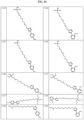
- FIGS. 1 A- 6 KK are tables of exemplary compounds, e.g., compounds of Formula (I). Several species labeled Compounds 3271 through 3431 in FIGS. 1 A- 6 KK are duplicates of Compounds 100 through 3270 described herein.
- the present invention provides compounds, e.g., compounds of Formula (I), and compositions and implantable elements (e.g., devices and materials) comprising the same, as well as methods of use thereof.
- the compounds of Formula (I) and compositions and devices comprising said compounds may be used in methods for the prevention and treatment of a disease, disorder or condition in a subject.
- the compounds of Formula (I), and pharmaceutically acceptable salts, solvates, hydrates, tautomers, stereoisomers, isotopically labeled derivatives, and compositions and devices thereof are capable of modulating the immune response in a subject, e.g., upregulating or downregulating the immune response in a subject.
- C 1 -C 6 alkyl is intended to encompass, C 1 , C 2 , C 3 , C 4 , C 5 , C 6 , C 1 -C 6 , C 1 -C 5 , C 1 -C 4 , C 1 -C 3 , C 1 -C 2 , C 2 -C 6 , C 2 -C 5 , C 2 -C 4 , C 2 -C 3 , C 3 -C 6 , C 3 -C 5 , C 3 -C 4 , C 4 -C 6 , C 4 -C 5 , and C 5 -C 6 alkyl.
- alkyl refers to a radical of a straight-chain or branched saturated hydrocarbon group having from 1 to 24 carbon atoms (“C 1 -C 24 alkyl”). In some embodiments, an alkyl group has 1 to 12 carbon atoms (“C 1 -C 12 alkyl”). In some embodiments, an alkyl group has 1 to 8 carbon atoms (“C 1 -C 8 alkyl”). In some embodiments, an alkyl group has 1 to 6 carbon atoms (“C 1 -C 6 alkyl”). In some embodiments, an alkyl group has 1 to 5 carbon atoms (“C 1 -C 5 alkyl”).
- an alkyl group has 1 to 4 carbon atoms (“C 1 -C 4 alkyl”). In some embodiments, an alkyl group has 1 to 3 carbon atoms (“C 1 -C 3 alkyl”). In some embodiments, an alkyl group has 1 to 2 carbon atoms (“C 1 -C 2 alkyl”). In some embodiments, an alkyl group has 1 carbon atom (“C 1 alkyl”). In some embodiments, an alkyl group has 2 to 6 carbon atoms (“C 2 -C 6 alkyl”).
- C 1 -C 6 alkyl groups include methyl (C 1 ), ethyl (C 2 ), n-propyl (C 3 ), isopropyl (C 3 ), n-butyl (C 4 ), tert-butyl (C 4 ), sec-butyl (C 4 ), iso-butyl (C 4 ), n-pentyl (C 5 ), 3-pentanyl (C 5 ), amyl (C 5 ), neopentyl (C 5 ), 3-methyl-2-butanyl (C 5 ), tertiary amyl (C 5 ), and n-hexyl (C 6 ).
- Additional examples of alkyl groups include n-heptyl (C 7 ), n-octyl (C 8 ) and the like.
- Each instance of an alkyl group may be independently optionally substituted, i.e., unsubstituted (an “unsubstituted alkyl”) or substituted (a “substituted alkyl”) with one or more substituents; e.g., for instance from 1 to 5 substituents, 1 to 3 substituents, or 1 substituent.
- the alkyl group is unsubstituted C 1-10 alkyl (e.g., —CH 3 ).
- the alkyl group is substituted C 1-6 alkyl.
- alkenyl refers to a radical of a straight-chain or branched hydrocarbon group having from 2 to 24 carbon atoms, one or more carbon-carbon double bonds, and no triple bonds (“C 2 -C 24 alkenyl”).
- an alkenyl group has 2 to 10 carbon atoms (“C 2 -C 10 alkenyl”).
- an alkenyl group has 2 to 8 carbon atoms (“C 2 -C 8 alkenyl”).
- an alkenyl group has 2 to 6 carbon atoms (“C 2 -C 6 alkenyl”).
- an alkenyl group has 2 to 5 carbon atoms (“C 2 -C 5 alkenyl”).
- an alkenyl group has 2 to 4 carbon atoms (“C 2 -C 4 alkenyl”). In some embodiments, an alkenyl group has 2 to 3 carbon atoms (“C 2 -C 3 alkenyl”). In some embodiments, an alkenyl group has 2 carbon atoms (“C 2 alkenyl”).
- the one or more carbon-carbon double bonds can be internal (such as in 2-butenyl) or terminal (such as in 1-butenyl).
- Examples of C 2 -C 4 alkenyl groups include ethenyl (C 2 ), 1-propenyl (C 3 ), 2-propenyl (C 3 ), 1-butenyl (C 4 ), 2-butenyl (C 4 ), butadienyl (C 4 ), and the like.
- Examples of C 2 -C 6 alkenyl groups include the aforementioned C 2-4 alkenyl groups as well as pentenyl (C 5 ), pentadienyl (C 5 ), hexenyl (C 6 ), and the like. Additional examples of alkenyl include heptenyl (C 7 ), octenyl (C 8 ), octatrienyl (C 8 ), and the like.
- Each instance of an alkenyl group may be independently optionally substituted, i.e., unsubstituted (an “unsubstituted alkenyl”) or substituted (a “substituted alkenyl”) with one or more substituents e.g., for instance from 1 to 5 substituents, 1 to 3 substituents, or 1 substituent.
- the alkenyl group is unsubstituted C 2-10 alkenyl.
- the alkenyl group is substituted C 2-6 alkenyl.
- alkynyl refers to a radical of a straight-chain or branched hydrocarbon group having from 2 to 24 carbon atoms, one or more carbon-carbon triple bonds (“C 2 -C 24 alkenyl”).
- an alkynyl group has 2 to 10 carbon atoms (“C 2 -C 10 alkynyl”).
- an alkynyl group has 2 to 8 carbon atoms (“C 2 -C 8 alkynyl”).
- an alkynyl group has 2 to 6 carbon atoms (“C 2 -C 6 alkynyl”).
- an alkynyl group has 2 to 5 carbon atoms (“C 2 -C 5 alkynyl”). In some embodiments, an alkynyl group has 2 to 4 carbon atoms (“C 2 -C 4 alkynyl”). In some embodiments, an alkynyl group has 2 to 3 carbon atoms (“C 2 -C 3 alkynyl”). In some embodiments, an alkynyl group has 2 carbon atoms (“C 2 alkynyl”). The one or more carbon-carbon triple bonds can be internal (such as in 2-butynyl) or terminal (such as in 1-butynyl).
- C 2 -C 4 alkynyl groups include ethynyl (C 2 ), 1-propynyl (C 3 ), 2-propynyl (C 3 ), 1-butynyl (C 4 ), 2-butynyl (C 4 ), and the like.
- Each instance of an alkynyl group may be independently optionally substituted, i.e., unsubstituted (an “unsubstituted alkynyl”) or substituted (a “substituted alkynyl”) with one or more substituents e.g., for instance from 1 to 5 substituents, 1 to 3 substituents, or 1 substituent.
- the alkynyl group is unsubstituted C 2-10 alkynyl.
- the alkynyl group is substituted C 2-6 alkynyl.
- heteroalkyl refers to a non-cyclic stable straight or branched chain, or combinations thereof, including at least one carbon atom and at least one heteroatom selected from the group consisting of O, N, P, Si, and S, and wherein the nitrogen and sulfur atoms may optionally be oxidized, and the nitrogen heteroatom may optionally be quaternized.
- the heteroatom(s) O, N, P, S, and Si may be placed at any position of the heteroalkyl group.
- heteroalkyl groups include, but are not limited to: —CH 2 —CH 2 —O—CH 3 , —CH 2 —CH 2 —NH—CH 3 , —CH 2 —CH 2 —N(CH 3 )—CH 3 , —CH 2 —S—CH 2 —CH 3 , —CH 2 —CH 2 , —S(O)—CH 3 , —CH 2 —CH 2 —S(O) 2 —CH 3 , —CH ⁇ CHO—CH 3 , —Si(CH 3 ) 3 , —CH 2 —CH ⁇ N—OCH 3 , —CH ⁇ CH—N(CH 3 )—CH 3 , —O—CH 3 , and —O—CH 2 —CH 3 .
- heteroalkyl Up to two or three heteroatoms may be consecutive, such as, for example, —CH 2 —NH—OCH 3 and —CH 2 —O—Si(CH 3 ) 3 .
- heteroalkyl is recited, followed by recitations of specific heteroalkyl groups, such as —CH 2 O, —NR C R D , or the like, it will be understood that the terms heteroalkyl and —CH 2 O or —NR C R D are not redundant or mutually exclusive. Rather, the specific heteroalkyl groups are recited to add clarity. Thus, the term “heteroalkyl” should not be interpreted herein as excluding specific heteroalkyl groups, such as —CH 2 O, —NR C R D , or the like.
- alkylene alkenylene, alkynylene, or “heteroalkylene,” alone or as part of another substituent, mean, unless otherwise stated, a divalent radical derived from an alkyl, alkenyl, alkynyl, or heteroalkyl, respectively.
- alkenylene by itself or as part of another substituent, means, unless otherwise stated, a divalent radical derived from an alkene.
- alkylene, alkenylene, alkynylene, or heteroalkylene group may be described as, e.g., a C 1 -C 6 -membered alkylene, C 1 -C 6 -membered alkenylene, C 1 -C 6 -membered alkynylene, or C 1 -C 6 -membered heteroalkylene, wherein the term “membered” refers to the non-hydrogen atoms within the moiety.
- heteroatoms can also occupy either or both of the chain termini (e.g., alkyleneoxy, alkylenedioxy, alkyleneamino, alkylenediamino, and the like).
- aryl refers to a radical of a monocyclic or polycyclic (e.g., bicyclic or tricyclic) 4n+2 aromatic ring system (e.g., having 6, 10, or 14 ⁇ electrons shared in a cyclic array) having 6-14 ring carbon atoms and zero heteroatoms provided in the aromatic ring system (“C 6 -C 14 aryl”).
- aromatic ring system e.g., having 6, 10, or 14 ⁇ electrons shared in a cyclic array
- an aryl group has six ring carbon atoms (“C 6 aryl”; e.g., phenyl).
- an aryl group has ten ring carbon atoms (“C 10 aryl”; e.g., naphthyl such as 1-naphthyl and 2-naphthyl). In some embodiments, an aryl group has fourteen ring carbon atoms (“C 14 aryl”; e.g., anthracyl).
- An aryl group may be described as, e.g., a C 6 -C 10 -membered aryl, wherein the term “membered” refers to the non-hydrogen ring atoms within the moiety.
- Aryl groups include phenyl, naphthyl, indenyl, and tetrahydronaphthyl.
- Each instance of an aryl group may be independently optionally substituted, i.e., unsubstituted (an “unsubstituted aryl”) or substituted (a “substituted aryl”) with one or more substituents.
- the aryl group is unsubstituted C 6 -C 14 aryl.
- the aryl group is substituted C 6 -C 14 aryl.
- heteroaryl refers to a radical of a 5-10 membered monocyclic or bicyclic 4n+2 aromatic ring system (e.g., having 6 or 10 ⁇ electrons shared in a cyclic array) having ring carbon atoms and 1-4 ring heteroatoms provided in the aromatic ring system, wherein each heteroatom is independently selected from nitrogen, oxygen and sulfur (“5-10 membered heteroaryl”).
- heteroaryl groups that contain one or more nitrogen atoms, the point of attachment can be a carbon or nitrogen atom, as valency permits.
- Heteroaryl bicyclic ring systems can include one or more heteroatoms in one or both rings.
- Heteroaryl also includes ring systems wherein the heteroaryl ring, as defined above, is fused with one or more aryl groups wherein the point of attachment is either on the aryl or heteroaryl ring, and in such instances, the number of ring members designates the number of ring members in the fused (aryl/heteroaryl) ring system.
- Bicyclic heteroaryl groups wherein one ring does not contain a heteroatom e.g., indolyl, quinolinyl, carbazolyl, and the like
- the point of attachment can be on either ring, i.e., either the ring bearing a heteroatom (e.g., 2-indolyl) or the ring that does not contain a heteroatom (e.g., 5-indolyl).
- a heteroaryl group may be described as, e.g., a 6-10-membered heteroaryl, wherein the term “membered” refers to the non-hydrogen ring atoms within the moiety.
- a heteroaryl group is a 5-10 membered aromatic ring system having ring carbon atoms and 1-4 ring heteroatoms provided in the aromatic ring system, wherein each heteroatom is independently selected from nitrogen, oxygen, and sulfur (“5-10 membered heteroaryl”).
- a heteroaryl group is a 5-8 membered aromatic ring system having ring carbon atoms and 1-4 ring heteroatoms provided in the aromatic ring system, wherein each heteroatom is independently selected from nitrogen, oxygen, and sulfur (“5-8 membered heteroaryl”).
- a heteroaryl group is a 5-6 membered aromatic ring system having ring carbon atoms and 1-4 ring heteroatoms provided in the aromatic ring system, wherein each heteroatom is independently selected from nitrogen, oxygen, and sulfur (“5-6 membered heteroaryl”).
- the 5-6 membered heteroaryl has 1-3 ring heteroatoms selected from nitrogen, oxygen, and sulfur.
- the 5-6 membered heteroaryl has 1-2 ring heteroatoms selected from nitrogen, oxygen, and sulfur.
- the 5-6 membered heteroaryl has 1 ring heteroatom selected from nitrogen, oxygen, and sulfur.
- Each instance of a heteroaryl group may be independently optionally substituted, i.e., unsubstituted (an “unsubstituted heteroaryl”) or substituted (a “substituted heteroaryl”) with one or more substituents.
- the heteroaryl group is unsubstituted 5-14 membered heteroaryl.
- the heteroaryl group is substituted 5-14 membered heteroaryl.
- Exemplary 5-membered heteroaryl groups containing one heteroatom include, without limitation, pyrrolyl, furanyl and thiophenyl.
- Exemplary 5-membered heteroaryl groups containing two heteroatoms include, without limitation, imidazolyl, pyrazolyl, oxazolyl, isoxazolyl, thiazolyl, and isothiazolyl.
- Exemplary 5-membered heteroaryl groups containing three heteroatoms include, without limitation, triazolyl, oxadiazolyl, and thiadiazolyl.
- Exemplary 5-membered heteroaryl groups containing four heteroatoms include, without limitation, tetrazolyl.
- Exemplary 6-membered heteroaryl groups containing one heteroatom include, without limitation, pyridinyl.
- Exemplary 6-membered heteroaryl groups containing two heteroatoms include, without limitation, pyridazinyl, pyrimidinyl, and pyrazinyl.
- Exemplary 6-membered heteroaryl groups containing three or four heteroatoms include, without limitation, triazinyl and tetrazinyl, respectively.
- Exemplary 7-membered heteroaryl groups containing one heteroatom include, without limitation, azepinyl, oxepinyl, and thiepinyl.
- Exemplary 5,6-bicyclic heteroaryl groups include, without limitation, indolyl, isoindolyl, indazolyl, benzotriazolyl, benzothiophenyl, isobenzothiophenyl, benzofuranyl, benzoisofuranyl, benzimidazolyl, benzoxazolyl, benzisoxazolyl, benzoxadiazolyl, benzthiazolyl, benzisothiazolyl, benzthiadiazolyl, indolizinyl, and purinyl.
- Exemplary 6,6-bicyclic heteroaryl groups include, without limitation, naphthyridinyl, pteridinyl, quinolinyl, isoquinolinyl, cinnolinyl, quinoxalinyl, phthalazinyl, and quinazolinyl.
- Other exemplary heteroaryl groups include heme and heme derivatives.
- arylene and “heteroarylene,” alone or as part of another substituent, mean a divalent radical derived from an aryl and heteroaryl, respectively.
- cycloalkyl refers to a radical of a non-aromatic cyclic hydrocarbon group having from 3 to 10 ring carbon atoms (“C 3 -C 10 cycloalkyl”) and zero heteroatoms in the non-aromatic ring system.
- a cycloalkyl group has 3 to 8 ring carbon atoms (“C 3 -C 8 cycloalkyl”).
- a cycloalkyl group has 3 to 6 ring carbon atoms (“C 3 -C 6 cycloalkyl”).
- a cycloalkyl group has 3 to 6 ring carbon atoms (“C 3 -C 6 cycloalkyl”).
- a cycloalkyl group has 5 to 10 ring carbon atoms (“C 5 -C 10 cycloalkyl”).
- a cycloalkyl group may be described as, e.g., a C 4 -C 7 -membered cycloalkyl, wherein the term “membered” refers to the non-hydrogen ring atoms within the moiety.
- Exemplary C 3 -C 6 cycloalkyl groups include, without limitation, cyclopropyl (C 3 ), cyclopropenyl (C 3 ), cyclobutyl (C 4 ), cyclobutenyl (C 4 ), cyclopentyl (C 5 ), cyclopentenyl (C 5 ), cyclohexyl (C 6 ), cyclohexenyl (C 6 ), cyclohexadienyl (C 6 ), and the like.
- Exemplary C 3 -C 8 cycloalkyl groups include, without limitation, the aforementioned C 3 -C 6 cycloalkyl groups as well as cycloheptyl (C 7 ), cycloheptenyl (C 7 ), cycloheptadienyl (C 7 ), cycloheptatrienyl (C 7 ), cyclooctyl (C 8 ), cyclooctenyl (C 8 ), cubanyl (C 8 ), bicyclo[1.1.1]pentanyl (C 5 ), bicyclo[2.2.2]octanyl (C 8 ), bicyclo[2.1.1]hexanyl (C 6 ), bicyclo[3.1.1]heptanyl (C 7 ), and the like.
- Exemplary C 3 -C 10 cycloalkyl groups include, without limitation, the aforementioned C 3 -C 8 cycloalkyl groups as well as cyclononyl (C 9 ), cyclononenyl (C 9 ), cyclodecyl (C 10 ), cyclodecenyl (C 10 ), octahydro-1H-indenyl (C 9 ), decahydronaphthalenyl (C 10 ), spiro[4.5]decanyl (C 10 ), and the like.
- the cycloalkyl group is either monocyclic (“monocyclic cycloalkyl”) or contain a fused, bridged or spiro ring system such as a bicyclic system (“bicyclic cycloalkyl”) and can be saturated or can be partially unsaturated.
- “Cycloalkyl” also includes ring systems wherein the cycloalkyl ring, as defined above, is fused with one or more aryl groups wherein the point of attachment is on the cycloalkyl ring, and in such instances, the number of carbons continue to designate the number of carbons in the cycloalkyl ring system.
- Each instance of a cycloalkyl group may be independently optionally substituted, i.e., unsubstituted (an “unsubstituted cycloalkyl”) or substituted (a “substituted cycloalkyl”) with one or more substituents.
- the cycloalkyl group is unsubstituted C 3 -C 10 cycloalkyl.
- the cycloalkyl group is a substituted C 3 -C 10 cycloalkyl.
- Heterocyclyl refers to a radical of a 3- to 10-membered non-aromatic ring system having ring carbon atoms and 1 to 4 ring heteroatoms, wherein each heteroatom is independently selected from nitrogen, oxygen, sulfur, boron, phosphorus, and silicon (“3-10 membered heterocyclyl”).
- the point of attachment can be a carbon or nitrogen atom, as valency permits.
- a heterocyclyl group can either be monocyclic (“monocyclic heterocyclyl”) or a fused, bridged or spiro ring system such as a bicyclic system (“bicyclic heterocyclyl”), and can be saturated or can be partially unsaturated.
- Heterocyclyl bicyclic ring systems can include one or more heteroatoms in one or both rings.
- Heterocyclyl also includes ring systems wherein the heterocyclyl ring, as defined above, is fused with one or more cycloalkyl groups wherein the point of attachment is either on the cycloalkyl or heterocyclyl ring, or ring systems wherein the heterocyclyl ring, as defined above, is fused with one or more aryl or heteroaryl groups, wherein the point of attachment is on the heterocyclyl ring, and in such instances, the number of ring members continue to designate the number of ring members in the heterocyclyl ring system.
- a heterocyclyl group may be described as, e.g., a 3-7-membered heterocyclyl, wherein the term “membered” refers to the non-hydrogen ring atoms, i.e., carbon, nitrogen, oxygen, sulfur, boron, phosphorus, and silicon, within the moiety.
- Each instance of heterocyclyl may be independently optionally substituted, i.e., unsubstituted (an “unsubstituted heterocyclyl”) or substituted (a “substituted heterocyclyl”) with one or more substituents.
- the heterocyclyl group is unsubstituted 3-10 membered heterocyclyl.
- the heterocyclyl group is substituted 3-10 membered heterocyclyl.
- a heterocyclyl group is a 5-10 membered non-aromatic ring system having ring carbon atoms and 1-4 ring heteroatoms, wherein each heteroatom is independently selected from nitrogen, oxygen, sulfur, boron, phosphorus, and silicon (“5-10 membered heterocyclyl”).
- a heterocyclyl group is a 5-8 membered non-aromatic ring system having ring carbon atoms and 1-4 ring heteroatoms, wherein each heteroatom is independently selected from nitrogen, oxygen, and sulfur (“5-8 membered heterocyclyl”).
- a heterocyclyl group is a 5-6 membered non-aromatic ring system having ring carbon atoms and 1-4 ring heteroatoms, wherein each heteroatom is independently selected from nitrogen, oxygen, and sulfur (“5-6 membered heterocyclyl”).
- the 5-6 membered heterocyclyl has 1-3 ring heteroatoms selected from nitrogen, oxygen, and sulfur.
- the 5-6 membered heterocyclyl has 1-2 ring heteroatoms selected from nitrogen, oxygen, and sulfur.
- the 5-6 membered heterocyclyl has one ring heteroatom selected from nitrogen, oxygen, and sulfur.
- Exemplary 3-membered heterocyclyl groups containing one heteroatom include, without limitation, azirdinyl, oxiranyl, thiorenyl.
- Exemplary 4-membered heterocyclyl groups containing one heteroatom include, without limitation, azetidinyl, oxetanyl and thietanyl.
- Exemplary 5-membered heterocyclyl groups containing one heteroatom include, without limitation, tetrahydrofuranyl, dihydrofuranyl, tetrahydrothiophenyl, dihydrothiophenyl, pyrrolidinyl, dihydropyrrolyl and pyrrolyl-2,5-dione.
- Exemplary 5-membered heterocyclyl groups containing two heteroatoms include, without limitation, dioxolanyl, oxasulfuranyl, disulfuranyl, and oxazolidin-2-one.
- Exemplary 5-membered heterocyclyl groups containing three heteroatoms include, without limitation, triazolinyl, oxadiazolinyl, and thiadiazolinyl.
- Exemplary 6-membered heterocyclyl groups containing one heteroatom include, without limitation, piperidinyl, tetrahydropyranyl, dihydropyridinyl, and thianyl.
- Exemplary 6-membered heterocyclyl groups containing two heteroatoms include, without limitation, piperazinyl, morpholinyl, dithianyl, dioxanyl. Exemplary 6-membered heterocyclyl groups containing two heteroatoms include, without limitation, triazinanyl. Exemplary 7-membered heterocyclyl groups containing one heteroatom include, without limitation, azepanyl, oxepanyl and thiepanyl. Exemplary 8-membered heterocyclyl groups containing one heteroatom include, without limitation, azocanyl, oxecanyl and thiocanyl.
- Exemplary 5-membered heterocyclyl groups fused to a C 6 aryl ring include, without limitation, indolinyl, isoindolinyl, dihydrobenzofuranyl, dihydrobenzothienyl, benzoxazolinonyl, and the like.
- Exemplary 6-membered heterocyclyl groups fused to an aryl ring include, without limitation, tetrahydroquinolinyl, tetrahydroisoquinolinyl, and the like.
- amino refers to the radical —NR 70 R 71 , wherein R 70 and R 71 are each independently hydrogen, C 1 -C 8 alkyl, C 3 -C 10 cycloalkyl, C 4 -C 10 heterocyclyl, C 6 -C 10 aryl, and C 5 -C 10 heteroaryl. In some embodiments, amino refers to NH 2 .
- “Cyano” refers to the radical —CN.
- halo or “halogen,” independently or as part of another substituent, mean, unless otherwise stated, a fluorine (F), chlorine (Cl), bromine (Br), or iodine (I) atom.
- Haldroxy refers to the radical —OH.
- Alkyl, alkenyl, alkynyl, heteroalkyl, cycloalkyl, heterocyclyl, aryl, and heteroaryl groups, as defined herein, are optionally substituted (e.g., “substituted” or “unsubstituted” alkyl, “substituted” or “unsubstituted” alkenyl, “substituted” or “unsubstituted” alkynyl, “substituted” or “unsubstituted” heteroalkyl, “substituted” or “unsubstituted” cycloalkyl, “substituted” or “unsubstituted” heterocyclyl, “substituted” or “unsubstituted” aryl or “substituted” or “unsubstituted” heteroaryl group).
- substituted means that at least one hydrogen present on a group (e.g., a carbon or nitrogen atom) is replaced with a permissible substituent, e.g., a substituent which upon substitution results in a stable compound, e.g., a compound which does not spontaneously undergo transformation such as by rearrangement, cyclization, elimination, or other reaction.
- a “substituted” group has a substituent at one or more substitutable positions of the group, and when more than one position in any given structure is substituted, the substituent is either the same or different at each position.
- substituted is contemplated to include substitution with all permissible substituents of organic compounds, such as any of the substituents described herein that result in the formation of a stable compound.
- the present invention contemplates any and all such combinations in order to arrive at a stable compound.
- heteroatoms such as nitrogen may have hydrogen substituents and/or any suitable substituent as described herein which satisfy the valencies of the heteroatoms and results in the formation of a stable moiety.
- Two or more substituents may optionally be joined to form aryl, heteroaryl, cycloalkyl, or heterocyclyl groups.
- Such so-called ring-forming substituents are typically, though not necessarily, found attached to a cyclic base structure.
- the ring-forming substituents are attached to adjacent members of the base structure.
- two ring-forming substituents attached to adjacent members of a cyclic base structure create a fused ring structure.
- the ring-forming substituents are attached to a single member of the base structure.
- two ring-forming substituents attached to a single member of a cyclic base structure create a spirocyclic structure.
- the ring-forming substituents are attached to non-adjacent members of the base structure.
- Compounds described herein can comprise one or more asymmetric centers, and thus can exist in various isomeric forms, e.g., enantiomers and/or diastereomers.
- the compounds described herein can be in the form of an individual enantiomer, diastereomer or geometric isomer, or can be in the form of a mixture of stereoisomers, including racemic mixtures and mixtures enriched in one or more stereoisomer.
- Isomers can be isolated from mixtures by methods known to those skilled in the art, including chiral high pressure liquid chromatography (HPLC) and the formation and crystallization of chiral salts; or preferred isomers can be prepared by asymmetric syntheses.
- HPLC high pressure liquid chromatography
- a pure enantiomeric compound is substantially free from other enantiomers or stereoisomers of the compound (i.e., in enantiomeric excess).
- an “S” form of the compound is substantially free from the “R” form of the compound and is, thus, in enantiomeric excess of the “R” form.
- enantiomerically pure or “pure enantiomer” denotes that the compound comprises more than 75% by weight, more than 80% by weight, more than 85% by weight, more than 90% by weight, more than 91% by weight, more than 92% by weight, more than 93% by weight, more than 94% by weight, more than 95% by weight, more than 96% by weight, more than 97% by weight, more than 98% by weight, more than 99% by weight, more than 99.5% by weight, or more than 99.9% by weight, of the enantiomer.
- the weights are based upon total weight of all enantiomers or stereoisomers of the compound.
- an enantiomerically pure compound can be present with other active or inactive ingredients.
- a pharmaceutical composition comprising enantiomerically pure R-compound can comprise, for example, about 90% excipient and about 10% enantiomerically pure R-compound.
- the enantiomerically pure R-compound in such compositions can, for example, comprise, at least about 95% by weight R-compound and at most about 5% by weight S-compound, by total weight of the compound.
- a pharmaceutical composition comprising enantiomerically pure S-compound can comprise, for example, about 90% excipient and about 10% enantiomerically pure S-compound.
- the enantiomerically pure S-compound in such compositions can, for example, comprise, at least about 95% by weight S-compound and at most about 5% by weight R-compound, by total weight of the compound.
- the active ingredient can be formulated with little or no excipient or carrier.
- Compound described herein may also comprise one or more isotopic substitutions.
- H may be in any isotopic form, including 1 H, 2 H (D or deuterium), and 3 H (T or tritium);
- C may be in any isotopic form, including 12 C, 13 C, and 14 C;
- O may be in any isotopic form, including 16 O and 18 O; and the like.
- pharmaceutically acceptable salt is meant to include salts of the active compounds that are prepared with relatively nontoxic acids or bases, depending on the particular substituents found on the compounds described herein.
- base addition salts can be obtained by contacting the neutral form of such compounds with a sufficient amount of the desired base, either neat or in a suitable inert solvent.
- pharmaceutically acceptable base addition salts include sodium, potassium, calcium, ammonium, organic amino, or magnesium salt, or a similar salt.
- acid addition salts can be obtained by contacting the neutral form of such compounds with a sufficient amount of the desired acid, either neat or in a suitable inert solvent.
- Examples of pharmaceutically acceptable acid addition salts include those derived from inorganic acids like hydrochloric, hydrobromic, nitric, carbonic, monohydrogencarbonic, phosphoric, monohydrogenphosphoric, dihydrogenphosphoric, sulfuric, monohydrogensulfuric, hydriodic, or phosphorous acids and the like, as well as the salts derived from organic acids like acetic, propionic, isobutyric, maleic, malonic, benzoic, succinic, suberic, fumaric, lactic, mandelic, phthalic, benzenesulfonic, p-tolylsulfonic, citric, tartaric, methanesulfonic, and the like.
- inorganic acids like hydrochloric, hydrobromic, nitric, carbonic, monohydrogencarbonic, phosphoric, monohydrogenphosphoric, dihydrogenphosphoric, sulfuric, monohydrogensulfuric, hydriodic, or phosphorous acids and the like,
- salts of amino acids such as arginate and the like, and salts of organic acids like glucuronic or galactunoric acids and the like (see, e.g., Berge et al, Journal of Pharmaceutical Science 66: 1-19 (1977)).
- Certain specific compounds of the present invention contain both basic and acidic functionalities that allow the compounds to be converted into either base or acid addition salts.
- These salts may be prepared by methods known to those skilled in the art.
- Other pharmaceutically acceptable carriers known to those of skill in the art are suitable for the present invention.
- the present invention provides compounds in a prodrug form.
- Prodrugs of the compounds described herein are those compounds that readily undergo chemical changes under physiological conditions to provide the compounds of the present invention.
- prodrugs can be converted to the compounds of the present invention by chemical or biochemical methods in an ex vivo environment. For example, prodrugs can be slowly converted to the compounds of the present invention when placed in a transdermal patch reservoir with a suitable enzyme or chemical reagent.
- Certain compounds of the present invention can exist in unsolvated forms as well as solvated forms, including hydrated forms. In general, the solvated forms are equivalent to unsolvated forms and are encompassed within the scope of the present invention. Certain compounds of the present invention may exist in multiple crystalline or amorphous forms. In general, all physical forms are equivalent for the uses contemplated by the present invention and are intended to be within the scope of the present invention.
- solvate refers to forms of the compound that are associated with a solvent, usually by a solvolysis reaction. This physical association may include hydrogen bonding.
- Conventional solvents include water, methanol, ethanol, acetic acid, DMSO, THF, diethyl ether, and the like.
- the compounds of Formula (I) may be prepared, e.g., in crystalline form, and may be solvated. Suitable solvates include pharmaceutically acceptable solvates and further include both stoichiometric solvates and non-stoichiometric solvates.
- hydrate refers to a compound which is associated with water.
- the number of the water molecules contained in a hydrate of a compound is in a definite ratio to the number of the compound molecules in the hydrate. Therefore, a hydrate of a compound may be represented, for example, by the general formula R ⁇ x H 2 O, wherein R is the compound and wherein x is a number greater than 0.
- tautomer refers to compounds that are interchangeable forms of a particular compound structure, and that vary in the displacement of hydrogen atoms and electrons. Thus, two structures may be in equilibrium through the movement of ⁇ electrons and an atom (usually H). For example, enols and ketones are tautomers because they are rapidly interconverted by treatment with either acid or base. Tautomeric forms may be relevant to the attainment of the optimal chemical reactivity and biological activity of a compound of interest.
- “Acquire” or “acquiring” as used herein, refer to obtaining possession of a value, e.g., a numerical value, or image, or a physical entity (e.g., a sample), by “directly acquiring” or “indirectly acquiring” the value or physical entity.
- “Directly acquiring” means performing a process (e.g., performing an analytical method or protocol) to obtain the value or physical entity.
- “Indirectly acquiring” refers to receiving the value or physical entity from another party or source (e.g., a third party laboratory that directly acquired the physical entity or value).
- Directly acquiring a value or physical entity includes performing a process that includes a physical change in a physical substance or the use of a machine or device.
- Examples of directly acquiring a value include obtaining a sample from a human subject.
- Directly acquiring a value includes performing a process that uses a machine or device, e.g., fluorescence microscope to acquire fluorescence microscopy data or nuclear magnetic resonance (NMR) instrument to acquire an NMR spectrum.
- a machine or device e.g., fluorescence microscope to acquire fluorescence microscopy data or nuclear magnetic resonance (NMR) instrument to acquire an NMR spectrum.
- administer refers to implanting, absorbing, ingesting, injecting, or otherwise introducing an inventive compound (e.g., a compound described herein, e.g., a compound of Formula (I)), or a composition or implantable element comprising the same, e.g., to a subject.
- Cell refers to an engineered cell or a cell that is not engineered.
- an “effective amount,” e.g., of a compound of Formula (I) or a composition or implantable element comprising the same refers to an amount sufficient to elicit a desired biological response, e.g., to treat a disease, disorder, or condition.
- the effective amount may vary depending on such factors as the desired biological endpoint, the pharmacokinetics of the compound, composition or device, the condition being treated, the mode of administration, and the age and health of the subject.
- An effective amount encompasses therapeutic and prophylactic treatment.
- an effective amount of a compound may reduce the fibrosis or stop the growth or spread of fibrotic tissue.
- an “endogenous nucleic acid” as used herein, is a nucleic acid that occurs naturally in a subject cell.
- an “endogenous polypeptide,” as used herein, is a n polypeptide that occurs naturally in a subject cell.
- Engineered cell is a cell having a non-naturally occurring alteration, and typically comprises a nucleic acid sequence (e.g., DNA or RNA) or a polypeptide not present (or present at a different level than) in an otherwise similar cell under similar conditions that is not engineered (an exogenous nucleic acid sequence).
- an engineered cell comprises an exogenous nucleic acid (e.g., a vector or an altered chromosomal sequence).
- an engineered cell comprises an exogenous polypeptide.
- an engineered cell comprises an exogenous nucleic acid sequence, e.g., a sequence, e.g., DNA or RNA, not present in a similar cell that is not engineered.
- the exogenous nucleic acid sequence is chromosomal, e.g., the exogenous nucleic acid sequence is an exogenous sequence disposed in endogenous chromosomal sequence.
- the exogenous nucleic acid sequence is chromosomal or extra chromosomal, e.g., a non-integrated vector.
- the exogenous nucleic acid sequence comprises an RNA sequence, e.g., an mRNA.
- the exogenous nucleic acid sequence comprises a chromosomal or extra-chromosomal exogenous nucleic acid sequence that comprises a sequence which is expressed as RNA, e.g., mRNA or a regulatory RNA.
- the exogenous nucleic acid sequence comprises a chromosomal or extra-chromosomal nucleic acid sequence that comprises a sequence which encodes a polypeptide or which is expressed as a polypeptide.
- the exogenous nucleic acid sequence comprises a first chromosomal or extra-chromosomal exogenous nucleic acid sequence that modulates the conformation or expression of a second nucleic acid sequence, wherein the second amino acid sequence can be exogenous or endogenous.
- an engineered cell can comprise an exogenous nucleic acid that controls the expression of an endogenous sequence.
- an engineered cell comprises a polypeptide present at a level or distribution which differs from the level found in a similar cell that has not been engineered.
- an engineered cell may comprise an exogenous nucleic acid sequence comprising a chromosomal or extra-chromosomal exogenous nucleic acid sequence that comprises a sequence which is expressed as RNA, e.g., mRNA or a regulatory RNA.
- an engineered cell comprises an exogenous nucleic acid sequence that comprises a chromosomal or extra-chromosomal nucleic acid sequence that comprises a sequence which encodes a polypeptide or which is expressed as a polypeptide.
- an engineered cell comprises an exogenous nucleic acid sequence that modulates the conformation or expression of an endogenous sequence.
- immunomodulator refers to a compound, composition, material, or device capable of modifying an immune response, a function of the immune system, or a component thereof.
- an immunomodulator upregulates or downregulates an immune response or a component thereof.
- an immunomodulator is tunable over a spectrum.
- An immunomodulator may modulate (e.g., increase or decrease) in a subject one or more of: inflammation, cytokine production, complement cascade, leukocyte production or response, lymphocyte production or response, antibody production or response, fibrosis, growth factor production or response (e.g., TGF-b, CTGF, PDGF production or response), or a molecular marker of immune response, e.g., the level of TNF- ⁇ , IL-13, IL-6, G-CSF, GM-CSF, IL-4, CCL2, or CCL4, as measured, e.g., by ELISA, e.g., at the site of an implanted device or cell.
- a molecular marker of immune response e.g., the level of TNF- ⁇ , IL-13, IL-6, G-CSF, GM-CSF, IL-4, CCL2, or CCL4, as measured, e.g., by ELISA, e.g., at the site of an
- an “implantable element” as used herein comprises a cell, e.g., a plurality of cells, e.g., a cluster of cells, wherein the cell or active cells are entirely or partially disposed within an enclosing component (which enclosing component is other than a cell), e.g., the enclosing component comprises a non-cellular component.
- the term “implantable element” comprises a device or material described herein.
- the implantable element inhibits an immune attack, or the effect of the immune attack, on the enclosed cell or cells.
- the implantable element comprises a semipermeable membrane or a semipermeable polymer matrix or coating.
- the implantable element allows passage of small molecules, e.g., nutrients and waste products.
- the implantable element allows passage of a product (e.g., a therapeutic polypeptide) released by a cell disposed within the enclosing component.
- placement within an implantable element minimizes an effect of a host response (e.g., an immune response, e.g., a fibrotic response) directed at the implantable element, e.g., against a cell within an implantable element, e.g., as compared with a similar cell that is not disposed in an implantable element.
- a host response e.g., an immune response, e.g., a fibrotic response
- the implantable element comprises a moiety, e.g., a moiety described herein, that minimizes an effect of an immune response, e.g., a fibrotic response, of the subject directed at the implantable element, e.g., against the enclosing component or a cell within the implantable element, e.g., as compared with a similar implantable element lacking the moiety.
- said moiety is a compound, e.g., a compound described herein (e.g., a compound of Formula (I)).
- the implantable element e.g., a device or material
- Polypeptide refers to a polymer comprising amino acid residues linked through peptide bonds and having at least two, and in embodiments, at least 10, 100, or 200 amino acid residues.
- prevention refers to a treatment that comprises administering or applying a therapy, e.g., administering a compound described herein (e.g., a compound of Formula (I)) or a composition or implantable element (e.g., a device or material) comprising a compound described herein (e.g., a compound of Formula (I), prior to the onset of a disease, disorder, or condition in order to preclude the physical manifestation of said disease, disorder, or condition.
- a therapy e.g., administering a compound described herein (e.g., a compound of Formula (I)) or a composition or implantable element (e.g., a device or material) comprising a compound described herein (e.g., a compound of Formula (I), prior to the onset of a disease, disorder, or condition in order to preclude the physical manifestation of said disease, disorder, or condition.
- prevention require that signs or symptoms of the disease, disorder, or condition have not yet developed or have not yet been observed.
- a “replacement therapy” or “replacement protein” is a therapeutic protein or functional fragment thereof that replaces or augments a protein that is diminished, present in insufficient quantity, altered (e.g., mutated) or lacking in a subject having a disease or condition related to the diminished, altered or lacking protein. Examples are certain blood clotting factors in certain blood clotting disorders or certain lysosomal enzymes in certain lysosomal storage diseases.
- a replacement therapy or replacement protein provides the function of an endogenous protein.
- a or replacement therapy or replacement protein has the same amino acid sequence of a naturally occurring variant, e.g., a wildtype allele or an allele not associated with a disorder, of the replaced protein.
- or replacement therapy or a replacement protein differs in amino acid sequence from a naturally occurring variant, e.g, a wildtype allele or an allele not associated with a disorder, e.g, the allele carried by a subject, at no more than about 1, 2, 3, 4, 5, 10, 15 or 20% of the amino acid residues.
- the term “subject” as used herein refers to the recipient of the compound, composition, device, or method of use thereof, e.g., as described herein.
- the subject may include a human (i.e., a male or female of any age group, e.g., a pediatric subject (e.g., infant, child, adolescent) or adult subject (e.g., young adult, middle-aged adult, or senior adult)) and/or other non-human animals, for example, mammals (e.g., primates (e.g., cynomolgus monkeys, rhesus monkeys); commercially relevant mammals such as cattle, pigs, horses, sheep, goats, cats, and/or dogs) and birds (e.g., commercially relevant birds such as chickens, ducks, geese, and/or turkeys).
- the animal is a mammal.
- the animal may be a male or female and at any stage of development.
- a non-human animal may
- treatment refers to reversing, alleviating, delaying the onset of, or inhibiting the progress of one or more of a symptom, manifestation, or underlying cause of a disease, disorder, or condition. (e.g., as described herein), e.g., by administering or applying a therapy, e.g., administering a compound described herein (e.g., a compound of Formula (I)) or a composition or implantable element (e.g., a device or material) comprising a compound described herein (e.g., a compound of Formula (I).
- a therapy e.g., administering a compound described herein (e.g., a compound of Formula (I)) or a composition or implantable element (e.g., a device or material) comprising a compound described herein (e.g., a compound of Formula (I).
- treating comprises reducing, reversing, alleviating, delaying the onset of, or inhibiting the progress of a symptom of a disease, disorder, or condition. In an embodiment, treating comprises reducing, reversing, alleviating, delaying the onset of, or inhibiting the progress of a manifestation of a disease, disorder, or condition. In an embodiment, treating comprises reducing, reversing, alleviating, reducing, or delaying the onset of, an underlying cause of a disease, disorder, or condition. In some embodiments, “treatment,” “treat,” and “treating” require that signs or symptoms of the disease, disorder, or condition have developed or have been observed.
- treatment may be administered in the absence of signs or symptoms of the disease or condition, e.g., in preventive treatment.
- treatment may be administered to a susceptible individual prior to the onset of symptoms (e.g., in light of a history of symptoms and/or in light of genetic or other susceptibility factors).
- Treatment may also be continued after symptoms have resolved, for example, to delay or prevent recurrence.
- Treatment may also be continued after symptoms have resolved, for example, to delay or prevent recurrence.
- treatment comprises prevention and in other embodiments it does not.
- the present invention features a compound of Formula (I): A-L 1 -M-L 2 -P-L 3 -Z (I)
- A is selected from A1 or A2, wherein:
- each L 1 , L 2 , and L 3 is independently a bond, alkyl, alkenyl, alkynyl, or heteroalkyl, wherein each alkyl, alkenyl, alkynyl, and heteroalkyl is optionally substituted by one or more R 2 ;
- M is alkyl, alkenyl, alkynyl, heteroalkyl, cycloalkyl, heterocyclyl, aryl, or heteroaryl, each of which is optionally substituted by one or more R 3 ;
- P is cycloalkyl, heterocyclyl, aryl, or heteroaryl, each of which is optionally substituted by one or more R 4 ;
- Z is alkyl, alkenyl, alkynyl, heteroalkyl, cycloalkyl, heterocyclyl, aryl, or heteroaryl, each of which is optionally substituted by one or more R 5 ;
- each R A , R B , R C , R D , R E , R F , and R G is independently hydrogen, alkyl, alkenyl, alkynyl, heteroalkyl, halogen, azido, cycloalkyl, heterocyclyl, aryl, or heteroaryl, wherein each alkyl, alkenyl, alkynyl, heteroalkyl, cycloalkyl, heterocyclyl, aryl, and heteroaryl is optionally substituted with one or more R 6 ,
- R C and R D taken together with the nitrogen atom to which they are attached, form a ring (e.g., a 5-7 membered ring), optionally substituted with one or more R 6 ,
- R C and R D is bound to an atom within L or M or one of the substituents of L or M to form a ring optionally substituted with one or more R 6 ;
- each R 1 , R 2 , R 3 , R 4 , R 5 , and R 6 is independently alkyl, alkenyl, alkynyl, heteroalkyl, halogen, cyano, azido, oxo, —OR A1 , —C(O)OR A1 , —C(O)R B1 , —OC(O)R B1 , —N(R C1 )(R D1 ), —N(R C1 )C(O)R B1 , —C(O)N(R C1 ), SR E1 , S(O) x R E1 , —OS(O) x R E1 , —N(R C1 )S(O) x R E1 , —S(O) x N(R C1 )(R D1 ), —P(R F1 ) y , cycloalkyl, heterocyclyl, aryl, heteroaryl, where
- each R A1 , R B1 , R C1 , R D1 , R E1 , and R F1 is independently hydrogen, alkyl, alkenyl, alkynyl, heteroalkyl, cycloalkyl, heterocyclyl, aryl, or heteroaryl, wherein each alkyl, alkenyl, alkynyl, heteroalkyl, cycloalkyl, heterocyclyl, aryl, heteroaryl is optionally substituted by one or more R 7 ;
- each R 7 is independently alkyl, alkenyl, alkynyl, heteroalkyl, halogen, cyano, oxo, hydroxyl, cycloalkyl, or heterocyclyl;
- x is 1 or 2;
- y is 2, 3, or 4.
- A is selected from A1 and A2.
- A is A1.
- A1 is hydrogen, alkyl, alkenyl, alkynyl, heteroalkyl, cycloalkyl, heterocyclyl, aryl, heteroaryl, —OR A , —C(O)OR A , —C(O)R B , —OC(O)R B , —N(R C )(R D ), —N(R C )C(O)R B , —C(O)N(R C ), —N 3 , —NC, —CN, —NCO, —NCS, —N(R C )N(R D ) 2 , —NCN(R C ), —C( ⁇ N(R C )(R D ))OR A , —SR E , —S(O) x R E , —OS(O) x R E , —P
- A1 is hydrogen. In some embodiments, A1 is alkyl, alkenyl, alkynyl, or heteroalkyl (e.g., C 1 -C 12 alkyl, C 2 -C 12 alkenyl, C 2 -C 12 alkynyl, or C 1 -C 12 heteroalkyl). In some embodiments, A1 is unsubstituted alkyl, unsubstituted alkenyl, unsubstituted alkynyl, or unsubstituted heteroalkyl. In some embodiments, A1 is substituted alkyl, substituted alkenyl, substituted alkynyl, or substituted heteroalkyl, each of which is substituted with one or more R 1 .
- A1 is substituted alkyl, substituted alkenyl, substituted alkynyl, or substituted heteroalkyl, each of which is substituted with one or more R 1 .
- A1 is methyl, ethyl, propyl, butyl, pentyl, or hexyl. In some embodiments, A1 is unsubstituted methyl, unsubstituted ethyl, unsubstituted propyl, unsubstituted butyl, unsubstituted pentyl, or unsubstituted hexyl. In some embodiments, A1 is substituted methyl, substituted ethyl, substituted propyl, substituted butyl, substituted pentyl, or substituted hexyl, each of which is substituted with one or more R 1 .
- A1 is —OR A , wherein R A is hydrogen, alkyl, or alkenyl. In some embodiments, A1 is —OH, —OCH 3 , or —OCH 2 CH 3 , or —OCH 2 CH ⁇ CH 2 .
- A1 is —C(O)R B , wherein R A is hydrogen, alkyl (e.g., methyl or ethyl), halogen or azido. In some embodiments, A1 is —C(O)R B , wherein R A is hydrogen or alkyl (e.g., methyl or ethyl).
- A1 is —OC(O)R B , wherein R B is alkyl, alkenyl, or alkynyl. In some embodiments, A1 is —OC(O)R B , wherein R A is ethenyl (e.g., —CH ⁇ CH 2 ). In some embodiments, A1 is —OC(O)R B , wherein R B is methyl (e.g, halomethyl).
- A1 is —C(O)OR A , wherein R A is hydrogen, alkyl, alkenyl, alkynyl, C(O)OR A1 , heterocyclyl, or aryl.
- A1 is —C(O)OR A , wherein R A is succinimidyl or phenyl (e.g., 2,3,4,5,6-pentafluorophenyl).
- A1 is —N(R C )C(O)R B , wherein R C is hydrogen or methyl and R B is alkyl (e.g., haloalkyl) or alkenyl (e.g., ethenyl).
- A1 is —N(R C )(R D ). In some embodiments, A1 is —N(R C )(R D ), wherein one of R C or R D is hydrogen. In some embodiments, A1 is —N(R C )(R D ), wherein one of R C or R D is hydrogen and the other of R C or R D is alkyl. In some embodiments, A1 is —NH 2 . In some embodiments, A1 is NH 2 or NHC(O)C(CH 2 )CH 3 . In some embodiments, A is —N(R C )(R D ), wherein R C and R D are taken together with the nitrogen atom to which they are attached to form a ring (e.g., a 5-7 membered ring).
- A1 is —NCO. In some embodiments, A is —NCS. In some embodiments, A1 is —NC. In some embodiments, A1 is —N 3 .
- A1 is —S(O) x R E , (e.g., wherein x is 2 and R E is alkyl, alkenyl, or halogen). In some embodiments, A1 is —S(O) 2 (CH ⁇ CH 2 ). In some embodiments, A1 is —OS(O) x R E , (e.g., wherein x is 2 and R E is aryl).
- A1 is —Si(OR A ) 3 (e.g., —Si(OH) 3 , —Si(OMe) 3 , or —Si(OEt) 3 ).
- A1 is —Si(R G )(OR A ) 2 (e.g., —Si(OH) 2 (alkyl)).
- A1 is —B(OR A ) 2 (e.g., —B(OH) 2 ).
- A1 is —P(R F ) y (e.g., —P(CH 2 OH) 3 ) + ).
- A1 is cycloalkyl (e.g., a 3-membered cycloalkyl, 4-membered cycloalkyl, 5-membered cycloalkyl, 6-membered cycloalkyl).
- A1 is heterocyclyl (e.g., a 3-membered heterocyclyl, 4-membered heterocyclyl, 5-membered heterocyclyl, 6-membered heterocyclyl).
- A1 is a nitrogen-containing heterocyclyl (e.g., a 3-membered nitrogen-containing heterocyclyl, 4-membered nitrogen-containing heterocyclyl, 5-membered nitrogen-containing heterocyclyl, 6-membered nitrogen-containing heterocyclyl).
- A1 is a 5-membered nitrogen-containing heterocyclyl (e.g., maleimidyl).
- A1 is an oxygen-containing heterocyclyl (e.g., a 3-membered oxygen-containing heterocyclyl, 4-membered oxygen-containing heterocyclyl, 5-membered oxygen-containing heterocyclyl, 6-membered oxygen-containing heterocyclyl).
- A1 is a 3-membered oxygen-containing heterocyclyl (e.g., oxiranyl).
- A1 is aryl (e.g., phenyl). In some embodiments, A1 is phenyl substituted with 1-2 R 1 (e.g., —OR A or —B(OR A ) 2 ). In some embodiments, A1 is phenyl substituted with —OR A (e.g., OH) or —B(OR A ) 2 (e.g., —B(OH) 2 ).
- A1 is heteroaryl (e.g., 5-membered heteroaryl, 6-membered heteroaryl). In some embodiments, A1 is a nitrogen-containing heteroaryl (e.g., 5-membered nitrogen-containing heteroaryl, 6-membered nitrogen-containing heteroaryl). In some embodiments, A1 is a 6-membered nitrogen-containing heteroaryl (e.g., imidazolyl).
- A1 is a metal (e.g., Fe, Ti, Au, Ni, Ca) or a metal alloy or mixture (e.g., stainless steel, alumina, Ni—Ti).
- a metal e.g., Fe, Ti, Au, Ni, Ca
- a metal alloy or mixture e.g., stainless steel, alumina, Ni—Ti.
- A1 is selected from:
- A1 is selected from:
- A1 is selected from:
- “ ” refers to the connection between A1 and L 1 .
- A is A2.
- A2 is alkyl, alkenyl, alkynyl, heteroalkyl, cycloalkyl, heterocyclyl, aryl, heteroaryl, —O—, —C(O)O—, —C(O)—, —OC(O)—, —N(R C )—, —N(R C )C(O)—, —C(O)N(R C )—, —N(R C )N(R D )—, —NCN—, —C( ⁇ N(R C )(R D ))O—, —S—, —S(O) x —, —OS(O) x —, —P(R F ) y —, —Si(OR A ) 2 —, —Si(R G )(OR A )—, —B(OR A )—, or a metal, wherein each alkyl, alkenyl
- A2 is O. In some embodiments, A2 is —C(O)O—. In some embodiments, A2 is —C(O)—. In some embodiments, A2 is —OC(O)—. In some embodiments, A2 is S.
- A2 is alkyl, alkenyl, alkynyl, or heteroalkyl (e.g., C 1 -C 12 alkyl, C 2 -C 12 alkenyl, C 2 -C 12 alkynyl, or C 1 -C 12 heteroalkyl).
- A2 is unsubstituted alkyl, unsubstituted alkenyl, unsubstituted alkynyl, or unsubstituted heteroalkyl.
- A2 is substituted alkyl, substituted alkenyl, substituted alkynyl, or substituted heteroalkyl, each of which is substituted with one or more R 1 .
- A2 is methyl, ethyl, propyl, butyl, pentyl, or hexyl. In some embodiments, A2 is unsubstituted methyl, unsubstituted ethyl, unsubstituted propyl, unsubstituted butyl, unsubstituted pentyl, or unsubstituted hexyl. In some embodiments, A2 is substituted methyl, substituted ethyl, substituted propyl, substituted butyl, substituted pentyl, or substituted hexyl, each of which is substituted with one or more R 1 .
- A2 is —N(R C )—. In some embodiments, A2 is —N(R C )—, wherein R C is hydrogen or alkyl. In some embodiments, A2 is —NH—. In some embodiments, A2 is NH— or NH(C(O)C(CH 3 )CH 2 —.
- A2 is —S(O) x — or —OS(O) x — (e.g., wherein x is 2).
- A2 is —Si(OR A ) 2 — (e.g., —Si(OH) 2 —, —Si(OCH 3 ) 2 —, or —Si(OCH 2 CH 3 ) 2 —).
- A2 is cycloalkyl (e.g., a 3-membered cycloalkyl, 4-membered cycloalkyl, 5-membered cycloalkyl, 6-membered cycloalkyl).
- A2 is heterocyclyl (e.g., a 3-membered heterocyclyl, 4-membered heterocyclyl, 5-membered heterocyclyl, 6-membered heterocyclyl).
- A2 is a nitrogen-containing heterocyclyl (e.g., a 3-membered nitrogen-containing heterocyclyl, 4-membered nitrogen-containing heterocyclyl, 5-membered nitrogen-containing heterocyclyl, 6-membered nitrogen-containing heterocyclyl). In some embodiments, A2 is a 5-membered nitrogen-containing heterocyclyl. In some embodiments, A2 is an oxygen-containing heterocyclyl (e.g., a 3-membered oxygen-containing heterocyclyl, 4-membered oxygen-containing heterocyclyl, 5-membered oxygen-containing heterocyclyl, 6-membered oxygen-containing heterocyclyl). In some embodiments, A2 is a 3-membered oxygen-containing heterocyclyl (e.g., oxiranyl).
- A2 is aryl (e.g., phenyl). In some embodiments, A2 is phenyl substituted with 1-2 R 1 (e.g., —OR A or —B(OR A ) 2 ). In some embodiments, A2 is phenyl substituted with —OR A (e.g., OH) or —B(OR A ) 2 (e.g., —B(OH) 2 ).
- A2 is heteroaryl (e.g., 5-membered heteroaryl, 6-membered heteroaryl). In some embodiments, A2 is a nitrogen-containing heteroaryl (e.g., 5-membered nitrogen-containing heteroaryl, 6-membered nitrogen-containing heteroaryl). In some embodiments, A2 is a 6-membered nitrogen-containing heteroaryl (e.g., imidazolyl).
- A2 is a metal (e.g., Fe, Ti, Au, Ni, Ca) or a metal alloy or mixture (e.g., stainless steel, alumina, Ni—Ti).
- a metal e.g., Fe, Ti, Au, Ni, Ca
- a metal alloy or mixture e.g., stainless steel, alumina, Ni—Ti.
- A2 is selected from:
- “ ” refers to the connections between A2 and L 1 and an attachment group (e.g., as described herein).
- At least one of L 1 , L 2 , and L 3 is a bond. In some embodiments, at least two of L 1 , L 2 , and L 3 is a bond. In some embodiments, each of L 1 , L 2 , and L 3 is a bond.
- At least one of L 1 , L 2 , and L 3 is alkyl. In some embodiments, at least two of L 1 , L 2 , and L 3 is alkyl. In some embodiments, each of L 1 , L 2 , and L 3 is alkyl. In some embodiments, alkyl is an unsubstituted alkyl. In some embodiments, alkyl is a substituted alkyl (e.g., alkyl substituted with one or more R 2 , wherein R 2 is as described herein).
- alkyl is a C 1 -C 12 alkyl. In some embodiments, alkyl is a C 1 -C 8 alkyl. In some embodiments, alkyl is a C 1 -C 4 alkyl. In some embodiments, alkyl is a C 1 alkyl (e.g., unsubstituted C 1 alkyl, substituted C 1 alkyl (e.g., —C(R 2 ) 2 ) wherein R 2 is as described herein (e.g., each R 2 is independently selected from the group: hydrogen, alkyl, aryl, oxo, and heteroaryl; or two R 2 together with the atom to which they are attached form a ring).
- R 2 is as described herein (e.g., each R 2 is independently selected from the group: hydrogen, alkyl, aryl, oxo, and heteroaryl; or two R 2 together with the atom to which they are attached form a ring).
- alkyl is a C 2 alkyl (e.g., unsubstituted C 2 alkyl, substituted C 2 alkyl). In some embodiments, alkyl is a C 3 alkyl (e.g., unsubstituted C 3 alkyl, substituted C 3 alkyl). In some embodiments, alkyl is a C 4 alkyl (e.g., unsubstituted C 4 alkyl, substituted C 4 alkyl).
- alkyl is substituted, for example by at least one R 2 group.
- each R 2 is independently selected from the group of hydrogen, alkyl, aryl, oxo, and heteroaryl.
- two R A groups together with the atom to which they are attached form a ring.
- one R 2 group together with an atom of M, P, or Z form a ring.
- At least one of L 1 , L 2 , and L 3 is heteroalkyl. In some embodiments, at least two of L 1 , L 2 , and L 3 is heteroalkyl. In some embodiments, each of L 1 , L 2 , and L 3 is heteroalkyl. In some embodiments, heteroalkyl is a C 1 -C 12 heteroalkyl. In some embodiments, heteroalkyl is a C 1 -C 8 heteroalkyl. In some embodiments, heteroalkyl is a C 1 -C 4 heteroalkyl.
- heteroalkyl is an unsubstituted heteroalkyl.
- heteroalkyl is a substituted heteroalkyl (e.g., heteroalkyl substituted with one or more R 2 groups, wherein R 2 is as described herein).
- R 2 is hydrogen, alkyl, aryl, or heteroaryl.
- the substituted heteroalkyl comprises a carbonyl group (e.g., an amide, ester, or keto).
- one R 2 group together with an atom of M, P, or Z form a ring.
- the heteroalkyl comprises 1 or more heteroatoms. In some embodiments, the heteroalkyl comprises an oxygen, sulfur, nitrogen, boron, silicon, or phosphorus atom. In some embodiments, the heteroalkyl comprises an oxygen, sulfur, or nitrogen atom. In some embodiments, the heteroalkyl comprises an oxygen atom. In some embodiments, the heteroalkyl is —C(R 2 )O, wherein R 2 is as described herein). In some embodiments, the heteroalkyl is —CH 2 O.
- heteroalkyl comprises a polyethylene glycol (PEG) group.
- PEG polyethylene glycol
- heteroalkyl is —(CH 2 ) m —(OCH 2 CH 2 ) n —), wherein each of m and n is an integer independently selected from 0 to 100 (e.g., 0 to 75, 0 to 50, 0 to 20, 0 to 10, or 0 to 5).
- At least one of L 1 , L 2 , or L 3 is independently a heteroalkyl selected from:
- each of m and n is independently an integer selected from 0 to 100 (e.g., 0 to 75, 0 to 50, 0 to 20, 0 to 10, or 01 to 5.
- each of L 1 , L 2 , or L 3 is independently a heteroalkyl selected from:
- each of m and n is independently an integer selected from 0 to 100 (e.g., 0 to 75, 0 to 50, 0 to 20, 0 to 10, or 0 to 5.
- each of L 1 , L 2 , or L 3 is independently a heteroalkyl selected from:
- “ ” refers to the connections between each of L 1 , L 2 , and L 3 and A, M, P, or Z.
- the heteroalkyl comprises a positive charge (e.g., a quaternary amine). In some embodiments, the heteroalkyl comprises a negative charge (e.g., a carboxylate, sulfonate, or phosphinate). In some embodiments, the heteroalkyl is a zwitterion (e.g., a neutral molecule comprising both a positive and negative charge). In some embodiments, the heteroalkyl comprises a quaternary amine and a carboxylate.
- each of L 1 , L 2 , or L 3 is independently a zwitterionic heteroalkyl selected from:
- each of x, m and n is independently an integer selected from 0 to 100 (e.g., 0 to 75, 0 to 50, 0 to 20, 0 to 10, or 0 to 5).
- At least one of L 1 , L 2 , or L 3 is independently substituted with R 2 .
- R 2 is oxo, halo, or alkyl (e.g., wherein alkyl may be optionally substituted by R 7 ).
- at least one of L 1 , L 2 , or L 3 is not independently substituted with R 2 .
- R 2 is oxo, halo, or alkyl (e.g., wherein alkyl may be optionally substituted by R 7 ).
- L 1 is not substituted with R 2 (e.g., oxo, halo, or alkyl (e.g., wherein alkyl may be optionally substituted by R 7 ).
- L 2 is not substituted with R 2 (e.g., oxo, halo, or alkyl (e.g., wherein alkyl may be optionally substituted by R 7 ).
- L 3 is not substituted with R 2 (e.g., oxo, halo, or alkyl (e.g., wherein alkyl may be optionally substituted by R 7 ).
- M refers to an alkyl, heteroalkyl, cycloalkyl, heterocyclyl, aryl, or heteroaryl, each of which is optionally substituted with one or more R 3 .
- M is alkyl. In some embodiments, M is unsubstituted alkyl. In some embodiments, M is substituted alkyl (e.g., alkyl substituted with one or more R 3 groups, wherein R 3 is as described herein).
- M is C 1 -C 12 alkyl. In some embodiments, M is C 1 -C 8 alkyl. In some embodiments, M is a C 1 -C 4 alkyl. In some embodiments, M is C 1 alkyl (e.g., unsubstituted C 1 alkyl, substituted C 1 alkyl (e.g., —C(R 3 ) 2 ) wherein R 3 is as described herein (e.g., each R 3 is independently selected from alkyl, aryl, halogen, oxo, and heteroaryl; or two R 3 together with the atom to which they are attached form a ring).
- R 3 is as described herein (e.g., each R 3 is independently selected from alkyl, aryl, halogen, oxo, and heteroaryl; or two R 3 together with the atom to which they are attached form a ring).
- M is C 2 alkyl (e.g., unsubstituted C 2 alkyl, substituted C 2 alkyl). In some embodiments, M is C 3 alkyl (e.g., unsubstituted C 3 alkyl, substituted C 3 alkyl). In some embodiments, M is C 4 alkyl (e.g., unsubstituted C 4 alkyl, substituted C 4 alkyl).
- M is substituted by one or more R 3 .
- each R 3 is independently alkyl, halogen, oxo, cycloalkyl, heterocyclyl, aryl, and heteroaryl.
- one R 3 group together with an atom of M, P, or Z forms a ring.
- M is C 1 -C 12 heteroalkyl. In some embodiments, M is C 1 -C 8 heteroalkyl. In some embodiments, M is a C 1 -C 4 heteroalkyl. In some embodiments, heteroalkyl is unsubstituted or substituted by one or more R 3 . In some embodiments, each R 3 is independently selected from alkyl, halogen, aryl, oxo, and heteroaryl; or two R 3 together with the atom to which they are attached form a ring. In some embodiments, M is C 3 heteroalkyl (e.g., unsubstituted C 3 heteroalkyl, substituted C 3 heteroalkyl).
- M is C 4 heteroalkyl (e.g., unsubstituted C 4 heteroalkyl, substituted C 4 heteroalkyl). In some embodiments, M is C 5 heteroalkyl (e.g., unsubstituted C 5 heteroalkyl, substituted C 5 heteroalkyl). In some embodiments, M is C 6 heteroalkyl (e.g., unsubstituted C 6 heteroalkyl, substituted C 6 heteroalkyl).
- the heteroalkyl comprises 1 or more heteroatoms. In some embodiments, the heteroalkyl comprises an oxygen, sulfur, nitrogen, boron, silicon, or phosphorus atom. In some embodiments, the heteroalkyl comprises an oxygen, sulfur, or nitrogen atom. In some embodiments, the heteroalkyl comprises an oxygen atom. In some embodiments, heteroalkyl comprises a polyethylene glycol (PEG) group.
- PEG polyethylene glycol
- heteroalkyl is —(CH 2 ) m —(OCH 2 CH 2 ) n —) wherein each m and n is an integer independently selected from 0 to 100 (e.g., 0 to 75, 0 to 50, 0 to 20, 0 to 10, or 0 to 5).
- M is a heteroalkyl selected from:
- each n is an integer independently selected from 0 to 100 (e.g., 0 to 75, 0 to 50, 0 to 20, 0 to 10, or 0 to 5) and each R 3 is independently described herein.
- “ ” refers to the connections between M and L 1 and L 2 .
- M is:
- M is cycloalkyl, heterocyclyl, aryl, or heteroaryl. In some embodiments, M is unsubstituted cycloalkyl, unsubstituted heterocyclyl, unsubstituted aryl, or unsubstituted heteroaryl. In some embodiments, M is substituted cycloalkyl, unsubstituted heterocyclyl, unsubstituted aryl, or unsubstituted heteroaryl (e.g., substituted with one or more R 3 , wherein R 3 is as described herein). In some embodiments, M is a 3 to 12-membered ring. In some embodiments, M is a 3 to 7-membered ring. In some embodiments, M is a 5-membered ring. In some embodiments, M is a 5-membered ring.
- M is aryl (e.g., phenyl). In some embodiments, M is phenyl optionally substituted by 1-4 R 3 . In some embodiments, R 3 is halo or alkyl (e.g., wherein alkyl is optionally substituted by R 7 ). In some embodiments, M is selected from:
- M is selected from:
- M is cycloalkyl. In some embodiments, M is selected from:
- n is an integer independently selected from 0 to 10 and each R 3 is independently described herein.
- M is heterocyclyl.
- heterocyclyl comprises an oxygen, sulfur, nitrogen, boron, silicon, or phosphorus atom.
- heterocyclyl comprises an oxygen, sulfur, or nitrogen atom.
- M is an oxygen-containing heterocyclyl).
- M is oxiranyl, dioxiranyl, oxetanyl, dioxetanyl, tetrahydrofuranyl, dioxolanyl, oxanyl, dioxanyl, trioxanyl, or oxepanyl.
- M is selected from:
- n is an integer independently selected from 0 to 10 and each R 3 is independently described herein.
- M is:
- M is nitrogen-containing heterocyclyl.
- M is aziridinyl, azetidinyl, diazetidinyl, pyrrolidinyl, imidazolyl, oxazolidinyl, isoxazolidinyl, piperazolidinyl, piperazinyl, piperidinyl, or homopiperazinyl.
- M is selected from:
- n is an integer independently selected from 0 to 10 and each R 3 is independently described herein.
- M is heteroaryl.
- M is furanyl, pyrrolyl, thiofuranyl, oxazolyl, isoxazolyl, oxaziridinyl, thiadiazolyl, triazolyl, tetrazolyl, pyridyl, pyrazinyl, or pyrimidinyl.
- M is selected from:
- n is an integer independently selected from 0 to 10 and each R 3 is independently described herein.
- M is selected from:
- n is an integer independently selected from 0 to 10 and each R 3 is independently described herein.
- P refers to alkyl, heteroalkyl, cycloalkyl, heterocyclyl, aryl, or heteroaryl, each of which is optionally substituted with one or more R 4 .
- P refers to a ring. In some embodiments, the ring is a 3 to 12-membered ring. In some embodiments, P is a cycloalkyl, heterocyclyl, aryl, or heteroaryl ring. In some embodiments, P is a 3 to 12-membered ring. In some embodiments, P is a 3 to 7-membered ring. In some embodiments, P is a 5-membered ring.
- P is cycloalkyl. In some embodiments, P is unsubstituted cycloalkyl or substituted cycloalkyl (e.g., substituted by one or more R 4 ). In some embodiments, P is a 4-membered cycloalkyl, 5-membered cycloalkyl, 6-membered cycloalkyl, 7-membered cycloalkyl, or 8-membered cycloalkyl. In some embodiments, P is trans-cyclooctene.
- P is heterocyclyl.
- P is unsubstituted heterocyclyl or substituted heterocyclyl (e.g., substituted by one or more R 4 ).
- P is a heterocyclyl comprising an oxygen, sulfur, nitrogen, boron, silicon, or phosphorus atom.
- P is a heterocyclyl comprising an oxygen, sulfur, or nitrogen atom.
- P is a 4-membered heterocyclyl, 5-membered heterocyclyl, 6-membered heterocyclyl, 7-membered heterocyclyl, or 8-membered heterocyclyl.
- P is aryl. In some embodiments, P is unsubstituted aryl or substituted aryl (e.g., substituted by one or more R 4 ). In some embodiments, P is 6-membered aryl (e.g., phenyl). In some embodiments, P is aryl substituted by 1-5 R 4 . In some embodiments, P is a fused aryl ring (e.g., dibenzocyclooctyne).
- P is heteroaryl. In some embodiments, P is unsubstituted heteroaryl or substituted heteroaryl (e.g., substituted by one or more R 4 ). In some embodiments, P is a 3 to 12-membered heteroaryl ring. In some embodiments, P is a 3 to 7-membered heteroaryl ring. In some embodiments, P is heteroaryl comprising a nitrogen, oxygen, or sulfur atom. In some embodiments, P is a nitrogen-containing heteroaryl. In some embodiments, P is tetrazolyl, imidazolyl, pyrazolyl, or pyrrolyl.
- P is a 6-membered heteroaryl (e.g., P comprises tetrazine). In some embodiments, P is a 5-membered heteroaryl.
- heteroaryls include:
- n is an integer independently selected from 0 to 10 and each R 4 is independently described herein.
- the heteroaryl is a tetrazole, e.g., a tetrazole represented by
- the heteroaryl is an imidazole or pyrazole, e.g., an imidazole or pyrazole represented by:
- heteroaryl is selected from the group:
- n is an integer independently selected from 0 to 5 and each R 4 independently described herein.
- the heteroaryl is pyrrole.
- the heteroaryl is a pyrrole, e.g., a pyrrole represented by:
- n is an integer independently selected from 0 to 5 and each R 4 is independently described herein.
- the heteroaryl is a fused heteroaryl.
- fused heteroaryls include:
- n is an integer independently selected from 0 to 5 and each R 4 is independently described herein.
- P is a triazole (e.g., a 1,2,3-triazole or 1,2,4-triazole). In some embodiments, P is a triazole of the formula (P-2):
- R P2 is hydrogen, halogen, cyano, nitro, alkyl, alkenyl, alkynyl, carbocyclyl, heterocyclyl, aryl, heteroaryl, —OR P20 , —SR P20 , —N(R P20 ) 2 , —OC( ⁇ O)R P20 , —OC( ⁇ O)OR P20 , —OC( ⁇ O)SR P20 , —OC( ⁇ O)N(R P20 ) 2 , —SC( ⁇ O)R P21 , —SC( ⁇ O)OR P20 , —SC( ⁇ O)SR P20 , —SC( ⁇ O)N(R P20 ) 2 , —NHC( ⁇ O)R P20 , —NHC( ⁇ O)OR P20 , —NHC( ⁇ O)SR P20 , —NHC( ⁇ O)N(R P20 ) 2 , —OS( ⁇ O) 2 R 21 ,
- P is a triazole of the formula (P-3):
- R P3 is hydrogen, halogen, cyano, nitro, alkyl, alkenyl, alkynyl, carbocyclyl, heterocyclyl, aryl, heteroaryl, —OR P20 , —SR P20 , —N(R P20 ) 2 , —OC( ⁇ O)R 20 , —OC( ⁇ O)OR P20 , —OC( ⁇ O)SR P20 , —OC( ⁇ O)N(R P20 ) 2 , —SC( ⁇ O)R P21 , —SC( ⁇ O)OR P20 , —SC( ⁇ O)SR P20 , —SC( ⁇ O)N(R P20 ) 2 , —NHC( ⁇ O)R P20 , —NHC( ⁇ O)OR P20 , —NHC( ⁇ O)SR 20 , —NHC( ⁇ O)N(R P20 ) 2 , —OS( ⁇ O) 2 R P21 ,
- Exemplary triazoles include:
- R 4 is as described herein.
- P is a triazole and R 4 is alkyl, aryl or heteroaryl, or R 4 together with an atom of L 2 or L 3 (e.g., L 2 and L 3 as described herein) form a ring.
- P is an unsubstituted triazole.
- Z refers to alkyl, alkenyl, alkynyl, heteroalkyl, cycloalkyl, heterocyclyl, aryl, or heteroaryl, each of which is optionally substituted by one or more R 5 .
- Z is alkyl, alkenyl, alkynyl, or heteroalkyl (e.g., C 1 -C 12 alkyl, C 2 -C 12 alkenyl, C 2 -C 12 alkynyl, or C 1 -C 12 heteroalkyl).
- Z is unsubstituted alkyl, unsubstituted alkenyl, unsubstituted alkynyl, or unsubstituted heteroalkyl.
- Z is substituted alkyl, substituted alkenyl, substituted alkynyl, or substituted heteroalkyl, each of which is substituted with one or more R 5 .
- Z is methyl, ethyl, propyl, butyl, pentyl, or hexyl. In some embodiments, Z is unsubstituted methyl, unsubstituted ethyl, unsubstituted propyl, unsubstituted butyl, unsubstituted pentyl, or unsubstituted hexyl. In some embodiments, Z is substituted methyl, substituted ethyl, substituted propyl, substituted butyl, substituted pentyl, or substituted hexyl, each of which is substituted with one or more R 5 .
- Z is heteroalkyl (e.g., unsubstituted heteroalkyl, substituted heteroalkyl).
- the heteroalkyl comprises 1 or more heteroatoms (e.g., oxygen, sulfur, nitrogen, boron, silicon, phosphorus).
- heteroalkyl is an unsubstituted heteroalkyl.
- heteroalkyl is a substituted heteroalkyl (e.g., heteroalkyl substituted with one or more R A groups, wherein R A is as described herein.
- heteroalkyl is a C 1 -C 12 heteroalkyl. In some embodiments, heteroalkyl is a C 1 -C 8 heteroalkyl. In some embodiments, heteroalkyl is a C 1 -C 4 heteroalkyl.
- the heteroalkyl comprises 1 or more heteroatoms. In some embodiments, the heteroalkyl comprises an oxygen, sulfur, nitrogen, boron, silicon, or phosphorus atom. In some embodiments, the heteroalkyl comprises an oxygen, sulfur, or nitrogen atom. In some embodiments, the heteroalkyl comprises a sulfur atom. In some embodiments, the heteroalkyl comprises a nitrogen atom. In some embodiments, the heteroalkyl comprises a secondary amine. In some embodiments, the heteroalkyl comprises a tertiary amine.
- Z is an oxygen-containing heteroalkyl or a nitrogen-containing heteroalkyl.
- Z is a heteroalkyl of the formula —OR A , wherein R A is hydrogen, alkyl, or alkenyl. In some embodiments, Z is —OH, —OCH 3 , or —OCH 2 CH 3 , —OCH 2 CF 3 , or —OCH 2 CH ⁇ CH 2 .
- Z is selected from:
- Z is
- n is an integer selected from 0 to 50.
- n is an integer selected from 1 to 10 (e.g., n is 1, 2, 3, 4, 5, 6, 7, 8, 9, or 10).
- n is an integer selected from 1, 2, 3, 4, or 5.
- n is 1.
- n is 2.
- n is 3.
- n is 4.
- n is 5.
- Z is (—OCH2CH2-)zOCH 3 , wherein z is an integer selected from 1 to 10 (e.g., z is 1, 2, 3, 4, 5, 6, 7, 8, 9, or 10). In some embodiments, z is 1. In some embodiments, z is 2. In some embodiments, z is 3. In some embodiments, z is 4. In some embodiments, z is 5. In some embodiments, z is 6. In some embodiments, z is 7. In some embodiments, z is 8. In some embodiments, z is 9. In some embodiments, z is 10.
- Exemplary alkyls and heteroalkyls include:
- each of m and n is independently an integer selected from 0 to 50.
- the heteroalkyl is a zwitterion (e.g., the heteroalkyl is a neutral molecule comprising both a positive and negative charge).
- the heteroalkyl comprises a positive charge (e.g., a quaternary amine).
- the heteroalkyl comprises a negative charge (e.g., a carboxylate, sulfonate, or phosphinate).
- the heteroalkyl comprises a quaternary amine and a carboxylate.
- Exemplary zwitterionic heteroalkyl groups include, but are not limited to:
- Z is silyl (e.g., a silicon-containing group of the formula —Si(R G ) 3 ) wherein R G is as described herein.
- silyls include:
- Z is cycloalkyl (e.g., a 3-membered cycloalkyl, 4-membered cycloalkyl, 5-membered cycloalkyl, 6-membered cycloalkyl), optionally substituted with one or more R 5 .
- cycloalkyl include:
- n is independently an integer selected from 0 to 20 and R 5 is as described herein.
- Z is heterocyclyl (e.g., a 3-membered heterocyclyl, 4-membered heterocyclyl, 5-membered heterocyclyl, 6-membered heterocyclyl).
- heterocyclyl comprises an oxygen, sulfur, nitrogen, boron, silicon, or phosphorus atom.
- heterocyclyl comprises an oxygen, sulfur, or nitrogen atom.
- Z is a nitrogen-containing heterocyclyl (e.g., a 3-membered nitrogen-containing heterocyclyl, 4-membered nitrogen-containing heterocyclyl, 5-membered nitrogen-containing heterocyclyl, 6-membered nitrogen-containing heterocyclyl).
- Z is a 5-membered nitrogen-containing heterocyclyl. In some embodiments, Z is a 6-membered nitrogen-containing heterocyclyl. In some embodiments, Z is an oxygen-containing heterocyclyl (e.g., a 3-membered oxygen-containing heterocyclyl, 4-membered oxygen-containing heterocyclyl, 5-membered oxygen-containing heterocyclyl, 6-membered oxygen-containing heterocyclyl). In some embodiments, Z is a 5-membered oxygen-containing heterocyclyl (e.g., tetrahydrofuranyl). In some embodiments, Z is a 6-membered oxygen-containing heterocyclyl (e.g., tetrahydropyranyl). In some embodiments, Z is a 5-membered sulfur-containing heterocyclyl. In some embodiments, Z is a 6-membered sulfur-containing heterocyclyl.
- Z is an oxygen-containing heterocyclyl. In some embodiments, Z is oxiranyl, oxetanyl, tetrahydrofuranyl, or tetrahydropyranyl. In some embodiments, Z is oxiranyl. In some embodiments, Z is oxetanyl. In some embodiments, Z is tetrahydrofuranyl. In some embodiments, Z is tetrahydropyranyl.
- oxygen-containing heterocyclyls include:
- n is independently an integer selected from 0 to 20 and R 5 is as described herein.
- Z is nitrogen-containing heterocyclyl.
- Z is aziridinyl, azetidinyl, diazetidinyl, pyrrolidinyl, imidazolyl, oxazolidinyl, isoxazolidinyl, piperazolidinyl, piperazinyl, piperidinyl, or homopiperazinyl.
- Z is selected from:
- n is an integer independently selected from 0 to 10 and each R 5 is independently described herein.
- Z is selected from
- n is an integer independently selected from 0 to 10 and each R 5 is independently described herein.
- R 5 is alkyl (e.g., methyl, ethyl, isopropyl, or propyl).
- Z is a heterocyclyl of the formula (Z-1):
- each R Z1 is independently selected from alkyl, heteroalkyl, aryl, heteroaryl, cycloalkyl, heterocyclyl, halogen, cyano, —OR A , —C(O)R A , —C(O)N(R B )(R C ), —C(O)OR A , —S(O) 2-x R A ; or two R Z1 groups together with the atom to which they are attached form an oxo group or a ring.
- n is 1. In some embodiments, Z is selected from:
- n is 2. In some embodiments, n is 2 and two R Z1 groups together with the atom to which they are attached form an oxo. In some embodiments, Z is selected from:
- heterocyclyl of formula (Z-1) is selected from a heterocyclyl of formula (Z-1-i):
- Ring Z A is a 4-, 5-, 6-, or 7-membered ring.
- the heterocyclyl of formula (Z-1-i) is:
- Z is aryl. In some embodiments, Z is phenyl. In some embodiments, Z is phenyl optionally substituted by 1-4 R 5 . In some embodiments, Z is selected from:
- Exemplary aryl groups include:
- Z is a substituted aryl group, substituted with two R 5 groups.
- the two R 5 groups together with the atom to which they are attached form a ring (e.g., a fused ring).
- the substituted aryl group is:
- the substituted aryl group is:
- Z is heteroaryl. In some embodiments, Z is unsubstituted heteroaryl or substituted heteroaryl (e.g., with one or more R 5 ). In some embodiments, the heteroaryl is a 3 to 7-membered heteroaryl. In some embodiments, the heteroaryl is a 5- or 6-membered heteroaryl. In some embodiments, the heteroaryl is a nitrogen, oxygen, or sulfur containing heteroaryl. In some embodiments, the heteroaryl is a nitrogen-containing heteroaryl. In some embodiments, the heteroaryl is an oxygen-containing heteroaryl. In some embodiments, the heteroaryl is a sulfur-containing heteroaryl. In some embodiments, the heteroaryl comprises at least one nitrogen. In some embodiments, the heteroaryl comprises at least one oxygen. In some embodiments, the heteroaryl comprises at least one sulfur.
- the heteroaryl is a 5-membered heteroaryl.
- Z is furanyl, pyrrolyl, thiofuranyl, oxazolyl, isoxazolyl, oxaziridinyl, thiadiazolyl, triazolyl, tetrazolyl, pyridyl, pyrazinyl, or pyrimidinyl. In some embodiments, Z is selected from:
- n is an integer independently selected from 0 to 10 and each R 5 is independently described herein.
- Z is selected from:
- n is an integer independently selected from 0 to 10 and each R 5 is independently described herein.
- Z is selected from:
- Z is a heteroaryl substituted with at least one R 5 .
- one R 5 together with a substitutent (e.g., R 2 ) of L 3 form a ring.
- -L 3 -Z is:
- a compound of Formula (I) is selected from a compound depicted in any one of FIGS. 1 A- 5 WW or a pharmaceutically acceptable salt thereof.
- the compound of Formula (I) is a compound of Formula (II):
- A1 is hydrogen, alkyl, alkenyl, alkynyl, heteroalkyl, cycloalkyl, heterocyclyl, aryl, heteroaryl, —OR A , —C(O)OR A , —C(O)R B , —OC(O)R B , —N(R C )(R D ), —N(R C )C(O)R B , —C(O)N(R C )(R D ), —N 3 , —NC, —CN, —NCO, —NCS, —N(R C )N(R D ) 2 , —NCN(R C ), —C( ⁇ N(R C )(R D ))OR A , —SR E , —S(O) x R E , —OS(O) x R E , —N(R C )S(O) x R E ,
- A1 is alkyl, alkenyl, alkynyl, heteroalkyl, cycloalkyl, heterocyclyl, aryl, heteroaryl, —OR A , —C(O)OR A , —C(O)R B , —OC(O)R B , or —N(R C )(R D ).
- A1 is alkyl, alkenyl, alkynyl, heteroalkyl, —OR A , —C(O)OR A , —C(O)R B , —OC(O)R B , or —N(R C )(R D ).
- A1 is alkyl, OR A , —C(O)OR A , —C(O)R B , —OC(O)R B , or —N(R C )(R D ). In some embodiments, A1 is N(R C )(R D ). In some embodiments, A1 is N(R C )(R D ), and R C an R D is independently hydrogen or alkyl. In some embodiments, A1 is NH 2 . In some embodiments, A 1 is NH 2 or NHC(O)C(CH 2 )CH 3 .
- L 1 is a bond, alkyl, or heteroalkyl. In some embodiments, L 1 is alkyl. In some embodiments, L 1 is C 1 -C 6 alkyl. In some embodiments, L 1 is —CH 2 — or —CH 2 CH 2 —.
- L 3 is a bond, alkyl, or heteroalkyl. In some embodiments, L 3 is a bond. In some embodiments, L 3 is alkyl. In some embodiments, L 3 is C 1 -C 6 alkyl. In some embodiments, L 3 is —CH 2 —. In some embodiments, L 3 is heteroalkyl. In some embodiments, L 3 is C 1 -C 6 heteroalkyl. In some embodiments, L 3 is —CH 2 O—.
- M is heteroalkyl, aryl, or heteroaryl. In some embodiments, M is heteroalkyl. In some embodiments, M is (—OCH 2 CH 2 —)z, wherein z is an integer selected from 1 to 10. In some embodiments, M is —OCH 2 CH 2 —, (—OCH 2 CH 2 —) 2 , (—OCH 2 CH 2 —) 3 , or (—OCH 2 CH 2 —) 4 . In some embodiments, M is (—OCH 2 CH 2 —) 3 . In some embodiments, M is aryl. In some embodiments, M is phenyl. In some embodiments, M is unsubstituted phenyl.
- P is a tricyclic, bicyclic, or monocyclic heteroaryl. In some embodiments, P is a monocyclic heteroaryl. In some embodiments, P is a nitrogen-containing heteroaryl. In some embodiments, P is a monocyclic, nitrogen-containing heteroaryl. In some embodiments, P is a 5-membered heteroaryl. In some embodiments, P is a 5-membered nitrogen-containing heteroaryl. In some embodiments, P is tetrazolyl, imidazolyl, pyrazolyl, or triazolyl, pyrrolyl, oxazolyl, or thiazolyl.
- P is tetrazolyl, imidazolyl, pyrazolyl, or triazolyl, or pyrrolyl. In some embodiments, P is triazolyl. In some embodiments, P is 1,2,3-triazolyl or 1,2,4-triazolyl. In some embodiments, P is 1,2,4-triazolyl.
- Z is alkyl, heteroalkyl, cycloalkyl, heterocyclyl, aryl, or heteroaryl. In some embodiments, Z is heterocyclyl. In some embodiments, Z is monocyclic or bicyclic heterocyclyl. In some embodiments, Z is an oxygen-containing heterocyclyl. In some embodiments, Z is a 6-membered heterocyclyl. In some embodiments, Z is a 6-membered oxygen-containing heterocyclyl. In some embodiments, Z is tetrahydropyranyl. In some embodiments, Z is a bicyclic oxygen-containing heterocyclyl. In some embodiments, Z is phthalic anhydridyl.
- Z is a sulfur-containing heterocyclyl. In some embodiments, Z is a 6-membered sulfur-containing heterocyclyl. In some embodiments, Z is a 6-membered heterocyclyl containing a nitrogen atom and a sulfur atom. In some embodiments, Z is thiomorpholinyl-1,1-dioxidyl. In some embodiments, Z is oxetanyl, tetrahydrofuranyl, tetrahydropyranyl, thiomorpholinyl-1,1-dioxide, piperidinyl, piperazinyl, or pyrrolidinyl.
- Z is aryl. In some embodiments, Z is monocyclic aryl. In some embodiments, Z is phenyl. In some embodiments, Z is monosubstituted phenyl (e.g., with 1 R 5 ). In some embodiments, Z is monosubstituted phenyl, wherein the 1 R 5 is a nitrogen-containing group. In some embodiments, Z is monosubstituted phenyl, wherein the 1 R 5 is NH 2 . In some embodiments, Z is monosubstituted phenyl, wherein the 1 R 5 is an oxygen-containing group.
- Z is monosubstituted phenyl, wherein the 1 R 5 is an oxygen-containing heteroalkyl. In some embodiments, Z is monosubstituted phenyl, wherein the 1 R 5 is OCH 3 . In some embodiments, Z is monosubstituted phenyl, wherein the 1 R 5 is in the ortho position. In some embodiments, Z is monosubstituted phenyl, wherein the 1 R 5 is in the meta position. In some embodiments, Z is monosubstituted phenyl, wherein the 1 R 5 is in the para position.
- Z is alkyl. In some embodiments, Z is C 1 -C 12 alkyl. In some embodiments, Z is C 1 -C 10 alkyl. In some embodiments, Z is C 1 -C 8 alkyl. In some embodiments, Z is C 1 -C 8 alkyl substituted with 1-5 R 5 . In some embodiments, Z is C 1 -C 8 alkyl substituted with 1 R 5 .
- Z is C 1 -C 8 alkyl substituted with 1 R 5 , wherein R 5 is alkyl, heteroalkyl, halogen, oxo, —OR A1 , —C(O)OR A1 , —C(O)R B1 , —OC(O)R B1 , or —N(R C1 )(R D1 ).
- Z is C 1 -C 8 alkyl substituted with 1 R 5 , wherein R 5 is —OR A1 or —C(O)OR A1 .
- Z is C 1 -C 8 alkyl substituted with 1 R 5 , wherein R 5 is —OH or —C(O)OH.
- a compound of Formula (II) is selected from a compound depicted in any one of FIGS. 1 A- 6 KK or a pharmaceutically acceptable salt thereof. In some embodiments, a compound of Formula (II) is selected from a compound depicted in any one of FIGS. 1 A- 6 KK and is associated with an implantable element (e.g., a device or material) described herein, e.g., though an attachment group (e.g., as described herein).
- an implantable element e.g., a device or material
- the compound of Formula (II) is a compound of Formula (II-a):
- Ring M 1 is cycloalkyl, heterocyclyl, aryl, or heteroaryl, each of which is optionally substituted with 1-5 R 3 ; each of Y 1 and Y 4 is independently C(R′) or N; each of Y 2 , Y 3 , and Y 5 is independently C(R′)(R′′), N(R 10 ), S, or O, wherein only two of Y 2 , Y 3 , and Y 5 may be O or S; and wherein each of Y 1 , Y 2 , Y 3 , Y 4 , and Y 5 is linked with single bonds or double bonds to achieve appropriate valency; X is absent, N(R 10 )(R 11 ), O, or S; Z 1 is alkyl, alkenyl, alkynyl, heteroalkyl, cycloalkyl, heterocyclyl, aryl, or heteroaryl, each of which is optionally substituted by one or more R 5 ;
- the compound of Formula (II) is a compound of Formula (II-b):
- Ring M 1 is cycloalkyl, heterocyclyl, aryl, or heteroaryl, each of which is optionally substituted with 1-5 R 3 ; each of Y 1 and Y 4 is independently C(R′) or N; each of Y 2 , Y 3 , and Y 5 is independently C(R′)(R′′), N(R 10 ), S, or O, wherein only two of Y 2 , Y 3 , and Y 5 may be O or S; and wherein each of Y 1 , Y 2 , Y 3 , Y 4 , and Y 5 is linked with single bonds or double bonds to achieve appropriate valency; X is absent, N(R 10 )(R 11 ), O, or S; Z 1 is alkyl, alkenyl, alkynyl, heteroalkyl, cycloalkyl, heterocyclyl, aryl, or heteroaryl, each of which is optionally substituted by one or more R 5 ;
- the compound of Formula (II) is a compound of Formula (II-c):
- Ring M 1 is cycloalkyl, heterocyclyl, aryl, or heteroaryl, each of which is optionally substituted with 1-5 R 3 ;
- Z 1 is alkyl, alkenyl, alkynyl, heteroalkyl, cycloalkyl, heterocyclyl, aryl, or heteroaryl, each of which is optionally substituted by one or more R 5 ;
- each of R 2a , R 2b , R 2c , and R 2d is independently hydrogen, alkyl, alkenyl, alkynyl, heteroalkyl, halo, cyano, nitro, amino, cycloalkyl, heterocyclyl, aryl, or heteroaryl; or R 2a and R 2b or R 2c and R 2d are taken together to form an oxo group;
- R C and R D are independently hydrogen, alkyl, alkenyl, alkynyl, heteroalkyl, cycloalkyl, heterocyclyl
- the compound of Formula (II) is a compound of Formula (II-d):
- Ring M 1 is cycloalkyl, heterocyclyl, aryl, or heteroaryl, each of which is optionally substituted with 1-5 R 3 ;
- Ring Z 1 is cycloalkyl, heterocyclyl, aryl or heteroaryl, optionally substituted with 1-5 R 5 ;
- each of R 2a , R 2b , R 2c , and R 2d is independently hydrogen, alkyl, alkenyl, alkynyl, heteroalkyl, halo, cyano, nitro, amino, cycloalkyl, heterocyclyl, aryl, or heteroaryl; or R 2a and R 2b or R 2c and R 2d are taken together to form an oxo group;
- X is absent, N(R 10 )(R 11 ), O, or S;
- R C is hydrogen, alkyl, alkenyl, alkynyl, heteroalkyl, cycloalkyl, heterocyclyl, aryl, or hetero
- the compound of Formula (II) is a compound of Formula (II-e):
- Z 1 is alkyl, alkenyl, alkynyl, heteroalkyl, cycloalkyl, heterocyclyl, aryl, or heteroaryl, each of which is optionally substituted by one or more R 5 ; each of R 2a , R 2b , R 2c , and R 2d is independently hydrogen, alkyl, alkenyl, alkynyl, heteroalkyl, halo, cyano, nitro, amino, cycloalkyl, heterocyclyl, aryl, or heteroaryl; or R 2a and R 2b or R 2c and R 2d are taken together to form an oxo group; R C and R D are independently hydrogen, alkyl, alkenyl, alkynyl, heteroalkyl, cycloalkyl, heterocyclyl, aryl, or heteroaryl, wherein each of alkyl, alkenyl, alkynyl, heteroalkyl, cycloalkyl, cycloalkyl
- Z 1 is alkyl or heteroalkyl. In some embodiments, Z 1 is heteroalkyl (e.g., C 1 -C 12 heteroalkyl). In some embodiments, Z 1 is an oxygen-containing heteroalkyl or a nitrogen-containing heteroalkyl. In some embodiments, Z 1 is (—OCH 2 CH 2 ) 3 OCH 3 , wherein z is an integer selected from 1 to 10 (e.g., z is 1, 2, 3, 4, 5, 6, 7, 8, 9, or 10). In some embodiments, Z 1 is (—OCH 2 CH 2 ) 3 OCH 3 . In some embodiments, X is absent. In some embodiments, m is 1. In some embodiments, n is 1.
- each of R 2a , R 2b , R 2c , and R 2d is independently hydrogen.
- one of R C and R D is independently hydrogen, alkyl, alkenyl, alkynyl, or heteroalkyl (e.g., C(O)C(C ⁇ CH 2 )CH 3 ).
- one of R C and R D is independently hydrogen and the other of R C and R D is independently alkenyl (e.g., C(O)C(C ⁇ CH 2 )CH 3 ).
- each of R C and R D is independently hydrogen.
- the compound of Formula (II) is a compound of Formula
- Ring M 2 is aryl or heteroaryl, optionally substituted by one or more R 3 ;
- Ring Z 2 is cycloalkyl, heterocyclyl, aryl or heteroaryl;
- each of R 2a , R 2b , R 2c , and R 2d is independently hydrogen, alkyl or heteroalkyl; or R 2a and R 2b or R 2c and R 2d are taken together to form an oxo group;
- X is absent, O, or S;
- each R 3 or R 5 is independently alkyl, heteroalkyl, halogen, oxo, —OR A1 , —C(O)OR A1 , or —C(O)R B1 ; or two R 5 are taken together to form a 5-6 membered ring fused to Ring Z 2 ;
- each R A1 , R B1 , R C1 , R D1 , and R E1 is independently hydrogen, alkyl, heteroalkyl;
- the compound of Formula (II) is a compound of Formula (II-g):
- Ring Z 2 is cycloalkyl, heterocyclyl, aryl or heteroaryl; each of R 2c and R 2d is independently hydrogen, alkyl, heteroalkyl; or R 2c and R 2d are taken together to form an oxo group;
- R C is hydrogen, alkyl, alkenyl, alkynyl, heteroalkyl, cycloalkyl, heterocyclyl, aryl, or heteroaryl, wherein each of alkyl, alkenyl, alkynyl, heteroalkyl, cycloalkyl, heterocyclyl, aryl, or heteroaryl is optionally substituted with 1-6 R 6 ; each of R 5 is independently alkyl, heteroalkyl, halogen, oxo, —OR A1 , —C(O)OR A1 , or —C(O)R B1 ; each R A1 or R B1 is independently hydrogen, alkyl, heteroalkyl; p is 0,
- the compound of Formula (II) is a compound of Formula (II-g-2):
- M 1 is alkyl, alkenyl, alkynyl, optionally substituted by one or more R 3 ; each of W 1 and W 2 are independently C(R′)(R′′), N(R 20 ), or S(O)x; each of R 2c and R 2d is independently hydrogen, alkyl, or heteroalkyl; or R 2c and R 2d are taken together to form an oxo group; each R 5 is independently alkyl, heteroalkyl, halogen, cyano, azido, oxo, —OR A1 , —C(O)OR A1 , —C(O)R B1 , —OC(O)R B1 , —N(R C1 )(R D1 ), —N(R C1 )C(O)R B1 , —C(O)N(R C1 ), or SR E1 , cycloalkyl, heterocyclyl, aryl, heteroaryl
- one of W 1 and W 2 is independently O. In some embodiments, W 1 is O. In some embodiments, W 2 is O. In some embodiments, W 1 is C(R′)(R′′) (e.g., CH 2 ) and W 2 is O. In some embodiments, o is 1, 2, or 3. In some embodiments, m is 1. In some embodiments, Ring M 2 is alkyl (e.g., methyl, ethyl, or propyl). In some embodiments, each of R 2c and R 2d is independently hydrogen.
- one of R C and R D is independently hydrogen, alkyl, alkenyl, alkynyl, or heteroalkyl (e.g., C(O)C(C ⁇ CH 2 )CH 3 ). In some embodiments, one of R C and R D is independently hydrogen and the other of R C and R D is independently alkenyl (e.g., C(O)C(C ⁇ CH 2 )CH 3 ).
- the compound of Formula (II) is a compound of Formula (II-h):
- Ring M 2 is aryl or heteroaryl, each of which is optionally substituted with 1-5 R 4 ;
- Y is O, S, or N(R 10 ), optionally substituted with 1-5 R 5 ;
- each of R 2a , R 2b , R 2c , and R 2d is independently hydrogen, alkyl, alkenyl, alkynyl, heteroalkyl, halo, cyano, nitro, amino, cycloalkyl, heterocyclyl, aryl, or heteroaryl; or R 2a and R 2b or R 2c and R 2d are taken together to form an oxo group;
- X is absent, N(R 10 )(R 11 ), O, or S;
- R C and R D are independently hydrogen, alkyl, alkenyl, alkynyl, heteroalkyl, cycloalkyl, heterocyclyl, aryl, or heteroaryl, wherein each of alkyl, alkenyl, alkyn
- the compound of Formula (II) is a compound of Formula (II-i):
- Ring M 2 is aryl or heteroaryl; each of W and W 2 are independently C(R′)(R′′), N(R 20 ), or S(O)x; each of R 2c and R 2d is independently hydrogen, alkyl, or heteroalkyl; or R 2c and R 2d are taken together to form an oxo group; each R 5 is independently alkyl, heteroalkyl, halogen, cyano, azido, oxo, —OR A1 , —C(O)OR A1 , —C(O)R B1 , —OC(O)R B1 , —N(R C1 )(R D1 ), —N(R C1 )C(O)R B1 , —C(O)N(R C1 ), or SR E1 , cycloalkyl, heterocyclyl, aryl, heteroaryl; R C and R D are independently hydrogen, alkyl, alkenyl,
- the compound of Formula (II) is a compound of Formula (II-i-2):
- Ring M 2 is aryl or heteroaryl; each of W 1 and W 2 are independently C(R′)(R′′), N(R 20 ), or S(O)x; each of R 2c and R 2d is independently hydrogen, alkyl, or heteroalkyl; or R 2c and R 2d are taken together to form an oxo group; each R 3 is independently alkyl, heteroalkyl, halogen, cyano, azido, oxo, —OR A1 , —C(O)OR A1 , —C(O)R B1 , —OC(O)R B1 , —N(R C1 )(R D1 ), —N(R C1 )C(O)R B1 , —C(O)N(R C1 ), or SR E1 , cycloalkyl, heterocyclyl, aryl, heteroaryl; R C and R D are independently hydrogen, alkyl, alkenyl,
- one of W 1 and W 2 is independently O. In some embodiments, W 1 is O. In some embodiments, W 2 is O. In some embodiments, W 1 is C(R′)(R′′) (e.g., CH2) and W 2 is O. In some embodiments, o is 1, 2, or 3. In some embodiments, m is 1. In some embodiments, Ring M 2 is aryl (e.g., phenyl). In some embodiments, each of R 2c and R 2d is independently hydrogen. In some embodiments, one of R C and R D is independently hydrogen, alkyl, alkenyl, alkynyl, or heteroalkyl (e.g., C(O)C(C ⁇ CH 2 )CH 3 ). In some embodiments, one of R C and R D is independently hydrogen and the other of R C and R D is independently alkenyl (e.g., C(O)C(C ⁇ CH 2 )CH 3 ).
- the compound of Formula (II) is a compound of Formula (II-j):
- Ring M 2 is aryl or heteroaryl
- Ring Z 2 is aryl or heteroaryl
- each of R 2c and R 2d is independently hydrogen, alkyl, or heteroalkyl
- R 2c and R 2d are taken together to form an oxo group
- X is absent, O, or S
- each of R 5a and R 5b is independently alkyl, heteroalkyl, halogen, oxo, —OR A1 , —C(O)OR A1 , or —C(O)R B1
- R 5a and R 5b are taken together to form a 5-6 membered ring fused to Ring Z 2
- each R A1 and R B1 is independently hydrogen, alkyl, heteroalkyl
- each m is independently 0, 1, 2, 3, 4, 5, or 6.
- the compound of Formula (II) is a compound of Formula (II-k):
- R 2a , R 2b , R 2c , and R 2d is independently hydrogen, alkyl, alkenyl, alkynyl, heteroalkyl, halo, cyano, nitro, amino, cycloalkyl, heterocyclyl, aryl, or heteroaryl; or R 2a and R 2b or R 2c and R 2d are taken together to form an oxo group;
- R C and R D are independently hydrogen, alkyl, alkenyl, alkynyl, heteroalkyl, cycloalkyl, heterocyclyl, aryl, or heteroaryl, wherein each of alkyl, alkenyl, alkynyl, heteroalkyl, cycloalkyl, heterocyclyl, aryl, or heteroaryl, wherein each of alkyl, alkenyl, alkynyl, heteroalkyl, cycloalkyl, heterocyclyl, heterocyclyl, aryl, or heteroaryl, wherein
- the compound of Formula (II) is a compound of Formula (II-l):
- Ring Z 2 is heterocyclyl, aryl, or heteroaryl, optionally substituted with 1-5 R 5 ; each of R 2a , R 2b , R 2c , and R 2d is independently hydrogen, alkyl, heteroalkyl, or halo; or R 2a and R 2b or R 2c and R 2d are taken together to form an oxo group; R C and R D are independently hydrogen, alkyl, alkenyl, alkynyl, heteroalkyl, cycloalkyl, heterocyclyl, aryl, or heteroaryl, wherein each of alkyl, alkenyl, alkynyl, heteroalkyl, cycloalkyl, heterocyclyl, aryl, or heteroaryl is optionally substituted with 1-6 R 6 ; or R C and R D , taken together with the nitrogen atom to which they are attached, form a ring (e.g., a 5-7 membered ring), optionally substituted with 1-6 R 6
- the compound of Formula (II) is a compound of Formula (II-m):
- Ring Z 2 is heterocyclyl or heteroaryl, optionally substituted with 1-5 R 5 ;
- each of R 2a , R 2b , R 2c , and R 2d is independently hydrogen, alkyl, heteroalkyl, or halo; or R 2a and R 2b or R 2c and R 2d are taken together to form an oxo group;
- any one of the Formula described herein e.g., a compound of Formulas (II-a), (II-b), (II-c), (II-d), (II-e), (II-f), (II-g), (IL-h), (II-j), (II-k), (II-l), (II-m)
- Z 1 , Ring Z 1 , or Ring Z 2 is heterocyclyl.
- Z 1 , Ring Z 1 , or Ring Z 2 is a six-membered heterocyclyl, a five-membered heterocyclyl, or a four-membered heterocyclyl.
- Z 1 , Ring Z 1 , or Ring Z 2 is an oxygen-containing heterocyclyl, a nitrogen-containing heterocyclyl, or a sulfur-containing heterocyclyl.
- Z 1 , Ring Z 1 , or Ring Z 2 is an oxygen-containing heterocyclyl. In some embodiments, Z 1 , Ring Z 1 , or Ring Z 2 is tetrahydropyranyl, dioxanyl, tetrahydrofuranyl, oxetanyl, or oxiranyl. In some embodiments, Z 1 , Ring Z 1 , or Ring Z 2 is selected from:
- n is an integer between 0 and 10.
- Z 1 , Ring Z 1 , or Ring Z 2 is a nitrogen-containing heterocyclyl.
- Z 1 , Ring Z 1 , or Ring Z 2 is piperidinyl, piperazinyl, hexahydropyrimidinyl, pyrrolidinyl, imidazolidinyl, azetidinyl, or aziridinyl.
- Z 1 , Ring Z 1 , or Ring Z 2 is selected from:
- n is an integer between 0 and 10.
- the compound of Formula (II) is a compound of Formula (II-n):
- each of R 2a , R 2b , R 2c , and R 2d is independently hydrogen, alkyl, heteroalkyl, halo; or R 2a and R 2b or R 2c and R 2d are taken together to form an oxo group; each R 3 is independently alkyl, heteroalkyl, halogen, cyano, oxo, —OR A1 , —C(O)OR A1 , —C(O)R B1 , —OC(O)R B1 , —N(R C1 )(R D1 ), —N(R C1 )C(O)R B1 , —C(O)N(R C1 ), or SR E1 ; each R 5 is independently alkyl, heteroalkyl, halogen, cyano, —OR A1 , —C(O)OR A1 , or —C(O)R B1 ; each R A1 , R B1
- the compound of Formula (II) is a compound of Formula (II-o):
- each of R 2a , R 2b , R 2c , and R 2d is independently hydrogen, alkyl, heteroalkyl, or halo; or R 2a and R 2b or R 2c and R 2d are taken together to form an oxo group; each R 3 is independently alkyl, heteroalkyl, halogen, cyano, oxo, —OR A1 , —C(O)OR A1 , —C(O)R B1 , —OC(O)R B1 , —N(R C1 )(R D1 ), —N(R C1 )C(O)R B1 , —C(O)N(R C1 ), or SR E1 ; R 5 is alkyl, halogen, —N(R C1 )(R D1 ), —N(R C1 )C(O)R B1 , —C(O)N(R C1 ), or SR E1 ; R 5 is
- the compound of Formula (II) is a compound of Formula (II-p):
- each of R 2a , R 2b , R 2c , and R 2d is independently hydrogen, alkyl, heteroalkyl, or halo, or R 2a and R 2b or R 2c and R 2d are taken together to form an oxo group; each R 3 is independently alkyl, heteroalkyl, halogen, cyano, oxo, —OR A1 , —C(O)OR A1 , —C(O)R B1 , —OC(O)R B1 , —N(R C1 )(R D1 ), —N(R C1 )C(O)R B1 , —C(O)N(R C1 ), or SR E1 ; R 5 is alkyl, heteroalkyl, halogen, cyano, —OR A1 , —C(O)OR A1 , or —C(O)R B1 ; each R A1 , R B1 ;
- the compound of Formula (II) is a compound of Formula (II-q):
- X is N(R′), e.g., and R′ is hydrogen or alkyl.
- X is S(O)x, e.g., and x is 0, 1, or 2. In some embodiments, X is not S(O) 2 .
- the compound of Formula (II) is a compound of Formula (II-r):
- each of R 2a , R 2b , R 2c , and R 2d is independently hydrogen, alkyl, heteroalkyl, halo, cyano, nitro, —OR A1 , —C(O)OR A1 , —C(O)R B1 , —OC(O)R B1 , —N(R C1 )(R D1 ), —N(R C1 )C(O)R B1 , or —C(O)N(R C1 ); or R 2a and R 2b or R 2c and R 2d are taken together to form an oxo group; each R 3 is independently alkyl, heteroalkyl, halogen, cyano, oxo, —OR A1 , —C(O)OR A1 , —C(O)R B1 , —OC(O)R B1 , —N(R C1 )(R D1 ), —N(R
- the compound of Formula (I) or Formula (II) (e.g., a compound of Formulas (II-a), (II-b), (II-c), (II-d), (II-e), (II-f), (II-g), (II-g-2), (II-h), (II-i), (II-i-2), (II-j), (II-k), (II-l), (II-m), (II-n), (II-o), (II-p), (II-q) or (II-r)) is selected from a compound depicted in any one of FIGS. 1 A- 6 KK or a pharmaceutically acceptable salt thereof.
- the compound of Formula (I) or Formula (II) (e.g., a compound of Formulas (II-a), (II-b), (II-c), (II-d), (II-e), (II-f), (II-g), (II-g-2), (II-h), (II-i), (II-i-2), (II-j), (II-k), (II-l), (II-m), (II-n), (II-o), (II-p), (II-q) or (II-r)) is not a compound disclosed in any of WO2012/112982, WO2012/167223, WO2014/153126, WO2016/187225, WO2016/019391, WO2017/075630, WO 2017/075631, and US 2016-0030359.
- the compound of Formula (I) or Formula (II) (e.g., a compound of Formulas (II-a), (II-b), (II-c), (II-d), (II-e), (II-f), (II-g), (II-g-2), (II-h), (II-i), (II-i-2), (II-j), (II-k), (II-l), (II-m), (II-n), (II-o), (II-p), (II-q) or (II-r)) is not a compound selected from the following:
- the compound of Formula (I) or Formula (II) (e.g., a compound of Formulas (II-a), (II-b), (II-c), (II-d), (II-e), (II-f), (II-g), (II-g-2), (II-h), (II-i), (II-i-2), (II-j), (IL-k), (II-l), (II-m), (II-n), (II-o), (II-p), (II-q) or (II-r)) is not a compound selected from the following:
- the compound of Formula (I) is a compound of Formula (III):
- A2 is alkyl, alkenyl, alkynyl, heteroalkyl, cycloalkyl, heterocyclyl, aryl, heteroaryl, —O—, —C(O)O—, —C(O)—, —OC(O)—, —N(R C )—, —N(R C )C(O)—, —C(O)N(R C )—, —N(R C )N(R D )—, —NCN—, —C( ⁇ N(R C )(R D ))O—, —S—, —S(O) x —, —OS(O) x —, —N(R C )S(O) x —, —S(O) x N(R C )—, —P(R F ) y —, —Si(OR A ) 2 —, —Si(OR A ) 2 —, —
- A2 is alkyl, alkenyl, alkynyl, heteroalkyl, cycloalkyl, heterocyclyl, aryl, heteroaryl, —O—, —C(O)O—, —C(O)—, —OC(O)—, or —N(R C )—.
- A2 is alkyl, alkenyl, alkynyl, heteroalkyl, —O—, —C(O)O—, —C(O)—, —OC(O—, or —N(R C )—.
- A2 is alkyl, —O—, —C(O)O—, —C(O)—, —OC(O), or —N(R C )—. In some embodiments, A2 is —N(R C )—. In some embodiments, A2 is —N(R C )—, and R C an R D is independently hydrogen or alkyl. In some embodiments, A2 is —NH—. In some embodiments, A2 is NH— or NH(C(O)C(CH 3 )CH 2 —.
- L 1 is a bond, alkyl, or heteroalkyl. In some embodiments, L 1 is alkyl. In some embodiments, L 1 is C 1 -C 6 alkyl. In some embodiments, L, is —CH 2 — or —CH 2 CH 2 —. In some embodiments, L 1 is substituted by R 3 .
- L 3 is a bond, alkyl, or heteroalkyl. In some embodiments, L 3 is a bond. In some embodiments, L 3 is alkyl. In some embodiments, L 3 is C 1 -C 6 alkyl. In some embodiments, L 3 is —CH 2 —. In some embodiments, L 3 is heteroalkyl. In some embodiments, L 3 is C 1 -C 6 heteroalkyl. In some embodiments, L 3 is —CH 2 O—. In some embodiments, L 3 is substituted by R 3 .
- M is alkyl, heteroalkyl, aryl, or heteroaryl. In some embodiments, M is alkyl (e.g., methyl, ethyl, propyl). In some embodiments, M is heteroalkyl, aryl, or heteroaryl. In some embodiments, M is heteroalkyl. In some embodiments, M is (—OCH 2 CH 2 —)z, wherein z is an integer selected from 1 to 10. In some embodiments, M is —OCH 2 CH 2 —, (—OCH 2 CH 2 —) 2 , (—OCH 2 CH 2 —) 3 , or (—OCH 2 CH 2 —) 4 . In some embodiments, M is (—OCH 2 CH 2 —) 3 . In some embodiments, M is aryl. In some embodiments, M is phenyl. In some embodiments, M is unsubstituted phenyl.
- P is a tricyclic, bicyclic, or monocyclic heteroaryl. In some embodiments, P is a monocyclic heteroaryl. In some embodiments, P is a nitrogen-containing heteroaryl. In some embodiments, P is a monocyclic, nitrogen-containing heteroaryl. In some embodiments, P is a 5-membered heteroaryl. In some embodiments, P is a 5-membered nitrogen-containing heteroaryl. In some embodiments, P is tetrazolyl, imidazolyl, pyrazolyl, or triazolyl, pyrrolyl, oxazolyl, or thiazolyl.
- P is tetrazolyl, imidazolyl, pyrazolyl, or triazolyl, or pyrrolyl. In some embodiments, P is triazolyl. In some embodiments, P is 1,2,3-triazolyl.
- Z is alkyl, heteroalkyl, cycloalkyl, heterocyclyl, aryl, or heteroaryl. In some embodiments, Z is heterocyclyl. In some embodiments, Z is monocyclic or bicyclic heterocyclyl. In some embodiments, Z is an oxygen-containing heterocyclyl. In some embodiments, Z is a 6-membered heterocyclyl. In some embodiments, Z is a 6-membered oxygen-containing heterocyclyl. In some embodiments, Z is tetrahydropyranyl. In some embodiments, Z is a bicyclic oxygen-containing heterocyclyl. In some embodiments, Z is phthalic anhydridyl.
- Z is a sulfur-containing heterocyclyl. In some embodiments, Z is a 6-membered sulfur-containing heterocyclyl. In some embodiments, Z is a 6-membered heterocyclyl containing a nitrogen atom and a sulfur atom. In some embodiments, Z is thiomorpholinyl-1,1-dioxidyl. In some embodiments, Z is oxetanyl, tetrahydrofuranyl, tetrahydropyranyl, thiomorpholinyl-1,1-dioxide, piperidinyl, piperazinyl, or pyrrolidinyl.
- Z is aryl. In some embodiments, Z is monocyclic aryl. In some embodiments, Z is phenyl. In some embodiments, Z is monosubstituted phenyl (e.g., with 1 R 5 ). In some embodiments, Z is monosubstituted phenyl, wherein the 1 R 5 is a nitrogen-containing group. In some embodiments, Z is monosubstituted phenyl, wherein the 1 R 5 is NH 2 . In some embodiments, Z is monosubstituted phenyl, wherein the 1 R 5 is an oxygen-containing group.
- Z is monosubstituted phenyl, wherein the 1 R 5 is an oxygen-containing heteroalkyl. In some embodiments, Z is monosubstituted phenyl, wherein the 1 R 5 is OCH 3 . In some embodiments, Z is monosubstituted phenyl, wherein the 1 R 5 is in the ortho position. In some embodiments, Z is monosubstituted phenyl, wherein the 1 R 5 is in the meta position. In some embodiments, Z is monosubstituted phenyl, wherein the 1 R 5 is in the para position.
- Z is alkyl. In some embodiments, Z is C 1 -C 12 alkyl. In some embodiments, Z is C 1 -C 10 alkyl. In some embodiments, Z is C 1 -C 8 alkyl. In some embodiments, Z is C 1 -C 8 alkyl substituted with 1-5 R 5 . In some embodiments, Z is C 1 -C 8 alkyl substituted with 1 R 5 .
- Z is C 1 -C 8 alkyl substituted with 1 R 5 , wherein R 5 is alkyl, heteroalkyl, halogen, oxo, —OR A1 , —C(O)OR A1 , —C(O)R B1 , —OC(O)R B1 , or —N(R C1 )(R D1 ).
- Z is C 1 -C 8 alkyl substituted with 1 R 5 , wherein R 5 is —OR A1 or —C(O)OR A1 .
- Z is C 1 -C 8 alkyl substituted with 1 R 5 , wherein R 5 is —OR A1 or —C(O)OH.
- the compound of Formula (III) is selected from any one of the compounds depicted in any one of FIGS. 1 A- 6 KK or a pharmaceutically acceptable salt thereof.
- the compound of Formula (III) is a compound of Formula (III-a):
- Ring M 1 is cycloalkyl, heterocyclyl, aryl, or heteroaryl, each of which is optionally substituted with 1-5 R 3 ; each of Y 1 and Y 4 is independently C(R′) or N; each of Y 2 , Y 3 , and Y 5 is independently C(R′)(R′′), N(R 10 ), S, or O, wherein only two of Y 2 , Y 3 , and Y 5 may be O or S; and wherein each of Y 1 , Y 2 , Y 3 , Y 4 , and Y 5 is linked with single bonds or double bonds to achieve appropriate valency; X is absent, N(R 10 )(R 11 ), O, or S; Z 1 is alkyl, alkenyl, alkynyl, heteroalkyl, cycloalkyl, heterocyclyl, aryl, or heteroaryl, each of which is optionally substituted by one or more R 5 ;
- the compound of Formula (II) is a compound of Formula (III-b):
- Ring M 1 is cycloalkyl, heterocyclyl, aryl, or heteroaryl, each of which is optionally substituted with 1-5 R 3 ; each of Y 1 and Y 4 is independently C(R′) or N; each of Y 2 , Y 3 , and Y 5 is independently C(R′)(R′′), N(R 10 ), S, or O, wherein only two of Y 2 , Y 3 , and Y 5 may be O or S; and wherein each of Y 1 , Y 2 , Y 3 , Y 4 , and Y 5 is linked with single bonds or double bonds to achieve appropriate valency; X is absent, N(R 10 )(R 11 ), O, or S; Z 1 is alkyl, alkenyl, alkynyl, heteroalkyl, cycloalkyl, heterocyclyl, aryl, or heteroaryl, each of which is optionally substituted by one or more R 5 ;
- the compound of Formula (III) is a compound of Formula (III-c):
- Ring M 1 is cycloalkyl, heterocyclyl, aryl, or heteroaryl, each of which is optionally substituted with 1-5 R 3 ;
- Z 1 is alkyl, alkenyl, alkynyl, heteroalkyl, cycloalkyl, heterocyclyl, aryl, or heteroaryl, each of which is optionally substituted by one or more R 5 ;
- each of R 2a , R 2b , R 2c , and R 2d is independently hydrogen, alkyl, alkenyl, alkynyl, heteroalkyl, halo, cyano, nitro, amino, cycloalkyl, heterocyclyl, aryl, or heteroaryl; or R 2a and R 2b or R 2c and R 2d are taken together to form an oxo group;
- R C is hydrogen, alkyl, alkenyl, alkynyl, heteroalkyl, cycloalkyl, heterocyclyl, aryl
- the compound of Formula (III) is a compound of Formula (III-d):
- Ring M 1 is cycloalkyl, heterocyclyl, aryl, or heteroaryl, each of which is optionally substituted with 1-5 R 3 ;
- Ring Z 1 is cycloalkyl, heterocyclyl, aryl or heteroaryl, optionally substituted with 1-5 R 5
- each of R 2a , R 2b , R 2c , and R 2d is independently hydrogen, alkyl, alkenyl, alkynyl, heteroalkyl, halo, cyano, nitro, amino, cycloalkyl, heterocyclyl, aryl, or heteroaryl; or R 2a and R 2b or R 2c and R 2d are taken together to form an oxo group;
- X is absent, N(R 10 )(R 11 ), O, or S;
- R C is hydrogen, alkyl, alkenyl, alkynyl, heteroalkyl, cycloalkyl, heterocyclyl, aryl, or heteroaryl
- the compound of Formula (III) is a compound of Formula (III-e):
- R 1 is alkyl, alkenyl, alkynyl, heteroalkyl, cycloalkyl, heterocyclyl, aryl, or heteroaryl, each of which is optionally substituted by one or more R 5 ; each of R 2a , R 2b , R 2c , and R 2d is independently hydrogen, alkyl, alkenyl, alkynyl, heteroalkyl, halo, cyano, nitro, amino, cycloalkyl, heterocyclyl, aryl, or heteroaryl; or R 2a and R 2b or R 2c and R 2d are taken together to form an oxo group; R C is hydrogen, alkyl, alkenyl, alkynyl, heteroalkyl, cycloalkyl, heterocyclyl, aryl, or heteroaryl, wherein each of alkyl, alkenyl, alkynyl, heteroalkyl, cycloalkyl, heterocyclyl, aryl, or
- Z 1 is alkyl or heteroalkyl. In some embodiments, Z 1 is heteroalkyl (e.g., C 1 -C 12 heteroalkyl). In some embodiments, Z 1 is an oxygen-containing heteroalkyl or a nitrogen-containing heteroalkyl. In some embodiments, Z 1 is (—OCH 2 CH 2 ) 3 OCH 3 , wherein z is an integer selected from 1 to 10 (e.g., z is 1, 2, 3, 4, 5, 6, 7, 8, 9, or 10). In some embodiments, Z 1 is (—OCH 2 CH 2 ) 3 OCH 3 . In some embodiments, X is absent. In some embodiments, m is 1. In some embodiments, n is 1.
- each of R 2a , R 2b , R 2c , and R 2d is independently hydrogen.
- R C is hydrogen, alkyl, alkenyl, alkynyl, or heteroalkyl (e.g., C(O)C(C ⁇ CH 2 )CH 3 ).
- R C is hydrogen.
- R C is alkenyl (e.g., C(O)C(C ⁇ CH 2 )CH 3 ).
- the compound of Formula (III) is a compound of Formula (III-f):
- Ring M 2 is aryl or heteroaryl, optionally substituted by one or more R 3 ;
- Ring Z 2 is cycloalkyl, heterocyclyl, aryl or heteroaryl;
- each of R 2a , R 2b , R 2c , and R 2d is independently hydrogen, alkyl or heteroalkyl; or R 2a and R 2b or R 2c and R 2d are taken together to form an oxo group;
- X is absent, O, or S;
- each R 3 or R 5 is independently alkyl, heteroalkyl, halogen, oxo, —OR A1 , —C(O)OR A1 , or —C(O)R B1 ; or two R 5 are taken together to form a 5-6 membered ring fused to Ring Z 2 ;
- each R A1 , R B1 , R C1 , R D1 , and R E1 is independently hydrogen, alkyl, heteroalkyl;
- the compound of Formula (III) is a compound of Formula (III-g):
- Ring Z 2 is cycloalkyl, heterocyclyl, aryl or heteroaryl; each of R 2c and R 2d is independently hydrogen, alkyl, heteroalkyl; or R 2c and R 2d are taken together to form an oxo group;
- R C is hydrogen, alkyl, alkenyl, alkynyl, heteroalkyl, cycloalkyl, heterocyclyl, aryl, or heteroaryl, wherein each of alkyl, alkenyl, alkynyl, heteroalkyl, cycloalkyl, heterocyclyl, aryl, or heteroaryl is optionally substituted with 1-6 R 6 ; each of R 5 is independently alkyl, heteroalkyl, halogen, oxo, —OR A1 , —C(O)OR A1 , or —C(O)R B1 ; each R A1 or R B1 is independently hydrogen, alkyl, heteroalkyl;
- the compound of Formula (III) is a compound of Formula (III-g-2):
- M 1 is alkyl, alkenyl, alkynyl, optionally substituted by one or more R 3 ; each of W 1 and W 2 are independently C(R′)(R′′), N(R 20 ), or S(O)x; each of R 2c and R 2d is independently hydrogen, alkyl, or heteroalkyl; or R 2c and R 2d are taken together to form an oxo group; each R 5 is independently alkyl, heteroalkyl, halogen, cyano, azido, oxo, —OR A1 , —C(O)OR A1 , —C(O)R B1 , —OC(O)R B1 , —N(R C1 )(R D1 ), —N(R C1 )C(O)R B1 , —C(O)N(R C1 ), or SR E1 , cycloalkyl, heterocyclyl, aryl, heteroaryl
- one of W 1 and W 2 is independently O. In some embodiments, W 1 is O. In some embodiments, W 2 is O. In some embodiments, W 1 is C(R′)(R′′) (e.g., CH 2 ) and W 2 is O. In some embodiments, o is 1, 2, or 3. In some embodiments, m is 1. In some embodiments, Ring M 2 is alkyl (e.g., methyl, ethyl, or propyl). In some embodiments, each of R 2c and R 2d is independently hydrogen.
- one of R C and R D is independently hydrogen, alkyl, alkenyl, alkynyl, or heteroalkyl (e.g., C(O)C(C ⁇ CH 2 )CH 3 ). In some embodiments, one of R C and R D is independently hydrogen and the other of R C and R D is independently alkenyl (e.g., C(O)C(C ⁇ CH 2 )CH 3 ).
- the compound of Formula (III) is a compound of Formula (III-h):
- Ring M 2 is aryl or heteroaryl, each of which is optionally substituted with 1-5 R 4 ;
- Y is O, S, or N(R 10 ), optionally substituted with 1-5 R 5 ;
- each of R 2a , R 2b , R 2c , and R 2d is independently hydrogen, alkyl, alkenyl, alkynyl, heteroalkyl, halo, cyano, nitro, amino, cycloalkyl, heterocyclyl, aryl, or heteroaryl; or R 2a and R 2b or R 2c and R 2d are taken together to form an oxo group;
- X is absent, N(R 10 )(R 11 ), O, or S;
- R C is hydrogen, alkyl, alkenyl, alkynyl, heteroalkyl, cycloalkyl, heterocyclyl, aryl, or heteroaryl, wherein each of alkyl, alkenyl, alkynyl, hetero
- the compound of Formula (III) is a compound of Formula (III-i):
- Ring M 2 is aryl or heteroaryl; each of W 1 and W 2 are independently C(R′)(R′′), N(R 20 ), or S(O)x; each of R 2c and R 2d is independently hydrogen, alkyl, or heteroalkyl; or R 2c and R 2d are taken together to form an oxo group; each R 5 is independently alkyl, heteroalkyl, halogen, cyano, azido, oxo, —OR A1 , —C(O)OR A1 , —C(O)R B1 , —OC(O)R B1 , —N(R C1 )(R D1 ), —N(R C1 )C(O)R B1 , —C(O)N(R C1 ), or SR E1 , cycloalkyl, heterocyclyl, aryl, heteroaryl; R C is hydrogen, alkyl, alkenyl, alkyn
- the compound of Formula (III) is a compound of Formula (III-i-2):
- Ring M 2 is aryl or heteroaryl; each of W 1 and W 2 are independently C(R′)(R′′), N(R 20 ), or S(O)x; each of R 2c and R 2d is independently hydrogen, alkyl, or heteroalkyl; or R 2c and R 2d are taken together to form an oxo group; each R 5 is independently alkyl, heteroalkyl, halogen, cyano, azido, oxo, —OR A1 , —C(O)OR A1 , —C(O)R B1 , —OC(O)R B1 , —N(R C1 )(R D1 ), —N(R C1 )C(O)R B1 , —C(O)N(R C1 ), or SR E1 , cycloalkyl, heterocyclyl, aryl, heteroaryl; R C is hydrogen, alkyl, alkenyl, alkyn
- one of W 1 and W 2 is independently O. In some embodiments, W 1 is O. In some embodiments, W 2 is O. In some embodiments, W 1 is C(R′)(R′′) (e.g., CH2) and W 2 is O. In some embodiments, o is 1, 2, or 3. In some embodiments, m is 1. In some embodiments, Ring M 2 is aryl (e.g., phenyl). In some embodiments, each of R 2c and R 2d is independently hydrogen. In some embodiments, one of R C and R D is independently hydrogen, alkyl, alkenyl, alkynyl, or heteroalkyl (e.g., C(O)C(C ⁇ CH 2 )CH 3 ). In some embodiments, one of R C and R D is independently hydrogen and the other of R C and R D is independently alkenyl (e.g., C(O)C(C ⁇ CH 2 )CH 3 ).
- the compound of Formula (III) is a compound of Formula (III-j):
- Ring M 2 is aryl or heteroaryl
- Ring Z 2 is aryl or heteroaryl
- each of R 2c and R 2d is independently hydrogen, alkyl, or heteroalkyl
- R 2c and R 2d are taken together to form an oxo group
- X is absent, O, or S
- each of R 5a and R 5b is independently alkyl, heteroalkyl, halogen, oxo, —OR A1 , —C(O)OR A1 , or —C(O)R B1
- R 5a and R 5b are taken together to form a 5-6 membered ring fused to Ring Z 2
- each R A1 and R B1 is independently hydrogen, alkyl, heteroalkyl
- each m is independently 0, 1, 2, 3, 4, 5, or 6
- “ ” refers to a connection to a device or material (e.g., a device or material described herein).
- the compound of Formula (III) is a compound of Formula (III-k):
- R 1 is alkyl, alkenyl, alkynyl, heteroalkyl, cycloalkyl, heterocyclyl, aryl, or heteroaryl, optionally substituted with 1-5 R 5 ; each of R 2a , R 2b , R 2c , and R 2d is independently hydrogen, alkyl, alkenyl, alkynyl, heteroalkyl, halo, cyano, nitro, amino, cycloalkyl, heterocyclyl, aryl, or heteroaryl; or R 2a and R 2b or R 2c and R 2d are taken together to form an oxo group; R C is hydrogen, alkyl, alkenyl, alkynyl, heteroalkyl, cycloalkyl, heterocyclyl, aryl, or heteroaryl, wherein each of alkyl, alkenyl, alkynyl, heteroalkyl, cycloalkyl, heterocyclyl, aryl, or heteroaryl, where
- the compound of Formula (III) is a compound of Formula (III-l):
- the compound of Formula (III) is a compound of Formula (III-m):
- Ring Z 2 is cycloalkyl, heterocyclyl, aryl, or heteroaryl; each of R 2a , R 2b , R 2c , and R 2d is independently hydrogen, alkyl, heteroalkyl, halo; or R 2a and R 2b or R 2c and R 2d are taken together to form an oxo group; each R 3 is independently alkyl, heteroalkyl, halogen, cyano, oxo, —OR A1 , —C(O)OR A1 , —C(O)R B1 , —OC(O)R B1 , —N(R C1 )(R D1 ), —N(R C1 )C(O)R B1 , —C(O)N(R C1 ), or SR E1 ; each R 5 is independently alkyl, heteroalkyl, halogen, cyano, —OR A1 , —C(O)OR A1 , —C
- any one of the Formula described herein e.g., a compound of Formulas (III-a), (III-b), (III-c), (III-d), (III-e), (III-f), (III-g), (III-h), (III-j), (III-k), (III-l), (III-m)
- Z 1 , Ring Z 1 , or Ring Z 2 is heterocyclyl.
- Z 1 , Ring Z 1 , or Ring Z 2 is a six-membered heterocyclyl, a five-membered heterocyclyl, or a four-membered heterocyclyl.
- Z 1 , Ring Z 1 , or Ring Z 2 is an oxygen-containing heterocyclyl, a nitrogen-containing heterocyclyl, or a sulfur-containing heterocyclyl.
- Z 1 , Ring Z 1 , or Ring Z 2 is an oxygen-containing heterocyclyl. In some embodiments, Z 1 , Ring Z 1 , or Ring Z 2 is tetrahydropyranyl, dioxanyl, tetrahydrofuranyl, oxetanyl, or oxiranyl. In some embodiments, Z 1 , Ring Z 1 , or Ring Z 2 is selected from:
- n is an integer between 0 and 10.
- Z 1 , Ring Z 1 , or Ring Z 2 is a nitrogen-containing heterocyclyl.
- Z 1 , Ring Z 1 , or Ring Z 2 is piperidinyl, piperazinyl, hexahydropyrimidinyl, pyrrolidinyl, imidazolidinyl, azetidinyl, or aziridinyl.
- Z 1 , Ring Z 1 , or Ring Z 2 is selected from:
- n is an integer between 0 and 10.
- the compound of Formula (III) is a compound of Formula (III-n):
- each of R 2a , R 2b , R 2c , and R 2d is independently hydrogen, alkyl, heteroalkyl, halo; or R 2a and R 2b or R 2c and R 2d are taken together to form an oxo group; each R 3 is independently alkyl, heteroalkyl, halogen, cyano, oxo, —OR A1 , —C(O)OR A1 , —C(O)R B1 , —OC(O)R B1 , —N(R C1 )(R D1 ), —N(R C1 )C(O)R B1 , —C(O)N(R C1 ), or SR E1 ; each R 5 is independently alkyl, heteroalkyl, halogen, cyano, —OR A1 , —C(O)OR A1 , —C(O)R B1 , —N(R C1 )(
- the compound of Formula (III) is a compound of Formula (III-o):
- each R 5 is independently alkyl, heteroalkyl, halogen, cyano, —OR A1 , —C(O)OR A1 , —C(O)R B1 , —N(R C1 )(R D1 ), —N(R C1 )C(O)R B1 , —C(O)N(R C1 ), or SR E1 ; each R A1 , R B1 , R C1 , R D1 , and R E1 is independently hydrogen, alkyl, or heteroalkyl; o is 0, 1, 2, 3, 4, 5, or 6; q is an integer from 0 to 25; and “ ” refers to a connection to a device or material (e.g., a device or material described herein).
- the compound of Formula (III) is a compound of Formula (III-p):
- each of R 2a , R 2b , R 2c , and R 2d is independently hydrogen, alkyl, heteroalkyl, or halo; or R 2a and R 2b or R 2c and R 2d are taken together to form an oxo group; each R 3 is independently alkyl, heteroalkyl, halogen, cyano, oxo, —OR A1 , —C(O)OR A1 , —C(O)R B1 , —OC(O)R B1 , —N(R C1 )(R D1 ), —N(R C1 )C(O)R B1 , —C(O)N(R C1 ), or SR E1 ; R 5 is alkyl, halogen, —N(R C1 )(R D1 ), —N(R C1 )C(O)R B1 , —C(O)N(R C1 ), or SR E1 ; R 5 is
- the compound of Formula (III) is a compound of Formula (III-q):
- each of R 2a , R 2b , R 2c , and R 2d is independently hydrogen, alkyl, heteroalkyl, or halo, or R 2a and R 2b or R 2c and R 2d are taken together to form an oxo group; each R 3 is independently alkyl, heteroalkyl, halogen, cyano, oxo, —OR A1 , —C(O)OR A1 , —C(O)R B1 , —OC(O)R B1 , —N(R C1 )(R D1 ), —N(R C1 )C(O)R B1 , —C(O)N(R C1 ), or SR E1 ; R 5 is alkyl, heteroalkyl, halogen, cyano, —OR A1 , —C(O)OR A1 , or C(O)R B1 ; each R A1 , R B1 , R
- the compound of Formula (III) is a compound of Formula (III-r):
- X is N(R′), e.g., and R′ is hydrogen or alkyl.
- X is S(O)x, e.g., and x is 0, 1, or 2. In some embodiments, X is not S(O) 2 .
- the compound of Formula (III) is a compound of Formula (III-s):
- each of R 2a , R 2b , R 2c , and R 2d is independently hydrogen, alkyl, heteroalkyl, halo, cyano, nitro, —OR A1 , —C(O)OR A1 , —C(O)R B1 , —OC(O)R B1 , —N(R C1 )(R D1 ), —N(R C1 )C(O)R B1 , or —C(O)N(R C1 ); or R 2a and R 2b or R 2c and R 2d are taken together to form an oxo group; each R 3 is independently alkyl, heteroalkyl, halogen, cyano, oxo, —OR A1 , —C(O)OR A1 , —C(O)R B1 , —OC(O)R B1 , —N(R C1 )(R D1 ), —N(R
- the compound of Formula (I) or Formula (III) e.g., a compound of Formulas (III-a), (III-b), (III-c), (III-d), (III-e), (III-f), (III-g), (III-g-2), (III-h), (III-i), (III-i-2), (III-j), (III-k), (III-l), (III-m), (III-n), (III-o), (III-p), (III-q), (III-r), or (II-s)) is selected from a compound depicted in any one of FIGS. 1 A- 6 KK or a pharmaceutically acceptable salt thereof.
- the compound of Formula (I) or Formula (III) (e.g., a compound of Formulas (III-a), (III-b), (III-c), (III-d), (III-e), (III-f), (III-g), (III-g-2), (III-h), (III-i), (III-i-2), (III-j), (III-k), (III-l), (III-m), (III-n), (III-o), (III-p), (III-q), (III-r), or (II-s)) is not a compound disclosed in any of WO2012/112982, WO2012/167223, WO2014/153126, WO2016/187225, WO2016/019391, WO2017/075630, WO 2017/075631, and US 2016-0030359.
- the compound of Formula (I) or Formula (III) e.g., a compound of Formulas (III-a), (III-b), (III-c), (III-d), (III-e), (III-f), (III-g), (III-g-2), (III-h), (III-i), (III-i-2), (III-j), (III-k), (III-l), (III-m), (III-n), (III-o), (III-p), (III-q), (III-r), or (II-s)) is not a compound selected from the following:
- the compound of Formula (I) or Formula (III) e.g., a compound of Formulas (III-a), (III-b), (III-c), (III-d), (III-e), (III-f), (III-g), (III-g-2), (III-h), (III-i), (III-i-2), (III-j), (III-k), (III-l), (III-m), (III-n), (III-o), (III-p), (III-q), (III-r), or (II-s)) is not a compound selected from the following:
- the compound of Formula (I) or Formula (III) e.g., a compound of Formulas (III-a), (III-b), (III-c), (III-d), (III-e), (III-f), (III-g), (III-g-2), (III-h), (III-i), (III-i-2), (III-j), (III-k), (III-l), (III-m), (III-n), (III-o), (III-p), (III-q), (III-r), or (II-s)) is not bound to a polymer selected from alginate, carboxypolystyrene, polystyrene, glass, PDMS, or silicone.
- a polymer selected from alginate, carboxypolystyrene, polystyrene, glass, PDMS, or silicone.
- a compound described herein (e.g., a compound of Formula (I) as described herein) is linked to a material or device through an amine.
- Amine linkages may be generated through an isothiocyanate, an isocyanate, an acyl azide, an NHS ester, a sulfonyl chloride, a tosylate ester, an aldehyde, a glyoxal, an epoxide, an oxirane, a carbonate, an arylating agent, an imidoester, a carbodiimide, an anhydride, a fluorophenyl ester, a hydromethyl phosphine derivative, via guanidination, or any derivative thereof, e.g., as described on pages 229-240 of Bioconjugate Techniques (Id).
- a compound described herein (e.g., a compound of Formula (I) as described herein) is linked to a material or device through a thiol.
- exemplary thiol linkages may be prepared using a haloacetyl, an alkyl halide derivative, a maleimide, an aziridine, an acryloyl, an arylating agent, a thiol-disulfide exchange reagent, a vinyl sulfone reagent, a metal-thiol dative bond, native chemical ligation, metal modification (e.g., via cisplatin), or any derivative thereof, as described on pages 240-246 of Bioconjugate Techniques (Id).
- a compound described herein e.g., a compound of Formula (I) as described herein
- a material or device through a carboxylate.
- exemplary carboxylate linkages may be prepared using a diazoalkane, a diazoacetyl, N,N′-carbonyl diimidazole, a carbodiimide, or any derivative thereof, as described on pages 246-248 of Bioconjugate Techniques (Id).
- a compound described herein (e.g., a compound of Formula (I) as described herein) is linked to a material or device through a hydroxyl group.
- Linkages generated through a hydroxyl group may be prepared via an epoxide, oxirane, N,N′-carbonyl diimidazole, N,N′-disuccinimidyl carbonate, N-hydroxysuccinimidyl chloroformate, periodate oxidation, enzymatic oxidation, an alkyl halogen, an isocyanate, or any derivative thereof, e.g., as described on pages 248-250 of Bioconjugate Techniques (Id).
- a compound described herein e.g., a compound of Formula (I) as described herein
- a material or device through an aldehyde or ketone.
- exemplary linkages though an aldehyde or ketone may be generated via a hydrazine, a hydrazide, Schiff base formation, reductive amination, an aminooxy derivative, Mannich condensation, or any derivative thereof, e.g., as described on pages 251-252 of Bioconjugate Techniques (Id).
- a compound described herein e.g., a compound of Formula (I) as described herein
- a material or device through an active hydrogen reaction.
- linkages may be generated through a diazonium derivative, Mannich condensation, iodination reactions, or any derivative thereof, e.g., as described on pages 252-253 of Bioconjugate Techniques (Id).
- a compound described herein e.g., a compound of Formula (I) as described herein
- a material or device through a photochemical reaction.
- linkages may be generated through an aryl azide, halogenated aryl azide, benzophenone, anthraquinone, a diazo compound, diazo derivative, psoralen derivative, or any derivative thereof, e.g., as described on pages 253-256 of Bioconjugate Techniques (Id).
- a compound described herein e.g., a compound of Formula (I) as described herein
- a material or device through a cycloaddition reaction.
- linkages may be generated through a Diels-Alder reaction, boronic acid derivative, click chemistry (e.g., Cu-promoted azide-alkyne [3+2] cycloaddition), or any derivative thereof, e.g., as described on pages 257-258 of Bioconjugate Techniques (Id).
- a compound described herein e.g., a compound of Formula (I) as described herein
- a cross-linker e.g., a compound of Formula (I) as described herein
- Exemplary cross-linkers include zero-length cross-linkers, homobifunctional cross-linker, heterobifunctional cross-linkers, and trifunctional cross-linkers, e.g., as described on pages 259-339 of Bioconjugate Techniques (Id).
- the cross-linker is a zero-length cross linker (e.g., carbodiimides (e.g., EDC, CMC, DCC, or DIC), Woodward's reagent K, N,N′carbonyl diimidazole, a Schiff base, or a derivative thereof).
- carbodiimides e.g., EDC, CMC, DCC, or DIC
- Woodward's reagent K e.g., EDC, CMC, DCC, or DIC
- N,N′carbonyl diimidazole e.g., a Schiff base
- Schiff base e.g., a derivative thereof.
- the cross-linker is a homobifunctional cross-linker (e.g., a cross-linker comprising an NHS ester (e.g., DSP, DTSSP, DSS, BS 3 , DST, sulfo-DST, BSOCOES, sulfo-BSOCOES, EGS, sulfo-EGS, DSG, or DSC), an imidoester (DMA, DMP, DMS, DTBP), a sulfhydryl reactive group (e.g., DPDPB, BMH), a difluorobenzene derivative (e.g., DFDNB, DFDNPS), a photoreactive group (e.g., BASED), an aldehyde (e.g., formaldehyde, glutaraldehyde), a bis-epoxide (1,4-butanediol diglycidyl ester), a hydrazide (e.
- the cross-linker is a heterobifunctional cross-linker (e.g., amine-reactive and sulfhydryl-reactive cross-linkers (e.g., SPDP, LC-SPDP, suldo-LC-SPDP, SMPT, sulfo-LC-SMPT, SMCC, sulfo-SMCC, MBS, sulfo-MBS, SIAB, sulfo-SIAB, SMPB, sulfo-SMPB, GMBS, sulfo-GMBS, SBAP, SIA), carbonyl reactive and sulfhydryl reactive cross-linkers (e.g., MPBH, M 2 C 2 H, PDPH), amine reactive and photoreactive cross-linkers (e.g., NHS-ASA, sulfo-NHS-ASA, sulfo-NHS-LC-ASA, SASD, HSAB, sulfo-HSAB,
- the cross-linker is a trifunctional cross-linker (e.g., 4-azido-2-nitrophenylbiocytin-4-nitrophenyl ester, sulfo-SBED, MTS-ATF-biotin, MTS-ATF-LC-biotin, a hydroxymethyl phosphine derivative, or tricepts reagent).
- a trifunctional cross-linker e.g., 4-azido-2-nitrophenylbiocytin-4-nitrophenyl ester, sulfo-SBED, MTS-ATF-biotin, MTS-ATF-LC-biotin, a hydroxymethyl phosphine derivative, or tricepts reagent.
- a compound described herein e.g., a compound of Formula (I) as described herein
- a material or device through the use of a dendrimer or dendron.
- dendrimers and dendrons include an amine-containing dendrimer, a dendrimer-chelate derivative, a dendrimer fluorescent quantum dot, or a derivative thereof, e.g., as described on pages 351-384 of Bioconjugate Techniques (Id).
- a compound described herein (e.g., a compound of Formula (I) as described herein) is linked to a material or device through the use of a cross-bridge or cleavable reagent system.
- exemplary cross-bridges and cleavable reagent systems include a disulfide, an periodate-cleavable glycol, a dithionite-cleavable bond, a hydroxylamine-cleavable ester, a base labile sulfone, an acyl hydrazine-cleavable linker, a photocleavable linker, or a derivative thereof, e.g., as described on pages 387-392 of Bioconjugate Techniques (Id).
- a compound described herein is linked to a material or device through the use of a fluorescent probe, a streptavidin-biotin system, an avidin-biotin system, an isotope label, a silane, a microparticle, a nanoparticle, a chromatography support, a buckyball, a fullerene, a carbon nanotube, a biorthogonal reagent, a polyethylene glycol (e.g., or other synthetic polymer modification), a vaccine, an immunogen, an antibody, a liposome, an enzyme, a nucleic acid, an oligonucleotide, or a protein-protein interaction, or a derivative thereof, e.g., as described on pages 395-1014 of Bioconjugate Techniques (Id).
- a fluorescent probe e.g., a streptavidin-biotin system, an avidin-biotin system, an isotope label, a silane, a microparticle, a
- linkage chemistries envisaged by the present invention are described within Veiseh et al (2010) Adv Drug Deliv Rev 62:284-304; the entire contents of which is incorporated herein by reference.
- a compound e.g., a compound of Formula (I)
- a composition comprising the same is entirely or partially disposed within an implantable element.
- the implantable element may comprise an enclosing element that encapsulates or coats a cell, in part or in whole.
- an implantable element comprises an enclosing component that is formed, or could be formed, in situ on or surrounding a cell, e.g., a plurality of cells, e.g., a cluster of cells, or on a microcarrier, e.g., a bead, or a matrix comprising a cell or cells (referred to herein as an “in-situ encapsulated implantable element”).
- an implantable element comprises an enclosing component that is preformed prior to combination with the enclosed cell, e.g., a plurality of cells, e.g., a cluster of cells, or a microcarrier, e.g., a bead or a matrix comprising a cell (referred to herein as device-based-implantable element, or DB-implantable element).
- the implantable elements described herein include devices or materials, for example, devices or materials associated with a compound described herein (e.g., a compound of Formula (I)).
- a device or material may be associated with a compound described in FIGS. 1 A- 6 KK , or a pharmaceutically acceptable salt thereof.
- a device or material may be covalently attached to a compound described in FIGS. 1 A- 6 KK , or a pharmaceutically acceptable salt thereof, e.g., through an attachment group (e.g., an attachment group described herein).
- Any of the devices or materials described herein may be associated with any of the compounds described herein (e.g., a compound of Formula (I), or a compound described in FIGS. 1 A- 6 KK ).
- Devices included herein include devices that are configured with a lumen, e.g., a lumen having one, two or more openings, e.g., tubular devices.
- a typical stent is an example of a device configured with a lumen and having two openings.
- Other examples include shunts.
- Devices included herein include flexible devices, e.g., devices that are configured to conform to the shape of the body.
- Devices included herein include devices comprising an element that stabilizes the location of the device, e.g., an adhesive, or fastener, e.g., a torque-based or friction based fastener, e.g., a screw or a pin.
- an adhesive, or fastener e.g., a torque-based or friction based fastener, e.g., a screw or a pin.
- Devices included herein include devices configured to monitor a substance, e.g., an exogenous substance, e.g., a therapeutic agent or toxin, or an endogenous body product, e.g., insulin. Such devices include diagnostic devices.
- Devices included herein include devices configured to release a substance, e.g., an exogenous substance, e.g., a therapeutic agent.
- the therapeutic agent is a compound described herein (e.g., a compound of Formula (I)) or a pharmaceutically acceptable salt thereof.
- the therapeutic agent is a biological material.
- the therapeutic agent is a cell, cell product, tissue, tissue product, protein, hormone, enzyme, antibody, antibody fragment, antigen, epitope, drug, vaccine, or any derivative thereof.
- Devices herein include articulable devices that are configured to change conformation in response to a signal or movement of the body, e.g., an artificial joint, e.g., a knee, hip, or other artificial joint.
- an artificial joint e.g., a knee, hip, or other artificial joint.
- Exemplary devices of the present invention are outlined in greater detail below.
- a vascular stent is a stent configured for disposition entirely, or partially, within a lumen of the vasculature, e.g., a coronary, urinary, biliary, venous, or coronary stent.
- Stents can be configured to have other properties, e.g., to be expandable, or to release or elute a substance, e.g., a therapeutic agent.
- Stents can be configured so as to affect the shape of adjacent tissue, e.g., to keep a passage open.
- a stent can be made of metal, plastic, or a material described herein.
- Stents can be configured for use in coronary heart disease, carotid artery disease, high blood pressure, peripheral arterial disease, aneurysm, stroke, atherosclerosis, an aged subject (e.g., at least 60 years of age), or a subject undergoing coronary angioplasty.
- Exemplary stents include: coronary, aortic, drug-eluting, intracranial, pancreatic, carotid, iliac, renal, femoral, ureteral, bladder fetal, duodenal, biliary shunts.
- Shunts can comprise stainless steel, gold, titanium, cobalt-chromium alloy, tantalum alloy, nitinol, silicone, polyurethane, polyesters, polyorthoesters, polyanhydrides, or collagen.
- Devices included herein include shunts or other devices that are configured to connect to connect, and typically provide fluid connection with, a first part of the body, e.g., a first organ, and a second part of the body, or the exterior.
- a stunt can be configured to be permanent or temporary.
- a shunt can be made of metal, plastic, or a material described herein. Shunts can be configured to have other properties, e.g., to be expandable, or to release or elute a substance, e.g., a therapeutic agent.
- Shunts can be configured for use in the eye, e.g., a glaucoma shunt, the CNS, e.g., the brain or spinal column, a cavity, e.g., the peritoneal cavity, or an organ.
- Shunts can be configured for use in the treatment of coronary heart disease, carotid artery disease, high blood pressure, peripheral arterial disease, aneurysm, stroke, atherosclerosis, or to treat a subject (e.g., at least 60 years of age), or a subject undergoing coronary angioplasty.
- Exemplary shunts include: peritoneal, endolymphatic, intracranial, and tympanostomy shunts.
- Devices included herein include dressings, e.g., bandages, or other devices that are configured to place a surface of the dressing in contact with a site on the body, e.g., a wound, e.g., a traumatic wound or surgical wound.
- dressings can be configured for internal use, e.g., on the surface of an organ or cavity, or external use, e.g., on the skin.
- a dressing can be configured to be permanent or temporary.
- a dressing can be made of metal, plastic, or a material described herein.
- Dressings can be configured to have any of a variety of properties, e.g., to promote healing, to promote coagulation, to release or elute a substance, e.g., a therapeutic agent.
- Dressings can be configured of flexible material, to promote contact with or adherence to a site on the body.
- a dressing includes an element configured for contact with the site, e.g., a porous element, and an element configured to stabilize the position of the dressing, for example, an adhesive element.
- scaffoldings also termed “scaffolds” that are configured to allow invasion of the device by tissue of the body.
- Scaffoldings can be configured as meshes, networks, or as porous.
- a scaffolding will comprise an element or elements that provide dimensional stability.
- Scaffoldings can be configured to be permanent or temporary.
- a scaffolding can be made of metal, plastic, or a material described herein.
- Scaffoldings can be configured to have any of a variety of properties, e.g., to promote growth, or growth or regeneration is a desired direction, or to release or elute a substance, e.g., a therapeutic agent.
- Scaffoldings can be configured of flexible material or nonflexible material.
- Scaffoldings include bone scaffoldings, for the promotion of growth of bone or surrounding tissues, e.g., configured for use in breaks, fractures, osteoporosis, or joint replacement.
- Cochlear implants can be configured to have any of a variety of properties, e.g., to promote growth or to release or elute a substance, e.g., a therapeutic agent.
- Devices included herein include ocular devices that are configured for placement on the eye, in the eye, or in or on the tissues surrounding the eye. Such devices include eye mountable devices, e.g., contact lenses. Such devices also include intraocular devices, including intraocular lenses, e.g., phasic intraocular lenses, implantable lens (e.g., made of polymers), e.g., for cataract treatment/surgery, shunts, e.g., glaucoma shunts, or devices for the release of a substance, e.g., a therapeutic agent.
- intraocular lenses e.g., phasic intraocular lenses
- implantable lens e.g., made of polymers
- shunts e.g., glaucoma shunts
- devices for the release of a substance e.g., a therapeutic agent.
- Ocular devices can be configured to monitor a substance, e.g., a therapeutic agent or a bodily component, e.g., a biomarker, e.g., in tears.
- Ocular devices can be configured to be permanent or temporary.
- an ocular device can be made of metal, plastic, or a material described herein.
- Ocular devices can be configured to release or elute a substance, e.g., a therapeutic agent.
- Devices herein include articulable devices that are configured to change conformation in response to a signal or movement of the body, e.g., an artificial joint, e.g., a knee, hip, or other artificial joint.
- an articulable device will comprise an element or elements that provide dimensional stability.
- an articulable device can be made of metal, plastic, or a material described herein.
- Articulable devices can be configured to have any of a variety of properties, e.g., to promote growth, or growth or regeneration is a desired direction, or to release or elute a substance, e.g., a therapeutic agent.
- Soft tissue prosthetic devices include soft tissue prosthetic devices.
- Soft tissue prosthetic devices can be configured to have any of a variety of properties, e.g., to promote growth, or to release or elute a substance, e.g., a therapeutic agent.
- Surgical fasteners include fasteners, e.g., surgical fasteners, e.g., flexible surgical fasteners, e.g., sutures, configured, e.g., to stabilize the position of a first part of the body with a second part of the body.
- Surgical fasteners also include non-flexible devices, e.g., staples.
- Surgical fasteners can be configured to be permanent or temporary.
- Surgical fasteners include ligature clips and tissue staples.
- Surgical fasteners can be configured to release or elute a substance, e.g., a therapeutic agent.
- Exemplary fasteners include fasteners for fixation of hard and soft tissue, cranioplasty plate, bone fixation, including staples and pins metallic and ceramics.
- Fasteners include those for fastening body portion can comprise bioabsorbable polymers, e.g., poly (p-dioxane), polylactide, polyglycolides, polycaprolactone, poly (orthoesters), trimethylene carbonate polymer, co-polymers and/or mixtures.
- Devices can be reinforced with fibers, e.g., of polymeric or ceramic materials.
- Exemplary sutures include: absorbable, non-absorbable, and recombinant.
- Sutures can comprise polyglycolic acid, poly (ethylene terephthalate), nitinol, stainless steel, silk, polyamide, polyester, polypropylene, poly(hydroxybutyrate), polydioxanone, or polytetrafluoroethylene.
- Devices included herein include stabilization devices, e.g., configured to hold a first part of the body immovable relative to a second part of the body, e.g., a pin, screw, plate, collar or cage. Such devices can be configured to stabilize a broken or fractured bone. Such devices can be made from metal, plastic or a material described herein.
- catheters included herein include catheters, e.g., balloon catheters, configured to promote opening of a lumen, typically a vascular lumen, e.g., a coronary vascular lumen.
- Catheters can be configured to be permanent or temporary.
- a catheter can be made of metal, plastic, or a material described herein.
- Catheters can be configured to have any of a variety of properties, e.g., to promote healing, to be expandable, or to release or elute a substance, e.g., a therapeutic agent.
- Exemplary catheters include: hemodialysis, biliary, peritoneal, subclavian, suprapubic, ventricular, atrial, intravascular, subcutaneous catheters. They can comprise silicone rubber, nylon, polyurethane, polyethylene terephthalate (PET), latex, thermoplastic elastomers. Some catheters have a thin hydrophilic surface coating.
- Ports included herein include ports or other devices that are configured to provide access to the body.
- a port can be configured to allow continuous, or intermittent connection to a reservoir containing a substance, e.g, a therapeutic agent.
- Ports can be configured to have other properties, e.g., to be closeable, or to release or elute a substance, e.g., a therapeutic agent.
- Ports can be configured so as to conform to the surface of the body.
- a port can be made of metal, plastic, or a material described herein. Ports can be configured for use subjects having chronic illness or cancer.
- Prostheses include prostheses, e.g., an acetabular cup impaction plate, a prosthetic acetabular cup inserter or impactor, trapezometacarpal prosthesis, a spinal prosthesis, e.g., an intervertebral disc prosthesis.
- Prostheses can be configured to have other properties, e.g., to release or elute a substance, e.g., a therapeutic agent.
- Prostheses include those for the hip, ankle, breast, chin, mandibular, ear, elbow, esophageal, eye, keratoprosthesis, facial, finger, ligament, nose, penis, shoulder, testicle, tendon, toe, trachea, vascular, dental, or finger. They can comprise nylon, acrylics, polyester resins, polypropylene, polyethylene, polyurethane, silicone, fiber reinforcements (glass and carbon), aluminum, titanium, or steel.
- Extracorporeal devices e.g., devices through which a tissue or fluid, e.g., blood or spinal fluid, is passed, including, e.g., renal dialysis device, port, and tubing, e.g., dialysis tubing.
- Extracorporeal devices can be configured to have other properties, e.g., to be closeable, or to release or elute a substance, e.g., a therapeutic agent.
- Devices included herein include those comprising a sensor.
- the sensor can sense or monitor a signal, e.g., chemical moiety, e.g., glucose, insulin, or a therapeutic agent, electromagnetic radiation, e.g., light, or electric current.
- the device can be configured to respond to the signal, e.g., by releasing a substance, e.g., a therapeutic agent.
- the device can be configured to respond to the signal, e.g., by producing a signal, which, e.g., can be received by a receiver, e.g., a receiver located inside or outside the body.
- the produced signal can be a chemical moiety, electromagnetic radiation, e.g., light, or electric current.
- Compounds described herein can minimize interference by immune responders, e.g., within the first 12, 24, 36, or 48 hours of implantation.
- Devices included herein include orthopedic devices and implants, e.g., pins, rods, screws, and plates.
- Such devices can be configured for: bone replacement (e.g., hip, knee replacement), bone repair (e.g., repair of a fragmented bone, e.g., rib, vertebra, cranial bone, facial bone (e.g., nasal bone, maxillae, lacrimal bone, zygomatic bone, palatine bone, inferior nasal concha, vomer, mandible, hyoid bone), arm bone (e.g., clavicle, scapula, humerus, ulna, radius, carpal, metacarpal, phalange of hand), leg bone (e.g., hip bone, femur, patella (knee cap), tibia, fibula, foot bone, metatarsal, phalange of foot).
- bone replacement e.g., hip, knee replacement
- bone repair e.g., repair of
- the devices can be configured to have other properties, e.g., to be expandable, or to release or elute a substance, e.g., a therapeutic agent.
- the device can be made from of metal, plastic, or a material described herein.
- non-mechanical or non-rigid devices include Synvisc-One® (hylan G-F 20), which is approved for treating pain in osteoarthritis (OA) of the knee (Hylan G-F 20 is an elastoviscous high molecular weight fluid comprising hylan A and hylan B polymers produced from chicken combs.
- Hylans are derivatives of hyaluronan (sodium hyaluronate).
- Hylan G-F 20 comprises hyaluronan that is chemically crosslinked.
- Devices included herein include cosmetic devices or devices used in reconstructive surgery, e.g., implants, e.g., breast implants, prostheses, e.g., nose prostheses, fillers, e.g., dermal fillers, (e.g., injectable dermal filler), e.g., comprising hyaluronic acid (HA), calcium hydroxyapatite (CaHA), poly-L-lactic acid, or polymethylmethacrylate (PMMA).
- implants e.g., breast implants
- prostheses e.g., nose prostheses
- fillers e.g., dermal fillers, (e.g., injectable dermal filler), e.g., comprising hyaluronic acid (HA), calcium hydroxyapatite (CaHA), poly-L-lactic acid, or polymethylmethacrylate (PMMA).
- HA hyaluronic acid
- CaHA calcium hydroxyapatite
- PMMA polymethylme
- Devices include encapsulated or entrapped cells or tissues, e.g., pancreatic islet cells or pancreatic tissue.
- the cells or tissue can be encapsulated or entrapped in a polymer.
- Devices included herein include, orthopedic fixation devices, dental implants, skin covering devices; dialysis media, and drug-delivery devices, and artificial or engineered organs, e.g., hearts.
- Other devices included herein include: silicon implants, drainage devices, e.g., bladder drainage devices, cell selection systems, adhesives, e.g., cement, clamp, clip, contraceptive devices, intrauterine devices, corneal implants, dermal implants, dental implants, ocular implants, intragastric implants, facial implants, penile implants, implants for control of incontinence, e.g., urine or fecal, defibrillators, dosimeters, electrodes, pumps, e.g., infusion pumps, filters, embolization devices, fastener, fillers, fixatives, grafts, hearing aids, cardio or heart-related devices, e.g., pacemakers and valves, batteries or power sources, hemostatic agents, incontinence devices, intervertebral body fusion devices, intraoral devices
- devices used in one or more of: anesthesiology, cardiovascular, clinical chemistry, dental, ear, nose, throat, gastroenterology, urology, general hospital, hematology, immunology, microbiology, neurology, obstetrics/gynecology, ophthalmic, orthopedic, pathology, physical medicine, radiology, general or plastic surgery, and/or clinical toxicology.
- Devices include clips, e.g., anchor fascial, aneurysm, hemostatic, coronary artery bypass, ophthalmic tantalum, tubal occlusion, vascular, and marker radiographic clips. Clips can comprise titanium, titanium-aluminum alloy, or cobalt-chromium-nickel-molybdenum-iron alloy.
- Devices include defibrillators, which can comprise a battery, case, e.g., a titanium case, and flexible insulated wires or leads. Entire structures can be sealed in a polymeric envelope.
- Devices include implanted dosimeters, pressure monitoring devices, e.g., intra-abdominal, cranial and intra-aneurysm pressure monitoring devices.
- Devices include valves e.g., heart, pulmonary and ureterovesicle valves.
- Valves can comprise mechanical, synthetic and biological valves. Valves can be made of stainless steel, titanium, silicone, pyrolytic carbon. Polytetrafluoroethylene, polyethylene terephthalate, cow pericardium, or pig heart.
- Devices include meshes, e.g., absorbable/non-absorbable, collagen, synthetic/non-synthetic meshes.
- Meshes can comprise: polyglycolic acid, polypropylene, polyethylene terephthalate, nonocryl (poliglecaprone 25), cellulose, macroporous polyester, poly-4-hydroxybutrate, polytetrafluoroethylene, biologics (human dermis, porcine dermis, porcine small intestine submucosa, bovine pericardium), or fibroin.
- Devices for stimulation of the nervous system e.g., the peripheral or central nervous system, e.g., the spinal-cord.
- Devices include the Medtronic Model 3998 Lead, or devices substantially similar in structure and or function.
- a lead can include polyurethane lead bodies joined to one silicone rubber paddle.
- a lead can have 2 parallel rows of 4 platinum iridium electrodes on the distal end. At the proximal end of each lead body are the lead contacts, which fit into a Medtronic in-line, four-conductor connector.
- Devices include plates, e.g., for use with bone, e.g., cranioplasty or mandibular plates, made e.g., of titanium, titanium alloys, nitrogen stainless steel, or cobalt-chromium-tungsten-nickel alloy.
- Devices include plugs, e.g., a plug, e.g., a biopsy plug, e.g., a lung biopsy plug, made e.g., of polyethylene glycol (PEG) hydrogel.
- Other plugs are configured for cerebrospinal fluid leakage (Dural), arteries (BioGlue), lung tissue (AeriSeal).
- Exemplary materials include polyethylene glycol ester and trilysine amine (Dural), bovine serum albumin and glutaraldehyde (BioGlue), or aminated polyvinyl alcohol and glutaraldehyde (AeriSeal).
- Devices included herein include FDA class 1, 2, or 3 devices, e.g., devices that are unclassified or not classified, or classified as a humanitarian use device (HUD).
- FDA class 1, 2, or 3 devices e.g., devices that are unclassified or not classified, or classified as a humanitarian use device (HUD).
- HUD humanitarian use device
- Devices included herein include non-medical devices. Such devices can be wearable or implantable. Such devices can be configured to work with a telecommunication device, e.g., a telephone or smartphone, contact lenses, devices that identify or transmit a signal correlated to the location of the subject, e.g., by GPS tracking, an RFI chip, devices for monitoring or optimizing body performance, e.g., implantable “Fitbit-type” device, e.g., that can provide information on one or more biomarkers, implantable device for military use, implantable devices for determining the health, or condition, of the subject, devices for tracking an animal, e.g., an agricultural animal, e.g., a horse, cow, pig or goat, a pet, e.g., dog, cat, etc, a wild animal, e.g., an endangered animal, or an implantable device to track a desired person (e.g., a prisoner).
- a telecommunication device e.g., a telephone
- Devices included herein can contain, deliver or present a cellular component, e.g., a human cell, e.g., immune cell, e.g., T cell, NK cell, B cell, red blood cell; a tissue, an organ or artificial organ, or a cellular sensor.
- a cellular component e.g., a human cell, e.g., immune cell, e.g., T cell, NK cell, B cell, red blood cell; a tissue, an organ or artificial organ, or a cellular sensor.
- Devices included herein can contain, an electronic component, e.g., a transmitter, receiver, transponder, microchip, power source, e.g., a battery (e.g., active device having its own power source).
- an electronic component e.g., a transmitter, receiver, transponder, microchip
- power source e.g., a battery (e.g., active device having its own power source).
- a device can comprise a number of components or materials. Exemplary components or materials can be purely structural, therapeutic, or both.
- a device can comprise a biomolecule component, e.g., a carbohydrate, e.g., a polysaccharide, e.g., a marine polysaccharide, e.g., alginate, agar, agarose, carrageenans, cellulose and amylose, chitin and chitosan; cross-linked polysaccharides, e.g., cross-linked by diacrylates; or a polysaccharide or derivative/modification thereof described in, e.g., Laurienzo (2010), Mar. Drugs. 8.9:2435-65.
- a device can include a protein or polypeptide, e.g an antibody, protein, enzyme, or growth factor.
- a device can include an active or inactive fragment of a protein or polypeptide.
- Enzymes include glucose oxidase (e.g., for glucose sensor), kinase, phosphatase, oxygenase, hydrogenase, reductase.
- Devices can include a polymer (e.g., hydrogel, plastic) component.
- exemplary polymers include polyethylene, polypropylene, polystyrene, polyester (e.g., PLA, PLG, or PGA, polyhydroxyalkanoates (PHAs), or other biosorbable plastic), polycarbonate, polyvinyl chloride (PVC), polyethersulfone (PES), polyacrylate (e.g., acrylic or PMMA), hydrogel (e.g., acrylic polymer or blend of acrylic and silicone polymers), polysulfone, polyetheretherketone, thermoplastic elastomers (TPE or TPU), thermoset elastomer (e.g., silicone (e.g., silicone elastomer)), poly-p-xylylene (Parylene), fluoropolymers (e.g., PTFE), and polyacrylics such as poly(acrylic acid) and/or poly(acrylamide), or mixtures thereof.
- PVC polyvinyl chloride
- Exemplary polyethylenes include: ultra-low-density polyethylene (ULDPE) (e.g., with polymers with densities ranging from 0.890 to 0.905 g/cm 3 , containing comonomer); very-low-density polyethylene (VLDPE) (e.g., with polymers with densities ranging from 0.905 to 0.915 g/cm 3 , containing comonomer); linear low-density polyethylene (LLDPE) (e.g., with polymers with densities ranging from 0.915 to 0.935 g/cm 3 , contains comonomer); low-density polyethylene (LDPE) (e.g., with polymers with densities ranging from about 0.915 to 0.935 g/m 3 ); Medium density polyethylene (MDPE) (e.g., with polymers with densities ranging from 0.926 to 0.940 g/cm 3 , may or may not contain comono
- Exemplary polypropylenes include: homopolymers, random copolymers (homophasic copolymers), and impact copolymers (heterophasic copolymers), e.g., as described in McKeen, Handbook of Polymer Applications in Medicine and Medical Devices, 3-Plastics Used in Medical Devices, (2014):21-53, which is incorporated herein by reference in its entirety.
- Exemplary polystyrenes include: general purpose or crystal (PS or GPPS), high impact (HIPS), and syndiotactic (SPS).
- PS or GPPS general purpose or crystal
- HIPS high impact
- SPS syndiotactic
- Exemplary TPEs include: (i) TPA—polyamide TPE, comprising a block copolymer of alternating hard and soft segments with amide chemical linkages in the hard blocks and ether and/or ester linkages in the soft blocks; (ii) TPC—copolyester TPE, consisting of a block copolymer of alternating hard segments and soft segments, the chemical linkages in the main chain being ester and/or ether; (iii) TPO—olefinic TPE, consisting of a blend of a polyolefin and a conventional rubber, the rubber phase in the blend having little or no cross-linking; (iv) TPS—styrenic TPE, consisting of at least a triblock copolymer of styrene and a specific diene, where the two end blocks (hard blocks) are polystyrene and the internal block (soft block or blocks) is a polydiene or hydrogenated polydiene; (v) TPU—urethane TPE
- Devices can include linear, branched, or cross-linked polymers or polymers of selected molecular weight ranges, degree of polymerization, viscosity or melt flow rate.
- Branched polymers can include one or more of the following types: star polymers, comb polymers, brush polymers, dendronized polymers, ladders, and dendrimers.
- Linear polymers can include but are not limited to: polyethylene, polyvinyl chloride (PVC), Nylon 66, and polymethyl methacrylate (PMMA).
- Thermoresponsive polymers e.g., gel (e.g., becomes a solid or liquid upon exposure to heat or a certain temperature) can also be used.
- Photocrosslinkable polymers e.g., gel (e.g., becomes a solid upon photocrosslinking) can also be used.
- Devices can include a polymeric component or material such as those described by ASTM International (e.g., in F451-08, F602-09(2015), F624-09(2015)e1, F639-09(2015), F641-09(2014), F648-14, F665-09(2015), F702-10, F754-08(2015), F755-99(2011), F997-10, F1855-00(2011), F1925-09, F2026-16, F2038-00(2011), F2042-00(2011), F2313-10, F2565-13, F2579-10, F2695-12, F2759-11, F2820-12, F2848-16, F2902-12, F3087-15).
- ASTM International e.g., in F451-08, F602-09(2015), F624-09(2015)e1, F639-09(2015), F641-09(2014), F648-14, F665-09(2015), F702-10, F754-08(2015), F755-99(2011), F
- Devices can include a component or material for plastic and reconstructive surgery such as those described by ASTM International (e.g., in F881-94(2014), F1441-03(2014), and F2051-00(2014)).
- Devices can comprise non organic or metal components or materials, e.g., steel (e.g., stainless steel), titanium, other metal or alloy.
- Devices can include nonmetal components or materials, e.g., ceramic, or hydroxyapatite elements.
- Devices can include components or materials that are made of a conductive material (e.g., gold, platinum, palladium, titanium, copper, aluminum, silver, metals, any combinations of these, etc.).
- a conductive material e.g., gold, platinum, palladium, titanium, copper, aluminum, silver, metals, any combinations of these, etc.
- Devices can include a metallurgical component or metallurgical material such as those described by ASTM International (e.g., in F67-13, F75-12, F86-13, F90-14, F136-13, F138-13a, F139-12, F560-13e1, F562-13, F601-13, F620-11(2015), F621-12, F629-15, F688-14, F799-11, F899-12b, F961-14, F1058-08, F1091-12, F1108-14, F1295-11, F1314-13ae1, F1350-15, F1377-13, F1472-14, F1537-11, F1580-12, F1586-13e1, F1713-08(2013), F1813-13, F2005-05(2015), F2063-12, F2066-13e1, F2146-13, F2181-14, F2229-12, F2257-14, F2834-10(2016), F2527-16, F2581-12, F2633-13, F2885-11, F2886-10,
- Devices can include more than one component, e.g., more than one component disclosed herein, e.g., more than one of a metal, plastic, ceramic, composite, or hybrid material.
- the amount of metal (e.g., by % weight, actual weight) can be: at least 5%, e.g., at least 5%, 10%, 20%, 30%, 40%, 50%, 60%, 70%, 80%, 90%, 95%, 99%, or more, e.g., w/w; less than 20%, e.g., less than 20%, 15%, 10%, 5%, 1%, 0.5%, 0.1%, or less.
- the amount of plastic (e.g., by % weight, actual weight) can be: at least 5%, e.g., at least 5%, 10%, 20%, 30%, 40%, 50%, 60%, 70%, 80%, 90%, 95%, 99%, or more, w/w; or less than 20%, e.g., less than 20%, 15%, 10%, 5%, 1%, 0.5%, 0.1%, or less.
- the amount of ceramic (e.g., by % weight, actual weight) can be: at least 5%, e.g., at least 5%, 10%, 20%, 30%, 40%, 50%, 60%, 70%, 80%, 90%, 95%, 99%, or more, w/w; or less than 20%, e.g., less than 20%, 15%, 10%, 5%, 1%, 0.5%, 0.1%, or less.
- Components or materials used in a device can be optimized for one or more of: biocompatibility, e.g., it minimizes immune rejection or fibrosis; heat-resistance; elasticity; tensile strength; chemical resistance (e.g., resistance to oils, greases, disinfectants, bleaches, processing aids, or other chemicals used in the production, use, cleaning, sterilizing and disinfecting of the device); electrical properties; surface and volume conductivity or resistivity, dielectric strength; comparative tracking index; mechanical properties; shelf life, long term durability sterilization capability (e.g., capable of withstanding sterilization processes, such as steam, dry heat, ethylene oxide (EtO), electron beam, and/or gamma radiation, e.g., while maintaining the properties for the intended use of the device), e.g., thermal resistance to autoclave/steam conditions, hydrolytic stability for steam sterilization, chemical resistance to EtO, resistance to high-energy radiation (e.g., electron beam, UV, and gamma
- a device can be assembled in vivo (e.g., injectable substance that forms a structured shape in vivo, e.g., at body temperature) or ex vivo.
- a device can have nanodimensions, e.g., can comprise a nanoparticle, e.g., nanoparticle made of a polymer described herein, e.g., PLA.
- Nanoparticles can be chemically modified nanoparticles, e.g., modified to prevent uptake by macrophages and Kupfer cells (e.g., a process called opsonization); or to alter the circulation half-life of the nanoparticle.
- Nanoparticles can include iron nanoparticle (injectable) (e.g., Advanced Magnetics iron nanoparticles). Exemplary nanoparticles are described in Veiseh et al (2010) Adv Drug Deliv Rev 62:284-304, which is incorporated herein by reference in its entirety.
- An device can be configured for implantation, or implanted, or disposed into the omentum of a subject, into the subcutaneous fat of a subject, intramuscularly in a subject.
- a device can be configured for implantation, or implanted, or disposed: on or in the skin; a mucosal surface, a body cavity, the peritoneal cavity; the CNS, e.g., the brain or spinal cord; an organ, e.g., the heart, liver, kidney, spleen, lung, lymphatic system, vasculature, the oral cavity, the nasal cavity, the teeth, the gums, the GI tract; bone; hip; fat tissue; muscle tissue; circulating blood; the eye (e.g., intraocular); breast, vagina; uterus, a joint, e.g., the knee or hip joint, or the spine.
- a device can comprise an electrochemical sensor, e.g., an electrochemical sensor including a working electrode and a reference electrode.
- an electrochemical sensor includes a working electrode and a reference electrode that reacts with an analyte to generate a sensor measurement related to a concentration of the analyte in a fluid to which the eye-mountable device is exposed.
- the device can comprise a window, e.g., of a transparent polymeric material having a concave surface and a convex surface a substrate, e.g., at least partially embedded in a transparent polymeric material
- a device can also comprise an electronics module including one or more of an antenna; and a controller electrically connected to the electrochemical sensor and the antenna, wherein the controller is configured to control the electrochemical sensor to obtain a sensor measurement related to a concentration of an analyte in a fluid to which the device, e.g., an the-mountable device is exposed and use the antenna to indicate the sensor measurement.
- Devices may be used for varying periods of time including from a day or two, to more than 1, 2, 3, 4, or years. Devices can be configured for the duration of implantation, e.g., configured to resist fibrotic inactivation by fibrosis for all or part of the expected duration.
- a device can be configured for limited exposure (e.g., less than 2 days, e.g., less than 2 days, 1 day, 24 hours, 20 hours, 16 hours, 12 hours, 10 hours, 8 hours, 6 hours, 5 hours, 4 hours, 3 hours, 2 hours, 1 hour or less).
- limited exposure e.g., less than 2 days, e.g., less than 2 days, 1 day, 24 hours, 20 hours, 16 hours, 12 hours, 10 hours, 8 hours, 6 hours, 5 hours, 4 hours, 3 hours, 2 hours, 1 hour or less.
- a device can be configured for prolonged exposure (e.g., at least 2 days, 3 days, 4 days, 5 days, 6 days, 7 days, 1 week, 2 weeks, 3 weeks, 4 weeks, 5 weeks, 1 month, 2 months, 3 months, 4 months, 5 months, 6 months, 7 months, 8 months, 9 months, 10 months, 11 months, 12 months, 13 months, 14 months, 15 months, 16 months, 17 months, 18 months, 19 months, 20 months, 21 months, 22 months, 23 months, 24 months, 1 year, 1.5 years, 2 years, 2.5 years, 3 years, 3.5 years, 4 years or more)
- prolonged exposure e.g., at least 2 days, 3 days, 4 days, 5 days, 6 days, 7 days, 1 week, 2 weeks, 3 weeks, 4 weeks, 5 weeks, 1 month, 2 months, 3 months, 4 months, 5 months, 6 months, 7 months, 8 months, 9 months, 10 months, 11 months, 12 months, 13 months, 14 months, 15 months, 16 months, 17 months, 18 months, 19 months, 20 months, 21 months, 22
- a device can be configured for permanent exposure (e.g., at least 6 months, 7 months, 8 months, 9 months, 10 months, 11 months, 12 months, 13 months, 14 months, 15 months, 16 months, 17 months, 18 months, 19 months, 20 months, 21 months, 22 months, 23 months, 24 months, 1 year, 1.5 years, 2 years, 2.5 years, 3 years, 3.5 years, 4 years or more).
- permanent exposure e.g., at least 6 months, 7 months, 8 months, 9 months, 10 months, 11 months, 12 months, 13 months, 14 months, 15 months, 16 months, 17 months, 18 months, 19 months, 20 months, 21 months, 22 months, 23 months, 24 months, 1 year, 1.5 years, 2 years, 2.5 years, 3 years, 3.5 years, 4 years or more).
- a device may be coated with a compound described herein (e.g., a compound of Formula (I)) or a pharmaceutically acceptable salt thereof, or a material comprising a compound described herein (e.g., a compound of Formula (I)) or a pharmaceutically acceptable salt thereof.
- the compound e.g., the compound of Formula (I)
- the compound is disposed on a surface, e.g., an inner or outer surface, of the device.
- the compound e.g., the compound of Formula (I)
- the compound e.g., the compound of Formula (I)
- the compound e.g., the compound of Formula (I)
- a device is coated (e.g., covered, partially or in full), with a compound (e.g., the compound of Formula (I)) or a material comprising a compound (e.g., the compound of Formula (I)) or a pharmaceutically acceptable salt thereof.
- a device is coated with a single layer of a compound (e.g., a compound of Formula (I)).
- a device is coated with multiple layers of a compound (e.g., a compound of Formula (I)), e.g., at least 2 layers, 3 layers, 4 layers, 5 layers, 10 layers, 20 layers, 50 layers or more.
- a first portion of the surface of the device comprises a compound (e.g., a compound of Formula (I)) that modulates, e.g., downregulates or upregulates, a biological function and a second portion of the device lacks the compound, or has substantially lower density of the compound.
- a compound e.g., a compound of Formula (I)
- modulates e.g., downregulates or upregulates
- a first portion of the surface of the device comprises a compound (e.g., a compound of Formula (I)) that modulates, e.g., down regulates, an immune response and a second portion of the surface comprises a second compound (e.g., a compound of Formula (I)), e.g., that upregulates the immune response, second portion of the device lacks the compound (e.g., the compound of Formula (I)), or has substantially lower density of the compound.
- a compound e.g., a compound of Formula (I)
- a second portion of the surface comprises a second compound (e.g., a compound of Formula (I)), e.g., that upregulates the immune response
- second portion of the device lacks the compound (e.g., the compound of Formula (I)), or has substantially lower density of the compound.
- a device is coated or chemically derivatized in a symmetrical manner with a compound (e.g., a compound of Formula (I)), or a material comprising a compound (e.g., a compound of Formula (I)), or a pharmaceutically acceptable salt thereof.
- a device is coated or chemically derivatized in an asymmetrical manner with a compound (e.g., a compound of Formula (I)), or a material comprising a compound (e.g., a compound of Formula (I)), or a pharmaceutically acceptable salt thereof.
- an exemplary device may be partially coated (e.g., at least about 5%, 10%, 15%, 20%, 25%, 30%, 35%, 40%, 45%, 50%, 55%, 60%, 65%, 70%, 75%, 80%, 85%, 90%, 95%, 99%, or 99.9% coated) with a compound (e.g., a compound of Formula (I)) or a material comprising a compound (e.g., a compound of Formula (I)) or a pharmaceutically acceptable salt thereof.
- a compound e.g., a compound of Formula (I)
- a material comprising a compound e.g., a compound of Formula (I)
- Exemplary devices coated or chemically derivatized with a compound e.g., a compound of Formula (I)
- a material comprising a compound e.g., a compound of Formula (I)
- a pharmaceutically acceptable salt thereof may be prepared using any method known in the art, such as through self-assembly (e.g., via block copolymers, adsorption (e.g., competitive adsorption), phase separation, microfabrication, or masking).
- the device comprises a surface exhibiting two or more distinct physicochemical properties (e.g., 3, 4, 5, 6, 7, 8, 9, 10, or more distinct physicochemical properties).
- the device is or comprises Janus particle (e.g., a Janus nanoparticle).
- one or more regions of the device e.g., a Janus particle
- An exemplary device may feature a Janus particle or property thereof as disclosed in Walther et al (2013) Chem Rev 113:5194-5261, which is incorporated herein by reference in its entirety.
- the coating or chemical derivatization of the surface of an exemplary device with a compound (e.g., a compound of Formula (I)), a material comprising a compound (e.g., a compound of Formula (I)), or a pharmaceutically acceptable salt thereof is described as the average number of attached compounds per given area, e.g., as a density.
- the density of the coating or chemical derivatization of an exemplary device may be 0.01, 0.1, 0.5, 1, 5, 10, 15, 20, 50, 75, 100, 200, 400, 500, 750, 1,000, 2,500, or 5,000 compounds per square ⁇ m or square mm, e.g., on the surface or interior of said device.
- the device comprises a compound (e.g., a compound of Formula (I)) or a material comprising a compound (e.g., a compound of Formula (I)) or a pharmaceutically acceptable salt thereof comprising A1 (e.g., as described herein), and said compound or material is contained within the device.
- the device comprising a compound of Formula (I) comprising A1 is non-covalently attached to the device, e.g., on the surface or in the interior of the device.
- the device comprises a compound of Formula (I) or a material comprising a compound of Formula (I) or a pharmaceutically acceptable salt thereof comprising A2, and, e.g., is covalently attached to the device.
- A2 is attached directly to the device.
- A2 is attached to the device by an attachment group (e.g., an attachment group described herein).
- the device is attached, e.g., covalently, to the attachment group, and A2 is attached, e.g., covalently to the attachment group.
- a device comprising a compound of Formula (I) or a pharmaceutically acceptable salt thereof may have a reduced immune response (e.g., a marker of an immune response) compared to a device that does not comprise a compound of Formula (I) or a pharmaceutically acceptable salt thereof.
- a marker of immune response is one or more of: cathepsin activity in vivo as described in Example 7 or Example 9, or the level of a marker of immune response, e.g., TNF- ⁇ , IL-13, IL-6, G-CSF, GM-CSF, IL-4, CCL2, or CCL4, as measured, e.g., by ELISA.
- a marker of immune response is the percentage of macrophage adhesion to a surface, e.g., in vitro, e.g., as described in Example 8. In some embodiments, a marker of immune response is the amount of adhered tissue to a disk, e.g., in vivo, e.g., placed in a subject (e.g., a mouse), as described in Example 10.
- a device comprising a compound of Formula (I) or a pharmaceutically acceptable salt thereof has about a 1%, about 5%, about 10%, about 15%, about 20%, about 25%, about 30%, about 35%, about 40%, about 45%, about 50%, about 55%, about 60%, about 65%, about 70%, about 75%, about 80%, about 85%, about 90%, about 95%, about 99%, or about 100% reduced immune response (e.g., a marker of an immune response) compared to a device that does not comprise a compound of Formula (I) or a pharmaceutically acceptable salt thereof.
- a reduced immune response e.g., a marker of an immune response
- the reduced immune response (e.g., a marker of an immune response) is measured after about 30 minutes, about 1 hour, about 6 hours, about 12 hours, about 1 day, about 2 days, about 3 days, about 4 days, about 1 week, about 2 weeks, about 1 month, about 2 months, about 3 months, about 6 months, or longer.
- a device comprising a compound of Formula (I) is coated by the compound of Formula (I) or encapsulated a compound of Formula (I).
- a device comprising a compound of Formula (I) or a pharmaceutically acceptable salt thereof may have an increased immune response (e.g., a marker of an immune response) compared to a device that does not comprise a compound of Formula (I) or a pharmaceutically acceptable salt thereof.
- a marker of immune response is one or more of: cathepsin activity in vivo as described in Example 7 or Example 9, or the level of a marker of immune response, e.g., TNF- ⁇ , IL-13, IL-6, G-CSF, GM-CSF, IL-4, CCL2, or CCL4, as measured, e.g., by ELISA.
- a marker of immune response is the percentage of macrophage adhesion to a surface, e.g., in vitro, e.g., as described in Example 8. In some embodiments, a marker of immune response is the amount of adhered tissue to a disk, e.g., in vivo, placed in a subject (e.g., a mouse), as described in Example 10.
- a device comprising a compound of Formula (I) or a pharmaceutically acceptable salt thereof has about a 1%, about 5%, about 10%, about 15%, about 20%, about 25%, about 30%, about 35%, about 40%, about 45%, about 50%, about 55%, about 60%, about 65%, about 70%, about 75%, about 80%, about 85%, about 90%, about 95%, about 99%, or about 100%, or about 1000% increased immune response (e.g., a marker of an immune response) compared to a device that does not comprise a compound of Formula (I) or a pharmaceutically acceptable salt thereof.
- an immune response e.g., a marker of an immune response
- the increased immune response (e.g., a marker of an immune response) is measured after about 30 minutes, about 1 hour, about 6 hours, about 12 hours, about 1 day, about 2 days, about 3 days, about 4 days, about 1 week, about 2 weeks, about 1 month, about 2 months, about 3 months, about 6 months, or longer.
- a device comprising a compound of Formula (I) is coated by the compound of Formula (I) or encapsulated a compound of Formula (I).
- a device may have a smooth surface, or may comprise a protuberance, depression, well, slit, or hole, or any combination thereof.
- Said protuberance, depression, well, slit or hole may be any size, e.g., from 10 ⁇ m to about 1 nm, about 5 ⁇ m to about 1 nm, about 2.5 ⁇ m to about 1 nm, 1 ⁇ m to about 1 nm, 500 nm to about 1 nm, or about 100 nm to about 1 nm.
- the smooth surface or protuberance, depression, well, slit, or hole, or any combination thereof may be coated or chemically derivatized with a compound of Formula (I), a material comprising a compound of Formula (I), or a pharmaceutically acceptable salt thereof.
- a device may take any suitable shape, such as a sphere, spheroid, ellipsoid, disk, cylinder, torus, cube, stadiumoid, cone, pyramid, triangle, rectangle, square, or rod, or may comprise a curved or flat section. Any shaped, curved, or flat device may be coated or chemically derivatized with a compound of Formula (I), a material comprising a compound of Formula (I), or a pharmaceutically acceptable salt thereof.
- a device may exhibit a range of sizes or diameters.
- a device has a mean diameter or size that is greater than 1 mm.
- a device has a mean diameter or size that is greater than 1.5 mm, 2 mm, 3 mm, 4 mm, 5 mm, 6 mm, 7 mm, 8 mm, 9 mm, 10 mm, or greater.
- the device is not a device disclosed in any of WO2012/112982, WO2012/167223, WO2014/153126, WO2016/019391, US2012-0213708, US 2016-0030359, and US 2016-0030360.
- the device comprises a cell described herein.
- the device comprises a cell, e.g., a recombinant cell or stem cell, which provides a substance, e.g., a therapeutic agent.
- therapeutic agents include cell products, tissue products, proteins, enzymes, antibodies, antigens, epitopes, drugs, and vaccines.
- the therapeutic agent is a biological material.
- the device is a recombinant cell or stem cell that provides a substance.
- the substance comprises a polypeptide.
- the cell is a human cell and the polypeptide is a human polypeptide.
- the cell is a non-human cell and the polypeptide is a human polypeptide.
- the cell provides a substance that alleviates a disease, disorder, or condition (e.g., as described herein).
- the substance is insulin and the disorder is diabetes.
- Devices included herein include devices described in, or substantially similar in terms of structure or function to devices described in, one or more of the following Google (Verily) patent documents: US20160117532A1, WO2016115018A1, U.S. Pat. Nos. 9,282,920B2, 9,289,123B2, 9,289,954B2, 9,295,403B1, 9,298,020B1, 9,307,901B1, 9,320,460B2, 9,326,710B1, 9,332,935B2, 9,366,570B1, 9,372,168B2, 9,398,868B1, 9,400,904B2, USD754861S1, USD755786S1, WO2015191203A8, or WO2016115035A1.
- Devices included herein include devices described in, or substantially similar in terms of structure or function to devices described in, one or more of the Establishment Labs patent documents US20150150675A1 or US20150282926A1.
- Devices included herein include devices described in, or substantially similar in terms of structure or function to devices described in, one or more of the following Becton Dickinson patent documents: EP1003586B1, EP1005909B1, U.S. Pat. No. 9,095,849B2, EP101012B1, EP1011764B1, U.S. Pat. No. 7,972,578B2, EP1393764B1, EP1433705B1, U.S. Pat. No. 7,141,042B2, EP1064039B1, EP107197B2, US20140324088A1, EP1086718B1, EP1086719B1, U.S. Pat. Nos.
- Devices included herein include an implantable described in, or substantially similar in terms of structure or function to devices described in, one or more EP1458760B1, U.S. Pat. No. 7,951,605B2, EP446450B1, WO2005034625A1, WO2007100776A2, US20080221501A1, US20080221500A1, US20080277332A1, U.S. Pat. No. 8,241,567B2, US20090043242A1, U.S. Pat. No. 8,939,928B2, US20160213818A1, U.S. Pat. Nos. 4,834,720A, 6,077,259A, WO2003045973A2, or WO2007025084A2.
- Devices included herein include devices described in, or substantially similar in terms of structure or function to devices described in, one or more of the following Medtronic patent documents: U.S. Pat. Nos. 3,737,579A, 3,788,329A, 3,844,292A, 3,855,996A, 3,888,261A, 3,901,247A, 3,918,460A, 3,924,640A, 3,943,937A, 3,957,056A, 3,964,470A, 3,999,555A, 3,999,556A, 4,010,758A, 4,010,760A, 4,024,875A, 4,044,775A, 4,066,086A, 4,106,512A, 4,119,103A, 4,135,518A, 4,146,036A, 4,207,903A, 4,209,019A, 4,217,913A, 4,267,843A, 4,276,883A, 4,280,510A, 4,305,397A, 4,311,153A, 4,32
- Devices included herein include devices described in, or substantially similar in terms of structure or function to devices described in, a Novo Nordisk patent document.
- Devices included herein include devices described in, or substantially similar in terms of structure or function to devices described in, a Johnson & Johnson patent document.
- Devices included herein include devices described in, or substantially similar in terms of structure or function to devices described in, an Allergan patent document.
- Devices included herein include devices, e.g., catheters, described in, or substantially similar in terms of structure or function to devices described in, one or more of the following patent documents: US20010000802A1, U.S. Pat. No. 6,481,440B2, US20140148805A1, U.S. Pat. No. 7,338,487B2, 7,189,222B2, 7,069,634B1, 6,549,811B2, US20010039419A1, US20030144731A1, US20050096701A1, US20020019629A1, U.S. Pat. No. 8,956,402B2, 6,572,645B2, US20050234432A1, US20040162601A1, U.S. Pat. No.
- Devices included herein include devices, e.g., a sensor or implantable sensor, described in, or substantially similar in terms of structure or function to devices described in, one or more of the following patent documents: US20010000802A1, US20020183824A1, U.S. Pat. Nos. 7,016,721B2, 6,539,253B2, US20050234432A1, U.S. Pat. No. 7,442,183B2, US20040138721A1, US20060265140A1, US20020087146A1, U.S. Pat. Nos.
- Devices included herein include an implant, e.g., ocular implant, device described in, or substantially similar in terms of structure or function to devices described in, one or more of the following patent documents: US20040033251A1, US20040039437A1, US20040047911A1, US20040086569A1, US20040115273A1, US20040127978A1, U.S. Pat. No. 7,767,652B2, WO2007030266A2, U.S. Pat. Nos. 8,021,679B2, 8,137,687B2, US20100152831A1, U.S. Pat. Nos.
- Devices described herein include devices, e.g., peritoneal implant, described in, or substantially similar in terms of structure or function to devices described in, one or more of the following patent documents: U.S. Pat. Nos. 7,247,138B2, 8,506,550B2, 7,418,292B2, WO2006020230A2, U.S. Pat. No. 9,125,607B2, US20120179015A1, US20100022940A1, WO2010078263A2, US20140148754A1, U.S. Pat. No. 9,320,842B2, WO2014121159A1, US20140220699A1, U.S. Pat. Nos. 6,461,329B1, 6,537,268B1, 6,731,976B2, WO2003020336A2, or WO2007047539A2.
- Devices included herein include devices, e.g., a neural device, described in, or substantially similar in terms of structure or function to devices described in, one or more of the following patent documents: U.S. Pat. Nos. 6,484,059B2, 7,027,872B2, 6,690,959B2, 6,537,272B2, 7,442,183B2, US20040073099A1, U.S. Pat. No. 6,892,097B2, WO2002074386A1, U.S. Pat. No. 7,218,964B2, US20060206166A1, US20030045786A1, US20110087309A1, U.S. Pat. Nos.
- Devices described herein include devices described in, or substantially similar in terms of structure or function to devices described in, one or more of the following patent documents: U.S. Pat. Nos. 6,481,440B2, 7,632,306B2, US20050222688A1, U.S. Pat. Nos. 8,187,319B2, 6,607,478B2, 7,637,944B2, WO2003082150A1, U.S. Pat. Nos. 7,578,843B2, 8,029,564B2, US20040059318A1, U.S. Pat. Nos.
- Devices included herein include devices described in, or substantially similar in terms of structure or function to devices described in, one or more of the following patent documents: U.S. Pat. No. 6,944,489B2, US20040033251A1, US20040039417A1, US20040039437A1, U.S. Pat. No. 7,018,384B2, US20040047911A1, U.S. Pat. No. 6,963,773B2, US20040086569A1, US20040115273A1, US20040127978A1, U.S. Pat. No. 8,454,566B2, US20050256510A1, U.S. Pat. Nos.
- Devices included herein include devices, e.g., a filler, described in, or substantially similar in terms of structure or function to devices described in, one or more of the following patent documents: US20040006383A1, U.S. Pat. Nos. 8,187,319B2, 8,734,397B2, 7,018,384B2, US20040249430A1, U.S. Pat. Nos. 7,156,843B2, 7,879,270B2, US20050124781A1, WO2005065581A1, U.S. Pat. No. 7,108,549B2, US20060030911A1, US20060134357A1, WO2008073695A2, WO2008118579A1, U.S. Pat. Nos.
- Devices included herein include devices, e.g., a nanoparticulate device, described in, or substantially similar in terms of structure or function to devices described in, one or more of the following patent documents: US20040241089A1, US20050009074A1, US20050055078A1, U.S. Pat. No. 7,635,541B2, WO2007047692A2, U.S. Pat. No. 8,128,953B2, US20090198117A1, U.S. Pat. No. 8,016,814B2, US20100131051A1, US20100152832A1, US20100280595A1, U.S. Pat. No. 8,442,651B2, US20120067455A1, US20140052119A1, U.S. Pat. Nos. 8,084,841B2, 8,940,544B2, or WO2008008827A2.
- Devices included herein include devices, e.g., an artificial organ, described in, or substantially similar in terms of structure or function to devices described in, one or more of the following patent documents: U.S. Pat. No. 4,987,897A or U.S. Pat. No. 8,108,048B2.
- Devices included herein include devices, e.g., a device for dialysis, described in, or substantially similar in terms of structure or function to devices described in, one or more of the following patent documents: U.S. Pat. Nos. 8,086,323B2, 8,016,814B2, 8,229,560B2, US20140148754A1, U.S. Pat. Nos. 9,320,842B2, 9,017,277B2, US20160038666A1, US20130213890A1, US20130256227A1, WO2014121168A1, WO2014121159A1, U.S. Pat. No.
- Devices included herein include devices described in, or substantially similar in terms of structure or function to devices described in, one or more of the following Dexcom patent documents: US20150157248A1, US20160178558A1, US20160183856A1, US20110124992A1, US20080045824A1, WO2005112741A3, US20060015020A1, U.S. Pat. No. 8,277,713B2, US20150119666A1, U.S. Pat. No. 9,143,569B2, US20090242399A1, US20140378793A1, US20160083768A1, US20090299155A1, WO2009105337A3, US20100049024A1, U.S. Pat. No.
- Devices included herein include devices described in, or substantially similar in terms of structure or function to devices described in, one or more of the following Abbott patent documents: US20020019991A1, US20120239139A1, US20130190856A1, US20050143752A1, US20060057618A1, US20140221801A1, US20150265197A1, US20150112425A1, US20060235532A1, US20070083199A1, US20070112415A1, U.S. Pat. No. 8,588,881B2, US20070203491A1, US20070213829A1, US20110144736A1, WO2008005277A1, U.S. Pat. Nos.
- Devices included herein include devices described in, or substantially similar in terms of structure or function to devices described in, one or more of the following Semprus patent documents: WO2009085096A3, US20140045398A1, U.S. Pat. No. 9,004,682B2, US20160146974A1, U.S. Pat. Nos. 9,000,063B2, 9,006,359B2, US20130158488A1, US20130158517A1, US20130158518A1, U.S. Pat. No. 8,870,372B2, US20130188124A1, US20140037967A1, U.S. Pat. No. 9,096,703B2, WO2011156590A4, or WO2015021123A1.
- Devices included herein include devices described in, or substantially similar in terms of structure or function to devices described in, one or more of the following Teleflex patent documents: U.S. Pat. No. 6,435,056B2, US20020062708A1, U.S. Pat. Nos. 6,575,053B2, 6,634,252B2, 6,733,201B2, 6,571,658B2, US20030140723A1, U.S. Pat. No. 7,228,757B2, US20040168537A1, U.S. Pat. Nos. 6,965,817B2, 7,578,215B2, 7,335,070B2, US20050160859A1, U.S. Pat. Nos.
- Devices included herein include devices described in, or substantially similar in terms of structure or function to devices described in, one or more of the following Stryker patent documents: U.S. Pat. No. 1,667,102A, US20020127540A1, US20040138128A1, US20050080335A1, US20050107878A1, US20060058787A1, US20060293689A1, US20080109007A1, US20080109008A1, U.S. Pat. No.
- the compound, composition, or implantable element is a composition, or implantable element (e.g., device or material) other than a compound, composition, or implantable element (e.g., device or material) described in WO2012/112982, WO2012/167223, WO2014/153126, WO2016/187225, WO2016/019391, WO2017/075630, WO 2017/075631, and US 2016-0030359.
- the compound of Formula (I) or device comprising the same is a compound or device other than a compound or device described in WO2012/112982, WO2012/167223, WO2014/153126, WO2016/187225, WO2016/019391, WO2017/075630, WO 2017/075631, and US 2016-0030359.
- the device comprises a material other than a material described in WO2012/112982, WO2012/167223, WO2014/153126, WO2016/187225, WO2016/019391, WO2017/075630, WO 2017/075631, and US 2016-0030359.
- the device is attached to a compound of Formula (I) through an attachment group other than an attachment group described in WO2012/112982, WO2012/167223, WO2014/153126, WO2016/187225, WO2016/019391, WO2017/075630, WO 2017/075631, and US 2016-0030359.
- the implantable elements described herein may encapsulate or coat a cell or plurality of cells, entirely or at least in part.
- the device comprises a cell.
- the cell is an engineered cell or a non-engineered cell.
- the cell is a naturally derived cell or a recombinant cell.
- the cell is an autologous, allogeneic, or xenogeneic cell (these terms refer to the relationship between the cell and a subject to which the cell is administered).
- the cell is an immortalized cell or is derived from an immortalized cell.
- the cell is a less differentiated cell, e.g., pluripotent cell, multipotent cell, a stem cell, an embryonic stem cell, a mesenchymal stem cell, an induced pluripotent stem cell, a reprogrammed cell, a reprogrammed stem cell, or a cell derived from reprogrammed stem cells.
- a less differentiated cell can be a naturally occurring cell, a less differentiated cell, or an induced less differentiated cell, e.g., respectively, a stem cell or an induced stem cell.
- the cell is derived from a naturally a derived source, xenotissue, allotissue, a cadaver, a cell line, or a primary cell.
- the cell type for use with a device or method described herein is selected based on the desired output (e.g., desired therapeutic effect).
- the device comprises a plurality of cells, e.g., more than 2, 3, 4, 5, 10, 15, 20, 25, 50, 75, 100, 150, 200, 250, 300, 400, 500, 600, 700, 800, 900, or 1,000 cells.
- liver cells e.g., hepatoblasts liver stellate cells, biliary cells, or hepatocytes
- insulin producing cells e.g., pancreatic islet cells, isolated pancreatic beta cells, or insulinoma cells
- kidney cells epidermal cells, epithelial cells, neural cells, including neurons and glial cells (e.g., astrocytes), ganglion cells, retinal pigment epithelial cells, adrenal medulla cells, lung cells, cardiac muscle cells, osteoblast cells, osteoclast cells, bone marrow cells, spleen cells, thymus cells, glandular cells, blood cells (e.g., T cells, B cells, macrophage lineage cells, lymphocytes, or monocytes), endocrine hormone-producing cells (e.g., parathyroid, thyroid, or adrenal cells), cells of intestinal origin and other cells acting primarily to synthesize and secret or to metabolize materials, endothelial cells
- pancreatic islet cells e.g
- the cell is a retinal pigment epithelial (RPE) cell, or an RPE-like cell.
- RPE-like cell refers to a cell having one or more of the following characteristics: a) it comprises a retinal pigment epithelial cell (RPE) or a cell derived therefrom, including a cell derived from a primary cell culture of RPE cells, a cell isolated directly (without long term culturing, e.g., less than 5 or 10 passages or rounds of cell division since isolation) from naturally occurring RPE cells, e.g., from a human or other mammal, a cell derived from a transformed, an immortalized, or a long term (e.g., more than 5 or 10 passages or rounds of cell division) RPE cell culture; b) a cell that has been obtained from a less differentiated cell, e.g., a cell developed, programmed, or reprogramed (e.g., in vitro) into an RPE cell or a cell that is,
- the device comprises a cell, e.g., a recombinant cell, which provides a substance, e.g., a therapeutic agent.
- the substance comprises a polypeptide.
- the cell is a human cell and the polypeptide is a human polypeptide.
- the cell is a non-human cell and the polypeptide is a human polypeptide.
- the subject has a disorder, and the cell provides a substance that alleviates the disorder.
- the disorder is diabetes and the substance is insulin.
- the method comprises, providing a compound of Formula (I) or a pharmaceutically acceptable salt thereof at a site which does not comprise an implanted cell or device, e.g., a joint.
- the method comprises, providing a device comprising compound of Formula (I) or a pharmaceutically acceptable salt thereof at a site which does not comprise an implanted cell or device, e.g., a joint.
- the method comprises, providing a device coated with a compound of Formula (I) or a pharmaceutically acceptable salt thereof at a site which does not comprise an implanted cell or device, e.g., a joint.
- the method comprises, providing a device encapsulating a compound of Formula (I) or a pharmaceutically acceptable salt thereof at a site which does not comprise an implanted cell or device, e.g., a joint.
- the invention features a method of making a compound (e.g., a compound of Formula (I)) or a pharmaceutically acceptable salt thereof.
- the invention features a method of making a device comprising a compound (e.g., a compound of Formula (I)), wherein the method comprises associating a compound of Formula (I) with said device.
- a compound e.g., a compound of Formula (I)
- the device is a device described herein.
- the cell is a cell described herein.
- the present invention features methods for modulating the efficiency or fidelity of a device, e.g., a device comprising a compound (e.g., a compound of Formula (I)), or a material or device comprising a compound (e.g., a compound of Formula (I)), or a pharmaceutically acceptable salt thereof.
- the modulating comprises increasing or decreasing.
- the method comprises increasing the long-term performance of a device comprising a compound (e.g., a compound of Formula (I)) or a pharmaceutically acceptable salt thereof.
- the method comprises increasing the tolerability of a device comprising a compound (e.g., a compound of Formula (I)) or a pharmaceutically acceptable salt thereof.
- the method comprises reducing the failure rate of a device comprising a compound (e.g., a compound of Formula (I)) or a pharmaceutically acceptable salt thereof.
- the method comprises, providing a compound (e.g., a compound of Formula (I)) or a pharmaceutically acceptable salt at the site of an implanted cell or device.
- a compound e.g., a compound of Formula (I)
- a pharmaceutically acceptable salt at the site of an implanted cell or device.
- the site comprises an exogenous entity, e.g., an implanted device, or cell, e.g., a device or material described in herein, comprising a compound of Formula (IO or a pharmaceutically acceptable salt thereof.
- providing comprises providing a device or cell, e.g., a device or cell described herein, to the subject.
- the compound is provided at the time of implantation of the device or cell, e.g., associated with, e.g., covalently associated with the device or cell.
- the method comprises reducing an unwanted reaction to an implanted device or cell, e.g., reducing fibrosis or, inflammation at, or inactivation of, the implanted device or cell.
- the present invention features a compound described herein (e.g., a compound of Formula (I)), or a device or material comprising a compound (e.g., a compound of Formula (I)), or a pharmaceutically acceptable salt thereof, and methods of use thereof.
- the compounds, compositions, devices, materials, and methods may be used to treat a disease, disorder, or condition, e.g., as described herein.
- the disease, disorder, or condition affects a system of the body, e.g. the nervous system (e.g., peripheral nervous system (PNS) or central nervous system (CNS)), vascular system, skeletal system, respiratory system, endocrine system, lymph system, reproductive system, or gastrointestinal tract.
- the disease, disorder, or condition affects a part of the body, e.g., blood, eye, brain, skin, lung, stomach, mouth, ear, leg, foot, hand, liver, heart, kidney, bone, pancreas, spleen, large intestine, small intestine, spinal cord, muscle, ovary, uterus, vagina, or penis.
- Exemplary diseases, disorders, or conditions include neurodegenerative disease, cancer (e.g., cancer of the breast, brain, skin, liver, eye, lung, or other organ or tissue), autoimmune disease (e.g., diabetes, multiple sclerosis, lupus, occlusions, capsular contractions), or a liver disease (e.g., hepatitis B infection, hepatitis C infection, cirrhosis, or liver cancer).
- the disease is diabetes (e.g., type 1 diabetes or type 2 diabetes).
- the condition is fibrosis.
- the condition is inflammation.
- the disease, disorder, or condition is an inflammatory disease. All types of inflammatory diseases are contemplated as being within the scope of the invention.
- the inflammatory disease is an autoinflammatory disease.
- the inflammatory disease is an autoimmune disease.
- the disease, disorder or condition is a neurodegenerative disease.
- neurodegenerative diseases include Alzheimer's disease, Huntington's disease, Parkinson's disease (PD) amyotrophic lateral sclerosis (ALS), multiple sclerosis (MS) and cerebral palsy (CP), dentatorubro-pallidoluysian atrophy (DRPLA), neuronal intranuclear hyaline inclusion disease (NIHID), dementia with Lewy bodies, Down's syndrome, Hallervorden-Spatz disease, prion diseases, argyrophilic grain dementia, cortocobasal degeneration, dementia pugilistica, diffuse neurofibrillary tangles, Gerstmann-Straussler-Scheinker disease, Jakob-Creutzfeldt disease, Niemann-Pick disease type 3, progressive supranuclear palsy, subacute sclerosing panencephalitis, spinocerebellar ataxias, Pick's disease, and dentatorubra
- the disease, disorder, or condition is an autoimmune disease, e.g., scleroderma, multiple sclerosis, lupus, or allergies.
- an autoimmune disease e.g., scleroderma, multiple sclerosis, lupus, or allergies.
- the disease is a liver disease, e.g., hepatitis B, hepatitis C, cirrhosis, NASH.
- the disease, disorder, or condition is cancer.
- cancers include leukemia, lymphoma, melanoma, lung cancer, brain cancer (e.g., glioblastoma), sarcoma, pancreatic cancer, renal cancer, liver cancer, testicular cancer, prostate cancer, or uterine cancer.
- the disease, disorder, or condition is an orthopedic condition.
- orthopedic conditions include osteoporosis, osteonecrosis, Paget's disease, or a fracture.
- the disease, disorder or condition is a lysosomal storage disease.
- exemplary lysosomal storage diseases include Gaucher disease (e.g., Type I, Type II, Type III), Tay-Sachs disease, Fabry disease, Farber disease, Hurler syndrome, Hunter syndrome, lysosomal acid lipase deficiency, Niemann-Pick disease, Salla disease, Sanfilippo syndrome, multiple sulfatase deficiency, Maroteaux-Lamy syndrome, metachromatic leukodystrophy, Krabbe disease, Scheie syndrome, Hurler-Scheie syndrome, Sly syndrome, hyaluronidase deficiency, Pompe disease, Danon disease, gangliosidosis, or Morquio syndrome.
- the disease, disorder, or condition is a blood clotting disorder or a coagulation disorder.
- blood clotting disorders or coagulation disorders include hemophilia (e.g., hemophilia A or hemophilia B), Von Willebrand disease, thrombocytopenia, uremia, Bernard-Soulier syndrome, Factor XII deficiency, vitamin K deficiency, or congenital afibrinogenimia.
- the disease, disorder, or condition is an amino acid metabolism disorder, e.g., phenylketonuria, tyrosinemia (e.g., Type 1 or Type 2), alkaptonuria, homocystinuria, hyperhomocysteinemia, maple syrup urine disease.
- amino acid metabolism disorder e.g., phenylketonuria, tyrosinemia (e.g., Type 1 or Type 2), alkaptonuria, homocystinuria, hyperhomocysteinemia, maple syrup urine disease.
- the disease, disorder, or condition is a fatty acid metabolism disorder, e.g., hyperlipidemia, hypercholesterolemia, galactosemia.
- the disease, disorder, or condition is a purine or pyrimidine metabolism disorder, e.g., Lesch-Nyhan syndrome
- the present invention additionally features methods for modulating an immune response in a subject comprising providing to a subject a compound of Formula (I), or a material or device comprising a compound of Formula (I), or a pharmaceutically acceptable salt thereof.
- the modulating comprises an upregulation or downregulation of the immune response, or a component thereof in a subject, e.g., at a site in the subject, e.g., the site of an implanted cell or device.
- the method comprises providing a compound of Formula (I) in order to downregulate an immune response. In some embodiments, the method comprises providing a device comprising compound of Formula (I) in order to downregulate an immune response.
- the method comprises providing a compound of Formula (I) in order to upregulate an immune response. In some embodiments, the method comprises providing a device comprising a compound of Formula (I) in order to upregulate an immune response.
- the method comprises modulating inflammation in a subject (e.g., decreasing inflammation or increasing inflammation). In some embodiments, the method comprises modulating fibrosis in a subject (e.g., decreasing fibrosis or increasing fibrosis). In some embodiments, the method comprises modulating the level of a component of the immune system in a subject (e.g., increasing the level or decreasing the level of a component).
- exemplary immune system components that may be modulated by a method described herein include T cells (e.g., an invasive T cell, a killer T cell, an effector T cell, a memory T cell, a gamma delta T cell, a helper T cell), B cells, antibodies, or other components.
- the method comprises the additional step of administering one or more additional pharmaceutical agents in combination with the compound described herein (e.g., the compound of Formula (I)) or a pharmaceutically acceptable salt thereof.
- additional pharmaceutical agents include, but are not limited to, anti-proliferative agents, anti-cancer agents, anti-diabetic agents, anti-inflammatory agents, immunosuppressant agents, and a pain-relieving agent.
- the present invention provides pharmaceutical compositions comprising a compound of Formula (I), or a pharmaceutically acceptable salt, solvate, hydrate, tautomer, stereoisomer, or isotopically labeled derivative thereof, as described herein, and optionally a pharmaceutically acceptable excipient.
- the compound of Formula (I) or a pharmaceutically acceptable salt, solvate, hydrate, tautomer, stereoisomer, or isotopically labeled derivative thereof is provided in an effective amount in the pharmaceutical composition.
- the effective amount is a therapeutically effective amount.
- the effective amount is a prophylactically effective amount.
- compositions described herein can be prepared by any method known in the art of pharmacology.
- preparatory methods include the steps of bringing the compound of Formula (I) (the “active ingredient”) into association with a carrier and/or one or more other accessory ingredients, and then, if necessary and/or desirable, shaping and/or packaging the product into a desired single- or multi-dose unit.
- compositions can be prepared, packaged, and/or sold in bulk, as a single unit dose, and/or as a plurality of single unit doses.
- a “unit dose” is a discrete amount of the pharmaceutical composition comprising a predetermined amount of the active ingredient.
- the amount of the active ingredient is generally equal to the dosage of the active ingredient which would be administered to a subject and/or a convenient fraction of such a dosage such as, for example, one-half or one-third of such a dosage.
- Relative amounts of the active ingredient, the pharmaceutically acceptable excipient, and/or any additional ingredients in a pharmaceutical composition of the invention will vary, depending upon the identity, size, and/or condition of the subject treated and further depending upon the route by which the composition is to be administered.
- the composition may comprise between 0.1% and 100% (w/w) active ingredient.
- Compounds, compositions, and devices comprising said compounds and compositions administered or implanted orally, parenterally (including subcutaneous, intramuscular, intravenous and intradermal), by inhalation spray, topically, rectally, nasally, buccally, vaginally or via an implanted reservoir.
- parenterally including subcutaneous, intramuscular, intravenous and intradermal
- inhalation spray topically, rectally, nasally, buccally, vaginally or via an implanted reservoir.
- provided compounds or compositions are administrable intravenously and/or orally.
- parenteral includes subcutaneous, intravenous, intramuscular, intraocular, intravitreal, intra-articular, intra-synovial, intrasternal, intrathecal, intrahepatic, intraperitoneal intralesional and intracranial injection or infusion techniques.
- the compositions are administered orally, subcutaneously, intraperitoneally or intravenously.
- Sterile injectable forms of the compositions of this invention may be aqueous or oleaginous suspension. These suspensions may be formulated according to techniques known in the art using suitable dispersing or wetting agents and suspending agents.
- the sterile injectable preparation may also be a sterile injectable solution or suspension in a non-toxic parenterally acceptable diluent or solvent, for example as a solution in 1,3-butanediol.
- a non-toxic parenterally acceptable diluent or solvent for example as a solution in 1,3-butanediol.
- acceptable vehicles and solvents that may be employed are water, Ringer's solution and isotonic sodium chloride solution.
- sterile, fixed oils are conventionally employed as a solvent or suspending medium.
- compositions of this invention may be orally administered in any orally acceptable dosage form including, but not limited to, capsules, tablets, aqueous suspensions or solutions.
- carriers commonly used include lactose and corn starch.
- Lubricating agents such as magnesium stearate, are also typically added.
- useful diluents include lactose and dried cornstarch.
- aqueous suspensions are required for oral use, the active ingredient is combined with emulsifying and suspending agents. If desired, certain sweetening, flavoring or coloring agents may also be added.
- a provided oral formulation is formulated for immediate release or sustained/delayed release.
- the composition is suitable for buccal or sublingual administration, including tablets, lozenges and pastilles.
- a provided compound can also be in micro-encapsulated form.
- provided compounds, compositions, and devices may be formulated as micronized suspensions or in an ointment such as petrolatum.
- compositions of this invention may also be administered by nasal aerosol or inhalation.
- compositions suitable for administration to humans are principally directed to pharmaceutical compositions which are suitable for administration to humans, it will be understood by the skilled artisan that such compositions are generally suitable for administration to animals of all sorts. Modification of pharmaceutical compositions suitable for administration to humans in order to render the compositions suitable for administration to various animals is well understood, and the ordinarily skilled veterinary pharmacologist can design and/or perform such modification with ordinary experimentation.
- compositions of the present invention are typically formulated in dosage unit form, e.g., single unit dosage form, for ease of administration and uniformity of dosage. It will be understood, however, that the total daily usage of the compositions of the present invention will be decided by the attending physician within the scope of sound medical judgment.
- the specific therapeutically effective dose level for any particular subject or organism will depend upon a variety of factors including the disease being treated and the severity of the disorder; the activity of the specific active ingredient employed; the specific composition employed; the age, body weight, general health, sex and diet of the subject; the time of administration, route of administration, and rate of excretion of the specific active ingredient employed; the duration of the treatment; drugs used in combination or coincidental with the specific active ingredient employed; and like factors well known in the medical arts.
- the exact amount of a compound required to achieve an effective amount will vary from subject to subject, depending, for example, on species, age, and general condition of a subject, severity of the side effects or disorder, identity of the particular compound(s), mode of administration, and the like.
- the desired dosage can be delivered three times a day, two times a day, once a day, every other day, every third day, every week, every two weeks, every three weeks, or every four weeks.
- the desired dosage can be delivered using multiple administrations (e.g., two, three, four, five, six, seven, eight, nine, ten, eleven, twelve, thirteen, fourteen, or more administrations).
- an effective amount of a compound for administration one or more times a day may comprise about 0.0001 mg to about 3000 mg, about 0.0001 mg to about 2000 mg, about 0.0001 mg to about 1000 mg, about 0.001 mg to about 1000 mg, about 0.01 mg to about 1000 mg, about 0.1 mg to about 1000 mg, about 1 mg to about 1000 mg, about 1 mg to about 100 mg, about 10 mg to about 1000 mg, or about 100 mg to about 1000 mg, of a compound per unit dosage form.
- the compounds of Formula (I) may be at dosage levels sufficient to deliver from about 0.001 mg/kg to about 100 mg/kg, from about 0.01 mg/kg to about 50 mg/kg, preferably from about 0.1 mg/kg to about 40 mg/kg, preferably from about 0.5 mg/kg to about 30 mg/kg, from about 0.01 mg/kg to about 10 mg/kg, from about 0.1 mg/kg to about 10 mg/kg, and more preferably from about 1 mg/kg to about 25 mg/kg, of subject body weight per day, one or more times a day, to obtain the desired therapeutic effect.
- dose ranges as described herein provide guidance for the administration of provided pharmaceutical compositions to an adult.
- the amount to be administered to, for example, a child or an adolescent can be determined by a medical practitioner or person skilled in the art and can be lower or the same as that administered to an adult.
- A is selected from A1 or A2, wherein
- A1 is hydrogen, alkyl, alkenyl, alkynyl, heteroalkyl, cycloalkyl, heterocyclyl, aryl, heteroaryl, —OR A , —C(O)OR A , —C(O)R B , —OC(O)R B , —N(R C )(R D ), —N(R C )C(O)R B , —C(O)N(R C )(R D ), —N 3 , —NC, —CN, —NCO, —NCS, —N(R C )N(R D ) 2 , —NCNR C , —C( ⁇ N(R C )(R D ))OR A , —SR E , —S(O) x R E , —OS(O) x R E , —N(R C )S(O) x R E , —S(O) x N(
- A2 is alkyl, alkenyl, alkynyl, heteroalkyl, cycloalkyl, heterocyclyl, aryl, heteroaryl, —O—, —C(O)O—, —C(O)—, —OC(O)—, —N(R C )—, —N(R C )C(O)—, —C(O)N(R C )—, —N(R C )N(R D )—, —NCN—, —C( ⁇ N(R C )(R D ))O—, —S—, —S(O) x —, —OS(O) x —, —N(R C )S(O) x —, —S(O) x N(R C ), —P(R F ) y —, —Si(OR A ) 2 —, —Si(R G )(OR A )—,
- each L 1 , L 2 , and L 3 is independently a bond, alkyl, alkenyl, alkynyl, or heteroalkyl, wherein each alkyl, alkenyl, alkynyl, and heteroalkyl is optionally substituted by 1-5 R 2 ;
- M is alkyl, alkenyl, alkynyl, heteroalkyl, cycloalkyl, heterocyclyl, aryl, or heteroaryl, each of which is optionally substituted by one or more R 3 ;
- P is cycloalkyl, heterocyclyl, aryl, or heteroaryl, each of which is optionally substituted by one or more R 4 ;
- Z is alkyl, alkenyl, alkynyl, heteroalkyl, cycloalkyl, heterocyclyl, aryl, or heteroaryl, each of which is optionally substituted by one or more R 5 ;
- each R A , R B , R C , R D , R E , R F , and R G is independently hydrogen, alkyl, alkenyl, alkynyl, heteroalkyl, halogen, azido, cycloalkyl, heterocyclyl, aryl, heteroaryl, wherein each of alkyl, alkenyl, alkynyl, heteroalkyl, cycloalkyl, heterocyclyl, aryl, heteroaryl is optionally substituted with one or more R 6 ,
- R C and R D taken together with the nitrogen atom to which they are attached, form a ring (e.g., a 5-7 membered ring), optionally substituted with one or more R 6 ,
- each R 1 , R 2 , R 3 , R 4 , R 5 , and R 6 is independently alkyl, alkenyl, alkynyl, heteroalkyl, halogen, cyano, azido, oxo, —OR A1 , —C(O)OR A1 , —C(O)R B1 , —OC(O)R B1 , —N(R C1 )(R D1 ), —N(R C1 )C(O)R B1 , —C(O)N(R C1 ), SR E1 , —S(O) x R E , —OS(O) x R E , —N(R C )S(O) x R E , —S(O) x N(R C )(R D ), —P(R F ) y , cycloalkyl, heterocyclyl, aryl, heteroaryl, wherein each alkyl
- each R A1 , R B1 , R C1 , R D1 , R E1 , and R F1 is independently hydrogen, alkyl, alkenyl, alkynyl, heteroalkyl, cycloalkyl, heterocyclyl, aryl, or heteroaryl, wherein each alkyl, alkenyl, alkynyl, heteroalkyl, cycloalkyl, heterocyclyl, aryl, heteroaryl is optionally substituted by one or more R 7 ; each R 7 is independently alkyl, alkenyl, alkynyl, heteroalkyl, halogen, cyano, oxo, hydroxyl, cycloalkyl, or heterocyclyl;
- x is 1 or 2;
- y is 2, 3, or 4.
- A1 is hydrogen, alkyl, alkenyl, alkynyl, heteroalkyl, cycloalkyl, heterocyclyl, aryl, heteroaryl, —OR A , —C(O)OR A , —C(O)R B , —OC(O)R B , or —N(R C )(R D ).
- A1 is —N(R C )(R D ) (e.g., NH 2 ) or NHC(O)C(CH 2 )CH 3 .
- A2 is alkyl, heteroalkyl, cycloalkyl, heterocyclyl, aryl, heteroaryl, —O—, —C(O)O—, —C(O)—, —OC(O)—, —N(R C )—, —N(R C )C(O)—, —C(O)N(R C )—, —Si(OR A ) 2 —, —Si(R G )(OR A )—, or —B(OR A )—.
- A2 is —N(R C )— (e.g., NH—) or NH(C(O)C(CH 3 )CH 2 —.
Landscapes
- Chemical & Material Sciences (AREA)
- Organic Chemistry (AREA)
- Health & Medical Sciences (AREA)
- Life Sciences & Earth Sciences (AREA)
- General Health & Medical Sciences (AREA)
- Medicinal Chemistry (AREA)
- Veterinary Medicine (AREA)
- Animal Behavior & Ethology (AREA)
- Public Health (AREA)
- Pharmacology & Pharmacy (AREA)
- Engineering & Computer Science (AREA)
- Immunology (AREA)
- Bioinformatics & Cheminformatics (AREA)
- Epidemiology (AREA)
- Chemical Kinetics & Catalysis (AREA)
- Nuclear Medicine, Radiotherapy & Molecular Imaging (AREA)
- General Chemical & Material Sciences (AREA)
- Genetics & Genomics (AREA)
- Molecular Biology (AREA)
- Biochemistry (AREA)
- Zoology (AREA)
- Biotechnology (AREA)
- Biomedical Technology (AREA)
- Wood Science & Technology (AREA)
- Microbiology (AREA)
- Proteomics, Peptides & Aminoacids (AREA)
- General Engineering & Computer Science (AREA)
- Cell Biology (AREA)
- Developmental Biology & Embryology (AREA)
- Transplantation (AREA)
- Diabetes (AREA)
- Hematology (AREA)
- Dermatology (AREA)
- Neurosurgery (AREA)
- Ophthalmology & Optometry (AREA)
- Virology (AREA)
- Neurology (AREA)
- Gastroenterology & Hepatology (AREA)
- Mycology (AREA)
- Endocrinology (AREA)
Abstract
Description
A-L1-M-L2-P-L3-Z, (I)
or a salt thereof, wherein A is selected from A1 or A2, wherein A1 is hydrogen, alkyl, alkenyl, alkynyl, heteroalkyl, cycloalkyl, heterocyclyl, aryl, heteroaryl, —ORA, —C(O)ORA, —C(O)RB, —OC(O)RB, —N(RC)(RD), —N(RC)C(O)RB, —C(O)N(RC)(RD), —N3, —NC, —CN, —NCO, —NCS, —N(RC)N(RD)2, —NCNRC, —C(═N(RC)(RD))ORA, —SRE, —S(O)xRE, —OS(O)xRE, —N(RC)S(O)xRE, —S(O)xN(RC)(RD), —P(RF)y, —Si(ORA)3, —Si(RG)(ORA)2, —B(ORA)2, or a metal, wherein each alkyl, alkenyl, alkynyl, heteroalkyl, cycloalkyl, heterocyclyl, aryl, heteroaryl is optionally substituted with one or more R1; A2 is alkyl, alkenyl, alkynyl, heteroalkyl, cycloalkyl, heterocyclyl, aryl, heteroaryl, —O—, —C(O)O—, —C(O)—, —OC(O)—, —N(RC)—, —N(RC)C(O)—, —C(O)N(RC)—, —N(RC)N(RD)—, —NCN—, —C(═N(RC)(RD))O—, —S(O)x—, —OS(O)x—, —N(RC)S(O)x—, —S(O)xN(RC)—, —P(RF)y—, —Si(ORA)2—, —Si(RG)(ORA)—, —B(ORA)—, or a metal, wherein each alkyl, alkenyl, alkynyl, heteroalkyl, cycloalkyl, heterocyclyl, aryl, and heteroaryl is linked to an attachment group (e.g., an attachment group defined herein) and is optionally substituted by one or more R1; each L1, L2, and L3 is independently a bond, alkyl, alkenyl, alkynyl, or heteroalkyl, wherein each alkyl, alkenyl, alkynyl, and heteroalkyl is optionally substituted by 1-5 R2; M is alkyl, alkenyl, alkynyl, heteroalkyl, cycloalkyl, heterocyclyl, aryl, or heteroaryl, each of which is optionally substituted by one or more R3; P is cycloalkyl, heterocyclyl, aryl, or heteroaryl, each of which is optionally substituted by one or more R4; Z is alkyl, alkenyl, alkynyl, heteroalkyl, cycloalkyl, heterocyclyl, aryl, or heteroaryl, each of which is optionally substituted by one or more R5; each RA, RB, RC, RD, RE, RF, and RG is independently hydrogen, alkyl, alkenyl, alkynyl, heteroalkyl, halogen, azido, cycloalkyl, heterocyclyl, aryl, heteroaryl, wherein each of alkyl, alkenyl, alkynyl, heteroalkyl, cycloalkyl, heterocyclyl, aryl, heteroaryl is optionally substituted with one or more R6, or RC and RD, taken together with the nitrogen atom to which they are attached, form a ring (e.g., a 5-7 membered ring), optionally substituted with one or more R6, each R1, R2, R3, R4, R5, and R6 is independently alkyl, alkenyl, alkynyl, heteroalkyl, halogen, cyano, azido, oxo, —ORA1, —C(O)ORA1, —C(O)RB1, —OC(O)RB1, —N(RC1)(RD1), —N(RC1)C(O)RB1, —C(O)N(RC1), SRE1, —S(O)xRE, —OS(O)xRE, —N(RC)S(O)xRE, —S(O)xN(RC)(RD), —P(RF)y, cycloalkyl, heterocyclyl, aryl, heteroaryl, wherein each alkyl, alkenyl, alkynyl, heteroalkyl, cycloalkyl, heterocyclyl, aryl, and heteroaryl is optionally substituted by one or more R7; each RA1, RB1, RC1, RD1, RE1, and RF1 is independently hydrogen, alkyl, alkenyl, alkynyl, heteroalkyl, cycloalkyl, heterocyclyl, aryl, or heteroaryl, wherein each alkyl, alkenyl, alkynyl, heteroalkyl, cycloalkyl, heterocyclyl, aryl, heteroaryl is optionally substituted by one or more R7; each R7 is independently alkyl, alkenyl, alkynyl, heteroalkyl, halogen, cyano, oxo, hydroxyl, cycloalkyl, or heterocyclyl; x is 1 or 2; and y is 2, 3, or 4.

In some embodiments, P is


or a salt thereof, wherein A1 is hydrogen, alkyl, alkenyl, alkynyl, heteroalkyl, cycloalkyl, heterocyclyl, aryl, heteroaryl, —ORA, —C(O)ORA, —C(O)RB, —OC(O)RB, —N(RC)(RD), —N(RC)C(O)RB, —C(O)N(RC)(RD), —N3, —NC, —CN, —NCO, —NCS, —N(RC)N(RD)2, —NCN(RC), —C(═N(RC)(RD))ORA, —SRE, —S(O)xRE, —OS(O)xRE, —N(RC)S(O)xRE, —S(O)xN(RC)(RD), —P(RF)y, —Si(ORA)3, —Si(RG)(ORA)2, —B(ORA)2, or a metal, wherein each alkyl, alkenyl, alkynyl, heteroalkyl, cycloalkyl, heterocyclyl, aryl, and heteroaryl is optionally substituted by one or more R1; each of L1 and L3 is independently a bond, alkyl, or heteroalkyl, wherein each alkyl and heteroalkyl is optionally substituted by one or more R2; L2 is a bond; M is alkyl, heteroalkyl, cycloalkyl, heterocyclyl, aryl, or heteroaryl, each of which is optionally substituted by one or more R3; P is heteroaryl optionally substituted by one or more R4; Z is alkyl, alkenyl, alkynyl, heteroalkyl, cycloalkyl, heterocyclyl, aryl, or heteroaryl, each of which is optionally substituted by one or more R5; each RA, RB, RC, RD, RE, RF, and RG is independently hydrogen, alkyl, alkenyl, alkynyl, heteroalkyl, halogen, azido, cycloalkyl, heterocyclyl, aryl, or heteroaryl, wherein each alkyl, alkenyl, alkynyl, heteroalkyl, cycloalkyl, heterocyclyl, aryl, and heteroaryl is optionally substituted with one or more R6; or RC and RD, taken together with the nitrogen atom to which they are attached, form a ring (e.g., a 5-7 membered ring), optionally substituted with one or more R6; each R1, R2, R3, R4, R5, and R6 is independently alkyl, alkenyl, alkynyl, heteroalkyl, halogen, cyano, azido, oxo, —ORA1, —C(O)ORA1, —C(O)RB1, —OC(O)RB1, —N(RC1)(RD1), —N(RC1)C(O)RB1, —C(O)N(RC1), SRE1, S(O)xRE1, —OS(O)xRE1, —N(RC1)S(O)xRE1, —S(O)xN(RC1)(RD1), —P(RF1)y, cycloalkyl, heterocyclyl, aryl, heteroaryl, wherein each alkyl, alkenyl, alkynyl, heteroalkyl, cycloalkyl, heterocyclyl, aryl, and heteroaryl is optionally substituted by one or more R7; each RA1, RB1, RC1, RD1, RE1, and RF1 is independently hydrogen, alkyl, alkenyl, alkynyl, heteroalkyl, cycloalkyl, heterocyclyl, aryl, or heteroaryl, wherein each alkyl, alkenyl, alkynyl, heteroalkyl, cycloalkyl, heterocyclyl, aryl, heteroaryl is optionally substituted by one or more R7; each R7 is independently alkyl, alkenyl, alkynyl, heteroalkyl, halogen, cyano, oxo, hydroxyl, cycloalkyl, or heterocyclyl; x is 1 or 2; and y is 2, 3, or 4.

In some embodiments, P is


or a salt thereof, wherein Ring M1 is cycloalkyl, heterocyclyl, aryl, or heteroaryl, each of which is optionally substituted with 1-5 R3; Z1 is alkyl, alkenyl, alkynyl, heteroalkyl, cycloalkyl, heterocyclyl, aryl, or heteroaryl, each of which is optionally substituted by one or more R5; each of R2a, R2b, R2c, and R2d is independently hydrogen, alkyl, alkenyl, alkynyl, heteroalkyl, halo, cyano, nitro, amino, cycloalkyl, heterocyclyl, aryl, or heteroaryl; or R2a and R2b or R2c and R2d are taken together to form an oxo group; RC and RD are independently hydrogen, alkyl, alkenyl, alkynyl, heteroalkyl, cycloalkyl, heterocyclyl, aryl, or heteroaryl, wherein each of alkyl, alkenyl, alkynyl, heteroalkyl, cycloalkyl, heterocyclyl, aryl, or heteroaryl is optionally substituted with 1-6 R6; or RC and RD, taken together with the nitrogen atom to which they are attached, form a ring (e.g., a 5-7 membered ring), optionally substituted with 1-6 R6; each of R3, R5, and R6 is independently alkyl, alkenyl, alkynyl, heteroalkyl, halogen, cyano, azido, oxo, —ORA1, —C(O)ORA1, —C(O)RB1, —OC(O)RB1, —N(RC1)(RD1), —N(RC1)C(O)RB1, —C(O)N(RC1), SRE1, cycloalkyl, heterocyclyl, aryl, heteroaryl; each of R10 and R11 is independently hydrogen, alkyl, alkenyl, alkynyl, heteroalkyl, halogen, —C(O)RB1, —N(RC1)C(O)RB1, —C(O)N(RC1), SRE1, S(O)x, cycloalkyl, or heterocyclyl; each RA1, RB1, RC1, RD1, and RE1 is independently hydrogen, alkyl, alkenyl, alkynyl, heteroalkyl, cycloalkyl, heterocyclyl, aryl, heteroaryl, wherein each of alkyl, alkenyl, alkynyl, heteroalkyl, cycloalkyl, heterocyclyl, aryl, heteroaryl is optionally substituted with 1-6 R7; each R7 is independently alkyl, alkenyl, alkynyl, heteroalkyl, halogen, cyano, oxo, hydroxyl, cycloalkyl, or heterocyclyl; each m and n is independently 0, 1, 2, 3, 4, 5, or 6; and x is 1 or 2.

In some embodiments, P is


or a salt thereof, wherein Z1 is alkyl, alkenyl, alkynyl, heteroalkyl, cycloalkyl, heterocyclyl, aryl, or heteroaryl, optionally substituted with 1-5 R5; each of R2a, R2b, R2c, and R2d is independently hydrogen, alkyl, alkenyl, alkynyl, heteroalkyl, halo, cyano, nitro, amino, cycloalkyl, heterocyclyl, aryl, or heteroaryl; or R2a and R2b or R2c and R2d are taken together to form an oxo group; RC and RD are independently hydrogen, alkyl, alkenyl, alkynyl, heteroalkyl, cycloalkyl, heterocyclyl, aryl, or heteroaryl, wherein each of alkyl, alkenyl, alkynyl, heteroalkyl, cycloalkyl, heterocyclyl, aryl, or heteroaryl is optionally substituted with 1-6 R6; or RC and RD, taken together with the nitrogen atom to which they are attached, form a ring (e.g., a 5-7 membered ring), optionally substituted with 1-6 R6; each of R3, R5, and R6 is independently alkyl, alkenyl, alkynyl, heteroalkyl, halogen, cyano, azido, oxo, —ORA1, —C(O)ORA1, —C(O)RB1, —OC(O)RB1, —N(RC1)(RD1), —N(RC1)C(O)RB1, —C(O)N(RC1), SRE1, cycloalkyl, heterocyclyl, aryl, heteroaryl; each RA1, RB1, RC1, RD1, and RE1 is independently hydrogen, alkyl, alkenyl, alkynyl, heteroalkyl, cycloalkyl, heterocyclyl, aryl, heteroaryl, wherein each of alkyl, alkenyl, alkynyl, heteroalkyl, cycloalkyl, heterocyclyl, aryl, heteroaryl is optionally substituted with 1-6 R7; each R7 is independently alkyl, alkenyl, alkynyl, heteroalkyl, halogen, cyano, oxo, hydroxyl, cycloalkyl, or heterocyclyl; m and n are each independently 0, 1, 2, 3, 4, 5, or 6; p is 0, 1, 2, 3, or 4; and q is an integer from 0 to 25.

In some embodiments, the triazolyl is


or a salt thereof, wherein A2 is alkyl, alkenyl, alkynyl, heteroalkyl, cycloalkyl, heterocyclyl, aryl, heteroaryl, —O—, —C(O)O—, —C(O)—, —OC(O)—, —N(RC)—, —N(RC)C(O)—, —C(O)N(RC)—, —N(RC)N(RD)—, —NCN—, —C(═N(RC)(RD))O—, —S—, —S(O)x—, —OS(O)x—, —N(RC)S(O)x—, —S(O)xN(RC), —P(RF)y—, —Si(ORA)2—, —Si(RG)(ORA)—, —B(ORA)—, or a metal, wherein each alkyl, alkenyl, alkynyl, heteroalkyl, cycloalkyl, heterocyclyl, aryl, and heteroaryl is linked to an attachment group (e.g., an attachment group defined herein) and is optionally substituted by one or more R1; each of L1 and L3 is independently a bond, alkyl, or heteroalkyl, wherein each alkyl and heteroalkyl is optionally substituted by one or more R2; L2 is a bond; M is alkyl, heteroalkyl, cycloalkyl, heterocyclyl, aryl, or heteroaryl, each of which is optionally substituted by one or more R3; P is heteroaryl optionally substituted by one or more R4; Z is alkyl, alkenyl, alkynyl, heteroalkyl, cycloalkyl, heterocyclyl, aryl, or heteroaryl, each of which is optionally substituted by one or more R5; each RA, RB, RC, RD, RE, RF, and RG is independently hydrogen, alkyl, alkenyl, alkynyl, heteroalkyl, halogen, azido, cycloalkyl, heterocyclyl, aryl, or heteroaryl, wherein each alkyl, alkenyl, alkynyl, heteroalkyl, cycloalkyl, heterocyclyl, aryl, and heteroaryl is optionally substituted with one or more R6; or RC and RD, taken together with the nitrogen atom to which they are attached, form a ring (e.g., a 5-7 membered ring), optionally substituted with one or more R6; each R1, R2, R3, R4, R5, and R6 is independently alkyl, alkenyl, alkynyl, heteroalkyl, halogen, cyano, azido, oxo, —ORA1, —C(O)ORA1, —C(O)RB1, —OC(O)RB1, —N(RC1)(RD1), —N(RC1)C(O)RB1, —C(O)N(RC1), SRE1, S(O)xRE1, —OS(O)xRE1, —N(RC1)S(O)xRE1, —S(O)xN(RC1)(RD1), —P(RF1)y, cycloalkyl, heterocyclyl, aryl, heteroaryl, wherein each alkyl, alkenyl, alkynyl, heteroalkyl, cycloalkyl, heterocyclyl, aryl, and heteroaryl is optionally substituted by one or more R7; each RA1, RB1, RC1, RD1, RE1, and RF1 is independently hydrogen, alkyl, alkenyl, alkynyl, heteroalkyl, cycloalkyl, heterocyclyl, aryl, or heteroaryl, wherein each alkyl, alkenyl, alkynyl, heteroalkyl, cycloalkyl, heterocyclyl, aryl, heteroaryl is optionally substituted by one or more R7; each R7 is independently alkyl, alkenyl, alkynyl, heteroalkyl, halogen, cyano, oxo, hydroxyl, cycloalkyl, or heterocyclyl; x is 1 or 2; and y is 2, 3, or 4. The compound of any one of the preceding claims, wherein the compound (e.g., the compound of Formula (I) or Formula (II)) is disposed on a surface, e.g., an inner or outer surface, of a device.

In some embodiments, P is

A-L1-M-L2-P-L3-Z (I)
wherein A is A1 or A2; A1 is hydrogen, alkyl, alkenyl, alkynyl, heteroalkyl, cycloalkyl, heterocyclyl, aryl, heteroaryl, —ORA, —C(O)ORA, —C(O)RB, —OC(O)RB, —N(RC)(RD), —N(RC)C(O)RB, —C(O)N(RC)(RD), —N3, —NC, —CN, —NCO, —NCS, —N(RC)N(RD)2, —NCNRC, —C(═N(RC)(RD))ORA, —SRE, —S(O)xRE, —OS(O)xRE, —N(RC)S(O)xRE, —S(O)xN(RC)(RD), —P(RF)y, —Si(ORA)3, —Si(RG)(ORA)2, —B(ORA)2, or a metal, wherein each alkyl, alkenyl, alkynyl, heteroalkyl, cycloalkyl, heterocyclyl, aryl, heteroaryl is optionally substituted with one or more R1; A2 is alkyl, alkenyl, alkynyl, heteroalkyl, cycloalkyl, heterocyclyl, aryl, heteroaryl, —O—, —C(O)O—, —C(O)—, —OC(O)—, —N(RC)—, —N(RC)C(O)—, —C(O)N(RC)—, —N(RC)N(RD)—, —NCN—, —C(═N(RC)(RD))O—, —S—, —S(O)x—, —OS(O)x—, —N(RC)S(O)x—, —S(O)xN(RC)—, —P(RF)y—, —Si(ORA)2—, —Si(RG)(ORA)—, —B(ORA)—, or a metal, wherein each alkyl, alkenyl, alkynyl, heteroalkyl, cycloalkyl, heterocyclyl, aryl, and heteroaryl is linked to an attachment group (e.g., an attachment group defined herein) and is optionally substituted by one or more R1; each of L1, L2, and L3 is independently a bond, alkyl, alkenyl, alkynyl, or heteroalkyl, wherein each alkyl, alkenyl, alkynyl, and heteroalkyl is optionally substituted by 1-5 R2; M is alkyl, alkenyl, alkynyl, heteroalkyl, cycloalkyl, heterocyclyl, aryl, or heteroaryl, each of which is optionally substituted by one or more R3; P is cycloalkyl, heterocyclyl, aryl, or heteroaryl, each of which is optionally substituted by one or more R4; Z is alkyl, alkenyl, alkynyl, heteroalkyl, cycloalkyl, heterocyclyl, aryl, or heteroaryl, each of which is optionally substituted by one or more R5; each RA, RB, RC, RD, RE, RF, and RG is independently hydrogen, alkyl, alkenyl, alkynyl, heteroalkyl, halogen, azido, cycloalkyl, heterocyclyl, aryl, heteroaryl, wherein each of alkyl, alkenyl, alkynyl, heteroalkyl, cycloalkyl, heterocyclyl, aryl, heteroaryl is optionally substituted with one or more R6, or RC and RD, taken together with the nitrogen atom to which they are attached, form a ring (e.g., a 5-7 membered ring), optionally substituted with one or more R6, each R1, R2, R3, R4, R5, and R6 is independently alkyl, alkenyl, alkynyl, heteroalkyl, halogen, cyano, azido, oxo, —ORA1, —C(O)ORA1, —C(O)RB1, —OC(O)RB1, —N(RC1)(RD1), —N(RC1)C(O)RB1, —C(O)N(RC1), SRE1, —S(O)xRE, —OS(O)xRE, —N(RC)S(O)xRE, —S(O)xN(RC)(RD), —P(RF)y, cycloalkyl, heterocyclyl, aryl, heteroaryl, wherein each alkyl, alkenyl, alkynyl, heteroalkyl, cycloalkyl, heterocyclyl, aryl, and heteroaryl is optionally substituted by one or more R7; each RA1, RB1, RC1, RD1, RE1, and RF1 is independently hydrogen, alkyl, alkenyl, alkynyl, heteroalkyl, cycloalkyl, heterocyclyl, aryl, or heteroaryl, wherein each alkyl, alkenyl, alkynyl, heteroalkyl, cycloalkyl, heterocyclyl, aryl, heteroaryl is optionally substituted by one or more R7; each R7 is independently alkyl, alkenyl, alkynyl, heteroalkyl, halogen, cyano, oxo, hydroxyl, cycloalkyl, or heterocyclyl; x is 1 or 2; and y is 2, 3, or 4, to thereby treat the subject or modulate the immune response of the subject.

In some embodiments, P is

A-L1-M-L2-P-L3-Z, (I)
wherein A is A1 or A2; A1 is hydrogen, alkyl, alkenyl, alkynyl, heteroalkyl, cycloalkyl, heterocyclyl, aryl, heteroaryl, —ORA, —C(O)ORA, —C(O)RB, —OC(O)RB, —N(RC)(RD), —N(RC)C(O)RB, —C(O)N(RC)(RD), —N3, —NC, —CN, —NCO, —NCS, —N(RC)N(RD)2, —NCNRC, —C(═N(RC)(RD))ORA, —SRE, —S(O)xRE, —OS(O)xRE, —N(RC)S(O)xRE, —S(O)xN(RC)(RD), —P(RF)y, —Si(ORA)3, —Si(RG)(ORA)2, —B(ORA)2, or a metal, wherein each alkyl, alkenyl, alkynyl, heteroalkyl, cycloalkyl, heterocyclyl, aryl, heteroaryl is optionally substituted with one or more R1; A2 is alkyl, alkenyl, alkynyl, heteroalkyl, cycloalkyl, heterocyclyl, aryl, heteroaryl, —O—, —C(O)O—, —C(O)—, —OC(O)—, —N(RC)—, —N(RC)C(O)—, —C(O)N(RC)—, —N(RC)N(RD)—, —NCN—, —C(═N(RC)(RD))O—, —S—, —S(O)x—, —OS(O)X, —N(RC)S(O)x—, —S(O)xN(RC)—, —P(RF)y—, —Si(ORA)2—, —Si(RG)(ORA)—, —B(ORA)—, or a metal, wherein each alkyl, alkenyl, alkynyl, heteroalkyl, cycloalkyl, heterocyclyl, aryl, and heteroaryl is linked to an attachment group (e.g., an attachment group defined herein) and is optionally substituted by one or more R1; each L1, L2, and L3 is independently a bond, alkyl, alkenyl, alkynyl, or heteroalkyl, wherein each alkyl, alkenyl, alkynyl, and heteroalkyl is optionally substituted by 1-5 R2; M is alkyl, alkenyl, alkynyl, heteroalkyl, cycloalkyl, heterocyclyl, aryl, or heteroaryl, each of which is optionally substituted by one or more R3; P is cycloalkyl, heterocyclyl, aryl, or heteroaryl, each of which is optionally substituted by one or more R4; Z is alkyl, alkenyl, alkynyl, heteroalkyl, cycloalkyl, heterocyclyl, aryl, or heteroaryl, each of which is optionally substituted by one or more R5; each RA, RB, RC, RD, RE, RF, and RG is independently hydrogen, alkyl, alkenyl, alkynyl, heteroalkyl, halogen, azido, cycloalkyl, heterocyclyl, aryl, heteroaryl, wherein each of alkyl, alkenyl, alkynyl, heteroalkyl, cycloalkyl, heterocyclyl, aryl, heteroaryl is optionally substituted with one or more R6, or RC and RD, taken together with the nitrogen atom to which they are attached, form a ring (e.g., a 5-7 membered ring), optionally substituted with one or more R6, each R1, R2, R3, R4, R5, and R6 is independently alkyl, alkenyl, alkynyl, heteroalkyl, halogen, cyano, azido, oxo, —ORA1, —C(O)ORA1, —C(O)RB1, —OC(O)RB1, —N(RC1)(RD1), —N(RC1)C(O)RB1, —C(O)N(RC1), SRE1, —S(O)xRE, —OS(O)xRE, —N(RC)S(O)xRE, —S(O)xN(RC)(RD), —P(RF)y, cycloalkyl, heterocyclyl, aryl, heteroaryl, wherein each alkyl, alkenyl, alkynyl, heteroalkyl, cycloalkyl, heterocyclyl, aryl, and heteroaryl is optionally substituted by one or more R7; each RA1, RB1, RC1, RD1, RE1, and RF1 is independently hydrogen, alkyl, alkenyl, alkynyl, heteroalkyl, cycloalkyl, heterocyclyl, aryl, or heteroaryl, wherein each alkyl, alkenyl, alkynyl, heteroalkyl, cycloalkyl, heterocyclyl, aryl, heteroaryl is optionally substituted by one or more R7; each R7 is independently alkyl, alkenyl, alkynyl, heteroalkyl, halogen, cyano, oxo, hydroxyl, cycloalkyl, or heterocyclyl; x is 1 or 2; and y is 2, 3, or 4.

In some embodiments, P is

A-L1-M-L2-P-L3-Z (I)
wherein A is A1 or A2; A1 is hydrogen, alkyl, alkenyl, alkynyl, heteroalkyl, cycloalkyl, heterocyclyl, aryl, heteroaryl, —ORA, —C(O)ORA, —C(O)RB, —OC(O)RB, —N(RC)(RD), —N(RC)C(O)RB, —C(O)N(RC)(RD), —N3, —NC, —CN, —NCO, —NCS, —N(RC)N(RD)2, —NCNRC, —C(═N(RC)(RD))ORA, —SRE, —S(O)xRE, —OS(O)xRE, —N(RC)S(O)xRE, —S(O)xN(RC)(RD), —P(RF)y, —Si(ORA)3, —Si(RG)(ORA)2, —B(ORA)2, or a metal, wherein each alkyl, alkenyl, alkynyl, heteroalkyl, cycloalkyl, heterocyclyl, aryl, heteroaryl is optionally substituted with one or more R1; A2 is alkyl, alkenyl, alkynyl, heteroalkyl, cycloalkyl, heterocyclyl, aryl, heteroaryl, —O—, —C(O)O—, —C(O)—, —OC(O)—, —N(RC)—, —N(RC)C(O)—, —C(O)N(RC)—, —N(RC)N(RD)—, —NCN—, —C(═N(RC)(RD))O—, —S—, —S(O)x—, —OS(O)x—, —N(RC)S(O)x—, —S(O)xN(RC)—, —P(RF)y—, —Si(ORA)2—, —Si(RG)(ORA)—, —B(ORA)—, or a metal, wherein each alkyl, alkenyl, alkynyl, heteroalkyl, cycloalkyl, heterocyclyl, aryl, and heteroaryl is linked to an attachment group (e.g., an attachment group defined herein) and is optionally substituted by one or more R1; each L1, L2, and L3 is independently a bond, alkyl, alkenyl, alkynyl, or heteroalkyl, wherein each alkyl, alkenyl, alkynyl, and heteroalkyl is optionally substituted by 1-5 R2; M is alkyl, alkenyl, alkynyl, heteroalkyl, cycloalkyl, heterocyclyl, aryl, or heteroaryl, each of which is optionally substituted by one or more R3; P is cycloalkyl, heterocyclyl, aryl, or heteroaryl, each of which is optionally substituted by one or more R4; Z is alkyl, alkenyl, alkynyl, heteroalkyl, cycloalkyl, heterocyclyl, aryl, or heteroaryl, each of which is optionally substituted by one or more R5; each RA, RB, RC, RD, RE, RF, and RG is independently hydrogen, alkyl, alkenyl, alkynyl, heteroalkyl, halogen, azido, cycloalkyl, heterocyclyl, aryl, heteroaryl, wherein each of alkyl, alkenyl, alkynyl, heteroalkyl, cycloalkyl, heterocyclyl, aryl, heteroaryl is optionally substituted with one or more R6, or RC and RD, taken together with the nitrogen atom to which they are attached, form a ring (e.g., a 5-7 membered ring), optionally substituted with one or more R6, each R1, R2, R3, R4, R5, and R6 is independently alkyl, alkenyl, alkynyl, heteroalkyl, halogen, cyano, azido, oxo, —ORA1, —C(O)ORA1, —C(O)RB1, —OC(O)RB1, —N(RC1)(RD1), —N(RC1)C(O)RB1, —C(O)N(RC1), SRE1, —S(O)xRE, —OS(O)XRE, —N(RC)S(O)XRE, —S(O)xN(RC)(RD), —P(RF)y, cycloalkyl, heterocyclyl, aryl, heteroaryl, wherein each alkyl, alkenyl, alkynyl, heteroalkyl, cycloalkyl, heterocyclyl, aryl, and heteroaryl is optionally substituted by one or more R7; each RA1, RB1, RC1, RD1, RE1, and RF1 is independently hydrogen, alkyl, alkenyl, alkynyl, heteroalkyl, cycloalkyl, heterocyclyl, aryl, or heteroaryl, wherein each alkyl, alkenyl, alkynyl, heteroalkyl, cycloalkyl, heterocyclyl, aryl, heteroaryl is optionally substituted by one or more R7; each R7 is independently alkyl, alkenyl, alkynyl, heteroalkyl, halogen, cyano, oxo, hydroxyl, cycloalkyl, or heterocyclyl; x is 1 or 2; and y is 2, 3, or 4, wherein the compound of Formula (I) is associated with the device (e.g., through an attachment group).

In some embodiments, P is

A-L1-M-L2-P-L3-Z (I)
-
- A1 is hydrogen, alkyl, alkenyl, alkynyl, heteroalkyl, cycloalkyl, heterocyclyl, aryl, heteroaryl, —ORA, —C(O)ORA, —C(O)RB, —OC(O)RB, —N(RC)(RD), —N(RC)C(O)RB, —C(O)N(RC)(RD), —N3, —NC, —CN, —NCO, —NCS, —N(RC)N(RD)2, —NCN(RC), —C(═N(RC)(RD))ORA, —SRE, —S(O)xRE, —OS(O)xRE, —N(RC)S(O)xRE, —S(O)xN(RC)(RD), —P(RF)y, —Si(ORA)3, —Si(RG)(ORA)2, —B(ORA)2, or a metal, wherein each alkyl, alkenyl, alkynyl, heteroalkyl, cycloalkyl, heterocyclyl, aryl, and heteroaryl is optionally substituted by one or more R1;
- A2 is alkyl, alkenyl, alkynyl, heteroalkyl, cycloalkyl, heterocyclyl, aryl, heteroaryl, —O—, —C(O)O—, —C(O)—, —OC(O)—, —N(RC)—, —N(RC)C(O)—, —C(O)N(RC)—, —N(RC)N(RD)—, —NCN—, —C(═N(RC)(RD))O—, —S—, —S(O)x—, —OS(O)x—, —N(RC)S(O)x—, —S(O)xN(RC)—, —P(RF)y—, —Si(ORA)2—, —Si(RG)(ORA)—, —B(ORA)—, or a metal, wherein each alkyl, alkenyl, alkynyl, heteroalkyl, cycloalkyl, heterocyclyl, aryl, and heteroaryl is linked to an attachment group (e.g., an attachment group defined herein) and is optionally substituted by one or more R1;
- A1 is hydrogen, alkyl, alkenyl, alkynyl, heteroalkyl, cycloalkyl, heterocyclyl, aryl, heteroaryl, —ORA, —C(O)ORA, —C(O)RB, —OC(O)RB, —N(RC)(RD), —N(RC)C(O)RB, —C(O)N(RC)(RD), —N3, —NC, —CN, —NCO, —NCS, —N(RC)N(RD)2, —NCN(RC), —C(═N(RC)(RD))ORA, —SRE, —S(O)xRE, —OS(O)xRE, —N(RC)S(O)xRE, —S(O)xN(RC)(RD), —P(RF)y, —Si(ORA)3, —Si(RG)(ORA)2, —B(ORA)2, or a metal, wherein each alkyl, alkenyl, alkynyl, heteroalkyl, cycloalkyl, heterocyclyl, aryl, and heteroaryl is optionally substituted by one or more R1;


wherein each n is an integer independently selected from 0 to 100 (e.g., 0 to 75, 0 to 50, 0 to 20, 0 to 10, or 0 to 5) and each R3 is independently described herein.


wherein each n is an integer independently selected from 0 to 10 and each R3 is independently described herein.

wherein each n is an integer independently selected from 0 to 10 and each R3 is independently described herein.


wherein each n is an integer independently selected from 0 to 10 and each R3 is independently described herein.


wherein each n is an integer independently selected from 0 to 10 and each R3 is independently described herein.

wherein each n is an integer independently selected from 0 to 10 and each R3 is independently described herein.

wherein wherein each n is an integer independently selected from 0 to 10 and each R4 is independently described herein.


wherein each n is an integer independently selected from 0 to 5 and each R4 independently described herein.

wherein each n is an integer independently selected from 0 to 5 and each R4 is independently described herein.

wherein each n is an integer independently selected from 0 to 5 and each R4 is independently described herein.

wherein: RP2 is hydrogen, halogen, cyano, nitro, alkyl, alkenyl, alkynyl, carbocyclyl, heterocyclyl, aryl, heteroaryl, —ORP20, —SRP20, —N(RP20)2, —OC(═O)RP20, —OC(═O)ORP20, —OC(═O)SRP20, —OC(═O)N(RP20)2, —SC(═O)RP21, —SC(═O)ORP20, —SC(═O)SRP20, —SC(═O)N(RP20)2, —NHC(═O)RP20, —NHC(═O)ORP20, —NHC(═O)SRP20, —NHC(═O)N(RP20)2, —OS(═O)2R21, —OS(═O)2ORP20, —S—S(═O)2RP21, —S—S(═O)2OR20, —S(═O)RP21, —SO2RP21, or —S(═O)2ORP20, wherein each instance of RP20 is independently hydrogen, alkyl, alkenyl, alkynyl, carbocyclyl, heterocyclyl, aryl, heteroaryl, or two RP20 groups are joined to form an heterocyclic or heteroaryl ring; and RP21 is alkyl, alkenyl, alkynyl, carbocyclyl, heterocyclyl, aryl, or heteroaryl; and


wherein: RP3 is hydrogen, halogen, cyano, nitro, alkyl, alkenyl, alkynyl, carbocyclyl, heterocyclyl, aryl, heteroaryl, —ORP20, —SRP20, —N(RP20)2, —OC(═O)R20, —OC(═O)ORP20, —OC(═O)SRP20, —OC(═O)N(RP20)2, —SC(═O)RP21, —SC(═O)ORP20, —SC(═O)SRP20, —SC(═O)N(RP20)2, —NHC(═O)RP20, —NHC(═O)ORP20, —NHC(═O)SR20, —NHC(═O)N(RP20)2, —OS(═O)2RP21, —OS(═O)2ORP20, —S—S(═O)2RP21, —S—S(═O)2ORP20, —S(═O)RP21, —SO2RP21, or —S(═O)2ORP20, wherein each instance of R20 is independently hydrogen, alkyl, alkenyl, alkynyl, carbocyclyl, heterocyclyl, aryl, heteroaryl, or two RP20 groups are joined to form an heterocyclic or heteroaryl ring; and RP21 is alkyl, alkenyl, alkynyl, carbocyclyl, heterocyclyl, aryl, or heteroaryl; and

wherein R4 is as described herein. In some embodiments, P is a triazole and R4 is alkyl, aryl or heteroaryl, or R4 together with an atom of L2 or L3 (e.g., L2 and L3 as described herein) form a ring. In some embodiments, P is an unsubstituted triazole.


wherein n is an integer selected from 0 to 50. In some embodiments, n is an integer selected from 1 to 10 (e.g., n is 1, 2, 3, 4, 5, 6, 7, 8, 9, or 10). In some embodiments, n is an integer selected from 1, 2, 3, 4, or 5. In some embodiments, n is 1. In some embodiments, n is 2. In some embodiments, n is 3. In some embodiments, n is 4. In some embodiments, n is 5.

wherein each of m and n is independently an integer selected from 0 to 50.


wherein each n is independently an integer selected from 0 to 20 and R5 is as described herein.

wherein each n is independently an integer selected from 0 to 20 and R5 is as described herein.

wherein each n is an integer independently selected from 0 to 10 and each R5 is independently described herein.

wherein n is an integer independently selected from 0 to 10 and each R5 is independently described herein. In some embodiments, R5 is alkyl (e.g., methyl, ethyl, isopropyl, or propyl).

wherein each RZ1 is independently selected from alkyl, heteroalkyl, aryl, heteroaryl, cycloalkyl, heterocyclyl, halogen, cyano, —ORA, —C(O)RA, —C(O)N(RB)(RC), —C(O)ORA, —S(O)2-xRA; or two RZ1 groups together with the atom to which they are attached form an oxo group or a ring.


wherein Ring ZA is a 4-, 5-, 6-, or 7-membered ring. In some embodiments, the heterocyclyl of formula (Z-1-i) is:


wherein each n is an integer independently selected from 0 to 10 and each R5 is independently described herein.

wherein each n is an integer independently selected from 0 to 10 and each R5 is independently described herein.


or a salt thereof, wherein A1 is hydrogen, alkyl, alkenyl, alkynyl, heteroalkyl, cycloalkyl, heterocyclyl, aryl, heteroaryl, —ORA, —C(O)ORA, —C(O)RB, —OC(O)RB, —N(RC)(RD), —N(RC)C(O)RB, —C(O)N(RC)(RD), —N3, —NC, —CN, —NCO, —NCS, —N(RC)N(RD)2, —NCN(RC), —C(═N(RC)(RD))ORA, —SRE, —S(O)xRE, —OS(O)xRE, —N(RC)S(O)xRE, —S(O)xN(RC)(RD), —P(RF)y, —Si(ORA)3, —Si(RG)(ORA)2, —B(ORA)2, or a metal, wherein each alkyl, alkenyl, alkynyl, heteroalkyl, cycloalkyl, heterocyclyl, aryl, and heteroaryl is optionally substituted by one or more R1; each of L1 and L3 is independently a bond, alkyl, or heteroalkyl, wherein each alkyl and heteroalkyl is optionally substituted by one or more R2; L2 is a bond; M is alkyl, heteroalkyl, cycloalkyl, heterocyclyl, aryl, or heteroaryl, each of which is optionally substituted by one or more R3; P is heteroaryl optionally substituted by one or more R4; Z is alkyl, alkenyl, alkynyl, heteroalkyl, cycloalkyl, heterocyclyl, aryl, or heteroaryl, each of which is optionally substituted by one or more R5; each RA, RB, RC, RD, RE, RF, and RG is independently hydrogen, alkyl, alkenyl, alkynyl, heteroalkyl, halogen, azido, cycloalkyl, heterocyclyl, aryl, or heteroaryl, wherein each alkyl, alkenyl, alkynyl, heteroalkyl, cycloalkyl, heterocyclyl, aryl, and heteroaryl is optionally substituted with one or more R6; or RC and RD, taken together with the nitrogen atom to which they are attached, form a ring (e.g., a 5-7 membered ring), optionally substituted with one or more R6; each R1, R2, R3, R4, R5, and R6 is independently alkyl, alkenyl, alkynyl, heteroalkyl, halogen, cyano, azido, oxo, —ORA1, —C(O)ORA1, —C(O)RB1, —OC(O)RB1, —N(RC1)(RD1), —N(RC1)C(O)RB1, —C(O)N(RC1), SRE1, S(O)xRE1, —OS(O)xRE1, —N(RC1)S(O)xRE1, —S(O)xN(RC1)(RD1), —P(RF1)y, cycloalkyl, heterocyclyl, aryl, heteroaryl, wherein each alkyl, alkenyl, alkynyl, heteroalkyl, cycloalkyl, heterocyclyl, aryl, and heteroaryl is optionally substituted by one or more R7; each RA1, RB1, RC1, RD1, RE1, and RF1 is independently hydrogen, alkyl, alkenyl, alkynyl, heteroalkyl, cycloalkyl, heterocyclyl, aryl, or heteroaryl, wherein each alkyl, alkenyl, alkynyl, heteroalkyl, cycloalkyl, heterocyclyl, aryl, heteroaryl is optionally substituted by one or more R7; each R7 is independently alkyl, alkenyl, alkynyl, heteroalkyl, halogen, cyano, oxo, hydroxyl, cycloalkyl, or heterocyclyl; x is 1 or 2; and y is 2, 3, or 4.

or a salt thereof, wherein Ring M1 is cycloalkyl, heterocyclyl, aryl, or heteroaryl, each of which is optionally substituted with 1-5 R3; each of Y1 and Y4 is independently C(R′) or N; each of Y2, Y3, and Y5 is independently C(R′)(R″), N(R10), S, or O, wherein only two of Y2, Y3, and Y5 may be O or S; and wherein each of Y1, Y2, Y3, Y4, and Y5 is linked with single bonds or double bonds to achieve appropriate valency; X is absent, N(R10)(R11), O, or S; Z1 is alkyl, alkenyl, alkynyl, heteroalkyl, cycloalkyl, heterocyclyl, aryl, or heteroaryl, each of which is optionally substituted by one or more R5; each of R′ and R″ is independently hydrogen, alkyl, halogen, or cycloalkyl; or each of R′ and R″ are taken together to form an oxo group; each of R2a, R2b, R2c, and R2d is independently hydrogen, alkyl, alkenyl, alkynyl, heteroalkyl, halo, cyano, nitro, amino, cycloalkyl, heterocyclyl, aryl, or heteroaryl; or R2a and R2b or R2c and R2d are taken together to form an oxo group; RC and RD are independently hydrogen, alkyl, alkenyl, alkynyl, heteroalkyl, cycloalkyl, heterocyclyl, aryl, or heteroaryl, wherein each of alkyl, alkenyl, alkynyl, heteroalkyl, cycloalkyl, heterocyclyl, aryl, or heteroaryl is optionally substituted with 1-6 R6; or RC and RD, taken together with the nitrogen atom to which they are attached, form a ring (e.g., a 5-7 membered ring), optionally substituted with 1-6 R6; each of R3, R5, and R6 is independently alkyl, alkenyl, alkynyl, heteroalkyl, halogen, cyano, azido, oxo, —ORA1, —C(O)ORA1, —C(O)RB1, —OC(O)RB1, —N(RC1)(RD1), —N(RC1)C(O)RB1, —C(O)N(RC1), SRE1, cycloalkyl, heterocyclyl, aryl, heteroaryl; each of R10 and R11 is independently hydrogen, alkyl, alkenyl, alkynyl, heteroalkyl, halogen, —C(O)RB1, —N(RC1)C(O)RB1, —C(O)N(RC1), SRE1, S(O)x, cycloalkyl, or heterocyclyl; each RA1, RB1, RC1, RD1, and RE1 is independently hydrogen, alkyl, alkenyl, alkynyl, heteroalkyl, cycloalkyl, heterocyclyl, aryl, heteroaryl, wherein each of alkyl, alkenyl, alkynyl, heteroalkyl, cycloalkyl, heterocyclyl, aryl, heteroaryl is optionally substituted with 1-6 R7; each R7 is independently alkyl, alkenyl, alkynyl, heteroalkyl, halogen, cyano, oxo, hydroxyl, cycloalkyl, or heterocyclyl; each m and n is independently 0, 1, 2, 3, 4, 5, or 6; and x is 1 or 2.

or a salt thereof, wherein Ring M1 is cycloalkyl, heterocyclyl, aryl, or heteroaryl, each of which is optionally substituted with 1-5 R3; each of Y1 and Y4 is independently C(R′) or N; each of Y2, Y3, and Y5 is independently C(R′)(R″), N(R10), S, or O, wherein only two of Y2, Y3, and Y5 may be O or S; and wherein each of Y1, Y2, Y3, Y4, and Y5 is linked with single bonds or double bonds to achieve appropriate valency; X is absent, N(R10)(R11), O, or S; Z1 is alkyl, alkenyl, alkynyl, heteroalkyl, cycloalkyl, heterocyclyl, aryl, or heteroaryl, each of which is optionally substituted by one or more R5; each of R′ and R″ is independently hydrogen, alkyl, halogen, or cycloalkyl; or each of R′ and R″ are taken together to form an oxo group; each of R2a, R2b, R2c, and R2d is independently hydrogen, alkyl, alkenyl, alkynyl, heteroalkyl, halo, cyano, nitro, amino, cycloalkyl, heterocyclyl, aryl, or heteroaryl; or R2a and R2b or R2c and R2d are taken together to form an oxo group; RC and RD are independently hydrogen, alkyl, alkenyl, alkynyl, heteroalkyl, cycloalkyl, heterocyclyl, aryl, or heteroaryl, wherein each of alkyl, alkenyl, alkynyl, heteroalkyl, cycloalkyl, heterocyclyl, aryl, or heteroaryl is optionally substituted with 1-6 R6; or RC and RD, taken together with the nitrogen atom to which they are attached, form a ring (e.g., a 5-7 membered ring), optionally substituted with 1-6 R6; each of R3, R5, and R6 is independently alkyl, alkenyl, alkynyl, heteroalkyl, halogen, cyano, azido, oxo, —ORA1, —C(O)ORA1, —C(O)RB1, —OC(O)RB1, —N(RC1)(RD1), —N(RC1)C(O)RB1, —C(O)N(RC1), SRE1, cycloalkyl, heterocyclyl, aryl, heteroaryl; each of R10 and R11 is independently hydrogen, alkyl, alkenyl, alkynyl, heteroalkyl, halogen, —C(O)RB1, —N(RC1)C(O)RB1, —C(O)N(RC1), SRE1, S(O)x, cycloalkyl, or heterocyclyl; each RA1, RB1, RC1, RD1, and RE1 is independently hydrogen, alkyl, alkenyl, alkynyl, heteroalkyl, cycloalkyl, heterocyclyl, aryl, heteroaryl, wherein each of alkyl, alkenyl, alkynyl, heteroalkyl, cycloalkyl, heterocyclyl, aryl, heteroaryl is optionally substituted with 1-6 R7; each R7 is independently alkyl, alkenyl, alkynyl, heteroalkyl, halogen, cyano, oxo, hydroxyl, cycloalkyl, or heterocyclyl; each m and n is independently 0, 1, 2, 3, 4, 5, or 6; and x is 1 or 2.

or a salt thereof, wherein Ring M1 is cycloalkyl, heterocyclyl, aryl, or heteroaryl, each of which is optionally substituted with 1-5 R3; Z1 is alkyl, alkenyl, alkynyl, heteroalkyl, cycloalkyl, heterocyclyl, aryl, or heteroaryl, each of which is optionally substituted by one or more R5; each of R2a, R2b, R2c, and R2d is independently hydrogen, alkyl, alkenyl, alkynyl, heteroalkyl, halo, cyano, nitro, amino, cycloalkyl, heterocyclyl, aryl, or heteroaryl; or R2a and R2b or R2c and R2d are taken together to form an oxo group; RC and RD are independently hydrogen, alkyl, alkenyl, alkynyl, heteroalkyl, cycloalkyl, heterocyclyl, aryl, or heteroaryl, wherein each of alkyl, alkenyl, alkynyl, heteroalkyl, cycloalkyl, heterocyclyl, aryl, or heteroaryl is optionally substituted with 1-6 R6; or RC and RD, taken together with the nitrogen atom to which they are attached, form a ring (e.g., a 5-7 membered ring), optionally substituted with 1-6 R6; each of R3, R5, and R6 is independently alkyl, alkenyl, alkynyl, heteroalkyl, halogen, cyano, azido, oxo, —ORA1, —C(O)ORA1, —C(O)RB1, —OC(O)RB1, —N(RC1)(RD1), —N(RC1)C(O)RB1, —C(O)N(RC1), SRE1, cycloalkyl, heterocyclyl, aryl, heteroaryl; each of R10 and R11 is independently hydrogen, alkyl, alkenyl, alkynyl, heteroalkyl, halogen, —C(O)RB1, —N(RC1)C(O)RB1, —C(O)N(RC1), SRE1, S(O)x, cycloalkyl, or heterocyclyl; each RA1, RB1, RC1, RD1, and RE1 is independently hydrogen, alkyl, alkenyl, alkynyl, heteroalkyl, cycloalkyl, heterocyclyl, aryl, heteroaryl, wherein each of alkyl, alkenyl, alkynyl, heteroalkyl, cycloalkyl, heterocyclyl, aryl, heteroaryl is optionally substituted with 1-6 R7; each R7 is independently alkyl, alkenyl, alkynyl, heteroalkyl, halogen, cyano, oxo, hydroxyl, cycloalkyl, or heterocyclyl; each m and n is independently 0, 1, 2, 3, 4, 5, or 6; and x is 1 or 2.

or a salt thereof, wherein Ring M1 is cycloalkyl, heterocyclyl, aryl, or heteroaryl, each of which is optionally substituted with 1-5 R3; Ring Z1 is cycloalkyl, heterocyclyl, aryl or heteroaryl, optionally substituted with 1-5 R5; each of R2a, R2b, R2c, and R2d is independently hydrogen, alkyl, alkenyl, alkynyl, heteroalkyl, halo, cyano, nitro, amino, cycloalkyl, heterocyclyl, aryl, or heteroaryl; or R2a and R2b or R2c and R2d are taken together to form an oxo group; X is absent, N(R10)(R11), O, or S; RC is hydrogen, alkyl, alkenyl, alkynyl, heteroalkyl, cycloalkyl, heterocyclyl, aryl, or heteroaryl, wherein each of alkyl, alkenyl, alkynyl, heteroalkyl, cycloalkyl, heterocyclyl, aryl, or heteroaryl is optionally substituted with 1-6 R6; each R3, R5, and R6 is independently alkyl, alkenyl, alkynyl, heteroalkyl, halogen, cyano, azido, oxo, —ORA1, —C(O)ORA1, —C(O)RB1, —OC(O)RB1, —N(RC1)(RD1), —N(RC1)C(O)RB1, —C(O)N(RC1), SRE1, cycloalkyl, heterocyclyl, aryl, or heteroaryl; each of R10 and R11 is independently hydrogen, alkyl, alkenyl, alkynyl, heteroalkyl, —C(O)ORA1, —C(O)RB1, —OC(O)RB1, —C(O)N(RC1), cycloalkyl, heterocyclyl, aryl, or heteroaryl; each RA1, RB1, RC1, RD1, and RE1 is independently hydrogen, alkyl, alkenyl, alkynyl, heteroalkyl, cycloalkyl, heterocyclyl, aryl, heteroaryl, wherein each of alkyl, alkenyl, alkynyl, heteroalkyl, cycloalkyl, heterocyclyl, aryl, heteroaryl is optionally substituted with 1-6 R7; each R7 is independently alkyl, alkenyl, alkynyl, heteroalkyl, halogen, cyano, oxo, hydroxyl, cycloalkyl, or heterocyclyl; each m and n is independently 0, 1, 2, 3, 4, 5, or 6; and “

or a salt thereof, wherein Z1 is alkyl, alkenyl, alkynyl, heteroalkyl, cycloalkyl, heterocyclyl, aryl, or heteroaryl, each of which is optionally substituted by one or more R5; each of R2a, R2b, R2c, and R2d is independently hydrogen, alkyl, alkenyl, alkynyl, heteroalkyl, halo, cyano, nitro, amino, cycloalkyl, heterocyclyl, aryl, or heteroaryl; or R2a and R2b or R2c and R2d are taken together to form an oxo group; RC and RD are independently hydrogen, alkyl, alkenyl, alkynyl, heteroalkyl, cycloalkyl, heterocyclyl, aryl, or heteroaryl, wherein each of alkyl, alkenyl, alkynyl, heteroalkyl, cycloalkyl, heterocyclyl, aryl, or heteroaryl is optionally substituted with 1-6 R6, or RC and RD, taken together with the nitrogen atom to which they are attached, form a ring (e.g., a 5-7 membered ring), optionally substituted with 1-6 R6; each R3, R5, and R6 is independently alkyl, alkenyl, alkynyl, heteroalkyl, halogen, cyano, azido, oxo, —ORA1, —C(O)ORA1, —C(O)RB1, —OC(O)RB1, —N(RC1)(RD1), —N(RC1)C(O)RB1, —C(O)N(RC1), SRE1, cycloalkyl, heterocyclyl, aryl, heteroaryl; each RA1, RB1, RC1, RD1, and RE1 is independently hydrogen, alkyl, alkenyl, alkynyl, heteroalkyl, cycloalkyl, heterocyclyl, aryl, heteroaryl, wherein each of alkyl, alkenyl, alkynyl, heteroalkyl, cycloalkyl, heterocyclyl, aryl, heteroaryl is optionally substituted with 1-6 R7; each R7 is independently alkyl, alkenyl, alkynyl, heteroalkyl, halogen, —CN, oxo, hydroxyl, cycloalkyl, or heterocyclyl; and each m and n is independently 0, 1, 2, 3, 4, 5, or 6.

or a salt thereof, wherein Ring M2 is aryl or heteroaryl, optionally substituted by one or more R3; Ring Z2 is cycloalkyl, heterocyclyl, aryl or heteroaryl; each of R2a, R2b, R2c, and R2d is independently hydrogen, alkyl or heteroalkyl; or R2a and R2b or R2c and R2d are taken together to form an oxo group; X is absent, O, or S; each R3 or R5 is independently alkyl, heteroalkyl, halogen, oxo, —ORA1, —C(O)ORA1, or —C(O)RB1; or two R5 are taken together to form a 5-6 membered ring fused to Ring Z2; each RA1, RB1, RC1, RD1, and RE1 is independently hydrogen, alkyl, heteroalkyl; m and p are each independently 0, 1, 2, 3, 4, 5, or 6; and “

or a salt thereof, wherein Ring Z2 is cycloalkyl, heterocyclyl, aryl or heteroaryl; each of R2c and R2d is independently hydrogen, alkyl, heteroalkyl; or R2c and R2d are taken together to form an oxo group; RC is hydrogen, alkyl, alkenyl, alkynyl, heteroalkyl, cycloalkyl, heterocyclyl, aryl, or heteroaryl, wherein each of alkyl, alkenyl, alkynyl, heteroalkyl, cycloalkyl, heterocyclyl, aryl, or heteroaryl is optionally substituted with 1-6 R6; each of R5 is independently alkyl, heteroalkyl, halogen, oxo, —ORA1, —C(O)ORA1, or —C(O)RB1; each RA1 or RB1 is independently hydrogen, alkyl, heteroalkyl; p is 0, 1, 2, 3, 4, 5, or 6; and “

or a salt thereof, wherein M1 is alkyl, alkenyl, alkynyl, optionally substituted by one or more R3; each of W1 and W2 are independently C(R′)(R″), N(R20), or S(O)x; each of R2c and R2d is independently hydrogen, alkyl, or heteroalkyl; or R2c and R2d are taken together to form an oxo group; each R5 is independently alkyl, heteroalkyl, halogen, cyano, azido, oxo, —ORA1, —C(O)ORA1, —C(O)RB1, —OC(O)RB1, —N(RC1)(RD1), —N(RC1)C(O)RB1, —C(O)N(RC1), or SRE1, cycloalkyl, heterocyclyl, aryl, heteroaryl; RC and RD are independently hydrogen, alkyl, alkenyl, alkynyl, heteroalkyl, cycloalkyl, heterocyclyl, aryl, or heteroaryl, wherein each of alkyl, alkenyl, alkynyl, heteroalkyl, cycloalkyl, heterocyclyl, aryl, or heteroaryl is optionally substituted with 1-6 R6, or RC and RD, taken together with the nitrogen atom to which they are attached, form a ring (e.g., a 5-7 membered ring), optionally substituted with 1-6 R6; each of R′ and R″ is independently hydrogen, alkyl, alkenyl, halogen, cyano, or cycloalkyl; each R20 is hydrogen, alkyl, or —C(O)RB1; each RA1, RB1, RC1, RD1, and RE1 is independently hydrogen, alkyl, or heteroalkyl; each m is independently 1, 2, 3, 4, 5, or 6; o is 1, 2, 3, 4 or 5; and x is 0, 1, or 2.

or a salt thereof, wherein Ring M2 is aryl or heteroaryl, each of which is optionally substituted with 1-5 R4; Y is O, S, or N(R10), optionally substituted with 1-5 R5; each of R2a, R2b, R2c, and R2d is independently hydrogen, alkyl, alkenyl, alkynyl, heteroalkyl, halo, cyano, nitro, amino, cycloalkyl, heterocyclyl, aryl, or heteroaryl; or R2a and R2b or R2c and R2d are taken together to form an oxo group; X is absent, N(R10)(R11), O, or S; RC and RD are independently hydrogen, alkyl, alkenyl, alkynyl, heteroalkyl, cycloalkyl, heterocyclyl, aryl, or heteroaryl, wherein each of alkyl, alkenyl, alkynyl, heteroalkyl, cycloalkyl, heterocyclyl, aryl, or heteroaryl is optionally substituted with 1-6 R6, or RC and RD, taken together with the nitrogen atom to which they are attached, form a ring (e.g., a 5-7 membered ring), optionally substituted with 1-6 R6, or one or both of RC and RD is bound to an atom within L or M or one of the substituents of L or M to form a ring optionally substituted with 1-6 R6; each R4, R5, R6, R10, and R11 is independently alkyl, alkenyl, alkynyl, heteroalkyl, halogen, cyano, azido, oxo, —ORA1, —C(O)ORA1, —C(O)RB1, —OC(O)RB1, —N(RC1)(RD1), —N(RC1)C(O)RB1, —C(O)N(RC1), SRE1, cycloalkyl, heterocyclyl, aryl, heteroaryl; each RA1, RB1, RC1, RD1, and RE1 is independently hydrogen, alkyl, alkenyl, alkynyl, heteroalkyl, cycloalkyl, heterocyclyl, aryl, heteroaryl, wherein each of alkyl, alkenyl, alkynyl, heteroalkyl, cycloalkyl, heterocyclyl, aryl, heteroaryl is optionally substituted with 1-6 R7, each R7 is independently alkyl, alkenyl, alkynyl, heteroalkyl, halogen, —CN, oxo, hydroxyl, cycloalkyl, or heterocyclyl; each m and n is independently 1, 2, 3, 4, 5, or 6; and o is 1, 2, 3, 4 or 5.

or a salt thereof, wherein Ring M2 is aryl or heteroaryl; each of W and W2 are independently C(R′)(R″), N(R20), or S(O)x; each of R2c and R2d is independently hydrogen, alkyl, or heteroalkyl; or R2c and R2d are taken together to form an oxo group; each R5 is independently alkyl, heteroalkyl, halogen, cyano, azido, oxo, —ORA1, —C(O)ORA1, —C(O)RB1, —OC(O)RB1, —N(RC1)(RD1), —N(RC1)C(O)RB1, —C(O)N(RC1), or SRE1, cycloalkyl, heterocyclyl, aryl, heteroaryl; RC and RD are independently hydrogen, alkyl, alkenyl, alkynyl, heteroalkyl, cycloalkyl, heterocyclyl, aryl, or heteroaryl, wherein each of alkyl, alkenyl, alkynyl, heteroalkyl, cycloalkyl, heterocyclyl, aryl, or heteroaryl is optionally substituted with 1-6 R6, or RC and RD, taken together with the nitrogen atom to which they are attached, form a ring (e.g., a 5-7 membered ring), optionally substituted with 1-6 R6; each of R′ and R″ is independently hydrogen, alkyl, alkenyl, halogen, cyano, or cycloalkyl; each R20 is hydrogen, alkyl, or —C(O)RB1; each RA1, RB1, RC1, RD1, and RE1 is independently hydrogen, alkyl, heteroalkyl; each m is independently 1, 2, 3, 4, 5, or 6; o is 1, 2, 3, 4 or 5; and x is 0, 1, or 2.

or a salt thereof, wherein Ring M2 is aryl or heteroaryl; each of W1 and W2 are independently C(R′)(R″), N(R20), or S(O)x; each of R2c and R2d is independently hydrogen, alkyl, or heteroalkyl; or R2c and R2d are taken together to form an oxo group; each R3 is independently alkyl, heteroalkyl, halogen, cyano, azido, oxo, —ORA1, —C(O)ORA1, —C(O)RB1, —OC(O)RB1, —N(RC1)(RD1), —N(RC1)C(O)RB1, —C(O)N(RC1), or SRE1, cycloalkyl, heterocyclyl, aryl, heteroaryl; RC and RD are independently hydrogen, alkyl, alkenyl, alkynyl, heteroalkyl, cycloalkyl, heterocyclyl, aryl, or heteroaryl, wherein each of alkyl, alkenyl, alkynyl, heteroalkyl, cycloalkyl, heterocyclyl, aryl, or heteroaryl is optionally substituted with 1-6 R6, or RC and RD, taken together with the nitrogen atom to which they are attached, form a ring (e.g., a 5-7 membered ring), optionally substituted with 1-6 R6; each of R′ and R″ is independently hydrogen, alkyl, alkenyl, halogen, cyano, or cycloalkyl; each R20 is hydrogen, alkyl, or —C(O)RB1; each RA1, RB1, RC1, RD1, and RE1 is independently hydrogen, alkyl, heteroalkyl; each m is independently 1, 2, 3, 4, 5, or 6; o is 1, 2, 3, 4 or 5; and x is 0, 1, or 2.

or a salt thereof, wherein Ring M2 is aryl or heteroaryl; Ring Z2 is aryl or heteroaryl; each of R2c and R2d is independently hydrogen, alkyl, or heteroalkyl; or R2c and R2d are taken together to form an oxo group; X is absent, O, or S; each of R5a and R5b is independently alkyl, heteroalkyl, halogen, oxo, —ORA1, —C(O)ORA1, or —C(O)RB1; or R5a and R5b are taken together to form a 5-6 membered ring fused to Ring Z2; each RA1 and RB1 is independently hydrogen, alkyl, heteroalkyl; and each m is independently 0, 1, 2, 3, 4, 5, or 6.

or a salt thereof, wherein Z1 is alkyl, alkenyl, alkynyl, heteroalkyl, cycloalkyl, heterocyclyl, aryl, or heteroaryl, optionally substituted with 1-5 R5; each of R2a, R2b, R2c, and R2d is independently hydrogen, alkyl, alkenyl, alkynyl, heteroalkyl, halo, cyano, nitro, amino, cycloalkyl, heterocyclyl, aryl, or heteroaryl; or R2a and R2b or R2c and R2d are taken together to form an oxo group; RC and RD are independently hydrogen, alkyl, alkenyl, alkynyl, heteroalkyl, cycloalkyl, heterocyclyl, aryl, or heteroaryl, wherein each of alkyl, alkenyl, alkynyl, heteroalkyl, cycloalkyl, heterocyclyl, aryl, or heteroaryl is optionally substituted with 1-6 R6; or RC and RD, taken together with the nitrogen atom to which they are attached, form a ring (e.g., a 5-7 membered ring), optionally substituted with 1-6 R6; each of R3, R5, and R6 is independently alkyl, alkenyl, alkynyl, heteroalkyl, halogen, cyano, azido, oxo, —ORA1, —C(O)ORA1, —C(O)RB1, —OC(O)RB1, —N(RC1)(RD1), —N(RC1)C(O)RB1, —C(O)N(RC1), SRE1, cycloalkyl, heterocyclyl, aryl, heteroaryl; each RA1, RB1, RC1, RD1, and RE1 is independently hydrogen, alkyl, alkenyl, alkynyl, heteroalkyl, cycloalkyl, heterocyclyl, aryl, heteroaryl, wherein each of alkyl, alkenyl, alkynyl, heteroalkyl, cycloalkyl, heterocyclyl, aryl, heteroaryl is optionally substituted with 1-6 R7; each R7 is independently alkyl, alkenyl, alkynyl, heteroalkyl, halogen, —CN, oxo, hydroxyl, cycloalkyl, or heterocyclyl; m and n are each independently 0, 1, 2, 3, 4, 5, or 6; p is 0, 1, 2, 3, or 4; and q is an integer from 0 to 25.

or a salt thereof, wherein Ring Z2 is heterocyclyl, aryl, or heteroaryl, optionally substituted with 1-5 R5; each of R2a, R2b, R2c, and R2d is independently hydrogen, alkyl, heteroalkyl, or halo; or R2a and R2b or R2c and R2d are taken together to form an oxo group; RC and RD are independently hydrogen, alkyl, alkenyl, alkynyl, heteroalkyl, cycloalkyl, heterocyclyl, aryl, or heteroaryl, wherein each of alkyl, alkenyl, alkynyl, heteroalkyl, cycloalkyl, heterocyclyl, aryl, or heteroaryl is optionally substituted with 1-6 R6; or RC and RD, taken together with the nitrogen atom to which they are attached, form a ring (e.g., a 5-7 membered ring), optionally substituted with 1-6 R6; each of R3, R5, and R6 is independently alkyl, alkenyl, alkynyl, heteroalkyl, halogen, cyano, azido, oxo, —ORA1, —C(O)ORA1, —C(O)RB1, —OC(O)RB1, —N(RC1)(RD1), —N(RC1)C(O)RB1, —C(O)N(RC1), SRE1, cycloalkyl, heterocyclyl, aryl, heteroaryl; each RA1, RB1, RC1, RD1, and RE1 is independently hydrogen, alkyl, alkenyl, alkynyl, heteroalkyl, cycloalkyl, heterocyclyl, aryl, heteroaryl, wherein each of alkyl, alkenyl, alkynyl, heteroalkyl, cycloalkyl, heterocyclyl, aryl, heteroaryl is optionally substituted with 1-6 R7; each R7 is independently alkyl, alkenyl, alkynyl, heteroalkyl, halogen, —CN, oxo, hydroxyl, cycloalkyl, or heterocyclyl; m and n are each independently 0, 1, 2, 3, 4, 5, or 6; p is 0, 1, 2, 3, or 4; and q is an integer from 0 to 25.

or a salt thereof, wherein Ring Z2 is heterocyclyl or heteroaryl, optionally substituted with 1-5 R5; each of R2a, R2b, R2c, and R2d is independently hydrogen, alkyl, heteroalkyl, or halo; or R2a and R2b or R2c and R2d are taken together to form an oxo group; each R3 is independently alkyl, heteroalkyl, halogen, cyano, oxo, —ORA1, —C(O)ORA1, —C(O)RB1, —OC(O)RB1, —N(RC1)(RD1), —N(RC1)C(O)RB1, —C(O)N(RC1), or SRE1; each R5 is independently alkyl, heteroalkyl, halogen, cyano, oxo, —ORA1, —C(O)ORA1, or —C(O)RB1; each RA1, RB1, RC1, RD1, and RE1 is independently hydrogen, alkyl, or heteroalkyl; each of m and n is independently 1, 2, or 3; each of p and q is independently 0, 1, 2, 3, or 4.

wherein n is an integer between 0 and 10.

wherein n is an integer between 0 and 10.

or a salt thereof, wherein each of R2a, R2b, R2c, and R2d is independently hydrogen, alkyl, heteroalkyl, halo; or R2a and R2b or R2c and R2d are taken together to form an oxo group; each R3 is independently alkyl, heteroalkyl, halogen, cyano, oxo, —ORA1, —C(O)ORA1, —C(O)RB1, —OC(O)RB1, —N(RC1)(RD1), —N(RC1)C(O)RB1, —C(O)N(RC1), or SRE1; each R5 is independently alkyl, heteroalkyl, halogen, cyano, —ORA1, —C(O)ORA1, or —C(O)RB1; each RA1, RB1, RC1, RD1, and RE1 is independently hydrogen, alkyl, or heteroalkyl; m and n are each independently 0, 1, 2, 3, 4, 5, or 6; p is 0, 1, 2, 3, or 4; and q is an integer from 0 to 25.

or a salt thereof, wherein each of R2a, R2b, R2c, and R2d is independently hydrogen, alkyl, heteroalkyl, or halo; or R2a and R2b or R2c and R2d are taken together to form an oxo group; each R3 is independently alkyl, heteroalkyl, halogen, cyano, oxo, —ORA1, —C(O)ORA1, —C(O)RB1, —OC(O)RB1, —N(RC1)(RD1), —N(RC1)C(O)RB1, —C(O)N(RC1), or SRE1; R5 is alkyl, halogen, —N(RC1)(RD1), —N(RC1)C(O)RB1, —C(O)N(RC1), or SRE1; each RA1, RB1, RC1, RD1, and RE1 is independently hydrogen, alkyl, or heteroalkyl; m and n are each independently 0, 1, 2, 3, 4, 5, or 6; p is 0, 1, 2, 3, or 4; and q is an integer from 0 to 25.

or a salt thereof, wherein each of R2a, R2b, R2c, and R2d is independently hydrogen, alkyl, heteroalkyl, or halo, or R2a and R2b or R2c and R2d are taken together to form an oxo group; each R3 is independently alkyl, heteroalkyl, halogen, cyano, oxo, —ORA1, —C(O)ORA1, —C(O)RB1, —OC(O)RB1, —N(RC1)(RD1), —N(RC1)C(O)RB1, —C(O)N(RC1), or SRE1; R5 is alkyl, heteroalkyl, halogen, cyano, —ORA1, —C(O)ORA1, or —C(O)RB1; each RA1, RB1, RC1, RD1, and RE1 is independently hydrogen, alkyl, or heteroalkyl; m and n are each independently 0, 1, 2, 3, 4, 5, or 6; p is 0, 1, 2, 3, or 4; and q is an integer from 0 to 25.


or a salt thereof, wherein each of R2a, R2b, R2c, and R2d is independently hydrogen, alkyl, heteroalkyl, halo, cyano, nitro, —ORA1, —C(O)ORA1, —C(O)RB1, —OC(O)RB1, —N(RC1)(RD1), —N(RC1)C(O)RB1, or —C(O)N(RC1); or R2a and R2b or R2c and R2d are taken together to form an oxo group; each R3 is independently alkyl, heteroalkyl, halogen, cyano, oxo, —ORA1, —C(O)ORA1, —C(O)RB1, —OC(O)RB1, —N(RC1)(RD1), —N(RC1)C(O)RB1, —C(O)N(RC1), or SRE1; each of R5a and 5b is independently alkyl, heteroalkyl, halogen, cyano, —ORA1, —C(O)ORA1, —C(O)RB1, —OC(O)RB1, —N(RC1)(RD1), —N(RC1)C(O)RB1, —C(O)N(RC1), or SRE1; each RA1, RB1, RC1, RD1, and RE1 is independently hydrogen, alkyl, or heteroalkyl; m and n are each independently 0, 1, 2, 3, 4, 5, or 6; p is 0, 1, 2, 3, or 4; q is an integer from 0 to 25; and r is an integer between 0 and 10.

or a salt thereof.

or a salt thereof.

or a salt thereof, wherein A2 is alkyl, alkenyl, alkynyl, heteroalkyl, cycloalkyl, heterocyclyl, aryl, heteroaryl, —O—, —C(O)O—, —C(O)—, —OC(O)—, —N(RC)—, —N(RC)C(O)—, —C(O)N(RC)—, —N(RC)N(RD)—, —NCN—, —C(═N(RC)(RD))O—, —S—, —S(O)x—, —OS(O)x—, —N(RC)S(O)x—, —S(O)xN(RC)—, —P(RF)y—, —Si(ORA)2—, —Si(RG)(ORA)—, —B(ORA)—, or a metal, wherein each alkyl, alkenyl, alkynyl, heteroalkyl, cycloalkyl, heterocyclyl, aryl, and heteroaryl is linked to an attachment group (e.g., an attachment group defined herein) and is optionally substituted by one or more R1; each of L1 and L3 is independently a bond, alkyl, or heteroalkyl, wherein each alkyl and heteroalkyl is optionally substituted by one or more R2; L2 is a bond; M is alkyl, heteroalkyl, cycloalkyl, heterocyclyl, aryl, or heteroaryl, each of which is optionally substituted by one or more R3; P is heteroaryl optionally substituted by one or more R4; Z is alkyl, alkenyl, alkynyl, heteroalkyl, cycloalkyl, heterocyclyl, aryl, or heteroaryl, each of which is optionally substituted by one or more R5; each RA, RB, RC, RD, RE, RF, and RG is independently hydrogen, alkyl, alkenyl, alkynyl, heteroalkyl, halogen, azido, cycloalkyl, heterocyclyl, aryl, or heteroaryl, wherein each alkyl, alkenyl, alkynyl, heteroalkyl, cycloalkyl, heterocyclyl, aryl, and heteroaryl is optionally substituted with one or more R6; or RC and RD, taken together with the nitrogen atom to which they are attached, form a ring (e.g., a 5-7 membered ring), optionally substituted with one or more R6; each R1, R2, R3, R4, R5, and R6 is independently alkyl, alkenyl, alkynyl, heteroalkyl, halogen, cyano, azido, oxo, —ORA1, —C(O)ORA1, —C(O)RB1, —OC(O)RB1, —N(RC1)(RD1), —N(RC1)C(O)RB1, —C(O)N(RC1), SRE1, S(O)xRE1, —OS(O)xRE1, —N(RC1)S(O)xRE1, —S(O)xN(RC1)(RD1), —P(RF1)y, cycloalkyl, heterocyclyl, aryl, heteroaryl, wherein each alkyl, alkenyl, alkynyl, heteroalkyl, cycloalkyl, heterocyclyl, aryl, and heteroaryl is optionally substituted by one or more R7; each RA1, RB1, RC1, RD1, RE1, and RF1 is independently hydrogen, alkyl, alkenyl, alkynyl, heteroalkyl, cycloalkyl, heterocyclyl, aryl, or heteroaryl, wherein each alkyl, alkenyl, alkynyl, heteroalkyl, cycloalkyl, heterocyclyl, aryl, heteroaryl is optionally substituted by one or more R7; each R7 is independently alkyl, alkenyl, alkynyl, heteroalkyl, halogen, cyano, oxo, hydroxyl, cycloalkyl, or heterocyclyl; x is 1 or 2; and y is 2, 3, or 4.

or a salt thereof, wherein Ring M1 is cycloalkyl, heterocyclyl, aryl, or heteroaryl, each of which is optionally substituted with 1-5 R3; each of Y1 and Y4 is independently C(R′) or N; each of Y2, Y3, and Y5 is independently C(R′)(R″), N(R10), S, or O, wherein only two of Y2, Y3, and Y5 may be O or S; and wherein each of Y1, Y2, Y3, Y4, and Y5 is linked with single bonds or double bonds to achieve appropriate valency; X is absent, N(R10)(R11), O, or S; Z1 is alkyl, alkenyl, alkynyl, heteroalkyl, cycloalkyl, heterocyclyl, aryl, or heteroaryl, each of which is optionally substituted by one or more R5; each of R1 and R″ is independently hydrogen, alkyl, halogen, or cycloalkyl; or each of R1 and R″ are taken together to form an oxo group; each of R2a, R2b, R2c, and R2d is independently hydrogen, alkyl, alkenyl, alkynyl, heteroalkyl, halo, cyano, nitro, amino, cycloalkyl, heterocyclyl, aryl, or heteroaryl; or R2a and R2b or R2c and R2d are taken together to form an oxo group; RC is hydrogen, alkyl, alkenyl, alkynyl, heteroalkyl, cycloalkyl, heterocyclyl, aryl, or heteroaryl, wherein each of alkyl, alkenyl, alkynyl, heteroalkyl, cycloalkyl, heterocyclyl, aryl, or heteroaryl is optionally substituted with 1-6 R6; each of R3, R5, and R6 is independently alkyl, alkenyl, alkynyl, heteroalkyl, halogen, cyano, azido, oxo, —ORA1, —C(O)ORA1, —C(O)RB1, —OC(O)RB1, —N(RC1)(RD1), —N(RC1)C(O)RB1, —C(O)N(RC1), SRE1, cycloalkyl, heterocyclyl, aryl, heteroaryl; each of R10 and R11 is independently hydrogen, alkyl, alkenyl, alkynyl, heteroalkyl, halogen, —C(O)RB1, —N(RC1)C(O)RB1, —C(O)N(RC1), SRE1, S(O)x, cycloalkyl, or heterocyclyl; each RA1, RB1, RC1, RD1, and RE1 is independently hydrogen, alkyl, alkenyl, alkynyl, heteroalkyl, cycloalkyl, heterocyclyl, aryl, heteroaryl, wherein each of alkyl, alkenyl, alkynyl, heteroalkyl, cycloalkyl, heterocyclyl, aryl, heteroaryl is optionally substituted with 1-6 R7; each R7 is independently alkyl, alkenyl, alkynyl, heteroalkyl, halogen, cyano, oxo, hydroxyl, cycloalkyl, or heterocyclyl; each m and n is independently 0, 1, 2, 3, 4, 5, or 6; x is 1 or 2; and “

or a salt thereof, wherein Ring M1 is cycloalkyl, heterocyclyl, aryl, or heteroaryl, each of which is optionally substituted with 1-5 R3; each of Y1 and Y4 is independently C(R′) or N; each of Y2, Y3, and Y5 is independently C(R′)(R″), N(R10), S, or O, wherein only two of Y2, Y3, and Y5 may be O or S; and wherein each of Y1, Y2, Y3, Y4, and Y5 is linked with single bonds or double bonds to achieve appropriate valency; X is absent, N(R10)(R11), O, or S; Z1 is alkyl, alkenyl, alkynyl, heteroalkyl, cycloalkyl, heterocyclyl, aryl, or heteroaryl, each of which is optionally substituted by one or more R5; each of R′ and R″ is independently hydrogen, alkyl, halogen, or cycloalkyl; or each of R′ and R″ are taken together to form an oxo group; each of R2a, R2b, R2c, and R2d is independently hydrogen, alkyl, alkenyl, alkynyl, heteroalkyl, halo, cyano, nitro, amino, cycloalkyl, heterocyclyl, aryl, or heteroaryl; or R2a and R2b or R2c and R2d are taken together to form an oxo group; RC is hydrogen, alkyl, alkenyl, alkynyl, heteroalkyl, cycloalkyl, heterocyclyl, aryl, or heteroaryl, wherein each of alkyl, alkenyl, alkynyl, heteroalkyl, cycloalkyl, heterocyclyl, aryl, or heteroaryl is optionally substituted with 1-6 R6; each of R3, R5, and R6 is independently alkyl, alkenyl, alkynyl, heteroalkyl, halogen, cyano, azido, oxo, —ORA1, —C(O)ORA1, —C(O)RB1, —OC(O)RB1, —N(RC1)(RD1), —N(RC1)C(O)RB1, —C(O)N(RC1), SRE1, cycloalkyl, heterocyclyl, aryl, heteroaryl; each of R10 and R11 is independently hydrogen, alkyl, alkenyl, alkynyl, heteroalkyl, halogen, —C(O)RB1, —N(RC1)C(O)RB1, —C(O)N(RC1), SRE1, S(O)x, cycloalkyl, or heterocyclyl; each RA1, RB1, RC1, RD1, and RE1 is independently hydrogen, alkyl, alkenyl, alkynyl, heteroalkyl, cycloalkyl, heterocyclyl, aryl, heteroaryl, wherein each of alkyl, alkenyl, alkynyl, heteroalkyl, cycloalkyl, heterocyclyl, aryl, heteroaryl is optionally substituted with 1-6 R7; each R7 is independently alkyl, alkenyl, alkynyl, heteroalkyl, halogen, cyano, oxo, hydroxyl, cycloalkyl, or heterocyclyl; each m and n is independently 0, 1, 2, 3, 4, 5, or 6; x is 1 or 2; and “

or a salt thereof, wherein Ring M1 is cycloalkyl, heterocyclyl, aryl, or heteroaryl, each of which is optionally substituted with 1-5 R3; Z1 is alkyl, alkenyl, alkynyl, heteroalkyl, cycloalkyl, heterocyclyl, aryl, or heteroaryl, each of which is optionally substituted by one or more R5; each of R2a, R2b, R2c, and R2d is independently hydrogen, alkyl, alkenyl, alkynyl, heteroalkyl, halo, cyano, nitro, amino, cycloalkyl, heterocyclyl, aryl, or heteroaryl; or R2a and R2b or R2c and R2d are taken together to form an oxo group; RC is hydrogen, alkyl, alkenyl, alkynyl, heteroalkyl, cycloalkyl, heterocyclyl, aryl, or heteroaryl, wherein each of alkyl, alkenyl, alkynyl, heteroalkyl, cycloalkyl, heterocyclyl, aryl, or heteroaryl is optionally substituted with 1-6 R6; each of R3, R5, and R6 is independently alkyl, alkenyl, alkynyl, heteroalkyl, halogen, cyano, azido, oxo, —ORA1, —C(O)ORA1, —C(O)RB1, —OC(O)RB1, —N(RC1)(RD1), —N(RC1)C(O)RB1, —C(O)N(RC1), SRE1, cycloalkyl, heterocyclyl, aryl, heteroaryl; each of R10 and R11 is independently hydrogen, alkyl, alkenyl, alkynyl, heteroalkyl, halogen, —C(O)RB1, —N(RC1)C(O)RB1, —C(O)N(RC1), SRE1, S(O)x, cycloalkyl, or heterocyclyl; each RA1, RB1, RC1, RD1, and RE1 is independently hydrogen, alkyl, alkenyl, alkynyl, heteroalkyl, cycloalkyl, heterocyclyl, aryl, heteroaryl, wherein each of alkyl, alkenyl, alkynyl, heteroalkyl, cycloalkyl, heterocyclyl, aryl, heteroaryl is optionally substituted with 1-6 R7; each R7 is independently alkyl, alkenyl, alkynyl, heteroalkyl, halogen, cyano, oxo, hydroxyl, cycloalkyl, or heterocyclyl; each m and n is independently 0, 1, 2, 3, 4, 5, or 6; x is 1 or 2; and “

or a salt thereof, wherein Ring M1 is cycloalkyl, heterocyclyl, aryl, or heteroaryl, each of which is optionally substituted with 1-5 R3; Ring Z1 is cycloalkyl, heterocyclyl, aryl or heteroaryl, optionally substituted with 1-5 R5 each of R2a, R2b, R2c, and R2d is independently hydrogen, alkyl, alkenyl, alkynyl, heteroalkyl, halo, cyano, nitro, amino, cycloalkyl, heterocyclyl, aryl, or heteroaryl; or R2a and R2b or R2c and R2d are taken together to form an oxo group; X is absent, N(R10)(R11), O, or S; RC is hydrogen, alkyl, alkenyl, alkynyl, heteroalkyl, cycloalkyl, heterocyclyl, aryl, or heteroaryl, wherein each of alkyl, alkenyl, alkynyl, heteroalkyl, cycloalkyl, heterocyclyl, aryl, or heteroaryl is optionally substituted with 1-6 R6; each R3, R5, and R6 is independently alkyl, alkenyl, alkynyl, heteroalkyl, halogen, cyano, azido, oxo, —ORA1, —C(O)ORA1, —C(O)RB1, —OC(O)RB1, —N(RC1)(RD1), —N(RC1)C(O)RB1, —C(O)N(RC1), SRE1, cycloalkyl, heterocyclyl, aryl, or heteroaryl; each of R10 and R11 is independently hydrogen, alkyl, alkenyl, alkynyl, heteroalkyl, —C(O)ORA1, —C(O)RB1, —OC(O)RB1, —C(O)N(RC1), cycloalkyl, heterocyclyl, aryl, or heteroaryl; each RA1, RB1, RC1, RD1, and RE1 is independently hydrogen, alkyl, alkenyl, alkynyl, heteroalkyl, cycloalkyl, heterocyclyl, aryl, heteroaryl, wherein each of alkyl, alkenyl, alkynyl, heteroalkyl, cycloalkyl, heterocyclyl, aryl, heteroaryl is optionally substituted with 1-6 R7; each R7 is independently alkyl, alkenyl, alkynyl, heteroalkyl, halogen, cyano, oxo, hydroxyl, cycloalkyl, or heterocyclyl; each m and n is independently 0, 1, 2, 3, 4, 5, or 6; and “

or a salt thereof, wherein Z1 is alkyl, alkenyl, alkynyl, heteroalkyl, cycloalkyl, heterocyclyl, aryl, or heteroaryl, each of which is optionally substituted by one or more R5; each of R2a, R2b, R2c, and R2d is independently hydrogen, alkyl, alkenyl, alkynyl, heteroalkyl, halo, cyano, nitro, amino, cycloalkyl, heterocyclyl, aryl, or heteroaryl; or R2a and R2b or R2c and R2d are taken together to form an oxo group; RC is hydrogen, alkyl, alkenyl, alkynyl, heteroalkyl, cycloalkyl, heterocyclyl, aryl, or heteroaryl, wherein each of alkyl, alkenyl, alkynyl, heteroalkyl, cycloalkyl, heterocyclyl, aryl, or heteroaryl is optionally substituted with 1-6 R6; each R3, R5, and R6 is independently alkyl, alkenyl, alkynyl, heteroalkyl, halogen, cyano, azido, oxo, —ORA1, —C(O)ORA1, —C(O)RB1, —OC(O)RB1, —N(RC1)(RD1), —N(RC1)C(O)RB1, —C(O)N(RC1), SRE1, cycloalkyl, heterocyclyl, aryl, heteroaryl; each RA1, RB1, RC1, RD1, and RE1 is independently hydrogen, alkyl, alkenyl, alkynyl, heteroalkyl, cycloalkyl, heterocyclyl, aryl, heteroaryl, wherein each of alkyl, alkenyl, alkynyl, heteroalkyl, cycloalkyl, heterocyclyl, aryl, heteroaryl is optionally substituted with 1-6 R7; each R7 is independently alkyl, alkenyl, alkynyl, heteroalkyl, halogen, —CN, oxo, hydroxyl, cycloalkyl, or heterocyclyl; each m and n is independently 0, 1, 2, 3, 4, 5, or 6; and “

or a salt thereof, wherein Ring M2 is aryl or heteroaryl, optionally substituted by one or more R3; Ring Z2 is cycloalkyl, heterocyclyl, aryl or heteroaryl; each of R2a, R2b, R2c, and R2d is independently hydrogen, alkyl or heteroalkyl; or R2a and R2b or R2c and R2d are taken together to form an oxo group; X is absent, O, or S; each R3 or R5 is independently alkyl, heteroalkyl, halogen, oxo, —ORA1, —C(O)ORA1, or —C(O)RB1; or two R5 are taken together to form a 5-6 membered ring fused to Ring Z2; each RA1, RB1, RC1, RD1, and RE1 is independently hydrogen, alkyl, heteroalkyl; m and p are each independently 0, 1, 2, 3, 4, 5, or 6; and “

or a salt thereof, or a salt thereof, wherein Ring Z2 is cycloalkyl, heterocyclyl, aryl or heteroaryl; each of R2c and R2d is independently hydrogen, alkyl, heteroalkyl; or R2c and R2d are taken together to form an oxo group; RC is hydrogen, alkyl, alkenyl, alkynyl, heteroalkyl, cycloalkyl, heterocyclyl, aryl, or heteroaryl, wherein each of alkyl, alkenyl, alkynyl, heteroalkyl, cycloalkyl, heterocyclyl, aryl, or heteroaryl is optionally substituted with 1-6 R6; each of R5 is independently alkyl, heteroalkyl, halogen, oxo, —ORA1, —C(O)ORA1, or —C(O)RB1; each RA1 or RB1 is independently hydrogen, alkyl, heteroalkyl; p is 0, 1, 2, 3, 4, 5, or 6; and “

or a salt thereof, wherein M1 is alkyl, alkenyl, alkynyl, optionally substituted by one or more R3; each of W1 and W2 are independently C(R′)(R″), N(R20), or S(O)x; each of R2c and R2d is independently hydrogen, alkyl, or heteroalkyl; or R2c and R2d are taken together to form an oxo group; each R5 is independently alkyl, heteroalkyl, halogen, cyano, azido, oxo, —ORA1, —C(O)ORA1, —C(O)RB1, —OC(O)RB1, —N(RC1)(RD1), —N(RC1)C(O)RB1, —C(O)N(RC1), or SRE1, cycloalkyl, heterocyclyl, aryl, heteroaryl; RC is hydrogen, alkyl, alkenyl, alkynyl, heteroalkyl, cycloalkyl, heterocyclyl, aryl, or heteroaryl, wherein each of alkyl, alkenyl, alkynyl, heteroalkyl, cycloalkyl, heterocyclyl, aryl, or heteroaryl is optionally substituted with 1-6 R6; each of R′ and R″ is independently hydrogen, alkyl, alkenyl, halogen, cyano, or cycloalkyl; each R20 is hydrogen, alkyl, or —C(O)RB1; each RA1, RB1, RC1, RD1, and RE1 is independently hydrogen, alkyl, or heteroalkyl; each m is independently 1, 2, 3, 4, 5, or 6; o is 1, 2, 3, 4 or 5; and x is 0, 1, or 2.

or a salt thereof, wherein Ring M2 is aryl or heteroaryl, each of which is optionally substituted with 1-5 R4; Y is O, S, or N(R10), optionally substituted with 1-5 R5; each of R2a, R2b, R2c, and R2d is independently hydrogen, alkyl, alkenyl, alkynyl, heteroalkyl, halo, cyano, nitro, amino, cycloalkyl, heterocyclyl, aryl, or heteroaryl; or R2a and R2b or R2c and R2d are taken together to form an oxo group; X is absent, N(R10)(R11), O, or S; RC is hydrogen, alkyl, alkenyl, alkynyl, heteroalkyl, cycloalkyl, heterocyclyl, aryl, or heteroaryl, wherein each of alkyl, alkenyl, alkynyl, heteroalkyl, cycloalkyl, heterocyclyl, aryl, or heteroaryl is optionally substituted with 1-6 R6, or RC is bound to an atom within L or M or one of the substituents of L or M to form a ring optionally substituted with 1-6 R6; each R4, R5, R6, R10, and R11 is independently alkyl, alkenyl, alkynyl, heteroalkyl, halogen, cyano, azido, oxo, —ORA1, —C(O)ORA1, —C(O)RB1, —OC(O)RB1, —N(RC1)(RD1), —N(RC1)C(O)RB1, —C(O)N(RC1), SRE1, cycloalkyl, heterocyclyl, aryl, heteroaryl; each RA1, RB1, RC1, RD1, and RE1 is independently hydrogen, alkyl, alkenyl, alkynyl, heteroalkyl, cycloalkyl, heterocyclyl, aryl, heteroaryl, wherein each of alkyl, alkenyl, alkynyl, heteroalkyl, cycloalkyl, heterocyclyl, aryl, heteroaryl is optionally substituted with 1-6 R7, each R7 is independently alkyl, alkenyl, alkynyl, heteroalkyl, halogen, —CN, oxo, hydroxyl, cycloalkyl, or heterocyclyl; each m and n is independently 1, 2, 3, 4, 5, or 6; o is 1, 2, 3, 4 or 5; and “

or a salt thereof, wherein Ring M2 is aryl or heteroaryl; each of W1 and W2 are independently C(R′)(R″), N(R20), or S(O)x; each of R2c and R2d is independently hydrogen, alkyl, or heteroalkyl; or R2c and R2d are taken together to form an oxo group; each R5 is independently alkyl, heteroalkyl, halogen, cyano, azido, oxo, —ORA1, —C(O)ORA1, —C(O)RB1, —OC(O)RB1, —N(RC1)(RD1), —N(RC1)C(O)RB1, —C(O)N(RC1), or SRE1, cycloalkyl, heterocyclyl, aryl, heteroaryl; RC is hydrogen, alkyl, alkenyl, alkynyl, heteroalkyl, cycloalkyl, heterocyclyl, aryl, or heteroaryl, wherein each of alkyl, alkenyl, alkynyl, heteroalkyl, cycloalkyl, heterocyclyl, aryl, or heteroaryl is optionally substituted with 1-6 R6; each of R′ and R″ is independently hydrogen, alkyl, alkenyl, halogen, cyano, or cycloalkyl; each R20 is hydrogen, alkyl, or —C(O)RB1; each RA1, RB1, RC1, RD1, and RE1 is independently hydrogen, alkyl, heteroalkyl; each m is independently 1, 2, 3, 4, 5, or 6; o is 1, 2, 3, 4 or 5; and x is 0, 1, or 2.

or a salt thereof, wherein Ring M2 is aryl or heteroaryl; each of W1 and W2 are independently C(R′)(R″), N(R20), or S(O)x; each of R2c and R2d is independently hydrogen, alkyl, or heteroalkyl; or R2c and R2d are taken together to form an oxo group; each R5 is independently alkyl, heteroalkyl, halogen, cyano, azido, oxo, —ORA1, —C(O)ORA1, —C(O)RB1, —OC(O)RB1, —N(RC1)(RD1), —N(RC1)C(O)RB1, —C(O)N(RC1), or SRE1, cycloalkyl, heterocyclyl, aryl, heteroaryl; RC is hydrogen, alkyl, alkenyl, alkynyl, heteroalkyl, cycloalkyl, heterocyclyl, aryl, or heteroaryl, wherein each of alkyl, alkenyl, alkynyl, heteroalkyl, cycloalkyl, heterocyclyl, aryl, or heteroaryl is optionally substituted with 1-6 R6; each of R′ and R″ is independently hydrogen, alkyl, alkenyl, halogen, cyano, or cycloalkyl; each R20 is hydrogen, alkyl, or —C(O)RB1; each RA1, RB1, RC1, RD1, and RE1 is independently hydrogen, alkyl, heteroalkyl; each m is independently 1, 2, 3, 4, 5, or 6; o is 1, 2, 3, 4 or 5; and x is 0, 1, or 2.

or a salt thereof, wherein Ring M2 is aryl or heteroaryl; Ring Z2 is aryl or heteroaryl; each of R2c and R2d is independently hydrogen, alkyl, or heteroalkyl; or R2c and R2d are taken together to form an oxo group; X is absent, O, or S; each of R5a and R5b is independently alkyl, heteroalkyl, halogen, oxo, —ORA1, —C(O)ORA1, or —C(O)RB1; or R5a and R5b are taken together to form a 5-6 membered ring fused to Ring Z2; each RA1 and RB1 is independently hydrogen, alkyl, heteroalkyl; each m is independently 0, 1, 2, 3, 4, 5, or 6; and “

or a salt thereof, wherein Z1 is alkyl, alkenyl, alkynyl, heteroalkyl, cycloalkyl, heterocyclyl, aryl, or heteroaryl, optionally substituted with 1-5 R5; each of R2a, R2b, R2c, and R2d is independently hydrogen, alkyl, alkenyl, alkynyl, heteroalkyl, halo, cyano, nitro, amino, cycloalkyl, heterocyclyl, aryl, or heteroaryl; or R2a and R2b or R2c and R2d are taken together to form an oxo group; RC is hydrogen, alkyl, alkenyl, alkynyl, heteroalkyl, cycloalkyl, heterocyclyl, aryl, or heteroaryl, wherein each of alkyl, alkenyl, alkynyl, heteroalkyl, cycloalkyl, heterocyclyl, aryl, or heteroaryl is optionally substituted with 1-6 R6; each of R3, R5, and R6 is independently alkyl, alkenyl, alkynyl, heteroalkyl, halogen, cyano, azido, oxo, —ORA1, —C(O)ORA1, —C(O)RB1, —OC(O)RB1, —N(RC1)(RD1), —N(RC1)C(O)RB1, —C(O)N(RC1), SRE1, cycloalkyl, heterocyclyl, aryl, heteroaryl; each RA1, RB1, RC1, RD1, and RE1 is independently hydrogen, alkyl, alkenyl, alkynyl, heteroalkyl, cycloalkyl, heterocyclyl, aryl, heteroaryl, wherein each of alkyl, alkenyl, alkynyl, heteroalkyl, cycloalkyl, heterocyclyl, aryl, heteroaryl is optionally substituted with 1-6 R7; each R7 is independently alkyl, alkenyl, alkynyl, heteroalkyl, halogen, cyano, oxo, hydroxyl, cycloalkyl, or heterocyclyl; m and n are each independently 0, 1, 2, 3, 4, 5, or 6; p is 0, 1, 2, 3, or 4; q is an integer from 0 to 25; and “

or a salt thereof, wherein Ring Z2 is heterocyclyl, aryl, or heteroaryl, optionally substituted with 1-5 R5; each of R2a, R2b, R2c, and R2d is independently hydrogen, alkyl, heteroalkyl, or halo; or R2a and R2b or R2c and R2d are taken together to form an oxo group; RC is hydrogen, alkyl, alkenyl, alkynyl, heteroalkyl, cycloalkyl, heterocyclyl, aryl, or heteroaryl, wherein each of alkyl, alkenyl, alkynyl, heteroalkyl, cycloalkyl, heterocyclyl, aryl, or heteroaryl is optionally substituted with 1-6 R6; each of R3, R5, and R6 is independently alkyl, alkenyl, alkynyl, heteroalkyl, halogen, cyano, azido, oxo, —ORA1, —C(O)ORA1, —C(O)RB1, —OC(O)RB1, —N(RC1)(RD1), —N(RC1)C(O)RB1, —C(O)N(RC1), SRE1, cycloalkyl, heterocyclyl, aryl, heteroaryl; each RA1, RB1, RC1, RD1, and RE1 is independently hydrogen, alkyl, alkenyl, alkynyl, heteroalkyl, cycloalkyl, heterocyclyl, aryl, heteroaryl, wherein each of alkyl, alkenyl, alkynyl, heteroalkyl, cycloalkyl, heterocyclyl, aryl, heteroaryl is optionally substituted with 1-6 R7; each R7 is independently alkyl, alkenyl, alkynyl, heteroalkyl, halogen, —CN, oxo, hydroxyl, cycloalkyl, or heterocyclyl; m and n are each independently 0, 1, 2, 3, 4, 5, or 6; p is 0, 1, 2, 3, or 4; q is an integer from 0 to 25; and “

or a salt thereof, wherein Ring Z2 is cycloalkyl, heterocyclyl, aryl, or heteroaryl; each of R2a, R2b, R2c, and R2d is independently hydrogen, alkyl, heteroalkyl, halo; or R2a and R2b or R2c and R2d are taken together to form an oxo group; each R3 is independently alkyl, heteroalkyl, halogen, cyano, oxo, —ORA1, —C(O)ORA1, —C(O)RB1, —OC(O)RB1, —N(RC1)(RD1), —N(RC1)C(O)RB1, —C(O)N(RC1), or SRE1; each R5 is independently alkyl, heteroalkyl, halogen, cyano, —ORA1, —C(O)ORA1, —C(O)RB1, —N(RC1)(RD1), —N(RC1)C(O)RB1, —C(O)N(RC1), SRE1; each RA1, RB1, RC1, RD1, and RE1 is independently hydrogen, alkyl, or heteroalkyl; m, n, and o are each independently 0, 1, 2, 3, 4, 5, or 6; p is 0, 1, 2, 3, 4, or 5; q is an integer from 0 to 25; and “

wherein n is an integer between 0 and 10.

wherein n is an integer between 0 and 10.

or a salt thereof, wherein each of R2a, R2b, R2c, and R2d is independently hydrogen, alkyl, heteroalkyl, halo; or R2a and R2b or R2c and R2d are taken together to form an oxo group; each R3 is independently alkyl, heteroalkyl, halogen, cyano, oxo, —ORA1, —C(O)ORA1, —C(O)RB1, —OC(O)RB1, —N(RC1)(RD1), —N(RC1)C(O)RB1, —C(O)N(RC1), or SRE1; each R5 is independently alkyl, heteroalkyl, halogen, cyano, —ORA1, —C(O)ORA1, —C(O)RB1, —N(RC1)(RD1), —N(RC1)C(O)RB1, —C(O)N(RC1), or SRE1; each RA1, RB1, RC1, RD1, and RE1 is independently hydrogen, alkyl, or heteroalkyl; m, n, and o are each independently 0, 1, 2, 3, 4, 5, or 6; p is 0, 1, 2, 3, 4, or 5; q is an integer from 0 to 25; and “

or a salt thereof, wherein each R5 is independently alkyl, heteroalkyl, halogen, cyano, —ORA1, —C(O)ORA1, —C(O)RB1, —N(RC1)(RD1), —N(RC1)C(O)RB1, —C(O)N(RC1), or SRE1; each RA1, RB1, RC1, RD1, and RE1 is independently hydrogen, alkyl, or heteroalkyl; o is 0, 1, 2, 3, 4, 5, or 6; q is an integer from 0 to 25; and “

or a salt thereof, wherein each of R2a, R2b, R2c, and R2d is independently hydrogen, alkyl, heteroalkyl, or halo; or R2a and R2b or R2c and R2d are taken together to form an oxo group; each R3 is independently alkyl, heteroalkyl, halogen, cyano, oxo, —ORA1, —C(O)ORA1, —C(O)RB1, —OC(O)RB1, —N(RC1)(RD1), —N(RC1)C(O)RB1, —C(O)N(RC1), or SRE1; R5 is alkyl, halogen, —N(RC1)(RD1), —N(RC1)C(O)RB1, —C(O)N(RC1), or SRE1; each RA1, RB1, RC1, RD1, and RE1 is independently hydrogen, alkyl, or heteroalkyl; m and n are each independently 0, 1, 2, 3, 4, 5, or 6; p is 0, 1, 2, 3, or 4; q is an integer from 0 to 25; and “

or a salt thereof, wherein each of R2a, R2b, R2c, and R2d is independently hydrogen, alkyl, heteroalkyl, or halo, or R2a and R2b or R2c and R2d are taken together to form an oxo group; each R3 is independently alkyl, heteroalkyl, halogen, cyano, oxo, —ORA1, —C(O)ORA1, —C(O)RB1, —OC(O)RB1, —N(RC1)(RD1), —N(RC1)C(O)RB1, —C(O)N(RC1), or SRE1; R5 is alkyl, heteroalkyl, halogen, cyano, —ORA1, —C(O)ORA1, or C(O)RB1; each RA1, RB1, RC1, RD1, and RE1 is independently hydrogen, alkyl, or heteroalkyl; m and n are each independently 0, 1, 2, 3, 4, 5, or 6; p is 0, 1, 2, 3, or 4; q is an integer from 0 to 25; and “

or a salt thereof, wherein X is C(R′)(R″), N(R′), or S(O)x; each of R′ and R″ is independently hydrogen, alkyl, halogen, or cycloalkyl; each of R2a, R2b, R2c, and R2d is independently hydrogen, alkyl, heteroalkyl, halo; or R2a and R2b or R2c and R2d are taken together to form an oxo group; each R3 is independently alkyl, heteroalkyl, halogen, cyano, oxo, —ORA1, —C(O)ORA1, —C(O)RB1, —OC(O)RB1, —N(RC1)(RD1), —N(RC1)C(O)RB1, —C(O)N(RC1), or SRE1; each R5 is independently alkyl, heteroalkyl, halogen, cyano, —ORA1, —C(O)ORA1, —C(O)RB1, —N(RC1)(RD1), —N(RC1)C(O)RB1, —C(O)N(RC1), or SRE1; each RA1, RB1, RC1, RD1, and RE1 is independently hydrogen, alkyl, or heteroalkyl; m and n are each independently 0, 1, 2, 3, 4, 5, or 6; p is 0, 1, 2, 3, 4, or 5; q is an integer from 0 to 25; x is 0, 1, or 2; and “

or a salt thereof, wherein each of R2a, R2b, R2c, and R2d is independently hydrogen, alkyl, heteroalkyl, halo, cyano, nitro, —ORA1, —C(O)ORA1, —C(O)RB1, —OC(O)RB1, —N(RC1)(RD1), —N(RC1)C(O)RB1, or —C(O)N(RC1); or R2a and R2b or R2c and R2d are taken together to form an oxo group; each R3 is independently alkyl, heteroalkyl, halogen, cyano, oxo, —ORA1, —C(O)ORA1, —C(O)RB1, —OC(O)RB1, —N(RC1)(RD1), —N(RC1)C(O)RB1, —C(O)N(RC1), or SRE1; each of R5a and 5b is independently alkyl, heteroalkyl, halogen, cyano, —ORA1, —C(O)ORA1, —C(O)RB1, —OC(O)RB1, —N(RC1)(RD1), —N(RC1)C(O)RB1, —C(O)N(RC1), or SRE1; each RA1, RB1, RC1, RD1, and RE1 is independently hydrogen, alkyl, or heteroalkyl; m and n are each independently 0, 1, 2, 3, 4, 5, or 6; p is 0, 1, 2, 3, or 4; q is an integer from 0 to 25; r is an integer between 0 and 10; and “

or a salt thereof.

or a salt thereof.

27. The compound of any one of the preceding embodiments, wherein Z is alkyl, heterocyclyl, or aryl, each of which is optionally substituted by one or more R5.
28. The compound of any one of the preceding embodiments, wherein Z is heterocyclyl (e.g., 6-membered heterocyclyl).
29. The compound of embodiment 28, wherein Z is a nitrogen-containing heterocyclyl, an oxygen-containing heterocyclyl, or a sulfur-containing heterocyclyl (e.g., tetrahydropyranyl or thiomorpholinyl-1,1-dioxide).
30. The compound of any one of embodiments 1-27, wherein Z is aryl (e.g., phenyl).
31. The compound of embodiment 30, wherein Z is monosubstituted phenyl (e.g., with 1 R5).
32. The compound of embodiment 31, wherein Z is monosubstituted phenyl, wherein the 1 R5 an amine-containing group (e.g., NH2).
33. The compound of embodiment 31, wherein Z is monosubstituted phenyl, wherein the 1 R5 is an oxygen-containing group (e.g., OCH3).
34. The compound of any one of embodiment 31-33, wherein the 1 R5 is in the ortho position or the para position.
35. The compound of any one of embodiments 1-27, wherein Z is alkyl (e.g., C1-C12 alkyl).
36. The compound of embodiment 35, wherein Z is C1-C8 alkyl substituted with 1 R5, wherein R5 is alkyl, heteroalkyl, halogen, oxo, —ORA1, —C(O)ORA1, —C(O)RB1, —OC(O)RB1, or —N(RC1)(RD1).
37. The compound of embodiment 36, wherein Z is C1-C8 alkyl substituted with 1 R5, wherein R5 is —OH or —C(O)OH.
38. The compound of embodiment 1, wherein the compound is the compound of Formula (I) is a compound of Formula (II):

or a salt thereof, wherein

or a salt thereof, wherein

or a salt thereof, wherein


or a salt thereof, wherein

or a salt thereof, wherein:
47. The compound of any one of the preceding embodiments, wherein in a macrophage assay, e.g., the assay described in Example 8, the compound has a percent cell adhesion score of less than 0, 5, 7, 10, 15, or 20%.
48. The compound of any one of the preceding embodiments, wherein the compound has the property of, when displayed on the surface of a substrate implanted into a subject or test animal, e.g., a mouse, inhibiting the association or interaction of a host tissue or a host cell with the substrate, e.g., as compared with a control, e.g., an otherwise similar substrate lacking the compound.
49. The compound of embodiment 48, wherein the substrate is implanted in a mouse in the assay described in Example 10.
50. The compound of any of embodiments 48-49, wherein host tissue or cell comprises adhered tissue (e.g., fibrotic tissue).
51. The compound of any of embodiments 48-50, wherein host tissue or cell comprises an immune cell.
52. The compound of any of embodiments 48-50, wherein host tissue or cell comprises a macrophage.
53. The compound of any embodiments 48-52, wherein the association, as compared with the control, is reduced by at least 10, 20, 30, 40, 50, 60, 70, 80, or 90%.
54. The compound of
55. The compound of any one of the preceding embodiments, wherein the compound has the property of when displayed on the surface of each of plurality of substrates implanted into a subject or test animal, e.g., a mouse, for a time sufficient for host tissue to associate with a control substrate (e.g., a substrate otherwise similar but lacking compound) at least one of the substrates is substantially free of host associated tissue, e.g., host fibrotic tissue.
56. The compound of claim 55, wherein the plurality of substrates are implanted in a mouse in the assay described in Example 10.
57. The compound of any of embodiments 55-56, wherein five substrates are implanted in a mouse.
58. The compound of any of embodiments 55-57, wherein five substrates are implanted in a mouse.
59. The compound of embodiment 55, wherein after being implanted for a time sufficient for host tissue to associate with the control substrate at least X of the substrates is substantially free of host associated tissue, e.g., host fibrotic tissue, wherein X=1, 2, 3, 4, or 5.
60. The compound of
61. The compound of
62. The compound of
63. The compound of
64. The compound of any one of the preceding embodiments, wherein, when displayed on a substrate the compound has the property of promoting the adhesion of macrophage to the substrate, e.g., as compared with a control, e.g., macrophage binding to PEG displayed on an otherwise similar substrate.
65. The compound of any one of the preceding embodiments, wherein in a macrophage assay, e.g., the assay described in Example 8, the compound has a percent cell adhesion score of more than 0, 5, 7, 10, 15, or 20%.
66. The compound of any one of the preceding embodiments, wherein the compound has the property of, when displayed on the surface of a substrate implanted into a subject or test animal, e.g., a mouse, increasing the association or interaction of a host tissue or a host cell with the substrate, e.g., as compared with a control, e.g., an otherwise similar substrate lacking the compound.
67. The compound of embodiment 66, wherein the substrate is implanted in a mouse in the assay described in Example 10.
68. The method of any of embodiments 66-67, wherein host tissue or cell comprises adhered tissue (e.g., fibrotic tissue).
69. The method of any of embodiments 66-68, wherein host tissue or cell comprises an immune cell.
70. The method of any of embodiments 66-69, wherein host tissue or cell comprises a macrophage.
71. The compound of any embodiments 66-70, wherein the association, as compared with the control, is increased by at least 10, 20, 30, 40, 50, 60, 70, 80, or 90%
72. The compound of embodiment 71, wherein the reduction in association is measured in terms of weight of the associated tissue or cells, volume of the associated tissue or cells, percentage of the substrate coated, or number of associated cells).
73. The compound of any one of the preceding embodiments, wherein the compound has the property of when displayed on the surface of each of plurality of substrates implanted into a subject or test animal, e.g., a mouse, for a time sufficient for host tissue to associate with a control substrate (e.g., a substrate otherwise similar but lacking compound) at least one, or all, of the substrates is substantially covered with host associated tissue, e.g., host fibrotic tissue.
74. The compound of embodiment 73, wherein the plurality of substrates are implanted in a mouse in the assay described in Example 10.
75. The compound of any of embodiments 73-74, wherein the plurality of substrates are implanted in a mouse in the assay described in Example 10.
76. The compound of any of embodiments 73-75, wherein five substrates are implanted in a mouse.
77. A pharmaceutical composition comprising a compound of any one of the preceding embodiments and a pharmaceutically acceptable excipient.
78. A method of treating a disease, disorder, or condition, or modulating an immune response in a subject, e.g., at a site in the subject, e.g., the site of an implanted cell or device, comprising providing to the subject, e.g., at the site, a compound of Formula (I):
A-L1-M-L2-P-L3-Z (1)
or a salt thereof, wherein:
93. The device of embodiment 90, wherein a first portion of the surface of the device comprises a compound of Formula I that modulates, e.g., down regulates, an immune response and a second portion of the surface comprises a second compound of Formula I, e.g., that upregulates the immune response, second portion of the device lacks the compound, or has substantially lower density of the compound.
94. The device of any one of embodiments 87-93, wherein the device comprises a cell, e.g., a recombinant cell, which provides a substance, e.g., a therapeutic agent.
95. The device of embodiment 94, wherein the substance comprises a polypeptide.
96. A method of making a device comprising Formula (I):


| Compound | M+ + H Observed | ||
| Number | or | ||
| 3042 | 241.2 | ||
| 3047 | 359.2 | ||
| 3058 | 303.2 | ||
| 3060 | 376.2 | ||
| 3061 | 360.2 | ||
| 3070 | 304.1 | ||
| 3071 | 480.3 | ||
| 3075 | 436.2 | ||
| 3083 | 348.2 | ||
| 3090 | 336.2 | ||
| 3091 | 351.2 | ||
| 3095 | 338.2 | ||
| 3096 | 351.2 | ||
| 3097 | 344.2 | ||
| 3101 | 394.2 | ||
| 3103 | 399.1 | ||
| 3104 | 342.2 | ||
| 3112 | 337.2 | ||
| 3119 | 357.2 | ||
| 3124 | 406.2 (M+ + Na) | ||
| 3127 | 213.1 | ||
| 3128 | 435.2 (M+ + Na) | ||
| 3135 | 1H NMR (500 Mz, | ||
| CDCl3) δ 7.70 | |||
| (1H, s), 4.54 (2H, | |||
| s), 3.86-3.49 (98H, | |||
| m), 3.05-2.96 (4H, | |||
| m) | |||
General Protocol B for 1,3-Dipolar Cycloaddition

| Compound | |||
| Number | M+ + H Observed | ||
| 3051 | 289.2 | ||
| 3052 | 261.1 | ||
| 3063 | 303.2 | ||
| 3065 | 303.2 | ||
| 3077 | 408.1 | ||
| 3079 | 303.2 | ||
| 3080 | 357.1 | ||
| 3087 | 274.1 | ||
| 3088 | 287.2 | ||
| 3090 | 336.2 | ||
| 3091 | 351.2 | ||
| 3109 | 272.2 | ||
| 3111 | 307.2 | ||
| 3113 | 263.1 | ||
| 3120 | 281.1 | ||
| 3125 | 343.2 | ||
| 3129 | 314.2 | ||
| 3266 | 303.1 | ||
General Protocol for Amine Functionalization (General Procedure C)

| Compound | |||
| Number | M+ + H Observed | ||
| 3041 | 357.3 | ||
| 3043 | 309.4 | ||
| 3048 | 427.3 | ||
| 3049 | 297.2 (M+ + Na) | ||
| 3053 | 357.2 | ||
| 3054 | 329.2 | ||
| 3056 | 243.1 | ||
| 3057 | 253.1 | ||
| 3064 | 371.3 | ||
| 3066 | 371.3 | ||
| 3067 | 244.1 | ||
| 3068 | 242.1 | ||
| 3069 | 260.1 | ||
| 3072 | 371.2 | ||
| 3073 | 326.1 (M + NH4+) | ||
| 3074 | 385.2 | ||
| 3076 | 548.3 | ||
| 3081 | 371.2 | ||
| 3082 | 425.1 | ||
| 3092 | 342.2 | ||
| 3093 | 309.4 | ||
| 3098 | 419.2 | ||
| 3102 | 404.2 | ||
| 3105 | 474.2 | ||
| 3106 | 462.2 | ||
| 3110 | 355.2 | ||
| 3114 | 375.2 | ||
| 3115 | 416.2 | ||
| 3116 | 504.2 | ||
| 3121 | 349.1 | ||
| 3130 | 452.3 | ||
| 3131 | 281.1 | ||
| 3133 | 481.2 | ||
| 3134 | 372.1 | ||
Synthesis of


| Compound | |||
| Number | M+ + H Observed | ||
| 3050 | 343.2 | ||
| 3059 | 205.1 | ||
| 3084 | 273.1 | ||
General Protocol for Alkyne Intermediate Synthesis (General Procedure E)

| Interme- | ||
| diate | ||
| Number | Structure | 1H-NMR Data |
| 17 |  | 1H NMR (400 Mz, CDCl3) δ 4.83- 6.69 (5H, m), 4.16 (2H, d), 2.45 (1H, t) |
| 231 |  | |
Synthesis of


| Compound | |||
| Number | M+ + H Observed | ||
| 3094 | 444.3 | ||
| 3126 | 311.2 | ||
Synthesis of


| Compound | |||
| Number | M+ + H Observed | ||
| 3123 | 451.1 | ||
| 3126 | 311.2 | ||
Synthesis of


| Compound | |||
| Number | M+ + H Observed | ||
| 3136 | 304.1 | ||
| 3137 | 346.2 | ||
| 3138 | 290.1 | ||
| 3139 | 275.1 | ||
| 3140 | 362.2 | ||
| 3141 | 406.2 | ||
| 3142 | 303.1 | ||
| 3143 | 317.1 | ||
| 3144 | 331.1 | ||
| 3145 | 233.0 | ||
| 3146 | 317.1 | ||
| 3147 | 283.1 | ||
| 3148 | 282.1 | ||
| 3149 | 302.2 | ||
| 3150 | 272.1 | ||
| 3151 | 273.1 | ||
| 3152 | 274.1 | ||
| 3153 | 286.1 | ||
| 3154 | 255.1 | ||
| 3155 | 255.1 | ||
| 3156 | 256.1 | ||
| 3157 | 289.1 | ||
| 3158 | 273.1 | ||
| 3159 | 291.0 | ||
| 3160 | 299.0 | ||
| 3161 | 259.1 | ||
| 3162 | 245.1 | ||
| 3163 | 268.1 | ||
| 3164 | 268.1 | ||
| 3165 | 292.1 | ||
| 3166 | 241.1 | ||
| 3167 | 241.1 | ||
| 3168 | 255.1 | ||
| 3169 | 241.1 | ||
| 3170 | 255.1 | ||
| 3171 | 289.1 | ||
| 3172 | 303.1 | ||
| 3173 | 281.0 | ||
| 3174 | 277.1 | ||
| 3175 | 272.3 | ||
| 3176 | 275.1 | ||
| 3177 | 288.1 | ||
| 3178 | 259.1 | ||
| 3179 | 245.0 | ||
| 3180 | 251.1 | ||
| 3181 | 322.1 | ||
| 3182 | 322.1 | ||
| 3183 | 275.1 | ||
| 3184 | 287.1 | ||
| 3185 | 281.2 | ||
| 3186 | 346.2 | ||
General Protocol for 1,3 Dipolar Cycloaddition (General Procedure I)

| Compound | |||
| Number | M+ + H Observed | ||
| 3188 | 283.2 | ||
| 3189 | 269.1 | ||
| 3190 | 407.1 | ||
| 3191 | 421.1 | ||
| 3192 | 393.1 | ||
| 3193 | 455.1 | ||
| 3194 | 418.2 | ||
| 3195 | 406.1 | ||
| 3196 | 420.3 | ||
| 3197 | 420.2 | ||
| 3198 | 420.2 | ||
| 3199 | 404.1 | ||
| 3200 | 472.2 | ||
| 3201 | 432.2 | ||
| 3202 | 476.3 | ||
| 3203 | 420.2 | ||
| 3204 | 416.2 | ||
| 3205 | 406.2 | ||
| 3206 | 420.2 | ||
| 3207 | 436.2 | ||
| 3208 | 342.3 | ||
| 3209 | 343.2 | ||
| 3210 | 356.2 | ||
| 3211 | 325.2 | ||
| 3212 | 325.2 | ||
| 3213 | 326.1 | ||
| 3214 | 359.2 | ||
| 3215 | 343.2 | ||
| 3216 | 361.2 | ||
| 3217 | 369.1 | ||
| 3218 | 329.2 | ||
| 3219 | 338.1 | ||
| 3220 | 338.1 | ||
| 3221 | 362.2 | ||
| 3222 | 323.1 | ||
| 3223 | 362.2 | ||
| 3224 | 311.1 | ||
| 3225 | 311.1 | ||
| 3226 | 325.2 | ||
| 3227 | 311.1 | ||
| 3228 | 325.1 | ||
| 3229 | 274.1 | ||
| 3230 | 302.1 | ||
| 3231 | 316.1 | ||
| 3240 | 416.2 | ||
| 3241 | 357.2 | ||
| 3242 | 380.3 | ||
| 3243 | 302.3 | ||
| 3244 | 345.1 | ||
Synthesis of


| Compound | |||
| Number | M+ + H Observed | ||
| 3267 | 618.2 | ||
General Protocol for Amine Functionalization (General Procedure R)

| Compound | |||
| Number | M+ + H Observed | ||
| 3268 | 568.2 | ||
Synthesis of


| Compound | |||
| Number | M+ + H Observed | ||
| 3255 | 492.2 | ||
| 3256 | 482.1 | ||
Synthesis of


Step 1:
| Compound | |||
| Number | M+ + H Observed | ||
| 3232 | 347.2 | ||
| 3233 | 342.3 | ||
| 3234 | 345.1 | ||
| 3235 | 377.1 | ||
| 3236 | 358.2 | ||
| 3237 | 329.2 | ||
| 3238 | 315.1 | ||
| 3239 | 321.2 | ||
Synthesis of


Step 1:


| | |||
| Number | Structure | ||
| 238 |  | ||
General Protocol for Hydroxyl Functionalization (General Procedure N)

| | |||
| Number | Structure | ||
| 240 |  | ||
| 241 |  | ||
| 242 |  | ||
| 243 |  | ||
Synthesis of


| | |||
| Number | Structure | ||
| 246 |  | ||
| 247 |  | ||
| 248 |  | ||
| 249 |  | ||
| 250 |  | ||
Synthesis of


| | |||
| Number | Structure | ||
| 256 |  | ||
| 257 |  | ||
| 258 |  | ||
| 259 |  | ||
Synthesis of


| | |||
| Number | Structure | ||
| 262 |  | ||
| 263 |  | ||
| 264 |  | ||
Synthesis of

Step 1:


| TABLE 1 | |||
| Compound Number | Assay Results | ||
| 3271 | A | ||
| 3243 | A | ||
| 3096 | A | ||
| 3272 | A | ||
| 3124 | A | ||
| 3083 | A | ||
| 3184 | A | ||
| 3037 | A | ||
| 3111 | A | ||
| 3127 | A | ||
| 3112 | A | ||
| PEG750 | A | ||
| 3273 | A | ||
| 3274 | A | ||
| 3275 | A | ||
| 3276 | A | ||
| 3277 | A | ||
| 3278 | A | ||
| 3279 | A | ||
| 3405 | A | ||
| 3280 | A | ||
| 3281 | A | ||
| 3282 | A | ||
| 3283 | A | ||
| 3284 | A | ||
| 3285 | A | ||
| 3286 | A | ||
| 3287 | A | ||
| 3288 | A | ||
| 3290 | A | ||
| 3052 | A | ||
| 3292 | A | ||
| 3293 | A | ||
| 3294 | A | ||
| 3295 | A | ||
| 3296 | A | ||
| 3297 | A | ||
| 3298 | A | ||
| 3299 | A | ||
| 3300 | A | ||
| 3301 | A | ||
| 3302 | A | ||
| 3303 | A | ||
| 3304 | A | ||
| 3305 | A | ||
| 3306 | A | ||
| 3307 | A | ||
| 3308 | A | ||
| 3309 | B | ||
| 3310 | B | ||
| 3311 | B | ||
| 3312 | B | ||
| 3313 | B | ||
| 3315 | B | ||
| 3316 | B | ||
| 3317 | B | ||
| 3318 | B | ||
| 3319 | B | ||
| 3320 | B | ||
| 3321 | B | ||
| 3322 | B | ||
| 3323 | B | ||
| 3324 | B | ||
| 3325 | B | ||
| 3326 | B | ||
| 3327 | B | ||
| 3328 | B | ||
| 3329 | B | ||
| 3330 | B | ||
| 3331 | B | ||
| 3332 | B | ||
| 3333 | B | ||
| 3334 | B | ||
| 3335 | B | ||
| 3336 | B | ||
| 3337 | B | ||
| 3338 | B | ||
| 3339 | B | ||
| 3340 | B | ||
| 3341 | B | ||
| 3342 | B | ||
| 3343 | B | ||
| 3344 | B | ||
| 3345 | B | ||
| 3346 | B | ||
| 3347 | B | ||
| 3348 | B | ||
| 3349 | B | ||
| 3350 | B | ||
| 3351 | B | ||
| 3352 | B | ||
| 3353 | B | ||
| 3354 | B | ||
| 3355 | B | ||
| 3356 | B | ||
| 3357 | B | ||
| 3358 | B | ||
| 3359 | B | ||
| 3360 | B | ||
| 3361 | B | ||
| 3362 | B | ||
| 3363 | B | ||
| 3364 | B | ||
| 3365 | B | ||
| 3366 | B | ||
| 3367 | B | ||
| 3368 | B | ||
| 3369 | B | ||
| 3370 | C | ||
| 3371 | C | ||
| 3372 | C | ||
| 3373 | C | ||
| 3374 | C | ||
| 3375 | C | ||
| 3376 | C | ||
| 3377 | C | ||
| 3378 | C | ||
| 3379 | C | ||
| 3380 | C | ||
| 3381 | C | ||
| 3382 | C | ||
| 3383 | C | ||
| 3384 | C | ||
| 3385 | C | ||
| 3386 | C | ||
| 3387 | C | ||
| 3388 | C | ||
| 3389 | C | ||
| 3390 | C | ||
| 3391 | C | ||
| 3392 | C | ||
| 3393 | C | ||
| 3394 | C | ||
| 3395 | C | ||
| 3396 | C | ||
| 3397 | C | ||
| 3398 | C | ||
| 3399 | C | ||
| 3400 | C | ||
| 3401 | C | ||
| 3402 | C | ||
| 3403 | C | ||
| 3040 | C | ||
| Fibronectin | C | ||
| TABLE 2 | ||
| Compound Number | Assay Results | |
| 3406 | B | |
| 3407 | B | |
| 3408 | B | |
| 3409 | B | |
| 3410 | B | |
| 3411 | B | |
| 3412 | B | |
| 3413 | C | |
| 3414 | C | |
| 3415 | B | |
| 3416 | A | |
| 3417 | C | |
| 3418 | A | |
| 3419 | A | |
| 3420 | B | |
| 3421 | C | |
| 3422 | C | |
| 3423 | B | |
| 3425 | B | |
| 3426 | B | |
| 3427 | C | |
| 3428 | B | |
| 3429 | B | |
| 3430 | B | |
| 3431 | C | |
| 3424 | A | |
Claims (11)


Priority Applications (2)
| Application Number | Priority Date | Filing Date | Title |
|---|---|---|---|
| US16/339,285 US11945786B2 (en) | 2016-10-03 | 2017-10-03 | Compounds, devices, and uses thereof |
| US19/412,601 US20260109677A1 (en) | 2016-10-03 | 2025-12-08 | Compounds, devices, and uses thereof |
Applications Claiming Priority (10)
| Application Number | Priority Date | Filing Date | Title |
|---|---|---|---|
| US201662403548P | 2016-10-03 | 2016-10-03 | |
| US201662403556P | 2016-10-03 | 2016-10-03 | |
| US201662403559P | 2016-10-03 | 2016-10-03 | |
| US201662403554P | 2016-10-03 | 2016-10-03 | |
| US201662403532P | 2016-10-03 | 2016-10-03 | |
| US201662403538P | 2016-10-03 | 2016-10-03 | |
| US201662403543P | 2016-10-03 | 2016-10-03 | |
| US201662436832P | 2016-12-20 | 2016-12-20 | |
| US16/339,285 US11945786B2 (en) | 2016-10-03 | 2017-10-03 | Compounds, devices, and uses thereof |
| PCT/US2017/055001 WO2018067615A1 (en) | 2016-10-03 | 2017-10-03 | Compounds, devices, and uses thereof |
Related Parent Applications (1)
| Application Number | Title | Priority Date | Filing Date |
|---|---|---|---|
| PCT/US2017/055001 A-371-Of-International WO2018067615A1 (en) | 2016-10-03 | 2017-10-03 | Compounds, devices, and uses thereof |
Related Child Applications (1)
| Application Number | Title | Priority Date | Filing Date |
|---|---|---|---|
| US18/529,334 Division US12522571B2 (en) | 2016-10-03 | 2023-12-05 | Compounds, devices, and uses thereof |
Publications (2)
| Publication Number | Publication Date |
|---|---|
| US20200039943A1 US20200039943A1 (en) | 2020-02-06 |
| US11945786B2 true US11945786B2 (en) | 2024-04-02 |
Family
ID=60153463
Family Applications (3)
| Application Number | Title | Priority Date | Filing Date |
|---|---|---|---|
| US16/339,285 Active 2040-07-03 US11945786B2 (en) | 2016-10-03 | 2017-10-03 | Compounds, devices, and uses thereof |
| US18/529,334 Active US12522571B2 (en) | 2016-10-03 | 2023-12-05 | Compounds, devices, and uses thereof |
| US19/412,601 Pending US20260109677A1 (en) | 2016-10-03 | 2025-12-08 | Compounds, devices, and uses thereof |
Family Applications After (2)
| Application Number | Title | Priority Date | Filing Date |
|---|---|---|---|
| US18/529,334 Active US12522571B2 (en) | 2016-10-03 | 2023-12-05 | Compounds, devices, and uses thereof |
| US19/412,601 Pending US20260109677A1 (en) | 2016-10-03 | 2025-12-08 | Compounds, devices, and uses thereof |
Country Status (11)
| Country | Link |
|---|---|
| US (3) | US11945786B2 (en) |
| EP (1) | EP3519399A1 (en) |
| JP (3) | JP7626588B2 (en) |
| KR (2) | KR20230156818A (en) |
| CN (1) | CN110036008A (en) |
| AU (3) | AU2017338824B2 (en) |
| CA (1) | CA3039203A1 (en) |
| MX (1) | MX2019003887A (en) |
| NZ (1) | NZ752250A (en) |
| SG (1) | SG11201902938TA (en) |
| WO (1) | WO2018067615A1 (en) |
Cited By (2)
| Publication number | Priority date | Publication date | Assignee | Title |
|---|---|---|---|---|
| US20220000789A1 (en) * | 2018-09-27 | 2022-01-06 | Sigilon Therapeutics, Inc. | Implantable devices for cell therapy and related methods |
| US20230045277A1 (en) * | 2019-12-13 | 2023-02-09 | Sigilon Therapeutics, Inc. | Compounds, polymers, devices, and uses thereof |
Families Citing this family (34)
| Publication number | Priority date | Publication date | Assignee | Title |
|---|---|---|---|---|
| JP7626588B2 (en) | 2016-10-03 | 2025-02-04 | シギロン セラピューティクス, インコーポレイテッド | Compounds, devices and uses thereof |
| KR102230622B1 (en) | 2017-11-24 | 2021-03-22 | 주식회사 엘지화학 | Photoresist composition and photoresist film using the same |
| AU2019226587A1 (en) | 2018-03-02 | 2020-09-03 | Sigilon Therapeutics, Inc. | Afibrotic compounds, devices, and uses thereof |
| EP3759154A1 (en) | 2018-03-02 | 2021-01-06 | Sigilon Therapeutics, Inc. | Biocompatible hydrogel capsules and process for preparing same |
| WO2019195055A1 (en) | 2018-04-04 | 2019-10-10 | Sigilon Therapeutics, Inc. | Implantable particles and related methods |
| KR102027693B1 (en) * | 2018-04-30 | 2019-10-02 | (주)바이오액츠 | A amphiphatic compound containing heterocyclic structure with benzene and nitrogen-atom rings, the preparation method and a surfactant composition containing the compound |
| US20230123802A1 (en) * | 2019-03-27 | 2023-04-20 | Sigilon Therapeutics, Inc. | Compositions, devices, and methods for factor vii therapy |
| KR20220023962A (en) * | 2019-03-27 | 2022-03-03 | 시질론 테라퓨틱스, 인크. | Compositions, devices and methods for treating Fabry disease |
| KR20220042221A (en) * | 2019-08-08 | 2022-04-04 | 도아고세이가부시키가이샤 | 2-Cyanoacrylate compound and adhesive composition |
| CN114786667A (en) * | 2019-09-27 | 2022-07-22 | 西吉隆医疗股份有限公司 | Method for evaluating small molecule-modified polymers in compositions |
| AU2021224588B2 (en) | 2020-02-18 | 2024-07-18 | Gilead Sciences, Inc. | Antiviral compounds |
| TWI794742B (en) | 2020-02-18 | 2023-03-01 | 美商基利科學股份有限公司 | Antiviral compounds |
| TWI874791B (en) | 2020-02-18 | 2025-03-01 | 美商基利科學股份有限公司 | Antiviral compounds |
| CA3190778A1 (en) * | 2020-08-04 | 2022-02-10 | Sigilon Therapeutics, Inc. | Heteroaryl and heterocyclyl compounds |
| WO2022060459A1 (en) | 2020-09-18 | 2022-03-24 | Massachusetts Institute Of Technology | High-throughput method to rapidly add chemical moieties to a small molecule library |
| JP7563100B2 (en) * | 2020-10-14 | 2024-10-08 | 東亞合成株式会社 | Curable composition for temporary fixing and method for temporary fixing |
| JP7563101B2 (en) * | 2020-10-14 | 2024-10-08 | 東亞合成株式会社 | Curable composition for producing peelable adhesive, peelable adhesive, and peeling method |
| KR102599566B1 (en) * | 2020-11-27 | 2023-11-07 | 국방과학연구소 | Process for preparing acrylamides compounds and its derivatives |
| CN117042723A (en) * | 2021-01-26 | 2023-11-10 | 西吉隆医疗股份有限公司 | Compositions, devices and methods for inducing antigen-specific immune tolerance |
| KR20230153387A (en) | 2021-02-02 | 2023-11-06 | 리미널 바이오사이언시스 리미티드 | GPR84 antagonists and their uses |
| JP2024506858A (en) | 2021-02-02 | 2024-02-15 | リミナル・バイオサイエンシーズ・リミテッド | GPR84 antagonists and their uses |
| JP7688152B2 (en) | 2021-04-16 | 2025-06-03 | ギリアード サイエンシーズ, インコーポレイテッド | Method for preparing carbanucleosides using amides |
| JP7719954B2 (en) | 2021-08-18 | 2025-08-06 | ギリアード サイエンシーズ, インコーポレイテッド | Phospholipid compounds and methods for producing and using same |
| AU2022429961A1 (en) * | 2021-12-30 | 2024-08-29 | Sigilon Therapeutics, Inc. | Modified polysaccharide polymers and related compositions and methods thereof |
| WO2023205450A1 (en) * | 2022-04-22 | 2023-10-26 | Promega Corporation | Compounds, compositions, and methods for isolation of nucleic acids |
| EP4531879A1 (en) | 2022-05-25 | 2025-04-09 | Flagship Pioneering Innovations VI, LLC | Compositions of secretory and/or catalytic cells and methods using the same |
| WO2023235884A1 (en) | 2022-06-03 | 2023-12-07 | Flagship Pioneering Innovations Vi, Llc | Compositions and methods |
| AU2023298424A1 (en) * | 2022-07-01 | 2025-02-13 | Sigilon Therapeutics, Inc. | Covalently crosslinked polysaccharides and methods of use thereof |
| JP2025526262A (en) | 2022-07-01 | 2025-08-13 | シギロン セラピューティクス, インコーポレイテッド | Covalently bonded photocrosslinked polysaccharides and methods of use thereof |
| EP4602041A1 (en) * | 2022-10-14 | 2025-08-20 | Arcus Biosciences, Inc. | Hpk1 inhibitors and methods of use thereof |
| JP2026509875A (en) | 2023-03-14 | 2026-03-25 | シギロン セラピューティクス, インコーポレイテッド | Hydrogel capsules containing covalently photocrosslinked polysaccharides and island cells |
| EP4735432A1 (en) | 2023-06-29 | 2026-05-06 | Università degli Studi del Piemonte Orientale "Amedeo Avogadro" | Inhibitors of heme oxygenase, compositions and uses thereof |
| CN117551113B (en) * | 2023-11-07 | 2026-02-03 | 海南师范大学 | 1,2, 3-Triazole-biotin molecular probe and preparation and application thereof |
| WO2025117331A1 (en) | 2023-12-01 | 2025-06-05 | Eli Lilly And Company | Methods of making stem cell-derived islet-like cells, as well as populations and compositions including the same |
Citations (17)
| Publication number | Priority date | Publication date | Assignee | Title |
|---|---|---|---|---|
| JP2004532234A (en) | 2001-04-27 | 2004-10-21 | バーテックス ファーマシューティカルズ インコーポレイテッド | Triazole-derived kinase inhibitors and uses thereof |
| WO2007058646A1 (en) | 2005-11-15 | 2007-05-24 | Bristol-Myers Squibb Company | Hiv integrase inhibitors: cyclic pyrimidinone compounds |
| WO2008021388A1 (en) | 2006-08-17 | 2008-02-21 | Kemia, Inc. | Heteroaryl derivatives as cytokine inhibitors |
| WO2008036308A2 (en) | 2006-09-18 | 2008-03-27 | Signal Pharmaceuticals, Llc | Amino-substituted heterocycles, compositions thereof, and methods of treatment therewith |
| WO2010033701A2 (en) | 2008-09-19 | 2010-03-25 | Genzyme Corporation | Inhibitors of sphingosine kinase 1 |
| US7799524B2 (en) * | 2002-10-03 | 2010-09-21 | Ecole Polytechnique Ferdeale de Lausanne | Substrates for O6-alkylguanina-DNA alkyltransferase |
| CN104072478A (en) | 2014-05-22 | 2014-10-01 | 大连理工大学 | Synthesis and application of a class of naphthalimide derivatives containing 1,2,3-triazole at the 4-position of naphthalene ring |
| JP5725475B2 (en) | 2010-01-21 | 2015-05-27 | 公立大学法人名古屋市立大学 | Hydroxamic acid derivative and HDAC8 inhibitor using the same |
| CN104844533A (en) | 2014-02-17 | 2015-08-19 | 中国医学科学院药物研究所 | Five-membered aromatic heterocycle-containing amino propanediol compounds, preparation method, and medical uses thereof, |
| WO2016019391A1 (en) | 2014-08-01 | 2016-02-04 | Massachusetts Institute Of Technology | Modified alginates for anti-fibrotic materials and applications |
| JP2016516020A (en) | 2013-03-14 | 2016-06-02 | ベーリンガー インゲルハイム インターナショナル ゲゼルシャフト ミット ベシュレンクテル ハフツング | Substituted 2-aza-bicyclo [2.2.1] heptane-3-carboxylic acid (benzyl-cyano-methyl) -amide inhibitors of cathepsin C |
| JP2016517879A (en) | 2013-05-03 | 2016-06-20 | ウニベルシタ ディグリ ストゥディ デル ピエモンテ オリエンターレ “アメデオ アヴォガードロ” | Inhibitors, compositions, products, and uses of nicotinamide phosphoribosyltransferase |
| US9500653B2 (en) * | 2010-12-07 | 2016-11-22 | Yale University | Small-molecule hydrophobic tagging of fusion proteins and induced degradation of same |
| WO2016187225A1 (en) | 2015-05-17 | 2016-11-24 | Massachusetts Institute Of Technology | Multi-layer hydrogel capsules for encapsulation of cells and cell aggregates |
| WO2017075631A1 (en) | 2015-11-01 | 2017-05-04 | Massachusetts Institute Of Technology | Modified alginates for anti-fibrotic materials and applications |
| WO2018067615A1 (en) | 2016-10-03 | 2018-04-12 | Sigilon Therapeutics, Inc. | Compounds, devices, and uses thereof |
| WO2019067766A1 (en) | 2017-09-27 | 2019-04-04 | Sigilon Therapeutics, Inc. | Methods, compositions, and implantable elements comprising active cells |
Family Cites Families (5)
| Publication number | Priority date | Publication date | Assignee | Title |
|---|---|---|---|---|
| EP1427415B1 (en) | 2001-09-21 | 2009-08-12 | Brystol-Myers Squibb Company | Lactam-containing compounds and derivatives thereof as factor xa inhibitors |
| WO2003048081A2 (en) * | 2001-12-04 | 2003-06-12 | Bristol-Myers Squibb Company | Glycinamides as factor xa inhibitors |
| EP4083074A1 (en) | 2011-06-02 | 2022-11-02 | Massachusetts Institute Of Technology | Modified alginates for cell encapsulation and cell therapy |
| CN110437153A (en) | 2014-03-13 | 2019-11-12 | 美国印第安纳大学研究和技术公司 | Hepatitis B Core Protein Allosteric Modulator |
| WO2017075630A1 (en) | 2015-11-01 | 2017-05-04 | Massachusetts Institute Of Technology | Materials with improved properties |
-
2017
- 2017-10-03 JP JP2019539736A patent/JP7626588B2/en active Active
- 2017-10-03 EP EP17787728.9A patent/EP3519399A1/en active Pending
- 2017-10-03 SG SG11201902938TA patent/SG11201902938TA/en unknown
- 2017-10-03 AU AU2017338824A patent/AU2017338824B2/en active Active
- 2017-10-03 KR KR1020237038602A patent/KR20230156818A/en active Pending
- 2017-10-03 US US16/339,285 patent/US11945786B2/en active Active
- 2017-10-03 KR KR1020197012357A patent/KR20190092374A/en not_active Ceased
- 2017-10-03 WO PCT/US2017/055001 patent/WO2018067615A1/en not_active Ceased
- 2017-10-03 NZ NZ752250A patent/NZ752250A/en unknown
- 2017-10-03 CA CA3039203A patent/CA3039203A1/en active Pending
- 2017-10-03 CN CN201780074918.2A patent/CN110036008A/en active Pending
- 2017-10-03 MX MX2019003887A patent/MX2019003887A/en unknown
-
2022
- 2022-04-22 AU AU2022202684A patent/AU2022202684A1/en not_active Abandoned
- 2022-12-02 JP JP2022193833A patent/JP7825550B2/en active Active
-
2023
- 2023-12-05 US US18/529,334 patent/US12522571B2/en active Active
-
2024
- 2024-04-26 AU AU2024202713A patent/AU2024202713A1/en active Pending
-
2025
- 2025-10-17 JP JP2025175101A patent/JP2026016478A/en active Pending
- 2025-12-08 US US19/412,601 patent/US20260109677A1/en active Pending
Patent Citations (17)
| Publication number | Priority date | Publication date | Assignee | Title |
|---|---|---|---|---|
| JP2004532234A (en) | 2001-04-27 | 2004-10-21 | バーテックス ファーマシューティカルズ インコーポレイテッド | Triazole-derived kinase inhibitors and uses thereof |
| US7799524B2 (en) * | 2002-10-03 | 2010-09-21 | Ecole Polytechnique Ferdeale de Lausanne | Substrates for O6-alkylguanina-DNA alkyltransferase |
| WO2007058646A1 (en) | 2005-11-15 | 2007-05-24 | Bristol-Myers Squibb Company | Hiv integrase inhibitors: cyclic pyrimidinone compounds |
| WO2008021388A1 (en) | 2006-08-17 | 2008-02-21 | Kemia, Inc. | Heteroaryl derivatives as cytokine inhibitors |
| WO2008036308A2 (en) | 2006-09-18 | 2008-03-27 | Signal Pharmaceuticals, Llc | Amino-substituted heterocycles, compositions thereof, and methods of treatment therewith |
| WO2010033701A2 (en) | 2008-09-19 | 2010-03-25 | Genzyme Corporation | Inhibitors of sphingosine kinase 1 |
| JP5725475B2 (en) | 2010-01-21 | 2015-05-27 | 公立大学法人名古屋市立大学 | Hydroxamic acid derivative and HDAC8 inhibitor using the same |
| US9500653B2 (en) * | 2010-12-07 | 2016-11-22 | Yale University | Small-molecule hydrophobic tagging of fusion proteins and induced degradation of same |
| JP2016516020A (en) | 2013-03-14 | 2016-06-02 | ベーリンガー インゲルハイム インターナショナル ゲゼルシャフト ミット ベシュレンクテル ハフツング | Substituted 2-aza-bicyclo [2.2.1] heptane-3-carboxylic acid (benzyl-cyano-methyl) -amide inhibitors of cathepsin C |
| JP2016517879A (en) | 2013-05-03 | 2016-06-20 | ウニベルシタ ディグリ ストゥディ デル ピエモンテ オリエンターレ “アメデオ アヴォガードロ” | Inhibitors, compositions, products, and uses of nicotinamide phosphoribosyltransferase |
| CN104844533A (en) | 2014-02-17 | 2015-08-19 | 中国医学科学院药物研究所 | Five-membered aromatic heterocycle-containing amino propanediol compounds, preparation method, and medical uses thereof, |
| CN104072478A (en) | 2014-05-22 | 2014-10-01 | 大连理工大学 | Synthesis and application of a class of naphthalimide derivatives containing 1,2,3-triazole at the 4-position of naphthalene ring |
| WO2016019391A1 (en) | 2014-08-01 | 2016-02-04 | Massachusetts Institute Of Technology | Modified alginates for anti-fibrotic materials and applications |
| WO2016187225A1 (en) | 2015-05-17 | 2016-11-24 | Massachusetts Institute Of Technology | Multi-layer hydrogel capsules for encapsulation of cells and cell aggregates |
| WO2017075631A1 (en) | 2015-11-01 | 2017-05-04 | Massachusetts Institute Of Technology | Modified alginates for anti-fibrotic materials and applications |
| WO2018067615A1 (en) | 2016-10-03 | 2018-04-12 | Sigilon Therapeutics, Inc. | Compounds, devices, and uses thereof |
| WO2019067766A1 (en) | 2017-09-27 | 2019-04-04 | Sigilon Therapeutics, Inc. | Methods, compositions, and implantable elements comprising active cells |
Non-Patent Citations (17)
| Title |
|---|
| Arunrungvichian et al., "Selectivity optimization of substituted 1,2,3-Triazoles as a7 nicotinic acetylcholine receptor agonists" ACS Chemical Neuroscience, vol. 6, No. 8, 2015, pp. 1317-1330. |
| Bremond et al., "Formation of liquid-core capsules having a thin hydrogel membrane: liquid pearls" Soft Matter, 2010, vol. 6, No. 11, pp. 2484-2488. |
| Carvalho et al., "‘Click Chemistry’ synthesis of a library of 1,2,3-triazole-substituted galactose derivatives and their evaluation against Trypanosoma cruzi and its cell surface trans-sialidase," Bioorganic & Medicinal Chemistry, vol. 18, No. 7, pp. 2412-2427, (2010). |
| Corbel et al., "Identification of potential cellular targets of aloisine A by affinity chromatography," Bioorganic & Medicinal Chemistry, vol. 17, No. 15, pp. 5572-5582, (2009). |
| Germeroth et al., Triazole Biotin: a Tight-Binding Biotinidase-Resistant Conjugate, Organic & Biomolecular Chemistry, vol. 11, No. 44, pp. 7700-7704 (Year: 2013). * |
| International Search Report and Written Opinion for Application No. PCT/US2019/020248 dated Jun. 26, 2019. |
| International Search Report and Written Opinion for Application No. PCT/US2019/020405 dated Jul. 15, 2019. |
| International Search Report and Written Opinion for PCT/US2017/055001 dated Nov. 27, 2017. |
| Lee et al., "Size and shape of calcium alginate beads produced by extrusion dripping" Chemical Engineering and Technology, 2013, vol. 36, No. 10, pp. 1627-1642. |
| Panda et al., "A nucleus-imaging probe that selectively stabilizes a minor conformation of c-MYC G-quadruplex and Down-regulates c-MYC Transcription in Human Cancer Cells" Scienctific Reports, 2015, vol. 5, pp. 1-16. |
| Renfrew et al., Adding Diversity to Ruthenium(II)-arene Anticancer (RAPTA) Compounds via Click Chemistry: The Influence of Hydrophobic Chains, Journal of Organometallic Chemistry, vol. 696, No. 3, pp. 772-779 (Year: 2011). * |
| RN:1545351-08-3, Database Registry [Online], Retrieved from STN, Feb. 16, 2014. |
| Seerden et al., Syntheses and Structure—Activity Relationships for Some Triazolyl p38a MAPK Inhibitors, Bioorganic & Medicinal Chemistry Letters, vol. 24, No. 5, pp. 1352-1357 (Year: 2014). * |
| Struthers et al., "‘Click-to-Chelate’: Design and Incorporation of Triazole-containing Metal-chelating Systems into Biomolecules of Diagnostic and Therapeutic Interest," Chemistry—A European Journal, vol. 14, No. 20, pp. 6173-6183, (2008). |
| Sun et al., Recyclable Cu(I)/melanin Dots for Cycloaddition, Bioconjugation and Cell Labelling, Chemical Science, vol. 7, No. 9, pp. 5888-5892 (Year: 2016). * |
| Vegas et al., "Combinatorial hydrogel library enables identification of materials that mitigate the foreign body response in primates" Nature Biotechnology, 2016, vol. 34, No. 3, pp. 345-352. |
| Veiseh et al., "Size- and shape-dependent foreign body immune response to materials implanted in rodents and non-human primates" Nature Materials, 2015, vol. 14, pp. 643-652. |
Cited By (2)
| Publication number | Priority date | Publication date | Assignee | Title |
|---|---|---|---|---|
| US20220000789A1 (en) * | 2018-09-27 | 2022-01-06 | Sigilon Therapeutics, Inc. | Implantable devices for cell therapy and related methods |
| US20230045277A1 (en) * | 2019-12-13 | 2023-02-09 | Sigilon Therapeutics, Inc. | Compounds, polymers, devices, and uses thereof |
Also Published As
| Publication number | Publication date |
|---|---|
| BR112019006712A2 (en) | 2019-06-25 |
| CN110036008A (en) | 2019-07-19 |
| AU2017338824B2 (en) | 2022-01-27 |
| US20240279187A1 (en) | 2024-08-22 |
| JP2023025188A (en) | 2023-02-21 |
| NZ752250A (en) | 2025-10-31 |
| AU2017338824A1 (en) | 2019-04-18 |
| JP2026016478A (en) | 2026-02-03 |
| KR20230156818A (en) | 2023-11-14 |
| SG11201902938TA (en) | 2019-05-30 |
| WO2018067615A1 (en) | 2018-04-12 |
| US12522571B2 (en) | 2026-01-13 |
| US20260109677A1 (en) | 2026-04-23 |
| CA3039203A1 (en) | 2018-04-12 |
| JP2019529579A (en) | 2019-10-17 |
| MX2019003887A (en) | 2019-11-18 |
| AU2022202684A1 (en) | 2022-05-19 |
| AU2024202713A1 (en) | 2024-05-16 |
| EP3519399A1 (en) | 2019-08-07 |
| JP7825550B2 (en) | 2026-03-06 |
| JP7626588B2 (en) | 2025-02-04 |
| US20200039943A1 (en) | 2020-02-06 |
| KR20190092374A (en) | 2019-08-07 |
Similar Documents
| Publication | Publication Date | Title |
|---|---|---|
| US12522571B2 (en) | Compounds, devices, and uses thereof | |
| AU2018338608C1 (en) | Methods, compositions, and implantable elements comprising active cells | |
| US12605486B2 (en) | Afibrotic compounds, devices, and uses thereof | |
| WO2019195056A1 (en) | Methods, compositions, and implantable elements comprising stem cells | |
| US20180044305A1 (en) | 3-substituted 1,3,4-oxadiazole and thiadiazole compounds as immunomodulators | |
| US20230045277A1 (en) | Compounds, polymers, devices, and uses thereof | |
| AU2018346331A1 (en) | Small molecule inhibition of transcription factor SALL4 and uses thereof | |
| US20250084189A1 (en) | Modified polysaccharide polymers and related compositions and methods thereof | |
| WO2022246264A1 (en) | Compositions and methods of tissue regeneration therapy | |
| BR112019006712B1 (en) | COMPOUND, PHARMACEUTICAL COMPOSITION, USE OF A COMPOSITION, AND DEVICE | |
| Aguilar | Biomaterial science: anatomy and physiology aspects | |
| CA3245994A1 (en) | Modified polysaccharide polymers and related compositions and methods thereof | |
| US20230271932A1 (en) | Small molecule covalent activators of ucp1 | |
| AU2022487694A1 (en) | Modified polysaccharide polymers and related compositions and methods thereof | |
| WO2026010871A1 (en) | ((pyrrolopyridine-3-carbonyl) imino)-2,3-dihydrothiazol-4-yl) methyl phosphates for activating yap | |
| WO2013102929A1 (en) | Novel compounds for treatment of diabetes, obesity or related disorders |
Legal Events
| Date | Code | Title | Description |
|---|---|---|---|
| FEPP | Fee payment procedure |
Free format text: ENTITY STATUS SET TO UNDISCOUNTED (ORIGINAL EVENT CODE: BIG.); ENTITY STATUS OF PATENT OWNER: LARGE ENTITY |
|
| FEPP | Fee payment procedure |
Free format text: ENTITY STATUS SET TO SMALL (ORIGINAL EVENT CODE: SMAL); ENTITY STATUS OF PATENT OWNER: LARGE ENTITY |
|
| AS | Assignment |
Owner name: SIGILON THERAPEUTICS, INC., MASSACHUSETTS Free format text: ASSIGNMENT OF ASSIGNORS INTEREST;ASSIGNORS:VEISEH, OMID;HEIDEBRECHT, RICHARD;WOTTON, PAUL KEVIN;AND OTHERS;SIGNING DATES FROM 20170927 TO 20170928;REEL/FRAME:050184/0389 |
|
| STPP | Information on status: patent application and granting procedure in general |
Free format text: APPLICATION DISPATCHED FROM PREEXAM, NOT YET DOCKETED |
|
| STPP | Information on status: patent application and granting procedure in general |
Free format text: DOCKETED NEW CASE - READY FOR EXAMINATION |
|
| STPP | Information on status: patent application and granting procedure in general |
Free format text: NON FINAL ACTION MAILED |
|
| FEPP | Fee payment procedure |
Free format text: ENTITY STATUS SET TO UNDISCOUNTED (ORIGINAL EVENT CODE: BIG.); ENTITY STATUS OF PATENT OWNER: LARGE ENTITY |
|
| STPP | Information on status: patent application and granting procedure in general |
Free format text: RESPONSE TO NON-FINAL OFFICE ACTION ENTERED AND FORWARDED TO EXAMINER |
|
| STPP | Information on status: patent application and granting procedure in general |
Free format text: NON FINAL ACTION MAILED |
|
| STPP | Information on status: patent application and granting procedure in general |
Free format text: FINAL REJECTION MAILED |
|
| STPP | Information on status: patent application and granting procedure in general |
Free format text: DOCKETED NEW CASE - READY FOR EXAMINATION |
|
| STPP | Information on status: patent application and granting procedure in general |
Free format text: NOTICE OF ALLOWANCE MAILED -- APPLICATION RECEIVED IN OFFICE OF PUBLICATIONS |
|
| STPP | Information on status: patent application and granting procedure in general |
Free format text: PUBLICATIONS -- ISSUE FEE PAYMENT RECEIVED |
|
| STPP | Information on status: patent application and granting procedure in general |
Free format text: AWAITING TC RESP, ISSUE FEE PAYMENT VERIFIED |
|
| STPP | Information on status: patent application and granting procedure in general |
Free format text: PUBLICATIONS -- ISSUE FEE PAYMENT VERIFIED |
|
| STCF | Information on status: patent grant |
Free format text: PATENTED CASE |