US11906519B2 - Methods for identifying LILRB-blocking antibodies - Google Patents
Methods for identifying LILRB-blocking antibodies Download PDFInfo
- Publication number
- US11906519B2 US11906519B2 US16/321,745 US201716321745A US11906519B2 US 11906519 B2 US11906519 B2 US 11906519B2 US 201716321745 A US201716321745 A US 201716321745A US 11906519 B2 US11906519 B2 US 11906519B2
- Authority
- US
- United States
- Prior art keywords
- lilrb4
- cells
- cell
- human
- apoe
- Prior art date
- Legal status (The legal status is an assumption and is not a legal conclusion. Google has not performed a legal analysis and makes no representation as to the accuracy of the status listed.)
- Active, expires
Links
Images




Classifications
-
- G01N33/57426—
-
- G—PHYSICS
- G01—MEASURING; TESTING
- G01N—INVESTIGATING OR ANALYSING MATERIALS BY DETERMINING THEIR CHEMICAL OR PHYSICAL PROPERTIES
- G01N33/00—Investigating or analysing materials by specific methods not covered by groups G01N1/00 - G01N31/00
- G01N33/48—Biological material, e.g. blood, urine; Haemocytometers
- G01N33/50—Chemical analysis of biological material, e.g. blood, urine; Testing involving biospecific ligand binding methods; Immunological testing
- G01N33/53—Immunoassay; Biospecific binding assay; Materials therefor
- G01N33/575—Immunoassay; Biospecific binding assay; Materials therefor for cancer
- G01N33/57505—Immunoassay; Biospecific binding assay; Materials therefor for cancer of the blood, e.g. leukaemia
-
- C—CHEMISTRY; METALLURGY
- C07—ORGANIC CHEMISTRY
- C07K—PEPTIDES
- C07K16/00—Immunoglobulins [IG], e.g. monoclonal or polyclonal antibodies
- C07K16/18—Immunoglobulins [IG], e.g. monoclonal or polyclonal antibodies against material from animals or humans
- C07K16/28—Immunoglobulins [IG], e.g. monoclonal or polyclonal antibodies against material from animals or humans against receptors, cell surface antigens or cell surface determinants
- C07K16/2803—Immunoglobulins [IG], e.g. monoclonal or polyclonal antibodies against material from animals or humans against receptors, cell surface antigens or cell surface determinants against the immunoglobulin superfamily
-
- A—HUMAN NECESSITIES
- A61—MEDICAL OR VETERINARY SCIENCE; HYGIENE
- A61P—SPECIFIC THERAPEUTIC ACTIVITY OF CHEMICAL COMPOUNDS OR MEDICINAL PREPARATIONS
- A61P35/00—Antineoplastic agents
- A61P35/02—Antineoplastic agents specific for leukemia
-
- G—PHYSICS
- G01—MEASURING; TESTING
- G01N—INVESTIGATING OR ANALYSING MATERIALS BY DETERMINING THEIR CHEMICAL OR PHYSICAL PROPERTIES
- G01N15/00—Investigating characteristics of particles; Investigating permeability, pore-volume or surface-area of porous materials
- G01N15/10—Investigating individual particles
- G01N15/14—Optical investigation techniques, e.g. flow cytometry
-
- G—PHYSICS
- G01—MEASURING; TESTING
- G01N—INVESTIGATING OR ANALYSING MATERIALS BY DETERMINING THEIR CHEMICAL OR PHYSICAL PROPERTIES
- G01N21/00—Investigating or analysing materials by the use of optical means, i.e. using sub-millimetre waves, infrared, visible or ultraviolet light
- G01N21/62—Systems in which the material investigated is excited whereby it emits light or causes a change in wavelength of the incident light
- G01N21/63—Systems in which the material investigated is excited whereby it emits light or causes a change in wavelength of the incident light optically excited
- G01N21/64—Fluorescence; Phosphorescence
- G01N21/6428—Measuring fluorescence of fluorescent products of reactions or of fluorochrome labelled reactive substances, e.g. measuring quenching effects, using measuring "optrodes"
-
- G—PHYSICS
- G01—MEASURING; TESTING
- G01N—INVESTIGATING OR ANALYSING MATERIALS BY DETERMINING THEIR CHEMICAL OR PHYSICAL PROPERTIES
- G01N21/00—Investigating or analysing materials by the use of optical means, i.e. using sub-millimetre waves, infrared, visible or ultraviolet light
- G01N21/62—Systems in which the material investigated is excited whereby it emits light or causes a change in wavelength of the incident light
- G01N21/63—Systems in which the material investigated is excited whereby it emits light or causes a change in wavelength of the incident light optically excited
- G01N21/64—Fluorescence; Phosphorescence
- G01N21/645—Specially adapted constructive features of fluorimeters
- G01N21/6456—Spatial resolved fluorescence measurements; Imaging
-
- G—PHYSICS
- G01—MEASURING; TESTING
- G01N—INVESTIGATING OR ANALYSING MATERIALS BY DETERMINING THEIR CHEMICAL OR PHYSICAL PROPERTIES
- G01N33/00—Investigating or analysing materials by specific methods not covered by groups G01N1/00 - G01N31/00
- G01N33/48—Biological material, e.g. blood, urine; Haemocytometers
- G01N33/483—Physical analysis of biological material
- G01N33/487—Physical analysis of biological material of liquid biological material
- G01N33/49—Blood
- G01N33/4915—Blood using flow cells
-
- G—PHYSICS
- G01—MEASURING; TESTING
- G01N—INVESTIGATING OR ANALYSING MATERIALS BY DETERMINING THEIR CHEMICAL OR PHYSICAL PROPERTIES
- G01N33/00—Investigating or analysing materials by specific methods not covered by groups G01N1/00 - G01N31/00
- G01N33/48—Biological material, e.g. blood, urine; Haemocytometers
- G01N33/50—Chemical analysis of biological material, e.g. blood, urine; Testing involving biospecific ligand binding methods; Immunological testing
- G01N33/5005—Chemical analysis of biological material, e.g. blood, urine; Testing involving biospecific ligand binding methods; Immunological testing involving human or animal cells
- G01N33/5008—Chemical analysis of biological material, e.g. blood, urine; Testing involving biospecific ligand binding methods; Immunological testing involving human or animal cells for testing or evaluating the effect of chemical or biological compounds, e.g. drugs, cosmetics
- G01N33/502—Chemical analysis of biological material, e.g. blood, urine; Testing involving biospecific ligand binding methods; Immunological testing involving human or animal cells for testing or evaluating the effect of chemical or biological compounds, e.g. drugs, cosmetics for testing non-proliferative effects
- G01N33/5023—Chemical analysis of biological material, e.g. blood, urine; Testing involving biospecific ligand binding methods; Immunological testing involving human or animal cells for testing or evaluating the effect of chemical or biological compounds, e.g. drugs, cosmetics for testing non-proliferative effects on expression patterns
-
- G01N33/57492—
-
- G—PHYSICS
- G01—MEASURING; TESTING
- G01N—INVESTIGATING OR ANALYSING MATERIALS BY DETERMINING THEIR CHEMICAL OR PHYSICAL PROPERTIES
- G01N33/00—Investigating or analysing materials by specific methods not covered by groups G01N1/00 - G01N31/00
- G01N33/48—Biological material, e.g. blood, urine; Haemocytometers
- G01N33/50—Chemical analysis of biological material, e.g. blood, urine; Testing involving biospecific ligand binding methods; Immunological testing
- G01N33/53—Immunoassay; Biospecific binding assay; Materials therefor
- G01N33/575—Immunoassay; Biospecific binding assay; Materials therefor for cancer
-
- G—PHYSICS
- G01—MEASURING; TESTING
- G01N—INVESTIGATING OR ANALYSING MATERIALS BY DETERMINING THEIR CHEMICAL OR PHYSICAL PROPERTIES
- G01N33/00—Investigating or analysing materials by specific methods not covered by groups G01N1/00 - G01N31/00
- G01N33/48—Biological material, e.g. blood, urine; Haemocytometers
- G01N33/50—Chemical analysis of biological material, e.g. blood, urine; Testing involving biospecific ligand binding methods; Immunological testing
- G01N33/53—Immunoassay; Biospecific binding assay; Materials therefor
- G01N33/575—Immunoassay; Biospecific binding assay; Materials therefor for cancer
- G01N33/5758—Immunoassay; Biospecific binding assay; Materials therefor for cancer involving compounds serving as markers for tumours, cancers or neoplasias, e.g. cellular determinants, receptors, heat shock/stress proteins, A-protein, oligosaccharides or metabolites
- G01N33/5759—Immunoassay; Biospecific binding assay; Materials therefor for cancer involving compounds serving as markers for tumours, cancers or neoplasias, e.g. cellular determinants, receptors, heat shock/stress proteins, A-protein, oligosaccharides or metabolites involving compounds localised on the membrane of tumour or cancer cells
-
- A—HUMAN NECESSITIES
- A61—MEDICAL OR VETERINARY SCIENCE; HYGIENE
- A61K—PREPARATIONS FOR MEDICAL, DENTAL OR TOILETRY PURPOSES
- A61K39/00—Medicinal preparations containing antigens or antibodies
- A61K2039/505—Medicinal preparations containing antigens or antibodies comprising antibodies
-
- C—CHEMISTRY; METALLURGY
- C07—ORGANIC CHEMISTRY
- C07K—PEPTIDES
- C07K2317/00—Immunoglobulins specific features
- C07K2317/70—Immunoglobulins specific features characterized by effect upon binding to a cell or to an antigen
- C07K2317/71—Decreased effector function due to an Fc-modification
-
- C—CHEMISTRY; METALLURGY
- C07—ORGANIC CHEMISTRY
- C07K—PEPTIDES
- C07K2317/00—Immunoglobulins specific features
- C07K2317/70—Immunoglobulins specific features characterized by effect upon binding to a cell or to an antigen
- C07K2317/73—Inducing cell death, e.g. apoptosis, necrosis or inhibition of cell proliferation
-
- C—CHEMISTRY; METALLURGY
- C07—ORGANIC CHEMISTRY
- C07K—PEPTIDES
- C07K2317/00—Immunoglobulins specific features
- C07K2317/70—Immunoglobulins specific features characterized by effect upon binding to a cell or to an antigen
- C07K2317/76—Antagonist effect on antigen, e.g. neutralization or inhibition of binding
-
- G—PHYSICS
- G01—MEASURING; TESTING
- G01N—INVESTIGATING OR ANALYSING MATERIALS BY DETERMINING THEIR CHEMICAL OR PHYSICAL PROPERTIES
- G01N15/00—Investigating characteristics of particles; Investigating permeability, pore-volume or surface-area of porous materials
- G01N15/01—Investigating characteristics of particles; Investigating permeability, pore-volume or surface-area of porous materials specially adapted for biological cells, e.g. blood cells
-
- G01N2015/0065—
-
- G—PHYSICS
- G01—MEASURING; TESTING
- G01N—INVESTIGATING OR ANALYSING MATERIALS BY DETERMINING THEIR CHEMICAL OR PHYSICAL PROPERTIES
- G01N15/00—Investigating characteristics of particles; Investigating permeability, pore-volume or surface-area of porous materials
- G01N15/10—Investigating individual particles
- G01N2015/1006—Investigating individual particles for cytology
-
- G—PHYSICS
- G01—MEASURING; TESTING
- G01N—INVESTIGATING OR ANALYSING MATERIALS BY DETERMINING THEIR CHEMICAL OR PHYSICAL PROPERTIES
- G01N21/00—Investigating or analysing materials by the use of optical means, i.e. using sub-millimetre waves, infrared, visible or ultraviolet light
- G01N21/62—Systems in which the material investigated is excited whereby it emits light or causes a change in wavelength of the incident light
- G01N21/63—Systems in which the material investigated is excited whereby it emits light or causes a change in wavelength of the incident light optically excited
- G01N21/64—Fluorescence; Phosphorescence
- G01N21/6428—Measuring fluorescence of fluorescent products of reactions or of fluorochrome labelled reactive substances, e.g. measuring quenching effects, using measuring "optrodes"
- G01N2021/6439—Measuring fluorescence of fluorescent products of reactions or of fluorochrome labelled reactive substances, e.g. measuring quenching effects, using measuring "optrodes" with indicators, stains, dyes, tags, labels, marks
Definitions
- the present disclosure relates generally to the field of molecular biology. More particularly, it concerns methods and compositions for identifying LILRB antibodies.
- AML Acute myeloid leukemia
- Current treatment for AML involves intensive cytotoxic chemotherapy, often times followed by myeloblative conditioning and stem cell transplant. However, despite treatment, most patients will relapse or succumb to disease within 5 years 1 . No new therapy for AML has been approved for more than 30 years. To effectively treat AML, new molecular targets and therapeutic approaches must be identified.
- LILRBs inhibitory leukocyte immunoglobulin-like receptors
- ITIM immunoreceptor tyrosine-based inhibitory motif
- LILRBs may inhibit activities of a number of immune cell types facilitating tumor immune escape 22 .
- LILRB4 is expressed on monocytes, macrophages, and dendritic cells and can inhibit innate immunity in a cell-autonomous manner and suppress T cell activation through an indirect mechanism 24, 25 .
- LILRB4 is a specific marker for monocytic AML including refractory and relapsed disease 26 .
- LILRB1-5 are primate and human specific, while there are two mouse orthologues: paired immunoglobulin-like receptor B (PirB) 27 and gp49B1 28 .
- the related immunoreceptor tyrosine-based inhibitory motif (ITIM)-containing receptor, LAIR1 has both human and mouse versions of the protein. Because of the limited value of mouse models and the fact that ligands for several LILRBs including LILRB4 are unknown, the biological function and clinical significance of these receptors remain poorly understood.
- Embodiments of the present disclosure provide methods and compositions concerning modulation of LILRB activation through its ligand.
- a method of identifying a modulator of LILRB activation comprising: (a) contacting a reporter cell with a ligand of LILRB and a candidate substance; and (b) detecting a level of LILRB activation in the reporter cell, wherein a change in LILRB activation as compared to a reference level indicates that the candidate substance is a modulator of LILRB activation.
- the reporter cell is a mouse T-cell hybridoma cell.
- the reporter cell expresses a receptor comprising the extracellular domain of LILRB.
- the extracellular domain of LILRB is further defined as the extracellular domain of LILRB1, LILRB2, LILRB3, LILRB4, LILRBS, LAIR1 (human or mouse), PirB, or gp49B1.
- the LILRB is further defined as LILRB4.
- the ligand of LILRB4 is ApoE or LFA-1.
- the ligand of LILRB is MHC I, UL18, S100A8, S100A9, Angptls, beta-amyloid, myelin inhibitor, CD1d, collagen or integrin ⁇ v ⁇ 3.
- the receptor is a chimeric receptor comprising the intracellular domain of paired immunoglobulin-like receptor ⁇ (PILR ⁇ ).
- the chimeric receptor is expressed in the reporter cell through a viral expression vector.
- the viral expression vector is a retroviral expression vector.
- the level of LILRB activation is detected based on the morphology or mobility of the cell.
- the reporter cell further comprises a reporter gene that encodes a detectable label and is operably linked to a promoter regulated by activation of the receptor.
- the promoter is a nuclear factor of activated T cells (NFAT) promoter.
- the promoter is a CCL2 promoter, a CCL4 promoter, a CCL5 promoter, a IL-6R promoter, a IL-8 promoter, a gp130 promoter, a OSM promoter, a TIMP-1/2 promoter, a TNF-R1/II promoter, a uPAR promoter or an arginase-1 promoter.
- the detectable label is a colorometric label, fluorescent label, bioluminescent label, or chemiluminescent label.
- the detectable label is GFP, YFP, RFP, or D-luciferin.
- the detectable label is GFP.
- the detecting step comprises flow cytometry analysis or quantification of luminescence.
- the candidate compound is an antibody.
- the antibody is a monoclonal antibody, a chimeric antibody, a CDR-grafted antibody, a humanized antibody, a Fab, a Fab′, a F(ab′)2, a Fv, or a scFv.
- the antibody is a monoclonal antibody.
- the reference level is obtained from a reporter cell contacted with only ApoE.
- the ApoE is recombinant.
- the ApoE is human ApoE.
- the human ApoE is isolated from serum.
- the ApoE is further defined as ApoE2, ApoE3, or ApoE4.
- an increase in the level of LILRB activation as compared to the reference level indicates that the modulator is an agonist. In certain aspects, a decrease in the level of LILRB activation as compared to the reference level indicates that the modulator is an antagonist.
- the candidate substance is linked to a substrate. In certain aspects, the candidate substance is linked to a cell expressing FcR.
- a further embodiment provides a composition for identifying a modulator of LILRB activation.
- the composition comprises a candidate LILRB modulator, the ligand of LILRB and a reporter cell expresses a receptor comprising an extracellular domain of LILRB, wherein the reporter cell has a phenotype indicating LILRB activation.
- the reporter cell further comprises a reporter gene that encodes a detectable label and is operably linked to a promoter regulated by activation of the receptor.
- the receptor further comprises an intracellular domain of PILR ⁇ .
- the candidate LILRB inhibitor is an antibody.
- the detectable label is GFP.
- the composition further comprises a cell expressing FcR.
- a further embodiment provides a composition for identifying a modulator of LILRB activation in the absence of its known ligands.
- the composition comprises a candidate LILRB modulator, and a reporter cell expresses a receptor comprising an extracellular domain of LILRB, wherein the reporter cell has a phenotype indicating LILRB activation.
- the reporter cell further comprises a reporter gene that encodes a detectable label and is operably linked to a promoter regulated by activation of the receptor.
- the receptor further comprises an intracellular domain of PILR ⁇ .
- the candidate LILRB inhibitor is an antibody.
- the detectable label is GFP.
- the composition further comprises a cell expressing FcR.
- An even further embodiment provides a method of treating cancer in a subject comprising administering an effective amount of an inhibitor of ApoE-induced LILRB activation (e.g., identified by the embodiments disclosed herein) to a subject.
- an inhibitor of ApoE-induced LILRB activation e.g., identified by the embodiments disclosed herein
- the inhibitor of ApoE-induced LILRB activation is an antibody.
- the cancer is AML.
- a further embodiment provides a method of treating autoimmune disease or inhibiting the onset of transplant rejection or treating an inflammatory disorder in a subject comprising administering an effective amount of an agonist of ApoE-induced LILRB activation to a subject.
- FIG. 1 Schott al.
- FIG. 2 Diagram of LILRBs and their ligands.
- FIG. 3 Illustration of an assay for identifying an antibody that blocks the ApoE-induced LILRB4 activation.
- the reporter cell on the left is GFP-negative, indicating that the antibody can block ApoE binding to LILRB4 or compete with ApoE to biding to LILRB4 and blocks the GFP induction by ApoE.
- the antibody binds to a region of LILRB4 without blocking the GFP induction by ApoE, resulting GFP-positive reporter cells.
- FIG. 4 Illustration of an assay for identifying an antibody that activates LILRB4.
- an antibody can bind to FcR on K562 cells and bind to LILRB4 on reporter cells. But it does not induce GFP.
- an antibody can bind to FcR on K562 cells and bind to LILRB4 on reporter cells in a way that induces GFP. The results indicate that the antibody on the right is an activating antibody.
- FIG. 5 a Individual analysis of patient survival curve for each gene;
- FIG. 5 b Summary of p value of all 50 genes.
- FIG. 6 Analysis of mRNA expression data from the TCGA database shows that LILRB4 mRNA is present at higher concentration in M4 and M5 AML cells than in other subtypes. **, p ⁇ 0.01,***, p ⁇ 0.001.
- FIGS. 7 a - 7 m LILRB4 expressed on leukemia cells directly suppresses T cell proliferation in vitro.
- FIG. 7 a LILRB4 surface expression was quantified by flow cytometric analysis of samples from 105 patients at UT Southwestern. The “Other” category includes cells from patients with acute undifferentiated leukemia (AUL) and tumor-associated macrophages.
- FIG. 7 d T cells isolated from healthy donors were incubated with irradiated lilrb4-modulated THP-1 cells in indicated E:T ratios. After culture with anti-CD3/CD28/CD137-coated beads and rhIL-2 for 5 days, representative cells were photographed using an inverted microscope. E cells are effect cells; T, THP-1 cells are target cells.
- FIG. 7 e Total T cells were stained with anti-CD3 antibody and analyzed by flow cytometry.
- FIG. 7 f The percentage of CTL cells was determined using flow cytometry with staining of anti-CD3, anti-CD8 and anti-CD28 antibodies.
- FIGS. 7 j - l Quantification of the indicated cells shows that anti-LILRB4 antibody reversed LILRB4 mediated inhibition of T cell activation by upregulation of CD8 + CD28 + cells and led to killing of LILRB4 + AML cells.
- Anti-LILRB4 antibody increases CTL cytokine production.
- Numbers 1 ⁇ 10 represent transwell plates to which were added GM-CSF, IFN ⁇ , IL-13, IL-1 ⁇ , IL-5, MCP-3, MCP-4, MIP-3 ⁇ , RANTES, and TNF ⁇ , respectively.
- the red boxes indicate increases as the result of anti-LILRB4 antibody treatment and the green boxes indicate decreases as the result of anti-LILRB4 antibody treatment; blue boxes indicate internal controls in the cytokine array.
- FIG. 8 LILRB4 is not expressed on normal CD34 + HSCs. Shown are LILRB4 and CD34 co-staining patterns of human cord blood mononuclear cells (hCB MNCs). N/G, neutrophils and granulocytes; M/D, monocytes, macrophages and dendritic cells; L/P, lymphocytes, hematopoietic stem and progenitor cells.
- hCB MNCs human cord blood mononuclear cells
- FIGS. 9 a - 9 f LILRB4-expressing primary AML cells suppress T cell proliferation.
- FIGS. 9 a - 9 b T cells isolated from individual AML ( FIG. 9 a ) or B-ALL ( FIG. 9 b ) patient were incubated with irradiated lilrb4-positive or negative primary leukemia cells from the same patient.
- FIG. 9 c - FIG. 9 f T cells isolated from healthy donors were incubated with irradiated lilrb4-positive or negative primary leukemia cells from indicated AML ( FIG. 9 c , FIG. 9 e ) or B-ALL ( FIG. 9 d , FIG. 9 f ) patients.
- E:T 10:1. After culture with anti-CD3/CD28/CD137-coated beads and rhIL-2 for 5 days, T cells were stained with anti-CD3, anti-CD4 and anti-CD8 antibodies and analyzed by flow cytometry.
- FIGS. 10 a - 10 c -Anti-LILRB4 antibodies block human serum induced LILRB4 activation.
- FIG. 10 a Schematic of the LILRB4 reporter system.
- FIG. 10 b Flow cytometry demonstrates anti-LILRB4 antibody binds to human LILRB4 reporter cells.
- FIG. 10 c The LILRB4 activation induced by 10% human serum (HS) was inhibited by anti-LILRB4 antibody. IgG was used as control. ****, p ⁇ 0.0001.
- FIGS. 11 a - 11 b -Anti-LILRB4 antibody had no effect on proliferation of THP-1 cells or cell activation or proliferation of T cells.
- FIG. 11 a The growth of THP-1 cells was not changed after 7 days of treatment of IgG or anti-LILRB4 antibody.
- FIG. 11 b The activation status of human primary CD8 + cells were not affected after 5 days' treatment of IgG or anti-LILRB4 antibody in vitro. n.s., not significant.
- FIG. 12 a Anti-LILRB4 antibody treatment inhibits subcutaneous implantation of THP-1 cells in hPBMC-transplanted humanized NSG mice. Leukemia development was monitored over time by luminescence imaging.
- FIG. 12 b Luminescence flux was determined at day 26 after implantation of leukemia cells.
- FIG. 12 c CD8 + T cells were increased in anti-LILRB4-treated hPBMC-humanized NSG mice at day 26.
- FIG. 12 b Luminescence flux was determined at day 26 after implantation of leukemia cells.
- FIG. 12 c CD8 + T cells were increased in anti-LILRB4-treated h
- FIG. 12 d Percentage of human CD45+LILRB4+ cells detected by flow cytometry of cells harvested from the indicated organs from mice injected with primary monocytic AML cells obtained from different patients followed by injection of control mIgG or anti-LILRB4 antibody (C84).
- AML #1 ⁇ 8 were from patients #1402903, #1403615, #1403605, #1403986, #1500237, #1500245, #1500401, and #1502990 respectively as shown in Table 1.
- FIG. 12 e Engraftment of primary human AML cells in NSG mouse bone marrow was examined by flow cytometry.
- CD45+LILRB4+ represents AML leukemia cells derived from a human patient; CD8+CD28+ represents active tumor-killing T cells which were derived from the same human patient.
- FIG. 12 f C57b1/6 mice were subcutaneously implanted with human LILRB4-expressing mouse AML C1498 cells (3 ⁇ 10 6 cells/mouse). Anti-LILRB4-N297A antibodies or control IgG were intravascularly injected at 6, 9, 12, 15, 18 and 21 days post inoculation of tumor cells. Tumor size was monitored every 3 days. Tumor size was calculated by (width ⁇ width ⁇ length). n.s., not significant; *, p ⁇ 0.05, **, p ⁇ 0.01. FIG.
- FIG. 12 g Tumor weights were measured at 27 days post inoculation of tumor cells.
- FIG. 12 h Mice treated with anti-LILRB4-N297A antibodies showed prolong mouse survival.
- FIG. 12 i The percentages of CD3 + CD8 + T cells in host spleen were determined by flow cytometry and were negatively correlated with tumor sizes.
- FIG. 12 j C57b1/6 mice were subcutaneously implanted with human LILRB4-expressing mouse AML C1498 cells (3 ⁇ 10 6 cells/mouse). All mice were treated with anti-CD8 antibodies at 3, 6, 9 and 12 days post inoculation of tumor cells.
- Anti-LILRB4-N297A antibodies or control IgG were intravascularly injected at 6, 9, 12, 15 and 18 days post inoculation of tumor cells. Tumor size was monitored every 3 days. Tumor size was calculated by (width ⁇ width ⁇ length). n.s., not significant.
- FIG. 12 k Tumor weights were measured at 18 days post inoculation of tumor cells.
- FIG. 2 l Mice treated with anti-LILRB4-N297A antibodies showed no effect on mouse survival when CD8 + T cells are depleted.
- FIG. 12 m The percentage of CD3 + CD8 + T cells in host spleen determined by flow cytometry was not correlated with tumor size.
- FIG. 13 Anti-LILRB4 antibodies reduce the percentage of GFP+ leukemia cells present in host tissues.
- C57b1/6 mice were subcutaneously implanted with human LILRb4-expressing mouse AML C1498 cells (3 ⁇ 10 6 cells/mouse) that express GFP.
- Anti-LILRB4-N297A antibodies or control IgG were intravascularly injected at 6, 9, 12, 15, 18 and 21 days post inoculation of tumor cells.
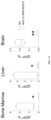
- Anti-LILRB4 antibodies but not control IgG reduced the percentage of GFP+ leukemia cells present in host bone marrow, liver and brain as determined by flow cytometry. *, p ⁇ 0.05, **, p ⁇ 0.01.
- FIGS. 14 a - 14 dd LILRB4 promotes AML cells migration and supports leukemia development.
- FIG. 14 a Knockout of lilrb4 reduced THP-1 cell transmigration across endothelial cells.
- FIG. 14 a Knockout of lilrb4 reduced THP-1 cell transmigration across endothelial cells.
- FIG. 14 d Overall survival and ( FIG. 14 e ) body weight of these mice have been also examined.
- FIG. 14 f Forced expression of human LILRB4 promotes transmigration of mouse AML C1498 cells.
- FIG. 14 i Overall survival and FIG.
- FIG. 14 j body weight of these mice was determined.
- FIG. 14 k Anti-LILRB4 antibody inhibits transmigration of THP-1 cells. IgG was used as control.
- FIG. 14 n Anti-LILRB4 antibody inhibits transmigration of MV4-11 cells. IgG was used as control.
- FIG. 14 u THP-1 leukemia development was monitored by whole animal bioluminescence imaging. Mice were treated with control IgG or anti-LILRB4 antibodies.
- FIG. 14 v Representative mice were sacrificed at 21 days for ex vivo bioluminescence imaging of internal organs after luciferase-expressed THP-1 transplantation.
- 1 GI tract; 2: legs; 3: lung; 4: spleen; 5: liver; 6: kidneys; 7: brain; 8: heart.
- leukemia cells (GFP positive) in liver, spleen, and bone marrow were normalized to that in peripheral blood as determined by flow cytometry.
- WT wild-type THP-1 cells with inducible Cas9 and scramble gRNA expression
- KO lilrb4-knockout THP-1 cells selected by inducible Cas9 expression and scramble lilrb4-specific gRNA expression
- KO-wt overexpression of wild-type lilrb4 cDNA lilrb4-knockout in THP-1 cells
- KO-int ⁇ overexpression of intracellular domain-deleted lilrb4 cDNA lilrb4-knockout in THP-1 cells.
- FIG. 15 Formed expression of human LILRB4 promotes transmigration of mouse AML WEHI-3 cells. *, p ⁇ 0.05.
- FIGS. 16 a - 16 b Modulation of LILRB4 expression doesn't affect proliferation of AML cells.
- FIG. 16 a The growth of THP-1 cells was not changed by knockout of lilrb4.
- WT wild type THP-1 cells with inducible Cas9 and scramble gRNA expression
- KO lilrb4-knockout THP-1 cells selected by inducible Cas9 expression and scramble lilrb4-specific gRNA expression.
- FIG. 16 b The growth of mouse AML C1498 cells was not changed by forced expression of human lilrb4. n.s., not significant.
- FIG. 17 Anti-LILRB4 antibody decreased leukemia cell infiltration in liver.
- C57b1/6 mice were subcutaneously implanted with human LILRB4-expressing mouse AML C1498 cells (3 ⁇ 10 6 cells/mouse) that express GFP. All mice were treated with anti-CD8 antibodies at 3, 6, 9 and 12 days post inoculation of tumor cells.
- Anti-LILRB4-N297A antibodies or control IgG were intravascularly injected at 6, 9, 12, 15 and 18 days post inoculation of tumor cells.
- Anti-LILRB4 antibodies but not control IgG reduced the percentage of GFP+ leukemia cells in host liver as determined by flow cytometry. *, p ⁇ 0.05.
- FIG. 18 LILRB4 expression on the indicated immortalized human AML cells as determined by flow cytometry. Isotype IgG was used as control.
- FIG. 19 Anti-LILRB4 antibodies do not act on LILRB4-negative cancer cells.
- NSG mice were injected with LILRB4-human AML U937 cells and then treated with anti-LILRB4 antibodies.
- IgG served as a control antibody.
- Mice were sacrificed at day 25 post-transplant for analysis of liver (LV), bone marrow (BM), spleen (SP), and peripheral blood (PB) by flow cytometry. The presence of human AML cells was detected by anti-human CD45 antibody staining. n.s., not significant.
- FIGS. 20 a - 20 b Anti-LILRB4 antibodies suppress human AML xenograft.
- FIG. 20 a Schematic of antibody administration in AML xenograft. Antibodies (either control IgG or anti-LILRB4 antibodies) were administered as indicated by arrows.
- FIGS. 20 a Schematic of antibody administration in AML xenograft. Antibodies (either control IgG or anti-LILRB4 antibodies) were administered as indicated by arrows.
- FIG. 20 b The percentages of human leukemia (THP-1, CD45+) cells in liver (LV), bone marrow (BM), and spleen (SP) of recipient NSG mice (
- FIG. 21 Anti-LILRB4 antibodies suppress human AML xenograft. 20 ⁇ g of each antibody were administered at day 0 as indicated. THP-1 leukemia development monitored by whole animal bioluminescence imaging.
- FIG. 22 Anti-LILRB4 antibodies suppress human AML xenograft. 200 ⁇ g of each antibody were administered at day 0, day 3 or day 6 as indicated. THP-1 leukemia development monitored by whole animal bioluminescence imaging.
- FIGS. 23 a - c depictative flow cytometry plots demonstrating successful reduction in ( FIG. 23 a ) NK cell (CD45+CD49b+), ( FIG. 23 b ) macrophage (CD11b+F4/80+), and ( FIG. 23 c ) neutrophil (CD11b+CD11c ⁇ ) frequency in NSG mice depleted of the respective immune cell subtype as compared to non-depleted (wild-type) NSG mice.
- FIG. 24 Human and mouse integrin heterodimer proteins cannot activate LILRB4 reporter. Human and mouse serum were used as positive controls. n.s., not significant. ****, p ⁇ 0.0001.
- FIGS. 25 a - 251 APOE binds LILRB4 and supports AML migration.
- FIG. 25 a As shown by analysis of the percentage of cells in the LILRB4 reporter system that are GFP + , human serum and mouse serum specifically activate LILRB4.
- FIG. 25 b Recombinant APOE activates human LILRB4 and mouse PIRB in reporter systems.
- FIG. 25 c Serum from APOE-null mouse was unable to activate LILRB4.
- FIG. 25 d Lipid-reconstituted APOE (APOE-POPC) activates human LILRB4 as well as recombinant APOE in reporter systems.
- FIG. 25 e lilrb4-knockout THP-1 cells showed decreased APOE binding as determined by flow cytometry. Cells stained with anti-His tag-APC served as a negative control.
- FIG. 25 f Binding kinetics of human APOE-3 to LILRB4-ECD-Fc were measured using surface plasmon resonance (SPR). LILRB4-ECD-Fc was immobilized on Protein A biosensor tips and incubated with APOE-3 concentrations ranging from 1.5625 nM to 100 nM.
- FIG. 25 g The activation of LILRB4 by APOE was reduced by mutation at N-terminal of APOE.
- FIG. 25 h The activation of LILRB4 by APOE was reduced by the indicated single amino acid mutation of LILRB4.
- FIGS. 26 a - 26 c Identification of potential ligands of LILRB4 in human serum.
- FIG. 26 a Flowchart of ligand screen.
- FIG. 26 b Fractionation of LILRB4 stimulating activities from human serum by FPLC. 10% human serum was used as a positive control.
- FIG. 26 c A list of proteins identified from the LILRB4 stimulating fractions by mass spectrometry (MS). PSMs: peptide spectrum matches.
- FIG. 27 Both Human and mouse APOE proteins can activate LILRB4 reporter. Human and mouse serum were used as positive controls. n.s., not significant. ****, p ⁇ 0.0001.
- FIGS. 28 a - 28 b APOE proteins from different sources all activate LILRB4.
- FIG. 28 a APOE (20 ⁇ g/ml) purified from human plasma, His-tagged or tag-free recombinant human APOE (rhAPOE) (20 ⁇ g/ml) expressed by 293T mammalian cells, or rhAPOE (20 ⁇ g/ml) expressed by bacteria all activate the LILRB4 reporter. These APOE all represent human APOE3.
- FIG. 28 b APOE2, APOE3 and APOE4 all activate the LILRB4 reporter. 40 ⁇ g/ml APOEs were coated on plates or directly added in cell culture media (soluble).
- FIGS. 29 a - 29 g Three APOE isoforms bind to human LILRB4.
- FIGS. 29 a - c Binding kinetics of APOE 2, 3, and 4 to LILRB4-Fc were measured using surface plasmon resonance (SPR). LILRB4-Fc was immobilized on Protein A biosensor tips and incubated with APOE concentrations ranging from 1.5625 nM to 100 nM. The Kd of APOE2, APOE3 and APOE4 binding to LILRB4 are 5.525 nM, 2.485 nM and 3.573 nM, respectively. ( FIGS.
- FIG. 29 d - f Binding kinetics of APOE 2, 3, and 4 to LILRB4-Fc were measured using Bio-layer Interferometry (Octet). LILRB4-Fc was immobilized on Protein A biosensor tips and incubated with APOE concentrations ranging from 44 nM to 1176 nM. The Kd of APOE2, APOE3 and APOE4 binding to LILRB4 are 60.68 nM, 61.67 nM and 48.39 nM, respectively. ( FIG. 29 g ) Binding kinetics of APOE 3 to His-LILRB4 was measured using microscale thermophoresis (MST). The Kd of APOE3 binding to LILRB4 is 210 nM.
- FIGS. 30 a - 30 b The role of mutated residues of LILRB4 in the possible APOE binding interface based on the known structures of LILRB4 and APOE.
- FIG. 30 a Based on the PDB structure of LILRB4 (PDBID: 3P2T) and APOE3 (PDBID: 2L7B), residues in four possible ligand binding interfaces for mutagenesis study and generated a series of mutant LILRB4 reporter cells.
- FIG. 30 b Mutation of two residues, W106 and Y121 significantly reduced activation of LILRB4 by APOE, located in the first Ig domain and in the linker between two Ig domains, respectively.
- FIGS. 31 a - 31 w LILRB4-mediated intracellular signaling controls AML cell migration and T cell suppression.
- FIG. 31 a Western blots show shp-1, shp-2 and ship were individually knocked-out by CRISP/Cas9 in THP-1 cells.
- FIG. 31 b Representative cells were photographed using an inverted microscope ( FIG. 31 b ) and T cells were stained with anti-CD3 and anti-CD8 antibodies and analyzed by flow cytometry ( FIG. 31 c ).
- FIG. 31 d - FIG. 31 e Knockout of shp-2 reduces THP-1 cell migration and leukemia development in xenografted mice.
- FIG. 31 f lilrb4-knockout (lilrb4-KO) and scramble control (WT) THP-1 cells were analyzed by RNA-seq. Loss of lilrb4 induced alterations in transcription factor activities (lilrb4-KO versus WT).
- FIG. 31 g Western blots show lilrb4-knockout (KO) decreases phosphorylation of SHP-2 and STAT-3 compared with that in scramble control (WT) THP-1 cells.
- FIG. 31 h Western blots show lilrb4-knockout (KO) decreases phosphorylation of IKKs compared with that in scramble control (WT) THP-1 cells.
- FIG. 31 i Western blots show expression of NFkB is decreased in the nuclear fraction in lilrb4-knockout (KO) compared with that in scramble control (WT) THP-1 cells.
- FIG. 31 g Western blots show lilrb4-knockout (KO) decreases phosphorylation of SHP-2 and STAT-3 compared with that in scramble control (WT) THP-1 cells.
- FIG. 31 h Western blots show lilrb4-knockout (KO) decreases
- FIG. 31 l Inhibition of STAT-3 but not STAT-1 by specific inhibitors, 2.5 ⁇ M of Stahlic (STAT-3 inhibitor) or fludarabine, respectively, decreases THP-1 cell transmigration across endothelial cells.
- FIG. 31 n Loss of lilrb4 decreases cytokine and chemokine production in THP-1 cells.
- FIG. 31 o Quantification of the intensity of blots (shown in FIG. 31 n ) by ImageJ software.
- FIG. 31 p Western blots show lilrb4-knockout (KO) decreases protein expression of uPAR and arginase-1 compared with that in scramble control (WT) THP-1 cells.
- FIG. 31 o Quantification of the intensity of blots (shown in FIG. 31 n ) by ImageJ software.
- FIG. 31 p Western blots show lilrb4-knockout (KO) decreases protein expression of uPAR and arginase-1 compared with that in scramble control (WT) THP-1 cells.
- FIG. 31 q Arginase activity was decreased in culture medium of lilrb4-knockout (KO) compared with that in scramble control (WT) THP-1 cells.
- FIG. 31 r - FIG. 31 s T cells isolated from healthy donors were incubated with irradiated lilrb4-KO or WT THP-1 cells. These cells were supplemented with indicated concentration of uPAR proteins for 7 days. Representative cells were photographed using an inverted microscope ( FIG. 31 r ) and T cells were stained with anti-CD3 antibody and analyzed by flow cytometry ( FIG. 31 s ).
- FIG. 31 u T cells isolated from healthy donors were incubated with irradiated lilrb4-KO or WT THP-1 cells. The culture was supplemented with indicated concentration of recombinant Arginase-1 proteins for 7 days. Representative cells were photographed using an inverted microscope ( FIG. 31 t ) and T cells were stained with anti-CD3 antibody and analyzed by flow cytometry ( FIG. 31 u ).
- FIG. 31 v - FIG. 31 w Supplementation of recombinant uPAR or Arginase-1 to the medium rescued the decrease of transmigration ability of lilrb4-KO THP-1 ( FIG. 31 v ) or lilrb4-KO MV4-11 cells ( FIG. 31 w ) across endothelium.
- FIG. 32 shows lilrb4-knockout (KO) decreases gene expression of cytokines and chemokines compared with that in scramble control (WT) THP-1 cells.
- FIG. 33 Effects of cytokines on T cells.
- T cells isolated from healthy donors were cultured with anti-CD3/CD28-coated beads and rhIL-2 and supplemented with indicated proteins for 3 days. Representative cells were photographed using an inverted microscope.
- FIG. 34 Rescue of T cell-activating function of LILRB4 KO THP-1 cells by cytokines.
- FIGS. 35 a - 35 c Effects of CCLs on AML cell infiltration.
- FIG. 35 a Blockade of CCL4, but not CCL2 or CCL3, by specific neutralizing antibodies decreases THP-1 cell transmigration across endothelial cells.
- FIG. 35 a Blockade of CCL4, but not CCL2 or CCL3, by specific neutralizing antibodies decreases THP-1 cell transmigration across endothelial cells.
- T cells isolated from healthy donors were incubated with irradiated lilrb4-KO or WT THP-1 cells. These cells were supplemented with 20 ⁇ g/ml CCL4 proteins or treated with 10 ⁇ g/ml IgG or anti-CCL4 neutralizing antibodies for 7 days. T cell number was analyzed by flow cytometry.
- FIGS. 36 a - 36 d Correlation analyses of LILRB4-regulated genes.
- FIG. 36 a Comparison of differential gene expression patterns in lilrb4-KO versus WT and in those treated with anti-LILRB4 versus IgG identified by RNA-seq.
- THP-1 cells were treated with 1% human serum for 24 hrs in presence of antibodies. Blue indicates lilrb4-negatively regulated genes and red indicates lilrb4-positively regulated genes.
- FIG. 36 a Comparison of differential gene expression patterns in lilrb4-KO versus WT and in those treated with anti-LILRB4 versus IgG identified by RNA-seq.
- THP-1 cells were treated with 1% human serum for 24 hrs in presence of antibodies.
- Blue indicates lilrb4-negatively regulated genes and red indicates lilrb4-positively regulated genes.
- FIG. 36 b Correlation analysis of mRNA expression data of lilrb4-regulated genes from the TCGA database shows that lilrb4 expression has positive correlation with expression of lilrb4-positively regulated genes; In contrast, lilrb4 expression has negative correlation with expression of lilrb4-negatively regulated genes identified from RNA-seq data.
- FIG. 36 c - FIG. 36 d Analysis of mRNA expression data and patient survival from the TCGA database shows that expression of lilrb4-positively regulated genes (red line) has inverse correlation between gene expression and patient overall survival ( FIG. 36 c ); but expression of lilrb4-negatively regulated genes (red line) shows positive correlation between gene expression and patient overall survival ( FIG. 36 d ).
- FIGS. 37 a - 37 c Anti-LILRB4 antibodies accelerate mobilization of MV4-11 cells to peripheral blood.
- FIG. 37 a Schematic of antibody administration.
- FIG. 37 b The number of leukemia cells in peripheral blood (PB) was normalized to that in peripheral blood as determined by flow cytometry.
- FIG. 37 c The number of leukemia cells in liver (LV), spleen (SP), and bone marrow (BM) were normalized to that in peripheral blood as determined by flow cytometry.
- Anti-human CD45 was used to detect MV4-11 cells.
- FIGS. 38 a - 38 e Synergistic effects of anti-LILRB4 and chemotherapy drugs.
- FIG. 38 a - FIG. 38 b Anti-LILRB4 antibody accelerates the mobilization of MV4-11 cells to peripheral blood (PB) ( FIG. 38 a ) from bone marrow (BM), liver (LV) and spleen (SP) ( FIG. 38 b ).
- FIG. 38 c - FIG. 38 e Synergistic effects of anti-LILRB4 antibody treatment in combination with the chemotherapy drug cytarabicin ( FIG.
- the administration of chemotherapy drugs and anti-LILRB4 antibody are shown in the diagram ( FIG. 38 c ).
- Anti-human CD45 was used to detect human leukemia cells by flow cytometry.
- FIG. 39 Anti-LILRB4 antibody did not affect homing of normal HSCs.
- the number of CD45 + CD34 + HSCs in liver, spleen, and bone marrow were normalized to that in peripheral blood as determined by flow cytometry.
- FIGS. 40 a - 40 c Anti-LILRB4 antibodies inhibit leukemia development in hCB-humanized NSG mice.
- FIG. 40 a Strategy to test whether anti-LILRB4 antibody C84 inhibits leukemia development in hCB-humanized NSG mice.
- FIG. 40 b Leukemia development was monitored over time by luminescence imaging.
- FIG. 40 c Frequency of engrafted leukemia, normal human cells, including human B cells, human myeloid cells and human T cells in peripheral blood over time and hematopoietic tissues of hCB-humanized mice at the 24 days after leukemia transplantation.
- BM bone marrow
- LV liver
- SP spleen
- PB peripheral blood.
- LILRBs leukocyte immunoglobulin-like receptor family
- AML monocytic acute myeloid leukemia
- LILRB4 In the xenografted mice, inhibition of LILRB4 signalling by LILRB4 blocking antibodies eliminated AML development through direct tumor targeting, disruption of retention of leukemia cells in the microenvironment, and immune checkpoint inhibition. LILRB4 thus represents a novel target for treating monocytic AML, and anti-LILRB4 antibodies are promising drug candidates.
- LILRB4 is an ideal target for treatment of AML and potentially other cancers. Because LILRB4 is a marker for monocytic AML and is expressed by both primitive and mature monocytic AML cells, it may be appropriate to investigate LILRB4 for potential treatment of monocytic AML. Most unexpected is that the data indicate that the anti-LILRB4 blocking antibody strategy combines targeted therapy and immunotherapy. The anti-LILRB4 blocks signalling and the interaction between LILRB4 + AML cells and their microenvironment and also mediates direct tumor killing effects. In addition, the anti-LILRB4 stimulates the activation of T cells resulting in immune-system-mediated anti-cancer effects.
- anti-LILRB4 antibodies may also relieve immune suppression mediated by these myeloid cells.
- the findings presented in the examples below indicate that anti-LILRB4 should enhance the efficacy of a standard chemotherapy regimen as the antibody resulted in migration of leukemia cells out of niche into the blood stream where these cells may be more susceptible to cytotoxic chemotherapy.
- LILRB4 targeting may have minimal toxicity.
- LILRB4 is expressed on monocytes and macrophages, dendritic cells, progenitor mast cells, endothelial cells, and osteoclasts. However, it is expressed at higher levels on human AML cells than on normal counterparts.
- anti-LILRB4 should have no effect on HSCs, which do not express LILRB4.
- LILRB4 is expressed by osteoclasts, mice that do not express PirB, the mouse LILRB orthologue, do not have altered osteoclast function 30 . Anti-LILRB4 antibodies thus hold great promise for treatment of patients with monocytic AML and other malignancies.
- embodiments of the present disclosure provide methods of identifying LILRB antagonist (e.g., anti-LILRB antibodies) specifically targeting ApoE-induced LILRB activation.
- the assay provided herein comprises the administration of the LILRB ligand, ApoE, to a reporter cell or population of reporter cells along with a candidate antagonist of LILRB activation.
- the level of LILRB activation is then measured, such as by detecting a marker under the control of LILRB activation (e.g., NFAT-GFP).
- the level of LILRB activation is compared to the activation by ApoE administration alone, and a decrease in LILRB activation identifies an inhibitor of ApoE-mediated LILRB activation.
- the methods and compositions of the present disclosure provide methods of identifying ApoE-induced LILRB activation and their use thereof in the treatment of cancer, specifically AML.
- Autoimmune disease includes, without limitation, rheumatoid arthritis, Crohn's disease, multiple sclerosis, autoimmune diabetes, systemic lupus erythematosus, lupus vulgaris, thyroiditis, Addison's Disease, hemolytic anemia, antiphospbolipid syndrome, dermatitis, allergic encephalomyelitis, glomerulonephritis, Goodpasture's Syndrome, Graves' Disease, Myasthenia Gravis, Neuritis, Ophthalmia, Bullous Pemphigoid, Pemphigus, Polyendocrinopathies, Purpura, Reiter's Disease, Stiff-Man Syndrome, Autoimmune Pulmonary Inflammation, Guillain-Barre Syndrome, and autoimmune inflammatory eye disease.
- the subject is human.
- the polypeptide is administered to the subject during a flare-up of an autoimmune attack.
- the method may further comprise administration of additional immunosuppressive drugs, e.g., cytotoxic agents, cyclosporine, methotrexate, azathioprine, and corticosteroids.
- antagonists or inhibitor of LILRB activation refers to any substance that can block or decrease the activation of LILRB in the presence of an LILRB ligand, e.g., ApoE.
- the antagonist or inhibitor can be protein, e.g., antibodies.
- the antagonist or inhibitor can be small molecule, e.g., a chemical compound.
- the antagonist or inhibitor decrease the activation of LILRB by at least 20%, 30%, 40%, 50%, 60%, 70%, 80% or 90% as compared to a reference level, e.g., the activation level of LILRB in the presence of LILRB ligand but in the absence of the antagonist or inhibitor.
- antibody as used herein includes any immunoglobulin, monoclonal antibody, polyclonal antibody, multi-specific antibody, or bispecific (bivalent) antibody that binds to a specific antigen (or multiple antigens).
- a native intact antibody comprises two heavy chains and two light chains. Each heavy chain consists of a variable region (V H ) and a first, second, and third constant region (C H 1, C H 2, C H 3), while each light chain consists of a variable region (V L ) and a constant region (CL).
- V H variable region
- C H 1, C H 2, C H 3 first, second, and third constant region
- V L variable region
- Mammalian heavy chains are classified as ⁇ , ⁇ , ⁇ , ⁇ , and ⁇
- mammalian light chains are classified as ⁇ or ⁇ .
- the antibody has a “Y” shape, with the stem of the Y consisting of the second and third constant regions of two heavy chains bound together via disulfide bonding.
- Each arm of the Y includes the variable region and first constant region of a single heavy chain bound to the variable and constant regions of a single light chain.
- the variable regions of the light and heavy chains are responsible for antigen binding, and are often referred to as Fv (for variable fragment) or Fv fragment.
- the variable regions in both chains generally contains three highly variable loops called the complementarity determining regions (CDRs) (light (L) chain CDRs including LCDR1, LCDR2, and LCDR3, heavy (H) chain CDRs including HCDR1, HCDR2, HCDR3).
- CDRs complementarity determining regions
- CDR boundaries for the antibodies and antigen-binding fragments disclosed herein may be defined or identified by the conventions of Chothia, Kabat, or Al-Lazikani (Chothia, C. et al., J Mol Biol 186(3):651-63 (1985); Chothia, C. and Lesk, A. M., J Mol Biol, 196:901 (1987); Chothia, C. et al., Nature 342 (6252):877-83 (1989); Kabat E. A. et al., National Institutes of Health, Bethesda, Md. (1991); Al-Lazikani, B., Chothia, C., Lesk, A. M., J Mol Biol 273(4):927 (1997)).
- the three CDRs are interposed between flanking stretches known as framework regions (FRs), which are more highly conserved than the CDRs and form a scaffold to support the hypervariable loops.
- FRs framework regions
- the constant regions of the heavy and light chains are not involved in antigen-binding, but exhibit various effector functions.
- Antibodies are assigned to classes based on the amino acid sequence of the constant region of their heavy chain.
- the five major classes or isotypes of antibodies are IgA, IgD, IgE, IgG, and IgM, which are characterized by the presence of ⁇ , ⁇ , ⁇ , ⁇ , and ⁇ heavy chains, respectively.
- antibodies also include antigen-binding fragments, i.e., a portion of a protein which is capable of binding specifically to an antigen.
- the antigen-binding fragment is derived from an antibody comprising one or more CDRs, or any other antibody fragment that binds to an antigen but does not comprise an intact native antibody structure.
- antigen-binding fragment include, without limitation, a diabody, a Fab, a Fab′, a F(ab′) 2 , an Fv fragment, a disulfide stabilized Fv fragment (dsFv), a (dsFv) 2 , a bispecific dsFv (dsFv-dsFv′), a disulfide stabilized diabody (ds diabody), a single-chain antibody molecule (scFv), an scFv dimer (bivalent diabody), a multispecific antibody, a single domain antibody (sdAb), a camelid antibody or a nanobody, a domain antibody, and a bivalent domain antibody.
- cancer refers to a condition or disorder in which cells grow and divide at unregulated, quickened pace.
- examples of cancer include acute lymphoblastic leukemia (ALL), acute myeloid leukemia, adrenocortical carcinoma, anal cancer, astrocytoma, childhood cerebellar or cerebral, basal-cell carcinoma, bile duct cancer, bladder cancer, bone tumor, brain cancer, cerebellar astrocytoma, cerebral astrocytoma/malignant glioma, ependymoma, medulloblastoma, supratentorial primitive neuroectodermal tumors, visual pathway and hypothalamic glioma, breast cancer, Burkitt's lymphoma, cervical cancer, chronic lymphocytic leukemia, chronic myelogenous leukemia, colon cancer, emphysema, endometrial cancer, ependymoma, esophageal cancer, Ewing's sarcoma,
- ALL
- a “cell”, as used herein, can be prokaryotic or eukaryotic.
- a prokaryotic cell includes, for example, bacteria.
- a eukaryotic cell includes, for example, a fungus, a plant cell, and an animal cell.
- a cell can be normal, healthy cell; or a diseased or unhealthy cell (e.g., a cancer cell).
- a cell further includes a mammalian zygote or a stem cell which include an embryonic stem cell, a fetal stem cell, an induced pluripotent stem cell, and an adult stem cell.
- a stem cell is a cell that is capable of undergoing cycles of cell division while maintaining an undifferentiated state and differentiating into specialized cell types.
- a stem cell can be an omnipotent stem cell, a pluripotent stem cell, a multipotent stem cell, an oligopotent stem cell and a unipotent stem cell, any of which may be induced from a somatic cell.
- a stem cell may also include a cancer stem cell.
- a mammalian cell can be a rodent cell, e.g., a mouse, rat, hamster cell.
- a mammalian cell can be a lagomorpha cell, e.g., a rabbit cell.
- a mammalian cell can also be a primate cell, e.g., a human cell.
- essentially free in terms of a specified component, is used herein to mean that none of the specified component has been purposefully formulated into a composition and/or is present only as a contaminant or in trace amounts.
- the total amount of the specified component resulting from any unintended contamination of a composition is therefore well below 0.05%, preferably below 0.01%.
- Most preferred is a composition in which no amount of the specified component can be detected with standard analytical methods.
- the inflammatory disorder includes, without limitation, (i) inflammatory diseases such as chronic inflammatory pathologies (including chronic inflammatory pathologies such as, but not limited to, sarcoidosis, chronic inflammatory bowel disease, ulcerative colitis, and Crohn's pathology); (ii) vascular inflammatory pathologies such as, but not limited to, disseminated intravascular coagulation, atherosclerosis, Kawasaki's pathology and vasculitis syndromes (such as, but not limited to, polyarteritis nodosa, Wegener's granulomatosis, Henoch-Schonlein purpura, giant cell arthritis and microscopic vasculitis of the kidneys); (iii) chronic active hepatitis; (iv) Sjogren's syndrome; (v) spondyloarthropathies such as ankylosing spondylitis, psoriatic arthritis and spondylitis, enteropathic arthritis and spondylitis, reactive arthritis and arthritis associated with inflammatory
- the subject is human.
- the method can also be combined with administration of additional anti-inflammatory agents.
- Anti-inflammatory agents include, but are not limited to, any known nonsteroidal anti-inflammatory agent such as, salicylic acid derivatives (aspirin), para-aminophenol derivatives (acetaminophen), indole and indene acetic acids (indomethacin), heteroaryl acetic acids (ketorolac), arylpropionic acids (ibuprofen), anthranilic acids (mefenamic acid), enolic acids (oxicams) and alkanones (nabumetone) and any known steroidal anti-inflammatory agent which include corticosteriods and biologically active synthetic analogs with respect to their relative glucocorticoid (metabolic) and mineralocorticoid (electrolyte-regulating) activities.
- other drugs used in the therapy of inflammation include, but are not limited to, autocoid antagonists such as hist
- link refers to the association via intramolecular interaction, e.g., covalent bonds, metallic bonds, and/or ionic bonding, or inter-molecular interaction, e.g., hydrogen bond or noncovalent bonds.
- operably linked refers to an arrangement of elements wherein the components so described are configured so as to perform their usual function.
- a given signal peptide that is operably linked to a polypeptide directs the secretion of the polypeptide from a cell.
- a promoter that is operably linked to a coding sequence will direct the expression of the coding sequence.
- the promoter or other control elements need not be contiguous with the coding sequence, so long as they function to direct the expression thereof. For example, intervening untranslated yet transcribed sequences can be present between the promoter sequence and the coding sequence and the promoter sequence can still be considered “operably linked” to the coding sequence.
- the term “subject” refers to a human or any non-human animal (e.g., mouse, rat, rabbit, dog, cat, cattle, swine, sheep, horse or primate).
- a human includes pre- and post-natal forms.
- a subject is a human being.
- a subject can be a patient, which refers to a human presenting to a medical provider for diagnosis or treatment of a disease.
- the term “subject” is used herein interchangeably with “individual” or “patient.”
- a subject can be afflicted with or is susceptible to a disease or disorder but may or may not display symptoms of the disease or disorder.
- Treating” or “treatment” of a condition as used herein includes preventing or alleviating a condition, slowing the onset or rate of development of a condition, reducing the risk of developing a condition, preventing or delaying the development of symptoms associated with a condition, reducing or ending symptoms associated with a condition, generating a complete or partial regression of a condition, curing a condition, or some combination thereof.
- a therapeutically effective amount refers to the dosage or concentration of a drug effective to treat a disease or condition.
- a therapeutically effective amount is the dosage or concentration of the monoclonal antibody or antigen-binding fragment thereof capable of reducing the tumor volume, eradicating all or part of a tumor, inhibiting or slowing tumor growth or cancer cell infiltration into other organs, inhibiting growth or proliferation of cells mediating a cancerous condition, inhibiting or slowing tumor cell metastasis, ameliorating any symptom or marker associated with a tumor or cancerous condition, preventing or delaying the development of a tumor or cancerous condition, or some combination thereof.
- the leukocyte immunoglobulin-like receptors are a family of receptors possessing extracellular immunoglobulin domains. They are also known as CD85, ILTs and LIR, and can exert immunomodulatory effects on a wide range of immune cells.
- the human genes encoding these receptors are found in a gene cluster at chromosomal region 19q13.4. They include, LILRA1, LILRA2, LILRA3, LILRA4, LILRA5, LILRA6, LILRB1, LILRB2, LILRB3, LILRB4, LILRBS, LILRB6 or LILRA6, and LILRB7 or LILRA5.
- MHC class I molecules also known as HLA class I in humans.
- the inhibitory receptors LILRB1 and LILRB2 show a broad specificity for classical and non-classical MHC alleles with preferential binding to ⁇ 2m-associated complexes.
- the activating receptors LILRA1 and LILRA3 prefer b2m-independent free heavy chains of MHC class I, and in particular HLA-C alleles.
- LILRB1-5 and LAIR1 see review 22 .
- Leukocyte immunoglobulin-like receptor subfamily B member 1 is a protein that in humans is encoded by the LILRB1 gene. This gene is a member of the leukocyte immunoglobulin-like receptor (LIR) family, which is found in a gene cluster at chromosomal region 19q13.4.
- LIR leukocyte immunoglobulin-like receptor
- the encoded protein belongs to the subfamily B class of LIR receptors which contain two or four extracellular immunoglobulin domains, a transmembrane domain, and two to four cytoplasmic immunoreceptor tyrosine-based inhibitory motifs (ITIMs). The receptor is expressed on immune cells where it binds to MHC class I molecules on antigen-presenting cells and transduces a negative signal that inhibits stimulation of an immune response.
- ITIMs cytoplasmic immunoreceptor tyrosine-based inhibitory motifs
- LILRB1 was also reported to be expressed in human gastric cancer cells and may enhance tumor growth. It is thought to control inflammatory responses and cytotoxicity to help focus the immune response and limit autoreactivity. Multiple transcript variants encoding different isoforms have been found for this gene.
- Leukocyte immunoglobulin-like receptor subfamily B member 2 is a protein that in humans is encoded by the LILRB2 gene. This gene is a member of the leukocyte immunoglobulin-like receptor (LIR) family, which is found in a gene cluster at chromosomal region 19q13.4.
- LIR leukocyte immunoglobulin-like receptor
- the encoded protein belongs to the subfamily B class of LIR receptors which contain two or four extracellular immunoglobulin domains, a transmembrane domain, and two to four cytoplasmic immunoreceptor tyrosine-based inhibitory motifs (ITIMs). The receptor is expressed on immune cells where it binds to MHC class I molecules on antigen-presenting cells and transduces a negative signal that inhibits stimulation of an immune response.
- ITIMs cytoplasmic immunoreceptor tyrosine-based inhibitory motifs
- the receptor is also expressed on human non-small cell lung cancer cells. Multiple transcript variants encoding different isoforms have been found for this gene. LILRB2 has been shown to interact with PTPN6.
- Leukocyte immunoglobulin-like receptor subfamily B member 3 is a protein that in humans is encoded by the LILRB3 gene. This gene is a member of the leukocyte immunoglobulin-like receptor (LIR) family, which is found in a gene cluster at chromosomal region 19q13.4.
- LIR leukocyte immunoglobulin-like receptor
- the encoded protein belongs to the subfamily B class of LIR receptors which contain two or four extracellular immunoglobulin domains, a transmembrane domain, and two to four cytoplasmic immunoreceptor tyrosine-based inhibitory motifs (ITIMs).
- the receptor is expressed on immune cells where it binds to MHC class I molecules on antigen-presenting cells and transduces a negative signal that inhibits stimulation of an immune response. It is thought to control inflammatory responses and cytotoxicity to help focus the immune response and limit autoreactivity. Multiple transcript variants encoding different isoforms have been found for this gene.
- Leukocyte immunoglobulin-like receptor subfamily B member 4 is a protein that in humans is encoded by the LILRB4 gene. This gene is a member of the leukocyte immunoglobulin-like receptor (LIR) family, which is found in a gene cluster at chromosomal region 19q13.4.
- LIR leukocyte immunoglobulin-like receptor
- the encoded protein belongs to the subfamily B class of LIR receptors which contain two or four extracellular immunoglobulin domains, a transmembrane domain, and two to four cytoplasmic immunoreceptor tyrosine-based inhibitory motifs (ITIMs). The receptor is expressed on immune cells where it binds to MHC class I molecules on antigen-presenting cells and transduces a negative signal that inhibits stimulation of an immune response.
- ITIMs cytoplasmic immunoreceptor tyrosine-based inhibitory motifs
- the receptor can also function in antigen capture and presentation. It is thought to control inflammatory responses and cytotoxicity to help focus the immune response and limit autoreactivity.
- LILRB4 is also expressed in human gastric cancer cells and may enhance tumor growth. Multiple transcript variants encoding different isoforms have been found for this gene. LILRB4 has been shown to interact with PTPN6.
- Leukocyte-associated immunoglobulin-like receptor 1 is a protein that in humans is encoded by the LAIR1 gene.
- LAIR1 has also been designated as CD305 (cluster of differentiation 305).
- LAIR1 is a type I transmembrane glycoprotein that contains one extracellular Ig-like domain and two intracellular ITIMs.
- LRC leukocyte receptor complex
- LAIR1 binds collagens, and its ITIMs recruit SHP-1 and SHP-2.
- LAIR1 is expressed in T cells, B cells, natural killer (NK) cells, macrophages, and dendritic cells, as well as hematopoietic progenitors including human CD34 + cells.
- the inventors analysed the correlation between gene expression of 50 known conceptual co-stimulating and co-inhibitory receptors and the overall survivals of 173 AML patients in TCGA AML database. The inventors found that the expression of lilrb4, an immune inhibitory receptor, most significantly negatively correlated with AML patient survival ( FIG. 5 ).
- LILRB4 has a restrictive expression pattern on normal monocytic cells 22 , and is higher expressed in monocytic AML (or acute monocytic leukemia, which are developed from monocytic lineage and belong to FAB M4 and M5 AML subtypes) cells than in those from other subtypes of AML ( FIG. 6 ).
- the inventors analysed the surface expression of LILRB4 on leukemia blasts from 118 AML patient samples from the UT Southwestern Medical Center (UTSW), and found that LILRB4 was only present on the blasts of M4 and M5 monocytic AML but not on other AML subtypes ( FIG. 7 a and Table 1).
- LILRB4 is a specific marker for monocytic AML 26 .
- LILRB4 levels were higher on monocytic AML cells than on normal monocytes ( FIGS. 7 b - c ), and is not expressed on normal hematopoietic stem cells (HSCs) ( FIG. 8 ).
- HSCs normal hematopoietic stem cells
- LILRB4 expressed on AML cells have immune-suppressive function
- the inventors co-cultured LILRB4-positive or LILRB4-negative leukemia cells, or normal hematopoietic cells with either autologous T cells or T cells from healthy donors.
- LILRB4-positive primary monocytic AML cells significantly suppressed T cell proliferation ( FIG. 9 ). They then deleted LILRB4 in the human monocytic AML THP-1 cells using an inducible CRISPR/Cas9 system with lilrb4-specific guide RNA.
- the T cell suppressive ability of THP-1 cells was lost upon lilrb4 knockout (KO) ( FIGS. 7 d - f ).
- the inventors sought to determine if antagonizing LILRB4 could prevent AML development by reversing LILRB4-mediated immune inhibition.
- the inventors generated individual stable chimeric receptor reporter cells based on fusion of the extracellular domain (ECD) of individual LILRBs and their mouse orthologues PirB 27 and gp49B1 28 , with the intracellular domain of paired immunoglobulin-like receptor ⁇ , which signals through the adaptor DAP-12 to activate NFAT promoter-driven GFP expression, as the inventors have described 2, 31 .
- ECD extracellular domain
- PirB 27 and gp49B1 28 mouse orthologues PirB 27 and gp49B1 28
- PirB 27 and gp49B1 28 the intracellular domain of paired immunoglobulin-like receptor ⁇ , which signals through the adaptor DAP-12 to activate NFAT promoter-driven GFP expression, as the inventors have described 2, 31 .
- the inventors generated novel anti-LILRB4 blocking antibodies to further assess L
- anti-LILRB4 had no effect on cell activation or proliferation of T cells or THP-1 cells per se ( FIG. 11 ).
- anti-LILRB4 antibody treatment blocked the LILRB4-mediated T cell suppression ( FIGS. 7 g - h ).
- the treatment of this blocking antibody significantly decreased THP-1 cell number and increased CTL number and cytokine production by CTLs, in a co-culture of THP-1 cells and CTLs ( FIGS. 7 i - m ).
- these in vitro results indicate that LILRB4 expressed by AML cells inhibits T cell activity, and that anti-LILRB4 blocking antibody reverses this immune checkpoint function, making tumor cells susceptible to cytotoxic killing by T cells.
- immune compromised NOD-SCID Il2rg-knockout (NSG) mice were sub-lethally irradiated and transplanted with human peripheral blood mononuclear cells (hPBMC), enabling analysis of human T cells function on tumor biology 32 .
- hPBMC peripheral blood mononuclear cells
- LILRB4 blockade by anti-LILRB4 inhibited tumor development from subcutaneously implanted THP-1 cells ( FIG. 12 a - b ) and increased cytotoxic T cells in humanzied NSG mice ( FIG. 12 c ).
- LILRB4 significantly reduced leukemia development in eight primary human monocytic AML-derived xenografts ( FIG. 12 d ) and, meanwhile, increased allogeneic human CTL cells ( FIG. 12 e ). These results confirm that anti-LILRB4 antibody reverses T cell immune suppression mediated by tumor cell-expressed LILRB4.
- the inventors subcutaneously implanted human LILRB4-expressing mouse C1498 AML cells (C1498-huLILRB4) into immune competent C57BL/6 mice.
- C1498-huLILRB4 human LILRB4-expressing mouse C1498 AML cells
- ADCC/ADCP/CDC complement-dependent cytotoxicity
- the inventors treated tumor-bearing mice with Fc glycosylation site mutated anti-LILRB4 antibody (anti-LILRB4-N297A) that is defective in ADCC/ADCP/CDC 33 .
- LILRB4 blockade was able to effectively lower tumor burdens ( FIG.
- LILRB4 Supports Infiltration of Leukemia Cells.
- LILRB4 antibody blockade of LILRB4 results in significant decrease of leukemic infiltration into internal organs, including bone marrow, liver, and brain ( FIG. 13 ).
- LILRB4 KO in human AML THP-1 cells decreased trans-endothelial migration in vitro ( FIG.
- FIG. 14 a reduced short-term (20 hours) homing to liver and bone marrow ( FIG. 14 b ), lowered long-term (21 days) engraftment to hematopoietic organs ( FIG. 14 c ), prolonged survival of xenografted mice ( FIG. 14 d ), and delayed the body weight loss ( FIG. 14 e ).
- forced expression of human LILRB4 in mouse AML C1498 or WEHI-3 cells had the opposite effects ( FIGS. 14 f - j and FIG. 15 ).
- KO or ectopic expression of LILRB4 did not significantly affect leukemia growth in vitro and in vivo ( FIG. 16 ).
- NSG mice are defective of functional T cells, these results, especially those from the xenograft experiments, reveal a distinct role of LILRB4 in AML—to promote migration and leukemia infiltration. This is consistent with previous studies showing that the frequency of circulating LILRB4 + AML blasts is significantly lower than that of the LILRB4 ⁇ AML blasts 26 and LILRB4 + chronic lymphocytic leukemia cells more commonly associate with lymphoid tissue involvement 12 .
- LILRB4 blockade had the same effect as LILRB4 KO for LILRB4-expressing MV4-11 and THP-1 AML cells ( FIGS. 14 k - t ) but had no effect on U937 cells that do not express LILRB4 ( FIG. 19 ).
- whole animal and ex vivo bioluminescence imaging showed anti-LILRB4 antibody significantly blocked leukemia infiltration into lung, liver, bone marrow, brain, kidney, spleen and gastrointestinal tract ( FIGS. 14 u - v , FIG. 20 , FIG. 21 and FIG. 22 ).
- the inventors administered the glycosylation-deficient anti-LILRB4 antibody (anti-LILRB4-N297A) to NK cell-, macrophage-, and neutrophil-depleted NSG recipients that were transplanted with MV4-11 cells ( FIGS. 23 a - c ).
- Anti-LILRB4-N297A antibody treatment significantly inhibited AML infiltration compared to isotype control in each of the innate immune cell-depleted conditions ( FIGS. 14 w - z ).
- LILRB4 intracellular signaling is required for leukemia cell migration.
- WT wild-type
- KO knockout
- KO-wt wild-type lilrb4 expression
- KO-int ⁇ intracellular domain-deleted mutant lilrb4 expression
- anti-LILRB4 antibodies decreased the abilities of wild-type THP-1 and LILRB4 KO THP-1 cells that were reintroduced WT LILRB4 (KO-WT) homing to liver and bone marrow to the same level as LILRB4 KO or the KO THP-1 cells that were reintroduced the mutant LILRB4 lacking the intracellular domain (KO-int ⁇ ) ( FIG. 14 aa , FIG. 14 cc ).
- antibody treatment had no effect on the homing ability of LILRB4 KO THP-1 cells or KO-int ⁇ cells ( FIG. 14 bb , FIG. 14 dd ). Together, these results indicate that LILRB4 promotes migration of AML cells into internal organs including immune privileged sites and supports AML development.
- Anti-LILRB4 antibody blockade that efficiently suppresses immune inhibitory and migration functions of acute monocytic leukemia cells suggests that the function of LILRB4 on leukemia cell surface may be ligand dependent.
- the inventors sought to identify the extracellular binding protein(s) for LILRB4. Intergrin- ⁇ v ⁇ 3 , was previously identified as the ligand for gp49B1, a mouse LILRB4 orthologue 34 . However, a variety of intergrin- ⁇ complexes did not activate human LILRB4 reporter cells ( FIG. 24 ).
- human serum and mouse serum were capable of specifically stimulating the reporter for LILRB4 reporter but not other LILRBs ( FIG. 25 a ).
- FPLC fast protein liquid chromatography
- FIG. 26 Through fast protein liquid chromatography (FPLC) fractionation followed by reporter assays and mass spectrometry ( FIG. 26 ), they identified human and mouse APOE specifically activated LILRB4 reporter ( FIG. 25 b and FIG. 27 ).
- Purified APOE from different sources all activated LILRB4 ( FIG. 28 a ). All three isoforms of human APOE activated LILRB4 in both immobilized and soluble conditions ( FIG. 28 b ).
- recombinant APOE specifically activated the mouse PirB, but not gp49B1 ( FIG.
- APOE contains two functional domains, the N-terminal domain that contains its receptor LDLR binding site (residues 136-150), and a C-terminal domain (residues 222-299).
- the inventors generated a N-terminal mutant (Mut-N: R142A/K143A/R145A/K146A/R147A/R150A) and two C-terminal mutants (Mut-C1: deletion of residues 245-299; and Mut-C2: deletion of residues 279-299) of human APOE.
- the N-terminal mutant significantly reduced the LILRB4 activation ( FIG. 25 g ).
- the inventors further designed a series of site-specific mutations in amino acids potentially critical to the binding of ligand to LILRB4 based on the molecular modelling of LILRB4 to APOE ( FIG. 30 ).
- LILRB4 binds and activates LILRB4 to support migration of human acute monocytic leukemia cells.
- LILRB4 Supports AML Infiltration and T Cell Inhibition Through Downstream Effectors in AML Cells.
- the loss of function by intracellular domain deleted LILRB4 suggests that the downstream signaling of LILRB4 is required for T cell suppression and leukemia infiltration.
- the intracellular domain of LILRB4 contains three ITIMs that may recruit phosphatases SHP-1, SHP-2 or SHIP, for downstream signalling.
- shp-1, shp-2 and ship were individually deleted in THP-1 cells for T cell co-culture and migration assays by CRISPR/Cas9 technology. Loss of either SHP-2 rescued T cell suppression by THP-1 cells ( FIGS. 31 a - c ).
- FIGS. 31 j - k Inhibition of STATs in leukemia cells increased T cell proliferation ( FIGS. 31 j - k ) and decreased transmigration in vitro ( FIG. 31 l ) and leukemia development in vivo ( FIG. 31 m ).
- CCL2, CCL4, CCL5, IL-6R, IL-8, gp130, OSM, TIMP-1/2, TNF-R1/II and uPAR were decreased in the culture medium of lilrb4-KO cells compared with wild-type control cells ( FIGS. 31 n - o ).
- the uPAR urokinase receptor
- monocytic AML cells 38 and is known to promote cancer invasion, metastasis, survival, and angiogenesis 39 .
- uPAR is a target of NFkB in human cancer cells 40-43 Consistent with a decrease of secreted uPAR, both mRNA and intracellular protein levels of uPAR decreased in lilrb4-KO cells ( FIG. 32 and FIG. 31 p ).
- the inventors found expression of arginase-1 is significantly decreased in lilrb4-KO cells ( FIG. 31 p ); arginase-1 was reported to be upregulated by uPAR-mediated signalling and suppress T cell proliferation and CTL generation via increase of superoxide products in T cell microenvironment 4446 .
- the inventors measured the arginase-1 level in the culture medium and found that indeed the secreted arginase-1 from lilrb4-KO THP-1 cells also decreased ( FIG. 31 q ).
- the inventors treated lilrb4-KO cells with additional uPAR proteins when co-cultured with T cells. Supplement of uPAR decreased T cell proliferation in the coculture in a dose-dependent manner ( FIG. 31 r - s ); this effect of uPAR was likely through the coculture because uPAR does not efficiently directly decrease T cell proliferation ( FIG.
- the inventors performed gene expression analyses of lilrb4-KO versus wild-type THP-1 cells, human serum-treated versus non-treated THP-1 cells, and anti-LILRB4 antibody-treated versus control IgG-treated THP-1 cells with pre-treatment with human serum. They found that 44 genes, including 10 lilrb4-positively regulated and 34 lilrb4-negatively regulated genes, showed opposite trends in serum-activated and anti-LILRB4 treated samples ( FIGS. 36 a - d ). The mRNA levels of these genes in human AML patient were also significant correlated with that of LILRB4 ( FIGS. 36 a - d ).
- LILRB4 LILRB4 for T cell inhibition; different from a previous finding 53 , these data indicate that the intracellular signaling of LILRB4 in cancer cells is required for this immune suppression. Consistently, LILRB4 guides tumor cells to migrate to internal organs/tissues including the immune privileged sites. Of note, this also explained the characteristic extramedullary infiltration of monocytic AML.
- the tumor invasion mechanisms for acute monocytic leukemia as the inventors demonstrated are unique. Different from the direct immune inhibition through cell-cell contact as exemplified by PD-L1/PD-1 engagement, these leukemia cells utilize LILRB4-mediated signaling to infiltrate into tissues and suppress T cell activities—thus to create a new immune suppressive microenvironment. These findings suggest that a tumor blockade strategy that is different from the existing ones is needed to treat acute monocytic leukemia.
- LILRB4 may become the Achilles' heel for acute monocytic leukemia and thus represents an ideal target for treating this disease.
- Targeting LILRB4 may reactivate multiple immune cell types including T cells and perhaps monocytes/macrophages, block tumor infiltration into tissues/organs, and directly kill tumor cells (by antibody-dependent cell-mediated cytotoxicity or phagocytosis), thus perfectly combining immunotherapy and targeted therapies.
- anti-LILRB4 may mobilize leukemia cells from bone marrow to peripheral blood ( FIGS.
- LILRB4 targeting may have minimal toxicity.
- LILRB4 may play roles in other hematopoietic malignancies and solid cancers.
- LILRB4 is upregulated in chronic lymphocytic leukemia 12 and certain solid cancer cells 22 10, 16, 17 .
- LILRB4 is also expressed on tumor-associated macrophages, myeloid-derived suppressor cells, and tolerogenic dendritic cells 22 10, 16, 17 , likely contributing to an immune-suppressive environment for many tumors.
- An extrapolation of these results in AML may suggest that LILRB4 potentially promotes metastasis of LILRB4-positive solid cancer cells.
- monocytic cells are reported to be the source of IL-6, the main cytokine responsible for the life-threatening cytokine release syndrome associated with some immunotherapies 54 .
- Targeting these LILRB4-positive monocytic cells may thus control the cytokine release syndrome.
- Blocking LILRB4 signaling may prove to be a novel strategy for treating different types of cancers with minimal side effects.
- mice C57 BL/6J and NOD-scid IL2R ⁇ null (NSG) mice were purchased from and maintained at the animal core facility of University of Texas Southwestern Medical Center (UTSW). APOE-null mice were previously described 55 . All animal experiments were performed with the approval of the Committee on Animal Care.
- Chimeric receptor reporter cells The inventors constructed a stable chimeric receptor reporter cell system as described 2 31 to test the ability of a ligand to bind to the ECD of individual LILRBs, PirB, and gp49B1 and to trigger the activation or inhibition of the chimerically fused intracellular domain of paired immunoglobulin-like receptor ⁇ , which signals through the adaptor DAP-12 to activate the NFAT promoter. If an agonist or antagonist binds the ECD and activates or suppresses the chimeric signaling domain, an increase or decrease, respectively, in GFP expression is observed.
- APOE competition assay was used to screen LILRB4 blocking antibodies. Briefly, APOE proteins were pre-coated on 96-well plate at 37° C. for 3 hrs. After 2 times washing by PBS, 2 ⁇ 10 4 LILRB4 reporter cells were seeded in each well; meanwhile, indicated anti-LILRB4 antibodies were added into culture media. After 16 hrs, the percentage of GFP + reporter cells was analysed by flow cytometry.
- K562 co-culture assay was used to screen anti-LILRB4 antibodies that may enhance LILRB4 activity. Briefly, 2 ⁇ 10 4 LILRB4 reporter cells and 2 ⁇ 10 4 K562 cells were mixed and cultured in a well of 96-well plate; meanwhile, indicated anti-LILRB4 antibodies were added into culture media. After 16 hrs, the percentage of mouse CD45 + GFP + cells was determined by flow cytometry.
- the inventors used anti-human CD45-PE (HI30, BD Pharmingen), anti-human CD34-FITC (555821, BD Pharmingen), anti-human CD19-PE (HIB19, eBioscience), anti-human CD20-PE (555623, BD Pharmingen), anti-human CD11b-APC (ICRF44, eBioscience), anti-human LILRB4-APC (ZM4.1, eBioscience), anti-human CD14-APC (61D3, eBioscience), anti-human CD4-APC (RPA-T4, eBioscience), anti-human CD8-PE (555367, BD Pharmingen), anti-human CD28-APC (CD28.2, eBioscience), and anti-human CD40L-APC (24-31, eBioscience) antibodies to quantify the engraftment of different human hematopoietic lineage cells.
- Virus construction/infection and AML transplantation retroviral constructs MSCV-MLL-AF9-IRES-YFP, XZ201-IRES-GFP, XZ201-LILRB4-IRES-GFP were mixed with PCL-ECO (2:1), followed by transfection into 293T cells using Lipofectamine 2000 (Invitrogen, CA). Virus-containing supernatant was collected 48-72 hours post-transfection and used for infection as described previously 58 .
- Infected mouse Lin ⁇ cells (3 ⁇ 10 5 ) or mouse leukemia C1498 cells (1 ⁇ 10 6 ) were transplanted into lethally irradiated (1,000 rad) or sub-lethally irradiated (250 rad) C57BL/6J mice (6-8 weeks old) by retro-orbital injection.
- C1498 cells were purchased from ATCC.
- the inventors used FACS to isolate YFP + BM cells from primary recipient mice and transplanted 3000 cells into non-irradiated recipient mice including wild-type C57BL/6J and APOE-null mice.
- Human and mouse leukemia cells Primary human AML samples were obtained from UTSW. Informed consent was obtained under a protocol reviewed and approved by the Institutional Review Board at UTSW.
- Human leukemia cells (THP-1, MV4-11, and U937) and mouse leukemia cells (WEHI-3) (purchased from the ATCC) were cultured in RPMI-1640 supplemented with 10% FBS at 37° C. in 5% CO 2 and the normal level of O 2 .
- Mouse leukemia cells (C1498) (purchased from the ATCC) were cultured in DMEM supplemented with 10% FBS at 37° C. in 5% CO 2 and the normal level of O 2 .
- MST Microscale Thermophoresis
- MST experiments were performed on a Monolith NT.115 system (NanoTemper Technologies) using 80% LED and 20% IR-laser power. Laser on and off times were set at 30 s and 5 s, respectively.
- Recombinant LILRB4-ECD protein (SinoBio) was labeled with 4488-NHS (NanoTemper Technologies) and applied at a final concentration of 5.9 nM.
- a two-fold dilution series was prepared for unlabeled His-APOE (#CI06, Novoprotein) in PBS and each dilution point was similarly transferred to LILRB4-ECD solution. The final concentrations of His-APOE ranged from 12 ⁇ M to 0.36 nM. Samples were filled into standard-treated capillaries (NanoTemper Technologies) for measurement.
- Tumor cell/T cell co-culture assay Human T cells isolated from health donor peripheral blood (PB009-1-0, Allcells) were co-cultured with irradiated (28 Gy) THP-1 cells in a U-bottom 96 well-plate for 3-7 days. Anti-CD3/CD28-coated beads (#11161D, Thermo Fisher), 50 U/ml recombinant human IL-2, and 5 ng/ml recombinant human IL-7 were supplemented to the medium. In some experiments, THP-1 cells were cultured in the upper chamber of transwell inserts (pore size is 3 ⁇ M, #09-761-80, Thermo Fisher) for the U-bottom 96 well-plate. For primary AML or B-ALL samples, patient CD3 + T cells were collected and patient leukemia cells were sorted as CD33 + and CD19 + for AML and B-ALL, respectively.
- CD8 + T cells (5 ⁇ 10 4 per well) isolated from hPBMCs of a healthy donor (Interstate Blood Bank) were stimulated with anti-CD3/CD28/CD137-coated beads (11163D, Thermo Fisher) or cultured without stimulation for 2 days in a 96-well plate. Then, 5 ⁇ 10 3 human leukemia THP-1-Luc-GFP cells and 50 to 500 ⁇ g/ml anti-LILRB4 antibody C84 or control antibody mIgG were added. Cell numbers were determined on day 7 in triplicate wells. Anti-CD8 and anti-CD28 were used to detect human CTL cells; THP-1 cells were positive for GFP.
- Transwell assay To test the cell plasticity, 1 ⁇ 10 5 MV4-11 cells were labelled with CFSE (Invitrogen) and treated with 100 ⁇ g/ml of anti-LILRB4 antibody C84 or control antibody mIgG and cultured in the upper chamber of well in a transwell plate (Corning). After 18 h, cells in lower chamber were counted. To test the ability of AML cells to migrate through endothelial cells, 3 ⁇ 10 5 human umbilical vein endothelial cells (HUVEC) cells were cultured on the transwell membrane. After 3 days, 1 ⁇ 10 5 CFSE-labelled MV4-11 cells were seeded in the upper chamber with 100 ⁇ g/ml of C84 or mIgG. After 18 h, cells in lower chamber were counted.
- CFSE human umbilical vein endothelial cells
- CFSE-labelled MV4-11 cells (5 ⁇ 10 6 cells per mouse) were injected intravenously into NSG mice. Animals were treated with 200 ⁇ g of control antibody mIgG or anti-LILRB4 antibody C84 or 10% serum immediately after injection of leukemia cells. Mice were sacrificed after 8 or 20 h. Peripheral blood, bone marrow, liver, and spleen were harvested, and single-cell suspensions were examined by flow cytometry. CFSE or anti-human CD45 was used to detect human leukemia cells. Numbers of leukemia cells in recipient liver, spleen, and bone marrow are reported as a percentage relative to cell numbers in peripheral blood.
- HSC homing 1 ⁇ 10 7 human cord blood mononuclear cells were injected intravenously into an NSG mouse. Mice were treated with 200 ⁇ g of mIgG or C84 immediately after injection of mononuclear cells and were sacrificed after 20 h. Anti-human CD45 and anti-human CD34 were used to detect human HSCs by flow cytometry.
- C1498-GFP-hLILRB4 cells or C1498-GFP were injected intravenously into wild-type C57BL/6J or APOE-null mice. Mice were sacrificed after 20 h. GFP was used to detect leukemia cells by flow cytometry.
- mice were injected intravenously into each NSG mouse. Three days after transplantation, mice were injected intravenously with 200 ⁇ g C84 or mIgG. The day of first administration was assigned as day 0. Mice were then treated with another dose of 200 ⁇ g C84 or mIgG, respectively, on the next day. Leukemia cells in peripheral blood were examined at 4 hr (on day 0) and at 1 and 4 days after first administration of antibodies. Mice were sacrificed on day 4. Anti-human CD45 was used to detect human leukemia cells by flow cytometry.
- Human AML xenograft Human AML xenograft. Xenografts were performed essentially as described 2, 3, 56, 59 . Briefly, 6-8 week-old NSG mice were used for transplantation. Human leukemia cells were resuspended in 200 ⁇ l PBS containing 1% FBS. Mice were given 1 ⁇ 10 6 human cultured leukemia cells or 5 to 10 ⁇ 10 6 human primary AML cells via tail-vein injection. One to four months after transplantation, the peripheral blood, bone marrow, spleen, and liver were assessed for the engraftment.
- mice had 30 to 50% engraftment of human T cells.
- 1 ⁇ 10 6 human AML THP-1 cells that stably express luciferase THP-1-Luc-GFP cells
- mice were immediately given 200 ⁇ g C84 or mIgG intravenously and were treated twice a week until euthanization. Tumor growth was monitored over time by luminescence imaging.
- mice For the human cord blood (hCB) HSC reconstituted xenograft model, 3 ⁇ 10 4 human cord blood CD34 + cells were injected intravenously via the retro-orbital route into sub-lethally irradiated (2.5 Gy) 6-8 weeks old NSG mice. Multi-lineage human hematopoietic reconstitution was confirmed at various time points between day 21 and day 41 post-transplantation by flow cytometry as described 56, 57, 60 . At day 42, 1 ⁇ 10 6 human THP-1-Luc-GFP cells were intravenously implanted. The mice were immediately given 200 ⁇ g C84 or mouse IgG by intravenous injection. Tumor growth was monitored over time by luminescence imaging.
- Multi-lineage human hematopoietic reconstitution was examined at various time points at day 12 to day 24 post-transplantation of leukemia cells by flow cytometry.
- CD19 and CD20 were used to identify human B cells; CD11b, CD14, and LILRB4 human myeloid cells; CD4, CD8, CD28, and CD40L populations of human T cells.
- mice were euthanized.
- THP1 cells were infected with doxycycline-inducible Cas9-expressing lentivirus (pCW-Cas9, Addgene 50661). After 1 ⁇ g/ml puromycin selection, the survived cells were infected with sgRNA-expressing lentivirus, produced by the plasmid modified from pSLQ1651 (Addgene 51024) by replacing the puro-mcherry with GFP for sorting.
- control sgRNA control sgRNA 5′-GAACGACTAGTTAGGCGTGTA-3′ (SEQ ID NO:1)
- three LILRB4 targeting sgRNA sgRNA1 5′-TGTTACTATCGCAGCCCTGT-3′ (SEQ ID NO:2)
- sgRNA2 5′-GTAGGTCCCCCCGTGCACTG-3′ SEQ ID NO:3
- sgRNA3 5′-CCTGTGACCTCAGTGCACGG-3′ SEQ ID NO:4;
- SDS-PAGE and Cytoplasmic/nuclear protein isolation were mixed with 4 ⁇ loading buffer with ⁇ -mercaptoethanol (BME) and loaded on 10% SDS gels.
- BME ⁇ -mercaptoethanol
- Nuclear and cytoplasmic cellular compartments were isolated by NE-nuclear/cytoplasmic extraction kit (#78833, Thermo Fisher) and these protein extracts were mixed with 4 ⁇ loading buffer with ⁇ -mercaptoethanol (BME) and loaded on 10% SDS gels.
- Anti-SHP-1 (#3759), anti-SHP-2 (#3397), anti-SHIP (#2727), anti-phospho-SHP-2 (Tyr580) (#3703), anti-Nf-kB p65 (#8242), anti-IKKa (#11930), anti-IKKb (#8943), anti-phospho-IKKa/b (Ser176/180) (#2697), anti-phospho-Stat1 (Tyr701) (#7649), anti-phospho-Stat-3 (Ser727) (#9134), anti-Lamin-B2 (#12255) and anti-Arginase-1 (#9819) were purchased from Cell Signaling Technology Inc. Anti-uPAR antibody (MON R-4-02, Thermo Fisher) and anti-alpha-tubulin (#MABT205, Sigma) were purchased from other companies.
- RNA-seq analysis RNA was purified from sorted cells with Qiagen RNeasy Mini Kit and then reverse-transcribed with SuperScript III Reverse Transcriptase (Invitrogen) according to the manufacturer's instructions. RNA-seq was performed at the UTSW Genomics and Microarray Core Facility. The cDNA was sonicated using a Covaris S2 ultrasonicator, and libraries were prepared with the KAPA High Throughput Library Preparation Kit. Samples were end-repaired and the 3′ ends were adenylated and barcoded with multiplex adapters. PCR-amplified libraries were purified with AmpureXP beads and validated on the Agilent 2100 Bioanalyzer.
Landscapes
- Health & Medical Sciences (AREA)
- Life Sciences & Earth Sciences (AREA)
- Immunology (AREA)
- Chemical & Material Sciences (AREA)
- Engineering & Computer Science (AREA)
- Biomedical Technology (AREA)
- Hematology (AREA)
- Physics & Mathematics (AREA)
- General Health & Medical Sciences (AREA)
- Molecular Biology (AREA)
- Biochemistry (AREA)
- Urology & Nephrology (AREA)
- General Physics & Mathematics (AREA)
- Pathology (AREA)
- Analytical Chemistry (AREA)
- Medicinal Chemistry (AREA)
- Food Science & Technology (AREA)
- Cell Biology (AREA)
- Microbiology (AREA)
- Biotechnology (AREA)
- Nuclear Medicine, Radiotherapy & Molecular Imaging (AREA)
- Organic Chemistry (AREA)
- Chemical Kinetics & Catalysis (AREA)
- Biophysics (AREA)
- Toxicology (AREA)
- Dispersion Chemistry (AREA)
- Optics & Photonics (AREA)
- Tropical Medicine & Parasitology (AREA)
- Bioinformatics & Cheminformatics (AREA)
- Oncology (AREA)
- Ecology (AREA)
- General Chemical & Material Sciences (AREA)
- Veterinary Medicine (AREA)
- Pharmacology & Pharmacy (AREA)
- Public Health (AREA)
- Genetics & Genomics (AREA)
- Animal Behavior & Ethology (AREA)
- Proteomics, Peptides & Aminoacids (AREA)
- Measuring Or Testing Involving Enzymes Or Micro-Organisms (AREA)
- Peptides Or Proteins (AREA)
Abstract
Description
| TABLE 1 |
| Eight AML patient samples from UTSW cohort were used |
| for xenograft mouse model. |
| FAB | Blast | ||||||||||||
| Age | Gen- | Spec- | sub- | Blast | cells | LILR | |||||||
| Patient_ID | (yrs) | der | imen | type | type | (%) | CD14 | CD33 | CD34 | CD36 | CD64 | CD117 | B4 |
| 3605141020 | 57 | Fe- | BM | M4 | myelob | 30 | − | + | − | predom | predom | part | − |
| male | last | − | dim + | dim + | |||||||||
| monob | 37 | partial | + | − | variably | variably | − | + | |||||
| last | + | + | + | ||||||||||
| 0245150122 | 29 | Fe- | BM | M4 | myelob | 15 | − | + | + | few + | few + | + | − |
| male | last | ||||||||||||
| monob | 54 | vari- | bright | − | vari- | + | dim + | ||||||
| last | ably | + | ably + | ||||||||||
| + | |||||||||||||
| 2990150813 | 55 | Male | BM | M4 | myelob | 28 | − | bright | predom | predom | predom | subset | partial |
| last | + | − | + | + | + | + | |||||||
| monob | 40 | + | bright | predom | predom | predom | subset | + | |||||
| last | + | − | + | + | + | ||||||||
| 3615141020 | 57 | Fe- | BM | M4 | myelob | 35 | − | + | − | − | dim | variably | − |
| male | last | + | + | ||||||||||
| monob | 27 | partial | + | − | partial | + | − | + | |||||
| last | + | + | |||||||||||
| 0237150120 | 17 | Male | BM | M5a | monob | 96 | predom | vari- | predom | part | bright + | + | + |
| last | − | ably + | − | dim + | |||||||||
| 0401150203 | 76 | Male | BM | M5a | myelob | 10 | − | + | + | − | few + | + | − |
| last | |||||||||||||
| monob | 74 | partial | + | partial | partial | predom | partial | + | |||||
| last | + | + | + | + | + | ||||||||
| 2903140820 | 51 | Fe- | BM | M5b | myelob | 3 | − | vari- | + | − | − | + | − |
| male | last | ably + | |||||||||||
| monob | 77 | vari- | + | − | − | + | partial | + | |||||
| last | ably + | + | |||||||||||
| 3986141117 | 13 | Male | BM | M5b | monob | 84 | sm | + | − | − | + | predom | + |
| last | sub + | − | |||||||||||
| TABLE 2 |
| Primers were used in qPCR |
| Gene Name | Forward primer | Reverse primer | ||
| AIM2 | TGGCAAAACGTCTTCAGGAGG | SEQ ID NO:5 | AGCTTGACTTAGTGGCTTTGG | SEQ ID NO:6 |
| HOXA5 | AACTCATTTTGCGGTCGCTAT | SEQ ID NO:7 | TCCCTGAATTGCTCGCTCAC | SEQ ID NO:8 |
| IL12B | ACCCTGACCATCCAAGTCAAA | SEQ ID NO:9 | TTGGCCTCGCATCTTAGAAAG | SEQ ID NO:10 |
| IL27 | ACCGCTTTGCGGAATCTCA | SEQ ID NO:11 | AGGTCAGGGAAACATCAGGGA | SEQ ID NO:12 |
| IL6 | ACTCACCTCTTCAGAACGAATTG | SEQ ID NO:13 | CCATCTTTGGAAGGTTCAGGTTG | SEQ ID NO:14 |
| ITGAX | AGAGCTGTGATAAGCCAGTTCC | SEQ ID NO:15 | AATTCCTCGAAAGTGAAGTGTGT | SEQ ID NO:16 |
| CCL3 | AGTTCTCTGCATCACTTGCTG | SEQ ID NO:17 | CGGCTTCGCTTGGTTAGGAA | SEQ ID NO:18 |
| RGS16 | ATCAGAGTGGGCTGCGATA | SEQ ID NO:19 | CAGGTCGAACGACTCTCTCC | SEQ ID NO:20 |
| IL1B | ATGATGGCTTATTACAGTGGCAA | SEQ ID NO:21 | GTCGGAGATTCGTAGCTGGA | SEQ ID NO:22 |
| ICAM1 | ATGCCCAGACATCTGTGTCC | SEQ ID NO:23 | GGGGTCTCTATGCCCAACAA | SEQ ID NO:24 |
| CCL2 | CAGCCCAGATGCAATCAATGCC | SEQ ID NO:25 | TGGAATCCTGAACCCACTTCT | SEQ ID NO:26 |
| IER3 | CAGCCGCAGGGTTCTCTAC | SEQ ID NO:27 | GATCTGGCAGAAGACGATGGT | SEQ ID NO:28 |
| ITGA7 | CAGCGAGTGGACCAGATCC | SEQ ID NO:29 | CCAAAGAGGAGGTAGTGGCTATC | SEQ ID NO:30 |
| STAT1 | CAGCTTGACTCAAAATTCCTGGA | SEQ ID NO:31 | TGAAGATTACGCTTGCTTTTCCT | SEQ ID NO:32 |
| LIF | CCAACGRGACGGACTTCCC | SEQ ID NO:33 | TACACGACTATGCGGTACAGC | SEQ ID NO:34 |
| CCL14 | CCAAGCCCGGAATTGTCTTCA | SEQ ID NO:35 | GGGTTGGTACAGACGGAATGG | SEQ ID NO:36 |
| STAT2 | CCAGCTTTACTCGCACAGC | SEQ ID NO:37 | AGCCTTGGAATCATCACTCCC | SEQ ID NO:38 |
| CCL3L1 | CCGACAGATTCCACAGAA | SEQ ID NO:39 | TTGGTTAGGAAGATGACACT | SEQ ID NO:40 |
| BCL3 | CCGGAGGCGCTTTACTACC | SEQ ID NO:41 | TAGGGGTGTAGGCAGGTTCAC | SEQ ID NO:42 |
| SOCS3 | CCTGCGCCTCAAGACCTTC | SEQ ID NO:43 | GTCACTGCGCTCCAGTAGAA | SEQ ID NO:44 |
| CCL4L1 | CGCATCTCCTCCATACTC | SEQ ID NO:45 | ACCTAATACAATAATACAGCACAT | SEQ ID NO:46 |
| IL23A | CTCAGGGACAACAGTCAGTTC | SEQ ID NO:47 | ACAGGGCTATCAGGGAGCA | SEQ ID NO:48 |
| NDRG1 | CTCCTGCAAGAGTTTGATGTCC | SEQ ID NO:49 | TCATGCCGATGTCATGGTAGG | SEQ ID NO:50 |
| TMEM158 | CTGAACCGTAAGCCCATTGAG | SEQ ID NO:51 | CGCTCCACACCACGATGAC | SEQ ID NO:52 |
| CYTIP | CTGGGCCAGCGTATAGCTC | SEQ ID NO:53 | AGCAAGCTGCTTTCGTCCC | SEQ ID NO:54 |
| CCL4 | CTGTGCTGATCCCAGTGAATC | SEQ ID NO:55 | TCAGTTCAGTTCCAGGTCATACA | SEQ ID NO:56 |
| ITGA1 | GCTCCTCACTGTTGTTCTACG | SEQ ID NO:57 | CGGGCCGCTGAAAGTCATT | SEQ ID NO:58 |
| CCL17 | GGACCCCAACAACAAGAG | SEQ ID NO:59 | GTGAGGAGGCTTCAAGAC | SEQ ID NO:60 |
| BCL6 | GGAGTCGAGACATCTTGACTGA | SEQ ID NO:61 | ATGAGGACCGTTTTATGGGCT | SEQ ID NO:62 |
| CXCL10 | GTGGCATTCAAGGAGTACCTC | SEQ ID NO:63 | TGATGGCCTTCGATTCTGGATT | SEQ ID NO:64 |
| AREG | GTGGTGCTGTCGCTCTTGATA | SEQ ID NO:65 | CCCCAGAAAATGGTTCACGCT | SEQ ID NO:66 |
| BCL2A1 | TACAGGCTGGCTCAGGACTAT | SEQ ID NO:67 | CGCAACATTTTGTAGCACTCTG | SEQ ID NO:68 |
| CD300E | TCAGGCTGTTTGTCTCTGAAGG | SEQ ID NO:69 | CATGCTCTCATACTGACACCAC | SEQ ID NO:70 |
| EBI3 | TCATTGCCACGTACAGGCTC | SEQ ID NO:71 | GGGTCGGGCTTGATGATGTG | SEQ ID NO:72 |
| CCL15 | TCCCAGGCCCAGTTCATAAAT | SEQ ID NO:73 | TGCTTTGTGAGATGTAGGAGGT | SEQ ID NO:74 |
| TRAF1 | TCCTGTGGAAGATCACCAATGT | SEQ ID NO:75 | GCAGGCACAACTTGTAGCC | SEQ ID NO:76 |
| CCR7 | TGAGGTCACGGACGATTACAT | SEQ ID NO:77 | GTAGGCCCACGAAACAAATGAT | SEQ ID NO:78 |
| CCL20 | TGCTGTACCAAGAGTTTGCTC | SEQ ID NO:79 | CGCACACAGACAACTTTTTCTTT | SEQ ID NO:80 |
| CCL8 | TGGAGAGCTACACAAGAATCACC | SEQ ID NO:81 | TGGTCCAGATGCTTCATGGAA | SEQ ID NO:82 |
| IL1A | TGGTAGTAGCAACCAACGGGA | SEQ ID NO:83 | ACTTTGATTGAGGGCGTCATTC | SEQ ID NO:84 |
| CCL7 | TGTATATGTCATCTCAGT | SEQ ID NO:85 | TAATAACAATATGCTTCCA | SEQ ID NO:86 |
| STAT4 | TGTTGGCCCAATGGATTGAAA | SEQ ID NO:87 | GGAAACACGACCTAACTGTTCAT | SEQ ID NO:88 |
| NOS2 | TTCAGTATCACAACCTCAGCAAG | SEQ ID NO:89 | TGGACCTGCAAGTTAAAATCCC | SEQ ID NO:90 |
| IL8 | TTTTGCCAAGGAGTGCTAAAGA | SEQ ID NO:91 | AACCCTCTGCACCCAGTTTTC | SEQ ID NO:92 |
| GAPDH | GGAGCGAGATCCCTCCAAAAT | SEQ ID NO:93 | GGCTGTTGTCATACTTCTCATGG | SEQ ID NO:94 |
| ACTB | CATGTACGTTGCTATCCAGGC | SEQ ID NO:95 | CTCCTTAATGTCACGCACGAT | SEQ ID NO:96 |
| 18S RRNA | GTAACCCGTTGAACCCCATT | SEQ ID NO:97 | CCATCCAATCGGTAGTAGCG | SEQ ID NO:98 |
| STAT3 | CAGCAGCTTGACACACGGTA | SEQ ID NO:99 | AAACACCAAAGTGGCATGTGA | SEQ ID NO:100 |
| RIN2 | TTGCCTCGGAGATCGGAGAA | SEQ ID NO:101 | TTCCTCGGAATAGCCACCATC | SEQ ID NO:102 |
| RBP7 | CTCAGCGGTACTTGGACCC | SEQ ID NO:103 | CGAGTGGCAAAGTCAATACCT | SEQ ID NO:104 |
| LRP1 | CTATCGACGCCCCTAAGACTT | SEQ ID NO:105 | CATCGCTGGGCCTTACTCT | SEQ ID NO:106 |
| GREM1 | CGGAGCGCAAATACCTGAAG | SEQ ID NO:107 | GGTTGATGATGGTGCGACTGT | SEQ ID NO:108 |
| EVC2 | ACCACTTGGAATGAAATTGGACA | SEQ ID NO:107 | GCGGTGTGTTATAGGAGACTCT | SEQ ID NO:110 |
| TLR7 | TCCTTGGGGCTAGATGGTTTC | SEQ ID NO:111 | TCCACGATCACATGGTTCTTTG | SEQ ID NO:112 |
| IL10 | GACTTTAAGGGTTACCTGGGTTG | SEQ ID NO:113 | TCACATGCGCCTTGATGTCTG | SEQ ID NO:114 |
| CD48 | AGGTTGGGATTCGTGTCTGG | SEQ ID NO:115 | AGTTGTTTGTAGTTCTCAGGCAG | SEQ ID NO:116 |
| SLAMF7 | ACCCTCATCTATATCCTTTGGCA | SEQ ID NO:117 | CACCAACGGAACCGACCAG | SEQ ID NO:118 |
| KLHDC7B | GCACCATGCACAACTACCTGT | SEQ ID NO:119 | ATTCGCCACCGATGGCATAG | SEQ ID NO:120 |
| MTCP1 | TCACCAAGAGGGTATCTACCG | SEQ ID NO:121 | GTGCCCTTAGGAAACTCGTCT | SEQ ID NO:122 |
| WEE2 | GGACTCCCCTTAGCAACGTG | SEQ ID NO:123 | AGGACATTTGAGAGGGTGTGA | SEQ ID NO:124 |
| ADAM12 | CGAGGGGTGAGCTTATGGAAC | SEQ ID NO:125 | GCTTTCCCGTTGTAGTCGAATA | SEQ ID NO:126 |
| PLAUR | TGTAAGACCAACGGGGATTGC | SEQ ID NO:127 | AGCCAGTCCGATAGCTCAGG | SEQ ID NO:128 |
| TIMP1 | ACCACCTTATACCAGCGTTATGA | SEQ ID NO:129 | GGTGTAGACGAACCGGATGTC | SEQ ID NO:130 |
| TIMP2 | GCTGCGAGTGCAAGATCAC | SEQ ID NO:131 | TGGTGCCCGTTGATGTTCTTC | SEQ ID NO:132 |
| TNFRSF1A | TCACCGCTTCAGAAAACCACC | SEQ ID NO:133 | GGTCCACTGTGCAAGAAGAGA | SEQ ID NO:134 |
| TNFRSF1B | TGAAACATCAGACGTGGTGTG | SEQ ID NO:135 | TGCAAATATCCGTGGATGAAGTC | SEQ ID NO:136 |
| CCL5 | CCAGCAGTCGTCTTTGTCAC | SEQ ID NO:137 | CTCTGGGTTGGCACACACTT | SEQ ID NO:138 |
| ARG1 | GTGGAAACTTGCATGGACAAC | SEQ ID NO:139 | AATCCTGGCACATCGGGAATC | SEQ ID NO:140 |
| ARG2 | CGCGAGTGCATTCCATCCT | SEQ ID NO:141 | TCCAAAGTCTTTTAGGTGGCAG | SEQ ID NO:142 |
- 1. Dohner, H., Weisdorf, D. J. & Bloomfield, C. D. Acute Myeloid Leukemia. N Engl J Med 373, 1136-1152, doi:10.1056/NEJMra1406184 (2015).
- 2. Kang, X. et al. The ITIM-containing receptor LAIR1 is essential for acute myeloid leukaemia development.
Nat Cell Biol 17, 665-677, doi:10.1038/ncb3158 (2015). - 3. Zheng, J. et al. Inhibitory receptors bind ANGPTLs and support blood stem cells and leukaemia development. Nature 485, 656-660, doi:10.1038/nature11095 (2012).
- 4. Liu, X. et al. ANGPTL2/LILRB2 signaling promotes the propagation of lung cancer cells. Oncotarget (2014).
- 5. Wang, L. et al. Co-expression of immunoglobulin-
like transcript 4 and angiopoietin-like proteins in human non-small cell lung cancer.Mol Med Rep 11, 2789-2796, doi:10.3892/mmr.2014.3029 (2015). - 6. Zhang, P. et al. ILT4 drives B7-H3 expression via PI3K/AKT/mTOR signalling and ILT4/B7-H3 co-expression correlates with poor prognosis in non-small cell lung cancer. FEBS Lett, doi:10.1016/j.febslet.2015.06.037 (2015).
- 7. Naji, A., Menier, C., Maki, G., Carosella, E. D. & Rouas-Freiss, N. Neoplastic B-cell growth is impaired by HLA-G/ILT2 interaction.
Leukemia 26, 1889-1892, doi:10.1038/leu.2012.62 (2012). - 8. Harly, C. et al. Up-regulation of cytolytic functions of human Vdelta2-gamma T lymphocytes through engagement of ILT2 expressed by tumor target cells. Blood 117, 2864-2873, doi:10.1182/blood-2010-09-309781 (2011).
- 9. Urosevic, M., Kamarashev, J., Burg, G. & Dummer, R. Primary cutaneous CD8+ and CD56+ T-cell lymphomas express HLA-G and killer-cell inhibitory ligand, ILT2.
Blood 103, 1796-1798, doi:10.1182/blood-2003-10-3372 (2004). - 10. Zhang, Y. et al. Expression of immunoglobulin-like transcript (ILT)2 and ILT3 in human gastric cancer and its clinical significance.
Mol Med Rep 5, 910-916, doi:10.3892/mmr.2012.744 (2012). - 11. Heidenreich, S. et al. Impact of the NK cell receptor LIR-1 (ILT-2/CD85j/LILRB1) on cytotoxicity against multiple myeloma. Clinical & developmental immunology 2012, 652130, doi:10.1155/2012/652130 (2012).
- 12. Colovai, A. I. et al. Expression of inhibitory receptor ILT3 on neoplastic B cells is associated with lymphoid tissue involvement in chronic lymphocytic leukemia. Cytometry
B Clin Cytom 72, 354-362, doi:10.1002/cyto.b.20164 (2007). - 13. Liu, J. et al. Inhibitory receptor immunoglobulin-
like transcript 4 was highly expressed in primary ductal and lobular breast cancer and significantly correlated with IL-10.Diagnostic pathology 9, 85, doi:10.1186/1746-1596-9-85 (2014). - 14. Sun, Y., Liu, J., Gao, P., Wang, Y. & Liu, C. Expression of Ig-
like transcript 4 inhibitory receptor in human non-small cell lung cancer. Chest 134, 783-788, doi:10.1378/chest.07-1100 (2008). - 15. Pfistershammer, K. et al. Allogeneic disparities in immunoglobulin-
like transcript 5 induce potent antibody responses in hematopoietic stem cell transplant recipients. Blood 114, 2323-2332, doi:10.1182/blood-2008-10-183814 (2009). - 16. Suciu-Foca, N. et al. Soluble Ig-
like transcript 3 inhibits tumor allograft rejection in humanized SCID mice and T cell responses in cancer patients. J Immunol 178, 7432-7441 (2007). - 17. Cortesini, R. Pancreas cancer and the role of soluble immunoglobulin-like transcript 3 (ILT3). JOP: Journal of the
pancreas 8, 697-703 (2007). - 18. Chen, Z. et al. Signalling thresholds and negative B-cell selection in acute lymphoblastic leukaemia. Nature 521, 357-361, doi:10.1038/nature14231 (2015).
- 19. Ma, G. et al. Paired immunoglobin-like receptor-B regulates the suppressive function and fate of myeloid-derived suppressor cells. Immunity 34, 385-395, doi:10.1016/j.immuni.2011.02.004 (2011).
- 20. Hirayasu, K. & Arase, H. Functional and genetic diversity of leukocyte immunoglobulin-like receptor and implication for disease associations. Journal of human genetics, doi:10.1038/jhg.2015.64 (2015).
- 21. Trowsdale, J., Jones, D. C., Barrow, A. D. & Traherne, J. A. Surveillance of cell and tissue perturbation by receptors in the LRC. Immunol Rev 267, 117-136, doi:10.1111/imr.12314 (2015).
- 22. Kang, X. et al. Inhibitory leukocyte immunoglobulin-like receptors: Immune checkpoint proteins and tumor sustaining factors.
Cell Cycle 15, 25-40, doi:10.1080/15384101.2015.1121324 (2016). - 23. Sharma, P. & Allison, J. P. Immune checkpoint targeting in cancer therapy: toward combination strategies with curative potential. Cell 161, 205-214, doi:10.1016/j.cell.2015.03.030 (2015).
- 24. Chang, C. C. et al. Tolerization of dendritic cells by T(S) cells: the crucial role of inhibitory receptors ILT3 and ILT4.
Nat Immunol 3, 237-243, doi:10.1038/ni760 (2002). - 25. Vlad, G. et al. Membrane and soluble ILT3 are critical to the generation of T suppressor cells and induction of immunological tolerance. Int Rev Immunol 29, 119-132, doi:10.3109/08830180903281185 (2010).
- 26. Dobrowolska, H. et al. Expression of immune inhibitory receptor ILT3 in acute myeloid leukemia with monocytic differentiation. Cytometry
B Clin Cytom 84, 21-29, doi:10.1002/cyto.b.21050 (2013). - 27. Kubagawa, H., Burrows, P. D. & Cooper, M. D. A novel pair of immunoglobulin-like receptors expressed by B cells and myeloid cells. Proc Natl Acad Sci USA 94, 5261-5266 (1997).
- 28. Katz, H. R. et al. Mouse mast cell gp49B1 contains two immunoreceptor tyrosine-based inhibition motifs and suppresses mast cell activation when coligated with the high-affinity Fc receptor for IgE. Proc Natl Acad Sci USA 93, 10809-10814 (1996).
- 29. de Goeje, P. L. et al. Immunoglobulin-
like transcript 3 is expressed by myeloid-derived suppressor cells and correlates with survival in patients with non-small cell lung cancer.Oncoimmunology 4, e1014242, doi:10.1080/2162402X.2015.1014242 (2015). - 30. Mori, Y. et al. Inhibitory immunoglobulin-like receptors LILRB and PIR-B negatively regulate osteoclast development. J Immunol 181, 4742-4751 (2008).
- 31. Deng, M. et al. A motif in LILRB2 critical for Angptl2 binding and activation.
Blood 124, 924-935, doi:10.1182/blood-2014-01-549162 (2014). - 32. Mosier, D. E., Gulizia, R. J., Baird, S. M. & Wilson, D. B. Transfer of a functional human immune system to mice with severe combined immunodeficiency. Nature 335, 256-259, doi:10.1038/335256a0 (1988).
- 33. Ha, S. et al. Isolation and characterization of IgG1 with asymmetrical Fc glycosylation.
Glycobiology 21, 1087-1096, doi:10.1093/glycob/cwr047 (2011). - 34. Castells, M. C. et al. gp49B1-alpha(v)beta3 interaction inhibits antigen-induced mast cell activation.
Nat Immunol 2, 436-442, doi:10.1038/87749 (2001). - 35. Grainger, D. J., Reckless, J. & McKilligin, E. Apolipoprotein E modulates clearance of apoptotic bodies in vitro and in vivo, resulting in a systemic proinflammatory state in apolipoprotein E-deficient mice.
J Immunol 173, 6366-6375 (2004). - 36. Ali, K., Middleton, M., Pure, E. & Rader, D. J. Apolipoprotein E suppresses the type I inflammatory response in vivo. Circ Res 97, 922-927, doi:10.1161/01.res.0000187467.67684.43 (2005).
- 37. You, M., Flick, L. M., Yu, D. & Feng, G. S. Modulation of the nuclear factor kappa B pathway by Shp-2 tyrosine phosphatase in mediating the induction of interleukin (IL)-6 by IL-1 or tumor necrosis factor. J Exp Med 193, 101-110 (2001).
- 38. Bene, M. C. et al. CD87 (urokinase-type plasminogen activator receptor), function and pathology in hematological disorders: a review.
Leukemia 18, 394-400, doi: 10.1038/sj.leu. 2403250 (2004). - 39. Su, S. C., Lin, C. W., Yang, W. E., Fan, W. L. & Yang, S. F. The urokinase-type plasminogen activator (uPA) system as a biomarker and therapeutic target in human malignancies. Expert Opin Ther Targets 20, 551-566, doi:10.1517/14728222.2016.1113260 (2016).
- 40. Wang, Y. et al. Identification of a novel nuclear factor-kappaB sequence involved in expression of urokinase-type plasminogen activator receptor. Eur J Biochem 267, 3248-3254 (2000).
- 41. Moreau, M., Mourah, S. & Dosquet, C. beta-Catenin and NF-kappaB cooperate to regulate the uPA/uPAR system in cancer cells. Int J Cancer 128, 1280-1292, doi:10.1002/ijc.25455 (2011).
- 42. Westhoff, M. A. et al. Inhibition of NF-kappaB signaling ablates the invasive phenotype of glioblastoma.
Mol Cancer Res 11, 1611-1623, doi:10.1158/1541-7786.mcr-13-0435-t (2013). - 43. Chang, H. J. et al. Triptolide inhibits tumor promoter-induced uPAR expression via blocking NF-kappaB signaling in human gastric AGS cells.
Anticancer Res 27, 3411-3417 (2007). - 44. Hu, J. et al. uPAR induces expression of transforming growth factor beta and interleukin-4 in cancer cells to promote tumor-permissive conditioning of macrophages. Am J Pathol 184, 3384-3393, doi:10.1016/j.ajpath.2014.08.003 (2014).
- 45. Ilkovitch, D. & Lopez, D. M. Urokinase-mediated recruitment of myeloid-derived suppressor cells and their suppressive mechanisms are blocked by MUC1/sec. Blood 113, 4729-4739, doi:10.1182/blood-2008-08-176438 (2009).
- 46. Billottet, C. et al. Modulation of several waves of gene expression during FGF-1 induced epithelial-mesenchymal transition of carcinoma cells.
J Cell Biochem 104, 826-839, doi:10.1002/jcb.21667 (2008). - 47. Mussai, F. et al. Acute myeloid leukemia creates an arginase-dependent immunosuppressive microenvironment. Blood 122, 749-758, doi:10.1182/blood-2013-01-480129 (2013).
- 48. Yoshida, H. & Hunter, C. A. The immunobiology of interleukin-27.
Annu Rev Immunol 33, 417-443, doi:10.1146/annurev-immunol-032414-112134 (2015). - 49. Fujisaki, J. et al. In vivo imaging of Treg cells providing immune privilege to the haematopoietic stem-cell niche. Nature 474, 216-219, doi:10.1038/nature10160 (2011).
- 50. Schlecker, E. et al. Tumor-infiltrating monocytic myeloid-derived suppressor cells mediate CCRS-dependent recruitment of regulatory T cells favoring tumor growth. J Immunol 189, 5602-5611, doi:10.4049/jimmunol.1201018 (2012).
- 51. Joosten, S. A. et al. Identification of a human CD8+ regulatory T cell subset that mediates suppression through the chemokine
CC chemokine ligand 4. Proc NatlAcad Sci USA 104, 8029-8034, doi:10.1073/pnas.0702257104 (2007). - 52. Long, E. O., Kim, H. S., Liu, D., Peterson, M. E. & Rajagopalan, S. Controlling natural killer cell responses: integration of signals for activation and inhibition.
Annu Rev Immunol 31, 227-258, doi:10.1146/annurev-immunol-020711-075005 (2013). - 53. Kim-Schulze, S. et al. Recombinant Ig-like transcript 3-Fc modulates T cell responses via induction of Th anergy and differentiation of CD8+T suppressor cells. J Immunol 176, 2790-2798 (2006).
- 54. Singh, N. et al. Monocyte lineage-derived IL-6 does not affect chimeric antigen receptor T-cell function.
Cytotherapy 19, 867-880, doi:10.1016/j.jcyt.2017.04.001 (2017). - 55. Piedrahita, J. A., Zhang, S. H., Hagaman, J. R., Oliver, P. M. & Maeda, N. Generation of mice carrying a mutant apolipoprotein E gene inactivated by gene targeting in embryonic stem cells. Proc Natl
Acad Sci USA 89, 4471-4475 (1992). - 56. Zhang, C. C., Kaba, M., Iizuka, S., Huynh, H. & Lodish, H. F. Angiopoietin-like 5 and IGFBP2 stimulate ex vivo expansion of human cord blood hematopoietic stem cells as assayed by NOD/SCID transplantation. Blood 111, 3415-3423, doi:blood-2007-11-122119 [pii] 10.1182/blood-2007-11-122119 [doi] (2008).
- 57. Zheng, J. et al. Ex vivo expanded hematopoietic stem cells overcome the MHC barrier in allogeneic transplantation.
Cell Stem Cell 9, 119-130, doi:10.1016/j.stem.2011.06.003 (2011). - 58. Zheng, J., Huynh, H., Umikawa, M., Silvany, R. & Zhang, C. C. Angiopoietin-
like protein 3 supports the activity of hematopoietic stem cells in the bone marrow niche. Blood 117, 470-479, doi:10.1182/blood-2010-06-291716 (2011). - 59. Lu, Z. et al. Fasting selectively blocks development of acute lymphoblastic leukemia via leptin-receptor upregulation.
Nat Med 23, 79-90, doi:10.1038/nm.4252 (2017). - 60. Huynh, H. et al.
IGF binding protein 2 supports the survival and cycling of hematopoietic stem cells.Blood 118, 3236-3243, doi:10.1182/blood-2011-01-331876 (2011).
Claims (26)
Priority Applications (1)
| Application Number | Priority Date | Filing Date | Title |
|---|---|---|---|
| US16/321,745 US11906519B2 (en) | 2016-07-29 | 2017-07-27 | Methods for identifying LILRB-blocking antibodies |
Applications Claiming Priority (3)
| Application Number | Priority Date | Filing Date | Title |
|---|---|---|---|
| US201662368672P | 2016-07-29 | 2016-07-29 | |
| PCT/US2017/044171 WO2018022881A2 (en) | 2016-07-29 | 2017-07-27 | Methods for identifying lilrb-blocking antibodies |
| US16/321,745 US11906519B2 (en) | 2016-07-29 | 2017-07-27 | Methods for identifying LILRB-blocking antibodies |
Publications (2)
| Publication Number | Publication Date |
|---|---|
| US20210349096A1 US20210349096A1 (en) | 2021-11-11 |
| US11906519B2 true US11906519B2 (en) | 2024-02-20 |
Family
ID=61017339
Family Applications (1)
| Application Number | Title | Priority Date | Filing Date |
|---|---|---|---|
| US16/321,745 Active 2038-04-23 US11906519B2 (en) | 2016-07-29 | 2017-07-27 | Methods for identifying LILRB-blocking antibodies |
Country Status (4)
| Country | Link |
|---|---|
| US (1) | US11906519B2 (en) |
| EP (1) | EP3491017A4 (en) |
| CN (1) | CN109790213B (en) |
| WO (1) | WO2018022881A2 (en) |
Families Citing this family (15)
| Publication number | Priority date | Publication date | Assignee | Title |
|---|---|---|---|---|
| WO2018089300A1 (en) | 2016-11-10 | 2018-05-17 | Merck Sharp & Dohme Corp. | Ilt3 ligand |
| TWI796329B (en) | 2017-04-07 | 2023-03-21 | 美商默沙東有限責任公司 | Anti-ilt4 antibodies and antigen-binding fragments |
| WO2019118906A2 (en) * | 2017-12-14 | 2019-06-20 | University Of Florida Research Foundation | Monoclonal antibodies targeting phf1 and at8 epitopes of human tau protein |
| TWI819024B (en) | 2018-07-09 | 2023-10-21 | 美商戊瑞治療有限公司 | Antibodies binding to ilt4 |
| MA53381A (en) | 2018-07-24 | 2021-06-02 | Amgen Inc | ASSOCIATION OF LILRB1 / 2 PATH INHIBITORS AND PD-1 PATH INHIBITORS |
| CN112672760B (en) * | 2018-09-13 | 2025-05-30 | 德克萨斯大学体系董事会 | Novel LILRB4 antibodies and uses thereof |
| EP3949993A4 (en) * | 2019-03-28 | 2023-07-05 | Waseda University | Cell competition inhibitor |
| CA3147182A1 (en) * | 2019-08-13 | 2021-02-18 | Tohoku University | Novel immune checkpoint inhibitors and uses thereof |
| WO2021119489A1 (en) * | 2019-12-11 | 2021-06-17 | A2 Biotherapeutics, Inc. | Lilrb1-based chimeric antigen receptor |
| CN115746138A (en) | 2019-12-19 | 2023-03-07 | 恩格姆生物制药公司 | ILT3 binding agents and methods of use thereof |
| CA3186256A1 (en) * | 2020-07-28 | 2022-02-03 | Yoon Aa Choi | Anti-lilrb1 antibody and uses thereof |
| CN114437214B (en) * | 2020-11-03 | 2023-06-02 | 南京北恒生物科技有限公司 | Antibodies targeting LIR1 and uses thereof |
| EP4623930A3 (en) * | 2020-12-03 | 2026-02-25 | The Board Of Regents Of The University Of Texas System | Methods for identifying lilrb-blocking antibodies |
| CN114507726A (en) * | 2022-01-20 | 2022-05-17 | 新疆农业大学 | Screening method of toxoplasma infection animal host brain tissue differential expression gene and application thereof |
| WO2025072956A2 (en) * | 2023-09-28 | 2025-04-03 | Massachusetts Institute Of Technology | Programmable lipid nanoparticle delivery via corona protein engineering |
Citations (4)
| Publication number | Priority date | Publication date | Assignee | Title |
|---|---|---|---|---|
| WO2013033734A1 (en) | 2011-09-02 | 2013-03-07 | The Trustees Of Columbia University In The City Of New York | Diagnosis and Treatment of Cancer Expressing ILT3 or ILT3 Ligand |
| CN104225627A (en) | 2014-09-29 | 2014-12-24 | 武汉大学 | Function and application of white cell immune globulin toll-like receptor subfamily B member 4 in treatment of atherosclerosis |
| WO2015179633A1 (en) | 2014-05-22 | 2015-11-26 | Fred Hutchinson Cancer Research Center | Lilrb2 and notch-mediated expansion of hematopoietic precursor cells |
| WO2016144728A2 (en) | 2015-03-06 | 2016-09-15 | The Board Of Regents Of The University Of Texas System | Anti-lilrb antibodies and their use in detecting and treating cancer |
Family Cites Families (1)
| Publication number | Priority date | Publication date | Assignee | Title |
|---|---|---|---|---|
| CA172268A (en) | 1915-04-06 | 1916-10-03 | George Hildebrandt | Harvester for grain |
-
2017
- 2017-07-27 US US16/321,745 patent/US11906519B2/en active Active
- 2017-07-27 WO PCT/US2017/044171 patent/WO2018022881A2/en not_active Ceased
- 2017-07-27 EP EP17835266.2A patent/EP3491017A4/en not_active Withdrawn
- 2017-07-27 CN CN201780058962.4A patent/CN109790213B/en active Active
Patent Citations (4)
| Publication number | Priority date | Publication date | Assignee | Title |
|---|---|---|---|---|
| WO2013033734A1 (en) | 2011-09-02 | 2013-03-07 | The Trustees Of Columbia University In The City Of New York | Diagnosis and Treatment of Cancer Expressing ILT3 or ILT3 Ligand |
| WO2015179633A1 (en) | 2014-05-22 | 2015-11-26 | Fred Hutchinson Cancer Research Center | Lilrb2 and notch-mediated expansion of hematopoietic precursor cells |
| CN104225627A (en) | 2014-09-29 | 2014-12-24 | 武汉大学 | Function and application of white cell immune globulin toll-like receptor subfamily B member 4 in treatment of atherosclerosis |
| WO2016144728A2 (en) | 2015-03-06 | 2016-09-15 | The Board Of Regents Of The University Of Texas System | Anti-lilrb antibodies and their use in detecting and treating cancer |
Non-Patent Citations (38)
| Title |
|---|
| Ali, K., Middleton, M., Pure, E. & Rader, D. J. Apolipoprotein E suppresses the type I inflammatory response in vivo. Circ Res 97, 922-927, doi:10.1161/01.res.0000187467.67684.43 (2005). |
| Baia, Diogo, et al. "Interaction of the LILRB1 inhibitory receptor with HLA class Ia dimers." European Journal of Immunology 46.7: 1681-1690. (2016). |
| Chen, Z. et al. Signalling thresholds and negative B-cell selection in acute lymphoblastic leukaemia. Nature 521. 357-361, doi:10.1038/nature14231 (2015). |
| Chiofalo et al. Subclass specificity of the Fc receptor for human IgG on K562. Cell Immunol 114 (2): 272-81 (Jul. 1988). * |
| Chiofalo, Maria Stefania, et al. "Subclass specificity of the Fc receptor for human IgG on K562." Cellular Immunology 114.2: 272-281. (1988). |
| Colovai, A. I. et al. Expression of inhibitory receptor ILT3 on neoplastic B cells is associated with lymphoid tissue involvement in chronic lymphocytic leukemia. Cytometry B Clin Cytom 72, 354-362, doi:10.1002/cyto.b.20164 (2007). |
| Cortesini, R. Pancreas cancer and the role of soluble immunoglobulin-like transcript 3 (ILT3), JOP : Journal of the pancreas 8, 697-703 (2007). |
| De Goeje, P. L. et al. Immunoglobulin-like transcript 3 is expressed by myeloid-derived suppressor cells and correlates with survival in patients with non-small cell lung cancer. Oncoimmunology 4, e1014242, doi:10.1080/2162402X.2015.1014242 (2015). |
| Deng et al. (A motif in LILRB2 critical for Angptl2 binding and activation. Blood 124 (6): 924-935 (Aug. 2014)). * |
| Deng et al. A motif in LILRB2 critical for Angptl2 binding and activation. Blood 124 (6): 924-936 (Aug. 2014). * |
| Deng, Mi, et al. "A motif in LILRB2 critical for Angptl2 binding and activation." Blood, The Journal of the American Society of Hematology 124.6: 924-935. (2014). |
| Deng. Mi, et al. "LILRB4 signalling in leukaemia cells mediates T cell suppression and tumour infiltration." Nature 562.7728: 605-609. (2018). |
| Extended European Search Report issued in European Patent Application No. 17835266.2, dated Mar. 10, 2020. |
| Grainger, D. J., Reckless, J. & McKilligin, E. Apolipoprotein E modulates clearance of apoptotic bodies in vitro and in vivo, resulting in a systemic proinflammatory state in apolipoprotein E-deficient mice. J Immunol 173, 6366-6375 (2004). |
| Gui, Xun, et al. "Disrupting LILRB4/APOE interaction by an efficacious humanized antibody reverses T-cell suppression and blocks AML development." Cancer immunology research 7.8: 1244-1257, (2019). |
| Harly, C. et al. Up-regulation of cytolytic functions of human Vdelta2-gamma T lymphocytes through engagement of ILT2 expressed by tumor target cells. Blood 117, 2864-2873, doi:10.1182/blood-2010-09-309781 (2011). |
| Heidemeich, S. et al. Impact of the NK cell receptor LIR-1 (ILT-2/CD85j/LILRB1) on cytotoxicity against multiple myeloma. Clinical & developmental immunology 2012, 652130, doi:10.1155/2012/652130 (2012). |
| International Preliminary Report on Patentability issued in PCT/US2017/044171, dated Feb. 7, 2019. |
| International Search Report and Written Opinion issued in PCT/US2017/044171, dated Jan. 11, 2018. |
| Invitation to Pay Additional Fees issued in PCT/US2017/044171, dated Nov. 8, 2017. |
| Kang, X. et al. The ITIM-containing receptor LAIR1 is essential for acute myeloid leukaemia development. Nat Cell Biol 17, 665-677, doi:10.1038/ncb3158 (2015). |
| Kang, Xunlei, et al. "Inhibitory leukocyte immunoglobulin-like receptors: immune checkpoint proteins and tumor sustaining factors." Cell cycle 15.1: 25-40.(2016). |
| Lebbink, Robert Jan, et al. "The soluble leukocyte-associated Ig-like receptor (LAIR)-2 antagonizes the collagen/LAIR-1 inhibitory immune interaction." The Journal of Immunology 180.3: 1662-1669. (2008). |
| Liu, J. et al. Inhibitory receptor immunoglobulin-like transcript 4 was highly expressed in primary ductal and lobular breast cancer and significantly correlated with IL-10. Diagnostic pathology 9, 85, doi:10.1186/1746-1596-9-85 (2014). |
| Liu, X. et al. ANGPTL2/LILRB2 signaling promotes the propagation of lung cancer cells. Oncotarget (2014). |
| Ma, G. et al. Paired immunoglobin-like receptor-B regulates the suppressive function and fate of myeloid-derived suppressor cells. Immunity 34, 385-395, doi:10.1016/j.immuni.2011.02.004 (2011). |
| Mori, Y. et al. Inhibitory immunoglobulin-like receptors LILRB and PIR-B negatively regulate osteoclast development. J Immunol 181, 4742-4751 (2008). |
| Naji, A., Menier, C., Maki, G., Carosella, E. D. & Rouas-Freiss, N. Neoplastic B-cell growth is impaired bv HLA-G/ILT2 interaction. Leukemia 26, 1889-1892, doi:10.1038/leu.2012.62 (2012). |
| Office Communication in European Patent Application No. 17835266.2, dated Jun. 28, 2023. |
| Pfistershammer, K. et al. Allogeneic disparities in immunoglobulin-like transcript 5 induce potent antibody responses in hematopoietic stem cell transplant recipients. Blood 114, 2323-2332, doi:10.1182/blood-2008-10-183814 (2009). |
| Suciu-Foca, N. et al. Soluble Ig-like transcript 3 inhibits tumor allograft rejection in humanized SCID mice and T cell responses in cancer patients. J Immunol 178, 7432-7441 (2007). |
| Sun, Y., Liu, J., Gao, P., Wang, Y. & Liu, C. Expression of Ig-like transcript 4 inhibitory receptor in human non-small cell lung cancer. Chest 134, 783-788, doi:10.1378/chest.07-1100 (2008). |
| Urosevic, M., Kamarashev, J., Burg, G. & Dummer, R. Primary cutaneous CD8+ and CD56+ T-cell lymphomas express HLA-G and killer-cell inhibitory ligand, ILT2. Blood 103, 1796-1798, doi:10.1182/blood-2003-10-3372 (2004). |
| Wang, L. et al. Co-expression of immunoglobulin-like transcript 4 and angiopoietin-like proteins in human non-small cell lung cancer. Mol Med Rep 11, 2789-2796, doi:10.3892/nmir.2014.3029 (2015). |
| Zhang, FeiFei et al. "Inhibitory leukocyte immunoglobulin-like receptors in cancer development." Science China. Life sciences vol. 58,12 (2015): 1216-25. |
| Zhang, P. et al. ILT4 drives B7-H3 expression via PIK/AKT/mTOR signalling and ILT4/B7-H3 co-expression correlates with poor prognosis in non-small cell lung cancer. FEES Lett, doi:10.1016/j.febslet.2015.06.037 (2015). |
| Zhang, Y. et al. Expression of immunoglobulin-like transcript (ILT)2 and ILT3 in human gastric cancer and its clinical significance. Mol Med Rep 5, 910-916, doi:10.3892/mmr.2012.744 (2012). |
| Zheng, J. et al. Inhibitory receptors bind ANGPTLs and support blood stem cells and leukaemia development. Nature 485, 656-660, doi:10.1038/nature11095 (2012). |
Also Published As
| Publication number | Publication date |
|---|---|
| WO2018022881A2 (en) | 2018-02-01 |
| EP3491017A2 (en) | 2019-06-05 |
| WO2018022881A3 (en) | 2018-03-08 |
| CN109790213A (en) | 2019-05-21 |
| EP3491017A4 (en) | 2020-04-08 |
| US20210349096A1 (en) | 2021-11-11 |
| CN109790213B (en) | 2022-10-18 |
Similar Documents
| Publication | Publication Date | Title |
|---|---|---|
| US20210349096A1 (en) | Methods for identifying lilrb-blocking antibodies | |
| Hamieh et al. | CAR T cell trogocytosis and cooperative killing regulate tumour antigen escape | |
| TWI859112B (en) | Methods for improving the efficacy and expansion of immune cells | |
| JP7447388B2 (en) | Coreceptor systems for the treatment of infectious diseases | |
| CA3114788A1 (en) | Immunoresponsive cells expressing dominant negative fas and uses thereof | |
| JP2022512917A (en) | Treatment method using a chimeric antigen receptor specific for B cell maturation antigen | |
| US20220031746A1 (en) | Methods for dosing and treatment of b cell malignancies in adoptive cell therapy | |
| JP7628155B2 (en) | IL-1RAP-TARGETING CAR-T CELLS AND USES THEREOF | |
| Venglar et al. | Natural killer cells in the malignant niche of multiple myeloma | |
| US12570730B2 (en) | Chimeric antigen receptors for direct and indirect targeting of fibronectin-positive tumors | |
| US20230312671A1 (en) | Grp78 targeted adoptive cell therapy | |
| CN115916224B (en) | Chimeric antigen receptor targeting CD19 and uses thereof | |
| JP7621278B2 (en) | IL-1RAP-TARGETING CAR-T CELLS AND USES THEREOF IN ACUTE MYELOID LEUKEMIA (AML) | |
| JP2021503952A5 (en) | ||
| US20210046159A1 (en) | Il-1 antagonist and toxicity induced by cell therapy | |
| US20240101667A1 (en) | Methods for identifying lilrb-blocking antibodies | |
| JP2022521036A (en) | CLEC12AxCD3 bispecific antibody and disease treatment method | |
| CN118176212A (en) | Compositions and uses of chimeric antigen receptor (CAR) signaling molecules | |
| TW202502363A (en) | Cell therapy for treating systemic autoimmune diseases | |
| WO2019180279A1 (en) | Lymphocytes expressing heterologous targeting constructs | |
| KR20240049794A (en) | CXCR5, PD-1, and ICOS expressing tumor-reactive CD4 T cells and uses thereof | |
| IL293393A (en) | Methods related to toxicity and response associated with cell therapy for treating b cell malignancies | |
| CN118284621A (en) | Anti-FLT3 antibodies, CARs, CAR T cells, and methods of use | |
| US20240190965A1 (en) | Targeting anti-human pd 1h/vista to treat hematologic disorders | |
| Phung | Overcoming natural killer cell dysfunction in the tumor microenvironment of advanced prostate cancer |
Legal Events
| Date | Code | Title | Description |
|---|---|---|---|
| FEPP | Fee payment procedure |
Free format text: ENTITY STATUS SET TO UNDISCOUNTED (ORIGINAL EVENT CODE: BIG.); ENTITY STATUS OF PATENT OWNER: SMALL ENTITY |
|
| FEPP | Fee payment procedure |
Free format text: ENTITY STATUS SET TO SMALL (ORIGINAL EVENT CODE: SMAL); ENTITY STATUS OF PATENT OWNER: SMALL ENTITY |
|
| STPP | Information on status: patent application and granting procedure in general |
Free format text: NON FINAL ACTION MAILED |
|
| AS | Assignment |
Owner name: THE BOARD OF REGENTS OF THE UNIVERSITY OF TEXAS SYSTEM, TEXAS Free format text: ASSIGNMENT OF ASSIGNORS INTEREST;ASSIGNORS:ZHANG, CHENGCHENG;DENG, MI;KIM, JAEHYUP;REEL/FRAME:058829/0858 Effective date: 20160928 Owner name: THE BOARD OF REGENTS OF THE UNIVERSITY OF TEXAS SYSTEM, TEXAS Free format text: ASSIGNMENT OF ASSIGNORS INTEREST;ASSIGNOR:GUI, XUN;REEL/FRAME:058830/0123 Effective date: 20170223 Owner name: THE BOARD OF REGENTS OF THE UNIVERSITY OF TEXAS SYSTEM, TEXAS Free format text: ASSIGNMENT OF ASSIGNORS INTEREST;ASSIGNORS:AN, ZHIQIANG;ZHANG, NINGYAN;REEL/FRAME:058830/0043 Effective date: 20160826 |
|
| STPP | Information on status: patent application and granting procedure in general |
Free format text: RESPONSE TO NON-FINAL OFFICE ACTION ENTERED AND FORWARDED TO EXAMINER |
|
| STPP | Information on status: patent application and granting procedure in general |
Free format text: NON FINAL ACTION MAILED |
|
| STPP | Information on status: patent application and granting procedure in general |
Free format text: RESPONSE TO NON-FINAL OFFICE ACTION ENTERED AND FORWARDED TO EXAMINER |
|
| STPP | Information on status: patent application and granting procedure in general |
Free format text: NOTICE OF ALLOWANCE MAILED -- APPLICATION RECEIVED IN OFFICE OF PUBLICATIONS |
|
| STPP | Information on status: patent application and granting procedure in general |
Free format text: PUBLICATIONS -- ISSUE FEE PAYMENT VERIFIED |
|
| STPP | Information on status: patent application and granting procedure in general |
Free format text: AWAITING TC RESP., ISSUE FEE NOT PAID |
|
| STPP | Information on status: patent application and granting procedure in general |
Free format text: DOCKETED NEW CASE - READY FOR EXAMINATION |
|
| STPP | Information on status: patent application and granting procedure in general |
Free format text: NOTICE OF ALLOWANCE MAILED -- APPLICATION RECEIVED IN OFFICE OF PUBLICATIONS |
|
| STPP | Information on status: patent application and granting procedure in general |
Free format text: PUBLICATIONS -- ISSUE FEE PAYMENT RECEIVED |
|
| STPP | Information on status: patent application and granting procedure in general |
Free format text: PUBLICATIONS -- ISSUE FEE PAYMENT VERIFIED |
|
| STCF | Information on status: patent grant |
Free format text: PATENTED CASE |