US11285136B2 - Nanoparticles for controlled release of Sorafenib and Sorafenib derivatives - Google Patents

Nanoparticles for controlled release of Sorafenib and Sorafenib derivatives Download PDF

Info

Publication number
US11285136B2
US11285136B2 US16/486,565 US201816486565A US11285136B2 US 11285136 B2 US11285136 B2 US 11285136B2 US 201816486565 A US201816486565 A US 201816486565A US 11285136 B2 US11285136 B2 US 11285136B2
Authority
US
United States
Prior art keywords
trifluoromethylphenyl
sorafenib
chloro
pbb
chlorophenyl
Prior art date
Legal status (The legal status is an assumption and is not a legal conclusion. Google has not performed a legal analysis and makes no representation as to the accuracy of the status listed.)
Active, expires
Application number
US16/486,565
Other versions
US20200000783A1 (en
Inventor
Giovanna Pitarresi
Melchiorre Cervello
Antonina Azzolina
Roberto Puleio
Guido Ruggero Loria
Stefano Puleo
Gaetano Giammona
Current Assignee (The listed assignees may be inaccurate. Google has not performed a legal analysis and makes no representation or warranty as to the accuracy of the list.)
Distretto Tecnologico Sicilia Micro e Nano Sistemi SCARL
Original Assignee
Distretto Tecnologico Sicilia Micro e Nano Sistemi SCARL
Priority date (The priority date is an assumption and is not a legal conclusion. Google has not performed a legal analysis and makes no representation as to the accuracy of the date listed.)
Filing date
Publication date
Application filed by Distretto Tecnologico Sicilia Micro e Nano Sistemi SCARL filed Critical Distretto Tecnologico Sicilia Micro e Nano Sistemi SCARL
Assigned to DISTRETTO TECNOLOGICO SICILIA MICRO E NANO SISTEMI S.C.A.R.L. reassignment DISTRETTO TECNOLOGICO SICILIA MICRO E NANO SISTEMI S.C.A.R.L. ASSIGNMENT OF ASSIGNORS INTEREST (SEE DOCUMENT FOR DETAILS). Assignors: AZZOLINA, Antonina, CERVELLO, Melchiorre, LORIA, Guido Ruggero, PULEIO, Roberto, PULEO, Stefano, GIAMMONA, GAETANO, PITARRESI, GIOVANNA
Publication of US20200000783A1 publication Critical patent/US20200000783A1/en
Application granted granted Critical
Publication of US11285136B2 publication Critical patent/US11285136B2/en
Active legal-status Critical Current
Adjusted expiration legal-status Critical

Links

Images

Classifications

    • AHUMAN NECESSITIES
    • A61MEDICAL OR VETERINARY SCIENCE; HYGIENE
    • A61KPREPARATIONS FOR MEDICAL, DENTAL OR TOILETRY PURPOSES
    • A61K9/00Medicinal preparations characterised by special physical form
    • A61K9/48Preparations in capsules, e.g. of gelatin, of chocolate
    • A61K9/50Microcapsules having a gas, liquid or semi-solid filling; Solid microparticles or pellets surrounded by a distinct coating layer, e.g. coated microspheres, coated drug crystals
    • A61K9/51Nanocapsules; Nanoparticles
    • A61K9/5107Excipients; Inactive ingredients
    • A61K9/513Organic macromolecular compounds; Dendrimers
    • A61K9/5146Organic macromolecular compounds; Dendrimers obtained otherwise than by reactions only involving carbon-to-carbon unsaturated bonds, e.g. polyethylene glycol, polyamines, polyanhydrides
    • AHUMAN NECESSITIES
    • A61MEDICAL OR VETERINARY SCIENCE; HYGIENE
    • A61KPREPARATIONS FOR MEDICAL, DENTAL OR TOILETRY PURPOSES
    • A61K31/00Medicinal preparations containing organic active ingredients
    • A61K31/33Heterocyclic compounds
    • A61K31/395Heterocyclic compounds having nitrogen as a ring hetero atom, e.g. guanethidine or rifamycins
    • A61K31/435Heterocyclic compounds having nitrogen as a ring hetero atom, e.g. guanethidine or rifamycins having six-membered rings with one nitrogen as the only ring hetero atom
    • A61K31/44Non condensed pyridines; Hydrogenated derivatives thereof
    • AHUMAN NECESSITIES
    • A61MEDICAL OR VETERINARY SCIENCE; HYGIENE
    • A61KPREPARATIONS FOR MEDICAL, DENTAL OR TOILETRY PURPOSES
    • A61K47/00Medicinal preparations characterised by the non-active ingredients used, e.g. carriers or inert additives; Targeting or modifying agents chemically bound to the active ingredient
    • A61K47/30Macromolecular organic or inorganic compounds, e.g. inorganic polyphosphates
    • A61K47/32Macromolecular compounds obtained by reactions only involving carbon-to-carbon unsaturated bonds, e.g. carbomers, poly(meth)acrylates, or polyvinyl pyrrolidone
    • AHUMAN NECESSITIES
    • A61MEDICAL OR VETERINARY SCIENCE; HYGIENE
    • A61KPREPARATIONS FOR MEDICAL, DENTAL OR TOILETRY PURPOSES
    • A61K47/00Medicinal preparations characterised by the non-active ingredients used, e.g. carriers or inert additives; Targeting or modifying agents chemically bound to the active ingredient
    • A61K47/30Macromolecular organic or inorganic compounds, e.g. inorganic polyphosphates
    • A61K47/34Macromolecular compounds obtained otherwise than by reactions only involving carbon-to-carbon unsaturated bonds, e.g. polyesters, polyamino acids, polysiloxanes, polyphosphazines, copolymers of polyalkylene glycol or poloxamers
    • AHUMAN NECESSITIES
    • A61MEDICAL OR VETERINARY SCIENCE; HYGIENE
    • A61KPREPARATIONS FOR MEDICAL, DENTAL OR TOILETRY PURPOSES
    • A61K9/00Medicinal preparations characterised by special physical form
    • A61K9/14Particulate form, e.g. powders, Processes for size reducing of pure drugs or the resulting products, Pure drug nanoparticles
    • A61K9/141Intimate drug-carrier mixtures characterised by the carrier, e.g. ordered mixtures, adsorbates, solid solutions, eutectica, co-dried, co-solubilised, co-kneaded, co-milled, co-ground products, co-precipitates, co-evaporates, co-extrudates, co-melts; Drug nanoparticles with adsorbed surface modifiers
    • A61K9/146Intimate drug-carrier mixtures characterised by the carrier, e.g. ordered mixtures, adsorbates, solid solutions, eutectica, co-dried, co-solubilised, co-kneaded, co-milled, co-ground products, co-precipitates, co-evaporates, co-extrudates, co-melts; Drug nanoparticles with adsorbed surface modifiers with organic macromolecular compounds
    • AHUMAN NECESSITIES
    • A61MEDICAL OR VETERINARY SCIENCE; HYGIENE
    • A61KPREPARATIONS FOR MEDICAL, DENTAL OR TOILETRY PURPOSES
    • A61K9/00Medicinal preparations characterised by special physical form
    • A61K9/14Particulate form, e.g. powders, Processes for size reducing of pure drugs or the resulting products, Pure drug nanoparticles
    • A61K9/19Particulate form, e.g. powders, Processes for size reducing of pure drugs or the resulting products, Pure drug nanoparticles lyophilised, i.e. freeze-dried, solutions or dispersions
    • AHUMAN NECESSITIES
    • A61MEDICAL OR VETERINARY SCIENCE; HYGIENE
    • A61PSPECIFIC THERAPEUTIC ACTIVITY OF CHEMICAL COMPOUNDS OR MEDICINAL PREPARATIONS
    • A61P35/00Antineoplastic agents

Definitions

  • the present invention relates to loaded nanoparticles of Sorafenib (Sorafenib PBB) or Sorafenib derivatives (Sorafenib PBB derivatives), where said nanoparticles are polymeric PBB nanoparticles, (PHEA-BIB-pButMA, ⁇ , ⁇ -poly(N-2-hydroxyethyl)-co- ⁇ N-2-ethylene-[2-(poly(butylmethacrylate)-isobutyrate] ⁇ -D,L-aspartamide, and to a method for obtaining them.
  • Sorafenib PBB Sorafenib PBB
  • Sorafenib derivatives Sorafenib PBB derivatives
  • the present invention further relates to a controlled release formulation of Sorafenib or Sorafenib derivatives, which comprises Sorafenib PBB or Sorafenib PBB derivatives, and to the use of said formulation in the treatment of tumor diseases of the kidney, liver, thyroid, colon, breast, pancreas, lungs and/or recurrent glioblastoma.
  • Sorafenib 4-[4-[[4-chloro-3-(trifluoromethyl)phenyl]carbamoylamino]phenoxy]-N-methyl-pyridine-2-carboxamide, is an approved drug for the treatment of hepatocellular carcinoma (HCC).
  • HCC hepatocellular carcinoma
  • the mechanism of action is mediated by the inhibitory activity exerted on kinases overexpressed in a series of molecular pathways involved in the transformation of normal cells into tumor cells, in particular receptors with kinase activity and on Raf kinases.
  • the drug is commercially available as orally administered tablets.
  • Sorafenib is poorly soluble in water and its bioavailability is low due to a strong first-pass effect.
  • often significant gastrointestinal irritation is associated with administration (Zhang et al. Preparation, in vitro release, and pharmacokinetics in rabbits of lyophilized injection of Sorafenib solid lipid nanoparticles . Int J Nanomed 2012, 7:2901-2910).
  • Other side effects such as skin rash, diarrhea, hypertension strongly limit the clinical application thereof.
  • polymeric nanoparticles comprising Sorafenib, or Sorafenib derivatives, are described herein, which have shown surprisingly advantageous features in terms of release efficacy and stability over time.
  • the present invention relates to polymeric nanoparticles containing Sorafenib or Sorafenib derivatives.
  • the present invention further relates to a method for preparing said particles and to their use in the treatment of tumor diseases of the kidney, liver, thyroid, colon, breast, pancreas, lungs and/or recurrent glioblastoma.
  • the nanoparticles were obtained from a biocompatible polymer, ⁇ , ⁇ -poly(N-2-hydroxyethyl)-D,L-aspartamide (PHEA) (Giammona et al. Reaction of ⁇ , ⁇ - poly ( N - hydroxyethyl )- dl - aspartamide with derivatives of carboxylic acids . J Polymer Sci Polymer Chem. 1987, 25:2813-2818; Mendichi et al. Molecular characterization of ⁇ , ⁇ - poly ( N -2- hydroxyethyl )- dl - aspartamide derivatives as potential self - assembling copolymers forming polymeric micelles .
  • PHEA biocompatible polymer
  • FIG. 1 Chemical structure of PHEA-BIB-pButMA copolymer (PBB).
  • FIG. 2 Dissolution profile of free Sorafenib and Sorafenib release from the PBB nanoparticles in SGF for 2 hours (A); SIF for 24 hours (B) and PBS for 24 hours (C).
  • FIG. 3 Effects of Sorafenib in free form, PBB and PBB/Sor on the cell viability of HepG2 (A) and Hep3B (B) hepatic carcinoma cells.
  • Cell viability is expressed as a percentage of measured absorbance compared to control cells. The values are expressed as mean ⁇ SD of the values obtained in three independent experiments, each performed in triplicate.
  • FIG. 4 Effect of Sorafenib in free form, PBB and PBB/Sor on proteins involved in apoptosis and on signaling proteins.
  • the data shown are representative of two independent experiments with comparable results.
  • the arrow indicates the fragment of the PARP protein, produced after activation of the apoptotic response.
  • FIG. 5 In vivo therapeutic efficacy of Sorafenib PBB in human xenografting models of Hep3B hepatocellular carcinoma and comparison with free Sorafenib.
  • A Growth of the tumor *p ⁇ 0.05.
  • B Analysis of the alteration of body weight.
  • D Hematoxylin staining of blood vessels in tumor tissues of control mice and treated mice.
  • FIG. 6 ng of drug found in the indicated tissues after exposure to free Sorafenib (white columns) or Sorafenib PBB (gray columns) *p ⁇ 0.05; **p ⁇ 0.01.
  • the PBB copolymer synthesized by ATRP as described in the aforementioned Cavallaro et al. 2009, Licciardi et al. 2012, Licciardi et al. 2013, and whose chemical structure is shown in FIG.
  • a solvent for example selected from the group comprising dimethylformamide (DMF), dimethyl sulfoxide (DMSO), tetrahydrofuran (THF) or mixtures thereof, in the presence of Sorafenib or a derivative of Sorafenib, with a weight ratio of copolymer to Sorafenib or Sorafenib derivative between 10:1 and 1:1, preferably between 6:1 and 1.5:1, even more preferably 2:1, and the solution was dialyzed for three hours against bidistilled water using a dialysis membrane with a molecular weight (MW) cut-off higher than the polymer MW, i.e. higher than 80,000 Da, preferably higher than or equal to 100,000 Da.
  • MW molecular weight
  • said nanoparticles are loaded with Sorafenib (Sorafenib PBB), or with Sorafenib derivatives or pharmaceutically acceptable salts thereof (Sorafenib PBB derivatives).
  • Sorafenib derivatives means, by way of example, the following compounds: Regorafenib, of formula (1)
  • Sorafenib derivatives are described in Chen Kuen-Feng et al., Blockade of STATS activation by sorafenib derivatives through enhancing SHP -1 phosphatase activity , Eur J Med Chem 55 (2012) 220-227, of general formula (4), where R1, R2 and R3 are as indicated in table 1 below.
  • Sorafenib derivatives are those described in Zhang L et al., Synthesis and anti - proliferative activity evaluation of sorafenib derivatives with a 3- arylacryloyl hydrazide unit , Med Chem Res 24 (2015) 1733-1743, of general formula (7):
  • R1 and R2 are as described in table 4 below.
  • Sorafenib Further derivatives of Sorafenib are described in Babic Z et al. New sorafenib derivatives: synthesis, antiproliferative activity against tumour cell lines and antimetabolic evaluation Molecules (2012) 1124-1137. Among these are compounds 2a-e, 3a-e, 4a-e of formula (11), (12) and (13), respectively, where R is as described in table 6.
  • said Sorafenib or Sorafenib derivatives are in the form of pharmaceutically acceptable salts.
  • said Sorafenib is Sorafenib tosylate.
  • the external aqueous phase is gently stirred with a magnetic stirrer, so as to favor the diffusion process.
  • Bidistilled water is periodically replaced, typically at intervals of 5 hours, or 4 hours, or 3 hours. Dialysis is performed over a period of approximately 24 hours.
  • the filtrate is lyophilized, so as to have lyophilized PBB nanoparticles loaded with Sorafenib (Sorafenib PBB) or Sorafenib derivatives (Sorafenib PBB derivatives).
  • the amount of Sorafenib or Sorafenib derivatives loaded into the PBB nanoparticles i.e. the drug-mass portion of the nanoparticles (drug loading) is determined by high performance liquid chromatography (HPLC).
  • the drug loading percentage (DL %) of Sorafenib PBB was calculated according to Equation (1):
  • the data obtained show a DL % between 0.5 and 30%, preferably between 3 and 20%, even more preferably between 3 and 4%.
  • the efficacy of Sorafenib PBB on the growth of tumor cells was evaluated in an in vitro assay conducted on human hepatocellular carcinoma cells.
  • the results, shown in FIG. 3 show that the entrapment of Sorafenib in PBB not only does not cause a reduction in the activity of the drug but actually increases it, as shown in table 8, which shows the average IC50 values for free Sorafenib and Sorafenib PBBs obtained in HepG2 and Hep3B hepatocellular carcinoma cells.
  • the empty nanoparticles have no cytotoxic effect on the cells tested, as shown in FIG. 3 .
  • Sorafenib PBB The activity of Sorafenib PBB is confirmed by Western blot data reported in FIG. 4 which confirm the low cytotoxic effect of the carrier as well as the maintenance at the molecular level of the free Sorafenib activity by Sorafenib PBB.
  • the present invention further relates to a formulation for the controlled release of Sorafenib or Sorafenib derivatives, where said formulation comprises Sorafenib PBB or Sorafenib PBB derivatives.
  • Sorafenib PBB or Sorafenib PBB derivatives are surprisingly advantageous for the treatment of tumor diseases of the kidney, liver, thyroid, colon, breast, pancreas, lungs and/or recurrent glioblastoma, preferably in the treatment of hepatocellular carcinoma.
  • PBP Sorafenib or Sorafenib PBB derivatives proved to release the drug preferentially in the tumor site, resulting in a marked increase in drug efficacy and a reduction of the side effects due to the specific and general distribution of the drug in other organs.
  • a method for treating a solid tumor in an individual comprising administering to said individual an effective amount of a composition comprising Sorafenib PBB or Sorafenib PBB derivatives, where said method reduces the viability of hepatocellular carcinoma cells.
  • said method also comprises administering an effective amount of one or more further therapeutic agents.
  • a further advantage of the Sorafenib PBB or Sorafenib PBB derivatives according to the present invention is to be found in the stability of Sorafenib PBB and Sorafenib PBB derivatives.
  • the physical interactions in the PBB nanoparticles when loaded with Sorafenib or Sorafenib derivatives are sufficiently strong to impart stability during storage at different temperatures, as shown in example 2 below.
  • the PBB copolymer (10 mg) alone or with Sorafenib tosylate (6.35 mg) (weight ratio of copolymer to Sorafenib equal to 2:1) was dissolved in 5 ml of DMF and the solution was dialyzed against 1000 ml of bidistilled water for 3 hours using a SpectraPor dialysis membrane with a 100,000 Da molecular weight cut-off at room temperature. The external aqueous phase was gently stirred with a magnetic stirrer to aid the diffusion process. Then, bidistilled water was replaced at 3-hour intervals for 24 hours.
  • DLS Dynamic Light Scattering
  • the value of the Zeta potential (mV) was calculated by measures of electrophoretic mobility using the Smoluchowsky relation and assuming that k is greater than or equal to 1 (where “k” and “a” are the Debye-Huckel parameter and the radius of the particle, respectively). All measurements were made in triplicate.
  • PBB nanoparticles loaded with Sorafenib have an average diameter of less than 500 nm, or 300 nm, preferably between 200 and 280 nm, even more preferably about 240 nm.
  • Aqueous dispersions of Sorafenib PBB were lyophilized and stored at ⁇ 20, 4 and 25° C. for three months. In the three cases, the ratio of the particle size after storage to the initial size was not greater than 1.0 ⁇ 0.1, thus indicating stability in all the conditions analyzed. Furthermore, Sorafenib PBB was found to maintain the Sorafenib content unchanged under the conditions analyzed.
  • the amount of Sorafenib loaded into the PBB nanoparticles, or drug loading was determined by high performance liquid chromatography (HPLC), using an Agilent 1260 Infinity system with a multiple wavelength detector, MWD, operating at 264 nm.
  • HPLC high performance liquid chromatography
  • the chromatographic procedure was conducted in isocratic at 25° C., using an inverse phase column Gemini C6-phenyl 110A (Phenomenex 5 ⁇ m, 250 ⁇ 4.60 mm), 90:10 methanol-water as a mobile phase, with a flow of 1 ml/min. 50 ⁇ l of sample were injected into the column (Craparo et al. Galactosylated polymeric carriers for liver targeting of Sorafenib .
  • Sorafenib from Sorafenib PBB were performed in vitro in the following receiving media: hydrochloric acid solution (pH 1) to simulate gastric fluid (SGF); phosphate buffer (pH 6.8), to simulate intestinal fluid (SIF) and phosphate buffer solution (PBS) (pH 7.4), i.e. in physiological fluid, using the dialysis tube method with a cut-off of 12000-14000 Da under sink conditions.
  • a control experiment was also carried out to determine the dissolution of the free drug: an appropriate amount of Sorafenib was dispersed in the receiving medium, in order to have a final concentration of Sorafenib equal to that present in the nanoparticles, the dispersion was then introduced into a dialysis tube (cut-off 12000-14000 Da) which was immersed in a container containing the receiving medium. The amount of Sorafenib in the receiving medium was detected by HPLC analysis.
  • FIG. 2 shows the release profiles of Sorafenib from Sorafenib PBB and the dissolution of the free drug in SGF (A), SIF (B) and PBS (C). It is observed, in panel A, that after 120 minutes incubation in SGF the cumulative release of Sorafenib from the nanoparticles was about 75%. The cumulative release of Sorafenib in 24 hours was about 63% in SIF (panel B) and about 55% in PBS (panel C). In the three release conditions, the dissolution of free Sorafenib is almost complete within two hours. Therefore, in all release media, Sorafenib PBB shows a prolonged release compared to the dissolution of free Sorafenib.
  • RPMI Roswell Park Memorial Institute
  • cell viability assays were performed using the OneSolution aqueous CellTiter kit (Promega Corporation, Madison, Wis., USA). The percentage of cell viability was calculated with reference to the absorbance measured in the control cells. The experiments were performed in triplicate and the values expressed as mean ⁇ SD of three independent experiments. No bacterial growth was observed in any sample, confirming the complete sterility of the handling conditions and of the samples themselves.
  • Western blotting analyzes were performed using as primary antibodies anti ⁇ -actin (SIGMA), anti ERK1/2, anti p-ERK1/2 (phospho-ERK1/2), anti PARP (poly(ADP)-ribose polymerase) and anti-Mcl-1 (myeloid cell leukemia 1) (Cell Signaling).
  • SIGMA anti ⁇ -actin
  • ERK1/2 anti ERK1/2
  • p-ERK1/2 phospho-ERK1/2
  • PARP poly(ADP)-ribose polymerase
  • anti-Mcl-1 myeloid cell leukemia 1
  • free Sorafenib and Sorafenib PBB induce, at concentrations of 5 and 7.5 ⁇ M, the fragmentation of the PARP protein, indicative of the induction of apoptosis.
  • the decrease in the p-ERK1/2 signal is apparent after treatment with free Sorafenib and after treatment with Sorafenib PBB, especially at 7.5 ⁇ M concentration.
  • a decrease in the expression levels of p-ERK1/2 is indicative of a decrease in cell proliferation.
  • Inhibition of Mcl-1 expression levels, an anti-apoptotic protein is apparent at the highest concentrations of free Sorafenib and Sorafenib PBB. Treatment with the carrier (PBB) alone does not show any effect on the expression levels of all the proteins analyzed.
  • mice Male nude mice (fox1 nu/nu) of 4 weeks of life were purchased at Envigo (Udine, Italy) and left to acclimatize for 1 week. Hep3B cells (10 ⁇ 10 6 in 0.2 ml PBS), undergoing logarithmic growth, were inoculated in the right flank of the animals. When the tumors were palpable (about 300 mm 3 ), the mice were randomly divided into four groups of five animals each, with the various tumor volumes equally distributed between the four groups. Each group was treated for 17 days as indicated below.
  • Group 1 daily treatment (6 days/week) by intraperitoneal (IP) injection with 10 mg/kg of Sorafenib tosylate resuspended in DMSO and further diluted in a 25% solution of ethanol (DMSO-EtOH).
  • Group 3 daily treatment (6 days/week) with 10 mg/kg of Sorafenib PBB resuspended in RPMI.
  • Group 4 daily treatment (6 days/week) with 10 mg/kg of empty PBB nanoparticles resuspended in RPMI.
  • the lyophilized nanoparticle samples were resuspended and sonicated as reported in cell viability assays. Tumor volumes and body weight were recorded twice a week as previously described (Cusimano et al., Cytotoxic activity of the novel small molecule AKT inhibitor SC 66 in hepatocellular carcinoma cells . Oncotarget 2015, 6, 1707-1722).
  • the mice were sacrificed by cervical dislocation when the tumor mass exceeded 10% of the body weight of the animals, or when the tumor mass appeared ulcerated or other morbid conditions were found, in accordance with the institutional guidelines and in accordance with the national law (Legislative Decree No. 26 4-3-2014) and international laws and policies (ECC Council Directive 86/609, OJ L358.1, Dec. 12, 1987).
  • the ImmunoRatio® software http://jvsmicroscope.uta.fi/immunoratio/ was used which, using a color deconvolution algorithm, calculates the percentage of positively marked area (area stained with diaminobenzidine) towards the total nuclear area.
  • the hematoxylin stains were also acquired to analyze the neo-vascularization of the tumor, using the Leica DMR microscope equipped with a Leica DFC 320 digital camera.
  • the expression levels of the Ki67 nuclear marker were analyzed.
  • the number of Ki67-positive cells decreases in tumor tissues from animals treated with Sorafenib PBB compared to that in tumor tissues of animals treated with the free drug, with empty PBBs or with carrier alone ( FIG. 5C ).
  • the tumor vascularization was evaluated in tumor tissues after staining of blood vessels with hematoxylin ( FIG. 5D ).
  • the number and size of blood vessels decreases dramatically in tumor tissues from animals treated with Sorafenib PBB compared to those seen in the tissues of animals treated with free drug, with empty PBBs or with the carrier alone.
  • Sorafenib was extracted from the tissues of the treated animals following the procedure described in Craparo E F et al. Galactosylated polymeric carriers for liver targeting of Sorafenib . Int J Pharm 2014, 466, 172-180. Briefly, each tissue sample was mixed with Tris buffer (2 ml, 1 M, pH 8) in a 15 ml glass tube and homogenized using an Ultraturrax T 25 (Janke & Kunkel Ika—Labortechnik) at 20500 rpm for 15 min. Then, methanol (1 ml) was added to precipitate the proteins.
  • the samples were extracted three times with ethyl ether (2 ml), and each extraction was followed by centrifugation at 4000 rpm for 5 min at room temperature. After each addition of solvent, the centrifuge tubes were stirred for 15 min at room temperature and centrifuged for 5 min at 4000 rpm. The organic layers were transferred to a glass tube and evaporated to dryness.
  • each dry residue was treated with methanol (0.6 ml) and, after stirring, a volume of 50 ⁇ l was injected into the HPLC system.
  • the data shown in FIG. 6 surprisingly show an accumulation of Sorafenib in the analyzed organs such as liver, spleen, lungs and kidneys and said accumulation decreases when the animals are treated with Sorafenib PBB (gray column) compared to when treatment is performed with free Sorafenib (white column).
  • the amount of Sorafenib detected when mice were treated with the free drug was significantly higher in the kidneys (p ⁇ 0.05), spleen (p ⁇ 0.05) and lungs (p ⁇ 0.01) than the accumulation occurring after the administration of Sorafenib PBB.
  • Sorafenib PBB preferentially accumulates in the tumor tissue.
  • the amount of Sorafenib detected in the tumor after the administration of Sorafenib PBB was found to be abundantly higher than that detected after the injection of free Sorafenib, and this difference is highly significant (p ⁇ 0.01).

Landscapes

  • Health & Medical Sciences (AREA)
  • Chemical & Material Sciences (AREA)
  • Life Sciences & Earth Sciences (AREA)
  • Public Health (AREA)
  • Veterinary Medicine (AREA)
  • Medicinal Chemistry (AREA)
  • Pharmacology & Pharmacy (AREA)
  • Animal Behavior & Ethology (AREA)
  • General Health & Medical Sciences (AREA)
  • Epidemiology (AREA)
  • Engineering & Computer Science (AREA)
  • Bioinformatics & Cheminformatics (AREA)
  • Inorganic Chemistry (AREA)
  • Proteomics, Peptides & Aminoacids (AREA)
  • Optics & Photonics (AREA)
  • Biomedical Technology (AREA)
  • Nanotechnology (AREA)
  • Physics & Mathematics (AREA)
  • Chemical Kinetics & Catalysis (AREA)
  • General Chemical & Material Sciences (AREA)
  • Nuclear Medicine, Radiotherapy & Molecular Imaging (AREA)
  • Organic Chemistry (AREA)
  • Medicinal Preparation (AREA)
  • Pharmaceuticals Containing Other Organic And Inorganic Compounds (AREA)
  • Inorganic Compounds Of Heavy Metals (AREA)
  • Crystals, And After-Treatments Of Crystals (AREA)

Abstract

Described herein are loaded nanoparticles of Sorafenib (Sorafenib PBB) or Sorafenib derivatives (Sorafenib PBB derivatives), wherein the nanoparticles are polymeric PBB nanoparticles, (PHEA-BIB-pButMA, α,β-poly(N-2-hydroxyethyl)-co-{N-2-ethylene-[2-(poly(butylmethacrylate)-isobutyrate]}-D, L-aspartamide, as well as a method for obtaining them.Also described herein are a controlled release formulation of Sorafenib or Sorafenib, derivatives that include Sorafenib PBB or Sorafenib PBB derivatives, and to the use of the formulation in the treatment of tumor diseases of the kidney, liver, thyroid, colon, breast, pancreas, lungs and/or recurrent glioblastoma.

Description

CROSS-REFERENCE TO RELATED APPLICATIONS
This application is a U.S. National Phase Application of International Patent Application No. PCT/IB2018/050786, filed Feb. 8, 2018, which claims the benefit of priority to Italian Patent Application No. 102017000017594, filed Feb. 16, 2017, the entire contents of which are hereby incorporated by reference herein.
FIELD OF THE INVENTION
The present invention relates to loaded nanoparticles of Sorafenib (Sorafenib PBB) or Sorafenib derivatives (Sorafenib PBB derivatives), where said nanoparticles are polymeric PBB nanoparticles, (PHEA-BIB-pButMA, α,β-poly(N-2-hydroxyethyl)-co-{N-2-ethylene-[2-(poly(butylmethacrylate)-isobutyrate]}-D,L-aspartamide, and to a method for obtaining them.
The present invention further relates to a controlled release formulation of Sorafenib or Sorafenib derivatives, which comprises Sorafenib PBB or Sorafenib PBB derivatives, and to the use of said formulation in the treatment of tumor diseases of the kidney, liver, thyroid, colon, breast, pancreas, lungs and/or recurrent glioblastoma.
BACKGROUND ART
Sorafenib, 4-[4-[[4-chloro-3-(trifluoromethyl)phenyl]carbamoylamino]phenoxy]-N-methyl-pyridine-2-carboxamide, is an approved drug for the treatment of hepatocellular carcinoma (HCC). The mechanism of action is mediated by the inhibitory activity exerted on kinases overexpressed in a series of molecular pathways involved in the transformation of normal cells into tumor cells, in particular receptors with kinase activity and on Raf kinases.
The drug is commercially available as orally administered tablets. Sorafenib is poorly soluble in water and its bioavailability is low due to a strong first-pass effect. In addition, often significant gastrointestinal irritation is associated with administration (Zhang et al. Preparation, in vitro release, and pharmacokinetics in rabbits of lyophilized injection of Sorafenib solid lipid nanoparticles. Int J Nanomed 2012, 7:2901-2910). Other side effects such as skin rash, diarrhea, hypertension strongly limit the clinical application thereof.
Kim D H et al. in Antitumor activity of Sorafenib-incorporated nanoparticles of dextran/poly(dl-lactide-coglycolide) block copolymer. Nanoscale Res Lett 2012, 7, 91, 1-6 described nanoparticles for the controlled release of Sorafenib. Sorafenib was incorporated into a dextran/poly(dl-lactide-co-glycolide) copolymer (DexbLG), with a copolymer/Sorafenib ratio between 40:2 and 40:7, resulting in rather homogeneous spherical nanoparticles. The formulation proved to be cytotoxic on cholangiocarcinoma cells with similar activity to that of free Sorafenib. The work provides no indication of a preferential distribution in tumor tissue for said nanoparticles.
Aiming at providing an advantageous alternative to the currently available formulations in the prior art, polymeric nanoparticles comprising Sorafenib, or Sorafenib derivatives, are described herein, which have shown surprisingly advantageous features in terms of release efficacy and stability over time.
BRIEF DESCRIPTION OF THE INVENTION
The present invention relates to polymeric nanoparticles containing Sorafenib or Sorafenib derivatives. The present invention further relates to a method for preparing said particles and to their use in the treatment of tumor diseases of the kidney, liver, thyroid, colon, breast, pancreas, lungs and/or recurrent glioblastoma.
The nanoparticles were obtained from a biocompatible polymer, α,β-poly(N-2-hydroxyethyl)-D,L-aspartamide (PHEA) (Giammona et al. Reaction of α,β-poly(N-hydroxyethyl)-dl-aspartamide with derivatives of carboxylic acids. J Polymer Sci Polymer Chem. 1987, 25:2813-2818; Mendichi et al. Molecular characterization of α,β- poly(N-2-hydroxyethyl)-dl-aspartamide derivatives as potential self-assembling copolymers forming polymeric micelles. Polymer 2003, 44:4871-4879). In summary, PHEA was derivatized with α-bromoisobutyryl bromide (BIB), and the derivative thus obtained was used as a “macroinitiator” for the polymerization of butyl methacrylate (ButMA), lateral chain polymerization and via Atom Transfer Radical Polymerization (ATRP) (Cavallaro et al. New Self-Assembling Polyaspartamide-Based Brush Copolymers Obtained by Atom Transfer Radical Polymerization. Macromolecules 2009, 42:3247-3257; Licciardi et al. PHEA-graft-polybutylmethacrylate copolymer microparticles for delivery of hydrophobic drugs. Int J Pharm 2012, 433:16-24; Licciardi et al. Polymeric nanocarriers for magnetic targeted drug delivery: preparation, characterization and in vitro and in vivo evaluation. Mol Pharm 2013, 10:4397-4407). The nanoparticles thus obtained were loaded with the drug by means of the dialysis method, without the use of surfactants, and characterized.
DESCRIPTION OF THE DRAWINGS
FIG. 1: Chemical structure of PHEA-BIB-pButMA copolymer (PBB).
FIG. 2: Dissolution profile of free Sorafenib and Sorafenib release from the PBB nanoparticles in SGF for 2 hours (A); SIF for 24 hours (B) and PBS for 24 hours (C). The reported data refer to the mean values±SD (n=3).
FIG. 3: Effects of Sorafenib in free form, PBB and PBB/Sor on the cell viability of HepG2 (A) and Hep3B (B) hepatic carcinoma cells. Cell viability is expressed as a percentage of measured absorbance compared to control cells. The values are expressed as mean±SD of the values obtained in three independent experiments, each performed in triplicate.
FIG. 4: Effect of Sorafenib in free form, PBB and PBB/Sor on proteins involved in apoptosis and on signaling proteins. The data shown are representative of two independent experiments with comparable results. The arrow indicates the fragment of the PARP protein, produced after activation of the apoptotic response.
FIG. 5: In vivo therapeutic efficacy of Sorafenib PBB in human xenografting models of Hep3B hepatocellular carcinoma and comparison with free Sorafenib. (A) Growth of the tumor *p<0.05. (B) Analysis of the alteration of body weight. (C) Proliferation index, by analysis of Ki67 protein expression levels, of tumor tissues from control mice and treated mice. The data are expressed as a percentage of positively colored nuclei/total cells. Bar=50 μm. (D) Hematoxylin staining of blood vessels in tumor tissues of control mice and treated mice.
FIG. 6: ng of drug found in the indicated tissues after exposure to free Sorafenib (white columns) or Sorafenib PBB (gray columns) *p<0.05; **p<0.01.
DETAILED DESCRIPTION OF THE INVENTION
For loading the nanoparticles with the drug, the PBB copolymer, synthesized by ATRP as described in the aforementioned Cavallaro et al. 2009, Licciardi et al. 2012, Licciardi et al. 2013, and whose chemical structure is shown in FIG. 1, was dissolved in a solvent, for example selected from the group comprising dimethylformamide (DMF), dimethyl sulfoxide (DMSO), tetrahydrofuran (THF) or mixtures thereof, in the presence of Sorafenib or a derivative of Sorafenib, with a weight ratio of copolymer to Sorafenib or Sorafenib derivative between 10:1 and 1:1, preferably between 6:1 and 1.5:1, even more preferably 2:1, and the solution was dialyzed for three hours against bidistilled water using a dialysis membrane with a molecular weight (MW) cut-off higher than the polymer MW, i.e. higher than 80,000 Da, preferably higher than or equal to 100,000 Da.
In a preferred embodiment, said nanoparticles are loaded with Sorafenib (Sorafenib PBB), or with Sorafenib derivatives or pharmaceutically acceptable salts thereof (Sorafenib PBB derivatives). For the purposes of the present invention, the term “Sorafenib derivatives” means, by way of example, the following compounds: Regorafenib, of formula (1)
Figure US11285136-20220329-C00001
Dimeric derivatives, such as for example SC-60 of formula (2)
Figure US11285136-20220329-C00002
HLC-80, of formula (3)
Figure US11285136-20220329-C00003
Other Sorafenib derivatives are described in Chen Kuen-Feng et al., Blockade of STATS activation by sorafenib derivatives through enhancing SHP-1 phosphatase activity, Eur J Med Chem 55 (2012) 220-227, of general formula (4), where R1, R2 and R3 are as indicated in table 1 below.
Figure US11285136-20220329-C00004
TABLE 1
Cpd R1 R2 R3
SC-1
Figure US11285136-20220329-C00005
1
Figure US11285136-20220329-C00006
H H
2
Figure US11285136-20220329-C00007
H H
3
Figure US11285136-20220329-C00008
H H
4
Figure US11285136-20220329-C00009
H H
5
Figure US11285136-20220329-C00010
H H
6 H
Figure US11285136-20220329-C00011
H
7 H
Figure US11285136-20220329-C00012
H
8 H
Figure US11285136-20220329-C00013
H
9 H
Figure US11285136-20220329-C00014
H
10 H
Figure US11285136-20220329-C00015
H
11 H
Figure US11285136-20220329-C00016
H
12 H
Figure US11285136-20220329-C00017
Me
Described in the same work are the derivatives of general formula (5), where R1 and R2 are as described in table 2.
Figure US11285136-20220329-C00018
TABLE 2
Cpd R1 R2
13 H
Figure US11285136-20220329-C00019
14 H
Figure US11285136-20220329-C00020
15 H
Figure US11285136-20220329-C00021
16 H
Figure US11285136-20220329-C00022
17 H
Figure US11285136-20220329-C00023
Again described in Chen et al. are the derivatives of general formula (6) where R1, R2 and R3 are as described in table 3.
Figure US11285136-20220329-C00024
TABLE 3
Cpd R1 R2 R3
18 NO2 NH2
Figure US11285136-20220329-C00025
19 NO2 NH2
Figure US11285136-20220329-C00026
20 NO2 NH2
Figure US11285136-20220329-C00027
21 NH2 NH2
Figure US11285136-20220329-C00028
22 NH2 NH2
Figure US11285136-20220329-C00029
23
Figure US11285136-20220329-C00030
Figure US11285136-20220329-C00031
24
Figure US11285136-20220329-C00032
Figure US11285136-20220329-C00033
Further Sorafenib derivatives are those described in Zhang L et al., Synthesis and anti-proliferative activity evaluation of sorafenib derivatives with a 3-arylacryloyl hydrazide unit, Med Chem Res 24 (2015) 1733-1743, of general formula (7):
Figure US11285136-20220329-C00034

where R1 and R2 are as described in table 4 below.
TABLE 4
Compound R2 R1
Sorafenib
 8a 4-Chloro-3-trifluoromethylphenyl Phenyl
 8b 4-Chloro-3-trifluoromethylphenyl 2-Furyl
 8c 4-Chloro-3-trifluoromethylphenyl 3-Furyl
 8d 4-Chloro-3-trifluoromethylphenyl 2-Thienyl
 8e 4-Chloro-3-trifluoromethylphenyl Pyridine-3-yl
 8f 4-Chloro-3-trifluoromethylphenyl 4-Hydroxyphenyl
 8 g 4-Chloro-3-trifluoromethylphenyl 4-Methoxylphenyl
 8 h 4-Chloro-3-trifluoromethylphenyl 4-Chlorophenyl
 8i 4-Chloro-3-trifluoromethylphenyl 4-Trifluoromethylphenyl
 8j 4-Chloro-3-trifluoromethylphenyl 4-Carbomethoxyphenyl
 8k 4-Chloro-3-trifluoromethylphenyl 3-Hydroxyphenyl
 8l 4-Chloro-3-trifluoromethylphenyl 3-Chlorophenyl
 8m 4-Chloro-3-trifluoromethylphenyl 3-Trifluoromethylphenyl
 8n 4-Chloro-3-trifluoromethylphenyl 4-Hydroxyl-3-methoxylphenyl
 8o 4-Chloro-3-trifluoromethylphenyl 3,4-Bimethoxylphenyl
 8p 4-Chloro-3-trifluoromethylphenyl 4-Acetoxy-3-methoxylphenyl
 8q 4-Chloro-3-trifluoromethylphenyl 3,4-Bifluorophenyl
 8r 4-Chloro-3-trifluoromethylphenyl 2,4-Bichlorophenyl
 8 s 4-Chloro-3-trifluoromethylphenyl 2,3,4,5,6-Pentafluorophenyl
11a 4-Chlorophenyl 4-Chlorophenyl
11b 4-Flurophenyl 4-Chlorophenyl
11c 4-Trifluoromethylphenyl 4-Chlorophenyl
11d 4-Ethoxylphenyl 4-Chlorophenyl
11e 3-Methylphenyl 4-Chlorophenyl
11f 3-Bromophenyl 4-Chlorophenyl
11g 3-Chloro-4-methylphenyl 4-Chlorophenyl
11h 2,4-Biflourophenyl 4-Chlorophenyl
Further derivatives of Sorafenib are described in Wu C et al. Design, synthesis and biological evaluation of phenylpicolinamide sorafenib derivatives as antitumor agents Med Chem Res (2017) DOI 10.1007/s00044-017-2045-0. Among these are compounds 12 and 13 of formula (8) and compounds 14a-ke 15a-k of formula (9) and (10), respectively, where R is as described in table 5.
Figure US11285136-20220329-C00035
TABLE 5
Comp. no. R
12
13
14a H
14b 4-F
14c 2,4-di F
14d 4-Cl
14e 4-OCH3
14f 4-CH3
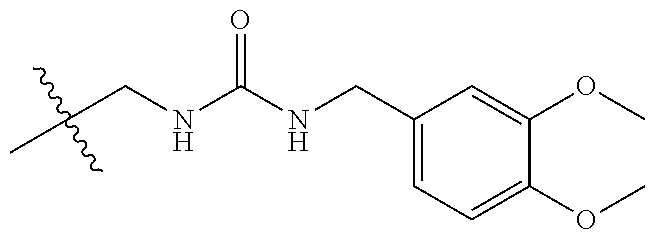
14g 3-CH3
14h 3-F
14i 4-CF3
14j 4-CH2CH3
14k 2,4-di CH3
15a H
15b 4-F
15c 2,4-di F
15d 4-Cl
15e 4-OCH3
15f 4-CH3
15g 3-CH3
15h 3-F
15i 4-CF3
15j 4-CH2CH3
15k 2,4-di CH3
Further derivatives of Sorafenib are described in Babic Z et al. New sorafenib derivatives: synthesis, antiproliferative activity against tumour cell lines and antimetabolic evaluation Molecules (2012) 1124-1137. Among these are compounds 2a-e, 3a-e, 4a-e of formula (11), (12) and (13), respectively, where R is as described in table 6.
Figure US11285136-20220329-C00036
TABLE 6
Compd. R
2a
Figure US11285136-20220329-C00037
2b
Figure US11285136-20220329-C00038
2c
Figure US11285136-20220329-C00039
2d
Figure US11285136-20220329-C00040
2e
Figure US11285136-20220329-C00041
3a
Figure US11285136-20220329-C00042
3b
Figure US11285136-20220329-C00043
3c
Figure US11285136-20220329-C00044
3d
Figure US11285136-20220329-C00045
3e
Figure US11285136-20220329-C00046
4a
Figure US11285136-20220329-C00047
4b
Figure US11285136-20220329-C00048
4c
Figure US11285136-20220329-C00049
4d
Figure US11285136-20220329-C00050
4e
Figure US11285136-20220329-C00051
Further derivatives are derivatives of general formula (14), described in Wang K et al. Synthesis and in vitro cytotoxic activities of sorafenib derivatives Chinese Chemical Letters 25 (2014) 702-704, where R is as shown in table 7.
Figure US11285136-20220329-C00052
TABLE 7
Compd. Substituent (R)
5a C6H4
5b 4-ClC6H4
5c 3-ClC6H4
5d 2-ClC6H4
5e 3-CF3C6H4
5f 4-CF3C6H4
5g 3-FC6H4
5h 4-FC6H4
5i 3-F-5-FC6H3
5j 3-F-4-BrC6H3
5k 2-F-3-FC6H3
5l 3-Cl-4-OHC6H3
5m 2-OMeC6H4
5n 3-OMe-4-OMeC6H3
5o 4-OEtC6H4
5p 2-Naphthyl
5q 4-C6H5—C6H4
5r 4-MeC6H4
Those skilled in the art know how to modify the structure of Sorafenib so as to obtain further derivatives, which derivatives are to be understood as included in the definition of “Sorafenib derivatives” according to the present invention.
In one embodiment, said Sorafenib or Sorafenib derivatives are in the form of pharmaceutically acceptable salts.
In a preferred embodiment, said Sorafenib is Sorafenib tosylate.
In the process of preparing the nanoparticles according to the present invention, the external aqueous phase is gently stirred with a magnetic stirrer, so as to favor the diffusion process. Bidistilled water is periodically replaced, typically at intervals of 5 hours, or 4 hours, or 3 hours. Dialysis is performed over a period of approximately 24 hours. At the end, a cryoprotectant is optionally added, preferably selected from the group comprising PVP (polyvinylpyrrolidone) and/or PVA (polyvinyl alcohol) and/or trehalose and/or lactose and/or mixtures thereof, preferably in a copolymer/cryoprotective weight ratio=1:1, and the resulting dispersion is filtered through a 5 μm membrane filter, so as to remove the insoluble material. The filtrate is lyophilized, so as to have lyophilized PBB nanoparticles loaded with Sorafenib (Sorafenib PBB) or Sorafenib derivatives (Sorafenib PBB derivatives).
The amount of Sorafenib or Sorafenib derivatives loaded into the PBB nanoparticles, i.e. the drug-mass portion of the nanoparticles (drug loading), is determined by high performance liquid chromatography (HPLC). The drug loading percentage (DL %) of Sorafenib PBB was calculated according to Equation (1):
DL ( % w / w ) = amount of Sorafenib in nanoparticles amount of nanoparticles + Sorafenib × 100 ( 1 )
The data obtained show a DL % between 0.5 and 30%, preferably between 3 and 20%, even more preferably between 3 and 4%. The efficacy of Sorafenib PBB on the growth of tumor cells was evaluated in an in vitro assay conducted on human hepatocellular carcinoma cells. The results, shown in FIG. 3, show that the entrapment of Sorafenib in PBB not only does not cause a reduction in the activity of the drug but actually increases it, as shown in table 8, which shows the average IC50 values for free Sorafenib and Sorafenib PBBs obtained in HepG2 and Hep3B hepatocellular carcinoma cells.
The empty nanoparticles have no cytotoxic effect on the cells tested, as shown in FIG. 3.
TABLE 8
Sorafenib (μM) ± DS Sorafenib PBB (μM) ± DS
HepG2 5.5 ± 1.0 3.6 ± 1.1
Hep3B 3.5 ± 0.5 3.0 ± 0.3
The activity of Sorafenib PBB is confirmed by Western blot data reported in FIG. 4 which confirm the low cytotoxic effect of the carrier as well as the maintenance at the molecular level of the free Sorafenib activity by Sorafenib PBB.
Tests conducted in vivo on nude mice in which hepatocellular carcinoma cells were injected showed that Sorafenib PBB enhances the activity of Sorafenib in inhibiting the growth of cancer cells, as well as promoting an overall improvement in the state of the animal.
The surprisingly advantageous efficacy observed in vivo is possible due to the preferential accumulation of Sorafenib PBB in the tumor site, as shown in FIG. 6.
The present invention further relates to a formulation for the controlled release of Sorafenib or Sorafenib derivatives, where said formulation comprises Sorafenib PBB or Sorafenib PBB derivatives.
Sorafenib PBB or Sorafenib PBB derivatives are surprisingly advantageous for the treatment of tumor diseases of the kidney, liver, thyroid, colon, breast, pancreas, lungs and/or recurrent glioblastoma, preferably in the treatment of hepatocellular carcinoma. PBP Sorafenib or Sorafenib PBB derivatives proved to release the drug preferentially in the tumor site, resulting in a marked increase in drug efficacy and a reduction of the side effects due to the specific and general distribution of the drug in other organs.
A method for treating a solid tumor in an individual is also described, comprising administering to said individual an effective amount of a composition comprising Sorafenib PBB or Sorafenib PBB derivatives, where said method reduces the viability of hepatocellular carcinoma cells.
In a further embodiment, said method also comprises administering an effective amount of one or more further therapeutic agents.
A further advantage of the Sorafenib PBB or Sorafenib PBB derivatives according to the present invention is to be found in the stability of Sorafenib PBB and Sorafenib PBB derivatives. The physical interactions in the PBB nanoparticles when loaded with Sorafenib or Sorafenib derivatives are sufficiently strong to impart stability during storage at different temperatures, as shown in example 2 below.
EXAMPLES Example 1: Preparation of Either Empty or Sorafenib-Containing PBB Nanoparticles
The PBB copolymer (10 mg) alone or with Sorafenib tosylate (6.35 mg) (weight ratio of copolymer to Sorafenib equal to 2:1) was dissolved in 5 ml of DMF and the solution was dialyzed against 1000 ml of bidistilled water for 3 hours using a SpectraPor dialysis membrane with a 100,000 Da molecular weight cut-off at room temperature. The external aqueous phase was gently stirred with a magnetic stirrer to aid the diffusion process. Then, bidistilled water was replaced at 3-hour intervals for 24 hours. After dialysis, PVP was added to the colloidal dispersion as a cryoprotectant (weight ratio of copolymer to PVP equal to 1:1); the resulting dispersion was filtered through a 5 μm membrane filter (Sartorius, Minisart syringe filter, Germany) to remove the insoluble material and the filtrate was lyophilized.
Example 2: Characterization of the PBB Nanoparticles
The mean size, the polydispersion index (PDI) and the zeta potential of PBB nanoparticles, either empty or loaded with Sorafenib, were evaluated by Dynamic Light Scattering (DLS) measurements using the Malvern Zetasizer NanoZS instrument. Dispersions of nanoparticles were prepared by the method described in example 1 and were analyzed at 25° C. with a sample concentration of 0.5 mg/ml in bidistilled water. The PDI and average hydrodynamic diameter values (size in nm) were obtained by cumulative analysis of the correlation function. The value of the Zeta potential (mV) was calculated by measures of electrophoretic mobility using the Smoluchowsky relation and assuming that k is greater than or equal to 1 (where “k” and “a” are the Debye-Huckel parameter and the radius of the particle, respectively). All measurements were made in triplicate.
The results are shown in Table 9:
TABLE 9
Average diameter Zeta potential
Nanoparticles (Z average, nm) PDI (mV)
PBB 196 ± 7.6 0.32 ± 0.06 −21.9 ± 4.5
Sorafenib- 240 ± 7.7 0.30 ± 0.07 −28.9 ± 5.7
containing PBB
Empty PBB nanoparticles showed an average diameter of about 196 nm; PBB nanoparticles loaded with Sorafenib have an average diameter of less than 500 nm, or 300 nm, preferably between 200 and 280 nm, even more preferably about 240 nm.
The incorporation of the drug increases the average size of the nanoparticles, presumably due to an increase in size in the hydrophobic nucleus due to the presence of the drug itself. The values of the Zeta potential for either empty or Sorafenib-containing nanoparticles are negative, thus confirming the stability of the PBB nanoparticles. Since the value of the Zeta potential does not change significantly after the incorporation of the drug, this result indicates the absence of ionic interactions between Sorafenib and the PBB nanoparticles. The physical stability of the Sorafenib-containing PBB nanoparticles (Sorafenib PBB) was then tested. Aqueous dispersions of Sorafenib PBB were lyophilized and stored at −20, 4 and 25° C. for three months. In the three cases, the ratio of the particle size after storage to the initial size was not greater than 1.0±0.1, thus indicating stability in all the conditions analyzed. Furthermore, Sorafenib PBB was found to maintain the Sorafenib content unchanged under the conditions analyzed.
Example 3: Determination of the Amount of Sorafenib Loaded
The amount of Sorafenib loaded into the PBB nanoparticles, or drug loading, was determined by high performance liquid chromatography (HPLC), using an Agilent 1260 Infinity system with a multiple wavelength detector, MWD, operating at 264 nm. The chromatographic procedure was conducted in isocratic at 25° C., using an inverse phase column Gemini C6-phenyl 110A (Phenomenex 5 μm, 250×4.60 mm), 90:10 methanol-water as a mobile phase, with a flow of 1 ml/min. 50 μl of sample were injected into the column (Craparo et al. Galactosylated polymeric carriers for liver targeting of Sorafenib. Int J Pharm 2014, 466:172-180). Data analysis was performed using Open Lab Chemstation software. The lyophilized nanoparticles containing Sorafenib were suspended in an appropriate amount of methanol and vigorously stirred for 3-4 hours to extract the drug. The resulting solution was centrifuged at 6000 rpm for 10 min at 25° C. and the supernatant was used to determine the drug concentration by a calibration curve obtained with standard Sorafenib solution in methanol in the range 0.4-200 μg/ml (tr=4.3 min). The DL % was found to be 3.8±0.48% w/w.
Example 4: Release of Sorafenib from Sorafenib PBB In Vitro
Release studies of Sorafenib from Sorafenib PBB were performed in vitro in the following receiving media: hydrochloric acid solution (pH 1) to simulate gastric fluid (SGF); phosphate buffer (pH 6.8), to simulate intestinal fluid (SIF) and phosphate buffer solution (PBS) (pH 7.4), i.e. in physiological fluid, using the dialysis tube method with a cut-off of 12000-14000 Da under sink conditions.
An adequate amount of lyophilized Sorafenib PBB was dispersed in 2 ml of the receiving medium at room temperature. The dispersion was then introduced into a dialysis tube which was immersed in an external vessel containing 10 ml of the same medium in the presence of Tween 80 (1% v/v), added as a solubilizer of Sorafenib, slightly soluble in water. During the experiment, the temperature was maintained at 37° C. in a thermostatic stirrer and with stirring of 100 rpm. At scheduled time intervals, 1 ml aliquots were taken from the external medium and replaced with an equal volume of fresh receiving medium. The released Sorafenib was quantified by HPLC analysis. Each in vitro release experiment was repeated in triplicate.
A control experiment was also carried out to determine the dissolution of the free drug: an appropriate amount of Sorafenib was dispersed in the receiving medium, in order to have a final concentration of Sorafenib equal to that present in the nanoparticles, the dispersion was then introduced into a dialysis tube (cut-off 12000-14000 Da) which was immersed in a container containing the receiving medium. The amount of Sorafenib in the receiving medium was detected by HPLC analysis.
The amount of released Sorafenib was expressed as a percentage ratio between the released drug weight and the total amount of Sorafenib loaded into the nanoparticles. FIG. 2 shows the release profiles of Sorafenib from Sorafenib PBB and the dissolution of the free drug in SGF (A), SIF (B) and PBS (C). It is observed, in panel A, that after 120 minutes incubation in SGF the cumulative release of Sorafenib from the nanoparticles was about 75%. The cumulative release of Sorafenib in 24 hours was about 63% in SIF (panel B) and about 55% in PBS (panel C). In the three release conditions, the dissolution of free Sorafenib is almost complete within two hours. Therefore, in all release media, Sorafenib PBB shows a prolonged release compared to the dissolution of free Sorafenib.
Example 5: In Vitro Biological Assays
Cell Lines:
The human hepatocellular carcinoma cell lines, HepG2 and Hep3B, were obtained from the American Type Culture Collection (ATCC). Cells were kept in 5% CO2 and grown in Roswell Park Memorial Institute (RPMI) medium (SIGMA, Milan, Italy), supplemented with 10% (v/v) fetal bovine serum (FBS) (Gibco, Life Technologies, Monza MB, Italy), 2 mM L-glutamine, 100 U/ml of penicillin-streptomycin and 1 mM of sodium pyruvate (SIGMA, Milan, Italy). Cell lines were regularly checked for possible mycoplasma contamination.
Cell Viability Assays
5×10³ cells/well were distributed in 96-well plates, dispensing 100 μl of cell suspension per well and incubated at 37° C. in 5% CO2. The cells were incubated for further 72 hours with fresh medium containing free Sorafenib (Sorafenib tosylate solubilized in dimethyl sulfoxide, DMSO), Sorafenib PBB or empty PBB nanoparticles. The latter were resuspended in sterile conditions in sterile H2O, sonicated for 20 min in a water sonicator, and diluted with a complete RPMI volume (2×). At the end of the treatment, cell viability assays were performed using the OneSolution aqueous CellTiter kit (Promega Corporation, Madison, Wis., USA). The percentage of cell viability was calculated with reference to the absorbance measured in the control cells. The experiments were performed in triplicate and the values expressed as mean±SD of three independent experiments. No bacterial growth was observed in any sample, confirming the complete sterility of the handling conditions and of the samples themselves.
Results measured after treatment with increasing concentrations (0.6-10 μM) of the indicated compounds are shown in FIG. 3. Cell viability is strongly decreased in a dose-dependent manner in the presence of free Sorafenib and, even more markedly, Sorafenib PBB.
Expression of Proteins Involved in Signaling and Apoptosis
3×10⁵ cells/well were seeded in 6-well plates and kept for 24 hours at 37° C. in 5% CO2. The cells were then treated for 24 hours with 2.5, 5 and 7.5 μM of free Sorafenib (solubilized in DMSO), empty PBB nanoparticles or Sorafenib PBB, solubilized as reported in cell viability assays. After treatment, cell lysates were obtained using the RIPA buffer (Cell Signaling Technologies Inc., Beverly, Mass., USA). The protein concentrations of the supernatants were determined with the Bio-Rad “Protein assay” kit (Bio-Rad Laboratories Srl, Milan, Italy). Western blotting analyzes were performed using as primary antibodies anti β-actin (SIGMA), anti ERK1/2, anti p-ERK1/2 (phospho-ERK1/2), anti PARP (poly(ADP)-ribose polymerase) and anti-Mcl-1 (myeloid cell leukemia 1) (Cell Signaling).
As shown in FIG. 4, free Sorafenib and Sorafenib PBB induce, at concentrations of 5 and 7.5 μM, the fragmentation of the PARP protein, indicative of the induction of apoptosis. Similarly, the decrease in the p-ERK1/2 signal is apparent after treatment with free Sorafenib and after treatment with Sorafenib PBB, especially at 7.5 μM concentration. A decrease in the expression levels of p-ERK1/2 is indicative of a decrease in cell proliferation. Inhibition of Mcl-1 expression levels, an anti-apoptotic protein, is apparent at the highest concentrations of free Sorafenib and Sorafenib PBB. Treatment with the carrier (PBB) alone does not show any effect on the expression levels of all the proteins analyzed.
Example 6: In Vivo Biological Assays
Mouse Model
Male nude mice (fox1 nu/nu) of 4 weeks of life were purchased at Envigo (Udine, Italy) and left to acclimatize for 1 week. Hep3B cells (10×106 in 0.2 ml PBS), undergoing logarithmic growth, were inoculated in the right flank of the animals. When the tumors were palpable (about 300 mm3), the mice were randomly divided into four groups of five animals each, with the various tumor volumes equally distributed between the four groups. Each group was treated for 17 days as indicated below.
Group 1: daily treatment (6 days/week) by intraperitoneal (IP) injection with 10 mg/kg of Sorafenib tosylate resuspended in DMSO and further diluted in a 25% solution of ethanol (DMSO-EtOH).
Group 2: carrier only (DMSO-EtOH).
Group 3: daily treatment (6 days/week) with 10 mg/kg of Sorafenib PBB resuspended in RPMI.
Group 4: daily treatment (6 days/week) with 10 mg/kg of empty PBB nanoparticles resuspended in RPMI.
The lyophilized nanoparticle samples were resuspended and sonicated as reported in cell viability assays. Tumor volumes and body weight were recorded twice a week as previously described (Cusimano et al., Cytotoxic activity of the novel small molecule AKT inhibitor SC66 in hepatocellular carcinoma cells. Oncotarget 2015, 6, 1707-1722). The mice were sacrificed by cervical dislocation when the tumor mass exceeded 10% of the body weight of the animals, or when the tumor mass appeared ulcerated or other morbid conditions were found, in accordance with the institutional guidelines and in accordance with the national law (Legislative Decree No. 26 4-3-2014) and international laws and policies (ECC Council Directive 86/609, OJ L358.1, Dec. 12, 1987). This study was authorized by the Ministry of Health with authorization number 1187/2015-PR. At the end of the trial, tumors, liver, kidneys, lungs and spleen were collected from each animal. Half of each tumor, or organ, was frozen in liquid nitrogen and stored at −80° C. for biodistribution analyzes, while the other half was fixated in formalin and used for immunohistochemistry analysis.
Immunohistochemistry Analysis
To quantify the Ki-67 cell proliferation marker expression, the ImmunoRatio® software (http://jvsmicroscope.uta.fi/immunoratio/) was used which, using a color deconvolution algorithm, calculates the percentage of positively marked area (area stained with diaminobenzidine) towards the total nuclear area. The hematoxylin stains were also acquired to analyze the neo-vascularization of the tumor, using the Leica DMR microscope equipped with a Leica DFC 320 digital camera.
As shown in FIG. 5A, treatment with 10 mg/kg of free form Sorafenib reduced tumor growth compared to the carrier alone, although this difference was not significant. Treatment with Sorafenib PBB significantly inhibited tumor growth compared to treatment with the free drug (p<0.05). During treatment, changes in the body weight of the animal were also monitored. As shown in FIG. 5B, mice treated with 10 mg/kg of Sorafenib did not show a significant loss of body weight, compared to mice treated with the carrier alone, suggesting a satisfactory level of cytotoxicity of the drug at the concentration used in this study. Mice treated with Sorafenib PBB showed a significant increase in their body weight (p<0.001).
Mobility was also assessed in treated animals, observing better physical mobility in the group of animals treated with Sorafenib PBB.
To evaluate the anti-proliferative activity, the expression levels of the Ki67 nuclear marker were analyzed. The number of Ki67-positive cells decreases in tumor tissues from animals treated with Sorafenib PBB compared to that in tumor tissues of animals treated with the free drug, with empty PBBs or with carrier alone (FIG. 5C). Furthermore, the tumor vascularization was evaluated in tumor tissues after staining of blood vessels with hematoxylin (FIG. 5D). The number and size of blood vessels decreases dramatically in tumor tissues from animals treated with Sorafenib PBB compared to those seen in the tissues of animals treated with free drug, with empty PBBs or with the carrier alone.
Biodistribution Studies
Sorafenib was extracted from the tissues of the treated animals following the procedure described in Craparo E F et al. Galactosylated polymeric carriers for liver targeting of Sorafenib. Int J Pharm 2014, 466, 172-180. Briefly, each tissue sample was mixed with Tris buffer (2 ml, 1 M, pH 8) in a 15 ml glass tube and homogenized using an Ultraturrax T 25 (Janke & Kunkel Ika—Labortechnik) at 20500 rpm for 15 min. Then, methanol (1 ml) was added to precipitate the proteins. The samples were extracted three times with ethyl ether (2 ml), and each extraction was followed by centrifugation at 4000 rpm for 5 min at room temperature. After each addition of solvent, the centrifuge tubes were stirred for 15 min at room temperature and centrifuged for 5 min at 4000 rpm. The organic layers were transferred to a glass tube and evaporated to dryness.
Each dry residue was treated with methanol (0.6 ml) and, after stirring, a volume of 50 μl was injected into the HPLC system. The data shown in FIG. 6 surprisingly show an accumulation of Sorafenib in the analyzed organs such as liver, spleen, lungs and kidneys and said accumulation decreases when the animals are treated with Sorafenib PBB (gray column) compared to when treatment is performed with free Sorafenib (white column). In particular, the amount of Sorafenib detected when mice were treated with the free drug was significantly higher in the kidneys (p<0.05), spleen (p<0.05) and lungs (p<0.01) than the accumulation occurring after the administration of Sorafenib PBB.
Advantageously, Sorafenib PBB preferentially accumulates in the tumor tissue. In fact, the amount of Sorafenib detected in the tumor after the administration of Sorafenib PBB was found to be abundantly higher than that detected after the injection of free Sorafenib, and this difference is highly significant (p<0.01).

Claims (20)

What is claimed is:
1. Nanoparticles loaded with Sorafenib (Sorafenib PBB) or Sorafenib derivatives or pharmaceutically acceptable salts thereof (Sorafenib PBB derivatives), wherein said nanoparticles are polymeric PBB nanoparticles, (PHEA-BIB-pButMA, α,β-poly(N-2-hydroxyethyl)-co-{N-2-ethylene-[2-(poly(butylmethacrylate)-isobutyrate]}-D,L-aspartamide).
2. The nanoparticles according to claim 1, having a diameter of less than 500 nm.
3. The nanoparticles according claim 1, having a Drug loading % (DL %) between 0.5 and 30%.
4. The nanoparticles according to claim 1, wherein said Sorafenib derivatives are selected from the group consisting of:
Regorafenib, of formula (1)
Figure US11285136-20220329-C00053
SC-60 of formula (2)
Figure US11285136-20220329-C00054
HLC-80, of formula (3)
Figure US11285136-20220329-C00055
compounds of formula (4), where R1, R2, and R3 are as indicated in the following table:
Figure US11285136-20220329-C00056
Cpd R1 R2 R3 SC-1
Figure US11285136-20220329-C00057
1
Figure US11285136-20220329-C00058
H H
2
Figure US11285136-20220329-C00059
H H
3
Figure US11285136-20220329-C00060
H H
4
Figure US11285136-20220329-C00061
H H
5
Figure US11285136-20220329-C00062
H H
6 H
Figure US11285136-20220329-C00063
H
7 H
Figure US11285136-20220329-C00064
H
8 H
Figure US11285136-20220329-C00065
H
9 H
Figure US11285136-20220329-C00066
H
10 H
Figure US11285136-20220329-C00067
H
11 H
Figure US11285136-20220329-C00068
H
12 H
Figure US11285136-20220329-C00069
Me
compounds of formula (5), where R1 and R2 are as indicated in the following table
Figure US11285136-20220329-C00070
Cpd R1 R2 13 H
Figure US11285136-20220329-C00071
14 H
Figure US11285136-20220329-C00072
15 H
Figure US11285136-20220329-C00073
16 H
Figure US11285136-20220329-C00074
17 H
Figure US11285136-20220329-C00075
compounds of formula (6) where R1, R2 and R3 are as indicated in the following table
Figure US11285136-20220329-C00076
Cpd R1 R2 R3 18 NO2 NH2
Figure US11285136-20220329-C00077
19 NO2 NH2
Figure US11285136-20220329-C00078
20 NO2 NH2
Figure US11285136-20220329-C00079
21 NH2 NH2
Figure US11285136-20220329-C00080
22 NH2 NH2
Figure US11285136-20220329-C00081
23
Figure US11285136-20220329-C00082
Figure US11285136-20220329-C00083
24
Figure US11285136-20220329-C00084
Figure US11285136-20220329-C00085
compounds of formula (7) where R1 and R2 are as indicated in the following table
Figure US11285136-20220329-C00086
Compound R2 R1 Sorafenib  8a 4-Chloro-3-trifluoromethylphenyl Phenyl  8b 4-Chloro-3-trifluoromethylphenyl 2-Furyl  8c 4-Chloro-3-trifluoromethylphenyl 3-Furyl  8d 4-Chloro-3-trifluoromethylphenyl 2-Thienyl  8e 4-Chloro-3-trifluoromethylphenyl Pyridine-3-yl  8f 4-Chloro-3-trifluoromethylphenyl 4-Hydroxyphenyl  8 g 4-Chloro-3-trifluoromethylphenyl 4-Methoxylphenyl  8 h 4-Chloro-3-trifluoromethylphenyl 4-Chlorophenyl  8i 4-Chloro-3-trifluoromethylphenyl 4-Trifluoromethylphenyl  8j 4-Chloro-3-trifluoromethylphenyl 4-Carbomethoxyphenyl  8k 4-Chloro-3-trifluoromethylphenyl 3-Hydroxyphenyl  8l 4-Chloro-3-trifluoromethylphenyl 3-Chlorophenyl  8m 4-Chloro-3-trifluoromethylphenyl 3-Trifluoromethylphenyl  8n 4-Chloro-3-trifluoromethylphenyl 4-Hydroxyl-3-methoxylphenyl  8o 4-Chloro-3-trifluoromethylphenyl 3,4-Bimethoxylphenyl  8p 4-Chloro-3-trifluoromethylphenyl 4-Acetoxy-3-methoxylphenyl  8q 4-Chloro-3-trifluoromethylphenyl 3,4-Bifluorophenyl  8r 4-Chloro-3-trifluoromethylphenyl 2,4-Bichlorophenyl  8 s 4-Chloro-3-trifluoromethylphenyl 2,3,4,5,6-Pentafluorophenyl 11a 4-Chlorophenyl 4-Chlorophenyl 11b 4-Flurophenyl 4-Chlorophenyl 11c 4-Trifluoromethylphenyl 4-Chlorophenyl 11d 4-Ethoxylphenyl 4-Chlorophenyl 11e 3-Methylphenyl 4-Chlorophenyl 11f 3-Bromophenyl 4-Chlorophenyl 11g 3-Chloro-4-methylphenyl 4-Chlorophenyl 11h 2,4-Biflourophenyl 4-Chlorophenyl
compounds 12 and 13 of formula (8) and compounds 14a-k and 15a-k of formula (9) and (10), where R is as indicated in the following table
Figure US11285136-20220329-C00087
Comp. no. R 12 13 14a H 14b 4-F 14c 2,4-di F 14d 4-Cl 14e 4-OCH3 14f 4-CH3 14g 3-CH3 14h 3-F 14i 4-CF3 14j 4-CH2CH3 14k 2,4-di CH3 15a H 15b 4-F 15c 2,4-di F 15d 4-Cl 15e 4-OCH3 15f 4-CH3 15g 3-CH3 15h 3-F 15i 4-CF3 15j 4-CH2CH3 15k 2,4-di CH3
compounds 2a-e, 3a-e, 4a-e of formula (11), (12) and (13), where R is as indicated in the following table
Figure US11285136-20220329-C00088
Compd. R 2a
Figure US11285136-20220329-C00089
2b
Figure US11285136-20220329-C00090
2c
Figure US11285136-20220329-C00091
2d
Figure US11285136-20220329-C00092
2e
Figure US11285136-20220329-C00093
3a
Figure US11285136-20220329-C00094
3b
Figure US11285136-20220329-C00095
3c
Figure US11285136-20220329-C00096
3d
Figure US11285136-20220329-C00097
3e
Figure US11285136-20220329-C00098
4a
Figure US11285136-20220329-C00099
4b
Figure US11285136-20220329-C00100
4c
Figure US11285136-20220329-C00101
4d
Figure US11285136-20220329-C00102
4e
Figure US11285136-20220329-C00103
compounds of formula (14) where R is as indicated in the following table
Figure US11285136-20220329-C00104
Compd. Substituent (R) 5a C6H4 5b 4-ClC6H4 5c 3-ClC6H4 5d 2-ClC6H4 5e 3-CF3C6H4 5f 4-CF3C6H4 5g 3-FC6H4 5h 4-FC6H4 5i 3-F-5-FC6H3 5j 3-F-4-BrC6H3 5k 2-F-3-FC6H3 5l 3-Cl-4-OHC6H3 5m 2-OMeC6H4 5n 3-OMe-4-OMeC6H3 5o 4-OEtC6H4 5p 2-Naphthyl 5q 4-C6H5—C6H4 5r 4-MeC6H4.
5. A method for preparing Sorafenib PBB or Sorafenib PBB derivatives, wherein the method comprises:
a) providing a copolymer α,β-poly(N-2-hydroxyethyl)-co-{N-2-ethylene-[2-(poly(butylmethacrylate)-isobutyrate]}-D,L-aspartamide (PBB) and Sorafenib or salts and derivatives thereof;
b) dissolving in a solvent;
c) dialyzing against aqueous phase using a dialysis membrane with a molecular weight (MW) cut-off greater than a MW of the copolymer to obtain a colloidal dispersion; and
d) Filtering the colloidal dispersion obtained in c) to obtain Sorafenib PBB or Sorafenib PBB derivatives.
6. The method according to claim 5, wherein said Sorafenib is Sorafenib tosylate.
7. The method according to claim 5, wherein said Sorafenib derivatives are selected from the group comprising:
Regorafenib, of formula (1)
Figure US11285136-20220329-C00105
SC-60 of formula (2)
Figure US11285136-20220329-C00106
HLC-80, of formula (3)
Figure US11285136-20220329-C00107
compounds of formula (4), where R1, R2 and R3 are as indicated in the following table:
Figure US11285136-20220329-C00108
Cpd R1 R2 R3 SC-1
Figure US11285136-20220329-C00109
1
Figure US11285136-20220329-C00110
H H
2
Figure US11285136-20220329-C00111
H H
3
Figure US11285136-20220329-C00112
H H
4
Figure US11285136-20220329-C00113
H H
5
Figure US11285136-20220329-C00114
H H
6 H
Figure US11285136-20220329-C00115
H
7 H
Figure US11285136-20220329-C00116
H
8 H
Figure US11285136-20220329-C00117
H
9 H
Figure US11285136-20220329-C00118
H
10 H
Figure US11285136-20220329-C00119
H
11 H
Figure US11285136-20220329-C00120
H
12 H
Figure US11285136-20220329-C00121
Me
compounds of formula (5), where R1 and R2 are as indicated in the following table
Figure US11285136-20220329-C00122
Cpd R1 R2 13 H
Figure US11285136-20220329-C00123
14 H
Figure US11285136-20220329-C00124
15 H
Figure US11285136-20220329-C00125
16 H
Figure US11285136-20220329-C00126
17 H
Figure US11285136-20220329-C00127
compounds of formula (6) where R1, R2 and R3 are as indicated in the following table
Figure US11285136-20220329-C00128
Cpd R1 R2 R3 18 NO2 NH2
Figure US11285136-20220329-C00129
19 NO2 NH2
Figure US11285136-20220329-C00130
20 NO2 NH2
Figure US11285136-20220329-C00131
21 NH2 NH2
Figure US11285136-20220329-C00132
22 NH2 NH2
Figure US11285136-20220329-C00133
23
Figure US11285136-20220329-C00134
Figure US11285136-20220329-C00135
24
Figure US11285136-20220329-C00136
Figure US11285136-20220329-C00137
compounds of formula (7) where R1 and R2 are as indicated in the following table
Figure US11285136-20220329-C00138
Compound R2 R1 Sorafenib  8a 4-Chloro-3-trifluoromethylphenyl Phenyl  8b 4-Chloro-3-trifluoromethylphenyl 2-Furyl  8c 4-Chloro-3-trifluoromethylphenyl 3-Furyl  8d 4-Chloro-3-trifluoromethylphenyl 2-Thienyl  8e 4-Chloro-3-trifluoromethylphenyl Pyridine-3-yl  8f 4-Chloro-3-trifluoromethylphenyl 4-Hydroxyphenyl  8 g 4-Chloro-3-trifluoromethylphenyl 4-Methoxylphenyl  8 h 4-Chloro-3-trifluoromethylphenyl 4-Chlorophenyl  8i 4-Chloro-3-trifluoromethylphenyl 4-Trifluoromethylphenyl  8j 4-Chloro-3-trifluoromethylphenyl 4-Carbomethoxyphenyl  8k 4-Chloro-3-trifluoromethylphenyl 3-Hydroxyphenyl  8l 4-Chloro-3-trifluoromethylphenyl 3-Chlorophenyl  8m 4-Chloro-3-trifluoromethylphenyl 3-Trifluoromethylphenyl  8n 4-Chloro-3-trifluoromethylphenyl 4-Hydroxyl-3-methoxylphenyl  8o 4-Chloro-3-trifluoromethylphenyl 3,4-Bimethoxylphenyl  8p 4-Chloro-3-trifluoromethylphenyl 4-Acetoxy-3-methoxylphenyl  8q 4-Chloro-3-trifluoromethylphenyl 3,4-Bifluorophenyl  8r 4-Chloro-3-trifluoromethylphenyl 2,4-Bichlorophenyl  8 s 4-Chloro-3-trifluoromethylphenyl 2,3,4,5,6-Pentafluorophenyl 11a 4-Chlorophenyl 4-Chlorophenyl 11b 4-Flurophenyl 4-Chlorophenyl 11c 4-Trifluoromethylphenyl 4-Chlorophenyl 11d 4-Ethoxylphenyl 4-Chlorophenyl 11e 3-Methylphenyl 4-Chlorophenyl 11f 3-Bromophenyl 4-Chlorophenyl 11g 3-Chloro-4-methylphenyl 4-Chlorophenyl 11h 2,4-Biflourophenyl 4-Chlorophenyl
compounds 12 and 13 of formula (8) and compounds 14a-k and 15a-k of formula (9) and (10), where R is as indicated in the following table
Figure US11285136-20220329-C00139
Comp. no. R 12 13 14a H 14b 4-F 14c 2,4-di F 14d 4-Cl 14e 4-OCH3 14f 4-CH3 14g 3-CH3 14h 3-F 14i 4-CF3 14j 4-CH2CH3 14k 2,4-di CH3 15a H 15b 4-F 15c 2,4-di F 15d 4-Cl 15e 4-OCH3 15f 4-CH3 15g 3-CH3 15h 3-F 15i 4-CF3 15j 4-CH2CH3 15k 2,4-di CH3
compounds 2a-e, 3a-e, 4a-e of formula (11), (12) and (13), where R is as indicated in the following table
Figure US11285136-20220329-C00140
Compd. R 2a
Figure US11285136-20220329-C00141
2b
Figure US11285136-20220329-C00142
2c
Figure US11285136-20220329-C00143
2d
Figure US11285136-20220329-C00144
2e
Figure US11285136-20220329-C00145
3a
Figure US11285136-20220329-C00146
3b
Figure US11285136-20220329-C00147
3c
Figure US11285136-20220329-C00148
3d
Figure US11285136-20220329-C00149
3e
Figure US11285136-20220329-C00150
4a
Figure US11285136-20220329-C00151
4b
Figure US11285136-20220329-C00152
4c
Figure US11285136-20220329-C00153
4d
Figure US11285136-20220329-C00154
4e
Figure US11285136-20220329-C00155
compounds of formula (14) where R is as indicated in the following table
Figure US11285136-20220329-C00156
Compd. Substituent (R) 5a C6H4 5b 4-ClC6H4 5c 3-ClC6H4 5d 2-ClC6H4 5e 3-CF3C6H4 5f 4-CF3C6H4 5g 3-FC6H4 5h 4-FC6H4 5i 3-F-5-FC6H3 5j 3-F-4-BrC6H3 5k 2-F-3-FC6H3 5l 3-Cl-4-OHC6H3 5m 2-OMeC6H4 5n 3-OMe-4-OMeC6H3 5o 4-OEtC6H4 5p 2-Naphthyl 5q 4-C6H5—C6H4 5r 4-MeC6H4.
8. The method according to claim 5, wherein said solvent is DMF (dimethylformamide) or DMSO (dimethyl sulfoxide) or THF (tetrahydrofuran), or mixtures thereof.
9. The method according to claim 5, wherein after said step c), a cryoprotectant is added to said colloidal dispersion.
10. The method according to claim 5, wherein the weight ratio of said PBB copolymer to said Sorafenib is between 10:1 and 1:1.
11. A controlled release formulation of Sorafenib or derivatives thereof comprising Sorafenib PBB or Sorafenib PBB derivatives or pharmaceutically acceptable salts.
12. The formulation according to claim 11, further comprising an effective amount of one or more further therapeutic agents.
13. A method of treating tumor diseases of the kidney, liver, thyroid, colon, breast, pancreas, lungs, and/or of recurrent glioblastoma, the method comprising administering the formulation according to claim 11 to a patient or a subject affected by said tumor diseases.
14. The method according to claim 13, wherein the tumor disease is hepatocellular carcinoma.
15. The nanoparticles according to claim 2, having a diameter of less than 300 nm.
16. The nanoparticles according to claim 3, having a DL % between about 3 and 20%.
17. The method according to claim 5, wherein the 1\4W of the copolymer is greater than 80,000 Da.
18. The method according to claim 9, wherein the cyroprotectant is selected from the group consisting of PVP (polyvinylpyrrolidone), PVA (polyvinyl alcohol), trehalose, mid/or lactose, and mixtures thereof.
19. The method according to claim 10, wherein the weight ratio of said PBB copolymer to said Sorafenib is between 6:1 and 1.5:1.
20. The method according to claim 19, wherein the weight ratio of said PBB copolymer to said Sorafenib is 2:1.
US16/486,565 2017-02-16 2018-02-08 Nanoparticles for controlled release of Sorafenib and Sorafenib derivatives Active 2038-09-03 US11285136B2 (en)

Applications Claiming Priority (3)

Application Number Priority Date Filing Date Title
IT102017000017594A IT201700017594A1 (en) 2017-02-16 2017-02-16 Nanoparticles for the controlled release of Sorafenib
IT102017000017594 2017-02-16
PCT/IB2018/050786 WO2018150302A1 (en) 2017-02-16 2018-02-08 Nanoparticles for controlled release of sorafenib and sorafenib derivatives

Publications (2)

Publication Number Publication Date
US20200000783A1 US20200000783A1 (en) 2020-01-02
US11285136B2 true US11285136B2 (en) 2022-03-29

Family

ID=59297257

Family Applications (1)

Application Number Title Priority Date Filing Date
US16/486,565 Active 2038-09-03 US11285136B2 (en) 2017-02-16 2018-02-08 Nanoparticles for controlled release of Sorafenib and Sorafenib derivatives

Country Status (4)

Country Link
US (1) US11285136B2 (en)
EP (1) EP3582762B1 (en)
IT (1) IT201700017594A1 (en)
WO (1) WO2018150302A1 (en)

Families Citing this family (4)

* Cited by examiner, † Cited by third party
Publication number Priority date Publication date Assignee Title
IT202000022636A1 (en) 2020-09-25 2022-03-25 Ente Ospedaliero Specializzato In Gastroenterologia Istituto Nazionale Di Ricovero E Cura A Caratter “COMBINATION THERAPY OF SORAFENIB AND/OR REGORAFENIB WITH THE RECOMBINANT HUMAN PROTEOGLYCAN-4 PROTEIN FOR THE TREATMENT OF HEPATOCARCINOMA”
EP3984535A1 (en) * 2020-10-16 2022-04-20 Albert-Ludwigs-Universität Freiburg Nlrp3 activators for use in the treatment of infectious diseases or cancer by activating nlrp3 inflammasome
CN112461716B (en) * 2020-10-29 2024-03-22 四川省肿瘤医院 Verification method for inhibiting HepG2 proliferation by emodin combined with sorafenib nano preparation
WO2024152194A1 (en) * 2023-01-17 2024-07-25 盛裕新药股份有限公司 Use of 1-[4-chloro-3-(trifluoromethyl)phenyl]-3-[3-(4-cyanophenoxy)phenyl]urea in the preparation of pharmaceutical compositions used for preventing and/or treating eye diseases

Non-Patent Citations (10)

* Cited by examiner, † Cited by third party
Title
Babić et al. "New solafenib derivatives: synthesis, antiproliferative activity against tumour cell lines and antimetabolic evaluation" Molecules 17 (2012) 1124-1137.
Cavallaro et al. New Self-Assembling Polyaspartamide-Based Brush Copolymers Obtained by Atom Transfer Radical Polymerization. Macromolecules, 42, pp. 3247-3257. (Year: 2009). *
Craparo et al. "Galactosylated polymeric carriers for liver targeting of Sorafenib." Int J Pharm 2014, 466:172-180.
Cusimano et al., "Cytotoxic activity of the novel small molecule AKT inhibitor SC66 in hepatocellular carcinoma cells." Oncotarget 6, 1707-1722.
International Search Report and Written Opinion for International Patent Application No. PCT/IB2018/050786, dated Feb. 6, 2018, 15 pages.
Kim et al. "Antitumor activity of sorafenib-incorporated nanoparticles of dextran/poly(dl-lactide-coglycolide) block copolymer" Nanoscale Res Lett 2012, 7, 91, 1-6.
Licciardi et al. "PHEA-graft-polybutylmethacrylate copolymer microparticles for delivery of hydrophobic drugs". Int J Pharm 2012, 433:16-24.
Wang et al. "Synthesis and in vitro cytotoxic activities of solafenib derivatives" Chinese Chemical Letters 25 (2014) 702-704.
Yang et al. In vivo biodistribution, biocompatibiity, and efficacy of sorafenib-loaded lipid-based nanosuspensions evaluated experimentally in cancer. International Journal of Nanomedicine, 11, pp. 2329-2343. (Year: 2016). *
Zhang et al. "Preparation, in vitro release, and pharmacokinetics in rabbits of lyophilized injection of solafenib solid lipid nanoparticles" Int J Nanomed 2012, 7:2901-2910.

Also Published As

Publication number Publication date
EP3582762C0 (en) 2025-04-16
US20200000783A1 (en) 2020-01-02
WO2018150302A1 (en) 2018-08-23
EP3582762B1 (en) 2025-04-16
EP3582762A1 (en) 2019-12-25
IT201700017594A1 (en) 2018-08-16

Similar Documents

Publication Publication Date Title
Nigam et al. Nose-to-brain delivery of lamotrigine-loaded PLGA nanoparticles
Gothwal et al. Lactoferrin coupled lower generation PAMAM dendrimers for brain targeted delivery of memantine in aluminum-chloride-induced Alzheimer’s disease in mice
US11285136B2 (en) Nanoparticles for controlled release of Sorafenib and Sorafenib derivatives
Jain et al. Comparison of ciprofloxacin hydrochloride‐loaded protein, lipid, and chitosan nanoparticles for drug delivery
Ting et al. High-throughput excipient discovery enables oral delivery of poorly soluble pharmaceuticals
Chaurasia et al. Curcumin-polymeric nanoparticles against colon-26 tumor-bearing mice: cytotoxicity, pharmacokinetic and anticancer efficacy studies
Shegokar et al. Surface modified nevirapine nanosuspensions for viral reservoir targeting: In vitro and in vivo evaluation
Ji et al. Natural small molecules enabled efficient immunotherapy through supramolecular self-assembly in P53-mutated colorectal cancer
Jain et al. Lectin conjugated gastroretentive multiparticulate delivery system of clarithromycin for the effective treatment of Helicobacter pylori
JP6328146B2 (en) Compositions and methods for the treatment of neurodegeneration and other diseases
Mohamed et al. Enhanced in vitro cytotoxicity and anti-tumor activity of vorinostat-loaded pluronic micelles with prolonged release and reduced hepatic and renal toxicities
Tang et al. Enhanced antifungal activity by Ab-modified amphotericin B-loaded nanoparticles using a pH-responsive block copolymer
JP7190425B2 (en) Combination therapy for the treatment of hepatocellular carcinoma
US20210393780A1 (en) Thermosensitive hydrogel for cancer therapeutics and methods of preparation thereof
Papakyriakopoulou et al. Nose-to-Brain delivery of donepezil hydrochloride following administration of an HPMC-Me-β-CD-PEG400 nasal film in mice
Pawar et al. Drug-fortified liposomes as carriers for sustained release of NSAIDs: The concept and its validation in the animal model for the treatment of arthritis
WO2013159092A1 (en) Tunable multimodal nanoparticles and methods of use thereof
Thakkar et al. Development and evaluation of a once-daily controlled porosity osmotic pump of tapentadol hydrochloride
JP6878309B2 (en) Pharmaceutical composition and its use
Mohankumar et al. Ultrasound-driven coassembly of anticancer drugs into carrier-free particles
JP7704690B2 (en) System for improving treatment compliance with anti-cancer compound E7766
JP2022160654A (en) Drug Combinations to Reduce Cell Viability and/or Cell Proliferation
CN113384541B (en) Nasal cavity nanometer autophagy inducer for preventing and treating early neurodegenerative diseases and preparation method thereof
Yang et al. Microneedle pretreatment and cationic nanoparticles for transdermal delivery of doxorubicin against melanoma
Khan et al. Polymeric chloroquine as an effective antimigration agent in the treatment of pancreatic cancer

Legal Events

Date Code Title Description
FEPP Fee payment procedure

Free format text: ENTITY STATUS SET TO UNDISCOUNTED (ORIGINAL EVENT CODE: BIG.); ENTITY STATUS OF PATENT OWNER: SMALL ENTITY

FEPP Fee payment procedure

Free format text: ENTITY STATUS SET TO SMALL (ORIGINAL EVENT CODE: SMAL); ENTITY STATUS OF PATENT OWNER: SMALL ENTITY

AS Assignment

Owner name: DISTRETTO TECNOLOGICO SICILIA MICRO E NANO SISTEMI S.C.A.R.L., ITALY

Free format text: ASSIGNMENT OF ASSIGNORS INTEREST;ASSIGNORS:PITARRESI, GIOVANNA;CERVELLO, MELCHIORRE;AZZOLINA, ANTONINA;AND OTHERS;SIGNING DATES FROM 20190916 TO 20190919;REEL/FRAME:050613/0166

Owner name: DISTRETTO TECNOLOGICO SICILIA MICRO E NANO SISTEMI

Free format text: ASSIGNMENT OF ASSIGNORS INTEREST;ASSIGNORS:PITARRESI, GIOVANNA;CERVELLO, MELCHIORRE;AZZOLINA, ANTONINA;AND OTHERS;SIGNING DATES FROM 20190916 TO 20190919;REEL/FRAME:050613/0166

STPP Information on status: patent application and granting procedure in general

Free format text: NON FINAL ACTION MAILED

STPP Information on status: patent application and granting procedure in general

Free format text: RESPONSE TO NON-FINAL OFFICE ACTION ENTERED AND FORWARDED TO EXAMINER

STPP Information on status: patent application and granting procedure in general

Free format text: NOTICE OF ALLOWANCE MAILED -- APPLICATION RECEIVED IN OFFICE OF PUBLICATIONS

STPP Information on status: patent application and granting procedure in general

Free format text: PUBLICATIONS -- ISSUE FEE PAYMENT VERIFIED

STCF Information on status: patent grant

Free format text: PATENTED CASE

FEPP Fee payment procedure

Free format text: MAINTENANCE FEE REMINDER MAILED (ORIGINAL EVENT CODE: REM.); ENTITY STATUS OF PATENT OWNER: SMALL ENTITY