US11266747B2 - Orally administered nanoparticles for gene delivery and pharmaceutical composition containing same - Google Patents
Orally administered nanoparticles for gene delivery and pharmaceutical composition containing same Download PDFInfo
- Publication number
- US11266747B2 US11266747B2 US16/096,753 US201716096753A US11266747B2 US 11266747 B2 US11266747 B2 US 11266747B2 US 201716096753 A US201716096753 A US 201716096753A US 11266747 B2 US11266747 B2 US 11266747B2
- Authority
- US
- United States
- Prior art keywords
- tca
- gene
- pdna
- nanoparticle
- glp
- Prior art date
- Legal status (The legal status is an assumption and is not a legal conclusion. Google has not performed a legal analysis and makes no representation as to the accuracy of the status listed.)
- Active, expires
Links
Images




Classifications
-
- A—HUMAN NECESSITIES
- A61—MEDICAL OR VETERINARY SCIENCE; HYGIENE
- A61K—PREPARATIONS FOR MEDICAL, DENTAL OR TOILETRY PURPOSES
- A61K48/00—Medicinal preparations containing genetic material which is inserted into cells of the living body to treat genetic diseases; Gene therapy
- A61K48/0008—Medicinal preparations containing genetic material which is inserted into cells of the living body to treat genetic diseases; Gene therapy characterised by an aspect of the 'non-active' part of the composition delivered, e.g. wherein such 'non-active' part is not delivered simultaneously with the 'active' part of the composition
- A61K48/0025—Medicinal preparations containing genetic material which is inserted into cells of the living body to treat genetic diseases; Gene therapy characterised by an aspect of the 'non-active' part of the composition delivered, e.g. wherein such 'non-active' part is not delivered simultaneously with the 'active' part of the composition wherein the non-active part clearly interacts with the delivered nucleic acid
- A61K48/0041—Medicinal preparations containing genetic material which is inserted into cells of the living body to treat genetic diseases; Gene therapy characterised by an aspect of the 'non-active' part of the composition delivered, e.g. wherein such 'non-active' part is not delivered simultaneously with the 'active' part of the composition wherein the non-active part clearly interacts with the delivered nucleic acid the non-active part being polymeric
-
- A—HUMAN NECESSITIES
- A61—MEDICAL OR VETERINARY SCIENCE; HYGIENE
- A61K—PREPARATIONS FOR MEDICAL, DENTAL OR TOILETRY PURPOSES
- A61K47/00—Medicinal preparations characterised by the non-active ingredients used, e.g. carriers or inert additives; Targeting or modifying agents chemically bound to the active ingredient
- A61K47/06—Organic compounds, e.g. natural or synthetic hydrocarbons, polyolefins, mineral oil, petrolatum or ozokerite
- A61K47/08—Organic compounds, e.g. natural or synthetic hydrocarbons, polyolefins, mineral oil, petrolatum or ozokerite containing oxygen, e.g. ethers, acetals, ketones, quinones, aldehydes, peroxides
- A61K47/12—Carboxylic acids; Salts or anhydrides thereof
-
- A—HUMAN NECESSITIES
- A61—MEDICAL OR VETERINARY SCIENCE; HYGIENE
- A61K—PREPARATIONS FOR MEDICAL, DENTAL OR TOILETRY PURPOSES
- A61K47/00—Medicinal preparations characterised by the non-active ingredients used, e.g. carriers or inert additives; Targeting or modifying agents chemically bound to the active ingredient
- A61K47/06—Organic compounds, e.g. natural or synthetic hydrocarbons, polyolefins, mineral oil, petrolatum or ozokerite
- A61K47/28—Steroids, e.g. cholesterol, bile acids or glycyrrhetinic acid
-
- A—HUMAN NECESSITIES
- A61—MEDICAL OR VETERINARY SCIENCE; HYGIENE
- A61K—PREPARATIONS FOR MEDICAL, DENTAL OR TOILETRY PURPOSES
- A61K47/00—Medicinal preparations characterised by the non-active ingredients used, e.g. carriers or inert additives; Targeting or modifying agents chemically bound to the active ingredient
- A61K47/50—Medicinal preparations characterised by the non-active ingredients used, e.g. carriers or inert additives; Targeting or modifying agents chemically bound to the active ingredient the non-active ingredient being chemically bound to the active ingredient, e.g. polymer-drug conjugates
-
- A—HUMAN NECESSITIES
- A61—MEDICAL OR VETERINARY SCIENCE; HYGIENE
- A61K—PREPARATIONS FOR MEDICAL, DENTAL OR TOILETRY PURPOSES
- A61K48/00—Medicinal preparations containing genetic material which is inserted into cells of the living body to treat genetic diseases; Gene therapy
-
- A—HUMAN NECESSITIES
- A61—MEDICAL OR VETERINARY SCIENCE; HYGIENE
- A61K—PREPARATIONS FOR MEDICAL, DENTAL OR TOILETRY PURPOSES
- A61K48/00—Medicinal preparations containing genetic material which is inserted into cells of the living body to treat genetic diseases; Gene therapy
- A61K48/0075—Medicinal preparations containing genetic material which is inserted into cells of the living body to treat genetic diseases; Gene therapy characterised by an aspect of the delivery route, e.g. oral, subcutaneous
-
- A—HUMAN NECESSITIES
- A61—MEDICAL OR VETERINARY SCIENCE; HYGIENE
- A61K—PREPARATIONS FOR MEDICAL, DENTAL OR TOILETRY PURPOSES
- A61K9/00—Medicinal preparations characterised by special physical form
-
- A—HUMAN NECESSITIES
- A61—MEDICAL OR VETERINARY SCIENCE; HYGIENE
- A61K—PREPARATIONS FOR MEDICAL, DENTAL OR TOILETRY PURPOSES
- A61K9/00—Medicinal preparations characterised by special physical form
- A61K9/0012—Galenical forms characterised by the site of application
- A61K9/0053—Mouth and digestive tract, i.e. intraoral and peroral administration
-
- A—HUMAN NECESSITIES
- A61—MEDICAL OR VETERINARY SCIENCE; HYGIENE
- A61P—SPECIFIC THERAPEUTIC ACTIVITY OF CHEMICAL COMPOUNDS OR MEDICINAL PREPARATIONS
- A61P3/00—Drugs for disorders of the metabolism
- A61P3/08—Drugs for disorders of the metabolism for glucose homeostasis
- A61P3/10—Drugs for disorders of the metabolism for glucose homeostasis for hyperglycaemia, e.g. antidiabetics
Definitions
- the present invention relates to a targeting nanoparticle for efficient oral gene delivery, and more particularly to a nanoparticle for gene delivery, comprising: an ionic polymer conjugated with bile acid or a bile acid derivative; and a gene, and to a pharmaceutical composition comprising the same.
- a nanoparticle for gene delivery which is used to deliver a gene or a therapeutic protein to targeted small intestine cells in order to minimize side effects and provide the efficiency of current therapeutic technology, and to a pharmaceutical composition comprising the same.
- Gene therapy treats disease by delivering a therapeutic gene to a target organ to express a new protein in cells.
- the gene therapy is not to treat the symptoms of disease, but is a way to treat disease by eliminating the cause of the disease.
- the gene therapy has better selective therapeutic effects than general drug therapies, and can be applied for a long period of time by improving the cure rate of diseases difficult to control by other therapies.
- the gene therapy is a next-generation therapeutic technology disclosed for the treatment of various diseases, but when a macromolecule such as DNA, RNA or the like is delivered into cells in an aqueous solution state, it is degraded rapidly by a specific enzyme in vivo and the intracellular deliver)/rate thereof is low. For this reason, in order to make the gene therapy effective, it is essential to develop a gene carrier that can safely deliver a therapeutic gene to a target cell so as to obtain high expression efficiency.
- Gene carriers should have low or no toxicity and should be able to selectively and effectively deliver genes to targeted cells. Such gene carriers may be largely divided into viral and non-viral gene carriers.
- Viral vectors use retro virus (RV), adeno virus (AV), adeno-associated virus (AAV) or the like as a gene carrier, and have higher gene delivery efficiency than non-viral vectors.
- RV retro virus
- AV adeno virus
- AAV adeno-associated virus
- the vectors themselves cause problems such as immune responses or cancer induction.
- Non-viral vectors such as polymers or nanoparticles have advantages over viral vectors in that they have a low biological risk, are non-immunogenic, can be modified, and can be produced in large amounts, and the size of genes that can be delivered by them is less limited. Due to these advantages, many studies thereon have recently been conducted. In particular, methods employing non-viral vectors such as cationic polymers have been much studied because of the simplicity of production methods or a relatively low risk.
- the non-viral vector stabilizes a negatively charged gene by forming a complex through electrostatic interaction with the gene, and the complex binds to the cell surface by the electrical interaction between the positive charge on the complex surface and the negative charge on the cell surface, after which the gene is released from the endosome into the cytoplasm.
- cationic polymers include cationic homopolymers such as protamine, polyethyleneimine (PEI), polyamidoamine, poly-L-lysine (PLL), polyaminoester, polypropyleneimine and the like, and cationic block copolymers such as polyethylene glycol (PEG)-block-poly-L-lysine and PEG-PEI.
- PEI polyethyleneimine
- PLL poly-L-lysine
- PEG-block-poly-L-lysine and PEG-PEI cationic block copolymers
- These cationic polymers protect a gene such as DNA from enzymatic degradation by compressing the gene into a nanoparticle, and help enable the gene to penetrate rapidly into cells and allow the gene to escape from the endosome.
- non-viral vectors have advantages, such as biodegradability, low toxicity, non-immunogenicity, the ease of use, and the like, over viral vectors, but have problems such as relatively lower transfection efficiency than viral vectors, limited particle sizes, and the like.
- PEI Polyethyleneimine
- Korean Patent Application Publication No. 10-2010-0122405 discloses a nanoparticle-type amphiphilic polymer nanoparticle which is an siRNA carrier obtained by bonding an siRNA to an amphiphilic polymer nanoparticle, a complex comprising a hydrophilic polymer bonded to a hydrophobic polymer, and which is produced by bonding each of chitosan and polyethyleneimine as hydrophilic polymers to the bile acid 5- ⁇ -cholanic acid, thereby producing complexes, and then mixing the complexes with each other.
- the above patent document discloses that spherical self-aggregates are formed in an aqueous system due to amphiphilicity caused by the hydrophobic groups of bile acid and the hydrophilic group of chitosan and polyethyleneimine (PEI), and for this reason, strongly amphiphilic polyethyleneimine and chitosan are located on the surface of chitosan-bile acid/polyethyleneimine (PEI)-bile acid complex nanoparticles, and hydrophobic bile acid is located in the core.
- PEI polyethyleneimine
- diabetes mellitus is a metabolic disease in which the blood glucose concentration is increased due to insufficient insulin secretion or functional abnormalities.
- Type 2 diabetes refers to the case in which in vivo blood glucose levels are increased without being controlled, because insulin is not properly secreted or the insulin secreted does not properly act in vivo
- type 1 diabetes refers to the case in which blood glucose levels are increased because the pancreas fails to secrete insulin.
- insulin treatment is necessary.
- lifestyle modification is essential, and administration of oral hypoglycemic agents may additionally be required.
- An eating drug is administered one to three times a day, and the administration time or side effects of the drug slightly differ depending on the time of action of the drug.
- Diabetes therapies which are currently used include diet therapy, exercise therapy, sulphonylureas, biguanide-based drugs, ⁇ -glucosidase inhibitors, insulin, and the like, and various insulins and the like have been developed through many studies on the development of new drugs and have been applied to clinical practice.
- glucagon-like peptide-1 (GLP-1), a kind of insulin secretion peptide, is an incretin hormone which is secreted from the L-cells of the ileum and large intestine.
- the major action of glucagon-like peptide-1 is to increase insulin secretion and to inhibit hypoglycemia by glucose-dependent insulin secretion. Due to such characteristics, glucagon-like peptide-1 is applied for the treatment of type 2 diabetes. However, it has a very short blood half-life of about 2 minutes, and for this reason, the development of drugs using glucagon-like peptide-1 is greatly limited.
- glucagon-like peptide-1 agonists include exendin-4, a glucagon-like peptide-1 analogue isolated from the salivary glands of the Gila monster.
- Exendin-4 has higher physiological activity than glucagon-like peptide-1 together with resistance to DPP-IV (dipeptidyl peptidase-4), and thus has an in vivo half-life of 2 to 4 hours, which is longer than that of glucagon-like peptide-1 (U.S. Pat. No. 5,424,286).
- DPP-IV dipeptidyl peptidase-4
- exendin-4 currently commercially available exendin-4 (exenatide) should be administered twice a day to a patient through injection, and still has a disadvantage in that vomiting and nausea due to administration of exenatide impose a great burden on patients.
- these therapeutic agents have low efficacy or the problem of causing many side effects such as liver dysfunction, hypoglycemia, lactic acidosis and the like.
- a diabetes therapeutic agent that reduces the adverse effects of conventional diabetes therapeutic agents, improves metabolic abnormalities, and is safe even when administered over a long period of time.
- non-viral carriers that is, carriers based on cationic lipids or polymers.
- these non-viral carriers have advantages in that they are stable in vivo, are produced by an easy and simple process, and are low-priced.
- formation of the mixture encounters great difficulty due to the characteristic hardness and weakly anionic nature of the gene.
- the present inventors have conducted studies and made efforts to solve the above-described problems, and as a result, have found that when a nanoparticle for gene deliver)/comprises an ionic polymer, surface-modified with bile acid or a bile acid derivative, and a gene, and when the core of the nanoparticle for gene deliver)/comprises an ionic complex of the ionic polymer and the gene and when the bile acid or bile acid derivative having an hydrophilic ionic group is located on the surface of the nanoparticle, the in vivo stability of the nanoparticle can be improved, the above-described side effects can be reduced by minimizing the in vivo toxicity of the nanoparticle, and disorders associated with oral administration of the nanoparticle can be overcome, thereby completing the present invention.
- a nanoparticle for gene delivery which is capable of effectively delivering a therapeutic gene to an intracellular target site and comprises: at least one ionic polymer conjugated with bile acid or a bile acid derivative; and a gene, wherein the conjugated bile acid or bile acid derivative has an ionic group.
- Another object of the present invention is to provide a pharmaceutical composition for treating diabetes, which comprises the nanoparticle for gene delivery as an active ingredient.
- the present invention provides a nanoparticle for gene delivery, which comprises: at least one ionic polymer conjugated with bile acid or a bile acid derivative; and a gene, wherein the conjugated bile acid or bile acid derivative has an ionic group.
- the ionic polymer may be a cationic polymer.
- the cationic polymer may be selected from the group consisting of chitosan, protamine, poly-L-lysine (PLL), and polyamidoamine (PAMAM).
- the ionic polymer may be an anionic polymer, and in this case, the ionic polymer further comprises a cationic polymer.
- the anionic polymer may be selected from among heparin, hyaluronic acid, and chondroitin sulfate, and the cationic polymer may be selected from the group consisting of chitosan, glycol chitosan, protamine, poly-L-lysine (PLL), and polyamidoamine (PAMAM).
- the ionic polymer conjugated with the bile acid or bile acid derivative may be one conjugated via a disulfide bond.
- the bile acid or its derivative may be selected from the group consisting of deoxycholic acid, taurodeoxycholic acid, taurocholic acid (TCA), glycocholic acid, and glycochenodeoxycholic acid. More preferably, it is taurocholic acid (TCA).
- the gene may be one or more selected from among single-stranded or double-stranded DNA (deoxyribonucleic acid), single-stranded or double-stranded RNA (ribonucleic acid), plasmid DNA (pDNA), antisense oligonucleotides, ribozymes, catalytic RNA, and nucleotides.
- the gene may be one or more selected from among plasmid DNA (pDNA) and antisense oligonucleotides.
- the gene may be a glucagon-like peptide-1 (GLP-1) gene, a GLP-1 peptide, a GLP-1 variant, a GLP-1 derivative, a GLP-1 agonist, liraglutide, or exendin-4.
- GLP-1 glucagon-like peptide-1
- the degree of conjugation of the bile acid or its derivative may vary depending on the number of functional groups of the ionic polymer, but the bile acid or its derivative and the ionic polymer may preferably be conjugated to each other at a molar ratio of 1:1 to 1:300.
- the nanoparticle for gene delivery may be absorbed regardless of the particle size, but may preferably have a particle size of 500 nm or less.
- the ionic polymer conjugated with the bile acid or bile acid derivative and the gene may be bonded to each other at a molar ratio of 1:1 to 1:200.
- the N/P ratio (the number of nitrogen atoms of the ionic polymer conjugated with the bile acid or bile acid derivative/the number of phosphate atoms of the gene) of the nanoparticle for gene delivery may be 1 to 200.
- the present invention also provides a pharmaceutical composition for treating diabetes, which comprises a nanoparticle for gene delivery as an active ingredient, wherein the nanoparticle comprises: at least one ionic polymer conjugated with bile acid or a bile acid derivative; and a glucagon-like peptide-1 (GLP-1) gene, a GLP-1 peptide, a GLP-1 variant, a GLP-1 derivative, a GLP-1 agonist, liraglutide, or exendin-4, wherein the conjugated bile acid or bile acid derivative has an ionic group.
- GLP-1 glucagon-like peptide-1
- the composition may be for oral administration.
- the nanoparticle for gene delivery according to the present invention is a novel oral gene delivery system capable of regulating blood glucose levels in biological systems and insulin secretion in response to ingested meals, and comprises: an ionic polymer conjugated with bile acid or a bile acid derivative; and a gene.
- the nanoparticle for gene delivery according to the present invention is a nanoparticle surface-modified with bile acid or its derivative, wherein an ionic complex comprising a negatively charged gene encapsulated in a cationic polymer due to the electrostatic interaction between the negatively charged gene and the cationic polymer is present in the core of the nanoparticle and wherein the bile acid or bile acid derivative conjugated to the cationic polymer is located on the surface of the nanoparticle while having a hydrophilic anionic group.
- the nanoparticle for gene delivery according to the present invention is a nanoparticle surface-modified with bile acid or its derivative, wherein an ionic complex comprising a negatively charged gene encapsulated in a cationic polymer due to the electrostatic interaction between the negatively charged gene and the cationic polymer is present in the core of the nanoparticle and wherein the cationic polymer of the ionic complex, and the anionic polymer conjugated with the bile acid or bile acid derivative having a hydrophilic anionic group, are conjugated to each other by electrostatic interaction, and thus the bile acid or bile acid derivative conjugated to the anionic polymer is located on the surface of the nanoparticle while having a hydrophilic ionic group.
- the nanoparticle for gene delivery according to the present invention protects against gastric acid through direct physical bonding between the cationic polymer and the gene, may be safely delivered to small intestine cells, and may also be used as a targeting nanoparticle that enables the GLP-1 gene to be expressed only in L-cells in the small intestine.
- the nanoparticle surface-modified with bile acid or its derivative according to the present invention When used to deliver a therapeutic gene to a target cell, it easily delivered the gene through intestinal mucosa and, at the same time, was very stable in the gastrointestinal tract due to the ionic complex present in the core of the nanoparticle. This suggests that the nanoparticle for gene delivery according to the present invention is very suitable for oral administration.
- the bile acid located on the surface of the nanoparticle according to the present invention can inhibit gastrointestinal (GI) degradation of the nanoparticle, and absorb the bile acid receptor ASBT (apical sodium bile acid transporter) receptor of intestinal cell membrane in the small intestine ileum, thereby delivering the therapeutic gene into cells, and thus the nanoparticle can exhibit increased gene expression.
- GI gastrointestinal
- ASBT apical sodium bile acid transporter
- the therapeutic gene used is GLP-1, a GLP-1 peptide, a GLP-1 variant, a GLP-1 derivative, a GLP-1 agonist, liraglutide or exendin-4, the bile acid located on the surface of the nanoparticle according to the present invention and the cationic polymer are separated by the enzyme glutathione of intestinal cells and pH and enter portal vein, and the separated therapeutic gene is delivered only to the nucleus of intestinal cells and expresses a large amount of the GLP-1, GLP-1 peptide, GLP-1 variant, GLP-1 derivative, GLP-1 agonist, liraglutide or exendin-4, thereby efficiently exhibiting diabetic therapeutic efficacy.
- the nanoparticle for gene delivery according to the present invention when administered orally to diabetic mouse models, can exhibit blood glucose-lowering effects by secreting insulin while successfully expressing GLP-1, a GLP-1 peptide, a GLP-1 variant, a GLP-1 derivative, a GLP-1 agonist, liraglutide or exendin-4, thereby effectively preventing or treating diabetes, particularly type 2 diabetes.
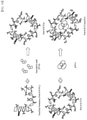
- FIG. 1 is a schematic diagram showing a process in which a nanoparticle for gene delivery according to the present invention is absorbed through ileal ASBT.
- FIG. 2 is a reaction scheme showing a process for producing Prot-TCA in Example 1.
- FIG. 3 shows the 1 H NMR of Prot-TCA produced in Example 1.
- FIG. 4 is a reaction scheme showing a process for producing CS-TCA in Example 2.
- FIG. 5 shows the 1 H NMR of CS-TCA produced in Example 2.
- FIG. 6 is a reaction scheme showing a process for producing PAMAM-TCA in Example 3.
- FIG. 7 is a reaction scheme showing a process for producing PLL-TCA in Example 4.
- FIG. 8 is a reaction scheme showing a process for producing pDNA/Prot-TCA in Example 7.
- FIG. 9 is a reaction scheme showing a process for producing Hep-S—S—NH2 in Example 11.
- FIG. 10 is a reaction scheme showing a process for producing TCA-NPC in Example 11.
- FIG. 11 is a reaction scheme showing a process for producing Hep-S—S-TCA in Example 11.
- FIG. 12 shows the 1 H NMR of the Hep-S—S—NH2 and Hep-S—S-TCA produced in Example 11.
- FIG. 13 is a reaction scheme showing a process for producing CS—S—S-TCA in Example 13.
- FIG. 14 shows the 1 H NMR of CS—S—S-TCA produced in Example 13.
- FIG. 15 is a reaction scheme showing a process for producing Prot-S—S-TCA in Example 15.
- FIG. 16 is a reaction scheme showing a process for producing pDNA/Prot-S—S-TCA in Example 16.
- FIG. 17 shows the 1 H NMR of the TCA-NPC and TCA-NH2 produced in Example 17.
- FIG. 18 shows the 1 H NMR of HA-TCA produced in Example 17.
- the present invention provides a nanoparticle for gene delivery, which a novel oral gene delivery system and comprises: at least one ionic polymer conjugated with bile acid or a bile acid derivative; and a gene, wherein the conjugated bile acid or bile acid derivative has an ionic group.
- the gene is in the form of a negatively charged large polymer chain.
- the gene When the gene is present alone, it has a random coil shape having a relatively large volume, and thus it is difficult to deliver the gene into cells. For this reason, a cationic polymer is used which can form a nano-sized ionic complex with the gene through electrostatic interaction.
- the nanoparticle for gene delivery according to the present invention comprises an ionic complex of a gene with an ionic polymer.
- the ionic polymer forming the ionic complex with the anionic gene should essentially be a cationic polymer, wherein the cationic polymer may be one conjugated with bile acid.
- the nanoparticle for gene delivery according to the present invention may be formed by electrostatic interaction between the gene and the cationic polymer conjugated with bile acid or its derivative, or may be formed by electrostatic interaction between an anionic polymer conjugated with bile acid or its derivative, the cationic polymer and the gene, and may more safely induce cell internalization of the gene.
- the nanoparticle for gene delivery according to the present invention is a nanoparticle surface-modified with bile acid, wherein the ionic complex of the cationic polymer with the gene is present in the core of the nanoparticle and the bile acid having a hydrophilic ionic group is located on the surface of the nanoparticle.
- the nanoparticle surface-modified with bile acid or its derivative according to the present invention When used to deliver a therapeutic gene to a target cell, it easily delivered the gene through intestinal mucosa and, at the same time, was very stable in the gastrointestinal tract due to the ionic complex present in the core of the nanoparticle. This suggests that the nanoparticle for gene delivery according to the present invention is very suitable for oral administration.
- the ionic polymer may be a cationic polymer.
- the ionic polymer is a cationic polymer
- the negatively charged gene is encapsulated in the cationic polymer due to electrostatic interaction with the cationic polymer, thereby forming an ionic complex.
- the formed ionic complex is located in the core of the nanoparticle, and the bile acid or bile acid derivative conjugated to the cationic polymer is located on the surface of the nanoparticle while having a hydrophilic ionic group.
- the cationic polymer may be a nontoxic polymer having a weight-average molecular weight of 100 to 100,000.
- it may be selected from the group consisting of chitosan (CS), glycol chitosan, protamine (Prot), poly-L-lysine (PLL), and polyamidoamine (PAMAM).
- CS chitosan
- Prot protamine
- PLL poly-L-lysine
- PAMAM polyamidoamine
- it may be chitosan (CS), protamine (Prot), poly-L-lysine (PLL), or polyamidoamine (PAMAM).
- Chitosan is a naturally occurring, very safe cationic polysaccharide having a structure of (1->4) 2-amino-2-deoxy- ⁇ -D-glucan.
- Chitosan is a basic polysaccharide produced by N-deacetylation of chitin obtained from natural crustaceans or the like, and is known to show biodegradability, biocompatibility and low cytotoxicity.
- water-soluble chitosan which is a natural polymer having excellent biodegradability and biocompatibility, or glycol chitosan having increased water solubility due to a glycol group introduced therein.
- Protamine is a natural cationic protein rich in arginine, and is abundantly present in animal testicles, particularly the sperm nucleus of fishes, including salmon, and is known to be involved in genetic information expression through association with or dissociation from DNA, like histone.
- the molecular weight of protamine extracted from the sperm nucleus of fish is about 4,000 to 10,000, and 70% or more of the constituent amino acids of protamine are arginines, but the scope of the present invention is not limited thereto.
- Protamine of the present invention includes all protamine itself and a pharmaceutically acceptable salt thereof.
- a salt of protamine of the present invention includes a salt formed with acidic substance, including hydrochloride or sulfate.
- Protamine may be used in any form, because it is soluble in water without salt formation and a salt thereof is also soluble in water.
- Poly-L-lysine is linked by a biodegradable peptide bond, and thus can form an ionic complex with a gene and can be delivered to cells.
- PLL Poly-L-lysine
- it is somewhat toxic, and thus when it is used alone, it is difficult to show high delivery efficiency. For this reason, it may be used in a state in which an endosome-disruptive substance, an endosome fusion peptide or the like is attached thereto.
- the ionic polymer may be an anionic polymer, and in this case, it essentially further comprises a cationic polymer in order to form an ionic complex with the gene.
- the negatively charged gene is encapsulated in the cationic polymer due to electrostatic interaction with the cationic polymer, thereby forming an ionic complex, and the formed ionic complex is located in the core of the nanoparticle.
- the anionic polymer is bonded to the cationic polymer of the ionic complex by electrostatic interaction, and the bile acid or bile acid derivative conjugated to the anionic polymer is located on the surface of the nanoparticle while having a hydrophilic ionic group.
- the anionic polymer may be selected from among heparin, hyaluronic acid, and chondroitin sulfate, and the cationic polymer may be selected from the group consisting of chitosan, glycol chitosan, protamine, poly-L-lysine (PLL), and polyamidoamine (PAMAM).
- Heparin has a structure comprising a hydroxyl group, a carboxyl group and an amino group
- heparin which is used may be non-fractionated heparin, high-molecular-weight heparin, low-molecular-weight heparin, a heparin fragment, recombinant heparin, a heparin analogue, heparan sulfate, a sulfonated polysaccharide having heparin activity, or the like.
- the bile acid or its derivative has a hydrophilic anionic group in addition to a functional group capable of conjugating to the ionic polymer, and may be selected from the group consisting of deoxycholic acid (DCA), taurodeoxycholic acid, taurocholic acid (TCA), glycocholic acid, and glycochenodeoxycholic acid. More preferably, it taurocholic acid (TCA) having four or more hydrophilic anionic groups.
- the bile acid is absorbed into the liver through the ileum of small intestine with a high efficiency of 95% or more, and this absorption is referred to as ‘enterohepatic circulation’.
- the bile acid is a biological surfactant playing an important role in lipid migration by this enterohepatic circulation, and may act as a targeting ligand in oral delivery because it is recognized specifically by ASBT (apical sodium-dependent bile acid transporter) present in a distal intestinal portion.
- the bile acid which is absorbed through the ileum is located on the surface of the nanoparticle for gene delivery, and thus functions to increase the uptake of the nanoparticle for gene delivery into target cells through the intestinal inner wall, which is the biggest problem of a conventional oral administration method performed through ASBT ( FIG. 1 ).
- the nanoparticle for gene delivery according to the present invention can be easily absorbed through the ileum that absorbs the bile acid, and thus it may be used for oral administration, thereby increasing the bioavailability of the drug.
- the ionic polymer conjugated with the bile acid or bile acid derivative may be one conjugated via a disulfide bond.
- a disulfide bond (S—S) has a tendency to respond sensitively to and be separated easily from glutathione which is abundantly secreted from intestinal cells.
- S—S disulfide bond
- the nanoparticle for gene delivery according to the present invention approaches intestinal cells, it is mostly separated and only the gene enters the nucleus of L-cells.
- the entered gene is expressed and functions to restore damaged function by expressing the GLP-1 peptide.
- the disulfide bond also plays a role in minimizing non-specific delivery to other organs or cells.
- the kind of gene that may be bonded to the nanoparticle for gene delivery according to the present invention is not particularly limited, and any gene, which may be delivered to a desired target according to the purpose of the present invention and may exhibit a desired therapeutic effect, falls within the scope of the present invention.
- the gene of the present invention may include a normal gene for a disease-related therapeutic gene, a gene for inhibiting expression of a target protein, a large or small polynucleotide including an antisense polynucleotide, ribozyme, or any RNA-type gene including siRNA.
- the gene may be one or more selected from among single-stranded or double-stranded DNA (deoxyribonucleic acid), single-stranded or double-stranded RNA (ribonucleic acid), plasmid DNA (pDNA), antisense oligonucleotides, ribozyme, catalytic RNA, and nucleotides.
- the gene may be one or more selected from among plasmid DNA (pDNA) and antisense oligonucleotides.
- the gene may be a gene drug, and as used herein, the gene drug refers to a drug that exhibits a medicinal effect on the prevention or treatment of one or more diseases.
- the gene may be a gene encoding GLP-1 which is an insulin secretion peptide.
- the gene may be glucagon like peptide-1 (GLP-1) gene, a GLP-1 peptide, a GLP-1 variant, a GLP-1 derivative, a GLP-1 agonist, liraglutide, or exendin-4.
- GLP-1 glucagon like peptide-1
- GLP-1 gene and “GLP-1 variant” are used to denote the nucleic acid (DNA) molecules encoding the respective genes.
- GLP-1 agonist when refer to a list of genes, are used to denote nucleic acid (DNA) molecules encoding the respective peptides or proteins.
- the GLP-1 gene, GLP-1 variant or GLP-1 derivative may all be included in a circular or linear plasmid for expression.
- the GLP-1 variant may be, for example, GLP-1 (7-34), GLP-1 (7-35), GLP-1 (7-36), Val 8 -GLP-1 (7-37), Gln 8 -GLP-1 (7-37), D-Gln 9 -GLP-1 (7-37), Thr 18 -Lys 18 -GLP-1 (7-37), Lys 18 -GLP-1 (7-37), His 7 -GLP-1 (7-37), Ser 8 -GLP-1 (7-37) or Tyr 8 -GLP-1 (7-37), the sequence of which is disclosed in US 2013-0210717 A1.
- the nanoparticle for gene delivery prepared by forming a complex with the above-described GLP-1 gene, GLP-1 peptide, GLP-1 variant, GLP-1 derivative, GLP-1 agonist, liraglutide or exendin-4, is administered in vivo, it can exhibit excellent blood glucose lowering effects, thereby effectively preventing or treating diabetes, particularly type 2 diabetes.
- the degree of conjugation of the bile acid or its derivative may vary depending on the number of functional groups of the ionic polymer.
- the bile acid or its derivative and the ionic polymer may be conjugated to each other at a molar ratio of 1:1 to 1:300.
- the bile acid or its derivative and a cationic polymer may be conjugated to each other at a molar ratio of 1:1 to 1:100.
- the bile acid or its derivative and heparin may be conjugated to each other at a molar ratio of 1:1 to 1:30.
- the bile acid or its derivative and hyaluronic acid may be conjugated to each other at a molar ratio of 1:1 to 1:200.
- the nanoparticle for gene delivery may be absorbed regardless of the particle size, it may preferably have a particle size of 500 nm or less, more preferably 100 to 300 nm.
- the zeta potential of the nanoparticle for gene delivery may vary depending on the kind of ionic polymer used on the surface of the nanoparticle. Specifically, a nanoparticle for gene delivery, formed by electrostatic interaction between a gene and a cationic polymer conjugated with bile acid or its derivative, may show a zeta potential ranging from 10 to 30 mV. In addition, a nanoparticle for gene delivery, formed by electrostatic interaction between a gene, a cationic polymer and an anionic polymer conjugated with bile acid or its derivative, may show a zeta potential ranging from ⁇ 10 to ⁇ 30 mV.
- the ionic polymer conjugated with the bile acid or bile acid derivative and the gene may be bonded to each other at a molar ratio of 1:1 to 1:200, preferably 1:1 to 1:100.
- the expression level of the gene is not adversely affected, and cell growth is not adversely affected by the cytotoxicity of the nanoparticle for gene delivery which is delivered into the cells.
- the cationic polymer conjugated with the bile acid or bile acid derivative and the gene may be mixed with each other at a weight ratio/molar ratio of 1:1 to 1:200, preferably 1:3 to 1:30. Since there is a limit to the bonding ability of the cationic polymer and delivery is possible only in the range in which the cationic polymer can have optimal strong bonding ability, the ionic complex is easily formed by electrostatic interaction between the cationic polymer and the gene in the above-described ratio range.
- the anionic polymer conjugated with the bile acid or bile acid derivative, the cationic polymer and the gene may be mixed with one another by a weight ratio/molar ratio of 3:1:1 to 10:1:200, preferably 3:1:1 to 10:1:30.
- This ratio range is an optimal range in which the bonding ability can be maintained by charge-to-charge interactions. Outside this range, the formulation is not made and the stability is lost.
- the N/P ratio (the number of nitrogen atoms of the ionic polymer (particularly the cationic polymer) conjugated with the bile acid or bile acid derivative/the number of phosphate atoms of the gene) of the nanoparticle for gene delivery is 1 to 200.
- the N/P ratio is in this range, the stabilization of the gene by the cationic polymer can be facilitated, and thus the uptake of the gene into cells can be increased and a stable nanoparticle for gene delivery can be formed.
- the present invention also provides a pharmaceutical composition for treating diabetes, which comprises a nanoparticle for gene delivery as an active ingredient, wherein the nanoparticle comprises: at least one ionic polymer conjugated with bile acid or a bile acid derivative; and a glucagon-like peptide-1 (GLP-1) gene, a GLP-1 peptide, a GLP-1 variant, a GLP-1 derivative, a GLP-1 agonist, liraglutide, or exendin-4, wherein the conjugated bile acid or bile acid derivative has an ionic group.
- GLP-1 glucagon-like peptide-1
- the nanoparticle for gene delivery comprises, as a therapeutic gene, a glucagon-like peptide-1 (GLP-1) gene, a GLP-1 peptide, a GLP-1 variant, a GLP-1 derivative, a GLP-1 agonist, liraglutide or exendin-4, which is a kind of insulation secretion peptide.
- GLP-1 glucagon-like peptide-1
- active ingredient in the present invention includes having an activity of preventing or treating diabetes when the composition is administered to a subject, compared to otherwise.
- the subject may be at least one selected from the group consisting of mammals, for example, humans, mice, hamsters, dogs, cats, horses, cattle, pigs and goats.
- preventing includes preventing the blood glucose concentration from increasing, compared to when the composition is not administered.
- treating includes lowering the blood glucose concentration compared to when the composition is not administered.
- composition of the present invention may comprise the nanoparticle for gene delivery alone or may further comprise one or more pharmaceutically acceptable carriers, adjuvants or excipients.
- compositions of the present invention may be prepared into conventional formulations known in the pharmaceutical field, for example, oral dosage formulations such as tablets, pills, soft/hard capsules, liquids, suspensions, emulsions, syrups, granules, elixirs or the like, or parenteral dosage formulations such as sterilized aqueous or oil-based solutions for intravenous, subcutaneous, sublingual or intramuscular administration.
- oral dosage formulations such as tablets, pills, soft/hard capsules, liquids, suspensions, emulsions, syrups, granules, elixirs or the like
- parenteral dosage formulations such as sterilized aqueous or oil-based solutions for intravenous, subcutaneous, sublingual or intramuscular administration.
- Pharmaceutically acceptable carriers that may be used in the pharmaceutical composition of the present invention are those that are generally used in formulation, and include, but are not limited to, lactose, dextrose, sucrose, sorbitol, mannitol, starch, Arabia rubber, calcium phosphate, alginate, gelatin, calcium silicate, microcrystalline cellulose, polyvinylpyrrolidone, cellulose, water, syrup, methyl cellulose, methyl hydroxybenzoate, propyl hydroxybenzoate, talc, magnesium stearate, and/or mineral oil, etc.
- Excipients that may be used in the pharmaceutical composition of the present invention include sweeteners, binders, dissolving agents, dissolution aids, wetting agents, emulsifying agents, isotonizing agents, adsorbents, disintegrants, antioxidants, preservatives, lubricants, fillers, fragrances, and the like.
- the proportion and nature of such excipients may be determined by the solubility and chemical properties of the tablet selected, the chosen route of administration, and standard pharmaceutical practice.
- excipients include lactose, dextrose, sucrose, mannitol, sorbitol, cellulose, glycine, silica, talc, stearic acid, stearin, magnesium stearate, magnesium aluminosilicate, starch, gelatin, tragacanth rubber, alginic acid, sodium alginate, methyl cellulose, sodium carboxymethyl cellulose, agar, water, ethanol, polyethylene glycol, polyvinylpyrrolidone, sodium chloride, calcium chloride, orange essence, strawberry essence, vanilla fragrance, and the like.
- the pharmaceutical composition of the present invention may also be formulated as a parenteral dosage form.
- intravenous administration, intraperitoneal administration, intramuscular administration, subcutaneous administration, local administration or the like may be used, but is not limited thereto.
- the pharmaceutical composition may be prepared into a solution or suspension by mixing the active ingredient (i.e., the nanoparticle for gene delivery) with a stabilizer or a buffer in water, and this solution or suspension may be prepared as a unit dosage form of ampules or vials.
- the pharmaceutical composition according to the present invention may be an oral dosage formulation.
- the pharmaceutical composition of the present invention may be sterilized or may further comprise pharmaceutical excipients, such as a preservative, stabilizing agent, hydrating agent or emulsification accelerator, salt for adjusting osmotic pressure, and/or buffer.
- pharmaceutical excipients such as a preservative, stabilizing agent, hydrating agent or emulsification accelerator, salt for adjusting osmotic pressure, and/or buffer.
- it may further comprise other therapeutically useful substances, and may be formulated according to a conventional method, such as mixing, granulation or coating.
- the dose of administration of the nanoparticle for gene delivery, which is the active ingredient of the pharmaceutical composition according to the present invention, to mammals including human beings, may vary depending on the patient's age, weight, sex, the mode of administration, health conditions and the severity of the disease.
- the pharmaceutical composition may be administered once or twice or more per day via an oral or parenteral route.
- Hep Low-molecular-weight heparin (Hep, average MW: 5000 Da) was purchased from Mediplex Co., Ltd. (Korea), and sodium hyaluronate (MW: 83 kDa) was purchased from Bioland Co., Ltd. (Korea).
- TCA PluronicTaurocholic acid sodium salt
- DMF dimethyl formamide
- protamine Prot
- chitosan CS
- acetone 4-NPC (4-methyl morpholin, 4-nitrophenyl chloroformate)
- TEA trimethylamine
- NHS N-hydroxysuccinimide
- EDC N-(3-dimethylaminopropyl)-N′-ethylcarbodiimide hydrochloride
- EDA ethylene diamine
- cystamine dichloride were purchased from Sigma Chemical Co. (St. Louis, Mo.).
- Caco-2 cells, MDCK-ASBT and MDCK cell lines were purchased from the Korean Cell Line Bank.
- pDNA gene plasmid DNA (Sigma-Aldrich, Product Codes D4154 and D3404) derived from Escherichia coli RR1 was used.
- TCA taurocholic acid
- DMSO dimethyl sulfoxide
- TEA triethylamine
- 4-NPC 4-nitrophenyl chloroformate
- the reaction solution was dialyzed with double-distilled water through a dialysis membrane (MWCO: 1000 Da) for 3 days while the medium was replaced every 6 hours. After dialysis, the reaction product was freeze-dried to yield Prot-TCA (yield: 78 ⁇ 2%; FIG. 2 ).
- the Prot-TCA and CS-TCA were produced by conjugating the amino group of each of Prot and CS to the hydroxyl group of TCA. To confirm it, each of Prot-TCA and CS-TCA was dissolved in D20 at 10 mg/mL, and then subjected to 1 H NMR analysis. The results are shown in FIGS. 3 and 5 , and as can be seen therein, the peaks of amide bond conjugation between TCA and Prot and amide bond conjugation between TCA and CS were detected at ⁇ 8 ppm.
- PAMAM-TCA was produced in the same manner as described in Example 1, except that polyamidoamine was used instead of Prot (protamine).
- the structure of PAMAM-TCA was analyzed by FT-IR and FT-NMR (yield: 50%; FIG. 6 ).
- PLL-TCA was produced in the same manner as described in Example 1, except that poly-L-lysine was used instead of Prot (protamine).
- the structure of PLL-TCA was analyzed by FT-IR and FT-NMR (yield: 55%; FIG. 7 ).
- Example 5 Production of Nanoparticle Comprising Protamine-Taurocholic Acid Conjugate and GLP-1-Encoding Gene (Hereinafter Referred to as ‘Prot-TCA/GLP-1’)
- Prot-TCA (1 mg/mL) dissolved in 10 mM HEPES buffer (pH 7.4) was used as a stock solution.
- GLP-1 (glucagon like peptide-1)-encoding gene (7.780 mg) was dissolved in 10 mM HEPES buffer (pH 7.4) (1.922 mL), thereby preparing a GLP-1 gene solution.
- the GLP-1 gene solution (10 mL) was added dropwise to the stock Prot-TCA solution (10 mL). Thereafter, the reaction product was left to stand at room temperature for 1 hour and freeze-dried for 2 days to obtain Prot-TCA/GLP-1 ( FIG. 8 ).
- Example 6 Production of Nanoparticle Comprising Chitosan-Taurocholic Acid Conjugate and GLP-1-Encoding Gene (Hereinafter Referred to as ‘CS-TCA/GLP-1’)
- CS-TCA/GLP-1 was obtained in the same manner as described in Example 5, except that CS-TCA was used instead of Prot-TCA of Example 5.
- each of Prot-TCA/GLP-1 (Example 5) and CS-TCA/GLP-1 (Example 6) was dissolved in D20 at 1 mg/mL.
- the nanoparticles had an average size of about 150 nm and showed a relatively uniform size distribution.
- the zeta potential of the nanoparticle produced in Example 5 was measured. As a result, the nanoparticle showed a positive zeta potential.
- This positive surface charge means that the negatively charged GLP-1-encoding gene is completely encapsulated in the gene delivery complex.
- the positive surface charge facilitates intracellular internalization of the gene delivery nanoparticle. In addition, it induces electrostatic repulsion between the particles, thereby reducing agglomeration of the particles.
- the gel retardation experiment was performed using 1% agarose gel and 1 ⁇ TBE buffer solution.
- the gene GLP-1 encapsulated in the nanoparticles of the present invention was stained on 0.5 ⁇ g/mL EtBr (ethidium bromide) and imaged on the gel. The experiment was performed at 100 V for 30 minutes.
- the nanoparticle according to the present invention can form a complex with the gene and can be advantageously used as a gene carrier for delivering the gene.
- Each of Prot-TCA/GLP-1 (Example 5) and CS-TCA/GLP-1 (Example 6) was stored in 20% serum at 37° C. for 48 hours, and then treated with 0.5 M of EDTA. Thereafter, 1% SDS was added in order to separate the GLP-1-encoding gene from each of Prot-TCA/GLP-1 (Example 5) and CS-TCA/GLP-1 (Example 6).
- the stability of the nanoparticles according to the present invention was examined under various pH conditions.
- each of Prot-TCA/GLP-1 (Example 5) and CS-TCA/GLP-1 (Example 6) was added to three solutions having different pHs (pH 3, pH 5 and pH 7.4) similar to the pHs of the stomach, duodenum and ileum fragments of the gastrointestinal (GI) tract, and the particle size thereof was observed. As a result, it was confirmed that Prot-TCA/GLP-1 (Example 5) and CS-TCA/GLP-1 (Example 6) were all stable at pH 3 up to 24 hours.
- a GLP-1 ELISA kit that quantifies the in vitro expression of GLP-1 in response to glucose levels in medium was used, and as a result, increased expression of the GLP-1-encoding gene appeared.
- mice were housed in wood cages and regularly provided with food and water. For 12 hours before oral administration of the therapeutic gene complex, the animals were fasted. After 12 hours of fasting, each of the gene delivery nanoparticles of Examples 5 and 6, which contained 100 ⁇ g of the eGFP gene, was administered to the animals by oral gavage. At 24 hours after administration, the animals were sacrificed, and the in vivo expression of the gene and the in vivo bio-distribution of the sample were quantified using a confocal microscope.
- the gene delivery nanoparticles of the present invention showed increased expressions of the eGFP gene in the ileum and liver fragments.
- TCA conjugated to each of protamine and chitosan prevented GI (gastrointestinal) degradation of the gene and assisted in the uptake and expression of eGFP.
- 5-week-old ZDFRs (Zucker diabetic fatty rats) were housed in wood cages and regularly provided with food and water.
- the animals were fasted.
- 100 ⁇ g of each of the gene delivery nanoparticles of Examples 5 and 6 were administered orally to each animal.
- blood was sampled from the tail vein of each animal, and the glucose level of the blood was measured. It was surprisingly confirmed that the blood glucose level was regulated to a normal blood glucose level.
- the experimental animals were sacrificed, and expressions of GLP-1 and insulin in ileum and liver fragments were analyzed using an ELISA kit. As a result, it was confirmed that, in comparison with the control group, increased expressions of the GLP-1 peptide and insulin protein appeared after oral administration of the nanoparticle for gene delivery according to the present invention.
- 4-week-old Sprague Dawley (SD) rats were housed in wood cages and regularly provided with food and water.
- 100 ⁇ g of each of the gene delivery nanoparticles of Examples 5 and 6 were administered orally and intravenously to each animal.
- Blood was sampled from the experimental animals at predetermined intervals of time for 24 hours, and complete blood content in the blood was analyzed, and expression of a biological marker that determines liver and kidney toxicities was evaluated.
- the gene delivery complex of the present invention showed almost no toxicity, even when it was administered at a very high concentration.
- the gene delivery complex of the present invention is safe and nontoxic and can be used for treatment of diabetes.
- Example 7 Production of Nanoparticle Comprising Protamine-Taurocholic Acid Conjugate and pDNA (Hereinafter Referred to as ‘pDNA/Prot-TCA’)
- a protamine-taurocholic acid conjugate was produced by conjugating the hydroxyl group of taurocholic acid to the amino group of protamine using triethylamine (hereinafter referred to as TEA) and 4-nitrophenyl chloroformate (hereinafter referred to as 4-NPC).
- TEA triethylamine
- 4-NPC 4-nitrophenyl chloroformate
- pDNA/Prot-TCA showed excellent stability under the above-described conditions. This suggests that the pH stability was increased due to conjugation of taurocholic acid, a kind of bile acid.
- pDNA/Prot not conjugated with taurocholic acid was used as a control.
- the size showed a tendency to increase with time under the conditions of pH 5.2, pH 7.4 and distilled water, and showed a tendency to decrease with time at pH 1.8.
- the reason why the size showed a tendency to decrease at pH 1.8 is because protamine was weak and degraded under acidic conditions and its physical bond with pDNA was broken
- the produced pDNA/Prot-TCA was placed on a silicon wafer and then naturally dried, thereby preparing a sample to be analyzed. Analysis was performed using scanning electron microscopy at 10.0 kV and ⁇ 2,000 magnification
- the produced pDNA/Prot-TCA had a particle shape having a size of 100 nm and that all the observed particles also had a uniform size.
- HCT 116 cells were used to evaluate the toxicity of the produced pDNA/Prot-TCA, and an MTT assay was used for toxicity verification.
- protamine showed a survival rate of 85% or higher and that the protamine-taurocholic acid conjugate also showed a high survival rate of 80% or higher.
- HCT 116 cells were used to examine the cellular uptake of the produced pDNA/Prot.
- HCT 116 cells were dispensed into an 8-well plate at a concentration of 10 5 cells/well, and then Rhodamine B-conjugated samples (pDNA/Prot and pDNA/Prot-TCA) were injected. After 2 hours of incubation, the cells were washed three times with PBS and observed using confocal microscopy.
- Rhodamine B-conjugated protamine was used and 7-week-old Balb/c mice were used. After 6 hours of fasting, the drug was administered orally to the mice, and the in vivo bio-distribution of the drug at 0.2, 0.5, 2, 6, 12 and 24 hours was determined based on fluorescence images and fluorescence levels.
- Example 8 Production of Nanoparticle Comprising Chitosan-Taurocholic Acid Conjugate and pDNA (Hereinafter Referred to as ‘pDNA/CS-TCA’)
- TCA conjugate TCA to chitosan
- TCA 50 mmol
- DMSO DMSO
- 4-NPC 200 mg
- TEA 100 ⁇ g
- the stability of pDNA/CS-TCA was examined by performing electrophoresis and measuring the size thereof, and distilled water was used as a background condition.
- a zeta potential analyzer was used to verify the production of pDNA/CS-TCA, and whether pDNA/CS-TCA would be produced was examined by measuring the surface charge (mV).
- pDNA/CS-TCA Conventional pDNA has a surface charge of ⁇ 2.96 mV, and chitosan has a surface charge of 36.12 mV.
- pDNA/CS-TCA When pDNA/CS-TCA was produced, it had a surface charge of 19.55 to 25.68 mV. This is because cationic chitosan completely surrounded the surface of anionic pDNA, and thus the produced pDNA/CS-TCA had a cationic surface charge. This suggests that pDNA/CS-TCA was successfully produced.
- pDNA/CS-TCA showed excellent stability under the above-described conditions. This suggests that the pH stability was increased due to conjugation of taurocholic acid, a kind of bile acid.
- MDCK-ASBT cells were used to evaluate the toxicity of the produced pDNA/CS-TCA, and an MTT assay was used for toxicity verification.
- MDCK-ASBT cells were used to examine the cellular uptake of the produced pDNA/CS-TCA.
- MDCK-ASBT cells were dispensed into an 8-well plate at a concentration of 10 5 cells/well, and then Rhodamine B-conjugated samples (pDNA/chitosan and pDNA/CS-TCA) were injected. After 2 hours of incubation, the cells were washed three times with PBS and observed using confocal microscopy.
- pDNA/CS-TCA had better cellular uptake ability than the control pDNA/chitosan and that the cellular uptake ability was about 2-fold higher.
- pDNA/CS-TCA had better cell permeability than the control pDNA/Chitosan, suggesting that pDNA/CS-TCA can be absorbed through small intestine in a subsequent animal experiment.
- a luciferase assay was used to verify the gene expression effect of pDNA/CS-TCA. As controls, pDNA, pDNA/Chitosan and bPEI were used.
- pDNA/CS-TCA was 2 to 50-fold more effective than the negative controls (pDNA and pDNA/Chitosan) and had a better gene delivery effect than the positive control (bPEI).
- Rhodamine B-conjugated chitosan was used and 7-week-old Balb/c mice were used. After 6 hours of fasting, the drug was administered orally to the mice, and the in vivo bio-distribution of the drug at 12 hours was determined based on fluorescence images.
- pDNA/CS-TCA was absorbed through small intestine, particularly ileum, and also absorbed into the liver. This suggests that pDNA/CS-TCA follows the known in vivo circulation pathway of taurocholic acid, and it was verified that the produced pDNA/Chitosan-TCA also neither interferes with nor impairs the in vivo uptake of taurocholic acid and maintains the original circulation pathway of taurocholic acid.
- Example 9 Production of Nanoparticle Comprising Polyamidoamine-Taurocholic Acid Conjugate and pDNA (Hereinafter Referred to as ‘pDNA/PAMAM-TCA’)
- TCA conjugate TCA to chitosan
- TCA 50 mmol
- DMSO DMSO
- 4-NPC 200 mg
- TEA 100 ⁇ g
- Polyamidoamine 100 mg was dissolved in HEPES buffer solution, and the produced TCA-NPC (20 mg) was added thereto, followed by stirring for 24 hours. Next, unreacted material was removed by dialysis. The dialysis was performed with distilled water through a 1-kDa membrane filter for 24 hours. Next, freeze-drying was performed, thereby obtaining the final product PAMAM-TCA.
- Example 10 Production of Nanoparticle Comprising Poly-L-Lysine-Taurocholic Acid Conjugate and pDNA (Hereinafter Referred to as ‘pDNA/PLL-TCA’)
- TCA conjugate TCA to chitosan
- TCA 50 mmol
- DMSO DMSO
- 4-NPC 200 mg
- TEA 100 ⁇ g
- Poly-L-lysine 50 mg was dissolved in HEPES buffer solution, and the produced TCA-NPC (20 mg) was added thereto, followed by stirring for 24 hours. Next, unreacted material was removed by dialysis. The dialysis was performed with distilled water through a 1-kDa membrane filter for 24 hours. Next, freeze-drying was performed, thereby obtaining the final product PLL-TCA.
- Hep-S—S-TCA was started with the conjugation of heparin with cystamine. Namely, the carboxyl group of heparin was conjugated to the amino group of cystamine through EDC (1-ethyl-3-(-3-dimethylaminopropyl)carbodiimide)/NHS (N-bromosuccinimide) chemistry.
- Heparin 100 mg was dissolved in 10 mL of MES buffer (50 mmol, pH 6), and stirred in a cold bath until the solution became transparent. An excessive amount of EDC (2.4 equivalents relative to heparin) was added thereto, followed by stirring for 10 minutes, after which an excessive amount of NHS (2.5 equivalents relative to EDC) was added at room temperature, followed by stirring for 10 minutes. After the carboxyl group was activated by EDC and NHS, cystamine (100 ⁇ g) was added, followed by reaction at pH 7 for 24 hours. After completion of the reaction, the reaction solution was dialyzed with double-distilled water for 24 hours and freeze-dried to obtain Hep-S—S—NH2 ( FIG. 9 ).
- TCA-NPC TCA-NPC
- Hep-S—S-TCA was synthesized so as to locally release the therapeutic gene in response to intracellular glutathione, and FIGS. 9 to 11 illustrate reaction schemes for producing Hep-S—S-TCA.
- Example 12 Production of Nanoparticle Comprising Heparin Conjugated with TCA Via Disulfide Bond, pDNA and Protamine (Hereinafter Referred to as pDNA/Prot/Hep-S—S-TCA′)
- Example 11 The method of Example 11 was used in the production of Hep-S—S-TCA.
- protamine 150 nmol to 50 nmol
- pDNA 1 nmol
- protamine solution was stirred and, at the same time, 10 ⁇ l of the HEPES buffer solution containing pDNA was added each time. After a predetermined amount of pDNA was completely added, additional stirring was performed for 20 minutes, and the reaction was finished, thereby obtaining the final product pDNA/Prot.
- Electrophoresis assay and particle size analysis were used to confirm the production of pDNA/Prot/Hep-S—S-TCA, and HEPES buffer solution was used as a background condition. Comparison was performed between weight ratios of 1:3 and 4.5, thereby determining an optimal condition.
- the produced pDNA/Prot/Hep-S—S-TCA was placed on a silicon wafer, and then naturally dried, thereby preparing a sample to be analyzed.
- the sample was analyzed using transmission electron microscopy.
- the produced pDNA/Prot/Hep-S—S-TCA had a particle shape having a size of 100 nm.
- a coating layer of Hep-S—S-TCA on the surface was observed, indicating that pDNA/Prot/Hep-S—S-TCA was perfectly produced.
- all the observed particles also had a uniform size.
- An electrophoresis assay was used to measure the encapsulation rate of the gene in pDNA/Prot/Hep-S—S-TCA, and the encapsulation rate was measured by measuring the amount of DNA separated for electrophoresis.
- An electrophoresis assay was used to confirm the stability of pDNA/Prot/Hep-S—S-TCA, and an HEPES buffer solution containing DNAse, a pDNA degrading enzyme, was used as a background condition.
- MDCK-ASBT cells were used to examine the cellular uptake of the produced pDNA/Prot/Hep-S—S-TCA.
- MDCK-ASBT cells were dispensed into an 8-well plate at a concentration of 10 5 cells/well, and then Rhodamine B-conjugated samples (pDNA/Prot and pDNA/Prot/Hep-S—S-TCA) were injected. After 2 hours of incubation, the cells were washed three times with PBS and observed using confocal microscopy.
- HepG2 cells were used to evaluate the effect of the produced pDNA/Prot/Hep-S—S-TCA on intracellular expression.
- HepG2 cells were dispensed into an 8-well plate at a concentration of 10 5 cells/well, and then eGFP-conjugated samples (pDNA/Prot and pDNA/Prot/Hep-S—S-TCA) were injected. After 24 hours of incubation, the cells were washed three times with PBS and observed using confocal microscopy.
- MDCK-ASBT cells were used to evaluate the toxicity of the produced pDNA/Prot/Hep-S—S-TCA, and an MTT assay was used for toxicity verification.
- Hep-S—S-TCA showed a survival rate of 90% or higher and pDNA/Prot/Hep-S—S-TCA also showed a high survival rate of 90% or higher.
- Rhodamine B-conjugated protamine was used and 7-week-old Balb/c mice were used. After 6 hours of fasting, the drug was administered orally or intravenously to the mice, and the in vivo bio-distribution of the drug at 6 hours was determined based on fluorescence images of tissue and cells.
- pDNA/Prot/Hep-S—S-TCA was absorbed through the small intestine, particularly the ileum, and was also slightly absorbed into the liver.
- pDNA/Prot/Hep-S—S-TCA follows the known in vivo circulation pathway of taurocholic acid up to the small intestine and that the disulfide bond (—S—S—) is separated in the small intestine and the produced pDNA/Prot/Hep is accumulated in the small intestine outside the circulation pathway of taurocholic acid.
- Example 13 Production of Chitosan Conjugated with TCA by Disulfide Bond (Hereinafter Referred to as ‘CS—S—S-TCA’)
- Chitosan (100 mg) was dissolved in 10 mL of MES buffer (50 mmol, pH 6), and stirred in a cold bath until the solution became transparent. An excessive amount of EDC (5 equivalents relative to chitosan) was added thereto, followed by stirring for 10 minutes, after which an excessive amount of NHS (2.5 equivalents relative to EDC) was added at room temperature, followed by stirring for 10 minutes. After the carboxyl group was activated by EDC and NHS, cysteine (500 ⁇ g) was added, followed by reaction at pH 7 for 24 hours. After completion of the reaction, the reaction solution was dialyzed with double-distilled water for 24 hours and freeze-dried to obtain Chitosan-S—S—COOH.
- TCA To conjugate TCA to activated Chitosan-S—S—COOH, TCA (50 mmol) was dissolved in DMSO (10 mL), and then 4-NPC (200 mg) and TEA (100 ⁇ g) were added thereto, followed by reaction at room temperature for 1 hour, thereby producing TCA-NPC.
- TCA-NPC 100 mg
- 4-MMP 30 ⁇ l
- ethylenediamine 1 ml
- Example 14 Production of Nanoparticle Comprising Chitosan, Conjugated with TCA Via Disulfide Bond, and pDNA (Hereinafter Referred to as ‘pDNA/CS—S—S-TCA’)
- Electrophoresis assay and particle size analysis were performed to confirm the production of pDNA/CS—S—S-TCA, and HEPES buffer solution was used as a background condition. Comparison was performed between weight ratios of 1:3 and 4.5, thereby determining an optimal condition.
- the results of the electrophoresis assay indicated that the produced pDNA/CS—S—S-TCA was very stably produced and it was perfectly produced when a weight ratio of at least 1:5 was used. In addition, based on the change in the particle size, the optimal weight ratio was set to 1:50.
- MDCK-ASBT cells were used to evaluate the toxicity of the produced pDNA/CS—S—S-TCA, and an MTT assay was used for toxicity verification.
- MDCK-ASBT cells were used to examine the cellular uptake of the produced pDNA/CS—S—S-TCA.
- MDCK-ASBT cells were dispensed into an 8-well plate at a concentration of 10 5 cells/well, and then Rhodamine B-conjugated samples (pDNA/Chitosan and pDNA/CS—S—S-TCA) were injected. After 2 hours of incubation, the cells were washed three times with PBS and observed using confocal microscopy.
- Rhodamine B-conjugated chitosan was used and 7-week-old Balb/c mice were used. After 6 hours of fasting, the drug was administered orally to the mice, and the in vivo bio-distribution of the drug at 6 hours was determined based on fluorescence images.
- pDNA/CS—S—S-TCA was absorbed through the small intestine, particularly the ileum, and was also slightly absorbed into the liver.
- pDNA/Prot/Hep-S—S-TCA follows the known in vivo circulation pathway of taurocholic acid up to the small intestine and that the disulfide bond (—S—S—) is separated in the small intestine and the produced pDNA/Chitosan is accumulated in the small intestine outside the circulation pathway of taurocholic acid.
- Example 15 Production of Protamine Conjugated with TCA Via Disulfide Bond (Hereinafter Referred to as ‘Prot-S—S-TCA’)
- TCA 50 mmol
- DMSO DMSO
- 4-NPC 200 mg
- TEA 100 ⁇ g
- activated protamine 100 nmol
- the mixture was allowed to react at room temperature for 1 hour, thereby producing Prot-S—S-TCA ( FIG. 15 ).
- Example 16 Production of Nanoparticle Comprising Protamine, Conjugated with TCA by Disulfide Bond, and pDNA (Hereinafter Referred to as ‘pDNA/Prot-S—S-TCA’)
- a TNBSA assay was used to confirm the synthesis of Prot-S—S-TCA. More specifically, the number of amino groups consumed, that is, the rate of conjugation of TCA, was measured by quantifying the number of amino groups of protamine. In addition, a zeta potential analyzer was used to measure the surface charge.
- Electrophoresis assay, particle size analysis and surface charge measurement were performed to confirm the production of pDNA/Prot-S—S-TCA, and HEPES buffer solution was used as a background condition. Comparison was performed between weight ratios of 1:5, 25, 50, 100, 150 and 200, thereby determining an optimal condition.
- the results of the electrophoresis assay indicated that the produced pDNA/Prot-S—S-TCA was very stably produced and it was perfectly produced when a weight ratio of at least 1:5 was used.
- the optimal weight ratio was set to 1:200.
- MDCK-ASBT cells were used to evaluate the toxicity of the produced pDNA/Prot-S—S-TCA, and an MTT assay was used for toxicity verification.
- MDCK-ASBT cells were used to examine the cellular uptake of the produced pDNA/Prot-S—S-TCA.
- MDCK-ASBT cells were dispensed into an 8-well plate at a concentration of 10 5 cells/well, and then Rhodamine B-conjugated samples (pDNA/Prot and pDNA/Prot-S—S-TCA) were injected. After 2 hours of incubation, the cells were washed three times with PBS and observed using confocal microscopy.
- a luciferase assay was used to verify the gene expression effect of pDNA/Prot-S—S-TCA. As controls, pDNA, Prot, Prot-TCA and bPEI were used.
- pDNA/Prot-S—S-TCA was 2- to 10-fold more effective than the negative controls (pDNA, Prot and Prot-TCA) and had a gene delivery effect similar to that of the positive control bPEI.
- Rhodamine B-conjugated protamine was used and 7-week-old Balb/c mice were used. After 6 hours of fasting, the drug was administered orally to the mice, and the in vivo bio-distribution of the drug at 6 hours was determined based on fluorescence images.
- TCA was initially aminated in order to induce conjugation with HA. Synthesis of aminated TCA is as follows.
- TCA (1 mmol) was dissolved in DMF (dimethylformamide) (5 mL) and stirred until the solution became transparent.
- TEA 6 mmol
- 4-NPC 5 mmol
- the reaction solution was centrifuged at 5000 rpm, and the pellets were dispersed in ethyl acetate (20 mL), transferred to a separatory funnel, and extracted with the same amount of double-distilled water.
- the aqueous layer was collected, and the remaining organic solvent was removed using a rotary evaporator. The residue was freeze-dried for 48 hours, thereby obtaining TCA-NPC.
- TCA-NPC The formed TCA-NPC (1 mmol) was dissolved in DMF (5 mL), and then 4-MMP (4-mercapto-4-methylpentan-2-one) (2 mmol) was added thereto, followed by stirring at 50° C. for 60 minutes. Thereafter, ethylene diamine (100 mmol) was added dropwise to the solution, followed by reaction at room temperature for 16 hours. An excessive amount of acetone was added to the solution, and the produced precipitate was filtered and then freeze-dried for 48 hours, thereby obtaining TCA-NH2 ( FIG. 17 ).
- TCA-NH2 100 ⁇ g was added, followed by reaction at pH 7 and at room temperature for 7 hours. After completion of the reaction, the reaction solution was dialyzed with double-distilled water through a dialysis membrane (MWCO: 1000 Da) for 24 hours, and then freeze-dried for 48 hours, thereby obtaining HA-TCA (yield: 10%; FIG. 18 ).
- Hep-TCA was produced in the same manner as described in Example 17, except that Hep was used instead of HA.
- TNBS analysis confirmed that TCA was successfully aminated. These results indicate that each TCA molecule has a single amino group in the backbone thereof. Conjugation of Hep or HA to TCA was confirmed by 1 H NMR analysis ( FIG. 18 ). From the peaks around 1.0 to 1.5 ppm, the presence of TCA moieties was confirmed, and from the peaks around 3.5 to 3.9 ppm, the presence of HA moieties was confirmed. In addition, from the new peak at 8 ppm, it was confirmed that a stable amide bond between TCA and HA was formed.
- Prot (1 mg/mL) dissolved in 10 mM HEPES buffer (pH 7.4) was used as a stock solution.
- a GLP-1 gene solution was prepared by dissolving GLP-1-encoding gene (7.780 mg) in 10 mM HEPES buffer (pH 7.4) (1.922 mL). Under gentle vortexing, the GLP-1 gene solution was added dropwise to the stock Prot solution, thereby preparing a Prot/GLP-1 ionic complex solution.
- the Prot/GLP-1 ionic complex showed a positive zeta potential and a strong interaction when the molar ratio of Prot:GLP-1 was 1:20.
- the Prot/GLP-1 ionic complex was added to an aqueous solution of HA-TCA at 1:1 (v/v), incubated at room temperature for 30 minutes, and then freeze-dried to obtain prot/GLP-1/HA-TCA (yield: 20%).
- prot/GLP-1/Hep-TCA was obtained in the same manner as described in Example 19, except that Hep was used instead of HA.
- Prot/GLP-1 ionic complexes having different molar ratios between GLP-1 and Prot were prepared.
- a gel retardation experiment showed that the GLP-1-encoding gene was conjugated to Prot at a molar ratio of 1:20.
- the stability of the particles was examined under various pH conditions. Specifically, the particles were added to three solutions having different pHs (pH 3, pH 5 and pH 7.4) similar to the pHs of the stomach, duodenum and ileum fragments of the gastrointestinal (GI) tract, and the particle size was observed. As a result, it was confirmed that the prot/GLP-1 ionic complex was unstable at pH 3, but the prot/GLP-1 gene complex coated with a polysaccharide-TCA polymer such as Hep-TCA or HA-TCA showed improved particle stability due to coating of the polysaccharide-TCA polymer such as Hep-TCA or HA-TCA and was stable at pH 3 up to 24 hours. This suggests that the particles are stable after being coated with the polysaccharide-TCA polymer.
- a Caco-2 monolayer was cultured in the apical portion of a transwell plate, and the MDCK-ASBT cell line was cultured in the bottom portion.
- the minimum expression of eGFP from Prot/GLP-1/HA-TCA (Example 19) and Prot/GLP-1/Hep-TCA (Example 20) was observed. This suggests that the shell plays an important role in release of the targeting gene.
- a GLP-1 ELISA kit that quantifies the in vitro expression of GLP-1 in response to glucose levels in medium was used, and as a result, increased expression of the GLP-1-encoding gene appeared.
- mice were housed in wood cages and regularly provided with food and water. For 12 hours before oral administration of the therapeutic gene complex, the animals were fasted. After 12 hours of fasting, each sample containing 100 ⁇ g of the eGFP gene was administered to the animals by oral gavage. At 24 hours after administration, the animals were sacrificed, and the in vivo expression of the gene and the in vivo bio-distribution of the sample were quantified using a confocal microscope.
- the gene delivery complex of the present invention showed increased expressions of the eGFP gene in the ileum and liver fragments due to HA-TCA or Hep-TCA.
- 5-week-old ZDFRs (Zucker diabetic fatty rats) were housed in wood cages and regularly provided with food and water. For 12 hours before oral administration of the therapeutic gene complex, the animals were fasted. After 12 hours of fasting, 100 ⁇ g of each of Prot/GLP-1/HA-TCA (Example 19) and Prot/GLP-1/Hep-TCA (Example 20) was administered orally to the animals. At predetermined intervals of time from 24 hours after administration, blood was sampled from the tail vein of each animal, and the glucose level of the blood was measured. It was surprisingly confirmed that the blood glucose level was regulated to a normal blood glucose level.
- each of the gene delivery nanoparticles of the present invention that is, prot/GLP-1/HA-TCA (Example 19) and prot/GLP-1/Hep-TCA (Example 20), were administered orally and intravenously to each animal at different concentrations.
- Blood was sampled from the experimental animals at predetermined intervals of time, and complete blood content in the blood was analyzed, and expression of a biological marker that determines liver and kidney toxicities was evaluated.
- the gene delivery nanoparticle of the present invention showed almost no toxicity, even when it was administered at a very high concentration.
- the gene delivery nanoparticle of the present invention is safe and nontoxic and can be used for treatment of diabetes.
- the nanoparticle for gene delivery according to the present invention is a novel oral gene delivery system capable of regulating blood glucose levels in biological systems and insulin secretion in response to ingested meals, and comprises: an ionic polymer conjugated with bile acid or a bile acid derivative; and a gene.
- the nanoparticle for gene delivery according to the present invention is a nanoparticle surface-modified with bile acid or its derivative, wherein an ionic complex comprising a negatively charged gene encapsulated in a cationic polymer due to the electrostatic interaction between the negatively charged gene and the cationic polymer is present in the core of the nanoparticle and wherein the bile acid or bile acid derivative conjugated to the cationic polymer is located on the surface of the nanoparticle while having a hydrophilic anionic group.
- the nanoparticle for gene delivery according to the present invention is a nanoparticle surface-modified with bile acid or its derivative, wherein an ionic complex comprising a negatively charged gene encapsulated in a cationic polymer due to the electrostatic interaction between the negatively charged gene and the cationic polymer is present in the core of the nanoparticle and wherein the cationic polymer of the ionic complex, and the anionic polymer conjugated with the bile acid or bile acid derivative having a hydrophilic anionic group, are conjugated to each other by electrostatic interaction, and thus the bile acid or bile acid derivative conjugated to the anionic polymer is located on the surface of the nanoparticle while having a hydrophilic ionic group.
- the nanoparticle for gene delivery according to the present invention protects against gastric acid through direct physical bonding between the cationic polymer and the gene, may be safely delivered to small intestine cells, and may also be used as a targeting nanoparticle that enables the GLP-1 gene to be expressed only in L-cells in the small intestine.
- the nanoparticle surface-modified with bile acid or its derivative according to the present invention When used to deliver a therapeutic gene to a target cell, it easily delivered the gene through intestinal mucosa and, at the same time, was very stable in the gastrointestinal tract due to the ionic complex present in the core of the nanoparticle. This suggests that the nanoparticle for gene delivery according to the present invention is very suitable for oral administration.
- the bile acid located on the surface of the nanoparticle according to the present invention can inhibit gastrointestinal (GI) degradation of the nanoparticle, and absorb the bile acid receptor ASBT (apical sodium bile acid transporter) receptor of intestinal cell membrane in the small intestine ileum, thereby delivering the therapeutic gene into cells, and thus the nanoparticle can exhibit increased gene expression.
- GI gastrointestinal
- ASBT apical sodium bile acid transporter
- the therapeutic gene used is GLP-1, a GLP-1 peptide, a GLP-1 variant, a GLP-1 derivative, a GLP-1 agonist, liraglutide or exendin-4, the bile acid located on the surface of the nanoparticle according to the present invention and the cationic polymer are separated by the enzyme glutathione of intestinal cells and pH and enter portal vein, and the separated therapeutic gene is delivered only to the nucleus of intestinal cells and expresses a large amount of the GLP-1, GLP-1 peptide, GLP-1 variant, GLP-1 derivative, GLP-1 agonist, liraglutide or exendin-4, thereby efficiently exhibiting diabetic therapeutic efficacy.
- the nanoparticle for gene delivery according to the present invention when administered orally to diabetic mouse models, can exhibit blood glucose-lowering effects by secreting insulin while successfully expressing GLP-1, a GLP-1 peptide, a GLP-1 variant, a GLP-1 derivative, a GLP-1 agonist, liraglutide or exendin-4, thereby effectively preventing or treating diabetes, particularly type 2 diabetes.
- SEQ ID NO 1 GLP-1-Encoding Sequence (DNA Sequence)
Landscapes
- Health & Medical Sciences (AREA)
- Chemical & Material Sciences (AREA)
- Life Sciences & Earth Sciences (AREA)
- Medicinal Chemistry (AREA)
- Veterinary Medicine (AREA)
- Public Health (AREA)
- General Health & Medical Sciences (AREA)
- Animal Behavior & Ethology (AREA)
- Pharmacology & Pharmacy (AREA)
- Epidemiology (AREA)
- Engineering & Computer Science (AREA)
- Chemical Kinetics & Catalysis (AREA)
- General Chemical & Material Sciences (AREA)
- Diabetes (AREA)
- Oil, Petroleum & Natural Gas (AREA)
- Molecular Biology (AREA)
- Genetics & Genomics (AREA)
- Biotechnology (AREA)
- Bioinformatics & Cheminformatics (AREA)
- Hematology (AREA)
- Emergency Medicine (AREA)
- Endocrinology (AREA)
- Obesity (AREA)
- Organic Chemistry (AREA)
- Nuclear Medicine, Radiotherapy & Molecular Imaging (AREA)
- Biochemistry (AREA)
- Nutrition Science (AREA)
- Physiology (AREA)
- Medicines That Contain Protein Lipid Enzymes And Other Medicines (AREA)
- Medicinal Preparation (AREA)
- Pharmaceuticals Containing Other Organic And Inorganic Compounds (AREA)
Abstract
Description
Claims (10)
Applications Claiming Priority (3)
| Application Number | Priority Date | Filing Date | Title |
|---|---|---|---|
| KR10-2016-0050955 | 2016-04-26 | ||
| KR1020160050955A KR101741977B1 (en) | 2016-04-26 | 2016-04-26 | Nanoparticles for oral gene delivery system and pharmaceutical composition containing the same as an active ingredient |
| PCT/KR2017/004456 WO2017188731A1 (en) | 2016-04-26 | 2017-04-26 | Orally administered nanoparticles for gene delivery and pharmaceutical composition containing same |
Publications (2)
| Publication Number | Publication Date |
|---|---|
| US20190111156A1 US20190111156A1 (en) | 2019-04-18 |
| US11266747B2 true US11266747B2 (en) | 2022-03-08 |
Family
ID=59052295
Family Applications (1)
| Application Number | Title | Priority Date | Filing Date |
|---|---|---|---|
| US16/096,753 Active 2038-11-25 US11266747B2 (en) | 2016-04-26 | 2017-04-26 | Orally administered nanoparticles for gene delivery and pharmaceutical composition containing same |
Country Status (6)
| Country | Link |
|---|---|
| US (1) | US11266747B2 (en) |
| EP (1) | EP3449944A4 (en) |
| JP (1) | JP2019514902A (en) |
| KR (1) | KR101741977B1 (en) |
| CN (1) | CN109069656B (en) |
| WO (1) | WO2017188731A1 (en) |
Families Citing this family (13)
| Publication number | Priority date | Publication date | Assignee | Title |
|---|---|---|---|---|
| WO2019125031A1 (en) * | 2017-12-22 | 2019-06-27 | 케이비바이오메드 주식회사 | Oral gene carrier and use thereof |
| JP7480779B2 (en) * | 2019-05-28 | 2024-05-10 | ソニーグループ株式会社 | Medical image processing device, driving method for medical image processing device, medical imaging system, and medical signal acquisition system |
| CN112569366B (en) * | 2019-09-27 | 2023-08-01 | 中国医学科学院药物研究所 | An Oral Nanopolymer Targeted Delivery System Encapsulated with Biomacromolecular Drugs |
| KR102383031B1 (en) * | 2020-02-28 | 2022-04-06 | 케이비바이오메드 주식회사 | Nano-complex for Oral Delivery of Parathyroid Hormone Agents |
| KR102454966B1 (en) * | 2020-04-28 | 2022-10-18 | 케이비바이오메드 주식회사 | Nanoparticle for delivering nucleic acid molecules |
| KR102438536B1 (en) * | 2020-04-28 | 2022-09-05 | 케이비바이오메드 주식회사 | Complex for oral delivery of nucleic acid molecules |
| KR102388358B1 (en) * | 2020-04-29 | 2022-04-20 | 주식회사 아이큐어비앤피 | Method for preparing oral pharmaceutical composition comprising liraglutide and oral pharmaceutical composition manufactured by the method |
| WO2022211481A1 (en) * | 2021-04-01 | 2022-10-06 | 에스엔제이 파마 인크 | Oral nanoparticles for bioactive compound, and method of preparing same |
| CN117120040A (en) * | 2021-04-01 | 2023-11-24 | Snj制药有限公司 | Oral nanoparticles of bioactive substances and preparation methods thereof |
| KR102789632B1 (en) * | 2021-04-01 | 2025-04-01 | 에스엔제이 파마 인크 | Oral nanoparticle of bioactive substances and preparing method thereof |
| KR102746951B1 (en) | 2021-12-08 | 2024-12-26 | 한국과학기술원 | Gene delivery system for oral administration and pharmaceutical composition for preventing or treating diabetes comprising the same as an active ingredient |
| KR102922427B1 (en) | 2023-03-07 | 2026-02-05 | 가톨릭대학교 산학협력단 | Self-assembled nanoparticles comprising polymer of glycocholic acid-polymer conjugate, preparation method thereof and drug delivery composition containing the same |
| KR20250160839A (en) * | 2024-05-07 | 2025-11-14 | (주)아이엠디팜 | Absorption enhancers for peptide drugs and complexes comprising the same |
Citations (15)
| Publication number | Priority date | Publication date | Assignee | Title |
|---|---|---|---|---|
| US5424286A (en) | 1993-05-24 | 1995-06-13 | Eng; John | Exendin-3 and exendin-4 polypeptides, and pharmaceutical compositions comprising same |
| WO2003017940A2 (en) | 2001-08-22 | 2003-03-06 | Isis Pharmaceuticals, Inc. | Pulsatile release compositions and methods for enhanced gastrointestinal drug absorption |
| US20040014698A1 (en) * | 2002-07-18 | 2004-01-22 | Gonzalo Hortelano | Oral administration of therapeutic agent coupled to transporting agent |
| WO2010131907A2 (en) | 2009-05-12 | 2010-11-18 | 한국과학기술연구원 | Sirna delivery system using self-assembled polymeric nanoparticles |
| KR20110061881A (en) | 2009-12-02 | 2011-06-10 | 성균관대학교산학협력단 | Amphiphilic polymer assembly with cell membrane fusion activity composed of polyethyleneimine and bile acids |
| US20130095187A1 (en) | 2011-10-14 | 2013-04-18 | Postech Academy-Industry Foundation | Composition for nucleic acid delivery using metal nanoparticles and preparing method thereof |
| US20130210717A1 (en) | 2010-05-10 | 2013-08-15 | Corporation De L'ecole Polytechnique De Montreal | Gene therapy for diabetes with chitosan-delivered plasmid encoding glucagon-like peptide 1 |
| WO2013138930A1 (en) | 2012-03-21 | 2013-09-26 | Engene, Inc. | Dually derivatized chitosan nanoparticles and methods of making and using the same for gene transfer in vivo |
| WO2013185032A1 (en) | 2012-06-07 | 2013-12-12 | President And Fellows Of Harvard College | Nanotherapeutics for drug targeting |
| WO2014084421A1 (en) * | 2012-11-29 | 2014-06-05 | Mediplex Corp. | Bile acid oligomer conjugate for novel vesicular transport and use thereof |
| KR20140091133A (en) | 2013-01-08 | 2014-07-21 | 한국과학기술원 | Controlled release gene delivery compositions prepared by solubilization of hydrophilic nucleic acids in organic solvent followed by their encapsulation into hydrophobic nano- and micro-particles and method thereof |
| WO2014133351A1 (en) | 2013-02-28 | 2014-09-04 | Chong Kun Dang Pharmaceutical Corp. | Composition for gene delivery comprising chitosan and liquid crystal formation material |
| WO2016070082A1 (en) | 2014-10-31 | 2016-05-06 | University Of Utah Research Foundation | Compositions and methods for bile acid particles |
| US20170065724A1 (en) | 2015-03-18 | 2017-03-09 | Korea National University Of Transportation | Metal-particle-based oral-administrating liver-specific nucleic acid delivery system and method of manufacturing the same |
| US20170095566A1 (en) * | 2006-09-08 | 2017-04-06 | The Johns Hopkins University | Compositions and Methods for Enhancing Transport Through Mucus |
Family Cites Families (2)
| Publication number | Priority date | Publication date | Assignee | Title |
|---|---|---|---|---|
| BRPI0820302A2 (en) * | 2007-11-09 | 2015-05-19 | Univ Northeastern | Self-assembling micelle-like nanoparticles for systemic gene release |
| KR101200492B1 (en) * | 2009-07-13 | 2012-11-16 | 한국전자통신연구원 | Multimedia Playing Apparatus and its Method |
-
2016
- 2016-04-26 KR KR1020160050955A patent/KR101741977B1/en active Active
-
2017
- 2017-04-26 CN CN201780026339.0A patent/CN109069656B/en not_active Expired - Fee Related
- 2017-04-26 WO PCT/KR2017/004456 patent/WO2017188731A1/en not_active Ceased
- 2017-04-26 US US16/096,753 patent/US11266747B2/en active Active
- 2017-04-26 EP EP17789915.0A patent/EP3449944A4/en not_active Withdrawn
- 2017-04-26 JP JP2018555936A patent/JP2019514902A/en active Pending
Patent Citations (22)
| Publication number | Priority date | Publication date | Assignee | Title |
|---|---|---|---|---|
| US5424286A (en) | 1993-05-24 | 1995-06-13 | Eng; John | Exendin-3 and exendin-4 polypeptides, and pharmaceutical compositions comprising same |
| WO2003017940A2 (en) | 2001-08-22 | 2003-03-06 | Isis Pharmaceuticals, Inc. | Pulsatile release compositions and methods for enhanced gastrointestinal drug absorption |
| US20030124196A1 (en) | 2001-08-22 | 2003-07-03 | Susan Weinbach | Pulsatile release compositions and methods for enhanced intestinal drug absorption |
| US20050196443A1 (en) | 2001-08-22 | 2005-09-08 | Isis Pharmaceuticals, Inc. | Pulsatile release compositions and methods for enhanced intestinal drug absorption |
| US20110256217A1 (en) | 2001-08-22 | 2011-10-20 | Isis Pharmaceuticals, Inc. | Pulsatile release compositions and methods for enhanced intestinal drug absorption |
| US20040014698A1 (en) * | 2002-07-18 | 2004-01-22 | Gonzalo Hortelano | Oral administration of therapeutic agent coupled to transporting agent |
| US20170095566A1 (en) * | 2006-09-08 | 2017-04-06 | The Johns Hopkins University | Compositions and Methods for Enhancing Transport Through Mucus |
| WO2010131907A2 (en) | 2009-05-12 | 2010-11-18 | 한국과학기술연구원 | Sirna delivery system using self-assembled polymeric nanoparticles |
| KR20100122405A (en) | 2009-05-12 | 2010-11-22 | 한국과학기술연구원 | Self-assembled polymeric nanoparticles which can be used for sirna delivery system |
| KR20110061881A (en) | 2009-12-02 | 2011-06-10 | 성균관대학교산학협력단 | Amphiphilic polymer assembly with cell membrane fusion activity composed of polyethyleneimine and bile acids |
| US20130210717A1 (en) | 2010-05-10 | 2013-08-15 | Corporation De L'ecole Polytechnique De Montreal | Gene therapy for diabetes with chitosan-delivered plasmid encoding glucagon-like peptide 1 |
| US20130095187A1 (en) | 2011-10-14 | 2013-04-18 | Postech Academy-Industry Foundation | Composition for nucleic acid delivery using metal nanoparticles and preparing method thereof |
| WO2013138930A1 (en) | 2012-03-21 | 2013-09-26 | Engene, Inc. | Dually derivatized chitosan nanoparticles and methods of making and using the same for gene transfer in vivo |
| WO2013185032A1 (en) | 2012-06-07 | 2013-12-12 | President And Fellows Of Harvard College | Nanotherapeutics for drug targeting |
| US20150147276A1 (en) | 2012-06-07 | 2015-05-28 | President And Fellows Of Harvard College | Nanotherapeutics for drug targeting |
| WO2014084421A1 (en) * | 2012-11-29 | 2014-06-05 | Mediplex Corp. | Bile acid oligomer conjugate for novel vesicular transport and use thereof |
| KR20140091133A (en) | 2013-01-08 | 2014-07-21 | 한국과학기술원 | Controlled release gene delivery compositions prepared by solubilization of hydrophilic nucleic acids in organic solvent followed by their encapsulation into hydrophobic nano- and micro-particles and method thereof |
| WO2014133351A1 (en) | 2013-02-28 | 2014-09-04 | Chong Kun Dang Pharmaceutical Corp. | Composition for gene delivery comprising chitosan and liquid crystal formation material |
| WO2016070082A1 (en) | 2014-10-31 | 2016-05-06 | University Of Utah Research Foundation | Compositions and methods for bile acid particles |
| US20170296481A1 (en) | 2014-10-31 | 2017-10-19 | University Of Utah Research Foundation | Compositions and methods for bile acid particles |
| US20190247313A1 (en) | 2014-10-31 | 2019-08-15 | University Of Utah Research Foundation | Compositions and methods for bile acid particles |
| US20170065724A1 (en) | 2015-03-18 | 2017-03-09 | Korea National University Of Transportation | Metal-particle-based oral-administrating liver-specific nucleic acid delivery system and method of manufacturing the same |
Non-Patent Citations (5)
| Title |
|---|
| Extended European Search Report in International Application No. 17789915.0-1120 / 3449944, dated Dec. 3, 2019, 7 pages. |
| Jean et al., "Chitosan-based therapeutic nanoparticles for combination gene therapy and gene silencing of in vitro cell lines relevant to type 2 diabetes", European Journal of Pharmaceutical Sciences, 45(1):138-149 (2012). |
| Jean et al., Effective and safe gene-based delivery of GLP-1 using chitosan/plasmid-DNA therapeutic nanocomplexes in an animal model of type 2 diabetes (Gene Ther, 2011, 18:807-816) (Year: 2011). * |
| Katun et al. Oral delivery of taurocholic acid linked heparin-docetaxel conjugates for cancer therapy (J Cont Rei, 2013, 170:74-82) (Year: 2013). * |
| Lee et al., Preparation of chitosan self-aggregates as a gene delivery system (J Cont Release, 1998, 51:213-220) (Year: 1998). * |
Also Published As
| Publication number | Publication date |
|---|---|
| WO2017188731A1 (en) | 2017-11-02 |
| EP3449944A4 (en) | 2020-01-01 |
| JP2019514902A (en) | 2019-06-06 |
| EP3449944A1 (en) | 2019-03-06 |
| CN109069656B (en) | 2022-09-09 |
| CN109069656A (en) | 2018-12-21 |
| KR101741977B1 (en) | 2017-05-31 |
| US20190111156A1 (en) | 2019-04-18 |
Similar Documents
| Publication | Publication Date | Title |
|---|---|---|
| US20190111156A1 (en) | Orally Administered Nanoparticles for Gene Delivery and Pharmaceutical Composition Containing Same | |
| García‐Fernández et al. | New advances in in vivo applications of gated mesoporous silica as drug delivery nanocarriers | |
| US20240156984A1 (en) | Methods of delivering anionic agents in vivo using non-viral nanoparticle-based delivery systems | |
| US8936907B2 (en) | Neural transfection reagents | |
| CN100542612C (en) | Lipidated glycosaminoglycan particles and their use in diagnostic and therapeutic drug and gene delivery | |
| CN1139385C (en) | Methods and compositions for lipidating hydrophilic molecules | |
| KR102223224B1 (en) | Dually derivatized chitosan nanoparticles and methods of making and using the same for gene transfer in vivo | |
| KR20010023481A (en) | Cross-linked particles | |
| JP2003505473A (en) | Biodegradable polycation compositions for delivery of anionic polymers | |
| Hersh et al. | Peptide-modified biopolymers for biomedical applications | |
| KR101179471B1 (en) | SiRNA Transfer System Using Self-Aggregate Polymer Nanoparticles | |
| US20100311654A1 (en) | Modified Polysaccharide-Based Delivery of Nucleic Acids | |
| US20200369710A1 (en) | Rna nanostructures, methods of making, and uses thereof | |
| Gothwal et al. | Multifunctionalized cationic chitosan polymeric micelles polyplexed with pvgf for noninvasive delivery to the mouse brain through the intranasal route for developing therapeutics for alzheimer’s disease | |
| US20200009069A1 (en) | Zwitterionic dendritic amphiphiles, zwitterionic dendrimers, zwitterionic telodendrimers, nanocarriers comprising same, and methods of making and using same | |
| Naghib et al. | Stimuli-sensitive chitosan-based nanosystems-immobilized nucleic acids for gene therapy in breast cancer and hepatocellular carcinoma | |
| WO2012030745A1 (en) | MULTIVITAMIN TARGETING OF RNAi THERAPEUTICS | |
| US20240327457A1 (en) | Lipopeptides, nanoparticles and methods of use | |
| WO2015116568A2 (en) | Muscle cell-targeting nanoparticles for vaccination and nucleic acid delivery, and methods of production and use thereof | |
| CN107998081B (en) | Application of vesicle nano-drug in preparation of drug for treating brain tumor | |
| US20150250892A1 (en) | Biodegradable polymeric buffers | |
| JP6812346B2 (en) | Polyion complex that can efficiently deliver mRNA into the living body, and therapeutic agents and treatment methods for arthropathy using this | |
| Teijeiro et al. | Polysaccharide-based nanocarriers for drug delivery | |
| KR102746951B1 (en) | Gene delivery system for oral administration and pharmaceutical composition for preventing or treating diabetes comprising the same as an active ingredient | |
| US20230293704A1 (en) | Compositions and Methods for Tendon Regeneration |
Legal Events
| Date | Code | Title | Description |
|---|---|---|---|
| FEPP | Fee payment procedure |
Free format text: ENTITY STATUS SET TO UNDISCOUNTED (ORIGINAL EVENT CODE: BIG.); ENTITY STATUS OF PATENT OWNER: SMALL ENTITY |
|
| AS | Assignment |
Owner name: KOREAN NATIONAL UNIVERSITY OF TRANSPORTATION INDUSTRY-ACADEMIC COOPERATION FOUNDATION, KOREA, REPUBLIC OF Free format text: ASSIGNMENT OF ASSIGNORS INTEREST;ASSIGNORS:LEE, YONG-KYU;LEE, DONG YUN;KANG, SUNG HUN;AND OTHERS;SIGNING DATES FROM 20181023 TO 20181024;REEL/FRAME:047333/0829 Owner name: KOREAN NATIONAL UNIVERSITY OF TRANSPORTATION INDUS Free format text: ASSIGNMENT OF ASSIGNORS INTEREST;ASSIGNORS:LEE, YONG-KYU;LEE, DONG YUN;KANG, SUNG HUN;AND OTHERS;SIGNING DATES FROM 20181023 TO 20181024;REEL/FRAME:047333/0829 Owner name: KB BIOMED INC., KOREA, REPUBLIC OF Free format text: ASSIGNMENT OF ASSIGNORS INTEREST;ASSIGNOR:KOREAN NATIONAL UNIVERSITY OF TRANSPORTATION INDUSTRY-ACADEMIC COOPERATION FOUNDATION;REEL/FRAME:047333/0824 Effective date: 20181023 |
|
| FEPP | Fee payment procedure |
Free format text: ENTITY STATUS SET TO SMALL (ORIGINAL EVENT CODE: SMAL); ENTITY STATUS OF PATENT OWNER: SMALL ENTITY |
|
| STPP | Information on status: patent application and granting procedure in general |
Free format text: NON FINAL ACTION MAILED |
|
| STPP | Information on status: patent application and granting procedure in general |
Free format text: RESPONSE TO NON-FINAL OFFICE ACTION ENTERED AND FORWARDED TO EXAMINER |
|
| STPP | Information on status: patent application and granting procedure in general |
Free format text: NOTICE OF ALLOWANCE MAILED -- APPLICATION RECEIVED IN OFFICE OF PUBLICATIONS |
|
| STCF | Information on status: patent grant |
Free format text: PATENTED CASE |
|
| MAFP | Maintenance fee payment |
Free format text: PAYMENT OF MAINTENANCE FEE, 4TH YR, SMALL ENTITY (ORIGINAL EVENT CODE: M2551); ENTITY STATUS OF PATENT OWNER: SMALL ENTITY Year of fee payment: 4 |