US11225499B2 - Chiral platinum complex, method for preparing the same, and method for using the same - Google Patents

Chiral platinum complex, method for preparing the same, and method for using the same Download PDF

Info

Publication number
US11225499B2
US11225499B2 US17/022,872 US202017022872A US11225499B2 US 11225499 B2 US11225499 B2 US 11225499B2 US 202017022872 A US202017022872 A US 202017022872A US 11225499 B2 US11225499 B2 US 11225499B2
Authority
US
United States
Prior art keywords
platinum complex
complex
reaction
chiral
same
Prior art date
Legal status (The legal status is an assumption and is not a legal conclusion. Google has not performed a legal analysis and makes no representation as to the accuracy of the status listed.)
Active
Application number
US17/022,872
Other versions
US20210115079A1 (en
Inventor
Mei Luo
Current Assignee (The listed assignees may be inaccurate. Google has not performed a legal analysis and makes no representation or warranty as to the accuracy of the list.)
Hefei University of Technology
Original Assignee
Hefei University of Technology
Priority date (The priority date is an assumption and is not a legal conclusion. Google has not performed a legal analysis and makes no representation as to the accuracy of the date listed.)
Filing date
Publication date
Application filed by Hefei University of Technology filed Critical Hefei University of Technology
Assigned to HEFEI UNIVERSITY OF TECHNOLOGY reassignment HEFEI UNIVERSITY OF TECHNOLOGY ASSIGNMENT OF ASSIGNORS INTEREST (SEE DOCUMENT FOR DETAILS). Assignors: LUO, Mei
Publication of US20210115079A1 publication Critical patent/US20210115079A1/en
Application granted granted Critical
Publication of US11225499B2 publication Critical patent/US11225499B2/en
Active legal-status Critical Current
Anticipated expiration legal-status Critical

Links

Images

Classifications

    • CCHEMISTRY; METALLURGY
    • C07ORGANIC CHEMISTRY
    • C07FACYCLIC, CARBOCYCLIC OR HETEROCYCLIC COMPOUNDS CONTAINING ELEMENTS OTHER THAN CARBON, HYDROGEN, HALOGEN, OXYGEN, NITROGEN, SULFUR, SELENIUM OR TELLURIUM
    • C07F15/00Compounds containing elements of Groups 8, 9, 10 or 18 of the Periodic Table
    • C07F15/0006Compounds containing elements of Groups 8, 9, 10 or 18 of the Periodic Table compounds of the platinum group
    • C07F15/0086Platinum compounds
    • C07F15/0093Platinum compounds without a metal-carbon linkage
    • AHUMAN NECESSITIES
    • A61MEDICAL OR VETERINARY SCIENCE; HYGIENE
    • A61PSPECIFIC THERAPEUTIC ACTIVITY OF CHEMICAL COMPOUNDS OR MEDICINAL PREPARATIONS
    • A61P35/00Antineoplastic agents
    • BPERFORMING OPERATIONS; TRANSPORTING
    • B01PHYSICAL OR CHEMICAL PROCESSES OR APPARATUS IN GENERAL
    • B01JCHEMICAL OR PHYSICAL PROCESSES, e.g. CATALYSIS OR COLLOID CHEMISTRY; THEIR RELEVANT APPARATUS
    • B01J31/00Catalysts comprising hydrides, coordination complexes or organic compounds
    • B01J31/16Catalysts comprising hydrides, coordination complexes or organic compounds containing coordination complexes
    • B01J31/18Catalysts comprising hydrides, coordination complexes or organic compounds containing coordination complexes containing nitrogen, phosphorus, arsenic or antimony as complexing atoms, e.g. in pyridine ligands, or in resonance therewith, e.g. in isocyanide ligands C=N-R or as complexed central atoms
    • B01J31/1805Catalysts comprising hydrides, coordination complexes or organic compounds containing coordination complexes containing nitrogen, phosphorus, arsenic or antimony as complexing atoms, e.g. in pyridine ligands, or in resonance therewith, e.g. in isocyanide ligands C=N-R or as complexed central atoms the ligands containing nitrogen
    • B01J31/181Cyclic ligands, including e.g. non-condensed polycyclic ligands, comprising at least one complexing nitrogen atom as ring member, e.g. pyridine
    • B01J31/1815Cyclic ligands, including e.g. non-condensed polycyclic ligands, comprising at least one complexing nitrogen atom as ring member, e.g. pyridine with more than one complexing nitrogen atom, e.g. bipyridyl, 2-aminopyridine
    • B01J31/182Cyclic ligands, including e.g. non-condensed polycyclic ligands, comprising at least one complexing nitrogen atom as ring member, e.g. pyridine with more than one complexing nitrogen atom, e.g. bipyridyl, 2-aminopyridine comprising aliphatic or saturated rings
    • CCHEMISTRY; METALLURGY
    • C07ORGANIC CHEMISTRY
    • C07CACYCLIC OR CARBOCYCLIC COMPOUNDS
    • C07C253/00Preparation of carboxylic acid nitriles
    • C07C253/30Preparation of carboxylic acid nitriles by reactions not involving the formation of cyano groups
    • BPERFORMING OPERATIONS; TRANSPORTING
    • B01PHYSICAL OR CHEMICAL PROCESSES OR APPARATUS IN GENERAL
    • B01JCHEMICAL OR PHYSICAL PROCESSES, e.g. CATALYSIS OR COLLOID CHEMISTRY; THEIR RELEVANT APPARATUS
    • B01J2531/00Additional information regarding catalytic systems classified in B01J31/00
    • B01J2531/02Compositional aspects of complexes used, e.g. polynuclearity
    • B01J2531/0238Complexes comprising multidentate ligands, i.e. more than 2 ionic or coordinative bonds from the central metal to the ligand, the latter having at least two donor atoms, e.g. N, O, S, P
    • B01J2531/0258Flexible ligands, e.g. mainly sp3-carbon framework as exemplified by the "tedicyp" ligand, i.e. cis-cis-cis-1,2,3,4-tetrakis(diphenylphosphinomethyl)cyclopentane
    • BPERFORMING OPERATIONS; TRANSPORTING
    • B01PHYSICAL OR CHEMICAL PROCESSES OR APPARATUS IN GENERAL
    • B01JCHEMICAL OR PHYSICAL PROCESSES, e.g. CATALYSIS OR COLLOID CHEMISTRY; THEIR RELEVANT APPARATUS
    • B01J2531/00Additional information regarding catalytic systems classified in B01J31/00
    • B01J2531/80Complexes comprising metals of Group VIII as the central metal
    • B01J2531/82Metals of the platinum group
    • B01J2531/828Platinum
    • CCHEMISTRY; METALLURGY
    • C07ORGANIC CHEMISTRY
    • C07BGENERAL METHODS OF ORGANIC CHEMISTRY; APPARATUS THEREFOR
    • C07B2200/00Indexing scheme relating to specific properties of organic compounds
    • C07B2200/13Crystalline forms, e.g. polymorphs
    • CCHEMISTRY; METALLURGY
    • C07ORGANIC CHEMISTRY
    • C07CACYCLIC OR CARBOCYCLIC COMPOUNDS
    • C07C253/00Preparation of carboxylic acid nitriles
    • CCHEMISTRY; METALLURGY
    • C07ORGANIC CHEMISTRY
    • C07CACYCLIC OR CARBOCYCLIC COMPOUNDS
    • C07C2531/00Catalysts comprising hydrides, coordination complexes or organic compounds
    • C07C2531/02Catalysts comprising hydrides, coordination complexes or organic compounds containing organic compounds or metal hydrides
    • C07C2531/12Catalysts comprising hydrides, coordination complexes or organic compounds containing organic compounds or metal hydrides containing organo-metallic compounds or metal hydrides
    • YGENERAL TAGGING OF NEW TECHNOLOGICAL DEVELOPMENTS; GENERAL TAGGING OF CROSS-SECTIONAL TECHNOLOGIES SPANNING OVER SEVERAL SECTIONS OF THE IPC; TECHNICAL SUBJECTS COVERED BY FORMER USPC CROSS-REFERENCE ART COLLECTIONS [XRACs] AND DIGESTS
    • Y02TECHNOLOGIES OR APPLICATIONS FOR MITIGATION OR ADAPTATION AGAINST CLIMATE CHANGE
    • Y02PCLIMATE CHANGE MITIGATION TECHNOLOGIES IN THE PRODUCTION OR PROCESSING OF GOODS
    • Y02P20/00Technologies relating to chemical industry
    • Y02P20/50Improvements relating to the production of bulk chemicals
    • Y02P20/584Recycling of catalysts

Definitions

  • the present application relates to a metal organic coordination compound (complex) and its preparation method, particularly to a platinum-containing metal organic complex and its preparation method, and more particularly to a crystal of a platinum oxazoline complex and its synthetic method.
  • Metal platinum complex has attracted wide attention due to its potential application value in anti-cancer, molecular magnet, fluorescent material and so on. There have been a lot of literature reports on the synthetic method of metal-platinum complex during recent years.
  • the platinum complex is a complex having a chemical formula (I) and prepared from dimethyl sulfoxide platinum nitrate and 1,4-(4R)-diphenyl-2-oxazolinyl benzene:
  • complex (I) [1,4-(4R)-diphenyl-2-oxazolinyl benzene] platinum nitrate complex, referred to as complex (I).
  • a method for synthesizing the above-described chiral complex (I), comprising: reaction, separation, and purification.
  • the method specifically comprises: dissolving 0.700 g of Pt(DMSO) 2 (NO 3 ) 2 in 30 mL of dichloromethane and 20 mL of chlorobenzene as a solvent to yield a solution; adding 0.450 g of 1,4-(4R)-diphenyl-2-oxazolinyl benzene to the solution, and reflux a resulting mixture for reaction for 48 hrs, and stopping the reaction; filtrating reaction products; and adding dichloromethane and petroleum ether, and naturally volatilizing to yield a binuclear platinum complex single crystal.
  • a method for treating cancer comprising administering the chiral platinum complex of claim 1 to a patient in need thereof, wherein the cancer comprises: lung cancer (A549), nasopharyngeal carcinoma (KB), anti-drug-resistant nasopharyngeal carcinoma (KB-VIn), and human breast cancer (MCF-7).
  • lung cancer A549)
  • KB nasopharyngeal carcinoma
  • KB-VIn anti-drug-resistant nasopharyngeal carcinoma
  • MCF-7 human breast cancer
  • the method for synthesizing the above-described chiral complex according to an embodiment of the present application can achieve one-step reaction to yield the target product.
  • the process is simple and easy to operate.
  • FIG. 1 is an X-ray diffraction analysis drawing of binuclear platinum complex crystal
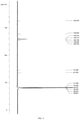
  • FIG. 2 is a NMR spectrogram of binuclear platinum complex crystal
  • FIG. 3 is a nuclear magnetic carbon spectrum of binuclear platinum complex crystal.
  • the data of the complex crystal are as follows:
  • Theta angle range 4.472 to 50
  • Platinum complex designed and synthesized according to the structure of the active natural product in the present application exhibits strong inhibitory activity (ED 50 ⁇ 10.0 ⁇ g/mL) for the treatment of A549 (lung cancer), KB (nasopharyngeal carcinoma), KB-VIn (anti-drug-resistant nasopharyngeal carcinoma) and human breast cancer (MCF-7). Therefore, it is expected that this compound can be used to treat various kinds of cancers, including lung cancer, breast cancer, oral cancer cells, and breast cancer cells. Part of this compound's anti-cancer activity test results are listed in Table 1:

Landscapes

  • Chemical & Material Sciences (AREA)
  • Organic Chemistry (AREA)
  • Health & Medical Sciences (AREA)
  • Chemical Kinetics & Catalysis (AREA)
  • General Chemical & Material Sciences (AREA)
  • Medicinal Chemistry (AREA)
  • Nuclear Medicine, Radiotherapy & Molecular Imaging (AREA)
  • Pharmacology & Pharmacy (AREA)
  • Life Sciences & Earth Sciences (AREA)
  • Animal Behavior & Ethology (AREA)
  • General Health & Medical Sciences (AREA)
  • Public Health (AREA)
  • Veterinary Medicine (AREA)
  • Inorganic Chemistry (AREA)
  • Engineering & Computer Science (AREA)
  • Materials Engineering (AREA)
  • Pharmaceuticals Containing Other Organic And Inorganic Compounds (AREA)

Abstract

A chiral platinum complex having a chemical formula (I):A method for synthesizing the chiral platinum complex (I), includes: dissolving 0.700 g of Pt(DMSO)2(NO3)2 in 30 mL of dichloromethane as a solvent to yield a solution; adding 0.450 g of 1,4-(4R)-diphenyl-2-oxazolinyl benzene to the solution, and reflux a resulting mixture for reaction for 48 hrs, and stopping the reaction; filtrating reaction products; and adding dichloromethane and petroleum ether, and naturally volatilizing to yield a binuclear platinum complex single crystal. A method for condensation of benzophenone imine and trimethylsilitrile by using the chiral platinum complex as a catalyst. A method for treating cancer includes administering the chiral platinum complex to a patient in need thereof. The cancer includes: lung cancer (A549), nasopharyngeal carcinoma (KB), anti-drug-resistant nasopharyngeal carcinoma (KB-VIn), and human breast cancer (MCF-7).

Description

CROSS-REFERENCE TO RELATED APPLICATIONS
This application claims the benefit of Chinese Patent Application No. 201911005978.6 filed Oct. 22, 2019, the contents of which are incorporated herein by reference.
BACKGROUND OF THE INVENTION Field of the Invention
The present application relates to a metal organic coordination compound (complex) and its preparation method, particularly to a platinum-containing metal organic complex and its preparation method, and more particularly to a crystal of a platinum oxazoline complex and its synthetic method.
Description of the Related Art
Metal platinum complex has attracted wide attention due to its potential application value in anti-cancer, molecular magnet, fluorescent material and so on. There have been a lot of literature reports on the synthetic method of metal-platinum complex during recent years.
1. Cis/trans influences in platinum (II) complexes. X-ray crystal structures of cis-dichloro (dimethyl sulfide) (dimethyl sulfoxide) platinum (II) and cis-dichloro (dimethyl sulfide) (dimethyl phenyl phosphine) platinum (II), Journal of Molecular Structure, 470, 1-2, 39-47.
2. Design of chiral macrocyclic complexes based on trans-chelation of n:n metal-bidentate P, N- or N, N-ligands, Chemistry Letters (2006), 35, (2), 172-173.
SUMMARY
It is an objective of the present application to provide a Pt—N metal organic complex for application in the catalytic field, in order to solve the technical problem of selection as ligands and synthesis of a zinc complex.
To achieve the above objective, in accordance with one embodiment of the present application, there is provided a platinum complex. The platinum complex is a complex having a chemical formula (I) and prepared from dimethyl sulfoxide platinum nitrate and 1,4-(4R)-diphenyl-2-oxazolinyl benzene:
Figure US11225499-20220118-C00002
Chemical name: [1,4-(4R)-diphenyl-2-oxazolinyl benzene] platinum nitrate complex, referred to as complex (I).
Figure US11225499-20220118-C00003
In accordance with another embodiment of the present application, there is provided a method for synthesizing the above-described chiral complex (I), comprising: reaction, separation, and purification. The method specifically comprises: dissolving 0.700 g of Pt(DMSO)2(NO3)2 in 30 mL of dichloromethane and 20 mL of chlorobenzene as a solvent to yield a solution; adding 0.450 g of 1,4-(4R)-diphenyl-2-oxazolinyl benzene to the solution, and reflux a resulting mixture for reaction for 48 hrs, and stopping the reaction; filtrating reaction products; and adding dichloromethane and petroleum ether, and naturally volatilizing to yield a binuclear platinum complex single crystal.
In accordance with still another embodiment of the present application, there is provided a method for condensation of benzophenone imine and trimethylsilitrile by using the above-described chiral platinum complex as a catalyst. The complex shows excellent catalytic performance in the reaction of benzophenone imine and trimethylsilitrile, and its conversion rate is up to 99%.
In accordance with still another embodiment of the present application, there is provided a method for treating cancer comprising administering the chiral platinum complex of claim 1 to a patient in need thereof, wherein the cancer comprises: lung cancer (A549), nasopharyngeal carcinoma (KB), anti-drug-resistant nasopharyngeal carcinoma (KB-VIn), and human breast cancer (MCF-7).
The method for synthesizing the above-described chiral complex according to an embodiment of the present application can achieve one-step reaction to yield the target product. The process is simple and easy to operate.
BRIEF DESCRIPTION OF THE DRAWINGS
FIG. 1 is an X-ray diffraction analysis drawing of binuclear platinum complex crystal;
FIG. 2 is a NMR spectrogram of binuclear platinum complex crystal;
FIG. 3 is a nuclear magnetic carbon spectrum of binuclear platinum complex crystal.
DETAILED DESCRIPTION OF THE EMBODIMENTS
1. Platinum Bichloride and Dimethyl Sulfoxide Complex
1.2042 g of platinum bichloride, 10 mL of DMSO, and 30 mL of dichloromethane were added to a 100 mL two-mouth flask to yield a mixture. The mixture was refluxed for 60 hrs, the reaction was stopped, and a resulting reaction mixture was stood. A solid dimethyl sulfoxide platinum complex was obtained with a yield thereof being 45%.
Elemental analysis results were as follows:
Test values: C: 11.78%, H: 2.91%;
Calculated values: C: 11.38%, H: 2.86%, IR (KBr): 1157, 1134, 450, 430.
2. Dimethyl Sulfoxide and Platinum Nitrate Complex
To a two-mouth flask, 0.3521 g of dimethyl sulfoxide platinum chloride, 0.5135 g of silver nitrate, and 20 mL of dichloromethane as solvent, were added for carrying out reaction in dark by using an aluminum foil at room temperature for 30 hrs. A resulting reaction mixture was filtrated and added with dichloromethane/trichloromethane in a volume ratio of 1/1 to prepare a solution. The resulting solution was naturally volatilized to obtain a dimethyl sulfoxide platinum nitrate complex in a solid form, with a yield thereof being 42%.
3. Preparation of Dimethyl Sulfoxide Binuclear Platinum Complex Crystal
0.700 g of Pt(DMSO)2(NO3)2 were taken and dissolved with 30 mL of dichloromethane as the solvent to yield a resulting solution. 0.450 g of 1,4-(4R)-diphenyl-2-oxazolinyl benzene was added to the resulting solution for reflux reaction for 48 hrs. The reaction was stopped. Thereafter, reaction products were filtrated, and added with dichloromethane and petroleum ether, and naturally volatilized, to obtain a new single crystal of binuclear platinum complex, with a yield thereof being 90%, m.p. 121-122° C.; [α]5D=+125.0° (c 0.04, DMF). Elemental analysis: C156H144N24048Pt6: Test values: C, 43.90, H, 3.71, N, 7.51; Calculated values: (%) C, 43.64, H, 3.38, N, 7.83; 1H NMR (600 MHz, DMSO), δ ppm 7.95 (s, 8H, ArH), 7.12-7.32 (m, 20H, ArH), 4.56-4.64 (m, 4H, CH), 4.45-4.49 (m, 4H, CH), 4.16 (t, J=7.9 Hz, 4H, CH), 3.04 and 3.02 (dd, J=6.1, 6.8 Hz, 4H, 2×CH2), 2.85 and 2.82 (dd, J=7.3, 7.3 Hz, 4H, 2×CH2); 13C NMR (150 MHz, DMSO) 162.7, 138.5, 130.4, 129.8, 128.8, 128.6, 126.8, 72.3, 67.8, 41.3; νmax (cm−1) 3448, 3026, 2924, 2854, 2426, 1645, 1610, 1571, 1510, 1497, 1454, 1384, 1281, 1259, 1084, 1063, 1015, 967, 919, 861, 839, 756, 728, 699;
The data of the complex crystal are as follows:
Empirical formula: C156H144N24O48Pt6
Molecular weight: 4293.49
Temperature: 293.19(10)K
Wavelength: 1.54184 Å
Crystal system, spatial group: Monoclinic system, C2
crystal cell parameters: a=33.373 Å; α=90°.
b=9.580(3) Å; β=118.303(6°).
c=32.316 (9) Å; γ=90°.
Volume: 9096 (4) Å {circumflex over ( )}3
Electric density: 2, 1.380 Mg/m{circumflex over ( )}3
Absorption, correction parameter: 4.696 mm{circumflex over ( )}−1
Number of electrons in a single cell: 3682.0.0
Crystal size: 0.20×0.12×0.06 mm
Theta angle range: 4.472 to 50
Index collection range of HKL: −39<=h<=39, −11<k<11, −38<l<=38
Collect/Independent diffraction data: 16001/4652[R(int)=0.0752]
Method of absorption correction: Multilayer scanning
Method used for refinement: Least square method of matrix of F{circumflex over ( )}2
Number of data/number of use limit/number of parameters: 4652/499/803
Method used for refinement: 0.995
Coincidence factor for diffraction point: R1=0.0902, ωR2=0.2485
Coincidence factor of observable diffraction: R1=0.1416, ωR2=0.2892
Maximum peak and valley on the difference Fourier diagram: 1.00 and −2892 e·Å{circumflex over ( )}−3
Typical Bond Length Data for Crystal are Listed as Follows:
Atom Atom Length/Å
C1 C4 1.42(3)
C1 N1 1.36(3)
C1 O1 1.30(2)
C2 C3 1.58(3)
C2 O1 1.37(3)
C3 C20 1.56(3)
C3 N1 1.53(2)
C4 C5 1.42(3)
C4 C9 1.34(3)
C5 C6 1.29(3)
C6 C7 1.51(3)
C7 C8 1.20(3)
C7 C10 1.49(3)
C8 C9 1.51(3)
C10 N3 1.29(3)
C10 O3 1.33(2)
C11 C12 1.61(2)
C11 O3 1.55(2)
C12 C13 1.39(3)
C12 N3 1.48(2)
C13 C14 1.47(2)
C14 C15 1.3900
C14 C19 1.3900
C15 C16 1.3900
C16 C17 1.3900
C17 C18 1.3900
C18 C19 1.3900
C20 C21 1.53(2)
C21 C22 1.3900
C21 C26 1.3900
C22 C23 1.3900
C23 C24 1.3900
C24 C25 1.3900
C25 C26 1.3900
C27 C28 1.46(3)
C27 C46 1.53(3)
C27 N2 1.47(3)
C28 O2 1.38(3)
C29 C30 1.40(3)
C29 N2 1.36(3)
C29 O2 1.34(2)
C30 C31 1.37(3)
C30 C35 1.46(3)
C31 C32 1.46(3)
C32 C33 1.41(3)
C33 C34 1.37(3)
C33 C36 1.53(3)
C34 C35 1.25(3)
C36 N4 1.29(3)
C36 O4 1.26(3)
C37 C38 1.47(3)
C37 O4 1.35(2)
C38 C39 1.66(3)
C38 N4 1.43(3)
C39 C40 1.59(2)
C40 C41 1.3900
C40 C45 1.3900
C41 C42 1.3900
C42 C43 1.3900
C43 C44 1.3900
C44 C45 1.3900
C46 C47 1.49(2)
C47 C48 1.3900
C47 C52 1.3900
C48 C49 1.3900
C49 C50 1.3900
C50 C51 1.3900
C51 C52 1.3900
N1 Pt1 2.141(18)
N2 Pt1 2.025(14)
N3 Pt2 2.080(16)
N4 Pt2 2.152(13)
C53 C67 1 1.44(8)
C53 N5 1.19(4)
C53 O5 1.42(4)
C54 C55 1.73(5)
C54 O5 1.38(5)
C55 C56 1.61(3)
C55 N5 1.45(4)
C56 C57 1.32(3)
C57 C58 1.3900
C57 C62 1.3900
C58 C59 1.3900
C59 C60 1.3900
C60 C61 1.3900
C61 C62 1.3900
C63 C64 1.60(3)
C63 N6 1.36(4)
C63 O6 1.43(4)
C64 C65 1.3900
C64 C69 1.3900
C65 C66 1.3900
C66 C67 1.3900
C67 C53 1 1.44(4)
C67 C68 1.3900
C68 C69 1.3900
C70 C71 1.51(3)
C70 O6 1.42(2)
C71 C72 1.38(4)
C71 N6 1.45(4)
C72 C73 1.36(4)
C73 C74 1.3900
C73 C78 1.3900
C74 C75 1.3900
C75 C76 1.3900
C76 C77 1.3900
C77 C78 1.3900
N5 Pt3 1.99(3)
N6 Pt3 2.09(2)
N7 O7 1.09(3)
N7 O8 1.24(3)
N7 O9 1.29(3)
1−X, +Y, −Z
Typical bond angle data for crystal are listed as follows:
Atom Atom Atom Angle/° Atom Atom Atom Angle/°
N1 C1 C4 126.5(18) C52 C47 C46 118.1(12)
O1 C1 C4 121.9(17) C47 C48 C49 120.0
O1 C1 N1 111.6(17) C50 C49 C48 120.0
O1 C2 C3 104.6(17) C49 C50 C51 120.0
C20 C3 C2 108.5(19) C52 C51 C50 120.0
N1 C3 C2 100.0(17) C51 C52 C47 120.0
N1 C3 C20 106.5(14) C1 N1 C3 108.4(16)
C1 C4 C5 116.8(17) C1 N1 Pt1 126.7(13)
C9 C4 C1 120.8(19) C3 N1 Pt1 124.9(13)
C9 C4 C5 122.2(19) C27 N2 Pt1 128.5(13)
C6 C5 C4 121.1(19) C29 N2 C27 102.2(16)
C5 C6 C7 118(2) C29 N2 Pt1 128.8(13)
C8 C7 C6 119.8(18) C10 N3 C12 109.5(15)
C8 C7 C10 122.6(17) C10 N3 Pt2 126.9(11)
C10 C7 C6 117.6(16) C12 N3 Pt2 123.1(11)
C7 C8 C9 124.3(19) C36 N4 C38 102.6(16)
C4 C9 C8 114.0(19) C36 N4 Pt2 130.1(14)
N3 C10 C7 127.9(15) C38 N4 Pt2 127.3(12)
N3 C10 O3 119.3(16) C1 O1 C2
O3 C10 C7 112.8(17) C29 O2 C28
O3 C11 C12 101.6(12) C10 O3 C11
C13 C12 C11 115.5(15) C36 O4 C37
C13 C12 N3 115.1(14) N2 Pt1 N1
N3 C12 C11 102.6(14) N3 Pt2 N4
C12 C13 C14 115.2(16) N5 C53 C67 1
C15 C14 C13 118.9(12) N5 C53 O5
C15 C14 C19 120.0 O5 C53 C67 1
C19 C14 C13 121.0(12) O5 C54 C55
C14 C15 C16 120.0 C56 C55 C54
C17 C16 C15 120.0 N5 C55 C54
C16 C17 C18 120.0 N5 C55 C56
C19 C18 C17 120.0 C57 C56 C55
C18 C19 C14 120.0 C56 C57 C58
C21 C20 C3 109.8(17) C56 C57 C62
C22 C21 C20 119.8(13) C58 C57 C62
C22 C21 C26 120.0 C57 C58 C59
C26 C21 C20 120.2(13) C60 C59 C58
C21 C22 C23 120.0 C61 C60 C59
C22 C23 C24 120.0 C60 C61 C62
C25 C24 C23 120.0 C61 C62 C57 120.0
C24 C25 C26 120.0 N6 C63 C64 130(2)
C25 C26 C21 120.0 N6 C63 O6 124(2)
C28 C27 C46 117.3(19) O6 C63 C64 104(2)
C28 C27 N2 106.9(18) C65 C64 C63 115.8(18)
N2 C27 C46 107.7(17) C65 C64 C69 120.0
O2 C28 C27 107.6(18) C69 C64 C63 123.4(18)
N2 C29 C30 120.9(18) C66 C65 C64 120.0
O2 C29 C30 121.3(19) C65 C66 C67 120.0
O2 C29 N2 116.9(18) C66 C67 C53 1 119(2)
C29 C30 C35 121.5(19) C68 C67 C53 1 120(2)
C31 C30 C29 116.9(19) C68 C67 C66 120.0
C31 C30 C35 118.9(19) C69 C68 C67 120.0
C30 C31 C32 117.5(18) C68 C69 C64 120.0
C33 C32 C31 119.1(18) O6 C70 C71 112(3)
C32 C33 C36 114.4(18) C72 C71 C70 118(3)
C34 C33 C32 117.5(18) C72 C71 N6 114(3)
C34 C33 C36 127.9(19) N6 C71 C70 106(3)
C35 C34 C33 126.2(19) C73 C72 C71 131(3)
C34 C35 C30 119.3(19) C72 C73 C74 118.3(19)
N4 C36 C33 121(2) C72 C73 C78 121.0(19)
O4 C36 C33 119(2) C74 C73 C78 120.0
O4 C36 N4 120(2) C75 C74 C73 120.0
O4 C37 C38 105.4(16) C74 C75 C76 120.0
C37 C38 C39 108.9(19) C77 C76 C75 120.0
N4 C38 C37 104.9(18) C76 C77 C78 120.0
N4 C38 C39 104.6(17) C77 C78 C73 120.0
C40 C39 C38 114.9(16) C53 N5 C55 107(3)
C41 C40 C39 120.8(12) C53 N5 Pt3 129(2)
C41 C40 C45 120.0 C55 N5 Pt3 124(2)
C45 C40 C39 119.2(12) C63 N6 C71 100(2)
C40 C41 C42 120.0 C63 N6 Pt3 130.3(17)
C41 C42 C43 120.0 C71 N6 Pt3 128(2)
C42 C43 C44 120.0 C54 OS C53 101(3)
C45 C44 C43 120.0 C70 O6 C63 96(2)
C44 C45 C40 120.0 N5 Pt3 N6 176.0(11)
C47 C46 C27 117.0(17) O7 N7 O8 126(3)
C48 C47 C46 121.6(12) O7 N7 O9 123(2)
C48 C47 C52 120.0 O8 N7 O9 104(3)
1−X, +Y, −Z
Condensation Reaction Between Benzophenone Imine and Trimethylsilitrile
Figure US11225499-20220118-C00004
0.025 mL of benzophenone imine and 0.4 mL of trimethylsilitrile was taken and added to a 25 mL small flask, then, 1 mL of THF and 0.0157 g of the compound I were added, and stirred at room temperature for 8 hrs. A small number of the sample was taken for nuclear magnetic detection. The conversion rate was more than 99%; 1H NMR (600 MHz, CDCl3, 27° C.), δ7.23-7.59 (m, 10H), 4.10 (s, 2H).
Application of Anti-Cancer Activity
Platinum complex designed and synthesized according to the structure of the active natural product in the present application exhibits strong inhibitory activity (ED50<10.0 μg/mL) for the treatment of A549 (lung cancer), KB (nasopharyngeal carcinoma), KB-VIn (anti-drug-resistant nasopharyngeal carcinoma) and human breast cancer (MCF-7). Therefore, it is expected that this compound can be used to treat various kinds of cancers, including lung cancer, breast cancer, oral cancer cells, and breast cancer cells. Part of this compound's anti-cancer activity test results are listed in Table 1:
TABLE 1
Anti-cancer Activity Data of Platinum Complex (I)
Cell line
Human lung cancer Human oral cancer
cells Human breast cancer cells Human breast cancer
A549 cell MDA-MB-231 KB-VIN cell MCF-7
Average Standard Average Standard Average Standard Average Standard
Sample value deviation value deviation value deviation value deviation
Platinum complex 6.12 ±0.22 6.92 ±0.13 4.06 ±0.13 2.43 ±0.02
(I)
Cisplatin 4.96 ±0.09 26.41 ±0.74 3.01 ±0.07 29.99 ±0.93

Claims (1)

What is claimed is:
1. A method for condensation of benzophenone imine and trimethylsilitrile comprising using the chiral platinum complex having a chemical formula (I):
Figure US11225499-20220118-C00005
US17/022,872 2019-10-22 2020-09-16 Chiral platinum complex, method for preparing the same, and method for using the same Active US11225499B2 (en)

Applications Claiming Priority (2)

Application Number Priority Date Filing Date Title
CN201911005978.6A CN110746466B (en) 2019-10-22 2019-10-22 Preparation and application of a chiral platinum complex
CN201911005978.6 2019-10-22

Publications (2)

Publication Number Publication Date
US20210115079A1 US20210115079A1 (en) 2021-04-22
US11225499B2 true US11225499B2 (en) 2022-01-18

Family

ID=69279314

Family Applications (1)

Application Number Title Priority Date Filing Date
US17/022,872 Active US11225499B2 (en) 2019-10-22 2020-09-16 Chiral platinum complex, method for preparing the same, and method for using the same

Country Status (2)

Country Link
US (1) US11225499B2 (en)
CN (1) CN110746466B (en)

Families Citing this family (2)

* Cited by examiner, † Cited by third party
Publication number Priority date Publication date Assignee Title
CN114621295B (en) * 2022-03-23 2023-08-22 合肥工业大学智能制造技术研究院 Chiral oxazoline palladium complex crystal and application thereof
CN115108930A (en) * 2022-07-11 2022-09-27 合肥工业大学 Synthetic method and application of aminophenyl benzamide compound

Citations (1)

* Cited by examiner, † Cited by third party
Publication number Priority date Publication date Assignee Title
CN106800576A (en) * 2017-01-19 2017-06-06 合肥祥晨化工有限公司 A kind of preparation of chiral platinum complex crystal and synthetic method

Family Cites Families (5)

* Cited by examiner, † Cited by third party
Publication number Priority date Publication date Assignee Title
US5424444A (en) * 1992-11-25 1995-06-13 Abbott Laboratories Method of preparing enantiomerically-pure 3-methyl-5-(1-alkyl-2(S)-pyrrolidinyl) isoxazoles
JP4851019B2 (en) * 2000-03-31 2012-01-11 山梨電子工業株式会社 Isoxazolylidene compound and method for producing the same
AUPR330201A0 (en) * 2001-02-23 2001-03-22 University Of Sydney, The Metal complexes and therapeutic uses thereof
WO2017214413A1 (en) * 2016-06-08 2017-12-14 Chrysalis, Inc. Imidazo[1,2-a]pyridine derivatives as histone demethylase inhibitors
CN110305167A (en) * 2019-06-18 2019-10-08 合肥工业大学 Preparation and application of a chiral platinum complex

Patent Citations (1)

* Cited by examiner, † Cited by third party
Publication number Priority date Publication date Assignee Title
CN106800576A (en) * 2017-01-19 2017-06-06 合肥祥晨化工有限公司 A kind of preparation of chiral platinum complex crystal and synthetic method

Non-Patent Citations (2)

* Cited by examiner, † Cited by third party
Title
CN 106800576 translation, downloaded from Google Patents Jul. 17, 2021. *
Cosaert et al. British Journal of Cancer (2002) 87, 825-833. *

Also Published As

Publication number Publication date
US20210115079A1 (en) 2021-04-22
CN110746466B (en) 2023-08-15
CN110746466A (en) 2020-02-04

Similar Documents

Publication Publication Date Title
DE69824314T2 (en) DERIVATIVES SCHIFF&#39;SCHER BASES OF RUTHENIUM AND OSMIUM CATALYSTS TO OLEFIN METETHESIS
CN102924528B (en) Anti-tumor bivalent platinum complex and preparation method for complex and ligand of complex
Liu et al. Synthesis and biological studies of silver N-heterocyclic carbene complexes derived from 4, 5-diarylimidazole
US11225499B2 (en) Chiral platinum complex, method for preparing the same, and method for using the same
Ruan et al. Synthesis, characterization and in vitro antitumor activity of three organotin (IV) complexes with carbazole ligand
Zhang et al. Naphthalenediol-based bis (Salamo)-type homo-and heterotrinuclear cobalt (II) complexes: Syntheses, structures and magnetic properties
Yin et al. Synthesis, characterizations and crystal structures of new antimony (III) complexes with dithiocarbamate ligands
Hu et al. Preparation and structures of enantiomeric dinuclear zirconium and hafnium complexes containing two homochiral N atoms, and their catalytic property for polymerization of rac-lactide
US9604205B2 (en) Method for preparation of a ruthenium indenylidene complex
CN101353357A (en) A kind of organotin compound and its preparation method and application
Broderick et al. Intramolecular carbon-hydrogen bond activation: preparation, structure, and properties of a unique cobalt (III) complex, K [Co (III)(dacoda)(SO3). cntdot. 5H2O, containing a weak agostic interaction in aqueous solution
Balamurugan et al. Copper (II) complexes of sterically hindered Schiff base ligands: Synthesis, structure, spectra and electrochemistry
CN103087115B (en) Ferrocenyl-containing tributyltin benzoate coordination polymer, and preparation method and application thereof
Chakraborty et al. Windmill-shaped octanuclear Zn II4/Ln III4 (Ln III= Dy, Tb, Ho) heterometallic ensembles supported by a tetraferrocene scaffold
Deacon et al. Platinum (IV) organometallics I. Syntheses of trans-di (carboxylato) ethane-1, 2-diamine-cis-bis (pentafluoro-phenyl) platinum (IV) complexes and the X-ray crystal structure of the n-butanoato derivative
Asgedom et al. Oxovanadium (V) Schiff base complexes of trishydroxymethylaminomethane with salicylaldehyde and its derivatives: synthesis, characterization and redox reactivity
CN110305167A (en) Preparation and application of a chiral platinum complex
CN110183494A (en) A kind of orally available new antitumoral Pt (IV) complex preparation method and applications
Erfani et al. Synthesis of new arylplatinum complexes containing 2, 2′-dipyridylamine; single crystal structure, electrochemical studies and calculation of the kinetic parameters
WO2004099224A1 (en) Carboplatin-type platinum (ii) complexes
Xing et al. Synthesis and cytotoxicity of diam (m) ineplatinum (II) complexes with 2, 2-bis (hydroxymethyl) malonate as the leaving group
Chen et al. Heterometallic cubane-type clusters [M′ Mo 3 S 4](M′= Au, Ag and Cu): synthesis, structures and electrochemical properties
Chen et al. Syntheses and structures of heterometallic clusters by the reaction of o-carboranyl cobaltadichalcogenolato complexes
Yao et al. A novel octa-nuclear 32-membered zirconocene macrocycle based on the aromatic selenite
Yin et al. Self-assembly of triorganotin (IV) or diorganotin (IV) moieties and 2-methylpyrazine-5-acid: Syntheses, characterizations and crystal structures of monomeric, polymeric or tetranuclear macrocyclic compounds

Legal Events

Date Code Title Description
FEPP Fee payment procedure

Free format text: ENTITY STATUS SET TO UNDISCOUNTED (ORIGINAL EVENT CODE: BIG.); ENTITY STATUS OF PATENT OWNER: SMALL ENTITY

FEPP Fee payment procedure

Free format text: ENTITY STATUS SET TO SMALL (ORIGINAL EVENT CODE: SMAL); ENTITY STATUS OF PATENT OWNER: SMALL ENTITY

AS Assignment

Owner name: HEFEI UNIVERSITY OF TECHNOLOGY, CHINA

Free format text: ASSIGNMENT OF ASSIGNORS INTEREST;ASSIGNOR:LUO, MEI;REEL/FRAME:053931/0687

Effective date: 20200818

STPP Information on status: patent application and granting procedure in general

Free format text: DOCKETED NEW CASE - READY FOR EXAMINATION

STPP Information on status: patent application and granting procedure in general

Free format text: NON FINAL ACTION MAILED

STPP Information on status: patent application and granting procedure in general

Free format text: NOTICE OF ALLOWANCE MAILED -- APPLICATION RECEIVED IN OFFICE OF PUBLICATIONS

STPP Information on status: patent application and granting procedure in general

Free format text: PUBLICATIONS -- ISSUE FEE PAYMENT VERIFIED

STCF Information on status: patent grant

Free format text: PATENTED CASE

FEPP Fee payment procedure

Free format text: MAINTENANCE FEE REMINDER MAILED (ORIGINAL EVENT CODE: REM.); ENTITY STATUS OF PATENT OWNER: SMALL ENTITY