US11141451B2 - Pharmaceutical composition and health functional food comprising oat extract avenanthramide C or derivative thereof as effective ingredient for prevention or treatment of neurodegenerative disease - Google Patents
Pharmaceutical composition and health functional food comprising oat extract avenanthramide C or derivative thereof as effective ingredient for prevention or treatment of neurodegenerative disease Download PDFInfo
- Publication number
- US11141451B2 US11141451B2 US16/095,447 US201616095447A US11141451B2 US 11141451 B2 US11141451 B2 US 11141451B2 US 201616095447 A US201616095447 A US 201616095447A US 11141451 B2 US11141451 B2 US 11141451B2
- Authority
- US
- United States
- Prior art keywords
- ltp
- avenanthramide
- measuring
- gsk3β
- activity
- Prior art date
- Legal status (The legal status is an assumption and is not a legal conclusion. Google has not performed a legal analysis and makes no representation as to the accuracy of the status listed.)
- Active, expires
Links
- OCRKKVKQPIEVDK-ZZXKWVIFSA-N CC1=CC=C(CC(=O)/C=C/C2=CC(O)=C(O)C=C2)C(C(=O)O)=C1 Chemical compound CC1=CC=C(CC(=O)/C=C/C2=CC(O)=C(O)C=C2)C(C(=O)O)=C1 OCRKKVKQPIEVDK-ZZXKWVIFSA-N 0.000 description 2
- QUCVUXIVBYAFFW-ZZXKWVIFSA-N COC(=O)C1=C(CC(=O)/C=C/C2=CC(C)=C(O)C=C2)C=CC(O)=C1 Chemical compound COC(=O)C1=C(CC(=O)/C=C/C2=CC(C)=C(O)C=C2)C=CC(O)=C1 QUCVUXIVBYAFFW-ZZXKWVIFSA-N 0.000 description 2
- IDUUXROOZBOOPH-QHHAFSJGSA-N OC(c1cc(O)ccc1NC(/C=C/c(cc1)cc(O)c1O)=O)=O Chemical compound OC(c1cc(O)ccc1NC(/C=C/c(cc1)cc(O)c1O)=O)=O IDUUXROOZBOOPH-QHHAFSJGSA-N 0.000 description 2
- SWLKDLBMEHLSBP-ROFKHBKESA-N COC(=O)C1=C(CC(=O)/C=C/C2=CC(C)=C(O)C=C2)C=CC(O)=C1.O=C(/C=C/C1=CC(O)=C(O)C=C1)CC1=CC=C(O)C=C1C(=O)O Chemical compound COC(=O)C1=C(CC(=O)/C=C/C2=CC(C)=C(O)C=C2)C=CC(O)=C1.O=C(/C=C/C1=CC(O)=C(O)C=C1)CC1=CC=C(O)C=C1C(=O)O SWLKDLBMEHLSBP-ROFKHBKESA-N 0.000 description 1
Images




Classifications
-
- A—HUMAN NECESSITIES
- A61—MEDICAL OR VETERINARY SCIENCE; HYGIENE
- A61K—PREPARATIONS FOR MEDICAL, DENTAL OR TOILETRY PURPOSES
- A61K36/00—Medicinal preparations of undetermined constitution containing material from algae, lichens, fungi or plants, or derivatives thereof, e.g. traditional herbal medicines
- A61K36/18—Magnoliophyta (angiosperms)
- A61K36/88—Liliopsida (monocotyledons)
- A61K36/899—Poaceae or Gramineae (Grass family), e.g. bamboo, corn or sugar cane
-
- A—HUMAN NECESSITIES
- A23—FOODS OR FOODSTUFFS; TREATMENT THEREOF, NOT COVERED BY OTHER CLASSES
- A23L—FOODS, FOODSTUFFS OR NON-ALCOHOLIC BEVERAGES, NOT OTHERWISE PROVIDED FOR; PREPARATION OR TREATMENT THEREOF
- A23L33/00—Modifying nutritive qualities of foods; Dietetic products; Preparation or treatment thereof
- A23L33/10—Modifying nutritive qualities of foods; Dietetic products; Preparation or treatment thereof using additives
-
- A—HUMAN NECESSITIES
- A23—FOODS OR FOODSTUFFS; TREATMENT THEREOF, NOT COVERED BY OTHER CLASSES
- A23L—FOODS, FOODSTUFFS OR NON-ALCOHOLIC BEVERAGES, NOT OTHERWISE PROVIDED FOR; PREPARATION OR TREATMENT THEREOF
- A23L33/00—Modifying nutritive qualities of foods; Dietetic products; Preparation or treatment thereof
- A23L33/10—Modifying nutritive qualities of foods; Dietetic products; Preparation or treatment thereof using additives
- A23L33/105—Plant extracts, their artificial duplicates or their derivatives
-
- A—HUMAN NECESSITIES
- A61—MEDICAL OR VETERINARY SCIENCE; HYGIENE
- A61K—PREPARATIONS FOR MEDICAL, DENTAL OR TOILETRY PURPOSES
- A61K31/00—Medicinal preparations containing organic active ingredients
- A61K31/185—Acids; Anhydrides, halides or salts thereof, e.g. sulfur acids, imidic, hydrazonic or hydroximic acids
- A61K31/19—Carboxylic acids, e.g. valproic acid
- A61K31/195—Carboxylic acids, e.g. valproic acid having an amino group
- A61K31/196—Carboxylic acids, e.g. valproic acid having an amino group the amino group being directly attached to a ring, e.g. anthranilic acid, mefenamic acid, diclofenac, chlorambucil
-
- A—HUMAN NECESSITIES
- A61—MEDICAL OR VETERINARY SCIENCE; HYGIENE
- A61K—PREPARATIONS FOR MEDICAL, DENTAL OR TOILETRY PURPOSES
- A61K31/00—Medicinal preparations containing organic active ingredients
- A61K31/21—Esters, e.g. nitroglycerine, selenocyanates
- A61K31/215—Esters, e.g. nitroglycerine, selenocyanates of carboxylic acids
- A61K31/216—Esters, e.g. nitroglycerine, selenocyanates of carboxylic acids of acids having aromatic rings, e.g. benactizyne, clofibrate
-
- A—HUMAN NECESSITIES
- A61—MEDICAL OR VETERINARY SCIENCE; HYGIENE
- A61K—PREPARATIONS FOR MEDICAL, DENTAL OR TOILETRY PURPOSES
- A61K9/00—Medicinal preparations characterised by special physical form
- A61K9/0012—Galenical forms characterised by the site of application
- A61K9/0014—Skin, i.e. galenical aspects of topical compositions
-
- A—HUMAN NECESSITIES
- A61—MEDICAL OR VETERINARY SCIENCE; HYGIENE
- A61K—PREPARATIONS FOR MEDICAL, DENTAL OR TOILETRY PURPOSES
- A61K9/00—Medicinal preparations characterised by special physical form
- A61K9/0012—Galenical forms characterised by the site of application
- A61K9/0019—Injectable compositions; Intramuscular, intravenous, arterial, subcutaneous administration; Compositions to be administered through the skin in an invasive manner
-
- A—HUMAN NECESSITIES
- A61—MEDICAL OR VETERINARY SCIENCE; HYGIENE
- A61K—PREPARATIONS FOR MEDICAL, DENTAL OR TOILETRY PURPOSES
- A61K9/00—Medicinal preparations characterised by special physical form
- A61K9/0012—Galenical forms characterised by the site of application
- A61K9/0043—Nose
-
- A—HUMAN NECESSITIES
- A61—MEDICAL OR VETERINARY SCIENCE; HYGIENE
- A61P—SPECIFIC THERAPEUTIC ACTIVITY OF CHEMICAL COMPOUNDS OR MEDICINAL PREPARATIONS
- A61P25/00—Drugs for disorders of the nervous system
- A61P25/28—Drugs for disorders of the nervous system for treating neurodegenerative disorders of the central nervous system, e.g. nootropic agents, cognition enhancers, drugs for treating Alzheimer's disease or other forms of dementia
-
- A—HUMAN NECESSITIES
- A23—FOODS OR FOODSTUFFS; TREATMENT THEREOF, NOT COVERED BY OTHER CLASSES
- A23V—INDEXING SCHEME RELATING TO FOODS, FOODSTUFFS OR NON-ALCOHOLIC BEVERAGES AND LACTIC OR PROPIONIC ACID BACTERIA USED IN FOODSTUFFS OR FOOD PREPARATION
- A23V2002/00—Food compositions, function of food ingredients or processes for food or foodstuffs
-
- A—HUMAN NECESSITIES
- A23—FOODS OR FOODSTUFFS; TREATMENT THEREOF, NOT COVERED BY OTHER CLASSES
- A23V—INDEXING SCHEME RELATING TO FOODS, FOODSTUFFS OR NON-ALCOHOLIC BEVERAGES AND LACTIC OR PROPIONIC ACID BACTERIA USED IN FOODSTUFFS OR FOOD PREPARATION
- A23V2200/00—Function of food ingredients
- A23V2200/30—Foods, ingredients or supplements having a functional effect on health
- A23V2200/322—Foods, ingredients or supplements having a functional effect on health having an effect on the health of the nervous system or on mental function
-
- A—HUMAN NECESSITIES
- A23—FOODS OR FOODSTUFFS; TREATMENT THEREOF, NOT COVERED BY OTHER CLASSES
- A23V—INDEXING SCHEME RELATING TO FOODS, FOODSTUFFS OR NON-ALCOHOLIC BEVERAGES AND LACTIC OR PROPIONIC ACID BACTERIA USED IN FOODSTUFFS OR FOOD PREPARATION
- A23V2250/00—Food ingredients
- A23V2250/20—Natural extracts
- A23V2250/21—Plant extracts
Definitions
- the present invention relates to a pharmaceutical composition and a health functional food including an oat extract as an effective ingredient for prevention or treatment of neurodegenerative disease. More specifically, the present invention relates to a pharmaceutical composition and a health functional food including an oat extract such as avenanthramide C or a derivative thereof, for example, avenanthramide methyl ester as an effective ingredient for prevention or treatment of Alzheimer's disease.
- an oat extract such as avenanthramide C or a derivative thereof, for example, avenanthramide methyl ester
- Alzheimer's disease is one of neurodegenerative diseases that cause memory, thinking and behavioral problems, and is estimated to account for 60 to 80% of cases of dementia (Blennow et al., 2006, Lancet 368: 387). Histopathologically, Alzheimer's disease causes general atrophy of a brain, enlargement of a ventricle, multiple lesions of nerve fibers (nerve fiber twist) and neuritic plaques. Several Alzheimer's disease onset modes have been reported, but an onset due to an accumulation of amyloid- ⁇ proteins has been reported as the most likely cause. Accumulation of amyloid- ⁇ proteins causes damage to nerve cells, and activates a GSK3 ⁇ enzyme, which is known to interrupt long-term potentiation (LTP) required for memory formation. A period from the onset of Alzheimer's disease to death is usually about 6 to 8 years, but it may be over 20 years.
- LTP long-term potentiation
- avenanthramide C or a derivative thereof such as avenanthramide C methyl ester inhibits an activity of glycogen synthase kinase-3 ⁇ (GSK3 ⁇ ), which is activated by amyloid- ⁇ (A ⁇ ), and interrupts an action of amyloid- ⁇ which inhibits LTP, and have completed the present invention on the basis of the finding.
- GSK3 ⁇ glycogen synthase kinase-3 ⁇
- a ⁇ amyloid- ⁇
- Oat used herein has spread from the East to Central Europe, along with barley, since about 5000 BC. Oat has been used for at least 800 years in Europe for nutritional and medical purposes. Oatmeal is known as a biennial edible plant crop of oats in mono-cotyledonous Gramineae poales, which includes about 70 species, however, only a few of them are grown commercially. Usually, wild oat ( Avena sativa L.) species are cultivated, wherein a height is about 90 cm, a leaf length ranges from 15 to 30 cm, a width ranges from 6 to 12 mm, and a sheath leaf is long while a ligule is short and finely split.
- Oat glumes do not have a ridge line but include lots of veins and spread out on both sides. Oat aristae are wrapped with inner and outer awns, have hair and include grooves on one side thereof.
- Fruits are processed into oatmeal and eaten, and generally used to make alcohol, and for raw materials for confectionery and livestock feeds.
- oats are beta-carotene, vitamin C, niacin, riboflavin, thiamine, retinol, dietary fiber, and avenanthramide, and the like.
- avenanthramide is known as an antioxidant agent to inhibit active oxygen.
- the avenanthramide may be classified into avenanthramide A, avenanthramide B, avenanthramide C, avenanthramide 0, and avenanthramide P.
- neurodegenerative disease refers to a disease in which the nervous system loses functions due to a degenerative change in neuronal cells.
- the neurodegenerative disease may be selected from the group consisting of Alzheimer's disease, frontotemporal dementia, dementia with Lewy bodies, corticobasal degeneration, Parkinson's disease, multiple system atrophy, progressive supranuclear palsy, Huntington's disease, dentato-rubro-pallido-luysian atrophy, spinocerebellar ataxia, amyotrophic lateral sclerosis, primary lateral sclerosis and spinal muscular atrophy, but it is not limited thereto.
- Alzheimer's disease is a disease in which losses of significant memory and other intellectual abilities occur enough to hinder patient's daily life, and means a neurodegenerative disease characterized by a histopathological overall atrophy of the brain, enlargement of the ventricle, multiple lesions of nerve fibers (nerve fiber twist), neuritic plaque and the like.
- amyloid- ⁇ is a peptide including 36 to 43 amino acids, and is produced by degradation of an amyloid precursor protein (APP) by an enzyme such as a secretase.
- APP amyloid precursor protein
- the resulting amyloid- ⁇ forms in several forms as it agglomerates. Among them, plaques having neurotoxicity are generated by multimers collapsed in an erroneous form, thereby causing neurological diseases.
- GSK3 ⁇ refers to an enzyme that phosphorylates other proteins and has a role of regulating various actions such as energy metabolism, cell proliferation, apoptosis and the like.
- the term “long-term potentiation” refers to a phenomenon in which signal transmission between two neurons is continuously improved by simultaneously stimulating the neurons.
- the long-term potentiation is considered to be one of the major cytological mechanisms in learning and memory. Forming the long-term potentiation strengthens a synapse between the neurons by new protein synthesis, thereby resulting in an increase in abilities of presynaptic neurons and postsynaptic neurons to transmit signals through the strengthened synapse.
- the long-term potentiation applies to a wide variety of learning from classical conditioning to complex higher cognitive functions.
- a pharmaceutical composition which includes an oat extract as an effective ingredient for prevention or treatment of the neurodegenerative disease.
- the oat extract may include avenanthramide C represented by Formula 1 below or a derivative thereof:
- the derivative of avenanthramide C may be avenanthramide C methyl ester represented by Formula 2 below:
- the oat extract may be included in an amount of 50 ⁇ M or more.
- the oat extract may inhibit an activity of glycogen synthase kinase-3 ⁇ (GSK3 ⁇ ) induced by the accumulation of amyloid- ⁇ .
- GSK3 ⁇ glycogen synthase kinase-3 ⁇
- the oat extract may re-induce long-term potentiation (LTP) inhibited by the accumulation of amyloid- ⁇ .
- LTP long-term potentiation
- the pharmaceutical composition according to the present invention may further include a pharmaceutically acceptable carrier.
- the pharmaceutically acceptable carrier may include, as those commonly used in the art, lactose, dextrose, sucrose, sorbitol, mannitol, starch, acacia rubber, calcium phosphate, alginate, gelatin, calcium silicate, microcrystalline cellulose, polyvinylpyrrolidone, cellulose, water, syrup, methyl cellulose, methyl hydroxybenzoate, propyl hydroxybenzoate, talc, magnesium stearate, mineral oil, and the like, but it is not limited thereto.
- the pharmaceutical composition of the present invention may further include lubricants, wetting agents, sweeteners, flavoring agents, emulsifiers, suspensions, preserving agents, and the like, in addition to the above components.
- lubricants wetting agents, sweeteners, flavoring agents, emulsifiers, suspensions, preserving agents, and the like.
- suitable pharmaceutically acceptable carriers and formulations are described in detail in Remington's Pharmaceutical Sciences (19th ed., 1995).
- the pharmaceutical composition according to the present invention may be administered orally or parenterally.
- the pharmaceutical composition may be administered by intravenous injection, subcutaneous injection, intramuscular injection, intraperitoneal injection, local administration, dermal administration, nasal administration and the like. Most preferably, the pharmaceutical composition is administered by nasal administration.
- a suitable dosage of the pharmaceutical composition according to the present invention may be variously prescribed depending on factors such as a formulation method, an age, body weight, sex, or morbid condition, food, administration time, administration route, excretion rate and reaction sensitivity of the patient.
- a preferred unit-dose spray amount is 20 to 500 ⁇ g, and the most preferred unit-dose spray amount is 50 to 200 ⁇ g. If the unit-dose spray amount is less than 20 ⁇ g, the used amount of the composition is small, thus it is difficult to obtain a desired effect. If the unit-dose spray amount exceeds 500 ⁇ g, the composition during nasal spray may flow down from a nasal cavity, making it difficult to administer.
- the pharmaceutical composition according to the present invention may be manufactured in a unit dosage form, by formulating using the pharmaceutically acceptable carrier and/or excipient according to a method that can be easily executed by persons having ordinary skill in the art to which the present invention pertains.
- a health functional food which includes an oat extract as an effective ingredient for prevention or improvement of neurodegenerative disease.
- the oat extract may include avenanthramide C represented by Formula 1 below or a derivative thereof:
- the derivative of avenanthramide C may be avenanthramide C methyl ester represented by Formula 2 below:
- the derivative of avenanthramide C may include avenanthramide C methyl ester, avenanthramide A or avenanthramide B.
- the health functional food according to the present invention includes not only the effective ingredient but also components commonly added during manufacturing food, and may include, for example, proteins, carbohydrates, fats, nutrients, seasoning agents and flavoring agents.
- the carbohydrate may include: for example, saccharides such as monosaccharides such as glucose, and fructose, etc.; disaccharides such as maltose, sucrose, and oligosaccharides, etc.; polysaccharides such as dextrin, and cyclodextrin, etc.; and sugar alcohols such as xylitol, sorbitol, and erythritol, etc.
- the flavoring agent natural flavoring agents such as thaumatin and stevia leaf extract (e.g., rebaudioside A, and glycyrrhizin, etc.) and synthetic flavoring agents (e.g., saccharin, and aspartame, etc.) may be used.
- the health functional food according to the present invention may further include citric acid, fructose, sugar, glucose, acetic acid, malic acid, juice, Eucommia extract, jujube extract, licorice extract, and the like, in addition to the effective ingredient of the present invention.
- the avenanthramide C which is the oat extract according to the present invention, is effective in inhibiting the activity of GSK3 ⁇ induced by amyloid- ⁇ , and inducing LTP inhibited by the accumulation of amyloid- ⁇ , and thus may be helpfully used in the prevention or improvement of neurodegenerative disease.
- the oat extract according to the present invention is a natural product and has stability without cytotoxicity. Therefore, the composition of the present invention including the oat extract as an effective ingredient has an advantage that it is safe for using for a long-term period without having an adverse effect on the human body.
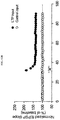
- FIG. 1 is a graph showing results of an LTP induction experiment using a hippocampal slice of a normal mouse not treated with amyloid- ⁇ and avenanthramide C according to Experimental Example 1.
- FIG. 2 is a graph showing results of an LTP induction experiment using a hippocampal slice of a mouse treated with 500 nM of amyloid- ⁇ according to Experimental Example 1.
- FIG. 3 is a graph showing results of an LTP induction experiment using a hippocampal slice of a mouse treated with 500 nM of amyloid- ⁇ and 50 ⁇ M of avenanthramide C according to Experimental Example 1.
- FIG. 4 is a graph showing results of an LTP induction experiment using a hippocampal slice of a mouse treated with only 50 ⁇ M of avenanthramide C according to Experimental Example 1.
- FIG. 5 is a graph showing results of an LTP induction experiment using a hippocampal slice of a mouse treated with 500 nM of amyloid- ⁇ and 10 ⁇ M of avenanthramide C according to Experimental Example 1.
- FIG. 6 is a graph showing results of an LTP induction experiment using a hippocampal slice of a mouse treated with only 500 ⁇ M of avenanthramide C according to Experimental Example 1.
- FIG. 7 is a graph showing results of an LTP induction experiment using a hippocampal slice of a mouse treated with 500 nM of amyloid- ⁇ and 500 ⁇ M of avenanthramide C according to Experimental Example 1.
- FIG. 8 are diagrams showing results of GSK3 ⁇ activity comparison when treating the hippocampal slice with 500 nM of amyloid- ⁇ and 50 ⁇ M of avenanthramide C according to Experimental Example 2.
- FIG. 9 are diagrams showing results of GSK3 ⁇ activity comparison when treating the hippocampal slice with 500 nM of amyloid- ⁇ and 500 ⁇ M of avenanthramide C according to Experimental Example 2.
- FIGS. 10A and 10B are graphs showing effects of avenanthramide C on the LTP in an induced Alzheimer's disease mouse (‘induced AD mouse’) according to Experimental Example 3 ( FIG. 10A : avenanthramide C-untreated hippocampus slice, FIG. 10B : avenanthramide C-treated hippocampus slice).
- FIG. 11 is diagrams showing results of western blotting according to Experimental Example 3.
- FIGS. 12A and 12B are graphs showing effects of avenanthramide C on LTP in an induced AD mouse according to Experimental Example 4.
- FIG. 12A avenanthramide
- FIG. 12B avenanthramide C-treated hippocampal fragment
- FIG. 13 is a diagram showing the results of western blotting according to Experimental Example 4.
- FIGS. 14A to 14C are graphs showing effects of avenanthramide C methyl ester on the LTP in a mouse according to Experimental Example 5 ( FIG. 14A : amyloid- ⁇ and avenanthramide C-untreated hippocampal slice, FIG. 14B : 500 nM amyloid- ⁇ -treated hippocampal slice, and FIG. 14C : 50 ⁇ M avenanthramide C methyl ester and 500 nM amyloid- ⁇ -treated hippocampal slice).
- FIG. 15 is diagrams showing results of western blotting according to Experimental Example 5.
- FIGS. 16A and 16B are graphs showing effects of avenanthramide B on the LTP in an induced AD mouse according to Experimental Example 6 ( FIG. 16A : avenanthramide B-untreated hippocampal slice, and FIG. 16B : avenanthramide B-treated hippocampal slice).
- FIGS. 17A and 17B are graphs showing effects of avenanthramide A on the LTP in an induced AD mouse according to Experimental Example 7 ( FIG. 17A : avenanthramide A-untreated hippocampal slice, and FIG. 17B : avenanthramide A-treated hippocampal slice).
- FIG. 18 is a graph showing results of an LTP induction experiment using a hippocampal slice of a normal mouse not treated with amyloid- ⁇ and ⁇ -glucan according to Experimental Example 8.
- FIG. 19 is a graph showing results of an LTP induction experiment using a hippocampal slice of a mouse treated with 500 nM of amyloid- ⁇ according to Experimental Example 8.
- FIG. 20 is a graph showing results of an LTP induction experiment using a hippocampal slice of a mouse treated with 500 nM of amyloid- ⁇ and 80 nM of ⁇ -glucan according to Experimental Example 8.
- FIG. 21 is a graph showing results of an LTP induction experiment using a hippocampal slice of a mouse treated with only 80 nM of ⁇ -glucan according to Experimental Example 8.
- FIGS. 22A and 22B are graphs showing effects of ⁇ -glucan on the LTP in an induced AD mouse according to Experimental Example 9 ( FIG. 22A : ⁇ -glucan-untreated hippocampal slice, and FIG. 22B : ⁇ -glucan-treated hippocampal slice).
- mice Central Lab. Animal Inc.
- 5 ⁇ FAD mice Jackson Laboratory mice
- the mice were allowed to freely eat diets and drinking water in a controlled room at a temperature of 23 ⁇ 3° C., humidity of 60 ⁇ 10%, and light/dark cycle of 12 hours, and were adapted for 7 days after delivery and used for the experiment.
- the management, maintenance and experimental procedures of the experimental animals were carried out under an approval of the Experimental Animal Ethics Committee of Chonnam National University in Korea.
- mice of Example 1 were anesthetized and decapitated to excise brains.
- the extracted brains were kept in a cooled artificial cerebrospinal fluid (aCSF) (124 mM NaCl, 3 mM KCl, 26 mM NaHCO 3 , 2 mM CaCl 2 , 1 mM MgSO 4 , 10 mM Glucose, 1.25 mM NaH 2 PO 4 , and 2 mM CaCl 2 ) saturated with 95% oxygen.
- aCSF artificial cerebrospinal fluid
- Hippocampal slices were sampled from the brains, and the hippocampal slice samples were prepared with a thickness of 400 ⁇ m.
- the hippocampal slice samples were recovered in the aCSF (124 mM NaCl, 3 mM KCl, 26 mM NaHCO 3 , 2 mM CaCl 2 , 1 mM MgSO 4 , 10 mM Glucose, 1.25 mM NaH 2 PO 4 , and 2 mM CaCl 2 ) saturated with 95% oxygen at a temperature of 22 to 25° C. for 1 hour, and then used in the experiment.
- aCSF 124 mM NaCl, 3 mM KCl, 26 mM NaHCO 3 , 2 mM CaCl 2 , 1 mM MgSO 4 , 10 mM Glucose, 1.25 mM NaH 2 PO 4 , and 2 mM CaCl 2
- a hippocampal slice of a 4-month-old C57BL/6 mouse was treated with amyloid- ⁇ and avenanthramide C two hours before the experiment in amounts as illustrated in Table 1 below, and an LTP comparison experiment was performed.
- the hippocampal slice samples were located in a recording chamber, respectively, and then were observed by analyzing a field excitatory postsynaptic potential (fEPSP) by stimulation of Schaffer-Collateral fiber, while applying stimulations to the samples with 100 Hz every 200 ms, and the experiment was performed for 90 minutes.
- fEPSP field excitatory postsynaptic potential
- the aCSF was supplied by flowing with a rate of 2 to 3 ml/min at 30° C., and the obtained experimental results were compared using the ANOVA test known in the art. The obtained results are illustrated in FIGS. 1 to 7 .
- a hippocampal slice of a 4-month-old C57BL/6 mouse was treated with amyloid- ⁇ and avenanthramide C in amounts as illustrated in Table 1 above, and then was crushed on ice using a homogenizer after putting a radioimmunoprecipitation assay (RIPA) buffer into a tissue. Thereafter, RIPA [50 mM Tris-HCl (PH 7.5), 150 mM NaCl, 1% Nonidet P-40, 0.5% sodium deoxycholate, 0.1% SDS, 1 mM phenylmethylsulfonyl fluoride (PMSF), 1 mM DTT, and 2 ⁇ g of leupeptin and aprotinin, respectively, were dissolved therein.
- RIPA 50 mM Tris-HCl (PH 7.5), 150 mM NaCl, 1% Nonidet P-40, 0.5% sodium deoxycholate, 0.1% SDS, 1 mM phenylmethylsulfonyl fluoride (PMSF
- the crushed cells were centrifuged with 12,000 g at 4° C. for 20 minutes, and the resulting soluble fractions were denatured in a Laemmli buffer and subjected to sodium dodecyl sulfate-polyacrylamide gel electrophoresis (SDS-PAGE). After gel electrophoresis, the separated proteins were transferred to a polyvinylidene difluoride (PVDF) membrane using electroblotting. The membrane was blocked with AMRESCO, RAPIDBLOCK solution (pH 7) and subjected to blotting by using enhanced chemiluminescence (ECL). For blotting, an antibody for GSK3 ⁇ and an antibody for phosphorylated GSK3 ⁇ (S9) were used.
- GSK3 ⁇ is an enzyme whose activity is inhibited by the phosphorylation of serine residue 9 , and is known as a modulator of a wide range of functions such as energy metabolism, cell proliferation, apoptosis and the like.
- GSK3 ⁇ was activated by treatment of amyloid- ⁇ , and when treating the sample with 500 nM of amyloid- ⁇ and 50 ⁇ M of avenanthramide C together, a result of inhibiting the activity of GSK3 ⁇ was exhibited ( FIG. 8 ). In addition, it was confirmed that activity of GSK3 ⁇ was inhibited without toxicity even when treating the sample with 500 nM of amyloid- ⁇ and 500 ⁇ M of avenanthramide C together ( FIG. 9 ).
- FIGS. 22A and 22B it was confirmed that the induced AD mouse in a case of not performing any treatment failed to form the LTP ( FIG. 22A ), and the LTP was not induced similarly to the above case even when treating the sample with 80 ⁇ g/ml of ⁇ -glucan ( FIG. 22B ).
- the avenanthramide C which is the oat extract according to the present invention, is effective in inhibiting the activity of GSK3 ⁇ induced by amyloid- ⁇ and inducing LTP inhibited by the accumulation of amyloid- ⁇ , thus may be helpfully used in the pharmaceutical composition and health functional food for prevention or treatment of Alzheimer's disease.
Landscapes
- Health & Medical Sciences (AREA)
- Life Sciences & Earth Sciences (AREA)
- Chemical & Material Sciences (AREA)
- Medicinal Chemistry (AREA)
- Veterinary Medicine (AREA)
- Public Health (AREA)
- General Health & Medical Sciences (AREA)
- Animal Behavior & Ethology (AREA)
- Pharmacology & Pharmacy (AREA)
- Natural Medicines & Medicinal Plants (AREA)
- Epidemiology (AREA)
- Engineering & Computer Science (AREA)
- Mycology (AREA)
- Botany (AREA)
- Neurosurgery (AREA)
- Neurology (AREA)
- Biomedical Technology (AREA)
- Bioinformatics & Cheminformatics (AREA)
- Polymers & Plastics (AREA)
- Food Science & Technology (AREA)
- Nutrition Science (AREA)
- Microbiology (AREA)
- Medical Informatics (AREA)
- Biotechnology (AREA)
- Alternative & Traditional Medicine (AREA)
- Dermatology (AREA)
- General Chemical & Material Sciences (AREA)
- Psychiatry (AREA)
- Chemical Kinetics & Catalysis (AREA)
- Hospice & Palliative Care (AREA)
- Nuclear Medicine, Radiotherapy & Molecular Imaging (AREA)
- Organic Chemistry (AREA)
- Emergency Medicine (AREA)
- Otolaryngology (AREA)
- Medicines Containing Plant Substances (AREA)
- Pharmaceuticals Containing Other Organic And Inorganic Compounds (AREA)
- Medicines Containing Material From Animals Or Micro-Organisms (AREA)
Abstract
Description


| TABLE 1 | ||||
| No. | Amyloid-β | Avenanthramide C | ||
| Sample 1 | — | — | ||
| Sample 2 | 500 nM | — | ||
| Sample 3 | 500 |
50 μM | ||
| Sample 4 | — | 50 μM | ||
| Sample 5 | 500 nM | 10 μM | ||
| Sample 6 | — | 500 μM | ||
| Sample 7 | 500 nM | 500 μM | ||
| TABLE 2 | ||||
| No. | Amyloid-β | β-glucan | ||
| Sample 6 | — | — | ||
| Sample 7 | 500 nM | — | ||
| |
500 |
80 μg/ml | ||
| Sample 9 | — | 50 μg/ml | ||
Claims (10)

Applications Claiming Priority (5)
| Application Number | Priority Date | Filing Date | Title |
|---|---|---|---|
| KR10-2016-0048134 | 2016-04-20 | ||
| KR20160048134 | 2016-04-20 | ||
| KR1020160066932A KR101733085B1 (en) | 2016-04-20 | 2016-05-31 | A pharmaceutical composition and health functional food including avenanthramide-c or its derivatives as oat extract for preventing or treating neurodegenerative disease |
| KR10-2016-0066932 | 2016-05-31 | ||
| PCT/KR2016/007196 WO2017183768A1 (en) | 2016-04-20 | 2016-07-04 | Pharmaceutical composition and health functional food comprising oat extract avenanthramide c or derivative thereof as effective ingredient for prevention or treatment of neurodegenerative disease |
Publications (2)
| Publication Number | Publication Date |
|---|---|
| US20190125819A1 US20190125819A1 (en) | 2019-05-02 |
| US11141451B2 true US11141451B2 (en) | 2021-10-12 |
Family
ID=60163841
Family Applications (1)
| Application Number | Title | Priority Date | Filing Date |
|---|---|---|---|
| US16/095,447 Active 2036-10-26 US11141451B2 (en) | 2016-04-20 | 2016-07-04 | Pharmaceutical composition and health functional food comprising oat extract avenanthramide C or derivative thereof as effective ingredient for prevention or treatment of neurodegenerative disease |
Country Status (4)
| Country | Link |
|---|---|
| US (1) | US11141451B2 (en) |
| EP (1) | EP3456337B1 (en) |
| KR (2) | KR101733085B1 (en) |
| CN (1) | CN109328060A (en) |
Families Citing this family (7)
| Publication number | Priority date | Publication date | Assignee | Title |
|---|---|---|---|---|
| KR102095199B1 (en) * | 2018-01-25 | 2020-04-02 | 전남대학교산학협력단 | Method for activation of AMP dependent protein kinase using avenanthramide C |
| KR102083669B1 (en) * | 2018-03-02 | 2020-03-02 | 대한민국 | Method for manufacturing germinated oats extract having high-content avenanthramides |
| KR102192624B1 (en) | 2019-01-31 | 2020-12-17 | 경북대학교 산학협력단 | Composition comprising Avenanthramide C for Preventing, Treating or Improving Allergic Disease |
| KR102679559B1 (en) | 2021-02-02 | 2024-07-01 | (주)애터미오롯 | Preparation Method for Germinated oats with Increased Avenanthramid Contents |
| KR102867059B1 (en) * | 2021-09-03 | 2025-10-01 | 한국식품연구원 | Composition of improving, preventing or treating neuro degenerative disease comprising Cyrtomium falcatum extract |
| CN115554370B (en) * | 2022-10-31 | 2023-10-03 | 陕西中鸿科瑞再生医学研究院有限公司 | Composition for improving autoimmune thyroiditis and application thereof |
| CN121152638A (en) * | 2023-06-13 | 2025-12-16 | 菲克雷特·沙欣 | Using GSK-3 activator to regulate proteasome activity to prevent age-related conditions and diseases. |
Citations (8)
| Publication number | Priority date | Publication date | Assignee | Title |
|---|---|---|---|---|
| US5762953A (en) * | 1996-08-22 | 1998-06-09 | Theratech, Inc. | Transdermal propentofylline compositions for the treatment of Alzheimers disease |
| US20040253647A1 (en) * | 2001-06-26 | 2004-12-16 | Mathews Paul M. | Cell-based high-throughput screening methods |
| KR20060080122A (en) | 2005-01-04 | 2006-07-07 | 주식회사 하이폭시 | Composition for the prevention and treatment of ischemic diseases and degenerative brain diseases, including rice plant extract |
| US20070254055A1 (en) * | 2003-11-21 | 2007-11-01 | Trustees Of Tufts College | Therapeutic Avenanthramide Compounds |
| KR20090004706A (en) | 2007-07-04 | 2009-01-12 | 주식회사 하이폭시 | Composition for the prevention and treatment of ischemic diseases and degenerative brain diseases, including starch or dietary fiber obtained from rice plants |
| US20110112187A1 (en) | 2007-08-17 | 2011-05-12 | Armin Schneider | Use Of Tranilast And Derivatives Thereof For The Therapy Of Neurological Conditions |
| US20120082740A1 (en) | 2009-03-27 | 2012-04-05 | Her Majesty The Queen In Right Of Canada As Represented By The Minister Of Agriculture | Method for increasing concentration of avenanthramides in oats |
| KR20150034024A (en) | 2013-09-25 | 2015-04-02 | 대한민국(농촌진흥청장) | A method for preparing extracts of wheat sprouts, oat sprouts or rye sprouts having increased content of policosanol |
Family Cites Families (3)
| Publication number | Priority date | Publication date | Assignee | Title |
|---|---|---|---|---|
| US20100267662A1 (en) * | 2007-11-08 | 2010-10-21 | Ceapro, Inc. | Avenanthramide-containing compositions |
| US9770397B2 (en) * | 2012-12-20 | 2017-09-26 | Kao Germany Gmbh | Oxidative dyeing composition |
| EP2853254B1 (en) * | 2013-09-26 | 2017-11-08 | Symrise AG | A composition for lightening skin and/or hair |
-
2016
- 2016-05-31 KR KR1020160066932A patent/KR101733085B1/en active Active
- 2016-07-04 US US16/095,447 patent/US11141451B2/en active Active
- 2016-07-04 CN CN201680086932.XA patent/CN109328060A/en active Pending
- 2016-07-04 EP EP16899537.1A patent/EP3456337B1/en active Active
- 2016-08-22 KR KR1020160106088A patent/KR101819658B1/en active Active
Patent Citations (8)
| Publication number | Priority date | Publication date | Assignee | Title |
|---|---|---|---|---|
| US5762953A (en) * | 1996-08-22 | 1998-06-09 | Theratech, Inc. | Transdermal propentofylline compositions for the treatment of Alzheimers disease |
| US20040253647A1 (en) * | 2001-06-26 | 2004-12-16 | Mathews Paul M. | Cell-based high-throughput screening methods |
| US20070254055A1 (en) * | 2003-11-21 | 2007-11-01 | Trustees Of Tufts College | Therapeutic Avenanthramide Compounds |
| KR20060080122A (en) | 2005-01-04 | 2006-07-07 | 주식회사 하이폭시 | Composition for the prevention and treatment of ischemic diseases and degenerative brain diseases, including rice plant extract |
| KR20090004706A (en) | 2007-07-04 | 2009-01-12 | 주식회사 하이폭시 | Composition for the prevention and treatment of ischemic diseases and degenerative brain diseases, including starch or dietary fiber obtained from rice plants |
| US20110112187A1 (en) | 2007-08-17 | 2011-05-12 | Armin Schneider | Use Of Tranilast And Derivatives Thereof For The Therapy Of Neurological Conditions |
| US20120082740A1 (en) | 2009-03-27 | 2012-04-05 | Her Majesty The Queen In Right Of Canada As Represented By The Minister Of Agriculture | Method for increasing concentration of avenanthramides in oats |
| KR20150034024A (en) | 2013-09-25 | 2015-04-02 | 대한민국(농촌진흥청장) | A method for preparing extracts of wheat sprouts, oat sprouts or rye sprouts having increased content of policosanol |
Non-Patent Citations (8)
| Title |
|---|
| Blennow K et al., "Alzheimer's disease", Lancet, vol. 368, pp. 387-403, 2006 (English Abstract is submitted herewith.) |
| Cha, Won Jun: "JNU Tech Fair, Excellent Technique in Medical Field", Medical Newspaper, Retrieved from the Internet <URL:http://bealth.cbosun.com/news/dailynews_view.jsp?mn_idx=125130>, 2017 (English machine translation is submitted herewith.) |
| Christopher R. Connors et al., "Tranilast Binds to Aβ Monomers and Promotes Aβ Fibrillation", Biochemistry, vol. 52 (23), pp. 3995-4002, 2013. |
| International Search Report for PCT/KR2016/007196 dated Feb. 20, 2017. |
| Nie, L. et al., "Mechanism by which Avenanthramide-c, a Polyphenol of Oats, Blocks Cell Cycle Progression in Vascular Smooth Muscle Cells", Free Radical Biology & Medicine, vol. 41, No. 5, pp. 702-708, 2006. |
| Notice of Allowance dated Apr. 19, 2017 from Korean Patent Office in a counterpart Korean Patent Application No. 10-2016-0066932 (all the cited references are listed in this IDS.) (English translation is submitted herewith.) |
| Office action dated Jul. 19, 2016 from Korean Patent Office in a counterpart Korean Patent Application No. 10-2016-0066932 (all the cited references are listed in this IDS.) (English translation is submitted herewith.) |
| Vickers (A Vaccine Against Alzheimer's Disease, Drug Aging 2002: 19(2) 487-494) (Year: 2002). * |
Also Published As
| Publication number | Publication date |
|---|---|
| KR20170120014A (en) | 2017-10-30 |
| US20190125819A1 (en) | 2019-05-02 |
| KR101733085B1 (en) | 2017-05-08 |
| EP3456337A4 (en) | 2020-01-08 |
| EP3456337A1 (en) | 2019-03-20 |
| KR101819658B1 (en) | 2018-01-17 |
| EP3456337B1 (en) | 2023-12-27 |
| CN109328060A (en) | 2019-02-12 |
Similar Documents
| Publication | Publication Date | Title |
|---|---|---|
| US11141451B2 (en) | Pharmaceutical composition and health functional food comprising oat extract avenanthramide C or derivative thereof as effective ingredient for prevention or treatment of neurodegenerative disease | |
| US10471119B2 (en) | Composition for preventing, ameliorating, or treating neurological disease containing osmotin peptide as active ingredient | |
| US10286021B2 (en) | Composition for prevention or treatment of arthritis, containing Sargassum serratifolium extract as active ingredient | |
| US20230338439A1 (en) | Composition for treating brain disease comprising pediococcus inopinatus or extracellular vesicles isolated therefrom as active ingredient | |
| US20140094414A1 (en) | Composition for preventing or treating neurodegenerative disease including bioactive peptide as effective component | |
| KR101807953B1 (en) | The pharmaceutical composition for the prevention or treatment of the symptoms in the dementia comprising the extracts from Coriandrum sativum | |
| US20140030353A1 (en) | Composition for prevention or treatment of disease associated with production of autoantibody | |
| KR102287877B1 (en) | Composition for Improving Memory and Cognitive Function Comprising Psyllium husk | |
| KR101857651B1 (en) | Pharmaceutical composition comprising heracleum moellendorffii hance extract for preventing or treating alcohol-related brain-nervous system diseases | |
| KR102402315B1 (en) | A composition for improving memory, cognitive function, or preventing and improving brain neurological diseases | |
| KR101748301B1 (en) | A composition comprising the extract of Plantago asiatica and Panax ginseng for preventing, improving and treating degenerative brain disease | |
| KR20180065933A (en) | Composition for preventing or treating of inflammatory eye disease comprising extract of maple leaf or fractions thereof | |
| US20240299433A1 (en) | Pharmaceutical composition containing aucubin for preventing or treating macular degeneration | |
| KR102665403B1 (en) | Use of Lactiplantibacillus plantarum strain for improving skin conditions caused by allergies | |
| KR102898083B1 (en) | Composition for preventing, improving or treating neurodegenerative diseases comprising a GPR40 agonist | |
| KR102916496B1 (en) | Composition for preventing, ameliorating or treating anterior eye disease comprising ecdysterone as effective component | |
| KR102947791B1 (en) | Composition for preventing, treating or improving pancreatitis comprising nanovesicles derived from Citri Unshius Pericarpium as an active ingredient | |
| EP4101459B1 (en) | Composition for preventing, ameliorating, or treating alzheimer's disease containing basil extract as active ingredient | |
| KR102750224B1 (en) | A composition for improving olfactory function through stimulation of olfactory epithelial cells using daisy fleabane extract and improving concentration, cognition, and memory including the same, and functional food containing the same | |
| US20240066017A1 (en) | Prevention or treatment of brain disease and adverse effects of cholinesterase inhibitors | |
| KR20230038955A (en) | Composition for preventing or treating degenerative neurological diseases comprising PLGA-siSTAT3 nanoparticles as an active ingredient | |
| JP2009256282A (en) | Anti-als agent | |
| KR20240083162A (en) | Composition for preventing, ameliorating or treating anterior eye disease comprising Aloe plant extract as effective component | |
| KR20240172412A (en) | A pharmaceutical composition for preventing and treating epilepsy or neurodegenerative diseases, comprising olivetol or a pharmaceutically acceptable salt thereof as an active ingredient | |
| KR20240055552A (en) | Composition For Preventing Or Treating Eye Diseases Comprising Cucurbita moschata Extract |
Legal Events
| Date | Code | Title | Description |
|---|---|---|---|
| AS | Assignment |
Owner name: REPUBLIC OF KOREA(MANAGEMENT: RURAL DEVELOPMENT ADMINISTRATION), KOREA, REPUBLIC OF Free format text: ASSIGNMENT OF ASSIGNORS INTEREST;ASSIGNORS:JO, JI HOON;KIM, HYUNG SEOK;LEE, YU YOUNG;SIGNING DATES FROM 20180917 TO 20181017;REEL/FRAME:047258/0223 Owner name: INDUSTRY FOUNDATION OF CHONNAM NATIONAL UNIVERSITY, KOREA, REPUBLIC OF Free format text: ASSIGNMENT OF ASSIGNORS INTEREST;ASSIGNORS:JO, JI HOON;KIM, HYUNG SEOK;LEE, YU YOUNG;SIGNING DATES FROM 20180917 TO 20181017;REEL/FRAME:047258/0223 Owner name: REPUBLIC OF KOREA(MANAGEMENT: RURAL DEVELOPMENT AD Free format text: ASSIGNMENT OF ASSIGNORS INTEREST;ASSIGNORS:JO, JI HOON;KIM, HYUNG SEOK;LEE, YU YOUNG;SIGNING DATES FROM 20180917 TO 20181017;REEL/FRAME:047258/0223 Owner name: INDUSTRY FOUNDATION OF CHONNAM NATIONAL UNIVERSITY Free format text: ASSIGNMENT OF ASSIGNORS INTEREST;ASSIGNORS:JO, JI HOON;KIM, HYUNG SEOK;LEE, YU YOUNG;SIGNING DATES FROM 20180917 TO 20181017;REEL/FRAME:047258/0223 |
|
| FEPP | Fee payment procedure |
Free format text: ENTITY STATUS SET TO UNDISCOUNTED (ORIGINAL EVENT CODE: BIG.); ENTITY STATUS OF PATENT OWNER: LARGE ENTITY |
|
| STPP | Information on status: patent application and granting procedure in general |
Free format text: RESPONSE TO NON-FINAL OFFICE ACTION ENTERED AND FORWARDED TO EXAMINER |
|
| STPP | Information on status: patent application and granting procedure in general |
Free format text: NON FINAL ACTION MAILED |
|
| STPP | Information on status: patent application and granting procedure in general |
Free format text: RESPONSE TO NON-FINAL OFFICE ACTION ENTERED AND FORWARDED TO EXAMINER |
|
| STPP | Information on status: patent application and granting procedure in general |
Free format text: NOTICE OF ALLOWANCE MAILED -- APPLICATION RECEIVED IN OFFICE OF PUBLICATIONS |
|
| STPP | Information on status: patent application and granting procedure in general |
Free format text: PUBLICATIONS -- ISSUE FEE PAYMENT RECEIVED |
|
| STPP | Information on status: patent application and granting procedure in general |
Free format text: PUBLICATIONS -- ISSUE FEE PAYMENT VERIFIED |
|
| STCF | Information on status: patent grant |
Free format text: PATENTED CASE |
|
| MAFP | Maintenance fee payment |
Free format text: PAYMENT OF MAINTENANCE FEE, 4TH YEAR, LARGE ENTITY (ORIGINAL EVENT CODE: M1551); ENTITY STATUS OF PATENT OWNER: LARGE ENTITY Year of fee payment: 4 |