US11008583B2 - Increasing plant growth and yield by using an ADP-glucose pyrophosphorylase sequence - Google Patents
Increasing plant growth and yield by using an ADP-glucose pyrophosphorylase sequence Download PDFInfo
- Publication number
- US11008583B2 US11008583B2 US16/311,377 US201716311377A US11008583B2 US 11008583 B2 US11008583 B2 US 11008583B2 US 201716311377 A US201716311377 A US 201716311377A US 11008583 B2 US11008583 B2 US 11008583B2
- Authority
- US
- United States
- Prior art keywords
- seq
- plant
- agpasess
- protein
- zmrbcs
- Prior art date
- Legal status (The legal status is an assumption and is not a legal conclusion. Google has not performed a legal analysis and makes no representation as to the accuracy of the status listed.)
- Expired - Fee Related, expires
Links
Images



Classifications
-
- C—CHEMISTRY; METALLURGY
- C12—BIOCHEMISTRY; BEER; SPIRITS; WINE; VINEGAR; MICROBIOLOGY; ENZYMOLOGY; MUTATION OR GENETIC ENGINEERING
- C12N—MICROORGANISMS OR ENZYMES; COMPOSITIONS THEREOF; PROPAGATING, PRESERVING, OR MAINTAINING MICROORGANISMS; MUTATION OR GENETIC ENGINEERING; CULTURE MEDIA
- C12N15/00—Mutation or genetic engineering; DNA or RNA concerning genetic engineering, vectors, e.g. plasmids, or their isolation, preparation or purification; Use of hosts therefor
- C12N15/09—Recombinant DNA-technology
- C12N15/63—Introduction of foreign genetic material using vectors; Vectors; Use of hosts therefor; Regulation of expression
- C12N15/79—Vectors or expression systems specially adapted for eukaryotic hosts
- C12N15/82—Vectors or expression systems specially adapted for eukaryotic hosts for plant cells, e.g. plant artificial chromosomes (PACs)
- C12N15/8241—Phenotypically and genetically modified plants via recombinant DNA technology
- C12N15/8242—Phenotypically and genetically modified plants via recombinant DNA technology with non-agronomic quality (output) traits, e.g. for industrial processing; Value added, non-agronomic traits
- C12N15/8243—Phenotypically and genetically modified plants via recombinant DNA technology with non-agronomic quality (output) traits, e.g. for industrial processing; Value added, non-agronomic traits involving biosynthetic or metabolic pathways, i.e. metabolic engineering, e.g. nicotine, caffeine
- C12N15/8245—Phenotypically and genetically modified plants via recombinant DNA technology with non-agronomic quality (output) traits, e.g. for industrial processing; Value added, non-agronomic traits involving biosynthetic or metabolic pathways, i.e. metabolic engineering, e.g. nicotine, caffeine involving modified carbohydrate or sugar alcohol metabolism, e.g. starch biosynthesis
-
- C—CHEMISTRY; METALLURGY
- C12—BIOCHEMISTRY; BEER; SPIRITS; WINE; VINEGAR; MICROBIOLOGY; ENZYMOLOGY; MUTATION OR GENETIC ENGINEERING
- C12N—MICROORGANISMS OR ENZYMES; COMPOSITIONS THEREOF; PROPAGATING, PRESERVING, OR MAINTAINING MICROORGANISMS; MUTATION OR GENETIC ENGINEERING; CULTURE MEDIA
- C12N15/00—Mutation or genetic engineering; DNA or RNA concerning genetic engineering, vectors, e.g. plasmids, or their isolation, preparation or purification; Use of hosts therefor
- C12N15/09—Recombinant DNA-technology
- C12N15/63—Introduction of foreign genetic material using vectors; Vectors; Use of hosts therefor; Regulation of expression
- C12N15/79—Vectors or expression systems specially adapted for eukaryotic hosts
- C12N15/82—Vectors or expression systems specially adapted for eukaryotic hosts for plant cells, e.g. plant artificial chromosomes (PACs)
- C12N15/8241—Phenotypically and genetically modified plants via recombinant DNA technology
- C12N15/8261—Phenotypically and genetically modified plants via recombinant DNA technology with agronomic (input) traits, e.g. crop yield
-
- C—CHEMISTRY; METALLURGY
- C12—BIOCHEMISTRY; BEER; SPIRITS; WINE; VINEGAR; MICROBIOLOGY; ENZYMOLOGY; MUTATION OR GENETIC ENGINEERING
- C12N—MICROORGANISMS OR ENZYMES; COMPOSITIONS THEREOF; PROPAGATING, PRESERVING, OR MAINTAINING MICROORGANISMS; MUTATION OR GENETIC ENGINEERING; CULTURE MEDIA
- C12N9/00—Enzymes; Proenzymes; Compositions thereof; Processes for preparing, activating, inhibiting, separating or purifying enzymes
- C12N9/10—Transferases (2.)
- C12N9/12—Transferases (2.) transferring phosphorus containing groups, e.g. kinases (2.7)
- C12N9/1241—Nucleotidyltransferases (2.7.7)
-
- C—CHEMISTRY; METALLURGY
- C12—BIOCHEMISTRY; BEER; SPIRITS; WINE; VINEGAR; MICROBIOLOGY; ENZYMOLOGY; MUTATION OR GENETIC ENGINEERING
- C12Y—ENZYMES
- C12Y207/00—Transferases transferring phosphorus-containing groups (2.7)
- C12Y207/07—Nucleotidyltransferases (2.7.7)
- C12Y207/07027—Glucose-1-phosphate adenylyltransferase (2.7.7.27), i.e. ADP-glucose pyrophosphorylase
-
- Y—GENERAL TAGGING OF NEW TECHNOLOGICAL DEVELOPMENTS; GENERAL TAGGING OF CROSS-SECTIONAL TECHNOLOGIES SPANNING OVER SEVERAL SECTIONS OF THE IPC; TECHNICAL SUBJECTS COVERED BY FORMER USPC CROSS-REFERENCE ART COLLECTIONS [XRACs] AND DIGESTS
- Y02—TECHNOLOGIES OR APPLICATIONS FOR MITIGATION OR ADAPTATION AGAINST CLIMATE CHANGE
- Y02A—TECHNOLOGIES FOR ADAPTATION TO CLIMATE CHANGE
- Y02A40/00—Adaptation technologies in agriculture, forestry, livestock or agroalimentary production
- Y02A40/10—Adaptation technologies in agriculture, forestry, livestock or agroalimentary production in agriculture
- Y02A40/146—Genetically Modified [GMO] plants, e.g. transgenic plants
Definitions
- the invention is drawn to compositions and methods for increasing plant growth and yield through expression of an ADP-glucose pyrophosphorylase small subunit gene in a plant.
- Traits of interest include plant biomass and yield.
- Yield is normally defined as the measurable produce of economic value from a crop. This may be defined in terms of quantity and/or quality. Yield is directly dependent on several factors, for example, the number and size of the organs, plant architecture (for example, the number of branches), seed production, leaf senescence and more. Root development, nutrient uptake, stress tolerance and early vigor may also be important factors in determining yield. Optimizing the abovementioned factors may therefore contribute to increasing crop yield.
- Crops such as corn, rice, wheat, canola and soybean account for over half the total human caloric intake, whether through direct consumption of the seeds themselves or through consumption of meat products raised on processed seeds. They are also a source of sugars, oils and many kinds of metabolites used in industrial processes. Seeds contain an embryo (the source of new shoots and roots) and an endosperm (the source of nutrients for embryo growth during germination and during early growth of seedlings). The development of a seed involves many genes, and requires the transfer of metabolites from the roots, leaves and stems into the growing seed.
- the endosperm in particular, assimilates the metabolic precursors of carbohydrates, oils and proteins and synthesizes them into storage macromolecules to fill out the grain.
- An increase in plant biomass is important for forage crops like alfalfa, silage corn and hay.
- Many genes are involved in plant growth and development. Modulating the expression of one or more such genes in a plant can produce a plant with improved growth and development relative to a control plant, but often can produce a plant with impaired growth and development relative to a control plant. Therefore, methods to improve plant growth and development are needed.
- compositions and methods for regulating gene expression in a plant are provided.
- the methods increase plant growth resulting in higher crop yield.
- Such methods include increasing the expression of at least one ADP-glucose pyrophosphorylase small subunit (AGPaseSS) gene in a plant of interest.
- AGPaseSS ADP-glucose pyrophosphorylase small subunit
- the invention also encompasses constructs comprising a promoter that drives expression in a plant cell operably linked to an ACGPaseSS coding sequence.
- Compositions further comprise plants, plant seeds, plant organs, plant cells, and other plant parts that have increased expression of an AGPaseSS sequence.
- the invention includes methods that can be utilized to increase expression of an AGPaseSS gene in a plant.
- Such AGPaseSS gene may be a native sequence or alternatively, may be a sequence that is heterologous to the plant of interest.
- FIG. 1 Amino acid alignment of SEQ NOs:3 and 55-132.
- FIG. 2 Amino acid alignment of a selected region of SEQ ID NOs:3 and 55-132, highlighting two mutations of interest.
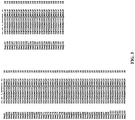
- FIG. 3 Amino acid alignment of a selected region of SEQ NOs:3 and 55-132, highlighting two mutations of interest.
- FIG. 4 Amino acid alignment of a selected region of SEQ ID NOs:3 and 55-132, highlighting a mutation of interest.
- compositions and methods for increasing crop biomass and yield are provided.
- the methods include increasing the expression of at least one ADP-glucose pyrophosphorylase small subunit (AGPaseSS) gene in a plant of interest.
- AGPaseSS ADP-glucose pyrophosphorylase small subunit
- Crop yield is an extremely complex trait that results from the growth of a crop plant through all stages of its development and allocation of plant resources to the harvestable portions of the plant.
- the primary harvestable portions may include seeds, with secondary applications from the remainder of the biomass (e.g., leaves and stems).
- the primary harvestable portions of the plant consist of the stems or entire above-ground portion of the plant.
- the primary harvestable portions of the plant are found below-ground. Regardless of the harvested portion(s) of the crop plant, the accumulation of harvestable biomass results from plant growth and allocation of photosynthetically fixed carbon to the harvested portion(s) of the plant. Plant growth may be manipulated by modulating the expression of one or more plant genes. This modulation can alter the function of one or more metabolic pathways that contributes to plant growth and accumulation of harvestable biomass.
- starch biosynthesis pathway One important metabolic pathway that contributes to plant growth and yield is the starch biosynthesis pathway.
- CO 2 carbon dioxide
- CO 2 diffuses into photosynthetically active tissues, where it is chemically fixed by the reactions of photosynthesis to form carbon-containing molecules that the plant uses for growth.
- CO 2 is converted into starch in chloroplasts during the day, and this starch is then remobilized at night, with the starch being metabolized to produce sucrose that can be transported to growing tissues within the plant. Because starch is produced in this way with a diurnal rhythm such that starch levels increase during the day and then return to low levels again at the end of the night period, such starch is often termed ‘transitory’ starch.
- This transitory starch serves an important function in plant photosynthesis and growth. Mutant plant lines deficient in transitory starch biosynthesis often display impaired growth (Caspar et al. (1985) Plant Physiol 79:11-17; Lin et al. (1988) Plant Physiol 86:1131-1135). It has been proposed that this impaired growth results from feedback inhibition of photosynthesis, thus slowing the rate of photosynthetic carbon fixation (Tuncel and Okita (2013) Plant Sci 211:52-60). Without being limited by theory, it is possible that improving the rate of transitory starch biosynthesis may improve whole-plant growth and yield. Increasing the flux through a metabolic pathway can be effected by improving the rate of the rate-limiting reaction in that pathway.
- AGPase enzymes in higher plants convert G-1-P to ADP-glucose, utilizing ATP and producing diphosphate in the process.
- AGPase enzyme activity is regulated in part by the concentration of 3-phosphoglycerate (3-PGA), which is required for the enzyme's activation, and by the concentration of phosphate, which tends to inhibit the enzyme.
- 3-phosphoglycerate (3-PGA) 3-phosphoglycerate
- Mutant forms of higher plant AGPase subunits have been developed that exhibit improved biochemical properties relative to their wild-type counterparts (Salamone et al. (2002) Proc Natl Acad Sci USA 99:1070-1075; Greene et al. (1998) Proc Natl Acad Sci USA 95:10322-10327).
- mutant higher plant AGPase subunit enzymes typically require lower concentrations of 3-PGA for activation and exhibit decreased sensitivity to inhibition by phosphate.
- improved biochemical properties of such mutant AGPase subunit enzymes could provide benefits if expressed in plants.
- amino acid alignments can be performed to identify amino acid residues in other AGPase subunit enzymes that may be mutated to produce AGPase subunit enzymes with improved biochemical properties similar to those that have been reported previously.
- Methods of the invention include the manipulation of plant growth for increased yield through modulation of the expression of one or more genes encoding an AGPaseSS protein.
- the expression of an AGPaseSS-encoding gene is upregulated relative to AGPaseSS expression levels in a control plant, resulting in increased harvestable biomass in plants with increased AGPaseSS expression relative to control plants.
- Any methods for increasing the activity or expression of an AGPaseSS-encoding sequence in a plant are encompassed by the present invention.
- compositions of the invention include constructs comprising the coding sequences set forth in SEQ ID NOs:1-2 or encoding a protein selected from the group of SEQ ID NOs: 3 and 55-132 or variants thereof, operably linked to a promoter that is functional in a plant cell.
- promoter is intended to mean a regulatory region of DNA that is capable of driving expression of a sequence in a plant or plant cell. It is recognized that having identified the AGPaseSS protein sequences disclosed herein, it is within the state of the art to isolate and identify additional AGPaseSS protein sequences and nucleotide sequences encoding AGPaseSS protein sequences, for instance through BLAST searches, PCR assays, and the like.
- the coding sequences of the present invention when assembled within a DNA construct such that a promoter is operably linked to the coding sequence of interest, enable expression and accumulation of AGPaseSS protein in the cells of a plant stably transformed with this DNA construct.
- “Operably linked” is intended to mean a functional linkage between two or more elements.
- an operable linkage between a promoter of the present invention and a heterologous nucleotide of interest is a functional link that allows for expression of the heterologous nucleotide sequence of interest.
- Operably linked elements may be contiguous or non-contiguous. When used to refer to the joining of two protein coding regions, by operably linked is intended that the coding regions are in the same reading frame.
- the cassette may additionally contain at least one additional gene to be co-transformed into the plant. Alternatively, the additional gene(s) can be provided on multiple expression cassettes or DNA constructs.
- the expression cassette may additionally contain selectable marker genes.
- the nucleotide sequences encoding the AGPaseSS proteins of the invention are provided in expression cassettes or expression constructs along with a promoter sequence of interest, typically a heterologous promoter sequence, for expression in the plant of interest.
- a promoter sequence of interest typically a heterologous promoter sequence
- heterologous promoter sequence is intended to mean a sequence that is not naturally operably linked with the AGPaseSS protein-encoding nucleotide sequence.
- the AGPaseSS-encoding nucleotide sequence and the promoter sequence are heterologous to each other, either the AGPaseSS-encoding nucleotide sequence or the heterologous promoter sequence may be homologous, or native, or heterologous, or foreign, to the plant host. It is recognized that the promoter may also drive expression of its homologous or native nucleotide sequence. In this case, the transformed plant will have a change in phenotype.
- Fragments and variants of the polynucleotides and amino acid sequences of the present invention may also be expressed by promoters that are operable in plant cells.
- fragment is intended a portion of the polynucleotide or a portion of the amino acid sequence.
- variant is intended to mean substantially similar sequences.
- a variant comprises a polynucleotide having deletions (i.e., truncations) at the 5′ and/or 3′ end; deletion and/or addition of one or more nucleotides at one or more internal sites in the native polynucleotide; and/or substitution of one or more nucleotides at one or more sites in the native polynucleotide.
- a “native” polynucleotide or polypeptide comprises a naturally occurring nucleotide sequence or amino acid sequence, respectively.
- variants of a particular polynucleotide of the invention will have at least about 75%, 80%, 85%, 90%, 91%, 92%, 93%, 94%, 95, 96%, 97%, 98%, 99% or more sequence identity to that particular polynucleotide as determined by sequence alignment programs and parameters as described elsewhere herein.
- Fragments and variants of the polynucleotides disclosed herein can encode proteins with AGPase activity.
- “Variant” amino acid or protein is intended to mean an amino acid or protein derived from the native amino acid or protein by deletion (so-called truncation) of one or more amino acids at the N-terminal and/or C-terminal end of the native protein; deletion and/or addition of one or more amino acids at one or more internal sites in the native protein; or substitution of one or more amino acids at one or more sites in the native protein.
- Variant proteins encompassed by the present invention are biologically active, that is they continue to possess the desired biological activity of the native protein, such as AGPase activity.
- Biologically active variants of a native polypeptide will have at least about 80%, 85%, 90%, 91%, 92%, 93%, 94%, 95%, 96%, 97%, 98%, 99% or more sequence identity to the amino acid sequence for the native sequence as determined by sequence alignment programs and parameters described herein.
- the variant polypeptide sequences will comprise conservative amino acid substitutions. The number of such conservative amino acid substitutions, summed with the number of amino acid identities, can be used to calculate the sequence positives when this sum is divided by the total number of ammo acids in the sequence of interest. Sequence positive calculations are performed on the NCBI BLAST server that can be accessed on the the NCBI website.
- a biologically active variant of a protein of the invention may differ from that protein by as few as 1-15 amino acid residues, as few as 1-10, such as 6-10, as few as 5, as few as 4, 3, 2, or even 1 amino acid residue.
- Amino acids can be generally categorized as aliphatic, hydroxyl or sulfur/selenium-containing, cyclic, aromatic, basic, or acidic and their amide. Without being limited by theory, conservative amino acid substitutions may be preferable in some cases to non-conservative amino acid substitutions for the generation of variant protein sequences, as conservative substitutions may be more likely than non-conservative substitutions to allow the variant protein to retain its biological activity. Polynucleotides encoding a polypeptide having one or more amino acid substitutions in the sequence are contemplated within the scope of the present invention. Table 1 below provides a listing of examples of amino acids belong to each class.
- Amino Acids Aliphatic Gly, Ala, Val, Leu, Ile Hydroxyl or sulfur/ Ser, Cys, Thr, Met, Sec selenium-containing Cyclic Pro Aromatic Phe, Tyr, Trp Basic His, Lys, Arg Acidic and their Asp, Glu, Asn, Gln Amide
- Variant sequences may also be identified by analysis of existing databases of sequenced genomes. In this manner, corresponding sequences can be identified and used in the methods of the invention.
- Computer implementations of these mathematical algorithms can be utilized for comparison of sequences to determine sequence identity. Such implementations include, but are not limited to: CLUST AL in the PC/Gene program (available from Intelligenetics, Mountain View, Calif.); the ALIGN program (Version 2.0) and GAP, BESTFIT, BLAST, FASTA, and TFASTA in the GCG Wisconsin Genetics Software Package, Version 10 (available from Accelrys Inc., 9685 Scranton Road, San Diego, Calif., USA). Alignments using these programs can be performed using the default parameters.
- CLUSTAL program is well described by Higgins et al. (1988) Gene 73:237-244 (1988); Higgins et al.
- Gapped BLAST in BLAST 2. 0
- PSI-BLAST in BLAST 2.0
- PSI-BLAST in BLAST 2.0
- Such genes and coding regions can be codon optimized for expression in a plant of interest.
- a “codon-optimized gene” is a gene having its frequency of codon usage designed to mimic the frequency of preferred codon usage of the host cell.
- Nucleic acid molecules can be codon optimized, either wholly or in part. Because any one amino acid (except for methionine and tryptophan) is encoded by a number of codons, the sequence of the nucleic acid molecule may be changed without changing the encoded amino acid. Codon optimization is when one or more codons are altered at the nucleic acid level such that the amino acids are not changed but expression in a particular host organism is increased.
- nucleotide sequences of the invention may be used in recombinant polynucleotides.
- a “recombinant polynucleotide” comprises a combination of two or more chemically linked nucleic acid segments which are not found directly joined in nature. By “directly joined” is intended the two nucleic acid segments are immediately adjacent and joined to one another by a chemical linkage.
- the recombinant polynucleotide comprises a polynucleotide of interest or active variant or fragment thereof such that an additional chemically linked nucleic acid segment is located either 5′, 3′ or internal to the polynucleotide of interest.
- the chemically-linked nucleic acid segment of the recombinant polynucleotide can be formed by deletion of a sequence.
- the additional chemically linked nucleic acid segment or the sequence deleted to join the linked nucleic acid segments can be of any length, including for example, 1, 2, 3, 4, 5, 6, 7, 8, 9, 10, 15, 20 or greater nucleotides.
- Various methods for making such recombinant polynucleotides are disclosed herein, including, for example, by chemical synthesis or by the manipulation of isolated segments of polynucleotides by genetic engineering techniques.
- the recombinant polynucleotide can comprise a recombinant DNA sequence or a recombinant RNA sequence.
- a “fragment of a recombinant polynucleotide” comprises at least one of a combination of two or more chemically linked amino acid segments which are not found directly joined in nature.
- altering or “modulating” the expression level of a gene is intended that the expression of the gene is upregulated or downregulated. It is recognized that in some instances, plant growth and yield are increased by increasing the expression levels of one or more genes encoding AGPaseSS proteins, i.e. upregulating expression. Likewise, in some instances, plant growth and yield may be increased by decreasing the expression levels of one or more genes encoding AGPaseSS proteins, i.e. downregulating expression. Thus, the invention encompasses the upregulation or downregulation of one or more genes encoding AGPaseSS proteins.
- the methods include the upregulation of at least one gene encoding a AGPaseSS protein and the downregulation of at least one gene encoding a second AGPaseSS protein in a plant of interest.
- modulating the concentration and/or activity of at leak one of the genes encoding an AGPaseSS protein in a transgenic plant is intended that the concentration and/or activity is increased or decreased by at least about 1%, about 5%, about 10%, about 20%, about 30%, about 40%, about 50%, about 60%, about 70%, about 80%, or about 90% or greater relative to a native control plant, plant part, or cell which did not have the sequence of the invention introduced.
- the expression levels of the genes encoding AGPaseSS proteins of the present invention can be controlled by the use of one or more promoters that are functional in a plant cell.
- the expression level of the AGPaseSS protein-encoding gene of interest may be measured directly, for example, by assaying for the level of the photosynthetic gene transcript or of the encoded protein in the plant. Methods for such assays are well-known in the art. For example, Northern blotting or quantitative reverse transcriptase-PCR (qRT-PCR) may be used to assess transcript levels, while western blotting, ELISA assays, or enzyme assays may be used to assess protein levels.
- AGPase activity can be measured by monitoring the formation of ADP-glucose from glucose-1-phosphate as described elsewhere herein.
- a “subject plant or plant cell” is one in which genetic alteration, such as transformation, has been effected as to an AGPaseSS protein-encoding gene of interest, or is a plant or plant cell which is descended from a plant or cell so altered and which comprises the alteration.
- a “control” or “control plant” or “control plant cell” provides a reference point for measuring changes in phenotype of the subject plant or plant cell.
- the expression levels of an AGPaseSS protein-encoding gene of interest are higher or lower than those in the control plant depending on the methods of the invention.
- a control plant or plant cell may comprise, for example: (a) a wild-type plant or cell, i.e., of the same genotype as the starting material for the genetic alteration which resulted in the subject plant or cell; (b) a plant or plant cell of the same genotype as the starting material but which has been transformed with a null construct (i.e.
- a construct which has no known effect on the trait of interest such as a construct comprising a marker gene
- a construct comprising a marker gene a construct which has no known effect on the trait of interest, such as a construct comprising a marker gene
- a plant or plant cell which is a non-transformed segregant among progeny of a subject plant or plant cell
- a plant or plant cell genetically identical to the subject plant or plant cell but which is not exposed to conditions or stimuli that would induce expression of the gene of interest or (e) the subject plant or plant cell itself, under conditions in which the gene of interest is not expressed.
- transformed organisms of the invention also include plant cells, plant protoplasts, plant cell tissue cultures from which plants can be regenerated, plant calli, plant clumps, and plant cells that are intact in plants or parts of plants such as embryos, pollen, ovules, seeds, leaves, flowers, branches, fruit, kernels, ears, cobs, husks, stalks, roots, root tips, anthers, and the like. Grain is intended to mean the mature seed produced by commercial growers for purposes other than growing or reproducing the species. Progeny, variants, and mutants of the regenerated plants are also included within the scope of the invention, provided that these parts comprise the introduced polynucleotides.
- antisense constructions complementary to at least a portion of the messenger RNA (mRNA) for the sequences of a gene of interest, particularly a gene encoding an AGPaseSS protein of interest can be constructed.
- Antisense nucleotides are designed to hybridize with the corresponding mRNA. Modifications of the antisense sequences may be made as long as the sequences hybridize to and interfere with expression of the corresponding mRNA. In this manner, antisense constructions having 70%, optimally 80%, more optimally 85%, 90%, 95% or greater sequence identity to the corresponding sequences to be silenced may be used. Furthermore, portions of the antisense nucleotides may be used to disrupt the expression of the target gene.
- the polynucleotides of the invention can be used to isolate corresponding sequences from other plants. In this manner, methods such as PCR, hybridization, and the like can be used to identify such sequences based on their sequence homology or identity to the sequences set forth herein. Sequences isolated based on their sequence identity to the entire sequences set forth herein or to variants and fragments thereof are encompassed by the present invention. Such sequences include sequences that are orthologs of the disclosed sequences. “Orthologs” is intended to mean genes derived from a common ancestral gene and which are found in different species as a result of speciation.
- orthologs Genes found in different species are considered orthologs when their nucleotide sequences and/or their encoded protein sequences share at least 75%, 80%, 85%, 90%, 91%, 92%, 93%, 94%, 95%, 96%, 97%, 98%, 99%, or greater sequence identity: Functions of orthologs are often highly conserved among species. Thus, isolated polynucleotides that have transcription activation or enhancer activities and which share at least 75% sequence identity to the sequences disclosed herein, or to variants or fragments thereof are encompassed by the present invention.
- Variant sequences can be isolated by PCR.
- Methods for designing PCR primers and PCR cloning are generally known in the art and are disclosed in Sambrook et al. (1989) Molecular Cloning: A Laboratory Manual (2d ed., Cold Spring Harbor Laboratory Press, Plainview, N.Y.). See also Innis et al., eds. (1990) PCR Protocols: A Guide to Methods and Applications (Academic Press, New York); Innis and Gelfand, eds. (1995) PCR Strategies (Academic Press, New York); and Innis and Gelfand, eds. (1999) PCR Methods Manual (Academic Press, New York).
- Variant sequences may also be identified by analysis of existing databases of sequenced genomes. In this manner, corresponding sequences encoding AGPaseSS proteins can be identified and used in the methods of the invention.
- the variant sequences will retain the biological activity of an AGPaseSS protein (i.e., AGPase activity).
- AGPase activity i.e., AGPase activity
- two AGPaseSS proteins join with two AGPase large subunit (AGPaseLS) proteins to form a heterotetramer that is acts as the functional holoenzyme.
- This AGPase holoenzyme (sometimes also referred to as glucose-1-phosphate adenylyltransferase) catalyzes the conversion of Glucose-1-phosphate (G1P) to ADP-glucose.
- G1P Glucose-1-phosphate
- AGPase enzyme activity has been identified as the rate-limiting step in the starch production pathway in plant leaves (Kavakli et al.
- starch a temporary storage for carbon fixed by photosynthesis.
- the amount of this so-called transitory starch typically increases in plant leaves throughout the daylight, and then the transitory starch is metabolized and remobilized, often in the form of sucrose, to other tissues in the plant to provide carbon for plant growth.
- starch formation is also an important part of seed development, with starch forming a large portion of seed endosperm. Assaying for AGPase activity in plant tissue can thus be performed indirectly by measuring starch content in the plant tissue.
- Such starch content measurements can be performed semi-quantitatively through the use of an iodine staining procedure (Hostettler et al. (2011) Methods in Molecular Biology 775:387-410), or can be performed quantitatively by measuring glucose production following treatment of plant tissue extracts with alpha-amylase and amyloglucosidase (Smith and Zeeman (2006) Nature Protocols 1:1342-1345).
- AGPase enzyme activity can also be assayed directly through the use of previously published protocols (e.g., Salamone et al. (2002) Proc Natl. Acad. Sci. USA 99:1070-1075).
- the expression cassette will include in the 5′-3′ direction of transcription, a transcriptional and translational initiation region, a polynucleotide encoding an AGPaseSS protein of the present invention, and a transcriptional and translational termination region (i.e., termination region) functional in plants.
- a number of promoters may be used in the practice of the invention.
- the polynucleotides encoding an AGPaseSS protein of the invention may be expressed from a promoter with a constitutive expression profile.
- Constitutive promoters include the CaMV 35S promoter (Odell et al. (1985) Nature 313:810-812); rice actin (McElroy et al. (1990) Plant Cell 2:163-171); ubiquitin (Christensen et al. (1989) Plant Mol. Biol. 12:619-632 and Christensen et al. (1992) Plant Mol. Biol. 18:675-689); pEMU (Last et al. (1991) Theor. Appl. Genet. 81:581-588); MAS (Velten et al. (1984) EMBO J. 3:2723-2730); ALS promoter (U.S. Pat. No. 5,659,026), and the like.
- Tissue-preferred promoters include Yamamoto et al. (1997) Plant J. 12(2):255-265; Kawamata et al. (1997) Plant Cell Physiol. 38(7):792-803; Hansen et al. (1997) Mol. Gen Genet. 254(3):337-343; Russell et al. (1997) Transgenic Res. 6(2): 157-168; Rinehart et al. (1996) Plant Physiol. 112(3):1331-1341; Van Camp et al. (1996) Plant Physiol. 112(2): 525-535; Canevascini et al.
- Leaf-preferred promoters are also known in the art. See, for example, Yamamoto et al. (1997) Plant J. 12(2):255-265; Kwon et al.
- promoters may be desirable for the expression of a polynucleotide encoding an AGPaseSS protein. Such promoters may show a peak in expression at a particular developmental stage.
- Such promoters have been described in the art, e.g., US 62/029,068; Gan and Amasino (1995) Science 270: 1986-1988; Rinehart et al. (1996) Plant Physiol 112: 1331-1341; Gray-Mitsumune et al. (1999) Plant Mol Biol 39: 657-669; Beaudoin and Rothstein (1997) Plant Mol Biol 33: 835-846; Genschik et al. (1994) Gene 148: 195-202, and the like.
- Promoters that are induced following the application of a particular biotic and/or abiotic stress may be desirable for the expression of a polynucleotide encoding an AGPaseSS protein.
- Such promoters have been described in the art, e.g., Yi et al. (2010) Planta 232: 743-754; Yamaguchi-Shinozaki and Shinozaki (1993) Mol Gen Genet 236: 331-340; U.S. Pat. No. 7,674,952; Rerksiri et al. (2013) Sci World J 201:3: Article ID 397401; Khurana et al. (2013) PLoS One 8: e54418; Tao et al. (2015) Plant Mol Biol Rep 33: 200-208, and the like.
- Cell-preferred promoters may be desirable for the expression of a polynucleotide encoding an AGPaseSS protein. Such promoters may preferentially drive the expression of a downstream gene in a particular cell type such as a mesophyll or a bundle sheath cell.
- Such cell-preferred promoters have been described in the art, e.g., Viret et al. (1994) Proc Natl Acad USA 91: 8577-8581; U.S. Pat. Nos. 8,455,718; 7,642,347; Sattarzadeh et al. (2010) Plant Biotechnol 8: 112-125; Engelmann et al. (2008) Plant Physiol 146: 1773-1785; Matsuoka et al. (1994) Plant J 6: 311-319, and the like.
- a specific, non-constitutive expression profile may provide an improved plant phenotype relative to constitutive expression of a gene or genes of interest.
- many plant genes are regulated by light conditions, the application of particular stresses, the circadian cycle, or the stage of a plant's development. These expression profiles may be important for the function of the gene or gene product in planta.
- One strategy that may be used to provide a desired expression profile is the use of synthetic promoters containing cis-regulatory elements that drive the desired expression levels at the desired time and place in the plant. Cis-regulatory elements that can be used to alter gene expression in planta have been described in the scientific literature (Vandepoele et al.
- Cis-regulatory elements may also be used to alter promoter expression profiles, as described in Venter (2007) Trends Plant Sci. 12: 118-124.
- Plant terminators are known in the art and include those available from the Ti-plasmid of A. tumelaciens , such as the octopine synthase and nopaline synthase termination regions. See also Guerineau et al. (1991) Mol. Gen. Genet. 262:141-144; Proudfoot (1991) Cell 64:671-674; Sanfacon et al. (1991) Genes Dev. 5:141-149; Mogen et al. (1990) Plant Cell 2:1261-1272; Munroe et al. (1990) Gene 91:151-158; Ballas et al. (1989) Nucleic Acids Res. 17:7891-7903; and Joshi et al. (1987) Nucleic Acids Res. 15:9627-9639.
- the nucleotides encoding AGPaseSS proteins of the present invention can be used in expression cassettes to transform plants of interest. Transformation protocols as well as protocols for introducing polypeptides or polynucleotide sequences into plants may vary depending on the type of plant or plant cell, i.e., monocot or dicot, targeted for transformation.
- the term “transform” or “transformation” refers to any method used to introduce polypeptides or polynucleotides into plant cells. Suitable methods of introducing polypeptides and polynucleotides into plant cells include microinjection (Crossway et al. (1986) Biotechniques: 4:320-334), electroporation (Riggs et al.
- transformed seed also referred to as “transgenic seed” having a polynucleotide of the invention, for example, an expression cassette of the invention, stably incorporated into their genome.
- the present invention may be used for transformation of any plant species, including, but not limited to, monocots and dicots.
- plant species of interest include, but are not limited to, corn ( Zea mays ), Brassica sp. (e.g., B. napes, B. rapa, B.
- juncea particularly those Brassica species useful as sources of seed oil, alfalfa ( Medicago sativa ), rice ( Oryza sativa ), rye ( Secale cereale ), sorghum ( Sorghum bicolor, Sorghum vulgare ), millet (e.g., pearl millet ( Pennisetum glaucum ), proso millet ( Panicum miliaceum ), foxtail millet ( Setaria italica ), finger millet ( Eleusine coracana )), sunflower ( Helianthus annuus ), safflower ( Carthamus tinctorius ), wheat ( Triticum aestivum ), soybean ( Glycine max ), tobacco ( Nicotiana tabacum ), potato ( Solanum tuberosum ), peanuts ( Arachis hypogaea ), cotton ( Gossypium barbadense, Gossypium hirsutum ), sweet potato ( Ipomoea batat
- a construct containing a promoter that is operable in a plant cell, operably linked to a coding sequence encoding an AGPaseSS protein of the present invention is used to transform a plant cell or cells.
- the transformed plant cell or cells are regenerated to produce transformed plants.
- These plants transformed with a construct comprising a functional promoter driving expression of an AGPaseSS protein-encoding polynucleotide of the invention demonstrated increased plant yield, i.e., increased above-ground biomass and increased seed yield.
- AGPaseSS upregulation of AGPaseSS increases plant yield
- other methods for increasing expression of an endogenous AGPaseSS sequence in a plant of interest can be used.
- the expression of an AGPaseSS gene present in a plant's genome can be altered by inserting a transcriptional enhancer upstream of the AGPaseSS gene present in the plant's genome. This strategy will allow the AGPaseSS gene's expression to retain its normal developmental profile, while showing elevated transcript levels. This strategy will occur through the insertion of an enhancer element upstream of an AGPaseSS gene of interest using a meganuclease designed against the genomic sequence of interest.
- a Cas9 endonuclease coupled with a guide RNA (gRNA) designed against the genomic sequence of interest, or a Cpf1 or Csm1 endonuclease coupled with a gRNA designed against the genomic sequence of interest is used to effect the insertion of an enhancer element upstream of an AGPaseSS gene of interest.
- gRNA guide RNA
- a deactivated Cas9 endonuclease fused to a transcriptional enhancer element is targeted to a genomic location near the transcription start site for an AGPaseSS gene of interest, thereby modulating the expression of said AGPaseSS gene of interest (Piatek et al. (2015) Plant Biotechnol J 13:578-589).
- Alteration of the expression of an AGPaseSS protein-encoding gene may be achieved through the use of precise genome-editing technologies to modulate the expression of the endogenous sequence.
- a nucleic acid sequence will be inserted proximal to a native plant sequence encoding the AGPaseSS through the use of methods available in the art.
- Such methods include, but are not limited to, meganucleases designed against the plant genomic sequence of interest (D'Halluin et al (2013) Plant Biotechnol J 11: 933-941); CRISPR-Cas9, CRTSPR-Cpf1, CRISPR-Csm1, TALENs, and other technologies for precise editing of genomes (Feng et al.
- Enhancers include any molecule capable of enhancing gene expression when inserted into the genome of a plant.
- an enhancer can be inserted in a region of the genome upstream or downstream of an AGPaseSS sequence of interest to enhance expression.
- Enhancers may be cis-acting, and can be located anywhere within the genome relative to a gene for which expression will be enhanced.
- an enhancer may be positioned within about 1 Mbp, within about 100 kbp, within about 50 kbp, about 30 kbp, about 20 kbp, about 10 kbp, about 5 kbp, about 3 kbp, or about 1 kbp of a coding sequence for which it enhances expression.
- Enhancers may also be located within about 1500 bp of a gene for which it enhances expression, or may be directly proximal to or located within an intron of a gene for which it enhances expression.
- Enhancers for use in modulating the expression of an endogenous gene encoding an AGPaseSS protein or homolog according to the present invention include classical enhancer elements such as the CaMV 35S enhancer element, cytomegalovirus (CMV) early promoter enhancer element, and the SV40 enhancer element, and also intron-mediated enhancer elements that enhance gene expression such as the maize shrunken-1 enhancer element (Clancy and Hannah (2002) Plant Physiol. 130(2):918-29).
- enhancers which may be introduced into a plant genome to modulate expression include a PetE enhancer (Chua et al. (2003) Plant Cell 15:11468-1479), or a rice ⁇ -amylase enhancer (Chen et al. (2002) J. Biol. Chem. 277:13641-13649), or any enhancer known in the art (Chudalayandi (2011) Methods Mol. Biol. 701:285-300).
- the present invention comprises a subdomain, fragment, or duplicated enhancer element (Benfrey et al. (1990) EMBO J 9:1677-1684).
- Alteration of AGPaseSS gene expression may also be achieved through the modification of DNA in a way that does not alter the sequence of the DNA.
- Such changes could include modifying the chromatin content or structure of the AGPaseSS gene of interest and/or of the DNA surrounding the AGPaseSS gene. It is well known that such changes in chromatin content or structure can affect gene transcription (Hirschhorn et al. (1992) Genes and Dev 6:2288-2298; Narlikar et al. (2002) Cell 108: 475-487).
- Such changes could also include altering the methylation status of the AGPaseSS gene of interest and/or of the DNA surrounding the AGPaseSS gene of interest.
- Alteration of AGPaseSS gene expression may also be achieved through the use of transposable element technologies to alter gene expression. It is well understood that transposable elements can alter the expression of nearby DNA (McGinnis et al. (1983) Cell 34:75-84). Alteration of the expression of a gene encoding AGPaseSS may be achieved by inserting a transposable element upstream of the AGPaseSS gene of interest, causing the expression of said gene to be altered.
- Alteration of AGPaseSS gene expression may also be achieved through expression of a transcription factor or transcription factors that regulate the expression of the AGPaseSS gene of interest. It is well understood that alteration of transcription factor expression can in turn alter the expression of the target gene(s) of said transcription factor (Hiratsu et al. (2003) Plant J 34:733-739). Alteration of AGPaseSS gene expression may be achieved by altering the expression of transcription factor(s) that are known to interact with the AGPaseSS gene of interest (e.g., the AtWRKY20 TF (Nagata et al. (2012) Plant Production Science 15:10-18) or the OsbZIP58 TF (Wang et al. (2013) J Exp Bat 64:3453-3466)).
- transcription factor(s) that are known to interact with the AGPaseSS gene of interest (e.g., the AtWRKY20 TF (Nagata et al. (2012) Plant Production Science 15:10-18) or the O
- Alteration of AGPaseSS gene expression may also be achieved through the insertion of a promoter upstream of the open reading frame encoding a native AGPaseSS in the plant species of interest. This will occur through the insertion of a promoter of interest upstream of an AGPaseSS protein-encoding open reading frame using a meganuclease designed against the genomic sequence of interest. This strategy is well-understood and has been demonstrated previously to insert a transgene at a predefined location in the cotton genome (D'Halluin et al. (2013) Plant Biotechnol J 11: 933-941).
- Alteration of a native AGPaseSS-encoding gene may be performed through genome editing techniques including TALENs, CRISPR-based technologies, zinc-finger nucleases, meganucleases, and other methods known in the art. Using these technologies, one or more double-stranded break(s) is induced at a predetermined genomic locus/loci, and a suitable DNA repair template is provided to induce a desired mutation. In this way, precise mutations in native AGPaseSS protein-encoding sequences may be provided such that one or more amino acid changes is caused relative to the native AGPaseSS amino acid sequence. Desirable amino acid changes including the amino acid changes described in Table 7, herein, may be induced.
- An open reading frame encoding an AGPaseSS protein was synthesized.
- This open reading frame comprised SEQ ID NO:1 or SEQ ID NO:2, encoding the protein sequence of SEQ ID NO: 3.
- Appropriate restriction sites were included at the 5′ and 3′ ends of the coding sequence to allow this DNA to be cloned into plant transformation vectors that contained genetic elements suitable for controlling gene expression.
- the AGPaseSS open reading frame was located downstream of a plant promoter and 5′ untranslated region (5′UTR) and upstream of a 3′UTR Table 2. summarizes the plant transformation constructs that were built containing an AGPaseSS open reading frame.
- the AGPaseSS protein encoded by each of the ORFs in Table 2 is the protein sequence of SEQ ID NO:3.
- AGPaseSS plant transformation constructs Construct ID Promoter + 5′UTR ORF 3′UTR 130101 ZmUbi (SEQ ID NO: 4) AGPaseSS (SEQ ID NO: 1) ZmUbi (SEQ ID NO: 5) 130511 ZmUbi (SEQ ID NO: 4) AGPaseSS (SEQ ID NO: 1) ZmUbi (SEQ ID NO: 5) 130514 ZjPCK (SEQ ID NO: 6) AGPaseSS (SEQ ID NO: 1) ZjPCK (SEQ ID NO: 7) 130563 ZmUbi (SEQ ID NO: 4) AGPaseSS (SEQ ID NO: 1) ZmUbi (SEQ ID NO: 5) 130566 ZjPCK (SEQ ID NO: 6) AGPaseSS (SEQ ID NO: 1) ZjPCK (SEQ ID NO: 7) 130631 ZjPCK (SEQ ID NO: 6) AGPaseSS (S
- AGPaseSS multigenic plant transformation constructs Construct AGPaseSS GOI2 GOI3 ID Promoter ORF 3′UTR Promoter ORF 3′UTR Promoter 130235 ZmRbcS AGPaseSS ZmRbcS ZmRbcS RbcS-ictB ZmRbcS ZmRbcS (SEQ ID (1/3) (SEQ ID (SEQ ID (38/33) (SEQ ID (SEQ ID NO: 13) NO: 9) NO: 13) NO: 13) 130417 ZmRbcS AGPaseSS ZmRbcS ZmRbcS RbcS-ictB ZmRbcS ZmRbcS (SEQ ID (1/3) (SEQ ID (SEQ ID (38/33) (SEQ ID (SEQ ID NO: 13) NO: 9) NO: 13) 130881 ZmRbcS AGPaseSS ZmR
- Each transformation vector was built in a plasmid that contained sequences suitable for plasmid maintenance in E. coli and in Agrobacterium tumefaciens . Following verification that the plant transformation constructs listed in Tables 2 and 3 contained the desired sequences, they were transformed into A. tumefaciens cells for plant transformation.
- A. tumefaciens cells harboring AGPaseSS plant transformation vectors were used to transform S. viridis cells according to a previously described method (PCT/US2015/43989, herein incorporated by reference). Following transformation of the S. viridis cells with the relevant plant transformation vectors and regeneration of S. viridis plants, the plants were transferred to soil and PCR analyses were performed to confirm the presence of the gene(s) of interest in the S. viridis genome. Table 4 summarizes the transformation constructs used to transform S. viridis , along with the number of plants that were transferred to soil following S. viridis transformation with each construct.
- A. tumefaciens cells harboring AGPaseSS plant transformation vectors were used to transform maize ( Zea mays cv. B104) cells suitable for regeneration on tissue culture medium. Following transformation of the maize cells with the relevant plant transformation vectors and regeneration of maize plants, the plants are transferred to soil and PCR analyses are performed to confirm the presence of the gene(s) of interest in the maize genome. Constructs 130673 and 130880 were used to transform maize, resulting in two and six plants, respectively, that were transferred to soil.
- A. tumefaciens cells harboring AGPaseSS plant transformation vectors were used to transform rice ( Oryza sativa cv. Kitaake) cells suitable for regeneration on tissue culture medium. Following transformation of the rice cells with the relevant plant transformation vectors and regeneration of rice plants, the plants were transferred to soil and PCR analyses were performed to confirm the presence of the gene(s) of interest in the rice genome. Table 5 summarizes the rice transformations that were performed with transformation vectors that contained an AGPaseSS gene cassette, along with the number of plants that were transferred to soil following transformation with the vectors indicated.
- T1-generation S. viridis plants harboring the AGPaseSS gene cassette of interest were grown in a greenhouse setting to assess the effects of AGPaseSS gene expression on plant growth and terminal above-ground biomass and seed yield.
- a randomized block design was used with a wild-type S. viridis border row to eliminate edge effects from the analysis.
- Null segregant plants were grown alongside the transgenic S. viridis plants in identical environmental conditions. Table 6 summarizes the results of the biomass and seed yield determinations made from experiments with T1-generation S.
- viridis plants harboring an AGPaseSS gene cassette as a result of transformation.
- growth conditions e.g., temperature and light conditions
- This table indicates the construct used for transformation, as described in Tables 2 and 3, followed by the T0 event number from which the T1 seed was harvested.
- the dry weight of the above-ground biomass is indicated in the DW column in grams.
- the dry weight of the harvested seeds is indicated in grams in the Seed Yield column.
- the DW Change and Seed Yield Change columns indicate the percent change in above-ground biomass and seed yield, respectively, relative to the null segregants from the appropriate experiment.
- five out of five events tested from the 130816 construct produced an increase in biomass yield
- four out of five events tested from the 130816 construct produced an increase in seed yield, relative to null segregant controls.
- One out of five events tested from the 131170 construct produced an increase in biomass yield and in seed yield relative to null segregant controls.
- T0-generation maize plants transformed with the AG-PaseSS plant transformation vector of interest and confirmed to contain the gene(s) of interest are grown to maturity in a greenhouse.
- the T0 plants reach reproductive stages, they are pollinated by an appropriate inbred maize line to produce hybrid maize seeds.
- the pollen from the T0 is used to pollinate one or more inbred maize lines to produce hybrid maize seeds.
- the F1-generation hybrid seed resulting from these pollinations are planted in a field setting in two- or four-row plots and cultivated using standard agronomic practices.
- Plants are genotyped to determine which plants do and which do not contain the AGPaseSS gene cassette and any other relevant gene cassettes (e.g., a selectable marker gene cassette) that were included in the AGPaseSS plant transformation vector. Following the maturation of the maize plants, the seed is harvested. Seeds from the plants containing the AGPaseSS gene cassette are pooled, as are seeds from the null segregant plants lacking the AGPaseSS gene cassette. The seeds are weighed, and seed yields are calculated for the plants containing the AGPaseSS gene cassette as well as for the null segregant plants lacking the AGPaseSS gene cassette. Appropriate statistical analyses are performed to determine whether plants containing an AGPaseSS gene cassette produced higher yields than those plants that lacked an AGPaseSS gene cassette.
- any other relevant gene cassettes e.g., a selectable marker gene cassette
- T0-generation maize plants transformed with the AGPaseSS plant transformation vector of interest and confirmed to contain the gene(s) of interest are grown to maturity in a greenhouse, then self-pollinated.
- the resulting T1 seeds are planted in a greenhouse and the T1 plants are cultivated.
- T1 plants are genotyped to identify homozygous, heterozygous, and null segregant plants. Pollen from homozygous T1 plants is used to pollinate one or more inbred maize lines to produce hybrid maize seeds. Pollen from null segregant plants is also used to pollinate one or more inbred maize lines to produce hybrid maize seeds.
- the resulting hybrid seeds are planted in a field setting in two- or four-row plots and cultivated using standard agronomic practices. Following the maturation of the maize plants, the seed is harvested. Seeds from the plants containing the AGPaseSS gene cassette are pooled, as are seeds from the null segregant plants lacking the AGPaseSS gene cassette. The seeds are weighed, and seed yields are calculated for the plants containing the AGPaseSS gene cassette as well as for the null segregant plants lacking the AGPaseSS gene cassette. Appropriate statistical analyses are performed to determine whether plants containing an AGPaseSS gene cassette produced higher yields than those plants that lacked an AGPaseSS gene cassette.
- T0-generation rice plants transformed with the AGPaseSS plant transformation vector of interest and confirmed to contain the gene(s) of interest are grown to maturity in a greenhouse, then self-pollinated.
- the resulting T1 seeds are planted in a greenhouse and the T1 plants are cultivated.
- T1 plants are genotyped to identify homozygous, heterozygous, and null segregant plants.
- the plants from each group are grown to maturity and allowed to self-pollinate to produce T2 seed.
- the T2 seed resulting from this self-pollination is harvested and weighed, and seed yields from homozygous, heterozygous, and null segregant plants are calculated. Appropriate statistical analyses are performed to determine whether plants containing an AGPaseSS gene cassette produced higher yields than those plants that lacked an AGPaseSS gene cassette.
- T1-generation plants grown from seed that resulted from self-pollination of T0-generation plants, or T2-generation plants grown from seed that resulted from self-pollination of homozygous T1-generation plants, are grown in a field setting.
- null-segregant T1-generation plants are also self-pollinated to produce T2-generation null plants as negative controls.
- the plants are cultivated using standard agronomic practices and allowed to reach maturity. Upon reaching maturity, the plants are allowed to self-pollinate.
- the seed resulting from these self-pollinations is harvested and weighed, and seed yields from homozygous, heterozygous, and mill segregant plants are calculated. Appropriate statistical analyses are performed to determine whether plants containing an AGPaseSS gene cassette produced higher yields than those plants that lacked an AGPaseSS gene cassette.
- a mutant AGPaseSS gene (SEQ ID NO:1 or SEQ ID NO:2, encoding the amino acid sequence of SEQ ID NO:3) was expressed in plants, resulting in improved growth and yield.
- the mutant AGPaseSS amino acid sequence of SEQ ID NO:3 was developed by using a directed evolution approach with the native form of the potato-derived AGPaseSS sequence (SEQ ID NO:55) (Salamone et al. (2002) Proc Natl Acad Sci USA 99:1070-1075). Now that it has been shown that expression of this mutant AGPaseSS gene in plants can improve plant growth and yield, amino acid alignments of SEQ ID NOs: 3 and 55-132 were performed. The result of this alignment is shown in FIG. 1 .
- Seq3 refers to SEQ ID NO:3
- Seq55 refers to SEQ ID NO:55
- An asterisk (*) above an amino acid residue indicates that this amino acid residue is conserved among all of the amino acid sequences that were aligned.
- a colon (:) above an amino acid residue indicates that this amino acid residue is either conserved or that strongly similar properties are observed at that amino acid position.
- a period (.) above an amino acid residue indicates that this amino acid residue is either conserved or that weakly similar properties are observed at that amino acid position.
- the asterisk, colon, and period symbols are explained more fully elsewhere on the World Wide Web (http://www.ebi.ac.uk/Tools/msa/clustalo/help/faq.html).
- SEQ ID NO:3 contains a Phe residue at position 118, according to the amino acid numbering of SEQ ID NO:3, while SEQ ID NO:55 contains a Leu residue at this position
- FIG. 2 shows an alignment of SEQ ID NOs:3 and 55-132 in the region surrounding the mutations at amino acid positions 118 and 129 according to the amino acid sequence of SEQ ID NO:3. These mutations correspond to amino acid positions number 3 and 14 in FIG. 2 .
- FIG. 3 shows an alignment of SEQ ID NOs:3 and 55-132 in the region surrounding the mutations at amino acid positions 374 and 387 according to the amino acid sequence of SEQ ID NO:3. These mutations correspond to amino acid positions number 3 and 16 in FIG. 3 .
- FIG. 4 shows an alignment of SEQ ID NOs:3 and 55-132 in the region surrounding the mutation at amino acid position 450 according to the amino acid sequence of SEQ ID NO:3. This mutation corresponds to amino acid position number 4 in FIG. 4 .
- SEQ ID NOs:55-125 are AGPaseSS sequences that originate from dicot plants while SEQ ID NOs:126-132 originate from monocot plants.
- PCR-based methods are used to generate coding sequences that encode proteins with the amino acid sequence of a wild-type AGPaseSS protein sequence, such as an AGPaseSS protein sequence selected from SEQ ID NOs:55-132, but containing one or more of the mutations described in Table 7.
- mutant AGPaseSS coding sequence(s) of interest is/are cloned into a plant transformation construct, operably linked to a promoter that is functional in a plant cell.
- This construct is used to transform a cell or cells from a plant of interest, and the transformed plant cell(s) are used to regenerate plants comprising the mutant AGPaseSS coding sequence, operably linked to a promoter that is functional in a plant cell.
- the plants are cultivated and characterized to confirm the presence and expression of the AGPaseSS coding sequence, the accumulation of AGPaseSS protein encoded by the mutant AGPaseSS coding sequence, accumulation of AGPase enzyme activity in plant tissue, altered accumulation of leaf starch, and/or altered plant growth properties including altered accumulation of biomass and/or seed.
- analyses are performed in the T0, T1, T2, or later generations of transgenic plants, and characterization of plants containing mutant AGPaseSS coding sequences is compared against control plants such as wild-type or null segregant plants to determine whether the presence of the AGPaseSS coding sequence alters plant growth or metabolism.
Landscapes
- Health & Medical Sciences (AREA)
- Life Sciences & Earth Sciences (AREA)
- Genetics & Genomics (AREA)
- Chemical & Material Sciences (AREA)
- Engineering & Computer Science (AREA)
- Organic Chemistry (AREA)
- Zoology (AREA)
- Bioinformatics & Cheminformatics (AREA)
- Wood Science & Technology (AREA)
- General Engineering & Computer Science (AREA)
- Biotechnology (AREA)
- Molecular Biology (AREA)
- Biomedical Technology (AREA)
- General Health & Medical Sciences (AREA)
- Biochemistry (AREA)
- Microbiology (AREA)
- Cell Biology (AREA)
- Physics & Mathematics (AREA)
- Biophysics (AREA)
- Plant Pathology (AREA)
- Medicinal Chemistry (AREA)
- Nutrition Science (AREA)
- Breeding Of Plants And Reproduction By Means Of Culturing (AREA)
- Micro-Organisms Or Cultivation Processes Thereof (AREA)
- Agricultural Chemicals And Associated Chemicals (AREA)
- Enzymes And Modification Thereof (AREA)
Abstract
Description
-
- 1. A method for increasing crop yield comprising transforming a plant with at least one AGPaseSS protein-encoding sequence.
- 2. The method of
embodiment 1, wherein said AGPaseSS protein-encoding sequence comprises SEQ ID NO:1 or 2, or encodes a protein selected from the group consisting of SEQ ID NOs: 3 and 55-132. - 3. The method of
embodiment 1, wherein said AGPaseSS protein-encoding sequence encodes a protein with at least 80%, 90%, 95%, 96%, 97%, 98%, or 99% sequence identity to a sequence selected from the group consisting of SEQ ID NOs: 3 and 55-132, and that has AGPase enzyme activity. - 4. The method of
embodiment 1, wherein said AGPaseSS protein-encoding sequence encodes a protein with at least 80%, 85%, 90%, 95%, 96%, 97%, 98%, or 99% sequence positives relative to a sequence selected from the group consisting of SEQ II) NOs: 3 and 55-132, and that has AGPase enzyme activity. - 5. A plant having stably incorporated into its genome a promoter that drives expression in a plant operably linked to an AGPaseSS protein-encoding sequence, wherein said promoter is heterologous to said AGPaseSS protein-encoding sequence.
- 6. The plant of
embodiment 5, wherein said AGPaseSS protein-encoding sequence comprises SEQ ID NO:1 or 2, or encodes a protein selected from the group consisting of SEQ ID NOs: 3 and 55-132. - 7. The plant of
embodiment 5, wherein said AGPaseSS protein-encoding sequence encodes a protein with at least 80%, 85%, 90%, 95%, 96%, 97%, 98%, or 99% sequence identity to a sequence selected from the group consisting of SEQ ID NOs: 3 and 55-132, and that has AGPase enzyme activity. - 8. The plant of
embodiment 5, wherein said AGPaseSS protein-encoding sequence encodes a protein with at least 80%, 85%, 90%, 95%, 96%, 97%, 98%, or 99% sequence positives relative to a sequence selected from the group consisting of SEQ ID NOs: 3 and 55-132, and that has AGPase enzyme activity. - 9. Transformed seed of any one of the plants of embodiments 5-8.
- 10. The plant of any one of embodiments 5-8 wherein said plant is a monocot.
-
- 12. The plant of any one of embodiments 5-8 wherein said plant is a dicot.
- 13. The plant of
embodiment 12 wherein said plant is from the genus Glycine, Brassica, Medicago, Helianthus, Carthamus, Nicotiana, Solanum, Gossypium, Ipomoea, Manihot, Coffea, Citrus, Theobroma, Camellia, Persea, Ficus, Psidium, Mangifera, Olea, Carica, Anacardium, Macadamia, Prumus, Beta, Populus, or Eucalyptus. - 14. The plant of any one of embodiments 5-8 wherein said plant exhibits increased growth relative to a control plant.
- 15. The plant of any one of embodiments 5-8 wherein said plant exhibits increased biomass yield relative to a control plant.
- 16. The plant of any one of embodiments 5-8 wherein said plant exhibits increased seed yield relative to a control plant.
- 17. The method of any one of embodiments 1-4, wherein said AGPaseSS protein-encoding sequence is expressed from a constitutive promoter.
- 18. The method of
embodiment 17, wherein said constitutive promoter is selected from the group of SEQ NOs: 4 and 11. - 19. The method of any one of embodiments 1-4, wherein said AGPaseSS protein-encoding sequence is expressed from a bundle sheath-preferred promoter.
- 20. The method of embodiment 19, wherein said bundle sheath-preferred promoter is selected from the group of SEQ ID NOs: 6, 8, and 10.
- 21. The method of any one of embodiments 19-20, wherein said bundle sheath-preferred promoter comprises SEQ ID NO:8.
- 22. The plant of any one of embodiments 5-8, wherein said promoter that drives expression in a plant is a constitutive promoter.
- 23. The plant of
embodiment 22, wherein said constitutive promoter is selected from the group of SEQ NOs: 4 and 11. - 24. The plant of any one of embodiments 5-8, wherein said promoter that drives expression in a plant is a bundle sheath-preferred promoter.
- 25. The plant of embodiment 24, wherein said bundle sheath-preferred promoter is selected from the group of SEQ ID NOs: 6, 8, and 10.
- 26. The plant of any one of embodiments 24-25, wherein said bundle sheath-preferred promoter comprises SEQ ID NO:8.
- 27. A DNA construct comprising, in operable linkage,
- a. A promoter that is functional in a plant cell and,
- b. A nucleic acid sequence encoding an AGPaseSS protein.
- 28. The DNA construct of embodiment 27, wherein said nucleic acid sequence encoding an AGPaseSS protein comprises SEQ ID NO: 1 or 2, or encodes a protein selected from the group consisting of SEQ ID NOs: 3 and 55-132.
- 29. The DNA construct of
embodiment 27 or 28, wherein said nucleic acid sequence encoding an AGPaseSS protein encodes a protein with at least 80%, 85%, 90%, 95%, 96%, 97%, 98%, or 99% sequence identity to a sequence selected from the group consisting of SEQ ID NOs: 3 and 55-132, and that has AGPase enzyme activity. - 30. The DNA construct of
embodiment 27 or 28, wherein said nucleic acid sequence encoding an AGPaseSS protein encodes a protein with at least 80%, 85%, 90%, 95%, 96%, 97%, 98%, or 99% sequence positives relative to a sequence selected from the group consisting of SEQ ID NOs: 3 and 55-132, and that has AGPase enzyme activity. - 31. The DNA construct of
embodiment 27 or 28, wherein said promoter that is functional in a plant cell is selected from the group of SEQ ID NOs: 4, 6, 8, 10, and 11. - 32. The DNA construct of any one of embodiments 27-31, wherein said promoter that is functional in a plant cell comprises SEQ ID NO:8.
- 33. A method for increasing crop yield comprising modulating the expression of at least one AGPaseSS protein-encoding sequence in a plant.
- 34. The method of embodiment 33 wherein said modulating the expression comprises increasing the expression of at least one AGPaseSS protein-encoding sequence in a plant.
- 35. The method of
embodiment 34, wherein said increasing the expression comprises increasing the activity of a native AGPaseSS sequence in said plant or increasing activity of a native AGPaseSS protein-encoding sequence in said plant. - 36. The method of any one of embodiments 1-4, wherein said AGPaseSS protein-encoding sequence is expressed from a promoter that is active in leaf tissue.
- 37. The method of any one of
embodiments - 38. The plant of any one of embodiments 5-8, wherein said promoter that drives expression in a plant is a promoter that is active in leaf tissue.
- 39. The plant of any one of
embodiments - 40. The DNA construct of
embodiment 27 or 28, wherein said promoter that is functional in a plant cell is a promoter that is active in leaf tissue. - 41. The DNA construct of any one of
embodiments - 42. The method of any one of embodiments 1-4, wherein said AGPaseSS protein-encoding sequence encodes a protein that comprises at least one of:
- a. A Phe residue at a position corresponding to amino acid residue 118 in SEQ NO:3,
- b. An Ile residue at a position corresponding to amino acid residue 129 in SEQ ID NO:3;
- c. A Leu residue at a position corresponding to amino acid residue 374 in SEQ ID NO:3;
- d. A Cys residue at a position corresponding to
amino acid residue 387 in SEQ ID NO:3; or - e. A Ser residue at a position corresponding to
amino acid residue 450 in SEQ ID NO:3.
- 43. The plant of any one of embodiments 5-8, wherein said AGPaseSS protein-encoding sequence encodes a protein that comprises at least one of:
- a. A Phe residue at a position corresponding to amino acid residue 118 in SEQ ID NO:3;
- b. An Ile residue at a position corresponding to amino acid residue 129 in SEQ ID NO:3:
- c. A Leu residue at a position corresponding to amino acid residue 374 in SEQ ID NO:3:
- d. A Cys residue at a position corresponding to
amino acid residue 387 in SEQ ID NO:3; or - e. A Ser residue at a position corresponding to
amino acid residue 450 in SEQ ID NO:3.
- 44. The DNA construct of
embodiment 27 or 28, wherein said nucleic acid sequence encoding an AGPaseSS protein encodes a protein that comprises at least one of:- a. A Phe residue at a position corresponding to amino acid residue 118 in SEQ ID NO:3;
- b. An Ile residue at a position corresponding to amino acid residue 129 in SEQ ID NO:3;
- c. A Leu residue at a position corresponding to amino acid residue 374 in SEQ ID NO:3;
- d. A Cys residue at a position corresponding to
amino acid residue 387 in SEQ ID NO:3; or - e. A Ser residue at a position corresponding to
amino acid residue 450 in SEQ ID NO:3.
- 45. The DNA construct of any one of
embodiments - 46. The method of any one of embodiments 1-4, further comprising transforming a plant with at least one additional protein-encoding sequence.
- 47. The method of embodiment 46 wherein said additional protein-encoding sequence shares at least 70% identity with a sequence selected from the group of SEQ ID NOs:28, 30, 32, 34, 36, 38, 39, 42, 46, 47, 49, 51, 53, and 134, or encodes a protein that shares at least 80% identity with a sequence selected from the group of SEQ ID NOs:29, 31, 33, 35, 37, 40, 43, 48, 50, 52, 54, and 135.
- 48. The method of embodiment 47 wherein said additional protein-encoding sequence comprises a sequence selected from the group of SEQ ID NOs:28, 30, 32, 34, 36, 38, 39, 42, 46, 47, 49, 51, 53, and 134, or encodes a protein that comprises a sequence selected from the group of SEQ ID NOs:29, 31, 33, 35, 37, 40, 43, 48, 50, 52, 54, and 135.
- 49. The plant of any one of embodiments 5-8, wherein said plant has stably incorporated into its genome a second promoter that drives expression of at least one additional coding sequence, wherein said second promoter is heterologous to said additional coding sequence.
- 50. The plant of embodiment 49, wherein said additional coding sequence shares at least 70% identity with a sequence selected from the group of SEQ ID NOs:28, 30, 32, 34, 36, 38, 39, 42, 46, 47, 49, 51, 53, and 134, or encodes a protein that shares at least 80% identity with a sequence selected from the group of SEQ ID NOs:29, 31, 33, 35, 37, 40, 43, 48, 50, 52, 54, and 135.
- 51. The plant of embodiment 50, wherein said additional coding sequence comprises a sequence selected from the group of SEQ ID NOs:28, 30, 32, 34, 36, 38, 39, 42, 46, 47, 49, 51, 53, and 134, or encodes a protein that comprises a sequence selected from the group of SEQ ID NOs:29, 31, 33, 35, 37, 40, 43, 48, 50, 52, 54, and 135.
- 52. The DNA construct of any one of embodiments 27-32, further comprising, in operable linkage,
- a. A second promoter that is functional in a plant cell and,
- b. A nucleic acid sequence encoding an additional protein, wherein said second promoter is heterologous to said nucleic acid sequence encoding an additional protein.
- 53. The DNA construct of
embodiment 52, wherein said nucleic acid sequence encoding an additional protein shares at least 70% identity with a sequence selected from the group of SEQ ID NOs:28, 30, 32, 34, 36, 38, 39, 42, 46, 47, 49, 51, 53, and 134, or encodes a protein that shares at least 80% identity with a sequence selected from the group of SEQ ID NOs:29, 31, 33, 35, 37, 40, 43, 48, 50, 52, 54, and 135. - 54. The DNA construct of
embodiment 53, wherein said nucleic acid sequence encoding an additional protein comprises a sequence selected from the group of SEQ ID NOs:28, 30, 32, 34, 36, 38, 39, 42, 46, 47, 49, 51, 53, and 134, or encodes a protein that comprises a sequence selected from the group of SEQ NOs:29, 31, 33, 35, 37, 40, 43, 48, 50, 52, 54, and 135.
| TABLE 1 |
| Classes of Amino Acids |
| Amino Acid Class | Example Amino Acids | ||
| Aliphatic | Gly, Ala, Val, Leu, Ile | ||
| Hydroxyl or sulfur/ | Ser, Cys, Thr, Met, Sec | ||
| selenium-containing | |||
| Cyclic | Pro | ||
| Aromatic | Phe, Tyr, Trp | ||
| Basic | His, Lys, Arg | ||
| Acidic and their | Asp, Glu, Asn, Gln | ||
| Amide | |||
| TABLE 2 |
| AGPaseSS plant transformation constructs |
| Construct ID | Promoter + 5′UTR | ORF | 3′UTR |
| 130101 | ZmUbi (SEQ ID NO: 4) | AGPaseSS (SEQ ID NO: 1) | ZmUbi (SEQ ID NO: 5) |
| 130511 | ZmUbi (SEQ ID NO: 4) | AGPaseSS (SEQ ID NO: 1) | ZmUbi (SEQ ID NO: 5) |
| 130514 | ZjPCK (SEQ ID NO: 6) | AGPaseSS (SEQ ID NO: 1) | ZjPCK (SEQ ID NO: 7) |
| 130563 | ZmUbi (SEQ ID NO: 4) | AGPaseSS (SEQ ID NO: 1) | ZmUbi (SEQ ID NO: 5) |
| 130566 | ZjPCK (SEQ ID NO: 6) | AGPaseSS (SEQ ID NO: 1) | ZjPCK (SEQ ID NO: 7) |
| 130631 | ZjPCK (SEQ ID NO: 6) | AGPaseSS (SEQ ID NO: 1) | ZjPCK (SEQ ID NO: 7) |
| 130653 | CsVMV (SEQ ID NO: 11) | AGPaseSS (SEQ ID NO: 2) | AtRbcS (SEQ ID NO: 12) |
| 130816 | ZmRbcS (SEQ ID NO: 8) | AGPaseSS (SEQ ID NO: 1) | ZmRbcS (SEQ ID NO: 9) |
| 130827 | ZmUbi (SEQ ID NO: 4) | AGPaseSS (SEQ ID NO: 1) | ZmUbi (SEQ ID NO: 5) |
| 131170 | FbGLDC (SEQ ID NO: 10) | AGPaseSS (SEQ ID NO: 1) | ZmRbcS (SEQ ID NO: 9) |
| 131898 | ZmRbcS (SEQ ID NO: 8) | AGPaseSS (SEQ ID NO: 1) | ZmRbcS (SEQ ID NO: 9) |
| TABLE 3 |
| AGPaseSS multigenic plant transformation constructs |
| Construct | AGPaseSS | GOI2 | GOI3 |
| ID | Promoter | ORF | 3′UTR | Promoter | ORF | 3′UTR | Promoter |
| 130235 | ZmRbcS | AGPaseSS | ZmRbcS | ZmRbcS | RbcS-ictB | ZmRbcS | ZmRbcS |
| (SEQ ID | (1/3) | (SEQ ID | (SEQ ID | (38/33) | (SEQ ID | (SEQ ID | |
| NO: 13) | NO: 9) | NO: 13) | NO: 9) | NO: 13) | |||
| 130417 | ZmRbcS | AGPaseSS | ZmRbcS | ZmRbcS | RbcS-ictB | ZmRbcS | ZmRbcS |
| (SEQ ID | (1/3) | (SEQ ID | (SEQ ID | (38/33) | (SEQ ID | (SEQ ID | |
| NO: 13) | NO: 9) | NO: 13) | NO: 9) | NO: 13) | |||
| 130881 | ZmRbcS | AGPaseSS | ZmRbcS | LOC_Os01g45274 | SBPase | LOC_Os01g 45274 | 2x35S |
| (SEQ ID | (1/3) | (SEQ ID | (SEQ ID | (28/29) | (SEQ ID | (SEQ ID | |
| NO: 8) | NO: 9) | NO: 24) | NO: 25) | NO: 14) | |||
| 130966 | ZmRbcS | AGPaseSS | ZmRbcS | 2x35S | RbcS-ictB | 35S polyA | 2x35S |
| (SEQ ID | (1/3) | (SEQ ID | (SEQ ID | (41/33) | (SEQ ID | (SEQ ID | |
| NO: 8) | NO: 9) | NO: 14) | NO: 15) | NO: 14) | |||
| 131009 | ZmRbcS | AGPaseSS | ZmRbcS | LOC_Os12g17600 | SBPase | LOC_Os12g17600 | 2x35S |
| (SEQ ID | (1/3) | (SEQ ID | (SEQ ID | (28/29) | (SEQ ID | (SEQ ID | |
| NO: 8) | NO: 9) | NO: 26) | NO: 27) | NO: 14) | |||
| 131011 | ZmRbcS | AGPaseSS | ZmRbcS | LOC_Os01g45274 | SBPase | LOC_Os01g45274 | 2x35S |
| (SEQ ID | (1/3) | (SEQ ID | (SEQ ID | (28/29) | (SEQ ID | (SEQ ID | |
| NO: 8) | NO: 9) | NO: 24) | NO: 25) | NO: 14) | |||
| 131013 | ZmRbcS | AGPaseSS | ZmRbcS | 4xRGCGR | SBPase | ZmCA | 2x35S |
| (SEQ ID | (1/3) | (SEQ ID | (SEQ ID | (28/29) | (SEQ ID | (SEQ ID | |
| NO: 8) | NO: 9) | NO: 16) | NO: 17) | NO: 14) | |||
| 130445 | ZmRbcS | AGPaseSS | ZmRbcS | ZmRbcS | RbcS-ictB | ZmRbcS | ZmRbcS |
| (SEQ ID | (1/3) | (SEQ ID | (SEQ ID | (38/33) | (SEQ ID | (SEQ ID | |
| NO: 8) | NO: 9) | NO: 8) | NO: 9) | NO: 8) | |||
| 130594 | ZmRbcS | AGPaseSS | ZmRbcS | ZmUbi | hc1 | ZmUbi | LOC_Os01g45274 |
| (SEQ ID | (1/3) | (SEQ ID | (SEQ ID | (42/43) | (SEQ ID | (SEQ ID | |
| NO: 8) | NO: 9) | NO: 4) | NO: 5) | NO: 24) | |||
| 130629 | ZjPCK | AGPaseSS | ZjPCK | LOC_Os01g45274 | SBPase | LOC_Os01g45274 | 4xRGCGR |
| (SEQ ID | (1/3) | (SEQ ID | (SEQ ID | (28/29) | (SEQ ID | (SEQ ID | |
| NO: 6) | NO: 7) | NO: 24) | NO: 25) | NO: 16) | |||
| 130636 | ZjPCK | AGPaseSS | ZjPCK | ZmUbi | hc1 | ZmUbi | ZmRbcS |
| (SEQ ID | (1/3) | (SEQ ID | (SEQ ID | (42/43) | (SEQ ID | (SEQ ID | |
| NO: 6) | NO: 7) | NO: 4) | NO: 5) | NO: 8) | |||
| 130884 | ZmRbcS | AGPaseSS | ZmRbcS | LOC_Os01g45274 | SBPase | LOC_Os01g45274 | GluB-2 |
| (SEQ ID | (1/3) | (SEQ ID | (SEQ ID | (28/29) | (SEQ ID | (SEQ ID | |
| NO: 8) | NO: 9) | NO: 24) | NO: 25) | NO: 19) | |||
| 130064 | ZmUbi | AGPaseSS | ZmUbi | ZmUbi | SBPase | ZmUbi | ZmUbi |
| (SEQ ID | (1/3) | (SEQ ID | (SEQ ID | (28/29) | (SEQ ID | (SEQ ID | |
| NO: 4) | NO: 5) | NO: 4) | NO: 5) | NO: 4) | |||
| 130065 | ZjPCK | AGPaseSS | ZjPCK | ZjPCK | SBPase | ZjPCK | ZjPCK |
| (SEQ ID | (1/3) | (SEQ ID | (SEQ ID | (28/29) | (SEQ ID | (SEQ ID | |
| NO: 6) | NO: 7) | NO: 6) | NO: 7) | NO: 6) | |||
| 130243 | ZmRbcS | AGPaseSS | ZmRbcS | ZmRbcS | RbcS-ictB | ZmRbcS | ZmPepC |
| (SEQ ID | (1/3) | (SEQ ID | (SEQ ID | (38/33) | (SEQ ID | (SEQ ID | |
| NO: 13) | NO: 9) | NO: 13) | NO: 9) | NO: 22) | |||
| 130401 | ZmUbi | AGPaseSS | ZmUbi | ZmUbi | SBPase | ZmUbi | ZmUbi |
| (SEQ ID | (1/3) | (SEQ ID | (SEQ ID | (28/29) | (SEQ ID | (SEQ ID | |
| NO: 4) | NO: 5) | NO: 4) | NO: 5) | NO: 4) | |||
| 130402 | ZjPCK | AGPaseSS | ZjPCK | ZjPCK | SBPase | ZjPCK | ZjPCK |
| (SEQ ID | (1/3) | (SEQ ID | (SEQ ID | (28/29) | (SEQ ID | (SEQ ID | |
| NO: 6) | NO: 7) | NO: 6) | NO: 7) | NO: 6) | |||
| 130420 | ZmRbcS | AGPaseSS | ZmRbcS | ZmRbcS | SBPase | ZmRbcS | ZmRbcS |
| (SEQ ID | (1/3) | (SEQ ID | (SEQ ID | (28/29) | (SEQ ID | (SEQ ID | |
| NO: 13) | NO: 9) | NO: 13) | NO: 9) | NO: 13) | |||
| 130438 | ZmRbcS | AGPaseSS | ZmRbcS | ZmRbcS | RbcS-ictB | ZmRbcS | ZmRbcS |
| (SEQ ID | (1/3) | (SEQ ID | (SEQ ID | (38/33) | (SEQ ID | (SEQ ID | |
| NO: 13) | NO: 9) | NO: 13) | NO: 9) | NO: 13) | |||
| 130471 | CsVMV | AGPaseSS | AtRbcS | 2X 35S + | AGPaseLS | AtRbcS | 2X 35S + |
| (SEQ ID | (2/3) | (SEQ ID | AtRbcS | (34/35) | (SEQ ID | AtRbcS | |
| NO: 11) | NO: 12) | 5′UTR | NO: 12) | 5′UTR | |||
| (SEQ ID | (SEQ ID | ||||||
| NO: 18) | NO: 18) | ||||||
| 130474 | CsVMV | AGPaseSS | AtRbcS | AtSBPase | SBPase | AtSBPase | 2X 35S + |
| (SEQ ID | (2/3) | (SEQ ID | (SEQ ID | (30/31) | (SEQ ID | AtRbcS | |
| NO: 11) | NO: 12) | NO: 20) | NO: 21) | 5′UTR | |||
| (SEQ ID | |||||||
| NO: 18) | |||||||
| 130627 | ZjPCK | AGPaseSS | ZjPCK | ZmRbcS | RbcS-ictB | ZmRbcS | ZmRbcS |
| (SEQ ID | (1/3) | (SEQ ID | (SEQ ID | (38/33) | (SEQ ID | (SEQ ID | |
| NO: 6) | NO: 7) | NO: 13) | NO: 9) | NO: 13) | |||
| 130673 | ZjPCK | AGPaseSS | ZjPCK | GluB-2 | ism2 | ZmUbi | ZmRbcS |
| (SEQ ID | (1/3) | (SEQ ID | (SEQ ID | (39/40) | (SEQ ID | (SEQ ID | |
| NO: 6) | NO: 7) | NO: 19) | NO: 5) | NO: 13) | |||
| 130869 | ZmRbcS | AGPaseSS | ZmRbcS | ZmUbi | hc1 | ZmUbi | ZmUbi |
| (SEQ ID | (1/3) | (SEQ ID | (SEQ ID | (42/43) | (SEQ ID | (SEQ ID | |
| NO: 8) | NO: 9) | NO: 4) | NO: 5) | NO: 4) | |||
| 130870 | ZmRbcS | AGPaseSS | ZmRbcS | ZmUbi | hc1 | ZmUbi | ZmUbi |
| (SEQ ID | (1/3) | (SEQ ID | (SEQ ID | (44/45) | (SEQ ID | (SEQ ID | |
| NO: 8) | NO: 9) | NO: 4) | NO: 5) | NO: 4) | |||
| 130880 | ZmRbcS | AGPaseSS | ZmRbcS | LOC_Os01g45274 | SBPase | LOC_Os01g45274 | 2x35S |
| (SEQ ID | (1/3) | (SEQ ID | (SEQ ID | (28/29) | (SEQ ID | (SEQ ID | |
| NO: 8) | NO: 9) | NO: 24) | NO: 25) | NO: 14) | |||
| 130965 | ZmRbcS | AGPaseSS | ZmRbcS | 2x35S | RbcS-ictB | 35S polyA | 2x35S |
| (SEQ ID | (1/3) | (SEQ ID | (SEQ ID | (41/33) | (SEQ ID | (SEQ ID | |
| NO: 8) | NO: 9) | NO: 14) | NO: 15) | NO: 14) | |||
| 131002 | ZmRbcS | AGPaseSS | ZmRbcS | 2x35S | AGPaseLS | 35S polyA | FbGLDC |
| (SEQ ID | (1/3) | (SEQ ID | (SEQ ID | (46/35) | (SEQ ID | (SEQ ID | |
| NO: 8) | NO: 9) | NO: 14) | NO: 15) | NO: 10) | |||
| 131008 | ZmRbcS | AGPaseSS | ZmRbcS | LOC_Os12g17600 | SBPase | LOC_Os12g17600 | 2x35S |
| (SEQ ID | (1/3) | (SEQ ID | (SEQ ID | (28/29) | (SEQ ID | (SEQ ID | |
| NO: 8) | NO: 9) | NO: 26) | NO: 27) | NO: 14) | |||
| 131010 | ZmRbcS | AGPaseSS | ZmRbcS | LOC_Os01g4S274 | SBPase | LOC_Os01g45274 | 2x35S |
| (SEQ ID | (1/3) | (SEQ ID | (SEQ ID | (28/29) | (SEQ ID | (SEQ ID | |
| NO: 8) | NO: 9) | NO: 24) | NO: 25) | NO: 14) | |||
| 131012 | ZmRbcS | AGPaseSS | ZmRbcS | 4xRGCGR | SBPase | ZmCA | 2x35S |
| (SEQ ID | (1/3) | (SEQ ID | (SEQ ID | (28/29) | (SEQ ID | (SEQ ID | |
| NO: 8) | NO: 9) | NO: 16) | NO: 17) | NO: 14) | |||
| 130238 | ZmRbcS | AGPaseSS | ZmRbcS | ZmRbcS | SBPase | ZmRbcS | ZmRbcS |
| (SEQ ID | (1/3) | (SEQ ID | (SEQ ID | (28/29) | (SEQ ID | (SEQ ID | |
| NO: 8) | NO: 9) | NO: 8) | NO: 9) | NO: 8) | |||
| 130437 | ZmRbcS | AGPaseSS | ZmRbcS | ZmRbcS | SBPase | ZmRbcS | ZmRbcS |
| (SEQ ID | (1/3) | (SEQ ID | (SEQ ID | (28/29) | (SEQ | (SEQ | |
| NO: 8) | NO: 9) | NO: 8) | ID NO: 9) | ID NO: 8) | |||
| 130443 | ZmRbcS | AGPaseSS | ZmRbcS | ZmRbcS | SBPase | ZmRbcS | ZmUbi |
| (SEQ ID | (1/3) | (SEQ ID | (SEQ ID | (28/29) | (SEQ ID | (SEQ ID | |
| NO: 8) | NO: 9) | NO: 8) | NO: 9) | NO: 4) | |||
| 130606 | ZjPCK | AGPaseSS | ZjPCK | ZmUbi | PHB8 | ZmUbi | ZmRbcS |
| (SEQ ID | (1/3) | (SEQ ID | (SEQ ID | (36/37) | (SEQ ID | (SEQ ID | |
| NO: 6) | NO: 7) | NO: 4) | NO: 5) | NO: 8) | |||
| 130637 | ZjPCK | AGPaseSS | ZjPCK | ZmRbcS | AGPaseLS | ZmRbcS | GluB-2 |
| (SEQ ID | (1/3) | (SEQ ID | (SEQ ID | (46/35) | (SEQ ID | (SEQ ID | |
| NO: 6) | NO: 7) | NO: 8) | NO: 9) | NO: 19) | |||
| 130710 | ZjPCK | AGPaseSS | ZjPCK | ZmUbi | hc1 | ZmUbi | ZmRbcS |
| (SEQ ID | (1/3) | (SEQ ID | (SEQ ID | (42/43) | (SEQ ID | (SEQ ID | |
| NO: 6) | NO: 7) | NO: 4) | NO: 5) | NO: 8) | |||
| 130877 | ZmRbcS | AGPaseSS | ZmRbcS | ZmUbi | hc1 | ZmUbi | ZmUbi |
| (SEQ ID | (1/3) | (SEQ ID | (SEQ ID | (42/43) | (SEQ ID | (SEQ ID | |
| NO: 8) | NO: 9) | NO: 4) | NO: 5) | NO: 4) | |||
| 130883 | ZmRbcS | AGPaseSS | ZmRbcS | LOC_Os01g45274 | SBPase | LOC_Os01g45274 | ZmUbi |
| (SEQ ID | (1/3) | (SEQ ID | (SEQ ID | (28/29) | (SEQ ID | (SEQ ID | |
| NO: 8) | NO: 9) | NO: 24) | NO: 25) | NO: 4) | |||
| 131804 | FbGLDC | AGPaseSS | ZmRbcS | ZmRbcS | RbcS-ictB | ZmRbcS | LOC_OsO1g45274 |
| (SEQ ID | (1/3) | (SEQ ID | (SEQ ID | (38/33) | (SEQ ID | (SEQ ID | |
| NO: 10) | NO: 9) | NO: 8) | NO: 9) | NO: 24) | |||
| 130247 | ZmRbcS | AGPaseSS | ZmRbcS | ZmUbi | PHB8 | ZmUbi | |
| (SEQ ID | (1/3) | (SEQ ID | (SEQ ID | (53/54) | (SEQ ID | ||
| NO: 13) | NO: 9) | NO: 4) | NO: 5) | ||||
| 130262 | ZmRbcS | AGPaseSS | ZmRbcS | ZmUbi | RbcS-ictB | ZmUbi | |
| (SEQ ID | (1/3) | (SEQ ID | (SEQ ID | (38/33) | (SEQ ID | ||
| NO: 13) | NO: 9) | NO: 4) | NO: 5) | ||||
| 130290 | ZmUbi | AGPaseSS | ZmUbi | ZmRbcS | RbcS-ictB | ZmRbcS | |
| (SEQ ID | (1/3) | (SEQ ID | (SEQ ID | (38/33) | (SEQ ID | ||
| NO: 4) | NO: 5) | NO: 13) | NO: 9) | ||||
| 130355 | ZmUbi | AGPaseSS | ZmUbi | ZmUbi | hc1 | ZmUbi | |
| (SEQ ID | (1/3) | (SEQ ID | (SEQ ID | (42/43) | (SEQ ID | ||
| NO: 4) | NO: 5) | NO: 4) | NO: 5) | ||||
| 130432 | ZmRbcS | AGPaseSS | ZmRbcS | ZmUbi | hc1 | ZmUbi | |
| (SEQ ID | (1/3) | (SEQ ID | (SEQ ID | (42/43) | (SEQ ID | ||
| NO: 13) | NO: 9) | NO: 4) | NO: 5) | ||||
| 130434 | ZmRbcS | AGPaseSS | ZmRbcS | ZmUbi | hc1 | ZmUbi | |
| (SEQ ID | (1/3) | (SEQ ID | (SEQ ID | (42/43) | (SEQ ID | ||
| NO: 13) | NO: 9) | NO: 4) | NO: 5) | ||||
| 130441 | ZmRbcS | AGPaseSS | ZmRbcS | ZmRbcS | SBPase | ZmRbcS | |
| (SEQ ID | (1/3) | (SEQ ID | (SEQ ID | (28/29) | (SEQ ID | ||
| NO: 13) | NO: 9) | NO: 13) | NO: 9) | ||||
| 130519 | ZjPCK | AGPaseSS | ZjPCK | ZjPCK | SBPase | ZjPCK | |
| (SEQ ID | (1/3) | (SEQ ID | (SEQ ID | (28/29) | (SEQ ID | ||
| NO: 6) | NO: 7) | NO: 6) | NO: 7) | ||||
| 130520 | ZjPCK | AGPaseSS | ZjPCK | ZjPCK | FBPase | ZjPCK | |
| (SEQ ID | (1/3) | (SEQ ID | (SEQ ID | (47/48) | (SEQ ID | ||
| NO: 6) | NO: 7) | NO: 6) | NO: 7) | ||||
| 130568 | CsVMV | AGPaseSS | AtRbcS | 2X 35S + | AGPaseLS | AtRbcS | |
| (SEQ ID | (2/3) | (SEQ ID | AtRbcS | (34/35) | (SEQ ID | ||
| NO: 11) | NO: 12) | 5′UTR | NO: 12) | ||||
| (SEQ ID | |||||||
| NO: 18) | |||||||
| 130630 | ZjPCK | AGPaseSS | ZjPCK | ZmRbcS | AGPaseLS | ZmRbcS | |
| (SEQ ID | (1/3) | (SEQ ID | (SEQ ID | (46/35) | (SEQ ID | ||
| NO: 6) | NO: 7) | NO: 13) | NO: 9) | ||||
| 130975 | ZmRbcS | AGPaseSS | ZmRbcS | 2x35S | AGPaseLS | 35S polyA | |
| (SEQ ID | (1/3) | (SEQ ID | (SEQ ID | (46/35) | (SEQ ID | ||
| NO: 8) | NO: 9) | NO: 14) | NO: 15) | ||||
| 130978 | ZmRbcS | AGPaseSS | ZmRbcS | 2x35S | RbcS-ictB | 35S polyA | |
| (SEQ ID | (1/3) | (SEQ ID | (SEQ ID | (41/33) | (SEQ ID | ||
| NO: 8) | NO: 9) | NO: 14) | NO: 15) | ||||
| 131063 | ZmRbcS | AGPaseSS | ZmRbcS | LOC_Os01g45274 | SBPase | LOC_Os01g45274 | |
| (SEQ ID | (1/3) | (SEQ ID | (SEQ ID | (28/29) | (SEQ ID | ||
| NO: 8) | NO: 9) | NO: 24) | NO: 25) | ||||
| 131064 | ZmRbcS | AGPaseSS | ZmRbcS | LOC_Os12g17600 | SBPase | LOC_Os12g17600 | |
| (SEQ ID | (1/3) | (SEQ ID | (SEQ ID | (28/29) | (SEQ ID | ||
| NO: 8) | NO: 9) | NO: 26) | NO: 27) | ||||
| 131581 | ZmRbcS | AGPaseSS | ZmRbcS | ZmRbcS | RbcS-ictB | ZmRbcS | |
| (SEQ ID | (1/3) | (SEQ ID | (SEQ ID | (41/33) | (SEQ ID | ||
| NO: 8) | NO: 9) | NO: 8) | NO: 9) | ||||
| 131582 | FbGLDC | AGPaseSS | ZmRbcS | ZmRbcS | RbcS-ictB | ZmRbcS | |
| (SEQ ID | (1/3) | (SEQ ID | (SEQ ID | (41/33) | (SEQ ID | ||
| NO: 10) | NO: 9) | NO: 8) | NO: 9) | ||||
| 130225 | ZmUbi | AGPaseSS | ZmUbi | ZmRbcS | RbcS-ictB | ZmRbcS | |
| (SEQ ID | (1/3) | (SEQ ID | (SEQ ID | (38/33) | (SEQ ID | ||
| NO: 4) | NO: 5) | NO: 8) | NO: 9) | ||||
| 130436 | ZmRbcS | AGPaseSS | ZmRbcS | ZmRbcS | AGPaseLS | ZmRbcS | |
| (SEQ ID | (1/3) | (SEQ ID | (SEQ ID | (46/35) | (SEQ ID | ||
| NO: 8) | NO: 9) | NO: 8) | NO: 9) | ||||
| 130516 | ZmUbi | AGPaseSS | ZmUbi | ZmUbi | SBPase | ZmUbi | |
| (SEQ ID | (1/3) | (SEQ ID | (SEQ ID | (28/29) | (SEQ ID | ||
| NO: 4) | NO: 5) | NO: 4) | NO: 5) | ||||
| 130517 | ZmUbi | AGPaseSS | ZmUbi | ZmUbi | FBPase | ZmUbi | |
| (SEQ ID | (1/3) | (SEQ ID | (SEQ ID | (47/48) | (SEQ ID | ||
| NO: 4) | NO: 5) | NO: 4) | NO: 5) | ||||
| 130670 | ZjPCK | AGPaseSS | ZjPCK | ZmRbcS | AGPaseLS | ZmRbcS | |
| (SEQ ID | (1/3) | (SEQ ID | (SEQ ID | (46/35) | (SEQ ID | ||
| NO: 6) | NO: 7) | NO: 8) | NO: 9) | ||||
| 130979 | ZmRbcS | AGPaseSS | ZmRbcS | ZmRbcS | RbcS-ictB | ZmRbcS | |
| (SEQ ID | (1/3) | (SEQ ID | (SEQ ID | (38/33) | (SEQ ID | ||
| NO: 8) | NO: 9) | NO: 8) | NO: 9) | ||||
| 131830 | ZmRbcS | AGPaseSS | ZmRbcS | ZmCA1- | TF | ZmCA | |
| (SEQ ID | (1/3) | (SEQ ID | S′Mod | (134/135) | (SEQ ID | ||
| NO: 8) | NO: 9) | (SEQ ID | NO: 17) | ||||
| NO: 133) | |||||||
| 131841 | ZmRbcS | AGPaseSS | ZmRbcS | FbGLDC | AGPaseLS | ZmRbcS | |
| (SEQ ID | (1/3) | (SEQ ID | (SEQ ID | (46/35) | (SEQ ID | ||
| NO: 8) | NO: 9) | NO: 10) | NO: 9) | ||||
| Construct | GOI3 | GOI4 |
| ID | ORF | 3′UTR | Promoter | ORF | 3′UTR | ||
| 130235 | SBPase | ZmRbcS | ZmRbcS | FBPase | ZmRbcS | ||
| (28/29) | (SEQ ID | (SEQ ID | (47/48) | (SEQ ID | |||
| NO: 9) | NO: 13) | NO: 9) | |||||
| 130417 | SBPase | ZmRbcS | ZmRbcS | FBP | ZmRbcS | ||
| (28/29) | (SEQ ID | (SEQ ID | aldolase | (SEQ ID | |||
| NO: 9) | NO: 13) | (49/50) | NO: 9) | ||||
| 130881 | AGPaseLS | 35S polyA | GluB-2 | ism2 | ZmUbi | ||
| (46/35) | (SEQ ID | (SEQ ID | (39/40) | (SEQ ID | |||
| NO: 15) | NO: 19) | NO: 5) | |||||
| 130966 | AGPaseLS | 35S polyA | FbGLDC | FBP | ZmRbcS | ||
| (46/35) | (SEQ ID | (SEQ ID | aldolase | (SEQ ID | |||
| NO: 15) | NO: 10) | (49/50) | NO: 9) | ||||
| 131009 | AGPaseLS | 35S polyA | FbGLDC | FBP | ZmRbcS | ||
| (46/35) | (SEQ ID | (SEQ ID | aldolase | (SEQ ID | |||
| NO: 15) | NO: 10) | (49/50) | NO: 9) | ||||
| 131011 | AGPaseLS | 35S polyA | FbGLDC | FBP | ZmRbcS | ||
| (46/35) | (SEQ ID | (SEQ ID | aldolase | (SEQ ID | |||
| NO: 15) | NO: 10) | (49/50) | NO: 9) | ||||
| 131013 | AGPaseLS | 35S polyA | FbGLDC | FBP | ZmRbcS | ||
| (46/35) | (SEQ ID | (SEQ ID | aldolase | (SEQ ID | |||
| NO: 15) | NO: 10) | (49/50) | NO: 9) | ||||
| 130445 | SBPase | ZmRbcS | ZmRbcS | AGPaseLS | ZmRbcS | ||
| (28/29) | (SEQ ID | (SEQ ID | (46/35) | (SEQ ID | |||
| NO: 9) | NO: 8) | NO: 9) | |||||
| 130594 | SBPase | LOC_Os01g45274 | ZmRbcS | AGPaseLS | ZmRbcS | ||
| (23/29) | (SEQ ID | (SEQ ID | (46/35) | (SEQ ID | |||
| NO: 25) | NO: 8) | NO: 9) | |||||
| 130629 | FBP | ZmCA | ZmRbcS | AGPaseLS | ZmRbcS | ||
| aldolase | (SEQ ID | (SEQ ID | (46/35) | (SEQ ID | |||
| (49/50) | NO: 17) | NO: 8) | NO: 9) | ||||
| 130636 | AGPaseLS | ZmRbcS | GluB-2 | ism2 | ZmUbi | ||
| (46/35) | (SEQ ID | (SEQ ID | (39/40) | (SEQ ID | |||
| NO: 9) | NO: 19) | NO: 5) | |||||
| 130884 | ism2 | ZmUbi | ZmUbi | AGPaseLS | ZmUbi | ||
| (39/40) | (SEQ ID | (SEQ ID | (46/35) | (SEQ ID | |||
| NO: 5) | NO: 4) | NO: 5) | |||||
| 130064 | FBPase | ZmUbi | |||||
| (47/48) | (SEQ ID | ||||||
| NO: 5) | |||||||
| 130065 | FBPase | ZjPCK | |||||
| (47/48) | (SEQ ID | ||||||
| NO: 7) | |||||||
| 130243 | CA | ZmPepC | |||||
| (51/52) | (SEQ ID | ||||||
| NO: 23) | |||||||
| 130401 | FBPase | ZmUbi | |||||
| (47/48) | (SEQ ID | ||||||
| NO: 5) | |||||||
| 130402 | FBPase | ZjPCK | |||||
| (47/48) | (SEQ ID | ||||||
| NO: 7) | |||||||
| 130420 | FBP | ZmRbcS | |||||
| aldolase | (SEQ ID | ||||||
| (49/50) | NO: 9) | ||||||
| 130438 | SBPase | ZmRbcS | |||||
| (28/29) | (SEQ ID | ||||||
| NO: 9) | |||||||
| 130471 | RbcS-ictB | AtRbcS | |||||
| (32/33) | (SEQ ID | ||||||
| NO: 12) | |||||||
| 130474 | PHB8 | AtRbcS | |||||
| (36/37) | (SEQ ID | ||||||
| NO: 12) | |||||||
| 130627 | AGPaseLS | ZmRbcS | |||||
| (46/35) | (SEQ ID | ||||||
| NO: 9) | |||||||
| 130673 | AGPaseLS | ZmRbcS | |||||
| (46/35) | (SEQ ID | ||||||
| NO: 9) | |||||||
| 130869 | AGPaseLS | ZmUbi | |||||
| (46/35) | (SEQ ID | ||||||
| NO: 5) | |||||||
| 130870 | AGPaseLS | ZmUbi | |||||
| (46/35) | (SEQ ID | ||||||
| NO: 5) | |||||||
| 130880 | AGPaseLS | 35S polyA | |||||
| (46/35) | (SEQ ID | ||||||
| NO: 15) | |||||||
| 130965 | AGPaseLS | 35S polyA | |||||
| (46/35) | (SEQ ID | ||||||
| NO: 15) | |||||||
| 131002 | FBP | ZmRbcS | |||||
| aldolase | (SEQ ID | ||||||
| (49/50) | NO: 9) | ||||||
| 131008 | AGPaseLS | 35S polyA | |||||
| (46/35) | (SEQ ID | ||||||
| NO: 15) | |||||||
| 131010 | AGPaseLS | 35S polyA | |||||
| (46/35) | (SEQ ID | ||||||
| NO: 15) | |||||||
| 131012 | AGPaseLS | 35S polyA | |||||
| (46/35) | (SEQ ID | ||||||
| NO: 15) | |||||||
| 130238 | FBPase | ZmRbcS | |||||
| (47/48) | (SEQ ID | ||||||
| NO: 9) | |||||||
| 130437 | FBPase | ZmRbcS | |||||
| (47/48) | (SEQ ID | ||||||
| NO: 9) | |||||||
| 130443 | hc1 | ZmUbi | |||||
| (42/43) | (SEQ ID | ||||||
| NO: 5) | |||||||
| 130606 | AGPaseLS | ZmRbcS | |||||
| (46/35) | (SEQ ID | ||||||
| NO: 9) | |||||||
| 130637 | ism2 | ZmUbi | |||||
| (39/40) | (SEQ ID | ||||||
| NO: 5) | |||||||
| 130710 | AGPaseLS | ZmRbcS | |||||
| (46/35) | (SEQ ID | ||||||
| NO: 9) | |||||||
| 130877 | AGPaseLS | ZmUbi | |||||
| (46/35) | (SEQ ID | ||||||
| NO: 5) | |||||||
| 130883 | AGPaseLS | ZmUbi | |||||
| (46/35) | (SEQ ID | ||||||
| NO: 5) | |||||||
| 131804 | SBPase | LOC_Os01g45274 | |||||
| (28/29) | (SEQ ID | ||||||
| NO: 25) | |||||||
In addition to the gene cassettes described in Tables 2 and 3, each plant transformation construct listed in Tables 2 and 3 also contained a selectable marker cassette suitable for the selection of transformed plant cells and regeneration of plants following the introduction of the plant transformation vector, as described below. Each transformation vector was built in a plasmid that contained sequences suitable for plasmid maintenance in E. coli and in Agrobacterium tumefaciens. Following verification that the plant transformation constructs listed in Tables 2 and 3 contained the desired sequences, they were transformed into A. tumefaciens cells for plant transformation.
| TABLE 4 |
| Summary of S. viridis transformation with |
| AGPaseSS plant transformation vectors |
| Construct | # To Soil | ||
| 130816 | 27 | ||
| 131170 | 41 | ||
| 130966 | 3 | ||
| 131009 | 46 | ||
| 131011 | 25 | ||
| 130965 | 59 | ||
| 131002 | 18 | ||
| 131008 | 28 | ||
| 131010 | 35 | ||
| 130630 | 1 | ||
| 130978 | 37 | ||
| 131063 | 62 | ||
| 131064 | 10 | ||
| TABLE 5 |
| Summary of Rice transformation with |
| AGPaseSS plant transformation vectors |
| Construct | # To Soil | ||
| 130631 | 21 | ||
| 130627 | 5 | ||
| 130965 | 3 | ||
| 131008 | 9 | ||
| 131010 | 4 | ||
| 130630 | 15 | ||
| 130975 | 1 | ||
| TABLE 6 |
| Summary of S. viridis greenhouse observations with T1-generation plants |
| DW (g) | Seed Yield (g) | DW Change (%) | Seed Yield Change (%) | ||
| 130816-11 | 4.62 ± 0.24 | 1.05 ± 0.10 | 6.5% | 2.9% |
| 130816-14 | 5.23 ± 0.24 | 1.33 ± 0.09 | 20.5% | 30.4% |
| 130816-17 | 4.42 ± 0.30 | 0.90 ± 0.13 | 1.8% | −11.8% |
| 130816-20 | 4.45 ± 0.29 | 1.09 ± 0.10 | 2.5% | 6.9% |
| 130816-5 | 4.78 ± 0.28 | 1.13 ± 0.08 | 10.1% | 10.8% |
| Null | 4.34 ± 0.32 | 1.02 ± 0.12 | N/A | N/A |
| 131170-2 | 3.11 ± 0.54 | 0.63 ± 0.11 | −8.0% | −19.2% |
| 131170-3A | 2.70 ± 0.52 | 0.59 ± 0.11 | −20.1% | −24.4% |
| 131170-3B | 3.29 ± 0.89 | 0.63 ± 0.17 | −2.7% | −19.2% |
| 131170-4A | 2.95 ± 0.44 | 0.59 ± 0.07 | −12.7% | −24.4% |
| 131170-5A | 3.54 ± 0.28 | 0.79 ± 0.05 | 4.7% | 1.3% |
| 131170-null | 3.38 ± 0.38 | 0.78 ± 0.09 | N/A | N/A |
| 131008-12 | 3.76 ± 0.57 | 1.18 ± 0.17 | 10.7% | −0.9% |
| 131008-25 | 3.81 ± 0.54 | 0.98 ± 0.15 | 12.2% | −17.7% |
| 131008-5 | 2.19 ± 0.31 | 0.45 ± 0.09 | −35.4% | −61.7% |
| 131008-8 | 3.72 ± 0.27 | 1.29 ± 0.10 | 9.5% | 8.5% |
| 131008-Null | 3.40 ± 0.28 | 1.19 ± 0.11 | n/a | n/a |
| 131010-1 | 4.53 ± 0.56 | 1.53 ± 0.17 | 72.3% | 73.5% |
| 131010-11 | 3.84 ± 0.38 | 1.23 ± 0.15 | 45.9% | 39.8% |
| 131010-13 | 3.51 ± 0.36 | 1.18 ± 0.11 | 33.6% | 34.2% |
| 131010-17 | 3.57 ± 0.50 | 1.19 ± 0.15 | 35.8% | 34.6% |
| 131010-Null | 2.63 ± 0.15 | 0.88 ± 0.08 | n/a | n/a |
| 131064-1A | 3.85 ± 0.46 | 1.23 ± 0.11 | −10.5% | −13.8% |
| 131064-3 | 3.74 ± 0.48 | 1.28 ± 0.15 | −13.1% | −10.5% |
| 131064-4 | 3.74 ± 0.51 | 1.13 ± 0.15 | −13.0% | −20.8% |
| 131064-6B | 4.33 ± 0.54 | 1.42 ± 0.17 | 0.7% | −0.1% |
| 131064-Null | 4.30 ± 0.65 | 1.43 ± 0.23 | n/a | n/a |
| 131011-21B | 2.88 ± 0.20 | 0.48 ± 0.11 | 2.1% | −30.1% |
| 131011-23 | 2.35 ± 0.32 | 0.37 ± 0.07 | −16.6% | −45.5% |
| 131011-3 | 1.69 ± 0.48 | 0.27 ± 0.10 | −40.0% | −59.5% |
| 131011-7 | 3.04 ± 0.30 | 0.69 ± 0.08 | 8.0% | 1.5% |
| 131011-null | 2.82 ± 0.21 | 0.68 ± 0.08 | n/a | n/a |
| TABLE 7 |
| Summary of mutations found in SEQ |
| ID NO: 3 relative to SEQ ID NO: 55 |
| Mutation | Location | ||
| Leu > Phe | 118 | ||
| Val > Ile | 129 | ||
| Phe > Leu | 374 | ||
| Tyr > |
387 | ||
| Leu > |
450 | ||
Claims (14)
Priority Applications (1)
| Application Number | Priority Date | Filing Date | Title |
|---|---|---|---|
| US16/311,377 US11008583B2 (en) | 2016-06-22 | 2017-06-14 | Increasing plant growth and yield by using an ADP-glucose pyrophosphorylase sequence |
Applications Claiming Priority (3)
| Application Number | Priority Date | Filing Date | Title |
|---|---|---|---|
| US201662353399P | 2016-06-22 | 2016-06-22 | |
| PCT/IB2017/053534 WO2017221112A1 (en) | 2016-06-22 | 2017-06-14 | Increasing plant growth and yield by using an adp-glucose pyrophosphorylase sequence |
| US16/311,377 US11008583B2 (en) | 2016-06-22 | 2017-06-14 | Increasing plant growth and yield by using an ADP-glucose pyrophosphorylase sequence |
Publications (2)
| Publication Number | Publication Date |
|---|---|
| US20200308597A1 US20200308597A1 (en) | 2020-10-01 |
| US11008583B2 true US11008583B2 (en) | 2021-05-18 |
Family
ID=59258284
Family Applications (1)
| Application Number | Title | Priority Date | Filing Date |
|---|---|---|---|
| US16/311,377 Expired - Fee Related US11008583B2 (en) | 2016-06-22 | 2017-06-14 | Increasing plant growth and yield by using an ADP-glucose pyrophosphorylase sequence |
Country Status (6)
| Country | Link |
|---|---|
| US (1) | US11008583B2 (en) |
| EP (1) | EP3475429A1 (en) |
| CN (1) | CN109642238A (en) |
| BR (1) | BR112018076440A2 (en) |
| CA (1) | CA3028946A1 (en) |
| WO (1) | WO2017221112A1 (en) |
Families Citing this family (6)
| Publication number | Priority date | Publication date | Assignee | Title |
|---|---|---|---|---|
| US10894812B1 (en) | 2020-09-30 | 2021-01-19 | Alpine Roads, Inc. | Recombinant milk proteins |
| AU2021353004A1 (en) | 2020-09-30 | 2023-04-13 | Nobell Foods, Inc. | Recombinant milk proteins and food compositions comprising the same |
| US10947552B1 (en) | 2020-09-30 | 2021-03-16 | Alpine Roads, Inc. | Recombinant fusion proteins for producing milk proteins in plants |
| CN113249396B (en) * | 2021-05-25 | 2024-02-06 | 云南中烟工业有限责任公司 | Tobacco glucose-1-phosphate adenylate transferase gene and application thereof |
| WO2024249608A2 (en) * | 2023-05-30 | 2024-12-05 | Boyce Thompson Institute For Plant Research, Inc. | Fruit with increased fruit size, antioxidants, and resistance to blossom end rot |
| WO2025052334A1 (en) * | 2023-09-08 | 2025-03-13 | Cambridge Enterprise Limited | Bundle sheath cell specific plant promoter |
Citations (10)
| Publication number | Priority date | Publication date | Assignee | Title |
|---|---|---|---|---|
| WO2003047527A2 (en) | 2001-12-03 | 2003-06-12 | University Of Florida Research Foundation, Inc. | Variants of adp-glucose pyrophosphorylase affecting phosphate sensitivity and other parameters |
| WO2005019425A2 (en) | 2003-08-18 | 2005-03-03 | University Of Florida Research Foundation, Inc. | Heat stable variants of adenosine diphosphate glucose pyrophosphorylase |
| KR100780485B1 (en) | 2006-12-18 | 2007-11-28 | 경희대학교 산학협력단 | Rice OPSA1 gene or OPSAPS2a gene and plants transformed with the gene |
| WO2009126208A2 (en) | 2008-04-09 | 2009-10-15 | University Of Florida Research Foundation, Inc. | Heat resistant plants and plant tissues and methods and materials for making and using same |
| CN103173485A (en) | 2013-03-05 | 2013-06-26 | 东北师范大学 | Method for cultivating starch-content-increased transgenic plant through multi-gene transformation |
| CN103740718A (en) * | 2013-12-26 | 2014-04-23 | 中国农业科学院作物科学研究所 | Plant light-induced gene promoter and application thereof |
| CN105087516A (en) | 2015-08-12 | 2015-11-25 | 广东省农业科学院作物研究所 | ADP-glucose pyrophosphorylase mutant and screening method and application thereof |
| WO2016014809A1 (en) | 2014-07-25 | 2016-01-28 | Benson Hill Biosystems, Inc. | Compositions and methods for increasing plant growth and yield using rice promoters |
| WO2016094362A1 (en) | 2014-12-11 | 2016-06-16 | Syngenta Participations Ag | Polynucleotides, expression cassettes and methods of making plants with increased yield |
| WO2016182847A1 (en) | 2015-05-08 | 2016-11-17 | Benson Hill Biosystems, Inc. | Methods for increasing plant growth and yield by using an ictb sequence |
Family Cites Families (17)
| Publication number | Priority date | Publication date | Assignee | Title |
|---|---|---|---|---|
| US4945050A (en) | 1984-11-13 | 1990-07-31 | Cornell Research Foundation, Inc. | Method for transporting substances into living cells and tissues and apparatus therefor |
| US5990387A (en) | 1988-06-10 | 1999-11-23 | Pioneer Hi-Bred International, Inc. | Stable transformation of plant cells |
| US6015891A (en) | 1988-09-09 | 2000-01-18 | Mycogen Plant Science, Inc. | Synthetic insecticidal crystal protein gene having a modified frequency of codon usage |
| US5240855A (en) | 1989-05-12 | 1993-08-31 | Pioneer Hi-Bred International, Inc. | Particle gun |
| US5879918A (en) | 1989-05-12 | 1999-03-09 | Pioneer Hi-Bred International, Inc. | Pretreatment of microprojectiles prior to using in a particle gun |
| US5322783A (en) | 1989-10-17 | 1994-06-21 | Pioneer Hi-Bred International, Inc. | Soybean transformation by microparticle bombardment |
| US5932782A (en) | 1990-11-14 | 1999-08-03 | Pioneer Hi-Bred International, Inc. | Plant transformation method using agrobacterium species adhered to microprojectiles |
| US5324646A (en) | 1992-01-06 | 1994-06-28 | Pioneer Hi-Bred International, Inc. | Methods of regeneration of Medicago sativa and expressing foreign DNA in same |
| JP2952041B2 (en) | 1992-07-27 | 1999-09-20 | パイオニア ハイ−ブレッド インターナショナル,インコーポレイテッド | Improved method for AGROBACTERIUM-mediated transformation of cultured soybean cells |
| US5736369A (en) | 1994-07-29 | 1998-04-07 | Pioneer Hi-Bred International, Inc. | Method for producing transgenic cereal plants |
| US5659026A (en) | 1995-03-24 | 1997-08-19 | Pioneer Hi-Bred International | ALS3 promoter |
| US5981840A (en) | 1997-01-24 | 1999-11-09 | Pioneer Hi-Bred International, Inc. | Methods for agrobacterium-mediated transformation |
| WO2000028058A2 (en) | 1998-11-09 | 2000-05-18 | Pioneer Hi-Bred International, Inc. | Transcriptional activator lec1 nucleic acids, polypeptides and their uses |
| US20050155114A1 (en) | 2002-12-20 | 2005-07-14 | Monsanto Company | Stress-inducible plant promoters |
| US7642347B2 (en) | 2006-06-23 | 2010-01-05 | Monsanto Technology Llc | Chimeric regulatory elements for gene expression in leaf mesophyll and bundle sheath cells |
| UY34014A (en) | 2011-04-15 | 2012-11-30 | Dow Agrosciences Llc | SYNTHETIC GENES TO EXPRESS PROTEINS IN CORN CELLS, CONSTRUCTIONS, TRANSGENIC PLANTS, PEST CONTROL METHODS AND COMPOSITIONS |
| BR112014003919A2 (en) | 2011-08-22 | 2017-03-14 | Bayer Cropscience Ag | methods and means for modifying a plant genome |
-
2017
- 2017-06-14 CA CA3028946A patent/CA3028946A1/en not_active Abandoned
- 2017-06-14 US US16/311,377 patent/US11008583B2/en not_active Expired - Fee Related
- 2017-06-14 BR BR112018076440A patent/BR112018076440A2/en not_active Application Discontinuation
- 2017-06-14 EP EP17734484.3A patent/EP3475429A1/en not_active Withdrawn
- 2017-06-14 CN CN201780051369.7A patent/CN109642238A/en active Pending
- 2017-06-14 WO PCT/IB2017/053534 patent/WO2017221112A1/en not_active Ceased
Patent Citations (11)
| Publication number | Priority date | Publication date | Assignee | Title |
|---|---|---|---|---|
| WO2003047527A2 (en) | 2001-12-03 | 2003-06-12 | University Of Florida Research Foundation, Inc. | Variants of adp-glucose pyrophosphorylase affecting phosphate sensitivity and other parameters |
| WO2005019425A2 (en) | 2003-08-18 | 2005-03-03 | University Of Florida Research Foundation, Inc. | Heat stable variants of adenosine diphosphate glucose pyrophosphorylase |
| US8710298B2 (en) * | 2003-08-18 | 2014-04-29 | University Of Florida Research Foundation, Inc. | Heat stable variants of plant adenosine diphosphate glucose pyrophosphorylase small subunit |
| KR100780485B1 (en) | 2006-12-18 | 2007-11-28 | 경희대학교 산학협력단 | Rice OPSA1 gene or OPSAPS2a gene and plants transformed with the gene |
| WO2009126208A2 (en) | 2008-04-09 | 2009-10-15 | University Of Florida Research Foundation, Inc. | Heat resistant plants and plant tissues and methods and materials for making and using same |
| CN103173485A (en) | 2013-03-05 | 2013-06-26 | 东北师范大学 | Method for cultivating starch-content-increased transgenic plant through multi-gene transformation |
| CN103740718A (en) * | 2013-12-26 | 2014-04-23 | 中国农业科学院作物科学研究所 | Plant light-induced gene promoter and application thereof |
| WO2016014809A1 (en) | 2014-07-25 | 2016-01-28 | Benson Hill Biosystems, Inc. | Compositions and methods for increasing plant growth and yield using rice promoters |
| WO2016094362A1 (en) | 2014-12-11 | 2016-06-16 | Syngenta Participations Ag | Polynucleotides, expression cassettes and methods of making plants with increased yield |
| WO2016182847A1 (en) | 2015-05-08 | 2016-11-17 | Benson Hill Biosystems, Inc. | Methods for increasing plant growth and yield by using an ictb sequence |
| CN105087516A (en) | 2015-08-12 | 2015-11-25 | 广东省农业科学院作物研究所 | ADP-glucose pyrophosphorylase mutant and screening method and application thereof |
Non-Patent Citations (3)
| Title |
|---|
| Schäffner, Anton R., and Jen Sheen. "Maize rbcS promoter activity depends on sequence elements not found in dicot rbcS promoters." The Plant Cell 3.9 (1991): 997-1012. (Year: 1991). * |
| Schlosser, A., et al., "Enhanced Rice Growth is Conferred by Increased Leaf ADP-Glucose Pyrophosphyorylase Activity," J Plant Physiol Path Pathol, 2014, vol. 2(4), pp. 1-10. |
| Tuncel, Aytug, and Thomas W. Okita. "Improving starch yield in cereals by over-expression of ADPglucose pyrophosphorylase: expectations and unanticipated outcomes." Plant science 211 (2013): 52-60. (Year: 2013). * |
Also Published As
| Publication number | Publication date |
|---|---|
| CA3028946A1 (en) | 2017-12-28 |
| WO2017221112A1 (en) | 2017-12-28 |
| BR112018076440A2 (en) | 2019-10-01 |
| CN109642238A (en) | 2019-04-16 |
| EP3475429A1 (en) | 2019-05-01 |
| US20200308597A1 (en) | 2020-10-01 |
Similar Documents
| Publication | Publication Date | Title |
|---|---|---|
| US10982223B2 (en) | Increasing plant growth and yield by using a phenylalanine ammonia lyase sequence | |
| US11008583B2 (en) | Increasing plant growth and yield by using an ADP-glucose pyrophosphorylase sequence | |
| US11371053B2 (en) | Increasing plant growth and yield by expression of an m-type thioredoxin | |
| US10508282B2 (en) | Increasing plant growth and yield by using an ERF transcription factor sequence | |
| EP3807302A1 (en) | Increasing plant growth and yield by using a ring/u-box superfamily protein | |
| US11060102B2 (en) | Increasing plant growth and yield by using a PSAN sequence | |
| US11359207B2 (en) | Increasing plant growth and yield by using a glutaredoxin | |
| US11279942B2 (en) | Maize RBCS7A promoter for expressing a ferredoxin-thioredoxin reductase in a plant | |
| US11535857B2 (en) | Increasing plant growth and yield by using an ABC transporter sequence | |
| US11708580B2 (en) | Increasing plant growth and yield by using a DUF2996 domain-containing protein | |
| US20200291416A1 (en) | Increasing plant growth and yield by using a quinone oxidoreductase |
Legal Events
| Date | Code | Title | Description |
|---|---|---|---|
| FEPP | Fee payment procedure |
Free format text: ENTITY STATUS SET TO UNDISCOUNTED (ORIGINAL EVENT CODE: BIG.); ENTITY STATUS OF PATENT OWNER: SMALL ENTITY |
|
| FEPP | Fee payment procedure |
Free format text: ENTITY STATUS SET TO SMALL (ORIGINAL EVENT CODE: SMAL); ENTITY STATUS OF PATENT OWNER: SMALL ENTITY |
|
| AS | Assignment |
Owner name: VENTURE LENDING & LEASING IX, INC., CALIFORNIA Free format text: SECURITY INTEREST;ASSIGNOR:BENSON HILL, INC.;REEL/FRAME:051830/0284 Effective date: 20200131 Owner name: VENTURE LENDING & LEASING VIII, INC., CALIFORNIA Free format text: SECURITY INTEREST;ASSIGNOR:BENSON HILL, INC.;REEL/FRAME:051830/0284 Effective date: 20200131 |
|
| AS | Assignment |
Owner name: BENSON HILL BIOSYSTEMS, INC., NORTH CAROLINA Free format text: ASSIGNMENT OF ASSIGNORS INTEREST;ASSIGNOR:GRAY, BENJAMIN NEIL;REEL/FRAME:053086/0228 Effective date: 20160624 Owner name: BENSON HILL, INC., MISSOURI Free format text: CHANGE OF NAME;ASSIGNOR:BENSON HILL BIOSYSTEMS, INC.;REEL/FRAME:053086/0406 Effective date: 20191015 |
|
| STPP | Information on status: patent application and granting procedure in general |
Free format text: RESPONSE TO NON-FINAL OFFICE ACTION ENTERED AND FORWARDED TO EXAMINER |
|
| STPP | Information on status: patent application and granting procedure in general |
Free format text: NOTICE OF ALLOWANCE MAILED -- APPLICATION RECEIVED IN OFFICE OF PUBLICATIONS |
|
| STPP | Information on status: patent application and granting procedure in general |
Free format text: PUBLICATIONS -- ISSUE FEE PAYMENT RECEIVED |
|
| STPP | Information on status: patent application and granting procedure in general |
Free format text: PUBLICATIONS -- ISSUE FEE PAYMENT VERIFIED |
|
| STCF | Information on status: patent grant |
Free format text: PATENTED CASE |
|
| AS | Assignment |
Owner name: BENSON HILL, INC., MISSOURI Free format text: RELEASE BY SECURED PARTY;ASSIGNORS:VENTURE LENDING & LEASING VIII, INC.;VENTURE LENDING & LEASING IX, INC.;REEL/FRAME:057696/0136 Effective date: 20210930 Owner name: BENSON HILL, INC., MISSOURI Free format text: RELEASE OF SECURITY INTEREST;ASSIGNORS:VENTURE LENDING & LEASING VIII, INC.;VENTURE LENDING & LEASING IX, INC.;REEL/FRAME:057696/0136 Effective date: 20210930 |
|
| CC | Certificate of correction | ||
| AS | Assignment |
Owner name: AVENUE VENTURE OPPORTUNITIES FUND, L.P., NEW YORK Free format text: SECURITY INTEREST;ASSIGNOR:BENSON HILL, INC.;REEL/FRAME:062404/0643 Effective date: 20211229 |
|
| AS | Assignment |
Owner name: BENSON HILL HOLDINGS, INC., MISSOURI Free format text: RELEASE BY SECURED PARTY;ASSIGNOR:AVENUE VENTURE OPPORTUNITIES FUND, L.P.;REEL/FRAME:066460/0961 Effective date: 20240213 Owner name: BENSON HILL HOLDINGS, INC., MISSOURI Free format text: RELEASE OF SECURITY INTEREST;ASSIGNOR:AVENUE VENTURE OPPORTUNITIES FUND, L.P.;REEL/FRAME:066460/0961 Effective date: 20240213 |
|
| FEPP | Fee payment procedure |
Free format text: MAINTENANCE FEE REMINDER MAILED (ORIGINAL EVENT CODE: REM.); ENTITY STATUS OF PATENT OWNER: SMALL ENTITY |
|
| AS | Assignment |
Owner name: CONFLUENCE GENETICS, LLC, MISSOURI Free format text: ASSIGNMENT OF ASSIGNORS INTEREST;ASSIGNORS:BENSON HILL, INC.;BENSON HILL HOLDINGS, INC.;BENSON HILL FRESH, LLC;AND OTHERS;REEL/FRAME:071982/0368 Effective date: 20250523 |
|
| AS | Assignment |
Owner name: CONFLUENCE GENETICS, LLC, MISSOURI Free format text: ASSIGNMENT OF ASSIGNORS INTEREST;ASSIGNORS:BENSON HILL, INC.;BENSON HILL HOLDINGS, INC.;BENSON HILL FRESH, LLC;AND OTHERS;REEL/FRAME:071578/0432 Effective date: 20250523 |
|
| LAPS | Lapse for failure to pay maintenance fees |
Free format text: PATENT EXPIRED FOR FAILURE TO PAY MAINTENANCE FEES (ORIGINAL EVENT CODE: EXP.); ENTITY STATUS OF PATENT OWNER: SMALL ENTITY |
|
| STCH | Information on status: patent discontinuation |
Free format text: PATENT EXPIRED DUE TO NONPAYMENT OF MAINTENANCE FEES UNDER 37 CFR 1.362 |
|
| FP | Lapsed due to failure to pay maintenance fee |
Effective date: 20250518 |