US10927135B2 - Metal-free direct arylation of dialkyl phosphonates for the synthesis of mixed alkyl aryl phosphonates - Google Patents
Metal-free direct arylation of dialkyl phosphonates for the synthesis of mixed alkyl aryl phosphonates Download PDFInfo
- Publication number
- US10927135B2 US10927135B2 US16/635,903 US201816635903A US10927135B2 US 10927135 B2 US10927135 B2 US 10927135B2 US 201816635903 A US201816635903 A US 201816635903A US 10927135 B2 US10927135 B2 US 10927135B2
- Authority
- US
- United States
- Prior art keywords
- alkyl
- alkenyl
- present
- phenyl
- further aspect
- Prior art date
- Legal status (The legal status is an assumption and is not a legal conclusion. Google has not performed a legal analysis and makes no representation as to the accuracy of the status listed.)
- Active
Links
- ABLZXFCXXLZCGV-UHFFFAOYSA-N Phosphorous acid Chemical class OP(O)=O ABLZXFCXXLZCGV-UHFFFAOYSA-N 0.000 title claims abstract description 16
- -1 alkyl aryl phosphonates Chemical class 0.000 title description 75
- 238000003786 synthesis reaction Methods 0.000 title description 13
- 230000015572 biosynthetic process Effects 0.000 title description 12
- 238000006254 arylation reaction Methods 0.000 title description 3
- 150000001875 compounds Chemical class 0.000 claims abstract description 126
- 238000000034 method Methods 0.000 claims abstract description 54
- ACVYVLVWPXVTIT-UHFFFAOYSA-M phosphinate Chemical class [O-][PH2]=O ACVYVLVWPXVTIT-UHFFFAOYSA-M 0.000 claims abstract description 13
- 125000004178 (C1-C4) alkyl group Chemical group 0.000 claims description 1023
- 125000001997 phenyl group Chemical group [H]C1=C([H])C([H])=C(*)C([H])=C1[H] 0.000 claims description 430
- 229910052739 hydrogen Inorganic materials 0.000 claims description 392
- 239000001257 hydrogen Substances 0.000 claims description 392
- 125000000229 (C1-C4)alkoxy group Chemical group 0.000 claims description 380
- 125000006656 (C2-C4) alkenyl group Chemical group 0.000 claims description 364
- 150000002431 hydrogen Chemical class 0.000 claims description 237
- 125000002496 methyl group Chemical group [H]C([H])([H])* 0.000 claims description 229
- 125000004765 (C1-C4) haloalkyl group Chemical group 0.000 claims description 206
- 125000000449 nitro group Chemical group [O-][N+](*)=O 0.000 claims description 202
- 125000000753 cycloalkyl group Chemical group 0.000 claims description 194
- 229910052736 halogen Inorganic materials 0.000 claims description 182
- 150000002367 halogens Chemical class 0.000 claims description 182
- 125000003282 alkyl amino group Chemical group 0.000 claims description 181
- 125000004663 dialkyl amino group Chemical group 0.000 claims description 180
- 125000004001 thioalkyl group Chemical group 0.000 claims description 180
- 125000004767 (C1-C4) haloalkoxy group Chemical group 0.000 claims description 178
- 125000006650 (C2-C4) alkynyl group Chemical group 0.000 claims description 178
- 125000002853 C1-C4 hydroxyalkyl group Chemical group 0.000 claims description 178
- 125000004103 aminoalkyl group Chemical group 0.000 claims description 178
- 125000004966 cyanoalkyl group Chemical group 0.000 claims description 178
- UFHFLCQGNIYNRP-UHFFFAOYSA-N Hydrogen Chemical compound [H][H] UFHFLCQGNIYNRP-UHFFFAOYSA-N 0.000 claims description 153
- 125000004209 (C1-C8) alkyl group Chemical group 0.000 claims description 139
- 125000000041 C6-C10 aryl group Chemical group 0.000 claims description 135
- 125000003118 aryl group Chemical group 0.000 claims description 101
- 125000001072 heteroaryl group Chemical group 0.000 claims description 87
- 125000004432 carbon atom Chemical group C* 0.000 claims description 69
- 125000005913 (C3-C6) cycloalkyl group Chemical group 0.000 claims description 52
- 229910052760 oxygen Inorganic materials 0.000 claims description 52
- 229910052717 sulfur Inorganic materials 0.000 claims description 50
- 150000003839 salts Chemical class 0.000 claims description 42
- 239000003795 chemical substances by application Substances 0.000 claims description 31
- 125000000592 heterocycloalkyl group Chemical group 0.000 claims description 29
- 230000003213 activating effect Effects 0.000 claims description 27
- 125000001188 haloalkyl group Chemical group 0.000 claims description 26
- 125000006374 C2-C10 alkenyl group Chemical group 0.000 claims description 22
- 239000012038 nucleophile Substances 0.000 claims description 20
- JUJWROOIHBZHMG-UHFFFAOYSA-N Pyridine Chemical group C1=CC=NC=C1 JUJWROOIHBZHMG-UHFFFAOYSA-N 0.000 claims description 18
- WJKHJLXJJJATHN-UHFFFAOYSA-N triflic anhydride Chemical group FC(F)(F)S(=O)(=O)OS(=O)(=O)C(F)(F)F WJKHJLXJJJATHN-UHFFFAOYSA-N 0.000 claims description 18
- WFDIJRYMOXRFFG-UHFFFAOYSA-N Acetic anhydride Chemical compound CC(=O)OC(C)=O WFDIJRYMOXRFFG-UHFFFAOYSA-N 0.000 claims description 9
- UMJSCPRVCHMLSP-UHFFFAOYSA-N pyridine Natural products COC1=CC=CN=C1 UMJSCPRVCHMLSP-UHFFFAOYSA-N 0.000 claims description 8
- YYROPELSRYBVMQ-UHFFFAOYSA-N 4-toluenesulfonyl chloride Chemical compound CC1=CC=C(S(Cl)(=O)=O)C=C1 YYROPELSRYBVMQ-UHFFFAOYSA-N 0.000 claims description 6
- CTSLXHKWHWQRSH-UHFFFAOYSA-N oxalyl chloride Chemical compound ClC(=O)C(Cl)=O CTSLXHKWHWQRSH-UHFFFAOYSA-N 0.000 claims description 6
- FYSNRJHAOHDILO-UHFFFAOYSA-N thionyl chloride Chemical compound ClS(Cl)=O FYSNRJHAOHDILO-UHFFFAOYSA-N 0.000 claims description 6
- QAEDZJGFFMLHHQ-UHFFFAOYSA-N trifluoroacetic anhydride Chemical compound FC(F)(F)C(=O)OC(=O)C(F)(F)F QAEDZJGFFMLHHQ-UHFFFAOYSA-N 0.000 claims description 6
- NOGFHTGYPKWWRX-UHFFFAOYSA-N 2,2,6,6-tetramethyloxan-4-one Chemical compound CC1(C)CC(=O)CC(C)(C)O1 NOGFHTGYPKWWRX-UHFFFAOYSA-N 0.000 claims description 3
- 239000012359 Methanesulfonyl chloride Substances 0.000 claims description 3
- QARBMVPHQWIHKH-UHFFFAOYSA-N methanesulfonyl chloride Chemical compound CS(Cl)(=O)=O QARBMVPHQWIHKH-UHFFFAOYSA-N 0.000 claims description 3
- 238000004519 manufacturing process Methods 0.000 claims 2
- UEZVMMHDMIWARA-UHFFFAOYSA-M phosphonate Chemical compound [O-]P(=O)=O UEZVMMHDMIWARA-UHFFFAOYSA-M 0.000 abstract description 22
- 229910019142 PO4 Inorganic materials 0.000 abstract description 6
- 235000021317 phosphate Nutrition 0.000 abstract description 6
- RYYWUUFWQRZTIU-UHFFFAOYSA-N Thiophosphoric acid Chemical class OP(O)(S)=O RYYWUUFWQRZTIU-UHFFFAOYSA-N 0.000 abstract description 3
- NBIIXXVUZAFLBC-UHFFFAOYSA-K phosphate Chemical compound [O-]P([O-])([O-])=O NBIIXXVUZAFLBC-UHFFFAOYSA-K 0.000 abstract description 3
- 239000010452 phosphate Substances 0.000 abstract description 3
- 150000003013 phosphoric acid derivatives Chemical class 0.000 abstract description 3
- HEDRZPFGACZZDS-MICDWDOJSA-N Trichloro(2H)methane Chemical compound [2H]C(Cl)(Cl)Cl HEDRZPFGACZZDS-MICDWDOJSA-N 0.000 description 242
- 125000004093 cyano group Chemical group *C#N 0.000 description 191
- 125000001495 ethyl group Chemical group [H]C([H])([H])C([H])([H])* 0.000 description 119
- VLKZOEOYAKHREP-UHFFFAOYSA-N hexane Substances CCCCCC VLKZOEOYAKHREP-UHFFFAOYSA-N 0.000 description 74
- 125000002023 trifluoromethyl group Chemical group FC(F)(F)* 0.000 description 65
- 125000000217 alkyl group Chemical group 0.000 description 58
- 125000000956 methoxy group Chemical group [H]C([H])([H])O* 0.000 description 50
- 125000001449 isopropyl group Chemical group [H]C([H])([H])C([H])(*)C([H])([H])[H] 0.000 description 41
- 125000004123 n-propyl group Chemical group [H]C([H])([H])C([H])([H])C([H])([H])* 0.000 description 41
- 238000005160 1H NMR spectroscopy Methods 0.000 description 40
- 238000001644 13C nuclear magnetic resonance spectroscopy Methods 0.000 description 39
- 239000012230 colorless oil Substances 0.000 description 39
- 238000004679 31P NMR spectroscopy Methods 0.000 description 38
- 239000002585 base Substances 0.000 description 33
- 125000001624 naphthyl group Chemical group 0.000 description 28
- 125000001637 1-naphthyl group Chemical group [H]C1=C([H])C([H])=C2C(*)=C([H])C([H])=C([H])C2=C1[H] 0.000 description 27
- 125000001622 2-naphthyl group Chemical group [H]C1=C([H])C([H])=C2C([H])=C(*)C([H])=C([H])C2=C1[H] 0.000 description 27
- YMWUJEATGCHHMB-UHFFFAOYSA-N Dichloromethane Chemical compound ClCCl YMWUJEATGCHHMB-UHFFFAOYSA-N 0.000 description 24
- 125000002147 dimethylamino group Chemical group [H]C([H])([H])N(*)C([H])([H])[H] 0.000 description 18
- 239000000543 intermediate Substances 0.000 description 17
- 125000004076 pyridyl group Chemical group 0.000 description 17
- 125000002541 furyl group Chemical group 0.000 description 16
- 239000000203 mixture Substances 0.000 description 15
- 125000002943 quinolinyl group Chemical group N1=C(C=CC2=CC=CC=C12)* 0.000 description 15
- 238000006243 chemical reaction Methods 0.000 description 14
- 125000001559 cyclopropyl group Chemical group [H]C1([H])C([H])([H])C1([H])* 0.000 description 14
- 125000000391 vinyl group Chemical group [H]C([*])=C([H])[H] 0.000 description 14
- 239000002253 acid Substances 0.000 description 12
- 125000004429 atom Chemical group 0.000 description 12
- 125000001995 cyclobutyl group Chemical group [H]C1([H])C([H])([H])C([H])(*)C1([H])[H] 0.000 description 12
- 125000002816 methylsulfanyl group Chemical group [H]C([H])([H])S[*] 0.000 description 12
- WEVYAHXRMPXWCK-UHFFFAOYSA-N Acetonitrile Chemical compound CC#N WEVYAHXRMPXWCK-UHFFFAOYSA-N 0.000 description 10
- OKKJLVBELUTLKV-UHFFFAOYSA-N Methanol Chemical compound OC OKKJLVBELUTLKV-UHFFFAOYSA-N 0.000 description 10
- 125000006575 electron-withdrawing group Chemical group 0.000 description 10
- 229910052757 nitrogen Inorganic materials 0.000 description 10
- 150000002903 organophosphorus compounds Chemical class 0.000 description 10
- 125000001436 propyl group Chemical group [H]C([*])([H])C([H])([H])C([H])([H])[H] 0.000 description 10
- KWYUFKZDYYNOTN-UHFFFAOYSA-M Potassium hydroxide Chemical compound [OH-].[K+] KWYUFKZDYYNOTN-UHFFFAOYSA-M 0.000 description 9
- HEMHJVSKTPXQMS-UHFFFAOYSA-M Sodium hydroxide Chemical compound [OH-].[Na+] HEMHJVSKTPXQMS-UHFFFAOYSA-M 0.000 description 9
- ZMANZCXQSJIPKH-UHFFFAOYSA-N Triethylamine Chemical compound CCN(CC)CC ZMANZCXQSJIPKH-UHFFFAOYSA-N 0.000 description 9
- 238000001994 activation Methods 0.000 description 9
- 230000004913 activation Effects 0.000 description 9
- 125000001511 cyclopentyl group Chemical group [H]C1([H])C([H])([H])C([H])([H])C([H])(*)C1([H])[H] 0.000 description 9
- IJGRMHOSHXDMSA-UHFFFAOYSA-N nitrogen Substances N#N IJGRMHOSHXDMSA-UHFFFAOYSA-N 0.000 description 9
- QTBSBXVTEAMEQO-UHFFFAOYSA-N Acetic acid Chemical compound CC(O)=O QTBSBXVTEAMEQO-UHFFFAOYSA-N 0.000 description 8
- LFQSCWFLJHTTHZ-UHFFFAOYSA-N Ethanol Chemical compound CCO LFQSCWFLJHTTHZ-UHFFFAOYSA-N 0.000 description 8
- XEKOWRVHYACXOJ-UHFFFAOYSA-N Ethyl acetate Chemical compound CCOC(C)=O XEKOWRVHYACXOJ-UHFFFAOYSA-N 0.000 description 8
- KFZMGEQAYNKOFK-UHFFFAOYSA-N Isopropanol Chemical compound CC(C)O KFZMGEQAYNKOFK-UHFFFAOYSA-N 0.000 description 8
- YNAVUWVOSKDBBP-UHFFFAOYSA-N Morpholine Chemical compound C1COCCN1 YNAVUWVOSKDBBP-UHFFFAOYSA-N 0.000 description 8
- 125000000304 alkynyl group Chemical group 0.000 description 8
- 125000005842 heteroatom Chemical group 0.000 description 8
- 239000002904 solvent Substances 0.000 description 8
- 239000000126 substance Substances 0.000 description 8
- 125000001424 substituent group Chemical group 0.000 description 8
- 125000000999 tert-butyl group Chemical group [H]C([H])([H])C(*)(C([H])([H])[H])C([H])([H])[H] 0.000 description 8
- 125000004108 n-butyl group Chemical group [H]C([H])([H])C([H])([H])C([H])([H])C([H])([H])* 0.000 description 7
- 125000006413 ring segment Chemical group 0.000 description 7
- 125000000876 trifluoromethoxy group Chemical group FC(F)(F)O* 0.000 description 7
- RTZKZFJDLAIYFH-UHFFFAOYSA-N Diethyl ether Chemical compound CCOCC RTZKZFJDLAIYFH-UHFFFAOYSA-N 0.000 description 6
- VEXZGXHMUGYJMC-UHFFFAOYSA-N Hydrochloric acid Chemical compound Cl VEXZGXHMUGYJMC-UHFFFAOYSA-N 0.000 description 6
- SJRJJKPEHAURKC-UHFFFAOYSA-N N-Methylmorpholine Chemical compound CN1CCOCC1 SJRJJKPEHAURKC-UHFFFAOYSA-N 0.000 description 6
- 238000005481 NMR spectroscopy Methods 0.000 description 6
- 229910006074 SO2NH2 Inorganic materials 0.000 description 6
- CDBYLPFSWZWCQE-UHFFFAOYSA-L Sodium Carbonate Chemical compound [Na+].[Na+].[O-]C([O-])=O CDBYLPFSWZWCQE-UHFFFAOYSA-L 0.000 description 6
- DTQVDTLACAAQTR-UHFFFAOYSA-N Trifluoroacetic acid Chemical compound OC(=O)C(F)(F)F DTQVDTLACAAQTR-UHFFFAOYSA-N 0.000 description 6
- HSFWRNGVRCDJHI-UHFFFAOYSA-N alpha-acetylene Natural products C#C HSFWRNGVRCDJHI-UHFFFAOYSA-N 0.000 description 6
- QVGXLLKOCUKJST-UHFFFAOYSA-N atomic oxygen Chemical group [O] QVGXLLKOCUKJST-UHFFFAOYSA-N 0.000 description 6
- 125000000113 cyclohexyl group Chemical group [H]C1([H])C([H])([H])C([H])([H])C([H])(*)C([H])([H])C1([H])[H] 0.000 description 6
- 125000002534 ethynyl group Chemical group [H]C#C* 0.000 description 6
- 125000005843 halogen group Chemical group 0.000 description 6
- 125000000959 isobutyl group Chemical group [H]C([H])([H])C([H])(C([H])([H])[H])C([H])([H])* 0.000 description 6
- 239000001301 oxygen Chemical group 0.000 description 6
- 125000004368 propenyl group Chemical group C(=CC)* 0.000 description 6
- 125000002914 sec-butyl group Chemical group [H]C([H])([H])C([H])([H])C([H])(*)C([H])([H])[H] 0.000 description 6
- ZMXDDKWLCZADIW-UHFFFAOYSA-N N,N-Dimethylformamide Chemical compound CN(C)C=O ZMXDDKWLCZADIW-UHFFFAOYSA-N 0.000 description 5
- NQRYJNQNLNOLGT-UHFFFAOYSA-N Piperidine Chemical compound C1CCNCC1 NQRYJNQNLNOLGT-UHFFFAOYSA-N 0.000 description 5
- NINIDFKCEFEMDL-UHFFFAOYSA-N Sulfur Chemical group [S] NINIDFKCEFEMDL-UHFFFAOYSA-N 0.000 description 5
- QAOWNCQODCNURD-UHFFFAOYSA-N Sulfuric acid Chemical compound OS(O)(=O)=O QAOWNCQODCNURD-UHFFFAOYSA-N 0.000 description 5
- 150000007513 acids Chemical class 0.000 description 5
- 125000003342 alkenyl group Chemical group 0.000 description 5
- 150000001412 amines Chemical class 0.000 description 5
- 239000007795 chemical reaction product Substances 0.000 description 5
- 238000010534 nucleophilic substitution reaction Methods 0.000 description 5
- 238000006467 substitution reaction Methods 0.000 description 5
- 239000011593 sulfur Chemical group 0.000 description 5
- 125000004169 (C1-C6) alkyl group Chemical group 0.000 description 4
- RAXXELZNTBOGNW-UHFFFAOYSA-N 1H-imidazole Chemical compound C1=CNC=N1 RAXXELZNTBOGNW-UHFFFAOYSA-N 0.000 description 4
- UIIMBOGNXHQVGW-UHFFFAOYSA-M Sodium bicarbonate Chemical compound [Na+].OC([O-])=O UIIMBOGNXHQVGW-UHFFFAOYSA-M 0.000 description 4
- ZITZQRHUNZIFRM-UHFFFAOYSA-N [ethoxy(phenoxy)phosphoryl]methylbenzene Chemical compound C=1C=CC=CC=1OP(=O)(OCC)CC1=CC=CC=C1 ZITZQRHUNZIFRM-UHFFFAOYSA-N 0.000 description 4
- 125000002947 alkylene group Chemical group 0.000 description 4
- 150000001408 amides Chemical class 0.000 description 4
- 229940058344 antitrematodals organophosphorous compound Drugs 0.000 description 4
- 230000008901 benefit Effects 0.000 description 4
- WBLIXGSTEMXDSM-UHFFFAOYSA-N chloromethane Chemical compound Cl[CH2] WBLIXGSTEMXDSM-UHFFFAOYSA-N 0.000 description 4
- 125000004705 ethylthio group Chemical group C(C)S* 0.000 description 4
- VUWZPRWSIVNGKG-UHFFFAOYSA-N fluoromethane Chemical compound F[CH2] VUWZPRWSIVNGKG-UHFFFAOYSA-N 0.000 description 4
- 125000004435 hydrogen atom Chemical group [H]* 0.000 description 4
- 239000003446 ligand Substances 0.000 description 4
- 239000000463 material Substances 0.000 description 4
- 229910052751 metal Inorganic materials 0.000 description 4
- 239000002184 metal Substances 0.000 description 4
- 125000002950 monocyclic group Chemical group 0.000 description 4
- 238000004611 spectroscopical analysis Methods 0.000 description 4
- 150000003512 tertiary amines Chemical class 0.000 description 4
- GETQZCLCWQTVFV-UHFFFAOYSA-N trimethylamine Chemical compound CN(C)C GETQZCLCWQTVFV-UHFFFAOYSA-N 0.000 description 4
- WWZKQHOCKIZLMA-UHFFFAOYSA-N Caprylic acid Natural products CCCCCCCC(O)=O WWZKQHOCKIZLMA-UHFFFAOYSA-N 0.000 description 3
- WHXSMMKQMYFTQS-UHFFFAOYSA-N Lithium Chemical compound [Li] WHXSMMKQMYFTQS-UHFFFAOYSA-N 0.000 description 3
- WMFOQBRAJBCJND-UHFFFAOYSA-M Lithium hydroxide Chemical compound [Li+].[OH-] WMFOQBRAJBCJND-UHFFFAOYSA-M 0.000 description 3
- ISWSIDIOOBJBQZ-UHFFFAOYSA-N Phenol Chemical class OC1=CC=CC=C1 ISWSIDIOOBJBQZ-UHFFFAOYSA-N 0.000 description 3
- XYFCBTPGUUZFHI-UHFFFAOYSA-N Phosphine Chemical compound P XYFCBTPGUUZFHI-UHFFFAOYSA-N 0.000 description 3
- NBIIXXVUZAFLBC-UHFFFAOYSA-N Phosphoric acid Chemical compound OP(O)(O)=O NBIIXXVUZAFLBC-UHFFFAOYSA-N 0.000 description 3
- OAICVXFJPJFONN-UHFFFAOYSA-N Phosphorus Chemical compound [P] OAICVXFJPJFONN-UHFFFAOYSA-N 0.000 description 3
- RWRDLPDLKQPQOW-UHFFFAOYSA-N Pyrrolidine Chemical compound C1CCNC1 RWRDLPDLKQPQOW-UHFFFAOYSA-N 0.000 description 3
- WYURNTSHIVDZCO-UHFFFAOYSA-N Tetrahydrofuran Chemical compound C1CCOC1 WYURNTSHIVDZCO-UHFFFAOYSA-N 0.000 description 3
- YXFVVABEGXRONW-UHFFFAOYSA-N Toluene Chemical compound CC1=CC=CC=C1 YXFVVABEGXRONW-UHFFFAOYSA-N 0.000 description 3
- 125000003545 alkoxy group Chemical group 0.000 description 3
- 125000003277 amino group Chemical class 0.000 description 3
- 238000013459 approach Methods 0.000 description 3
- 125000002393 azetidinyl group Chemical group 0.000 description 3
- 239000003153 chemical reaction reagent Substances 0.000 description 3
- 235000019439 ethyl acetate Nutrition 0.000 description 3
- 125000000524 functional group Chemical group 0.000 description 3
- 125000004438 haloalkoxy group Chemical group 0.000 description 3
- 125000005647 linker group Chemical group 0.000 description 3
- 230000001404 mediated effect Effects 0.000 description 3
- 125000000325 methylidene group Chemical group [H]C([H])=* 0.000 description 3
- 150000007522 mineralic acids Chemical class 0.000 description 3
- 150000007524 organic acids Chemical class 0.000 description 3
- 238000000746 purification Methods 0.000 description 3
- 229910000029 sodium carbonate Inorganic materials 0.000 description 3
- 239000000243 solution Substances 0.000 description 3
- 125000001544 thienyl group Chemical group 0.000 description 3
- LWIHDJKSTIGBAC-UHFFFAOYSA-K tripotassium phosphate Chemical compound [K+].[K+].[K+].[O-]P([O-])([O-])=O LWIHDJKSTIGBAC-UHFFFAOYSA-K 0.000 description 3
- XLYOFNOQVPJJNP-UHFFFAOYSA-N water Substances O XLYOFNOQVPJJNP-UHFFFAOYSA-N 0.000 description 3
- KWGRBVOPPLSCSI-WPRPVWTQSA-N (-)-ephedrine Chemical compound CN[C@@H](C)[C@H](O)C1=CC=CC=C1 KWGRBVOPPLSCSI-WPRPVWTQSA-N 0.000 description 2
- GUAMAHHXIRXXJA-UHFFFAOYSA-N 1-[benzyl(ethoxy)phosphoryl]oxy-4-methylbenzene Chemical compound C=1C=C(C)C=CC=1OP(=O)(OCC)CC1=CC=CC=C1 GUAMAHHXIRXXJA-UHFFFAOYSA-N 0.000 description 2
- VHSJMAIESDPREP-UHFFFAOYSA-N 1-[ethoxy(phenoxy)phosphoryl]-4-nitrobenzene Chemical compound [N+](=O)([O-])C1=CC=C(C=C1)P(OCC)(OC1=CC=CC=C1)=O VHSJMAIESDPREP-UHFFFAOYSA-N 0.000 description 2
- PJYMCHGGXQLKEB-UHFFFAOYSA-N 2-[benzyl(ethoxy)phosphoryl]oxy-1,3-di(propan-2-yl)benzene Chemical compound C(C1=CC=CC=C1)P(OC1=C(C=CC=C1C(C)C)C(C)C)(OCC)=O PJYMCHGGXQLKEB-UHFFFAOYSA-N 0.000 description 2
- NSPMIYGKQJPBQR-UHFFFAOYSA-N 4H-1,2,4-triazole Chemical compound C=1N=CNN=1 NSPMIYGKQJPBQR-UHFFFAOYSA-N 0.000 description 2
- XKRFYHLGVUSROY-UHFFFAOYSA-N Argon Chemical compound [Ar] XKRFYHLGVUSROY-UHFFFAOYSA-N 0.000 description 2
- YKGXYJKGMKWBEF-UHFFFAOYSA-N BrC1=CC=C(CP(OCC)(OC2=CC=CC=C2)=O)C=C1 Chemical compound BrC1=CC=C(CP(OCC)(OC2=CC=CC=C2)=O)C=C1 YKGXYJKGMKWBEF-UHFFFAOYSA-N 0.000 description 2
- FERIUCNNQQJTOY-UHFFFAOYSA-N Butyric acid Chemical compound CCCC(O)=O FERIUCNNQQJTOY-UHFFFAOYSA-N 0.000 description 2
- BNNJJDIRHDVLLL-UHFFFAOYSA-N C(C1=CC=CC=C1)P(OC1=CC=C(C=C1)Br)(OCC)=O Chemical compound C(C1=CC=CC=C1)P(OC1=CC=C(C=C1)Br)(OCC)=O BNNJJDIRHDVLLL-UHFFFAOYSA-N 0.000 description 2
- BIAQAKPVRBAWPA-UHFFFAOYSA-N C(C1=CC=CC=C1)P(OCC)(OC1=C(C=CC=C1)C)=O Chemical compound C(C1=CC=CC=C1)P(OCC)(OC1=C(C=CC=C1)C)=O BIAQAKPVRBAWPA-UHFFFAOYSA-N 0.000 description 2
- AUPPGACZMZYDOR-UHFFFAOYSA-N C(C1=CC=CC=C1)P(OCC)(OC1=CC=C(C=C1)I)=O Chemical compound C(C1=CC=CC=C1)P(OCC)(OC1=CC=C(C=C1)I)=O AUPPGACZMZYDOR-UHFFFAOYSA-N 0.000 description 2
- PRZYLDLQWZPUQJ-UHFFFAOYSA-N C(C1=CC=CC=C1)P(OCC)(OC1=CC=C(C=C1)OC)=O Chemical compound C(C1=CC=CC=C1)P(OCC)(OC1=CC=C(C=C1)OC)=O PRZYLDLQWZPUQJ-UHFFFAOYSA-N 0.000 description 2
- DPAPVXKBBNILKI-UHFFFAOYSA-N C(C1=CC=CC=C1)P(OCC)(OC1=CC=CC2=CC=CC=C12)=O Chemical compound C(C1=CC=CC=C1)P(OCC)(OC1=CC=CC2=CC=CC=C12)=O DPAPVXKBBNILKI-UHFFFAOYSA-N 0.000 description 2
- SYDBGDRIEQIDNM-AQASXUMVSA-N C(\C=C\C=C\CCCCCC)P(OCC)(OC1=CC=C(C=C1)OC)=O Chemical compound C(\C=C\C=C\CCCCCC)P(OCC)(OC1=CC=C(C=C1)OC)=O SYDBGDRIEQIDNM-AQASXUMVSA-N 0.000 description 2
- NCPOXCHGZGUQQD-UHFFFAOYSA-N C1(=CC=CC2=CC=CC=C12)CP(OCC)(OC1=CC=CC=C1)=O Chemical compound C1(=CC=CC2=CC=CC=C12)CP(OCC)(OC1=CC=CC=C1)=O NCPOXCHGZGUQQD-UHFFFAOYSA-N 0.000 description 2
- DVRSEHQBCOTDTH-UHFFFAOYSA-N C1(=CC=CC=C1)C(C)P(OCC)(OC1=CC=CC=C1)=O Chemical compound C1(=CC=CC=C1)C(C)P(OCC)(OC1=CC=CC=C1)=O DVRSEHQBCOTDTH-UHFFFAOYSA-N 0.000 description 2
- FFVSIACWKQWMAF-UHFFFAOYSA-N C1(=CC=CC=C1)P(OCC)(OC1=CC2=CC=CC=C2C=C1)=O Chemical compound C1(=CC=CC=C1)P(OCC)(OC1=CC2=CC=CC=C2C=C1)=O FFVSIACWKQWMAF-UHFFFAOYSA-N 0.000 description 2
- ISRGDJYESNYJHC-UHFFFAOYSA-N C1(=CC=CC=C1)P(OCC)(OC=1C=C2C=CC=NC2=CC=1)=O Chemical compound C1(=CC=CC=C1)P(OCC)(OC=1C=C2C=CC=NC2=CC=1)=O ISRGDJYESNYJHC-UHFFFAOYSA-N 0.000 description 2
- JGYCRVNGLFXHDL-UHFFFAOYSA-N CC1=CC=C(CP(OCC)(OC2=CC=CC=C2)=O)C=C1 Chemical compound CC1=CC=C(CP(OCC)(OC2=CC=CC=C2)=O)C=C1 JGYCRVNGLFXHDL-UHFFFAOYSA-N 0.000 description 2
- SEKYKUOURUFCLI-UHFFFAOYSA-N CCOP(=O)(Cc1ccccc1)Oc1c(C)cccc1C Chemical compound CCOP(=O)(Cc1ccccc1)Oc1c(C)cccc1C SEKYKUOURUFCLI-UHFFFAOYSA-N 0.000 description 2
- LADVCZIVHPFCNH-UHFFFAOYSA-N CCOP(=O)(Cc1ccccc1)Oc1ccc(Cl)cc1Cl Chemical compound CCOP(=O)(Cc1ccccc1)Oc1ccc(Cl)cc1Cl LADVCZIVHPFCNH-UHFFFAOYSA-N 0.000 description 2
- FHCHHGRPVGBQRU-UHFFFAOYSA-N CCOP(=O)(Cc1ccccc1)Oc1cccc(c1)C(F)(F)F Chemical compound CCOP(=O)(Cc1ccccc1)Oc1cccc(c1)C(F)(F)F FHCHHGRPVGBQRU-UHFFFAOYSA-N 0.000 description 2
- JWWQLMNIPFDFCO-UHFFFAOYSA-N CCOP(=O)(Oc1ccc(OC)cc1)C#Cc1ccccc1 Chemical compound CCOP(=O)(Oc1ccc(OC)cc1)C#Cc1ccccc1 JWWQLMNIPFDFCO-UHFFFAOYSA-N 0.000 description 2
- UFJGEVGPHMOPBS-UHFFFAOYSA-N COC1=CC=C(CP(OCC)(OC2=CC=CC=C2)=O)C=C1 Chemical compound COC1=CC=C(CP(OCC)(OC2=CC=CC=C2)=O)C=C1 UFJGEVGPHMOPBS-UHFFFAOYSA-N 0.000 description 2
- HEDRZPFGACZZDS-UHFFFAOYSA-N Chloroform Chemical compound ClC(Cl)Cl HEDRZPFGACZZDS-UHFFFAOYSA-N 0.000 description 2
- GBEXECMRELDSKT-UHFFFAOYSA-N ClC1=CC=C(CP(OCC)(OC2=CC=CC=C2)=O)C=C1 Chemical compound ClC1=CC=C(CP(OCC)(OC2=CC=CC=C2)=O)C=C1 GBEXECMRELDSKT-UHFFFAOYSA-N 0.000 description 2
- FEWJPZIEWOKRBE-JCYAYHJZSA-N Dextrotartaric acid Chemical compound OC(=O)[C@H](O)[C@@H](O)C(O)=O FEWJPZIEWOKRBE-JCYAYHJZSA-N 0.000 description 2
- ROSDSFDQCJNGOL-UHFFFAOYSA-N Dimethylamine Chemical compound CNC ROSDSFDQCJNGOL-UHFFFAOYSA-N 0.000 description 2
- PTDNWGOHVQPZRP-UHFFFAOYSA-N FC(C1=CC=C(CP(OCC)(OC2=CC=CC=C2)=O)C=C1)(F)F Chemical compound FC(C1=CC=C(CP(OCC)(OC2=CC=CC=C2)=O)C=C1)(F)F PTDNWGOHVQPZRP-UHFFFAOYSA-N 0.000 description 2
- DGAQECJNVWCQMB-PUAWFVPOSA-M Ilexoside XXIX Chemical compound C[C@@H]1CC[C@@]2(CC[C@@]3(C(=CC[C@H]4[C@]3(CC[C@@H]5[C@@]4(CC[C@@H](C5(C)C)OS(=O)(=O)[O-])C)C)[C@@H]2[C@]1(C)O)C)C(=O)O[C@H]6[C@@H]([C@H]([C@@H]([C@H](O6)CO)O)O)O.[Na+] DGAQECJNVWCQMB-PUAWFVPOSA-M 0.000 description 2
- SIKJAQJRHWYJAI-UHFFFAOYSA-N Indole Chemical compound C1=CC=C2NC=CC2=C1 SIKJAQJRHWYJAI-UHFFFAOYSA-N 0.000 description 2
- AFVFQIVMOAPDHO-UHFFFAOYSA-N Methanesulfonic acid Chemical compound CS(O)(=O)=O AFVFQIVMOAPDHO-UHFFFAOYSA-N 0.000 description 2
- BAVYZALUXZFZLV-UHFFFAOYSA-N Methylamine Chemical compound NC BAVYZALUXZFZLV-UHFFFAOYSA-N 0.000 description 2
- LRHPLDYGYMQRHN-UHFFFAOYSA-N N-Butanol Chemical compound CCCCO LRHPLDYGYMQRHN-UHFFFAOYSA-N 0.000 description 2
- PCGWTCZOZWRVEK-UHFFFAOYSA-N O1C(=CC=C1)CP(OCC)(OC1=CC=CC=C1)=O Chemical compound O1C(=CC=C1)CP(OCC)(OC1=CC=CC=C1)=O PCGWTCZOZWRVEK-UHFFFAOYSA-N 0.000 description 2
- GTSOBGIMTNKIPJ-UHFFFAOYSA-N OP(Cl)=O Chemical class OP(Cl)=O GTSOBGIMTNKIPJ-UHFFFAOYSA-N 0.000 description 2
- WTKZEGDFNFYCGP-UHFFFAOYSA-N Pyrazole Chemical compound C=1C=NNC=1 WTKZEGDFNFYCGP-UHFFFAOYSA-N 0.000 description 2
- KAESVJOAVNADME-UHFFFAOYSA-N Pyrrole Chemical compound C=1C=CNC=1 KAESVJOAVNADME-UHFFFAOYSA-N 0.000 description 2
- SMWDFEZZVXVKRB-UHFFFAOYSA-N Quinoline Chemical compound N1=CC=CC2=CC=CC=C21 SMWDFEZZVXVKRB-UHFFFAOYSA-N 0.000 description 2
- VYPSYNLAJGMNEJ-UHFFFAOYSA-N Silicium dioxide Chemical compound O=[Si]=O VYPSYNLAJGMNEJ-UHFFFAOYSA-N 0.000 description 2
- PMZURENOXWZQFD-UHFFFAOYSA-L Sodium Sulfate Chemical compound [Na+].[Na+].[O-]S([O-])(=O)=O PMZURENOXWZQFD-UHFFFAOYSA-L 0.000 description 2
- FEWJPZIEWOKRBE-UHFFFAOYSA-N Tartaric acid Natural products [H+].[H+].[O-]C(=O)C(O)C(O)C([O-])=O FEWJPZIEWOKRBE-UHFFFAOYSA-N 0.000 description 2
- KMKWRQHGDHSUPG-UHFFFAOYSA-N [2-bromoethyl(ethoxy)phosphoryl]oxybenzene Chemical compound CCOP(=O)(CCBr)Oc1ccccc1 KMKWRQHGDHSUPG-UHFFFAOYSA-N 0.000 description 2
- BARVYKULFAGSOR-UHFFFAOYSA-N [butoxy(phenyl)phosphoryl]oxybenzene Chemical compound C=1C=CC=CC=1P(=O)(OCCCC)OC1=CC=CC=C1 BARVYKULFAGSOR-UHFFFAOYSA-N 0.000 description 2
- XURRIXDKLIRMLT-UHFFFAOYSA-N [ethoxy(ethyl)phosphoryl]oxybenzene Chemical compound CCOP(=O)(CC)OC1=CC=CC=C1 XURRIXDKLIRMLT-UHFFFAOYSA-N 0.000 description 2
- OUPUBHNWRIXXMG-UHFFFAOYSA-N [ethoxy(hexyl)phosphoryl]oxybenzene Chemical compound C(CCCCC)P(OCC)(OC1=CC=CC=C1)=O OUPUBHNWRIXXMG-UHFFFAOYSA-N 0.000 description 2
- WPGSABOEWQELIF-UHFFFAOYSA-N [ethoxy(methyl)phosphoryl]oxybenzene Chemical compound CCOP(C)(=O)OC1=CC=CC=C1 WPGSABOEWQELIF-UHFFFAOYSA-N 0.000 description 2
- NWYNFOFVOQDURR-UHFFFAOYSA-N [ethoxy(phenylsulfanyl)phosphoryl]oxybenzene Chemical compound C=1C=CC=CC=1SP(=O)(OCC)OC1=CC=CC=C1 NWYNFOFVOQDURR-UHFFFAOYSA-N 0.000 description 2
- XMLIQOABADYGDJ-UHFFFAOYSA-N [methoxy(phenyl)phosphoryl]oxybenzene Chemical compound C=1C=CC=CC=1P(=O)(OC)OC1=CC=CC=C1 XMLIQOABADYGDJ-UHFFFAOYSA-N 0.000 description 2
- 230000002378 acidificating effect Effects 0.000 description 2
- 125000005073 adamantyl group Chemical group C12(CC3CC(CC(C1)C3)C2)* 0.000 description 2
- 239000003905 agrochemical Substances 0.000 description 2
- 150000001298 alcohols Chemical class 0.000 description 2
- 150000001299 aldehydes Chemical class 0.000 description 2
- 150000001345 alkine derivatives Chemical class 0.000 description 2
- 150000004703 alkoxides Chemical class 0.000 description 2
- 125000006598 aminocarbonylamino group Chemical group 0.000 description 2
- 125000004397 aminosulfonyl group Chemical group NS(=O)(=O)* 0.000 description 2
- 239000012298 atmosphere Substances 0.000 description 2
- 238000000065 atmospheric pressure chemical ionisation Methods 0.000 description 2
- 125000005605 benzo group Chemical group 0.000 description 2
- WPYMKLBDIGXBTP-UHFFFAOYSA-N benzoic acid Chemical compound OC(=O)C1=CC=CC=C1 WPYMKLBDIGXBTP-UHFFFAOYSA-N 0.000 description 2
- OGBVRMYSNSKIEF-UHFFFAOYSA-L benzyl-dioxido-oxo-$l^{5}-phosphane Chemical compound [O-]P([O-])(=O)CC1=CC=CC=C1 OGBVRMYSNSKIEF-UHFFFAOYSA-L 0.000 description 2
- GDTBXPJZTBHREO-UHFFFAOYSA-N bromine Chemical compound BrBr GDTBXPJZTBHREO-UHFFFAOYSA-N 0.000 description 2
- 229910052794 bromium Inorganic materials 0.000 description 2
- 125000003917 carbamoyl group Chemical group [H]N([H])C(*)=O 0.000 description 2
- 229910052799 carbon Inorganic materials 0.000 description 2
- 239000011203 carbon fibre reinforced carbon Substances 0.000 description 2
- 125000002915 carbonyl group Chemical group [*:2]C([*:1])=O 0.000 description 2
- 150000001735 carboxylic acids Chemical class 0.000 description 2
- 230000008878 coupling Effects 0.000 description 2
- 238000010168 coupling process Methods 0.000 description 2
- 238000005859 coupling reaction Methods 0.000 description 2
- 238000011161 development Methods 0.000 description 2
- 125000005520 diaryliodonium group Chemical group 0.000 description 2
- JQVDAXLFBXTEQA-UHFFFAOYSA-N dibutylamine Chemical compound CCCCNCCCC JQVDAXLFBXTEQA-UHFFFAOYSA-N 0.000 description 2
- XBDQKXXYIPTUBI-UHFFFAOYSA-N dimethylselenoniopropionate Natural products CCC(O)=O XBDQKXXYIPTUBI-UHFFFAOYSA-N 0.000 description 2
- 239000003814 drug Substances 0.000 description 2
- 238000000132 electrospray ionisation Methods 0.000 description 2
- 150000002148 esters Chemical class 0.000 description 2
- 238000010575 fractional recrystallization Methods 0.000 description 2
- 238000004128 high performance liquid chromatography Methods 0.000 description 2
- 229960004592 isopropanol Drugs 0.000 description 2
- 150000002576 ketones Chemical class 0.000 description 2
- JVTAAEKCZFNVCJ-UHFFFAOYSA-N lactic acid Chemical compound CC(O)C(O)=O JVTAAEKCZFNVCJ-UHFFFAOYSA-N 0.000 description 2
- 238000004895 liquid chromatography mass spectrometry Methods 0.000 description 2
- 229910052744 lithium Inorganic materials 0.000 description 2
- UPRXAOPZPSAYHF-UHFFFAOYSA-N lithium;cyclohexyl(propan-2-yl)azanide Chemical compound CC(C)N([Li])C1CCCCC1 UPRXAOPZPSAYHF-UHFFFAOYSA-N 0.000 description 2
- 238000004949 mass spectrometry Methods 0.000 description 2
- 229910052987 metal hydride Inorganic materials 0.000 description 2
- 150000004681 metal hydrides Chemical class 0.000 description 2
- FBUKVWPVBMHYJY-UHFFFAOYSA-N nonanoic acid Chemical compound CCCCCCCCC(O)=O FBUKVWPVBMHYJY-UHFFFAOYSA-N 0.000 description 2
- 231100000252 nontoxic Toxicity 0.000 description 2
- 230000003000 nontoxic effect Effects 0.000 description 2
- 235000005985 organic acids Nutrition 0.000 description 2
- 230000008520 organization Effects 0.000 description 2
- 125000004430 oxygen atom Chemical group O* 0.000 description 2
- 125000004437 phosphorous atom Chemical group 0.000 description 2
- 229910052698 phosphorus Inorganic materials 0.000 description 2
- 239000011574 phosphorus Substances 0.000 description 2
- 229910000073 phosphorus hydride Inorganic materials 0.000 description 2
- FAIAAWCVCHQXDN-UHFFFAOYSA-N phosphorus trichloride Chemical compound ClP(Cl)Cl FAIAAWCVCHQXDN-UHFFFAOYSA-N 0.000 description 2
- 125000003386 piperidinyl group Chemical group 0.000 description 2
- 125000003367 polycyclic group Chemical group 0.000 description 2
- BWHMMNNQKKPAPP-UHFFFAOYSA-L potassium carbonate Chemical compound [K+].[K+].[O-]C([O-])=O BWHMMNNQKKPAPP-UHFFFAOYSA-L 0.000 description 2
- 159000000001 potassium salts Chemical class 0.000 description 2
- 125000002924 primary amino group Chemical group [H]N([H])* 0.000 description 2
- 239000000651 prodrug Substances 0.000 description 2
- 229940002612 prodrug Drugs 0.000 description 2
- 125000002568 propynyl group Chemical group [*]C#CC([H])([H])[H] 0.000 description 2
- 238000000425 proton nuclear magnetic resonance spectrum Methods 0.000 description 2
- 125000003226 pyrazolyl group Chemical group 0.000 description 2
- 239000000376 reactant Substances 0.000 description 2
- 238000004007 reversed phase HPLC Methods 0.000 description 2
- 238000007363 ring formation reaction Methods 0.000 description 2
- 238000000926 separation method Methods 0.000 description 2
- 239000000741 silica gel Substances 0.000 description 2
- 229910002027 silica gel Inorganic materials 0.000 description 2
- 239000011734 sodium Substances 0.000 description 2
- 229910052708 sodium Inorganic materials 0.000 description 2
- 229910000030 sodium bicarbonate Inorganic materials 0.000 description 2
- 229910052938 sodium sulfate Inorganic materials 0.000 description 2
- 125000004089 sulfido group Chemical group [S-]* 0.000 description 2
- 239000011975 tartaric acid Substances 0.000 description 2
- 235000002906 tartaric acid Nutrition 0.000 description 2
- CXWXQJXEFPUFDZ-UHFFFAOYSA-N tetralin Chemical compound C1=CC=C2CCCCC2=C1 CXWXQJXEFPUFDZ-UHFFFAOYSA-N 0.000 description 2
- 238000004809 thin layer chromatography Methods 0.000 description 2
- JOXIMZWYDAKGHI-UHFFFAOYSA-N toluene-4-sulfonic acid Chemical compound CC1=CC=C(S(O)(=O)=O)C=C1 JOXIMZWYDAKGHI-UHFFFAOYSA-N 0.000 description 2
- NQPDZGIKBAWPEJ-UHFFFAOYSA-N valeric acid Chemical compound CCCCC(O)=O NQPDZGIKBAWPEJ-UHFFFAOYSA-N 0.000 description 2
- FMCGSUUBYTWNDP-ONGXEEELSA-N (1R,2S)-2-(dimethylamino)-1-phenyl-1-propanol Chemical compound CN(C)[C@@H](C)[C@H](O)C1=CC=CC=C1 FMCGSUUBYTWNDP-ONGXEEELSA-N 0.000 description 1
- QBYIENPQHBMVBV-HFEGYEGKSA-N (2R)-2-hydroxy-2-phenylacetic acid Chemical compound O[C@@H](C(O)=O)c1ccccc1.O[C@@H](C(O)=O)c1ccccc1 QBYIENPQHBMVBV-HFEGYEGKSA-N 0.000 description 1
- DNISEZBAYYIQFB-PHDIDXHHSA-N (2r,3r)-2,3-diacetyloxybutanedioic acid Chemical compound CC(=O)O[C@@H](C(O)=O)[C@H](C(O)=O)OC(C)=O DNISEZBAYYIQFB-PHDIDXHHSA-N 0.000 description 1
- 125000006582 (C5-C6) heterocycloalkyl group Chemical group 0.000 description 1
- MIOPJNTWMNEORI-GMSGAONNSA-N (S)-camphorsulfonic acid Chemical compound C1C[C@@]2(CS(O)(=O)=O)C(=O)C[C@@H]1C2(C)C MIOPJNTWMNEORI-GMSGAONNSA-N 0.000 description 1
- BJEPYKJPYRNKOW-REOHCLBHSA-N (S)-malic acid Chemical compound OC(=O)[C@@H](O)CC(O)=O BJEPYKJPYRNKOW-REOHCLBHSA-N 0.000 description 1
- 125000005919 1,2,2-trimethylpropyl group Chemical group 0.000 description 1
- 125000004502 1,2,3-oxadiazolyl group Chemical group 0.000 description 1
- 125000004511 1,2,3-thiadiazolyl group Chemical group 0.000 description 1
- 125000001399 1,2,3-triazolyl group Chemical group N1N=NC(=C1)* 0.000 description 1
- 125000004504 1,2,4-oxadiazolyl group Chemical group 0.000 description 1
- 125000004514 1,2,4-thiadiazolyl group Chemical group 0.000 description 1
- 125000001376 1,2,4-triazolyl group Chemical group N1N=C(N=C1)* 0.000 description 1
- 125000001781 1,3,4-oxadiazolyl group Chemical group 0.000 description 1
- 125000004520 1,3,4-thiadiazolyl group Chemical group 0.000 description 1
- GYSCBCSGKXNZRH-UHFFFAOYSA-N 1-benzothiophene-2-carboxamide Chemical compound C1=CC=C2SC(C(=O)N)=CC2=C1 GYSCBCSGKXNZRH-UHFFFAOYSA-N 0.000 description 1
- QWENRTYMTSOGBR-UHFFFAOYSA-N 1H-1,2,3-Triazole Chemical compound C=1C=NNN=1 QWENRTYMTSOGBR-UHFFFAOYSA-N 0.000 description 1
- YBYIRNPNPLQARY-UHFFFAOYSA-N 1H-indene Natural products C1=CC=C2CC=CC2=C1 YBYIRNPNPLQARY-UHFFFAOYSA-N 0.000 description 1
- LFHLEABTNIQIQO-UHFFFAOYSA-N 1H-isoindole Chemical compound C1=CC=C2CN=CC2=C1 LFHLEABTNIQIQO-UHFFFAOYSA-N 0.000 description 1
- UZYQSNQJLWTICD-UHFFFAOYSA-N 2-(n-benzoylanilino)-2,2-dinitroacetic acid Chemical compound C=1C=CC=CC=1N(C(C(=O)O)([N+]([O-])=O)[N+]([O-])=O)C(=O)C1=CC=CC=C1 UZYQSNQJLWTICD-UHFFFAOYSA-N 0.000 description 1
- IJXJGQCXFSSHNL-UHFFFAOYSA-N 2-amino-2-phenylethanol Chemical compound OCC(N)C1=CC=CC=C1 IJXJGQCXFSSHNL-UHFFFAOYSA-N 0.000 description 1
- KMGUEILFFWDGFV-UHFFFAOYSA-N 2-benzoyl-2-benzoyloxy-3-hydroxybutanedioic acid Chemical compound C=1C=CC=CC=1C(=O)C(C(C(O)=O)O)(C(O)=O)OC(=O)C1=CC=CC=C1 KMGUEILFFWDGFV-UHFFFAOYSA-N 0.000 description 1
- ZFFBIQMNKOJDJE-UHFFFAOYSA-N 2-bromo-1,2-diphenylethanone Chemical compound C=1C=CC=CC=1C(Br)C(=O)C1=CC=CC=C1 ZFFBIQMNKOJDJE-UHFFFAOYSA-N 0.000 description 1
- OKDGRDCXVWSXDC-UHFFFAOYSA-N 2-chloropyridine Chemical compound ClC1=CC=CC=N1 OKDGRDCXVWSXDC-UHFFFAOYSA-N 0.000 description 1
- MTAODLNXWYIKSO-UHFFFAOYSA-N 2-fluoropyridine Chemical compound FC1=CC=CC=N1 MTAODLNXWYIKSO-UHFFFAOYSA-N 0.000 description 1
- CCZWSTFVHJPCEM-UHFFFAOYSA-N 2-iodopyridine Chemical compound IC1=CC=CC=N1 CCZWSTFVHJPCEM-UHFFFAOYSA-N 0.000 description 1
- 125000004493 2-methylbut-1-yl group Chemical group CC(C*)CC 0.000 description 1
- VHMICKWLTGFITH-UHFFFAOYSA-N 2H-isoindole Chemical compound C1=CC=CC2=CNC=C21 VHMICKWLTGFITH-UHFFFAOYSA-N 0.000 description 1
- BMYNFMYTOJXKLE-UHFFFAOYSA-N 3-azaniumyl-2-hydroxypropanoate Chemical compound NCC(O)C(O)=O BMYNFMYTOJXKLE-UHFFFAOYSA-N 0.000 description 1
- RTLUPHDWSUGAOS-UHFFFAOYSA-N 4-iodopyridine Chemical compound IC1=CC=NC=C1 RTLUPHDWSUGAOS-UHFFFAOYSA-N 0.000 description 1
- 125000004172 4-methoxyphenyl group Chemical group [H]C1=C([H])C(OC([H])([H])[H])=C([H])C([H])=C1* 0.000 description 1
- OTLNPYWUJOZPPA-UHFFFAOYSA-N 4-nitrobenzoic acid Chemical compound OC(=O)C1=CC=C([N+]([O-])=O)C=C1 OTLNPYWUJOZPPA-UHFFFAOYSA-N 0.000 description 1
- AWQSAIIDOMEEOD-UHFFFAOYSA-N 5,5-Dimethyl-4-(3-oxobutyl)dihydro-2(3H)-furanone Chemical compound CC(=O)CCC1CC(=O)OC1(C)C AWQSAIIDOMEEOD-UHFFFAOYSA-N 0.000 description 1
- 125000006163 5-membered heteroaryl group Chemical group 0.000 description 1
- ZCYVEMRRCGMTRW-UHFFFAOYSA-N 7553-56-2 Chemical compound [I] ZCYVEMRRCGMTRW-UHFFFAOYSA-N 0.000 description 1
- HBAQYPYDRFILMT-UHFFFAOYSA-N 8-[3-(1-cyclopropylpyrazol-4-yl)-1H-pyrazolo[4,3-d]pyrimidin-5-yl]-3-methyl-3,8-diazabicyclo[3.2.1]octan-2-one Chemical class C1(CC1)N1N=CC(=C1)C1=NNC2=C1N=C(N=C2)N1C2C(N(CC1CC2)C)=O HBAQYPYDRFILMT-UHFFFAOYSA-N 0.000 description 1
- 239000005711 Benzoic acid Substances 0.000 description 1
- WKBOTKDWSSQWDR-UHFFFAOYSA-N Bromine atom Chemical compound [Br] WKBOTKDWSSQWDR-UHFFFAOYSA-N 0.000 description 1
- 102000004555 Butyrophilins Human genes 0.000 description 1
- 108010017533 Butyrophilins Proteins 0.000 description 1
- KYFOMBPHWRQBJM-UHFFFAOYSA-N C(C1=CC=CC=C1)P(OC1=CC=C(C=C1)C1=CC=CC=C1)(OCC)=O Chemical compound C(C1=CC=CC=C1)P(OC1=CC=C(C=C1)C1=CC=CC=C1)(OCC)=O KYFOMBPHWRQBJM-UHFFFAOYSA-N 0.000 description 1
- ZAMMGTDRUMJCBJ-UHFFFAOYSA-N C(CCCCCCC)(=O)OC1=CC=C(C=C1)OP(=O)(OCC)CC1=CC=CC=C1 Chemical compound C(CCCCCCC)(=O)OC1=CC=C(C=C1)OP(=O)(OCC)CC1=CC=CC=C1 ZAMMGTDRUMJCBJ-UHFFFAOYSA-N 0.000 description 1
- 125000000882 C2-C6 alkenyl group Chemical group 0.000 description 1
- 125000003601 C2-C6 alkynyl group Chemical group 0.000 description 1
- VEXZGXHMUGYJMC-UHFFFAOYSA-M Chloride anion Chemical compound [Cl-] VEXZGXHMUGYJMC-UHFFFAOYSA-M 0.000 description 1
- XDTMQSROBMDMFD-UHFFFAOYSA-N Cyclohexane Chemical compound C1CCCCC1 XDTMQSROBMDMFD-UHFFFAOYSA-N 0.000 description 1
- GHVNFZFCNZKVNT-UHFFFAOYSA-N Decanoic acid Natural products CCCCCCCCCC(O)=O GHVNFZFCNZKVNT-UHFFFAOYSA-N 0.000 description 1
- YZCKVEUIGOORGS-OUBTZVSYSA-N Deuterium Chemical compound [2H] YZCKVEUIGOORGS-OUBTZVSYSA-N 0.000 description 1
- QUSNBJAOOMFDIB-UHFFFAOYSA-N Ethylamine Chemical compound CCN QUSNBJAOOMFDIB-UHFFFAOYSA-N 0.000 description 1
- 101710107035 Gamma-glutamyltranspeptidase Proteins 0.000 description 1
- 101710173228 Glutathione hydrolase proenzyme Proteins 0.000 description 1
- 241000282414 Homo sapiens Species 0.000 description 1
- 241001465754 Metazoa Species 0.000 description 1
- JGFZNNIVVJXRND-UHFFFAOYSA-N N,N-Diisopropylethylamine (DIPEA) Chemical compound CCN(C(C)C)C(C)C JGFZNNIVVJXRND-UHFFFAOYSA-N 0.000 description 1
- FMCGSUUBYTWNDP-UHFFFAOYSA-N N-Methylephedrine Natural products CN(C)C(C)C(O)C1=CC=CC=C1 FMCGSUUBYTWNDP-UHFFFAOYSA-N 0.000 description 1
- LIWAQLJGPBVORC-UHFFFAOYSA-N N-ethyl-N-methylamine Natural products CCNC LIWAQLJGPBVORC-UHFFFAOYSA-N 0.000 description 1
- GVWISOJSERXQBM-UHFFFAOYSA-N N-methyl-N-n-propylamine Natural products CCCNC GVWISOJSERXQBM-UHFFFAOYSA-N 0.000 description 1
- QCOGKXLOEWLIDC-UHFFFAOYSA-N N-n-butyl-N-methylamine Natural products CCCCNC QCOGKXLOEWLIDC-UHFFFAOYSA-N 0.000 description 1
- 150000001204 N-oxides Chemical class 0.000 description 1
- 239000007832 Na2SO4 Substances 0.000 description 1
- 229910020889 NaBH3 Inorganic materials 0.000 description 1
- GRYLNZFGIOXLOG-UHFFFAOYSA-N Nitric acid Chemical compound O[N+]([O-])=O GRYLNZFGIOXLOG-UHFFFAOYSA-N 0.000 description 1
- CZPWVGJYEJSRLH-UHFFFAOYSA-N Pyrimidine Chemical compound C1=CN=CN=C1 CZPWVGJYEJSRLH-UHFFFAOYSA-N 0.000 description 1
- IWYDHOAUDWTVEP-UHFFFAOYSA-N R-2-phenyl-2-hydroxyacetic acid Natural products OC(=O)C(O)C1=CC=CC=C1 IWYDHOAUDWTVEP-UHFFFAOYSA-N 0.000 description 1
- 229910006069 SO3H Inorganic materials 0.000 description 1
- XUIMIQQOPSSXEZ-UHFFFAOYSA-N Silicon Chemical compound [Si] XUIMIQQOPSSXEZ-UHFFFAOYSA-N 0.000 description 1
- KEAYESYHFKHZAL-UHFFFAOYSA-N Sodium Chemical compound [Na] KEAYESYHFKHZAL-UHFFFAOYSA-N 0.000 description 1
- UIIMBOGNXHQVGW-DEQYMQKBSA-M Sodium bicarbonate-14C Chemical compound [Na+].O[14C]([O-])=O UIIMBOGNXHQVGW-DEQYMQKBSA-M 0.000 description 1
- FZWLAAWBMGSTSO-UHFFFAOYSA-N Thiazole Chemical compound C1=CSC=N1 FZWLAAWBMGSTSO-UHFFFAOYSA-N 0.000 description 1
- 229940127528 Transpeptidase Inhibitors Drugs 0.000 description 1
- YZCKVEUIGOORGS-NJFSPNSNSA-N Tritium Chemical compound [3H] YZCKVEUIGOORGS-NJFSPNSNSA-N 0.000 description 1
- 241000607479 Yersinia pestis Species 0.000 description 1
- LZZVUDULBHXMSF-UHFFFAOYSA-N [O-]P([O-])=O.C1=CC=[NH+]C=C1.C1=CC=[NH+]C=C1 Chemical compound [O-]P([O-])=O.C1=CC=[NH+]C=C1.C1=CC=[NH+]C=C1 LZZVUDULBHXMSF-UHFFFAOYSA-N 0.000 description 1
- XUAXMQLNSYBMGC-UHFFFAOYSA-N [ethoxy(phenyl)phosphoryl]oxybenzene Chemical compound C=1C=CC=CC=1P(=O)(OCC)OC1=CC=CC=C1 XUAXMQLNSYBMGC-UHFFFAOYSA-N 0.000 description 1
- DLQKNDXWPKWOMM-UHFFFAOYSA-N [phenyl(propan-2-yloxy)phosphoryl]oxybenzene Chemical compound C1(=CC=CC=C1)P(OC(C)C)(OC1=CC=CC=C1)=O DLQKNDXWPKWOMM-UHFFFAOYSA-N 0.000 description 1
- 239000003513 alkali Substances 0.000 description 1
- 125000004453 alkoxycarbonyl group Chemical group 0.000 description 1
- 125000004949 alkyl amino carbonyl amino group Chemical group 0.000 description 1
- 125000004471 alkyl aminosulfonyl group Chemical group 0.000 description 1
- 125000005115 alkyl carbamoyl group Chemical group 0.000 description 1
- 125000003806 alkyl carbonyl amino group Chemical group 0.000 description 1
- 125000004448 alkyl carbonyl group Chemical group 0.000 description 1
- 125000004644 alkyl sulfinyl group Chemical group 0.000 description 1
- 125000004390 alkyl sulfonyl group Chemical group 0.000 description 1
- 125000004656 alkyl sulfonylamino group Chemical group 0.000 description 1
- 125000004414 alkyl thio group Chemical group 0.000 description 1
- 208000026935 allergic disease Diseases 0.000 description 1
- OBETXYAYXDNJHR-UHFFFAOYSA-N alpha-ethylcaproic acid Natural products CCCCC(CC)C(O)=O OBETXYAYXDNJHR-UHFFFAOYSA-N 0.000 description 1
- BJEPYKJPYRNKOW-UHFFFAOYSA-N alpha-hydroxysuccinic acid Natural products OC(=O)C(O)CC(O)=O BJEPYKJPYRNKOW-UHFFFAOYSA-N 0.000 description 1
- 229910000147 aluminium phosphate Inorganic materials 0.000 description 1
- 125000002178 anthracenyl group Chemical group C1(=CC=CC2=CC3=CC=CC=C3C=C12)* 0.000 description 1
- 230000000844 anti-bacterial effect Effects 0.000 description 1
- 229910052786 argon Inorganic materials 0.000 description 1
- 150000004982 aromatic amines Chemical class 0.000 description 1
- 125000002029 aromatic hydrocarbon group Chemical group 0.000 description 1
- ZSIQJIWKELUFRJ-UHFFFAOYSA-N azepane Chemical compound C1CCCNCC1 ZSIQJIWKELUFRJ-UHFFFAOYSA-N 0.000 description 1
- 125000003725 azepanyl group Chemical group 0.000 description 1
- XYOVOXDWRFGKEX-UHFFFAOYSA-N azepine Chemical compound N1C=CC=CC=C1 XYOVOXDWRFGKEX-UHFFFAOYSA-N 0.000 description 1
- 125000004567 azetidin-3-yl group Chemical group N1CC(C1)* 0.000 description 1
- SRSXLGNVWSONIS-UHFFFAOYSA-N benzenesulfonic acid Chemical compound OS(=O)(=O)C1=CC=CC=C1 SRSXLGNVWSONIS-UHFFFAOYSA-N 0.000 description 1
- 229940092714 benzenesulfonic acid Drugs 0.000 description 1
- 235000010233 benzoic acid Nutrition 0.000 description 1
- 125000001797 benzyl group Chemical group [H]C1=C([H])C([H])=C(C([H])=C1[H])C([H])([H])* 0.000 description 1
- GONOPSZTUGRENK-UHFFFAOYSA-N benzyl(trichloro)silane Chemical compound Cl[Si](Cl)(Cl)CC1=CC=CC=C1 GONOPSZTUGRENK-UHFFFAOYSA-N 0.000 description 1
- 230000004071 biological effect Effects 0.000 description 1
- 230000007321 biological mechanism Effects 0.000 description 1
- HQABUPZFAYXKJW-UHFFFAOYSA-N butan-1-amine Chemical compound CCCCN HQABUPZFAYXKJW-UHFFFAOYSA-N 0.000 description 1
- MIOPJNTWMNEORI-UHFFFAOYSA-N camphorsulfonic acid Chemical class C1CC2(CS(O)(=O)=O)C(=O)CC1C2(C)C MIOPJNTWMNEORI-UHFFFAOYSA-N 0.000 description 1
- 150000001721 carbon Chemical group 0.000 description 1
- 238000001460 carbon-13 nuclear magnetic resonance spectrum Methods 0.000 description 1
- 150000001728 carbonyl compounds Chemical class 0.000 description 1
- 125000003178 carboxy group Chemical group [H]OC(*)=O 0.000 description 1
- 150000001768 cations Chemical class 0.000 description 1
- 125000003636 chemical group Chemical group 0.000 description 1
- 229910052801 chlorine Inorganic materials 0.000 description 1
- 150000001805 chlorine compounds Chemical class 0.000 description 1
- 238000004440 column chromatography Methods 0.000 description 1
- 238000012790 confirmation Methods 0.000 description 1
- 238000007796 conventional method Methods 0.000 description 1
- 239000013058 crude material Substances 0.000 description 1
- 125000002188 cycloheptatrienyl group Chemical group C1(=CC=CC=CC1)* 0.000 description 1
- 125000000582 cycloheptyl group Chemical group [H]C1([H])C([H])([H])C([H])([H])C([H])([H])C([H])(*)C([H])([H])C1([H])[H] 0.000 description 1
- 125000003678 cyclohexadienyl group Chemical group C1(=CC=CCC1)* 0.000 description 1
- SSJXIUAHEKJCMH-UHFFFAOYSA-N cyclohexane-1,2-diamine Chemical compound NC1CCCCC1N SSJXIUAHEKJCMH-UHFFFAOYSA-N 0.000 description 1
- 125000000596 cyclohexenyl group Chemical group C1(=CCCCC1)* 0.000 description 1
- 125000002433 cyclopentenyl group Chemical group C1(=CCCC1)* 0.000 description 1
- KWGRBVOPPLSCSI-UHFFFAOYSA-N d-ephedrine Natural products CNC(C)C(O)C1=CC=CC=C1 KWGRBVOPPLSCSI-UHFFFAOYSA-N 0.000 description 1
- 229910052805 deuterium Inorganic materials 0.000 description 1
- AQEFLFZSWDEAIP-UHFFFAOYSA-N di-tert-butyl ether Chemical class CC(C)(C)OC(C)(C)C AQEFLFZSWDEAIP-UHFFFAOYSA-N 0.000 description 1
- AIPRAPZUGUTQKX-UHFFFAOYSA-N diethoxyphosphorylmethylbenzene Chemical compound CCOP(=O)(OCC)CC1=CC=CC=C1 AIPRAPZUGUTQKX-UHFFFAOYSA-N 0.000 description 1
- HPNMFZURTQLUMO-UHFFFAOYSA-N diethylamine Chemical compound CCNCC HPNMFZURTQLUMO-UHFFFAOYSA-N 0.000 description 1
- IJKVHSBPTUYDLN-UHFFFAOYSA-N dihydroxy(oxo)silane Chemical compound O[Si](O)=O IJKVHSBPTUYDLN-UHFFFAOYSA-N 0.000 description 1
- WEHWNAOGRSTTBQ-UHFFFAOYSA-N dipropylamine Chemical compound CCCNCCC WEHWNAOGRSTTBQ-UHFFFAOYSA-N 0.000 description 1
- DLNKOYKMWOXYQA-UHFFFAOYSA-N dl-pseudophenylpropanolamine Natural products CC(N)C(O)C1=CC=CC=C1 DLNKOYKMWOXYQA-UHFFFAOYSA-N 0.000 description 1
- 239000002552 dosage form Substances 0.000 description 1
- 230000009977 dual effect Effects 0.000 description 1
- 238000010828 elution Methods 0.000 description 1
- 239000012156 elution solvent Substances 0.000 description 1
- 229960002179 ephedrine Drugs 0.000 description 1
- 239000002329 esterase inhibitor Substances 0.000 description 1
- 238000003818 flash chromatography Methods 0.000 description 1
- 229910052731 fluorine Inorganic materials 0.000 description 1
- 125000001153 fluoro group Chemical group F* 0.000 description 1
- 238000009472 formulation Methods 0.000 description 1
- 238000001640 fractional crystallisation Methods 0.000 description 1
- 238000007306 functionalization reaction Methods 0.000 description 1
- 102000006640 gamma-Glutamyltransferase Human genes 0.000 description 1
- HNJBEVLQSNELDL-UHFFFAOYSA-N gamma-butyrolactam Natural products O=C1CCCN1 HNJBEVLQSNELDL-UHFFFAOYSA-N 0.000 description 1
- 230000014509 gene expression Effects 0.000 description 1
- 238000007429 general method Methods 0.000 description 1
- DMEGYFMYUHOHGS-UHFFFAOYSA-N heptamethylene Natural products C1CCCCCC1 DMEGYFMYUHOHGS-UHFFFAOYSA-N 0.000 description 1
- 125000000623 heterocyclic group Chemical group 0.000 description 1
- 150000004677 hydrates Chemical class 0.000 description 1
- 150000002430 hydrocarbons Chemical group 0.000 description 1
- XLYOFNOQVPJJNP-UHFFFAOYSA-M hydroxide Chemical compound [OH-] XLYOFNOQVPJJNP-UHFFFAOYSA-M 0.000 description 1
- 125000002632 imidazolidinyl group Chemical group 0.000 description 1
- 125000002883 imidazolyl group Chemical group 0.000 description 1
- 125000003392 indanyl group Chemical group C1(CCC2=CC=CC=C12)* 0.000 description 1
- 125000003454 indenyl group Chemical group C1(C=CC2=CC=CC=C12)* 0.000 description 1
- PZOUSPYUWWUPPK-UHFFFAOYSA-N indole Natural products CC1=CC=CC2=C1C=CN2 PZOUSPYUWWUPPK-UHFFFAOYSA-N 0.000 description 1
- RKJUIXBNRJVNHR-UHFFFAOYSA-N indolenine Natural products C1=CC=C2CC=NC2=C1 RKJUIXBNRJVNHR-UHFFFAOYSA-N 0.000 description 1
- 230000006698 induction Effects 0.000 description 1
- 229910052500 inorganic mineral Inorganic materials 0.000 description 1
- QWXYZCJEXYQNEI-OSZHWHEXSA-N intermediate I Chemical compound COC(=O)[C@@]1(C=O)[C@H]2CC=[N+](C\C2=C\C)CCc2c1[nH]c1ccccc21 QWXYZCJEXYQNEI-OSZHWHEXSA-N 0.000 description 1
- 229910052740 iodine Inorganic materials 0.000 description 1
- 239000011630 iodine Substances 0.000 description 1
- 230000007794 irritation Effects 0.000 description 1
- 125000000555 isopropenyl group Chemical group [H]\C([H])=C(\*)C([H])([H])[H] 0.000 description 1
- 125000003253 isopropoxy group Chemical group [H]C([H])([H])C([H])(O*)C([H])([H])[H] 0.000 description 1
- 125000004628 isothiazolidinyl group Chemical group S1N(CCC1)* 0.000 description 1
- 125000001786 isothiazolyl group Chemical group 0.000 description 1
- 125000003965 isoxazolidinyl group Chemical group 0.000 description 1
- 125000000842 isoxazolyl group Chemical group 0.000 description 1
- 239000004310 lactic acid Substances 0.000 description 1
- 235000014655 lactic acid Nutrition 0.000 description 1
- AFRJJFRNGGLMDW-UHFFFAOYSA-N lithium amide Chemical compound [Li+].[NH2-] AFRJJFRNGGLMDW-UHFFFAOYSA-N 0.000 description 1
- XGZVUEUWXADBQD-UHFFFAOYSA-L lithium carbonate Chemical compound [Li+].[Li+].[O-]C([O-])=O XGZVUEUWXADBQD-UHFFFAOYSA-L 0.000 description 1
- 229910052808 lithium carbonate Inorganic materials 0.000 description 1
- 229910000103 lithium hydride Inorganic materials 0.000 description 1
- 238000003760 magnetic stirring Methods 0.000 description 1
- 239000001630 malic acid Substances 0.000 description 1
- 235000011090 malic acid Nutrition 0.000 description 1
- 229960002510 mandelic acid Drugs 0.000 description 1
- 238000001819 mass spectrum Methods 0.000 description 1
- 229940098779 methanesulfonic acid Drugs 0.000 description 1
- 238000013508 migration Methods 0.000 description 1
- 230000005012 migration Effects 0.000 description 1
- 239000011707 mineral Substances 0.000 description 1
- 235000010755 mineral Nutrition 0.000 description 1
- DAZXVJBJRMWXJP-UHFFFAOYSA-N n,n-dimethylethylamine Chemical compound CCN(C)C DAZXVJBJRMWXJP-UHFFFAOYSA-N 0.000 description 1
- CYQYCASVINMDFD-UHFFFAOYSA-N n,n-ditert-butyl-2-methylpropan-2-amine Chemical compound CC(C)(C)N(C(C)(C)C)C(C)(C)C CYQYCASVINMDFD-UHFFFAOYSA-N 0.000 description 1
- 125000004370 n-butenyl group Chemical group [H]\C([H])=C(/[H])C([H])([H])C([H])([H])* 0.000 description 1
- UTLDDSNRFHWERZ-UHFFFAOYSA-N n-ethyl-n-methylpropan-2-amine Chemical compound CCN(C)C(C)C UTLDDSNRFHWERZ-UHFFFAOYSA-N 0.000 description 1
- AGVKXDPPPSLISR-UHFFFAOYSA-N n-ethylcyclohexanamine Chemical compound CCNC1CCCCC1 AGVKXDPPPSLISR-UHFFFAOYSA-N 0.000 description 1
- FUZZWVXGSFPDMH-UHFFFAOYSA-N n-hexanoic acid Natural products CCCCCC(O)=O FUZZWVXGSFPDMH-UHFFFAOYSA-N 0.000 description 1
- 125000001280 n-hexyl group Chemical group C(CCCCC)* 0.000 description 1
- RIWRFSMVIUAEBX-UHFFFAOYSA-N n-methyl-1-phenylmethanamine Chemical compound CNCC1=CC=CC=C1 RIWRFSMVIUAEBX-UHFFFAOYSA-N 0.000 description 1
- 229940073569 n-methylephedrine Drugs 0.000 description 1
- 125000000740 n-pentyl group Chemical group [H]C([H])([H])C([H])([H])C([H])([H])C([H])([H])C([H])([H])* 0.000 description 1
- 125000003506 n-propoxy group Chemical group [H]C([H])([H])C([H])([H])C([H])([H])O* 0.000 description 1
- 229910017604 nitric acid Inorganic materials 0.000 description 1
- 150000002825 nitriles Chemical class 0.000 description 1
- QJGQUHMNIGDVPM-UHFFFAOYSA-N nitrogen group Chemical group [N] QJGQUHMNIGDVPM-UHFFFAOYSA-N 0.000 description 1
- 239000012457 nonaqueous media Substances 0.000 description 1
- 125000002868 norbornyl group Chemical group C12(CCC(CC1)C2)* 0.000 description 1
- 125000005482 norpinyl group Chemical group 0.000 description 1
- 239000002777 nucleoside Substances 0.000 description 1
- 239000003921 oil Substances 0.000 description 1
- 235000019198 oils Nutrition 0.000 description 1
- 238000005580 one pot reaction Methods 0.000 description 1
- 239000003960 organic solvent Substances 0.000 description 1
- 125000002524 organometallic group Chemical group 0.000 description 1
- 125000000160 oxazolidinyl group Chemical group 0.000 description 1
- 125000002971 oxazolyl group Chemical group 0.000 description 1
- 125000003566 oxetanyl group Chemical group 0.000 description 1
- MPQXHAGKBWFSNV-UHFFFAOYSA-N oxidophosphanium Chemical class [PH3]=O MPQXHAGKBWFSNV-UHFFFAOYSA-N 0.000 description 1
- RGSFGYAAUTVSQA-UHFFFAOYSA-N pentamethylene Natural products C1CCCC1 RGSFGYAAUTVSQA-UHFFFAOYSA-N 0.000 description 1
- 125000003538 pentan-3-yl group Chemical group [H]C([H])([H])C([H])([H])C([H])(*)C([H])([H])C([H])([H])[H] 0.000 description 1
- 125000001792 phenanthrenyl group Chemical group C1(=CC=CC=2C3=CC=CC=C3C=CC12)* 0.000 description 1
- 150000002989 phenols Chemical class 0.000 description 1
- DLNKOYKMWOXYQA-APPZFPTMSA-N phenylpropanolamine Chemical compound C[C@@H](N)[C@H](O)C1=CC=CC=C1 DLNKOYKMWOXYQA-APPZFPTMSA-N 0.000 description 1
- 229960000395 phenylpropanolamine Drugs 0.000 description 1
- REJGOFYVRVIODZ-UHFFFAOYSA-N phosphanium;chloride Chemical compound P.Cl REJGOFYVRVIODZ-UHFFFAOYSA-N 0.000 description 1
- 238000007082 phosphination reaction Methods 0.000 description 1
- XYFCBTPGUUZFHI-UHFFFAOYSA-O phosphonium Chemical compound [PH4+] XYFCBTPGUUZFHI-UHFFFAOYSA-O 0.000 description 1
- 150000003018 phosphorus compounds Chemical class 0.000 description 1
- 238000001394 phosphorus-31 nuclear magnetic resonance spectrum Methods 0.000 description 1
- 125000004585 polycyclic heterocycle group Chemical group 0.000 description 1
- 229910000027 potassium carbonate Inorganic materials 0.000 description 1
- NTTOTNSKUYCDAV-UHFFFAOYSA-N potassium hydride Chemical compound [KH] NTTOTNSKUYCDAV-UHFFFAOYSA-N 0.000 description 1
- 229910000105 potassium hydride Inorganic materials 0.000 description 1
- 239000012286 potassium permanganate Substances 0.000 description 1
- 229910000160 potassium phosphate Inorganic materials 0.000 description 1
- 235000011009 potassium phosphates Nutrition 0.000 description 1
- 238000002360 preparation method Methods 0.000 description 1
- 150000003141 primary amines Chemical class 0.000 description 1
- 230000008569 process Effects 0.000 description 1
- 239000000047 product Substances 0.000 description 1
- 235000019260 propionic acid Nutrition 0.000 description 1
- WGYKZJWCGVVSQN-UHFFFAOYSA-N propylamine Chemical compound CCCN WGYKZJWCGVVSQN-UHFFFAOYSA-N 0.000 description 1
- 230000005588 protonation Effects 0.000 description 1
- 238000005086 pumping Methods 0.000 description 1
- 125000004309 pyranyl group Chemical group O1C(C=CC=C1)* 0.000 description 1
- 125000003373 pyrazinyl group Chemical group 0.000 description 1
- 125000003072 pyrazolidinyl group Chemical group 0.000 description 1
- 125000002098 pyridazinyl group Chemical group 0.000 description 1
- 125000000714 pyrimidinyl group Chemical group 0.000 description 1
- HNJBEVLQSNELDL-YZRHJBSPSA-N pyrrolidin-2-one Chemical group O=C1CC[14CH2]N1 HNJBEVLQSNELDL-YZRHJBSPSA-N 0.000 description 1
- 125000000719 pyrrolidinyl group Chemical group 0.000 description 1
- 125000000168 pyrrolyl group Chemical group 0.000 description 1
- IUVKMZGDUIUOCP-BTNSXGMBSA-N quinbolone Chemical compound O([C@H]1CC[C@H]2[C@H]3[C@@H]([C@]4(C=CC(=O)C=C4CC3)C)CC[C@@]21C)C1=CCCC1 IUVKMZGDUIUOCP-BTNSXGMBSA-N 0.000 description 1
- 239000011541 reaction mixture Substances 0.000 description 1
- 230000009257 reactivity Effects 0.000 description 1
- 239000013557 residual solvent Substances 0.000 description 1
- 238000007142 ring opening reaction Methods 0.000 description 1
- 229930195734 saturated hydrocarbon Natural products 0.000 description 1
- 150000003335 secondary amines Chemical class 0.000 description 1
- 229910052710 silicon Inorganic materials 0.000 description 1
- 239000010703 silicon Substances 0.000 description 1
- ODZPKZBBUMBTMG-UHFFFAOYSA-N sodium amide Chemical compound [NH2-].[Na+] ODZPKZBBUMBTMG-UHFFFAOYSA-N 0.000 description 1
- 235000017557 sodium bicarbonate Nutrition 0.000 description 1
- BEOOHQFXGBMRKU-UHFFFAOYSA-N sodium cyanoborohydride Chemical compound [Na+].[B-]C#N BEOOHQFXGBMRKU-UHFFFAOYSA-N 0.000 description 1
- 239000012312 sodium hydride Substances 0.000 description 1
- 229910000104 sodium hydride Inorganic materials 0.000 description 1
- 235000011152 sodium sulphate Nutrition 0.000 description 1
- 239000012453 solvate Substances 0.000 description 1
- 241000894007 species Species 0.000 description 1
- 238000001228 spectrum Methods 0.000 description 1
- 125000000446 sulfanediyl group Chemical group *S* 0.000 description 1
- 125000000565 sulfonamide group Chemical group 0.000 description 1
- 125000001273 sulfonato group Chemical group [O-]S(*)(=O)=O 0.000 description 1
- 125000000472 sulfonyl group Chemical group *S(*)(=O)=O 0.000 description 1
- 150000003462 sulfoxides Chemical class 0.000 description 1
- 238000001308 synthesis method Methods 0.000 description 1
- 238000010189 synthetic method Methods 0.000 description 1
- 125000004213 tert-butoxy group Chemical group [H]C([H])([H])C(O*)(C([H])([H])[H])C([H])([H])[H] 0.000 description 1
- DHHKPEUQJIEKOA-UHFFFAOYSA-N tert-butyl 2-[6-(nitromethyl)-6-bicyclo[3.2.0]hept-3-enyl]acetate Chemical compound C1C=CC2C(CC(=O)OC(C)(C)C)(C[N+]([O-])=O)CC21 DHHKPEUQJIEKOA-UHFFFAOYSA-N 0.000 description 1
- 238000012360 testing method Methods 0.000 description 1
- YLQBMQCUIZJEEH-UHFFFAOYSA-N tetrahydrofuran Natural products C=1C=COC=1 YLQBMQCUIZJEEH-UHFFFAOYSA-N 0.000 description 1
- 125000003718 tetrahydrofuranyl group Chemical group 0.000 description 1
- 125000005958 tetrahydrothienyl group Chemical group 0.000 description 1
- 125000003831 tetrazolyl group Chemical group 0.000 description 1
- 125000001984 thiazolidinyl group Chemical group 0.000 description 1
- 125000000335 thiazolyl group Chemical group 0.000 description 1
- 231100000419 toxicity Toxicity 0.000 description 1
- 230000001988 toxicity Effects 0.000 description 1
- 125000004306 triazinyl group Chemical group 0.000 description 1
- IMFACGCPASFAPR-UHFFFAOYSA-N tributylamine Chemical compound CCCCN(CCCC)CCCC IMFACGCPASFAPR-UHFFFAOYSA-N 0.000 description 1
- RKBCYCFRFCNLTO-UHFFFAOYSA-N triisopropylamine Chemical compound CC(C)N(C(C)C)C(C)C RKBCYCFRFCNLTO-UHFFFAOYSA-N 0.000 description 1
- 125000000026 trimethylsilyl group Chemical group [H]C([H])([H])[Si]([*])(C([H])([H])[H])C([H])([H])[H] 0.000 description 1
- 229910000404 tripotassium phosphate Inorganic materials 0.000 description 1
- YFTHZRPMJXBUME-UHFFFAOYSA-N tripropylamine Chemical compound CCCN(CCC)CCC YFTHZRPMJXBUME-UHFFFAOYSA-N 0.000 description 1
- 229910052722 tritium Inorganic materials 0.000 description 1
- 229920002554 vinyl polymer Polymers 0.000 description 1
- 238000012800 visualization Methods 0.000 description 1
- 239000003039 volatile agent Substances 0.000 description 1
- 235000012431 wafers Nutrition 0.000 description 1
Images


Classifications
-
- A—HUMAN NECESSITIES
- A61—MEDICAL OR VETERINARY SCIENCE; HYGIENE
- A61K—PREPARATIONS FOR MEDICAL, DENTAL OR TOILETRY PURPOSES
- A61K31/00—Medicinal preparations containing organic active ingredients
- A61K31/66—Phosphorus compounds
- A61K31/683—Diesters of a phosphorus acid with two hydroxy compounds, e.g. phosphatidylinositols
-
- A—HUMAN NECESSITIES
- A61—MEDICAL OR VETERINARY SCIENCE; HYGIENE
- A61K—PREPARATIONS FOR MEDICAL, DENTAL OR TOILETRY PURPOSES
- A61K31/00—Medicinal preparations containing organic active ingredients
- A61K31/66—Phosphorus compounds
- A61K31/683—Diesters of a phosphorus acid with two hydroxy compounds, e.g. phosphatidylinositols
- A61K31/685—Diesters of a phosphorus acid with two hydroxy compounds, e.g. phosphatidylinositols one of the hydroxy compounds having nitrogen atoms, e.g. phosphatidylserine, lecithin
-
- C—CHEMISTRY; METALLURGY
- C07—ORGANIC CHEMISTRY
- C07F—ACYCLIC, CARBOCYCLIC OR HETEROCYCLIC COMPOUNDS CONTAINING ELEMENTS OTHER THAN CARBON, HYDROGEN, HALOGEN, OXYGEN, NITROGEN, SULFUR, SELENIUM OR TELLURIUM
- C07F9/00—Compounds containing elements of Groups 5 or 15 of the Periodic Table
- C07F9/02—Phosphorus compounds
- C07F9/06—Phosphorus compounds without P—C bonds
- C07F9/08—Esters of oxyacids of phosphorus
- C07F9/09—Esters of phosphoric acids
- C07F9/12—Esters of phosphoric acids with hydroxyaryl compounds
-
- C—CHEMISTRY; METALLURGY
- C07—ORGANIC CHEMISTRY
- C07F—ACYCLIC, CARBOCYCLIC OR HETEROCYCLIC COMPOUNDS CONTAINING ELEMENTS OTHER THAN CARBON, HYDROGEN, HALOGEN, OXYGEN, NITROGEN, SULFUR, SELENIUM OR TELLURIUM
- C07F9/00—Compounds containing elements of Groups 5 or 15 of the Periodic Table
- C07F9/02—Phosphorus compounds
- C07F9/06—Phosphorus compounds without P—C bonds
- C07F9/08—Esters of oxyacids of phosphorus
- C07F9/141—Esters of phosphorous acids
- C07F9/1414—Esters of phosphorous acids with arylalkanols
-
- C—CHEMISTRY; METALLURGY
- C07—ORGANIC CHEMISTRY
- C07F—ACYCLIC, CARBOCYCLIC OR HETEROCYCLIC COMPOUNDS CONTAINING ELEMENTS OTHER THAN CARBON, HYDROGEN, HALOGEN, OXYGEN, NITROGEN, SULFUR, SELENIUM OR TELLURIUM
- C07F9/00—Compounds containing elements of Groups 5 or 15 of the Periodic Table
- C07F9/02—Phosphorus compounds
- C07F9/06—Phosphorus compounds without P—C bonds
- C07F9/16—Esters of thiophosphoric acids or thiophosphorous acids
- C07F9/165—Esters of thiophosphoric acids
- C07F9/18—Esters of thiophosphoric acids with hydroxyaryl compounds
-
- C—CHEMISTRY; METALLURGY
- C07—ORGANIC CHEMISTRY
- C07F—ACYCLIC, CARBOCYCLIC OR HETEROCYCLIC COMPOUNDS CONTAINING ELEMENTS OTHER THAN CARBON, HYDROGEN, HALOGEN, OXYGEN, NITROGEN, SULFUR, SELENIUM OR TELLURIUM
- C07F9/00—Compounds containing elements of Groups 5 or 15 of the Periodic Table
- C07F9/02—Phosphorus compounds
- C07F9/28—Phosphorus compounds with one or more P—C bonds
- C07F9/38—Phosphonic acids [RP(=O)(OH)2]; Thiophosphonic acids ; [RP(=X1)(X2H)2(X1, X2 are each independently O, S or Se)]
- C07F9/40—Esters thereof
- C07F9/4003—Esters thereof the acid moiety containing a substituent or a structure which is considered as characteristic
- C07F9/4021—Esters of aromatic acids (P-C aromatic linkage)
-
- C—CHEMISTRY; METALLURGY
- C07—ORGANIC CHEMISTRY
- C07F—ACYCLIC, CARBOCYCLIC OR HETEROCYCLIC COMPOUNDS CONTAINING ELEMENTS OTHER THAN CARBON, HYDROGEN, HALOGEN, OXYGEN, NITROGEN, SULFUR, SELENIUM OR TELLURIUM
- C07F9/00—Compounds containing elements of Groups 5 or 15 of the Periodic Table
- C07F9/02—Phosphorus compounds
- C07F9/28—Phosphorus compounds with one or more P—C bonds
- C07F9/38—Phosphonic acids [RP(=O)(OH)2]; Thiophosphonic acids ; [RP(=X1)(X2H)2(X1, X2 are each independently O, S or Se)]
- C07F9/40—Esters thereof
- C07F9/4071—Esters thereof the ester moiety containing a substituent or a structure which is considered as characteristic
- C07F9/4084—Esters with hydroxyaryl compounds
-
- C—CHEMISTRY; METALLURGY
- C07—ORGANIC CHEMISTRY
- C07F—ACYCLIC, CARBOCYCLIC OR HETEROCYCLIC COMPOUNDS CONTAINING ELEMENTS OTHER THAN CARBON, HYDROGEN, HALOGEN, OXYGEN, NITROGEN, SULFUR, SELENIUM OR TELLURIUM
- C07F9/00—Compounds containing elements of Groups 5 or 15 of the Periodic Table
- C07F9/02—Phosphorus compounds
- C07F9/28—Phosphorus compounds with one or more P—C bonds
- C07F9/38—Phosphonic acids [RP(=O)(OH)2]; Thiophosphonic acids ; [RP(=X1)(X2H)2(X1, X2 are each independently O, S or Se)]
- C07F9/40—Esters thereof
- C07F9/4071—Esters thereof the ester moiety containing a substituent or a structure which is considered as characteristic
- C07F9/4087—Esters with arylalkanols
-
- C—CHEMISTRY; METALLURGY
- C07—ORGANIC CHEMISTRY
- C07F—ACYCLIC, CARBOCYCLIC OR HETEROCYCLIC COMPOUNDS CONTAINING ELEMENTS OTHER THAN CARBON, HYDROGEN, HALOGEN, OXYGEN, NITROGEN, SULFUR, SELENIUM OR TELLURIUM
- C07F9/00—Compounds containing elements of Groups 5 or 15 of the Periodic Table
- C07F9/02—Phosphorus compounds
- C07F9/547—Heterocyclic compounds, e.g. containing phosphorus as a ring hetero atom
- C07F9/553—Heterocyclic compounds, e.g. containing phosphorus as a ring hetero atom having one nitrogen atom as the only ring hetero atom
- C07F9/576—Six-membered rings
- C07F9/60—Quinoline or hydrogenated quinoline ring systems
-
- C—CHEMISTRY; METALLURGY
- C07—ORGANIC CHEMISTRY
- C07F—ACYCLIC, CARBOCYCLIC OR HETEROCYCLIC COMPOUNDS CONTAINING ELEMENTS OTHER THAN CARBON, HYDROGEN, HALOGEN, OXYGEN, NITROGEN, SULFUR, SELENIUM OR TELLURIUM
- C07F9/00—Compounds containing elements of Groups 5 or 15 of the Periodic Table
- C07F9/02—Phosphorus compounds
- C07F9/547—Heterocyclic compounds, e.g. containing phosphorus as a ring hetero atom
- C07F9/655—Heterocyclic compounds, e.g. containing phosphorus as a ring hetero atom having oxygen atoms, with or without sulfur, selenium, or tellurium atoms, as the only ring hetero atoms
- C07F9/65515—Heterocyclic compounds, e.g. containing phosphorus as a ring hetero atom having oxygen atoms, with or without sulfur, selenium, or tellurium atoms, as the only ring hetero atoms the oxygen atom being part of a five-membered ring
-
- C—CHEMISTRY; METALLURGY
- C07—ORGANIC CHEMISTRY
- C07F—ACYCLIC, CARBOCYCLIC OR HETEROCYCLIC COMPOUNDS CONTAINING ELEMENTS OTHER THAN CARBON, HYDROGEN, HALOGEN, OXYGEN, NITROGEN, SULFUR, SELENIUM OR TELLURIUM
- C07F9/00—Compounds containing elements of Groups 5 or 15 of the Periodic Table
- C07F9/02—Phosphorus compounds
- C07F9/547—Heterocyclic compounds, e.g. containing phosphorus as a ring hetero atom
- C07F9/655—Heterocyclic compounds, e.g. containing phosphorus as a ring hetero atom having oxygen atoms, with or without sulfur, selenium, or tellurium atoms, as the only ring hetero atoms
- C07F9/65515—Heterocyclic compounds, e.g. containing phosphorus as a ring hetero atom having oxygen atoms, with or without sulfur, selenium, or tellurium atoms, as the only ring hetero atoms the oxygen atom being part of a five-membered ring
- C07F9/65517—Heterocyclic compounds, e.g. containing phosphorus as a ring hetero atom having oxygen atoms, with or without sulfur, selenium, or tellurium atoms, as the only ring hetero atoms the oxygen atom being part of a five-membered ring condensed with carbocyclic rings or carbocyclic ring systems
-
- C—CHEMISTRY; METALLURGY
- C07—ORGANIC CHEMISTRY
- C07F—ACYCLIC, CARBOCYCLIC OR HETEROCYCLIC COMPOUNDS CONTAINING ELEMENTS OTHER THAN CARBON, HYDROGEN, HALOGEN, OXYGEN, NITROGEN, SULFUR, SELENIUM OR TELLURIUM
- C07F9/00—Compounds containing elements of Groups 5 or 15 of the Periodic Table
- C07F9/02—Phosphorus compounds
- C07F9/547—Heterocyclic compounds, e.g. containing phosphorus as a ring hetero atom
- C07F9/655—Heterocyclic compounds, e.g. containing phosphorus as a ring hetero atom having oxygen atoms, with or without sulfur, selenium, or tellurium atoms, as the only ring hetero atoms
- C07F9/6552—Heterocyclic compounds, e.g. containing phosphorus as a ring hetero atom having oxygen atoms, with or without sulfur, selenium, or tellurium atoms, as the only ring hetero atoms the oxygen atom being part of a six-membered ring
-
- C—CHEMISTRY; METALLURGY
- C07—ORGANIC CHEMISTRY
- C07F—ACYCLIC, CARBOCYCLIC OR HETEROCYCLIC COMPOUNDS CONTAINING ELEMENTS OTHER THAN CARBON, HYDROGEN, HALOGEN, OXYGEN, NITROGEN, SULFUR, SELENIUM OR TELLURIUM
- C07F9/00—Compounds containing elements of Groups 5 or 15 of the Periodic Table
- C07F9/02—Phosphorus compounds
- C07F9/547—Heterocyclic compounds, e.g. containing phosphorus as a ring hetero atom
- C07F9/655—Heterocyclic compounds, e.g. containing phosphorus as a ring hetero atom having oxygen atoms, with or without sulfur, selenium, or tellurium atoms, as the only ring hetero atoms
- C07F9/6552—Heterocyclic compounds, e.g. containing phosphorus as a ring hetero atom having oxygen atoms, with or without sulfur, selenium, or tellurium atoms, as the only ring hetero atoms the oxygen atom being part of a six-membered ring
- C07F9/65522—Heterocyclic compounds, e.g. containing phosphorus as a ring hetero atom having oxygen atoms, with or without sulfur, selenium, or tellurium atoms, as the only ring hetero atoms the oxygen atom being part of a six-membered ring condensed with carbocyclic rings or carbocyclic ring systems
-
- C—CHEMISTRY; METALLURGY
- C07—ORGANIC CHEMISTRY
- C07J—STEROIDS
- C07J51/00—Normal steroids with unmodified cyclopenta(a)hydrophenanthrene skeleton not provided for in groups C07J1/00 - C07J43/00
Definitions
- Organophosphonate compounds are ubiquitous structural motifs widely present in pharmaceuticals (Horsman and Zechel (2017) Chem. Rev. 117: 5704; Mucha et al. (2011) 54: 5955; McGrath et al. (2013) Nat. Rev. Microbiol. 11: 412), agrochemicals (Nowack (2003) Water Res. 37: 2533; Duke and Powles (2008) Pest Manage. Sci. 64: 319), and ligand scaffolds (Martin and Buchwald (2008) Acc. Chem. Res. 41: 1461), highlighting the significance of these structures.
- mixed alkyl aryl phosphonates have attracted significant attention in nucleoside phosphonate prodrugs (Pradere et al. (2014) Chem. Rev.
- Chem. Soc. 136: 9894 disclosed an efficient copper-catalyzed direct arylation of dialkylphosphonates with diaryliodonium salts for the synthesis of mixed alkyl aryl phosphonates, which requires elevated reaction temperature and extra steps to prepare diaryliodonium salts ( FIG. 2B ). Therefore, a direct aryloxylation/alkyloxylation of dialkylphosphonates in one-pot using phenols/alcohols under mild reaction conditions is an ideal and step-economic strategy to generate mixed phosphonates.
- Triflic anhydride (Tf 2 O)-mediated activation of carbonyl compounds such as ketones, aldehydes, and amides as well as sulfoxides has emerged as a powerful synthetic tool in organic synthesis (Kaiser and Maulide (2016) J. Org. Chem. 81: 4421; Baraznenok et al. (2000) Tetrahedron 56: 3077; Chassaing et al. (2012) Tetrahedron 68: 7245; Shang et al. (2017) J. Am. Chem. Soc. 139: 4211; Eberhart and Procter (2013) Angew. Chem. Int. Ed. 52: 4008 ; Angew. Chem.
- the invention in one aspect, relates to phosphates, thiophosphates, phosphonates, and phosphinates, methods of making same, and methods of using these compounds and methods for the generation of pharmaceutically relevant phosphate, phosphonate, and phosphinate analogs.
- n is 0 or 1; wherein A is selected from O, S, NR 20 , and CHR 21 ; wherein R 20 , when present, is selected from hydrogen and methyl; wherein R 21 , when present, is selected from hydrogen and methyl; wherein Q is selected from O, S, and NR 22 ; wherein R 22 , when present, is selected from hydrogen and C1-C8 alkyl; wherein R 1 is selected from C1-C8 alkyl, C2-C10 alkenyl, C1-C8 haloalkyl, C3-C6 cycloalkyl, —(C1-C4 alkyl)Ar 1 , —(C2-C4 alkenyl)Ar 1 , —(C2-C4 alkynyl)Ar 1 , Ar 1 , and a structure represented by a formula selected from:
- C3-C6 cycloalkyl when present, is substituted with 0 or 1 C1-C4 alkyl group;
- Ar 1 when present, is selected from aryl and heteroaryl and is substituted with 0, 1, 2, or 3 groups independently selected from halogen, —NO 2 , —CN, —OH, —SH, —NH 2 , C1-C4 alkyl, C2-C4 alkenyl, C2-C4 alkynyl, C1-C4 haloalkyl, C1-C4 cyanoalkyl, C1-C4 hydroxyalkyl, C1-C4 haloalkoxy, C1-C4 alkoxy, C1-C4 thioalkyl, C1-C4 alkyl(C1-C4 alkoxy), C1-C4 aminoalkyl, C1-C4 alkylamino, (C1-C4)(C1-C4) dialkylamino, C3-C
- each of R 31a and R 31b when present, is independently selected from hydrogen, C1-C8 alkyl, —(C1-C4 alkyl)phenyl, and phenyl; wherein R 32 , when present, is selected from hydrogen, C1-C4 alkyl, and phenyl; or wherein each of R 1 and R 20 , when present, are optionally covalently bonded together and, together with the intermediate carbon atoms, comprise a 3- to 6-membered heterocycloalkyl; wherein R 2 is selected from hydrogen, C1-C8 alkyl substituted with 0-1 phenyl groups, C2-C10 alkenyl, C1-C8 haloalkyl, C3-C6 cycloalkyl, —(C1-C4 alkyl)Ar 2 , —(C2-C4 alkenyl)Ar 2 , —(C2-C4 alkynyl)Ar 2 , Ar 2 , and a structure
- C3-C6 cycloalkyl when present, is substituted with 0 or 1 C1-C4 alkyl groups;
- Ar 2 when present, is selected from aryl and heteroaryl and is substituted with 0, 1, 2, or 3 groups independently selected from halogen, —NO 2 , —CN, —OH, —SH, —NH 2 , C1-C4 alkyl, C2-C4 alkenyl, C2-C4 alkynyl, C1-C4 haloalkyl, C1-C4 cyanoalkyl, C1-C4 hydroxyalkyl, C1-C4 haloalkoxy, C1-C4 alkoxy, C1-C4 thioalkyl, C1-C4 alkyl(C1-C4 alkoxy), C1-C4 aminoalkyl, C1-C4 alkylamino, (C1-C4)(C1-C4) dialkylamino, C3-C
- each of R 34a and R 34b when present, is independently selected from hydrogen, C1-C8 alkyl, —(C1-C4 alkyl)phenyl, and phenyl; wherein R 35 , when present, is selected from hydrogen, C1-C4 alkyl, and phenyl; and wherein R 3 is C1-C4 alkyl, or a salt thereof, the method comprising the step of reacting a phosphonate derivative having a structure represented by a formula:
- R 4 is C1-C4 alkyl, provided that R 2 and R 4 are different, or a salt thereof, with a nucleophile having a structure represented by a formula:
- n is 0 or 1; wherein A is selected from O, S, NR 20 , and CHR 21 ; wherein R 20 , when present, is selected from hydrogen and methyl; wherein R 21 , when present, is selected from hydrogen and methyl; wherein Z is selected from O, S, and NR 23 ; wherein R 23 , when present, is selected from hydrogen and methyl; wherein R 1 is selected from C1-C8 alkyl, C2-C10 alkenyl, C1-C8 haloalkyl, C3-C6 cycloalkyl, —(C1-C4 alkyl)Ar 1 , —(C2-C4 alkenyl)Ar 1 , —(C2-C4 alkynyl)Ar 1 , Ar 1 , and a structure represented by a formula selected from:
- C3-C6 cycloalkyl when present, is substituted with 0 or 1 C1-C4 alkyl group;
- Ar 1 when present, is selected from aryl and heteroaryl and is substituted with 0, 1, 2, or 3 groups independently selected from halogen, —NO 2 , —CN, —OH, —SH, —NH 2 , C1-C4 alkyl, C2-C4 alkenyl, C2-C4 alkynyl, C1-C4 haloalkyl, C1-C4 cyanoalkyl, C1-C4 hydroxyalkyl, C1-C4 haloalkoxy, C1-C4 alkoxy, C1-C4 thioalkyl, C1-C4 alkyl(C1-C4 alkoxy), C1-C4 aminoalkyl, C1-C4 alkylamino, (C1-C4)(C1-C4) dialkylamino, C3-C
- each of R 31a and R 31b when present, is independently selected from hydrogen, C1-C8 alkyl, —(C1-C4 alkyl)phenyl, and phenyl; wherein R 32 , when present, is selected from hydrogen, C1-C4 alkyl, and phenyl; or wherein each of R 1 and R 20 , when present, are optionally covalently bonded together and, together with the intermediate carbon atoms, comprise a 3- to 6-membered heterocycloalkyl; wherein Ar 2 is selected from aryl and heteroaryl and is substituted with 0, 1, 2, or 3 groups independently selected from halogen, —NO 2 , —CN, —OH, —SH, —NH 2 , C1-C4 alkyl, C2-C4 alkenyl, C2-C4 alkynyl, C1-C4 haloalkyl, C1-C4 cyanoalkyl, C1-C4 hydroxyalkyl, C1-
- each of R 34a and R 34b when present, is independently selected from hydrogen, C1-C8 alkyl, —(C1-C4 alkyl)phenyl, and phenyl; wherein R 35 , when present, is selected from hydrogen, C1-C4 alkyl, and phenyl; wherein Ar 4 is selected from aryl and heteroaryl and is substituted with 0, 1, 2, or 3 groups independently selected from halogen, —NO 2 , —CN, —OH, —SH, —NH 2 , C1-C4 alkyl, C2-C4 alkenyl, C2-C4 alkynyl, C1-C4 haloalkyl, C1-C4 cyanoalkyl, C1-C4 hydroxyalkyl, C1-C4 haloalkoxy, C1-C4 alkoxy, C1-C4 thioalkyl, C1-C4 alkyl(C1-C4 alkoxy), C1-
- each of R 37a and R 37b when present, is independently selected from hydrogen, C1-C8 alkyl, —(C1-C4 alkyl)phenyl, and phenyl; wherein R 38 , when present, is selected from hydrogen, C1-C4 alkyl, and phenyl, or a salt thereof, the method comprising the step of reacting a phosphonate derivative having a structure represented by a formula:
- R 3 is C1-C4 alkyl, or a salt thereof, with a nucleophile having a structure represented by a formula:
- n is 0 or 1; wherein A is selected from O, S, NR 20 , and CHR 21 ; wherein R 20 , when present, is selected from hydrogen and methyl; wherein R 21 , when present, is selected from hydrogen and methyl; wherein Q is selected from O, S, and NR 22 ; wherein R 22 , when present, is selected from hydrogen and C1-C8 alkyl; wherein R 1 is selected from C1-C8 alkyl, C2-C10 alkenyl, C1-C8 haloalkyl, C3-C6 cycloalkyl, —(C1-C4 alkyl)Ar 1 , —(C2-C4 alkenyl)Ar 1 , —(C2-C4 alkynyl)Ar 1 , Ar 1 , and a structure represented by a formula selected from:
- C3-C6 cycloalkyl when present, is substituted with 0 or 1 C1-C4 alkyl group;
- Ar 1 when present, is selected from aryl and heteroaryl and is substituted with 0, 1, 2, or 3 groups independently selected from halogen, —NO 2 , —CN, —OH, —SH, —NH 2 , C1-C4 alkyl, C2-C4 alkenyl, C2-C4 alkynyl, C1-C4 haloalkyl, C1-C4 cyanoalkyl, C1-C4 hydroxyalkyl, C1-C4 haloalkoxy, C1-C4 alkoxy, C1-C4 thioalkyl, C1-C4 alkyl(C1-C4 alkoxy), C1-C4 aminoalkyl, C1-C4 alkylamino, (C1-C4)(C1-C4) dialkylamino, C3-C
- each of R 31a and R 31b when present, is independently selected from hydrogen, C1-C8 alkyl, —(C1-C4 alkyl)phenyl, and phenyl; wherein R 32 , when present, is selected from hydrogen, C1-C4 alkyl, and phenyl; or wherein each of R 1 and R 20 , when present, are optionally covalently bonded together and, together with the intermediate carbon atoms, comprise a 3- to 6-membered heterocycloalkyl; wherein R 2 is selected from hydrogen, C1-C8 alkyl substituted with 0-1 phenyl groups, C2-C10 alkenyl, C1-C8 haloalkyl, C3-C6 cycloalkyl, —(C1-C4 alkyl)Ar 2 , —(C2-C4 alkenyl)Ar 2 , —(C2-C4 alkynyl)Ar 2 , Ar 2 , and a structure
- C3-C6 cycloalkyl when present, is substituted with 0 or 1 C1-C4 alkyl groups;
- Ar 2 when present, is selected from aryl and heteroaryl and is substituted with 0, 1, 2, or 3 groups independently selected from halogen, —NO 2 , —CN, —OH, —SH, —NH 2 , C1-C4 alkyl, C2-C4 alkenyl, C2-C4 alkynyl, C1-C4 haloalkyl, C1-C4 cyanoalkyl, C1-C4 hydroxyalkyl, C1-C4 haloalkoxy, C1-C4 alkoxy, C1-C4 thioalkyl, C1-C4 alkyl(C1-C4 alkoxy), C1-C4 aminoalkyl, C1-C4 alkylamino, (C1-C4)(C1-C4) dialkylamino, C3-C
- each of R 34a and R 34b when present, is independently selected from hydrogen, C1-C8 alkyl, —(C1-C4 alkyl)phenyl, and phenyl; wherein R 35 , when present, is selected from hydrogen, C1-C4 alkyl, and phenyl; and wherein R 3 is C1-C4 alkyl, or a salt thereof, the method comprising the step of reacting a phosphonate derivative having a structure represented by a formula:
- R 4 is C1-C4 alkyl, provided that R 2 and R 4 are different, or a salt thereof, with a nucleophile having a structure represented by a formula:
- n is 0 or 1; wherein A is selected from O, S, NR 20 , and CHR 21 ; wherein R 20 , when present, is selected from hydrogen and methyl; wherein R 21 , when present, is selected from hydrogen and methyl; wherein Z is selected from O, S, and NR 23 ; wherein R 23 , when present, is selected from hydrogen and methyl; wherein R 1 is selected from C1-C8 alkyl, C2-C10 alkenyl, C1-C8 haloalkyl, C3-C6 cycloalkyl, —(C1-C4 alkyl)Ar 1 , —(C2-C4 alkenyl)Ar 1 , —(C2-C4 alkynyl)Ar 1 , Ar 1 , and a structure represented by a formula selected from:
- C3-C6 cycloalkyl when present, is substituted with 0 or 1 C1-C4 alkyl group;
- Ar 1 when present, is selected from aryl and heteroaryl and is substituted with 0, 1, 2, or 3 groups independently selected from halogen, —NO 2 , —CN, —OH, —SH, —NH 2 , C1-C4 alkyl, C2-C4 alkenyl, C2-C4 alkynyl, C1-C4 haloalkyl, C1-C4 cyanoalkyl, C1-C4 hydroxyalkyl, C1-C4 haloalkoxy, C1-C4 alkoxy, C1-C4 thioalkyl, C1-C4 alkyl(C1-C4 alkoxy), C1-C4 aminoalkyl, C1-C4 alkylamino, (C1-C4)(C1-C4) dialkylamino, C3-C
- each of R 31a and R 31b when present, is independently selected from hydrogen, C1-C8 alkyl, —(C1-C4 alkyl)phenyl, and phenyl; wherein R 32 , when present, is selected from hydrogen, C1-C4 alkyl, and phenyl; or wherein each of R 1 and R 20 , when present, are optionally covalently bonded together and, together with the intermediate carbon atoms, comprise a 3- to 6-membered heterocycloalkyl; wherein Ar 2 is selected from aryl and heteroaryl and is substituted with 0, 1, 2, or 3 groups independently selected from halogen, —NO 2 , —CN, —OH, —SH, —NH 2 , C1-C4 alkyl, C2-C4 alkenyl, C2-C4 alkynyl, C1-C4 haloalkyl, C1-C4 cyanoalkyl, C1-C4 hydroxyalkyl, C1-
- each of R 34a and R 34b when present, is independently selected from hydrogen, C1-C8 alkyl, —(C1-C4 alkyl)phenyl, and phenyl; wherein R 35 , when present, is selected from hydrogen, C1-C4 alkyl, and phenyl; wherein Ar 4 is selected from aryl and heteroaryl and is substituted with 0, 1, 2, or 3 groups independently selected from halogen, —NO 2 , —CN, —OH, —SH, —NH 2 , C1-C4 alkyl, C2-C4 alkenyl, C2-C4 alkynyl, C1-C4 haloalkyl, C1-C4 cyanoalkyl, C1-C4 hydroxyalkyl, C1-C4 haloalkoxy, C1-C4 alkoxy, C1-C4 thioalkyl, C1-C4 alkyl(C1-C4 alkoxy), C1-
- each of R 37a and R 37b when present, is independently selected from hydrogen, C1-C8 alkyl, —(C1-C4 alkyl)phenyl, and phenyl; wherein R 38 , when present, is selected from hydrogen, C1-C4 alkyl, and phenyl, or a salt thereof, the method comprising the step of reacting a phosphonate derivative having a structure represented by a formula:
- R 3 is C1-C4 alkyl, or a salt thereof, with a nucleophile having a structure represented by a formula:
- FIG. 1 shows representative examples of pharmaceutically-relevant mixed alkyl aryl phosphonates.
- FIG. 2A-C show representative synthetic routes toward mixed phosphonates. Specifically, an exemplary method for the synthesis of mixed phosphonates via a substitution reaction ( FIG. 2A ), copper-catalyzed arylation of phosphonates ( FIG. 2B ), and Tf 2 O-mediated electrophilic phosphination/cyclization of alkynes ( FIG. 2C ) is shown.
- FIG. 3 shows Tf 2 O-promoted aryloxylation/alkyloxylation of phosphonates as further disclosed herein.
- FIG. 4 shows representative 1 H NMR spectra of the reaction mixtures of equations (1)-(3).
- FIG. 5 shows a representative schematic illustrating the use of a continuous flow system for phosphate synthesis.
- Ranges can be expressed herein as from “about” one particular value, and/or to “about” another particular value. When such a range is expressed, a further aspect includes from the one particular value and/or to the other particular value. Similarly, when values are expressed as approximations, by use of the antecedent “about,” it will be understood that the particular value forms a further aspect. It will be further understood that the endpoints of each of the ranges are significant both in relation to the other endpoint, and independently of the other endpoint. It is also understood that there are a number of values disclosed herein, and that each value is also herein disclosed as “about” that particular value in addition to the value itself. For example, if the value “10” is disclosed, then “about 10” is also disclosed. It is also understood that each unit between two particular units are also disclosed. For example, if 10 and 15 are disclosed, then 11, 12, 13, and 14 are also disclosed.
- references in the specification and concluding claims to parts by weight of a particular element or component in a composition denotes the weight relationship between the element or component and any other elements or components in the composition or article for which a part by weight is expressed.
- X and Y are present at a weight ratio of 2:5, and are present in such ratio regardless of whether additional components are contained in the compound.
- a weight percent (wt. %) of a component is based on the total weight of the formulation or composition in which the component is included.
- the terms “optional” or “optionally” means that the subsequently described event or circumstance can or cannot occur, and that the description includes instances where said event or circumstance occurs and instances where it does not.
- All compounds, and salts thereof can be found together with other substances such as water and solvents (e.g., hydrates and solvates).
- Tautomeric forms result from the swapping of a single bond with an adjacent double bond together with the concomitant migration of a proton.
- Tautomeric forms include prototropic tautomers that are isomeric protonation states having the same empirical formula and total charge.
- Example prototropic tautomers include ketone-enol pairs, amide-imidic acid pairs, lactam-lactim pairs, enamine-imine pairs, and annular forms where a proton can occupy two or more positions of a heterocyclic system, for example, 1H- and 3H-imidazole, 1H-, 2H- and 4H-1,2,4-triazole, 1H- and 2H-isoindole, and 1H- and 2H-pyrazole.
- Tautomeric forms can be in equilibrium or sterically locked into one form by appropriate substitution.
- Compounds provided herein can also include all isotopes of atoms occurring in the intermediates or final compounds.
- Isotopes include those atoms having the same atomic number but different mass numbers.
- isotopes of hydrogen include hydrogen, tritium, and deuterium.
- phrases “pharmaceutically acceptable” is employed herein to refer to those compounds, materials, compositions, and/or dosage forms that are, within the scope of sound medical judgment, suitable for use in contact with the tissues of human beings and animals without excessive toxicity, irritation, allergic response, or other problem or complication, commensurate with a reasonable benefit/risk ratio.
- pharmaceutically acceptable salts of the compounds described herein refers to derivatives of the disclosed compounds wherein the parent compound is modified by converting an existing acid or base moiety to its salt form.
- pharmaceutically acceptable salts include, but are not limited to, mineral or organic acid salts of basic residues such as amines; alkali or organic salts of acidic residues such as carboxylic acids; and the like.
- the pharmaceutically acceptable salts of the compounds provided herein include the conventional non-toxic salts of the parent compound formed, for example, from non-toxic inorganic or organic acids.
- the pharmaceutically acceptable salts of the compounds provided herein can be synthesized from the parent compound that contains a basic or acidic moiety by conventional chemical methods. Generally, such salts can be prepared by reacting the free acid or base forms of these compounds with a stoichiometric amount of the appropriate base or acid in water or in an organic solvent, or in a mixture of the two. In various aspects, a non-aqueous media like ether, ethyl acetate, alcohols (e.g., methanol, ethanol, iso-propanol, or butanol) or acetonitrile (ACN) can be used.
- a non-aqueous media like ether, ethyl acetate, alcohols (e.g., methanol, ethanol, iso-propanol, or butanol) or acetonitrile (ACN) can be used.
- the compounds provided herein, or salts thereof are substantially isolated.
- substantially isolated is meant that the compound is at least partially or substantially separated from the environment in which it was formed or detected.
- Partial separation can include, for example, a composition enriched in the compounds provided herein.
- Substantial separation can include compositions containing at least about 50%, at least about 60%, at least about 70%, at least about 80%, at least about 90%, at least about 95%, at least about 97%, or at least about 99% by weight of the compounds provided herein, or salt thereof. Methods for isolating compounds and their salts are routine in the art.
- chemical structures that contain one or more stereocenters depicted with dashed and bold bonds are meant to indicate absolute stereochemistry of the stereocenter(s) present in the chemical structure.
- bonds symbolized by a simple line do not indicate a stereo-preference.
- chemical structures, which include one or more stereocenters, illustrated herein without indicating absolute or relative stereochemistry encompass all possible stereoisomeric forms of the compound (e.g., diastereomers and enantiomers) and mixtures thereof. Structures with a single bold or dashed line, and at least one additional simple line, encompass a single enantiomeric series of all possible diastereomers.
- An exemplary method includes fractional recrystallization using a chiral resolving acid that is an optically active, salt-forming organic acid.
- Suitable resolving agents for fractional recrystallization methods are, for example, optically active acids, such as the D and L forms of tartaric acid, diacetyltartaric acid, dibenzoyltartaric acid, mandelic acid, malic acid, lactic acid, or the various optically active camphorsulfonic acids such as camphorsulfonic acid.
- resolving agents suitable for fractional crystallization methods include stereoisomerically pure forms of methylbenzylamine (e.g., S and R forms, or diastereomerically pure forms), 2-phenylglycinol, norephedrine, ephedrine, N-methylephedrine, cyclohexylethylamine, 1,2-diaminocyclohexane, and the like.
- Resolution of racemic mixtures can also be carried out by elution on a column packed with an optically active resolving agent (e.g., dinitrobenzoylphenylglycine).
- an optically active resolving agent e.g., dinitrobenzoylphenylglycine
- Suitable elution solvent compositions can be determined by one skilled in the art.
- ambient temperature and “room temperature” as used herein are understood in the art and refer generally to a temperature, e.g., a reaction temperature, that is about the temperature of the room in which the reaction is carried out, for example, a temperature from about 20° C. to about 30° C.
- divalent linking substituents are described. It is specifically intended that each divalent linking substituent include both the forward and backward forms of the linking substituent.
- —NR(CR′R′′) n — includes both —NR(CR′R′′) n — and —(CR′R′′) n NR—.
- the Markush variables listed for that group are understood to be linking groups.
- n-membered where n is an integer typically describes the number of ring-forming atoms in a moiety where the number of ring-forming atoms is n.
- piperidinyl is an example of a 6-membered heterocycloalkyl ring
- pyrazolyl is an example of a 5-membered heteroaryl ring
- pyridyl is an example of a 6-membered heteroaryl ring
- 1,2,3,4-tetrahydro-naphthalene is an example of a 10-membered cycloalkyl group.
- the phrase “optionally substituted” means unsubstituted or substituted.
- substituted means that a hydrogen atom is removed and replaced by a substituent. It is to be understood that substitution at a given atom is limited by valency.
- Cn-Cm indicates a range that includes the endpoints, wherein n and m are integers and indicate the number of carbons. Examples include C1-C4, C1-C6, and the like.
- Cn-Cm alkyl refers to a saturated hydrocarbon group that may be straight-chain or branched, having n to m carbons.
- alkyl moieties include, but are not limited to, chemical groups such as methyl, ethyl, n-propyl, isopropyl, n-butyl, tert-butyl, isobutyl, sec-butyl; higher homologs such as 2-methyl-1-butyl, n-pentyl, 3-pentyl, n-hexyl, 1,2,2-trimethylpropyl, and the like.
- the alkyl group contains from 1 to 6 carbon atoms, from 1 to 4 carbon atoms, from 1 to 3 carbon atoms, or 1 to 2 carbon atoms.
- Cn-Cm alkenyl refers to an alkyl group having one or more double carbon-carbon bonds and having n to m carbons.
- Example alkenyl groups include, but are not limited to, ethenyl, n-propenyl, isopropenyl, n-butenyl, sec-butenyl, and the like.
- the alkenyl moiety contains 2 to 6, 2 to 4, or 2 to 3 carbon atoms.
- Cn-Cm alkynyl refers to an alkyl group having one or more triple carbon-carbon bonds and having n to m carbons.
- Example alkynyl groups include, but are not limited to, ethynyl, propyn-1-yl, propyn-2-yl, and the like.
- the alkynyl moiety contains 2 to 6, 2 to 4, or 2 to 3 carbon atoms.
- Cn-Cm alkylene refers to a divalent alkyl linking group having n to m carbons.
- alkylene groups include, but are not limited to, ethan-1,2-diyl, propan-1,3-diyl, propan-1,2-diyl, butan-1,4-diyl, butan-1,3-diyl, butan-1,2-diyl, 2-methyl-propan-1,3-diyl, and the like.
- the alkylene moiety contains 2 to 6, 2 to 4, 2 to 3, 1 to 6, 1 to 4, or 1 to 2 carbon atoms.
- Cn-Cm alkoxy refers to a group of formula —O-alkyl, wherein the alkyl group has n to m carbons.
- Example alkoxy groups include methoxy, ethoxy, propoxy (e.g., n-propoxy and isopropoxy), tert-butoxy, and the like.
- the alkyl group has 1 to 6, 1 to 4, or 1 to 3 carbon atoms.
- Cn-Cm alkylamino refers to a group of formula —NH(alkyl), wherein the alkyl group has n to m carbon atoms. In various aspects, the alkyl group has 1 to 6, 1 to 4, or 1 to 3 carbon atoms.
- Cn-Cm alkoxycarbonyl refers to a group of formula —C(O)O-alkyl, wherein the alkyl group has n to m carbon atoms. In various aspects, the alkyl group has 1 to 6, 1 to 4, or 1 to 3 carbon atoms.
- Cn-Cm alkylcarbonyl refers to a group of formula —C(O)-alkyl, wherein the alkyl group has n to m carbon atoms. In various aspects, the alkyl group has 1 to 6, 1 to 4, or 1 to 3 carbon atoms.
- Cn-Cm alkylcarbonylamino refers to a group of formula —NHC(O)-alkyl, wherein the alkyl group has n to m carbon atoms. In various aspects, the alkyl group has 1 to 6, 1 to 4, or 1 to 3 carbon atoms.
- Cn-Cm alkylsulfonylamino refers to a group of formula —NHS(O) 2 -alkyl, wherein the alkyl group has n to m carbon atoms. In various aspects, the alkyl group has 1 to 6, 1 to 4, or 1 to 3 carbon atoms.
- aminosulfonyl refers to a group of formula —S(O) 2 NH 2 .
- Cn-Cm alkylaminosulfonyl refers to a group of formula —S(O) 2 NH(alkyl), wherein the alkyl group has n to m carbon atoms. In various aspects, the alkyl group has 1 to 6, 1 to 4, or 1 to 3 carbon atoms.
- di(Cn-Cm alkyl)aminosulfonyl refers to a group of formula —S(O) 2 N(alkyl) 2 , wherein each alkyl group independently has n to m carbon atoms. In various aspects, each alkyl group has, independently, 1 to 6, 1 to 4, or 1 to 3 carbon atoms.
- aminosulfonylamino refers to a group of formula —NHS(O) 2 NH 2 .
- Cn-Cm alkylaminosulfonylamino refers to a group of formula —NHS(O) 2 NH(alkyl), wherein the alkyl group has n to m carbon atoms. In various aspects, the alkyl group has 1 to 6, 1 to 4, or 1 to 3 carbon atoms.
- di(Cn-Cm alkyl)aminosulfonylamino refers to a group of formula —NHS(O) 2 N(alkyl) 2 , wherein each alkyl group independently has n to m carbon atoms. In various aspects, each alkyl group has, independently, 1 to 6, 1 to 4, or 1 to 3 carbon atoms.
- aminocarbonylamino employed alone or in combination with other terms, refers to a group of formula —NHC(O)NH 2 .
- Cn-Cm alkylaminocarbonylamino refers to a group of formula —NHC(O)NH(alkyl), wherein the alkyl group has n to m carbon atoms. In various aspects, the alkyl group has 1 to 6, 1 to 4, or 1 to 3 carbon atoms.
- di(Cn-Cm alkyl)aminocarbonylamino refers to a group of formula —NHC(O)N(alkyl) 2 , wherein each alkyl group independently has n to m carbon atoms. In various aspects, each alkyl group has, independently, 1 to 6, 1 to 4, or 1 to 3 carbon atoms.
- Cn-Cm alkylcarbamoyl refers to a group of formula —C(O)—NH(alkyl), wherein the alkyl group has n to m carbon atoms. In various aspects, the alkyl group has 1 to 6, 1 to 4, or 1 to 3 carbon atoms.
- thio refers to a group of formula —SH.
- Cn-Cm alkylthio refers to a group of formula —S-alkyl, wherein the alkyl group has n to m carbon atoms. In various aspects, the alkyl group has 1 to 6, 1 to 4, or 1 to 3 carbon atoms.
- Cn-Cm alkylsulfinyl refers to a group of formula —S(O)-alkyl, wherein the alkyl group has n to m carbon atoms. In various aspects, the alkyl group has 1 to 6, 1 to 4, or 1 to 3 carbon atoms.
- Cn-Cm alkylsulfonyl refers to a group of formula —S(O) 2 -alkyl, wherein the alkyl group has n to m carbon atoms. In various aspects, the alkyl group has 1 to 6, 1 to 4, or 1 to 3 carbon atoms.
- amino refers to a group of formula —NH 2 .
- carbonyl employed alone or in combination with other terms, refers to a —C( ⁇ O)— group, which may also be written as C(O).
- carboxy refers to a group of formula —C(O)OH.
- each alkyl group independently has 1 to 6, 1 to 4, or 1 to 3 carbon atoms.
- di(Cn-Cm-alkyl)carbamyl refers to a group of formula —C(O)N(alkyl) 2 , wherein the two alkyl groups each has, independently, n to m carbon atoms. In various aspects, each alkyl group independently has 1 to 6, 1 to 4, or 1 to 3 carbon atoms.
- halo refers to F, C1, Br, or I. In various aspects, the halo group is F or Cl.
- Cn-Cm haloalkoxy refers to a group of formula —O-haloalkyl having n to m carbon atoms.
- An example haloalkoxy group is OCF 3 .
- the haloalkoxy group is fluorinated only.
- the alkyl group has 1 to 6, 1 to 4, or 1 to 3 carbon atoms.
- Cn-Cm haloalkyl refers to an alkyl group having from one halogen atom to 2s+1 halogen atoms which may be the same or different, where “s” is the number of carbon atoms in the alkyl group, wherein the alkyl group has n to m carbon atoms.
- the haloalkyl group is fluorinated only.
- the alkyl group has 1 to 6, 1 to 4, or 1 to 3 carbon atoms.
- amine base refers to a mono-substituted amine group (i.e., primary amine base), di-substituted amine group (i.e., secondary amine base), or a tri-substituted amine group (i.e., tertiary amine base).
- Example mono-substituted amine bases include methyl amine, ethyl amine, propyl amine, butyl amine, and the like.
- Example di-substituted amine bases include dimethylamine, diethylamine, dipropylamine, dibutylamine, pyrrolidine, piperidine, azepane, morpholine, and the like.
- the tertiary amine has the formula N(R′) 3 , wherein each R′ is independently C 1-6 alkyl, 3-10 member cycloalkyl, 4-10 membered heterocycloalkyl, 1-10 membered heteroaryl, and 5-10 membered aryl, wherein the 3-10 member cycloalkyl, 4-10 membered heterocycloalkyl, 1-10 membered heteroaryl, and 5-10 membered aryl are optionally substituted by 1, 2, 3, 4, 5, or 6 C 1-6 alkyl groups.
- Example tertiary amine bases include trimethylamine, triethylamine, tripropylamine, triisopropylamine, tributylamine, tri-tert-butylamine, N,N-dimethylethanamine, N-ethyl-N-methylpropan-2-amine, N-ethyl-N-isopropylpropan-2-amine, morpholine, N-methylmorpholine, and the like.
- the term “tertiary amine base” refers to a group of formula N(R) 3 , wherein each R is independently a linear or branched C 1-6 alkyl group.
- cycloalkyl refers to non-aromatic cyclic hydrocarbons including cyclized alkyl and/or alkenyl groups.
- Cycloalkyl groups can include mono- or polycyclic (e.g., having 2, 3 or 4 fused rings) groups and spirocycles. Cycloalkyl groups can have 3, 4, 5, 6, 7, 8, 9, or 10 ring-forming carbons (C 3-10 ). Ring-forming carbon atoms of a cycloalkyl group can be optionally substituted by oxo or sulfido (e.g., C(O) or C(S)). Cycloalkyl groups also include cycloalkylidenes.
- Example cycloalkyl groups include cyclopropyl, cyclobutyl, cyclopentyl, cyclohexyl, cycloheptyl, cyclopentenyl, cyclohexenyl, cyclohexadienyl, cycloheptatrienyl, norbornyl, norpinyl, norcarnyl, and the like.
- cycloalkyl is cyclopropyl, cyclobutyl, cyclopentyl, cyclohexyl, cyclopentyl, or adamantyl.
- the cycloalkyl has 6-10 ring-forming carbon atoms.
- cycloalkyl is cyclohexyl or adamantyl. Also included in the definition of cycloalkyl are moieties that have one or more aromatic rings fused (i.e., having a bond in common with) to the cycloalkyl ring, for example, benzo or thienyl derivatives of cyclopentane, cyclohexane, and the like.
- a cycloalkyl group containing a fused aromatic ring can be attached through any ring-forming atom including a ring-forming atom of the fused aromatic ring.
- heterocycloalkyl refers to non-aromatic monocyclic or polycyclic heterocycles having one or more ring-forming heteroatoms selected from O, N, or S. Included in heterocycloalkyl are monocyclic 4-, 5-, 6-, and 7-membered heterocycloalkyl groups. Heterocycloalkyl groups can also include spirocycles.
- Example heterocycloalkyl groups include pyrrolidin-2-one, 1,3-isoxazolidin-2-one, pyranyl, tetrahydropuran, oxetanyl, azetidinyl, morpholino, thiomorpholino, piperazinyl, tetrahydrofuranyl, tetrahydrothienyl, piperidinyl, pyrrolidinyl, isoxazolidinyl, isothiazolidinyl, pyrazolidinyl, oxazolidinyl, thiazolidinyl, imidazolidinyl, azepanyl, benzazapene, and the like.
- Ring-forming carbon atoms and heteroatoms of a heterocycloalkyl group can be optionally substituted by oxo or sulfido (e.g., C(O), S(O), C(S), or S(O) 2 , etc.).
- the heterocycloalkyl group can be attached through a ring-forming carbon atom or a ring-forming heteroatom.
- the heterocycloalkyl group contains 0 to 3 double bonds.
- the heterocycloalkyl group contains 0 to 2 double bonds.
- heterocycloalkyl moieties that have one or more aromatic rings fused (i.e., having a bond in common with) to the cycloalkyl ring, for example, benzo or thienyl derivatives of piperidine, morpholine, azepine, etc.
- a heterocycloalkyl group containing a fused aromatic ring can be attached through any ring-forming atom including a ring-forming atom of the fused aromatic ring.
- the heterocycloalkyl has 4-10, 4-7 or 4-6 ring atoms with 1 or 2 heteroatoms independently selected from nitrogen, oxygen, or sulfur and having one or more oxidized ring members.
- aryl refers to an aromatic hydrocarbon group, which may be monocyclic or polycyclic (e.g., having 2, 3 or 4 fused rings).
- C n-m aryl refers to an aryl group having from n to m ring carbon atoms.
- Aryl groups include, e.g., phenyl, naphthyl, anthracenyl, phenanthrenyl, indanyl, indenyl, and the like.
- aryl groups have from 6 to about 20 carbon atoms, from 6 to about 15 carbon atoms, or from 6 to about 10 carbon atoms.
- the aryl group is a substituted or unsubstituted phenyl.
- heteroaryl refers to a monocyclic or polycyclic aromatic heterocycle having at least one heteroatom ring member selected from sulfur, oxygen, and nitrogen.
- the heteroaryl ring has 1, 2, 3, or 4 heteroatom ring members independently selected from nitrogen, sulfur and oxygen.
- any ring-forming N in a heteroaryl moiety can be an N-oxide.
- the heteroaryl has 5-10 ring atoms and 1, 2, 3 or 4 heteroatom ring members independently selected from nitrogen, sulfur and oxygen.
- the heteroaryl has 5-6 ring atoms and 1 or 2 heteroatom ring members independently selected from nitrogen, sulfur and oxygen.
- the heteroaryl is a five-membered or six-membered heteroaryl ring.
- a five-membered heteroaryl ring is a heteroaryl with a ring having five ring atoms wherein one or more (e.g., 1, 2, or 3) ring atoms are independently selected from N, O, and S.
- Exemplary five-membered ring heteroaryls are thienyl, furyl, pyrrolyl, imidazolyl, thiazolyl, oxazolyl, pyrazolyl, isothiazolyl, isoxazolyl, 1,2,3-triazolyl, tetrazolyl, 1,2,3-thiadiazolyl, 1,2,3-oxadiazolyl, 1,2,4-triazolyl, 1,2,4-thiadiazolyl, 1,2,4-oxadiazolyl, 1,3,4-triazolyl, 1,3,4-thiadiazolyl, and 1,3,4-oxadiazolyl.
- a six-membered heteroaryl ring is a heteroaryl with a ring having six ring atoms wherein one or more (e.g., 1, 2, or 3) ring atoms are independently selected from N, O, and S.
- Exemplary six-membered ring heteroaryls are pyridyl, pyrazinyl, pyrimidinyl, triazinyl and pyridazinyl.
- the definitions or aspects refer to specific rings (e.g., an azetidine ring, a pyridine ring, etc.). Unless otherwise indicated, these rings can be attached to any ring member provided that the valency of the atom is not exceeded. For example, an azetidine ring may be attached at any position of the ring, whereas an azetidin-3-yl ring is attached at the 3-position.
- rings e.g., an azetidine ring, a pyridine ring, etc.
- EWG electron withdrawing group
- Example electron withdrawing groups include, but are not limited to, halo groups (e.g., fluoro, chloro, bromo, iodo), nitriles (e.g., —CN), carbonyl groups (e.g., aldehydes, ketones, carboxylic acids, acid chlorides, esters, and the like), nitro groups (e.g., —NO 2 ), haloalkyl groups (e.g., —CH 2 F, —CHF 2 , —CF 3 , and the like), alkenyl groups (e.g., vinyl), alkynyl groups (e.g., ethynyl), sulfonyl groups (e.g., S(O)R, S(O) 2 R), sulfonate groups (e.g., —SO 3 H), and sulfonamide groups (e.g., S(O)N(R) 2 , S(O) 2 N(R)
- the electron withdrawing group is selected from the group consisting of halo, C2-C6 alkenyl, C2-C6 alkynyl, C1-C3 haloalkyl, CN, NO 2 , C( ⁇ O)OR a1 , C( ⁇ O)R b1 , C( ⁇ O)NR c1 R d1 , C( ⁇ O)SR e1 , —NR c1 S(O)R e1 , —NR c1 S(O) 2 R e1 , S( ⁇ O)R e1 , S( ⁇ O) 2 R e1 , S( ⁇ O)NR c1 R d1 , S( ⁇ O) 2 NR c1 R d1 , and P(O)(OR a1 ) 2 .
- the electron withdrawing group is selected from the group consisting of C( ⁇ O)OR a1 , C( ⁇ O)R b1 , C( ⁇ O)NR c1 R d1 , C( ⁇ O)SR e1 , S( ⁇ O)R e1 , S( ⁇ O) 2 R e1 , S( ⁇ O)NR c1 R d1 , and S( ⁇ O) 2 NR c1 R d1 .
- the electron withdrawing group is C( ⁇ O)OR a1 .
- the electron withdrawing group is C( ⁇ O)OR a1 , wherein R a1 is C 1-6 alkyl or (C 6-10 aryl)-C 1-3 alkylene. In various aspects, the electron withdrawing group is an ester.
- phosphonate derivative means an organophosphorous compound in which the phosphorous atom is attached to at least three oxygen atoms.
- examples of phosphonate derivatives include, but are not limited to, compounds having a structure represented by a formula:
- phosphinate derivative means an organophosphorous compound in which the phosphorous atom is attached to at least two oxygen atoms.
- examples of phosphinate derivatives include, but are not limited to, compounds having a structure represented by a formula:
- Example acids can be inorganic or organic acids and include, but are not limited to, strong and weak acids.
- Example acids include, but are not limited to, hydrochloric acid, hydrobromic acid, sulfuric acid, phosphoric acid, p-toluenesulfonic acid, 4-nitrobenzoic acid, methanesulfonic acid, benzenesulfonic acid, trifluoroacetic acid, and nitric acid.
- Example weak acids include, but are not limited to, acetic acid, propionic acid, butanoic acid, benzoic acid, tartaric acid, pentanoic acid, hexanoic acid, heptanoic acid, octanoic acid, nonanoic acid, and decanoic acid.
- Example bases include, without limitation, lithium hydroxide, sodium hydroxide, potassium hydroxide, lithium carbonate, sodium carbonate, potassium carbonate, sodium bicarbonate, and amine bases.
- Example strong bases include, but are not limited to, hydroxide, alkoxides, metal amides, metal hydrides, metal dialkylamides and arylamines, wherein; alkoxides include lithium, sodium and potassium salts of methyl, ethyl and t-butyl oxides; metal amides include sodium amide, potassium amide and lithium amide; metal hydrides include sodium hydride, potassium hydride and lithium hydride; and metal dialkylamides include lithium, sodium, and potassium salts of methyl, ethyl, n-propyl, iso-propyl, n-butyl, t-butyl, trimethylsilyl and cyclohexyl substituted amides (e.g., lithium N-isopropylcyclohexylamide).
- alkoxides include lithium, sodium and potassium salts of methyl, ethyl and t-butyl oxides
- metal amides include sodium amide,
- the invention relates to phosphates, thiophosphates, phosphonates, and phosphinates useful in, for example, the synthesis of pharmaceuticals, agrochemicals, and ligand scaffolds.
- phosphates, thiophosphates, phosphonates, and phosphinates useful in, for example, the synthesis of pharmaceuticals, agrochemicals, and ligand scaffolds.
- the use of the disclosed compounds in the synthesis of other pharmaceutically active compounds is also envisioned.
- each disclosed derivative can be optionally further substituted. It is also contemplated that any one or more derivative can be optionally omitted from the invention. It is understood that a disclosed compound can be provided by the disclosed methods. It is also understood that the disclosed compounds can be employed in the disclosed methods of using.
- n is 0 or 1; wherein A is selected from O, S, NR 20 , and CHR 21 ; wherein R 20 , when present, is selected from hydrogen and methyl; wherein R 21 , when present, is selected from hydrogen and methyl; wherein Q is selected from O, S, and NR 22 ; wherein R 22 , when present, is selected from hydrogen and C1-C8 alkyl; wherein R 1 is selected from C1-C8 alkyl, C2-C10 alkenyl, C1-C8 haloalkyl, C3-C6 cycloalkyl, —(C1-C4 alkyl)Ar 1 , —(C2-C4 alkenyl)Ar 1 , —(C2-C4 alkynyl)Ar 1 , Ar 1 , and a structure represented by a formula selected from:
- C3-C6 cycloalkyl when present, is substituted with 0 or 1 C1-C4 alkyl group;
- Ar 1 when present, is selected from aryl and heteroaryl and is substituted with 0, 1, 2, or 3 groups independently selected from halogen, —NO 2 , —CN, —OH, —SH, —NH 2 , C1-C4 alkyl, C2-C4 alkenyl, C2-C4 alkynyl, C1-C4 haloalkyl, C1-C4 cyanoalkyl, C1-C4 hydroxyalkyl, C1-C4 haloalkoxy, C1-C4 alkoxy, C1-C4 thioalkyl, C1-C4 alkyl(C1-C4 alkoxy), C1-C4 aminoalkyl, C1-C4 alkylamino, (C1-C4)(C1-C4) dialkylamino, C3-C
- each of R 31a and R 31b when present, is independently selected from hydrogen, C1-C8 alkyl, —(C1-C4 alkyl)phenyl, and phenyl; wherein R 32 , when present, is selected from hydrogen, C1-C4 alkyl, and phenyl; or wherein each of R 1 and R 20 , when present, are optionally covalently bonded together and, together with the intermediate carbon atoms, comprise a 3- to 6-membered heterocycloalkyl; wherein R 2 is selected from hydrogen, C1-C8 alkyl substituted with 0-1 phenyl groups, C2-C10 alkenyl, C1-C8 haloalkyl, C3-C6 cycloalkyl, —(C1-C4 alkyl)Ar 2 , —(C2-C4 alkenyl)Ar 2 , —(C2-C4 alkynyl)Ar 2 , Ar 2 , and a structure
- C3-C6 cycloalkyl when present, is substituted with 0 or 1 C1-C4 alkyl groups;
- Ar 2 when present, is selected from aryl and heteroaryl and is substituted with 0, 1, 2, or 3 groups independently selected from halogen, —NO 2 , —CN, —OH, —SH, —NH 2 , C1-C4 alkyl, C2-C4 alkenyl, C2-C4 alkynyl, C1-C4 haloalkyl, C1-C4 cyanoalkyl, C1-C4 hydroxyalkyl, C1-C4 haloalkoxy, C1-C4 alkoxy, C1-C4 thioalkyl, C1-C4 alkyl(C1-C4 alkoxy), C1-C4 aminoalkyl, C1-C4 alkylamino, (C1-C4)(C1-C4) dialkylamino, C3-C
- each of R 34a and R 34b when present, is independently selected from hydrogen, C1-C8 alkyl, —(C1-C4 alkyl)phenyl, and phenyl; wherein R 35 , when present, is selected from hydrogen, C1-C4 alkyl, and phenyl; and wherein R 3 is C1-C4 alkyl, or a salt thereof, the method comprising the step of reacting a phosphonate derivative having a structure represented by a formula:
- R 4 is C1-C4 alkyl, provided that R 2 and R 4 are different, or a salt thereof, with a nucleophile having a structure represented by a formula:
- n is 0 or 1; wherein A is selected from O, S, NR 20 , and CHR 21 ; wherein R 20 , when present, is selected from hydrogen and methyl; wherein R 21 , when present, is selected from hydrogen and methyl; wherein Z is selected from O, S, and NR 23 ; wherein R 23 , when present, is selected from hydrogen and methyl; wherein R 1 is selected from C1-C8 alkyl, C2-C10 alkenyl, C1-C8 haloalkyl, C3-C6 cycloalkyl, —(C1-C4 alkyl)Ar 1 , —(C2-C4 alkenyl)Ar 1 , —(C2-C4 alkynyl)Ar 1 , Ar 1 , and a structure represented by a formula selected from:
- C3-C6 cycloalkyl when present, is substituted with 0 or 1 C1-C4 alkyl group;
- Ar 1 when present, is selected from aryl and heteroaryl and is substituted with 0, 1, 2, or 3 groups independently selected from halogen, —NO 2 , —CN, —OH, —SH, —NH 2 , C1-C4 alkyl, C2-C4 alkenyl, C2-C4 alkynyl, C1-C4 haloalkyl, C1-C4 cyanoalkyl, C1-C4 hydroxyalkyl, C1-C4 haloalkoxy, C1-C4 alkoxy, C1-C4 thioalkyl, C1-C4 alkyl(C1-C4 alkoxy), C1-C4 aminoalkyl, C1-C4 alkylamino, (C1-C4)(C1-C4) dialkylamino, C3-C
- each of R 31a and R 31b when present, is independently selected from hydrogen, C1-C8 alkyl, —(C1-C4 alkyl)phenyl, and phenyl; wherein R 32 , when present, is selected from hydrogen, C1-C4 alkyl, and phenyl; or wherein each of R 1 and R 20 , when present, are optionally covalently bonded together and, together with the intermediate carbon atoms, comprise a 3- to 6-membered heterocycloalkyl; wherein Ar 2 is selected from aryl and heteroaryl and is substituted with 0, 1, 2, or 3 groups independently selected from halogen, —NO 2 , —CN, —OH, —SH, —NH 2 , C1-C4 alkyl, C2-C4 alkenyl, C2-C4 alkynyl, C1-C4 haloalkyl, C1-C4 cyanoalkyl, C1-C4 hydroxyalkyl, C1-
- each of R 34a and R 34b when present, is independently selected from hydrogen, C1-C8 alkyl, —(C1-C4 alkyl)phenyl, and phenyl; wherein R 35 , when present, is selected from hydrogen, C1-C4 alkyl, and phenyl; wherein Ar 4 is selected from aryl and heteroaryl and is substituted with 0, 1, 2, or 3 groups independently selected from halogen, —NO 2 , —CN, —OH, —SH, —NH 2 , C1-C4 alkyl, C2-C4 alkenyl, C2-C4 alkynyl, C1-C4 haloalkyl, C1-C4 cyanoalkyl, C1-C4 hydroxyalkyl, C1-C4 haloalkoxy, C1-C4 alkoxy, C1-C4 thioalkyl, C1-C4 alkyl(C1-C4 alkoxy), C1-
- each of R 37a and R 37b when present, is independently selected from hydrogen, C1-C8 alkyl, —(C1-C4 alkyl)phenyl, and phenyl; wherein R 38 , when present, is selected from hydrogen, C1-C4 alkyl, and phenyl, or a salt thereof, the method comprising the step of reacting a phosphinate derivative having a structure represented by a formula:
- R 3 is C1-C4 alkyl, or a salt thereof, with a nucleophile having a structure represented by a formula:
- the compound has a structure represented by a formula:
- n is 0 or 1; wherein A is selected from O, S, and CHR 21 ; wherein R 21 , when present, is selected from hydrogen and methyl; wherein Q is selected from O, S, and NR 22 ; wherein R 22 , when present, is selected from hydrogen and C1-C8 alkyl; wherein R 1 is selected from —(C1-C4 alkyl)Ar 1 and Ar 1 ; wherein Ar 1 , when present, is selected from aryl and heteroaryl and is substituted with 0, 1, 2, or 3 groups independently selected from halogen, —NO 2 , —CN, —OH, —SH, —NH 2 , C1-C4 alkyl, C2-C4 alkenyl, C2-C4 alkynyl, C1-C4 haloalkyl, C1-C4 cyanoalkyl, C1-C4 hydroxyalkyl, C1-C4 haloalkoxy, C1-C4 alkoxy, C1
- each of R 31a and R 31b when present, is independently selected from hydrogen, C1-C8 alkyl, —(C1-C4 alkyl)phenyl, and phenyl; wherein R 32 , when present, is selected from hydrogen, C1-C4 alkyl, and phenyl; wherein R 2 is selected from —(C1-C4 alkyl)Ar 2 and Ar 2 ; wherein Ar 2 , when present, is selected from aryl and heteroaryl and is substituted with 0, 1, 2, or 3 groups independently selected from halogen, —NO 2 , —CN, —OH, —SH, —NH 2 , C1-C4 alkyl, C2-C4 alkenyl, C2-C4 alkynyl, C1-C4 haloalkyl, C1-C4 cyanoalkyl, C1-C4 hydroxyalkyl, C1-C4 haloalkoxy, C1-C4 alkoxy, C1-C
- each of R 34a and R 34b when present, is independently selected from hydrogen, C1-C8 alkyl, —(C1-C4 alkyl)phenyl, and phenyl; wherein R 35 , when present, is selected from hydrogen, C1-C4 alkyl, and phenyl; and wherein R 3 is C1-C4 alkyl.
- the compound has a structure represented by a formula:
- n is 0 or 1; wherein A is selected from O, S, and CHR 21 ; wherein R 21 , when present, is selected from hydrogen and methyl; wherein Z is selected from O, S, and NR 23 ; wherein R 23 , when present, is selected from hydrogen and methyl; wherein R 1 is selected from —(C1-C4 alkyl)Ar 1 and Ar 1 ; wherein Ar 2 , when present, is selected from aryl and heteroaryl and is substituted with 0, 1, 2, or 3 groups independently selected from halogen, —NO 2 , —CN, —OH, —SH, —NH 2 , C1-C4 alkyl, C2-C4 alkenyl, C2-C4 alkynyl, C1-C4 haloalkyl, C1-C4 cyanoalkyl, C1-C4 hydroxyalkyl, C1-C4 haloalkoxy, C1-C4 alkoxy, C1-C4 thi
- each of R 31a and R 31b when present, is independently selected from hydrogen, C1-C8 alkyl, —(C1-C4 alkyl)phenyl, and phenyl; wherein R 32 , when present, is selected from hydrogen, C1-C4 alkyl, and phenyl; wherein Ar 2 , when present, is selected from aryl and heteroaryl and is substituted with 0, 1, 2, or 3 groups independently selected from halogen, —NO 2 , —CN, —OH, —SH, —NH 2 , C1-C4 alkyl, C2-C4 alkenyl, C2-C4 alkynyl, C1-C4 haloalkyl, C1-C4 cyanoalkyl, C1-C4 hydroxyalkyl, C1-C4 haloalkoxy, C1-C4 alkoxy, C1-C4 thioalkyl, C1-C4 alkyl(C1-C4 alk
- each of R 34a and R 34b when present, is independently selected from hydrogen, C1-C8 alkyl, —(C1-C4 alkyl)phenyl, and phenyl; wherein R 35 , when present, is selected from hydrogen, C1-C4 alkyl, and phenyl; and wherein Ar 3 is selected from aryl and heteroaryl and is substituted with 0, 1, 2, or 3 groups independently selected from halogen, —NO 2 , —CN, —OH, —SH, —NH 2 , C1-C4 alkyl, C2-C4 alkenyl, C2-C4 alkynyl, C1-C4 haloalkyl, C1-C4 cyanoalkyl, C1-C4 hydroxyalkyl, C1-C4 haloalkoxy, C1-C4 alkoxy, C1-C4 thioalkyl, C1-C4 alkyl(C1-C4 alkoxy), C1
- each of R 37a and R 37b when present, is independently selected from hydrogen, C1-C8 alkyl, —(C1-C4 alkyl)phenyl, and phenyl; wherein R 38 , when present, is selected from hydrogen, C1-C4 alkyl, and phenyl.
- the compound has a structure represented by a formula:
- the compound has a structure represented by a formula:
- the compound has a structure represented by a formula:
- the compound has a structure represented by a formula:
- the compound has a structure represented by a formula:
- each of R 40a , R 40b , R 40c , R 40d , and R 40e is independently selected from hydrogen, halogen, —NO 2 , —CN, —OH, —SH, —NH 2 , C1-C4 alkyl, C2-C4 alkenyl, C2-C4 alkynyl, C1-C4 haloalkyl, C1-C4 cyanoalkyl, C1-C4 hydroxyalkyl, C1-C4 haloalkoxy, C1-C4 alkoxy, C1-C4 thioalkyl, C1-C4 alkyl(C1-C4 alkoxy), C1-C4 aminoalkyl, C1-C4 alkylamino, (C1-C4)(C1-C4) dialkylamino, C3-C7 cycloalkyl, C6-C10 aryl, —O(C2-C4 alkenyl), —OCO 2 R
- the compound has a structure represented by a formula:
- the compound has a structure represented by a formula:
- the compound has a structure represented by a formula:
- the compound has a structure represented by a formula:
- the compound has a structure represented by a formula:
- the compound has a structure represented by a formula:
- the compound has a structure represented by a formula:
- the compound has a structure represented by a formula:
- each of R 41a , R 41b , R 41c , R 41d , and R 41e is independently selected from hydrogen, halogen, —NO 2 , —CN, —OH, —SH, —NH 2 , C1-C4 alkyl, C2-C4 alkenyl, C2-C4 alkynyl, C1-C4 haloalkyl, C1-C4 cyanoalkyl, C1-C4 hydroxyalkyl, C1-C4 haloalkoxy, C1-C4 alkoxy, C1-C4 thioalkyl, C1-C4 alkyl(C1-C4 alkoxy), C1-C4 aminoalkyl, C1-C4 alkylamino, (C1-C4)(C1-C4) dialkylamino, C3-C7 cycloalkyl, C6-C10 aryl, —O(C2-C4 alkenyl), —OCO 2 R
- the compound has a structure represented by a formula:
- the compound has a structure represented by a formula:
- the compound has a structure represented by a formula:
- the compound has a structure represented by a formula:
- the compound has a structure represented by a formula:
- the compound has a structure represented by a formula:
- the compound has a structure represented by a formula:
- the compound has a structure represented by a formula:
- the compound has a structure represented by a formula:
- each of R 40a , R 40b , R 40c , R 40d , and R 40e is independently selected from hydrogen, halogen, —NO 2 , —CN, —OH, —SH, —NH 2 , C1-C4 alkyl, C2-C4 alkenyl, C2-C4 alkynyl, C1-C4 haloalkyl, C1-C4 cyanoalkyl, C1-C4 hydroxyalkyl, C1-C4 haloalkoxy, C1-C4 alkoxy, C1-C4 thioalkyl, C1-C4 alkyl(C1-C4 alkoxy), C1-C4 aminoalkyl, C1-C4 alkylamino, (C1-C4)(C1-C4) dialkylamino, C3-C7 cycloalkyl, C6-C10 aryl, —O(C2-C4 alkenyl), —OCO 2 R
- the compound has a structure represented by a formula:
- the compound has a structure represented by a formula:
- the compound has a structure represented by a formula:
- the compound has a structure represented by a formula:
- the compound has a structure represented by a formula:
- each of R 41a , R 41b , R 41c , R 41d , and R 41e is independently selected from hydrogen, halogen, —NO 2 , —CN, —OH, —SH, —NH 2 , C1-C4 alkyl, C2-C4 alkenyl, C2-C4 alkynyl, C1-C4 haloalkyl, C1-C4 cyanoalkyl, C1-C4 hydroxyalkyl, C1-C4 haloalkoxy, C1-C4 alkoxy, C1-C4 thioalkyl, C1-C4 alkyl(C1-C4 alkoxy), C1-C4 aminoalkyl, C1-C4 alkylamino, (C1-C4)(C1-C4) dialkylamino, C3-C7 cycloalkyl, C6-C10 aryl, —O(C2-C4 alkenyl), —OCO 2 R
- the compound has a structure represented by a formula:
- the compound has a structure represented by a formula:
- the compound has a structure represented by a formula:
- the compound has a structure represented by a formula:
- the compound is selected from:
- the compound is selected from:
- n is 0 or 1. In a further aspect, n is 0. In a still further aspect, n is 1.
- A is selected from O, S, NR 20 , and CHR 21 . In a further aspect, A is selected from O, S, NH, N(CH 3 ), CH 2 , and CH(CH 3 ).
- A is selected from O, S, and NR 20 . In a still further aspect, A is selected from O and NR 20 . In yet a further aspect, A is selected from S and NR 20 . In an even further aspect, A is selected from O and S.
- A is selected from O, S, and CHR 21 . In a still further aspect, A is selected from O and CHR 21 . In yet a further aspect, A is selected from S and CHR 21 .
- A is O. In a still further aspect, A is S.
- A is selected from NR 20 and CHR 21 . In a still further aspect, A is selected from NH, N(CH 3 ), CH 2 , and CH(CH 3 ). In yet a further aspect, A is selected from NH and CH 2 . In an even further aspect, A is selected from N(CH 3 ) and CH(CH 3 ).
- A is NR 20 . In a still further aspect, A is CHR 21 .
- Q is selected from O, S, and NR 22 .
- Q is selected from O, S, NH, and N(CH 3 ).
- Q is selected from O and NR 22 . In yet a further aspect, Q is selected from S and NR 22 . In an even further aspect, Q is selected from O and S.
- Q is O. In a still further aspect, Q is S.
- Q is NR 22 .
- Z is selected from O, S, and NR 23 . In a further aspect, Z is selected from O, S, NH, and N(CH 3 ).
- Z is selected from O and NR 23 . In yet a further aspect, Z is selected from S and NR 23 . In an even further aspect, Z is selected from O and S.
- Z is O. In a still further aspect, Z is S.
- Z is NR 23 .
- R 1 is selected from C1-C8 alkyl, C2-C10 alkenyl, C1-C8 haloalkyl, C3-C6 cycloalkyl, —(C1-C4 alkyl)Ar 1 , —(C2-C4 alkenyl)Ar 1 , —(C2-C4 alkynyl)Ar 1 , Ar 1 , and a structure represented by a formula selected from:
- R 1 is selected from C1-C4 alkyl, C2-C4 alkenyl, C1-C4 haloalkyl, C3-C6 cycloalkyl, —(C1-C4 alkyl)Ar 1 , —(C2-C4 alkenyl)Ar 1 , —(C2-C4 alkynyl)Ar 1 , Ar 1 , and a structure represented by a formula selected from:
- each of R 1 and R 20 when present, are optionally covalently bonded together and, together with the intermediate carbon atoms, comprise a 3- to 6-membered heterocycloalkyl.
- R 1 is selected from —(C1-C4 alkyl)Ar 1 , —(C2-C4 alkenyl)Ar 1 , —(C2-C4 alkynyl)Ar 1 , Ar 1 , and a structure represented by a formula selected from:
- R 1 is selected from —(C1-C4 alkyl)Ar 1 , —(C2-C4 alkenyl)Ar 1 , —(C2-C4 alkynyl)Ar 1 , and Ar 1 .
- R 1 is selected from —CH 2 Ar 1 , —CH 2 CH 2 Ar 1 , —CH(CH 3 )Ar 1 , —CH ⁇ CHAr 1 , —CH ⁇ CHCH 2 Ar 1 , —(C2-C3 alkynyl)Ar 1 , and Ar 1 .
- R 1 is selected from —CH 2 Ar 1 , —CH ⁇ CHAr 1 , —(C2 alkynyl)Ar 1 , and Ar 1 .
- R 1 is selected from —(C1-C4 alkyl)Ar 1 and Ar 1 .
- R 1 is Ar 1 .
- R 1 is —(C2-C4 alkynyl)Ar 1 .
- selected from R 1 is —(C2-C4 alkenyl)Ar 1 .
- R 1 is —(C1-C4 alkyl)Ar 1 .
- R 1 is a structure represented by a formula selected from:
- R 1 is a structure represented by a formula:
- R 1 is a structure represented by a formula:
- R 1 is selected from C1-C8 alkyl, C2-C10 alkenyl, C1-C8 haloalkyl, and C3-C6 cycloalkyl. In a still further aspect, R 1 is selected from C1-C4 alkyl, C2-C4 alkenyl, C1-C4 haloalkyl, and C3-C6 cycloalkyl.
- R 1 is selected from methyl, ethyl, n-propyl, isopropyl, ethenyl, propenyl, —CH 2 F, —CHF 2 , —CF 3 , —CH 2 CH 2 F, —CH 2 CH 2 CH 2 F, —CH(CH 3 )CH 2 F, —CH 2 Cl, —CHCl 2 , —CCl 3 , —CH 2 CH 2 Cl, —CH 2 CH 2 CH 2 Cl, —CH(CH 3 )CH 2 Cl, cyclopropyl, cyclobutyl, cyclopentyl, and cyclohexyl.
- R 1 is selected from methyl, ethyl, ethenyl, —CH 2 F, —CHF 2 , —CF 3 , —CH 2 CH 2 F, —CH 2 Cl, —CHCl 2 , —CCl 3 , —CH 2 CH 2 Cl, cyclopropyl, cyclobutyl, and cyclopentyl.
- R 1 is selected from methyl, —CH 2 F, —CHF 2 , —CF 3 , —CH 2 Cl, —CHCl 2 , —CCl 3 , cyclopropyl, and cyclobutyl.
- R 1 is selected from C1-C8 alkyl, C2-C10 alkenyl, and C1-C8 haloalkyl. In a still further aspect, R 1 is selected from C1-C4 alkyl, C2-C4 alkenyl, and C1-C4 haloalkyl.
- R 1 is selected from methyl, ethyl, n-propyl, isopropyl, ethenyl, propenyl, —CH 2 F, —CHF 2 , —CF 3 , —CH 2 CH 2 F, —CH 2 CH 2 CH 2 F, —CH(CH 3 )CH 2 F, —CH 2 Cl, —CHCl 2 , —CC 3 , —CH 2 CH 2 Cl, —CH 2 CH 2 CH 2 Cl, and —CH(CH 3 )CH 2 Cl.
- R 1 is selected from methyl, ethyl, ethenyl, —CH 2 F, —CHF 2 , —CF 3 , —CH 2 CH 2 F, —CH 2 Cl, —CHCl 2 , —CCl 3 , and —CH 2 CH 2 Cl.
- R 1 is selected from methyl, —CH 2 F, —CHF 2 , —CF 3 , —CH 2 Cl, —CHCl 2 , and —CCl 3 .
- R 1 is C3-C6 cycloalkyl substituted with 0 or 1 C1-C4 alkyl group. In a still further aspect, R 1 is C3-C6 cycloalkyl substituted with 1 C1-C4 alkyl group. In yet a further aspect, R 1 is C3-C6 cycloalkyl substituted with 1 methyl group. In an even further aspect, R 1 is unsubstituted C3-C6 cycloalkyl.
- R 2 is selected from hydrogen, C1-C8 alkyl substituted with 0-1 phenyl groups, C2-C10 alkenyl, C1-C8 haloalkyl, C3-C6 cycloalkyl, —(C1-C4 alkyl)Ar 2 , —(C2-C4 alkenyl)Ar 2 , —(C2-C4 alkynyl)Ar 2 , Ar 2 , and a structure represented by a formula selected from:
- R 2 is selected from hydrogen, C1-C4 alkyl, C2-C4 alkenyl, C1-C4 haloalkyl, C3-C6 cycloalkyl, —(C1-C4 alkyl)Ar 2 , —(C2-C4 alkenyl)Ar 2 , —(C2-C4 alkynyl)Ar 2 , Ar 2 , and a structure represented by a formula selected from:
- R 2 is selected from C1-C8 alkyl substituted with 0-1 phenyl groups, C2-C10 alkenyl, C1-C8 haloalkyl, C3-C6 cycloalkyl, —(C1-C4 alkyl)Ar 2 , —(C2-C4 alkenyl)Ar 2 , —(C2-C4 alkynyl)Ar 2 , Ar 2 , and a structure represented by a formula selected from:
- R 2 is hydrogen
- R 2 is selected from —(C1-C4 alkyl)Ar 2 , —(C2-C4 alkenyl)Ar 2 , —(C2-C4 alkynyl)Ar 2 , Ar 2 , and a structure represented by a formula selected from:
- R 2 is selected from —(C1-C4 alkyl)Ar 2 , —(C2-C4 alkenyl)Ar 2 , —(C2-C4 alkynyl)Ar 2 , and Ar 2 .
- R 2 is selected from —CH 2 Ar 2 , —CH 2 CH 2 Ar 2 , —CH(CH 3 )Ar 2 , —CH ⁇ CHAr 2 , —CH ⁇ CHCH 2 Ar 2 , —(C2-C3 alkynyl)Ar 2 , and Ar 2 .
- R 2 is selected from —CH 2 Ar 2 , —CH ⁇ CHAr 2 , —(C2 alkynyl)Ar 2 , and Ar 2 .
- R 2 is selected from —(C1-C4 alkyl)Ar 2 and Ar 2 .
- R 2 is Ar 2 .
- R 2 is —(C2-C4 alkynyl)Ar 2 .
- selected from R 2 is —(C2-C4 alkenyl)Ar 2 .
- R 2 is —(C1-C4 alkyl)Ar 2 .
- R 2 is a structure represented by a formula selected from:
- R 2 is a structure represented by a formula:
- R 2 is a structure represented by a formula:
- R 2 is selected from C1-C8 alkyl, C2-C10 alkenyl, C1-C8 haloalkyl, and C3-C6 cycloalkyl. In a still further aspect, R 2 is selected from C1-C4 alkyl, C2-C4 alkenyl, C1-C4 haloalkyl, and C3-C6 cycloalkyl.
- R 2 is selected from methyl, ethyl, n-propyl, isopropyl, ethenyl, propenyl, —CH 2 F, —CHF 2 , —CF 3 , —CH 2 CH 2 F, —CH 2 CH 2 CH 2 F, —CH(CH 3 )CH 2 F, —CH 2 Cl, —CHCl 2 , —CCl 3 , —CH 2 CH 2 Cl, —CH 2 CH 2 CH 2 Cl, —CH(CH 3 )CH 2 Cl, cyclopropyl, cyclobutyl, cyclopentyl, and cyclohexyl.
- R 2 is selected from methyl, ethyl, ethenyl, —CH 2 F, —CHF 2 , —CF 3 , —CH 2 CH 2 F, —CH 2 Cl, —CHCl 2 , —CCl 3 , —CH 2 CH 2 Cl, cyclopropyl, cyclobutyl, and cyclopentyl.
- R 2 is selected from methyl, —CH 2 F, —CHF 2 , —CF 3 , —CH 2 Cl, —CHCl 2 , —CCl 3 , cyclopropyl, and cyclobutyl.
- R 2 is selected from C1-C8 alkyl, C2-C10 alkenyl, and C1-C8 haloalkyl. In a still further aspect, R 2 is selected from C1-C4 alkyl, C2-C4 alkenyl, and C1-C4 haloalkyl.
- R 2 is selected from methyl, ethyl, n-propyl, isopropyl, ethenyl, propenyl, —CH 2 F, —CHF 2 , —CF 3 , —CH 2 CH 2 F, —CH 2 CH 2 CH 2 F, —CH(CH 3 )CH 2 F, —CH 2 Cl, —CHCl 2 , —CCl 3 , —CH 2 CH 2 Cl, —CH 2 CH 2 CH 2 Cl, and —CH(CH 3 )CH 2 Cl.
- R 2 is selected from methyl, ethyl, ethenyl, —CH 2 F, —CHF 2 , —CF 3 , —CH 2 CH 2 F, —CH 2 Cl, —CHCl 2 , —CCl 3 , and —CH 2 CH 2 Cl.
- R 2 is selected from methyl, —CH 2 F, —CHF 2 , —CF 3 , —CH 2 Cl, —CHCl 2 , and —CCl 3 .
- R 2 is C3-C6 cycloalkyl substituted with 0 or 1 C1-C4 alkyl group. In a still further aspect, R 2 is C3-C6 cycloalkyl substituted with 1 C1-C4 alkyl group. In yet a further aspect, R 2 is C3-C6 cycloalkyl substituted with 1 methyl group. In an even further aspect, R 2 is unsubstituted C3-C6 cycloalkyl.
- R 2 is C1-C8 alkyl substituted with 0-1 phenyl groups. In a still further aspect, R 2 is C1-C8 alkyl substituted with 1 phenyl group. In yet a further aspect, R 2 is C1-C8 alkyl substituted with 0 phenyl groups.
- R 3 is C1-C4 alkyl. In a further aspect, R 3 is selected from methyl, ethyl, n-propyl, and isopropyl. In a still further aspect, R 3 is selected from n-butyl, isobutyl, sec-butyl, and tert-butyl. In yet a further aspect, R 3 is selected from n-propyl and isopropyl. In an even further aspect, R 3 is ethyl. In a still further aspect, R 3 is methyl.
- R 4 is C1-C4 alkyl. In a further aspect, R 4 is selected from methyl, ethyl, n-propyl, and isopropyl. In a still further aspect, R 4 is selected from n-butyl, isobutyl, sec-butyl, and tert-butyl. In yet a further aspect, R 4 is selected from n-propyl and isopropyl. In an even further aspect, R 4 is ethyl. In a still further aspect, R 4 is methyl.
- R 20 when present, is selected from hydrogen and methyl. In a further aspect, R 20 , when present, is hydrogen. In a still further aspect, R 20 , when present, is methyl.
- each of R 1 and R 20 when present, are optionally covalently bonded together and, together with the intermediate carbon atoms, comprise a 3- to 6-membered heterocycloalkyl. In a further aspect, each of R 1 and R 20 , when present, are optionally covalently bonded together and, together with the intermediate carbon atoms, comprise a 4- to 6-membered heterocycloalkyl. In a still further aspect, each of R 1 and R 20 , when present, are optionally covalently bonded together and, together with the intermediate carbon atoms, comprise a 5- to 6-membered heterocycloalkyl. In yet a further aspect, each of R 1 and R 20 , when present, are optionally covalently bonded together and, together with the intermediate carbon atoms, comprise a 6-membered heterocycloalkyl.
- R 21 when present, is selected from hydrogen and methyl. In a further aspect, R 21 , when present, is hydrogen. In a still further aspect, R 21 , when present, is methyl.
- R 22 when present, is selected from hydrogen and C1-C8 alkyl. In a further aspect, R 22 , when present, is selected from hydrogen and C1-C4 alkyl. In a still further aspect, R 22 , when present, is hydrogen.
- R 22 when present, is C1-C8 alkyl. In a still further aspect, R 22 , when present, is C1-C4 alkyl. In yet a further aspect, R 22 , when present, is selected from methyl, ethyl, n-propyl, and isopropyl. In an even further aspect, R 22 , when present, is selected from methyl and ethyl. In a still further aspect, R 22 , when present, is ethyl. In yet a further aspect, R 22 , when present, is methyl.
- R 22 when present, is selected from hydrogen, methyl, ethyl, n-propyl, isopropyl, n-butyl, isobutyl, sec-butyl, and tert-butyl. In a still further aspect, R 22 , when present, is selected from hydrogen, methyl, ethyl, n-propyl, and isopropyl. In yet a further aspect, R 22 , when present, is selected from hydrogen, methyl, and ethyl. In an even further aspect, R 22 , when present, is selected from hydrogen and ethyl. In a still further aspect, R 22 , when present, is selected from hydrogen and methyl.
- R 23 when present, is selected from hydrogen and methyl. In a further aspect, R 23 , when present, is hydrogen. In a still further aspect, R 23 , when present, is methyl.
- R 30 when present, is selected from hydrogen, C1-C8 alkyl, —(C1-C4 alkyl)phenyl, phenyl, and a structure represented by a formula:
- R 30 when present, is selected from hydrogen, C1-C4 alkyl, —(C1-C4 alkyl)phenyl, phenyl, and a structure represented by a formula:
- R 30 when present, is a structure represented by a formula:
- R 30 when present, is selected from hydrogen, C1-C8 alkyl, —(C1-C4 alkyl)phenyl, and phenyl. In a still further aspect, R 30 , when present, is selected from hydrogen, C1-C4 alkyl, —(C1-C4 alkyl)phenyl, and phenyl. In yet a further aspect, R 30 when present, is selected from hydrogen, methyl, ethyl, n-propyl, isopropyl, —(CH 2 )phenyl, —(CH(CH 3 ))phenyl, and phenyl.
- R 30 when present, is selected from hydrogen, methyl, ethyl, —(CH 2 )phenyl, —(CH(CH 3 ))phenyl, and phenyl. In a still further aspect, R 30 , when present, is selected from hydrogen, methyl, —(CH 2 )phenyl, —(CH(CH 3 ))phenyl, and phenyl.
- R 30 when present, is selected from —(C1-C4 alkyl)phenyl and phenyl. In a still further aspect, R 30 , when present, is selected from —(CH 2 )phenyl, —(CH(CH 3 ))phenyl, and phenyl. In an even further aspect, R 30 , when present, is —(CH 2 )phenyl. In a still further aspect, R 30 , when present, is —(CH(CH 3 ))phenyl. In yet a further aspect, R 30 , when present, is phenyl.
- R 30 when present, is selected from hydrogen and C1-C8 alkyl. In a still further aspect, R 30 , when present, is selected from hydrogen and C1-C4 alkyl. In yet a further aspect, R 30 , when present, is selected from hydrogen, methyl, ethyl, n-propyl, and isopropyl. In an even further aspect, R 30 , when present, is selected from hydrogen, methyl, and ethyl. In a still further aspect, R 30 , when present, is selected from hydrogen and ethyl. In yet a further aspect, R 30 , when present, is selected from hydrogen and methyl.
- R 30 when present, is C1-C8 alkyl. In a still further aspect, R 30 when present, is C1-C4 alkyl. In yet a further aspect, R 30 , when present, is selected from methyl, ethyl, n-propyl, and isopropyl. In an even further aspect, R 30 , when present, is selected from methyl and ethyl. In a still further aspect, R 30 , when present, is ethyl. In yet a further aspect, R 30 , when present, is methyl.
- R 30 when present, is hydrogen.
- each of R 31a and R 31b when present, is independently selected from hydrogen, C1-C8 alkyl, —(C1-C4 alkyl)phenyl, and phenyl. In a further aspect, each of R 31a and R 31b , when present, is selected from hydrogen, C1-C4 alkyl, —(C1-C4 alkyl)phenyl, and phenyl.
- each of R 31a and R 31b when present, is selected from hydrogen, C1-C8 alkyl, —(C1-C4 alkyl)phenyl, and phenyl. In a still further aspect, each of R 31a and R 31b , when present, is selected from hydrogen, C1-C4 alkyl, —(C1-C4 alkyl)phenyl, and phenyl. In yet a further aspect, each of R 31a and R 31b , when present, is selected from hydrogen, methyl, ethyl, n-propyl, isopropyl, —(CH 2 )phenyl, —(CH(CH 3 ))phenyl, and phenyl.
- each of R 31a and R 31b when present, is selected from hydrogen, methyl, ethyl, —(CH 2 )phenyl, —(CH(CH 3 ))phenyl, and phenyl. In a still further aspect, each of R 31a and R 31b , when present, is selected from hydrogen, methyl, —(CH 2 )phenyl, —(CH(CH 3 ))phenyl, and phenyl.
- each of R 31a and R 31b when present, is selected from —(C1-C4 alkyl)phenyl and phenyl. In a still further aspect, each of R 31a and R 31b , when present, is selected from —(CH 2 )phenyl, —(CH(CH 3 ))phenyl, and phenyl. In an even further aspect, each of R 31a and R 31b , when present, is —(CH 2 )phenyl. In a still further aspect, each of R 31a and R 31b , when present, is —(CH(CH 3 ))phenyl. In yet a further aspect, each of R 31a and R 31b , when present, is phenyl.
- each of R 31a and R 31b when present, is selected from hydrogen and C1-C8 alkyl. In a still further aspect, each of R 31a and R 31b , when present, is selected from hydrogen and C1-C4 alkyl. In yet a further aspect, each of R 31a and R 31b , when present, is selected from hydrogen, methyl, ethyl, n-propyl, and isopropyl. In an even further aspect, each of R 31a and R 31b , when present, is selected from hydrogen, methyl, and ethyl. In a still further aspect, each of R 31a and R 31b , when present, is selected from hydrogen and ethyl. In yet a further aspect, each of R 31a and R 31b , when present, is selected from hydrogen and methyl.
- each of R 31a and R 31b when present, is C1-C8 alkyl. In a still further aspect, each of R 31a and R 31b , when present, is C1-C4 alkyl. In yet a further aspect, each of R 31a and R 31b , when present, is selected from methyl, ethyl, n-propyl, and isopropyl. In an even further aspect, each of R 31a and R 31b , when present, is selected from methyl and ethyl. In a still further aspect, each of R 31a and R 31b , when present, is ethyl. In yet a further aspect, each of R 31a and R 31b , when present, is methyl.
- each of R 31a and R 31b when present, is hydrogen.
- R 32 when present, is selected from hydrogen, C1-C4 alkyl, and phenyl. In a further aspect, R 32 , when present, is hydrogen.
- R 32 when present, is selected from hydrogen, methyl, ethyl, n-propyl, isopropyl, and phenyl. In a still further aspect, R 32 , when present, is selected from hydrogen, methyl, ethyl, and phenyl. In yet a further aspect, R 32 , when present, is selected from hydrogen, methyl, and phenyl.
- R 32 when present, is selected from hydrogen and C1-C4 alkyl. In a still further aspect, R 32 , when present, is selected from hydrogen, methyl, ethyl, n-propyl, and isopropyl. In yet a further aspect, R 32 , when present, is selected from hydrogen, methyl, and ethyl. In an even further aspect, R 32 , when present, is selected from hydrogen and ethyl. In a still further aspect, R 32 , when present, is selected from hydrogen and methyl.
- R 32 when present, is phenyl.
- R 33 when present, is selected from hydrogen, C1-C8 alkyl, —(C1-C4 alkyl)phenyl, phenyl, and a structure represented by a formula:
- R 33 when present, is selected from hydrogen, C1-C4 alkyl, —(C1-C4 alkyl)phenyl, phenyl, and a structure represented by a formula:
- R 33 when present, is a structure represented by a formula:
- R 33 when present, is selected from hydrogen, C1-C8 alkyl, —(C1-C4 alkyl)phenyl, and phenyl. In a still further aspect, R 33 , when present, is selected from hydrogen, C1-C4 alkyl, —(C1-C4 alkyl)phenyl, and phenyl. In yet a further aspect, R 33 when present, is selected from hydrogen, methyl, ethyl, n-propyl, isopropyl, —(CH 2 )phenyl, —(CH(CH 3 ))phenyl, and phenyl.
- R 33 when present, is selected from hydrogen, methyl, ethyl, —(CH 2 )phenyl, —(CH(CH 3 ))phenyl, and phenyl. In a still further aspect, R 33 , when present, is selected from hydrogen, methyl, —(CH 2 )phenyl, —(CH(CH 3 ))phenyl, and phenyl.
- R 33 when present, is selected from —(C1-C4 alkyl)phenyl and phenyl. In a still further aspect, R 33 , when present, is selected from —(CH 2 )phenyl, —(CH(CH 3 ))phenyl, and phenyl. In an even further aspect, R 33 , when present, is —(CH 2 )phenyl. In a still further aspect, R 33 , when present, is —(CH(CH 3 ))phenyl. In yet a further aspect, R 33 , when present, is phenyl.
- R 33 when present, is selected from hydrogen and C1-C8 alkyl. In a still further aspect, R 33 , when present, is selected from hydrogen and C1-C4 alkyl. In yet a further aspect, R 33 , when present, is selected from hydrogen, methyl, ethyl, n-propyl, and isopropyl. In an even further aspect, R 33 , when present, is selected from hydrogen, methyl, and ethyl. In a still further aspect, R 33 , when present, is selected from hydrogen and ethyl. In yet a further aspect, R 33 , when present, is selected from hydrogen and methyl.
- R 33 when present, is C1-C8 alkyl. In a still further aspect, R 33 , when present, is C1-C4 alkyl. In yet a further aspect, R 33 , when present, is selected from methyl, ethyl, n-propyl, and isopropyl. In an even further aspect, R 33 , when present, is selected from methyl and ethyl. In a still further aspect, R 33 , when present, is ethyl. In yet a further aspect, R 33 , when present, is methyl.
- R 33 when present, is hydrogen.
- each of R 34a and R 34b when present, is independently selected from hydrogen, C1-C8 alkyl, —(C1-C4 alkyl)phenyl, and phenyl. In a further aspect, each of R 34a and R 34b , when present, is selected from hydrogen, C1-C4 alkyl, —(C1-C4 alkyl)phenyl, and phenyl.
- each of R 34a and R 34b when present, is selected from hydrogen, C1-C8 alkyl, —(C1-C4 alkyl)phenyl, and phenyl. In a still further aspect, each of R 34a and R 34b , when present, is selected from hydrogen, C1-C4 alkyl, —(C1-C4 alkyl)phenyl, and phenyl. In yet a further aspect, each of R 34a and R 34b , when present, is selected from hydrogen, methyl, ethyl, n-propyl, isopropyl, —(CH 2 )phenyl, —(CH(CH 3 ))phenyl, and phenyl.
- each of R 34a and R 34b when present, is selected from hydrogen, methyl, ethyl, —(CH 2 )phenyl, —(CH(CH 3 ))phenyl, and phenyl. In a still further aspect, each of R 34a and R 34b , when present, is selected from hydrogen, methyl, —(CH 2 )phenyl, —(CH(CH 3 ))phenyl, and phenyl.
- each of R 34a and R 34b when present, is selected from —(C1-C4 alkyl)phenyl and phenyl. In a still further aspect, each of R 34a and R 34b , when present, is selected from —(CH 2 )phenyl, —(CH(CH 3 ))phenyl, and phenyl. In an even further aspect, each of R 34a and R 34b , when present, is —(CH 2 )phenyl. In a still further aspect, each of R 34a and R 34b , when present, is —(CH(CH 3 ))phenyl. In yet a further aspect, each of R 34a and R 34b , when present, is phenyl.
- each of R 34a and R 34b when present, is selected from hydrogen and C1-C8 alkyl. In a still further aspect, each of R 34a and R 34b , when present, is selected from hydrogen and C1-C4 alkyl. In yet a further aspect, each of R 34a and R 34b , when present, is selected from hydrogen, methyl, ethyl, n-propyl, and isopropyl. In an even further aspect, each of R 34a and R 34b , when present, is selected from hydrogen, methyl, and ethyl. In a still further aspect, each of R 34a and R 34b , when present, is selected from hydrogen and ethyl. In yet a further aspect, each of R 34a and R 34b , when present, is selected from hydrogen and methyl.
- each of R 34a and R 34b when present, is C1-C8 alkyl. In a still further aspect, each of R 34a and R 34b , when present, is C1-C4 alkyl. In yet a further aspect, each of R 34a and R 34b , when present, is selected from methyl, ethyl, n-propyl, and isopropyl. In an even further aspect, each of R 34a and R 34b , when present, is selected from methyl and ethyl. In a still further aspect, each of R 34a and R 34b , when present, is ethyl. In yet a further aspect, each of R 34a and R 34b , when present, is methyl.
- each of R 34a and R 34b when present, is hydrogen.
- R 35 when present, is selected from hydrogen, C1-C4 alkyl, and phenyl. In a further aspect, R 35 , when present, is hydrogen.
- R 35 when present, is selected from hydrogen, methyl, ethyl, n-propyl, isopropyl, and phenyl. In a still further aspect, R 35 , when present, is selected from hydrogen, methyl, ethyl, and phenyl. In yet a further aspect, R 35 , when present, is selected from hydrogen, methyl, and phenyl.
- R 35 when present, is selected from hydrogen and C1-C4 alkyl. In a still further aspect, R 35 , when present, is selected from hydrogen, methyl, ethyl, n-propyl, and isopropyl. In yet a further aspect, R 35 , when present, is selected from hydrogen, methyl, and ethyl. In an even further aspect, R 35 , when present, is selected from hydrogen and ethyl. In a still further aspect, R 35 , when present, is selected from hydrogen and methyl.
- R 35 when present, is phenyl.
- R 36 when present, is selected from hydrogen, C1-C8 alkyl, —(C1-C4 alkyl)phenyl, phenyl, and a structure represented by a formula:
- R 36 when present, is selected from hydrogen, C1-C4 alkyl, —(C1-C4 alkyl)phenyl, phenyl, and a structure represented by a formula:
- R 36 when present, is a structure represented by a formula:
- R 36 when present, is selected from hydrogen, C1-C8 alkyl, —(C1-C4 alkyl)phenyl, and phenyl. In a still further aspect, R 36 , when present, is selected from hydrogen, C1-C4 alkyl, —(C1-C4 alkyl)phenyl, and phenyl. In yet a further aspect, R 36 when present, is selected from hydrogen, methyl, ethyl, n-propyl, isopropyl, —(CH 2 )phenyl, —(CH(CH 3 ))phenyl, and phenyl.
- R 36 when present, is selected from hydrogen, methyl, ethyl, —(CH 2 )phenyl, —(CH(CH 3 ))phenyl, and phenyl. In a still further aspect, R 36 , when present, is selected from hydrogen, methyl, —(CH 2 )phenyl, —(CH(CH 3 ))phenyl, and phenyl.
- R 36 when present, is selected from —(C1-C4 alkyl)phenyl and phenyl. In a still further aspect, R 36 , when present, is selected from —(CH 2 )phenyl, —(CH(CH 3 ))phenyl, and phenyl. In an even further aspect, R 36 , when present, is —(CH 2 )phenyl. In a still further aspect, R 36 , when present, is —(CH(CH 3 ))phenyl. In yet a further aspect, R 36 , when present, is phenyl.
- R 36 when present, is selected from hydrogen and C1-C8 alkyl. In a still further aspect, R 36 , when present, is selected from hydrogen and C1-C4 alkyl. In yet a further aspect, R 36 , when present, is selected from hydrogen, methyl, ethyl, n-propyl, and isopropyl. In an even further aspect, R 36 , when present, is selected from hydrogen, methyl, and ethyl. In a still further aspect, R 36 , when present, is selected from hydrogen and ethyl. In yet a further aspect, R 36 , when present, is selected from hydrogen and methyl.
- R 36 when present, is C1-C8 alkyl. In a still further aspect, R 36 when present, is C1-C4 alkyl. In yet a further aspect, R 36 , when present, is selected from methyl, ethyl, n-propyl, and isopropyl. In an even further aspect, R 36 , when present, is selected from methyl and ethyl. In a still further aspect, R 36 , when present, is ethyl. In yet a further aspect, R 36 , when present, is methyl.
- R 36 when present, is hydrogen.
- each of R 37a and R 37b when present, is independently selected from hydrogen, C1-C8 alkyl, —(C1-C4 alkyl)phenyl, and phenyl. In a further aspect, each of R 37a and R 37b , when present, is selected from hydrogen, C1-C4 alkyl, —(C1-C4 alkyl)phenyl, and phenyl.
- each of R 37a and R 37b when present, is selected from hydrogen, C1-C8 alkyl, —(C1-C4 alkyl)phenyl, and phenyl. In a still further aspect, each of R 37a and R 37b , when present, is selected from hydrogen, C1-C4 alkyl, —(C1-C4 alkyl)phenyl, and phenyl. In yet a further aspect, each of R 37a and R 37b , when present, is selected from hydrogen, methyl, ethyl, n-propyl, isopropyl, —(CH 2 )phenyl, —(CH(CH 3 ))phenyl, and phenyl.
- each of R 37a and R 37b when present, is selected from hydrogen, methyl, ethyl, —(CH 2 )phenyl, —(CH(CH 3 ))phenyl, and phenyl. In a still further aspect, each of R 37a and R 37b , when present, is selected from hydrogen, methyl, —(CH 2 )phenyl, —(CH(CH 3 ))phenyl, and phenyl.
- each of R 37a and R 37b when present, is selected from —(C1-C4 alkyl)phenyl and phenyl. In a still further aspect, each of R 37a and R 37b , when present, is selected from —(CH 2 )phenyl, —(CH(CH 3 ))phenyl, and phenyl. In an even further aspect, each of R 37a and R 37b , when present, is —(CH 2 )phenyl. In a still further aspect, each of R 37a and R 37b , when present, is —(CH(CH 3 ))phenyl. In yet a further aspect, each of R 37a and R 37b , when present, is phenyl.
- each of R 37a and R 37b when present, is selected from hydrogen and C1-C8 alkyl. In a still further aspect, each of R 37a and R 37b , when present, is selected from hydrogen and C1-C4 alkyl. In yet a further aspect, each of R 37a and R 37b , when present, is selected from hydrogen, methyl, ethyl, n-propyl, and isopropyl. In an even further aspect, each of R 37a and R 37b , when present, is selected from hydrogen, methyl, and ethyl. In a still further aspect, each of R 37a and R 37b , when present, is selected from hydrogen and ethyl. In yet a further aspect, each of R 37a and R 37b , when present, is selected from hydrogen and methyl.
- each of R 37a and R 37b when present, is C1-C8 alkyl. In a still further aspect, each of R 37a and R 37b , when present, is C1-C4 alkyl. In yet a further aspect, each of R 37a and R 37b , when present, is selected from methyl, ethyl, n-propyl, and isopropyl. In an even further aspect, each of R 37a and R 37b , when present, is selected from methyl and ethyl. In a still further aspect, each of R 37a and R 37b , when present, is ethyl. In yet a further aspect, each of R 37a and R 37b , when present, is methyl.
- each of R 37a and R 37b when present, is hydrogen.
- R 38 when present, is selected from hydrogen, C1-C4 alkyl, and phenyl. In a further aspect, R 38 , when present, is hydrogen.
- R 38 when present, is selected from hydrogen, methyl, ethyl, n-propyl, isopropyl, and phenyl. In a still further aspect, R 38 , when present, is selected from hydrogen, methyl, ethyl, and phenyl. In yet a further aspect, R 38 , when present, is selected from hydrogen, methyl, and phenyl.
- R 38 when present, is selected from hydrogen and C1-C4 alkyl. In a still further aspect, R 38 , when present, is selected from hydrogen, methyl, ethyl, n-propyl, and isopropyl. In yet a further aspect, R 38 , when present, is selected from hydrogen, methyl, and ethyl. In an even further aspect, R 38 , when present, is selected from hydrogen and ethyl. In a still further aspect, R 38 , when present, is selected from hydrogen and methyl.
- R 38 when present, is phenyl.
- each of R 40a , R 40b , R 40c , R 40d , and R 40e is independently selected from hydrogen, halogen, —NO 2 , —CN, —OH, —SH, —NH 2 , C1-C4 alkyl, C2-C4 alkenyl, C2-C4 alkynyl, C1-C4 haloalkyl, C1-C4 cyanoalkyl, C1-C4 hydroxyalkyl, C1-C4 haloalkoxy, C1-C4 alkoxy, C1-C4 thioalkyl, C1-C4 alkyl(C1-C4 alkoxy), C1-C4 aminoalkyl, C1-C4 alkylamino, (C1-C4)(C1-C4) dialkylamino, C3-C7 cycloalkyl, C6-C10 aryl, —O(C2-C4 alkenyl), —OCO
- each of R 40a , R 40b , R 40c , R 40d , and R 40e is independently selected from hydrogen, —O(C2-C4 alkenyl), —OCO 2 R 30 , —(C1-C4 alkyl)CO 2 R 30 , —(C2-C4 alkenyl)CO 2 R 30 , and —N ⁇ NR 32 .
- each of R 40a , R 40b , R 40c , R 40d , and R 40e is independently selected from hydrogen, —F, —Cl, —NO 2 , —CN, —OH, —SH, —NH 2 , methyl, ethyl, propyl, ethenyl, propenyl, ethynyl, propynyl, —CH 2 F, —CHF 2 , —CF 3 , —CH 2 CH 2 F, —CH 2 Cl, —CHCl 2 , —CCl 3 , —CH 2 CH 2 Cl, —CH 2 CN, —CH 2 CH 2 CN, —CH 2 OH, —CH 2 CH 2 OH, —OCH 2 F, —OCHF 2 , —OCF 3 , —OCH 3 , —OCH 2 CH 3 , —SCH 3 , —SCH 2 CH 3 , —CH 2 OCH
- each of R 40a , R 40b , R 40c , R 40d , and R 40e is independently selected from hydrogen, —F, —Cl, —NO 2 , —CN, —OH, —SH, —NH 2 , methyl, ethyl, ethenyl, ethynyl, —CH 2 F, —CHF 2 , —CF 3 , —CH 2 Cl, —CHCl 2 , —CCl 3 , —CH 2 CN, —CH 2 OH, —OCH 2 F, —OCHF 2 , —OCF 3 , —OCH 3 , —SCH 3 , —CH 2 OCH 3 , —CH 2 NH 2 , —NHCH 3 , —N(CH 3 ) 2 , cyclopropyl, cyclobutyl, phenyl, —(C ⁇ O)CH 3 , —(S ⁇
- each of R 40a , R 40b , R 40c , R 40d , and R 40e is independently selected from hydrogen, —F, —Cl, —NO 2 , —CN, —OH, —SH, —NH 2 , methyl, —CH 2 F, —CHF 2 , —CF 3 , —CH 2 Cl, —CHCl 2 , —CCl 3 , —CH 2 CN, —CH 2 OH, —OCH 2 F, —OCHF 2 , —OCF 3 , —OCH 3 , —SCH 3 , —CH 2 OCH 3 , —CH 2 NH 2 , —NHCH 3 , —N(CH 3 ) 2 , cyclopropyl, phenyl, —(C ⁇ O)CH 3 , —(S ⁇ O)CH 3 , —SO 2 CH 3 , —CO 2 CH 3 , —(C ⁇ O
- each of R 40a , R 40b , R 40c , R 40d , and R 40e is independently selected from hydrogen and C6-C10 aryl. In a still further aspect, each of R 40a , R 40b , R 40c , R 40d , and R 40e is independently selected from hydrogen and phenyl.
- each of R 40a , R 40b , R 40c , R 40d , and R 40e is independently selected from hydrogen, halogen, —NO 2 , —CN, —OH, —SH, —NH 2 , C1-C4 alkyl, C1-C4 haloalkyl, C1-C4 alkoxy, C1-C4 thioalkyl, C1-C4 alkyl(C1-C4 alkoxy), C1-C4 alkylamino, and (C1-C4)(C1-C4) dialkylamino.
- each of R 40a , R 40b , R 40c , R 40d , and R 40e is independently selected from hydrogen, —F, —Cl, —NO 2 , —CN, —OH, —SH, —NH 2 , methyl, ethyl, propyl, —CH 2 F, —CHF 2 , —CF 3 , —CH 2 CH 2 F, —CH 2 Cl, —CHCl 2 , —CCl 3 , —CH 2 CH 2 Cl, —OCH 3 , —OCH 2 CH 3 , —SCH 3 , —SCH 2 CH 3 , —CH 2 OCH 3 , —CH 2 CH 2 OCH 2 CH 3 , —NHCH 3 , —NHCH 2 CH 3 , —N(CH 3 ) 2 , and —NH(CH 2 CH 3 ) 2 .
- each of R 40a , R 40b , R 40c , R 40d , and R 40e is independently selected from hydrogen, —F, —Cl, —NO 2 , —CN, —OH, —SH, —NH 2 , methyl, ethyl, —CH 2 F, —CHF 2 , —CF 3 , —CH 2 Cl, —CHCl 2 , —CCl 3 , —OCH 3 , —SCH 3 , —CH 2 OCH 3 , —NHCH 3 , and —N(CH 3 ) 2 .
- each of R 40a , R 40b , R 40c , R 40d and R 40e is independently selected from hydrogen, —F, —Cl, —NO 2 , —CN, —OH, —SH, —NH 2 , methyl, —CH 2 F, —CHF 2 , —CF 3 , —CH 2 Cl, —CHCl 2 , —CCl 3 , —OCH 3 , —SCH 3 , —CH 2 OCH 3 , —NHCH 3 , and —N(CH 3 ) 2 .
- each of R 40a , R 40b , R 40c , R 40d , and R 40e is independently selected from hydrogen, halogen, —NO 2 , —CN, —OH, —SH, —NH 2 , C1-C4 alkyl, C1-C4 haloalkyl, and C1-C4 alkoxy.
- each of R 40a , R 40b , R 40c , R 40d , and R 40e is independently selected from hydrogen, —F, —Cl, —NO 2 , —CN, —OH, —SH, —NH 2 , methyl, ethyl, propyl, —CH 2 F, —CHF 2 , —CF 3 , —CH 2 CH 2 F, —CH 2 Cl, —CHCl 2 , —CCl 3 , —CH 2 CH 2 Cl, —OCH 3 , and —OCH 2 CH 3 .
- each of R 40a , R 40b , R 40c , R 40d , and R 40e is independently selected from hydrogen, —F, —Cl, —NO 2 , —CN, —OH, —SH, —NH 2 , methyl, ethyl, —CH 2 F, —CHF 2 , —CF 3 , —CH 2 Cl, —CHCl 2 , —CCl 3 , and —OCH 3 .
- each of R 40a , R 40b , R 40c , R 40d , and R 40e is independently selected from hydrogen, —F, —Cl, —NO 2 , —CN, —OH, —SH, —NH 2 , methyl, —CH 2 F, —CHF 2 , —CF 3 , —CH 2 Cl, —CHCl 2 , —CCl 3 , and —OCH 3 .
- each of R 40a , R 40b , R 40c , R 40d , and R 40e is independently selected from hydrogen, C1-C4 alkyl, C1-C4 haloalkyl, and C1-C4 alkoxy.
- each of R 40a , R 40b , R 40c , R 40d , and R 40e is independently selected from hydrogen, methyl, ethyl, propyl, —CH 2 F, —CHF 2 , —CF 3 , —CH 2 CH 2 F, —CH 2 Cl, —CHCl 2 , —CCl 3 , —CH 2 CH 2 Cl, —OCH 3 , and —OCH 2 CH 3 .
- each of R 40a , R 40b , R 40c , R 40d , and R 40e is independently selected from hydrogen, methyl, ethyl, —CH 2 F, —CHF 2 , —CF 3 , —CH 2 Cl, —CHCl 2 , —CCl 3 , and —OCH 3 .
- each of R 40a , R 40b , R 40c , R 40d , and R 40e is independently selected from hydrogen, methyl, —CH 2 F, —CHF 2 , —CF 3 , —CH 2 Cl, —CHCl 2 , —CCl 3 , and —OCH 3 .
- each of R 40a , R 40b , R 40c , R 40d , and R 40e is independently selected from hydrogen, C1-C4 alkyl, and C1-C4 alkoxy. In a further aspect, each of R 40a , R 40b , R 40c , R 40d , and R 40e is independently selected from hydrogen, methyl, ethyl, propyl, —OCH 3 , and —OCH 2 CH 3 . In a still further aspect, each of R 40a , R 40b , R 40c , R 40d , and R 40e is independently selected from hydrogen, methyl, ethyl, and —OCH 3 . In yet a further aspect, each of R 40a , R 40b , R 40c , R 40d , and R 40e is independently selected from hydrogen, methyl, and —OCH 3 .
- each of R 40a , R 40b , R 40c , R 40d , and R 40e is independently selected from hydrogen and C1-C4 haloalkyl.
- each of R 40a , R 40b , R 40c , R 40d , and R 40e is independently selected from hydrogen, —CH 2 F, —CHF 2 , —CF 3 , —CH 2 CH 2 F, —CH 2 Cl, —CHCl 2 , —CCl 3 , and —CH 2 CH 2 Cl.
- each of R 40a , R 40b , R 40c , R 40d , and R 40e is independently selected from hydrogen, —CH 2 F, —CHF 2 , —CF 3 , —CH 2 Cl, —CHCl 2 , and —CCl 3 .
- each of R 40a , R 40b , R 40c , R 40d , and R 40e is independently selected from hydrogen, —CHF 2 , —CF 3 , —CHCl 2 , and —CCl 3 .
- each of R 40a , R 40b , R 40c , R 40d , and R 40e is independently selected from hydrogen, —CF 3 , and —CCl 3 .
- each of R 40a , R 40b , R 40c , R 40d , and R 40e is independently selected from hydrogen and —CF 3 .
- each of R 40a , R 40b , R 40c , R 40d , and R 40e is independently selected from hydrogen and —CCl 3 .
- each of R 40a , R 40b , R 40c , R 40d , and R 40e is independently selected from hydrogen, —OCH 3 , —OCH 2 CH 3 , —OCH 2 CH 2 CH 3 , and —OCH(CH 3 ) 2 .
- each of R 40a , R 40b , R 40c , R 40d , and R 40e is independently selected from hydrogen, —OCH 3 , and —OCH 2 CH 3 .
- each of R 40a , R 40b , R 40c , R 40d , and R 40e is independently selected from hydrogen and —OCH 2 CH 2 CH 3 .
- each of R 40a , R 40b , R 40c , R 40d , and R 40e is independently selected from hydrogen and —OCH(CH 3 ) 2 .
- each of R 40a , R 40b , R 40c , R 40d , and R 40e is independently selected from hydrogen and —OCH 2 CH 3 .
- each of R 40a , R 40b , R 40c , R 40d , and R 40e is independently selected from hydrogen and —OCH 3 .
- each of R 40a , R 40b , R 40c , R 40d , and R 40e is independently selected from hydrogen, methyl, ethyl, n-propyl, i-propyl, n-butyl, i-butyl, s-butyl, and t-butyl.
- each of R 40a , R 40b , R 40c , R 40d , and R 40e is independently selected from hydrogen, methyl, ethyl, n-propyl, and i-propyl.
- each of R 40a , R 40b , R 40c , R 40d , and R 40e is independently selected from hydrogen, methyl, and ethyl. In an even further aspect, each of R 40a , R 40b , R 40c , R 40d , and R 40e is independently selected from hydrogen and ethyl. In a still further aspect, each of R 40a , R 40b , R 40c , R 40d , and R 40e is independently selected from hydrogen and methyl.
- each of R 40a , R 40b , R 40c , R 40d , and R 40e is independently selected from hydrogen, C1-C4 haloalkyl, C1-C4 alkoxy, and C6-C10 aryl.
- each of R 40a , R 40b , R 40c , R 40d , and R 40e is independently selected from hydrogen, —CF 3 , —OCH 3 , and phenyl.
- each of R 40a , R 40b , R 40c , R 40d , and R 40e is hydrogen.
- each of R 41a , R 41b , R 41c , R 41d , and R 41e is independently selected from hydrogen, halogen, —NO 2 , —CN, —OH, —SH, —NH 2 , C1-C4 alkyl, C2-C4 alkenyl, C2-C4 alkynyl, C1-C4 haloalkyl, C1-C4 cyanoalkyl, C1-C4 hydroxyalkyl, C1-C4 haloalkoxy, C1-C4 alkoxy, C1-C4 thioalkyl, C1-C4 alkyl(C1-C4 alkoxy), C1-C4 aminoalkyl, C1-C4 alkylamino, (C1-C4)(C1-C4) dialkylamino, C3-C7 cycloalkyl, C6-C10 aryl, —O(C2-C4 alkenyl), —OCO
- each of R 41a , R 41b , R 41c , R 41d , and R 41e is independently selected from hydrogen, —O(C2-C4 alkenyl), —OCO 2 R 30 , —(C1-C4 alkyl)CO 2 R 30 , —(C2-C4 alkenyl)CO 2 R 30 , and —N ⁇ NR 32 .
- each of R 41a , R 41b , R 41c , R 41d , and R 41e is independently selected from hydrogen, —F, —Cl, —NO 2 , —CN, —OH, —SH, —NH 2 , methyl, ethyl, propyl, ethenyl, propenyl, ethynyl, propynyl, —CH 2 F, —CHF 2 , —CF 3 , —CH 2 CH 2 F, —CH 2 Cl, —CHCl 2 , —CCl 3 , —CH 2 CH 2 Cl, —CH 2 CN, —CH 2 CH 2 CN, —CH 2 OH, —CH 2 CH 2 OH, —OCH 2 F, —OCHF 2 , —OCF 3 , —OCH 3 , —OCH 2 CH 3 , —SCH 3 , —SCH 2 CH 3 , —CH 2 OCH
- each of R 41a , R 41b , R 41c , R 41d , and R 41e is independently selected from hydrogen, —F, —Cl, —NO 2 , —CN, —OH, —SH, —NH 2 , methyl, ethyl, ethenyl, ethynyl, —CH 2 F, —CHF 2 , —CF 3 , —CH 2 Cl, —CHCl 2 , —CCl 3 , —CH 2 CN, —CH 2 OH, —OCH 2 F, —OCHF 2 , —OCF 3 , —OCH 3 , —SCH 3 , —CH 2 OCH 3 , —CH 2 NH 2 , —NHCH 3 , —N(CH 3 ) 2 , cyclopropyl, cyclobutyl, phenyl, —(C ⁇ O)CH 3 , —(S ⁇
- each of R 41a , R 41b , R 41c , R 41d , and R 41e is independently selected from hydrogen, —F, —Cl, —NO 2 , —CN, —OH, —SH, —NH 2 , methyl, —CH 2 F, —CHF 2 , —CF 3 , —CH 2 Cl, —CHCl 2 , —CCl 3 , —CH 2 CN, —CH 2 OH, —OCH 2 F, —OCHF 2 , —OCF 3 , —OCH 3 , —SCH 3 , —CH 2 OCH 3 , —CH 2 NH 2 , —NHCH 3 , —N(CH 3 ) 2 , cyclopropyl, phenyl, —(C ⁇ O)CH 3 , —(S ⁇ O)CH 3 , —SO 2 CH 3 , —CO 2 CH 3 , —(C ⁇ O
- each of R 41a , R 41b , R 41c , R 41d , and R 41e is independently selected from hydrogen and C6-C10 aryl. In a still further aspect, each of R 41a , R 41b , R 41c , R 41d , and R 41e is independently selected from hydrogen and phenyl.
- each of R 41a , R 41b , R 41c , R 41d , and R 41e is independently selected from hydrogen, halogen, —NO 2 , —CN, —OH, —SH, —NH 2 , C1-C4 alkyl, C1-C4 haloalkyl, C1-C4 alkoxy, C1-C4 thioalkyl, C1-C4 alkyl(C1-C4 alkoxy), C1-C4 alkylamino, and (C1-C4)(C1-C4) dialkylamino.
- each of R 41a , R 41b , R 41c , R 41d , and R 41e is independently selected from hydrogen, —F, —Cl, —NO 2 , —CN, —OH, —SH, —NH 2 , methyl, ethyl, propyl, —CH 2 F, —CHF 2 , —CF 3 , —CH 2 CH 2 F, —CH 2 Cl, —CHCl 2 , —CCl 3 , —CH 2 CH 2 Cl, —OCH 3 , —OCH 2 CH 3 , —SCH 3 , —SCH 2 CH 3 , —CH 2 OCH 3 , —CH 2 CH 2 OCH 2 CH 3 , —NHCH 3 , —NHCH 2 CH 3 , —N(CH 3 ) 2 , and —NH(CH 2 CH 3 ) 2 .
- each of R 41a , R 41b , R 41c , R 41d , and R 41e is independently selected from hydrogen, —F, —Cl, —NO 2 , —CN, —OH, —SH, —NH 2 , methyl, ethyl, —CH 2 F, —CHF 2 , —CF 3 , —CH 2 Cl, —CHCl 2 , —CCl 3 , —OCH 3 , —SCH 3 , —CH 2 OCH 3 , —NHCH 3 , and —N(CH 3 ) 2 .
- each of R 41a , R 41b , R 41c , R 41d and R 41e is independently selected from hydrogen, —F, —Cl, —NO 2 , —CN, —OH, —SH, —NH 2 , methyl, —CH 2 F, —CHF 2 , —CF 3 , —CH 2 Cl, —CHCl 2 , —CCl 3 , —OCH 3 , —SCH 3 , —CH 2 OCH 3 , —NHCH 3 , and —N(CH 3 ) 2 .
- each of R 41a , R 41b , R 41c , R 41d , and R 41e is independently selected from hydrogen, halogen, —NO 2 , —CN, —OH, —SH, —NH 2 , C1-C4 alkyl, C1-C4 haloalkyl, and C1-C4 alkoxy.
- each of R 41a , R 41b , R 41c , R 41d , and R 41e is independently selected from hydrogen, —F, —Cl, —NO 2 , —CN, —OH, —SH, —NH 2 , methyl, ethyl, propyl, —CH 2 F, —CHF 2 , —CF 3 , —CH 2 CH 2 F, —CH 2 Cl, —CHCl 2 , —CCl 3 , —CH 2 CH 2 Cl, —OCH 3 , and —OCH 2 CH 3 .
- each of R 41a , R 41b , R 41c , R 41d , and R 41e is independently selected from hydrogen, —F, —Cl, —NO 2 , —CN, —OH, —SH, —NH 2 , methyl, ethyl, —CH 2 F, —CHF 2 , —CF 3 , —CH 2 Cl, —CHCl 2 , —CCl 3 , and —OCH 3 .
- each of R 41a , R 41b , R 41c , R 41d , and R 41e is independently selected from hydrogen, —F, —Cl, —NO 2 , —CN, —OH, —SH, —NH 2 , methyl, —CH 2 F, —CHF 2 , —CF 3 , —CH 2 Cl, —CHCl 2 , —CCl 3 , and —OCH 3 .
- each of R 41a , R 41b , R 41c , R 41d , and R 41e is independently selected from hydrogen, C1-C4 alkyl, C1-C4 haloalkyl, and C1-C4 alkoxy.
- each of R 41a , R 41b , R 41c , R 41d , and R 41e is independently selected from hydrogen, methyl, ethyl, propyl, —CH 2 F, —CHF 2 , —CF 3 , —CH 2 CH 2 F, —CH 2 Cl, —CHCl 2 , —CCl 3 , —CH 2 CH 2 Cl, —OCH 3 , and —OCH 2 CH 3 .
- each of R 41a , R 41b , R 41c , R 41d and R 41e is independently selected from hydrogen, methyl, ethyl, —CH 2 F, —CHF 2 , —CF 3 , —CH 2 Cl, —CHCl 2 , —CCl 3 , and —OCH 3 .
- each of R 41a , R 41b , R 41c , R 41d , and R 41e is independently selected from hydrogen, methyl, —CH 2 F, —CHF 2 , —CF 3 , —CH 2 Cl, —CHCl 2 , —CCl 3 , and —OCH 3 .
- each of R 41a , R 41b , R 41c , R 41d , and R 41e is independently selected from hydrogen, C1-C4 alkyl, and C1-C4 alkoxy.
- each of R 41a , R 41b , R 41c , R 41d , and R 41e is independently selected from hydrogen, methyl, ethyl, propyl, —OCH 3 , and —OCH 2 CH 3 .
- each of R 41a , R 41b , R 41c , R 41d , and R 41e is independently selected from hydrogen, methyl, ethyl, and —OCH 3 .
- each of R 41a , R 41b , R 41c , R 41d , and R 41e is independently selected from hydrogen, methyl, and —OCH 3 .
- each of R 41a , R 41b , R 41c , R 41d , and R 41e is independently selected from hydrogen and C1-C4 haloalkyl.
- each of R 41a , R 41b , R 41c , R 41d , and R 41e is independently selected from hydrogen, —CH 2 F, —CHF 2 , —CF 3 , —CH 2 CH 2 F, —CH 2 Cl, —CHCl 2 , —CCl 3 , and —CH 2 CH 2 Cl.
- each of R 41a , R 41b , R 41c , R 41d , and R 41e is independently selected from hydrogen, —CH 2 F, —CHF 2 , —CF 3 , —CH 2 Cl, —CHCl 2 , and —CCl 3 .
- each of R 41a , R 41b , R 41c , R 41d , and R 41e is independently selected from hydrogen, —CHF 2 , —CF 3 , —CHCl 2 , and —CCl 3 .
- each of R 41a , R 41b , R 41c , R 41d , and R 41e is independently selected from hydrogen, —CF 3 , and —CCl 3 .
- each of R 41a , R 41b , R 41c , R 41d , and R 41e is independently selected from hydrogen and —CF 3 .
- each of R 41a , R 41b , R 41c , R 41d , and R 41e is independently selected from hydrogen and —CCl 3 .
- each of R 41a , R 41b , R 41c , R 41d , and R 41e is independently selected from hydrogen, —OCH 3 , —OCH 2 CH 3 , —OCH 2 CH 2 CH 3 , and —OCH(CH 3 ) 2 .
- each of R 41a , R 41b , R 41c , R 41d , and R 41e is independently selected from hydrogen, —OCH 3 , and —OCH 2 CH 3 .
- each of R 41a , R 41b , R 41c , R 41d , and R 41e is independently selected from hydrogen and —OCH 2 CH 2 CH 3 .
- each of R 41a , R 41b , R 41c , R 41d , and R 41e is independently selected from hydrogen and —OCH(CH 3 ) 2 .
- each of R 41a , R 41b , R 41c , R 41d , and R 41e is independently selected from hydrogen and —OCH 2 CH 3 .
- each of R 41a , R 41b , R 41c , R 41d , and R 41e is independently selected from hydrogen and —OCH 3 .
- each of R 41a , R 41b , R 41c , R 41d , and R 41e is independently selected from hydrogen, methyl, ethyl, n-propyl, i-propyl, n-butyl, i-butyl, s-butyl, and t-butyl.
- each of R 41a , R 41b , R 41c , R 41d , and R 41e is independently selected from hydrogen, methyl, ethyl, n-propyl, and i-propyl.
- each of R 41a , R 41b , R 41c , R 41d , and R 41e is independently selected from hydrogen, methyl, and ethyl. In an even further aspect, each of R 41a , R 41b , R 41c , R 41d , and R 41e is independently selected from hydrogen and ethyl. In a still further aspect, each of R 41a , R 41b , R 41c , R 41d , and R 41e is independently selected from hydrogen and methyl.
- each of R 41a , R 41b , R 41c , R 41d , and R 41e is independently selected from hydrogen, C1-C4 haloalkyl, C1-C4 alkoxy, and C6-C10 aryl.
- each of R 41a , R 41b , R 41c , R 41d , and R 41e is independently selected from hydrogen, —CF 3 , —OCH 3 , and phenyl.
- each of R 41a , R 41b , R 41c , R 41d , and R 41e is hydrogen.
- Ar 1 when present, is selected from aryl and heteroaryl and is substituted with 0, 1, 2, or 3 groups independently selected from halogen, —NO 2 , —CN, —OH, —SH, —NH 2 , C1-C4 alkyl, C2-C4 alkenyl, C2-C4 alkynyl, C1-C4 haloalkyl, C1-C4 cyanoalkyl, C1-C4 hydroxyalkyl, C1-C4 haloalkoxy, C1-C4 alkoxy, C1-C4 thioalkyl, C1-C4 alkyl(C1-C4 alkoxy), C1-C4 aminoalkyl, C1-C4 alkylamino, (C1-C4)(C1-C4) dialkylamino, C3-C7 cycloalkyl, C6-C10 aryl, —O(C2-C4 alkenyl), —OCO 2
- Ar 1 when present, is selected from aryl and heteroaryl and is substituted with 0, 1, or 2 groups independently selected from halogen, —NO 2 , —CN, —OH, —SH, —NH 2 , C1-C4 alkyl, C2-C4 alkenyl, C2-C4 alkynyl, C1-C4 haloalkyl, C1-C4 cyanoalkyl, C1-C4 hydroxyalkyl, C1-C4 haloalkoxy, C1-C4 alkoxy, C1-C4 thioalkyl, C1-C4 alkyl(C1-C4 alkoxy), C1-C4 aminoalkyl, C1-C4 alkylamino, (C1-C4)(C1-C4) dialkylamino, C3-C7 cycloalkyl, C6-C10 aryl, —O(C2-C4 alkenyl), —OCO
- Ar 1 when present, is selected from aryl and heteroaryl and is substituted with 0 or 1 group selected from halogen, —NO 2 , —CN, —OH, —SH, —NH 2 , C1-C4 alkyl, C2-C4 alkenyl, C2-C4 alkynyl, C1-C4 haloalkyl, C1-C4 cyanoalkyl, C1-C4 hydroxyalkyl, C1-C4 haloalkoxy, C1-C4 alkoxy, C1-C4 thioalkyl, C1-C4 alkyl(C1-C4 alkoxy), C1-C4 aminoalkyl, C1-C4 alkylamino, (C1-C4)(C1-C4) dialkylamino, C3-C7 cycloalkyl, C6-C10 aryl, —O(C2-C4 alkenyl), —OCO
- Ar 1 when present, is selected from aryl and heteroaryl and is monosubstituted with a group selected from halogen, —NO 2 , —CN, —OH, —SH, —NH 2 , C1-C4 alkyl, C2-C4 alkenyl, C2-C4 alkynyl, C1-C4 haloalkyl, C1-C4 cyanoalkyl, C1-C4 hydroxyalkyl, C1-C4 haloalkoxy, C1-C4 alkoxy, C1-C4 thioalkyl, C1-C4 alkyl(C1-C4 alkoxy), C1-C4 aminoalkyl, C1-C4 alkylamino, (C1-C4)(C1-C4) dialkylamino, C3-C7 cycloalkyl, C6-C10 aryl, —O(C2-C4 alkenyl), —
- Ar 1 when present, is aryl substituted with 0, 1, 2, or 3 groups independently selected from halogen, —NO 2 , —CN, —OH, —SH, —NH 2 , C1-C4 alkyl, C2-C4 alkenyl, C2-C4 alkynyl, C1-C4 haloalkyl, C1-C4 cyanoalkyl, C1-C4 hydroxyalkyl, C1-C4 haloalkoxy, C1-C4 alkoxy, C1-C4 thioalkyl, C1-C4 alkyl(C1-C4 alkoxy), C1-C4 aminoalkyl, C1-C4 alkylamino, (C1-C4)(C1-C4) dialkylamino, C3-C7 cycloalkyl, C6-C10 aryl, —O(C2-C4 alkenyl), —OCO 2 R 30 , —
- Ar 1 when present, is aryl substituted with 0, 1, or 2 groups independently selected from halogen, —NO 2 , —CN, —OH, —SH, —NH 2 , C1-C4 alkyl, C2-C4 alkenyl, C2-C4 alkynyl, C1-C4 haloalkyl, C1-C4 cyanoalkyl, C1-C4 hydroxyalkyl, C1-C4 haloalkoxy, C1-C4 alkoxy, C1-C4 thioalkyl, C1-C4 alkyl(C1-C4 alkoxy), C1-C4 aminoalkyl, C1-C4 alkylamino, (C1-C4)(C1-C4) dialkylamino, C3-C7 cycloalkyl, C6-C10 aryl, —O(C2-C4 alkenyl), —OCO 2 R 30 , —
- Ar 1 when present, is aryl substituted with 0 or 1 group selected from halogen, —NO 2 , —CN, —OH, —SH, —NH 2 , C1-C4 alkyl, C2-C4 alkenyl, C2-C4 alkynyl, C1-C4 haloalkyl, C1-C4 cyanoalkyl, C1-C4 hydroxyalkyl, C1-C4 haloalkoxy, C1-C4 alkoxy, C1-C4 thioalkyl, C1-C4 alkyl(C1-C4 alkoxy), C1-C4 aminoalkyl, C1-C4 alkylamino, (C1-C4)(C1-C4) dialkylamino, C3-C7 cycloalkyl, C6-C10 aryl, —O(C2-C4 alkenyl), —OCO 2 R 30 , —CO
- Ar 1 when present, is aryl monosubstituted with a group selected from halogen, —NO 2 , —CN, —OH, —SH, —NH 2 , C1-C4 alkyl, C2-C4 alkenyl, C2-C4 alkynyl, C1-C4 haloalkyl, C1-C4 cyanoalkyl, C1-C4 hydroxyalkyl, C1-C4 haloalkoxy, C1-C4 alkoxy, C1-C4 thioalkyl, C1-C4 alkyl(C1-C4 alkoxy), C1-C4 aminoalkyl, C1-C4 alkylamino, (C1-C4)(C1-C4) dialkylamino, C3-C7 cycloalkyl, C6-C10 aryl, —O(C2-C4 alkenyl), —OCO 2 R 30 , —
- Ar 1 when present, is phenyl substituted with 0, 1, 2, or 3 groups independently selected from halogen, —NO 2 , —CN, —OH, —SH, —NH 2 , C1-C4 alkyl, C2-C4 alkenyl, C2-C4 alkynyl, C1-C4 haloalkyl, C1-C4 cyanoalkyl, C1-C4 hydroxyalkyl, C1-C4 haloalkoxy, C1-C4 alkoxy, C1-C4 thioalkyl, C1-C4 alkyl(C1-C4 alkoxy), C1-C4 aminoalkyl, C1-C4 alkylamino, (C1-C4)(C1-C4) dialkylamino, C3-C7 cycloalkyl, C6-C10 phenyl, —O(C2-C4 alkenyl), —OCO 2 R 30 ,
- Ar 1 when present, is phenyl substituted with 0, 1, or 2 groups independently selected from halogen, —NO 2 , —CN, —OH, —SH, —NH 2 , C1-C4 alkyl, C2-C4 alkenyl, C2-C4 alkynyl, C1-C4 haloalkyl, C1-C4 cyanoalkyl, C1-C4 hydroxyalkyl, C1-C4 haloalkoxy, C1-C4 alkoxy, C1-C4 thioalkyl, C1-C4 alkyl(C1-C4 alkoxy), C1-C4 aminoalkyl, C1-C4 alkylamino, (C1-C4)(C1-C4) dialkylamino, C3-C7 cycloalkyl, C6-C10 phenyl, —O(C2-C4 alkenyl), —OCO 2 R 30 ,
- Ar 1 when present, is phenyl substituted with 0 or 1 group selected from halogen, —NO 2 , —CN, —OH, —SH, —NH 2 , C1-C4 alkyl, C2-C4 alkenyl, C2-C4 alkynyl, C1-C4 haloalkyl, C1-C4 cyanoalkyl, C1-C4 hydroxyalkyl, C1-C4 haloalkoxy, C1-C4 alkoxy, C1-C4 thioalkyl, C1-C4 alkyl(C1-C4 alkoxy), C1-C4 aminoalkyl, C1-C4 alkylamino, (C1-C4)(C1-C4) dialkylamino, C3-C7 cycloalkyl, C6-C10 phenyl, —O(C2-C4 alkenyl), —OCO 2 R 30 ,
- Ar 1 when present, is phenyl monosubstituted with a group selected from halogen, —NO 2 , —CN, —OH, —SH, —NH 2 , C1-C4 alkyl, C2-C4 alkenyl, C2-C4 alkynyl, C1-C4 haloalkyl, C1-C4 cyanoalkyl, C1-C4 hydroxyalkyl, C1-C4 haloalkoxy, C1-C4 alkoxy, C1-C4 thioalkyl, C1-C4 alkyl(C1-C4 alkoxy), C1-C4 aminoalkyl, C1-C4 alkylamino, (C1-C4)(C1-C4) dialkylamino, C3-C7 cycloalkyl, C6-C10 phenyl, —O(C2-C4 alkenyl), —OCO 2 R 30 ,
- Ar 1 when present, is naphthyl substituted with 0, 1, 2, or 3 groups independently selected from halogen, —NO 2 , —CN, —OH, —SH, —NH 2 , C1-C4 alkyl, C2-C4 alkenyl, C2-C4 alkynyl, C1-C4 haloalkyl, C1-C4 cyanoalkyl, C1-C4 hydroxyalkyl, C1-C4 haloalkoxy, C1-C4 alkoxy, C1-C4 thioalkyl, C1-C4 alkyl(C1-C4 alkoxy), C1-C4 aminoalkyl, C1-C4 alkylamino, (C1-C4)(C1-C4) dialkylamino, C3-C7 cycloalkyl, C6-C10 naphthyl, —O(C2-C4 alkenyl), —OCO 2 R 30
- Ar 1 when present, is naphthyl substituted with 0, 1, or 2 groups independently selected from halogen, —NO 2 , —CN, —OH, —SH, —NH 2 , C1-C4 alkyl, C2-C4 alkenyl, C2-C4 alkynyl, C1-C4 haloalkyl, C1-C4 cyanoalkyl, C1-C4 hydroxyalkyl, C1-C4 haloalkoxy, C1-C4 alkoxy, C1-C4 thioalkyl, C1-C4 alkyl(C1-C4 alkoxy), C1-C4 aminoalkyl, C1-C4 alkylamino, (C1-C4)(C1-C4) dialkylamino, C3-C7 cycloalkyl, C6-C10 naphthyl, —O(C2-C4 alkenyl), —OCO 2 R 30
- Ar 1 when present, is naphthyl substituted with 0 or 1 group selected from halogen, —NO 2 , —CN, —OH, —SH, —NH 2 , C1-C4 alkyl, C2-C4 alkenyl, C2-C4 alkynyl, C1-C4 haloalkyl, C1-C4 cyanoalkyl, C1-C4 hydroxyalkyl, C1-C4 haloalkoxy, C1-C4 alkoxy, C1-C4 thioalkyl, C1-C4 alkyl(C1-C4 alkoxy), C1-C4 aminoalkyl, C1-C4 alkylamino, (C1-C4)(C1-C4) dialkylamino, C3-C7 cycloalkyl, C6-C10 naphthyl, —O(C2-C4 alkenyl), —OCO 2 R 30
- Ar 1 when present, is naphthyl monosubstituted with a group selected from halogen, —NO 2 , —CN, —OH, —SH, —NH 2 , C1-C4 alkyl, C2-C4 alkenyl, C2-C4 alkynyl, C1-C4 haloalkyl, C1-C4 cyanoalkyl, C1-C4 hydroxyalkyl, C1-C4 haloalkoxy, C1-C4 alkoxy, C1-C4 thioalkyl, C1-C4 alkyl(C1-C4 alkoxy), C1-C4 aminoalkyl, C1-C4 alkylamino, (C1-C4)(C1-C4) dialkylamino, C3-C7 cycloalkyl, C6-C10 naphthyl, —O(C2-C4 alkenyl), —OCO 2 R 30
- Ar 1 when present, is 1-naphthyl substituted with 0, 1, 2, or 3 groups independently selected from halogen, —NO 2 , —CN, —OH, —SH, —NH 2 , C1-C4 alkyl, C2-C4 alkenyl, C2-C4 alkynyl, C1-C4 haloalkyl, C1-C4 cyanoalkyl, C1-C4 hydroxyalkyl, C1-C4 haloalkoxy, C1-C4 alkoxy, C1-C4 thioalkyl, C1-C4 alkyl(C1-C4 alkoxy), C1-C4 aminoalkyl, C1-C4 alkylamino, (C1-C4)(C1-C4) dialkylamino, C3-C7 cycloalkyl, C6-C10 1-naphthyl, —O(C2-C4 alkenyl),
- Ar 1 when present, is 1-naphthyl substituted with 0, 1, or 2 groups independently selected from halogen, —NO 2 , —CN, —OH, —SH, —NH 2 , C1-C4 alkyl, C2-C4 alkenyl, C2-C4 alkynyl, C1-C4 haloalkyl, C1-C4 cyanoalkyl, C1-C4 hydroxyalkyl, C1-C4 haloalkoxy, C1-C4 alkoxy, C1-C4 thioalkyl, C1-C4 alkyl(C1-C4 alkoxy), C1-C4 aminoalkyl, C1-C4 alkylamino, (C1-C4)(C1-C4) dialkylamino, C3-C7 cycloalkyl, C6-C10 1-naphthyl, —O(C2-C4 alkenyl),
- Ar 1 when present, is 1-naphthyl substituted with 0 or 1 group selected from halogen, —NO 2 , —CN, —OH, —SH, —NH 2 , C1-C4 alkyl, C2-C4 alkenyl, C2-C4 alkynyl, C1-C4 haloalkyl, C1-C4 cyanoalkyl, C1-C4 hydroxyalkyl, C1-C4 haloalkoxy, C1-C4 alkoxy, C1-C4 thioalkyl, C1-C4 alkyl(C1-C4 alkoxy), C1-C4 aminoalkyl, C1-C4 alkylamino, (C1-C4)(C1-C4) dialkylamino, C3-C7 cycloalkyl, C6-C10 1-naphthyl, —O(C2-C4 alkenyl), —
- Ar 1 when present, is 1-naphthyl monosubstituted with a group selected from halogen, —NO 2 , —CN, —OH, —SH, —NH 2 , C1-C4 alkyl, C2-C4 alkenyl, C2-C4 alkynyl, C1-C4 haloalkyl, C1-C4 cyanoalkyl, C1-C4 hydroxyalkyl, C1-C4 haloalkoxy, C1-C4 alkoxy, C1-C4 thioalkyl, C1-C4 alkyl(C1-C4 alkoxy), C1-C4 aminoalkyl, C1-C4 alkylamino, (C1-C4)(C1-C4) dialkylamino, C3-C7 cycloalkyl, C6-C10 1-naphthyl, —O(C2-C4 alkenyl),
- Ar 1 when present, is 2-naphthyl substituted with 0, 1, 2, or 3 groups independently selected from halogen, —NO 2 , —CN, —OH, —SH, —NH 2 , C1-C4 alkyl, C2-C4 alkenyl, C2-C4 alkynyl, C1-C4 haloalkyl, C1-C4 cyanoalkyl, C1-C4 hydroxyalkyl, C1-C4 haloalkoxy, C1-C4 alkoxy, C1-C4 thioalkyl, C1-C4 alkyl(C1-C4 alkoxy), C1-C4 aminoalkyl, C1-C4 alkylamino, (C1-C4)(C1-C4) dialkylamino, C3-C7 cycloalkyl, C6-C10 2-naphthyl, —O(C2-C4 alkenyl),
- Ar 1 when present, is 2-naphthyl substituted with 0, 1, or 2 groups independently selected from halogen, —NO 2 , —CN, —OH, —SH, —NH 2 , C1-C4 alkyl, C2-C4 alkenyl, C2-C4 alkynyl, C1-C4 haloalkyl, C1-C4 cyanoalkyl, C1-C4 hydroxyalkyl, C1-C4 haloalkoxy, C1-C4 alkoxy, C1-C4 thioalkyl, C1-C4 alkyl(C1-C4 alkoxy), C1-C4 aminoalkyl, C1-C4 alkylamino, (C1-C4)(C1-C4) dialkylamino, C3-C7 cycloalkyl, C6-C10 2-naphthyl, —O(C2-C4 alkenyl),
- Ar 1 when present, is 2-naphthyl substituted with 0 or 1 group selected from halogen, —NO 2 , —CN, —OH, —SH, —NH 2 , C1-C4 alkyl, C2-C4 alkenyl, C2-C4 alkynyl, C1-C4 haloalkyl, C1-C4 cyanoalkyl, C1-C4 hydroxyalkyl, C1-C4 haloalkoxy, C1-C4 alkoxy, C1-C4 thioalkyl, C1-C4 alkyl(C1-C4 alkoxy), C1-C4 aminoalkyl, C1-C4 alkylamino, (C1-C4)(C1-C4) dialkylamino, C3-C7 cycloalkyl, C6-C10 2-naphthyl, —O(C2-C4 alkenyl), —
- Ar 1 when present, is 2-naphthyl monosubstituted with a group selected from halogen, —NO 2 , —CN, —OH, —SH, —NH 2 , C1-C4 alkyl, C2-C4 alkenyl, C2-C4 alkynyl, C1-C4 haloalkyl, C1-C4 cyanoalkyl, C1-C4 hydroxyalkyl, C1-C4 haloalkoxy, C1-C4 alkoxy, C1-C4 thioalkyl, C1-C4 alkyl(C1-C4 alkoxy), C1-C4 aminoalkyl, C1-C4 alkylamino, (C1-C4)(C1-C4) dialkylamino, C3-C7 cycloalkyl, C6-C10 2-naphthyl, —O(C2-C4 alkenyl),
- Ar 1 when present, is benzo[d][1,3]dioxolyl substituted with 0, 1, 2, or 3 groups independently selected from halogen, —NO 2 , —CN, —OH, —SH, —NH 2 , C1-C4 alkyl, C2-C4 alkenyl, C2-C4 alkynyl, C1-C4 haloalkyl, C1-C4 cyanoalkyl, C1-C4 hydroxyalkyl, C1-C4 haloalkoxy, C1-C4 alkoxy, C1-C4 thioalkyl, C1-C4 alkyl(C1-C4 alkoxy), C1-C4 aminoalkyl, C1-C4 alkylamino, (C1-C4)(C1-C4) dialkylamino, C3-C7 cycloalkyl, C6-C10 benzo[d][1,3]dioxolyl substituted with 0, 1, 2,
- Ar 1 when present, is benzo[d][1,3]dioxolyl substituted with 0, 1, or 2 groups independently selected from halogen, —NO 2 , —CN, —OH, —SH, —NH 2 , C1-C4 alkyl, C2-C4 alkenyl, C2-C4 alkynyl, C1-C4 haloalkyl, C1-C4 cyanoalkyl, C1-C4 hydroxyalkyl, C1-C4 haloalkoxy, C1-C4 alkoxy, C1-C4 thioalkyl, C1-C4 alkyl(C1-C4 alkoxy), C1-C4 aminoalkyl, C1-C4 alkylamino, (C1-C4)(C1-C4) dialkylamino, C3-C7 cycloalkyl, C6-C10 benzo[d][1,3]dioxolyl substituted with 0, 1, or 2
- Ar 1 when present, is benzo[d][1,3]dioxolyl substituted with 0 or 1 group selected from halogen, —NO 2 , —CN, —OH, —SH, —NH 2 , C1-C4 alkyl, C2-C4 alkenyl, C2-C4 alkynyl, C1-C4 haloalkyl, C1-C4 cyanoalkyl, C1-C4 hydroxyalkyl, C1-C4 haloalkoxy, C1-C4 alkoxy, C1-C4 thioalkyl, C1-C4 alkyl(C1-C4 alkoxy), C1-C4 aminoalkyl, C1-C4 alkylamino, (C1-C4)(C1-C4) dialkylamino, C3-C7 cycloalkyl, C6-C10 benzo[d][1,3]dioxolyl
- Ar 1 when present, is benzo[d][1,3]dioxolyl monosubstituted with a group selected from halogen, —NO 2 , —CN, —OH, —SH, —NH 2 , C1-C4 alkyl, C2-C4 alkenyl, C2-C4 alkynyl, C1-C4 haloalkyl, C1-C4 cyanoalkyl, C1-C4 hydroxyalkyl, C1-C4 haloalkoxy, C1-C4 alkoxy, C1-C4 thioalkyl, C1-C4 alkyl(C1-C4 alkoxy), C1-C4 aminoalkyl, C1-C4 alkylamino, (C1-C4)(C1-C4) dialkylamino, C3-C7 cycloalkyl, C6-C10 benzo[d][1,3]dioxoly
- Ar 1 when present, is heteroaryl substituted with 0, 1, 2, or 3 groups independently selected from halogen, —NO 2 , —CN, —OH, —SH, —NH 2 , C1-C4 alkyl, C2-C4 alkenyl, C2-C4 alkynyl, C1-C4 haloalkyl, C1-C4 cyanoalkyl, C1-C4 hydroxyalkyl, C1-C4 haloalkoxy, C1-C4 alkoxy, C1-C4 thioalkyl, C1-C4 alkyl(C1-C4 alkoxy), C1-C4 aminoalkyl, C1-C4 alkylamino, (C1-C4)(C1-C4) dialkylamino, C3-C7 cycloalkyl, C6-C10 aryl, —O(C2-C4 alkenyl), —OCO 2 R 30 , —
- Ar 1 when present, is heteroaryl substituted with 0, 1, or 2 groups independently selected from halogen, —NO 2 , —CN, —OH, —SH, —NH 2 , C1-C4 alkyl, C2-C4 alkenyl, C2-C4 alkynyl, C1-C4 haloalkyl, C1-C4 cyanoalkyl, C1-C4 hydroxyalkyl, C1-C4 haloalkoxy, C1-C4 alkoxy, C1-C4 thioalkyl, C1-C4 alkyl(C1-C4 alkoxy), C1-C4 aminoalkyl, C1-C4 alkylamino, (C1-C4)(C1-C4) dialkylamino, C3-C7 cycloalkyl, C6-C10 aryl, —O(C2-C4 alkenyl), —OCO 2 R 30 , —
- Ar 1 when present, is heteroaryl substituted with 0 or 1 group selected from halogen, —NO 2 , —CN, —OH, —SH, —NH 2 , C1-C4 alkyl, C2-C4 alkenyl, C2-C4 alkynyl, C1-C4 haloalkyl, C1-C4 cyanoalkyl, C1-C4 hydroxyalkyl, C1-C4 haloalkoxy, C1-C4 alkoxy, C1-C4 thioalkyl, C1-C4 alkyl(C1-C4 alkoxy), C1-C4 aminoalkyl, C1-C4 alkylamino, (C1-C4)(C1-C4) dialkylamino, C3-C7 cycloalkyl, C6-C10 aryl, —O(C2-C4 alkenyl), —OCO 2 R 30 , —CO
- Ar 1 when present, is heteroaryl monosubstituted with a group selected from halogen, —NO 2 , —CN, —OH, —SH, —NH 2 , C1-C4 alkyl, C2-C4 alkenyl, C2-C4 alkynyl, C1-C4 haloalkyl, C1-C4 cyanoalkyl, C1-C4 hydroxyalkyl, C1-C4 haloalkoxy, C1-C4 alkoxy, C1-C4 thioalkyl, C1-C4 alkyl(C1-C4 alkoxy), C1-C4 aminoalkyl, C1-C4 alkylamino, (C1-C4)(C1-C4) dialkylamino, C3-C7 cycloalkyl, C6-C10 aryl, —O(C2-C4 alkenyl), —OCO 2 R 30 , —
- Ar 1 when present, is pyridinyl substituted with 0, 1, 2, or 3 groups independently selected from halogen, —NO 2 , —CN, —OH, —SH, —NH 2 , C1-C4 alkyl, C2-C4 alkenyl, C2-C4 alkynyl, C1-C4 haloalkyl, C1-C4 cyanoalkyl, C1-C4 hydroxyalkyl, C1-C4 haloalkoxy, C1-C4 alkoxy, C1-C4 thioalkyl, C1-C4 alkyl(C1-C4 alkoxy), C1-C4 aminoalkyl, C1-C4 alkylamino, (C1-C4)(C1-C4) dialkylamino, C3-C7 cycloalkyl, C6-C10 aryl, —O(C2-C4 alkenyl), —OCO 2 R 30
- Ar 1 when present, is pyridinyl substituted with 0, 1, or 2 groups independently selected from halogen, —NO 2 , —CN, —OH, —SH, —NH 2 , C1-C4 alkyl, C2-C4 alkenyl, C2-C4 alkynyl, C1-C4 haloalkyl, C1-C4 cyanoalkyl, C1-C4 hydroxyalkyl, C1-C4 haloalkoxy, C1-C4 alkoxy, C1-C4 thioalkyl, C1-C4 alkyl(C1-C4 alkoxy), C1-C4 aminoalkyl, C1-C4 alkylamino, (C1-C4)(C1-C4) dialkylamino, C3-C7 cycloalkyl, C6-C10 aryl, —O(C2-C4 alkenyl), —OCO 2 R 30
- Ar 1 when present, is pyridinyl substituted with 0 or 1 group selected from halogen, —NO 2 , —CN, —OH, —SH, —NH 2 , C1-C4 alkyl, C2-C4 alkenyl, C2-C4 alkynyl, C1-C4 haloalkyl, C1-C4 cyanoalkyl, C1-C4 hydroxyalkyl, C1-C4 haloalkoxy, C1-C4 alkoxy, C1-C4 thioalkyl, C1-C4 alkyl(C1-C4 alkoxy), C1-C4 aminoalkyl, C1-C4 alkylamino, (C1-C4)(C1-C4) dialkylamino, C3-C7 cycloalkyl, C6-C10 aryl, —O(C2-C4 alkenyl), —OCO 2 R 30 ,
- Ar 1 when present, is pyridinyl monosubstituted with a group selected from halogen, —NO 2 , —CN, —OH, —SH, —NH 2 , C1-C4 alkyl, C2-C4 alkenyl, C2-C4 alkynyl, C1-C4 haloalkyl, C1-C4 cyanoalkyl, C1-C4 hydroxyalkyl, C1-C4 haloalkoxy, C1-C4 alkoxy, C1-C4 thioalkyl, C1-C4 alkyl(C1-C4 alkoxy), C1-C4 aminoalkyl, C1-C4 alkylamino, (C1-C4)(C1-C4) dialkylamino, C3-C7 cycloalkyl, C6-C10 aryl, —O(C2-C4 alkenyl), —OCO 2 R 30
- Ar 1 when present, is quinolinyl substituted with 0, 1, 2, or 3 groups independently selected from halogen, —NO 2 , —CN, —OH, —SH, —NH 2 , C1-C4 alkyl, C2-C4 alkenyl, C2-C4 alkynyl, C1-C4 haloalkyl, C1-C4 cyanoalkyl, C1-C4 hydroxyalkyl, C1-C4 haloalkoxy, C1-C4 alkoxy, C1-C4 thioalkyl, C1-C4 alkyl(C1-C4 alkoxy), C1-C4 aminoalkyl, C1-C4 alkylamino, (C1-C4)(C1-C4) dialkylamino, C3-C7 cycloalkyl, C6-C10 aryl, —O(C2-C4 alkenyl), —OCO 2 R 30 ,
- Ar 1 when present, is quinolinyl substituted with 0, 1, or 2 groups independently selected from halogen, —NO 2 , —CN, —OH, —SH, —NH 2 , C1-C4 alkyl, C2-C4 alkenyl, C2-C4 alkynyl, C1-C4 haloalkyl, C1-C4 cyanoalkyl, C1-C4 hydroxyalkyl, C1-C4 haloalkoxy, C1-C4 alkoxy, C1-C4 thioalkyl, C1-C4 alkyl(C1-C4 alkoxy), C1-C4 aminoalkyl, C1-C4 alkylamino, (C1-C4)(C1-C4) dialkylamino, C3-C7 cycloalkyl, C6-C10 aryl, —O(C2-C4 alkenyl), —OCO 2 R 30 ,
- Ar 1 when present, is quinolinyl substituted with 0 or 1 group selected from halogen, —NO 2 , —CN, —OH, —SH, —NH 2 , C1-C4 alkyl, C2-C4 alkenyl, C2-C4 alkynyl, C1-C4 haloalkyl, C1-C4 cyanoalkyl, C1-C4 hydroxyalkyl, C1-C4 haloalkoxy, C1-C4 alkoxy, C1-C4 thioalkyl, C1-C4 alkyl(C1-C4 alkoxy), C1-C4 aminoalkyl, C1-C4 alkylamino, (C1-C4)(C1-C4) dialkylamino, C3-C7 cycloalkyl, C6-C10 aryl, —O(C2-C4 alkenyl), —OCO 2 R 30 ,
- Ar 1 when present, is quinolinyl monosubstituted with a group selected from halogen, —NO 2 , —CN, —OH, —SH, —NH 2 , C1-C4 alkyl, C2-C4 alkenyl, C2-C4 alkynyl, C1-C4 haloalkyl, C1-C4 cyanoalkyl, C1-C4 hydroxyalkyl, C1-C4 haloalkoxy, C1-C4 alkoxy, C1-C4 thioalkyl, C1-C4 alkyl(C1-C4 alkoxy), C1-C4 aminoalkyl, C1-C4 alkylamino, (C1-C4)(C1-C4) dialkylamino, C3-C7 cycloalkyl, C6-C10 aryl, —O(C2-C4 alkenyl), —OCO 2 R 30 ,
- Ar 1 when present, is furanyl substituted with 0, 1, 2, or 3 groups independently selected from halogen, —NO 2 , —CN, —OH, —SH, —NH 2 , C1-C4 alkyl, C2-C4 alkenyl, C2-C4 alkynyl, C1-C4 haloalkyl, C1-C4 cyanoalkyl, C1-C4 hydroxyalkyl, C1-C4 haloalkoxy, C1-C4 alkoxy, C1-C4 thioalkyl, C1-C4 alkyl(C1-C4 alkoxy), C1-C4 aminoalkyl, C1-C4 alkylamino, (C1-C4)(C1-C4) dialkylamino, C3-C7 cycloalkyl, C6-C10 aryl, —O(C2-C4 alkenyl), —OCO 2 R 30 , —
- Ar 1 when present, is furanyl substituted with 0, 1, or 2 groups independently selected from halogen, —NO 2 , —CN, —OH, —SH, —NH 2 , C1-C4 alkyl, C2-C4 alkenyl, C2-C4 alkynyl, C1-C4 haloalkyl, C1-C4 cyanoalkyl, C1-C4 hydroxyalkyl, C1-C4 haloalkoxy, C1-C4 alkoxy, C1-C4 thioalkyl, C1-C4 alkyl(C1-C4 alkoxy), C1-C4 aminoalkyl, C1-C4 alkylamino, (C1-C4)(C1-C4) dialkylamino, C3-C7 cycloalkyl, C6-C10 aryl, —O(C2-C4 alkenyl), —OCO 2 R 30 , —
- Ar 1 when present, is furanyl substituted with 0 or 1 group selected from halogen, —NO 2 , —CN, —OH, —SH, —NH 2 , C1-C4 alkyl, C2-C4 alkenyl, C2-C4 alkynyl, C1-C4 haloalkyl, C1-C4 cyanoalkyl, C1-C4 hydroxyalkyl, C1-C4 haloalkoxy, C1-C4 alkoxy, C1-C4 thioalkyl, C1-C4 alkyl(C1-C4 alkoxy), C1-C4 aminoalkyl, C1-C4 alkylamino, (C1-C4)(C1-C4) dialkylamino, C3-C7 cycloalkyl, C6-C10 aryl, —O(C2-C4 alkenyl), —OCO 2 R 30 , —CO
- Ar 1 when present, is furanyl monosubstituted with a group selected from halogen, —NO 2 , —CN, —OH, —SH, —NH 2 , C1-C4 alkyl, C2-C4 alkenyl, C2-C4 alkynyl, C1-C4 haloalkyl, C1-C4 cyanoalkyl, C1-C4 hydroxyalkyl, C1-C4 haloalkoxy, C1-C4 alkoxy, C1-C4 thioalkyl, C1-C4 alkyl(C1-C4 alkoxy), C1-C4 aminoalkyl, C1-C4 alkylamino, (C1-C4)(C1-C4) dialkylamino, C3-C7 cycloalkyl, C6-C10 aryl, —O(C2-C4 alkenyl), —OCO 2 R 30 , —
- Ar 1 is aryl substituted with 0, 1, 2, or 3 groups independently selected from C1-C4 haloalkyl, C1-C4 alkoxy, and C6-C10 aryl. In a still further aspect, Ar 1 is aryl substituted with 0, 1, or 2 groups independently selected from C1-C4 haloalkyl, C1-C4 alkoxy, and C6-C10 aryl. In yet a further aspect, Ar 1 is aryl substituted with 0 or 1 group selected from C1-C4 haloalkyl, C1-C4 alkoxy, and C6-C10 aryl. In an even further aspect, Ar 1 is aryl monosubstituted with a group selected from C1-C4 haloalkyl, C1-C4 alkoxy, and C6-C10 aryl.
- Ar 1 is aryl substituted with 0, 1, 2, or 3 groups independently selected from —CF 3 , —OCH 3 , and phenyl. In a still further aspect, Ar 1 is aryl substituted with 0, 1, or 2 groups independently selected from —CF 3 , —OCH 3 , and phenyl. In yet a further aspect, Ar 1 is aryl substituted with 0 or 1 group selected from —CF 3 , —OCH 3 , and phenyl. In an even further aspect, Ar 1 is aryl monosubstituted with a group selected from —CF 3 , —OCH 3 , and phenyl.
- Ar 2 when present, is selected from aryl and heteroaryl and is substituted with 0, 1, 2, or 3 groups independently selected from halogen, —NO 2 , —CN, —OH, —SH, —NH 2 , C1-C4 alkyl, C2-C4 alkenyl, C2-C4 alkynyl, C1-C4 haloalkyl, C1-C4 cyanoalkyl, C1-C4 hydroxyalkyl, C1-C4 haloalkoxy, C1-C4 alkoxy, C1-C4 thioalkyl, C1-C4 alkyl(C1-C4 alkoxy), C1-C4 aminoalkyl, C1-C4 alkylamino, (C1-C4)(C1-C4) dialkylamino, C3-C7 cycloalkyl, C6-C10 aryl, —O(C2-C4 alkenyl), —OCO 2
- Ar 2 when present, is selected from aryl and heteroaryl and is substituted with 0, 1, or 2 groups independently selected from halogen, —NO 2 , —CN, —OH, —SH, —NH 2 , C1-C4 alkyl, C2-C4 alkenyl, C2-C4 alkynyl, C1-C4 haloalkyl, C1-C4 cyanoalkyl, C1-C4 hydroxyalkyl, C1-C4 haloalkoxy, C1-C4 alkoxy, C1-C4 thioalkyl, C1-C4 alkyl(C1-C4 alkoxy), C1-C4 aminoalkyl, C1-C4 alkylamino, (C1-C4)(C1-C4) dialkylamino, C3-C7 cycloalkyl, C6-C10 aryl, —O(C2-C4 alkenyl), —OCO
- Ar 2 when present, is selected from aryl and heteroaryl and is substituted with 0 or 1 group selected from halogen, —NO 2 , —CN, —OH, —SH, —NH 2 , C1-C4 alkyl, C2-C4 alkenyl, C2-C4 alkynyl, C1-C4 haloalkyl, C1-C4 cyanoalkyl, C1-C4 hydroxyalkyl, C1-C4 haloalkoxy, C1-C4 alkoxy, C1-C4 thioalkyl, C1-C4 alkyl(C1-C4 alkoxy), C1-C4 aminoalkyl, C1-C4 alkylamino, (C1-C4)(C1-C4) dialkylamino, C3-C7 cycloalkyl, C6-C10 aryl, —O(C2-C4 alkenyl), —OCO
- Ar 2 when present, is selected from aryl and heteroaryl and is monosubstituted with a group selected from halogen, —NO 2 , —CN, —OH, —SH, —NH 2 , C1-C4 alkyl, C2-C4 alkenyl, C2-C4 alkynyl, C1-C4 haloalkyl, C1-C4 cyanoalkyl, C1-C4 hydroxyalkyl, C1-C4 haloalkoxy, C1-C4 alkoxy, C1-C4 thioalkyl, C1-C4 alkyl(C1-C4 alkoxy), C1-C4 aminoalkyl, C1-C4 alkylamino, (C1-C4)(C1-C4) dialkylamino, C3-C7 cycloalkyl, C6-C10 aryl, —O(C2-C4 alkenyl), —
- Ar 2 when present, is aryl substituted with 0, 1, 2, or 3 groups independently selected from halogen, —NO 2 , —CN, —OH, —SH, —NH 2 , C1-C4 alkyl, C2-C4 alkenyl, C2-C4 alkynyl, C1-C4 haloalkyl, C1-C4 cyanoalkyl, C1-C4 hydroxyalkyl, C1-C4 haloalkoxy, C1-C4 alkoxy, C1-C4 thioalkyl, C1-C4 alkyl(C1-C4 alkoxy), C1-C4 aminoalkyl, C1-C4 alkylamino, (C1-C4)(C1-C4) dialkylamino, C3-C7 cycloalkyl, C6-C10 aryl, —O(C2-C4 alkenyl), —OCO 2 R 33 , —
- Ar 2 when present, is aryl substituted with 0, 1, or 2 groups independently selected from halogen, —NO 2 , —CN, —OH, —SH, —NH 2 , C1-C4 alkyl, C2-C4 alkenyl, C2-C4 alkynyl, C1-C4 haloalkyl, C1-C4 cyanoalkyl, C1-C4 hydroxyalkyl, C1-C4 haloalkoxy, C1-C4 alkoxy, C1-C4 thioalkyl, C1-C4 alkyl(C1-C4 alkoxy), C1-C4 aminoalkyl, C1-C4 alkylamino, (C1-C4)(C1-C4) dialkylamino, C3-C7 cycloalkyl, C6-C10 aryl, —O(C2-C4 alkenyl-OCO 2 R 33 , —CO 2
- Ar 2 when present, is aryl substituted with 0 or 1 group selected from halogen, —NO 2 , —CN, —OH, —SH, —NH 2 , C1-C4 alkyl, C2-C4 alkenyl, C2-C4 alkynyl, C1-C4 haloalkyl, C1-C4 cyanoalkyl, C1-C4 hydroxyalkyl, C1-C4 haloalkoxy, C1-C4 alkoxy, C1-C4 thioalkyl, C1-C4 alkyl(C1-C4 alkoxy), C1-C4 aminoalkyl, C1-C4 alkylamino, (C1-C4)(C1-C4) dialkylamino, C3-C7 cycloalkyl, C6-C10 aryl, —O(C2-C4 alkenyl), —OCO 2 R 33 , —CO
- Ar 2 when present, is aryl monosubstituted with a group selected from halogen, —NO 2 , —CN, —OH, —SH, —NH 2 , C1-C4 alkyl, C2-C4 alkenyl, C2-C4 alkynyl, C1-C4 haloalkyl, C1-C4 cyanoalkyl, C1-C4 hydroxyalkyl, C1-C4 haloalkoxy, C1-C4 alkoxy, C1-C4 thioalkyl, C1-C4 alkyl(C1-C4 alkoxy), C1-C4 aminoalkyl, C1-C4 alkylamino, (C1-C4)(C1-C4) dialkylamino, C3-C7 cycloalkyl, C6-C10 aryl, —O(C2-C4 alkenyl), —OCO 2 R 33 , —
- Ar 2 when present, is phenyl substituted with 0, 1, 2, or 3 groups independently selected from halogen, —NO 2 , —CN, —OH, —SH, —NH 2 , C1-C4 alkyl, C2-C4 alkenyl, C2-C4 alkynyl, C1-C4 haloalkyl, C1-C4 cyanoalkyl, C1-C4 hydroxyalkyl, C1-C4 haloalkoxy, C1-C4 alkoxy, C1-C4 thioalkyl, C1-C4 alkyl(C1-C4 alkoxy), C1-C4 aminoalkyl, C1-C4 alkylamino, (C1-C4)(C1-C4) dialkylamino, C3-C7 cycloalkyl, C6-C10 phenyl, —O(C2-C4 alkenyl), —OCO 2 R 33 ,
- Ar 2 when present, is phenyl substituted with 0, 1, or 2 groups independently selected from halogen, —NO 2 , —CN, —OH, —SH, —NH 2 , C1-C4 alkyl, C2-C4 alkenyl, C2-C4 alkynyl, C1-C4 haloalkyl, C1-C4 cyanoalkyl, C1-C4 hydroxyalkyl, C1-C4 haloalkoxy, C1-C4 alkoxy, C1-C4 thioalkyl, C1-C4 alkyl(C1-C4 alkoxy), C1-C4 aminoalkyl, C1-C4 alkylamino, (C1-C4)(C1-C4) dialkylamino, C3-C7 cycloalkyl, C6-C10 phenyl, —O(C2-C4 alkenyl), —OCO 2 R 33 ,
- Ar 2 when present, is phenyl substituted with 0 or 1 group selected from halogen, —NO 2 , —CN, —OH, —SH, —NH 2 , C1-C4 alkyl, C2-C4 alkenyl, C2-C4 alkynyl, C1-C4 haloalkyl, C1-C4 cyanoalkyl, C1-C4 hydroxyalkyl, C1-C4 haloalkoxy, C1-C4 alkoxy, C1-C4 thioalkyl, C1-C4 alkyl(C1-C4 alkoxy), C1-C4 aminoalkyl, C1-C4 alkylamino, (C1-C4)(C1-C4) dialkylamino, C3-C7 cycloalkyl, C6-C10 phenyl, —O(C2-C4 alkenyl), —OC 2 R 33 , —
- Ar 2 when present, is phenyl monosubstituted with a group selected from halogen, —NO 2 , —CN, —OH, —SH, —NH 2 , C1-C4 alkyl, C2-C4 alkenyl, C2-C4 alkynyl, C1-C4 haloalkyl, C1-C4 cyanoalkyl, C1-C4 hydroxyalkyl, C1-C4 haloalkoxy, C1-C4 alkoxy, C1-C4 thioalkyl, C1-C4 alkyl(C1-C4 alkoxy), C1-C4 aminoalkyl, C1-C4 alkylamino, (C1-C4)(C1-C4) dialkylamino, C3-C7 cycloalkyl, C6-C10 phenyl, —O(C2-C4 alkenyl), —OCO 2 R 33 ,
- Ar 2 when present, is naphthyl substituted with 0, 1, 2, or 3 groups independently selected from halogen, —NO 2 , —CN, —OH, —SH, —NH 2 , C1-C4 alkyl, C2-C4 alkenyl, C2-C4 alkynyl, C1-C4 haloalkyl, C1-C4 cyanoalkyl, C1-C4 hydroxyalkyl, C1-C4 haloalkoxy, C1-C4 alkoxy, C1-C4 thioalkyl, C1-C4 alkyl(C1-C4 alkoxy), C1-C4 aminoalkyl, C1-C4 alkylamino, (C1-C4)(C1-C4) dialkylamino, C3-C7 cycloalkyl, C6-C10 naphthyl, —O(C2-C4 alkenyl), —OCO 2 R 33
- Ar 2 when present, is naphthyl substituted with 0, 1, or 2 groups independently selected from halogen, —NO 2 , —CN, —OH, —SH, —NH 2 , C1-C4 alkyl, C2-C4 alkenyl, C2-C4 alkynyl, C1-C4 haloalkyl, C1-C4 cyanoalkyl, C1-C4 hydroxyalkyl, C1-C4 haloalkoxy, C1-C4 alkoxy, C1-C4 thioalkyl, C1-C4 alkyl(C1-C4 alkoxy), C1-C4 aminoalkyl, C1-C4 alkylamino, (C1-C4)(C1-C4) dialkylamino, C3-C7 cycloalkyl, C6-C10 naphthyl, —O(C2-C4 alkenyl), —OCO 2 R 33
- Ar 2 when present, is naphthyl substituted with 0 or 1 group selected from halogen, —NO 2 , —CN, —OH, —SH, —NH 2 , C1-C4 alkyl, C2-C4 alkenyl, C2-C4 alkynyl, C1-C4 haloalkyl, C1-C4 cyanoalkyl, C1-C4 hydroxyalkyl, C1-C4 haloalkoxy, C1-C4 alkoxy, C1-C4 thioalkyl, C1-C4 alkyl(C1-C4 alkoxy), C1-C4 aminoalkyl, C1-C4 alkylamino, (C1-C4)(C1-C4) dialkylamino, C3-C7 cycloalkyl, C6-C10 naphthyl, —O(C2-C4 alkenyl), —OCO 2 R 33
- Ar 2 when present, is naphthyl monosubstituted with a group selected from halogen, —NO 2 , —CN, —OH, —SH, —NH 2 , C1-C4 alkyl, C2-C4 alkenyl, C2-C4 alkynyl, C1-C4 haloalkyl, C1-C4 cyanoalkyl, C1-C4 hydroxyalkyl, C1-C4 haloalkoxy, C1-C4 alkoxy, C1-C4 thioalkyl, C1-C4 alkyl(C1-C4 alkoxy), C1-C4 aminoalkyl, C1-C4 alkylamino, (C1-C4)(C1-C4) dialkylamino, C3-C7 cycloalkyl, C6-C10 naphthyl, —O(C2-C4 alkenyl), —OCO 2 R 33
- Ar 2 when present, is 1-naphthyl substituted with 0, 1, 2, or 3 groups independently selected from halogen, —NO 2 , —CN, —OH, —SH, —NH 2 , C1-C4 alkyl, C2-C4 alkenyl, C2-C4 alkynyl, C1-C4 haloalkyl, C1-C4 cyanoalkyl, C1-C4 hydroxyalkyl, C1-C4 haloalkoxy, C1-C4 alkoxy, C1-C4 thioalkyl, C1-C4 alkyl(C1-C4 alkoxy), C1-C4 aminoalkyl, C1-C4 alkylamino, (C1-C4)(C1-C4) dialkylamino, C3-C7 cycloalkyl, C6-C10 1-naphthyl, —O(C2-C4 alkenyl),
- Ar 2 when present, is 1-naphthyl substituted with 0, 1, or 2 groups independently selected from halogen, —NO 2 , —CN, —OH, —SH, —NH 2 , C1-C4 alkyl, C2-C4 alkenyl, C2-C4 alkynyl, C1-C4 haloalkyl, C1-C4 cyanoalkyl, C1-C4 hydroxyalkyl, C1-C4 haloalkoxy, C1-C4 alkoxy, C1-C4 thioalkyl, C1-C4 alkyl(C1-C4 alkoxy), C1-C4 aminoalkyl, C1-C4 alkylamino, (C1-C4)(C1-C4) dialkylamino, C3-C7 cycloalkyl, C6-C10 1-naphthyl, —O(C2-C4 alkenyl),
- Ar 2 when present, is 1-naphthyl substituted with 0 or 1 group selected from halogen, —NO 2 , —CN, —OH, —SH, —NH 2 , C1-C4 alkyl, C2-C4 alkenyl, C2-C4 alkynyl, C1-C4 haloalkyl, C1-C4 cyanoalkyl, C1-C4 hydroxyalkyl, C1-C4 haloalkoxy, C1-C4 alkoxy, C1-C4 thioalkyl, C1-C4 alkyl(C1-C4 alkoxy), C1-C4 aminoalkyl, C1-C4 alkylamino, (C1-C4)(C1-C4) dialkylamino, C3-C7 cycloalkyl, C6-C10 1-naphthyl, —O(C2-C4 alkenyl), —
- Ar 2 when present, is 1-naphthyl monosubstituted with a group selected from halogen, —NO 2 , —CN, —OH, —SH, —NH 2 , C1-C4 alkyl, C2-C4 alkenyl, C2-C4 alkynyl, C1-C4 haloalkyl, C1-C4 cyanoalkyl, C1-C4 hydroxyalkyl, C1-C4 haloalkoxy, C1-C4 alkoxy, C1-C4 thioalkyl, C1-C4 alkyl(C1-C4 alkoxy), C1-C4 aminoalkyl, C1-C4 alkylamino, (C1-C4)(C1-C4) dialkylamino, C3-C7 cycloalkyl, C6-C10 1-naphthyl, —O(C2-C4 alkenyl),
- Ar 2 when present, is 2-naphthyl substituted with 0, 1, 2, or 3 groups independently selected from halogen, —NO 2 , —CN, —OH, —SH, —NH 2 , C1-C4 alkyl, C2-C4 alkenyl, C2-C4 alkynyl, C1-C4 haloalkyl, C1-C4 cyanoalkyl, C1-C4 hydroxyalkyl, C1-C4 haloalkoxy, C1-C4 alkoxy, C1-C4 thioalkyl, C1-C4 alkyl(C1-C4 alkoxy), C1-C4 aminoalkyl, C1-C4 alkylamino, (C1-C4)(C1-C4) dialkylamino, C3-C7 cycloalkyl, C6-C10 2-naphthyl, —O(C2-C4 alkenyl),
- Ar 2 when present, is 2-naphthyl substituted with 0, 1, or 2 groups independently selected from halogen, —NO 2 , —CN, —OH, —SH, —NH 2 , C1-C4 alkyl, C2-C4 alkenyl, C2-C4 alkynyl, C1-C4 haloalkyl, C1-C4 cyanoalkyl, C1-C4 hydroxyalkyl, C1-C4 haloalkoxy, C1-C4 alkoxy, C1-C4 thioalkyl, C1-C4 alkyl(C1-C4 alkoxy), C1-C4 aminoalkyl, C1-C4 alkylamino, (C1-C4)(C1-C4) dialkylamino, C3-C7 cycloalkyl, C6-C10 2-naphthyl, —O(C2-C4 alkenyl),
- Ar 2 when present, is 2-naphthyl substituted with 0 or 1 group selected from halogen, —NO 2 , —CN, —OH, —SH, —NH 2 , C1-C4 alkyl, C2-C4 alkenyl, C2-C4 alkynyl, C1-C4 haloalkyl, C1-C4 cyanoalkyl, C1-C4 hydroxyalkyl, C1-C4 haloalkoxy, C1-C4 alkoxy, C1-C4 thioalkyl, C1-C4 alkyl(C1-C4 alkoxy), C1-C4 aminoalkyl, C1-C4 alkylamino, (C1-C4)(C1-C4) dialkylamino, C3-C7 cycloalkyl, C6-C10 2-naphthyl, —O(C2-C4 alkenyl), —
- Ar 2 when present, is 2-naphthyl monosubstituted with a group selected from halogen, —NO 2 , —CN, —OH, —SH, —NH 2 , C1-C4 alkyl, C2-C4 alkenyl, C2-C4 alkynyl, C1-C4 haloalkyl, C1-C4 cyanoalkyl, C1-C4 hydroxyalkyl, C1-C4 haloalkoxy, C1-C4 alkoxy, C1-C4 thioalkyl, C1-C4 alkyl(C1-C4 alkoxy), C1-C4 aminoalkyl, C1-C4 alkylamino, (C1-C4)(C1-C4) dialkylamino, C3-C7 cycloalkyl, C6-C10 2-naphthyl, —O(C2-C4 alkenyl),
- Ar 2 when present, is benzo[d][1,3]dioxolyl substituted with 0, 1, 2, or 3 groups independently selected from halogen, —NO 2 , —CN, —OH, —SH, —NH 2 , C1-C4 alkyl, C2-C4 alkenyl, C2-C4 alkynyl, C1-C4 haloalkyl, C1-C4 cyanoalkyl, C1-C4 hydroxyalkyl, C1-C4 haloalkoxy, C1-C4 alkoxy, C1-C4 thioalkyl, C1-C4 alkyl(C1-C4 alkoxy), C1-C4 aminoalkyl, C1-C4 alkylamino, (C1-C4)(C1-C4) dialkylamino, C3-C7 cycloalkyl, C6-C10 benzo[d][1,3]dioxolyl substituted with 0, 1, 2,
- Ar 2 when present, is benzo[d][1,3]dioxolyl substituted with 0, 1, or 2 groups independently selected from halogen, —NO 2 , —CN, —OH, —SH, —NH 2 , C1-C4 alkyl, C2-C4 alkenyl, C2-C4 alkynyl, C1-C4 haloalkyl, C1-C4 cyanoalkyl, C1-C4 hydroxyalkyl, C1-C4 haloalkoxy, C1-C4 alkoxy, C1-C4 thioalkyl, C1-C4 alkyl(C1-C4 alkoxy), C1-C4 aminoalkyl, C1-C4 alkylamino, (C1-C4)(C1-C4) dialkylamino, C3-C7 cycloalkyl, C6-C10 benzo[d][1,3]dioxolyl substituted with 0, 1, or 2
- Ar 2 when present, is benzo[d][1,3]dioxolyl substituted with 0 or 1 group selected from halogen, —NO 2 , —CN, —OH, —SH, —NH 2 , C1-C4 alkyl, C2-C4 alkenyl, C2-C4 alkynyl, C1-C4 haloalkyl, C1-C4 cyanoalkyl, C1-C4 hydroxyalkyl, C1-C4 haloalkoxy, C1-C4 alkoxy, C1-C4 thioalkyl, C1-C4 alkyl(C1-C4 alkoxy), C1-C4 aminoalkyl, C1-C4 alkylamino, (C1-C4)(C1-C4) dialkylamino, C3-C7 cycloalkyl, C6-C10 benzo[d][1,3]dioxolyl
- Ar 2 when present, is benzo[d][1,3]dioxolyl monosubstituted with a group selected from halogen, —NO 2 , —CN, —OH, —SH, —NH 2 , C1-C4 alkyl, C2-C4 alkenyl, C2-C4 alkynyl, C1-C4 haloalkyl, C1-C4 cyanoalkyl, C1-C4 hydroxyalkyl, C1-C4 haloalkoxy, C1-C4 alkoxy, C1-C4 thioalkyl, C1-C4 alkyl(C1-C4 alkoxy), C1-C4 aminoalkyl, C1-C4 alkylamino, (C1-C4)(C1-C4) dialkylamino, C3-C7 cycloalkyl, C6-C10 benzo[d][1,3]dioxoly
- Ar 2 when present, is heteroaryl substituted with 0, 1, 2, or 3 groups independently selected from halogen, —NO 2 , —CN, —OH, —SH, —NH 2 , C1-C4 alkyl, C2-C4 alkenyl, C2-C4 alkynyl, C1-C4 haloalkyl, C1-C4 cyanoalkyl, C1-C4 hydroxyalkyl, C1-C4 haloalkoxy, C1-C4 alkoxy, C1-C4 thioalkyl, C1-C4 alkyl(C1-C4 alkoxy), C1-C4 aminoalkyl, C1-C4 alkylamino, (C1-C4)(C1-C4) dialkylamino, C3-C7 cycloalkyl, C6-C10 aryl, —O(C2-C4 alkenyl), —OCO 2 R 33 , —
- Ar 2 when present, is heteroaryl substituted with 0, 1, or 2 groups independently selected from halogen, —NO 2 , —CN, —OH, —SH, —NH 2 , C1-C4 alkyl, C2-C4 alkenyl, C2-C4 alkynyl, C1-C4 haloalkyl, C1-C4 cyanoalkyl, C1-C4 hydroxyalkyl, C1-C4 haloalkoxy, C1-C4 alkoxy, C1-C4 thioalkyl, C1-C4 alkyl(C1-C4 alkoxy), C1-C4 aminoalkyl, C1-C4 alkylamino, (C1-C4)(C1-C4) dialkylamino, C3-C7 cycloalkyl, C6-C10 aryl, —O(C2-C4 alkenyl), —OCO 2 R 33 , —
- Ar 2 when present, is heteroaryl substituted with 0 or 1 group selected from halogen, —NO 2 , —CN, —OH, —SH, —NH 2 , C1-C4 alkyl, C2-C4 alkenyl, C2-C4 alkynyl, C1-C4 haloalkyl, C1-C4 cyanoalkyl, C1-C4 hydroxyalkyl, C1-C4 haloalkoxy, C1-C4 alkoxy, C1-C4 thioalkyl, C1-C4 alkyl(C1-C4 alkoxy), C1-C4 aminoalkyl, C1-C4 alkylamino, (C1-C4)(C1-C4) dialkylamino, C3-C7 cycloalkyl, C6-C10 aryl, —O(C2-C4 alkenyl), —OCO 2 R 33 , —CO
- Ar 2 when present, is heteroaryl monosubstituted with a group selected from halogen, —NO 2 , —CN, —OH, —SH, —NH 2 , C1-C4 alkyl, C2-C4 alkenyl, C2-C4 alkynyl, C1-C4 haloalkyl, C1-C4 cyanoalkyl, C1-C4 hydroxyalkyl, C1-C4 haloalkoxy, C1-C4 alkoxy, C1-C4 thioalkyl, C1-C4 alkyl(C1-C4 alkoxy), C1-C4 aminoalkyl, C1-C4 alkylamino, (C1-C4)(C1-C4) dialkylamino, C3-C7 cycloalkyl, C6-C10 aryl, —O(C2-C4 alkenyl), —OCO 2 R 33 , —
- Ar 2 when present, is pyridinyl substituted with 0, 1, 2, or 3 groups independently selected from halogen, —NO 2 , —CN, —OH, —SH, —NH 2 , C1-C4 alkyl, C2-C4 alkenyl, C2-C4 alkynyl, C1-C4 haloalkyl, C1-C4 cyanoalkyl, C1-C4 hydroxyalkyl, C1-C4 haloalkoxy, C1-C4 alkoxy, C1-C4 thioalkyl, C1-C4 alkyl(C1-C4 alkoxy), C1-C4 aminoalkyl, C1-C4 alkylamino, (C1-C4)(C1-C4) dialkylamino, C3-C7 cycloalkyl, C6-C10 aryl, —O(C2-C4 alkenyl), —OCO 2 R 33
- Ar 2 when present, is pyridinyl substituted with 0, 1, or 2 groups independently selected from halogen, —NO 2 , —CN, —OH, —SH, —NH 2 , C1-C4 alkyl, C2-C4 alkenyl, C2-C4 alkynyl, C1-C4 haloalkyl, C1-C4 cyanoalkyl, C1-C4 hydroxyalkyl, C1-C4 haloalkoxy, C1-C4 alkoxy, C1-C4 thioalkyl, C1-C4 alkyl(C1-C4 alkoxy), C1-C4 aminoalkyl, C1-C4 alkylamino, (C1-C4)(C1-C4) dialkylamino, C3-C7 cycloalkyl, C6-C10 aryl, —O(C2-C4 alkenyl), —OCO 2 R 33
- Ar 2 when present, is pyridinyl substituted with 0 or 1 group selected from halogen, —NO 2 , —CN, —OH, —SH, —NH 2 , C1-C4 alkyl, C2-C4 alkenyl, C2-C4 alkynyl, C1-C4 haloalkyl, C1-C4 cyanoalkyl, C1-C4 hydroxyalkyl, C1-C4 haloalkoxy, C1-C4 alkoxy, C1-C4 thioalkyl, C1-C4 alkyl(C1-C4 alkoxy), C1-C4 aminoalkyl, C1-C4 alkylamino, (C1-C4)(C1-C4) dialkylamino, C3-C7 cycloalkyl, C6-C10 aryl, —O(C2-C4 alkenyl), —OCO 2 R 33 ,
- Ar 2 when present, is pyridinyl monosubstituted with a group selected from halogen, —NO 2 , —CN, —OH, —SH, —NH 2 , C1-C4 alkyl, C2-C4 alkenyl, C2-C4 alkynyl, C1-C4 haloalkyl, C1-C4 cyanoalkyl, C1-C4 hydroxyalkyl, C1-C4 haloalkoxy, C1-C4 alkoxy, C1-C4 thioalkyl, C1-C4 alkyl(C1-C4 alkoxy), C1-C4 aminoalkyl, C1-C4 alkylamino, (C1-C4)(C1-C4) dialkylamino, C3-C7 cycloalkyl, C6-C10 aryl, —O(C2-C4 alkenyl), —OCO 2 R 33
- Ar 2 when present, is quinolinyl substituted with 0, 1, 2, or 3 groups independently selected from halogen, —NO 2 , —CN, —OH, —SH, —NH 2 , C1-C4 alkyl, C2-C4 alkenyl, C2-C4 alkynyl, C1-C4 haloalkyl, C1-C4 cyanoalkyl, C1-C4 hydroxyalkyl, C1-C4 haloalkoxy, C1-C4 alkoxy, C1-C4 thioalkyl, C1-C4 alkyl(C1-C4 alkoxy), C1-C4 aminoalkyl, C1-C4 alkylamino, (C1-C4)(C1-C4) dialkylamino, C3-C7 cycloalkyl, C6-C10 aryl, —O(C2-C4 alkenyl), —OCO 2 R 33 ,
- Ar 2 when present, is quinolinyl substituted with 0, 1, or 2 groups independently selected from halogen, —NO 2 , —CN, —OH, —SH, —NH 2 , C1-C4 alkyl, C2-C4 alkenyl, C2-C4 alkynyl, C1-C4 haloalkyl, C1-C4 cyanoalkyl, C1-C4 hydroxyalkyl, C1-C4 haloalkoxy, C1-C4 alkoxy, C1-C4 thioalkyl, C1-C4 alkyl(C1-C4 alkoxy), C1-C4 aminoalkyl, C1-C4 alkylamino, (C1-C4)(C1-C4) dialkylamino, C3-C7 cycloalkyl, C6-C10 aryl, —O(C2-C4 alkenyl), —OCO 2 R 33 ,
- Ar 2 when present, is quinolinyl substituted with 0 or 1 group selected from halogen, —NO 2 , —CN, —OH, —SH, —NH 2 , C1-C4 alkyl, C2-C4 alkenyl, C2-C4 alkynyl, C1-C4 haloalkyl, C1-C4 cyanoalkyl, C1-C4 hydroxyalkyl, C1-C4 haloalkoxy, C1-C4 alkoxy, C1-C4 thioalkyl, C1-C4 alkyl(C1-C4 alkoxy), C1-C4 aminoalkyl, C1-C4 alkylamino, (C1-C4)(C1-C4) dialkylamino, C3-C7 cycloalkyl, C6-C10 aryl, —O(C2-C4 alkenyl), —OCO 2 R 33 ,
- Ar 2 when present, is quinolinyl monosubstituted with a group selected from halogen, —NO 2 , —CN, —OH, —SH, —NH 2 , C1-C4 alkyl, C2-C4 alkenyl, C2-C4 alkynyl, C1-C4 haloalkyl, C1-C4 cyanoalkyl, C1-C4 hydroxyalkyl, C1-C4 haloalkoxy, C1-C4 alkoxy, C1-C4 thioalkyl, C1-C4 alkyl(C1-C4 alkoxy), C1-C4 aminoalkyl, C1-C4 alkylamino, (C1-C4)(C1-C4) dialkylamino, C3-C7 cycloalkyl, C6-C10 aryl, —O(C2-C4 alkenyl), —OCO 2 R 33 ,
- Ar 2 when present, is furanyl substituted with 0, 1, 2, or 3 groups independently selected from halogen, —NO 2 , —CN, —OH, —SH, —NH 2 , C1-C4 alkyl, C2-C4 alkenyl, C2-C4 alkynyl, C1-C4 haloalkyl, C1-C4 cyanoalkyl, C1-C4 hydroxyalkyl, C1-C4 haloalkoxy, C1-C4 alkoxy, C1-C4 thioalkyl, C1-C4 alkyl(C1-C4 alkoxy), C1-C4 aminoalkyl, C1-C4 alkylamino, (C1-C4)(C1-C4) dialkylamino, C3-C7 cycloalkyl, C6-C10 aryl, —O(C2-C4 alkenyl), —OCO 2 R 33 , —
- Ar 2 when present, is furanyl substituted with 0, 1, or 2 groups independently selected from halogen, —NO 2 , —CN, —OH, —SH, —NH 2 , C1-C4 alkyl, C2-C4 alkenyl, C2-C4 alkynyl, C1-C4 haloalkyl, C1-C4 cyanoalkyl, C1-C4 hydroxyalkyl, C1-C4 haloalkoxy, C1-C4 alkoxy, C1-C4 thioalkyl, C1-C4 alkyl(C1-C4 alkoxy), C1-C4 aminoalkyl, C1-C4 alkylamino, (C1-C4)(C1-C4) dialkylamino, C3-C7 cycloalkyl, C6-C10 aryl, —O(C2-C4 alkenyl), —OCO 2 R 33 , —
- Ar 2 when present, is furanyl substituted with 0 or 1 group selected from halogen, —NO 2 , —CN, —OH, —SH, —NH 2 , C1-C4 alkyl, C2-C4 alkenyl, C2-C4 alkynyl, C1-C4 haloalkyl, C1-C4 cyanoalkyl, C1-C4 hydroxyalkyl, C1-C4 haloalkoxy, C1-C4 alkoxy, C1-C4 thioalkyl, C1-C4 alkyl(C1-C4 alkoxy), C1-C4 aminoalkyl, C1-C4 alkylamino, (C1-C4)(C1-C4) dialkylamino, C3-C7 cycloalkyl, C6-C10 aryl, —O(C2-C4 alkenyl), —OCO 2 R 33 , —CO
- Ar 2 when present, is furanyl monosubstituted with a group selected from halogen, —NO 2 , —CN, —OH, —SH, —NH 2 , C1-C4 alkyl, C2-C4 alkenyl, C2-C4 alkynyl, C1-C4 haloalkyl, C1-C4 cyanoalkyl, C1-C4 hydroxyalkyl, C1-C4 haloalkoxy, C1-C4 alkoxy, C1-C4 thioalkyl, C1-C4 alkyl(C1-C4 alkoxy), C1-C4 aminoalkyl, C1-C4 alkylamino, (C1-C4)(C1-C4) dialkylamino, C3-C7 cycloalkyl, C6-C10 aryl, —O(C2-C4 alkenyl), —OCO 2 R 33 , —
- Ar 2 is aryl substituted with 0, 1, 2, or 3 groups independently selected from C1-C4 haloalkyl, C1-C4 alkoxy, and C6-C10 aryl. In a still further aspect, Ar 2 is aryl substituted with 0, 1, or 2 groups independently selected from C1-C4 haloalkyl, C1-C4 alkoxy, and C6-C10 aryl. In yet a further aspect, Ar 2 is aryl substituted with 0 or 1 group selected from C1-C4 haloalkyl, C1-C4 alkoxy, and C6-C10 aryl. In an even further aspect, Ar 2 is aryl monosubstituted with a group selected from C1-C4 haloalkyl, C1-C4 alkoxy, and C6-C10 aryl.
- Ar 2 is aryl substituted with 0, 1, 2, or 3 groups independently selected from —CF 3 , —OCH 3 , and phenyl. In a still further aspect, Ar 2 is aryl substituted with 0, 1, or 2 groups independently selected from —CF 3 , —OCH 3 , and phenyl. In yet a further aspect, Ar 2 is aryl substituted with 0 or 1 group selected from —CF 3 , —OCH 3 , and phenyl. In an even further aspect, Ar 2 is aryl monosubstituted with a group selected from —CF 3 , —OCH 3 , and phenyl.
- Ar 2 is C6-aryl substituted with 0, 1, 2, or 3 groups independently selected from C1-C4 haloalkyl, C1-C4 alkoxy, and C6-C10 aryl. In a still further aspect, Ar 2 is C6-aryl substituted with 0, 1, or 2 groups independently selected from C1-C4 haloalkyl, C1-C4 alkoxy, and C6-C10 aryl. In yet a further aspect, Ar 2 is C6-aryl substituted with 0 or 1 group selected from C1-C4 haloalkyl, C1-C4 alkoxy, and C6-C10 aryl. In an even further aspect, Ar 2 is C6-aryl monosubstituted with a group selected from C1-C4 haloalkyl, C1-C4 alkoxy, and C6-C10 aryl.
- Ar 2 is C6-aryl substituted with 0, 1, 2, or 3 groups independently selected from —CF 3 , —OCH 3 , and phenyl. In a still further aspect, Ar 2 is C6-aryl substituted with 0, 1, or 2 groups independently selected from —CF 3 , —OCH 3 , and phenyl. In yet a further aspect, Ar 2 is C6-aryl substituted with 0 or 1 group selected from —CF 3 , —OCH 3 , and phenyl. In an even further aspect, Ar 2 is C6-aryl monosubstituted with a group selected from —CF 3 , —OCH 3 , and phenyl.
- Ar 2 is C6-aryl substituted with 0, 1, 2, or 3 groups independently selected from —CF 3 , and phenyl. In a still further aspect, Ar 2 is C6-aryl substituted with 0, 1, or 2 groups independently selected from —CF 3 , and phenyl. In yet a further aspect, Ar 2 is C6-aryl substituted with 0 or 1 group selected from —CF 3 , and phenyl. In an even further aspect, Ar 2 is C6-aryl monosubstituted with a group selected from —CF 3 , and phenyl.
- Ar 3 is selected from aryl and heteroaryl and is substituted with 0, 1, 2, or 3 groups independently selected from halogen, —NO 2 , —CN, —OH, —SH, —NH 2 , C1-C4 alkyl, C2-C4 alkenyl, C2-C4 alkynyl, C1-C4 haloalkyl, C1-C4 cyanoalkyl, C1-C4 hydroxyalkyl, C1-C4 haloalkoxy, C1-C4 alkoxy, C1-C4 thioalkyl, C1-C4 alkyl(C1-C4 alkoxy), C1-C4 aminoalkyl, C1-C4 alkylamino, (C1-C4)(C1-C4) dialkylamino, C3-C7 cycloalkyl, C6-C10 aryl, —O(C2-C4 alkenyl), —OCO 2 R 36 ,
- Ar 3 is selected from aryl and heteroaryl and is substituted with 0, 1, or 2 groups independently selected from halogen, —NO 2 , —CN, —OH, —SH, —NH 2 , C1-C4 alkyl, C2-C4 alkenyl, C2-C4 alkynyl, C1-C4 haloalkyl, C1-C4 cyanoalkyl, C1-C4 hydroxyalkyl, C1-C4 haloalkoxy, C1-C4 alkoxy, C1-C4 thioalkyl, C1-C4 alkyl(C1-C4 alkoxy), C1-C4 aminoalkyl, C1-C4 alkylamino, (C1-C4)(C1-C4) dialkylamino, C3-C7 cycloalkyl, C6-C10 aryl, —O(C2-C4 alkenyl), —OCO 2 R 36 ,
- Ar 3 is selected from aryl and heteroaryl and is substituted with 0 or 1 group selected from halogen, —NO 2 , —CN, —OH, —SH, —NH 2 , C1-C4 alkyl, C2-C4 alkenyl, C2-C4 alkynyl, C1-C4 haloalkyl, C1-C4 cyanoalkyl, C1-C4 hydroxyalkyl, C1-C4 haloalkoxy, C1-C4 alkoxy, C1-C4 thioalkyl, C1-C4 alkyl(C1-C4 alkoxy), C1-C4 aminoalkyl, C1-C4 alkylamino, (C1-C4)(C1-C4) dialkylamino, C3-C7 cycloalkyl, C6-C10 aryl, —O(C2-C4 alkenyl), —OCO 2 R 36 ,
- Ar 3 is selected from aryl and heteroaryl and is monosubstituted with a group selected from halogen, —NO 2 , —CN, —OH, —SH, —NH 2 , C1-C4 alkyl, C2-C4 alkenyl, C2-C4 alkynyl, C1-C4 haloalkyl, C1-C4 cyanoalkyl, C1-C4 hydroxyalkyl, C1-C4 haloalkoxy, C1-C4 alkoxy, C1-C4 thioalkyl, C1-C4 alkyl(C1-C4 alkoxy), C1-C4 aminoalkyl, C1-C4 alkylamino, (C1-C4)(C1-C4) dialkylamino, C3-C7 cycloalkyl, C6-C10 aryl, —O(C2-C4 alkenyl), —OCO 2 R 36
- Ar 3 is aryl substituted with 0, 1, 2, or 3 groups independently selected from halogen, —NO 2 , —CN, —OH, —SH, —NH 2 , C1-C4 alkyl, C2-C4 alkenyl, C2-C4 alkynyl, C1-C4 haloalkyl, C1-C4 cyanoalkyl, C1-C4 hydroxyalkyl, C1-C4 haloalkoxy, C1-C4 alkoxy, C1-C4 thioalkyl, C1-C4 alkyl(C1-C4 alkoxy), C1-C4 aminoalkyl, C1-C4 alkylamino, (C1-C4)(C1-C4) dialkylamino, C3-C7 cycloalkyl, C6-C10 aryl, —O(C2-C4 alkenyl), —OCO 2 R 36 , —CO 2 R 36
- Ar 3 is aryl substituted with 0, 1, or 2 groups independently selected from halogen, —NO 2 , —CN, —OH, —SH, —NH 2 , C1-C4 alkyl, C2-C4 alkenyl, C2-C4 alkynyl, C1-C4 haloalkyl, C1-C4 cyanoalkyl, C1-C4 hydroxyalkyl, C1-C4 haloalkoxy, C1-C4 alkoxy, C1-C4 thioalkyl, C1-C4 alkyl(C1-C4 alkoxy), C1-C4 aminoalkyl, C1-C4 alkylamino, (C1-C4)(C1-C4) dialkylamino, C3-C7 cycloalkyl, C6-C10 aryl, —O(C2-C4 alkenyl, —OC 2 R 36 , —CO 2 R 36 ,
- Ar 3 is aryl substituted with 0 or 1 group selected from halogen, —NO 2 , —CN, —OH, —SH, —NH 2 , C1-C4 alkyl, C2-C4 alkenyl, C2-C4 alkynyl, C1-C4 haloalkyl, C1-C4 cyanoalkyl, C1-C4 hydroxyalkyl, C1-C4 haloalkoxy, C1-C4 alkoxy, C1-C4 thioalkyl, C1-C4 alkyl(C1-C4 alkoxy), C1-C4 aminoalkyl, C1-C4 alkylamino, (C1-C4)(C1-C4) dialkylamino, C3-C7 cycloalkyl, C6-C10 aryl, —O(C2-C4 alkenyl), —OC 2 R 36 , —CO 2 R 36 ,
- Ar 3 is aryl monosubstituted with a group selected from halogen, —NO 2 , —CN, —OH, —SH, —NH 2 , C1-C4 alkyl, C2-C4 alkenyl, C2-C4 alkynyl, C1-C4 haloalkyl, C1-C4 cyanoalkyl, C1-C4 hydroxyalkyl, C1-C4 haloalkoxy, C1-C4 alkoxy, C1-C4 thioalkyl, C1-C4 alkyl(C1-C4 alkoxy), C1-C4 aminoalkyl, C1-C4 alkylamino, (C1-C4)(C1-C4) dialkylamino, C3-C7 cycloalkyl, C6-C10 aryl, —O(C2-C4 alkenyl), —OCO 2 R 36 , —CO 2 R 36
- Ar 3 is phenyl substituted with 0, 1, 2, or 3 groups independently selected from halogen, —NO 2 , —CN, —OH, —SH, —NH 2 , C1-C4 alkyl, C2-C4 alkenyl, C2-C4 alkynyl, C1-C4 haloalkyl, C1-C4 cyanoalkyl, C1-C4 hydroxyalkyl, C1-C4 haloalkoxy, C1-C4 alkoxy, C1-C4 thioalkyl, C1-C4 alkyl(C1-C4 alkoxy), C1-C4 aminoalkyl, C1-C4 alkylamino, (C1-C4)(C1-C4) dialkylamino, C3-C7 cycloalkyl, C6-C10 phenyl, —O(C2-C4 alkenyl), —OCO 2 R 36 , —CO 2 R
- Ar 3 is phenyl substituted with 0, 1, or 2 groups independently selected from halogen, —NO 2 , —CN, —OH, —SH, —NH 2 , C1-C4 alkyl, C2-C4 alkenyl, C2-C4 alkynyl, C1-C4 haloalkyl, C1-C4 cyanoalkyl, C1-C4 hydroxyalkyl, C1-C4 haloalkoxy, C1-C4 alkoxy, C1-C4 thioalkyl, C1-C4 alkyl(C1-C4 alkoxy), C1-C4 aminoalkyl, C1-C4 alkylamino, (C1-C4)(C1-C4) dialkylamino, C3-C7 cycloalkyl, C6-C10 phenyl, —O(C2-C4 alkenyl), —OCO 2 R 36 , —CO 2 R
- Ar 3 is phenyl substituted with 0 or 1 group selected from halogen, —NO 2 , —CN, —OH, —SH, —NH 2 , C1-C4 alkyl, C2-C4 alkenyl, C2-C4 alkynyl, C1-C4 haloalkyl, C1-C4 cyanoalkyl, C1-C4 hydroxyalkyl, C1-C4 haloalkoxy, C1-C4 alkoxy, C1-C4 thioalkyl, C1-C4 alkyl(C1-C4 alkoxy), C1-C4 aminoalkyl, C1-C4 alkylamino, (C1-C4)(C1-C4) dialkylamino, C3-C7 cycloalkyl, C6-C10 phenyl, —O(C2-C4 alkenyl), —OC 2 R 36 , —CO 2 R 36
- Ar 3 is phenyl monosubstituted with a group selected from halogen, —NO 2 , —CN, —OH, —SH, —NH 2 , C1-C4 alkyl, C2-C4 alkenyl, C2-C4 alkynyl, C1-C4 haloalkyl, C1-C4 cyanoalkyl, C1-C4 hydroxyalkyl, C1-C4 haloalkoxy, C1-C4 alkoxy, C1-C4 thioalkyl, C1-C4 alkyl(C1-C4 alkoxy), C1-C4 aminoalkyl, C1-C4 alkylamino, (C1-C4)(C1-C4) dialkylamino, C3-C7 cycloalkyl, C6-C10 phenyl, —O(C2-C4 alkenyl), —OCO 2 R 36 , —CO 2 R
- Ar 3 is naphthyl substituted with 0, 1, 2, or 3 groups independently selected from halogen, —NO 2 , —CN, —OH, —SH, —NH 2 , C1-C4 alkyl, C2-C4 alkenyl, C2-C4 alkynyl, C1-C4 haloalkyl, C1-C4 cyanoalkyl, C1-C4 hydroxyalkyl, C1-C4 haloalkoxy, C1-C4 alkoxy, C1-C4 thioalkyl, C1-C4 alkyl(C1-C4 alkoxy), C1-C4 aminoalkyl, C1-C4 alkylamino, (C1-C4)(C1-C4) dialkylamino, C3-C7 cycloalkyl, C6-C10 naphthyl, —O(C2-C4 alkenyl), —OCO 2 R 36 , —CO
- Ar 3 is naphthyl substituted with 0, 1, or 2 groups independently selected from halogen, —NO 2 , —CN, —OH, —SH, —NH 2 , C1-C4 alkyl, C2-C4 alkenyl, C2-C4 alkynyl, C1-C4 haloalkyl, C1-C4 cyanoalkyl, C1-C4 hydroxyalkyl, C1-C4 haloalkoxy, C1-C4 alkoxy, C1-C4 thioalkyl, C1-C4 alkyl(C1-C4 alkoxy), C1-C4 aminoalkyl, C1-C4 alkylamino, (C1-C4)(C1-C4) dialkylamino, C3-C7 cycloalkyl, C6-C10 naphthyl, —O(C2-C4 alkenyl), —OC 2 R 36 , —CO 2
- Ar 3 is naphthyl substituted with 0 or 1 group selected from halogen, —NO 2 , —CN, —OH, —SH, —NH 2 , C1-C4 alkyl, C2-C4 alkenyl, C2-C4 alkynyl, C1-C4 haloalkyl, C1-C4 cyanoalkyl, C1-C4 hydroxyalkyl, C1-C4 haloalkoxy, C1-C4 alkoxy, C1-C4 thioalkyl, C1-C4 alkyl(C1-C4 alkoxy), C1-C4 aminoalkyl, C1-C4 alkylamino, (C1-C4)(C1-C4) dialkylamino, C3-C7 cycloalkyl, C6-C10 naphthyl, —O(C2-C4 alkenyl), —OC 2 R 36 , —CO 2 R
- Ar 3 is naphthyl monosubstituted with a group selected from halogen, —NO 2 , —CN, —OH, —SH, —NH 2 , C1-C4 alkyl, C2-C4 alkenyl, C2-C4 alkynyl, C1-C4 haloalkyl, C1-C4 cyanoalkyl, C1-C4 hydroxyalkyl, C1-C4 haloalkoxy, C1-C4 alkoxy, C1-C4 thioalkyl, C1-C4 alkyl(C1-C4 alkoxy), C1-C4 aminoalkyl, C1-C4 alkylamino, (C1-C4)(C1-C4) dialkylamino, C3-C7 cycloalkyl, C6-C10 naphthyl, —O(C2-C4 alkenyl), —OCO 2 R 36 , —CO
- Ar 3 is 1-naphthyl substituted with 0, 1, 2, or 3 groups independently selected from halogen, —NO 2 , —CN, —OH, —SH, —NH 2 , C1-C4 alkyl, C2-C4 alkenyl, C2-C4 alkynyl, C1-C4 haloalkyl, C1-C4 cyanoalkyl, C1-C4 hydroxyalkyl, C1-C4 haloalkoxy, C1-C4 alkoxy, C1-C4 thioalkyl, C1-C4 alkyl(C1-C4 alkoxy), C1-C4 aminoalkyl, C1-C4 alkylamino, (C1-C4)(C1-C4) dialkylamino, C3-C7 cycloalkyl, C6-C10 1-naphthyl, —O(C2-C4 alkenyl), —OCO 2 R
- Ar 3 is 1-naphthyl substituted with 0, 1, or 2 groups independently selected from halogen, —NO 2 , —CN, —OH, —SH, —NH 2 , C1-C4 alkyl, C2-C4 alkenyl, C2-C4 alkynyl, C1-C4 haloalkyl, C1-C4 cyanoalkyl, C1-C4 hydroxyalkyl, C1-C4 haloalkoxy, C1-C4 alkoxy, C1-C4 thioalkyl, C1-C4 alkyl(C1-C4 alkoxy), C1-C4 aminoalkyl, C1-C4 alkylamino, (C1-C4)(C1-C4) dialkylamino, C3-C7 cycloalkyl, C6-C10 1-naphthyl, —O(C2-C4 alkenyl), —OC 2 R 36
- Ar 3 is 1-naphthyl substituted with 0 or 1 group selected from halogen, —NO 2 , —CN, —OH, —SH, —NH 2 , C1-C4 alkyl, C2-C4 alkenyl, C2-C4 alkynyl, C1-C4 haloalkyl, C1-C4 cyanoalkyl, C1-C4 hydroxyalkyl, C1-C4 haloalkoxy, C1-C4 alkoxy, C1-C4 thioalkyl, C1-C4 alkyl(C1-C4 alkoxy), C1-C4 aminoalkyl, C1-C4 alkylamino, (C1-C4)(C1-C4) dialkylamino, C3-C7 cycloalkyl, C6-C10 1-naphthyl, —O(C2-C4 alkenyl), —OC 2 R 36
- Ar 3 is 1-naphthyl monosubstituted with a group selected from halogen, —NO 2 , —CN, —OH, —SH, —NH 2 , C1-C4 alkyl, C2-C4 alkenyl, C2-C4 alkynyl, C1-C4 haloalkyl, C1—C4 cyanoalkyl, C1-C4 hydroxyalkyl, C1-C4 haloalkoxy, C1-C4 alkoxy, C1-C4 thioalkyl, C1-C4 alkyl(C1-C4 alkoxy), C1-C4 aminoalkyl, C1-C4 alkylamino, (C1-C4)(C1-C4) dialkylamino, C3-C7 cycloalkyl, C6-C10 1-naphthyl, —O(C2-C4 alkenyl), —OCO 2 R
- Ar 3 is 2-naphthyl substituted with 0, 1, 2, or 3 groups independently selected from halogen, —NO 2 , —CN, —OH, —SH, —NH 2 , C1-C4 alkyl, C2-C4 alkenyl, C2-C4 alkynyl, C1-C4 haloalkyl, C1-C4 cyanoalkyl, C1-C4 hydroxyalkyl, C1-C4 haloalkoxy, C1-C4 alkoxy, C1-C4 thioalkyl, C1-C4 alkyl(C1-C4 alkoxy), C1-C4 aminoalkyl, C1-C4 alkylamino, (C1-C4)(C1-C4) dialkylamino, C3-C7 cycloalkyl, C6-C10 2-naphthyl, —O(C2-C4 alkenyl), —OCO 2 R
- Ar 3 is 2-naphthyl substituted with 0, 1, or 2 groups independently selected from halogen, —NO 2 , —CN, —OH, —SH, —NH 2 , C1-C4 alkyl, C2-C4 alkenyl, C2-C4 alkynyl, C1-C4 haloalkyl, C1-C4 cyanoalkyl, C1-C4 hydroxyalkyl, C1-C4 haloalkoxy, C1-C4 alkoxy, C1-C4 thioalkyl, C1-C4 alkyl(C1-C4 alkoxy), C1-C4 aminoalkyl, C1-C4 alkylamino, (C1-C4)(C1-C4) dialkylamino, C3-C7 cycloalkyl, C6-C10 2-naphthyl, —O(C2-C4 alkenyl), —OC 2 R 36
- Ar 3 is 2-naphthyl substituted with 0 or 1 group selected from halogen, —NO 2 , —CN, —OH, —SH, —NH 2 , C1-C4 alkyl, C2-C4 alkenyl, C2-C4 alkynyl, C1-C4 haloalkyl, C1-C4 cyanoalkyl, C1-C4 hydroxyalkyl, C1-C4 haloalkoxy, C1-C4 alkoxy, C1-C4 thioalkyl, C1-C4 alkyl(C1-C4 alkoxy), C1-C4 aminoalkyl, C1-C4 alkylamino, (C1-C4)(C1-C4) dialkylamino, C3-C7 cycloalkyl, C6-C10 2-naphthyl, —O(C2-C4 alkenyl), —OCO 2 R 36
- Ar 3 is 2-naphthyl monosubstituted with a group selected from halogen, —NO 2 , —CN, —OH, —SH, —NH 2 , C1-C4 alkyl, C2-C4 alkenyl, C2-C4 alkynyl, C1-C4 haloalkyl, C1-C4 cyanoalkyl, C1-C4 hydroxyalkyl, C1-C4 haloalkoxy, C1-C4 alkoxy, C1-C4 thioalkyl, C1—C4 alkyl(C1-C4 alkoxy), C1-C4 aminoalkyl, C1-C4 alkylamino, (C1-C4)(C1-C4) dialkylamino, C3-C7 cycloalkyl, C6-C10 2-naphthyl, —O(C2-C4 alkenyl), —OCO 2 R
- Ar 3 is benzo[d][1,3]dioxolyl substituted with 0, 1, 2, or 3 groups independently selected from halogen, —NO 2 , —CN, —OH, —SH, —NH 2 , C1-C4 alkyl, C2-C4 alkenyl, C2-C4 alkynyl, C1-C4 haloalkyl, C1-C4 cyanoalkyl, C1-C4 hydroxyalkyl, C1-C4 haloalkoxy, C1-C4 alkoxy, C1-C4 thioalkyl, C1-C4 alkyl(C1-C4 alkoxy), C1-C4 aminoalkyl, C1-C4 alkylamino, (C1-C4)(C1-C4) dialkylamino, C3-C7 cycloalkyl, C6-C10 benzo[d][1,3]dioxolyl, —O
- Ar 3 is benzo[d][1,3]dioxolyl substituted with 0, 1, or 2 groups independently selected from halogen, —NO 2 , —CN, —OH, —SH, —NH 2 , C1-C4 alkyl, C2-C4 alkenyl, C2-C4 alkynyl, C1-C4 haloalkyl, C1-C4 cyanoalkyl, C1-C4 hydroxyalkyl, C1-C4 haloalkoxy, C1-C4 alkoxy, C1-C4 thioalkyl, C1-C4 alkyl(C1-C4 alkoxy), C1-C4 aminoalkyl, C1-C4 alkylamino, (C1-C4)(C1-C4) dialkylamino, C3-C7 cycloalkyl, C6-C10 benzo[d][1,3]dioxolyl, —O
- Ar 3 is benzo[d][1,3]dioxolyl substituted with 0 or 1 group selected from halogen, —NO 2 , —CN, —OH, —SH, —NH 2 , C1-C4 alkyl, C2-C4 alkenyl, C2-C4 alkynyl, C1-C4 haloalkyl, C1-C4 cyanoalkyl, C1-C4 hydroxyalkyl, C1-C4 haloalkoxy, C1-C4 alkoxy, C1-C4 thioalkyl, C1-C4 alkyl(C1-C4 alkoxy), C1-C4 aminoalkyl, C1-C4 alkylamino, (C1-C4)(C1-C4) dialkylamino, C3-C7 cycloalkyl, C6-C10 benzo[d][1,3]dioxolyl, —O(
- Ar 3 is benzo[d][1,3]dioxolyl monosubstituted with a group selected from halogen, —NO 2 , —CN, —OH, —SH, —NH 2 , C1-C4 alkyl, C2-C4 alkenyl, C2-C4 alkynyl, C1-C4 haloalkyl, C1-C4 cyanoalkyl, C1-C4 hydroxyalkyl, C1-C4 haloalkoxy, C1-C4 alkoxy, C1-C4 thioalkyl, C1-C4 alkyl(C1-C4 alkoxy), C1-C4 aminoalkyl, C1-C4 alkylamino, (C1-C4)(C1-C4) dialkylamino, C3-C7 cycloalkyl, C6-C10 benzo[d][1,3]dioxolyl, —O
- Ar 3 is heteroaryl substituted with 0, 1, 2, or 3 groups independently selected from halogen, —NO 2 , —CN, —OH, —SH, —NH 2 , C1-C4 alkyl, C2-C4 alkenyl, C2-C4 alkynyl, C1-C4 haloalkyl, C1-C4 cyanoalkyl, C1-C4 hydroxyalkyl, C1-C4 haloalkoxy, C1-C4 alkoxy, C1-C4 thioalkyl, C1-C4 alkyl(C1-C4 alkoxy), C1-C4 aminoalkyl, C1-C4 alkylamino, (C1-C4)(C1-C4) dialkylamino, C3-C7 cycloalkyl, C6-C10 aryl, —O(C2-C4 alkenyl), —OCO 2 R 36 , —CO 2 R 36
- Ar 3 is heteroaryl substituted with 0, 1, or 2 groups independently selected from halogen, —NO 2 , —CN, —OH, —SH, —NH 2 , C1-C4 alkyl, C2-C4 alkenyl, C2-C4 alkynyl, C1-C4 haloalkyl, C1-C4 cyanoalkyl, C1-C4 hydroxyalkyl, C1-C4 haloalkoxy, C1-C4 alkoxy, C1-C4 thioalkyl, C1-C4 alkyl(C1-C4 alkoxy), C1-C4 aminoalkyl, C1-C4 alkylamino, (C1-C4)(C1-C4) dialkylamino, C3-C7 cycloalkyl, C6-C10 aryl, —O(C2-C4 alkenyl), —OC 2 R 36 , —CO 2 R 36 ,
- Ar 3 is heteroaryl substituted with 0 or 1 group selected from halogen, —NO 2 , —CN, —OH, —SH, —NH 2 , C1-C4 alkyl, C2-C4 alkenyl, C2-C4 alkynyl, C1-C4 haloalkyl, C1-C4 cyanoalkyl, C1-C4 hydroxyalkyl, C1-C4 haloalkoxy, C1-C4 alkoxy, C1-C4 thioalkyl, C1-C4 alkyl(C1-C4 alkoxy), C1-C4 aminoalkyl, C1-C4 alkylamino, (C1-C4)(C1-C4) dialkylamino, C3-C7 cycloalkyl, C6-C10 aryl, —O(C2-C4 alkenyl), —OC 2 R 36 , —CO 2 R 36 ,
- Ar 3 is heteroaryl monosubstituted with a group selected from halogen, —NO 2 , —CN, —OH, —SH, —NH 2 , C1-C4 alkyl, C2-C4 alkenyl, C2-C4 alkynyl, C1-C4 haloalkyl, C1-C4 cyanoalkyl, C1-C4 hydroxyalkyl, C1-C4 haloalkoxy, C1-C4 alkoxy, C1-C4 thioalkyl, C1-C4 alkyl(C1-C4 alkoxy), C1-C4 aminoalkyl, C1-C4 alkylamino, (C1-C4)(C1-C4) dialkylamino, C3-C7 cycloalkyl, C6-C10 aryl, —O(C2-C4 alkenyl), —OCO 2 R 36 , —CO 2 R 36
- Ar 3 is pyridinyl substituted with 0, 1, 2, or 3 groups independently selected from halogen, —NO 2 , —CN, —OH, —SH, —NH 2 , C1-C4 alkyl, C2-C4 alkenyl, C2-C4 alkynyl, C1-C4 haloalkyl, C1-C4 cyanoalkyl, C1-C4 hydroxyalkyl, C1-C4 haloalkoxy, C1-C4 alkoxy, C1-C4 thioalkyl, C1-C4 alkyl(C1-C4 alkoxy), C1-C4 aminoalkyl, C1-C4 alkylamino, (C1-C4)(C1-C4) dialkylamino, C3-C7 cycloalkyl, C6-C10 aryl, —O(C2-C4 alkenyl), —OCO 2 R 36 , —CO 2
- Ar 3 is pyridinyl substituted with 0, 1, or 2 groups independently selected from halogen, —NO 2 , —CN, —OH, —SH, —NH 2 , C1-C4 alkyl, C2-C4 alkenyl, C2-C4 alkynyl, C1-C4 haloalkyl, C1-C4 cyanoalkyl, C1-C4 hydroxyalkyl, C1-C4 haloalkoxy, C1-C4 alkoxy, C1-C4 thioalkyl, C1-C4 alkyl(C1-C4 alkoxy), C1-C4 aminoalkyl, C1-C4 alkylamino, (C1-C4)(C1-C4) dialkylamino, C3-C7 cycloalkyl, C6-C10 aryl, —O(C2-C4 alkenyl), —OC 2 R 36 , —CO 2 R
- Ar 3 is pyridinyl substituted with 0 or 1 group selected from halogen, —NO 2 , —CN, —OH, —SH, —NH 2 , C1-C4 alkyl, C2-C4 alkenyl, C2-C4 alkynyl, C1-C4 haloalkyl, C1-C4 cyanoalkyl, C1-C4 hydroxyalkyl, C1-C4 haloalkoxy, C1-C4 alkoxy, C1-C4 thioalkyl, C1-C4 alkyl(C1-C4 alkoxy), C1-C4 aminoalkyl, C1-C4 alkylamino, (C1-C4)(C1-C4) dialkylamino, C3-C7 cycloalkyl, C6-C10 aryl, —O(C2-C4 alkenyl), —OC 2 R 36 , —CO 2 R 36
- Ar 3 is pyridinyl monosubstituted with a group selected from halogen, —NO 2 , —CN, —OH, —SH, —NH 2 , C1-C4 alkyl, C2-C4 alkenyl, C2-C4 alkynyl, C1-C4 haloalkyl, C1-C4 cyanoalkyl, C1-C4 hydroxyalkyl, C1-C4 haloalkoxy, C1-C4 alkoxy, C1-C4 thioalkyl, C1-C4 alkyl(C1-C4 alkoxy), C1-C4 aminoalkyl, C1-C4 alkylamino, (C1-C4)(C1-C4) dialkylamino, C3-C7 cycloalkyl, C6-C10 aryl, —O(C2-C4 alkenyl), —OC 2 R 36 , —CO 2 R
- Ar 3 is quinolinyl substituted with 0, 1, 2, or 3 groups independently selected from halogen, —NO 2 , —CN, —OH, —SH, —NH 2 , C1-C4 alkyl, C2-C4 alkenyl, C2-C4 alkynyl, C1-C4 haloalkyl, C1-C4 cyanoalkyl, C1-C4 hydroxyalkyl, C1-C4 haloalkoxy, C1-C4 alkoxy, C1-C4 thioalkyl, C1-C4 alkyl(C1-C4 alkoxy), C1-C4 aminoalkyl, C1-C4 alkylamino, (C1-C4)(C1-C4) dialkylamino, C3-C7 cycloalkyl, C6-C10 aryl, —O(C2-C4 alkenyl), —OCO 2 R 36 , —CO 2 R
- Ar 3 is quinolinyl substituted with 0, 1, or 2 groups independently selected from halogen, —NO 2 , —CN, —OH, —SH, —NH 2 , C1-C4 alkyl, C2-C4 alkenyl, C2-C4 alkynyl, C1-C4 haloalkyl, C1-C4 cyanoalkyl, C1-C4 hydroxyalkyl, C1-C4 haloalkoxy, C1-C4 alkoxy, C1-C4 thioalkyl, C1-C4 alkyl(C1-C4 alkoxy), C1-C4 aminoalkyl, C1-C4 alkylamino, (C1-C4)(C1-C4) dialkylamino, C3-C7 cycloalkyl, C6-C10 aryl, —O(C2-C4 alkenyl), —OCO 2 R 36 , —CO 2 R
- Ar 3 is quinolinyl substituted with 0 or 1 group selected from halogen, —NO 2 , —CN, —OH, —SH, —NH 2 , C1-C4 alkyl, C2-C4 alkenyl, C2-C4 alkynyl, C1-C4 haloalkyl, C1-C4 cyanoalkyl, C1-C4 hydroxyalkyl, C1-C4 haloalkoxy, C1-C4 alkoxy, C1-C4 thioalkyl, C1-C4 alkyl(C1-C4 alkoxy), C1-C4 aminoalkyl, C1-C4 alkylamino, (C1-C4)(C1-C4) dialkylamino, C3-C7 cycloalkyl, C6-C10 aryl, —O(C2-C4 alkenyl), —OCO 2 R 36 , —CO 2 R 36
- Ar 3 is quinolinyl monosubstituted with a group selected from halogen, —NO 2 , —CN, —OH, —SH, —NH 2 , C1-C4 alkyl, C2-C4 alkenyl, C2-C4 alkynyl, C1-C4 haloalkyl, C1-C4 cyanoalkyl, C1-C4 hydroxyalkyl, C1-C4 haloalkoxy, C1-C4 alkoxy, C1-C4 thioalkyl, C1-C4 alkyl(C1-C4 alkoxy), C1-C4 aminoalkyl, C1-C4 alkylamino, (C1-C4)(C1-C4) dialkylamino, C3-C7 cycloalkyl, C6-C10 aryl, —O(C2-C4 alkenyl), —OC 2 R 36 , —CO 2 R 36
- Ar 3 is furanyl substituted with 0, 1, 2, or 3 groups independently selected from halogen, —NO 2 , —CN, —OH, —SH, —NH 2 , C1-C4 alkyl, C2-C4 alkenyl, C2-C4 alkynyl, C1-C4 haloalkyl, C1-C4 cyanoalkyl, C1-C4 hydroxyalkyl, C1-C4 haloalkoxy, C1-C4 alkoxy, C1-C4 thioalkyl, C1-C4 alkyl(C1-C4 alkoxy), C1-C4 aminoalkyl, C1-C4 alkylamino, (C1-C4)(C1-C4) dialkylamino, C3-C7 cycloalkyl, C6-C10 aryl, —O(C2-C4 alkenyl), —OCO 2 R 36 , —CO 2 R 36
- Ar 3 is furanyl substituted with 0, 1, or 2 groups independently selected from halogen, —NO 2 , —CN, —OH, —SH, —NH 2 , C1-C4 alkyl, C2-C4 alkenyl, C2-C4 alkynyl, C1-C4 haloalkyl, C1-C4 cyanoalkyl, C1-C4 hydroxyalkyl, C1-C4 haloalkoxy, C1-C4 alkoxy, C1-C4 thioalkyl, C1-C4 alkyl(C1-C4 alkoxy), C1-C4 aminoalkyl, C1-C4 alkylamino, (C1-C4)(C1-C4) dialkylamino, C3-C7 cycloalkyl, C6-C10 aryl, —O(C2-C4 alkenyl), —OCO 2 R 36 , —CO 2 R 36
- Ar 3 is furanyl substituted with 0 or 1 group selected from halogen, —NO 2 , —CN, —OH, —SH, —NH 2 , C1-C4 alkyl, C2-C4 alkenyl, C2-C4 alkynyl, C1-C4 haloalkyl, C1-C4 cyanoalkyl, C1-C4 hydroxyalkyl, C1-C4 haloalkoxy, C1-C4 alkoxy, C1-C4 thioalkyl, C1-C4 alkyl(C1-C4 alkoxy), C1-C4 aminoalkyl, C1-C4 alkylamino, (C1-C4)(C1-C4) dialkylamino, C3-C7 cycloalkyl, C6-C10 aryl, —O(C2-C4 alkenyl), —OCO 2 R 36 , —CO 2 R 36 ,
- Ar 3 is furanyl monosubstituted with a group selected from halogen, —NO 2 , —CN, —OH, —SH, —NH 2 , C1-C4 alkyl, C2-C4 alkenyl, C2-C4 alkynyl, C1-C4 haloalkyl, C1-C4 cyanoalkyl, C1-C4 hydroxyalkyl, C1-C4 haloalkoxy, C1-C4 alkoxy, C1-C4 thioalkyl, C1-C4 alkyl(C1-C4 alkoxy), C1-C4 aminoalkyl, C1-C4 alkylamino, (C1-C4)(C1-C4) dialkylamino, C3-C7 cycloalkyl, C6-C10 aryl, —O(C2-C4 alkenyl), —OCO 2 R 36 , —CO 2 R 36
- a compound is selected from:
- the compound is selected from:
- the compound is selected from:
- the compound is selected from:
- the compound is:
- a compound can be:
- disclosed are methods of making a disclosed compound.
- n is 0 or 1; wherein A is selected from O, S, NR 20 , and CHR 21 ; wherein R 20 , when present, is selected from hydrogen and methyl; wherein R 21 , when present, is selected from hydrogen and methyl; wherein Q is selected from O, S, and NR 22 ; wherein R 22 , when present, is selected from hydrogen and C1-C8 alkyl; wherein R 1 is selected from C1-C8 alkyl, C2-C10 alkenyl, C1-C8 haloalkyl, C3-C6 cycloalkyl, —(C1-C4 alkyl)Ar 1 , —(C2-C4 alkenyl)Ar 1 , —(C2-C4 alkynyl)Ar 1 , Ar 1 , and a structure represented by a formula selected from:
- C3-C6 cycloalkyl when present, is substituted with 0 or 1 C1-C4 alkyl group;
- Ar 1 when present, is selected from aryl and heteroaryl and is substituted with 0, 1, 2, or 3 groups independently selected from halogen, —NO 2 , —CN, —OH, —SH, —NH 2 , C1-C4 alkyl, C2-C4 alkenyl, C2-C4 alkynyl, C1-C4 haloalkyl, C1-C4 cyanoalkyl, C1-C4 hydroxyalkyl, C1-C4 haloalkoxy, C1-C4 alkoxy, C1-C4 thioalkyl, C1-C4 alkyl(C1-C4 alkoxy), C1-C4 aminoalkyl, C1-C4 alkylamino, (C1-C4)(C1-C4) dialkylamino, C3-C
- each of R 31a and R 31b when present, is independently selected from hydrogen, C1-C8 alkyl, —(C1-C4 alkyl)phenyl, and phenyl; wherein R 32 , when present, is selected from hydrogen, C1-C4 alkyl, and phenyl; or wherein each of R 1 and R 20 , when present, are optionally covalently bonded together and, together with the intermediate carbon atoms, comprise a 3- to 6-membered heterocycloalkyl; wherein R 2 is selected from hydrogen, C1-C8 alkyl substituted with 0-1 phenyl groups, C2-C10 alkenyl, C1-C8 haloalkyl, C3-C6 cycloalkyl, —(C1-C4 alkyl)Ar 2 , —(C2-C4 alkenyl)Ar 2 , —(C2-C4 alkynyl)Ar 2 , Ar 2 , and a structure
- C3-C6 cycloalkyl when present, is substituted with 0 or 1 C1-C4 alkyl groups;
- Ar 2 when present, is selected from aryl and heteroaryl and is substituted with 0, 1, 2, or 3 groups independently selected from halogen, —NO 2 , —CN, —OH, —SH, —NH 2 , C1-C4 alkyl, C2-C4 alkenyl, C2-C4 alkynyl, C1-C4 haloalkyl, C1-C4 cyanoalkyl, C1-C4 hydroxyalkyl, C1-C4 haloalkoxy, C1-C4 alkoxy, C1-C4 thioalkyl, C1-C4 alkyl(C1-C4 alkoxy), C1-C4 aminoalkyl, C1-C4 alkylamino, (C1-C4)(C1-C4) dialkylamino, C3-C
- each of R 34a and R 34b when present, is independently selected from hydrogen, C1-C8 alkyl, —(C1-C4 alkyl)phenyl, and phenyl; wherein R 35 , when present, is selected from hydrogen, C1-C4 alkyl, and phenyl; and wherein R 3 is C1-C4 alkyl, or a salt thereof, the method comprising the step of reacting a phosphonate derivative having a structure represented by a formula:
- R 4 is C1-C4 alkyl, provided that R 2 and R 4 are different, or a salt thereof, with a nucleophile having a structure represented by a formula:
- the compound has a structure represented by a formula:
- n is 0 or 1; wherein A is selected from O, S, and CHR 21 ; wherein R 21 , when present, is selected from hydrogen and methyl; wherein Q is selected from O, S, and NR 22 ; wherein R 22 , when present, is selected from hydrogen and C1-C8 alkyl; wherein R 1 is selected from —(C1-C4 alkyl)Ar 1 and Ar 1 ; wherein Ar 1 , when present, is selected from aryl and heteroaryl and is substituted with 0, 1, 2, or 3 groups independently selected from halogen, —NO 2 , —CN, —OH, —SH, —NH 2 , C1-C4 alkyl, C2-C4 alkenyl, C2-C4 alkynyl, C1-C4 haloalkyl, C1-C4 cyanoalkyl, C1-C4 hydroxyalkyl, C1-C4 haloalkoxy, C1-C4 alkoxy, C1
- each of R 31a and R 31b when present, is independently selected from hydrogen, C1-C8 alkyl, —(C1-C4 alkyl)phenyl, and phenyl; wherein R 32 , when present, is selected from hydrogen, C1-C4 alkyl, and phenyl; wherein R 2 is selected from —(C1-C4 alkyl)Ar 2 and Ar 2 ; wherein Ar 2 , when present, is selected from aryl and heteroaryl and is substituted with 0, 1, 2, or 3 groups independently selected from halogen, —NO 2 , —CN, —OH, —SH, —NH 2 , C1-C4 alkyl, C2-C4 alkenyl, C2-C4 alkynyl, C1-C4 haloalkyl, C1-C4 cyanoalkyl, C1-C4 hydroxyalkyl, C1-C4 haloalkoxy, C1-C4 alkoxy, C1-C
- each of R 34a and R 34b when present, is independently selected from hydrogen, C1-C8 alkyl, —(C1-C4 alkyl)phenyl, and phenyl; wherein R 35 , when present, is selected from hydrogen, C1-C4 alkyl, and phenyl; and wherein R 3 is C1-C4 alkyl.
- n is 0 or 1; wherein A is selected from O, S, NR 20 , and CHR 21 ; wherein R 20 , when present, is selected from hydrogen and methyl; wherein R 21 , when present, is selected from hydrogen and methyl; wherein Z is selected from O, S, and NR 23 ; wherein R 23 , when present, is selected from hydrogen and methyl; wherein R 1 is selected from C1-C8 alkyl, C2-C10 alkenyl, C1-C8 haloalkyl, C3-C6 cycloalkyl, —(C1-C4 alkyl)Ar 1 , —(C2-C4 alkenyl)Ar 1 , —(C2-C4 alkynyl)Ar 1 , Ar 1 , and a structure represented by a formula selected from:
- C3-C6 cycloalkyl when present, is substituted with 0 or 1 C1-C4 alkyl group;
- Ar 1 when present, is selected from aryl and heteroaryl and is substituted with 0, 1, 2, or 3 groups independently selected from halogen, —NO 2 , —CN, —OH, —SH, —NH 2 , C1-C4 alkyl, C2-C4 alkenyl, C2-C4 alkynyl, C1-C4 haloalkyl, C1-C4 cyanoalkyl, C1-C4 hydroxyalkyl, C1-C4 haloalkoxy, C1-C4 alkoxy, C1-C4 thioalkyl, C1-C4 alkyl(C1-C4 alkoxy), C1-C4 aminoalkyl, C1-C4 alkylamino, (C1-C4)(C1-C4) dialkylamino, C3-C
- each of R 31a and R 31b when present, is independently selected from hydrogen, C1-C8 alkyl, —(C1-C4 alkyl)phenyl, and phenyl; wherein R 32 , when present, is selected from hydrogen, C1-C4 alkyl, and phenyl; or wherein each of R 1 and R 20 , when present, are optionally covalently bonded together and, together with the intermediate carbon atoms, comprise a 3- to 6-membered heterocycloalkyl; wherein Ar 2 is selected from aryl and heteroaryl and is substituted with 0, 1, 2, or 3 groups independently selected from halogen, —NO 2 , —CN, —OH, —SH, —NH 2 , C1-C4 alkyl, C2-C4 alkenyl, C2-C4 alkynyl, C1-C4 haloalkyl, C1-C4 cyanoalkyl, C1-C4 hydroxyalkyl, C1-
- each of R 34a and R 34b when present, is independently selected from hydrogen, C1-C8 alkyl, —(C1-C4 alkyl)phenyl, and phenyl; wherein R 35 , when present, is selected from hydrogen, C1-C4 alkyl, and phenyl; wherein Ar 4 is selected from aryl and heteroaryl and is substituted with 0, 1, 2, or 3 groups independently selected from halogen, —NO 2 , —CN, —OH, —SH, —NH 2 , C1-C4 alkyl, C2-C4 alkenyl, C2-C4 alkynyl, C1-C4 haloalkyl, C1-C4 cyanoalkyl, C1-C4 hydroxyalkyl, C1-C4 haloalkoxy, C1-C4 alkoxy, C1-C4 thioalkyl, C1-C4 alkyl(C1-C4 alkoxy), C1-
- each of R 37a and R 37b when present, is independently selected from hydrogen, C1-C8 alkyl, —(C1-C4 alkyl)phenyl, and phenyl; wherein R 38 , when present, is selected from hydrogen, C1-C4 alkyl, and phenyl, or a salt thereof, the method comprising the step of reacting a phosphinate derivative having a structure represented by a formula:
- R 3 is C1-C4 alkyl, or a salt thereof, with a nucleophile having a structure represented by a formula:
- the compound has a structure represented by a formula:
- n is 0 or 1; wherein A is selected from O, S, and CHR 21 ; wherein R 21 , when present, is selected from hydrogen and methyl; wherein Z is selected from O, S, and NR 23 ; wherein R 23 , when present, is selected from hydrogen and methyl; wherein R 1 is selected from —(C1-C4 alkyl)Ar 1 and Ar 1 ; wherein Ar 2 , when present, is selected from aryl and heteroaryl and is substituted with 0, 1, 2, or 3 groups independently selected from halogen, —NO 2 , —CN, —OH, —SH, —NH 2 , C1-C4 alkyl, C2-C4 alkenyl, C2-C4 alkynyl, C1-C4 haloalkyl, C1-C4 cyanoalkyl, C1-C4 hydroxyalkyl, C1-C4 haloalkoxy, C1-C4 alkoxy, C1-C4 thi
- each of R 31a and R 31b when present, is independently selected from hydrogen, C1-C8 alkyl, —(C1-C4 alkyl)phenyl, and phenyl; wherein R 32 , when present, is selected from hydrogen, C1-C4 alkyl, and phenyl; wherein Ar 2 , when present, is selected from aryl and heteroaryl and is substituted with 0, 1, 2, or 3 groups independently selected from halogen, —NO 2 , —CN, —OH, —SH, —NH 2 , C1-C4 alkyl, C2-C4 alkenyl, C2-C4 alkynyl, C1-C4 haloalkyl, C1-C4 cyanoalkyl, C1-C4 hydroxyalkyl, C1-C4 haloalkoxy, C1-C4 alkoxy, C1-C4 thioalkyl, C1-C4 alkyl(C1-C4 alk
- each of R 34a and R 34b when present, is independently selected from hydrogen, C1-C8 alkyl, —(C1-C4 alkyl)phenyl, and phenyl; wherein R 35 , when present, is selected from hydrogen, C1-C4 alkyl, and phenyl; and wherein Ar 3 is selected from aryl and heteroaryl and is substituted with 0, 1, 2, or 3 groups independently selected from halogen, —NO 2 , —CN, —OH, —SH, —NH 2 , C1-C4 alkyl, C2-C4 alkenyl, C2-C4 alkynyl, C1-C4 haloalkyl, C1-C4 cyanoalkyl, C1-C4 hydroxyalkyl, C1-C4 haloalkoxy, C1-C4 alkoxy, C1-C4 thioalkyl, C1-C4 alkyl(C1-C4 alkoxy), C1
- each of R 37a and R 37b when present, is independently selected from hydrogen, C1-C8 alkyl, —(C1-C4 alkyl)phenyl, and phenyl; wherein R 38 , when present, is selected from hydrogen, C1-C4 alkyl, and phenyl.
- the phosphonate derivative, the nucleophile, the activating agent, and the base are simultaneously reacted. In a still further aspect, the phosphonate derivative, the nucleophile, the activating agent, and the base are sequentially reacted.
- the phosphinate derivative, the nucleophile, the activating agent, and the base are simultaneously reacted. In a still further aspect, the phosphinate derivative, the nucleophile, the activating agent, and the base are sequentially reacted.
- the phosphonate derivative, the activating agent, and the base react to form a reaction product, and wherein the reaction product reacts with the nucleophile.
- the phosphinate derivative, the activating agent, and the base react to form a reaction product, and wherein the reaction product reacts with the nucleophile.
- activating agent means an agent capable of replacing a ligand on a phosphine atom with a desired leaving group.
- activating agents include, but are not limited to, triflic anhydride, mesyl chloride, tosyl chloride, oxalyl chloride, thionyl chloride, acetic anhydride, benzoic anhydride, and trifluoroacetic anhydride.
- the activating agent is triflic anhydride.
- bases examples include, but are not limited to, piperidine, pyridine, pyrimidine, trimethylamine, imidazole, quinoline, indole, pyrazole, morpholine, N-methylmorpholine, pyrrole, thiazole, 2-iodopyridine, 2-fluoropyridine, 2-chloropyridine, 2-MeO-pyridine, and 4-iodopyridine.
- the base is pyridine.
- the compounds of this invention can be prepared by employing reactions as shown in the following schemes, in addition to other standard manipulations that are known in the literature, exemplified in the experimental sections or clear to one skilled in the art. For clarity, examples having a single substituent are shown where multiple substituents are allowed under the definitions disclosed herein.
- disclosed organophosphorous compounds can be prepared as shown below.
- an organophosphorous compound can begin with a phosphonate derivative.
- Phosphonate derivatives are commercially available or readily prepared by one skilled in the art.
- compounds of type 1.10 and similar compounds can be prepared according to reaction Scheme ib above.
- Compounds of type 1.8 can be prepared by activation of an appropriate phosphonate derivative, e.g., 1.6 as shown above. The activation is carried out in the presence of an appropriate activating agent, e.g., triflic anhydride, and an appropriate base, e.g., pyridine, in an appropriate solvent, e.g., dichloromethane, for an appropriate period of time, e.g., 10 minutes.
- an appropriate activating agent e.g., triflic anhydride
- an appropriate base e.g., pyridine
- an appropriate solvent e.g., dichloromethane
- Compounds of type 1.10 can be prepared by a nucleophilic substitution reaction between an organophosphorous compound having a leaving group, e.g., 1.8, and an appropriate nucleophile, e.g., 1.9 as shown above.
- Appropriate nucleophiles are commercially available or readily prepared by one skilled in the art.
- the nucleophilic substitution reaction is carried out in an appropriate solvent, e.g., dichloromethane, for an appropriate period of time, e.g., 30 min.
- the above reaction provides an example of a generalized approach wherein compounds similar in structure to the specific reactants above (compounds similar to compounds of type 1.1, 1.2, 1.3, and 1.4), can be substituted in the reaction to provide substituted organophosphorous compounds similar to Formula 1.4.
- disclosed organophosphorous compounds can be prepared as shown below.
- an organophosphorous compound can begin with a phosphinate derivative.
- Phosphinate derivatives are commercially available or readily prepared by one skilled in the art.
- compounds of type 2.10 and similar compounds can be prepared according to reaction Scheme iib above.
- Compounds of type 2.8 can be prepared by activation of an appropriate phosphinate derivative, e.g., 2.6 as shown above. The activation is carried out in the presence of an appropriate activating agent, e.g., triflic anhydride, and an appropriate base, e.g., pyridine, in an appropriate solvent, e.g., dichloromethane, for an appropriate period of time, e.g., 10 minutes.
- an appropriate activating agent e.g., triflic anhydride
- an appropriate base e.g., pyridine
- an appropriate solvent e.g., dichloromethane
- Compounds of type 2.10 can be prepared by a nucleophilic substitution reaction between an organophosphorous compound having a leaving group, e.g., 2.8, and an appropriate nucleophile, e.g., 2.9 as shown above.
- Appropriate nucleophiles are commercially available or readily prepared by one skilled in the art.
- the nucleophilic substitution reaction is carried out in an appropriate solvent, e.g., dichloromethane, for an appropriate period of time, e.g., 30 min.
- the above reaction provides an example of a generalized approach wherein compounds similar in structure to the specific reactants above (compounds similar to compounds of type 2.1, 2.2, 2.3, and 2.4), can be substituted in the reaction to provide substituted organophosphorous compounds similar to Formula 2.4.
- Concentration under reduced pressure refers to the removal of volatiles using a rotary evaporator attached to a dry diaphragm pump (10-15 mm Hg) followed by pumping to a constant weight with an oil pump ( ⁇ 300 mTorr).
- Infrared (IR) spectra were recorded on an IR spectrometer with KBr wafers or a film on KBr plate.
- High-resolution mass spectra (HRMS) were recorded on LCMS-IT-TOF mass spectrometer using ESI (electrospray ionization) or APCI (Atmospheric Pressure Chemical Ionization).
- 1 H NMR spectra were recorded in CDCl 3 on 400 MHz NMR spectrometer.
- Syringe A was loaded with a solution of phosphoryl pyridine-1-ium (0.4 M) in DCM and then fitted to a syringe pump.
- Syringe B was loaded with a solution of phenol 2a′ (0.8 M) in DCM and then fitted to a same syringe pump.
- the solutions of phosphoryl pyridine-1-ium and 2a′ were injected in the tubing reactor over 30 min. After reaching steady state for 30 min, the reaction mixtures were collected by argon purging into a flask.
- phenyl phosphonates 1k-1n with different alkoxy substituents MeO, EtO, i-PrO, and n-BuO were examined, and they afforded the corresponding mixed phosphonates 3k-3n in 81-93% yields.
- the electronic effects of the phenyl substituents on the phosphonates have significant influence on the product yield: for example, an electron-deficient phosphonate 1o with a p-nitro phenyl substituent provided the product 3o in 28% yield (Scheme 2).
- polycyclic aromatic alcohols such as 1-naphthol, 2-naphthol, and quinolin-6-ol proved to be suitable substrates under the optimized reaction conditions, affording the mixed phosphonates 4n-4p in 70-87% yields.
- this method tolerates a wide range of functional groups (e.g., ester, carbonate, allyl, azo, and acrylate) on the phenol (Scheme 2, 4q-4u).
- the reaction of 1a with cholesterol-derived phenol proceeded efficiently to give 4v as a phosphonylated cholesteryl ester derivative bearing a biologically important mixed phosphonate scaffold in 84% yield (Scheme 2, 4v).
Landscapes
- Chemical & Material Sciences (AREA)
- Organic Chemistry (AREA)
- Health & Medical Sciences (AREA)
- General Health & Medical Sciences (AREA)
- Life Sciences & Earth Sciences (AREA)
- Biochemistry (AREA)
- Molecular Biology (AREA)
- Medicinal Chemistry (AREA)
- Pharmacology & Pharmacy (AREA)
- Epidemiology (AREA)
- Animal Behavior & Ethology (AREA)
- Public Health (AREA)
- Veterinary Medicine (AREA)
- Pharmaceuticals Containing Other Organic And Inorganic Compounds (AREA)
Abstract
Description

wherein n is 0 or 1; wherein A is selected from O, S, NR20, and CHR21; wherein R20, when present, is selected from hydrogen and methyl; wherein R21, when present, is selected from hydrogen and methyl; wherein Q is selected from O, S, and NR22; wherein R22, when present, is selected from hydrogen and C1-C8 alkyl; wherein R1 is selected from C1-C8 alkyl, C2-C10 alkenyl, C1-C8 haloalkyl, C3-C6 cycloalkyl, —(C1-C4 alkyl)Ar1, —(C2-C4 alkenyl)Ar1, —(C2-C4 alkynyl)Ar1, Ar1, and a structure represented by a formula selected from:

and wherein the C3-C6 cycloalkyl, when present, is substituted with 0 or 1 C1-C4 alkyl group; wherein Ar1, when present, is selected from aryl and heteroaryl and is substituted with 0, 1, 2, or 3 groups independently selected from halogen, —NO2, —CN, —OH, —SH, —NH2, C1-C4 alkyl, C2-C4 alkenyl, C2-C4 alkynyl, C1-C4 haloalkyl, C1-C4 cyanoalkyl, C1-C4 hydroxyalkyl, C1-C4 haloalkoxy, C1-C4 alkoxy, C1-C4 thioalkyl, C1-C4 alkyl(C1-C4 alkoxy), C1-C4 aminoalkyl, C1-C4 alkylamino, (C1-C4)(C1-C4) dialkylamino, C3-C7 cycloalkyl, C6-C10 aryl, —O(C2-C4 alkenyl), —OCO2R30, —CO2R30, —(C1-C4 alkyl)CO2R30, —(C2-C4 alkenyl)CO2R30, —(C═O)(C1-C4 alkyl), —(S═O)(C1-C4 alkyl), —SO2(C1-C4 alkyl), —(C═O)NR31aR31b, —SO2NR31aR31b, —O(C═O)NR31aR31b, —NHSO2NR31aR31b, —NH(C═O)NR31aR31b, and —N═NR32; wherein R30, when present, is selected from hydrogen, C1-C8 alkyl, —(C1-C4 alkyl)phenyl, phenyl, and a structure represented by a formula:

wherein each of R31a and R31b, when present, is independently selected from hydrogen, C1-C8 alkyl, —(C1-C4 alkyl)phenyl, and phenyl; wherein R32, when present, is selected from hydrogen, C1-C4 alkyl, and phenyl; or wherein each of R1 and R20, when present, are optionally covalently bonded together and, together with the intermediate carbon atoms, comprise a 3- to 6-membered heterocycloalkyl; wherein R2 is selected from hydrogen, C1-C8 alkyl substituted with 0-1 phenyl groups, C2-C10 alkenyl, C1-C8 haloalkyl, C3-C6 cycloalkyl, —(C1-C4 alkyl)Ar2, —(C2-C4 alkenyl)Ar2, —(C2-C4 alkynyl)Ar2, Ar2, and a structure represented by a formula selected from:

and wherein the C3-C6 cycloalkyl, when present, is substituted with 0 or 1 C1-C4 alkyl groups; wherein Ar2, when present, is selected from aryl and heteroaryl and is substituted with 0, 1, 2, or 3 groups independently selected from halogen, —NO2, —CN, —OH, —SH, —NH2, C1-C4 alkyl, C2-C4 alkenyl, C2-C4 alkynyl, C1-C4 haloalkyl, C1-C4 cyanoalkyl, C1-C4 hydroxyalkyl, C1-C4 haloalkoxy, C1-C4 alkoxy, C1-C4 thioalkyl, C1-C4 alkyl(C1-C4 alkoxy), C1-C4 aminoalkyl, C1-C4 alkylamino, (C1-C4)(C1-C4) dialkylamino, C3-C7 cycloalkyl, C6-C10 aryl, —O(C2-C4 alkenyl), —OCO2R33, —CO2R33, —(C1-C4 alkyl)CO2R33, —(C2-C4 alkenyl)CO2R33, —(C═O)(C1-C4 alkyl), —(S═O)(C1-C4 alkyl), —SO2(C1-C4 alkyl), —(C═O)NR34aR34b, —SO2(C═S)NR2NR34aR34b, —O(C═O)NR34aR34b, —NHSO2NR34aR34b, —NH(C═O)NR34aR34b, and —N═NR35; wherein R33 when present, is selected from hydrogen, C1-C8 alkyl, —(C1-C4 alkyl)phenyl, phenyl, and a structure represented by a formula:

wherein each of R34a and R34b, when present, is independently selected from hydrogen, C1-C8 alkyl, —(C1-C4 alkyl)phenyl, and phenyl; wherein R35, when present, is selected from hydrogen, C1-C4 alkyl, and phenyl; and wherein R3 is C1-C4 alkyl, or a salt thereof, the method comprising the step of reacting a phosphonate derivative having a structure represented by a formula:

wherein R4 is C1-C4 alkyl, provided that R2 and R4 are different, or a salt thereof, with a nucleophile having a structure represented by a formula:

in the presence of an activating agent and a base.

wherein n is 0 or 1; wherein A is selected from O, S, NR20, and CHR21; wherein R20, when present, is selected from hydrogen and methyl; wherein R21, when present, is selected from hydrogen and methyl; wherein Z is selected from O, S, and NR23; wherein R23, when present, is selected from hydrogen and methyl; wherein R1 is selected from C1-C8 alkyl, C2-C10 alkenyl, C1-C8 haloalkyl, C3-C6 cycloalkyl, —(C1-C4 alkyl)Ar1, —(C2-C4 alkenyl)Ar1, —(C2-C4 alkynyl)Ar1, Ar1, and a structure represented by a formula selected from:

and wherein the C3-C6 cycloalkyl, when present, is substituted with 0 or 1 C1-C4 alkyl group; wherein Ar1, when present, is selected from aryl and heteroaryl and is substituted with 0, 1, 2, or 3 groups independently selected from halogen, —NO2, —CN, —OH, —SH, —NH2, C1-C4 alkyl, C2-C4 alkenyl, C2-C4 alkynyl, C1-C4 haloalkyl, C1-C4 cyanoalkyl, C1-C4 hydroxyalkyl, C1-C4 haloalkoxy, C1-C4 alkoxy, C1-C4 thioalkyl, C1-C4 alkyl(C1-C4 alkoxy), C1-C4 aminoalkyl, C1-C4 alkylamino, (C1-C4)(C1-C4) dialkylamino, C3-C7 cycloalkyl, C6-C10 aryl, —O(C2-C4 alkenyl), —OCO2R30, —CO2R30, —(C1-C4 alkyl)CO2R30, —(C2-C4 alkenyl)CO2R33, —(C═O)(C1-C4 alkyl), —(S═O)(C1-C4 alkyl), —SO2(C1-C4 alkyl), —(C═O)NR31aR31b, —SO2NR31aR31b, —O(C═O)NR31aR31b, —NHSO2NR31aR31b, —NH(C═O)NR31aR31b, and —N═NR32; wherein R30, when present, is selected from hydrogen, C1-C8 alkyl, —(C1-C4 alkyl)phenyl, phenyl, and a structure represented by a formula:

wherein each of R31a and R31b, when present, is independently selected from hydrogen, C1-C8 alkyl, —(C1-C4 alkyl)phenyl, and phenyl; wherein R32, when present, is selected from hydrogen, C1-C4 alkyl, and phenyl; or wherein each of R1 and R20, when present, are optionally covalently bonded together and, together with the intermediate carbon atoms, comprise a 3- to 6-membered heterocycloalkyl; wherein Ar2 is selected from aryl and heteroaryl and is substituted with 0, 1, 2, or 3 groups independently selected from halogen, —NO2, —CN, —OH, —SH, —NH2, C1-C4 alkyl, C2-C4 alkenyl, C2-C4 alkynyl, C1-C4 haloalkyl, C1-C4 cyanoalkyl, C1-C4 hydroxyalkyl, C1-C4 haloalkoxy, C1-C4 alkoxy, C1-C4 thioalkyl, C1-C4 alkyl(C1-C4 alkoxy), C1-C4 aminoalkyl, C1-C4 alkylamino, (C1-C4)(C1-C4) dialkylamino, C3-C7 cycloalkyl, C6-C10 aryl, —O(C2-C4 alkenyl), —OCO2R33, —CO2R33, —(C1-C4 alkyl)CO2R33, —(C2-C4 alkenyl)CO2R33, —(C═O)(C1-C4 alkyl), —(S═O)(C1-C4 alkyl), —SO2(C1-C4 alkyl), —(C═O)NR34aR34b, —SO2NR34aR34b, —O(C═O)NR34aR34b, —NHSO2NR34aR34b, —NH(C═O)NR34aR34b, and —N═NR35; wherein R33, when present, is selected from hydrogen, C1-C8 alkyl, —(C1-C4 alkyl)phenyl, phenyl, and a structure represented by a formula:

wherein each of R34a and R34b, when present, is independently selected from hydrogen, C1-C8 alkyl, —(C1-C4 alkyl)phenyl, and phenyl; wherein R35, when present, is selected from hydrogen, C1-C4 alkyl, and phenyl; wherein Ar4 is selected from aryl and heteroaryl and is substituted with 0, 1, 2, or 3 groups independently selected from halogen, —NO2, —CN, —OH, —SH, —NH2, C1-C4 alkyl, C2-C4 alkenyl, C2-C4 alkynyl, C1-C4 haloalkyl, C1-C4 cyanoalkyl, C1-C4 hydroxyalkyl, C1-C4 haloalkoxy, C1-C4 alkoxy, C1-C4 thioalkyl, C1-C4 alkyl(C1-C4 alkoxy), C1-C4 aminoalkyl, C1-C4 alkylamino, (C1-C4)(C1-C4) dialkylamino, C3-C7 cycloalkyl, C6-C10 aryl, —O(C2-C4 alkenyl), —OCO2R36, —CO2R36, —(C1-C4 alkyl)CO2R36, —(C2-C4 alkenyl)CO2R36, —(C═O)(C1-C4 alkyl), —(S═O)(C1-C4 alkyl), —SO2(C1-C4 alkyl), —(C═O)NR37aR37b, —SO2NR37aR37b, —O(C═O)NR37aR37b, —NHSO2NR37aR37b, —NH(C═O)NR37aR37b, and —N═NR38; wherein R36, when present, is selected from hydrogen, C1-C8 alkyl, —(C1-C4 alkyl)phenyl, phenyl, and a structure represented by a formula:

wherein each of R37a and R37b, when present, is independently selected from hydrogen, C1-C8 alkyl, —(C1-C4 alkyl)phenyl, and phenyl; wherein R38, when present, is selected from hydrogen, C1-C4 alkyl, and phenyl, or a salt thereof, the method comprising the step of reacting a phosphonate derivative having a structure represented by a formula:

wherein R3 is C1-C4 alkyl, or a salt thereof, with a nucleophile having a structure represented by a formula:

in the presence of an activating agent and a base.

wherein n is 0 or 1; wherein A is selected from O, S, NR20, and CHR21; wherein R20, when present, is selected from hydrogen and methyl; wherein R21, when present, is selected from hydrogen and methyl; wherein Q is selected from O, S, and NR22; wherein R22, when present, is selected from hydrogen and C1-C8 alkyl; wherein R1 is selected from C1-C8 alkyl, C2-C10 alkenyl, C1-C8 haloalkyl, C3-C6 cycloalkyl, —(C1-C4 alkyl)Ar1, —(C2-C4 alkenyl)Ar1, —(C2-C4 alkynyl)Ar1, Ar1, and a structure represented by a formula selected from:

and wherein the C3-C6 cycloalkyl, when present, is substituted with 0 or 1 C1-C4 alkyl group; wherein Ar1, when present, is selected from aryl and heteroaryl and is substituted with 0, 1, 2, or 3 groups independently selected from halogen, —NO2, —CN, —OH, —SH, —NH2, C1-C4 alkyl, C2-C4 alkenyl, C2-C4 alkynyl, C1-C4 haloalkyl, C1-C4 cyanoalkyl, C1-C4 hydroxyalkyl, C1-C4 haloalkoxy, C1-C4 alkoxy, C1-C4 thioalkyl, C1-C4 alkyl(C1-C4 alkoxy), C1-C4 aminoalkyl, C1-C4 alkylamino, (C1-C4)(C1-C4) dialkylamino, C3-C7 cycloalkyl, C6-C10 aryl, —O(C2-C4 alkenyl), —OCO2R30, —CO2R30, —(C1-C4 alkyl)CO2R30, —(C2-C4 alkenyl)CO2R30, —(C═O)(C1-C4 alkyl), —(S═O)(C1-C4 alkyl), —SO2(C1-C4 alkyl), —(C═O)NR31aR31b, —SO2NR31aR31b, —O(C═O)NR31aR31b, —NHSO2NR31aR31b, —NH(C═O)NR31aR31b, and —N═NR32; wherein R30, when present, is selected from hydrogen, C1-C8 alkyl, —(C1-C4 alkyl)phenyl, phenyl, and a structure represented by a formula:

wherein each of R31a and R31b, when present, is independently selected from hydrogen, C1-C8 alkyl, —(C1-C4 alkyl)phenyl, and phenyl; wherein R32, when present, is selected from hydrogen, C1-C4 alkyl, and phenyl; or wherein each of R1 and R20, when present, are optionally covalently bonded together and, together with the intermediate carbon atoms, comprise a 3- to 6-membered heterocycloalkyl; wherein R2 is selected from hydrogen, C1-C8 alkyl substituted with 0-1 phenyl groups, C2-C10 alkenyl, C1-C8 haloalkyl, C3-C6 cycloalkyl, —(C1-C4 alkyl)Ar2, —(C2-C4 alkenyl)Ar2, —(C2-C4 alkynyl)Ar2, Ar2, and a structure represented by a formula selected from:

and wherein the C3-C6 cycloalkyl, when present, is substituted with 0 or 1 C1-C4 alkyl groups; wherein Ar2, when present, is selected from aryl and heteroaryl and is substituted with 0, 1, 2, or 3 groups independently selected from halogen, —NO2, —CN, —OH, —SH, —NH2, C1-C4 alkyl, C2-C4 alkenyl, C2-C4 alkynyl, C1-C4 haloalkyl, C1-C4 cyanoalkyl, C1-C4 hydroxyalkyl, C1-C4 haloalkoxy, C1-C4 alkoxy, C1-C4 thioalkyl, C1-C4 alkyl(C1-C4 alkoxy), C1-C4 aminoalkyl, C1-C4 alkylamino, (C1-C4)(C1-C4) dialkylamino, C3-C7 cycloalkyl, C6-C10 aryl, —O(C2-C4 alkenyl), —OCO2R33, —CO2R33, —(C1-C4 alkyl)CO2R33, —(C2-C4 alkenyl)CO2R33, —(C═O)(C1-C4 alkyl), —(S═O)(C1-C4 alkyl), —SO2(C1-C4 alkyl), —(C═O)NR34aR34b, —SO2NR34aR34b, —O(C═O)NR34aR34b, —NHSO2NR34aR34b, —NH(C═O)NR34aR34b, and —N═NR35; wherein R33 when present, is selected from hydrogen, C1-C8 alkyl, —(C1-C4 alkyl)phenyl, phenyl, and a structure represented by a formula:

wherein each of R34a and R34b, when present, is independently selected from hydrogen, C1-C8 alkyl, —(C1-C4 alkyl)phenyl, and phenyl; wherein R35, when present, is selected from hydrogen, C1-C4 alkyl, and phenyl; and wherein R3 is C1-C4 alkyl, or a salt thereof, the method comprising the step of reacting a phosphonate derivative having a structure represented by a formula:

wherein R4 is C1-C4 alkyl, provided that R2 and R4 are different, or a salt thereof, with a nucleophile having a structure represented by a formula:

in the presence of an activating agent and a base.

wherein n is 0 or 1; wherein A is selected from O, S, NR20, and CHR21; wherein R20, when present, is selected from hydrogen and methyl; wherein R21, when present, is selected from hydrogen and methyl; wherein Z is selected from O, S, and NR23; wherein R23, when present, is selected from hydrogen and methyl; wherein R1 is selected from C1-C8 alkyl, C2-C10 alkenyl, C1-C8 haloalkyl, C3-C6 cycloalkyl, —(C1-C4 alkyl)Ar1, —(C2-C4 alkenyl)Ar1, —(C2-C4 alkynyl)Ar1, Ar1, and a structure represented by a formula selected from:

and wherein the C3-C6 cycloalkyl, when present, is substituted with 0 or 1 C1-C4 alkyl group; wherein Ar1, when present, is selected from aryl and heteroaryl and is substituted with 0, 1, 2, or 3 groups independently selected from halogen, —NO2, —CN, —OH, —SH, —NH2, C1-C4 alkyl, C2-C4 alkenyl, C2-C4 alkynyl, C1-C4 haloalkyl, C1-C4 cyanoalkyl, C1-C4 hydroxyalkyl, C1-C4 haloalkoxy, C1-C4 alkoxy, C1-C4 thioalkyl, C1-C4 alkyl(C1-C4 alkoxy), C1-C4 aminoalkyl, C1-C4 alkylamino, (C1-C4)(C1-C4) dialkylamino, C3-C7 cycloalkyl, C6-C10 aryl, —O(C2-C4 alkenyl), —OCO2R30, —CO2R30, —(C1-C4 alkyl)CO2R30, —(C2-C4 alkenyl)CO2R33, —(C═O)(C1-C4 alkyl), —(S═O)(C1-C4 alkyl), —SO2(C1-C4 alkyl), —(C═O)NR31aR31b, —SO2NR31aR31b, —O(C═O)NR31aR31b, —NHSO2NR31aR31b, —NH(C═O)NR31aR31b, and —N═NR32; wherein R30, when present, is selected from hydrogen, C1-C8 alkyl, —(C1-C4 alkyl)phenyl, phenyl, and a structure represented by a formula:

wherein each of R31a and R31b, when present, is independently selected from hydrogen, C1-C8 alkyl, —(C1-C4 alkyl)phenyl, and phenyl; wherein R32, when present, is selected from hydrogen, C1-C4 alkyl, and phenyl; or wherein each of R1 and R20, when present, are optionally covalently bonded together and, together with the intermediate carbon atoms, comprise a 3- to 6-membered heterocycloalkyl; wherein Ar2 is selected from aryl and heteroaryl and is substituted with 0, 1, 2, or 3 groups independently selected from halogen, —NO2, —CN, —OH, —SH, —NH2, C1-C4 alkyl, C2-C4 alkenyl, C2-C4 alkynyl, C1-C4 haloalkyl, C1-C4 cyanoalkyl, C1-C4 hydroxyalkyl, C1-C4 haloalkoxy, C1-C4 alkoxy, C1-C4 thioalkyl, C1-C4 alkyl(C1-C4 alkoxy), C1-C4 aminoalkyl, C1-C4 alkylamino, (C1-C4)(C1-C4) dialkylamino, C3-C7 cycloalkyl, C6-C10 aryl, —O(C2-C4 alkenyl), —OCO2R33, —CO2R33, —(C1-C4 alkyl)CO2R33, —(C2-C4 alkenyl)CO2R33, —(C═O)(C1-C4 alkyl), —(S═O)(C1-C4 alkyl), —SO2(C1-C4 alkyl), —(C═O)NR34aR34b, —SO2NR34aR34b, —O(C═O)NR34aR34b, —NHSO2NR34aR34b, —NH(C═O)NR34aR34b, and —N═NR35; wherein R33, when present, is selected from hydrogen, C1-C8 alkyl, —(C1-C4 alkyl)phenyl, phenyl, and a structure represented by a formula:

wherein each of R34a and R34b, when present, is independently selected from hydrogen, C1-C8 alkyl, —(C1-C4 alkyl)phenyl, and phenyl; wherein R35, when present, is selected from hydrogen, C1-C4 alkyl, and phenyl; wherein Ar4 is selected from aryl and heteroaryl and is substituted with 0, 1, 2, or 3 groups independently selected from halogen, —NO2, —CN, —OH, —SH, —NH2, C1-C4 alkyl, C2-C4 alkenyl, C2-C4 alkynyl, C1-C4 haloalkyl, C1-C4 cyanoalkyl, C1-C4 hydroxyalkyl, C1-C4 haloalkoxy, C1-C4 alkoxy, C1-C4 thioalkyl, C1-C4 alkyl(C1-C4 alkoxy), C1-C4 aminoalkyl, C1-C4 alkylamino, (C1-C4)(C1-C4) dialkylamino, C3-C7 cycloalkyl, C6-C10 aryl, —O(C2-C4 alkenyl), —OCO2R36, —CO2R36, —(C1-C4 alkyl)CO2R36, —(C2-C4 alkenyl)CO2R36, —(C═O)(C1-C4 alkyl), —(S═O)(C1-C4 alkyl), —SO2(C1-C4 alkyl), —(C═O)NR37aR37b, —SO2NR37aR37b, —O(C═O)NR37aR37b, —NHSO2NR37aR37b, —NH(C═O)NR37aR37b, and —N═NR38; wherein R36, when present, is selected from hydrogen, C1-C8 alkyl, —(C1-C4 alkyl)phenyl, phenyl, and a structure represented by a formula:

wherein each of R37a and R37b, when present, is independently selected from hydrogen, C1-C8 alkyl, —(C1-C4 alkyl)phenyl, and phenyl; wherein R38, when present, is selected from hydrogen, C1-C4 alkyl, and phenyl, or a salt thereof, the method comprising the step of reacting a phosphonate derivative having a structure represented by a formula:

wherein R3 is C1-C4 alkyl, or a salt thereof, with a nucleophile having a structure represented by a formula:

in the presence of an activating agent and a base.


wherein n is 0 or 1; wherein A is selected from O, S, NR20, and CHR21; wherein R20, when present, is selected from hydrogen and methyl; wherein R21, when present, is selected from hydrogen and methyl; wherein Q is selected from O, S, and NR22; wherein R22, when present, is selected from hydrogen and C1-C8 alkyl; wherein R1 is selected from C1-C8 alkyl, C2-C10 alkenyl, C1-C8 haloalkyl, C3-C6 cycloalkyl, —(C1-C4 alkyl)Ar1, —(C2-C4 alkenyl)Ar1, —(C2-C4 alkynyl)Ar1, Ar1, and a structure represented by a formula selected from:

and wherein the C3-C6 cycloalkyl, when present, is substituted with 0 or 1 C1-C4 alkyl group; wherein Ar1, when present, is selected from aryl and heteroaryl and is substituted with 0, 1, 2, or 3 groups independently selected from halogen, —NO2, —CN, —OH, —SH, —NH2, C1-C4 alkyl, C2-C4 alkenyl, C2-C4 alkynyl, C1-C4 haloalkyl, C1-C4 cyanoalkyl, C1-C4 hydroxyalkyl, C1-C4 haloalkoxy, C1-C4 alkoxy, C1-C4 thioalkyl, C1-C4 alkyl(C1-C4 alkoxy), C1-C4 aminoalkyl, C1-C4 alkylamino, (C1-C4)(C1-C4) dialkylamino, C3-C7 cycloalkyl, C6-C10 aryl, —O(C2-C4 alkenyl), —OCO2R30, —CO2R30, —(C1-C4 alkyl)CO2R30, —(C2-C4 alkenyl)CO2R30, —(C═O)(C1-C4 alkyl), —(S═O)(C1-C4 alkyl), —SO2(C1-C4 alkyl), —(C═O)NR31aR31b, —SO2NR31aR31b, —O(C═O)NR31aR31b, —NHSO2NR31aR31b, —NH(C═O)NR31aR31b, and —N═NR32; wherein R30, when present, is selected from hydrogen, C1-C8 alkyl, —(C1-C4 alkyl)phenyl, phenyl, and a structure represented by a formula:

wherein each of R31a and R31b, when present, is independently selected from hydrogen, C1-C8 alkyl, —(C1-C4 alkyl)phenyl, and phenyl; wherein R32, when present, is selected from hydrogen, C1-C4 alkyl, and phenyl; or wherein each of R1 and R20, when present, are optionally covalently bonded together and, together with the intermediate carbon atoms, comprise a 3- to 6-membered heterocycloalkyl; wherein R2 is selected from hydrogen, C1-C8 alkyl substituted with 0-1 phenyl groups, C2-C10 alkenyl, C1-C8 haloalkyl, C3-C6 cycloalkyl, —(C1-C4 alkyl)Ar2, —(C2-C4 alkenyl)Ar2, —(C2-C4 alkynyl)Ar2, Ar2, and a structure represented by a formula selected from:

and wherein the C3-C6 cycloalkyl, when present, is substituted with 0 or 1 C1-C4 alkyl groups; wherein Ar2, when present, is selected from aryl and heteroaryl and is substituted with 0, 1, 2, or 3 groups independently selected from halogen, —NO2, —CN, —OH, —SH, —NH2, C1-C4 alkyl, C2-C4 alkenyl, C2-C4 alkynyl, C1-C4 haloalkyl, C1-C4 cyanoalkyl, C1-C4 hydroxyalkyl, C1-C4 haloalkoxy, C1-C4 alkoxy, C1-C4 thioalkyl, C1-C4 alkyl(C1-C4 alkoxy), C1-C4 aminoalkyl, C1-C4 alkylamino, (C1-C4)(C1-C4) dialkylamino, C3-C7 cycloalkyl, C6-C10 aryl, —O(C2-C4 alkenyl), —OCO2R33, —CO2R33, —(C1-C4 alkyl)CO2R33, —(C2-C4 alkenyl)CO2R33, —(C═O)(C1-C4 alkyl), —(S═O)(C1-C4 alkyl), —SO2(C1-C4 alkyl), —(C═O)NR34aR34b, —SO2NR34aR34b, —O(C═O)NR34aR34b, —NHSO2NR34aR34b, —NH(C═O)NR34aR34b, and —N═NR35; wherein R33 when present, is selected from hydrogen, C1-C8 alkyl, —(C1-C4 alkyl)phenyl, phenyl, and a structure represented by a formula:

wherein each of R34a and R34b, when present, is independently selected from hydrogen, C1-C8 alkyl, —(C1-C4 alkyl)phenyl, and phenyl; wherein R35, when present, is selected from hydrogen, C1-C4 alkyl, and phenyl; and wherein R3 is C1-C4 alkyl, or a salt thereof, the method comprising the step of reacting a phosphonate derivative having a structure represented by a formula:

wherein R4 is C1-C4 alkyl, provided that R2 and R4 are different, or a salt thereof, with a nucleophile having a structure represented by a formula:

in the presence of an activating agent and a base.

wherein n is 0 or 1; wherein A is selected from O, S, NR20, and CHR21; wherein R20, when present, is selected from hydrogen and methyl; wherein R21, when present, is selected from hydrogen and methyl; wherein Z is selected from O, S, and NR23; wherein R23, when present, is selected from hydrogen and methyl; wherein R1 is selected from C1-C8 alkyl, C2-C10 alkenyl, C1-C8 haloalkyl, C3-C6 cycloalkyl, —(C1-C4 alkyl)Ar1, —(C2-C4 alkenyl)Ar1, —(C2-C4 alkynyl)Ar1, Ar1, and a structure represented by a formula selected from:

and wherein the C3-C6 cycloalkyl, when present, is substituted with 0 or 1 C1-C4 alkyl group; wherein Ar1, when present, is selected from aryl and heteroaryl and is substituted with 0, 1, 2, or 3 groups independently selected from halogen, —NO2, —CN, —OH, —SH, —NH2, C1-C4 alkyl, C2-C4 alkenyl, C2-C4 alkynyl, C1-C4 haloalkyl, C1-C4 cyanoalkyl, C1-C4 hydroxyalkyl, C1-C4 haloalkoxy, C1-C4 alkoxy, C1-C4 thioalkyl, C1-C4 alkyl(C1-C4 alkoxy), C1-C4 aminoalkyl, C1-C4 alkylamino, (C1-C4)(C1-C4) dialkylamino, C3-C7 cycloalkyl, C6-C10 aryl, —O(C2-C4 alkenyl), —OCO2R30, —CO2R30, —(C1-C4 alkyl)CO2R30, —(C2-C4 alkenyl)CO2R33, —(C═O)(C1-C4 alkyl), —(S═O)(C1-C4 alkyl), —SO2(C1-C4 alkyl), —(C═O)NR31aR31b, —SO2NR31aR31b, —O(C═O)NR31aR31b, —NHSO2NR31aR31b, —NH(C═O)NR31aR31b, and —N═NR32; wherein R30, when present, is selected from hydrogen, C1-C8 alkyl, —(C1-C4 alkyl)phenyl, phenyl, and a structure represented by a formula:

wherein each of R31a and R31b, when present, is independently selected from hydrogen, C1-C8 alkyl, —(C1-C4 alkyl)phenyl, and phenyl; wherein R32, when present, is selected from hydrogen, C1-C4 alkyl, and phenyl; or wherein each of R1 and R20, when present, are optionally covalently bonded together and, together with the intermediate carbon atoms, comprise a 3- to 6-membered heterocycloalkyl; wherein Ar2 is selected from aryl and heteroaryl and is substituted with 0, 1, 2, or 3 groups independently selected from halogen, —NO2, —CN, —OH, —SH, —NH2, C1-C4 alkyl, C2-C4 alkenyl, C2-C4 alkynyl, C1-C4 haloalkyl, C1-C4 cyanoalkyl, C1-C4 hydroxyalkyl, C1-C4 haloalkoxy, C1-C4 alkoxy, C1-C4 thioalkyl, C1-C4 alkyl(C1-C4 alkoxy), C1-C4 aminoalkyl, C1-C4 alkylamino, (C1-C4)(C1-C4) dialkylamino, C3-C7 cycloalkyl, C6-C10 aryl, —O(C2-C4 alkenyl), —OCO2R33, —CO2R33, —(C1-C4 alkyl)CO2R33, —(C2-C4 alkenyl)CO2R33, —(C═O)(C1-C4 alkyl), —(S═O)(C1-C4 alkyl), —SO2(C1-C4 alkyl), —(C═O)NR34aR34b, —SO2NR34aR34b, —O(C═O)NR34aR34b, —NHSO2NR34aR34b, —NH(C═O)NR34aR34b, and —N═NR35; wherein R33, when present, is selected from hydrogen, C1-C8 alkyl, —(C1-C4 alkyl)phenyl, phenyl, and a structure represented by a formula:

wherein each of R34a and R34b, when present, is independently selected from hydrogen, C1-C8 alkyl, —(C1-C4 alkyl)phenyl, and phenyl; wherein R35, when present, is selected from hydrogen, C1-C4 alkyl, and phenyl; wherein Ar4 is selected from aryl and heteroaryl and is substituted with 0, 1, 2, or 3 groups independently selected from halogen, —NO2, —CN, —OH, —SH, —NH2, C1-C4 alkyl, C2-C4 alkenyl, C2-C4 alkynyl, C1-C4 haloalkyl, C1-C4 cyanoalkyl, C1-C4 hydroxyalkyl, C1-C4 haloalkoxy, C1-C4 alkoxy, C1-C4 thioalkyl, C1-C4 alkyl(C1-C4 alkoxy), C1-C4 aminoalkyl, C1-C4 alkylamino, (C1-C4)(C1-C4) dialkylamino, C3-C7 cycloalkyl, C6-C10 aryl, —O(C2-C4 alkenyl), —OCO2R36, —CO2R36, —(C1-C4 alkyl)CO2R36, —(C2-C4 alkenyl)CO2R36, —(C═O)(C1-C4 alkyl), —(S═O)(C1-C4 alkyl), —SO2(C1-C4 alkyl), —(C═O)NR37aR37b, —SO2NR37aR37b, —O(C═O)NR37aR37b, —NHSO2NR37aR37b, —NH(C═O)NR37aR37b, and —N═NR38; wherein R36, when present, is selected from hydrogen, C1-C8 alkyl, —(C1-C4 alkyl)phenyl, phenyl, and a structure represented by a formula:

wherein each of R37a and R37b, when present, is independently selected from hydrogen, C1-C8 alkyl, —(C1-C4 alkyl)phenyl, and phenyl; wherein R38, when present, is selected from hydrogen, C1-C4 alkyl, and phenyl, or a salt thereof, the method comprising the step of reacting a phosphinate derivative having a structure represented by a formula:

wherein R3 is C1-C4 alkyl, or a salt thereof, with a nucleophile having a structure represented by a formula:

in the presence of an activating agent and a base.

wherein n is 0 or 1; wherein A is selected from O, S, and CHR21; wherein R21, when present, is selected from hydrogen and methyl; wherein Q is selected from O, S, and NR22; wherein R22, when present, is selected from hydrogen and C1-C8 alkyl; wherein R1 is selected from —(C1-C4 alkyl)Ar1 and Ar1; wherein Ar1, when present, is selected from aryl and heteroaryl and is substituted with 0, 1, 2, or 3 groups independently selected from halogen, —NO2, —CN, —OH, —SH, —NH2, C1-C4 alkyl, C2-C4 alkenyl, C2-C4 alkynyl, C1-C4 haloalkyl, C1-C4 cyanoalkyl, C1-C4 hydroxyalkyl, C1-C4 haloalkoxy, C1-C4 alkoxy, C1-C4 thioalkyl, C1-C4 alkyl(C1-C4 alkoxy), C1-C4 aminoalkyl, C1-C4 alkylamino, (C1-C4)(C1-C4) dialkylamino, C3-C7 cycloalkyl, C6-C10 aryl, —O(C2-C4 alkenyl), —OCO2R30, —CO2R30, —(C1-C4 alkyl)CO2R30, —(C2-C4 alkenyl)CO2R30, —(C═O)(C1-C4 alkyl), —(S═O)(C1-C4 alkyl), —SO2(C1-C4 alkyl), —(C═O)NR31aR31b, —SO2NR31aR31b, —O(C═O)NR31aR31b, —NHSO2NR31aR31b, —NH(C═O)NR31aR31b, and —N═NR32; wherein R30, when present, is selected from hydrogen, C1-C8 alkyl, —(C1-C4 alkyl)phenyl, phenyl, and a structure represented by a formula:

wherein each of R31a and R31b, when present, is independently selected from hydrogen, C1-C8 alkyl, —(C1-C4 alkyl)phenyl, and phenyl; wherein R32, when present, is selected from hydrogen, C1-C4 alkyl, and phenyl; wherein R2 is selected from —(C1-C4 alkyl)Ar2 and Ar2; wherein Ar2, when present, is selected from aryl and heteroaryl and is substituted with 0, 1, 2, or 3 groups independently selected from halogen, —NO2, —CN, —OH, —SH, —NH2, C1-C4 alkyl, C2-C4 alkenyl, C2-C4 alkynyl, C1-C4 haloalkyl, C1-C4 cyanoalkyl, C1-C4 hydroxyalkyl, C1-C4 haloalkoxy, C1-C4 alkoxy, C1-C4 thioalkyl, C1-C4 alkyl(C1-C4 alkoxy), C1-C4 aminoalkyl, C1-C4 alkylamino, (C1-C4)(C1-C4) dialkylamino, C3-C7 cycloalkyl, C6-C10 aryl, —O(C2-C4 alkenyl), —OCO2R33, —CO2R33, —(C1-C4 alkyl)CO2R33, —(C2-C4 alkenyl)CO2R33, —(C═O)(C1-C4 alkyl), —(S═O)(C1-C4 alkyl), —SO2(C1-C4 alkyl), —(C═O)NR34aR34b, —SO2NR34aR34b, —O(C═O)NR34aR34b, —NHSO2NR34aR34b, —NH(C═O)NR34aR34b, and —N═NR35; wherein R33, when present, is selected from hydrogen, C1-C8 alkyl, —(C1-C4 alkyl)phenyl, phenyl, and a structure represented by a formula:

wherein each of R34a and R34b, when present, is independently selected from hydrogen, C1-C8 alkyl, —(C1-C4 alkyl)phenyl, and phenyl; wherein R35, when present, is selected from hydrogen, C1-C4 alkyl, and phenyl; and wherein R3 is C1-C4 alkyl.

wherein n is 0 or 1; wherein A is selected from O, S, and CHR21; wherein R21, when present, is selected from hydrogen and methyl; wherein Z is selected from O, S, and NR23; wherein R23, when present, is selected from hydrogen and methyl; wherein R1 is selected from —(C1-C4 alkyl)Ar1 and Ar1; wherein Ar2, when present, is selected from aryl and heteroaryl and is substituted with 0, 1, 2, or 3 groups independently selected from halogen, —NO2, —CN, —OH, —SH, —NH2, C1-C4 alkyl, C2-C4 alkenyl, C2-C4 alkynyl, C1-C4 haloalkyl, C1-C4 cyanoalkyl, C1-C4 hydroxyalkyl, C1-C4 haloalkoxy, C1-C4 alkoxy, C1-C4 thioalkyl, C1-C4 alkyl(C1-C4 alkoxy), C1-C4 aminoalkyl, C1-C4 alkylamino, (C1-C4)(C1-C4) dialkylamino, C3-C7 cycloalkyl, C6-C10 aryl, —O(C2-C4 alkenyl), —OCO2R30, —CO2R30, —(C1-C4 alkyl)CO2R30, —(C2-C4 alkenyl)CO2R33, —(C═O)(C1-C4 alkyl), —(S═O)(C1-C4 alkyl), —SO2(C1-C4 alkyl), —(C═O)NR31aR31b, —SO2NR31aR31b, —O(C═O)NR31aR31b, —NHSO2NR31aR31b, —NH(C═O)NR31aR31b, and —N═NR32; wherein R30, when present, is selected from hydrogen, C1-C8 alkyl, —(C1-C4 alkyl)phenyl, phenyl, and a structure represented by a formula:

wherein each of R31a and R31b, when present, is independently selected from hydrogen, C1-C8 alkyl, —(C1-C4 alkyl)phenyl, and phenyl; wherein R32, when present, is selected from hydrogen, C1-C4 alkyl, and phenyl; wherein Ar2, when present, is selected from aryl and heteroaryl and is substituted with 0, 1, 2, or 3 groups independently selected from halogen, —NO2, —CN, —OH, —SH, —NH2, C1-C4 alkyl, C2-C4 alkenyl, C2-C4 alkynyl, C1-C4 haloalkyl, C1-C4 cyanoalkyl, C1-C4 hydroxyalkyl, C1-C4 haloalkoxy, C1-C4 alkoxy, C1-C4 thioalkyl, C1-C4 alkyl(C1-C4 alkoxy), C1-C4 aminoalkyl, C1-C4 alkylamino, (C1-C4)(C1-C4) dialkylamino, C3-C7 cycloalkyl, C6-C10 aryl, —O(C2-C4 alkenyl), —OCO2R33, —CO2R33, —(C1-C4 alkyl)CO2R33, —(C2-C4 alkenyl)CO2R33, —(C═O)(C1-C4 alkyl), —(S═O)(C1-C4 alkyl), —SO2(C1-C4 alkyl), —(C═O)NR34aR34b, —SO2NR34aR34b, —O(C═O)NR34aR34b, —NHSO2NR34aR34b, —NH(C═O)NR34aR34b, and —N═NR35; wherein R33, when present, is selected from hydrogen, C1-C8 alkyl, —(C1-C4 alkyl)phenyl, phenyl, and a structure represented by a formula:

wherein each of R34a and R34b, when present, is independently selected from hydrogen, C1-C8 alkyl, —(C1-C4 alkyl)phenyl, and phenyl; wherein R35, when present, is selected from hydrogen, C1-C4 alkyl, and phenyl; and wherein Ar3 is selected from aryl and heteroaryl and is substituted with 0, 1, 2, or 3 groups independently selected from halogen, —NO2, —CN, —OH, —SH, —NH2, C1-C4 alkyl, C2-C4 alkenyl, C2-C4 alkynyl, C1-C4 haloalkyl, C1-C4 cyanoalkyl, C1-C4 hydroxyalkyl, C1-C4 haloalkoxy, C1-C4 alkoxy, C1-C4 thioalkyl, C1-C4 alkyl(C1-C4 alkoxy), C1-C4 aminoalkyl, C1-C4 alkylamino, (C1-C4)(C1-C4) dialkylamino, C3-C7 cycloalkyl, C6-C10 aryl, —O(C2-C4 alkenyl), —OCO2R36, —CO2R36, —(C1-C4 alkyl)CO2R36, —(C2-C4 alkenyl)CO2R36, —(C═O)(C1-C4 alkyl), —(S═O)(C1-C4 alkyl), —SO2(C1-C4 alkyl), —(C═O)NR37aR37b, —SO2NR37aR37b, —O(C═O)NR37aR37b, —NHSO2NR37aR37b, —NH(C═O)NR37aR37b, and —N═NR38; wherein R36, when present, is selected from hydrogen, C1-C8 alkyl, —(C1-C4 alkyl)phenyl, phenyl, and a structure represented by a formula:

wherein each of R37a and R37b, when present, is independently selected from hydrogen, C1-C8 alkyl, —(C1-C4 alkyl)phenyl, and phenyl; wherein R38, when present, is selected from hydrogen, C1-C4 alkyl, and phenyl.


wherein each of R40a, R40b, R40c, R40d, and R40e is independently selected from hydrogen, halogen, —NO2, —CN, —OH, —SH, —NH2, C1-C4 alkyl, C2-C4 alkenyl, C2-C4 alkynyl, C1-C4 haloalkyl, C1-C4 cyanoalkyl, C1-C4 hydroxyalkyl, C1-C4 haloalkoxy, C1-C4 alkoxy, C1-C4 thioalkyl, C1-C4 alkyl(C1-C4 alkoxy), C1-C4 aminoalkyl, C1-C4 alkylamino, (C1-C4)(C1-C4) dialkylamino, C3-C7 cycloalkyl, C6-C10 aryl, —O(C2-C4 alkenyl), —OCO2R30, —CO2R30, —(C1-C4 alkyl)CO2R30, —(C2-C4 alkenyl)CO2R30, —(C═O)(C1-C4 alkyl), —(S═O)(C1-C4 alkyl), —SO2(C1-C4 alkyl), —(C═O)NR31aR31b, —SO2NR31aR31b, —O(C═O)NR31aR31b, —NHSO2NR31aR31b, —NH(C═O)NR31aR31b, and —N═NR32.


wherein each of R41a, R41b, R41c, R41d, and R41e is independently selected from hydrogen, halogen, —NO2, —CN, —OH, —SH, —NH2, C1-C4 alkyl, C2-C4 alkenyl, C2-C4 alkynyl, C1-C4 haloalkyl, C1-C4 cyanoalkyl, C1-C4 hydroxyalkyl, C1-C4 haloalkoxy, C1-C4 alkoxy, C1-C4 thioalkyl, C1-C4 alkyl(C1-C4 alkoxy), C1-C4 aminoalkyl, C1-C4 alkylamino, (C1-C4)(C1-C4) dialkylamino, C3-C7 cycloalkyl, C6-C10 aryl, —O(C2-C4 alkenyl), —OCO2R33, —CO2R33, —(C1-C4 alkyl)CO2R33, —(C2-C4 alkenyl)CO2R33, —(C═O)(C1-C4 alkyl), —(S═O)(C1-C4 alkyl), —SO2(C1-C4 alkyl), —(C═O)NR34aR34b, —SO2NR34aR34b, —O(C═O)NR34aR34b, —NHSO2NR34aR34b, —NH(C═O)NR34aR34b, and —N═NR35.


wherein each of R40a, R40b, R40c, R40d, and R40e is independently selected from hydrogen, halogen, —NO2, —CN, —OH, —SH, —NH2, C1-C4 alkyl, C2-C4 alkenyl, C2-C4 alkynyl, C1-C4 haloalkyl, C1-C4 cyanoalkyl, C1-C4 hydroxyalkyl, C1-C4 haloalkoxy, C1-C4 alkoxy, C1-C4 thioalkyl, C1-C4 alkyl(C1-C4 alkoxy), C1-C4 aminoalkyl, C1-C4 alkylamino, (C1-C4)(C1-C4) dialkylamino, C3-C7 cycloalkyl, C6-C10 aryl, —O(C2-C4 alkenyl), —OCO2R30, —CO2R30, —(C1-C4 alkyl)CO2R30, —(C2-C4 alkenyl)CO2R30, —(C═O)(C1-C4 alkyl), —(S═O)(C1-C4 alkyl), —SO2(C1-C4 alkyl), —(C═O)NR31aR31b, —SO2NR31aR31b, —O(C═O)NR31aR31b, —NHSO2NR31aR31b, —NH(C═O)NR31aR31b, and —N═NR32.


wherein each of R41a, R41b, R41c, R41d, and R41e is independently selected from hydrogen, halogen, —NO2, —CN, —OH, —SH, —NH2, C1-C4 alkyl, C2-C4 alkenyl, C2-C4 alkynyl, C1-C4 haloalkyl, C1-C4 cyanoalkyl, C1-C4 hydroxyalkyl, C1-C4 haloalkoxy, C1-C4 alkoxy, C1-C4 thioalkyl, C1-C4 alkyl(C1-C4 alkoxy), C1-C4 aminoalkyl, C1-C4 alkylamino, (C1-C4)(C1-C4) dialkylamino, C3-C7 cycloalkyl, C6-C10 aryl, —O(C2-C4 alkenyl), —OCO2R33, —CO2R33, —(C1-C4 alkyl)CO2R33, —(C2-C4 alkenyl)CO2R33, —(C═O)(C1-C4 alkyl), —(S═O)(C1-C4 alkyl), —SO2(C1-C4 alkyl), —(C═O)NR34aR34b, —SO2NR34aR34b, —O(C═O)NR34aR34b, —NHSO2NR34aR34b, —NH(C═O)NR34aR34b, and —N═NR35.


and wherein the C3-C6 cycloalkyl, when present, is substituted with 0 or 1 C1-C4 alkyl group. In a further aspect, R1 is selected from C1-C4 alkyl, C2-C4 alkenyl, C1-C4 haloalkyl, C3-C6 cycloalkyl, —(C1-C4 alkyl)Ar1, —(C2-C4 alkenyl)Ar1, —(C2-C4 alkynyl)Ar1, Ar1, and a structure represented by a formula selected from:

and wherein the C3-C6 cycloalkyl, when present, is substituted with 0 or 1 C1-C4 alkyl group.


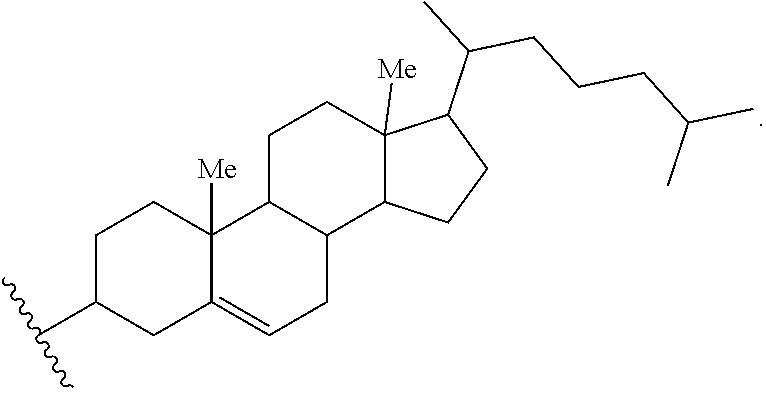

and wherein the C3-C6 cycloalkyl, when present, is substituted with 0 or 1 C1-C4 alkyl group. In a further aspect, R2 is selected from hydrogen, C1-C4 alkyl, C2-C4 alkenyl, C1-C4 haloalkyl, C3-C6 cycloalkyl, —(C1-C4 alkyl)Ar2, —(C2-C4 alkenyl)Ar2, —(C2-C4 alkynyl)Ar2, Ar2, and a structure represented by a formula selected from:

and wherein the C3-C6 cycloalkyl, when present, is substituted with 0 or 1 C1-C4 alkyl group.

and wherein the C3-C6 cycloalkyl, when present, is substituted with 0 or 1 C1-C4 alkyl group.


or a salt thereof.


or a salt thereof.


or a salt thereof.


or a salt thereof.


or a salt thereof.

wherein n is 0 or 1; wherein A is selected from O, S, NR20, and CHR21; wherein R20, when present, is selected from hydrogen and methyl; wherein R21, when present, is selected from hydrogen and methyl; wherein Q is selected from O, S, and NR22; wherein R22, when present, is selected from hydrogen and C1-C8 alkyl; wherein R1 is selected from C1-C8 alkyl, C2-C10 alkenyl, C1-C8 haloalkyl, C3-C6 cycloalkyl, —(C1-C4 alkyl)Ar1, —(C2-C4 alkenyl)Ar1, —(C2-C4 alkynyl)Ar1, Ar1, and a structure represented by a formula selected from:

and wherein the C3-C6 cycloalkyl, when present, is substituted with 0 or 1 C1-C4 alkyl group; wherein Ar1, when present, is selected from aryl and heteroaryl and is substituted with 0, 1, 2, or 3 groups independently selected from halogen, —NO2, —CN, —OH, —SH, —NH2, C1-C4 alkyl, C2-C4 alkenyl, C2-C4 alkynyl, C1-C4 haloalkyl, C1-C4 cyanoalkyl, C1-C4 hydroxyalkyl, C1-C4 haloalkoxy, C1-C4 alkoxy, C1-C4 thioalkyl, C1-C4 alkyl(C1-C4 alkoxy), C1-C4 aminoalkyl, C1-C4 alkylamino, (C1-C4)(C1-C4) dialkylamino, C3-C7 cycloalkyl, C6-C10 aryl, —O(C2-C4 alkenyl), —OCO2R30, —CO2R30, —(C1-C4 alkyl)CO2R30, —(C2-C4 alkenyl)CO2R30, —(C═O)(C1-C4 alkyl), —(S═O)(C1-C4 alkyl), —SO2(C1-C4 alkyl), —(C═O)NR31aR31b, SO2NR31aR31b, —O(C═O)NR31aR31b, —NHSO2NR31aR31b, —NH(C═O)NR31aR31b, and —N═NR32; wherein R30, when present, is selected from hydrogen, C1-C8 alkyl, —(C1-C4 alkyl)phenyl, phenyl, and a structure represented by a formula:

wherein each of R31a and R31b, when present, is independently selected from hydrogen, C1-C8 alkyl, —(C1-C4 alkyl)phenyl, and phenyl; wherein R32, when present, is selected from hydrogen, C1-C4 alkyl, and phenyl; or wherein each of R1 and R20, when present, are optionally covalently bonded together and, together with the intermediate carbon atoms, comprise a 3- to 6-membered heterocycloalkyl; wherein R2 is selected from hydrogen, C1-C8 alkyl substituted with 0-1 phenyl groups, C2-C10 alkenyl, C1-C8 haloalkyl, C3-C6 cycloalkyl, —(C1-C4 alkyl)Ar2, —(C2-C4 alkenyl)Ar2, —(C2-C4 alkynyl)Ar2, Ar2, and a structure represented by a formula selected from:

and wherein the C3-C6 cycloalkyl, when present, is substituted with 0 or 1 C1-C4 alkyl groups; wherein Ar2, when present, is selected from aryl and heteroaryl and is substituted with 0, 1, 2, or 3 groups independently selected from halogen, —NO2, —CN, —OH, —SH, —NH2, C1-C4 alkyl, C2-C4 alkenyl, C2-C4 alkynyl, C1-C4 haloalkyl, C1-C4 cyanoalkyl, C1-C4 hydroxyalkyl, C1-C4 haloalkoxy, C1-C4 alkoxy, C1-C4 thioalkyl, C1-C4 alkyl(C1-C4 alkoxy), C1-C4 aminoalkyl, C1-C4 alkylamino, (C1-C4)(C1-C4) dialkylamino, C3-C7 cycloalkyl, C6-C10 aryl, —O(C2-C4 alkenyl), —OCO2R33, —CO2R33, —(C1-C4 alkyl)CO2R33, —(C2-C4 alkenyl)CO2R33, —(C═O)(C1-C4 alkyl), —(S═O)(C1-C4 alkyl), —SO2(C1-C4 alkyl), —(C═O)NR34aR34b, —SO2NR34aR34b, —O(C═O)NR34aR34b, —NHSO2NR34aR34b, —NH(C═O)NR34aR34b, and —N═NR35; wherein R33 when present, is selected from hydrogen, C1-C8 alkyl, —(C1-C4 alkyl)phenyl, phenyl, and a structure represented by a formula:

wherein each of R34a and R34b, when present, is independently selected from hydrogen, C1-C8 alkyl, —(C1-C4 alkyl)phenyl, and phenyl; wherein R35, when present, is selected from hydrogen, C1-C4 alkyl, and phenyl; and wherein R3 is C1-C4 alkyl, or a salt thereof, the method comprising the step of reacting a phosphonate derivative having a structure represented by a formula:

wherein R4 is C1-C4 alkyl, provided that R2 and R4 are different, or a salt thereof, with a nucleophile having a structure represented by a formula:

in the presence of an activating agent and a base.

wherein n is 0 or 1; wherein A is selected from O, S, and CHR21; wherein R21, when present, is selected from hydrogen and methyl; wherein Q is selected from O, S, and NR22; wherein R22, when present, is selected from hydrogen and C1-C8 alkyl; wherein R1 is selected from —(C1-C4 alkyl)Ar1 and Ar1; wherein Ar1, when present, is selected from aryl and heteroaryl and is substituted with 0, 1, 2, or 3 groups independently selected from halogen, —NO2, —CN, —OH, —SH, —NH2, C1-C4 alkyl, C2-C4 alkenyl, C2-C4 alkynyl, C1-C4 haloalkyl, C1-C4 cyanoalkyl, C1-C4 hydroxyalkyl, C1-C4 haloalkoxy, C1-C4 alkoxy, C1-C4 thioalkyl, C1-C4 alkyl(C1-C4 alkoxy), C1-C4 aminoalkyl, C1-C4 alkylamino, (C1-C4)(C1-C4) dialkylamino, C3-C7 cycloalkyl, C6-C10 aryl, —O(C2-C4 alkenyl), —OCO2R30, —CO2R30, —(C1-C4 alkyl)CO2R30, —(C2-C4 alkenyl)CO2R30, —(C═O)(C1-C4 alkyl), —(S═O)(C1-C4 alkyl), —SO2(C1-C4 alkyl), —(C═O)NR31aR31b, —SO2NR31aR31b, —O(C═O)NR31aR31b, —NHSO2NR31aR31b, —NH(C═O)NR31aR31b, and —N═NR32; wherein R30, when present, is selected from hydrogen, C1-C8 alkyl, —(C1-C4 alkyl)phenyl, phenyl, and a structure represented by a formula:

wherein each of R31a and R31b, when present, is independently selected from hydrogen, C1-C8 alkyl, —(C1-C4 alkyl)phenyl, and phenyl; wherein R32, when present, is selected from hydrogen, C1-C4 alkyl, and phenyl; wherein R2 is selected from —(C1-C4 alkyl)Ar2 and Ar2; wherein Ar2, when present, is selected from aryl and heteroaryl and is substituted with 0, 1, 2, or 3 groups independently selected from halogen, —NO2, —CN, —OH, —SH, —NH2, C1-C4 alkyl, C2-C4 alkenyl, C2-C4 alkynyl, C1-C4 haloalkyl, C1-C4 cyanoalkyl, C1-C4 hydroxyalkyl, C1-C4 haloalkoxy, C1-C4 alkoxy, C1-C4 thioalkyl, C1-C4 alkyl(C1-C4 alkoxy), C1-C4 aminoalkyl, C1-C4 alkylamino, (C1-C4)(C1-C4) dialkylamino, C3-C7 cycloalkyl, C6-C10 aryl, —O(C2-C4 alkenyl), —OC2R33, —CO2R33, —(C1-C4 alkyl)CO2R33, —(C2-C4 alkenyl)CO2R33, —(C═O)(C1-C4 alkyl), —(S═O)(C1-C4 alkyl), —SO2(C1-C4 alkyl), —(C═O)NR34aR34b, —SO2NR34aR34b, —O(C═O)NR34aR34b, —NHSO2NR34aR34b, —NH(C═O)NR34aR34b, and —N═NR35; wherein R33, when present, is selected from hydrogen, C1-C8 alkyl, —(C1-C4 alkyl)phenyl, phenyl, and a structure represented by a formula:

wherein each of R34a and R34b, when present, is independently selected from hydrogen, C1-C8 alkyl, —(C1-C4 alkyl)phenyl, and phenyl; wherein R35, when present, is selected from hydrogen, C1-C4 alkyl, and phenyl; and wherein R3 is C1-C4 alkyl.

wherein n is 0 or 1; wherein A is selected from O, S, NR20, and CHR21; wherein R20, when present, is selected from hydrogen and methyl; wherein R21, when present, is selected from hydrogen and methyl; wherein Z is selected from O, S, and NR23; wherein R23, when present, is selected from hydrogen and methyl; wherein R1 is selected from C1-C8 alkyl, C2-C10 alkenyl, C1-C8 haloalkyl, C3-C6 cycloalkyl, —(C1-C4 alkyl)Ar1, —(C2-C4 alkenyl)Ar1, —(C2-C4 alkynyl)Ar1, Ar1, and a structure represented by a formula selected from:

and wherein the C3-C6 cycloalkyl, when present, is substituted with 0 or 1 C1-C4 alkyl group; wherein Ar1, when present, is selected from aryl and heteroaryl and is substituted with 0, 1, 2, or 3 groups independently selected from halogen, —NO2, —CN, —OH, —SH, —NH2, C1-C4 alkyl, C2-C4 alkenyl, C2-C4 alkynyl, C1-C4 haloalkyl, C1-C4 cyanoalkyl, C1-C4 hydroxyalkyl, C1-C4 haloalkoxy, C1-C4 alkoxy, C1-C4 thioalkyl, C1-C4 alkyl(C1-C4 alkoxy), C1-C4 aminoalkyl, C1-C4 alkylamino, (C1-C4)(C1-C4) dialkylamino, C3-C7 cycloalkyl, C6-C10 aryl, —O(C2-C4 alkenyl), —OCO2R30, —CO2R30, —(C1-C4 alkyl)CO2R30, —(C2-C4 alkenyl)CO2R33, —(C═O)(C1-C4 alkyl), —(S═O)(C1-C4 alkyl), —SO2(C1-C4 alkyl), —(C═O)NR31aR31b, —SO2NR31aR31b, —O(C═O)NR31aR31b, —NHSO2NR31aR31b, —NH(C═O)NR31aR31b, and —N═NR32; wherein R30, when present, is selected from hydrogen, C1-C8 alkyl, —(C1-C4 alkyl)phenyl, phenyl, and a structure represented by a formula:

wherein each of R31a and R31b, when present, is independently selected from hydrogen, C1-C8 alkyl, —(C1-C4 alkyl)phenyl, and phenyl; wherein R32, when present, is selected from hydrogen, C1-C4 alkyl, and phenyl; or wherein each of R1 and R20, when present, are optionally covalently bonded together and, together with the intermediate carbon atoms, comprise a 3- to 6-membered heterocycloalkyl; wherein Ar2 is selected from aryl and heteroaryl and is substituted with 0, 1, 2, or 3 groups independently selected from halogen, —NO2, —CN, —OH, —SH, —NH2, C1-C4 alkyl, C2-C4 alkenyl, C2-C4 alkynyl, C1-C4 haloalkyl, C1-C4 cyanoalkyl, C1-C4 hydroxyalkyl, C1-C4 haloalkoxy, C1-C4 alkoxy, C1-C4 thioalkyl, C1-C4 alkyl(C1-C4 alkoxy), C1-C4 aminoalkyl, C1-C4 alkylamino, (C1-C4)(C1-C4) dialkylamino, C3-C7 cycloalkyl, C6-C10 aryl, —O(C2-C4 alkenyl), —OCO2R33, —CO2R33, —(C1-C4 alkyl)CO2R33, —(C2-C4 alkenyl)CO2R33, —(C═O)(C1-C4 alkyl), —(S═O)(C1-C4 alkyl), —SO2(C1-C4 alkyl), —(C═O)NR34aR34b, —SO2NR34aR34b, —O(C═O)NR34aR34b, —NHSO2NR34aR34b, —NH(C═O)NR34aR34b, and —N═NR35; wherein R33, when present, is selected from hydrogen, C1-C8 alkyl, —(C1-C4 alkyl)phenyl, phenyl, and a structure represented by a formula:

wherein each of R34a and R34b, when present, is independently selected from hydrogen, C1-C8 alkyl, —(C1-C4 alkyl)phenyl, and phenyl; wherein R35, when present, is selected from hydrogen, C1-C4 alkyl, and phenyl; wherein Ar4 is selected from aryl and heteroaryl and is substituted with 0, 1, 2, or 3 groups independently selected from halogen, —NO2, —CN, —OH, —SH, —NH2, C1-C4 alkyl, C2-C4 alkenyl, C2-C4 alkynyl, C1-C4 haloalkyl, C1-C4 cyanoalkyl, C1-C4 hydroxyalkyl, C1-C4 haloalkoxy, C1-C4 alkoxy, C1-C4 thioalkyl, C1-C4 alkyl(C1-C4 alkoxy), C1-C4 aminoalkyl, C1-C4 alkylamino, (C1-C4)(C1-C4) dialkylamino, C3-C7 cycloalkyl, C6-C10 aryl, —O(C2-C4 alkenyl), —OC2R36, —CO2R36, —(C1-C4 alkyl)CO2R36, —(C2-C4 alkenyl)CO2R36, —(C═O)(C1-C4 alkyl), —(S═O)(C1-C4 alkyl), —SO2(C1-C4 alkyl), —(C═O)NR37aR37b, —SO2NR37aR37b, —O(C═O)NR37aR37b, —NHSO2NR37aR37b, —NH(C═O)NR37aR37b, and —N═NR38; wherein R36, when present, is selected from hydrogen, C1-C8 alkyl, —(C1-C4 alkyl)phenyl, phenyl, and a structure represented by a formula:

wherein each of R37a and R37b, when present, is independently selected from hydrogen, C1-C8 alkyl, —(C1-C4 alkyl)phenyl, and phenyl; wherein R38, when present, is selected from hydrogen, C1-C4 alkyl, and phenyl, or a salt thereof, the method comprising the step of reacting a phosphinate derivative having a structure represented by a formula:

wherein R3 is C1-C4 alkyl, or a salt thereof, with a nucleophile having a structure represented by a formula:

in the presence of an activating agent and a base.

wherein n is 0 or 1; wherein A is selected from O, S, and CHR21; wherein R21, when present, is selected from hydrogen and methyl; wherein Z is selected from O, S, and NR23; wherein R23, when present, is selected from hydrogen and methyl; wherein R1 is selected from —(C1-C4 alkyl)Ar1 and Ar1; wherein Ar2, when present, is selected from aryl and heteroaryl and is substituted with 0, 1, 2, or 3 groups independently selected from halogen, —NO2, —CN, —OH, —SH, —NH2, C1-C4 alkyl, C2-C4 alkenyl, C2-C4 alkynyl, C1-C4 haloalkyl, C1-C4 cyanoalkyl, C1-C4 hydroxyalkyl, C1-C4 haloalkoxy, C1-C4 alkoxy, C1-C4 thioalkyl, C1-C4 alkyl(C1-C4 alkoxy), C1-C4 aminoalkyl, C1-C4 alkylamino, (C1-C4)(C1-C4) dialkylamino, C3-C7 cycloalkyl, C6-C10 aryl, —O(C2-C4 alkenyl), —OCO2R30, —CO2R30, —(C1-C4 alkyl)CO2R30, —(C2-C4 alkenyl)CO2R33, —(C═O)(C1-C4 alkyl), —(S═O)(C1-C4 alkyl), —SO2(C1-C4 alkyl), —(C═O)NR31aR31b, —SO2NR31aR31b, —O(C═O)NR31aR31b, —NHSO2NR31aR31b, —NH(C═O)NR31aR31b, and —N═NR32; wherein R30, when present, is selected from hydrogen, C1-C8 alkyl, —(C1-C4 alkyl)phenyl, phenyl, and a structure represented by a formula:

wherein each of R31a and R31b, when present, is independently selected from hydrogen, C1-C8 alkyl, —(C1-C4 alkyl)phenyl, and phenyl; wherein R32, when present, is selected from hydrogen, C1-C4 alkyl, and phenyl; wherein Ar2, when present, is selected from aryl and heteroaryl and is substituted with 0, 1, 2, or 3 groups independently selected from halogen, —NO2, —CN, —OH, —SH, —NH2, C1-C4 alkyl, C2-C4 alkenyl, C2-C4 alkynyl, C1-C4 haloalkyl, C1-C4 cyanoalkyl, C1-C4 hydroxyalkyl, C1-C4 haloalkoxy, C1-C4 alkoxy, C1-C4 thioalkyl, C1-C4 alkyl(C1-C4 alkoxy), C1-C4 aminoalkyl, C1-C4 alkylamino, (C1-C4)(C1-C4) dialkylamino, C3-C7 cycloalkyl, C6-C10 aryl, —O(C2-C4 alkenyl), —OCO2R33, —CO2R33, —(C1-C4 alkyl)CO2R33, —(C2-C4 alkenyl)CO2R33, —(C═O)(C1-C4 alkyl), —(S═O)(C1-C4 alkyl), —SO2(C1-C4 alkyl), —(C═O)NR34aR34b, —SO2NR34aR34b, —O(C═O)NR34aR34b, —NHSO2NR34aR34b, —NH(C═O)NR34aR34b, and —N═NR35; wherein R33, when present, is selected from hydrogen, C1-C8 alkyl, —(C1-C4 alkyl)phenyl, phenyl, and a structure represented by a formula:

wherein each of R34a and R34b, when present, is independently selected from hydrogen, C1-C8 alkyl, —(C1-C4 alkyl)phenyl, and phenyl; wherein R35, when present, is selected from hydrogen, C1-C4 alkyl, and phenyl; and wherein Ar3 is selected from aryl and heteroaryl and is substituted with 0, 1, 2, or 3 groups independently selected from halogen, —NO2, —CN, —OH, —SH, —NH2, C1-C4 alkyl, C2-C4 alkenyl, C2-C4 alkynyl, C1-C4 haloalkyl, C1-C4 cyanoalkyl, C1-C4 hydroxyalkyl, C1-C4 haloalkoxy, C1-C4 alkoxy, C1-C4 thioalkyl, C1-C4 alkyl(C1-C4 alkoxy), C1-C4 aminoalkyl, C1-C4 alkylamino, (C1-C4)(C1-C4) dialkylamino, C3-C7 cycloalkyl, C6-C10 aryl, —O(C2-C4 alkenyl), —OCO2R36, —CO2R36, —(C1-C4 alkyl)CO2R36, —(C2-C4 alkenyl)CO2R36, —(C═O)(C1-C4 alkyl), —(S═O)(C1-C4 alkyl), —SO2(C1-C4 alkyl), —(C═O)NR37aR37b, —SO2NR37aR37b, —O(C═O)NR37aR37b, —NHSO2NR37aR37b, —NH(C═O)NR37aR37b, and —N═NR38; wherein R36, when present, is selected from hydrogen, C1-C8 alkyl, —(C1-C4 alkyl)phenyl, phenyl, and a structure represented by a formula:

wherein each of R37a and R37b, when present, is independently selected from hydrogen, C1-C8 alkyl, —(C1-C4 alkyl)phenyl, and phenyl; wherein R38, when present, is selected from hydrogen, C1-C4 alkyl, and phenyl.


| TABLE 1 |
 |
 |
| yield | ||||
| entry | base | solvent | X:Y:Z | (%)[a] |
| 1 | pyridine | DCM | 2.0:2.0:2.0 | 85 |
| 2 | — | DCM | 2.0:2.0:2.0 | |
| 3 | pyridine | CHCl3 | 2.0:2.0:2.0 | 37 |
| 4 | pyridine | DCE | 2.0:2.0:2.0 | 49 |
| 5 | pyridine | Et2O | 2.0:2.0:2.0 | 46 |
| 6 | pyridine | toluene | 2.0:2.0:2.0 | 36 |
| 7 | pyridine | THF | 2.0:2.0:2.0 | |
| 8 | pyridine | CH3CN | 2.0:2.0:2.0 | trace |
| 9 | pyridine | DCM | 1.5:2.0:2.5 | 99(92) |
| Reaction conditions: 1a (0.2 mmol), Tf2O (X equiv), base (Y equiv) in solvent (1.0 mL) for 10 min, then PhOH (Z equiv) for 30 min. [a]Yield was determined by 1H NMR on the crude reaction mixture using 1,3,5-trimethylbenzene as an internal standard. [b]Isolated yield. | ||||


| TABLE 2 |
 |
| entry | base | X:Y:Z | yield (%)a |
| 1 | pyridine | 1.5:2.0:2.5 | 96 |
| 2 | pyridine | 1.5:2.0:2.0 | 99(92)b |
| 3 | pyridine | 1.5:2.0:1.5 | 43 |
| 4 | pyridine | 2.0:2.0:2.0 | 92 |
| 5 | pyridine | 1.5:1.1:2.0 | 80 |
| 6 | pyridine | 1.5:1.5:2.0 | 70 |
| 7 | lutidine | 1.5:2.0:2.0 | —c |
| 8 | DMAP | 1.5:2.0:2.0 | —c |
| 9 | DABCO | 1.5:2.0:2.0 | —c |
| 10 | DBU | 1.5:2.0:2.0 | —c |
| Reaction conditions: 1a′ (0.2 mmol), Tf2O (X equiv), base (Y equiv) in solvent (1.0 mL) for 10 min, then 2a′ (Z equiv) for 30 min. aYield was determined by 1H NMR on the crude reaction mixture using 1,3,5-trimethylbenzene as an internal standard. bIsolated yield. cMajor product was PhOTf. | |||


| TABLE 3 |
 |
 |
| Addition of | Yield | ||||||
| Entry | A | PhOH | Tf2O | Pyridine | Nucleophile | Temp. | (%) |
| 1 | 1.0 | 2.5 | 1.5 | 2.0 | 15 min | rt | 80 |
| 2 | 1.0 | 2.5 | 1.5 | 2.0 | 10 min | rt | 70 |
| 3 | 1.0 | 2.5 | 1.5 | 2.0 | 30 min | rt | 63 |
| 4 | 1.0 | 2.0 | 1.5 | 2.0 | 15 min | rt | 64 |
| 5 | 1.0 | 3.0 | 1.5 | 2.0 | 15 min | rt | 87 |
| 6 | 1.0 | 3.0 | 2.0 | 2.0 | 15 min | rt | 15 |
| 7 | 1.0 | 3.0 | 1.2 | 2.0 | 15 min | rt | 44 |
| 8 | 1.0 | 3.0 | 1.5 | 2.5 | 15 min | rt | 59 |
| 9 | 1.0 | 3.0 | 1.5 | 1.5 | 15 min | rt | 35 |
| 10 | 1.0 | 3.0 | 1.5 | 1.5 | 15 |
0° C. | 60 |


Claims (13)


Priority Applications (1)
| Application Number | Priority Date | Filing Date | Title |
|---|---|---|---|
| US16/635,903 US10927135B2 (en) | 2017-08-03 | 2018-08-03 | Metal-free direct arylation of dialkyl phosphonates for the synthesis of mixed alkyl aryl phosphonates |
Applications Claiming Priority (4)
| Application Number | Priority Date | Filing Date | Title |
|---|---|---|---|
| US201762540773P | 2017-08-03 | 2017-08-03 | |
| US201762610825P | 2017-12-27 | 2017-12-27 | |
| US16/635,903 US10927135B2 (en) | 2017-08-03 | 2018-08-03 | Metal-free direct arylation of dialkyl phosphonates for the synthesis of mixed alkyl aryl phosphonates |
| PCT/US2018/045224 WO2019028391A1 (en) | 2017-08-03 | 2018-08-03 | Metal-free direct arylation of dialkyl phosphonates for the synthesis of mixed alkyl aryl phosphonates |
Publications (2)
| Publication Number | Publication Date |
|---|---|
| US20200255461A1 US20200255461A1 (en) | 2020-08-13 |
| US10927135B2 true US10927135B2 (en) | 2021-02-23 |
Family
ID=65233493
Family Applications (1)
| Application Number | Title | Priority Date | Filing Date |
|---|---|---|---|
| US16/635,903 Active US10927135B2 (en) | 2017-08-03 | 2018-08-03 | Metal-free direct arylation of dialkyl phosphonates for the synthesis of mixed alkyl aryl phosphonates |
Country Status (2)
| Country | Link |
|---|---|
| US (1) | US10927135B2 (en) |
| WO (1) | WO2019028391A1 (en) |
Families Citing this family (3)
| Publication number | Priority date | Publication date | Assignee | Title |
|---|---|---|---|---|
| WO2019028391A1 (en) | 2017-08-03 | 2019-02-07 | The Board Of Regents Of The Nevada System Of Higher Education On Behalf Of The University Of Nevada, Las Vegas | Metal-free direct arylation of dialkyl phosphonates for the synthesis of mixed alkyl aryl phosphonates |
| US10738042B2 (en) | 2018-04-30 | 2020-08-11 | Unity Biotechnology, Inc. | Phosphonamidates that are Bcl family antagonists for use in clinical management of conditions caused or mediated by senescent cells and for treating cancer |
| WO2022085221A1 (en) * | 2020-10-23 | 2022-04-28 | 大八化学工業株式会社 | Unsaturated group-containing phosphoric acid ester, thermosetting resin composition containing same, and resin material |
Citations (1)
| Publication number | Priority date | Publication date | Assignee | Title |
|---|---|---|---|---|
| WO2019028391A1 (en) | 2017-08-03 | 2019-02-07 | The Board Of Regents Of The Nevada System Of Higher Education On Behalf Of The University Of Nevada, Las Vegas | Metal-free direct arylation of dialkyl phosphonates for the synthesis of mixed alkyl aryl phosphonates |
-
2018
- 2018-08-03 WO PCT/US2018/045224 patent/WO2019028391A1/en not_active Ceased
- 2018-08-03 US US16/635,903 patent/US10927135B2/en active Active
Patent Citations (1)
| Publication number | Priority date | Publication date | Assignee | Title |
|---|---|---|---|---|
| WO2019028391A1 (en) | 2017-08-03 | 2019-02-07 | The Board Of Regents Of The Nevada System Of Higher Education On Behalf Of The University Of Nevada, Las Vegas | Metal-free direct arylation of dialkyl phosphonates for the synthesis of mixed alkyl aryl phosphonates |
Non-Patent Citations (15)
| Title |
|---|
| Bargota et al. ‘Structure-Activity Relationship on Human Serum Paraxonase (PON1) Using Substrate Analogues and Inhibitors’, Biorganic and Medicinal Chemistry Letters, 2003, vol. 13, pp. 1623-1626. |
| Bargota et al. 'Structure-Activity Relationship on Human Serum Paraxonase (PON1) Using Substrate Analogues and Inhibitors', Biorganic and Medicinal Chemistry Letters, 2003, vol. 13, pp. 1623-1626. |
| Hirsch et al. '(3R,4S)-3,4,5-Trihydroxy-4-methylpentylphosphonic acid, an isosteric phosphonate analogue of 2-C-methyl-D-erythritol 4-phosphate, a key intermediate in the new pathway for isoprenoid biosynthesis', Tetrahedron Letters, 2004, vol. 45, pp. 519-521. |
| Hirsch et al. ‘(3R,4S)-3,4,5-Trihydroxy-4-methylpentylphosphonic acid, an isosteric phosphonate analogue of 2-C-methyl-D-erythritol 4-phosphate, a key intermediate in the new pathway for isoprenoid biosynthesis’, Tetrahedron Letters, 2004, vol. 45, pp. 519-521. |
| International Preliminary Report on Patentability dated Feb. 4, 2020 by the International Searching Authority for International Application No. PCT/US2018/045224, filed on Aug. 3, 2018 and published as WO 2019/028391 on Feb. 7, 2019 (Applicant-The Board of Regents of the Nevada System of Higher Education on Behalf of the University of Nevada, Las Vegas) (7 Pages). |
| International Preliminary Report on Patentability dated Feb. 4, 2020 by the International Searching Authority for International Application No. PCT/US2018/045224, filed on Aug. 3, 2018 and published as WO 2019/028391 on Feb. 7, 2019 (Applicant—The Board of Regents of the Nevada System of Higher Education on Behalf of the University of Nevada, Las Vegas) (7 Pages). |
| International Search Report and Written Opinion dated Oct. 23, 2018 by the International Searching Authority for International Application No. PCT/US2018/045224, filed on Aug. 3, 2018 and published as WO 2019/028391 on Feb. 7, 2019 (Applicant-The Board of Regents of the Nevada System of Higher Education on Behalf of the University of Nevada, Las Vegas) (8 Pages). |
| International Search Report and Written Opinion dated Oct. 23, 2018 by the International Searching Authority for International Application No. PCT/US2018/045224, filed on Aug. 3, 2018 and published as WO 2019/028391 on Feb. 7, 2019 (Applicant—The Board of Regents of the Nevada System of Higher Education on Behalf of the University of Nevada, Las Vegas) (8 Pages). |
| Pubchem 12067053 deposited on Feb. 7, 2007 (Feb. 7, 2007) p. 1-13. p. 3. |
| Pubchem 12735424 deposited on Feb. 8, 2007 (Feb. 8, 2007) p. 1-12. p. 4. |
| Pubchem 21853796 deposited on Dec. 5, 2007 (Dec. 5, 2007) p. 1-10. p. 3. |
| Pubchem 286944 deposited on Mar. 26, 2005 (Mar. 26, 2005) p. 1-14. p. 3. |
| Pubchem 57173183 deposited on Jun. 14, 2012 (Jun. 14, 2012) p. 1-11. p. 4. |
| Pubchem 67093206 deposited on Nov. 30, 2011 (Nov. 30, 2011) p. 1-11. p. 3. |
| Pubchem 99789 deposited on Mar. 26, 2005 (Mar. 26, 2005) p. 1-16. p. 3. |
Also Published As
| Publication number | Publication date |
|---|---|
| WO2019028391A1 (en) | 2019-02-07 |
| US20200255461A1 (en) | 2020-08-13 |
Similar Documents
| Publication | Publication Date | Title |
|---|---|---|
| US10927135B2 (en) | Metal-free direct arylation of dialkyl phosphonates for the synthesis of mixed alkyl aryl phosphonates | |
| US20180291054A1 (en) | Efficient synthesis of nicotinamide mononucleotide | |
| US6743937B2 (en) | Efficient method of synthesizing combretastatin A-4 prodrugs | |
| WO2007126812A2 (en) | Process for preparation of hiv protease inhibitors | |
| US11873315B2 (en) | Chiral n-heterocyclic phosphorodiamidic acids (NHPAS) and derivatives as novel Brønsted acid catalysts | |
| US10633403B2 (en) | N-heterocyclic phosphines | |
| TW201751B (en) | ||
| KR20040027452A (en) | (+)-Trans Isomer of (1-Phosphonomethoxy-2-Alkylcyclopropyl)Methyl Nucleoside Derivative, A Process for the Preparation of Stereoisomer Thereof, and Use of Anti-viral Agent thereof | |
| US20090198062A1 (en) | Novel process | |
| EP2240500A1 (en) | Method for synthesizing hydroxy-bisphosphonic acid derivatives | |
| Amedjkouh et al. | Self-reproduction of chirality on α-aminophosphonates: Asymmetric synthesis of α-alkylated diethyl pyrrolidin-2-yl-phosphonate | |
| US11174278B2 (en) | Functionalized phosphonates via Michael addition | |
| CN101848891A (en) | Preparation of synthetic nucleosides via [pi]-allyl transition metal complex formation | |
| CN104098604B (en) | A kind of method preparing fosaprepitant dimeglumine | |
| CA2688083C (en) | Process for producing phosphine oxide vitamin d precursors | |
| JP2001064291A (en) | Mixtures comprising tetrakis (pyrrolidino / piperidino) phosphonium salts | |
| US10087204B2 (en) | Methods and compositions for substituted alpha-aminophosphonate analogues | |
| Zhang et al. | Stereogenic P (V) platform construction via streamlined installation | |
| Mikolajczyk et al. | α-PHOSPHORYL SULFOXIDES. V. 1, 2 SYNTHESIS AND CRYSTAL AND MOLECULAR STRUCTURE OF O, O-DIPHENYLPHOSPHORYL-METHYL PHENYL SULFOXIDE | |
| Pevzner | Aminomethylation of 2-and 3-(Diethoxyphosphorylmethyl) furans | |
| CN114644651A (en) | Preparation method of aryloxy phosphorylated amino acid ester compound | |
| WO2011158259A1 (en) | Novel process for the preparation of (3s)-tetrahydrofuran-3-yl (is, 2r)-3-[[(4-aminophenyl) sulfonyl] (isobutyl) amino]-1-benzyl-2-(phosphonooxy) propylcarbamate and its pharmaceutically acceptable salts thereof | |
| Glabe | The synthesis of novel epoxyacylphosphonates designed to inhibit HIV-1 reverse transcriptase | |
| PL236945B1 (en) | Bicyclic quaternary phosphonium derivatives and method for producing them | |
| WO2006121094A1 (en) | Crystal or dydrate of magnesium salt of monoallyl malonate |
Legal Events
| Date | Code | Title | Description |
|---|---|---|---|
| FEPP | Fee payment procedure |
Free format text: ENTITY STATUS SET TO UNDISCOUNTED (ORIGINAL EVENT CODE: BIG.); ENTITY STATUS OF PATENT OWNER: SMALL ENTITY |
|
| FEPP | Fee payment procedure |
Free format text: ENTITY STATUS SET TO SMALL (ORIGINAL EVENT CODE: SMAL); ENTITY STATUS OF PATENT OWNER: SMALL ENTITY |
|
| AS | Assignment |
Owner name: THE BOARD OF REGENTS OF THE NEVADA SYSTEM OF HIGHER EDUCATION ON BEHALF OF THE UNIVERSITY OF NEVADA, LAS VEGAS, NEVADA Free format text: ASSIGNMENT OF ASSIGNORS INTEREST;ASSIGNORS:KANG, JUN YONG;HUANG, HAI;SIGNING DATES FROM 20200610 TO 20200803;REEL/FRAME:054004/0200 |
|
| STPP | Information on status: patent application and granting procedure in general |
Free format text: PUBLICATIONS -- ISSUE FEE PAYMENT VERIFIED |
|
| STCF | Information on status: patent grant |
Free format text: PATENTED CASE |
|
| FEPP | Fee payment procedure |
Free format text: MAINTENANCE FEE REMINDER MAILED (ORIGINAL EVENT CODE: REM.); ENTITY STATUS OF PATENT OWNER: SMALL ENTITY |
|
| FEPP | Fee payment procedure |
Free format text: SURCHARGE FOR LATE PAYMENT, SMALL ENTITY (ORIGINAL EVENT CODE: M2554); ENTITY STATUS OF PATENT OWNER: SMALL ENTITY |
|
| MAFP | Maintenance fee payment |
Free format text: PAYMENT OF MAINTENANCE FEE, 4TH YR, SMALL ENTITY (ORIGINAL EVENT CODE: M2551); ENTITY STATUS OF PATENT OWNER: SMALL ENTITY Year of fee payment: 4 |