US10869082B2 - Provider-defined live multichannel viewing events - Google Patents
Provider-defined live multichannel viewing events Download PDFInfo
- Publication number
- US10869082B2 US10869082B2 US16/424,915 US201916424915A US10869082B2 US 10869082 B2 US10869082 B2 US 10869082B2 US 201916424915 A US201916424915 A US 201916424915A US 10869082 B2 US10869082 B2 US 10869082B2
- Authority
- US
- United States
- Prior art keywords
- television
- viewing event
- multichannel viewing
- definition
- multichannel
- Prior art date
- Legal status (The legal status is an assumption and is not a legal conclusion. Google has not performed a legal analysis and makes no representation as to the accuracy of the status listed.)
- Active
Links
Images




Classifications
-
- H—ELECTRICITY
- H04—ELECTRIC COMMUNICATION TECHNIQUE
- H04N—PICTORIAL COMMUNICATION, e.g. TELEVISION
- H04N21/00—Selective content distribution, e.g. interactive television or video on demand [VOD]
- H04N21/40—Client devices specifically adapted for the reception of or interaction with content, e.g. set-top-box [STB]; Operations thereof
- H04N21/43—Processing of content or additional data, e.g. demultiplexing additional data from a digital video stream; Elementary client operations, e.g. monitoring of home network or synchronising decoder's clock; Client middleware
- H04N21/431—Generation of visual interfaces for content selection or interaction; Content or additional data rendering
- H04N21/4312—Generation of visual interfaces for content selection or interaction; Content or additional data rendering involving specific graphical features, e.g. screen layout, special fonts or colors, blinking icons, highlights or animations
-
- H—ELECTRICITY
- H04—ELECTRIC COMMUNICATION TECHNIQUE
- H04N—PICTORIAL COMMUNICATION, e.g. TELEVISION
- H04N21/00—Selective content distribution, e.g. interactive television or video on demand [VOD]
- H04N21/40—Client devices specifically adapted for the reception of or interaction with content, e.g. set-top-box [STB]; Operations thereof
- H04N21/43—Processing of content or additional data, e.g. demultiplexing additional data from a digital video stream; Elementary client operations, e.g. monitoring of home network or synchronising decoder's clock; Client middleware
- H04N21/431—Generation of visual interfaces for content selection or interaction; Content or additional data rendering
- H04N21/4312—Generation of visual interfaces for content selection or interaction; Content or additional data rendering involving specific graphical features, e.g. screen layout, special fonts or colors, blinking icons, highlights or animations
- H04N21/4316—Generation of visual interfaces for content selection or interaction; Content or additional data rendering involving specific graphical features, e.g. screen layout, special fonts or colors, blinking icons, highlights or animations for displaying supplemental content in a region of the screen, e.g. an advertisement in a separate window
-
- H—ELECTRICITY
- H04—ELECTRIC COMMUNICATION TECHNIQUE
- H04N—PICTORIAL COMMUNICATION, e.g. TELEVISION
- H04N21/00—Selective content distribution, e.g. interactive television or video on demand [VOD]
- H04N21/40—Client devices specifically adapted for the reception of or interaction with content, e.g. set-top-box [STB]; Operations thereof
- H04N21/43—Processing of content or additional data, e.g. demultiplexing additional data from a digital video stream; Elementary client operations, e.g. monitoring of home network or synchronising decoder's clock; Client middleware
- H04N21/433—Content storage operation, e.g. storage operation in response to a pause request, caching operations
- H04N21/4334—Recording operations
-
- H—ELECTRICITY
- H04—ELECTRIC COMMUNICATION TECHNIQUE
- H04N—PICTORIAL COMMUNICATION, e.g. TELEVISION
- H04N21/00—Selective content distribution, e.g. interactive television or video on demand [VOD]
- H04N21/40—Client devices specifically adapted for the reception of or interaction with content, e.g. set-top-box [STB]; Operations thereof
- H04N21/43—Processing of content or additional data, e.g. demultiplexing additional data from a digital video stream; Elementary client operations, e.g. monitoring of home network or synchronising decoder's clock; Client middleware
- H04N21/438—Interfacing the downstream path of the transmission network originating from a server, e.g. retrieving encoded video stream packets from an IP network
- H04N21/4383—Accessing a communication channel
-
- H—ELECTRICITY
- H04—ELECTRIC COMMUNICATION TECHNIQUE
- H04N—PICTORIAL COMMUNICATION, e.g. TELEVISION
- H04N21/00—Selective content distribution, e.g. interactive television or video on demand [VOD]
- H04N21/40—Client devices specifically adapted for the reception of or interaction with content, e.g. set-top-box [STB]; Operations thereof
- H04N21/45—Management operations performed by the client for facilitating the reception of or the interaction with the content or administrating data related to the end-user or to the client device itself, e.g. learning user preferences for recommending movies, resolving scheduling conflicts
- H04N21/454—Content or additional data filtering, e.g. blocking advertisements
- H04N21/4545—Input to filtering algorithms, e.g. filtering a region of the image
-
- H—ELECTRICITY
- H04—ELECTRIC COMMUNICATION TECHNIQUE
- H04N—PICTORIAL COMMUNICATION, e.g. TELEVISION
- H04N21/00—Selective content distribution, e.g. interactive television or video on demand [VOD]
- H04N21/40—Client devices specifically adapted for the reception of or interaction with content, e.g. set-top-box [STB]; Operations thereof
- H04N21/47—End-user applications
- H04N21/472—End-user interface for requesting content, additional data or services; End-user interface for interacting with content, e.g. for content reservation or setting reminders, for requesting event notification, for manipulating displayed content
-
- H—ELECTRICITY
- H04—ELECTRIC COMMUNICATION TECHNIQUE
- H04N—PICTORIAL COMMUNICATION, e.g. TELEVISION
- H04N21/00—Selective content distribution, e.g. interactive television or video on demand [VOD]
- H04N21/40—Client devices specifically adapted for the reception of or interaction with content, e.g. set-top-box [STB]; Operations thereof
- H04N21/47—End-user applications
- H04N21/482—End-user interface for programme selection
- H04N21/4821—End-user interface for programme selection using a grid, e.g. sorted out by channel and broadcast time
Definitions
- a multichannel viewing event definition may be broadcast to a plurality of television receivers.
- the definition of the multichannel viewing event may define: a plurality of television channels to be included as part of the multichannel viewing event and a multichannel viewing event title.
- the definition of the multichannel viewing event may be stored by the television receiver.
- the television receiver may provide, as part of an electronic programming guide (EPG), a single-selection option to activate the multichannel viewing event based on the multichannel viewing event definition, wherein the multichannel viewing event title is presented in association with the single-selection option as part of the EPG.
- EPG electronic programming guide
- User input may be received by the television receiver that selects the single-selection option.
- the television receiver may access the stored definition of the multichannel viewing event.
- one or more tuners of the television receiver may be tuned based on the plurality of television channels defined in the definition of the multichannel viewing event.
- a quad video stream may be output that includes live feeds of four television channels from the plurality of television channels, and, when presented by a display device, the quad video stream results in the live feeds of the four television channels being presented simultaneously.
- the definition of the multichannel viewing event may include a start time and an end time.
- the television receiver may compare a current time with the start time and the end time.
- the television receiver may determine that the current time is between the start time and the end time.
- Providing the single-selection option to activate the multichannel viewing event may be based on the multichannel viewing event definition as part of the EPG is based on determining that the current time is between the start time and the end time.
- the single-selection option being provided to activate the multichannel viewing event based on the multichannel viewing event definition may include providing a plurality of single-selections, wherein each single-selection option of the plurality of single-selection options activates a different multichannel viewing event based on distinct multichannel viewing event definitions.
- a plurality of packet identifier (PID) filters may be instantiated.
- PID packet identifier
- the plurality of television channels may include five or more distinct television channels.
- the definition of the multichannel viewing event may include a ranking scheme that ranks the plurality of television channels.
- the television receiver may identify at least a subset of the plurality of television channels that the television receiver is authorized for presentation based on a local subscription check.
- the four television channels may be selected for output based on the ranking scheme and the four television channels being identified as part of at least the subset of the plurality of television channels authorized for presentation.
- a default television channel may be selected from at least the subset of the plurality of television channels for audio output based on the ranking scheme, wherein audio output is enabled for only a single television channel at a given time.
- user input may be received that is indicative of a pause command particular to a television channel of the four television channels being output for presentation.
- the television receiver may pause output of the television channel while maintaining output of live feeds of the other three television channels.
- the television channel may be recorded in response to the pause command particular to the television channel.
- Each channel of the four television channels may be output at a resolution of 1080P.
- FIG. 1 illustrates an embodiment of a satellite-based television distributions system.
- FIG. 2 illustrates an embodiment of a television receiver that processes and presents a multichannel viewing event (MCVE).
- MCVE multichannel viewing event
- FIG. 3 illustrates an embodiment of a MCVE engine.
- FIG. 4 illustrates an embodiment of an electronic programming guide (EPG) that allows for activation of an MCVE.
- EPG electronic programming guide
- FIG. 5 illustrates an embodiment of an MCVE being presented.
- FIG. 6 illustrates an embodiment of an MCVE in which each television channel has individually-controllable DVR functionality.
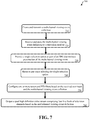
- FIG. 7 illustrates an embodiment of a method for providing an MCVE.
- FIG. 8 illustrates another embodiment of a method for providing an MCVE.
- FIG. 9 illustrates an embodiment of a computer system that can be incorporated as part of the television receivers and television service provider systems detailed herein.
- a television service provider may define a multichannel viewing event (MCVE) that will be accessible to all or a subset of the television service provider's subscribers.
- MCVE multichannel viewing event
- Such an MCVE may allow a user to make a single selection, such as of an element presented in an electronic programming guide (EPG) that configurations presentation of a preset group of television channels selected by the television service provider.
- EPG electronic programming guide
- the television service provider may broadcast an MCVE definition to various television receivers.
- This MCVE definition may define a number of channels, such as four or more.
- This MCVE definition may also define a start and end time of the MCVE. The MCVE may only be available for activation by a viewer during the time period defined by the start time and end time.
- Such an MCVE may be particularly useful to a user when: (1) an event is being broadcast for which different aspects are simultaneously appearing on multiple television channels; and/or (2) an event that is being broadcast on multiple television channels is being broadcast of television channels which the user is unfamiliar.
- an event is being broadcast for which different aspects are simultaneously appearing on multiple television channels; and/or (2) an event that is being broadcast on multiple television channels is being broadcast of television channels which the user is unfamiliar.
- the viewer may only be familiar with one or two of the television channels on which the Olympic events are being broadcast, while in fact one, two, or more additional television channels are simultaneously carrying additional events or aspects (e.g., commentary, medal ceremonies, Athlete personal interest stories) of the Olympics.
- the television receiver may access a stored definition of the MCVE to determine which television channels are associated with the MCVE.
- the MCVE definition may include more than four television channels, however. This arrangement may be useful if one or more of the television channels included in the MCVE definition are not part of a subscription active at the television receiver. These television channels may be ranked as part of the MCVE definition such that the four highest ranked television channels are presented as part of the MCVE.
- the television receiver may tune one or more tuners to the television channels indicated in the MCVE definition and decode the television channels.
- the four television channels may be output to a television (or other form of display device) simultaneously such that the output signal to the television causes each of the four television channels to be presented in a different quadrant of the television. Only one audio stream for one of the television channels may be output to the television, sound system, or display device at a given time based on viewer selection.
- Each of the output television channels may be presented in high resolution (e.g., 1080P), which may be the same resolution as if the television channel was being presented on the full television display.
- high resolution e.g. 1080P
- a switching time from the television channel being presented in the quadrant to full screen mode may be decreased since a tuner of the television receiver would not need to be tuned to another data stream (e.g., a different transponder stream) and the television channel is already being decoded to a highest available resolution.
- FIG. 1 illustrates an embodiment of a satellite-based television distributions system 100 .
- Satellite-based television distribution system 100 may include: television service provider system 110 , satellite transmitter equipment 120 , satellites 130 , satellite dish 140 , television receiver 150 , and display device 160 .
- Alternate embodiments of satellite-based television distribution system 100 may include fewer or greater numbers of components. While only one satellite dish 140 , television receiver 150 , and display device 160 (which can collectively be referred to as “user equipment”) are illustrated, it should be understood that multiple (e.g., tens, thousands, millions) instances of user equipment may receive television signals from television service provider system 110 via satellites 130 .
- Television service provider system 110 and satellite transmitter equipment 120 may be operated by a television service provider.
- a television service provider may distribute television channels, on-demand programming, programming information, data (e.g., one or more MCVE definitions), firmware updates (which can include one or more MCVE definitions) and/or other content/services to users.
- Television service provider system 110 may receive feeds of one or more television channels from various sources. Such television channels may include multiple television channels that contain at least some of the same content (e.g., network affiliates).
- feeds of the television channels may be relayed to user equipment via multiple television distribution satellites. Each satellite may relay multiple transponder streams.
- Satellite transmitter equipment 120 may be used to transmit a feed of one or more television channels from television service provider system 110 to one or more satellites 130 . While a single television service provider system 110 and satellite transmitter equipment 120 are illustrated as part of satellite-based television distribution system 100 , it should be understood that multiple instances of transmitter equipment may be used, possibly scattered geographically, to communicate with satellites 130 . Such multiple instances of satellite transmitting equipment may communicate with the same or with different satellites. Different television channels may be transmitted to satellites 130 from different instances of transmitting equipment. For instance, a different satellite dish of satellite transmitter equipment 120 may be used for communication with satellites in different orbital slots.
- Satellites 130 may be configured to receive signals, such as streams of television channels, from one or more satellite uplinks such as satellite transmitter equipment 120 . Satellites 130 may relay received signals from satellite transmitter equipment 120 (and/or other satellite transmitter equipment) to multiple instances of user equipment via transponder streams. Different frequencies may be used for uplink signals 170 from transponder streams 180 . Satellites 130 may be in geosynchronous orbit. Each of the transponder streams transmitted by satellites 130 may contain multiple television channels transmitted as packetized data. For example, a single transponder stream may be a serial digital packet stream containing multiple television channels. Therefore, packets for multiple television channels may be interspersed.
- Multiple satellites 130 may be used to relay television channels from television service provider system 110 to satellite dish 140 .
- Different television channels may be carried using different satellites.
- Different television channels may also be carried using different transponders of the same satellite; thus, such television channels may be transmitted at different frequencies and/or different frequency ranges.
- a first and second television channel may be relayed via a first transponder of satellite 130 - 1 .
- a third, fourth, and fifth television channel may be relayed via a different satellite or a different transponder of the same satellite relaying a transponder stream at a different frequency.
- a transponder stream transmitted by a particular transponder of a particular satellite may include a finite number of television channels, such as seven.
- each transponder stream may be able to carry a finite amount of data.
- the number of television channels that can be included in a particular transponder stream may be at least partially dependent on the resolution of the video of the television channel. For example, a transponder stream may be able to carry seven or eight television channels at a high resolution, but may be able to carry dozens, fifty, a hundred, two hundred, or some other number of television channels at reduced resolutions.
- each of the television channels that are part of the event may be transmitted as part of the same transponder stream or may be spread among multiple transponder streams.
- Satellite dish 140 may be a piece of user equipment that is used to receive transponder streams from one or more satellites, such as satellites 130 . Satellite dish 140 may be provided to a subscriber for use on a subscription basis to receive television channels provided by the television service provider system 110 , satellite transmitter equipment 120 , and/or satellites 130 . Satellite dish 140 , which may include one or more low noise blocks (LNBs), may be configured to receive transponder streams from multiple satellites and/or multiple transponders of the same satellite. Satellite dish 140 may be configured to receive television channels via transponder streams on multiple frequencies. Based on the characteristics of television receiver 150 and/or satellite dish 140 , it may only be possible to capture transponder streams from a limited number of transponders concurrently.
- LNBs low noise blocks
- a tuner of television receiver 150 may only be able to tune to a single transponder stream from a transponder of a single satellite at a given time. The tuner can then be re-tuned to another transponder of the same or a different satellite.
- a television receiver 150 having multiple tuners may allow for multiple transponder streams to be received at the same time.
- FIG. 2 provides additional detail of various embodiments of a television receiver.
- a television receiver is defined to include set-top boxes (STBs) and also circuitry having similar functionality that may be incorporated with another device. For instance, circuitry similar to that of a television receiver may be incorporated as part of a television.
- FIG. 1 illustrates an embodiment of television receiver 150 as separate from display device 160 , it should be understood that, in other embodiments, similar functions may be performed by a television receiver integrated with display device 160 .
- Display device 160 may be used to present video and/or audio decoded and output by television receiver 150 .
- Television receiver 150 may also output a display of one or more interfaces to display device 160 , such as an electronic programming guide (EPG).
- EPG electronic programming guide
- display device 160 is a television.
- Display device 160 may also be a monitor, computer, or some other device configured to display video and, possibly, play audio.
- Uplink signal 170 - 1 represents a signal between satellite transmitter equipment 120 and satellite 130 - 1 .
- Uplink signal 170 - 2 represents a signal between satellite transmitter equipment 120 and satellite 130 - 2 .
- Each of uplink signals 170 may contain streams of one or more different television channels.
- uplink signal 170 - 1 may contain a first group of television channels, while uplink signal 170 - 2 contains a second group of television channels.
- Each of these television channels may be scrambled such that unauthorized persons are prevented from accessing the television channels.
- Transponder stream 180 - 1 represents a transponder stream signal between satellite 130 - 1 and satellite dish 140 .
- Transponder stream 180 - 2 represents a transponder stream signal between satellite 130 - 2 and satellite dish 140 .
- Each of transponder streams 180 may contain one or more different television channels, which may be at least partially scrambled.
- transponder stream 180 - 1 may be a first transponder stream containing a first group of television channels
- transponder stream 180 - 2 may be a second transponder stream containing a different group of television channels.
- the television channel When a television channel is received as part of a transponder stream and is decoded and output to display device 160 (rather than first storing the television channel to a storage medium as part of DVR functionality then later outputting the television channel from the storage medium), the television channel may be considered to be viewed “live.”
- FIG. 1 illustrates transponder stream 180 - 1 and transponder stream 180 - 2 being received by satellite dish 140 and distributed to television receiver 150 .
- satellite dish 140 may receive transponder stream 180 - 1 and for a second group of channels, transponder stream 180 - 2 may be received.
- Television receiver 150 may decode the received transponder streams. As such, depending on which television channels are desired to be presented or stored, various transponder streams from various satellites may be received, descrambled, and decoded by television receiver 150 .
- Network 190 may serve as a secondary communication channel between television service provider system 110 and television receiver 150 .
- television receiver 150 may be disconnected from network 190 (for reasons such as because television receiver 150 is not configured to connect to network 190 or a subscriber does not desire or cannot connect to network 190 ).
- the connection between network 190 and television receiver 150 is represented by a dotted line.
- bidirectional exchange of data may occur.
- data may be transmitted to television service provider system 110 from television receiver 150 via network 190 .
- Data may also be transmitted from television service provider system 110 to television receiver 150 via network 190 .
- Network 190 may be the Internet.
- While audio and video services may be provided to television receiver 150 via satellites 130 , feedback from television receiver 150 to television service provider system 110 may be transmitted via network 190 .
- MCVE definitions may be transmitted to television receiver 150 via network 190 from MCVE creation engine 111 of television service provider system 110 .
- the television service provider that operates television service provider system 110 may define an MCVE.
- a user may be permitted to access MCVE creation engine 111 via network 190 from a computerized device (e.g., computer, smartphone, etc.) and create a user-defined MCVE.
- the definition of the MCVE may then be pushed to television receiver 150 via either network 190 or via the television provider distribution network (which, in the embodiment of FIG. 1 , involves satellites 130 ).
- MCVE creation engine 111 may be used to have a television service provider and/or user define: a number of television channels that are to be included in the MCVE, a title for the MCVE, a time period (i.e., a start time and end time) for the MCVE, and a ranking of television channels for the MCVE. It may be possible for a user to search a database of available MCVE's stored by MCVE creation engine 111 to select one or more service provider and/or user-defined MCVEs for transmission to a television receiver associated with the user. In some embodiments, at least some of the MCVEs are pushed to television receivers by the television service provider regardless of whether the user has requested the MCVE. For instance, for a popular event, such as the Olympics, the television service provider may desire to make the MCVE available at all possible television receivers.
- MCVE engine 300 which controls how television receiver 150 handles MCVEs, is detailed in relation to FIG. 3 .
- FIG. 2 illustrates an embodiment of television receiver 200 .
- Television receiver 200 may be configured to output for presentation a MCVE based on a receive MCVE definition.
- Television receiver 200 may be in the form of a separate device configured to be connected with a display device, such as a television.
- Embodiments of television receiver 200 can include set top boxes (STBs).
- STBs set top boxes
- a television receiver may be incorporated as part of another device, such as a television or other form of display device.
- a television may have an integrated television receiver (which does not involve an external STB being coupled with the television).
- Television receiver 200 may represent television receiver 150 of FIG. 1 and may be in the form of an STB that outputs video and/or audio to a display device, such as a television. Television receiver 200 may be incorporated as part of a television, such as display device 160 of FIG. 1 .
- Television receiver 200 may include: processors 210 (which may include control processor 210 - 1 , tuning management processor 210 - 2 , and possibly additional processors), tuners 215 , network interface 220 , non-transitory computer-readable storage medium 225 , electronic programming guide (EPG) database 230 , television interface 235 , networking information table (NIT) 240 , digital video recorder (DVR) database 245 (which may include provider-managed television programming storage and/or user-defined television programming), on-demand programming 227 , user profiles 247 , programming preview database 248 , user input device 250 , decryption processing component 260 (which can be in the form of a removable or non-removable smartcard), and/or descrambling engine 265 .
- processors 210 which may include control processor 210 - 1 , tuning management processor 210 - 2 , and possibly additional processors
- tuners 215 , network interface 220 , non-transitory computer-readable storage medium 225 , electronic
- television receiver 200 fewer or greater numbers of components may be present. It should be understood that the various components of television receiver 200 may be implemented using hardware, firmware, software, and/or some combination thereof. Functionality of components may be combined; for example, functions of descrambling engine 265 may be performed by tuning management processor 210 - 2 . Further, functionality of components may be spread among additional components; for example, PID (packet identifier) filters 255 may be handled by separate hardware from program management table 257 .
- PID packet identifier
- Processors 210 may include one or more specialized and/or general-purpose processors configured to perform processes such as tuning to a particular channel, accessing and displaying EPG information from EPG database 230 , and/or receiving and processing input from a user.
- processors 210 may include one or more processors dedicated to decoding video signals from a particular format, such as MPEG, for output and display on a television and for performing decryption. It should be understood that the functions performed by various modules of FIG. 2 may be performed using one or more processors. As such, for example, functions of descrambling engine 265 may be performed by control processor 210 - 1 .
- Control processor 210 - 1 may communicate with tuning management processor 210 - 2 .
- Control processor 210 - 1 may control the recording of television channels based on timers stored in DVR database 245 .
- Control processor 210 - 1 may also provide commands to tuning management processor 210 - 2 when recording of a television channel is to cease.
- control processor 210 - 1 may provide commands to tuning management processor 210 - 2 that indicate television channels to be output to decoder module 233 for output to a display device.
- Control processor 210 - 1 may also communicate with network interface 220 and user input device 250 .
- Control processor 210 - 1 may handle incoming data from network interface 220 and user input device 250 .
- control processor 210 - 1 may be configured to output data via network interface 220 .
- Control processor 210 - 1 may include a MCVE processing engine 211 . Embodiments of a MCVE processing engine 211 are described in relation to FIG. 3 .
- Tuners 215 may include one or more tuners used to tune to transponders that include broadcasts of one or more television channels. In the illustrated embodiment of television receiver 200 , three tuners are present (tuner 215 - 1 , tuner 215 - 2 , and tuner 215 - 3 ). In other embodiments, two or more than three tuners may be present, such as four, six, or eight tuners. Each tuner contained in tuners 215 may be capable of receiving and processing a single transponder stream from a satellite transponder at a given time. As such, a single tuner may tune to a single transponder stream at a given time.
- tuners 215 include multiple tuners, one tuner may be used to tune to a television channel on a first transponder stream for display using a television, while another tuner may be used to tune to a television channel on a second transponder for recording and viewing at some other time. If multiple television channels transmitted on the same transponder stream are desired, a single tuner of tuners 215 may be used to receive the signal containing the multiple television channels for presentation and/or recording. Tuners 215 may receive commands from tuning management processor 210 - 2 . Such commands may instruct tuners 215 which frequencies or transponder streams to tune.
- Network interface 220 may be used to communicate via an alternate communication channel with a television service provider, if such communication channel is available.
- the primary communication channel may be via satellite (which may be unidirectional to television receiver 200 ) and the alternate communication channel (which may be bidirectional) may be via a network, such as the Internet.
- television receiver 150 may be able to communicate with television service provider system 110 via a network, such as the Internet. This communication may be bidirectional: data may be transmitted from television receiver 150 to television service provider system 110 and from television service provider system 110 to television receiver 150 .
- network interface 220 may be configured to communicate via one or more networks, such as the Internet, to communicate with television service provider system 110 of FIG. 1 .
- Network interface 220 may be used to provide a confirmation to a television service provider that instructions received from the television service provider have indeed been executed.
- Storage medium 225 may represent one or more non-transitory computer-readable storage mediums.
- Storage medium 225 may include memory and/or a hard drive.
- Storage medium 225 may be used to store information received from one or more satellites and/or information received via network interface 220 .
- Storage medium 225 may store information related to EPG database 230 , other non-video/audio data 231 , DVR database 245 , MCVE database 246 and/or on-demand programming 227 .
- Recorded television programs, which were recorded based on a provider- or user-defined timer may be stored using storage medium 225 as part of a DVR database.
- Storage medium 225 may be partitioned or otherwise divided (such as into folders) such that predefined amounts of storage medium 225 are devoted to storage of television programs recorded due to user-defined timers and stored television programs recorded due to provider-defined timers.
- MCVE database 246 may serve to store definitions of MCVE events that have been provided by the television service provider or directly input to the television receiver by a user. Further detail regarding MCVE database 246 is provided in relation to FIG. 3 .
- EPG database 230 may store information related to television channels and the timing of programs appearing on such television channels. EPG database 230 may be stored using storage medium 225 , which may be a hard drive. Information from EPG database 230 may be used to inform users of what television channels or programs are popular and/or provide recommendations to the user. Information from EPG database 230 may provide the user with a visual interface displayed by a television that allows a user to browse and select television channels and/or television programs for viewing and/or recording. Information used to populate EPG database 230 may be received via network interface 220 and/or via satellites, such as satellites 130 of FIG. 1 via tuners 215 . For instance, updates to EPG database 230 may be received periodically via satellite. EPG database 230 may serve as an interface for a user to control DVR functions of television receiver 200 , and/or to enable viewing and/or recording of multiple television channels simultaneously.
- the network information table (NIT) 240 may store information used by television receiver 200 to access various television channels.
- NIT 240 may be stored locally by a processor, such as tuning management processor 210 - 2 and/or by storage medium 225 .
- Information used to populate NIT 240 may be received via satellite (or cable) through tuners 215 and/or may be received via network interface 220 from the television service provider. As such, information present in NIT 240 may be periodically updated.
- NIT 240 may be locally-stored by television receiver 200 using storage medium 225 .
- NIT 240 may store information about a service provider network, such as a satellite-based service provider network.
- NIT 240 may include: television channel numbers, satellite identifiers (which may be used to ensure different satellites are tuned to for reception of timing signals), frequency identifiers and/or transponder identifiers for various television channels.
- NIT 240 may contain additional data or additional tables may be stored by the television receiver. For example, while specific audio PIDs and video PIDs may not be present in NIT 240 , a channel identifier may be present within NIT 240 which may be used to look up the audio PIDs and video PIDs in another table, such as a program map table (PMT).
- PMT program map table
- a PID associated with the data for the PMT is indicated in a separate table, program association table (PAT), which is not illustrated in FIG. 2 .
- a PAT may be stored by the television receiver in a similar manner to the NIT.
- a PMT may store information on audio PIDs, and/or video PIDs.
- a PMT stores data on ECM (entitlement control message) PIDs for television channels that are transmitted on a transponder frequency. If, for a first television channel, multiple television channels are to be tuned to, NIT 240 and/or PMT 257 may indicate a second television channel that is to be tuned to when a first channel is tuned to.
- the NIT may list a particular frequency to which to tune for a particular television channel.
- the PMT PID may be used to retrieve a program management table that indicates the PIDs for audio and video streams of television channels transmitted by that transponder.
- This “other” data may permit television receiver 200 to function properly.
- at least ten gigabytes are allocated to such other data. For example, if NIT 240 is stored by storage medium 225 , it may be part of other non-video/audio data 226 .
- Decoder module 233 may serve to convert encoded video and audio into a format suitable for output to a display device. For instance, decoder module 233 may receive MPEG video and audio from storage medium 225 or descrambling engine 265 to be output to a television. MPEG video and audio from storage medium 225 may have been recorded to DVR database 245 as part of a previously-recorded television program. Decoder module 233 may convert the MPEG video and audio into a format appropriate to be displayed by a television or other form of display device and audio into a format appropriate to be output from speakers, respectively. Decoder module 233 may have the ability to convert a finite number of television channel streams received from storage medium 225 or descrambling engine 265 simultaneously.
- each of decoders 234 within decoder module 233 may be able to only decode a single television channel at a time. While decoder module 233 is illustrated as having three decoders 234 (decoder 234 - 1 , decoder 234 - 2 , and decoder 234 - 3 ), in other embodiments, a greater or fewer number of decoders may be present in television receiver 200 . A decoder may be able to only decode a single high definition television program at a time.
- Television interface 235 may serve to output a signal to a television (or another form of display device) in a proper format for display of video and playback of audio.
- television interface 235 may output one or more television channels, stored television programming from storage medium 225 (e.g., television programs from DVR database 245 , television programs from on-demand programming 230 and/or information from EPG database 230 ) to a television for presentation.
- Television interface 235 may serve to output a MCVE interface to a presentation device or television. This MCVE interface may present multiple (e.g., four) television channels simultaneously, possibly all in high definition.
- Digital Video Recorder (DVR) functionality may permit a television channel to be recorded for a period of time.
- DVR functionality of television receiver 200 may be managed by control processor 210 - 1 .
- Control processor 210 - 1 may coordinate the television channel, start time, and stop time of when recording of a television channel is to occur.
- DVR database 245 may store information related to the recording of television channels.
- DVR database 245 may store timers that are used by control processor 210 - 1 to determine when a television channel should be tuned to and its programs recorded to DVR database 245 of storage medium 225 . In some embodiments, a limited amount of storage medium 225 may be devoted to DVR database 245 .
- Timers may be set by the television service provider and/or one or more users of television receiver 200 .
- DVR database 245 may also be used to record recordings of service provider-defined television channels. For each day, an array of files may be created. For example, based on provider-defined timers, a file may be created for each recorded television channel for a day. For example, if four television channels are recorded from 6-10 PM on a given day, four files may be created (one for each television channel). Within each file, one or more television programs may be present.
- the service provider may define the television channels, the dates, and the time periods for which the television channels are recorded for the provider-defined timers.
- the provider-defined timers may be transmitted to television receiver 200 via the television provider's network. For example, referring to satellite-based television distribution system 100 of FIG. 1 , in a satellite-based television service provider system, data necessary to create the provider-defined timers at television receiver 150 may be received via satellite.
- a television service provider may configure television receiver 200 to record television programming on multiple, predefined television channels for a predefined period of time, on predefined dates. For instance, a television service provider may configure television receiver 200 such that television programming may be recorded from 7 to 10 PM on NBC, ABC, CBS, and FOX on each weeknight and from 6 to 10 PM on each weekend night on the same channels. These channels may be transmitted as part of a single transponder stream such that only a single tuner needs to be used to receive the television channels. Packets for such television channels may be interspersed and may be received and recorded to a file.
- a television program is selected for recording by a user and is also specified for recording by the television service provider, the user selection may serve as an indication to save the television program for an extended time (beyond the time which the predefined recording would otherwise be saved).
- Television programming recorded based on provider-defined timers may be stored to a portion of storage medium 225 for provider-managed television programming storage.
- On-demand programming 227 may represent additional television programming stored by storage medium 225 .
- On-demand programming 227 may include television programming that was not recorded to storage medium 225 via a timer (either user- or provider-defined). Rather, on-demand programming is programming provided to the television receiver directly for storage by the television receiver and for later presentation to one or more users. On-demand programming may not be user-selected. As such, the television programming stored to on-demand programming storage 227 may be the same for each television receiver of a television service provider.
- User input device 250 may include a remote control (physically separate from television receiver 200 ) and/or one or more buttons on television receiver 200 that allow a user to interact with television receiver 200 .
- User input device 250 may be used to select a television channel for viewing, view information from EPG database 230 , and/or program a timer stored to DVR database 245 , wherein the timer is used to control the DVR functionality of control processor 210 - 1 .
- television channels received via satellite may contain at least some scrambled data. Packets of audio and video may be scrambled to prevent unauthorized users (e.g., nonsubscribers) from receiving television programming without paying the television service provider.
- the transponder stream may be a series of data packets corresponding to multiple television channels. Each data packet may contain a packet identifier (PID), which, in combination with NIT 240 and/or PMT 257 , can be determined to be associated with a particular television channel.
- PID packet identifier
- Particular data packets referred to as entitlement control messages (ECMs) may be periodically transmitted.
- ECMs entitlement control messages
- ECMs may be associated with another PID and may be encrypted; television receiver 200 may use decryption engine 261 of decryption processing component 260 to decrypt ECMs. Decryption of an ECM may only be possible if the user has authorization to access the particular television channel associated with the ECM. When an ECM is determined to correspond to a television channel being stored and/or displayed, the ECM may be provided to decryption processing component 260 for decryption.
- decryption processing component 260 may decrypt the ECM to obtain some number of control words. In some embodiments, from each ECM received by decryption processing component 260 , two control words are obtained. In some embodiments, when decryption processing component 260 receives an ECM, it compares the ECM to the previously received ECM. If the two ECMs match, the second ECM is not decrypted because the same control words would be obtained.
- each ECM received by decryption processing component 260 is decrypted; however, if a second ECM matches a first ECM, the outputted control words will match; thus, effectively, the second ECM does not affect the control words output by decryption processing component 260 .
- Decryption processing component 260 may be permanently part of television receiver 200 or may be configured to be inserted and removed from television receiver 200 .
- Tuning management processor 210 - 2 may be in communication with tuners 215 and control processor 210 - 1 . Tuning management processor 210 - 2 may be configured to receive commands from control processor 210 - 1 . Such commands may indicate when to start/stop recording a television channel and/or when to start/stop causing a television channel to be output to a television. Tuning management processor 210 - 2 may control tuners 215 . Tuning management processor 210 - 2 may provide commands to tuners 215 that instruct the tuners which satellite, transponder, and/or frequency to tune to. From tuners 215 , tuning management processor 210 - 2 may receive transponder streams of packetized data. As previously detailed, some or all of these packets may include a PID that identifies the content of the packet.
- Tuning management processor 210 - 2 may be configured to create one or more PID filters 255 that sort packets received from tuners 215 based on the PIDs.
- a PID filter may be created based on the PMT data.
- the PID filter created, based on the PMT data packets, may be known because it is stored as part of NIT 240 or another table, such as a program association table (PAT). From the PMT data packets, PMT may be constructed by tuning management processor 210 - 2 .
- PID filters 255 may be configured to filter data packets based on PIDs.
- PID filters 255 are created and executed by tuning management processor 210 - 2 .
- a separate PID filter may be configured.
- separate hardware may be used to create and execute such PID filters.
- a PID filter may be created to filter the video and audio packets associated with the television channel (based on the PID assignments present in PMT 257 ). For example, if a transponder data stream includes multiple television channels, data packets corresponding to a television channel that is not desired to be stored or displayed by the user may be ignored by PID filters 255 .
- a stream of video packets, a stream of audio packets (one or both of the audio programs) and/or a stream of ECM packets may be present, each stream identified by a PID.
- a common ECM stream may be used for multiple television channels. Additional data packets corresponding to other information, such as updates to NIT 240 , may be appropriately routed by PID filters 255 . At a given time, one or multiple PID filters may be executed by tuning management processor 210 - 2 .
- Descrambling engine 265 may use the control words output by decryption processing component 260 in order to descramble video and/or audio corresponding to television channels for storage and/or presentation.
- Video and/or audio data contained in the transponder data stream received by tuners 215 may be scrambled.
- Video and/or audio data may be descrambled by descrambling engine 265 using a particular control word. Which control word output by decryption processing component 260 to be used for successful descrambling may be indicated by a scramble control identifier present within the data packet containing the scrambled video or audio.
- Descrambled video and/or audio may be output by descrambling engine 265 to storage medium 225 for storage (in DVR database 245 ) and/or to decoder module 233 for output to a television or other presentation equipment via television interface 235 .
- television receiver 200 of FIG. 2 has been reduced to a block diagram; commonly known parts, such as a power supply, have been omitted. Further, some routing between the various modules of television receiver 200 has been illustrated. Such illustrations are for exemplary purposes only. The state of two modules not being directly or indirectly connected does not indicate the modules cannot communicate. Rather, connections between modules of the television receiver 200 are intended only to indicate possible common data routing. It should be understood that the modules of television receiver 200 may be combined into a fewer number of modules or divided into a greater number of modules. Further, the components of television receiver 200 may be part of another device, such as built into a television. Television receiver 200 may include one or more instances of various computerized components, such as disclosed in relation to computer system 900 of FIG. 9 .
- FIG. 3 illustrates an embodiment of an MCVE engine 300 .
- MCVE engine 300 may be integrated as part of a television receiver (such as television receiver 200 ) and may use various components of the television receiver to function, such as control processor 210 - 1 and storage medium 225 .
- MCVE engine 300 may include: MCVE processing engine 211 , MCVE database 246 , DVR functionality controller 310 , MCVE timing controller 320 , MCVE EPG interface engine 330 , MCVE interface engine 340 , and user input controller 350 .
- MCVE processing engine 211 may be executed by control processor 210 - 1 of a television receiver and may coordinate receipt, processing, and output of MCVE events. MCVE processing engine 211 may receive and process received MCVE definitions. MCVE processing engine 211 may store the definition of a received MCVE to MCVE database 246 if the MCVE definition was addressed to the television receiver. If not addressed to the television receiver, decryption processing component 260 may not have decrypted the received MCVE definition and may have discarded it. MCVE database 246 may store one or more MCVE definitions. An MCVE definition may be discarded from MCVE database 246 after its end time. An exemplary MCVE definition is provided in Table 1.
- Table 1 indicates a sample MCVE definition which can be sent to various television receivers. It should be understood that table 1 is merely an example; other embodiments may have fewer or greater number of fields and/or ranked television channels.
- MCVE timing controller 320 may analyze a current time and date against a start and end time and date indicated as part of an MCVE definition. In order for the MCVE to be available for activation, the current time may be required to be determined by MCVE timing controller 320 to be between the start and end time specified in the MCVE definition stored in MCVE database 246 . In some embodiments, MCVE timing controller 320 can delete MCVE definitions from MCVE database 246 when an MCVE definition's end time has passed. User-defined MCVE's (as opposed to provider-defined MCVE's) may not have start and end times. Such MCVE definitions may persist in MCVE database 246 until deleted by a user.
- a user may specify a start and end time.
- An MCVE definition may have multiple start and stop times. For instance, a basketball tournament may be broadcast between 6-10 PM on consecutive nights. The MCVE may only be available for user activation during or near those two time periods.
- MCVEs While many MCVEs may have a common theme (e.g., basketball games, the Olympics), other MCVEs may simply be television channels that a user or users tend to want to view at the same time. For example, a stock ticket channel, a weather channel, a sports channel, and a movie channel could be used as part of an MCVE. As such, it should be understood that a grouping of any channels desired by a television service provider or user can be used to create an MCVE.
- MCVE subscription controller 325 can serve to analyze channels indicated in an MCVE definition against a subscription activate at the television receiver.
- MCVE subscription controller 325 may provide an indication to MCVE processing engine 211 of which television channels of the MCVE definition are accessible based on the active subscription. Based on which channels are available, MCVE processing engine 211 may select the four (or some other number) of the highest ranked television channels that are available based on data from MCVE subscription controller 325 and a ranking indicated in the MCVE definition.
- MCVE EPG interface engine 330 may indicate, such as via a graphical element, when an MCVE is available for selection within an electronic programming guide.
- An icon or other form of graphical element may be presented; this icon or graphical element may be provided (or referenced from a locally-stored library) as part of the MCVE definition. For instance, a picture of the Olympic Rings may represent an Olympics MCVE.
- the icon or graphical element may be presented as part of the EPG by MCVE EPG interface engine 330 , but may be unselectable. For instance, the icon or graphical element may be grayed out or otherwise unselectable.
- FIG. 4 An example of an MCVE presented in an EPG by MCVE EPG engine 330 is presented in FIG. 4 .
- MCVE interface engine 340 may cause the MCVE to be presented, based on the four (or some other number) of highest-ranked television channels from the MCVE definition when the MCVE has been activated (e.g., in response to user input) during the time period of the MCVE.
- An example of an MCVE interface is illustrated in FIG. 5 .
- MCVE interface engine 340 may cause the MCVE to be output for presentation in four quadrants of a television's display or other presentation device. As such, the video signal output to the presentation device may be formatted such that four different television channels will be presented simultaneously. Each of these channels may be output in their respective received resolution, which may be 1080P, thus resulting in a quad-high definition signal being output to a display device.
- Each of the television channels output as part of the MCVE may be output at the full resolution at which the television channel is received from the television service provider.
- MCVE interface engine 340 may cause only a single audio stream to be output at a given time.
- the audio steam may be selected based on user input from user input controller 350 .
- user selection of a particular channels from the MCVE interface may cause that particular television channels to be presented in full-screen mode.
- switching to full-screen mode of the television channel may occur quickly, since presentation over the full display screen rather than a quadrant (or some other portion) may be the only adjust that needs to be made.
- DVR functionality controller 310 may allow a user to control various DVR functions while the MCVE interface is active. For instance, delayed live playback may be applied to any or all of the television channels be presented by MCVE interface engine 340 , such as is illustrated in FIG. 6 .
- a user may be able to “pause” live television by causing the television channel to be recorded while the channel is locally “paused”—playback from the recorded portion of the television channel continues when the user un-pauses playback. Recording continues until the user's playback position catches back up to the live broadcast (such as via fast forwarding).
- User input controller 350 may allow a user to provide input to MCVE processing engine 211 , MCVE interface engine 340 , and DVR functionality controller 310 .
- the user can: enable/disable presentation of the MCVE event, select which television channel should have its audio output, select a television channel for full-screen presentation, and control DVR functionality relative to the television channels presented as part of the MCVE.
- User input controller 350 may be based on buttons on a remote control pressed by a user or input provided from an app being executed by a computerized device.
- DVR functionality controller 310 may also allow a user to apply other DVR functionalities to television channels being presented as part of an MCVE, such as recording based on a user- or provider-defined timer.
- FIG. 4 illustrates an embodiment of an electronic programming guide (EPG) being presented by a display device 400 that permits enablement of an MCVE.
- EPG electronic programming guide
- various functionalities of the television receiver are presented as icons or graphical elements, such as: DVR element 401 , guide element 402 , on-demand element 403 , Prime Time Anytime element 404 , and search 405 .
- three available MCVE's are presented: basketball tournament MCVE 410 , Olympics MCVE 411 , and news MCVE 412 .
- Each of these MCVE's are represented by its respective title and graphical element, which were provided as part of the MCVE definition. A user may select any of these three MCVE's to view as desired by the user.
- MCVE's may appear and disappear (or be grayed out or otherwise indicated as unavailable) based on the MCVE's scheduled start and stop times. In some embodiments, MCVE's are presented for a defined amount of time before and after the MCVE's scheduled start and stop times (e.g., one day) but are unselectable.
- the MCVE elements of FIG. 4 may be understood to be “single-selection” options.
- This term refers to the concept that by a user providing a single instance of user input to select an MCVE (e.g., via a button on a remote control or selection in an EPG), the MCVE will present four (or some other number) of television channels simultaneously using an MCVE interface in accordance with a stored MCVE definition, such as in the embodiment of FIG. 5 .
- basketball tournament MCVE 410 may cause a first set of television channels to be presented in an MCVE interface;
- Olympics MCVE 411 may cause a second set of television channels to be presented in an MCVE interface;
- news MCVE 412 may cause a third set of television channels to be presented in an MCVE interface. It may be possible that some of these MCVE's have television channel overlap (e.g., a basketball game that is part of the Olympics may also be presented as part of the basketball tournament). It many instances, there will be no television channel overlap between MCVEs.
- News MCVE 412 is denoted by the EPG as user-defined.
- Basketball tournament MCVE 410 and Olympics MCVE 411 are provider defined—meaning these MCVEs were defined by the television service provider and broadcast to many television receivers.
- News MCVE 412 was defined by a user.
- This user may be a user of the television receiver that is outputting the EPG of FIG. 4 or may be a remote user that has shared a definition of an MCVE.
- a user may be permitted to provide access to his user-defined MCVE via MCVE creation engine 111 and television service provider system 110 . Other users may then acquire and use such a shared MCVE.
- FIG. 5 illustrates an embodiment of an MCVE being presented by a display device 500 that displays an MCVE.
- This MCVE may be, for example, sports—presenting basketball, F-1 racing, street racing, and helicopter racing.
- Each of the presented four television channels are output to a display device such that each channel occupies a different quadrant of the display device's screen.
- Channel 501 is highlighted via a rectangle that outlines the television channel. This may indicate that the audio for channel 501 is active and being output.
- the audio for the other three channels may be suppressed or audio PID filters may not be instantiated for the audio of such channels.
- Via a user input device a user may select which channel is selected and has its audio output.
- a channel when a channel is selected, user input may cause the television channel to be presented in full-screen mode.
- no tuners or PID filters may need to be reconfigured. Rather, PID filters may be kept activated for the four television channels with one or more tuners tuned as-is. Rather than the full resolution feed of the selected television channel being output in a quadrant of the display device, it may be presented full screen.
- User input while in full screen mode may cause the MCVE interface to be presented again. Again here, since the PID filters and tuning of the one or more tuners were not modified, no tuners or PID filters may need to be configured to return on the MCVE interface of FIG. 5 .
- FIG. 6 illustrates an embodiment of an MCVE interface being presented by a display device 600 .
- each television channel is individually controllable.
- Channel 603 has live television “paused” using the DVR capability of the television receiver outputting the MCVE interface.
- Each other television channel of the MCVE may be presented live. It should be understood that user-input may be used to pause more than one of the four television channels presented. If a user switches a television channel to full screen mode, which channels are “paused” and which are not may remain as previously set in the MCVE interface. That way, if a user exits full screen mode and returns to the MCVE interface, the user's previous selections of which channels are paused and which are live may remain.
- FIG. 7 illustrates an embodiment of a method 700 for providing an MCVE. Steps of method 700 may be performed using various components of system 100 , including television service provider system 110 and television receiver 150 . It should be understood that while system 100 is a satellite-based television distribution system, method 700 may be performed using other forms of television distribution systems, including cable- and IP-based television distribution systems.
- a MCVE definition may be created by a television service provider system and transmitted to one or more television receivers.
- the MCVE definition may contain fields similar to those presented in relation to Table 1.
- the MCVE definition may be transmitted in the form of messages that can be processed and implemented by a television receiver.
- the MCVE definition may be embedded in a software update or firmware update to the television receiver.
- the television receiver may have an operating system in which an MCVE can be hard-coded.
- the MCVE may be stored by the television receiver.
- a television receiver, to which the MCVE definition is addressed may receive and store the MCVE definition. If the MCVE definition is incorporated as part of a software or firmware update, the television receiver may update its software or firmware, and thus store and process the MCVE.
- an MCVE based on the definition received at block 720 may be presented as part of an EPG by the television receiver.
- the MCVE may only be presented if the current time falls within a period of time defined as part of the MCVE definition.
- the MCVE event may be presented, but may be unselectable for a predefined period of time before and/or after the time period of the MCVE definition.
- separate time periods may be included as part of the MCVE definition that indicates an amount of time before and/or after the time period that the MCVE is accessible for which the MCVE single-selection option is presented, but is unavailable.
- a MCVE may be directly accessible via a button on a remote control.
- an “MCVE” button may initiate an MCVE, if one is available at the television receiver for selection. Whether the MCVE selection is made directly via a button on a remote control or via a user navigating an EPG to a single-selection MCVE option, at block 740 the user may provide input that initiates the MCVE.
- the television receiver analyzes the MCVE definition to start the MCVE.
- the television receiver may tune one or more tuners to transponder streams that include the television channels specified by the MCVE definition. In some embodiments, if multiple channels of the MCVE appear on a single transponder stream, only a single tuner may be tuned to that transponder stream in order to receive the multiple television channels.
- For each of the television channels of the MCVE at least a video PID filter may be configured.
- An audio PID filter may be configured for at least the television channel to have audio output by default (e.g., the highest ranked television channel or the channel to be presented in the upper-left of the screen of the display device).
- Audio PID filters for the other channels may also be configured, but the audio packets may be discarded unless the user selects one of the channels for audio output at a later time.
- the PID filters may be based on data stored by the television receiver in the form of various tables as previously detailed in relation to FIG. 2 .
- the NIT and PMT of FIG. 2 may be used to determine transponder streams that correspond to particular television channels and the PIDs on such transponder streams that correspond to audio and video streams of such television channels.
- the television channels of the MCVE may be decoded to full resolution and output as such in the output signal to a connected display device, such as in 1080P resolution.
- the MCVE interface may be output by the television receiver to a display device.
- the MCVE interface can present the television channels of the MCVE definition in full resolution (e.g., high definition, if such television channels are broadcast in high definition).
- Each of the television channels may be presented “live.” That is, the television channels are not first recorded—but are presented as currently being received from the television service provider via a television service provider network.
- Such an MCVE interface may resemble the exemplary interface of FIG. 5 .
- a user may then, if desired, “pause” the live broadcast of any of the television channels using the television receiver's DVR functionality.
- FIG. 8 illustrates another embodiment of a method 800 for providing an MCVE.
- Method 800 can represent a more detailed embodiment of method 700 .
- Steps of method 800 may be performed using various components of system 100 , including television receiver 150 .
- system 100 is a satellite-based television distribution system
- method 800 may be performed using other forms of television distribution systems, including cable- and IP-based television distribution systems.
- a television receiver may receive and store the MCVE definition. If the MCVE definition is incorporated as part of a software or firmware update, the television receiver may update its software or firmware, and thus store and process the MCVE.
- the MCVE may be user or provider defined.
- a comparison may be performed between a start time and date of the MCVE definition, an end time and date of the MCVE definition, and the current time and date.
- the MCVE may be presented as part of an EPG by the television receiver only if the current time is with the MCVE definition's defined time period.
- the MCVE event may be presented, but may be unselectable for a predefined period of time before and/or after the time period of the MCVE definition.
- separate time periods may be included as part of the MCVE definition that indicates an amount of time before and/or after the time period that the MCVE is accessible for which the MCVE single-selection option is presented, but is unavailable.
- a MCVE may be directly accessible via a button on a remote control.
- an “MCVE” button may initiate an MCVE, if one is available at the television receiver for selection.
- the MCVE selection is made directly via a button on a remote control or via a user navigating an EPG to a single-selection MCVE option, at block 825 the user may provide input that initiates the MCVE.
- an analysis may be performed by the television receiver, such as by a subscription controller, to determine which television channels of the MCVE definition the television receiver has the rights to decode and access based on a user's subscription. While an MCVE may typically involve the presentation of four television channels, the MCVE definition may include more than four television channels, that way if any of the four highest ranked television channels of the MCVE cannot be decoded, one or more alternate television channels may be presented instead.
- the television channels selected to be presented from the MCVE may be the highest ranked television channels, as ranked as part of the MCVE definition, and for which the television receiver can decode based on the subscription active at the television receiver.
- the highest ranked television channel to be presented may, by default, have its audio stream output.
- an audio PID filter at block 840 may be configured for the highest ranked television channel.
- audio PID filters are configured for all the television channels of the MCVE, but audio packets associated with television channels that are not having their audio stream output may have audio packets discarded.
- the television receiver analyzes the MCVE definition to start the MCVE.
- the television receiver may tune one or more tuners to transponder streams that include the television channels specified by the MCVE definition. In some embodiments, if multiple channels of the MCVE appear on a single transponder stream, only a single tuner may be tuned to that transponder stream in order to receive the multiple television channels.
- For each of the television channels of the MCVE at least a video PID filter may be configured.
- An audio PID filter may be configured for at least the television channel to have audio output by default (e.g., the highest ranked television channel or the channel to be presented in the upper-left of the screen of the display device).
- tuners and PID filters are detailed in relation to block 750 of method 700 .
- four video PID filters may be configured and at least one audio PID filter (e.g., for the highest-ranked television channel according to the MCVE definition).
- the MCVE interface may be output by the television receiver to a display device.
- the MCVE interface can present the television channels of the MCVE definition simultaneously in full resolution (e.g., high definition, if such television channels are broadcast in high definition).
- Each of the television channels may be presented “live.” That is, the television channels are not first recorded—but are presented as currently being received from the television service provider via a television service provider network.
- Such an MCVE interface may resemble the exemplary interface of FIG. 5 .
- a user may then, if desired, “pause” the live broadcast of any of the television channels using the television receiver's DVR functionality.
- FIG. 9 illustrates an embodiment of a computer system 900 that can be incorporated as part of the television receivers and television service provider systems detailed herein.
- FIG. 9 provides a schematic illustration of one embodiment of a computer system 900 that can perform various steps of the methods provided by various embodiments. It should be noted that FIG. 9 is meant only to provide a generalized illustration of various components, any or all of which may be utilized as appropriate. FIG. 9 , therefore, broadly illustrates how individual system elements may be implemented in a relatively separated or relatively more integrated manner.
- the computer system 900 is shown comprising hardware elements that can be electrically coupled via a bus 905 (or may otherwise be in communication).
- the hardware elements may include one or more processors 910 , including without limitation one or more general-purpose processors and/or one or more special-purpose processors (such as digital signal processing chips, graphics acceleration processors, video decoders, and/or the like); one or more input devices 915 , which can include without limitation a mouse, a touchscreen, keyboard, remote control, and/or the like; and one or more output devices 920 , which can include without limitation a display device, a printer, etc.
- processors 910 including without limitation one or more general-purpose processors and/or one or more special-purpose processors (such as digital signal processing chips, graphics acceleration processors, video decoders, and/or the like)
- input devices 915 which can include without limitation a mouse, a touchscreen, keyboard, remote control, and/or the like
- output devices 920 which can include without limitation a display device, a printer
- the computer system 900 may further include (and/or be in communication with) one or more non-transitory storage devices 925 , which can comprise, without limitation, local and/or network accessible storage, and/or can include, without limitation, a disk drive, a drive array, an optical storage device, a solid-state storage device, such as a solid state drive (“SSD”), random access memory (“RAM”), and/or a read-only memory (“ROM”), which can be programmable, flash-updateable and/or the like.
- SSD solid state drive
- RAM random access memory
- ROM read-only memory
- Such storage devices may be configured to implement any appropriate data stores, including without limitation, various file systems, database structures, and/or the like.
- the computer system 900 might also include a communications subsystem 930 , which can include without limitation a modem, a network card (wireless or wired), an infrared communication device, a wireless communication device, and/or a chipset (such as a BluetoothTM device, BLE, an 802.11 device, an 802.15.4 device, a WiFi device, a WiMax device, cellular communication device, etc.), and/or the like.
- the communications subsystem 930 may permit data to be exchanged with a network (such as the network described below, to name one example), other computer systems, and/or any other devices described herein.
- the computer system 900 will further comprise a working memory 935 , which can include a RAM or ROM device, as described above.
- the computer system 900 also can comprise software elements, shown as being currently located within the working memory 935 , including an operating system 940 , device drivers, executable libraries, and/or other code, such as one or more application programs 945 , which may comprise computer programs provided by various embodiments, and/or may be designed to implement methods, and/or configure systems, provided by other embodiments, as described herein.
- an operating system 940 device drivers, executable libraries, and/or other code
- application programs 945 may comprise computer programs provided by various embodiments, and/or may be designed to implement methods, and/or configure systems, provided by other embodiments, as described herein.
- code and/or instructions can be used to configure and/or adapt a general purpose computer (or other device) to perform one or more operations in accordance with the described methods.
- a set of these instructions and/or code might be stored on a non-transitory computer-readable storage medium, such as the non-transitory storage device(s) 925 described above.
- the storage medium might be incorporated within a computer system, such as computer system 900 .
- the storage medium might be separate from a computer system (e.g., a removable medium, such as a compact disc), and/or provided in an installation package, such that the storage medium can be used to program, configure, and/or adapt a general purpose computer with the instructions/code stored thereon.
- These instructions might take the form of executable code, which is executable by the computer system 900 and/or might take the form of source and/or installable code, which, upon compilation and/or installation on the computer system 900 (e.g., using any of a variety of generally available compilers, installation programs, compression/decompression utilities, etc.), then takes the form of executable code.
- some embodiments may employ a computer system (such as the computer system 900 ) to perform methods in accordance with various embodiments of the invention.
- some or all of the procedures of such methods are performed by the computer system 900 in response to processor 910 executing one or more sequences of one or more instructions (which might be incorporated into the operating system 940 and/or other code, such as an application program 945 ) contained in the working memory 935 .
- Such instructions may be read into the working memory 935 from another computer-readable medium, such as one or more of the non-transitory storage device(s) 925 .
- execution of the sequences of instructions contained in the working memory 935 might cause the processor(s) 910 to perform one or more procedures of the methods described herein.
- machine-readable medium refers to any medium that participates in providing data that causes a machine to operate in a specific fashion. These mediums may be non-transitory.
- various computer-readable media might be involved in providing instructions/code to processor(s) 910 for execution and/or might be used to store and/or carry such instructions/code.
- a computer-readable medium is a physical and/or tangible storage medium.
- Such a medium may take the form of a non-volatile media or volatile media.
- Non-volatile media include, for example, optical and/or magnetic disks, such as the non-transitory storage device(s) 925 .
- Volatile media include, without limitation, dynamic memory, such as the working memory 935 .
- Common forms of physical and/or tangible computer-readable media include, for example, a floppy disk, a flexible disk, hard disk, magnetic tape, or any other magnetic medium, a CD-ROM, any other optical medium, any other physical medium with patterns of marks, a RAM, a PROM, EPROM, a FLASH-EPROM, any other memory chip or cartridge, or any other medium from which a computer can read instructions and/or code.
- Various forms of computer-readable media may be involved in carrying one or more sequences of one or more instructions to the processor(s) 910 for execution.
- the instructions may initially be carried on a magnetic disk and/or optical disc of a remote computer.
- a remote computer might load the instructions into its dynamic memory and send the instructions as signals over a transmission medium to be received and/or executed by the computer system 900 .
- the communications subsystem 930 (and/or components thereof) generally will receive signals, and the bus 905 then might carry the signals (and/or the data, instructions, etc. carried by the signals) to the working memory 935 , from which the processor(s) 910 retrieves and executes the instructions.
- the instructions received by the working memory 935 may optionally be stored on a non-transitory storage device 925 either before or after execution by the processor(s) 910 .
- computer system 900 can be distributed across a network. For example, some processing may be performed in one location using a first processor while other processing may be performed by another processor remote from the first processor. Other components of computer system 900 may be similarly distributed. As such, computer system 900 may be interpreted as a distributed computing system that performs processing in multiple locations. In some instances, computer system 900 may be interpreted as a single computing device, such as a distinct laptop, desktop computer, or the like, depending on the context.
- configurations may be described as a process which is depicted as a flow diagram or block diagram. Although each may describe the operations as a sequential process, many of the operations can be performed in parallel or concurrently. In addition, the order of the operations may be rearranged. A process may have additional steps not included in the figure.
- examples of the methods may be implemented by hardware, software, firmware, middleware, microcode, hardware description languages, or any combination thereof. When implemented in software, firmware, middleware, or microcode, the program code or code segments to perform the necessary tasks may be stored in a non-transitory computer-readable medium such as a storage medium. Processors may perform the described tasks.
Landscapes
- Engineering & Computer Science (AREA)
- Multimedia (AREA)
- Signal Processing (AREA)
- Databases & Information Systems (AREA)
- Human Computer Interaction (AREA)
- Business, Economics & Management (AREA)
- Marketing (AREA)
- Two-Way Televisions, Distribution Of Moving Picture Or The Like (AREA)
Abstract
Description
| TABLE 1 | |||
| Title | 2016 Basketball Tournament | ||
| Description | All your favorite college basketball action in | ||
| one place! | |||
| Graphic File | [Basketball.jpg] | ||
| Start Date/Time | 4/27/16|4:00 PM | ||
| End Date/Time | 5/6/16|10:00 PM | ||
| Channel (Rank 1) | 027 | ||
| Channel (Rank 2) | 834 | ||
| Channel (Rank 3) | 102 | ||
| Channel (Rank 4) | 105 | ||
| Channel (Rank 5) | 013 | ||
| Channel (Rank 6) | 855 | ||
| Channel (Rank 7) | 802 | ||
Claims (16)
Priority Applications (1)
| Application Number | Priority Date | Filing Date | Title |
|---|---|---|---|
| US16/424,915 US10869082B2 (en) | 2016-07-25 | 2019-05-29 | Provider-defined live multichannel viewing events |
Applications Claiming Priority (3)
| Application Number | Priority Date | Filing Date | Title |
|---|---|---|---|
| US15/218,321 US10015539B2 (en) | 2016-07-25 | 2016-07-25 | Provider-defined live multichannel viewing events |
| US15/981,591 US10349114B2 (en) | 2016-07-25 | 2018-05-16 | Provider-defined live multichannel viewing events |
| US16/424,915 US10869082B2 (en) | 2016-07-25 | 2019-05-29 | Provider-defined live multichannel viewing events |
Related Parent Applications (1)
| Application Number | Title | Priority Date | Filing Date |
|---|---|---|---|
| US15/981,591 Continuation US10349114B2 (en) | 2016-07-25 | 2018-05-16 | Provider-defined live multichannel viewing events |
Publications (2)
| Publication Number | Publication Date |
|---|---|
| US20190297375A1 US20190297375A1 (en) | 2019-09-26 |
| US10869082B2 true US10869082B2 (en) | 2020-12-15 |
Family
ID=60989003
Family Applications (3)
| Application Number | Title | Priority Date | Filing Date |
|---|---|---|---|
| US15/218,321 Active US10015539B2 (en) | 2016-07-25 | 2016-07-25 | Provider-defined live multichannel viewing events |
| US15/981,591 Active US10349114B2 (en) | 2016-07-25 | 2018-05-16 | Provider-defined live multichannel viewing events |
| US16/424,915 Active US10869082B2 (en) | 2016-07-25 | 2019-05-29 | Provider-defined live multichannel viewing events |
Family Applications Before (2)
| Application Number | Title | Priority Date | Filing Date |
|---|---|---|---|
| US15/218,321 Active US10015539B2 (en) | 2016-07-25 | 2016-07-25 | Provider-defined live multichannel viewing events |
| US15/981,591 Active US10349114B2 (en) | 2016-07-25 | 2018-05-16 | Provider-defined live multichannel viewing events |
Country Status (1)
| Country | Link |
|---|---|
| US (3) | US10015539B2 (en) |
Families Citing this family (16)
| Publication number | Priority date | Publication date | Assignee | Title |
|---|---|---|---|---|
| US9774917B1 (en) | 2012-12-10 | 2017-09-26 | Apple Inc. | Channel bar user interface |
| US9532111B1 (en) | 2012-12-18 | 2016-12-27 | Apple Inc. | Devices and method for providing remote control hints on a display |
| US9952748B1 (en) * | 2014-03-28 | 2018-04-24 | Google Llc | Contextual recommendations based on interaction within collections of content |
| WO2015200537A2 (en) | 2014-06-24 | 2015-12-30 | Apple Inc. | Input device and user interface interactions |
| DK201670582A1 (en) | 2016-06-12 | 2018-01-02 | Apple Inc | Identifying applications on which content is available |
| US10015539B2 (en) | 2016-07-25 | 2018-07-03 | DISH Technologies L.L.C. | Provider-defined live multichannel viewing events |
| US10021448B2 (en) | 2016-11-22 | 2018-07-10 | DISH Technologies L.L.C. | Sports bar mode automatic viewing determination |
| US12307082B2 (en) | 2018-02-21 | 2025-05-20 | Apple Inc. | Scrollable set of content items with locking feature |
| AU2019100574B4 (en) | 2018-06-03 | 2020-02-20 | Apple Inc. | Setup procedures for an electronic device |
| EP4443850A3 (en) * | 2019-03-24 | 2024-12-04 | Apple Inc. | User interfaces for a media browsing application |
| CN114302210B (en) | 2019-03-24 | 2024-07-05 | 苹果公司 | User interface for viewing and accessing content on an electronic device |
| US11683565B2 (en) | 2019-03-24 | 2023-06-20 | Apple Inc. | User interfaces for interacting with channels that provide content that plays in a media browsing application |
| US11863837B2 (en) | 2019-05-31 | 2024-01-02 | Apple Inc. | Notification of augmented reality content on an electronic device |
| US11843838B2 (en) | 2020-03-24 | 2023-12-12 | Apple Inc. | User interfaces for accessing episodes of a content series |
| US11899895B2 (en) | 2020-06-21 | 2024-02-13 | Apple Inc. | User interfaces for setting up an electronic device |
| KR20220031436A (en) | 2020-09-04 | 2022-03-11 | 삼성전자주식회사 | An electronic apparatus and a method of operating the electronic apparatus |
Citations (225)
| Publication number | Priority date | Publication date | Assignee | Title |
|---|---|---|---|---|
| WO1998037694A1 (en) | 1997-02-19 | 1998-08-27 | Time Warner Entertainment Company, L.P., Doing Business As Time Warner Cable | System and method for providing a full service television system |
| JPH10322622A (en) | 1997-05-16 | 1998-12-04 | Sanyo Electric Co Ltd | Digital television broadcast receiver |
| US6005562A (en) | 1995-07-20 | 1999-12-21 | Sony Corporation | Electronic program guide system using images of reduced size to identify respective programs |
| US6177931B1 (en) | 1996-12-19 | 2001-01-23 | Index Systems, Inc. | Systems and methods for displaying and recording control interface with television programs, video, advertising information and program scheduling information |
| US20010013123A1 (en) | 1991-11-25 | 2001-08-09 | Freeman Michael J. | Customized program creation by splicing server based video, audio, or graphical segments |
| US20010026609A1 (en) | 1999-12-30 | 2001-10-04 | Lee Weinstein | Method and apparatus facilitating the placing, receiving, and billing of telephone calls |
| US20020059610A1 (en) | 2000-05-23 | 2002-05-16 | Ellis Michael D. | Interactive television application with watch lists |
| US20020067376A1 (en) | 2000-12-01 | 2002-06-06 | Martin Christy R. | Portal for a communications system |
| US20020075402A1 (en) | 2000-09-13 | 2002-06-20 | Pace Micro Technology Plc. | Television system |
| US20020166122A1 (en) | 1999-06-25 | 2002-11-07 | Dan Kikinis | Image-oriented electronic programming guide |
| US20020174430A1 (en) | 2001-02-21 | 2002-11-21 | Ellis Michael D. | Systems and methods for interactive program guides with personal video recording features |
| US20020178444A1 (en) | 2001-05-22 | 2002-11-28 | Koninklijke Philips Electronics N.V. | Background commercial end detector and notifier |
| US20030023742A1 (en) | 2001-07-30 | 2003-01-30 | Digeo, Inc. | System and method for displaying video streams ranked by user-specified criteria |
| US20030056220A1 (en) | 2001-09-14 | 2003-03-20 | Thornton James Douglass | System and method for sharing and controlling multiple audio and video streams |
| US20030066077A1 (en) | 2001-10-03 | 2003-04-03 | Koninklijke Philips Electronics N.V. | Method and system for viewing multiple programs in the same time slot |
| US20030118014A1 (en) | 2001-12-21 | 2003-06-26 | Iyer Ravishankar R. | Method and system for customized television viewing using a peer-to-peer network |
| US20030126605A1 (en) | 2001-12-28 | 2003-07-03 | Betz Steve Craig | Method for displaying EPG video-clip previews on demand |
| US20030126606A1 (en) | 2001-12-27 | 2003-07-03 | Koninklijke Philips Esectronics N.V. | Hierarchical decision fusion of recommender scores |
| US20030188317A1 (en) | 2002-03-28 | 2003-10-02 | Liew William J. | Advertisement system and methods for video-on-demand services |
| US20030189674A1 (en) | 2002-04-05 | 2003-10-09 | Canon Kabushiki Kaisha | Receiving apparatus |
| US20030208763A1 (en) | 2002-05-03 | 2003-11-06 | Mcelhatten David | Program guide and reservation system for network based digital information and entertainment storage and delivery system |
| US20030229899A1 (en) | 2002-05-03 | 2003-12-11 | Matthew Thompson | System and method for providing synchronized events to a television application |
| US6681396B1 (en) | 2000-02-11 | 2004-01-20 | International Business Machines Corporation | Automated detection/resumption of interrupted television programs |
| KR20040025073A (en) | 2002-09-18 | 2004-03-24 | 주식회사 알티캐스트 | Method for displaying schedule information on television screen with thumbnail channel image on digital broadcasting |
| US20040181807A1 (en) | 2003-03-11 | 2004-09-16 | Theiste Christopher H. | System and method for scheduling digital cinema content |
| US20050030977A1 (en) | 2003-01-31 | 2005-02-10 | Qwest Communications International Inc. | Alert gateway, systems and methods |
| US20050044570A1 (en) | 2003-08-20 | 2005-02-24 | Thomas Poslinski | Caching data from multiple channels simultaneously |
| US20050071865A1 (en) | 2003-09-30 | 2005-03-31 | Martins Fernando C. M. | Annotating meta-data with user responses to digital content |
| US20050125302A1 (en) | 2003-12-04 | 2005-06-09 | International Business Machines Corporation | Tracking locally broadcast electronic works |
| WO2005059807A2 (en) | 2003-12-17 | 2005-06-30 | Time Warner Inc. | Personal video recorders with automated buffering |
| US20050152565A1 (en) | 2004-01-09 | 2005-07-14 | Jouppi Norman P. | System and method for control of audio field based on position of user |
| US20050166230A1 (en) | 2003-03-18 | 2005-07-28 | Gaydou Danny R. | Systems and methods for providing transport control |
| US20050180568A1 (en) | 2003-04-21 | 2005-08-18 | Krause Edward A. | Time-multiplexed multi-program encryption system |
| US20050191041A1 (en) | 2004-02-27 | 2005-09-01 | Mx Entertainment | Scene changing in video playback devices including device-generated transitions |
| US20050240961A1 (en) | 1999-06-11 | 2005-10-27 | Jerding Dean F | Methods and systems for advertising during video-on-demand suspensions |
| US20050264705A1 (en) | 2004-05-31 | 2005-12-01 | Kabushiki Kaisha Toshiba | Broadcast receiving apparatus and method having volume control |
| US20060020962A1 (en) | 2004-04-30 | 2006-01-26 | Vulcan Inc. | Time-based graphical user interface for multimedia content |
| US20060085828A1 (en) | 2004-10-15 | 2006-04-20 | Vincent Dureau | Speeding up channel change |
| US20060174277A1 (en) | 2004-03-04 | 2006-08-03 | Sezan M I | Networked video devices |
| US20060190615A1 (en) | 2005-01-21 | 2006-08-24 | Panwar Shivendra S | On demand peer-to-peer video streaming with multiple description coding |
| JP2006245745A (en) | 2005-03-01 | 2006-09-14 | Mitsubishi Electric Corp | Digital broadcast receiver |
| US20060238656A1 (en) | 2005-04-26 | 2006-10-26 | International Business Machines Corporation | Sub-program avoidance redirection for broadcast receivers |
| US20060253581A1 (en) | 2005-05-03 | 2006-11-09 | Dixon Christopher J | Indicating website reputations during website manipulation of user information |
| US20060282852A1 (en) | 2005-03-28 | 2006-12-14 | Purpura Richard F | Interactive mosaic channel video stream with barker channel and guide |
| US20060282869A1 (en) | 2001-12-05 | 2006-12-14 | Harold Plourde | Disk driver cluster management of time shift bufer with file allocation table structure |
| KR20060128295A (en) | 2005-06-10 | 2006-12-14 | 엘지전자 주식회사 | How to check other broadcasting channel |
| US20070033616A1 (en) | 2003-05-30 | 2007-02-08 | Srinivas Gutta | Ascertaining show priority for recording of tv shows depending upon their viewed status |
| US20070058930A1 (en) | 2005-09-09 | 2007-03-15 | Sony Corporation | Information processing apparatus, information processing method and program |
| US7197715B1 (en) | 2002-03-29 | 2007-03-27 | Digeo, Inc. | System and method to provide customized graphical user interfaces via an interactive video casting network |
| US20070074256A1 (en) | 2005-09-27 | 2007-03-29 | Electronics And Telecommunications Research Institute | Apparatus for receiving cable TV broadcasting program, and multiplexer and de-multiplexer thereof |
| US20070083901A1 (en) | 2005-10-12 | 2007-04-12 | Bond Madison E | System and method for customized program scheduling |
| US20070124773A1 (en) | 2005-11-30 | 2007-05-31 | Microsoft Corporation | Media content menu navigation and customization |
| WO2007064987A2 (en) | 2005-12-04 | 2007-06-07 | Turner Broadcasting System, Inc. (Tbs, Inc.) | System and method for delivering video and audio content over a network |
| US20070127894A1 (en) | 2005-10-17 | 2007-06-07 | Hideo Ando | Information storage medium, information reproducing apparatus, and information reproducing method |
| US20070146554A1 (en) | 2001-11-30 | 2007-06-28 | Bellsouth Intellectual Property Corporation | Program restart and commercial ending notification method and system |
| US20070154163A1 (en) | 2005-12-29 | 2007-07-05 | United Video Properties, Inc. | Systems and methods for creating aggregations of episodes of series programming in order |
| US20070157248A1 (en) * | 2005-12-29 | 2007-07-05 | United Video Properties, Inc. | Systems and methods for providing channel groups in an interactive media guidance application |
| US20070157253A1 (en) | 1998-07-14 | 2007-07-05 | United Video Properties, Inc. | Client-server based interactive television program guide system with remote server recording |
| US20070157235A1 (en) | 2006-01-04 | 2007-07-05 | Lucent Technologies Inc. | Method and apparatus for reverting to a preferred program at the end of a commercial interruption |
| US20070154169A1 (en) | 2005-12-29 | 2007-07-05 | United Video Properties, Inc. | Systems and methods for accessing media program options based on program segment interest |
| US20070157249A1 (en) | 2005-12-29 | 2007-07-05 | United Video Properties, Inc. | Systems and methods for episode tracking in an interactive media environment |
| US20070188655A1 (en) | 2006-01-26 | 2007-08-16 | Sony Corporation | Information processing apparatus and method, and program used therewith |
| US20070199040A1 (en) | 2006-02-23 | 2007-08-23 | Lawrence Kates | Multi-channel parallel digital video recorder |
| US20070204302A1 (en) | 2006-02-10 | 2007-08-30 | Cox Communications | Generating a personalized video mosaic in a cable services network |
| WO2007098067A1 (en) | 2006-02-17 | 2007-08-30 | The Directv Group, Inc. | Dynamic viewership rating system |
| US20070220551A1 (en) | 2006-02-02 | 2007-09-20 | Shanks David E | Interactive mosaic channel video stream with nested menu features |
| US20070226766A1 (en) | 2004-08-25 | 2007-09-27 | Thomas Poslinski | Progress Bar with Multiple Portions |
| US20070245379A1 (en) | 2004-06-17 | 2007-10-18 | Koninklijke Phillips Electronics, N.V. | Personalized summaries using personality attributes |
| EP1865716A2 (en) | 2006-06-08 | 2007-12-12 | Samsung Electronics Co., Ltd. | Multichannel scanning apparatus and method for dual DMB-enabled mobile phone |
| FR2902568A1 (en) | 2006-06-15 | 2007-12-21 | Thomson Licensing Sas | METHOD FOR DISPLAYING A MOSAIC IMAGE WITHIN A RECEIVER FOR SELECTING AUDIOVISUAL PROGRAMS, RECEIVERS AND ASSOCIATED SERVERS |
| US20080022012A1 (en) | 2006-07-20 | 2008-01-24 | Matrix Xin Wang | Peer-to-peer file download system for IPTV network |
| US20080060006A1 (en) | 2006-08-18 | 2008-03-06 | The Directv Group, Inc | Mosaic channel video stream with personalized interactive services |
| US20080086743A1 (en) | 2006-10-06 | 2008-04-10 | Infovalue Computing, Inc. | Enhanced personal video recorder |
| US20080097949A1 (en) | 2004-11-30 | 2008-04-24 | Koninklijke Philips Electronics, N.V. | Apparatus and Method for Estimating User Interest Degree of a Program |
| US20080109307A1 (en) | 2006-09-14 | 2008-05-08 | Shah Ullah | Methods and systems for securing content played on mobile devices |
| US20080134043A1 (en) | 2006-05-26 | 2008-06-05 | Sony Corporation | System and method of selective media content access through a recommednation engine |
| US20080163305A1 (en) | 2004-03-09 | 2008-07-03 | Carolynn Rae Johnson | System and Method for Customizing Programming Reminders |
| US20080195457A1 (en) | 2006-08-16 | 2008-08-14 | Bellsouth Intellectual Property Corporation | Methods and computer-readable media for location-based targeted advertising |
| US20080235348A1 (en) | 2007-03-23 | 2008-09-25 | Verizon Data Services Inc. | Program viewing history |
| US20080239169A1 (en) | 2007-03-30 | 2008-10-02 | Verizon Laboratories Inc. | Method and system for providing a transition between linear content and non-linear content |
| US20080300982A1 (en) | 2007-05-31 | 2008-12-04 | Friendlyfavor, Inc. | Method for enabling the exchange of online favors |
| US20080320523A1 (en) | 2004-04-15 | 2008-12-25 | Ronald Alan Morris | Content-progress indicator for an EPG |
| US20090044217A1 (en) | 2006-12-18 | 2009-02-12 | Lutterbach R Steven | System and methods for network TV broadcasts for out-of-home viewing with targeted advertising |
| US20090055385A1 (en) | 2007-08-24 | 2009-02-26 | Google Inc. | Media-Based Recommendations |
| US20090102984A1 (en) | 2000-11-21 | 2009-04-23 | Universal Electronics Inc. | Media return system |
| US20090138902A1 (en) | 2000-10-19 | 2009-05-28 | Jlb Ventures Llc | Method and Apparatus for Generation of a Preferred Broadcasted Programs List |
| WO2009073925A1 (en) | 2007-12-12 | 2009-06-18 | Colin Simon | Method, system and apparatus to enable convergent television accessibility on digital television panels with encryption capabilities |
| US20090178071A1 (en) | 2008-01-09 | 2009-07-09 | Verizon Corporate Services Group Inc. | Intelligent automatic digital video recorder |
| US20090234828A1 (en) | 2008-03-11 | 2009-09-17 | Pei-Hsuan Tu | Method for displaying search results in a browser interface |
| US20090249412A1 (en) | 2008-03-25 | 2009-10-01 | International Business Machines Corporation | Managing acquisition of fee based videos |
| US20090293093A1 (en) | 2008-05-23 | 2009-11-26 | Tatsuya Igarashi | Content server, information processing apparatus, network device, content distribution method, information processing method, and content distribution system |
| US20090299824A1 (en) | 2008-06-02 | 2009-12-03 | Barnes Jr Melvin L | System and Method for Collecting and Distributing Reviews and Ratings |
| US20090325523A1 (en) | 2008-06-30 | 2009-12-31 | Samsung Electronics Co., Ltd. | Broadcast reception apparatus and operating method thereof |
| US20100040151A1 (en) | 2008-08-14 | 2010-02-18 | Jon Daniel Garrett | Method and system for priority-based digital multi-stream decoding |
| US7680894B2 (en) | 2006-01-09 | 2010-03-16 | Thomson Licensing | Multimedia content delivery method and system |
| US20100071007A1 (en) | 2008-09-12 | 2010-03-18 | Echostar Global B.V. | Method and Apparatus for Control of a Set-Top Box/Digital Video Recorder Using a Mobile Device |
| US20100071062A1 (en) | 2008-09-18 | 2010-03-18 | Alcatel Lucent | MECHANISM FOR IDENTIFYING MALICIOUS CONTENT, DoS ATTACKS, AND ILLEGAL IPTV SERVICES |
| US20100089996A1 (en) | 2007-10-31 | 2010-04-15 | Koplar Edward J | Method and system for device notification |
| US20100115554A1 (en) | 2008-10-31 | 2010-05-06 | International Business Machines Corporation | Intelligent tv mosaic for ip tv |
| US20100122294A1 (en) | 2006-12-28 | 2010-05-13 | Craner Michael L | Systems and methods for creating custom video mosaic pages with local content |
| US20100146560A1 (en) | 2008-12-08 | 2010-06-10 | David Bonfrer | Data Transmission from a Set-Top Box |
| US20100153983A1 (en) | 2008-12-15 | 2010-06-17 | Earl Warren Philmon | Automated presence for set top boxes |
| US20100153999A1 (en) | 2006-03-24 | 2010-06-17 | Rovi Technologies Corporation | Interactive media guidance application with intelligent navigation and display features |
| US20100158479A1 (en) | 2005-10-14 | 2010-06-24 | Guideworks, Llc | Systems and methods for recording multiple programs simultaneously with a single tuner |
| US20100166389A1 (en) | 2006-12-22 | 2010-07-01 | Guideworks, Llc. | Systems and methods for inserting advertisements during commercial skip |
| US20100169925A1 (en) | 2008-12-26 | 2010-07-01 | Kabushiki Kaisha Toshiba | Broadcast receiver and output control method thereof |
| US7774811B2 (en) | 2004-08-26 | 2010-08-10 | Sony Corporation | Method and system for use in displaying multimedia content and status |
| US20100218214A1 (en) | 2009-02-26 | 2010-08-26 | At&T Intellectual Property I, L.P. | Intelligent remote control |
| US20100251295A1 (en) | 2009-03-31 | 2010-09-30 | At&T Intellectual Property I, L.P. | System and Method to Create a Media Content Summary Based on Viewer Annotations |
| US20100262986A1 (en) | 2009-04-08 | 2010-10-14 | Verizon Patent And Licensing Inc. | Viewing history |
| US7818368B2 (en) | 2005-09-30 | 2010-10-19 | Samsung Electronics Co., Ltd. | System and method for downloading content |
| US20100269144A1 (en) | 2009-04-17 | 2010-10-21 | Tandberg Television, Inc. | Systems and methods for incorporating user generated content within a vod environment |
| US7825989B1 (en) | 2005-07-26 | 2010-11-02 | Pixelworks, Inc. | Television channel change picture-in-picture circuit and method |
| US7849487B1 (en) | 2002-05-31 | 2010-12-07 | Microsoft Corporation | Review speed adjustment marker |
| US20100319019A1 (en) | 2009-06-12 | 2010-12-16 | Frank Zazza | Directing Interactive Content |
| US20100322592A1 (en) | 2009-06-17 | 2010-12-23 | EchoStar Technologies, L.L.C. | Method and apparatus for modifying the presentation of content |
| US20100333131A1 (en) | 2009-06-30 | 2010-12-30 | Echostar Technologies L.L.C. | Apparatus systems and methods for securely sharing content with a plurality of receiving devices |
| US20110016492A1 (en) | 2009-07-16 | 2011-01-20 | Gemstar Development Corporation | Systems and methods for forwarding media asset events |
| US20110019839A1 (en) | 2009-07-23 | 2011-01-27 | Sling Media Pvt Ltd | Adaptive gain control for digital audio samples in a media stream |
| US20110052156A1 (en) | 2009-08-26 | 2011-03-03 | Echostar Technologies Llc. | Systems and methods for managing stored programs |
| US20110072448A1 (en) | 2009-09-21 | 2011-03-24 | Mobitv, Inc. | Implicit mechanism for determining user response to media |
| EP2309733A1 (en) | 1996-03-15 | 2011-04-13 | Gemstar Development Corporation | Combination of VCR index and EPG |
| US20110109801A1 (en) | 2009-11-12 | 2011-05-12 | Thomas Christopher L | Method and System for Television Channel Control |
| US20110202956A1 (en) | 2010-02-16 | 2011-08-18 | Comcast Cable Communications, Llc | Disposition of video alerts and integration of a mobile device into a local service domain |
| US20110206342A1 (en) | 2010-02-19 | 2011-08-25 | Eldon Technology Limited | Recording system |
| US8024753B1 (en) | 2004-04-28 | 2011-09-20 | Echostar Satellite, Llc | Method and apparatus for parental control |
| US20110239249A1 (en) | 2010-03-26 | 2011-09-29 | British Broadcasting Corporation | Surfacing On-Demand Television Content |
| US20110243533A1 (en) | 2010-04-06 | 2011-10-06 | Peter Stern | Use of multiple embedded messages in program signal streams |
| US20110252451A1 (en) | 2009-02-05 | 2011-10-13 | Shlomo Turgeman | Personal tv gateway stb/router |
| US8046798B1 (en) | 2001-01-11 | 2011-10-25 | Prime Research Alliance E, Inc. | Profiling and identification of television viewers |
| US20110289410A1 (en) | 2010-05-18 | 2011-11-24 | Sprint Communications Company L.P. | Isolation and modification of audio streams of a mixed signal in a wireless communication device |
| US20110293113A1 (en) | 2010-05-28 | 2011-12-01 | Echostar Techonogies L.L.C. | Apparatus, systems and methods for limiting output volume of a media presentation device |
| US8079052B2 (en) | 2004-04-23 | 2011-12-13 | Concurrent Computer Corporation | Methods, apparatuses, and systems for presenting advertisement content within trick files |
| US20110314502A1 (en) | 2010-06-18 | 2011-12-22 | Arnon Levy | Method of providing user-tailored entertainment experience at hospitality location and hospitality media system thereof |
| EP2403239A1 (en) | 2010-06-30 | 2012-01-04 | Alcatel Lucent | Method for displaying adapted audiovisual contents and corresponding server |
| US8104065B2 (en) | 2003-11-13 | 2012-01-24 | Arris Group, Inc. | System to provide markers to affect rendering and navigation of content on demand |
| US20120020641A1 (en) | 2010-07-23 | 2012-01-26 | Hidenori Sakaniwa | Content reproduction apparatus |
| US20120052941A1 (en) | 2010-08-28 | 2012-03-01 | Mo Cheuong K | Method and system for multiple player, location, and operator gaming via interactive digital signage |
| US20120060178A1 (en) | 2010-09-08 | 2012-03-08 | Fujitsu Limited | Continuable communication management apparatus and continuable communication managing method |
| US20120106932A1 (en) | 2010-11-03 | 2012-05-03 | Cisco Technology, Inc. | Reconciling digital content at a digital media device |
| US8209713B1 (en) | 2008-07-11 | 2012-06-26 | The Directv Group, Inc. | Television advertisement monitoring system |
| US20120185895A1 (en) | 2011-01-13 | 2012-07-19 | Marshall Wong | Method and Apparatus for Inserting Advertisements in Content |
| US20120204209A1 (en) | 2010-06-01 | 2012-08-09 | Seiji Kubo | Content processing device, television receiver, and content processing method |
| US20120230651A1 (en) | 2011-03-11 | 2012-09-13 | Echostar Technologies L.L.C. | Apparatus, systems and methods for accessing missed media content |
| US20120246672A1 (en) | 2009-12-16 | 2012-09-27 | Avinash Sridhar | System and method for protecting advertising cue messages |
| US20120264504A1 (en) | 2011-04-18 | 2012-10-18 | Wms Gaming, Inc. | Dynamic updating of content based on gaming-application context |
| US8296797B2 (en) | 2005-10-19 | 2012-10-23 | Microsoft International Holdings B.V. | Intelligent video summaries in information access |
| US20120278837A1 (en) | 2011-04-29 | 2012-11-01 | Sling Media Inc. | Presenting related content during a placeshifting session |
| US8312486B1 (en) | 2008-01-30 | 2012-11-13 | Cinsay, Inc. | Interactive product placement system and method therefor |
| US20120311633A1 (en) | 2010-02-19 | 2012-12-06 | Ishan Mandrekar | Automatic clip generation on set top box |
| US20130014159A1 (en) | 2007-04-13 | 2013-01-10 | Wiser Philip R | Viewer Interface for a Content Delivery System |
| WO2013016626A1 (en) | 2011-07-27 | 2013-01-31 | Thomson Licensing | Variable real time buffer and apparatus |
| US20130055304A1 (en) | 2011-08-23 | 2013-02-28 | Echostar Technologies L.L.C. | User Interface |
| US20130061313A1 (en) | 2011-09-02 | 2013-03-07 | Ian Henry Stuart Cullimore | Ultra-low power single-chip firewall security device, system and method |
| US20130074109A1 (en) | 2011-09-20 | 2013-03-21 | Sidebar, Inc. | Television listing user interface based on trending |
| US8424041B2 (en) | 2005-09-07 | 2013-04-16 | Sony Corporation | Method and system for downloading content to a content downloader |
| US8427356B1 (en) | 2008-11-28 | 2013-04-23 | Uei Cayman Inc. | Automatic determination and retrieval of a favorite channel |
| US20130114940A1 (en) | 2011-11-09 | 2013-05-09 | Microsoft Corporation | Presenting linear and nonlinear content via dvr |
| US20130128119A1 (en) | 2011-11-21 | 2013-05-23 | Verizon Patent And Licensing Inc. | Volume customization |
| US20130145023A1 (en) | 2010-08-19 | 2013-06-06 | Dekai Li | Personalization of information content by monitoring network traffic |
| US20130174196A1 (en) | 2010-09-17 | 2013-07-04 | Thomson Licensing | Method and system for determining identity/presence of a mobile device user for control and interaction in content distribution |
| US20130194503A1 (en) | 2012-01-31 | 2013-08-01 | Joji Yamashita | Electronic apparatus, external device, control method of an electronic apparatus, and control program of an electronic apparatus |
| US20130243402A1 (en) | 2012-03-15 | 2013-09-19 | Echostar Technologies, Llc | Facilitating concurrent recording of multiple television channels |
| US20130263189A1 (en) | 2012-03-27 | 2013-10-03 | Roku, Inc. | Method and Apparatus for Sharing Content |
| US20130283162A1 (en) | 2012-04-23 | 2013-10-24 | Sony Mobile Communications Ab | System and method for dynamic content modification based on user reactions |
| US20130298151A1 (en) | 2012-05-07 | 2013-11-07 | Google Inc. | Detection of unauthorized content in live multiuser composite streams |
| US20130332962A1 (en) | 2011-02-28 | 2013-12-12 | Telefonaktiebolaget L M Ericsson (Publ) | Electronically communicating media recommendations responsive to preferences for an electronic terminal |
| US20130346302A1 (en) | 2012-06-20 | 2013-12-26 | Visa International Service Association | Remote Portal Bill Payment Platform Apparatuses, Methods and Systems |
| US20140032709A1 (en) | 2012-07-26 | 2014-01-30 | Jvl Ventures, Llc | Systems, methods, and computer program products for receiving a feed message |
| US20140068675A1 (en) | 2011-05-20 | 2014-03-06 | Eldon Technology Limited | Enhanced program preview content |
| US8689258B2 (en) | 2011-02-18 | 2014-04-01 | Echostar Technologies L.L.C. | Apparatus, systems and methods for accessing an initial portion of a media content event |
| US20140123160A1 (en) | 2012-10-24 | 2014-05-01 | Bart P.E. van Coppenolle | Video presentation interface with enhanced navigation features |
| WO2014072742A1 (en) | 2012-11-09 | 2014-05-15 | Camelot Strategic Solutions Limited | Improvements relating to audio visual interfaces |
| US20140139555A1 (en) | 2012-11-21 | 2014-05-22 | ChatFish Ltd | Method of adding expression to text messages |
| US20140140680A1 (en) | 2011-10-20 | 2014-05-22 | Inha Industry Partnership Institute | System and method for annotating a video with advertising information |
| US20140153904A1 (en) | 2012-11-30 | 2014-06-05 | Verizon Patent And Licensing Inc. | Methods and Systems for Resolving Conflicts in a Multi-Tuner Digital Video Recording System |
| US20140157327A1 (en) | 2012-11-30 | 2014-06-05 | Verizon and Redbox Digital Entertainment Services, LLC | Systems and methods for presenting media program accessibility information |
| US20140195675A1 (en) | 2013-01-09 | 2014-07-10 | Giga Entertainment Media Inc. | Simultaneous Content Data Streaming And Interaction System |
| US20140215539A1 (en) | 2013-01-25 | 2014-07-31 | Time Warner Cable Enterprises Llc | Apparatus and methods for catalog data distribution |
| US20140282759A1 (en) | 2013-03-13 | 2014-09-18 | Comcast Cable Communications, Llc | Buffering Content |
| US20140282714A1 (en) | 2013-03-15 | 2014-09-18 | Eldon Technology Limited | Broadcast content resume reminder |
| US20140282745A1 (en) | 2013-03-14 | 2014-09-18 | Comcast Cable Communications, Llc | Content Event Messaging |
| US20140282741A1 (en) | 2013-03-15 | 2014-09-18 | Time Warner Cable Enterprises Llc | System and method for resolving scheduling conflicts in multi-tuner devices and systems |
| US20140294201A1 (en) | 2011-07-28 | 2014-10-02 | Thomson Licensing | Audio calibration system and method |
| US20140310819A1 (en) | 2011-12-23 | 2014-10-16 | Mubi Uk Limited | Method and apparatus for accessing media |
| US20140313341A1 (en) | 2010-05-14 | 2014-10-23 | Robert Patton Stribling | Systems and methods for providing event-related video sharing services |
| US20140325556A1 (en) | 2013-04-26 | 2014-10-30 | Microsoft Corporation | Alerts and web content over linear tv broadcast |
| WO2014179017A1 (en) | 2013-05-03 | 2014-11-06 | Echostar Technologies, Llc | Missed content access guide |
| US20140333841A1 (en) | 2013-05-10 | 2014-11-13 | Randy Steck | Modular and scalable digital multimedia mixer |
| US20140351045A1 (en) | 2013-05-23 | 2014-11-27 | LNO (Official.fm) SA | System and Method for Pairing Media Content with Branded Content |
| US20140373079A1 (en) | 2013-06-17 | 2014-12-18 | Echostar Technologies L.L.C. | Event-based media playback |
| US20150003814A1 (en) | 2013-06-27 | 2015-01-01 | United Video Properties, Inc. | Systems and methods for visualizing storage availability of a dvr |
| US20150020097A1 (en) | 2013-07-15 | 2015-01-15 | Eldon Technology Limited | Location based targeted advertising |
| US20150026596A1 (en) | 2013-07-18 | 2015-01-22 | Facebook, Inc. | Media Action Buttons |
| US8949910B2 (en) | 2012-10-22 | 2015-02-03 | At&T Mobility Ii Llc | Apparatus and method for media content presentation |
| US20150040176A1 (en) | 2013-07-31 | 2015-02-05 | Time Warner Cable Enterprises Llc | Methods and apparatus that facilitate channel switching during commercial breaks and/or other program segments |
| US20150058890A1 (en) | 2013-08-20 | 2015-02-26 | Echostar Technologies L.L.C. | Television receiver enhancement features |
| US8973068B2 (en) | 2011-04-08 | 2015-03-03 | Verizon Patent And Licensing Inc. | Video on demand delivery optimization over combined satellite and wireless broadband networks |
| US8990418B1 (en) | 2012-06-01 | 2015-03-24 | Google Inc. | Providing data feeds for video programs |
| US20150095932A1 (en) | 2013-09-30 | 2015-04-02 | Verizon Patent And Licensing Inc. | Live channel switching and return during commercial breaks |
| US20150118992A1 (en) | 2013-10-25 | 2015-04-30 | Lookout, Inc. | System and method for creating and assigning a policy for a mobile communications device based on personal data |
| US20150121431A1 (en) | 2013-10-31 | 2015-04-30 | Yahoo! Inc. | Cross-platform interface for a television device |
| US9038127B2 (en) | 2011-08-09 | 2015-05-19 | Microsoft Technology Licensing, Llc | Physical interaction with virtual objects for DRM |
| US20150181279A1 (en) | 2013-12-23 | 2015-06-25 | EchoStar Technologies, L.L.C. | Mosaic focus control |
| US20150181132A1 (en) | 2013-12-23 | 2015-06-25 | EchoStar Technologies, L.L.C. | Customized video mosaic |
| US20150249864A1 (en) | 2014-02-28 | 2015-09-03 | United Video Properties, Inc. | Systems and methods for control of media access based on crowd-sourced access control data and user-attributes |
| US20150249803A1 (en) | 2014-03-03 | 2015-09-03 | Microsoft Corporation | Bandwidth aware digital video recording (dvr) scheduling |
| US20150310725A1 (en) | 2014-04-25 | 2015-10-29 | Motorola Solutions, Inc | Method and system for providing alerts for radio communications |
| US20150334461A1 (en) | 2014-05-14 | 2015-11-19 | Looq System Inc. | Methods and systems for dynamically recommending favorite channels or programs |
| US20150350729A1 (en) | 2014-05-28 | 2015-12-03 | United Video Properties, Inc. | Systems and methods for providing recommendations based on pause point in the media asset |
| US9213986B1 (en) | 2010-06-29 | 2015-12-15 | Brian K. Buchheit | Modified media conforming to user-established levels of media censorship |
| US9253533B1 (en) | 2013-03-22 | 2016-02-02 | Amazon Technologies, Inc. | Scene identification |
| WO2016030477A1 (en) | 2014-08-27 | 2016-03-03 | Echostar Uk Holdings Limited | Television receiver-based network traffic control |
| US20160066049A1 (en) | 2014-08-27 | 2016-03-03 | Echostar Uk Holdings Limited | Source-linked electronic programming guide |
| US20160066026A1 (en) | 2014-08-27 | 2016-03-03 | Echostar Uk Holdings Limited | Provisioning preferred media content |
| US20160066020A1 (en) | 2014-08-27 | 2016-03-03 | Echostar Uk Holdings Limited | Media content output control |
| US20160073172A1 (en) | 2014-09-05 | 2016-03-10 | Echostar Uk Holdings Limited | Broadcast event notifications |
| US20160088351A1 (en) | 2014-09-23 | 2016-03-24 | Echostar Technologies L.L.C. | Media content crowdsource |
| US20160127763A1 (en) | 2014-11-04 | 2016-05-05 | Comcast Cable Communications, Llc | Methods And Systems For Displaying Content |
| US20160191147A1 (en) | 2014-12-31 | 2016-06-30 | Echostar Technologies L.L.C. | Inter-residence computing resource sharing |
| US20160195926A1 (en) | 2013-09-13 | 2016-07-07 | Sony Corporation | Information processing apparatus and information processing method |
| US20160198229A1 (en) | 2015-01-07 | 2016-07-07 | Echostar Technologies Llc | Distraction bookmarks for live and recorded video |
| US20180027279A1 (en) | 2016-07-25 | 2018-01-25 | Echostar Technologies L.L.C. | Provider-defined live multichannel viewing events |
| US9973807B2 (en) * | 2016-01-14 | 2018-05-15 | Echostar Technologies L.L.C. | Apparatus, systems and methods for configuring a mosaic of video tiles |
| US10021448B2 (en) | 2016-11-22 | 2018-07-10 | DISH Technologies L.L.C. | Sports bar mode automatic viewing determination |
Family Cites Families (1)
| Publication number | Priority date | Publication date | Assignee | Title |
|---|---|---|---|---|
| US7962942B1 (en) | 2006-02-28 | 2011-06-14 | Rovi Guides, Inc. | Systems and methods for enhanced trick-play functions |
-
2016
- 2016-07-25 US US15/218,321 patent/US10015539B2/en active Active
-
2018
- 2018-05-16 US US15/981,591 patent/US10349114B2/en active Active
-
2019
- 2019-05-29 US US16/424,915 patent/US10869082B2/en active Active
Patent Citations (245)
| Publication number | Priority date | Publication date | Assignee | Title |
|---|---|---|---|---|
| US20010013123A1 (en) | 1991-11-25 | 2001-08-09 | Freeman Michael J. | Customized program creation by splicing server based video, audio, or graphical segments |
| US6005562A (en) | 1995-07-20 | 1999-12-21 | Sony Corporation | Electronic program guide system using images of reduced size to identify respective programs |
| EP2309733A1 (en) | 1996-03-15 | 2011-04-13 | Gemstar Development Corporation | Combination of VCR index and EPG |
| US6177931B1 (en) | 1996-12-19 | 2001-01-23 | Index Systems, Inc. | Systems and methods for displaying and recording control interface with television programs, video, advertising information and program scheduling information |
| WO1998037694A1 (en) | 1997-02-19 | 1998-08-27 | Time Warner Entertainment Company, L.P., Doing Business As Time Warner Cable | System and method for providing a full service television system |
| JPH10322622A (en) | 1997-05-16 | 1998-12-04 | Sanyo Electric Co Ltd | Digital television broadcast receiver |
| US20070157253A1 (en) | 1998-07-14 | 2007-07-05 | United Video Properties, Inc. | Client-server based interactive television program guide system with remote server recording |
| US20120131613A1 (en) | 1998-07-14 | 2012-05-24 | United Video Properties, Inc. | Client-server based interactive television guide with server recording |
| US20050240961A1 (en) | 1999-06-11 | 2005-10-27 | Jerding Dean F | Methods and systems for advertising during video-on-demand suspensions |
| US20020166122A1 (en) | 1999-06-25 | 2002-11-07 | Dan Kikinis | Image-oriented electronic programming guide |
| US20010026609A1 (en) | 1999-12-30 | 2001-10-04 | Lee Weinstein | Method and apparatus facilitating the placing, receiving, and billing of telephone calls |
| US6681396B1 (en) | 2000-02-11 | 2004-01-20 | International Business Machines Corporation | Automated detection/resumption of interrupted television programs |
| US20020059610A1 (en) | 2000-05-23 | 2002-05-16 | Ellis Michael D. | Interactive television application with watch lists |
| US20020075402A1 (en) | 2000-09-13 | 2002-06-20 | Pace Micro Technology Plc. | Television system |
| US20090138902A1 (en) | 2000-10-19 | 2009-05-28 | Jlb Ventures Llc | Method and Apparatus for Generation of a Preferred Broadcasted Programs List |
| US20090102984A1 (en) | 2000-11-21 | 2009-04-23 | Universal Electronics Inc. | Media return system |
| US7174512B2 (en) | 2000-12-01 | 2007-02-06 | Thomson Licensing S.A. | Portal for a communications system |
| US20020067376A1 (en) | 2000-12-01 | 2002-06-06 | Martin Christy R. | Portal for a communications system |
| US8046798B1 (en) | 2001-01-11 | 2011-10-25 | Prime Research Alliance E, Inc. | Profiling and identification of television viewers |
| US20020174430A1 (en) | 2001-02-21 | 2002-11-21 | Ellis Michael D. | Systems and methods for interactive program guides with personal video recording features |
| US20020178444A1 (en) | 2001-05-22 | 2002-11-28 | Koninklijke Philips Electronics N.V. | Background commercial end detector and notifier |
| US20030023742A1 (en) | 2001-07-30 | 2003-01-30 | Digeo, Inc. | System and method for displaying video streams ranked by user-specified criteria |
| US20030056220A1 (en) | 2001-09-14 | 2003-03-20 | Thornton James Douglass | System and method for sharing and controlling multiple audio and video streams |
| US20030066077A1 (en) | 2001-10-03 | 2003-04-03 | Koninklijke Philips Electronics N.V. | Method and system for viewing multiple programs in the same time slot |
| US20070146554A1 (en) | 2001-11-30 | 2007-06-28 | Bellsouth Intellectual Property Corporation | Program restart and commercial ending notification method and system |
| US20060282869A1 (en) | 2001-12-05 | 2006-12-14 | Harold Plourde | Disk driver cluster management of time shift bufer with file allocation table structure |
| US20030118014A1 (en) | 2001-12-21 | 2003-06-26 | Iyer Ravishankar R. | Method and system for customized television viewing using a peer-to-peer network |
| US20030126606A1 (en) | 2001-12-27 | 2003-07-03 | Koninklijke Philips Esectronics N.V. | Hierarchical decision fusion of recommender scores |
| US20030126605A1 (en) | 2001-12-28 | 2003-07-03 | Betz Steve Craig | Method for displaying EPG video-clip previews on demand |
| US20030188317A1 (en) | 2002-03-28 | 2003-10-02 | Liew William J. | Advertisement system and methods for video-on-demand services |
| US7197715B1 (en) | 2002-03-29 | 2007-03-27 | Digeo, Inc. | System and method to provide customized graphical user interfaces via an interactive video casting network |
| US20030189674A1 (en) | 2002-04-05 | 2003-10-09 | Canon Kabushiki Kaisha | Receiving apparatus |
| US20030229899A1 (en) | 2002-05-03 | 2003-12-11 | Matthew Thompson | System and method for providing synchronized events to a television application |
| US20030208763A1 (en) | 2002-05-03 | 2003-11-06 | Mcelhatten David | Program guide and reservation system for network based digital information and entertainment storage and delivery system |
| US7849487B1 (en) | 2002-05-31 | 2010-12-07 | Microsoft Corporation | Review speed adjustment marker |
| KR20040025073A (en) | 2002-09-18 | 2004-03-24 | 주식회사 알티캐스트 | Method for displaying schedule information on television screen with thumbnail channel image on digital broadcasting |
| US20050030977A1 (en) | 2003-01-31 | 2005-02-10 | Qwest Communications International Inc. | Alert gateway, systems and methods |
| US20040181807A1 (en) | 2003-03-11 | 2004-09-16 | Theiste Christopher H. | System and method for scheduling digital cinema content |
| US20050166230A1 (en) | 2003-03-18 | 2005-07-28 | Gaydou Danny R. | Systems and methods for providing transport control |
| US20050180568A1 (en) | 2003-04-21 | 2005-08-18 | Krause Edward A. | Time-multiplexed multi-program encryption system |
| US20070033616A1 (en) | 2003-05-30 | 2007-02-08 | Srinivas Gutta | Ascertaining show priority for recording of tv shows depending upon their viewed status |
| US20050044570A1 (en) | 2003-08-20 | 2005-02-24 | Thomas Poslinski | Caching data from multiple channels simultaneously |
| US20050071865A1 (en) | 2003-09-30 | 2005-03-31 | Martins Fernando C. M. | Annotating meta-data with user responses to digital content |
| US8104065B2 (en) | 2003-11-13 | 2012-01-24 | Arris Group, Inc. | System to provide markers to affect rendering and navigation of content on demand |
| US20050125302A1 (en) | 2003-12-04 | 2005-06-09 | International Business Machines Corporation | Tracking locally broadcast electronic works |
| WO2005059807A2 (en) | 2003-12-17 | 2005-06-30 | Time Warner Inc. | Personal video recorders with automated buffering |
| US20050152565A1 (en) | 2004-01-09 | 2005-07-14 | Jouppi Norman P. | System and method for control of audio field based on position of user |
| US20050191041A1 (en) | 2004-02-27 | 2005-09-01 | Mx Entertainment | Scene changing in video playback devices including device-generated transitions |
| US20060174277A1 (en) | 2004-03-04 | 2006-08-03 | Sezan M I | Networked video devices |
| US20080163305A1 (en) | 2004-03-09 | 2008-07-03 | Carolynn Rae Johnson | System and Method for Customizing Programming Reminders |
| US20080320523A1 (en) | 2004-04-15 | 2008-12-25 | Ronald Alan Morris | Content-progress indicator for an EPG |
| US8079052B2 (en) | 2004-04-23 | 2011-12-13 | Concurrent Computer Corporation | Methods, apparatuses, and systems for presenting advertisement content within trick files |
| US8024753B1 (en) | 2004-04-28 | 2011-09-20 | Echostar Satellite, Llc | Method and apparatus for parental control |
| US20060020962A1 (en) | 2004-04-30 | 2006-01-26 | Vulcan Inc. | Time-based graphical user interface for multimedia content |
| US20050264705A1 (en) | 2004-05-31 | 2005-12-01 | Kabushiki Kaisha Toshiba | Broadcast receiving apparatus and method having volume control |
| US20070245379A1 (en) | 2004-06-17 | 2007-10-18 | Koninklijke Phillips Electronics, N.V. | Personalized summaries using personality attributes |
| US20070226766A1 (en) | 2004-08-25 | 2007-09-27 | Thomas Poslinski | Progress Bar with Multiple Portions |
| US7774811B2 (en) | 2004-08-26 | 2010-08-10 | Sony Corporation | Method and system for use in displaying multimedia content and status |
| US20060085828A1 (en) | 2004-10-15 | 2006-04-20 | Vincent Dureau | Speeding up channel change |
| US20080097949A1 (en) | 2004-11-30 | 2008-04-24 | Koninklijke Philips Electronics, N.V. | Apparatus and Method for Estimating User Interest Degree of a Program |
| US20060190615A1 (en) | 2005-01-21 | 2006-08-24 | Panwar Shivendra S | On demand peer-to-peer video streaming with multiple description coding |
| US7633887B2 (en) | 2005-01-21 | 2009-12-15 | Panwar Shivendra S | On demand peer-to-peer video streaming with multiple description coding |
| JP2006245745A (en) | 2005-03-01 | 2006-09-14 | Mitsubishi Electric Corp | Digital broadcast receiver |
| US20060282852A1 (en) | 2005-03-28 | 2006-12-14 | Purpura Richard F | Interactive mosaic channel video stream with barker channel and guide |
| US20060238656A1 (en) | 2005-04-26 | 2006-10-26 | International Business Machines Corporation | Sub-program avoidance redirection for broadcast receivers |
| US20060253581A1 (en) | 2005-05-03 | 2006-11-09 | Dixon Christopher J | Indicating website reputations during website manipulation of user information |
| KR20060128295A (en) | 2005-06-10 | 2006-12-14 | 엘지전자 주식회사 | How to check other broadcasting channel |
| US7825989B1 (en) | 2005-07-26 | 2010-11-02 | Pixelworks, Inc. | Television channel change picture-in-picture circuit and method |
| US8424041B2 (en) | 2005-09-07 | 2013-04-16 | Sony Corporation | Method and system for downloading content to a content downloader |
| US20070058930A1 (en) | 2005-09-09 | 2007-03-15 | Sony Corporation | Information processing apparatus, information processing method and program |
| US20070074256A1 (en) | 2005-09-27 | 2007-03-29 | Electronics And Telecommunications Research Institute | Apparatus for receiving cable TV broadcasting program, and multiplexer and de-multiplexer thereof |
| US7818368B2 (en) | 2005-09-30 | 2010-10-19 | Samsung Electronics Co., Ltd. | System and method for downloading content |
| US20070083901A1 (en) | 2005-10-12 | 2007-04-12 | Bond Madison E | System and method for customized program scheduling |
| US20100158479A1 (en) | 2005-10-14 | 2010-06-24 | Guideworks, Llc | Systems and methods for recording multiple programs simultaneously with a single tuner |
| US20070127894A1 (en) | 2005-10-17 | 2007-06-07 | Hideo Ando | Information storage medium, information reproducing apparatus, and information reproducing method |
| US8296797B2 (en) | 2005-10-19 | 2012-10-23 | Microsoft International Holdings B.V. | Intelligent video summaries in information access |
| US20070124773A1 (en) | 2005-11-30 | 2007-05-31 | Microsoft Corporation | Media content menu navigation and customization |
| WO2007064987A2 (en) | 2005-12-04 | 2007-06-07 | Turner Broadcasting System, Inc. (Tbs, Inc.) | System and method for delivering video and audio content over a network |
| US20070157248A1 (en) * | 2005-12-29 | 2007-07-05 | United Video Properties, Inc. | Systems and methods for providing channel groups in an interactive media guidance application |
| US20070154163A1 (en) | 2005-12-29 | 2007-07-05 | United Video Properties, Inc. | Systems and methods for creating aggregations of episodes of series programming in order |
| US20070154169A1 (en) | 2005-12-29 | 2007-07-05 | United Video Properties, Inc. | Systems and methods for accessing media program options based on program segment interest |
| US20070157249A1 (en) | 2005-12-29 | 2007-07-05 | United Video Properties, Inc. | Systems and methods for episode tracking in an interactive media environment |
| US20070157235A1 (en) | 2006-01-04 | 2007-07-05 | Lucent Technologies Inc. | Method and apparatus for reverting to a preferred program at the end of a commercial interruption |
| US7680894B2 (en) | 2006-01-09 | 2010-03-16 | Thomson Licensing | Multimedia content delivery method and system |
| US20070188655A1 (en) | 2006-01-26 | 2007-08-16 | Sony Corporation | Information processing apparatus and method, and program used therewith |
| US20070220551A1 (en) | 2006-02-02 | 2007-09-20 | Shanks David E | Interactive mosaic channel video stream with nested menu features |
| US20070204302A1 (en) | 2006-02-10 | 2007-08-30 | Cox Communications | Generating a personalized video mosaic in a cable services network |
| WO2007098067A1 (en) | 2006-02-17 | 2007-08-30 | The Directv Group, Inc. | Dynamic viewership rating system |
| US20070199040A1 (en) | 2006-02-23 | 2007-08-23 | Lawrence Kates | Multi-channel parallel digital video recorder |
| US20100153999A1 (en) | 2006-03-24 | 2010-06-17 | Rovi Technologies Corporation | Interactive media guidance application with intelligent navigation and display features |
| US20080134043A1 (en) | 2006-05-26 | 2008-06-05 | Sony Corporation | System and method of selective media content access through a recommednation engine |
| EP1865716A2 (en) | 2006-06-08 | 2007-12-12 | Samsung Electronics Co., Ltd. | Multichannel scanning apparatus and method for dual DMB-enabled mobile phone |
| FR2902568A1 (en) | 2006-06-15 | 2007-12-21 | Thomson Licensing Sas | METHOD FOR DISPLAYING A MOSAIC IMAGE WITHIN A RECEIVER FOR SELECTING AUDIOVISUAL PROGRAMS, RECEIVERS AND ASSOCIATED SERVERS |
| US20080022012A1 (en) | 2006-07-20 | 2008-01-24 | Matrix Xin Wang | Peer-to-peer file download system for IPTV network |
| US20080195457A1 (en) | 2006-08-16 | 2008-08-14 | Bellsouth Intellectual Property Corporation | Methods and computer-readable media for location-based targeted advertising |
| US20080060006A1 (en) | 2006-08-18 | 2008-03-06 | The Directv Group, Inc | Mosaic channel video stream with personalized interactive services |
| US20080109307A1 (en) | 2006-09-14 | 2008-05-08 | Shah Ullah | Methods and systems for securing content played on mobile devices |
| US20080086743A1 (en) | 2006-10-06 | 2008-04-10 | Infovalue Computing, Inc. | Enhanced personal video recorder |
| US20090044217A1 (en) | 2006-12-18 | 2009-02-12 | Lutterbach R Steven | System and methods for network TV broadcasts for out-of-home viewing with targeted advertising |
| US20100166389A1 (en) | 2006-12-22 | 2010-07-01 | Guideworks, Llc. | Systems and methods for inserting advertisements during commercial skip |
| US20100122294A1 (en) | 2006-12-28 | 2010-05-13 | Craner Michael L | Systems and methods for creating custom video mosaic pages with local content |
| US20080235348A1 (en) | 2007-03-23 | 2008-09-25 | Verizon Data Services Inc. | Program viewing history |
| US20080239169A1 (en) | 2007-03-30 | 2008-10-02 | Verizon Laboratories Inc. | Method and system for providing a transition between linear content and non-linear content |
| US20130014159A1 (en) | 2007-04-13 | 2013-01-10 | Wiser Philip R | Viewer Interface for a Content Delivery System |
| US20080300982A1 (en) | 2007-05-31 | 2008-12-04 | Friendlyfavor, Inc. | Method for enabling the exchange of online favors |
| US20090055385A1 (en) | 2007-08-24 | 2009-02-26 | Google Inc. | Media-Based Recommendations |
| US20100089996A1 (en) | 2007-10-31 | 2010-04-15 | Koplar Edward J | Method and system for device notification |
| WO2009073925A1 (en) | 2007-12-12 | 2009-06-18 | Colin Simon | Method, system and apparatus to enable convergent television accessibility on digital television panels with encryption capabilities |
| US20090178071A1 (en) | 2008-01-09 | 2009-07-09 | Verizon Corporate Services Group Inc. | Intelligent automatic digital video recorder |
| US8312486B1 (en) | 2008-01-30 | 2012-11-13 | Cinsay, Inc. | Interactive product placement system and method therefor |
| US20090234828A1 (en) | 2008-03-11 | 2009-09-17 | Pei-Hsuan Tu | Method for displaying search results in a browser interface |
| US20090249412A1 (en) | 2008-03-25 | 2009-10-01 | International Business Machines Corporation | Managing acquisition of fee based videos |
| US20090293093A1 (en) | 2008-05-23 | 2009-11-26 | Tatsuya Igarashi | Content server, information processing apparatus, network device, content distribution method, information processing method, and content distribution system |
| US20090299824A1 (en) | 2008-06-02 | 2009-12-03 | Barnes Jr Melvin L | System and Method for Collecting and Distributing Reviews and Ratings |
| US20090325523A1 (en) | 2008-06-30 | 2009-12-31 | Samsung Electronics Co., Ltd. | Broadcast reception apparatus and operating method thereof |
| US8209713B1 (en) | 2008-07-11 | 2012-06-26 | The Directv Group, Inc. | Television advertisement monitoring system |
| US8752084B1 (en) | 2008-07-11 | 2014-06-10 | The Directv Group, Inc. | Television advertisement monitoring system |
| US20100040151A1 (en) | 2008-08-14 | 2010-02-18 | Jon Daniel Garrett | Method and system for priority-based digital multi-stream decoding |
| US20100071007A1 (en) | 2008-09-12 | 2010-03-18 | Echostar Global B.V. | Method and Apparatus for Control of a Set-Top Box/Digital Video Recorder Using a Mobile Device |
| US20100071062A1 (en) | 2008-09-18 | 2010-03-18 | Alcatel Lucent | MECHANISM FOR IDENTIFYING MALICIOUS CONTENT, DoS ATTACKS, AND ILLEGAL IPTV SERVICES |
| US20100115554A1 (en) | 2008-10-31 | 2010-05-06 | International Business Machines Corporation | Intelligent tv mosaic for ip tv |
| US8427356B1 (en) | 2008-11-28 | 2013-04-23 | Uei Cayman Inc. | Automatic determination and retrieval of a favorite channel |
| US20100146560A1 (en) | 2008-12-08 | 2010-06-10 | David Bonfrer | Data Transmission from a Set-Top Box |
| US20100153983A1 (en) | 2008-12-15 | 2010-06-17 | Earl Warren Philmon | Automated presence for set top boxes |
| US20100169925A1 (en) | 2008-12-26 | 2010-07-01 | Kabushiki Kaisha Toshiba | Broadcast receiver and output control method thereof |
| US20110252451A1 (en) | 2009-02-05 | 2011-10-13 | Shlomo Turgeman | Personal tv gateway stb/router |
| US20100218214A1 (en) | 2009-02-26 | 2010-08-26 | At&T Intellectual Property I, L.P. | Intelligent remote control |
| US20100251295A1 (en) | 2009-03-31 | 2010-09-30 | At&T Intellectual Property I, L.P. | System and Method to Create a Media Content Summary Based on Viewer Annotations |
| US20100262986A1 (en) | 2009-04-08 | 2010-10-14 | Verizon Patent And Licensing Inc. | Viewing history |
| US20100269144A1 (en) | 2009-04-17 | 2010-10-21 | Tandberg Television, Inc. | Systems and methods for incorporating user generated content within a vod environment |
| US20100319019A1 (en) | 2009-06-12 | 2010-12-16 | Frank Zazza | Directing Interactive Content |
| US20100322592A1 (en) | 2009-06-17 | 2010-12-23 | EchoStar Technologies, L.L.C. | Method and apparatus for modifying the presentation of content |
| US20100333131A1 (en) | 2009-06-30 | 2010-12-30 | Echostar Technologies L.L.C. | Apparatus systems and methods for securely sharing content with a plurality of receiving devices |
| US20110016492A1 (en) | 2009-07-16 | 2011-01-20 | Gemstar Development Corporation | Systems and methods for forwarding media asset events |
| US20110019839A1 (en) | 2009-07-23 | 2011-01-27 | Sling Media Pvt Ltd | Adaptive gain control for digital audio samples in a media stream |
| US20110052156A1 (en) | 2009-08-26 | 2011-03-03 | Echostar Technologies Llc. | Systems and methods for managing stored programs |
| US20110072448A1 (en) | 2009-09-21 | 2011-03-24 | Mobitv, Inc. | Implicit mechanism for determining user response to media |
| US20110109801A1 (en) | 2009-11-12 | 2011-05-12 | Thomas Christopher L | Method and System for Television Channel Control |
| US20120246672A1 (en) | 2009-12-16 | 2012-09-27 | Avinash Sridhar | System and method for protecting advertising cue messages |
| US20110202956A1 (en) | 2010-02-16 | 2011-08-18 | Comcast Cable Communications, Llc | Disposition of video alerts and integration of a mobile device into a local service domain |
| US20110206342A1 (en) | 2010-02-19 | 2011-08-25 | Eldon Technology Limited | Recording system |
| US20120311633A1 (en) | 2010-02-19 | 2012-12-06 | Ishan Mandrekar | Automatic clip generation on set top box |
| US20110239249A1 (en) | 2010-03-26 | 2011-09-29 | British Broadcasting Corporation | Surfacing On-Demand Television Content |
| US20110243533A1 (en) | 2010-04-06 | 2011-10-06 | Peter Stern | Use of multiple embedded messages in program signal streams |
| US20140313341A1 (en) | 2010-05-14 | 2014-10-23 | Robert Patton Stribling | Systems and methods for providing event-related video sharing services |
| US20110289410A1 (en) | 2010-05-18 | 2011-11-24 | Sprint Communications Company L.P. | Isolation and modification of audio streams of a mixed signal in a wireless communication device |
| US20110293113A1 (en) | 2010-05-28 | 2011-12-01 | Echostar Techonogies L.L.C. | Apparatus, systems and methods for limiting output volume of a media presentation device |
| US20120204209A1 (en) | 2010-06-01 | 2012-08-09 | Seiji Kubo | Content processing device, television receiver, and content processing method |
| US20110314502A1 (en) | 2010-06-18 | 2011-12-22 | Arnon Levy | Method of providing user-tailored entertainment experience at hospitality location and hospitality media system thereof |
| US9213986B1 (en) | 2010-06-29 | 2015-12-15 | Brian K. Buchheit | Modified media conforming to user-established levels of media censorship |
| EP2403239A1 (en) | 2010-06-30 | 2012-01-04 | Alcatel Lucent | Method for displaying adapted audiovisual contents and corresponding server |
| US20120020641A1 (en) | 2010-07-23 | 2012-01-26 | Hidenori Sakaniwa | Content reproduction apparatus |
| US20130145023A1 (en) | 2010-08-19 | 2013-06-06 | Dekai Li | Personalization of information content by monitoring network traffic |
| US20120052941A1 (en) | 2010-08-28 | 2012-03-01 | Mo Cheuong K | Method and system for multiple player, location, and operator gaming via interactive digital signage |
| US20120060178A1 (en) | 2010-09-08 | 2012-03-08 | Fujitsu Limited | Continuable communication management apparatus and continuable communication managing method |
| US20130174196A1 (en) | 2010-09-17 | 2013-07-04 | Thomson Licensing | Method and system for determining identity/presence of a mobile device user for control and interaction in content distribution |
| US20120106932A1 (en) | 2010-11-03 | 2012-05-03 | Cisco Technology, Inc. | Reconciling digital content at a digital media device |
| US20120185895A1 (en) | 2011-01-13 | 2012-07-19 | Marshall Wong | Method and Apparatus for Inserting Advertisements in Content |
| US8689258B2 (en) | 2011-02-18 | 2014-04-01 | Echostar Technologies L.L.C. | Apparatus, systems and methods for accessing an initial portion of a media content event |
| US20130332962A1 (en) | 2011-02-28 | 2013-12-12 | Telefonaktiebolaget L M Ericsson (Publ) | Electronically communicating media recommendations responsive to preferences for an electronic terminal |
| US20120230651A1 (en) | 2011-03-11 | 2012-09-13 | Echostar Technologies L.L.C. | Apparatus, systems and methods for accessing missed media content |
| US8973068B2 (en) | 2011-04-08 | 2015-03-03 | Verizon Patent And Licensing Inc. | Video on demand delivery optimization over combined satellite and wireless broadband networks |
| US20120264504A1 (en) | 2011-04-18 | 2012-10-18 | Wms Gaming, Inc. | Dynamic updating of content based on gaming-application context |
| US20120278837A1 (en) | 2011-04-29 | 2012-11-01 | Sling Media Inc. | Presenting related content during a placeshifting session |
| US20140068675A1 (en) | 2011-05-20 | 2014-03-06 | Eldon Technology Limited | Enhanced program preview content |
| WO2013016626A1 (en) | 2011-07-27 | 2013-01-31 | Thomson Licensing | Variable real time buffer and apparatus |
| US20140294201A1 (en) | 2011-07-28 | 2014-10-02 | Thomson Licensing | Audio calibration system and method |
| US9038127B2 (en) | 2011-08-09 | 2015-05-19 | Microsoft Technology Licensing, Llc | Physical interaction with virtual objects for DRM |
| US9264779B2 (en) | 2011-08-23 | 2016-02-16 | Echostar Technologies L.L.C. | User interface |
| US8627349B2 (en) | 2011-08-23 | 2014-01-07 | Echostar Technologies L.L.C. | User interface |
| US20130055304A1 (en) | 2011-08-23 | 2013-02-28 | Echostar Technologies L.L.C. | User Interface |
| US20130061313A1 (en) | 2011-09-02 | 2013-03-07 | Ian Henry Stuart Cullimore | Ultra-low power single-chip firewall security device, system and method |
| US20130074109A1 (en) | 2011-09-20 | 2013-03-21 | Sidebar, Inc. | Television listing user interface based on trending |
| US20140140680A1 (en) | 2011-10-20 | 2014-05-22 | Inha Industry Partnership Institute | System and method for annotating a video with advertising information |
| US20130114940A1 (en) | 2011-11-09 | 2013-05-09 | Microsoft Corporation | Presenting linear and nonlinear content via dvr |
| US20130128119A1 (en) | 2011-11-21 | 2013-05-23 | Verizon Patent And Licensing Inc. | Volume customization |
| US20140310819A1 (en) | 2011-12-23 | 2014-10-16 | Mubi Uk Limited | Method and apparatus for accessing media |
| US20130194503A1 (en) | 2012-01-31 | 2013-08-01 | Joji Yamashita | Electronic apparatus, external device, control method of an electronic apparatus, and control program of an electronic apparatus |
| US20130243402A1 (en) | 2012-03-15 | 2013-09-19 | Echostar Technologies, Llc | Facilitating concurrent recording of multiple television channels |
| US20130263189A1 (en) | 2012-03-27 | 2013-10-03 | Roku, Inc. | Method and Apparatus for Sharing Content |
| US20130283162A1 (en) | 2012-04-23 | 2013-10-24 | Sony Mobile Communications Ab | System and method for dynamic content modification based on user reactions |
| US20130298151A1 (en) | 2012-05-07 | 2013-11-07 | Google Inc. | Detection of unauthorized content in live multiuser composite streams |
| US8990418B1 (en) | 2012-06-01 | 2015-03-24 | Google Inc. | Providing data feeds for video programs |
| US20130346302A1 (en) | 2012-06-20 | 2013-12-26 | Visa International Service Association | Remote Portal Bill Payment Platform Apparatuses, Methods and Systems |
| US20140032709A1 (en) | 2012-07-26 | 2014-01-30 | Jvl Ventures, Llc | Systems, methods, and computer program products for receiving a feed message |
| US8949910B2 (en) | 2012-10-22 | 2015-02-03 | At&T Mobility Ii Llc | Apparatus and method for media content presentation |
| US20140123160A1 (en) | 2012-10-24 | 2014-05-01 | Bart P.E. van Coppenolle | Video presentation interface with enhanced navigation features |
| WO2014072742A1 (en) | 2012-11-09 | 2014-05-15 | Camelot Strategic Solutions Limited | Improvements relating to audio visual interfaces |
| US20140139555A1 (en) | 2012-11-21 | 2014-05-22 | ChatFish Ltd | Method of adding expression to text messages |
| US20140157327A1 (en) | 2012-11-30 | 2014-06-05 | Verizon and Redbox Digital Entertainment Services, LLC | Systems and methods for presenting media program accessibility information |
| US20140153904A1 (en) | 2012-11-30 | 2014-06-05 | Verizon Patent And Licensing Inc. | Methods and Systems for Resolving Conflicts in a Multi-Tuner Digital Video Recording System |
| US20140195675A1 (en) | 2013-01-09 | 2014-07-10 | Giga Entertainment Media Inc. | Simultaneous Content Data Streaming And Interaction System |
| US20140215539A1 (en) | 2013-01-25 | 2014-07-31 | Time Warner Cable Enterprises Llc | Apparatus and methods for catalog data distribution |
| US20140282759A1 (en) | 2013-03-13 | 2014-09-18 | Comcast Cable Communications, Llc | Buffering Content |
| US20140282745A1 (en) | 2013-03-14 | 2014-09-18 | Comcast Cable Communications, Llc | Content Event Messaging |
| US20140282741A1 (en) | 2013-03-15 | 2014-09-18 | Time Warner Cable Enterprises Llc | System and method for resolving scheduling conflicts in multi-tuner devices and systems |
| US20140282714A1 (en) | 2013-03-15 | 2014-09-18 | Eldon Technology Limited | Broadcast content resume reminder |
| US9253533B1 (en) | 2013-03-22 | 2016-02-02 | Amazon Technologies, Inc. | Scene identification |
| US20140325556A1 (en) | 2013-04-26 | 2014-10-30 | Microsoft Corporation | Alerts and web content over linear tv broadcast |
| US8973038B2 (en) | 2013-05-03 | 2015-03-03 | Echostar Technologies L.L.C. | Missed content access guide |
| WO2014179017A1 (en) | 2013-05-03 | 2014-11-06 | Echostar Technologies, Llc | Missed content access guide |
| US20140331260A1 (en) | 2013-05-03 | 2014-11-06 | EchoStar Technologies, L.L.C. | Missed content access guide |
| US20140333841A1 (en) | 2013-05-10 | 2014-11-13 | Randy Steck | Modular and scalable digital multimedia mixer |
| US20140351045A1 (en) | 2013-05-23 | 2014-11-27 | LNO (Official.fm) SA | System and Method for Pairing Media Content with Branded Content |
| US20140373079A1 (en) | 2013-06-17 | 2014-12-18 | Echostar Technologies L.L.C. | Event-based media playback |
| US20150003814A1 (en) | 2013-06-27 | 2015-01-01 | United Video Properties, Inc. | Systems and methods for visualizing storage availability of a dvr |
| US20150020097A1 (en) | 2013-07-15 | 2015-01-15 | Eldon Technology Limited | Location based targeted advertising |
| US20150026596A1 (en) | 2013-07-18 | 2015-01-22 | Facebook, Inc. | Media Action Buttons |
| US20150040176A1 (en) | 2013-07-31 | 2015-02-05 | Time Warner Cable Enterprises Llc | Methods and apparatus that facilitate channel switching during commercial breaks and/or other program segments |
| US9066156B2 (en) | 2013-08-20 | 2015-06-23 | Echostar Technologies L.L.C. | Television receiver enhancement features |
| US20150058890A1 (en) | 2013-08-20 | 2015-02-26 | Echostar Technologies L.L.C. | Television receiver enhancement features |
| US20160195926A1 (en) | 2013-09-13 | 2016-07-07 | Sony Corporation | Information processing apparatus and information processing method |
| US20150095932A1 (en) | 2013-09-30 | 2015-04-02 | Verizon Patent And Licensing Inc. | Live channel switching and return during commercial breaks |
| US20150118992A1 (en) | 2013-10-25 | 2015-04-30 | Lookout, Inc. | System and method for creating and assigning a policy for a mobile communications device based on personal data |
| US20150121431A1 (en) | 2013-10-31 | 2015-04-30 | Yahoo! Inc. | Cross-platform interface for a television device |
| US20150181279A1 (en) | 2013-12-23 | 2015-06-25 | EchoStar Technologies, L.L.C. | Mosaic focus control |
| US20150181132A1 (en) | 2013-12-23 | 2015-06-25 | EchoStar Technologies, L.L.C. | Customized video mosaic |
| US9860477B2 (en) | 2013-12-23 | 2018-01-02 | Echostar Technologies L.L.C. | Customized video mosaic |
| US20160309212A1 (en) | 2013-12-23 | 2016-10-20 | Echostar Technologies L.L.C. | Mosaic focus control |
| US9420333B2 (en) | 2013-12-23 | 2016-08-16 | Echostar Technologies L.L.C. | Mosaic focus control |
| US20150249864A1 (en) | 2014-02-28 | 2015-09-03 | United Video Properties, Inc. | Systems and methods for control of media access based on crowd-sourced access control data and user-attributes |
| US20150249803A1 (en) | 2014-03-03 | 2015-09-03 | Microsoft Corporation | Bandwidth aware digital video recording (dvr) scheduling |
| US20150310725A1 (en) | 2014-04-25 | 2015-10-29 | Motorola Solutions, Inc | Method and system for providing alerts for radio communications |
| US20150334461A1 (en) | 2014-05-14 | 2015-11-19 | Looq System Inc. | Methods and systems for dynamically recommending favorite channels or programs |
| US20150350729A1 (en) | 2014-05-28 | 2015-12-03 | United Video Properties, Inc. | Systems and methods for providing recommendations based on pause point in the media asset |
| US20160066056A1 (en) | 2014-08-27 | 2016-03-03 | Echostar Uk Holdings Limited | Television receiver-based network traffic control |
| WO2016030477A1 (en) | 2014-08-27 | 2016-03-03 | Echostar Uk Holdings Limited | Television receiver-based network traffic control |
| WO2016055761A2 (en) | 2014-08-27 | 2016-04-14 | Echostar Uk Holdings Limited | Source-linked electronic programming guide |
| US20160066020A1 (en) | 2014-08-27 | 2016-03-03 | Echostar Uk Holdings Limited | Media content output control |
| WO2016030384A1 (en) | 2014-08-27 | 2016-03-03 | Echostar Uk Holdings Limited | Media content output control |
| US20160066026A1 (en) | 2014-08-27 | 2016-03-03 | Echostar Uk Holdings Limited | Provisioning preferred media content |
| US20160066049A1 (en) | 2014-08-27 | 2016-03-03 | Echostar Uk Holdings Limited | Source-linked electronic programming guide |
| US20160073172A1 (en) | 2014-09-05 | 2016-03-10 | Echostar Uk Holdings Limited | Broadcast event notifications |
| WO2016034899A1 (en) | 2014-09-05 | 2016-03-10 | Echostar Uk Holdings Limited | Broadcast event notifications |
| US20160088351A1 (en) | 2014-09-23 | 2016-03-24 | Echostar Technologies L.L.C. | Media content crowdsource |
| US20160127763A1 (en) | 2014-11-04 | 2016-05-05 | Comcast Cable Communications, Llc | Methods And Systems For Displaying Content |
| US20160191147A1 (en) | 2014-12-31 | 2016-06-30 | Echostar Technologies L.L.C. | Inter-residence computing resource sharing |
| US20160198229A1 (en) | 2015-01-07 | 2016-07-07 | Echostar Technologies Llc | Distraction bookmarks for live and recorded video |
| US9973807B2 (en) * | 2016-01-14 | 2018-05-15 | Echostar Technologies L.L.C. | Apparatus, systems and methods for configuring a mosaic of video tiles |
| US20180027279A1 (en) | 2016-07-25 | 2018-01-25 | Echostar Technologies L.L.C. | Provider-defined live multichannel viewing events |
| US10015539B2 (en) | 2016-07-25 | 2018-07-03 | DISH Technologies L.L.C. | Provider-defined live multichannel viewing events |
| US20180262797A1 (en) | 2016-07-25 | 2018-09-13 | DISH Technologies L.L.C. | Provider-defined live multichannel viewing events |
| US10349114B2 (en) | 2016-07-25 | 2019-07-09 | DISH Technologies L.L.C. | Provider-defined live multichannel viewing events |
| US10021448B2 (en) | 2016-11-22 | 2018-07-10 | DISH Technologies L.L.C. | Sports bar mode automatic viewing determination |
| US20180249203A1 (en) | 2016-11-22 | 2018-08-30 | DISH Technologies L.L.C. | Sports bar mode automatic viewing determination |
Non-Patent Citations (32)
| Title |
|---|
| European Search Report for EP 14197940.1 dated Apr. 28, 2015, 13 pages. |
| Extended European Search Report for EP 11166892.7 dated Oct. 6, 2011, 7 pages. |
| Extended European Search Report for EP 14160140.1 dated Jul. 7, 2014, 7 pages. |
| International Preliminary Report on Patentability for PCT/GB2015/052456 dated Feb. 28, 2017, all pages. 83901. |
| International Preliminary Report on Patentability for PCT/US2014/033796 dated Nov. 3, 2015, all pages. |
| International Search Report and Written Opinion for PCT/EP2015/069456 dated Oct. 5, 2015, all pages. |
| International Search Report and Written Opinion for PCT/EP2015/069461 dated Oct. 1, 2015, 13 pages. |
| International Search Report and Written Opinion for PCT/EP2015/069681 dated Nov. 23, 2015, 12 pages. |
| International Search Report and Written Opinion for PCT/GB2015/052456 dated Jun. 13, 2016, all pages. |
| International Search Report and Written Opinion for PCT/GB2015/052570 dated Dec. 11, 2015, 13 pages. |
| International Search Report and Written Opinion of PCT/US2014/033796 dated Sep. 5, 2014, 12 pages. |
| Jin S H et al., "Intelligent broadcasting system and services for personalized semantic contents consumption", Expert Systems With Applications, Oxford, GB, vol. 31, No. 1, Jul. 1, 2006, pp. 164-173, XP024962718, ISSN: 0957-4174, DOI: 10.1016/J.ESWA.2005.09.021. |
| JIN, S.H. ; BAE, T.M. ; RO, Y.M. ; KIM, H.R. ; KIM, M.: "Intelligent broadcasting system and services for personalized semantic contents consumption", EXPERT SYSTEMS WITH APPLICATIONS, OXFORD, GB, vol. 31, no. 1, 1 July 2006 (2006-07-01), GB, pages 164 - 173, XP024962718, ISSN: 0957-4174, DOI: 10.1016/j.eswa.2005.09.021 |
| Office Action for EP 14160140.1 dated Jan. 19, 2016, 5 pages. |
| Sung Ho Jin et al., "Real-time content filtering for live broadcasts in TV terminals", Multimedia Tools and Applications, Kluwer Academic Publishers, BO, vol. 36, No. 3, Jun. 29, 2007 pp. 285-301, XP019578768, ISSN: 1573-7721. |
| U.S. Appl. No. 14/139,299, filed Dec. 23, 2013 Final Rejection dated Feb. 25, 2016, all pages. |
| U.S. Appl. No. 14/139,299, filed Dec. 23, 2013 Final Rejection dated Jan. 30, 2017, all pages. |
| U.S. Appl. No. 14/139,299, filed Dec. 23, 2013 Non-Final Rejection dated Aug. 14, 2015, all pages. |
| U.S. Appl. No. 14/139,299, filed Dec. 23, 2013 Non-Final Rejection dated Jun. 20, 2016, all pages. |
| U.S. Appl. No. 14/139,299, filed Dec. 23, 2013 Notice of Allowance dated Aug. 16, 2017, all pages. |
| U.S. Appl. No. 14/139,420, filed Dec. 23, 2013 Non-Final Rejection dated Apr. 30, 2015, all pages. |
| U.S. Appl. No. 14/139,420, filed Dec. 23, 2013 Notice of Allowance dated Mar. 31, 2016, all pages. |
| U.S. Appl. No. 15/218,321, filed Jul. 25, 2016 Final Rejection dated Oct. 15, 2017, all pages. |
| U.S. Appl. No. 15/218,321, filed Jul. 25, 2016 Non-Final Rejection dated May 26, 2017, all pages. |
| U.S. Appl. No. 15/218,321, filed Jul. 25, 2016 Notice of Allowance dated Feb. 13, 2018, all pages. |
| U.S. Appl. No. 15/359,359, filed Nov. 22, 2016 Non-Final Rejection dated Sep. 11, 2017, all pages. |
| U.S. Appl. No. 15/359,359, filed Nov. 22, 2016 Notice of Allowance dated Jan. 22, 2018, all pages. |
| U.S. Appl. No. 15/963,494, filed Apr. 26, 2018 Final Rejection dated Mar. 29, 2019, all pages. |
| U.S. Appl. No. 15/963,494, filed Apr. 26, 2018 Non-Final Rejection dated Sep. 21, 2018, all pages. |
| U.S. Appl. No. 15/963,494, filed Apr. 26, 2018 Notice of Allowance dated Jun. 18, 2019, all pages. |
| U.S. Appl. No. 15/981,591, filed May 16, 2018 Non-Final Rejection dated Oct. 22, 2018, all pages. |
| U.S. Appl. No. 15/981,591, filed May 16, 2018 Notice of Allowance dated Mar. 1, 2019, all pages. |
Also Published As
| Publication number | Publication date |
|---|---|
| US20180262797A1 (en) | 2018-09-13 |
| US10015539B2 (en) | 2018-07-03 |
| US20180027279A1 (en) | 2018-01-25 |
| US10349114B2 (en) | 2019-07-09 |
| US20190297375A1 (en) | 2019-09-26 |
Similar Documents
| Publication | Publication Date | Title |
|---|---|---|
| US10869082B2 (en) | Provider-defined live multichannel viewing events | |
| US10045063B2 (en) | Mosaic focus control | |
| US9860477B2 (en) | Customized video mosaic | |
| US9736418B2 (en) | Using idle resources to reduce channel change times | |
| US9177606B2 (en) | Multi-program playback status display | |
| US9602875B2 (en) | Broadcast content resume reminder | |
| US9723371B2 (en) | Systems and method for timing commercial breaks | |
| US10110953B2 (en) | Methods and systems for content navigation among programs presenting advertising content | |
| US10856038B2 (en) | Predictive time-shift buffering for live television | |
| US9848232B2 (en) | Acquiring network configuration data for a television receiver | |
| EP3393133A1 (en) | Method for preparing a television channel for presentation, television receiver and computer program | |
| US9374628B2 (en) | Methods and systems for managing consecutive recordings |
Legal Events
| Date | Code | Title | Description |
|---|---|---|---|
| FEPP | Fee payment procedure |
Free format text: ENTITY STATUS SET TO UNDISCOUNTED (ORIGINAL EVENT CODE: BIG.); ENTITY STATUS OF PATENT OWNER: LARGE ENTITY |
|
| STPP | Information on status: patent application and granting procedure in general |
Free format text: DOCKETED NEW CASE - READY FOR EXAMINATION |
|
| STPP | Information on status: patent application and granting procedure in general |
Free format text: RESPONSE TO NON-FINAL OFFICE ACTION ENTERED AND FORWARDED TO EXAMINER |
|
| STPP | Information on status: patent application and granting procedure in general |
Free format text: PUBLICATIONS -- ISSUE FEE PAYMENT RECEIVED |
|
| STCF | Information on status: patent grant |
Free format text: PATENTED CASE |
|
| AS | Assignment |
Owner name: ECHOSTAR TECHNOLOGIES L.L.C., COLORADO Free format text: ASSIGNMENT OF ASSIGNORS INTEREST;ASSIGNOR:TEMPLEMAN, MARK;REEL/FRAME:055219/0879 Effective date: 20160718 Owner name: DISH TECHNOLOGIES L.L.C., COLORADO Free format text: ASSIGNMENT OF ASSIGNORS INTEREST;ASSIGNOR:ECHOSTAR TECHNOLOGIES L.L.C.;REEL/FRAME:055220/0099 Effective date: 20180514 |
|
| AS | Assignment |
Owner name: U.S. BANK, NATIONAL ASSOCIATION, AS COLLATERAL AGENT, MINNESOTA Free format text: SECURITY INTEREST;ASSIGNORS:DISH BROADCASTING CORPORATION;DISH NETWORK L.L.C.;DISH TECHNOLOGIES L.L.C.;REEL/FRAME:058295/0293 Effective date: 20211126 |
|
| MAFP | Maintenance fee payment |
Free format text: PAYMENT OF MAINTENANCE FEE, 4TH YEAR, LARGE ENTITY (ORIGINAL EVENT CODE: M1551); ENTITY STATUS OF PATENT OWNER: LARGE ENTITY Year of fee payment: 4 |