US10213472B2 - Fermented pennisetum extract - Google Patents
Fermented pennisetum extract Download PDFInfo
- Publication number
- US10213472B2 US10213472B2 US15/213,806 US201615213806A US10213472B2 US 10213472 B2 US10213472 B2 US 10213472B2 US 201615213806 A US201615213806 A US 201615213806A US 10213472 B2 US10213472 B2 US 10213472B2
- Authority
- US
- United States
- Prior art keywords
- extract
- cancer
- pennisetum
- peak
- minutes
- Prior art date
- Legal status (The legal status is an assumption and is not a legal conclusion. Google has not performed a legal analysis and makes no representation as to the accuracy of the status listed.)
- Active
Links
- 239000000284 extract Substances 0.000 title claims abstract description 52
- 241000209046 Pennisetum Species 0.000 title abstract description 35
- 238000000034 method Methods 0.000 claims abstract description 30
- 230000008569 process Effects 0.000 claims abstract description 7
- LFQSCWFLJHTTHZ-UHFFFAOYSA-N Ethanol Chemical compound CCO LFQSCWFLJHTTHZ-UHFFFAOYSA-N 0.000 claims description 22
- 244000062720 Pennisetum compressum Species 0.000 claims description 21
- 230000036983 biotransformation Effects 0.000 claims description 19
- OKKJLVBELUTLKV-UHFFFAOYSA-N Methanol Chemical compound OC OKKJLVBELUTLKV-UHFFFAOYSA-N 0.000 claims description 15
- 150000001875 compounds Chemical class 0.000 claims description 15
- 238000004128 high performance liquid chromatography Methods 0.000 claims description 15
- 230000014759 maintenance of location Effects 0.000 claims description 15
- 239000002904 solvent Substances 0.000 claims description 15
- 208000020816 lung neoplasm Diseases 0.000 claims description 12
- ZDZOTLJHXYCWBA-VCVYQWHSSA-N N-debenzoyl-N-(tert-butoxycarbonyl)-10-deacetyltaxol Chemical compound O([C@H]1[C@H]2[C@@](C([C@H](O)C3=C(C)[C@@H](OC(=O)[C@H](O)[C@@H](NC(=O)OC(C)(C)C)C=4C=CC=CC=4)C[C@]1(O)C3(C)C)=O)(C)[C@@H](O)C[C@H]1OC[C@]12OC(=O)C)C(=O)C1=CC=CC=C1 ZDZOTLJHXYCWBA-VCVYQWHSSA-N 0.000 claims description 10
- 229960003668 docetaxel Drugs 0.000 claims description 10
- 239000002246 antineoplastic agent Substances 0.000 claims description 9
- 206010058467 Lung neoplasm malignant Diseases 0.000 claims description 7
- 201000005202 lung cancer Diseases 0.000 claims description 7
- 239000003960 organic solvent Substances 0.000 claims description 7
- BDAGIHXWWSANSR-UHFFFAOYSA-N methanoic acid Natural products OC=O BDAGIHXWWSANSR-UHFFFAOYSA-N 0.000 claims description 6
- 241000228245 Aspergillus niger Species 0.000 claims description 5
- 238000012258 culturing Methods 0.000 claims description 5
- 230000009545 invasion Effects 0.000 claims description 5
- KFZMGEQAYNKOFK-UHFFFAOYSA-N Isopropanol Chemical compound CC(C)O KFZMGEQAYNKOFK-UHFFFAOYSA-N 0.000 claims description 4
- 206010027476 Metastases Diseases 0.000 claims description 4
- 230000009401 metastasis Effects 0.000 claims description 4
- OSWFIVFLDKOXQC-UHFFFAOYSA-N 4-(3-methoxyphenyl)aniline Chemical compound COC1=CC=CC(C=2C=CC(N)=CC=2)=C1 OSWFIVFLDKOXQC-UHFFFAOYSA-N 0.000 claims description 3
- USFZMSVCRYTOJT-UHFFFAOYSA-N Ammonium acetate Chemical compound N.CC(O)=O USFZMSVCRYTOJT-UHFFFAOYSA-N 0.000 claims description 3
- 239000005695 Ammonium acetate Substances 0.000 claims description 3
- 206010041067 Small cell lung cancer Diseases 0.000 claims description 3
- 235000019257 ammonium acetate Nutrition 0.000 claims description 3
- 229940043376 ammonium acetate Drugs 0.000 claims description 3
- 238000002512 chemotherapy Methods 0.000 claims description 3
- 235000019253 formic acid Nutrition 0.000 claims description 3
- 208000000587 small cell lung carcinoma Diseases 0.000 claims description 3
- NDMPLJNOPCLANR-UHFFFAOYSA-N 3,4-dihydroxy-15-(4-hydroxy-18-methoxycarbonyl-5,18-seco-ibogamin-18-yl)-16-methoxy-1-methyl-6,7-didehydro-aspidospermidine-3-carboxylic acid methyl ester Natural products C1C(CC)(O)CC(CC2(C(=O)OC)C=3C(=CC4=C(C56C(C(C(O)C7(CC)C=CCN(C67)CC5)(O)C(=O)OC)N4C)C=3)OC)CN1CCC1=C2NC2=CC=CC=C12 NDMPLJNOPCLANR-UHFFFAOYSA-N 0.000 claims description 2
- FBOZXECLQNJBKD-ZDUSSCGKSA-N L-methotrexate Chemical compound C=1N=C2N=C(N)N=C(N)C2=NC=1CN(C)C1=CC=C(C(=O)N[C@@H](CCC(O)=O)C(O)=O)C=C1 FBOZXECLQNJBKD-ZDUSSCGKSA-N 0.000 claims description 2
- 239000005411 L01XE02 - Gefitinib Substances 0.000 claims description 2
- 239000005551 L01XE03 - Erlotinib Substances 0.000 claims description 2
- 239000002136 L01XE07 - Lapatinib Substances 0.000 claims description 2
- 229930012538 Paclitaxel Natural products 0.000 claims description 2
- 239000002168 alkylating agent Substances 0.000 claims description 2
- 229940100198 alkylating agent Drugs 0.000 claims description 2
- 230000000340 anti-metabolite Effects 0.000 claims description 2
- 229940044684 anti-microtubule agent Drugs 0.000 claims description 2
- 229940100197 antimetabolite Drugs 0.000 claims description 2
- 239000002256 antimetabolite Substances 0.000 claims description 2
- 230000003115 biocidal effect Effects 0.000 claims description 2
- DQLATGHUWYMOKM-UHFFFAOYSA-L cisplatin Chemical compound N[Pt](N)(Cl)Cl DQLATGHUWYMOKM-UHFFFAOYSA-L 0.000 claims description 2
- 229960004316 cisplatin Drugs 0.000 claims description 2
- 231100000433 cytotoxic Toxicity 0.000 claims description 2
- 230000001472 cytotoxic effect Effects 0.000 claims description 2
- 239000003534 dna topoisomerase inhibitor Substances 0.000 claims description 2
- AAKJLRGGTJKAMG-UHFFFAOYSA-N erlotinib Chemical compound C=12C=C(OCCOC)C(OCCOC)=CC2=NC=NC=1NC1=CC=CC(C#C)=C1 AAKJLRGGTJKAMG-UHFFFAOYSA-N 0.000 claims description 2
- 229960001433 erlotinib Drugs 0.000 claims description 2
- XGALLCVXEZPNRQ-UHFFFAOYSA-N gefitinib Chemical compound C=12C=C(OCCCN3CCOCC3)C(OC)=CC2=NC=NC=1NC1=CC=C(F)C(Cl)=C1 XGALLCVXEZPNRQ-UHFFFAOYSA-N 0.000 claims description 2
- 229960002584 gefitinib Drugs 0.000 claims description 2
- SDUQYLNIPVEERB-QPPQHZFASA-N gemcitabine Chemical compound O=C1N=C(N)C=CN1[C@H]1C(F)(F)[C@H](O)[C@@H](CO)O1 SDUQYLNIPVEERB-QPPQHZFASA-N 0.000 claims description 2
- 229960005277 gemcitabine Drugs 0.000 claims description 2
- 229960004891 lapatinib Drugs 0.000 claims description 2
- BCFGMOOMADDAQU-UHFFFAOYSA-N lapatinib Chemical compound O1C(CNCCS(=O)(=O)C)=CC=C1C1=CC=C(N=CN=C2NC=3C=C(Cl)C(OCC=4C=C(F)C=CC=4)=CC=3)C2=C1 BCFGMOOMADDAQU-UHFFFAOYSA-N 0.000 claims description 2
- 229960000485 methotrexate Drugs 0.000 claims description 2
- 208000002154 non-small cell lung carcinoma Diseases 0.000 claims description 2
- 229960001592 paclitaxel Drugs 0.000 claims description 2
- BDERNNFJNOPAEC-UHFFFAOYSA-N propan-1-ol Chemical compound CCCO BDERNNFJNOPAEC-UHFFFAOYSA-N 0.000 claims description 2
- 238000001959 radiotherapy Methods 0.000 claims description 2
- RCINICONZNJXQF-MZXODVADSA-N taxol Chemical compound O([C@@H]1[C@@]2(C[C@@H](C(C)=C(C2(C)C)[C@H](C([C@]2(C)[C@@H](O)C[C@H]3OC[C@]3([C@H]21)OC(C)=O)=O)OC(=O)C)OC(=O)[C@H](O)[C@@H](NC(=O)C=1C=CC=CC=1)C=1C=CC=CC=1)O)C(=O)C1=CC=CC=C1 RCINICONZNJXQF-MZXODVADSA-N 0.000 claims description 2
- 229940044693 topoisomerase inhibitor Drugs 0.000 claims description 2
- 208000029729 tumor suppressor gene on chromosome 11 Diseases 0.000 claims description 2
- 229960004355 vindesine Drugs 0.000 claims description 2
- UGGWPQSBPIFKDZ-KOTLKJBCSA-N vindesine Chemical compound C([C@@H](C[C@]1(C(=O)OC)C=2C(=CC3=C([C@]45[C@H]([C@@]([C@H](O)[C@]6(CC)C=CCN([C@H]56)CC4)(O)C(N)=O)N3C)C=2)OC)C[C@@](C2)(O)CC)N2CCC2=C1N=C1[C]2C=CC=C1 UGGWPQSBPIFKDZ-KOTLKJBCSA-N 0.000 claims description 2
- NMDYYWFGPIMTKO-HBVLKOHWSA-N vinflunine Chemical compound C([C@@](C1=C(C2=CC=CC=C2N1)C1)(C2=C(OC)C=C3N(C)[C@@H]4[C@@]5(C3=C2)CCN2CC=C[C@]([C@@H]52)([C@H]([C@]4(O)C(=O)OC)OC(C)=O)CC)C(=O)OC)[C@H]2C[C@@H](C(C)(F)F)CN1C2 NMDYYWFGPIMTKO-HBVLKOHWSA-N 0.000 claims description 2
- 229960000922 vinflunine Drugs 0.000 claims description 2
- GBABOYUKABKIAF-GHYRFKGUSA-N vinorelbine Chemical compound C1N(CC=2C3=CC=CC=C3NC=22)CC(CC)=C[C@H]1C[C@]2(C(=O)OC)C1=CC([C@]23[C@H]([C@]([C@H](OC(C)=O)[C@]4(CC)C=CCN([C@H]34)CC2)(O)C(=O)OC)N2C)=C2C=C1OC GBABOYUKABKIAF-GHYRFKGUSA-N 0.000 claims description 2
- 229960002066 vinorelbine Drugs 0.000 claims description 2
- 206010028980 Neoplasm Diseases 0.000 abstract description 46
- 201000011510 cancer Diseases 0.000 abstract description 18
- 238000011282 treatment Methods 0.000 abstract description 9
- 230000000694 effects Effects 0.000 abstract description 4
- 230000002265 prevention Effects 0.000 abstract description 4
- 231100000419 toxicity Toxicity 0.000 abstract description 4
- 230000001988 toxicity Effects 0.000 abstract description 4
- 229920013636 polyphenyl ether polymer Polymers 0.000 description 30
- 241000699670 Mus sp. Species 0.000 description 26
- 210000004027 cell Anatomy 0.000 description 26
- 239000000243 solution Substances 0.000 description 23
- 239000000203 mixture Substances 0.000 description 18
- 210000004072 lung Anatomy 0.000 description 11
- 230000004614 tumor growth Effects 0.000 description 11
- 230000009466 transformation Effects 0.000 description 8
- 239000003795 chemical substances by application Substances 0.000 description 7
- DNIAPMSPPWPWGF-UHFFFAOYSA-N Propylene glycol Chemical compound CC(O)CO DNIAPMSPPWPWGF-UHFFFAOYSA-N 0.000 description 6
- XLYOFNOQVPJJNP-UHFFFAOYSA-N water Substances O XLYOFNOQVPJJNP-UHFFFAOYSA-N 0.000 description 6
- PEDCQBHIVMGVHV-UHFFFAOYSA-N Glycerine Chemical compound OCC(O)CO PEDCQBHIVMGVHV-UHFFFAOYSA-N 0.000 description 5
- 238000007912 intraperitoneal administration Methods 0.000 description 5
- 208000037841 lung tumor Diseases 0.000 description 5
- 230000004083 survival effect Effects 0.000 description 5
- 208000010507 Adenocarcinoma of Lung Diseases 0.000 description 4
- 244000130556 Pennisetum purpureum Species 0.000 description 4
- FAPWRFPIFSIZLT-UHFFFAOYSA-M Sodium chloride Chemical compound [Na+].[Cl-] FAPWRFPIFSIZLT-UHFFFAOYSA-M 0.000 description 4
- -1 coatings Substances 0.000 description 4
- LOKCTEFSRHRXRJ-UHFFFAOYSA-I dipotassium trisodium dihydrogen phosphate hydrogen phosphate dichloride Chemical compound P(=O)(O)(O)[O-].[K+].P(=O)(O)([O-])[O-].[Na+].[Na+].[Cl-].[K+].[Cl-].[Na+] LOKCTEFSRHRXRJ-UHFFFAOYSA-I 0.000 description 4
- 230000002401 inhibitory effect Effects 0.000 description 4
- 239000007928 intraperitoneal injection Substances 0.000 description 4
- 201000005249 lung adenocarcinoma Diseases 0.000 description 4
- 239000002953 phosphate buffered saline Substances 0.000 description 4
- 210000004325 uterine smooth muscle cell Anatomy 0.000 description 4
- 238000011729 BALB/c nude mouse Methods 0.000 description 3
- WVDDGKGOMKODPV-UHFFFAOYSA-N Benzyl alcohol Chemical compound OCC1=CC=CC=C1 WVDDGKGOMKODPV-UHFFFAOYSA-N 0.000 description 3
- 238000000134 MTT assay Methods 0.000 description 3
- 241001465754 Metazoa Species 0.000 description 3
- HEMHJVSKTPXQMS-UHFFFAOYSA-M Sodium hydroxide Chemical compound [OH-].[Na+] HEMHJVSKTPXQMS-UHFFFAOYSA-M 0.000 description 3
- 238000003556 assay Methods 0.000 description 3
- 239000002775 capsule Substances 0.000 description 3
- 238000002591 computed tomography Methods 0.000 description 3
- 238000004519 manufacturing process Methods 0.000 description 3
- 239000000463 material Substances 0.000 description 3
- 238000010603 microCT Methods 0.000 description 3
- 238000007920 subcutaneous administration Methods 0.000 description 3
- 239000003826 tablet Substances 0.000 description 3
- 210000001519 tissue Anatomy 0.000 description 3
- 210000004881 tumor cell Anatomy 0.000 description 3
- NHBKXEKEPDILRR-UHFFFAOYSA-N 2,3-bis(butanoylsulfanyl)propyl butanoate Chemical compound CCCC(=O)OCC(SC(=O)CCC)CSC(=O)CCC NHBKXEKEPDILRR-UHFFFAOYSA-N 0.000 description 2
- CIWBSHSKHKDKBQ-JLAZNSOCSA-N Ascorbic acid Chemical compound OC[C@H](O)[C@H]1OC(=O)C(O)=C1O CIWBSHSKHKDKBQ-JLAZNSOCSA-N 0.000 description 2
- 241000770374 Cenchrus polystachios Species 0.000 description 2
- 241000196324 Embryophyta Species 0.000 description 2
- WZUVPPKBWHMQCE-UHFFFAOYSA-N Haematoxylin Chemical compound C12=CC(O)=C(O)C=C2CC2(O)C1C1=CC=C(O)C(O)=C1OC2 WZUVPPKBWHMQCE-UHFFFAOYSA-N 0.000 description 2
- VEXZGXHMUGYJMC-UHFFFAOYSA-N Hydrochloric acid Chemical compound Cl VEXZGXHMUGYJMC-UHFFFAOYSA-N 0.000 description 2
- 231100000002 MTT assay Toxicity 0.000 description 2
- 241000699660 Mus musculus Species 0.000 description 2
- 244000026791 Pennisetum clandestinum Species 0.000 description 2
- 238000000692 Student's t-test Methods 0.000 description 2
- 239000002253 acid Substances 0.000 description 2
- 238000004458 analytical method Methods 0.000 description 2
- 239000003242 anti bacterial agent Substances 0.000 description 2
- 230000001093 anti-cancer Effects 0.000 description 2
- 239000011230 binding agent Substances 0.000 description 2
- 230000029918 bioluminescence Effects 0.000 description 2
- 238000005415 bioluminescence Methods 0.000 description 2
- 230000037396 body weight Effects 0.000 description 2
- 238000004113 cell culture Methods 0.000 description 2
- 238000011161 development Methods 0.000 description 2
- 201000010099 disease Diseases 0.000 description 2
- 208000037265 diseases, disorders, signs and symptoms Diseases 0.000 description 2
- 239000006185 dispersion Substances 0.000 description 2
- 239000002612 dispersion medium Substances 0.000 description 2
- 238000002474 experimental method Methods 0.000 description 2
- 239000012530 fluid Substances 0.000 description 2
- 235000011187 glycerol Nutrition 0.000 description 2
- 238000011503 in vivo imaging Methods 0.000 description 2
- 239000007924 injection Substances 0.000 description 2
- 238000002347 injection Methods 0.000 description 2
- 238000001990 intravenous administration Methods 0.000 description 2
- 239000007788 liquid Substances 0.000 description 2
- HQKMJHAJHXVSDF-UHFFFAOYSA-L magnesium stearate Chemical compound [Mg+2].CCCCCCCCCCCCCCCCCC([O-])=O.CCCCCCCCCCCCCCCCCC([O-])=O HQKMJHAJHXVSDF-UHFFFAOYSA-L 0.000 description 2
- 108010082117 matrigel Proteins 0.000 description 2
- OSWPMRLSEDHDFF-UHFFFAOYSA-N methyl salicylate Chemical compound COC(=O)C1=CC=CC=C1O OSWPMRLSEDHDFF-UHFFFAOYSA-N 0.000 description 2
- 231100000956 nontoxicity Toxicity 0.000 description 2
- 238000011580 nude mouse model Methods 0.000 description 2
- 239000000546 pharmaceutical excipient Substances 0.000 description 2
- 239000006187 pill Substances 0.000 description 2
- 229920001223 polyethylene glycol Polymers 0.000 description 2
- 239000000843 powder Substances 0.000 description 2
- 238000002360 preparation method Methods 0.000 description 2
- 230000009467 reduction Effects 0.000 description 2
- 238000004007 reversed phase HPLC Methods 0.000 description 2
- 238000000926 separation method Methods 0.000 description 2
- 239000011780 sodium chloride Substances 0.000 description 2
- 238000001228 spectrum Methods 0.000 description 2
- 206010041823 squamous cell carcinoma Diseases 0.000 description 2
- 239000000758 substrate Substances 0.000 description 2
- 239000000725 suspension Substances 0.000 description 2
- 239000003981 vehicle Substances 0.000 description 2
- 241000416162 Astragalus gummifer Species 0.000 description 1
- 238000011725 BALB/c mouse Methods 0.000 description 1
- 241000894006 Bacteria Species 0.000 description 1
- 206010005003 Bladder cancer Diseases 0.000 description 1
- 208000003174 Brain Neoplasms Diseases 0.000 description 1
- 206010006187 Breast cancer Diseases 0.000 description 1
- 208000026310 Breast neoplasm Diseases 0.000 description 1
- 206010007275 Carcinoid tumour Diseases 0.000 description 1
- 201000009030 Carcinoma Diseases 0.000 description 1
- 208000017897 Carcinoma of esophagus Diseases 0.000 description 1
- 206010008342 Cervix carcinoma Diseases 0.000 description 1
- 206010009944 Colon cancer Diseases 0.000 description 1
- 229920002261 Corn starch Polymers 0.000 description 1
- KCXVZYZYPLLWCC-UHFFFAOYSA-N EDTA Chemical compound OC(=O)CN(CC(O)=O)CCN(CC(O)=O)CC(O)=O KCXVZYZYPLLWCC-UHFFFAOYSA-N 0.000 description 1
- 241000233866 Fungi Species 0.000 description 1
- 108010010803 Gelatin Proteins 0.000 description 1
- WQZGKKKJIJFFOK-GASJEMHNSA-N Glucose Natural products OC[C@H]1OC(O)[C@H](O)[C@@H](O)[C@@H]1O WQZGKKKJIJFFOK-GASJEMHNSA-N 0.000 description 1
- 238000010268 HPLC based assay Methods 0.000 description 1
- GUBGYTABKSRVRQ-QKKXKWKRSA-N Lactose Natural products OC[C@H]1O[C@@H](O[C@H]2[C@H](O)[C@@H](O)C(O)O[C@@H]2CO)[C@H](O)[C@@H](O)[C@H]1O GUBGYTABKSRVRQ-QKKXKWKRSA-N 0.000 description 1
- 244000246386 Mentha pulegium Species 0.000 description 1
- 235000016257 Mentha pulegium Nutrition 0.000 description 1
- 235000004357 Mentha x piperita Nutrition 0.000 description 1
- 206010027406 Mesothelioma Diseases 0.000 description 1
- 229920000168 Microcrystalline cellulose Polymers 0.000 description 1
- 206010061309 Neoplasm progression Diseases 0.000 description 1
- 206010030155 Oesophageal carcinoma Diseases 0.000 description 1
- 206010033128 Ovarian cancer Diseases 0.000 description 1
- 206010061535 Ovarian neoplasm Diseases 0.000 description 1
- 229910019142 PO4 Inorganic materials 0.000 description 1
- 241000209504 Poaceae Species 0.000 description 1
- 229920002685 Polyoxyl 35CastorOil Polymers 0.000 description 1
- 206010060862 Prostate cancer Diseases 0.000 description 1
- 208000000236 Prostatic Neoplasms Diseases 0.000 description 1
- 206010056342 Pulmonary mass Diseases 0.000 description 1
- VYPSYNLAJGMNEJ-UHFFFAOYSA-N Silicium dioxide Chemical compound O=[Si]=O VYPSYNLAJGMNEJ-UHFFFAOYSA-N 0.000 description 1
- DWAQJAXMDSEUJJ-UHFFFAOYSA-M Sodium bisulfite Chemical compound [Na+].OS([O-])=O DWAQJAXMDSEUJJ-UHFFFAOYSA-M 0.000 description 1
- 229920002472 Starch Polymers 0.000 description 1
- 229930006000 Sucrose Natural products 0.000 description 1
- CZMRCDWAGMRECN-UGDNZRGBSA-N Sucrose Chemical compound O[C@H]1[C@H](O)[C@@H](CO)O[C@@]1(CO)O[C@@H]1[C@H](O)[C@@H](O)[C@H](O)[C@@H](CO)O1 CZMRCDWAGMRECN-UGDNZRGBSA-N 0.000 description 1
- 229920001615 Tragacanth Polymers 0.000 description 1
- 208000007097 Urinary Bladder Neoplasms Diseases 0.000 description 1
- 208000006105 Uterine Cervical Neoplasms Diseases 0.000 description 1
- 239000003070 absorption delaying agent Substances 0.000 description 1
- 150000001242 acetic acid derivatives Chemical class 0.000 description 1
- 150000007513 acids Chemical class 0.000 description 1
- 230000009471 action Effects 0.000 description 1
- 208000009956 adenocarcinoma Diseases 0.000 description 1
- 239000002671 adjuvant Substances 0.000 description 1
- 230000002411 adverse Effects 0.000 description 1
- 239000000783 alginic acid Substances 0.000 description 1
- 235000010443 alginic acid Nutrition 0.000 description 1
- 229920000615 alginic acid Polymers 0.000 description 1
- 229960001126 alginic acid Drugs 0.000 description 1
- 150000004781 alginic acids Chemical class 0.000 description 1
- 238000010171 animal model Methods 0.000 description 1
- 230000000844 anti-bacterial effect Effects 0.000 description 1
- 229940121375 antifungal agent Drugs 0.000 description 1
- 239000003429 antifungal agent Substances 0.000 description 1
- 239000003963 antioxidant agent Substances 0.000 description 1
- 235000006708 antioxidants Nutrition 0.000 description 1
- 230000006907 apoptotic process Effects 0.000 description 1
- 239000007864 aqueous solution Substances 0.000 description 1
- 235000010323 ascorbic acid Nutrition 0.000 description 1
- 229960005070 ascorbic acid Drugs 0.000 description 1
- 239000011668 ascorbic acid Substances 0.000 description 1
- 230000003385 bacteriostatic effect Effects 0.000 description 1
- 230000004888 barrier function Effects 0.000 description 1
- 239000002585 base Substances 0.000 description 1
- 239000003637 basic solution Substances 0.000 description 1
- 235000019445 benzyl alcohol Nutrition 0.000 description 1
- WQZGKKKJIJFFOK-VFUOTHLCSA-N beta-D-glucose Chemical compound OC[C@H]1O[C@@H](O)[C@H](O)[C@@H](O)[C@@H]1O WQZGKKKJIJFFOK-VFUOTHLCSA-N 0.000 description 1
- 239000003833 bile salt Substances 0.000 description 1
- 229940093761 bile salts Drugs 0.000 description 1
- 210000000988 bone and bone Anatomy 0.000 description 1
- 210000004556 brain Anatomy 0.000 description 1
- 239000000872 buffer Substances 0.000 description 1
- 230000009400 cancer invasion Effects 0.000 description 1
- 208000002458 carcinoid tumor Diseases 0.000 description 1
- 239000000969 carrier Substances 0.000 description 1
- 230000010261 cell growth Effects 0.000 description 1
- 230000004663 cell proliferation Effects 0.000 description 1
- 230000003833 cell viability Effects 0.000 description 1
- 201000010881 cervical cancer Diseases 0.000 description 1
- 230000008859 change Effects 0.000 description 1
- 239000002738 chelating agent Substances 0.000 description 1
- 150000001860 citric acid derivatives Chemical class 0.000 description 1
- 238000000576 coating method Methods 0.000 description 1
- 229940075614 colloidal silicon dioxide Drugs 0.000 description 1
- 208000029742 colonic neoplasm Diseases 0.000 description 1
- 238000004440 column chromatography Methods 0.000 description 1
- 239000008120 corn starch Substances 0.000 description 1
- 210000004748 cultured cell Anatomy 0.000 description 1
- 230000001186 cumulative effect Effects 0.000 description 1
- 210000000805 cytoplasm Anatomy 0.000 description 1
- 230000034994 death Effects 0.000 description 1
- 238000001514 detection method Methods 0.000 description 1
- 239000003599 detergent Substances 0.000 description 1
- 239000008121 dextrose Substances 0.000 description 1
- 235000015872 dietary supplement Nutrition 0.000 description 1
- 239000003085 diluting agent Substances 0.000 description 1
- 239000003937 drug carrier Substances 0.000 description 1
- 239000000839 emulsion Substances 0.000 description 1
- YQGOJNYOYNNSMM-UHFFFAOYSA-N eosin Chemical compound [Na+].OC(=O)C1=CC=CC=C1C1=C2C=C(Br)C(=O)C(Br)=C2OC2=C(Br)C(O)=C(Br)C=C21 YQGOJNYOYNNSMM-UHFFFAOYSA-N 0.000 description 1
- 230000001973 epigenetic effect Effects 0.000 description 1
- 210000002919 epithelial cell Anatomy 0.000 description 1
- 201000005619 esophageal carcinoma Diseases 0.000 description 1
- 230000001747 exhibiting effect Effects 0.000 description 1
- 238000001914 filtration Methods 0.000 description 1
- 239000000796 flavoring agent Substances 0.000 description 1
- 235000013305 food Nutrition 0.000 description 1
- 235000013355 food flavoring agent Nutrition 0.000 description 1
- 235000003599 food sweetener Nutrition 0.000 description 1
- 238000009472 formulation Methods 0.000 description 1
- IECPWNUMDGFDKC-MZJAQBGESA-N fusidic acid Chemical class O[C@@H]([C@@H]12)C[C@H]3\C(=C(/CCC=C(C)C)C(O)=O)[C@@H](OC(C)=O)C[C@]3(C)[C@@]2(C)CC[C@@H]2[C@]1(C)CC[C@@H](O)[C@H]2C IECPWNUMDGFDKC-MZJAQBGESA-N 0.000 description 1
- 206010017758 gastric cancer Diseases 0.000 description 1
- 208000010749 gastric carcinoma Diseases 0.000 description 1
- 239000008273 gelatin Substances 0.000 description 1
- 229920000159 gelatin Polymers 0.000 description 1
- 239000007903 gelatin capsule Substances 0.000 description 1
- 235000019322 gelatine Nutrition 0.000 description 1
- 235000011852 gelatine desserts Nutrition 0.000 description 1
- 239000001963 growth medium Substances 0.000 description 1
- 210000003128 head Anatomy 0.000 description 1
- 235000013402 health food Nutrition 0.000 description 1
- 235000008216 herbs Nutrition 0.000 description 1
- 238000007489 histopathology method Methods 0.000 description 1
- 235000001050 hortel pimenta Nutrition 0.000 description 1
- 210000005260 human cell Anatomy 0.000 description 1
- 238000003384 imaging method Methods 0.000 description 1
- 230000002519 immonomodulatory effect Effects 0.000 description 1
- 238000011534 incubation Methods 0.000 description 1
- 239000003701 inert diluent Substances 0.000 description 1
- 239000004615 ingredient Substances 0.000 description 1
- 230000005764 inhibitory process Effects 0.000 description 1
- 239000007951 isotonicity adjuster Substances 0.000 description 1
- 239000008101 lactose Substances 0.000 description 1
- 208000003849 large cell carcinoma Diseases 0.000 description 1
- 230000003902 lesion Effects 0.000 description 1
- 210000004185 liver Anatomy 0.000 description 1
- 201000007270 liver cancer Diseases 0.000 description 1
- 208000014018 liver neoplasm Diseases 0.000 description 1
- 239000000314 lubricant Substances 0.000 description 1
- 210000001165 lymph node Anatomy 0.000 description 1
- 235000019359 magnesium stearate Nutrition 0.000 description 1
- 239000002609 medium Substances 0.000 description 1
- STZCRXQWRGQSJD-GEEYTBSJSA-M methyl orange Chemical compound [Na+].C1=CC(N(C)C)=CC=C1\N=N\C1=CC=C(S([O-])(=O)=O)C=C1 STZCRXQWRGQSJD-GEEYTBSJSA-M 0.000 description 1
- 229940012189 methyl orange Drugs 0.000 description 1
- 235000010270 methyl p-hydroxybenzoate Nutrition 0.000 description 1
- 229960001047 methyl salicylate Drugs 0.000 description 1
- 244000005700 microbiome Species 0.000 description 1
- 235000019813 microcrystalline cellulose Nutrition 0.000 description 1
- 239000008108 microcrystalline cellulose Substances 0.000 description 1
- 229940016286 microcrystalline cellulose Drugs 0.000 description 1
- 239000002324 mouth wash Substances 0.000 description 1
- 229940051866 mouthwash Drugs 0.000 description 1
- 210000003739 neck Anatomy 0.000 description 1
- 231100001083 no cytotoxicity Toxicity 0.000 description 1
- 239000000346 nonvolatile oil Substances 0.000 description 1
- 235000021048 nutrient requirements Nutrition 0.000 description 1
- QUANRIQJNFHVEU-UHFFFAOYSA-N oxirane;propane-1,2,3-triol Chemical compound C1CO1.OCC(O)CO QUANRIQJNFHVEU-UHFFFAOYSA-N 0.000 description 1
- 239000008194 pharmaceutical composition Substances 0.000 description 1
- 235000021317 phosphate Nutrition 0.000 description 1
- 150000003013 phosphoric acid derivatives Chemical class 0.000 description 1
- 239000002504 physiological saline solution Substances 0.000 description 1
- 239000008389 polyethoxylated castor oil Substances 0.000 description 1
- 229920005862 polyol Polymers 0.000 description 1
- 150000003077 polyols Chemical class 0.000 description 1
- 230000035755 proliferation Effects 0.000 description 1
- 238000000746 purification Methods 0.000 description 1
- 230000010076 replication Effects 0.000 description 1
- 230000000284 resting effect Effects 0.000 description 1
- CVHZOJJKTDOEJC-UHFFFAOYSA-N saccharin Chemical compound C1=CC=C2C(=O)NS(=O)(=O)C2=C1 CVHZOJJKTDOEJC-UHFFFAOYSA-N 0.000 description 1
- 229940081974 saccharin Drugs 0.000 description 1
- 235000019204 saccharin Nutrition 0.000 description 1
- 239000000901 saccharin and its Na,K and Ca salt Substances 0.000 description 1
- 238000012216 screening Methods 0.000 description 1
- 238000007423 screening assay Methods 0.000 description 1
- 210000003491 skin Anatomy 0.000 description 1
- 208000000649 small cell carcinoma Diseases 0.000 description 1
- 235000010267 sodium hydrogen sulphite Nutrition 0.000 description 1
- 238000000527 sonication Methods 0.000 description 1
- 239000008107 starch Substances 0.000 description 1
- 235000019698 starch Nutrition 0.000 description 1
- 201000000498 stomach carcinoma Diseases 0.000 description 1
- 238000003860 storage Methods 0.000 description 1
- 239000005720 sucrose Substances 0.000 description 1
- 239000003765 sweetening agent Substances 0.000 description 1
- 208000024891 symptom Diseases 0.000 description 1
- 238000007910 systemic administration Methods 0.000 description 1
- 238000012360 testing method Methods 0.000 description 1
- 238000002560 therapeutic procedure Methods 0.000 description 1
- 230000000699 topical effect Effects 0.000 description 1
- 230000005751 tumor progression Effects 0.000 description 1
- 201000005112 urinary bladder cancer Diseases 0.000 description 1
- 239000003643 water by type Substances 0.000 description 1
- 239000008215 water for injection Substances 0.000 description 1
Images



Classifications
-
- A—HUMAN NECESSITIES
- A61—MEDICAL OR VETERINARY SCIENCE; HYGIENE
- A61K—PREPARATIONS FOR MEDICAL, DENTAL OR TOILETRY PURPOSES
- A61K36/00—Medicinal preparations of undetermined constitution containing material from algae, lichens, fungi or plants, or derivatives thereof, e.g. traditional herbal medicines
- A61K36/18—Magnoliophyta (angiosperms)
- A61K36/88—Liliopsida (monocotyledons)
- A61K36/899—Poaceae or Gramineae (Grass family), e.g. bamboo, corn or sugar cane
-
- A—HUMAN NECESSITIES
- A23—FOODS OR FOODSTUFFS; TREATMENT THEREOF, NOT COVERED BY OTHER CLASSES
- A23L—FOODS, FOODSTUFFS OR NON-ALCOHOLIC BEVERAGES, NOT OTHERWISE PROVIDED FOR; PREPARATION OR TREATMENT THEREOF
- A23L33/00—Modifying nutritive qualities of foods; Dietetic products; Preparation or treatment thereof
- A23L33/10—Modifying nutritive qualities of foods; Dietetic products; Preparation or treatment thereof using additives
- A23L33/105—Plant extracts, their artificial duplicates or their derivatives
-
- A—HUMAN NECESSITIES
- A61—MEDICAL OR VETERINARY SCIENCE; HYGIENE
- A61K—PREPARATIONS FOR MEDICAL, DENTAL OR TOILETRY PURPOSES
- A61K45/00—Medicinal preparations containing active ingredients not provided for in groups A61K31/00 - A61K41/00
- A61K45/06—Mixtures of active ingredients without chemical characterisation, e.g. antiphlogistics and cardiaca
-
- A—HUMAN NECESSITIES
- A61—MEDICAL OR VETERINARY SCIENCE; HYGIENE
- A61P—SPECIFIC THERAPEUTIC ACTIVITY OF CHEMICAL COMPOUNDS OR MEDICINAL PREPARATIONS
- A61P35/00—Antineoplastic agents
-
- A—HUMAN NECESSITIES
- A61—MEDICAL OR VETERINARY SCIENCE; HYGIENE
- A61P—SPECIFIC THERAPEUTIC ACTIVITY OF CHEMICAL COMPOUNDS OR MEDICINAL PREPARATIONS
- A61P35/00—Antineoplastic agents
- A61P35/04—Antineoplastic agents specific for metastasis
-
- C—CHEMISTRY; METALLURGY
- C12—BIOCHEMISTRY; BEER; SPIRITS; WINE; VINEGAR; MICROBIOLOGY; ENZYMOLOGY; MUTATION OR GENETIC ENGINEERING
- C12P—FERMENTATION OR ENZYME-USING PROCESSES TO SYNTHESISE A DESIRED CHEMICAL COMPOUND OR COMPOSITION OR TO SEPARATE OPTICAL ISOMERS FROM A RACEMIC MIXTURE
- C12P1/00—Preparation of compounds or compositions, not provided for in groups C12P3/00 - C12P39/00, by using microorganisms or enzymes
- C12P1/02—Preparation of compounds or compositions, not provided for in groups C12P3/00 - C12P39/00, by using microorganisms or enzymes by using fungi
-
- A—HUMAN NECESSITIES
- A23—FOODS OR FOODSTUFFS; TREATMENT THEREOF, NOT COVERED BY OTHER CLASSES
- A23V—INDEXING SCHEME RELATING TO FOODS, FOODSTUFFS OR NON-ALCOHOLIC BEVERAGES AND LACTIC OR PROPIONIC ACID BACTERIA USED IN FOODSTUFFS OR FOOD PREPARATION
- A23V2002/00—Food compositions, function of food ingredients or processes for food or foodstuffs
-
- A—HUMAN NECESSITIES
- A61—MEDICAL OR VETERINARY SCIENCE; HYGIENE
- A61K—PREPARATIONS FOR MEDICAL, DENTAL OR TOILETRY PURPOSES
- A61K2236/00—Isolation or extraction methods of medicinal preparations of undetermined constitution containing material from algae, lichens, fungi or plants, or derivatives thereof, e.g. traditional herbal medicine
- A61K2236/10—Preparation or pretreatment of starting material
- A61K2236/19—Preparation or pretreatment of starting material involving fermentation using yeast, bacteria or both; enzymatic treatment
-
- A—HUMAN NECESSITIES
- A61—MEDICAL OR VETERINARY SCIENCE; HYGIENE
- A61K—PREPARATIONS FOR MEDICAL, DENTAL OR TOILETRY PURPOSES
- A61K2236/00—Isolation or extraction methods of medicinal preparations of undetermined constitution containing material from algae, lichens, fungi or plants, or derivatives thereof, e.g. traditional herbal medicine
- A61K2236/30—Extraction of the material
- A61K2236/33—Extraction of the material involving extraction with hydrophilic solvents, e.g. lower alcohols, esters or ketones
- A61K2236/333—Extraction of the material involving extraction with hydrophilic solvents, e.g. lower alcohols, esters or ketones using mixed solvents, e.g. 70% EtOH
Definitions
- the invention relates to an extract of fermented Pennisetum and its application in treatment or prevention of a cancer.
- the invention provides a fermented Pennisetum extract comprising compounds exhibiting at least the two peaks at specific retention times measured by High Performance Liquid Chromatography (HPLC).
- HPLC High Performance Liquid Chromatography
- Cancer remains one of the major causes of death around the world. Medicinal herbs have been traditionally used for a variety of purposes, particularly to prevent and treat a variety of diseases including cancer.
- lung cancer can be histologically subclassified into squamous cell carcinoma, small cell carcinoma, adenocarcinoma, large cell carcinoma, carcinoid tumor, mesothelioma, etc.
- Carcinoma, especially small cell carcinoma of the lung has the ability to metastasize early and widely, initially to lymph nodes, then to brain, bone, liver, and skin.
- TW 201136600 and TW 201336504 provide anti-cancer Pennisetum alopecuroides (L.) extracts which are obtained by acid solution, basic solution and solvent treatments, respectively; the resulting solutions are treated with cell disruption, filtration and column chromatography.
- L. anti-cancer Pennisetum alopecuroides
- the invention provides a process for preparing a fermented Pennisetum extract, comprising the following steps: (a) culturing Pennisetum solution with Aspergillus niger for a biotransformation; (b) collecting the resulting cultured solution and then extracting the extract with an organic solvent; and (c) analyzing the extract by High Performance Liquid Chromatography (HPLC) at 330 nm.
- the Pennisetum solution is 40% (v/v) Pennisetum alopecuroides (L.) in ethanol.
- the organic solvent of step (b) is an alcohol.
- the process comprises a further step (b1) of concentrating the extract to a concentrated extract can be performed.
- the invention provides a fermented Pennisetum extract, comprising a compound ZG5236 having a chromatograph having at least a peak at retention times of 17.18 to 17.98 minutes.
- the peak is at retention time of about 17.53 minutes in the HPLC.
- the extract comprises a compound ZG5235 having a chromatograph having the peak at retention times of: 16.20 to 17.10 minutes, preferably, 16.63 minutes; and/or a compound ZG5237 having a chromatograph having the peak at retention times of: 19.00 to 19.36 minutes.
- the Pennisetum mentioned herein is selected from the group consisting of: Pennisetum alopecuroides (L.), Pennisetum clandestinum, Pennisetum polystachion (L.), Pennisetum purpureum and Pennisetum setosum .
- the Pennisetum is Pennisetum alopecuroides (L.) or Pennisetum purpureum.
- the fermented Pennisetum extract comprises compounds ZG5235, ZG5236 and ZG5237.
- the amount of ZG5236 after biotransformation is higher than that before the transformation, while the amounts of ZG5235 and ZG5237 after biotransformation are lower than those before the transformation.
- the invention also provides a composition comprising the fermented Pennisetum extract.
- the invention further provides a method for treating a cancer and/or invasion and metastasis of cancer in a subject in need thereof, comprising administering to the subject an effective amount of the Pennisetum extract of the invention.
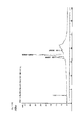
- FIGS. 1 (A) and (B) show the HPLC spectra of Pennisetum alopecuroides (L.) solution before (A) and after biotransformation (B);
- FIGS. 2 (A) and (B) show the inhibitory effect of PPE and docetaxel on tumor growth of heterotopic subcutaneous tumor-bearing BALB/c nude mice.
- H441-luc were subcutaneously injected into the mice at a concentration of 1.2 ⁇ 106 cells/100 ⁇ L PBS.
- PPE treatments two dosages 100 mg/mL b.w. and 200 mg/mL b.w.) once every two days by intraperitoneal injection into tumor-bearing animals over a period of 5 weeks.
- (B) Bar graphs are quantified by Living Image analysis software (n 8-10). Data were analyzed by Student's t-test and are shown as mean ⁇ SD. * P ⁇ 0.05 compare with control. ⁇ ⁇ P ⁇ 0.05 compared with tumor group.
- FIGS. 3 (A) and (B) show the inhibitory effect of PPE on tumor growth of orthotropic lung tumor-bearing BALB/c nude mice.
- H441-luc were orthotopically injected into the lung of mice at a concentration of 0.8 ⁇ 106 cells/70 ⁇ L PBS.
- PPE treatments (three dosages 25, 50, and 100 mg/mL b.w.) twice a week by intraperitoneal injection into tumor-bearing animals over a period of 4 weeks.
- (A) Representative non-invasive bioluminescence images show tumor progression of mice in orthtopic model.
- FIG. 4 shows PPE increased survival in orthotopic lung tumor-bearing BALB/c nude mice.
- FIGS. 5 (A) and (B) show the inhibitory effects of PPE on analysis of tumor volume in orthotopic model.
- A The micro-CT images and quantitative end-points for lung tumor growth. Longitudinal and transverse micro-CT images of tumor growth in control and treatment of PPE. Each tumor scanned by micro-CT was reconstructed to three-dimensional images (axial, sagittal, and coronal), and diameters measured periodically as indicated. Data represent presence of tumor value in each group.
- FIG. 6 shows the effect of PPE on histopathological analysis of primary lungs at 4 weeks of age in orthtopic BALB/c mice.
- Lung tumor was induced by injection of H441/luc cells (0.8 ⁇ 106 cells/80 ⁇ L) (H&E stain, 100 ⁇ and 400 ⁇ ).
- Mice were treated with varied doses of PPE (25, 50, 100 mg/kg) and docetaxel (2.5 mg/kg b.w.);
- FIGS. 7 (A) and (B) show the inhibitory effects of PPE on human lung adenocarcinoma cell lines.
- (A) H441 and (B) A549 were quantified by MTT assay and the number represents percent of cell viability. The values represent the means ⁇ SD of three independent experiments. When # P ⁇ 0.05 and * P ⁇ 0.001 it is considered significant compared with control; and
- FIG. 8 shows the effects of PPE on normal human cell line.
- the human uterine smooth muscle cell (UTSMC) treated with different doses of PPE (21.5-345 ⁇ g/mL) for 24H and 48H. There is no cytotoxicity in UTSMC cell at 24H and 48H.
- the values represent the means ⁇ SD of three independent experiments. There is no statistical difference in different treatments of PPE.
- the invention provides a fermented Pennisetum extract, which has an advantageous effect in treating and preventing a cancer without toxicity to normal cells.
- cancer denotes a disease, condition, trait, genotype or phenotype characterized by unregulated cell growth or replication as is known in the art.
- the terms “prevent,” “preventing” and “prevention” in the context of the administration of a therapy to a subject refer to the prevention or inhibition of the recurrence, onset, and/or development of a cancer.
- treat refers to reducing or alleviating at least one adverse clinical symptom associated with cancer.
- a therapeutically effective amount refers to an amount sufficient to achieve the intended purpose of treating cancer.
- the invention provides a process for preparing a fermented Pennisetum extract, comprising the following steps: (a) culturing Pennisetum solution with Aspergillus niger for a biotransformation; (b) collecting the resulting cultured solution and then extracting the extract with an organic solvent; and (c) analyzing the extract by High Performance Liquid Chromatography (HPLC) at 330 nm.
- HPLC High Performance Liquid Chromatography
- the invention provides a fermented Pennisetum extract prepared by the process of the invention.
- the invention provides a fermented Pennisetum extract prepared by the process comprising the following steps: (a) culturing Pennisetum solution with Aspergillus niger for a biotransformation; (b) collecting the solution and then extracting the extract with an organic solvent; and (c) analyzing the extract by High Performance Liquid Chromatography (HPLC) at 330 nm.
- HPLC High Performance Liquid Chromatography
- the Pennisetum solution is 40% (v/v) Pennisetum alopecuroides (L.) in ethanol.
- the organic solvent of step (b) is an alcohol.
- the alcohol is methanol, ethanol, propanol or isopropanol.
- step (b) the process comprises a further step (b1) of concentrating the extract to a concentrated extract can be performed.
- the HPLC is carried out under the following condition: the mobile phase is 0.5 mM ammonium acetate solution with formic acid adjusted pH to 3.5 (solvent A)-methanol (solvent B) in the following gradient:
- the HPLC is detected at 331 nmYMC-Triart C18 column (5 um ⁇ 250 mm ⁇ 4.6 mmI.D.) by Hewlett Packard HP-1100 system.
- the invention provides a fermented Pennisetum extract, comprising a compound ZG5236 having a chromatograph having at least a peak at retention times of 17.18 to 17.98 minutes.
- the peak is at retention time of about 17.53 minutes in the HPLC.
- the extract comprises a compound ZG5235 having a chromatograph having the peak at retention times of: 16.20 to 17.10 minutes, preferably, 16.63 minutes; and/or a compound ZG5237 having a chromatograph having the peak at retention times of: 19.00 to 19.36 minutes, preferably, 19.18 minutes.
- the fermented Pennisetum extract comprises compounds ZG5235, ZG5236 and ZG5237.
- the amount of ZG5236 after biotransformation is higher than that before the transformation, while the amounts of ZG5235 and ZG5237 after biotransformation are lower than those before the transformation.
- the amount of ZG5236 after biotransformation increases about 20.99% in comparison with that before biotransformation.
- the amounts of ZG5235 and ZG5237 after biotransformation reduce about 8.8% and about 1.39%, respectively.
- ZG5236 accounts for 5.88% of the extract. In another embodiment, the amounts of ZG5235 and ZG5237 account for 1.47% and 0.13%, respectively.
- the Pennisetum mentioned herein is selected from the group consisting of: Pennisetum alopecuroides (L.), Pennisetum clandestinum, Pennisetum polystachion (L.), Pennisetum purpureum and Pennisetum setosum .
- the Pennisetum is Pennisetum alopecuroides (L.) or Pennisetum purpureum.
- the present invention provides a composition comprising the fermented Pennisetum extract.
- the fermented Pennisetum extract can be suitably formulated and introduced into a subject or the environment of the cell by any means recognized for such delivery.
- Such compositions typically include the agent and a pharmaceutically or a food-acceptable carrier.
- pharmaceutically acceptable carrier or “food-acceptable carrier” includes saline, solvents, dispersion media, coatings, antibacterial and antifungal agents, isotonic and absorption delaying agents, and the like, compatible with administration.
- the composition is a pharmaceutical composition, dietary supplement composition, a supplementary composition for a patient receiving chemotherapy, health food composition or food composition.
- a composition is formulated to be compatible with its intended route of administration.
- routes of administration include parenteral, e.g., intravenous, intradermal, subcutaneous, oral, transdermal, topical, transmucosal, and rectal administration.
- Solutions or suspensions used for parenteral, intradermal, or subcutaneous application can include the following components: a sterile diluent such as water for injection, saline solution, fixed oils, polyethylene glycols, glycerine, propylene glycol or other synthetic solvents; antibacterial agents such as benzyl alcohol or methyl parabens; antioxidants such as ascorbic acid or sodium bisulfite; chelating agents such as ethylenediaminetetraacetic acid; buffers such as acetates, citrates or phosphates and agents for the adjustment of tonicity such as sodium chloride or dextrose.
- the pH can be adjusted with acids or bases, such as hydrochloric acid or sodium hydroxide.
- compositions suitable for injectable use include sterile aqueous solutions (where water soluble) or dispersions and sterile powders for the extemporaneous preparation of sterile injectable solutions or dispersion.
- suitable carriers include physiological saline, bacteriostatic water, Cremophor EL or phosphate buffered saline (PBS).
- PBS phosphate buffered saline
- the composition must be sterile and should be fluid to the extent that easy syringability exists. It should be stable under the conditions of manufacture and storage and must be preserved against the contaminating action of microorganisms such as bacteria and fungi.
- the carrier can be a solvent or dispersion medium containing, for example, water, ethanol, polyol (for example, glycerol, propylene glycol, and liquid polyetheylene glycol, and the like), or a suitable mixture thereof.
- Oral compositions generally include an inert diluent or an edible carrier.
- the active compound can be incorporated with excipients and used in the form of tablets, troches, or capsules, e.g., gelatin capsules.
- Oral compositions can also be prepared using a fluid carrier for use as a mouthwash.
- Pharmaceutically compatible binding agents and/or adjuvant materials can be included as part of the composition.
- the tablets, pills, capsules, troches and the like can contain any of the following ingredients, or compounds of a similar nature: a binder such as microcrystalline cellulose, gum tragacanth or gelatin; an excipient such as starch or lactose; a disintegrating agent such as alginic acid, Primogel, or corn starch; a lubricant such as magnesium stearate or Sterotes; a glidant such as colloidal silicon dioxide; a sweetening agent such as sucrose or saccharin; or a flavoring agent such as peppermint, methyl salicylate, or orange flavoring.
- the composition is in the form of solution, suspension, emulsion, powder, pill, tablet or capsule.
- Systemic administration can also be by transmucosal or transdermal means.
- penetrants appropriate to the barrier to be permeated are used in the formulation.
- penetrants are generally known in the art, and include, for example, for transmucosal administration, detergents, bile salts, and fusidic acid derivatives.
- the composition can further comprise a second anti-cancer agent.
- the second anti-cancer agent includes, but is not limited to, an alkylating agent, an antimetabolite, an anti-microtubule agent, a topoisomerase inhibitor or a cytotoxic antibiotic.
- the second anti-cancer agent is cisplatin, taxol, docetaxel, vinorelbine, vindesine, vinflunine, gemcitabine, methotrexate, gefitinib, lapatinib or erlotinib.
- the invention provides a method for treating or preventing a cancer and/or invasion and metastasis of cancer in a subject in need thereof, comprising administering to the subject an effective amount of a fermented Pennisetum extract of the invention.
- the Pennisetum extract is administered in combination with radiotherapy and chemotherapy.
- the method comprises further administering a second anti-cancer agent.
- the Pennisetum extract and the second anti-cancer agent are administered simultaneously, sequentially or separately.
- the cancer, cancer invasion or cancer metastasis to be treated or prevented is lung cancer, squamous cell carcinomas of the lung, head and neck, breast cancer, ovarian cancer, prostate cancer, gastric carcinoma, cervical cancer, esophageal carcinoma, bladder cancer, brain cancer, liver cancer, or colon cancer.
- the cancer is lung cancer. More preferably, the lung cancer is small cell lung cancer or non-small cell lung cancer.
- Dosage of one or more agents of the invention can be determined by one of skill in the art and can also be adjusted by the individual physician in the event of any complication. Typically, the dosage ranges from 50 mg/kg body weight to 100 mg/kg body weight.
- Aspergillus niger was inoculated and incubated at 27° C. for 2 days. Erlenmeyer flasks (250 mL) containing 30 mL of culture medium were inoculated with cells before 4 days of subculture. The cultures were incubated with shaking speed of 200 r/min at 27° C. for 2 days. After that, the culture broth was centrifuged (10,000 g) at 4° C. for 20 min, and the cultured cells were washed with sterilized water three times, collected and stored at 4° C. for the following use.
- the suspended cells were cultivated in a 250 mL flask containing 30 mL liquid transformation broth (seed medium, initial pH 5.5-6).
- seed medium initial pH 5.5-6
- 2 ml of prepared substrate of 40% (v/v) Pennisetum alopecuroides (L.) solution was dissolved in 50% (v/v) ethanol.
- the resulting solution was added to one flask with resting cell cultures, and one additional flask without substrate was taken as the control.
- the cell cultures were filtrated to collect the broth.
- the resulting broth was extracted two times by equivalent volume of methanol, and all the extracted solutions were concentrated in vacuum at 60° C. Residues were dissolved in methanol and analyzed by HPLC.
- the crude samples with two-step purification were analyzed by preparative separation.
- the RP-HPLC system used Waters 996 photodiode array detector.
- the column used was a reversed-phase YMC-triate C18 column.
- the mobile phase was filtered, degassed by sonication and pumped through the system at flow rate of 1.0 ml/min, peak detection performed at 254 and 330 nm.
- the mobile phase was 0.5 mM ammonium acetate solution with formic acid adjusted pH to 3.5 (solvent A)-methanol (solvent B) in the gradient mode as follows:
- the HPLC spectra of Pennisetum alopecuroides (L.) solution before and after biotransformation are shown in FIG. 1 .
- the biotransformation rate thereof is shown in Table 1.
- mice Male BALB/c nu/nu mice were used in the heterotopic model and divided into four groups, control group (5 mice), tumor group (8 mice) and two experimental groups (100-PPE group and 200-PPE group).
- the mice of the control group and the tumor group were subjected to intraperitoneal injection (i.p.) with vehicle, while 6 mice of the experimental group, 100-PPE group, were i.p. administered with 100 mg/kg of the fermented Pennisetum alopecuroides (L.) extract (PPE) obtained in Example 1 and 6 mice of the experimental group, 200-PPE group, were administered with 200 mg/kg of the fermented Pennisetum alopecuroides (L.) extract obtained in Example 1.
- PPE fermented Pennisetum alopecuroides
- FIG. 2 shows that the average tumor sizes in the 100-PPE group (1.42+/ ⁇ 0.78 ⁇ 10 8 photons/sec) and the 200-PPE group (2.17+/ ⁇ 0.54 ⁇ 10 8 photons/sec) from the fourth week are significantly smaller than those of the tumor group. The results show that PPE can significantly inhibit tumor growth, by 77%.
- mice Male BALB/c nu/nu mice were used in the orthotopic model and divided into five groups, control group (5 mice), tumor group (10 mice), three experimental groups (25-PPE, 50-PPE and 100-PPE) (each group for 10 mice) and docetaxel group (8 mice).
- the mice of the control group and the tumor group were subjected to intraperitoneal injection (i.p.) with vehicle, while 10 mice of each of the experimental groups, 25-PPE group (25 mg/kg of PPE), 50-PPE group (50 mg/kg of PPE) and 100-PPE group (100 mg/kg of PPE), were i.p. administered with 25 mg/kg of PPE, 50 mg/kg of PPE and 100 mg/kg of PPE obtained in Example 1, respectively, and 8 mice of the docetaxel group were administered with 2.5 mg/kg of docetaxel.
- mice were injected with the cell solution of human lung adenocarcinoma cell line, NCl—H441, in matrigel (0.8 ⁇ 10 6 cells/70 ⁇ L/mice).
- the PPEs at the above-mentioned doses were i.p. administered to the mice twice every two weeks.
- the tumor growth was monitored by Non Invasion In Vivo Imaging System (IVIS).
- IVIS Non Invasion In Vivo Imaging System
- the tumor volumes in the 100-PPE group (3.2+/ ⁇ 2.7 ⁇ 10 7 photons/sec), the 50-PPE group (2.6+/ ⁇ 0.07 ⁇ 10 7 photons/sec), the 25-PPE group (3.5+/ ⁇ 2.9 ⁇ 10 7 photons/sec) and the docetaxel group (0.5+/ ⁇ 0.07 ⁇ 10 7 photons/sec) from the fourth week are significantly smaller than those of the tumor group (7.6+/ ⁇ 1.8 ⁇ 10 8 photons/sec).
- the results show that PPE at the doses from 25 mg/mL to 100 mg/mL can significantly inhibit tumor growth in the orthotopic model.
- the animal survival rate (60%) of the 100-PPE group is significantly higher than that of the tumor group (11%) (see FIG. 4 ).
- the mice were subjected to CT lung screening to detect the tumor size in lung at the fourth week.
- the tumor accounts for 11.1+/ ⁇ 2.8% of the lung in the tumor group, 10.1+/ ⁇ 3.9% in the 25-PPE group, 9.3+/ ⁇ 1.4% in the 50-PPE group, 7.5+/ ⁇ 2.3% in the 100-PPE group and 8.0+/ ⁇ 1.1% in the docetaxel group (see FIG. 5 ).
- the results show that the tumor group has the highest tumor volume ratio and a 32% reduction of the tumor volume ratio can be achieved in the 100-PPE group.
- FIG. 5 (B) shows that significant reductions in tumor growth and lung nodules (see white arrows) are possible in the 100-PPE group.
- Hematoxylin and eosin (H&E) stains were used to observe the tumor tissues in the mice. As shown in FIG. 6 , there is no cell proliferation in the lung tissues in the control group, whereas the cells in the tumor groups show light color in cytoplasm and the nuclei of the cells are enlarged and folded, and the tumor cells show excessive proliferation in the tumor group; and the 25-PPE, 50-PPE and 100-PPE groups show no stains in the nuclei. The results show that the PPEs can induce tumor apoptosis.
- MTT (3-(4,5-Dimethylthiazol-2-yl)-2,5-diphenyltetrazolium bromide) assay was used to determine the cell survival rate.
- A549 cells (adenocarcinomic human alveolar basal epithelial cells) and H441 cells were seeded in a 96-well plate (3000 cells/well) and cultured at 37° C. After 24 hours, PPEs at different concentrations (21.5 ⁇ g/mL to 345 ⁇ g/mL) were added to the plate for culture. The solutions were taken from the wells at 24 hours and 48 hours and then subjected to MTT assay.
- the IC 50 values of the H441 cells were 41.1 ⁇ g/mL and 11.1 ⁇ g/mL at 24 hours and 48 hours ( FIG. 17 (A)).
- the IC 50 values of the A549 cells were 67.7 ⁇ g/mL and 61.1 ⁇ g/mL at 24 hours and 48 hours ( FIG. 17 (B)).
- PPEs at different concentrations (21.5 ⁇ g/mL to 345 ⁇ g/mL) had no toxicity on normal uterine smooth muscle cells after culturing 24 hours and 48 hours ( FIG. 8 ). The results show that PPEs have selective toxicity on tumor cells, while there is no toxicity on normal cells.
Landscapes
- Health & Medical Sciences (AREA)
- Life Sciences & Earth Sciences (AREA)
- Chemical & Material Sciences (AREA)
- Mycology (AREA)
- Engineering & Computer Science (AREA)
- Natural Medicines & Medicinal Plants (AREA)
- Organic Chemistry (AREA)
- General Health & Medical Sciences (AREA)
- Medicinal Chemistry (AREA)
- Pharmacology & Pharmacy (AREA)
- Veterinary Medicine (AREA)
- Animal Behavior & Ethology (AREA)
- Public Health (AREA)
- Zoology (AREA)
- Wood Science & Technology (AREA)
- Biotechnology (AREA)
- Botany (AREA)
- Epidemiology (AREA)
- Microbiology (AREA)
- Chemical Kinetics & Catalysis (AREA)
- General Chemical & Material Sciences (AREA)
- Nutrition Science (AREA)
- Medical Informatics (AREA)
- Alternative & Traditional Medicine (AREA)
- Biochemistry (AREA)
- Bioinformatics & Cheminformatics (AREA)
- General Engineering & Computer Science (AREA)
- Genetics & Genomics (AREA)
- Food Science & Technology (AREA)
- Polymers & Plastics (AREA)
- Nuclear Medicine, Radiotherapy & Molecular Imaging (AREA)
- Oncology (AREA)
- Pharmaceuticals Containing Other Organic And Inorganic Compounds (AREA)
- Medicines Containing Plant Substances (AREA)
Abstract
The disclosure provides a fermented Pennisetum extract, which has an advantageous effect in treating and preventing a cancer without toxicity to normal cells. The disclosure also provides a process of preparing the fermented Pennisetum extract and the application of the fermented Pennisetum extract in the treatment or prevention of a cancer.
Description
The invention relates to an extract of fermented Pennisetum and its application in treatment or prevention of a cancer. Particularly, the invention provides a fermented Pennisetum extract comprising compounds exhibiting at least the two peaks at specific retention times measured by High Performance Liquid Chromatography (HPLC).
Cancer remains one of the major causes of death around the world. Medicinal herbs have been traditionally used for a variety of purposes, particularly to prevent and treat a variety of diseases including cancer. Particularly, lung cancer can be histologically subclassified into squamous cell carcinoma, small cell carcinoma, adenocarcinoma, large cell carcinoma, carcinoid tumor, mesothelioma, etc. Carcinoma, especially small cell carcinoma of the lung, has the ability to metastasize early and widely, initially to lymph nodes, then to brain, bone, liver, and skin.
It may be noted that plants are considered a valuable resource for the discovery and development of novel, naturally derived agents to treat cancer. Pennisetum is a widespread genus of plants in the grass family, native to tropical and warm temperate regions of the world. It has low water and nutrient requirements, and therefore can make use of otherwise uncultivated lands. TW 201136600 and TW 201336504 provide anti-cancer Pennisetum alopecuroides (L.) extracts which are obtained by acid solution, basic solution and solvent treatments, respectively; the resulting solutions are treated with cell disruption, filtration and column chromatography. However, there is still a need to develop a Pennisetum extract with advantageous anti-cancer effect.
The invention provides a process for preparing a fermented Pennisetum extract, comprising the following steps: (a) culturing Pennisetum solution with Aspergillus niger for a biotransformation; (b) collecting the resulting cultured solution and then extracting the extract with an organic solvent; and (c) analyzing the extract by High Performance Liquid Chromatography (HPLC) at 330 nm. In one embodiment, the Pennisetum solution is 40% (v/v) Pennisetum alopecuroides (L.) in ethanol. In one embodiment, the organic solvent of step (b) is an alcohol. In one embodiment, after step (b), the process comprises a further step (b1) of concentrating the extract to a concentrated extract can be performed.
The invention provides a fermented Pennisetum extract, comprising a compound ZG5236 having a chromatograph having at least a peak at retention times of 17.18 to 17.98 minutes. Preferably, the peak is at retention time of about 17.53 minutes in the HPLC. In some embodiments, the extract comprises a compound ZG5235 having a chromatograph having the peak at retention times of: 16.20 to 17.10 minutes, preferably, 16.63 minutes; and/or a compound ZG5237 having a chromatograph having the peak at retention times of: 19.00 to 19.36 minutes.
In some embodiments, the Pennisetum mentioned herein is selected from the group consisting of: Pennisetum alopecuroides (L.), Pennisetum clandestinum, Pennisetum polystachion (L.), Pennisetum purpureum and Pennisetum setosum. Preferably, the Pennisetum is Pennisetum alopecuroides (L.) or Pennisetum purpureum.
In one embodiment, the fermented Pennisetum extract comprises compounds ZG5235, ZG5236 and ZG5237. In another embodiment, the amount of ZG5236 after biotransformation is higher than that before the transformation, while the amounts of ZG5235 and ZG5237 after biotransformation are lower than those before the transformation.
The invention also provides a composition comprising the fermented Pennisetum extract.
The invention further provides a method for treating a cancer and/or invasion and metastasis of cancer in a subject in need thereof, comprising administering to the subject an effective amount of the Pennisetum extract of the invention.
The description below refers to the accompanying drawings, of which:
The invention provides a fermented Pennisetum extract, which has an advantageous effect in treating and preventing a cancer without toxicity to normal cells.
In this specification and the appended claims, the singular forms “a,” “an,” and “the” include plural reference unless the context clearly dictates otherwise. Unless defined otherwise, all technical and scientific terms used herein have the meaning commonly understood by a person skilled in the art to which this invention belongs.
As used herein, the term “cancer” denotes a disease, condition, trait, genotype or phenotype characterized by unregulated cell growth or replication as is known in the art.
As used herein, the terms “prevent,” “preventing” and “prevention” in the context of the administration of a therapy to a subject refer to the prevention or inhibition of the recurrence, onset, and/or development of a cancer.
As used herein the term “treat” or treatment” refers to reducing or alleviating at least one adverse clinical symptom associated with cancer.
As used herein, the term “a therapeutically effective amount” refers to an amount sufficient to achieve the intended purpose of treating cancer.
In another aspect, the invention provides a process for preparing a fermented Pennisetum extract, comprising the following steps: (a) culturing Pennisetum solution with Aspergillus niger for a biotransformation; (b) collecting the resulting cultured solution and then extracting the extract with an organic solvent; and (c) analyzing the extract by High Performance Liquid Chromatography (HPLC) at 330 nm.
Accordingly, the invention provides a fermented Pennisetum extract prepared by the process of the invention. In one aspect, the invention provides a fermented Pennisetum extract prepared by the process comprising the following steps: (a) culturing Pennisetum solution with Aspergillus niger for a biotransformation; (b) collecting the solution and then extracting the extract with an organic solvent; and (c) analyzing the extract by High Performance Liquid Chromatography (HPLC) at 330 nm.
In one embodiment, the Pennisetum solution is 40% (v/v) Pennisetum alopecuroides(L.) in ethanol.
In one embodiment, the organic solvent of step (b) is an alcohol. Preferably, the alcohol is methanol, ethanol, propanol or isopropanol.
In one embodiment, after step (b), the process comprises a further step (b1) of concentrating the extract to a concentrated extract can be performed.
In one embodiment, the HPLC is carried out under the following condition: the mobile phase is 0.5 mM ammonium acetate solution with formic acid adjusted pH to 3.5 (solvent A)-methanol (solvent B) in the following gradient:
| Time (min) | flow | A (%) | B (%) | |
| 0 | 1.0 | 70 | 30 | |
| 8 | 1.0 | 60 | 40 | |
| 13 | 1.0 | 50 | 50 | |
| 20 | 1.0 | 60 | 40 | |
| 25 | 1.0 | 70 | 30 | |
In a further embodiment, the HPLC is detected at 331 nmYMC-Triart C18 column (5 um×250 mm×4.6 mmI.D.) by Hewlett Packard HP-1100 system.
The above-mentioned HPLC assay can obtain specific components. Accordingly, the invention provides a fermented Pennisetum extract, comprising a compound ZG5236 having a chromatograph having at least a peak at retention times of 17.18 to 17.98 minutes. Preferably, the peak is at retention time of about 17.53 minutes in the HPLC. In a further embodiment, the extract comprises a compound ZG5235 having a chromatograph having the peak at retention times of: 16.20 to 17.10 minutes, preferably, 16.63 minutes; and/or a compound ZG5237 having a chromatograph having the peak at retention times of: 19.00 to 19.36 minutes, preferably, 19.18 minutes. In one embodiment, the fermented Pennisetum extract comprises compounds ZG5235, ZG5236 and ZG5237. In another embodiment, the amount of ZG5236 after biotransformation is higher than that before the transformation, while the amounts of ZG5235 and ZG5237 after biotransformation are lower than those before the transformation. Preferably, the amount of ZG5236 after biotransformation increases about 20.99% in comparison with that before biotransformation. The amounts of ZG5235 and ZG5237 after biotransformation reduce about 8.8% and about 1.39%, respectively.
In one embodiments, ZG5236 accounts for 5.88% of the extract. In another embodiment, the amounts of ZG5235 and ZG5237 account for 1.47% and 0.13%, respectively.
In some embodiments, the Pennisetum mentioned herein is selected from the group consisting of: Pennisetum alopecuroides (L.), Pennisetum clandestinum, Pennisetum polystachion (L.), Pennisetum purpureum and Pennisetum setosum. Preferably, the Pennisetum is Pennisetum alopecuroides (L.) or Pennisetum purpureum.
In another aspect, the present invention provides a composition comprising the fermented Pennisetum extract. The fermented Pennisetum extract can be suitably formulated and introduced into a subject or the environment of the cell by any means recognized for such delivery. Such compositions typically include the agent and a pharmaceutically or a food-acceptable carrier. As used herein, the language “pharmaceutically acceptable carrier” or “food-acceptable carrier” includes saline, solvents, dispersion media, coatings, antibacterial and antifungal agents, isotonic and absorption delaying agents, and the like, compatible with administration. Preferably, the composition is a pharmaceutical composition, dietary supplement composition, a supplementary composition for a patient receiving chemotherapy, health food composition or food composition.
A composition is formulated to be compatible with its intended route of administration. Examples of routes of administration include parenteral, e.g., intravenous, intradermal, subcutaneous, oral, transdermal, topical, transmucosal, and rectal administration. Solutions or suspensions used for parenteral, intradermal, or subcutaneous application can include the following components: a sterile diluent such as water for injection, saline solution, fixed oils, polyethylene glycols, glycerine, propylene glycol or other synthetic solvents; antibacterial agents such as benzyl alcohol or methyl parabens; antioxidants such as ascorbic acid or sodium bisulfite; chelating agents such as ethylenediaminetetraacetic acid; buffers such as acetates, citrates or phosphates and agents for the adjustment of tonicity such as sodium chloride or dextrose. The pH can be adjusted with acids or bases, such as hydrochloric acid or sodium hydroxide.
Compositions suitable for injectable use include sterile aqueous solutions (where water soluble) or dispersions and sterile powders for the extemporaneous preparation of sterile injectable solutions or dispersion. For intravenous administration, suitable carriers include physiological saline, bacteriostatic water, Cremophor EL or phosphate buffered saline (PBS). In all cases, the composition must be sterile and should be fluid to the extent that easy syringability exists. It should be stable under the conditions of manufacture and storage and must be preserved against the contaminating action of microorganisms such as bacteria and fungi. The carrier can be a solvent or dispersion medium containing, for example, water, ethanol, polyol (for example, glycerol, propylene glycol, and liquid polyetheylene glycol, and the like), or a suitable mixture thereof.
Oral compositions generally include an inert diluent or an edible carrier. For the purpose of oral administration, the active compound can be incorporated with excipients and used in the form of tablets, troches, or capsules, e.g., gelatin capsules. Oral compositions can also be prepared using a fluid carrier for use as a mouthwash. Pharmaceutically compatible binding agents and/or adjuvant materials can be included as part of the composition. The tablets, pills, capsules, troches and the like can contain any of the following ingredients, or compounds of a similar nature: a binder such as microcrystalline cellulose, gum tragacanth or gelatin; an excipient such as starch or lactose; a disintegrating agent such as alginic acid, Primogel, or corn starch; a lubricant such as magnesium stearate or Sterotes; a glidant such as colloidal silicon dioxide; a sweetening agent such as sucrose or saccharin; or a flavoring agent such as peppermint, methyl salicylate, or orange flavoring. Preferably, the composition is in the form of solution, suspension, emulsion, powder, pill, tablet or capsule.
Systemic administration can also be by transmucosal or transdermal means. For transmucosal or transdermal administration, penetrants appropriate to the barrier to be permeated are used in the formulation. Such penetrants are generally known in the art, and include, for example, for transmucosal administration, detergents, bile salts, and fusidic acid derivatives.
The composition can further comprise a second anti-cancer agent. The second anti-cancer agent includes, but is not limited to, an alkylating agent, an antimetabolite, an anti-microtubule agent, a topoisomerase inhibitor or a cytotoxic antibiotic. Preferably, the second anti-cancer agent is cisplatin, taxol, docetaxel, vinorelbine, vindesine, vinflunine, gemcitabine, methotrexate, gefitinib, lapatinib or erlotinib.
In another aspect, the invention provides a method for treating or preventing a cancer and/or invasion and metastasis of cancer in a subject in need thereof, comprising administering to the subject an effective amount of a fermented Pennisetum extract of the invention.
In one embodiment, the Pennisetum extract is administered in combination with radiotherapy and chemotherapy. In another embodiment, the method comprises further administering a second anti-cancer agent. The Pennisetum extract and the second anti-cancer agent are administered simultaneously, sequentially or separately.
The cancer, cancer invasion or cancer metastasis to be treated or prevented is lung cancer, squamous cell carcinomas of the lung, head and neck, breast cancer, ovarian cancer, prostate cancer, gastric carcinoma, cervical cancer, esophageal carcinoma, bladder cancer, brain cancer, liver cancer, or colon cancer. Preferably, the cancer is lung cancer. More preferably, the lung cancer is small cell lung cancer or non-small cell lung cancer.
Dosage of one or more agents of the invention (e.g., epigenetic modulating agents and/or immune modulating agents) can be determined by one of skill in the art and can also be adjusted by the individual physician in the event of any complication. Typically, the dosage ranges from 50 mg/kg body weight to 100 mg/kg body weight.
Unless otherwise defined, all technical and scientific terms used herein have the same meaning as commonly understood by one of ordinary skill in the art to which this invention belongs. Although methods and materials similar or equivalent to those described herein can be used in the practice or testing of the present invention, suitable methods and materials are described below.
Aspergillus niger was inoculated and incubated at 27° C. for 2 days. Erlenmeyer flasks (250 mL) containing 30 mL of culture medium were inoculated with cells before 4 days of subculture. The cultures were incubated with shaking speed of 200 r/min at 27° C. for 2 days. After that, the culture broth was centrifuged (10,000 g) at 4° C. for 20 min, and the cultured cells were washed with sterilized water three times, collected and stored at 4° C. for the following use.
The suspended cells were cultivated in a 250 mL flask containing 30 mL liquid transformation broth (seed medium, initial pH 5.5-6). For preparative biotransformation, 2 ml of prepared substrate of 40% (v/v) Pennisetum alopecuroides (L.) solution was dissolved in 50% (v/v) ethanol. The resulting solution was added to one flask with resting cell cultures, and one additional flask without substrate was taken as the control. After an additional 5 days of incubation at 30° C. with shaking speed of 160 rpm, the cell cultures were filtrated to collect the broth. The resulting broth was extracted two times by equivalent volume of methanol, and all the extracted solutions were concentrated in vacuum at 60° C. Residues were dissolved in methanol and analyzed by HPLC.
The crude samples with two-step purification were analyzed by preparative separation. The RP-HPLC system used Waters 996 photodiode array detector. The column used was a reversed-phase YMC-triate C18 column. The mobile phase was filtered, degassed by sonication and pumped through the system at flow rate of 1.0 ml/min, peak detection performed at 254 and 330 nm. The mobile phase was 0.5 mM ammonium acetate solution with formic acid adjusted pH to 3.5 (solvent A)-methanol (solvent B) in the gradient mode as follows:
| TABLE 1 |
| Gradient elution program employed for RP-HPLC separation of the |
| fermented Pennisetum alopecuroides (L.) extract |
| Time | Solvent (A) | Solvent (B) |
| 0 | 70 | 30 |
| 12 | 60 | 40 |
| 17 | 50 | 50 |
| 22 | 60 | 40 |
| 26 | 65 | 35 |
| 30 | 70 | 30 |
The HPLC spectra of Pennisetum alopecuroides (L.) solution before and after biotransformation are shown in FIG. 1 . The biotransformation rate thereof is shown in Table 1.
| TABLE 1 |
| The Change of Biotransformation with each Compounds on HPLC |
| chromatograph Area (%) |
| Solvent | |||||
| ZG5234 | ZG5235 | ||||
| Treatment | Peak | ZG5236 | ZG5237 | ||
| Before transformation | 3.81 | 11.15 | 23.56 | 58.80 | 2.68 |
| After transformation | 4.15 | — | 14.76 | 79.79 | 1.29 |
| Difference % between | 0.34 | — | −8.8 | +20.99 | −1.39 |
| after transformation and | 11.15 | ||||
| before trandformation | |||||
Male BALB/c nu/nu mice were used in the heterotopic model and divided into four groups, control group (5 mice), tumor group (8 mice) and two experimental groups (100-PPE group and 200-PPE group). The mice of the control group and the tumor group were subjected to intraperitoneal injection (i.p.) with vehicle, while 6 mice of the experimental group, 100-PPE group, were i.p. administered with 100 mg/kg of the fermented Pennisetum alopecuroides(L.) extract (PPE) obtained in Example 1 and 6 mice of the experimental group, 200-PPE group, were administered with 200 mg/kg of the fermented Pennisetum alopecuroides (L.) extract obtained in Example 1.
After PPE was administered for one week, the cell solution of human lung adenocarcinoma cell line, NCl—H441, in matrigel was subcutaneously injected to the back of the mice (1.2×10⁶ cells/100 μL/mice) once every two days. The tumor growth was monitored by Non Invasion In Vivo Imaging System (IVIS). FIG. 2 shows that the average tumor sizes in the 100-PPE group (1.42+/−0.78×108 photons/sec) and the 200-PPE group (2.17+/−0.54×108 photons/sec) from the fourth week are significantly smaller than those of the tumor group. The results show that PPE can significantly inhibit tumor growth, by 77%.
Male BALB/c nu/nu mice were used in the orthotopic model and divided into five groups, control group (5 mice), tumor group (10 mice), three experimental groups (25-PPE, 50-PPE and 100-PPE) (each group for 10 mice) and docetaxel group (8 mice). The mice of the control group and the tumor group were subjected to intraperitoneal injection (i.p.) with vehicle, while 10 mice of each of the experimental groups, 25-PPE group (25 mg/kg of PPE), 50-PPE group (50 mg/kg of PPE) and 100-PPE group (100 mg/kg of PPE), were i.p. administered with 25 mg/kg of PPE, 50 mg/kg of PPE and 100 mg/kg of PPE obtained in Example 1, respectively, and 8 mice of the docetaxel group were administered with 2.5 mg/kg of docetaxel.
The mice were injected with the cell solution of human lung adenocarcinoma cell line, NCl—H441, in matrigel (0.8×10⁶ cells/70 μL/mice). Three days after injections, the PPEs at the above-mentioned doses were i.p. administered to the mice twice every two weeks. The tumor growth was monitored by Non Invasion In Vivo Imaging System (IVIS). FIG. 3 shows that the tumor volumes in the 100-PPE group (3.2+/−2.7×107 photons/sec), the 50-PPE group (2.6+/−0.07×107 photons/sec), the 25-PPE group (3.5+/−2.9×107 photons/sec) and the docetaxel group (0.5+/−0.07×107 photons/sec) from the fourth week are significantly smaller than those of the tumor group (7.6+/−1.8×108 photons/sec). The results show that PPE at the doses from 25 mg/mL to 100 mg/mL can significantly inhibit tumor growth in the orthotopic model. The animal survival rate (60%) of the 100-PPE group is significantly higher than that of the tumor group (11%) (see FIG. 4 ).
In the orthotopic model of Example 3, the mice were subjected to CT lung screening to detect the tumor size in lung at the fourth week. The tumor accounts for 11.1+/−2.8% of the lung in the tumor group, 10.1+/−3.9% in the 25-PPE group, 9.3+/−1.4% in the 50-PPE group, 7.5+/−2.3% in the 100-PPE group and 8.0+/−1.1% in the docetaxel group (see FIG. 5 ). The results show that the tumor group has the highest tumor volume ratio and a 32% reduction of the tumor volume ratio can be achieved in the 100-PPE group. FIG. 5 (B) shows that significant reductions in tumor growth and lung nodules (see white arrows) are possible in the 100-PPE group.
Hematoxylin and eosin (H&E) stains were used to observe the tumor tissues in the mice. As shown in FIG. 6 , there is no cell proliferation in the lung tissues in the control group, whereas the cells in the tumor groups show light color in cytoplasm and the nuclei of the cells are enlarged and folded, and the tumor cells show excessive proliferation in the tumor group; and the 25-PPE, 50-PPE and 100-PPE groups show no stains in the nuclei. The results show that the PPEs can induce tumor apoptosis.
MTT (3-(4,5-Dimethylthiazol-2-yl)-2,5-diphenyltetrazolium bromide) assay was used to determine the cell survival rate. A549 cells (adenocarcinomic human alveolar basal epithelial cells) and H441 cells were seeded in a 96-well plate (3000 cells/well) and cultured at 37° C. After 24 hours, PPEs at different concentrations (21.5 μg/mL to 345 μg/mL) were added to the plate for culture. The solutions were taken from the wells at 24 hours and 48 hours and then subjected to MTT assay. The IC50 values of the H441 cells were 41.1 μg/mL and 11.1 μg/mL at 24 hours and 48 hours (FIG. 17 (A)). The IC50 values of the A549 cells were 67.7 μg/mL and 61.1 μg/mL at 24 hours and 48 hours (FIG. 17 (B)). PPEs at different concentrations (21.5 μg/mL to 345 μg/mL) had no toxicity on normal uterine smooth muscle cells after culturing 24 hours and 48 hours (FIG. 8 ). The results show that PPEs have selective toxicity on tumor cells, while there is no toxicity on normal cells.
Claims (18)
1. A method for treating lung cancer and/or invasion and metastasis of lung cancer in a subject in need thereof, comprising administering to the subject an effective amount of a fermented Pennisetum alopecuroides extract, wherein the fermented Pennisetum alopecuroides extract comprises a compound ZG5236 giving rise to a chromatograph having at least a peak at retention times of 17.18 to 17.98 minutes assayed by HPLC.
2. The method of claim 1 , wherein the effective amount ranges from 2 mg/kg to 20 mg/kg.
3. The method of claim 1 , wherein the lung cancer is small cell lung cancer or non-small cell lung cancer.
4. The method of claim 1 , wherein the Pennisetum alopecuroides extract is administered in combination with radiotherapy and chemotherapy.
5. The method of claim 1 , which comprises further administering a second anti-cancer agent.
6. The method of claim 5 , wherein the Pennisetum alopecuroides extract and the second anti-cancer agent are administered simultaneously, sequentially or separately.
7. The method of claim 5 , wherein the second anti-cancer agent is an alkylating agent, an antimetabolite, an anti-microtubule agent, a topoisomerase inhibitor or a cytotoxic antibiotic.
8. The method of claim 5 , wherein the second anti-cancer agent is cisplatin, taxol, docetaxel, vinorelbine, vindesine, vinflunine, gemcitabine, methotrexate, gefitinib, lapatinib or erlotinib.
9. The method of claim 1 , wherein the peak is at retention time of about 17.53 minutes.
10. The method of claim 1 , wherein the fermented Pennisetum alopecuroides extract further comprises a compound ZG5235 giving rise to a chromatograph having the peak at retention times of: 16.20 to 17.10 minutes, and/or a compound ZG5237 giving rise to a chromatograph having the peak at retention times of: 19.00 to 19.36 minutes.
11. The method of claim 10 , wherein the peak of ZG5235 is at a retention time of about 16.63 minutes and the peak of ZG5237 is at a retention time of about 19.18 minutes.
12. The method of claim 1 , wherein ZG5236 accounts for 5.88% of the extract.
13. The method of claim 1 , wherein the fermented Pennisetum alopecuroides extract is prepared by the process comprising the following steps: (a) culturing a Pennisetum alopecuroides solution with Aspergillus niger for biotransformation; (b) collecting the solution and then extracting an extract with an organic solvent; and (c) analyzing the extract by High Performance Liquid Chromatography (HPLC) at 330 nm.
14. The method of claim 13 , wherein the amount of ZG5236 after the biotransformation increases about 20.99% in comparison with that before the biotransformation, or the amounts of ZG5235 and ZG5237 after the biotransformation reduce about 8.8% and about 1.39%, respectively.
15. The method of claim 13 , wherein the organic solvent of step (b) is an alcohol.
16. The method of claim 15 , wherein the alcohol is methanol, ethanol, propanol or isopropanol.
17. The method of claim 13 , wherein after step (b), the process comprises a further step (b1) of concentrating the extract to a concentrated extract.
18. The method of claim 13 , wherein the HPLC is carried out under the following condition: the mobile phase is 0.5 mM ammonium acetate solution with formic acid adjusted pH to 3.5 (solvent A)-methanol (solvent B) in the following gradient:
Priority Applications (3)
| Application Number | Priority Date | Filing Date | Title |
|---|---|---|---|
| US15/213,806 US10213472B2 (en) | 2016-07-19 | 2016-07-19 | Fermented pennisetum extract |
| CN201710073373.5A CN107625896B (en) | 2016-07-19 | 2017-02-10 | Fermented Pennisetum extract, method for its preparation and use thereof for the manufacture of a medicament for the treatment of cancer |
| US16/237,105 US10925921B2 (en) | 2016-07-19 | 2018-12-31 | Fermented Pennisetum extract |
Applications Claiming Priority (1)
| Application Number | Priority Date | Filing Date | Title |
|---|---|---|---|
| US15/213,806 US10213472B2 (en) | 2016-07-19 | 2016-07-19 | Fermented pennisetum extract |
Related Child Applications (1)
| Application Number | Title | Priority Date | Filing Date |
|---|---|---|---|
| US16/237,105 Division US10925921B2 (en) | 2016-07-19 | 2018-12-31 | Fermented Pennisetum extract |
Publications (2)
| Publication Number | Publication Date |
|---|---|
| US20180021398A1 US20180021398A1 (en) | 2018-01-25 |
| US10213472B2 true US10213472B2 (en) | 2019-02-26 |
Family
ID=60990312
Family Applications (2)
| Application Number | Title | Priority Date | Filing Date |
|---|---|---|---|
| US15/213,806 Active US10213472B2 (en) | 2016-07-19 | 2016-07-19 | Fermented pennisetum extract |
| US16/237,105 Active US10925921B2 (en) | 2016-07-19 | 2018-12-31 | Fermented Pennisetum extract |
Family Applications After (1)
| Application Number | Title | Priority Date | Filing Date |
|---|---|---|---|
| US16/237,105 Active US10925921B2 (en) | 2016-07-19 | 2018-12-31 | Fermented Pennisetum extract |
Country Status (2)
| Country | Link |
|---|---|
| US (2) | US10213472B2 (en) |
| CN (1) | CN107625896B (en) |
Families Citing this family (1)
| Publication number | Priority date | Publication date | Assignee | Title |
|---|---|---|---|---|
| US11517600B2 (en) * | 2018-01-23 | 2022-12-06 | Academia Sinica | Use of Crassocephalum rabens extract in the treatment of breast cancer |
Citations (2)
| Publication number | Priority date | Publication date | Assignee | Title |
|---|---|---|---|---|
| TW201136600A (en) | 2010-04-26 | 2011-11-01 | Sagittarius Life Science Corp | Active substance of Pennisetum alopecuroides having anticancer activity, preparing method, and application thereof |
| TW201336504A (en) | 2010-04-26 | 2013-09-16 | Sagittarius Life Science Corp | Pennisetum purpureum active substance with anticancer activity, preparation method and application thereof |
Family Cites Families (2)
| Publication number | Priority date | Publication date | Assignee | Title |
|---|---|---|---|---|
| WO2006039807A1 (en) * | 2004-10-15 | 2006-04-20 | Biopharmacopae Design International Inc. | Methods and therapeutic compositions comprising plant extracts for the treatment of cancer |
| US20080138828A1 (en) * | 2006-12-08 | 2008-06-12 | Marshall University Research Corporation | Microgravity bioreactor systems for production of bioactive compounds and biological macromolecules |
-
2016
- 2016-07-19 US US15/213,806 patent/US10213472B2/en active Active
-
2017
- 2017-02-10 CN CN201710073373.5A patent/CN107625896B/en active Active
-
2018
- 2018-12-31 US US16/237,105 patent/US10925921B2/en active Active
Patent Citations (2)
| Publication number | Priority date | Publication date | Assignee | Title |
|---|---|---|---|---|
| TW201136600A (en) | 2010-04-26 | 2011-11-01 | Sagittarius Life Science Corp | Active substance of Pennisetum alopecuroides having anticancer activity, preparing method, and application thereof |
| TW201336504A (en) | 2010-04-26 | 2013-09-16 | Sagittarius Life Science Corp | Pennisetum purpureum active substance with anticancer activity, preparation method and application thereof |
Non-Patent Citations (1)
| Title |
|---|
| Mathew et al "Determination of In Vitro Free Radical Scavenging and Antiproliferative Effect of Pennisetum alopecuroides on Cultured A549 Human Lung Cancer Cells" Ancient Science of Life vol. 34, pp. 175-178, 2015. |
Also Published As
| Publication number | Publication date |
|---|---|
| CN107625896B (en) | 2021-07-06 |
| CN107625896A (en) | 2018-01-26 |
| US10925921B2 (en) | 2021-02-23 |
| US20190134139A1 (en) | 2019-05-09 |
| US20180021398A1 (en) | 2018-01-25 |
Similar Documents
| Publication | Publication Date | Title |
|---|---|---|
| KR20150014534A (en) | Methods and compositions for treating lung cancer | |
| CN108484699A (en) | Bipyridyliums alkaloid, preparation method and use | |
| JP7673993B2 (en) | Composition for inhibiting and treating cancer metastasis | |
| CN102000051B (en) | Application of 5-caffeoylquinic acid in preparing anti-tumor drugs | |
| CN109432096B (en) | Application of demethylenetetrahydroberberine hydrochloride in preparation of medicine for preventing or treating alcoholic liver disease and non-alcoholic fatty liver disease | |
| EP3064209B1 (en) | Composition comprising ginsenoside f2 for preventing or treating insulin resistance | |
| WO2015192758A1 (en) | Anti-tumor pharmaceutical application of pentacyclic triterpene saponin compounds of szechuan melandium root | |
| US10925921B2 (en) | Fermented Pennisetum extract | |
| EP3572080A1 (en) | Composition for inhibiting cancer metastasis and treating cancer | |
| TWI733026B (en) | Use of crassocephalum rabens extract in the treatment of breast cancer | |
| KR102637904B1 (en) | Pharmaceutical composition for preventing or treating cancer comprising 3-ketoacyl CoA thiolase inhibitor and Carnitine Acylcarnitine Carrier inhibitor | |
| CN108295085B (en) | Application of protodioscin in preparation of drug-resistant osteosarcoma drug | |
| KR102509715B1 (en) | Composition for inhibiting metastasis and treating of cancer | |
| CN103417554B (en) | A kind of antitumor medicine composition and its application | |
| TWI635866B (en) | Fermented pennisetum extract | |
| CN102961384A (en) | Medical application of przewaquinone A | |
| US20180318235A1 (en) | Zeaxanthin for Tumor Treatment | |
| CN103275139B (en) | 16 carbon diacetyl one double bond lactone type sophorolipid and application thereof | |
| CN115025088A (en) | Application of decalin pyridone alkaloid and pharmaceutical composition thereof | |
| CN102440987B (en) | Pharmaceutical composition containing apigenin and apigenin derivatives and artemisinin and artemisinin derivatives and application thereof | |
| CN103054921A (en) | Effective component extracted from bupleurum Chinese and application of antidepression activity thereof | |
| JP2006342103A (en) | Carcinogenic inhibitor containing oolong tea leaf extract OTAC as an active ingredient | |
| CN110204477B (en) | Diterpene alkaloid with antioxidant effect and application thereof in preparation of medicines | |
| TW201444561A (en) | Therapeutic composition for treating cancers | |
| CN110237080A (en) | Low polarity rare ginsenoside mixture and application thereof |
Legal Events
| Date | Code | Title | Description |
|---|---|---|---|
| AS | Assignment |
Owner name: SAGITTARIUS LIFE SCIENCE CORP., TAIWAN Free format text: ASSIGNMENT OF ASSIGNORS INTEREST;ASSIGNOR:SHIH, MING-CHI;REEL/FRAME:040071/0621 Effective date: 20160912 |
|
| STCF | Information on status: patent grant |
Free format text: PATENTED CASE |
|
| MAFP | Maintenance fee payment |
Free format text: PAYMENT OF MAINTENANCE FEE, 4TH YR, SMALL ENTITY (ORIGINAL EVENT CODE: M2551); ENTITY STATUS OF PATENT OWNER: SMALL ENTITY Year of fee payment: 4 |