US10200730B2 - Method and system for facilitating delivery of recorded data over a network - Google Patents
Method and system for facilitating delivery of recorded data over a network Download PDFInfo
- Publication number
- US10200730B2 US10200730B2 US15/270,011 US201615270011A US10200730B2 US 10200730 B2 US10200730 B2 US 10200730B2 US 201615270011 A US201615270011 A US 201615270011A US 10200730 B2 US10200730 B2 US 10200730B2
- Authority
- US
- United States
- Prior art keywords
- data
- user devices
- delivery
- user device
- recording user
- Prior art date
- Legal status (The legal status is an assumption and is not a legal conclusion. Google has not performed a legal analysis and makes no representation as to the accuracy of the status listed.)
- Active, expires
Links
- 238000000034 method Methods 0.000 title claims abstract description 32
- 238000012544 monitoring process Methods 0.000 claims abstract description 39
- 238000012545 processing Methods 0.000 claims description 14
- 230000000977 initiatory effect Effects 0.000 claims description 13
- 238000004891 communication Methods 0.000 description 17
- 230000005540 biological transmission Effects 0.000 description 11
- 238000003860 storage Methods 0.000 description 10
- 238000010586 diagram Methods 0.000 description 7
- 238000005516 engineering process Methods 0.000 description 6
- 230000006870 function Effects 0.000 description 3
- 238000004519 manufacturing process Methods 0.000 description 3
- 238000012986 modification Methods 0.000 description 3
- 230000004048 modification Effects 0.000 description 3
- 230000003287 optical effect Effects 0.000 description 3
- 238000009826 distribution Methods 0.000 description 2
- 238000007726 management method Methods 0.000 description 2
- 238000012546 transfer Methods 0.000 description 2
- VYZAMTAEIAYCRO-UHFFFAOYSA-N Chromium Chemical compound [Cr] VYZAMTAEIAYCRO-UHFFFAOYSA-N 0.000 description 1
- RYGMFSIKBFXOCR-UHFFFAOYSA-N Copper Chemical compound [Cu] RYGMFSIKBFXOCR-UHFFFAOYSA-N 0.000 description 1
- 101100521334 Mus musculus Prom1 gene Proteins 0.000 description 1
- 230000003044 adaptive effect Effects 0.000 description 1
- 238000003491 array Methods 0.000 description 1
- 230000008901 benefit Effects 0.000 description 1
- 230000001413 cellular effect Effects 0.000 description 1
- 239000002131 composite material Substances 0.000 description 1
- 239000002360 explosive Substances 0.000 description 1
- 239000000835 fiber Substances 0.000 description 1
- 238000007667 floating Methods 0.000 description 1
- 239000004973 liquid crystal related substance Substances 0.000 description 1
- 230000007774 longterm Effects 0.000 description 1
- 230000007246 mechanism Effects 0.000 description 1
- 238000010295 mobile communication Methods 0.000 description 1
- 239000013307 optical fiber Substances 0.000 description 1
- 230000008447 perception Effects 0.000 description 1
- 230000008569 process Effects 0.000 description 1
- 238000013515 script Methods 0.000 description 1
- 230000001052 transient effect Effects 0.000 description 1
- 230000007704 transition Effects 0.000 description 1
- 230000000007 visual effect Effects 0.000 description 1
Images



Classifications
-
- H—ELECTRICITY
- H04—ELECTRIC COMMUNICATION TECHNIQUE
- H04N—PICTORIAL COMMUNICATION, e.g. TELEVISION
- H04N21/00—Selective content distribution, e.g. interactive television or video on demand [VOD]
- H04N21/20—Servers specifically adapted for the distribution of content, e.g. VOD servers; Operations thereof
- H04N21/25—Management operations performed by the server for facilitating the content distribution or administrating data related to end-users or client devices, e.g. end-user or client device authentication, learning user preferences for recommending movies
- H04N21/262—Content or additional data distribution scheduling, e.g. sending additional data at off-peak times, updating software modules, calculating the carousel transmission frequency, delaying a video stream transmission, generating play-lists
-
- H—ELECTRICITY
- H04—ELECTRIC COMMUNICATION TECHNIQUE
- H04N—PICTORIAL COMMUNICATION, e.g. TELEVISION
- H04N21/00—Selective content distribution, e.g. interactive television or video on demand [VOD]
- H04N21/20—Servers specifically adapted for the distribution of content, e.g. VOD servers; Operations thereof
- H04N21/21—Server components or server architectures
- H04N21/218—Source of audio or video content, e.g. local disk arrays
- H04N21/2181—Source of audio or video content, e.g. local disk arrays comprising remotely distributed storage units, e.g. when movies are replicated over a plurality of video servers
-
- H—ELECTRICITY
- H04—ELECTRIC COMMUNICATION TECHNIQUE
- H04N—PICTORIAL COMMUNICATION, e.g. TELEVISION
- H04N21/00—Selective content distribution, e.g. interactive television or video on demand [VOD]
- H04N21/20—Servers specifically adapted for the distribution of content, e.g. VOD servers; Operations thereof
- H04N21/21—Server components or server architectures
- H04N21/222—Secondary servers, e.g. proxy server, cable television Head-end
- H04N21/2225—Local VOD servers
-
- H—ELECTRICITY
- H04—ELECTRIC COMMUNICATION TECHNIQUE
- H04N—PICTORIAL COMMUNICATION, e.g. TELEVISION
- H04N21/00—Selective content distribution, e.g. interactive television or video on demand [VOD]
- H04N21/20—Servers specifically adapted for the distribution of content, e.g. VOD servers; Operations thereof
- H04N21/23—Processing of content or additional data; Elementary server operations; Server middleware
- H04N21/231—Content storage operation, e.g. caching movies for short term storage, replicating data over plural servers, prioritizing data for deletion
- H04N21/23109—Content storage operation, e.g. caching movies for short term storage, replicating data over plural servers, prioritizing data for deletion by placing content in organized collections, e.g. EPG data repository
-
- H—ELECTRICITY
- H04—ELECTRIC COMMUNICATION TECHNIQUE
- H04N—PICTORIAL COMMUNICATION, e.g. TELEVISION
- H04N21/00—Selective content distribution, e.g. interactive television or video on demand [VOD]
- H04N21/20—Servers specifically adapted for the distribution of content, e.g. VOD servers; Operations thereof
- H04N21/23—Processing of content or additional data; Elementary server operations; Server middleware
- H04N21/235—Processing of additional data, e.g. scrambling of additional data or processing content descriptors
-
- H—ELECTRICITY
- H04—ELECTRIC COMMUNICATION TECHNIQUE
- H04N—PICTORIAL COMMUNICATION, e.g. TELEVISION
- H04N21/00—Selective content distribution, e.g. interactive television or video on demand [VOD]
- H04N21/20—Servers specifically adapted for the distribution of content, e.g. VOD servers; Operations thereof
- H04N21/23—Processing of content or additional data; Elementary server operations; Server middleware
- H04N21/239—Interfacing the upstream path of the transmission network, e.g. prioritizing client content requests
- H04N21/2393—Interfacing the upstream path of the transmission network, e.g. prioritizing client content requests involving handling client requests
-
- H—ELECTRICITY
- H04—ELECTRIC COMMUNICATION TECHNIQUE
- H04N—PICTORIAL COMMUNICATION, e.g. TELEVISION
- H04N21/00—Selective content distribution, e.g. interactive television or video on demand [VOD]
- H04N21/20—Servers specifically adapted for the distribution of content, e.g. VOD servers; Operations thereof
- H04N21/23—Processing of content or additional data; Elementary server operations; Server middleware
- H04N21/24—Monitoring of processes or resources, e.g. monitoring of server load, available bandwidth, upstream requests
- H04N21/2402—Monitoring of the downstream path of the transmission network, e.g. bandwidth available
-
- H—ELECTRICITY
- H04—ELECTRIC COMMUNICATION TECHNIQUE
- H04N—PICTORIAL COMMUNICATION, e.g. TELEVISION
- H04N21/00—Selective content distribution, e.g. interactive television or video on demand [VOD]
- H04N21/20—Servers specifically adapted for the distribution of content, e.g. VOD servers; Operations thereof
- H04N21/23—Processing of content or additional data; Elementary server operations; Server middleware
- H04N21/24—Monitoring of processes or resources, e.g. monitoring of server load, available bandwidth, upstream requests
- H04N21/2407—Monitoring of transmitted content, e.g. distribution time, number of downloads
-
- H—ELECTRICITY
- H04—ELECTRIC COMMUNICATION TECHNIQUE
- H04N—PICTORIAL COMMUNICATION, e.g. TELEVISION
- H04N21/00—Selective content distribution, e.g. interactive television or video on demand [VOD]
- H04N21/20—Servers specifically adapted for the distribution of content, e.g. VOD servers; Operations thereof
- H04N21/25—Management operations performed by the server for facilitating the content distribution or administrating data related to end-users or client devices, e.g. end-user or client device authentication, learning user preferences for recommending movies
- H04N21/266—Channel or content management, e.g. generation and management of keys and entitlement messages in a conditional access system, merging a VOD unicast channel into a multicast channel
- H04N21/2665—Gathering content from different sources, e.g. Internet and satellite
-
- H—ELECTRICITY
- H04—ELECTRIC COMMUNICATION TECHNIQUE
- H04N—PICTORIAL COMMUNICATION, e.g. TELEVISION
- H04N21/00—Selective content distribution, e.g. interactive television or video on demand [VOD]
- H04N21/40—Client devices specifically adapted for the reception of or interaction with content, e.g. set-top-box [STB]; Operations thereof
- H04N21/43—Processing of content or additional data, e.g. demultiplexing additional data from a digital video stream; Elementary client operations, e.g. monitoring of home network or synchronising decoder's clock; Client middleware
- H04N21/433—Content storage operation, e.g. storage operation in response to a pause request, caching operations
- H04N21/4334—Recording operations
-
- H—ELECTRICITY
- H04—ELECTRIC COMMUNICATION TECHNIQUE
- H04N—PICTORIAL COMMUNICATION, e.g. TELEVISION
- H04N21/00—Selective content distribution, e.g. interactive television or video on demand [VOD]
- H04N21/40—Client devices specifically adapted for the reception of or interaction with content, e.g. set-top-box [STB]; Operations thereof
- H04N21/45—Management operations performed by the client for facilitating the reception of or the interaction with the content or administrating data related to the end-user or to the client device itself, e.g. learning user preferences for recommending movies, resolving scheduling conflicts
- H04N21/4508—Management of client data or end-user data
- H04N21/4532—Management of client data or end-user data involving end-user characteristics, e.g. viewer profile, preferences
-
- H—ELECTRICITY
- H04—ELECTRIC COMMUNICATION TECHNIQUE
- H04N—PICTORIAL COMMUNICATION, e.g. TELEVISION
- H04N21/00—Selective content distribution, e.g. interactive television or video on demand [VOD]
- H04N21/40—Client devices specifically adapted for the reception of or interaction with content, e.g. set-top-box [STB]; Operations thereof
- H04N21/47—End-user applications
- H04N21/472—End-user interface for requesting content, additional data or services; End-user interface for interacting with content, e.g. for content reservation or setting reminders, for requesting event notification, for manipulating displayed content
-
- H—ELECTRICITY
- H04—ELECTRIC COMMUNICATION TECHNIQUE
- H04N—PICTORIAL COMMUNICATION, e.g. TELEVISION
- H04N21/00—Selective content distribution, e.g. interactive television or video on demand [VOD]
- H04N21/40—Client devices specifically adapted for the reception of or interaction with content, e.g. set-top-box [STB]; Operations thereof
- H04N21/47—End-user applications
- H04N21/478—Supplemental services, e.g. displaying phone caller identification, shopping application
- H04N21/4788—Supplemental services, e.g. displaying phone caller identification, shopping application communicating with other users, e.g. chatting
-
- H—ELECTRICITY
- H04—ELECTRIC COMMUNICATION TECHNIQUE
- H04N—PICTORIAL COMMUNICATION, e.g. TELEVISION
- H04N21/00—Selective content distribution, e.g. interactive television or video on demand [VOD]
- H04N21/60—Network structure or processes for video distribution between server and client or between remote clients; Control signalling between clients, server and network components; Transmission of management data between server and client, e.g. sending from server to client commands for recording incoming content stream; Communication details between server and client
- H04N21/63—Control signaling related to video distribution between client, server and network components; Network processes for video distribution between server and clients or between remote clients, e.g. transmitting basic layer and enhancement layers over different transmission paths, setting up a peer-to-peer communication via Internet between remote STB's; Communication protocols; Addressing
- H04N21/632—Control signaling related to video distribution between client, server and network components; Network processes for video distribution between server and clients or between remote clients, e.g. transmitting basic layer and enhancement layers over different transmission paths, setting up a peer-to-peer communication via Internet between remote STB's; Communication protocols; Addressing using a connection between clients on a wide area network, e.g. setting up a peer-to-peer communication via Internet for retrieving video segments from the hard-disk of other client devices
-
- H—ELECTRICITY
- H04—ELECTRIC COMMUNICATION TECHNIQUE
- H04N—PICTORIAL COMMUNICATION, e.g. TELEVISION
- H04N21/00—Selective content distribution, e.g. interactive television or video on demand [VOD]
- H04N21/40—Client devices specifically adapted for the reception of or interaction with content, e.g. set-top-box [STB]; Operations thereof
- H04N21/47—End-user applications
- H04N21/475—End-user interface for inputting end-user data, e.g. personal identification number [PIN], preference data
- H04N21/4755—End-user interface for inputting end-user data, e.g. personal identification number [PIN], preference data for defining user preferences, e.g. favourite actors or genre
-
- H—ELECTRICITY
- H04—ELECTRIC COMMUNICATION TECHNIQUE
- H04N—PICTORIAL COMMUNICATION, e.g. TELEVISION
- H04N21/00—Selective content distribution, e.g. interactive television or video on demand [VOD]
- H04N21/80—Generation or processing of content or additional data by content creator independently of the distribution process; Content per se
- H04N21/81—Monomedia components thereof
- H04N21/812—Monomedia components thereof involving advertisement data
Definitions
- the present subject matter is related in general to the field of data delivery, more particularly, but not exclusively to a method and system for facilitating delivery of recorded data over a network.
- the existing technologies which provide the recorded data anytime and anywhere may not be efficient in providing all the requested data with good quality of service.
- the catchup services provided in the existing technique is based on the perception of popularity and not tuned to the users viewing preference.
- the copyright laws in some countries require single copy of the content to be stored in cloud. This creates problem in delivering recorded content with guaranteed quality of service resulting in high cost of delivery for the service provider and poor quality of service to users.
- the present disclosure relates to a method for facilitating the delivery of recorded data over a network.
- the method comprises receiving user request from at least one requesting user device for viewing recorded data, receiving one or more parameters from the at least one requesting user device and a plurality of recording user devices, determining a set of recording user devices from the plurality of recording user devices based on the received one or more parameters, initiating delivery of recorded data from the set of the recording user devices to the at least one requesting user device, monitoring t progress of the delivery of recorded data at predefined intervals of time and re-initiating the delivery of one or more segments of the recorded data based on the monitoring for facilitating delivery of recorded data over a network.
- the present disclosure relates to a data delivery system for facilitating the delivery of recorded data over a network.
- the data delivery system comprises a processor and a memory communicatively coupled to the processor, wherein the memory stores processor executable instructions, which, on execution, causes the data delivery system to receive user request from at least one requesting user device for viewing recorded data, receive one or more parameters from the at least one requesting user device and a plurality of recording user devices, determine a set of recording user devices from the plurality of recording user devices based on the received one or more parameters, initiate delivery of recorded data from the set of the recording user devices to the at least one requesting user device, monitor progress of the delivery of recorded data at predefined intervals of time and re-initiate the delivery of one or more segments of the recorded data based on the monitoring for facilitating delivery of recorded data over a network.
- the present disclosure relates to a non-transitory computer readable medium including instructions stored thereon that when processed by at least one processor cause a data delivery system to receive user request from at least one requesting user device for viewing recorded data, receive one or more parameters from the at least one requesting user device and a plurality of recording user devices, determine a set of recording user devices from the plurality of recording user devices based on the received one or more parameters, initiate delivery of recorded data from the set of the recording user devices to the at least one requesting user device, monitor progress of the delivery of recorded data at predefined intervals of time and re-initiate the delivery of one or more segments of the recorded data based on the monitoring for facilitating delivery of recorded data over a network.
- FIG. 1 illustrates an exemplary environment for facilitating delivery of recorded data over a network in accordance with some embodiments of the present disclosure
- FIG. 2 shows a detailed block diagram of a data delivery system in accordance with some embodiments of the present disclosure
- FIG. 3 a and FIG. 3 b show an exemplary sequence of facilitating delivery of recorded data in accordance with some embodiments of the present disclosure
- FIG. 4 illustrates a flowchart showing a method for facilitating delivery of recorded data over a network in accordance with some embodiments of present disclosure
- FIG. 5 illustrates a block diagram of an exemplary computer system for implementing embodiments consistent with the present disclosure.
- exemplary is used herein to mean “serving as an example, instance, or illustration.” Any embodiment or implementation of the present subject matter described herein as “exemplary” is not necessarily to be construed as preferred or advantageous over other embodiments.
- the present disclosure relates to a method for facilitating the delivery of recorded data over a network.
- the present disclosure provides a data delivery system which facilitates the delivery of the recorded data by initiating delivery of recorded data and by monitoring the progress of the delivery.
- the data delivery system ensures a better quality of service of the data delivered from a number of recording user devices to a requesting user device. The quality of service is ensured by monitoring a number of parameters associated with the recording and requesting user devices.
- the recording and requesting user devices are Customer Premise Equipment (CPE) devices such as a set top box, video gateway etc., within a communication network.
- CPE Customer Premise Equipment
- the present disclosure determines a set of recording user devices from the plurality of recording devices based on the one or more parameters.
- the data delivery system initiates the delivery of recorded data from the set of the recording user devices.
- the data delivery system ensures maximum throughput based on the optimum network bandwidth and device availability at the time of the request to ensure better quality of service.
- the quality of service is maintained by monitoring progress of delivery of the recorded data. In an embodiment, the progress of the delivery is monitored dynamically based on any notification of failed reception.
- the environment 100 comprises a data delivery system 101 , a requesting user device 103 1 , requesting user device 103 2 , . . . , requesting user device 103 N (collectively referred as requesting user device 103 ) and a recording user device 105 1 , recording user device 105 2 . . . recording user device 105 N (collectively referred as plurality of recording user devices 105 ) connected through a wired or wireless communication network 107 .
- the data delivery system 101 is also connected to a database 109 .
- the requesting user device 103 and the recording user devices 105 include, but are not limited to, Set Top Box (STB), mobile phones, laptops, computers, video gateway and any other computing device.
- STB Set Top Box
- the data delivery system 101 receives a request for viewing any recorded data from at least one of the requesting user device 103 . Further, the data delivery system 101 also receives one or more parameters from the at least one requesting user device 103 and the plurality of recording user devices 105 .
- the one or more parameters comprise, but are not limited to, location data of the requesting user device 103 and plurality of recording user devices 105 , user information of the at least one requesting user device, network data, Central Processing Unit (CPU) usage of the plurality of recording user devices, time and duration of the recorded data, and content information.
- the one or more parameter details are stored in the database 109 .
- the data delivery system 101 apart from the recorded data, also delivers some additional data along with the recorded data based on the time of the request by the requesting user device 103 , location of the requesting device 103 , and user preferences.
- the additional data may comprise for example, advertisements based on users' viewership profile.
- the data delivery system 101 determines a set of recording user devices from the plurality of recording user devices 105 based on the one or more parameters received.
- the data delivery system 101 initiates the delivery of recorded data from the set of the recording user devices to the at least one requesting user device 103 .
- the delivery of the recorded data is further monitored by the data delivery system 101 to ensure better data quality of service.
- the data delivery system 101 comprises an I/O Interface 111 , a memory 113 and a processor 115 .
- the I/O interface 111 is configured to receive a request from at least one requesting user device 103 for viewing the recorded content.
- the I/O interface 111 also receives one or more parameters from the at least one requesting user device 103 and the plurality of the recording user devices 105 .
- the received information from the I/O interface 111 is stored in the memory 113 .
- the memory 113 is communicatively coupled to the processor 115 of the data delivery system 101 .
- the memory 113 also stores processor instructions which cause the processor 115 to execute the instruction in order to facilitate the delivery of recorded data.
- FIG. 2 a shows a detailed block diagram of a data delivery system in accordance with some embodiments of the present disclosure.
- the one or more data 200 comprises requesting user data 201 , recording user data 203 , selected recording device data 205 , monitoring data 207 and other data 209 for facilitating delivery of recorded data over a network.
- the requesting user data 201 comprises information about the user requests from at least one requesting user device 103 .
- the requesting user devices 103 request for viewing recorded content which may not be present with them.
- the requesting user data 201 also comprises information about the location details of the requesting user device 103 , which comprises both geographical as well as network wise location details.
- the requesting user data 201 comprises user information of the requesting user device 103 , network information of the requesting user device 103 , which may comprise network path, network bandwidth and traffic details.
- the requesting user data 201 further comprise details about the duration and time of the request made by the requesting user device 103 .
- the requesting user data 201 helps in identifying the set of recorded user devices for delivery of data.
- the recording user data 203 comprises information about the one or more parameters of the plurality of recording user devices 105 .
- the one or more parameters comprise location data of the plurality of recording user devices 105 , network data associated with the plurality of recording user devices 105 .
- the network data may comprise information about the network links of the recording user devices, number of current connections at each of the recording user device, network path, network bandwidth information and the traffic details of the plurality of recording user devices 105 .
- the one or more parameters of the plurality of recording user devices 105 comprise Central Processing Unit (CPU) usage of the plurality of recording user devices 105 , time and duration of the recorded data, and content information.
- the recording user data 203 also comprises metadata associated with the recorded data such as video format in which the recording content is stored etc.
- the selected recording device data 205 comprises information about the set of recording user devices which are selected for initiating the delivery of recorded data.
- the set of the recording user devices are selected from the plurality of recording user devices 105 as the set of the selected recording device is determined to be suitable for transmitting the recorded data efficiently.
- the selection of the set of recording user devices is carried out based on the proximity, network conditions of the recording and requesting user device 103 , time and duration of the recording and request data and content information.
- the monitoring data 207 comprises information about the progress of the delivery of the recorded data.
- the progress of the delivery of the recorded data is monitored at pre-defined intervals of time.
- the monitoring data 207 comprises current network details of the set of the recording user devices delivering the recorded data and the requesting user device 103 which is receiving the recorded data.
- the uplink network conditions of the set of the recording user devices enabling the set of recording user devices to deliver or stream data segments and the downlink network conditions of the requesting user device 103 which is receiving the data segments.
- the monitoring data 207 comprises current location details of the set of the recording user devices and requesting user device 103 and information about the data segments which are transferred and are initiated for transferring.
- the monitoring data 207 comprises notification updates on the progress of the delivery of recorded data from both requesting user device 103 and the plurality of recording user devices 105 . Further, the monitoring data 207 also comprises information about the lost or missed one or more segments of the recorded data.
- the other data 209 may store data, including temporary data and temporary files, generated by modules for performing the various functions of the data delivery system 101 .
- the one or more data 200 in the memory 113 are processed by the one or more modules 211 of the data delivery system 101 .
- the term module refers to an application specific integrated circuit (ASIC), an electronic circuit, a field-programmable gate arrays (FPGA), Programmable System-on-Chip (PSoC), a combinational logic circuit, and/or other suitable components that provide the described functionality.
- ASIC application specific integrated circuit
- FPGA field-programmable gate arrays
- PSoC Programmable System-on-Chip
- a combinational logic circuit and/or other suitable components that provide the described functionality.
- the one or more modules 211 may include, for example, receiving module 213 , a recording devices determination module 215 , availability determination module 217 , delivery initiation module 219 and a delivery monitoring module 221 .
- the one or more modules 211 may also comprise other modules 223 to perform various miscellaneous functionalities of the data delivery system 101 . It will be appreciated that such aforementioned modules may be represented as a single module or a combination of different modules.
- the receiving module 213 receives a user request from at least one requesting user device 103 for viewing the recorded data. Further, the receiving module 213 also receives the one or more parameters from the at least one requesting user device 103 and the plurality of the recording user devices 105 .
- the recording devices determination module 215 determines a set of the recording user devices which are used for delivering the recorded data.
- the recording device determination module 215 determines the set of recording user devices based on the one or more parameters of the requesting user device 103 and the plurality of recording user devices 105 .
- the recording devices determination module 215 determines the set of the recording user devices for the requesting user device 103 by determining the proximity of the requesting user device 103 with the set of the recording user device, Control Processing Unit usage of the plurality of recording user devices 105 at the time of recording, network details, time and duration of the recording and request, current network connection of the plurality of recording user devices 105 and content information.
- the recording devices determination module 215 receives the content information, for example, metadata and format of the recorded content from the database 109 . In an embodiment, the recording devices determination module 215 determines “n” set of recording user devices which are kept as backup recording user devices for delivery of recorded data.
- the availability determination module 217 determines the availability of the set of the recording user devices selected for delivery of the recorded data. Once the set of the recording user devices are determined, the availability determination module 217 determines the availability by sending a request to each recording device in the set of the recording user devices. The request is sent to the set of the recording user devices for hosting the requesting user device 103 . The delivery of the requested data to the requesting user device 103 is initiated once the set of the recording user devices accept the request. In an embodiment, if the set of the determined recording user devices do not accept the request for hosting the requesting user device 103 , the availability determination module 217 sends a request to the next set of the recording user devices which are kept for backup and are also determined based on the one or more parameters.
- the delivery initiation module 219 initiates the delivery of the recorded data from the set of the recording user devices to the at least one requesting user device 103 .
- the delivery initiation module 219 sends a start notification to the requesting user device 103 before the delivery session is initiated for receiving the segments of recorded data.
- each of the recording user devices in the set of the recording user devices delivers a segment of recorded data to the requesting user device 103 . Further, since each of the devices in the set of the recording user device is sending only small segments of the recorded data, the load on the uplink network is minimal.
- the delivery monitoring module 221 manages and monitors the initiated delivery of recorded data between the set of the recording user devices and the at least one requesting user device 103 .
- the recorded data is delivered by sending the recorded data in segments to the requesting user device.
- the requesting user device 103 arranges the received segments of the recorded data.
- the delivery monitoring module 221 monitors the progress of the delivery by monitoring the content information, network data and location data of the at least one requesting user device 103 and the set of the recording user devices. Based on the progress of the delivery, the delivery monitoring module 221 determines any lost or missing segments of the recorded data and requests the delivery initiation module 219 for re-initiation of the lost and missed data segments.
- the delivery initiation module 219 Upon receiving the re-initiation request, the delivery initiation module 219 re-initiates the delivery of the lost and missed segments of the recorded data from the set of the recording user devices to the requesting user device 103 .
- the corresponding set of the recording device delivers the lost and the missed segments of the recorded data to the requesting user device 103 .
- the delivery monitoring module 219 receives notification on the progress of the delivery from both the set of the recording user devices and the requesting user device 103 .
- FIG. 3 a and FIG. 3 b shows an exemplary sequence of facilitating delivery of recorded data in accordance with some embodiment of the present disclosure.
- the environment 300 comprises a data delivery system 101 connected to a requesting user device 103 1 , through a communication network (not shown in fig).
- the data delivery system 101 is also connected to a plurality of recording user devices 105 through a communication network 107 .
- the requesting user device 103 1 sends a request to the data delivery system 101 for viewing recorded data.
- the data delivery at 301 also receives one or more parameters associated with the requesting user device 103 1 .
- the data delivery system After receiving the request, the data delivery system checks the plurality of recording user devices 105 denoted as recording user device 105 1 , recording user device 105 2 . . . recording user device 105 N .
- the data delivery system 101 at 303 receives the one or more parameters associated with the plurality of the recording user devices 105 .
- the plurality of recording user device 105 may comprise the recording which is requested by the requesting user device 103 1 .
- the data delivery system 101 determines a set of recording user devices based on the one or more parameters of the plurality of recording user devices 105 and the requesting user device 103 1 . In FIG.
- the data delivery system 101 determines the set of the recording user devices (indicated as highlighted recording user devices 105 ) as recording user device 105 1 , recording user device 105 2 . . . 105 3 .
- the set of the recording user devices is determined based on the proximity of location with the requesting user device 103 1 , network conditions of the recording user devices and requesting user device 103 1 , time and duration of the request and record etc.
- the data delivery system 101 Upon determining the set of the recording user devices, the data delivery system 101 sends request for initiating the delivery of recorded data from the highlighted recording user devices as indicated in 305 . Each of the highlighted recording user device sends the recorded data to the requesting user device 103 1 as indicated in 307 .
- Each of the recording user devices 105 1 , . . . recording user device 105 3 sends segments of recorded data to the requesting user device 103 1 . Further, the data delivery system 101 dynamically manages and monitors the progress of the delivery of the recorded data based on the one or more parameters. For example, if the recording user device 105 3 deviates from the original network and physical condition and the corresponding recorded segment are not delivered, the data delivery re-initiates the delivery of the one or more lost or missed segments of the recorded data to the requesting user device 103 1 indicated in 309 .
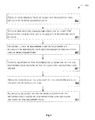
- FIG. 4 illustrates a flowchart showing a method for facilitating delivery of recorded data over a network in accordance with some embodiments of present disclosure.
- the method 400 comprises one or more blocks for facilitating delivery of recorded data over a network.
- the method 400 may be described in the general context of computer executable instructions.
- computer executable instructions can include routines, programs, objects, components, data structures, procedures, modules, and functions, which perform particular functions or implement particular abstract data types.
- the data delivery system 101 receives user request from at least one requesting user device for viewing recorded data.
- the data delivery system 101 receives one or more parameters from the at least one requesting user device and a plurality of recording user devices 105 .
- one or more parameters comprise location data, user information of the at least one requesting user device, network data, Central Processing Unit (CPU) usage of the plurality of recording user devices, time and duration of the recorded data, and content information.
- CPU Central Processing Unit
- the data delivery system 101 determines a set of recording user devices from the plurality of recording user devices 105 based on the received one or more parameters. Upon determining the set of the recording user devices, the data delivery system 101 determines the availability of the set of the recording user devices by sending a request to the set of the recording user devices for hosting the at least one requesting user device.
- the data delivery system 101 initiates delivery of recorded data from the set of the recording user devices to the at least one requesting user device, where, the delivery of the requested data is initiated upon determining the availability of the set of the recording user devices.
- the data delivery system 101 monitors the progress of the delivery data at pre-defined intervals of time.
- the data delivery system 101 monitors the progress of the delivery by monitoring the content information, network data and location data of the at least one requesting user device and the set of the recording user devices.
- the data delivery system 101 re-initiates the delivery of one or more segments of the recorded data based on the monitoring for facilitating the delivery of recorded data over a network.
- the data delivery system 101 in addition to the recorded data, also delivers additional data based on the time of the request by the requesting user device 103 , location of the requesting device 103 , and user preferences.
- the additional data may comprise for example, advertisements based on users' viewership profile etc.
- FIG. 5 illustrates a block diagram of an exemplary computer system 500 for implementing embodiments consistent with the present disclosure.
- the computer system 500 is used to implement the data delivery system.
- the computer system 500 may comprise a central processing unit (“CPU” or “processor”) 502 .
- the processor 502 may comprise at least one data processor for facilitating delivery of recorded data.
- the processor 502 may include specialized processing units such as integrated system (bus) controllers, memory management control units, floating point units, graphics processing units, digital signal processing units, etc.
- the processor 502 may be disposed in communication with one or more input/output (I/O) devices (not shown) via I/O interface 501 .
- the I/O interface 501 may employ communication protocols/methods such as, without limitation, audio, analog, digital, monoaural, RCA, stereo, IEEE-1394, serial bus, universal serial bus (USB), infrared, PS/2, BNC, coaxial, component, composite, digital visual interface (DVI), high-definition multimedia interface (HDMI), RF antennas, S-Video, VGA, IEEE 802.n/b/g/n/x, Bluetooth, cellular (e.g., code-division multiple access (CDMA), high-speed packet access (HSPA+), global system for mobile communications (GSM), long-term evolution (LTE), WiMax, or the like), etc.
- CDMA code-division multiple access
- HSPA+ high-speed packet access
- GSM global system for mobile communications
- LTE long-term evolution
- WiMax wireless wide area network
- the computer system 500 may communicate with one or more I/O devices.
- the input device may be an antenna, keyboard, mouse, joystick, (infrared) remote control, camera, card reader, fax machine, dongle, biometric reader, microphone, touch screen, touchpad, trackball, stylus, scanner, storage device, transceiver, video device/source, etc.
- the output device may be a printer, fax machine, video display (e.g., cathode ray tube (CRT), liquid crystal display (LCD), light-emitting diode (LED), plasma, Plasma display panel (PDP), Organic light-emitting diode display (OLED) or the like), audio speaker, etc.
- CTR cathode ray tube
- LCD liquid crystal display
- LED light-emitting diode
- PDP Plasma display panel
- OLED Organic light-emitting diode display
- the computer system 500 consists of a data delivery system.
- the processor 502 may be disposed in communication with the communication network 509 via a network interface 503 .
- the network interface 503 may communicate with the communication network 509 .
- the network interface 503 may employ connection protocols including, without limitation, direct connect, Ethernet (e.g., twisted pair 10/100/1000 Base T), transmission control protocol/internet protocol (TCP/IP), token ring, IEEE 802.11a/b/g/n/x, etc.
- the communication network 509 may include, without limitation, a direct interconnection, local area network (LAN), wide area network (WAN), wireless network (e.g., using Wireless Application Protocol), the Internet, etc.
- connection protocols include, but not limited to, direct connect, Ethernet (e.g., twisted pair 10/100/1000 Base T), transmission control protocol/internet protocol (TCP/IP), token ring, IEEE 802.11a/b/g/n/x, etc.
- the communication network 509 includes, but is not limited to, a direct interconnection, an e-commerce network, a peer to peer (P2P) network, local area network (LAN), wide area network (WAN), wireless network (e.g., using Wireless Application Protocol), the Internet, Wi-Fi and such.
- the first network and the second network may either be a dedicated network or a shared network, which represents an association of the different types of networks that use a variety of protocols, for example, Hypertext Transfer Protocol (HTTP), Transmission Control Protocol/Internet Protocol (TCP/IP), Wireless Application Protocol (WAP), etc., to communicate with each other.
- the first network and the second network may include a variety of network devices, including routers, bridges, servers, computing devices, storage devices, etc.
- the processor 502 may be disposed in communication with a memory 505 (e.g., RAM, ROM, etc. not shown in FIG. 5 ) via a storage interface 504 .
- the storage interface 504 may connect to memory 505 including, without limitation, memory drives, removable disc drives, etc., employing connection protocols such as serial advanced technology attachment (SATA), Integrated Drive Electronics (IDE), IEEE-1394, Universal Serial Bus (USB), fiber channel, Small Computer Systems Interface (SCSI), etc.
- the memory drives may further include a drum, magnetic disc drive, magneto-optical drive, optical drive, Redundant Array of Independent Discs (RAID), solid-state memory devices, solid-state drives, etc.
- the memory 505 may store a collection of program or database components, including, without limitation, user interface 506 , an operating system 507 , web browser 508 etc.
- computer system 500 may store user/application data 506 , such as the data, variables, records, etc., as described in this disclosure.
- databases may be implemented as fault-tolerant, relational, scalable, secure databases such as Oracle or Sybase.
- the operating system 507 may facilitate resource management and operation of the computer system 500 .
- Examples of operating systems include, without limitation, Apple Macintosh OS X, Unix, Unix-like system distributions (e.g., Berkeley Software Distribution (BSD), FreeBSD, NetBSD, OpenBSD, etc.), Linux distributions (e.g., Red Hat, Ubuntu, Kubuntu, etc.), IBM OS/2, Microsoft Windows (XP, Vista/7/8, etc.), Apple iOS, Google Android, Blackberry OS, or the like.
- the computer system 500 may implement a web browser 508 stored program component.
- the web browser 508 may be a hypertext viewing application, such as Microsoft Internet Explorer, Google Chrome, Mozilla Firefox, Apple Safari, etc. Secure web browsing may be provided using Secure Hypertext Transport Protocol (HTTPS), Secure Sockets Layer (SSL), Transport Layer Security (TLS), etc. Web browsers 508 may utilize facilities such as AJAX, DHTML, Adobe Flash, JavaScript, Java, Application Programming Interfaces (APIs), etc.
- the computer system 500 may implement a mail server stored program component.
- the mail server may be an Internet mail server such as Microsoft Exchange, or the like.
- the mail server may utilize facilities such as ASP, ActiveX, ANSI C++/C#, Microsoft .NET, CGI scripts, Java, JavaScript, PERL, PHP, Python, WebObjects, etc.
- the mail server may utilize communication protocols such as Internet Message Access Protocol (IMAP), Messaging Application Programming Interface (MAPI), Microsoft Exchange, Post Office Protocol (POP), Simple Mail Transfer Protocol (SMTP), or the like.
- IMAP Internet Message Access Protocol
- MAPI Messaging Application Programming Interface
- PMP Post Office Protocol
- SMTP Simple Mail Transfer Protocol
- the computer system 500 may implement a mail client stored program component.
- the mail client may be a mail viewing application, such as Apple Mail, Microsoft Entourage, Microsoft Outlook, Mozilla Thunderbird, etc.
- a computer-readable storage medium refers to any type of physical memory on which information or data readable by a processor may be stored.
- a computer-readable storage medium may store instructions for execution by one or more processors, including instructions for causing the processor(s) to perform steps or stages consistent with the embodiments described herein.
- the term “computer-readable medium” should be understood to include tangible items and exclude carrier waves and transient signals, i.e., be non-transitory. Examples include Random Access Memory (RAM), Read-Only Memory (ROM), volatile memory, non-volatile memory, hard drives, CD ROMs, DVDs, flash drives, disks, and any other known physical storage media.
- An embodiment of the present disclosure facilitates an efficient and optimal delivery of recorded data to the requesting users.
- the present disclosure provides an effective video quality of service to the requesting user devices.
- An embodiment of the present disclosure provides ability to watch the recording instantly or store the recording.
- the described operations may be implemented as a method, system or article of manufacture using standard programming and/or engineering techniques to produce software, firmware, hardware, or any combination thereof.
- the described operations may be implemented as code maintained in a “non-transitory computer readable medium”, where a processor may read and execute the code from the computer readable medium.
- the processor is at least one of a microprocessor and a processor capable of processing and executing the queries.
- a non-transitory computer readable medium may comprise media such as magnetic storage medium (e.g., hard disk drives, floppy disks, tape, etc.), optical storage (CD-ROMs, DVDs, optical disks, etc.), volatile and non-volatile memory devices (e.g., EEPROMs, ROMs, PROMs, RAMs, DRAMs, SRAMs, Flash Memory, firmware, programmable logic, etc.), etc.
- non-transitory computer-readable media comprise all computer-readable media except for a transitory.
- the code implementing the described operations may further be implemented in hardware logic (e.g., an integrated circuit chip, Programmable Gate Array (PGA), Application Specific Integrated Circuit (ASIC), etc.).
- the code implementing the described operations may be implemented in “transmission signals”, where transmission signals may propagate through space or through a transmission media, such as an optical fiber, copper wire, etc.
- the transmission signals in which the code or logic is encoded may further comprise a wireless signal, satellite transmission, radio waves, infrared signals, Bluetooth, etc.
- the transmission signals in which the code or logic is encoded is capable of being transmitted by a transmitting station and received by a receiving station, where the code or logic encoded in the transmission signal may be decoded and stored in hardware or a non-transitory computer readable medium at the receiving and transmitting stations or devices.
- An “article of manufacture” comprises non-transitory computer readable medium, hardware logic, and/or transmission signals in which code may be implemented.
- a device in which the code implementing the described embodiments of operations is encoded may comprise a computer readable medium or hardware logic.
- the code implementing the described embodiments of operations may comprise a computer readable medium or hardware logic.
- an embodiment means “one or more (but not all) embodiments of the invention(s)” unless expressly specified otherwise.
- FIG. 4 show certain events occurring in a certain order. In alternative embodiments, certain operations may be performed in a different order, modified or removed. Moreover, steps may be added to the above described logic and still conform to the described embodiments. Further, operations described herein may occur sequentially or certain operations may be processed in parallel. Yet further, operations may be performed by a single processing unit or by distributed processing units.
- Reference Number Description 100 Environment 101 Data delivery system 103 Requesting user device 105 Recording user devices 107 Communication system 109 Database 111 I/O interface 113 Memory 115 Processor 200 Data 201 Requesting user data 203 Recording user data 205 Selected recording device data 207 Monitoring data 209 Other data 211 Modules 213 Receiving module 215 Recording devices determination module 217 Availability determination module 219 Delivery initiation module 221 Delivery monitoring module 223 Other modules
Landscapes
- Engineering & Computer Science (AREA)
- Multimedia (AREA)
- Signal Processing (AREA)
- Databases & Information Systems (AREA)
- General Engineering & Computer Science (AREA)
- Physics & Mathematics (AREA)
- Astronomy & Astrophysics (AREA)
- General Physics & Mathematics (AREA)
- Human Computer Interaction (AREA)
- Information Transfer Between Computers (AREA)
Applications Claiming Priority (2)
| Application Number | Priority Date | Filing Date | Title |
|---|---|---|---|
| IN201641025411 | 2016-07-25 | ||
| IN201641025411 | 2016-07-25 |
Publications (2)
| Publication Number | Publication Date |
|---|---|
| US20180027273A1 US20180027273A1 (en) | 2018-01-25 |
| US10200730B2 true US10200730B2 (en) | 2019-02-05 |
Family
ID=57280976
Family Applications (1)
| Application Number | Title | Priority Date | Filing Date |
|---|---|---|---|
| US15/270,011 Active 2036-12-08 US10200730B2 (en) | 2016-07-25 | 2016-09-20 | Method and system for facilitating delivery of recorded data over a network |
Country Status (2)
| Country | Link |
|---|---|
| US (1) | US10200730B2 (de) |
| EP (1) | EP3276965A1 (de) |
Families Citing this family (1)
| Publication number | Priority date | Publication date | Assignee | Title |
|---|---|---|---|---|
| US11490159B2 (en) * | 2020-11-30 | 2022-11-01 | Rovi Guides, Inc. | Methods and systems for viewing missed media content |
Citations (10)
| Publication number | Priority date | Publication date | Assignee | Title |
|---|---|---|---|---|
| US20030204856A1 (en) * | 2002-04-30 | 2003-10-30 | Buxton Mark J. | Distributed server video-on-demand system |
| US20050177853A1 (en) * | 2004-02-11 | 2005-08-11 | Alio, Inc. | System and Methodology for Distributed Delivery of Online Content in Response to Client Selections from an Online Catalog |
| US20050188078A1 (en) | 2004-02-23 | 2005-08-25 | Kotzin Michael D. | System and method for managing and associating dynamic containers of a content providing device |
| US20070079342A1 (en) * | 2005-09-30 | 2007-04-05 | Guideworks, Llc | Systems and methods for managing local storage of on-demand content |
| US20090106393A1 (en) * | 2004-03-16 | 2009-04-23 | Siemens Business Services Ltd. | Data distribution system and method |
| US20100011103A1 (en) * | 2006-09-28 | 2010-01-14 | Rayv Inc. | System and methods for peer-to-peer media streaming |
| US20100303054A1 (en) * | 2008-11-24 | 2010-12-02 | Qualcomm Incorporated | Apparatus and method for adaptive tsp setting to minimize duplicate packet transmissions |
| US8589993B2 (en) * | 2008-08-29 | 2013-11-19 | At&T Intellectual Property I, L.P. | Distributing on-demand multimedia content |
| US20140289203A1 (en) | 2013-03-21 | 2014-09-25 | Nextbit Systems Inc. | Using mobile devices of a user as an edge cache to stream video files |
| US20150103885A1 (en) * | 2013-10-11 | 2015-04-16 | Oovoo Llc | Real time ip video transmission with high resilience to network errors |
-
2016
- 2016-09-20 US US15/270,011 patent/US10200730B2/en active Active
- 2016-10-28 EP EP16196188.3A patent/EP3276965A1/de not_active Withdrawn
Patent Citations (10)
| Publication number | Priority date | Publication date | Assignee | Title |
|---|---|---|---|---|
| US20030204856A1 (en) * | 2002-04-30 | 2003-10-30 | Buxton Mark J. | Distributed server video-on-demand system |
| US20050177853A1 (en) * | 2004-02-11 | 2005-08-11 | Alio, Inc. | System and Methodology for Distributed Delivery of Online Content in Response to Client Selections from an Online Catalog |
| US20050188078A1 (en) | 2004-02-23 | 2005-08-25 | Kotzin Michael D. | System and method for managing and associating dynamic containers of a content providing device |
| US20090106393A1 (en) * | 2004-03-16 | 2009-04-23 | Siemens Business Services Ltd. | Data distribution system and method |
| US20070079342A1 (en) * | 2005-09-30 | 2007-04-05 | Guideworks, Llc | Systems and methods for managing local storage of on-demand content |
| US20100011103A1 (en) * | 2006-09-28 | 2010-01-14 | Rayv Inc. | System and methods for peer-to-peer media streaming |
| US8589993B2 (en) * | 2008-08-29 | 2013-11-19 | At&T Intellectual Property I, L.P. | Distributing on-demand multimedia content |
| US20100303054A1 (en) * | 2008-11-24 | 2010-12-02 | Qualcomm Incorporated | Apparatus and method for adaptive tsp setting to minimize duplicate packet transmissions |
| US20140289203A1 (en) | 2013-03-21 | 2014-09-25 | Nextbit Systems Inc. | Using mobile devices of a user as an edge cache to stream video files |
| US20150103885A1 (en) * | 2013-10-11 | 2015-04-16 | Oovoo Llc | Real time ip video transmission with high resilience to network errors |
Non-Patent Citations (1)
| Title |
|---|
| European Search Report from the European Patent Office in counterpart European Application No. 16196188.3, dated Mar. 23, 2017, 7 pages. |
Also Published As
| Publication number | Publication date |
|---|---|
| EP3276965A1 (de) | 2018-01-31 |
| US20180027273A1 (en) | 2018-01-25 |
Similar Documents
| Publication | Publication Date | Title |
|---|---|---|
| US20230188376A1 (en) | Method and apparatus for identifying vertical application layer servers in wireless communication system | |
| US10848462B2 (en) | Method and system for managing policies in a network security system | |
| US20260040069A1 (en) | Method and apparatus for managing security context related to ue | |
| US20220360503A1 (en) | Method and system for monitoring application services in a network | |
| US10701126B2 (en) | Method and a system to deliver multimedia content in a downstream network | |
| US11997337B2 (en) | Method and system for optimizing video content acquisition and delivery during events | |
| US10200730B2 (en) | Method and system for facilitating delivery of recorded data over a network | |
| US20160315990A1 (en) | Electronic device, broadcasting server and method for managing displaying and broadcasting of multimedia content | |
| US11252536B2 (en) | Method and system for providing continued multimedia broadcast multicast service (MBMS) and unicast services | |
| US20250151165A1 (en) | Method and ue for signalling multicast broadcast services interest indication | |
| US11064222B1 (en) | System and method for delivering cloud DVR content | |
| US20190297371A1 (en) | Method and a system for network based multimedia content recording in a cloud | |
| US9924487B2 (en) | Method and system for concealing location information of a user | |
| US20180034906A1 (en) | Method and System for Synchronizing Content Between User Devices in an Established Session | |
| WO2025233877A1 (en) | Method and system for providing an access to over-the-top (ott) content on restricted device platform | |
| US12593272B2 (en) | Method and user equipment (UE) for selecting access network for routing data of the UE | |
| US11962939B1 (en) | Method of managing media communication in mission critical (MC) system, MC server, and receiver thereof | |
| US10278116B2 (en) | Method and user equipment for performing an initial network access procedure | |
| WO2023026248A1 (en) | Method and system for providing over-the-top (ott) content | |
| US20250133455A1 (en) | Method and system for managing inter radio access technology (rat) handover of user equipment (ue) | |
| US20240196209A1 (en) | Method and apparatus for selecting a network entity for user equipment camping in a wireless communication system | |
| US20180013482A1 (en) | Method and unit for mapping information bits to polarization angles of a wave | |
| US20170289232A1 (en) | Method and System for Generating Personalized Views of Live Video Feeds | |
| US10693928B2 (en) | Method and device for adaptive streaming of multimedia data | |
| US10932307B2 (en) | Method and device for providing wireless data communication in datacenters |
Legal Events
| Date | Code | Title | Description |
|---|---|---|---|
| AS | Assignment |
Owner name: WIPRO LIMITED, INDIA Free format text: ASSIGNMENT OF ASSIGNORS INTEREST;ASSIGNOR:NATARAJAN, GOWRISHANKAR SUBRAMANIAM;REEL/FRAME:039786/0813 Effective date: 20160630 |
|
| STCF | Information on status: patent grant |
Free format text: PATENTED CASE |
|
| MAFP | Maintenance fee payment |
Free format text: PAYMENT OF MAINTENANCE FEE, 4TH YEAR, LARGE ENTITY (ORIGINAL EVENT CODE: M1551); ENTITY STATUS OF PATENT OWNER: LARGE ENTITY Year of fee payment: 4 |