US10143633B2 - Treating cariogenic diseased oral biofilm with elevated pH - Google Patents
Treating cariogenic diseased oral biofilm with elevated pH Download PDFInfo
- Publication number
- US10143633B2 US10143633B2 US14/677,927 US201514677927A US10143633B2 US 10143633 B2 US10143633 B2 US 10143633B2 US 201514677927 A US201514677927 A US 201514677927A US 10143633 B2 US10143633 B2 US 10143633B2
- Authority
- US
- United States
- Prior art keywords
- weight percent
- rinse
- biofilm
- oral
- amount
- Prior art date
- Legal status (The legal status is an assumption and is not a legal conclusion. Google has not performed a legal analysis and makes no representation as to the accuracy of the status listed.)
- Active, expires
Links
- 230000001013 cariogenic effect Effects 0.000 title description 14
- 238000000034 method Methods 0.000 claims abstract description 9
- 201000010099 disease Diseases 0.000 claims abstract description 7
- 208000037265 diseases, disorders, signs and symptoms Diseases 0.000 claims abstract description 7
- 230000001225 therapeutic effect Effects 0.000 claims abstract description 6
- XLYOFNOQVPJJNP-UHFFFAOYSA-N water Substances O XLYOFNOQVPJJNP-UHFFFAOYSA-N 0.000 claims description 16
- TVXBFESIOXBWNM-UHFFFAOYSA-N Xylitol Natural products OCCC(O)C(O)C(O)CCO TVXBFESIOXBWNM-UHFFFAOYSA-N 0.000 claims description 15
- HEBKCHPVOIAQTA-UHFFFAOYSA-N meso ribitol Natural products OCC(O)C(O)C(O)CO HEBKCHPVOIAQTA-UHFFFAOYSA-N 0.000 claims description 15
- 239000000811 xylitol Substances 0.000 claims description 15
- 235000010447 xylitol Nutrition 0.000 claims description 15
- HEBKCHPVOIAQTA-SCDXWVJYSA-N xylitol Chemical compound OC[C@H](O)[C@@H](O)[C@H](O)CO HEBKCHPVOIAQTA-SCDXWVJYSA-N 0.000 claims description 15
- 229960002675 xylitol Drugs 0.000 claims description 15
- 238000012423 maintenance Methods 0.000 claims description 13
- PUZPDOWCWNUUKD-UHFFFAOYSA-M sodium fluoride Chemical compound [F-].[Na+] PUZPDOWCWNUUKD-UHFFFAOYSA-M 0.000 claims description 13
- KRHYYFGTRYWZRS-UHFFFAOYSA-M Fluoride anion Chemical compound [F-] KRHYYFGTRYWZRS-UHFFFAOYSA-M 0.000 claims description 11
- 239000000243 solution Substances 0.000 claims description 11
- 239000005708 Sodium hypochlorite Substances 0.000 claims description 9
- SUKJFIGYRHOWBL-UHFFFAOYSA-N sodium hypochlorite Chemical compound [Na+].Cl[O-] SUKJFIGYRHOWBL-UHFFFAOYSA-N 0.000 claims description 9
- 239000007800 oxidant agent Substances 0.000 claims description 7
- 239000011775 sodium fluoride Substances 0.000 claims description 6
- 235000013024 sodium fluoride Nutrition 0.000 claims description 6
- ZKQDCIXGCQPQNV-UHFFFAOYSA-N Calcium hypochlorite Chemical compound [Ca+2].Cl[O-].Cl[O-] ZKQDCIXGCQPQNV-UHFFFAOYSA-N 0.000 claims description 3
- YZQBYALVHAANGI-UHFFFAOYSA-N magnesium;dihypochlorite Chemical compound [Mg+2].Cl[O-].Cl[O-] YZQBYALVHAANGI-UHFFFAOYSA-N 0.000 claims description 3
- SATVIFGJTRRDQU-UHFFFAOYSA-N potassium hypochlorite Chemical compound [K+].Cl[O-] SATVIFGJTRRDQU-UHFFFAOYSA-N 0.000 claims description 3
- 239000007864 aqueous solution Substances 0.000 claims description 2
- 239000008366 buffered solution Substances 0.000 claims 1
- 239000000047 product Substances 0.000 description 66
- 241000894006 Bacteria Species 0.000 description 34
- 210000000214 mouth Anatomy 0.000 description 23
- 230000036541 health Effects 0.000 description 20
- 230000000845 anti-microbial effect Effects 0.000 description 19
- HEMHJVSKTPXQMS-UHFFFAOYSA-M Sodium hydroxide Chemical compound [OH-].[Na+] HEMHJVSKTPXQMS-UHFFFAOYSA-M 0.000 description 18
- 230000002378 acidificating effect Effects 0.000 description 16
- UIIMBOGNXHQVGW-UHFFFAOYSA-M Sodium bicarbonate Chemical compound [Na+].OC([O-])=O UIIMBOGNXHQVGW-UHFFFAOYSA-M 0.000 description 12
- 208000002925 dental caries Diseases 0.000 description 11
- PEDCQBHIVMGVHV-UHFFFAOYSA-N Glycerine Chemical compound OCC(O)CO PEDCQBHIVMGVHV-UHFFFAOYSA-N 0.000 description 10
- 239000000872 buffer Substances 0.000 description 10
- 239000000499 gel Substances 0.000 description 10
- DNIAPMSPPWPWGF-UHFFFAOYSA-N Propylene glycol Chemical compound CC(O)CO DNIAPMSPPWPWGF-UHFFFAOYSA-N 0.000 description 9
- 230000001580 bacterial effect Effects 0.000 description 9
- 239000000203 mixture Substances 0.000 description 9
- 239000000606 toothpaste Substances 0.000 description 9
- 239000006174 pH buffer Substances 0.000 description 8
- WXMKPNITSTVMEF-UHFFFAOYSA-M sodium benzoate Chemical compound [Na+].[O-]C(=O)C1=CC=CC=C1 WXMKPNITSTVMEF-UHFFFAOYSA-M 0.000 description 8
- 235000010234 sodium benzoate Nutrition 0.000 description 8
- 239000004299 sodium benzoate Substances 0.000 description 8
- 239000002966 varnish Substances 0.000 description 8
- 230000002053 acidogenic effect Effects 0.000 description 7
- 241000628997 Flos Species 0.000 description 6
- 235000014435 Mentha Nutrition 0.000 description 6
- 241001072983 Mentha Species 0.000 description 6
- 239000000796 flavoring agent Substances 0.000 description 6
- 235000019634 flavors Nutrition 0.000 description 6
- 235000014569 mints Nutrition 0.000 description 6
- 239000000668 oral spray Substances 0.000 description 6
- 235000017557 sodium bicarbonate Nutrition 0.000 description 6
- 229910000030 sodium bicarbonate Inorganic materials 0.000 description 6
- 239000004599 antimicrobial Substances 0.000 description 5
- 230000029918 bioluminescence Effects 0.000 description 5
- 238000005415 bioluminescence Methods 0.000 description 5
- 235000011187 glycerol Nutrition 0.000 description 5
- CHHHXKFHOYLYRE-UHFFFAOYSA-M 2,4-Hexadienoic acid, potassium salt (1:1), (2E,4E)- Chemical compound [K+].CC=CC=CC([O-])=O CHHHXKFHOYLYRE-UHFFFAOYSA-M 0.000 description 4
- 244000153158 Ammi visnaga Species 0.000 description 4
- 235000010585 Ammi visnaga Nutrition 0.000 description 4
- 239000002202 Polyethylene glycol Substances 0.000 description 4
- VYPSYNLAJGMNEJ-UHFFFAOYSA-N Silicium dioxide Chemical compound O=[Si]=O VYPSYNLAJGMNEJ-UHFFFAOYSA-N 0.000 description 4
- 239000006071 cream Substances 0.000 description 4
- 230000000694 effects Effects 0.000 description 4
- 239000002324 mouth wash Substances 0.000 description 4
- 229920001223 polyethylene glycol Polymers 0.000 description 4
- 239000004302 potassium sorbate Substances 0.000 description 4
- 235000010241 potassium sorbate Nutrition 0.000 description 4
- 229940069338 potassium sorbate Drugs 0.000 description 4
- CPKVUHPKYQGHMW-UHFFFAOYSA-N 1-ethenylpyrrolidin-2-one;molecular iodine Chemical compound II.C=CN1CCCC1=O CPKVUHPKYQGHMW-UHFFFAOYSA-N 0.000 description 3
- 244000144927 Aloe barbadensis Species 0.000 description 3
- 235000002961 Aloe barbadensis Nutrition 0.000 description 3
- 229920001213 Polysorbate 20 Polymers 0.000 description 3
- 235000019486 Sunflower oil Nutrition 0.000 description 3
- 235000011399 aloe vera Nutrition 0.000 description 3
- 235000021302 avocado oil Nutrition 0.000 description 3
- 239000008163 avocado oil Substances 0.000 description 3
- 230000003139 buffering effect Effects 0.000 description 3
- 239000004359 castor oil Substances 0.000 description 3
- 235000019438 castor oil Nutrition 0.000 description 3
- 238000001804 debridement Methods 0.000 description 3
- 210000003298 dental enamel Anatomy 0.000 description 3
- 230000037123 dental health Effects 0.000 description 3
- ZEMPKEQAKRGZGQ-XOQCFJPHSA-N glycerol triricinoleate Natural products CCCCCC[C@@H](O)CC=CCCCCCCCC(=O)OC[C@@H](COC(=O)CCCCCCCC=CC[C@@H](O)CCCCCC)OC(=O)CCCCCCCC=CC[C@H](O)CCCCCC ZEMPKEQAKRGZGQ-XOQCFJPHSA-N 0.000 description 3
- 235000021388 linseed oil Nutrition 0.000 description 3
- 239000000944 linseed oil Substances 0.000 description 3
- 229940051866 mouthwash Drugs 0.000 description 3
- 239000000256 polyoxyethylene sorbitan monolaurate Substances 0.000 description 3
- 235000010486 polyoxyethylene sorbitan monolaurate Nutrition 0.000 description 3
- 150000008442 polyphenolic compounds Chemical class 0.000 description 3
- 235000013824 polyphenols Nutrition 0.000 description 3
- 229940068977 polysorbate 20 Drugs 0.000 description 3
- 230000001681 protective effect Effects 0.000 description 3
- -1 rinses Substances 0.000 description 3
- 239000002600 sunflower oil Substances 0.000 description 3
- 208000024891 symptom Diseases 0.000 description 3
- 238000012360 testing method Methods 0.000 description 3
- NOOLISFMXDJSKH-UTLUCORTSA-N (+)-Neomenthol Chemical compound CC(C)[C@@H]1CC[C@@H](C)C[C@@H]1O NOOLISFMXDJSKH-UTLUCORTSA-N 0.000 description 2
- VTYYLEPIZMXCLO-UHFFFAOYSA-L Calcium carbonate Chemical compound [Ca+2].[O-]C([O-])=O VTYYLEPIZMXCLO-UHFFFAOYSA-L 0.000 description 2
- GHXZTYHSJHQHIJ-UHFFFAOYSA-N Chlorhexidine Chemical compound C=1C=C(Cl)C=CC=1NC(N)=NC(N)=NCCCCCCN=C(N)N=C(N)NC1=CC=C(Cl)C=C1 GHXZTYHSJHQHIJ-UHFFFAOYSA-N 0.000 description 2
- NOOLISFMXDJSKH-UHFFFAOYSA-N DL-menthol Natural products CC(C)C1CCC(C)CC1O NOOLISFMXDJSKH-UHFFFAOYSA-N 0.000 description 2
- 208000002064 Dental Plaque Diseases 0.000 description 2
- DGAQECJNVWCQMB-PUAWFVPOSA-M Ilexoside XXIX Chemical compound C[C@@H]1CC[C@@]2(CC[C@@]3(C(=CC[C@H]4[C@]3(CC[C@@H]5[C@@]4(CC[C@@H](C5(C)C)OS(=O)(=O)[O-])C)C)[C@@H]2[C@]1(C)O)C)C(=O)O[C@H]6[C@@H]([C@H]([C@@H]([C@H](O6)CO)O)O)O.[Na+] DGAQECJNVWCQMB-PUAWFVPOSA-M 0.000 description 2
- 244000147568 Laurus nobilis Species 0.000 description 2
- 235000017858 Laurus nobilis Nutrition 0.000 description 2
- 235000006679 Mentha X verticillata Nutrition 0.000 description 2
- 235000002899 Mentha suaveolens Nutrition 0.000 description 2
- 235000001636 Mentha x rotundifolia Nutrition 0.000 description 2
- 240000007594 Oryza sativa Species 0.000 description 2
- 235000007164 Oryza sativa Nutrition 0.000 description 2
- RVGRUAULSDPKGF-UHFFFAOYSA-N Poloxamer Chemical compound C1CO1.CC1CO1 RVGRUAULSDPKGF-UHFFFAOYSA-N 0.000 description 2
- QAOWNCQODCNURD-UHFFFAOYSA-L Sulfate Chemical compound [O-]S([O-])(=O)=O QAOWNCQODCNURD-UHFFFAOYSA-L 0.000 description 2
- 235000005212 Terminalia tomentosa Nutrition 0.000 description 2
- GWEVSGVZZGPLCZ-UHFFFAOYSA-N Titan oxide Chemical compound O=[Ti]=O GWEVSGVZZGPLCZ-UHFFFAOYSA-N 0.000 description 2
- XSQUKJJJFZCRTK-UHFFFAOYSA-N Urea Chemical compound NC(N)=O XSQUKJJJFZCRTK-UHFFFAOYSA-N 0.000 description 2
- 239000002253 acid Substances 0.000 description 2
- 239000004480 active ingredient Substances 0.000 description 2
- 230000000172 allergic effect Effects 0.000 description 2
- 230000000844 anti-bacterial effect Effects 0.000 description 2
- 208000010668 atopic eczema Diseases 0.000 description 2
- 229940064804 betadine Drugs 0.000 description 2
- 229940016759 breathrx Drugs 0.000 description 2
- 159000000007 calcium salts Chemical class 0.000 description 2
- 239000003795 chemical substances by application Substances 0.000 description 2
- 235000015218 chewing gum Nutrition 0.000 description 2
- 229960003260 chlorhexidine Drugs 0.000 description 2
- 235000020971 citrus fruits Nutrition 0.000 description 2
- 230000001332 colony forming effect Effects 0.000 description 2
- 235000020237 cranberry extract Nutrition 0.000 description 2
- 239000000551 dentifrice Substances 0.000 description 2
- 229910052740 iodine Inorganic materials 0.000 description 2
- 239000011630 iodine Substances 0.000 description 2
- 229940076522 listerine Drugs 0.000 description 2
- 229940041616 menthol Drugs 0.000 description 2
- 230000004060 metabolic process Effects 0.000 description 2
- 239000003921 oil Substances 0.000 description 2
- 235000019198 oils Nutrition 0.000 description 2
- 229940041672 oral gel Drugs 0.000 description 2
- 239000006179 pH buffering agent Substances 0.000 description 2
- 229960000502 poloxamer Drugs 0.000 description 2
- 229920001983 poloxamer Polymers 0.000 description 2
- 235000009566 rice Nutrition 0.000 description 2
- 239000000377 silicon dioxide Substances 0.000 description 2
- 239000011734 sodium Substances 0.000 description 2
- 229910052708 sodium Inorganic materials 0.000 description 2
- 235000011121 sodium hydroxide Nutrition 0.000 description 2
- 239000007921 spray Substances 0.000 description 2
- MGSRCZKZVOBKFT-UHFFFAOYSA-N thymol Chemical compound CC(C)C1=CC=C(C)C=C1O MGSRCZKZVOBKFT-UHFFFAOYSA-N 0.000 description 2
- 229940034610 toothpaste Drugs 0.000 description 2
- 230000002087 whitening effect Effects 0.000 description 2
- ZCYVEMRRCGMTRW-UHFFFAOYSA-N 7553-56-2 Chemical compound [I] ZCYVEMRRCGMTRW-UHFFFAOYSA-N 0.000 description 1
- 208000035143 Bacterial infection Diseases 0.000 description 1
- 108010039862 Biotene Proteins 0.000 description 1
- 229920002134 Carboxymethyl cellulose Polymers 0.000 description 1
- 241000252254 Catostomidae Species 0.000 description 1
- 241000207199 Citrus Species 0.000 description 1
- 102000008186 Collagen Human genes 0.000 description 1
- 108010035532 Collagen Proteins 0.000 description 1
- 229920000742 Cotton Polymers 0.000 description 1
- FBPFZTCFMRRESA-FSIIMWSLSA-N D-Glucitol Natural products OC[C@H](O)[C@H](O)[C@@H](O)[C@H](O)CO FBPFZTCFMRRESA-FSIIMWSLSA-N 0.000 description 1
- IGXWBGJHJZYPQS-SSDOTTSWSA-N D-Luciferin Chemical compound OC(=O)[C@H]1CSC(C=2SC3=CC=C(O)C=C3N=2)=N1 IGXWBGJHJZYPQS-SSDOTTSWSA-N 0.000 description 1
- CYCGRDQQIOGCKX-UHFFFAOYSA-N Dehydro-luciferin Natural products OC(=O)C1=CSC(C=2SC3=CC(O)=CC=C3N=2)=N1 CYCGRDQQIOGCKX-UHFFFAOYSA-N 0.000 description 1
- 239000004593 Epoxy Substances 0.000 description 1
- BJGNCJDXODQBOB-UHFFFAOYSA-N Fivefly Luciferin Natural products OC(=O)C1CSC(C=2SC3=CC(O)=CC=C3N=2)=N1 BJGNCJDXODQBOB-UHFFFAOYSA-N 0.000 description 1
- 229920002907 Guar gum Polymers 0.000 description 1
- 101001041393 Homo sapiens Serine protease HTRA1 Proteins 0.000 description 1
- 229920001908 Hydrogenated starch hydrolysate Polymers 0.000 description 1
- 239000004354 Hydroxyethyl cellulose Substances 0.000 description 1
- 229920000663 Hydroxyethyl cellulose Polymers 0.000 description 1
- 108010083687 Ion Pumps Proteins 0.000 description 1
- 241000186660 Lactobacillus Species 0.000 description 1
- DDWFXDSYGUXRAY-UHFFFAOYSA-N Luciferin Natural products CCc1c(C)c(CC2NC(=O)C(=C2C=C)C)[nH]c1Cc3[nH]c4C(=C5/NC(CC(=O)O)C(C)C5CC(=O)O)CC(=O)c4c3C DDWFXDSYGUXRAY-UHFFFAOYSA-N 0.000 description 1
- 102000015728 Mucins Human genes 0.000 description 1
- 108010063954 Mucins Proteins 0.000 description 1
- 229920000153 Povidone-iodine Polymers 0.000 description 1
- 102100021119 Serine protease HTRA1 Human genes 0.000 description 1
- UIIMBOGNXHQVGW-DEQYMQKBSA-M Sodium bicarbonate-14C Chemical compound [Na+].O[14C]([O-])=O UIIMBOGNXHQVGW-DEQYMQKBSA-M 0.000 description 1
- 244000057717 Streptococcus lactis Species 0.000 description 1
- 235000014897 Streptococcus lactis Nutrition 0.000 description 1
- 241000194019 Streptococcus mutans Species 0.000 description 1
- 239000000654 additive Substances 0.000 description 1
- 239000000853 adhesive Substances 0.000 description 1
- 230000001070 adhesive effect Effects 0.000 description 1
- 230000002776 aggregation Effects 0.000 description 1
- 238000004220 aggregation Methods 0.000 description 1
- AZDRQVAHHNSJOQ-UHFFFAOYSA-N alumane Chemical class [AlH3] AZDRQVAHHNSJOQ-UHFFFAOYSA-N 0.000 description 1
- 229930014669 anthocyanidin Natural products 0.000 description 1
- 235000008758 anthocyanidins Nutrition 0.000 description 1
- 230000000675 anti-caries Effects 0.000 description 1
- 238000011203 antimicrobial therapy Methods 0.000 description 1
- 208000022362 bacterial infectious disease Diseases 0.000 description 1
- VSGNNIFQASZAOI-UHFFFAOYSA-L calcium acetate Chemical compound [Ca+2].CC([O-])=O.CC([O-])=O VSGNNIFQASZAOI-UHFFFAOYSA-L 0.000 description 1
- 239000001639 calcium acetate Substances 0.000 description 1
- 235000011092 calcium acetate Nutrition 0.000 description 1
- 229960005147 calcium acetate Drugs 0.000 description 1
- 229910000019 calcium carbonate Inorganic materials 0.000 description 1
- AXCZMVOFGPJBDE-UHFFFAOYSA-L calcium dihydroxide Chemical compound [OH-].[OH-].[Ca+2] AXCZMVOFGPJBDE-UHFFFAOYSA-L 0.000 description 1
- 239000000920 calcium hydroxide Substances 0.000 description 1
- 229910001861 calcium hydroxide Inorganic materials 0.000 description 1
- 235000011116 calcium hydroxide Nutrition 0.000 description 1
- 239000004202 carbamide Substances 0.000 description 1
- 235000013877 carbamide Nutrition 0.000 description 1
- 150000001720 carbohydrates Chemical class 0.000 description 1
- 235000014633 carbohydrates Nutrition 0.000 description 1
- 150000004649 carbonic acid derivatives Chemical class 0.000 description 1
- 239000001768 carboxy methyl cellulose Substances 0.000 description 1
- 235000010948 carboxy methyl cellulose Nutrition 0.000 description 1
- 239000008112 carboxymethyl-cellulose Substances 0.000 description 1
- 229940105329 carboxymethylcellulose Drugs 0.000 description 1
- 229940106178 cepacol Drugs 0.000 description 1
- YMKDRGPMQRFJGP-UHFFFAOYSA-M cetylpyridinium chloride Chemical compound [Cl-].CCCCCCCCCCCCCCCC[N+]1=CC=CC=C1 YMKDRGPMQRFJGP-UHFFFAOYSA-M 0.000 description 1
- YZIYKJHYYHPJIB-UUPCJSQJSA-N chlorhexidine gluconate Chemical compound OC[C@@H](O)[C@@H](O)[C@H](O)[C@@H](O)C(O)=O.OC[C@@H](O)[C@@H](O)[C@H](O)[C@@H](O)C(O)=O.C1=CC(Cl)=CC=C1NC(=N)NC(=N)NCCCCCCNC(=N)NC(=N)NC1=CC=C(Cl)C=C1 YZIYKJHYYHPJIB-UUPCJSQJSA-N 0.000 description 1
- 229920001436 collagen Polymers 0.000 description 1
- 235000009508 confectionery Nutrition 0.000 description 1
- 125000000332 coumarinyl group Chemical class O1C(=O)C(=CC2=CC=CC=C12)* 0.000 description 1
- 229940008449 crest pro-health Drugs 0.000 description 1
- 238000005115 demineralization Methods 0.000 description 1
- 230000002328 demineralizing effect Effects 0.000 description 1
- 238000000151 deposition Methods 0.000 description 1
- 238000003745 diagnosis Methods 0.000 description 1
- 238000004090 dissolution Methods 0.000 description 1
- 239000012153 distilled water Substances 0.000 description 1
- 230000029142 excretion Effects 0.000 description 1
- 238000002474 experimental method Methods 0.000 description 1
- 239000004744 fabric Substances 0.000 description 1
- NWKFECICNXDNOQ-UHFFFAOYSA-N flavylium Chemical compound C1=CC=CC=C1C1=CC=C(C=CC=C2)C2=[O+]1 NWKFECICNXDNOQ-UHFFFAOYSA-N 0.000 description 1
- 239000006260 foam Substances 0.000 description 1
- 239000000665 guar gum Substances 0.000 description 1
- 235000010417 guar gum Nutrition 0.000 description 1
- 229960002154 guar gum Drugs 0.000 description 1
- 230000005802 health problem Effects 0.000 description 1
- ZMZDMBWJUHKJPS-UHFFFAOYSA-N hydrogen thiocyanate Natural products SC#N ZMZDMBWJUHKJPS-UHFFFAOYSA-N 0.000 description 1
- 235000019447 hydroxyethyl cellulose Nutrition 0.000 description 1
- 229910052588 hydroxylapatite Inorganic materials 0.000 description 1
- 230000006872 improvement Effects 0.000 description 1
- 238000010348 incorporation Methods 0.000 description 1
- 230000002401 inhibitory effect Effects 0.000 description 1
- 230000005764 inhibitory process Effects 0.000 description 1
- 230000003993 interaction Effects 0.000 description 1
- 230000003834 intracellular effect Effects 0.000 description 1
- 150000002500 ions Chemical class 0.000 description 1
- 239000000463 material Substances 0.000 description 1
- 239000011159 matrix material Substances 0.000 description 1
- 230000007246 mechanism Effects 0.000 description 1
- 244000005700 microbiome Species 0.000 description 1
- 239000008368 mint flavor Substances 0.000 description 1
- 238000012544 monitoring process Methods 0.000 description 1
- 229940051875 mucins Drugs 0.000 description 1
- 230000007935 neutral effect Effects 0.000 description 1
- 229940100362 oral b anti-cavity Drugs 0.000 description 1
- 229940041678 oral spray Drugs 0.000 description 1
- XYJRXVWERLGGKC-UHFFFAOYSA-D pentacalcium;hydroxide;triphosphate Chemical compound [OH-].[Ca+2].[Ca+2].[Ca+2].[Ca+2].[Ca+2].[O-]P([O-])([O-])=O.[O-]P([O-])([O-])=O.[O-]P([O-])([O-])=O XYJRXVWERLGGKC-UHFFFAOYSA-D 0.000 description 1
- 229940098804 peridex Drugs 0.000 description 1
- 229960001621 povidone-iodine Drugs 0.000 description 1
- 230000009467 reduction Effects 0.000 description 1
- 229940085606 rembrandt Drugs 0.000 description 1
- 238000012502 risk assessment Methods 0.000 description 1
- CVHZOJJKTDOEJC-UHFFFAOYSA-N saccharin Chemical compound C1=CC=C2C(=O)NS(=O)(=O)C2=C1 CVHZOJJKTDOEJC-UHFFFAOYSA-N 0.000 description 1
- 238000005070 sampling Methods 0.000 description 1
- 238000012216 screening Methods 0.000 description 1
- 235000015170 shellfish Nutrition 0.000 description 1
- 210000004872 soft tissue Anatomy 0.000 description 1
- 230000000392 somatic effect Effects 0.000 description 1
- 239000000600 sorbitol Substances 0.000 description 1
- 241000894007 species Species 0.000 description 1
- 239000000126 substance Substances 0.000 description 1
- 150000005846 sugar alcohols Polymers 0.000 description 1
- 210000001685 thyroid gland Anatomy 0.000 description 1
- 210000001519 tissue Anatomy 0.000 description 1
- 239000004408 titanium dioxide Substances 0.000 description 1
- 238000010200 validation analysis Methods 0.000 description 1
- 239000003981 vehicle Substances 0.000 description 1
- 230000036642 wellbeing Effects 0.000 description 1
Images
Classifications
-
- A—HUMAN NECESSITIES
- A61—MEDICAL OR VETERINARY SCIENCE; HYGIENE
- A61K—PREPARATIONS FOR MEDICAL, DENTAL OR TOILETRY PURPOSES
- A61K8/00—Cosmetics or similar toiletry preparations
- A61K8/18—Cosmetics or similar toiletry preparations characterised by the composition
- A61K8/19—Cosmetics or similar toiletry preparations characterised by the composition containing inorganic ingredients
- A61K8/20—Halogens; Compounds thereof
- A61K8/21—Fluorides; Derivatives thereof
-
- A—HUMAN NECESSITIES
- A61—MEDICAL OR VETERINARY SCIENCE; HYGIENE
- A61K—PREPARATIONS FOR MEDICAL, DENTAL OR TOILETRY PURPOSES
- A61K8/00—Cosmetics or similar toiletry preparations
- A61K8/18—Cosmetics or similar toiletry preparations characterised by the composition
- A61K8/19—Cosmetics or similar toiletry preparations characterised by the composition containing inorganic ingredients
- A61K8/20—Halogens; Compounds thereof
-
- A—HUMAN NECESSITIES
- A61—MEDICAL OR VETERINARY SCIENCE; HYGIENE
- A61Q—SPECIFIC USE OF COSMETICS OR SIMILAR TOILETRY PREPARATIONS
- A61Q11/00—Preparations for care of the teeth, of the oral cavity or of dentures; Dentifrices, e.g. toothpastes; Mouth rinses
-
- A—HUMAN NECESSITIES
- A61—MEDICAL OR VETERINARY SCIENCE; HYGIENE
- A61K—PREPARATIONS FOR MEDICAL, DENTAL OR TOILETRY PURPOSES
- A61K2800/00—Properties of cosmetic compositions or active ingredients thereof or formulation aids used therein and process related aspects
- A61K2800/80—Process related aspects concerning the preparation of the cosmetic composition or the storage or application thereof
- A61K2800/85—Products or compounds obtained by fermentation, e.g. yoghurt, beer, wine
Definitions
- the present invention relates to treating a dental patient's oral health, such as cavities, as symptoms of a biofilm disease.
- the invention describes and claims treatment of the disease with high-pH or pH buffering health care products.
- the pH of the biofilm in the mouth is acidic and results in the chemical dissolution of the calcium salts from tooth enamel which ultimately results in a cavity.
- the healthy and desirable oral bacteria cannot survive in an acidic environment, so treating the biofilm with an acidic product, drives the pH of the biofilm lower. Lower pH is moving in the wrong direction for the proper pH in maintaining dental health.
- the present invention provides antimicrobial and remineralization oral health care products with a pH that is alkaline (higher pH) rather than acidic (lower pH) and also contains pH buffering agents. These higher pH agents drive the pH of the biofilm to the correct, higher level for healthy bacteria to reform in the oral biofilm and prevent cavities.
- the oral care antimicrobial/remineralization products of this invention have a pH that ranges between 8.0-11.5.
- the oral health care products of this invention include rinses, oral sprays, toothpastes, gels, varnishes, creams, gums, mints, floss, toothpicks, swabs, brushes, sponges, and dissolving strips.
- High pH is mentioned in U.S. Pat. No. 6,872,565 by Mollstam et al. Mollstam is concerned with reducing the number of Streptococcus mutans in the mouth through inhibiting activity in combination with good binding to the oral mucins and dental plaque.
- a high pH material is used in at least one example.
- a bioengineered bacterial organism to over express two or more Lactococcus lactis HtrA to promote the inhibition or removal of a biofilm is presented by Wang et al in US Patent Publication 2007/0059295. Applicants have no such organism.
- the present invention provides antimicrobial and remineralization oral health care products with higher, alkaline pH and pH buffers. These products drive the pH of the biofilm to the correct level for the healthy bacteria to reform in the biofilm and prevent cavities.
- oral health care products are rinses, oral sprays, toothpastes, gels, varnishes, creams, gums, mints, floss, toothpicks, swabs, brushes, sponges, and dissolving strips and the like. Methods of using these products are also described and claimed herein.
- ‘acidogenic’ bacteria will mean acid-forming bacteria.
- ‘aciduric’ will mean relating to bacteria that tolerate an acid environment.
- low pH will mean pH values that are lower than 7.
- high pH will mean pH values that are higher than 7.
- biofilm is a complex aggregation of microorganisms marked by the excretion of a protective and adhesive matrix.
- a typical biofilm of this invention is the dental plaque that forms on teeth that causes tooth decay and is a bacterial biofilm.
- Applicants have developed oral care products including several oral rinses that are pending in a current U.S. patent application Ser. No. 11/337,435 filed on Jan. 23, 2005 and entitled “System for Caries Management by Risk Assessment”.
- the rinses described therein are antimicrobial/remineralization with pH values of about 8.0 and 11.50.
- the pH values ranging between 10 and 11.5 are about as strong as patients can tolerate without the burning of the oral soft tissue.
- Dental caries is now defined by the dental profession as a biofilm disease, with the caries causing bacteria taking control of the biofilm on the teeth.
- the biofilm population shifts from the normal healthy flora to the acidogenic and aciduric bacteria associated with dental caries.
- the three things listed supra are known to be effective against biofilms in general. Because of the structure and function of biofilms, they are only susceptible to complete debridement, heat, and strong oxidizing agents. In the mouth, it is nearly impossible to completely debride the cariogenic biofilm away. The biofilm reforms within hours after it is removed and bacteria are ubiquitous in the mouth. Heat is not a good option, as heat that is applied to the oral structures at a high enough temperature to destroy the bacteria, would also destroy the host tissues. Strong oxidizing agents offer some potential as antimicrobial agents in safe-to-use concentrations.
- ATP bioluminescence has been used for over 40 years to rapidly identify the bacterial load of an environment.
- ATP is the energy molecule used by all living cells, and if it is present in water or on a surface, the ATP present is indicative of the bacterial load.
- the ATP sample is mixed with stabilized luciferin/luciferinase, it emits light and can be measured in a light sensitive meter.
- ATP bioluminescence is a non-specific test, as specific bacterial species cannot be identified. In the mouth, there is also an unknown amount of human somatic ATP levels, depending upon the recent activity of the mouth.
- Fluoride reduces the acid solubility of enamel, and reduces the pH demineralization threshold from 5.5 to 4.5. It also affects the metabolism of cariogenic bacteria. Fluoride has been applied systemically in water supplies and by prescription tablets, and topically with fluoride toothpaste, fluoride rinses, gels and foams. It is also applied directly to the teeth in varnishes. Other attempts at antimicrobial therapy have focused mainly around the use of chlorhexidine in either a rinse or a varnish. While chlorhexidine is effective against Mutans streptococci , it has no effect against Lactobacilli and the effect on other cariogenic bacteria is not known. Xylitol is known to disrupt the metabolism of Mutans streptococci and other cariogenic bacteria. These bacteria readily ingest the xylitol, but are unable to digest it and must expend additional energy to expel it from the cell.
- Betadine® 10% Povidone Iodine as a mouth rinse.
- the problem with Betadine aside from the unpleasant taste, is the fact that it can only be used one time per month because the iodine/thyroid interaction. A significant number of people who are allergic to shellfish are also allergic to iodine.
- the elevated pH and pH buffering capability of the products of the instant invention plays a major role in the reestablishment of a healthy, normal biofilm.
- the cariogenic biofilm is acidogenic and aciduric, and the pH of the biofilm is acidic, favoring these bacteria.
- One important consideration in treatment is to drive the pH of the biofilm up to basic levels, giving the healthy bacteria a better opportunity to reestablish a healthy, protective biofilm on the teeth.
- Applicants' solution would not be obvious to other inventors in the dental field because dentistry has been focused on producing acidic products and have not done experiments with highly elevated pH products to determine treatment outcomes.
- the present invention runs contrary to the beliefs and procedures for current dental health and products supporting dental well-being.
- Applicants' solution to dental health problems is not intuitive and it is not obvious, as it is contrary to long-held tenets of dentistry.
- Applicants have developed oral rinses that are antimicrobial and that help remineralization of the teeth with pH values ranging from 8.0 to 11.5, as well as pH buffering agents.
- the instant patent application encompasses many oral health care products such as toothpastes, gels, oral sprays, gum, mints, varnishes, floss, toothpicks, swabs, brushes, sponges, and dissolving strips.
- the products of this invention are effective antimicrobial and remineralization oral health care products with an elevated pH and pH buffers.
- the elevated pH and ph buffers drive the pH of a patient's biofilm to an elevated level that will eliminate the acidogenic and aciduric bacteria that cause dental caries, and favors the healthy bacteria that protect the teeth in a healthy biofilm.
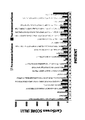
- FIG. 1 shows the significant effect of the use of various products of this invention in terms of reduction of RLU post treatment with said products.
- the FIGURE shows the large difference between the heights of the bars for 25 patients. It shows a significant decrease and improvement in RLU scores for each patient who has successfully completed a treatment with one product of the instant invention.
- CFUs colony forming units
- the products of this invention are designed to provide antimicrobial and remineralization oral health of a dental patient.
- the products have a pH that is alkaline ranging from values of about 8.0 to about 11.5, as well as pH buffers.
- the alkalinity and buffers drive the pH of the biofilm in a patient's mouth to a level which encourages the growth of healthy bacteria that reforms the biofilm and improves the health of the patient's mouth.
- the instant invention comprises oral health care products selected from the group consisting of rinses including a maintenance rinse, a two-component treatment rinse, oral sprays, toothpastes, gels, varnishes, creams, chewing gums, mints, floss, toothpicks, swabs, brushes, sponges, and dissolving strips.
- the rinses of this invention include both a maintenance rinse and a two part therapeutic rinse.
- the maintenance rinse comprises about 73 weight percent water, about 25 percent xylitol, about 1 weight percent sodium benzoate, about 1 percent potassium sorbate, 0.05 percent sodium fluoride, 0.2 percent citrus or mint flavor, 0.2 percent polysorbate 20, sodium bicarbonate, calcium hydroxide, or sodium hydroxide to boost and buffer pH to above 8.0, and trace amounts of 90% polyphenol and cranberry extract.
- the therapeutic rinse of this invention is a two-part rinse that is utilized for two weeks and then is followed by a maintenance rinse.
- the treatment rinse contains fluoride as an active ingredient, along with a strong oxidizing agent selected from the group consisting of sodium hypochlorite, calcium hypochlorite, potassium hypochlorite, magnesium hypochlorite, and sodium hydroxide to buffer the treatment rinse to an elevated pH of 10.38-11.50.
- a strong oxidizing agent selected from the group consisting of sodium hypochlorite, calcium hypochlorite, potassium hypochlorite, magnesium hypochlorite, and sodium hydroxide to buffer the treatment rinse to an elevated pH of 10.38-11.50.
- a single dose of this two part rinse is mixed each time it is used.
- the two part treatment rinse includes the first part of the treatment rinse that comprises water in the amount of about 73 weight percent, xylitol in the amount of 22 weight percent, sodium benzoate in the amount of 2.0 weight percent, sodium fluoride in the amount of 0.05 weight percent, mint oil in the amount of 1.0 weight percent, poloxamer in the amount of 1.25 weigh percent, menthol in the amount of 1.0 weight percent, and the second part comprises water in the amount of about 92 weight percent, sodium hydroxide in a quantity to bring the pH of the second component to 11.9, and 5% sodium hypochlorite solution in the amount of 8 percent to bring the total sodium hypochlorite concentration to 0.4 percent.
- This single part rinse contains fluoride as the active ingredient, xylitol, an elevated pH of at least 8.0, a ph buffer, and the known naturally occurring antimicrobials polyphenol and anthocyanidins.
- the rinses In addition to the antimicrobial basis for the rinses, they also have remineralization properties with the fluoride, and the elevated pH and pH buffers play a major role in the re-establishment of a healthy, normal biofilm.
- the cariogenic biofilm is acidogenic and aciduric, and the pH of the biofilm is acidic, favoring these bacteria.
- One important consideration in treatment is to drive the pH of the biofilm to basic levels, giving the healthy bacteria a better opportunity to reestablish a healthy, protective biofilm on the teeth.
- One concern about anti-caries rinses and products should be their pH. It does not make sense to treat and acidic biofilm with an acidic product, if the desired bacteria require an environment with neutral or basic pH.
- Another product of this invention is an oral spray.
- the spray product allows patents to maintain the alkaline pH of their biofilm quickly and easily.
- Propylene glycol, polyethylene glycol, hydrogenated castor oil, aloe vera, sunflower oil, avocado oil, glycerin or flax seed oil can be optionally added in quantities less than 10% to increase oral moisturization.
- the fluoride-free maintenance rinse comprises about 72 weight percent water, about 15 weight percent xylitol, about 10 weight percent of one or more components selected from the group consisting of polyethylene glycol, hydrogenated castor oil, aloe vera, sunflower oil, avocado oil, glycerin and flax seed oil, about 0.2 weight percent sodium benzoate, about 1.8 weight percent potassium sorbate, traces of natural color and natural flavor and sodium hydroxide in an amount that buffers the pH of the rinse to a value between 8 and 10.
- Another product of this invention is an oral gel that comprises water in the amount of about 68 weight percent, xylitol in the amount of 25 weight percent, hydroxyethyl cellulose in the amount of 1.65 weight percent, sodium benzoate in the amount of 0.1 weight percent, potassium sorbate in the amount of 1 weight percent, propylene glycol, glycerin, or polyethylene glycol in the amount of 10 weight percent, hydrogenated starch hydrolysate in the amount of 2 weight percent, sodium laurel sulfate in the amount of 1.2 weight percent, flavor in the amount of 1.1 weight percent, polysorbate 20 in the amount of 2 weight percent, calcium acetate in the amount of 0.01 weight percent, and sodium bicarbonate in the amount sufficient to buffer the composition to a pH value of at least 8.
- Sodium Fluoride may also be added to this product in the amount of 0.05-1.1 weight percent.
- Another gel that is part of this invention is an oral gel comprising an aqueous solution of sorbitol 70% in the amount of 42 weight percent, distilled water in the amount of 20 weight percent, calcium carbonate in the amount of 10 weight percent, sodium bicarbonate in the amount of 5 weight percent, sodium laurel sulfate in the amount of 2 weight percent, titanium dioxide in the amount of 1 weight percent, precipitated silica in the form of Zeodent® 113 in the amount of 5 weight percent, guar gum in the amount of 0.5 weight percent, carboxy methylcellulose in the amount of 0.5 weight percent, sodium saccharin in the amount of 0.5 weight percent, xylitol in the amount of 5.0 weight percent, collagen in the amount of 2.0 weight percent, sodium benzoate in the amount of 0.3 weight percent, precipitated silica in the form of zeodent 165 in the amount of 5.0 weight percent, sparkle glitter in the amount of 1.2 weight percent, and trace amounts of flavor to taste, and sodium bicarbonate in an amount sufficient bring and buffer the
- Zeodent® products are precipitated silicas with low surface area and enhanced flavor compatibility. Discussed in U.S. Pat. No. 6,946,119 to Gallis et al, Zeodent® products are used in some dentifrices for their antimicrobial activity.
- This invention also comprises a group of products designed for protecting the oral health of babies, infants, and children.
- These products include antimicrobial and remineralization oral health care products with a pH that is alkaline for the protection of the oral cavity of youngsters comprising suckers and other hard candies, popsicles, rinses, gel, wipes, varnishes and swabs.
- the product is an antimicrobial wipes which are pre-moistened with a solution comprising fluoride and xylitol, and a pH value of about 8.
- the solution for said wipe comprises 63 weight percent water, 10 weight percent glycerin, 25 weight percent xylitol, 2 percent sodium benzoate, flavor, and sufficient sodium bicarbonate to bring and buffer the pH of the wipe to a value of at least 8.
- the solution is pre-applied to a small (preferably 5′′ ⁇ 3′′, although the size may vary) non-woven cotton fabric as a pre-moistened wipe for application and cleansing of a child's oral cavity, teeth, tongue, and gums.
- the wipe is used twice daily, especially after mealtimes.
- the oral health product contains propylene glycol, polyethylene glycol, hydrogenated castor oil, aloe vera, sunflower oil, avocado oil, glycerin or flax seed oil can be optionally added in quantities less than 10% to increase oral moisturization.
- the methods of this invention include a method for providing oral antimicrobial treatment and remineralization of the teeth of a patient comprising the steps of diagnosing and treating dental caries from a medical model comprising the steps of
- the oral health care products are selected from the group consisting of rinses including a maintenance rinse, a two-component treatment rinse, oral sprays, toothpastes, gels, varnishes, creams, chewing gums, mints, and floss.
- the oral care antimicrobial/remineralization products of this invention have a pH in the range between about 8.0 and 11.5 as well as pH buffers to maintain these pH levels.
- a maintenance rinse of this invention comprises about 73 weight percent water, about 25 percent xylitol, about 1 weight percent sodium benzoate, about 1 percent potassium sorbate, 0.05 percent sodium fluoride, 0.2 percent flavor, 0.2 percent polysorbate 20, sodium bicarbonate or sodium hydroxide to boost pH to above 8.0, and trace amounts of 90% polyphenol and cranberry extract.
- the therapeutic rinse is a two-part rinse that is utilized for two weeks wherein a single dose of the two part rinse is mixed each time it is used.
- the two-part treatment rinse is used for two weeks by the patient by swishing the rinse in his/her mouth for a minute and expectorating.
- the first part of the treatment rinse that comprises water in the amount of about 73 weight percent, xylitol in the amount of 22 weight percent, sodium benzoate in the amount of 2.0 weight percent, sodium fluoride in the amount of 0.05 weight percent, mint oil in the amount of 1.0 weight percent, poloxamer in the amount of 1.25 weight percent, menthol in the amount of 1.0 weight percent, and the second part comprises water in the amount of about 92 weight percent, sodium hydroxide in a quantity to buffer the pH of the second component to 11.9, and 5% sodium hypochlorite solution in the amount of 8 percent to bring the total sodium hypochlorite concentration to 0.4 percent.
- the patient is then placed on daily use of the maintenance rinse.
- the rinses along with the other products of this invention, assure that elevated pH plays a major role in the re-establishment of a healthy, normal biofilm in the patient's mouth.
Landscapes
- Health & Medical Sciences (AREA)
- Life Sciences & Earth Sciences (AREA)
- Animal Behavior & Ethology (AREA)
- General Health & Medical Sciences (AREA)
- Public Health (AREA)
- Veterinary Medicine (AREA)
- Chemical & Material Sciences (AREA)
- Inorganic Chemistry (AREA)
- Birds (AREA)
- Epidemiology (AREA)
- Oral & Maxillofacial Surgery (AREA)
- Cosmetics (AREA)
Abstract
A method of treating biofilm disease using a pH adjusted therapeutic rinse that comprises two parts that are separated and in amounts that upon mixing provide a single dose. The two parts together and then rinsing a patient's mouth with the single dose and expectorating.
Description
This utility application is a continuation application of U.S. application Ser. No. 11/973,843, entitled “TREATING CARIOGENIC DISEASED ORAL BIOFILM WITH ELEVATED pH OR pH BUFFERING ORAL HEALTH CARE PRODUCTS,” filed Oct. 10, 2007, which claims priority of U.S. provisional application 60/852,167, filed Oct. 16, 2006. This related applications are incorporated herein by reference and made a part of this application. Moreover, any and all U.S. patents, U.S. patent applications, and other documents, hard copy or electronic, cited or referred to in this application are incorporated herein by reference and made a part of this application.
The present invention relates to treating a dental patient's oral health, such as cavities, as symptoms of a biofilm disease. The invention describes and claims treatment of the disease with high-pH or pH buffering health care products.
Oral health problems such as cavities result from a biofilm disease. In the past dentists generally only treated the symptoms, i.e. filling cavities, and not the cause of the symptoms, so patients continued to get cavities.
Others have tried to solve this problem in the past with antimicrobial agents including rinses, toothpastes, gels, gums, and other oral health care products that are acidic in pH. The problem is that the diseased biofilm in the mouth contains >96% acidogenic and aciduric bacteria. These bacteria are unique in their ability to maintain intra-cellular neutrality in an acidic biofilm because they have an H+ ion pump mechanism that allows them to continuously pump the acidic ions out of their cells and into the biofilm.
The pH of the biofilm in the mouth is acidic and results in the chemical dissolution of the calcium salts from tooth enamel which ultimately results in a cavity. The healthy and desirable oral bacteria cannot survive in an acidic environment, so treating the biofilm with an acidic product, drives the pH of the biofilm lower. Lower pH is moving in the wrong direction for the proper pH in maintaining dental health.
Applicants have discovered that three things that are effective against a bacterial oral biofilm are 1) heat, 2) mechanical debridement, and 3) a strong oxidizing agent. The present invention provides antimicrobial and remineralization oral health care products with a pH that is alkaline (higher pH) rather than acidic (lower pH) and also contains pH buffering agents. These higher pH agents drive the pH of the biofilm to the correct, higher level for healthy bacteria to reform in the oral biofilm and prevent cavities. The oral care antimicrobial/remineralization products of this invention have a pH that ranges between 8.0-11.5. The oral health care products of this invention include rinses, oral sprays, toothpastes, gels, varnishes, creams, gums, mints, floss, toothpicks, swabs, brushes, sponges, and dissolving strips.
Earlier antimicrobial/remineralization products such as described in U.S. Pat. No. 4,367,218 were either remineralization products that contain fluoride or calcium salts, which usually are of an acidic pH. Antimicrobial products are also mostly all acidic in pH. Another category of product had an elevated pH include a rinse based on sodium bicarbonate and aluminum salts, with a pH up to 9.4. This rinse was not an antimicrobial or remineralization product.
Additional work by others has been done on controlling the level of bacteria in the mouth. In U.S. Pat. No. 7,060,726 Hiramoto et al described using a mixture of coumarin analogues obtained from citrus fruit products. Leusch et al, in U.S. Pat. No. 6,238,648 disclose oral care compositions that combine a non-cariogenic carbohydrate and polyalcohol. Kramer et al., in U.S. Pat. No. 6,290,934 disclose agents for the promotion of oral health comprising ionically bound or free thiocyanate ions and carbamide perhydrate in combination with known additives and vehicles.
Other patents of interest to applicants include Lee et al in U.S. Pat. Nos. 6,214,321 and 6,120,754. The Lee works deal with the remineralization of teeth. Both patents teach first and second compositions, the first composition having a pH less than 7 and the second composition having a pH greater than 7. When combined upon application to teeth, the first and second compositions generate hydroxyapatite depositing same on dental enamel. Lee's elevated pH is quite different from applicants' invention wherein higher pH is desired in and of itself to raise the pH of dental biofilm.
High pH is mentioned in U.S. Pat. No. 6,872,565 by Mollstam et al. Mollstam is concerned with reducing the number of Streptococcus mutans in the mouth through inhibiting activity in combination with good binding to the oral mucins and dental plaque. A high pH material is used in at least one example.
A bioengineered bacterial organism to over express two or more Lactococcus lactis HtrA to promote the inhibition or removal of a biofilm is presented by Wang et al in US Patent Publication 2007/0059295. Applicants have no such organism.
In U.S. Pat. No. 5,603,920 Rice discloses a dentifrice composition wherein the pH is above 9. In his invention, Rice does not mention the oral biofilm at all.
The present invention provides antimicrobial and remineralization oral health care products with higher, alkaline pH and pH buffers. These products drive the pH of the biofilm to the correct level for the healthy bacteria to reform in the biofilm and prevent cavities. Among the oral health care products are rinses, oral sprays, toothpastes, gels, varnishes, creams, gums, mints, floss, toothpicks, swabs, brushes, sponges, and dissolving strips and the like. Methods of using these products are also described and claimed herein.
In this invention, ‘acidogenic’ bacteria will mean acid-forming bacteria. In this invention, ‘aciduric’ will mean relating to bacteria that tolerate an acid environment.
In this invention, low pH will mean pH values that are lower than 7.
In this invention, high pH will mean pH values that are higher than 7.
In this invention, biofilm is a complex aggregation of microorganisms marked by the excretion of a protective and adhesive matrix. A typical biofilm of this invention is the dental plaque that forms on teeth that causes tooth decay and is a bacterial biofilm.
Applicants have developed oral care products including several oral rinses that are pending in a current U.S. patent application Ser. No. 11/337,435 filed on Jan. 23, 2005 and entitled “System for Caries Management by Risk Assessment”. The rinses described therein are antimicrobial/remineralization with pH values of about 8.0 and 11.50. The pH values ranging between 10 and 11.5 are about as strong as patients can tolerate without the burning of the oral soft tissue.
For the purposes of the present patent application, a plurality of the available oral care products on the market was tested for pH. As seen in Table 1, it was discovered that they were virtually all acidic in pH; some with a pH as low as 4.04.
Dental caries is now defined by the dental profession as a biofilm disease, with the caries causing bacteria taking control of the biofilm on the teeth. When the oral environment favors these bacteria, the biofilm population shifts from the normal healthy flora to the acidogenic and aciduric bacteria associated with dental caries. As more is learned about controlling the oral biofilm, the three things listed supra are known to be effective against biofilms in general. Because of the structure and function of biofilms, they are only susceptible to complete debridement, heat, and strong oxidizing agents. In the mouth, it is nearly impossible to completely debride the cariogenic biofilm away. The biofilm reforms within hours after it is removed and bacteria are ubiquitous in the mouth. Heat is not a good option, as heat that is applied to the oral structures at a high enough temperature to destroy the bacteria, would also destroy the host tissues. Strong oxidizing agents offer some potential as antimicrobial agents in safe-to-use concentrations.
ATP bioluminescence has been used for over 40 years to rapidly identify the bacterial load of an environment. ATP is the energy molecule used by all living cells, and if it is present in water or on a surface, the ATP present is indicative of the bacterial load. When the ATP sample is mixed with stabilized luciferin/luciferinase, it emits light and can be measured in a light sensitive meter. ATP bioluminescence is a non-specific test, as specific bacterial species cannot be identified. In the mouth, there is also an unknown amount of human somatic ATP levels, depending upon the recent activity of the mouth.
There is a strong direct correlation between the ATP bioluminescence level of the oral biofilm in a mouth at rest, and the number of Cariogenic bacteria present. During three separate randomized clinical trials, it was determined that there was a strong direct correlation between the Caries Susceptibility Test score and the number of colony forming units (CFUs) of Mutans streptococci, a known cariogenic bacteria strain. The graph of twenty-five patients and their pre and post treatment CariScreen Scores is shown in FIG. 1 .
As seen from the big difference in the heights of the bars for each patient, treatment with a product of this invention greatly reduced the RLU (relative light units, labeled “Cariscreen®”)) scores for patients after treatment. As noted above, the amount of Mutans streptococci in these patients is greatly reduced.
Fluoride reduces the acid solubility of enamel, and reduces the pH demineralization threshold from 5.5 to 4.5. It also affects the metabolism of cariogenic bacteria. Fluoride has been applied systemically in water supplies and by prescription tablets, and topically with fluoride toothpaste, fluoride rinses, gels and foams. It is also applied directly to the teeth in varnishes. Other attempts at antimicrobial therapy have focused mainly around the use of chlorhexidine in either a rinse or a varnish. While chlorhexidine is effective against Mutans streptococci, it has no effect against Lactobacilli and the effect on other cariogenic bacteria is not known. Xylitol is known to disrupt the metabolism of Mutans streptococci and other cariogenic bacteria. These bacteria readily ingest the xylitol, but are unable to digest it and must expend additional energy to expel it from the cell.
Xylitol has been used in rinses, toothpastes and gels, mints, gum and assorted other products. With lack of an effective antimicrobial product, some researchers and clinicians have even used Betadine®, 10% Povidone Iodine as a mouth rinse. The problem with Betadine, aside from the unpleasant taste, is the fact that it can only be used one time per month because the iodine/thyroid interaction. A significant number of people who are allergic to shellfish are also allergic to iodine.
The elevated pH and pH buffering capability of the products of the instant invention plays a major role in the reestablishment of a healthy, normal biofilm. The cariogenic biofilm is acidogenic and aciduric, and the pH of the biofilm is acidic, favoring these bacteria. One important consideration in treatment is to drive the pH of the biofilm up to basic levels, giving the healthy bacteria a better opportunity to reestablish a healthy, protective biofilm on the teeth.
The advantages of applicants' solution over previous solutions is that the currently described group of products are simple and effective antimicrobial remineralization oral health care products with an elevated pH and pH buffers that drives the pH of the oral biofilm above at least a value of 7.0. This serves to greatly reduce and/or eliminate the acidogenic/aciduric bacteria that cause dental caries. It also favors the healthy bacteria that protect the teeth in a healthy biofilm with elevated pH values.
The prior art of U.S. Pat. No. 4,367,218 requires the metallic carbonate/bicarbonate salts of their product rinses to be shaken and then rinsed in the mouth every 30 minutes throughout the day. The products of the present invention do not require shaking, and they only need to be used one or two times per day on the same schedule that a patient uses normal oral care products such as mouthwash, floss, toothpaste and the like.
Applicants' solution would not be obvious to other inventors in the dental field because dentistry has been focused on producing acidic products and have not done experiments with highly elevated pH products to determine treatment outcomes. The present invention runs contrary to the beliefs and procedures for current dental health and products supporting dental well-being. Applicants' solution to dental health problems is not intuitive and it is not obvious, as it is contrary to long-held tenets of dentistry.
Applicants have developed oral rinses that are antimicrobial and that help remineralization of the teeth with pH values ranging from 8.0 to 11.5, as well as pH buffering agents. The instant patent application encompasses many oral health care products such as toothpastes, gels, oral sprays, gum, mints, varnishes, floss, toothpicks, swabs, brushes, sponges, and dissolving strips.
Applicants have tested a large sampling of the available oral care products currently on the market for pH value which are shown in Table 1, below. The products were tested using a Beckman® 240 pH meter with a measurable pH range of 0-16 and FUTURA™ Gel-Filled Epoxy pH Electrode. After calibration with Chem Products color coded pH buffers, 3 separate pH readings were taken for each product and the average of the 3 readings was taken as final pH value. Virtually all of them tested acidic in pH. In fact, one product had a pH values as low as 4.04
| TABLE 1 | |||
| Rinse Name | Tested pH | ||
| CariFree Treatment Rinse | 10.38 | ||
| CariFree Maintenance Rinse | 8.00 | ||
| Cepacol | 7.53 | ||
| Act | 6.36 | ||
| NeutraFlor 220 | 6.03 | ||
| NeutraFlor 900 | 5.98 | ||
| Colgate Fluorigard | 5.98 | ||
| Rembrandt Whitening | 5.73 | ||
| Listerine Whitening | 5.60 | ||
| Peridex | 5.50 | ||
| Scope | 5.45 | ||
| BreathRx | 4.77 | ||
| Oral-B Anticavity Rinse | 4.73 | ||
| Biotene Mouthwash | 4.67 | ||
| Oral-B Antibacterial Rinse | 4.65 | ||
| Listerine | 4.45 | ||
| BreathRx Antibacterial Mouth Spray | 4.35 | ||
| FluoroCare 200 | 4.31 | ||
| Crest Pro-Health | 4.24 | ||
| Tom's of Maine Natural Mouthwash | 4.04 | ||
The products of this invention are effective antimicrobial and remineralization oral health care products with an elevated pH and pH buffers. The elevated pH and ph buffers drive the pH of a patient's biofilm to an elevated level that will eliminate the acidogenic and aciduric bacteria that cause dental caries, and favors the healthy bacteria that protect the teeth in a healthy biofilm.
The following FIGURE, FIG. 1 shows the significant effect of the use of various products of this invention in terms of reduction of RLU post treatment with said products.
The FIGURE shows the large difference between the heights of the bars for 25 patients. It shows a significant decrease and improvement in RLU scores for each patient who has successfully completed a treatment with one product of the instant invention. There is a strong direct correlation between the ATP bioluminescence level of the oral biofilm in a mouth at rest, and the number of Cariogenic bacteria present. During three separate randomized clinical trials, it was determined that there was a strong direct correlation between the Caries Susceptibility Test score and the colony forming units (CFUs) of Mutans streptococci, a known cariogenic bacteria strain.
The products of this invention are designed to provide antimicrobial and remineralization oral health of a dental patient. As has been discussed, the products have a pH that is alkaline ranging from values of about 8.0 to about 11.5, as well as pH buffers. The alkalinity and buffers drive the pH of the biofilm in a patient's mouth to a level which encourages the growth of healthy bacteria that reforms the biofilm and improves the health of the patient's mouth. The instant invention comprises oral health care products selected from the group consisting of rinses including a maintenance rinse, a two-component treatment rinse, oral sprays, toothpastes, gels, varnishes, creams, chewing gums, mints, floss, toothpicks, swabs, brushes, sponges, and dissolving strips.
The rinses of this invention include both a maintenance rinse and a two part therapeutic rinse. The maintenance rinse comprises about 73 weight percent water, about 25 percent xylitol, about 1 weight percent sodium benzoate, about 1 percent potassium sorbate, 0.05 percent sodium fluoride, 0.2 percent citrus or mint flavor, 0.2 percent polysorbate 20, sodium bicarbonate, calcium hydroxide, or sodium hydroxide to boost and buffer pH to above 8.0, and trace amounts of 90% polyphenol and cranberry extract.
The therapeutic rinse of this invention is a two-part rinse that is utilized for two weeks and then is followed by a maintenance rinse. The treatment rinse contains fluoride as an active ingredient, along with a strong oxidizing agent selected from the group consisting of sodium hypochlorite, calcium hypochlorite, potassium hypochlorite, magnesium hypochlorite, and sodium hydroxide to buffer the treatment rinse to an elevated pH of 10.38-11.50. A single dose of this two part rinse is mixed each time it is used.
The two part treatment rinse includes the first part of the treatment rinse that comprises water in the amount of about 73 weight percent, xylitol in the amount of 22 weight percent, sodium benzoate in the amount of 2.0 weight percent, sodium fluoride in the amount of 0.05 weight percent, mint oil in the amount of 1.0 weight percent, poloxamer in the amount of 1.25 weigh percent, menthol in the amount of 1.0 weight percent, and the second part comprises water in the amount of about 92 weight percent, sodium hydroxide in a quantity to bring the pH of the second component to 11.9, and 5% sodium hypochlorite solution in the amount of 8 percent to bring the total sodium hypochlorite concentration to 0.4 percent.
The patient swishes the rinse in his mouth for a minute and then expectorates. After two weeks of the treatment rinse, the patient is then placed on daily use of the maintenance rinse. This single part rinse contains fluoride as the active ingredient, xylitol, an elevated pH of at least 8.0, a ph buffer, and the known naturally occurring antimicrobials polyphenol and anthocyanidins.
In addition to the antimicrobial basis for the rinses, they also have remineralization properties with the fluoride, and the elevated pH and pH buffers play a major role in the re-establishment of a healthy, normal biofilm. The cariogenic biofilm is acidogenic and aciduric, and the pH of the biofilm is acidic, favoring these bacteria. One important consideration in treatment is to drive the pH of the biofilm to basic levels, giving the healthy bacteria a better opportunity to reestablish a healthy, protective biofilm on the teeth. One concern about anti-caries rinses and products should be their pH. It does not make sense to treat and acidic biofilm with an acidic product, if the desired bacteria require an environment with neutral or basic pH.
Another product of this invention is an oral spray. The spray product allows patents to maintain the alkaline pH of their biofilm quickly and easily. Propylene glycol, polyethylene glycol, hydrogenated castor oil, aloe vera, sunflower oil, avocado oil, glycerin or flax seed oil can be optionally added in quantities less than 10% to increase oral moisturization.
Another product of this invention is a fluoride-free maintenance rinse. The fluoride-free maintenance rinse comprises about 72 weight percent water, about 15 weight percent xylitol, about 10 weight percent of one or more components selected from the group consisting of polyethylene glycol, hydrogenated castor oil, aloe vera, sunflower oil, avocado oil, glycerin and flax seed oil, about 0.2 weight percent sodium benzoate, about 1.8 weight percent potassium sorbate, traces of natural color and natural flavor and sodium hydroxide in an amount that buffers the pH of the rinse to a value between 8 and 10.
Another product of this invention is an oral gel that comprises water in the amount of about 68 weight percent, xylitol in the amount of 25 weight percent, hydroxyethyl cellulose in the amount of 1.65 weight percent, sodium benzoate in the amount of 0.1 weight percent, potassium sorbate in the amount of 1 weight percent, propylene glycol, glycerin, or polyethylene glycol in the amount of 10 weight percent, hydrogenated starch hydrolysate in the amount of 2 weight percent, sodium laurel sulfate in the amount of 1.2 weight percent, flavor in the amount of 1.1 weight percent, polysorbate 20 in the amount of 2 weight percent, calcium acetate in the amount of 0.01 weight percent, and sodium bicarbonate in the amount sufficient to buffer the composition to a pH value of at least 8. Sodium Fluoride may also be added to this product in the amount of 0.05-1.1 weight percent.
Another gel that is part of this invention is an oral gel comprising an aqueous solution of sorbitol 70% in the amount of 42 weight percent, distilled water in the amount of 20 weight percent, calcium carbonate in the amount of 10 weight percent, sodium bicarbonate in the amount of 5 weight percent, sodium laurel sulfate in the amount of 2 weight percent, titanium dioxide in the amount of 1 weight percent, precipitated silica in the form of Zeodent® 113 in the amount of 5 weight percent, guar gum in the amount of 0.5 weight percent, carboxy methylcellulose in the amount of 0.5 weight percent, sodium saccharin in the amount of 0.5 weight percent, xylitol in the amount of 5.0 weight percent, collagen in the amount of 2.0 weight percent, sodium benzoate in the amount of 0.3 weight percent, precipitated silica in the form of zeodent 165 in the amount of 5.0 weight percent, sparkle glitter in the amount of 1.2 weight percent, and trace amounts of flavor to taste, and sodium bicarbonate in an amount sufficient bring and buffer the composition to a pH value of at least 8.
The Zeodent® products are precipitated silicas with low surface area and enhanced flavor compatibility. Discussed in U.S. Pat. No. 6,946,119 to Gallis et al, Zeodent® products are used in some dentifrices for their antimicrobial activity.
This invention also comprises a group of products designed for protecting the oral health of babies, infants, and children. These products include antimicrobial and remineralization oral health care products with a pH that is alkaline for the protection of the oral cavity of youngsters comprising suckers and other hard candies, popsicles, rinses, gel, wipes, varnishes and swabs.
More specifically, the product is an antimicrobial wipes which are pre-moistened with a solution comprising fluoride and xylitol, and a pH value of about 8. Furthermore, the solution for said wipe comprises 63 weight percent water, 10 weight percent glycerin, 25 weight percent xylitol, 2 percent sodium benzoate, flavor, and sufficient sodium bicarbonate to bring and buffer the pH of the wipe to a value of at least 8.
The solution is pre-applied to a small (preferably 5″×3″, although the size may vary) non-woven cotton fabric as a pre-moistened wipe for application and cleansing of a child's oral cavity, teeth, tongue, and gums. The wipe is used twice daily, especially after mealtimes.
The oral health product contains propylene glycol, polyethylene glycol, hydrogenated castor oil, aloe vera, sunflower oil, avocado oil, glycerin or flax seed oil can be optionally added in quantities less than 10% to increase oral moisturization.
Being able to document successful treatment outcomes provides validation for both the patient and his/her dental team that the medical model of caries diagnosis and treatment is effective. The products of this invention provide patients and the dental team with confidence that the bacterial infection can and is being controlled. With annual screenings, potential problems can be identified and addressed before serious restorative intervention is required.
The methods of this invention include a method for providing oral antimicrobial treatment and remineralization of the teeth of a patient comprising the steps of diagnosing and treating dental caries from a medical model comprising the steps of
-
- a) analyzing the biofilm in a patient's mouth;
- b) measuring the bacterial load in the mouth using ATP as an indication of the patient's oral bacterial load;
- c) correlating the ATP bioluminescence level of the oral biofilm in a mouth at rest and the number of CFU's of cariogenic bacteria present in the mouth;
- d) prescribing a regimen of products that are effective against a bacterial biofilm selected from the group consisting of heat, mechanical debridement and a strong oxidizing agent;
- e) providing antimicrobial and remineralization oral health care products with a pH that is alkaline ranging from about 8 to about 11.5 and pH buffers to maintain these pH levels for the maintenance and reformation of healthy bacteria in the biofilm;
- f) monitoring the patient until the biofilm is maintained in a healthy state.
In this manner, the oral health care products are selected from the group consisting of rinses including a maintenance rinse, a two-component treatment rinse, oral sprays, toothpastes, gels, varnishes, creams, chewing gums, mints, and floss.
The oral care antimicrobial/remineralization products of this invention have a pH in the range between about 8.0 and 11.5 as well as pH buffers to maintain these pH levels.
More specifically, a maintenance rinse of this invention comprises about 73 weight percent water, about 25 percent xylitol, about 1 weight percent sodium benzoate, about 1 percent potassium sorbate, 0.05 percent sodium fluoride, 0.2 percent flavor, 0.2 percent polysorbate 20, sodium bicarbonate or sodium hydroxide to boost pH to above 8.0, and trace amounts of 90% polyphenol and cranberry extract.
Furthermore, the therapeutic rinse is a two-part rinse that is utilized for two weeks wherein a single dose of the two part rinse is mixed each time it is used. The two-part treatment rinse is used for two weeks by the patient by swishing the rinse in his/her mouth for a minute and expectorating. The first part of the treatment rinse that comprises water in the amount of about 73 weight percent, xylitol in the amount of 22 weight percent, sodium benzoate in the amount of 2.0 weight percent, sodium fluoride in the amount of 0.05 weight percent, mint oil in the amount of 1.0 weight percent, poloxamer in the amount of 1.25 weight percent, menthol in the amount of 1.0 weight percent, and the second part comprises water in the amount of about 92 weight percent, sodium hydroxide in a quantity to buffer the pH of the second component to 11.9, and 5% sodium hypochlorite solution in the amount of 8 percent to bring the total sodium hypochlorite concentration to 0.4 percent.
After two weeks of the treatment rinse, the patient is then placed on daily use of the maintenance rinse. The rinses, along with the other products of this invention, assure that elevated pH plays a major role in the re-establishment of a healthy, normal biofilm in the patient's mouth.
Scope of the Invention
Claims (4)
1. A method of treating biofilm disease including the steps of
(a) preparing a two-part therapeutic rinse comprising a first part and second part that are separated and in amounts that upon mixing provide a single dose each time the rinse is used,
said first part comprising water and a fluoride and
said second part consisting of an aqueous solution of an oxidizing agent selected from the group consisting of sodium hypochlorite, calcium hypochlorite, potassium hypochlorite, and magnesium hypochlorite, and
(b) mixing said first and second parts to provide said single dose each time the rinse is used, and
(c) rinsing a patient's mouth with said single dose and expectorating.
2. A method of treating biofilm disease including the steps of
(a) preparing a two-part therapeutic rinse comprising a first part and second part that are separated and in amounts that upon mixing provide a single dose each time the rinse is used,
said first part comprising water, xylitol, and a fluoride and
said second part consisting of a buffered solution at an alkaline pH effective to drive the pH of a patient's oral biofilm to above at least a value of 7.0 and an oxidizing agent selected from the group consisting of sodium hypochlorite, calcium hypochlorite, potassium hypochlorite, and magnesium hypochlorite,
(b) mixing said first and second parts to provide said single dose each time the rinse is used, and
(c) rinsing a patient's mouth with said single dose for a minute and then expectorating, and
(d) using the rinse over a two weeks and then followed by a maintenance rinse.
3. The method of claim 2 where the first part consists of about
73 weight percent water,
22 weight percent xylitol,
0.05 weight percent sodium fluoride, and
the second part comprises about 92 weight percent water and an 8 weight percent sodium hypochlorite solution.
4. The method of claim 3 where, upon mixing the first and second parts into the single dose, the concentration of the sodium hypochlorite solution is about 0.4 weight percent.
Priority Applications (1)
| Application Number | Priority Date | Filing Date | Title |
|---|---|---|---|
| US14/677,927 US10143633B2 (en) | 2006-10-16 | 2015-04-02 | Treating cariogenic diseased oral biofilm with elevated pH |
Applications Claiming Priority (3)
| Application Number | Priority Date | Filing Date | Title |
|---|---|---|---|
| US85216706P | 2006-10-16 | 2006-10-16 | |
| US97384307A | 2007-10-10 | 2007-10-10 | |
| US14/677,927 US10143633B2 (en) | 2006-10-16 | 2015-04-02 | Treating cariogenic diseased oral biofilm with elevated pH |
Related Parent Applications (1)
| Application Number | Title | Priority Date | Filing Date |
|---|---|---|---|
| US97384307A Continuation | 2006-10-16 | 2007-10-10 |
Publications (3)
| Publication Number | Publication Date |
|---|---|
| US20150305992A1 US20150305992A1 (en) | 2015-10-29 |
| US20160374909A9 US20160374909A9 (en) | 2016-12-29 |
| US10143633B2 true US10143633B2 (en) | 2018-12-04 |
Family
ID=54333744
Family Applications (1)
| Application Number | Title | Priority Date | Filing Date |
|---|---|---|---|
| US14/677,927 Active 2028-09-23 US10143633B2 (en) | 2006-10-16 | 2015-04-02 | Treating cariogenic diseased oral biofilm with elevated pH |
Country Status (1)
| Country | Link |
|---|---|
| US (1) | US10143633B2 (en) |
Families Citing this family (2)
| Publication number | Priority date | Publication date | Assignee | Title |
|---|---|---|---|---|
| IL246465A0 (en) * | 2016-06-26 | 2016-11-30 | Ofek Itzhak | A dental care composition comprising cranberry juice extract or functional analog thereof and fluoride ion source |
| CN115844799A (en) * | 2023-02-13 | 2023-03-28 | 云南白药集团健康产品有限公司 | Composition for oral care product and application thereof |
Citations (27)
| Publication number | Priority date | Publication date | Assignee | Title |
|---|---|---|---|---|
| CA986022A (en) | 1972-11-20 | 1976-03-23 | Melvin Goldman | Dental treatment compositions including n-monochloroglycine |
| US4150151A (en) | 1977-12-12 | 1979-04-17 | Lever Brothers Company | Mouthwash |
| US4372978A (en) | 1979-11-26 | 1983-02-08 | University Of Pittsburgh | Antibacterial agent and method |
| USRE31815E (en) | 1979-08-20 | 1985-01-29 | Philips Medical Systems, Inc. | Method and apparatus for detecting the presence of caries in teeth using visible luminescence |
| US5089255A (en) * | 1989-06-26 | 1992-02-18 | Colgate-Palmolive Company | Dental remineralization |
| US5213615A (en) | 1986-10-11 | 1993-05-25 | Ivoclar Ag | Dental material and method for the control of caries and paradentitis |
| US5607672A (en) | 1995-06-07 | 1997-03-04 | University Of Florida Research Foundation, Inc. | Replacement therapy for dental caries |
| US5738113A (en) | 1996-01-05 | 1998-04-14 | Knowell Therapeutic Technologies, Inc. | Caries treatment method with fluoride |
| US5770182A (en) | 1990-03-22 | 1998-06-23 | Ultradent Products, Inc. | Methods for treating teeth with anticariogenic and antimicrobial dental compositions |
| US5804165A (en) | 1996-07-24 | 1998-09-08 | Arnold; Michael J. | Antiplaque oral composition |
| JPH10330234A (en) | 1997-05-30 | 1998-12-15 | Shosuke Otsuka | Dentifrice |
| US6043047A (en) | 1993-04-23 | 2000-03-28 | Celsis International, Plc | Sample-collecting and assay device for use in the detection of biological material |
| US6314960B1 (en) | 1998-09-28 | 2001-11-13 | Frank L. Vines | Dental medication vacuum pump delivery tray |
| US6342207B1 (en) | 1999-03-02 | 2002-01-29 | Patricia Stoor | Method for reducing the viability of detrimental oral microorganisms in an individual, and for prevention and/or treatment of diseases caused by such microorganisms; and whitening and/or cleaning of an individual's teeth |
| US6375934B1 (en) | 1998-05-18 | 2002-04-23 | Care Aid 2000 Ab | System for optimized formation of fluorapatite in teeth |
| US20020114851A1 (en) * | 2001-02-16 | 2002-08-22 | Camper Jurdon Wayne | Therapeutic mouthwash containing alkali metal hypohalite |
| US6484144B2 (en) | 1999-03-23 | 2002-11-19 | Dental Medicine International L.L.C. | Method and system for healthcare treatment planning and assessment |
| US6548018B2 (en) | 2000-03-31 | 2003-04-15 | Neogen Corporation | Apparatus for chemiluminescent assays |
| US20030205234A1 (en) | 2002-05-06 | 2003-11-06 | Laura Bardach | Therapeutic and protective dental device useful as an intra-oral delivery system |
| US6685921B2 (en) | 2000-10-25 | 2004-02-03 | The Procter & Gamble Company | Dental care compositions |
| US6846478B1 (en) | 1998-02-27 | 2005-01-25 | The Procter & Gamble Company | Promoting whole body health |
| US20050025720A1 (en) | 2003-06-20 | 2005-02-03 | Donald W. Bailey | Xylitol dental maintenance system |
| US20050100866A1 (en) | 1999-07-23 | 2005-05-12 | Teraview Limited | Radiation probe and detecting tooth decay |
| US20050142074A1 (en) | 2003-12-30 | 2005-06-30 | Council Of Scientific And Industrial Research, | Herbal oro-dental care composition and process for preparing the same |
| US20050169852A1 (en) | 2004-01-29 | 2005-08-04 | The Procter & Gamble Company | Oral care compositions comprising increased bioavailable levels of quaternary ammonium antimicrobials |
| US20050191247A1 (en) | 2004-03-01 | 2005-09-01 | David Drake | Chlorhexidine compositions |
| US20080057531A1 (en) | 2006-08-07 | 2008-03-06 | Oregon Health And Science University | Systems, kits, and methods for detecting cariogenic bacteria and assessing risk of dental caries |
-
2015
- 2015-04-02 US US14/677,927 patent/US10143633B2/en active Active
Patent Citations (28)
| Publication number | Priority date | Publication date | Assignee | Title |
|---|---|---|---|---|
| CA986022A (en) | 1972-11-20 | 1976-03-23 | Melvin Goldman | Dental treatment compositions including n-monochloroglycine |
| US4150151A (en) | 1977-12-12 | 1979-04-17 | Lever Brothers Company | Mouthwash |
| USRE31815E (en) | 1979-08-20 | 1985-01-29 | Philips Medical Systems, Inc. | Method and apparatus for detecting the presence of caries in teeth using visible luminescence |
| US4372978A (en) | 1979-11-26 | 1983-02-08 | University Of Pittsburgh | Antibacterial agent and method |
| US5213615A (en) | 1986-10-11 | 1993-05-25 | Ivoclar Ag | Dental material and method for the control of caries and paradentitis |
| US5089255A (en) * | 1989-06-26 | 1992-02-18 | Colgate-Palmolive Company | Dental remineralization |
| US5770182A (en) | 1990-03-22 | 1998-06-23 | Ultradent Products, Inc. | Methods for treating teeth with anticariogenic and antimicrobial dental compositions |
| US6043047A (en) | 1993-04-23 | 2000-03-28 | Celsis International, Plc | Sample-collecting and assay device for use in the detection of biological material |
| US5607672A (en) | 1995-06-07 | 1997-03-04 | University Of Florida Research Foundation, Inc. | Replacement therapy for dental caries |
| US5738113A (en) | 1996-01-05 | 1998-04-14 | Knowell Therapeutic Technologies, Inc. | Caries treatment method with fluoride |
| US5804165A (en) | 1996-07-24 | 1998-09-08 | Arnold; Michael J. | Antiplaque oral composition |
| JPH10330234A (en) | 1997-05-30 | 1998-12-15 | Shosuke Otsuka | Dentifrice |
| US6846478B1 (en) | 1998-02-27 | 2005-01-25 | The Procter & Gamble Company | Promoting whole body health |
| US6375934B1 (en) | 1998-05-18 | 2002-04-23 | Care Aid 2000 Ab | System for optimized formation of fluorapatite in teeth |
| US6314960B1 (en) | 1998-09-28 | 2001-11-13 | Frank L. Vines | Dental medication vacuum pump delivery tray |
| US20020114768A1 (en) | 1999-03-02 | 2002-08-22 | Patricia Stoor | Method for reducing the viability of detrimental oral microorganisms in an individual, and for prevention and/or treatment of diseases caused by such microorganisms; and whitening and/or cleaning of an individual's teeth |
| US6342207B1 (en) | 1999-03-02 | 2002-01-29 | Patricia Stoor | Method for reducing the viability of detrimental oral microorganisms in an individual, and for prevention and/or treatment of diseases caused by such microorganisms; and whitening and/or cleaning of an individual's teeth |
| US6484144B2 (en) | 1999-03-23 | 2002-11-19 | Dental Medicine International L.L.C. | Method and system for healthcare treatment planning and assessment |
| US20050100866A1 (en) | 1999-07-23 | 2005-05-12 | Teraview Limited | Radiation probe and detecting tooth decay |
| US6548018B2 (en) | 2000-03-31 | 2003-04-15 | Neogen Corporation | Apparatus for chemiluminescent assays |
| US6685921B2 (en) | 2000-10-25 | 2004-02-03 | The Procter & Gamble Company | Dental care compositions |
| US20020114851A1 (en) * | 2001-02-16 | 2002-08-22 | Camper Jurdon Wayne | Therapeutic mouthwash containing alkali metal hypohalite |
| US20030205234A1 (en) | 2002-05-06 | 2003-11-06 | Laura Bardach | Therapeutic and protective dental device useful as an intra-oral delivery system |
| US20050025720A1 (en) | 2003-06-20 | 2005-02-03 | Donald W. Bailey | Xylitol dental maintenance system |
| US20050142074A1 (en) | 2003-12-30 | 2005-06-30 | Council Of Scientific And Industrial Research, | Herbal oro-dental care composition and process for preparing the same |
| US20050169852A1 (en) | 2004-01-29 | 2005-08-04 | The Procter & Gamble Company | Oral care compositions comprising increased bioavailable levels of quaternary ammonium antimicrobials |
| US20050191247A1 (en) | 2004-03-01 | 2005-09-01 | David Drake | Chlorhexidine compositions |
| US20080057531A1 (en) | 2006-08-07 | 2008-03-06 | Oregon Health And Science University | Systems, kits, and methods for detecting cariogenic bacteria and assessing risk of dental caries |
Non-Patent Citations (28)
| Title |
|---|
| Davidson et al, Evaluation of two methods of monitoring surface cleanliness-ATP bioluminescence and traditional hygiene swabbing, Luminescence 1999. |
| Davidson et al, Evaluation of two methods of monitoring surface cleanliness—ATP bioluminescence and traditional hygiene swabbing, Luminescence 1999. |
| Featherstone et al, Caries Management by Risk Assessment: Consensus Statement, Apr. 2002, CDC Journal-Feature Article, Mar. 2003 Journal of Calif. Dental Assoc. |
| Featherstone et al, Caries Management by Risk Assessment: Consensus Statement, Apr. 2002, CDC Journal—Feature Article, Mar. 2003 Journal of Calif. Dental Assoc. |
| Kutsch, VK: CAMBRA: Caries Management by Risk Assessment, Part 1 Oregon/SW Washington Doctor of Dentistry. Jan. 2004. |
| Kutsch, VK: How to Integrate CAMBRA into a Dental Practice, Part II, Oregon/SW Washington Doctor of Dentistry, Feb. 2004. |
| Kutsch-Renyer Newsletter Fall/Winter 2005, Albany, OR 97321, patient newsletter, see p. 1 for relevant information. |
| Niosh ("Sodium Hypochlorite (Solution, Active Chlorine > 5%)". International Chemical Safety Cards. https://web.archive.org/web/19990903080400/http://www.cdc.gov/NIOSH/ipcsneng/neng1119.html. Sep. 3, 1999. 2 pages.). * |
| Rethman, Jill, Trends in Preventive Care Caries Risk Assessment and Indications for Sealants, JADA, vol. 131, Jun. 2002. |
| Robrish, Use of Extractable Adenosine Triphosphate to Estimate the Viable Cell Mass in Dental Plaque Samples Obtained From Monkeys, American Society of Microbiology, Apr. 1978. |
| Search printout from Google, Feb. 21, 2004 frOm searching Kutsch and Chicago Il Midwinter (six pge search pintout, no author). |
| Spaeth, Dennis, Not your father's dentistry, Dental Practice Report, JUUAUG2003. |
| Steimke. A, Dtsch zahnarztL z.38, 918-920 (1983) (Englsih abstract is on p. 920) in German. |
| U.S. Appl. No. 11/337,435, Apr. 17, 2015, Kutsch Office Action. |
| U.S. Appl. No. 11/337,435, Jan. 5, 2016, Kutsch Office Action. |
| U.S. Appl. No. 11/337,435, May 30, 2014, Kutsch Office Action. |
| U.S. Appl. No. 11/337,435, Oct. 15, 2015, Kutsch Office Action. |
| U.S. Appl. No. 11/973,843, Nov. 26, 2012, Kutsch Office Action. |
| U.S. Appl. No. 11/973,843, Oct. 7, 2013, Kutsch Office Action. |
| U.S. Appl. No. 11/973,843, Sep. 16, 2011, Kutsch Office Action. |
| U.S. Appl. No. 12/456,849, Apr. 6, 2016, Kutsch Office Action. |
| U.S. Appl. No. 12/456,849, Aug. 31, 2011, Kutsch Office Action. |
| U.S. Appl. No. 12/456,849, Jan. 23, 2013, Kutsch Office Action. |
| U.S. Appl. No. 12/456,849, Sep. 14, 2016, Kutsch Office Action. |
| U.S. Appl. No. 13/080,644, May 8, 2015, Kutsch Office Action. |
| U.S. Appl. No. 13/080,644, Nov. 21, 2012, Kutsch Office Action. |
| U.S. Appl. No. 13/080,644, Oct. 3, 2014, Kutsch Office Action. |
| www.kpchr.org/publicldental/mission.htm Mission Statement, Oral Health Research Progrrn (no named author), 2003. |
Also Published As
| Publication number | Publication date |
|---|---|
| US20160374909A9 (en) | 2016-12-29 |
| US20150305992A1 (en) | 2015-10-29 |
Similar Documents
| Publication | Publication Date | Title |
|---|---|---|
| CA2728391C (en) | Composition and method for enhancing fluoride uptake using bioactive glass | |
| KR101308920B1 (en) | Composition and method for reducing demineralization of teeth | |
| Al Habashneh et al. | The effect of a triclosan/copolymer/fluoride toothpaste on plaque formation, gingivitis, and dentin hypersensitivity: A single-blinded randomized clinical study | |
| US10702465B2 (en) | Oral care formulation and method for the removal of tartar and plaque from teeth | |
| US10391038B2 (en) | Tooth sealant | |
| EA024261B1 (en) | Mineral-enzyme complex for fortifying and whitening tooth enamel, oral hygiene composition and toothpaste | |
| CN109843387A (en) | Aliphatic anionic and oxidative compounds with improved stability and efficacy for pharmaceutical compositions | |
| Sykes et al. | Availability, indications for use and main ingredients of mouthwashes in six major supermarkets in Gauteng | |
| US20160374909A9 (en) | Treating Cariogenic diseased oral biofilm with elevated pH | |
| US11723847B2 (en) | Dual component oral composition for enhancing remineralization of teeth | |
| US11583481B2 (en) | Dentifrice formulations and methods of oral care | |
| US10813878B2 (en) | Oral health composition | |
| CN107106446A (en) | oral care composition | |
| AU2008265190A1 (en) | Mouthwash composition comprising xanthan gum and sodium fluoride | |
| JP2007126409A (en) | Agent for dissolution of dental calculus | |
| US20240148619A1 (en) | Dual component oral composition for enhancing remineralization of teeth | |
| Kumar et al. | Advanced materials for prevention of calculus formation on enamel: A review | |
| US12440425B2 (en) | Composition for remineralizing tooth enamel | |
| RU2296559C2 (en) | Healthy agent for oral cavity care (variants) | |
| US20220226232A1 (en) | Dental formulation comprising xylitol and propolis | |
| DENTIFRICE | PROFESSIONAL OPPORTUNITIES | |
| Coetzer | Oral hygiene to take your breath away: short review | |
| Sohi et al. | Fresh Mouth is a Gateway to a Healthy Body–An Overview of Current Use of Chlorhexidine | |
| Mason | Dental and mouthwash preparations | |
| Wagner | Sugar Acid Neutraliser™–new proposal for the reduction of dental caries |
Legal Events
| Date | Code | Title | Description |
|---|---|---|---|
| AS | Assignment |
Owner name: DENTAL ALLIANCE HOLDINGS, LLC DBA ORAL BIO TECH, O Free format text: ASSIGNMENT OF ASSIGNORS INTEREST;ASSIGNOR:KUTSCH, V. KIM;REEL/FRAME:035826/0117 Effective date: 20150602 |
|
| STCF | Information on status: patent grant |
Free format text: PATENTED CASE |
|
| MAFP | Maintenance fee payment |
Free format text: PAYMENT OF MAINTENANCE FEE, 4TH YR, SMALL ENTITY (ORIGINAL EVENT CODE: M2551); ENTITY STATUS OF PATENT OWNER: SMALL ENTITY Year of fee payment: 4 |