US10086077B2 - Activated macrophage targetable drug carrier for treatment of atherosclerosis and methods of preparing the same - Google Patents
Activated macrophage targetable drug carrier for treatment of atherosclerosis and methods of preparing the same Download PDFInfo
- Publication number
- US10086077B2 US10086077B2 US15/346,516 US201615346516A US10086077B2 US 10086077 B2 US10086077 B2 US 10086077B2 US 201615346516 A US201615346516 A US 201615346516A US 10086077 B2 US10086077 B2 US 10086077B2
- Authority
- US
- United States
- Prior art keywords
- polymer
- drug
- macrophage
- drug carrier
- hydrophobic
- Prior art date
- Legal status (The legal status is an assumption and is not a legal conclusion. Google has not performed a legal analysis and makes no representation as to the accuracy of the status listed.)
- Active
Links
- ZIHWBWDSIGALOY-UHFFFAOYSA-N C[O](C)CCN=O Chemical compound C[O](C)CCN=O ZIHWBWDSIGALOY-UHFFFAOYSA-N 0.000 description 1
Images



Classifications
-
- A—HUMAN NECESSITIES
- A61—MEDICAL OR VETERINARY SCIENCE; HYGIENE
- A61K—PREPARATIONS FOR MEDICAL, DENTAL OR TOILETRY PURPOSES
- A61K47/00—Medicinal preparations characterised by the non-active ingredients used, e.g. carriers or inert additives; Targeting or modifying agents chemically bound to the active ingredient
- A61K47/30—Macromolecular organic or inorganic compounds, e.g. inorganic polyphosphates
- A61K47/34—Macromolecular compounds obtained otherwise than by reactions only involving carbon-to-carbon unsaturated bonds, e.g. polyesters, polyamino acids, polysiloxanes, polyphosphazines, copolymers of polyalkylene glycol or poloxamers
-
- A—HUMAN NECESSITIES
- A61—MEDICAL OR VETERINARY SCIENCE; HYGIENE
- A61K—PREPARATIONS FOR MEDICAL, DENTAL OR TOILETRY PURPOSES
- A61K31/00—Medicinal preparations containing organic active ingredients
- A61K31/33—Heterocyclic compounds
- A61K31/395—Heterocyclic compounds having nitrogen as a ring hetero atom, e.g. guanethidine or rifamycins
- A61K31/40—Heterocyclic compounds having nitrogen as a ring hetero atom, e.g. guanethidine or rifamycins having five-membered rings with one nitrogen as the only ring hetero atom, e.g. sulpiride, succinimide, tolmetin, buflomedil
-
- A—HUMAN NECESSITIES
- A61—MEDICAL OR VETERINARY SCIENCE; HYGIENE
- A61K—PREPARATIONS FOR MEDICAL, DENTAL OR TOILETRY PURPOSES
- A61K31/00—Medicinal preparations containing organic active ingredients
- A61K31/33—Heterocyclic compounds
- A61K31/395—Heterocyclic compounds having nitrogen as a ring hetero atom, e.g. guanethidine or rifamycins
- A61K31/495—Heterocyclic compounds having nitrogen as a ring hetero atom, e.g. guanethidine or rifamycins having six-membered rings with two or more nitrogen atoms as the only ring heteroatoms, e.g. piperazine or tetrazines
- A61K31/505—Pyrimidines; Hydrogenated pyrimidines, e.g. trimethoprim
-
- A—HUMAN NECESSITIES
- A61—MEDICAL OR VETERINARY SCIENCE; HYGIENE
- A61K—PREPARATIONS FOR MEDICAL, DENTAL OR TOILETRY PURPOSES
- A61K31/00—Medicinal preparations containing organic active ingredients
- A61K31/33—Heterocyclic compounds
- A61K31/395—Heterocyclic compounds having nitrogen as a ring hetero atom, e.g. guanethidine or rifamycins
- A61K31/495—Heterocyclic compounds having nitrogen as a ring hetero atom, e.g. guanethidine or rifamycins having six-membered rings with two or more nitrogen atoms as the only ring heteroatoms, e.g. piperazine or tetrazines
- A61K31/505—Pyrimidines; Hydrogenated pyrimidines, e.g. trimethoprim
- A61K31/506—Pyrimidines; Hydrogenated pyrimidines, e.g. trimethoprim not condensed and containing further heterocyclic rings
-
- A—HUMAN NECESSITIES
- A61—MEDICAL OR VETERINARY SCIENCE; HYGIENE
- A61K—PREPARATIONS FOR MEDICAL, DENTAL OR TOILETRY PURPOSES
- A61K47/00—Medicinal preparations characterised by the non-active ingredients used, e.g. carriers or inert additives; Targeting or modifying agents chemically bound to the active ingredient
- A61K47/06—Organic compounds, e.g. natural or synthetic hydrocarbons, polyolefins, mineral oil, petrolatum or ozokerite
- A61K47/28—Steroids, e.g. cholesterol, bile acids or glycyrrhetinic acid
-
- A—HUMAN NECESSITIES
- A61—MEDICAL OR VETERINARY SCIENCE; HYGIENE
- A61K—PREPARATIONS FOR MEDICAL, DENTAL OR TOILETRY PURPOSES
- A61K9/00—Medicinal preparations characterised by special physical form
- A61K9/48—Preparations in capsules, e.g. of gelatin, of chocolate
- A61K9/50—Microcapsules having a gas, liquid or semi-solid filling; Solid microparticles or pellets surrounded by a distinct coating layer, e.g. coated microspheres, coated drug crystals
- A61K9/51—Nanocapsules; Nanoparticles
- A61K9/5107—Excipients; Inactive ingredients
- A61K9/5123—Organic compounds, e.g. fats, sugars
-
- A—HUMAN NECESSITIES
- A61—MEDICAL OR VETERINARY SCIENCE; HYGIENE
- A61K—PREPARATIONS FOR MEDICAL, DENTAL OR TOILETRY PURPOSES
- A61K9/00—Medicinal preparations characterised by special physical form
- A61K9/48—Preparations in capsules, e.g. of gelatin, of chocolate
- A61K9/50—Microcapsules having a gas, liquid or semi-solid filling; Solid microparticles or pellets surrounded by a distinct coating layer, e.g. coated microspheres, coated drug crystals
- A61K9/51—Nanocapsules; Nanoparticles
- A61K9/5107—Excipients; Inactive ingredients
- A61K9/513—Organic macromolecular compounds; Dendrimers
-
- A—HUMAN NECESSITIES
- A61—MEDICAL OR VETERINARY SCIENCE; HYGIENE
- A61K—PREPARATIONS FOR MEDICAL, DENTAL OR TOILETRY PURPOSES
- A61K9/00—Medicinal preparations characterised by special physical form
- A61K9/48—Preparations in capsules, e.g. of gelatin, of chocolate
- A61K9/50—Microcapsules having a gas, liquid or semi-solid filling; Solid microparticles or pellets surrounded by a distinct coating layer, e.g. coated microspheres, coated drug crystals
- A61K9/51—Nanocapsules; Nanoparticles
- A61K9/5107—Excipients; Inactive ingredients
- A61K9/513—Organic macromolecular compounds; Dendrimers
- A61K9/5146—Organic macromolecular compounds; Dendrimers obtained otherwise than by reactions only involving carbon-to-carbon unsaturated bonds, e.g. polyethylene glycol, polyamines, polyanhydrides
-
- A—HUMAN NECESSITIES
- A61—MEDICAL OR VETERINARY SCIENCE; HYGIENE
- A61K—PREPARATIONS FOR MEDICAL, DENTAL OR TOILETRY PURPOSES
- A61K9/00—Medicinal preparations characterised by special physical form
- A61K9/48—Preparations in capsules, e.g. of gelatin, of chocolate
- A61K9/50—Microcapsules having a gas, liquid or semi-solid filling; Solid microparticles or pellets surrounded by a distinct coating layer, e.g. coated microspheres, coated drug crystals
- A61K9/51—Nanocapsules; Nanoparticles
- A61K9/5107—Excipients; Inactive ingredients
- A61K9/513—Organic macromolecular compounds; Dendrimers
- A61K9/5161—Polysaccharides, e.g. alginate, chitosan, cellulose derivatives; Cyclodextrin
-
- A—HUMAN NECESSITIES
- A61—MEDICAL OR VETERINARY SCIENCE; HYGIENE
- A61K—PREPARATIONS FOR MEDICAL, DENTAL OR TOILETRY PURPOSES
- A61K9/00—Medicinal preparations characterised by special physical form
- A61K9/48—Preparations in capsules, e.g. of gelatin, of chocolate
- A61K9/50—Microcapsules having a gas, liquid or semi-solid filling; Solid microparticles or pellets surrounded by a distinct coating layer, e.g. coated microspheres, coated drug crystals
- A61K9/51—Nanocapsules; Nanoparticles
- A61K9/5192—Processes
Definitions
- One or more example embodiments relate to a drug carrier including a hydrophobic drug capable of recognizing activated macrophages present in atherosclerotic plaques.
- Atherosclerosis is a disease in which harmful substances such as cholesterol are deposited on the inner wall of the blood vessel, the diameter of the blood vessel becomes narrow or clogged (stenosis) while proliferation of endothelial cells occurs, and the blood vessel causes a blood flow disorder to the end.
- the atherosclerosis is mainly shown in the coronary artery supplying blood to the heart, the cerebral artery and the carotid artery supplying the blood to the brain, the renal artery of the kidney, the peripheral blood vessel, and the like.
- the atherosclerosis is a chronic disease which is very slowly progressing and a very scared disease due to no symptom before appearing as the disease.
- a low density lipoprotein (LDL) in the blood is accumulated in the extracellular matrix in a subcutaneous tissue over a threshold value in a combination of various risk factors and the accumulated LDL is oxidized with the hardness by an oxidized material in the tissue (minimally oxidized LDL).
- the minimally oxidized LDL acts in the endothelial cell and is attached to monocytes in the blood to increase expression of attachment materials VCAM-1, ICAM-1, and E-selectin required to move to the subcutaneous tissue and thus the monocytes are introduced.
- the introduced monocytes are differentiated to macrophages and promotes introduction of the monocytes by stimuli of oxidized LDL while being activated, and cell proliferating agents M-CSF, G/M-CSF, and PDGF, cytokines IL-1 and TNF- ⁇ involved in inflammation, and tissue factors promoting clotting are secreted, and the oxidized material is secreted, and thus the lipid is further oxidized to produce the oxidized LDL, and the oxidized LDL is ingested in large quantities through a scavenger receptor to be differentiated to foam cells with the deposited lipid.
- the activated macrophage is a cell which plays an important role in formation and progression of the atherosclerotic plaque.
- the atherosclerotic plaque is differentiated to the foam cell, and it is known that as the number is gradually increased, there is a close relation with rupture of the atherosclerotic plaque. Accordingly, with development of treating techniques in which the macrophage in the atherosclerotic plaque takes a large amount of oxidized lipid to suppress the macrophage from being differentiated to the foam cell or identify an inflammation inhibition mechanism in macrophages and suppress an inflammation occurrence mechanism, a possibility of decreasing occurrence of the atherosclerotic plaque and occurrence of complications thereof is very large.
- the inventors developed a drug carrier capable of maximizing a treating effect by target-delivering the drug to the atherosclerotic plaque more selectively at a high concentrate, by impregnating an atherosclerotic plaque stabilizing or treating drug in the nanoparticles which can be selectively targeted to the activated macrophage of the atherosclerotic plaque and selectively accumulated in the tissue of the atherosclerotic plaque.
- An aspect provides a drug carrier for treatment of atherosclerosis including a first amphipathic polymer including a macrophage ligand polymer and a hydrophobic substance, and a hydrophobic drug.
- a drug carrier for treatment of atherosclerosis including a second amphipathic polymer including a hydrophilic polymer, a hydrophobic substance, and a target ligand recognizing the macrophage, and a hydrophobic drug.
- Still another aspect provides a drug carrier for treatment of atherosclerosis including two types or more amphipathic polymers, and a hydrophobic drug.
- the drug carrier is selectively target-bound to receptors expressed in the activated macrophages in atherosclerotic plaques to deliver a drug at a high concentration, thereby suppressing the spread of atherosclerotic diseases at all stages of development, progression and rupture of atherosclerosis and preventing various complications due to atherosclerosis.
- a drug carrier for treatment of atherosclerosis including a first amphipathic polymer including a macrophage ligand polymer and a hydrophobic substance, and a hydrophobic drug.
- the first amphipathic polymer may further include a target ligand that recognizes macrophages.
- a drug carrier for treatment of atherosclerosis including a second amphipathic polymer including a hydrophilic polymer, a hydrophobic substance, and a target ligand recognizing the macrophage, and a hydrophobic drug.
- the drug carrier may further include a hydrophobic synthetic polymer.
- the hydrophobic synthetic polymer may include at least one of poly(caprolactone), poly(lactic acid), poly(glycolic acid), poly(lactic-co-glycolic acid), poly(styrene), poly(lactic-co-caprolactone), poly(divinyl ether-co-maleic anhydride), poly(styrene-co-maleic anhydride), derivatives of these polymers, and pegylated derivatives of these polymers.
- a drug carrier for treatment of atherosclerosis including a first amphipathic polymer including a macrophage ligand polymer and a hydrophobic substance, a second amphipathic polymer including a hydrophilic polymer, a hydrophobic substance, and a target ligand recognizing the macrophage, and a hydrophobic drug.
- the drug carrier may further include a hydrophobic synthetic polymer.
- a drug carrier for treatment of atherosclerosis including a third amphipathic polymer including a macrophage ligand polymer, a hydrophobic substance, and a target ligand recognizing the macrophage, a second amphipathic polymer including a hydrophilic polymer, a hydrophobic substance, and a target ligand recognizing the macrophage, and a hydrophobic drug.
- the drug carrier may further include a hydrophobic synthetic polymer.
- the hydrophobic synthetic polymer may include at least one of poly(caprolactone), poly(lactic acid), poly(glycolic acid), poly(lactic-co-glycolic acid), poly(styrene), poly(lactic-co-caprolactone), poly(divinyl ether-co-maleic anhydride), poly(styrene-co-maleic anhydride), derivatives of these polymers, and pegylated derivatives of these polymers.
- the macrophage ligand polymer may include a scavenger receptor or a hyaluronan receptor (CD44).
- the ligand polymer of the scavenger receptor may be a dextran derivative polymer or a fucoidan derivative polymer, or the ligand polymer of the hyaluronan receptor may be a hyaluronic acid derivative polymer.
- the hydrophilic polymer may include at least one of a dextran derivative, a fucoidan derivative, a hyaluronic acid derivative, a chitosan derivative, poly-L-lysine, poly-aspartic acid, poly(divinyl ether-co-maleic anhydride), poly(styrene-co-maleic anhydride), poly-lactic acid, poly(lactic-co-glycolic acid), and derivatives thereof.
- the hydrophobic substance may include at least one of bile acid derivatives, stearic acid, palmitic acid, oleic acid, and cholesterol derivatives.
- the target ligand recognizing the macrophage may include at least one of mannose amine and mannose phosphate capable of recognizing mannose receptors of macrophages; CRKRLDRNC peptide and derivatives thereof capable of recognizing IL-4 receptors of the macrophages; folic acid and derivatives thereof capable of recognizing folate receptors of the macrophages; peptides for CD36, CD44, CD80, and CD86 receptors of macrophages and derivatives thereof; and peptides for CXCR1, CXCR2, and CXCR6 receptors of macrophages and derivatives thereof.
- the hydrophobic drug may include at least one of statin drugs, PPAR-gamma agonist drugs, DPP-4 inhibitor drugs, angiotensin converting enzyme inhibitor drugs, angiotensin II receptor blockers, PCSK9 inhibitors, and antioxidants.
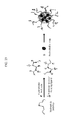
- FIG. 1 is Chemical Formula of an amphipathic polymer in which a hydrophobic substance and a macrophage target ligand are bound to a biopolymer and a drug;
- FIG. 2 is a transmission electron micrograph of a drug carrier in which the hydrophobic substance is impregnated in the biopolymer and the hydrophobic drug is impregnated in a macrophage target ligand, according to an example embodiment
- FIG. 3 is a graph illustrating a degree that the drug is released over time from the drug carrier according to an example embodiment
- FIG. 4 is a graph illustrating an anti-inflammatory effect of the drug carrier according to an example embodiment
- FIGS. 5A, 5B and 5C are photographs illustrating sizes of atherosclerotic plaques and sizes of inflammation in a group administered with the drug carrier according to an example embodiment, a group administered orally with lobeglitazone, and a group administered with no drug;
- FIG. 6 is a graph of quantifying a fluorescence signal expressed in atherosclerotic plaques in the group administered with the drug carrier according to an example embodiment, the group administered orally with lobeglitazone, and the group administered with no drug;
- FIG. 7 is a graph of converting and comparing sizes of atherosclerotic plaques and sizes of inflammation to quantitative values in the group administered with the drug carrier according to an example embodiment, the group administered orally with lobeglitazone, and the group administered with no drug;
- FIG. 8 is a graph illustrating a fluorescence photograph and fluorescence intensity representing sizes of atherosclerotic plaques by using in-vitro fluorescence imaging and Oil red O staining in the group administered with the drug carrier according to an example embodiment, the group administered orally with lobeglitazone, and the group administered with no drug;
- FIG. 9 is a photograph illustrating sizes of atherosclerotic plaques by using H&E staining, MAC3 staining, and CD 206 staining in the group administered with the drug carrier according to an example embodiment, the group administered orally with lobeglitazone, and the group administered with no drug;
- FIG. 10 is a transmission electron micrograph of nanoparticles prepared by binding the hydrophobic substance to the ligand polymer which is selectively bound to the macrophage, according to an example embodiment
- FIG. 11 is a scanning electron micrograph of nanoparticles prepared by a method of dialyzing an amphipathic polymer in which the hydrophobic substance is bound to the ligand polymer which is selectively bound to the macrophage and a hydrophobic synthetic polymer, according to an example embodiment;
- FIG. 12 is a scanning electron micrograph of nanoparticles prepared by a method of sonicating the amphipathic polymer in which the hydrophobic substance is bound to the ligand polymer which is selectively bound to the macrophage and the hydrophobic synthetic polymer, according to an example embodiment;
- FIG. 13 is a scanning electron micrograph of a drug carrier including nanoparticles prepared by a method of sonicating the amphipathic polymer and the hydrophobic synthetic polymer and lobeglitazone according to an example embodiment
- FIG. 14 illustrates an overall reaction schematic diagram of the drug carrier according to an example embodiment.
- FIG. 15 is a Reaction schematic diagram 1 illustrating an example embodiment.
- FIG. 16 is a Reaction schematic diagram 2 illustrating an example embodiment.
- FIG. 17 is a Reaction schematic diagram 3 illustrating an example embodiment.
- FIG. 18 is a Reaction schematic diagram 4 illustrating an example embodiment.
- FIG. 19 is a Reaction schematic diagram 5 illustrating an example embodiment.
- FIG. 20 is a Reaction schematic diagram 6 illustrating an example embodiment.
- FIG. 21 is a Reaction schematic diagram 7 illustrating an example embodiment.
- FIG. 22 illustrates a Reaction Formula 1.
- FIG. 23 illustrates a Reaction Formula 2.
- FIG. 24 illustrates a Reaction Formula 3.
- One or more example embodiments relate to a drug carrier including a biocompatible polymer; and a hydrophobic drug.
- the biocompatible polymer usable is a polymer having excellent stability in vivo and also includes a synthetic polymer as well as a ligand polymer and a natural polymer which are selectively bound to receptors of activated macrophages.
- the biocompatible natural polymer may use dextran derivative polymers (dextran, dextransulfate, and carboxymethyl dextran) as the ligand polymer of the macrophage receptor and fucoidan derivative polymers (fucoidan and fucoidan sulfate), which are ligand polymers and may use hyaluronic acid polymers as ligand polymers of hyaluronan receptors (CD44) and derivatives thereof, and chitosan derivative polymers (chitosan, methylglycol chitosan, chitosan oligosaccharide, Glycol chitosan), and the like.
- dextran derivative polymers extract, dextransulfate, and carboxymethyl dextran
- fucoidan derivative polymers fucoidan and fucoidan sulfate
- CD44 hyaluronan receptors
- chitosan derivative polymers chitosan, methylglycol chitosan
- the synthetic polymer may use poly-L-lysine, poly-aspartic acid, poly(divinyl ether-co-maleic anhydride), poly(styrene-co-maleic anhydride), poly-lactic acid, poly(lactic-co-glycolic acid), derivatives thereof, and the like.
- the polymer nanoparticles need to have biocompatibility/biodegradability in vivo and has excellent stability in vivo to require a characteristic in which the polymer nanoparticles are continuously accumulated in an atherosclerotic plaque tissue while being circulated for a sufficient time in the blood.
- FIG. 14 illustrates an overall reaction schematic diagram of the drug carrier.
- the reaction schematic diagram of FIG. 14 will be described by divided parts.
- FIG. 15 is a Reaction schematic diagram 1 illustrating an example embodiment.
- a first aspect provides a drug carrier for treatment of atherosclerosis including a first amphipathic polymer including a macrophage ligand polymer and a hydrophobic substance, and a hydrophobic drug.
- macrophage ligand polymer used is biocompatible and called a ligand polymer which can be selectively bound to the receptor of the activated macrophage.
- the macrophage ligand polymer includes dextran derivative polymers (dextran, dextransulfate, and carboxymethyl dextran) as a ligand polymer of a scavenger receptor, fucoidan derivative polymers (fucoidan and fucoidan sulfate), and hyaluronic acid polymers as ligand polymers of hyaluronan receptors (CD44) and derivatives thereof.
- the macrophage ligand polymer may be at least one of dextran, dextransulfate, and carboxymethyl dextran.
- the dextransulfate is known as the ligand polymer of the scavenger receptor in which the activated macrophages are overexpressed and selectively bound to the ligand polymer of the scavenger receptor to have high absorbed cumulative efficiency, and a hydroxyl group (OH) of the dextransulfate may induce chemical reformation using the hydrophobic substance.
- the hydrophobic substance may be at least one of bile acid derivatives (deoxycholic acid, lithocholic acid, taurodeoxycholic acid, and glycochenodeoxycholic acid), stearic acid, palmitic acid, olelic acid, and cholesterol derivatives (cholesterol, cholesteryl ester, cholesteryl chloroformate, and cholesteryl benzoate).
- the cholesterol derivatives may be at least one of cholesteryl ester, cholesteryl chloroformate, and cholesteryl benzoate and more preferably, cholesteryl chloroformate.
- the first amphipathic polymer including the macrophage ligand polymer and the hydrophobic substance may form nanoparticles which can be self-assembled by a hydrophobic and hydrophilic balance.
- the nanoparticles may selectively deliver and accumulate the drug to the atherosclerotic plaques by recognizing the macrophage through the macrophage ligand polymer after impregnating the hydrophobic drug.
- FIG. 16 is a Reaction schematic diagram 2 illustrating an example embodiment.
- the amphipathic polymer including the macrophage ligand polymer and the hydrophobic substance may further include a target ligand recognizing the macrophage.
- this is called a ‘third amphipathic polymer’.
- the third amphipathic polymer includes the macrophage ligand polymer and the target ligand recognizing the macrophage to configure nanoparticles recognizing two receptors of the macrophage once.
- the target ligand recognizing the macrophage may be a ligand, peptide, or antibody for the receptor expressed in the activated macrophage in the atherosclerotic plaque. More particularly, the target ligand recognizing the macrophage may include at least one of mannose amine and mannose phosphate capable of recognizing mannose receptors of macrophages; CRKRLDRNC peptide and derivatives thereof capable of recognizing IL-4 receptors of the macrophages; folic acid and derivatives thereof capable of recognizing folate receptors of the macrophages; peptides for CD36, CD44, CD80, and CD86 receptors of macrophages and derivatives thereof; and peptides for CXCR1, CXCR2, and CXCR6 receptors of macrophages and derivatives thereof.
- FIG. 17 is a Reaction schematic diagram 3 illustrating an example embodiment.
- a second aspect also provides a drug carrier for treatment of atherosclerosis including a second amphipathic polymer including a hydrophilic polymer, a hydrophobic substance, and a target ligand recognizing the macrophage, and a hydrophobic drug.
- the hydrophilic polymer may include at least one of a dextran derivative, a fucoidan derivative, a hyaluronic acid derivative, a chitosan derivative, poly-L-lysine, poly-aspartic acid, poly(divinyl ether-co-maleic anhydride), poly(styrene-co-maleic anhydride), poly-lactic acid, poly(lactic-co-glycolic acid), and derivatives thereof.
- the hydrophilic chitosan derivative which may be used may be at least one of chitosan, methyl glycol chitosan, chitosan oligosaccharide and glycol chitosan.
- the glycol chitosan includes a lot of positrons in a polymer chain to have high cumulative efficiency absorbed in the tissue and an amine group of the glycol chitosan may induce chemical reformation using the hydrophobic substance.
- the second amphipathic polymer including the hydrophilic polymer, the hydrophobic substance, and the target ligand recognizing the macrophage may form nanoparticles which can be self-assembled by the hydrophobic and hydrophilic balance.
- the nanoparticles may selectively deliver and accumulate the drug to the atherosclerotic plaques by recognizing the macrophage through the target ligand recognizing the macrophage after impregnating the hydrophobic drug.
- the hydrophobic substance may be at least one of bile acid derivatives (deoxycholic acid, lithocholic acid, taurodeoxycholic acid, and glycochenodeoxycholic acid), stearic acid, palmitic acid, olelic acid, and cholesterol derivatives (cholesterol, cholesteryl ester, cholesteryl chloroformate, and cholesteryl benzoate).
- the cholesterol derivatives may be at least one of cholesteryl ester, cholesteryl chloroformate, and cholesteryl benzoate and more preferably, cholesteryl chloroformate.
- the target ligand recognizing the macrophage may be a ligand, peptide, or antibody for the receptor expressed in the activated macrophage in the atherosclerotic plaque. More particularly, the target ligand recognizing the macrophage may include at least one of mannose amine and mannose phosphate capable of recognizing mannose receptors of macrophages; CRKRLDRNC peptide and derivatives thereof capable of recognizing IL-4 receptors of the macrophages; folic acid and derivatives thereof capable of recognizing folate receptors of the macrophages; peptides for CD36, CD44, CD80, and CD86 receptors of macrophages and derivatives thereof; and peptides for CXCR1, CXCR2, and CXCR6 receptors of macrophages and derivatives thereof.
- FIG. 18 is a Reaction schematic diagram 4 illustrating an example embodiment.
- the hydrophobic synthetic polymer may include at least one of poly(caprolactone), poly(lactic acid), poly(glycolic acid), poly(lactic-co-glycolic acid), poly(styrene), poly(lactic-co-caprolactone), poly(divinyl ether-co-maleic anhydride), poly(styrene-co-maleic anhydride), derivatives of these polymers, and pegylated derivatives of these polymers.
- amphipathic polymer and the hydrophobic synthetic polymer are mixed with each other, a different type of nanoparticles may be formed through the hydrophobic and hydrophilic balance.
- FIG. 19 is a Reaction schematic diagram 5 illustrating an example embodiment.
- a third aspect provides a drug carrier for treatment of atherosclerosis including a first amphipathic polymer including a macrophage ligand polymer and a hydrophobic substance, a second amphipathic polymer including a hydrophilic polymer, a hydrophobic substance, and a target ligand recognizing the macrophage, and a hydrophobic drug.
- the macrophage ligand polymer, the hydrophobic substance, the hydrophilic polymer, and the target ligand recognizing the macrophage configuring the drug carrier will be described in more detail with reference to the aforementioned parts.
- FIG. 20 is a Reaction schematic diagram 6 illustrating an example embodiment.
- a fourth aspect provides a drug carrier for treatment of atherosclerosis including a third amphipathic polymer including a macrophage ligand polymer, a hydrophobic substance, and a target ligand recognizing the macrophage, a second amphipathic polymer including a hydrophilic polymer, a hydrophobic substance, and a target ligand recognizing the macrophage, and a hydrophobic drug.
- the macrophage ligand polymer, the hydrophobic substance, the hydrophilic polymer, and the target ligand recognizing the macrophage configuring the drug carrier will be described in more detail with reference to the aforementioned parts.
- FIG. 21 is a Reaction schematic diagram 7 illustrating an example embodiment.
- the drug carrier described in the third aspect or the fourth aspect may further include a hydrophobic synthetic polymer.
- the hydrophobic synthetic polymer may include at least one of poly(caprolactone), poly(lactic acid), poly(glycolic acid), poly(lactic-co-glycolic acid), poly(styrene), poly(lactic-co-caprolactone), poly(divinyl ether-co-maleic anhydride), poly(styrene-co-maleic anhydride), derivatives of these polymers, and pegylated derivatives of these polymers.
- nanoparticles including different types of amphipathic polymers further include the hydrophobic synthetic polymer
- various types of nanoparticles may be formed by the hydrophobic and hydrophilic balance.
- the drug carrier has a nanoparticle form in which the surface is hydrophilic and the inside is hydrophobic due to the amphipathic polymer. Further, the drug carrier including the amphipathic polymer and the hydrophobic synthetic polymer has a nanoparticle form in which hydrophilic polymer is disposed on the surface and the hydrophobic substance and the hydrophobic synthetic polymer are disposed at the inside. The drug carrier may impregnate the hydrophobic drug due to the inner hydrophobic part.
- FIG. 1 is Chemical Formulas of an amphipathic polymer and a hydrophobic drug, and a schematic diagram of a drug carrier according to an example embodiment.
- FIG. 1 illustrates a binding structure and a Chemical Formula of a drug carrier (MMR-Lobe) to which a ligand which can selectively target a mannose receptor of an activated macrophage of an atherosclerotic plaque, glycol chitosan nanoparticles, and lobeglitazone as a hydrophobic drug are bound.
- MMR-Lobe drug carrier
- the hydrophobic drug may include at least one of statin drugs, PPAR-gamma agonist drugs, DPP-4 inhibitor drugs, angiotensin converting enzyme inhibitor drugs, angiotensin II receptor blockers, PCSK9 inhibitors, and antioxidants.
- the drug which may be used is a hydrophobic substance and may include all drugs in which anti-inflammatory, anti-lipid, and antioxidant effects for stabilizing and treating atherosclerosis are known.
- the hydrophobic drug may be at least one of statin drugs (Atorvastatin, Rosuvastatin, Pitavastatin, Simvastatin, Pravastatin, Fluvastatin, Lovastatin, and the like), PPAR-gamma agonist drugs Lobeglitazone, Rosiglitazone, Pioglitazone, and the like), DPP-4 inhibitor drugs (Sitagliptin, Saxagliptin, Vildagliptin, Linagliptin, Alogliptin), angiotensin converting enzyme inhibitor drugs (Benazepril, Captopril, Cilazapril, Enalapril, Fosipril, Imidapril, Lisinopril, Moexipril, Perindopril, Quinapril, Ramipril, Trandolapril), angiotensin II receptor blockers (Losartan, Candesartan, Valsartan, Irbesartan, Telmis
- the hydrophobic drug is encapsulated in the inside of the amphiphilic nanoparticle having hydrophobicity and delivered to the target cell to screen cells or tissues of the atherosclerotic disease or suppress the progression of the diseased in the steps of development, progression, rupture, and the like of the atherosclerosis, and may also be used to prevent various complications caused by the arteriosclerosis.
- the drug carrier which can selectively target the activated macrophage in the atherosclerotic plaque prepared has a stable nanoparticle structure in an aqueous system and the size of the drug carrier which can target the activated macrophage in the atherosclerotic plaque preferably has a size of 50 to 500 nm and is characterized by forming a sphere.
- the drug carrier which can selectively target the activated macrophage in the atherosclerotic plaque prepared has the stable nanoparticle structure in the aqueous system to encapsulate inorganic nanoparticles having hydrophobicity and a particle size of 1 to 20 nm or less, for example, gold nanoparticles, iron oxide nanoparticles, manganese oxide nanoparticles, quantum dots, hydrophobic phosphors, and the like.
- inorganic nanoparticles having hydrophobicity and a particle size of 1 to 20 nm or less
- gold nanoparticles, iron oxide nanoparticles, manganese oxide nanoparticles, quantum dots, hydrophobic phosphors, and the like for example, gold nanoparticles, iron oxide nanoparticles, manganese oxide nanoparticles, quantum dots, hydrophobic phosphors, and the like.
- the size of the atherosclerotic plaque and the inflammation change are monitored in real time by using these materials and optical imaging, CT, and MRI equipment in real
- a method of preparing a drug carrier includes preparing an amphipathic polymer, forming nanoparticles by self-assembling the amphipathic polymer; and impregnating a hydrophobic drug in the nanoparticles.
- a method of preparing a drug carrier includes preparing an amphipathic polymer, forming nanoparticles by mixing a hydrophobic synthetic polymer with the amphipathic polymer and then sonicating or dialyzing the mixture; and impregnating a hydrophobic drug in the nanoparticles.
- the amphipathic polymer may be at least one of the aforementioned first, second, and third amphipathic polymers.
- a method of preparing the first amphipathic polymer includes chemically binding the hydrophobic substance to the macrophage ligand polymer by using a crosslinker.
- a method of preparing the second amphipathic polymer includes chemically binding the hydrophilic molecule, the hydrophobic substance, and the target ligand recognizing the macrophage by using a crosslinker.
- a method of preparing the third amphipathic polymer includes chemically binding the macrophage ligand polymer, the hydrophobic substance, and the target ligand recognizing the macrophage by using a crosslinker.
- a sonicating method capable of preparing the nanoparticles having a size of 100 to 500 nm is more preferable.
- the macrophage ligand polymer, the hydrophobic substance, the hydrophilic polymer, and the target ligand recognizing the macrophage configuring the drug carrier will be described in more detail with reference to the aforementioned parts.
- Example 1 Preparation of Activated Macrophage Targetable Nanoparticles Impregnated with Atherosclerosis Treating Agent
- glycol chitosan 500 mg was dissolved in 100 ml of a 4-morpholineethane sulfonic acid (MES, pH 5.6) buffer, added with 16.3 mg of N-acetylcysteine, 28.7 mg of 1-ethyl-3-(3-dimethyl-aminopropyl) carbodiimide (EDC), and 17.3 mg of N-hydrosuccinimide (NHS), and then reacted for 48 hours. Thereafter, the reaction solution was dialyzed for 2 days to remove a non-reaction material and then lyophilized to prepare thiolated glycol chitosan.
- MES 4-morpholineethane sulfonic acid
- EDC 1-ethyl-3-(3-dimethyl-aminopropyl) carbodiimide
- NHS N-hydrosuccinimide
- thiolated glycol chitosan prepared above was dissolved in 80 ml of a PBS (pH 6.9) buffer solution and reacted with 100 mg of mannose-Polyethylene glycol-maleimide (MAN-PEG-MAL) for 20 hours, and then the reaction solution was dialyzed for 2 days and lyophilized to prepare mannose-polyethylene glycol-glycol chitosan (MAN-PEG-GC).
- PBS pH 6.9
- MAN-PEG-MAL mannose-Polyethylene glycol-maleimide
- the activated macrophage targetable drug carrier encapsulated with the lobeglitazone was prepared by impregnating the lobeglitazone in the nanoparticles of MAN-PEG-GC-Chol consisting of hydrophilic residues and hydrophobic residues by hydrophobic interaction and the preparing principle thereof is shown as FIG. 23 illustrating a Reaction Formula 2.
- FIG. 2 is a transmission electron micrograph illustrating the drug carrier according to an example embodiment. More particularly, FIG. 2 is a photograph of a glycol chitosan drug carrier encapsulated with the lobeglitazone.
- the encapsulation efficiency of lobeglitazone in the activated macrophage targetable MAN-PEG-GC-Chol drug carrier had high drug encapsulation efficiency of 95.72 ⁇ 3.32%.
- the drug carrier encapsulated with the lobeglitazone had a spherical particle having a size of about 50 to 200 nm.
- a drug release experiment of the drug carrier encapsulated with the lobeglitazone prepared in Example 1 was performed in a PBS solution at pH 7.4. An analysis of the amount of the released drug was performed the same high performance liquid chromatography condition in the Experimental Example 1.
- FIG. 3 is a graph illustrating a degree that the drug is released over time from the drug carrier according to an example embodiment.
- An anti-inflammatory effect of the drug carrier encapsulated with the lobeglitazone was evaluated by analyzing a quantity of inflammatory cytokines secreted from the activated macrophage.
- 1 ⁇ 10 6 of RAW264.7 cells were evenly divided in each 100 Pi dish, treated with the drug carrier encapsulated with the lobeglitazone for 6 hours at a concentration of 0 ⁇ M, 10 ⁇ M, and 50 ⁇ M, and then treated with lipopolysaccharide (LPS) causing inflammation for 3 hours at a concentration of 100 ⁇ g/ml to activate the macrophage and then concentrations of TNF- ⁇ , IL-6, and MMP-9 as inflammatory factors were measured by using an ELISA kit.
- LPS lipopolysaccharide
- the concentrations of TNF- ⁇ and IL-6 as the inflammatory cytokines were measured in a supernatant of a cell culture medium and MMP-9 as a protease decomposed the cells and then the concentration of the MMP-9 in the cells was measured.
- FIG. 4 is a graph illustrating an anti-inflammatory effect of the drug carrier according to an example embodiment. More particularly, FIG. 4 illustrates the concentrations of TNF- ⁇ and IL-6 as the inflammatory factors and MMP-9 as the protease when the glycol chitosan drug carrier encapsulated with the lobeglitazone and the lobeglitazone are treated to the macrophage, respectively and then the lipopolysaccharide (LPS) is additionally treated.
- TNF- ⁇ and IL-6 as the inflammatory factors
- MMP-9 as the protease
- the drug carrier encapsulated with the lobeglitazone was administrated in mice (ApoE ⁇ / ⁇ mice) causing the atherosclerosis at a carotid branch.
- the ApoE ⁇ / ⁇ mice with the atherosclerosis are divided into three groups, and then in the first group, a drug carrier encapsulated with a mannose receptor-specific lobeglitazone was administrated (14 mg/kg/week), in the second group, the same quantity of lobeglitazone was orally administrated (14 mg/kg/week), and in the third group, a treating drug was not administrated. After the drug was administrated for four weeks, the same carotid branch portion was peeled and the size and the inflammation degree of the atherosclerotic plaque before and after treatment were observed and compared by a general microscope and an in-vivo fluorescence microscope.
- the effect of treating atherosclerosis was evaluated by comparing and analyzing an atherosclerotic size and an inflammation degree before administrating the drug and after administrating the drug for four weeks by administrating a glycol chitosan-based drug carrier (attached with a fluorescent material) capable of imaging an atherosclerotic plaque selectively bound to the mannose receptor over-expressed in the macrophage to an atherosclerotic model mouse and then peeling the carotid branch portion to image the carotid branch portion by an in-vivo fluorescence microscope.
- a glycol chitosan-based drug carrier attached with a fluorescent material
- FIGS. 5A, 5B and 5C are photographs illustrating sizes of atherosclerotic plaques and sizes of inflammation, respectively in a group administered with the drug carrier according to an example embodiment, a group administered orally with lobeglitazone, and a group administered with no drug.
- FIGS. 5A, 5B and 5C are photographs illustrating sizes of atherosclerotic plaques and sizes of inflammation, respectively in a group administered with the drug carrier according to an example embodiment, a group administered orally with lobeglitazone, and a group administered with no drug.
- 5A to 5C are fluorescent image photographs capable of verifying the size and the inflammation of the atherosclerotic plaque in the carotid before administrating the drug and after administrating the drug for four weeks, respectively, in a group (MMR-lobe) administrated with a glycol chitosan drug carrier encapsulated with lobeglitazone, a group (PO-Lobe) orally administrated with lobeglitazone, and a group (Control) administered with no drug, respectively.
- MMR-lobe a glycol chitosan drug carrier encapsulated with lobeglitazone
- PO-Lobe orally administrated with lobeglitazone
- Control administered with no drug, respectively.
- the size and the inflammation degree of the atherosclerosis were significantly reduced, in the group administrated with the lobeglitazone as an oral treating agent, the size and the inflammation degree of the atherosclerosis were not largely changed, and in the group administered with no drug, the size and the inflammation degree of the atherosclerosis were significantly increased.
- FIG. 6 is a graph of quantifying fluorescence signals expressed in atherosclerotic plaques in the group administered with the drug carrier according to an example embodiment, the group administered orally with lobeglitazone, and the group administered with no drug.
- FIG. 6 is a graph of quantitatively comparing fluorescence intensities expressed in the atherosclerotic plaque in the carotid before administrating the drug and after administrating the drug for four weeks, respectively, in a group (MMR-lobe) administrated with a glycol chitosan drug carrier encapsulated with lobeglitazone, a group (PO-Lobe) orally administrated with lobeglitazone, and a group (Control) administered with no drug, respectively.
- the fluorescence intensity was significantly decreased, whereas in the group administrated with the lobeglitazone as an oral treating agent, there was no difference in the fluorescence intensity, and in the group administered with no drug, the fluorescence intensity was increased.
- FIG. 7 is a graph of converting and comparing sizes of atherosclerotic plaques and sizes of inflammation to quantitative values in the group administered with the drug carrier according to an example embodiment, the group administered orally with lobeglitazone, and the group administered with no drug.
- FIG. 7 is a graph of converting and comparing sizes of atherosclerotic plaques and sizes of inflammation to quantitative values in the group administered with the drug carrier according to an example embodiment, the group administered orally with lobeglitazone, and the group administered with no drug.
- FIG. 7 is a graph of quantitatively comparing a size change and an inflammation reduction degree of the atherosclerotic plaque in an individual animal for each group with an average value for the size change and the inflammation reduction degree of the atherosclerotic plaque in the carotid before administrating the drug and after administrating the drug for four weeks, respectively, in a group (MMR-lobe) administrated with a glycol chitosan drug carrier encapsulated with lobeglitazone, a group (PO-Lobe) orally administrated with lobeglitazone, and a group (Control) administered with no drug, respectively.
- MMR-lobe a glycol chitosan drug carrier encapsulated with lobeglitazone
- PO-Lobe orally administrated with lobeglitazone
- Control administered with no drug, respectively.
- the size of the atherosclerotic plaque, the inflammation range, and the inflammation degree may be verified in many objects for each group, an particularly, in the group (MMR-lobe) administrated with the glycol chitosan drug carrier encapsulated with lobeglitazone, it can be verified that the size of the atherosclerotic plaque, the inflammation range, and the inflammation degree are significantly decreased.
- FIG. 8 is a graph illustrating a fluorescence photograph and fluorescence intensity representing sizes of atherosclerotic plaques by using in-vitro fluorescence imaging and Oil red O staining in the group administered with the drug carrier according to an example embodiment, the group administered orally with lobeglitazone, and the group administered with no drug.
- FIG. 8 is a graph illustrating a fluorescence photograph and fluorescence intensity representing sizes of atherosclerotic plaques by using in-vitro fluorescence imaging and Oil red O staining in the group administered with the drug carrier according to an example embodiment, the group administered orally with lobeglitazone, and the group administered with no drug.
- FIG. 8 illustrates a fluorescence intensity and an Oil Red O staining photograph in the atherosclerotic blood vessel before administrating the drug and after administrating the drug for four weeks, respectively, in a group (MMR-lobe) administrated with a glycol chitosan drug carrier encapsulated with lobeglitazone, a group (PO-Lobe) orally administrated with lobeglitazone, and a group (Control) administered with no drug, respectively, and illustrates a graph of quantitatively comparing a fluorescence intensity and a size of the atherosclerotic plaque in the atherosclerotic blood vessel.
- MMR-lobe a glycol chitosan drug carrier encapsulated with lobeglitazone
- PO-Lobe orally administrated with lobeglitazone
- Control administered with no drug
- the effect of treating atherosclerosis of the drug carrier encapsulated with the lobeglitazone was evaluated by histopathologically analyzing the size of the atherosclerotic plaque reflecting the inflammation degree of the atherosclerotic plaque, distribution of the macrophages, and expression of mannose receptors in the macrophage.
- the atherosclerotic plaque of the carotid extracted from the arteriosclerosis model mouse was stained by H&E staining, MAC3 staining (macrophage staining), and CD 206 staining (macrophage mannose receptor staining).
- FIG. 9 is a photograph illustrating sizes of atherosclerotic plaques by using H&E staining, MAC3 staining, and CD 206 staining in the group administered with the drug carrier according to an example embodiment, the group administered orally with lobeglitazone, and the group administered with no drug.
- FIG. 9 is a photograph illustrating sizes of atherosclerotic plaques by using H&E staining, MAC3 staining, and CD 206 staining in the group administered with the drug carrier according to an example embodiment, the group administered orally with lobeglitazone, and the group administered with no drug.
- FIG. 9 is a photograph illustrating an atherosclerotic plaque in the carotid extracted from the mouse by CD 206 staining (macrophage mannose receptor staining), MAC3 staining (macrophage staining), and H&E staining, before administrating the drug and after administrating the drug for four weeks, respectively, in a group (MMR-lobe) administrated with a glycol chitosan drug carrier encapsulated with lobeglitazone, a group (PO-Lobe) orally administrated with lobeglitazone, and a group (Control) administered with no drug, respectively.
- MMR-lobe a glycol chitosan drug carrier encapsulated with lobeglitazone
- PO-Lobe orally administrated with lobeglitazone
- Control administered with no drug, respectively.
- the formation of the atherosclerotic plaque and the MAC3 and the CD 206 were strongly expressed, and it is meant that macrophage infiltration is active.
- the size of the atherosclerotic plaque, MAC3, and CD 206 were decreased, and particularly, in the group (MMR-lobe) administrated with a glycol chitosan drug carrier encapsulated with lobeglitazone, it was verified that the size of the atherosclerotic plaque, MAC3, and CD 206 were more significantly decreased.
- deoxycholic acid well-dried in a vacuum state and N,N′-carbonyldiimidazole (CDI) as a crosslinker were put in 50 ml of a round flask, dissolved in 20 ml of a tetrahydrofuran solvent, and then reacted for 6 hours at 70° C. to remove the solvent by a rotary evaporator.
- the activated deoxycholic acid and 500 mg of dextran sulfate were dissolved in 30 ml of dimethyl sulfoxide and then reacted for 48 hours at 90° C.
- the activated deoxycholic acid was dialyzed in distilled water for 2 days and filtered, and then lyophilized. 1 mg of the lyophilized dextran sulfate-deoxycholic acid amphiphilic polymer was dispersed in distilled water and then the nanoparticles were prepared, and the shape and the size of the particle were analyzed by a transmission electron microscope. These prepared processes are shown in FIG. 24 illustrating a Reaction Formula 3.
- the nanoparticle prepared by the dextran sulfate-deoxycholic acid had a spherical particle shape having a size of 17 to 34 nm.
- the nanoparticles constituted by an activated macrophage targetable amphipathic polymer and a hydrophobic synthetic polymer were prepared by a dialyzing method and a sonicating method.
- a dialyzing method 20 mg of dextran sulfate-deoxycholic acid and 80 mg of a polylactic-co-glycolic acid polymer were dissolved in 10 ml of dimethyl sulfoxide, dialyzed in distilled water for 2 days, centrifuged, and then lyophilized.
- lobeglitazone was dissolved in 200 ⁇ l of methanol, put in 80 mg of the polylactic-co-glycolic acid polymer dissolved in 1 ml of dichloromethane, and then mixed with each other.
- the organic solvent dissolved with the drug and the polymer was mixed with 20 mg of dextran sulfate-deoxycholic acid dissolved in 1.5 ml of distilled water and then treated with a probe type ultrasound to prepare an emulsion, and then dispersed in 40 ml of distilled water and stirred for 2 hours at 40° C. to remove the organic solvent, centrifuged, and then lyophilized.
- the shapes and the sizes of the lyophilized nanoparticles were analyzed by a scanning electron microscope.
- FIG. 11 is a scanning electron micrograph of nanoparticles prepared by a method of dialyzing the amphipathic polymer in which the hydrophobic substance is bound to the ligand polymer which is selectively bound to the macrophage and the hydrophobic synthetic polymer, according to an example embodiment.
- FIG. 12 is a scanning electron micrograph of nanoparticles prepared by a method of sonicating the amphipathic polymer in which the hydrophobic substance is bound to the ligand polymer which is selectively bound to the macrophage and the hydrophobic synthetic polymer, according to an example embodiment.
- FIG. 13 is a scanning electron micrograph of a drug carrier including nanoparticles prepared by a method of sonicating the amphipathic polymer and the hydrophobic synthetic polymer and lobeglitazone according to an example embodiment.
- the nanoparticle prepared by a dialyzing method had a spherical particle shape having a size of 50 nm to 1,000 nm.
- the nanoparticle prepared by a sonicating method had a spherical particle shape having a size of 100 nm to 500 nm.
- the nanoparticle encapsulated with lobeglitazone prepared by a sonicating method had a spherical particle shape having a size of 100 nm to 500 nm.
- the drug carrier may include an amphipathic polymer including a macrophage ligand polymer or a target ligand recognizing the macrophage, and a hydrophobic drug, to selectively target a receptor expressed in activated macrophages in atherosclerotic plaques, thereby delivering a drug at a high concentration. It is possible to suppress the spread of atherosclerotic diseases at all stages of development, progression and rupture of atherosclerosis or to prevent various complications due to atherosclerosis by using the drug carrier.
Landscapes
- Health & Medical Sciences (AREA)
- Chemical & Material Sciences (AREA)
- Engineering & Computer Science (AREA)
- Bioinformatics & Cheminformatics (AREA)
- Life Sciences & Earth Sciences (AREA)
- Animal Behavior & Ethology (AREA)
- Medicinal Chemistry (AREA)
- General Health & Medical Sciences (AREA)
- Public Health (AREA)
- Veterinary Medicine (AREA)
- Epidemiology (AREA)
- Pharmacology & Pharmacy (AREA)
- Nanotechnology (AREA)
- Biomedical Technology (AREA)
- Physics & Mathematics (AREA)
- Optics & Photonics (AREA)
- Chemical Kinetics & Catalysis (AREA)
- General Chemical & Material Sciences (AREA)
- Oil, Petroleum & Natural Gas (AREA)
- Proteomics, Peptides & Aminoacids (AREA)
- Inorganic Chemistry (AREA)
- Pharmaceuticals Containing Other Organic And Inorganic Compounds (AREA)
- Medicines That Contain Protein Lipid Enzymes And Other Medicines (AREA)
- Medicinal Preparation (AREA)
Abstract
Description
Claims (7)
Applications Claiming Priority (2)
| Application Number | Priority Date | Filing Date | Title |
|---|---|---|---|
| KR1020160054752A KR101806496B1 (en) | 2016-05-03 | 2016-05-03 | Activated macrophage targetable drug delivery systems for treatment of atherosclerosis and methods of preparation |
| KR10-2016-0054752 | 2016-05-03 |
Publications (2)
| Publication Number | Publication Date |
|---|---|
| US20170319699A1 US20170319699A1 (en) | 2017-11-09 |
| US10086077B2 true US10086077B2 (en) | 2018-10-02 |
Family
ID=60242777
Family Applications (1)
| Application Number | Title | Priority Date | Filing Date |
|---|---|---|---|
| US15/346,516 Active US10086077B2 (en) | 2016-05-03 | 2016-11-08 | Activated macrophage targetable drug carrier for treatment of atherosclerosis and methods of preparing the same |
Country Status (2)
| Country | Link |
|---|---|
| US (1) | US10086077B2 (en) |
| KR (1) | KR101806496B1 (en) |
Families Citing this family (6)
| Publication number | Priority date | Publication date | Assignee | Title |
|---|---|---|---|---|
| CN110522918B (en) * | 2018-05-25 | 2023-04-07 | 成都瑞博克医药科技有限公司 | Targeting element and preparation method and application thereof |
| KR102377586B1 (en) * | 2020-01-14 | 2022-03-23 | 고려대학교 산학협력단 | Theranostic strategy for imaging and treatment of vascular disease |
| CN113769112B (en) * | 2021-09-27 | 2023-05-23 | 宁夏医科大学 | GOQDs-based pH response type bionic nano preparation and preparation method and application thereof |
| CN114057818B (en) * | 2021-10-08 | 2023-10-17 | 重庆大学 | Nanomedicines that inhibit intimal hyperplasia of damaged blood vessels and their applications |
| CN113967264A (en) * | 2021-10-27 | 2022-01-25 | 浙江大学 | Macromolecule prodrug nano-carrier for treating atherosclerosis and preparation method thereof |
| KR102784813B1 (en) * | 2021-12-31 | 2025-03-24 | 고려대학교 산학협력단 | Phototheranostic nanoagents with excellent atherosclerotic plaque-targeting and -penetrating properties, and use thereof |
Citations (2)
| Publication number | Priority date | Publication date | Assignee | Title |
|---|---|---|---|---|
| KR20100035062A (en) | 2008-09-25 | 2010-04-02 | 한국과학기술연구원 | A disease targeted peptide-conjugated amphiphilic chitosan based nanoparticle imaging agent for diagnosis of disease |
| KR101142152B1 (en) | 2011-02-01 | 2012-05-21 | 서울대학교산학협력단 | Ligands conjugated with a long hydrophobic chain coated nanoparticle and the preparation thereof |
-
2016
- 2016-05-03 KR KR1020160054752A patent/KR101806496B1/en active Active
- 2016-11-08 US US15/346,516 patent/US10086077B2/en active Active
Patent Citations (2)
| Publication number | Priority date | Publication date | Assignee | Title |
|---|---|---|---|---|
| KR20100035062A (en) | 2008-09-25 | 2010-04-02 | 한국과학기술연구원 | A disease targeted peptide-conjugated amphiphilic chitosan based nanoparticle imaging agent for diagnosis of disease |
| KR101142152B1 (en) | 2011-02-01 | 2012-05-21 | 서울대학교산학협력단 | Ligands conjugated with a long hydrophobic chain coated nanoparticle and the preparation thereof |
Non-Patent Citations (8)
| Title |
|---|
| Alonso-Sande et al., Biomacromolecules, 14, pp. 4046-4052. (Year: 2013). * |
| Chaubey et al. "Mannose-conjugated chitosan nanoparticles loaded with rifampicin for the treatment of visceral leishmaniasis" Carbohydrate Polymers 101 (2014) 1101-1108. |
| Choi et al. "Abstract 17815: The Effects of Nanoparticle-mediated PPARy Agonist Delivery on Plaque Stabilization: A Multichannel High-resolution Intravital Imaging Analysis" Thrombosis, Immunity and Inflammation, Session Title: Mechanisms of Cardiovascular Inflammation, Circulation. 2015; 132: A17815, pp. 1-2. |
| Kim et al., Clinical Therapeutics, 33(11), pp. 1819-1829. (Year: 2011). * |
| Lee et al. "Hyaluronic acid nanoparticles for active targeting atherosclerosis" Biomaterials 53 (2015) 341-348. |
| Park et al., Tissue Engineering and Regenerative Medicine, 6(4-11), pp. 588-594. (Year: 2009). * |
| Rigau et al., Nanoscale, 5, pp. 89-109. (Year: 2013). * |
| Wang et al., AAPS PharmSciTech, 14(2), pp. 585-592. (Year: 2013). * |
Also Published As
| Publication number | Publication date |
|---|---|
| US20170319699A1 (en) | 2017-11-09 |
| KR20170124832A (en) | 2017-11-13 |
| KR101806496B1 (en) | 2017-12-07 |
Similar Documents
| Publication | Publication Date | Title |
|---|---|---|
| Papa et al. | Ultrasound-sensitive nanoparticle aggregates for targeted drug delivery | |
| US20170319699A1 (en) | Activated macrophage targetable drug carrier for treatment of atherosclerosis and methods of preparing the same | |
| Luo et al. | GSH-sensitive polymeric prodrug: synthesis and loading with photosensitizers as nanoscale chemo-photodynamic anti-cancer nanomedicine | |
| Li et al. | Tailoring porous silicon for biomedical applications: from drug delivery to cancer immunotherapy | |
| He et al. | A pH-responsive mesoporous silica nanoparticles-based drug delivery system with controlled release of andrographolide for OA treatment | |
| Zhao et al. | Improving drug accumulation and photothermal efficacy in tumor depending on size of ICG loaded lipid-polymer nanoparticles | |
| Nance et al. | Brain-penetrating nanoparticles improve paclitaxel efficacy in malignant glioma following local administration | |
| US10117886B2 (en) | Hyaluronidase and a low density second PEG layer on the surface of therapeutic-encapsulated nanoparticles to enhance nanoparticle diffusion and circulation | |
| Amoozgar et al. | Dual-layer surface coating of PLGA-based nanoparticles provides slow-release drug delivery to achieve metronomic therapy in a paclitaxel-resistant murine ovarian cancer model | |
| CN108431028B (en) | Polymer-based therapeutics for induced fat browning | |
| Jaimes-Aguirre et al. | Biodegradable poly (D, L-lactide-co-glycolide)/poly (L-γ-glutamic acid) nanoparticles conjugated to folic acid for targeted delivery of doxorubicin | |
| JP6835733B2 (en) | Pharmaceutical composition, its preparation method and use | |
| Licciardi et al. | PHEA-graft-polybutylmethacrylate copolymer microparticles for delivery of hydrophobic drugs | |
| Wang et al. | Injectable regenerated silk fibroin micro/nanosphere with enhanced permeability and stability for osteoarthritis therapy | |
| Rumanti et al. | Engineered bioresponsive nanotherapeutics: recent advances in the treatment of atherosclerosis and ischemic-related disease | |
| Cardoso et al. | Macrophage-targeted shikonin-loaded nanogels for modulation of inflammasome activation | |
| Mehata et al. | PLGA nanoplatform for the hypoxic tumor delivery: folate targeting, therapy, and ultrasound/photoacoustic imaging | |
| Ghamkhari et al. | Ultrasound-Triggered Microbubbles: Novel Targeted Core–Shell for the Treatment of Myocardial Infarction Disease | |
| Löw et al. | Comparison of intracellular accumulation and cytotoxicity of free m THPC and m THPC-loaded PLGA nanoparticles in human colon carcinoma cells | |
| Enwereuzo et al. | Self-assembled membrane-polymer nanoparticles of top-notch tissue tolerance for the treatment of gastroesophageal reflux disease | |
| Cao et al. | Combretastatin A4-loaded poly (lactic-co-glycolic acid)/soybean lecithin nanoparticles with enhanced drug dissolution rate and antiproliferation activity | |
| Chiu et al. | Development of a decellularized liver matrix-based nanocarrier for liver regeneration after partial hepatectomy | |
| Wang et al. | A biointerface-engineered gold nanocluster platform for icariin delivery: Dual-pathway modulation of osteoblast and osteoclast dynamics in osteoporosis therapy | |
| US20250387322A1 (en) | Drug delivery agents for prevention or treatment of pulmonary disease | |
| KR102835111B1 (en) | Use of nanoparticles containing hydrogen peroxide-sensitized complex polymer compound and dr㎍ delivery system thereof |
Legal Events
| Date | Code | Title | Description |
|---|---|---|---|
| AS | Assignment |
Owner name: IUCF-HYU (INDUSTRY-UNIVERSITY COOPERATION FOUNDATI Free format text: ASSIGNMENT OF ASSIGNORS INTEREST;ASSIGNORS:KIM, JIN WON;YOO, HONG KI;PARK, KYEONG SOON;REEL/FRAME:040260/0935 Effective date: 20161107 Owner name: KOREA BASIC SCIENCE INSTITUTE, KOREA, REPUBLIC OF Free format text: ASSIGNMENT OF ASSIGNORS INTEREST;ASSIGNORS:KIM, JIN WON;YOO, HONG KI;PARK, KYEONG SOON;REEL/FRAME:040260/0935 Effective date: 20161107 Owner name: KOREA UNIVERSITY RESEARCH AND BUSINESS FOUNDATION, Free format text: ASSIGNMENT OF ASSIGNORS INTEREST;ASSIGNORS:KIM, JIN WON;YOO, HONG KI;PARK, KYEONG SOON;REEL/FRAME:040260/0935 Effective date: 20161107 |
|
| AS | Assignment |
Owner name: CHUNG-ANG UNIVERSITY INDUSTRY-ACADEMY COOPERATION Free format text: ASSIGNMENT OF ASSIGNORS INTEREST;ASSIGNOR:KOREA BASIC SCIENCE INSTITUTE;REEL/FRAME:046677/0688 Effective date: 20180821 |
|
| STCF | Information on status: patent grant |
Free format text: PATENTED CASE |
|
| MAFP | Maintenance fee payment |
Free format text: PAYMENT OF MAINTENANCE FEE, 4TH YR, SMALL ENTITY (ORIGINAL EVENT CODE: M2551); ENTITY STATUS OF PATENT OWNER: SMALL ENTITY Year of fee payment: 4 |
|
| MAFP | Maintenance fee payment |
Free format text: PAYMENT OF MAINTENANCE FEE, 8TH YR, SMALL ENTITY (ORIGINAL EVENT CODE: M2552); ENTITY STATUS OF PATENT OWNER: SMALL ENTITY Year of fee payment: 8 |
|
| AS | Assignment |
Owner name: KOREA UNIVERSITY RESEARCH AND BUSINESS FOUNDATION, KOREA, REPUBLIC OF Free format text: ASSIGNMENT OF ASSIGNORS INTEREST;ASSIGNOR:IUCF-HYU (INDUSTRY-UNIVERSITY COOPERATION FOUNDATION HANYANG UNIVERSITY);REEL/FRAME:074318/0544 Effective date: 20260409 Owner name: CHUNG-ANG UNIVERSITY INDUSTRY-ACADEMY COOPERATION FOUNDATION, KOREA, REPUBLIC OF Free format text: ASSIGNMENT OF ASSIGNORS INTEREST;ASSIGNOR:IUCF-HYU (INDUSTRY-UNIVERSITY COOPERATION FOUNDATION HANYANG UNIVERSITY);REEL/FRAME:074318/0544 Effective date: 20260409 |