CROSS REFERENCE TO RELATED APPLICATIONS
This application is a U.S. National Phase filing under 35 U.S.C. § 371 of International Application PCT/IB2016/051603, filed Mar. 22, 2016, and published as WO 2016/151484 A1 on Sep. 29, 2016. PCT/IB2016/051603 claims priority from Slovenian application number P-201500076, filed Mar. 25, 2015. The entire contents of each of these applications are hereby incorporated herein by reference.
FIELD OF THE INVENTION
The present invention relates to the field of medicinal chemistry and novel 1,3- in 1,4-disubstituted derivatives of piperidine as pharmaceutical active compounds. These compounds can be in the form of a mixture of enantiomers or in the form of pure enantiomers, in the form of pharmaceutically acceptable salts, as hydrates or solvates thereof. Novel 1,3- and 1,4-disubstituted derivatives of piperidine are inhibitors of the enzyme butyrylcholinesterase. The compounds of the present invention are useful for the treatment of various diseases which may be therapeutically modified by altering the activity of butyrylcholinesterase such as Alzheimer's disease and other dementias.
DESCRIPTION OF RELATED ART
Alzheimer's disease (AD) is a progressive neurodegenerative disorder of central nervous system (CNS), which results in the death of neurons and loss of CNS function. AD is a leading cause of dementia (60-80%). Symptoms of advanced AD include weakened communication, bad judgment, confusion, behavioral changes and problems with speech, swelling and walk. Despite severe loss of memory, patients completely deny the symptoms and are fully dependent on the care of relatives in the last stages of the disease (24/7 care).
The time from the diagnosis to death varies from 1 to 25 years with an average of 10 years. The death is a consequence of several complications, which include infections, such as infections of bedsores that occur when people stay in bed for prolonged periods. Alzheimer's patients also may have difficulty swallowing, and they may inhale food, which can result in aspiration pneumonia. Alzheimer's patients also can develop fatal blood clots. (Citron M. Nat. Rev. Drug Discov. 2010, 9, 387-398; Querfurth H. W. and LaFerla F. M. N. Engl. J. Med. 2010, 362, 329-344) Despite intensive investigations, the exact mechanism of AD pathogenesis is not yet entirely understood. Several different factors are known to contribute to AD progression. This theory has been proven by the post mortem analysis of the AD patients' brains, which revealed the death of cholinergic neurons, senile plaques and extracellular deposits of amyloid beta (Aβ), neurofibrillary tangles composed from abnormal filaments of tau protein and the imbalance of the metal ions in the areas of brain responsible for the memory formation. These findings led to the formation of several hypotheses with the aim to describe the AD pathophysiology.
Acetylcholine (ACh) is a cholinergic neurotransmitter in the peripheral nervous system (PNS) and in the CNS synthesized by the enzyme choline-acetyltransferase (ChAT). Several studies on humans and on primates confirmed the important role of ACh in the process of learning and memory formation (Drachman D. A. and Leavitt J. Arch Neurol. 1974, 30, 113-121). Furthermore, systematic investigation of AD patients revealed: i) loss of cholinergic activity (decreased ACh concentrations) in brains, (Davies P. and Maloney A. J. Lancet 1976, 25, 1403; Perry E. K. at al. Neuropathol. Appl. Neurobiol. 1978, 4, 273-277) ii) decreased ChAT activity in cortex and hippocampus, (Bowen D. M. et al. Brain 1976, 99, 459-496; Perry E. K. et al. Br. Med. J. 19798, 2, 1457-1459) iii) decrease of high-affinity choline transport, (Rylett R. J. et al. Brain Res. 1983, 289, 169-175) and iv) degeneration of cholinergic neurons, which project from Meynert's nuclei into cortex, striatum and hippocampus. (Whitehouse P. J. et al. Science 1982, 215, 1237-1239) The results of these studies led to the formation of cholinergic hypothesis of AD stating that the loss of cholinergic neurons in the basal forebrain and the associated low levels of neurotransmitter acetylcholine in the cerebral cortex and other areas contribute significantly to severe memory and learning deficits associated with AD patients. (Bartus R. T. et al. Science 1982, 217, 408-414; Bartus R. T. et al. Exp. Neurol. 2000, 163, 495-529) At the neuronal level, cholinergic neurotransmission is regulated by two types of cholinesterases (ChEs): acetylcholinesterase (AChE) and butyrylcholinesterase (BChE). ChEs are enzymes responsible for the ACh hydrolysis to yield acetate and choline. BChE and AChE share the backbone structure and their tertiary structure is nearly identical, while the difference is observed in the area of acyl-binding pocket. The corresponding pocket in BChE is significantly greater in size, which allows the binding of bigger ligands. (Nicolet Y. et al. J. Biol. Chem. 2003, 278, 41141-41147) In the brain of healthy adults, AChE accounts for 80% of the ChE activity, with BChE accounting for the remainder. However, the assumed co-regulatory function of BChE in termination of cholinergic neurotransmission in the healthy brain changes in brains of patients with progressive AD, where the levels of AChE and ChAT are reduced to 55% to 67% of normal levels. Lowered AChE and ChAT activity in cortex of patients do not cause death, yet do not sustain the normal brain functioning anymore. Studies revealed the opposite for BChE, where its cortical levels and expression show a significant increase in the late stages of AD, with the ratio between BChE and AChE changing from 0.2 (healthy brains) up to as much as 11 (AD brains). (Ciro A. et al. Curr. Alzheimer Res. 2012, 9, 138-143; Giacobini, E. Int. J. Geriat. Psychiatry 2003, 18, S1-S5) The altered ratio is implicating a shift from supportive to leading role of BChE in hydrolyzing excess Ach. Further experiments revealed that: i) BChE knock-out mice do not show physiological disadvantages, (Li B. et al. J. Mol. Neurosci. 2006, 30, 193-195) ii) AD patients with BChE mutations express slower decrease of cognitive abilities, (Holmes C. et al. 2005 J. Neurol. Neurosurg. Psychiatry, 76, 640-643) and iii) selective BChE inhibitors can raise ACh levels in the brain and improve cognitive performance in mice AD models, (Furukawa-Hibi Y. et al. Behav. Brain Res. 2011, 225, 222-229; Greig, N. H. PNAS 2005, 102, 17213-17218; Hartmann, J. et al. J. Neurochem. 2007, 100, 1421-1429) without any adverse parasympathetic side effects, which limits the doses of AChE inhibitors that can be administered. (Ballard C. at al. Curr. Alzheimer Res. 2005, 2, 307-318; Giacobini E. Pharmacol. Res. 2004, 50, 433-440) Altogether, these data suggest that BChE is an important therapeutic target for restoring ACh levels in the brain and thus improving the symptoms of advanced AD, where selective BChE inhibition seems even more reasonable than the AChE inhibition alone.
Cholinergic hypothesis inspired the developments of ligands capable of increasing cholinergic transmission. This strategy includes the agonists of muscarinic ACh receptors type M, (Fisher A. Jap. J. Pharmacol. 2000, 84, 101-112; Wanibuchi F. et al. Eur. J. Pharmacol. 1994, 265, 151-158) agonists of nicotinic ACh receptors, (Picciotto M. R. and Zoli M. J. Neurobiol. 2002, 53, 641-655) and AChE inhibitors (AChEi), which resulted in first approved drugs for the symptomatic treatment of AD. Recently, four drugs entered the market, which target mainly AChE: donepezil, (Kawakami Y. et al. Bioorg. Med. Chem. 1996, 4, 1429-1446) rivastigmine, (Bar-On P. et al. Biochemistry (Mosc.) 2002, 41, 3555-3564) tacrine (Summers W. K. at al. N. Engl. J. Med. 1986, 315, 1241-1245) and alkaloid galantamine. (Greenblatt, H. M. et al. FEBS Lett. 1999, 463, 321-326) Several selective BChE inhibitors have already been described, which are analogues of: cymserine, (Yu Q. et al, J. Med. Chem. 1999, 42, 1855-1861) phenothiazine, (Darvesh S. et al. Bioorg. Med. Chem. 2007, 15, 6367-6378) tacrine, (Savini L. et al. Bioorg. Med. Chem. Lett. 2001, 9, 1779-1782) quinazolinimine, (Decker M. et al. Bioorg Med Chem. 2006, 14, 1966-1977) isosorbide, (Carolan C. G. et al. J. Med. Chem. 2008, 51, 6400-6409) 4-[(diethylamino)methyl]-phenol, (Yu L. et al. Bioorg. Med. Chem. Lett. 2010, 20, 3254-3258) debromoflustramine B, (Rivera-Becerril et al. J. Med. Chem. 2008, 51, 5271-5284), dialkyl phenyl phosphate, (Law K. S. et al. Biochem. Biophys. Res. Commun. 2007, 355, 371-278) diarylimidazole, (Karlsson D. et al. Eur. J. Pharm Sci. 2012, 45, 169-183) benzofuran, (Rizzo S. et al. J. Med. Chem. 2008, 51, 2883-2886) and quinine (Nawaz S. A. et al. Biochem. Biophys. Res. Commun. 2011, 404, 935-940). Selective BChE inhibitors raise ACh levels in brains without peripheral (parasympathomimetic) side effects, which limits the dosing of the approved AChE inhibitors. (McGleenon B. M. et al. Br. J. Clin. Pharmacol. 1999, 48, 471-480)
BRIEF SUMMARY OF THE INVENTION
The invention relates to novel inhibitors of the enzyme butyrylcholinesterase with the general formula I and II, where substituents are clearly defined in the form of pure enantiomers or mixture of enantiomers and their pharmaceutically acceptable salts. Invention relates to the use of the described compounds for the treatment of Alzheimer's disease and other dementias.
Technical Problem
Several medications are approved for the treatment of Alzheimer's disease, which act as an acetylcholinesterase inhibitors or N-methyl-aspartate (NMDA) receptors antagonists. These medications cause several side effects with limited effectiveness. Therefore, there is a constant need for the discovery of novel medications for the treatment of Alzheimer's disease.
DETAILED DESCRIPTION OF THE INVENTION
The invention describes the compounds having general formula (I),
wherein the substituents are the following:
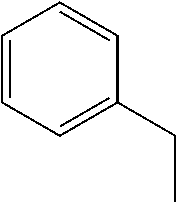
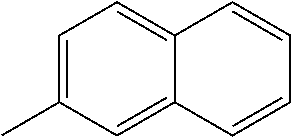
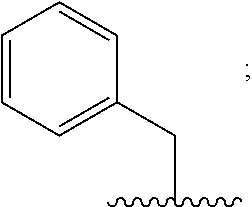
X: —CH2-Ph,
Y: —CH2—CH2—NMe2, —CH2—CH2—CH2—NMe2
Z:
and compounds having general formula (II)
where the piperidine scaffold is 1,3- and 1,4-disubstituted, wherein the substituents are the following:
W:
V: H, Me, Et, n-Pr, n-Bu, —CH2—CH2—OMe, —CH2—CH2—CH2—OMe,
Q:
Some compounds from this invention possess stereogenic center with an absolute configuration of R or S. The compounds can appear in a racemic form, in a form of pure enantiomers or in the form of conglomerates.
The invention further relates to the pharmaceutically acceptable salts with a general formula I or II.
The invention further relates to the use of the compounds with general formula I or II as active ingredients for the preparation of medicaments.
Compounds with the general formula I or II are the inhibitors of the enzyme butyrylcholinesterase and are used for the treatment of symptoms of Alzheimer's disease, multiple sclerosis, all forms of dementias and cognitive disorders related to decreased cholinergic neurotransmission.
The invention is related to parenteral, per oral or other pharmaceutically acceptable forms containing the compounds with the general formula I or II.
Beside active pharmaceutical ingredient, the pharmaceutical composition can contain excipients suitable for the intended route of administration.
Pharmaceutical compositions are prepared using standard procedures.
Pharmaceutical compositions can be prepared in the way that ensures the sustained release of the active pharmaceutical ingredient.
The dose, frequency and way of use are dependent from several factors, which are further dependent also from the active pharmaceutical ingredient used, its pharmacokinetic properties and patient's condition.
Compounds with general formula I can be prepared using modified synthetic procedures described in the literature (Košak U. et al. Tetrahedron Lett. 2014, 55, 2037-2039; Brus B. et al. J. Med Chem. 2014, 57, 8167-8179). Compounds with the general formula II can be prepared using procedures described in the chapter Synthesis of the compounds with the general formula II.
The invention is clarified, though not limited by the following examples.
EXAMPLES
Biological Evaluation
I. Enzyme Assay for the Determination of BChE Inhibitors Potency
1. Principle
Ellman's method was used to evaluate the inhibitory activities of the synthesized compounds against the cholinesterases. (Ellman G. L. et al. Biochem. Pharmacol. 1961, 7, 88-95) Employing this reaction the concentration of thiol groups are determined using Ellman's reagent (5,5′-dithiobis (2-nitrobenzoic acid), DTNB). As a substrate butyrylthiocholine (BTC) and acetylthiocholine (ATC) iodides were used for BChE and AChE, respectively. Enzyme cleaves the corresponding substrate to thiocholine, which further reacts with DTNB and forms the yellow colored product, 5-thio-2-nitrobenzoate anion. The reaction was monitored using a 96-well microtiter plate and a 96-well microplate reader (Synergy™ H4, BioTek Instruments, Inc., USA) as change in absorbance at 412 nm. For the reference sample, 1% dimethylsulfoxide (DMSO) replaced the inhibitor's solution.
Potency of the inhibitor is expressed as a residual activity (RA) of the enzyme at the employed inhibitor's concentration, half maximal inhibitory concentration (IC50 value) and as an inhibition constant (Ki).
2. Reagents
Ezymes:
The enzyme reactions were carried out using murine acetylcholinesterase (mAChE) and human recombinant butyrylcholinesterase (huBChE). From the lyophilised powders of both enzymes, the solutions were obtained by dissolution of the powders in 10 mM MES buffer (pH 6.5) to reach the concentration of 4 mg/mL. The concentrated enzyme solution was diluted prior use in 100 mM phosphate buffer (pH 8.0) to reach the activity of the enzyme in the assay of approximately 500 mAu per minute.
Substrates, ATCI and BTCI:
ATCI in BTCI solutions were prepared in 100 mM phosphate buffer (pH 8.0) to reach the final concentration in the assay of 500 μM.
Ellman's Reagent, DTNB:
DTNB solution was prepared in 100 mM phosphate buffer (pH 8.0) to reach the final concentration in the assay of 333 μM.
Investigated Compounds:
Stock solutions of compounds were prepared in DMSO in a concentration of 10 mM. For the IC50 determination, the stock solutions were further diluted in DMSO to reach the range of inhibition from 5-95% in the final assay.
3. Procedure
Enzyme solutions were prepared by dilution of the concentrated stocks in the 100 mM phosphate buffer (pH 8.0). The reactions were carried out in microtiter plates in a final volume of 300 μL containing phosphate buffer, 333 μM DTNB, 5×10⁻⁴ M BTCI/ATCI and 1×10⁻⁹ M or 5×10⁻¹¹ M of huBChE or mAChE, respectively. Enzyme reaction was started with the addition of the substrate. The DMSO concentration in the test solution was always 1%. The formation of yellow colored product of the reaction of DTNB with thiocholines was monitored for 1 minute as a change in absorbance at 412 nm using the microtiter plate reader (Synergy™ H4, BioTek Instruments, Inc., USA). For the determination of blank (b) the phosphate buffer replaced the enzyme solution. Initial velocity of the enzyme reaction (v0) was determined from the linear curve of the enzyme reaction product formation, where each measurement was performed in triplicate. For the initial screening of inhibition ability, 1 mM concentration of the investigated compounds was used. Compounds were pipetted in the corresponding wells to reach the final concentration of 10 μM. Tested compound and the enzyme solution were first preincubated for 300s, followed by the substrate addition, which triggered the enzyme reaction. The initial velocity in presence of the inhibitor was further calculated (vi). The inhibition capability was expressed as residual activity (RA=(vi−b)/(vo−b)).
For the IC50 value determination, 8 different concentrations of the investigated compounds were used, which resulted in the decrease of the enzyme reaction from 5% do 90%. IC50 values were determined by plotting the RA versus the concentration of the investigated compound. Experimental data were fitted using the following equation (1):
Y=Min+(Max−Min)/(1+10^((Log IC 50 −X)×Hill Slope)) (1),
Where X is a common logarithm of the concentration of the inhibitor and Y is the residual activity. For solving the equation Gnuplot software and an in-house python script were used. For the determination of the inhibition constant full progress curves of the product formation in presence and absence of investigated compounds were monitored. The curves were submitted in the ENZO web-application, which allows solving of numerical equations. (Bevc et al., PLoS One 2011, 6, e22265)
Results of Biological Evaluation
| TABLE 1 |
| |
| Inhibitory activity of compounds with general formula (I). |
| |
|
|
|
% inhibition ± |
| |
|
|
|
STD at |
| |
|
|
IC50 ± STD |
10 μM |
| |
|
|
(nM) |
inhibitor |
| X |
Y |
Z |
huBChE |
mAChE |
| |
|
|
—CH2—CH2—NMe2 |
|
1.03 ± 0.04 |
17.4 ± 3.7 |
| |
|
|
—CH2—CH2—NMe2 |
|
9.5 ± 0.001 |
n.d. |
| |
|
|
—CH2—CH2—NMe2 |
|
13.18 ± 0.61 |
n.d. |
| |
| STD = standard deviation |
| n.d. = not done |
| huBChE = human butyrycholinesterase |
| mAChE = murine acetylcholinesterase |
| TABLE 2 |
| |
| Inhibitory activity of compounds with general formula (I). |
| |
|
|
|
|
IC50 ± |
| |
|
|
|
|
STD |
| |
|
|
|
|
(μM) or |
| |
|
|
|
IC50 ± STD |
% |
| |
|
|
|
(μM) or |
inhibition |
| Disub- |
|
|
|
% inhibition at |
at |
| stitucijana |
|
|
|
10 μM |
10 μM |
| piperidinu |
W |
V |
Q |
huBChE |
mAChE |
| |
| 1,3- |
|
—CH2—CH2—OMe |
|
0.053 ± 0.004 μM |
72 ± 0.86% |
| |
| 1,3- |
|
—CH2—CH2—OMe |
|
0.343 ± 0.005 μM |
n.i. |
| |
| 1,3- |
|
—CH2—CH2—OMe |
|
0.279 ± 0.008 μM |
n.i. |
| |
| 1,3- |
|
—CH2—CH2—OMe |
|
0.887 ± 0.08 μM |
n.i. |
| |
| 1,3- |
|
—CH2—CH2—OMe |
|
0.482 ± 0.066 μM |
n.i. |
| |
| 1,3- |
|
—CH2—CH2—OMe |
|
3.466 ± 0.052 μM |
n.i. |
| |
| 1,3- |
|
—CH2—CH2—OMe |
|
0.314 ± 0.036 μM |
n.i. |
| |
| 1,3- |
|
—CH2—CH2—OMe |
|
0.321 ± 0.035 μM |
n.i. |
| |
| 1,3- |
|
—CH2—CH2—OMe |
|
3.611 ± 0.528 μM |
68 ± 4.42% |
| |
| 1,3- |
|
—CH2—CH2—OMe |
|
0.197 ± 0.008 μM |
n.i. |
| |
| 1,3- |
|
—CH2—CH2—OMe |
|
8.207 ± 0.601 μM |
n.i. |
| |
| 1,3- |
|
—CH2—CH2—OMe |
|
0.359 ± 0.018 μM |
n.i. |
| |
| 1,3- |
|
—CH2—CH2—OMe |
|
3.225 ± 0.492 μM |
n.i. |
| |
| 1,3- |
|
—CH2—CH2—OMe |
|
0.0049 ± 0.0003 μM |
n.i. |
| |
| 1,3- |
|
—CH2—CH2—OMe |
|
0.231 ± 0.006 μM |
n.i. |
| |
| 1,3- |
|
—CH2—CH2—OMe |
|
0.0491 ± 0.0012 μM |
n.i. |
| |
| 1,3- |
|
—CH2—CH2—OMe |
|
1.464 ± 0.115 μM |
n.i. |
| |
| 1,3- |
|
—CH2—CH2—OMe |
|
0.338 ± 0.008 μM |
n.i. |
| |
| 1,3- |
|
—CH2—CH2—OMe |
|
0.311 ± 0.022 μM |
n.i. |
| |
| 1,3- |
|
—H |
|
0.0569 ± 0.0098 μM |
n.i. |
| |
| 1,3- |
|
—Me |
|
0.0250 ± 0.0038 μM |
n.i. |
| |
| 1,3- |
|
—Et |
|
0.0380 ± 0.0026 μM |
n.i. |
| |
| 1,3- |
|
—n-Pr |
|
0.0428 ± 0.0064 μM |
n.i. |
| |
| 1,3- |
|
—n-Bu |
|
0.0355 ± 0.0044 μM |
n.i. |
| |
| 1,3- |
|
—CH2—CH2—CH2—OMe |
|
0.0144 ± 0.0008 μM |
n.i. |
| |
| 1,4- |
|
—CH2—CH2—OMe |
|
0.0394 ± 0.0028 μM |
n.i. |
| |
| 1,4- |
|
—CH2—CH2—CH2—OMe |
|
0.0193 ± 0.0037 μM |
n.i. |
| |
| 1,4- |
|
—H |
|
0.195 ± 0.017 μM |
1.78 ± 0.085 μM |
| |
| 1,4- |
|
—CH2—CH2—OMe |
|
0.0525 ± 0.0020 μM |
n.i. |
| |
| 1,4- |
|
—CH2—CH2—CH2—OMe |
|
0.0712 ± 0.0019 μM |
n.i. |
| |
| 1,3 |
|
—H |
|
0.287 ± 0.022 μM |
57 ± 3.55% |
| |
| 1,3- |
|
—H |
|
0.583 ± 0.043 μM |
75 ± 4.19% |
| |
| 1,3- |
|
—H |
|
0.366 ± 0.031 μM |
71 ± 3.68% |
| |
| 1,3- |
|
—H |
|
0.347 ± 0.060 μM |
73 ± 3.60% |
| |
| 1,3- |
|
—H |
|
1.673 ± 0.256 μM |
n.i. |
| |
| 1,3- |
|
—H |
|
2.093 ± 0.328 μM |
n.i. |
| |
| 1,3- |
|
—H |
|
51% |
n.i. |
| |
| 1,3- |
|
—Me |
|
0.427 ± 0.044 μM |
n.i. |
| |
| 1,3- |
|
—CH2—CH2—OMe |
|
0.059 ± 0.0054 μM |
n.i. |
| |
| 1,3- |
|
—CH2—CH2—OMe |
|
0.156 ± 0.033 μM |
n.i. |
| |
| 1,3- |
|
—CH2—CH2—CH2—OMe |
|
0.113 ± 0.008 μM |
n.i. |
| |
| STD = standard deviation |
| n.i. = no inhibiton |
| huBChE = human butyrycholinesterase |
| mAChE = murine acetylcholinesterase |
Synthesis of Compounds with General Formula (I)
Example 1: Synthesis of (±)-N-((1-(2,3-dihydro-1H-inden-2-yl)piperidin-3-yl)methyl)-N-(2-(dimethylamino)ethyl)-2-naphthamide
Step 1: Synthesis of (±)-1-benzoylpiperidine-3-carboxylic acid
To a 250-mL round-bottomed flask equipped with a stirring bar, nipecotic acid (9.946 g, 77.007 mmol, 1.0 equiv) was added. THF (80 mL), H2O (80 mL) and K2CO3 (53.214 g, 385.023 mmol, 5.0 equiv) were added, and the mixture was cooled to 0° C. A solution of benzoyl chloride (8.931 mL, 77.007 mmol, 1.0 equiv) in THF (35 mL) was added drop-wise. The reaction mixture was allowed to warm to r.t. and then stirred for 22 h. The reaction mixture was transferred into a 500-mL separating funnel and washed with EtOAc (3×150 mL). The aqueous phase was cooled to 0° C. and adjusted to pH 1-2 with 6 M aq HCl. The white precipitate was collected in a Büchner funnel under suction filtration, and then dried in vacuo at room temperature in the presence of NaOH, P2O5 and silica gel to constant mass to produce 17.028 g of (±)-1-benzoylpiperidine-3-carboxylic acid. This product was used in the next step without further purification.
Product appearance: white solid
Yield: 95%
Melting point: 171-175° C.
TLC: 0.53 (MeCN-MeOH—H2O=3/1/1, v/v/v)
IR (ATR): 2865, 2563, 1709, 1584, 1564, 1464, 1277, 1212, 929, 861, 791, 729, 632, 572 cm−1.
1H NMR (400 MHz, DMSO-d6): δ=1.45-1.69 (3H, m), 1.96-2.00 (1H, m), 2.42-2.46 (1H, m), 3.00-3.17 (2H, m), 3.45-3.63 (1H, m), 4.13-4.43 (1H, m), 7.37-7.52 (5H, m), 12.44 (1H, bs).
13C NMR (100 MHz, DMSO-d6): δ=23.63, 24.40, 26.79, 40.63, 41.54, 43.41, 47.29, 48.72, 48.72, 126.64, 128.33, 129.32, 136.24, 169.14, 174.24.
HRMS (ESI+): m/z calculated for C13H16NO3: 234.1130; found: 231.1129.
CHN analysis: calculated for C13H15NO3: C, 66.94; H, 6.48; N, 6.00. Found: C, 67.15; H, 6.74; 6.16.
Step 2: Synthesis of (±)-1-benzoyl-N-(2-(dimethylamino)ethyl)piperidine-3-carboxamide
To a 500-mL round-bottomed flask equipped with a stirring bar, (±)-1-benzoylpiperidine-3-carboxylic acid (17.000 g, 72.876 mmol) and CH2Cl2 (350 mL) were added. Et3N (20.205 mL, 145.754 mmol) was added drop-wise, followed by TBTU (23.400 g, 72.876 mmol). After 30 min, N,N-dimethylethylenediamine (15.900 mL, 145.754 mmol) was added dropwise, and the reaction mixture was stirred for 18 h. The reaction mixture was transferred into a 1000-mL separating funnel and washed with sat. aq NaHCO3 (2×150 mL), H2O (2×150 mL) followed by sat. brine solution (150 mL), and dried over anhyd Na2SO4 and evaporated, to produce 27,190 g of crude (±)-1-benzoyl-N-(2-(dimethylamino)ethyl)piperidine-3-carboxamide. This product was used in the next step without further purification.
Product appearance: golden-yellow oil
TLC: Rf=0.19 (CH2Cl2-MeOH=9:1, v/v)
HRMS (ESI+): m/z calculated for C17H26N3O2: 304.2025; found: 304.2018.
Step 3: Synthesis of (±)-N1-((1-benzylpiperidin-3-yl)methyl)-N2,N2-dimethylethane-1,2-diamine
To a 500-mL tree-neck round-bottomed flask equipped with a stirring bar and a reflux condenser, LiAlH4 (4.378 g, 115.359 mmol) was added under an argon atmosphere. Anhydrous THF (ca. 120 mL) was added with a double-tipped needle. A solution of crude (±)-1-benzoyl-N-(2-(dimethylamino)ethyl)piperidine-3-carboxamide (7.000 g, 23.072 mmol) in anhydrous THF (ca. 60 mL) was added with a double-tipped needle, and the reaction mixture was refluxed for 3 h. The mixture was then cooled to 0° C. and the excess hydride was decomposed by drop-wise addition of H2O (4.378 mL) followed by 15% aq NaOH (4.378 mL) and then H2O (13.134 mL). After vigorous stirring for 1 h at r.t., the mixture was filtered under suction and the white precipitate was washed thoroughly with THF (5×60 mL). The combined filtrates were evaporated to produce 4.239 g of (±)-N1-((1-benzylpiperidin-3-yl)methyl)-N2,N2-dimethylethane-1,2-diamine. This product was used in the next step without further purification.
Product appearance: colorless oil
TLC: Rf=0.04 (CH2Cl2-MeOH=9:1, v/v+0.3% Et3N)
HRMS (ESI+): m/z calculated for C17H30N3: 276.2440; found: 276.2439.
Step 4: Synthesis of (±)-tert-butyl ((1-benzylpiperidin-3-yl)methyl)(2-(dimethylamino)ethyl)carbamate
CH2Cl2 (150 mL) and a stirring bar were added to crude (±)-N1-((1-benzylpiperidin-3-yl)methyl)-N2,N2-dimethyletane-1,2-diamine (4.239 g, 15.390 mmol) in a 250-mL round-bottomed flask. Et3N (2.133 mL, 15.390 mmol) was added drop-wise, and the reaction mixture was cooled to 0° C. A solution of Boc2O (3.359 g, 15.390 mmol) in CH2Cl2 (20 mL) was added drop-wise, and the reaction mixture was allowed to warm to r.t. and then stirred for 18 h. The reaction mixture was transferred into a 500-mL separating funnel and washed with H2O (150 mL), sat. aq NaHCO3 (150 mL), dried over anhyd Na2SO4, and evaporated. The residue was purified by flash column chromatography using CH2Cl2-MeOH (9:1, v/v) as the eluent to produce 3.190 g of (±)-tert-butyl ((1-benzylpiperidin-3-yl)methyl)(2-(dimethylamino)ethyl)carbamate.
Product appearance: slightly golden-yellow oil
Yield: 37% (from (±)-1-benzoylpiperidine-3-carboxylic acid)
TLC: Rf=0.42 (CH2Cl2-MeOH=9:1, v/v)
IR (ATR): 2972, 2933, 2766, 1690, 1455, 1416, 1365, 1247, 1156, 1096, 1068, 1025, 886, 863, 773, 739, 698 cm−1
1H NMR (400 MHz, CDCl3): δ=0.85-0.97 (1H, m), 1.38 (9H, s), 1.47-1.54 (1H, m), 1.59-1.66 (3H, m), 1.81-1.94 (2H, m), 2.20 (3H, s), 2.21 (3H, s), 2.31 (1H, t, J=7.4 Hz), 2.38 (1H, t, J=7.0 Hz), 2.72 (2H, bs), 3.02-3.06 (2H, m), 3.11-3.27 (2H, m), 3.45 (2H, s), 7.17-7.26 (5H, m).
13C NMR (100 MHz, CDCl3): δ=24.81, 28.32, 28.52, 35.61, 36.03, 45.43, 45.57, 45.67, 50.84, 51.25, 53.93, 54.13, 56.81, 57.51, 57.70, 58.06, 63.50, 79.20, 79.28, 126.82, 126.86, 128.06, 129.06, 129.13, 138.09, 138.20, 155.55.
HRMS (ESI+): m/z calculated for C22H38N3O2: 376.2964; found: 376.2972.
Step 5: Synthesis of (±)-tert-butyl (2-(dimethylamino)ethyl)(piperidin-3-ylmethyl)carbamate
To a 250-mL round-bottomed flask with a stirring bar, (±)-tert-butyl ((1-benzylpiperidin-3-yl)methyl)(2-(dimethylamino)ethyl)carbamate (3.190 g, 8.494 mmol) and MeOH (70 mL) were added at room temperature. The resulting solution was stirred and agitated with a stream of argon for 15 min. Pd(OH)2 on carbon (20 wt. %) (0.320 g, 10% mass of (±)-tert-butyl ((1-benzylpiperidin-3-yl)methyl)(2-(dimethylamino)ethyl)carbamate) was added, followed by cyclohexene (8.150 mL, 84.942 mmol). The resulting suspension was refluxed under an atmosphere of argon for 15 h, then filtered through a pad of Celite, and evaporated, to produce 2.410 g of crude (±)-tert-butyl (2-(dimethylamino)ethyl)(piperidin-3-ylmethyl)carbamate. This product was used in the next step without further purification.
Product appearance: slightly yellow oil
Yield: 97%
TLC: Rf=0.09 (CH2Cl2-MeOH=9:1, v/v+0.3% Et3N)
IR (ATR): 3368, 2978, 1671, 1560, 1477, 1405, 1368, 1313, 1251, 1159, 1042, 1015, 649 cm−1
1H NMR (400 MHz, CDCl3): δ=0.80-0.94 (1H, m), 1.02-1.14 (1H, m), 1.44 (9H, s), 1.49-1.75 (3H, m), 1.81-1.91 (1H, m), 2.23 (6H, s), 2.36-2.44 (2H, m), 2.53-2.62 (0.5H, m), 2.72-2.76 (0.5H, m), 2.84-3.10 (4H, m), 3.16-3.31 (2H, m)
HRMS (ESI+): m/z calculated for C15H32N3O2: 286.2495; found: 286.2487.
Step 6: Synthesis of (±)-tert-butyl ((1-(2,3-dihydro-1H-inden-2-yl)piperidin-3-yl)methyl)(2-(dimethylamino)ethyl)carbamate
To a 100-mL round-bottomed flask with a stirring bar, (±)-tert-butyl (2-(dimethylamino)ethyl)(piperidin-3-ylmethyl)carbamate (1.920 g, 6.727 mmol) and 1,2-dichloroethane (50 mL) were added at room temperature. The resulting solution was stirred and agitated with a stream of argon for 15 min. NaBH(OAc)3 (4.277 g, 20.181 mmol), 1H-inden-2(3H)-one (0.889 g, 6.727 mmol) and AcOH (0.577 mL, 10.091 mmol) were added, and the resulting suspension was stirred under an atmosphere of argon for 18 h. The reaction mixture was opened to the air and quenched with saturated aqueous NaHCO3 solution (50 mL). The mixture was transferred into a 250-mL separating funnel, and CH2Cl2 (50 mL) was added. The separating funnel was shaken vigorously and the organic phase was separated, dried over anhydrous Na2SO4, and evaporated. The residue was purified by flash column chromatography using CH2Cl2/MeOH (9:1, v/v) as the eluent, to produce 1.870 g (±)-tert-butyl ((1-(2,3-dihydro-1H-inden-2-yl)piperidin-3-yl)methyl)(2-(dimethylamino)ethyl)carbamate.
Product appearance: slightly golden-yellow oil
Yield: 69% (from (±)-tert-butyl ((1-benzylpiperidin-3-yl)methyl)(2-(dimethylamino)ethyl)carbamate)
TLC: Rf=0.11 (CH2Cl2-MeOH=9:1, v/v)
IR (ATR): 2934, 2766, 1690, 1461, 1416, 1390, 1365, 1249, 1156, 1099, 1023, 937, 888, 863, 771, 742 cm−1
1H NMR (400 MHz, CDCl3): δ=0.87-1.01 (1H, m), 1.44 (9H, s), 1.60-1.83 (4H, m), 1.92-1.97 (2H, m), 2.24 (6H, s), 2.38-2.46 (2H, m), 2.86-2.96 (4H, m), 3.01-3.15 (5H, m), 3.24 (1H, t, J=7.2 Hz), 3.30 (1H, t, J=7.4 Hz), 7.08-7.14 (4H, m)
13C NMR (100 MHz, CDCl3): δ=24.80, 24.89, 28.33, 28.68, 35.69, 36.02, 36.81, 37.02, 45.43, 45.55, 45.64, 50.88, 51.45, 52.11, 56.16, 56.43, 56.82, 57.52, 67.19, 79.33, 124.25, 126.27, 141.35, 141.39, 155.51, 155.62.
HRMS (ESI+): m/z calculated for C14H40N3O2: 402.3121; found: 402.3115.
Step 7: Synthesis of (±)-N1-((1-(2,3-dihydro-1H-inden-2-yl)piperidin-3-yl)methyl)-N2,N2-dimethylethane-1,2-diamine tri(2,2,2-trifluoroacetate)
To a 50-mL round-bottomed flask equipped with a stirring bar, (±)-tert-butyl ((1-(2,3-dihydro-1H-inden-2-yl)piperidin-3-yl)methyl)(2-(dimethylamino)ethyl)carbamate (1,870 g, 4,656 mmol) and CH2Cl2 (20 mL) were added at room temperature. The resulting solution was stirred and TFA (16.045 mL, 209.542 mmol) was added drop-wise. After 2 h, the reaction mixture was evaporated. The residue was co-evaporated with CH2Cl2 (2×30 mL), followed by n-hexane (2×30 mL). Et2O (30 mL) was added to the oily residue, and the flask was placed in an ultrasonic bath for 15 min. During this time, the oily residue transformed into a white solid. The flask was removed from the ultrasonic bath and the precipitate was allowed to settle to the bottom of the flask. The supernatant was removed, Et2O (30 mL) was added, and the flask was placed back in the ultrasonic bath for 1 min. The flask was removed from the ultrasonic bath and the precipitate was allowed to settle to the bottom of the flask. The supernatant was removed, Et2O (30 mL) was added again, and this procedure was repeated two more times. After the final supernatant was removed, the solid residue was dried at reduced pressure to produce 3.020 g of crude (±)-N1-((1-(2,3-dihydro-1H-inden-2-yl)piperidin-3-yl)methyl)-N2,N2-dimethylethane-1,2-diamine tri(2,2,2-trifluoroacetate). This product was used in the next step without further purification.
Product appearance: white solid
Yield: 99%
TLC: Rf=0.08 (CH2Cl2-MeOH=9:1, v/v)
IR (ATR): 2674, 1664, 1476, 1418, 1174, 1118, 1001, 973, 830, 798, 776, 748, 719 cm−1
1H NMR (400 MHz, MeOD): δ=1.36-1.50 (1H, m), 1.84-1.94 (1H, m), 2.03-2.11 (2H, m), 2.39-2.49 (1H, m), 2.87-3.03 (8H, m), 3.15 (2H, bd, J=6.4 Hz), 3.27 (2H, dd, J=16.0, 8.0 Hz), 3.41-3.49 (2H, m), 3.56-3.65 (5H, m), 3.87 (1H, bd, J=11.6 Hz), 4.10 (1H, p, J=8.2 Hz), 7.22-7.29 (4H, m), NH exchanged
HRMS (ESI+): m/z calculated for C19H32N3: 302.2596; found: 302.2591.
Step 8: Synthesis of (±)-N-((1-(2,3-dihydro-1H-inden-2-yl)piperidin-3-yl)methyl)-N-(2-(dimethylamino)ethyl)-2-naphthamide
To a 250-mL round-bottomed flask with a stirring bar, (±)-N1-((1-(2,3-dihydro-1H-inden-2-yl)piperidin-3-yl)methyl)-N2,N2-dimethylethane-1,2-diamine tri(2,2,2-trifluoroacetate) (2.418 g, 3.757 mmol) and CH2Cl2 (150 mL) were added. The resulting suspension reaction mixture was stirred and cooled to 0° C. Et3N (2.095 mL, 15.028 mmol) was added drop-wise, followed by 2-naphtoyl chloride (0.716 g, 3.757 mmol) and the reaction mixture was allowed to warm to r.t. and then stirred for 94 h. The reaction mixture was transferred into a 500-mL separating funnel and washed with H2O (150 mL), sat. aq NaHCO3 (150 mL), dried over anhyd Na2SO4, and evaporated. The residue was purified by flash column chromatography using CH2Cl2-MeOH-Et3N (120:10:1, v/v/v) as the eluent to produce 1.172 g of (±)-N-((1-(2,3-dihydro-1H-inden-2-yl)piperidin-3-yl)methyl)-N-(2-(dimethylamino)ethyl)-2-naphthamide.
Product appearance: golden-brown oil
Yield: 68%
TLC: Rf=0.14 (CH2Cl2-MeOH-Et3N=150:10:1, v/v/v)
1H NMR (400 MHz, DMSO-d6, 80° C.): δ=0.95 (1H, bs), 1.43-1.51 (1H, m), 1.59-1.67 (2H, m), 1.81 (1H, bs), 1.98-2.09 (7H, m), 2.70-2.83 (4H, m), 2.96-3.21 (6H, m), 3.35-3.45 (4H, m), 7.09-7.20 (4H, m), 7.41-7.43 (1H, m), 7.55-7.59 (2H, m), 7.87 (1H, s), 7.94-7.98 (3H, m).
HRMS (ESI+): m/z calculated for C31H40N3O 470.3171; found: 470.3180.
Example 2: Synthesis of (±)-N-((1-(2,3-dihydro-1H-inden-2-yl)piperidin-3-yl)methyl)-N-(2-methoxyethyl)-2-oxo-2H-chromene-3-carboxamide
Step 1: Synthesis of (±)-N-((1-(2,3-dihydro-1H-inden-2-yl)piperidin-3-yl)methyl)-N-(2-methoxyethyl)-2-oxo-2H-chromene-3-carboxamide
To a 50-mL round-bottomed flask with a stirring bar, 2-oxo-2H-chromene-3-carboxylic acid (0.323 g, 1.699 mmol) was added. Thionyl chloride (8 mL) was added at room temperature and the resulting solution was stirred under an atmosphere of argon at 80° C. for 4 h. The reaction mixture was evaporated and the residue was dried in vacuo. Anhydrous pyridine (10 mL) was added, followed by a solution of (±)-N1-((1-(2,3-dihydro-1H-inden-2-yl)piperidin-3-yl)methyl)-N2,N2-dimethylethane-1,2-diamine tri(2,2,2-trifluoroacetate) (0.323 g, 0.502 mmol) in anhydrous pyridine (5 mL). After 18 h the reaction mixture was evaporated and the residue was dried in vacuo. CH2Cl2 (100 mL) was added the resulting solution was transferred into a 250-mL separating funnel and washed with sat. aq NaHCO3 (2×70 mL), followed by sat. brine solution (150 mL), and dried over anhyd Na2SO4 and evaporated. The residue was purified by flash column chromatography using CH2Cl2-MeOH—NH3 (25% aqueous solution) (9:1:0.003, v/v/v) to produce 0.044 g of (±)-N-((1-(2,3-dihydro-1H-inden-2-yl)piperidin-3-yl)methyl)-N-(2-methoxyethyl)-2-oxo-2H-chromene-3-carboxamide.
Product appearance: light orange oil
Yield: 19%
TLC: Rf=0.22 (CH2Cl2-MeOH—NH3(25% aqueous solution)=9:1:0.003, v/v/v)
1H-NMR (400 MHz, CDCl3): δ=0.78-0.89 (0.5H, m), 1.09-1.20 (0.5H, m), 1.56-2.04 (5H, m), 2.06-2.14 (4H, m), 2.20-3.31 (1H, m), 2.34 (2H, s), 2.40-2.47 (1.5H, m), 2.62-2.66 (0.5H, m), 2.81-2.89 (1.5H, m), 2.97-3.45 (8.5H, m), 3.57-3.66 (1H, m), 7.11-7.21 (4H, m), 7.29-7.34 (1H, m), 7.36-7.38 (1H, m), 7.47-7.53 (1H, m), 7.56-7.61 (1H, m), 7.75-7.82 (1H, m).
13C-NMR (100 MHz, CDCl3): δ=24.62, 28.24, 28.44, 34.44, 35.34, 36.59, 36.80, 36.94, 43.59, 45.64, 45.71, 46.58, 47.81, 51.87, 52.03, 53.13, 55.68, 56.14, 57.60, 66.97, 67.35, 116.84, 118.20, 118.27, 124.29, 124.32, 124.38, 124.49, 125.81, 125.99, 126.38, 126.45, 128.32, 128.46, 132.57, 132.63, 141.34, 141.89, 142.10, 153.94, 157.94, 158.06, 165.32, 165.72.
HRMS (ESI+): m/z calculated for C29H36N3O3 474.2757; found: 474.2750.
Example 3: Synthesis of (±)-N-((1-(2,3-dihydro-1H-inden-2-yl)piperidin-3-yl)methyl)-N-(2-(dimethylamino)ethyl)-8-hydroxyquinoline-7-carboxamide
Step 1: Synthesis of (±)-N-((1-(2,3-dihydro-1H-inden-2-yl)piperidin-3-yl)methyl)-N-(2-(dimethylamino)ethyl)-8-hydroxyquinoline-7-carboxamide
To a 50-mL round-bottomed flask with a stirring bar, 8-hydroxyquinoline-7-carboxylic acid (0.230 g, 1.216 mmol) and 1,1′-carbonyldiimidazole (CDI) (0.198 g, 1.221 mmol) was added. Anhydrous THF (15 mL) was added at room temperature and the resulting solution was stirred under an atmosphere of argon at 65° C. for 1.5 h. A solution of (±)-N1-((1-(2,3-dihydro-1H-inden-2-yl)piperidin-3-yl)methyl)-N2,N2-dimethylethane-1,2-diamine tri(2,2,2-trifluoroacetate) (0.589 g, 0.915 mmola) and Et3N (0.675 mL, 4.870 mmol) in anhydrous THF (5 mL) was added and the reaction mixture was stirred at 65° C. for 72 h. The reaction mixture was evaporated and CH2Cl2 (50 mL) was added to residue. The resulting solution transferred into a 100-mL separating funnel and washed with sat. aq NaHCO3 (3×50 mL), H2O (2×50 mL), followed by sat. brine solution (50 mL), and dried over anhyd Na2SO4 and evaporated. The residue was purified by flash column chromatography using CH2Cl2-MeOH—NH3(25% aqueous solution) (20:1:0.003, v/v/v; then 15:1:0.003, v/v/v) then crystallized from aceton to produce 0.024 g of (±)-N-((1-(2,3-dihydro-1H-inden-2-yl)piperidin-3-yl)methyl)-N-(2-(dimethylamino)ethyl)-8-hydroxyquinoline-7-carboxamide.
Product appearance: white solid
Yield: 6%
TLC: Rf=0.15 (CH2Cl2-MeOH—NH3(25% aqueous solution)=9:1:0.003, v/v/v)
1H-NMR (400 MHz, DMSO-d6): δ=0.53-0.61 (0.4H, m), 1.00-1.08 (0.6H, m), 1.23-1.53 (2.5H, m), 1.67-1.89 (6H, m), 2.00-2.08 (1.5H, m), 2.20-3.27 (3.5H, m), 2.62-2.67 (1.5H, m), 2.76-3.13 (7H, m), 3.22-3.27 (2H, m), 3.54-3.58 (1H, m), 7.09-7.23 (4.5 H, m), 7.31-7.33 (0.5H, m), 7.41-7.47 (1H, m), 7.60-7.63 (1H, m), 8.34-8.38 (1H, m), 8.88-8.91 (1H, m).
13C-NMR (100 MHz, DMSO-d6): δ=34.28, 34.69, 36.06, 36.38, 36.54, 44.93, 45.39, 45.79, 47.60, 51.34, 51.68, 52.06, 55.04, 55.43, 56.15, 57.38, 66.23, 66.82, 117.67, 117.77, 120.30, 120.71, 122.35, 124.07, 124.17, 124.30, 126.10, 126.35, 126.51, 128.43, 128.51, 136.17, 138.14, 141.46, 141.54, 141.66, 148.39, 148.63, 148.72, 168.36, 168.50.
HRMS (ESI+): m/z calculated for C29H37N4O2 473.2917; found: 473.2927.
Synthesis of Compounds with General Formula (II)
Example 1: Synthesis of (±)-N-((1-(2,3-dihydro-1H-inden-2-yl)piperidin-3-yl)methyl)-N-(2-methoxyethyl)naphthalene-2-sulfonamide
Step 1: Synthesis of (±)-1-benzoylpiperidine-3-carboxylic acid
To a 250-mL round-bottomed flask equipped with a stirring bar, nipecotic acid (9.946 g, 77.007 mmol) was added. THF (80 mL), H2O (80 mL) and K2CO3 (53.214 g, 385.023 mmol) were added, and the mixture was cooled to 0° C. A solution of benzoyl chloride (8.931 mL, 77.007 mmol, 1.0 equiv) in THF (35 mL) was added drop-wise. The reaction mixture was allowed to warm to r.t. and then stirred for 22 h. The reaction mixture was transferred into a 500-mL separating funnel and washed with EtOAc (3×150 mL). The aqueous phase was cooled to 0° C. and adjusted to pH 1-2 with 6 M aq HCl. The white precipitate was collected in a Büchner funnel under suction filtration, and then dried in vacuo at room temperature in the presence of NaOH, P2O5 and silica gel to constant mass to produce 17.028 g of (±)-1-benzoylpiperidine-3-carboxylic acid. This product was used in the next step without further purification.
Product appearance: white solid
Yield: 95%
Melting point: 171-175° C.
TLC: 0.53 (MeCN-MeOH—H2O=3/1/1, v/v/v)
IR (ATR): 2865, 2563, 1709, 1584, 1564, 1464, 1277, 1212, 929, 861, 791, 729, 632, 572 cm−1.
1H NMR (400 MHz, DMSO-d6): δ=1.45-1.69 (3H, m), 1.96-2.00 (1H, m), 2.42-2.46 (1H, m), 3.00-3.17 (2H, m), 3.45-3.63 (1H, m), 4.13-4.43 (1H, m), 7.37-7.52 (5H, m), 12.44 (1H, bs).
13C NMR (100 MHz, DMSO-d6): δ=23.63, 24.40, 26.79, 40.63, 41.54, 43.41, 47.29, 48.72, 48.72, 126.64, 128.33, 129.32, 136.24, 169.14, 174.24.
HRMS (ESI+): m/z calculated for C13H16NO3: 234.1130; found: 231.1129.
CHN analysis: calculated for C13H15NO3: C, 66.94; H, 6.48; N, 6.00. Found: C, 67.15; H, 6.74; 6.16.
Step 2: Synthesis of (±)-1-benzoyl-N-(2-methoxyethyl)piperidine-3-carboxamide
To a 250-mL round-bottomed flask equipped with a stirring bar, (±)-1-benzoylpiperidine-3-carboxylic acid (2.883 g, 12.359 mmol) and CH2Cl2 (160 mL) were added. Et3N (3.446 mL, 24.719 mmol, 2.0 equiv) was added drop-wise, followed by TBTU (3.969 g, 12.359 mmol). After 30 min, 2-methoxyethylamine (2.125 mL, 24.719 mmol) was added drop-wise, and the reaction mixture was stirred for 22 h. The reaction mixture was transferred into a 500-mL separating funnel and washed with H2O (2×200 mL), 0.5 M aq HCl (2×200 mL), sat. aq NaHCO3 solution (2×200 mL) followed by sat. brine solution (200 mL), and dried over anhyd Na2SO4 and evaporated, to produce 3.756 g of crude (±)-1-benzoyl-N-(2-methoxyethyl)piperidine-3-carboxamide. This product was used in the next step without further purification.
Product appearance: colorless oil
HRMS (ESI+): m/z calculated for C16H23N2O3: 291.1709; found: 291.1707.
Step 3: Synthesis of (±)-N-((1-benzylpiperidin-3-yl)methyl)-2-methoxyethan-1-amine
To a 250-mL tree-neck round-bottomed flask equipped with a stirring bar and a reflux condenser, LiAlH4 (2.455 g, 64.679 mmol) was added under an argon atmosphere. Anhydrous THF (ca. 120 mL) was added with a double-tipped needle. A solution of crude (±)-1-benzoyl-N-(2-methoxyethyl)piperidine-3-carboxamide (3.756 g, 12.936 mmol) in anhydrous THF (ca. 40 mL) was added with a double-tipped needle, and the reaction mixture was refluxed for 3 h under an argon atmosphere. The mixture was then cooled to 0° C. and the excess hydride was decomposed by drop-wise addition of H2O (2.455 mL) followed by 15% aq NaOH (2.455 mL) and then H2O (7.365 mL). After vigorous stirring for 1 h at r.t., the mixture was filtered under suction and the white precipitate was washed thoroughly with THF (5×60 mL). The combined filtrates were evaporated to produce 2.794 g of crude (±)-N-((1-benzylpiperidin-3-yl)methyl)-2-methoxyethan-1-amine. This product was used in the next step without further purification.
Product appearance: slightly golden liquid
HRMS (ESI+): m/z calculated for C16H27N2O: 263.2123; found: 263.2128.
Step 4: Synthesis of (±)-tert-butyl ((1-benzylpiperidin-3-yl)methyl)(2-methoxyethyl)carbamate
CH2Cl2 (50 mL) and a stirring bar were added to crude (±)-N-((1-benzylpiperidin-3-yl)methyl)-2-methoxyethan-1-amine (2.794 g, 10.648 mmol) in a 100-mL round-bottomed flask equipped with a stirring bar. Et3N (1.484 mL, 10.648 mmol) was added drop-wise, and the reaction mixture was cooled to 0° C. A solution of Boc2O (2.324 g, 10.648 mmol) in CH2Cl2 (10 mL) was added drop-wise, and the reaction mixture was allowed to warm to r.t. and then stirred for 20 h. The reaction mixture was transferred into a 100-mL separating funnel and washed with H2O (30 mL), dried over anhyd. Na2SO4, and evaporated. The residue was purified by flash column chromatography using CH2Cl2-MeOH (30:1) then CH2Cl2-MeOH (10:1) as the eluent to produce 3.484 g of (±)-tert-butyl ((1-benzylpiperidin-3-yl)methyl)(2-methoxyethyl)carbamate.
Product appearance: slightly golden oil
Yield: 78% (from (±)-1-benzoylpiperidine-3-carboxylic acid)
TLC: Rf =0.53 (CH2Cl2-MeOH=10:1, v/v)
IR (ATR): 2973, 2929, 1690, 1412, 1364, 1244, 1158, 1116, 867, 738, 698, 560 cm−1
1H NMR (400 MHz, CDCl3): δ=0.88-1.01 (1H, m), 1.43 (9H, s), 1.51-1.58 (1H, m), 1.62-1.72 (3H, m), 1.88-1.96 (2H, m), 2.74-2.79 (2H, m), 3.11-3.15 (2H, m), 3.24-3.36 (5H, m), 3.39-3.49 (4H, m), 7.21-7.38 (5H, m).
13C NMR (100 MHz, CDCl3): δ=24.85, 28.32, 28.51, 35.54, 36.02, 47.03, 51.31, 51.89, 53.94, 54.15, 57.72, 58.05, 58.73, 63.54, 70.83, 71.03, 79.21, 79.32, 126.76, 126.80, 126.85, 128.03, 129.05, 129.10, 138.15, 138.35, 155.59.
HRMS (ESI+): m/z calculated for C21H35N2O3: 363.2648; found: 363.2638.
CHN analysis: calculated for C21H34N2O3: C, 69.58; H, 9.45; N, 7.73. Found: C, 69.75; H, 9.67; N, 7.86.
Step 5: Synthesis of (±)-tert-butyl (2-methoxyethyl)(piperidin-3-ylmethyl)carbamate
To a 250-mL round-bottomed flask with a stirring bar, (±)-tert-butyl ((1-benzylpiperidin-3-yl)methyl)(2-methoxyethyl)carbamate (4.137 g, 11.412 mmol) and MeOH (160 mL) were added at room temperature. The resulting solution was stirred and agitated with a stream of argon for 30 min. Pd(OH)2 on carbon (20 wt. %) (0.828 g, 20% mass of (±)-tert-butyl ((1-benzylpiperidin-3-yl)methyl)(2-methoxyethyl)carbamate) was added, followed by cyclohexene (11.571 mL, 114.122 mmol). The resulting suspension was refluxed under an atmosphere of argon for 17 h, then filtered through a pad of Celite, and evaporated, to produce 3.015 g of crude amine (±)-tert-butyl (2-methoxyethyl)(piperidin-3-ylmethyl)carbamate. This product was used in the next step without further purification.
Product appearance: colorless oil
Yield: 97%
TLC: Rf=0.44 (CH2Cl2-MeOH-Et3N=20:2:1, v/v/v)
1H-NMR (400 MHz, CDCl3): δ=1.00-1.14 (1H, m), 1.37-1.49 (10H, m), 1.60-1.80 (5H, m), 2.25-2.37 (1H, m), 2.51-2.58 (1H, m), 2.95-3.00 (2H, m), 3.13-3.25 (1H, m), 3.28-3.38 (5H, m), 3.44-3.52 (2H, m).
HRMS (ESI+): m/z calculated for C14H29N2O3 273.2178; found 273.2174.
Step 6: Synthesis of (±)-tert-butyl ((1-(2,3-dihydro-1H-inden-2-yl)piperidin-3-yl)methyl)(2-methoxyethyl)carbamate
To a 100-mL round-bottomed flask with a stirring bar, (±)-tert-butyl (2-methoxyethyl)(piperidin-3-ylmethyl)carbamate (1.094 g, 4.016 mmol) and 1,2-dichloroethane (50 mL) were added at room temperature. The resulting solution was stirred and agitated with a stream of argon for 15 min. NaBH(OAc)3 (1.596 g, 7.530 mmol), 1H-inden-2(3H)-one (0.531 g, 4.018 mmol) and AcOH (0.230 mL, 4.018 mmol) were added, and the resulting suspension was stirred under an atmosphere of argon for 72 h. The reaction mixture was opened to the air and quenched with saturated aqueous NaHCO3 solution (50 mL). The mixture was transferred into a 250-mL separating funnel, and CH2Cl2 (20 mL) was added. The separating funnel was shaken vigorously and the organic phase was separated, dried over anhydrous Na2SO4, and evaporated. The residue was purified by flash column chromatography using CH2Cl2/MeOH (30:1, v/v) as the eluent, to produce 1.292 g of (±)-tert-butyl ((1-(2,3-dihydro-1H-inden-2-yl)piperidin-3-yl)methyl)(2-methoxyethyl)carbamate.
Product appearance: slightly golden oil
Yield: 83%
TLC: Rf=0.50 (CH2Cl2/MeOH, 10:1, v/v)
IR (ATR): 2930, 2359, 1692, 1463, 1414, 1365, 1170, 1117, 1010, 867, 743, 526 cm−1
1H-NMR (400 MHz, DMSO-d6, 60° C.): δ=0.90-0.99 (1H, m), 1.40 (9H, s), 1.56-1.67 (2H, m), 1.77-1.88 (2H, m), 2.01-2.07 (1H, m), 2.73-2.81 (4H, m), 2.95-3.02 (2H, m), 3.10 (2H, d, J=6.90 Hz), 3.14-3.15 (3H, m), 3.25 (3H, s), 3.28-3.31 (1H, m), 3.41-3.44 (2H, m), 7.07-7.12 (2H, m), 7.15-7.19 (2H, m).
13C-NMR (100 MHz, DMSO-d6, 60° C.): δ=24.08, 27.70, 27.85, 35.92, 36.02, 46.29, 51.18, 54.95, 57.67, 66.13, 78.09, 123.76, 125.78, 141.04, 141.10, 154.52.
HRMS (ESI+): m/z calculated for C23H37N2O3 389.2804; found 389.2798.
Step 7: Synthesis of (±)-N-((1-(2,3-dihydro-1H-inden-2-yl)piperidin-3-yl)methyl)-2-methoxyethan-1-amine di(2,2,2-trifluoroacetate)
To a 100-mL round-bottomed flask equipped with a stirring bar, (f)-tert-butyl ((1-(2,3-dihydro-1H-inden-2-yl)piperidin-3-yl)methyl)(2-methoxyethyl)carbamate (1.203 g, 3.096 mmol) and CH2Cl2 (50 mL) were added at room temperature. The resulting solution was stirred and TFA (2.371 mL, 30.960 mmol) was added drop-wise. After 22 h, the reaction mixture was evaporated. The residue was co-evaporated with CH2Cl2 (2×40 mL), followed by n-hexane (2×50 mL). Et2O (50 mL) was added to the oily residue, and the flask was placed in an ultrasonic bath for 15 min. During this time, the oily residue transformed into a white solid. The flask was removed from the ultrasonic bath and the precipitate was allowed to settle to the bottom of the flask. The supernatant was removed, Et2O (30 mL) was added, and the flask was placed back in the ultrasonic bath for 1 min. The flask was removed from the ultrasonic bath and the precipitate was allowed to settle to the bottom of the flask. The supernatant was removed, Et2O (30 mL) was added again, and this procedure was repeated two more times. After the final supernatant was removed, the solid residue was dried at reduced pressure. This product was used in the next step without further purification.
Product appearance: white solid
HRMS (ESI+): m/z calculated for C18H29N2O 289.2280; found 289.2274.
Step 8: Synthesis of (±)-N-((1-(2,3-dihydro-1H-inden-2-yl)piperidin-3-yl)methyl)-N-(2-methoxyethyl)naphthalene-2-sulfonamide
To a 25-mL round-bottomed flask equipped with a stirring bar, (±)-N-((1-(2,3-dihydro-1H-inden-2-yl)piperidin-3-yl)methyl)-2-methoxyethan-1-amine di(2,2,2-trifluoroacetate) (0.256 g, 0.496 mmol) and CH2Cl2 (10 mL) were added at room temperature. The resulting suspension was stirred and Et3N (0.207 mL, 1.487 mmol) was added drop-wise, followed by naphthalene-2-sulfonyl chloride (0.113 g, 0.496 mmol) and the reaction mixture was allowed to warm to r.t. and then stirred for 20 h. The reaction mixture was transferred into a 50-mL separating funnel, CH2Cl2 (15 mL) was added and washed with H2O (20 mL), followed by saturated aqueous NaHCO3 solution (20 mL). The organic phase was dried over anhyd Na2SO4, and evaporated. The residue was purified by flash column chromatography using CH2Cl2-MeOH (20:1, v/v) as the eluent to produce 0.220 g (±)-N-((1-(2,3-dihydro-1H-inden-2-yl)piperidin-3-yl)methyl)-N-(2-methoxyethyl)naphthalene-2-sulfonamide.
Product appearance: slightly golden oil
Yield: 93%
TLC: Rf=0.51 (CH2Cl2/MeOH, 10:1, v/v)
IR (ATR): 2928, 1687, 1589, 1456, 1334, 1154, 1115, 1072, 991, 858, 816, 743, 649, 614 cm−1
1H-NMR (400 MHz, CDCl3): δ=0.92-1.03 (1H, m), 1.58-1.77 (4H, m), 1.97-2.06 (2H, m), 2.82-3.06 (6H, m), 3.09-3.21 (3H, m), 3.24 (3H, s), 3.34-3.41 (2H, m), 3.49-3.55 (2H, m), 7.11-7.17 (4H, m), 7.59-7.66 (2H, m), 7.80 (1H, dd, J1=8.7 Hz, J2=1.9 Hz), 7.88-7.98 (3H, m), 8.40 (1H, d, J=1.4 Hz).
13C-NMR (100 MHz, CDCl3): δ=24.70, 28.41, 34.73, 36.72, 36.95, 47.81, 52.06, 53.20, 55.92, 58.58, 67.07, 70.96, 122.42, 124.16, 124.21, 126.16, 127.34, 127.69, 128.24, 128.50, 128.99, 129.08, 131.97, 134.49, 136.39, 141.38.
HRMS (ESI+): m/z calculated for C28H35N2O3S 479.2368; found 479.2354.
Example 2: Synthesis of (±)-N-((1-benzylpiperidin-3-yl)methyl)-N-(2-methoxyethyl)naphthalene-2-sulfonamide
Step 1: Synthesis of (±)-N-((1-benzylpiperidin-3-yl)methyl)-N-(2-methoxyethyl)naphthalene-2-sulfonamide
To a 50-mL round-bottomed flask equipped with a stirring bar, (±)-N-((1-benzylpiperidin-3-yl)methyl)-2-methoxyethan-1-amine (1.062 g, 4.047 mmol) and CH2Cl2 (25 mL) were added at room temperature. The resulting solution was stirred and cooled to 0° C. Et3N (0.564 mL, 4.047 mmol) was added drop-wise, followed by naphthalene-2-sulfonyl chloride (0.918 g, 4.047 mmol) and the reaction mixture was allowed to warm to r.t. and then stirred for 20 h. The reaction mixture was transferred into a 100-mL separating funnel, CH2Cl2 (25 mL) was added and washed with H2O (40 mL), followed by saturated aqueous NaHCO3 solution (40 mL). The organic phase was dried over anhyd Na2SO4, and evaporated. The residue was purified by flash column chromatography using CH2Cl2-MeOH (30:1, v/v) as the eluent to produce 1.654 g (±)-N-((1-benzylpiperidin-3-yl)methyl)-N-(2-methoxyethyl)naphthalene-2-sulfonamide.
Product appearance: colorless oil
Yield: 90%
TLC: Rf=0.57 (CH2Cl2/MeOH, 10:1, v/v)
IR (ATR): 2928, 2803, 1452, 1333, 1154, 1115, 1072, 983, 883, 859, 817, 732, 699, 650, 615 cm−1
1H-NMR (400 MHz, CDCl3): δ=0.95-1.04 (1H, m), 1.54 (1H, bs), 1.66-1.74 (3H, m), 1.98 (2H, bs), 2.76 (2H, d, J=30.4 Hz), 3.06-3.16 (2H, m), 3.21 (3H, s), 3.30 (2H, t, J=6.3 Hz), 3.45-3.48 (4H, m), 7.23-7.30 (5H, m), 7.59-7.66 (2H, m), 7.76 (1H, dd, =8.6 Hz, J2=1.8 Hz), 7.89-7.97 (3H, m), 8.38 (1H, d, J=1.4 Hz).
13C-NMR (100 MHz, CDCl3): δ=24.54, 28.21, 34.82, 48.04, 53.21, 53.89, 57.60, 58.66, 63.44, 71.10, 122.52, 126.85, 127.39, 127.78, 128.05, 128.36, 128.56, 129.07, 129.11, 129.14, 132.07, 134.59, 136.40, 138.25.
HRMS (ESI+): m/z calculated for C26H33N2O3S 453.2212; found 453.2209.
Example 3: Synthesis of N-((1-benzylpiperidin-3-yl)methyl)naphthalene-2-sulfonamide
Step 1: Synthesis of (±)-1-benzoylpiperidine-3-carboxamide
To a 500-mL round-bottomed flask equipped with a stirring bar, nipecotamide (10.000 g, 78.020 mmol) and THF (260 mL) were added. The suspension was cooled to 0° C. and Et3N (10.875 mL, 78.020 mmol) was added drop-wise. A solution of benzoyl chloride (9.049 mL, 78.020 mmol) in THF (30 mL) was added drop-wise. The reaction mixture was allowed to warm to r.t. and then stirred for 22 h. The solvent was evaporated, the residue dissolved in H2O (200 mL) and transferred into a 500 mL separating funnel, and washed with CH2Cl2 (3×300 mL). The combined organic phases were dried over anhyd Na2SO4, and evaporated, to produce 17.809 g of (±)-1-benzoylpiperidine-3-carboxamide. This product was used in the next step without further purification.
Product appearance: slightly yellow solid
Yield: 98%
Melting point: 171-173° C.
TLC: Rf =0.58 (CH2Cl2-MeOH=5:1, v/v)
IR (ATR): 3339, 3139, 2938, 2360, 1670, 1617, 1442, 1271, 1102, 936, 855, 670, 577 cm−1
1H NMR (400 MHz, DMSO-d6): δ=1.38 (1H, bs), 1.53-1.75 (2H, m), 1.91 (1H, bs), 2.30 (1H, bs), 2.78-3.08 (2H, m), 3.49-3.56 (1H, m), 4.35-4.46 (1H, m), 6.85-6.90 (1H, m), 7.29-7.52 (6H, m).
13C NMR (100 MHz, DMSO-d6): δ=23.98, 24.80, 27.54, 27.79, 41.59, 41.60, 42.23, 43.99, 47.33, 49.35, 126.61, 128.36, 129.32, 136.20, 169.01, 174.52, 174.64.
HRMS (ESI+): m/z calculated for C13H17N2O2: 233.1290; found: 233.1296.
CHN analysis: Calculated for C13H16N2O2: C, 67.22; H, 6.94; N, 12.06. Found: C, 67.58; H, 7.01; N, 12.11.
Step 2: Synthesis of (±)-(1-benzylpiperidin-3-yl)methanamine
To a 250-mL tree-neck round-bottomed flask equipped with a stirring bar and a reflux condenser, LiAlH4 (2.879 g, 75.863 mmol) was added under an argon atmosphere. Anhydrous THF (ca. 150 mL) was added with a double-tipped needle. Then (±)-1-benzoylpiperidine-3-carboxamide (3.524 g, 15.171 mmol) was added in small portions over 1 h, and the reaction mixture was refluxed for 3 h under an argon atmosphere. The mixture was then cooled to 0° C. and the excess hydride was decomposed by drop-wise addition of H2O (2.879 mL) followed by 15% aq NaOH (2.879 mL) and then H2O (8.637 mL). After vigorous stirring for 1 h at r.t., the mixture was filtered under suction and the white precipitate was washed thoroughly with THF (5×60 mL). The combined filtrates were evaporated, to produce 3.085 g of crude (±)-(1-benzylpiperidin-3-yl)methanamine. This product was used in the next step without further purification.
Product appearance: slightly golden liquid
HRMS (ESI+): m/z calculated for C13H21N2: 205.1705; found: 205.1710.
Step 3: Synthesis of (±)-N-((1-benzylpiperidin-3-yl)methyl)naphthalene-2-sulfonamide
To a 50-mL round-bottomed flask equipped with a stirring bar, (±)-(1-benzylpiperidin-3-yl)methanamine (1.553 g, 7.503 mmol) and CH2Cl2 (50 mL) were added at room temperature. The resulting solution was stirred and cooled to 0° C. Et3N (1.046 mL, 7.503 mmol) was added drop-wise, followed by naphthalene-2-sulfonyl chloride (1.723 g, 7.503 mmol) and the reaction mixture was allowed to warm to r.t. and then stirred for 20 h. The reaction mixture was transferred into a 100-mL separating funnel and washed with H2O (40 mL), followed by saturated aqueous NaHCO3 solution (40 mL). The organic phase was dried over anhyd Na2SO4, and evaporated. The residue was purified by flash column chromatography using CH2Cl2-MeOH (20:1, v/v) as the eluent to produce 1.288 g of (±)-N-((1-benzylpiperidin-3-yl)methyl)naphthalene-2-sulfonamide.
Product appearance: white solid
Yield: 43%
TLC: Rf=0.43 (CH2Cl2-MeOH=10:1, v/v)
IR (ATR): 3062, 2938, 2816, 2769, 1467, 1452, 1328, 1159, 1068, 972, 817, 759, 701, 658, 640, 614 cm−1
1H-NMR (400 MHz, CDCl3): δ=1.02-1.11 (1H, m), 1.45-1.55 (1H, m), 1.60-1.71 (2H, m), 1.76-1.90 (2H, m), 2.09-2.15 (1H, m), 2.52-2.67 (2H, m), 2.85-2.97 (2H, m), 3.38-3.46 (2H, m), 5.20 (1H, bs), 7.22-7.31 (5H, m), 7.59-7.67 (2H, m), 7.78 (1H, dd, J1=8.7 Hz, J2=1.9 Hz), 7.90-7.97 (3H, m), 8.41 (1H, t, J=0.9 Hz)
13C-NMR (100 MHz, CDCl3): δ=24.07, 28.06, 35.36, 47.02, 53.78, 57.14, 63.23, 122.23, 126.95, 127.41, 127.80, 128.11, 128.26, 128.60, 129.05, 129.12, 129.38, 132.03, 134.62, 136.64, 137.77.
HRMS (ESI+): m/z calculated for C23H27N2O2S: 395.1793; found: 395.1784.
Example 4: Synthesis of N-((1-benzylpiperidin-3-yl)methyl)-N-methylnaphthalene-2-sulfonamide
Step 1: Synthesis of (±)-N-((1-benzylpiperidin-3-yl)methyl)-N-methylnaphthalene-2-sulfonamide
To a 25-mL round-bottomed flask equipped with a stirring bar, (±)-N-((1-benzylpiperidin-3-yl)methyl)naphthalene-2-sulfonamide (0.104 g, 0.264 mmol) and MeCN (10 mL) were added at room temperature. The resulting solution was stirred and agitated with a stream of argon for 15 min. Cs2CO3 (0,258 g, 0,792 mmol), MeI (0.050 mL, 0,792 mmol) and NaI (catalytic amount) were added and the resulting suspension was stirred for 70 min at 60° C. under an argon atmosphere. The reaction mixture was evaporated, and CH2Cl2 (20 mL) was added to the residue. The mixture was transferred to a 50-mL separating funnel and washed with H2O (20 mL), followed by saturated aqueous NaHCO3 solution (20 mL). The organic phase was dried over anhyd Na2SO4, and evaporated. The residue was purified by flash column chromatography using CH2Cl2-MeOH (24:1, v/v) as the eluent to produce 0.076 g of (±)-N-((1-benzylpiperidin-3-yl)methyl)-N-methylnaphthalene-2-sulfonamide.
Product appearance: white solid
Yield: 70%
TLC: Rf=0.29 (CH2Cl2-MeOH=20:1, v/v)
IR (ATR): 2937, 2809, 1453, 1334, 1155, 1132, 1070, 960, 889, 740, 653 cm−1
1H-NMR (400 MHz, CDCl3): δ=1.00-1.10 (1H, m), 1.66-1.77 (3H, m), 1.82-2.04 (3H, m), 2.74 (4H, s), 2.84-2.97 (3H, m), 3.43-3.60 (2H, m), 7.21-7.25 (1H, m), 7.30 (4H, d, J=4.4 Hz), 7.60-7.67 (2H, m), 7.74 (1H, dd, J1=8.6, J2=1.8 Hz), 7.90-7.99 (3H, m), 8.34-8.35 (1H, s).
13C-NMR (100 MHz, CDCl3): δ=24.48, 28.12, 34.20, 35.23, 53.78, 57.68, 63.38, 122.63, 126.88, 127.43, 127.81, 128.08, 128.53, 128.60, 120.09, 129.17, 132.11, 134.33, 134.63, 138.13.
HRMS (ESI+): m/z calculated for C24H29N2O2S: 409.1950; found: 409.1939.
Example 5: Synthesis of (±)-N-((1-(3-fluorobenzyl)piperidin-3-yl)methyl)-N-(2-methoxyethyl)naphthalene-2-sulfonamide
Step 1: Synthesis of (±)-tert-butyl ((1-(3-fluorobenzyl)piperidin-3-yl)methyl)(2-methoxyethyl)carbamate
To a 50-mL round-bottomed flask equipped with a stirring bar, (±)-tert-butyl (2-methoxyethyl)(piperidin-3-ylmethyl)carbamate (0.208 g, 0.764 mmol) and 1,2-dichloroethane (15 mL) were added at room temperature. The resulting solution was stirred and agitated with a stream of argon for 15 min. NaBH(OAc)3 (0,283 g, 1,335 mmol), 3-fluorobenzaldehid (0.083 mL, 0.764 mmol) and AcOH (0.044 mL, 0,764 mmol) were added, and the resulting suspension was stirred under an atmosphere of argon for 72 h. The reaction mixture was opened to the air and quenched with saturated aqueous NaHCO3 solution (30 mL). The mixture was transferred into a 100-mL separating funnel, and CH2Cl2 (20 mL) was added. The separating funnel was shaken vigorously and the organic phase was separated, dried over anhydrous Na2SO4, and evaporated. The residue was purified by flash column chromatography using CH2Cl2/MeOH (28:1, v/v) as the eluent, to produce 0.184 g of (±)-tert-butyl ((1-(3-fluorobenzyl)piperidin-3-yl)methyl)(2-methoxyethyl)carbamate.
Product appearance: slightly golden oil
Yield: 63%
TLC: Rf=0.46 (CH2Cl2-MeOH=10:1, v/v)
IR (ATR): 2974, 2931, 1689, 1590, 1484, 1451, 1412, 1391, 1365, 1250, 1161, 1117, 777 cm−1
1H-NMR (400 MHz, CDCl3): δ=0.89-1.00 (1H, m), 1.42-1.46 (10H, m), 1.63-1.77 (3H, m), 1.87-1.98 (2H, m), 2.72-2.75 (2H, m), 3.11-3.16 (2H, m), 3.24-3.37 (5H, m), 3.39-3.49 (4H, m), 6.89-6.94 (1H, m), 7.03-7.06 (2H, m), 7.21-7.25 (1H, m).
13C-NMR (100 MHz, CDCl3): δ=24.88, 28.37, 28.49, 35.63, 36.11, 47.16, 51.37, 51.93, 54.07, 54.23, 57.76, 58.12, 58.81, 62.96, 70.95, 71.13, 79.33, 79.43, 113.77 (d, 2J=21.3 Hz), 115.64 (d, 2J=21.3 Hz), 124.47 (d, 4J=2.9 Hz), 129.49 (d, 3J=8.1 Hz), 141.26 (d, 3J=8.1 Hz), 155.66, 162.86 (d, 1J=245.76 Hz).
HRMS (ESI+): m/z calculated for C21H34N2O3F: 381.2553; found: 381.2558.
Step 2: Synthesis of (±)-N-((1-(3-fluorobenzyl)piperidin-3-yl)methyl)-2-methoxyethanamine di(2,2,2-trifluoroacetate)
To a 25-mL round-bottomed flask with a stirring bar, (±)-tert-butyl ((1-(3-fluorobenzyl)piperidin-3-yl)methyl)(2-methoxyethyl)carbamate (0.133 g, 0.350 mmol) and CH2Cl2 (10 mL) were added at room temperature. The solution was stirred and TFA (0.270 mL, 3,500 mmol) was added drop-wise. After 22 h the reaction mixture was evaporated and the residue was coevaporated with CH2Cl2 (2×15 mL), followed by n-hexane (2×15 mL) to produce 0.163 g of (±)-N-((1-(3-fluorobenzyl)piperidin-3-yl)methyl)-2-methoxyethanamine di(2,2,2-trifluoroacetate). This product was used in the next step without further purification.
Product appearance: slightly golden oil
Yield: 92%
HRMS (ESI+): m/z calculated for C16H25N2OF 281.2029; found 281.2034.
Step 3: Synthesis of (±)-N-((1-(3-fluorobenzyl)piperidin-3-yl)methyl)-N-(2-methoxyethyl)naphthalene-2-sulfonamide
To a 50-mL round-bottomed flask equipped with a stirring bar, (±)-N-((1-(3-fluorobenzyl)piperidin-3-yl)methyl)-2-methoxyethanamine di(2,2,2-trifluoroacetate) (0.150 g, 0.295 mmol) and CH2Cl2 (20 mL) were added at room temperature. The resulting solution was stirred and cooled to 0° C. Et3N (0.123 mL, 0.885 mmol) was added drop-wise, followed by naphthalene-2-sulfonyl chloride (0.067 g, 0.295 mmol) and the reaction mixture was allowed to warm to r.t. and then stirred for 20 h. The reaction mixture was transferred into a 50-mL separating funnel and washed with H2O (20 mL), followed by saturated aqueous NaHCO3 solution (20 mL). The organic phase was dried over anhyd Na2SO4, and evaporated. The residue was purified by flash column chromatography using CH2Cl2-MeOH (28:1, v/v) as the eluent to produce 0.121 g of (±)-N-((1-(3-fluorobenzyl)piperidin-3-yl)methyl)-N-(2-methoxyethyl)naphthalene-2-sulfonamide.
Product appearance: slightly golden oil
Yield: 87%
TLC: Rf=0.46 (CH2Cl2-MeOH=15:1, v/v)
IR (ATR): 2932, 1589, 1449, 1335, 1252, 1155, 1129, 1116, 1072, 748, 728, 651, 615 cm−1 1H-NMR (400 MHz, CDCl3): δ=0.96-1.06 (1H, m), 1.49-1.55 (1H, m), 1.66-1.78 (3H, m), 1.95-2.01 (2H, m), 2.66-2.79 (2H, m), 3.11-3.13 (2H, m), 3.22 (3H, s), 3.28-3.33 (2H, m), 3.42-3.51 (4H, m), 6.90-6.95 (1H, m), 7.02-7.06 (2H, m), 7.21-7.25 (1H, m), 7.59-7.66 (2H, m), 7.76 (1H, dd, J1=8.7 Hz, J2=1.9 Hz), 7.89-7.97 (3H, m), 8.37-8.38 (1H, m).
13C-NMR (100 MHz, CDCl3): δ=24.54, 28.17, 34.85, 48.18, 53.25, 53.99, 57.65, 58.71, 62.73, 71.23, 113.74 (d, 2J=21.3 Hz), 115.57 (d, 2J=21.3 Hz), 122.54, 124.44 (d, 4J=2.9 Hz), 127.45, 127.83, 128.42, 128.62, 129.16, 129.21, 129.50 (d, 3J=8.1 Hz), 132.12, 134.65, 136.39, 141.36 (d, 3J=8.1 Hz), 162.86 (d, 1J=245.0 Hz).
HRMS (ESI+): m/z calculated for C26H32N2O3SF: 471.2118; found: 471.2110.
Example 6: Synthesis of N-((1-(2,3-dihydro-1H-inden-2-yl)piperidin-4-yl)methyl)-N-(2-methoxyethyl)naphthalene-2-sulfonamide
Step 1: Synthesis of 1-benzoylpiperidine-4-carboxylic acid
To a 250-mL round-bottomed flask equipped with a stirring bar, isonipecotic acid (10.000 g, 77.425 mmol) was added. THF (80 mL), H2O (80 mL) and K2CO3 (53.504 g, 387.121 mmol) were added, and the mixture was cooled to 0° C. A solution of benzoyl chloride (8.980 mL, 77.425 mmol) in THF (35 mL) was added drop-wise. The reaction mixture was allowed to warm to r.t. and then stirred for 22 h. The reaction mixture was transferred into a 500-mL separating funnel and washed with EtOAc (3×150 mL). The aqueous phase was cooled to 0° C. and adjusted to pH 1-2 with 6 M aq HCl. The white precipitate was collected in a Büchner funnel under suction filtration, and then dried in vacuo at room temperature in the presence of NaOH, P2O5 and silica gel to constant mass to produce 15.369 g of 1-benzoylpiperidine-4-carboxylic acid. This product was used in the next step without further purification.
Product appearance: white solid
Yield: 85%
Melting point: 118-122° C.
TLC: Rf =0.55 (MeCN—H2O-MeOH=3:1:1)
IR (ATR): 2857, 2359, 1730, 1612, 1447, 1207, 1169, 1014, 791, 731, 707, 628, 577. cm−1
1H NMR (400 MHz, DMSO-d6): δ=1.49 (2H, bs), 1.83 (2H, bd, J=45.68 Hz), 2.52-2.57 (1H, m), 3.01 (2H, bd, J=52.08 Hz), 3.52 (1H, bs), 4.31 (1H, bs), 7.34-7.46 (5H, m), 12.32 (1H, bs).
13C NMR (100 MHz, DMSO-d6): δ=27.62, 28.24, 40.06, 40.74, 46.38, 126.61, 128.38, 129.31, 136.23, 168.96, 175.48.
HRMS (ESI+): m/z calculated for C13H16NO3: 234.1130; found 231.1125.
CHN analysis: Calculated for C13H15NO3: C, 66.94; H, 6.48; N, 6.00. Found: C, 67.22; H, 6.78; N, 6.22.
Step 2: Synthesis of 1-benzoyl-N-(2-methoxyethyl)piperidine-4-carboxamide
To a 250-mL round-bottomed flask equipped with a stirring bar, 12 (3.201 g, 13.723 mmol) and CH2Cl2 (180 mL) were added. Et3N (3.824 mL, 27.446 mmol) was added drop-wise, followed by TBTU (4.406 g, 13.723 mmol). After 30 min, 2-methoxyethylamine (2.355 mL, 27.446 mmol) was added drop-wise, and the reaction mixture was stirred for 23 h. The reaction mixture was transferred into a 500-mL separating funnel and washed with H2O (2×200 mL), 0.5 M aq HCl (2×200 mL), sat. aq NaHCO3 solution (2×200 mL) followed by sat. brine solution (200 mL), dried over anhyd Na2SO4, and evaporated to produce 3.711 g of crude 1-benzoyl-N-(2-methoxyethyl)piperidine-4-carboxamide. This product was used in the next step without further purification.
Product appearance: white solid
HRMS (ESI+): m/z calculated for C16H23N2O3: 291.1709; found: 291.1703.
Step 3: Sinteza N-((1-benzylpiperidin-4-yl)methyl)-2-methoxyethan-1-amine
To a 250-mL tree-neck round-bottomed flask equipped with a stirring bar and a reflux condenser, LiAlH4 (2.425 g, 63.904 mmol) was added under an argon atmosphere. Anhydrous THF (ca. 120 mL) was added with a double-tipped needle. A solution of crude 1-benzoyl-N-(2-methoxyethyl)piperidine-4-carboxamide (3.711 g, 12.781 mmol) in anhydrous THF (ca. 40 mL) was added with a double-tipped needle, and the reaction mixture was refluxed for 2 h. The mixture was then cooled to 0° C., and the excess hydride was decomposed by drop-wise addition of H2O (2.425 mL) followed by 15% aq NaOH (2.425 mL) and then H2O (7.275 mL). After vigorous stirring for 1 h at r.t., the mixture was filtered under suction and the white precipitate was washed thoroughly with THF (5×60 mL). The combined filtrates were evaporated to produce 2.833 g of crude N-((1-benzylpiperidin-4-yl)methyl)-2-methoxyethan-1-amine as a slightly golden liquid.
Product appearance: slightly golden liquid
HRMS (ESI+): m/z calculated for C16H27N2O: 263.2123; found: 263.2120.
Step 4: Synthesis of tert-butyl (1-benzylpiperidin-4-yl)methyl(2-methoxyethyl)carbamate
CH2Cl2 (50 mL) and a stirring bar were added to crude N-((1-benzylpiperidin-4-yl)methyl)-2-methoxyethan-1-amine (2,833 g, 10.797 mmol) in a 100-mL round-bottomed flask equipped with a stirring bar. Et3N (1.505 mL, 10.797 mmol) was added drop-wise, and the reaction mixture was cooled to 0° C. A solution of Boc2O (2.357 g, 10.797 mmol) in CH2Cl2 (10 mL) was added drop-wise, and the reaction mixture was allowed to warm to r.t. and then stirred for 22 h. The reaction mixture was transferred into a 100-mL separating funnel and washed with H2O (30 mL), dried over anhyd Na2SO4, and evaporated. The residue was purified by flash column chromatography using CH2Cl2-MeOH (30:1) then CH2Cl2-MeOH (10:1) as the eluent to produce 3.254 g of tert-butyl (1-benzylpiperidin-4-yl)methyl(2-methoxyethyl)carbamate.
Product appearance: slightly golden oil
Yield: 65% (from 1-benzoylpiperidine-4-carboxylic acid)
TLC: Rf =0.52 (CH2Cl2-MeOH=10:1)
IR (ATR): 2923, 2801, 1689, 1411, 1364, 1147, 1117, 973, 872, 773, 737, 698, 568 cm−1
1H NMR (400 MHz, CDCl3): δ=1.26-1.31 (2H, m), 1.44 (9H, s), 1.58-1.61 (3H, m), 1.89-1.95 (2H, m), 2.88-2.91 (2H, m), 3.14 (2H, d, J=6.90 Hz), 3.28-3.38 (5H, m), 3.43-3.50 (4H, m), 7.24-7.32 (5H, m).
13C NMR (100 MHz, CDCl3): δ=28.35, 29.93, 35.07, 35.49, 46.96, 47.66, 53.31, 53.49, 53.57, 58.72, 63.19, 63.39, 70.90, 71.09, 79.22, 79.31, 126.83, 128.03, 129.04, 129.16, 138.25, 138.43, 155.53, 155.69.
HRMS (ESI+): m/z calculated for C21H35N2O3: 363.2648; found: 363.2648.
CHN analysis: calculated for C21H34N2O3: C, 69.58; H, 9.45; N, 7.73. Found: C, 69.66; H, 9.57; N, 7.69.
Step 5: Synthesis of tert-butyl (2-methoxyethyl)(piperidin-4-ylmethyl)carbamate
To a 250-mL round-bottomed flask with a stirring bar, tert-butyl (1-benzylpiperidin-4-yl)methyl(2-methoxyethyl)carbamate (2,351 g, 6,486 mmol) and MeOH (100 mL) were added at room temperature. The resulting solution was stirred and agitated with a stream of argon for 30 min. Pd(OH)2 on carbon (20 wt. %) (0.828 g, 20% mass of -butyl (1-benzylpiperidin-4-yl)methyl(2-methoxyethyl)carbamate) was added, followed by cyclohexene (6.576 mL, 64,860 mmol). The resulting suspension was refluxed under an atmosphere of argon for 18 h, then filtered through a pad of Celite, and evaporated, to produce 1.696 g of crude tert-butyl (2-methoxyethyl)(piperidin-4-ylmethyl)carbamate. This product was used in the next step without further purification.
Product appearance: slightly golden oil
Yield: 96%
TLC: Rf=0.57 (CH2Cl2-MeOH-Et3N=20:2:1, v/v/v)
HRMS (ESI+): m/z calculated for C14H29N2O3: 273.2178; found: 273.2172.
Step 6: Synthesis of tert-butyl ((1-(2,3-dihydro-1H-inden-2-yl)piperidin-4-yl)methyl)(2-methoxyethyl)carbamate
To a 100-mL round-bottomed flask with a stirring bar, tert-butyl (2-methoxyethyl)(piperidin-4-ylmethyl)carbamate (1.050 g, 3.854 mmol) and 1,2-dichloroethane (50 mL) were added at room temperature. The resulting solution was stirred and agitated with a stream of argon for 15 min. NaBH(OAc)3 (1.532 g, 7.226 mmol), 1H-inden-2(3H)-one (0.509 g, 3.854 mmol) and AcOH (0.221 mL, 3.854 mmol) were added, and the resulting suspension was stirred under an atmosphere of argon for 72 h. The reaction mixture was opened to the air and quenched with saturated aqueous NaHCO3 solution (50 mL). The mixture was transferred into a 250-mL separating funnel, and CH2Cl2 (20 mL) was added. The separating funnel was shaken vigorously and the organic phase was separated, dried over anhydrous Na2SO4, and evaporated. The residue was purified by flash column chromatography using CH2Cl2/MeOH (30:1, v/v) as the eluent, to produce 1.198 g of tert-butyl ((1-(2,3-dihydro-1H-inden-2-yl)piperidin-4-yl)methyl)(2-methoxyethyl)carbamate.
Product appearance: slightly yellow solid
Yield: 80%
TLC: Rf=0.47 (CH2Cl2-MeOH=10:1, v/v)
IR (KBe): 2930, 2808, 1688, 1475, 1407, 1282, 1149, 1113, 1012, 979, 871, 745, 664 cm−1
1H-NMR (400 MHz, CDCl3): δ=1.25-1.45 (11H, m), 1.68 (3H, d, J=12.3 Hz), 1.95-2.06 (2H, m), 2.88-2.93 (2H, m), 3.05-3.17 (7H, m), 3.34-3.39 (5H, m), 3.44-3.53 (2H, m), 7.11-7.18 (4H, m).
13C-NMR (100 MHz, CDCl3): δ=28.35, 29.82, 35.08, 35.39, 37.12, 46.92, 47.93, 51.48, 51.73, 53.54, 58.73, 67.11, 70.91, 71.08, 79.27, 79.37, 124.24, 126.24, 141.49, 155.53, 155.69 HRMS (ESI+): m/z calculated for C23H37N2O3: 389.2804; found: 389.2810.
Step 7: Synthesis of N-((1-(2,3-dihydro-1H-inden-2-yl)piperidin-4-yl)methyl)-2-methoxyethanamine di(2,2,2-trifluoroacetate)
To a 100-mL round-bottomed flask equipped with a stirring bar, tert-butyl ((1-(2,3-dihydro-1H-inden-2-yl)piperidin-4-yl)methyl)(2-methoxyethyl)carbamate (1,100 g, 2.831 mmol) and CH2Cl2 (50 mL) were added at room temperature. The resulting solution was stirred and TFA (2.168 mL, 28,310 mmol) was added drop-wise. After 24 h, the reaction mixture was evaporated. The residue was co-evaporated with CH2Cl2 (2×40 mL), followed by n-hexane (2×50 mL). Et2O (50 mL) was added to the oily residue, and the flask was placed in an ultrasonic bath for 15 min. During this time, the oily residue transformed into a white solid. The flask was removed from the ultrasonic bath and the precipitate was allowed to settle to the bottom of the flask. The supernatant was removed, Et2O (30 mL) was added, and the flask was placed back in the ultrasonic bath for 1 min. The flask was removed from the ultrasonic bath and the precipitate was allowed to settle to the bottom of the flask. The supernatant was removed, Et2O (30 mL) was added again, and this procedure was repeated two more times. After the final supernatant was removed, the solid residue was dried at reduced pressure to produce 1,272 g of crude N-((1-(2,3-dihydro-1H-inden-2-yl)piperidin-4-yl)methyl)-2-methoxyethanamine di(2,2,2-trifluoroacetate). This product was used in the next step without further purification.
Product appearance: white solid
Yield: 87%
HRMS (ESI+): m/z calculated for C18H29N2O 289.2280; found 289.2286.
Step 8: Synthesis of N-((1-(2,3-dihydro-1H-inden-2-yl)piperidin-4-yl)methyl)-N-(2-methoxyethyl)naphthalene-2-sulfonamide
To a 25-mL round-bottomed flask equipped with a stirring bar, N-((1-(2,3-dihydro-1H-inden-2-yl)piperidin-4-yl)methyl)-2-methoxyethanamine di(2,2,2-trifluoroacetate) (0.250 g, 0.484 mmol) and CH2Cl2 (10 mL) were added at room temperature. The resulting suspension was stirred and Et3N (0.202 mL, 1.452 mmol) was added drop-wise, followed by naphthalene-2-sulfonyl chloride (0,110 g, 0,484 mmol) and the reaction mixture was allowed to warm to r.t. and then stirred for 20 h. The reaction mixture was transferred into a 50-mL separating funnel, CH2Cl2 (15 mL) was added and washed with H2O (20 mL), followed by saturated aqueous NaHCO3 solution (20 mL). The organic phase was dried over anhyd Na2SO4, and evaporated. The residue was purified by flash column chromatography using CH2Cl2-MeOH (20:1, v/v) as the eluent to produce 0.208 g of N-((1-(2,3-dihydro-1H-inden-2-yl)piperidin-4-yl)methyl)-N-(2-methoxyethyl)naphthalene-2-sulfonamide.
Product appearance: white solid
Yield: 90%
TLC: Rf=0.48 (CH2Cl2/MeOH, 10:1, v/v)
IR (ATR)=2937, 1672, 1329, 1153, 1129, 1073, 999, 820, 743, 652, 617 cm−1
1H-NMR (400 MHz, CDCl3): δ=1.57 (2H, bs), 1.89-1.92 (3H, m), 2.36 (2H, bs), 3.09-3.34 (13H, m), 3.48 (3H, t, J=5.5 Hz), 7.14-7.20 (4H, m), 7.60-7.67 (2H, m), 7.75-7.79 (1H, m), 7.89-7.98 (3H, m), 8.37 (1H, s).
13C-NMR (400 MHz, CDCl3): δ=28.35, 34.30, 36.06, 49.00, 50.98, 54.79, 58.68, 66.63, 71.31, 122.48, 124.31, 126.78, 127.53, 127.82, 128.49, 128.71, 129.14, 129.29, 132.08, 134.67, 135.97, 140.33.
HRMS (ESI+): m/z calculated for C28H35N2O3S: 479.2368; found: 479.2358.