KR20220120249A - Persona-based review data analysis method and system - Google Patents
Persona-based review data analysis method and system Download PDFInfo
- Publication number
- KR20220120249A KR20220120249A KR1020210024105A KR20210024105A KR20220120249A KR 20220120249 A KR20220120249 A KR 20220120249A KR 1020210024105 A KR1020210024105 A KR 1020210024105A KR 20210024105 A KR20210024105 A KR 20210024105A KR 20220120249 A KR20220120249 A KR 20220120249A
- Authority
- KR
- South Korea
- Prior art keywords
- review data
- persona
- customer
- type
- review
- Prior art date
- Legal status (The legal status is an assumption and is not a legal conclusion. Google has not performed a legal analysis and makes no representation as to the accuracy of the status listed.)
- Granted
Links
Images








Classifications
-
- G—PHYSICS
- G06—COMPUTING OR CALCULATING; COUNTING
- G06Q—INFORMATION AND COMMUNICATION TECHNOLOGY [ICT] SPECIALLY ADAPTED FOR ADMINISTRATIVE, COMMERCIAL, FINANCIAL, MANAGERIAL OR SUPERVISORY PURPOSES; SYSTEMS OR METHODS SPECIALLY ADAPTED FOR ADMINISTRATIVE, COMMERCIAL, FINANCIAL, MANAGERIAL OR SUPERVISORY PURPOSES, NOT OTHERWISE PROVIDED FOR
- G06Q30/00—Commerce
- G06Q30/02—Marketing; Price estimation or determination; Fundraising
- G06Q30/0278—Product appraisal
-
- G—PHYSICS
- G06—COMPUTING OR CALCULATING; COUNTING
- G06N—COMPUTING ARRANGEMENTS BASED ON SPECIFIC COMPUTATIONAL MODELS
- G06N20/00—Machine learning
-
- G—PHYSICS
- G06—COMPUTING OR CALCULATING; COUNTING
- G06Q—INFORMATION AND COMMUNICATION TECHNOLOGY [ICT] SPECIALLY ADAPTED FOR ADMINISTRATIVE, COMMERCIAL, FINANCIAL, MANAGERIAL OR SUPERVISORY PURPOSES; SYSTEMS OR METHODS SPECIALLY ADAPTED FOR ADMINISTRATIVE, COMMERCIAL, FINANCIAL, MANAGERIAL OR SUPERVISORY PURPOSES, NOT OTHERWISE PROVIDED FOR
- G06Q10/00—Administration; Management
- G06Q10/04—Forecasting or optimisation specially adapted for administrative or management purposes, e.g. linear programming or "cutting stock problem"
-
- G—PHYSICS
- G06—COMPUTING OR CALCULATING; COUNTING
- G06Q—INFORMATION AND COMMUNICATION TECHNOLOGY [ICT] SPECIALLY ADAPTED FOR ADMINISTRATIVE, COMMERCIAL, FINANCIAL, MANAGERIAL OR SUPERVISORY PURPOSES; SYSTEMS OR METHODS SPECIALLY ADAPTED FOR ADMINISTRATIVE, COMMERCIAL, FINANCIAL, MANAGERIAL OR SUPERVISORY PURPOSES, NOT OTHERWISE PROVIDED FOR
- G06Q10/00—Administration; Management
- G06Q10/06—Resources, workflows, human or project management; Enterprise or organisation planning; Enterprise or organisation modelling
- G06Q10/063—Operations research, analysis or management
- G06Q10/0637—Strategic management or analysis, e.g. setting a goal or target of an organisation; Planning actions based on goals; Analysis or evaluation of effectiveness of goals
Landscapes
- Engineering & Computer Science (AREA)
- Business, Economics & Management (AREA)
- Strategic Management (AREA)
- Human Resources & Organizations (AREA)
- Theoretical Computer Science (AREA)
- Economics (AREA)
- Development Economics (AREA)
- Physics & Mathematics (AREA)
- General Physics & Mathematics (AREA)
- Entrepreneurship & Innovation (AREA)
- Game Theory and Decision Science (AREA)
- General Business, Economics & Management (AREA)
- Marketing (AREA)
- Quality & Reliability (AREA)
- Operations Research (AREA)
- Finance (AREA)
- Accounting & Taxation (AREA)
- Educational Administration (AREA)
- Tourism & Hospitality (AREA)
- Software Systems (AREA)
- Computer Vision & Pattern Recognition (AREA)
- Mathematical Physics (AREA)
- General Engineering & Computer Science (AREA)
- Artificial Intelligence (AREA)
- Computing Systems (AREA)
- Evolutionary Computation (AREA)
- Medical Informatics (AREA)
- Data Mining & Analysis (AREA)
- Information Retrieval, Db Structures And Fs Structures Therefor (AREA)
Abstract
본 발명에 따른 페르소나 기반의 리뷰 데이터 분석 방법은 특정 서비스와 관련된 리뷰 데이터를 수집하는 단계, 상기 리뷰 데이터를 구성하는 단위 요소에 근거하여, 평가 인자에 해당하는 정보를 상기 리뷰 데이터로부터 추출하는 단계, 상기 평가 인자를 근거로 페르소나 유형들이 분류된 페르소나 DB를 이용하여, 상기 추출된 정보에 대응하는 상기 리뷰 데이터의 고객 유형을 상기 페르소나 유형들 중 어느 하나로 특정하는 단계 및 상기 페르소나 DB로부터 상기 어느 하나의 페르소나 유형의 특성 정보를 추출하여, 상기 리뷰 데이터의 고객 유형에 대한 보고서를 생성하는 단계를 포함할 수 있다. Persona-based review data analysis method according to the present invention comprises the steps of collecting review data related to a specific service, extracting information corresponding to an evaluation factor from the review data, based on the unit elements constituting the review data; Using a persona DB in which persona types are classified based on the evaluation factor, specifying a customer type of the review data corresponding to the extracted information as one of the persona types, and selecting any one of the persona types from the persona DB It may include extracting the characteristic information of the persona type, and generating a report on the customer type of the review data.

Description
본 발명은 페르소나를 기반으로 리뷰 데이터를 분석하는 방법, 그리고 시스템에 관한 것이다. The present invention relates to a method and system for analyzing review data based on persona.
기술이 발전함에 따라, 전자기기(예를 들어, 스마트폰, 태블릿 PC, 자동화 기기 등)의 보급이 대중화되었으며, 이에 따라 일상생활의 많은 부분에서 전자기기의 사용이 일반화되었다. With the development of technology, the dissemination of electronic devices (eg, smart phones, tablet PCs, automation devices, etc.) has become popular, and accordingly, the use of electronic devices has become common in many areas of daily life.
전자기기의 대중화는 자신의 생각이나 경험을 다른 사람들과 자유롭게 공유할 수 있는 서비스의 발전을 촉진시켰다. 최근에는, 리뷰슈머(reviewsumer)라는 신조어까지 생겨났다. 리뷰슈머는 리뷰(Review)와 컨슈머(Consumer)의 합성어로 제품을 써보고 온라인 상에 품평을 올리는 고객 집단을 말한다.The popularization of electronic devices has promoted the development of services that allow people to freely share their thoughts and experiences with others. Recently, a new word called reviewsumer has emerged. Reviewsumer is a compound word of review and consumer, and refers to a group of customers who try a product and post reviews online.
이러한 트렌드의 변화에 맞추어, 소비자 리뷰를 이용한 상품 평가 시스템 및 방법(대한민국 공개특허 제10-2018-0080492호)은, 소비자의 구매 결정에 도움을 주기 위하여, 서비스 이용자가 부여한 평점을 소비자에게 제공한다. In line with this trend change, the product evaluation system and method using consumer reviews (Korea Patent Publication No. 10-2018-0080492) provides consumers with the ratings given by service users to help consumers make purchase decisions. .
그러나, 이들은, 고객들끼리 리뷰를 공유하는 방식으로서, 여전히 고객이 작성한 리뷰를 적극적으로 활용하는 방안에 대한 니즈가 존재한다,However, as a method of sharing reviews among customers, there is still a need for a method to actively utilize customer reviews.
본 발명에 따른 페르소나 기반의 리뷰 데이터 분석 방법 및 시스템은, 고객들이 작성한 리뷰 데이터를 분석하여 사용자에게 제공하고자 한다. A persona-based review data analysis method and system according to the present invention analyzes review data written by customers and provides them to users.
본 발명에 따른 페르소나 기반의 리뷰 데이터 분석 방법 및 시스템은, 고객의 리뷰 데이터를 활용하고자 한다. Persona-based review data analysis method and system according to the present invention is intended to utilize customer review data.
본 발명에 따른 페르소나 기반의 리뷰 데이터 분석 방법 및 시스템은, 고객군을 정립하고자 한다. Persona-based review data analysis method and system according to the present invention is intended to establish a customer group.
위에서 살펴본 과제를 해결하기 위하여, 본 발명에 따른 페르소나 기반의 리뷰 데이터 분석 방법은 특정 서비스와 관련된 리뷰 데이터를 수집하는 단계, 상기 리뷰 데이터를 구성하는 단위 요소에 근거하여, 평가 인자에 해당하는 정보를 상기 리뷰 데이터로부터 추출하는 단계, 상기 평가 인자를 근거로 페르소나 유형들이 분류된 페르소나 DB를 이용하여, 상기 추출된 정보에 대응하는 상기 리뷰 데이터의 고객 유형을 상기 페르소나 유형들 중 어느 하나로 특정하는 단계 및 상기 페르소나 DB로부터 상기 어느 하나의 페르소나 유형의 특성 정보를 추출하여, 상기 리뷰 데이터의 고객 유형에 대한 보고서를 생성하는 단계를 포함할 수 있다. In order to solve the above problems, the persona-based review data analysis method according to the present invention includes the steps of collecting review data related to a specific service, based on the unit elements constituting the review data, information corresponding to the evaluation factor extracting from the review data, using a persona DB in which persona types are classified based on the evaluation factor, specifying a customer type of the review data corresponding to the extracted information as any one of the persona types; It may include extracting the characteristic information of the one persona type from the persona DB, and generating a report on the customer type of the review data.
나아가, 본 발명에 따른 페르소나 기반의 리뷰데이터 분석 방법은, 특정 서비스와 관련된 리뷰 데이터를 수집하는 단계, 상기 리뷰 데이터를 구성하는 단위 요소에 근거하여, 제1정보 및 제2정보 중 적어도 하나를 상기 리뷰 데이터로부터 추출하는 단계, 상기 제1정보를 페르소나 유형들이 분류된 페르소나 DB와 매칭하거나, 상기 제2정보를 고객 유형을 분석하는 인공지능 모델의 입력 데이터로 이용하여 상기 리뷰 데이터의 고객 유형을 상기 페르소나 유형들 중 어느 하나로 특정하는 단계 및 상기 페르소나 DB로부터 상기 어느 하나의 페르소나 유형의 특성 정보를 추출하여, 상기 리뷰 데이터의 고객 유형에 대한 보고서를 생성하는 단계를 포함할 수 있다. Furthermore, the persona-based review data analysis method according to the present invention comprises the steps of: collecting review data related to a specific service; extracting from review data, matching the first information with a persona DB in which persona types are classified, or using the second information as input data of an artificial intelligence model for analyzing customer types to determine the customer type of the review data It may include specifying one of the persona types and extracting characteristic information of the one persona type from the persona DB to generate a report on the customer type of the review data.
위에서 살펴본 것과 같이, 본 발명에 따른 페르소나 기반의 리뷰 데이터 분석 방법 및 시스템은, 수집된 데이터에 근거하여, 리뷰 데이터의 고객 유형을 페르소나 유형들 중 어느 하나로 특정할 수 있다. 이에 따라, 본 발명은 특정 서비스에 대해 리뷰 데이터를 작성한 고객의 유형을 구체적으로 파악할 수 있다. 나아가, 본 발명은, 고객의 나이, 직업, 성격과 개성, 특징, 취미, 사는 곳 등 개인 정보에서부터, 실제로 이러한 인물이 서비스를 이용할 때 고려하는 점, 서비스를 이용할 때 불편한 점 등의 구체적인 니즈를 예상할 수 있다. As described above, the persona-based review data analysis method and system according to the present invention may specify the customer type of the review data as one of the persona types, based on the collected data. Accordingly, the present invention can specifically identify the type of customer who wrote review data for a specific service. Furthermore, the present invention addresses specific needs such as personal information such as the customer's age, occupation, personality and personality, characteristics, hobbies, and place of residence, points that such a person considers when actually using the service, and inconveniences when using the service. It can be expected.
나아가, 본 발명은, 리뷰 데이터의 고객 유형에 대한 보고서를 생성할 수 있다. 따라서, 사용자는 본 발명으로부터 제공받은 보고서를 통해, 블랙 컨슈머의 악의적인 리뷰 작성을 사전에 방지하고, 단골 고객을 효율적으로 관리할 수 있으며, 고객 유형에 대응하여 적합한 마케팅을 진행할 수 있다. Furthermore, the present invention may generate reports on customer types of review data. Accordingly, through the report provided by the present invention, the user can prevent malicious reviews by black consumers in advance, manage regular customers efficiently, and conduct appropriate marketing in response to customer types.
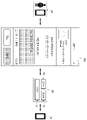
도 1은 본 발명에 따른 페르소나 기반의 리뷰 데이터 분석 시스템을 이용한 분석 방법을 설명하기 위한 개념도이다.
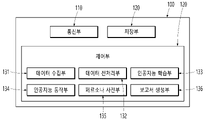
도 2는 본 발명에 따른 페르소나 기반의 리뷰 데이터 분석 시스템을 설명하기 위한 개념도이다.
도 3은 본 발명에 따른 페르소나 기반의 리뷰 데이터 분석 방법을 설명하기 위한 흐름도이다.
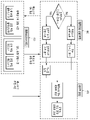
도 4a 및 4b는 본 발명에 따른 페르소나 기반의 리뷰 데이터 분석 방법을 설명하기 위한 개념도이다.
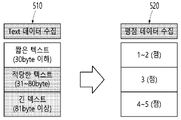
도 5는 본 발명에 따른 데이터 수집을 설명하기 위한 개념도이다.
도 6a, 도 6b, 도 7, 도 8a, 도 8b, 도 9a, 및 도 9b 는 본 발명에 따른 평가 인자에 대응되는 정보를 설명하기 위한 개념도들이다.
도 10, 도 11, 도 12, 도 13, 및 도 14는 본 발명에 따른 리뷰 데이터의 고객 유형을 특정하는 방법을 설명하기 위한 개념도들이다.
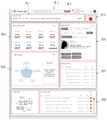
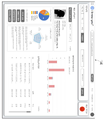
도 15a, 도 15b, 도 15c, 도 15d 및 도 15e는 본 발명에 따른 보고서를 설명하기 위한 개념도들이다. 1 is a conceptual diagram for explaining an analysis method using a persona-based review data analysis system according to the present invention.
2 is a conceptual diagram illustrating a persona-based review data analysis system according to the present invention.
3 is a flowchart illustrating a persona-based review data analysis method according to the present invention.
4A and 4B are conceptual diagrams for explaining a persona-based review data analysis method according to the present invention.
5 is a conceptual diagram for explaining data collection according to the present invention.
6A, 6B, 7, 8A, 8B, 9A, and 9B are conceptual diagrams for explaining information corresponding to evaluation factors according to the present invention.
10, 11, 12, 13, and 14 are conceptual views for explaining a method of specifying a customer type of review data according to the present invention.
15A, 15B, 15C, 15D, and 15E are conceptual diagrams for explaining a report according to the present invention.
이하, 첨부된 도면을 참조하여 본 명세서에 개시된 실시 예를 상세히 설명하되, 도면 부호에 관계없이 동일하거나 유사한 구성요소에는 동일한 참조 번호를 부여하고 이에 대한 중복되는 설명은 생략하기로 한다. 이하의 설명에서 사용되는 구성요소에 대한 접미사 "모듈" 및 "부"는 명세서 작성의 용이함만이 고려되어 부여되거나 혼용되는 것으로서, 그 자체로 서로 구별되는 의미 또는 역할을 갖는 것은 아니다. 또한, 본 명세서에 개시된 실시 예를 설명함에 있어서 관련된 공지 기술에 대한 구체적인 설명이 본 명세서에 개시된 실시 예의 요지를 흐릴 수 있다고 판단되는 경우 그 상세한 설명을 생략한다. 또한, 첨부된 도면은 본 명세서에 개시된 실시 예를 쉽게 이해할 수 있도록 하기 위한 것일 뿐, 첨부된 도면에 의해 본 명세서에 개시된 기술적 사상이 제한되지 않으며, 본 발명의 사상 및 기술 범위에 포함되는 모든 변경, 균등물 내지 대체물을 포함하는 것으로 이해되어야 한다. Hereinafter, the embodiments disclosed in the present specification will be described in detail with reference to the accompanying drawings, but the same or similar components will be given the same reference numerals regardless of reference numerals, and redundant descriptions thereof will be omitted. The suffixes "module" and "part" for components used in the following description are given or mixed in consideration of only the ease of writing the specification, and do not have distinct meanings or roles by themselves. In addition, in describing the embodiments disclosed in the present specification, if it is determined that detailed descriptions of related known technologies may obscure the gist of the embodiments disclosed in this specification, the detailed description thereof will be omitted. In addition, the accompanying drawings are only for easy understanding of the embodiments disclosed in this specification, and the technical idea disclosed herein is not limited by the accompanying drawings, and all changes included in the spirit and scope of the present invention , should be understood to include equivalents or substitutes.
제1, 제2 등과 같이 서수를 포함하는 용어는 다양한 구성요소들을 설명하는데 사용될 수 있지만, 상기 구성요소들은 상기 용어들에 의해 한정되지는 않는다. 상기 용어들은 하나의 구성요소를 다른 구성요소로부터 구별하는 목적으로만 사용된다.Terms including ordinal numbers such as first, second, etc. may be used to describe various elements, but the elements are not limited by the terms. The above terms are used only for the purpose of distinguishing one component from another.
어떤 구성요소가 다른 구성요소에 "연결되어" 있다거나 "접속되어" 있다고 언급된 때에는, 그 다른 구성요소에 직접적으로 연결되어 있거나 또는 접속되어 있을 수도 있지만, 중간에 다른 구성요소가 존재할 수도 있다고 이해되어야 할 것이다. 반면에, 어떤 구성요소가 다른 구성요소에 "직접 연결되어" 있다거나 "직접 접속되어" 있다고 언급된 때에는, 중간에 다른 구성요소가 존재하지 않는 것으로 이해되어야 할 것이다.When a component is referred to as being “connected” or “connected” to another component, it may be directly connected or connected to the other component, but it is understood that other components may exist in between. it should be On the other hand, when it is said that a certain element is "directly connected" or "directly connected" to another element, it should be understood that the other element does not exist in the middle.
단수의 표현은 문맥상 명백하게 다르게 뜻하지 않는 한, 복수의 표현을 포함한다. The singular expression includes the plural expression unless the context clearly dictates otherwise.
본 출원에서, "포함한다" 또는 "가지다" 등의 용어는 명세서상에 기재된 특징, 숫자, 단계, 동작, 구성요소, 부품 또는 이들을 조합한 것이 존재함을 지정하려는 것이지, 하나 또는 그 이상의 다른 특징들이나 숫자, 단계, 동작, 구성요소, 부품 또는 이들을 조합한 것들의 존재 또는 부가 가능성을 미리 배제하지 않는 것으로 이해되어야 한다.In the present application, terms such as “comprises” or “have” are intended to designate that a feature, number, step, operation, component, part, or combination thereof described in the specification exists, but one or more other features It is to be understood that this does not preclude the possibility of the presence or addition of numbers, steps, operations, components, parts, or combinations thereof.
본 발명에 따른 페르소나 기반의 리뷰 데이터 분석 시스템은, “분석 시스템”이라고도 명명될 수 있다. 이러한 분석 시스템은, 사용자로부터 서비스를 제공 받은 고객이 작성한 리뷰 데이터를 분석하고, 보고서를 생성하여 사용자에게 제공하는 역할을 수행한다. The persona-based review data analysis system according to the present invention may also be referred to as an “analysis system”. Such an analysis system analyzes review data written by a customer provided with a service from the user, and generates a report and provides it to the user.
이하에서는 첨부된 도면과 함께, 본 발명에 따른 분석 시스템 및 방법에 대하여 보다 구체적으로 살펴본다. 도 1은 본 발명에 따른 페르소나 기반의 리뷰 데이터 분석 시스템을 이용한 분석 방법을 설명하기 위한 개념도이고, 도 2는 본 발명에 따른 페르소나 기반의 리뷰 데이터 분석 시스템을 설명하기 위한 개념도이고, 도 3은 본 발명에 따른 페르소나 기반의 리뷰 데이터 분석 방법을 설명하기 위한 흐름도이고, 도 4a 및 4b는 본 발명에 따른 페르소나 기반의 리뷰 데이터 분석 방법을 설명하기 위한 개념도이고, 도 5는 본 발명에 따른 데이터 수집을 설명하기 위한 개념도이고, 도 6a, 도 6b, 도 7, 도 8a, 도 8b, 도 9a, 및 도 9b 는 본 발명에 따른 평가 인자에 대응되는 정보를 설명하기 위한 개념도들이고, 도 10, 도 11, 도 12, 도 13, 및 도 14는 본 발명에 따른 리뷰 데이터의 고객 유형을 특정하는 방법을 설명하기 위한 개념도들이고, 도 15a, 도 15b, 도 15c, 도 15d 및 도 15e는 본 발명에 따른 보고서를 설명하기 위한 개념도들이다. Hereinafter, an analysis system and method according to the present invention will be described in more detail with reference to the accompanying drawings. 1 is a conceptual diagram for explaining an analysis method using a persona-based review data analysis system according to the present invention, FIG. 2 is a conceptual diagram for explaining a persona-based review data analysis system according to the present invention, FIG. 3 is this It is a flowchart for explaining a persona-based review data analysis method according to the present invention, FIGS. 4A and 4B are conceptual diagrams for explaining a persona-based review data analysis method according to the present invention, and FIG. 5 is a data collection method according to the present invention. 6A, 6B, 7, 8A, 8B, 9A, and 9B are conceptual diagrams for explaining information corresponding to an evaluation factor according to the present invention, and FIGS. 10 and 11 , 12, 13, and 14 are conceptual views for explaining a method of specifying a customer type of review data according to the present invention, and FIGS. 15A, 15B, 15C, 15D and 15E are diagrams according to the present invention These are conceptual diagrams to explain the report.
한편, 본 발명에서 사용자에 의해 제공되는 “서비스”는 사용자가 물질적 재화의 생산을 위하여, 고객에게 제공하는 물질 또는 노동을 의미할 수 있다. Meanwhile, in the present invention, "service" provided by a user may mean a material or labor provided by a user to a customer for the production of material goods.
즉, 본 발명에서 “서비스”는, 사용자가 영위하는 사업에 따라 다양한 종류가 존재할 수 있다. 예를 들어, “음식점”을 운영하는 사용자라면, 서비스의 종류는, “음식”과 관련될 수 있으며, “교습소”를 운영하는 사업자라면, 서비스의 종류는, “학문, 예술 등을 가르치는 행위”와 관련될 수 있다. That is, in the present invention, various types of “services” may exist depending on the business run by the user. For example, if you are a user who runs a “restaurant”, the type of service may be related to “food”, and if you are a business operator who operates a “training school”, the type of service is “act of teaching science, art, etc.” may be related to
본 발명에서는 설명의 편의를 위하여, 사용자가 영위하는 사업 및 영위하는 사업에 의하여 생산되는 상품(또는 제품)을 구분하지 않고 “서비스” 로 통칭하여 명명하기로 한다. In the present invention, for convenience of explanation, the business operated by the user and the goods (or products) produced by the business are not divided and collectively referred to as “service”.
본 발명에서 사용되는 “서비스를 제공 받다”의 의미는, 사업자가 영위하는 사업의 종류에 따른 물질 또는 노동을 제공 받는 것을 의미할 수 있다. 예를 들어, “음식점”을 운영하는 사용자라면, “음식”을 제공 받을 수 있으며, “교습소”를 운영하는 사업자라면, “학문, 예술 등을 교습”을 제공 받을 수 있다. 본 명세서에서 “서비스를 제공받다”는 “서비스를 구매하다”, “서비스를 이용하다” “상품(제품 또는 물건)을 구매하다”와 혼용되어 사용될 수 있다. The meaning of “receiving service” used in the present invention may mean receiving material or labor according to the type of business that the business operator is running. For example, a user who operates a “restaurant” may be provided with “food”, and a business operator who operates a “training center” may receive “learning for education, art, etc.”. In this specification, "to be provided with a service" may be used interchangeably with "purchase a service", "use a service" and "purchase a product (product or thing)".
본 발명에서는 이러한 서비스와 관련된 요소들을 “서비스 요소”라고 명명할 수 있다. 서비스 요소는, 사용자가 고객에게 서비스를 제공함에 있어 고려되어야 할 다양한 사항들을 의미할 수 있다. 예를 들어, 서비스 요소는 ⅰ)가격조건(또는 가격), ⅱ)이용품질(또는 품질), ⅲ)서비스 절차(또는 절차), ⅳ)직원대응(또는 고객 대응) 및 ⅴ)이용환경 중 적어도 하나를 포함할 수 있다. 다만, 위 나열한 사항들은 서비스 요소의 일 예시이며, 이에 한정되는 것은 아니다. In the present invention, elements related to such a service may be referred to as “service elements”. The service element may refer to various items to be considered when a user provides a service to a customer. For example, a service element includes at least one of: i) price condition (or price), ii) quality of use (or quality), iii) service procedure (or procedure), iv) staff response (or customer response), and v) usage environment. may contain one. However, the above-listed items are examples of service elements, and are not limited thereto.
한편, 본 명세서에서는, 설명의 편의를 위하여, 사용자에게 서비스의 제공을 요청(또는 상품을 구매)하고, 서비스(상품 또는 제품)의 제공을 받는 자를 “고객”이라고 명명하도록 한다. 고객은 “소비자” 또는 “컨슈머(consumer)”와 혼용되어 사용될 수 있다. Meanwhile, in the present specification, for convenience of explanation, a person who requests the user to provide a service (or purchases a product) and receives the service (product or product) is called a “customer”. Customer may be used interchangeably with “consumer” or “consumer”.
본 발명에서 사용되는 “고객 유형”은 고객의 성향에 따라 고객을 구분하기 위해 사용되는 개념일 수 있다. 복수의 고객 유형은 제1 타입 고객 및 제2 타입 고객으로 분류되어 질 수 있다. The “customer type” used in the present invention may be a concept used to classify customers according to their preferences. The plurality of customer types may be classified into a first type customer and a second type customer.
제1 타입 고객은 특별한 주의가 필요한 타입으로서, 제공 받은 서비스에 대한 리뷰 데이터를 작성하는 것이 아닌, 서비스의 하자를 문제 삼아 사용자(사업자 또는 기업)을 상대로 과도한 피해 보상금을 요구하거나 거짓으로 피해를 본 것으로 꾸미는 악의적인 유형을 의미할 수 있다. 본 발명에서는 리뷰 데이터 및 기 설정된 기준에 근거하여 제1 타입 고객을 특정할 수 있다. 본 발명에서는 제1 타입 고객은 “블랙 컨슈머”와 혼용하여 사용될 수 있다.
제2 타입 고객은 제1 타입 고객을 제외한 리뷰 데이터의 고객 유형을 포함할 수 있다. 제2 타입 고객은 리뷰 데이터 및 기 설정된 기준에 근거하여, ⅰ)일반 고객, ⅱ)단골 고객, ⅲ)우수 고객, ⅳ)불만족 고객으로 분류될 수 있다.The second type customer may include a customer type in the review data except for the first type customer. The second type customer may be classified into i) regular customers, ii) regular customers, iii) excellent customers, and iv) dissatisfied customers based on the review data and preset criteria.
나아가, 본 발명에서는 제2 고객 타입으로 분류된 리뷰 데이터를, 페르소나 DB와 매칭시키거나 인공 지능 모델에 입력하여 페르소나 유형들 중 어느 하나로 특정할 수 있다. Furthermore, in the present invention, review data classified into the second customer type may be matched with a persona DB or inputted into an artificial intelligence model to specify one of the persona types.
본 발명에서 사용되는 “페르소나 유형”은 특정 서비스를 이용할 만한 인구 집단 안에 있는 다양한 사용자를 대표하는 인물로서, 어떤 특정한 상황과 환경속에서 어떤 전형적인 인물이 어떻게 행동할 것인가에 대한 예측을 위해 실제 사용자 자료를 바탕으로 개인의 개성을 부여하여 만들어진 가상의 인물이다. As used in the present invention, “persona type” is a person representing various users within a population group who can use a specific service, and is used to predict how a typical person will behave in a specific situation and environment. It is a fictional character created by giving an individual personality based on
나아가, 서로 다른 복수의 페르소나 유형의 집합체를 본 발명에서는 “페르소나 DB”라고 명명하도록 한다. 페르소나 DB에는 페르소나 유형들의 특성 정보 및 표준화된 값이 있을 수 있다. Furthermore, an aggregate of a plurality of different persona types is referred to as “persona DB” in the present invention. The persona DB may include characteristic information and standardized values of persona types.
본 발명에서 사용되는 “특성 정보”는 서로 다른 복수의 특정 페르소나 유형 각각에 매칭된 정보로서, “페르소나 유형”의 인물을 묘사하고 그 인물의 배경, 환경, 가상의 이름, 목표, 취미, 직업, 거주지, 성격, 평소에 느끼는 생각(불편함, 호감 분야 등), 그 인물이 가지는 니즈 등으로 구성될 수 있다. The “characteristic information” used in the present invention is information matched to each of a plurality of different specific persona types, and describes a person of the “persona type” and includes the background, environment, virtual name, goal, hobbies, occupation, It can be composed of the place of residence, personality, thoughts that you usually feel (discomfort, areas of liking, etc.), and the needs of the person.
본 발명에서 사용되는 “표준화된 값”은 복수의 서로 다른 페르소나 유형들마다 각각 매칭된 값으로서, 리뷰 데이터와 페르소나 DB를 서로 매칭시킬 때 사용되는 정보이다. 예를 들어, “표준화된 값”은 특성 정보에 대한 특정 값을 포함할 수 있다. The “standardized value” used in the present invention is a value matched for each of a plurality of different persona types, and is information used when matching review data and persona DB with each other. For example, “normalized value” may include a specific value for characteristic information.
한편, 본 발명에서 사용되는 “리뷰 데이터”는 고객의 특정 서비스에 대한 평가가 포함되는 정보를 의미할 수 있다. 리뷰 데이터는 특정 서비스가 제공(또는 구매 요청)되는 인터넷 페이지, 개인 블로그(Blog), SNS(Social Network Site), 댓글 등에 기재되는 시각적, 촉각적, 청각적 방식의 다양한 데이터를 의미할 수 있다. 시각적 방식의 리뷰 데이터로는 텍스트(text), 이모티콘(emoticon), 이미지(image), 동영상 등이 포함될 수 있으며, 청각적 방식의 리뷰 데이터로는 음성, 동영상 등이 포함될 수 있다. 동영상은 시각적 방식의 리뷰 데이터 및 청각적 방식의 리뷰 데이터 모두에 해당될 수 있다. Meanwhile, “review data” used in the present invention may refer to information including evaluation of a specific service by a customer. Review data may refer to various data in visual, tactile, and audible ways that are written on Internet pages, personal blogs, SNS (Social Network Sites), comments, etc. where a specific service is provided (or purchase request). The visual review data may include text, emoticons, images, and videos, and the auditory review data may include voice and video. The video may correspond to both visual review data and auditory review data.
본 발명에서 “리뷰 데이터를 작성한다” 는 온라인 상에 리뷰 데이터를 업로드 한다는 의미로 이해되어 질 수 있다. 본 명세서에서, “리뷰 데이터를 작성한다”는 “리뷰 데이터를 업로드한다”, “리뷰 데이터를 게재한다”와 혼용되어 사용될 수 있다. In the present invention, “writing review data” may be understood as the meaning of uploading review data online. In this specification, "write review data" may be used interchangeably with "upload review data" and "publish review data".
본 발명에서 사용되는 “단위 요소”는 리뷰 데이터를 이루는 구성 요소로 이해되어 질 수 있다. 예를 들어, 단위 요소는 i)텍스트(text) 데이터, ii)평점 데이터(ex: 5점 만점에 4.5 와 같은 점수, 하트 또는 별의 개수 등), iii)이미지 데이터, iv)영상 데이터 및 v)음성 데이터 중 적어도 하나를 포함할 수 있다. The “unit element” used in the present invention may be understood as a component constituting review data. For example, the unit elements are i) text data, ii) rating data (ex: score equal to 4.5 out of 5, number of hearts or stars, etc.), iii) image data, iv) image data, and v ) may include at least one of voice data.
본 발명에서 사용되는 “평가 인자”는 리뷰 데이터로부터 고객 유형을 특정하는데 사용되는 다양한 요소로 이해되어 질 수 있다. 예를 들어, 평가 인자는 리뷰 데이터에 포함된, i)고객의 감정, ii)리뷰 데이터의 내용, iii)리뷰 데이터의 중요 사항(중요도), iv)고객의 연령 및 v)고객의 성별 중 적어도 하나 포함할 수 있다. 다만, 위 나열한 평가 인자는 설명의 편의를 위한 일 예시이며, 이에 한정되는 것은 아니다. The “evaluation factor” used in the present invention may be understood as various factors used to specify a customer type from review data. For example, the evaluation factors included in the review data include at least i) customer sentiment, ii) content of review data, iii) materiality (importance) of review data, iv) age of customer, and v) gender of customer. can contain one. However, the evaluation factors listed above are only examples for convenience of description, and are not limited thereto.
본 발명에서 사용되는 “평가 인자에 해당되는 정보”는 평가 인자를 포함하는 데이터로, i)감정 인자에 해당되는 정보, ii)내용 인자에 해당되는 정보, iii)중요도 인자에 해당되는 정보, iv)연령 인자에 해당되는 정보, v)고객의 성별 인자에 해당되는 정보 중 적어도 하나를 포함할 수 있다. As used in the present invention, “information corresponding to evaluation factors” is data including evaluation factors, i) information corresponding to emotional factors, ii) information corresponding to content factors, iii) information corresponding to importance factors, iv ) may include at least one of information corresponding to the age factor and v) information corresponding to the customer's gender factor.
본 발명에서 사용되는 “만족도”는 고객이, 제공받은 서비스에 어느 정도 만족하고 있는 가를 일컫는 용어로 이해되어 질 수 있다. 본 발명에서는 리뷰 데이터 및 기 설정된 기준에 근거하여 만족도를 산출할 수 있다. 예를 들어, 리뷰 데이터가 5점 만점의 평점 데이터를 포함한다고 가정하자. 평점 데이터가 제1 기준(ex: 4점) 이상(또는 초과)이면 만족도는 상(上), 평점 데이터가 제1 기준(ex: 4점) 미만(또는 이하)이면서 제2 기준(ex: 2점) 이상(또는 초과)이면 만족도는 중(中), 평점 데이터가 제2 기준(ex: 2점) 미만(또는 이하)이면 만족도는 하(下)로 산출될 수 있다. As used in the present invention, “satisfaction” may be understood as a term indicating how satisfied the customer is with the service provided. In the present invention, satisfaction may be calculated based on review data and preset criteria. For example, suppose the review data includes data on ratings out of five. If the rating data is higher than (or greater than) the first criterion (ex: 4 points), the satisfaction is higher, and the rating data is less than (or less than) the first criterion (ex: 4 points) and the second criterion (ex: 2) point) or higher, the satisfaction may be calculated as medium, and if the rating data is less than (or less than) the second criterion (ex: 2 points), the satisfaction may be calculated as low.
한편, 본 발명에서 사용되는 “설명 정보”는 리뷰 데이터에 포함된 정보로서, 서비스 요소에 대해 특정 서비스를 설명하는 정보로 이해되어 질 수 있다. 예를 들어, 리뷰 데이터가 “음식 가격은 비싸지만, 직원분들이 친절해요”와 같은 텍스트로 구성되는 경우, “음식 가격은 비싸지만”은 가격 조건에 대해 음식 제공 서비스를 설명하는 설명 정보이고, “직원분들이 친절해요”는 직원 대응에 대해 음식 제공 서비스를 설명하는 설명 정보일 수 있다. 다만, 이는 일 예시이며, 설명 정보가 이에 한정되는 것은 아니다. Meanwhile, “description information” used in the present invention is information included in review data, and may be understood as information describing a specific service with respect to a service element. For example, if the review data consists of texts such as “food prices are high, but the staff is friendly”, “food prices are high” is descriptive information describing the catering service in terms of price conditions; “Staff are friendly” may be descriptive information describing the catering service for the staff response. However, this is an example, and the description information is not limited thereto.
한편, 본 발명에서 사용되는 “보고서”는 리뷰 데이터에 근거하여 생성된 정보로 이해되어 질 수 있다. 예를 들어, 보고서는 도 15a에 도시된 것과 같이, “현재 기준, 서비스 불만으로 고객들의 재방문 의시가 떨어집니다”와 같은 정보 포함할 수 있다. 본 발명에서 “보고서”는 “리포트”와 혼용되어 사용될 수 있다. Meanwhile, a “report” used in the present invention may be understood as information generated based on review data. For example, as shown in FIG. 15A , the report may include information such as “Customers are less likely to revisit due to current standards and service dissatisfaction”. In the present invention, “report” may be used interchangeably with “report”.
이하에서는 첨부된 도면과 함께, 본 발명에 따른 분석 시스템 및 방법에 대하여 보다 구체적으로 살펴본다. Hereinafter, an analysis system and method according to the present invention will be described in more detail with reference to the accompanying drawings.
도 1에 도시된 것과 같이, 고객(300)은 전자기기를 통해 온라인 상에, 자신이 이용한 서비스에 대한 리뷰 데이터(300a)를 올릴 수 있다. 고객(300)은, 자신이 이용한 서비스를 제공(또는 판매)하는 홈페이지, 개인 블로그(blog), SNS(Social Network Service)등에 리뷰 데이터(300a)를 작성할 수 있다.As shown in FIG. 1 , the
앞서 설명한 것처럼, 리뷰 데이터는 시각적, 촉각적, 청각적 방식의 다양한 데이터를 의미할 수 있다. 시각적 방식의 리뷰 데이터로는 텍스트, 이미지, 동영상 등이 포함될 수 있으며, 청각적 방식의 리뷰 데이터로는 음성, 동영상 등이 포함될 수 있다. 동영상은 시각적 방식의 리뷰 데이터 및 청각적 방식의 리뷰 데이터 모두에 해당될 수 있다. As described above, the review data may refer to various data in a visual, tactile, and auditory manner. The visual review data may include text, images, video, and the like, and the auditory review data may include voice, video, and the like. The video may correspond to both visual review data and auditory review data.
본 발명에 따른 분석 시스템(100)은 인터넷 상에 올라온 리뷰 데이터를 수집하고 분석하여, 보고서를 생성하고 보고서를 사용자(또는 사용자의 전자기기)(200)에게 제공할 수 있다. The
이하에서는, 본 발명에 따른 분석 시스템(100)의 구성에 대하여 살펴보도록 한다. 도 1에 도시된 것과 같이, 본 발명에 따른 분석 시스템(100)은, 통신부(110), 저장부(120) 및 제어부(130) 중 적어도 하나를 포함할 수 있다.Hereinafter, the configuration of the
통신부(110)는, 인터넷 프로토콜 스위트(TCP/IP)를 기반으로 하여 전 세계적으로 연결된 컴퓨터 네트워크와 통신하도록 이루어진다. 나아가, 통신부(120)는 고객 전자기기(300) 또는 사용자 전자기기(200)와 통신하도록 이루어질 수 있다. The
저장부(120)는, 데이터베이스(Database, DB) 라고도 명명될 수 있으며, 수집된 리뷰 데이터, 페르소나 DB 등이 저장되도록 이루어진다. The
예를 들어, 통신부(110)를 통해 리뷰 데이터의 수집이 이루어지는 경우, 저장부(120)에는 상기 리뷰 데이터가, 리뷰 데이터를 작성한 고객과 상호 연계되어 저장될 수 있다. 보다 구체적으로, 저장부(120)는 전처리 전 리뷰 데이터, 전치리 후 리뷰 데이터, 인공 지능 모델의 동작 로직, 리뷰 데이터를 근거로 생성된 보고서 등이 저장될 수 있다. For example, when review data is collected through the
이 때, 전처리 전 리뷰 데이터는.pt 파일 형태로 저장부(120)에 저장될 수 있으며, 전처리 후 리뷰 데이터는 RDBMS 형태로 저장부(120)에 저장될 수 있다. 나아가, 페르소나 유형 DB는 HTML과 PDF의 출력가능한 형태로 저장부(120)에 저장될 수 있다. At this time, the review data before pre-processing may be stored in the
나아가, 제어부(130)는, 위에서 살펴본 구성요소들을 전반적으로 제어하도록 이루어질 수 있다. 제어부(130)는 도 2에 도시된 것과 같이, i)데이터 수집부(131), ii)데이터 전처리부(132), iii)인공지능 학습부(133), iv)인공지능 동작부(134), v)페르소나 사전부(135) 및 vi)보고서 생성부(136) 중 적어도 하나를 포함할 수 있다. Furthermore, the
데이터 수집부(131)는, 온라인 상의 댓글, 이용 후기 등의 리뷰 데이터 자동 수집에 관한 역할을 수행할 수 있다. 이를 위해, 데이터 수집부(131)는 실시간 데이터 수집 모듈과 데이터 수집 모듈 두가지 모듈을 포함할 수 있다. The
실시간 데이터 수집 모듈은, 웹 크롤링 방식으로 리뷰 데이터를 수집할 수 있다. 실시간 데이터 수집 모듈은 파이썬(Python)의 Request, BeautifulSoup, 셀레늄(Selenium) 또는 포스트맨(Postman) 중 적어도 하나의 소프트웨어(software)를 이용하여 웹 사이트에서 원하는 정보를 추출할 수 있다. The real-time data collection module may collect review data in a web crawling method. The real-time data collection module can extract desired information from a website using at least one software of Python's Request, BeautifulSoup, Selenium, or Postman.
벌크형 데이터 수집 모듈은, API기반으로 리뷰 데이터를 수집할 수 있다. 벌크형 데이터 수집 모듈은 리뷰 데이터 작성자의 연령 (또는 나이), 성별 등의 정보를 수집할 수 있다. The bulk data collection module may collect review data based on API. The bulk data collection module may collect information such as the age (or age) and gender of the review data author.
데이터 전처리부(132)는, 수집된 리뷰 데이터를 다루기 편리하도록 불용어처리 및 토큰화(Tokenization)를 수행하는 역할을 할 수 있다. 데이터 전처리부(132)는, 수집된 리뷰 데이터를 Topword Rule을 이용한 불용어 처리를 수행하고, 구글(Google)사(社)의 SentencePiece 또는 Huggingface 사(社)의 Tokenizer를 이용하여 준단어 토큰화를 수행할 수 있다. The
인공지능 학습부(133)는, 인공지능 동작부의 동작 로직에 대한 최적의값을 매칭하기 위한 학습을 수행하는 역할을 한다. 보다 구체적으로, 인공지능 학습부(133)는, 리뷰 데이터로부터 고객의 감정, 내용, 중요도, 나이, 성별, 및 고객 유형 판정 중 적어도 하나와 관련된 학습을 수행할 수 있다. The artificial
인공지능 동작부(134)는, 리뷰 데이터를 토픽모형(Topic Models)의 자연어처리(natural language processing) 알고리즘을 적용하여 텍스트(Text)로 구성된 리뷰 데이터 속에 잠재해 있는 핵심 주제(토픽(Topic))들을 탐색할 수 있다. 나아가, 인공지능 동작부(133)는, Hungginface를 이용하여 BERT등의 트랜스 포머(Transformer) 기반 모델을 주로 사용할 수 있다. 나아가, 인공 지능 학습부는, CLS 토큰(token)을 이용하여 고객을 분류할 수 있는 다양한 지표를 추론하도록 학습할 수 있다. 이 때, 인공지능 학습부(133)는 주어진 목표에 따라 MSE 및 CrossEntropy 중 적어도 하나의 손실함수를 사용할 수 있다. The artificial
나아가, 인공지능 동작부(134)는, 데이터 수집부(131)를 통해 수집된 리뷰 데이터의 감정, 내용 및 중요도 중 적어도 하나를 기반으로, 리뷰 데이터의 고객 유형을 페르소나 유형들 중 어느 하나로 분류 또는 추론하는 역할을 수행할 수 있다. Furthermore, the artificial
보다 구체적으로, 인공지능 동작과정은 다음과 같은 첫번째 과정부터 여덟번째 과정에 따라 수행될 수 있다. i)첫번째 과정과 관련하여, 인공지능 동작부(134)는 리뷰 데이터로부터 고객의 감정을 ‘긍정’, ‘중립’ 및 ‘부정’ 중 어느 하나로 분류할 수 있다. 예를 들어, 인공지능 동작부(134)는 리뷰 데이터로부터 고객의 감정을 1 내지 10 중 어느 하나로 수치화 하고, 1내지 4을 부정, 5를 중립, 6 내지10을 긍정으로 분류할 수 있다. ii)두번째 과정과 관련하여, 인공지능 동작부(134)는 리뷰 데이터를 ‘가격조건’, ‘이용품질’, ‘서비스절차’, ‘직원대응’, ‘이용환경’ 중의 적어도 하나와 매칭하여 분류할 수 있다. 나아가, iii)세번째 과정과 관련하여, 인공지능 동작부(134)는 리뷰 데이터로부터 리뷰 데이터를 구성하는 단위 요소에 포함된 특정 단어의 ‘반복횟수’, ‘반복시간', '어조' 및 '강도’ 중 적어도 하나에 근거하여 중요도를 판단할 수 있다. 나아가, iv)네번째 동작과 관련하여, 인공지능 동작부(134)는 리뷰 데이터로부터 연령 및 성별 중 적어도 하나를 기준으로 고객의 타입을 구분할 수 있다. v)다섯번째 과정과 관련하여, 인공지능 동작부(134)는 리뷰 데이터에 근거하여 고객이 블랙 컨슈머에 해당하는지를 판단할 수 있다. vi)여섯번째 과정과 관련하여, 인공지능 동작부(134)는, 블랙 컨슈머와 관련하여, 시그널(ex: 알림, 블랙 컨슈머가 작성한 리뷰 데이터에 마크 등) 및 보고서를 생성할 수 있다. 나아가, vii)일곱번째 단계와 관련하여, 인공지능 동작부(134)는 리뷰 데이터에 근거하여 고객이 블랙 컨슈머가 아닌 일반 고객으로 판단되면, 고객을 특정 페르소나 유형과와 매칭시키고, 위 첫번째 단계 내지 세번째 단계를 통해 추출되는 값을 기반으로 고객의 만족도를 산정할 수 있다. 나아가, viii)여덟번째 과정과 관련하여, 인공지능 동작부(134)는 산정된 만족도 및 특정 페르소나 유형에 따른 대응 전략이 포함된 보고서를 생성할 수 있다. More specifically, the AI operation process may be performed according to the following first to eighth processes. i) In relation to the first process, the artificial
한편, 페르소나 사전부(135)는 리뷰 데이터와 페르소나 DB를 서로 매칭하여, 리뷰 데이터에 대해 페르소나 유형 중 어느 하나를 특정할 수 있다. Meanwhile, the
나아가, 보고서 생성부(136)는, 리포트 생성부로도 명명될 수 있다. 보고서 생성부(136)는 제1 고객 타입(블랙 컨슈머)에 대해서는 실시간 시그널 및 제1 고객 타입(블랙 컨슈머)에 대한 예측 정보가 포함된 보고서를 생성하고, 제2 고객 타입에 대해서는 제2 타입 고객에 대응되는 페르소나 유형의 특성 정보를 추출하여 보고서를 생성할 수 있다. 보고서 생성부(136)는 보고서를 생성하는 시점의 기준을 서로 다르게 설정할 수 있다. 예를 들어, 제1 고객 타입(블랙 컨슈머)에 대해서는 1일 및 1개월 중 적어도 하나의 단위를 기준으로 보고서를 생성하도록 설정하고, 제2 타입 고객에 대해서는 1주 , 3개월 및 6개월 중 적어도 하나의 단위를 기준으로 보고서를 생성하도록 설정할 수 있다. Furthermore, the
한편, ⅰ)데이터 수집부(131), ii)데이터 전처리부(132), iii)인공지능 학습부(133), iv)인공지능 동작부(134), v)페르소나 사전부(135) 및 vi)보고서 생성부(136)는 제어부(130)에 일 기능 근거하여 구분된 구성이다. 따라서, 이하에서는 각 구성을 구분하지 않고 제어부(130)로 용어를 통칭하여 설명하도록 한다. On the other hand, i)
이하에서는, 위에서 살펴본 용어 및 본 발명에 따른 분류 시스템(100)의 각 구성을 기반으로, 리뷰 데이터를 분석하는 방법 및 시스템에 대하여 첨부된 도면과 함께 보다 구체적으로 살펴본다.Hereinafter, based on the terms discussed above and each configuration of the
본 발명에서는 특정 서비스와 관련된 리뷰 데이터를 수집하는 과정이 진행될 수 있다(S310). In the present invention, a process of collecting review data related to a specific service may be performed (S310).
제어부(130)는 통신부(110)를 통해 온라인(인터넷 플랫폼(platform), 애플리케이션(application), 소셜 네트워크 서비스(Social network service, SNS) 등) 상에 업로드된 리뷰 데이터를 수집할 수 있다. 제어부(130)는 리뷰 데이터를, 실시간 수집 방식(웹 크롤링 방식) 또는 벌크형 수집 방식(API 기반의 수집 방식) 중 적어도 하나의 방식으로 리뷰 데이터를 수집할 수 있다. The
본 발명에서 리뷰 데이터를 “수집”하는 것은, 통신부(110)를 통해 리뷰 데이터를 다운르도 하여 저장부(120)에 저장하는 것으로 이해되어 질 수 있다. In the present invention, “collecting” the review data may be understood as downloading the review data through the
리뷰 데이터는 시각적, 촉각적, 청각적 방식의 다양한 데이터를 의미할 수 있다. 시각적 방식의 리뷰 데이터로는 텍스트, 이미지, 동영상 등이 포함될 수 있으며, 청각적 방식의 리뷰 데이터로는 음성, 동영상 등이 포함될 수 있다. 동영상은 시각적 방식의 리뷰 데이터 및 청각적 방식의 리뷰 데이터 모두에 해당될 수 있다. The review data may refer to various data in a visual, tactile, and auditory manner. The visual review data may include text, images, video, and the like, and the auditory review data may include voice, video, and the like. The video may correspond to both visual review data and auditory review data.
이하에서는 설명의 편의를 위하여, 리뷰 데이터가 시각적 방식의 데이터로 구성된 경우를 예를 들어 설명하도록 한다. Hereinafter, for convenience of explanation, a case in which the review data is composed of data in a visual format will be described as an example.
제어부(130)는 도 5에 도시된 것과 같이, 리뷰 데이터 중 텍스트 데이터(이하, 음성 데이터를 텍스트로 변환한 데이터를 포함)(510) 및 평점(ex: 5점 만점에 4.5 와 같은 점수, 하트 또는 별의 개수 등)으로 구성된 평점 데이터(520) 중 적어도 하나를 수집하여 저장부(120)에 저장할 수 있다. As shown in FIG. 5 , the
이 때, 제어부(130)는 텍스트 데이터 크기가 기 설정된 기준을 만족하는 리뷰 데이터만을 수집할 수 있다. 나아가, 제어부(130)는 텍스트 데이터의 크기를 구분하여 저장부(130)에 저장할 수 있다. In this case, the
보다 구체적으로, 제어부(130)는 텍스트 데이터의 크기가 제1 기준(ex: 30byte) 이하(또는 미만)인 경우 제1 텍스트 데이터 그룹(짧은 텍스트 그룹)으로 구분하고, 텍스트 데이터의 크기가 제1 기준(ex: 30byte)을 초과(또는 이상)하면서 제2 기준(ex: 80byte) 이하(또는 미만)인 경우 제2 텍스트 데이터 그룹(적당한 텍스트 그룹)으로 구분하고, 텍스트이 크기가 제2 기준(ex: 80byte)을 초과(또는 이상)인 경우 제3 텍스트 데이터 그룹(긴 텍스트 그룹)으로 구분하여 저장부(120)에 저장할 수 있다. More specifically, when the size of the text data is less than (or less than) the first criterion (ex: 30 bytes), the
나아가, 본 발명에서는 리뷰 데이터를 구성하는 단위 요소에 근거하여, 평가 인자에 해당되는 정보를 리뷰 데이터로부터 추출하는 과정이 진행될 수 있다(S320). Furthermore, in the present invention, based on the unit elements constituting the review data, the process of extracting information corresponding to the evaluation factor from the review data may be performed (S320).
본 발명에서 사용되는 “단위 요소”는 리뷰 데이터를 이루는 구성 요소로 이해되어 질 수 있다. 예를 들어, 단위 요소는 i)텍스트(text) 데이터, ii)평점 데이터(ex: 5점 만점에 4.5 와 같은 점수, 하트 또는 별의 개수 등), iii)이미지 데이터, iv)영상 데이터 및 v)음성 데이터 중 적어도 하나를 포함할 수 있다. The “unit element” used in the present invention may be understood as a component constituting review data. For example, the unit elements are i) text data, ii) rating data (ex: score equal to 4.5 out of 5, number of hearts or stars, etc.), iii) image data, iv) image data, and v ) may include at least one of voice data.
본 발명에서 사용되는 “평가 인자”는 리뷰 데이터로부터 고객 유형을 특정하는데 사용되는 다양한 요소로 이해되어 질 수 있다. 예를 들어, 평가 인자는 리뷰 데이터에 포함된, i)고객의 감정, ii)리뷰 데이터의 내용, iii)리뷰 데이터의 중요 사항(중요도), iv)고객의 연령 및 v)고객의 성별 중 적어도 하나 포함할 수 있다. 다만, 위 나열한 평가 인자는 설명의 편의를 위한 일 예시이며, 이에 한정되는 것은 아니다. The “evaluation factor” used in the present invention may be understood as various factors used to specify a customer type from review data. For example, the evaluation factors included in the review data include at least i) customer sentiment, ii) content of review data, iii) materiality (importance) of review data, iv) age of customer, and v) gender of customer. can contain one. However, the evaluation factors listed above are only examples for convenience of description, and are not limited thereto.
본 발명에서 사용되는 “평가 인자에 해당되는 정보”는 평가 인자를 포함하는 데이터로, i)감정 인자에 해당되는 정보, ii)내용 인자에 해당되는 정보, iii)중요도 인자에 해당되는 정보, iv)연령 인자에 해당되는 정보 및 v)고객의 성별 인자에 해당되는 정보 중 적어도 하나를 포함할 수 있다. As used in the present invention, “information corresponding to evaluation factors” is data including evaluation factors, i) information corresponding to emotional factors, ii) information corresponding to content factors, iii) information corresponding to importance factors, iv ) may include at least one of information corresponding to the age factor and v) information corresponding to the customer's gender factor.
나아가, 본 발명에서는 평가 인자를 근거로 페르소나 유형들이 분류된 페르소나 DB를 이용하여, 추출된 정보에 대응하는 리뷰 데이터의 고객 유형을 상기 페르소나 유형들 중 어느 하나로 특정하는 과정이 진행되어 질 수 있다(S330).Furthermore, in the present invention, a process of specifying a customer type of review data corresponding to the extracted information as one of the persona types may be performed using the persona DB in which the persona types are classified based on the evaluation factor ( S330).
본 발명에서 사용되는 “페르소나 유형”은 특정 서비스를 이용할 만한 인구 집단 안에 있는 다양한 사용자를 대표하는 인물로서, 어떤 특정한 상황과 환경속에서 어떤 전형적인 인물이 어떻게 행동할 것인가에 대한 예측을 위해 실제 사용자 자료를 바탕으로 개인의 개성을 부여하여 만들어진 가상의 인물이다. As used in the present invention, “persona type” is a person representing various users within a population group who can use a specific service, and is used to predict how a typical person will behave in a specific situation and environment. It is a fictional character created by giving an individual personality based on
나아가, 서로 다른 복수의 페르소나 유형의 집합체를 본 발명에서는 “페르소나 DB”라고 명명 한다. 페르소나 DB는 페르소나 유형들의 특성 정보 및 표준화된 값을 포함할 수 있다. Furthermore, an aggregate of a plurality of different persona types is called “persona DB” in the present invention. The persona DB may include characteristic information and standardized values of persona types.
나아가, 본 발명에서, 페르소나 DB로부터 어느 하나의 페르소나 유형의 특성 정보를 추출하여, 리뷰 데이터의 고객 유형에 대한 보고서를 생성하는 과정이 진행되어 질 수 있다(S340).Furthermore, in the present invention, the process of generating a report on the customer type of the review data by extracting the characteristic information of any one persona type from the persona DB may be performed (S340).
여기서, “보고서”는 사용자로부터 제공된 서비스에 대한 고객들의 평가를 정리 및 분석한 정보를 의미할 수 있다. 예를 들어, 보고서는 도 15a에 도시된 것과 같이, ⅰ)특정 기간(ex: 일(日) 단위)리뷰 데이터의 수량, ⅱ)서비스에 대해 호감도 수치가 일정 기준 이하(또는 미만)인 리뷰 데이터(부정 리뷰) 또는 서비스에 대해 호감도 수치가 일정 기준 초과(또는 이상)인 리뷰 데이터(긍정 리뷰), ⅲ)2회 이상의 리뷰 데이터를 게재한 고객의 수, ⅳ)고객의 페르소나, ⅴ) 고객에 대한 대응 방안, ⅵ)실시간 리뷰 데이터 등 중 적어도 하나를 포함할 수 있다. 다만, 위 나열된 평가 보고서는 설명의 편의를 위한 일 예시이며, 이에 한정되는 것은 아니다. Here, the “report” may refer to information prepared and analyzed by customers for the service provided by the user. For example, the report shows, as shown in FIG. 15A, i) the quantity of review data for a specific period (ex: daily unit), ii) the review data in which the favorability value for the service is below (or less than) a certain standard (negative review) or review data (positive reviews) whose favorable rating exceeds (or more than) a certain threshold for the service, iii) the number of customers who posted review data twice or more, iv) the customer’s persona, ⅴ) the customer It may include at least one of countermeasures for countermeasures, vi) real-time review data, and the like. However, the above-listed evaluation report is an example for convenience of explanation, and is not limited thereto.
제어부(130)는 리뷰 데이터의 고객 유형에 대응되는 페르소나 유형의 특성 정보를 추출하고, 이에 근거하여 보고서를 생성할 수 있다. 예를 들어, 리뷰 데이터의 고객 유형에 대응되는 페르소나 유형은, 만 26세의 여(女)자로서, 직업은 피팅 모델이고, 상품 및 서비스가 중요하고, 브랜드는 신경 쓰지 않지만, 고객 응대에는 민감하고, 광고 및 입소문을 적극적으로 하며, 인테리어의 분위기를 중요하게 생각한다는 특성정보를 가지고 있을 수 있다. 제어부(130)는 이러한 특성 정보가 포함된 보고서를 생성할 수 있다. The
한편, 도 4a 및 4b와 함께 본 발명의 전체 프로세스를 설명하도록 한다. 본 발명은 리뷰 데이터를 수집(410)하고, 리뷰 데이터를 전처리(420)할 수 있다. 제어부(130)는 전처리 된 리뷰 데이터로부터 고객의 1차 경험을 분류(430)하는 과정을 수행할 수 있다. 이 때, 제어부(130)는 AI 학습 및 적용(410)과정을 동시에 수행할 수 있다. 본 발명에서는 이를 평가 인자에 해당되는 정보를 추출하는 과정이라고 명명한다. 나아가, 제어부(130)는 페르소나 DB 사전(450)을 이용하여 리뷰 데이터의 유형을 제1 타입 고객(블랙 컨슈머) 및 제2 타입 고객 중 어느 하나로 분류할 수 있다. 나아가, 제어부(130)는 제2 고객 타입에 대해 페르소나 유형 중 어느 하나의 유형을 매칭시킬 수 있다(460). 나아가, 제어부(130)는 제1 타입 고객 및 제2 타입 고객에 대해 보고서(리포트, 470)를 생성할 수 있다. Meanwhile, the entire process of the present invention will be described together with FIGS. 4A and 4B . The present invention may collect review data (410), and pre-process (420) the review data. The
이하에서는, 리뷰 데이터로부터 평가 인자에 해당되는 정보를 추출과정에 대해 보다 구체적으로 설명하도록 한다. Hereinafter, the process of extracting information corresponding to the evaluation factor from the review data will be described in more detail.
제어부(130)는, 수집된 리뷰 데이터(전처리 전 리뷰 데이터)를 불용어 처리 및 토큰화(Tokenization)의 전처리 과정을 수행할 수 있다. 이하에서, 사용되는 리뷰 데이터는 전처리 된 리뷰 데이터로 이해될 수 있으며, 전처리 된 리뷰 데이터는 1차 경험 데이터와 혼용되어 사용될 수 있다. The
앞서 설명한 바와 “평가 인자에 해당되는 정보”는 평가 인자를 포함하는 데이터로, i)감정 인자에 해당되는 정보. ii)내용 인자에 해당되는 정보, iii)중요도 인자에 해당되는 정보, iv) 연령 인자에 해당되는 정보, v)고객의 성별 인자에 해당되는 정보 중 적어도 하나를 포함할 수 있다. 본 발명에서 평가 인자에 해당되는 정보는 2차 경험 데이터와 혼용되어 사용될 수 있다. As described above, “information corresponding to evaluation factors” is data including evaluation factors, i) information corresponding to emotional factors. It may include at least one of ii) information corresponding to content factor, iii) information corresponding to importance factor, iv) information corresponding to age factor, and v) information corresponding to customer's gender factor. In the present invention, information corresponding to the evaluation factor may be used in combination with secondary empirical data.
먼저, 제어부(130)는 리뷰 데이터로부터 감정 인자에 해당하는 정보를 추출할 수 있다. 제어부(130)는 기계 학습에 의하여 생성된 인공 지능 모델을 기반으로, 감정 인자에 해당하는 정보를 ⅰ)리뷰 데이터의 텍스트 데이터로부터 추출하거나 ⅱ)리뷰 데이터의 평점 데이터로부터 추출할 수 있다. First, the
제어부(130)는 리뷰 데이터의 텍스트 데이터로부터 감정 인자에 해당되는 정보를 추출하기 위하여, 리뷰 데이터를 구성하는 텍스트 데이터와 저장부(120)에 기 저장된 단어 DB를 비교할 수 있다. The
여기서, “단어 DB”에는 감정을 표현하는 단어 및 이에 매칭되는 점수가 서로 연계되어 저장되어 있을 수 있다.Here, in the “word DB”, words expressing emotions and scores matching them may be linked and stored.
제어부(130)는 텍스트 데이터에 포함된 단어 별로 매칭되는 점수와, 기 설정된 계산 방법을 이용하여 감정 텍스트 데이터 전체에 대한 감정 점수를 산출할 수 있다. The
나아가, 제어부(130)는 평점 데이터의 텍스트 데이터로부터 감정 인자에 해당되는 정보를 추출하기 위하여, 평점 데이터 및 기 설정된 계산 방법을 이용하여 감정 점수를 산출할 수 있다. Furthermore, in order to extract information corresponding to the emotion factor from the text data of the rating data, the
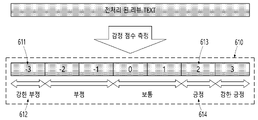
제어부(130)는 산출된 감정 점수를 저장부(120)에 저장된 기 설정된 감정 분류 기준(도 6의 610)과 비교함으로써, 고객의 감정을 분류할 수 있다. 예를 들어, 제어부(130)는 산출된 감정 점수가 -3(611)이면 고객이 특정 서비스에 대해 강한 부정적인 감정(612)을 느끼는 것으로 분류할 수 있으며, 산출된 감정 점수가 2(613)이면 고객이 특정 서비스에 대해 긍정적인 감정(614)을 느끼는 것으로 분류할 수 있다. The
감정 인자에 해당되는 정보는, 이처럼 산출된 “감정 점수” 또는 “감정 점수에 따라 분류된 감정” 중 적어도 하나가 포함될 수 있다. The information corresponding to the emotion factor may include at least one of the calculated “emotion score” and “emotions classified according to the emotion score”.
제어부(130)는 기계 학습에 의하여 생성된 인공 지능 모델을 기반으로 리뷰 데이터로부터 감정 인자에 해당되는 정보를 추출하고, 이를 리뷰 데이터와 상호 연계하여 저장부(120)에 저장할 수 있다. The
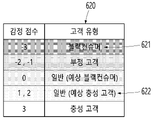
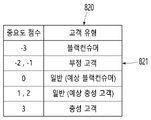
나아가, 제어부(130)는 산출된 감정 점수와, 저장부(120)에 기 저장된 고객 유형 분류 DB(도 6의 620)를 비교하여, 리뷰 데이터의 고객 유형을 분류할 수 있다. 예를 들어, 제어부(130)는 산출된 감정 점수가 -3이면 고객 유형을 블랙 컨슈머(621)로 분류할 수 있으며, 산출된 감정 점수가 2이면 고객 유형을 일반 고객(또는 예상 충성 고객)(622)으로 분류할 수 있다. Furthermore, the
한편, 제어부(130)는 기계 학습에 의하여 생성된 인공 지능 모델을 기반으로, 리뷰 데이터 및 저장부(120)에 기 저장된 “내용 DB”를 비교할 수 있다. 제어부(130)는 비교 과정을 통해, 리뷰 데이터로부터 내용 인자에 해당되는 정보를 추출할 수 있다. Meanwhile, the
“내용 DB”는, 서로 다른 복수의 서비스 요소에 대해 특정 서비스를 설명하는 설명 정보를 포함할 수 있다. The “content DB” may include descriptive information describing a specific service for a plurality of different service elements.
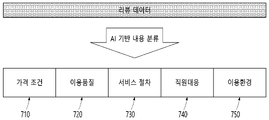
도 7과 함께 본 발명에서 사용되는 “서비스 요소”를 설명한다. 서비스 요소는, 사용자가 고객에게 서비스를 제공함에 있어 고려되어야 할 다양한 사항들을 의미할 수 있다. 예를 들어, 서비스 요소는 ⅰ)가격조건(710), ⅱ)이용품질(720), ⅲ)서비스 절차(730), ⅳ)직원대응(740) 및 ⅴ)이용환경(750) 중 적어도 하나를 포함할 수 있다. 다만, 위 나열한 사항들은 서비스 요소의 일 예시이며, 이에 한정되는 것은 아니다. A “service element” used in the present invention will be described together with FIG. 7 . The service element may refer to various items to be considered when a user provides a service to a customer. For example, the service element includes at least one of i) price conditions (710), ii) quality of use (720), iii) service procedures (730), iv) staff response (740), and v) use environment (750). may include However, the above-listed items are examples of service elements, and are not limited thereto.
본 발명에서 사용되는 “설명 정보”는 서비스 요소를 설명하는 어휘 또는 단어로 이해되어 질 수 있다. 설명 정보는 내용 DB에 서비스 요소와 매칭되어 저장되어 있을 수 있다. 예를 들어, ⅰ)가격조건(710)과 매칭되는 설명 정보는 가격, 값, 가성비 비용 등을 포함할 수 있다. ⅱ)이용품질(720)과 매칭되는 설명 정보는 맛, 품질, 질, 상품 등이 포함될 수 있다. ⅲ)서비스 절차(730)와 매칭된 설명 정보는 사용 방법, 주문 방법, 주문 순서, 결제 방법, 결제 수단 등이 포함될 수 있다. ⅳ)직원대응(740)과 매칭된 설명 정보는 친절, 불친절, 태도 등이 포함될 수 있다. ⅴ)이용환경(750)과 매칭된 설명 정보는 인테리어, 분위기, 서버, 오류 등이 포함될 수 있다. "Description information" used in the present invention may be understood as a vocabulary or a word for describing a service element. The description information may be stored in the content DB by matching the service element. For example, i) the description information matching the
내용 인자에 해당되는 정보는, 이처럼 각 서비스 요소를 설명하는 설명 정보를 포함할 수 있다. The information corresponding to the content factor may include description information describing each service element as described above.
제어부(710)는 기계 학습에 의하여 생성된 인공 지능 모델을 기반으로 리뷰 데이터로부터 내용 인자에 해당되는 데이터를 추출하고, 이를 리뷰 데이터와 상호 연계하여 저장부(120)에 저장할 수 있다. The
한편, 제어부(130)는 기계 학습에 의하여 생성된 인공 지능 모델을 기반으로, 리뷰 데이터로부터 중요도 인자에 해당되는 정보를 추출할 수 있다.Meanwhile, the
한편, 앞서 설명한 “단어 DB”에 포함된 단어는 부정 식별코드 또는 긍정 식별코드 중 어느 하나의 식별코드가 매칭되어 저장되어 있을 수 있다. 예를 들어, “별로”또는 “맛없다”는 부정 식별코드와 매칭되어 있고, “맛있다”는 긍정 식별코드와 매칭되어 있을 수 있다. On the other hand, the words included in the "word DB" described above may be stored by matching any one of the negative identification code or the positive identification code. For example, “not very” or “not tasty” may be matched with a negative identification code, and “delicious” may be matched with a positive identification code.
제어부(130)는 리뷰 데이터와 단어 DB를 비교하여, 리뷰 데이터에 부정 식별코드가 매칭되어 있는 단어의 사용횟수 또는 긍정 식별 코드가 매칭되어 있는 단어의 사용횟수를 카운팅하여, 카운팅 결과를 생성할 수 있다. The
여기서, 카운팅(counting)이란, 숫자를 세는 것을 의미할 수 있다. 예를 들어, 리뷰 데이터가 “짬뽕이 맛이 없고, 가격도 별로 저렴하지 않았어요”를 포함하는 경우, 제어부(130)는 “맛이없고(맛없다)”에 근거하여 0에서 1로 카운팅하고, “별로”에 근거하여 1에서 2로 카운팅 할 수 있다. 2는 카운팅 결과에 해당된다. Here, counting may mean counting a number. For example, if the review data includes “Jjamppong was not tasty and the price was not very cheap”, the
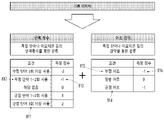
제어부(130)는 카운팅 결과를, 제1 기 설정된 중요도 조건(811)에 근거하여 제1 중요도 측정 점수로 변환할 수 있다. 예를 들어, 도 8a에 도시된 것과 같이, 제어부(130)는 부정 식별 코드의 카운팅 결과 2를, 제1 기 설정된 중요도 조건(812)에 근거하여 -1의 제1 중요도 측정 점수(813)으로 변환할 수 있다. The
나아가, 제어부(130)는 리뷰 데이터가 음성 데이터로 구성되는 경우, 특정 단어에 대한 어조를 판단하고, 이를 제2 기 설정된 중요도 조건(814)에 근거하여 제2 중요도 측정 점수를 산출할 수 있다. 예를 들어, 제어부(130)는 음성 데이터에 포함된 특정 단어가 부정 어조로 발화되었다고 판단되면, 제2 기 설정된 중요도 조건(815)에 근거하여 제2 중요도 점수를 -1로 변환할 수 있다. Furthermore, when the review data is composed of voice data, the
나아가, 제어부(130)는 제1 중요도 점수와 제2 중요도 점수를 합산하여 최종 중요도 점수를 산출할 수 있다. 예를 들어, 제1 중요도 점수 -1(813)과, 제2 중요도 점수 -1(816)을 합산하여 최종 중요도 점수 -2를 산출할 수 있다. Furthermore, the
중요도 인자에 해당되는 정보는, 이처럼 산출된 “제1 중요도 점수”, “제2 중요도 점수” 및 “최종 중요도 점수” 중 적어도 하나가 포함될 수 있다. The information corresponding to the importance factor may include at least one of the calculated “first importance score”, “second importance score”, and “final importance score”.
제어부(130)는 기계 학습에 의하여 생성된 인공 지능 모델을 기반으로 리뷰 데이터로부터 중요도 인자에 해당되는 데이터를 추출하고, 이를 리뷰 데이터와 상호 연계하여 저장부(120)에 저장할 수 있다. The
나아가, 제어부(130)는 산출된 중요도 점수와, 저장부(120)에 기 저장된 고객 유형 분류 DB(도 8b의 820)를 비교하여, 리뷰 데이터의 고객 유형을 분류할 수 있다. 예를 들어, 제어부(130)는 산출된 감정 점수가 -2이면 고객 유형을 부정 고객 (821)으로 분류할 수 있다. Furthermore, the
한편, 제어부(130)는 리뷰 데이터로부터 고객의 성별 및 나이를 판단할 수 있다. Meanwhile, the
제어부(130)는 리뷰 데이터에 고객의 성별 식별코드 및 연령 식별 코드를 포함되어 있으면, 성별 식별코드 및 연령 식별코드에 근거하여 고객의 성별 및 나이를 판단할 수 있다. If the review data includes the customer's gender identification code and age identification code, the
제어부(130)는 리뷰 데이터에 성별 식별코드 및 연령 식별 코드 중 적어도 하나가 포함되어 있지 않으면, 기계 학습에 의하여 생성된 인공 지능 모델을 기반으로 고객의 연령 및 성별을 판단할 수 있다.If at least one of a gender identification code and an age identification code is not included in the review data, the
한편, 앞서 설명한 “단어 DB”에 포함된 단어는 연령 식별 코드 및 성별 식별 코드 중 적어도 하나의 식별코드가 매칭되어 저장되어 있을 수 있다. 제어부(130)는 리뷰 데이터와, 단어 DB를 비교하여 고객의 연령 또는 성별을 판단할 수 있다. Meanwhile, the words included in the “word DB” described above may be stored by matching at least one of an age identification code and a gender identification code. The
제어부(130)는 리뷰 데이터와 단어 DB를 비교하여, 리뷰 데이터에 연령 식별코드 또는 성별 식별코드가 매칭되어 있는 단어에 근거하여, 사용자의 연령 또는 성별을 특정 할 수 있다. 예를 들어, 도 9a에 도시된 것과 같이, 단어 DB에는, 리뷰 데이터에 기재된 “50 평생(911)” 및 “신랑(912)” 단어에 매칭된 식별 코드(50대 연령 식별 코드 및 “여(女)자 식별 코드”)에 근거하여 고객의 연령 및 성별을 특정할 수 있다. The
나아가, 제어부(130)는 기 설정된 연령 기준 또는 기 설정된 성별 기준에 근거하여, 고객의 연령 또는 성별을 특정할 수 있다. 예를 들어, 도 9b에 도시된 것과 같이, 리뷰 데이터에 신조어 또는 줄임말이 다수 사용되었거나 오타가 많으면, 고객을 10대(930)로 특정할 수 있으며, “읍니다”를 사용하는 경우 고객의 나이를 60대(930)로 특정할 수 있다. Furthermore, the
연령 및 성별 인자에 해당되는 정보는, 이처럼 특정된 고객의 “연령” 및 “성별” 중 적어도 하나가 포함될 수 있다. The information corresponding to the age and gender factors may include at least one of “age” and “gender” of the specified customer.
제어부(130)는 기계 학습에 의하여 생성된 인공 지능 모델을 기반으로 리뷰 데이터로부터 연령 및 성별 인자에 해당되는 데이터를 추출하고, 이를 리뷰 데이터와 상호 연계하여 저장부(120)에 저장할 수 있다. The
한편, 제어부(130)는 리뷰 데이터로부터 추출된 평가 인자에 해당되는 데이터를 이용하여 리뷰 데이터의 복수의 고객 유형 중 어느 하나로 특정할 수 있다. Meanwhile, the
복수의 고객 유형은 제1 타입 고객 및 제2 타입 고객으로 분류되어 질 수 있다. The plurality of customer types may be classified into a first type customer and a second type customer.
제1 타입 고객은 특별한 주의가 필요한 타입으로서, 제공 받은 서비스에 대한 리뷰 데이터를 작성하는 것이 아닌, 서비스의 하자를 문제 삼아 사용자(사업자 또는 기업)을 상대로 과도한 피해 보상금을 요구하거나 거짓으로 피해를 본 것 처럼 꾸미는 악의적인 유형을 의미할 수 있다. 본 발명에서는 제1 타입 고객을 블랙 컨슈머로 명명할 수 있다.
제2 타입 고객은 제1 타입 고객을 제외한 리뷰 데이터의 고객 유형을 포함할 수 있다. 제2 타입 고객은 ⅰ)일반 고객, ⅱ)단골 고객, ⅲ)우수 고객(또는 충성 고객), ⅳ)불만족 고객을 포함할 수 있다. The second type customer may include a customer type in the review data except for the first type customer. The second type customers may include i) regular customers, ii) regular customers, iii) excellent customers (or loyal customers), and iv) dissatisfied customers.
한편, 제어부(130)는 리뷰 데이터로부터 추출된 평가 인자에 해당되는 데이터를 이용하여, 리뷰 데이터의 고객 유형이 제1 타입 고객(블랙 컨슈머)에 해당되는지를 판단할 수 있다. Meanwhile, the
제어부(130)는 산출된 감정 점수와, 저장부(120)에 기 저장된 고객 유형 분류 DB(도 6의 620)를 비교하여, 리뷰 데이터의 고객 유형을 분류할 수 있다. 제어부(130)는 산출된 감정 점수가 -3이면 고객 유형을 제1 타입 고객(블랙 컨슈머)(621)으로 분류할 수 있다. The
나아가, 제어부(130)는 산출된 중요도 점수와, 저장부(120)에 기 저장된 고객 유형 분류 DB(도 8b의 820)를 비교하여, 리뷰 데이터의 고객 유형을 분류할 수 있다. 제어부(130)는 산출된 감정 점수가 -3이면 고객 유형을 제1 타입 고객(블랙 컨슈머)으로 분류할 수 있다. Furthermore, the
나아가, 제어부(130)는 리뷰 데이터로부터 추출된 평가 인자에 해당되는 데이터에 근거하여, 리뷰 데이터의 고객 유형을 분류하도록, 인공지능 모델을 기계 학습 시킬 수 있다.Furthermore, the
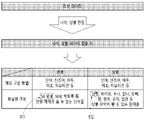
도10과 함께, 제어부(130)가 리뷰 데이터의 고객 유형을 분류하도록, 인공지능 모델을 기계 학습시키는 과정에 대해 설명하도록 한다. 제어부(130)는 리뷰 데이터가 긍정적인 내용인지 여부를 판단할 수 있다. 제어부(130)는 ⅰ)감정 인자에 해당되는 데이터의 감정 점수가 기 설정된 기준을 초과하면 긍정적인 리뷰 데이터(1010)로 분류하고, ⅱ)감정 인자에 해당되는 데이터의 감정 점수가 기 설정된 기준에 해당되면 긍정적이지도 부정적이지도 않은 리뷰 데이터(1020)로 분류하고, ⅲ) 감정 인자에 해당되는 데이터의 감정 점수가 기 설정된 기준 미만이면 부정적인 리뷰 데이터(1030)으로 분류할 수 있다. 나아가, 제어부(130)는 ⅰ)긍정적인 리뷰 데이터(1010)와 관련하여, 여러번 리뷰 데이터를 작성하지 않은 고객은 일반 고객(1011)으로, 여러 번 리뷰 데이터를 작성하였고 가격 또는 기다리는 시간에 예민한 고객은 단골 고객(1012)으로, 여러 번 리뷰를 작성하였고 가격 또는 기다리는 시간에 예민하지 않은 고객은 우수 고객(또는 충성 고객)(1013)으로 분류할 수 있다. 나아가, 제어부(130)는 ⅱ)긍정적이지도 부정적이지도 않은 리뷰 데이터(1020)를 작성한 고객을 일반 고객(1021)으로 분류할 수 있다. 나아가, 제어부(130)는 ⅲ) 부정적인 리뷰 데이터(1030)와 관련하여, 부정적인 리뷰 데이터가 격양된 표현으로 작성되지 않았으면 불만족 고객(1031)으로, 리뷰데이터가 격양된 표현으로 작성되었으나 금전적 보상을 요구하지 않는 불만족 고객(1032)으로, 리뷰데이터가 격양된 표현으로 작성되었고 금전적 보상을 요구하면 제1 타입 고객(블랙 컨슈머)(1033)으로 분류할 수 있다. 제어부(130)는 이러한 프로세스에 따라 인공지능 모델을 기계 학습 시키고, 리뷰데이터의 고객 유형을 분류할 수 있다. Referring to FIG. 10 , a process of machine learning the artificial intelligence model so that the
나아가, 도 11과 함께, 제어부(130)가 제1 타입 고객(블랙 컨슈머)의 고객 유형을 세분화 하여 분류하도록, 인공지능 모델을 기계 학습시키는 과정에 대해 설명하도록 한다. 제어부(130)는 제1 타입 고객(블랙 컨슈머)으로 분류된 고객 유형이 반복적으로 보상을 요구하는지 여부를 판단할 수 있다. 제어부(130)는 보상을 요구하는 리뷰 데이터가 작성된 경우(1110)와 관련하여, 제1 타입 고객(블랙 컨슈머)의 고객 유형을, ⅰ)리뷰 데이터에 SNS 공유 관련 협박 내용이 포함되어 있으면 파파라치형(1111), ⅱ)리뷰 데이터에 논리적이지 않은 요구가 포함되어 있으면 억지주장형(1112), ⅲ) 리뷰 데이터에 SNS 공유 관련 협박 및 논리적이지 않은 요구가 포함되어 있으면 복합형(1113)으로 분류할 수 있다. 나아가, 제어부(130)는 보상을 요구하지 않는 리뷰 데이터가 작성된 경우(1120)와 관련하여, 제1 타입 고객(블랙 컨슈머)의 고객 유형을, ⅳ)리뷰 데이터에 상품 (또는 서비스) 관련 내용이 포함되어 있지 않으면 업무방해형(1121), ⅴ) 리뷰 데이터에 규칙 관련 내용이 포함되어 있으면 규칙위반형(1122), ⅵ) 리뷰 데이터에 상품 관련 내용 및 규칙 관련 내용이 포함되어 있지 않으면 기타형(1123)으로 분류할 수 있다. 제어부(130)는 이러한 프로세스에 따라 인공지능 모델을 기계 학습 시키고, 리뷰데이터의 고객 유형을 분류할 수 있다. Furthermore, along with FIG. 11 , a process of machine learning the artificial intelligence model will be described so that the
한편, 제어부(130)는 도 13(a)에 도시된 것과 같이, 제1 고객 타입의 세분화된 고객 유형을, 리뷰 데이터와 연계하여 저장부에 저장할 수 있다. 예를 들어, 제1 고객 타입의 세분화된 고객 유형이 규칙위반형이면, 리뷰 데이터, 제1 고객 타입 및 규칙위반형을 연계하여 저장부(120)에 저장할 수 있다. Meanwhile, as shown in FIG. 13A , the
한편, 본 발명에서는 제2 타입의 고객과 관련하여, 추출된 평가 인자에 해당되는 정보에 대응하는 리뷰 데이터의 고객 유형을 페르소나 유형들 중 어느 하나로 특정할 수 있다. 즉, 제어부(130)는 제2 타입 고객을 페르소나 DB에 포함된 복수의 서로 다른 페르소나 유형들 중 어느 하나와 매칭시킬 수 있다. Meanwhile, in the present invention, in relation to the second type of customer, the customer type of the review data corresponding to the information corresponding to the extracted evaluation factor may be specified as one of the persona types. That is, the
앞서 설명한 바와 “평가 인자에 해당되는 정보”는 평가 인자를 포함하는 정보로, i)감정 인자에 해당되는 정보(감정 점수 또는 감정 점수에 따라 분류된 감정), ii)내용 인자에 해당되는 정보(설명정보), iii)중요도 인자에 해당되는 정보(중요도 점수), iv) 연령 인자에 해당되는 정보(특정된 연령), v)고객의 성별 인자에 해당되는 정보(특정된 성별) 중 적어도 하나를 포함할 수 있다. As described above, “information corresponding to evaluation factors” is information that includes evaluation factors, i) information corresponding to emotional factors (emotion scores or emotions classified according to emotional scores), ii) information corresponding to content factors ( descriptive information), iii) information corresponding to the importance factor (importance score), iv) information corresponding to the age factor (specific age), and v) information corresponding to the customer’s gender factor (specific gender). may include
보다 구체적으로, 제어부(130)는 리뷰 데이터에 고객의 성별 식별코드 및 연령 식별 코드를 포함되어 있으면, 성별 식별코드 및 연령 식별코드에 근거하여 고객의 성별 및 나이를 판단할 수 있다. 제어부(130)는 성별 식별코드 및 연령 식별코드를 페르소나 DB와 비교하고, 매칭되는 페르소나 유형을 추할 수 있다. 예를 들어, 리뷰 데이터에 포함된 성별 식별 코드는 여(女)자이고, 연령 식별 코드는 만 26라고 가정하자. 제어부(130)는 페르소나 DB에서, 여(女)자 및 만 26세의 특성정보를 포함하는 페르소나 유형을 추출할 수 있다. 제어부(130)는 추출된 페르소나 유형에서, 어느 하나를 리뷰 데이터에 대한 페르소나 유형을 특정할 수 있다. More specifically, when the review data includes the customer's gender identification code and age identification code, the
나아가, 제어부(130)는 제어부(130)는 리뷰 데이터에 성별 식별코드 및 연령 식별 코드 중 적어도 하나가 포함되어 있지 않으면, 기계 학습에 의하여 생성된 인공 지능 모델을 기반으로 고객의 연령 및 성별을 판단할 수 있다. 예를 들어, 기계 학습에 의하여 생성된 인공 지능 모델을 기반으로 판단한 고객의 연령 및 성별이 남(男)자 및 만 59세라고 가정하자. 제어부(130)는 페르소나 DB에서, 남(男)자 및 만 59세의 특성정보를 포함하는 페르소나 유형을 추출할 수 있다. 제어부(130)는 추출된 페르소나 유형에서, 어느 하나를 리뷰 데이터에 대한 페르소나 유형을 재특정할 수 있다. Furthermore, if the
나아가, 제어부(130)는 추출된 평가 인자에 해당되는 정보를 기 설정된 기준에 근거하여, 제1 정보 및 제2 정보로 분류할 수 있다. Furthermore, the
제1 정보는 페르소나 DB와의 매칭에 이용되는 정보로 이해되어 질 수 있다. 제어부(130)는 제1 정보를 페르소나DB와 매칭시켜, 리뷰 데이터의 고객 유형을 페르소나 유형들 중 어느 하나로 특정할 수 있다. The first information may be understood as information used for matching with the persona DB. The
제2 정보는 고객 유형을 분석하는 인공지능 모델의 입력 데이터로 이용되어 질 수 있다. 제어부(130)는 제2 정보를 인공 지능 모델에 입력하여, 리뷰 데이터의 고객 유형을 상기 페르소나 유형들 중 어느 하나로 특정할 수 있다. The second information may be used as input data of an artificial intelligence model that analyzes the customer type. The
한편, 페르소나 DB는 평가 인자를 근거로 분류된 복수의 서로 다른 페르소나 유형을 포함할 수 있다. 예를 들어, 페르소나 DB는 특정 서비스(ex: 음식점)의 서비스 요소 중 분위기에 민감한 특정 연령(ex:20대) 및 성별(ex: 여자)의 가상의 인물을 포함 할 수 있다. Meanwhile, the persona DB may include a plurality of different persona types classified based on the evaluation factor. For example, the persona DB may include a virtual person of a specific age (ex: 20s) and gender (ex: female) sensitive to atmosphere among service elements of a specific service (ex: restaurant).
나아가, 페르소나 DB는 페르소나 유형들에 대한 표준화된 값 및 페르소나 유형들의 특성 정보가 저장될 수 있다. Furthermore, the persona DB may store standardized values for persona types and characteristic information of persona types.
이 때, 표준화된 값 및 특성 정보는 고객의 개인 정보(ex: 연령, 성별, 거주지, 직업, 가족관계, 학력, 성격, 소비 패턴 등), 및 특정 서비스의 업종 정보(음식업, 관광 서비스업, 숙박업 등) 중 적어도 하나를 기준으로 설정되어 질 수 있다. At this time, the standardized value and characteristic information includes the customer's personal information (ex: age, gender, residence, occupation, family relationship, academic background, personality, consumption pattern, etc.), and specific service industry information (food industry, tourism service industry, accommodation industry) etc.) may be set as a reference.
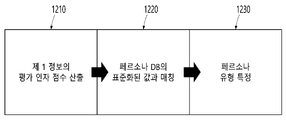
나아가, 제어부(130)는 제1 정보 및 기 설정된 기준에 근거하여 평가 인자 점수를 산출할 수 있다. 제어부(130)는 산출된 평가 인자와 페르소나 DB의 표준화된 값을 매칭시켜, 페르소나 유형을 특정할 수 있다. 예를 들어, 제어부(130)는 특정 리뷰 데이터로부터 제1 정보를 추출하고, 이를 이용하여 기 설정된 기준에 근거하여 평가 인자 점수를 산출(1210)할 수 있다. 나아가, 페르소나 DB는 제1 페르소나 유형은 제1 표준화된 값, 제2 페르소나 유형은 제2 표준화된 값, 제 3 페르소나 유형은 제3 표준화된 값과 각각 매칭되어 있을 수 있다. 제어부(130)는 평가 인자 점수가 제1 표준화된 값 내지 제3 표준화된 값 중 제1표준화된 값에 매칭된다고 판단(1220)되면, 리뷰 데이터에 대한 고객 형을 페르소나 DB의 제1 페르소나 유형으로 특정(1230)할 수 있다(도 12 참조). Furthermore, the
나아가, 제어부(130)는 제2 정보 및 인공지능 모델을 이용하여, 리뷰 데이터의 고객 유형을 페르소나 유형들 중 어느 하나로 특정할 수 있다. Furthermore, the
이 때, 제어부(130)는 단위 요소에 평가 인자에 해당하는 정보가 존재하는지 여부에 따라 인공지능 모델을 선택적으로 이용할 수 있다. 보다 구체적으로, 제어부(130)는 리뷰 데이터에 특정 평가 인자에 해당되는 정보가 존재하는 경우에만 인공지능 모델을 이용하여, 고객 유형을 페르소나 유형들 중 어느 하나로 특정할 수 있다. 예를 들어, 제어부(130)는 리뷰 데이터에 연령 인자에 해당되는 정보 및 성별 인자에 해당되는 정보가 포함되어 있으면 인공지능 모델을 이용하여 고객 유형을 페르소나 유형들 중 어느 하나로 특정할 수 있다. 반면에, 제어부(130)는 리뷰 데이터에 연령 인자에 해당되는 정보 및 성별 인자에 해당되는 정보 중 적어도 하나가 포함되어 있지 않으면 페르소나 DB를 이용하여, 고객 유형을 페르소나 유형들 중 어느 하나로 특정할 수 있다.In this case, the
나아가, 제어부(130)는 제1 정보와 페르소나 DB를 매칭시켜 특정한 페르소나 유형 및 제2 정보와 인공지능 모델을 이용하여 특정한 페르소나 유형 중 어느 하나의 페르소나 유형을 선택함으로써, 리뷰 데이터에 대한 고객 유형을 최종적으로 특정할 수 있다. Furthermore, the
한편, 제어부(130)는 도 13(b)에 도시된 것과 같이, 제2 고객 타입의 페르소나 유형을, 리뷰 데이터와 연계하여 저장부에 저장할 수 있다. 예를 들어, 제2고객 타입의 페르소나 유형이 제2 페르소나 유형이면, 리뷰 데이터, 제2 고객 타입 및 제2 페르소나 유형을 연계하여 저장부(120)에 저장할 수 있다. Meanwhile, as illustrated in FIG. 13B , the
한편, 본 발명에서는 리뷰 데이터에 특정된 고객 유형에 대한 보고서를 생성하여 사용자에게 제공할 수 있다. Meanwhile, in the present invention, a report on a customer type specified in the review data may be generated and provided to the user.
이를 위해, 제어부(130)는 리뷰 데이터를 분석하여, 리뷰 데이터에 해당하는 고객의 만족도를 평가하는 과정이 진행되어 질 수 있다. To this end, the
본 발명에서 사용되는 “만족도”는 고객이, 제공받은 서비스에 어느 정도 만족하고 있는 가를 일컫는 용어로 이해되어 질 수 있다. 제어부(130)는 리뷰 데이터 및 기 설정된 기준에 근거하여 만족도를 산출할 수 있다. 예를 들어, 리뷰 데이터가 5점 만점의 평점 데이터를 포함한다고 가정하자. 평점 데이터가 제1 기준(ex: 4점) 이상(또는 초과)이면 만족도는 상(上), 평점 데이터가 제1 기준(ex: 4점) 미만(또는 이하)이면서 제2 기준(ex: 2점) 이상(또는 초과)이면 만족도는 중(中), 평점 데이터가 제2 기준(ex: 2점) 미만(또는 이하)이면 만족도는 하(下)로 산출될 수 있다. 이처럼 보고서는, 만족도 평가의 결과값을 포함할 수 있다. As used in the present invention, “satisfaction” may be understood as a term indicating how satisfied the customer is with the service provided. The
나아가, 제어부(130)는 리뷰 데이터에 대한 고객의 유형이 제1 고객 타입(블랙 컨슈머)에 해당되면, 보고서에, 제1 고객 타입(블랙 컨슈머)에 대한 예측 정보생성하고, 예측 정보를 이용하여 보고서를 생성할 수 있다. Furthermore, if the customer type for the review data corresponds to the first customer type (black consumer), the
여기서, 예측 정보는, 제1 고객 타입(블랙 컨슈머)의 리뷰 데이터에 근거하여 제1 고객 타입(블랙 컨슈머)의 행동을 미리 예측하는 정보를 의미할 수 있다. Here, the prediction information may refer to information for predicting the behavior of the first customer type (black consumer) in advance based on the review data of the first customer type (black consumer).
예를 들어, 제어부(130)는 리뷰 데이터에 근거하여 제1 고객 타입(블랙 컨슈머)가 특정 패턴(특정 주기, 특정 지역, 특정 업종)을 가지고 리뷰 데이터를 작성한다고 판단할 수 있다. 제어부(130)는 판단 결과에 따라 제1 고객 타입(블랙 컨슈머)의 다음번 리뷰 데이터 작성 시기를 예측할 수 있다. For example, the
또 다른 예를 들어, 제어부(130)는 리뷰 데이터에 근거하여 제1 고객 타입(블랙 컨슈머)이 특정 사항에 불만(ex: 배달)을 가지고 악의적인 리뷰를 작성한다고 판단할 수 있다. 제어부(130)는 판단 결과에 따라 제1 고객 타입(블랙 컨슈머)의 다음번 주문에 대해서도 특정 사항에 불만(ex: 배달)을 가질 것으로 예측할 수 있다. 제어부(130)는 이러한 예측 정보를 이용하여 보고서를 생성할 수 있다. As another example, the
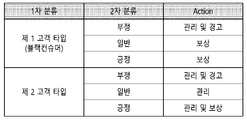
나아가, 저장부(130)는 고개 유형에 따른 대응 전략이 매칭되어 저장되어 있을 수 있다. 예를 들어, 도 14에 도시된 것처럼, 저장부(130)에는 제2 고객 타입으로 분류된 리뷰 데이터를 다시 만족도에 따라(ex: 부정, 일반 및 긍정 중 어느 하나) 분류하고, 이에 대응된 대응 전략(관리, 경고, 보상 등)이 매칭되어 있을 수 있다. 제어부(130)는 만족도를 이용하여 리뷰 데이터의 고객 유형에 대한 대응 전략을 제시할 수 있다. Furthermore, the
한편, 제어부(130)는 리뷰 데이터를 분석하여, 특정 서비스와 관련된 서로 다른 복수의 서비스 요소 중 리뷰 데이터에 대응되는 적어도 하나의 서비스 요소를 특정할 수 있다. Meanwhile, the
나아가, 제어부(130)는 서비스 요소에 대해 특정 서비스를 설명하는 설명 정보를 추출하고, 특정된 고객 유형 및 추출된 설명 정보를 이용하여, 특정 서비스에 대한 상기 페르소나에 대응되는 고객 그룹의 평가 보고서를 생성할 수 있다. Furthermore, the
예를 들어, 리뷰 데이터가 “음식 가격은 비싸지만, 직원분들이 친절해요”와 같은 텍스트로 구성되는 경우, “음식 가격은 비싸지만”은 가격 조건에 대해 음식 제공 서비스를 설명하는 설명 정보이고, “직원분들이 친절해요”는 직원 대응에 대해 음식 제공 서비스를 설명하는 설명 정보일 수 있다. 제어부(130)는 이러한 설명 정보를 이용하여 보고서를 생성할 수 있다. For example, if the review data consists of texts such as “food prices are high, but the staff is friendly”, “food prices are high” is descriptive information describing the catering service in terms of price conditions; “Staff are friendly” may be descriptive information describing the catering service for the staff response. The
한편, 도 15a, 도 15b, 도 15c, 도 15d, 도 15e와 함께 보고서를 설명한다. 보고서는 인터넷 페이지 또는 애플리케이션Application)의 페이지 형태로 사용자에게 제공될 수 있다. 즉, 보고서는 페이지의 개념으로 이해되어 질 수 있으며, 제공되는 기능에 근거하여 복수의 페이지(1510, 1520, 1530, 1540, 1550)을 포함할 수 있다. 보다 구체적으로, 보고서(1500)는 ⅰ)도 15a에 도시된 기본 페이지(1510), ⅱ)도 15b에 도시된 리뷰 현황 페이지(1520), ⅲ)도 15c에 도시된 리뷰 분석 페이지(1530), ⅵ)도 15d에 도시된 고객 유형 페이지(1540), ⅴ)도 15e에 도시된 실시간 리뷰 평가 페이지(1550)를 포함할 수 있다. 다만, 위 나열된 페이지들은 설명의 편의를 위한 예시이며, 이에 한정되는 것은 아니다. Meanwhile, the report will be described together with FIGS. 15A, 15B, 15C, 15D, and 15E. The report may be provided to the user in the form of an Internet page or an application page). That is, the report may be understood as a page concept, and may include a plurality of
먼저, 도 15a와 함께 기본 페이지(1510)를 설명한다. 기본 페이지(1510)는 ⅰ)알림 출력 영역(1511), ⅱ)리뷰 분석 현황 영역(1512), ⅲ)리뷰 컨디션 영역(1513), ⅳ)리뷰 현황 영역(1514), ⅴ)그래프 영역(1515), ⅵ)고객 분석 영역(1516), ⅶ)고객 유형 별 리뷰 영역(1517), ⅷ)리뷰 워드클라우드 영역(1518), ⅳ)실시간 리뷰 평가 영역(1519) 중 적어도 하나를 포함할 수 있다. ⅰ)알림 출력 영역(1511)에는 제1 타입 고객(블랙 컨슈머)이 리뷰 데이터를 업로드 하면 알림이 출력될 수 있다. 알림은 시각적, 청각적, 촉각적 방식 중 적어도 하나로 이루어질 수 있다. 예를 들어, 시각적 방식의 알림은 제1 타입 고객(블랙 컨슈머)이 리뷰 데이터를 작성하면 알림 출력 영역(1511)에 숫자를 포함한 배지가 출력될 수 있다. ⅱ)리뷰 분석 현황 영역(1512) 서비스에 대한 리뷰를 분석한 종합 내용이 출력될 수 있다. 예를 들어, 리뷰 분석 현황 영역(1512)에는 “현재 기준 서비스 불만으로 고객들의 재방문 의시가 떨어집니다”와 같은 안내 문구가 출력될 수 있다. ⅲ)리뷰 컨디션 영역(1513)에는 매장의 리뷰 컨디션이 표시될 수 있다. 예를 들어, 리뷰 현황이 긍정적이면 리뷰 컨디션 영역(1513)에 스마일 이모티콘(emoticon)이 출력되고, 리뷰 현황이 부정적이면 리뷰 컨디션 영역(1513)에 화난 이모티콘이 출력될 수 있다. ⅳ)리뷰 현황 영역(1514)에는 총 리뷰 대비 부정적인 리뷰가 차지하는 비율 및 증감 여부, 총 리뷰 대비 긍정적인 리뷰가 차지하는 비율 및 증감 여부 등이 출력될 수 있다. ⅴ)그래프 영역(1515)에는 리뷰를 분석한 결과를 그래프로 출력할 수 있다. 예를 들어, 그래프 영역(1515)에는 서비스 요소 각각에 대한 점수를 방사형 그래프로 출력될 수 있다. 나아가, ⅵ)고객 분석 영역(1516)은 방문 빈도가 높은 고객 유형, 관리가 필요한 고객 유형 등에 대한 설명이 출력될 수 있다. ⅶ) 고객 유형 별 리뷰 영역(1517)에는 고객 유형에 대응되어 분류된 리뷰들이 출력될 수 있다. 예를 들어, 고객 유형 별 리뷰 영역(1517)에는 제1 타입 고객(블랙 컨슈머)의 리뷰 데이터들만이 출력될 수 있다. ⅷ)리뷰 워드클라우드 영역(1518)에는 리뷰 데이터에 빈도가 높게 사용되는 특정 단어가 출력될 수 있다. 이 때, 빈도가 높은 단어일수록 큰 폰트(font)로 출력될 수 있다. 나아가, ⅸ)실시간 리뷰 평가 영역(1519)에는 실시간으로 작성되는 리뷰들이 출력될 수 있다. First, the
사용자는 리뷰 현황 영역(1514)을 선택(또는 클릭)함으로서, 본 발명에 따른 분석 시스템(100)으로 도15b의 리뷰 현황 페이지(1520)의 출력 요청을 전송할 수 있다. By selecting (or clicking) the
제어부(130)는 사용자의 선택에 근거하여, 사용자의 전자기기기 상에 도15b의 리뷰 현황 페이지(1520)를 출력할 수 있다. 리뷰 현황 페이지(1520)에는 특정 기간(ex: 최근 1일, 최근 7일, 최근 30일 등)동안 사용자가 제공한 서비스에 대해 수집된 리뷰의 총 현황, 부정적인 리뷰 현황, 긍정적인 리뷰 현황 및 재방문 리뷰 현황 중 적어도 하나가 출력될 수 있다. The
나아가, 사용자는 그래프 영역(1515)을 선택(또는 클릭)함으로서, 본 발명에 따른 분석 시스템(100)으로 도15c의 리뷰 분석 페이지(1530)의 출력 요청을 전송할 수 있다. Furthermore, by selecting (or clicking) the
제어부(130)는 사용자의 선택에 근거하여, 전자기기상에 도15c의 리뷰 분석 페이지(1530)를 출력할 수 있다. 리뷰 현황 페이지(1520)에는 특정 기간(ex: 최근 1일, 최근 7일, 최근 30일 등)동안 사용자가 제공한 서비스의 서비스 요소(이용 품질, 서비스 절차, 직원 대응, 이용 환경, 가격 조건)에 대한 각각의 점수를 그래프로 출력될 수 있다. 리뷰 현황 페이지(1520)에는 서비스 요소에 대해, 전력 대응 방안(ex:이용 품질이 다른 서비스 요소에 비해 점수가 낮으므로, 이용 품질에 대해 신경을 쓰세요)을 출력할 수 있다. The
나아가, 사용자는 고객 분석 영역(1516) 및 고객 유형 별 리뷰 영역(1517) 중 적어도 하나의 일 영역을 선택(또는 클릭)함으로서, 본 발명에 따른 분석 시스템(100)으로 도15d의 고객 유형 페이지(1540)의 출력 요청을 전송할 수 있다. Furthermore, the user selects (or clicks) at least one of the
제어부(130)는 사용자의 선택에 근거하여, 전자기 상에 도15d의 고객 유형 페이지(1540)를 출력할 수 있다. 고객 유형 페이지(1540)에는 고객 유형(ex: 블랙 컨슈머) 각각에 대한 페르소나 유형과 함께, 고객의 리뷰 데이터를 분석한 상세한 내용이 출력될 수 있다. 예를 들어, 고객 유형 페이지(1540)에는 블랙 컨슈머 고객과 관련하여, “대 초반의 여성으로서, 친절하지 않으면 흥분하고 부정 리뷰를 남기는 성향의 고객”임을 제시할 수 있다. The
나아가, 사용자는 실시간 리뷰 평가 영역(1519)의 일 영역을 선택(또는 클릭)함으로서, 본 발명에 따른 분석 시스템(100)에 도15e의 실시간 리뷰 평가 페이지(1550)의 출력 요청을 전송할 수 있다. Furthermore, by selecting (or clicking) a region of the real-time review evaluation region 1519, the user may transmit a request for outputting the real-time
제어부(130)는 사용자의 선택에 근거하여, 전자기 상에 도15e의 실시간 리뷰 평가 페이지(1550)를 출력할 수 있다. 실시간 리뷰 평가 페이지(1550)에는 실시간으로 업로드 되는 리뷰들이 출력될 수 있다. The
위에서 살펴본 것과 같이, 본 발명에 따른 페르소나 기반의 리뷰 데이터 분석 방법 및 시스템은, 수집된 데이터에 근거하여, 리뷰 데이터의 고객 유형을 페르소나 유형들 중 어느 하나로 특정할 수 있다. 이에 따라, 본 발명은 특정 서비스에 대해 리뷰 데이터를 작성한 고객의 유형을 구체적으로 파악할 수 있다. 나아가, 본 발명은, 고객의 나이, 직업, 성격과 개성, 특징, 취미, 사는 곳 등 개인 정보에서부터, 실제로 이러한 인물이 서비스를 이용할 때 고려하는 점, 서비스를 이용할 때 불편한 점 등의 구체적인 니즈를 예상할 수 있다. As described above, the persona-based review data analysis method and system according to the present invention may specify the customer type of the review data as one of the persona types, based on the collected data. Accordingly, the present invention can specifically identify the type of customer who wrote review data for a specific service. Furthermore, the present invention addresses specific needs such as personal information such as the customer's age, occupation, personality and personality, characteristics, hobbies, and place of residence, points that such a person considers when actually using the service, and inconveniences when using the service. It can be expected.
나아가, 본 발명은, 리뷰 데이터의 고객 유형에 대한 보고서를 생성할 수 있다. 따라서, 사용자는 본 발명으로부터 제공받은 보고서를 통해, 블랙 컨슈머의 악의적인 리뷰 작성을 사전에 방지하고, 단골 고객을 효율적으로 관리할 수 있으며, 고객 유형에 대응하여 적합한 마케팅을 진행할 수 있다. Furthermore, the present invention may generate reports on customer types of review data. Accordingly, through the report provided by the present invention, the user can prevent malicious reviews by black consumers in advance, manage regular customers efficiently, and conduct appropriate marketing in response to customer types.
Claims (10)
상기 리뷰 데이터를 구성하는 단위 요소에 근거하여, 평가 인자에 해당하는 정보를 상기 리뷰 데이터로부터 추출하는 단계;
상기 평가 인자를 근거로 페르소나 유형들이 분류된 페르소나 DB를 이용하여, 상기 추출된 정보에 대응하는 상기 리뷰 데이터의 고객 유형을 상기 페르소나 유형들 중 어느 하나로 특정하는 단계; 및
상기 페르소나 DB로부터 상기 어느 하나의 페르소나 유형의 특성 정보를 추출하여, 상기 리뷰 데이터의 고객 유형에 대한 보고서를 생성하는 단계를 포함하는 페르소나 기반의 리뷰 데이터 분석 방법.collecting review data related to a particular service;
extracting information corresponding to an evaluation factor from the review data based on the unit elements constituting the review data;
specifying a customer type of the review data corresponding to the extracted information as one of the persona types using a persona DB in which persona types are classified based on the evaluation factor; and
Persona-based review data analysis method comprising the step of extracting the characteristic information of the one persona type from the persona DB, and generating a report on the customer type of the review data.
상기 고객 유형을 특정하는 단계에서는,
상기 추출된 정보를 이용하여 상기 리뷰 데이터의 고객 유형이 블랙 컨슈머에 해당하는지 판단하는 것을 특징으로 하는 페르소나 기반의 리뷰 데이터 분석 방법.According to claim 1,
In the step of specifying the customer type,
A persona-based review data analysis method, characterized in that it is determined whether the customer type of the review data corresponds to a black consumer by using the extracted information.
상기 고객 유형에 대한 보고서는,
상기 블랙 컨슈머에 대한 예측 정보를 포함하는 것을 특징으로 하는 페르소나 기반의 리뷰 데이터 분석 방법. 3. The method of claim 2,
The report on the above customer types,
Persona-based review data analysis method comprising prediction information on the black consumer.
상기 페르소나 DB에는,
상기 페르소나 유형들에 대한 표준화된 값과 상기 페르소나 유형들의 특성 정보가 저장되는 것을 특징으로 하는 페르소나 기반의 리뷰 데이터 분석 방법.According to claim 1,
In the persona DB,
A persona-based review data analysis method, characterized in that standardized values for the persona types and characteristic information of the persona types are stored.
상기 리뷰 데이터를 분석하여, 상기 리뷰 데이터에 해당하는 고객의 만족도를 평가하는 단계를 더 포함하는 페르소나 기반의 리뷰 데이터 분석 방법.According to claim 1,
Analyzing the review data, persona-based review data analysis method further comprising the step of evaluating customer satisfaction corresponding to the review data.
상기 만족도를 이용하여 상기 리뷰 데이터의 고객 유형에 대한 대응 전략을 제시하는 단계를 더 포함하는 페르소나 기반의 리뷰 데이터 분석 방법.6. The method of claim 5,
Persona-based review data analysis method further comprising the step of presenting a response strategy for the customer type of the review data by using the satisfaction.
상기 보고서를 생성하는 단계는,
상기 페르소나 유형들에 따라 상기 보고서를 생성하는 시점 기준을 서로 다르게 설정하는 것을 특징으로 하는 페르소나 기반의 리뷰 데이터 분석 방법.According to claim 1,
The step of generating the report is
A persona-based review data analysis method, characterized in that different criteria for generating the report are set according to the persona types.
기계학습에 의하여 생성된 인공지능 모델을 기반으로 상기 리뷰 데이터의 고객 유형을 상기 페르소나 유형들 중 어느 하나로 특정하는 단계를 더 포함하는 하는 페르소나 기반의 리뷰 데이터 분석 방법.According to claim 1,
Persona-based review data analysis method further comprising the step of specifying the customer type of the review data as any one of the persona types based on the artificial intelligence model generated by machine learning.
상기 보고서를 생성하는 단계는,
상기 리뷰 데이터를 분석하여, 상기 특정 서비스와 관련된 서로 다른 복수의 서비스 요소 중 상기 리뷰 데이터에 대응되는 적어도 하나의 서비스 요소를 특정하는 단계;
상기 특정된 적어도 하나의 서비스 요소에 대해 상기 특정 서비스를 설명하는 설명 정보를 추출하는 단계; 및
상기 특정된 고객 유형 및 상기 추출된 설명 정보를 이용하여, 상기 특정 서비스에 대한 상기 페르소나에 대응되는 고객 그룹의 평가 보고서를 생성하는 단계를 포함하는 페르소나 기반의 리뷰 데이터 분석 방법.According to claim 1,
The step of generating the report is
analyzing the review data and specifying at least one service element corresponding to the review data among a plurality of different service elements related to the specific service;
extracting description information describing the specific service for the specified at least one service element; and
and generating an evaluation report of a customer group corresponding to the persona for the specific service by using the specified customer type and the extracted description information.
상기 리뷰 데이터를 구성하는 단위 요소에 근거하여, 제1정보 및 제2정보 중 적어도 하나를 상기 리뷰 데이터로부터 추출하는 단계;
상기 제1정보를 페르소나 유형들이 분류된 페르소나 DB와 매칭하거나, 상기 제2정보를 고객 유형을 분석하는 인공지능 모델의 입력 데이터로 이용하여 상기 리뷰 데이터의 고객 유형을 상기 페르소나 유형들 중 어느 하나로 특정하는 단계; 및
상기 페르소나 DB로부터 상기 어느 하나의 페르소나 유형의 특성 정보를 추출하여, 상기 리뷰 데이터의 고객 유형에 대한 보고서를 생성하는 단계를 포함하는 페르소나 기반의 리뷰 데이터 분석 방법.
collecting review data related to a particular service;
extracting at least one of first information and second information from the review data based on the unit elements constituting the review data;
The first information is matched with a persona DB in which the persona types are classified, or the customer type of the review data is specified as one of the persona types by using the second information as input data of an artificial intelligence model that analyzes the customer type. to do; and
Persona-based review data analysis method comprising the step of extracting the characteristic information of the one persona type from the persona DB, and generating a report on the customer type of the review data.
Priority Applications (1)
| Application Number | Priority Date | Filing Date | Title |
|---|---|---|---|
| KR1020210024105A KR102551779B1 (en) | 2021-02-23 | 2021-02-23 | Persona-based review data analysis method and system |
Applications Claiming Priority (1)
| Application Number | Priority Date | Filing Date | Title |
|---|---|---|---|
| KR1020210024105A KR102551779B1 (en) | 2021-02-23 | 2021-02-23 | Persona-based review data analysis method and system |
Publications (2)
| Publication Number | Publication Date |
|---|---|
| KR20220120249A true KR20220120249A (en) | 2022-08-30 |
| KR102551779B1 KR102551779B1 (en) | 2023-07-11 |
Family
ID=83114467
Family Applications (1)
| Application Number | Title | Priority Date | Filing Date |
|---|---|---|---|
| KR1020210024105A Active KR102551779B1 (en) | 2021-02-23 | 2021-02-23 | Persona-based review data analysis method and system |
Country Status (1)
| Country | Link |
|---|---|
| KR (1) | KR102551779B1 (en) |
Cited By (4)
| Publication number | Priority date | Publication date | Assignee | Title |
|---|---|---|---|---|
| WO2025217911A1 (en) * | 2024-04-19 | 2025-10-23 | 北京字跳网络技术有限公司 | Content publishing method and apparatus, and electronic device, storage medium and program product |
| CN120850444A (en) * | 2025-09-25 | 2025-10-28 | 江苏商贸职业学院 | A method and system for generating building interior decoration design scheme |
| KR102965046B1 (en) * | 2026-01-15 | 2026-05-13 | (주)애드크림 | Advertising Effectiveness Prediction Method and System Using Artificial Intelligence Based on Consumer Evaluation Data |
| KR20260125995A (en) | 2025-02-12 | 2026-08-19 | 주식회사 케이티 | Method for Evaluating Customer Satisfaction and Computing Device Using the Same |
Citations (5)
| Publication number | Priority date | Publication date | Assignee | Title |
|---|---|---|---|---|
| KR20130083092A (en) * | 2012-01-10 | 2013-07-22 | 한국과학기술연구원 | Summary information generating system and method for review of product and service |
| KR20150137175A (en) * | 2014-05-28 | 2015-12-09 | 삼성생명보험주식회사 | Apparatus for monitering customer complaint and computer-readable medium thereof |
| KR101975334B1 (en) * | 2018-02-05 | 2019-05-07 | 주식회사 텐스페이스 | Server, method, and system for evaluating user by analyizing social network |
| KR20200036373A (en) * | 2018-09-28 | 2020-04-07 | 이다커뮤니케이션즈(주) | Personalized persona management server and mangment method thereof |
| KR20200081812A (en) * | 2018-12-28 | 2020-07-08 | 한국과학기술원 | Method and device to produce Persona based on user community for identifying and tracking users' intent in space |
-
2021
- 2021-02-23 KR KR1020210024105A patent/KR102551779B1/en active Active
Patent Citations (5)
| Publication number | Priority date | Publication date | Assignee | Title |
|---|---|---|---|---|
| KR20130083092A (en) * | 2012-01-10 | 2013-07-22 | 한국과학기술연구원 | Summary information generating system and method for review of product and service |
| KR20150137175A (en) * | 2014-05-28 | 2015-12-09 | 삼성생명보험주식회사 | Apparatus for monitering customer complaint and computer-readable medium thereof |
| KR101975334B1 (en) * | 2018-02-05 | 2019-05-07 | 주식회사 텐스페이스 | Server, method, and system for evaluating user by analyizing social network |
| KR20200036373A (en) * | 2018-09-28 | 2020-04-07 | 이다커뮤니케이션즈(주) | Personalized persona management server and mangment method thereof |
| KR20200081812A (en) * | 2018-12-28 | 2020-07-08 | 한국과학기술원 | Method and device to produce Persona based on user community for identifying and tracking users' intent in space |
Cited By (5)
| Publication number | Priority date | Publication date | Assignee | Title |
|---|---|---|---|---|
| WO2025217911A1 (en) * | 2024-04-19 | 2025-10-23 | 北京字跳网络技术有限公司 | Content publishing method and apparatus, and electronic device, storage medium and program product |
| US12518453B2 (en) | 2024-04-19 | 2026-01-06 | Beijing Zitiao Network Technology Co., Ltd. | Content distribution method and apparatus, electronic device, storage medium, and program product |
| KR20260125995A (en) | 2025-02-12 | 2026-08-19 | 주식회사 케이티 | Method for Evaluating Customer Satisfaction and Computing Device Using the Same |
| CN120850444A (en) * | 2025-09-25 | 2025-10-28 | 江苏商贸职业学院 | A method and system for generating building interior decoration design scheme |
| KR102965046B1 (en) * | 2026-01-15 | 2026-05-13 | (주)애드크림 | Advertising Effectiveness Prediction Method and System Using Artificial Intelligence Based on Consumer Evaluation Data |
Also Published As
| Publication number | Publication date |
|---|---|
| KR102551779B1 (en) | 2023-07-11 |
Similar Documents
| Publication | Publication Date | Title |
|---|---|---|
| Aldunate et al. | Understanding customer satisfaction via deep learning and natural language processing | |
| US12299385B2 (en) | Machine content generation | |
| Hossain et al. | Customer sentiment analysis and prediction of insurance products’ reviews using machine learning approaches | |
| Sridhar et al. | New vistas for marketing strategy: Digital, data-rich, and developing market (D3) environments | |
| KR102551779B1 (en) | Persona-based review data analysis method and system | |
| Tse et al. | Insight from the horsemeat scandal: Exploring the consumers’ opinion of tweets toward Tesco | |
| US11973726B2 (en) | Use of machine-learning models in creating messages for advocacy campaigns | |
| CN116468460B (en) | Consumer finance customer image recognition system and method based on artificial intelligence | |
| Lee et al. | Artificial intelligence applications to customer feedback research: A review | |
| CN112633690A (en) | Service personnel information distribution method, service personnel information distribution device, computer equipment and storage medium | |
| Macanovic et al. | The moral embeddedness of cryptomarkets: text mining feedback on economic exchanges on the dark web | |
| Zaky et al. | Conceptualising the panic buying phenomenon during COVID-19 as an affective assemblage | |
| Gómez-Talal et al. | The impact of dynamic pricing on restaurant customers’ perceptions and price sentiment | |
| JP2026025457A (en) | Information processing apparatus, information processing method, information processing system, and program | |
| Griesser et al. | Automated psychographic consumer segmentation: a text classification approach | |
| KR102609681B1 (en) | Method for determining product planning reflecting user feedback and Apparatus thereof | |
| CN116862575A (en) | Real-time brand reputation evaluation method based on social media | |
| Nellutla et al. | Online product reviews and their impact on third party sellers using natural language processing | |
| KR102980964B1 (en) | Review analysis device that analyzes positive and negative trends contained product reviews and method for controlling the same | |
| Reyes et al. | Management of industry 4.0: ChatGPT as digital marketing tool | |
| Mahmud et al. | Sentiment analysis of women’s clothing reviews on e-commerce platforms: a machine learning approach | |
| Zhai | The Impact of Project Characteristics on Online Crowdfunding Effectiveness and Its Potential Mechanisms | |
| Nikhashemi et al. | Decoding Consumer–AI Interaction Through Perceived Cognitive Capability and Anthropomorphism: Evidence From Unstructured Big Data | |
| Qu | Influence of Emotional Factors (Positive, Negative) on the Usefulness of Product Reviews Based on Big Data | |
| KR102905507B1 (en) | Method for providing an automated platform service for online shopping mall consignment operation management based on a generative artificial intelligence model |
Legal Events
| Date | Code | Title | Description |
|---|---|---|---|
| PA0109 | Patent application |
St.27 status event code: A-0-1-A10-A12-nap-PA0109 |
|
| PA0201 | Request for examination |
St.27 status event code: A-1-2-D10-D11-exm-PA0201 |
|
| D13-X000 | Search requested |
St.27 status event code: A-1-2-D10-D13-srh-X000 |
|
| PG1501 | Laying open of application |
St.27 status event code: A-1-1-Q10-Q12-nap-PG1501 |
|
| D14-X000 | Search report completed |
St.27 status event code: A-1-2-D10-D14-srh-X000 |
|
| E902 | Notification of reason for refusal | ||
| PE0902 | Notice of grounds for rejection |
St.27 status event code: A-1-2-D10-D21-exm-PE0902 |
|
| E13-X000 | Pre-grant limitation requested |
St.27 status event code: A-2-3-E10-E13-lim-X000 |
|
| P11-X000 | Amendment of application requested |
St.27 status event code: A-2-2-P10-P11-nap-X000 |
|
| P13-X000 | Application amended |
St.27 status event code: A-2-2-P10-P13-nap-X000 |
|
| E701 | Decision to grant or registration of patent right | ||
| PE0701 | Decision of registration |
St.27 status event code: A-1-2-D10-D22-exm-PE0701 |
|
| PR0701 | Registration of establishment |
St.27 status event code: A-2-4-F10-F11-exm-PR0701 |
|
| PR1002 | Payment of registration fee |
St.27 status event code: A-2-2-U10-U11-oth-PR1002 Fee payment year number: 1 |
|
| PG1601 | Publication of registration |
St.27 status event code: A-4-4-Q10-Q13-nap-PG1601 |
|
| R18-X000 | Changes to party contact information recorded |
St.27 status event code: A-5-5-R10-R18-oth-X000 |
|
| PR1001 | Payment of annual fee |
St.27 status event code: A-4-4-U10-U11-oth-PR1001 Fee payment year number: 4 |
|
| U11 | Full renewal or maintenance fee paid |
Free format text: ST27 STATUS EVENT CODE: A-4-4-U10-U11-OTH-PR1001 (AS PROVIDED BY THE NATIONAL OFFICE) Year of fee payment: 4 |