KR20180098673A - Localized temporal model prediction - Google Patents
Localized temporal model prediction Download PDFInfo
- Publication number
- KR20180098673A KR20180098673A KR1020187023119A KR20187023119A KR20180098673A KR 20180098673 A KR20180098673 A KR 20180098673A KR 1020187023119 A KR1020187023119 A KR 1020187023119A KR 20187023119 A KR20187023119 A KR 20187023119A KR 20180098673 A KR20180098673 A KR 20180098673A
- Authority
- KR
- South Korea
- Prior art keywords
- time series
- series data
- past
- time
- event
- Prior art date
- Legal status (The legal status is an assumption and is not a legal conclusion. Google has not performed a legal analysis and makes no representation as to the accuracy of the status listed.)
- Withdrawn
Links
Images
Classifications
-
- G—PHYSICS
- G06—COMPUTING OR CALCULATING; COUNTING
- G06N—COMPUTING ARRANGEMENTS BASED ON SPECIFIC COMPUTATIONAL MODELS
- G06N5/00—Computing arrangements using knowledge-based models
- G06N5/04—Inference or reasoning models
-
- G—PHYSICS
- G06—COMPUTING OR CALCULATING; COUNTING
- G06N—COMPUTING ARRANGEMENTS BASED ON SPECIFIC COMPUTATIONAL MODELS
- G06N20/00—Machine learning
-
- G—PHYSICS
- G06—COMPUTING OR CALCULATING; COUNTING
- G06N—COMPUTING ARRANGEMENTS BASED ON SPECIFIC COMPUTATIONAL MODELS
- G06N5/00—Computing arrangements using knowledge-based models
- G06N5/04—Inference or reasoning models
- G06N5/045—Explanation of inference; Explainable artificial intelligence [XAI]; Interpretable artificial intelligence
-
- G06N99/005—
Landscapes
- Engineering & Computer Science (AREA)
- Theoretical Computer Science (AREA)
- Software Systems (AREA)
- Data Mining & Analysis (AREA)
- Mathematical Physics (AREA)
- Evolutionary Computation (AREA)
- Physics & Mathematics (AREA)
- Computing Systems (AREA)
- General Engineering & Computer Science (AREA)
- General Physics & Mathematics (AREA)
- Artificial Intelligence (AREA)
- Medical Informatics (AREA)
- Computational Linguistics (AREA)
- Computer Vision & Pattern Recognition (AREA)
- Management, Administration, Business Operations System, And Electronic Commerce (AREA)
- Other Investigation Or Analysis Of Materials By Electrical Means (AREA)
- Orthopedics, Nursing, And Contraception (AREA)
- Developing Agents For Electrophotography (AREA)
Abstract
본원에는 이벤트 데이터로 중첩된 다변량 시계열 데이터 모델링에 관련된 시스템, 컴퓨터 판독가능 매체 및 방법이 개시되어 있다. 특히, 몇몇 예들에는 최근 시계열 데이터 어레이와 유사한 하나 이상의 과거 시계열 데이터 어레이를 선택하고 이벤트 데이터에 기초하여 상기 유사한 과거 시계열 데이터 어레이를 필터링하는 것이 포함된다. 몇몇 예들에는 또한 상기 필터링된 과거 시계열 데이터 어레이를 사용하여 로컬화된 시간적 예측 모델을 트레이닝하는 것이 포함될 수 있다. 몇몇 예들에는 예측이 필요한 시간에나 또는 그 시간 부근에 로컬화된 시간적 예측 모델을 구축 및/또는 트레이닝하는 것이 포함될 수 있다.Disclosed herein are systems, computer readable media, and methods related to multivariate time series data modeling superimposed on event data. In particular, some examples include selecting one or more past time series data arrays similar to recent time series data arrays and filtering the similar past time series data arrays based on event data. Some examples may also include training a localized temporal prediction model using the filtered past time series data array. Some examples may include building and / or training a localized temporal prediction model at or near the time at which prediction is needed.
Description
관련 출원에 대한 상호 참조Cross-reference to related application
본원은 발명의 명칭이 "로컬화된 시간적 모델 예측(Localized Temporal Model Forecasting)"이고 2016년 1월 14일자로 출원된 미국 정식 특허출원 제14/996,154호에 대한 우선권을 주장하며, 상기 특허출원의 전체내용이 인용에 의해 본원에 보완된다.This application claims priority to U.S. Provisional Patent Application No. 14 / 996,154, filed January 14, 2016, entitled " Localized Temporal Model Forecasting " The entire contents are supplemented hereby by reference.
시간적 예측은 모든(또는 대부분의) 이용 가능한 데이터를 사용하여 트레이닝된 예측 모델들을 활용하는 것이 전형적이다. 모든 이용 가능한 데이터를 사용하여 예측하기 위해 트레이닝된 모델들은 주어진 최근 데이터 패턴에 대한 예측들을 정확하게 생성하지 못할 수 있다. 또한, 일부 시간적 예측 모델들은 이벤트 데이터(예컨대, 간헐적, 비동기적 그리고/또는 일시적 이벤트를 나타내는 데이터)를 고려하지 못할 수 있고, 결과적으로는 이벤트가 포함되어 있을 때 단기간 시스템 매개변수 값 및/또는 응답을 정확하게 예측하지 못할 수 있다.It is typical that temporal prediction utilizes predictive models trained using all (or most) available data. Models trained to predict using all available data may not accurately generate predictions for a given recent data pattern. In addition, some temporal prediction models may fail to consider event data (e.g., data representing intermittent, asynchronous and / or transient events), and consequently may contain short-term system parameter values and / May not be accurately predicted.
일반적으로, 일부 구현 예들에는 로컬화된 시간적 예측 모델을 트레이닝하기 위해 이벤트 데이터로 중첩된 다변량 시계열 데이터를 사용하는 모델 예측에 관련된 시스템, 컴퓨터 판독가능 매체 및 방법이 포함될 수 있다. 특히, 일부 예들에는 최근 시계열 데이터 어레이와 유사한 하나 이상의 과거 시계열 데이터 어레이를 선택하고 이벤트 데이터에 기초하여 상기 유사한 과거 시계열 데이터 어레이를 필터링하는 것이 포함된다. 일부 예들에는 또한 상기 필터링된 과거 시계열 데이터 어레이를 사용하여 로컬화된 시간적 예측 모델을 트레이닝하는 것이 포함될 수 있다. 일부 예들에는 예측이 필요한 시간에나 또는 그 시간 부근에(예를 들어, 그리디 학습(greedy learning) 기법을 통해) 상기 로컬화된 시간적 예측 모델을 구축 및/또는 트레이닝하는 것이 포함될 수 있다.In general, some implementations may include systems, computer-readable media and methods related to model prediction using multivariate time series data superimposed on event data to train a localized temporal prediction model. In particular, some examples include selecting one or more past time series data arrays similar to recent time series data arrays and filtering the similar past time series data arrays based on event data. Some examples may also include training a localized temporal prediction model using the filtered past time series data array. Some examples may include building and / or training the localized temporal prediction model at or near the time at which prediction is needed (e.g., via greedy learning techniques).
위에서 검토한 바와 같이, 본원 명세서에서 제공되는 일부 예들은 모델링에 관련된 것이다. 일 실시형태에서, 컴퓨팅 시스템이 제공된다. 컴퓨팅 시스템은 적어도 하나의 프로세서, 비-일시적 컴퓨터 판독가능 매체, 및 적어도 하나의 프로세서에 의해 실행 가능한 비-일시적 컴퓨터 판독가능 매체상에 저장된 프로그램 명령어를 포함한다. 실행될 때, 프로그램 명령어는 컴퓨팅 시스템으로 하여금 a) 시스템에 연관된 하나 이상의 매개변수의 세트를 나타내는 제1 시계열 데이터 어레이를 획득하게 하고, 그리고 b) 제1 시계열 데이터 어레이와 유사한 하나 이상의 과거 시계열 데이터 어레이를 식별하게 할 수 있으며, 상기 하나 이상의 과거 시계열 데이터 어레이는 하나 이상의 매개변수의 세트의 대응하는 과거 값을 나타낸다. 실행될 때, 프로그램 명령어는 또한 컴퓨팅 시스템으로 하여금 c) 제1 시계열 데이터 어레이에 연관된 제1 이벤트 데이터 및 하나 이상의 과거 시계열 데이터 어레이 각각에 연관된 과거 이벤트 데이터를 얻게 하고, 그리고 d) 하나 이상의 과거 시계열 데이터 어레이 각각에 연관된 과거 이벤트 데이터 및 제1 이벤트 데이터의 비교에 기초해 하나 이상의 과거 시계열 데이터 어레이를 필터링하여 필터링된 하나 이상의 과거 시계열 데이터 어레이를 얻게 할 수 있다.As discussed above, some examples provided herein relate to modeling. In one embodiment, a computing system is provided. The computing system includes at least one processor, a non-transitory computer readable medium, and program instructions stored on a non-transitory computer readable medium executable by the at least one processor. When executed, the program instructions cause the computing system to: a) acquire a first time-series data array representative of a set of one or more parameters associated with the system; and b) acquire one or more prior time-series data arrays similar to the first time- The one or more past time series data arrays representing a corresponding past value of a set of one or more parameters. When executed, the program instructions also cause the computing system to: c) obtain first event data associated with the first time series data array and past event data associated with each of the one or more past time series data arrays, and d) One or more past time series data arrays may be filtered based on a comparison of the past event data and the first event data associated with each to obtain one or more past time series data arrays filtered.
실행될 때, 프로그램 명령어는 부가적으로 상기 컴퓨팅 시스템으로 하여금 e) 필터링된 하나 이상의 과거 시계열 데이터 어레이를 사용하여 시계열 예측 모델을 트레이닝시키게 하고, 그리고 f) 트레이닝된 시계열 예측 모델을 사용하여 하나 이상의 매개변수의 세트의 적어도 하나의 매개변수의 미래 값의 예측치를 생성하게 할 수 있다. 일부 예들에서, a) - f)는 예측치 생성 요구의 수신 또는 기간 만료 중 하나에 기초하여 반복될 수 있다. 프로그램 명령어는, 컴퓨팅 시스템으로 하여금 시간적 변화를 검출하게 하고, 그리고 검출된 변화에 기초해 a)를 반복하여 이전의 제1 시계열 데이터 어레이의 시간에 후속하는 시간에 하나 이상의 매개변수의 세트를 나타내는 업데이트된 제1 시계열 데이터 어레이를 얻게 하도록 적어도 하나의 프로세서에 의해 부가적으로 실행될 수 있다. 실행될 때, 프로그램 명령어는 또한 컴퓨팅 시스템으로 하여금 업데이트된 제1 시계열 데이터 어레이에 기초하여 b) - f)를 반복하게 할 수 있다.When executed, causes the computing system to further cause the computing system to train a time series prediction model using e) filtered one or more past time series data arrays, and f) To generate a prediction of a future value of at least one parameter of the set of parameters. In some instances, a) -f) may be repeated based on either the receipt of the forecast generation request or the expiration of the duration. The program instructions may cause the computing system to detect a temporal change and to repeat an a) based on the detected change to generate an update that indicates a set of one or more parameters at a time subsequent to the time of the previous first time series data array May be additionally executed by at least one processor to obtain the first time series data array. When executed, the program instructions may also cause the computing system to repeat b) -f) based on the updated first time series data array.
프로그램 명령어는 컴퓨팅 시스템으로 하여금 하나 이상의 매개변수의 세트의 적어도 하나의 매개변수의 변화를 검출하게 하고, 그리고 검출된 변화에 기초해 a)를 반복하여 이전의 제1 시계열 데이터 어레이의 시간에 후속하는 시간에 하나 이상의 매개변수의 세트를 나타내는 업데이트된 제1 시계열 데이터 어레이를 얻게 하도록 적어도 하나의 프로세서에 의해 부가적으로 실행될 수 있다. 실행될 때, 프로그램 명령어는 또한, 컴퓨팅 시스템으로 하여금 업데이트된 제1 시계열 데이터 어레이에 기초하여 b) - f)를 반복하게 할 수 있다.The program instructions cause the computing system to detect a change in at least one parameter of the set of one or more parameters and to repeat a) based on the detected change to determine the next May be additionally executed by at least one processor to obtain an updated first time-series data array representing a set of one or more parameters at a time. When executed, the program instructions may also cause the computing system to repeat b) -f) based on the updated first time series data array.
프로그램 명령어는 컴퓨팅 시스템으로 하여금 예측치를 다른 시스템으로 전송하게 하도록 적어도 하나의 프로세서에 의해 부가적으로 실행될 수 있다. 일부 예들에서, 제1 이벤트 데이터는 제1 시계열 데이터 어레이의 시간에 이루어지고 제1 시계열 데이터 어레이의 시간에 후속하는 시스템의 작동에 영향을 줄 것으로 예상되는 이벤트를 나타낸다. 필터링된 하나 이상의 과거 시계열 데이터 어레이 각각에 연관된 대응하는 과거 이벤트 데이터는 제1 이벤트와 유사한 이벤트를 나타낼 수 있다.Program instructions may additionally be executed by at least one processor to cause the computing system to transfer the predictions to another system. In some examples, the first event data is indicative of an event that occurs at the time of the first time series data array and is expected to affect the operation of the system following the time of the first time series data array. Corresponding past event data associated with each filtered one or more past time series data arrays may represent events similar to the first event.
또 다른 실시형태에서, 본원 명세서에는, 컴퓨팅 시스템으로 하여금 a) 시스템에 연관된 하나 이상의 매개변수의 세트를 나타내는 제1 시계열 데이터 어레이를 얻게 하고, 그리고 b) 제1 시계열 데이터 어레이와 유사한 하나 이상의 과거 시계열 데이터 어레이를 식별하게 하도록 상기 컴퓨팅 시스템의 적어도 하나의 프로세서에 의해 실행 가능한 프로그램 명령어가 저장된 비-일시적 컴퓨터 판독가능 매체가 개시되어 있으며, 하나 이상의 과거 시계열 데이터 어레이는 하나 이상의 매개변수의 세트의 대응하는 과거 값들을 나타낸다.In yet another embodiment, the disclosure provides a computing system comprising: a) obtaining a first time series data array representative of a set of one or more parameters associated with the system; and b) determining one or more past time series There is disclosed a non-transitory computer readable medium having stored thereon program instructions executable by at least one processor of the computing system to identify a data array, wherein one or more past time series data arrays correspond to a corresponding Displays past values.
실행될 때, 프로그램 명령어는 또한, 컴퓨팅 시스템으로 하여금 c) 제1 시계열 데이터 어레이에 연관된 제1 이벤트 데이터 및 하나 이상의 과거 시계열 데이터 어레이 각각에 관련된 과거 이벤트 데이터를 얻게 하고, 그리고 d) 하나 이상의 과거 시계열 데이터 어레이 각각에 연관된 과거 이벤트 데이터 및 제1 이벤트 데이터의 비교에 기초해 상기 하나 이상의 과거 시계열 데이터 어레이를 필터링하여 필터링된 하나 이상의 과거 시계열 데이터 어레이를 얻게 할 수 있다.When executed, the program instructions may also cause the computing system to: c) obtain the first event data associated with the first time series data array and the past event data associated with each of the one or more past time series data arrays, and d) The one or more past time series data arrays may be filtered based on a comparison of past event data and first event data associated with each of the arrays to obtain one or more past time series data arrays filtered.
실행될 때, 프로그램 명령어는 부가적으로 컴퓨팅 시스템으로 하여금 e) 필터링된 하나 이상의 과거 시계열 데이터 어레이를 사용하여 시계열 예측 모델을 트레이닝시키게 하고, 그리고 f) 트레이닝된 시계열 예측 모델을 사용하여 하나 이상의 매개변수의 세트의 적어도 하나의 매개변수의 미래 값의 예측치를 생성하게 할 수 있다. 일부 예에서, a) - f)는 예측치 생성 요구의 수신 또는 기간 만료 중 하나에 기초하여 반복될 수 있다. 프로그램 명령어는 부가적으로 컴퓨팅 시스템으로 하여금 시간적 변화를 검출하게 하고, 그리고 검출된 변화에 기초하여 a)를 반복하여 이전의 제1 시계열 데이터 어레이의 시간에 후속하는 시간에 하나 이상의 매개변수의 세트를 나타내는 업데이트된 제1 시계열 데이터 어레이를 얻게 하도록 적어도 하나의 프로세서에 의해 실행될 수 있다. 실행될 때, 프로그램 명령어는 또한, 컴퓨팅 시스템으로 하여금 업데이트된 제1 시계열 데이터 어레이에 기초하여 b) - f)를 반복하게 할 수 있다.When executed, the program instructions may additionally cause the computing system to train the time-series prediction model using e) the filtered one or more past time-series data arrays, and f) To generate a prediction of a future value of at least one parameter of the set. In some examples, a) -f) may be repeated based on either the receipt of the predictive generation request or the expiration of the duration. The program instructions may additionally cause the computing system to detect a temporal change and to repeat a) based on the detected change to determine a set of one or more parameters at a time subsequent to the time of the previous first time series data array And to obtain an updated first time-series data array representing the updated first time-series data array. When executed, the program instructions may also cause the computing system to repeat b) -f) based on the updated first time series data array.
프로그램 명령어는 부가적으로 컴퓨팅 시스템으로 하여금 하나 이상의 매개변수의 세트의 적어도 하나의 매개변수의 변화를 검출하게 하고, 그리고 검출된 변화에 기초해 a)를 반복하여 이전의 제1 시계열 데이터 어레이의 시간에 후속하는 시간에 하나 이상의 매개변수의 세트를 나타내는 업데이트된 제1 시계열 데이터 어레이를 얻게 하도록 적어도 하나의 프로세서에 의해 실행될 수 있다. 실행될 때, 프로그램 명령어는 또한, 컴퓨팅 시스템으로 하여금 업데이트된 제1 시계열 데이터 어레이에 기초하여 b) - f)를 반복하게 할 수 있다.The program instructions may additionally cause the computing system to detect a change in at least one parameter of the set of one or more parameters and to repeat a) based on the detected change to determine the time of the first first time series data array To obtain an updated first time series data array representing a set of one or more parameters at a time subsequent to the first time series data array. When executed, the program instructions may also cause the computing system to repeat b) -f) based on the updated first time series data array.
프로그램 명령어는 부가적으로 컴퓨팅 시스템으로 하여금 예측치를 다른 시스템으로 전송하게 하도록 적어도 하나의 프로세서에 의해 실행될 수 있다. 일부 예들에서, 제1 이벤트 데이터는 제1 시계열 데이터 어레이의 시간에 이루어지고 제1 시계열 데이터 어레이의 시간에 후속하는 시스템의 작동에 영향을 줄 것으로 예상되는 이벤트를 나타낸다. 필터링된 하나 이상의 과거 시계열 데이터 어레이 각각에 연관된 대응하는 과거 이벤트 데이터는 제1 이벤트와 유사한 이벤트를 나타낼 수 있다.The program instructions may additionally be executed by the at least one processor to cause the computing system to transmit the predictions to another system. In some examples, the first event data is indicative of an event that occurs at the time of the first time series data array and is expected to affect the operation of the system following the time of the first time series data array. Corresponding past event data associated with each filtered one or more past time series data arrays may represent events similar to the first event.
또 다른 실시형태에서, 본원 명세서에는 a) 시스템에 연관된 하나 이상의 매개변수의 세트를 나타내는 제1 시계열 데이터 어레이를 얻는 단계, 및 b) 제1 시계열 데이터 어레이와 유사한 하나 이상의 과거 시계열 데이터를 식별하는 단계 - 하나 이상의 과거 시계열 데이터 어레이는 하나 이상의 매개변수의 세트의 대응하는 과거 값들을 나타냄 - 를 포함하는 컴퓨터 구현 방법이 개시되어 있다.In another embodiment, the present disclosure provides a method comprising: a) obtaining a first time-series data array representative of a set of one or more parameters associated with the system, and b) identifying one or more past time series data similar to the first time- - one or more past time series data arrays representing corresponding past values of a set of one or more parameters.
상기 방법은 또한, c) 상기 제1 시계열 데이터 어레이에 연관된 제1 이벤트 데이터 및 하나 이상의 과거 시계열 데이터 어레이 각각에 연관된 과거 이벤트 데이터를 얻는 단계, 및 d) 하나 이상의 과거 시계열 데이터 어레이 각각에 연관된 과거 이벤트 데이터 및 제1 이벤트 데이터의 비교에 기초해 하나 이상의 과거 시계열 데이터 어레이를 필터링하여 필터링된 하나 이상의 과거 시계열 데이터 어레이를 얻는 단계를 포함할 수 있다. 상기 방법은 e) 필터링된 하나 이상의 과거 시계열 데이터 어레이를 사용하여 시계열 예측 모델을 트레이닝하는 단계, 및 f) 트레이닝된 시계열 예측 모델을 사용하여 하나 이상의 매개변수의 세트의 적어도 하나의 매개변수의 미래 값의 예측치를 생성하는 단계를 부가적으로 포함할 수 있다.The method also includes the steps of: c) obtaining past event data associated with each of the one or more past time series data arrays and the first event data associated with the first time series data array; and d) And filtering the one or more past time series data arrays based on the comparison of the data and the first event data to obtain the filtered one or more past time series data arrays. The method comprising the steps of: e) training a time series prediction model using one or more filtered past time series data arrays, and f) calculating a future value of at least one parameter of the set of one or more parameters using the trained time series prediction model Lt; RTI ID = 0.0 > a < / RTI >
일부 예들에서, 상기 방법은 또한, 시간적 변화를 검출하는 단계, 및 검출된 변화에 기초하여 a)를 반복하여 이전의 제1 시계열 데이터 어레이의 시간에 후속하는 시간에 하나 이상의 매개변수의 세트를 나타내는 업데이트된 제1 시계열 데이터 어레이를 얻는 단계를 포함할 수 있다. 상기 방법은 업데이트된 제1 시계열 데이터 어레이에 기초하여 b) - f)를 반복하는 단계를 부가적으로 포함할 수 있다.In some instances, the method also includes detecting a temporal change, and repeating a) based on the detected change to indicate a set of one or more parameters at a time subsequent to the time of the previous first time series data array And obtaining an updated first time series data array. The method may additionally include repeating b) -f) based on the updated first time series data array.
일부 예들에서, 본 방법은 또한, 하나 이상의 매개변수의 세트의 적어도 하나의 매개변수의 변화를 검출하는 단계, 및 검출된 변화에 기초해, a)를 반복하여 이전의 제1 시계열 데이터 어레이의 시간에 후속하는 시간에 하나 이상의 매개변수의 세트를 나타내는 업데이트된 제1 시계열 데이터 어레이를 얻는 단계를 포함할 수 있다.In some examples, the method also includes the steps of detecting a change in at least one parameter of the set of one or more parameters, and repeating a) on the basis of the detected change to determine the time of the previous first time series data array And obtaining an updated first time-series data array representing a set of one or more parameters at a time subsequent to the first time-series data array.
상기 방법은 또한, 예측치 생성 요구의 수신 또는 기간 만료 중 하나에 기초하여 a) - f)를 반복하는 단계를 포함할 수 있다. 제1 이벤트 데이터는 제1 시계열 데이터 어레이의 시간에서 이루어지고 제1 시계열 데이터 어레이의 시간에 후속하는 시스템의 작동에 영향을 줄 것으로 예상되는 이벤트를 나타낼 수 있다. 필터링된 하나 이상의 과거 시계열 데이터 어레이 각각에 연관된 대응하는 과거 이벤트 데이터는 제1 이벤트와 유사한 이벤트를 나타낼 수 있다.The method may also include repeating a) -f) based on one of reception of the forecast generation request or expiration of the duration. The first event data may be indicative of an event that occurs at the time of the first time series data array and is expected to affect the operation of the system following the time of the first time series data array. Corresponding past event data associated with each filtered one or more past time series data arrays may represent events similar to the first event.
통상의 기술자는 이하의 개시 내용을 읽음으로써 이들뿐만 아니라 다수의 다른 실시형태를 이해할 것이다.Those of ordinary skill in the art will understand many other embodiments as well as these by reading the following disclosure.
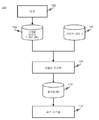
도 1은 적어도 하나의 구현 예에 따른 대표적인 로컬화된 시간적 모델링 환경의 다이어그램이다.
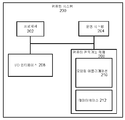
도 2는 적어도 하나의 구현 예에 따른 로컬화된 시간적 모델링에 기초하여 예측을 생성하도록 구성된 대표적인 컴퓨팅 시스템의 다이어그램이다.
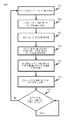
도 3은 적어도 하나의 구현 예에 따른 로컬화된 시간적 모델링을 위한 대표적인 방법의 플로차트이다.
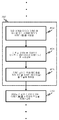
도 4는 적어도 하나의 구현 예에 따른 그리디 학습(greedy learning) 기법의 세부사항을 보여주는 로컬화된 시간적 모델링을 위한 대표적인 방법의 플로차트이다.1 is a diagram of an exemplary localized temporal modeling environment in accordance with at least one implementation.
2 is a diagram of an exemplary computing system configured to generate predictions based on localized temporal modeling in accordance with at least one implementation.
3 is a flow chart of an exemplary method for localized temporal modeling in accordance with at least one implementation.
Figure 4 is a flowchart of an exemplary method for localized temporal modeling showing details of a greedy learning technique in accordance with at least one implementation.
도 1은 적어도 하나의 구현 예에 따른 대표적인 모델링 환경(100)의 다이어그램이다. 상기 환경(100)은 하나 이상의 어셋(asset)(102), 모델링 시스템(108), 및 출력 시스템(112)을 포함한다. 대표적인 어셋은 다른 예들 중에서 운송 기계(예컨대, 기관차, 항공기, 승용차, 세미-트레일러 트럭, 선박 등), 산업 기계(예컨대, 광산 장비, 건설 장비, 공장 자동화 등), 의학 기계(예컨대, 의료 이미징 장비, 수술 장비, 의료 모니터링 시스템, 의료 실험 장비 등), 유틸리티 기계(예컨대, 터빈, 솔라 팜(solar farm) 등)를 포함할 수 있다. 또한, 어셋에는 의료 시설 또는 직원을 고용하는 다른 타입의 시설이 포함될 수 있다. 대표적인 구현 예에서, 상기 어셋들은 각각 동일한 타입(예컨대, 다른 예들 중에서 기관차 또는 항공기 집합체, 풍력 터빈 그룹 또는 MRI 기계 세트)을 지닐 수 있으며, 아마도 동일한 클래스(예컨대, 동일한 브랜드 및/또는 모델)를 지닐 수 있다. 다른 예들에서, 어셋은 타입, 브랜드, 모델 등에 따라 다를 수 있다. 통상의 기술자라면 이들은 단지 어셋의 몇 가지 예일 뿐이며 많은 다른 것들이 본 명세서에서 가능하고 고려될 수 있음을 이해할 것이다.1 is a diagram of an exemplary modeling environment 100 in accordance with at least one implementation. The environment 100 includes one or
동작시, 어셋(102)은 모델링 시스템(108)에 제공될 수 있는 시계열 데이터(104)를 생성한다. 시계열 데이터(104)는 최근 또는 과거 시점에서나 또는 최근 또는 과거 시간 범위에 걸쳐 어셋의 시스템 또는 시스템들에 연관된 하나 이상의 변수, 신호, 매개변수 및/또는 공변수(covariant)를 나타내는 데이터를 포함할 수 있다. 시계열 데이터(104)로부터, 모델링 시스템(108)은 제1 시계열 데이터 어레이(예컨대, 최근 시간으로부터의 시계열 데이터 어레이) 및/또는 하나 이상의 과거 시계열 데이터 어레이를 추출할 수 있다. 제1 시계열 데이터 어레이는 최근 기간(또는 윈도우)으로부터의 시스템의 하나 이상의 매개변수의 세트를 나타내는 시계열 데이터(예컨대, 1분 전부터의 주어진 데이터 샘플 수 등)를 포함할 수 있다. 시계열 데이터(104)는 모델링 시스템(108)에 의해 저장될 수 있다.In operation, the
시계열 데이터(104)에 추가하여, 이벤트 데이터(106)는 모델링 시스템(108)에 제공될 수 있다. 이벤트 데이터(106)는 어셋(102) 또는 다른 시스템에 의해 제공될 수 있다. 이벤트 데이터(106)는 (예컨대, 제1 시계열 데이터 어레이의 시간으로부터의 이벤트를 나타내는) 제1 이벤트 데이터 및 과거 이벤트 데이터를 포함할 수 있다. 이벤트 데이터(106)는 하나 이상의 시간 의존 이산 간헐 이벤트, 비동기 이벤트, 랜덤 이벤트 및/또는 반복 이벤트(예컨대, 시간, 요일, 일자, 휴일 등)에 대응하는 데이터를 포함할 수 있다.In addition to the time series data 104, event data 106 may be provided to the modeling system 108. Event data 106 may be provided by
일부 예들에서, 모델을 트레이닝하기 전에, 예측 모델링 기법은 시스템의 어떤 매개변수(또는 신호)가 모델링에 사용되어야 하는지와 더불어 선택될 수 있다. 이전에 관측된 값에 기초하여 미래 값을 예측하기 위해 모델을 이용하는 모든 예측 기법은 개시된 주제로부터 이익을 얻을 수 있다. 일반적으로, 미래의 결과를 예측하기 위해 과거 데이터를 이용하는 타입의 모델링 기술은 회귀 모델링 기법이다. 이 기술은 커널 회귀, 유사도 기반 모델링, 가우스 프로세스, 반복 신경 네트워크, 지원 벡터 회귀, 및 ARMA(Autoregressive Moving Average), ARIMA(Autoregressive Integrated Moving Average) 및 VAR(Vector Autoregression)과 같은 자동 회귀 기법들을 포함하지만, 이들에 국한되지 않는다. 일부 예들에서, 모델링에 사용된 시간 윈도우의 크기(예컨대, 샘플의 수)가 선택된다. 일부 예들에서, 미래에 예측치가 생성될 시간이 선택된다. 모델링 시스템(108)은 이벤트 데이터(106)와 함께 시계열 데이터(104)를 사용하여 예측 모델을 트레이닝시킬 수 있다. 예를 들면, 모델링 시스템(108)은 제1 시계열 데이터 어레이와 유사한 하나 이상의 과거 시계열 데이터 어레이를 식별할 수 있다. 식별된 유사한 과거 시계열 데이터 어레이는 이벤트 데이터에 기초하여 필터링될 수 있다. 예를 들면, 필터링된 과거 시계열 데이터 어레이는 제1 이벤트와 유사한 연관된 과거 이벤트를 갖는 그러한 과거 시계열 데이터 어레이만을 포함할 수 있다. 필터링된 과거 시계열 데이터 어레이는 예측 모델을 트레이닝하는데 사용될 수 있다. 일부 구현 예들은 이벤트 데이터를 사용하여 필터링된 최근 시계열 데이터와 유사한 과거 이력 시계열 데이터로 트레이닝된 모델에 기초하여 더 정확한 예측을 생성하는 이점을 제공할 수 있다.In some instances, prior to training the model, a predictive modeling technique may be selected along with which parameters (or signals) of the system should be used for modeling. All prediction techniques that use the model to predict future values based on previously observed values can benefit from the disclosed subject matter. In general, a modeling technique that uses historical data to predict future outcomes is a regression modeling technique. This technique includes automatic regression techniques such as kernel regression, similarity-based modeling, Gaussian processes, iterative neural networks, support vector regression, and Autoregressive Moving Average (ARMA), Autoregressive Integrated Moving Average (ARIMA), and Vector Autoregression , But are not limited to these. In some instances, the size of the time window used for modeling (e.g., the number of samples) is selected. In some instances, the time at which future predictions are generated is selected. The modeling system 108 may use the time series data 104 along with the event data 106 to train the prediction model. For example, the modeling system 108 may identify one or more past time series data arrays similar to the first time series data array. The identified similar past time series data arrays may be filtered based on the event data. For example, the filtered past time series data array may only include such past time series data arrays with associated past events similar to the first event. The filtered past time series data array can be used to train the prediction model. Some implementations may provide the advantage of generating more accurate predictions based on models trained with past history time series data similar to recent time series data filtered using event data.
모델링 시스템(108)은 트레이닝된 예측 모델을 사용하여 예측치(110)를 생성할 수 있다. 예측치(110)는 모델링되는 시스템의 하나 이상의 매개변수의 미래 값을 나타낼 수 있고, 미래의 시점에서나 또는 미래의 시간 범위에 걸쳐 모델링되는 시스템의 하나 이상의 변수, 신호, 매개변수의 하나 이상의 값을 포함할 수 있다. 예측의 변수, 신호 및/또는 매개변수는 시계열 데이터의 변수, 신호, 매개변수 및/또는 공변수와 동일할 수도 있고 다를 수도 있다.The modeling system 108 may generate predictions 110 using the trained prediction model. The predicted value 110 may represent a future value of one or more parameters of the system being modeled and may include one or more values of one or more variables, signals, parameters of the system being modeled at a future time or over a future time range can do. The parameters, signals and / or parameters of the prediction may or may not be the same as the variables, signals, parameters and / or variables of the time series data.
예측치(110)는 출력 시스템(112)에 제공될 수 있다. 출력 시스템(112)은 어셋(102)과 동일하거나 다를 수 있다. 또한, 어셋(102), 모델링 시스템(108) 및 출력 시스템(112)은 동일한 시스템 또는 하나 이상의 다른 시스템에 포함될 수 있다. 출력 시스템(112)은 예측치(110)에 기초하여 출력을 생성할 수 있다.The predicted value 110 may be provided to the
예를 들면, 모델은 디젤 기관차와 같은 원격 운송 장치상에서 중요한 시스템의 향후 작동을 예측하도록 구성될 수 있다. 이러한 중요한 시스템은 디젤 엔진, 엔진 냉각수, 트랙션 모터 및 AC 발전기 시스템을 포함할 수 있지만 이들에 국한되지는 않는다. 시계열 데이터는 원격 측정 장치를 통해 일정한 간격으로 전송되는 기관차 상의 센서로부터의 데이터를 포함할 수 있다. 이벤트 데이터는 기관차 상의 제어 시스템에 의해 생성되고 동일하거나 상이한 원격 측정 장치에 의해 전송되는 이벤트 코드로 이루어질 수 있다. 이벤트 코드는 제어 시스템에 의해 검출된 비정상 조건의 특정 세트를 식별하는 고유한 정수로 이루어질 수 있다. 이벤트 코드는 비정상 조건의 검출과 동시에 수집된 센서 측정과 같은 추가 데이터를 포함할 수 있다. 모델링 시스템(108)은 기관차 상의 적어도 하나의 중요한 시스템의 향후 작동의 예측을 생성할 수 있다. 시계열 데이터로 이벤트 데이터를 중첩함으로써, 모델링 시스템(108)은 시계열 데이터만을 사용하여 생성된 예측보다 더 정확할 수 있는 중요 시스템의 예측치를 생성할 수 있다.For example, the model can be configured to predict future operation of critical systems on remote transport devices such as diesel locomotives. These critical systems may include, but are not limited to, diesel engines, engine coolant, traction motors and AC generator systems. Time series data may include data from sensors on the locomotive that are transmitted at regular intervals through a telemetry device. The event data may consist of event codes generated by the control system on the locomotive and transmitted by the same or a different telemetry device. The event code may be a unique integer that identifies a particular set of abnormal conditions detected by the control system. The event code may contain additional data such as sensor measurements collected at the same time as the detection of the abnormal condition. The modeling system 108 may generate predictions of future operation of at least one critical system on the locomotive. By superimposing the event data on time series data, the modeling system 108 can generate predictions of critical systems that can be more accurate than the predictions generated using only time series data.
다른 예에서, 모델은 풍력 터빈의 전력 출력을 예측하도록 구성될 수 있다. 시계열 데이터는 풍력 터빈의 매개변수를 포함할 수 있다. 상기 이벤트 데이터는 기상(meteorological) 예측 데이터를 포함할 수 있다. 모델링 시스템(108)은 풍력 터빈의 향후 전력 출력의 예측치를 생성할 수 있다. 시계열 데이터로 이벤트 데이터를 중첩함으로써, 모델링 시스템(108)은 종래 기법을 사용하여 생성된 예측보다 더 정확할 수 있는 전체 전력 출력의 예측치를 생성할 수 있다. 전체 전력 출력의 예측치는 에너지 시장에서 터빈에 의해 생성된 전력을 거래하는 것을 돕기 위해 에너지 트레이더(energy trader)에 의해 사용될 수 있다. 예를 들어, 더 정확한 예측치는 에너지 트레이더가 터빈에 의해 생성된 전력에 대해 더 높은 가격을 얻는 것을 허용할 수 있다.In another example, the model can be configured to predict the power output of the wind turbine. The time series data may include the parameters of the wind turbine. The event data may include meteorological prediction data. The modeling system 108 may generate predictions of the future power output of the wind turbine. By superimposing the event data on the time series data, the modeling system 108 can generate predictions of the total power output that can be more accurate than the predictions generated using conventional techniques. The estimate of the total power output can be used by an energy trader to help trade the power generated by the turbine in the energy market. For example, more accurate predictions may allow the energy trader to get a higher price for the power generated by the turbine.
다른 예에서, 어셋은 의료 시설일 수 있다. 모델링 시스템(108)은 의료 시설의 예상 인력 수요를 예측하도록 구성될 수 있다. 예상 인력 수요는 의료 시설에서 일할 인력을 스케줄링하는 데 사용될 수 있다.In another example, the asset may be a medical facility. The modeling system 108 may be configured to predict the expected manpower demand of the facility. Estimated manpower demand can be used to schedule workforce to work in a health care facility.
도 2는 적어도 하나의 구현 예에 따라 모델링(예컨대, 로컬화된 시간적 모델 예측)을 위해 구성된 대표적인 컴퓨팅 시스템(200)의 다이어그램이다. 특히, 대표적인 컴퓨팅 시스템(200)은 도 1에 도시된 모델링 시스템(108)을 포함할 수 있다. 컴퓨팅 시스템(200)은 프로세서(202), 운영 시스템(204), 컴퓨터 판독가능 매체(206) 및 I/O 인터페이스(208)를 포함한다. 컴퓨터 판독가능 매체(206)는 모델링 애플리케이션(210)(예컨대, 로컬화된 시간적 모델 예측 애플리케이션) 및 데이터베이스(212)(예컨대, 시계열 데이터, 이벤트 데이터, 예측치 등을 저장하도록 구성됨)을 포함할 수 있다.FIG. 2 is a diagram of an
동작시, 프로세서(202)는 컴퓨터 판독가능 매체(206)에 저장된 애플리케이션(210)을 실행할 수 있다. 애플리케이션(210)은 프로세서(202)에 의해 실행될 때 프로세서(202)로 하여금 본 개시내용에 따른 로컬화된 시간적 모델 예측 동작들(예컨대, 이하에서 설명되는 단계들(302-314 및/또는 402-406) 중 하나 이상의 단계들을 수행하게 하는 소프트웨어 명령어를 포함할 수 있다. 애플리케이션 프로그램(210)은 데이터베이스(212) 및 운영 시스템(204)과 함께 동작할 수 있다. 애플리케이션(210)은 하나 이상의 모델을 포함할 수 있다.In operation, the processor 202 may execute an
모델링 시스템(예컨대, 108)은 단일 프로세서 시스템, 멀티-프로세서 시스템(동일 위치 또는 분산형), 클라우드 컴퓨팅 시스템, 또는 이들의 조합을 포함할 수 있지만, 이들에 국한되지 않는다. 일부 구현 예들에서, 모델링 시스템(예컨대, 108)은 어셋(예컨대, 102) 및/또는 출력 시스템(예컨대, 112)에 포함될 수 있다.The modeling system (e.g., 108) may include, but is not limited to, a single processor system, a multi-processor system (co-located or distributed), a cloud computing system, or a combination thereof. In some implementations, a modeling system (e.g., 108) may be included in an asset (e.g., 102) and / or an output system (e.g., 112).
모델링 시스템(예컨대, 108)은 서버, 데스크톱 컴퓨터, 랩톱 컴퓨터, 휴대용 컴퓨터, 태블릿 컴퓨팅 장치, 또는 차량 등의 정보 시스템을 포함할 수 있지만, 이들에 국한되는 것은 아니다. 일부 구현 예들에서, 모델링 시스템(108) 및 어셋(102) 및/또는 출력 시스템(112)은 동일한 시스템일 수 있다.The modeling system (e.g., 108) may include, but is not limited to, a server, a desktop computer, a laptop computer, a portable computer, a tablet computing device, or an information system such as a vehicle. In some implementations, the modeling system 108 and the
일부 예들에서, 모델링 시스템(예컨대, 108)은 네트워크를 통해 어셋(102) 및/또는 출력 시스템(112)에 접속될 수 있다. 네트워크는 유선 또는 무선 네트워크 일 수 있으며, WiFi 네트워크, 근거리 통신 네트워크, 광역 네트워크, 인터넷 또는 상기의 조합을 포함할 수 있지만, 이들에 국한되지 않는다.In some instances, a modeling system (e.g., 108) may be connected to the
모델링 시스템의 스토리지, 메모리 및/또는 컴퓨터 판독가능 매체는 다른 예들 중에서 광학, 자기, 유기 또는 플래시 메모리와 같은 하나 이상의 비-일시적 컴퓨터 판독가능 저장 매체를 포함할 수 있다. 소프트웨어 명령어들은 또한 예를 들면 서버(예컨대, 분산 시스템 및/또는 클라우드 컴퓨팅 시스템)로부터 전달되는 소프트웨어(SaaS)의 형태를 이루는 전자 신호에 포함되어 제공될 수 있다.The storage, memory and / or computer-readable media of the modeling system may include one or more non-transitory computer readable storage media, such as optical, magnetic, organic or flash memory, among other examples. The software instructions may also be provided in an electronic signal in the form of software (SaaS), for example, transmitted from a server (e.g., a distributed system and / or a cloud computing system).
도 3은 적어도 하나의 구현 예에 따라 모델링하기 위한 대표적인 방법(300)의 플로차트이다. 프로세싱은 302에서 시작되며, 여기서 모델링 시스템(예컨대, 108)은 최근 시간에서 시스템의 하나 이상의 매개변수의 값을 나타내는 최근 시계열 데이터 어레이를 획득한다. 최근 시계열 데이터 어레이는 최근 과거의 어느 시간(또는 시간 범위)으로부터 이루어진 것일 수 있다. 예를 들면, 몇 시간의 시간 척도(time scale)로 동작하는 시스템의 경우, 최근 시계열 데이터 어레이는 과거 1 시간 또는 그 이상의 시간 내의 시간으로부터 이루어진 것일 수 있다. 다른 예에서, 일부 시스템들은 더 작은 시간 단위 척도(예컨대, 초 또는 초 미만)로 동작할 수 있고, 이들 시스템으로부터의 최근 시계열 데이터 어레이는 과거 1분 또는 그보다 많은 시간 내의 시간으로부터 이루어진 것일 수 있다. 또 다른 예에서, 시스템은 더 긴 시간 단위(예컨대, 일자)로 동작할 수 있고, 그러한 시스템에 대한 최근 시계열 데이터 어레이는 과거 하나 이상의 일자 내의 시간으로부터 이루어진 것일 수 있다. 최근 시계열 데이터 어레이는 특정 시점 또는 시간 범위에 대한 것일 수 있다. 시간 범위의 경우, 시계열 데이터 어레이는 시간 범위 내에서 이루어지는 여러 시점으로부터의 데이터를 포함할 수 있다. 일 예에서, 상기 어레이를 "획득하는" 것은 모델링 시스템에서 착신 데이터로부터 상기 어레이를 생성하는 것을 포함할 수 있다. 다른 예에서, 상기 어레이를 "획득하는" 것은 모델링 시스템 외부의 시스템으로부터 상기 어레이를 수신하는 것을 포함할 수 있다. 프로세싱은 단계 304로 진행된다.FIG. 3 is a flow chart of an
304에서, 모델링 시스템(예컨대, 108)은 최근 시계열 데이터 어레이와 유사한 과거 시계열 데이터 어레이를 식별하기 위해 하나 이상의 과거의 시계열 데이터 어레이를 검색한다. 과거 시계열 데이터 어레이는 과거의 다양한 대응 시간에서 최근 시계열 데이터 어레이의 변수, 신호, 매개변수 및/또는 공변수의 대응 값을 나타내는 데이터를 포함할 수 있다.At 304, the modeling system (e.g., 108) retrieves one or more past time series data arrays to identify past time series data arrays similar to recent time series data arrays. The past time series data array may include data representing the latest time series data array variables, signals, parameters and / or corresponding values of the covariates at various past response times.
최근 시계열 데이터 어레이가 단일 시점으로부터의 변수 값들의 횡단면으로 이루어지면, 시계열 데이터는 벡터 또는 패턴을 형성한다. 최근 시계열 벡터의 내용이 과거 시계열 벡터와 유사한지를 결정하는 데 사용될 수 있는 이용 가능한 여러 방법이 있다. 이러한 방법 중의 가장 일반적인 방법은 벡터 표준에 기초하여 이루어지며 2개의 벡터 간 거리를 측정하는 것이다. 이러한 방법에는 유클리드(Euclidean) 거리, p-표준 거리, 도시-블록(city-block) 거리, 민코프스키(Minkowski) 거리, 마할라노비스(Mahalanobis) 거리, 및 해밍(Hamming) 거리가 포함되지만 이들에 국한되지는 않는다. 원칙적으로, 스칼라 측정치를 생성하는 2개의 벡터의 임의의 함수는 2개의 벡터 간 유사도를 결정하는데 사용될 수 있다. 이러한 벡터 함수는 커널 함수, 공분산 함수, 상관 계수 및 유사도 연산자를 포함한다. 거리 또는 벡터 함수는 최근 시계열 벡터를 모든 과거 시계열 벡터(104)와 비교하는데 사용된다. 결과적으로 얻어진 거리 또는 스칼라 측정치들은 최근 시계열 벡터와 가장 유사한 과거 시계열 벡터의 특정 개수 또는 분수를 식별하도록 정렬(sort) 또는 스캐닝된다.If the recent time series data array consists of a cross section of the variable values from a single viewpoint, the time series data forms a vector or pattern. There are a number of available methods that can be used to determine whether the contents of recent time series vectors are similar to past time series vectors. The most common of these methods is based on vector standards and measures the distance between two vectors. These methods include Euclidean distance, p-standard distance, city-block distance, Minkowski distance, Mahalanobis distance, and Hamming distance, But is not limited to. In principle, any function of the two vectors that produce the scalar measurements can be used to determine the similarity between the two vectors. These vector functions include kernel functions, covariance functions, correlation coefficients, and similarity operators. The distance or vector function is used to compare the most recent time series vector to all past time series vectors 104. The resulting distance or scalar measurements are then sorted or scanned to identify a particular number or fraction of past time series vectors most similar to the most recent time series vectors.
최근 시계열 데이터 어레이가 여러 시점으로부터의 데이터 벡터 또는 패턴의 그룹으로 이루어지면, 2-단계 계산이 최근 시계열 어레이와 과거 시계열 어레이 간의 유사도를 결정하는데 사용될 수 있다. 제1 단계에서, 최근 시계열 데이터 어레이 내 벡터들 각각은 과거 시계열 어레이 내 대응 벡터와 비교된다. 2개의 어레이 내 벡터들의 대응관계는 어레이들의 편성 방법에 의존한다. 2개의 어레이가 동일한 시간 범위에 걸쳐있는 동일한 개수의 벡터로 시간 순서화된다고 가정하면, 어레이 A의 제1 벡터를 어레이 B의 제1 벡터와 매치(match)시키고 상기 어레이들 내의 벡터들을 통해 마찬가지로 매치시키는 대응관계가 시계열 어레이 내 데이터 벡터들의 상대 순서에 의해 결정될 수 있다. 어레이들이 상이한 개수의 벡터들을 포함하거나 상이한 시간 범위에 걸쳐있는 경우, 벡터들의 타임스탬프(다시 말하면, 데이터가 수집된 시점)가 벡터들 간 최상의 대응관계를 결정하는데 사용된다. 이는 어레이들 내 벡터들 각각의 오프셋, 다시 말하면 각각의 벡터의 타임스탬프 및 어레이 내 첫 번째(가장 최근) 벡터의 타임스탬프 간의 차이를 결정함으로써 수행된다. 최근 시계열 벡터들의 오프셋들은 양자 모두의 어레이들 내 벡터들 간 최상의 매치를 찾아내도록 과거 시계열 벡터들의 오프셋들과 비교된다. 일단 최근 시계열 어레이들 내 벡터들 각각이 과거 시계열 어레이 내 벡터와 매치 되면, 벡터 쌍들 각각 간의 유사도는 위에서 설명한 거리 함수 또는 벡터 함수를 사용하여 계산된다. 제2 단계에서, 평균값, 중앙값 또는 최대값과 같은 통계치를 사용하여 벡터 쌍들 각각에 대한 값들이 조합되고, 그럼으로써 2개의 어레이 간 유사도의 스칼라 측정치를 제공하게 된다. 상기 2-단계 계산을 사용하여, 최근 시계열 어레이는 모든 과거 시계열 어레이(104)와 비교되고, 결과적으로 얻어진 어레이 비교 측정치들이 최근 시계열 어레이와 가장 유사한 과거 시계열 어레이들의 특정 개수 또는 분수를 식별하도록 정렬 및 스캐닝된다.If the recent time series data array is made up of groups of data vectors or patterns from several viewpoints, a two-step calculation can be used to determine the similarity between the recent time series array and the past time series array. In the first step, each of the vectors in the recent time series data array is compared with the corresponding vector in the past time series array. The correspondence relationship of the vectors in the two arrays depends on the method of arranging the arrays. Assuming that the two arrays are time ordered with the same number of vectors spanning the same time span, the first vector of array A is matched with the first vector of array B and matched similarly through the vectors in the arrays The corresponding relationship can be determined by the relative order of the data vectors in the time series array. If the arrays contain different numbers of vectors or span different time ranges, the timestamps of the vectors (i.e., the point at which the data was collected) are used to determine the best correspondence between the vectors. This is done by determining the offset between each of the vectors in the arrays, i. E. The time stamp of each vector and the time stamp of the first (most recent) vector in the array. The offsets of recent time series vectors are compared with the offsets of past time series vectors to find the best match between the vectors in both arrays. Once each of the vectors in the recent time series arrays matches the vector in the past time series array, the similarity between each of the vector pairs is calculated using the distance function or vector function described above. In a second step, the values for each of the vector pairs are combined using statistics such as mean, median or maximal values, thereby providing a scalar measurement of the similarity between the two arrays. Using the two-step calculation, a recent time series array is compared to all past time series arrays 104, and the resulting array comparison measurements are sorted and / or sorted to identify a particular number or fraction of past time series arrays that are most similar to recent time series arrays. And is scanned.
위에서 구체적으로 설명한 2-단계 프로세스에서, 2개의 어레이 내 데이터는 먼저 동일한 상대적인 시점에서의 데이터를 비교함으로써 횡단면으로 분석되고, 그리고 나서 제2 단계에서 데이터가 어레이들에 의해 걸쳐져 있는 시간 범위를 가로질러 길이 방향으로 분석된다. 횡단면 분석 단계 이전에 길이방향 분석 단계를 수행하는 것과 같은 다른 변형 예들은 2개의 어레이 내 데이터가 유사한지를 결정하는데 사용될 수 있다. 추가로, US 8,620,853의 순차적 커널 함수와 같은 행렬 연산은 2개의 어레이 내 데이터가 유사한지를 결정하는데 사용될 수 있다.In the two-step process specifically described above, the data in the two arrays are first analyzed in a cross-section by comparing the data at the same relative time points, and then in a second step, across the time range in which the data is spread by the arrays And analyzed longitudinally. Other variations, such as performing a longitudinal analysis step prior to the cross section analysis step, can be used to determine whether the data in the two arrays are similar. In addition, matrix operations such as the sequential kernel function of US 8,620,853 can be used to determine whether the data in the two arrays are similar.
306에서, 모델링 시스템(예컨대, 108)은 최근 이벤트 데이터를 획득한다. 이벤트 데이터는 시스템(예컨대, 최근 시계열 데이터 어레이가 대응하게 하는 시스템)의 하나 이상의 매개변수의 단기간 일시적 작동에 영향을 줄 수 있는 이벤트들의 발생을 나타낼 수 있다. 이러한 이벤트들은 특정 시점 또는 기간에 대해 간헐적일 수도 있고 비동기적일 수 있으며 이와는 달리 로컬화될 수도 있으며, 시스템 작동 또는 운영 환경에서 진행중인 패턴을 반영하지 못할 수도 있다. 이러한 이벤트의 효과를 고려하면 더 나은 예측 모델이 제공될 수 있다. 이벤트 데이터는 일시적 이벤트의 성질 또는 타입(예컨대, 기상 이벤트 타입, 사람이 만든 이벤트 타입 등)에 관한 정보를 포함할 수 있다. 프로세싱은 단계 308로 진행된다.At 306, the modeling system (e.g., 108) obtains recent event data. The event data may represent the occurrence of events that may affect the short-term temporary operation of one or more parameters of the system (e.g., the system to which the recent time series data array corresponds). These events may be intermittent or asynchronous for a particular time or period, or may otherwise be localized and may not reflect ongoing patterns in the system operation or operational environment. Considering the effects of these events, a better prediction model can be provided. The event data may include information about the nature or type of the transient event (e.g., weather event type, person created event type, etc.). Processing proceeds to step 308. [
단계 308에서, 하나 이상의 과거 시계열 데이터 어레이가 선택된다. 과거 시계열 데이터 어레이는 최근 시계열 데이터 어레이와 유사한 과거 시계열 데이터 어레이를 식별하는 것과 그리고 나서 과거 시계열 데이터 어레이의 이벤트 데이터를 사용하여 유사한 과거 시계열 데이터 어레이를 필터링하는 것의 조합에 기초하여 선택될 수 있다. 과거 이벤트 데이터는 과거 시계열 데이터와 동일한 소스로부터 또는 다른 소스로부터 획득될 수 있다. 과거 시계열 데이터 어레이 선택 프로세스는 도 4와 관련하여 이하에서 더 구체적으로 설명된다. 프로세싱은 단계 310으로 진행된다.At step 308, one or more past time series data arrays are selected. The past time series data array can be selected based on a combination of identifying a past time series data array similar to a recent time series data array and then filtering similar past time series data arrays using event data from a past time series data array. Past event data may be obtained from the same source as the past time series data or from another source. The past time series data array selection process is described in more detail below with respect to FIG. Processing proceeds to step 310.
단계 310에서, 모델링 시스템(예컨대, 108)은 필터링된 과거 시계열 데이터 어레이에 기초하여 모델(예컨대, 로컬화된 시간적 모델)을 트레이닝한다. 프로세싱은 단계 312로 진행된다.At
단계 312에서, 모델링 시스템(예컨대, 108)은 트레이닝된 로컬화된 시간적 모델을 사용하여 예측치를 생성한다. 일부 예들에서, 모델은 부가적인 입력 없이 예측치를 생성할 수 있고, 다른 예들에서, 모델은 예측치를 생성하기 위해 최근 시계열 데이터 어레이와 같은 입력을 요구할 수 있다. 예측치는 미래의 시간 또는 시간 범위에서의 최근 시계열 데이터 어레이의 변수, 신호 및/또는 매개변수 중의 하나 이상의 예측된 값을 나타낼 수 있다. 예측치는 하나 이상의 다른 시스템(예컨대, 모델링 시스템 내부 또는 외부의 다른 시스템)에 제공될 수 있다. 예를 들면, 예측치는 기관차 상의 중요한 시스템으로부터의 신호의 예상 작동을 예측하는 것일 수 있다. 다른 예에서, 예측치는 미래의 시간 또는 시간 범위에서 풍력 터빈의 전력 출력을 예측하는 것일 수 있다. 다른 예에서, 예측치는 시설(예컨대, 의료 시설)에서의 인력 수요를 예측하는 것일 수 있다. 프로세싱은 단계 314로 진행된다.At
단계 314에서, 모델링 시스템(예컨대, 108)은 새로운 예측치에 대한 요구가 수신되었는지 또는 시간적 변화가 이루어졌는지 또는 로컬화된 시간적 모델의 재-트레이닝 및 새로운 예측치의 생성을 트리거하는 시스템 변경이 이루어졌는지를 결정한다. 예를 들면, 최근 시계열 데이터 어레이에 의해 표현되는 시간 이래로 주어진 시간이 경과(예컨대, 현재 시계 사이클, 현재 매개변수 샘플링 간격 또는 다른 기간이 경과)하면, 모델링 시스템(예컨대, 108)은 로컬화된 시간적 모델을 현재(또는 가장 최근) 시계열 데이터로 재-트레이닝할 수 있다. 다른 예에서, 시간적 변화는 충분한 양의 시간(예컨대, 다음 초, 분, 시간, 일, 주, 월, 계절 등)의 경과를 포함할 수 있다. 다른 예에서, 시간적 변화 또는 시스템 변화는 예측 모델에 특정한 변화(예컨대, 최근 5개의 시계열 데이터 어레이와 비교되는 현재 시계열 데이터 어레이에서의 변화)를 포함할 수 있다. 다른 예에서, 최근 시계열 데이터 어레이가 대응하게 하는 시스템에 대해 시스템 변화(예컨대, 하나 이상의 매개변수 값 또는 공변량의 변화)가 이루어지면, 모델링 시스템(예컨대, 108)은 시스템 변화에 기초하여 로컬화된 시간적 모델을 재-트레이닝할 수 있다. 예를 들면, 차량 교통 스케줄링 시스템 매개변수는 하나 이상의 차량 경로 상의 트래픽 양을 포함할 수 있다. 시스템 매개변수의 변화는 경로 상의 트래픽 레벨 증가(또는 감소)를 포함할 수 있다. 다른 예에서, 매개변수의 변화는 시스템의 동작 모드 변화(예컨대, 정지로부터 실행으로 또는 그 반대로의 동작 모드 변화)를 포함할 수 있다. 시스템 변화는 시스템에 연관된 변수, 신호, 매개변수 및/또는 공변량 중의 하나 이상의 값의 변화에 의해 결정될 수 있다. 로컬화된 시간적 모델의 재-트레이닝을 트리거할 수 있는 또 다른 시스템 변화는 시스템에 연관된 새로운 이벤트의 발생이다. 예를 들면, 새로운 이벤트 코드는 기관차 상의 제어 시스템에 의해 생성되고 이벤트 데이터(106)에 의해 수신될 수 있다. 재-트레이닝은 새로운 최근 시계열 데이터 어레이를 사용하여 블록들(302-312) 중의 하나 이상의 블록들을 반복하는 것을 포함할 수 있다. 예측치에 대한 요구가 수신되지 않았거나 시간적 또는 시스템 변화가 이루어지지 않은 경우, 프로세싱은 단계 314로 복귀된다. 블록(302-312)은 조합될 수도 있고, 스킵될 수도 있으며, 재순서화될 수도 있고, 반복될 수도 있다. 예를 들면, 경우에 따라, 재-트레이닝 기준 중의 하나 이상이 충족될 때까지 트레이닝된 모델을 사용하여 다수의 예측치가 생성될 수 있다. 일부 예들에서, 재-트레이닝은 예측치가 생성되기 직전에 수행될 수 있다.At
도 4는 적어도 하나의 구현 예에 따라 과거 시계열 데이터 어레이를 선택하는 세부사항을 보여주는 로컬화된 시간 예측을 위한 대표적인 방법의 흐름도이다. 하나 이상의 과거 시계열 데이터 어레이를 선택하는 단계 308에 대한 프로세싱은 단계 402에서 시작하며, 단계 402에서는, 최근 시계열 데이터 어레이와 유사한 하나 이상의 과거 시계열 데이터 어레이가 식별된다. 일부 구현 예들에서, 상기 매칭은 시스템의 과거 이력으로부터의 시계열 데이터 어레이들 및 현재 시계열 데이터 어레이 간 패턴 중첩을 계산하는 함수를 적용하는 것을 포함할 수 있다. 일부 예들에서, 이러한 함수는 데이터의 시간(길이방향) 및 횡단면 비교를 적용하고 패턴 중첩의 스칼라 측정치를 반환할 수 있다. 또한, 상기 함수는 높은 패턴 매치 값들을 갖는 과거로부터의 기간을 식별할 수 있다. 프로세싱은 단계 404로 진행된다.4 is a flow diagram of an exemplary method for localized temporal prediction showing details of selecting a past time series data array in accordance with at least one implementation. The processing for step 308 of selecting one or more past time series data arrays begins at
단계 404에서, 최근 시계열 데이터 어레이와 유사한 것으로 단계 402에서 식별된 과거 시계열 데이터 어레이는 이벤트 데이터를 사용하여 필터링될 수 있다. 예를 들면, 최근 시계열 데이터 어레이가 게임이 플레이 되는 스포츠 경기장을 갖는 도시의 게임 일자와 같은 이벤트에 연관되는 경우, 과거 시계열 데이터는 최근 시계열 데이터 어레이와 유사하며 게임 일자 동안 이루어진 그러한 과거 시계열 어레이들을 포함하도록 필터링될 수 있다. 다른 예에서, 상기 이벤트는 비 또는 눈과 같은 기상 이벤트일 수 있다. 이러한 경우에, 과거 시계열 데이터 어레이는 최근 시계열 데이터 어레이에 연관된 이벤트와 유사한 기상 이벤트를 갖는 그러한 과거 시계열 데이터 어레이들만을 포함하도록 필터링될 수 있다. 다른 예에서, 이벤트 데이터는 기관차의 제어 시스템에 의해 생성된 하나 이상의 이벤트 코드를 수신하는 것일 수 있다. 이러한 경우에, 과거 시계열 데이터 어레이는 과거 시계열 데이터가 수집된 기간의 시간과 동일하거나 그러한 기간의 시간 부근에 동일한 이벤트 코드들을 수신한 그러한 과거 시계열 데이터 어레이만을 포함하도록 필터링될 수 있다. 일반적으로 과거 시계열 어레이를 필터링하는 것은 최근 시계열 어레이에 연관된 동일한 이벤트(들)의 발생을 매치시킴으로써 이루어진다. 최근 시계열 어레이에 연관된 동일한 이벤트에 시간적으로 연관된 과거 시계열 어레이를 매치시키는 것 외에도, 이벤트 데이터의 다른 특성은 과거 시계열 어레이를 부가적으로 필터링하는데 사용될 수 있다. 예를 들면, 최근 데이터 어레이에 연관된 이벤트가 지난 24 시간 동안 눈이 내린 것이라면 그 기간에 내린 눈의 양(예컨대, 1 내지 3인치의 눈)은 과거 시계열 어레이에 의해 충족되어야 하는 추가 조건으로 사용될 수 있다. 프로세싱은 단계 406으로 진행된다.In step 404, a past time series data array identified in
이벤트 데이터에 기초한 과거 시계열 데이터 어레이들의 필터링은 최근 기간으로부터의 시계열 데이터(예컨대, 최근 시계열 데이터의 윈도우에 대응하는 시계열 데이터의 윈도우)에 대한 유사도를 지니는 것으로 식별되고 (이벤트의 효과가 있는 경우) 이벤트의 효과를 반영하는 트레이닝 데이터 세트를 제공하는데 중요할 수 있다. 종래의 트레이닝 프로세스는 상기 모델을 트레이닝하도록 모든 과거 시계열 데이터 어레이들을 사용할 수 있다. 그러나 모든 과거 시계열 데이터 어레이들을 사용하는 종래의 트레이닝 세트는 현재 데이터 어레이에 연관된 이벤트들에 대응하지 않지만 그 외에 매칭되는 과거 데이터 어레이들을 포함할 수 있다(예컨대, 최근 시계열 데이터 어레이는 장마철 동안 "강우량이 적은" 날에 대응되지만, 과거 시계열 데이터 어레이는 최근 시계열 데이터 어레이와 매치하도록 이루어진 가물철 동안 "강우량이 많은" 날에 대응된다). 이러한 매치들을 필터링함으로써, 모델에 사용된 트레이닝 데이터 세트가 개선될 수 있다.Filtering of past time series data arrays based on event data is identified as having similarity to time series data from the recent period (e.g., window of time series data corresponding to a window of recent time series data) Lt; RTI ID = 0.0 > a < / RTI > Conventional training processes may use all historical time series data arrays to train the model. However, a conventional training set using all past time series data arrays may include past data arrays that do not correspond to events associated with the current data array but that are otherwise matched (e.g., the recent time series data arrays may have a " Quot; low "days, but the past time series data arrays correspond to the" heavy rain "days during the crockery to match the recent time series data array). By filtering these matches, the training data set used in the model can be improved.
단계 406에서, 상기 필터링된 과거 시계열 데이터 어레이들은 모델을 트레이닝하기 위한 로컬화된 시간적 모델에 제공된다. 프로세싱은 위에서 설명한 바와 같이 단계 308로부터 단계 310으로 진행된다.In step 406, the filtered past time series data arrays are provided in a localized temporal model for training the model. Processing proceeds from step 308 to step 310 as described above.
로컬화된 시간적 모델은 필요할 때에만(예컨대, 필요에 따라 또는 요구된 기준으로서 그리고/또는 시간적 또는 시스템 변화에 기초하여) 재-트레이닝되기 때문에 그리디 학습(greedy learning) 알고리즘이다. 시간적 변화 또는 시스템 매개변수 변화에 기초하여 모델을 재-트레이닝함으로써 모델은 시계열 데이터 및/또는 이벤트 데이터의 최근 조건에 지속적으로 적응할 수 있다. 로컬화된 시간적 모델이 현재 시스템 조건과 유사한 데이터로 트레이닝되므로 이용 가능한 데이터를 사용하는 것은 간결하다. 이러한 기법은 빅 데이터 애플리케이션에(예컨대, 어셋, 어셋 그룹, 의료 시설, 기차, 차량, 기상 모니터링 시스템, 과학 컴퓨팅 시스템, 정보 수집 시스템, 분산 시스템 등과 같은 기간당 대량 데이터를 생성하는 시스템들의 작동들에 대한 예측치들을 생성하는 데) 유용할 수 있다.The localized temporal model is a greedy learning algorithm because it is re-trained only when needed (e.g., as needed or as a required criterion and / or on a temporal or system change basis). By re-training the model based on temporal or system parameter changes, the model can continuously adapt to the recent conditions of time series data and / or event data. It is concise to use the available data because the localized temporal model is trained with data similar to the current system conditions. This technique may be applied to operations of systems that generate large amounts of data per term such as large data applications (e.g., assets, asset groups, medical facilities, trains, vehicles, weather monitoring systems, scientific computing systems, information collection systems, distributed systems, To generate estimates for the target.
통상의 기술자라면 위에서 설명한 모듈, 프로세스, 시스템 및/또는 섹션이 하드웨어, 소프트웨어에 의해 프로그램된 하드웨어, 비-일시적 컴퓨터 판독가능 매체 상에 저장된 소프트웨어 명령어 또는 상기의 조합으로 구현될 수 있음을 알 수 있을 것이다. 예를 들면, 위에서 설명한 바와 같은 시스템은 비-일시적 컴퓨터 판독가능 매체상에 저장된 프로그램된 명령들의 시퀀스를 실행하도록 구성된 프로세서를 포함할 수 있다. 예를 들면, 상기 프로세서는 퍼스널 컴퓨터, 모바일 기기 및/또는 워크스테이션, 또는 프로세서, 마이크로프로세서, 마이크로컨트롤러 기기를 포함하거나 예를 들면 ASIC(Application Specific Integrated Circuit)과 같은 집적 회로를 포함하는 제어 로직으로 이루어진 다른 그러한 컴퓨팅 시스템을 포함할 수 있지만, 이들에 국한되지 않는다. 명령어는 Java, C, C ++, C#.net 또는 어셈블리 등과 같은 프로그래밍 언어에 따라 제공되는 소스 코드 명령어로부터 컴파일될 수 있다. 명령어는 또한 예를 들면, Visual Basic™ 언어 또는 다른 구조화된 또는 객체 지향 프로그래밍 언어에 따라 제공되는 코드 및 데이터 객체를 포함할 수 있다. 프로그래밍된 명령어들의 시퀀스 또는 프로그램가능 로직 기기 구성 소프트웨어 및 이에 연관된 데이터는 컴퓨터 메모리와 같은 비-일시적 컴퓨터-판독가능 매체에나 또는 ROM, PROM, EEPROM, RAM, 플래시 메모리, 디스크 드라이브 등과 같지만 이들에 국한되지 않는 임의의 적절한 메모리 장치일 수 있는 저장 기기에 저장될 수 있다.It will be appreciated by those of ordinary skill in the art that the modules, processes, systems and / or sections described above may be implemented in hardware, software programmed by software, software instructions stored on non-transitory computer readable media, will be. For example, a system as described above may include a processor configured to execute a sequence of programmed instructions stored on a non-transitory computer readable medium. For example, the processor may be a personal computer, a mobile device and / or a workstation, or a processor, a microprocessor, a microcontroller device, or may comprise control logic including an integrated circuit such as, for example, an ASIC But are not limited to, such other computing systems as are well known in the art. Commands can be compiled from source code instructions provided in programming languages such as Java, C, C ++, C # .net, or assemblies. The instructions may also include code and data objects provided, for example, in the Visual Basic (TM) language or other structured or object oriented programming language. The sequence of programmed instructions or the programmable logic device configuration software and the associated data may be stored in a non-volatile computer-readable medium, such as a computer memory, or in a computer readable medium such as but not limited to ROM, PROM, EEPROM, RAM, flash memory, Or may be stored in a storage device, which may be any suitable memory device.
또한, 모듈, 프로세스, 시스템 및 섹션은 단일 프로세서로서 또는 분산 프로세서로서 구현될 수 있다. 또한, 여기서 이해해야 할 점은 위에 언급한 단계들이 단일 또는 분산 프로세서(단일 및/또는 다중-코어, 또는 클라우드 컴퓨팅 시스템)상에서 수행될 수 있다는 점이다. 또한, 위의 실시 예들에 대해 그리고 위의 실시 예들의 여러 도면에서 설명한 프로세스, 시스템 컴포넌트, 모듈, 및 서브-모듈은 다수의 컴퓨터 또는 시스템에 걸쳐 분산될 수도 있고 단일 프로세서 또는 시스템에 함께 배치될 수 있다. 본원 명세서에서 설명한 모듈, 섹션, 시스템, 수단 또는 프로세스를 구현하기에 적합한 대표적인 구조적 실시 예가 이하에 제공된다.In addition, modules, processes, systems, and sections may be implemented as a single processor or as a distributed processor. It should also be understood that the above-mentioned steps may be performed on a single or distributed processor (single and / or multi-core, or cloud computing system). It should also be understood that the processes, system components, modules, and sub-modules described in connection with the above embodiments and in the various figures of the above embodiments may be distributed across multiple computers or systems, have. Exemplary structural embodiments suitable for implementing the modules, sections, systems, means or processes described herein are provided below.
위에서 설명한 모듈, 프로세서 또는 시스템은 프로그램된 범용 컴퓨터, 마이크로코드로 프로그램된 전자 기기, 하드-와이어드 아날로그 로직 회로, 컴퓨터-판독가능 매체 또는 신호 상에 저장된 소프트웨어, 광학 컴퓨팅 기기, 전자 및/또는 광학 기기들의 네트워크 시스템, 특수 목적 컴퓨팅 기기, 집적 회로 기기, 반도체 칩 및/또는 예를 들면 컴퓨터 판독가능 매체 또는 신호 상에 저장된 소프트웨어 모듈 또는 객체로서 구현될 수 있다.The modules, processors, or systems described above may be implemented as a computer-readable medium, such as a programmed general purpose computer, microcode-programmed electronic devices, hard-wired analog logic circuitry, computer-readable media or software stored on a signal, May be implemented as a networked system of computers, special purpose computing devices, integrated circuit devices, semiconductor chips and / or software modules or objects stored, for example, in computer readable media or signals.
방법 및 시스템(또는 그 서브-컴포넌트 또는 모듈)의 실시 예들은 범용 컴퓨터, 특수 목적 컴퓨터, 프로그램된 마이크로프로세서 또는 마이크로컨트롤러 및 주변 집적 회로 요소, ASIC 또는 기타 집적 회로, 디지털 신호 프로세서, 개별 요소 회로와 같은 하드와이어드 전자 또는 로직 회로, PLD, PLA, FPGA, PAL 등과 같은 프로그램된 논리 회로 상에서 구현될 수 있다. 일반적으로, 본원 명세서에서 설명한 기능들 또는 단계들을 구현할 수 있는 임의의 프로세서는 방법, 시스템 또는 컴퓨터 프로그램 제품(비-일시적 컴퓨터 판독가능 매체상에 저장된 소프트웨어 프로그램)의 실시 예들을 구현하는데 사용될 수 있다.Embodiments of the method and system (or sub-component or module thereof) may be implemented within a general purpose computer, a special purpose computer, a programmed microprocessor or microcontroller and peripheral integrated circuit components, an ASIC or other integrated circuit, a digital signal processor, Such as a hardwired electronic or logic circuit, PLD, PLA, FPGA, PAL, and the like. In general, any processor capable of implementing the functions or steps described herein may be used to implement embodiments of a method, system, or computer program product (a software program stored on a non-transitory computer readable medium).
또한, 개시된 방법, 시스템 및 컴퓨터 프로그램 제품(또는 비-일시적 컴퓨터 판독가능 매체상에 저장된 소프트웨어 명령어)의 실시 예들은, 예를 들면 다양한 컴퓨터 플랫폼상에서 사용 가능한 포터블 소스 코드를 제공하는 객체 또는 객체 지향(object-oriented) 소프트웨어 개발 환경을 사용하여 소프트웨어로 완전히 또는 부분적으로 용이하게 구현될 수 있다. 변형적으로, 개시된 방법, 시스템 및 컴퓨터 프로그램 제품의 실시 예들은 예를 들면 표준 논리 회로 또는 VLSI 설계를 사용하여 하드웨어로 부분적으로 또는 전체적으로 구현될 수 있다. 다른 하드웨어 또는 소프트웨어는 시스템, 특정 기능, 및/또는 이용되는 특정 소프트웨어 또는 하드웨어 시스템, 마이크로프로세서 또는 마이크로컴퓨터의 속도 및/또는 효율 요건에 따라 실시 예들을 구현하는데 사용될 수 있다. 본 방법, 시스템 및 컴퓨터 프로그램 제품의 실시 예들은 본원 명세서에 제공된 기능 설명으로부터 그리고 소프트웨어 공학 및 어셋 조건 모니터링 기술에 대한 일반적인 기본 지식을 가지고 적용 가능한 통상의 기술자에 의해 임의 공지되었거나 추후 개발될 시스템 또는 구조, 기기 및/또는 소프트웨어를 사용하여 하드웨어 및/또는 소프트웨어로 구현될 수 있다.In addition, the disclosed methods, systems, and embodiments of the computer program product (or software instructions stored on non-transitory computer readable media) may be embodied in any computer-readable medium, such as, for example, object-oriented software development environment. < / RTI > Alternatively, embodiments of the disclosed methods, systems, and computer program products may be implemented, in part or in whole, with hardware using, for example, standard logic circuits or VLSI designs. Other hardware or software may be used to implement embodiments in accordance with the system, specific functions, and / or the particular software or hardware system, microprocessor or microcomputer speed and / or efficiency requirements used. Embodiments of the present methods, systems, and computer program products may be implemented in a system or structure that is known or later developed by an applicable artisan with general background knowledge of the software engineering and asset condition monitoring technology from the functional descriptions provided herein, , Hardware and / or software using devices and / or software.
또한, 개시된 방법, 시스템 및 컴퓨터 판독가능 매체(또는 컴퓨터 프로그램 제품)의 실시 예들은 프로그램된 범용 컴퓨터, 특수 목적 컴퓨터, 마이크로프로세서 등 상에서 실행되는 소프트웨어로 구현될 수 있다.In addition, embodiments of the disclosed method, system, and computer-readable medium (or computer program product) may be implemented in software running on a programmed general purpose computer, special purpose computer, microprocessor, or the like.
그러므로 본원 명세서에 개시된 다양한 실시 예에 따라, 로컬화된 시간적 모델링을 위한 방법, 시스템 및 컴퓨터 판독가능 매체가 제공되는 것이 명백하다.It is therefore apparent that, in accordance with the various embodiments disclosed herein, methods, systems and computer-readable media for localized temporal modeling are provided.
개시된 주제가 다수의 실시 예와 관련하여 설명되었지만, 많은 대안, 수정 및 변형이 적용 가능한 통상의 기술자에게 자명할 것이거나 자명하다는 것이 명백하다. 따라서, 본원 출원인은 개시된 주제의 사상 및 범위 내에 있는 그러한 모든 대안, 수정, 등가물 및 변형을 포함하고자 한 것이다.While the disclosed subject matter has been described in connection with a number of embodiments, it is evident that many alternatives, modifications, and variations will be apparent to or are obvious to one of ordinary skill in the art. Accordingly, the Applicant intends to include all such alternatives, modifications, equivalents, and variations that fall within the spirit and scope of the disclosed subject matter.
또한, 본원 명세서에서 설명한 예가 "인간", "조작자", "사용자" 또는 다른 엔티티와 같은 행위자에 의해 수행되거나 개시되는 동작들을 포함하는 한, 이는 예 및 설명만을 목적으로 한 것이다. 청구항들은 청구항 언어로 명시적으로 기재되어 있지 않는 한 그러한 행위자의 조치를 요하는 것으로 해석되어서는 아니 된다.Also, it is for the purposes of example and description only that the examples described herein include operations performed or disclosed by agents such as "human "," operator ", "user ", or other entity. The claims shall not be construed as requiring the action of such agent unless explicitly stated in the language of the claim.
Claims (20)
상기 컴퓨팅 시스템은,
적어도 하나의 프로세서;
비-일시적 컴퓨터 판독가능 매체; 및
상기 적어도 하나의 프로세서에 의해 실행 가능한 비-일시적 컴퓨터 판독가능 매체상에 저장된 프로그램 명령어;
를 포함하며,
상기 프로그램 명령어는, 상기 컴퓨팅 시스템으로 하여금,
a) 시스템에 연관된 하나 이상의 매개변수의 세트를 나타내는 제1 시계열 데이터 어레이를 획득하게 하고,
b) 상기 제1 시계열 데이터 어레이와 유사한 하나 이상의 과거 시계열 데이터 어레이를 식별하게 할 수 있으며 - 상기 하나 이상의 과거 시계열 데이터 어레이는 하나 이상의 매개변수의 세트의 대응하는 과거 값을 나타냄 -,
c) 상기 제1 시계열 데이터 어레이에 연관된 제1 이벤트 데이터 및 상기 하나 이상의 과거 시계열 데이터 어레이 각각에 연관된 과거 이벤트 데이터를 얻게 하고,
d) 상기 하나 이상의 과거 시계열 데이터 어레이 각각에 연관된 과거 이벤트 데이터 및 제1 이벤트 데이터의 비교에 기초해 상기 하나 이상의 과거 시계열 데이터 어레이를 필터링하여 필터링된 하나 이상의 과거 시계열 데이터 어레이를 얻게 하며,
e) 상기 필터링된 하나 이상의 과거 시계열 데이터 어레이를 사용하여 시계열 예측 모델을 트레이닝시키게 하고, 그리고
f) 상기 트레이닝된 시계열 예측 모델을 사용하여 하나 이상의 매개변수의 세트의 적어도 하나의 매개변수의 미래 값의 예측치를 생성하게 하도록 상기 적어도 하나의 프로세서에 의해 실행 가능한, 컴퓨팅 시스템.In a computing system,
The computing system includes:
At least one processor;
Non-transient computer readable medium; And
Program instructions stored on non-transitory computer readable media executable by the at least one processor;
/ RTI >
Wherein the program instructions cause the computing system to:
a) obtaining a first time series data array representing a set of one or more parameters associated with the system,
b) identify one or more past time series data arrays similar to the first time series data array, the one or more past time series data arrays representing corresponding past values of a set of one or more parameters,
c) acquiring first event data associated with the first time series data array and past event data associated with each of the one or more past time series data arrays,
d) filtering said one or more past time series data arrays based on a comparison of past event data and first event data associated with each of said one or more past time series data arrays to obtain filtered one or more past time series data arrays,
e) causing the time series prediction model to be trained using the filtered one or more past time series data arrays, and
and f) executable by the at least one processor to generate a prediction of a future value of at least one parameter of the set of one or more parameters using the trained time series prediction model.
a) - f)는 예측치 생성 요구의 수신 또는 기간 만료 중 하나에 기초하여 반복되는, 컴퓨팅 시스템The method according to claim 1,
wherein a) -f) is repeated based on one of reception of a forecast generation request or expiration of a period.
상기 프로그램 명령어는, 상기 컴퓨팅 시스템으로 하여금,
시간적 변화를 검출하게 하고,
상기 검출된 변화에 기초해 a)를 반복하여 이전의 제1 시계열 데이터 어레이의 시간에 후속하는 시간에 하나 이상의 매개변수의 세트를 나타내는 업데이트된 제1 시계열 데이터 어레이를 얻게 하며, 그리고
상기 업데이트된 제1 시계열 데이터 어레이에 기초하여 b) - f)를 반복하게 하도록 상기 적어도 하나의 프로세서에 의해 부가적으로 실행 가능한, 컴퓨팅 시스템.The method according to claim 1,
Wherein the program instructions cause the computing system to:
To detect a temporal change,
A) on the basis of the detected change to obtain an updated first time-series data array representing a set of one or more parameters at a time subsequent to the time of the previous first time series data array, and
B) - f) based on the updated first time series data array.
상기 프로그램 명령어는, 상기 컴퓨팅 시스템으로 하여금,
하나 이상의 매개변수의 세트의 적어도 하나의 매개변수의 변화를 검출하게 하고,
상기 검출된 변화에 기초해 a)를 반복하여 이전의 제1 시계열 데이터 어레이의 시간에 후속하는 시간에 하나 이상의 매개변수의 세트를 나타내는 업데이트된 제1 시계열 데이터 어레이를 얻게 하며, 그리고
상기 업데이트된 제1 시계열 데이터 어레이에 기초하여 b) - f)를 반복하게 하도록 상기 적어도 하나의 프로세서에 의해 부가적으로 실행 가능한, 컴퓨팅 시스템.The method according to claim 1,
Wherein the program instructions cause the computing system to:
Cause a change in at least one parameter of the set of one or more parameters to be detected,
A) on the basis of the detected change to obtain an updated first time-series data array representing a set of one or more parameters at a time subsequent to the time of the previous first time series data array, and
B) - f) based on the updated first time series data array.
상기 프로그램 명령어는, 상기 컴퓨팅 시스템으로 하여금,
예측치를 다른 시스템으로 전송하게 하도록 상기 적어도 하나의 프로세서에 의해 부가적으로 실행 가능한, 컴퓨팅 시스템.The method according to claim 1,
Wherein the program instructions cause the computing system to:
Wherein the processor is further executable by the at least one processor to cause the prediction to be transmitted to another system.
상기 제1 이벤트 데이터는 상기 제1 시계열 데이터 어레이의 시간에 이루어지고 상기 제1 시계열 데이터 어레이의 시간에 후속하는 시스템의 작동에 영향을 줄 것으로 예상되는 이벤트를 나타내는, 컴퓨팅 시스템.The method according to claim 1,
Wherein the first event data is indicative of an event that occurs at the time of the first time series data array and is expected to affect operation of the system following the time of the first time series data array.
상기 필터링된 하나 이상의 과거 시계열 데이터 어레이 각각에 연관된 대응하는 과거 이벤트 데이터는 상기 제1 이벤트와 유사한 이벤트를 나타내는, 컴퓨팅 시스템.The method according to claim 1,
Wherein the corresponding past event data associated with each of the filtered one or more past time series data arrays represents an event similar to the first event.
상기 프로그램 명령어는, 컴퓨팅 시스템으로 하여금,
a) 시스템에 연관된 하나 이상의 매개변수의 세트를 나타내는 제1 시계열 데이터 어레이를 얻게 하고,
b) 상기 제1 시계열 데이터 어레이와 유사한 하나 이상의 과거 시계열 데이터 어레이를 식별하게 하며 - 상기 하나 이상의 과거 시계열 데이터 어레이는 하나 이상의 매개변수의 세트의 대응하는 과거 값들을 나타냄 -,
c) 상기 제1 시계열 데이터 어레이에 연관된 제1 이벤트 데이터 및 상기 하나 이상의 과거 시계열 데이터 어레이 각각에 관련된 과거 이벤트 데이터를 얻게 하고,
d) 상기 하나 이상의 과거 시계열 데이터 어레이 각각에 연관된 과거 이벤트 데이터 및 상기 제1 이벤트 데이터의 비교에 기초해 상기 하나 이상의 과거 시계열 데이터 어레이를 필터링하여 필터링된 하나 이상의 과거 시계열 데이터 어레이를 얻게 하며,
e) 상기 필터링된 하나 이상의 과거 시계열 데이터 어레이를 사용하여 시계열 예측 모델을 트레이닝시키게 하고, 그리고
f) 상기 트레이닝된 시계열 예측 모델을 사용하여 하나 이상의 매개변수의 세트의 적어도 하나의 매개변수의 미래 값의 예측치를 생성하게 하도록 상기 컴퓨팅 시스템의 적어도 하나의 프로세서에 의해 실행 가능한, 비-일시적 컴퓨터 판독가능 매체.A non-transient computer readable medium having program instructions stored thereon,
The program instructions cause the computing system to:
a) obtaining a first time series data array representing a set of one or more parameters associated with the system,
b) identify one or more past time series data arrays similar to the first time series data array, the one or more past time series data arrays representing corresponding past values of a set of one or more parameters,
c) acquiring first event data associated with the first time series data array and past event data associated with each of the one or more past time series data arrays,
d) filtering said one or more past time series data arrays based on a comparison of past event data associated with each of said one or more past time series data arrays and said first event data to obtain one or more past time series data arrays filtered,
e) causing the time series prediction model to be trained using the filtered one or more past time series data arrays, and
f) a non-transitory computer readable executable by at least one processor of the computing system to cause the processor to generate a predicted value of a future value of at least one parameter of the set of one or more parameters using the trained time- Available media.
a) - f)는 예측치 생성 요구의 수신 또는 기간 만료 중 하나에 기초하여 반복되는, 비-일시적 컴퓨터 판독가능 매체.9. The method of claim 8,
a) -f) is repeated based on one of reception of a prediction generation request or expiration of a duration.
상기 프로그램 명령어는, 상기 컴퓨팅 시스템으로 하여금,
시간적 변화를 검출하게 하고,
상기 검출된 변화에 기초해 a)를 반복하여 이전의 제1 시계열 데이터 어레이의 시간에 후속하는 시간에 하나 이상의 매개변수의 세트를 나타내는 업데이트된 제1 시계열 데이터 어레이를 얻게 하며, 그리고
상기 업데이트된 제1 시계열 데이터 어레이에 기초하여 b) - f)를 반복하게 하도록 상기 적어도 하나의 프로세서에 의해 부가적으로 실행 가능한, 비-일시적 컴퓨터 판독가능 매체.9. The method of claim 8,
Wherein the program instructions cause the computing system to:
To detect a temporal change,
A) on the basis of the detected change to obtain an updated first time-series data array representing a set of one or more parameters at a time subsequent to the time of the previous first time series data array, and
B) -f) based on the updated first time series data array. ≪ Desc / Clms Page number 19 >
상기 프로그램 명령어는, 상기 컴퓨팅 시스템으로 하여금,
하나 이상의 매개변수의 세트의 적어도 하나의 매개변수의 변화를 검출하게 하고,
상기 검출된 변화에 기초해 a)를 반복하여 이전의 제1 시계열 데이터 어레이의 시간에 후속하는 시간에 하나 이상의 매개변수의 세트를 나타내는 업데이트된 제1 시계열 데이터 어레이를 얻게 하며, 그리고
상기 업데이트된 제1 시계열 데이터 어레이에 기초하여 b) - f)를 반복하게 하도록 상기 적어도 하나의 프로세서에 의해 부가적으로 실행 가능한, 비-일시적 컴퓨터 판독가능 매체.9. The method of claim 8,
Wherein the program instructions cause the computing system to:
Cause a change in at least one parameter of the set of one or more parameters to be detected,
A) on the basis of the detected change to obtain an updated first time-series data array representing a set of one or more parameters at a time subsequent to the time of the previous first time series data array, and
B) -f) based on the updated first time series data array. ≪ Desc / Clms Page number 19 >
상기 프로그램 명령어는, 상기 컴퓨팅 시스템으로 하여금,
예측치를 다른 시스템으로 전송하게 하도록 상기 적어도 하나의 프로세서에 의해 부가적으로 실행 가능한, 비-일시적 컴퓨터 판독가능 매체.9. The method of claim 8,
Wherein the program instructions cause the computing system to:
And is further executable by the at least one processor to cause the prediction to be transmitted to another system.
상기 제1 이벤트 데이터는 상기 제1 시계열 데이터 어레이의 시간에 이루어지고 상기 제1 시계열 데이터 어레이의 시간에 후속하는 시스템의 작동에 영향을 줄 것으로 예상되는 이벤트를 나타내는, 비-일시적 컴퓨터 판독가능 매체.9. The method of claim 8,
Wherein the first event data is indicative of an event that occurs at the time of the first time series data array and is expected to affect operation of the system following the time of the first time series data array.
상기 필터링된 하나 이상의 과거 시계열 데이터 어레이 각각에 연관된 대응하는 과거 이벤트 데이터는 상기 제1 이벤트와 유사한 이벤트를 나타내는, 비-일시적 컴퓨터 판독가능 매체.9. The method of claim 8,
Wherein the corresponding past event data associated with each of the filtered one or more past time series data arrays represents an event similar to the first event.
상기 컴퓨터 구현 방법은,
a) 시스템에 연관된 하나 이상의 매개변수의 세트를 나타내는 제1 시계열 데이터 어레이를 얻는 단계;
b) 상기 제1 시계열 데이터 어레이와 유사한 하나 이상의 과거 시계열 데이터를 식별하는 단계 - 상기 하나 이상의 과거 시계열 데이터 어레이는 하나 이상의 매개변수의 세트의 대응하는 과거 값들을 나타냄 -;
c) 상기 제1 시계열 데이터 어레이에 연관된 제1 이벤트 데이터 및 상기 하나 이상의 과거 시계열 데이터 어레이 각각에 연관된 과거 이벤트 데이터를 얻는 단계;
d) 상기 하나 이상의 과거 시계열 데이터 어레이 각각에 연관된 과거 이벤트 데이터 및 상기 제1 이벤트 데이터의 비교에 기초해 상기 하나 이상의 과거 시계열 데이터 어레이를 필터링하여 필터링된 하나 이상의 과거 시계열 데이터 어레이를 얻는 단계;
e) 상기 필터링된 하나 이상의 과거 시계열 데이터 어레이를 사용하여 시계열 예측 모델을 트레이닝하는 단계; 및
f) 상기 트레이닝된 시계열 예측 모델을 사용하여 하나 이상의 매개변수의 세트의 적어도 하나의 매개변수의 미래 값의 예측치를 생성하는 단계;
를 포함하는, 컴퓨터 구현 방법.In a computer implemented method,
The computer-
a) obtaining a first time-series data array representing a set of one or more parameters associated with the system;
b) identifying one or more past time series data similar to the first time series data array, wherein the one or more past time series data arrays represent corresponding past values of a set of one or more parameters;
c) obtaining first event data associated with the first time series data array and past event data associated with each of the one or more past time series data arrays;
d) filtering the one or more past time series data arrays based on a comparison of past event data associated with each of the one or more past time series data arrays and the first event data to obtain filtered one or more past time series data arrays;
e) training the time series prediction model using the filtered one or more past time series data arrays; And
f) generating a prediction of a future value of at least one parameter of the set of one or more parameters using the trained time series prediction model;
/ RTI >
상기 컴퓨터 구현 방법은,
시간적 변화를 검출하는 단계;
상기 검출된 변화에 기초해 a)를 반복하여 이전의 제1 시계열 데이터 어레이의 시간에 후속하는 시간에 하나 이상의 매개변수의 세트를 나타내는 업데이트된 제1 시계열 데이터 어레이를 얻는 단계; 및
상기 업데이트된 제1 시계열 데이터 어레이에 기초하여 b) - f)를 반복하는 단계;
를 부가적으로 포함하는, 컴퓨터 구현 방법.16. The method of claim 15,
The computer-
Detecting a temporal change;
Repeating a) based on the detected change to obtain an updated first time series data array representing a set of one or more parameters at a time subsequent to the time of the previous first time series data array; And
Repeating b) -f) based on the updated first time series data array;
The method further comprising:
상기 컴퓨터 구현 방법은,
상기 하나 이상의 매개변수의 세트의 적어도 하나의 매개변수의 변화를 검출하는 단계;
상기 검출된 변화에 기초해, a)를 반복하여 이전의 제1 시계열 데이터 어레이의 시간에 후속하는 시간에 하나 이상의 매개변수의 세트를 나타내는 업데이트된 제1 시계열 데이터 어레이를 얻는 단계; 및
상기 업데이트된 제1 시계열 데이터 어레이에 기초하여 b) - f)를 반복하는 단계;
를 부가적으로 포함하는, 컴퓨터 구현 방법.16. The method of claim 15,
The computer-
Detecting a change in at least one parameter of the set of one or more parameters;
Obtaining an updated first time-series data array that represents a set of one or more parameters at a time subsequent to the time of the previous first time-series data array by repeating a) based on the detected change; And
Repeating b) -f) based on the updated first time series data array;
The method further comprising:
상기 컴퓨터 구현 방법은,
예측치 생성 요구의 수신 또는 기간 만료 중 하나에 기초하여 a) - f)를 반복하는 단계;
를 부가적으로 포함하는, 컴퓨터 구현 방법.16. The method of claim 15,
The computer-
Repeating a) -f) based on one of receiving the forecast generation request or expiration of the period;
The method further comprising:
상기 제1 이벤트 데이터는 상기 제1 시계열 데이터 어레이의 시간에서 이루어지고 상기 제1 시계열 데이터 어레이의 시간에 후속하는 시스템의 작동에 영향을 줄 것으로 예상되는 이벤트를 나타내는, 컴퓨터 구현 방법.16. The method of claim 15,
Wherein the first event data is generated at a time of the first time series data array and is indicative of an event that is expected to affect operation of the system following the time of the first time series data array.
상기 필터링된 하나 이상의 과거 시계열 데이터 어레이 각각에 연관된 대응하는 과거 이벤트 데이터는 상기 제1 이벤트와 유사한 이벤트를 나타내는, 컴퓨터 구현 방법.16. The method of claim 15,
Wherein the corresponding past event data associated with each of the filtered one or more past time series data arrays represents an event similar to the first event.
Applications Claiming Priority (3)
| Application Number | Priority Date | Filing Date | Title |
|---|---|---|---|
| US14/996,154 | 2016-01-14 | ||
| US14/996,154 US11295217B2 (en) | 2016-01-14 | 2016-01-14 | Localized temporal model forecasting |
| PCT/US2017/013267 WO2017123819A1 (en) | 2016-01-14 | 2017-01-12 | Localized temporal model forecasting |
Publications (1)
| Publication Number | Publication Date |
|---|---|
| KR20180098673A true KR20180098673A (en) | 2018-09-04 |
Family
ID=59311888
Family Applications (1)
| Application Number | Title | Priority Date | Filing Date |
|---|---|---|---|
| KR1020187023119A Withdrawn KR20180098673A (en) | 2016-01-14 | 2017-01-12 | Localized temporal model prediction |
Country Status (8)
| Country | Link |
|---|---|
| US (3) | US11295217B2 (en) |
| EP (1) | EP3403220A4 (en) |
| JP (1) | JP2019503540A (en) |
| KR (1) | KR20180098673A (en) |
| CN (1) | CN108885718A (en) |
| AU (1) | AU2017206794B2 (en) |
| SG (1) | SG11201805939QA (en) |
| WO (1) | WO2017123819A1 (en) |
Cited By (1)
| Publication number | Priority date | Publication date | Assignee | Title |
|---|---|---|---|---|
| KR102429235B1 (en) * | 2022-04-12 | 2022-08-04 | 한국해양과학기술원 | System and method for predicting maritime traffic congestion |
Families Citing this family (17)
| Publication number | Priority date | Publication date | Assignee | Title |
|---|---|---|---|---|
| US11113852B2 (en) | 2016-02-29 | 2021-09-07 | Oracle International Corporation | Systems and methods for trending patterns within time-series data |
| US10885461B2 (en) | 2016-02-29 | 2021-01-05 | Oracle International Corporation | Unsupervised method for classifying seasonal patterns |
| US20190279132A1 (en) * | 2018-03-08 | 2019-09-12 | General Electric Company | Analytics core and aggregation |
| US11573962B2 (en) * | 2018-10-19 | 2023-02-07 | Oracle International Corporation | Dynamic performance tuning based on implied data characteristics |
| US12001926B2 (en) | 2018-10-23 | 2024-06-04 | Oracle International Corporation | Systems and methods for detecting long term seasons |
| JP7199203B2 (en) * | 2018-11-16 | 2023-01-05 | 株式会社Cygames | System, method, program, machine learning support device, and data structure for inspecting game programs |
| WO2020167366A1 (en) * | 2019-02-11 | 2020-08-20 | Hrl Laboratories, Llc | System and method for human-machine hybrid prediction of events |
| US11887015B2 (en) | 2019-09-13 | 2024-01-30 | Oracle International Corporation | Automatically-generated labels for time series data and numerical lists to use in analytic and machine learning systems |
| US11663290B2 (en) * | 2020-01-31 | 2023-05-30 | EMC IP Holding Company LLC | Analyzing time series data for sets of devices using machine learning techniques |
| US11681914B2 (en) | 2020-05-08 | 2023-06-20 | International Business Machines Corporation | Determining multivariate time series data dependencies |
| JP2022099394A (en) * | 2020-12-23 | 2022-07-05 | 富士通株式会社 | Program and method for data estimation |
| US12436964B2 (en) * | 2021-04-20 | 2025-10-07 | International Business Machines Corporation | Composite event estimation through temporal logic |
| JP7749952B2 (en) * | 2021-06-30 | 2025-10-07 | オムロン株式会社 | Control system, model generation method, and model generation program |
| CN113673597B (en) * | 2021-08-20 | 2024-06-07 | 平安国际智慧城市科技股份有限公司 | Enterprise annual report prompting method, device, electronic equipment and computer storage medium |
| JP7752595B2 (en) * | 2022-11-29 | 2025-10-10 | 三菱電機株式会社 | Traffic prediction device, traffic management device, traffic management system, learning device, traffic prediction method, learning method, traffic prediction program, and learning program |
| CN116050627B (en) * | 2023-01-30 | 2026-05-12 | 固德威技术股份有限公司 | Photovoltaic power prediction method and photovoltaic power prediction model training method |
| US20240386047A1 (en) * | 2023-05-18 | 2024-11-21 | Oracle International Corporation | Cold-start forecasting via backcasting and composite embedding |
Family Cites Families (131)
| Publication number | Priority date | Publication date | Assignee | Title |
|---|---|---|---|---|
| US5633800A (en) | 1992-10-21 | 1997-05-27 | General Electric Company | Integrated model-based reasoning/expert system diagnosis for rotating machinery |
| US5566092A (en) | 1993-12-30 | 1996-10-15 | Caterpillar Inc. | Machine fault diagnostics system and method |
| JP3366837B2 (en) | 1997-08-15 | 2003-01-14 | 株式会社小松製作所 | Machine abnormality monitoring device and method |
| US6473659B1 (en) | 1998-04-10 | 2002-10-29 | General Electric Company | System and method for integrating a plurality of diagnostic related information |
| US6947797B2 (en) | 1999-04-02 | 2005-09-20 | General Electric Company | Method and system for diagnosing machine malfunctions |
| US6622264B1 (en) | 1999-10-28 | 2003-09-16 | General Electric Company | Process and system for analyzing fault log data from a machine so as to identify faults predictive of machine failures |
| US6336065B1 (en) | 1999-10-28 | 2002-01-01 | General Electric Company | Method and system for analyzing fault and snapshot operational parameter data for diagnostics of machine malfunctions |
| US20110208567A9 (en) | 1999-08-23 | 2011-08-25 | Roddy Nicholas E | System and method for managing a fleet of remote assets |
| US6442542B1 (en) | 1999-10-08 | 2002-08-27 | General Electric Company | Diagnostic system with learning capabilities |
| US6615367B1 (en) | 1999-10-28 | 2003-09-02 | General Electric Company | Method and apparatus for diagnosing difficult to diagnose faults in a complex system |
| US7020595B1 (en) | 1999-11-26 | 2006-03-28 | General Electric Company | Methods and apparatus for model based diagnostics |
| US6650949B1 (en) | 1999-12-30 | 2003-11-18 | General Electric Company | Method and system for sorting incident log data from a plurality of machines |
| US6634000B1 (en) | 2000-02-01 | 2003-10-14 | General Electric Company | Analyzing fault logs and continuous data for diagnostics for a locomotive |
| US6725398B1 (en) | 2000-02-11 | 2004-04-20 | General Electric Company | Method, system, and program product for analyzing a fault log of a malfunctioning machine |
| US20030126258A1 (en) | 2000-02-22 | 2003-07-03 | Conkright Gary W. | Web based fault detection architecture |
| ATE418761T1 (en) | 2000-03-09 | 2009-01-15 | Smartsignal Corp | ANGLE SIMILARITY OPERATOR WITH GENERALIZED LENSING |
| US7739096B2 (en) | 2000-03-09 | 2010-06-15 | Smartsignal Corporation | System for extraction of representative data for training of adaptive process monitoring equipment |
| US6957172B2 (en) | 2000-03-09 | 2005-10-18 | Smartsignal Corporation | Complex signal decomposition and modeling |
| US6952662B2 (en) | 2000-03-30 | 2005-10-04 | Smartsignal Corporation | Signal differentiation system using improved non-linear operator |
| US6816786B2 (en) * | 2000-04-18 | 2004-11-09 | Devrie S Intriligator | Space weather prediction system and method |
| US6799154B1 (en) | 2000-05-25 | 2004-09-28 | General Electric Comapny | System and method for predicting the timing of future service events of a product |
| US6760631B1 (en) | 2000-10-04 | 2004-07-06 | General Electric Company | Multivariable control method and system without detailed prediction model |
| US20020091972A1 (en) | 2001-01-05 | 2002-07-11 | Harris David P. | Method for predicting machine or process faults and automated system for implementing same |
| US6859739B2 (en) | 2001-01-19 | 2005-02-22 | Smartsignal Corporation | Global state change indicator for empirical modeling in condition based monitoring |
| US7233886B2 (en) | 2001-01-19 | 2007-06-19 | Smartsignal Corporation | Adaptive modeling of changed states in predictive condition monitoring |
| US7373283B2 (en) | 2001-02-22 | 2008-05-13 | Smartsignal Corporation | Monitoring and fault detection system and method using improved empirical model for range extrema |
| US20020183971A1 (en) | 2001-04-10 | 2002-12-05 | Wegerich Stephan W. | Diagnostic systems and methods for predictive condition monitoring |
| US7539597B2 (en) | 2001-04-10 | 2009-05-26 | Smartsignal Corporation | Diagnostic systems and methods for predictive condition monitoring |
| US6643600B2 (en) | 2001-04-26 | 2003-11-04 | General Electric Company | Method and system for assessing adjustment factors in testing or monitoring process |
| US7107491B2 (en) | 2001-05-16 | 2006-09-12 | General Electric Company | System, method and computer product for performing automated predictive reliability |
| US6975962B2 (en) | 2001-06-11 | 2005-12-13 | Smartsignal Corporation | Residual signal alert generation for condition monitoring using approximated SPRT distribution |
| US7457732B2 (en) | 2001-08-17 | 2008-11-25 | General Electric Company | System and method for measuring quality of baseline modeling techniques |
| US7428478B2 (en) | 2001-08-17 | 2008-09-23 | General Electric Company | System and method for improving accuracy of baseline models |
| US6892163B1 (en) | 2002-03-08 | 2005-05-10 | Intellectual Assets Llc | Surveillance system and method having an adaptive sequential probability fault detection test |
| US7660705B1 (en) | 2002-03-19 | 2010-02-09 | Microsoft Corporation | Bayesian approach for learning regression decision graph models and regression models for time series analysis |
| EP1504373A4 (en) | 2002-04-29 | 2007-02-28 | Kilian Stoffel | Sequence miner |
| EP1579288B1 (en) | 2002-11-04 | 2017-03-15 | GE Intelligent Platforms, Inc. | System state monitoring using recurrent local learning machine |
| US6823253B2 (en) | 2002-11-27 | 2004-11-23 | General Electric Company | Methods and apparatus for model predictive control of aircraft gas turbine engines |
| JP4333331B2 (en) | 2002-12-20 | 2009-09-16 | セイコーエプソン株式会社 | Failure prediction system, failure prediction program, and failure prediction method |
| US20040243636A1 (en) | 2003-03-18 | 2004-12-02 | Smartsignal Corporation | Equipment health monitoring architecture for fleets of assets |
| US7634384B2 (en) | 2003-03-18 | 2009-12-15 | Fisher-Rosemount Systems, Inc. | Asset optimization reporting in a process plant |
| EP1652138A4 (en) | 2003-07-11 | 2006-12-06 | Computer Ass Think Inc | Modeling of applications and business process services through auto discovery analysis |
| US7127371B2 (en) | 2003-10-08 | 2006-10-24 | Ge Medical Systems Information | Customized medical equipment preventative maintenance method and system |
| EP1698117B1 (en) | 2003-12-23 | 2013-04-17 | TELEFONAKTIEBOLAGET LM ERICSSON (publ) | Method and system for efficient routing in ad hoc networks |
| CA2814786C (en) | 2004-01-09 | 2015-09-08 | United Parcel Service Of America, Inc. | System, method and apparatus for collecting telematics and sensor information in a delivery vehicle |
| US7062370B2 (en) | 2004-03-30 | 2006-06-13 | Honeywell International Inc. | Model-based detection, diagnosis of turbine engine faults |
| US7447666B2 (en) | 2004-04-09 | 2008-11-04 | The Boeing Company | System and method for analyzing a pattern in a time-stamped event sequence |
| WO2005124718A2 (en) | 2004-06-18 | 2005-12-29 | Cvidya Networks Ltd. | Methods, systems and computer readable code for forecasting time series and for forecasting commodity consumption |
| US7526461B2 (en) * | 2004-11-17 | 2009-04-28 | Gm Global Technology Operations, Inc. | System and method for temporal data mining |
| US7280941B2 (en) | 2004-12-29 | 2007-10-09 | General Electric Company | Method and apparatus for in-situ detection and isolation of aircraft engine faults |
| US7640145B2 (en) | 2005-04-25 | 2009-12-29 | Smartsignal Corporation | Automated model configuration and deployment system for equipment health monitoring |
| US7536364B2 (en) | 2005-04-28 | 2009-05-19 | General Electric Company | Method and system for performing model-based multi-objective asset optimization and decision-making |
| US8930254B2 (en) | 2005-06-13 | 2015-01-06 | CommEq Asset Management Ltd. | Financial methodology to valuate and predict the news impact of major events on financial instruments |
| US7509235B2 (en) | 2005-08-31 | 2009-03-24 | General Electric Company | Method and system for forecasting reliability of assets |
| JP4717579B2 (en) | 2005-09-30 | 2011-07-06 | 株式会社小松製作所 | Maintenance work management system for work machines |
| US7869908B2 (en) | 2006-01-20 | 2011-01-11 | General Electric Company | Method and system for data collection and analysis |
| US20080059120A1 (en) | 2006-08-30 | 2008-03-06 | Fei Xiao | Using fault history to predict replacement parts |
| US20080059080A1 (en) | 2006-08-31 | 2008-03-06 | Caterpillar Inc. | Method and system for selective, event-based communications |
| US8275577B2 (en) | 2006-09-19 | 2012-09-25 | Smartsignal Corporation | Kernel-based method for detecting boiler tube leaks |
| US7725293B2 (en) | 2006-12-07 | 2010-05-25 | General Electric Company | System and method for equipment remaining life estimation |
| US8311774B2 (en) | 2006-12-15 | 2012-11-13 | Smartsignal Corporation | Robust distance measures for on-line monitoring |
| US7548830B2 (en) | 2007-02-23 | 2009-06-16 | General Electric Company | System and method for equipment remaining life estimation |
| US8145578B2 (en) | 2007-04-17 | 2012-03-27 | Eagel View Technologies, Inc. | Aerial roof estimation system and method |
| US8229769B1 (en) | 2007-06-13 | 2012-07-24 | United Services Automobile Association | Systems and methods for processing overhead imagery |
| WO2009020861A1 (en) | 2007-08-03 | 2009-02-12 | Smartsignal Corporation | Fuzzy classification approach to fault pattern matching |
| US8050800B2 (en) | 2007-10-21 | 2011-11-01 | Ge Intelligent Platforms, Inc. | Method and system for meeting end conditions in a motion control system |
| US7919940B2 (en) | 2007-10-21 | 2011-04-05 | Ge Intelligent Platforms, Inc. | System and method for jerk limited trajectory planning for a path planner |
| US7962240B2 (en) | 2007-12-20 | 2011-06-14 | Ge Intelligent Platforms, Inc. | Methods and systems for synchronizing a control signal of a slave follower with a master source |
| CN101247392B (en) * | 2008-02-28 | 2010-12-08 | 中兴通讯股份有限公司 | Target activity prediction device and method |
| US8892375B2 (en) * | 2008-05-09 | 2014-11-18 | Accenture Global Services Limited | Power grid outage and fault condition management |
| US8352216B2 (en) | 2008-05-29 | 2013-01-08 | General Electric Company | System and method for advanced condition monitoring of an asset system |
| US7756678B2 (en) | 2008-05-29 | 2010-07-13 | General Electric Company | System and method for advanced condition monitoring of an asset system |
| US7822578B2 (en) | 2008-06-17 | 2010-10-26 | General Electric Company | Systems and methods for predicting maintenance of intelligent electronic devices |
| US8285402B2 (en) | 2008-07-14 | 2012-10-09 | Ge Intelligent Platforms, Inc. | Method and system for safety monitored terminal block |
| US8024069B2 (en) | 2009-01-28 | 2011-09-20 | Ge Intelligent Platforms, Inc. | System and method for path planning |
| BR112012003318A2 (en) | 2009-08-14 | 2019-09-24 | Dataxu Inc | learning system for using competitive evaluation models to create real-time ad offer. |
| WO2011104760A1 (en) | 2010-02-26 | 2011-09-01 | 株式会社 日立製作所 | Failure source diagnosis system and method |
| EP2375637A1 (en) | 2010-03-22 | 2011-10-12 | British Telecommunications Public Limited Company | Network routing adaptation based on failure prediction |
| US8234420B2 (en) | 2010-07-14 | 2012-07-31 | Ge Intelligent Platforms, Inc. | Method, system, and apparatus for communicating using multiple controllers |
| US8532795B2 (en) | 2010-10-04 | 2013-09-10 | General Electric Company | Method and system for offline code validation |
| US8583586B2 (en) | 2011-01-21 | 2013-11-12 | International Business Machines Corporation | Mining temporal patterns in longitudinal event data using discrete event matrices and sparse coding |
| US8862938B2 (en) | 2011-04-18 | 2014-10-14 | General Electric Company | System, method, and apparatus for resolving errors in a system |
| AU2012245343B2 (en) | 2011-04-20 | 2015-09-24 | The Cleveland Clinic Foundation | Predictive modeling |
| US8620720B2 (en) | 2011-04-28 | 2013-12-31 | Yahoo! Inc. | Embedding calendar knowledge in event-driven inventory forecasting |
| CN102779223B (en) | 2011-05-13 | 2016-03-30 | 富士通株式会社 | The method of short-term electric load prediction and device |
| US8620853B2 (en) | 2011-07-19 | 2013-12-31 | Smartsignal Corporation | Monitoring method using kernel regression modeling with pattern sequences |
| US9256224B2 (en) * | 2011-07-19 | 2016-02-09 | GE Intelligent Platforms, Inc | Method of sequential kernel regression modeling for forecasting and prognostics |
| US8660980B2 (en) | 2011-07-19 | 2014-02-25 | Smartsignal Corporation | Monitoring system using kernel regression modeling with pattern sequences |
| GB2494416A (en) | 2011-09-07 | 2013-03-13 | Rolls Royce Plc | Asset Condition Monitoring Using Internal Signals Of The Controller |
| US8560494B1 (en) | 2011-09-30 | 2013-10-15 | Palantir Technologies, Inc. | Visual data importer |
| US8626385B2 (en) | 2012-03-15 | 2014-01-07 | Caterpillar Inc. | Systems and methods for analyzing machine performance |
| US9051945B2 (en) | 2012-04-30 | 2015-06-09 | Caterpillar Inc. | System and method for identifying impending hydraulic pump failure |
| US8850000B2 (en) | 2012-05-08 | 2014-09-30 | Electro-Motive Diesel, Inc. | Trigger-based data collection system |
| US20130325502A1 (en) | 2012-06-05 | 2013-12-05 | Ari Robicsek | System and method for providing syndrome-specific, weighted-incidence treatment regimen recommendations |
| US9234750B2 (en) | 2012-07-30 | 2016-01-12 | Caterpillar Inc. | System and method for operating a machine |
| US20140060030A1 (en) | 2012-08-31 | 2014-03-06 | Caterpillar Inc. | Hydraulic accumulator health monitor |
| JP2015535992A (en) | 2012-09-24 | 2015-12-17 | キャタピラー インコーポレイテッドCaterpillar Incorporated | Control and inspection of mining operations |
| US9613413B2 (en) | 2012-10-17 | 2017-04-04 | Caterpillar Inc. | Methods and systems for determining part wear based on digital image of part |
| WO2014071023A1 (en) | 2012-10-31 | 2014-05-08 | Moses Christopher | Systems and methods for improving scheduling inefficiencies using predictive models |
| US9139188B2 (en) | 2012-11-01 | 2015-09-22 | Caterpillar Inc. | Prediction control strategy for hybrid machinery |
| US9152671B2 (en) * | 2012-12-17 | 2015-10-06 | General Electric Company | System for storage, querying, and analysis of time series data |
| US20140170617A1 (en) | 2012-12-19 | 2014-06-19 | Caterpillar Inc. | Monitoring System for a Machine |
| US9151681B2 (en) | 2012-12-19 | 2015-10-06 | Progress Rail Services Corporation | Temperature detector having different types of independent sensors |
| US8918246B2 (en) | 2012-12-27 | 2014-12-23 | Caterpillar Inc. | Augmented reality implement control |
| US20140184643A1 (en) | 2012-12-27 | 2014-07-03 | Caterpillar Inc. | Augmented Reality Worksite |
| US10001518B2 (en) | 2013-02-04 | 2018-06-19 | Abb Schweiz Ag | System and method for power transmission and distribution asset condition prediction and diagnosis |
| US8917274B2 (en) | 2013-03-15 | 2014-12-23 | Palantir Technologies Inc. | Event matrix based on integrated data |
| US8937619B2 (en) | 2013-03-15 | 2015-01-20 | Palantir Technologies Inc. | Generating an object time series from data objects |
| US8909656B2 (en) | 2013-03-15 | 2014-12-09 | Palantir Technologies Inc. | Filter chains with associated multipath views for exploring large data sets |
| WO2014145977A1 (en) | 2013-03-15 | 2014-09-18 | Bates Alexander B | System and methods for automated plant asset failure detection |
| US20140330609A1 (en) | 2013-05-01 | 2014-11-06 | International Business Machines Corporation | Performance Driven Municipal Asset Needs and Sustainability Analysis |
| US20140330747A1 (en) | 2013-05-01 | 2014-11-06 | International Business Machines Corporation | Asset lifecycle management |
| WO2014178877A1 (en) | 2013-05-03 | 2014-11-06 | Ge Intelligent Platforms, Inc. | Method for using posterior information to improve forecast capabilities of sequential kernel regression models |
| US8799799B1 (en) | 2013-05-07 | 2014-08-05 | Palantir Technologies Inc. | Interactive geospatial map |
| US9665843B2 (en) | 2013-06-03 | 2017-05-30 | Abb Schweiz Ag | Industrial asset health profile |
| WO2014197497A2 (en) | 2013-06-03 | 2014-12-11 | The Morey Corporation | Geospatial asset tracking systems, methods and apparatus for acquiring, manipulating and presenting telematic metadata |
| US8886601B1 (en) | 2013-06-20 | 2014-11-11 | Palantir Technologies, Inc. | System and method for incrementally replicating investigative analysis data |
| WO2014205496A1 (en) | 2013-06-26 | 2014-12-31 | Climate Risk Pty Ltd | Computer implemented frameworks and methodologies for enabling risk analysis for a system comprising physical assets |
| US8713467B1 (en) | 2013-08-09 | 2014-04-29 | Palantir Technologies, Inc. | Context-sensitive views |
| US8689108B1 (en) | 2013-09-24 | 2014-04-01 | Palantir Technologies, Inc. | Presentation and analysis of user interaction data |
| US8938686B1 (en) | 2013-10-03 | 2015-01-20 | Palantir Technologies Inc. | Systems and methods for analyzing performance of an entity |
| US8812960B1 (en) | 2013-10-07 | 2014-08-19 | Palantir Technologies Inc. | Cohort-based presentation of user interaction data |
| US8786605B1 (en) | 2013-10-24 | 2014-07-22 | Palantir Technologies Inc. | Systems and methods for distance and congestion-aware resource deployment |
| US8832594B1 (en) | 2013-11-04 | 2014-09-09 | Palantir Technologies Inc. | Space-optimized display of multi-column tables with selective text truncation based on a combined text width |
| US8868537B1 (en) | 2013-11-11 | 2014-10-21 | Palantir Technologies, Inc. | Simple web search |
| US9529875B2 (en) * | 2014-01-13 | 2016-12-27 | International Business Machines Corporation | Transforming timeseries and non-relational data to relational for complex and analytical query processing |
| CN103747523B (en) * | 2014-01-14 | 2017-09-22 | 上海河广信息科技有限公司 | A kind of customer location forecasting system and method based on wireless network |
| US10410116B2 (en) | 2014-03-11 | 2019-09-10 | SparkCognition, Inc. | System and method for calculating remaining useful time of objects |
| US8935201B1 (en) | 2014-03-18 | 2015-01-13 | Palantir Technologies Inc. | Determining and extracting changed data from a data source |
| CN105224992A (en) * | 2014-05-28 | 2016-01-06 | 国际商业机器公司 | To waiting for the method and system predicted of ridership and evaluation method and system |
| US10380488B2 (en) | 2014-05-30 | 2019-08-13 | Apple Inc. | Methods and system for managing predictive models |
-
2016
- 2016-01-14 US US14/996,154 patent/US11295217B2/en active Active
-
2017
- 2017-01-12 KR KR1020187023119A patent/KR20180098673A/en not_active Withdrawn
- 2017-01-12 EP EP17738979.8A patent/EP3403220A4/en not_active Withdrawn
- 2017-01-12 CN CN201780009275.3A patent/CN108885718A/en active Pending
- 2017-01-12 SG SG11201805939QA patent/SG11201805939QA/en unknown
- 2017-01-12 JP JP2018536173A patent/JP2019503540A/en active Pending
- 2017-01-12 AU AU2017206794A patent/AU2017206794B2/en not_active Ceased
- 2017-01-12 WO PCT/US2017/013267 patent/WO2017123819A1/en not_active Ceased
-
2022
- 2022-04-04 US US17/712,876 patent/US12067501B2/en active Active
-
2024
- 2024-08-19 US US18/808,710 patent/US20240412085A1/en active Pending
Cited By (1)
| Publication number | Priority date | Publication date | Assignee | Title |
|---|---|---|---|---|
| KR102429235B1 (en) * | 2022-04-12 | 2022-08-04 | 한국해양과학기술원 | System and method for predicting maritime traffic congestion |
Also Published As
| Publication number | Publication date |
|---|---|
| US12067501B2 (en) | 2024-08-20 |
| CN108885718A (en) | 2018-11-23 |
| US20170206452A1 (en) | 2017-07-20 |
| US20240412085A1 (en) | 2024-12-12 |
| WO2017123819A1 (en) | 2017-07-20 |
| AU2017206794A1 (en) | 2018-08-16 |
| US11295217B2 (en) | 2022-04-05 |
| EP3403220A1 (en) | 2018-11-21 |
| EP3403220A4 (en) | 2019-09-11 |
| AU2017206794B2 (en) | 2022-01-20 |
| CA3011093A1 (en) | 2017-07-20 |
| JP2019503540A (en) | 2019-02-07 |
| US20220398469A1 (en) | 2022-12-15 |
| SG11201805939QA (en) | 2018-08-30 |
Similar Documents
| Publication | Publication Date | Title |
|---|---|---|
| US12067501B2 (en) | Localized temporal model forecasting | |
| JP6129028B2 (en) | Energy consumption prediction method for building power equipment | |
| Orchard et al. | A particle filtering-based framework for real-time fault diagnosis and failure prognosis in a turbine engine | |
| Thiyagarajan et al. | A temporal forecasting driven approach using facebook’s prophet method for anomaly detection in sewer air temperature sensor system | |
| Vaccaro et al. | An adaptive framework based on multi-model data fusion for one-day-ahead wind power forecasting | |
| Ponnamperuma et al. | Comparison of time series forecast models for rainfall and drought prediction | |
| Elseidi | A hybrid Facebook Prophet-ARIMA framework for forecasting high-frequency temperature data | |
| CN113723717A (en) | Method, device, equipment and readable storage medium for predicting short-term load before system day | |
| CN118916628A (en) | Bridge fatigue damage degree prediction method, system and computer equipment | |
| CN112801357B (en) | Solar radiation quantity prediction method, device, equipment and storage medium | |
| Liu et al. | Mitigating time discretization challenges with weatherode: A sandwich physics-driven neural ode for weather forecasting | |
| CN117318028A (en) | A photovoltaic power generation power probability prediction method, system, chip and equipment | |
| CN109858681A (en) | A kind of traffic based on IC card passenger flow forecasting and relevant apparatus in short-term | |
| Bastos et al. | A new stochastic dynamic tool to improve the accuracy of mortality estimates for bats killed at wind farms | |
| JPH11175503A (en) | Time-sequential data predicting device | |
| CA3011093C (en) | Localized temporal model forecasting | |
| Jain | Time-Series analysis for wind speed forecasting | |
| HK40000129A (en) | Localized temporal model forecasting | |
| Hou et al. | Uncertainty reduction in power generation forecast using coupled wavelet-ARIMA | |
| RU2625681C2 (en) | Device for control, accounting, planning and prediction for accomplishing actions with resources | |
| Ghorbani et al. | Validation of subway indoor air quality (iaq) data using memory-augmented autoencoders with learned normal prototypes | |
| CN120069339B (en) | A water conservancy information monitoring system and method thereof | |
| Zhou et al. | Metaheuristic algorithm-optimized framework for predicting bridge measurement data using TVFEMD and deep learning | |
| Maddela | Global Health Expenditure Forecasting Using Fourier Transform Assisted Sarima Models | |
| Jian et al. | MS-TFNet: A Multi-Scale Temporal Fusion Approach for Power Load Forecasting with Meteorological Factors |
Legal Events
| Date | Code | Title | Description |
|---|---|---|---|
| PA0105 | International application |
Patent event date: 20180810 Patent event code: PA01051R01D Comment text: International Patent Application |
|
| PG1501 | Laying open of application | ||
| PC1203 | Withdrawal of no request for examination | ||
| WITN | Application deemed withdrawn, e.g. because no request for examination was filed or no examination fee was paid |