KR20180098331A - Electrochemical sensor, coating method, manufacturing method and use - Google Patents
Electrochemical sensor, coating method, manufacturing method and use Download PDFInfo
- Publication number
- KR20180098331A KR20180098331A KR1020187021121A KR20187021121A KR20180098331A KR 20180098331 A KR20180098331 A KR 20180098331A KR 1020187021121 A KR1020187021121 A KR 1020187021121A KR 20187021121 A KR20187021121 A KR 20187021121A KR 20180098331 A KR20180098331 A KR 20180098331A
- Authority
- KR
- South Korea
- Prior art keywords
- plasma
- carbon
- organic polymer
- sensor
- substrate
- Prior art date
- Legal status (The legal status is an assumption and is not a legal conclusion. Google has not performed a legal analysis and makes no representation as to the accuracy of the status listed.)
- Withdrawn
Links
Images













Classifications
-
- B—PERFORMING OPERATIONS; TRANSPORTING
- B82—NANOTECHNOLOGY
- B82Y—SPECIFIC USES OR APPLICATIONS OF NANOSTRUCTURES; MEASUREMENT OR ANALYSIS OF NANOSTRUCTURES; MANUFACTURE OR TREATMENT OF NANOSTRUCTURES
- B82Y30/00—Nanotechnology for materials or surface science, e.g. nanocomposites
-
- B—PERFORMING OPERATIONS; TRANSPORTING
- B05—SPRAYING OR ATOMISING IN GENERAL; APPLYING FLUENT MATERIALS TO SURFACES, IN GENERAL
- B05D—PROCESSES FOR APPLYING FLUENT MATERIALS TO SURFACES, IN GENERAL
- B05D5/00—Processes for applying liquids or other fluent materials to surfaces to obtain special surface effects, finishes or structures
- B05D5/12—Processes for applying liquids or other fluent materials to surfaces to obtain special surface effects, finishes or structures to obtain a coating with specific electrical properties
-
- G—PHYSICS
- G01—MEASURING; TESTING
- G01N—INVESTIGATING OR ANALYSING MATERIALS BY DETERMINING THEIR CHEMICAL OR PHYSICAL PROPERTIES
- G01N27/00—Investigating or analysing materials by the use of electric, electrochemical, or magnetic means
- G01N27/26—Investigating or analysing materials by the use of electric, electrochemical, or magnetic means by investigating electrochemical variables; by using electrolysis or electrophoresis
-
- B—PERFORMING OPERATIONS; TRANSPORTING
- B05—SPRAYING OR ATOMISING IN GENERAL; APPLYING FLUENT MATERIALS TO SURFACES, IN GENERAL
- B05D—PROCESSES FOR APPLYING FLUENT MATERIALS TO SURFACES, IN GENERAL
- B05D3/00—Pretreatment of surfaces to which liquids or other fluent materials are to be applied; After-treatment of applied coatings, e.g. intermediate treating of an applied coating preparatory to subsequent applications of liquids or other fluent materials
- B05D3/14—Pretreatment of surfaces to which liquids or other fluent materials are to be applied; After-treatment of applied coatings, e.g. intermediate treating of an applied coating preparatory to subsequent applications of liquids or other fluent materials by electrical means
- B05D3/141—Plasma treatment
- B05D3/145—After-treatment
-
- B—PERFORMING OPERATIONS; TRANSPORTING
- B05—SPRAYING OR ATOMISING IN GENERAL; APPLYING FLUENT MATERIALS TO SURFACES, IN GENERAL
- B05D—PROCESSES FOR APPLYING FLUENT MATERIALS TO SURFACES, IN GENERAL
- B05D7/00—Processes, other than flocking, specially adapted for applying liquids or other fluent materials to particular surfaces or for applying particular liquids or other fluent materials
- B05D7/24—Processes, other than flocking, specially adapted for applying liquids or other fluent materials to particular surfaces or for applying particular liquids or other fluent materials for applying particular liquids or other fluent materials
-
- C—CHEMISTRY; METALLURGY
- C09—DYES; PAINTS; POLISHES; NATURAL RESINS; ADHESIVES; COMPOSITIONS NOT OTHERWISE PROVIDED FOR; APPLICATIONS OF MATERIALS NOT OTHERWISE PROVIDED FOR
- C09D—COATING COMPOSITIONS, e.g. PAINTS, VARNISHES OR LACQUERS; FILLING PASTES; CHEMICAL PAINT OR INK REMOVERS; INKS; CORRECTING FLUIDS; WOODSTAINS; PASTES OR SOLIDS FOR COLOURING OR PRINTING; USE OF MATERIALS THEREFOR
- C09D123/00—Coating compositions based on homopolymers or copolymers of unsaturated aliphatic hydrocarbons having only one carbon-to-carbon double bond; Coating compositions based on derivatives of such polymers
- C09D123/02—Coating compositions based on homopolymers or copolymers of unsaturated aliphatic hydrocarbons having only one carbon-to-carbon double bond; Coating compositions based on derivatives of such polymers not modified by chemical after-treatment
- C09D123/04—Homopolymers or copolymers of ethene
- C09D123/06—Polyethylene
-
- C—CHEMISTRY; METALLURGY
- C09—DYES; PAINTS; POLISHES; NATURAL RESINS; ADHESIVES; COMPOSITIONS NOT OTHERWISE PROVIDED FOR; APPLICATIONS OF MATERIALS NOT OTHERWISE PROVIDED FOR
- C09D—COATING COMPOSITIONS, e.g. PAINTS, VARNISHES OR LACQUERS; FILLING PASTES; CHEMICAL PAINT OR INK REMOVERS; INKS; CORRECTING FLUIDS; WOODSTAINS; PASTES OR SOLIDS FOR COLOURING OR PRINTING; USE OF MATERIALS THEREFOR
- C09D123/00—Coating compositions based on homopolymers or copolymers of unsaturated aliphatic hydrocarbons having only one carbon-to-carbon double bond; Coating compositions based on derivatives of such polymers
- C09D123/02—Coating compositions based on homopolymers or copolymers of unsaturated aliphatic hydrocarbons having only one carbon-to-carbon double bond; Coating compositions based on derivatives of such polymers not modified by chemical after-treatment
- C09D123/10—Homopolymers or copolymers of propene
- C09D123/12—Polypropene
-
- C—CHEMISTRY; METALLURGY
- C09—DYES; PAINTS; POLISHES; NATURAL RESINS; ADHESIVES; COMPOSITIONS NOT OTHERWISE PROVIDED FOR; APPLICATIONS OF MATERIALS NOT OTHERWISE PROVIDED FOR
- C09D—COATING COMPOSITIONS, e.g. PAINTS, VARNISHES OR LACQUERS; FILLING PASTES; CHEMICAL PAINT OR INK REMOVERS; INKS; CORRECTING FLUIDS; WOODSTAINS; PASTES OR SOLIDS FOR COLOURING OR PRINTING; USE OF MATERIALS THEREFOR
- C09D139/00—Coating compositions based on homopolymers or copolymers of compounds having one or more unsaturated aliphatic radicals, each having only one carbon-to-carbon double bond, and at least one being terminated by a single or double bond to nitrogen or by a heterocyclic ring containing nitrogen; Coating compositions based on derivatives of such polymers
- C09D139/04—Homopolymers or copolymers of monomers containing heterocyclic rings having nitrogen as ring member
-
- C—CHEMISTRY; METALLURGY
- C09—DYES; PAINTS; POLISHES; NATURAL RESINS; ADHESIVES; COMPOSITIONS NOT OTHERWISE PROVIDED FOR; APPLICATIONS OF MATERIALS NOT OTHERWISE PROVIDED FOR
- C09D—COATING COMPOSITIONS, e.g. PAINTS, VARNISHES OR LACQUERS; FILLING PASTES; CHEMICAL PAINT OR INK REMOVERS; INKS; CORRECTING FLUIDS; WOODSTAINS; PASTES OR SOLIDS FOR COLOURING OR PRINTING; USE OF MATERIALS THEREFOR
- C09D177/00—Coating compositions based on polyamides obtained by reactions forming a carboxylic amide link in the main chain; Coating compositions based on derivatives of such polymers
-
- G—PHYSICS
- G01—MEASURING; TESTING
- G01N—INVESTIGATING OR ANALYSING MATERIALS BY DETERMINING THEIR CHEMICAL OR PHYSICAL PROPERTIES
- G01N27/00—Investigating or analysing materials by the use of electric, electrochemical, or magnetic means
- G01N27/02—Investigating or analysing materials by the use of electric, electrochemical, or magnetic means by investigating impedance
- G01N27/04—Investigating or analysing materials by the use of electric, electrochemical, or magnetic means by investigating impedance by investigating resistance
- G01N27/12—Investigating or analysing materials by the use of electric, electrochemical, or magnetic means by investigating impedance by investigating resistance of a solid body in dependence upon absorption of a fluid; of a solid body in dependence upon reaction with a fluid, for detecting components in the fluid
- G01N27/125—Composition of the body, e.g. the composition of its sensitive layer
- G01N27/126—Composition of the body, e.g. the composition of its sensitive layer comprising organic polymers
-
- G—PHYSICS
- G01—MEASURING; TESTING
- G01N—INVESTIGATING OR ANALYSING MATERIALS BY DETERMINING THEIR CHEMICAL OR PHYSICAL PROPERTIES
- G01N27/00—Investigating or analysing materials by the use of electric, electrochemical, or magnetic means
- G01N27/26—Investigating or analysing materials by the use of electric, electrochemical, or magnetic means by investigating electrochemical variables; by using electrolysis or electrophoresis
- G01N27/28—Electrolytic cell components
- G01N27/30—Electrodes, e.g. test electrodes; Half-cells
-
- G—PHYSICS
- G01—MEASURING; TESTING
- G01N—INVESTIGATING OR ANALYSING MATERIALS BY DETERMINING THEIR CHEMICAL OR PHYSICAL PROPERTIES
- G01N27/00—Investigating or analysing materials by the use of electric, electrochemical, or magnetic means
- G01N27/26—Investigating or analysing materials by the use of electric, electrochemical, or magnetic means by investigating electrochemical variables; by using electrolysis or electrophoresis
- G01N27/28—Electrolytic cell components
- G01N27/30—Electrodes, e.g. test electrodes; Half-cells
- G01N27/308—Electrodes, e.g. test electrodes; Half-cells at least partially made of carbon
-
- G—PHYSICS
- G01—MEASURING; TESTING
- G01N—INVESTIGATING OR ANALYSING MATERIALS BY DETERMINING THEIR CHEMICAL OR PHYSICAL PROPERTIES
- G01N27/00—Investigating or analysing materials by the use of electric, electrochemical, or magnetic means
- G01N27/26—Investigating or analysing materials by the use of electric, electrochemical, or magnetic means by investigating electrochemical variables; by using electrolysis or electrophoresis
- G01N27/28—Electrolytic cell components
- G01N27/30—Electrodes, e.g. test electrodes; Half-cells
- G01N27/327—Biochemical electrodes, e.g. electrical or mechanical details for in vitro measurements
-
- G—PHYSICS
- G01—MEASURING; TESTING
- G01N—INVESTIGATING OR ANALYSING MATERIALS BY DETERMINING THEIR CHEMICAL OR PHYSICAL PROPERTIES
- G01N33/00—Investigating or analysing materials by specific methods not covered by groups G01N1/00 - G01N31/00
- G01N33/48—Biological material, e.g. blood, urine; Haemocytometers
- G01N33/50—Chemical analysis of biological material, e.g. blood, urine; Testing involving biospecific ligand binding methods; Immunological testing
-
- G—PHYSICS
- G01—MEASURING; TESTING
- G01N—INVESTIGATING OR ANALYSING MATERIALS BY DETERMINING THEIR CHEMICAL OR PHYSICAL PROPERTIES
- G01N33/00—Investigating or analysing materials by specific methods not covered by groups G01N1/00 - G01N31/00
- G01N33/48—Biological material, e.g. blood, urine; Haemocytometers
- G01N33/50—Chemical analysis of biological material, e.g. blood, urine; Testing involving biospecific ligand binding methods; Immunological testing
- G01N33/53—Immunoassay; Biospecific binding assay; Materials therefor
- G01N33/5308—Immunoassay; Biospecific binding assay; Materials therefor for analytes not provided for elsewhere, e.g. nucleic acids, uric acid, worms, mites
-
- G—PHYSICS
- G01—MEASURING; TESTING
- G01N—INVESTIGATING OR ANALYSING MATERIALS BY DETERMINING THEIR CHEMICAL OR PHYSICAL PROPERTIES
- G01N33/00—Investigating or analysing materials by specific methods not covered by groups G01N1/00 - G01N31/00
- G01N33/48—Biological material, e.g. blood, urine; Haemocytometers
- G01N33/50—Chemical analysis of biological material, e.g. blood, urine; Testing involving biospecific ligand binding methods; Immunological testing
- G01N33/62—Chemical analysis of biological material, e.g. blood, urine; Testing involving biospecific ligand binding methods; Immunological testing involving urea
-
- G—PHYSICS
- G01—MEASURING; TESTING
- G01N—INVESTIGATING OR ANALYSING MATERIALS BY DETERMINING THEIR CHEMICAL OR PHYSICAL PROPERTIES
- G01N33/00—Investigating or analysing materials by specific methods not covered by groups G01N1/00 - G01N31/00
- G01N33/48—Biological material, e.g. blood, urine; Haemocytometers
- G01N33/50—Chemical analysis of biological material, e.g. blood, urine; Testing involving biospecific ligand binding methods; Immunological testing
- G01N33/66—Chemical analysis of biological material, e.g. blood, urine; Testing involving biospecific ligand binding methods; Immunological testing involving blood sugars, e.g. galactose
-
- G—PHYSICS
- G01—MEASURING; TESTING
- G01N—INVESTIGATING OR ANALYSING MATERIALS BY DETERMINING THEIR CHEMICAL OR PHYSICAL PROPERTIES
- G01N33/00—Investigating or analysing materials by specific methods not covered by groups G01N1/00 - G01N31/00
- G01N33/48—Biological material, e.g. blood, urine; Haemocytometers
- G01N33/50—Chemical analysis of biological material, e.g. blood, urine; Testing involving biospecific ligand binding methods; Immunological testing
- G01N33/82—Chemical analysis of biological material, e.g. blood, urine; Testing involving biospecific ligand binding methods; Immunological testing involving vitamins or their receptors
-
- G—PHYSICS
- G01—MEASURING; TESTING
- G01N—INVESTIGATING OR ANALYSING MATERIALS BY DETERMINING THEIR CHEMICAL OR PHYSICAL PROPERTIES
- G01N33/00—Investigating or analysing materials by specific methods not covered by groups G01N1/00 - G01N31/00
- G01N33/48—Biological material, e.g. blood, urine; Haemocytometers
- G01N33/50—Chemical analysis of biological material, e.g. blood, urine; Testing involving biospecific ligand binding methods; Immunological testing
- G01N33/94—Chemical analysis of biological material, e.g. blood, urine; Testing involving biospecific ligand binding methods; Immunological testing involving narcotics or drugs or pharmaceuticals, neurotransmitters or associated receptors
- G01N33/9406—Neurotransmitters
- G01N33/9413—Dopamine
-
- C—CHEMISTRY; METALLURGY
- C01—INORGANIC CHEMISTRY
- C01B—NON-METALLIC ELEMENTS; COMPOUNDS THEREOF; METALLOIDS OR COMPOUNDS THEREOF NOT COVERED BY SUBCLASS C01C
- C01B32/00—Carbon; Compounds thereof
- C01B32/15—Nano-sized carbon materials
- C01B32/158—Carbon nanotubes
Landscapes
- Life Sciences & Earth Sciences (AREA)
- Health & Medical Sciences (AREA)
- Chemical & Material Sciences (AREA)
- Engineering & Computer Science (AREA)
- Molecular Biology (AREA)
- Immunology (AREA)
- Physics & Mathematics (AREA)
- General Physics & Mathematics (AREA)
- Hematology (AREA)
- Pathology (AREA)
- Analytical Chemistry (AREA)
- General Health & Medical Sciences (AREA)
- Biochemistry (AREA)
- Urology & Nephrology (AREA)
- Biomedical Technology (AREA)
- Chemical Kinetics & Catalysis (AREA)
- Electrochemistry (AREA)
- Biotechnology (AREA)
- Medicinal Chemistry (AREA)
- Food Science & Technology (AREA)
- Cell Biology (AREA)
- Microbiology (AREA)
- Materials Engineering (AREA)
- Wood Science & Technology (AREA)
- Organic Chemistry (AREA)
- Nanotechnology (AREA)
- Crystallography & Structural Chemistry (AREA)
- Bioinformatics & Cheminformatics (AREA)
- Pharmacology & Pharmacy (AREA)
- Composite Materials (AREA)
- Diabetes (AREA)
- Condensed Matter Physics & Semiconductors (AREA)
- Tropical Medicine & Parasitology (AREA)
- Plasma & Fusion (AREA)
- Measuring Or Testing Involving Enzymes Or Micro-Organisms (AREA)
- Treatments Of Macromolecular Shaped Articles (AREA)
- Laminated Bodies (AREA)
- Coating Of Shaped Articles Made Of Macromolecular Substances (AREA)
- Measurement Of The Respiration, Hearing Ability, Form, And Blood Characteristics Of Living Organisms (AREA)
- Carbon And Carbon Compounds (AREA)
Abstract
본 발명은 전기화학적 센서, 코팅 방법, 제조 방법 및 이의 용도에 관한 것이다. 전기화학적 센서의 코팅 방법은 다음과 같은 단계들을 포함한다: 기판의 총 중량에 대해 탄소 함량이 50 중량% 이상인 탄소-풍부 기판을 유기 폴리머로 코팅하는 단계; 및 상기 코팅에 저온 플라즈마 처리를 적용하는 단계. 본 방법으로 기판의 총 중량에 대해 탄소 함량이 50 중량% 이상인 탄소-풍부 기판과 변형된 유기 폴리머 코팅을 포함하는 전기화학적 센서를 제조할 수 있다. 이러한 새로운 센서는 특히 도파민, 글루코스, 요산 및 아스코르브산을 검출하는데 적합하다.The present invention relates to an electrochemical sensor, a coating method, a manufacturing method and its use. The method of coating an electrochemical sensor includes the steps of: coating a carbon-rich substrate having a carbon content of at least 50 wt.% Based on the total weight of the substrate with an organic polymer; And applying a low temperature plasma treatment to the coating. In this way, an electrochemical sensor comprising a carbon-rich substrate and a modified organic polymer coating having a carbon content of at least 50 wt% based on the total weight of the substrate can be produced. These new sensors are particularly suitable for detecting dopamine, glucose, uric acid and ascorbic acid.
Description
본 발명은, 예를 들어, 혈액 및/또는 뇨와 같은 다양한 체액에서, 예를 들어, 도파민, 글루코스, 요산 및/또는 아스코르브산과 같은 다양한 물질을 검출하기 위한 전기화학적 센서에 관한 것이다.The present invention relates to an electrochemical sensor for detecting a variety of substances such as, for example, dopamine, glucose, uric acid and / or ascorbic acid in various body fluids such as, for example, blood and / or urine.
또한, 본 발명은 본 발명에 따른 전기화학적 센서의 코팅 방법, 본 발명에 따른 전기화학적 센서를 제조하는 제조 방법 및 이의 다양한 용도에 관한 것이다.The present invention also relates to a coating method of an electrochemical sensor according to the present invention, a manufacturing method for manufacturing an electrochemical sensor according to the present invention and various uses thereof.
도파민 (DA)은, 카테콜아민 계열에 속하는 물질로, 포유류의 중추 신경계에서 중요한 신경전달 물질로 작용하여, 수의 운동 (voluntary movement)과 같은 생체 기능을 조절한다. 이는 인지 기능 및 운동 기능과도 관련되어 있다. 파킨슨 질병에 걸린 환자는, 중추 신경계에서 DA-방출성 (도파민작용성) 뉴런들이 기능부전이거나 또는 사멸하여, 타겟 영역에서의 도파민 결핍을 야기하여 운동 기능 장애를 유발한다.Dopamine (DA), a member of the catecholamine family, acts as an important neurotransmitter in the central nervous system of mammals and regulates biological functions such as voluntary movement. It is also related to cognitive and motor functions. Patients with Parkinson's disease cause dysfunctional or killing DA-releasing (dopaminergic) neurons in the central nervous system, resulting in dopamine deficiency in the target area, resulting in motor dysfunction.
전기화학적 기법들이, 신속한 반응, 저렴한 비용 및 높은 민감성과 같은 상당한 장점으로 인해, DA를 검출하기 위해 과거 수십년간 개발된 잠재적인 방법들에서 주류가 되었다. 그러나, 기존의 전기화학적 방법을 이용해 생리학적 조건에서 DA를 측정하는 데에는 몇가지 한계가 존재한다. 주된 한계는, 거의 동일한 가능성으로 산화하는, 아스코르브산 (AA) 및 요산 (UA)과 같이, 유기체에 공존하는 다른 종들에 대한 선택성 (selectivity)과 관련 있다. 마찬가지로, 극소량의 DA (10 nM - 10 μM) 검출은 민감도 측면에서 도전 과제이다. 최근 간행물에서, 이러한 문제를 해결하기 위해, 특히 나노복합체, 그래핀, 전도성 폴리머 (CP), 촉매성 나노입자 또는 탄소 나노튜브를 이용한, 다양한 전략들이 발표되었다. 그러나, 전술한 화합물의 사용시 통상적으로 관능화 (functionalization), 나노-물질의 병합 (nano-object incorporation), 나노복합체 가공 처리, 다단계 합성 공정 등이 요구된다는 점을 고려하면, 이러한 전기화학적 센서 개발은 필연적으로 수많은 제조 단계를 수반하게 된다.Electrochemical techniques have become mainstream in potential methods developed over the past several decades to detect DA due to considerable advantages such as rapid response, low cost and high sensitivity. However, there are some limitations in measuring DA in physiological conditions using conventional electrochemical methods. The main limit is related to the selectivity to other species coexisting in the organism, such as ascorbic acid (AA) and uric acid (UA), which oxidize with almost the same probability. Likewise, the detection of trace amounts of DA (10 nM - 10 μM) is a challenge in terms of sensitivity. In recent publications, various strategies have been published to solve this problem, particularly with nanocomposites, graphene, conductive polymers (CP), catalytic nanoparticles or carbon nanotubes. However, in consideration of the fact that when the above-mentioned compounds are used, functionalization, nano-object incorporation, nanocomposite processing, multi-step synthesis, etc. are required, Inevitably involves a number of manufacturing steps.
따라서, 다양한 유기 물질, 특히 도파민, 글루코스, 요산 및/또는 아스코르브산을, 예를 들어, 혈액 및/또는 뇨와 같은 다양한 체액에서 검출하기 위한 새로운 전기화학적 센서의 개발이 요구되고 있다.Accordingly, there is a need for the development of new electrochemical sensors for the detection of various organic materials, especially dopamine, glucose, uric acid and / or ascorbic acid in various body fluids such as, for example, blood and / or urine.
본 발명의 과제는 상기한 문제들을 해결하는 것이다. 이러한 과제는, 하기 단계를 포함하는 것을 특징으로 하는, 전기화학적 센서 (electrochemical sensor)의 코팅 방법을 이용함으로써 달성된다:An object of the present invention is to solve the above problems. This object is achieved by using a coating method of an electrochemical sensor, characterized in that it comprises the following steps:
- 기판의 총 중량에 대해 탄소 함량이 50 중량% 이상인 탄소-풍부 기판 (carbon-rich substrate)을, 유기 폴리머로 코팅하는 단계,- coating a carbon-rich substrate having a carbon content of at least 50% by weight based on the total weight of the substrate with an organic polymer,
- 상기 코팅에 저온 플라즈마 처리를 적용하는 단계.- applying a low temperature plasma treatment to said coating.
플라즈마는 바람직하게는, 대기압 플라즈마 (atmospheric plasma), 진공 플라즈마 (vacuum plasma), 또는 산소, 질소 또는 기타 불활성 기체 분위기에서의0.1 mJ/cm2 내지 100 J/cm2로 구성된 코로나 에너지 플라즈마이다.The plasma is preferably a corona energy plasma consisting of atmospheric plasma, vacuum plasma, or 0.1 mJ / cm 2 to 100 J / cm 2 in an oxygen, nitrogen or other inert gas atmosphere.
유익하게는, 유기 폴리머는 전기화학적 비-활성 폴리머 (non-electrochemically active polymer)이며, 바람직하게는, 폴리에틸렌, 폴리(테트라메틸렌-숙시네이트), 폴리프로필렌, 폴리비닐피롤리돈, 폴리에틸렌 옥사이드, 폴리(4-비닐페놀), 폴리카프로락톤, 폴리아미드 PA 66, 폴리스티렌, 폴리아크릴산 및 셀룰로스로 이루어진 군으로부터 선택되는 폴리머이다.Advantageously, the organic polymer is a non-electrochemically active polymer and is preferably selected from the group consisting of polyethylene, poly (tetramethylene-succinate), polypropylene, polyvinylpyrrolidone, polyethylene oxide, poly (4-vinylphenol), polycaprolactone, polyamide PA 66, polystyrene, polyacrylic acid and cellulose.
다른 구현예에서, 유기 폴리머는 전기화학적 활성 폴리머 (즉, 접합된 결합을 가진 폴리머 또는 전도성 폴리머)일 수 있으며, 바람직하게는 폴리(3,4-에틸렌다이옥시티오펜) 및 폴리(N-시아노에틸피롤)로 이루어진 군으로부터 선택되는 폴리머일 수 있다.In other embodiments, the organic polymer may be an electrochemically active polymer (i.e., a polymer or conductive polymer with conjugated bonds), preferably poly (3,4-ethylenedioxythiophene) and poly (N- Ethylpyrrole). ≪ / RTI >
바람직하게는, 플라즈마 처리 시간은 1초 보다 길며 (바람직하게는, 15초 보다 긴), 및/또는 120초 미만이다.Preferably, the plasma treatment time is greater than 1 second (preferably greater than 15 seconds), and / or less than 120 seconds.
유익하게는, 탄소-풍부 기판은 흑연, 유리상 탄소 (glassy carbon), 나노구조 탄소 (바람직하게는, 그래핀 (graphene) 또는 탄소 나노튜브) 및 플러렌 (fullerene)으로 이루어진 군으로부터 선택되는 물질로 된 기판이다.Advantageously, the carbon-rich substrate is made of a material selected from the group consisting of graphite, glassy carbon, nanostructured carbon (preferably graphene or carbon nanotubes) and fullerene Substrate.
본 발명의 다른 과제는, 전기화학적 센서가 기판의 총 중량에 대해 탄소 함량이 50 중량% 이상인 탄소-풍부 기판을 포함하며, 상기 기판에 플라즈마 수단에 의해 표면 처리를 수행하는 단계를 포함하는 것을 특징으로 하는, 전기화학적 센서를 제조하는 제조 방법에 관한 것이다.Another object of the present invention is to provide an electrochemical sensor comprising a carbon-rich substrate having a carbon content of 50 wt% or more based on the total weight of the substrate, and performing a surface treatment on the substrate by plasma means To a manufacturing method for manufacturing an electrochemical sensor.
본 발명의 또 다른 과제는, 전기화학적 센서가 기판의 총 중량에 대해 탄소 함량이 50 중량% 이상인 탄소-풍부 기판을 포함하며, 본 발명에 따른 코팅하는 단계를 포함하는 것을 특징으로 하는, 전기화학적 센서를 제조하는 제조 방법에 관한 것이다.A further object of the present invention is to provide an electrochemical sensor, characterized in that the electrochemical sensor comprises a carbon-rich substrate having a carbon content of at least 50 wt.%, Based on the total weight of the substrate, To a manufacturing method for manufacturing a sensor.
본 발명의 또 다른 과제는, 기판의 총 중량에 대해 탄소 함량이 50 중량% 이상인 탄소-풍부 기판 및 변형된 유기 폴리머 코팅을 포함하고, 변형된 유기 폴리머 코팅이 본 발명의 방법을 이용해 수득될 수 있는 것을 특징으로 하는, 전기화학적 센서에 관한 것이다.Another object of the present invention is to provide a carbon-rich substrate and a modified organic polymer coating having a carbon content of at least 50 wt.% Based on the total weight of the substrate, wherein a modified organic polymer coating is obtained using the method of the present invention To an electrochemical sensor.
본 발명의 다른 과제는 이의 다양한 용도에 관한 것이다:Another object of the present invention relates to various uses thereof:
- 전기화학적 센서의 제조에 있어 본 발명에 따른 방법의 용도. 센서는 바람직하게는 도파민, 글루코스, 요산, 및/또는 아스코르브산을 검출하기 위한 것이다.The use of the process according to the invention in the manufacture of electrochemical sensors. The sensor is preferably for detecting dopamine, glucose, uric acid, and / or ascorbic acid.
- 도파민, 글루코스, 요산, 및/또는 아스코르브산을 검출하기 위한, 본 발명에 따른 센서의 용도.Use of a sensor according to the invention for the detection of dopamine, glucose, uric acid, and / or ascorbic acid.
본 발명의 바람직한 구현예들이 첨부된 도면을 참조하여 비-배타적인 방식으로 기술된 하기 설명을 통해 본 발명의 다른 이점 및 특징들을 알 수 있다. 도면은 하기를 도시한다.
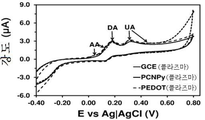
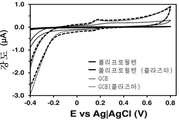
도 1. 비처리 기판 (전극)을 사용해 기록한 0.1 M 포스페이트-완충화된 염수 (PBS) 용액 중의 100 μM DA, 100 μM UA 및 100 μM AA의 컨트롤 전압전류곡선 (control voltammogram): 유리상 탄소 (GCE) bare GCE, 폴리(3,4-에틸렌다이옥시티오펜)-코팅 GCE (PEDOT) 및 폴리(N-시아노에틸피롤)-코팅 GCE (PNCPy).
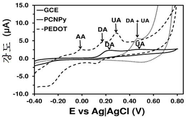
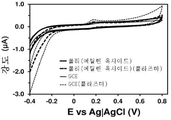
도 2. 플라즈마-공기-처리된 기판 (전극)을 사용해 기록한 0.1 M 포스페이트 완충제 (PBS) 용액 중의 100 μM DA, 100 μM UA 및 100 μM AA의 컨트롤 전압전류곡선: bare GCE, 폴리(3,4-에틸렌다이옥시티오펜)-코팅 GCE (PEDOT) 및 폴리(N-시아노에틸피롤)-코팅 GCE (PNCPy).
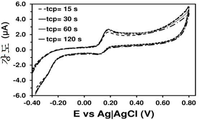
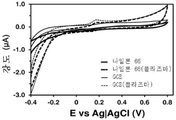
도 3. 다양한 플라즈마-공기 적용 시간 (t cp )으로 저온 플라즈마 처리를 실시하여 제조한 PEDOT-코팅 GCE에서의, 0.1 M PBS 중의 100 μM DA의 컨트롤 전압전류곡선.
도 4. 플라즈마-공기 처리된 PEDOT-코팅 GCE 및 PNCPy-코팅 GCE의 DA 검출 한계 측정.
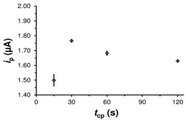
도 5. 저온 플라즈마 처리된 PEDOT-코팅 GCE의, 플라즈마 적용 시간 (t cp )에 따른 애노드 피크 강도 (anodic peak intensity, i p ) 변화.
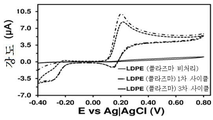
도 6. 플라즈마-공기 처리된 저-밀도 폴리에틸렌 (LDPE)-코팅 GCE 및 처리되지 않은 저-밀도 폴리에틸렌 (LDPE)-코팅 GCE에서의, 0.1 M PBS 중의 1 mM DA에 대한 컨트롤 전압전류곡선. 플라즈마-공기 처리된 전극의 1차 및 3차 사이클을 도시한 것이다.
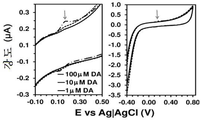
도 7. 플라즈마-공기 처리된 LPDE-코팅 GCE에서의 100, 10 및 1 μM DA에 대한 컨트롤 전압전류곡선. 우측: 컴플리트 전압전류곡선 (complete voltammogram); 좌측: DA 산화와 관련된 영역의 확대도. 모든 경우에, 스캔 속도: 100 mV/s; 최종 및 초기 전위: -0.40; 반전 전위: +0.80 V.
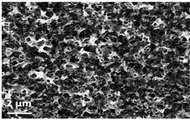
도 8. 주사 전자 현미경 (SEM)을 사용해 수득한 플라즈마 비-처리된 PEDOT-코팅 GCE의 현미경 사진.
도 9. 플라즈마 처리된 PEDOT-코팅 GCE의 SEM 현미경 사진.
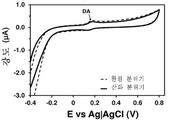
도 10. 플라즈마-공기 처리된 LDPE-코팅 GCE에서의, 뇨-유사 화합물 중의 10 μM 도파민에 대한 순환 전압전류곡선.
도 11. 플라즈마-공기 처리된 LDPE-코팅 GCE를 이용한, 뇨-유사 화합물 중의 10 μM 도파민의 산화 영역을 확대한 순환 전압전류곡선의 확대도.
도 12. 플라즈마-공기 처리된 LDPE-코팅 GCE를 이용한, 뇨-유사 화합물 중의 산화 및 환원 사이클에 따른 유레아의 산화 피크 강도.
도 13. 플라즈마-공기 처리된 LDPE-코팅 GCE를 이용한, 뇨-유사 화합물 중의 산화 및 환원 사이클에 따른 도파민의 산화 피크 강도.
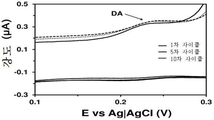
도 14. 플라즈마-공기 처리된 LDPE-코팅 GCE를 이용한, 0.1 M PBS (포스페이트-완충화된 염수, pH 7.2) 중의 10 μM DA의 산화 영역에 대한 순환 전압전류곡선의 확대도.
도 15. 플라즈마-공기 처리된 LDPE-코팅 GCE를 이용한, 0.1 M PBS (포스페이트-완충화된 염수, pH 7.2)에서의 산화 및 환원 사이클에 따른 DA의 산화 피크 강도.
도 16. 통상적인 폴리머로 코팅되고 플라즈마-공기 처리된 GCE를 이용한, DA의 절대 강도 및 피크 강도.
도 17. 통상적인 폴리머로 코팅되고 플라즈마-공기 처리된 GCE를 이용한, DA의 산화 피크 강도.
도 18. 통상적인 폴리머로 코팅되고 플라즈마-공기 처리된 GCE를 이용한, DA의 산화 전위.
도 19. 플라즈마-공기 처리된 및 처리되지 않은 아이소택틱 폴리프로필렌-코팅 GCE를 이용한 경우의, 0.1 M PBS (포스페이트-완충화된 염수, pH 7.2) 중의 10 μM DA의 산화에 대한 순환 전압전류곡선. 그 결과를 플라즈마-공기 처리 및 비처리된 GCE의 결과와 비교한다.
도 20. 플라즈마-공기 처리된 및 처리되지 않은 폴리비닐피롤리돈-코팅 (대략적인 평균 분자량: 40,000) GCE를 이용한 경우의, 0.1 M PBS (포스페이트-완충화된 염수, pH 7.2) 중의 10 μM DA의 산화에 대한 순환 전압전류곡선. 그 결과를 플라즈마-공기 처리 및 비처리된 GCE의 결과와 비교한다.
도 21. 플라즈마-공기 처리된 및 처리되지 않은 폴리(에틸렌 옥사이드)-코팅된 (대략적인 평균 분자량: 600,000) GCE를 이용한 경우의, 0.1 M PBS (포스페이트-완충화된 염수, pH 7.2) 중의 10 μM DA의 산화에 대한 순환 전압전류곡선. 그 결과를 플라즈마-공기 처리 및 비처리된 GCE의 결과와 비교한다.
도 22. 플라즈마-공기 처리된 및 처리되지 않은 폴리(4-비닐페놀)-코팅된 (대략적인 평균 분자량: 25,000) GCE를 이용한 경우의, 0.1 M PBS (포스페이트-완충화된 염수, pH 7.2) 중의 10 μM DA의 산화에 대한 순환 전압전류곡선. 그 결과를 플라즈마-공기 처리 및 비처리된 GCE의 결과와 비교한다.
도 23. 플라즈마-공기 처리된 및 처리되지 않은 폴리카프로락톤-코팅된 (대략적인 평균 분자량: 7,000) GCE를 이용한 경우의, 0.1 M PBS (포스페이트-완충화된 염수, pH 7.2) 중의 10 μM DA의 산화에 대한 순환 전압전류곡선. 그 결과를 플라즈마-공기 처리 및 비처리된 GCE의 결과와 비교한다.
도 24. 플라즈마-공기 처리된 및 처리되지 않은 nylon 66 (폴리아미드 PA 66)-코팅 GCE를 이용한 경우의, 0.1 M PBS (포스페이트-완충화된 염수, pH 7.2) 중의 10 μM DA의 산화에 대한 순환 전압전류곡선. 그 결과를 플라즈마-공기 처리 및 비처리된 GCE의 결과와 비교한다.
도 25. 플라즈마-공기 처리된 및 처리되지 않은 폴리스티렌-코팅된 (제조사 Polymer Additives) GCE를 이용한 경우의, 0.1 M PBS (포스페이트-완충화된 염수, pH 7.2) 중의 10 μM DA의 산화에 대한 순환 전압전류곡선. 그 결과를 플라즈마-공기 처리 및 비처리된 GCE의 결과와 비교한다.
도 26. 플라즈마-공기 처리된 및 처리되지 않은 폴리아크릴산-코팅된 (수중 25 중량%, 대략적인 평균 분자량: 240,000) GCE를 이용한 경우의, 0.1 M PBS (포스페이트-완충화된 염수, pH 7.2) 중의 10 μM DA의 산화에 대한 순환 전압전류곡선. 그 결과를 플라즈마-공기 처리 및 비처리된 GCE의 결과와 비교한다.
도 27. 플라즈마-공기 처리된 및 처리되지 않은 폴리(부틸렌 숙시네이트)-코팅된 (상품명 Bionolle®으로 판매됨) GCE를 이용한 경우의, 0.1 M PBS (포스페이트-완충화된 염수, pH 7.2) 중의 10 μM DA의 산화에 대한 순환 전압전류곡선. 그 결과를 플라즈마-공기 처리 및 비처리된 GCE의 결과와 비교한다.
도 28. 산화 및 환원 분위기 하에 저온 플라즈마 처리된 LDPE-코팅 GCE를 이용한 경우의, 0.1 M PBS (포스페이트-완충화된 염수, pH 7.2) 중의 10 μM DA 산화에 대한 순환 전압전류곡선.
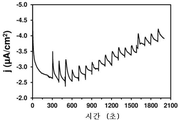
도 29. 글루코스 옥시다제 효소가 고정되고 플라즈마-공기 처리된 PEDOT-코팅 GCE를 이용한 경우, 1 mM 글루코스를 시간대전류법으로 검출하기 위한 시간 대비 전류 세기 그래프. 검출 셀로의 글루코스 주입은 300초에 개시하며, 100초마다 수행한다.
도 30. 글루코스 옥시다제 효소가 고정된, 플라즈마-공기 처리된 PEDOT-코팅 GCE를 이용한 경우, 1 mM 글루코스, 1 mM UA, 1 mM AA 및 1 mM DA를 시간대전류법으로 검출하기 위한 시간 대비 전류 세기 그래프. 검출 셀로의 글루코스 및 여러가지 간섭 물질의 주입은 500초에 개시하며, 100초마다 수행한다.
도 31. PEDOT로 코팅되고 플라즈마-공기 처리된 GCE의 글루코스 검출 한계 측정. 글루코스 옥시다제 효소가 전극 표면에 고정되었다.BRIEF DESCRIPTION OF THE DRAWINGS Other advantages and features of the present invention will become apparent from the following description of the preferred embodiments of the invention, which are set forth in a non-exclusive manner with reference to the attached drawings. The drawing shows the following.
Figure 1. Control voltammograms of 100 μM DA, 100 μM UA and 100 μM AA in 0.1 M phosphate-buffered saline (PBS) solution recorded using untreated substrate (electrode): glass-carbon (GCE ) bare GCE, poly (3,4-ethylenedioxythiophene) -coated GCE (PEDOT) and poly (N-cyanoethylpyrrole) -coated GCE (PNCPy).
Figure 2. Control voltage and current curves of 100 uM DA, 100 uM UA and 100 uM AA in 0.1 M phosphate buffer (PBS) solution recorded using a plasma-air-treated substrate (electrode): bare GCE, poly - Ethylene dioxythiophene) - Coated GCE (PEDOT) and Poly (N-cyanoethylpyrrole) - Coated GCE (PNCPy).
Figure 3. Control voltage and current curves at 100 μM DA in 0.1 M PBS in PEDOT-coated GCE prepared by cold plasma treatment at various plasma-air application times ( t cp ).
Figure 4. DA detection limits measurement of plasma-air treated PEDOT-coated GCE and PNCPy-coated GCE.
Figure 5. Change in anodic peak intensity ( i p ) with plasma application time ( t cp ) of PEDOT-coated GCE treated with low-temperature plasma.
Figure 6. Control voltage cur- rent curve for 1 mM DA in 0.1 M PBS in plasma-air treated low-density polyethylene (LDPE) -coated GCE and untreated low-density polyethylene (LDPE) -coated GCE. Lt; / RTI > illustrates the primary and tertiary cycles of a plasma-air treated electrode.
Figure 7. Control voltage cur- rent curve for 100, 10 and 1 μM DA in plasma-air treated LPDE-coated GCE. Right: Complete voltammogram; Left: enlargement of the area associated with DA oxidation. In all cases, scan rate: 100 mV / s; Final and initial potential: -0.40; Reverse potential: +0.80 V.
Figure 8. Micrograph of the plasma non-treated PEDOT-coated GCE obtained using a scanning electron microscope (SEM).
Figure 9. SEM micrographs of plasma treated PEDOT-coated GCE.
Figure 10. Circulating voltage-current curves for 10 μM dopamine in urine-like compounds in plasma-air treated LDPE-coated GCE.
Figure 11. Magnified view of cyclic voltammetric curves showing enlargement of the oxidized region of 10 μM dopamine in urine-like compounds using plasma-air treated LDPE-coated GCE.
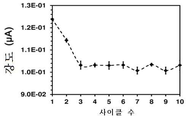
Figure 12. Oxidative peak strength of urea according to oxidation and reduction cycles in urine-like compounds using plasma-air treated LDPE-coated GCE.
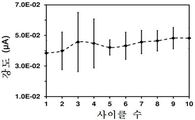
Figure 13. Oxidative peak intensity of dopamine with oxidation and reduction cycles in urine-like compounds using plasma-air treated LDPE-coated GCE.
Figure 14. Schematic enlargement of the cyclic voltammetric curve for the oxidized region at 10 μM DA in 0.1 M PBS (phosphate-buffered saline, pH 7.2) with plasma-air treated LDPE-coated GCE.
Figure 15. Oxidative peak intensity of DA with oxidation and reduction cycles in 0.1 M PBS (phosphate-buffered saline, pH 7.2) with plasma-air treated LDPE-coated GCE.
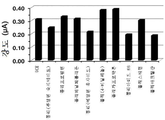
Figure 16. Absolute and peak intensities of DA using conventional polymer-coated and plasma-air treated GCE.
Figure 17. Oxidative peak intensity of DA using a conventional polymer coated and plasma-air treated GCE.
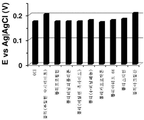
Figure 18. Oxidative potential of DA using a conventional polymer coated and plasma-air treated GCE.
19. Circulating voltage currents for oxidation of 10 [mu] M DA in 0.1 M PBS (phosphate-buffered saline, pH 7.2) with plasma-air treated and untreated isotactic polypropylene-coated GCE curve. The results are compared with the results of plasma-air treatment and untreated GCE.
20. 10 [mu] M in 0.1 M PBS (phosphate-buffered saline, pH 7.2) using plasma-air treated and untreated polyvinylpyrrolidone-coated (approximate average molecular weight: 40,000) Cyclic Voltage Curve for Oxidation of DA. The results are compared with the results of plasma-air treatment and untreated GCE.
Figure 21 shows the results of a comparison of 10 (g / mL) in 0.1 M PBS (phosphate-buffered saline, pH 7.2) using plasma-air treated and untreated poly (ethylene oxide) -coated (approximate average molecular weight: Cyclic Voltage Curve for Oxidation in μM DA. The results are compared with the results of plasma-air treatment and untreated GCE.
Figure 22. 0.1 M PBS (phosphate-buffered saline, pH 7.2) using plasma-air treated and untreated poly (4-vinyl phenol) -coated (approximate average molecular weight: 25,000) Cycle Voltage Curve for Oxidation in 10 μM DA. The results are compared with the results of plasma-air treatment and untreated GCE.
Figure 23. Comparison of 10 μM DA (0.1 M) in 0.1 M PBS (phosphate-buffered saline, pH 7.2) with plasma-air treated and untreated polycaprolactone-coated (approximate average molecular weight: 7,000) Cyclic Voltage Curve for Oxidation of. The results are compared with the results of plasma-air treatment and untreated GCE.
Figure 24. Hydrolysis of 10 μM DA in 0.1 M PBS (phosphate-buffered saline, pH 7.2) using plasma-air treated and untreated nylon 66 (polyamide PA 66) -coated GCE Cyclic voltage and current curves. The results are compared with the results of plasma-air treatment and untreated GCE.
Figure 25. Circulation for oxidation of 10 μM DA in 0.1 M PBS (phosphate-buffered saline, pH 7.2) using plasma-air treated and untreated polystyrene-coated (Polymer Additives) GCE Voltage and current curves. The results are compared with the results of plasma-air treatment and untreated GCE.
Figure 26. Comparison of 0.1 M PBS (phosphate-buffered saline, pH 7.2) with plasma-air treated and untreated polyacrylic acid-coated (25 wt% in water, approximate average molecular weight: 240,000) Cycle Voltage Curve for Oxidation in 10 μM DA. The results are compared with the results of plasma-air treatment and untreated GCE.
Figure 27. 0.1 M PBS (phosphate-buffered saline, pH 7.2) using plasma-air treated and untreated poly (butylene succinate) -coated (sold under the trade name Bionolle®) Cycle Voltage Curve for Oxidation in 10 μM DA. The results are compared with the results of plasma-air treatment and untreated GCE.
28. Cyclic voltammetric curves for 10 [mu] M DA oxidation in 0.1 M PBS (phosphate-buffered saline, pH 7.2) with low temperature plasma treated LDPE-coated GCE under oxidizing and reducing atmosphere.
Figure 29. Time versus current intensity graph for detection of 1 mM glucose by the time-of-day current method using glucose oxidase enzyme-fixed, plasma-air treated PEDOT-coated GCE. Glucose infusion into the detection cell begins at 300 seconds and is performed every 100 seconds.
Figure 30. Time-current curves for detecting 1 mM glucose, 1 mM UA, 1 mM AA, and 1 mM DA by time-of-day current method using plasma-air treated PEDOT-coated GCE with glucose oxidase enzyme immobilized Century graph. The injection of glucose and various interfering substances into the detection cell starts at 500 seconds and is performed every 100 seconds.
Figure 31. Glucose detection limit measurement of PEDOT coated and plasma-air treated GCE. Glucose oxidase enzyme was immobilized on the electrode surface.
제1부
본 발명의 놀라운 결과 중 하나는 전기화학적 DA (도파민) 센서를 제조하기 위한 매우 신속하고 효과적인 기법으로서 저온 플라즈마 (이온과 전자가 열적으로 평형을 이루지 않은 플라즈마)가 적용된다는 것이다. 본 실험은, 먼저, bare GCE 전극에 증착시킨, 2종의 전도성 폴리머, 특히 PEDOT 및 PNCPy를 이용하여 시간대전류법을 이용해 수행하였다. 이들 2종의 CP는 DA에 대한 반응이 완전히 달랐다. PNCPy를 이용한 DA, UA (요산) 및 AA (아스코르브산)의 선택적이고 동시적인 검출은, 이들 각각의 유기 물질의 산화 피크가 약하고, 서로 일부 중첩되어, 어려운 반면, PEDOT-코팅 전극이 사용된 경우에는 산화 피크들은 잘 분리된다. 필름이 금 노입자 (AuNP)로 코팅된 경우, PNMPy의 거동이 개선되어, 촉진하는 전기촉매학적 활성이 입증된다. 반면, PEDOT 전극은DA를 선택적으로 검출하는 특성은 AuNP가 병합된 이후에도 실질적으로 변화없 유지된다.One of the surprising results of the present invention is that a cold plasma (a plasma in which the ion and the electron are not thermally unbalanced) is applied as a very rapid and effective technique for producing an electrochemical DA (dopamine) sensor. This experiment was performed by using time - current method using two kinds of conductive polymers deposited on bare GCE electrodes, especially PEDOT and PNCPy. The response of DA to these two CPs was completely different. Selective and simultaneous detection of DA, UA (uric acid) and AA (ascorbic acid) using PNCPy is difficult because the oxidation peaks of these respective organic materials are weak and overlap each other, whereas when PEDOT-coated electrodes are used The oxidation peaks are well separated. When the film is coated with gold nanoparticles (AuNP), the behavior of PNMPy is improved, proving the promoting electrocatalytic activity. On the other hand, the characteristic of selectively detecting DA in the PEDOT electrode is substantially unchanged even after AuNP is incorporated.
CGE 전극 상에 애노드 중합에 의해 형성된 PEDOT 필름 및 PNCPy 필름 둘다,저온 플라즈마 표면 처리를 적용해 변형하였다 (주변 분위기 하에 코로나 플라즈마 처리, 약 0.5 J/cm2에서 2분간).Both the PEDOT film and the PNCPy film formed by the anode polymerization on the CGE electrode were modified by applying a low temperature plasma surface treatment (corona plasma treatment at about 0.5 J / cm 2 for 2 minutes under ambient atmosphere).
실온에서 0.1 M PBS (포스페이트-완충화된 염수 용액) 10 ml이 수용된 유리 셀에서 순환 전압전류곡선 (CV)을 이용하여, DA, UA 및 AA 검출 분석 (각각 100 μM)을 수행하였다. 도 1-5는 플라즈마 처리 및 비처리된 PNCPy-코팅 GCE 및 PEDOT-코팅 GCE의 전압전류 반응을 보여준다. 전압전류곡선은 비교용으로 포함시킨 bare GCE를 이용해 기록하였다. 플라즈마 처리가 전체 시스템들에서 0.70 V에서 애노드 피크 강도에 현저한 감소를 유발하지만, 이러한 효과는 3종의 분석물의 산화와 관련된 애노드 강도 (anodic intensity)에 비해 상대적으로 약한 것으로 나타나야 한다. 또한, 알 수 있는 바와 같이, 플라즈마 처리된 PEDOT 전극 및 PNCPy 전극 둘다 DA, UA 및 AA 산화를 선택적으로 검출할 수 있지만, 비-처리된 PNCPy는 이들을 서로 선택적으로 구별할 수 없다. bare GCE의 경우, 플라즈마 처리와 무관하게, 혼합물내 AA의 존재를 선택적으로 검출할 수 없다. 플라즈마 처리된 전극은, 일부 전압전류곡선에서 작거나 또는 심지어 감지할 수 없는 피크들을 식별하였다 (도 1에 화살표로 표시됨). 식별된 산화 피크들에 대해 쉬프트된, 이들 피크는, 저온 플라즈마 처리 중에 생성된 비-주류 (non-predominant) 반응성 종에 의한, AA (PNCPy, PEDOT 및 bare GCE) 또는 UA (PNCPy 단독)의 산화 공정과 관련 있다.DA, UA and AA detection assays (100 μM each) were performed using a cyclic voltammetric curve (CV) in a glass cell containing 10 ml of 0.1 M PBS (phosphate-buffered saline solution) at room temperature. 1-5 illustrate the voltage-current response of plasma treated and untreated PNCPy-coated GCE and PEDOT-coated GCE. The voltage and current curves were recorded using the bare GCE included for comparison. Although the plasma treatment causes a significant reduction in anode peak intensity at 0.70 V in all systems, this effect should appear to be relatively weak compared to the anodic intensity associated with the oxidation of the three analytes. Also, as can be seen, both the plasma-treated PEDOT electrode and the PNCPy electrode can selectively detect DA, UA, and AA oxidation, but the non-treated PNCPy can not selectively distinguish between them. In the case of bare GCE, regardless of the plasma treatment, the presence of AA in the mixture can not be selectively detected. Plasma treated electrodes identified small or even undetectable peaks in some voltage-current curves (indicated by arrows in Figure 1). These peaks, shifted relative to the identified oxidation peaks, are due to oxidation of AA (PNCPy, PEDOT and bare GCE) or UA (PNCPy alone) by non-predominant reactive species generated during the cold plasma treatment Process.
도 1 및 2는 bare GCE, PEDOT-코팅 GCE 및 PNMPy-코팅 GCE에서의, 0.1 M PBS 중의 100 μM DA, 100 μM UA 및 100 μM AA에 대한 컨트롤 전압전류곡선을 보여준다. 스캔 속도: 100 mV/s. 초기 전위 및 최종 전위: -0.40 V; 반전 전위: +0.80 V.Figures 1 and 2 show control voltage and current curves for 100 μM DA, 100 μM UA and 100 μM AA in 0.1 M PBS in bare GCE, PEDOT-coated GCE and PNMPy-coated GCE. Scan speed: 100 mV / s. Initial potential and final potential: -0.40 V; Reverse potential: +0.80 V.
중요한 문제는, 플라즈마 파워가 적용되는 시간 (t cp )이 효과적인 DA 검출에 영향이 있는 지이다. 이를 위해, PEDOT-코팅 GCE를 여러가지 t cp 값 (즉, 15-120초)으로 처리하였다. 도 3은 처리된 전극에서의 0.1 M PBS 중의 100 μM DA에 대한 전압전류곡선을 비교 도시한다. 도에서 알 수 있는 바와 같이, t cp 는 산화 피크 전위에 대한 영향력은 0이다 (전체 사례들에서, E=0.176 V). 마찬가지로, t cp 는 애노드 피크 강도 (ip)에 거의 영향이 없다. 이는, 4종의 샘플을 고려한 ip의 평균을 t cp 에 따라 도시한 도 5에서 나타난다. 따라서, t cp 가 15초에서 120초로 증가함에 따라 ip는 1.50에서 1.63 μA로 증가한다. 이러한 결과에 따라, t cp 는 15초를 초과할 경우에는 검출 공정의 결정적인 인자가 아니다.An important problem is whether the time ( t cp ) at which the plasma power is applied affects the effective DA detection. For this, the PEDOT-coated GCE was treated with various t cp values (i.e., 15-120 seconds). Figure 3 compares the voltage-current curves for 100 [mu] M DA in 0.1 M PBS at the treated electrode. As can be seen, t cp has an influence on the oxidation peak potential of 0 (in all cases, E = 0.176 V). Similarly, t cp has little influence on the anode peak intensity (i p ). This is shown in Fig. 5 which shows the average of i p considering four samples according to t cp . Thus, as t cp increases from 15 to 120 seconds, i p increases from 1.50 to 1.63 μA. Based on these results, t cp is not a crucial factor in the detection process if it exceeds 15 seconds.
도 4는 스캔 속도 50 mV·s-1로 CV를 이용하여 저온 플라즈마 처리한 PEDOT- 및 PNCPy-코팅 GCE의 DA 검출 한계 (UA 및 AA가 없는 조건) 측정을 도시한 것이다. 결과는 0.1 M PBS 10 ml 중의 DA 10 ㎕를 첨가한 표준 결과로부터 유추하였다 (DA 0.5 μM에서 100 μM의 선형 범위). 애노드 피크 강도 (ip)는 2종의 전극에서 DA 농도에 따라 증가한다. 0.5 - 5 μM (박스)로 구성된 DA 농도에 대한 캘리브레이션 곡선으로 구한, 검출 한계는, PEDOT 및 PNCPy의 경우, 각각 140 - 750 nM이었다. 이들 수치는 비처리 샘플에서 수득한 수치 보다 현저하게 낮으며, 분해능에만 그치지 않는 개선이 입증된다 (특히 PNCPy).Figure 4 shows the DA detection limits (conditions without UA and AA) of PEDOT- and PNCPy-coated GCEs treated with low temperature plasma using CV at a scan rate of 50 mV · s -1 . The results were derived from the standard results (10 μl of DA in 0.1 ml of PBS, 10 μl) (linear range from 0.5 μM to 100 μM). The anode peak intensity (ip) increases with the DA concentration in the two kinds of electrodes. The detection limit, determined by the calibration curves for DA concentration comprised of 0.5 - 5 μM (box), was 140 - 750 nM for PEDOT and PNCPy, respectively. These values are significantly lower than those obtained from the untreated samples, demonstrating improvements not only in resolution (especially PNCPy).
실험 방법:Experimental Method:
재료. 분석용 시약 등급의, 3,4-에틸렌다이옥시티오펜 (EDOT), N-(2-시아노에틸)피롤 (NCPy), 아세토니트릴, 무수 리튬 퍼클로레이트 염 (LiCIO4), DA 하이드로클로라이드 (3-하이드록시티라민 하이드로클로라이드), AA (L-배위, 결정질), UA (결정질). Sigma Aldrich (스페인) 사에서 입수한 모든 시약들은 추가로 정제하지 않고 사용하였다. NaCI, KCI, NaHPO4 및 KH2PO4의 원액 4종을 혼합하여, pH=7.4의 0.1 M 포스페이트 완충제 용액 (PBS)을 전해질 용액으로 준비하였다. 제조한 수용액에서 공기를 제거하기 위해 고 순도 질소를 이용하였다.material. (EDOT), N- (2-cyanoethyl) pyrrole (NCPy), acetonitrile, anhydrous lithium perchlorate salt (LiCIO 4 ), DA hydrochloride (3- Hydroxy thiamine hydrochloride), AA (L-coordination, crystalline), UA (crystalline). All reagents from Sigma Aldrich (Spain) were used without further purification. NaCI, KCI, NaHPO 4 and KH 2 PO 4 were mixed and a 0.1 M phosphate buffer solution (PBS) of pH = 7.4 was prepared as an electrolyte solution. High purity nitrogen was used to remove air from the prepared aqueous solution.
전도성 폴리머 합성. 질소 분위기 (순도 99.995%) 하에, 25℃에서 2-구획, 3-전극 셀을 사용하여, 정전위 1.40 V에서 시간대전류법 (CA)을 이용해, PEDOT 필름 및 PNCPy 필름을 제조하였다. 직경 2 mm의 bare 유리상 탄소 전극 (GCE)을 작동 전극으로 사용하였으며, 면적 1 cm2의 AISI 316 스틸 시트를 상대 전극으로 사용하였다. 유리상 탄소 전극의 표면을 알루미나 분말로 폴리싱 처리하고, 초음파처리하여 클리닝한 다음 폴리머를 증착시켰다. 기준 전극은, 전해질 용액이 함유된 식염수 브릿지를 통해 작동 구획과 연결된, KCI 포화 수용액을 함유한 Ag|AgCI 전극이다 (E°=0.222 V vs. 표준 수소 전극, 25℃). 모든 전기화학적 실험은, NOVA 1.6 소프트웨어로 제어되는 컴퓨터와 연결된, 매우 낮은 전류 강도 (100 μA-100 pA)를 측정하기 위한 ECD 모듈이 장착된 AUTOLAB PGSTAT302N potentiostat-galvanostat (Ecochimie, 네덜란드)에서 수행하였다. Conductive polymer synthesis . A PEDOT film and a PNCPy film were prepared using a 2-compartment, 3-electrode cell at 25 ° C under a nitrogen atmosphere (purity 99.995%) using a time-of-field current method (CA) at a constant potential of 1.40 V. A bare glass carbon electrode (GCE) with a diameter of 2 mm was used as the working electrode and an AISI 316 steel sheet with an area of 1 cm 2 was used as a counter electrode. The surface of the glassy carbon electrode was polished with alumina powder, ultrasonically cleaned, and polymer was deposited. The reference electrode is an Ag | AgCI electrode ( E ° = 0.222 V vs. standard hydrogen electrode, 25 ° C) containing a KCI saturated aqueous solution, connected to the working section through a saline bridge containing the electrolyte solution. All electrochemical experiments were performed on AUTOLAB PGSTAT302N potentiostat-galvanostat (Ecochimie, Netherlands) equipped with ECD module for measuring very low current intensity (100 μA-100 pA) connected to a computer controlled with NOVA 1.6 software.
0.1 M LiCIO4가 첨가된 아세토니트릴 중의 모노머 용액 10 mM과 6-10초 범위의 중합 기간을 이용하여, PEDOT 필름 및 PNCPy 필름을 각각 수득하였다.A monomer solution in acetonitrile to which 0.1 M LiCIO 4 was added. Using a polymerization time in the range of 10 mM and 6-10 seconds, a PEDOT film and a PNCPy film were obtained, respectively.
저온 플라즈마 처리. PEDOT-코팅 GCE 및 PNCPy-코팅 GCE를, Electro-Technic Products 사의 BD-20AC를 사용해 주변 분위기 하 코로나 방전을 적용하여, 제조하였다. BD-20AC는 MHz 범위에서 매우 높은 주파수를 작동시켜, 폴리머 표면 처리에 사용되는 전극 주위로 전기장을 형성시켰다. 유닛은 파워 제어 유닛과 별도의 고-전압 핸들로 구성된다. 다른 모델과 구별되는 점은, 4.5 MHz의 고 주파에서 10,000 내지 45,000 V 범위의 조정가능한 고 전압 출력이 발생된다는 것이다. 모든 경우에 4.5 MHz 고주파에서 스프링 팁 와이어 전극과 45,000 V 전압을 사용해, 폴리머에 처리하였다. 플라즈마 처리 후, 코팅 GCE 전극을 24시간 동안 DA 검출 실험에 사용하였다.Low temperature plasma treatment. PEDOT-coated GCE and PNCPy-coated GCE were prepared by applying a corona discharge under ambient atmosphere using BD-20AC from Electro-Technic Products. The BD-20AC operates at very high frequencies in the MHz range, creating an electric field around the electrodes used for polymer surface treatment. The unit consists of a power control unit and a separate high-voltage handle. What distinguishes it from other models is that an adjustable high voltage output in the range of 10,000 to 45,000 V occurs at a high frequency of 4.5 MHz. In all cases, the polymer was treated with a spring tip wire electrode and a voltage of 45,000 V at 4.5 MHz high frequency. After the plasma treatment, the coated GCE electrode was used for the DA detection experiment for 24 hours.
DA를 검출하기 위한 전기화학적 측정. 전기화학적 검출은 상기에 언급한 Autolab PGSTAT302N 장치를 사용해 순환 전압전류곡선 (CV)으로 수행하였다. 모든 전기화학적 실험은, 기준 전극으로서 포화된 Ag|AgCI와 상대 전극으로서 백금 (Pt) 와이어가 장착되고 0.1 M PBS (pH=7.4) 10 ml이 수용된 유리 셀에서 수행하였다. 전압전류곡선은, 스캔 속도가 명시적으로 지정되지 않은 한, 스캔 속도 50 mV·s- 1으로 -0.40 내지 0.80 V 범위의 전위 간격으로, 기록하였다. 모든 전극은 전해질 용액과 CV 측정 전 5분간 접촉시켰다.Electrochemical measurement for detecting DA. Electrochemical detection was carried out with the cyclic voltammetric curves (CV) using the Autolab PGSTAT302N device mentioned above. All electrochemical experiments were carried out in glass cells fitted with saturated Ag | AgCI as reference electrode and 10 ml of 0.1 M PBS (pH = 7.4) fitted with platinum (Pt) wires as counter electrodes. Voltage-current curves, the scan rate 50 mV · s scan rate is not explicitly specified - the first electric potential to the interval of -0.40 to 0.80 V range, were recorded. All electrodes were contacted with electrolyte solution for 5 minutes before CV measurement.
제2부
개념 증명으로서, 비용 대비 고효율의 전기화학적 불활성 폴리머, 즉 저-밀도 폴리에틸렌으로 코팅된 GCE가 적용된 센서를 제조하여, 검증하였다. 저-밀도 폴리에틸렌 (LDPE)을, 용액 (95℃에서 다이클로로벤젠 10 ml에 LDPE 34.4 mg을 첨가하여 4시간 동안 교반하여 용해한 용액)을 이용해 GCE 상에 증착시켰다. 저온 플라즈마 처리하지 않은 LDPE-코팅 GCE의 경우, 1 mM DA가 첨가된 0.1 M PBS 용액에서 기록된 순환 전압전류곡선에서 어떠한 산화 피크도 관찰되지 않았으며 (도 6), 이는 예상한 바와 같이, LDPE로는 신경전달물질을 검출할 수 없다는 것을 의미한다. 반면, 동일한 방식으로 제조하지만 1분간 저온 플라즈마 처리한 전극에서는, 기록된 전압전류곡선에서 DA 산화에 해당되는 0.20 V에서 상당한 전위 (considerable potential)가 관찰되었다 (도 6). 시냅스에서 추정된 DA의 농도가 1.6 mM인 것을 감안하면, 이러한 결과는, 유기 매트릭스를 단순 플라즈마-공기 처리와 조합함으로써 효과적인 검출기를 제조할 수 있음을 입증해준다. 또한, 이 검출기는, 3번의 연속적인 산화-환원 사이클 (즉, 검출 사이클) 이후에 불과 ~2 μA만 감소하므로, 매우 안정적이다.As a proof of concept, we have fabricated and tested a sensor with GCE coated with a highly cost-effective electrochemically inert polymer, low-density polyethylene. Low-density polyethylene (LDPE) was deposited on GCE using a solution (solution in which 34.4 mg of LDPE was added to 10 ml of dichlorobenzene at 95 캜 with stirring for 4 hours). In the case of LDPE-coated GCE without cold plasma treatment, no peak of oxidation was observed in the cyclic voltammetric curve recorded in a 0.1 M PBS solution containing 1 mM DA (Fig. 6) Means that a neurotransmitter can not be detected. On the other hand, in the electrodes manufactured in the same manner but subjected to the low-temperature plasma treatment for 1 minute, a considerable potential was observed at 0.20 V corresponding to the DA oxidation in the recorded voltage-current curve (FIG. Given that the estimated DA concentration at synapses is 1.6 mM, these results demonstrate that an effective detector can be prepared by combining an organic matrix with a simple plasma-air treatment. In addition, this detector is very stable, since it reduces only ~ 2 μA after three consecutive oxidation-reduction cycles (ie, detection cycles).
도 6은 LDPE-코팅 GCE에서 0.1 M PBS 중의 1 mM DA에 대한 컨트롤 전압전류곡선을 보여준다. 비처리 전극 (실선) 및 저온 플라즈마 처리 전극 (―·: 1차 검출 사이클; ――·: 3차 검출 사이클)을 사용하여 전압전류곡선을 기록하였다 (스캔 속도: 100 mV/s. 초기 전위 및 마지막 전위: -0.40 V; 반전 전위: +0.80 V). 알 수 있는 바와 같이, 단순 플라즈마-공기 처리된 LDPE-코팅 전극은 수회 사이클 동안에 시냅스에서 추정되는 바와 유사한 DA 농도를 검출할 수 있다.Figure 6 shows the control voltage cur- rent curve for 1 mM DA in 0.1 M PBS in LDPE-coated GCE. The voltage and current curves were recorded using an untreated electrode (solid line) and a low-temperature plasma-treated electrode (-: primary detection cycle; -: tertiary detection cycle) (scan rate: 100 mV / Final potential: -0.40 V; inversion potential: +0.80 V). As can be seen, the simple plasma-air treated LDPE-coated electrode can detect a DA concentration similar to that estimated at the synapse during several cycles.
DA 농도 100, 10 및 1 μM에서, 저온 플라즈마 처리된 LDPE-코팅 GCE로 추가적인 분석을 수행하였다. 도 7에 나타낸 결과는, DA 분자의 산화가 100 μM 용액에서 명확한 산화 피크로서 검출되었음을 보여준다 (ip=0.033 μA, E=0.007 μA, E=0.164 V). 불행하게도, 신경전달물질은 1 μM 농도에서 거의 감지할 수 없었지만, 도 7에 도시된 결과는 전극의 단순성을 감안하면 매우 기대되는 결과이다. 즉, 외층 위에 AuNP가 코팅된 PEDOT (외층 및 내층) 및 폴리(N-메틸피롤) (유전 효과 (dielectric effect)를 발생시키기 위한 중간층)으로 제작된 정교한 3층 필름에서 DA의 전기화학적 검출 한계가 2 μM인 반면, CP 코팅된 GCE, 특히 DA를 검출하기 위해 설계된 CP 코팅된 GCE, 즉, 폴리(하이드록시메틸-3,4-에틸렌다이옥시티오펜)의 한계는 약간 더 높다는 것이 부각되었다.At DA concentrations of 100, 10 and 1 [mu] M, further analysis was performed with low temperature plasma treated LDPE-coated GCE. The results shown in Fig. 7 show that the oxidation of the DA molecule was detected as a definite oxidation peak in the 100 μM solution (i p = 0.033 μA, E = 0.007 μA, E = 0.164 V). Unfortunately, neurotransmitters were hardly detectable at a concentration of 1 [mu] M, but the results shown in Figure 7 are highly promising results, given the simplicity of the electrode. That is, in a sophisticated three-layer film made of PEDOT (outer layer and inner layer) coated with AuNP on the outer layer and poly (N-methylpyrrole) (middle layer for generating the dielectric effect), the electrochemical detection limit of
플라즈마 처리 및 비처리된 PEDOT-코팅 GCE의 표면을 주사 전자 현미경 (SEM) 및 에너지 분산형 X-선 분광분석법 (EDX)으로 조사하였다. 도 8 및 9는, 플라즈마 처리 및 비처리된 PEDOT-코팅 GCE들 각각의 SEM 현미경 사진을 보여준다. C, S, O 및 Cl (염소는 퍼클로레이트 도펀트에 기인함)을 함유한 비처리 샘플의 상대적으로 압축된 형태 (도 8)는 C 및 O로만 구성된 활성 종의 다공성 네트워크로 전환된다 (도 10). 따라서, 플라즈마 처리된 폴리머-코팅 GCE의 전기화학적 활성은 아마도 기본적으로 표면에 병합된, 잠재적으로 산화된 분석물과 환원된 분석물을 검출하는 역할을 하는, 활성 종들에 기인한 것일 수 있다. 비슷한 특징은 LDPE-코팅 GCE에서도 관찰되었다.The surface of the plasma treated and untreated PEDOT-coated GCE was examined by scanning electron microscopy (SEM) and energy dispersive X-ray spectroscopy (EDX). Figures 8 and 9 show SEM micrographs of each of the plasma treated and untreated PEDOT-coated GCEs. The relatively compact form (Figure 8) of untreated samples containing C, S, O, and Cl (chlorine due to the perchlorate dopant) is converted to a porous network of active species consisting only of C and O (Figure 10) . Thus, the electrochemical activity of the plasma-treated polymer-coated GCE may be due to active species, which may serve basically to detect potentially oxidized analytes and reduced analytes incorporated into the surface. Similar features were also observed in LDPE-coated GCE.
제3부
1. 플라즈마 처리된 GCE-LDPE: 안정성 및 뇨-유사 화학제 중의 10 μM DA 검출.1. Plasma treated GCE-LDPE: 10 μM DA detection in stability and urine-like chemistry.
뇨-유사 화학제의 pH는 6.2이고, 화학 조성은 하기에 열거한다:The pH of the urine-like chemical is 6.2 and the chemical composition is listed below:
도 11은 플라즈마-공기 처리된 LDPE-코팅 GCE를 이용한 경우, 뇨-유사 화학제 중의 10 μM 도파민의 산화 영역에서의 순환 전압전류곡선을 확대한 것이다. 도 10은 순환 전압전류곡선의 전체 스캔 (complete scan)을 도시한 것이다. 도파민의 산화 전위는 0.230-0.237 V이고, 우레아 및 다른 성분의 산화 전위는 0.418-0.425 V이다.11 is an enlargement of the cyclic voltammetric curve in the oxidation region of 10 [mu] M dopamine in the urine-like chemistry when plasma-air treated LDPE-coated GCE is used. Figure 10 shows a complete scan of the cyclic voltage-current curve. The oxidation potential of dopamine is 0.230-0.237V, and the oxidation potential of urea and other components is 0.418-0.425V.
도 12는 플라즈마-공기 처리된 LDPE-코팅 GCE를 이용한 경우, 뇨-유사 화학제 중의 유레아 및 그외 화합물의 산화 사이클 및 환원 사이클에서의 산화 피크 강도를 도시한 것이다. 유레아 및 그외 화합물의 산화 전위는 0.418 내지 0.425 V이다. 시스템에 적용된 총 사이클 수는 10회이다. 산화/환원 사이클 10회 이후의 강도 감소는 약 18%이다.Figure 12 shows the oxidation cycles and the oxidation peak intensities in the reduction cycles of urea and other compounds in the urine-like chemistry when using the plasma-air treated LDPE-coated GCE. The oxidation potential of urea and other compounds is 0.418 to 0.425 V. The total number of cycles applied to the system is 10 times. The reduction in strength after 10 cycles of oxidation / reduction is about 18%.
도 13은 플라즈마-공기 처리된 LDPE-코팅 GCE를 이용한 경우, 뇨-유사 화학제 중의 도파민의 산화 사이클 및 환원 사이클에서의 산화 피크 강도를 도시한 것이다. 도파민의 산화 전위는 0.230 내지 0.237 V이다. 시스템에 적용된 총 사이클 수는 10회이다. 이 경우, 산화/환원 사이클 10회 후, 강도 감소는 없었지만, 실제 25% 증가한다.13 shows the oxidation cycle of dopamine in the urine-like chemical and the oxidation peak intensity in the reduction cycle when the plasma-air treated LDPE-coated GCE is used. The oxidation potential of dopamine is 0.230 to 0.237 V. The total number of cycles applied to the system is 10 times. In this case, there was no decrease in strength after 10 cycles of oxidation / reduction but it actually increased by 25%.
2. 플라즈마 처리된 GCE-LDPE: 안정성 및 PBS 중의 10 μM DA 검출.2. Plasma treated GCE-LDPE: stability and 10 μM DA detection in PBS.
도 14는 플라즈마-공기 처리된 LDPE-코팅 GCE를 이용한 경우, 0.1 M PBS (포스페이트-완충화된 염수, pH 7.2) 중의 10 μM 도파민의 산화 영역에서의 순환 전압전류곡선을 확대한 것이다. 삽입도는 순환 전압전류곡선의 전체 스캔을 도시한 것이다. 도파민의 산화 전위는 0.171 내지 0.174 V이다.14 is an enlargement of the cyclic voltammetric curve in the oxidation region of 10 [mu] M dopamine in 0.1 M PBS (phosphate-buffered saline, pH 7.2) using plasma-air treated LDPE-coated GCE. The inset shows a full scan of the cyclic voltage-current curve. The oxidation potential of dopamine is 0.171 to 0.174 V.
도 15는 플라즈마-공기 처리된 LDPE-코팅 GCE를 이용한 경우, 0.1 M PBS (포스페이트-완충화된 염수, pH 7.2) 중의 도파민의 산화 사이클 및 환원 사이클에서의 산화 피크 강도를 도시한 것이다. 도파민의 산화 전위는 0.171 내지 0.174 V이다. 시스템에 적용된 총 사이클 수는 10회이다. 산화/환원 사이클 10회 이후의 강도 감소는 약 17%이다.15 shows the oxidation cycle of dopamine and the oxidation peak intensity in the reduction cycle in 0.1 M PBS (phosphate-buffered saline, pH 7.2) using plasma-air treated LDPE-coated GCE. The oxidation potential of dopamine is 0.171 to 0.174 V. The total number of cycles applied to the system is 10 times. The reduction in strength after 10 cycles of the oxidation / reduction cycle is about 17%.
3. 폴리에틸렌이 첨가된 다른 기판3. Another substrate to which polyethylene is added
무기 염기 기판, 즉 탄소가 풍부하지 않은 기판 (즉, 기판 총 중량에 대해 탄소 함량이 50 중량% 미만임)을 테스트하였다. 구체적으로, 저-밀도의 폴리에틸렌이 각각 코팅된, ITO (인듐 주석 산화물) 기판 및 AISI 316 스테인리스 스틸 기판을 테스트하였다. 이들 경우에, 플라즈마 처리가 기판에 부정적으로 작용하여, 우호적인 결과들이 수득되지 않는다.An inorganic base substrate, i. E., A substrate that is not carbon rich (i. E., Has a carbon content of less than 50 wt% based on the total weight of the substrate) was tested. Specifically, ITO (indium tin oxide) substrates and AISI 316 stainless steel substrates coated with low-density polyethylene, respectively, were tested. In these cases, the plasma treatment negatively affects the substrate, and favorable results are not obtained.
4. 다른 폴리머4. Other polymers
LDPE와 동일한 조건에서 플라즈마 처리된 및 처리하지 않은 GCE에 다른 통상적인 폴리머를 적용하여, PBS 중의 10 μM DA 검출에 대해 평가하였다. 아래 표는 필름 제조에 사용된 분석 폴리머, 용매 및 폴리머 양을 나타낸다.Other conventional polymers were applied to plasma treated and untreated GCE under the same conditions as LDPE and evaluated for 10 [mu] M DA detection in PBS. The table below shows the amount of analyte polymer, solvent, and polymer used in the film production.


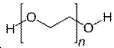
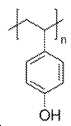

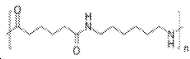


아래 표는, 통상적인 폴리머가 코팅되고 저온 플라즈마 (산화 분위기) 처리된 GCE에서의, 강도, abs (절대값, 베이스라인 없음) 및 Ipeak (베이스라인 존재) 및 0.1 M PBS 중의 10 μM 도파민 검출시 수득한 산화 전위를 나타낸다.The table below shows the values for the intensity, abs (no absolute value, no baseline) and Ipeak (baseline present) and 10 μM dopamine detection in 0.1 M PBS, in a GCE coated with a conventional polymer and in a low temperature plasma And the obtained oxidation potential.
도 16-27은 수득한 결과들을 도시한다. 도에서 알 수 있는 바와 같이, 다른 통상적인 폴리머에 플라즈마-공기 처리는 LDPE에서 수득되는 효과와 비슷한 효과를 발휘한다.Figures 16-27 show the results obtained. As can be seen, the plasma-air treatment on other conventional polymers has an effect similar to that obtained with LDPE.
5. 비-산화 분위기5. Non-oxidizing atmosphere
상기한 조건에 따라 수득한 LDPE-코팅 GCE를, 비-산화 분위기, 특히 N2 분위기에서 사용하여 분석하였다.The LDPE-coated GCE obtained under the above conditions was analyzed using a non-oxidizing atmosphere, in particular an N 2 atmosphere.
수득한 결과는 도 29 및 아래 표에 나타낸다:The results obtained are shown in Figure 29 and the following table:
알 수 있는 바와 같이, 저온 플라즈마 처리시 비-산화 분위기 사용은 산화 분위기에서 나타난 결과와 비슷한 효과를 나타낸다.As can be seen, the use of a non-oxidizing atmosphere during the low-temperature plasma treatment exhibits an effect similar to that exhibited in an oxidizing atmosphere.
제4부
인간 체내 글루코스 수준 모니터링은 전세계적으로 공중 보건에 문제가 되고 있는 당뇨병을 진단 및 치료하는데 기본이다. 또한, 분석물 농도 변화 검출을 통한 글루코스 대사 모니터링으로 뇌 질환, 예를 들어 종양 및 뇌 손상의 치료를 개선할 수 있다. 또한, 식품 가공, 발효 및 바이오-연료 전지 산업에서 글루코스 검출은 매우 중요한 일이다.Monitoring human glucose levels is fundamental to diagnosing and treating diabetes worldwide, which is a problem in public health. In addition, monitoring glucose metabolism through analyte concentration change detection can improve the treatment of brain disorders such as tumor and brain damage. In addition, glucose detection in the food processing, fermentation and bio-fuel cell industries is very important.
본 발명의 또 다른 놀라운 결과는 CGE 상에 증착된 폴리머 필름에 저온 플라즈마 표면 처리 (주위 분위기에서 2분간 약 0.5 J/cm2로 코로나 플라즈마)를 적용하여, 전기화학적 글루코스 센서를 제조한다는 것이다.Another surprising result of the present invention is the application of low temperature plasma surface treatment (corona plasma at about 0.5 J / cm 2 for 2 minutes in an ambient atmosphere) to a polymer film deposited on CGE to produce an electrochemical glucose sensor.
PNCPy를 이용한 DA, UA (요산) 및 AA (아스코르브산)의 선택적이고 동시적인 검출은, 각 유기 물질의 산화 피크가 약하고, 서로 일부 중첩되기 때문에, 어려운 일이지만, PEDOT-코팅 전극을 사용한 경우에는 산화 피크들이 잘 분리된다. 필름을 금 나노입자 (AuNP)로 코팅하면, PNMPy의 거동이 개선되며, 이는 촉진하는 전기촉매학적 활성이 입증된다. 반면, DA를 선택적으로 검출하기 위한 PEDOT 전극의 특성은 AuNP가 병합된 이후에도 사실상 변동없이 유지된다.The selective and simultaneous detection of DA, UA (uric acid) and AA (ascorbic acid) using PNCPy is difficult because the oxidation peaks of each organic material are weak and overlap each other, but when PEDOT-coated electrodes are used The oxidation peaks are well separated. Coating of the film with gold nanoparticles (AuNP) improves the behavior of PNMPy, which demonstrates the electrocatalytic activity promoting it. On the other hand, the characteristics of the PEDOT electrode for selective detection of DA remain virtually unchanged even after AuNP is incorporated.
CGE 전극 상에 애노드 중합에 의해 형성된 PEDOT 필름 및 PNCPy 필름을 저온 플라즈마 표면 처리 (주위 분위기에서 2분간 약 0.5 J/cm2로 코로나 플라즈마)를 적용하여, 변형시켰다. 간섭 물질 (1 mM DA, UA 및 AA)의 존재 및 부재 하에, 실온에서 시간대전류법으로, 글루코스 검출 분석을 수행하였다. 도 29-30은 플라즈마 처리된 PEDOT-코팅 GCE의 시간대전류 반응을 도시한다. 알 수 있는 바와 같이, 플라즈마 처리된 전극은 글루코스 산화를 선택적으로 검출할 수 있다. 도 31은 PEDOT로 코팅되고 저온 플라즈마 처리된 GCE의 글루코스 검출 한계를 시간대전류법으로 측정한 결과를 도시한다. 그 결과는 글로코스의 순차적인 표준 주입으로부터 유추하였다. 글루코스 최고 농도 14 mM으로 수득한 캘리브레이션 곡선을 사용해 결정된 검출 한계는 1 mM이었다.The PEDOT film and the PNCPy film formed by the anode polymerization on the CGE electrode were subjected to low temperature plasma surface treatment (corona plasma at about 0.5 J / cm 2 for 2 minutes in an ambient atmosphere). Glucose detection assays were performed in the presence and absence of interfering substances (1 mM DA, UA and AA) at room temperature in a time-of-current fashion. 29-30 illustrate the time-domain current response of the plasma-treated PEDOT-coated GCE. As can be seen, the plasma treated electrode can selectively detect glucose oxidation. 31 shows the results of measurement of the glucose detection limit of GCE coated with PEDOT and subjected to low-temperature plasma treatment by the time-of-day current method. The results were inferred from sequential standard injection of Glucose. The detection limit determined using a calibration curve obtained at a glucose maximal concentration of 14 mM was 1 mM.
결론적으로, 몇가지 매우 단순한 방법을, 예를 들어, DA 또는 글루코스를 전기화학적으로 검출하기 위해, 기술하였다. 이들 방법으로, 예를 들어, CP 코팅에 AuNP의 병합, 다층 AP 화합물의 제조 또는 모노머의 관능화 등의, 정교한 화학적 변형을 이용해 달성되는 바와 비슷한 분리능 및 민감도를 가진 센서를 제조하게 되었다. 아울러, 이러한 새로운 방법은, CP 뿐만 아니라 예를 들어 LDPE와 같은 그외 전기화학적 비-활성 폴리머로 된 층에 적용하는 경우에도, 성공적인 것으로, 입증되었다. 이는, 민감성 검출기, 예를 들어, DA 검출기, 글루코스 검출기 등을 제조하는 신속하고, 용이하며, 간단한 방법을 제공하여, 비용-고 효율적인 진단 테스트로서 사용할 수 있다.In conclusion, several very simple methods have been described, for example electrochemically detecting DA or glucose. In these ways, for example, a sensor with similar resolution and sensitivity as achieved by using sophisticated chemical modifications, such as the incorporation of AuNP into CP coating, the preparation of multi-layer AP compounds or the functionalization of monomers, has been made. In addition, this new method has proven to be successful, even when applied to layers not only of CP but also of other electrochemical non-active polymers such as LDPE. This provides a quick, easy and straightforward method of producing sensitive detectors, e. G. DA detectors, glucose detectors, etc., and can be used as a cost-effective diagnostic test.
Claims (44)
- 기판의 총 중량에 대해 탄소 함량이 50 중량% 이상인 탄소-풍부 기판 (carbon-rich substrate)을, 유기 폴리머로 코팅하는 단계,
- 상기 코팅에 저온 플라즈마 처리 (cold plasma treating)를 적용하는 단계.A coating method of an electrochemical sensor, comprising the steps of:
- coating a carbon-rich substrate having a carbon content of at least 50% by weight based on the total weight of the substrate with an organic polymer,
Applying cold plasma treating to the coating.
상기 플라즈마가 대기압 플라즈마 (atmospheric plasma)인, 방법.The method according to claim 1,
Wherein the plasma is an atmospheric plasma.
상기 플라즈마가 진공 플라즈마인, 방법.The method according to claim 1,
Wherein the plasma is a vacuum plasma.
상기 플라즈마가 산소, 질소 또는 기타 불활성 기체 분위기에서의 0.1 mJ/cm2 내지 100 J/cm2 범위의 코로나 에너지 플라즈마인, 방법.The method according to claim 1,
Wherein the plasma is a corona energy plasma in the range of 0.1 mJ / cm 2 to 100 J / cm 2 in an oxygen, nitrogen or other inert gas atmosphere.
상기 유기 폴리머가 전기화학적 비-활성 폴리머 (non-electrochemically active polymer)인, 방법5. The method according to any one of claims 1 to 4,
Wherein the organic polymer is a non-electrochemically active polymer.
상기 유기 폴리머가 폴리에틸렌인, 방법.5. The method according to any one of claims 1 to 4,
Wherein the organic polymer is polyethylene.
상기 유기 폴리머가 폴리(테트라메틸렌-숙시네이트)인, 방법.5. The method according to any one of claims 1 to 4,
Wherein the organic polymer is poly (tetramethylene-succinate).
상기 유기 폴리머가 폴리프로필렌인, 방법.5. The method according to any one of claims 1 to 4,
Wherein the organic polymer is polypropylene.
상기 유기 폴리머가 폴리비닐피롤리돈인, 방법.5. The method according to any one of claims 1 to 4,
Wherein the organic polymer is polyvinylpyrrolidone.
상기 유기 폴리머가 폴리에틸렌 옥사이드인, 방법.5. The method according to any one of claims 1 to 4,
Wherein the organic polymer is polyethylene oxide.
상기 유기 폴리머가 폴리(4-비닐페놀)인, 방법.5. The method according to any one of claims 1 to 4,
Wherein the organic polymer is poly (4-vinylphenol).
상기 유기 폴리머가 폴리카프로락톤인, 방법.5. The method according to any one of claims 1 to 4,
Wherein the organic polymer is polycaprolactone.
상기 유기 폴리머가 폴리아미드 PA 66인, 방법.5. The method according to any one of claims 1 to 4,
Wherein the organic polymer is a polyamide PA 66.
상기 유기 폴리머가 폴리스티렌인, 방법.5. The method according to any one of claims 1 to 4,
Wherein said organic polymer is polystyrene.
상기 유기 폴리머가 폴리아크릴산인, 방법.5. The method according to any one of claims 1 to 4,
Wherein the organic polymer is a polyacrylic acid.
상기 유기 폴리머가 셀룰로스인, 방법.5. The method according to any one of claims 1 to 4,
Wherein said organic polymer is cellulose.
상기 유기 폴리머가 전기화학적 활성 폴리머인, 방법.5. The method according to any one of claims 1 to 4,
Wherein the organic polymer is an electrochemically active polymer.
상기 유기 폴리머가 폴리(3,4-에틸렌다이옥시티오펜)인, 방법.5. The method according to any one of claims 1 to 4,
Wherein the organic polymer is poly (3,4-ethylenedioxythiophene).
상기 유기 폴리머가 폴리(N-시아노에틸피롤)인, 방법.5. The method according to any one of claims 1 to 4,
Wherein the organic polymer is poly ( N -cyanoethylpyrrole).
상기 플라즈마의 처리 시간이 1초 보다 길고, 바람직하게는 15초 보다 긴, 방법.20. The method according to any one of claims 1 to 19,
Wherein the treatment time of the plasma is longer than 1 second, preferably longer than 15 seconds.
상기 플라즈마의 처리 시간이 120초 미만인. 방법.21. The method according to any one of claims 1 to 20,
Wherein the processing time of the plasma is less than 120 seconds. Way.
상기 탄소-풍부 기질이 흑연, 유리상 탄소 (glassy carbon), 나노구조 탄소 및 플러렌 (fullerene)으로 이루어진 군으로부터 선택되는 물질이고,
상기 나노구조 탄소가, 바람직하게는 그래핀 (graphene) 또는 탄소 나노튜브인, 방법.22. The method according to any one of claims 1 to 21,
Wherein the carbon-rich substrate is a material selected from the group consisting of graphite, glassy carbon, nanostructured carbon, and fullerene,
Wherein said nanostructured carbon is preferably graphene or carbon nanotubes.
상기 전기화학적 센서가 기판의 총 중량에 대해 탄소 함량이 50 중량% 이상인 탄소-풍부 기판을 포함하며,
플라즈마를 이용하여 상기 기판에 표면 처리를 수행하는 단계를 포함하는, 제조 방법.A method of manufacturing an electrochemical sensor,
Wherein the electrochemical sensor comprises a carbon-rich substrate having a carbon content of at least 50 wt.% Based on the total weight of the substrate,
And performing a surface treatment on the substrate using a plasma.
상기 플라즈마가 대기압 플라즈마인, 제조 방법.24. The method of claim 23,
Wherein the plasma is an atmospheric plasma.
상기 플라즈마가 진공 플라즈마인, 제조 방법.24. The method of claim 23,
Wherein the plasma is a vacuum plasma.
상기 플라즈마가 산소, 질소 또는 기타 불활성 기체 분위기에서의 0.1 mJ/cm2 내지 100 J/cm2 범위의 코로나 에너지 플라즈마인, 방법.24. The method of claim 23,
Wherein the plasma is a corona energy plasma in the range of 0.1 mJ / cm 2 to 100 J / cm 2 in an oxygen, nitrogen or other inert gas atmosphere.
상기 플라즈마의 처리 시간이 1초 보다 길고, 바람직하게는 15초 보다 긴, 방법.27. The method according to any one of claims 23 to 26,
Wherein the treatment time of the plasma is longer than 1 second, preferably longer than 15 seconds.
상기 플라즈마의 처리 시간이 120초 미만인, 방법.28. The method according to any one of claims 23 to 27,
Wherein the processing time of the plasma is less than 120 seconds.
상기 탄소-풍부 기질이 흑연, 유리상 탄소, 나노구조 탄소 및 플러렌으로 이루어진 군으로부터 선택되는 물질이고,
상기 나노구조 탄소가, 바람직하게는 그래핀 또는 탄소 나노튜브인, 방법.29. The method according to any one of claims 23 to 28,
Wherein said carbon-rich substrate is a material selected from the group consisting of graphite, glassy carbon, nanostructured carbon and fullerene,
Wherein said nanostructured carbon is preferably a graphene or carbon nanotube.
상기 전기화학적 센서가 기판의 총 중량에 대해 탄소 함량이 50 중량% 이상인 탄소-풍부 기판을 포함하며,
제1항 내지 제22항 중 어느 한 항에 따른 방법으로 코팅하는 단계를 포함하는, 제조 방법.A method of manufacturing an electrochemical sensor,
Wherein the electrochemical sensor comprises a carbon-rich substrate having a carbon content of at least 50 wt.% Based on the total weight of the substrate,
A process as claimed in any one of the claims 1 to 22, comprising coating.
기판의 총 중량에 대해 탄소 함량이 50 중량% 이상인 탄소-풍부 기판 및 변형된 유기 폴리머 코팅을 포함하며,
상기 변형된 폴리머 코팅이 제1항 내지 제22항 중 어느 한 항에 따른 방법에 의해 수득될 수 있는, 전기화학적 센서.As an electrochemical sensor,
A carbon-rich substrate and a modified organic polymer coating having a carbon content of at least 50 wt.% Based on the total weight of the substrate,
Wherein said modified polymer coating can be obtained by the process according to any one of claims 1 to 22.
상기 센서가 도파민 검출용인, 용도.33. The method of claim 32,
Wherein said sensor is for detecting dopamine.
상기 센서가 글루코스 검출용인, 용도.33. The method of claim 32,
Wherein said sensor is for glucose detection.
상기 센서가 요산 검출용인, 용도.33. The method of claim 32,
Wherein said sensor is for detecting uric acid.
상기 센서가 아스코르브산 검출용인, 용도.33. The method of claim 32,
Wherein said sensor is for ascorbic acid detection.
Applications Claiming Priority (3)
| Application Number | Priority Date | Filing Date | Title |
|---|---|---|---|
| ES201531868A ES2560577B2 (en) | 2015-12-22 | 2015-12-22 | Electrochemical sensor and coating procedure, manufacturing procedure and corresponding uses |
| ESP201531868 | 2015-12-22 | ||
| PCT/ES2016/070832 WO2017109244A1 (en) | 2015-12-22 | 2016-11-22 | Electro-chemical sensor and coating method, production method and corresponding uses |
Publications (1)
| Publication Number | Publication Date |
|---|---|
| KR20180098331A true KR20180098331A (en) | 2018-09-03 |
Family
ID=55306492
Family Applications (1)
| Application Number | Title | Priority Date | Filing Date |
|---|---|---|---|
| KR1020187021121A Withdrawn KR20180098331A (en) | 2015-12-22 | 2016-11-22 | Electrochemical sensor, coating method, manufacturing method and use |
Country Status (13)
| Country | Link |
|---|---|
| US (1) | US11067528B2 (en) |
| EP (1) | EP3396367A4 (en) |
| JP (1) | JP2019501397A (en) |
| KR (1) | KR20180098331A (en) |
| CN (1) | CN108700541A (en) |
| AU (1) | AU2016378671A1 (en) |
| BR (1) | BR112018012810A2 (en) |
| CA (1) | CA3009433A1 (en) |
| ES (1) | ES2560577B2 (en) |
| MA (1) | MA45299A (en) |
| MX (1) | MX2018007699A (en) |
| RU (1) | RU2018126488A (en) |
| WO (1) | WO2017109244A1 (en) |
Families Citing this family (7)
| Publication number | Priority date | Publication date | Assignee | Title |
|---|---|---|---|---|
| CN107941875B (en) * | 2017-11-25 | 2019-10-22 | 青岛大学附属医院 | A kind of electrochemical detection method and detection electrode material of uric acid in urine |
| CN110192868B (en) * | 2019-05-24 | 2021-01-08 | 厦门大学 | Flexible calcium and potassium ion detection sensor based on graphene composite material and preparation method thereof |
| CN111781258A (en) * | 2020-02-27 | 2020-10-16 | 中国地质大学(北京) | A kind of sensor and detection method that can rapidly detect antibiotics in water environment |
| CN114216943B (en) * | 2021-11-26 | 2023-11-03 | 青岛科技大学 | Anti-pollution electrochemical immunosensor and preparation method and application thereof |
| CN115343340B (en) * | 2022-08-16 | 2026-02-17 | 三诺生物传感股份有限公司 | Treatment method of graphite electrode |
| CN115290719B (en) * | 2022-08-26 | 2024-11-08 | 江苏鱼跃凯立特生物科技有限公司 | Electrochemical test paper for uric acid detection and preparation method and application thereof |
| EP4686935A1 (en) * | 2024-08-02 | 2026-02-04 | Universitat Politècnica de Catalunya | Method for transforming dielectric materials into electrical semiconductors, electro-responsive materials and uses thereof |
Family Cites Families (14)
| Publication number | Priority date | Publication date | Assignee | Title |
|---|---|---|---|---|
| JPS6091983A (en) * | 1983-10-25 | 1985-05-23 | Susumu Kogyo Kk | Membrane carrier for immobilizing protein and its preparation |
| JPS61274253A (en) * | 1985-05-30 | 1986-12-04 | Hitachi Ltd | Oxygen film and manufacture thereof |
| FR2590219B1 (en) | 1985-11-20 | 1991-02-01 | Bendix France | ELECTRIC BRAKING DEVICE FOR VEHICLE |
| US6103033A (en) | 1998-03-04 | 2000-08-15 | Therasense, Inc. | Process for producing an electrochemical biosensor |
| US6338790B1 (en) | 1998-10-08 | 2002-01-15 | Therasense, Inc. | Small volume in vitro analyte sensor with diffusible or non-leachable redox mediator |
| KR100340174B1 (en) * | 1999-04-06 | 2002-06-12 | 이동준 | Electrochemical Biosensor Test Strip, Fabrication Method Thereof and Electrochemical Biosensor |
| JP2001159618A (en) * | 1999-12-03 | 2001-06-12 | Matsushita Electric Ind Co Ltd | Biosensor |
| US6863800B2 (en) | 2002-02-01 | 2005-03-08 | Abbott Laboratories | Electrochemical biosensor strip for analysis of liquid samples |
| EP1556449A1 (en) * | 2002-10-30 | 2005-07-27 | Inverness Medical Limited | Ink composition and method for use thereof in the manufacturing of electrochemical sensors |
| US7276283B2 (en) * | 2004-03-24 | 2007-10-02 | Wisconsin Alumni Research Foundation | Plasma-enhanced functionalization of carbon-containing substrates |
| US20080164142A1 (en) * | 2006-10-27 | 2008-07-10 | Manuel Alvarez-Icaza | Surface treatment of carbon composite material to improve electrochemical properties |
| KR20140066377A (en) * | 2012-11-23 | 2014-06-02 | 삼성전자주식회사 | Bio-sensor |
| CN103487484B (en) * | 2013-10-10 | 2015-05-27 | 佳木斯大学 | Making method for hypersensitive graphene electrode |
| ES2663899B2 (en) | 2016-10-17 | 2018-09-11 | Universidade Da Coruña | System to assist walking |
-
2015
- 2015-12-22 ES ES201531868A patent/ES2560577B2/en active Active
-
2016
- 2016-11-22 EP EP16877827.2A patent/EP3396367A4/en active Pending
- 2016-11-22 MA MA045299A patent/MA45299A/en unknown
- 2016-11-22 WO PCT/ES2016/070832 patent/WO2017109244A1/en not_active Ceased
- 2016-11-22 CN CN201680082176.3A patent/CN108700541A/en active Pending
- 2016-11-22 CA CA3009433A patent/CA3009433A1/en not_active Abandoned
- 2016-11-22 AU AU2016378671A patent/AU2016378671A1/en not_active Abandoned
- 2016-11-22 KR KR1020187021121A patent/KR20180098331A/en not_active Withdrawn
- 2016-11-22 MX MX2018007699A patent/MX2018007699A/en unknown
- 2016-11-22 BR BR112018012810-4A patent/BR112018012810A2/en not_active Application Discontinuation
- 2016-11-22 JP JP2018552916A patent/JP2019501397A/en active Pending
- 2016-11-22 RU RU2018126488A patent/RU2018126488A/en not_active Application Discontinuation
- 2016-11-22 US US16/065,080 patent/US11067528B2/en active Active
Also Published As
| Publication number | Publication date |
|---|---|
| BR112018012810A2 (en) | 2018-12-04 |
| RU2018126488A3 (en) | 2020-03-04 |
| EP3396367A1 (en) | 2018-10-31 |
| US20190004001A1 (en) | 2019-01-03 |
| EP3396367A4 (en) | 2020-01-15 |
| CA3009433A1 (en) | 2017-06-29 |
| JP2019501397A (en) | 2019-01-17 |
| MX2018007699A (en) | 2018-11-09 |
| ES2560577A1 (en) | 2016-02-19 |
| AU2016378671A1 (en) | 2018-08-09 |
| MA45299A (en) | 2018-10-31 |
| RU2018126488A (en) | 2020-01-23 |
| WO2017109244A1 (en) | 2017-06-29 |
| US11067528B2 (en) | 2021-07-20 |
| ES2560577B2 (en) | 2017-01-17 |
| CN108700541A (en) | 2018-10-23 |
Similar Documents
| Publication | Publication Date | Title |
|---|---|---|
| Abdelwahab et al. | Simultaneous determination of ascorbic acid, dopamine, uric acid and folic acid based on activated graphene/MWCNT nanocomposite loaded Au nanoclusters | |
| Alemán et al. | Plasma surface modification of polymers for sensor applications | |
| EP3396367A1 (en) | Electro-chemical sensor and coating method, production method and corresponding uses | |
| Jiang et al. | Overoxidized polypyrrole film directed DNA immobilization for construction of electrochemical micro-biosensors and simultaneous determination of serotonin and dopamine | |
| Huang et al. | Carbon dots and chitosan composite film based biosensor for the sensitive and selective determination of dopamine | |
| Wisitsoraat et al. | Graphene–PEDOT: PSS on screen printed carbon electrode for enzymatic biosensing | |
| Chiu et al. | Glucose sensing electrodes based on a poly (3, 4-ethylenedioxythiophene)/Prussian blue bilayer and multi-walled carbon nanotubes | |
| Zhou et al. | Glucose biosensor based on platinum microparticles dispersed in nano-fibrous polyaniline | |
| Mak et al. | Highly-sensitive epinephrine sensors based on organic electrochemical transistors with carbon nanomaterial modified gate electrodes | |
| Sheng et al. | Carbon nanodots–chitosan composite film: a platform for protein immobilization, direct electrochemistry and bioelectrocatalysis | |
| US9632058B2 (en) | Non-invasive glucose sensor | |
| Wu et al. | Layer-by-layer self-assembly film of PEI-reduced graphene oxide composites and cholesterol oxidase for ultrasensitive cholesterol biosensing | |
| Yang et al. | Hydrogen peroxide and glucose biosensor based on silver nanowires synthesized by polyol process | |
| Zhang et al. | Sensitive detection of uric acid on partially electro-reduced graphene oxide modified electrodes | |
| Siqueira Jr et al. | Carbon nanotubes in nanostructured films: Potential application as amperometric and potentiometric field‐effect (bio‐) chemical sensors | |
| Singh et al. | Fabrication of amperometric bienzymatic glucose biosensor based on MWCNT tube and polypyrrole multilayered nanocomposite | |
| Shan et al. | A porous poly (acrylonitrile-co-acrylic acid) film-based glucose biosensor constructed by electrochemical entrapment | |
| Aldea et al. | Gold coated electrospun polymeric fibres as new electrode platform for glucose oxidase immobilization | |
| Duan et al. | Fabrication of poly-sulfosalicylic acid film decorated pure carbon fiber as electrochemical sensing platform for detection of theophylline | |
| Sha et al. | Multilayer films of carbon nanotubes and redox polymer on screen-printed carbon electrodes for electrocatalysis of ascorbic acid | |
| Wu et al. | Construction of a selective non-enzymatic electrochemical sensor based on hollow nickel nanospheres/carbon dots–chitosan and molecularly imprinted polymer film for the detection of glucose | |
| Raoof et al. | Fabrication of layer-by-layer deposited films containing carbon nanotubes and poly (malachite green) as a sensor for simultaneous determination of ascorbic acid, epinephrine, and uric acid | |
| Zhang et al. | Fabrication of poly (orthanilic acid)–multiwalled carbon nanotubes composite film-modified glassy carbon electrode and its use for the simultaneous determination of uric acid and dopamine in the presence of ascorbic acid | |
| Phamonpon et al. | Novel bioelectrode for sweat lactate sensor based on platinum nanoparticles/reduced graphene oxide modified carbonized silk cocoon | |
| Meshram et al. | Polypyrrole/carbon nanotubes/lactate oxidase nanobiocomposite film based modified stainless steel electrode lactate biosensor |
Legal Events
| Date | Code | Title | Description |
|---|---|---|---|
| PA0105 | International application |
Patent event date: 20180720 Patent event code: PA01051R01D Comment text: International Patent Application |
|
| PG1501 | Laying open of application | ||
| PC1203 | Withdrawal of no request for examination | ||
| WITN | Application deemed withdrawn, e.g. because no request for examination was filed or no examination fee was paid |