KR20160141663A - Methods for creating and distributing art-directable continuous dynamic range video - Google Patents
Methods for creating and distributing art-directable continuous dynamic range video Download PDFInfo
- Publication number
- KR20160141663A KR20160141663A KR1020160067142A KR20160067142A KR20160141663A KR 20160141663 A KR20160141663 A KR 20160141663A KR 1020160067142 A KR1020160067142 A KR 1020160067142A KR 20160067142 A KR20160067142 A KR 20160067142A KR 20160141663 A KR20160141663 A KR 20160141663A
- Authority
- KR
- South Korea
- Prior art keywords
- dynamic range
- image
- continuous
- video
- luminance
- Prior art date
- Legal status (The legal status is an assumption and is not a legal conclusion. Google has not performed a legal analysis and makes no representation as to the accuracy of the status listed.)
- Granted
Links
Images






Classifications
-
- H—ELECTRICITY
- H04—ELECTRIC COMMUNICATION TECHNIQUE
- H04N—PICTORIAL COMMUNICATION, e.g. TELEVISION
- H04N21/00—Selective content distribution, e.g. interactive television or video on demand [VOD]
- H04N21/40—Client devices specifically adapted for the reception of or interaction with content, e.g. set-top-box [STB]; Operations thereof
- H04N21/43—Processing of content or additional data, e.g. demultiplexing additional data from a digital video stream; Elementary client operations, e.g. monitoring of home network or synchronising decoder's clock; Client middleware
- H04N21/44—Processing of video elementary streams, e.g. splicing a video clip retrieved from local storage with an incoming video stream or rendering scenes according to encoded video stream scene graphs
- H04N21/4402—Processing of video elementary streams, e.g. splicing a video clip retrieved from local storage with an incoming video stream or rendering scenes according to encoded video stream scene graphs involving reformatting operations of video signals for household redistribution, storage or real-time display
-
- H—ELECTRICITY
- H04—ELECTRIC COMMUNICATION TECHNIQUE
- H04N—PICTORIAL COMMUNICATION, e.g. TELEVISION
- H04N21/00—Selective content distribution, e.g. interactive television or video on demand [VOD]
- H04N21/20—Servers specifically adapted for the distribution of content, e.g. VOD servers; Operations thereof
- H04N21/23—Processing of content or additional data; Elementary server operations; Server middleware
- H04N21/234—Processing of video elementary streams, e.g. splicing of video streams or manipulating encoded video stream scene graphs
- H04N21/2343—Processing of video elementary streams, e.g. splicing of video streams or manipulating encoded video stream scene graphs involving reformatting operations of video signals for distribution or compliance with end-user requests or end-user device requirements
- H04N21/234363—Processing of video elementary streams, e.g. splicing of video streams or manipulating encoded video stream scene graphs involving reformatting operations of video signals for distribution or compliance with end-user requests or end-user device requirements by altering the spatial resolution, e.g. for clients with a lower screen resolution
-
- H—ELECTRICITY
- H04—ELECTRIC COMMUNICATION TECHNIQUE
- H04N—PICTORIAL COMMUNICATION, e.g. TELEVISION
- H04N19/00—Methods or arrangements for coding, decoding, compressing or decompressing digital video signals
- H04N19/10—Methods or arrangements for coding, decoding, compressing or decompressing digital video signals using adaptive coding
- H04N19/169—Methods or arrangements for coding, decoding, compressing or decompressing digital video signals using adaptive coding characterised by the coding unit, i.e. the structural portion or semantic portion of the video signal being the object or the subject of the adaptive coding
- H04N19/17—Methods or arrangements for coding, decoding, compressing or decompressing digital video signals using adaptive coding characterised by the coding unit, i.e. the structural portion or semantic portion of the video signal being the object or the subject of the adaptive coding the unit being an image region, e.g. an object
- H04N19/172—Methods or arrangements for coding, decoding, compressing or decompressing digital video signals using adaptive coding characterised by the coding unit, i.e. the structural portion or semantic portion of the video signal being the object or the subject of the adaptive coding the unit being an image region, e.g. an object the region being a picture, frame or field
-
- G—PHYSICS
- G11—INFORMATION STORAGE
- G11B—INFORMATION STORAGE BASED ON RELATIVE MOVEMENT BETWEEN RECORD CARRIER AND TRANSDUCER
- G11B27/00—Editing; Indexing; Addressing; Timing or synchronising; Monitoring; Measuring tape travel
- G11B27/02—Editing, e.g. varying the order of information signals recorded on, or reproduced from, record carriers
- G11B27/031—Electronic editing of digitised analogue information signals, e.g. audio or video signals
-
- G—PHYSICS
- G11—INFORMATION STORAGE
- G11B—INFORMATION STORAGE BASED ON RELATIVE MOVEMENT BETWEEN RECORD CARRIER AND TRANSDUCER
- G11B27/00—Editing; Indexing; Addressing; Timing or synchronising; Monitoring; Measuring tape travel
- G11B27/10—Indexing; Addressing; Timing or synchronising; Measuring tape travel
- G11B27/34—Indicating arrangements
-
- H—ELECTRICITY
- H04—ELECTRIC COMMUNICATION TECHNIQUE
- H04N—PICTORIAL COMMUNICATION, e.g. TELEVISION
- H04N19/00—Methods or arrangements for coding, decoding, compressing or decompressing digital video signals
-
- H—ELECTRICITY
- H04—ELECTRIC COMMUNICATION TECHNIQUE
- H04N—PICTORIAL COMMUNICATION, e.g. TELEVISION
- H04N19/00—Methods or arrangements for coding, decoding, compressing or decompressing digital video signals
- H04N19/10—Methods or arrangements for coding, decoding, compressing or decompressing digital video signals using adaptive coding
- H04N19/134—Methods or arrangements for coding, decoding, compressing or decompressing digital video signals using adaptive coding characterised by the element, parameter or criterion affecting or controlling the adaptive coding
- H04N19/136—Incoming video signal characteristics or properties
- H04N19/137—Motion inside a coding unit, e.g. average field, frame or block difference
-
- H—ELECTRICITY
- H04—ELECTRIC COMMUNICATION TECHNIQUE
- H04N—PICTORIAL COMMUNICATION, e.g. TELEVISION
- H04N19/00—Methods or arrangements for coding, decoding, compressing or decompressing digital video signals
- H04N19/10—Methods or arrangements for coding, decoding, compressing or decompressing digital video signals using adaptive coding
- H04N19/169—Methods or arrangements for coding, decoding, compressing or decompressing digital video signals using adaptive coding characterised by the coding unit, i.e. the structural portion or semantic portion of the video signal being the object or the subject of the adaptive coding
- H04N19/179—Methods or arrangements for coding, decoding, compressing or decompressing digital video signals using adaptive coding characterised by the coding unit, i.e. the structural portion or semantic portion of the video signal being the object or the subject of the adaptive coding the unit being a scene or a shot
-
- H—ELECTRICITY
- H04—ELECTRIC COMMUNICATION TECHNIQUE
- H04N—PICTORIAL COMMUNICATION, e.g. TELEVISION
- H04N19/00—Methods or arrangements for coding, decoding, compressing or decompressing digital video signals
- H04N19/10—Methods or arrangements for coding, decoding, compressing or decompressing digital video signals using adaptive coding
- H04N19/169—Methods or arrangements for coding, decoding, compressing or decompressing digital video signals using adaptive coding characterised by the coding unit, i.e. the structural portion or semantic portion of the video signal being the object or the subject of the adaptive coding
- H04N19/186—Methods or arrangements for coding, decoding, compressing or decompressing digital video signals using adaptive coding characterised by the coding unit, i.e. the structural portion or semantic portion of the video signal being the object or the subject of the adaptive coding the unit being a colour or a chrominance component
-
- H—ELECTRICITY
- H04—ELECTRIC COMMUNICATION TECHNIQUE
- H04N—PICTORIAL COMMUNICATION, e.g. TELEVISION
- H04N19/00—Methods or arrangements for coding, decoding, compressing or decompressing digital video signals
- H04N19/90—Methods or arrangements for coding, decoding, compressing or decompressing digital video signals using coding techniques not provided for in groups H04N19/10-H04N19/85, e.g. fractals
- H04N19/98—Adaptive-dynamic-range coding [ADRC]
-
- H—ELECTRICITY
- H04—ELECTRIC COMMUNICATION TECHNIQUE
- H04N—PICTORIAL COMMUNICATION, e.g. TELEVISION
- H04N21/00—Selective content distribution, e.g. interactive television or video on demand [VOD]
- H04N21/20—Servers specifically adapted for the distribution of content, e.g. VOD servers; Operations thereof
- H04N21/25—Management operations performed by the server for facilitating the content distribution or administrating data related to end-users or client devices, e.g. end-user or client device authentication, learning user preferences for recommending movies
- H04N21/266—Channel or content management, e.g. generation and management of keys and entitlement messages in a conditional access system, merging a VOD unicast channel into a multicast channel
- H04N21/2662—Controlling the complexity of the video stream, e.g. by scaling the resolution or bitrate of the video stream based on the client capabilities
-
- H—ELECTRICITY
- H04—ELECTRIC COMMUNICATION TECHNIQUE
- H04N—PICTORIAL COMMUNICATION, e.g. TELEVISION
- H04N21/00—Selective content distribution, e.g. interactive television or video on demand [VOD]
- H04N21/40—Client devices specifically adapted for the reception of or interaction with content, e.g. set-top-box [STB]; Operations thereof
- H04N21/43—Processing of content or additional data, e.g. demultiplexing additional data from a digital video stream; Elementary client operations, e.g. monitoring of home network or synchronising decoder's clock; Client middleware
- H04N21/44—Processing of video elementary streams, e.g. splicing a video clip retrieved from local storage with an incoming video stream or rendering scenes according to encoded video stream scene graphs
- H04N21/4402—Processing of video elementary streams, e.g. splicing a video clip retrieved from local storage with an incoming video stream or rendering scenes according to encoded video stream scene graphs involving reformatting operations of video signals for household redistribution, storage or real-time display
- H04N21/440263—Processing of video elementary streams, e.g. splicing a video clip retrieved from local storage with an incoming video stream or rendering scenes according to encoded video stream scene graphs involving reformatting operations of video signals for household redistribution, storage or real-time display by altering the spatial resolution, e.g. for displaying on a connected PDA
-
- H—ELECTRICITY
- H04—ELECTRIC COMMUNICATION TECHNIQUE
- H04N—PICTORIAL COMMUNICATION, e.g. TELEVISION
- H04N21/00—Selective content distribution, e.g. interactive television or video on demand [VOD]
- H04N21/80—Generation or processing of content or additional data by content creator independently of the distribution process; Content per se
- H04N21/83—Generation or processing of protective or descriptive data associated with content; Content structuring
- H04N21/845—Structuring of content, e.g. decomposing content into time segments
Landscapes
- Engineering & Computer Science (AREA)
- Multimedia (AREA)
- Signal Processing (AREA)
- Databases & Information Systems (AREA)
- Two-Way Televisions, Distribution Of Moving Picture Or The Like (AREA)
- Compression Or Coding Systems Of Tv Signals (AREA)
- Image Processing (AREA)
Abstract
상이한 동적 범위를 갖는 복수의 디스플레이에 대해 등급화된 비디오 또는 이미지 콘텐츠를 생성, 압축 및 배포하기 위한 새로운 시스템 및 방법이 설명된다. 구현에서, 생성된 콘텐츠는 "연속 동적 범위"(CDR) 콘텐츠 - 디스플레이 동적 범위의 함수로서의 픽셀 휘도의 새로운 표현 -이다. CDR 콘텐츠의 생성은 최소 동적 범위 및 최대 동적 범위에 대해 소스 콘텐츠를 등급화하는 단계와, 소스 콘텐츠의 이미지 또는 비디오 프레임의 각각의 픽셀의 휘도를 최소 및 최대 동적 범위 사이의 연속 함수로서 정의하는 단계를 포함한다. 추가 구현에서, CDR 콘텐츠를 생성 및 편집하기 위한 새로운 그래픽 사용자 인터페이스가 설명된다.New systems and methods for generating, compressing, and distributing graded video or image content for a plurality of displays having different dynamic ranges are described. In an implementation, the generated content is a "continuous dynamic range" (CDR) content - a new representation of the pixel luminance as a function of the display dynamic range. Generating the CDR content comprises: grading the source content for a minimum dynamic range and a maximum dynamic range; defining the luminance of each pixel of the image or video frame of the source content as a continuous function between a minimum and a maximum dynamic range . In a further implementation, a new graphical user interface for creating and editing CDR content is described.
Description
관련 출원의 상호 참조Cross reference of related application
본원은 2015년 6월 1일자로 출원된 미국 가출원 제62/169,465호의 우선권을 주장하며, 그 전체가 본 명세서에 참조로서 인용된다.This application claims priority to U.S. Provisional Application No. 62 / 169,465, filed June 1, 2015, which is incorporated herein by reference in its entirety.
기술 분야Technical field
본 발명은 전반적으로 높은 동적 범위(high dynamic range(HDR)) 비디오 기술에 관한 것으로서, 구체적으로 일부 실시예는 연속 동적 범위 비디오를 생성 및 배포하기 위한 방법에 관한 것이다.The present invention relates generally to high dynamic range (HDR) video technology, and in particular, some embodiments relate to a method for generating and distributing continuous dynamic range video.
높은 동적 범위(HDR)는 표준 동적 범위(standard dynamic range(SDR)) 콘텐츠 및 디스플레이보다 더 높은 휘도 또는 광도 레벨 및/또는 더 높은 콘트라스트 비율을 갖는 콘텐츠 및 디스플레이를 지칭하는 데 사용된다.High dynamic range (HDR) is used to refer to content and display with higher luminance or brightness levels and / or higher contrast ratios than standard dynamic range (SDR) content and display.
다양한 실시예에 따르면, 상이한 동적 범위를 갖는 복수의 디스플레이에 대해 등급화된 비디오 또는 이미지 콘텐츠를 생성 및 분배하기 위한 시스템 및 방법이 개시된다. 일 실시예에서, CDR 콘텐츠의 생성은 소스 이미지를 수신하는 단계와, 및 소스 이미지의 각각의 픽셀의 휘도를 최소 동적 범위 및 최대 동적 범위에 기초하는 연속 함수로서 정의함으로써 연속 동적 범위 이미지를 생성하는 단계를 포함한다. 이 실시예의 구현에서, 연속 동적 범위 이미지를 생성하는 단계는 최소 동적 범위 및 최대 동적 범위에 대해 소스 이미지를 등급화하는 단계를 더 포함한다. 소스 이미지는 독립 이미지(예로서, 사진) 또는 비디오에 대응하는 비디오 프레임일 수 있다.According to various embodiments, a system and method for generating and distributing graded video or image content for a plurality of displays having different dynamic ranges is disclosed. In one embodiment, the generation of the CDR content includes receiving a source image, and generating a continuous dynamic range image by defining the luminance of each pixel of the source image as a continuous function based on a minimum dynamic range and a maximum dynamic range . In an implementation of this embodiment, generating a continuous dynamic range image further includes grading the source image for a minimum dynamic range and a maximum dynamic range. The source image may be a video frame corresponding to an independent image (e.g., a photograph) or video.
실시예에서, 연속 동적 범위 이미지는 절단 다항식 급수를 이용하여 연속 함수 각각을 근사화함으로써 압축될 수 있다. 이 실시예의 특정 구현에서, 다항식 급수는 체비셰프 다항식 급수이다. 추가 실시예에서, 절단 다항식 급수의 다항식 계수는 이미지와 유사한 포맷으로 표현될 수 있다.In an embodiment, the continuous dynamic range image can be compressed by approximating each of the continuous functions using a truncation polynomial series. In certain implementations of this embodiment, the polynomial series is a Chebyshev polynomial series. In a further embodiment, the polynomial coefficients of the truncated polynomial series may be expressed in a format similar to an image.
여기서 개시되는 기술의 다른 실시예에서, 연속 동적 범위 이미지 또는 비디오를 생성하기 위한 그래픽 사용자 인터페이스 방법은 컴퓨터 시스템의 하나 이상의 디스플레이 상에 이미지의 복수의 등급화 버전과 - 등급화 버전 각각은 상이한 동적 범위 디스플레이에 대해 등급화됨 -, 이미지의 제1 픽셀 세트의 휘도를 최소 동적 범위 및 최대 동적 범위에 기초하는 연속 함수로서 정의하는 연속 함수를 수정하기 위한 제어를 표시하는 단계를 포함한다. 방법은 연속 함수를 수정하기 위한 제어를 작동시키는 사용자 입력을 컴퓨터 시스템에서 수신하는 단계와, 컴퓨터 시스템이 연속 함수를 수정하기 위한 제어를 작동시키는 사용자 입력을 수신하는 것에 응답하여 이미지의 복수의 등급화 버전 각각의 수정 버전을 하나 이상의 디스플레이 상에 표시하는 단계를 더 포함한다.In another embodiment of the presently disclosed technology, a graphical user interface method for generating continuous dynamic range images or video is performed by providing a plurality of graded versions of images and one or more graded versions of images on one or more displays of a computer system, Displaying for display a control for modifying a continuity function defining a luminance of a first set of pixels of the image as a continuous function based on a minimum dynamic range and a maximum dynamic range. The method includes receiving at a computer system a user input that activates a control for modifying a continuation function, and wherein the computer system performs a plurality of gradations of the image in response to receiving a user input activating control to modify the continuation function And displaying each revision of the version on the one or more displays.
여기서 개시되는 기술의 또 다른 실시예에서, 비디오 프레임을 포함하는 연속 동적 범위 비디오를 배포하는 방법은 관련 디스플레이를 갖는 복수의 수신기 각각에 복수의 비디오 프레임 각각의 최소 동적 범위 등급과, 복수의 비디오 프레임 각각의 최대 동적 범위 등급과, 복수의 비디오 프레임 각각의 각각의 픽셀의 휘도를 최소 및 최대 동적 범위 사이의 연속 함수의 근사화로서 정의하는 메타데이터를 배포하는 단계를 포함한다. 이 실시예의 구현에서, 연속 동적 범위 비디오는 무선 방송 텔레비전 신호로서, 위성 텔레비전 네트워크 신호로서 또는 케이블 텔레비전 네트워크 신호로서 전송된다. 대안으로서, 연속 동적 범위 비디오는 컴퓨터 네트워크의 콘텐츠 서버에 의해 전송될 수 있다.In another embodiment of the disclosed technique, a method of distributing continuous dynamic range video comprising a video frame includes providing a minimum dynamic range rating of each of a plurality of video frames to each of a plurality of receivers having associated displays, And distributing metadata defining each maximum dynamic range rating and the luminance of each pixel of each of the plurality of video frames as an approximation of a continuous function between a minimum and a maximum dynamic range. In an implementation of this embodiment, the continuous dynamic range video is transmitted as a radio broadcast television signal, either as a satellite television network signal or as a cable television network signal. Alternatively, the continuous dynamic range video may be transmitted by the content server of the computer network.
여기서 개시되는 기술의 또 다른 실시예에서, 관련 동적 범위를 갖는 디스플레이 상의 표시를 위해 연속 동적 범위 이미지를 디코딩하는 방법은 인코딩된 연속 동적 범위 이미지를 수신하는 단계와, 코덱을 이용하여 연속 동적 범위 이미지를 디코딩하는 단계와, 디코딩된 연속 동적 범위 이미지 및 디스플레이의 동적 범위에 기초하여 이미지의 특정 동적 범위 표현을 생성하는 단계를 포함한다. 이 실시예에서, 수신된 인코딩된 연속 동적 범위 이미지는 이미지의 최소 동적 범위 등급화 버전과, 이미지의 최대 동적 범위 등급화 버전과, 이미지에 대응하는 연속 동적 범위 메타데이터를 포함한다.In another embodiment of the disclosed technique, a method of decoding a continuous dynamic range image for display on a display having an associated dynamic range includes receiving an encoded continuous dynamic range image, And generating a specific dynamic range representation of the image based on the dynamic range of the decoded continuous dynamic range image and the display. In this embodiment, the received encoded continuous dynamic range image includes a minimum dynamic range graded version of the image, a maximum dynamic range graded version of the image, and continuous dynamic range metadata corresponding to the image.
개시되는 방법의 다른 특징 및 양태는 본 발명의 실시예에 따른 특징을 예시적으로 도시하는 첨부 도면과 관련하여 이루어지는 아래의 상세한 설명으로부터 명백해질 것이다. 이 요약은 첨부된 청구 범위에 의해서만 정의되는 청구 발명의 범위를 한정하는 것을 의도하지 않는다.Other features and aspects of the disclosed method will become apparent from the following detailed description, taken in conjunction with the accompanying drawings, which illustrate, by way of example, features in accordance with an embodiment of the invention. This summary is not intended to limit the scope of the claimed invention, which is defined solely by the appended claims.
특허 또는 출원 파일은 컬러로 작성된 적어도 하나의 도면을 포함한다. 컬러 도면을 갖는 이러한 특허 또는 특허 출원 공보의 사본이 요청 및 필요한 수수료의 지불 시에 특허청에 의해 제공될 것이다.
하나 이상의 다양한 실시예에 따른 본 발명은 아래의 도면을 참조하여 상세히 설명된다. 도면은 예시의 목적으로 제공될 뿐이며, 본 발명의 전형적인 또는 예시적인 실시예를 도시할 뿐이다.
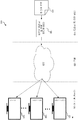
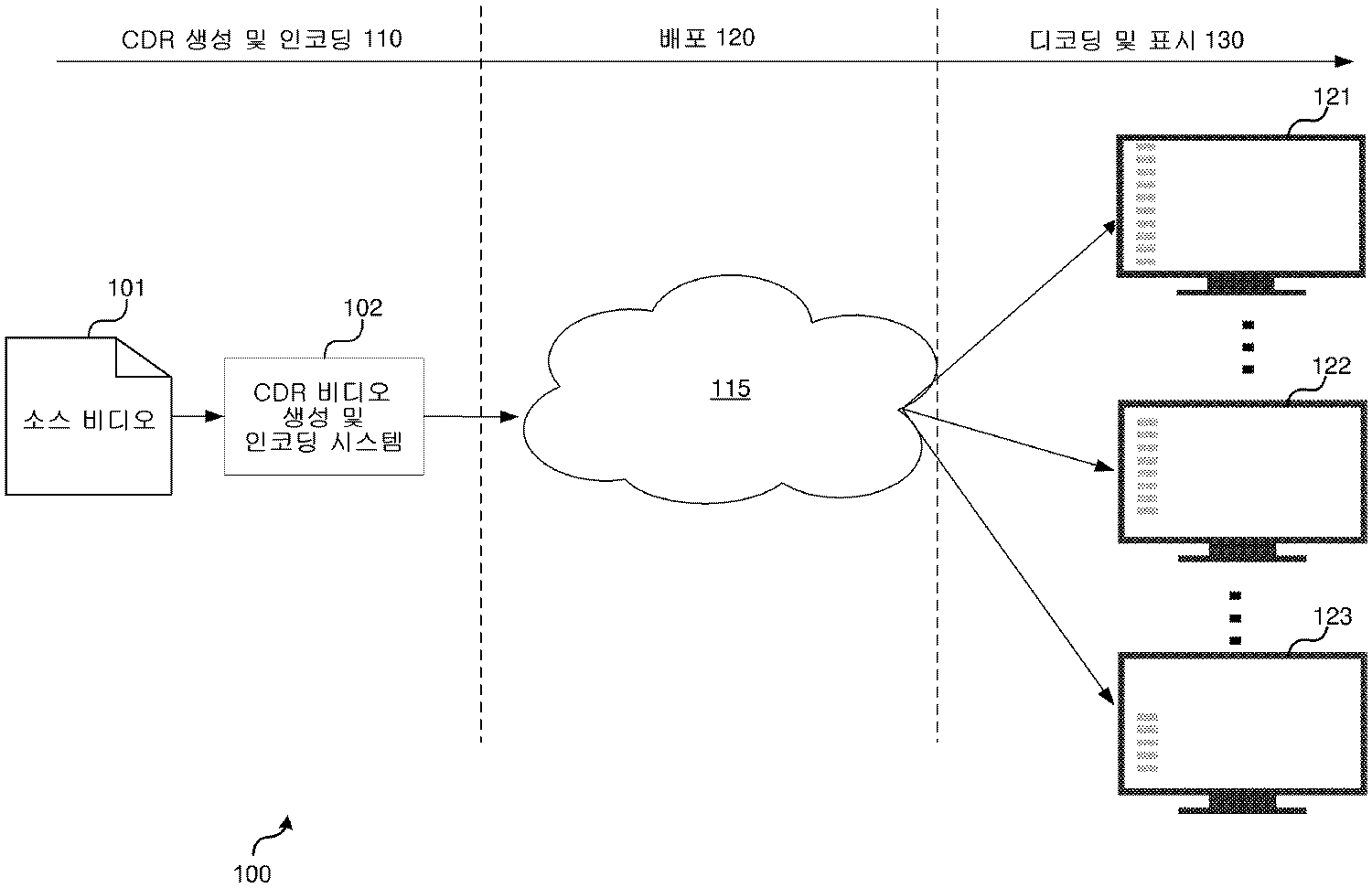
도 1은 본 발명에 따른 CDR 비디오가 생성, 인코딩 및 배포될 수 있는 예시적인 환경을 나타낸다.
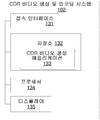
도 2는 도 1의 환경에서 구현될 수 있는 예시적인 CDR 비디오 생성 및 인코딩 시스템을 나타낸다.
도 3은 본 발명의 일 실시예에 따른 CDR 비디오를 생성, 인코딩 및 배포하는 방법을 나타내는 동작 흐름도이다.
도 4는 본 발명에 따른 CDR 비디오를 생성하는 예시적인 방법을 나타내는 동작 흐름도이다.
도 5는 본 발명에 따른 동적 범위 헐(dynamic range hull)의 표현을 나타낸다.
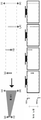
도 6은 본 발명에 따른 비디오 프레임에 대한 휘도 경로(lumipath)의 예시적인 구현을 나타낸다.
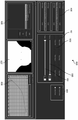
도 7a는 본 발명에 따른 CDR 비디오를 생성하기 위해 아티스트에 의해 사용될 수 있는 예시적인 비디오 편집 인터페이스를 나타낸다.
도 7b는 본 발명에 따른 CDR 비디오를 생성하기 위해 아티스트에 의해 사용될 수 있는 예시적인 비디오 편집 인터페이스를 나타낸다.
도 8은 본 발명에 따른 수치 휘도 경로를 획득하는 프로세스를 나타낸다.
도 9는 본 발명에 따른 배포에 대비하여 CDR 비디오를 압축 및 인코딩하는 예시적인 방법을 나타내는 동작 흐름도이다.
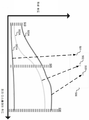
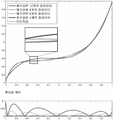
도 10은 본 발명에 따른 상이한 차수의 체비셰프 다항식에 의한 함수의 예시적인 근사화를 나타낸다.
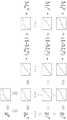
도 11은 본 발명의 실시예에 따른 비디오 시퀀스의 프레임의 처음 8개의 계수 이미지를 나타낸다.
도 12는 본 발명에 따른 수신된 CDR 비디오 콘텐츠 스트림을 디코딩 및 표시하기 위한 수신기측 방법을 나타내는 동작 흐름도이다.
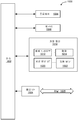
도 13은 여기서 개시되는 방법의 다양한 특징을 구현하는 데 사용될 수 있는 예시적인 컴퓨팅 모듈을 나타낸다.
도면은 포괄적이지 않으며, 본 발명을 개시되는 바로 그 형태로 한정하지 않는다.The patent or application file includes at least one drawing made in color. Copies of such patents or patent application publications with color drawings will be provided by the Patent Office upon request and payment of the required fees.
The invention in accordance with one or more various embodiments is described in detail with reference to the following drawings. The drawings are provided for illustrative purposes only and are merely illustrative of exemplary or exemplary embodiments of the invention.
Figure 1 illustrates an exemplary environment in which CDR video in accordance with the present invention may be generated, encoded and distributed.
2 illustrates an exemplary CDR video generation and encoding system that may be implemented in the environment of FIG.
3 is an operational flow diagram illustrating a method for generating, encoding, and distributing CDR video in accordance with an embodiment of the present invention.
4 is an operational flow diagram illustrating an exemplary method for generating CDR video in accordance with the present invention.
Figure 5 shows a representation of a dynamic range hull according to the present invention.
6 illustrates an exemplary implementation of a luminance path lumipath for a video frame in accordance with the present invention.
Figure 7A shows an exemplary video editing interface that may be used by an artist to generate CDR video in accordance with the present invention.
Figure 7B illustrates an exemplary video editing interface that may be used by an artist to generate CDR video in accordance with the present invention.
8 shows a process for obtaining a numerical luminance path according to the present invention.
9 is an operational flow diagram illustrating an exemplary method of compressing and encoding CDR video in preparation for distribution in accordance with the present invention.
Figure 10 shows an exemplary approximation of a function by a Chebyshev polynomial of different orders according to the present invention.
Figure 11 shows the first eight coefficient images of a frame of a video sequence according to an embodiment of the present invention.
12 is an operational flow diagram illustrating a receiver-side method for decoding and displaying a received CDR video content stream in accordance with the present invention.
13 illustrates an exemplary computing module that may be used to implement various aspects of the methods disclosed herein.
The drawings are not exhaustive and do not limit the invention to the precise form disclosed.
상이한 동적 범위를 갖는 다수의 판매자로부터의 HDR 디스플레이의 출현은 콘텐츠 생성 및 배포에 대해 일부 중요한 문제를 유발한다. 구체적으로, 생성 문제는 800-4000 니트의 범위에 걸치는 피크 휘도를 갖는 것으로 알려진 다수의 곧 출시될 디스플레이는 물론, 상이한 동적 범위를 갖는 미래의 HDR 디스플레이에 대해 HDR 콘텐츠를 조정하는 것이다. 각각의 특정 디스플레이 동적 범위에 대해 콘텐츠를 등급화하는 간단한 접근 방법은 필요한 추가 수동 작업으로 인해 잘 스케일링되지 않는다. 디스플레이 적응 톤 맵핑과 같은 논문에서 제안되는 방법은 이러한 문제를 완화할 수 있지만, 광도 변화의 표현에 있어서의 명확한 아티스트 자유를 허용하지 않는다.The advent of HDR displays from multiple sellers with different dynamic ranges causes some significant problems with content creation and distribution. Specifically, the generation problem is to coordinate HDR content for future HDR displays with different dynamic ranges, as well as a number of upcoming displays known to have peak brightness over the range of 800-4000 knots. A simple approach to grading content for each specific display dynamic range is not well scaled due to the additional manual work required. Methods proposed in the literature, such as display adaptive tone mapping, can mitigate this problem, but do not allow for definite artist freedom in expressing brightness variations.
또한, HDR 콘텐츠와 관련된 배포 문제는 상이한 디스플레이 동적 범위에 대해 등급화된 다수의 HDR 스트림을 효율적으로 코딩 및 전송하는 작업이다. 이전의 연구는 단일 HDR 스트림을 SDR 콘텐츠에 대한 오차 신호로서 효율적으로 배포하는 것을 제안하였다. 그러나, 이러한 접근 방법은 다수의 HDR 스트림의 동시 전송을 필요로 하는 최신의 랜드스케이프에서의 응용에는 효율적이지 않다.In addition, the distribution problem associated with HDR content is the efficient coding and transmission of multiple HDR streams that are graded for different display dynamic ranges. Previous studies have suggested that a single HDR stream is efficiently distributed as an error signal for SDR content. However, this approach is not efficient for applications in modern landscapes that require simultaneous transmission of multiple HDR streams.
여기서 개시되는 기술의 실시예에 따르면, 상이한 동적 범위를 갖는 복수의 디스플레이에 대해 등급화된 비디오 또는 이미지 콘텐츠를 생성하기 위한 새로운 시스템 및 방법이 개시된다. 실시예에서, 생성된 콘텐츠는 "연속 동적 범위(continuous dynamic range)(CDR)" 콘텐츠 - 디스플레이 동적 범위의 함수로서의 픽셀 휘도의 새로운 표현 -이다. 이러한 실시예에서, CDR 콘텐츠의 생성은 최소 동적 범위 및 최대 동적 범위에 대해 소스 콘텐츠를 등급화하는 단계와, 소스 콘텐츠의 이미지 또는 비디오 프레임의 각각의 픽셀의 휘도를 최소 및 최대 동적 범위 사이의 연속 함수로서 정의함으로써 소스 콘텐츠의 연속 동적 범위를 획득하는 단계를 포함한다.In accordance with an embodiment of the disclosed technique, new systems and methods for generating graded video or image content for a plurality of displays having different dynamic ranges are disclosed. In an embodiment, the generated content is a "continuous dynamic range (CDR)" content-a new representation of the pixel luminance as a function of the display dynamic range. In such an embodiment, the generation of the CDR content may include grading the source content for a minimum dynamic range and a maximum dynamic range, and comparing the luminance of each pixel of the image or video frame of the source content to a continuous Function to obtain a continuous dynamic range of the source content.
이러한 방식으로, 모든 가능한 디스플레이 동적 범위에 대해 동시에 등급화된 콘텐츠가 적은 오버헤드로 생성될 수 있다. 이러한 실시예에서, 그래픽 사용자 인터페이스가 제공될 수 있고, 그에 따라 사용자는 픽셀 휘도가 상이한 동적 범위에 대해 어떻게 변할지를 지정하고, 따라서 충분한 아티스트 제어로 CDR 비디오 또는 이미지의 생성을 가능하게 한다.In this way, simultaneously graded content for all possible display dynamic ranges can be generated with low overhead. In this embodiment, a graphical user interface may be provided, whereby the user specifies how the pixel brightness will change for different dynamic ranges, thus enabling the generation of CDR video or images with sufficient artist control.
여기서 개시되는 기술의 추가 실시예에서, 생성된 CDR 비디오를 압축, 인코딩 및 배포하기 위한 방법이 설명된다. 이러한 실시예에서, CDR 비디오는 1) 비디오의 최대 동적 범위 등급, 2) 비디오의 최소 동적 범위 등급, 및 3) 각각의 비디오 프레임의 각각의 픽셀의 휘도를 최소 및 최대 동적 범위 사이의 연속 함수의 다항식 급수 근사화로서 정의하는 메타데이터로서 배포될 수 있다.In a further embodiment of the disclosed technique, a method for compressing, encoding and distributing generated CDR video is described. In such an embodiment, the CDR video may include one or more of the following: 1) the maximum dynamic range rating of the video; 2) the minimum dynamic range rating of the video; and 3) the luminance of each pixel of each video frame, It can be distributed as metadata defined as a polynomial series approximation.
여기서 디스플레이를 설명하는 데 사용되는 바와 같이, 용어 "동적 범위"는 일반적으로 디스플레이의 휘도 범위 - 디스플레이의 최소 휘도(즉, "흑색 레벨") 내지 피크 휘도의 범위 -를 지칭한다. 이 분야의 기술자에 의해 이해되는 바와 같이, 휘도는 제곱미터당 칸델라(cd/㎡)의 SI 단위 또는 니트의 비-SI 단위와 같은 임의의 알려진 단위 체계를 이용하여 측정될 수 있다.As used herein to describe the display, the term "dynamic range" generally refers to the luminance range of the display-the minimum luminance of the display (i. E., The range of "black level") to peak luminance. As will be understood by those skilled in the art, luminance can be measured using any known unit system, such as SI units of candela per square meter (cd / m < 2 >) or non-SI units of knit.
여기서 더 설명되는 바와 같이, 용어 "휘도 경로"는 픽셀의 휘도 값을 타겟 디스플레이의 피크 휘도의 함수로서 표현하는 함수를 지칭한다.As further described herein, the term "luminance path" refers to a function that expresses the luminance value of a pixel as a function of the peak luminance of the target display.
본 발명을 상세히 설명하기 전에, 본 발명이 구현될 수 있는 예시적인 환경을 설명하는 것이 유용하다. 도 1은 그러한 하나의 예시적인 환경(100)을 나타낸다. 환경(100)에서, CDR 비디오 생성 및 인코딩 시스템(102)을 이용하여 소스 비디오(101)(예로서, 원시 카메라 포맷의 비디오)가 연속 동적 범위 비디오로서 생성 및 인코딩된다(단계 110). 소스 비디오는 필름, 예고편, 시리즈로부터의 에피소드, 광고, 비디오 게임 컷씬 등을 포함할 수 있다.Before describing the present invention in detail, it is useful to describe an exemplary environment in which the present invention may be implemented. FIG. 1 illustrates one such
아래에서 더 설명되는 실시예에서, CDR 비디오 생성 및 인코딩 시스템(102)의 사용자는 그래픽 사용자 인터페이스(graphical user interface(GUI))를 이용하여, 소스 비디오(101)의 각각의 비디오 프레임의 픽셀 휘도가 상이한 동적 범위에 대해 어떻게 변할지를 지정할 수 있으며, 따라서 상이한 동적 범위 디스플레이에 대한 비디오의 출현에 대해 충분한 아티스트 제어로 CDR 비디오의 생성을 가능하게 할 수 있다.The user of the CDR video generation and
CDR 비디오의 생성에 이어서, 단계 120에서, CDR 비디오가 디코딩 및 표시(단계 130)를 위해 복수의 수신기(121-123)에 배포된다. CDR 인코딩된 소스 비디오에서, 각각의 프레임의 픽셀 휘도는 동적 범위의 함수로서 정의된다. 따라서, 수신기(121-123)와 관련된 디스플레이의 동적 범위에 따라, 수신기(121-123)는 (도 1에서 디스플레이의 좌측의 직사각 패턴에 의해 예시되는) 수신기의 디스플레이의 동적 범위에 기초하여 CDR을 디코딩할 수 있다. 특정 환경(100)에 나타난 바와 같이, 배포 단계 120은 전자 배포 네트워크(115)를 통해 CDR 비디오를 복수의 텔레비전 세트(예로서, 스마트 텔레비전 세트) 또는 모니터 디스플레이(121-123)로 스트리밍 또는 전송하는 단계를 포함한다. 대안 실시예에서, CDR 비디오는 예를 들어 스마트폰, 랩탑, 태블릿, 워크스테이션 등과 같이 CDR 비디오를 디코딩 및 표시할 수 있는 다른 수신기로 전송될 수 있다.Following generation of the CDR video, at step 120, the CDR video is distributed to the plurality of receivers 121-123 for decoding and display (step 130). In CDR encoded source video, the pixel luminance of each frame is defined as a function of the dynamic range. Thus, depending on the dynamic range of the display associated with the receivers 121-123, the receivers 121-123 may calculate the CDRs based on the dynamic range of the receiver's display (illustrated by the rectangular pattern on the left of the display in Figure 1) It can be decoded. As shown in the
다양한 실시예에서, CDR 비디오는 무선 방송 텔레비전 신호, 위성 텔레비전 네트워크 신호 또는 케이블 텔레비전 네트워크 신호로서 전송될 수 있다. 대안으로서, CDR 비디오는 컴퓨터 네트워크를 통해 콘텐츠 서버에 의해 전송될 수 있다. 이 분야의 통상의 기술자가 인식하는 바와 같이, 전자 배포 네트워크(115)는 예로서 동축 케이블 시스템, 광섬유 케이블 시스템, 이더넷 케이블 시스템, 위성 통신 시스템, 셀룰러 통신 시스템 등과 같은 통신 매체의 임의 조합을 포함할 수 있다. 또 다른 실시예에서, CDR 비디오는 비디오를 저장할 수 있는 이 분야에 공지된 반도체 드라이브, 자기 테이프, 카트리지, 블루레이 디스크 또는 다른 고정식 또는 이동식 저장 매체와 같은 물리 매체를 이용하여 배포될 수 있다.In various embodiments, the CDR video may be transmitted as a wireless broadcast television signal, a satellite television network signal, or a cable television network signal. Alternatively, the CDR video may be transmitted by the content server via a computer network. As one of ordinary skill in the art will appreciate, the
도 2는 환경(100)에서 구현될 수 있는 예시적인 CDR 비디오 생성 및 인코딩 시스템(102)을 나타낸다. 다양한 실시예에서, 시스템(102)은 소스 비디오를 수신하고, 상이한 동적 범위를 갖는 복수의 상이한 디스플레이에 대해 맞춤화될 수 있는 CDR 비디오를 생성하도록 구성되는 임의의 컴퓨팅 시스템(워크스테이션, 랩탑, 스마트폰 등)일 수 있다. 도시된 바와 같이, 시스템(102)은 접속 인터페이스(131), CDR 비디오 생성 애플리케이션(133) 및 소스 비디오(101)를 저장하기 위한 저장소(132), 프로세서(134) 및 하나 이상의 디스플레이(135)를 포함한다. 접속 인터페이스(131)는 근거리 네트워크 접속, 셀룰러 네트워크 접속, 위성 네트워크 접속 등과 같은 무선 네트워크 접속을 이용하여 시스템(102)을 콘텐츠 배포 네트워크(예로서, 네트워크(115))에 접속할 수 있다. 게다가, 접속 인터페이스는 예를 들어 USB 인터페이스와 같이 정보를 송신 및 수신하기 위한 물리 인터페이스를 포함할 수 있다.FIG. 2 illustrates an exemplary CDR video generation and
프로세서(134)는 아티스트가 상이한 동적 범위를 갖는 디스플레이에 대해 비디오 콘텐츠를 맞춤화하기 위한 그래픽 사용자 인터페이스를 제공할 수 있는 CDR 비디오 생성 애플리케이션(133)을 실행한다. 그러한 실시예에서, 아티스트는 소스 비디오(101)의 각각의 비디오 프레임의 상이한 영역의 픽셀 휘도가 상이한 동적 범위에 대해 어떻게 변할지를 지정할 수 있다. 아래에서 더 설명되는 이러한 실시예의 구현에서, 디스플레이(135)는 비디오 프레임의 다수의 동적 범위 버전을 각각의 비디오 프레임의 픽셀 휘도를 제어하기 위한 다양한 사용자 제어와 함께 표시한다. 일부 실시예에서, CDR 비디오 생성 애플리케이션(133)은 애니메이션 애플리케이션, 비디오 편집 애플리케이션, 이미지 편집 애플리케이션, 비디오 게임 설계 애플리케이션 또는 이들의 소정 조합의 일부로서 통합될 수 있다.
추가 실시예에서, 프로세서(134)는 시스템(102) 또는 다른 배포 수단을 이용하는 배포에 대비하여, (예로서, CDR 비디오 생성 애플리케이션(133)을 통해) 생성된 CDR 비디오를 압축 및 인코딩할 수 있다.In a further embodiment,
예시적인 환경(100)이 CDR 비디오의 생성, 인코딩 및 배포와 관련하여 설명되지만, 다른 실시예에서 본 발명은 사진, 컴퓨터 생성 이미지 등과 같은 CDR 이미지의 생성 및 배포에 초점을 맞추는 환경에서 구현될 수 있다는 점에 유의해야 한다. 이 분야의 기술자가 인식하듯이, 환경(100)은 CDR 이미지의 생성, 인코딩 및 배포에 적응될 수 있다.While the
도 3은 여기서 개시되는 기술의 일 실시예에 따른, CDR 비디오를 생성, 인코딩 및 배포하는 방법(200)을 나타낸다. 방법(200)은 소스 비디오(201)를 입력으로 취하고, 모든 가능한 디스플레이 동적 범위에 대해 동시에 등급화된 콘텐츠를 포함하는 CDR 비디오를 출력한다. 배포되는 CDR 비디오는 비디오의 인코딩된 최소 동적 범위 등급(207), 비디오의 인코딩된 최대 동적 범위 등급, 및 수신 디스플레이에 의해 수신된 CDR 비디오를 그의 동적 범위에 맞추는 데 사용될 수 있는 인코딩된 메타데이터(209)를 포함한다.FIG. 3 illustrates a
방법(200)은 CDR 비디오를 생성(220)하고, 생성된 CDR 비디오를 압축 및 인코딩(230)하는 특정 방법을 예시하는 도 4 및 9와 관련하여 설명된다. 다양한 실시예에서, 방법(200)의 프로세스 동작(예로서, 배포를 제외한 CDR 비디오 생성, 압축 및 인코딩)의 일부 또는 전부가 시스템(102)에 의해 CDR 비디오 생성 애플리케이션(133)을 이용하여 구현될 수 있다.The
방법(200)은 동작 210에서 비디오 소스(201)를 수신하는 것으로부터 시작된다. 실시예에서, 수신된 소스 비디오는 원시 카메라 포맷(예로서, 필름, 시리즈 에피소드, 광고 등에 대한 소스 비디오) 또는 컴퓨터 생성 소스 비디오(예로서, 애니메이션 필름, 비디오 게임 등에 대한 소스 비디오)일 수 있다. 예를 들어, 소스 비디오는 장면을 촬영한 후에 스튜디오로부터 또는 장면을 애니메이션화한 후에 컴퓨터 그래픽 아티스트로부터 수신될 수 있다. 다양한 실시예에서, 소스 비디오의 동적 범위는 임의적일 수 있다. 특정 실시예에서, 소스 비디오는 최대 14개의 f-스톱을 갖는 높은 동적 범위(HDR) 콘텐츠를 포함할 수 있다.The
소스 비디오(201)의 수신에 이어서, 동작 220에서, CDR 비디오가 생성된다. 도 4는 CDR 비디오를 생성하는 하나의 예시적인 방법(220)을 나타낸다. 동작 211에서, 소스 비디오 콘텐츠(201)가 최소 및 최대 타겟 동적 범위에 대해 등급화되며, 따라서 최소 동적 범위 등급 콘텐츠(202) 및 최대 동적 범위 등급 콘텐츠(203)가 생성된다. 실시예에서, 이러한 등급화 프로세스는 최대 및 최소 동적 범위에 대한 소스 비디오의 광도 및 컬러를 정의하는 것을 포함한다. 이러한 등급화 프로세스 동안, 전에 또는 후에, 소스 비디오(201)의 콘텐츠에 대해 "동적 범위 헐(dynamic range hull)"이 결정될 수 있다. CDR 비디오에 의해 포함되는 동적 범위 연속체는 모든 타겟 디스플레이의 동적 범위의 수퍼세트이므로, 동적 범위 헐은 최소 및 최대 동적 범위 사이의 동적 범위 연속체를 정의한다.Following receipt of the
도 5는 동적 범위 헐의 표현을 나타낸다. 도시된 바와 같이, 최소 동적 범위는 모든 타겟 디스플레이 동적 범위의 세트 중에서 최소 피크 휘도 (b)와 최대 흑색 레벨 (d)에 의해 한정된다. 유사하게, 최대 동적 범위는 모든 타겟 디스플레이 동적 범위의 세트의 최대 피크 휘도 (a)와 최소 흑색 레벨 (c)에 의해 한정된다. 다양한 실시예에서, 시스템(102)은 소스 비디오(102)의 콘텐츠의 타입(예로서, 영화 필름, TV 에피소드, TV 광고 등), 타겟 디스플레이의 공지된 동적 범위의 리스트 및 다른 파라미터와 같은 파라미터에 기초하여 동적 범위 헐을 결정할 수 있다.Figure 5 shows a representation of dynamic range hull. As shown, the minimum dynamic range is defined by the minimum peak luminance (b) and the maximum black level (d) among all the sets of target display dynamic ranges. Similarly, the maximum dynamic range is defined by the maximum peak luminance (a) and minimum black level (c) of the set of all target display dynamic ranges. In various embodiments, the
예를 들어, 복수의 타겟 디스플레이에 대해, 최저 피크 휘도가 100 니트이고, 최고 피크 휘도가 4000 니트이고, 최소 흑색 레벨이 0.01 니트이고, 최대 흑색 레벨이 0.1 니트인 경우를 고려한다. 이 예에서, 최소 동적 범위는 0.1 니트 내지 100 니트에 의해 한정되며, 최대 동적 범위는 0.01 니트 내지 4000 니트에 의해 한정될 것이다. 유사하게, 최대 등급 콘텐츠는 4000 니트의 피크 휘도 및 0.01 니트의 흑색 레벨을 갖는 디스플레이에 대해 타겟화되며, 최소 등급 콘텐츠는 100 니트의 피크 휘도 및 0.1 니트의 흑색 레벨을 갖는 디스플레이에 대해 타겟화될 것이다.For example, consider a case where, for a plurality of target displays, the lowest peak luminance is 100 knits, the highest peak luminance is 4000 knits, the minimum black level is 0.01 knits, and the maximum black level is 0.1 knits. In this example, the minimum dynamic range is defined by 0.1 to 100 knots, and the maximum dynamic range is limited by 0.01 to 4000 knits. Similarly, the maximum grade content is targeted for a display having a peak luminance of 4000 knits and a black level of 0.01 knits, and the minimum grade content is targeted for a display having a peak luminance of 100 knots and a black level of 0.1 knots will be.
이어서, 동작 212에서, 소스 비디오의 각각의 프레임의 각각의 픽셀의 휘도를 최소 및 최대 동적 범위 등급(202, 203)에 기초하는 연속 함수로서 정의함으로써 CDR 비디오가 생성될 수 있다. 이러한 실시예에서, CDR 비디오는 각각의 픽셀에 대한 스칼라 휘도 값을 저장하는 통상적인 방법과 달리 각각의 픽셀에 대한 동적 범위 함수를 저장할 수 있다. 특정 실시예에서, 픽셀의 휘도 값을 타겟 디스플레이의 피크 휘도의 함수로서 표현하는 함수인 "휘도 경로"가 각각의 픽셀에서 사용되고 저장될 수 있다.Subsequently, at
도 6은 픽셀(501-503)을 포함하는 비디오 프레임(500)에 대한 휘도 경로의 예시적인 구현을 나타낸다. 도시된 바와 같이, 비디오 프레임(500)의 각각의 픽셀(501-503)은 타겟 디스플레이의 피크 디스플레이 휘도에 기초하여 픽셀의 휘도를 정의하는 관련 휘도 경로 함수(501A-503A)를 갖는다. 이러한 예시적인 구현에서, 최소 동적 범위(510) 및 최대 동적 범위(530)는 휘도 경로 함수(501A-503A)를 한정한다. 동적 범위(520)는 중간 동적 범위 디스플레이에 대응한다. 픽셀(501)에 대해, 픽셀 휘도는 피크 디스플레이 휘도가 증가함에 따라 크게 증가하지 않으며, 이는 비디오 프레임(500)의 더 어두운 영역을 지시한다. 이와 달리, 픽셀(502, 503)에 대해, 픽셀 휘도는 피크 디스플레이 휘도의 중심 주위에서 크게 증가한 후에 감소한다. 이 분야의 기술자가 인식하는 바와 같이, 다양한 실시예에서, 휘도 경로 함수(501A-503A)의 형상은 상이한 디스플레이에 대한 비디오 콘텐츠의 출현에 맞도록 변경될 수 있다.FIG. 6 shows an exemplary implementation of a luminance path for a
실시예에서, 각각의 픽셀에 대한 휘도 경로는 CDR 비디오 생성 애플리케이션(133)에 의해 제공되는 상호작용 비디오 편집 인터페이스를 이용하여 사용자에 의해 정의될 수 있다. 도 7a-7b는 각각의 비디오 프레임의 각각의 픽셀의 휘도 경로를 정의하기 위해 시스템(102)의 사용자에 의해 사용될 수 있는 비디오 편집 인터페이스의 하나의 특정 구현을 나타낸다. 이러한 특정 실시예에 도시된 바와 같이, (도 7a에 도시된) 제1 SDR 디스플레이는 상이한 디스플레이 동적 범위에 대한 상이한 비디오 프레임에 대한 휘도 경로를 정의하기 위한 제어(예로서, 버튼, 토글, 슬라이더, 내비게이션 컴포넌트 등)를 포함하는 인터페이스(600)를 제공한다. (도 7b에 도시된) 제2 HDR 디스플레이는 사용자가 복수의 동적 범위에 대한 그의 편집을 상호작용 방식으로 시각화하는 것을 가능하게 하는 인터페이스(610)를 제공한다. 휘도 경로를 정의하고, 복수의 동적 범위에 대한 편집을 표시하기 위한 개별 디스플레이가 도시되지만, 대안 실시예에서는 양 기능을 수행하기 위해 단일 디스플레이(예로서, 대형 HDR 디스플레이)가 사용될 수 있다는 점에 유의해야 한다.In an embodiment, the luminance path for each pixel may be defined by the user using an interactive video editing interface provided by the CDR video generation application 133. [ 7A-7B illustrate one particular implementation of a video editing interface that may be used by a user of
인터페이스(600)는 등급화된 비디오를 등급화 세션을 시작하기 위해 (예로서, 폴더를 선택함으로써) 시스템 내에 로딩하기 위한 제어(605)를 포함한다. 이 실시예에 도시된 바와 같이, 시스템에는 동적 범위 헐의 극치에 대한 등급, 즉 최소 등급 비디오 및 최대 등급 비디오가 로딩된다. 또한, 인터페이스(600)는 최고 등급 비디오 또는 비디오 프레임(601)을 선택하기 위한 버튼 제어(601), 최저 등급 비디오 또는 비디오 프레임(602)을 선택하기 위한 버튼 제어(602), 관련 동적 범위를 갖는 특정 디스플레이를 선택하기 위한 슬라이더 제어(603), 및 특정 비디오 프레임을 선택하기 위한 슬라이더 제어(604)를 포함한다.The
인터페이스(610)는 여러 동적 범위에 걸치는 연속 동적 범위 비디오를 시각화하기 위한 타일화된 인터페이스를 제공한다. 이 실시예에서, 6개의 상이한 윈도는 사용자로 하여금 비디오 또는 비디오 프레임이 6개의 상이한 동적 범위 디스플레이에 대해 어떻게 나타날지를 시각화하는 것을 가능하게 한다. 제어(609)에 의해 제공되는 프레임 모드 또는 비디오 모드를 선택함으로써, 사용자는 특정 프레임 또는 비디오 세그먼트가 어떻게 나타날지를 시각화할 수 있다. 이러한 구현에서, 동적 범위는 좌상에서 우하로 오름차순으로 표시되고, 좌상 윈도(611)는 최소 동적 범위 등급을 나타내고, 우하 윈도(612)는 최대 동적 범위 등급을 나타낸다. 대안으로서, 다른 구현에서는, 임의 수의 윈도 및 임의의 동적 범위 표시 순서가 사용될 수 있다.The
인터페이스(600)에 의해 예시되는 실시예에서, 캐스케이드 마스크는 애플리케이션(133)의 사용자가 각각 비디오 프레임에서의 편집의 크기를 정의하는 것을 가능하게 할 수 있다. 도시된 바와 같이, 마스크 인터페이스는 특정 마스크를 선택하기 위한 제어(606), 선택된 마스크의 디스플레이(607), 및 선택된 마스크에 대응하는 휘도 경로 함수를 수정하기 위한 제어(608)를 제공할 수 있다. 구현에서, 마스크는 비디오 프레임의 대조 영역, 비디오 프레임의 특정 영역 또는 전체 비디오 프레임에 적용될 수 있다.In the embodiment illustrated by the
예를 들어, 도 7b에 도시된 장면을 고려한다. 제1 글로벌 마스크는 애니메이션된 캐릭터의 얼굴 및 배경 환경을 포함하는 장면의 모든 픽셀에 대한 균일한 마스킹을 생성할 수 있다. 사용자가 글로벌 마스크에 만족하면, 다른 마스크(예로서, 마스크(607))가 적용되어 캐릭터의 얼굴의 전부 또는 일부를 장면의 나머지로부터 분리하여, 정밀한 국지적 제어를 가능하게 할 수 있다. 예를 들어, 캐릭터의 얼굴은 전체 동적 범위 헐에 걸쳐 환경에 비해 더 밝거나 어두워질 수 있다. 대안으로서, 사용자는 전체 동적 범위가 아니라 특정 동적 범위(예로서, 1개 또는 2개의 타겟 디스플레이)에 대해 애니메이션된 캐릭터의 얼굴의 외관을 조정하기로 결정할 수 있다. 전술한 예를 고려하는 이 분야의 기술자가 인식하는 바와 같이, 마스크는 상이한 동적 범위에 걸쳐 상이한 비디오 프레임의 하이라이트 또는 음영을 변경하는 데 사용될 수 있다.For example, consider the scene shown in FIG. 7B. The first global mask may generate uniform masking for all pixels in the scene including the animated character's face and background environment. If the user is satisfied with the global mask, another mask (e.g., mask 607) may be applied to separate all or part of the character's face from the rest of the scene, allowing for fine local control. For example, a character's face may be brighter or darker than the environment over the entire dynamic range hull. Alternatively, the user may decide to adjust the appearance of the animated character's face for a particular dynamic range (e.g., one or two target displays) rather than the entire dynamic range. As will be appreciated by those of skill in the art considering the above examples, masks can be used to change the highlight or shade of different video frames over different dynamic ranges.
인터페이스(600)의 특정 구현에 나타난 바와 같이, 삼차 다항식 스플라인 인터페이스 제어(608)는 사용자가 표시된 휘도 경로 함수의 형상을 변경함으로써(예로서, 곡선 상의 제어 포인트를 선택하고 마우스를 드래깅함으로써) 휘도 경로를 수동으로 입력 및 수정하는 것을 가능하게 한다. 그러나, 다른 구현에서는, 연속 함수를 정의 및 변경하기 위한 이 분야에 공지된 다른 적절한 인터페이스(예로서, 고차 다항식 스플라인 인터페이스)가 제공될 수 있다. 도 7a-7b의 특정 예는 휘도 경로 함수를 이용하여 동적 범위 헐에 걸쳐 픽셀의 휘도를 정의하는 것과 관련하여 설명되지만, 다른 실시예에서는 최소 및 최대 동적 범위 등급에 기초하여 픽셀의 휘도를 정의하기 위한 다른 적절한 연속 함수가 사용될 수 있다는 점에도 유의해야 한다. 대안 구현에서는 임의의 사용자 상호작용에 의존하지 않고서 최소 및 최대 등급에 기초하여 CDR 비디오를 생성하기 위해 휘도 경로 함수가 사전 정의되고 사용될 수 있다는 점에도 유의해야 한다.As shown in the particular implementation of
실시예에서, 각각의 프레임의 각각의 픽셀의 휘도를 정의하는 함수, 예로서 휘도 경로는 수학적으로 아래와 같이 정의될 수 있다. 먼저, 최소 및 최대 등급(202, 203)은 각각 Iα 및 Iβ로 표시될 수 있다. Iα의 최소 및 피크 휘도는 각각 ηα 및 πα로 표시되고, Iβ의 최소 및 피크 휘도는 각각 ηβ 및 πβ로 표시된다. 픽셀 휘도가 동적 범위 헐에 걸쳐 어떻게 변할지를 지정하는 함수는 식 1에 의해 정의될 수 있다.In an embodiment, a function, e.g., a luminance path, that defines the luminance of each pixel of each frame may be mathematically defined as: First, the minimum and

이 식은 고유 휘도 값 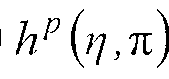



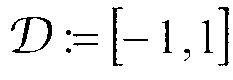
이러한 함수의 생성의 계산 복잡성 및 배포되는 데이터의 양을 줄이기 위해, 도메인은 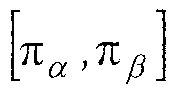

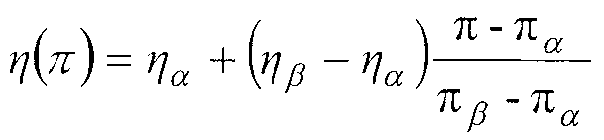
식 2에 이어서, 고려되는 동적 범위 헐은 

여기서, πα 및 πβ는 최대 및 최소 동적 범위에 대응하는 피크 휘도이다.Here, π π α and β is the peak intensity of the maximum and corresponding to the minimum dynamic range.
도 6a-6b의 예에서 설명된 바와 같이, 사용자는 마스크를 이용하고 삼차 다항식 스플라인 인터페이스의 제어 포인트를 수정하여 휘도 경로를 조정함으로써 원하는 이미지 영역을 선택할 수 있다. 더 일반적으로, 휘도 경로를 정의하기 위한 사용자의 마스크 사용은 수학적으로 아래와 같이 정의될 수 있다. 정식으로, 


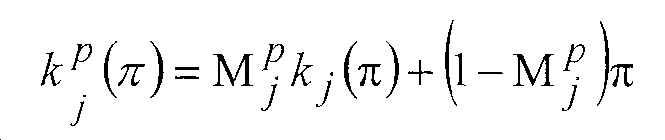
식 4는 아티스트의 정의된 곡선과 마스크에 의해 지정된 가중치에 기초하는 선형 곡선 간의 혼합을 정의하여, 유연하게 변하는 편집을 가능하게 한다. 따라서, n개의 마스크를 사용하고 n개의 그러한 함수를 지정함으로써, 대응하는 휘도 경로 

여기서, 휘도 경로 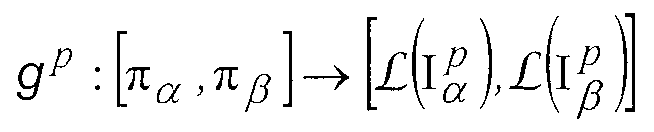

이 분야의 기술자가 인식하듯이, 비디오 프레임의 입력 등급을 획득하는 방식에 대한 어떠한 제한도 존재하지 않으므로, 픽셀의 공간 대응이 보존되는 한은 영역 선택을 위한 임의 수의 픽셀 레벨 마스크가 사용될 수 있다. 또한, 휘도 경로 또는 다른 함수는 임의 수의 제어 포인트를 이용하여 정밀하게 정의될 수 있으며, 따라서 동작 220 동안 상당한 아티스트 자유가 허용될 수 있다.As the skilled artisan will appreciate, there are no restrictions on how to obtain the input class of the video frame, so any number of pixel level masks for region selection may be used as long as the spatial correspondence of the pixels is preserved. In addition, the luminance path or other function can be precisely defined using any number of control points, and thus considerable artist freedom during
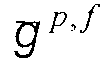
동작 220에서의 CDR 비디오의 생성에 이어서, 그의 원시 포맷의 CDR 비디오는 각각의 프레임 f에 대해 1) 최소 동적 범위 등급 이미지(예로서, 


도 9는 배포에 대비하여 CDR 비디오를 압축 및 인코딩하는 하나의 예시적인 방법(230)을 나타낸다. 아래에서 더 설명되는 바와 같이, 방법(230)은 실시예에서 오리지널 CDR 비디오에 비해 데이터 효율적일 뿐만 아니라 시각적으로 손실 없는 각각의 픽셀에 대한 CDR 함수의 표현을 제공하는 데 사용될 수 있다.FIG. 9 shows one
방법(230)은 동작 231에서 시작되며, 여기서 각각의 픽셀에 대응하는 CDR 함수는 소정 수의 계수 뒤에서 절단되는 다항식 급수를 이용하여 근사화된다. 따라서, 각각의 CDR 함수의 결과적인 표현은 다항식 기저와 관련된 유한 계수 세트(즉, 계수 벡터)이다. 바람직한 실시예에서, 다항식 급수는 사람의 시각 시스템 모델에 기초하여 결과적인 출력이 시각적으로 손실 없는 포인트에서 절단된다.The
아래에서 더 설명되는 실시예에서, 다항식 급수는 절단 체비셰프 급수이다. 이러한 실시예에서는, 체비셰프 다항식의 사용이 바람직할 수 있는데, 이는 i) 그가 한 간격에서 근사화할 때 룽게 현상을 최소화하고, 이는 실제로 대부분의 디스플레이가 검사되는 동적 범위 헐의 최소 단부 근처에 배치된다는 점에서 중요하고; ii) 그가 빠르게 수치적으로 계산될 수 있고; iii) 오리지널에 대한 근사화된 함수의 에러가 계수로부터 쉽게 추정되어 중지 포인트를 제공할 수 있기 때문이다. 그러나, 이 분야에 알려진 다른 적절한 다항식 급수가 사용될 수 있다.In the embodiment described further below, the polynomial series is a truncated Chebyshev series. In such an embodiment, the use of Chebyshev polynomials may be desirable, i) minimizing the runaway phenomenon when he approximates at one interval, which in practice is most arranged near the minimum end of the dynamic range hull to be examined In terms of importance; ii) he can be quickly computed numerically; iii) errors in the approximated function for the original can be easily estimated from the coefficients to provide a stopping point. However, other suitable polynomial series known in the art may be used.
다항식 기저와 함께 유한 계수 세트를 이용하는 CDR 함수의 근사화에 이어서, 동작 232에서, 다항식 계수가 이미지 포맷으로 표현되며, 이는 데이터에 대한 비디오 코덱의 적용을 가능하게 한다. 예를 들어, 일 실시예에서, 다항식 계수는 단색 비디오 시퀀스로 재구성될 수 있다. 실시예에서, 다항식 계수의 이미지 포맷 표현은 데이터를 인코딩하기 위해 후속 사용되는 비디오 코덱(예로서, MPEG-4, H.264 등)에 의존할 수 있다.Following the approximation of the CDR function using a finite coefficient set with a polynomial basis, at
이어서, 동작 233에서, 계수 이미지(즉, 이미지 데이터 포맷의 다항식 계수)가 MPEG-4 또는 H.264와 같은 대응하는 비디오 코덱을 이용하여 인코딩될 수 있고, 따라서 추가적인 압축이 제공되고, 데이터 비트레이트가 개선될 수 있다. 또한, 동작 233에서, LDR 및 HDR 콘텐츠(예로서, MPEG 포맷)를 압축하기 위해 이 분야에 공지된 비디오 코덱을 이용하여 최소 동적 범위 등급 콘텐츠(202) 및 최대 동적 범위 등급 콘텐츠(203)가 압축 및 인코딩될 수 있다. 실시예에서, 콘텐츠(202, 203)는 2개의 신호 간의 상호 중복성을 이용하여 공동으로 그리고 종속적으로 인코딩될 수 있다. 예로서, 특정 실시예에서, 2개의 콘텐츠는 이 분야에 공지된 스케일링 가능 비디오 코딩(SVC) 방법을 이용하여 기저 및 향상 계층으로서 인코딩될 수 있다. 대안으로서, 다른 실시예에서, 최소 동적 범위 등급 콘텐츠(202) 및 최대 동적 범위 등급 콘텐츠(203)는 (예로서, H.264를 이용하여) 개별적으로 인코딩될 수 있다.Then, at
실시예에서, 전술한 휘도 경로 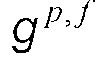


여기서, CSF는 대조 감도 함수이고, 
휘도 경로 


여기서, 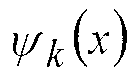



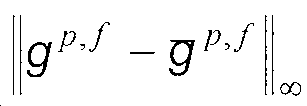
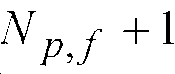
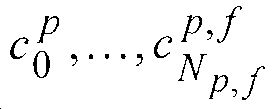

체비셰프 급수를 계산하기 위해, 모든 급수 경로의 도메인 및 범위는 그들 모두가 체비셰프 도메인 



휘도 경로 
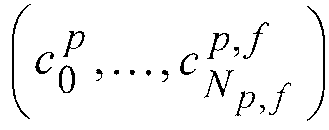
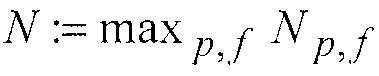





이미지와 같은 표현을 획득하기 위해, 프레임의 모든 픽셀의 튜플 


도 11은 비디오 시퀀스의 프레임의 처음 8개의 계수 이미지 
이어서, 휘도 경로의 압축된 표현이 1) 차수 N을 나타내는 정수 값, 2) 비트 깊이(예로서, 8비트) 양자화에 사용되는 최소 및 최대 값을 나타내는 2개의 부동 소수점 값, 및 3) 비디오 코덱(예로서, H.264)을 이용하여 계수 이미지를 인코딩함으로써 획득되는 k = 1,..., N에 대한 이미지 시퀀스 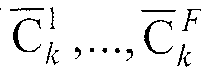
동작 230에서의 CDR 비디오의 비디오 압축 및 인코딩에 이어서, 출력 콘텐츠는 인코딩된 최소 동적 범위 등급 콘텐츠(207), 인코딩된 최대 동적 범위 등급 콘텐츠(208) 및 인코딩된 CDR 비디오 메타데이터(209)를 포함한다. 도 3을 다시 참조하면, 이러한 콘텐츠는 동작 240에서 후속 배포될 수 있다. 실시예에서, CDR 비디오 콘텐츠는 무선 방송 텔레비전 신호, 위성 텔레비전 네트워크 신호 또는 케이블 텔레비전 네트워크 신호로서 배포될 수 있다. 대안으로서, CDR 비디오 콘텐츠는 컴퓨터 네트워크를 통해 콘텐츠 서버에 의해 전송될 수 있다. 또 다른 실시예에서, CDR 비디오 콘텐츠는 반도체 드라이브, 자기 테이프, 카트리지, 블루레이 디스크 등과 같은 물리 매체를 이용하여 배포될 수 있다.Following video compression and encoding of the CDR video at
도 12는 수신된 CDR 비디오 콘텐츠를 디코딩 및 표시하기 위한 수신기측 방법(700)을 나타낸다. 도시된 바와 같이, 수신된 CDR 콘텐츠는 비디오 인코딩된 최소 동적 범위 등급 콘텐츠(207), 최대 동적 범위 등급 콘텐츠(208) 및 CDR 비디오 메타데이터(209)를 포함할 수 있다. 예시적인 도 12에서 개별 참조 번호를 갖는 것으로 도시되지만, 수신된 최대 동적 범위 등급 콘텐츠 및 최소 동적 범위 등급 콘텐츠는 (예로서, SVC 기술에 기초하여 기저 계층 및 향상 계층으로서) 공동으로 인코딩될 수 있다는 점에 유의해야 한다.Figure 12 shows a
동작 702에서, 수신된 콘텐츠는 적절한 비디오 압축 코덱(예로서, H.264, MPEG-4 등)을 이용하여 디코딩된다. 예로서, 최소 등급 콘텐츠 및 최대 등급 콘텐츠가 SVC 코덱을 이용하여 기저 및 향상 계층으로서 공동으로 인코딩되는 특정 실시예에서, 콘텐츠는 SVC 코덱을 이용하여 디코딩될 수 있다. 대안으로서, 다른 실시예에서, 최소 동적 범위 등급 콘텐츠(202) 및 최대 동적 범위 등급 콘텐츠(203)는 (예로서, H.264를 이용하여) 개별적으로 디코딩될 수 있다. 일 실시예에서, CDR 비디오 메타데이터(209)는 콘텐츠(207, 208)를 디코딩하는 데 사용되는 동일 코덱을 이용하여 디코딩될 수 있다.At
이어서, 동작 704에서, 수신기는 디코딩된 콘텐츠 및 콘텐츠를 표시할 디스플레이의 알려진 동적 범위(705)에 기초하여 비디오(707)의 적절한 동적 범위 표현을 생성한다. 이 분야의 기술자가 인식하듯이, 수신기는 계수의 다항식 벡터 및 각각의 프레임의 각각의 픽셀에 대한 휘도 경로 함수를 표현하는 데 사용되는 다항식 급수와 같은 CDR 메타데이터를 생성하는 데 사용되는 알고리즘에 대한 지식에 기초하여 각각의 픽셀에 대한 휘도 경로를 재구성할 수 있다. 이어서, 디코딩된 최대 및 최소 등급 이미지, 이미지의 각각의 픽셀에 대한 디코딩 및 재구성된 휘도 경로 및 디스플레이 동적 범위(705)가 주어질 경우, 각각의 이미지의 각각의 픽셀에 대해 대응하는 휘도 경로를 평가하여, 디스플레이에 대한 해당 픽셀의 휘도를 정의함으로써, 비디오(707)의 적절한 동적 범위 표현을 획득할 수 있다.Subsequently, at
여기서 설명되는 방법은 CDR 비디오의 생성, 압축, 배포 및 수신과 관련하여 주로 설명되었지만, 이 분야의 기술자는 방법이 CDR 사진 또는 컴퓨터 생성 그래픽과 같은 CDR 이미지의 생성에 동일하게 적용될 수 있다는 것을 알 것이다. 예로서, 다양한 실시예에서, 최대 및 최소 동적 범위에 대해 소스 이미지를 등급화하고, 이미지의 각각의 픽셀의 휘도를 최소 및 최대 동적 범위 등급에 기초하는 연속 함수로서 정의함으로써 CDR 이미지가 생성될 수 있다. 다른 예로서, 도 7a-7b의 그래픽 사용자 인터페이스는 아티스트가 (예로서, 이미지에 대한 새로운 모드(609)를 추가하거나 기존 프레임 모드를 이용함으로써) 특정 이미지의 복수의 동적 범위 등급 버전을 동시에 표시 및 수정하는 것을 가능하게 함으로써 CDR 이미지의 생성에 적응될 수 있다.Although the methods described herein are primarily described in connection with the generation, compression, distribution, and reception of CDR video, those of skill in the art will recognize that the method can be equally applied to the generation of CDR images, such as CDR pictures or computer generated graphics . By way of example, in various embodiments, a CDR image can be generated by ranking the source image for maximum and minimum dynamic ranges and defining the luminance of each pixel of the image as a continuous function based on the minimum and maximum dynamic range ratings have. As another example, the graphical user interface of FIGS. 7A-7B can be used to simultaneously display and display a plurality of dynamic range rating versions of a particular image (e.g., by adding a
유사하게, 다양한 실시예에서, CDR 이미지는 소정 수의 계수 뒤에서 절단되는 다항식 급수를 이용하여 이미지의 각각의 픽셀에 대응하는 CDR 함수를 근사화함으로써 압축될 수 있다. 또한, 압축된 CDR 이미지는 적절한 코덱을 이용하여 인코딩될 수 있다. 더구나, 인코딩된 CDR 이미지는 적절한 코덱을 이용하여 이미지를 디코딩 및 표시하는 수신기에 배포될 수 있다.Similarly, in various embodiments, the CDR image may be compressed by approximating the CDR function corresponding to each pixel of the image using a polynomial series that is truncated after a predetermined number of coefficients. In addition, the compressed CDR image may be encoded using an appropriate codec. Moreover, the encoded CDR image can be distributed to a receiver that decodes and displays the image using an appropriate codec.
도 13은 여기서 개시되는 시스템 및 방법의 다양한 특징을 구현하는 데 사용될 수 있는 예시적인 컴퓨팅 모듈을 나타낸다. 여기서 사용되는 바와 같이, 모듈이라는 용어는 본원의 하나 이상의 실시예에 따라 수행될 수 있는 주어진 기능 유닛을 설명할 수 있다. 여기서 사용되는 바와 같이, 모듈은 임의 형태의 하드웨어, 소프트웨어 또는 이들의 조합을 이용하여 구현될 수 있다. 예로서, 하나 이상의 프로세서, 제어기, ASIC, PLA, PAL, CPLD, FPGA, 논리 컴포넌트, 소프트웨어 루틴 또는 다른 메커니즘이 모듈을 구성하도록 구현될 수 있다. 구현에서, 여기서 설명되는 다양한 모듈은 개별 모듈로서 구현될 수 있거나, 설명되는 기능 및 특징은 하나 이상의 모듈 사이에서 부분적으로 또는 전체적으로 공유될 수 있다. 즉, 본 설명을 읽은 후에 이 분야의 통상의 기술자에게 명백하듯이, 여기서 설명되는 다양한 특징 및 기능은 임의의 주어진 애플리케이션에서 구현될 수 있으며, 하나 이상의 개별 또는 공유 모듈에서 다양한 조합 및 교환에서 구현될 수 있다. 다양한 특징 또는 기능 요소가 개별 모듈로서 개별적으로 설명 또는 청구될 수 있지만, 이 분야의 통상의 기술자는 이러한 특징 및 기능이 하나 이상의 공통 소프트웨어 및 하드웨어 사이에서 공유될 수 있고, 그러한 설명이 개별 하드웨어 또는 소프트웨어 컴포넌트가 그러한 특징 또는 기능을 구현하는 데 사용되는 것을 요구 또는 암시하지 않는다는 것을 이해할 것이다.13 illustrates an exemplary computing module that may be used to implement various aspects of the systems and methods disclosed herein. As used herein, the term module may describe a given functional unit that may be performed in accordance with one or more embodiments herein. As used herein, a module may be implemented using any form of hardware, software, or a combination thereof. By way of example, one or more processors, controllers, ASICs, PLAs, PALs, CPLDs, FPGAs, logic components, software routines, or other mechanisms may be implemented to configure the modules. In an implementation, the various modules described herein may be implemented as discrete modules, or the functions and features described may be shared in part or in whole between one or more modules. That is, as will be apparent to one of ordinary skill in the art after reading this disclosure, the various features and functions described herein may be implemented in any given application and may be implemented in various combinations and interchanges in one or more separate or shared modules . Although various features or functional elements may be individually described or claimed as individual modules, it will be appreciated by those of ordinary skill in the art that such features and functions may be shared among one or more common software and hardware, Quot; does not require or suggest that it be used to implement such feature or function.
애플리케이션의 컴포넌트 또는 모듈이 소프트웨어를 이용하여 전체적으로 또는 부분적으로 구현되는 경우, 일 실시예에서, 이러한 소프트웨어 요소는 그와 관련하여 설명되는 기능을 수행할 수 있는 컴퓨팅 또는 처리 모듈과 함께 동작하도록 구현될 수 있다. 하나의 그러한 예시적인 컴퓨팅 모듈이 도 13에 도시된다. 다양한 실시예가 이러한 예시적인 컴퓨팅 모듈(1000)과 관련하여 설명된다. 본 설명을 읽은 후에, 관련 분야의 기술자에게는 다른 컴퓨팅 모듈 또는 구조를 이용하여 본원을 어떻게 구현할지가 명백해질 것이다.Where a component or module of an application is implemented in whole or in part using software, in one embodiment such a software element may be implemented to operate with a computing or processing module capable of performing the functions described in connection therewith have. One such exemplary computing module is shown in FIG. Various embodiments are described in connection with such
이제, 도 13을 참조하면, 컴퓨팅 모듈(1000)은 예를 들어 데스크탑, 랩탑, 노트북 및 태블릿 컴퓨터; 핸드헬드 컴퓨팅 장치(태블릿, PDA, 스마트폰, 셀폰, 팜탑 등); 메인프레임, 수퍼컴퓨터, 워크스테이션 또는 서버; 또는 주어진 응용 또는 환경에 바람직하거나 적절할 수 있는 바와 같은 임의의 다른 타입의 특수 목적 또는 범용 컴퓨팅 장치 내에서 발견되는 컴퓨팅 및 처리 능력을 나타낼 수 있다. 컴퓨팅 모듈(1000)은 주어진 장치 내에 내장되거나 달리 이용 가능한 컴퓨팅 능력을 나타낼 수도 있다. 예를 들어, 컴퓨팅 모듈은 예를 들어 디지털 카메라, 내비게이션 시스템, 셀룰러 전화, 휴대용 컴퓨팅 장치, 모뎀, 라우터, WAP, 단말기 및 소정 형태의 처리 능력을 포함할 수 있는 다른 전자 장치와 같은 다른 전자 장치에서 발견될 수 있다.13,
컴퓨팅 모듈(1000)은 예로서 하나 이상의 프로세서, 제어기, 제어 모듈, 또는 프로세서(1004)와 같은 다른 처리 장치를 포함할 수 있다. 프로세서(1004)는 예로서 마이크로프로세서, 제어기 또는 다른 제어 논리와 같은 범용 또는 특수 목적 처리 엔진을 이용하여 구현될 수 있다. 도시된 예에서, 프로세서(1004)는 버스(1002)를 통해 접속되지만, 임의의 통신 매체를 이용하여 컴퓨팅 모듈(1000)의 다른 컴포넌트와의 상호작용을 촉진하거나 외부적으로 통신할 수 있다.
컴퓨팅 모듈(1000)은 여기서 간단히 메인 메모리(1008)로서 지칭되는 하나 이상의 메모리 모듈도 포함할 수 있다. 예로서, 프로세서(1004)에 의해 실행될 명령어 및 정보를 저장하기 위해 바람직하게 랜덤 액세스 메모리(RAM) 또는 다른 동적 메모리를 이용할 수 있다. 메인 메모리(1008)는 프로세서(1004)에 의해 실행되는 명령어의 실행 동안 임시 변수 또는 다른 중간 정보를 저장하는 데에도 사용될 수 있다. 컴퓨팅 모듈(1000)은 프로세서(1004)를 위한 정적 정보 및 명령어를 저장하기 위해 버스(1002)에 결합되는 판독 전용 메모리("ROM") 또는 다른 정적 저장 장치도 포함할 수 있다.
컴퓨팅 모듈(1000)은 예를 들어 매체 드라이브(1012) 및 저장 유닛 인터페이스(1020)를 포함할 수 있는 하나 이상의 다양한 형태의 저장 메커니즘(1010)도 포함할 수 있다. 매체 드라이브(1012)는 고정식 또는 이동식 저장 매체(1014)를 지원하기 위한 드라이브 또는 다른 메커니즘을 포함할 수 있다. 예로서, 하드 디스크 드라이브, 반도체 드라이브, 자기 테이프 드라이브, 광 디스크 드라이브, CD, DVD 또는 블루레이 드라이브(R 또는 RW), 또는 다른 이동식 또는 고정식 매체 드라이브가 제공될 수 있다. 따라서, 저장 매체(1014)는 예로서 하드 디스크, 반도체 드라이브, 자기 테이프, 카트리지, 광 디스크, CD, DVD, 블루레이 또는 매체 드라이브(1012)에 의해 판독, 기록 또는 액세스되는 다른 고정식 또는 이동식 매체를 포함할 수 있다. 이러한 예가 나타내는 바와 같이, 저장 매체(1014)는 컴퓨터 소프트웨어 또는 데이터를 저장한 컴퓨터 사용 가능 저장 매체를 포함할 수 있다.The
대안 실시예에서, 정보 저장 메커니즘(1010)은 컴퓨터 프로그램 또는 다른 명령어 또는 데이터가 컴퓨팅 모듈(1000) 내에 로딩되는 것을 가능하게 하기 위한 다른 유사한 수단을 포함할 수 있다. 그러한 수단은 예로서 고정식 또는 이동식 저장 유닛(1022) 및 인터페이스(1020)를 포함할 수 있다. 그러한 저장 유닛(1022) 및 인터페이스(1020)의 예는 프로그램 카트리지 및 카트리지 인터페이스, 이동식 메모리(예로서, 플래시 메모리 또는 다른 이동식 메모리 모듈) 및 메모리 슬롯, PCMCIA 슬롯 및 카드, 및 소프트웨어 및 데이터가 저장 유닛(1022)으로부터 컴퓨팅 모듈(1000)로 전송되는 것을 가능하게 하는 다른 고정식 또는 이동식 저장 유닛(1022) 및 인터페이스(1020)를 포함할 수 있다.In an alternative embodiment, the
컴퓨팅 모듈(1000)은 통신 인터페이스(1024)도 포함할 수 있다. 통신 인터페이스(1024)는 소프트웨어 및 데이터가 컴퓨팅 모듈(1000)과 외부 장치 사이에서 전송되는 것을 가능하게 하는 데 사용될 수 있다. 통신 인터페이스(1024)의 예는 모뎀 또는 소프트 모뎀, (이더넷, 네트워크 인터페이스 카드, WiMedia, IEEE 802.XX 또는 다른 인터페이스와 같은) 네트워크 인터페이스, (예로서, USB 포트, IR 포트, RS232 포트, 블루투스(등록상표) 인터페이스 또는 다른 포트와 같은) 통신 포트 또는 다른 통신 인터페이스를 포함할 수 있다. 통신 인터페이스(1024)를 통해 전송되는 소프트웨어 및 데이터는 통상적으로 주어진 통신 인터페이스(1024)에 의해 교환될 수 있는 전자, (광을 포함하는) 전자기 또는 다른 신호일 수 있는 신호 상에서 운반될 수 있다. 이러한 신호는 채널(1028)을 통해 통신 인터페이스(1024)에 제공될 수 있다. 이러한 채널(1028)은 신호를 운반할 수 있으며, 유선 또는 무선 통신 매체를 이용하여 구현될 수 있다. 채널의 일부 예는 전화선, 셀룰러 링크, RF 링크, 광 링크, 네트워크 인터페이스, 근거리 또는 광역 네트워크, 및 다른 유선 또는 무선 통신 채널을 포함할 수 있다.
이 문서에서, 용어 "컴퓨터 프로그램 매체" 및 "컴퓨터 사용 가능 매체"는 예로서 메모리(1008), 저장 유닛(1020), 매체(1014) 및 채널(1028)과 같은 일시적 또는 비일시적 매체를 일반적으로 지칭하는 데 사용된다. 이들 및 다른 다양한 형태의 컴퓨터 프로그램 매체 또는 컴퓨터 사용 가능 매체는 하나 이상의 명령어의 하나 이상의 시퀀스를 실행을 위해 처리 장치로 운반하는 데에 연관될 수 있다. 매체 상에 구현되는 그러한 명령어는 일반적으로 (컴퓨터 프로그램 또는 다른 그룹핑의 형태로 그룹핑될 수 있는) "컴퓨터 프로그램 코드" 또는 "컴퓨터 프로그램 제품"으로서 지칭된다. 실행될 때, 그러한 명령어는 컴퓨팅 모듈(1000)이 여기서 설명되는 바와 같은 본원의 특징 또는 기능을 수행하는 것을 가능하게 할 수 있다.In this document, the terms "computer program medium" and "computer usable medium" generally refer to a temporary or non-temporary medium, such as
위에서는 다양한 예시적인 실시 및 구현과 관련하여 설명되었지만, 하나 이상의 개별 실시예에서 설명되는 다양한 특징, 양태 및 기능은 그들이 설명되는 특정 실시예로 그들의 응용이 제한되는 것이 아니라, 본원의 하나 이상의 다른 실시예에 단독으로 또는 다양한 조합으로 적용될 수 있으며, 이는 그러한 실시예가 설명되는지의 여부에 관계없고, 그러한 특징이 설명되는 실시예의 일부인 것으로 설명되는지의 여부에 관계없다는 것을 이해해야 한다. 따라서, 본원의 넓이 및 범위는 임의의 전술한 실시예에 의해 한정되지 않아야 한다.While the foregoing has been described in connection with various exemplary implementations and implementations, it is to be appreciated that the various features, aspects and functions described in the one or more embodiments are not intended to limit their application to the specific embodiments in which they are described, It is to be understood that the invention may be applied to the example alone or in various combinations irrespective of whether or not such embodiment is described and whether or not such a feature is described as being part of the described embodiment. Accordingly, the breadth and scope of the present application should not be limited by any of the above-described embodiments.
본 문서에서 사용되는 용어 및 표현, 및 이들의 변형은 달리 명확히 언급되지 않는 한은 한정적인 것이 아니라 개방적인 것으로 해석되어야 한다. 위의 예로서, 용어 "포함하는"은 "한정 없이, 포함하는" 등을 의미하는 것으로 해석되어야 하고, 용어 "예"는 설명되는 아이템의 포괄적인 또는 제한적인 리스트가 아니라 그의 전형적인 사례를 제공하는 데 사용되고, 용어 "하나"는 "적어도 하나", "하나 이상" 등을 의미하는 것으로 해석되어야 하고, "통상적인", "전통적인", "정상적인", "표준", "공지된" 및 유사한 의미의 용어와 같은 형용사는 설명되는 아이템을 주어진 기간으로 또는 주어진 시간에 이용 가능한 아이템으로 한정하는 것으로 해석되는 것이 아니라, 현재 또는 미래의 임의 시간에 이용 가능하거나 알려질 수 있는 통상적인, 전통적인, 정상적인 또는 표준적인 기술을 포함하는 것으로 해석되어야 한다. 또한, 이 문서가 이 분야의 통상의 기술자에게 명백하거나 알려진 기술을 참조할 경우, 그러한 기술은 현재 또는 미래의 임의 시간에 기술자에게 명백하거나 알려지는 것을 포함한다.The terms and expressions used in this document, and variations thereof, are to be construed as being open-ended, unless the context clearly dictates otherwise. As such, the term " comprising "should be interpreted to mean" including without limitation ", etc., and the term " Quot ;, and the term "one" should be interpreted to mean "at least one," " Adjectives such as the term " in " are not to be construed as limiting the described item to items available in a given time period or at a given time, but rather may be construed to mean any conventional, traditional, Should be construed as including technical features. In addition, when this document is referred to by those skilled in the art, it is to be understood that such techniques may be articulated or known to the skilled artisan at any time now or in the future.
일부 예에서 "하나 이상", "적어도", "그러나 한정되지 않는" 또는 다른 유사한 표현과 같은 확장하는 단어 및 표현의 존재는 그러한 확장하는 표현이 존재하지 않을 수 있는 사례에서 더 좁은 예를 의도하거나 요구하는 것을 의미하는 것으로 해석되지 않아야 한다. 용어 "모듈"의 사용은 모듈의 일부로서 설명 또는 청구되는 컴포넌트 또는 기능이 모두가 공통 패키지 내에 구성된다는 것을 암시하지 않는다. 사실상, 모듈의 임의의 또는 모든 다양한 컴포넌트는 제어 논리 또는 다른 컴포넌트인지에 관계없이 단일 패키지 내에 구현되거나 개별적으로 유지될 수 있고, 또한 다수의 그룹핑 또는 패키지 내에 또는 다수의 위치에 걸쳐 분산될 수 있다.In some instances, the presence of expanding words and expressions, such as "one or more," "at least," "but not limited to," or other similar expressions, Should not be construed to mean what is required. The use of the term "module " does not imply that all components or functions described or claimed as part of a module are configured in a common package. In fact, any or all of the various components of a module may be implemented in a single package, whether they are control logic or other components, or may be maintained separately, and may also be distributed within multiple groups or packages or across multiple locations.
또한, 여기서 설명되는 다양한 실시예는 예시적인 블록도, 흐름도 및 다른 예시와 관련하여 설명된다. 이 문서를 읽은 후에 이 분야의 통상의 기술자에게 명백해지는 바와 같이, 도시된 실시예 및 그의 다양한 대안은 도시된 예로 한정되지 않고서 구현될 수 있다. 예로서, 블록도 및 그의 관련 설명은 특정 구조 또는 구성을 요구하는 것으로 해석되지 않아야 한다.Furthermore, the various embodiments described herein are described with reference to illustrative block diagrams, flowchart illustrations and other examples. As will become apparent to one of ordinary skill in the art after reading this document, the illustrated embodiment and its various alternatives may be implemented without being limited to the illustrated examples. By way of example, block diagrams and their related descriptions should not be interpreted as requiring a particular structure or configuration.
본 발명의 다양한 실시예가 위에서 설명되었지만, 이들은 한정이 아니라 단지 예시적으로 제공되었다는 것을 이해해야 한다. 또한, 다양한 도면은 본 발명에 대한 예시적인 구조 또는 다른 구성을 나타낼 수 있으며, 이는 본 발명에 포함될 수 있는 특징 및 기능의 이해를 돕기 위해 행해진다. 본 발명은 도시된 예시적인 구조 또는 구성으로 한정되는 것이 아니라, 다양한 대안 구조 및 구성을 이용하여 원하는 특징이 구현될 수 있다. 사실상, 본 발명의 원하는 특징을 구현하기 위해 대안적인 기능, 논리 또는 물리적인 분할 및 구성이 어떻게 구현될 수 있는지가 이 분야의 기술자에게 명백할 것이다. 또한, 여기에 도시된 것이 아닌 다수의 다른 구성 모듈 이름이 다양한 분할에 적용될 수 있다. 또한, 흐름도, 동작 설명 및 방법 청구항과 관련하여, 여기서 단계가 제공되는 순서는 상황이 달리 지시하지 않는 한은 다양한 실시예가 언급된 기능을 동일 순서로 수행하도록 구현되어야 하는 것을 요구하지 않는다.While various embodiments of the present invention have been described above, it should be understood that they have been presented by way of example only, and not limitation. In addition, the various figures may represent an exemplary structure or other structure of the present invention, which is made to aid understanding of the features and functions that may be included in the present invention. The present invention is not limited to the exemplary structures or constructions shown, but may be implemented using various alternative constructions and configurations. In fact, it will be apparent to those skilled in the art how alternative functional, logical, or physical partitions and configurations may be implemented to implement the desired features of the invention. In addition, a number of different configuration module names, not shown here, may be applied to various partitions. Also with respect to the flowcharts, operation descriptions and method claims, the order in which the steps are provided herein does not require that the various embodiments be implemented to perform the mentioned functions in the same order, unless the context indicates otherwise.
위에서 본 발명은 다양한 예시적인 실시 및 구현과 관련하여 설명되었지만, 하나 이상의 개별 실시예에서 설명되는 다양한 특징, 양태 및 기능은 그들이 설명되는 특정 실시예로 그들의 응용이 제한되는 것이 아니라, 본원의 하나 이상의 다른 실시예에 단독으로 또는 다양한 조합으로 적용될 수 있으며, 이는 그러한 실시예가 설명되는지의 여부에 관계없고, 그러한 특징이 설명되는 실시예의 일부인 것으로 설명되지는지의 여부에 관계없다는 것을 이해해야 한다. 따라서, 본원의 넓이 및 범위는 임의의 전술한 실시예에 의해 한정되지 않아야 한다.Although the present invention has been described above in connection with various exemplary implementations and implementations, it is to be understood that the various features, aspects and functions described in one or more of the individual embodiments are not limited to the specific embodiments in which they are described, It is to be understood that the invention may be applied to other embodiments singly or in various combinations irrespective of whether or not such embodiment is described and whether or not such feature is described as being part of the described embodiment. Accordingly, the breadth and scope of the present application should not be limited by any of the above-described embodiments.
본 문서에서 사용되는 용어 및 표현, 및 이들의 변형은 달리 명확히 언급되지 않는 한은 한정적인 것이 아니라 개방적인 것으로 해석되어야 한다. 위의 예로서, 용어 "포함하는"은 "한정 없이, 포함하는" 등을 의미하는 것으로 해석되어야 하고, 용어 "예"는 설명되는 아이템의 포괄적인 또는 제한적인 리스트가 아니라 그의 전형적인 사례를 제공하는 데 사용되고, 용어 "하나"는 "적어도 하나", "하나 이상" 등을 의미하는 것으로 해석되어야 하고, "통상적인", "전통적인", "정상적인", "표준", "공지된" 및 유사한 의미의 용어와 같은 형용사는 설명되는 아이템을 주어진 기간으로 또는 주어진 시간에 이용 가능한 아이템으로 한정하는 것으로 해석되는 것이 아니라, 현재 또는 미래의 임의 시간에 이용 가능하거나 알려질 수 있는 통상적인, 전통적인, 정상적인 또는 표준적인 기술을 포함하는 것으로 해석되어야 한다. 또한, 이 문서가 이 분야의 통상의 기술자에게 명백하거나 알려진 기술을 참조할 경우, 그러한 기술은 현재 또는 미래의 임의 시간에 기술자에게 명백하거나 알려지는 것을 포함한다.The terms and expressions used in this document, and variations thereof, are to be construed as being open-ended, unless the context clearly dictates otherwise. As such, the term " comprising "should be interpreted to mean" including without limitation ", etc., and the term " Quot ;, and the term "one" should be interpreted to mean "at least one," " Adjectives such as the term " in " are not to be construed as limiting the described item to items available in a given time period or at a given time, but rather may be construed to mean any conventional, traditional, Should be construed as including technical features. In addition, when this document is referred to by those skilled in the art, it is to be understood that such techniques may be articulated or known to the skilled artisan at any time now or in the future.
일부 예에서 "하나 이상", "적어도", "그러나 한정되지 않는" 또는 다른 유사한 표현과 같은 확장하는 단어 및 표현의 존재는 그러한 확장하는 표현이 존재하지 않을 수 있는 사례에서 더 좁은 예를 의도하거나 요구하는 것을 의미하는 것으로 해석되지 않아야 한다. 용어 "모듈"의 사용은 모듈의 일부로서 설명 또는 청구되는 컴포넌트 또는 기능이 모두가 공통 패키지 내에 구성된다는 것을 암시하지 않는다. 사실상, 모듈의 임의의 또는 모든 다양한 컴포넌트는 제어 논리 또는 다른 컴포넌트인지에 관계없이 단일 패키지 내에 구현되거나 개별적으로 유지될 수 있고, 또한 다수의 그룹핑 또는 패키지 내에 또는 다수의 위치에 걸쳐 분산될 수 있다.In some instances, the presence of expanding words and expressions, such as "one or more," "at least," "but not limited to," or other similar expressions, Should not be construed to mean what is required. The use of the term "module " does not imply that all components or functions described or claimed as part of a module are configured in a common package. In fact, any or all of the various components of a module may be implemented in a single package, whether they are control logic or other components, or may be maintained separately, and may also be distributed within multiple groups or packages or across multiple locations.
또한, 여기서 설명되는 다양한 실시예는 예시적인 블록도, 흐름도 및 다른 예시에 관해서 설명된다. 이 문서를 읽은 후에 이 분야의 통상의 기술자에게 명백해지는 바와 같이, 도시된 실시예 및 그의 다양한 대안은 도시된 예로 한정되지 않고서 구현될 수 있다. 예로서, 블록도 및 그의 관련 설명은 특정 구조 또는 구성을 요구하는 것으로 해석되지 않아야 한다.In addition, the various embodiments described herein are described with reference to illustrative block diagrams, flowcharts, and other examples. As will become apparent to one of ordinary skill in the art after reading this document, the illustrated embodiment and its various alternatives may be implemented without being limited to the illustrated examples. By way of example, block diagrams and their related descriptions should not be interpreted as requiring a particular structure or configuration.
Claims (52)
하나 이상의 프로세서가, 상기 소스 이미지의 각각의 픽셀의 휘도를 최소 동적 범위 및 최대 동적 범위에 기초하는 연속 함수로서 정의함으로써, 연속 동적 범위 이미지를 생성하는 단계를 포함하는
방법.
Receiving a source image on a computer readable recording medium;
Wherein the one or more processors includes generating a continuous dynamic range image by defining a luminance of each pixel of the source image as a continuous function based on a minimum dynamic range and a maximum dynamic range
Way.
상기 연속 동적 범위 이미지를 생성하는 단계는 상기 하나 이상의 프로세서가 상기 최소 동적 범위 및 상기 최대 동적 범위에 대해 상기 소스 이미지를 등급화(grading)하는 단계를 더 포함하는
방법.
The method according to claim 1,
Wherein generating the continuous dynamic range image further comprises the step of the one or more processors grading the source image for the minimum dynamic range and the maximum dynamic range
Way.
상기 소스 이미지는 비디오 프레임이고, 상기 연속 동적 범위 이미지는 연속 동적 범위 비디오 프레임인
방법.
3. The method of claim 2,
Wherein the source image is a video frame and the continuous dynamic range image is a continuous dynamic range video frame
Way.
상기 연속 함수는 픽셀의 휘도 값을 타겟 디스플레이의 피크 휘도의 함수로서 표현하는 휘도 경로(lumipath)인
방법.
The method of claim 3,
The continuous function is a luminance path (lumipath) representing the luminance value of the pixel as a function of the peak luminance of the target display
Way.
사용자가 상기 연속 함수를 정의 또는 수정하는 것을 가능하게 하는 그래픽 사용자 인터페이스를 디스플레이 상에 표시하는 단계를 더 포함하는
방법.
The method of claim 3,
Further comprising displaying on the display a graphical user interface enabling a user to define or modify the continuous function
Way.
상기 하나 이상의 프로세서가 절단 다항식 급수(truncated polynomial series)를 이용하여 상기 연속 함수 각각을 근사화함으로써 상기 연속 동적 범위 이미지를 압축하는 단계를 더 포함하는
방법.
The method according to claim 1,
The one or more processors further compressing the continuous dynamic range image by approximating each of the continuous functions using a truncated polynomial series
Way.
상기 하나 이상의 프로세서가 절단 다항식 급수를 이용하여 상기 연속 함수 각각을 근사화함으로써 상기 연속 동적 범위 비디오 프레임을 압축하는 단계를 더 포함하는
방법.
The method of claim 3,
The one or more processors further compressing the continuous dynamic range video frame by approximating each of the continuous functions using a truncation polynomial series
Way.
상기 다항식 급수는 체비셰프 다항식 급수(Chebyshev polynomial series)인
방법.
8. The method of claim 7,
The polynomial series may be a Chebyshev polynomial series
Way.
상기 절단 다항식 급수의 다항식 계수를 이미지 같은 포맷(image-like format)으로 표현하는 단계를 더 포함하는
방법.
8. The method of claim 7,
Further comprising expressing the polynomial coefficients of the truncated polynomial series in an image-like format
Way.
비디오 코덱을 이용하여 상기 이미지 같은 포맷의 다항식 계수를 인코딩하는 단계를 더 포함하는
방법.
10. The method of claim 9,
Encoding the polynomial coefficients of the image-like format using a video codec
Way.
상기 최대 동적 범위는 각각의 타겟 디스플레이가 관련 동적 범위를 갖는 복수의 타겟 디스플레이의 최대 동적 범위에 대응하고, 상기 최소 동적 범위는 상기 복수의 타겟 디스플레이의 최소 동적 범위에 대응하는
방법.
The method of claim 3,
Wherein the maximum dynamic range corresponds to a maximum dynamic range of a plurality of target displays, each target display having an associated dynamic range, the minimum dynamic range corresponding to a minimum dynamic range of the plurality of target displays
Way.
하나 이상의 프로세서와,
상기 하나 이상의 프로세서 중 적어도 하나의 프로세서에 동작가능하게 결합되고, 명령어가 저장된 하나 이상의 컴퓨터 판독 가능 기록 매체를 포함하되,
상기 명령어는 상기 적어도 하나의 프로세서 중 적어도 하나의 프로세서에 의해 실행될 때, 상기 시스템으로 하여금
소스 이미지를 수신하고,
소스 비디오 프레임의 각각의 픽셀의 휘도를 최소 동적 범위 및 최대 동적 범위에 기초하는 연속 함수로서 정의함으로써 연속 동적 범위 이미지를 생성하게 하는
시스템.
As a system,
At least one processor,
At least one computer readable recording medium operably coupled to at least one of the one or more processors and having stored thereon instructions,
Wherein the instructions, when executed by at least one of the at least one processor, cause the system to:
Receiving the source image,
By defining the luminance of each pixel of the source video frame as a continuous function based on a minimum dynamic range and a maximum dynamic range
system.
상기 소스 이미지는 비디오 프레임이고, 상기 연속 동적 범위 이미지는 연속 동적 범위 비디오 프레임인
시스템.
13. The method of claim 12,
Wherein the source image is a video frame and the continuous dynamic range image is a continuous dynamic range video frame
system.
상기 연속 동적 범위 비디오 프레임을 생성하는 것은 상기 최소 동적 범위 및 상기 최대 동적 범위에 대해 상기 소스 비디오 프레임을 등급화하는 것을 포함하는
시스템.
14. The method of claim 13,
Wherein generating the continuous dynamic range video frame comprises classifying the source video frame for the minimum dynamic range and the maximum dynamic range
system.
상기 연속 함수는 픽셀의 휘도 값을 타겟 디스플레이의 피크 휘도의 함수로서 표현하는 휘도 경로인
시스템.
15. The method of claim 14,
The continuous function is a luminance path which expresses the luminance value of the pixel as a function of the peak luminance of the target display
system.
디스플레이를 더 포함하되,
상기 명령어는 또한 상기 하나 이상의 프로세서 중 적어도 하나의 프로세서에 의해 실행될 때 상기 시스템으로 하여금 사용자가 상기 연속 함수를 정의 또는 수정하는 것을 가능하게 하는 그래픽 사용자 인터페이스를 상기 디스플레이 상에 표시하게 하는
시스템.
14. The method of claim 13,
Further comprising a display,
Wherein the instructions further cause the system to display on the display a graphical user interface that, when executed by at least one of the one or more processors, enables a user to define or modify the continuous function
system.
상기 명령어는 또한 상기 하나 이상의 프로세서 중 적어도 하나의 프로세서에 의해 실행될 때 상기 시스템으로 하여금 절단 다항식 급수를 이용하여 상기 연속 함수 각각을 근사화함으로써 상기 연속 동적 범위 비디오 프레임을 압축하게 하는
시스템.
14. The method of claim 13,
The instructions also cause the system to compress the continuous dynamic range video frame by approximating each of the continuous functions using a truncation polynomial series when executed by at least one of the one or more processors
system.
상기 다항식 급수는 체비셰프 다항식 급수인
시스템.
18. The method of claim 17,
The polynomial series is a Chebyshev polynomial series
system.
컴퓨터 시스템의 하나 이상의 디스플레이 상에,
이미지의 복수의 등급화 버전 - 상기 등급화 버전 각각은 상이한 동적 범위 디스플레이에 대해 등급화됨 - 과,
상기 이미지의 제1 픽셀 세트의 휘도를 최소 동적 범위 및 최대 동적 범위에 기초하는 연속 함수로서 정의하는 연속 함수를 수정하기 위한 제어
를 표시하는 단계와,
상기 연속 함수를 수정하기 위한 상기 제어를 작동시키는 사용자 입력을 상기 컴퓨터 시스템에서 수신하는 단계와,
상기 컴퓨터 시스템이 상기 연속 함수를 수정하기 위한 상기 제어를 작동시키는 상기 사용자 입력을 수신하는 것에 응답하여 상기 이미지의 상기 복수의 등급화 버전 각각의 수정 버전을 상기 하나 이상의 디스플레이 상에 표시하는 단계를 포함하는
그래픽 사용자 인터페이스 방법.
1. A graphical user interface method for generating a continuous dynamic range image or video,
On one or more displays of a computer system,
A plurality of rated versions of the image, each of the rated versions being rated for a different dynamic range display;
A control for modifying a continuous function defining a luminance of a first set of pixels of the image as a continuous function based on a minimum dynamic range and a maximum dynamic range
; Displaying
Receiving at the computer system user input for activating the control to modify the continuous function;
And displaying the modified version of each of the plurality of rated versions of the image on the one or more displays responsive to the computer system receiving the user input activating the control for modifying the continuous function doing
Graphical user interface method.
상기 이미지는 비디오에 대응하는 제1 비디오 프레임인
그래픽 사용자 인터페이스 방법.
20. The method of claim 19,
The image is a first video frame corresponding to video
Graphical user interface method.
상기 연속 함수는 픽셀의 휘도 값을 타겟 디스플레이의 피크 휘도의 함수로서 표현하는 휘도 경로인
그래픽 사용자 인터페이스 방법.
20. The method of claim 19,
The continuous function is a luminance path which expresses the luminance value of the pixel as a function of the peak luminance of the target display
Graphical user interface method.
상기 이미지의 상기 제1 픽셀 세트의 휘도를 정의하는 상기 연속 함수는 제1 사용자 선택 가능 마스크와 관련되고,
상기 그래픽 사용자 인터페이스 방법은, 상기 제1 사용자 선택 가능 마스크를 표시하는 단계를 더 포함하는
그래픽 사용자 인터페이스 방법.
20. The method of claim 19,
Wherein the continuity function defining the brightness of the first set of pixels of the image is associated with a first user selectable mask,
Wherein the graphical user interface method further comprises displaying the first user selectable mask
Graphical user interface method.
상기 이미지의 제2 픽셀 세트의 휘도를 최소 동적 범위 및 최대 동적 범위에 기초하는 연속 함수로서 정의하는 제2 연속 함수와 관련된 제2 마스크를 선택하는 사용자 입력을 상기 컴퓨터 시스템에서 수신하는 단계를 더 포함하는
그래픽 사용자 인터페이스 방법.
23. The method of claim 22,
Further comprising receiving at the computer system a user input for selecting a second mask associated with a second continuity function defining a luminance of a second set of pixels of the image as a continuous function based on a minimum dynamic range and a maximum dynamic range doing
Graphical user interface method.
상기 이미지의 최대 등급 버전을 선택하고 상기 이미지의 최소 등급 버전을 선택하는 사용자 입력을 상기 컴퓨터 시스템에서 수신하는 단계를 더 포함하는
그래픽 사용자 인터페이스 방법.
20. The method of claim 19,
Further comprising receiving at the computer system a user input for selecting a maximum rating version of the image and selecting a minimum rating version of the image
Graphical user interface method.
상기 비디오에 대응하는 제2 비디오 프레임을 선택하는 사용자 입력을 상기 컴퓨터 시스템에서 수신하는 단계와,
상기 컴퓨터 시스템이 제2 비디오 프레임을 선택하는 상기 사용자 입력을 수신하는 것에 응답하여 상기 하나 이상의 디스플레이로 하여금 상기 제2 비디오 프레임의 복수의 등급화 버전을 표시하게 하는 단계 - 상기 등급화 버전 각각은 상이한 동적 범위 디스플레이에 대해 등급화됨 - 를 더 포함하는
그래픽 사용자 인터페이스 방법.
21. The method of claim 20,
Receiving at the computer system a user input for selecting a second video frame corresponding to the video;
Causing the one or more displays to display a plurality of rated versions of the second video frame in response to receiving the user input selecting the second video frame, Rated for a dynamic range display.
Graphical user interface method.
디스플레이와,
하나 이상의 프로세서와,
상기 하나 이상의 프로세서 중 적어도 하나의 프로세서에 동작가능하게 결합되고, 명령어가 저장된 하나 이상의 컴퓨터 판독 가능 기록 매체를 포함하되,
상기 명령어는 상기 하나 이상의 프로세서 중 적어도 하나의 프로세서에 의해 실행될 때, 상기 시스템으로 하여금
상기 디스플레이 상에,
이미지의 복수의 등급화 버전 - 상기 등급화 버전 각각은 상이한 동적 범위 디스플레이에 대해 등급화됨 - 과,
상기 이미지의 제1 픽셀 세트의 휘도를 최소 동적 범위 및 최대 동적 범위에 기초하는 연속 함수로서 정의하는 연속 함수를 수정하기 위한 제어
를 포함하는 그래픽 사용자 인터페이스를 표시하고,
상기 연속 함수를 수정하기 위한 상기 제어를 작동시키는 사용자 입력에 대응하는 데이터를 수신하고,
상기 연속 함수를 수정하기 위한 상기 제어를 작동시키는 상기 사용자 입력에 대응하는 상기 데이터를 수신하는 것에 응답하여 상기 이미지의 상기 복수의 등급화 버전 각각의 수정 버전을 상기 디스플레이 상에 표시하게 하는
시스템.
As a system,
Display,
At least one processor,
At least one computer readable recording medium operably coupled to at least one of the one or more processors and having stored thereon instructions,
Wherein the instructions, when executed by at least one of the one or more processors,
On the display,
A plurality of rated versions of the image, each of the rated versions being rated for a different dynamic range display;
A control for modifying a continuous function defining a luminance of a first set of pixels of the image as a continuous function based on a minimum dynamic range and a maximum dynamic range
A graphical user interface (GUI)
Receiving data corresponding to a user input activating said control for modifying said continuous function,
In response to receiving the data corresponding to the user input activating the control for modifying the continuous function, displaying a modified version of each of the plurality of rated versions of the image on the display
system.
상기 연속 함수는 픽셀의 휘도 값을 타겟 디스플레이의 피크 휘도의 함수로서 표현하는 휘도 경로인
시스템.
27. The method of claim 26,
The continuous function is a luminance path which expresses the luminance value of the pixel as a function of the peak luminance of the target display
system.
상기 이미지의 상기 제1 픽셀 세트의 휘도를 정의하는 상기 연속 함수는 제1 사용자 선택 가능 마스크와 관련되고, 상기 명령어는 또한 상기 하나 이상의 프로세서 중 적어도 하나의 프로세서에 의해 실행될 때 상기 시스템으로 하여금 상기 제1 사용자 선택 가능 마스크를 상기 디스플레이 상에 표시하게 하는
시스템.
27. The method of claim 26,
Wherein the continuity function defining the brightness of the first set of pixels of the image is associated with a first user selectable mask and wherein the instructions further cause the system to cause the system to: 1 < / RTI > user selectable mask on the display
system.
상기 명령어는 또한 상기 하나 이상의 프로세서 중 적어도 하나의 프로세서에 의해 실행될 때 상기 시스템으로 하여금 상기 이미지의 제2 픽셀 세트의 휘도를 최소 동적 범위 및 최대 동적 범위에 기초하는 연속 함수로서 정의하는 제2 연속 함수와 관련된 제2 마스크를 선택하는 사용자 입력에 대응하는 데이터를 수신하게 하는
시스템.
29. The method of claim 28,
The instructions further comprising instructions for causing the system to cause a second set of pixels of the image to be rendered as a continuous function based on a minimum dynamic range and a maximum dynamic range when executed by at least one processor of the one or more processors. To receive data corresponding to a user input selecting a second mask associated with < RTI ID = 0.0 >
system.
상기 명령어는 또한 상기 하나 이상의 프로세서 중 적어도 하나의 프로세서에 의해 실행될 때 상기 시스템으로 하여금 상기 이미지의 최대 등급 버전을 선택하고 상기 이미지의 최소 등급 버전을 선택하는 사용자 입력에 대응하는 데이터를 수신하게 하는
시스템.
27. The method of claim 26,
Wherein the instructions further cause the system to cause the system to select a maximum rating version of the image and to receive data corresponding to a user input that selects a minimum rating version of the image when executed by at least one processor of the one or more processors
system.
상기 이미지는 비디오에 대응하는 제1 비디오 프레임이고,
상기 명령어는 또한 상기 하나 이상의 프로세서 중 적어도 하나의 프로세서에 의해 실행될 때 상기 시스템으로 하여금,
상기 비디오에 대응하는 제2 비디오 프레임을 선택하는 사용자 입력에 대응하는 데이터를 수신하고,
제2 비디오 프레임을 선택하는 상기 사용자 입력에 대응하는 상기 데이터를 수신하는 것에 응답하여 상기 제2 비디오 프레임의 복수의 등급화 버전을 상기 디스플레이 상에 표시하게 하며, 상기 등급화 버전 각각은 상이한 동적 범위 디스플레이에 대해 등급화되는
시스템.
27. The method of claim 26,
Wherein the image is a first video frame corresponding to video,
Wherein the instructions further cause the system to, when executed by at least one of the one or more processors,
Receiving data corresponding to a user input for selecting a second video frame corresponding to the video,
Cause a plurality of graded versions of the second video frame to be displayed on the display in response to receiving the data corresponding to the user input selecting a second video frame, each of the graded versions having a different dynamic range Graded for display
system.
비디오 프레임에 대응하는 최소 동적 범위 등급 이미지와,
상기 비디오 프레임에 대응하는 최대 동적 범위 등급 이미지와,
상기 비디오 프레임의 모든 픽셀에 대한 연속 동적 범위 함수를 포함하는 메타데이터
를 수신하는 단계와,
상기 연속 동적 범위 함수를 근사화하는 절단 다항식 급수의 계수 벡터를 이용하여 상기 연속 동적 범위 함수 각각을 표현하는 단계와,
상기 계수 벡터를 이미지 포맷으로 표현하는 단계를 포함하는
방법.
CLAIMS 1. A method of compressing and encoding continuous dynamic range video,
A minimum dynamic range rating image corresponding to a video frame,
A maximum dynamic range rating image corresponding to the video frame,
Metadata including a continuous dynamic range function for all pixels of the video frame
Receiving,
Expressing each of the continuous dynamic range functions using a coefficient vector of a truncated polynomial series approximating the continuous dynamic range function;
And expressing the coefficient vector in an image format
Way.
상기 다항식 급수는 체비셰프 다항식 급수인
방법.
33. The method of claim 32,
The polynomial series is a Chebyshev polynomial series
Way.
비디오 코덱을 이용하여 상기 계수 벡터의 상기 이미지 포맷 표현을 인코딩하는 단계를 더 포함하는
방법.
33. The method of claim 32,
Further comprising encoding the image format representation of the coefficient vector using a video codec
Way.
상기 최소 동적 범위 등급 이미지 및 상기 최대 동적 범위 등급 이미지를 상기 2개의 이미지 간의 중복성에 기초하여 공동으로 그리고 종속적으로 인코딩하는 단계를 더 포함하는
방법.
33. The method of claim 32,
And jointly and subjectively encoding the minimum dynamic range rating image and the maximum dynamic range rating image based on redundancy between the two images
Way.
관련 디스플레이를 갖는 복수의 수신기 각각에,
상기 복수의 비디오 프레임 각각의 최소 동적 범위 등급과,
상기 복수의 비디오 프레임 각각의 최대 동적 범위 등급과,
상기 복수의 비디오 프레임 각각의 픽셀의 휘도를 상기 최소 동적 범위와 최대 동적 범위 사이의 연속 함수의 근사화로서 정의하는 메타데이터 - 상기 연속 함수는 다항식 급수를 이용하여 근사화됨 -
를 배포하는 단계를 포함하는
방법.
CLAIMS What is claimed is: 1. A method for distributing continuous dynamic range video comprising a plurality of video frames,
For each of a plurality of receivers having associated displays,
A minimum dynamic range rating of each of the plurality of video frames,
A maximum dynamic range rating of each of the plurality of video frames,
Metadata defining a luminance of a pixel of each of the plurality of video frames as an approximation of a continuous function between the minimum dynamic range and the maximum dynamic range, the continuous function being approximated using a polynomial series,
And distributing
Way.
상기 연속 동적 범위 비디오는 무선 방송 텔레비전 신호, 위성 텔레비전 네트워크 신호 또는 케이블 텔레비전 네트워크 신호로서 상기 복수의 수신기로 전송되는
방법.
37. The method of claim 36,
Wherein the continuous dynamic range video is transmitted as a wireless broadcast television signal, a satellite television network signal, or a cable television network signal to the plurality of receivers
Way.
상기 연속 동적 범위 비디오는 콘텐츠 서버에 의해 컴퓨터 네트워크를 통해 상기 복수의 수신기로 전송되는
방법.
37. The method of claim 36,
Wherein the continuous dynamic range video is transmitted by the content server to the plurality of receivers via a computer network
Way.
상기 연속 함수는 픽셀의 휘도 값을 타겟 디스플레이의 피크 휘도의 함수로서 표현하는 휘도 경로인
방법.
37. The method of claim 36,
The continuous function is a luminance path which expresses the luminance value of the pixel as a function of the peak luminance of the target display
Way.
상기 최소 동적 범위 등급 및 상기 최대 동적 범위 등급은 공동으로 인코딩되는
방법.
37. The method of claim 36,
The minimum dynamic range class and the maximum dynamic range class are jointly encoded
Way.
이미지의 최소 동적 범위 등급 버전과,
상기 이미지의 최대 동적 범위 등급 버전과,
상기 이미지에 대응하는 연속 동적 범위 메타데이터
를 포함하는 인코딩된 연속 동적 범위 이미지를 수신하는 단계와,
코덱을 이용하여 상기 연속 동적 범위 이미지를 디코딩하는 단계와,
상기 디코딩된 연속 동적 범위 이미지 및 상기 디스플레이의 동적 범위에 기초하여 상기 이미지의 특정 동적 범위 표현을 생성하는 단계를 포함하는
방법.
CLAIMS 1. A method of decoding a continuous dynamic range image for display on a display having an associated dynamic range,
A minimum dynamic range grade version of the image,
A maximum dynamic range grade version of the image,
The continuous dynamic range metadata corresponding to the image
Comprising: receiving an encoded continuous dynamic range image,
Decoding the continuous dynamic range image using a codec;
And generating a specific dynamic range representation of the image based on the decoded continuous dynamic range image and the dynamic range of the display
Way.
상기 이미지는 비디오 프레임에 대응하고, 상기 인코딩된 연속 동적 범위 이미지는 비디오 인코딩된 연속 동적 범위 비디오 프레임인
방법.
40. The method of claim 39,
Wherein the image corresponds to a video frame and the encoded continuous dynamic range image is a video encoded continuous dynamic range video frame
Way.
상기 수신된 비디오 인코딩된 최소 동적 범위 등급 이미지 및 최대 동적 범위 등급 이미지는 스케일링 가능 비디오 코딩 코덱에 기초하여 공동으로 인코딩되고, 상기 연속 동적 범위 비디오 프레임을 디코딩하는 단계는 상기 공동으로 인코딩된 이미지를 상기 스케일링 가능 비디오 코딩 코덱을 이용하여 디코딩하는 단계를 포함하는
방법.
41. The method of claim 40,
Wherein the received video-encoded minimum dynamic range rating image and the maximum dynamic range rating image are jointly encoded based on a scalable video coding codec, the decoding of the continuous dynamic range video frame comprises: Decoding using a scalable video coding codec
Way.
상기 연속 동적 범위 메타데이터는 상기 최소 동적 범위와 최대 동적 범위 사이에서 상기 이미지의 픽셀의 휘도를 정의하는 연속 함수를 근사화하는 절단 다항식 급수의 계수로서 상기 픽셀의 휘도를 정의하는 메타데이터를 포함하는
방법.
40. The method of claim 39,
Wherein the continuous dynamic range metadata includes metadata defining a luminance of the pixel as a coefficient of a truncation polynomial series that approximates a continuous function defining a luminance of a pixel of the image between the minimum dynamic range and the maximum dynamic range
Way.
상기 다항식 급수는 체비셰프 급수인
방법.
43. The method of claim 42,
The polynomial series is a Chebyshev series water-
Way.
상기 연속 함수는 휘도 경로인
방법.
43. The method of claim 42,
The continuous function is a luminance path
Way.
관련 동적 범위를 갖는 디스플레이와,
하나 이상의 프로세서와,
상기 하나 이상의 프로세서 중 적어도 하나의 프로세서에 동작가능하게 결합되고, 명령어가 저장된 하나 이상의 컴퓨터 판독 가능 기록 매체를 포함하되,
상기 명령어는 상기 적어도 하나의 프로세서 중 적어도 하나의 프로세서에 의해 실행될 때, 수신기로 하여금
이미지의 최소 동적 범위 등급 버전과,
상기 이미지의 최대 동적 범위 등급 버전과,
상기 이미지에 대응하는 연속 동적 범위 메타데이터
를 포함하는 인코딩된 연속 동적 범위 이미지를 수신하고,
상기 연속 동적 범위 이미지를 디코딩하고,
상기 디스플레이의 상기 동적 범위에 기초하여 상기 이미지의 특정 동적 범위 표현을 생성하고,
상기 이미지의 상기 특정 동적 범위 표현을 상기 디스플레이 상에 표시하게 하는
시스템.
As a system,
A display having an associated dynamic range,
At least one processor,
At least one computer readable recording medium operably coupled to at least one of the one or more processors and having stored thereon instructions,
Wherein the instructions, when executed by the at least one processor of the at least one processor,
A minimum dynamic range grade version of the image,
A maximum dynamic range grade version of the image,
The continuous dynamic range metadata corresponding to the image
And receiving the encoded continuous dynamic range image,
Decode the continuous dynamic range image,
Generate a specific dynamic range representation of the image based on the dynamic range of the display,
To display the specific dynamic range representation of the image on the display
system.
상기 이미지는 비디오 프레임에 대응하고, 상기 인코딩된 연속 동적 범위 이미지는 비디오 인코딩된 연속 동적 범위 비디오 프레임인
시스템.
46. The method of claim 45,
Wherein the image corresponds to a video frame and the encoded continuous dynamic range image is a video encoded continuous dynamic range video frame
system.
상기 수신된 비디오 인코딩된 최소 동적 범위 등급 이미지 및 최대 동적 범위 등급 이미지는 코덱을 이용하여 공동으로 그리고 종속적으로 인코딩되고, 상기 연속 동적 범위 비디오 프레임을 디코딩하는 것은 상기 공동으로 그리고 종속적으로 인코딩된 이미지를 상기 코덱을 이용하여 디코딩하는 것을 포함하는
시스템.
47. The method of claim 46,
Wherein the received video-encoded minimum dynamic range rating image and the maximum dynamic range rating image are jointly and subordinately encoded using a codec, and wherein decoding the continuous dynamic range video frame comprises encoding the jointly and < RTI ID = 0.0 > And decoding using the codec
system.
상기 연속 동적 범위 메타데이터는 상기 최소 동적 범위와 최대 동적 범위 사이에서 상기 이미지의 픽셀의 휘도를 정의하는 연속 함수를 근사화하는 절단 다항식 급수의 계수로서 상기 픽셀의 휘도를 정의하는 메타데이터를 포함하는
시스템.
46. The method of claim 45,
Wherein the continuous dynamic range metadata includes metadata defining a luminance of the pixel as a coefficient of a truncation polynomial series that approximates a continuous function defining a luminance of a pixel of the image between the minimum dynamic range and the maximum dynamic range
system.
상기 다항식 급수는 체비셰프 급수인
시스템.
49. The method of claim 48,
The polynomial series is a Chebyshev series water-
system.
상기 연속 함수는 휘도 경로인
시스템.49. The method of claim 48,
The continuous function is a luminance path
system.
Applications Claiming Priority (4)
| Application Number | Priority Date | Filing Date | Title |
|---|---|---|---|
| US201562169465P | 2015-06-01 | 2015-06-01 | |
| US62/169,465 | 2015-06-01 | ||
| US14/861,587 | 2015-09-22 | ||
| US14/861,587 US10349127B2 (en) | 2015-06-01 | 2015-09-22 | Methods for creating and distributing art-directable continuous dynamic range video |
Publications (2)
| Publication Number | Publication Date |
|---|---|
| KR20160141663A true KR20160141663A (en) | 2016-12-09 |
| KR102630501B1 KR102630501B1 (en) | 2024-01-26 |
Family
ID=57282180
Family Applications (1)
| Application Number | Title | Priority Date | Filing Date |
|---|---|---|---|
| KR1020160067142A Active KR102630501B1 (en) | 2015-06-01 | 2016-05-31 | Methods for creating and distributing art-directable continuous dynamic range video |
Country Status (5)
| Country | Link |
|---|---|
| US (2) | US10349127B2 (en) |
| JP (1) | JP6765222B2 (en) |
| KR (1) | KR102630501B1 (en) |
| CN (1) | CN106210769B (en) |
| DE (1) | DE102016209125A1 (en) |
Cited By (1)
| Publication number | Priority date | Publication date | Assignee | Title |
|---|---|---|---|---|
| WO2019093801A1 (en) * | 2017-11-13 | 2019-05-16 | 삼성전자주식회사 | Image processing apparatus and image processing method |
Families Citing this family (9)
| Publication number | Priority date | Publication date | Assignee | Title |
|---|---|---|---|---|
| US10349127B2 (en) * | 2015-06-01 | 2019-07-09 | Disney Enterprises, Inc. | Methods for creating and distributing art-directable continuous dynamic range video |
| AU2018271424A1 (en) * | 2017-12-13 | 2019-06-27 | Playable Pty Ltd | System and Method for Algorithmic Editing of Video Content |
| US10970816B2 (en) | 2018-08-13 | 2021-04-06 | Nvidia Corporation | Motion blur and depth of field reconstruction through temporally stable neural networks |
| US12033301B2 (en) | 2019-09-09 | 2024-07-09 | Nvidia Corporation | Video upsampling using one or more neural networks |
| WO2021113400A1 (en) | 2019-12-06 | 2021-06-10 | Dolby Laboratories Licensing Corporation | User-guided image segmentation methods and products |
| TWI723683B (en) * | 2019-12-17 | 2021-04-01 | 瑞昱半導體股份有限公司 | Video interface conversion device and method |
| US12573000B2 (en) | 2020-10-08 | 2026-03-10 | Nvidia Corporation | Upsampling an image using one or more neural networks |
| US20220148256A1 (en) * | 2020-11-11 | 2022-05-12 | Nvidia Corporation | Image blending using one or more neural networks |
| US12657812B2 (en) * | 2023-08-05 | 2026-06-16 | Sky Castle Studios, LLC | Conversion of three-dimensional digital model into two-dimensional orthographic projection images |
Citations (3)
| Publication number | Priority date | Publication date | Assignee | Title |
|---|---|---|---|---|
| US20080123942A1 (en) * | 2006-11-29 | 2008-05-29 | Kwe International, Inc. | Image processing including, but not limited to, logarithimic coding in color coordinate systems including systems with a coordinate defined by a square root of a quadratic polynomial in tristimulus values and, possibly, by a sign of a function of one or more of tristimulus values |
| WO2015008684A1 (en) * | 2013-07-19 | 2015-01-22 | ソニー株式会社 | File generation device, file generation method, file reproduction device, and file reproduction method |
| WO2015072754A1 (en) * | 2013-11-13 | 2015-05-21 | 엘지전자 주식회사 | Broadcast signal transmission method and apparatus for providing hdr broadcast service |
Family Cites Families (14)
| Publication number | Priority date | Publication date | Assignee | Title |
|---|---|---|---|---|
| US7903137B2 (en) * | 2004-10-15 | 2011-03-08 | Lifesize Communications, Inc. | Videoconferencing echo cancellers |
| KR101356548B1 (en) * | 2006-01-23 | 2014-01-28 | 막스-플랑크-게젤샤프트 츄어 푀르더룽 데어 비쎈샤프텐 에.파우. | High dynamic range codecs |
| US8194997B2 (en) * | 2006-03-24 | 2012-06-05 | Sharp Laboratories Of America, Inc. | Methods and systems for tone mapping messaging |
| US8135230B2 (en) | 2007-07-30 | 2012-03-13 | Dolby Laboratories Licensing Corporation | Enhancing dynamic ranges of images |
| BRPI1009443B1 (en) * | 2009-03-13 | 2021-08-24 | Dolby Laboratories Licensing Corporation | METHOD OF GENERATING INVERSE TONE MAPPING PARAMETERS, METHOD OF COMPACTING VIDEO DATA, AND METHOD FOR GENERATION OF AN OUTPUT BITS STREAM FROM AN INPUT BITS STREAM |
| WO2011126283A2 (en) * | 2010-04-05 | 2011-10-13 | Samsung Electronics Co., Ltd. | Method and apparatus for encoding video based on internal bit depth increment, and method and apparatus for decoding video based on internal bit depth increment |
| JP6009538B2 (en) | 2011-04-28 | 2016-10-19 | コーニンクレッカ フィリップス エヌ ヴェKoninklijke Philips N.V. | Apparatus and method for encoding and decoding HDR images |
| CN106713697B (en) * | 2013-10-22 | 2019-02-12 | 杜比实验室特许公司 | Guided Color Grading for Extended Dynamic Range Images |
| EP2916319A1 (en) * | 2014-03-07 | 2015-09-09 | Fraunhofer-Gesellschaft zur Förderung der angewandten Forschung e.V. | Concept for encoding of information |
| US10542265B2 (en) * | 2014-09-09 | 2020-01-21 | Dolby Laboratories Licensing Corporation | Self-adaptive prediction method for multi-layer codec |
| WO2016047085A1 (en) * | 2014-09-22 | 2016-03-31 | パナソニックIpマネジメント株式会社 | Playback method and playback device |
| US10547844B2 (en) * | 2014-12-04 | 2020-01-28 | Lg Electronics Inc. | Broadcasting signal transmission and reception method and device |
| WO2016129891A1 (en) * | 2015-02-11 | 2016-08-18 | 엘지전자 주식회사 | Method and device for transmitting and receiving broadcast signal |
| US10349127B2 (en) * | 2015-06-01 | 2019-07-09 | Disney Enterprises, Inc. | Methods for creating and distributing art-directable continuous dynamic range video |
-
2015
- 2015-09-22 US US14/861,587 patent/US10349127B2/en active Active
-
2016
- 2016-05-25 DE DE102016209125.5A patent/DE102016209125A1/en active Pending
- 2016-05-31 JP JP2016108604A patent/JP6765222B2/en active Active
- 2016-05-31 KR KR1020160067142A patent/KR102630501B1/en active Active
- 2016-06-01 CN CN201610377204.6A patent/CN106210769B/en active Active
-
2019
- 2019-05-02 US US16/402,146 patent/US11140440B2/en active Active
Patent Citations (3)
| Publication number | Priority date | Publication date | Assignee | Title |
|---|---|---|---|---|
| US20080123942A1 (en) * | 2006-11-29 | 2008-05-29 | Kwe International, Inc. | Image processing including, but not limited to, logarithimic coding in color coordinate systems including systems with a coordinate defined by a square root of a quadratic polynomial in tristimulus values and, possibly, by a sign of a function of one or more of tristimulus values |
| WO2015008684A1 (en) * | 2013-07-19 | 2015-01-22 | ソニー株式会社 | File generation device, file generation method, file reproduction device, and file reproduction method |
| WO2015072754A1 (en) * | 2013-11-13 | 2015-05-21 | 엘지전자 주식회사 | Broadcast signal transmission method and apparatus for providing hdr broadcast service |
Cited By (1)
| Publication number | Priority date | Publication date | Assignee | Title |
|---|---|---|---|---|
| WO2019093801A1 (en) * | 2017-11-13 | 2019-05-16 | 삼성전자주식회사 | Image processing apparatus and image processing method |
Also Published As
| Publication number | Publication date |
|---|---|
| US11140440B2 (en) | 2021-10-05 |
| CN106210769A (en) | 2016-12-07 |
| US10349127B2 (en) | 2019-07-09 |
| JP2016225982A (en) | 2016-12-28 |
| CN106210769B (en) | 2020-01-31 |
| US20160353164A1 (en) | 2016-12-01 |
| DE102016209125A1 (en) | 2016-12-01 |
| US20190261049A1 (en) | 2019-08-22 |
| JP6765222B2 (en) | 2020-10-07 |
| KR102630501B1 (en) | 2024-01-26 |
Similar Documents
| Publication | Publication Date | Title |
|---|---|---|
| US11140440B2 (en) | Methods for creating and distributing art-directable continuous dynamic range video | |
| Boyce et al. | MPEG immersive video coding standard | |
| EP3844962B1 (en) | Methods and apparatuses for performing artificial intelligence encoding and artificial intelligence decoding on image | |
| KR102783916B1 (en) | Tensor-product B-spline predictor | |
| US20230124329A1 (en) | Method to Generate Additional Level of Detail When Zooming In On an Image | |
| US10692465B2 (en) | Transitioning between video priority and graphics priority | |
| US9042682B2 (en) | Content creation using interpolation between content versions | |
| US10192517B2 (en) | Method of adapting a source image content to a target display | |
| CN108885783A (en) | Code and decode reversible production quality single-layer video signal | |
| US20080205518A1 (en) | Image Coder for Regions of Texture | |
| CN103460243A (en) | Generating alternative versions of image content using histograms | |
| US20140270553A1 (en) | Content-aware image compression method | |
| CN119678180A (en) | High dynamic range video format with low dynamic range compatibility | |
| US10930017B1 (en) | Image compression optimization | |
| KR102531605B1 (en) | Hybrid block based compression | |
| US20250148699A1 (en) | Volumetric immersive experience with multiple views | |
| HK1228149A1 (en) | Methods for creating and distributing art-directable continuous dynamic range video | |
| HK1228149B (en) | Methods for creating and distributing art-directable continuous dynamic range video | |
| RU2794137C1 (en) | Tensor product b-spline predictor | |
| HK40090451B (en) | Image synthesis method, video conference method, equipment and storage medium | |
| KR20230017266A (en) | Calculating dynamic metadata for editing HDR content | |
| HK1257716B (en) | Encoding and decoding reversible production-quality single-layer video signals |
Legal Events
| Date | Code | Title | Description |
|---|---|---|---|
| PA0109 | Patent application |
Patent event code: PA01091R01D Comment text: Patent Application Patent event date: 20160531 |
|
| PG1501 | Laying open of application | ||
| A201 | Request for examination | ||
| PA0201 | Request for examination |
Patent event code: PA02012R01D Patent event date: 20210528 Comment text: Request for Examination of Application Patent event code: PA02011R01I Patent event date: 20160531 Comment text: Patent Application |
|
| E902 | Notification of reason for refusal | ||
| PE0902 | Notice of grounds for rejection |
Comment text: Notification of reason for refusal Patent event date: 20230316 Patent event code: PE09021S01D |
|
| E701 | Decision to grant or registration of patent right | ||
| PE0701 | Decision of registration |
Patent event code: PE07011S01D Comment text: Decision to Grant Registration Patent event date: 20231024 |
|
| GRNT | Written decision to grant | ||
| PR0701 | Registration of establishment |
Comment text: Registration of Establishment Patent event date: 20240124 Patent event code: PR07011E01D |
|
| PR1002 | Payment of registration fee |
Payment date: 20240124 End annual number: 3 Start annual number: 1 |
|
| PG1601 | Publication of registration |