KR20160051663A - Method and apparatus for transmitting control channel in intra-cell carrier aggregation system - Google Patents
Method and apparatus for transmitting control channel in intra-cell carrier aggregation system Download PDFInfo
- Publication number
- KR20160051663A KR20160051663A KR1020150152592A KR20150152592A KR20160051663A KR 20160051663 A KR20160051663 A KR 20160051663A KR 1020150152592 A KR1020150152592 A KR 1020150152592A KR 20150152592 A KR20150152592 A KR 20150152592A KR 20160051663 A KR20160051663 A KR 20160051663A
- Authority
- KR
- South Korea
- Prior art keywords
- subframe
- format
- cell
- downlink
- control channel
- Prior art date
- Legal status (The legal status is an assumption and is not a legal conclusion. Google has not performed a legal analysis and makes no representation as to the accuracy of the status listed.)
- Granted
Links
Images





Classifications
-
- H—ELECTRICITY
- H04—ELECTRIC COMMUNICATION TECHNIQUE
- H04L—TRANSMISSION OF DIGITAL INFORMATION, e.g. TELEGRAPHIC COMMUNICATION
- H04L27/00—Modulated-carrier systems
- H04L27/26—Systems using multi-frequency codes
- H04L27/2601—Multicarrier modulation systems
- H04L27/2602—Signal structure
-
- H—ELECTRICITY
- H04—ELECTRIC COMMUNICATION TECHNIQUE
- H04L—TRANSMISSION OF DIGITAL INFORMATION, e.g. TELEGRAPHIC COMMUNICATION
- H04L1/00—Arrangements for detecting or preventing errors in the information received
- H04L1/12—Arrangements for detecting or preventing errors in the information received by using return channel
- H04L1/16—Arrangements for detecting or preventing errors in the information received by using return channel in which the return channel carries supervisory signals, e.g. repetition request signals
- H04L1/18—Automatic repetition systems, e.g. Van Duuren systems
- H04L1/1829—Arrangements specially adapted for the receiver end
- H04L1/1864—ARQ related signaling
-
- H—ELECTRICITY
- H04—ELECTRIC COMMUNICATION TECHNIQUE
- H04W—WIRELESS COMMUNICATION NETWORKS
- H04W72/00—Local resource management
- H04W72/20—Control channels or signalling for resource management
- H04W72/23—Control channels or signalling for resource management in the downlink direction of a wireless link, i.e. towards a terminal
-
- H—ELECTRICITY
- H04—ELECTRIC COMMUNICATION TECHNIQUE
- H04L—TRANSMISSION OF DIGITAL INFORMATION, e.g. TELEGRAPHIC COMMUNICATION
- H04L1/00—Arrangements for detecting or preventing errors in the information received
- H04L1/12—Arrangements for detecting or preventing errors in the information received by using return channel
- H04L1/16—Arrangements for detecting or preventing errors in the information received by using return channel in which the return channel carries supervisory signals, e.g. repetition request signals
- H04L1/18—Automatic repetition systems, e.g. Van Duuren systems
- H04L1/1829—Arrangements specially adapted for the receiver end
- H04L1/1854—Scheduling and prioritising arrangements
-
- H—ELECTRICITY
- H04—ELECTRIC COMMUNICATION TECHNIQUE
- H04L—TRANSMISSION OF DIGITAL INFORMATION, e.g. TELEGRAPHIC COMMUNICATION
- H04L5/00—Arrangements affording multiple use of the transmission path
-
- H—ELECTRICITY
- H04—ELECTRIC COMMUNICATION TECHNIQUE
- H04L—TRANSMISSION OF DIGITAL INFORMATION, e.g. TELEGRAPHIC COMMUNICATION
- H04L5/00—Arrangements affording multiple use of the transmission path
- H04L5/0001—Arrangements for dividing the transmission path
- H04L5/0003—Two-dimensional division
- H04L5/0005—Time-frequency
- H04L5/0007—Time-frequency the frequencies being orthogonal, e.g. OFDM(A) or DMT
-
- H—ELECTRICITY
- H04—ELECTRIC COMMUNICATION TECHNIQUE
- H04L—TRANSMISSION OF DIGITAL INFORMATION, e.g. TELEGRAPHIC COMMUNICATION
- H04L5/00—Arrangements affording multiple use of the transmission path
- H04L5/0001—Arrangements for dividing the transmission path
- H04L5/0003—Two-dimensional division
- H04L5/0005—Time-frequency
- H04L5/0007—Time-frequency the frequencies being orthogonal, e.g. OFDM(A) or DMT
- H04L5/001—Time-frequency the frequencies being orthogonal, e.g. OFDM(A) or DMT the frequencies being arranged in component carriers
-
- H—ELECTRICITY
- H04—ELECTRIC COMMUNICATION TECHNIQUE
- H04L—TRANSMISSION OF DIGITAL INFORMATION, e.g. TELEGRAPHIC COMMUNICATION
- H04L5/00—Arrangements affording multiple use of the transmission path
- H04L5/003—Arrangements for allocating sub-channels of the transmission path
- H04L5/0053—Allocation of signalling, i.e. of overhead other than pilot signals
-
- H—ELECTRICITY
- H04—ELECTRIC COMMUNICATION TECHNIQUE
- H04L—TRANSMISSION OF DIGITAL INFORMATION, e.g. TELEGRAPHIC COMMUNICATION
- H04L5/00—Arrangements affording multiple use of the transmission path
- H04L5/0091—Signalling for the administration of the divided path, e.g. signalling of configuration information
- H04L5/0094—Indication of how sub-channels of the path are allocated
-
- H—ELECTRICITY
- H04—ELECTRIC COMMUNICATION TECHNIQUE
- H04L—TRANSMISSION OF DIGITAL INFORMATION, e.g. TELEGRAPHIC COMMUNICATION
- H04L5/00—Arrangements affording multiple use of the transmission path
- H04L5/14—Two-way operation using the same type of signal, i.e. duplex
-
- H—ELECTRICITY
- H04—ELECTRIC COMMUNICATION TECHNIQUE
- H04L—TRANSMISSION OF DIGITAL INFORMATION, e.g. TELEGRAPHIC COMMUNICATION
- H04L1/00—Arrangements for detecting or preventing errors in the information received
- H04L1/12—Arrangements for detecting or preventing errors in the information received by using return channel
- H04L1/16—Arrangements for detecting or preventing errors in the information received by using return channel in which the return channel carries supervisory signals, e.g. repetition request signals
- H04L1/1607—Details of the supervisory signal
- H04L1/1671—Details of the supervisory signal the supervisory signal being transmitted together with control information
-
- H—ELECTRICITY
- H04—ELECTRIC COMMUNICATION TECHNIQUE
- H04L—TRANSMISSION OF DIGITAL INFORMATION, e.g. TELEGRAPHIC COMMUNICATION
- H04L5/00—Arrangements affording multiple use of the transmission path
- H04L5/003—Arrangements for allocating sub-channels of the transmission path
- H04L5/0053—Allocation of signalling, i.e. of overhead other than pilot signals
- H04L5/0055—Physical resource allocation for ACK/NACK
Landscapes
- Engineering & Computer Science (AREA)
- Signal Processing (AREA)
- Computer Networks & Wireless Communication (AREA)
- Mobile Radio Communication Systems (AREA)
- Quality & Reliability (AREA)
Abstract
Description
본 발명은 이동 통신 시스템에서 신호 송수신 방법에 관한 것으로, 보다 구체적으로 셀 내 주파수 집적 시스템에서 제어 채널 전송 방법 및 장치에 관한 것이다.BACKGROUND OF THE
4G 통신 시스템 상용화 이후 증가 추세에 있는 무선 데이터 트래픽 수요를 충족시키기 위해, 개선된 5G 통신 시스템 또는 pre-5G 통신 시스템을 개발하기 위한 노력이 이루어지고 있다. 이러한 이유로, 5G 통신 시스템 또는 pre-5G 통신 시스템은 4G 네트워크 이후 (Beyond 4G Network) 통신 시스템 또는 LTE 시스템 이후 (Post LTE) 이후의 시스템이라 불리어지고 있다. 높은 데이터 전송률을 달성하기 위해, 5G 통신 시스템은 초고주파(mmWave) 대역 (예를 들어, 60기가(60GHz) 대역과 같은)에서의 구현이 고려되고 있다. 초고주파 대역에서의 전파의 경로손실 완화 및 전파의 전달 거리를 증가시키기 위해, 5G 통신 시스템에서는 빔포밍(beamforming), 거대 배열 다중 입출력(massive MIMO), 전차원 다중입출력(Full Dimensional MIMO: FD-MIMO), 어레이 안테나(array antenna), 아날로그 빔형성(analog beam-forming), 및 대규모 안테나 (large scale antenna) 기술들이 논의되고 있다. 또한 시스템의 네트워크 개선을 위해, 5G 통신 시스템에서는 진화된 소형 셀, 개선된 소형 셀 (advanced small cell), 클라우드 무선 액세스 네트워크 (cloud radio access network: cloud RAN), 초고밀도 네트워크 (ultra-dense network), 기기 간 통신 (Device to Device communication: D2D), 무선 백홀 (wireless backhaul), 이동 네트워크 (moving network), 협력 통신 (cooperative communication), CoMP (Coordinated Multi-Points), 및 수신 간섭제거 (interference cancellation) 등의 기술 개발이 이루어지고 있다. 이 밖에도, 5G 시스템에서는 진보된 코딩 변조(Advanced Coding Modulation: ACM) 방식인 FQAM (Hybrid FSK and QAM Modulation) 및 SWSC (Sliding Window Superposition Coding)과, 진보된 접속 기술인 FBMC(Filter Bank Multi Carrier), NOMA(non orthogonal multiple access), 및SCMA(sparse code multiple access) 등이 개발되고 있다.Efforts are underway to develop an improved 5G or pre-5G communication system to meet the growing demand for wireless data traffic after commercialization of the 4G communication system. For this reason, a 5G communication system or a pre-5G communication system is called a system after a 4G network (Beyond 4G network) communication system or after a LTE system (Post LTE). To achieve a high data rate, 5G communication systems are being considered for implementation in very high frequency (mmWave) bands (e.g., 60 gigahertz (60GHz) bands). In order to mitigate the path loss of the radio wave in the very high frequency band and to increase the propagation distance of the radio wave, in the 5G communication system, beamforming, massive MIMO, full-dimension MIMO (FD-MIMO ), Array antennas, analog beam-forming, and large scale antenna technologies are being discussed. In order to improve the network of the system, the 5G communication system has developed an advanced small cell, an advanced small cell, a cloud radio access network (cloud RAN), an ultra-dense network, (D2D), a wireless backhaul, a moving network, cooperative communication, Coordinated Multi-Points (CoMP), and interference cancellation Have been developed. In addition, in the 5G system, the Advanced Coding Modulation (ACM) scheme, Hybrid FSK and QAM Modulation (FQAM) and Sliding Window Superposition Coding (SWSC), the advanced connection technology, Filter Bank Multi Carrier (FBMC) (non-orthogonal multiple access), and SCMA (sparse code multiple access).
한편, 인터넷은 인간이 정보를 생성하고 소비하는 인간 중심의 연결 망에서, 사물 등 분산된 구성 요소들 간에 정보를 주고 받아 처리하는 IoT(Internet of Things, 사물인터넷) 망으로 진화하고 있다. 클라우드 서버 등과의 연결을 통한 빅데이터(Big data) 처리 기술 등이 IoT 기술에 결합된 IoE (Internet of Everything) 기술도 대두되고 있다. IoT를 구현하기 위해서, 센싱 기술, 유무선 통신 및 네트워크 인프라, 서비스 인터페이스 기술, 및 보안 기술과 같은 기술 요소 들이 요구되어, 최근에는 사물간의 연결을 위한 센서 네트워크(sensor network), 사물 통신(Machine to Machine, M2M), MTC(Machine Type Communication)등의 기술이 연구되고 있다. IoT 환경에서는 연결된 사물들에서 생성된 데이터를 수집, 분석하여 인간의 삶에 새로운 가치를 창출하는 지능형 IT(Internet Technology) 서비스가 제공될 수 있다. IoT는 기존의 IT(information technology)기술과 다양한 산업 간의 융합 및 복합을 통하여 스마트홈, 스마트 빌딩, 스마트 시티, 스마트 카 혹은 커넥티드 카, 스마트 그리드, 헬스 케어, 스마트 가전, 첨단의료서비스 등의 분야에 응용될 수 있다.On the other hand, the Internet is evolving into an Internet of Things (IoT) network in which information is exchanged between distributed components such as objects in a human-centered connection network where humans generate and consume information. IoE (Internet of Everything) technology, which combines IoT technology with big data processing technology through connection with cloud servers, is also emerging. In order to implement IoT, technology elements such as sensing technology, wired / wireless communication, network infrastructure, service interface technology and security technology are required. In recent years, sensor network, machine to machine , M2M), and MTC (Machine Type Communication). In the IoT environment, an intelligent IT (Internet Technology) service can be provided that collects and analyzes data generated from connected objects to create new value in human life. IoT is a field of smart home, smart building, smart city, smart car or connected car, smart grid, health care, smart home appliance, and advanced medical service through fusion of existing information technology . ≪ / RTI >
이에, 5G 통신 시스템을 IoT 망에 적용하기 위한 다양한 시도들이 이루어지고 있다. 예를 들어, 센서 네트워크(sensor network), 사물 통신(Machine to Machine, M2M), MTC(Machine Type Communication)등의 기술이 5G 통신 기술이 빔 포밍, MIMO, 및 어레이 안테나 등의 기법에 의해 구현되고 있는 것이다. 앞서 설명한 빅데이터 처리 기술로써 클라우드 무선 액세스 네트워크(cloud RAN)가 적용되는 것도 5G 기술과 IoT 기술 융합의 일 예라고 할 수 있을 것이다.Accordingly, various attempts have been made to apply the 5G communication system to the IoT network. For example, technologies such as a sensor network, a machine to machine (M2M), and a machine type communication (MTC) are implemented by techniques such as beamforming, MIMO, and array antennas It is. The application of the cloud RAN as the big data processing technology described above is an example of the convergence of 5G technology and IoT technology.
일반적으로 이동 통신 시스템은 사용자의 활동성을 보장하면서 음성 서비스를 제공하기 위해 개발되었다. 그러나 이동통신 시스템은 점차로 음성뿐 아니라 데이터 서비스까지 영역을 확장하고 있으며, 현재에는 고속의 데이터 서비스를 제공할 수 있는 정도까지 발전하였다. 그러나 현재 서비스가 제공되고 있는 이동 통신 시스템에서는 자원의 부족 현상 및 사용자들의 고속 서비스 요구로 인해 보다 발전된 이동 통신 시스템이 요구되고 있다.Generally, a mobile communication system has been developed to provide voice service while ensuring the user's activity. However, the mobile communication system is gradually expanding not only to voice but also to data service, and now it has developed to the extent of providing high-speed data service. However, in a mobile communication system in which services are currently being provided, there is a demand for a more advanced mobile communication system due to a shortage of resources and a high-speed service demand of users.
3GPP(The 3rd Generation Partnership Project)에서 LTE-A(Long Term Evolution - Advanced)는 최대 1 Gbps정도의 전송 속도를 가지는 고속 패킷 기반의 통신을 구현하는 기술이다. LTE-A에서는 단말이 접속하는 셀 수를 확장하되, 각 셀에서 발생하는 피드백은 P 셀(Primary cell)에서만 전송하는 방법을 채택하였다. 또한 LTE-A에서는 단말에게 확장되는 모든 셀은 같은 복식(duplex) 구조를 가지고 있다. 따라서 모든 셀은 주파수 분할 복식(FDD, Frequency Division Duplex) 구조를 가지고 있을 수도 있고, 시분할 복식(TDD, Time Division Duplex) 구조를 가지고 있을 수도 있다. 이 중 TDD 구조는 UL-DL 설정이 유지되는 정적 TDD 구조일 수 있고, UL-DL 설정이 시스템 정보나 상위 신호 또는 하향링크 공통 제어채널에 의해 변화하는 동적 TDD 구조일 수 있다.In the 3rd Generation Partnership Project (3GPP), LTE-A (Long Term Evolution-Advanced) is a technology for implementing high-speed packet-based communication with a transmission rate of about 1 Gbps. In LTE-A, the number of cells connected to the terminal is extended, and the feedback generated in each cell is transmitted only in the P cell (primary cell). In LTE-A, all cells extended to the UE have the same duplex structure. Therefore, all cells may have a Frequency Division Duplex (FDD) structure or a Time Division Duplex (TDD) structure. The TDD structure may be a static TDD structure in which the UL-DL setting is maintained, and may be a dynamic TDD structure in which the UL-DL setting is changed by the system information, the upper signal, or the downlink common control channel.
기지국에 의해 제어되는 한 개의 셀이 FDD 구조를 가지고 있고, 한 개의 주파수 밴드가 추가되는 경우, 상기 한 개의 주파수 밴드는 TDD 구조를 적용하기에 용이하다. 그 이유는 FDD를 운영하기 위해서는 하향링크(DL)와 상향링크(UL) 간에 서로 다른 2개의 주파수 밴드가 필요로 되기 때문이다. When one cell controlled by the base station has the FDD structure and one frequency band is added, the one frequency band is easy to apply the TDD structure. This is because two different frequency bands are required between the downlink (DL) and the uplink (UL) in order to operate the FDD.
따라서 상기의 경우처럼 제한적인 주파수 밴드의 추가 또는 기타 이유로 셀간에 복식 구조가 서로 다른 경우에, 다수의 셀에서 전송된 데이터에 대한 제어 채널을 전송하기 위한 방안이 필요하다. 하향링크 데이터에 대한 상향링크 제어 채널 관련하여 다수의 셀에 대한 피드백을 P셀에서만 전송해야 하는 경우, 단말은 서로 다른 프레임 구조를 갖는 셀에서의 피드백을 P셀에서 전송하기 위한 기술을 필요로 한다. 또한, 상향링크 데이터에 대한 하향링크 제어채널 관련하여 기지국이 상향링크 데이터를 단말에게 스케줄링하고, 상향링크 데이터에 대한 하향링크 제어채널을 전송하기 위한 기술을 필요로 한다.Therefore, there is a need for a scheme for transmitting a control channel for data transmitted from a plurality of cells when the duplex structure is different between cells due to the addition of a limited frequency band or other reasons as described above. In a case where feedback for a plurality of cells is to be transmitted only in a P-cell in relation to an uplink control channel for downlink data, the UE needs a technique for transmitting feedback in a cell having a different frame structure in the P-cell . Also, a technique is required for a base station to schedule uplink data to a mobile station in relation to a downlink control channel for uplink data, and to transmit a downlink control channel for uplink data.
본 발명은 상기의 문제점을 해결하기 위한 것으로 셀 내의 주파수 집적 시스템에서 셀 간에 복식 구조가 다른 경우에 제어 채널 전송 방법 및 장치를 제안한다.SUMMARY OF THE INVENTION The present invention has been made to solve the above-mentioned problems, and it is an object of the present invention to provide a control channel transmission method and apparatus in a case where a duplex structure is different between cells in a frequency integration system in a cell.
상술한 과제를 달성하기 위하여, 본 명세서의 일 실시 예에 따르는 이동통신 시스템의 단말에서의 신호 송수신 방법은 상향링크 제어 채널 포맷에 대한 정보를 포함하는 설정 정보를 수신하는 단계; 프라이머리 셀(primary cell)의 제1서브프레임 및 세컨더리 셀(secondary cell)의 제1서브프레임 중 적어도 하나로부터 하향링크 데이터를 수신하는 단계; 및 상기 설정 정보 및 상기 세컨더리 셀의 상기 제1서브프레임을 기반으로 상기 하향링크 데이터에 대한 응답을 상기 프라이머리 셀의 제2서브프레임에 전송하는 단계를 포함한다. According to an aspect of the present invention, there is provided a method of transmitting and receiving signals in a mobile station in a mobile communication system, the method comprising: receiving configuration information including information on an uplink control channel format; Receiving downlink data from at least one of a first sub-frame of a primary cell and a first sub-frame of a secondary cell; And transmitting a response to the downlink data to the second subframe of the primary cell based on the setting information and the first subframe of the secondary cell.
본 명세서의 다른 실시 예에 따르는 이동 통신 시스템의 기지국에서 신호 송수신 방법은 상향링크 제어 채널 포맷에 대한 정보를 포함하는 설정 정보를 전송하는 단계; 프라이머리 셀(primary cell)의 제1서브프레임 및 세컨더리 셀(secondary cell)의 제1서브프레임 중 적어도 하나로부터 하향링크 데이터를 전송하는 단계; 및 상기 설정 정보 및 상기 세컨더리 셀의 상기 제1서브프레임을 기반으로 상기 하향링크 데이터에 대한 응답을 상기 프라이머리 셀의 제2서브프레임에 수신하는 단계를 포함한다. According to another aspect of the present invention, there is provided a method of transmitting / receiving a signal in a base station of a mobile communication system, including: transmitting configuration information including information on an uplink control channel format; Transmitting downlink data from at least one of a first sub-frame of a primary cell and a first sub-frame of a secondary cell; And receiving a response to the downlink data in a second subframe of the primary cell based on the setting information and the first subframe of the secondary cell.
본 명세서의 다른 실시 예에 따르는 이동 통신 시스템의 단말은 신호를 송수신하는 송수신부; 및 상기 송수신부를 제어하고, 상향링크 제어 채널 포맷에 대한 정보를 포함하는 설정 정보를 수신하고, 프라이머리 셀(primary cell)의 제1서브프레임 및 세컨더리 셀(secondary cell)의 제1서브프레임 중 적어도 하나로부터 하향링크 데이터를 수신하고, 상기 설정 정보 및 상기 세컨더리 셀의 상기 제1서브프레임을 기반으로 상기 하향링크 데이터에 대한 응답을 상기 프라이머리 셀의 제2서브프레임에 전송하는 제어부를 포함한다. According to another aspect of the present invention, a terminal of a mobile communication system includes a transmitting and receiving unit for transmitting and receiving signals; And a controller configured to control the transceiver to receive configuration information including information on an uplink control channel format, and to receive at least one of a first sub-frame of a primary cell and a first sub-frame of a secondary cell, And transmitting a response to the downlink data to the second subframe of the primary cell based on the setting information and the first subframe of the secondary cell.
본 명세서의 또 다른 실시 예에 따르는 이동통신 시스템의 기지국은 신호를 송수신하는 송수신부; 및 상기 송수신부를 제어하고, 상향링크 제어 채널 포맷에 대한 정보를 포함하는 설정 정보를 전송하고, 프라이머리 셀(primary cell)의 제1서브프레임 및 세컨더리 셀(secondary cell)의 제1서브프레임 중 적어도 하나로부터 하향링크 데이터를 전송하고, 상기 설정 정보 및 상기 세컨더리 셀의 상기 제1서브프레임을 기반으로 상기 하향링크 데이터에 대한 응답을 상기 프라이머리 셀의 제2서브프레임에 수신하는 제어부를 포함한다. According to another aspect of the present invention, a base station of a mobile communication system includes a transmitting / receiving unit for transmitting / receiving signals; And transmitting the configuration information including the information on the uplink control channel format, and transmitting at least one of the first sub-frame of the primary cell and the first sub-frame of the secondary cell, And a controller for receiving the setup information and a response to the downlink data in the second subframe of the primary cell based on the first subframe of the secondary cell.
본 발명에 따르면 서로 다른 복식 구조를 갖는 셀 들을 통한 데이터의 동시 송수신이 가능하게 되어 최대 전송률을 높일 수 있고, 상향링크 제어채널 전송시 최적화된 상향링크 제어포맷을 통해 상향링크 제어 채널을 전송함으로써 상향링크자원을 보다 효과적으로 활용할 수 있다.According to the present invention, it is possible to simultaneously transmit and receive data through cells having different duplex structures, thereby increasing the maximum data rate and transmitting the uplink control channel through an uplink control format optimized for uplink control channel transmission. Link resources can be utilized more effectively.
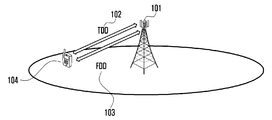
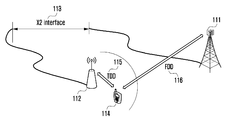
도 1A 및 도 1B는 본 발명이 적용되는 통신 시스템을 도시한 도면이다.
도 2A, 도 2B, 도 2C는 본 발명의 실시 예에 따른 제어채널 전송 방법에 대한 제1 실시 예, 제2 실시 예, 제3실시 예를 도시한 도면이다.
도 3A 및 도 3B는 본 발명의 실시 예들에 따른 스페셜 서브프레임 설정을 도시한 도면이다.
도 4A 및 도 4B는 본 발명의 실시 예들에 따른 기지국과 단말의 동작을 도시한 순서도이다.
도 5는 본 발명의 실시 예들에 따른 기지국 장치를 도시한 도면이다.
도 6은 본 발명의 실시 예들에 따른 단말 장치를 도시한 도면이다.1A and 1B are diagrams illustrating a communication system to which the present invention is applied.
FIGS. 2A, 2B, and 2C are views illustrating first, second, and third embodiments of a control channel transmission method according to an embodiment of the present invention.
3A and 3B are diagrams illustrating special subframe settings according to embodiments of the present invention.
4A and 4B are flowcharts illustrating operations of a BS and a UE according to embodiments of the present invention.
5 is a diagram illustrating a base station apparatus according to embodiments of the present invention.
6 is a diagram illustrating a terminal device according to embodiments of the present invention.
이하, 본 발명의 실시 예를 첨부된 도면을 참조하여 상세하게 설명한다.DETAILED DESCRIPTION OF THE PREFERRED EMBODIMENTS Hereinafter, embodiments of the present invention will be described in detail with reference to the accompanying drawings.
실시 예를 설명함에 있어서 본 발명이 속하는 기술 분야에 익히 알려져 있고 본 발명과 직접적으로 관련이 없는 기술 내용에 대해서는 설명을 생략한다. 이는 불필요한 설명을 생략함으로써 본 발명의 요지를 흐리지 않고 더욱 명확히 전달하기 위함이다.In the following description of the embodiments of the present invention, descriptions of techniques which are well known in the technical field of the present invention and are not directly related to the present invention will be omitted. This is for the sake of clarity of the present invention without omitting the unnecessary explanation.
마찬가지 이유로 첨부 도면에 있어서 일부 구성요소는 과장되거나 생략되거나 개략적으로 도시되었다. 또한, 각 구성요소의 크기는 실제 크기를 전적으로 반영하는 것이 아니다. 각 도면에서 동일한 또는 대응하는 구성요소에는 동일한 참조 번호를 부여하였다.For the same reason, some of the components in the drawings are exaggerated, omitted, or schematically illustrated. Also, the size of each component does not entirely reflect the actual size. In the drawings, the same or corresponding components are denoted by the same reference numerals.
본 발명의 이점 및 특징, 그리고 그것들을 달성하는 방법은 첨부되는 도면과 함께 상세하게 후술되어 있는 실시 예들을 참조하면 명확해질 것이다. 그러나 본 발명은 이하에서 개시되는 실시 예들에 한정되는 것이 아니라 서로 다른 다양한 형태로 구현될 수 있으며, 단지 본 실시 예들은 본 발명의 개시가 완전하도록 하고, 본 발명이 속하는 기술분야에서 통상의 지식을 가진 자에게 발명의 범주를 완전하게 알려주기 위해 제공되는 것이며, 본 발명은 청구항의 범주에 의해 정의될 뿐이다. 명세서 전체에 걸쳐 동일 참조 부호는 동일 구성 요소를 지칭한다.BRIEF DESCRIPTION OF THE DRAWINGS The advantages and features of the present invention and the manner of achieving them will become apparent with reference to the embodiments described in detail below with reference to the accompanying drawings. The present invention may, however, be embodied in many different forms and should not be construed as being limited to the embodiments set forth herein. Rather, these embodiments are provided so that this disclosure will be thorough and complete, and will fully convey the concept of the invention to those skilled in the art. Is provided to fully convey the scope of the invention to those skilled in the art, and the invention is only defined by the scope of the claims. Like reference numerals refer to like elements throughout the specification.
이 때, 처리 흐름도 도면들의 각 블록과 흐름도 도면들의 조합들은 컴퓨터 프로그램 인스트럭션들에 의해 수행될 수 있음을 이해할 수 있을 것이다. 이들 컴퓨터 프로그램 인스트럭션들은 범용 컴퓨터, 특수용 컴퓨터 또는 기타 프로그램 가능한 데이터 프로세싱 장비의 프로세서에 탑재될 수 있으므로, 컴퓨터 또는 기타 프로그램 가능한 데이터 프로세싱 장비의 프로세서를 통해 수행되는 그 인스트럭션들이 흐름도 블록(들)에서 설명된 기능들을 수행하는 수단을 생성하게 된다. 이들 컴퓨터 프로그램 인스트럭션들은 특정 방식으로 기능을 구현하기 위해 컴퓨터 또는 기타 프로그램 가능한 데이터 프로세싱 장비를 지향할 수 있는 컴퓨터 이용 가능 또는 컴퓨터 판독 가능 메모리에 저장되는 것도 가능하므로, 그 컴퓨터 이용가능 또는 컴퓨터 판독 가능 메모리에 저장된 인스트럭션들은 흐름도 블록(들)에서 설명된 기능을 수행하는 인스트럭션 수단을 내포하는 제조 품목을 생산하는 것도 가능하다. 컴퓨터 프로그램 인스트럭션들은 컴퓨터 또는 기타 프로그램 가능한 데이터 프로세싱 장비 상에 탑재되는 것도 가능하므로, 컴퓨터 또는 기타 프로그램 가능한 데이터 프로세싱 장비 상에서 일련의 동작 단계들이 수행되어 컴퓨터로 실행되는 프로세스를 생성해서 컴퓨터 또는 기타 프로그램 가능한 데이터 프로세싱 장비를 수행하는 인스트럭션들은 흐름도 블록(들)에서 설명된 기능들을 실행하기 위한 단계들을 제공하는 것도 가능하다.At this point, it will be appreciated that the combinations of blocks and flowchart illustrations in the process flow diagrams may be performed by computer program instructions. These computer program instructions may be loaded into a processor of a general purpose computer, special purpose computer, or other programmable data processing apparatus, so that those instructions, which are executed through a processor of a computer or other programmable data processing apparatus, Thereby creating means for performing functions. These computer program instructions may also be stored in a computer usable or computer readable memory capable of directing a computer or other programmable data processing apparatus to implement the functionality in a particular manner so that the computer usable or computer readable memory The instructions stored in the block diagram (s) are also capable of producing manufacturing items containing instruction means for performing the functions described in the flowchart block (s). Computer program instructions may also be stored on a computer or other programmable data processing equipment so that a series of operating steps may be performed on a computer or other programmable data processing equipment to create a computer- It is also possible for the instructions to perform the processing equipment to provide steps for executing the functions described in the flowchart block (s).
또한, 각 블록은 특정된 논리적 기능(들)을 실행하기 위한 하나 이상의 실행 가능한 인스트럭션들을 포함하는 모듈, 세그먼트 또는 코드의 일부를 나타낼 수 있다. 또, 몇 가지 대체 실행 예들에서는 블록들에서 언급된 기능들이 순서를 벗어나서 발생하는 것도 가능함을 주목해야 한다. 예컨대, 잇달아 도시되어 있는 두 개의 블록들은 사실 실질적으로 동시에 수행되는 것도 가능하고 또는 그 블록들이 때때로 해당하는 기능에 따라 역순으로 수행되는 것도 가능하다.In addition, each block may represent a module, segment, or portion of code that includes one or more executable instructions for executing the specified logical function (s). It should also be noted that in some alternative implementations, the functions mentioned in the blocks may occur out of order. For example, two blocks shown in succession may actually be executed substantially concurrently, or the blocks may sometimes be performed in reverse order according to the corresponding function.
이 때, 본 실시 예에서 사용되는 '~부'라는 용어는 소프트웨어 또는 FPGA또는 ASIC과 같은 하드웨어 구성요소를 의미하며, '~부'는 어떤 역할들을 수행한다. 그렇지만 '~부'는 소프트웨어 또는 하드웨어에 한정되는 의미는 아니다. '~부'는 어드레싱할 수 있는 저장 매체에 있도록 구성될 수도 있고 하나 또는 그 이상의 프로세서들을 재생시키도록 구성될 수도 있다. 따라서, 일 예로서 '~부'는 소프트웨어 구성요소들, 객체지향 소프트웨어 구성요소들, 클래스 구성요소들 및 태스크 구성요소들과 같은 구성요소들과, 프로세스들, 함수들, 속성들, 프로시저들, 서브루틴들, 프로그램 코드의 세그먼트들, 드라이버들, 펌웨어, 마이크로코드, 회로, 데이터, 데이터베이스, 데이터 구조들, 테이블들, 어레이들, 및 변수들을 포함한다. 구성요소들과 '~부'들 안에서 제공되는 기능은 더 작은 수의 구성요소들 및 '~부'들로 결합되거나 추가적인 구성요소들과 '~부'들로 더 분리될 수 있다. 뿐만 아니라, 구성요소들 및 '~부'들은 디바이스 또는 보안 멀티미디어카드 내의 하나 또는 그 이상의 CPU들을 재생시키도록 구현될 수도 있다.Herein, the term " part " used in the present embodiment means a hardware component such as software or an FPGA or an ASIC, and 'part' performs certain roles. However, 'part' is not meant to be limited to software or hardware. &Quot; to " may be configured to reside on an addressable storage medium and may be configured to play one or more processors. Thus, by way of example, 'parts' may refer to components such as software components, object-oriented software components, class components and task components, and processes, functions, , Subroutines, segments of program code, drivers, firmware, microcode, circuitry, data, databases, data structures, tables, arrays, and variables. The functions provided in the components and components may be further combined with a smaller number of components and components or further components and components. In addition, the components and components may be implemented to play back one or more CPUs in a device or a secure multimedia card.
본 발명에서 일 실시 예에 따르면, TDD 셀에서의 하향링크 데이터에 대한 상향링크 제어채널을 전송할 때, FDD 셀의 상향링크 제어채널 전송 타이밍을 적용하는 것을 특징으로 한다. According to an embodiment of the present invention, an uplink control channel transmission timing of an FDD cell is applied when transmitting an uplink control channel for downlink data in a TDD cell.
본 발명의 다른 실시 예에 따르면, TDD 셀에서 하향링크 데이터가 전송될 수 없는 서브프레임에 대한 상향링크 제어채널을 전송할 때, FDD 셀에서의 하향링크 데이터에 대한 상향링크 제어정보만 고려한 상향링크 제어포맷을 이용하여 상향링크 제어채널을 전송하는 것을 특징으로 한다.According to another embodiment of the present invention, when an uplink control channel for a subframe in which downlink data can not be transmitted in a TDD cell is transmitted, uplink control considering uplink control information for downlink data in the FDD cell And transmits the uplink control channel using the format.
이하 본 발명의 바람직한 실시 예를 첨부된 도면의 참조와 함께 상세히 설명한다. 그리고, 본 발명을 설명함에 있어서, 관련된 공지기능 혹은 구성에 대한 구체적인 설명이 본 발명의 요지를 불필요하게 흐릴 수 있다고 판단된 경우 그 상세한 설명은 생략할 것이다. 그리고 후술되는 용어들은 본 발명에서의 기능을 고려하여 정의된 용어들로서 이는 사용자, 운용자의 의도 또는 관례 등에 따라 달라질 수 있다. 그러므로 그 정의는 본 명세서 전반에 걸친 내용을 토대로 내려져야 할 것이다.DETAILED DESCRIPTION OF THE PREFERRED EMBODIMENTS Reference will now be made in detail to the preferred embodiments of the present invention, examples of which are illustrated in the accompanying drawings. In the following description of the present invention, a detailed description of known functions and configurations incorporated herein will be omitted when it may make the subject matter of the present invention rather unclear. The following terms are defined in consideration of the functions of the present invention, and these may be changed according to the intention of the user, the operator, or the like. Therefore, the definition should be based on the contents throughout this specification.
이하 본 명세서에서는 LTE(Long Term Evolution) 시스템과 LTE-A(LTE-Advanced) 시스템을 예로 들어 기술되었지만, 본 발명은 기지국 스케줄링이 적용되는 여타의 통신 시스템에 별다른 가감 없이 적용 가능하다. In the following description, LTE (Long Term Evolution) system and LTE-Advanced (LTE-A) system are exemplified, but the present invention can be applied to other communication systems to which base station scheduling is applied without adding or subtracting.
OFDM(Orthogonal Frequency Division Multiple Access) 전송 방식은 멀티캐리어(Multi-carrier)를 사용하여 데이터를 전송하는 방식으로서, 직렬로 입력되는 심볼(Symbol)열을 병렬화하고 이들 각각을 상호 직교 관계를 가지고 다수의 멀티캐리어들, 즉 다수의 서브캐리어(Sub-carrier 채널들로 변조하여 전송하는 멀티캐리어 변조(Multi Carrier Modulation) 방식의 일종이다. An Orthogonal Frequency Division Multiple Access (OFDM) transmission scheme is a scheme for transmitting data using a multi-carrier, in which a symbol sequence input in series is parallelized, and each of the symbols is orthogonally connected, And is a kind of multi-carrier modulation (Multi Carrier Modulation) scheme that modulates multi-carriers, that is, a plurality of sub-carriers.
OFDM 방식에서 변조 신호는 시간과 주파수로 구성된 2차원 자원(resource)에 위치한다. 시간 축 상의 자원은 서로 다른 OFDM 심볼들로 구별되며 이들은 서로 직교한다. 주파수 축 상의 자원은 서로 다른 서브캐리어로 구별되며 이들 또한 서로 직교한다. 즉 OFDM 방식에서는 시간 축 상에서 특정 OFDM 심볼을 지정하고 주파수 축 상에서 특정 서브캐리어를 지정하면 하나의 최소 단위 자원을 가리킬 수 있는데, 이를 자원 요소(RE: Resource Element, 이하 'RE'라 칭함)라고 칭한다. 서로 다른 RE들은 주파수 선택적 채널(frequency selective channel)을 거치더라도 서로 직교하는 특성을 가지고 있어서, 서로 다른 RE로 전송된 신호는 상호 간섭을 일으키지 않고 수신 측으로 수신될 수 있다. In the OFDM scheme, a modulated signal is located in a two-dimensional resource composed of time and frequency. The resources on the time axis are distinguished by different OFDM symbols and they are orthogonal to each other. The resources on the frequency axis are distinguished by different subcarriers and they are also orthogonal to each other. That is, in the OFDM scheme, when a specific OFDM symbol is specified on the time axis and a specific subcarrier is designated on the frequency axis, it can be referred to as a resource element (RE) . Different REs have characteristics orthogonal to each other even though they pass through a frequency selective channel, so that signals transmitted in different REs can be received at the receiving side without mutual interference.
물리 채널은 하나 또는 그 이상의 부호화된 비트 열을 변조한 변조심볼을 전송하는 물리 계층의 채널이다. 직교 주파수 분할 다중 접속(OFDMA: Orthogonal Frequency Division Multiple Access, 이하 'OFDMA'라 칭함) 시스템에서는 송신하는 정보열의 용도나 수신기에 따라 복수의 물리 채널을 구성하여 전송한다. 하나의 물리 채널을 어떤 RE에 배치하여 전송할 것인가를 송신기와 수신기가 미리 약속하여야 하는데 그 규칙을 맵핑(mapping)이라고 한다.A physical channel is a channel of a physical layer for transmitting a modulation symbol modulating one or more encoded bit streams. In an orthogonal frequency division multiple access (OFDMA) system, a plurality of physical channels are configured and transmitted according to the use of an information sequence to be transmitted or a receiver. A transmitter and a receiver have to promise in advance which RE to place a physical channel to transmit, and the rule is called mapping.
OFDM 통신 시스템에서 하향링크 대역(bandwidth) 은 다수 개의 자원 블록(RB: Resource Block, 이하 'RB'라 칭함)들로 이뤄져 있으며, 각 물리적 자원 블록(PRB: Physical Resource Block, 이하 'PRB'라 칭함)은 주파수 축을 따라 배열된 12개의 서브캐리어들과 시간 축을 따라 배열된 14개 또는 12개의 OFDM 심볼들로 구성될 수 있다. 여기서 상기 PRB는 자원 할당의 기본 단위가 된다. In the OFDM communication system, a downlink bandwidth consists of a plurality of resource blocks (RBs), and each physical resource block (PRB) May be composed of 12 subcarriers arranged along the frequency axis and 14 or 12 OFDM symbols arranged along the time axis. Here, the PRB is a basic unit of resource allocation.
기준 신호(RS: Reference Signal, 이하 'RS'라 칭함)는 기지국으로부터 수신되는 것으로 단말이 채널 추정을 할 수 있도록 하는 신호로서, LTE 통신 시스템에서는 공통 기준 신호(CRS: Common Reference Signal, 이하 'CRS'라 칭함)와 전용 기준 신호의 하나로 복조 기준 신호(DMRS: DeModulation Reference Signal, 이하 'DMRS'라 칭함)를 포함한다. A reference signal (RS) is a signal that is received from a base station and enables the UE to perform channel estimation. In the LTE communication system, a common reference signal (CRS) And a demodulation reference signal (DMRS) as one of the dedicated reference signals.
CRS는 전체 하향링크 대역에 걸쳐서 전송되는 기준 신호로 모든 단말이 수신 가능하며, 채널 추정, 단말의 피드백 정보 구성, 또는 제어 채널 및 데이터 채널의 복조에 사용된다. DMRS 역시 전체 하향링크 대역에 걸쳐서 전송되는 기준 신호로 특정 단말의 데이터 채널 복조 및 채널 추정에 사용되며, CRS와 달리 피드백 정보 구성에는 사용되지 않는다. 따라서 DMRS는 단말이 스케줄링할 PRB 자원을 통해 전송된다. The CRS is a reference signal transmitted over the entire downlink band and can be received by all UEs and is used for channel estimation, feedback information configuration of UEs, or demodulation of control channels and data channels. The DMRS is also used as a reference signal transmitted over the entire downlink band for data channel demodulation and channel estimation of a specific UE, and unlike the CRS, it is not used for feedback information configuration. Therefore, the DMRS is transmitted through the PRB resource to be scheduled by the UE.
시간 축 상에서 서브프레임(subframe)은 0.5msec 길이의 2개의 슬롯(slot), 즉 제1슬롯 및 제2슬롯으로 구성된다. 제어 채널 영역인 물리적 전용 제어 채널(PDCCH: Physical Dedicated Control Channel, 'PDCCH'라 칭함) 영역과 데이터 채널 영역인 ePDCCH(enhanced PDCCH) 영역은 시간 축 상에서 분할되어 전송된다. 이는 제어 채널 신호를 빠르게 수신하고 복조 하기 위한 것이다. 뿐만 아니라 PDCCH 영역은 전체 하향링크 대역에 걸쳐서 위치하는데 하나의 제어 채널이 작은 단위의 제어 채널들로 분할되어 상기 전체 하향링크 대역에 분산되어 위치하는 형태를 가진다.A subframe on the time axis is composed of two slots having a length of 0.5 msec, that is, a first slot and a second slot. A physical dedicated control channel (PDCCH) region, which is a control channel region, and an enhanced PDCCH (ePDCCH) region, which is a data channel region, are divided and transmitted on a time axis. This is for quickly receiving and demodulating control channel signals. In addition, the PDCCH region is located over the entire downlink band, and one control channel is divided into a small number of control channels and distributed in the entire downlink band.
상향링크는 크게 제어 채널(PUCCH)과 데이터 채널(PUSCH)로 나뉘며 하향링크 데이터 채널에 대한 응답 채널과 기타 피드백 정보가 데이터 채널이 없는 경우에는 제어 채널을 통해, 데이터 채널이 있는 경우에는 데이터 채널에 전송된다.The uplink is divided into a control channel (PUCCH) and a data channel (PUSCH). The response channel for the downlink data channel and other feedback information are transmitted through the control channel when there is no data channel, .
도 1A 및 도 1B는 본 발명이 적용되는 통신 시스템을 도시한 도면이다.1A and 1B are diagrams illustrating a communication system to which the present invention is applied.
도 1A 및 도 1B를 참조하여 설명하면, 도 1A은 네트워크에서 하나의 기지국(101)내에 TDD 셀(102)과 FDD 셀(103)이 공존하는 경우를 도시한 것이며, 단말(104)은 TDD 셀(102)과 FDD 셀(103)을 통해 기지국과 데이터를 송수신한다. 단, 상향링크 전송은 FDD 셀이 P셀인 경우 FDD 셀(103)을 통해서만 전송한다. 도 1B는 네트워크에서 넓은 커버리지를 위한 매크로(Macro) 기지국(111)과 데이터 전송량 증가를 위한 피코(Pico) 기지국(112)을 설치한 것을 도시한 것이며, 이 경우 매크로 기지국(111)은 FDD 방식(116)을 사용하고, 피코 기지국은 TDD 방식(115)을 사용하여 단말(114)과 데이터를 송수신한다. 단, 상향링크 전송은 매크로 기지국이 P셀인 경우 매크로 기지국(111)을 통해서만 전송한다. 이때, 매크로 기지국(111)과 피코 기지국(112)는 이상적인 백홀망을 가진 것으로 가정할 수 있다. 따라서 빠른 기지국간 X2 통신(113)이 가능하여, 상향링크 전송이 매크로 기지국(111)에게만 전송되더라도, X2 통신(113)을 통해 피코 기지국(112)이 관련 제어 정보를 매크로 기지국(111)으로부터 실시간 수신하는 것이 가능하다. 1A shows a case where a
본 발명에서 제안하는 방안이 도 1A의 시스템과 도 1B의 시스템에 모두 적용이 가능하지만, 본 명세서에서는 주로 도 1A의 시스템을 가정하여 설명하도록 한다.Although the method proposed by the present invention is applicable to both the system of FIG. 1A and the system of FIG. 1B, the description of the present invention mainly assumes the system of FIG. 1A.
도 2A 및 도 2B는 본 발명의 실시 예에 따른 제어채널 전송 방법에 대한 제1 실시 예와 제2 실시 예를 도시한 도면이다. 도 2A 및 도 2B의 제1 실시 예와 제2 실시 예를 통해 FDD 셀의 상향링크 제어채널 전송 타이밍을 적용하여 TDD 셀과 FDD 셀에서의 하향링크 데이터에 대한 상향링크 제어채널을 전송하는 것을 설명하도록 한다.FIG. 2A and FIG. 2B are views illustrating first and second embodiments of a control channel transmission method according to an embodiment of the present invention. It is described that the uplink control channel for downlink data in the TDD cell and the FDD cell is transmitted by applying the uplink control channel transmission timing of the FDD cell through the first and second embodiments of FIGS. 2A and 2B .
먼저 도 2A을 참조하면, 도 2A은 상향링크 제어채널 전송에 대한 제1 실시 예를 도시한 것이며, 서로 다른 복식 방식을 사용하고 있는 셀이 공존하고 있는 상황을 묘사한 것이다. Referring to FIG. 2A, FIG. 2A illustrates a first embodiment of an uplink control channel transmission, and illustrates a situation where cells using different duplex systems coexist.
도 2A에서 P셀은 FDD 방식(201)이며, 하향 전송을 위한 주파수는 f1이고, 상향 전송을 위한 주파수는 f2이다. S셀은 정적 TDD 방식(202)이며, TDD UL-DL 설정 #4에 따라 하향 서브프레임과 상향 서브프레임이 설정되어 있다. 상기 TDD UL-DL 설정은 본 실시 예를 설명하기 위해 예시적으로 선택된 설정이며, 다른 설정이 적용되는 경우도 본 명세서의 실시 예의 기술적 특징이 적용될 수 있다. 단말은 P셀에 대한 하향 주파수 f1은 cell search를 하면서 획득하고, P셀에 대한 상향 주파수 f2는 기지국으로부터 시스템 정보를 수신하여 획득할 수 있다. 또한, 단말은 S셀에 대한 TDD UL-DL 설정은 상위정보로부터 획득할 수 있다.In FIG. 2A, the P cell is the
상기 P셀과 S셀, 총 2개의 셀이 단말에게 설정되어 있고, 단말에게 PUCCH format 1b with channel selection의 사용이 상위 신호로 설정되어, 단말이 PUCCH format 1b with channel selection을 통해 HARQ-ACK을 전송하는 경우에 대하여 먼저 설명하도록 한다. PDSCH(207)이 정적 TDD 셀(202)에서의 서브프레임 #0에서 스케줄링 되면, 상기 PDSCH(207)에 대한 HARQ-ACK은 FDD 셀의 상향링크 제어채널 전송 타이밍에 따른 4 서브프레임 후의, FDD 셀(201)의 주파수 f2의 상향 서브프레임 #4에서 전송된다. 종래 기술에 따르면, TDD UL-DL 설정 #4에서는 PDSCH(207)에 대한 HARQ-ACK은 6 서브프레임 후의, 상향 서브프레임 #6에서 전송되어 있었다. 이 때, FDD 셀(201)에서의 PDSCH(206)이 서브프레임 #0에서 스케줄링 되면, 상기 PDSCH(206)에 대한 HARQ-ACK은 4 서브프레임 후의, FDD 셀(201)의 주파수 f2의 상향 서브프레임 #4에서 상기의 PDSCH(207)에 대한 HARQ-ACK과 함께 PUCCH format 1b with channel selection을 사용하여 전송된다(208). The P cell and the S cell are set to the UE, and the use of the PUCCH format 1b with channel selection is set as the upper signal, and the UE transmits the HARQ-ACK through the PUCCH format 1b with channel selection Will be described first.
FDD 셀(201)에서의 PDSCH(203)이 서브프레임 #2에서 스케줄링 되면, 상기 PDSCH(203)에 대한 HARQ-ACK은 4 서브프레임 후의, FDD 셀(201)의 주파수 f2의 상향 서브프레임 #6에서 전송된다. 이 때, 정적 TDD 셀(202)에서의 PDSCH(204)는 정적 TDD 셀(202)에서의 서브프레임 #2가 상향 서브프레임이기 때문에 스케줄링 될 수 없다. 따라서, FDD 셀(201)의 주파수 f2의 상향 서브프레임 #6에서는 상기의 FDD 셀(201)의 PDSCH(203)에 대한 HARQ-ACK만이 PUCCH format 1a/1b를 이용하여 전송된다(205). When the
이 때, FDD 셀 또는 TDD 셀 만이 공존하는 상황과는 차이점이 발생하게 된다. 가령 2개의 FDD 셀 또는 TDD 셀만이 공존하는 상황에서는 상향 서브프레임에서 상향 링크 제어채널을 전송할 때, 매 상향 서브프레임에서 같은 상향링크 제어채널 포맷을 사용하여 전송하여야 한다. 가령 LTE RelA0에서는 format 1b with channel selection의 사용이 설정되면, 매 상향 서브프레임에서 PDSCH 스케줄링 여부에 상관없이 항상 format 1b with channel selection을 사용하여 상향링크 제어채널을 전송하게 된다. 하지만, 상기와 같이 정적 TDD 셀(202)에서의 서브프레임 #2가 상향 서브프레임이기 때문에 PDSCH(204)가 스케줄링 될 수 없는 상황에서는 기지국과 단말이 PUCCH format 1a 또는 1b와 같이 심플한 전송 포맷 사용을 약속할 수 있으며, 이 경우 단말은 PUCCH format 1a/1b를 통하여 HARQ-ACK을 전송한다. 따라서, 상기 서브프레임에서 상향링크 제어채널 수신 복잡도를 줄이고, format 1b with channel selection을 위해 설정된 상향링크 제어채널 전송 리소스들을 다른 목적, 가령 상향링크 데이터 전송을 위해 사용하는 것이 가능하게 된다. At this time, there is a difference from the situation where only the FDD cell or the TDD cell coexists. For example, in a situation where only two FDD cells or TDD cells coexist, when transmitting an uplink control channel in an uplink subframe, each uplink subframe must be transmitted using the same uplink control channel format. For example, when the format 1b with channel selection is set in the LTE RelA0, the uplink control channel is always transmitted using format 1b with channel selection regardless of whether the PDSCH is scheduled in every uplink subframe. However, in a situation where the
보다 구체적으로 단말은 기지국으로부터 상향링크 제어 채널 포멧에 관련된 설정정보를 수신하고, 프라이머리 셀(primary cell)의 제1서브프레임 및 세컨더리 셀(secondary cell)의 제1서브프레임 중 적어도 하나로부터 하향링크 데이터를 수신하고, 상기 설정 정보 및 상기 세컨더리 셀의 상기 제1서브프레임을 기반으로 상기 하향링크 데이터에 대한 응답을 상기 프라이머리 셀의 제2서브프레임에 전송할 수 있다. More specifically, a UE receives setting information related to an uplink control channel format from a Node B, and receives, from at least one of a first subframe of a primary cell and a first subframe of a secondary cell, And transmit a response to the downlink data to the second subframe of the primary cell based on the setting information and the first subframe of the secondary cell.
일 실시 예에서 상기 상향링크 제어 채널 포멧은 제1포멧일 수 있으며, 상기 세컨더리 셀의 상기 제1서브프레임에 따라 다른 포멧(일 예로 제2포멧)으로 수신한 하향링크 데이터에 대한 응답을 기지국에 전송할 수 있다. 또한 실시 예에서 세컨더리 셀의 제1서브프레임이 상향링크 서브프레임, 일반 하향링크 전치순환(normal downlink cyclic prefix)의 설정(configuration) 0 및 5인 스페셜 서브프레임(special subframe), 또는 확장 하향링크 전치순환(extended downlink cyclic prefix)의 설정 0 및 4인 스페셜 서브프레임일 경우, 제2포멧으로 상기 수신한 하향링크 데이터에 대한 응답을 전송할 수 있으며, 상기 제1포멧은 물리 상향링크 제어 채널(physical uplink control channel, PUCCH) format 1b with channel selection 이며, 상기 제2포멧은 PUCCH format 1a/1b일 수 있다. In one embodiment, the uplink control channel format may be a first format, and a response to the downlink data received in a different format (e.g., the second format) according to the first subframe of the secondary cell may be transmitted to the base station Lt; / RTI > Also, in the embodiment, the first subframe of the secondary cell may be an uplink subframe, a special
다른 실시 예에서 상기 상향링크 제어 채널 포멧은 PUCCH format 3일 수 있으며, 이에 따른 HARQ-ACK 비트는 상기 제1서브프레임에서 하향링크 서브프레임으로 설정된 서빙셀, 일반 하향링크 전치 순환의 설정 0 및 5를 제외한 스페셜 서브프레임으로 설정된 서빙셀, 또는 확장 전치 순환의 설정 0 및 4를 제외한 스페설 서브프레임으로 설정된 서빙셀의 개수를 기반으로 결정될 수 있으며, 결정된 HARQ-ACK 비트를 기반으로 하향링크 데이터에 대한 응답을 전송할 수 있다. In another embodiment, the uplink control channel format may be
다음으로 상기 P셀과 S셀, 총 2개의 셀이 단말에게 설정되어 있고, 단말에게 PUCCH format 3의 사용이 상위 신호로 설정되어, 단말이 PUCCH format 3를 통해 HARQ-ACK을 전송하는 경우에 대하여 설명하도록 한다. PDSCH(207)이 정적 TDD 셀(202)에서의 서브프레임 #0에서 스케줄링 되면, 상기 PDSCH(207)에 대한 HARQ-ACK은 FDD 셀의 상향링크 제어채널 전송 타이밍에 따른 4 서브프레임 후의, FDD 셀(201)의 주파수 f2의 상향 서브프레임 #4에서 전송된다. 종래 기술에 따르면, TDD UL-DL 설정 #4에서는 PDSCH(207)에 대한 HARQ-ACK은 6 서브프레임 후의, 상향 서브프레임 #6에서 전송되도록 되어 있었다. 이 때, FDD 셀(201)에서의 PDSCH(206)이 서브프레임 #0에서 스케줄링 되면, 상기 PDSCH(206)에 대한 HARQ-ACK은 4 서브프레임 후의, FDD 셀(201)의 주파수 f2의 상향 서브프레임 #4에서 상기의 PDSCH(207)에 대한 HARQ-ACK과 함께 HARQ-ACK payload size로 계산되어 PUCCH format 3에 적용하고, 상기 PUCCH format 3가 전송된다(208). Next, a total of two cells, i.e., the P-cell and the S-cell, are set in the UE, the use of
FDD 셀(201)에서의 PDSCH(203)이 서브프레임 #2에서 스케줄링 되면, 상기 PDSCH(203)에 대한 HARQ-ACK은 4 서브프레임 후의, FDD 셀(201)의 주파수 f2의 상향 서브프레임 #6에서 전송된다. 이 때, 정적 TDD 셀(202)에서의 PDSCH(204)는 정적 TDD 셀(202)에서의 서브프레임 #2가 상향 서브프레임이기 때문에 스케줄링 될 수 없다. 따라서, FDD 셀(201)의 주파수 f2의 상향 서브프레임 #6에서는 상기의 FDD 셀(201)의 PDSCH(203)에 대한 HARQ-ACK만이 HARQ-ACK payload size로 계산되어 PUCCH format 3에 적용하고, 상기 PUCCH format 3가 전송된다 (205). When the
이 때, FDD 셀 또는 TDD 셀 만이 공존하는 상황과는 차이점이 발생하게 된다. 가령 2개의 FDD 셀 또는 TDD 셀만이 공존하는 상황에서는 상향 서브프레임에서 상향 링크 제어채널을 전송할 때, PUCCH format 3에 상기 셀들의 전송모드에 따른 TB(Transport Block)수, carrier aggregation이 설정된 셀 수를 곱하여 (단, TDD셀들에 대한 carrier aggregation에서는 bundling window size를 추가로 곱함.) HARQ-ACK payload size를 계산하고, 상기 payload size를 PUCCH format 3에 적용하여 전송한다. 따라서, subframe 별로 PUCCH format 3에 적용하는 HARQ-ACK payload size가 변하지 않는다. 하지만, 상기와 같이 정적 TDD 셀(202)에서의 서브프레임 #2가 상향 서브프레임이기 때문에 PDSCH(204)가 스케줄링 될 수 없는 상황에서 단말은 상기 상향 서브프레임에서 전송될 수 없는 PDSCH들에 대한 HARQ-ACK들에 대해서는 HARQ-ACK payload size에 적용하지 않고, FDD 셀(201)에 대해서만 계산된 payload size를 PUCCH format 3에 적용하여 전송한다. 따라서, 상기 서브프레임에서 최적화된 HARQ-ACK payload size가 적용된 PUCCH format 3를 단말이 사용함으로써 같은 기지국 수신 성능을 보장하면서 단말 송신 전력을 줄이는 것이 가능하다. At this time, there is a difference from the situation where only the FDD cell or the TDD cell coexists. In a situation where only two FDD cells or TDD cells coexist, when transmitting an uplink control channel in an uplink subframe, the number of TBs (Transport Blocks) and carrier aggregation set according to the transmission mode of the cells in
다음으로 도 2B를 참조하면, 도 2B는 상향링크 제어채널 전송에 대한 제2 실시예를 도시한 것이며, 서로 다른 복식 방식을 사용하고 있는 셀이 공존하고 있는 상황을 묘사한 것이다. Next, referring to FIG. 2B, FIG. 2B illustrates a second embodiment of the uplink control channel transmission, which illustrates the coexistence of cells using different duplex modes.
도 2B에서 P셀은 FDD 방식(211)이며, 하향 전송을 위한 주파수는 f1이고, 상향 전송을 위한 주파수는 f2이다. S셀은 정적 TDD 방식(212)이며, TDD UL-DL 설정 #4에 따라 하향 서브프레임과 상향 서브프레임이 설정되어 있다. 단말은 P셀에 대한 하향 주파수 f1은 cell search를 하면서 획득하고, P셀에 대한 상향 주파수 f2는 기지국으로부터 시스템 정보를 수신하여 획득할 수 있다. 또한, 단말은 S셀에 대한 TDD UL-DL 설정은 상위정보로부터 획득할 수 있다.In FIG. 2B, the P cell is the
상기 P셀과 S셀, 총 2개의 셀이 단말에게 설정되어 있고, 단말에게 PUCCH format 3 또는 PUCCH format 1b with channel selection의 사용이 상위 신호로 설정되어, 단말이 상기 설정된 PUCCH format을 통해 HARQ-ACK을 전송하는 경우에 대하여 설명하도록 한다. PDSCH(214)이 정적 TDD 셀(212)에서의 서브프레임 #1에서 스케줄링 되면, 상기 PDSCH(214)에 대한 HARQ-ACK은 FDD 셀의 상향링크 제어채널 전송 타이밍에 따른 4 서브프레임 후의, FDD 셀(211)의 주파수 f2의 상향 서브프레임 #5에서 전송된다. 상기 TDD 셀(212)의 서브프레임 #1은 스페셜 서브프레임(Special subframe)이며, DwPTS(216), GP(Guard Period)(217), UpPTS(218)로 구성되어 있다. 상기 DwPTS(216)는 바로 전 하향 서브프레임 (#0)에 이어 하향 전송을 자연스럽게 수행할 수 있도록 하기 위한 구간이며, GP(217)는 단말이 RF를 하향에서 상향으로 스위치 하기 위해 필요한 시간을 벌기 위한 구간이며, UpPTS(218)는 상향 전송을 시작하여 바로 다음 상향 서브프레임 (#2)에서도 상향 전송을 자연스럽게 수행할 수 있도록 하기 위한 구간이다. 상기 DwPTS, GP, UpPTS의 시간축에서의 길이는 special subframe configuration에서 정의되어 있으며, TDD Scell의 special subframe configuration은 상위신호로 단말에게 전송된다. 상기 PDSCH(214)는 하향 전송을 수행할 수 있는 DwPTS(216)에서 전송될 수 있다. 단, DwPTS(216)이 4 OFDM 심볼보다 작은 경우, PDSCH는 전송될 수 없도록 정의되어 있다. 그 이유는 3 OFDM 심볼까지 PDCCH가 전송될 수 있어서 PDSCH가 전송될 수 있는 영역이 없기 때문이다.The P cell and the S cell are set in the UE and the use of the
한편, 종래 기술에 따르면, TDD UL-DL 설정 #4에서는 PDSCH(214)에 대한 HARQ-ACK은 6 서브프레임 후의, 상향 서브프레임 #7에서 전송되도록 되어 있었다. 이 때, FDD 셀(211)에서의 PDSCH(213)이 서브프레임 #1에서 스케줄링 되면, 상기 PDSCH(213)에 대한 HARQ-ACK은 4 서브프레임 후의, FDD 셀(211)의 주파수 f2의 상향 서브프레임 #5에서 상기의 PDSCH(214)에 대한 HARQ-ACK과 함께 설정된 PUCCH format을 사용하여 전송된다(215). 따라서, FDD 셀과 TDD 셀에서 PDSCH가 동시에 스케줄링 될 수 있는 가능성이 있기 때문에, FDD 셀의 하향 서브프레임에서의 PDSCH 전송과 TDD 셀의 하향 서브프레임에서의 PDSCH 전송을 모두 고려하여 설정된 PUCCH format 을 적용한다.According to the conventional technique, in the TDD UL-
다음으로 도 2C를 참조하면, 도 2C는 상향링크 제어채널 전송에 대한 제3 실시예를 도시한 것이며, 서로 다른 복식 방식을 사용하고 있는 셀이 공존하고 있는 상황을 묘사한 것이다. Next, referring to FIG. 2C, FIG. 2C illustrates a third embodiment of the uplink control channel transmission, and illustrates a situation where cells using different duplex systems coexist.
도 2C에서 P셀은 FDD 방식(221)이며, 하향 전송을 위한 주파수는 f1이고, 상향 전송을 위한 주파수는 f2이다. S셀은 정적 TDD 방식(222)이며, TDD UL-DL 설정 #4에 따라 하향 서브프레임과 상향 서브프레임이 설정되어 있다. 단말은 P셀에 대한 하향 주파수 f1은 cell search를 하면서 획득하고, P셀에 대한 상향 주파수 f2는 기지국으로부터 시스템 정보를 수신하여 획득할 수 있다. 또한, 단말은 S셀에 대한 TDD UL-DL 설정은 상위 신호로부터 획득할 수 있다.In FIG. 2C, the P cell is the
상기 P셀과 S셀, 총 2개의 셀이 단말에게 설정되어 있고, 단말에게 PUCCH format 1b with channel selection의 사용이 상위 신호로 설정되어, 단말이 PUCCH format 1b with channel selection을 통해 HARQ-ACK을 전송하는 경우에 대하여 먼저 설명하도록 한다.The P cell and the S cell are set to the UE, and the use of the PUCCH format 1b with channel selection is set as the upper signal, and the UE transmits the HARQ-ACK through the PUCCH format 1b with channel selection Will be described first.
FDD 셀(221)에서의 PDSCH(223)이 서브프레임 #1에서 스케줄링 되면, 상기 PDSCH(223)에 대한 HARQ-ACK은 4 서브프레임 후의, FDD 셀(221)의 주파수 f2의 상향 서브프레임 #5에서 전송된다. 이 때, 정적 TDD 셀(222)에서의 서브프레임 #1은 3 OFDM 심볼의 DwPTS(226)를 포함하는 스페셜 서브프레임이기 때문에, 정적 TDD 셀(222)의 서브프레임 #1에서 PDSCH(224)는 스케줄링 될 수 없다. 상기 DwPTS, GP, UpPTS의 시간축에서의 길이는 special subframe configuration에서 정의되어 있으며, TDD Scell의 special subframe configuration은 상위 신호로 단말에게 전송된다. 따라서, FDD 셀(221)의 주파수 f2의 상향 서브프레임 #5에서는 상기의 FDD 셀(221)의 PDSCH(223)에 대한 HARQ-ACK만이 PUCCH format 1a/1b를 이용하여 전송될 수 있다. (225). When the
이 때, FDD 셀 또는 TDD 셀 만이 공존하는 상황과는 차이점이 발생하게 된다. 가령 2개의 FDD 셀 또는 TDD 셀만이 공존하는 상황에서는 상향 서브프레임에서 상향 링크 제어채널을 전송할 때, 매 상향 서브프레임에서 같은 상향링크 제어채널 포맷을 사용하여 전송하여야 한다. 가령 LTE RelA0에서는 format 1b with channel selection의 사용이 설정되면, 매 상향 서브프레임에서 PDSCH 스케줄링 여부에 상관없이 항상 format 1b with channel selection을 사용하여 상향링크 제어채널을 전송하게 된다. 하지만, 상기와 같이 정적 TDD 셀(222)에서의 서브프레임 #1이 PDSCH가 전송될 수 없는 special subframe configuration을 갖는 스페셜 서브프레임이기 때문에 PDSCH(224)가 스케줄링 될 수 없는 상황에서는 기지국과 단말이 PUCCH format 1a 또는 1b와 같이 심플한 전송 포맷 사용을 약속할 수 있으며, 이 경우 단말은 PUCCH format 1a/1b를 통하여 HARQ-ACK을 전송한다. 따라서, 상기 서브프레임에서 상향링크 제어채널 수신 복잡도를 줄이고, format 1b with channel selection을 위해 설정된 상향링크 제어채널 전송 리소스들을 다른 목적, 가령 상향링크 데이터 전송을 위해 사용하는 것이 가능하게 된다. At this time, there is a difference from the situation where only the FDD cell or the TDD cell coexists. For example, in a situation where only two FDD cells or TDD cells coexist, when transmitting an uplink control channel in an uplink subframe, each uplink subframe must be transmitted using the same uplink control channel format. For example, when the format 1b with channel selection is set in the LTE RelA0, the uplink control channel is always transmitted using format 1b with channel selection regardless of whether the PDSCH is scheduled in every uplink subframe. However, when the
다음으로 상기 P셀과 S셀, 총 2개의 셀이 단말에게 설정되어 있고, 단말에게 PUCCH format 3의 사용이 상위 신호로 설정되어, 단말이 PUCCH format 3를 통해 HARQ-ACK을 전송하는 경우에 대하여 설명하도록 한다. Next, a total of two cells, i.e., the P-cell and the S-cell, are set in the UE, the use of
FDD 셀(201)에서의 PDSCH(203)이 서브프레임 #2에서 스케줄링 되면, 상기 PDSCH(203)에 대한 HARQ-ACK은 4 서브프레임 후의, FDD 셀(221)의 주파수 f2의 상향 서브프레임 #5에서 전송된다. 이 때, 정적 TDD 셀(222)에서의 서브프레임 #1은 3 OFDM 심볼의 DwPTS(226)를 포함하는 스페셜 서브프레임이기 때문에, 정적 TDD 셀(202)의 서브프레임 #1에서 PDSCH(224)는 스케줄링 될 수 없다. 상기 DwPTS, GP, UpPTS의 시간축에서의 길이는 special subframe configuration에서 정의되어 있으며, TDD Scell의 special subframe configuration은 상위 신호로 단말에게 전송된다. 따라서, FDD 셀(221)의 주파수 f2의 상향 서브프레임 #5에서는 상기의 FDD 셀(221)의 PDSCH(223)에 대한 HARQ-ACK만이 HARQ-ACK payload size로 계산되어 PUCCH format 3에 적용하고, 상기 PUCCH format 3가 전송된다 (225). When the
이 때, FDD 셀 또는 TDD 셀 만이 공존하는 상황과는 차이점이 발생하게 된다. 가령 2개의 FDD 셀 또는 TDD 셀만이 공존하는 상황에서는 상향 서브프레임에서 상향 링크 제어채널을 전송할 때, PUCCH format 3에 상기 셀들의 전송모드에 따른 TB(Transport Block)수, carrier aggregation이 설정된 셀 수를 곱하여 (단, TDD셀들에 대한 carrier aggregation에서는 bundling window size를 추가로 곱함.) HARQ-ACK payload size를 계산하고, 상기 payload size를 PUCCH format 3에 적용하여 전송한다. 따라서, subframe 별로 PUCCH format 3에 적용하는 HARQ-ACK payload size가 변하지 않는다. 하지만, 상기와 같이 정적 TDD 셀(222)에서의 서브프레임 #1이 3 OFDM 심볼의 DwPTS(226)를 포함하는 스페셜 서브프레임이기 때문에 PDSCH(224)가 스케줄링 될 수 없는 상황에서 단말은 상기 스페셜 서브프레임에서 전송될 수 없는 PDSCH들에 대한 HARQ-ACK들에 대해서는 HARQ-ACK payload size에 적용하지 않고, FDD 셀(221)에 대해서만 계산된 payload size를 PUCCH format 3에 적용하여 전송한다. 따라서, 상기 서브프레임에서 최적화된 HARQ-ACK payload size가 적용된 PUCCH format 3를 단말이 사용함으로써 같은 기지국 수신 성능을 보장하면서 단말 송신 전력을 줄이는 것이 가능하다. At this time, there is a difference from the situation where only the FDD cell or the TDD cell coexists. In a situation where only two FDD cells or TDD cells coexist, when transmitting an uplink control channel in an uplink subframe, the number of TBs (Transport Blocks) and carrier aggregation set according to the transmission mode of the cells in
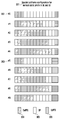
도 3A 및 도 3B는 본 발명의 실시예들에 따른 스페셜 서브프레임 설정을 도시한 도면이다. 3A and 3B are diagrams illustrating special sub-frame settings according to embodiments of the present invention.
LTE에서 정의되어 있는 스페셜 서브프레임의 DwPTS, GP, UpPTS의 길이가 정의되어 있는 스페셜 서브프레임 설정(special subframe configuration)은 하향링크에서 적용되는 cyclic prefix가 normal cyclic prefix인지 extended cyclic prefix인지에 따라 10개의 스페셜 서브프레임 설정(도 3A)과 8개의 스페셜 서브프레임 설정(도 3B)이 각각 정의되어 있다. 하향링크에서 적용되는 cyclic prefix가 normal cyclic prefix인지 extended cyclic prefix인지는 단말이 셀에서 수신되는 동기 신호의 복호 등을 통해 획득할 수 있다. 하향링크에서 normal cyclic prefix를 지원하는 스페셜 서브프레임 설정(301)에서 3 OFDM 심볼의 DwPTS를 포함하여 PDSCH를 전송할 수 없는 스페셜 서브프레임 설정은 #0(302)과 #5(303)이다. 또한, 하향링크에서 extended cyclic prefix를 지원하는 스페셜 서브프레임 설정(311)에서 3 OFDM 심볼의 DwPTS를 포함하여 PDSCH를 전송할 수 없는 스페셜 서브프레임 설정은 #0(312)과 #4(303)이다. 따라서, TDD 셀이 스페셜 서브프레임 설정으로 하향링크에서 normal cyclic prefix인 경우, #0(302) 또는 #5(303)를 갖는 경우 앞의 도 2C의 실시 예가 적용될 수 있으며, 하향링크에서 extended cyclic prefix인 경우, #0(312) 또는 #4(313)을 갖는 경우 앞의 도 2C의 실시 예가 적용될 수 있다.The special subframe configuration in which the lengths of DwPTS, GP, and UpPTS of the special subframe defined in the LTE are defined is determined according to whether the cyclic prefix applied in the downlink is a normal cyclic prefix or an extended cyclic prefix, A special subframe setting (FIG. 3A) and eight special subframe settings (FIG. 3B) are respectively defined. Whether the cyclic prefix applied in the downlink is a normal cyclic prefix or an extended cyclic prefix can be obtained by decoding the synchronization signal received in the cell. In the special subframe setting 301 supporting the normal cyclic prefix in the downlink, the special subframe setting including the DwPTS of 3 OFDM symbols and not being able to transmit the PDSCH is # 0 302 and # 5 303. The special subframe setting including the DwPTS of 3 OFDM symbols in the special subframe setting 311 supporting the extended cyclic prefix in the downlink is # 0 (312) and # 4 (303). Therefore, when the TDD cell has the normal cyclic prefix in the downlink in the special subframe setting, the embodiment of FIG. 2C may be applied in the case of # 0 (302) or # 5 (303) (312) or # 4 (313), the previous embodiment of FIG. 2C can be applied.
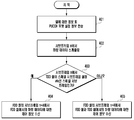
도 4A 및 도 4B는 본 발명의 실시 예들에 따른 기지국과 단말의 동작을 도시한 순서도이다.4A and 4B are flowcharts illustrating operations of a BS and a UE according to embodiments of the present invention.
도 4에서 FDD셀과 TDD 셀의 하향링크 데이터에 대한 상향링크 제어 채널을 전송할 때, 본 발명의 실시 예들에 따른 상향링크 제어채널 포맷을 적용하기 위한 기지국과 단말의 동작을 각각의 순서도를 통해 설명하도록 한다. 4, when the uplink control channel for downlink data of the FDD cell and the TDD cell is transmitted, operations of the Node B and the UE for applying the uplink control channel format according to the embodiments of the present invention are described with reference to flowcharts .
먼저 도 4A을 참조하여 기지국의 동작을 설명하도록 한다. 단계 401에서 기지국은 FDD 셀(P셀)과 TDD 셀(S셀)에 대한 정보를 단말에게 전송하고, 두 셀에서의 하향 데이터 수신에 대한 상향링크 제어정보 전송 시 어떤 PUCCH 포맷(PUCCH format 3 또는 PUCCH format 1b with channel selection)을 단말이 사용할 지에 대한 설정 정보를 전송한다. 상기 FDD 셀과 TDD 셀에 대한 정보는 FDD 셀의 상향 및 하향 주파수 정보일 수도 있으며, TDD 셀의 UL-DL 설정 정보 및 스페셜 서브프레임 설정 정보일수도 있다. 상기 FDD 셀과 TDD 셀에 대한 정보는 시스템 정보 또는 상위 정보를 통해 단말에게 전송한다. First, the operation of the base station will be described with reference to FIG. 4A. In
단계 402에서 기지국은 단말을 위해 서브프레임 #n에서 FDD 셀과 TDD 셀에서의 하향링크 데이터에 대한 스케줄링을 결정한다. 다음으로 단계 403에서 기지국은 서브프레임 #n에서 TDD 셀의 서브프레임이 스페셜 서브프레임 설정 #k인 스페셜 서브프레임인지를 판단한다. 상기 k는 도 3에서 스페셜 서브프레임이 3 OFDM 심볼의 DwPTS를 포함하여 PDSCH를 전송할 수 없는 스페셜 서브프레임 설정 인덱스로, 하향링크에서 normal cyclic prefix를 지원하는 경우 k는 0 또는 5이며, 하향링크에서 extended cyclic prefix를 지원하는 경우 k는 0 또는 4이다. 단계 403에서 TDD 셀의 서브프레임이 스페셜 서브프레임 설정 #k인 스페셜 서브프레임이면, 단계 404에서 기지국은 FDD 셀의 서브프레임 #(n+4)에서 FDD 셀에서의 하향링크 데이터에 대한 제어 정보를 수신한다. 이 때, 단계 401에서 기지국이 PUCCH format 1b with channel selection을 사용을 지시하는 설정 정보를 단말에게 전송한 경우 기지국은 PUCCH format 1a/1b의 수신을 가정하여, FDD 셀에서의 하향링크 데이터에 대한 제어 정보만을 수신한다. 단계 401에서 기지국이 PUCCH format 3의 사용을 지시하는 설정 정보를 단말에게 전송한 경우 기지국은 FDD 셀만의 HARQ-ACK payload size를 적용한 PUCCH format 3의 수신을 가정하여, FDD 셀에서의 하향링크 데이터에 대한 제어 정보만을 수신한다. 만약, 단계 402에서 기지국이 서브프레임 #n에서 FDD 셀에서의 하향링크 데이터 스케줄링을 하지 않는 것을 결정한 경우, 단계 404에서 기지국은 FDD 셀의 서브프레임 #(n+4)에서 FDD 셀에서의 하향링크 데이터에 대한 제어 정보를 수신하지 않도록 할 수 있다. In
단계 403에서 TDD 셀의 서브프레임이 스페셜 서브프레임 설정 #k인 스페셜 서브프레임이 아니면, 단계 405에서 기지국은 FDD 셀의 서브프레임 #(n+4)에서 FDD 셀에서의 하향링크 데이터에 대한 제어 정보와 TDD 셀에서의 하향링크 데이터에 대한 제어 정보를 함께 수신한다. 이 때, 단계 401에서 기지국이 PUCCH format 1b with channel selection을 사용을 지시하는 설정 정보를 단말에게 전송한 경우 기지국은 PUCCH format 1b with channel selection의 수신을 가정하여, FDD 셀에서의 하향링크 데이터에 대한 제어 정보와 TDD 셀에서의 하향링크 데이터에 대한 제어 정보를 함께 수신한다. 단계 401에서 기지국이 PUCCH format 3의 사용을 지시하는 설정 정보를 단말에게 전송한 경우 기지국은 FDD 셀과 TDD 셀 모두의 HARQ-ACK payload size를 적용한 PUCCH format 3의 수신을 가정하여, FDD 셀과 TDD 셀에서의 하향링크 데이터에 대한 제어 정보를 모두 수신한다.If it is determined in
다음으로 도 4B를 참조하여 단말의 동작을 설명하도록 한다. Next, the operation of the terminal will be described with reference to FIG. 4B.
단계 411에서 단말은 FDD 셀(P셀)과 TDD 셀(S셀)에 대한 정보를 기지국으로부터 수신하고, 두 셀에서의 하향 데이터 수신에 대한 상향링크 제어정보 전송시 어떤 PUCCH 포맷(PUCCH format 3 또는 PUCCH format 1b with channel selection)을 사용할 지에 대한 설정 정보를 기지국으로부터 수신한다. 상기 FDD 셀과 TDD 셀에 대한 정보는 FDD 셀의 상향 및 하향 주파수 정보일 수도 있으며, TDD 셀의 UL-DL 설정 정보 및 스페셜 서브프레임 설정 정보일수도 있다. 상기 FDD 셀과 TDD 셀에 대한 정보는 시스템 정보 또는 상위 정보를 통해 기지국으로부터 수신한다. 단계 412에서 단말은 서브프레임 #n에서 FDD 셀과 TDD 셀에서의 하향링크 데이터를 기지국으로부터 수신한다. 다음으로 단계 413에서 단말은 서브프레임 #n에서 TDD 셀의 서브프레임이 스페셜 서브프레임 설정 #k인 스페셜 서브프레임인지를 판단한다. 상기 k는 도 3에서 스페셜 서브프레임이 3 OFDM 심볼의 DwPTS를 포함하여 PDSCH를 전송할 수 없는 스페셜 서브프레임 설정 인덱스로, 하향링크에서 normal cyclic prefix를 지원하는 경우 k는 0 또는 5이며, 하향링크에서 extended cyclic prefix를 지원하는 경우 k는 0 또는 4이다. 또한 TDD 셀의 하향링크에서 cyclic prefix가 normal cyclic prefix인지 extended cyclic prefix인지는 단계 411에서 상기 셀들에 대한 정보 및 PUCCH 포맷 설정 정보 수신 전 또는 후에 단말이 TDD 셀의 동기 신호의 복호 등을 통해 획득할 수 있다.In
단계 413에서 TDD 셀의 서브프레임이 스페셜 서브프레임 설정 #k인 스페셜 서브프레임이면, 단계 414에서 단말은 FDD 셀의 서브프레임 #(n+4)에서 FDD 셀에서의 하향링크 데이터에 대한 제어 정보를 전송한다. 이 때, 단계 411에서 단말이 PUCCH format 1b with channel selection을 사용을 지시하는 설정 정보를 기지국으로부터 수신한 경우, 단말은 설정된 PUCCH 포맷인 PUCCH format 1b with channel selection을 전송하는 대신, FDD 셀에서의 하향링크 데이터에 대한 제어 정보만을 포함하여 PUCCH format 1a/1b를 통해 전송한다. 단계 411에서 단말이 PUCCH format 3의 사용을 지시하는 설정 정보를 기지국으로부터 수신한 경우, 단말은 FDD 셀과 TDD 셀 모두의 HARQ-ACK payload size를 적용하여 PUCCH format 3를 전송하는 대신, FDD 셀에서의 하향링크 데이터에 대한 제어 정보만을 포함하는 HARQ-ACK payload size를 적용한 PUCCH format 3를 전송한다. 만약, 단계 412에서 단말이 서브프레임 #n에서 FDD 셀에서의 하향링크 데이터 수신을 못한 경우, 단계 414에서 단말은 FDD 셀의 서브프레임 #(n+4)에서 FDD 셀에서의 하향링크 데이터에 대한 제어 정보를 전송하지 않을 수 있다. If the subframe of the TDD cell is a special subframe with the special subframe setting #k in
단계 413에서 TDD 셀의 서브프레임이 스페셜 서브프레임 설정 #k인 스페셜 서브프레임이 아니면, 단계 415에서 단말은 FDD 셀의 서브프레임 #(n+4)에서 FDD 셀에서의 하향링크 데이터에 대한 제어 정보와 TDD 셀에서의 하향링크 데이터에 대한 제어 정보를 함께 전송한다. 이 때, 단계 411에서 단말이 PUCCH format 1b with channel selection을 사용을 지시하는 설정 정보를 기지국으로부터 수신한 경우 단말은 FDD 셀에서의 하향링크 데이터에 대한 제어 정보와 TDD 셀에서의 하향링크 데이터에 대한 제어 정보를 포함하는 PUCCH format 1b with channel selection를 전송한다. 단계 411에서 단말이 PUCCH format 3의 사용을 지시하는 설정 정보를 기지국으로부터 수신한 경우 단말은 FDD 셀과 TDD 셀에서의 하향링크 데이터에 대한 제어 정보를 모두 포함하는 HARQ-ACK payload size를 적용한 PUCCH format 3를 전송한다.If it is determined in
도 5는 본 발명의 실시예들에 따른 기지국 장치를 도시한 도면이다. 5 is a diagram illustrating a base station apparatus according to embodiments of the present invention.
도 5를 참조하면, 기지국 장치는 PDCCH 블록(505), PDSCH 블록(516), PHICH 블록(524), 다중화기(515)로 구성되는 송신부와 PUSCH 블록(530), PUCCH 블록(539), 역다중화기(549)로 구성되는 수신부와 DL/UL HARQ-ACK 송수신 타이밍, HARQ-ACK payload size, PUCCH 전송 포맷의 제어를 포함하는 제어부(501), 스케쥴러(503)로 구성된다. 5, the base station apparatus includes a transmitter including a
여기서 DL/UL HARQ-ACK 송수신 타이밍은 PDSCH 전송에 대한 PUCCH 전송 타이밍을 포함하며, PUCCH 전송 포맷은 PUCCH format 1b with channel selection, PUCCH format 3, PUCCH format 1a/1b를 모두 포함하는 것으로 한다. 다수의 셀에서의 송수신을 위해 송신부와 수신부(PUCCH 블록 제외)는 다수일 수 있지만, 설명을 위해 송신부와 수신부가 각각 1개씩만 있는 것을 가정하여 설명하도록 한다. Here, the DL / UL HARQ-ACK transmission / reception timing includes PUCCH transmission timing for PDSCH transmission, and the PUCCH transmission format includes PUCCH format 1b with channel selection,
DL/UL HARQ-ACK 송수신 타이밍 제어 및 HARQ-ACK payload size, PUCCH 전송 포맷의 제어를 포함하는 제어부(501)는 단말에게 전송할 데이터 양, 시스템 내에 가용한 리소스 양 등을 참고하여 스케쥴링 하고자 하는 단말에 대해 각각의 물리채널들 상호간의 타이밍 관계를 조절하여 스케쥴러(503), PDCCH 블록(505), PDSCH 블록(516), PHICH 블록(524), PUSCH 블록(530), PUCCH 블록(539)으로 알려준다. 상기 DL/UL HARQ-ACK 송수신 타이밍 관계, HARQ-ACK payload size, PUCCH 전송 포맷 제어는 본 발명의 구체적인 실시 예에서 설명한 방법을 따른다. The
PDCCH블록(505)은 스케쥴러(503)의 제어를 받아 제어 정보를 구성하고, 상기 제어 정보는 다중화기(515)에서 다른 신호들과 다중화 된다.The
PDSCH 블록(516)은 스케쥴러(503)의 제어를 받아 데이터를 생성하고, 상기 데이터는 다중화기(515)에서 다른 신호들과 다중화 된다.The
PHICH 블록(524)은 스케쥴러(503)의 제어를 받아 단말로부터 수신한 PUSCH에 대한 HARQ ACK/NACK을 생성한다. 상기 HARQ ACK/NACK 은 다중화기(515)에서 다른 신호들과 다중화 된다.The
그리고 상기 다중화된 신호들은 OFDM 신호로 생성되어 생성되어 단말에게 전송된다.The multiplexed signals are generated as an OFDM signal, and are generated and transmitted to the UE.
수신부에서 PUSCH 블록(530)은 단말로부터 수신한 신호에 대해서 PUSCH 데이터를 획득한다. 상기 PUSCH 데이터의 디코딩 결과에 대한 오류여부를 스케쥴러(503)로 통지하여 하향링크 HARQ ACK/NACK 생성을 조정하며, 디코딩 결과에 대한 오류여부를 제어기(501)로 인가하여 하향링크 HARQ ACK/NACK 전송 타이밍을 조정하도록 한다. In the receiver, the PUSCH block 530 acquires the PUSCH data for the signal received from the terminal. The
PUCCH 블록(730)은 본 발명의 구체적인 실시예에서 설명한 HARQ-ACK payload size 및 PUCCH 포맷을 통하여 단말로부터 수신한 신호로부터 상향링크 ACK/NACK 혹은 CQI를 획득한다. 상기 획득한 상향링크 ACK/NACK 혹은 CQI는 스케쥴러(503)로 인가되어 PDSCH의 재전송여부 및 MCS(modulation and coding scheme)를 결정하는데 이용된다. 그리고 상기 획득한 상향링크 ACK/NACK 은 제어기(501)로 인가되어 PDSCH 의 전송 타이밍을 조정하도록 한다.PUCCH block 730 obtains uplink ACK / NACK or CQI from the signal received from the UE through the HARQ-ACK payload size and PUCCH format described in the embodiment of the present invention. The acquired uplink ACK / NACK or CQI is applied to the
도 6은 본 발명의 실시예에 따른 단말 장치를 도시한 도면이다. 6 is a diagram illustrating a terminal device according to an embodiment of the present invention.
단말은 PUCCH 블록(605), PUSCH 블록(616), 다중화기(615)로 구성되는 송신부와 PHICH 블록(624), PDSCH 블록(630), PDCCH 블록(639), 역다중화기(649)로 구성되는 수신부와 본 발명에 따라 DL/UL HARQ-ACK 송수신 타이밍 제어, HARQ-ACK payload size, PUCCH 전송포맷을 제어하는 제어기(601)로 구성된다. 다수의 셀에서의 송수신을 위해 송신부와 수신부는 다수일 수 있지만, 설명을 위해 송신부와 수신부가 각각 1개씩만 있는 것을 가정하여 설명하도록 한다The UE includes a transmitter including a
본 발명에 따라 DL/UL HARQ-ACK 송수신 타이밍 제어, HARQ-ACK payload size, PUCCH 전송포맷을 제어하는 제어기(601)는 HARQ-ACK payload size와 PUCCH 전송 포맷을 PUCCH 블록(605), PUSCH 블록(616)으로 알려준다. 상기 HARQ-ACK payload size와 PUCCH 전송 포맷은 본 발명의 구체적인 실시 예에서 설명한 방법을 따른다. The
PUCCH블록(605)은 소프트 버퍼에 하향 데이터 저장을 제어하는 제어기(601)의 제어를 받아 UCI(Uplink control information)로 HARQ ACK/NACK 혹은 CQI를 구성하고, 상기 HARQ ACK/NACK 혹은 CQI는 다중화기(615)에서 다른 신호들과 다중화 되어 본 발명의 실시예에 따른 PUCCH 전송 포맷을 통하여 기지국에게 전송된다. The
PUSCH 블록(616)은 전송하고자 하는 데이터를 추출하여, 추출된 데이터는 다중화기(615)에서 다른 신호들과 다중화 된다. The PUSCH block 616 extracts data to be transmitted, and the extracted data is multiplexed with other signals in the
그리고 상기 다중화된 신호들은 SC-FDMA (Single Carrier Frequency Division Multiple Access) 신호로 생성되어 DL/UL HARQ-ACK 송수신 타이밍을 고려하여 기지국에게 전송된다.The multiplexed signals are generated as a single-carrier frequency division multiple access (SC-FDMA) signal and transmitted to the base station in consideration of DL / UL HARQ-ACK transmission / reception timing.
수신부에서 PHICH 블록(624)은 기지국으로부터 DL/UL HARQ-ACK 송수신 타이밍에 따라 수신한 신호에 대해서 역다중화기(649)를 통해 PHICH신호를 분리한 후, PUSCH에 대한 HARQ ACK/NACK 여부를 획득한다. In the receiver, the
PDSCH 블록(630)은 기지국으로부터 수신한 신호에 대해서 역다중화기(649)를 통해 PDSCH 신호를 분리한 후, PDSCH 데이터를 획득하고, 상기 데이터의 디코딩 결과에 대한 오류여부를 PUCCH 블록(605)로 통지하여 상향링크 HARQ ACK/NACK 생성을 조정하며, 디코딩 결과에 대한 오류여부를 제어기(601)로 인가하여 상향링크 HARQ ACK/NACK 전송할 때 타이밍을 조정하도록 한다. The
PDCCH 블록(639)은 역다중화기(649)를 통해 PDCCH 신호를 분리한 후, DCI format의 복호를 수행하여 복호된 신호로부터 DCI를 획득한다. The
한편 본 발명의 상세한 설명에서는 구체적인 실시 예에 관해 설명하였으나, 본 발명의 범위에서 벗어나지 않는 한도 내에서 여러 가지 변형이 가능함은 물론이다. 그러므로 본 발명의 범위는 설명된 실시 예에 국한되어 정해져서는 안되며 후술하는 특허청구의 범위뿐만 아니라 이 특허청구의 범위와 균등한 것들에 의해 정해져야 한다.While the present invention has been described in connection with what is presently considered to be the most practical and preferred embodiment, it is to be understood that the invention is not limited to the disclosed embodiments, but is capable of various modifications within the scope of the invention. Therefore, the scope of the present invention should not be limited by the illustrated embodiments, but should be determined by the scope of the appended claims and equivalents thereof.
101 : 기지국
102 : TDD 셀
103 : FDD 셀
104 : 단말101: base station
102: TDD cell
103: FDD cell
104: terminal
Claims (20)
상향링크 제어 채널 포맷에 대한 정보를 포함하는 설정 정보를 수신하는 단계;
프라이머리 셀(primary cell)의 제1서브프레임 및 세컨더리 셀(secondary cell)의 제1서브프레임 중 적어도 하나로부터 하향링크 데이터를 수신하는 단계; 및
상기 설정 정보 및 상기 세컨더리 셀의 상기 제1서브프레임을 기반으로 상기 하향링크 데이터에 대한 응답을 상기 프라이머리 셀의 제2서브프레임에 전송하는 단계를 포함하는 신호 송수신 방법. A method of transmitting and receiving signals in a terminal of a mobile communication system,
Receiving configuration information including information on an uplink control channel format;
Receiving downlink data from at least one of a first sub-frame of a primary cell and a first sub-frame of a secondary cell; And
And transmitting a response to the downlink data to the second subframe of the primary cell based on the setting information and the first subframe of the secondary cell.
상기 상향링크 제어 채널의 포멧은 제1포멧이고,
상기 하향링크 데이터에 대한 응답을 전송하는 단계는,
상기 세컨더리 셀의 상기 제1서브프레임이 상향링크 서브프레임, 일반 하향링크 전치순환(normal downlink cyclic prefix)의 설정(configuration) 0 및 5인 스페셜 서브프레임(special subframe), 또는 확장 하향링크 전치순환(extended downlink cyclic prefix)의 설정 0 및 4인 스페셜 서브프레임일 경우, 제2포멧을 기반으로 상기 하향링크 데이터에 대한 응답을 상기 프라이머리 셀의 상기 제2서브프레임에 전송하는 단계를 포함하는 것을 특징으로 하는 신호 송수신 방법. The method according to claim 1,
The format of the uplink control channel is a first format,
Wherein the step of transmitting a response to the downlink data comprises:
Wherein the first subframe of the secondary cell is a UL subframe, a special subframe of a configuration of a normal downlink cyclic prefix (0) and a special subframe of 5 or an extended downlink transpose and transmitting a response to the downlink data to the second subframe of the primary cell based on the second format when the first subframe is a special subframe with an extended downlink cyclic prefix of 0 and 4, / RTI >
상기 제1포멧은 물리 상향링크 제어 채널(physical uplink control channel, PUCCH) format 1b with channel selection 이며,
상기 제2포멧은 PUCCH format 1a/1b인 것을 특징으로 하는 신호 송수신 방법.3. The method of claim 2,
The first format is a physical uplink control channel (PUCCH) format 1b with channel selection,
And the second format is PUCCH format 1a / 1b.
상기 상향링크 제어 채널의 포멧은 PUCCH format 3이며,
상기 하향링크 데이터에 대한 응답을 전송하는 단계는
상기 제1서브프레임에서 하향링크 서브프레임으로 설정된 서빙셀, 일반 하향링크 전치 순환의 설정 0 및 5를 제외한 스페셜 서브프레임으로 설정된 서빙셀, 또는 확장 전치 순환의 설정 0 및 4를 제외한 스페설 서브프레임으로 설정된 서빙셀의 개수를 기반으로 상기 하향링크 데이터에 대한 응답을 상기 프라이머리 셀의 상기 제2서브프레임에 전송하는 단계를 포함하는 것을 특징으로 하는 신호 송수신 방법.The method according to claim 1,
The format of the uplink control channel is PUCCH format 3,
Wherein the step of transmitting a response to the downlink data comprises:
A serving cell set as a downlink subframe in the first subframe, a serving cell set as a special subframe excluding settings 0 and 5 of a general downlink transposition, or a serving cell set as a special subframe, And transmitting a response to the downlink data to the second subframe of the primary cell based on the number of serving cells set to the serving cell.
상기 제1서브프레임은 서브프레임 n이고 상기 제2서브프레임은 서브프레임 n+4인 것을 특징으로 하는 신호 송수신 방법.The method according to claim 1,
Wherein the first subframe is a subframe n and the second subframe is a subframe n + 4.
상향링크 제어 채널 포맷에 대한 정보를 포함하는 설정 정보를 전송하는 단계;
프라이머리 셀(primary cell)의 제1서브프레임 및 세컨더리 셀(secondary cell)의 제1서브프레임 중 적어도 하나로부터 하향링크 데이터를 전송하는 단계; 및
상기 설정 정보 및 상기 세컨더리 셀의 상기 제1서브프레임을 기반으로 상기 하향링크 데이터에 대한 응답을 상기 프라이머리 셀의 제2서브프레임에 수신하는 단계를 포함하는 신호 송수신 방법. A method of transmitting and receiving signals in a base station of a mobile communication system,
Transmitting configuration information including information on an uplink control channel format;
Transmitting downlink data from at least one of a first sub-frame of a primary cell and a first sub-frame of a secondary cell; And
And receiving a response to the downlink data in a second subframe of the primary cell based on the setting information and the first subframe of the secondary cell.
상기 상향링크 제어 채널의 포멧은 제1포멧이고,
상기 하향링크 데이터에 대한 응답을 수신하는 단계는,
상기 세컨더리 셀의 상기 제1서브프레임이 상향링크 서브프레임, 일반 하향링크 전치순환(normal downlink cyclic prefix)의 설정(configuration) 0 및 5인 스페셜 서브프레임(special subframe), 또는 확장 하향링크 전치순환(extended downlink cyclic prefix)의 설정 0 및 4인 스페셜 서브프레임일 경우, 제2포멧을 기반으로 상기 하향링크 데이터에 대한 응답을 상기 프라이머리 셀의 상기 제2서브프레임에 수신하는 단계를 포함하는 것을 특징으로 하는 신호 송수신 방법. The method according to claim 6,
The format of the uplink control channel is a first format,
Wherein the step of receiving a response to the downlink data comprises:
Wherein the first subframe of the secondary cell is a UL subframe, a special subframe of a configuration of a normal downlink cyclic prefix (0) and a special subframe of 5 or an extended downlink transpose receiving a response to the downlink data in the second sub-frame of the primary cell based on a second format, when the first sub-frame is a special sub-frame of a set 0 and an extended downlink cyclic prefix / RTI >
상기 제1포멧은 물리 상향링크 제어 채널(physical uplink control channel, PUCCH) format 1b with channel selection 이며,
상기 제2포멧은 PUCCH format 1a/1b인 것을 특징으로 하는 신호 송수신 방법.8. The method of claim 7,
The first format is a physical uplink control channel (PUCCH) format 1b with channel selection,
And the second format is PUCCH format 1a / 1b.
상기 상향링크 제어 채널의 포멧은 PUCCH format 3이며,
상기 하향링크 데이터에 대한 응답을 수신하는 단계는
상기 제1서브프레임에서 하향링크 서브프레임으로 설정된 서빙셀, 일반 하향링크 전치 순환의 설정 0 및 5를 제외한 스페셜 서브프레임으로 설정된 서빙셀, 또는 확장 전치 순환의 설정 0 및 4를 제외한 스페설 서브프레임으로 설정된 서빙셀의 개수를 기반으로 상기 하향링크 데이터에 대한 응답을 상기 프라이머리 셀의 상기 제2서브프레임에 수신하는 단계를 포함하는 것을 특징으로 하는 신호 송수신 방법.The method according to claim 6,
The format of the uplink control channel is PUCCH format 3,
The step of receiving a response to the downlink data comprises:
A serving cell set as a downlink subframe in the first subframe, a serving cell set as a special subframe excluding settings 0 and 5 of a general downlink transposition, or a serving cell set as a special subframe, Receiving a response to the downlink data in the second subframe of the primary cell based on the number of serving cells set to the serving cell.
상기 제1서브프레임은 서브프레임 n이고 상기 제2서브프레임은 서브프레임 n+4인 것을 특징으로 하는 신호 송수신 방법.The method according to claim 6,
Wherein the first subframe is a subframe n and the second subframe is a subframe n + 4.
신호를 송수신하는 송수신부; 및
상기 송수신부를 제어하고, 상향링크 제어 채널 포맷에 대한 정보를 포함하는 설정 정보를 수신하고, 프라이머리 셀(primary cell)의 제1서브프레임 및 세컨더리 셀(secondary cell)의 제1서브프레임 중 적어도 하나로부터 하향링크 데이터를 수신하고, 상기 설정 정보 및 상기 세컨더리 셀의 상기 제1서브프레임을 기반으로 상기 하향링크 데이터에 대한 응답을 상기 프라이머리 셀의 제2서브프레임에 전송하는 제어부를 포함하는 단말. A terminal of a mobile communication system,
A transmitting and receiving unit for transmitting and receiving signals; And
Receiving configuration information including information on an uplink control channel format, controlling at least one of a first sub-frame of a primary cell and a first sub-frame of a secondary cell, And transmitting a response to the downlink data to the second subframe of the primary cell based on the setting information and the first subframe of the secondary cell.
상기 상향링크 제어 채널의 포멧은 제1포멧이고,
상기 제어부는 상기 세컨더리 셀의 상기 제1서브프레임이 상향링크 서브프레임, 일반 하향링크 전치순환(normal downlink cyclic prefix)의 설정(configuration) 0 및 5인 스페셜 서브프레임(special subframe), 또는 확장 하향링크 전치순환(extended downlink cyclic prefix)의 설정 0 및 4인 스페셜 서브프레임일 경우, 제2포멧을 기반으로 상기 하향링크 데이터에 대한 응답을 상기 프라이머리 셀의 상기 제2서브프레임에 전송하는 것을 특징으로 하는 단말. 12. The method of claim 11,
The format of the uplink control channel is a first format,
The control unit may be configured such that the first subframe of the secondary cell is a UL subframe, a special subframe having a configuration of a normal downlink cyclic prefix (0) and a special subframe of 5, And a response to the downlink data is transmitted to the second subframe of the primary cell based on a second format when the subframe is a special subframe having a setting of an extended downlink cyclic prefix (0) Terminal.
상기 제1포멧은 물리 상향링크 제어 채널(physical uplink control channel, PUCCH) format 1b with channel selection 이며,
상기 제2포멧은 PUCCH format 1a/1b인 것을 특징으로 하는 단말.13. The method of claim 12,
The first format is a physical uplink control channel (PUCCH) format 1b with channel selection,
Wherein the second format is PUCCH format 1a / 1b.
상기 상향링크 제어 채널의 포멧은 PUCCH format 3이며,
상기 제어부는 상기 제1서브프레임에서 하향링크 서브프레임으로 설정된 서빙셀, 일반 하향링크 전치 순환의 설정 0 및 5를 제외한 스페셜 서브프레임으로 설정된 서빙셀, 또는 확장 전치 순환의 설정 0 및 4를 제외한 스페설 서브프레임으로 설정된 서빙셀의 개수를 기반으로 상기 하향링크 데이터에 대한 응답을 상기 프라이머리 셀의 상기 제2서브프레임에 전송하는 것을 특징으로 하는 단말.12. The method of claim 11,
The format of the uplink control channel is PUCCH format 3,
Wherein the control unit sets the serving cell set as the special subframe excluding the setting 0 and 5 of the general downlink transposition to the serving cell set in the downlink subframe in the first subframe, And transmits a response to the downlink data to the second subframe of the primary cell based on the number of serving cells set as a serving subframe.
상기 제1서브프레임은 서브프레임 n이고 상기 제2서브프레임은 서브프레임 n+4인 것을 특징으로 하는 단말.12. The method of claim 11,
Wherein the first subframe is a subframe n and the second subframe is a subframe n + 4.
신호를 송수신하는 송수신부; 및
상기 송수신부를 제어하고, 상향링크 제어 채널 포맷에 대한 정보를 포함하는 설정 정보를 전송하고, 프라이머리 셀(primary cell)의 제1서브프레임 및 세컨더리 셀(secondary cell)의 제1서브프레임 중 적어도 하나로부터 하향링크 데이터를 전송하고, 상기 설정 정보 및 상기 세컨더리 셀의 상기 제1서브프레임을 기반으로 상기 하향링크 데이터에 대한 응답을 상기 프라이머리 셀의 제2서브프레임에 수신하는 제어부를 포함하는 기지국. A base station of a mobile communication system,
A transmitting and receiving unit for transmitting and receiving signals; And
And transmits the configuration information including the information on the uplink control channel format, and controls at least one of the first sub-frame of the primary cell and the first sub-frame of the secondary cell, And receiving a response to the downlink data in the second subframe of the primary cell based on the setting information and the first subframe of the secondary cell.
상기 상향링크 제어 채널의 포멧은 제1포멧이고,
상기 제어부는 상기 세컨더리 셀의 상기 제1서브프레임이 상향링크 서브프레임, 일반 하향링크 전치순환(normal downlink cyclic prefix)의 설정(configuration) 0 및 5인 스페셜 서브프레임(special subframe), 또는 확장 하향링크 전치순환(extended downlink cyclic prefix)의 설정 0 및 4인 스페셜 서브프레임일 경우, 제2포멧을 기반으로 상기 하향링크 데이터에 대한 응답을 상기 프라이머리 셀의 상기 제2서브프레임에 수신하는 것을 특징으로 하는 기지국. 17. The method of claim 16,
The format of the uplink control channel is a first format,
The control unit may be configured such that the first subframe of the secondary cell is a UL subframe, a special subframe having a configuration of a normal downlink cyclic prefix (0) and a special subframe of 5, And a response to the downlink data is received in the second subframe of the primary cell based on a second format when the subframe is a special subframe with an extended downlink cyclic prefix of 0 and 4, .
상기 제1포멧은 물리 상향링크 제어 채널(physical uplink control channel, PUCCH) format 1b with channel selection 이며,
상기 제2포멧은 PUCCH format 1a/1b인 것을 특징으로 하는 기지국.18. The method of claim 17,
The first format is a physical uplink control channel (PUCCH) format 1b with channel selection,
Wherein the second format is PUCCH format 1a / 1b.
상기 상향링크 제어 채널의 포멧은 PUCCH format 3이며,
상기 제어부는 상기 제1서브프레임에서 하향링크 서브프레임으로 설정된 서빙셀, 일반 하향링크 전치 순환의 설정 0 및 5를 제외한 스페셜 서브프레임으로 설정된 서빙셀, 또는 확장 전치 순환의 설정 0 및 4를 제외한 스페설 서브프레임으로 설정된 서빙셀의 개수를 기반으로 상기 하향링크 데이터에 대한 응답을 상기 프라이머리 셀의 상기 제2서브프레임에 수신하는 것을 특징으로 하는 기지국.17. The method of claim 16,
The format of the uplink control channel is PUCCH format 3,
Wherein the control unit sets the serving cell set as the special subframe excluding the setting 0 and 5 of the general downlink transposition to the serving cell set in the downlink subframe in the first subframe, And receiving a response to the downlink data in the second subframe of the primary cell based on the number of serving cells set as a serving subframe.
상기 제1서브프레임은 서브프레임 n이고 상기 제2서브프레임은 서브프레임 n+4인 것을 특징으로 하는 기지국.17. The method of claim 16,
Wherein the first subframe is a subframe n and the second subframe is a subframe n + 4.
Applications Claiming Priority (2)
| Application Number | Priority Date | Filing Date | Title |
|---|---|---|---|
| US201462073163P | 2014-10-31 | 2014-10-31 | |
| US62/073,163 | 2014-10-31 |
Publications (2)
| Publication Number | Publication Date |
|---|---|
| KR20160051663A true KR20160051663A (en) | 2016-05-11 |
| KR102323001B1 KR102323001B1 (en) | 2021-11-08 |
Family
ID=55854300
Family Applications (1)
| Application Number | Title | Priority Date | Filing Date |
|---|---|---|---|
| KR1020150152592A Active KR102323001B1 (en) | 2014-10-31 | 2015-10-30 | Method and apparatus for transmitting control channel in intra-cell carrier aggregation system |
Country Status (7)
| Country | Link |
|---|---|
| US (1) | US10306612B2 (en) |
| EP (1) | EP3213427B1 (en) |
| KR (1) | KR102323001B1 (en) |
| CN (1) | CN107027344B (en) |
| AU (1) | AU2015340135B2 (en) |
| ES (1) | ES2764985T3 (en) |
| WO (1) | WO2016068664A1 (en) |
Families Citing this family (13)
| Publication number | Priority date | Publication date | Assignee | Title |
|---|---|---|---|---|
| WO2017146762A1 (en) * | 2016-02-26 | 2017-08-31 | Intel IP Corporation | Physical uplink control channel procedures |
| US10644924B2 (en) | 2016-09-29 | 2020-05-05 | At&T Intellectual Property I, L.P. | Facilitating a two-stage downlink control channel in a wireless communication system |
| US10602507B2 (en) | 2016-09-29 | 2020-03-24 | At&T Intellectual Property I, L.P. | Facilitating uplink communication waveform selection |
| US10206232B2 (en) | 2016-09-29 | 2019-02-12 | At&T Intellectual Property I, L.P. | Initial access and radio resource management for integrated access and backhaul (IAB) wireless networks |
| US10171214B2 (en) | 2016-09-29 | 2019-01-01 | At&T Intellectual Property I, L.P. | Channel state information framework design for 5G multiple input multiple output transmissions |
| US10158555B2 (en) | 2016-09-29 | 2018-12-18 | At&T Intellectual Property I, L.P. | Facilitation of route optimization for a 5G network or other next generation network |
| EP3535938B1 (en) * | 2016-11-03 | 2021-09-22 | Panasonic Intellectual Property Corporation of America | User equipment for wireless communication |
| US10355813B2 (en) | 2017-02-14 | 2019-07-16 | At&T Intellectual Property I, L.P. | Link adaptation on downlink control channel in a wireless communications system |
| CN108880778B (en) * | 2017-05-16 | 2020-07-17 | 中兴通讯股份有限公司 | Method, device and computer equipment for common work of TDD and FDD |
| KR20190038219A (en) * | 2017-09-29 | 2019-04-08 | 삼성전자주식회사 | Method and apparatus for determination of uplink resource in wirelss communication system |
| US11095415B2 (en) * | 2018-07-02 | 2021-08-17 | Samsung Electronics Co., Ltd. | Enhancements to reception reliability for data and control information |
| CN109075921B (en) * | 2018-08-10 | 2021-12-14 | 北京小米移动软件有限公司 | Feedback information transmission method, device and system between Internet of Vehicles devices |
| US10924250B2 (en) | 2018-09-13 | 2021-02-16 | Samsung Electronics Co., Ltd. | UE operation with reduced power consumption |
Citations (2)
| Publication number | Priority date | Publication date | Assignee | Title |
|---|---|---|---|---|
| US20120287828A1 (en) * | 2010-11-12 | 2012-11-15 | Qualcomm Incorporated | Acknowledgement / negative acknowledgement feedback for tdd |
| US20140029484A1 (en) * | 2012-07-25 | 2014-01-30 | Samsung Electronics Co. Ltd. | Method and apparatus for transmitting control channel in intra-cell carrier aggregation system |
Family Cites Families (30)
| Publication number | Priority date | Publication date | Assignee | Title |
|---|---|---|---|---|
| DK200801848A (en) * | 2008-12-30 | 2010-07-01 | Alfa Laval Corp Ab | A decanter centrifuge and a decanter centrifuge discharge port memeber. |
| WO2012000332A1 (en) | 2010-06-29 | 2012-01-05 | 中兴通讯股份有限公司 | Method and system for realizing user equipment to transmit counting response in multimedia broadcast multicast service |
| GB2485237A (en) | 2010-11-08 | 2012-05-09 | Nec Corp | MBMS provided by unicast or broadcast/multicast in dependence on the number of interested users. |
| CN102075309B (en) * | 2010-12-24 | 2016-12-07 | 中兴通讯股份有限公司 | The sending method of a kind of ascending control information and device |
| CN103563273B (en) * | 2011-04-05 | 2017-06-09 | Lg电子株式会社 | Method and device for scheduling in wireless communication system |
| EP3079273B1 (en) | 2011-05-03 | 2019-01-09 | Samsung Electronics Co., Ltd. | Method and apparatus for user equipment receiving mbms service processing semi-permanent scheduling from mbsfn subframe in wireless communication system |
| EP2787786B1 (en) | 2011-10-10 | 2018-07-18 | Samsung Electronics Co., Ltd | Method and device for a random access of a secondary cell in a mobile communication system using Carrier Aggregation |
| CN103095433B (en) * | 2011-11-04 | 2018-06-15 | 北京三星通信技术研究有限公司 | A kind of method for sending HARQ-ACK feedback information |
| US9294956B2 (en) | 2011-12-29 | 2016-03-22 | Qualcomm Incorporated | Application-server-assisted preemptive multicast bearer establishment for real-time low-latency applications |
| US8953635B2 (en) * | 2012-05-17 | 2015-02-10 | Sharp Kabushiki Kaisha | Devices for sending and receiving feedback information |
| US9497747B2 (en) * | 2012-06-22 | 2016-11-15 | Qualcomm Incorporated | Data transmission in carrier aggregation with different carrier configurations |
| KR102025385B1 (en) | 2013-02-26 | 2019-11-27 | 삼성전자주식회사 | Method and apparatus for transmitting control channel depending on ue capability in intra-cell carrier aggregation system |
| US10230513B2 (en) * | 2013-03-12 | 2019-03-12 | Samsung Electronics Co., Ltd. | Method and apparatus for transmitting/receiving control channel in wireless communication system |
| US9642140B2 (en) * | 2013-06-18 | 2017-05-02 | Samsung Electronics Co., Ltd. | Methods of UL TDM for inter-enodeb carrier aggregation |
| EP3017616B1 (en) | 2013-07-01 | 2018-12-05 | NEC Corporation | Method for providing multicast/broadcast service continuity for mobile terminals |
| US9706537B2 (en) | 2013-07-10 | 2017-07-11 | Industrial Technology Research Institute | Method of handling HARQ feedbacks and related communication device |
| KR20150007753A (en) | 2013-07-12 | 2015-01-21 | 삼성전자주식회사 | Method and apparatus for the transmission of device to device discovery signal between base stations in wirelss cellular communication system |
| JP2015065621A (en) * | 2013-09-26 | 2015-04-09 | 株式会社Nttドコモ | User terminal, base station, and wireless communication method |
| KR20150048611A (en) | 2013-10-28 | 2015-05-07 | 삼성전자주식회사 | Method and apparatus for group communication robust to mobility |
| EP3063984B1 (en) | 2013-11-01 | 2019-06-19 | Nokia Solutions and Networks Oy | Device-to-device discovery resource allocation in communications |
| JP6328132B2 (en) | 2013-11-01 | 2018-05-23 | 京セラ株式会社 | Mobile communication system and user terminal |
| KR20150051063A (en) * | 2013-11-01 | 2015-05-11 | 주식회사 아이티엘 | Method and apparatus of harq-ack/sr simultaneous transmission |
| KR20150060118A (en) * | 2013-11-25 | 2015-06-03 | 주식회사 아이티엘 | Apparatus and method for transmitting harq ack/nack |
| WO2015080510A1 (en) | 2013-11-29 | 2015-06-04 | 엘지전자(주) | Method for transmitting discovery message in wireless communication system and apparatus for same |
| US9537668B2 (en) | 2013-12-20 | 2017-01-03 | Qualcomm Incorporated | LTE EMBMS service enhancement |
| US20160323846A1 (en) | 2014-01-06 | 2016-11-03 | Lg Electronics Inc. | Method and apparatus for providing group communication service enabler (gcse) service in wireless communication system |
| US9853779B2 (en) * | 2014-01-10 | 2017-12-26 | Sharp Kabushiki Kaisha | Systems and methods for carrier aggregation |
| CN106165524B (en) | 2014-01-29 | 2020-01-07 | 交互数字专利控股公司 | Resource selection for device-to-device discovery or communication |
| US20170238149A1 (en) | 2014-08-08 | 2017-08-17 | Nokia Solutions And Networks Oy | Network sharing for multimedia broadcast multicast service |
| GB2530523A (en) | 2014-09-24 | 2016-03-30 | Vodafone Ip Licensing Ltd | Managing communication resources |
-
2015
- 2015-10-30 CN CN201580067079.2A patent/CN107027344B/en active Active
- 2015-10-30 EP EP15855172.1A patent/EP3213427B1/en active Active
- 2015-10-30 US US14/927,957 patent/US10306612B2/en active Active
- 2015-10-30 WO PCT/KR2015/011606 patent/WO2016068664A1/en not_active Ceased
- 2015-10-30 AU AU2015340135A patent/AU2015340135B2/en active Active
- 2015-10-30 KR KR1020150152592A patent/KR102323001B1/en active Active
- 2015-10-30 ES ES15855172T patent/ES2764985T3/en active Active
Patent Citations (2)
| Publication number | Priority date | Publication date | Assignee | Title |
|---|---|---|---|---|
| US20120287828A1 (en) * | 2010-11-12 | 2012-11-15 | Qualcomm Incorporated | Acknowledgement / negative acknowledgement feedback for tdd |
| US20140029484A1 (en) * | 2012-07-25 | 2014-01-30 | Samsung Electronics Co. Ltd. | Method and apparatus for transmitting control channel in intra-cell carrier aggregation system |
Non-Patent Citations (3)
| Title |
|---|
| 3GPP R1-135464 * |
| 3GPP R1-140313 * |
| 3GPP R1-144511* * |
Also Published As
| Publication number | Publication date |
|---|---|
| EP3213427A4 (en) | 2017-11-15 |
| ES2764985T3 (en) | 2020-06-05 |
| CN107027344A (en) | 2017-08-08 |
| EP3213427A1 (en) | 2017-09-06 |
| KR102323001B1 (en) | 2021-11-08 |
| AU2015340135A1 (en) | 2017-05-04 |
| CN107027344B (en) | 2021-09-03 |
| US20160128034A1 (en) | 2016-05-05 |
| EP3213427B1 (en) | 2019-12-18 |
| AU2015340135B2 (en) | 2019-07-11 |
| WO2016068664A1 (en) | 2016-05-06 |
| US10306612B2 (en) | 2019-05-28 |
Similar Documents
| Publication | Publication Date | Title |
|---|---|---|
| JP6616464B2 (en) | Method and apparatus for transmitting and receiving signals in a wireless communication system | |
| KR102323001B1 (en) | Method and apparatus for transmitting control channel in intra-cell carrier aggregation system | |
| KR102025385B1 (en) | Method and apparatus for transmitting control channel depending on ue capability in intra-cell carrier aggregation system | |
| US11510107B2 (en) | Multiplexing interlaces with a single carrier waveform | |
| KR102094287B1 (en) | Method and apparatus for transmitting control channel in intra-cell carrier aggregation system | |
| US9949288B2 (en) | Method for transmitting and receiving scheduling grant in wireless communication system supporting device-to-device communication, and device for same | |
| US10075277B2 (en) | Method and apparatus for transmitting control channel in intra-cell carrier aggregation system | |
| EP3051868B1 (en) | User terminal and radio communication method | |
| KR102359788B1 (en) | Method and apparatus for scheduling in wireless communication system providing widebandwidth service | |
| US11411791B2 (en) | Intra-symbol multiplexing with a single carrier waveform | |
| JP2017527203A (en) | Method and apparatus for transmitting and receiving data in a wireless communication system | |
| JP2017528067A (en) | Method and apparatus for performing transmission power control in a wireless communication system | |
| JP2017513384A (en) | Method and apparatus for transmitting and receiving signals in a wireless communication system | |
| WO2015080510A1 (en) | Method for transmitting discovery message in wireless communication system and apparatus for same | |
| JP2025513859A (en) | Method of operating a device in a wireless communication system and device using said method | |
| KR102228177B1 (en) | Method and apparatus for transmitting control information in carrier aggregation system | |
| KR20180057472A (en) | Method and apparatus for multiplexing uplink channels in wireless cellular communication system | |
| KR102233094B1 (en) | Method and apparatus for allocating resources of base station in carrier aggregation system | |
| KR20250170570A (en) | Method of operating a device in a wireless communication system and a device using the method | |
| KR20250168190A (en) | Method of operating a device in a wireless communication system and a device using the method | |
| KR20190007361A (en) | Method and apparatus for transmission and reception of control and data signal by using short transmission time interval in wireless cellular communication system |
Legal Events
| Date | Code | Title | Description |
|---|---|---|---|
| PA0109 | Patent application |
St.27 status event code: A-0-1-A10-A12-nap-PA0109 |
|
| PG1501 | Laying open of application |
St.27 status event code: A-1-1-Q10-Q12-nap-PG1501 |
|
| P22-X000 | Classification modified |
St.27 status event code: A-2-2-P10-P22-nap-X000 |
|
| A201 | Request for examination | ||
| PA0201 | Request for examination |
St.27 status event code: A-1-2-D10-D11-exm-PA0201 |
|
| E902 | Notification of reason for refusal | ||
| PE0902 | Notice of grounds for rejection |
St.27 status event code: A-1-2-D10-D21-exm-PE0902 |
|
| P11-X000 | Amendment of application requested |
St.27 status event code: A-2-2-P10-P11-nap-X000 |
|
| P13-X000 | Application amended |
St.27 status event code: A-2-2-P10-P13-nap-X000 |
|
| E701 | Decision to grant or registration of patent right | ||
| PE0701 | Decision of registration |
St.27 status event code: A-1-2-D10-D22-exm-PE0701 |
|
| GRNT | Written decision to grant | ||
| PR0701 | Registration of establishment |
St.27 status event code: A-2-4-F10-F11-exm-PR0701 |
|
| PR1002 | Payment of registration fee |
St.27 status event code: A-2-2-U10-U11-oth-PR1002 Fee payment year number: 1 |
|
| PG1601 | Publication of registration |
St.27 status event code: A-4-4-Q10-Q13-nap-PG1601 |
|
| P22-X000 | Classification modified |
St.27 status event code: A-4-4-P10-P22-nap-X000 |
|
| PR1001 | Payment of annual fee |
St.27 status event code: A-4-4-U10-U11-oth-PR1001 Fee payment year number: 4 |
|
| PR1001 | Payment of annual fee |
St.27 status event code: A-4-4-U10-U11-oth-PR1001 Fee payment year number: 5 |
|
| U11 | Full renewal or maintenance fee paid |
Free format text: ST27 STATUS EVENT CODE: A-4-4-U10-U11-OTH-PR1001 (AS PROVIDED BY THE NATIONAL OFFICE) Year of fee payment: 5 |