JP7689439B2 - IMAGE PROCESSING SYSTEM, IMAGE PROCESSING METHOD, AND PROGRAM - Google Patents
IMAGE PROCESSING SYSTEM, IMAGE PROCESSING METHOD, AND PROGRAM Download PDFInfo
- Publication number
- JP7689439B2 JP7689439B2 JP2021067356A JP2021067356A JP7689439B2 JP 7689439 B2 JP7689439 B2 JP 7689439B2 JP 2021067356 A JP2021067356 A JP 2021067356A JP 2021067356 A JP2021067356 A JP 2021067356A JP 7689439 B2 JP7689439 B2 JP 7689439B2
- Authority
- JP
- Japan
- Prior art keywords
- handwritten characters
- image
- document image
- document
- handwritten
- Prior art date
- Legal status (The legal status is an assumption and is not a legal conclusion. Google has not performed a legal analysis and makes no representation as to the accuracy of the status listed.)
- Active
Links
Images

Classifications
-
- G—PHYSICS
- G06—COMPUTING OR CALCULATING; COUNTING
- G06V—IMAGE OR VIDEO RECOGNITION OR UNDERSTANDING
- G06V30/00—Character recognition; Recognising digital ink; Document-oriented image-based pattern recognition
- G06V30/10—Character recognition
- G06V30/22—Character recognition characterised by the type of writing
- G06V30/226—Character recognition characterised by the type of writing of cursive writing
-
- G—PHYSICS
- G06—COMPUTING OR CALCULATING; COUNTING
- G06V—IMAGE OR VIDEO RECOGNITION OR UNDERSTANDING
- G06V10/00—Arrangements for image or video recognition or understanding
- G06V10/70—Arrangements for image or video recognition or understanding using pattern recognition or machine learning
- G06V10/82—Arrangements for image or video recognition or understanding using pattern recognition or machine learning using neural networks
-
- G—PHYSICS
- G06—COMPUTING OR CALCULATING; COUNTING
- G06V—IMAGE OR VIDEO RECOGNITION OR UNDERSTANDING
- G06V30/00—Character recognition; Recognising digital ink; Document-oriented image-based pattern recognition
- G06V30/10—Character recognition
- G06V30/14—Image acquisition
- G06V30/146—Aligning or centring of the image pick-up or image-field
- G06V30/1463—Orientation detection or correction, e.g. rotation of multiples of 90 degrees
-
- G—PHYSICS
- G06—COMPUTING OR CALCULATING; COUNTING
- G06V—IMAGE OR VIDEO RECOGNITION OR UNDERSTANDING
- G06V30/00—Character recognition; Recognising digital ink; Document-oriented image-based pattern recognition
- G06V30/10—Character recognition
- G06V30/14—Image acquisition
- G06V30/146—Aligning or centring of the image pick-up or image-field
- G06V30/1475—Inclination or skew detection or correction of characters or of image to be recognised
-
- G—PHYSICS
- G06—COMPUTING OR CALCULATING; COUNTING
- G06V—IMAGE OR VIDEO RECOGNITION OR UNDERSTANDING
- G06V30/00—Character recognition; Recognising digital ink; Document-oriented image-based pattern recognition
- G06V30/10—Character recognition
- G06V30/14—Image acquisition
- G06V30/148—Segmentation of character regions
-
- G—PHYSICS
- G06—COMPUTING OR CALCULATING; COUNTING
- G06V—IMAGE OR VIDEO RECOGNITION OR UNDERSTANDING
- G06V30/00—Character recognition; Recognising digital ink; Document-oriented image-based pattern recognition
- G06V30/10—Character recognition
- G06V30/18—Extraction of features or characteristics of the image
- G06V30/1801—Detecting partial patterns, e.g. edges or contours, or configurations, e.g. loops, corners, strokes or intersections
-
- G—PHYSICS
- G06—COMPUTING OR CALCULATING; COUNTING
- G06V—IMAGE OR VIDEO RECOGNITION OR UNDERSTANDING
- G06V30/00—Character recognition; Recognising digital ink; Document-oriented image-based pattern recognition
- G06V30/10—Character recognition
- G06V30/19—Recognition using electronic means
- G06V30/191—Design or setup of recognition systems or techniques; Extraction of features in feature space; Clustering techniques; Blind source separation
- G06V30/19147—Obtaining sets of training patterns; Bootstrap methods, e.g. bagging or boosting
-
- G—PHYSICS
- G06—COMPUTING OR CALCULATING; COUNTING
- G06V—IMAGE OR VIDEO RECOGNITION OR UNDERSTANDING
- G06V30/00—Character recognition; Recognising digital ink; Document-oriented image-based pattern recognition
- G06V30/10—Character recognition
- G06V30/22—Character recognition characterised by the type of writing
Landscapes
- Engineering & Computer Science (AREA)
- Theoretical Computer Science (AREA)
- Computer Vision & Pattern Recognition (AREA)
- Physics & Mathematics (AREA)
- General Physics & Mathematics (AREA)
- Multimedia (AREA)
- Evolutionary Computation (AREA)
- Health & Medical Sciences (AREA)
- Artificial Intelligence (AREA)
- Computing Systems (AREA)
- Databases & Information Systems (AREA)
- General Health & Medical Sciences (AREA)
- Medical Informatics (AREA)
- Software Systems (AREA)
- Character Input (AREA)
Description
本発明は、手書き文字と活字が混在する文書画像に対して、傾き補正を実施する技術に関する画像処理システム、画像処理方法及びプログラムに関する。 The present invention relates to an image processing system, an image processing method, and a program that are related to a technique for performing tilt correction on document images that contain a mixture of handwritten characters and printed characters.
従来、画像形成装置でスキャンした文書画像データに光学文字認識処理(以下、OCR処理とする)を行うことで、画像データ内の文字列をデジタルデータとして抽出する技術が存在する。しかしながら、スキャンした文書画像が傾いている場合、正しいOCR処理が実施できない場合がある。そこで、OCR処理の前処理として、文書画像の傾き角度を推定し、正しい角度になるよう補正を行う技術(以下、傾き補正)が存在する(例えば、特許文献1、特許文献2、特許文献3)。 Conventionally, there is a technology that performs optical character recognition processing (hereinafter referred to as OCR processing) on document image data scanned by an image forming device to extract character strings within the image data as digital data. However, if the scanned document image is tilted, correct OCR processing may not be possible. Therefore, there is a technology that estimates the tilt angle of the document image as a pre-processing step for OCR processing and corrects it to the correct angle (hereinafter referred to as tilt correction) (for example, Patent Document 1, Patent Document 2, and Patent Document 3).
特許文献1に記載の技術では、文書画像の回転角の関数として画素の分散を測定し、分散が最大である文書回転角度(傾き角度)で、傾き補正を実施している。また、特許文献2に記載の技術では、表領域を検出後、罫線の傾きに基づいて入力画像の傾き補正を実施する。また、特許文献3に記載の技術では、文書画像のエッジを検出することで、画像の中身を確認することなく、傾き補正を実施する。 The technology described in Patent Document 1 measures the variance of pixels as a function of the rotation angle of the document image, and performs tilt correction at the document rotation angle (tilt angle) where the variance is maximum. In addition, the technology described in Patent Document 2 detects table areas, and then performs tilt correction of the input image based on the tilt of ruled lines. In addition, the technology described in Patent Document 3 detects the edges of the document image, thereby performing tilt correction without checking the contents of the image.
しかしながら、特許文献1では、行間隔やピッチ、角度にバラつきのある手書き文字が多く混在する場合、正確な傾き角度を推定することが困難である。特に、活字に対して、手書き文字数の割合が多い場合、または、手書き文字の濃度が濃い(活字に対して輝度差が大きい)場合に、正確な傾き角度を推定できないおそれがある。また、特許文献2では、原稿画像に罫線情報がない場合、傾き補正が実施できないおそれがある。また、特許文献3では、エッジの検出ができない場合や、文書原稿が四角くない場合(やぶれ等)、正確な傾き補正が実施できないおそれがある。 However, in Patent Document 1, it is difficult to estimate an accurate tilt angle when there is a large amount of handwritten characters with variations in line spacing, pitch, and angle. In particular, when the ratio of handwritten characters to type is high, or when the handwritten characters are dense (have a large luminance difference compared to type), there is a risk that an accurate tilt angle cannot be estimated. Furthermore, in Patent Document 2, if there is no ruled line information in the manuscript image, there is a risk that tilt correction cannot be performed. Furthermore, in Patent Document 3, there is a risk that accurate tilt correction cannot be performed if edges cannot be detected or if the document manuscript is not square (due to tearing, etc.).
本発明は、上記事情に鑑みてなされたものであり、手書き文字と活字が混在する文書画像に対する、傾き補正の精度を向上させた画像処理システムを提供することを目的とする。 The present invention has been made in consideration of the above circumstances, and aims to provide an image processing system that improves the accuracy of tilt correction for document images that contain a mixture of handwritten characters and printed characters.
上記の目的を達成するために、本発明における画像処理システムは、文書画像に対して、傾き補正を実施する画像処理システムにおいて、手書き文字と活字とが混在する文書画像を取得する文書画像取得部と、手書き文字を含む画像により手書き文字の特徴を学習させたニューラルネットワークを用いて、前記文書画像内に含まれる手書き文字の画素を判断し、当該判断された手書き文字の画素を前記文書画像から除去することにより、前記手書き文字以外の画像を生成する分離部と、前記生成された手書き文字以外の画像を用いて、傾き角度を推定する傾き角度推定部と、前記推定された傾き角度に基づいて、前記手書き文字と前記活字とが混在する前記文書画像の傾きを補正する傾き補正部と、を有する
ことを特徴とする。
In order to achieve the above object, the image processing system of the present invention is an image processing system that performs tilt correction on a document image, and is characterized by having a document image acquisition unit that acquires a document image containing a mixture of handwritten characters and printed characters, a separation unit that uses a neural network that has learned the characteristics of handwritten characters from images containing handwritten characters to determine pixels of handwritten characters contained in the document image and removes the determined pixels of handwritten characters from the document image to generate an image other than the handwritten characters, a tilt angle estimation unit that estimates a tilt angle using the generated image other than the handwritten characters, and a tilt correction unit that corrects the tilt of the document image containing a mixture of handwritten characters and printed characters based on the estimated tilt angle.
本発明によれば、手書き文字と活字が混在する文書画像に対する、傾き補正の精度を向上させることができる。 The present invention can improve the accuracy of tilt correction for document images that contain a mixture of handwritten and printed characters.
以下、添付図面を参照して本発明の実施形態を詳しく説明する。なお、以下の実施形態は特許請求の範囲に係る本発明を限定するものでなく、また本実施形態で説明されている特徴の組み合わせの全てが本発明の解決手段に必須のものとは限らない。なお、同一の構成要素には同一の参照番号を付して、説明を省略する。 The following describes in detail the embodiments of the present invention with reference to the attached drawings. Note that the following embodiments do not limit the scope of the present invention as claimed, and not all of the combinations of features described in the present embodiments are essential to the solution of the present invention. Note that the same components are given the same reference numbers and descriptions are omitted.
<画像形成システム概要>
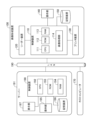
図1は、本発明の実施形態における画像処理システムの一例を示すブロック図である。図1に示すように、画像処理システムは、画像形成装置100と、ホストコンピュータ170と、サーバー191(クラウドサーバーであってもよい)を含む。
<Image formation system overview>
1 is a block diagram showing an example of an image processing system according to an embodiment of the present invention. As shown in Fig. 1, the image processing system includes an
本実施形態では、画像形成装置100として、印刷機能、読取機能、FAX機能等、複数の機能が一体化された複合機(MFP:Multi Function Printer)が用いられるものとして説明する。また、サーバー191は、文書管理機能を有するものとして説明する。画像形成装置100とホストコンピュータ170とサーバー191は、LAN(Local Area Network)190等のネットワークを相互に通信可能に接続されている。画像形成装置100とホストコンピュータ170とサーバー191は、複数台接続されていてもよく、他の装置が接続されていてもよい。また、ネットワークは、本実施形態ではLAN190を例示して説明するが、有線ネットワークや無線ネットワーク、もしくは、それらが組み合わされた構成の場合がある。
In this embodiment, the
画像形成装置100は、制御装置110、リーダー装置120、プリンタ装置130、操作部140、記憶装置150を含む。制御装置110は、リーダー装置120、プリンタ装置130、操作部140、記憶装置150のそれぞれと接続される。
The
制御装置110は、画像形成装置100を統括的に制御する制御基板(コントローラ)である。制御装置110は、CPU111、ROM112、RAM113、画像処理部114を含む。
The
CPU111は、システムバス(不図示)を介して、制御装置110内の各ブロックを制御する。例えば、CPU111は、ROM112やRAM113、記憶装置150、又は、他の記憶媒体に記憶されたプログラムを読み出して実行することにより、画像形成装置100の機能を実行する。
The
ROM112は、例えば、制御プログラムや、画像形成装置100の機能を実行する上で必要なテーブルや設定データ等を記憶する。RAM113は、例えば、CPU111のワークメモリとして用いられる。
The
画像処理部114は、リーダー装置120によって生成された読取画像データや、外部から受信した画像データに対して、変換、補正、編集、圧縮/解凍など、種々の画像処理を実行する。画像処理部114は、ハードウェアで構成される場合があれば、ソフトウェアで実現される場合もある。
The
リーダー装置120は、スキャナエンジンの構成を有し、原稿を光学的に読み取る原稿スキャン処理をし、光学的に読み取った原稿から読取画像データ(文書画像)を生成する。原稿スキャン処理は、原稿台にセットされた原稿を光学的に読み取る方法でもよいし、自動原稿給送装置(ADF:Automatic Document Feeder)から給送された原稿を光学的に読み取る方法でもよい。
The
プリンタ装置130は、インクジェット記録方式や電子写真方式等、各種の記録方式に対応したプリンタエンジンの構成を有する。これにより、プリンタ装置130は、記録媒体上に画像を形成する。
The
操作部140は、ユーザーの操作を受付けるための操作キー、及び、各種設定やユーザーインターフェース画面の表示などを行う液晶パネルを備える。操作部140は、ユーザー操作等によって受け付けた情報を制御装置110へ出力する。
The
記憶装置150は、ユーザー情報を記憶する。ユーザー情報としては、例えば、画像データや、モードやライセンスなどの機器情報や、アドレス帳やカスタマイズなどがある。
The
なお、画像形成装置100は、図1に示す構成に限られず、画像形成装置100の実行可能な機能に応じて他の構成を含む。例えば、FAX機能の実行に必要な構成や、近距離無線通信を可能とする構成を含む場合もある。
Note that the
サーバー191は、制御装置198、操作部195、記憶装置196、表示部197を含む。制御装置198は、操作部195、記憶装置196、表示部197のそれぞれと接続される。
The
制御装置198は、サーバー191を統括的に制御する制御基板(コントローラ)である。制御装置198は、CPU192、ROM193、RAM194を含む。
The
CPU192は、システムバス(不図示)を介して、制御装置198内の各ブロックを制御する。例えば、CPU192は、ROM193やRAM194、記憶装置196、又は、他の記憶媒体に記憶されたプログラムを読み出して実行することにより、サーバー191の機能を実行する。
The
ROM193は、例えば、オペレーティングシステムプログラム(OS)等の各種制御プログラムや、サーバー191の機能を実行する上で必要なテーブルや設定データ等を記憶する。RAM194は、例えば、CPU192のワークメモリとして用いられる。
The
操作部195は、ユーザーの操作を受付けるためのキーボードやポインティングデバイス等を備え、受け付けたユーザー操作等の情報を制御装置198へ出力する。記憶装置196は、例えば、各種アプリケーションプログラムや、データ、ユーザー情報、機器情報などを記憶する。表示部197は、例えば液晶ディスプレイであり、各種ユーザーインターフェース画面や情報の表示を行う。
The
ホストコンピュータ170は、LAN190を介して、画像形成装置100やサーバー191のそれぞれと接続される。この構成により、ホストコンピュータ170による操作や指示に基づいて、画像形成装置100やサーバー191を操作することもできる。
The
上述のような構成の画像処理システムを例に挙げ、具体的な実施形態を以下に述べる。なお、下記の実施形態で用いる「手書き文字」とは、人の手によって手書き入力された文字を指す。 Specific embodiments will be described below using an image processing system configured as described above as an example. Note that "handwritten characters" used in the following embodiments refer to characters that have been handwritten and input by a human being.
[第1実施形態]
手書き文字と活字が混在する文書の場合、文字間隔やピッチが不均一な手書き文字の影響により、従来の傾き補正が失敗する可能性がある。本実施形態では、手書き文字がある場合、手書き文字の影響を除外した傾き角度推定用の画像を生成して、傾き角度推定を実施する。
[First embodiment]
In the case of a document that contains both handwritten and printed characters, conventional tilt correction may fail due to the influence of handwritten characters with uneven character spacing or pitch. In this embodiment, when handwritten characters are present, an image for tilt angle estimation is generated that excludes the influence of the handwritten characters, and tilt angle estimation is performed.
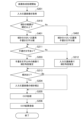
図2は、第1実施形態における画像処理の手順を示すフローチャートである。図3は、第1実施形態における入力文書画像と処理結果の一例を示す図である。なお、以下の説明で、「傾き」とは、傾きの基準となる左右方向に延びる基準線L(図3参照)に対する入力文書画像の傾き角度をいう。 Figure 2 is a flowchart showing the steps of image processing in the first embodiment. Figure 3 is a diagram showing an example of an input document image and a processing result in the first embodiment. Note that in the following explanation, "tilt" refers to the tilt angle of the input document image with respect to a reference line L (see Figure 3) that extends in the left-right direction and serves as the basis for tilt.
以下、図2を用いて画像処理の手順の説明を進めるが、必要に応じて、図3を参照して、画像処理の手順を説明する。図2の処理は、例えば、CPU111が、ROM112に記憶されたプログラムをRAM113に読みだして実行することで実現される。
The image processing procedure will be explained below with reference to FIG. 2, but as necessary, FIG. 3 will also be referenced to explain the image processing procedure. The process of FIG. 2 is realized, for example, by the
ステップS201において、入力文書画像の取得処理を行う。入力文書画像とは、画像処理システムに入力される文書画像300のことである。入力文書画像の取得処理において、CPU111は、操作部140を介してユーザーからの原稿スキャン処理の指示を受け付けると、リーダー装置120にスキャン指示を行い、スキャンを実施する。これにより、原稿に対応した読取画像データ(文書画像)を取得する。図3に示す文書画像300は、ステップS201の文書画像取得処理で取得した入力文書画像の一例である。原稿が原稿台に斜めにセットされる場合には、リーダー装置120により取得された文書画像300にも傾きが生じる。また、ADFを用いて原稿を読み込んだ場合であっても、原稿のセットの仕方や搬送用モータの左右の速度差等により、取得された文書画像に傾きが生じる場合がある。そのため、取得した文書画像の傾きを識別し、補正することが必要である。このように、CPU111は、画像処理システムにおいて、文書画像を取得する文書画像取得部として機能する。
In step S201, an input document image acquisition process is performed. The input document image is a document image 300 input to the image processing system. In the input document image acquisition process, when the
ステップS202において、手書き文字分離処理を行う。手書き文字の分離処理において、CPU111は、ステップS201で生成した読取画像データに対して、手書き文字の記載個所を分離する処理を行う。これにより、手書き文字の画像と手書き文字以外の画像を生成する。ここで生成した手書き文字以外の画像を、本分離処理の後、傾き角度推定のために用いる。このように、CPU111は、画像処理システムにおいて、手書き文字と判断された手書き文字の画像と、手書き文字と判断されない手書き文字以外の画像とに分離する手書き文字分離部として機能する。
In step S202, handwritten character separation processing is performed. In the handwritten character separation processing,
本実施形態の手書き文字分離手法では、まず、画像内の手書き文字領域とそれ以外の背景領域を、ニューラルネットワーク(NN)に学習させる。次に、ニューラルネットワークの学習に基づいて、画素ごとに手書きか手書きでないかを判断する。これにより、手書き文字の画像特徴と一致する場合に手書き文字と判断し、画素を抽出することが可能である。例えば、図3の文書画像300の読取画像データに対して本処理を行うことで、画素310~312に示すような画素を手書き文字と判断する。次に、手書き文字と判断された画素310~312を除去することで、手書き文字以外の文書画像301が得られる。なお、本実施形態の手書き文字分離手法は一例であって、手書き文字を分離する手法を本実施形態の手法に限定するものではない。 In the handwritten character separation method of this embodiment, first, a neural network (NN) is trained to learn about handwritten character regions and other background regions in an image. Next, based on the neural network learning, it is determined whether each pixel is handwritten or not. As a result, if there is a match with the image characteristics of handwritten characters, it is determined to be handwritten characters and the pixels can be extracted. For example, by performing this process on the scanned image data of document image 300 in FIG. 3, pixels such as those shown in pixels 310-312 are determined to be handwritten characters. Next, pixels 310-312 determined to be handwritten characters are removed to obtain document image 301 containing non-handwritten characters. Note that the handwritten character separation method of this embodiment is merely an example, and the method for separating handwritten characters is not limited to the method of this embodiment.
従来の手書き文字分離は、文字種別に特化したOCR処理への投入を目的としていた。なお、OCR処理とは、光学的文字認識(OCR:Optical Character Recognition)による文字データの抽出処理のことをいう。 Conventional handwritten character separation was intended to be used for OCR processing specialized for a particular character type. Note that OCR processing refers to the process of extracting character data using optical character recognition (OCR).
これに対し、本実施形態では、傾き認識の妨げにならないよう手書き文字を分離する。つまり、本分離処理により手書き文字を除外して、以後の傾き角度推定に用いる画像を生成している。手書き文字以外の文書画像301のような、手書き文字を除外した画像を用いることで、傾き角度の推定精度を向上させることが期待できる。 In contrast, in this embodiment, the handwritten characters are separated so as not to interfere with tilt recognition. In other words, the handwritten characters are removed by this separation process to generate an image to be used for subsequent tilt angle estimation. By using an image from which handwritten characters have been removed, such as document image 301 other than handwritten characters, it is expected that the accuracy of tilt angle estimation can be improved.
ステップS211で、CPU111は、読み取った文書画像300に手書き文字が混在するかを判断する。ステップS202において、手書き文字として抽出できた画素が一定量以上の場合、手書き文字がある(Yes)と判断し、ステップS202の処理へ進む。一方、ステップS202において、手書き文字として抽出できた画素が一定量を下回る場合、手書き文字がない(No)と判断し、ステップS212の処理へ進む。
In step S211, the
本実施形態では、ステップS211において手書き文字があるかないかの判断において、ステップS202で画像分離した手書き文字の画像の画素と手書き文字以外の画像の画素の割合に基づいて、手書き文字の有無を判断した。手書き文字として抽出した画素が一定量を下回る場合、画像ノイズ等の可能性が高く、傾き角度推定に及ぼす影響はほとんど無い。あるいは、真に手書き文字を抽出した場合であっても、対する活字など手書き文字以外の画素の方が一定割合以上あれば、傾き角度推定に影響を与えることはほとんど無い。従って、手書き文字の有無を判断する際には、ステップS202で画像分離した手書き文字の画像の画素が、手書き文字以外の画像の画素よりも一定割合以上多い場合に、手書き文字あり(Yes)という判断を行った。 In this embodiment, in determining whether or not there is a handwritten character in step S211, the presence or absence of a handwritten character is determined based on the ratio of pixels in the image of the handwritten character separated in step S202 to pixels in the image other than the handwritten character. If the number of pixels extracted as handwritten characters is below a certain amount, there is a high possibility that the image is noisy, and there is almost no effect on the inclination angle estimation. Alternatively, even if a handwritten character is truly extracted, there is almost no effect on the inclination angle estimation as long as there is a certain percentage or more of pixels other than the handwritten character, such as type. Therefore, when determining whether or not there is a handwritten character, if the number of pixels in the image of the handwritten character separated in step S202 is more than a certain percentage of the pixels in the image other than the handwritten character, a determination is made that there is a handwritten character (Yes).
ステップS203において、傾き角度推定処理を行う。傾き角度推定処理では、CPU111は、ステップS202で生成した手書き文字以外の文書画像301を用いて傾き角度推定を行う。行間隔やピッチ、角度にバラつきのある手書き文字を除外し、手書き文字以外の文書画像301を用いて傾き角度推定を行うことで、傾き角度推定の精度が向上する。このように、CPU111は、画像処理システムにおいて、手書き文字以外の画像の傾き角度を推定する傾き角度推定部として機能する。
In step S203, tilt angle estimation processing is performed. In the tilt angle estimation processing,
本実施形態で用いた傾き角度(回転角度)を推定する手法は、文書画像内の文字列や線が印字前のデータ上では水平方向に並んでいることを利用する。例えば、様々な方向への射影ヒストグラムを取り、ヒストグラムのピークとボトムが短い周期で大きく振動するヒストグラムに対応する角度を選択することにより、傾き角度の推定が可能である。これは、正しい方向への射影であれば、同一ラインの文字列や、同一方向の罫線等の水平の線が、ヒストグラム上の同一のビンに投票され、行間にあたる部分には何も投票されないため、大きな振幅が文字間の周期で生じるためである。 The method used in this embodiment to estimate the skew angle (rotation angle) utilizes the fact that character strings and lines in a document image are aligned horizontally in the data before printing. For example, the skew angle can be estimated by taking projection histograms in various directions and selecting the angle corresponding to the histogram where the peaks and bottoms of the histogram oscillate greatly in a short cycle. This is because, if projected in the correct direction, horizontal lines such as character strings on the same line and ruled lines in the same direction are voted for the same bin on the histogram, and nothing is voted for in the areas between the lines, resulting in large amplitudes occurring at the intervals between characters.
ここまでの手法で推定した角度は、文字の向きが考慮されておらず、180度の不確実性が存在する。文字の向きについては、簡易的な文字認識処理を行った際の文字の確からしさ情報を用いて、判定することが可能である。これにより、文字の向きも考慮した角度情報を算出することが可能になる。この傾き角度推定手法は、行間隔が均一で行間隙間が所定の隙間以上に空いており、横ストロークが水平となる活字や罫線主体の文書において有効な手法である。従って、手書き文字以外の文書画像301のような、活字ベースの文書においては、傾き角度を正確に判断することができる。なお、上述の水平方向とは、図3における基準線Lと平行な方向であることをいう。基準線Lは、紙面における左右方向に延びる線であり、紙面における上下方向と直交する線である。 The angles estimated by the methods described above do not take into account the orientation of the characters, and there is an uncertainty of 180 degrees. The orientation of the characters can be determined using the likelihood information of the characters when a simple character recognition process is performed. This makes it possible to calculate angle information that also takes the orientation of the characters into account. This skew angle estimation method is effective for documents that are mainly composed of type and lines, with uniform line spacing, interline gaps that are greater than a specified gap, and horizontal strokes that are horizontal. Therefore, in documents based on type, such as document image 301 other than handwritten characters, the skew angle can be accurately determined. Note that the horizontal direction mentioned above refers to the direction parallel to the reference line L in FIG. 3. The reference line L is a line that extends in the left-right direction on the paper surface and is perpendicular to the up-down direction on the paper surface.
本実施形態で、手書き文字以外の文書画像301に対して、傾き角度推定処理を実施することで、基準線Lに対する傾き角度αを得ることができる。ただし、画像の傾き角度を識別する手法については特定の手法に限定するものではない。 In this embodiment, the inclination angle α with respect to the reference line L can be obtained by performing an inclination angle estimation process on a document image 301 other than handwritten characters. However, the method for identifying the inclination angle of an image is not limited to a specific method.
ステップS212において、CPU111は、ステップS211で手書き文字がないと判断された文書画像について、傾き角度推定処理を実施する。傾き角度推定処理は、ステップS203で行った処理と同様である。
In step S212, the
ステップS213において、ステップS203およびステップS212で推定した傾き角度に基づいて、文書画像に傾きがあるかを判断する。傾き角度が一定角度以上ある場合、傾きがある(Yes)と判断し、ステップS204の傾き補正処理へ進む。一方、傾き角度が一定角度に満たない場合、傾きがない(No)と判断し、傾き補正をスキップし、ステップS205のOCR処理へ進む。 In step S213, it is determined whether the document image is tilted based on the tilt angle estimated in steps S203 and S212. If the tilt angle is equal to or greater than a certain angle, it is determined that there is tilt (Yes), and the process proceeds to tilt correction processing in step S204. On the other hand, if the tilt angle is less than the certain angle, it is determined that there is no tilt (No), tilt correction is skipped, and the process proceeds to OCR processing in step S205.
ステップS204で、CPU111は、ステップS203またはステップS212で推定した傾き角度を用いて、S201で取得した文書画像に対して傾き補正処理を実施する。本実施形態における傾き補正は、ステップS203およびステップS212で推定した傾き角度による回転座標変換を行った。なお、補正手段はこれに限定するものではない。本実施形態では、図3に示す傾き角度αを用いて、手書き文字以外の文書画像301に対して本傾き補正処理を行うことで、傾き補正後の補正画像302を得ることができる。傾き補正処理の後、ステップS205のOCR処理へ進む。このように、CPU111は、画像処理システムにおいて、傾き角度αに基づいて文書画像300を補正する傾き補正部として機能する。
In step S204,
ステップS205で、CPU111は、ステップS204で補正した補正画像302に対してOCR処理を行う。本実施形態においては、ステップS202で分離した手書き文字と、手書き文字以外の文書画像301について、それぞれ、手書き用、活字用に特化したOCR処理を実施する。その後、手書き文字のOCR結果と、手書き文字以外の文書画像301のOCR結果とを、マージする処理を行った。
In step S205, the
また本実施形態においては、OCR処理の前に文字列領域を判定し、文字列領域となった各領域についてOCR処理を実施し、文字列領域における文字列の文字コードを取得する。この領域判定により、文字列領域以外の領域を処理しなくて済む。この結果、処理負荷の軽減や文字認識の精度を向上することができる。なお、OCR処理については、様々な手法が考案されており、本実施形態の手法に限定するものではない。 In addition, in this embodiment, character string areas are determined before OCR processing, and OCR processing is performed on each area that has become a character string area to obtain the character code of the character string in the character string area. This area determination eliminates the need to process areas other than character string areas. As a result, it is possible to reduce the processing load and improve the accuracy of character recognition. Note that various methods have been devised for OCR processing, and the method is not limited to the method of this embodiment.
ステップS206で、CPU111は、文書画像300や補正画像302にステップS205で得たテキスト情報を付加したものを、記憶装置150にデータを登録して、本処理を終了する。データを登録する際に、文書画像を画像データのままではなく、OCR処理結果を用いて、全文検索可能なPDFなどの文書フォーマットに変換してもよい。
In step S206, the
本実施形態では、画像形成装置100上で全ての処理を行ったが、これに限るものではない。例えば、処理負荷を分散するために、LAN190を介して、ステップS201で生成した読取画像データを、サーバー191に送信し、サーバー191でユーザーからの操作受付以外の処理を行ってもよい。
In this embodiment, all processing is performed on the
[第2実施形態]
本実施形態では、第1実施形態における手書き文字を分離する処理(図2のステップS202の処理)において、傾きの大きい文書画像に対しても、手書き文字の分離精度を高く維持できる手法について説明する。傾きの大きい文書画像に対しては、手書き文字の分離精度を維持する処理を実行し、傾きの小さい文書画像に対しては、十分な精度が発揮できるだけのシンプルな処理を実行する。図4は、第2実施形態における画像処理の手順を示すフローチャートである。以下、第2実施形態について、第1実施形態と異なる点を主に説明する。
[Second embodiment]
In this embodiment, a method is described for maintaining high accuracy in separating handwritten characters even for document images with a large inclination in the process of separating handwritten characters in the first embodiment (the process of step S202 in FIG. 2). For document images with a large inclination, a process that maintains the accuracy in separating handwritten characters is executed, and for document images with a small inclination, a simple process that can provide sufficient accuracy is executed. FIG. 4 is a flowchart showing the procedure of image processing in the second embodiment. Below, the second embodiment will be described, mainly focusing on the differences from the first embodiment.
ステップS410で、CPU111は、ステップS201で取得した文書画像の傾きの範囲を判断する。傾きの範囲とは、どの程度傾いた画像が入力される可能性があるか、その取り得る傾きの程度の幅を指す。例えば、ADFで取得した文書画像より、原稿台にセットして取得した文書画像の方が置き方の自由度が高いため、傾きの範囲は大きいと言える。また、ADFであっても、原稿のセットの仕方や搬送用モータの左右の速度差等により文書画像に傾きが生じる可能性がある。特に、マルチサイズの原稿に対応可能なADFを利用する場合は、特定原稿サイズ対応のADFを利用する場合と比べて、傾きの範囲が大きくなる。このように、CPU111は、画像処理システムにおいて、傾き角度が取り得る範囲を判断する傾き角度範囲判断部として機能する。
In step S410,
例えば、本実施形態で用いる画像形成装置100におけるADFは、小サイズ(はがき、領収書など)などの原稿サイズを自動で検知する。この検知した原稿サイズが、給送可能な最大原稿サイズより小さい場合、セット位置のずれなどで原稿が傾き易い。この場合は、傾きの範囲が規定以上である(Yes)と判断する。また、原稿台から原稿を読み取って取得した場合も、傾きの範囲が規定以上である(Yes)と判断する。対して、ADFで検知した原稿サイズが、給送可能な最大原稿サイズである場合は、傾きの範囲は小さく、規定を下回る(No)と判断する。このように、ステップS410においては、文書画像が傾く可能性が大きく、傾きの範囲が規定以上の場合(Yes)、ステップS401に進む。一方、傾きの範囲が規定を下回る場合(No)、ステップS402に進む。
For example, the ADF in the
本実施形態で用いた手書き文字の分離手法は、画像内の手書き文字領域とそれ以外の背景領域をニューラルネットワーク(NN)に学習させて、画素ごとに手書きかそうでないかを判断する、といった手法である。以下、入力文書画像の傾き角度の範囲が規定以上であるか否かによって、場合分けをして説明する。 The handwritten character separation method used in this embodiment is a method in which a neural network (NN) is trained to learn about handwritten character areas and other background areas in an image, and each pixel is judged to be handwritten or not. Below, we will explain the case separately depending on whether the range of inclination angles of the input document image is equal to or larger than a specified range.
ステップS401において、ステップS410で入力文書画像の傾き角度の範囲が規定以上と判断されているため、CPU111は、その範囲に対応可能な、傾き角度の大きい文書用の手書き文字分離処理を行う。ステップS401の処理で用いるニューラルネットワークには、手書き文字の画像データとして、手書き文字の傾き角度を異ならせた複数通りのパターン画像を学習させる。図5は、第2実施形態における手書き文字分離のための学習データの一例を示す図である。図5に示すように、様々な角度で手書き文字を学習させることで、傾き角度の大きい入力文書画像に対しても、手書き文字の抽出精度を維持することが可能である。
In step S401, because it has been determined in step S410 that the range of tilt angles of the input document image is equal to or greater than a prescribed range, the
なお、本実施形態では、手書き文字の傾き角度を異ならせることとしたが、これに限るものではない。例えば、ニューラルネットワークの学習画像の傾き角度の範囲を制限して、本処理において、入力文書画像の傾き角度が異なるようにしながら手書き文字の抽出を行い、取り得る傾き角度を網羅することとしてもよい。 In this embodiment, the inclination angle of handwritten characters is varied, but this is not limiting. For example, the range of inclination angles of the neural network training images may be limited, and handwritten characters may be extracted in this process while varying the inclination angle of the input document image, thereby covering all possible inclination angles.
ステップS402において、ステップS410で入力文書画像の傾きの範囲が規定を下回ると判断されているため、CPU111は、その範囲に対応可能な、傾きが小さい文書用の手書き文字分離処理を行う。ステップS402の処理で用いるニューラルネットワークには、手書き文字分離のための画像データとして、ステップS401の処理で用いるニューラルネットワークよりも少ない数の回転パターンの画像を学習させる。学習パターンの少ないシンプルなネットワーク構造のニューラルネットワークを利用した方が、同一精度を目指した場合に、推論のコストを低減することが可能である。そのため、傾き範囲が小さいと思われる場合には、十分な精度が見込めるシンプルなネットワーク構造を用いる。本処理で用いるニューラルネットワークには、図5の画像501に示すような、正常の向きの画像のみを学習に使用する。
In step S402, since it has been determined in step S410 that the range of tilt of the input document image is below a prescribed range, the
このように、本実施形態においては、傾きの範囲が大きい文書画像に対して、回転した複数パターンの手書き文字を学習したニューラルネットワークを用いて手書き文字の分離処理を行う。このため、手書き文字の分離精度を高く維持することが可能である。また、傾きの範囲が小さい文書画像に対しては、学習パターンを減らしたニューラルネットワークを用いて、手書き文字の分離処理を行う。このため、シンプルな処理で十分な精度を発揮することが可能である。 In this way, in this embodiment, for document images with a large range of inclination, handwritten character separation processing is performed using a neural network that has learned multiple rotated patterns of handwritten characters. This makes it possible to maintain high accuracy in separating handwritten characters. Furthermore, for document images with a small range of inclination, handwritten character separation processing is performed using a neural network with fewer learning patterns. This makes it possible to achieve sufficient accuracy with simple processing.
[その他の実施形態]
以上、本発明をその好適な実施形態に基づいて詳述したが、本発明はこれら特定の実施形態に限られるものではなく、この発明の要旨を逸脱しない範囲の様々な形態も本発明に含まれる。また、上述の実施形態の一部を適宜組み合わせてもよい。特に、上述の実施形態においては、画像処理をするCPUとして、画像形成装置100のCPU111を例示したが、サーバー191のCPU192を用いてもよい。
[Other embodiments]
The present invention has been described in detail above based on preferred embodiments thereof, but the present invention is not limited to these specific embodiments, and various forms within the scope of the gist of the present invention are also included in the present invention. In addition, parts of the above-mentioned embodiments may be appropriately combined. In particular, in the above-mentioned embodiment, the
本発明は、上述の実施形態の1以上の機能を実現するプログラムを、ネットワーク又は記憶媒体を介してシステム又は装置に供給し、そのシステム又は装置のコンピュータにおける1つ以上のプロセッサーがプログラムを読出し実行する処理でも実現可能である。また、1以上の機能を実現する回路(例えば、ASIC)によっても実現可能である。 The present invention can also be realized by supplying a program that realizes one or more of the functions of the above-described embodiments to a system or device via a network or storage medium, and having one or more processors in the computer of the system or device read and execute the program. It can also be realized by a circuit (e.g., an ASIC) that realizes one or more functions.
100…画像形成装置
110…制御装置
120…リーダー装置
191…サーバー
198…制御装置
100: Image forming apparatus 110: Control device 120: Reader device 191: Server 198: Control device
Claims (7)
手書き文字と活字とが混在する文書画像を取得する文書画像取得部と、
手書き文字を含む画像により手書き文字の特徴を学習させたニューラルネットワークを用いて、前記文書画像内に含まれる手書き文字の画素を判断し、当該判断された手書き文字の画素を前記文書画像から除去することにより、前記手書き文字以外の画像を生成する分離部と、
前記生成された手書き文字以外の画像を用いて、傾き角度を推定する傾き角度推定部と、
前記推定された傾き角度に基づいて、前記手書き文字と前記活字とが混在する前記文書画像の傾きを補正する傾き補正部と、を有する
ことを特徴とする画像処理システム。 In an image processing system for performing skew correction on a document image,
a document image acquisition unit that acquires a document image including a mixture of handwritten characters and printed characters;
a separation unit that uses a neural network that has learned features of handwritten characters from images including handwritten characters to determine pixels of handwritten characters included in the document image, and removes the determined pixels of handwritten characters from the document image to generate an image other than the handwritten characters;
a tilt angle estimation unit that estimates a tilt angle by using the generated image other than the handwritten character;
and a skew correction unit that corrects the skew of the document image including both handwritten characters and printed characters based on the estimated skew angle.
ことを特徴とする請求項1に記載の画像処理システム。 The image processing system according to claim 1 , wherein the separation unit applies a method corresponding to a range of inclination angles of the document image to remove handwritten characters from the document image, thereby generating an image other than the handwritten characters.
前記文書画像の傾き角度の範囲が規定値以上であれば、第1のニューラルネットワークを用いて前記文書画像内に含まれる手書き文字の画素を判断し、当該判断された手書き文字の画素を前記文書画像から除去することにより、前記手書き文字以外の画像を生成する一方、
前記文書画像の傾き角度の範囲が前記規定値より小さければ、第2のニューラルネットワークを用いて前記文書画像内に含まれる手書き文字の画素を判断し、当該判断された手書き文字の画素を前記文書画像から除去することにより、前記手書き文字以外の画像を生成するものであり、
前記第2のニューラルネットワークの学習に用いた文書画像の傾きは、前記第1のニューラルネットワークの学習に用いた文書画像の傾きより小さい、
ことを特徴とする請求項1に記載の画像処理システム。 The separation unit is
if the range of the inclination angle of the document image is equal to or greater than a specified value, a first neural network is used to determine pixels of handwritten characters contained in the document image, and the determined pixels of handwritten characters are removed from the document image to generate an image other than the handwritten characters,
if the range of the inclination angle of the document image is smaller than the specified value, a second neural network is used to determine pixels of handwritten characters contained in the document image, and the determined pixels of handwritten characters are removed from the document image to generate an image other than the handwritten characters;
the inclination of the document image used for training the second neural network is smaller than the inclination of the document image used for training the first neural network;
2. The image processing system according to claim 1.
傾き角度が異なる複数通りの手書き文字の画像により手書き文字の特徴を学習させた前記ニューラルネットワークを用いて、前記手書き文字の画素を判断し、当該判断された手書き文字の画素を前記文書画像から除去することにより、前記手書き文字以外の画像を生成する
ことを特徴とする請求項1に記載の画像処理システム。 The separation unit is
The image processing system according to claim 1 , characterized in that the neural network is used to learn the characteristics of handwritten characters using images of multiple handwritten characters with different inclination angles, and the pixels of the handwritten characters that have been determined are removed from the document image, thereby generating an image other than the handwritten characters.
傾き角度が異なる複数通りの手書き文字を含む文書画像により手書き文字の特徴を学習させた前記ニューラルネットワークを用いて、前記手書き文字の画素を判断し、当該判断された手書き文字の画素を前記文書画像から除去することにより、前記手書き文字以外の画像を生成する
ことを特徴とする請求項1に記載の画像処理システム。 The separation unit is
The image processing system according to claim 1, characterized in that the neural network is used to learn the characteristics of handwritten characters from document images containing multiple handwritten characters with different inclination angles, to determine the pixels of the handwritten characters, and to remove the determined pixels of the handwritten characters from the document image, thereby generating an image other than the handwritten characters.
手書き文字と活字とが混在する文書画像を取得する文書画像取得工程と、
手書き文字を含む画像により手書き文字の特徴を学習させたニューラルネットワークを用いて、前記文書画像内に含まれる手書き文字の画素を判断し、当該判断された手書き文字の画素を前記文書画像から除去することにより、前記手書き文字以外の画像を生成する分離工程と、
前記生成された手書き文字以外の画像を用いて、傾き角度を推定する傾き角度推定工程と、
前記推定された傾き角度に基づいて、前記手書き文字と前記活字とが混在する前記文書画像の傾きを補正する傾き補正工程と、を有する
ことを特徴とする画像処理方法。 1. An image processing method for performing skew correction on a document image, comprising:
a document image acquisition step of acquiring a document image including a mixture of handwritten characters and printed characters;
a separation step of determining pixels of handwritten characters contained in the document image using a neural network that has been trained on features of handwritten characters using images including handwritten characters, and removing the determined pixels of handwritten characters from the document image to generate an image other than the handwritten characters;
a tilt angle estimation step of estimating a tilt angle by using the generated image other than the handwritten character;
and correcting the inclination of the document image including both handwritten characters and printed characters based on the estimated inclination angle.
A program for causing a computer to function as the image processing device according to any one of claims 1 to 5 .
Priority Applications (2)
| Application Number | Priority Date | Filing Date | Title |
|---|---|---|---|
| JP2021067356A JP7689439B2 (en) | 2021-04-12 | 2021-04-12 | IMAGE PROCESSING SYSTEM, IMAGE PROCESSING METHOD, AND PROGRAM |
| US17/716,084 US12183101B2 (en) | 2021-04-12 | 2022-04-08 | Image processing system, image processing method, and storage medium |
Applications Claiming Priority (1)
| Application Number | Priority Date | Filing Date | Title |
|---|---|---|---|
| JP2021067356A JP7689439B2 (en) | 2021-04-12 | 2021-04-12 | IMAGE PROCESSING SYSTEM, IMAGE PROCESSING METHOD, AND PROGRAM |
Publications (3)
| Publication Number | Publication Date |
|---|---|
| JP2022162474A JP2022162474A (en) | 2022-10-24 |
| JP2022162474A5 JP2022162474A5 (en) | 2024-04-19 |
| JP7689439B2 true JP7689439B2 (en) | 2025-06-06 |
Family
ID=83602701
Family Applications (1)
| Application Number | Title | Priority Date | Filing Date |
|---|---|---|---|
| JP2021067356A Active JP7689439B2 (en) | 2021-04-12 | 2021-04-12 | IMAGE PROCESSING SYSTEM, IMAGE PROCESSING METHOD, AND PROGRAM |
Country Status (2)
| Country | Link |
|---|---|
| US (1) | US12183101B2 (en) |
| JP (1) | JP7689439B2 (en) |
Families Citing this family (1)
| Publication number | Priority date | Publication date | Assignee | Title |
|---|---|---|---|---|
| JP7689439B2 (en) * | 2021-04-12 | 2025-06-06 | キヤノン株式会社 | IMAGE PROCESSING SYSTEM, IMAGE PROCESSING METHOD, AND PROGRAM |
Citations (1)
| Publication number | Priority date | Publication date | Assignee | Title |
|---|---|---|---|---|
| US20030215136A1 (en) | 2002-05-17 | 2003-11-20 | Hui Chao | Method and system for document segmentation |
Family Cites Families (11)
| Publication number | Priority date | Publication date | Assignee | Title |
|---|---|---|---|---|
| US5187753A (en) | 1989-12-08 | 1993-02-16 | Xerox Corporation | Method and apparatus for identification and correction of document skew |
| JPH0844822A (en) | 1994-08-03 | 1996-02-16 | Matsushita Electric Ind Co Ltd | Character recognition device |
| JP2006092027A (en) * | 2004-09-21 | 2006-04-06 | Fuji Xerox Co Ltd | Capital letter recognizing device, capital letter recognizing method and capital letter recognizing program |
| US8139897B2 (en) * | 2007-03-15 | 2012-03-20 | Ricoh Company, Limited | Detecting tilt in an image having different resolutions in different directions |
| TW201223239A (en) * | 2010-11-23 | 2012-06-01 | Cal Comp Electronics & Comm Co | Method for image correction and scanner using the same |
| US10056083B2 (en) * | 2016-10-18 | 2018-08-21 | Yen4Ken, Inc. | Method and system for processing multimedia content to dynamically generate text transcript |
| US10783400B2 (en) * | 2018-04-06 | 2020-09-22 | Dropbox, Inc. | Generating searchable text for documents portrayed in a repository of digital images utilizing orientation and text prediction neural networks |
| JP2020053931A (en) | 2018-09-28 | 2020-04-02 | 日本電産サンキョー株式会社 | Image processing system, image scanner, and image processing method |
| US11302108B2 (en) * | 2019-09-10 | 2022-04-12 | Sap Se | Rotation and scaling for optical character recognition using end-to-end deep learning |
| US11315351B2 (en) * | 2020-01-08 | 2022-04-26 | Kabushiki Kaisha Genial Technology | Information processing device, information processing method, and information processing program |
| JP7689439B2 (en) * | 2021-04-12 | 2025-06-06 | キヤノン株式会社 | IMAGE PROCESSING SYSTEM, IMAGE PROCESSING METHOD, AND PROGRAM |
-
2021
- 2021-04-12 JP JP2021067356A patent/JP7689439B2/en active Active
-
2022
- 2022-04-08 US US17/716,084 patent/US12183101B2/en active Active
Patent Citations (1)
| Publication number | Priority date | Publication date | Assignee | Title |
|---|---|---|---|---|
| US20030215136A1 (en) | 2002-05-17 | 2003-11-20 | Hui Chao | Method and system for document segmentation |
Also Published As
| Publication number | Publication date |
|---|---|
| JP2022162474A (en) | 2022-10-24 |
| US12183101B2 (en) | 2024-12-31 |
| US20220335738A1 (en) | 2022-10-20 |
Similar Documents
| Publication | Publication Date | Title |
|---|---|---|
| US8619278B2 (en) | Printed matter examination apparatus, printed matter examination method, and printed matter examination system | |
| US9088673B2 (en) | Image registration | |
| US20080050019A1 (en) | Image processing apparatus, and computer program product | |
| US20200202155A1 (en) | Method for image processing, and image-processing system | |
| JP6427964B2 (en) | Image processing system, information processing apparatus, and program | |
| JP6066108B2 (en) | Electronic document generation system and program | |
| US20170142274A1 (en) | Information processing device, image processing system and non-transitory computer readable medium storing program | |
| US9858513B2 (en) | Document file output apparatus, document file output method, and computer readable medium | |
| US20150324954A1 (en) | Methods and systems for automated orientation detection and correction | |
| JP7689439B2 (en) | IMAGE PROCESSING SYSTEM, IMAGE PROCESSING METHOD, AND PROGRAM | |
| US20110216337A1 (en) | Image processing apparatus, image processing system, and computer readable medium | |
| US10834281B2 (en) | Document size detecting by matching between image of entire document and read size image | |
| US9886648B2 (en) | Image processing device generating arranged image data representing arranged image in which images are arranged according to determined relative position | |
| JP2023158554A (en) | Character image quality adjustment system, character image quality adjustment device, its control method and program | |
| US20180260363A1 (en) | Information processing apparatus and non-transitory computer readable medium storing program | |
| US9811877B2 (en) | Image processing device selecting arrangement method for generating arranged image data | |
| JP2005316550A (en) | Image processor, image reader, image inspection device and program | |
| US10356276B2 (en) | Image processing apparatus, image forming apparatus, and computer readable medium | |
| JP6394579B2 (en) | Image reading apparatus and image forming apparatus | |
| JP7800233B2 (en) | Image processing device, image processing method, and image processing program | |
| JP7171269B2 (en) | Image matching system, image matching method, and program | |
| JP2017208655A (en) | Information processing system, information processing method and program | |
| US12260569B2 (en) | Information processing device, information processing system, and non-transitory computer readable medium | |
| US20230245298A1 (en) | Inspection apparatus, method of controlling the same, printing system, and storage medium | |
| US20250022303A1 (en) | Image processing system and non-transitory computer-readable storage medium |
Legal Events
| Date | Code | Title | Description |
|---|---|---|---|
| A521 | Request for written amendment filed |
Free format text: JAPANESE INTERMEDIATE CODE: A523 Effective date: 20240411 |
|
| A621 | Written request for application examination |
Free format text: JAPANESE INTERMEDIATE CODE: A621 Effective date: 20240411 |
|
| A977 | Report on retrieval |
Free format text: JAPANESE INTERMEDIATE CODE: A971007 Effective date: 20250128 |
|
| A131 | Notification of reasons for refusal |
Free format text: JAPANESE INTERMEDIATE CODE: A131 Effective date: 20250204 |
|
| A521 | Request for written amendment filed |
Free format text: JAPANESE INTERMEDIATE CODE: A523 Effective date: 20250403 |
|
| TRDD | Decision of grant or rejection written | ||
| A01 | Written decision to grant a patent or to grant a registration (utility model) |
Free format text: JAPANESE INTERMEDIATE CODE: A01 Effective date: 20250428 |
|
| A61 | First payment of annual fees (during grant procedure) |
Free format text: JAPANESE INTERMEDIATE CODE: A61 Effective date: 20250527 |
|
| R150 | Certificate of patent or registration of utility model |
Ref document number: 7689439 Country of ref document: JP Free format text: JAPANESE INTERMEDIATE CODE: R150 |