JP7686874B2 - SYSTEM AND METHOD FOR A USER INTERFACE WITH TASK DELEGATION CONTROL - Patent application - Google Patents
SYSTEM AND METHOD FOR A USER INTERFACE WITH TASK DELEGATION CONTROL - Patent application Download PDFInfo
- Publication number
- JP7686874B2 JP7686874B2 JP2024503717A JP2024503717A JP7686874B2 JP 7686874 B2 JP7686874 B2 JP 7686874B2 JP 2024503717 A JP2024503717 A JP 2024503717A JP 2024503717 A JP2024503717 A JP 2024503717A JP 7686874 B2 JP7686874 B2 JP 7686874B2
- Authority
- JP
- Japan
- Prior art keywords
- task
- delegation
- surrogate
- tasks
- control
- Prior art date
- Legal status (The legal status is an assumption and is not a legal conclusion. Google has not performed a legal analysis and makes no representation as to the accuracy of the status listed.)
- Active
Links
Images










Classifications
-
- G—PHYSICS
- G06—COMPUTING OR CALCULATING; COUNTING
- G06Q—INFORMATION AND COMMUNICATION TECHNOLOGY [ICT] SPECIALLY ADAPTED FOR ADMINISTRATIVE, COMMERCIAL, FINANCIAL, MANAGERIAL OR SUPERVISORY PURPOSES; SYSTEMS OR METHODS SPECIALLY ADAPTED FOR ADMINISTRATIVE, COMMERCIAL, FINANCIAL, MANAGERIAL OR SUPERVISORY PURPOSES, NOT OTHERWISE PROVIDED FOR
- G06Q10/00—Administration; Management
- G06Q10/06—Resources, workflows, human or project management; Enterprise or organisation planning; Enterprise or organisation modelling
- G06Q10/063—Operations research, analysis or management
- G06Q10/0631—Resource planning, allocation, distributing or scheduling for enterprises or organisations
- G06Q10/06311—Scheduling, planning or task assignment for a person or group
Landscapes
- Business, Economics & Management (AREA)
- Human Resources & Organizations (AREA)
- Engineering & Computer Science (AREA)
- Strategic Management (AREA)
- Entrepreneurship & Innovation (AREA)
- Economics (AREA)
- Operations Research (AREA)
- Game Theory and Decision Science (AREA)
- Development Economics (AREA)
- Marketing (AREA)
- Educational Administration (AREA)
- Quality & Reliability (AREA)
- Tourism & Hospitality (AREA)
- Physics & Mathematics (AREA)
- General Business, Economics & Management (AREA)
- General Physics & Mathematics (AREA)
- Theoretical Computer Science (AREA)
- Management, Administration, Business Operations System, And Electronic Commerce (AREA)
- Stored Programmes (AREA)
Description
関連出願の相互参照
[0001]本特許出願は、開示が参照により本明細書に組み込まれる2021年7月22日に出願された米国仮特許出願第63/224,435号の優先度利益を主張する。
CROSS-REFERENCE TO RELATED APPLICATIONS
[0001] This patent application claims priority benefit of U.S. Provisional Patent Application No. 63/224,435, filed July 22, 2021, the disclosure of which is incorporated herein by reference.
[0002]本開示は、一般に、タスクの決定および委任に関する。一例では、本明細書で説明されるシステムおよび方法は、タスク容易化サービスによる完了のためにメンバーによるタスクの効率的な委任を容易にするためにコンピューティングデバイスにおいて制御を選択的に有効化するために使用され得る。 [0002] The present disclosure generally relates to task determination and delegation. In one example, the systems and methods described herein may be used to selectively enable controls in a computing device to facilitate efficient delegation of tasks by members for completion by a task facilitation service.
[0003]開示する実施形態は、ユーザインターフェースの制御および、特に、タスク容易化サービスのアシスタントまたは代理などの異なる当事者による完了のためにユーザインターフェースの使用によるタスクの完了を委任するための制御を選択的に有効化するための手法を提供し得る。少なくともいくつかの実施形態では、委任制御の有効化は、委任制御が、ユーザの過去の活動と、ユーザに関して知られている情報と、タスク容易化サービスによって収集された他の同様の情報とに基づいて選択的に有効化されるようなユーザのモデルに基づく。 [0003] Disclosed embodiments may provide techniques for selectively enabling control of a user interface and, in particular, control for delegating completion of a task through use of the user interface for completion by a different party, such as an assistant or representative of the task facilitation service. In at least some embodiments, enabling delegation control is based on a model of the user such that delegation control is selectively enabled based on the user's past activities, information known about the user, and other similar information collected by the task facilitation service.
[0004]本開示の一態様では、コンピュータ実装方法が提供される。コンピュータ実装方法は、タスクのための委任制御を有効化するという指示を受信することを含む。指示は、ユーザに関連するユーザモデルに基づいて生成され、ここにおいて、ユーザモデルは、ユーザの過去のタスク委任データを使用して更新される。本方法は、委任制御が有効化された後にアクティブ化されるとき、コンピューティングデバイスがタスクのための委任指示を送信するように、指示を受信したことに応答して委任制御を有効化することをさらに含む。タスク容易化サービスによって受信されたとき、委任指示は、タスク容易化サービスにタスクを委任させる。 [0004] In one aspect of the disclosure, a computer-implemented method is provided. The computer-implemented method includes receiving an instruction to enable delegation control for a task. The instruction is generated based on a user model associated with a user, where the user model is updated using historical task delegation data of the user. The method further includes enabling the delegation control in response to receiving the instruction, such that when activated after the delegation control is enabled, the computing device sends a delegation instruction for the task. When received by a task facilitation service, the delegation instruction causes the task facilitation service to delegate the task.
[0005]いくつかの実施形態では、ユーザは、第1のユーザであり、指示は、第1のユーザとは異なる第2のユーザがコンピューティングデバイスとは異なるコンピューティングシステムを使用して委任制御を選択的に有効化することに応答してさらに生成される。 [0005] In some embodiments, the user is a first user, and the instructions are further generated in response to a second user, different from the first user, selectively enabling the delegated control using a computing system different from the computing device.
[0006]いくつかの実施形態では、委任制御が有効化されることになると決定することは、委任制御モデルにさらに基づき、ここで、委任制御モデルは、ユーザモデルからのデータとタスクに関連するデータとの各々に基づいて委任制御が有効化されることになると決定する。 [0006] In some embodiments, determining that the delegated control will be enabled is further based on a delegated control model, where the delegated control model determines that the delegated control will be enabled based on each of data from the user model and data related to the task.
[0007]いくつかの実施形態では、委任制御を有効化することは、グラフィカルユーザインターフェース中に委任制御に対応する視覚要素を表示することを含む。 [0007] In some embodiments, enabling the delegated control includes displaying a visual element in a graphical user interface that corresponds to the delegated control.
[0008]いくつかの実施形態では、委任制御を有効化することは、グラフィカルユーザインターフェース中に委任制御に対応する視覚要素を表示することを含み、視覚要素は、委任制御の状態を反映し得る。 [0008] In some embodiments, enabling the delegated control includes displaying a visual element in a graphical user interface that corresponds to the delegated control, where the visual element may reflect a state of the delegated control.
[0009]いくつかの実施形態では、委任制御を有効化することは、グラフィカルユーザインターフェース中に委任制御に対応する視覚要素を表示することを含み、視覚要素は、委任制御の状態を反映し得、本方法は、グラフィカルユーザインターフェース中にタスクに対応するタスクオブジェクトを表示することをさらに含む。視覚要素は、タスクオブジェクトに視覚的に関連付けられ、タスクオブジェクトは、タスクオブジェクトのリスト中に表示される。 [0009] In some embodiments, enabling the delegate control includes displaying a visual element in the graphical user interface corresponding to the delegate control, the visual element may reflect a state of the delegate control, and the method further includes displaying a task object corresponding to the task in the graphical user interface. The visual element is visually associated with the task object, and the task object is displayed in a list of task objects.
[0010]いくつかの実施形態では、委任制御を有効化することは、グラフィカルユーザインターフェース中に委任制御に対応する視覚要素を表示することを含み、本方法は、グラフィカルユーザインターフェース中にタスクに対応するタスクオブジェクトを表示することをさらに含む。視覚要素は、タスクオブジェクトに視覚的に関連付けられ得、タスクオブジェクトと視覚要素との各々は、チャットセッション内に表示され得る。 [0010] In some embodiments, enabling the delegation control includes displaying a visual element in the graphical user interface corresponding to the delegation control, and the method further includes displaying a task object corresponding to the task in the graphical user interface. The visual element may be visually associated with the task object, and each of the task object and the visual element may be displayed within the chat session.
[0011]いくつかの実施形態では、本方法は、委任制御が有効化された後に委任制御がアクティブ化されたと決定することと、コンピューティングデバイスから委任制御のアクティブ化を示す委任メッセージを送信することとをさらに含む。委任メッセージがタスク容易化サービスによって受信されるとき、タスク容易化サービスは、完了のためにタスクを委任し、ユーザモデルを更新するために委任メッセージを使用する。 [0011] In some embodiments, the method further includes determining that the delegation control is activated after the delegation control is enabled and sending a delegation message from the computing device indicating activation of the delegation control. When the delegation message is received by the task facilitation service, the task facilitation service uses the delegation message to delegate the task for completion and update the user model.
[0012]本開示の別の態様では、システムは、1つまたは複数のプロセッサと、命令を含むメモリとを含み、命令は、1つまたは複数のプロセッサによって実行された結果として、本明細書で説明されるプロセスをシステムに実施させる。別の実施形態では、非一時的コンピュータ可読記憶媒体は、実行可能な命令を記憶し、実行可能な命令は、コンピュータシステムの1つまたは複数のプロセッサによって実行された結果として、本明細書で説明されるプロセスをコンピュータシステムに実施させる。 [0012] In another aspect of the disclosure, a system includes one or more processors and a memory containing instructions that, when executed by the one or more processors, cause the system to perform a process described herein. In another embodiment, a non-transitory computer-readable storage medium stores executable instructions that, when executed by one or more processors of a computer system, cause the computer system to perform a process described herein.
[0013]本開示の様々な実施形態が以下で詳細に論じられる。特定の実装形態が論じられるが、これは、例示のみの目的で行われることを理解されたい。当業者であれば、他の構成要素および構成が、本開示の趣旨および範囲から離れることなしに使用され得ることを認識されよう。したがって、以下の説明および図面は、例示的であって、限定的なものとして解釈されるべきではない。本開示の完全な理解を提供するために、多数の具体的な詳細について説明される。しかしながら、いくつかの事例では、説明を不明瞭にすることを回避するために、よく知られているまたは従来の詳細について説明されない。本開示における一実施形態または実施形態への言及は、同じ実施形態または任意の実施形態への言及であり得、そのような言及は、実施形態のうちの少なくとも1つを意味する。 [0013] Various embodiments of the present disclosure are discussed in detail below. While specific implementations are discussed, it should be understood that this is done for illustrative purposes only. Those skilled in the art will recognize that other components and configurations may be used without departing from the spirit and scope of the present disclosure. Therefore, the following description and drawings are illustrative and should not be construed as limiting. Numerous specific details are described to provide a thorough understanding of the present disclosure. However, in some instances, well-known or conventional details are not described to avoid obscuring the description. Reference to an embodiment or an embodiment in this disclosure may be a reference to the same embodiment or any embodiment, and such reference means at least one of the embodiments.
[0014]「一実施形態」または「実施形態」への言及は、実施形態に関連して説明される特有の特徴、構造、または特性が、本開示の少なくとも1つの実施形態に含まれることを意味する。本明細書の様々な場所における「一実施形態」という句の出現は、必ずしもすべてが同じ実施形態を指しているとは限らず、他の実施形態を相互に含まない別個のまたは代替の実施形態を指しているとも限らない。その上、他の実施形態によってではなく、いくつかの実施形態によって示され得る、様々な特徴について説明される。 [0014] Reference to "one embodiment" or "an embodiment" means that a particular feature, structure, or characteristic described in connection with the embodiment is included in at least one embodiment of the present disclosure. The appearances of the phrase "one embodiment" in various places in this specification do not necessarily all refer to the same embodiment, or to separate or alternative embodiments that are mutually exclusive of other embodiments. Moreover, various features are described that may be exhibited by some embodiments but not by other embodiments.
[0015]本明細書で使用される用語は、概して、本開示のコンテキスト内で、および各用語が使用される特定のコンテキストにおいて、当技術分野におけるそれらの通常の意味を有する。代替的な文言および類義語は、本明細書で説明される用語のうちのいずれか1つまたは複数のために使用され得、用語が本明細書で詳述または説明されるか否かに特別な重要性が置かれるべきでない。いくつかの場合には、いくつかの用語のための類義語が提供される。1つまたは複数の類義語の詳述が他の類義語の使用を除外しない。本明細書で説明されるあらゆる用語の例を含む本明細書の任意の場所での例の使用は、例示的なものにすぎず、本開示またはあらゆる例示的な用語の範囲および意味をさらに限定することは意図されていない。同様に、本開示は、本明細書で与えられる様々な実施形態に限定されない。 [0015] The terms used herein generally have their ordinary meaning in the art, within the context of this disclosure and in the specific context in which each term is used. Alternative wording and synonyms may be used for any one or more of the terms described herein, and no special importance should be placed on whether a term is elaborated or explained herein. In some cases, synonyms for some terms are provided. The elaboration of one or more synonyms does not exclude the use of other synonyms. The use of examples anywhere in this specification, including examples of any term described herein, is illustrative only and is not intended to further limit the scope and meaning of the disclosure or any exemplary term. Similarly, the disclosure is not limited to the various embodiments provided herein.
[0016]本開示の範囲を限定する意図なしに、本開示の実施形態による機器、装置、方法およびそれらの関係する結果の例が以下で与えられる。タイトルまたはサブタイトルが読者の便宜のために例において使用され得、いかなる場合も、これは、本開示の範囲を限定するべきでないことに留意されたい。別段に定義されていない限り、本明細書で使用される技術的なおよび科学的な用語は、本開示が関係する当業者によって一般に理解されるものとしての意味を有する。矛盾する場合、定義を含めて、本開示が優先することにする。 [0016] Without intending to limit the scope of the present disclosure, examples of devices, apparatus, methods and their related results according to embodiments of the present disclosure are given below. Please note that titles or subtitles may be used in the examples for the convenience of the reader, and in no way should this limit the scope of the present disclosure. Unless otherwise defined, technical and scientific terms used herein have the meanings as commonly understood by those of ordinary skill in the art to which the present disclosure pertains. In case of conflict, the present disclosure, including definitions, will control.
[0017]本開示の追加の特徴および利点は、以下の説明に記載され、部分的には説明から明らかになるか、または本明細書に開示される原理の実践によって知られ得る。本開示の特徴および利点は、特に添付の特許請求の範囲において指摘される機器および組合せによって実現および取得され得る。本開示のこれらおよび他の特徴は、以下の説明および添付の特許請求の範囲からより完全に明らかになるか、または本明細書に記載される原理の実践によって知られ得る。 [0017] Additional features and advantages of the present disclosure will be set forth in the description which follows, and in part will be apparent from the description, or may be learned by practice of the principles disclosed herein. The features and advantages of the present disclosure may be realized and obtained by means of the instruments and combinations particularly pointed out in the appended claims. These and other features of the present disclosure will become more fully apparent from the following description and the appended claims, or may be learned by practice of the principles described herein.
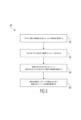
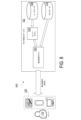
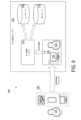
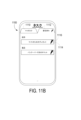
[0018]例示的な実施形態が、以下の図を参照しながら詳細に説明される。 [0018] Exemplary embodiments are described in detail with reference to the following figures:
[0038]添付の図では、同様の構成要素および/または特徴は、同じ参照ラベルを有することができる。さらに、同じタイプの様々な構成要素は、参照ラベルと、それの後にダッシュと、同様の構成要素同士を区別する第2のラベルとを続けることによって、区別され得る。第1の参照ラベルのみが本明細書において使用される場合、説明は、第2の参照ラベルにかかわらず、同じ第1の参照ラベルを有する同様の構成要素のうちのいずれにも適用可能である。 [0038] In the accompanying figures, similar components and/or features may have the same reference label. Additionally, various components of the same type may be distinguished by following the reference label with a dash and a second label that distinguishes between the similar components. If only a first reference label is used herein, the description is applicable to any of the similar components having the same first reference label, regardless of the second reference label.
[0039]以下の説明では、説明の目的で、いくつかの発明実施形態の完全な理解を与えるために具体的な詳細が記載される。ただし、様々な実施形態は、これらの具体的な詳細なしに実施され得ることが明らかであろう。図および説明は限定するものではない。「例示的」という単語は、本明細書では、「例、事例、または例示の働きをすること」を意味するために使用する。「例示的」として本明細書に記載されるいかなる実施形態または設計も、必ずしも他の実施形態または設計よりも好ましいか、または有利であると解釈されるべきではない。 [0039] In the following description, for purposes of explanation, specific details are set forth in order to provide a thorough understanding of some invention embodiments. It will be apparent, however, that various embodiments may be practiced without these specific details. The figures and description are not limiting. The word "exemplary" is used herein to mean "serving as an example, instance, or illustration." Any embodiment or design described herein as "exemplary" is not necessarily to be construed as preferred or advantageous over other embodiments or designs.
[0040]開示される実施形態は、メンバーのために実施され得るタスクを識別および推奨するためのフレームワークを含み得る。このフレームワークを通して、メンバーは、メンバーの認知負荷を低減するために実施され得るタスクを推奨するために使用され得る、メンバーの選好および行動について時間とともに学習し得る代理を割り当てられ得る。本開示の実施形態は、メンバーに関して収集された過去の活動、人口統計情報、および他のデータに基づいてメンバーのユーザインターフェースにおいて委任制御を選択的に有効化し得る。有効化された委任制御がメンバーによってアクティブ化されるとき、対応するタスクはタスクが完了のために代理またはサードパーティに委任されることになることを示すために更新あるいは修正され得る。特に、タスクを委任することは、タスクを完了する際にメンバーの関与の必要を低減し、利益の中でも、メンバーの認知的負荷を低減する。 [0040] The disclosed embodiments may include a framework for identifying and recommending tasks that may be performed for a member. Through this framework, a member may be assigned a proxy that may learn about the member's preferences and behaviors over time, which may be used to recommend tasks that may be performed to reduce the member's cognitive load. The disclosed embodiments may selectively enable delegation controls in a member's user interface based on past activity, demographic information, and other data collected about the member. When an enabled delegation control is activated by a member, the corresponding task may be updated or otherwise modified to indicate that the task will be delegated to a proxy or third party for completion. In particular, delegating a task reduces the need for member involvement in completing the task, reducing the member's cognitive load, among other benefits.
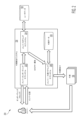
[0041]図1は、様々な実施形態に従って、タスク容易化サービス102が代理106をメンバー118に割り当て、それを通して、メンバー118のために実施可能な様々なタスクが、代理106および/または1つもしくは複数のサードパーティサービス116による実施のために推奨され得る環境100の例示的な例を示す。タスク容易化サービス102は、これらのメンバーのためにこれらのタスクの実施を調整することができる代理106にタスクを識別して委任することによって、メンバーの家の中および周りで様々なタスクを実施する際のメンバーおよびメンバーの家族に対する認知負荷を低減するように実装され得る。一実施形態において、メンバー118は、コンピューティングデバイス120(たとえば、ラップトップコンピュータ、スマートフォンなど)を介して、メンバー118への代理106の割当てのためのオンボーディングプロセスを開始し、メンバー120のために実施可能なタスクの識別を開始するために、タスク容易化サービス102に要求を提出し得る。たとえば、メンバー118は、タスク容易化サービス102によって与えられ、コンピューティングデバイス120にインストールされたアプリケーションを介して、タスク容易化サービス102にアクセスし得る。追加または代替として、タスク容易化サービス102は、メンバー118がタスク容易化サービス102にアクセスし、オンボーディングプロセスを開始し得るインターフェースを提示するかまたは場合によっては利用可能にするように構成された1つまたは複数のウェブサイトをホストするウェブサーバ(図示せず)を維持し得る。
[0041] FIG. 1 illustrates an illustrative example of an
[0042]オンボーディングプロセス中に、タスク容易化サービス102は、メンバー118の識別情報を収集することがあり、この識別情報は、代理106を識別し、メンバー118に割り当てるために、代理割当てシステム104によって使用され得る。たとえば、タスク容易化サービス102は、メンバー118に対して、メンバー118が、メンバー118のための代理106を選択するために代理割当てシステム104によって使用可能な識別情報を与え得る調査またはアンケートを与え得る。たとえば、タスク容易化サービス102は、メンバー118に、メンバーの家族の構成(たとえば、メンバーの自宅の住民の数、メンバーの自宅の子供の数、メンバーの自宅のペットの数およびタイプなど)、メンバーの自宅の物理的なロケーション、メンバー118の何らかの特別な要求または要件(たとえば、物理的または感情的な障害など)などに関する詳細な情報を与えるように促し得る。いくつかの例では、メンバー118は、人口統計情報(たとえば、年齢、民族性、人種、書かれた/話された言語など)を与えるように促され得る。メンバー118はまた、メンバー118にとって関心があり得る可能な体験を識別するために使用され得る、任意の個人的関心または趣味を示すように促され得る(本明細書でさらに詳細に説明される)。いくつかの例では、タスク容易化サービス102は、メンバー118に、メンバー118が支援を望むか、または場合によっては代理および/またはサードパーティなどの別のエンティティに委任することを望む任意のタスクを指定するように促し得る。
[0042] During the onboarding process, the
[0043]一実施形態では、タスク容易化サービス102は、代理および/またはサードパーティなどの他者にタスクを委任する際の信頼のレベルまたは他の尺度を示すようにメンバー118を促し得る。たとえば、タスク容易化サービス102は、メンバーの日々の生活に関連し得るタスクの初期カテゴリを識別するために、オンボーディングプロセス中にメンバー118によって提出された識別情報を利用し得る。場合によっては、タスク容易化サービス102は、メンバー118に関連し得るタスクのカテゴリを識別するために、機械学習アルゴリズムまたは人工知能を利用することができる。たとえば、タスク容易化サービス102は、1つまたは複数のベクトル(たとえば、地理的ロケーション、人口統計情報、タスクを他者に委任する可能性、家族構成、家庭構成など)に基づいて、同様に状況にあるメンバーを識別するために、クラスタリングアルゴリズムを実装し得る。場合によっては、サンプルメンバー(たとえば、テスターなど)によって与えられるタスク容易化サービス102によって与えられるプロンプトに対する応答に対応する入力メンバー特性のデータセットは、タスク容易化サービス102と対話し得る異なるタイプのメンバーを識別するために、クラスタリングアルゴリズムを使用して分析され得る。メンバーに関連し得るタスクのカテゴリを識別するために、サンプルメンバーデータセット(たとえば、履歴メンバーデータ、仮説メンバーデータなど)を使用してメンバーを分類するようにトレーニングされ得る例示的なクラスタリングアルゴリズムは、k平均クラスタリングアルゴリズム、ファジーc平均(FCM)アルゴリズム、期待値最大化(EM)アルゴリズム、階層クラスタリングアルゴリズム、ノイズのあるアプリケーションの密度ベースの空間クラスタリング(DBSCAN)アルゴリズムなどを含み得る。メンバーの識別情報を使用して生成された機械学習アルゴリズムの出力に基づいて、タスク容易化サービス102は、メンバー118に、機械学習アルゴリズムによって与えられるタスクのカテゴリに対応するタスクを委任する際の快適レベルに関する応答を与えるように促し得る。これは、メンバー118に与えられるプロンプトの数を低減し、メンバーの要求に対してプロンプトをより良好に調整し得る。
[0043] In one embodiment, the
[0044]一実施形態では、メンバーの識別情報、ならびに異なるカテゴリのタスクを他者に委任する際のメンバーの快適さまたは関心のレベルに関連する任意の情報は、メンバー118に割り当てられ得る代理106を識別するために、タスク容易化サービス102の代理割当てシステム104に与えられる。代理割当てシステム104は、コンピュータシステムを使用して、またはタスク容易化サービス102のコンピュータシステム上に実装されるアプリケーションもしくは他の実行可能コードとして実装され得る。代理割当てシステム104は、一実施形態では、メンバーの識別情報、メンバーの快適さのレベルまたはタスクを他者に委任することへの関心に関する任意の情報、およびオンボーディングプロセス中に取得された任意の他の情報を、生産的な方法でメンバー118と対話および通信するのに好適であり得る代理を識別するように構成された分類またはクラスタリングアルゴリズムへの入力として使用する。たとえば、代理106は、人口統計および他の識別情報、地理的ロケーション、異なるカテゴリのタスクを処理する際の体験、異なるカテゴリのメンバーと通信する際の体験などを含む(限定はしないが)様々な基準に基づいてプロファイリングされ得る。分類またはクラスタリングアルゴリズムを使用して、代理割当てシステム104は、メンバー118のために対処される必要があり得る任意のタスクに対処しながら、メンバー118との肯定的な長期関係を進展させる可能性がより高い可能性がある代理106のセットを識別し得る。
[0044] In one embodiment, the member's identity, as well as any information related to the member's comfort level or interest in delegating tasks of different categories to others, is provided to a
[0045]代理割当てシステム104が、メンバー118のアシスタントまたはコンシェルジュとして働くようにメンバー118に割り当てられ得る代理106のセットを識別すると、代理割当てシステム104は、メンバー118に割り当てられ得る特定の代理を識別するために、代理106のセットの各代理に対応するデータを評価し得る。たとえば、代理割当てシステム104は、メンバーの人口統計情報と代理の人口統計情報との間の類似性の程度またはベクトルに従って、代理のセット106の各代理をランク付けし得る。たとえば、メンバーと特定の代理とが類似した背景を共有する場合(たとえば、同じ都市の出席した大学、同じ出身地からのものである、特定の関心を共有するなど)、代理割当てシステム104は、類似していない背景を有し得る他の代理と比較して、特定の代理をより高くランク付けし得る。同様に、メンバーおよび特定の代理が互いに地理的に近接している場合、代理割当てシステム104は、メンバー118からさらに離れていることがある他の代理と比較して、特定の代理をより高くランク付けし得る。各ファクタは、いくつかの例では、メンバーと代理との間の肯定的な長期関係の構築に関するファクタの影響に基づいて重み付けされ得る。たとえば、代理とのメンバー対話に対応する履歴データに基づいて、代理割当てシステム104は、異なるファクタとこれらの対話の極性(たとえば、正、負など)との間の相関を識別し得る。これらの相関(またはその欠如)に基づいて、代理割当てシステム104は、各ファクタに重みを適用し得る。
[0045] Once the
[0046]いくつかの例では、識別された代理のセット106の各代理に、メンバーの人口統計情報と代理の人口統計情報との間の類似性の程度またはベクトルに対応する様々なファクタに対応するスコアを割り当てられ得る。たとえば、各ファクタは、ファクタに割り当てられた重みに対応するスコアの可能な範囲を有し得る。例示的な例として、代理スコアを得るために使用される様々なファクタは各々、1~10の可能なスコアを有し得る。しかしながら、各ファクタに割り当てられた重みに基づいて、可能なスコアは、より大きい重みを有するファクタが、より小さい重みを有するファクタと比較してより高い重み係数を乗算され得るように、重み係数を乗算され得る。結果は、メンバー118と代理との間の一致を決定する際のファクタの重要性または関連性に対応する異なるスコアリング範囲のセットである。様々なファクタについて決定されたスコアは、代理のセット106の各代理についてのコンポジットスコアを取得するためにアグリゲートされ得る。これらのコンポジットスコアは、代理106のセットのランキングを作成するために使用され得る。
[0046] In some examples, each surrogate in the set of identified
[0047]一実施形態では、代理割当てシステム104は、メンバー118に割り当てられ得る代理を選択するために、代理のセット106のランキングを使用する。たとえば、代理割当てシステム104は、最も高くランク付けされた代理を選択し、タスクを識別および推奨することと、タスクの解決を調整することと、場合によっては、メンバー118の要求に対処することを確実にするためにメンバーと通信することとにメンバー118を関与させるための代理の利用可能性を決定し得る。選択された代理が利用不可能である(たとえば、代理が1人または複数の他のメンバーとすでに関与しているなど)場合、代理割当てシステム104は、前述のランキングに従って別の代理を選択し、メンバー118を関与させるためにこの代理の利用可能性を決定し得る。このプロセスは、メンバー118に関与するために利用可能な代理が代理のセット106から識別されるまで繰り返され得る。いくつかの例では、前述の代理スコアを取得するために使用されるファクタとして、代理可用性が使用され得、それによって、利用不可能であるか、または場合によっては新しいメンバー118を収容するために十分な帯域幅を有していない代理は、より低い代理スコアを割り当てられ得る。したがって、利用不可能な代理は、メンバー118への割当てのために利用可能であり得る他の代理よりも低くランク付けされ得る。
[0047] In one embodiment, the
[0048]一実施形態では、代理割当てシステム104は、各代理の利用可能性に対応する情報に基づいて、代理のセット106から代理を選択し得る。たとえば、代理割当てシステム104は、代理のセット106から第1の利用可能な代理を自動的に選択し得る。いくつかの例では、代理割当てシステム104は、メンバーの識別情報に対応する1つまたは複数の基準を満たす第1の利用可能な代理(たとえば、そのプロファイルがメンバープロファイルに最も一致する代理など)を自動的に選択し得る。たとえば、代理割当てシステム104は、メンバー118の地理的な近さの範囲内にあり、メンバー118の背景と同様の背景を共有するなどの利用可能な代理を自動的に選択し得る。
[0048] In one embodiment, the
[0049]一実施形態では、代理106は、メンバー118と自動的に関与し、対話するように構成され得るボットなどの自動プロセスとなり得る。たとえば、代理割当てシステム104は、メンバー118の代理106として機能し得るメンバープロファイルおよびボットを生成するために、機械学習アルゴリズムまたは人工知能への入力として、オンボーディングプロセス中にメンバー118によって与えられる応答を利用し得る。ボットは、本明細書で説明されるように、タスクおよび提案を生成するためにメンバー118と自律的にチャットすること、任意の承認された提案に従ってメンバー118に代わってタスクを実施することなどを行うように構成され得る。ボットは、メンバープロファイルにおいて定義されるメンバー118のパラメータまたは特性に従って構成され得る。ボットが経時的にメンバー118と通信するとき、ボットは、メンバー118とのボットの対話を改善するように更新され得る。
[0049] In one embodiment, the
[0050]オンボーディングプロセス中に収集されたメンバー118に関連付けられたデータと、選択された代理に対応する任意のデータとは、ユーザデータストア108に記憶され得る。ユーザデータストア108は、タスク容易化サービス102の各メンバー118に対応するエントリを含み得る。エントリは、対応するメンバー118の識別情報と、メンバー118に割り当てられた代理に対応する識別子または他の情報とを含み得る。本明細書でより詳細に説明されるように、ユーザデータストア108内のエントリは、経時的に行われたメンバー118と割り当てられた代理との間の通信に対応する履歴データをさらに含み得る。たとえば、メンバー118がチャットセッションまたはストリームを介して代理106と対話するとき、チャットセッションまたはストリームを介して交換されるメッセージは、ユーザデータストア108に記録され得る。
[0050] Data associated with the
[0051]一実施形態では、メンバー118に関連するデータは、メンバー118に対応するメンバープロファイルを作成するためにタスク容易化サービス102によって使用される。上述のように、タスク容易化サービス102は、メンバー118がメンバー118に関連する識別情報を与え得る調査またはアンケートをメンバー118に与え得る。この調査またはアンケートに対してメンバー118によって与えられた応答は、メンバー118に対応する初期メンバープロファイルを生成するためにタスク容易化サービス102によって使用され得る。一実施形態では、代理割当てシステム104が代理をメンバー118に割り当てると、タスク容易化サービス102は、メンバー118に、メンバー118に対応する新しいメンバープロファイルを生成するように促し得る。たとえば、タスク容易化サービス102は、上述のオンボーディングプロセス中に以前に与えられた情報を補足するために使用され得る質問のセットを含む調査またはアンケートをメンバー118に与え得る。たとえば、調査またはアンケートを通して、タスク容易化サービス102は、メンバー118に、家族、重要な日付(たとえば、誕生日など)、食事制限などに関する追加の情報を与えるように促し得る。メンバー118によって与えられた応答に基づいて、タスク容易化サービス102は、メンバー118に対応するメンバープロファイルを更新し得る。
[0051] In one embodiment, data associated with the
[0052]いくつかの例では、メンバープロファイルは、タスク容易化サービス102によって与えられるアプリケーションまたはウェブポータルなどを通して、メンバー118にアクセス可能であり得る。アプリケーションまたはウェブポータルを通して、メンバー118は、メンバープロファイル内の任意の情報を追加、除去、または編集し得る。メンバープロファイルは、いくつかの例では、メンバー、メンバーの家族、メンバーの家などに対応する様々なセクションに分割し得る。これらのセクションの各々は、オンボーディングプロセス中に収集されたメンバー118に関連するデータと、メンバー118への代理の割当て後にメンバー118に与えられた調査またはアンケートに対する任意の応答とに基づいて補足され得る。さらに、各セクションは、メンバープロファイルを拡張するために使用され得る追加の情報を与えるためにメンバー118が使用し得る追加の質問またはプロンプトを含み得る。たとえば、メンバープロファイルを通して、メンバー118は、タスクの完了を容易にするために、任意の外部アカウント(たとえば、クレジットカードアカウント、小売業者アカウントなど)にアクセスするために使用され得る任意の認証情報を与えるように促され得る。
[0052] In some examples, the member profile may be accessible to the
[0053]一実施形態において、メンバープロファイル内の特定の情報は、メンバー118または代理から隠され得る。たとえば、代理が、様々なタスクの完了を通してメンバー118との関係を進展させるにつれて、代理は、メンバー118についてのメモ(たとえば、メンバーの特異性、メンバーに関する任意のフィードバックなど)を与えるように、メンバープロファイルを修正し得る。したがって、メンバー118がメンバーのメンバープロファイルにアクセスするとき、これらのメモは、メンバー118がこれらのメモを検討することができないように、または場合によっては、代理118またはタスク容易化サービス102によってメンバーに利用不可能であると指定されたメンバープロファイルの任意のセクションにアクセスすることができないように隠され得る。
[0053] In one embodiment, certain information in a member profile may be hidden from the
[0054]本明細書にさらに詳細に説明されるように、メンバー118に割り当てられた代理は、代理と共有される情報および/またはメンバー118に関する代理自身の観察に基づいて、メンバープロファイル内の情報を追加または場合によっては修正し得る。さらに、タスク容易化サービス102は、メンバー118に代わってタスクを作成または実施するときに、メンバープロファイルの関連部分を自動的に表面化し得る。たとえば、代理がメンバー118の食事のプランニングに関するタスクを生成している場合、タスク容易化サービス102は、食事のプランニングに文脈的に関連し得るメンバープロファイルの部分を自動的に識別し、メンバープロファイルのこれらの部分(たとえば、食事の選好、食事制限など)を代理に表面化し得る。いくつかの例では、代理がメンバー118に代わってタスクを作成または実施するための追加の情報を必要とする場合、代理は、メンバー118と割り当てられた代理との間のチャットセッションまたは他の通信セッションを通してメンバー118に追加の情報を共有させる代わりに、メンバープロファイルの特定の部分を更新するようにメンバー118を招待し得る。
[0054] As described in further detail herein, a representative assigned to a
[0055]一実施形態では、代理割当てシステム104が特定の代理をメンバー118に割り当てると、代理割当てシステム104は、メンバー118および特定の代理にペアリングを通知する。さらに、代理割当てシステム104は、メンバー118と割り当てられた代理との間のチャットセッションまたは他の通信セッションを確立して、メンバー118と代理との間の通信を促し得る。たとえば、タスク容易化サービス102によって与えられ、コンピューティングデバイス120にインストールされたアプリケーションを介して、またはタスク容易化サービス102によって与えられるウェブポータルを通して、メンバー118は、チャットセッションまたは他の通信セッションを介して、割り当てられた代理とメッセージを交換し得る。同様に、代理は、代理がメンバー118とメッセージを交換し得るインターフェースを備えることがある。
[0055] In one embodiment, once the
[0056]いくつかの例では、メンバー118は、割り当てられた代理とのチャットセッションを開始するか、または場合によっては再開し得る。たとえば、タスク容易化サービス102によって与えられるアプリケーションまたはウェブポータルを介して、メンバーは、代理と通信するために、チャットセッションまたは他の通信セッションを介して代理にメッセージを送信し得る。メンバー118は、メンバー118が特定のタスクの支援を望むことを示すメッセージを代理に提出し得る。例示的な例として、メンバー118は、メンバー118が来月のデンバーへの今度の移動に関して代理の支援を望むことを示すメッセージを代理に提出し得る。代理は、タスク容易化サービス102によって与えられるインターフェースを介して、提出されたメッセージを提示され得る。したがって、代理は、メッセージを評価し、メンバー118を支援するために実施される対応するタスクを生成し得る。たとえば、代理は、タスク容易化サービス102によって与えられるインターフェースを介して、タスク生成フォームにアクセスすることがあり、このタスク生成フォームを通して、代理は、タスクに関する情報を与えることがある。情報は、メンバー118に関連する情報(たとえば、メンバー名、メンバーアドレスなど)と、タスク自体の様々なパラメータ(たとえば、割り当てられた予算、タスクの完了のための時間枠など)とを含み得る。タスクのパラメータはさらに、任意のメンバー選好(たとえば、好ましいブランド、好ましいサードパーティサービス116など)を含み得る。
[0056] In some examples, the
[0057]一実施形態では、代理は、タスクの完了のための1つまたは複数の提案を生成するために必要とされ得る任意の追加のタスクパラメータを動的かつリアルタイムに識別するために、メンバー118と代理との間で交換された1つまたは複数のメッセージで指定されたタスクについてメンバー118から得られた情報をタスク容易化サービス102のタスク推奨システム112に与えることができる。タスク推奨システム112は、コンピュータシステムを使用して、またはタスク容易化サービス102のコンピュータシステム上に実装されるアプリケーションもしくは他の実行可能コードとして実装され得る。タスク推奨システム112は、一実施形態では、チャットセッションを通して(たとえば、メンバー118によって利用されるアプリケーションなどを介して)メンバーに提示され、メンバー118のために代理および/または1つもしくは複数のサードパーティサービス116によって完了され得るタスクを代理が生成し得るインターフェースを代理に与える。たとえば、代理は、タスクの名前、メンバーによって与えられるタスクの任意の既知のパラメータ(たとえば、予算、時間枠、実施されるタスク操作など)などを与えることがある。例示的な例として、メンバー118がメッセージ「やあ、ラッセル、2ヶ月後の私たちのデンバーへの引っ越しを手伝うことができますか(can you help with our move to Denver in 2 months)」と送信した場合、代理はメッセージを評価し、「デンバーへの引っ越し(Move to Denver)」と題するタスクを生成し得る。このタスクについて、代理は、メンバー118によって示されるように、タスクの完了のための時間枠が2ヶ月であることを示し得る。さらに、代理は、メンバーについて代理が知っている追加の情報を追加し得る。たとえば、代理は、任意の好ましい引っ越し会社、任意の予算上の制約などを示し得る。
[0057] In one embodiment, the proxy may provide information obtained from the
[0058]一実施形態では、タスク推奨システム112は、タスクを生成するために使用され得るメンバー118に対応するメンバープロファイルからの任意の関連情報を代理に与える。たとえば、代理が「デンバーへの引っ越し」と題する新しいタスクを生成した場合、タスク推奨システム112は、新しいタスクが新しい都市または他の場所への引っ越しに対応すると決定し得る。したがって、タスク推奨システム112は、タスクに関連し得るメンバープロファイルの部分(たとえば、メンバーの自宅の物理的なロケーション、メンバーの自宅の住民の数、メンバーの自宅の平方フィート数および部屋の数など)を識別するために、メンバープロファイルを処理し得る。タスク推奨システム112は、代理がこの情報を使用して新しいタスクを生成することを可能にするために、メンバープロファイルのこれらの部分を代理に自動的に表面化することがある。代替的に、タスク推奨システム112は、新しいタスクの作成のためにタスクテンプレート内の1つまたは複数のフィールドをポピュレートするために、この情報を自動的に使用し得る。
[0058] In one embodiment, the
[0059]一実施形態では、代理は、メンバー118の代わりに実施され得る新しいタスクを生成するために使用され得るタスクテンプレートを取得するために、タスク容易化サービス102によって維持されるリソースライブラリにアクセスすることができる。リソースライブラリは、異なるタスクカテゴリ(たとえば、車両保守タスク、ホーム保守タスク、家族関連イベントタスク、介護タスク、体験関連タスクなど)に対応する異なるタスクテンプレートのためのリポジトリとして機能し得る。タスクテンプレートは、メンバー118のために実施され得るタスクを定義するために使用され得る複数のタスク定義フィールドを含み得る。たとえば、車両保守タスクに対応するタスク定義フィールドは、メンバーの車両の型およびモデル、車両の使用年数、最後に車両を保守した時に対応する情報、車両に関連するあらゆる報告された事故、車両に関連するあらゆる問題の説明などを定義するために使用され得る。したがって、リソースライブラリに維持される各タスクテンプレートは、タスクテンプレートに関連するタスクカテゴリに固有のフィールドを含み得る。場合によっては、代理は、タスクテンプレートのためのカスタムフィールドをさらに定義してよく、それを通して、代理は、タスクを定義し、完了する際に有用であり得る追加の情報を供給し得る。これらのカスタムフィールドは、代理が将来タスクテンプレートを取得して同様のタスクを作成する場合に、これらのカスタムフィールドが代理に利用され得るように、タスクテンプレートに追加され得る。
[0059] In one embodiment, a representative may access a resource library maintained by the
[0060]場合によっては、代理がリソースライブラリから特定のタスクテンプレートを選択した場合、タスク推奨システム112は、メンバー118に対応するメンバープロファイルの関連部分を自動的に識別し得る。たとえば、各テンプレートは、上述のように、特定のタスクカテゴリに関連付けられ得る。さらに、メンバープロファイルの異なる部分は、同様に、タスクテンプレートの代理選択に応答して、タスク推奨システム112がメンバープロファイルの関連部分を識別し得るように、異なるタスクカテゴリに関連付けられ得る。メンバープロファイルのこれらの関連部分から、タスク推奨システム112は、選択されたタスクテンプレートの1つまたは複数のフィールドをポピュレートするために使用され得る情報を自動的に取得し得る。たとえば、メンバー118が、2020年のスバル アウトバックを運転していることをメンバープロファイルに示しており、この情報がメンバーの車両に対応するメンバープロファイルの一部に示されている場合、タスク推奨システム112は、メンバーの車両のメーカー、モデル、および年に対応するタスクテンプレート内のフィールド(たとえば、「メーカー=スバル」、「モデル=アウトバック」、「年=2020年」など)をポピュレートするために、メンバープロファイルからこの情報を自動的に取得し得る。これは、新しいタスクのためのタスクテンプレートをポピュレートするために代理が実施する必要があるデータ入力の量を低減し得る。
[0060] In some cases, when a surrogate selects a particular task template from the resource library, the
[0061]一実施形態では、代理によって選択されたタスクテンプレートに基づいて、タスク推奨システム112は、タスクの作成のために代理がメンバープロファイルのどの部分にアクセスし得るかを自動的に決定する。たとえば、代理が、リソースライブラリから、車両保守タスクに対応するタスクテンプレートを選択する(たとえば、テンプレートのタスクカテゴリが「車両保守」として指定される)場合、タスク推奨システム112は、車両保守タスクに関連し得るメンバープロファイルの1つまたは複数の部分(たとえば、メンバーの車両の型およびモデル、車両の使用年数、最後に車両を保守した時に対応する情報など)を識別するために、メンバープロファイルを処理し得る。タスク推奨システム112は、メンバープロファイルのこれらの関連部分を代理に提示する一方で、代理によって選択されたタスクカテゴリに関連しないことがあるメンバープロファイルの任意の他の部分を隠し得る。これは、代理が、情報を特に必要とすることなく、メンバープロファイルからの任意の情報にアクセスすることを防止し、それによって、メンバーの情報の露出を低減させ得る。
[0061] In one embodiment, based on the task template selected by the representative, the
[0062]一実施形態では、代理は、タスクの完了のためにメンバーに提示され得る提案の作成に追加のメンバー入力が必要であるかどうかを決定するために、生成されたタスクをタスク推奨システム112に与え得る。タスク推奨システム112は、たとえば、タスクのための付加的パラメータと、提案の生成のためにメンバー118から要求され得る任意の付加的情報とを自動的に識別するために、機械学習アルゴリズムまたは人工知能を使用して、ユーザデータストア108からのメンバー118に対応する生成されたタスクおよび情報を処理し得る。たとえば、タスク推奨システム112は、タスクに対して自動的に完了され得る任意の追加のパラメータと、タスクを定義するためにメンバー118に要求され得る任意の追加の情報とを識別するために、生成されたタスクと、メンバー118に対応する情報(たとえば、メンバープロファイル)と、他の同様の状況にあるメンバーに対して実施されたタスクに対応する履歴データとを、機械学習アルゴリズムまたは人工知能への入力として使用し得る。たとえば、タスクが別の都市への今後の移動に関連する場合、タスク推奨システム112は、機械学習のアルゴリズムまたは人工知能を利用して、同様の状況にあるメンバー(たとえば、メンバー118の同一の地理的領域内のメンバー、同様のタスク委任感受性を有するメンバー、同様のタスクを行ったメンバーなど)を識別し得る。メンバー118のために生成されたタスクと、ユーザデータストア108に記憶されたメンバープロファイルからのメンバー118の特性と、これらの同様の状況にあるメンバーに対応するデータとに基づいて、タスク推奨システム112は、タスクのための付加的パラメータを与え得る。例示的な例として、上述のタスク「デンバーへの引っ越し」の場合、タスク推奨システム112は、タスクに関する推奨される予算、メンバー118が承認し得る1つまたは複数の引っ越し企業(正のフィードバックを伴う同様の状況にある他のメンバーによって使用される)などを与え得る。代理は、これらの追加のパラメータを検討し、タスクに含めるためにこれらのパラメータのうちの1つまたは複数を選択し得る。
[0062] In one embodiment, the representative may provide the generated task to the
[0063]タスク推奨システム112が、追加のメンバー入力がタスクに必要であると決定した場合、タスク推奨システム112は、タスクに関してメンバー118に提示され得る質問の推奨を代理に与え得る。「デンバーへの引っ越し」タスクの例に戻ると、タスク推奨システム112が、メンバーの家の1つまたは複数のパラメータ(たとえば、平方フィート数、部屋の数など)をタスクについて理解することが重要であると決定した場合、タスク推奨システム112は、これらの1つまたは複数のパラメータを与えるようにメンバー118に促す推奨を代理に与えることがある。代理は、タスク推奨システム112によって与えられた推奨を検討し、チャットセッションを介して、メンバー118に追加のタスクパラメータを与えるように促し得る。このプロセスは、特定のタスクを定義するためにメンバー118に与えられるプロンプトの数を低減することがあり、それによって、メンバー118に対する認知負荷を低減する。場合によっては、タスクに関してメンバー118に提示され得る質問の推奨を代理に与えるのではなく、タスク推奨システム112は、チャットセッションを介してこれらの質問をメンバー118に自動的に提示し得る。たとえば、タスク推奨システム112が、メンバーの家の平方フィート数に関する質問がタスクに必要であると決定した場合、タスク推奨システム112は、チャットセッションを介して、メンバーの家の平方フィート数を与えるようにメンバー118に自動的に促し得る。一実施形態では、これらの質問に応答してメンバー118によって与えられる情報は、将来のタスクのために、新しいタスクを定義するために代理および/またはタスク推奨システム112がこの情報を容易に利用可能であり得るように、メンバープロファイルを自動的に補足するために使用され得る。
[0063] If the
[0064]一実施形態では、タスク容易化サービス102は、タスクに対応する特定のチャットまたは他の通信セッションを自動的に生成する。タスクに対応するこの特定のチャットまたは他の通信セッションは、メンバー118と代理との間で以前に確立されたチャットセッションとは別個であり得る。このタスク固有のチャットまたは他の通信セッションを通して、メンバー118および代理は、特定のタスクに関連するメッセージを交換し得る。たとえば、このタスク特有のチャットまたは他の通信セッションを通して、代理は、タスクの1つまたは複数のパラメータを決定するために必要とされ得る情報を求めてメンバー118を促し得る。同様に、メンバー118が特定のタスクに関連する質問を有する場合、メンバー118は、タスク固有のチャットまたは他の通信セッションを通してこれらの質問を与えることがある。タスク固有のチャットまたは他の通信セッションの実装は、これらのタスク特有のチャットまたは他の通信セッション内の通信が対応するタスクに関連することを確実にしながら、他のチャットまたは通信セッションを通して交換されるメッセージの数を低減させ得る。
[0064] In one embodiment, the
[0065]一実施形態では、代理がメンバー118からおよび/またはタスク推奨システム112を通して必要なタスク関連情報(たとえば、同様の状況にあるメンバーに対して実施されたタスクの評価を介して蓄積されたタスクパラメータなど)を取得すると、代理は、タスクの解決のための1つまたは複数の提案を生成するために、タスク容易化サービス102のタスク調整システム114を利用し得る。タスク調整システム114は、コンピュータシステムを使用して、またはタスク容易化サービス102のコンピュータシステム上に実装されるアプリケーションもしくは他の実行可能コードとして実装され得る。いくつかの例では、代理は、上述のように、代理およびタスク推奨システム112によって識別された1つまたは複数のタスクパラメータに従って、メンバー118のためのタスクの実施のために使用され得る1つまたは複数のサードパーティサービス116および/またはリソース(たとえば、小売業者、レストラン、ウェブサイト、ブランド、商品のタイプ、特定の商品など)を識別するために、タスク調整システム114によって維持されるリソースライブラリを利用し得る。提案は、タスクの完了のための時間枠、タスクの完了のために従事されるべき任意のサードパーティサービス116(もしあれば)の識別、タスクの完了のための予算推定、タスクの完了のために使用されるべきリソースまたはリソースのタイプなどを指定し得る。代理は、提案を進めるか、またはタスクを完了するための代替提案を与えるために、メンバー118からの応答を求めて、チャットセッションを介してメンバー118に提案を提示し得る。
[0065] In one embodiment, once the surrogate obtains the necessary task-related information from the
[0066]一実施形態では、タスク推奨システム112は、代理がメンバー118に提案を与えるべきかどうかに関する推奨を代理に与え、定義されたタスクの完了に関して代理に委ねるオプションをメンバーに与えることができる。たとえば、タスクの追加のパラメータを識別するためにメンバーおよびタスク関連情報をタスク推奨システム112に与えることに加えて、代理は、メンバー118にタスクの完了のための1つまたは複数の提案を提示し、タスクの完了のために代理に委ねるオプションを提示または省略するために、その推奨をタスク推奨システム112に示し得る。タスク推奨システム112は、上述の推奨を生成するために、機械学習アルゴリズムまたは人工知能を利用し得る。タスク推奨システム112は、タスクの完了のための1つまたは複数の提案の提示を推奨すべきかどうかと、タスクの完了のために代理に委ねるオプションをメンバー118に提示すべきかどうかを決定するために、代理によって与えられた情報と、ユーザデータストア108からの同様の状況にあるメンバーについてのデータ、およびタスクデータストア110からの同様のタスクに対応するタスクデータ(たとえば、提出されたタスクと同様のパラメータを有するタスク、同様の状況にあるメンバーのために実施されるタスクなど)とを利用し得る。
[0066] In one embodiment, the
[0067]代理が、タスクの完了のために代理に委ねるオプションをメンバーが提示されるべきであると決定した場合、代理は、チャットセッションを介してこのオプションをメンバーに提示し得る。オプションは、メンバーがオプションのその承認を示すために選択し得るボタンまたは他のグラフィカルユーザインターフェース(GUI)要素の形態で提示され得る。たとえば、メンバーは、タスクの実施に関連するすべての決定を代理に委ねるオプションをメンバーに与えるために、「うまく事を運ぶ」ボタンを提示され得る。メンバー118がそのオプションを選択した場合、代理は、メンバー118に代わってタスクの完了のために代理によって選択された提案を提示することがあり、提案に従ってタスクの実施および完了のために1つまたは複数のサードパーティサービス116との調整に進むことがある。したがって、メンバー118がタスクの完了のために特定の提案を選択することを可能にするのではなく、代わりに、代理がメンバー118に代わって特定の提案を選択し得る。提案は、どのようにタスクが完了されるべきかをメンバー118が検証するために、メンバー118に依然として提示され得る。タスクの完了のためにメンバー118の代わりに代理によって取られた任意のアクションは、タスクデータストア110内のタスクに対応するエントリに記録され得る。代替的に、メンバー118がオプションを拒絶し、代わりに、代理がタスクの完了のために1つまたは複数の提案を与えることを示す場合、代理は、上記で説明されたように、1つまたは複数の提案を生成し得る。
[0067] If the surrogate determines that the member should be presented with the option to defer to the surrogate for completion of the task, the surrogate may present this option to the member via the chat session. The option may be presented in the form of a button or other graphical user interface (GUI) element that the member may select to indicate its acceptance of the option. For example, the member may be presented with a "go-lucky" button to give the member the option to defer all decisions related to the performance of the task to the surrogate. If the
[0068]タスク推奨システム112は、一実施形態では、オプションの提示のために代理に推奨を行うために使用される機械学習アルゴリズムまたは人工知能をトレーニングする際に使用するために、タスクの完了のために代理に従うオプションを提示されることに対するメンバーの応答を記録する。たとえば、代理がメンバー118にオプションを提示することを選択した場合、タスク推奨システム112は、メンバー118がオプションを選択したか、または申し出を断ってタスクに関連する1つもしくは複数の提案の提示を要求したかを記録し得る。同様に、代理が、代理に従うオプションを提示せずに、1つまたは複数の提案を提示することを選択した場合、タスク推奨システム112は、メンバー118がこれらの1つまたは複数の提案の提示に満足したかどうか、または代理がメンバーの代わりに提案を選択することを要求したかどうかを記録し、したがって、タスクの完了のために代理に従うことがある。これらのメンバー応答は、タスクに対応するデータ、代理のアクション(たとえば、オプションの提示、提案の提示など)、およびタスク推奨システム112によって与えられる推奨とともに、機械学習アルゴリズムまたは人工知能をトレーニングおよび/または強化する際にタスク推奨システム112によって使用するために、タスクデータストア110内に記憶され得る。
[0068] The
[0069]一実施形態では、代理は、メンバー特性と、タスク履歴と、他のファクタとに基づいて、1つまたは複数のタスクを提案し得る。たとえば、メンバー118がチャットセッションを介して代理と通信するとき、代理は、メンバーの認知負荷を低減するために実施され得る任意のタスクを識別するために、メンバー118からの任意のメッセージを評価し得る。例示的な例として、メンバー118が、チャットセッションを通して、メンバーの配偶者の誕生日が迫っていることを示す場合、代理は、メンバーの配偶者の誕生日を見越してメンバー118に推奨され得る1つまたは複数のタスクを開発するために、メンバー118のその知識を利用し得る。代理は、ケーキの購入、花の注文、メンバー118のための固有の旅行体験の設定などのタスクを推奨し得る。いくつかの実施形態では、代理は、メンバー入力なしにタスク提案を生成することができる。たとえば、オンボーディングプロセスの一部として、メンバー118は、タスク容易化サービス102に、メンバーのカレンダ、メンバーのパーソナルフィットネスデバイス(たとえば、フィットネストラッカー、通信能力を有する運動器具など)、メンバーの車両データなどの1つまたは複数のメンバーリソースへのアクセスを与えることがある。これらのメンバーリソースから収集されたデータは、代理によって監視されてもよく、代理は、メンバー118のためのタスク提案を生成するために、データを構文解析し得る。
[0069] In one embodiment, the surrogate may suggest one or more tasks based on member characteristics, task history, and other factors. For example, when the
[0070]一実施形態では、代理とのチャットセッションにわたってメンバー118から収集されたデータは、完了のためにメンバー118に提示され得る1つまたは複数のタスクを識別するために、タスク推奨システム112によって評価され得る。たとえば、タスク推奨システム112は、メンバー118から受信されたメッセージまたは他の通信を評価して意図を識別するために、自然言語処理(NLP)または他の人工知能を利用し得る。意図は、メンバー118が解決していることを望む問題に対応し得る。意図の例は、(たとえば)トピック、感情、複雑さ、および緊急度を含むことができる。トピックは、限定はしないが、主題、製品、サービス、技術的問題、使用上の質問、苦情、購入要求などを含むことができる。意図は、たとえば、(たとえば、キーワード、文構造、繰り返されたワード、句読文字および/または非冠詞ワードを識別することによる)メッセージの意味解析、(たとえば、1つまたは複数のカテゴリを選択している)ユーザ入力、ならびに/あるいはメッセージ関連の統計値(たとえば、タイピングスピードおよび/または応答レイテンシ)に基づいて決定され得る。意図は、メンバー118に推奨され得る可能なタスクを識別するために、NLPアルゴリズムまたは他の人工知能によって使用され得る。たとえば、タスク推奨システム112は、識別された意図に基づいて、メンバー118が解決したい新しいタスクまたは他の問題を検出するために、NLPまたは他の人工知能を使用してメンバー118からの任意の着信メッセージを処理し得る。場合によっては、タスク推奨システム112は、可能なタスクを識別するようにNLPまたは他の人工知能をトレーニングするために、タスクデータストア110からの履歴タスクデータおよび対応するメッセージを利用し得る。タスク推奨システム112が、メンバー118に推奨し得る1つまたは複数の可能なタスクを識別する場合、タスク推奨システム112は、これらの可能なタスクを代理に提示することがあり、代理は、チャットセッションを介してメンバー118と共有され得るタスクを選択し得る。
[0070] In one embodiment, data collected from the
[0071]一実施形態において、タスク推奨システム112は、メンバーの認知負荷を低減するために、完了のためにメンバー118に提示され得る可能なタスクのリストを生成することができる。たとえば、異なるメンバーソース(たとえば、パーソナルフィットネスまたはバイオメトリックデバイス、ビデオおよびオーディオ記録など)から収集されたデータの評価に基づいて、タスク推奨システム112は、メンバー118のために完了され得るタスクの初期セットを識別し得る。さらに、タスク推奨システム112は、外部ファクタに基づいて追加および/または代替のタスクを識別することができる。たとえば、タスク推奨システム112は、メンバーの地理的ロケーションに基づいて季節的タスク(たとえば、葉の収集、雨桶の清掃など)を識別することができる。別の例として、タスク推奨システム112は、メンバーの地理的領域内の他のメンバーのために実施されたタスク、および/または、場合によっては同様の状況にある(たとえば、メンバー118と1つまたは複数の特性を共有する)タスクを識別し得る。たとえば、メンバーの近隣の範囲内の様々なメンバーが、冬の間、メンバーの雨桶を清掃してもらっているか、または車道を閉鎖されている場合、タスク推奨システム112は、これらのタスクがメンバー118のために実施され得、完了のためにメンバー118に訴求し得ると決定し得る。
[0071] In one embodiment, the
[0072]一実施形態では、タスク推奨システム112は、タスクの初期セットと、ユーザデータストア108からのメンバー固有のデータ(たとえば、特性、人口統計、ロケーション、推奨および提案に対する過去の応答など)と、ユーザデータストア108からの同様の状況にあるメンバーに対応するデータと、メンバー118およびタスクデータストア110からの他の同様の状況にあるメンバーのために以前に実施されたタスクに対応する過去のデータとを、実施のためにメンバー118に推奨され得るタスクのセットを識別するために、機械学習アルゴリズムまたは人工知能への入力として使用することができる。たとえば、タスクの初期セットは、雨桶清掃に関連するタスクを含むことがあるが、メンバーの選好に基づいて、メンバー118は、このタスクを自分自身で実施することを好むことがある。したがって、機械学習アルゴリズムまたは人工知能(たとえば、メンバー118に推奨され得るタスクのセット)の出力は、このタスクを省略し得る。さらに、メンバー118に推奨され得るタスクのセットに加えて、機械学習アルゴリズムまたは人工知能の出力は、上述のように、識別されたタスクごとに、メンバー118がタスクの実施のために代理に従いたいことを示すために選択し得るボタンまたは他のGUI要素の提示のための推奨を指定し得る。
[0072] In one embodiment, the
[0073]メンバー118に推奨され得るタスクのセットのリストは、どのタスクが、タスク特有のインターフェース(たとえば、これらのタスクに固有の通信セッションなど)を通してメンバー118に提示され得るかに関する最終決定のために、代理に与えられ得る。一実施形態では、タスク推奨システム112は、メンバー118が、サードパーティサービス116の実施および/またはサードパーティサービス116との調整のために代理に委任するタスクを選択する可能性に基づいて、タスクのセットのリストをランク付けし得る。代替的に、タスク推奨システム112は、各タスクの完了の緊急性のレベルに基づいて、タスクのセットのリストをランク付けし得る。緊急性のレベルは、メンバー特性(たとえば、特定のタスクまたはタスクのカテゴリのメンバー自身の優先順位付けに対応するデータ)および/またはタスクが実施されない場合のメンバー118に対する潜在的リスクに基づいて決定され得る。たとえば、メンバーの家の中の一酸化炭素検出器の交換または設置に対応するタスクは、一酸化炭素フィルタがメンバーの安全にとってより重要であり得るので、冷蔵庫給水器フィルタの交換に対応するタスクよりも高くランク付けされ得る。別の例示的な例として、メンバー118がメンバーの車両の保守にかなりの重要性を置く場合、タスク推奨システム112は、車両保守に関連するタスクを他のタイプの保守に関連するタスクよりも高くランク付けし得る。さらに別の例示的な例として、タスク推奨システム112は、今度の誕生日に関連するタスクを、今度の誕生日の後に完了し得るタスクよりも高くランク付けし得る。
[0073] A list of the set of tasks that may be recommended to the
[0074]代理は、タスク推奨システム112によって推奨されたタスクのセットを検討し、これらのタスクに対応するタスク固有のインターフェースを介してメンバー118に提示するために、これらのタスクのうちの1つまたは複数を選択し得る。さらに、上述のように、代理は、タスクの実施を代理に従うオプションをタスクに提示すべきかどうかを(たとえば、タスクの実施を代理に委ねるメンバーの選好を示すボタンまたは他のGUI要素によって)決定し得る。いくつかの例では、1つまたは複数のタスクは、タスク推奨システム112によって生成されたランキングに従ってメンバー118に提示され得る。代替的に、1つまたは複数のタスクは、タスク優先順位付けのためのメンバー自身の選好に関する代理の理解に従って提示され得る。タスク容易化サービス102によって与えられるインターフェースを通して、メンバー118は、代理の支援によって実施され得る1つまたは複数のタスクを選択するために、これらのタスクに関連するタスク特有のインターフェースのいずれかにアクセスし得る。代替的に、メンバー118は、メンバー118がむしろ個人的に実施するであろう、またはメンバー118が場合によっては実施することを望まない、任意の提示されたタスクを却下し得る。
[0074] The surrogate may review the set of tasks recommended by the
[0075]一実施形態では、タスク推奨システム112は、代理対話なしにタスク固有のインターフェースを介してメンバー118に提示するためのタスクのうちの1つまたは複数を自動的に選択し得る。たとえば、タスク推奨システム112は、タスク推奨システム112によって以前にランク付けされたタスクのセットのリストからどのタスクが、タスク特有のインターフェースを通してメンバー118に提示され得るかを選択するために、機械学習アルゴリズムまたは人工知能を利用し得る。例示的な例として、タスク推奨システム112は、ユーザデータストア108からのメンバー118に対応するメンバープロファイル(メンバー代理通信に対応する履歴データ、代理実施および提示されたタスク/提案に対応するメンバーフィードバックなどを含むことができる)と、メンバー118のために現在進行中のタスクと、機械学習アルゴリズムまたは人工知能への入力としてのタスクのセットのリストとを使用し得る。機械学習アルゴリズムまたは人工知能によって生成された出力は、タスクのセットのリストのどのタスクが、これらのタスクに対応するタスク特有のインターフェースを介してメンバー118に自動的に提示されるべきかを示し得る。メンバー118がこれらの新たに提示されたタスクと対話するとき、タスク推奨システム112は、機械学習アルゴリズムまたは人工知能をさらにトレーニングして、メンバー118および他の同様の状況にあるメンバーにどのタスクを提示すべきかをより良好に決定するために、これらの対話を記録し、これらの対話を使用し得る。
[0075] In one embodiment, the
[0076]一実施形態では、タスク推奨システム112は、実施のために代理に委任するタスクのメンバー選択に関するデータを収集するために、メンバー118と代理との間のチャットセッションと、タスク容易化サービス102とによって与えられ、メンバー118の代わりに実施され得る異なるタスクに関連するタスク固有のインターフェースとのメンバーの対話とを監視することができる。たとえば、タスク推奨システム112は、各タスクに対応する極性または感情を決定するために、チャットセッションにわたって代理によってメンバー118に提示されたタスクに対応するメッセージと、これらのタスクに対応するタスク固有のインターフェースとの任意の対話(たとえば、任意のタスク固有の通信セッション、特定のタスクに関連する議論のメンバー作成など)を処理し得る。たとえば、メンバー118が、代理へのメッセージにおいて、車両保守に対応するいずれのタスク推奨も受信しないことを好むことを示す場合、タスク推奨システム112は、否定極性または感情を車両保守に対応するタスクのせいにし得る。代替的に、メンバー118が、代理への委任のために雨桶清掃に関係するタスクを選択し、および/またはこのタスクの推奨が素晴らしいアイデアであったことを代理へのメッセージ中で示す場合、タスク推奨システム112は、肯定極性または感情をこのタスクのせいにし得る。一実施形態において、タスク推奨システム112は、メンバー118およびタスク容易化サービス102の他の同様の状況にあるメンバーに提示し得るタスク推奨を生成するために利用される機械学習アルゴリズムまたは人工知能をさらにトレーニングまたは強化するために、メンバー118に推奨されるタスクに対するこれらの応答を使用することができる。
[0076] In one embodiment, the
[0077]一実施形態において、メンバー118のために実施され得るタスクを推奨することに加えて、代理は、メンバー118に対して、メンバーの心を緊急の事柄から遠ざけ、メンバー自身およびメンバーの家族により多くの時間を費やすように訴求し得る1つまたは複数のキュレーションされた体験を推奨し得る。上述のように、オンボーディングプロセス中に、メンバー118は、メンバー118が楽しいと感じるその興味または趣味のいずれかを示すように促され得る。さらに、代理がチャットセッションにわたってメンバー118との対話を継続すると、代理は、メンバー118に、その関心に関する追加の情報を自然な方法で与えるように促し得る。たとえば、代理は、メンバー118に「今週末は何をしますか?」と尋ねることがある。メンバー応答に基づいて、代理は、メンバーの選好を示すようにメンバープロファイルを更新し得る。したがって、時間とともに、代理およびタスク容易化サービス102は、メンバーの関心および趣味のより深い理解を進展させることがある。
[0077] In one embodiment, in addition to recommending tasks that may be performed for the
[0078]一実施形態において、タスク容易化サービス102は、タスク容易化サービス102が動作する各地理的市場において、メンバーが利用可能であり得る体験のセットを生成する。たとえば、タスク容易化サービス102は、タスク容易化サービスのメンバーにとって関心があり得る固有のおよび/または時間制限された体験機会を識別するために、各地理的市場内の様々な組織と提携し得る。さらに、キュレーションを必要としない体験(たとえば、ハイキング、散策など)に対して、タスク容易化サービス102は、そのメンバーに訴求し得る各地理的市場内の人気のある体験を識別し得る。タスク容易化サービス102によって収集された情報は、タスク推奨システム112および様々な代理106がアクセス可能なリソースライブラリまたは他のリポジトリに記憶され得る。
[0078] In one embodiment, the
[0079]一実施形態では、各利用可能な体験について、タスク容易化サービス102は、メンバー118に代わって体験を計画するためにメンバー118から必要とされる情報と、メンバー118に提示されたときに体験推奨の提案がどのように見えるかのスケルトンとの両方を含むテンプレートを生成することができる。これは、代理が、体験と関連するタスクの定義を完了することをより容易にし得る。いくつかの例では、テンプレートは、旅行ガイド、食品およびレストランガイド、評判の良い出版物などの高品質の推奨を与える様々なソースからのデータを組み込むことができる。一実施形態では、代理が、体験と関連するタスクの作成のための特定のテンプレートを選択する場合、タスク推奨システム112は、テンプレートをポピュレートするために使用され得るメンバープロファイルの部分を自動的に識別することができる。たとえば、代理がレストランの夕方に対応するテンプレートを選択した場合、タスク推奨システム112は、代理によって選択されたタスクテンプレート内の1つまたは複数のフィールドをポピュレートするために使用され得る、メンバーの食事選好および制限に対応する任意の情報を識別するように、メンバープロファイルを自動的に処理し得る。
[0079] In one embodiment, for each available experience, the
[0080]一実施形態では、タスク推奨システム112は、周期的に(たとえば、毎月、隔月など)、またはトリガイベント(たとえば、設定された数のタスクが行われること、メンバー要求など)に応答して、メンバー118に推奨され得る体験のセットを選択する。たとえば、メンバー118に推奨され得るタスクの識別と同様に、タスク推奨システム112は、出力として、メンバー118に推奨され得る体験のセットを取得するために、少なくとも、ユーザデータストア108からの利用可能な体験のセットおよびメンバーの選好を、機械学習アルゴリズムまたは人工知能への入力として使用し得る。タスク推奨システム112は、場合によっては、代理の代わりにチャットセッションを介して、または体験のセットの各々に対応するタスク固有のインターフェースを通して、この体験のセットをメンバー118に提示し得る。各体験推奨は、体験の説明とメンバー118によって負担され得る任意の関連コストとを指定し得る。さらに、提示された各体験推奨について、タスク推奨システム112は、メンバー118のための体験のキュレーションを要求するために、メンバー118によって選択可能であり得るボタンまたは他のGUI要素を与え得る。
[0080] In one embodiment, the
[0081]メンバー118が、その代わりにキュレーションしたい体験に対応する特定の体験推奨を選択した場合、タスク推奨サービス112または代理は、選択された体験推奨のキュレーションに関連する1つまたは複数の新しいタスクを生成し得る。たとえば、メンバー118が週末ピクニックに関する体験推奨を選択した場合、タスク推奨システム112または代理は、メンバー118がタスクの完了の進捗を評価し得るように、新しいタスクをメンバーのタスクリストに追加し得る。さらに、代理は、選択された体験に関連するタスクの完了のための提案を決定する際に代理を支援するために、選択された体験に関連する詳述された質問をメンバー118に尋ね得る。たとえば、メンバー118が週末ピクニックのキュレーションに関する体験推奨を選択した場合、この情報は、すべてのパーティについて週末ピクニックをキュレーションし、適切なサードパーティサービス116および週末ピクニックのための可能な会場を識別するように代理を誘導し得るので、代理は、参加する成人および子供の数に関してメンバー118に尋ね得る。メンバー118によって与えられる応答は、同様の体験および関連タスクについて、これらの応答が、体験のキュレーションのために使用され得る情報を自動的に取得するために使用され得るように、メンバープロファイルを更新するために使用され得る。
[0081] If the
[0082]メンバー118のためにタスクを完了するための上述のプロセスと同様に、代理は、選択された体験のキュレーションのための1つまたは複数の提案を生成することができる。たとえば、代理は、とりわけ、体験のための日/時間のリスト、体験のための可能な会場(たとえば、公園、映画館、ハイキングトレイルなど)のリスト、可能な食事オプションおよび対応する価格のリスト、食事の配達または受取りのためのオプションなどを与える提案を生成し得る。提案における様々なオプションは、体験に特有のチャットまたは通信セッション(たとえば、特定の体験に対応するタスク特有のインターフェース)を介して、また、タスク容易化サービス102によって与えられるアプリケーションまたはウェブポータルを介して、メンバー118に提示され得る。提案に提示された様々なオプションに対するメンバーの応答に基づいて、代理は、体験のためのキュレーションプロセスを開始していることを示し得る。さらに、代理は、メンバー118に関連し得る体験に関連する情報を与え得る。たとえば、メンバー118が週末のピクニックのために選択されたレストランから食べ物をピックアップするオプションを選択した場合、代理は、食べ物をピックアップするためのメンバーの家からレストランまでの詳細な運転指示(これは、メンバー118が配達オプションを選択した場合には提示されない)と、レストランから選択された会場までの詳細な運転指示と、駐車情報と、注文されるべき食べ物のリストと、食べ物の注文の合計価格とを与えることがある。メンバー118は、この提案を検討することがあり、提案を受け入れるかどうかを決定し得る。メンバー118が提案を受け入れた場合、代理は、選択された体験をキュレーションするために様々なタスクを実施することに進み得る。
[0082] Similar to the process described above for completing a task for the
[0083]メンバー118が、タスクの実施を代理に従うことを望むことを示すために、特定のタスクに対する特定の提案を選択するか、または特定のタスクに関連するボタンもしくは他のGUI要素を選択すると、タスクがサードパーティサービス116を使用して完了される場合、代理は、メンバー118の利益に関するタスクの完了のために1つまたは複数のサードパーティサービス116と調整し得る。たとえば、代理は、タスクの実施のために1つまたは複数のサードパーティサービス116を識別し、連絡するために、タスク容易化サービス102のタスク調整システム114を利用し得る。上述のように、タスク調整システム114は、タスク容易化サービス102のメンバーの代わりにタスクの実施に利用可能であり得るサードパーティサービス116に関連する詳細な情報を含むリソースライブラリを含み得る。たとえば、リソースライブラリ内のサードパーティサービスに関するエントリは、サードパーティサービスに関する連絡先情報、サードパーティサービスによって与えられるサービスまたは商品に関する任意の利用可能な価格シート、サードパーティサービスによって与えられる商品および/またはサービスのリスト、営業時間、メンバーの異なるカテゴリによる評価またはスコアなどを含み得る。代理は、タスクを実施することになる1つまたは複数のサードパーティサービスを識別し、タスクの実施の推定コストを決定するために、リソースライブラリに問い合わせ得る。いくつかの例では、代理は、タスクの完了の見積りを取得し、メンバー118のためにタスクの実施を調整するために、1つまたは複数のサードパーティサービス116に連絡し得る。
[0083] When a
[0084]いくつかの例では、リソースライブラリは、タスク容易化サービス102と関連付けられるか、または提携し得る、タスク容易化サービス102のメンバーに代わって様々なタスクを実施するように契約される他のサービスおよび他のエンティティに対応する詳細な情報をさらに含み得る。これらの他のサービスおよび他のエンティティは、タスク容易化サービス102と合意したレートでサービスまたは商品を与えることがある。したがって、代理が、リソースライブラリからこれらの他のサービスまたは他のエンティティのいずれかを選択する場合、代理は、タスクの完了のための特定のパラメータ(たとえば、価格、利用可能性、必要とされる時間など)を決定することが可能であり得る。
[0084] In some examples, the resource library may further include detailed information corresponding to other services and other entities that may be associated with or affiliated with the
[0085]一実施形態では、所与のタスクについて、代理は(たとえば、タスク容易化サービスによって与えられるウェブポータルまたはアプリケーションを通して)、タスク容易化サービス102と提携する1つまたは複数のサードパーティサービスおよび他のサービス/エンティティを識別するために、リソースライブラリに問い合わせることができ、リソースライブラリにタスクの完了のための見積りを求める。たとえば、新たに作成されたタスクについて、代理は、これらの1つまたは複数のサードパーティサービスと他のサービス/エンティティとに仕事の申し出を送信し得る。仕事の申し出は、完了されるべきタスクの様々な特性(たとえば、タスクの範囲、メンバー118またはタスクが完了されるべき場所のおよその地理的ロケーション、所望の予算など)を示し得る。タスク容易化サービス102によって与えられるアプリケーションまたはウェブポータルを通して、サードパーティサービスまたは他のサービス/エンティティは、仕事の申し出を検討し、タスクの完了のための見積りを提出するか、または仕事の申し出を断るべきかを決定し得る。サードパーティサービスまたは他のサービス/エンティティが仕事の申し出を拒絶することを選択した場合、代理は、サードパーティサービスまたは他のサービス/エンティティが仕事の申し出を断ったことを示す通知を受信し得る。代替的に、サードパーティサービスまたは他のサービス/エンティティが、タスクを行うために入札することを選択する(たとえば、仕事の申し出を受諾する)場合、サードパーティサービスまたは他のサービス/エンティティは、タスクの完了のための見積りを提出し得る。この見積りは、タスクの完了のための推定コスト、タスクの完了に必要な時間、サードパーティサービスまたは他のサービス/エンティティがタスクの実施を開始するために利用可能である推定日などを示し得る。
[0085] In one embodiment, for a given task, the representative (e.g., through a web portal or application provided by the task facilitation service) may query the resource library to identify one or more third party services and other services/entities that are affiliated with the
[0086]代理は、タスクの完了のための異なる提案を生成するために、サードパーティサービスおよび/または他のサービス/エンティティからの任意の与えられた見積りを使用し得る。これらの異なる提案は、完了されるべき特定のタスクに対応するタスク特有のインターフェースを通してメンバー118に提示され得る。メンバー118が、タスク固有のインターフェースを通して提示された提案のセットから特定の提案を選択した場合、代理は、タスクの完了のために選択されたことを示すために、選択された提案に関連する見積りを提出したサードパーティサービスまたは他のサービス/エンティティに通知を送信し得る。したがって、代理は、本明細書でより詳細に説明されるように、タスクの完了のためにサードパーティサービスまたは他のサービス/エンティティと調整するために、タスク調整システム114を利用し得る。
[0086] The representative may use any given estimates from the third-party service and/or other services/entities to generate different proposals for the completion of the task. These different proposals may be presented to the
[0087]場合によっては、タスクが代理106によって完了される場合、代理106は、タスクの実施のために代理106によって利用され得る任意のリソースを識別するために、タスク容易化サービス102のタスク調整システム114を利用し得る。リソースライブラリは、タスクの実施に利用可能な異なるリソースに関する詳細な情報を含み得る。例示的な例として、代理106がメンバーの家のためのフィルタのセットを購入するタスクを課された場合、代理106は、メンバー118が許容可能な、メンバー118によって許容された提案に対応する品質および/または価格のフィルタを販売し得る小売業者を識別するために、リソースライブラリに問い合わせ得る。さらに、代理106は、ユーザデータストア108から、タスクを完了するために代理106によって必要とされる任意のリソースに対する支払いを行うために使用され得るメンバー118の利用可能な支払い情報を取得し得る。上述の例を使用すると、代理106は、メンバーの家で使用されることになるフィルタのセットの小売業者との購入を完了するために、ユーザデータストア108からメンバー118の支払い情報を取得し得る。
[0087] In some cases, when a task is to be completed by the
[0088]一実施形態では、タスク調整システム114は、タスクの実施のために代理に代わって1つまたは複数のサードパーティサービス116および/またはリソースを選択するために、機械学習アルゴリズムまたは人工知能を使用する。たとえば、タスク調整システム114は、タスクに関連する選択された提案またはパラメータ(たとえば、メンバー118が、タスクがどのように実施されるべきかを決定するために代理に従った場合)と、機械学習アルゴリズムまたは人工知能への入力として類似のタスクに対応するタスクデータストア110からの履歴タスクデータとを利用し得る。機械学習アルゴリズムまたは人工知能は、出力として、メンバー118に対して高い満足度の確率でタスクを実施し得る1つまたは複数のサードパーティサービス116のリストを生成し得る。タスクが代理106によって実施される場合、機械学習アルゴリズムまたは人工知能は、出力として、メンバー118に対して高い満足度の確率でタスクを実施するために代理106によって使用され得るリソース(たとえば、小売業者、レストラン、ブランドなど)のリストを生成し得る。上述のように、リソースライブラリは、各サードパーティサービス116について、タスク容易化サービス102のメンバーによって決定されたサードパーティサービス116の満足度に関連する評価またはスコアを含み得る。さらに、リソースライブラリは、タスク容易化サービス102のメンバーによって決定される各リソース(たとえば、小売業者、レストラン、ブランド、商品、材料など)の満足度に関連する評価またはスコアを含み得る。たとえば、タスクが完了すると、代理は、メンバー118のために、タスクを完了する際のサードパーティサービスの実施に関する評価またはスコアを与えるようにメンバー118を促し得る。別の例として、タスクが代理106によって実施される場合、代理は、代理の実施およびタスクの完了のために代理によって利用されるリソースに関するレーティングまたはスコアを与えるようにメンバー118に促し得る。各評価またはスコアは、タスク調整システム114が、機械学習アルゴリズムまたは人工知能を使用して、同様の状況にあるメンバーのための同様のタスクに関して、サードパーティサービスの実施または代理によって利用されるリソースの満足度に基づいて、タスクの実施に対する満足度の可能性を決定し得るように、評価またはスコアを与えたメンバーに関連付けられる。タスク調整システム114は、タスクの実施のために推奨されるサードパーティサービス116および/またはリソースのリストを生成することがあり、それによって、リストは、各識別されたサードパーティサービスおよび/またはリソースに割り当てられた満足度の可能性(たとえば、スコアまたは他のメトリック)に従ってランク付けされ得る。
[0088] In one embodiment, the
[0089]いくつかの例では、タスクが、選択された提案において与えられる推定に従って、サードパーティサービスまたは他のサービス/エンティティによって完了されることができない場合、メンバー118は、特定のタスクをキャンセルするか、または場合によってはタスクに変更を行うオプションを与えられ得る。たとえば、タスクを実施するための新しい推定コストが、選択された提案で指定された最大量を超える場合、メンバー118は、提案で指定された予算内でタスクを実施するための代替のサードパーティサービスまたは他のサービス/エンティティを見つけるように代理に求めることがある。同様に、タスクの完了のための時間枠が、提案に示される時間枠内にない場合、メンバー118は、元の時間枠内のタスクの実施のための代替のサードパーティサービスまたは他のサービス/エンティティを見出すように代理に求め得る。メンバーの介入は、対応する機械学習アルゴリズムまたは人工知能を再トレーニングし、定義された提案パラメータ内でタスクを実施し得るサードパーティサービス116および/または他のサービス/エンティティをより良好に識別するために、タスク推奨システム112およびタスク調整システム114によって記録され得る。
[0089] In some examples, if the task cannot be completed by the third-party service or other service/entity according to the estimates given in the selected proposal, the
[0090]一実施形態では、代理がタスクの実施のために1つもしくは複数のサードパーティサービス116または他のサービス/エンティティと契約すると、タスク調整システム114は、これらのサードパーティサービス116または他のサービス/エンティティによるタスクの実施を監視し得る。たとえば、タスク調整システム114は、タスクの実施のための時間枠、タスクの実施に関連するコスト、タスクの実施に関する任意のステータス更新などに関して、サードパーティサービス116または他のサービス/エンティティによって与えられる任意の情報を記録し得る。タスク調整システム114は、この情報を、実施されているタスクに対応するタスクデータストア110内のデータレコードに関連付けることがある。サードパーティサービス116または他のサービス/エンティティによって与えられるステータス更新は、タスク容易化サービス102によって与えられるアプリケーションまたはウェブポータルを介してメンバー118および代理に自動的に与えられ得る。
[0090] In one embodiment, once a representative has engaged one or more third-
[0091]一実施形態では、タスクが代理106によって実施される場合、タスク調整システム114は、代理106によるタスクの実施を監視することができる。たとえば、タスク調整システム114は、タスクの代理の実施に関する、代理106とメンバー118との間の任意の通信をリアルタイムで監視し得る。これらの通信は、タスクの実施に関する任意のステータス更新、タスクを実施する際に代理106が負った任意の購入または費用、タスクの完了のための時間枠などを示す代理106からのメッセージを含み得る。タスク調整システム114は、代理106からのこれらのメッセージを、実施されているタスクに対応するタスクデータストア110内のデータレコードに関連付けることがある。
[0091] In one embodiment, when a task is performed by a
[0092]場合によっては、代理は、メンバー118の代わりに1つもしくは複数のサードパーティサービス116によって与えられたサービスおよび/もしくは商品に対する支払い、またはタスクの完了のために代理によって行われた購入に対する支払いを自動的に行うことがある。たとえば、オンボーディングプロセス中に、メンバー118は、サードパーティサービス116に支払いを行うために、またはメンバー118のために代理106によって行われる購入のために、代理によって使用され得る支払い情報(たとえば、クレジットカード番号および関連情報、デビットカード番号および関連情報、銀行情報など)を与え得る。したがって、メンバー118は、代理106および/またはサードパーティサービス116がメンバー118のためのタスクの実施を開始することを可能にするために、いかなる支払い情報を与えることも必要とされないことがある。これは、タスクの実施を管理するためのメンバー118に対する認知負荷をさらに低減し得る。
[0092] In some cases, the surrogate may automatically make payments for services and/or goods rendered by one or more third-
[0093]上述のように、タスクが完了すると、メンバー118は、タスクの完了に関するフィードバックを与えるように促され得る。たとえば、メンバー118は、タスクの実施における選択されたサードパーティサービス116の実施および専門性に関するフィードバックを与えるように促され得る。さらに、メンバー118は、代理によって与えられた提案の品質に関して、またタスクの実施がタスクに関連する基礎をなす問題に対処したかどうかに関して、フィードバックを与えるように促され得る。メンバー118によって与えられる応答を使用して、タスク容易化サービス102は、タスクのより良好な識別、提案の作成、メンバー118および他の同様の状況にあるメンバーのためにタスクを完了するためのサードパーティサービス116および/または他のサービス/エンティティの識別、メンバー118のためにタスクを実施するために代理106に与えられ得るリソースの識別などを与えるために、タスク推奨システム112およびタスク調整システム114によって利用される機械学習アルゴリズムまたは人工知能をトレーニングまたは場合によっては更新し得る。
[0093] As mentioned above, once a task is completed, the
[0094]本明細書で説明されるプロセスに関して、代理106によって実施される様々な動作は、追加または代替として、1つまたは複数の機械学習アルゴリズムまたは人工知能を使用して実施され得ることに留意されたい。たとえば、代理106がメンバー118に代わって経時的にタスクを実施するか、または場合によってはタスクの実施を調整するとき、タスク容易化サービス102は、代理106および/またはサードパーティサービス116によるこれらのタスクの実施に関連するメンバーフィードバックに従って、メンバープロファイルを連続的および自動的に更新し得る。一実施形態では、タスク推奨システム112は、メンバーのプロファイルがある時間期間(たとえば、6ヶ月、1年など)にわたって、またはタスクのセット(たとえば、20個のタスク、30個のタスクなど)にわたって更新された後、代理対話を用いてまたは用いずに、メンバーのプロファイルの様々な属性(たとえば、メンバー代理通信に対応する履歴データ、代理実施および提示されたタスク/提案に対応するメンバーフィードバックなど)に基づいて、新しいタスクを自動的および動的に生成するために、機械学習アルゴリズムまたは人工知能を利用し得る。タスク推奨システム112は、新しいタスクに必要とされる任意の追加情報を取得し、これらのタスクの実施のためにメンバー118に提示され得る提案を自動的に生成するために、メンバー118と自動的に通信し得る。代理106は、会話が肯定極性を維持する(たとえば、メンバー118がタスク推奨システム112または他のボットとの対話に満足しているなど)ことを確実にするために、タスク推奨システム112とメンバー118との間の通信を監視し得る。会話が否定極性を有する(たとえば、メンバー118がフラストレーションを表明している、タスク推奨システム112またはボットがメンバーの応答または質問を処理することができない、など)と代理106が決定した場合、代理106は、会話に介入し得る。これは、代理106が、任意のメンバーの懸念に対処し、メンバー118に代わって任意のタスクを行うことを可能にし得る。
[0094] With respect to the processes described herein, it should be noted that various operations performed by the
[0095]したがって、これらのシステムおよび環境が、エージェントまたは他の自動化されたシステムと対話するユーザの知識をほとんど有しない場合がある自動化された顧客サービスシステムおよび環境とは異なり、タスク推奨システム112は、システムとのメンバーの自動的な対話または代理106との対話に基づいて、また経時的にメンバー118の代わりに実施されるタスクに基づいて、メンバー118に関する最新の履歴情報を与えるためにメンバープロファイルを継続的に更新することができる。メンバー118またはシステムが代理106と対話するにつれて、また、タスクが経時的にメンバー118のために考案され、提案され、実施されるにつれて、自動的および動的に更新され得る、この履歴情報は、メンバー118のクエリ、要求、および/または目標に対する適切なまたはインテリジェントな応答を予測し、識別し、提示するために、タスク推奨システム112によって使用され得る。
[0095] Thus, unlike automated customer service systems and environments where these systems and environments may have little knowledge of the user interacting with an agent or other automated system, the
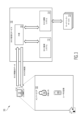
[0096]図2は、少なくとも1つの実施形態による、代理割当てシステム104がメンバー118のためのオンボーディングプロセスを実施し、メンバー属性および代理属性に基づいてメンバー118に代理106を割り当てる環境200の例示的な例を示す。環境200では、タスク容易化サービスにアカウントを作成するためのオンボーディングプロセスを開始するためのメンバー118からの要求に応答して、タスク容易化サービスの代理割当てシステム104は、メンバープロファイルを作成するために使用され得るメンバー118に関する情報を収集し、メンバープロファイルに基づいてメンバー118に提示され得る可能なタスクを識別するために、1つまたは複数のオンボーディングプロンプトをメンバー118に送信し得る。たとえば、図2に示されているように、メンバー118は、その要求を、代理割当てシステム104のメンバーオンボーディングサブシステム202に提出し得る。メンバーオンボーディングサブシステム202は、コンピュータシステムを使用して、または代理割当てシステム104のコンピュータシステム上に実装されたアプリケーションもしくは他の実行可能コードとして実装され得る。
[0096] FIG. 2 illustrates an illustrative example of an
[0097]一実施形態では、代理割当てシステム104のメンバーオンボーディングサブシステム202は、メンバー118のメンバープロファイルを生成するために使用され得るメンバー118に関する初期情報を蓄積するためにメンバー118に与えられ得る1つまたは複数の質問を選択する。たとえば、メンバーオンボーディングサブシステム202は、最初に、メンバー118に関する基本的な人口統計情報を与えるようにメンバー118に促し得る。例示的な例として、メンバーオンボーディングサブシステム202は、メンバー118に、その物理的住所、年齢、世帯の他のメンバー(たとえば、配偶者、子供、他の扶養家族など)に関する情報、任意の関心または趣味に関する情報、世帯内で話される言語などを与えるように促し得る。さらに、メンバーオンボーディングサブシステム202は、特定のカテゴリのタスク(たとえば、清掃タスク、修理タスク、保守タスクなど)の委任に関する快適レベルを示すようにメンバー118に促し得る。いくつかの例では、メンバーオンボーディングサブシステム202は、メンバー118の認知負荷を取り除くために、メンバー118が他のメンバーに委任する際にどのような初期タスクに関心があるかを示すようにメンバー118に促し得る。
[0097] In one embodiment, the
[0098]メンバーオンボーディングサブシステム202は、メンバー118のメンバープロファイルを生成するプロセスを開始するために、これらの初期プロンプトに対する応答をメンバーモデリングサブシステム204に与え得る。メンバーモデリングサブシステム204は、コンピュータシステムを使用して、または代理割当てシステム104のコンピュータシステム上に実装されたアプリケーションもしくは他の実行可能コードとして実装され得る。一実施形態では、メンバーモデリングサブシステム204は、メンバー118のメンバープロファイルを生成するために使用可能な追加の情報を取得するためにメンバー118に提出され得る追加のプロンプトを識別するようにトレーニングされた機械学習アルゴリズムまたは人工知能を実装し得る。さらに、機械学習アルゴリズムまたは人工知能は、メンバー118と対話するのに最適であり得る代理を識別し、メンバーの選好および行動に従ってメンバー118のための様々なタスクを実施するのに使用され得るメンバー118のメンバープロファイルを生成するために、メンバー118に提出された様々なプロンプトに応答してメンバー118によって与えられた応答と、ユーザデータストア108からの他のメンバーデータとを使用するように構成され得る。
[0098] The
[0099]例示的な例として、メンバー118が、メンバーオンボーディングサブシステム202からの初期プロンプトに応答して、メンバー118に関する基本情報を与える場合、メンバーモデリングサブシステム204は、1つまたは複数のベクトル(たとえば、地理的ロケーション、人口統計情報、タスクを他者に委任する可能性、家族構成、家庭構成など)に基づいて、同様の状況にあるメンバーを識別するために、分類またはクラスタリングアルゴリズムを使用して、与えられた情報を処理し得る。場合によっては、サンプルメンバー(たとえば、テスターなど)によって与えられるメンバーオンボーディングサブシステム292によって与えられるプロンプトに対する応答に対応する入力メンバー特性のデータセットは、タスク容易化サービスと対話し得る異なるタイプのメンバーを識別するために、クラスタリングアルゴリズムを使用して分析され得る。さらに、実際のメンバーがオンボーディングプロセスを完了すると、メンバーモデリングサブシステム204は、メンバー118などのオンボーディングメンバーのメンバータイプをより正確に予測するために、クラスタリングアルゴリズムを再トレーニングし、および/または異なるメンバータイプに対応する様々なクラスタを調整し得る。
[0099] As an illustrative example, when a
[0100]一実施形態では、オンボーディングプロセス中にメンバー118によって与えられる初期応答に基づくメンバー118の初期分類に基づいて、メンバーモデリングサブシステム204は、メンバー118を特定のメンバータイプまたは分類に属するものとしてより良好に分類するために使用可能な追加の情報を取得するために、メンバー118に与えられ得る追加の質問またはプロンプトを識別し得る。例示的な例として、メンバーモデリングサブシステム204が、メンバー118が、類似基本特性をメンバー118と共有する、メンバーの特定のクラスに属し得ることを決定する場合、メンバーモデリングサブシステム204は、メンバー118がこれらのメンバーとより多く共有するかどうかを決定するために使用され得る、付加的質問またはプロンプトを識別するように、メンバーの特定のクラス内のメンバーに対応するメンバープロファイルを評価し得る。たとえば、特定のクラス内の有意な数のメンバーが、タスクが行われる特定のタイプの車両を有する場合、メンバーモデリングサブシステム204は、メンバーの車両に関連する質問が、メンバー118のための可能性として考えられるタスクを識別する際に高度に関連し得ることを決定し得る。別の例示的な例として、特定のクラスのメンバーが、彼ら自身の造園を扱うことを好むことが知られている場合、メンバーモデリングサブシステム204は、メンバー118に対して他人への造園タスクの委任を推奨すべきかどうかと、そのような推奨が与えられ得る頻度とを決定する際に、メンバーの造園の選好に関連する質問が極めて関連し得ると決定することがある。メンバーオンボーディングに対するこの調整されたアプローチは、メンバー118が、無関係または不要な質問を含み得る無数の質問に応答するための面倒なプロセスに従事する負担を軽減し得る。
[0100] In one embodiment, based on an initial classification of
[0101]メンバー118によってメンバーオンボーディングサブシステム202に与えられた応答に基づいて、メンバーモデリングサブシステム204は、経時的にタスクおよび提案を識別してメンバー118に推奨するために使用され得るメンバー118のメンバープロファイルまたはモデルを生成し得る。メンバープロファイルまたはモデルは、メンバー118にタスクおよび提案を推奨する際に、また、メンバー118のためにタスクを実施する際に、会話においてメンバー118にアプローチする最良の方法を決定するために、代理によって使用され得るメンバー118の属性のセットを定義し得る。これらの属性は、特定のカテゴリのタスクを他者に委任する際の、または特定のカテゴリのタスク自体を実施する際のメンバーの行動または選好の測度を含み得る。たとえば、メンバーモデリングサブシステム204によって決定されるメンバー属性は、メンバー118が実施するタスクの異なるカテゴリを他者に委任する確率に対応するスコアまたは他のメトリックを与え得る。別の例として、メンバー属性は、タスク(委任されている場合)の完了のための提案とともに提示される、または単に別の人がメンバー118を決定することを可能にする、メンバーの選好の指示を与え得る。他のメンバー属性は、メンバー118が予算、ブランド認識、レビュー(たとえば、レストランレビュー、製品レビューなど)、定時性、応答速度などに関心があるかどうかを示し得る。メンバー属性は、上述のオンボーディングプロセス中に与えられるメンバー118に関する基本情報をさらに含み得る。
[0101] Based on responses provided by the
[0102]一実施形態では、メンバーモデリングサブシステム204は、メンバープロファイルを補完するために、および/または任意の以前に追加された情報を修正するために使用され得る、追加情報を与えるために、メンバー118がメンバープロファイルにアクセスすることを可能にする。たとえば、タスク容易化サービスによって与えられるアプリケーションまたはウェブポータルを通して、メンバー118は、メンバー118が彼らのメンバープロファイルにアクセスするために使用され得るリンクまたは他の対話型要素を与えられることがある。メンバープロファイル内で、メンバー118は、メンバープロファイル内の任意の情報を追加、除去、または編集し得る。上述のように、メンバープロファイルは、個人人口統計、家族構成、家庭構成、支払い情報などの異なるメンバー特性に対応する様々なセクションに分割し得る。メンバーモデリングサブシステム204は、オンボーディングプロセス中にメンバーモデリングサブシステム204によって与えられるプロンプトに対するメンバーの以前に与えられた応答と、オンボーディングプロセス中にメンバー118に与えられる調査またはアンケートに対するメンバー118によって与えられる任意の応答とに基づいて、これらの様々なセクションの要素を自動的にポピュレートし得る。メンバープロファイルの各セクションは、メンバープロファイルを拡張するために使用され得る追加の情報を与えるためにメンバー118が使用し得る追加の質問またはプロンプトをさらに含み得る。
[0102] In one embodiment, the member modeling subsystem 204 allows the
[0103]いくつかの例では、メンバー118は、メンバープロファイルの1つまたは複数のセクションまたはサブセクションを、これらの1つまたは複数のセクションまたはサブセクションがメンバー118以外の代理または任意の他のエンティティに見えないように、プライベートであると指定し得る。たとえば、メンバー118は、メンバー118に割り当てられた代理が支払い情報を閲覧することができないように、1つまたは複数の支払い方法に関連する支払い情報が隠されるべきであることを示し得る。しかしながら、支払い情報は、支払い情報が代理に公開されることなく、支払い処理のために(たとえば、サードパーティサービスの支払いなどのために)タスク容易化サービスによって利用され得る。
[0103] In some examples, the
[0104]上述のように、メンバープロファイル内のある情報は、メンバー118から隠され得る。たとえば、メンバー118と割り当てられた代理との間の関係が進展するにつれて、割り当てられた代理は、メンバー118に関する個人的メモを追加し得る。これらの個人的メモは、メンバー118に関連しなくてもよく、したがって、メンバー118から隠され得る。したがって、メンバー118がメンバープロファイルにアクセスするとき、代理によってのみアクセス可能であると指定された任意のセクションまたはサブセクションは、メンバー118から自動的に隠され得る。
[0104] As discussed above, certain information in a member profile may be hidden from a
[0105]一実施形態において、メンバーモデリングサブシステム204は、メンバー118に割り当てられ得る代理を識別するために、識別されたメンバー属性をメンバー-代理ペアリングサブシステム206に与える。メンバー-代理ペアリングサブシステム206は、コンピュータシステムを使用して、または代理割当てシステム104のコンピュータシステム上に実装されたアプリケーションもしくは他の実行可能コードとして実装され得る。メンバー-代理ペアリングサブシステム206は、メンバー118に割り当てられ得る代理106のセットから代理を選択し、メンバー118がタスクを識別しメンバー118のためにタスクを実施するのを支援し、場合によっては、メンバー118の日常生活における認知負荷を低減するために、与えられたメンバー属性を使用し得る。
[0105] In one embodiment, the member modeling subsystem 204 provides the identified member attributes to the member-surrogate pairing subsystem 206 to identify a surrogate that can be assigned to the
[0106]一実施形態において、メンバー-代理ペアリングサブシステム206は、メンバー118と識別された代理との間の肯定的な関係の高い可能性を与え得るメンバー118に割り当てられ得る代理または代理のセットを識別するために、与えられたメンバー属性を入力として利用する機械学習アルゴリズムまたは人工知能を実装する。機械学習アルゴリズムまたは人工知能は、教師なしトレーニング技法を使用してトレーニングされ得る。たとえば、入力メンバー属性および代理属性のデータセットは、異なるタイプのメンバーと代理との間の相関を識別するために、クラスタリングアルゴリズムを使用して分析され得る。逆に、入力されたメンバー属性および代理属性のデータセットはまた、互いにあまり適していないメンバーのタイプおよび代理のタイプを識別するために、クラスタリングアルゴリズムを使用して分析され得る。潜在的ペアリングを識別するために、サンプルメンバー属性および代理属性(たとえば、履歴データ、仮説データなど)を使用してトレーニングされ得る、例示的なクラスタリングアルゴリズムは、k平均クラスタリングアルゴリズム、ファジーc平均(FCM)アルゴリズム、期待値最大化(EM)アルゴリズム、階層クラスタリングアルゴリズム、ノイズのあるアプリケーションの密度ベースの空間クラスタリング(DBSCAN)アルゴリズムなどを含み得る。メンバー属性および代理データストア208からのデータを入力として使用して生成される機械学習アルゴリズムの出力に基づいて、メンバー-代理ペアリングサブシステム206は、メンバー118に割り当てられ得る代理106のグループから1人または複数の代理を識別し得る。
[0106] In one embodiment, the member-surrogate pairing subsystem 206 implements a machine learning algorithm or artificial intelligence that utilizes the given member attributes as inputs to identify a surrogate or set of surrogates that can be assigned to the
[0107]代理データストア208は、タスク容易化サービスに関連する代理のグループ106の各代理についてのエントリを含み得る。代理に対応するエントリは、代理の様々な特性を指定し得る。これらの特性は、メンバー118のオンボーディング中にメンバーオンボーディングサブシステム202によって収集されたものと同様であり得る。たとえば、代理についての特性は、代理の物理的な住所、年齢、世帯の他のメンバーに関する情報(たとえば、配偶者、子供、他の扶養家族など)、任意の関心または趣味に関する情報、世帯で話される言語などを含み得る。さらに、特定の代理に対応する代理データストア208内のエントリは、タスク容易化サービスの他のメンバーに関する代理の実施を示し得る。本明細書でより詳細に説明されるように、タスク容易化サービスは、代理の実施を監視し、割り当てられた代理とのメンバーの関係に関するメンバーフィードバックを求めることがある。与えられたフィードバックおよび代理の実施の評価に基づいて、タスク容易化サービスは、メンバーとの関係および支援に関する代理の実施を決定し得る。代理の実施に関連する1つまたは複数のメトリックは、代理データストア208内の代理のエントリに追加され得る。たとえば、エントリは、エントリに関連する特定の代理についての各メンバー-代理ペアリングに関する実施スコアを指定し得る。例示的な例として、代理が、特定のメンバーと肯定的な関係を有し、メンバーの認知負荷を低減するのに役立った場合、ペアリングは、高い実施スコアを割り当てられ得る。代替的に、代理が特定のメンバーと中立または否定的な関係を有していた場合、ペアリングは、より低いスコアを割り当てられ得る。代理データストア208からのこれらの実施スコアと代理特性とは、メンバー118に割り当てられ得る1人または複数の代理を識別するために、メンバー属性を有する入力としてメンバー-代理ペアリングサブシステム206によって使用され得る。
[0107] The
[0108]メンバー-代理ペアリングサブシステム206が、メンバー118に割り当てられ得る代理のセットを識別すると、メンバー-代理ペアリングサブシステム206は、メンバー118への割当てのために、1人または複数の代理から代理を選択し得る。たとえば、メンバー-代理ペアリングサブシステム206は、メンバー118と代理のセットの各代理との間のありそうな互換性に対応する確率または他のメトリックに従って、代理のセットをランク付けし得る。代理のセットのランキングに基づいて、メンバー-代理ペアリングサブシステム206は、代理のセットから最も高くランク付けされた代理を選択し、その代理が割当てに利用可能であるかどうかを決定し得る。たとえば、代理データストア208から、メンバー-代理ペアリングサブシステム206は、代理が、現在、しきい値数の他のメンバーに割り当てられているか、または場合によっては、割当てに利用不可能であるか(たとえば、休暇中など)を決定し得る。選択された代理が利用不可能である場合、メンバー-代理ペアリングサブシステム206は、代理の識別されたセットから代替代理を選択し、代替代理の利用可能性を識別し得る。代理が選択されると、メンバー-代理ペアリングサブシステム206は、その代理をメンバー118に割り当て、その割当てを示すために、代理データストア208内のその代理に対応するエントリを更新し得る。
[0108] Once the member-surrogate pairing subsystem 206 identifies a set of surrogates that may be assigned to the
[0109]一実施形態では、メンバー118への割当てのために代理を選択し得る代理の初期セットを識別するために機械学習アルゴリズムまたは人工知能を使用するのではなく、メンバー-代理ペアリングサブシステム206は、代理のグループ106から利用可能な代理を選択することができる。たとえば、メンバー-代理ペアリングサブシステム206は、メンバー118への割当てに利用可能な代理のグループ106から代理を識別し、その代理をメンバー118に割り当てることがある。上述のプロセスと同様に、メンバー-代理ペアリングサブシステム206が代理を選択すると、メンバー代理ペアリングサブシステム206は、割当てを記録するために、代理データストア208内の選択された代理に対応するエントリを更新し得る。
[0109] In one embodiment, rather than using a machine learning algorithm or artificial intelligence to identify an initial set of surrogates from which a surrogate may be selected for assignment to the
[0110]場合によっては、代理が選択され得る代理の初期セットを識別するために機械学習アルゴリズムまたは人工知能を使用するのではなく、メンバー-代理ペアリングサブシステム206は、代理106のグループから第1の利用可能な代理を自動的に選択し得る。場合によっては、メンバー-代理ペアリングサブシステム206は、メンバーの識別情報に対応する1つまたはそれを上回る基準に基づいて、代理106のグループを自動的に絞り込み得る。たとえば、メンバー118がワシントン州シアトルに位置する場合、メンバー-代理ペアリングサブシステム206は、メンバー118に割り当てられ得る代理のプールがワシントン州シアトルの地理的な近接位置内(たとえば、シアトルから100マイル以内、シアトルから200マイル以内など)に位置する代理を含むように、代理106のグループを自動的に絞り込むことがある。別の例として、メンバー118が子供を有する場合、メンバー-代理ペアリングサブシステム206は、代理のプールが子供も有する代理を含むように、代理のグループ106を絞り込むことがある。識別されたプールから、メンバー-代理ペアリングサブシステム206は、メンバー118に割り当てるための第1の利用可能な代理を自動的に選択し得る。
[0110] In some cases, rather than using a machine learning algorithm or artificial intelligence to identify an initial set of surrogates from which a surrogate may be selected, the member-surrogate pairing subsystem 206 may automatically select a first available surrogate from a group of
[0111]一実施形態では、オンボーディングプロセス中に、メンバー118は、メンバー118が代理に委任することを望む1つまたは複数のタスクに関する情報をメンバーオンボーディングサブシステム202に与えることができる。メンバーオンボーディングサブシステム202は、この情報をメンバーモデリングサブシステム204に与えることができ、メンバーモデリングサブシステムは、上述のメンバー属性に加えて、メンバー118がタスクの実施のために代理に委任することを望むタスクに関連するパラメータを識別するために、この情報を使用し得る。たとえば、これらのタスクに関係するパラメータは、これらのタスクの性質(たとえば、雨桶清掃、一酸化炭素検出器の設置、パーティのプランニングなど)、これらのタスクの完了のための緊急度のレベル(たとえば、タイミング要件、期限、今度のイベントに対応する日付など)、これらのタスクの完了のための任意のメンバー選好などを指定し得る。これらのパラメータは、メンバーモデリングサブシステム204によって識別されたメンバー属性に加えて、メンバー118への割当てのために代理を選択し得る代理の初期セットを識別するために、機械学習アルゴリズムまたは人工知能への入力として使用され得る。代替的に、メンバー-代理ペアリングサブシステム206は、これらの特定のタスクパラメータに関連付けられ得る1人または複数の代理(たとえば、そのようなタスクを扱うことに熟練した代理、肯定的なメンバーフィードバックを有する類似のタスクを以前に行った代理など)を識別するために、代理データストア208に問い合わせ得る。メンバー-代理ペアリングサブシステム206は、メンバー118に割り当てるために、識別された1人または複数の代理から利用可能な代理を選択し得る。
[0111] In one embodiment, during the onboarding process, the
[0112]代理がメンバー118に割り当てられると、メンバー-代理ペアリングサブシステム206は、メンバー118の連絡先情報(たとえば、電話番号、電子メールアドレスなど)を代理に与え、オンボーディングプロセスを完了するためにメンバー118との連絡を開始するように代理に命令し得る。たとえば、タスク容易化サービスによって代理に与えられるアプリケーションまたはウェブポータルを通して、代理は、メンバー118に対応する情報(たとえば、名前、人口統計情報、家族情報、自宅情報など)、およびメンバー118との通信セッションを開始する命令を受信し得る。これは、選択された代理が、メンバー118との関係を開始し、メンバー118の代わりに実施するために代理に委任され得るタスクを識別し始めることを可能にし得る。場合によっては、メンバー-代理ペアリングサブシステム206は、代理とメンバー118との間の通信セッションを確立し得る。たとえば、メンバー-代理ペアリングサブシステム206は、代理とメンバー118との間のチャットセッションを開始してもよく、それによって、メンバー118は、タスク容易化サービスによって与えられるアプリケーションまたはウェブポータルを介して、選択された代理と通信し得る。さらに、代理は、タスク容易化サービスによって与えられるアプリケーションまたはウェブポータルを使用して、チャットセッションを介してメンバー118と通信し得る。
[0112] Once a representative is assigned to a
[0113]一実施形態では、代理割当てシステム104は、メンバー118を代理のセット106のうちの別の代理に再割当てすべきかどうかを決定するために、メンバー118と割り当てられた代理との間の関係をさらに監視することができる。たとえば、メンバー118は、割り当てられた代理とのその関係に関するフィードバックを与えるように、メンバー-代理ペアリングサブシステム206によって(周期的に、および/またはトリガイベントに応答して)促され得る。例示的な例として、代理がメンバー118のための特定のタスクを完了したとき、メンバー-代理ペアリングサブシステム206は、完了したタスクに関連する代理の実施に関するフィードバックを与えるようにメンバー118を促し得る。別の実施例として、メンバー-代理ペアリングサブシステム206は、特定の時間間隔(たとえば、毎月、隔月など)で、メンバー118に、割り当てられた代理とのメンバーの関係に関するフィードバックを与えるように促し得る。場合によっては、メンバー118は、メンバー-代理ペアリングサブシステム206によって促されることなく、いつでも、割り当てられた代理とのメンバーの関係に関するフィードバックを与え得る。たとえば、タスク容易化サービスによって与えられるアプリケーションを介して、メンバー118は、評価のためにメンバー代理ペアリングサブシステム206に与えられ得るフィードバックフォームを手動で生成し得る。
[0113] In one embodiment, the
[0114]一実施形態では、メンバー-代理ペアリングサブシステム206は、メンバー118に新しい代理を割り当てるかどうかを決定するために、メンバー118によって与えられたフィードバックを利用し得る。たとえば、メンバー-代理ペアリングサブシステム206は、メンバー118と割り当てられた代理との間の関係についての関係スコアを決定するために、機械学習アルゴリズムまたは人工知能を使用して、取得されたフィードバックを処理し得る。機械学習アルゴリズムまたは人工知能は、教師ありトレーニング技法を使用してトレーニングされ得る。たとえば、入力フィードバック、既知のメンバーおよび代理の属性、ならびに結果として生じる関係スコアのデータセットが、機械学習モデルのトレーニングのために選択され得る。機械学習モデルは、機械学習モデルに供給されたサンプル入力に基づいて、機械学習モデルが正確な関係スコアを生成しているかどうかを決定するために評価され得る。この評価に基づいて、機械学習モデルは、機械学習モデルが所望の結果を生成する可能性を増加させるように修正され得る。機械学習モデルはさらに、代理再割当てのために機械学習アルゴリズムまたは人工知能によって与えられる評価および関係スコアに関して、タスク容易化サービスの代理および管理者からのフィードバックを求めることによって動的にトレーニングされ得る。たとえば、メンバー-代理ペアリングサブシステム206が、特定のメンバー-代理ペアリングに対する関係スコアに基づいて(たとえば、関係スコアが閾値を下回るなど)、メンバーが新しい代理を割り当てられるべきであると決定する場合、メンバー-代理ペアリングサブシステム206は、メンバーに割り当てられ得る新しい代理を選択し得る。さらに、メンバー-代理ペアリングサブシステム206は、新しい関係に対応するメンバーからの新しいフィードバックを取得し得る。機械学習アルゴリズムまたは人工知能は、このペアリングのための新しい関係スコアを決定し、この新しい関係スコアが、代理再割当てをもたらした以前の関係スコアを上回る改善を表すかどうかを決定するために、このフィードバックを使用し得る。この決定は、新しい代理をメンバーに割り当てるかどうかを決定するために使用され得るより正確な関係スコアを与えるために、機械学習アルゴリズムまたは人工知能をさらにトレーニングするために使用され得る。
[0114] In one embodiment, the member-surrogate pairing subsystem 206 may utilize feedback provided by the
[0115]一実施形態では、代理割当てシステム104は、メンバー118と割り当てられた代理との間の関係をよりよく理解し、割り当てられた代理によって実施され得る技法をよりよく識別して、メンバー118とのその関係を改善するために、メンバー118と割り当てられた代理との間で交換されるメッセージをリアルタイムで処理することができる。たとえば、代理割当てシステム104は、メンバー118の様々な属性または特異性を決定するために、機械学習アルゴリズムまたは人工知能を使用してメンバー118と割り当てられた代理との間で交換されるメッセージを処理し得る。例示的な例として、メンバー118が、任意の自動車タスク(たとえば、保守アポイントメントのスケジューリング、オイルおよびフィルタの購入など)を個人的に処理することを好むことを代理に示す場合、機械学習アルゴリズムまたは人工知能は、代理106が代理106および/またはサードパーティサービスへの自動車タスクの委任を推奨すべきでないことを示すようにメンバープロファイルを更新し得る。場合によっては、メンバー118と割り当てられた代理との間で交換されたメッセージに基づいて、機械学習アルゴリズムまたは人工知能は、メンバー118の任意の人格属性と、会話中のメンバー118に接近する際に代理106に有用であり得るメンバー118の任意の気質または奇癖とを示し得る、メンバー118の行動プロファイルを生成し得る。場合によっては、機械学習アルゴリズムまたは人工知能は、メンバー118に接近し、それとコミュニケーションするためのメンバーの行動プロファイルに基づいて、1つまたは複数の推奨を生成し得る。
[0115] In one embodiment, the
[0116]一実施形態では、代理割当てシステム104は、メンバープロファイルを補足するために使用され得る任意の追加の情報を取得するために、メンバー118と割り当てられた代理との間で交換されるメッセージをリアルタイムでさらに処理することができる。たとえば、メンバー118が、通信チャネルを介した代理との会話中に、新しい家族がメンバーの家に移動したことを表す場合、代理割当てシステム104は、メンバープロファイルを更新し、この新しい家族に対応する情報を追加することができることを決定するために、このメッセージを自動的かつリアルタイムに処理し得る。したがって、代理割当てシステム104は、メンバープロファイルの適切なセクション(たとえば、メンバーの家族に関連するセクション)を自動的に更新するために、メンバー118によって与えられた情報を使用し得る。
[0116] In one embodiment, the
[0117]いくつかの例では、代理割当てシステム104は、メンバープロファイルに追加された情報に基づいて、追加の情報がメンバー118から要求され得るかどうかを決定し得る。メンバーの家への新しい家族の紹介に関連する上記の例に戻ると、代理割当てシステム104は、新しい家族に関する追加の情報を得るためにメンバー118に提出され得る質問またはプロンプトを推奨するかどうかを決定し得る。たとえば、メンバー118がこの新しい家族に対応する名前および他の識別情報を示していない場合、代理割当てシステム104は、新しい家族の名前および他の識別情報(たとえば、「新しい家族の名前は何ですか?」、「新しい家族はどのくらい古いか?」、「新しい家族は何らかの食事制限があるか?」など)を得るために使用され得る質問またはプロンプトを推奨し得る。これらの推奨は、代理に与えられることがあり、代理は、通信セッションを介してこれらの質問またはプロンプトをメンバー118に通信し得る。
[0117] In some examples, the
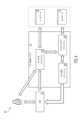
[0118]図3は、少なくとも1つの実施形態による、代理106および/またはサードパーティサービス116による実施のためにメンバーに推奨され得る1つまたは複数のタスクを識別するためにタスク関連のデータがメンバーエリア302から収集およびアグリゲートされる環境300の例示的な例を示す。環境300では、メンバーは、コンピューティングデバイス120(たとえば、ラップトップコンピュータ、スマートフォンなど)を介して、メンバーのために実施され得る1つまたは複数のタスクを識別するためにメンバーに割り当てられた代理106にタスク関連のデータを送信し得る。たとえば、一実施形態では、メンバーは、実施のために代理106に委任することをメンバーが望む1つまたは複数のタスクを手動で入力することができる。タスク容易化サービス102は、メンバーにタスク容易化サービス102によって与えられるアプリケーションまたはウェブポータルを介して、代理106に委任され得るか、あるいはメンバーのタスクのリストに追加され得るタスクの手動入力304のためのオプションを与え得る。
[0118] FIG. 3 illustrates an illustrative example of an
[0119]メンバーがタスクの手動入力304のためのオプションを選択する場合、タスク容易化サービス102は、アプリケーションまたはウェブポータルのインターフェースを介して、メンバーがタスクに関係する様々な詳細を入力し得るタスクテンプレートを与え得る。タスクテンプレートは、メンバーが、タスクのための名前、タスクの説明(たとえば、「私は、今度の嵐の前に雨樋を清掃させる必要がある」、「私は、塗装工に化粧室を補修塗りさせることを望む」など」)、タスクの実施のための時間枠(たとえば、特定の締め切り日、日付範囲、緊急度のレベルなど)、タスクの実施のための予算(たとえば、無制限の予算、特定の最大額など)などを与え得る様々なフィールドを含み得る。
[0119] If the member selects the option for manual entry of a
[0120]いくつかの例では、メンバーがタスクの手動入力304のためのオプションを選択する場合、タスク容易化サービス102は、新しいタスクを生成するために使用され得る異なるタスクテンプレートをメンバーに与え得る。上記のように、タスク容易化サービスは、異なるタスクカテゴリ(たとえば、車両保守タスク、自宅保守タスク、家族関連イベントタスク、介護タスク、体験関連タスクなど)に対応する異なるタスクテンプレートのためのリポジトリとして働くリソースライブラリを維持し得る。タスクテンプレートは、メンバーのために実施され得るタスクを定義するために使用され得る複数のタスク定義フィールドを含み得る。たとえば、車両保守タスクに対応するタスク定義フィールドは、メンバーの車両の型およびモデル、車両の使用年数、最後に車両を保守した時に対応する情報、車両に関連するあらゆる報告された事故、車両に関連するあらゆる問題の説明などを定義するために使用され得る。したがって、リソースライブラリ中で維持された各タスクテンプレートは、タスクテンプレートに関連するタスクカテゴリに固有であるフィールドを含み得る。
[0120] In some examples, if the member selects the option for
[0121]リソースライブラリを通して、メンバーは、メンバーが作成することを望む新しいタスクに緊密に関連付けられ得る特定のタスクテンプレートを選択するために利用可能なタスクテンプレートの各々を評価し得る。メンバーが特定のタスクテンプレートを選択すると、メンバーは、メンバーのために実施され得るタスクを定義するために使用され得る1つまたは複数のタスク定義フィールドをポピュレートし得る。これらのフィールドは、タスクテンプレートに関連するタスクカテゴリに固有であり得る。いくつかの例では、選択されたタスクテンプレートに基づいて、タスク容易化サービス102は、上記で説明されたように、メンバープロファイル内に指定された情報に基づいて1つまたは複数のタスク定義フィールドを自動的にポピュレートし得る。
[0121] Through the resource library, the member may evaluate each of the available task templates to select a particular task template that may be closely associated with the new task the member wishes to create. Once the member selects a particular task template, the member may populate one or more task definition fields that may be used to define the task that may be performed for the member. These fields may be specific to the task category associated with the task template. In some examples, based on the task template selected, the
[0122]一実施形態では、メンバーに与えられたタスクテンプレートは、タスク容易化サービス102によって識別されるメンバーの特性に従って特別に調整され得る。上記のように、タスク容易化サービス102は、メンバーのオンボーディングプロセス中に、時間とともにタスクおよび提案を識別し、それらをメンバーに推奨するために使用され得るメンバーのためのメンバープロファイルまたはモデルを生成し得る。メンバープロファイルまたはモデルは、会話する際に、メンバーにタスクおよび提案を推奨する際に、およびメンバーのためにタスクを実施する際にメンバーにどのように接近するのが最適であるのかを決定するために代理106によって使用され得るメンバーの属性のセットを定義し得る。これらの属性は、他のものにいくつかのカテゴリのタスクを委任する際のまたは自身でいくつかのカテゴリのタスクを実施する際のメンバーの行動または選好の測度を含み得る。これらのメンバー属性は、メンバーが予算に関心があるのか、ブランド認知に関心があるのか、レビュー(たとえば、レストランのレビュー、製品のレビューなど)に関心があるのか、時間厳守に関心があるのか、応答速度に関心があるのかなどを示し得る。これらのメンバー属性に基づいて、タスク容易化サービス102は、タスクテンプレートから特定のフィールドを省略し得る。たとえば、メンバーがタスクの完了のための予算に関心がないことをメンバー属性が指定する場合、タスク容易化サービス102は、タスクについてメンバーの予算に対応するタスクテンプレートからフィールドを省略し得る。別の例示的な例として、メンバーがそれのタスクの実施のためにハイエンドのまたは一流のブランドを好むとタスク容易化サービス102が決定する場合、タスク容易化サービス102が、タスクの実施のためにハイエンドのまたは一流のブランドを識別するためにリソースライブラリを利用し得るので、タスク容易化サービス102は、タスクの実施のためにブランドの選択または識別に対応する1つまたは複数のフィールドを省略し得る。
[0122] In one embodiment, the task template given to a member may be specially tailored according to the member's characteristics identified by the
[0123]メンバーが、コンピューティングデバイス120を介してまたはタスク容易化サービス102によって与えられたインターフェースを通して、メンバーに対する利益のために実施されることになるタスクに対応する完了したタスクテンプレートを提出する場合、メンバーに割り当てられた代理106は、完了したタスクテンプレートを取得し、メンバーのためにどのようにタスクを実施するのが最適であるのかについて決定するためにタスクの評価を開始し得る。たとえば、代理106は、完了したタスクテンプレートを評価し、完了したタスクテンプレート中にメンバーによって与えられたタスク関連の詳細に対応するメンバーのための新しいタスクを生成し得る。さらに、(たとえば、メンバーとの対話からの、メンバープロファイルからのなどの)メンバーについての代理の知識に基づいて、代理106は、メンバーのためにタスクをどのように実施するのが最適であるのかについて決定するために使用され得る追加情報をメンバーに促すのかどうかを決定し得る。たとえば、メンバーは、メンバーの雨樋を清掃させることをメンバーが望むことを示したが、雨樋がいつ清掃されなければならないのかを示さなかった場合、代理106は、メンバーの雨樋の清掃のための時間枠に関して照会するために新たに作成されたタスクに関連するアクティブチャットセッションを介してメンバーと通信し得る。別の例として、メンバーが、タスクの実施のための特定の予算なしにタスクを提出し、代理106が(たとえば、メンバープロファイル、メンバーについての個人的知識などに基づいて)メンバーが予算にこだわることを知っている場合、代理106は、タスクの実施のためにどんな予算でなければならないのかを決定するためにメンバーと通信し得る。上記のように、これらの通信に応答して取得されたあらゆる情報は、メンバープロファイルを補足するために使用され得、したがって、将来のタスクについて、この新たに取得された情報が、メンバーへの追加のプロンプトを必要とすることなしにメンバープロファイルから自動的に取り出され得る。
[0123] When a member submits, via
[0124]一実施形態では、メンバーは、1つまたは複数のタスクが代理106によっておよび/もしくはタスク推奨システム112によって決定され得るプロジェクトまたはプロジェクトのために完了される必要がある1つもしくは複数のタスクを含み得るプロジェクトを生成することを求める要求を代理106に提出することができる。たとえば、メンバーと割り当てられた代理106との間に確立されるチャットセッションを介して、メンバーは、プロジェクトを開始することを望むことを示し得る。例示的な例として、メンバーは、メンバーが8月のデンバーへの引っ越しを計画するのを助けることを望むメッセージを代理106に送信し得る。このメッセージに応答して、代理106は、このプロジェクト(たとえば、デンバーへの引っ越し)に関与し得る1つまたは複数のタスクを識別し、メンバーへの提示のためにこれらの1つまたは複数のタスクを生成し得る。たとえば、代理106は、限定はしないが、引っ越しの予算を定義すること、引っ越し会社を見つけること、あらゆる不要な所有物を処分すること、現在のロケーションと新しいロケーションとにおける公共サービスを調整することなどを含むタスクを生成し得る。これらのタスクは、メンバーが、プロジェクトに関連するこれらの各々タスクを評価し、これらのタスクの各々がどのように実施され得るのかを決定する(たとえば、メンバーが自身でいくつかのタスクを実施する、メンバーが代理にいくつかのタスクを委任する、メンバーがタスクの実施のためのパラメータを定義するなど)ために代理106と調整することを可能にするためにプロジェクトに固有のインターフェースを介してメンバーに提示され得る。
[0124] In one embodiment, a member may submit a request to the
[0125]上記のように、プロジェクトの部分として実施されることになる1つまたは複数のタスクを含むプロジェクトの作成をメンバーが要求する場合、プロジェクトに固有のインターフェースが作成され得る。プロジェクトインターフェースは、プロジェクトに関連するタスクの各々に対応するリンクまたは他のグラフィカルユーザインターフェース(GUI)要素を含み得る。プロジェクトに関連する特定のタスクに対応する特定のリンクまたは他のGUI要素の選択は、タスク容易化サービス102に、特定のタスクに固有のインターフェースを提示させ得る。このインターフェースを通して、メンバーは、特定のタスクに関係するメッセージを交換すること、特定のタスクに関係する提案を検討すること、特定のタスクの実施を監視することなどを行うために代理106と通信し得る。
[0125] As noted above, when a member requests the creation of a project that includes one or more tasks to be performed as part of the project, a project-specific interface may be created. The project interface may include links or other graphical user interface (GUI) elements that correspond to each of the tasks associated with the project. Selection of a particular link or other GUI element that corresponds to a particular task associated with the project may cause the
[0126]一実施形態では、メンバーと代理106との間で交換されるメッセージは、メンバーへの提示のために代理106に推奨され得る潜在的なプロジェクトおよび/またはタスクを識別するためにタスク推奨システム112によって処理され得る。上記のように、タスク推奨システム112は、メンバーに推奨され得る可能なタスクを識別するためにメンバーからの交換されたメッセージまたは他の通信を評価するためにNLPまたは他の人工知能を利用し得る。たとえば、タスク推奨システム112は、メンバーが解決することを望む新しいプロジェクト、新しいタスク、または他の問題を検出するためにNLPまたは他の人工知能を使用してメンバーからのあらゆる着信メッセージを処理し得る。いくつかの例では、タスク推奨システム112は、可能なタスクを識別するためにNLPまたは他の人工知能をトレーニングするためにタスクデータストアからの履歴タスクデータと対応するメッセージとを利用し得る。タスク推奨システム112がメンバーに推奨され得る1つまたは複数の可能なプロジェクトおよび/またはタスクを識別する場合、タスク推奨システム112は、代理106にこれらの可能なタスクを提示し得、代理106は、チャットセッションを介してメンバーと共有され得るプロジェクトおよび/またはタスクを選択し得る。
[0126] In one embodiment, messages exchanged between the member and the
[0127]一実施形態では、タスク推奨システム112が、メンバーと代理106との間で交換されるメッセージに基づいてメンバーに提案され得るプロジェクトを識別する場合、タスク推奨システム112は、代理106に推奨され得るプロジェクトに関連する1つまたは複数のタスクを識別するためにタスク容易化サービス102によって維持されるリソースライブラリを利用することができる。たとえば、タスク推奨システム112が、デンバーに引っ越す準備をしているというメンバーの表示に関係するプロジェクトを識別する場合、タスク推奨システム112は、新しいロケーションへの引っ越しに関連するあらゆるタスクを識別するためにリソースライブラリに問い合わせ得る。いくつかの例では、リソースライブラリへのクエリは、メンバープロファイルからのメンバー属性を含み得る。これにより、タスク推奨システム112は、同様のプロジェクトについて実施されていることがあるあるいは同様の状況にあるメンバー(たとえば、同様の地理的ロケーションにいるメンバー、現在のメンバーの属性と同様の属性を有するメンバーなど)に提案されていることがあるあらゆるタスクを識別することが可能になり得る。
[0127] In one embodiment, when the
[0128]一実施形態では、タスク推奨システム112は、識別されたプロジェクトのために代理106に推奨され得るタスクを識別するために機械学習アルゴリズムまたは他の人工知能を使用する。たとえば、タスク推奨システム112は、上述のリソースライブラリから、識別されたプロジェクトに関連付けられ得るあらゆるタスクを識別し得る。タスク推奨システム112は、識別されたタスクのどれがメンバーへの提示のために代理106に推奨され得るのかを決定するために機械学習アルゴリズムまたは他の人工知能を使用して識別されたタスクとメンバープロファイルとを処理し得る。さらに、タスク推奨システム112は、代理106に、タスクの完了のために代理106に委ねるオプションをもつメンバーのために実施される必要があり得るあらゆるタスクを与え得る。たとえば、タスク推奨システム112は、メンバープロファイルに基づいて、メンバーが任意の他の入力を検討または提供する必要なしに代理106にタスクを完全に委任する可能性があると決定する場合、タスク推奨システム112は、(「うまく事を運ぶ」ボタンを通してなど)代理106にタスクの実施を委ねるオプションをメンバーに提示する推奨をもつタスクを代理106に与え得る。
[0128] In one embodiment, the
[0129]いくつかの例では、タスク推奨システム112は、どのタスクがメンバーに提示され得るのかについての最終的な決定のために代理106にメンバーに推奨され得るタスクのセットのリストを与え得る。上記のように、タスク推奨システム112は、メンバーが、タスク容易化サービス102と提携したサードパーティサービス116または他のサービス/エンティティの実施およびそれらとの調整のための代理への委任のためのタスクを選択する可能性に基づいてタスクのセットのリストをランク付けすることができる。代替的に、タスク推奨システム112は、各タスクの完了のための緊急度のレベルに基づいてタスクのセットのリストをランク付けし得る。たとえば、引っ越し会社の雇用に対応するタスクが公共サービスの調整に対応するタスクより大きい緊急度のものであるとタスク推奨システム112が決定する場合、タスク推奨システム112は、前者のタスクを後者のタスクよりも高くランク付けし得る。
[0129] In some examples, the
[0130]一実施形態では、タスク推奨システム112が、メンバーと代理106との間で交換されるメッセージに基づいて作成され得るプロジェクトを識別し、タスク推奨システム112が、識別されたプロジェクトに関連する1つまたは複数のタスクを識別する場合、タスク推奨システム112は、代理106を介して、プロジェクトを進めるメンバーの承認を取得するためにプロジェクトの定義と識別されたプロジェクトに関連するタスクとをメンバーに与え得る。たとえば、コンピューティングデバイス120を使用してアクセスされるタスク容易化サービス102によって与えられるアプリケーションまたはウェブポータルを介して、メンバーは、提案されたプロジェクトを進めるべきかどうかを決定するために提案されたプロジェクトと関連するタスクとを検討し得る。メンバーは、プロジェクトの範囲およびプロジェクトの完了のために提案されるタスクのいずれかを定義することを含むプロジェクトおよび/またはプロジェクトに関連する任意のタスクをさらに定義するためにプロジェクトに固有の通信セッションを通して代理106と通信し得る。例示的な例として、代理106がメンバーの今度のデンバーへの引っ越しに対応するプロジェクトとこの提案されたプロジェクトに関連するあらゆるタスクとを提案する場合、メンバーは、提案されたプロジェクトと関連するタスクとを検討する(たとえば、タイムラインに関して照会する、予算に関する照会するなどの)ために代理106と通信し得る。代理106とのメンバーの通信に基づいて、代理106および/またはタスク推奨システム112は、プロジェクトの範囲およびあらゆる関連するタスクをさらに定義するためにメンバーに与えられ得るあらゆる質問を識別し得る。たとえば、代理106は、今度のデンバーへの引っ越しに対応するプロジェクトのために必要とされ得る引っ越しサービスの範囲を決定する際に有用であり得るメンバーの既存の自宅の面積の量を示すようにメンバーを促し得る。これらのプロンプトに対するメンバーの応答を通して取得された情報は、上記で説明されたように、メンバープロファイルを補足するために使用され得る。
[0130] In one embodiment, if the
[0131]一実施形態では、メンバーのために実行されるべき特定のプロジェクトをメンバーが承認すると、タスク推奨システム112は、メンバーからの入力(たとえば、最終期限、所望の優先度など)に基づいてプロジェクトおよび関連するタスクに優先度を割り当てる。たとえば、今度のデンバーへの引っ越しに関連するプロジェクトが車両保守に関係するプロジェクトよりも急を要することをメンバーが示した場合、タスク推奨システム112は、車両保守に関係する他のプロジェクトよりも今度のデンバーへの引っ越しに関連するプロジェクトに優先度を付け得る。これにより、コンピューティングデバイス120を介してメンバーによってアクセスされるアプリケーションまたはウェブポータルに、これらの他のプロジェクトよりも今度のデンバーへの引っ越しに関係するプロジェクトをより顕著に表示させ得る。いくつかの例では、特定のプロジェクトに割り当てられた優先度は、プロジェクトに関連するタスクにさらに割り当てられ得る。たとえば、タスク推奨システム112は、代理106および/またはタスク推奨システム112によって識別される様々なタスクをランク付けする際の別のファクタとしてメンバーのために作成されたプロジェクトの各々の優先度を使用し得る。
[0131] In one embodiment, once a member approves a particular project to be performed for the member, the
[0132]プロジェクトに関連するタスクは、代理106がどのタスクをメンバーのために取り組むのかを決定するためにタスク推奨システム112によって使用され得るアクティブキューに追加され得る。たとえば、代理106は、タスク推奨システム112によって実施されるタスクの優先度付けまたはランク付けに基づいてタスクの限定されたセットを提示され得る。タスクの限定されたセットの選択は、所与の時間に代理106によって取り組まれ得るタスクの数を限定し得、これは、代理106がメンバーのタスクリストに取り組むことに大いに悩まされるリスクを低減し得る。
[0132] Tasks related to the project may be added to an active queue that may be used by the
[0133]一実施形態中で、タスク容易化サービス102は、メンバーのコンピューティングデバイス120上に実装されたアプリケーションまたはタスク容易化サービス102によって与えられるウェブポータルを介してアクセスされるアプリケーションを介して、メンバーの現在のおよび今度のタスクに対応するタスクリストをメンバーに提示し得る。タスク容易化サービス102は、タスクリストを介して、各タスクのステータス(たとえば、作成済み、進行中、定期、完了済みなど)を与え得る。いくつかの例では、タスク容易化サービス102により、メンバーは、必要に応じてタスクをフィルタ処理することが可能になり得、したがって、メンバーは、どのタスクがアプリケーションまたはウェブポータルを介してメンバーに提示されることになるのかをカスタマイズし、決定することができる。
[0133] In one embodiment, the
[0134]タスク容易化サービス102は、メンバーの現在のおよび今度のタスクに対応するタスクリストを提示することに加えて、これらのタスクのうちのどれがメンバーにまたは代理106に割り当てられるのかをシグナリングし得る。たとえば、タスク容易化サービス102は、アプリケーションまたはウェブポータルを介してメンバーに提示される各タスクに割当てタグを表示し得る。割当てタグは、対応するタスクがメンバーに割り当てられるのかまたは代理106に割り当てられるのかを明示的に示し得る。追加または代替として、タスクは、色コーディングを使用してアプリケーションまたはウェブポータルを介してメンバーに提示され得、ここにおいて、タスクのために使用される色は、タスクがメンバーに割り当てられるのかまたは代理106に割り当てられるのかをさらに示し得る。例示的な例として、タスクが代理106に割り当てられる場合、タスクは、「代理」属性タグを提示され、タスクが代理106に割り当てられたことをさらに示すためにオレンジ色の色合いを使用してタスクバブル内に提示され得る。代替的に、タスクがメンバーに割り当てられる場合、タスクは、「メンバー」属性タグを提示され、タスクがメンバーに割り当てられたことをさらに示すために緑色の濃淡を使用してタスクバブル内に提示され得る。属性は、属性タグと色インジケータとが例示のために本開示全体にわたって使用されているが、メンバーに割り当てられたタスクと代理106に割り当てられたタスクとを区別するために他の割当てインジケータが利用され得ることに留意されたい。
[0134] In addition to presenting a task list corresponding to a member's current and upcoming tasks, the
[0135]一実施形態では、タスク容易化サービス102は、アプリケーションまたはウェブポータルを介して、タスクリストから特定のタスクに関するさらなる情報を取得するオプションをメンバーに与え得る。たとえば、タスクリストを介して提示される各タスクは、タスクに関係するさらなる情報を取得するオプションを含み得る。一実施形態では、メンバーが特定のタスクのためのさらなる情報を取得するオプションを選択する場合、タスク容易化サービス102は、メンバーのための認知的過負荷の可能性を増加させることなしにどのくらいの情報がメンバーに与えられるべきであるのかを決定するためにメンバープロファイルを評価することができる。たとえば、メンバーが代理106にタスクを委任する傾向を有し、概して、代理106にタスクのすべての態様を委任する場合、タスク容易化サービス102は、タスクに関連する基本情報(たとえば、短いタスクの説明、タスクのための推定完時間など)を与え得る。しかしながら、メンバーが、より詳細を重視し、タスクの完了に高度に関与する場合、タスク容易化サービス102は、タスクに関連するさらなる情報(たとえば、詳細なタスクの説明、タスクを完了するために実施されるステップ、タスクのためのあらゆる予算情報など)を与え得る。一実施形態では、タスク容易化サービス102は、タスクに関係するどのくらいの情報がメンバー102に提示されなければならないのかを決定するために機械学習アルゴリズムまたは人工知能を利用することができる。たとえば、タスク容易化サービス102は、機械学習アルゴリズムまたは人工知能への入力としてタスクに対応するメンバープロファイルおよびデータを使用し得る。得られた出力は、タスクに関するどんな情報がメンバーに提示されなければならないのかについての推奨を与え得る。いくつかの例では、推奨は、推奨を評価し、選択されたタスクについてどんな情報がメンバーに提示され得るのかを決定し得る代理106に与えられ得る。タスクのための情報がメンバーに与えられるとき、タスク容易化サービス102は、情報の提示に対するメンバーの応答を識別するために代理106とのメンバーの対話を監視し得る。応答は、タスク容易化サービス102のメンバーに提示され得るタスク情報に関するより良い推奨を与えるために機械学習アルゴリズムまたは人工知能をさらにトレーニングするために使用され得る。
[0135] In one embodiment, the
[0136]一実施形態では、メンバーは、コンピューティングデバイス120を介して、メンバーのために実施され得るタスクを識別するために使用され得る1つまたは複数のユーザの記録306を提出することができる。たとえば、メンバーは、タスク容易化サービス102に、タスクが作成され得るメンバーエリア302内の問題を示し得るメンバーエリア302の1つまたは複数のデジタル画像をアップロードし得る。例示的な例として、メンバーは、修理を必要とする壊れた幅木の画像をキャプチャし得る。別の例示的な例として、メンバーは、詰まった雨樋の画像をキャプチャし得る。代理106は、これらのデジタル画像を取得し、アップロードされたデジタル画像中に表される問題を解決するために実施され得る1つまたは複数のタスクを手動で識別し得る。たとえば、代理106が壊れた幅木を示すデジタル画像を受信する場合、代理106は、壊れた幅木の修理に対応する新しいタスクを生成し得る。同様に、代理106が詰まった雨樋を示すデジタル画像を受信する場合、代理106は、メンバーの雨樋の清掃に対応するタスクを生成し得る。
[0136] In one embodiment, a member may submit, via
[0137]ユーザの記録306は、タスクが生成され得る可能な問題に対応するメンバーエリア302内のオーディオおよび/またはビデオ記録をさらに含み得る。たとえば、メンバーは、問題を解決するために実施され得る1つまたは複数のタスクを生成するために使用され得る問題を強調するためにメンバーエリア302の異なる部分のオーディオおよび/またはビデオ記録を生成するためにそのメンバーのスマートフォンまたは他の記録デバイスを利用し得る。例示的な例として、代理106とのチャットセッション中に、メンバーは、そのメンバーのスマートフォンとともにメンバーエリア302を通って歩き得、タスク容易化サービス102によってメンバーが解決されることを望む問題を強調するビデオを記録し得る。メンバーエリア302を通って歩く間に、メンバーは、(たとえば、スマートフォンに話すこと、問題を指摘することなどによって)これらの問題が何であるのか、およびこれらの問題を解決するための可能な命令または他のパラメータ(たとえば、時間枠、予算、緊急度のレベルなど)を示し得る。上記で説明された壊れた幅木の例を使用して、メンバーは、「我々は家を販売する準備しているので、私はすぐにこの幅木を修理させることを望む」と示しながら壊れた幅木を強調するビデオを記録し得る。したがって、このビデオは、壊れた幅木に関係する問題とメンバーがメンバーの自宅を販売するために短い時間枠内で幅木を修理させることの緊急度のレベルとを強調し得る。
[0137] The user's
[0138]メンバーは、コンピューティングデバイス120を介して、ユーザの記録306中にメンバーによって示された問題のいずれかを解決するためにメンバーに推奨され得る任意のタスクを識別するためにユーザの記録306を検討し得る代理106にユーザの記録306を与え得る。たとえば、代理106は、与えられたユーザの記録306を分析し、ユーザの記録306中でメンバーによって識別されたおよび/またはユーザの記録306の代理106の分析に基づいて代理106によって検出された任意の問題を解決するために実施され得るタスクを識別し得る。例示的な例として、メンバーが修理されることを望む壊れた幅木があることをメンバーが示すユーザの記録306をメンバーが与える場合、代理106は、ユーザの記録306に基づいて、メンバーの自宅がシロアリ問題(たとえば、壊れた幅木中のシロアリまたはシロアリ被害の存在)を有し得るとさらに決定し得る。したがって、代理106は、追加の問題を示し、追加の問題を解決するためにタスクを推奨するためにチャットセッションを介してメンバーと通信し得る。
[0138] The member may provide the
[0139]いくつかの例では、代理106は、メンバーのために実施され得る1つまたは複数のタスクを定義する際に代理106を支援するために使用され得る1つまたは複数のユーザの記録306を生成するようにメンバーを促し得る。たとえば、メンバーが、チャットセッションを介して、デンバーに引っ越す準備をしていることを示す場合、代理106がこのプロジェクトに関連付けられ得るタスクを識別し得るように、代理106は、メンバーエリア302(たとえば、自宅、アパートなど)に関係する1つまたは複数のユーザの記録306をメンバーが生成することを要求し得る。たとえば、メンバーによって与えられたユーザの記録306を使用して、代理106は、メンバーエリア302の面積を決定すること、プロジェクトの完了のためのあらゆる特殊な引っ越し要件(たとえば、壊れ物のための特殊な引っ越し命令、保険など)を識別すること、プロジェクトのために解決される必要があり得るあらゆる修理または保守項目を識別することなどを行い得る。いくつかの例では、代理106は、メンバーのために実施されることになるタスクを定義する際に使用され得る1つまたは複数のタスクパラメータを識別するためにユーザの記録306を使用し得る。たとえば、メンバーの壊れた幅木を修理することに関係する新しいタスクをメンバーが手動で入力した場合、代理106は、修理されることになっている幅木のタイプ、修理の範囲、修理のための時間枠などを識別するために壊れた幅木に関連するあらゆるユーザの記録306を使用し得る。
[0139] In some examples, the
[0140]一実施形態では、代理106は、タスク容易化サービス102によって与えられたアプリケーションまたはウェブポータルを介してメンバーに提示される所与のタスクの完了のために1つまたは複数の提案を生成することができる。提案は、所与のタスクを調査する間に代理106によって作成および/または収集され得るメンバーに提示される1つまたは複数のオプションを含み得る。いくつかの例では、代理106は、これらの1つまたは複数の提案を生成するために使用され得る1つまたは複数のテンプレートを与えられ得る。たとえば、タスク容易化サービス102は、異なるタスクタイプのための提案テンプレートを維持し得、それによって、特定のタスクタイプのための提案テンプレートは、タスクタイプに関連する様々なデータフィールドを含み得る。例示的な例として、誕生会を計画することに関連するタスクの場合、代理106は、イベントプランニングに対応する提案テンプレートを利用し得る。イベントプランニングに対応する提案テンプレートは、会場オプション、ケータリングオプション、エンターテインメントオプションなどに対応するデータフィールドを含み得る。
[0140] In one embodiment, the
[0141]一実施形態では、提案テンプレート内のデータフィールドは、どんな情報が提案中でメンバーに提示されるかについて決定する能力を代理106に与えるためにオンまたはオフにトグルされ得る。たとえば、パーティのためにボールルームジャンプハウスをレンタルすることに関連するタスクの場合、対応する提案テンプレートは、レンタル会社のロケーション/住所、レンタル会社の業務時間および利用可能性、推定コスト、レンタル会社の評価/レビューなどに対応するデータフィールドを含み得る。代理106は、メンバーの選好についての代理の知識に基づいて、これらのデータフィールドのいずれかをオンまたはオフにトグルし得る。たとえば、代理106は、メンバーとの関係を確立しており、それによって、代理106がメンバーのタスクのために評判が良い会社を選択するのをメンバーが信用することを代理106が高信頼度で知っている場合、代理106は、提案テンプレートから対応する会社のための評価/レビューに対応するデータフィールドをオフにトグルし得る。同様に、メンバーが提案の目的でレンタル会社のロケーション/住所に関心がないことを代理106が知っている場合、代理106は、提案テンプレートから対応する会社のためのロケーション/住所に対応するデータフィールドをオフにトグルし得る。いくつかのデータフィールドが提案テンプレート内でオフにトグルされ得るが、代理106は、本明細書でより詳細に説明されるように、提案のリソースライブラリを補足するためにタスク容易化サービス102によって使用され得る追加情報を与えるためにこれらのデータフィールドを完了し得る。
[0141] In one embodiment, data fields in a proposal template may be toggled on or off to give the
[0142]一実施形態では、タスク容易化サービス102は、提案中でメンバーに提示され得るデータフィールドに関する代理106のための推奨を生成するために機械学習アルゴリズムまたは人工知能を利用する。たとえば、タスク容易化サービス102は、機械学習アルゴリズムまたは人工知能への入力として、メンバーに関連するメンバープロファイルまたはモデル、メンバーのための履歴タスクデータ(たとえば、前に完了したタスク、提案が与えられたタスクなど)、および提案が生成されているタスクに対応する情報(たとえば、タスクのタイプまたはカテゴリなど)を使用し得る。機械学習アルゴリズムまたは人工知能の出力は、提案テンプレートのどのデータフィールドがオンまたはオフにトグルされなければならないのかを定義し得る。たとえば、メンバープロファイルまたはモデル、メンバーのための履歴タスクデータ、および提案が生成されているタスクに対応する情報の評価に基づいて、メンバーが会社の評価/レビューに関係する情報を閲覧することにも会社のロケーション/住所に関係する情報を閲覧することにも関心がない可能性があるとタスク容易化サービス102が決定する場合、タスク容易化サービス102は、提案テンプレートからこれらのデータフィールドを自動的にオフにトグルし得る。タスク容易化サービス102は、いくつかの例では、提案中でメンバーにこれらのデータフィールドを提示する能力を代理106に与えるためにこれらのデータフィールドをオンにトグルするオプションを保持し得る。たとえば、タスク容易化サービス102が、特定の会社からのバルーンジャンプハウスのレンタルのための推定コストに対応するデータフィールドを自動的にオフにトグルしたが、メンバーが、関与する可能なコストへの関心を表した場合、代理106は、推定コストに対応するデータフィールドをオンにトグルし得る。
[0142] In one embodiment, the
[0143]いくつかの例では、提案がメンバーに提示されるとき、タスク容易化サービス102は、機械学習アルゴリズムまたは人工知能をさらにトレーニングするために使用され得るデータを取得するために代理106および提案とのメンバーの対話を監視し得る。たとえば、代理106は、機械学習アルゴリズムまたは人工知能によって生成された推奨に基づいて特定の会社のためのいかなる評価/レビューなしに提案を提示し、メンバーは、(たとえば、代理106へのメッセージを通して、特定の会社のための評価/レビューを閲覧する提案中のオプションの選択を通してなど)メンバーが特定の会社の評価/レビューに関心があることを示す場合、タスク容易化サービスは、同様のタスクまたはタスクタイプのために選択された会社の評価/レビューの提示を推奨する可能性を増加させるために機械学習アルゴリズムまたは人工知能をさらにトレーニングするためにこれらのフィードバックを利用し得る。
[0143] In some examples, as suggestions are presented to members, the
[0144]一実施形態では、タスク容易化サービス102は、タスク調整システム114を介して、特定の提案テンプレートの1つまたは複数のデータフィールドを自動的にポピュレートするために使用され得るリソースライブラリを維持する。リソースライブラリは、特定のタスクもしくはタスクタイプに関係する提案または、そうでない場合、特定のタスクもしくはタスクタイプに関連付けられる提案のために代理によって前に使用された会社および/または製品に対応するエントリを含み得る。たとえば、ワシントン州リンウッドの近くで屋根を修理することに関係するタスクに関する提案を代理106が生成するとき、タスク調整システム114は、タスクのために代理106によって選択される屋根工事業者に関連する情報を取得し得る。タスク調整システム114は、リソースライブラリ中に屋根工事業者に対応するエントリを生成し、「屋根の修理」および「ワシントン州リンウッド」にこのエントリを関連付け得る。したがって、ワシントン州リンウッドの近く(たとえば、ワシントン州エヴェレット)に位置するメンバーのための屋根を修理することに対応するタスクを別の代理が受信する場合、他の代理は、ワシントン州リンウッドの近くの屋根工事業者についてリソースライブラリに問い合わせ得る。リソースライブラリは、クエリに応答して、代理106によって前に選択された屋根工事業者に対応するエントリを戻し得る。他の代理がこの屋根工事業者を選択する場合、タスク調整システム114は、リソースライブラリから屋根工事業者のために利用可能な情報で提案テンプレートのデータフィールドを自動的にポピュレートし得る。
[0144] In one embodiment, the
[0145]一実施形態では、タスク容易化サービス102は、提案の準備に関係していることがある任意のリソースを動的に識別するためにメンバー118に関連するメンバープロファイルと、選択された提案テンプレートと、リソースライブラリとを自動的に処理するために機械学習アルゴリズムまたは人工知能を利用することができる。機械学習アルゴリズムまたは人工知能は、教師つきトレーニング技法を使用してトレーニングされ得る。たとえば、サンプルメンバープロファイルと、提案テンプレートおよび/またはタスクと、利用可能なリソース(たとえば、サードパーティのサービス、他のサービス/エンティティ、小売業者、商品などに対応するエントリ)と、完了した提案とのデータセットは、機械学習モデルのトレーニングのために選択され得る。機械学習モデルは、機械学習モデルに供給されるサンプル入力に基づいて、機械学習モデルが提案の提示のための提案テンプレートを自動的に完了するために使用され得る適切なリソースを識別しているのかどうかを決定するために評価され得る。この評価に基づいて、機械学習モデルは、機械学習モデルが所望の結果を生成する可能性を高めるために修正され得る。機械学習モデルは、リソースライブラリからのリソースの識別とこれらのリソースを使用してタスク容易化サービス102によって自動的に生成される提案とに関するタスク容易化サービスの代理およびメンバーからのフィードバックを要請することによってさらに動的にトレーニングされ得る。たとえば、タスク容易化サービス102が、メンバー118に関連するメンバープロファイルとリソースライブラリからの選択されたリソースとに基づいて、メンバー118に訴求していない提案(たとえば、提案がタスクに関係していない、提案がメンバー118に利用可能でないリソースに対応している、提案がメンバー118が承認しないリソースを含むなど)を生成する場合、タスク容易化サービス102は、同様のリソースおよび提案が同様の状況にあるメンバーのために生成される可能性を低減するためにこのフィードバックに基づいて機械学習アルゴリズムまたは人工知能を更新し得る。
[0145] In one embodiment, the
[0146]代理106は、提案テンプレートを介して、タスクの完了のために使用され得る会社および/または製品のための追加の提案オプションを生成し得る。たとえば、特定の提案について、代理106は、代理106がタスクの完了のための推奨している会社または製品に対応し得る推奨されるオプションを生成し得る。さらに、追加のオプションまたは選択肢をメンバーに与えるために、代理106は、タスクを完了し得る他の会社または製品に対応する追加のオプションを生成することができる。いくつかの例では、メンバーが代理106にタスクの完了に関する意思決定を委任したことを代理106が知っている場合、代理106は、推奨されるオプションの外の追加の提案オプションの生成を控え得る。しかしながら、代理106は、メンバーに、タスクのステータスに関する情報をメンバーに欠かさないようにするためにタスクの完了のために選択された提案オプションを依然として提示し得る。
[0146] The
[0147]一実施形態では、代理106が提案テンプレートの使用を介して提案を定義することを完了すると、タスク容易化サービス102は、タスク容易化サービス102によって与えられたアプリケーションまたはウェブポータルを通してメンバーに提案を提示し得る。いくつかの例では、代理106は、提案が特定のタスクのために準備されたことおよび提案がタスク容易化サービス102によって与えられたアプリケーションまたはウェブポータルを介したレビューの準備ができていることを示すためにメンバーに通知を送信し得る。メンバーに提示される提案は、提案が準備されたタスク、ならびにメンバーに与えられている1つまたは複数のオプションの表示を示し得る。たとえば、提案は、推奨される提案オプションと特定のタスクのために代理106によって準備された他のオプション(もしあれば)とへのリンクを含み得る。これらのリンクにより、メンバーは、アプリケーションまたはウェブポータルを介して代理106によって準備された1つまたは複数のオプションの間をナビゲートすることが可能になり得る。
[0147] In one embodiment, once the
[0148]提案オプションごとに、メンバーは、代理106によって選択された会社(たとえば、タスク容易化サービス102に関連するサードパーティサービスもしくは他のサービス/エンティティ)または製品に対応する情報と、提案テンプレートを介した代理106による提示のために選択されたデータフィールドに対応する情報とを提示され得る。たとえば、メンバーの自宅の屋根検査に関連するタスクの場合、代理106は、特定の屋根工事業者(たとえば、提案オプション)のために、屋根工事業者のための1つまたは複数のレビューまたは証言、メンバーのタスク完了時間枠の対象となる屋根工事業者の料金および利用可能性(もしあれば)、屋根工事業者のウェブサイト、屋根工事業者の連絡先情報、任意の推定コスト、およびメンバーがタスクのためにこの特定の屋根工事業者を選択しなければならない場合における代理106の次のステップの表示を提示し得る。いくつかの例では、メンバーは、特定の提案に関連するどんな詳細またはデータフィールドがアプリケーションまたはウェブポータルを介して提示されるのかを選択し得る。たとえば、提案オプションごとに推定総額をメンバーが提示され、提案オプションごとに推定総額を検討することにメンバーが関心がない場合、メンバーは、アプリケーションまたはウェブポータルを介して提案からこの特定のデータフィールドをオフにトグルし得る。代替的に、各提案オプションに関するさらなる詳細(たとえば、追加のレビュー、追加の会社または製品情報など)を検討することにメンバーが関心がある場合、メンバーは、このさらなる詳細が提案を介して提示されることを要求し得る。
[0148] For each suggested option, the member may be presented with information corresponding to the company (e.g., a third-party service or other service/entity associated with the task facilitation service 102) or product selected by the
[0149]一実施形態では、与えられた提案とのメンバーの対話に基づいて、タスク容易化サービス102は、どんな情報がメンバーに提示されなければならないのかと、どんな情報が同様のタスクまたはタスクタイプの場合に同様の状況にあるメンバーに提示されなければならないのかとを決定または推奨するために使用される機械学習アルゴリズムまたは人工知能をさらにトレーニングすることができる。上記のように、タスク容易化サービス102は、提案中でメンバーに提示され得るデータフィールドに関する代理106のための推奨を生成するために機械学習アルゴリズムまたは人工知能を使用し得る。タスク容易化サービス102は、特定のタスクに関する提案で提示される情報に関するメンバーの選好を決定するために提案とのメンバーの対話を監視または追跡し得る。さらに、タスク容易化サービス102は、メンバーの選好をさらに識別するために提案に関係するメンバーと代理106との間で交換されるあらゆるメッセージを監視または追跡し得る。たとえば、提案中に指定される会社の各々によって提供されるサービスに関するさらなる情報を参照することをメンバーが望むことを示すメッセージをメンバーが代理106に送る場合、タスク容易化サービス102は、メンバーが特定のタスクまたはタスクタイプに関連する会社によって提供されるサービスに関する追加情報を参照したいと望み得ると決定し得る。いくつかの例では、タスク容易化サービス102は、メンバーの選好を識別するために代理106によって与えられた提案に関するメンバーからのフィードバックを要請し得る。提案に関する代理106とのメンバーの対話または提案自体とのメンバーの対話を通して得られるこのフィードバックおよび情報は、メンバーにおよび同様のタスクまたはタスクタイプの場合に提案中で同様の状況にあるメンバーに提示されなければならない情報のためのより正確なまたはより改善された推奨を与えるために機械学習アルゴリズムまたは人工知能を再トレーニングするために使用され得る。
[0149] In one embodiment, based on the member's interaction with a given suggestion, the
[0150]いくつかの例では、メンバーに提示される各提案は、各提案オプションに関連するあらゆるコストを指定し得る。これらのコストは、関連するタスクまたはプロジェクトの要件に基づいて異なるフォーマットで提示され得る。たとえば、タスクまたはプロジェクトが航空券の購入に対応する場合、対応する提案のための各提案オプションは、航空券の固定価格を提示し得る。別の例示的な例として、代理106は、提案オプションごとに、選択されたオプション(たとえば、「パーティのためにハロウィン装飾に最高150ドルを費やすつもり」)に従ってタスクの完了のために予算を与えることができる。さらに別の例示的な例として、支払いスケジュールが関与し得るタスクまたはプロジェクトについて、タスクまたはプロジェクトに関係する提案のための提案オプションは、これら提案オプションの各々のための支払いスケジュール(たとえば、「最初の協議のための100ドルと後に続くサービスのための300ドル」、「会場を予約するための1,500ドルの前金とイベント後の1,500ドルの使用料」など)を指定し得る。
[0150] In some examples, each proposal presented to the member may specify any costs associated with each proposal option. These costs may be presented in different formats based on the requirements of the associated task or project. For example, if a task or project corresponds to purchasing an airline ticket, each proposal option for the corresponding proposal may present a fixed price for the airline ticket. As another illustrative example, the
[0151]メンバーが、タスクまたはプロジェクトのための特定の提案オプションを受け入れる場合、代理106は、メンバーが特定の提案オプションのための提示されたコストとあらゆる関連する税および料金との支払いに同意していることを保証するためにメンバーと通信し得る。いくつかの例では、提案オプションが静的な支払い額(たとえば、固定価格、「最高Xドル」、静的な額をもつ段階的な支払いスケジュールなど)を用いて選択される場合、提案オプションの履行に必要な実際の支払い額が最初に提示された静的な支払い額を超えてしきい値割合または額を超える場合、メンバーは、代理106によって通知され得る。たとえば、メンバーが選択された提案オプション中に指定されているコストの120%より多く費やす必要があり得ると代理106が決定する場合、代理106は、提案オプションを進める前に支払い額を再確認するようにメンバーに通知を送信し得る。 [0151] When a member accepts a particular proposed option for a task or project, the representative 106 may communicate with the member to ensure that the member agrees to pay the proposed cost for the particular proposed option and any associated taxes and fees. In some examples, when a proposed option is selected with a static payment amount (e.g., a fixed price, "up to X dollars," a tiered payment schedule with static amounts, etc.), the member may be notified by the representative 106 if the actual payment amount required to fulfill the proposed option exceeds a threshold percentage or amount beyond the static payment amount originally presented. For example, if the representative 106 determines that the member may need to spend more than 120% of the cost specified in the selected proposed option, the representative 106 may send a notification to the member to reconfirm the payment amount before proceeding with the proposed option.
[0152]一実施形態では、提示された提案からの提案オプションをメンバーが受け入れる場合、タスク容易化サービス102は、提示された提案に関連するタスクを実行状態に移動し、代理106は、選択された提案オプションに従って提案を実行することに進むことができる。たとえば、代理106は、メンバーによって受け入れられた提案において定義されているパラメータに従ってタスクの実施を調整するために1つまたは複数のサードパーティサービス116に連絡し得る。
[0152] In one embodiment, if the member accepts the proposed options from the proposed proposal, the
[0153]一実施形態では、代理106は、メンバーによって受け入れられた提案において定義されているパラメータに従ってタスクの実施の調整を支援するためにタスク調整システム114を利用する。たとえば、サードパーティサービス116との調整が自動的に実施され得る場合(たとえば、サードパーティサービス116が発注、スケジューリング、支払いのための自動化されたシステムを与えるなど)、タスク調整システム114は、選択された提案オプションに従ってタスクの実施を調整するためにサードパーティサービス116と直接対話し得る。タスク調整システム114は、代理106に任意の情報(たとえば、確認、発注ステータス、予約ステータスなど)を与え得る。代理106は、次に、タスク容易化サービス102にアクセスするためにメンバーによって利用されるアプリケーションまたはウェブポータルを介してメンバーにこの情報を与え得る。代替的に、代理106は、サードパーティサービス116が選択された提案オプションに従ってタスクの実施を開始したことを示すために他の通信方法(たとえば、電子メールメッセージ、テキストメッセージなど)を介してメンバーに情報を送信し得る。代理106がメンバー118のためにタスクを実施している場合、代理106は、タスク容易化サービス102によって与えられたアプリケーションまたはウェブポータルを介してメンバー118にタスクの代表の実施に関するステータス更新を与え得る。
[0153] In one embodiment, the
[0154]一実施形態では、タスク調整システム114は、メンバーのためにタスク容易化サービス102に関連する代理106、サードパーティサービス116、および/または他のサービス/エンティティによるタスクの実施を監視することができる。たとえば、タスク調整システム114は、タスクの実施のための時間枠、タスクの実施に関連するコスト、タスクの実施に関するあらゆるステータス更新などに関してサードパーティサービス116によって与えられたあらゆる情報を記録し得る。タスク調整システム114は、この情報を実施されているタスクに対応するデータレコードに関連付け得る。サードパーティサービス116によって与えられたステータス更新は、タスク容易化サービス102によって与えられるアプリケーションまたはウェブポータルを介してメンバーにおよび代理106に自動的に与えられ得る。代替的に、ステータス更新は、特定のタスク/プロジェクトのためにメンバーと代理106との間に確立されるチャットセッションを介してまたは他の通信方法を通してメンバーにこれらのステータス更新を与え得る代理106に与えられ得る。いくつかの例では、タスクが代理106によって実施されることになる場合、タスク調整システム114は、代理106によるタスクの実施を監視し、アプリケーションまたはウェブポータルを介してメンバーに代理106によって与えられたあらゆる更新を記録し得る。
[0154] In one embodiment, the
[0155]タスクが完了すると、メンバーは、メンバーによって選択された提案オプションに従ってタスクを実施したタスク容易化サービス102に関連する代理106、サードパーティサービス116、および/または他のサービス/エンティティの実施に関するフィードバックを与え得る。たとえば、メンバーは、タスクの完了に関するメンバーのフィードバックを示すために完了されている特定のタスク/プロジェクトに対応するチャットセッションを介して代理106と1つまたは複数のメッセージを交換し得る。たとえば、メンバーは、どのようにタスクが完了したのかについてメンバーが喜んでいることを示し得る。メンバーは、追加または代替として、タスクの実施についての改善のエリアを示すフィードバックを与える。たとえば、メンバーが、タスクの実施のための最終的なコストに満足しないおよび/または実施の品質(たとえば、適時性、成果物の品質、サードパーティサービス116のプロフェッショナリズムなど)に関する何らかの入力を有する場合、メンバーは、代理106への1つまたは複数のメッセージ中でそのように示し得る。一実施形態では、タスク容易化サービスは、提案オプションのためのタスク容易化サービス102によって与えられる推奨、サードパーティサービス116もしくは他のサービス/エンティティ、および/または同様のタスクの完了のために実施され得るプロセスを改善するためにメンバーによって与えられたフィードバックを処理するために機械学習アルゴリズムまたは人工知能を使用する。たとえば、メンバーが特定のタスクについてサードパーティサービス116または他のサービス/エンティティによって与えられた結果に満足していないことをタスク容易化サービス102が検出する場合、タスク容易化サービス102は、サードパーティサービス116または他のサービス/エンティティが同様のタスクのためにおよび同様の状況にあるメンバーに推奨される可能性を低減するために機械学習アルゴリズムまたは人工知能をさらにトレーニングするためにこのフィードバックを利用し得る。別の例として、メンバーが特定のタスクのために代理106によって与えられた結果に喜んでいることをタスク容易化サービス102が検出する場合、タスク容易化サービス102は、同様のタスクのためにおよび/または同様の状況にあるメンバーのために代理によって実施される動作を補強するために機械学習アルゴリズムまたは人工知能をさらにトレーニングするためにこのフィードバックを利用し得る。
[0155] Upon completion of the task, the member may provide feedback regarding the performance of the
[0156]図4は、少なくとも1つの実施形態による、タスク推奨システム112がメンバー118のために実施されることになるタスクの推奨を生成し、ランク付けする環境400の例示的な例を示す。環境400では、メンバー118および/または代理106は、メンバー118のために実施され得る新しいタスクまたはプロジェクトを生成するためにタスク推奨システム112のタスク作成サブシステム402と対話する。タスク作成サブシステム402は、コンピュータシステムを使用して、またはタスク推奨システム112のコンピュータシステム上に実装されたアプリケーションもしくは他の実行可能コードとして実装され得る。
[0156] FIG. 4 illustrates an illustrative example of an
[0157]一実施形態では、メンバー118は、タスク容易化サービスによって実装されるオンボーディングプロセスの部分として1つまたは複数のタスクの作成を要求するためにタスク作成サブシステム402にアクセスすることができる。たとえば、オンボーディングプロセス中に、メンバー118は、メンバー118が代理106に場合によっては委任することを望む1つまたは複数のタスクに関係する情報を与えることができる。タスク作成サブシステム402は、タスクの実施のためにメンバー118が代理106に委任することを望むタスクに関係するパラメータを識別するためにこの情報を利用し得る。たとえば、これらのタスクに関係するパラメータは、これらのタスクの性質(たとえば、雨樋の清掃、一酸化炭素検出器の設置、パーティのプランニングなど)、これらのタスクの完了のための緊急度のレベル(たとえば、タイミング要件、最終期限、今度のイベントに対応する日付など)、これらのタスクの完了のためのあらゆるメンバー選好などを指定し得る。タスク作成サブシステム402は、オンボーディングプロセス中にメンバー118に割り当てられると代理106に提示され得るタスクを自動的に作成するためにこれらのパラメータを利用し得る。
[0157] In one embodiment, the
[0158]メンバー118は、オンボーディングプロセスの完了後の任意の時間に新しいタスクまたはプロジェクトを生成するためにタスク作成サブシステム402にさらにアクセスし得る。たとえば、タスク容易化サービスは、タスク容易化サービスのアプリケーションまたはウェブポータルを介して、メンバー118が新しいタスクまたはプロジェクトを手動で生成し得るウィジェットまたは他のユーザインターフェース要素を与え得る。一実施形態では、タスク作成サブシステム402は、新しいタスクまたはプロジェクトを生成するためにメンバー118によって使用され得る様々なタスクテンプレートを与える。タスク作成サブシステム402は、タスクデータストア110中に、異なるタスクタイプまたはカテゴリのためのタスクテンプレートを維持し得る。各タスクテンプレートは、タスクを定義するための異なるデータフィールドを含み得、それによって、異なるタスクフィールドは、定義されているタスクのためのタスクタイプまたはカテゴリに対応し得る。メンバー118は、処理のためにタスク作成サブシステム402または代理106に提出され得るタスクを定義するためにこれらの異なるタスクフィールドを介してタスク情報を与え得る。タスクデータストア110は、いくつかの例では、リソースライブラリに関連付けられ得る。このリソースライブラリは、新しいタスクの作成のために様々なタスクテンプレートを維持し得る。
[0158] The
[0159]上記のように、各タスクテンプレートは、特定のタスクカテゴリに関連付けられ得る。したがって、特定のタスクテンプレート内の複数のタスク定義フィールドは、タスクテンプレートに割り当てられたタスクカテゴリに関連付けられ得る。たとえば、車両保守タスクに対応するタスク定義フィールドは、メンバーの車両の型およびモデル、車両の使用年数、最後に車両を保守した時に対応する情報、車両に関連するあらゆる報告された事故、車両に関連するあらゆる問題の説明などを定義するために使用され得る。いくつかの例では、特定のタスクテンプレートにアクセスするメンバーは、メンバーがタスクを定義し、完了する際に有用であり得る追加情報を供給し得るタスクテンプレートのためのカスタムフィールドをさらに定義し得る。これらのカスタムフィールドは、タスクテンプレートに追加され得、したがって、メンバーおよび/または代理が同様のタスクを作成するために将来タスクテンプレートを取得する場合、これらのカスタムフィールドが、メンバーおよび/または代理に利用可能であり得る。 [0159] As noted above, each task template may be associated with a particular task category. Thus, multiple task definition fields within a particular task template may be associated with the task category assigned to the task template. For example, a task definition field corresponding to a vehicle maintenance task may be used to define the make and model of the member's vehicle, the age of the vehicle, information corresponding to when the vehicle was last maintained, any reported accidents related to the vehicle, a description of any problems related to the vehicle, and the like. In some examples, a member accessing a particular task template may further define custom fields for the task template that may supply additional information that may be useful to the member in defining and completing the task. These custom fields may be added to the task template, so that these custom fields may be available to the member and/or delegate when the member and/or delegate retrieves the task template in the future to create similar tasks.
[0160]一実施形態では、新しいタスクを手動で定義するためにメンバー118によって使用されるタスクテンプレート中に提示されるデータフィールドは、人工知能の機械学習アルゴリズムを使用して生成された決定に基づいて選択され得る。たとえば、タスク作成サブシステム402は、機械学習アルゴリズムまたは人工知能への入力として、新しいタスクまたはプロジェクトの定義のためにメンバー118に提示されるときにどのデータフィールドがタスクテンプレートから省略され得るのかを識別するためにユーザデータストア108からのメンバープロファイルとタスクデータストア110からの選択されたタスクテンプレートとを使用することができる。たとえば、メンバー118が、代理106に保守タスクを委任することが知られており、予算の検討に無関心である場合、タスク作成サブシステム402は、メンバー118に、具体的に、タスクの完了のために命令を定義し得るあらゆる予算関連のデータフィールドおよび他のデータフィールドを省略するタスクテンプレートを提示し得る。いくつかの例では、タスク作成サブシステム402により、メンバー118は、タスクテンプレートのためのデータフィールドを追加、除去、および/または修正することが可能になり得る。たとえば、タスク作成サブシステム402が、メンバープロファイルの評価に基づいてタスクのための予算に対応するデータフィールドを除去する場合、メンバー118は、メンバー118がタスクのための予算を定義することを可能にするためにタスクテンプレートにデータフィールドを追加させることを要求し得る。タスク作成サブシステム402は、いくつかの例では、メンバー118が新しいタスクを定義するためにタスクテンプレートにいかなる修正も行う必要なしにメンバー118にタスクテンプレートを与える可能性を改善するために機械学習アルゴリズムまたは人工知能を再トレーニングするためにタスクテンプレートにこのメンバー変更を利用し得る。
[0160] In one embodiment, data fields presented in a task template used by a
[0161]いくつかの例では、メンバーが体験に関連するタスクの作成のために特定のタスクテンプレートを選択する場合、タスク作成サブシステム402は、選択されたタスクテンプレートをポピュレートするために使用され得るメンバープロファイルの部分を自動的に識別することができる。たとえば、メンバーがレストランに出かけた晩に対応するタスクテンプレートを選択する場合、タスク作成サブシステム402は、メンバーによって選択されるタスクテンプレート内の1つまたは複数のフィールドをポピュレートするために使用され得るメンバーの食事の選好および制限に対応するあらゆる情報を識別するためにメンバープロファイルを自動的に処理し得る。メンバーは、これらのデータフィールドが正確にポピュレートされたことを保証するためにこれらの自動的にポピュレートされたデータフィールドを検討し得る。メンバーが、自動的にポピュレートされたデータフィールド内の情報に何らかの変更を行う場合、タスク作成サブシステム402は、これらの変更を組み込むためにメンバープロファイルを自動的に更新するためにこれらの変更を使用し得る。 [0161] In some examples, when a member selects a particular task template for the creation of a task related to an experience, the task creation subsystem 402 may automatically identify portions of the member profile that may be used to populate the selected task template. For example, if a member selects a task template that corresponds to an evening out at a restaurant, the task creation subsystem 402 may automatically process the member profile to identify any information that corresponds to the member's dining preferences and restrictions that may be used to populate one or more fields in the task template selected by the member. The member may review these automatically populated data fields to ensure that these data fields have been accurately populated. If the member makes any changes to the information in the automatically populated data fields, the task creation subsystem 402 may use these changes to automatically update the member profile to incorporate these changes.
[0162]一実施形態では、タスク作成サブシステム402により、代理106が、メンバー118に代わって新しいタスクまたはプロジェクトを作成することがさらに可能になる。代理106は、タスク作成サブシステム402に、定義されているタスクのためのタスクタイプまたはカテゴリに対応するタスクテンプレートを要求し得る。代理106は、タスクテンプレートを介して、(たとえば、代理106、メンバー118などへの)タスクの割当てを含む新しいタスクまたはプロジェクトに関連する様々なパラメータを定義し得る。いくつかの例では、タスク作成サブシステム402は、どのデータフィールドが新しいタスクまたはプロジェクトの作成のために代理106へのタスクテンプレート中に提示されることになるのかを識別するために機械学習アルゴリズムまたは人工知能を使用し得る。たとえば、タスクまたはプロジェクトのメンバー作成に関係する上記で説明されたプロセスと同様に、タスク作成サブシステム402は、機械学習アルゴリズムまたは人工知能への入力として、ユーザデータストア108からのメンバープロファイルとタスクデータストア110からの選択されたタスクテンプレートとを使用し得る。しかしながら、どのデータフィールドがタスクテンプレートから省略され得るのかを識別するのではなく、タスク作成サブシステム402は、タスク容易化サービスによって与えられたアプリケーションまたはウェブポータルを介してメンバー118に提示されるときどのデータフィールドがタスクから省略され得るのかを示し得る。したがって、代理106は、すべての情報がメンバー118に提示されるのかどうかにかかわらず新しいタスクまたはプロジェクトのためのすべての必要な情報を与える必要があり得る。
[0162] In one embodiment, the task creation subsystem 402 further enables the
[0163]特定のタスクテンプレートのメンバーの選択に関して上記で説明されたプロセスと同様に、タスク作成サブシステム402は、選択されたタスクテンプレートをポピュレートするために使用され得るメンバープロファイルの部分を自動的に識別し得る。代理106は、これらのデータフィールドが正確にポピュレートされたことを保証するためにこれらの自動的にポピュレートされたデータフィールドを検討し得る。代理106が、(メンバー118についての代理の個人的知識などに基づいて)自動的にポピュレートされたデータフィールド内の情報に何らかの変更を行う場合、タスク作成サブシステム402は、これらの変更を組み込むためにメンバープロファイルを自動的に更新するためにこれらの変更を使用し得る。いくつかの例では、代理106によってタスクテンプレートに行われた変更の結果としてメンバープロファイルに変更が行われることになる場合、タスク作成サブシステム402は、メンバープロファイルへの提案された変更が正確であることを検証するようにメンバー118を促し得る。メンバー118は、提案された変更が不正確であることを示すか、またはメンバー118が代替の変更を与える場合、タスク作成サブシステム402は、メンバー118によって示された正確な情報を反映するためにタスクテンプレート中の対応するデータフィールドとメンバープロファイルとを自動的に更新し得る。
[0163] Similar to the process described above with respect to the member's selection of a particular task template, the task creation subsystem 402 may automatically identify portions of the member profile that may be used to populate the selected task template. The
[0164]一実施形態では、タスク作成サブシステム402は、自動的にリアルタイムで、メンバー118に推奨され得るタスクを識別するためにメンバー118と代理106との間で交換されるメッセージを監視することができる。たとえば、タスク作成サブシステム402は、メンバー118に推奨され得る可能なタスクを識別するためにメンバー118からの受信されたメッセージまたは他の通信を評価するために自然言語処理(NLP)または他の人工知能を利用し得る。たとえば、タスク作成サブシステム402は、メンバー118が解決することを望む新しいタスクまたは他の問題を検出するためにNLPまたは他の人工知能を使用してメンバー118からのあらゆる着信メッセージを処理し得る。いくつかの例では、タスク作成サブシステム402は、可能なタスクを識別するためにNLPまたは他の人工知能をトレーニングするためにタスクデータストア110からの履歴タスクデータとタスクデータストア110からの対応するメッセージとを利用し得る。タスク作成サブシステム402がメンバー118に推奨され得る1つまたは複数の可能なタスクを識別する場合、タスク作成サブシステム402は、代理106にこれらの可能なタスクを提示し得、代理106は、チャットセッションを介してメンバー118と共有され得るタスクを選択し得る。
[0164] In one embodiment, the task creation subsystem 402 can automatically monitor messages exchanged between the
[0165]タスク推奨システム112は、メンバー118または代理106による完了のためにメンバー118に推奨され得るタスクを含むメンバー118のタスクのセットをランク付けするように構成され得るタスクランク付けサブシステム406をさらに含み得る。タスクランク付けサブシステム406は、コンピュータシステムを使用して、またはタスク推奨システム112のコンピュータシステム上に実装されたアプリケーションもしくは他の実行可能コードとして実装され得る。一実施形態では、タスクランク付けサブシステム406は、メンバー118が、タスク容易化サービスに関連するサードパーティサービスおよび/または他のサービス/エンティティの実施およびそれらとの調整のための代理への委任のためのタスクを選択する可能性に基づいてタスクのセットのリストをランク付けすることができる。代替的に、タスクランク付けサブシステム406は、各タスクの完了のための緊急度のレベルに基づいてタスクのセットのリストをランク付けし得る。緊急度のレベルは、ユーザデータストア108からのメンバー特性(たとえば、いくつかのタスクまたはタスクのカテゴリのメンバーの自身の優先度付けに対応するデータ)および/またはタスクが実施されない場合のメンバー118への潜在的なリスクに基づいて決定され得る。
[0165] The
[0166]一実施形態では、タスクランク付けサブシステム406は、タスク選択サブシステム404にメンバー118に推奨され得るタスクのセットのランク済みリストを与える。タスク選択サブシステム404は、コンピュータシステムを使用して、またはタスク推奨システム112のコンピュータシステム上に実装されたアプリケーションもしくは他の実行可能コードとして実装され得る。タスク選択サブシステム404は、タスクのセットのランク済みリストから、どのタスクが代理106によってメンバー118に推奨され得るのかを選択するように構成され得る。たとえば、タスク容易化サービスによって与えられたアプリケーションまたはウェブポータルが、メンバー118に、タスクのセットのランク済みリストから限られた数のタスク推奨を提示するように構成される場合、タスク選択サブシステム404は、どのタスク推奨がメンバー118に提示されなければならないのかを決定するためにランク済みリストとユーザデータストア108からのメンバーのプロファイルとを処理し得る。いくつかの例では、タスク選択サブシステム404によって行われる選択は、リスト中のタスクのセットのランキングに対応し得る。代替的に、タスク選択サブシステム404は、どのタスクがメンバー118に推奨され得るのかを決定するためにタスクのセットのランク済みリストならびにメンバープロファイルおよびメンバーの既存のタスク(たとえば、進行中のタスク、メンバー118によって受け入れられたタスクなど)を処理し得る。たとえば、タスクのセットのランク済みリストが雨樋の清掃に対応するタスクを含むが、メンバー118が最近の嵐により雨樋の修理に対応する進行中のタスクをすでに有する場合、これは、雨樋の修理と併せて実施され得るので、タスク選択サブシステム404は、雨樋の清掃に対応するタスクの選択を控え得る。したがって、タスク選択サブシステム404は、メンバー118への提示のためにタスクのセットのランク済みリストをさらに改良するために別のレイヤを与え得る。
[0166] In one embodiment, the task ranking subsystem 406 provides the task selection subsystem 404 with a ranked list of a set of tasks that may be recommended to the
[0167]タスク選択サブシステム404は、代理106に、メンバー118に推奨され得るタスクの新しいリストを与え得る。代理106は、タスク容易化サービスによって与えられるアプリケーションまたはウェブポータルを介してどのタスクがメンバー118に提示され得るのかを決定するためにタスクのこの新しいリストを検討し得る。たとえば、代理106は、タスク選択サブシステム404によって推奨されるタスクのセットを検討し、これらの1つまたは複数のタスクに対応する個々のインターフェースを介してメンバー118への提示のためにこれらのタスクのうちの1つまたは複数を選択し得る。さらに、上記で説明されたように、代理106は、(たとえば、タスクの実施のために代理106に委ねるためにメンバーの選好を示すためにボタンまたは他のGUI要素を用いて)タスクの実施のために代理106に委ねるオプションをタスクが提示されることになるのかどうかを決定し得る。いくつかの例では、1つまたは複数のタスクは、タスクランク付けサブシステム406によって生成され、タスク選択サブシステム404によって改良されたランキングに従ってメンバー118に提示され得る。代替的に、1つまたは複数のタスクは、タスクの優先度付けのためのメンバー自体の選好についての代理の理解に従って提示され得る。メンバー118に推奨される1つまたは複数のタスクに対応するインターフェースを通して、メンバー118は、代理106の支援を受けて実施され得る1つまたは複数のタスクを選択し得る。メンバー118は、代替的に、メンバー118が個人的に実施したいあるいはメンバー118が実施されたくない任意の提示されたタスクを却下することができる。
[0167] The task selection subsystem 404 may provide the
[0168]一実施形態では、タスク選択サブシステム404は、実施のための代理106への委任のためのタスクのメンバー選択に関するデータを収集するためにメンバー118と代理106との間の任意の対応するチャットまたは他の通信セッションを含む推奨されるタスクに対応する異なるインターフェースを監視する。たとえば、タスク選択サブシステム404は、各タスクに対応する極性または感情を決定するために推奨されるタスクに対応する異なるインターフェースを介して代理106によってメンバー118に提示されるタスクに対応するメッセージを処理し得る。たとえば、メンバー118が、特定のタスクに関連する通信セッションを通して送信される代理106へのメッセージ中で、車両保守に対応するあらゆるタスク推奨を受信しないことを選好することを示す場合、タスク選択サブシステム404は、否定極性または感情を車両保守に対応するタスクのせいにし得る。代替的に、メンバー118が、(メンバー118に提示される雨樋の清掃タスクに関連する通信セッションを通すなどして)代理106への委任のために雨樋の清掃に関係するタスクを選択するおよび/またはこのタスクの推奨が良いアイデアであったことを代理106へのメッセージ中で示す場合、タスク選択サブシステム404は、肯定極性または感情をこのタスクのせいにし得る。一実施形態では、タスク選択サブシステム404は、タスク容易化サービスのメンバー118および他の同様の状況にあるメンバーに提示され得るタスク推奨を生成するためにタスクランク付けサブシステム406によって利用される機械学習アルゴリズムまたは人工知能をさらにトレーニングまたは補強するためにメンバー118に推奨されるタスクへのこれらの応答を使用することができる。さらに、タスク選択サブシステム404は、代理106によって推奨されたタスクからのタスクのメンバーの選択および/または代理106によって推奨されるタスクに関する感情に基づいてメンバーの選好および知られている行動特性を更新するためにメンバーのプロファイルまたはモデルを更新し得る。
[0168] In one embodiment, the task selection subsystem 404 monitors the different interfaces corresponding to the recommended tasks, including any corresponding chat or other communication sessions between the
[0169]図5は、少なくとも1つの実施形態による、新しいタスクと、どんなタスクがメンバーに提示されることになるのかを決定するために使用され得るタスクのランキングとを生成するためのプロセス500の例示的な例を示す。プロセス500は、タスク容易化サービスのタスク推奨システムによって実施され得る。ステップ502において、タスク推奨システムは、タスク関連のデータを受信し得る。上記のように、タスク容易化サービスのメンバーは、特定のタスクカテゴリまたはタイプに対応するタスクテンプレートを介してタスク関連のデータを手動で与え得る。タスクテンプレートは、メンバーが、タスクのための名前、タスクの説明、タスクの実施のための時間枠、タスクの実施のための予算などを与え得る様々なフィールドを含み得る。メンバーに与えられたタスクテンプレートは、タスク容易化サービスによって識別されるメンバーの特性と選択されたタスクテンプレートに関連する特定のタスクカテゴリまたはタイプに対応する特性とに従って特別に調整され得る。メンバーは、新しいタスクの生成のためにタスク推奨システムに完了したタスクテンプレートを与え得る。
[0169] FIG. 5 illustrates an illustrative example of a
[0170]いくつかの例では、メンバーに割り当てられた代理は、タスク推奨システムにタスク関連のデータを与え得る。たとえば、メンバーに割り当てられた代理は、メンバーからタスクテンプレートを取得し、メンバーのためにどのようにタスクを実施するのが最適であるのかを決定するためにタスクの評価を開始し得る。たとえば、代理は、タスクテンプレートを評価し、タスクテンプレート中にメンバーによって与えられたタスク関連の詳細に対応するメンバーのための新しいタスクを生成することを求める要求をタスク推奨システムに送信し得る。 [0170] In some examples, a representative assigned to a member may provide task-related data to the task recommendation system. For example, a representative assigned to a member may obtain a task template from the member and initiate an evaluation of the task to determine how to best perform the task for the member. For example, the representative may evaluate the task template and send a request to the task recommendation system to generate a new task for the member that corresponds to the task-related details provided by the member in the task template.
[0171]ステップ504において、タスク推奨システムは、メンバーおよび/またはメンバーに割り当てられた代理によって与えられたタスク関連のデータに基づいて1つまたは複数の新しいタスクを生成し得る。たとえば、タスク推奨システムは、新しいタスクに対応するタスクデータストア中に新しいエントリを生成し得る。さらに、タスク推奨は、新たに生成されたタスクに一意の識別子を割り当て得る。これは、タスク容易化サービスのメンバーに関連する特定のタスクの追跡を容易にし得る。
[0171] In
[0172]ステップ506において、タスク推奨システムは、追加のタスク情報が新たに作成されたタスクのために必要とされるのかどうかを決定し得る。たとえば、タスク推奨システムは、メンバーのためにどのようにタスクを実施するのが最適であるのかを決定するために使用され得る追加情報を取得することを代理に推奨すべきかどうかを決定するためにメンバープロファイルまたはモデルを評価し得る。たとえば、メンバーは、メンバーの雨樋を清掃させることをメンバーが望むことを示したが、タスクテンプレートを介して雨樋がいつ清掃されなければならないのかを示さなかった場合、タスク推奨システムは、メンバーからこの情報を取得するように代理を促し得る。別の例として、メンバーが特定の予算なしにタスクを提出し、メンバーが予算にこだわっているとタスク推奨システムが決定する場合、タスク推奨システムは、タスクの実施のためにどんな予算でなければならないのかを決定するためにメンバーと通信するように代理を促し得る。いくつかの実施形態では、追加のタスク情報が必要とされるのかどうかに関する決定は、メンバーについての代理の知識に基づいて代理によって実施され得る。これらの通信に応答して取得されたあらゆる情報は、メンバープロファイルを補足するために使用され得、したがって、将来のタスクについて、この新たに取得された情報が、メンバーへの追加のプロンプトを必要とすることなしにメンバープロファイルから自動的に取り出され得る。
[0172] In
[0173]追加のタスク情報が新しいタスクのために必要とされるとタスク推奨システムが決定する場合、タスク推奨システムは、ステップ508において、メンバーまたは代理から追加のタスク情報を取得し、ステップ510において、この追加情報を組み込むように新しいタスクを修正し得る。たとえば、代理は、タスク推奨システムによる決定に基づいてこの追加情報を与えるようにメンバーを促し得る。代替的に、タスク推奨システムは、追加のタスク情報を取得するためにメンバーと直接通信し得る。
[0173] If the task recommendation system determines that additional task information is needed for the new task, the task recommendation system may obtain the additional task information from the member or a representative in
[0174]ステップ512において、タスク推奨システムは、まだ実施されていない(たとえば、進行中でない)メンバーに関連する任意の他の既存のタスクがあるのかどうか決定する。上記のように、タスク推奨システムは、メンバーが、サードパーティサービスの実施およびそれらとの調整のための代理への委任のためのタスクを選択する可能性に基づいてタスクのセットのリストをランク付けすることができる。代替的に、タスク推奨システムは、各タスクの完了のための緊急度のレベルに基づいてタスクのセットのリストをランク付けし得る。したがって、メンバーのための他の既存のタスクが現在ある場合、タスク推奨システムは、ステップ514において、ランキングに新しいタスクを組み込むためにタスクの既存のランキングを修正し得る。たとえば、新しいタスクがタスクの既存のランキング中の保留中のタスクと比較してより高い緊急度のレベルを有する場合、タスク推奨システムは、将来の実施のために新しいタスクがより高いランキングまたは優先度を与えられるようにランキングを修正し得る。
[0174] In
[0175]他のいかなる既存のタスクもないとタスク推奨システムが決定する場合、タスク推奨システムは、ステップ516において、これらのタスクの実施のために新たに生成されたタスクのランキングを生成し得る。タスク推奨システムは、メンバーが、タスクを実施するために割り当てられ得るタスク容易化サービスに関連するサードパーティサービスおよび/または他のサービス/エンティティの実施およびそれらとの調整のための代理への委任のためのタスクを選択する可能性に基づいてタスクのセットのリストをランク付けすることができる。代替的に、タスク推奨システムは、各タスクの完了のための緊急度のレベルに基づいてタスクのセットのリストをランク付けし得る。ステップ518において、タスク推奨システムは、代理にタスクのセットのランキングを提示することができる。一実施形態では、タスク推奨システムは、ステップ518において、代理にメンバー118に推奨され得るタスクのセットのランク済みリストを提示する。代理は、タスクのセットのランク済みリストから、どのタスクがメンバーに推奨され得るのかを選択し得る。
[0175] If the task recommendation system determines that there are no other existing tasks, the task recommendation system may generate a ranking of the newly generated tasks for the performance of these tasks in
[0176]図6は、少なくとも1つの実施形態による、提案を生成し、生成された提案とのメンバーの対話を監視するためのプロセス600の例示的な例を示す。プロセス600は、タスク容易化サービスのタスク調整システムによって実施され得る。ステップ602において、タスク調整システムは、特定のタスクに関する提案を生成したいという要求を受信し得る。要求は、メンバーのためにタスクを実施するためにメンバーから認証を受信していることがある代理によって提出され得る。たとえば、代理が、メンバーからおよび/またはタスク推奨システム(たとえば、同様の状況にあるメンバーのために実施されたタスクの評価を介して得られたタスクパラメータなど)を通して必要なタスク関連情報を取得すると、代理は、タスクの解決に関する1つまたは複数の提案を生成するためにタスク調整システムを利用することができる。
[0176] FIG. 6 illustrates an illustrative example of a
[0177]ステップ604において、タスク調整システムは、代理にタスクタイプに対応する提案テンプレートを与える。提案テンプレートは、タスク容易化サービスによって代理に与えられたユーザインターフェースを介して与えられ得る。上記のように、提案は、所与のタスクを調査する間に代理によって作成および/または収集され得るメンバーに提示される1つまたは複数のオプションを含み得る。いくつかの例では、代理は、タスク調整システムを介して、これらの1つまたは複数の提案を生成するために使用され得る1つまたは複数のテンプレートにアクセスし得る。たとえば、タスク調整システムは、異なるタスクタイプのための提案テンプレートを維持し得、それによって、特定のタスクタイプのための提案テンプレートは、タスクタイプに関連する様々なデータフィールドを含み得る。
[0177] In
[0178]ステップ606において、タスク調整システムは、提案が特定のタスクのためにメンバーに提示され得るように特定のタスクのために代理によって生成された提案を記録し得る。たとえば、タスク調整システムは、メンバープロファイルを生成および維持し、異なるタスクタイプのためのおよび異なるメンバーのための個別化された提案テンプレートを定義するために使用される上述の機械学習アルゴリズムまたは人工知能のさらなるトレーニングのために提案とのメンバーの対話が記録され得るようにタスクデータストアに提案を追加し得る。さらに、タスク調整システムは、上記で説明されたように、ユーザデータストア中のメンバーエントリに関連してユーザデータストア中に提案を記憶し得る。
[0178] In
[0179]ステップ608において、タスク調整システムは、可能な将来の提案テンプレートの修正を識別するために提案とのメンバーの対話を監視し得る。上記のように、提案がメンバーに提示されるとき、タスク調整システムは、特定のメンバーのための提案テンプレートを定義するために利用される機械学習アルゴリズムまたは人工知能をさらにトレーニングするために使用され得るデータを取得するために代理とおよび提案とのメンバーの対話を監視し得る。たとえば、代理は、タスク調整システムによって生成された推奨に基づいて特定の会社のためのいかなる評価/レビューなしに提案を提示し、メンバーは、(たとえば、代理へのメッセージを通して、特定の会社のための評価/レビューを閲覧する提案中のオプションの選択を通してなど)メンバーが特定の会社の評価/レビューに関心があることを示す場合、タスク調整システムは、同様のタスクまたはタスクタイプのために選択された会社の評価/レビューの提示を推奨する可能性を増加させるために機械学習アルゴリズムまたは人工知能をさらにトレーニングするためにこのフィードバックを利用し得る。
[0179] In
[0180]上記のように、本開示の少なくともいくつかの実施形態は、メンバーが完了のために代理にタスクを委ねるかまたは委任することを可能にするボタンまたは同様の機能を含み得る。より一般的には、本開示の実施形態は、アクティブ化されるときに、タスク容易化サービスによる完了のためにタスクを自動的に委任する、(たとえば、ユーザインターフェースを通して)メンバーに提示されるかあるいはメンバーにとって利用可能な委任制御を含み得る。タスク容易化サービスによるタスクの完了は、タスク容易化サービスの代理、タスク容易化サービスに関連するサードパーティ、または代理とサードパーティとの組合せによるタスクの完了を含み得る。いくつかの実施形態では、委任制御は、メンバーに関連するコンピューティングデバイス上で実行されるグラフィカルユーザインターフェース(GUI)上に提示されたタスク情報に視覚的に関連する対話型制御要素(たとえば、ボタン、チェックボックス、選択可能なアイコンなど)であり得る。(たとえば、対話型要素をクリックあるいは操作することによる)委任制御のアクティブ化に応答して、メンバーに関連するコンピューティングデバイスは、タスク容易化サービスによって受信可能な、タスクが完了のためにタスク容易化サービスに委任されることになることをタスク容易化サービスに通信する指示を生成、更新、送信することなどを行い得る。タスク容易化サービスは、次いで、メンバーとの対話なしでまたは最小の対話のみでタスクを完了することを進め得る。たとえば、委任制御のアクティブ化は、タスク容易化サービスに、タスクを完了するために潜在的なオプションを識別すること、タスクを完了するためにオプションを選択すること、選択されたオプションに従ってタスクを完了すること、あるいはメンバーとの対話なしにまたは限定された追加の対話でタスクの任意の態様を完了することを行う許可を与え得る。 [0180] As noted above, at least some embodiments of the present disclosure may include a button or similar feature that allows a member to entrust or delegate a task to a proxy for completion. More generally, embodiments of the present disclosure may include delegation controls presented to or available to a member (e.g., through a user interface) that, when activated, automatically delegate a task for completion by a task facilitation service. Completion of the task by the task facilitation service may include completion of the task by a proxy of the task facilitation service, a third party associated with the task facilitation service, or a combination of a proxy and a third party. In some embodiments, the delegation control may be an interactive control element (e.g., a button, a checkbox, a selectable icon, etc.) that is visually associated with task information presented on a graphical user interface (GUI) executing on a computing device associated with the member. In response to activation of the delegation control (e.g., by clicking or otherwise manipulating the interactive element), the computing device associated with the member may generate, update, send, etc., instructions receivable by the task facilitation service that communicate to the task facilitation service that the task is to be delegated to the task facilitation service for completion. The task facilitation service may then proceed to complete the task with no or only minimal interaction with the member. For example, activation of delegation control may give the task facilitation service permission to identify potential options for completing the task, select an option for completing the task, complete the task according to the selected option, or complete any aspect of the task with no or limited additional interaction with the member.
[0181]メンバーがタスクを委任するとき、タスクを完了する際のメンバーの低減された役割のためにそのタスクに関連する認知的負荷が低減されなければならない。しかしながら、タスクを委任することは、概して、タスクのある程度の制御を放棄することに関与し、したがって、メンバーのストレス、懸念、および/または追加の認知的負荷の源になり得る。これは、特に、メンバーがメンバーの快適さのレベルを越えて委任することになり得るタスクを委任する場合である。この問題に対処するために、特に、本開示のいくつかの実施形態は、タスク容易化サービスによって動的に有効化されるメンバーのコンピューティングデバイスにおける委任制御を含み得る。そのような実施形態では、タスク容易化サービスは、メンバーによるいくつかのタスクのみの委任を許可し、メンバーのコンピューティングデバイスにおいて対応する委任機能を選択的に有効化および無効化することによってそうする。たとえば、タスク容易化サービスは、いくつかの基準を満たすタスクの委任のみを許可し、それのための委任制御を有効化し得る。そのような基準は、限定はしないが、関与するタスクのタイプと、タスクを完了するためにタスク容易化サービスによってどんなまたはどのくらいの追加情報が必要とされ得るのかと、メンバーがタスクを実際に委任することになる可能性と、メンバーの委任の過去の履歴とを含み得る。少なくともいくつかの実施形態では、タスク容易化サービスは、委任され得るタスクの範囲を漸進的に広げ得、それによって、いくつかのタスクを委任し、委任に関連付けられ得るストレスと認知的負荷とを軽減した状態でメンバーの快適さレベルを増加させる。 [0181] When a member delegates a task, the cognitive load associated with that task should be reduced due to the member's reduced role in completing the task. However, delegating a task generally involves relinquishing some control of the task and therefore may be a source of stress, concern, and/or additional cognitive load for the member. This is especially the case when the member delegates a task that may result in the member delegating beyond the member's comfort level. To address this issue, among others, some embodiments of the present disclosure may include delegation controls on the member's computing device that are dynamically enabled by the task facilitation service. In such embodiments, the task facilitation service allows the member to delegate only some tasks and does so by selectively enabling and disabling corresponding delegation features on the member's computing device. For example, the task facilitation service may only allow the delegation of tasks that meet certain criteria and enable delegation controls for them. Such criteria may include, but are not limited to, the type of task involved, what or how much additional information may be required by the task facilitation service to complete the task, the likelihood that the member will actually end up delegating the task, and the member's past history of delegation. In at least some embodiments, the task facilitation service may progressively broaden the range of tasks that may be delegated, thereby increasing a member's comfort level with delegating some tasks and reducing the stress and cognitive load that may be associated with delegation.
[0182]いくつかの実施形態では、タスク容易化サービスに関連し、メンバーに割り当てられた代理は、メンバーのための委任制御を選択的に有効化し得る。たとえば、一実施形態では、タスク容易化サービスのモデルは、タスクのための委任制御が有効化されなければならないのかどうかに関する推奨を代理に与えるためにメンバー、タスクなどに関連するデータを使用し得る。代理は、次いで、推奨とメンバーとの代理の体験とに基づいてタスクのための委任を有効化または無効化し得る。他の実施形態では、タスク容易化サービスは、仲介する代理とは無関係に委任制御を自動的に有効化または無効化し得る。 [0182] In some embodiments, a delegate associated with the task facilitation service and assigned to a member may selectively enable delegation control for the member. For example, in one embodiment, the task facilitation service's model may use data related to the member, the task, etc. to provide a delegate with a recommendation as to whether delegation control for the task should be enabled. The delegate may then enable or disable delegation for the task based on the recommendation and the delegate's experience with the member. In other embodiments, the task facilitation service may automatically enable or disable delegation control independent of an intervening delegate.
[0183]メンバーのための委任制御の有効化は、メンバーが所与のタスクを委任する可能性があるのか否かを決定する1つまたは複数のモデル、アルゴリズムなどに少なくとも部分的によって容易にされ得る。たとえば、タスク容易化サービスは、メンバーの行動および選好を反映および/または予測するメンバーに関連するプロファイル/モデルを含み得る。特に、メンバープロファイル/モデルは、(たとえば、オンボーディング中に)メンバーによって与えられた情報と、メンバーと連携した代理によって与えられた情報と、メンバーの追跡された活動と、外部ソース(たとえば、ソーシャルメディアアカウント、生産性ソフトウェア、カレンダソフトウェアなど)から取得されたデータと、(限定はしないが、メンバーと同様の人口統計を有する他のメンバーを含む)他のメンバーに関連するデータと、任意の他の同様のデータソースとに基づき得る。メンバープロファイル/モデルはまた、メンバーがタスクを委任することになる可能性を査定し得る。たとえば、モデルは、メンバーがタスクを委任することになる可能性示すメトリックを生成するためにメンバープロファイル(および/または同様のメンバーの他のプロファイル)とタスク(および/または同様のタスク)に関する情報とに依拠し得る。代理が委任制御を有効化する実施形態では、メトリック(またはメトリックに基づく2次値または推奨)が、委任制御の有効化に関する代理の決定を通知するために代理に与えられ得る。他の実施形態では、メトリックがあるしきい値を満たす場合、タスク容易化サービスは委任制御を自動的に有効化し得る。 [0183] Enabling delegation control for a member may be facilitated, at least in part, by one or more models, algorithms, etc. that determine whether a member is likely to delegate a given task. For example, a task facilitation service may include a profile/model associated with the member that reflects and/or predicts the member's behavior and preferences. In particular, the member profile/model may be based on information provided by the member (e.g., during onboarding), information provided by a representative associated with the member, the member's tracked activities, data obtained from external sources (e.g., social media accounts, productivity software, calendar software, etc.), data associated with other members (including, but not limited to, other members having similar demographics as the member), and any other similar data sources. The member profile/model may also assess the likelihood that the member will delegate a task. For example, the model may rely on the member profile (and/or other profiles of similar members) and information about the task (and/or similar tasks) to generate a metric indicative of the likelihood that the member will delegate a task. In embodiments in which a delegate enables delegate control, a metric (or a secondary value or recommendation based on the metric) may be provided to the delegate to inform the delegate's decision regarding enabling delegate control. In other embodiments, the task facilitation service may automatically enable delegate control if the metric meets a certain threshold.
[0184]少なくともいくつかの実施形態では、メンバーによる委任制御との対話は、タスク容易化サービスによって維持される様々なモデル、アルゴリズムなどを更新する際に使用するためのタスク容易化サービスへのフィードバックを与えるために使用され得る。たとえば、メンバーが委任制御をアクティブ化するとき、タスク容易化サービスは、関連するタスクがメンバーが委任する可能性があるタスクであるという正のフィードバックとしてそのアクティブ化を使用し得る。逆に、メンバーが委任制御をアクティブ化しない場合、タスク容易化サービスは、負のフィードバックとしてそのような非アクティブ化を使用し得る。いずれの場合も、タスク容易化サービスは、限定はしないが、メンバーに関連するメンバープロファイルとメンバーがタスクを委任する可能性があるのかどうかを決定するために使用される委任制御モデルとを含むモデル、アルゴリズムなどを更新する、トレーニングする、あるいは改良するためにメンバーの行為を使用し得る。 [0184] In at least some embodiments, a member's interaction with delegation control may be used to provide feedback to the task facilitation service for use in updating various models, algorithms, etc. maintained by the task facilitation service. For example, when a member activates delegation control, the task facilitation service may use that activation as positive feedback that the associated task is one that the member may delegate. Conversely, if the member does not activate delegation control, the task facilitation service may use such deactivation as negative feedback. In either case, the task facilitation service may use the member's actions to update, train, or otherwise improve models, algorithms, etc., including, but not limited to, the member profile associated with the member and the delegation control models used to determine whether the member may delegate a task.
[0185]上記のように、タスク容易化サービスは、より幅広い範囲のタスクを委任するようにメンバーを徐々にトレーニング/コーチングするように構成され得る。たとえば、タスク容易化サービスは、概して、メンバーによる委任の高い可能性(たとえば、90%以上)をもつタスクのための委任制御を有効化する(または代理に委任制御の有効化を強く推奨する)ことを行い得る。しかしながら、タスク容易化サービスはまた、メンバーがタスクを委任することになるより小さい確信(たとえば、70~90%)があるときタスクのための委任制御を時々有効化する(または代理に委任制御の有効化を推奨する)ように構成され得る。そうすることによって、タスク容易化サービスは、メンバーが何を進んで委任し、したがって、タスクの委任をめぐるメンバーの全体的な認知的負荷を進んで少なくする境界を徐々に拡張し得る。 [0185] As noted above, the task facilitation service may be configured to gradually train/coach members to delegate a wider range of tasks. For example, the task facilitation service may generally enable delegation control (or strongly recommend that a proxy enable delegation control) for tasks that have a high likelihood of delegation by the member (e.g., 90% or greater). However, the task facilitation service may also be configured to occasionally enable delegation control (or recommend that a proxy enable delegation control) for tasks when there is a lower confidence (e.g., 70-90%) that the member will delegate the task. By doing so, the task facilitation service may gradually expand the boundaries of what a member is willing to delegate and thus lessen the member's overall cognitive load around delegating tasks.
[0186]本開示のコンテキストでは、メンバーによるタスクの委任は、概して、タスクの一部または全部が委任の後のメンバーによる関与なしでまたは比較的少ない関与でタスク容易化サービスによる完了のために識別されるプロセスを指す。タスクの委任は、タスク容易化サービスへのタスクのいずれかまたはすべての部分の委任を含み得る。たとえば、タスクを委任することは、タスクを定義する/詳しく調べること、タスクの完了のためにオプションを生成すること、タスクの完了のためにオプションを選択すること、タスクの完了を調整すること、含まれるタスクの完了を監督すること、タスクの完了に関連する支払いを調整することのいずれかを委任することを含み得る。 [0186] In the context of this disclosure, delegation of a task by a member generally refers to a process in which some or all of a task is identified for completion by a task facilitation service with no or relatively little involvement by the member subsequent to delegation. Delegation of a task may include delegating any or all portions of a task to a task facilitation service. For example, delegating a task may include delegating any of the following: defining/reviewing the task; generating options for completion of the task; selecting options for completion of the task; coordinating completion of the task; overseeing the completion of the included tasks; and coordinating payment associated with the completion of the task.
[0187]第1の例では、メンバーは、メンバーがタスク容易化サービスに委任する誕生日の夕食を予約することに関するタスクを有し得る。メンバーは、数個の詳細(たとえば、夕食が誰のためのものであるのか、参加者のリスト、日付または日付の範囲など)を与え得るが、場合によっては、タスク容易化サービスに誕生日の予約タスクの残りを委任し得る。たとえば、タスク容易化サービスは、料理のタイプ、レストラン/ロケーション、および夕食の時間を選択し得、夕食の行き返りの交通手段を調整し得る。タスク容易化サービスは、さらに、予約するためにレストランに連絡を取り、招待客への招待状を生成し、送り、夕食を計画することに概して関係する他の同様のタスクを実施し得る。 [0187] In a first example, a member may have a task related to booking a birthday dinner that the member delegates to a task facilitation service. The member may provide a few details (e.g., who the dinner is for, list of attendees, date or date range, etc.) but may potentially delegate the remainder of the birthday reservation task to the task facilitation service. For example, the task facilitation service may select the type of cuisine, restaurant/location, and time of the dinner, and may coordinate transportation to and from the dinner. The task facilitation service may also contact the restaurant to make the reservation, generate and send invitations to guests, and perform other similar tasks generally related to planning a dinner.
[0188]別の例では、メンバーは、雨樋の清掃などの自宅の保守タスクを識別し、委任し得る。メンバーは、いかなる特定の詳細も与えないことがあり、したがって、タスク容易化サービスは、メンバーのエリア中の評判が良い雨樋清掃会社を調査し、識別し、連絡を取り、雨樋の清掃のための日時を調整し、完了したら清掃の支払いを処理し得る。 [0188] In another example, a member may identify and delegate a home maintenance task, such as gutter cleaning. The member may not provide any specific details, so the task facilitation service may research, identify, and contact reputable gutter cleaning companies in the member's area, arrange a date and time for the gutter cleaning, and process payment for the cleaning once completed.
[0189]さらに別の例では、メンバーは、タスクを詳細に詳しく調べ、次いで、タスクが定義されると、タスク容易化サービスにタスクの完了とタスクの一般的な実行とのためにオプションの選択を委任するために、タスク容易化サービス(たとえば、タスク容易化サービスに関連する代理)と連携し得る。たとえば、メンバーは、タスク容易化サービスに休暇の日付の範囲、ロケーション、予算、および関心事のリストを与え、次いで、メンバーによって与えられた詳細に一貫するようにタスク容易化サービスに交通手段、宿泊、および活動を予約することならびに他の同様の準備を行うことを委任し得る。 [0189] In yet another example, a member may work with a task facilitation service (e.g., a representative associated with the task facilitation service) to elaborate a task in detail and then, once the task is defined, delegate to the task facilitation service the selection of options for the completion of the task and the general execution of the task. For example, a member may give the task facilitation service a range of vacation dates, location, budget, and list of interests, and then delegate to the task facilitation service to book transportation, lodging, and activities, and make other similar arrangements, consistent with the details provided by the member.
[0190]いくつかの実施形態では、委任されたタスクは、メンバーとタスク容易化サービスとの間での少なくともいくつかの対話を伴い得る。たとえば、タスク容易化サービスは、タスクを完了するためにオプションを詳しく調べ、選択し得るが、承認のためにメンバーにオプションを依然として提示し得る。いくつかの実施形態では、メンバーのフィードバックまたは承認が必要とされる事例を指定する条件(たとえば、タスク容易化サービスのメンバーに固有の条件または一般的な条件/ルール)が存在し得る。たとえば、タスク容易化サービスによって選択されたオプションがあるコストを超える場合、タスク容易化サービスは、オプションを進めるためにメンバーによる承認を必要とし得る。同様に、タスク容易化サービスによって選択されたオプションがある時間枠を超えるか、またはいくつかの法的制限を受ける商品およびサービスのためのものである場合、タスク容易化サービスはまた、選択されたオプションを進めるためにメンバーによる承認を必要とし得る。したがって、いくつかの例では、タスク容易化サービスは、メンバーによって委任されているタスクにもかかわらずメンバーと依然として対話し得る。 [0190] In some embodiments, the delegated task may involve at least some interaction between the member and the task facilitation service. For example, the task facilitation service may review and select options to complete the task, but still present the options to the member for approval. In some embodiments, there may be conditions (e.g., conditions specific to the member of the task facilitation service or general conditions/rules) that specify instances in which the member's feedback or approval is required. For example, if the option selected by the task facilitation service exceeds a certain cost, the task facilitation service may require approval by the member to proceed with the option. Similarly, if the option selected by the task facilitation service is for goods and services that exceed a certain time frame or are subject to some legal restrictions, the task facilitation service may also require approval by the member to proceed with the selected option. Thus, in some examples, the task facilitation service may still interact with the member despite the task being delegated by the member.
[0191]タスクが委任されるとき、タスク容易化サービスは、概して、タスク容易化サービスにアクセス可能であるメンバーに関する情報に従って委任されたタスクを完了しようと試み得る。そのような情報は、メンバーに関連するメンバープロファイル(たとえば、オンボーディング中に作成され、その後、メンバーの活動に基づいて更新されたメンバープロファイル)、メンバーとタスク容易化サービスとの間の履歴対話、メンバーおよびタスク容易化サービスによって完了された前のタスクに関する情報、メンバーと人口統計を共有する他のメンバーに関する情報、およびタスク容易化サービスによってアクセス可能な外部情報(たとえば、気象予報、交通情報、ニュース、コミュニティカレンダなど)を含み得る。したがって、メンバーが、タスク容易化サービスによる完了のためにタスクを委任し得るが、それにもかかわらず、タスク容易化サービスは、メンバーがどのようにタスクが完了するのを選好するのかのインフォームド予測に基づいて委任されたタスクを完了し得る。 [0191] When a task is delegated, the task facilitation service may generally attempt to complete the delegated task according to information about the member that is accessible to the task facilitation service. Such information may include a member profile associated with the member (e.g., a member profile created during onboarding and subsequently updated based on the member's activity), historical interactions between the member and the task facilitation service, information about previous tasks completed by the member and the task facilitation service, information about other members who share demographics with the member, and external information accessible by the task facilitation service (e.g., weather forecasts, traffic information, news, community calendars, etc.). Thus, while a member may delegate a task for completion by the task facilitation service, the task facilitation service may nevertheless complete the delegated task based on an informed prediction of how the member would prefer the task to be completed.
[0192]次に、タスク委任制御、およびそれらの有効化および使用のさらなる態様について図を参照しながら提供する。 [0192] Further aspects of task delegation controls and their enablement and use are now provided with reference to the figures.
[0193]図1を参照すると、本開示の実施形態は、メンバー118のコンピューティングデバイス120における動的に有効化されたタスク委任制御を含み得る。各委任制御は、概して、委任制御がアクティブ化されるとき、タスクが完了のために(タスク容易化サービス102の代理106またはタスク容易化サービス102に関連するサードパーティを含む)タスク容易化サービス102に委任されるように対応するタスクに関連付けられ得る。そのような委任は、概して、タスク容易化サービス102が、メンバー118との対話なしにまたは限定された追加の対話のみでタスクを完了することを許可する。したがって、委任制御により、メンバー118は、タスク容易化サービス102による完了のためにタスクを迅速で効率的に委任することが可能になり、それによって、タスクに関係するメンバー118の認知的負荷を低減または除去する。
[0193] With reference to FIG. 1, embodiments of the present disclosure may include dynamically enabled task delegation controls at a
[0194]メンバー118のコンピューティングデバイス120における委任制御の有効化は、タスク容易化サービス102によって制御され得、メンバー118に関連するメンバーモデルに少なくとも部分的に基づき得る。いくつかの実施形態では、メンバーモデルは、メンバー118のオンボーディング中に作成されたメンバープロファイルまたはタスク容易化サービス102によって更新され、維持される別のモデルであり得るかまたはそれの部分であり得る。概して、しかしながら、「メンバーモデル」および「ユーザモデル」という用語は、本明細書では、メンバーの行動、選好、および他の態様を予測するためにメンバーの特性をモデル化するメンバーに特に関連するモデルを指すために使用される。
[0194] Enabling of delegated controls on the member's 118
[0195]いくつかの実施形態では、タスク容易化サービス102は、メンバーモデルに基づいて、メンバー118が所与のタスクを委任する可能性があるのかどうかを決定し得る。そうである場合、タスク容易化サービス102は、コンピューティングデバイス120におけるタスクのための委任制御を有効化し得る。代替的に、コンピューティングデバイス120におけるタスク委任制御の有効化は、タスク容易化サービス102の代理106の裁量にあり得る。そのような実施形態では、タスク容易化サービス102は、メンバー118が代理106にタスクを委任することになる可能性に対応するメトリック、値、推奨、または同様のデータを与え得る。代理106は、次いで、コンピューティングデバイス120におけるタスクのための委任制御を有効化すべきかどうかに関するインフォームド決定を行い得る。
[0195] In some embodiments, the
[0196]メンバー118に関連するメンバーモデルは、過去の活動と、メンバー118とタスク容易化サービス102との間の対話とに基づき、特に、メンバー118の過去の委任活動に基づき得る。したがって、タスク容易化サービス102がタスクのための委任制御を有効化するのかどうかはまた、メンバー118の過去の委任活動に基づき得る。言い換えれば、メンバー118が委任制御をアクティブ化するのか否かは、メンバーのモデルのためのフィードバックとして使用され得る。そうすることは、タスク委任に関するメンバー118の発展する傾向および選好を反映するようにメンバーモデルを更新する。したがって、メンバー118のための委任制御を有効化するタスク容易化サービス102による決定は、メンバー118の発展する傾向および選好に同様に基づく。
[0196] The member model associated with the
[0197]タスク容易化サービス102はまた、タスクに関連するタスクデータに基づいてタスクのための委任制御を有効化すべきかどうかを決定し得る。タスクデータは、概して、タスクに関係する何らかの情報を指し、概して、タスクの性質および範囲に関係する情報ならびにタスク容易化サービス102に関連するメンバー118および他のメンバーのデータを含む同様のタスクのためのデータを含む。一例では、タスク容易化サービス102は、タスク容易化サービス102が十分なタスクデータを有するタスクまたはタスク容易化サービス102が欠落していることがある十分なタスクデータを予測することが可能であり得るタスクの委任だけを推奨し得る。たとえば、タスク容易化サービス102は、概して、メンバーに贈り物を購入することに関係するタスクを推奨し得るが、タスク容易化サービス102は、受取り側に関する情報がメンバー118によって与えられているか、タスク容易化サービス102に利用可能である(たとえば、メンバー118のプロファイル中に含まれている)場合にのみそうし得る。別の例として、メンバー118は、それらの配偶者との夜のデートを予約するタスクを有し得る。タスク容易化サービス102が、タスクを完了するのに十分な情報(たとえば、タスク容易化サービス102によってアクセス可能なメンバー118のカレンダ、メンバーのプロファイルによるメンバー118の食事および予算の選好などに基づいて利用可能なデート)を独立して収集または予測することが可能である場合、タスク容易化サービス102は、夜のデートタスクのための委任制御を有効化し得る。
[0197] The
[0198]あるタスクデータは、タスクが委任されるのを妨げ得、したがって、対応する委任制御がタスク容易化サービス102によって有効化されるのを妨げ得る。たとえば、いくつかの実施形態では、タスクのための予算が未知であるかまたはあらかじめ定義されたしきい値を超える場合、タスクは、委任されないことがあり、委任制御が有効化されないことがある。そのような場合、メンバー118が、予算を与えるか、またはあらかじめ定義されたしきい値を満たすかまたは超える予算を認証するまで、委任は、利用可能でないことがあり、委任制御が有効化されてないことがある。他の実施形態では、メンバー118があらかじめ定義されたしきい値を上回る支出を認証するかどうかにかかわらず、タスクのための予算があらかじめ定義されたしきい値を超える場合、タスクのための委任制御が有効化されないことがある。したがって、タスクが未知のまたは高い予算を有することをタスクのためのタスクデータが示す場合、タスク容易化サービス102は、タスクのための委任制御を有効化しないことがある。
[0198] Certain task data may prevent a task from being delegated and therefore may prevent the corresponding delegation control from being enabled by the
[0199]別の例として、委任制御は、比較的単純であり、および/または支払いを必要としないタスクのために利用可能でないことがある。たとえば、メンバー118は、質問に対する回答を決定することまたはあるトピックに関する情報を収集することに関与する調査タイプのタスクを有し得る。そのような場合、タスク容易化サービス102は、メンバー118によるタスク容易化サービス102へのタスクの正式な委任を必要とすることなしに(たとえば、メンバーの質問に対する回答を調査し、与えることによって)タスクを単に完了し得る。したがって、タスクが単純なタスクであるかまたは支払いを必要としないことをタスクデータが示す場合、タスク容易化サービス102は、タスクのための委任制御を有効化しないことがある。
[0199] As another example, delegation control may not be available for tasks that are relatively simple and/or do not require payment. For example, a
[0200]さらに他の実施形態では、委任は、タスクを完了するために必要とされる時間またはタスクの一般的な複雑性などのタスクの実施に関係するいくつかの基準を満たすタスクのために利用可能でないことがある。たとえば、車での長旅を計画するタスクは、特に、複雑であり得(たとえば、宿泊施設、交通手段、活動などを予約することに関係する複数のサブタスクを含み得)、タスク容易化サービス102(たとえば、代理106)が完了するのにかなりの量の時間がかかり得る。そのような場合、タスクがメンバーの期待に従って完了していることを保証するために、メンバー118による検討が、タスク容易化サービス102によるタスクの完了中に1回または複数回必要とされ得る。特に、そうすることは、タスク容易化サービス102がメンバー118に不満足である方法でタスクの完了を遂行してリソースを浪費することになる可能性を低減し、タスクがタスクの態様を繰り返さなければならないことを回避することによって適時に完了されることになる可能性を改善する。したがって、タスクが特に時間がかかるか、または複雑であり得ることをタスクのためのタスクデータが示す場合、タスク容易化サービス102は、タスクのための委任制御を有効化しないことがある。
[0200] In still other embodiments, delegation may not be available for tasks that meet some criteria related to the performance of the task, such as the time required to complete the task or the general complexity of the task. For example, the task of planning a car trip may be particularly complex (e.g., may include multiple subtasks related to booking lodging, transportation, activities, etc.) and may take a significant amount of time for the task facilitation service 102 (e.g., the proxy 106) to complete. In such cases, review by the
[0201]他の実施形態では、タスクの委任は、サードパーティによる購入に関するポリシーおよび法的要件によって限定され得る。たとえば、アルコールの購入、あるドル金額(たとえば、1000ドル)を超える購入、またはタスク容易化サービス102の法的な要件および/または一般的なポリシーの対象となり得る他の購入は、タスク容易化サービス102によって実施されないことがあるか、またはタスク容易化サービス102によって完了されるためにメンバー118からの明示的な認可を必要とし得る。したがって、タスクがサードパーティによる購入に関する制限またはポリシーの対象となり得ることをタスクデータが示す場合、タスク容易化サービス102は、タスクのための委任制御を有効化し得る。
[0201] In other embodiments, task delegation may be limited by policies and legal requirements regarding third-party purchases. For example, purchases of alcohol, purchases over a certain dollar amount (e.g., $1000), or other purchases that may be subject to the legal requirements and/or general policies of the
[0202]さらに他の実施形態では、タスクの委任は、タスクの実現可能性に基づいて限定され得る。たとえば、タスクが、非現実的である最終期限を有する(たとえば、翌日までに一ヶ月間の車での長旅を計画する)か、完了することが不可能である(たとえば、キャンセルされたかまたは売り切れているイベントのチケットを購買する)か、またはタスク容易化サービス102によって完了され得るタスクの範囲の外にある場合、タスク容易化サービス102は、タスクの委任を許可しないことがある。したがって、タスクが実現可能でないかまたはタスク容易化サービス102の作業の範囲外にあることをタスクデータが示す場合、タスク容易化サービス102は、タスクのための委任制御を有効化しないことがある。
[0202] In yet other embodiments, task delegation may be limited based on the feasibility of the task. For example, if the task has a deadline that is unrealistic (e.g., planning a month-long car trip by tomorrow), is impossible to complete (e.g., buying tickets to a canceled or sold-out event), or is outside the scope of tasks that can be completed by the
[0203]別の実施形態では、タスクの委任は、メンバー118の履歴に基づいて限定され得る。たとえば、いくつかの実施形態では、タスク容易化サービス102は、新しいメンバーによるタスクの委任を許可しないことがある。そのような場合、メンバーがしきい値時間量よりも短い間(たとえば、一ヶ月未満)しかタスク容易化サービス102を使用していない場合、メンバーがタスク容易化サービス102を使用してしきい値数よりも少数のタスク(たとえば、5つよりも少数のタスク)しか完了していない場合、メンバーがあるレーティングでタスク容易化サービス102を使用してしきい値数よりも少数のタスク(たとえば、タスクの完了の後にメンバーによる(五つ星のうちで)四つ星または五つ星のレーティングをもつ5つよりも少数のタスク)しか完了していない場合、または他の同様のメトリックの場合、メンバーは新規と見なされ得る。同様に、タスクの委任は、委任されたタスクのメンバーの履歴を含むメンバーの履歴に基づいて限定され得る。たとえば、タスク容易化サービス102は、いつ委任がメンバー118に利用可能になったのか、メンバー118が過去に何個のタスクを委任したのか、メンバー118が前に委任されたタスクの完了をどのようにレーティングしたのかなどに基づいて任意の時間に委任され得るタスクの数を限定し得る。
[0203] In another embodiment, task delegation may be limited based on the history of the
[0204]さらに他の実施形態では、タスクの委任は、タスク容易化サービス102にメンバー118によって与えられた選好または設定に基づいて限定され得る。たとえば、メンバー118は、タスクが委任され得るのかどうかおよび何のタイプのタスクが委任され得るのかに関してコンピューティングデバイス120において選好を与えるかまたは設定を構成し得る。1つのそのような事例では、メンバー118は、単に、すべてのタスクのための委任を単に無効化し得る。そのような設定の結果として、タスク容易化サービス102は、コンピューティングデバイス120において委任制御を有効化しないことがある。別の場合には、メンバー118は、いつ委任がタスクのために有効化され得るのかを識別するために使用され得る基準(たとえば、予算、時間、タスクのタイプなど)を与え得る。タスクが、委任制御を有効化することに関係するタスク容易化サービス102の様々なモデルおよびプロセスによって推奨されることに加えてメンバー118によって与えられた基準を満たす場合、タスク容易化サービス102は、次いで、委任制御を有効化し得る。
[0204] In yet other embodiments, delegation of a task may be limited based on preferences or settings provided by the
[0205]上記のように、有効化された委任制御のアクティブ化または非アクティブ化は、メンバー118のメンバーモデルを更新するために使用され得る。たとえば、メンバー118による委任制御のアクティブ化に応答して、タスク容易化サービス102は、タスク委任プロセスを開始し得、また、委任されたタスクに対応するデータを用いてメンバーモデルを更新し得る。メンバー118がタスクを委任することに応答して、メンバーモデルは、タスク容易化サービス102が同様のタスクのために委任制御を有効化する可能性が高くなるように更新され得る。委任制御の有効化が代理106の裁量にある実施形態では、メンバーモデルを更新することは、同様のタスクのために代理106により強い推奨が与えられる原因となり得る。逆に、メンバー118が所与のタスクのために委任制御をアクティブ化しないことを選択する場合、メンバーモデルは、委任制御を有効化する可能性または同様のタスクのために代理106に与えられる推奨の強度が低減され得るように更新され得る。
[0205] As noted above, activation or deactivation of an enabled delegation control may be used to update the member model of the
[0206]少なくともいくつかの実施形態では、タスク容易化サービス102は、時間とともにより頻繁にタスク容易化サービス102にタスクを委任するようにメンバー118を徐々に奨励するように構成され得る。タスク容易化サービス102は、したがって、タスクを委任するようにメンバー118をトレーニングするか、コーチングするか、あるいは奨励するために委任制御を使用し、それによって、メンバー118の認知的負荷を低減し得る。たとえば、いくつかの実装形態では、タスク容易化サービス102は、メンバー118のための委任制御を有効化するかまたは委任制御を有効化するのに有利なように代理106に正の推奨を与えることに向けてバイアスされるように構成され得る。他の実施形態では、タスク容易化サービス102は、メンバー118がタスクを委任することに応答してメンバー118に報酬を与え得る。そのような報酬は、限定はしないが、貨幣報酬(たとえば、賞、割引、クーポン、ギフトカードなど)、祝辞、ゲーミフィケーション型報酬(たとえば、バッジ、メダル、レベル)などを含み得る。したがって、タスク容易化サービス102は、現在のタスクに関するメンバー118の認知的負荷を低減し得るだけでなく、時間とともにメンバー118が進んで委任するタスクの範囲を拡張するようにメンバー118を支援し、それによって、メンバー118の認知的負荷をさらに低減し得る。
[0206] In at least some embodiments, the
[0207]様々な顕著な理由のために、委任制御および本明細書で開示される関連するプロセスは、顧客による製品またはサービスの購入を促進することを対象とする制御などの従来の制御とは別個である。たとえば、購入を促進するための従来の制御は、概して、顧客の配送および購入情報の利用可能性のみに基づいて有効化される。したがって、そのような従来の制御の有効化は、顧客のモデル化、特に、顧客の過去の行動に基づく顧客のモデル化に依拠しない。対照的に、本明細書で開示される委任制御の有効化は、メンバーの行動、選好などを反映する1つまたは複数のモデルに基づいてカスタマイズされる。したがって、委任制御は、メンバーの動的な行動および選好を反映し、いくつかの実施形態では、ある行動へメンバーを奨励するために使用され得る。たとえば、特に、特定のメンバーのための委任制御の有効化をカスタマイズすることによって、メンバーは、タスク容易化サービスに時間とともにより多くのタスクを委任するように奨励され、最終的に、メンバーの全体的な認知的負荷を低減し得る。 [0207] For a variety of notable reasons, delegation controls and related processes disclosed herein are distinct from traditional controls, such as controls directed to facilitating a customer's purchase of a product or service. For example, traditional controls for facilitating a purchase are generally enabled solely based on the availability of a customer's shipping and purchasing information. Thus, the enablement of such traditional controls does not rely on modeling of the customer, particularly modeling of the customer based on the customer's past behavior. In contrast, the enablement of delegation controls disclosed herein is customized based on one or more models that reflect a member's behavior, preferences, and the like. Thus, delegation controls reflect a member's dynamic behavior and preferences, and in some embodiments, may be used to encourage a member toward certain behaviors. For example, by customizing the enablement of delegation controls specifically for a particular member, the member may be encouraged to delegate more tasks to task facilitation services over time, ultimately reducing the member's overall cognitive load.
[0208]従来の購入促進制御との別の差異は、メンバーモデルに依拠することによって、本開示の実施形態における委任制御の有効化は、メンバーが委任制御を実際にアクティブ化することになるという可能性に関連し得るということである。たとえば、委任制御は、メンバーの過去の行動に照らしてメンバーがタスクのために委任制御をアクティブ化する可能性が高いことを前提として、メンバーが前に委任した1つまたは複数のタスクと同様であるタスクのために有効化され得る。対照的に、従来の購入促進制御は、顧客が制御を実際に使用することになるという可能性に基づいて有効化されないことがある。むしろ、顧客が必須の購入および配送情報を供給した場合、顧客が制御を実際にアクティブ化する可能性があるのかどうかにかかわらず、制御は有効化される。この追加の差異は、本明細書で開示されるシステムおよび方法が特定のメンバーに適合される能力を拡張し、メンバーの行動を指示し、奨励するための委任制御の使用を容易にする。 [0208] Another difference from conventional purchase promotion controls is that by relying on the member model, the activation of the delegated control in the disclosed embodiments may be related to the likelihood that the member will actually activate the delegated control. For example, the delegated control may be activated for a task that is similar to one or more tasks that the member has previously delegated, assuming that the member is likely to activate the delegated control for the task in light of the member's past behavior. In contrast, conventional purchase promotion controls may not be activated based on the likelihood that the customer will actually use the control. Rather, if the customer provides the requisite purchase and shipping information, the control is activated regardless of whether the customer is likely to actually activate the control. This additional difference extends the ability of the systems and methods disclosed herein to be tailored to specific members, facilitating the use of the delegated control to direct and encourage member behavior.
[0209]従来の購買制御と別個であることに加えて、本開示の実装形態によって提供される制御有効化のための技法は、従来のユーザインターフェースと区別可能であり、インターフェースの改善されたダイナミズムおよびユーザ固有の適合化を提供する。たとえば、多くの従来のユーザインターフェースは、すべての制御および特徴を常に有効化し、したがって特に、インターフェースが直感的に理解しにくい方法で制御を提示するかまたは選好および必要性への配慮なしに制御を提示するとき、乱雑なインターフェース、急な学習曲線、および不十分なユーザエクスペリエンスを生じ得る。対照的に、本開示の実装形態は、ユーザ固有のデータに基づいて、およびユーザ固有のデータの変更に応答して特定のユーザインターフェースアイテムのための特定のユーザインターフェース制御(たとえば、タスクのための委任制御)の有効化を許可する。言い方を変えれば、従来の実質的に静的なユーザインターフェースとは対照的に、本開示の実装形態は、ユーザによる直接介入なしに時間とともに変更またはユーザと発展することができる方法でユーザの選好に合うために特に有効化および無効化され得る制御を含むユーザインターフェースを含む。 [0209] In addition to being distinct from traditional purchasing controls, the techniques for control activation provided by implementations of the present disclosure are distinguishable from traditional user interfaces and provide improved dynamism and user-specific tailoring of the interface. For example, many traditional user interfaces enable all controls and features all the time, which can result in cluttered interfaces, steep learning curves, and poor user experience, especially when the interface presents controls in a non-intuitive manner or without consideration of preferences and needs. In contrast, implementations of the present disclosure permit activation of specific user interface controls (e.g., delegation controls for a task) for specific user interface items based on and in response to changes in user-specific data. In other words, in contrast to traditional substantially static user interfaces, implementations of the present disclosure include user interfaces that include controls that can be specifically enabled and disabled to suit a user's preferences in a manner that can change over time or evolve with the user without direct intervention by the user.
[0210]タスク容易化サービスのためのタスク委任のコンテキストで与えられるが、本開示に含まれるシステムおよび方法は、より一般的には、ユーザ選好、過去のユーザアクティビティなどに基づいてユーザインターフェースの機能を選択的に有効化するための手法を提供する。本開示に含まれるシステムおよび方法はまた、高粒度で(たとえば、タスクごとに)ユーザインターフェースの機能を動的に有効化するための手法を提供する。これらの結果が別々に有益であるが、組み合わせて考慮されるとき、それらは、ユーザエクスペリエンスへの実質的な改善とコンピューティングリソースの実質的な節約とを提供する。 [0210] Although given in the context of task delegation for task facilitation services, the systems and methods included in this disclosure more generally provide techniques for selectively enabling user interface features based on user preferences, past user activity, and the like. The systems and methods included in this disclosure also provide techniques for dynamically enabling user interface features on a fine-grained (e.g., per task) basis. While these results are beneficial separately, when considered in combination they provide substantial improvements to the user experience and substantial savings in computing resources.
[0211]特に、本開示の実装形態は、合理的なユーザインターフェースを提供することによって、および(タスクを委任するというユーザ/メンバーの決定をその後取り消すことを含め)ユーザ/メンバーがタスクを意図せずに委任することになる可能性を低減することによってユーザエクスペリエンスを改善し、コンピューティングリソースを節約する。ユーザインターフェースの合理化に関して、たとえば、少なくともいくつかの実装形態は、動的な制御と、タスクが委任され得、委任されなければならないのかどうかを明らかに示す対応する視覚インジケータとを含む。たとえば、ユーザインターフェースは、タスクを委任し、過去のユーザアクティビティおよび選好に基づいて提示される動的なアイコンまたは視覚的な制御要素を含み得る。したがって、ユーザ/メンバーは、タスクがタスクを掘り下げるあるいはタスクに関する詳細にアクセスする必要なしに委任され得、委任されなければならないのかどうかを明らかに決定することができる。そうすることは、ユーザインターフェースの全体的な有効性およびナビゲートしやすさを改善するだけでなく、通常ならばタスクにアクセスし、提示する必要があるであろうコンピューティングリソースも節約する。 [0211] In particular, implementations of the present disclosure improve the user experience and conserve computing resources by providing a streamlined user interface and by reducing the likelihood that a user/member will unintentionally delegate a task (including subsequently revoking the user/member's decision to delegate a task). With respect to streamlining the user interface, for example, at least some implementations include dynamic controls and corresponding visual indicators that clearly show whether a task can and should be delegated. For example, the user interface may include dynamic icons or visual control elements that delegate a task and are presented based on past user activity and preferences. Thus, a user/member can clearly determine whether a task can and should be delegated without having to drill down into the task or access details about the task. Doing so not only improves the overall effectiveness and ease of navigation of the user interface, but also conserves computing resources that would otherwise be required to access and present the task.
[0212]本開示の実装形態がユーザエクスペリエンスを改善し、コンピューティングリソースを節約する別の方法は、ユーザ/メンバーがタスクを意図せずに委任することになる可能性を低減することによる。さらに詳細に以下で説明されるように、タスクを委任することは、提案を生成すること、ユーザ固有のデータを更新すること、タスクデータを更新することなどを含む様々なリソース集約的処理を開始する。ユーザ/メンバーがタスクを委任解除するとき、タスクを元に戻す、リセットする、削除する、あるいは復帰するために同様のリソースの集約が必要とされ得る。たとえば、タスクを削除または再開することに加えて、委任解除は、ユーザの記録またはシステムデータを削除することを必要とし得る。さらに、システムが機械学習モデルをトレーニングするなどの他の理由のために委任データに依拠する場合において、タスクを委任解除するユーザは、それらのモデルの予測能力または精度を損なう可能性があり、いくつかの例では、モデルの再トレーニングを必要とし得る。少なくともこれらの理由で、ユーザ/メンバーによって委任されたタスクが委任されたままになる可能性を増加させることは、実質的に、コンピューティングリソースを節約し、システムでのユーザの体験を改善することに加えてタスク委任システムの全体的な性能を改善することができる。したがって、ユーザ固有の選好、過去のユーザアクティビティ、および他の同様のデータに基づいて選択的に有効化される動的なタスク委任制御を組み込むことによって、本開示の実装形態は、全体的な性能、効率、および精度を改善するための技術的解決策を提供する。 [0212] Another way in which implementations of the present disclosure improve user experience and conserve computing resources is by reducing the likelihood that a user/member will unintentionally delegate a task. As described in more detail below, delegating a task initiates various resource-intensive processes, including generating suggestions, updating user-specific data, updating task data, etc. When a user/member un-delegates a task, similar resource intensiveness may be required to undo, reset, delete, or reinstate the task. For example, in addition to deleting or resuming a task, un-delegating may require deleting the user's records or system data. Furthermore, in cases where the system relies on delegation data for other reasons, such as training machine learning models, a user un-delegating a task may impair the predictive capabilities or accuracy of those models, and in some instances, may require re-training of the models. For at least these reasons, increasing the likelihood that a task delegated by a user/member will remain delegated can substantially improve the overall performance of the task delegation system in addition to conserving computing resources and improving the user's experience with the system. Thus, by incorporating dynamic task delegation controls that are selectively enabled based on user-specific preferences, past user activity, and other similar data, implementations of the present disclosure provide technical solutions for improving overall performance, efficiency, and accuracy.
[0213]上記は、本開示の実装形態によって提供される技術的改善および利益の例にすぎない。コンピューティングリソースの節約、モデルのトレーニングおよび精度、ユーザインターフェースのナビゲートしやすさなどに関係する本開示の実装形態によって提供される他の改善は、本開示の利益を有する当業者には明らかであろう。 [0213] The above are merely examples of technical improvements and benefits provided by implementations of the present disclosure. Other improvements provided by implementations of the present disclosure relating to computing resource savings, model training and accuracy, ease of navigating user interfaces, and the like will be apparent to those of skill in the art having the benefit of this disclosure.
[0214]図7は、図1のコンテキストで説明されたタスク容易化サービス102を含む環境700の例示的な例を示し、メンバー118のコンピューティングデバイス120において委任制御を動的に有効化するための第1の例示的な手法を示すものである。したがって、ただ明快のために、図1に含まれるタスク容易化サービス102のいくつかの要素が図7から省略されている。
[0214] FIG. 7 illustrates an illustrative example of an
[0215]前に説明したように、特に、タスク容易化サービス102は、概して、メンバー118がタスクを識別し、委任し、完了するのを支援する。そのために、タスク容易化サービス102は、たとえば、ユーザデータストア108中にメンバーデータを収集し、格納し、たとえば、タスクデータストア110中にタスクデータを収集し、格納する。図1に示されているように、タスク容易化サービス102は、メンバー118が対話し、通信し得る1つまたは複数の代理106をさらに含み得る。図7の実施形態では、代理106は、代理ユーザ722および対応する代理コンピューティングデバイス724として示されているが、他の実施形態では、代理106は、代わりに、仮想エンティティであり得る。さらに、図7がただ1つの代理106を含んでいるが、タスク容易化サービス102は、各メンバー118が割り当てられるか、あるいは複数の代理のうちの1つまたは複数と対話することが可能な状態で複数の代理を含み得る。同様に、所与の代理は、複数のメンバーと通信し、対話することを担当し得る。
[0215] As previously described, among other things, the
[0216]メンバー118は、コンピューティングデバイス120を使用して(代理106を含む)タスク容易化サービス102と対話し、通信し得る。少なくともいくつかの実施形態では、タスク容易化サービス102は、メンバー118に関連する複数のコンピューティングデバイス(たとえば、ラップトップ、タブレット、スマートフォン、デスクトップ)からメンバー118によってアクセス可能であるメンバー118のためのアカウントをホストし得る。簡単および明快のために、メンバー118に利用可能なコンピューティングデバイスの群は、本明細書では単数のコンピューティングデバイス120と呼ぶが、コンピューティングデバイス120に関して本明細書で説明されるあらゆる動作または機能は、メンバー118に関連する任意の数のコンピューティングデバイスにわたって分散または複製され得ることを理解されたい。したがって、たとえば、以下でさらに詳細に説明されるように、代理106による委任制御の有効化は、メンバー118に関連する複数のコンピューティングデバイスのいずれかまたはすべてにおいて委任制御を有効化し得るが、それにもかかわらず、本明細書では、コンピューティングデバイス120において委任制御を有効化すると呼ばれることになる。
[0216]
[0217]本開示の実施形態は、概して、メンバー118に関連するコンピューティングデバイス120において委任制御を有効化するためのシステムおよびプロセスを対象とする。委任制御に関する特定の例およびさらなる詳細が本開示の後半で与えられるが、「委任制御」という用語は、(代理106による完了を含む)タスク容易化サービス102によって完了されるようにメンバー118に関連するタスクをメンバー118が委任することを可能にするコンピューティングデバイス120における機能を指す。したがって、コンピューティングデバイス120において所与のタスクのための所与の委任制御を有効化することは、概して、委任制御をメンバー118にアクセス可能にするか、あるいは委任制御がメンバー118によってアクティブ化されることを可能にすることを指す。対照的に、委任制御をアクティブ化することは、概して、メンバー118が対応するタスクを委任することを望むことを通信する有効化された委任制御にメンバーが好適な入力を与えることを指す。したがって、委任制御は、本明細書では、対応するタスクが、タスク容易化サービス102による完了のために委任されるプロセスにあるかまたは委任されているときに「アクティブ化」されていると呼ぶ。
[0217] Embodiments of the present disclosure are generally directed to systems and processes for enabling delegation controls on a
[0218]いくつかの実施形態では、委任制御は、メンバーのコンピューティングデバイス120によってメンバー118に提示されたユーザインターフェースの視覚対話型制御要素を含み得る。視覚対話型制御要素の例は、ボタン、ラジオボタン、チェックボックス、アイコンなどを含むが、必ずしも、それらに限定されるとは限らない。そのような実施形態では、メンバー118は、視覚対話型制御要素をクリックするか、タップするか、またはそれと対話することによって委任制御をアクティブ化し得る。他の実施形態では、委任制御は、他の入力モダリティを包含し得る。概して、コンピューティングデバイス120において利用可能な任意の入力モダリティは、委任制御のベースを与え得る。たとえば、限定はしないが、本開示による委任制御は、(たとえば、メンバー118が「委任タスク:母の誕生日プレゼントを買う」と発言することによる)音声/オーディオ入力、ジェスチャ(たとえば、タッチスクリーン上である方向またはパターンでスワイプすること)、移動(たとえば、加速度計もしくは同様のモーションベースのセンサを含むデバイスを規定の方式で振るかもしくはタッピングすること)、物理的な入力(たとえば、ボタン)、インターフェースの視覚要素を操作すること(たとえば、画面上の1つのロケーションから別のロケーションにアイテムをドラッグアンドドロップすること)、または任意の他の好適な入力モダリティを使用してアクティブ化され得る。入力モダリティが委任制御のベースを形成することにかかわらず、メンバーが委任制御に関連する必須の入力を与えるとき、委任制御は、アクティブ化され、対応するタスクの委任を開始する。委任制御が無効化されている場合、メンバー118が委任制御をアクティブ化しようと試みるとき、コンピューティングデバイス120は、いかなる行為も取らないことがある。代替的に、コンピューティングデバイス120は、タスクの委任が現在利用可能でないことおよび/またはメンバー118がタスクを委任することを望む場合メンバー118が代理106に連絡しなければならないことを通信するフィードバックを(たとえば、エラーまたは同様のメッセージの形態で)メンバー118に与え得る。
[0218] In some embodiments, the delegate control may include a visual interactive control element of a user interface presented to the
[0219]概して、コンピューティングデバイス120において委任制御を有効化するためのプロセスは、タスク容易化サービス102がメンバー118に関連するタスクを識別することを含む。タスク容易化サービス102は、次いで、メンバー118に関連するコンピュータデバイス120においてタスクのための委任制御を有効化すべきかどうかを決定する。委任制御が有効化されなければならないとタスク容易化サービス102が決定する場合、タスク容易化サービス102は、コンピューティングデバイス120によって受信されたときに、コンピューティングデバイス120において委任制御を有効化する対応する指示を生成または更新する。
[0219] Generally, the process for enabling delegation control on a
[0220]本開示は、コンピューティングデバイス、ソフトウェアアプリケーションなどの間の通信を容易にする機構を指すために「指示」という用語を使用する。概して、指示は、第1のコンピューティングデバイスの動作に応答して生成、更新、送信などされ得、第2のコンピューティングデバイスによって後で受信、読取り、アクセスなどされ得る。たとえば、指示は、第1のコンピューティングデバイスによって生成またはポピュレートされ、第2のコンピューティングデバイスに送信されたメッセージ、データパケット、または同様のオブジェクトであり得る。別の例として、指示は、記憶された値の作成または修正に基づき得る。そのような場合、記憶された値は、第1のコンピューティングデバイスによって作成または更新され、その後、第2のコンピューティングデバイスによってアクセスされ得る。記憶された値は、第1のコンピューティングデバイスに記憶されるか、第2のコンピューティングデバイスに記憶されるか、または第1のコンピューティングデバイスと第2のコンピューティングデバイスとの両方(たとえば、データベースまたは同様のデータストア)によって相互に(直接または間接的に)アクセス可能なロケーションに記憶され得る。したがって、本開示が指示を受信することを指す範囲で、受信することへのそのような言及は、送信されたデータを受信すること(たとえば、第1のコンピューティングデバイスから第2のコンピューティングデバイスに送信されたデータを第2のコンピューティングデバイスにおいて受信すること)を含むが、より一般的には、たとえば、データソースからデータを読み取ることによってデータにアクセスするかまたはそれを取得することをさらに包含する。同様に、指示を送信することは、コンピューティングデバイスからデータを送信することを含むが、値を生成または更新することをさらに含み得る。したがって、本開示が指示を送信および受信することを指す範囲で、そのような言及は、コンピューティングデバイスの間でデータを与えるための任意の好適な機構を含み、データがコンピューティングデバイスの間に確立される通信リンクを介してコンピューティングデバイスの間で直接与えられる実装形態に限定されないように広く解釈されるべきである。 [0220] This disclosure uses the term "instructions" to refer to mechanisms that facilitate communication between computing devices, software applications, and the like. In general, instructions may be generated, updated, transmitted, etc. in response to an operation of a first computing device, and may be later received, read, accessed, etc. by a second computing device. For example, instructions may be a message, data packet, or similar object generated or populated by a first computing device and transmitted to a second computing device. As another example, instructions may be based on the creation or modification of a stored value. In such a case, a stored value may be created or updated by a first computing device and then accessed by a second computing device. A stored value may be stored on a first computing device, on a second computing device, or in a location mutually accessible (directly or indirectly) by both the first computing device and the second computing device (e.g., a database or similar data store). Thus, to the extent this disclosure refers to receiving instructions, such references to receiving include receiving transmitted data (e.g., receiving at the second computing device data transmitted from a first computing device to a second computing device), but more generally further encompass accessing or obtaining the data, for example, by reading the data from a data source. Similarly, transmitting instructions includes transmitting data from a computing device, but may further include generating or updating a value. Thus, to the extent this disclosure refers to sending and receiving instructions, such references should be interpreted broadly to include any suitable mechanism for providing data between computing devices, and not limited to implementations in which data is provided directly between computing devices via a communications link established between the computing devices.
[0221]委任制御の有効化に関係する上記のプロセスの例は、図7および図8の各々に示されている。最初に図7を参照すると、コンピューティングデバイス120における委任制御を有効化するために代理106による決定に依拠するコンピューティングデバイス120における委任制御を有効化するためのプロセスが示されている。
[0221] Examples of the above processes related to enabling delegated control are shown in each of Figures 7 and 8. Referring first to Figure 7, a process for enabling delegated control on a
[0222]図7では、メンバー118に対応するメンバーモデル709は、ユーザデータストア108中に記憶されたメンバーデータを使用して更新される。メンバーモデル709は、メンバー118に関連付けられ、限定はしないが、タスク委任に関するメンバー118の行動、選好、傾向などを含む限定はしないが、メンバー118の行動、選好、パーソナリティ、または同様の態様を含むメンバー118の様々な態様をキャプチャする。特に、ユーザデータストア108は、メンバー118の前のタスク関連の活動に関係するデータ、より詳細には、メンバー118の過去の委任活動に関係する詳細を格納する。たとえば、ユーザデータストア108は、異なるタスクに関する詳細と、委任制御がそれらのタスクのために有効化されたのかどうかと、メンバー118がタスクのための委任制御をアクティブ化したのかどうかと、委任されたタスクの完了に関するメンバー118から受信された何らかのフィードバックとを含み得る。メンバーモデル709は、メンバー118が特定のタスクを委任することになる可能性を予測するためにメンバーモデル709が使用され得るように委任関連の活動で更新され得る。いくつかの実施形態では、メンバーモデル709は、オンボーディング中に生成されたメンバープロファイルであり得るが、他の実施形態では、メンバーモデル709は、代わりに、委任活動を予測する際に使用するための別個のモデル、アルゴリズムなどであり得る。そのような場合、メンバーモデル709は、メンバープロファイルとは別々に更新され、トレーニングされ得るか、またはメンバーモデル709がメンバープロファイルの変更として動的に更新されるようにメンバープロファイルにリンクされるか、あるいはそれによって通知され得る。
[0222] In FIG. 7, a
[0223]委任制御モデル750は、メンバー118がタスク容易化サービス102にタスクを委任することになる可能性を決定するためにメンバーモデル709とメンバー118に関連するタスクのためのタスクデータとに依拠し得る。図7に示す実施形態では、委任制御モデル750は、代理106に推奨を出力する。代理106は、次いで、委任制御モデル750によって与えられた推奨に基づいてコンピューティングデバイス120においてタスクのための委任制御を有効化すべきかどうかを決定し得る。
[0223] The
[0224]少なくとも1つの例示的な実施形態では、推奨は、代表的なコンピューティングデバイス724を介して代理ユーザ722に提示され得る。代理ユーザ722は、次いで、コンピューティングデバイス120におけるタスクのための委任制御を有効化するという指示を生成または更新することを決定し得る。メンバー118に関連するコンピューティングデバイス120は、概して、委任制御のための指示を受信するかまたはそれにアクセスし、指示に応答して委任制御を選択的に有効化するように構成される。
[0224] In at least one exemplary embodiment, the recommendations may be presented to the
[0225]図8は、図1のコンテキストで説明されたタスク容易化サービス102を含む環境800の代替的な例示的な例を示す。図7の環境700とは対照的に、環境800は、代理106が委任制御を有効化することに少なくとも関与する範囲で代理106を省略する。したがって、図8の実施形態では、メンバー118のコンピューティングデバイス120において委任制御を有効化するための指示は、委任制御モデル750の出力に基づき得、いかなる仲介(たとえば、代理106)の裁量の対象とならないことがある。
8 illustrates an alternative illustrative example of an
[0226]図7の例と同様に、委任制御モデル750は、メンバーがタスク容易化サービス102による完了のためにタスクを委任することになる可能性を決定するために(ユーザのデータストア108中に記憶され、メンバー118の前の委任活動に関係するデータを含むメンバーデータを使用して更新された)メンバーモデル709とタスクのためのタスクデータストア110中のタスクデータストアとに依拠し得る。委任制御モデル750の出力が適用可能な基準を満たす場合、タスク容易化サービス102は、次いで、メンバーのコンピューティングデバイス120におけるタスクのための委任制御の有効化に関する指示を生成または更新し得る。たとえば、メンバー118が委任制御をおそらくアクティブ化する可能性が高いことを委任制御モデル750の出力が示す場合、タスク容易化サービス102は、メンバーコンピューティングデバイス120によって受信されたときに、メンバーのコンピューティングデバイス120に委任制御を有効化させる指示を更新または生成し得る。したがって、(図7の実施形態の場合のように)委任制御がコンピューティングデバイス120において有効化されなければならないのかどうかに関する推奨を単に与える代わりに、図8の実施形態における委任制御モデル750の出力は、委任制御を選択的に有効化するためにタスク容易化サービス102によって直接使用される。
[0226] Similar to the example of FIG. 7, the
[0227]図7および図8に示されているプロセスと同様のプロセスがまた、コンピューティングデバイス120において委任制御を無効化するために行われ得る。タスクのための委任制御の有効化に続いて、タスク容易化サービス102は、タスクがメンバー118によってもはや委任されてはならないと決定し得る。たとえば、タスク容易化サービス102は、ユーザのデータストア108、タスクデータストア110、メンバーモデル709、またはタスク容易化サービス102の他のデータおよびモデルへの変更に基づいて、タスクがメンバーによって(たとえば、委任の可能性があるしきい値を下回ると決定することによって)委任されそうにないと決定し得る。この決定に応答して、タスク容易化サービス102は、コンピューティングデバイス120において委任制御を無効化するために委任制御に関連する指示を更新し得る。委任制御の有効化と同様に、委任制御の無効化は、タスク容易化サービス102によって自動的に、または代理106などの仲介による決定に基づいて実施され得る。代理106が関与する実施形態では、代理106の決定を通知するのを助けるために委任制御が無効化されなければならないとタスク容易化サービス102が決定する場合、タスク容易化サービス102は代理106に警報、メッセージ、または他の通信を与え得る。
7 and 8 may also be performed to disable delegation control at
[0228]図9は、図1のコンテキストで説明されたタスク容易化サービス102の態様を含む環境900の別の例示的な例を示し、メンバー118によってメンバーのコンピューティングデバイス120における委任制御のアクティブ化を示すものである。概して、メンバー118による所与のタスクのための委任制御のアクティブ化は、コンピューティングデバイス120に、委任制御がアクティブ化されているという指示と、対応するタスクが委任されなければならないという指示とを生成または更新させる。指示に応答して、タスク容易化サービス102は、タスクが委任されたことを示すためにタスクのためのタスクデータを更新する。タスク容易化サービス102はまた、委任制御とのメンバーの対話に関係するデータを格納し得る。前に説明したように、そのような対話データは、(それぞれ図7および図8に示されている)メンバー118に対応するメンバーモデル709と、委任制御モデル750と、タスク容易化サービス102の他の委任関連のモデルとを更新するためにタスク容易化サービス102によって使用され得る。したがって、メンバー118による委任制御のアクティブ化は、タスク容易化サービス102のモデルをさらに改良するために使用され、それによって、委任に関するモデルとタスク容易化サービス102の全体的な予測能力とを改善する。
[0228] FIG. 9 illustrates another illustrative example of an
[0229]メンバーによる委任制御のアクティブ化に応答してモデルを更新することに加えて、タスク容易化サービス102はまた、有効化された委任制御の非アクティブ化に応答してモデルを更新するように構成され得る。たとえば、いくつかの実施形態では、メンバー118は、たとえば、メンバーがタスクを委任したくないことを示すボタンまたは他のユーザインターフェース要素をクリックすることによってタスクの委任を明示的に拒否することが可能であり得る。別の例として、委任制御の非アクティブ化は、タスクのための有効化された委任制御をアクティブ化することなしにメンバー118がタスクの完了を開始することに基づいて決定され得る。さらに別の例では、委任制御は、有効化された委任制御がある時間内にアクティブ化されない場合に非アクティブ化が行われたと見なされる「タイムアウト」の対象となり得る。上記の事例のいずれにおいても、委任制御の非アクティブ化は、概して、メンバー118がタスクを委任する気がないか、そうすることに無関心であるとタスク容易化サービス102が決定することを生じ得、タスク容易化サービス102のモデルをトレーニングするための負のフィードバックとしてそのような決定を使用し得る。いくつかの実施形態では、委任制御の非アクティブ化はまた、コンピューティングデバイス120における委任制御の無効化を生じ得る。
[0229] In addition to updating the model in response to activation of a delegation control by a member, the
[0230]さらに他の実施形態では、タスク容易化サービス102のモデルは、代理106によって与えられたフィードバックに応答して更新され得る。たとえば、メンバー118は、タスクを委任するように代理106に直接要求し得、タスクのための委任制御を有効化することなしにまたはタスクのための有効化された委任制御をアクティブ化することなしにそのような要求を行い得る。そのような場合、代理106は、委任制御を有効化することなしにおよび/またはメンバー118が委任制御をアクティブ化することなしにタスクが委任されることを与えるためにタスクのためのタスクデータを修正し得る。別の例として、メンバー118は、タスクが委任されないことになることを代理106に直接命令し得る。そのような場合、代理106は、タスクが委任されないことになることを与えるかまたは、タスクがすでに委任されている場合、タスクを委任解除するためにタスクのためのタスクデータを同様に修正し得る。再び、これは、メンバー118のコンピューティングデバイス120における委任制御を有効化することなしに行われ得る。そのような委任関連の命令が代理106にどのように与えられるのかにかかわらず、代理106によって行われるタスクの委任ステータスを示すためのタスクデータへの後続の修正はまた、タスク容易化サービス102の様々な委任関連のモデルを通知し、更新するためにタスク容易化サービス102によって使用され得る。
[0230] In yet other embodiments, the model of the
[0231]図9の特定の例に示されているように、コンピューティングデバイス120における委任制御のアクティブ化の後に、委任制御がコンピューティングデバイス120を使用してメンバー118によってアクティブ化されたという指示が、生成されるか、更新されるか、与えられるか、またはタスク容易化サービス102に利用可能にされる。図9の特定の実施形態では、指示は、代理106によって受信され、代理のコンピューティングデバイス724を介して代理ユーザ722に提示される。代理ユーザ722がタスクの委任を確認することに応答して、対応する指示は、それぞれ、メンバー118による委任制御のアクティブ化とタスクの委任とを反映するためにユーザのデータストア108とタスクデータストア110との各々を更新するタスク調整システム114に与えられる。代替実施形態では、代理106と代理106による確認とは、タスク容易化サービス102による指示の受信が、代理106による追加の承認または確認なしにタスクを委任させ、様々なデータストアを更新させるようにプロセスから省略され得る。
[0231] As shown in the particular example of FIG. 9, after activation of the delegated control at the
[0232]いくつかの実施形態は、前に委任されたタスクを委任解除するために図9に示されているプロセスと同様のプロセスをサポートし得る。少なくともいくつかの実施形態では、タスクのための委任制御のアクティブ化の後に、メンバー118は、委任制御をトグルするかまたは委任制御をトグルすることで第2の制御をアクティブ化するか、または委任解除プロセスで第2の制御をアクティブ化する第2の入力を与え得る。委任制御のトグルまたは第2の制御のアクティブ化に応答して、コンピューティングデバイス120は、タスクが委託解除されなければならないことを示すためにタスクに対応するインジケータを生成、更新するなどし得る。インジケータを受信したことに応答して、タスク容易化サービス102は、たとえば、タスクに関連するタスクデータを更新することによってタスクを委任解除し得る。いくつかの実施形態では、タスクの委任解除は、代理106によって容易にされ得る。たとえば、コンピューティングデバイス120から指示を受信したことに応答して、タスク容易化サービス102は、代理106を警告し得、代理は、その後、タスクに関する追加情報とタスクを委任解除することを求めるメンバーの要求とを収集するためにメンバー118との通信を開始し得る。代理106は、その後、タスクが委任解除されることになることを確認し得、タスク容易化サービス102は、関係するデータを更新し得る。タスクの委任解除はまた、タスク容易化サービス102に、限定はしないが、(図7および図8に示されている)メンバーモデル709および委任制御モデル750などの委任関連のモデルを更新させ得る。
[0232] Some embodiments may support a process similar to that shown in FIG. 9 for de-delegate a previously delegated task. In at least some embodiments, after activation of a delegation control for a task,
[0233]図10A~図10Cは、本開示の態様による、タスクの委任を容易にするグラフィカルユーザインターフェース(GUI)1001を実行するコンピューティングデバイス1000の第1の例を示す。単に説明のために、コンピューティングデバイス1000は、概して、スマートフォンとして図示されているが、本開示の実施形態は、任意の好適なコンピューティングデバイスを使用して実装され得る。
[0233] Figures 10A-10C illustrate a first example of a
[0234]最初に図10Aを参照すると、GUI1001は、近日のタスクの第1のリスト1002と後日のタスクの第2のリスト1004とにグループ化されたタスクのリストを提示する。図示されているように、各リストは、複数のリストアイテムを含み、各リストアイテムは、所与のタスクに対応する。いくつかの実施形態では、メンバーは、タスクに関するさらなる詳細にアクセスするためにタスクを掘り下げるために各リストアイテムをクリックするか、あるいは対話し得る。
[0234] Referring first to FIG. 10A, a
[0235]図7および図8のコンテキストで上記で説明されたように、本開示の実施形態は、動的に有効化された委任制御を含む。たとえば、メンバーがタスクを委任する可能性があると決定したことに応答して、タスク容易化サービス102は、コンピューティングデバイス120によって受信されたときに、コンピューティングデバイスに、コンピューティングデバイス120においてタスクのための委任制御を有効化させる指示を生成または更新し得る。
[0235] As described above in the context of Figures 7 and 8, embodiments of the present disclosure include dynamically enabled delegation control. For example, in response to determining that a member may delegate a task,
[0236]図10A~図10Cを参照すると、タスク「ケイトのためのプレゼント」は、第1のリスト1002中のリストアイテム1006として含まれる。タスク容易化サービス102が(たとえば、タスク容易化サービス102によって維持された1つまたは複数の委任関連のモデルまたはアルゴリズムを使用して)メンバーが「ケイトのためのプレゼント」タスクを委任し得ると決定することに応答して、タスク容易化サービス102は、コンピューティングデバイス1000によって受信されたときに、コンピューティングデバイス1000に、「ケイトのためのプレゼント」タスクのための委任制御を有効化させる指示を生成または更新し得る。図10A~図10Cの特定の実施形態では、「ケイトのためのプレゼント」タスクのための委任制御の有効化は、アイコン1008によって、より詳細には、「ケイトのためのプレゼント」タスクに関連するボックス内の「ケイトのためのプレゼント」テキストに隣接して表示された空の稲妻アイコンによって視覚的に示される。
10A-10C, the task "gift for Kate" is included as a
[0237]「ケイトのためのプレゼント」タスクに関連する委任制御の有効化に続いて、「ケイトのためのプレゼント」タスクは、委任制御をアクティブ化することによって委任され得る。概して、委任制御をアクティブ化することは、メンバーがタスクを委任することを望むことを示す何らかの形態の入力をメンバーが与えることを含む。たとえば、委任制御のアクティブ化は、アイコン1008をクリックするかあるいはそれと対話することを含み得る。別の実施形態では、「ケイトのためのプレゼント」タスクは、音声コマンド、たとえば、「委任タスク-「ケイトのためのプレゼント」」に応答して委任され得る。さらに別の実施形態では、メンバーは、委任制御をアクティブ化するために特定の方向に「ケイトのためのプレゼント」タスクに関連するリストアイテム1006をスワイプし得る。上記の例は、非限定的なものと見なすべきであり、委任制御をアクティブ化するために使用され得る入力モダリティの例を与えるものにすぎない。より一般的には、委任制御のアクティブ化は、タスクが委任されることになることを通信するためにコンピューティングデバイス1000によって受信され得る任意の好適な入力を伴い得る。
[0237] Following enablement of the delegation control associated with the "gift for Kate" task, the "gift for Kate" task may be delegated by activating the delegation control. Generally, activating the delegation control involves the member providing some form of input indicating that the member wishes to delegate the task. For example, activating the delegation control may include clicking or interacting with the
[0238]図9のコンテキストで前に説明したように、タスクのための委任制御のアクティブ化は、概して、メンバー118に関連するコンピューティングデバイス120がタスクが委任されることになることを通信するためのタスク容易化サービス102へのインジケータを生成、更新、送信することなどを生じる。図10Cに示されているように、委任制御のアクティブ化はまた、GUI1001を更新させ得る。たとえば、「ケイトのためのプレゼント」タスクに関連する委任制御のアクティブ化に続いて、アイコン1008は、たとえば、稲妻形状を塗りつぶすことによって視覚的に変更され得る。有効化されアクティブ化された委任制御に注目するためのインジケータの他の例は、図14Aおよび図14Bおよび以下の対応する説明に与えられる。
[0238] As previously described in the context of FIG. 9, activation of delegation control for a task generally results in the
[0239]図11A~図11Bは、本開示の態様による、タスクの委任を容易にするグラフィカルユーザインターフェース(GUI)1101を実行するコンピューティングデバイス1100の第2の例を示す。図10A~図10CのGUI1001と同様に、GUI1101は、概して、近日のタスクの第1のリスト1102と後日のタスクの第2のリスト1104とにグループ化されたタスクのリストを提示する。特に、GUI1101は、委任されたタスクを区別する複数のタブにさらに分割される。特に、GUI1101は、現在完了のためにメンバーに割り当てられたタスクをリストするまたは何らかの形態のメンバー介入/対話を必要とする第1のタブ1110(たとえば、タブ1110)とタスク容易化サービスに現在委任されたタスクをリストする第2のタブ1112とを含む。各タブは、期日、タスクタイプなどのタスク特性によってさらに分割され得る。たとえば、GUI1101は、近日のタスクの第1のリスト1102と後日のタスクの第2のリスト1104とを含み得る。GUI1101中に含まれる各タスクは、リストアイテム、たとえば、「雨樋の清掃をスケジュールする」タスクのためのリストアイテム1106によって表され得、各リストアイテムは、たとえば、リストアイテムを選択することによってより詳細を取得するためにメンバーがタスクを掘り下げることを可能にすることによって対話型であり得る。
11A-11B illustrate a second example of a
[0240]図11Aに示されているように、タスクのための委任制御の有効化に続いて、視覚要素は、タスク「雨樋の清掃をスケジュールする」のためのアイコン1108などのGUI1101を介して提示され得る。図11Bに示されているように、委任制御のアクティブ化に続いて、委任されたタスクに対応するタスクアイテムは第2のタブ1112に移動され得、タスクの委任に関連する視覚要素が更新され得る。たとえば、「ケイトのためのプレゼント」タスクのためのタスクアイテム1114は、委任されているものとして示されており、これは、第2のタブ1112にタスクアイテム1114を移動することと、「ケイトのためのプレゼント」タスクの委任に関連する視覚要素を修正すること、すなわち、稲妻アイコン1116を塗りつぶすこととを含む。
11A, following activation of delegation control for a task, visual elements may be presented via GUI 1101, such as
[0241]図12A~図12Cは、本開示の態様による、タスクの委任を容易にするグラフィカルユーザインターフェース(GUI)1201を実行するコンピューティングデバイス1200の第3の例を示す。前述のように、本開示のいくつかの実施形態では、メンバーは、メンバーに関連するタスクのためのタスク詳細にアクセスし得る。たとえば、メンバーは、タスクに関するさらなる詳細を含むタスク詳細ページまたはウィンドウを開くためにタスクリストからタスクをクリックするかまたは選択し得る。
[0241] Figures 12A-12C illustrate a third example of a
[0242]図12Aに示されているように、いくつかの実施形態では、GUI1201によって提示されるタスク詳細ページ1202は、概して、図12A~図12Cの場合、「毎週の食料品の買い出し」タスクであるタスクのためのタスク名1204とタスク詳細1206とを表示し得る。タスク容易化サービスが「毎週の食料品の買い出し」タスクに関連する委任制御を有効化することに応答して、GUI1201は、図12Bに示されているアイコン1208などの視覚要素を含むために更新され得る。委任制御のアクティブ化に続いて、視覚要素は、タスクの委任を反映するために更新され得る。たとえば、アイコン1208は、「毎週の食料品の買い出し」タスクに関連する委任制御のアクティブ化に応答して塗りつぶされるものとして図12Cに示されている。
[0242] As shown in FIG. 12A, in some embodiments, a task details
[0243]図13A~図13Bは、本開示の態様による、タスクの委任を容易にするGUI1301を実行するコンピューティングデバイス1300の第4の例を示す。前に説明した実施形態とは対照的に、図13Aおよび図13Bの実施形態は、チャットセッション1302のコンテキストでタスク委任を示す。
[0243] Figures 13A-13B illustrate a fourth example of a
[0244]図示されているように、GUI1301は、メンバー(たとえば、チャットバブル1304によって表される「私」または「ベス」)とそれらの割り当てられた代理(たとえば、チャットバブル1306によって表される「ジェン」)との間のテキストベースの対話を示すチャットバブルまたは同様の視覚要素を含み得る。図13Aおよび図13Bの例では、メンバーは、新しいタスクを要求し、いくつかの基本詳細を与える。代理は、その後、チャットセッション1302中に表示されるタスクオブジェクト1308によって示されるタスクを作成する。提示されるように、タスクオブジェクトは、「スティーブの誕生日のための贈り物」タスクのための委任制御が有効化されることと、タスクが委任され得ることとを通信する視覚要素1310を含む。その後、メンバーは、委任制御をアクティブ化することによって「スティーブの誕生日のための贈り物」タスクを委任し得、委任制御のアクティブ化は、図13Bの代理の応答によって証明されるようにタスク容易化サービスに示され得る。視覚要素1310は、その後、委任制御のアクティブ化および/またはタスクが委任されたことを反映するために更新され得る。
[0244] As shown, GUI 1301 may include chat bubbles or similar visual elements that indicate a text-based interaction between a member (e.g., "I" or "Beth" represented by chat bubble 1304) and their assigned delegate (e.g., "Jen" represented by chat bubble 1306). In the example of Figures 13A and 13B, the member requests a new task and provides some basic details. The delegate then creates a task, which is represented by a
[0245]GUIの上記の例は、説明のためのものであり、本開示の範囲を限定するものと見なすべきでない。より一般的には、本開示の実施形態は、メンバーのタスクに関係する情報にアクセスすることとそれらのタスクの委任に関する命令を与えることとを行うためにメンバーによって使用され得るメンバーのコンピューティングデバイスにおいて提示されるユーザインターフェースを含む。本開示の実施形態は、グラフィカルユーザインターフェースに限定されない。むしろ、オーディオまたは触覚インターフェース(たとえば、視力障害者によって使用され得る非視覚的インターフェース)などの非グラフィックインターフェースが本明細書で説明される機能を含むように適応され得る。たとえば、本開示によるアプリケーションは、メンバーに情報を与えるためのスクリーンリーダーとの非視覚的インターフェースと視覚要素に本質的に依拠しないことがあるボイスコマンドまたは他の同様の入力をサポートする非視覚的インターフェースとを含み得る。したがって、たとえば、メンバーの要求に応じて、アプリケーションは、タスクのリストを具陳し得、いずれが委任され得るのかを示す。別の例として、メンバーは、特定のタスクが委任され得るのかどうかを照会するために音声コマンドを与え得る。ユーザインターフェースは、次いで、関連する委任制御の状態に基づいて好適なオーディオ応答を与え得る。 [0245] The above examples of GUIs are illustrative and should not be considered as limiting the scope of the present disclosure. More generally, embodiments of the present disclosure include user interfaces presented at a member's computing device that may be used by a member to access information related to the member's tasks and to provide instructions regarding delegation of those tasks. Embodiments of the present disclosure are not limited to graphical user interfaces. Rather, non-graphical interfaces such as audio or tactile interfaces (e.g., non-visual interfaces that may be used by a vision-impaired person) may be adapted to include the functionality described herein. For example, an application according to the present disclosure may include a non-visual interface with a screen reader to provide information to the member and a non-visual interface that supports voice commands or other similar inputs that may not inherently rely on visual elements. Thus, for example, upon a member's request, the application may present a list of tasks and indicate which may be delegated. As another example, a member may provide a voice command to inquire whether a particular task may be delegated. The user interface may then provide an appropriate audio response based on the state of the associated delegation control.
[0246]上記の例はまた、本開示によって企図されるGUIの範囲に関して非限定的である。たとえば、図10A~図11Bに示されている実施形態は、概して、各リストアイテムを示すボックスをもつテキストベースのリストとしてメンバーのタスクを提示する。他の実施形態では、タスクは、タイル、ボタン、または他の視覚要素として表示され得る。同様に、図示の実施形態が動的なアイコンまたは同様の視覚要素を使用して委任制御の状態を示すが、所与のタスクのための委任制御の状態を通信するために他の技法が使用され得る。たとえば、タスクは、それらの委任制御のステータスに基づいてページの異なるエリアに位置するか、同様にグループ化され得る。別の例として、タスクは、それらの委任制御のステータスに基づいて異なるタブまたはページに位置し得る。たとえば、アクティブ化された委任制御をもつすべてのタスクが特定のページ上に提示され得る。そのような場合、視覚要素(たとえば、稲妻アイコン)の包含は必要でないことがあり、したがって、視覚要素は、省略され得る。いくつかの実施形態では、委任制御は、そのようなグループ化に基づいてオブジェクト(たとえば、タイル、リストアイテムなど)を操作することによってアクティブ化され得る。たとえば、委任制御をアクティブ化することは、GUIの第1のロケーション(たとえば、GUIのページ、タブ、またはエリア)から委任されたタスクを含んでいるGUIの第2のロケーションにタイルをドラッグアンドドロップすることを含み得る。 [0246] The above examples are also non-limiting with respect to the scope of GUIs contemplated by the present disclosure. For example, the embodiment shown in Figs. 10A-11B generally presents a member's tasks as a text-based list with a box showing each list item. In other embodiments, the tasks may be displayed as tiles, buttons, or other visual elements. Similarly, while the illustrated embodiment indicates the state of delegation control using dynamic icons or similar visual elements, other techniques may be used to communicate the state of delegation control for a given task. For example, tasks may be located in different areas of a page based on the status of their delegation control or similarly grouped. As another example, tasks may be located on different tabs or pages based on the status of their delegation control. For example, all tasks with activated delegation control may be presented on a particular page. In such cases, the inclusion of a visual element (e.g., a lightning bolt icon) may not be necessary, and thus the visual element may be omitted. In some embodiments, delegation control may be activated by manipulating an object (e.g., a tile, a list item, etc.) based on such grouping. For example, activating the delegated control may include dragging and dropping a tile from a first location of the GUI (e.g., a page, tab, or area of the GUI) to a second location of the GUI that contains the delegated task.
[0247]上記で説明されたように、特定のタスクのための委任制御は、概して、無効化されている、有効化されているがアクティブ化されていない、およびアクティブ化されている3つの状態のうちの1つにあると見なされ得る。いくつかの実施形態では、タスクのための委任制御の状態は、関連する委任制御の状態に基づいて変更する視覚要素によって表され得る。視覚要素は、次に、タスクに対応する視覚要素またはインジケータに視覚的に関連付けられ得る(たとえば、それに近接して配置されるか、それと共通のボックスまたは形状中に配置されるなどし得る)。たとえば、図10Aおよび図10Bに示されているように、タスクのための委任制御の状態は、タスクに対応するリストアイテム内に配置された稲妻アイコンによって伝達される。稲妻は、委任制御が無効化されるときは不在であり、委任制御が有効化されているがアクティブ化されていないときは表示されるが、空であり、委任制御がアクティブ化されているときは表示され、塗りつぶされる。 [0247] As described above, a delegation control for a particular task may be generally considered to be in one of three states: disabled, enabled but not activated, and activated. In some embodiments, the state of a delegation control for a task may be represented by a visual element that changes based on the state of the associated delegation control. The visual element may then be visually associated with (e.g., located in proximity to or in a common box or shape with) the visual element or indicator that corresponds to the task. For example, as shown in Figures 10A and 10B, the state of a delegation control for a task is conveyed by a lightning bolt icon located within the list item that corresponds to the task. The lightning bolt is absent when the delegation control is disabled, is visible but empty when the delegation control is enabled but not activated, and is visible and filled when the delegation control is activated.
[0248]上記に照らして、図14Aおよび図14Bは、メンバーにタスクのための委任制御の状態を伝達するためにメンバーのコンピューティングデバイス上で実行されるGUIを通して表示され得る視覚要素の様々な他の例を含む表1400A、1400Bである。以下の例の各々は、非限定的であり、例示的なものにすぎないと見なすべきである。 [0248] In light of the above, Figures 14A and 14B are tables 1400A, 1400B that include various other examples of visual elements that may be displayed through a GUI executed on a member's computing device to communicate to the member the state of delegation control for a task. Each of the following examples should be considered non-limiting and illustrative only.
[0249]行1402は、色または塗りつぶしがタスクのための委任制御の状態を伝達する第1の遷移を示す。行1402の例では、タスクのための委任制御が無効化されるとき、GUIは委任制御のための視覚要素を表示しない。委任制御が有効化されているが、アクティブ化されていないとき、GUIは、空の形状または最初の色を有する形状を表示する。委任制御がその後アクティブ化されるとき、GUIは、形状を、それぞれ、塗りつぶされたようにまたは第2の色を有するように表示する。
[0249]
[0250]行1404は、形状の輪郭がタスクのための委任制御の状態を伝達する第2の遷移を示す。行1404の例では、タスクのための委任制御が無効化されるとき、GUIは委任制御のための視覚要素を表示しない。委任制御が有効化されているが、アクティブ化されていないとき、GUIは、第1の輪郭スタイル(たとえば、破線の輪郭)を有する形状を表示する。委任制御がその後アクティブ化されるとき、GUIは、第2の輪郭スタイル(たとえば、実線の輪郭スタイル)をもつ形状を表示する。
[0250]
[0251]行1406は、形状の変更がタスクのための委任制御の状態を伝達する第3の遷移を示す。行1406の例では、タスクのための委任制御が無効化されるとき、GUIは委任制御のための視覚要素を表示しない。委任制御が有効化されているが、アクティブ化されていないとき、GUIは、第1の形状(たとえば、矢印形状)を表示する。委任制御がその後アクティブ化されるとき、GUIは、第1の形状の代わりに第2の形状(たとえば、チェックマーク)を表示する。
[0251]
[0252]行1408は、明滅またはオン/オフのアニメーションがタスクのための委任制御の状態を伝達する第4の遷移を示す。行1408の例では、タスクのための委任制御が無効化されるとき、GUIは委任制御のための視覚要素を表示しない。委任制御が有効化されているが、アクティブ化されていないとき、GUIは、第1の明滅またはオン/オフのアニメーションを表示する。たとえば、GUIは、空であることと塗りつぶされることとの間または異なる色で塗りつぶされることの間で交替する形状を表示し得る。委任制御がその後アクティブ化されるとき、GUIは、形状のための第2の明滅またはオン/オフのアニメーションを表示し、これは、実線の(たとえば、空のまたは塗りつぶされた)状態の形状を表示することを含み得る。
[0252]
[0253]行1410は、対話型ボタン制御の状態がタスクのための委任制御の状態を伝達する第5の遷移を示す。行1410の例では、タスクのための委任制御が無効化されるとき、GUIは、対話型ボタン制御を表示しないことがあるか、または第1の視覚状態の(たとえば、破線の輪郭スタイルを有する)対話型ボタン制御を表示し得る。委任制御が有効化されているが、アクティブ化されていないとき、GUIは、「ボタンアップ」または「ボタンオフ」状態などの第1の状態の対話型ボタン制御を表示する。委任制御がその後アクティブ化されるとき、GUIは、「ボタンダウン/押下」または「ボタンオン」状態などの第2の状態の対話型ボタン制御を表示する。
[0253]
[0254]行1412は、対話型チェックボックス制御の状態がタスクのための委任制御の状態を伝達する第6の遷移を示す。行1412の例では、タスクのための委任制御が無効化されるとき、GUIは、対話型チェックボックス制御を表示しないことがあるか、または第1の視覚状態の(たとえば、破線の輪郭スタイルを有する)対話型チェックボックス制御を表示し得る。委任制御が有効化されているが、アクティブ化されていないとき、GUIは、「空の」または「チェックが外された」状態などの第1の状態の対話型チェックボックス制御を表示する。委任制御がその後アクティブ化されるとき、GUIは、「塗りつぶされた」または「チェックされた」状態などの第2の状態の対話型チェックボタン制御を表示する。
[0254]
[0255]行1414は、脈動アニメーションがタスクのための委任制御の状態を伝達する第7の遷移を示す。行1414の例では、タスクのための委任制御が無効化されるとき、GUIは委任制御のための視覚要素を表示しない。委任制御が有効化されているが、アクティブ化されていないとき、GUIは、脈動アニメーションを表示する。たとえば、GUIは、脈動する第2の形状がその後ろまたは前に配設された状態で第1の形状を表示し得る。行1414の特定の例では、第1の形状は、稲妻アイコンであり、第2の形状は、連続的に拡大し、収縮する一連の同心円である。委任制御がその後アクティブ化されるとき、GUIは、第1の形状のために第2の脈動アニメーションを表示し、これは、第1の形状のみを表示することを含み得る。行1414に示されているように、GUIは、委任制御のアクティブ化に応答して第1の形状を塗りつぶすか、またはそれの他の視覚特性を変更し得る。
[0255]
[0256]行1416は、放射アニメーションがタスクのための委任制御の状態を伝達する第8の遷移を示す。行1416の例では、タスクのための委任制御が無効化されるとき、GUIは委任制御のための視覚要素を表示しない。委任制御が有効化されているが、アクティブ化されていないとき、GUIは、放射アニメーションを表示する。たとえば、GUIは、放射する第2の形状がその後ろまたは前に配設された状態で第1の形状を表示し得る。行1416の特定の例では、第1の形状は、稲妻アイコンであり、第2の形状は、外向きに拡大し、次いで、ある程度の拡大に到達した後にリセットする円である。委任制御がその後アクティブ化されるとき、GUIは、第1の形状のために第2の放射アニメーションを表示し、これは、第1の形状のみを表示することを含み得る。行1414に示されているように、GUIは、委任制御のアクティブ化に応答して第1の形状を塗りつぶすか、またはそれの他の視覚特性を変更し得る。
[0256]
[0257]行1418は、平行移動アニメーションがタスクのための委任制御の状態を伝達する第9の遷移を示す。行1418の例では、タスクのための委任制御が無効化されるとき、GUIは委任制御のための視覚要素を表示しない。委任制御が有効化されているが、アクティブ化されていないとき、GUIは、平行移動アニメーションを表示する。たとえば、GUIは、交互方向に移動するかまたは振動するもしくは揺れるように見える形状を表示し得る。委任制御がその後アクティブ化されるとき、GUIは、形状の平行移動を停止するか、または形状を別様に平行移動し始めさせ得る。
[0257]
[0258]行1420は、回転アニメーションがタスクのための委任制御の状態を伝達する第10の遷移を示す。行1420の例では、タスクのための委任制御が無効化されるとき、GUIは委任制御のための視覚要素を表示しない。委任制御が有効化されているが、アクティブ化されていないとき、GUIは、第1の回転アニメーションを有する視覚要素を表示する。たとえば、GUIは、第1の方向(たとえば、時計回り)にまたは第1の速度で回転する形状を表示し得る。委任制御がその後アクティブ化されるとき、GUIは、第2の方向(たとえば、反時計回り)に形状を回転し始め得るか、または(回転を停止することを含む)第2の速度に回転を変更し得る。
[0258]
[0259]行1422は、変形アニメーションがタスクのための委任制御の状態を伝達する第11の遷移を示す。行1422の例では、タスクのための委任制御が無効化されるとき、GUIは委任制御のための視覚要素を表示しない。委任制御が有効化されているが、アクティブ化されていないとき、GUIは、変形アニメーションを有する視覚要素を表示する。たとえば、GUIは、圧縮および/または伸張された形状を表示し得る。委任制御がその後アクティブ化されるとき、GUIは、形状の変形アニメーションを修正または停止し得る。
[0259]
[0260]行1424は、サイズがタスクのための委任制御の状態を伝達する第12の遷移を示す。行1424の例では、タスクのための委任制御が無効化されるとき、GUIは委任制御のための視覚要素を表示しない。委任制御が有効化されているが、アクティブ化されていないとき、GUIは、第1のサイズを有する形状を表示する。委任制御がその後アクティブ化されるとき、GUIは、(たとえば、行1424に示されているように、形状のサイズを低減することによって)形状のサイズを修正する。行1424の例は、アクティブ化されるときにそれのサイズを変更することに加えて形状の色を塗りつぶすかまたは修正することをさらに含む。
[0260]
[0261]遷移の上記の例は、非限定的な例として与えられるに過ぎず、他の遷移は、本開示の範囲内に入ることが企図される。より一般的には、メンバーに関連するコンピューティングデバイスのGUIは、委任制御の少なくとも3つの状態、無効化されている、有効化されているが非アクティブである、および有効化されておりアクティブであることを伝達するように構成され得る。特に、本開示の実施形態は、状態のいずれかの間での遷移を含み得る。たとえば、代理がコンピューティングデバイスにおいて無効化されている委任制御を有効化することに応答して、GUIは、無効化された状態から有効化されているが非アクティブな状態に視覚要素を遷移し得る。同様に、代理が有効化された制御を無効化することに応答して、GUIは有効化されているが非アクティブな状態から無効化された状態に視覚要素を遷移し得る。別の例として、メンバーが(たとえば、委任制御をアクティブ化することによって)タスクを委任することに応答して、GUIは、有効化されているが非アクティブの状態から有効化され、アクティブな状態にタスクのための視覚要素を遷移し得る。逆に、タスクがその後委任解除されることに応答して、GUIは、有効化され、アクティブな状態から有効化されているが非アクティブの状態にタスクのための視覚要素を遷移し得る。最終的な例として、GUIは、無効化された状態から有効化されアクティブな状態に遷移し得る。たとえば、タスクの作成中に、メンバーは、タスクを先制して委任し得、タスク容易化サービスは、(たとえば、委任制御がすでにアクティブ化されているかのように)委任されたものとしてタスクを作成し得る。そのような場合、GUIは、無効化された状態と有効化されアクティブな状態との間で直接遷移し得る。同様に、すでに委任されたタスクが委任解除されなければならず、委任のためにもはや利用可能でないとタスク容易化サービスが決定することに応答して、GUIは、有効化されアクティブな状態から無効化された状態に直接遷移し得る。 [0261] The above examples of transitions are provided only as non-limiting examples, and other transitions are contemplated to fall within the scope of the present disclosure. More generally, a GUI of a computing device associated with a member may be configured to communicate at least three states of a delegate control: disabled, enabled but inactive, and enabled and active. In particular, embodiments of the present disclosure may include transitions between any of the states. For example, in response to a delegate activating a disabled delegate control on a computing device, the GUI may transition visual elements from a disabled state to an enabled but inactive state. Similarly, in response to a delegate disabling an enabled control, the GUI may transition visual elements from an enabled but inactive state to a disabled state. As another example, in response to a member delegating a task (e.g., by activating a delegate control), the GUI may transition visual elements for the task from an enabled but inactive state to an enabled and active state. Conversely, in response to a task being subsequently de-delegated, the GUI may transition visual elements for the task from an enabled and active state to an enabled but inactive state. As a final example, the GUI may transition from a disabled state to an enabled and active state. For example, during the creation of a task, a member may preemptively delegate a task, and the task facilitation service may create the task as delegated (e.g., as if delegation control had already been activated). In such a case, the GUI may transition directly between a disabled state and an enabled and active state. Similarly, in response to the task facilitation service determining that an already-delegated task must be de-delegated and is no longer available for delegation, the GUI may transition directly from an enabled and active state to a disabled state.
[0262]たとえば、行1414、1416、および1424に示されているように、特に本明細書で説明される遷移および任意の他の好適な遷移は、合成遷移として任意の好適な方法で組み合わされ得る。たとえば、視覚要素の状態の間で塗りつぶしおよび/または色を変更することに加えて、視覚要素は、アニメーションをさらに変更し得る。さらに、本明細書で説明される視覚要素の遷移のあらゆる例が逆転され、本開示の範囲内にあり得ることを諒解されたい。たとえば、行1402が、有効化されているが非アクティブな状態と有効化されアクティブな状態との間の遷移を示すために視覚要素を空の状態から塗りつぶされた状態に変更することを示すが、他の実施形態は、同じ遷移を示すために視覚要素を塗りつぶされた状態から空の状態に変更することを含み得る。
[0262] As shown, for example, in
[0263]委任制御の状態を示すために本明細書に含まれるあらゆる特定の視覚要素はまた非限定的であることをさらに諒解されたい。たとえば、本明細書の大部分の例が稲妻型のアイコンを含むが、稲妻型のアイコンは、他の実施形態では任意の好適な形状、画像、アイコン、テキスト、または他の同様な要素と置き換えられ得る。 [0263] It should be further appreciated that any specific visual elements included herein to indicate the state of delegated control are also non-limiting. For example, while most of the examples herein include a lightning bolt icon, the lightning bolt icon may be replaced with any suitable shape, image, icon, text, or other similar element in other embodiments.
[0264]図15は、メンバーに関連するコンピューティングデバイスにおいて委任制御を有効化しアクティブ化するためのプロセス1500の例示的な例を示す。プロセス1500は、本明細書で説明されるように、タスク容易化サービスと概して通信していることがあるメンバーに関連するコンピューティングデバイスによって実施され得る。
[0264] FIG. 15 illustrates an illustrative example of a
[0265]ステップ1502において、コンピューティングデバイスは、タスクのための委任制御がコンピューティングデバイスにおいて有効化されることになるという指示を受信する。実施形態では、指示は、メンバーに関連するメンバーモデルに基づいて委任制御が有効化されることになると決定することに応答して生成され得る。メンバーモデルは、タスク容易化サービスによって記憶され、維持され得、限定はしないが、メンバーの過去の委任活動を含む様々なデータに基づいて更新され得る。メンバーモデルはまた、オンボーディングプロセス中に、メンバーとタスク容易化サービスとの間の進行中の対話中に、またはソーシャルメディアアカウント、カレンダ、生産性アプリケーションなどのメンバーに関連する外部データソースから収集され得るなど、メンバーの他の選好、行動、傾向、および情報に基づいて更新され得る。
[0265] At
[0266]図7のコンテキストで上記で説明されたように、少なくともいくつかの実施形態では、メンバーのコンピューティングデバイスにおいて委任制御を有効化するという指示は、タスク容易化サービスに関連する代理の裁量でタスク容易化サービスによって与えられ得る。そのような実施形態では、代理は、委任制御の有効化に関するメトリックまたは推奨を与えられ得、その人の裁量において委任制御を有効化することを選択し得る。他の実施形態では、委任制御の有効化は、代理などの仲介なしであり得る。たとえば、タスク容易化サービスは、メンバーがタスクを委任することになる可能性を決定し得、その可能性があるしきい値を超える場合、メンバーのコンピューティングデバイスにおいて委任制御を自動的に有効化し得る。 [0266] As described above in the context of FIG. 7, in at least some embodiments, the instruction to enable delegated controls on the member's computing device may be provided by the task facilitation service at the discretion of a surrogate associated with the task facilitation service. In such embodiments, the surrogate may be provided with metrics or recommendations regarding enabling delegated controls and may choose to enable delegated controls at his or her discretion. In other embodiments, enabling delegated controls may be without intermediation, such as a surrogate. For example, the task facilitation service may determine the likelihood that the member will delegate a task and may automatically enable delegated controls on the member's computing device if that likelihood exceeds a threshold.
[0267]ステップ1504において、コンピューティングデバイスは、委任制御が有効化されることになるという指示を受信したことに応答してタスクのための委任制御を有効化する。委任制御を有効化することは、概して、委任制御がメンバーから受信された入力に応答してタスクを委任するためにアクティブ化され得るように機能を有効化することを含む。たとえば、委任制御を有効化することは、タッチ、クリック、音声コマンド、動きベースのコマンド、または任意の他の好適なタイプの入力を与えることによってメンバーが委任制御をアクティブ化し、対応するタスクを委任することを可能にする機能を有効化することを含み得る。
[0267] At
[0268]いくつかの実施形態では、委任制御を有効化することは、メンバーのコンピューティングデバイス上で実行されるグラフィカルユーザインターフェース(GUI)にアイコン、ボタン、チェックボックスなどの視覚要素を表示させ得る。そのような実施形態では、視覚要素は、タスクに対応するタスクインジケータに視覚的に関連付けられ得る。たとえば、1つの特定の実施形態では、メンバーのタスクは、タスクリストとして提示され、各タスクは、リスト中に別個のタスクアイテムとして表示され、各タスクアイテムは、(たとえば、図10A~図10C、図11Aおよび図11Bに示されているように)それ自体のボックスまたは同様のグラフィカル要素中に表示され得る。そのような場合、視覚要素は、タスクアイテムに隣接するか、それに近接しているか、それのボックス内にあるか、またはタスクアイテムに関連付けられる視覚要素を搬送するタスクアイテムに任意の好適な視覚関係にある視覚要素を配置することによってタスクアイテムに視覚的に関連付けられ得る。他の例示的な実施形態では、タスクアイテムと視覚要素とは、図12A~図12Cに示されているものなど、タスク詳細図に提示され得る。さらに他の例示的な実施形態では、タスクアイテムと視覚要素とは、図13Aおよび図13Bに示されているものなど、チャット型のインターフェース中に提示され得る。 [0268] In some embodiments, enabling delegation control may cause a graphical user interface (GUI) executing on the member's computing device to display visual elements such as icons, buttons, checkboxes, etc. In such embodiments, the visual elements may be visually associated with a task indicator that corresponds to the task. For example, in one particular embodiment, the member's tasks may be presented as a task list, with each task displayed as a separate task item in the list, and each task item may be displayed in its own box or similar graphical element (e.g., as shown in Figures 10A-10C, 11A, and 11B). In such cases, the visual elements may be visually associated with the task items by placing the visual element adjacent to, proximate to, within a box of, or in any suitable visual relationship to the task item that carries the visual element associated with the task item. In other exemplary embodiments, the task items and visual elements may be presented in a task detail view, such as that shown in Figures 12A-12C. In yet other exemplary embodiments, the task items and visual elements may be presented in a chat-style interface, such as that shown in Figures 13A and 13B.
[0269]ステップ1506において、コンピューティングデバイスは、委任制御がアクティブ化されたという指示を受信する。たとえば、コンピューティングデバイスは、タスクに関連する委任制御をアクティブ化するのに必要な入力がメンバーによって与えられているという指示を受信し得る。
[0269] In
[0270]ステップ1508において、コンピューティングデバイスは、タスクが委任されることになることを示す委任メッセージをタスク容易化サービスに送信する。委任メッセージがタスク容易化サービスによって受信されるとき、タスク容易化サービスは、完了のためにタスクを委任し、メンバーモデルを更新するために委任メッセージを使用する。
[0270] In
[0271]図16A~図16Dは、タスクのための委任のアクティブ化を示すユーザインターフェース1600の図である。図16A~図16Dは、本開示の非限定的な例として意図され、本明細書で説明される概念およびそれらの実装形態に追加のコンテキストを与えるものである。言い換えれば、本開示の範囲は、限定はしないが、図16A~図16Dに示されている具体的な例を含む。
[0271] FIGS. 16A-16D are diagrams of a
[0272]最初に図16Aを参照すると、ユーザインターフェース1600の第1のビュー1602は、メンバー(「アシュリー」)と代理(「アメリア」)との間のチャットセッションを容易にするためのチャットインターフェースを含む。図16Aに示されているように、メンバーは、タスク(グレースのための誕生日の贈り物)について代理に支援を要求する。それに応答して、代理は、概して、確認および承認のためにメンバーに提案を送ることなしに代理がタスクを完了することを可能にするタスクのための「うまく事を運ぶ」機能をメンバーがアクティブ化することを提案する。説明の部分として、代理は、タスクの様々な態様のための認可を明示的に要求し得る。たとえば、ここで、代理は、最大ドル金額(200ドル)まで費やす認可を要求する。ユーザインターフェース1600の第2のビュー1604である図16Bに示されているように、メンバーは、代理へのタスクの委任を承認し、代理は、タスクの委任を肯定応答し得る。
[0272] Referring initially to FIG. 16A, a
[0273]いくつかの実装形態では、委任は、たとえば、代理に提示されたユーザインターフェースの対応する制御をアクティブ化することによって代理によって開始され得る。他の実装形態では、チャットセッションは、委任がメンバーによって承認されるときに認識するために自然言語処理または同様のアルゴリズムを使用して処理され得る。それに応答して、対応するインジケータは、タスク容易化サービス(たとえば、図1のタスク容易化サービス102)によって生成され、送信され得、これは、タスクが委任されたことを示すためにタスクデータを更新する。さらに他の実装形態では、対話型制御(たとえば、図13Aおよび図13Bのタスクオブジェクト1308)は、メンバーがタスクの委任を確認するためにメンバーに提示され得る。
[0273] In some implementations, the delegation may be initiated by the delegate, for example, by activating a corresponding control in a user interface presented to the delegate. In other implementations, the chat session may be processed using natural language processing or similar algorithms to recognize when the delegation is approved by the member. In response, a corresponding indicator may be generated and sent by a task facilitation service (e.g.,
[0274]タスクの委任の後に、ユーザインターフェース1600の様々な要素は、対応するタスクが委任されたことを反映するために更新され得る。たとえば、図16Cは、タスク詳細を含むユーザインターフェース1600の第3のビュー1606である。図示のように、第3のビュー1606は、タスクが様々なロケーションで委任されていること(たとえば、「アメリアがうまく事を運んでいる」ことを示すテキスト1608、および「うまく事を運ぶがオンである」ことと「我々は、より高速に作業することができるように提案を送らない」こととを示すテキスト1610」)を示す。
[0274] After delegating a task, various elements of the
[0275]同様に、図16Dは、タスクリストを含むユーザインターフェース1600の第4のビュー1612である。第4のビュー1612は、各タスクのための一般的な情報(たとえば、タスク名およびステータス)をもつタスクのリストを含む。図示されているように、「グレースの誕生日の贈り物」タスクは、タスクが委任されている(すなわち、「アメリアがうまく事を運んでいる」)ことを示すテキスト1614で補足される。
[0275] Similarly, FIG. 16D is a
[0276]図17A~図17Dは、委任特徴の別の非限定的な例示的な実装形態を示す。図17Aは、ユーザインターフェース1700の第1のビュー1702を与える。図17Aは、ユーザインターフェース1700のチャットインターフェースを示す。図16A~図16Dにおいて説明された例のように、図17A~図17Dは、メンバーと代理との間の例示的なチャットセッションを含む。ただし、図17A~図17Dでは、メンバーは「アメリア」と呼ばれる。特に、図17A~図17Dに示されている例示的なインターフェースは、「[Feature_name]」のためのプレースホルダを含み、これは、限定はしないが、「実現させる」または「うまく事を運ぶ」など、タスク容易化サービスの委任機能の名前または説明のために使用され得る。
17A-17D illustrate another non-limiting exemplary implementation of the delegation feature. FIG. 17A provides a
[0277]第1のビュー1702は、メンバーと代理との間のチャットセッションを示し、代理は、それらがタスク(グレースのための贈り物を選択すること)に役立つことができることを確認した。図示されているように、代理は、それらがメンバーに代わってタスクを効果的に完了することができることに注目した。図17Aにさらに示されているように、メンバーがタスクを委任することを望むことを確認するために、タスクオブジェクト1704がチャットセッション内で提示される。代替的に、タスクオブジェクト1704は、ユーザインターフェース1700を介して提示されるポップアップまたは同様のオブジェクトの形態にあり得る。
[0277] A
[0278]いくつかの実装形態では、タスクオブジェクト1704は、代理によって与えられた対応するコマンドに応答して提示され得る。たとえば、代理は、代理に関連するコンピューティングデバイスにおいて委任を有効化し得る。それに応答して、ユーザインターフェース1700は、メンバーからの入力のためにタスクオブジェクト1704を表示するために更新され得る。他の実装形態では、タスクオブジェクト1704は、チャットセッションを解釈し、委任が可能性であることを識別する自然言語処理または同様のシステムに応答して提示され得る。
[0278] In some implementations, the
[0279]概して、タスクオブジェクト1704は、メンバーがタスクの委任を確認し得る対話型オブジェクトである。ユーザインターフェース1700のタスクオブジェクト1704は、タスク委任に関する追加情報を与えるリンク1706をさらに含む。そのような追加情報の一例は、図17B中に与えられており、これは、たとえば、リンク1706をアクティブ化することによってアクセス可能なユーザインターフェース1700の第2のビュー1710である。他の実装形態では、リンク1706は、代わりに、ボタンまたは同様の制御の形態にあり得る。
[0279] Generally, the
[0280]図17Aを参照すると、タスクオブジェクト1704は、対応するタスクを委任するためにメンバーによってアクティブ化され得る対話型制御1708を含み得る。第1のビュー1702では、たとえば、対話型制御1708は、タスクオブジェクト1704の添付のテキスト中で識別されるタスクを委任するためにスワイプされ得るスライダの形態にある。他の実装形態では、対話型制御1708は、代わりに、タスクの委任を確認するためにメンバーによって対話され得るボタン、チェックボックス、または任意の他の好適なユーザインターフェース要素であり得る。特に、そのようなユーザインターフェース要素はまた、音声作動式、動き差動式、または同様の制御要素を含み得る。
[0280] With reference to FIG. 17A,
[0281]図17Cは、ユーザインターフェース1700の第3のビュー1712を示す。いくつかの例では、タスクの委任は、メンバーからの追加の認可/許可を必要とし得る。したがって、メンバーが対話型制御1708をアクティブ化するとき、メンバーは、いくつかの承認または許可を要求するユーザインターフェース1700の画面、ポップアップ、または同様の要素を提示され得る。第3のビュー1712では、たとえば、ユーザインターフェース1700は、委任されたタスクを完了する事に関して最大の「<予算額>」を費やすメンバーからの認可を要求する。図17Dは、チャットセッションに戻り、対応するタスクが委任されたことを示す更新されたタスクオブジェクト1716を含む第4のビュー1714を示す。
[0281] FIG. 17C illustrates a
[0282]図18A~図18Dは、本開示に従ってタスク詳細ページからタスクを委任する代替手法を示す。図18Aは、タスク詳細ページを含むユーザインターフェース1800の第1のビュー1802を示す。タスク詳細ページは、特定のタスクに関する様々な詳細を提示する。図示されているように、第1のビュー1802は、委任(「実現させる」)がタスクのために利用可能であることを示すテキスト1804をさらに含む。テキスト1804は、メンバーによってアクティブ化されるとき、タスクのための委任プロセスを開始する制御1806を伴う。第1のビュー1802では、制御1806は、ハイパーリンクの形態にあるが、他の実装形態では、制御1806は、代わりに、タスクを委任するためにメンバーによって対話され得るボタン、チェックボックス、スライダ、または任意の他の好適なユーザインターフェース要素の形態にあり得る。特に、そのようなユーザインターフェース要素はまた、音声作動式、動き差動式、または同様の制御要素を含み得る。
18A-18D illustrate alternative approaches to delegating a task from a task details page in accordance with the present disclosure. FIG. 18A illustrates a
[0283]いくつかの実装形態では、制御1806のアクティブ化は、メンバーによって必要とされるいかなるさらなる行為もなしにタスクを自動的に委任し得る。他の実装形態では、制御1806のアクティブ化は、ユーザインターフェース1800のウィンドウ、ポップアップ、または同様の要素に委任を確認させ得る。たとえば、図18Bは、タスクの委任を確認するための制御オブジェクト1810を含むユーザインターフェース1800の第2のビュー1808である。第2のビュー1808に示されているように、少なくともいくつかの実装形態では、タスクの委任がメンバーによる追加の許可または認可(たとえば、タスクを完了するための予算承認)を必要とする場合、制御オブジェクト1810がメンバーに提示され得る。より一般的には、ユーザインターフェース1800は、特定のタスクに必要な任意の追加の許可または認可のための制御オブジェクト1810を提示し得る。他の実装形態では、ユーザインターフェース1800は、任意の追加の認可または許可のための必要性にかかわらずメンバーが制御1806をアクティブ化することに応答して制御オブジェクト1810を提示し得る。そのような実装形態では、制御オブジェクト1810は、メンバーがタスクを委任することを望むことを確認するために使用され得る。
[0283] In some implementations, activation of the
[0284]図18Cは、タスクの委任の後のタスク詳細ページを示すユーザインターフェース1800の第3のビュー1812である。特に、第3のビュー1812は、タスクが委任されたことを示すテキスト1814を含む。第3のビュー1812は、タスクの委任ステータスを変更するためにメンバーによってアクティブ化され得る制御1816をさらに含む。たとえば、制御1816をアクティブ化することは、ユーザインターフェース1800にメンバーがタスクについて委任解除し得る(たとえば、委任特徴を「オフにし得る」)新しいビュー(たとえば、図18Dの第4のビュー1818)を提示させ得る。
[0284] FIG. 18C is a
[0285]図19は、様々な実施形態による、互いに電子通信している様々な構成要素を含むコンピューティングシステムアーキテクチャ1900を示す。図19に示されている例示的なコンピューティングシステムアーキテクチャ1900は、いくつかの実装形態による、バスなどの接続1906を使用して互いに電子通信している様々な構成要素を有するコンピューティングデバイス1902を含む。例示的なコンピューティングシステムアーキテクチャ1900は、接続1906を使用して様々なシステム構成要素と電子通信し、システムメモリ1914を含むプロセッサ1904を含む。いくつかの実施形態では、システムメモリ1914は、読取り専用メモリ(ROM)と、ランダムアクセスメモリ(RAM)と、限定はしないが、本明細書で説明されるメモリを含む他のそのようなメモリ技術とを含む。いくつかの実施形態では、例示的なコンピューティングシステムアーキテクチャ1900は、プロセッサ1904と直接接続された、プロセッサ1904に極めて近接した、またはプロセッサ1904の一部として統合された、高速メモリのキャッシュ1908を含む。システムアーキテクチャ1900は、プロセッサ1904による迅速なアクセスのために、メモリ1914および/または記憶デバイス1910からキャッシュ1908にデータをコピーすることができる。このようにして、キャッシュ1908は、データを待つことによるプロセッサ1904中でのプロセッサの遅延を減少または除去する性能の向上を与えることができる。本明細書で説明されるものなどのモジュール、方法およびサービスを使用して、プロセッサ1904は、様々な行為を実施するように構成され得る。いくつかの実施形態では、キャッシュ1908は、たとえば、レベル1(L1)キャッシュとレベル2(L2)キャッシュとを含む複数のタイプのキャッシュを含み得る。メモリ1914は、本明細書ではシステムメモリまたはコンピュータシステムメモリと呼ばれることがある。メモリ1914は、いろいろな時に、オペレーティングシステムの要素、1つもしくは複数のアプリケーション、オペレーティングシステムまたは1つもしくは複数のアプリケーションに関連するデータ、またはコンピューティングデバイス1902に関連する他のそのようなデータを含み得る。
[0285] FIG. 19 illustrates a
[0286]他のシステムメモリ1914も、使用のために利用可能であり得る。メモリ1914は、異なる性能特性をもつ、複数の異なるタイプのメモリを含むことができる。プロセッサ1904は、任意の汎用プロセッサと、プロセッサ1904ならびに専用プロセッサを制御するように構成された、ストレージデバイス1910中に記憶されたサービス1912などの1つまたは複数のハードウェアまたはソフトウェアサービスとを含むことができ、ここで、ソフトウェア命令は、実際のプロセッサ設計に組み込まれる。プロセッサ1904は、複数のコアまたはプロセッサ、コネクタ(たとえば、バス)、メモリ、メモリコントローラ、キャッシュなどを含んでいる完全な自己完結型のコンピューティングシステムであり得る。いくつかの実施形態では、複数のコアをもつそのような自己完結型のコンピューティングシステムは対称的である。いくつかの実施形態では、複数のコアをもつそのような自己完結型のコンピューティングシステムは非対称的である。いくつかの実施形態では、プロセッサ1904は、マイクロプロセッサ、マイクロコントローラ、デジタル信号プロセッサ(「DSP」)、またはこれらのおよび/もしくは他のタイプのプロセッサの組合せであり得る。いくつかの実施形態では、プロセッサ1904は、コア、1つまたは複数のレジスタ、および論理演算装置(ALU)、浮動小数点ユニット(FPU)、グラフィックス処理ユニット(GPU)、物理処理ユニット(PPU)、デジタルシステム処理(DSP)ユニット、またはこれらのおよび/もしくは他のそのような処理ユニットの組合せなどの1つまたは複数の処理ユニットなどの複数の要素を含むことができる。
[0286]
[0287]コンピューティングシステムアーキテクチャ1900とのユーザ対話を可能にするために、入力デバイス1916は、スピーチのためのマイクロフォン、ジェスチャまたはグラフィカル入力のためのタッチセンシティブスクリーン、キーボード、マウス、モーション入力、ペン、および他のそのような入力デバイスなど、任意の数の入力機構を表すことができる。出力デバイス1918はまた、限定はしないが、モニタ、スピーカ、プリンタ、触覚デバイス、および他のそのような出力デバイスを含む当業者に知られているいくつかの出力機構のうちの1つまたは複数であり得る。いくつかの事例では、マルチモーダルシステムは、ユーザが、コンピューティングシステムアーキテクチャ1900と通信するために複数のタイプの入力を提供することを可能にすることができる。いくつかの実施形態では、入力デバイス1916および/または出力デバイス1918は、たとえば、本明細書で説明されるネットワークインターフェース1920などの通信インターフェースなどの遠隔接続デバイスを使用してコンピューティングデバイス1902に結合され得る。そのような実施形態では、通信インターフェースは、付属の入力デバイス1916および/または出力デバイス1918から受信された入力および出力を統制および管理することができる。企図されるように、任意の特有のハードウェア構成上で動作することに対する制限はなく、したがって、ここでの基本的特徴は、他のハードウェア構成、ソフトウェア構成、またはファームウェア構成が開発されるにつれて、それらで容易に代用され得る。
[0287] To enable user interaction with the
[0288]いくつかの実施形態では、ストレージデバイス1910は、不揮発性記憶装置または不揮発性メモリとして説明され得る。そのような不揮発性メモリまたは不揮発性記憶装置は、磁気カセット、フラッシュメモリカード、固体メモリデバイス、デジタル多用途ディスク、カートリッジ、RAM、ROM、およびそれらのハイブリッドなど、コンピュータによってアクセス可能であるデータを記憶することができるハードディスクまたは他のタイプのコンピュータ可読媒体であり得る。
[0288] In some embodiments,
[0289]上記で説明されたように、ストレージデバイス1910は、限定はしないが、様々な実施形態において本明細書で説明される方法、プロセス、機能、システム、およびサービスを含む1つまたは複数の機能を実施するようにプロセッサ1904を制御または構成することができるサービス1912などのハードウェアサービスおよび/またはソフトウェアサービスを含むことができる。いくつかの実施形態では、ハードウェアサービスまたはソフトウェアサービスは、モジュールとして実装され得る。例示的なコンピューティングシステムアーキテクチャ1900に示されているように、ストレージデバイス1910は、システム接続1906を使用してコンピューティングデバイス1902の他の部分に接続され得る。一実施形態では、機能を実施するサービス1912などのハードウェアサービスまたはハードウェアモジュールは、プロセッサ1904、接続1906、キャッシュ1908、ストレージデバイス1910、メモリ1914、入力デバイス1916、出力デバイス1918などの必要なハードウェア構成要素とともに、本明細書で説明される機能など機能を実行することができる非一時的コンピュータ可読媒体中に記憶されたソフトウェア構成要素を含むことができる。
[0289] As described above, the
[0290]ユーザインターフェースの動的な委任制御のための開示されるプロセスは、例示的なコンピューティングシステムアーキテクチャ1900の1つまたは複数の構成要素を使用する図16に示されている例示的なコンピューティングシステムなどのコンピューティングシステムを使用して実施され得る。例示的なコンピューティングシステムは、プロセッサ(たとえば、中央処理ユニット)と、メモリと、不揮発性メモリと、インターフェースデバイスとを含むことができる。メモリは、データおよび/または1つまたは複数のコードセット、ソフトウェア、スクリプトなどを記憶し得る。コンピュータシステムの構成要素は、バスを介してまたは何らかの他の知られているまたは好都合のデバイスを通して一緒に結合され得る。
[0290] The disclosed process for dynamic delegation control of a user interface may be implemented using a computing system, such as the exemplary computing system illustrated in FIG. 16, which uses one or more components of an exemplary
[0291]いくつかの実施形態では、プロセッサは、たとえば、プロセッサ1904などのプロセッサを使用してコードを実行することによって本明細書で説明される動的な委任制御のための一部または全部の方法および機能を実行するように構成され得、ここにおいて、コードは、本明細書で説明されるように、メモリ1914などのメモリ中に記憶される。ユーザデバイス、プロバイダサーバもしくはシステム、データベースシステム、または他のそのようなデバイス、サービスもしくはシステムのうちの1つまたは複数は、本明細書で説明される例示的なコンピューティングシステムアーキテクチャ1900の1つまたは複数の構成要素を使用する図16に示されている例示的なコンピューティングシステムなどのコンピューティングシステムの構成要素の一部または全部を含み得る。企図されるように、そのようなシステムの変形形態は本開示の範囲内にあると見なされ得る。
[0291] In some embodiments, a processor may be configured to perform some or all of the methods and functions for dynamic delegation control described herein by executing code using a processor, such as, for example, processor 1904, where the code is stored in a memory, such as
[0292]本開示は、任意の好適な物理的形態をとるコンピュータシステムを企図する。限定ではなく例として、コンピュータシステムは、組込み型コンピュータシステム、システムオンチップ(SOC)、(たとえば、コンピュータオンモジュール(COM)またはシステムオンモジュール(SOM)などの)シングルボードコンピュータシステム(SBC)、デスクトップコンピュータシステム、ラップトップもしくはノートブックコンピュータシステム、タブレットコンピュータシステム、ウェアラブルコンピュータシステムもしくはインターフェース、対話型キオスク、メインフレーム、コンピュータシステムのメッシュ、携帯電話、携帯情報端末(PDA)、サーバ、またはこれらのうちの2つまたはそれ以上の組合せであり得る。適切な場合、コンピュータシステムは、コンピューティングリソースプロバイダ1928に関連して本明細書で説明されるように、ユニタリーであるかまたは分散された、複数のロケーションにわたる、複数の機械にわたる、および/あるいは1つまたは複数のネットワーク中の1つまたは複数のクラウド構成要素を含み得るクラウドコンピューティングシステム中に存在する1つまたは複数のコンピュータシステムを含み得る。適切な場合、1つまたは複数のコンピュータシステムは、実質的な空間的または時間的限定なしに本明細書で説明または例示されている1つまたは複数の方法の1つまたは複数のステップを実施し得る。限定ではなく例として、1つまたは複数のコンピュータシステムは、リアルタイムでまたはバッチモードで本明細書で説明または例示されている1つまたは複数の方法の1つまたは複数のステップを実施し得る。1つまたは複数のコンピュータシステムは、適切な場合、異なる時間にまたは異なるロケーションで本明細書で説明または例示されている1つまたは複数の方法の1つまたは複数のステップを実施し得る。
[0292] The present disclosure contemplates a computer system taking any suitable physical form. By way of example and not limitation, a computer system may be an embedded computer system, a system on a chip (SOC), a single board computer system (SBC) (e.g., a computer on module (COM) or system on module (SOM)), a desktop computer system, a laptop or notebook computer system, a tablet computer system, a wearable computer system or interface, an interactive kiosk, a mainframe, a mesh of computer systems, a mobile phone, a personal digital assistant (PDA), a server, or a combination of two or more of these. Where appropriate, a computer system may include one or more computer systems present in a cloud computing system that may include one or more cloud components that are unitary or distributed, across multiple locations, across multiple machines, and/or in one or more networks, as described herein in connection with
[0293]プロセッサ1904は、Intel(登録商標)マイクロプロセッサ、AMDl(登録商標)マイクロプロセッサ、Motorolal(登録商標)マイクロプロセッサ、または他のそのようなマイクロプロセッサなどの従来のマイクロプロセッサであり得る。「機械可読(記憶)媒体」または「コンピュータ可読(記憶)媒体」という用語がプロセッサによってアクセス可能である任意のタイプのデバイスを含むことを、当業者は認識されよう。 [0293] The processor 1904 may be a conventional microprocessor, such as an Intel® microprocessor, an AMD1® microprocessor, a Motorola® microprocessor, or other such microprocessor. Those skilled in the art will recognize that the terms "machine-readable (storage) medium" or "computer-readable (storage) medium" include any type of device that is accessible by a processor.
[0294]メモリ1914は、たとえば、接続1906などの接続またはバスによってプロセッサ1904に結合され得る。本明細書で使用される接続1906などのコネクタまたはバスは、コンピューティングデバイス1902内の構成要素の間でデータを転送する通信システムであり、いくつかの実施形態では、コンピューティングデバイスの間でデータを転送するために使用され得る。接続1906は、データバス、メモリバス、システムバス、または他のそのようなデータ転送機構であり得る。そのようなコネクタの例は、限定はしないが、業界標準アーキテクチャ(ISA)バス、拡張ISA(EISA)バス、パラレルATアタッチメント(PATA)バス(たとえば、統合ドライブエレクトロニクス(IDE)もしくは拡張IDE(EIDE)バス)、または様々なタイプの周辺構成要素相互接続(PCI)バス(たとえば、PCI、PCIe、PCI-104など)を含む。
[0294] The
[0295]メモリ1914は、限定はしないが、ダイナミックRAM(DRAM)、スタティックRAM(SRAM)、同期ダイナミックRAM(SDRAM)、不揮発性ランダムアクセスメモリ(NVRAM)、および他のタイプのRAMを含むRAMを含むことができる。DRAMは、誤り訂正符号(EEC)を含み得る。メモリはまた、限定はしないが、プログラマブルROM(PROM)、消去可能プログラマブルROM(EPROM)、電気的消去可能プログラマブルROM(EEPROM(登録商標))、フラッシュメモリ、マスクROM(MROM)、および他のタイプのROMを含むROMを含むことができる。メモリ1914はまた、読取り専用記憶媒体(たとえば、CD ROMおよびDVD ROM)または別の記憶媒体(たとえば、CDまたはDVD)を含む磁気または光学データ記憶媒体を含むことができる。メモリは、ローカルであるか、リモートであるか、または分散され得る。
[0295]
[0296]上記で説明されたように、接続1906(またはバス)はまたプロセッサ1904を、不揮発性メモリまたは記憶装置を含み得、ドライブユニットをも含み得るストレージデバイス1910に結合することができる。いくつかの実施形態では、不揮発性メモリまたは記憶装置は、磁気フロッピー(登録商標)もしくはハードディスク、磁気光ディスク、光ディスク、ROM(たとえば、CD-ROM、DVD-ROM、EPROM、もしくはEEPROM)、磁気もしくは光学カード、または別の形態のデータのための記憶装置である。このデータの一部は、直接メモリアクセスプロセスによって、コンピュータシステム中のソフトウェアの実行中にメモリに書き込まれ得る。不揮発性メモリまたは記憶装置は、ローカルであるか、リモートであるか、または分散され得る。いくつかの実施形態では、不揮発性メモリまたは記憶装置は随意である。企図されるように、コンピューティングシステムは、メモリ中で利用可能なすべての適用可能なデータを用いて作成され得る。典型的なコンピュータシステムは、通常、少なくとも1つのプロセッサと、メモリと、メモリをプロセッサに結合するデバイス(たとえば、バス)とを含むことになる。
[0296] As explained above, the connection 1906 (or bus) may also couple the processor 1904 to a
[0297]ソフトウェアおよび/またはソフトウェアに関連するデータは、不揮発性メモリおよび/またはドライブユニットに記憶され得る。いくつかの実施形態では(たとえば、大きいプログラムの場合)、メモリ中にプログラムおよび/またはデータ全体を常時記憶することが可能でないことがある。そのような実施形態では、プログラムおよび/またはデータは、たとえば、ストレージデバイス1910などの追加のストレージデバイスからメモリ内外に移動され得る。それにもかかわらず、ソフトウェアが稼働するために、必要な場合、処理に適したコンピュータ可読ロケーションに移動され、説明のために、そのロケーションは、本明細書ではメモリと呼ばれることを理解されたい。ソフトウェアが実行のためにメモリに移動されたときでも、プロセッサは、ソフトウェアに関連する値を記憶するためにハードウェアレジスタと、理想的には、実行を高速化するように働くローカルキャッシュとを利用することができる。本明細書で使用されるソフトウェアプログラムは、そのソフトウェアプログラムが「コンピュータ可読媒体において実装される」と呼ばれるとき、任意の知られているまたは好都合なロケーション(不揮発性記憶装置からハードウェアレジスタまで)に記憶されると仮定される。プログラムに関連する少なくとも1つの値がプロセッサによって読取り可能なレジスタに記憶されるとき、プロセッサは、「プログラムを実行するように構成される」と見なされる。
[0297] The software and/or data associated with the software may be stored in non-volatile memory and/or drive units. In some embodiments (e.g., for large programs), it may not be possible to store the entire program and/or data in memory at all times. In such embodiments, the program and/or data may be moved in and out of memory from additional storage devices, such as, for example,
[0298]接続1906はまた、ネットワークインターフェース1920などのネットワークインターフェースデバイスにプロセッサ1904を結合することができる。インターフェースは、限定はしないが、モデムまたは本明細書で説明されるものを含む他のそのようなネットワークインターフェースのうちの1つまたは複数を含むことができる。ネットワークインターフェース1920が、コンピューティングデバイス1902の部分であると見なされ得るか、またはコンピューティングデバイス1902とは別個のものであり得ることを諒解されよう。ネットワークインターフェース1920は、アナログモデム、統合サービスデジタルネットワーク(ISDN)モデム、ケーブルモデム、トークンリングインターフェース、衛星送信インターフェース、または他のコンピュータシステムにコンピュータシステムを結合するための他のインターフェースのうちの1つまたは複数を含むことができる。いくつかの実施形態では、ネットワークインターフェース1920は、1つまたは複数の入力および/または出力(I/O)デバイスを含むことができる。入出力デバイスは、限定ではなく例として、入力デバイス1916などの入力デバイスおよび/または出力デバイス1918などの出力デバイスを含むことができる。たとえば、ネットワークインターフェース1920は、キーボードと、マウスと、プリンタと、スキャナと、ディスプレイデバイスと、他のそのような構成要素とを含み得る。本明細書では、入力デバイスと出力デバイスとの他の例について説明される。いくつかの実施形態では、通信インターフェースデバイスは、完全で別個のコンピューティングデバイスとして実装され得る。
[0298] The
[0299]動作中、コンピュータシステムは、ディスクオペレーティングシステムなどのファイル管理システムを含むオペレーティングシステムソフトウェアによって制御され得る。関連するファイル管理システムソフトウェアをもつオペレーティングシステムソフトウェアの一例は、Windows(登録商標)オペレーティングシステムのファミリおよびそれらの関連するファイル管理システムである。それの関連するファイル管理システムソフトウェアをもつオペレーティングシステムソフトウェアの別の例は、限定はしないが、Linux(登録商標)オペレーティングシステムおよびそれらの関連するファイル管理システムの様々なタイプおよび実装形態を含むLinuxオペレーティングシステムおよびそれの関連するファイル管理システムである。ファイル管理システムは、不揮発性メモリおよび/または駆動ユニット中に記憶され得、データを入力および出力することと、不揮発性メモリおよび/または駆動ユニット上にファイルを記憶することを含むメモリ中にデータを記憶することとをオペレーティングシステムが行うために必要とされる様々な行為を実行することをプロセッサに行わせることができる。企図されるように、たとえば、MacOS(登録商標)、他のタイプのUNIX(登録商標)オペレーティングシステム(たとえば、BSD(登録商標)および派生物、Xenix(登録商標)、SunOS(登録商標)、HP-UX(登録商標)など)、モバイルオペレーティングシステム(たとえば、iOS(登録商標)および変形形態、Chrome(登録商標)、Ubuntu Touch(登録商標)、watchOS(登録商標)、Windows 10 Mobile(登録商標)、Blackberry(登録商標)OSなど)、およびリアルタイムオペレーティングシステム(たとえば、VxWorks(登録商標)、QNX(登録商標)、eCos(登録商標)、RTLinuxなど)などの他のタイプのオペレーティングシステムは、本開示の範囲内であると見なされ得る。企図されるように、本明細書に記載するオペレーティングシステム、モバイルオペレーティングシステム、リアルタイムオペレーティングシステム、言語、およびデバイスの名前は様々な関連するエンティティの登録商標、サービスマーク、または設計であり得る。 [0299] In operation, the computer system may be controlled by operating system software, including a file management system, such as a disk operating system. One example of operating system software with associated file management system software is the Windows family of operating systems and their associated file management systems. Another example of operating system software with its associated file management system software is the Linux operating system and its associated file management systems, including, but not limited to, the various types and implementations of the Linux operating system and their associated file management systems. The file management system may be stored in non-volatile memory and/or the drive unit and may cause the processor to perform various actions required for the operating system to input and output data and store data in memory, including storing files on the non-volatile memory and/or the drive unit. As contemplated, other types of operating systems, such as, for example, MacOS, other types of UNIX operating systems (e.g., BSD and derivatives, Xenix, SunOS, HP-UX, etc.), mobile operating systems (e.g., iOS and variants, Chrome, Ubuntu Touch, watchOS, Windows 10 Mobile, Blackberry OS, etc.), and real-time operating systems (e.g., VxWorks, QNX, eCos, RTLinux, etc.), may be considered within the scope of this disclosure. As contemplated, the names of operating systems, mobile operating systems, real-time operating systems, languages, and devices described herein may be registered trademarks, service marks, or designs of various associated entities.
[0300]いくつかの実施形態では、コンピューティングデバイス1902は、ネットワークインターフェース1920などの接続を使用してネットワーク1922を介してコンピューティングデバイス1924などの1つまたは複数の追加のコンピューティングデバイスに接続され得る。そのような実施形態では、コンピューティングデバイス1924は、コンピューティングデバイス1902上で動作するプログラムおよび/またはサービスの制御下でまたはそれに代わって1つまたは複数の機能を実施するために1つまたは複数のサービス1926を実行し得る。いくつかの実施形態では、コンピューティングデバイス1924などのコンピューティングデバイスは、限定はしないが、プロセッサ1904などのプロセッサと、接続1906などの接続と、キャッシュ1908などのキャッシュと、ストレージデバイス1910などのストレージデバイスと、メモリ1914などのメモリと、入力デバイス1916などの入力デバイスと、出力デバイス1918などの出力デバイスとを含むコンピューティングデバイス1902に関して説明された構成要素のタイプのうちの1つまたは複数を含み得る。そのような実施形態では、コンピューティングデバイス1924は、コンピューティングデバイス1902に関して本明細書で説明された機能などの機能を実行することができる。いくつかの実施形態では、コンピューティングデバイス1902は、コンピューティングデバイス1924などの複数のコンピューティングデバイスに接続され得、その各々は、同じく、コンピューティングデバイス1924などの複数のコンピューティングデバイスに接続され得る。そのような実施形態は、本明細書では分散コンピューティング環境と呼ばれることがある。
[0300] In some embodiments,
[0301]ネットワーク1922は、インターネット、イントラネット、エクストラネット、セルラーネットワーク、Wi-Fi(登録商標)ネットワーク、ローカルエリアネットワーク(LAN)、ワイドエリアネットワーク(WAN)、衛星ネットワーク、Bluetooth(登録商標)ネットワーク、バーチャルプライベートネットワーク(VPN)、公衆交換電話網、赤外線(IR)ネットワーク、モノのインターネット(IoTネットワーク)、または任意の他のそのようなネットワークもしくはネットワークの組合せを含む任意のネットワークであり得る。ネットワーク1922を介した通信は、ワイヤード接続、ワイヤレス接続、またはそれらの組合せであり得る。ネットワーク1922を介した通信は、限定はしないが、伝送制御プロトコル/インターネットプロトコル(TCP/IP)、ユーザデータグラムプロトコル(UDP)、開放型システム間相互接続(OSI)モデルの様々なレイヤ中のプロトコル、ファイル転送プロトコル(FTP)、ユニバーサルプラグアンドプレイ(UPnP)、ネットワークファイルシステム(NFS)、サーバメッセージブロック(SMB)、共通インターネットファイルシステム(CIFS)、および他のそのような通信プロトコルを含む様々な通信プロトコルを介して行われ得る。
[0301] The
[0302]ネットワーク1922を介した通信は、コンピューティングデバイス1902内に、コンピューティングデバイス1924内に、またはコンピューティングリソースプロバイダ1928内に本明細書ではコンテンツと呼ばれることもある情報を含むことができる。情報は、コンピューティングデバイス1902などのコンピューティングデバイスのユーザに与えられ得るテキスト、グラフィックス、オーディオ、ビデオ、触覚、および/または任意の他の情報を含み得る。一実施形態では、情報は、ハイパーテキストマークアップ言語(HTML)、拡張可能マークアップ言語(XML)、Java(登録商標)Script、カスケーディングスタイルシート(CSS)、JavaScript(登録商標)Object Notation(JSON)、ならびに他のそのようなプロトコルおよび/または構造化言語などの転送プロトコルを使用して配信され得る。情報は、最初に、コンピューティングデバイス1902によって処理され、視覚、音、嗅覚、味覚、触覚、または他のそのような機構を介して知覚可能である形態を使用してコンピューティングデバイス1902のユーザに提示され得る。いくつかの実施形態では、ネットワーク1922を介した通信は、サーバとして構成されたコンピューティングデバイスによって受信および/または処理され得る。そのような通信は、PHPハイパーテキストプリプロセッサ(「PHP」)、Python(登録商標)、Ruby、Perl(登録商標)および変形形態、Java、HTML、XML、または別のそのようなサーバ側の処理言語を使用して送信および受信され得る。
[0302] Communications over
[0303]いくつかの実施形態では、コンピューティングデバイス1902および/またはコンピューティングデバイス1924は、本明細書で説明されるネットワークインターフェース(たとえば、ネットワークインターフェース1920)などのネットワークインターフェースを使用してネットワーク1922を介してコンピューティングリソースプロバイダ1928に接続され得る。そのような実施形態では、(本明細書では「コンピューティングリソースプロバイダ環境」内にとも呼ばれる)コンピューティングリソースプロバイダ1928内にホストされる1つまたは複数のシステム(たとえば、サービス1930およびサービス1932)は、コンピューティングデバイス1902および/またはコンピューティングデバイス1924上で動作するプログラムおよび/またはサービスの制御下でまたはそれに代わって1つまたは複数の機能を実施するために1つまたは複数のサービスを実行し得る。サービス1930およびサービス1932などのシステムは、コンピューティングデバイス1902および/またはコンピューティングデバイス1924上で動作するプログラムおよび/またはサービスの制御下でまたはそれに代わって1つまたは複数の機能を実施するためにコンピュータコードを実行するために本明細書で説明されるコンピューティングデバイスなどの1つまたは複数のコンピューティングデバイスを含み得る。
[0303] In some embodiments,
[0304]たとえば、コンピューティングデバイス1902のためのデータの量がストレージデバイス1910の容量を超えるとき、たとえば、コンピューティングリソースプロバイダ1928は、コンピューティングデバイス1902のためのデータを記憶するためにサービス1930上で動作するサービスを与え得る。別の例では、コンピューティングリソースプロバイダ1928は、最初に、サービス1932上に仮想マシン(VM)をインスタンス化し、サービス1932上に記憶されたデータにアクセスするためにそのVMを使用し、そのデータに対して1つまたは複数の動作を実施し、コンピューティングデバイス1902にそれらの1つまたは複数の動作の結果を与えるためにサービスを与え得る。そのような動作(たとえば、データの記憶およびVMのインスタンス化)は、本明細書では「クラウド中で」、「クラウドコンピューティング環境内で」、または「ホストされた仮想マシン環境内で」動作することと呼ばれることがあり、コンピューティングリソースプロバイダ1928は、本明細書では「クラウド」と呼ばれることもある。そのようなコンピューティングリソースプロバイダの例は、限定はしないが、Amazon(登録商標)ウェブサービス(AWSR)、MicrosoftのAzure(登録商標)、IBM Cloud(登録商標)、Google Cloud(登録商標)、オラクルCloud(登録商標)などを含む。
[0304] For example, when the amount of data for
[0305]コンピューティングリソースプロバイダ1928によって与えられるサービスは、限定はしないが、データアナリティクス、データストレージ、アーカイブストレージ、ビッグデータストレージ、(様々なスケーラブルVMアーキテクチャを含む)仮想コンピューティング、ブロックチェーンサービス、コンテナ(たとえば、アプリケーションカプセル化)、データベースサービス、(サンドボックス開発環境を含む)開発環境、eコマースソリューション、ゲームサービス、メディアおよびコンテンツ管理サービス、セキュリティサービス、サーバレスホスティング、仮想現実(VR)システム、および拡張現実(AR)システムを含む。そのようなサービスを容易にする様々な技法は、限定はしないが、仮想マシン、仮想ストレージ、データベースサービス、システムスケジューラ(たとえば、ハイパーバイザ)、リソース管理システム、様々なタイプの短期、中間、長期、およびアーカイバルストレージデバイスなどを含む。
[0305] Services provided by computing
[0306]企図されるように、サービス1930およびサービス1932などのシステムは、コンピューティングデバイス1902および/またはコンピューティングデバイス1924に代わって、またはそれの制御下で様々なサービス(たとえば、サービス1912またはサービス1926)のバージョンを実装し得る。様々なサービスのそのようは実装されたバージョンは、たとえば、サービスがたとえばサービス1930上で実行しているときにサービス1912がコンピューティングデバイス1902上で実行しているようにコンピューティングデバイス1902のユーザに見え得るように1つまたは複数の仮想化技法を伴い得る。同じく企図され得るように、コンピューティングリソースプロバイダ1928環境内で動作する様々なサービスは、環境内の様々なシステムの間に分散され、ならびにコンピューティングデバイス1924および/またはコンピューティングデバイス1902上に部分的に分散され得る。
[0306] As contemplated, systems such as
[0307]クライアントデバイス、ユーザデバイス、コンピュータリソースプロバイダデバイス、ネットワークデバイス、および他のデバイスは、特に、1つまたは複数の集積回路、入力デバイス、出力デバイス、データ記憶デバイス、および/またはネットワークインターフェースを含むコンピューティングシステムであり得る。集積回路は、特に、たとえば、本明細書で説明されるものなど、1つまたは複数のプロセッサ、揮発性メモリ、および/または不揮発性メモリを含むことができる。入力デバイスは、たとえば、限定はしないが、本明細書で説明される入力デバイスを含むキーボード、マウス、キーパッド、タッチインターフェース、マイクロフォン、カメラ、および/または他のタイプの入力デバイスを含むことができる。出力デバイスは、たとえば、限定はしないが、本明細書で説明される出力デバイスを含むディスプレイスクリーン、スピーカ、触覚フィードバックシステム、プリンタ、および/または他のタイプの出力デバイスを含むことができる。ハードドライブまたはフラッシュメモリなどのデータ記憶デバイスは、コンピューティングデバイスが、一時的にまたは永続的にデータを記憶することを可能にすることができる。ワイヤレスまたはワイヤードインターフェースなどのネットワークインターフェースは、コンピューティングデバイスがネットワークと通信することを可能にすることができる。コンピューティングデバイスの例(たとえば、コンピューティングデバイス1902)は、限定はしないが、デスクトップコンピュータ、ラップトップコンピュータ、サーバコンピュータ、ハンドヘルドコンピュータ、タブレット、スマートフォン、携帯情報端末、デジタル自宅アシスタント、ウェアラブルデバイス、スマートデバイス、ならびにこれらおよび/または他のそのようなコンピューティングデバイスの組合せ、ならびにコンピューティングデバイスが組み込まれているおよび/または仮想的に実装されている機械および装置を含む。 [0307] Client devices, user devices, computer resource provider devices, network devices, and other devices may be computing systems that include, among other things, one or more integrated circuits, input devices, output devices, data storage devices, and/or network interfaces. The integrated circuits may include, among other things, one or more processors, volatile memory, and/or non-volatile memory, such as, for example, those described herein. The input devices may include, for example, keyboards, mice, keypads, touch interfaces, microphones, cameras, and/or other types of input devices, including, but not limited to, the input devices described herein. The output devices may include, for example, display screens, speakers, haptic feedback systems, printers, and/or other types of output devices, including, but not limited to, the output devices described herein. Data storage devices, such as hard drives or flash memory, may enable a computing device to store data temporarily or permanently. A network interface, such as a wireless or wired interface, may enable a computing device to communicate with a network. Examples of computing devices (e.g., computing device 1902) include, but are not limited to, desktop computers, laptop computers, server computers, handheld computers, tablets, smartphones, personal digital assistants, digital home assistants, wearable devices, smart devices, and combinations of these and/or other such computing devices, as well as machines and apparatuses in which a computing device is embedded and/or virtually implemented.
[0308]本明細書で説明された技法はまた、電子ハードウェア、コンピュータソフトウェア、ファームウェア、またはそれらの任意の組合せで実装され得る。そのような技法は、汎用コンピュータ、ワイヤレス通信デバイスハンドセット、またはワイヤレス通信デバイスハンドセットおよび他のデバイスにおける適用を含む複数の用途を有する集積回路デバイスなど、様々なデバイスのいずれかにおいて実装され得る。モジュールまたは構成要素として説明された特徴は、集積論理デバイスに一緒に、または個別であるが相互運用可能な論理デバイスとして別個に実装され得る。ソフトウェアにおいて実装される場合、技法は、命令を含むプログラムコードを備えるコンピュータ可読データ記憶媒体であって、命令は、実行された場合に、上述した方法のうちの1つまたは複数を実行する、コンピュータ可読データ記憶媒体によって少なくとも部分的に実現され得る。コンピュータ可読データ記憶媒体は、パッケージング材料を含み得るコンピュータプログラム製品の一部を形成し得る。コンピュータ可読媒体は、本明細書で説明されたものなど、メモリまたはデータ記憶媒体を備え得る。本技法は、追加または代替として、伝搬信号または電波など、命令またはデータ構造の形態でプログラムコードを搬送または通信し、コンピュータによってアクセスされ、読み取られ、および/または実行され得るコンピュータ可読通信媒体によって少なくとも部分的に実現され得る。 [0308] The techniques described herein may also be implemented in electronic hardware, computer software, firmware, or any combination thereof. Such techniques may be implemented in any of a variety of devices, such as a general purpose computer, a wireless communication device handset, or an integrated circuit device having multiple uses, including applications in wireless communication device handsets and other devices. Features described as modules or components may be implemented together in an integrated logic device or separately as discrete but interoperable logic devices. If implemented in software, the techniques may be realized at least in part by a computer-readable data storage medium comprising program code including instructions, which when executed perform one or more of the methods described above. The computer-readable data storage medium may form part of a computer program product, which may include packaging materials. The computer-readable medium may comprise a memory or a data storage medium, such as those described herein. The techniques may additionally or alternatively be realized at least in part by a computer-readable communication medium, such as a propagated signal or radio wave, that carries or communicates program code in the form of instructions or data structures and can be accessed, read, and/or executed by a computer.
[0309]プログラムコードは、1つまたは複数のデジタル信号プロセッサ(DSP)、汎用マイクロプロセッサ、特定用途向け集積回路(ASIC)、フィールドプログラマブル論理アレイ(FPGA)、あるいは他の等価の集積回路またはディスクリート論理回路など、1つまたは複数のプロセッサを含み得るプロセッサによって実行され得る。そのようなプロセッサは、本開示で説明された技法のいずれかを実施するように構成され得る。汎用プロセッサはマイクロプロセッサであり得るが、代替として、プロセッサは、任意の従来のプロセッサ、コントローラ、マイクロコントローラ、または状態機械であり得る。プロセッサは、コンピューティングデバイスの組合せ、たとえば、DSPとマイクロプロセッサとの組合せ、複数のマイクロプロセッサ、DSPコアと連携する1つまたは複数のマイクロプロセッサ、または、任意の他のそのような構成としても実装され得る。したがって、本明細書で使用される「プロセッサ」という用語は、上記の構造のいずれか、上記の構造の任意の組合せ、あるいは本明細書で説明された技法の実装に好適な任意の他の構造または装置を指し得る。さらに、いくつかの態様では、本明細書で説明される機能は、中断されたデータベース更新システムを実装するために構成された専用のソフトウェアモジュールまたはハードウェアモジュール内に与えられ得る。 [0309] The program code may be executed by a processor, which may include one or more processors, such as one or more digital signal processors (DSPs), general-purpose microprocessors, application specific integrated circuits (ASICs), field programmable logic arrays (FPGAs), or other equivalent integrated or discrete logic circuits. Such a processor may be configured to perform any of the techniques described in this disclosure. A general-purpose processor may be a microprocessor, but alternatively, the processor may be any conventional processor, controller, microcontroller, or state machine. A processor may also be implemented as a combination of computing devices, such as a combination of a DSP and a microprocessor, multiple microprocessors, one or more microprocessors in conjunction with a DSP core, or any other such configuration. Thus, the term "processor" as used herein may refer to any of the above structures, any combination of the above structures, or any other structure or apparatus suitable for implementing the techniques described herein. Furthermore, in some aspects, the functionality described herein may be provided within dedicated software or hardware modules configured to implement an interrupted database update system.
[0310]本明細書で使用する「機械可読媒体」という用語および「機械可読記憶媒体」、「コンピュータ可読媒体」、および「コンピュータ可読記憶媒体」という等価の用語は、限定はしないが、命令および/またはデータを記憶、包含、または搬送することが可能なポータブルなまたはポータブルでないストレージデバイス、光ストレージデバイス、取外し可能なまたは取外し不可能なストレージデバイス、および様々な他の媒体を含む媒体を指す。コンピュータ可読媒体は、データがそこに記憶され得る非一時的媒体を含み得、それは、ワイヤレスにまたはワイヤード接続を介して伝搬する搬送波および/または一時的電子信号を含まない。非一時的媒体の例は、限定はしないが、磁気ディスクまたはテープ、コンパクトディスク(CD)またはデジタル多用途ディスク(DVD)などの光記憶媒体、ソリッドステートドライブ(SSD)、フラッシュメモリ、メモリまたはメモリデバイスを含み得る。 [0310] As used herein, the term "machine-readable medium" and equivalent terms "machine-readable storage medium", "computer-readable medium", and "computer-readable storage medium" refer to media including, but not limited to, portable or non-portable storage devices, optical storage devices, removable or non-removable storage devices, and various other media capable of storing, containing, or carrying instructions and/or data. Computer-readable media may include non-transitory media on which data may be stored, which does not include carrier waves and/or transitory electronic signals propagating wirelessly or over wired connections. Examples of non-transitory media may include, but are not limited to, magnetic disks or tapes, optical storage media such as compact disks (CDs) or digital versatile disks (DVDs), solid-state drives (SSDs), flash memory, memories, or memory devices.
[0311]機械可読媒体または機械可読記憶媒体は、プロシージャ、関数、サブプログラム、プログラム、ルーチン、サブルーチン、モジュール、ソフトウェアパッケージ、クラス、あるいは命令、データ構造、またはプログラムステートメントの任意の組合せを表し得る、コードおよび/または機械実行可能命令をその上に記憶していることがある。コードセグメントは、情報、データ、引数、パラメータ、またはメモリ内容をパスおよび/または受信することによって、別のコードセグメントまたはハードウェア回路に結合され得る。情報、引数、パラメータ、データなどは、メモリ共有、メッセージパッシング、トークンパッシング、ネットワーク送信などを含む、任意の好適な手段を介してパス、フォワーディング、または送信され得る。機械可読記憶媒体、機械可読媒体、またはコンピュータ可読(記憶)媒体のさらなる例は、限定はしないが、特に、揮発性および不揮発性メモリデバイス、フロッピーおよび他のリムーバブルディスク、ハードディスクドライブ、光ディスク(たとえば、CD、DVDなど)などの記録可能タイプ媒体と、デジタルおよびアナログ通信リンクなどの送信タイプ媒体とを含む。 [0311] A machine-readable medium or machine-readable storage medium may have stored thereon code and/or machine-executable instructions, which may represent a procedure, a function, a subprogram, a program, a routine, a subroutine, a module, a software package, a class, or any combination of instructions, data structures, or program statements. A code segment may be coupled to another code segment or a hardware circuit by passing and/or receiving information, data, arguments, parameters, or memory contents. Information, arguments, parameters, data, etc. may be passed, forwarded, or transmitted via any suitable means, including memory sharing, message passing, token passing, network transmission, etc. Further examples of machine-readable storage medium, machine-readable media, or computer-readable (storage) media include, but are not limited to, recordable type media, such as volatile and non-volatile memory devices, floppy and other removable disks, hard disk drives, optical disks (e.g., CDs, DVDs, etc.), and transmission type media, such as digital and analog communication links, among others.
[0312]企図されるように、本明細書の例は、単一の媒体として機械可読媒体または機械可読記憶媒体を示すかまたは言及し得るが、「機械可読媒体」および「機械可読記憶媒体」という用語は、命令の1つまたは複数のセットを記憶する単一の媒体または複数の媒体(たとえば、集中もしくは分散データベースならびに/または関連するキャッシュおよびサーバ)を含むものと解釈されるべきである。「機械可読媒体」および「機械可読記憶媒体」という用語はまた、システムが実行するための命令のセットを記憶、符号化、または搬送することが可能であり、システムに本明細書で開示する方法またはモジュールのうちの任意の1つまたは複数を実行させる任意の媒体を含むものとする。 [0312] As contemplated, although examples herein may show or refer to a machine-readable medium or machine-readable storage medium as a single medium, the terms "machine-readable medium" and "machine-readable storage medium" should be interpreted to include a single medium or multiple media (e.g., a centralized or distributed database and/or associated caches and servers) that store one or more sets of instructions. The terms "machine-readable medium" and "machine-readable storage medium" are also intended to include any medium capable of storing, encoding, or carrying a set of instructions for a system to execute, causing the system to perform any one or more of the methods or modules disclosed herein.
[0313]本明細書における詳細な説明のいくつかの部分は、コンピュータメモリ内のデータビットに対する動作のアルゴリズムおよび記号表現に関して提示され得る。これらのアルゴリズムの説明および表現は、データ処理分野の当業者によって、自身の仕事の本質を他の当業者に最も効果的に伝達するために使用される手段である。アルゴリズムは、本明細書では、および一般には、所望の結果をもたらす自己無撞着な一連の動作であると想到される。動作は、物理量の物理的操作を必要とするものである。通常、必ずしも必要とは限らないが、これらの量は、記憶、転送、結合、比較、および他の方法で操作されることが可能な電気信号または磁気信号の形態をとる。主に一般的な用法という理由で、これらの信号をビット、値、要素、記号、文字、項、数、などと呼ぶことが時々便利であることがわかっている。 [0313] Some portions of the detailed descriptions herein may be presented in terms of algorithms and symbolic representations of operations on data bits within a computer memory. These algorithmic descriptions and representations are the means used by those skilled in the data processing arts to most effectively convey the substance of their work to others skilled in the art. An algorithm is here, and generally, conceived to be a self-consistent sequence of operations leading to a desired result. The operations require physical manipulations of physical quantities. Usually, though not necessarily, these quantities take the form of electrical or magnetic signals capable of being stored, transferred, combined, compared, and otherwise manipulated. It has proven convenient at times, primarily for reasons of common usage, to refer to these signals as bits, values, elements, symbols, characters, terms, numbers, or the like.
[0314]ただし、これらおよび同様の用語のすべては、適切な物理量に関連付けられるべきものであり、これらの量に適用される便利なラベルにすぎないことに留意されたい。別段に明記されていない限り、以下の説明から明らかなように、説明全体にわたって、「処理する」または「計算する」または「算出する」または「決定する」または「表示する」または「生成する」などの用語を利用する説明は、コンピュータシステムのレジスタおよびメモリ内の物理(電子)量として表されるデータを操作し、コンピュータシステムのメモリまたはレジスタまたは他のそのような情報記憶、送信もしくはディスプレイデバイス内の物理量として同様に表される他のデータに変換するコンピュータシステムまたは同様の電子コンピューティングデバイスの行為およびプロセスを指すことを諒解されたい。 [0314] However, it should be noted that all of these and similar terms are to be associated with the appropriate physical quantities and are merely convenient labels applied to these quantities. Unless otherwise indicated, as will be apparent from the following description, descriptions utilizing terms such as "processing" or "calculating" or "computing" or "determining" or "displaying" or "generating" throughout the description should be appreciated to refer to the acts and processes of a computer system or similar electronic computing device that manipulates data represented as physical (electronic) quantities in the registers and memory of the computer system and converts it into other data similarly represented as physical quantities in the memory or registers of the computer system or other such information storage, transmission or display device.
[0315]個々の実装形態が、フローチャート、流れ図、データフロー図、構造図、またはブロック図として図示されるプロセス(たとえば、図15に示されているプロセス)として説明され得ることにも留意されたい。フローチャート、流れ図、データフロー図、構造図、またはブロック図は、動作を逐次的なプロセスとして説明し得るが、動作の多くは、並行してまたは同時に実施され得る。さらに、動作の順序は並べ替えられ得る。図に示されているプロセスは、それの動作が完了したときに終了されるが、図に含まれていない追加のステップを有し得る。プロセスは、方法、関数、プロシージャ、サブルーチン、サブプログラムなどに対応し得る。プロセスが関数に対応するとき、それの終了は呼出し関数またはメイン関数への関数の復帰に対応することができる。 [0315] It should also be noted that individual implementations may be described as a process that is depicted as a flowchart, flow diagram, data flow diagram, structure diagram, or block diagram (e.g., the process shown in FIG. 15). Although the flowchart, flow diagram, data flow diagram, structure diagram, or block diagram may describe operations as a sequential process, many of the operations may be performed in parallel or simultaneously. Additionally, the order of operations may be rearranged. A process depicted in a diagram is terminated when its operations are completed, but may have additional steps not included in the diagram. A process may correspond to a method, a function, a procedure, a subroutine, a subprogram, or the like. When a process corresponds to a function, its termination may correspond to a return of the function to the calling function or to the main function.
[0316]いくつかの実施形態では、本明細書で説明されるアルゴリズムなどのアルゴリズムの1つまたは複数の実装形態は、機械学習または人工知能アルゴリズムを使用して実装され得る。そのような機械学習または人工知能アルゴリズムは、教師つき、教師なし、強化、または他のそのようなトレーニング技法を使用してトレーニングされ得る。たとえば、データのセットは、監視およびフィードバック(たとえば、教師なしトレーニング技法)なしにデータのセットの異なる要素の間の相関を識別するために様々な機械学習アルゴリズムのうちの1つを使用して分析され得る。機械学習データ分析アルゴリズムはまた、潜在的な相関を識別するためにサンプルまたはライブデータを使用してトレーニングされ得る。そのようなアルゴリズムは、k平均クラスタリングアルゴリズム、ファジーc平均(FCM)アルゴリズム、期待値最大化(EM)アルゴリズム、階層クラスタリングアルゴリズム、ノイズのあるアプリケーションの密度ベースの空間クラスタリング(DBSCAN)アルゴリズムなどを含み得る。機械学習または人工知能アルゴリズムの他の例は、限定はしないが、遺伝的アルゴリズム、バックプロパゲーション、強化学習、決定木、ライナー分類、人工ニューラルネットワーク、異常検出などを含む。より一般的には、機械学習または人工知能方法は、回帰分析、次元削減、メタ学習、強化学習、ディープラーニング、ならびに他のそのようなアルゴリズムおよび/または方法を含み得る。企図されるように、「機械学習」および「人工知能」という用語は、これらの分野の間の重複の程度により頻繁に互換的に使用され、開示される技法およびアルゴリズムの多くは同様の手法を有する。 [0316] In some embodiments, one or more implementations of algorithms such as those described herein may be implemented using machine learning or artificial intelligence algorithms. Such machine learning or artificial intelligence algorithms may be trained using supervised, unsupervised, reinforcement, or other such training techniques. For example, a set of data may be analyzed using one of a variety of machine learning algorithms to identify correlations between different elements of the set of data without supervision and feedback (e.g., unsupervised training techniques). Machine learning data analysis algorithms may also be trained using sample or live data to identify potential correlations. Such algorithms may include k-means clustering algorithms, fuzzy c-means (FCM) algorithms, expectation maximization (EM) algorithms, hierarchical clustering algorithms, density-based spatial clustering of noisy applications (DBSCAN) algorithms, and the like. Other examples of machine learning or artificial intelligence algorithms include, but are not limited to, genetic algorithms, backpropagation, reinforcement learning, decision trees, liner classification, artificial neural networks, anomaly detection, and the like. More generally, machine learning or artificial intelligence methods may include regression analysis, dimensionality reduction, meta-learning, reinforcement learning, deep learning, and other such algorithms and/or methods. As contemplated, the terms "machine learning" and "artificial intelligence" are often used interchangeably due to the degree of overlap between these fields, and many of the techniques and algorithms disclosed have similar approaches.
[0317]教師つきトレーニング技法の一例として、データのセットは、データのセットのメンバーの間の相関の識別を容易にするために機械学習モデルのトレーニングのために選択され得る。機械学習モデルは、機械学習モデルに供給されるサンプル入力に基づいて、機械学習モデルがデータのセットのメンバーの間の正確な相関を生成しているのかどうかを決定するために評価され得る。この評価に基づいて、機械学習モデルは、機械学習モデルが所望の相関を識別する可能性を高めるために修正され得る。機械学習モデルは、機械学習アルゴリズムまたは人工知能アルゴリズムによって与えられた相関の効力に関するシステムのユーザからのフィードバック(すなわち、監視)を要請することによってさらに動的にトレーニングされ得る。機械学習アルゴリズムまたは人工知能は、相関を生成するためのアルゴリズムを改善するためにこのフィードバックを使用し得る(たとえば、フィードバックは、より正確な相関を与えるために機械学習アルゴリズムまたは人工知能をさらにトレーニングするために使用され得る)。 [0317] As an example of a supervised training technique, a set of data may be selected for training a machine learning model to facilitate identification of correlations between members of the set of data. The machine learning model may be evaluated to determine whether the machine learning model is generating accurate correlations between members of the set of data based on sample inputs provided to the machine learning model. Based on this evaluation, the machine learning model may be modified to increase the likelihood that the machine learning model will identify the desired correlations. The machine learning model may be further dynamically trained by soliciting feedback (i.e., monitoring) from a user of the system regarding the efficacy of the correlations provided by the machine learning or artificial intelligence algorithm. The machine learning algorithm or artificial intelligence may use this feedback to improve the algorithm for generating the correlations (e.g., the feedback may be used to further train the machine learning algorithm or artificial intelligence to provide more accurate correlations).
[0318]本明細書で説明されるフローチャート、流れ図、データフロー図、構造図またはブロック図の様々な例は、ハードウェア、ソフトウェア、ファームウェア、ミドルウェア、マイクロコード、ハードウェア記述言語、またはそれらの任意の組合せによって実装され得る。ソフトウェア、ファームウェア、ミドルウェアまたはマイクロコードで実装されるとき、必要なタスクを実施するためのプログラムコードまたはコードセグメント(たとえば、コンピュータプログラム製品)は、本明細書で説明されるものなどのコンピュータ可読または機械可読記憶媒体(たとえば、プログラムコードまたはコードセグメントを記憶するための媒体)に記憶され得る。集積回路中に実装されるプロセッサが、必要なタスクを実施し得る。 [0318] Various examples of flowcharts, flow charts, data flow diagrams, structure diagrams, or block diagrams described herein may be implemented by hardware, software, firmware, middleware, microcode, hardware description languages, or any combination thereof. When implemented in software, firmware, middleware, or microcode, the program code or code segments (e.g., computer program product) to perform the necessary tasks may be stored in a computer-readable or machine-readable storage medium (e.g., a medium for storing program code or code segments) such as those described herein. A processor implemented in an integrated circuit may perform the necessary tasks.
[0319]本明細書で開示される実装形態に関連して説明される、様々な例示的な論理ブロック、モジュール、回路、およびアルゴリズムステップは、電子ハードウェア、コンピュータソフトウェア、ファームウェア、またはそれらの組合せとして実装され得る。ハードウェアとソフトウェアとのこの互換性を明確に示すために、様々な例示的な構成要素、ブロック、モジュール、回路、およびステップが、概して、それらの機能に関して上記で説明された。そのような機能がハードウェアとして実装されるのか、ソフトウェアとして実装されるのかは、特定の適用例および全体的なシステムに課される設計制約に依存する。当業者は、説明された機能を特定の適用例ごとに様々な方法で実装し得るが、そのような実装の決定は、本開示の範囲からの逸脱を生じるものと解釈されるべきではない。 [0319] The various example logic blocks, modules, circuits, and algorithm steps described in connection with the implementations disclosed herein may be implemented as electronic hardware, computer software, firmware, or combinations thereof. To clearly illustrate this interchangeability of hardware and software, the various example components, blocks, modules, circuits, and steps have been described above generally in terms of their functionality. Whether such functionality is implemented as hardware or software depends on the particular application and design constraints imposed on the overall system. Those skilled in the art may implement the described functionality in varying ways for each particular application, but such implementation decisions should not be interpreted as causing a departure from the scope of the present disclosure.
[0320]しかしながら、本明細書で提示されるアルゴリズムおよびディスプレイは、任意の特定のコンピュータまたは他の装置に本質的に関係しないことに留意されたい。様々な汎用システムは、本明細書の教示に従ってプログラムとともに使用され得るか、またはいくつかの例の方法を実施するためにより特殊な装置を構築するのに便利であることがわかり得る。様々なこれらのシステムのために必要とされる構造が以下の説明から明らかになるであろう。さらに、技法は、任意の特定のプログラミング言語を参照しながら説明されず、したがって、様々な例は、様々なプログラミング言語を使用して実装され得る。 [0320] Note, however, that the algorithms and displays presented herein are not inherently related to any particular computer or other apparatus. Various general-purpose systems may be used with programs in accordance with the teachings herein, or it may prove convenient to construct more specialized apparatus to perform some of the example methods. The required structure for a variety of these systems will appear from the description below. In addition, the techniques are not described with reference to any particular programming language, and thus the various examples may be implemented using a variety of programming languages.
[0321]様々な実装形態では、システムは、スタンドアロンデバイスとして動作するか、または他のシステムに接続(たとえば、ネットワーク化)され得る。ネットワーク化された展開では、システムは、クライアントサーバネットワーク環境におけるサーバまたはクライアントシステムの容量で、あるいはピアツーピア(または分散)ネットワーク環境におけるピアシステムとして動作し得る。 [0321] In various implementations, the system may operate as a standalone device or may be connected (e.g., networked) to other systems. In a networked deployment, the system may operate in the capacity of a server or a client system in a client-server network environment, or as a peer system in a peer-to-peer (or distributed) network environment.
[0322]システムは、サーバコンピュータ、クライアントコンピュータ、パーソナルコンピュータ(PC)、タブレットPC(たとえば、iPad(登録商標)、Microsoft Surface(登録商標)、Chromebook(登録商標)など)、ラップトップコンピュータ、セットトップボックス(STB)、携帯情報端末(PDA)、モバイルデバイス(たとえば、セルラー電話、iPhone(登録商標)、およびAndroid(登録商標)デバイス、Blackberry(登録商標)など)、ウェアラブルデバイス、埋込みコンピュータシステム、電子ブックリーダ、プロセッサ、電話、ウェブ機器、ネットワークルータ、スイッチまたはブリッジ、あるいはそのシステムによってとられるべきアクションを指定する命令のセット(連続またはそれ以外)を実行することが可能な任意のシステムであり得る。システムはまた、コンピュータデバイス1902などの別のコンピュータデバイス上にホストされ得る上述のデバイスのうちの1つの仮想バージョンなどの仮想システムであり得る。
[0322] The system may be a server computer, a client computer, a personal computer (PC), a tablet PC (e.g., iPad®, Microsoft Surface®, Chromebook®, etc.), a laptop computer, a set-top box (STB), a personal digital assistant (PDA), a mobile device (e.g., cellular telephones, iPhone®, and Android® devices, Blackberry®, etc.), a wearable device, an embedded computer system, an e-book reader, a processor, a telephone, a web appliance, a network router, switch or bridge, or any system capable of executing a set of instructions (sequential or otherwise) that specify actions to be taken by the system. The system may also be a virtual system, such as a virtual version of one of the above-mentioned devices that may be hosted on another computing device, such as
[0323]概して、本開示の実装形態を実装するために実行されるルーチンは、オペレーティングシステムの部分または特定のアプリケーション、構成要素、プログラム、オブジェクト、モジュールまたは「コンピュータプログラム」と呼ばれる一連の命令として実装され得る。コンピュータプログラムは一般に、コンピュータ中の1つまたは複数の処理ユニットまたはプロセッサによって読み取られ、実行されたときに、コンピュータに、本開示の様々な態様に関与する要素を実行するために動作を実行させる、コンピュータ中の様々なメモリおよび記憶デバイス中のいろいろな時点での1つまたは複数の命令セットを備える。 [0323] Generally, the routines executed to implement implementations of the present disclosure may be implemented as parts of an operating system or as a specific application, component, program, object, module, or set of instructions referred to as a "computer program." A computer program generally comprises one or more sets of instructions at various times in various memory and storage devices in a computer that, when read and executed by one or more processing units or processors in a computer, cause the computer to perform operations to implement elements involved in various aspects of the present disclosure.
[0324]さらに、完全に機能するコンピュータおよびコンピュータシステムの文脈で例を説明したが、様々な例が様々な形態のプログラムオブジェクトとして分散されることが可能であること、および分散に実際に影響を及ぼすために使用される特定のタイプの機械またはコンピュータ可読媒体にかかわらず本開示が等しく適用されることを、当業者は諒解されよう。 [0324] Moreover, while the examples have been described in the context of fully functional computers and computer systems, those skilled in the art will appreciate that the various examples may be distributed as program objects in various forms, and that the present disclosure applies equally regardless of the particular type of machine or computer-readable medium used to actually affect the distribution.
[0325]いくつかの状況では、バイナリ1からバイナリ0への、またはその逆の状態の変化などの、メモリデバイスの動作は、たとえば、物理的変換などの変換を備え得る。特定のタイプのメモリデバイスでは、そのような物理的変換は、異なる状態または物への物品の物理的変換を備え得る。たとえば、限定はしないが、いくつかのタイプのメモリデバイスの場合、状態の変化は、電荷の累積および蓄積、あるいは蓄積された電荷の解放を伴い得る。同様に、他のメモリデバイスでは、状態の変化は、磁気方位の物理的変化もしくは変換または結晶状からアモルファスへのもしくはその逆の分子構造の物理的変化もしくは変換を備え得る。上記は、メモリデバイスにおけるバイナリ1のバイナリ0へのまたはその逆への状態の変化が物理的変換などの変換を備え得る、すべての例の網羅的なリストになるように意図されていない。むしろ、上記は説明のための例として意図されている。 [0325] In some circumstances, an operation of a memory device, such as a change of state from a binary 1 to a binary 0 or vice versa, may comprise a transformation, such as, for example, a physical transformation. In certain types of memory devices, such a physical transformation may comprise a physical transformation of an article to a different state or thing. For example, but not by way of limitation, for some types of memory devices, a change of state may involve the accumulation and storage of an electric charge or the release of a stored electric charge. Similarly, in other memory devices, a change of state may comprise a physical change or transformation of a magnetic orientation or a physical change or transformation of a molecular structure from crystalline to amorphous or vice versa. The above is not intended to be an exhaustive list of all examples in which a change of state from a binary 1 to a binary 0 or vice versa in a memory device may comprise a transformation, such as a physical transformation. Rather, the above is intended as an illustrative example.
[0326]記憶媒体は、一般に、非一時的であるか、または非一時的デバイスを備え得る。このコンテキストでは、非一時的記憶媒体は、有形であるデバイスを含み得、これは、デバイスが具体的な物理的形態を有することを意味するが、デバイスはそれの物理的状態を変化し得る。したがって、たとえば、非一時的は、状態のこの変化にもかかわらず有形にとどまるデバイスを指す。 [0326] Storage media may generally be non-transient or comprise a non-transient device. In this context, non-transient storage media may include a device that is tangible, meaning that the device has a concrete physical form, but the device may change its physical state. Thus, for example, non-transient refers to a device that remains tangible despite this change in state.
[0327]上記の説明および図面は、例示的なものであり、主題を開示される正確な形態に限定または制限するものと解釈されるべきではない。多くの修正および変更が、上記の開示に照らして可能であり、本明細書に記載の実施形態のより広い範囲から逸脱することなくそれに行われ得ることを当業者には諒解されよう。開示の完全な理解を提供するために、多数の具体的な詳細について説明される。しかしながら、いくつかの事例では、説明を不明瞭にすることを回避するために、よく知られているまたは従来の詳細について説明されない。 [0327] The above description and drawings are illustrative and should not be construed as limiting or restricting the subject matter to the precise form disclosed. Those skilled in the art will appreciate that many modifications and variations are possible in light of the above disclosure and may be made thereto without departing from the broader scope of the embodiments described herein. Numerous specific details are described in order to provide a thorough understanding of the disclosure. However, in some instances, well-known or conventional details are not described in order to avoid obscuring the description.
[0328]本明細書で使用される「接続された」、「結合された」という用語またはそれの任意の変形態は、システムのモジュールに適用されるときに、2つまたはそれ以上の要素の間での直接的または間接的な任意の接続または結合を意味し、要素間の接続の結合は、物理的、論理的、またはそれらの任意の組合せであり得る。さらに、「本明細書で(herein)」、「上記で(above)」、「以下で(below)」という用語、および同様の意味の用語は、本明細書で使用されるとき、本明細書の任意の特定の部分ではなく、本明細書を全体として指すものとする。文脈が許せば、単数または複数を使用する、上記の発明を実施するための形態における用語は、それぞれ複数または単数をも含み得る。2つまたはそれ以上の項目のリストに関する「または(or)」という用語は、リスト中の項目のうちのいずれか、リスト中の項目のうちのすべて、またはリスト中の項目の任意の組合せという用語の解釈のうちのすべてをカバーする。 [0328] As used herein, the terms "connected," "coupled," or any variation thereof, when applied to modules of a system, refer to any connection or coupling, direct or indirect, between two or more elements, and the coupling of connections between elements may be physical, logical, or any combination thereof. Additionally, the terms "herein," "above," "below," and terms of similar import, when used herein, refer to this specification as a whole and not to any particular portion of this specification. Where the context permits, terms in the above detailed description using the singular or plural may also include the plural or singular, respectively. The term "or" with respect to a list of two or more items covers all interpretations of the term: any of the items in the list, all of the items in the list, or any combination of the items in the list.
[0329]本明細書で使用される「1つの(a)」および「1つの(an)」および「その(the)」および他のそのような単数形の指示対象は、本明細書に別段に指示されていないか、またはコンテキストによってはっきり否定されていない限り、単数と複数の両方を含むと解釈されるべきである。 [0329] As used herein, the words "a," "an," and "the" and other such singular referents are to be construed to include both the singular and the plural, unless otherwise indicated herein or clearly contradicted by context.
[0330]本明細書で使用される「備える(comprising)」、「有する(having)」、「含む(including)」、および「含んでいる(containing)」という用語は、別段に指示されていないか、またはコンテキストによってはっきり否定されていない限り、開放型であると解釈されるべきである(たとえば、「含む(including)」は、「限定はしないが、含む(including, but not limited to)」と解釈されるべきである)。 [0330] As used herein, the terms "comprising," "having," "including," and "containing" are to be construed as open ended (e.g., "including" is to be construed as "including, but not limited to") unless otherwise indicated or clearly contradicted by context.
[0331]本明細書で使用されるように、値の範囲の具陳は、別段に指示されていないか、またはコンテキストによってはっきり否定されていない限り、範囲内に入るそれぞれ別個の値を個々に言及することの短縮された方法として働くものである。したがって、範囲のそれぞれ別個の値は、それが本明細書に個々に記載されたかのように本明細書に組み込まれる。 [0331] As used herein, the recitation of a range of values serves as a shorthand way of referring individually to each separate value falling within the range, unless otherwise indicated or clearly contradicted by context. Thus, each separate value of a range is incorporated herein as if it were individually set forth herein.
[0332]本明細書で使用されるように、「セット」(たとえば、「アイテムのセット」)および「サブセット」(たとえば、「アイテムのセットのサブセット」)という用語の使用は、別段に指示されていないか、またはコンテキストによってはっきり否定されていない限り、1つまたは複数のメンバーを含む非空コレクションとして解釈されるべきである。さらに、別段に指示されていないか、またはコンテキストによってはっきり否定されていない限り、対応するセットの「サブセット」という用語は、対応するセットの真部分集合を必ずしも示すとは限らないが、サブセットとセットとは同じ要素を含み得る(すなわち、セットとサブセットとは同じであり得る)。 [0332] As used herein, use of the terms "set" (e.g., "set of items") and "subset" (e.g., "subset of a set of items") should be construed as a non-empty collection containing one or more members, unless otherwise indicated or clearly contradicted by context. Furthermore, unless otherwise indicated or clearly contradicted by context, the term "subset" of a corresponding set does not necessarily indicate a proper subset of the corresponding set, although the subset and the set may contain the same elements (i.e., the set and the subset may be the same).
[0333]本明細書で使用されるように、「A、B、およびCのうちの少なくとも1つ」などの接続的な文言の使用は、別段に指示されていないか、またはコンテキストによってはっきり否定されていない限り、A、B、およびCのうちの1つまたは複数(たとえば、セット{A、B、C}の以下の非空サブセットのうちのいずれか1つ、すなわち、{A}、{B}、{C}、{A,B}、{A,C}、{B,C}、または{A,B,C})を示すものとして解釈されるべきである。したがって、「A、B、およびCのうちの少なくとも1つ」などの接続的な文言は、Aのうちの少なくとも1つ、Bのうちの少なくとも1、およびCのうちの少なくとも1つの要件を暗示しない。 [0333] As used herein, the use of conjunctive language such as "at least one of A, B, and C" should be interpreted as indicating one or more of A, B, and C (e.g., any one of the following non-empty subsets of the set {A, B, C}: {A}, {B}, {C}, {A,B}, {A,C}, {B,C}, or {A,B,C}), unless otherwise indicated or clearly contradicted by context. Thus, conjunctive language such as "at least one of A, B, and C" does not imply a requirement of at least one of A, at least one of B, and at least one of C.
[0334]本明細書で使用されるように、例または例示的な文言(たとえば、「など」または「一例として」)の使用は、実施形態をより明確に示すものであり、別段の主張がない限り範囲に限定を課さない。本明細書中のそのような文言は、任意の非請求の要素が本開示において説明され、主張される実施形態の実施のために必要とされることを示すものとして解釈されてはならない。 [0334] As used herein, the use of example or exemplary language (e.g., "such as" or "as an example") is intended to more clearly set forth the embodiments and does not impose limitations on the scope unless otherwise claimed. Such language herein should not be construed as indicating that any non-claimed element is required for the practice of the embodiments described and claimed in the present disclosure.
[0335]本明細書で使用されるように、構成要素がいくつかの動作を実施する「ように構成される」ものとして説明される場合、そのような構成は、たとえば、動作を実施するように電子回路または他のハードウェアを設計することによって、動作を実施するようにプログラマブル電子回路(たとえば、マイクロプロセッサ、または他の好適な電子回路)をプログラムすることによって、あるいはそれらの任意の組合せで達成され得る。 [0335] As used herein, when a component is described as being "configured to" perform some operation, such configuration may be achieved, for example, by designing electronic circuitry or other hardware to perform the operation, by programming a programmable electronic circuit (e.g., a microprocessor or other suitable electronic circuitry) to perform the operation, or any combination thereof.
[0336]開示される主題が、以下に示されていない他の形態および様式で具現され得ることを、当業者は諒解されよう。第1の(first)、第2の(second)、上部の(top)および下部の(bottom)などの関係を示す用語の使用は、もしあれば、1つのエンティティまたはアクションを、そのようなエンティティまたはアクションの間のいかなるそのような実際の関係または順序を必ずしも必要とするかまたは暗示することなしに、別のものと区別するためにのみ使用されることを理解されたい。 [0336] Those skilled in the art will appreciate that the disclosed subject matter may be embodied in other forms and manners not depicted below. Use of relational terms such as first, second, top, and bottom, if any, should be understood to be used only to distinguish one entity or action from another, without necessarily requiring or implying any such actual relationship or order between such entities or actions.
[0337]プロセスまたはブロックが所与の順序で提示されているが、代替実装形態は、異なる順序で、ステップを有するルーチンを実施するか、またはブロックを有するシステムを採用し得、いくつかのプロセスまたはブロックは、代替または部分組合せを提供するために削除、移動、追加、再分割、置換、結合、および/または修正され得る。これらのプロセスまたはブロックの各々は、様々な異なる方法で実装され得る。また、プロセスまたはブロックは、時々連続して実施されているように示されているが、これらのプロセスまたはブロックは、代わりに並行して実施され得るか、または異なる時間に実施され得る。さらに、本明細書において言及された任意の特定の数は例にすぎず、代替実装形態は、異なる値または範囲を採用し得る。 [0337] Although processes or blocks are presented in a given order, alternative implementations may perform routines having steps or employ systems having blocks in a different order, and some processes or blocks may be deleted, moved, added, sub-divided, substituted, combined, and/or modified to provide alternative or sub-combinations. Each of these processes or blocks may be implemented in a variety of different ways. Also, while processes or blocks are sometimes shown as being performed in series, these processes or blocks may instead be performed in parallel or at different times. Additionally, any specific numbers referred to herein are examples only, and alternative implementations may employ different values or ranges.
[0338]本明細書で提供される開示の教示は、必ずしも上記で説明されたシステムに限らず他のシステムに適用され得る。上記で説明された様々な例の要素および行為は、さらなる例を与えるために組み合わされ得る。 [0338] The teachings of the disclosure provided herein may be applied to other systems, not necessarily limited to the systems described above. Elements and acts of the various examples described above may be combined to provide further examples.
[0339]添付の出願書類中にリストされ得るものを含む上記で言及された任意の特許および出願および他の参考文献は、参照により本明細書に組み込まれる。本開示の態様は、必要な場合、本開示のまたさらなる例を与えるために上記で説明された様々な参考文献のシステム、機能、および概念を採用するために修正され得る。 [0339] Any patents and applications and other references referred to above, including those that may be listed in the accompanying application documents, are incorporated herein by reference. Aspects of the present disclosure may be modified, where necessary, to adopt the systems, functions, and concepts of the various references described above to provide yet further examples of the present disclosure.
[0340]これらおよび他の変更は、上記の発明を実施するための形態に照らして本開示に行われ得る。上記の説明がいくつかの例について説明し、企図される最良の態様について説明するが、文章中でいかに詳述されているように見えたとしても、教示は多くの方法で実施され得る。システムの詳細は、本明細書で開示される主題によって依然として包含されるが、それの実装詳細において大幅に変動し得る。上記のように、本開示のいくつかの特徴または態様について説明するときに使用される特定の用語は、その用語が関連付けられる開示の任意の特定の特性、特徴、または態様に制限されるように、その用語が本明細書で再定義されていることを暗示するものととられるべきではない。概して、以下の特許請求の範囲において使用される用語は、上記の発明を実施するための形態セクションがそのような用語を明示的に定義しない限り、本明細書において開示される特定の実装形態に本開示を制限するものと解釈されるべきではない。したがって、本開示の実際の範囲は、開示される実装形態だけでなく、特許請求の範囲の下で本開示を実施または実装するすべての等価な方法をも包含する。 [0340] These and other changes may be made to the present disclosure in light of the above detailed description. Although the above description describes some examples and describes the best modes contemplated, no matter how detailed in the text, the teachings may be implemented in many ways. The details of the system are still encompassed by the subject matter disclosed herein, but may vary widely in its implementation details. As noted above, a particular term used when describing some features or aspects of the present disclosure should not be taken to imply that the term is redefined herein to be limited to any particular characteristic, feature, or aspect of the disclosure with which the term is associated. In general, the terms used in the following claims should not be construed to limit the disclosure to the particular implementations disclosed herein, unless the detailed description section above explicitly defines such terms. Thus, the actual scope of the present disclosure encompasses not only the disclosed implementations, but also all equivalent ways of practicing or implementing the disclosure under the claims.
[0341]本開示のいくつかの態様がいくつかの請求項の形式で以下に提示されているが、発明者は、任意の数の請求項の形式で本開示の様々な態様を企図する。米国特許法112条(f)の下で扱われることを意図するあらゆる請求は、「ための手段(means for)」という用語で開始するものになる。したがって、出願人は、本開示の他の態様のためのそのような追加の請求項の形式を遂行するために本出願を出願した後に追加の請求項を追加する権利を留保する。 [0341] Although some aspects of the disclosure are presented below in some claim form, the inventors contemplate various aspects of the disclosure in any number of claim forms. Any claim intended to be addressed under 35 U.S.C. 35(f) will commence with the words "means for." Accordingly, applicants reserve the right to add additional claims after filing this application to pursue such additional claim forms for other aspects of the disclosure.
[0342]本明細書において使用される用語は、概して、本開示のコンテキスト内で各用語が使用される特定のコンテキストにおいて当技術分野におけるそれらの通常の意味を有する。本開示について説明するために使用されるいくつかの用語は、本開示の説明に関して実務家に追加の案内を与えるために上記でまたは本明細書の他の場所で説明される。便宜上、いくつかの用語は、たとえば、大文字化、イタリック体、および/または引用符を使用して強調され得る。強調の使用は、用語の範囲および意味に対して影響を及ぼさず、用語の範囲および意味は、それが強調されているか否かにかかわらず、同じコンテキストにおいて同じである。同じ要素が2つ以上の方法で説明され得ることが諒解されよう。 [0342] The terms used herein generally have their ordinary meaning in the art in the specific context in which each term is used within the context of this disclosure. Some terms used to describe this disclosure are explained above or elsewhere herein to provide additional guidance to the practitioner regarding the description of this disclosure. For convenience, some terms may be highlighted using, for example, capitalization, italics, and/or quotation marks. The use of highlighting has no effect on the scope and meaning of a term, which is the same in the same context whether or not it is highlighted. It will be appreciated that the same element may be described in more than one way.
[0343]したがって、代替的な文言および同義語が本明細書で説明される用語のうちのいずれか1つまたは複数について使用され得、また、用語が本明細書で詳述または説明されるか否かにいかなる特別な重要性も置かれるべきではない。いくつかの用語のための類義語が与えられる。1つまたは複数の類義語の詳述が他の類義語の使用を除外しない。本明細書で説明されるあらゆる用語の例を含む本明細書の任意の場所での例の使用は、例示的なものにすぎず、本開示またはあらゆる例示された用語の範囲および意味をさらに限定することは意図されない。同様に、本開示は、本明細書で与えられる様々な例に限定されない。 [0343] Thus, alternative wording and synonyms may be used for any one or more of the terms described herein, and no special importance should be placed on whether a term is recited or explained herein. Synonyms for some terms are provided. The recitation of one or more synonyms does not exclude the use of other synonyms. The use of examples anywhere in this specification, including examples of any term described herein, is illustrative only and is not intended to further limit the scope and meaning of the disclosure or any exemplified term. Similarly, the disclosure is not limited to the various examples provided herein.
[0344]本開示の範囲をさらに限定する意図なしに、本開示の例による機器、装置、方法およびそれらの関連する結果の例を以下に与える。タイトルまたはサブタイトルが読者の便宜のために例中で使用され得、いかなる場合も、これは、本開示の範囲を限定するべきでないことに留意されたい。別段に定義されていない限り、本明細書で使用されるすべての技術的なおよび科学的な用語は、本開示が関係する当業者によって一般に理解されるものと同じ意味を有する。矛盾する場合、定義を含めて、本開示が優先することにする。 [0344] Without intending to further limit the scope of the present disclosure, examples of instruments, devices, methods and their related results according to the examples of the present disclosure are given below. Please note that titles or subtitles may be used in the examples for the convenience of the reader, and in no case should this limit the scope of the present disclosure. Unless otherwise defined, all technical and scientific terms used herein have the same meaning as commonly understood by one of ordinary skill in the art to which this disclosure pertains. In case of conflict, the present disclosure, including definitions, will control.
[0345]本明細書のいくつかの部分は、情報に対する動作のアルゴリズムおよび記号表現に関して例について説明する。これらのアルゴリズムの説明および表現は、データ処理分野の当業者によって、自身の仕事の本質を他の当業者に効果的に伝達するために一般的に使用される。これらの動作は、機能的に、計算量的に、または論理的に説明されているが、コンピュータプログラムまたは等価な電気回路、マイクロコードなどによって実装されると理解される。さらに、一般性を失うことなく、モジュールとして動作のこれらの構成に言及することが時々好都合であることもわかっている。説明された動作およびそれらの関連するモジュールは、ソフトウェア、ファームウェア、ハードウェア、またはそれらの任意の組合せで具現され得る。 [0345] Some portions of this specification describe examples in terms of algorithms and symbolic representations of operations on information. These algorithmic descriptions and representations are commonly used by those skilled in the data processing arts to effectively convey the substance of their work to others skilled in the art. These operations, while described functionally, computationally, or logically, will be understood to be implemented by computer programs or equivalent electrical circuits, microcode, or the like. Further, it has proven convenient at times to refer to these configurations of operations as modules, without loss of generality. The described operations and their associated modules may be embodied in software, firmware, hardware, or any combination thereof.
[0346]本明細書で説明されるステップ、動作、またはプロセスのいずれかは、単独でまたは他のデバイスと組み合わせて、1つまたは複数のハードウェアまたはソフトウェアモジュールを用いて実施または実装され得る。いくつかの例では、ソフトウェアモジュールは、コンピュータプログラムコードを含んでいるコンピュータ可読媒体を備えるコンピュータプログラムオブジェクトで実装され、これにより、説明されたステップ、動作、またはプロセスのうちのいずれかまたはすべてを実行するためのコンピュータプロセッサによって実行され得る。 [0346] Any of the steps, operations, or processes described herein may be performed or implemented using one or more hardware or software modules, alone or in combination with other devices. In some examples, a software module is implemented in a computer program object comprising a computer-readable medium containing computer program code, which may be executed by a computer processor to perform any or all of the steps, operations, or processes described.
[0347]例はまた、本明細書における動作を実行するための装置に関し得る。この装置は、必要とされる目的のために特別に構築され得る、および/またはコンピュータ中に記憶されたコンピュータプラグラムにより選択的に起動もしくは再構成される汎用コンピューティングデバイスを備え得る。そのようなコンピュータプログラムは、コンピュータシステムバスに結合され得る非一時的、有形コンピュータ可読記憶媒体または電子命令を記憶するのに好適な任意のタイプの媒体中に記憶され得る。さらに、本明細書に記載の任意のコンピューティングシステムは、単一のプロセッサを含み得るか、または増加した計算能力のための複数のプロセッサ設計を採用するアーキテクチャであり得る。 [0347] Examples may also relate to an apparatus for performing the operations herein. This apparatus may be specially constructed for the required purposes and/or may comprise a general-purpose computing device selectively activated or reconfigured by a computer program stored in the computer. Such a computer program may be stored in a non-transitory, tangible computer-readable storage medium that may be coupled to a computer system bus or any type of medium suitable for storing electronic instructions. Additionally, any computing system described herein may include a single processor or may be an architecture employing a multiple processor design for increased computing power.
[0348]例はまた、本明細書で説明されるコンピューティングプロセスによって生成されるオブジェクトに関係し得る。そのようなオブジェクトは、コンピューティングプロセスから生じる情報を備えてもよく、この情報は、非一時的有形コンピュータ可読記憶媒体上に記憶され、本明細書で説明されるコンピュータプログラムオブジェクトまたは他のデータの組合せの任意の実装形態を含んでもよい。 [0348] Examples may also relate to objects generated by the computing processes described herein. Such objects may comprise information resulting from the computing processes, which may be stored on a non-transitory tangible computer-readable storage medium, and may include any implementation of a combination of computer program objects or other data described herein.
[0349]本明細書において使用される言語は、読みやすさおよび指導上の目的で主に選択されてきており、主題を線引きしまたは制限するために選択されてきていない場合がある。したがって、本開示の範囲が、この詳細な説明によってではなく、本明細書に基づく出願上に公表された特許請求の範囲によって限定されることが意図される。したがって、例の開示は、以下の特許請求の範囲に記載されている主題の範囲の限定ではなく、説明のためのものであることが意図される。 [0349] The language used herein has been selected primarily for ease of reading and instructional purposes, and may not have been selected to delineate or limit the subject matter. Accordingly, it is intended that the scope of the disclosure be limited not by this detailed description, but by the claims published on the application based hereon. Accordingly, the disclosure of the examples is intended to be illustrative, but not limiting, of the scope of the subject matter described in the following claims.
[0350]コンテキスト接続システムのためのシステムおよび構成要素の様々な実装形態の完全な理解を与えるために具体的な詳細が前の説明で与えられた。しかしながら、上記で説明された実装形態がこれらの具体的な詳細なしに実施され得ることを当業者は理解されよう。たとえば、回路、システム、ネットワーク、プロセス、および他の構成要素は、実施形態を不要な詳細で不明瞭にしないように、ブロック図の形式において構成要素として示され得る。他の事例では、実施形態を不明瞭にすることを回避するために、よく知られている回路、プロセス、アルゴリズム、構造、および技法が不要な詳細なしに示され得る。 [0350] Specific details have been provided in the preceding description to provide a thorough understanding of various implementations of systems and components for a context-connected system. However, those skilled in the art will appreciate that the implementations described above may be practiced without these specific details. For example, circuits, systems, networks, processes, and other components may be shown as components in block diagram form so as not to obscure the embodiments in unnecessary detail. In other instances, well-known circuits, processes, algorithms, structures, and techniques may be shown without unnecessary detail so as to avoid obscuring the embodiments.
[0351]本技術の上記の詳細な説明は、例示および説明のために提示された。それは、網羅的なものでも、開示された形態そのものに本技術を限定するものでもない。上記の教示に照らして、多くの修正形態および変形形態が可能である。本技術の原理およびそれの実際的適用例について最良に説明し、他の当業者が、様々な実施形態において、企図された特定の用途に好適であるような様々な修正を加えて本技術を最良に利用することを可能にするために、説明される実施形態が選定された。本技術の範囲が特許請求の範囲によって定義されることが意図される。
以下に、出願当初の特許請求の範囲に記載の事項を、そのまま、付記しておく。
[1] タスクのための委任制御を有効化するという指示を受信することと、ここにおいて、前記指示は、ユーザに関連するユーザモデルに基づいて生成される、およびここにおいて、前記ユーザモデルは、前記ユーザの過去のタスク委任データを使用して更新される、
前記委任制御が有効化された後にアクティブ化されるとき、前記コンピューティングデバイスが前記タスクのための委任指示を送信するように、前記指示を受信したことに応答して前記委任制御を有効化することと、ここにおいて、タスク容易化サービスによって受信されたとき、前記委任指示は、前記タスク容易化サービスに前記タスクを委任させる、 を備えるコンピュータ実装方法。
[2] 前記ユーザは、第1のユーザであり、前記指示は、第2のユーザが前記コンピューティングデバイスとは異なるコンピューティングシステムを使用して前記委任制御を選択的に有効化することに応答してさらに生成され、前記第2のユーザは、前記第1のユーザとは異なる、[1]に記載のコンピュータ実装方法。
[3] 前記委任制御が有効化されることになると決定することは、委任制御モデルにさらに基づき、前記委任制御モデルは、前記ユーザモデルからのデータと前記タスクに関連するデータとの各々に基づいて前記委任制御が有効化されることになると決定する、[1]に記載のコンピュータ実装方法。
[4] 前記委任制御を有効化することは、グラフィカルユーザインターフェース中に前記委任制御に対応する視覚要素を表示することを含む、[1]に記載のコンピュータ実装方法。
[5] 前記委任制御を有効化することは、グラフィカルユーザインターフェース中に前記委任制御に対応する視覚要素を表示することを含み、前記視覚要素は、前記委任制御の状態を反映する、[1]に記載のコンピュータ実装方法。
[6] 前記委任制御を有効化することは、グラフィカルユーザインターフェース中に前記委任制御に対応する視覚要素を表示することを含む、前記方法は、前記グラフィカルユーザインターフェース中に前記タスクに対応するタスクオブジェクトを表示することをさらに備える、ここにおいて、前記視覚要素は、前記タスクオブジェクトに視覚的に関連付けられる、およびここにおいて、前記タスクオブジェクトは、タスクオブジェクトのリスト中に表示される、[1]に記載のコンピュータ実装方法。
[7] 前記委任制御を有効化することは、グラフィカルユーザインターフェース中に前記委任制御に対応する視覚要素を表示することを含む、前記方法は、前記グラフィカルユーザインターフェース中に前記タスクに対応するタスクオブジェクトを表示することをさらに備える、ここにおいて、前記視覚要素は、前記タスクオブジェクトに視覚的に関連付けられる、およびここにおいて、前記タスクオブジェクトと前記視覚要素との各々は、チャットセッション内に表示される、[1]に記載のコンピュータ実装方法。
[8] 前記委任制御が有効化された後に前記委任制御がアクティブ化されたと決定することと、
前記コンピューティングデバイスから前記委任制御のアクティブ化を示す委任メッセージを送信することと、ここにおいて、前記委任メッセージが前記タスク容易化サービスによって受信されるとき、前記タスク容易化サービスは、完了のために前記タスクを委任し、前記ユーザモデルを更新するために前記委任メッセージを使用する、
をさらに備える、[1]に記載のコンピュータ実装方法。
[9] コンピューティングデバイスであって、
1つまたは複数のデータプロセッサと、
命令を含んでいる非一時的コンピュータ可読記憶媒体と
を備え、前記命令は、前記1つまたは複数のデータプロセッサによって実行されたとき、前記1つまたは複数のデータプロセッサに、
タスクのための委任制御を有効化するという指示を受信することと、ここにおいて、前記指示は、ユーザに関連するユーザモデルに基づいて生成される、およびここにおいて、前記ユーザモデルは、前記ユーザの過去のタスク委任データを使用して更新される、
前記委任制御が有効化された後にアクティブ化されるとき、前記コンピューティングデバイスが前記タスクのための委任指示を送信するように、前記指示を受信したことに応答して前記委任制御を有効化することと、ここにおいて、タスク容易化サービスによって受信されたとき、前記委任指示は、前記タスク容易化サービスに前記タスクを委任させる、 を含む動作を実施させる、コンピューティングデバイス。
[10] 前記ユーザは、第1のユーザであり、前記指示は、第2のユーザが前記コンピューティングデバイスとは異なるコンピューティングシステムを使用して前記委任制御を選択的に有効化することに応答してさらに生成され、前記第2のユーザは、前記第1のユーザとは異なる、[9]に記載のコンピューティングデバイス。
[11] 前記委任制御が有効化されることになると決定することは、委任制御モデルにさらに基づき、前記委任制御モデルは、前記ユーザモデルからのデータと前記タスクに関連するデータとの各々に基づいて前記委任制御が有効化されることになると決定する、[9]に記載のコンピューティングデバイス。
[12] 前記委任制御を有効化することは、グラフィカルユーザインターフェース中に前記委任制御に対応する視覚要素を表示することを含み、前記視覚要素は、前記委任制御の状態を反映する、[9]に記載のコンピューティングデバイス。
[13] 前記委任制御を有効化することは、グラフィカルユーザインターフェース中に前記委任制御に対応する視覚要素を表示することを含み、前記命令は、前記1つまたは複数のプロセッサに、前記グラフィカルユーザインターフェース中に前記タスクに対応するタスクオブジェクトを表示する前記動作をさらに実施させる、ここにおいて、前記タスクオブジェクトは、タスクオブジェクトのリストのうちの1つ中とチャットセッション中とに提示される、[12]に記載のコンピューティングデバイス。
[14] 前記命令は、前記1つまたは複数のプロセッサに、
前記委任制御が有効化された後に前記委任制御がアクティブ化されたと決定することと、
前記コンピューティングデバイスから前記委任制御のアクティブ化を示す委任メッセージを送信することと、ここにおいて、前記委任メッセージが前記タスク容易化サービスによって受信されるとき、前記タスク容易化サービスは、完了のために前記タスクを委任し、前記ユーザモデルを更新するために前記委任メッセージを使用する、
を含む動作をさらに実施させる、[9]に記載のコンピューティングデバイス。
[15] 命令を含む、非一時的機械可読記憶媒体中に有形に具備されたコンピュータプログラム製品であって、前記命令は、コンピューティングデバイスに、
タスクのための委任制御を有効化するという指示を受信することと、ここにおいて、前記指示は、ユーザに関連するユーザモデルに基づいて生成される、およびここにおいて、前記ユーザモデルは、前記ユーザの過去のタスク委任データを使用して更新される、
前記委任制御が有効化された後にアクティブ化されるとき、前記コンピューティングデバイスが前記タスクのための委任指示を送信するように、前記指示を受信したことに応答して前記委任制御を有効化することと、ここにおいて、タスク容易化サービスによって受信されたとき、前記委任指示は、前記タスク容易化サービスに前記タスクを委任させる、 を含む動作を実施させるように構成された、コンピュータプログラム製品。
[16] 前記ユーザは、第1のユーザであり、前記指示は、第2のユーザが前記コンピューティングデバイスとは異なるコンピューティングシステムを使用して前記委任制御を選択的に有効化することに応答してさらに生成され、前記第2のユーザは、前記第1のユーザとは異なる、[15]に記載のコンピュータプログラム製品。
[17] 前記委任制御が有効化されることになると決定することは、委任制御モデルにさらに基づき、前記委任制御モデルは、前記ユーザモデルからのデータと前記タスクに関連するデータとの各々に基づいて前記委任制御が有効化されることになると決定する、[15]に記載のコンピュータプログラム製品。
[18] 前記委任制御を有効化することは、グラフィカルユーザインターフェース中に前記委任制御に対応する視覚要素を表示することを含む、[15]に記載のコンピュータプログラム製品。
[19] 前記委任制御を有効化することは、グラフィカルユーザインターフェース中に前記委任制御に対応する視覚要素を表示することを含み、前記視覚要素は、前記委任制御の状態を反映する、[15]に記載のコンピュータプログラム製品。
[20] 前記命令は、さらに、前記コンピューティングデバイスに、
前記委任制御が有効化された後に前記委任制御がアクティブ化されたと決定することと、
前記コンピューティングデバイスから前記委任制御のアクティブ化を示す委任メッセージを送信することと、ここにおいて、前記委任メッセージが前記タスク容易化サービスによって受信されるとき、前記タスク容易化サービスは、完了のために前記タスクを委任し、前記ユーザモデルを更新するために前記委任メッセージを使用する、
を含む動作を実施させるように構成された命令である、[15]に記載のコンピュータプログラム製品。
[0351] The above detailed description of the present technology has been presented for purposes of illustration and description. It is not intended to be exhaustive or to limit the present technology to the precise form disclosed. Many modifications and variations are possible in light of the above teachings. The described embodiments have been chosen to best explain the principles of the present technology and its practical application, and to enable others skilled in the art to best utilize the present technology in various embodiments with various modifications as may be suitable for the particular applications contemplated. It is intended that the scope of the present technology be defined by the claims.
The following is a summary of the claims as originally filed:
[1] receiving an instruction to enable delegation control for a task, wherein the instruction is generated based on a user model associated with a user, and wherein the user model is updated using historical task delegation data of the user.
22. A computer-implemented method comprising: enabling the delegation control in response to receiving an instruction such that when the delegation control is enabled and then activated, the computing device sends a delegation instruction for the task, wherein the delegation instruction, when received by a task facilitation service, causes the task facilitation service to delegate the task.
[2] The computer-implemented method of [1], wherein the user is a first user, and the instructions are further generated in response to a second user selectively enabling the delegated control using a computing system different from the computing device, the second user being different from the first user.
[3] The computer-implemented method of [1], wherein determining that the delegated control will be enabled is further based on a delegated control model, the delegated control model determining that the delegated control will be enabled based on each of data from the user model and data related to the task.
4. The computer-implemented method of claim 1, wherein enabling the delegated control includes displaying a visual element corresponding to the delegated control in a graphical user interface.
[5] The computer-implemented method of [1], wherein enabling the delegated control includes displaying a visual element corresponding to the delegated control in a graphical user interface, the visual element reflecting a state of the delegated control.
[6] The computer-implemented method of [1], wherein enabling the delegation control includes displaying a visual element corresponding to the delegation control in a graphical user interface, the method further comprising displaying a task object corresponding to the task in the graphical user interface, wherein the visual element is visually associated with the task object, and wherein the task object is displayed in a list of task objects.
[7] The computer-implemented method of [1], wherein enabling the delegation control includes displaying a visual element corresponding to the delegation control in a graphical user interface, the method further comprising displaying a task object corresponding to the task in the graphical user interface, wherein the visual element is visually associated with the task object, and wherein each of the task object and the visual element is displayed within a chat session.
determining that the delegated control has been activated after the delegated control has been enabled;
sending a delegation message from the computing device indicating activation of the delegation control, wherein when the delegation message is received by the task facilitation service, the task facilitation service delegates the task for completion and uses the delegation message to update the user model.
The computer-implemented method of claim 1, further comprising:
[9] A computing device, comprising:
one or more data processors;
A non-transitory computer-readable storage medium containing instructions;
the instructions, when executed by the one or more data processors, cause the one or more data processors to:
receiving an instruction to enable delegation control for a task, wherein the instruction is generated based on a user model associated with a user, and wherein the user model is updated using historical task delegation data of the user;
enabling the delegation control in response to receiving an instruction such that when activated after the delegation control is enabled, the computing device sends a delegation instruction for the task, where the delegation instruction, when received by a task facilitation service, causes the task facilitation service to delegate the task.
[10] The computing device of [9], wherein the user is a first user, and the instructions are further generated in response to a second user selectively enabling the delegated control using a computing system different from the computing device, the second user being different from the first user.
11. The computing device of claim 9, wherein determining that the delegated control will be enabled is further based on a delegated control model, the delegated control model determining that the delegated control will be enabled based on each of data from the user model and data related to the task.
12. The computing device of claim 9, wherein enabling the delegated control includes displaying a visual element corresponding to the delegated control in a graphical user interface, the visual element reflecting a state of the delegated control.
[13] The computing device of [12], wherein enabling the delegation control includes displaying a visual element corresponding to the delegation control in a graphical user interface, the instructions further causing the one or more processors to perform the operation of displaying a task object corresponding to the task in the graphical user interface, wherein the task object is presented in one of a list of task objects and during a chat session.
[14] The instructions further include instructions for causing the one or more processors to:
determining that the delegated control has been activated after the delegated control has been enabled;
sending a delegation message from the computing device indicating activation of the delegation control, wherein when the delegation message is received by the task facilitation service, the task facilitation service delegates the task for completion and uses the delegation message to update the user model.
The computing device according to [9], further comprising:
[15] A computer program product tangibly embodied in a non-transitory machine-readable storage medium, the instructions including instructions for causing a computing device to:
receiving an instruction to enable delegation control for a task, wherein the instruction is generated based on a user model associated with a user, and wherein the user model is updated using historical task delegation data of the user;
22. A computer program product configured to cause the computing device to perform operations including: when activated after the delegation control is enabled, enabling the delegation control in response to receiving an instruction such that the computing device sends a delegation instruction for the task, wherein the delegation instruction, when received by a task facilitation service, causes the task facilitation service to delegate the task.
[16] The computer program product of [15], wherein the user is a first user, and the instructions are further generated in response to a second user selectively enabling the delegated control using a computing system different from the computing device, the second user being different from the first user.
17. The computer program product of claim 15, wherein determining that the delegated control will be enabled is further based on a delegated control model, the delegated control model determining that the delegated control will be enabled based on each of data from the user model and data related to the task.
18. The computer program product of claim 15, wherein enabling the delegated control includes displaying a visual element corresponding to the delegated control in a graphical user interface.
19. The computer program product of claim 15, wherein enabling the delegated control includes displaying a visual element corresponding to the delegated control in a graphical user interface, the visual element reflecting a state of the delegated control.
[20] The instructions further include causing the computing device to:
determining that the delegated control has been activated after the delegated control has been enabled;
sending a delegation message from the computing device indicating activation of the delegation control, wherein when the delegation message is received by the task facilitation service, the task facilitation service delegates the task for completion and uses the delegation message to update the user model.
The computer program product according to claim 15, wherein the instructions are configured to cause the computer to perform operations including:
Claims (20)
前記委任制御が有効化された後にアクティブ化されるとき、コンピューティングデバイスが前記タスクのための委任指示を送信するように、前記指示を受信したことに応答して前記委任制御を有効化することと、ここにおいて、前記委任指示がタスク容易化サービスによって受信されたとき、前記委任指示は、前記タスク容易化サービスに前記タスクを委任させる、 を備えるコンピュータ実装方法。 receiving an instruction to enable delegation control for a task, wherein the instruction is generated based on a user model associated with a user, and wherein the user model is updated using historical task delegation data of the user;
20. A computer-implemented method comprising: enabling the delegation control in response to receiving a delegation instruction such that when the delegation control is enabled and then activated, a computing device sends a delegation instruction for the task, wherein when the delegation instruction is received by a task facilitation service, the delegation instruction causes the task facilitation service to delegate the task.
前記コンピューティングデバイスから前記委任制御のアクティブ化を示す委任メッセージを送信することと、ここにおいて、前記委任メッセージが前記タスク容易化サービスによって受信されるとき、前記タスク容易化サービスは、完了のために前記タスクを委任し、前記ユーザモデルを更新するために前記委任メッセージを使用する、
をさらに備える、請求項1に記載のコンピュータ実装方法。 determining that the delegated control has been activated after the delegated control has been enabled;
sending a delegation message from the computing device indicating activation of the delegation control, wherein when the delegation message is received by the task facilitation service, the task facilitation service delegates the task for completion and uses the delegation message to update the user model.
The computer-implemented method of claim 1 , further comprising:
1つまたは複数のデータプロセッサと、
命令を含んでいる非一時的コンピュータ可読記憶媒体と
を備え、前記命令は、前記1つまたは複数のデータプロセッサによって実行されたとき、前記1つまたは複数のデータプロセッサに、
タスクのための委任制御を有効化するという指示を受信することと、ここにおいて、前記指示は、ユーザに関連するユーザモデルに基づいて生成される、およびここにおいて、前記ユーザモデルは、前記ユーザの過去のタスク委任データを使用して更新される、
前記委任制御が有効化された後にアクティブ化されるとき、前記コンピューティングデバイスが前記タスクのための委任指示を送信するように、前記指示を受信したことに応答して前記委任制御を有効化することと、ここにおいて、前記委任指示がタスク容易化サービスによって受信されたとき、前記委任指示は、前記タスク容易化サービスに前記タスクを委任させる、
を含む動作を実施させる、コンピューティングデバイス。 1. A computing device comprising:
one or more data processors;
and a non-transitory computer-readable storage medium containing instructions that, when executed by the one or more data processors, cause the one or more data processors to:
receiving an instruction to enable delegation control for a task, wherein the instruction is generated based on a user model associated with a user, and wherein the user model is updated using historical task delegation data of the user;
enabling the delegation control in response to receiving a delegation instruction such that when the delegation control is activated after being enabled, the computing device sends a delegation instruction for the task, wherein when the delegation instruction is received by a task facilitation service, the delegation instruction causes the task facilitation service to delegate the task.
A computing device that performs operations including:
前記委任制御が有効化された後に前記委任制御がアクティブ化されたと決定することと、
前記コンピューティングデバイスから前記委任制御のアクティブ化を示す委任メッセージを送信することと、ここにおいて、前記委任メッセージが前記タスク容易化サービスによって受信されるとき、前記タスク容易化サービスは、完了のために前記タスクを委任し、前記ユーザモデルを更新するために前記委任メッセージを使用する、
を含む動作をさらに実施させる、請求項9に記載のコンピューティングデバイス。 The instructions cause the one or more processors to:
determining that the delegated control has been activated after the delegated control has been enabled;
sending a delegation message from the computing device indicating activation of the delegation control, wherein when the delegation message is received by the task facilitation service, the task facilitation service delegates the task for completion and uses the delegation message to update the user model.
The computing device of claim 9 further comprising:
タスクのための委任制御を有効化するという指示を受信することと、ここにおいて、前記指示は、ユーザに関連するユーザモデルに基づいて生成される、およびここにおいて、前記ユーザモデルは、前記ユーザの過去のタスク委任データを使用して更新される、
前記委任制御が有効化された後にアクティブ化されるとき、前記コンピューティングデバイスが前記タスクのための委任指示を送信するように、前記指示を受信したことに応答して前記委任制御を有効化することと、ここにおいて、前記委任指示がタスク容易化サービスによって受信されたとき、前記委任指示は、前記タスク容易化サービスに前記タスクを委任させる、
を含む動作を実施させるように構成された、コンピュータプログラム製品。 A computer program product tangibly embodied in a non-transitory machine-readable storage medium, the instructions including instructions for causing a computing device to:
receiving an instruction to enable delegation control for a task, wherein the instruction is generated based on a user model associated with a user, and wherein the user model is updated using historical task delegation data of the user;
enabling the delegation control in response to receiving a delegation instruction such that when the delegation control is activated after being enabled, the computing device sends a delegation instruction for the task, wherein when the delegation instruction is received by a task facilitation service, the delegation instruction causes the task facilitation service to delegate the task.
23. A computer program product configured to cause a computer to perform operations including:
前記委任制御が有効化された後に前記委任制御がアクティブ化されたと決定することと、
前記コンピューティングデバイスから前記委任制御のアクティブ化を示す委任メッセージを送信することと、ここにおいて、前記委任メッセージが前記タスク容易化サービスによって受信されるとき、前記タスク容易化サービスは、完了のために前記タスクを委任し、前記ユーザモデルを更新するために前記委任メッセージを使用する、
を含む動作を実施させるように構成された命令である、請求項15に記載のコンピュータプログラム製品。 The instructions further cause the computing device to:
determining that the delegated control has been activated after the delegated control has been enabled;
sending a delegation message from the computing device indicating activation of the delegation control, wherein when the delegation message is received by the task facilitation service, the task facilitation service delegates the task for completion and uses the delegation message to update the user model.
20. The computer program product of claim 15, wherein the instructions are configured to cause the computer to perform operations including:
Priority Applications (1)
| Application Number | Priority Date | Filing Date | Title |
|---|---|---|---|
| JP2025084637A JP2025160155A (en) | 2021-07-22 | 2025-05-21 | Systems and methods for user interfaces with task delegation controls |
Applications Claiming Priority (3)
| Application Number | Priority Date | Filing Date | Title |
|---|---|---|---|
| US202163224435P | 2021-07-22 | 2021-07-22 | |
| US63/224,435 | 2021-07-22 | ||
| PCT/US2022/074022 WO2023004394A2 (en) | 2021-07-22 | 2022-07-21 | Systems and methods for user interfaces including task delegation controls |
Related Child Applications (1)
| Application Number | Title | Priority Date | Filing Date |
|---|---|---|---|
| JP2025084637A Division JP2025160155A (en) | 2021-07-22 | 2025-05-21 | Systems and methods for user interfaces with task delegation controls |
Publications (2)
| Publication Number | Publication Date |
|---|---|
| JP2024531841A JP2024531841A (en) | 2024-08-30 |
| JP7686874B2 true JP7686874B2 (en) | 2025-06-02 |
Family
ID=84977515
Family Applications (2)
| Application Number | Title | Priority Date | Filing Date |
|---|---|---|---|
| JP2024503717A Active JP7686874B2 (en) | 2021-07-22 | 2022-07-21 | SYSTEM AND METHOD FOR A USER INTERFACE WITH TASK DELEGATION CONTROL - Patent application |
| JP2025084637A Pending JP2025160155A (en) | 2021-07-22 | 2025-05-21 | Systems and methods for user interfaces with task delegation controls |
Family Applications After (1)
| Application Number | Title | Priority Date | Filing Date |
|---|---|---|---|
| JP2025084637A Pending JP2025160155A (en) | 2021-07-22 | 2025-05-21 | Systems and methods for user interfaces with task delegation controls |
Country Status (6)
| Country | Link |
|---|---|
| US (2) | US20230022198A1 (en) |
| EP (1) | EP4374307A4 (en) |
| JP (2) | JP7686874B2 (en) |
| AU (1) | AU2022314804A1 (en) |
| CA (1) | CA3223816A1 (en) |
| WO (1) | WO2023004394A2 (en) |
Families Citing this family (3)
| Publication number | Priority date | Publication date | Assignee | Title |
|---|---|---|---|---|
| US20220309424A1 (en) * | 2021-03-23 | 2022-09-29 | Citrix Systems, Inc. | Display of resources based on context |
| CA3230716A1 (en) | 2021-09-02 | 2023-03-09 | Yohana Llc | Automated tagging and management of chat stream messages |
| US20230316180A1 (en) * | 2022-03-31 | 2023-10-05 | Microsoft Technology Licensing, Llc | Auto-managing requestor communications to accommodate pending activities of diverse actors |
Citations (2)
| Publication number | Priority date | Publication date | Assignee | Title |
|---|---|---|---|---|
| US20180129993A1 (en) | 2016-11-06 | 2018-05-10 | Microsoft Technology Licensing, Llc | Efficiency enhancements in task management applications |
| JP2020535452A (en) | 2017-10-03 | 2020-12-03 | グーグル エルエルシー | User programmable automatic assistant |
Family Cites Families (27)
| Publication number | Priority date | Publication date | Assignee | Title |
|---|---|---|---|---|
| US7006993B1 (en) * | 1999-05-28 | 2006-02-28 | The Coca-Cola Company | Method and apparatus for surrogate control of network-based electronic transactions |
| US8620713B2 (en) * | 2005-07-15 | 2013-12-31 | Sap Ag | Mechanism to control delegation and revocation of tasks in workflow system |
| US20070043821A1 (en) * | 2005-08-18 | 2007-02-22 | Brumfield Sara C | Method and system for task delegation via instant message |
| US20070250784A1 (en) * | 2006-03-14 | 2007-10-25 | Workstone Llc | Methods and apparatus to combine data from multiple computer systems for display in a computerized organizer |
| US20070282660A1 (en) * | 2006-06-01 | 2007-12-06 | Peter Forth | Task management systems and methods |
| US9318108B2 (en) * | 2010-01-18 | 2016-04-19 | Apple Inc. | Intelligent automated assistant |
| WO2008039741A2 (en) * | 2006-09-25 | 2008-04-03 | Mark Business Intelligence Systems, Llc. | System and method for project process and workflow optimization |
| US20080091782A1 (en) * | 2006-10-13 | 2008-04-17 | Gabriel Jakobson | Method and system for delegating and managing tasks over instant messenger |
| US9299055B2 (en) * | 2006-12-28 | 2016-03-29 | International Business Machines Corporation | Delegation of data entry tasks |
| US20090055270A1 (en) * | 2007-08-21 | 2009-02-26 | Malik Magdon-Ismail | Method and System for Delivering Targeted Advertising To Online Users During The Download of Electronic Objects. |
| US20100287011A1 (en) * | 2007-11-13 | 2010-11-11 | Martec Corporation | Method and System of Location-Based Game for Improving Mobile Operator's Profit |
| US20090138319A1 (en) * | 2007-11-22 | 2009-05-28 | Kiran Kumar Satya Srinivasa Ratnala | Task registration methods and systems |
| JP5535083B2 (en) * | 2008-01-15 | 2014-07-02 | フュージョン カンパニー | Message management system, apparatus and / or method |
| US9594597B2 (en) * | 2011-10-24 | 2017-03-14 | Plumchoice, Inc. | Systems and methods for automated server side brokering of a connection to a remote device |
| US9704109B2 (en) * | 2013-03-28 | 2017-07-11 | Amadeus S.A.S. | Community travel booking |
| US20150269508A1 (en) * | 2014-03-18 | 2015-09-24 | Mckesson Financial Holdings | Method And Apparatus For Configuring A Task List |
| US20170124531A1 (en) * | 2014-04-04 | 2017-05-04 | Mark Jonathon Joseph McCormack | Scheduling System and Method |
| US20160209973A1 (en) * | 2015-01-21 | 2016-07-21 | Microsoft Technology Licensing, Llc. | Application user interface reconfiguration based on an experience mode transition |
| US10055387B2 (en) * | 2015-01-29 | 2018-08-21 | Accenture Global Services Limited | Multi-level customizable pagination |
| US20160292601A1 (en) * | 2015-03-30 | 2016-10-06 | Oracle International Corporation | Delegation of tasks to other personnel in an erp application |
| US9778957B2 (en) * | 2015-03-31 | 2017-10-03 | Stitch Fix, Inc. | Systems and methods for intelligently distributing tasks received from clients among a plurality of worker resources |
| US20180152407A1 (en) * | 2016-11-30 | 2018-05-31 | Microsoft Technology Licensing, Llc | Task delegation manager and interface |
| WO2019028007A1 (en) * | 2017-07-31 | 2019-02-07 | TaskUnite Inc. | Method and system for task management and communication |
| US10509671B2 (en) * | 2017-12-11 | 2019-12-17 | Afiniti Europe Technologies Limited | Techniques for behavioral pairing in a task assignment system |
| US20190213528A1 (en) * | 2018-01-10 | 2019-07-11 | Microsoft Technology Licensing, Llc | Digital assistant task management |
| US11610670B1 (en) * | 2019-04-25 | 2023-03-21 | Cvs Pharmacy, Inc. | System and method of dynamically generating work assignments |
| US11328715B2 (en) * | 2019-09-24 | 2022-05-10 | International Business Machines Corporation | Automatic assignment of cooperative platform tasks |
-
2022
- 2022-07-21 JP JP2024503717A patent/JP7686874B2/en active Active
- 2022-07-21 CA CA3223816A patent/CA3223816A1/en active Pending
- 2022-07-21 US US17/814,146 patent/US20230022198A1/en active Pending
- 2022-07-21 WO PCT/US2022/074022 patent/WO2023004394A2/en not_active Ceased
- 2022-07-21 EP EP22846839.3A patent/EP4374307A4/en active Pending
- 2022-07-21 AU AU2022314804A patent/AU2022314804A1/en active Pending
-
2024
- 2024-12-13 US US18/980,564 patent/US20250111298A1/en active Pending
-
2025
- 2025-05-21 JP JP2025084637A patent/JP2025160155A/en active Pending
Patent Citations (2)
| Publication number | Priority date | Publication date | Assignee | Title |
|---|---|---|---|---|
| US20180129993A1 (en) | 2016-11-06 | 2018-05-10 | Microsoft Technology Licensing, Llc | Efficiency enhancements in task management applications |
| JP2020535452A (en) | 2017-10-03 | 2020-12-03 | グーグル エルエルシー | User programmable automatic assistant |
Also Published As
| Publication number | Publication date |
|---|---|
| JP2024531841A (en) | 2024-08-30 |
| CA3223816A1 (en) | 2023-01-26 |
| EP4374307A2 (en) | 2024-05-29 |
| WO2023004394A2 (en) | 2023-01-26 |
| US20230022198A1 (en) | 2023-01-26 |
| JP2025160155A (en) | 2025-10-22 |
| AU2022314804A1 (en) | 2024-01-18 |
| US20250111298A1 (en) | 2025-04-03 |
| EP4374307A4 (en) | 2025-07-02 |
| WO2023004394A3 (en) | 2024-04-11 |
Similar Documents
| Publication | Publication Date | Title |
|---|---|---|
| JP2024537968A (en) | System and method for integrating calendar applications with task facilitation services - Patents.com | |
| JP7749801B2 (en) | System and method for a user interface for enabling task delegation control - Patents.com | |
| JP2024536985A (en) | Systems and methods for generating and presenting dynamic task summaries - Patents.com | |
| US20240403768A1 (en) | Systems and methods for task determination, delegation, and automation | |
| JP7686874B2 (en) | SYSTEM AND METHOD FOR A USER INTERFACE WITH TASK DELEGATION CONTROL - Patent application | |
| US20250124374A1 (en) | Systems and methods for determining likelihood of task delegation | |
| US20250094902A1 (en) | Systems and methods for processing tasks delegated to a task facilitation service | |
| JP2024515795A (en) | System and method for generating suggestions in a task decision system - Patents.com | |
| JP2024531209A (en) | System and method for delegation support in a task decision system - Patents.com | |
| JP2025520336A (en) | Communication interface for service provider identification | |
| JP2024531208A (en) | System and method for accepting suggestions in a task decision system - Patents.com | |
| JP2024531207A (en) | System and method for communication of suggestions in a task decision system - Patents.com |
Legal Events
| Date | Code | Title | Description |
|---|---|---|---|
| A621 | Written request for application examination |
Free format text: JAPANESE INTERMEDIATE CODE: A621 Effective date: 20240326 |
|
| A131 | Notification of reasons for refusal |
Free format text: JAPANESE INTERMEDIATE CODE: A131 Effective date: 20250107 |
|
| A521 | Request for written amendment filed |
Free format text: JAPANESE INTERMEDIATE CODE: A523 Effective date: 20250219 |
|
| TRDD | Decision of grant or rejection written | ||
| A01 | Written decision to grant a patent or to grant a registration (utility model) |
Free format text: JAPANESE INTERMEDIATE CODE: A01 Effective date: 20250422 |
|
| A61 | First payment of annual fees (during grant procedure) |
Free format text: JAPANESE INTERMEDIATE CODE: A61 Effective date: 20250521 |
|
| R150 | Certificate of patent or registration of utility model |
Ref document number: 7686874 Country of ref document: JP Free format text: JAPANESE INTERMEDIATE CODE: R150 |