JP7686873B2 - Compounds for treating ischemic brain injury-related diseases - Google Patents
Compounds for treating ischemic brain injury-related diseases Download PDFInfo
- Publication number
- JP7686873B2 JP7686873B2 JP2024503689A JP2024503689A JP7686873B2 JP 7686873 B2 JP7686873 B2 JP 7686873B2 JP 2024503689 A JP2024503689 A JP 2024503689A JP 2024503689 A JP2024503689 A JP 2024503689A JP 7686873 B2 JP7686873 B2 JP 7686873B2
- Authority
- JP
- Japan
- Prior art keywords
- compound
- formula
- ischemic
- pharma
- acceptable salt
- Prior art date
- Legal status (The legal status is an assumption and is not a legal conclusion. Google has not performed a legal analysis and makes no representation as to the accuracy of the status listed.)
- Active
Links
Classifications
-
- A—HUMAN NECESSITIES
- A61—MEDICAL OR VETERINARY SCIENCE; HYGIENE
- A61K—PREPARATIONS FOR MEDICAL, DENTAL OR TOILETRY PURPOSES
- A61K31/00—Medicinal preparations containing organic active ingredients
- A61K31/33—Heterocyclic compounds
- A61K31/335—Heterocyclic compounds having oxygen as the only ring hetero atom, e.g. fungichromin
- A61K31/365—Lactones
-
- A—HUMAN NECESSITIES
- A61—MEDICAL OR VETERINARY SCIENCE; HYGIENE
- A61P—SPECIFIC THERAPEUTIC ACTIVITY OF CHEMICAL COMPOUNDS OR MEDICINAL PREPARATIONS
- A61P25/00—Drugs for disorders of the nervous system
-
- A—HUMAN NECESSITIES
- A61—MEDICAL OR VETERINARY SCIENCE; HYGIENE
- A61P—SPECIFIC THERAPEUTIC ACTIVITY OF CHEMICAL COMPOUNDS OR MEDICINAL PREPARATIONS
- A61P9/00—Drugs for disorders of the cardiovascular system
- A61P9/10—Drugs for disorders of the cardiovascular system for treating ischaemic or atherosclerotic diseases, e.g. antianginal drugs, coronary vasodilators, drugs for myocardial infarction, retinopathy, cerebrovascula insufficiency, renal arteriosclerosis
-
- C—CHEMISTRY; METALLURGY
- C07—ORGANIC CHEMISTRY
- C07D—HETEROCYCLIC COMPOUNDS
- C07D307/00—Heterocyclic compounds containing five-membered rings having one oxygen atom as the only ring hetero atom
- C07D307/77—Heterocyclic compounds containing five-membered rings having one oxygen atom as the only ring hetero atom ortho- or peri-condensed with carbocyclic rings or ring systems
- C07D307/78—Benzo [b] furans; Hydrogenated benzo [b] furans
- C07D307/82—Benzo [b] furans; Hydrogenated benzo [b] furans with hetero atoms or with carbon atoms having three bonds to hetero atoms with at the most one bond to halogen, e.g. ester or nitrile radicals, directly attached to carbon atoms of the hetero ring
- C07D307/83—Oxygen atoms
-
- C—CHEMISTRY; METALLURGY
- C07—ORGANIC CHEMISTRY
- C07B—GENERAL METHODS OF ORGANIC CHEMISTRY; APPARATUS THEREFOR
- C07B2200/00—Indexing scheme relating to specific properties of organic compounds
- C07B2200/13—Crystalline forms, e.g. polymorphs
Landscapes
- Health & Medical Sciences (AREA)
- Chemical & Material Sciences (AREA)
- Organic Chemistry (AREA)
- Animal Behavior & Ethology (AREA)
- Life Sciences & Earth Sciences (AREA)
- Pharmacology & Pharmacy (AREA)
- General Health & Medical Sciences (AREA)
- Public Health (AREA)
- Veterinary Medicine (AREA)
- Engineering & Computer Science (AREA)
- Bioinformatics & Cheminformatics (AREA)
- Medicinal Chemistry (AREA)
- Chemical Kinetics & Catalysis (AREA)
- Nuclear Medicine, Radiotherapy & Molecular Imaging (AREA)
- General Chemical & Material Sciences (AREA)
- Urology & Nephrology (AREA)
- Epidemiology (AREA)
- Vascular Medicine (AREA)
- Cardiology (AREA)
- Heart & Thoracic Surgery (AREA)
- Neurosurgery (AREA)
- Neurology (AREA)
- Biomedical Technology (AREA)
- Pharmaceuticals Containing Other Organic And Inorganic Compounds (AREA)
Description
本発明は、抗脳虚血、抗虚血後炎症及び抗痙攣作用を有し、虚血性脳卒中患者における神経機能障害を改善できる化合物、医薬組成物、並びに虚血性脳神経損傷及び壊死関連疾患を治療するための方法に関する。 The present invention relates to a compound, a pharmaceutical composition, and a method for treating ischemic cranial nerve damage and necrosis-related diseases that have anti-cerebral ischemia, anti-post-ischemic inflammation, and anticonvulsant effects and can improve neurological dysfunction in ischemic stroke patients.
白質は中枢神経系の重要な構成要素であり、神経線維が集積した場所である。白質病変(WML)は、通常、血流減少や血中酸素供給不足によって引き起こされる。脳血液供給障害(不足)により、脳組織代謝の需要を満たすことが困難になり、従って一連の症状をもたらす。臨床では、眩暈、頭痛、四肢しびれ、又は一過性の意識喪失が見られ、重篤な者は、脳機能に不可逆的な損傷を引き起こし、死に至る場合もある。脳虚血関連疾患は、一過性脳虚血発作(TIA)、虚血性脳卒中(脳梗塞)、もやもや病、慢性脳供血不足などがあり、患者の認知機能低下及び血管性認知症の原因の1つでもある。 White matter is an important component of the central nervous system and is the site of nerve fiber accumulation. White matter lesions (WMLs) are usually caused by reduced blood flow or insufficient blood oxygen supply. Impaired (insufficient) cerebral blood supply makes it difficult to meet the metabolic demands of brain tissue, thus resulting in a series of symptoms. Clinically, dizziness, headache, numbness in the limbs, or transient loss of consciousness may be observed, and in severe cases, irreversible damage to brain function may occur, leading to death. Cerebral ischemia-related diseases include transient ischemic attack (TIA), ischemic stroke (cerebral infarction), moyamoya disease, and chronic cerebral blood supply deficiency, and are also one of the causes of cognitive decline and vascular dementia in patients.
現在、脳虚血による疾患を治療するための薬物は多数あるが、真に有効な者は数多くない。従来の薬物ニモジピンは、脳虚血に対して予防効果を有するが、治療効果は確実ではない。セロリ種子揮発油から抽出した3-n-ブチルフタリド(NBP)は、2005年に中国で、軽・中等度急性虚血性脳卒中の治療に使用されると承認されたが、現在の作用機序はまだ不明であり、且つ臨床使用過程において肝機能異常及び消化管反応などの副作用を引き起こす可能性がある。 Currently, there are many drugs for treating diseases caused by cerebral ischemia, but not many of them are truly effective. The conventional drug nimodipine has a preventive effect against cerebral ischemia, but its therapeutic effect is not certain. 3-n-butylphthalide (NBP), extracted from celery seed volatile oil, was approved in China in 2005 for use in treating mild to moderate acute ischemic stroke, but its current mechanism of action is still unclear, and it may cause side effects such as liver dysfunction and gastrointestinal reactions during clinical use.
脳虚血は、異なる程度の脳神経損傷及び壊死を引き起こし、人体の対応するシステム機能障害を引き起こし、患者の生存品質を大幅に低下させ、現在は依然として、より優れた治療効果を有し、抗脳虚血、抗虚血後炎症及び抗痙攣作用を有し、虚血性脳卒中患者における神経機能障害を改善でき、且つ記憶障害を改善し、神経細胞及び血液脳関門を保護できるなどの作用を有する、他の化合物を提供する必要がある。 Cerebral ischemia will cause different degrees of brain nerve damage and necrosis, leading to dysfunction of the corresponding systems in the human body, and greatly reducing the patient's quality of life. At present, there is still a need to provide other compounds that have better therapeutic effects, have anti-cerebral ischemia, anti-ischemic post-inflammation and anticonvulsant effects, can improve neurological dysfunction in ischemic stroke patients, and can improve memory impairment, protect nerve cells and the blood-brain barrier, etc.
本発明は、虚血性脳神経損傷及び壊死関連疾患を治療するための、抗脳虚血、抗虚血後炎症及び抗痙攣作用を有し、虚血性脳卒中患者における神経機能障害を改善できる新規化合物を提供する。 The present invention provides a novel compound that has anti-cerebral ischemia, anti-post-ischemic inflammation and anticonvulsant effects for treating ischemic cranial nerve damage and necrosis-related diseases, and can improve neurological dysfunction in ischemic stroke patients.
本発明は、以下の構造を有する式(II)の化合物、又はその薬学的に許容される塩を提供する。

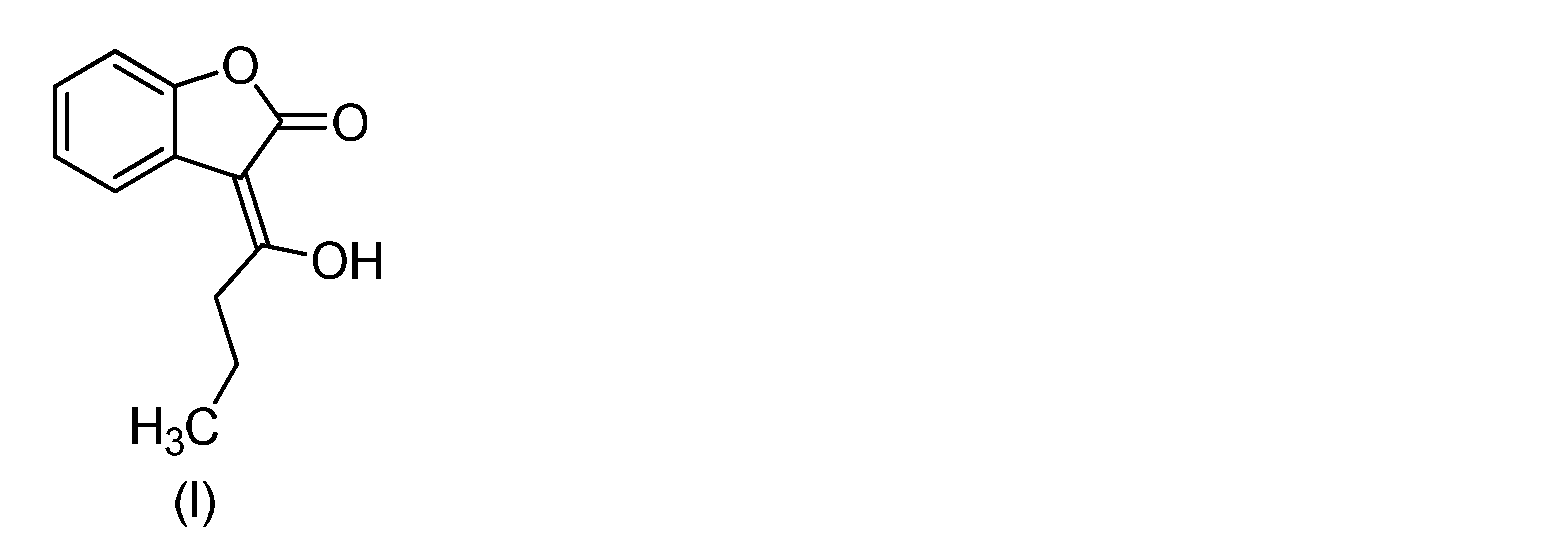
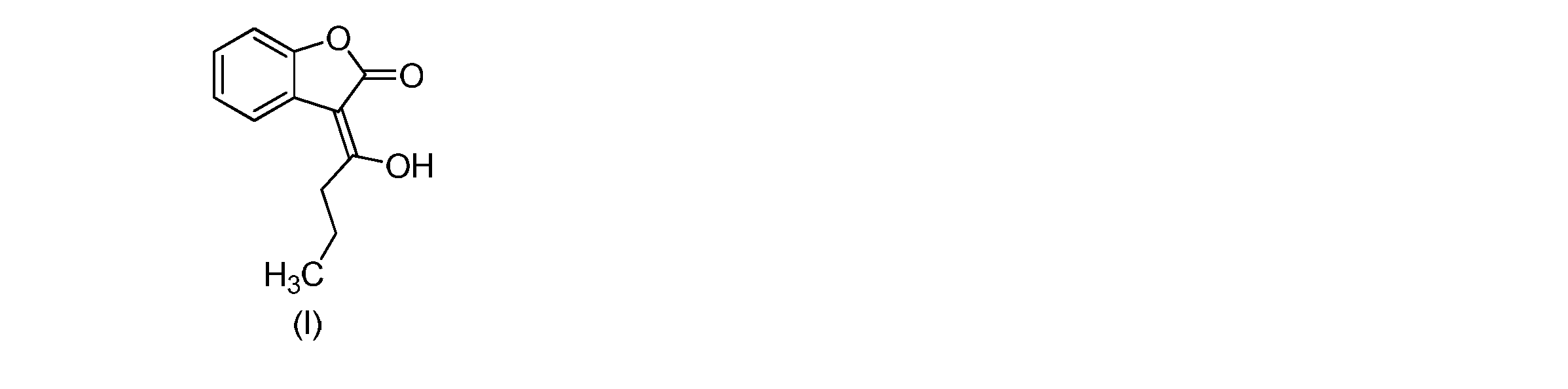
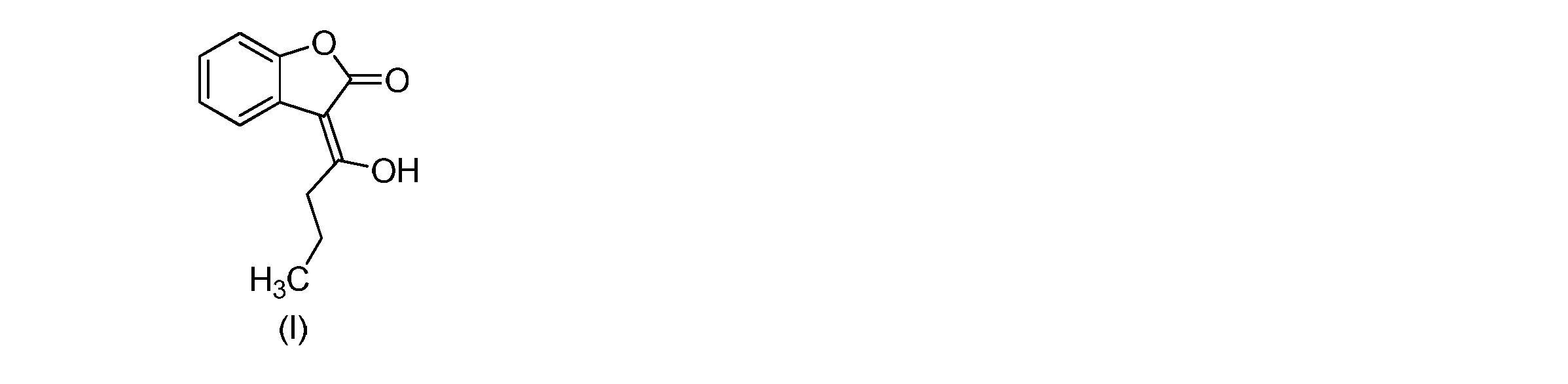
本発明はまた、以下の構造を有する式(I)の化合物、又はその薬学的に許容される塩を提供する。
本発明は更に、本発明の式(II)の化合物又はその薬学的に許容される塩、及び1種又は複数種の薬学的に許容される担体を含む医薬組成物を提供する。 The present invention further provides a pharmaceutical composition comprising a compound of formula (II) of the present invention or a pharma- ceutically acceptable salt thereof and one or more pharma- ceutically acceptable carriers.
本発明は更に、本発明の式(I)の化合物又はその薬学的に許容される塩、及び1種又は複数種の薬学的に許容される担体を含む医薬組成物を提供する。 The present invention further provides a pharmaceutical composition comprising a compound of formula (I) of the present invention or a pharma- ceutically acceptable salt thereof and one or more pharma- ceutically acceptable carriers.
本発明は更に、本発明の式(II)の化合物又はその薬学的に許容される塩の、虚血性脳損傷関連疾患を治療及び/又は予防するための薬物の製造における使用を提供する。 The present invention further provides use of the compound of formula (II) of the present invention or a pharma- ceutically acceptable salt thereof in the manufacture of a drug for treating and/or preventing an ischemic brain injury-related disease.
本発明は更に、本発明の式(I)の化合物又はその薬学的に許容される塩の、虚血性脳損傷関連疾患を治療及び/又は予防するための薬物の製造における使用を提供する。 The present invention further provides use of the compound of formula (I) of the present invention or a pharma- ceutically acceptable salt thereof in the manufacture of a drug for treating and/or preventing an ischemic brain injury-related disease.
本発明は更に、本発明に記載の組成物の、虚血性脳損傷関連疾患を治療及び/又は予防するための薬物の製造における使用を提供する。 The present invention further provides use of the composition described in the present invention in the manufacture of a drug for treating and/or preventing an ischemic brain injury-related disease.
本発明に記載の虚血性脳損傷関連疾患は、虚血性脳卒中、血管性認知症、脳虚血後炎症、痙攣、虚血性脳神経損傷又は壊死などを含むが、これらに限定されない。 The ischemic brain damage-related diseases described in the present invention include, but are not limited to, ischemic stroke, vascular dementia, post-ischemic inflammation, convulsions, ischemic cranial nerve damage or necrosis, etc.
本発明は更に、本発明の式(II)の化合物及び式(I)の化合物を合成するための方法を提供する。 The present invention further provides methods for synthesizing the compounds of formula (II) and compounds of formula (I) of the present invention.
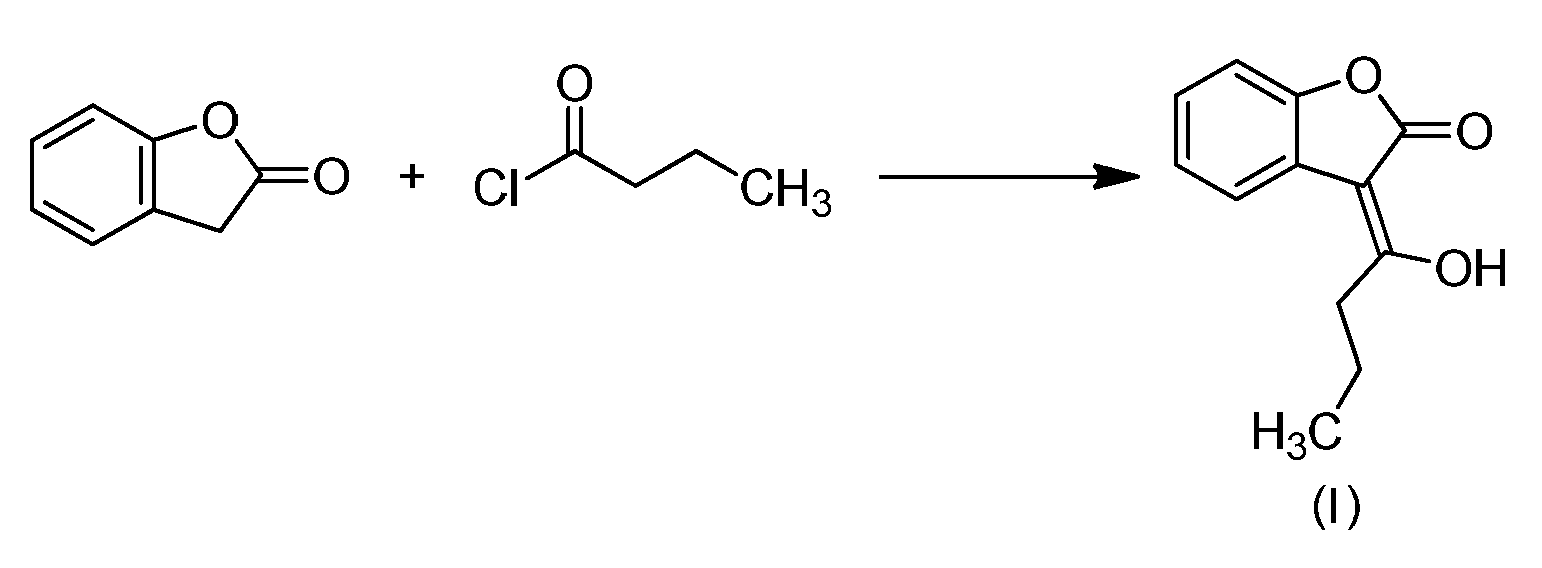
一具体的な実例において、本発明は更に、式(I)で示される化合物の製造方法を提供する。 In one specific embodiment, the present invention further provides a method for preparing a compound represented by formula (I).
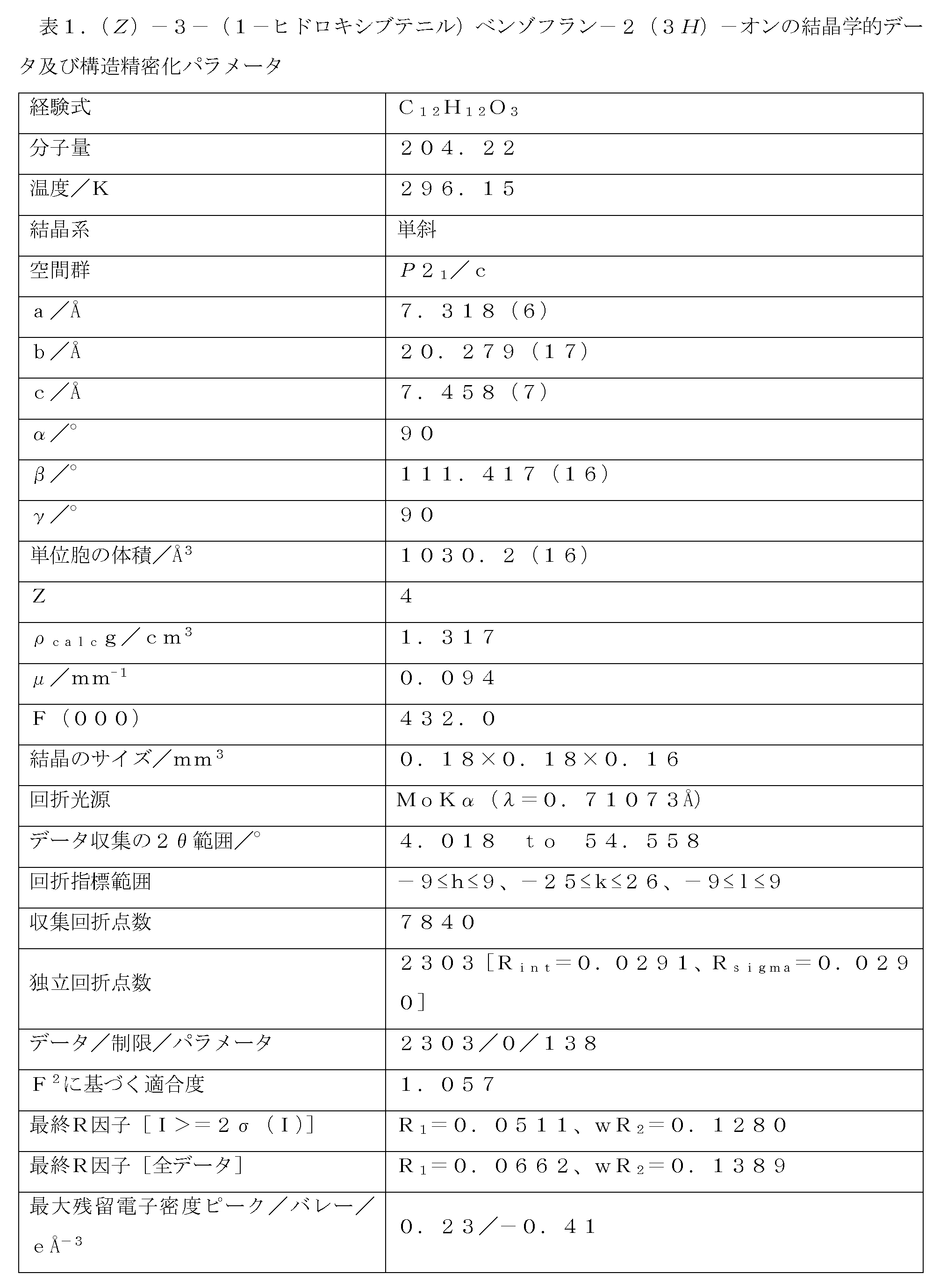
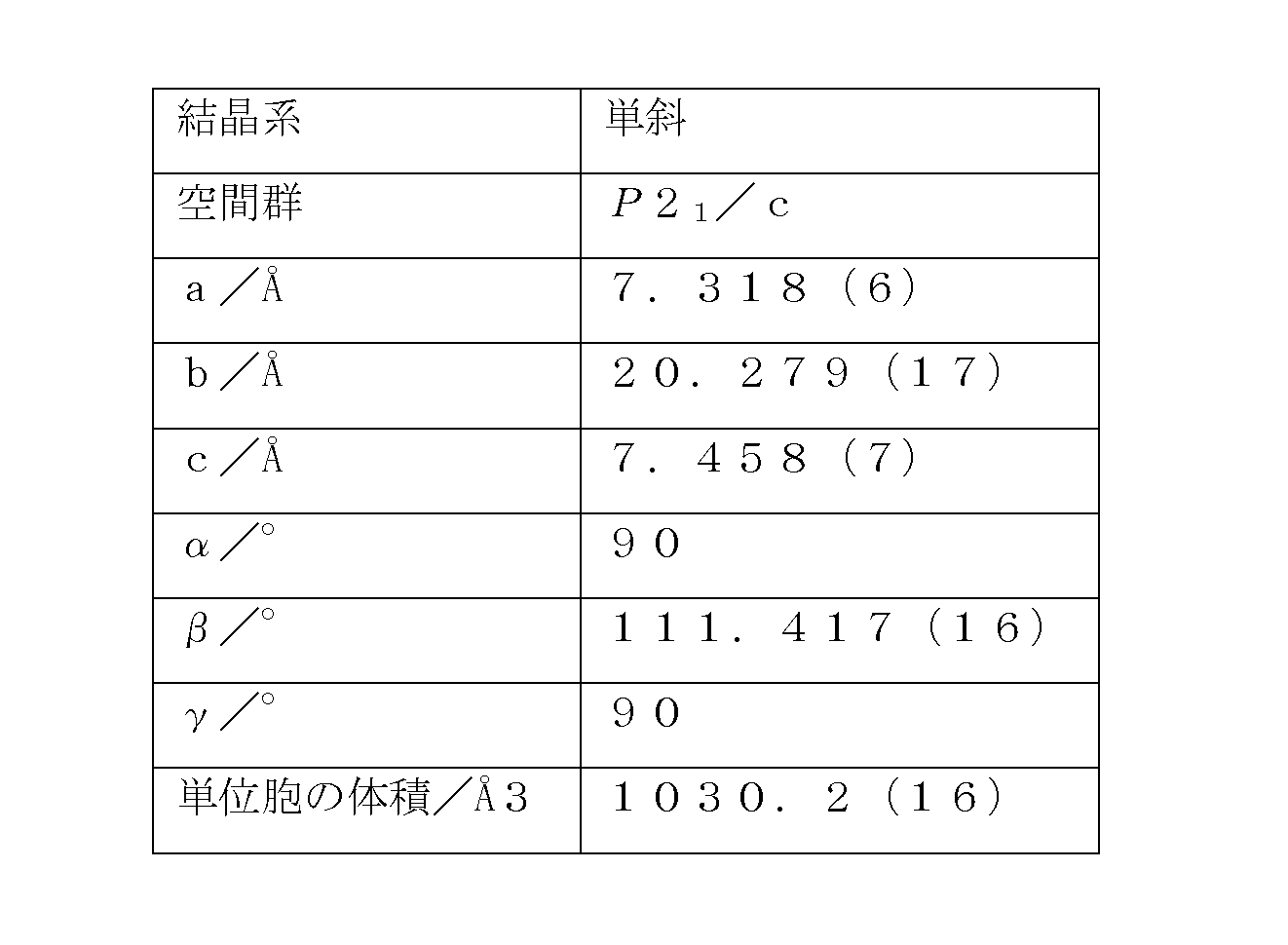
本発明は更に、以下の単位胞パラメータを有する、本発明に記載の式(I)の化合物の単結晶を提供する。

一具体的な実例において、式(I)の化合物の単結晶の非対称単位は図2で示される。 In one specific example, the asymmetric unit of a single crystal of the compound of formula (I) is shown in Figure 2.
本発明は更に、本発明に記載の式(I)の化合物を石油エーテルに溶解してろ過した後、ろ液をピンホール膜で覆い、通風環境に置いて室温で溶媒を緩やかに蒸発させることにより、上記単結晶を製造する方法を提供する。 The present invention further provides a method for producing the above single crystals by dissolving the compound of formula (I) described in the present invention in petroleum ether, filtering the solution, covering the filtrate with a pinhole membrane, and placing the solution in a ventilated environment to slowly evaporate the solvent at room temperature.
本発明に記載の化合物は、生物学的利用能がより高く、ラット血漿及び脳組織における分布濃度がより高く、虚血性脳損傷に良好な効果を有する。 The compounds described in the present invention have higher bioavailability, higher distribution concentrations in rat plasma and brain tissue, and good effects on ischemic brain injury.
以下、具体的な実施例を結合して、当分野における一般的技術知識及び通常の手段に基づき、本発明を更に説明する。以下の実施例は、本発明の好適な実施形態の一部に過ぎず、本発明を限定するものと解釈されるべきではなく、当業者は、本発明の範囲から逸脱することなく、若干の改変を加えることができ、それらも本発明の保護範囲にあると解釈されるべきである。 The present invention will be further described below in conjunction with specific examples based on general technical knowledge and conventional means in the field. The following examples are merely some of the preferred embodiments of the present invention and should not be construed as limiting the present invention. Those skilled in the art may make some modifications without departing from the scope of the present invention, and these modifications should also be construed as falling within the scope of the present invention.
実施例1
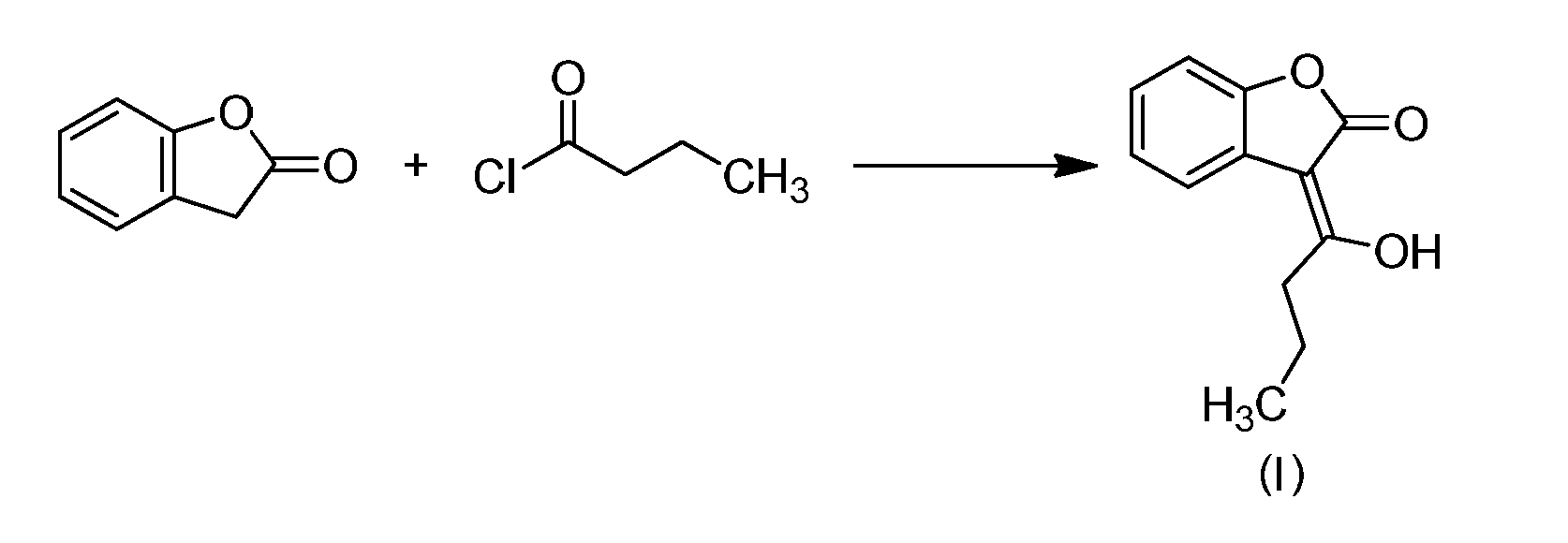
(Z)-3-(1-ヒドロキシブテニル)ベンゾフラン-2(3H)-オンの合成
Synthesis of (Z)-3-(1-hydroxybutenyl)benzofuran-2(3H)-one
3-ベンゾフラノン(5.0g、37.3mmol、1.0eq.)をジクロロメタン(50mL)に溶解し、5℃まで降温し、カリウムtert-ブトキシド(6g、53.5mmol、1.4eq.)を緩やかに加え、0.5h反応させた後、塩化n-ブチリル(8g、75.0mmol、2.0eq.)を緩やかに加え、1h反応させ、水(50mL)を加えて抽出し、有機相を取って0.1Nの塩酸で酸性(pH<2)に洗浄し、有機相を無水硫酸ナトリウム(5g)で0.5h乾燥させ、ろ過し、濃縮して油状物を得、その後、高圧分取クロマトグラフィーを使用して分取精製し、精製後の溶液を凍結乾燥させ、白色固体の式(I)の化合物((Z)-3-(1-ヒドロキシブテニル)ベンゾフラン-2(3H)-オン(2.5g、32.9%)を得た。
1H NMR(CDCl3,400MHz):δ12.02(s,1H),7.35-7.33(d,1H),7.28-7.17(m,3H),2.76-2.73(m,2H),1.90-1.80(m,2H),1.12-1.08(m,3H)。
1H NMR(CDCl3+D2O,400MHz):δ7.34-7.32(d,1H),7.28-7.16(m,3H),2.76-2.72(m,2H),1.89-1.80(m,2H),1.12-1.08(m,3H)。
3-Benzofuranon (5.0g, 37.3mmol, 1.0eq.) was dissolved in dichloromethane (50mL), cooled to 5°C, potassium tert-butoxide (6g, 53.5mmol, 1.4eq.) was slowly added, reacted for 0.5h, n-butyryl chloride (8g, 75.0mmol, 2.0eq.) was slowly added, reacted for 1h, water (50mL) was added for extraction, the organic phase was taken and washed with 0.1N hydrochloric acid to acidify (pH<2), the organic phase was dried with anhydrous sodium sulfate (5g) for 0.5h, filtered and concentrated to obtain an oily substance, which was then separated and purified using high-pressure preparative chromatography, and the purified solution was freeze-dried to obtain the compound of formula (I) ((Z)-3-(1-hydroxybutenyl)benzofuran-2(3H)-one (2.5g, 32.9%) as a white solid.
1H NMR ( CDCl3 , 400MHz): δ12.02 (s, 1H), 7.35-7.33 (d, 1H), 7.28-7.17 (m, 3H), 2.76-2.73 (m, 2H), 1.90-1.80 (m, 2H), 1.12-1.08 (m, 3H).
1H NMR (CDCl 3 +D 2 O, 400 MHz): δ7.34-7.32 (d, 1H), 7.28-7.16 (m, 3H), 2.76-2.72 (m, 2H), 1.89-1.80 (m, 2H), 1.12-1.08 (m, 3H).
実施例2
(Z)-3-(1-ヒドロキシブテニル)ベンゾフラン-2(3H)-オン単結晶の製造
20mg(0.098mmol)の実施例3で製造された(Z)-3-(1-ヒドロキシブテニル)ベンゾフラン-2(3H)-オンを石油エーテル(0.4mL)に溶解し、ろ過した後、ろ液をピンホール膜で覆い、ヒュームフードに置き、室温で溶媒を緩やかに蒸発させ、24h後に(Z)-3-(1-ヒドロキシブテニル)ベンゾフラン-2(3H)-オン単結晶(図1)を得た。
Example 2
Preparation of (Z)-3-(1-hydroxybutenyl)benzofuran-2(3H)-one single crystals 20 mg (0.098 mmol) of (Z)-3-(1-hydroxybutenyl)benzofuran-2(3H)-one prepared in Example 3 was dissolved in petroleum ether (0.4 mL) and filtered. The filtrate was covered with a pinhole membrane and placed in a fume hood to slowly evaporate the solvent at room temperature. After 24 h, (Z)-3-(1-hydroxybutenyl)benzofuran-2(3H)-one single crystals (FIG. 1) were obtained.
(Z)-3-(1-ヒドロキシブテニル)ベンゾフラン-2(3H)-オン単結晶のX線データは、MoターゲットKα線(λ=0.71073Å)を光源とするBruker D8 Venture回折計で収集された。データ収集過程において、結晶は296Kに維持された。単結晶の構造解析はOlex2ソフトウェアにおいて行われ、SHELXTプログラムのIntrinsic Phasing方法を使用して初期構造を計算し、そしてSHELXLプログラムの最小二乗法により構造精密化を行った。(Z)-3-(1-ヒドロキシブテニル)ベンゾフラン-2(3H)-オンの結晶学的データ及び構造精密化パラメータは表1で示され、(Z)-3-(1-ヒドロキシブテニル)ベンゾフラン-2(3H)-オン単結晶の非対称単位は図2で示された。 X-ray data of (Z)-3-(1-hydroxybutenyl)benzofuran-2(3H)-one single crystal was collected on a Bruker D8 Venture diffractometer with a Mo target Kα radiation (λ=0.71073 Å) as a light source. The crystal was maintained at 296 K during the data collection process. The structure analysis of the single crystal was performed in Olex2 software, the initial structure was calculated using the intrinsic phasing method of the SHELXT program, and the structure was refined by the least squares method of the SHELXL program. The crystallographic data and structure refinement parameters of (Z)-3-(1-hydroxybutenyl)benzofuran-2(3H)-one are shown in Table 1, and the asymmetric unit of (Z)-3-(1-hydroxybutenyl)benzofuran-2(3H)-one single crystal is shown in Figure 2.
生物学的測定:
本発明の化合物Iが虚血性神経機能障害を改善する作用を有することは、以下の測定により証明された。また、測定結果により、本発明の化合物Iは経口投与後に良好な生物学的利用能及び薬効を有することが示された。
Biological measurements:
The following measurements demonstrate that compound I of the present invention has the effect of improving ischemic neurological dysfunction. The results also show that compound I of the present invention has good bioavailability and efficacy after oral administration.
試験1:ラット薬物動態試験
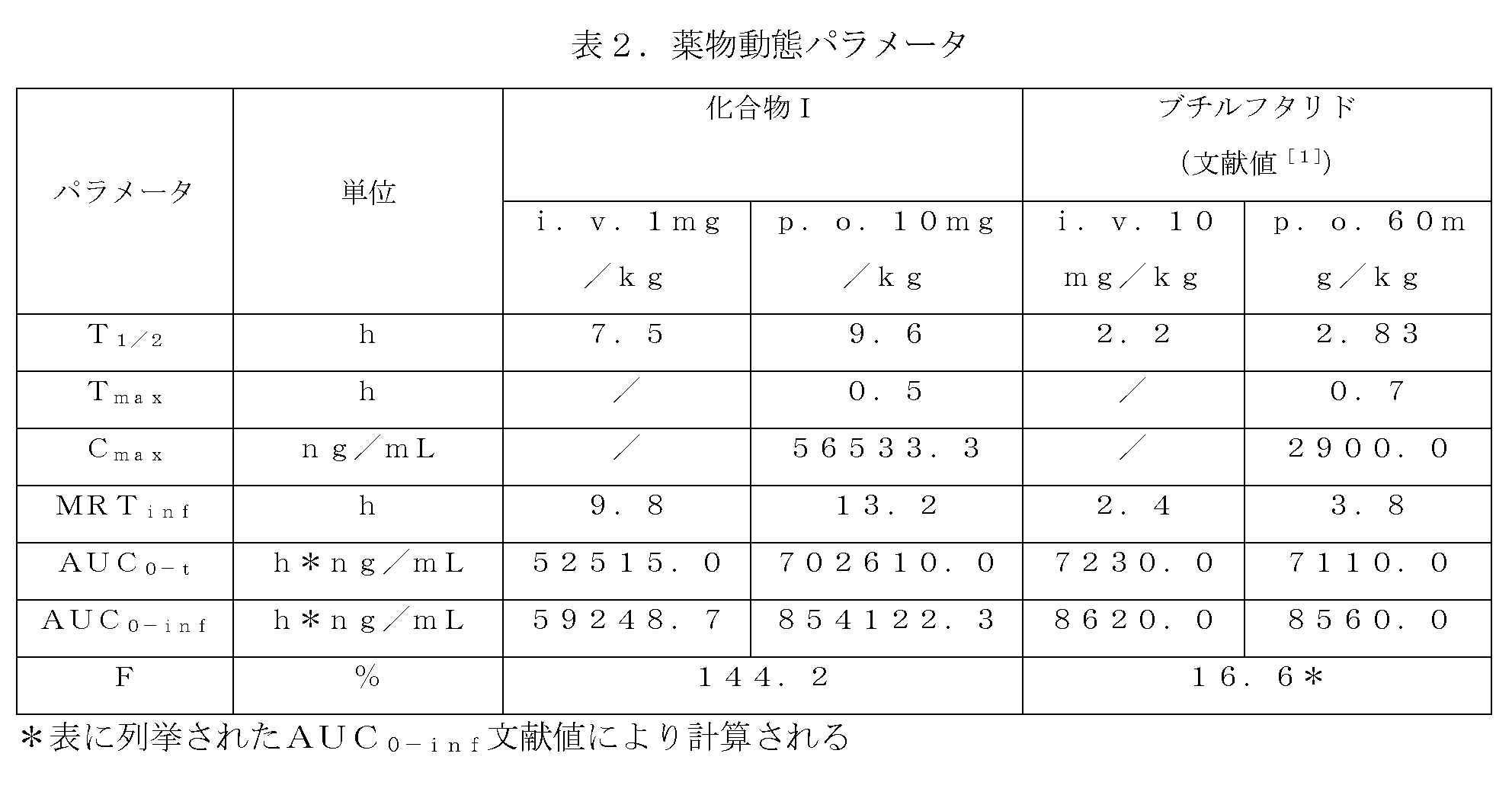
SD雄性ラット(体重180~260g)に、化合物Iを1.0mg/kgの用量で尾静脈注射及び10.0mg/kgの用量で経口投与し、各群に3匹の動物であった。投与溶媒は、5%DMSO+5%ポリオキシエチレンヒマシ油(Cremophor EL)の生理食塩水溶液であった。投与前に約12時間禁食させ、投与後4h自由に摂取させ、水を禁じない。投与前及び投与後5、15、30min、1、2、4、6、8、24hに、眼窩から約0.2mL採血し、EDTA-K2抗凝固EPチューブに置いて氷浴し、4℃で、3500rpmで10分間低速遠心分離して血漿を分離し、分析するまで-20℃で保存した。液体クロマトグラフィー-タンデム質量分析の併用法(LC-MS/MS)を使用して、化合物Iの血漿における濃度の定量分析を行った。試料分析結果は、WinNonlinソフトウェアを使用して薬物動態パラメータを計算した。
Test 1: Pharmacokinetic study in rats SD male rats (body weight 180-260g) were administered Compound I via tail vein injection at a dose of 1.0 mg/kg and orally at a dose of 10.0 mg/kg, with 3 animals in each group. The administration solvent was a saline solution of 5% DMSO + 5% polyoxyethylene castor oil (Cremophor EL). The animals were fasted for about 12 hours before administration, and allowed to freely take water for 4 hours after administration, but water was not prohibited. About 0.2 mL of blood was collected from the orbit before administration and 5, 15, 30 min, 1, 2, 4, 6, 8, and 24 h after administration, and placed in an EDTA-K2 anticoagulant EP tube in an ice bath, and centrifuged at low speed at 3500 rpm for 10 minutes at 4°C to separate plasma, which was then stored at -20°C until analysis. A combined liquid chromatography-tandem mass spectrometry (LC-MS/MS) method was used to quantitatively analyze the plasma concentration of Compound I. The sample analysis results were used to calculate pharmacokinetic parameters using WinNonlin software.
表2のデータにより、経口投与後に、ブチルフタリド文献(王寧寧、李月、李暁紅、姜明燕、RP-HPLC法によるラット血漿における3-n-ブチルフタリドの含有量及びその薬物動態学の測定、中国新薬と臨床雑誌、2012年12月、第31巻第12期、743~747ページ)に報告されている値と比較して、化合物Iのラット体内における排除時間がより長く、生物学的利用能がより高いことが分かった(生物学的利用能が100%を超えた原因は、非線形薬物動態であると推測された)。 The data in Table 2 show that after oral administration, the elimination time of compound I in rats was longer and the bioavailability was higher than that reported in the butylphthalide literature (Wang Ningning, Li Yue, Li Xiaohong, Jiang Mingyan, Determination of the content of 3-n-butylphthalide in rat plasma and its pharmacokinetics by RP-HPLC method, China Journal of New Drugs and Clinical Practice, December 2012, Vol. 31, No. 12, pp. 743-747). (The reason for the bioavailability exceeding 100% was presumed to be nonlinear pharmacokinetics.)
試験2:ラット脳組織分布試験
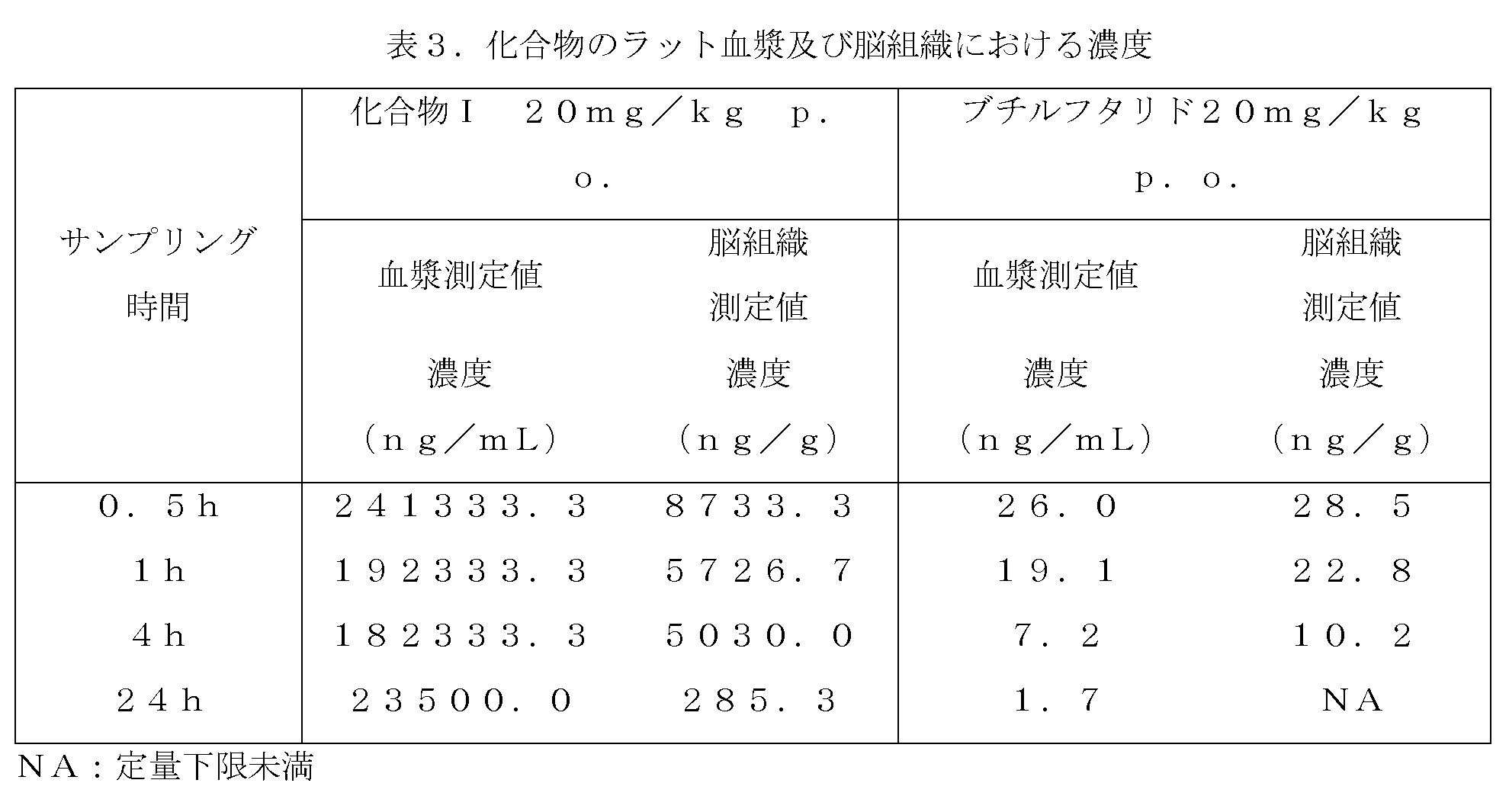
雄性SDラット(体重200~270g)に、化合物I、ブチルフタリド(NBP)をそれぞれ20mg/kgの用量で経口投与した。投与後0.5、1、4、24hに、動物の血漿及び脳組織サンプルを採取した。血漿の採取:EDTA-K2含有EPチューブで全血を0.2mL収集し、3500gで10分間遠心分離した後、上層血漿を収集して-20℃で保存した。脳組織の採取:動物の安楽死後に適量の脳組織を秤取り、脳組織:80%メタノール水(w/v)=1:4に従って均質化した。液体クロマトグラフィー-タンデム質量分析の併用法(LC-MS/MS)を使用して、化合物の血漿及び脳組織サンプルにおける濃度の定量分析を行った。
Test 2: Rat Brain Tissue Distribution Test Compound I and butylphthalide (NBP) were orally administered at a dose of 20 mg/kg to male SD rats (body weight 200-270 g). Plasma and brain tissue samples were collected from the animals at 0.5, 1, 4, and 24 h after administration. Plasma collection: 0.2 mL of whole blood was collected in an EDTA-K2-containing EP tube, and centrifuged at 3500 g for 10 minutes, after which the upper layer plasma was collected and stored at -20°C. Brain tissue collection: After euthanasia of the animals, an appropriate amount of brain tissue was weighed and homogenized according to brain tissue: 80% methanol water (w/v) = 1:4. Quantitative analysis of the concentration of the compound in the plasma and brain tissue samples was performed using a liquid chromatography-tandem mass spectrometry combined method (LC-MS/MS).
表3のデータにより、経口投与後に、本発明の化合物Iのラット血漿及び脳組織における分布濃度がより高いことが分かった。 The data in Table 3 show that compound I of the present invention has higher distribution concentrations in rat plasma and brain tissue after oral administration.
試験3:化合物のラット脳卒中モデルにおける薬効学的研究:単回治療投与
ラット脳虚血再灌流に対する化合物のニューロン保護効果を評価するために、糸栓子法を使用してSDラット中大脳動脈閉塞(MCAO)モデルを構築した。SDラット(240~270g)を3.0%イソフルランで麻酔誘導した後、手術を行い、そして右側総頸動脈(CCA)、外頸動脈(ECA)及び内頸動脈(ICA)を分離露出させた。ECAを結紮し、ICAを一旦クランプし、そしてCCAの近位端、遠位端にそれぞれ糸通しし、遠位端で締め付け、近位端で解けやすい結び目を作って必要に備え、両糸の間に小さな切り口をはさみ、CCAの切り口から4-0番糸栓子を挿入し、更に緩やかに内頸動脈へ軽く押し込め、ICAの動脈クリップに当てると一旦止まり、結紮糸を更に締め付けた後、ICAの血流を遮断していた動脈クリップを外し、その直後に糸栓子をICAへ押し込めて頭蓋内まで入れた。総頸動脈分岐から約18mm程度の深さまで糸栓子を挿入した場合、軽い抵抗感があり、即ち糸栓子の先端が既に前大脳動脈(ACA)に入り、糸栓子の側壁が既に中大脳動脈の開口を閉塞した時に、挿入を止め、そして時間を記録した。CCA上の動脈クリップを除去し、活動性出血がないことを観察した後、切り口を閉じた。虚血ラットを室温に置いて体温を37℃に維持し、120min後に誘導麻酔し、麻酔を維持する状態で緩やかに糸栓子を軽く引き、その先端を外頸動脈内に戻すことで、中大脳動脈再灌流を実現した。動物は再灌流の直後(10min以内)に1回投与し、モデル対照群、化合物I静脈群(30mg/kg)及び化合物I経口投与群(60mg/kg)の合計3群をそれぞれ設けた。動物を虚血再灌流後24hに安楽死させ、そして脳を速やかに摘出し、凍結後に切片化し、TTC染色を行った。正常組織は染色後ローズ色になり、梗塞組織は白色になった。ラット脳虚血損傷の程度を評価するために、梗塞組織の全脳重量に対する百分率を梗塞範囲(Infarction Area%)とした。
Test 3: Pharmacological study of compounds in rat stroke model: single treatment administration To evaluate the neuroprotective effect of compounds against cerebral ischemia-reperfusion in rats, a middle cerebral artery occlusion (MCAO) model was established in SD rats using the thread embolization method. SD rats (240-270 g) were anesthetized with 3.0% isoflurane, and then surgery was performed, and the right common carotid artery (CCA), external carotid artery (ECA) and internal carotid artery (ICA) were isolated and exposed. The ECA was ligated, the ICA was clamped, and threads were threaded through the proximal and distal ends of the CCA, tightened at the distal end, and a loose knot was made at the proximal end, a small incision was made between the two threads in case of need, and a No. 4-0 thread obturator was inserted through the incision of the CCA, gently and lightly pushed into the internal carotid artery, and stopped once it was applied to the arterial clip of the ICA. After further tightening the ligature, the arterial clip that had been blocking the blood flow of the ICA was removed, and immediately thereafter the thread obturator was pushed into the ICA and inserted into the skull. When the thread obturator was inserted to a depth of about 18 mm from the common carotid artery bifurcation, there was a slight resistance, that is, when the tip of the thread obturator had already entered the anterior cerebral artery (ACA) and the side wall of the thread obturator had already occluded the opening of the middle cerebral artery, insertion was stopped and the time was recorded. The arterial clip on the CCA was removed, and after observing that there was no active bleeding, the incision was closed. The ischemic rats were placed at room temperature and maintained at 37°C. After 120 min, they were induced to undergo anesthesia. While maintaining anesthesia, the thread plug was gently pulled and its tip was returned to the external carotid artery to achieve middle cerebral artery reperfusion. The animals were administered once immediately after reperfusion (within 10 min), and were divided into three groups: a model control group, a compound I intravenous group (30 mg/kg), and a compound I oral group (60 mg/kg). The animals were euthanized 24 h after ischemia-reperfusion, and the brains were quickly removed, frozen, sectioned, and stained with TTC. Normal tissues turned rose-colored after staining, and infarcted tissues turned white. To evaluate the extent of cerebral ischemic injury in rats, the percentage of infarcted tissue to the total brain weight was taken as the infarction area (Infarction Area%).
術後1日のTTC染色分析により、モデル対照群の動物の脳梗塞範囲は21.63±5.66%であった。化合物I静脈群、化合物I経口投与群の動物の脳梗塞範囲は、それぞれ13.61±3.66%及び14.88±5.11%であり、これにより、本発明に記載の化合物I静脈群及び経口投与群は、何れも動物の脳梗塞範囲を著しく低減できることが分かり(P=0.0025及びP=0.0389)、同時に、化合物I静脈群及び化合物I経口投与群の動物の脳梗塞抑制率は、それぞれ37.1%及び31.2%であった。以上の結果から、化合物Iはラットの脳梗塞に対する改善効果が高いことが示され、具体的には表4で示された。 According to the TTC staining analysis one day after the operation, the cerebral infarction range of the animals in the model control group was 21.63 ± 5.66%. The cerebral infarction range of the animals in the compound I intravenous group and the compound I oral administration group was 13.61 ± 3.66% and 14.88 ± 5.11%, respectively. This shows that the compound I intravenous group and the compound I oral administration group described in the present invention can significantly reduce the cerebral infarction range of the animals (P = 0.0025 and P = 0.0389), and at the same time, the cerebral infarction inhibition rate of the animals in the compound I intravenous group and the compound I oral administration group was 37.1% and 31.2%, respectively. From the above results, it was shown that compound I has a high improving effect on cerebral infarction in rats, as shown specifically in Table 4.

試験4:化合物のラット脳卒中中長期モデルに対する薬効学的研究
糸栓子法を使用してSDラット中大脳動脈閉塞(MCAO)モデルを構築し、28日間連続で被験薬物介入を行い、一般観察、神経行動学スコアにより、被験薬物に対して脳卒中の薬効学的評価を行った。
Test 4: Pharmacodynamic study of compounds on medium to long-term stroke model in rats A middle cerebral artery occlusion (MCAO) model was established in SD rats using the thread embolization method, and the test drug was administered for 28 consecutive days. The pharmacological efficacy of the test drug on stroke was evaluated based on general observation and neurobehavioral scores.
SDラット(240~280g)を3.0%イソフルランで麻酔誘導した後、手術を行い、そして右側総頸動脈(CCA)、外頸動脈(ECA)及び内頸動脈(ICA)を分離露出させた。ECAを結紮し、ICAを一旦クランプし、そしてCCAの近位端、遠位端にそれぞれ糸通しし、遠位端で締め付け、近位端で解けやすい結び目を作って必要に備え、両糸の間に小さな切り口をはさみ、CCAの切り口から4-0番糸栓子を挿入し、更に緩やかに内頸動脈へ軽く押し込め、ICAの動脈クリップに当てると一旦止まり、結紮糸を更に締め付けた後、ICAの血流を遮断していた動脈クリップを外し、その直後に糸栓子をICAへ押し込めて頭蓋内まで入れた。総頸動脈分岐から約18mm程度の深さまで糸栓子を挿入した場合、軽い抵抗感があり、即ち糸栓子の先端が既に前大脳動脈(ACA)に入り、糸栓子の側壁が既に中大脳動脈の開口を閉塞した時に、挿入を止め、そして時間を記録した。CCA上の動脈クリップを除去し、活動性出血がないことを観察した後、切り口を閉じた。虚血ラットを室温に置いて体温を37℃に維持し、120min後に誘導麻酔し、麻酔を維持する状態で緩やかに糸栓子を軽く引き、その先端を外頸動脈内に戻すことで、中大脳動脈再灌流を実現した。動物は再灌流の直後(10min以内)に投与し、その後、毎日1回、28日間連続で、手術当日はD1(Day0)と定義された。偽手術群、モデル対照群、ブチルフタリド(NBP)投与群(60mg/kg、p.o.、q.d)、化合物I低用量経口投与群(6mg/kg、p.o.、q.d)、化合物I高用量経口投与群(20mg/kg、p.o.、q.d)の合計5群をそれぞれ設けた。投与の間、全ての動物に対して、グリッド試験(D7、D14、D21、及びD28の合計4回)、新規物体認識試験(D26は新規物体認識適応、D27は検出)を行い、D28に投与終了後、群における全ての生存動物を安楽死させた後、脳を速やかに摘出し、そして病理学的分析を行った。 Sprague-Dawley rats (240-280 g) were anesthetized with 3.0% isoflurane, and then the right common carotid artery (CCA), external carotid artery (ECA), and internal carotid artery (ICA) were isolated and exposed. The ECA was ligated, the ICA was temporarily clamped, and threads were threaded into the proximal and distal ends of the CCA, respectively, and the distal end was tightened, and an easily loose knot was made at the proximal end, and a small incision was made between the two threads in preparation for need. A No. 4-0 thread obturator was inserted from the incision in the CCA, and then gently and lightly pushed into the internal carotid artery. When it hit the arterial clip of the ICA, it stopped once, and the ligature was further tightened, and the arterial clip that had been blocking the blood flow of the ICA was removed, and immediately after that, the thread obturator was pushed into the ICA and inserted into the skull. When the thread plug was inserted to a depth of about 18 mm from the common carotid artery bifurcation, there was a slight resistance, i.e., the tip of the thread plug had already entered the anterior cerebral artery (ACA) and the side wall of the thread plug had already occluded the opening of the middle cerebral artery, the insertion was stopped and the time was recorded. The arterial clip on the CCA was removed, and after observing that there was no active bleeding, the incision was closed. The ischemic rat was placed at room temperature, the body temperature was maintained at 37°C, and after 120 min, anesthesia was induced, and the thread plug was gently pulled while maintaining anesthesia, and the tip was returned to the external carotid artery to achieve middle cerebral artery reperfusion. The animals were administered the drug immediately after reperfusion (within 10 min), and then once a day for 28 consecutive days, with the day of surgery being defined as D1 (Day 0). A total of five groups were established: a sham operation group, a model control group, a butylphthalide (NBP) administration group (60 mg/kg, p.o., q.d), a low-dose oral administration group of compound I (6 mg/kg, p.o., q.d), and a high-dose oral administration group of compound I (20 mg/kg, p.o., q.d). During administration, all animals were subjected to grid tests (a total of four times on D7, D14, D21, and D28) and novel object recognition tests (D26 was novel object recognition adaptation, and D27 was detection). After administration was completed on D28, all surviving animals in the groups were euthanized, and their brains were promptly removed and subjected to pathological analysis.
(1)グリッド試験の結果により、手術後1週間、モデル対照群の動物の踏み外し頻度は7.24±3.59回であり、NBP治療群、化合物I低、高用量群の踏み外し頻度は、それぞれ7.37±3.03回、5.33±2.33回、及び4.23±1.44回であり、そのうち、化合物I高用量群の動物の踏み外し頻度は、モデル対照群と比較して顕著に低下しており(P=0.0172)、手術後2~3週間、モデル群の動物は運動機能が徐々に回復していたため、踏み外し頻度が徐々に低下しており、化合物I高用量群の踏み外し頻度は、モデル対照群と比較して顕著な差はなかったが、依然として低下の傾向があり、モデル構築後4週間、モデル動物の踏み外し頻度は、偽手術群の動物のレベルまで低下したことが示された。以上の結果から、化合物Iは脳卒中動物の行動機能障害に対して改善効果を有することが示された(詳細は表5参照)。 (1) According to the results of the grid test, one week after the operation, the stepping frequency of the animals in the model control group was 7.24 ± 3.59 times, and the stepping frequency of the NBP treatment group, the low dose compound I group, and the high dose compound I group were 7.37 ± 3.03 times, 5.33 ± 2.33 times, and 4.23 ± 1.44 times, respectively. Among them, the stepping frequency of the animals in the high dose compound I group was significantly lower than that of the model control group (P = 0.0172). 2 to 3 weeks after the operation, the stepping frequency of the animals in the model group gradually decreased because the motor function of the animals was gradually restored. The stepping frequency of the high dose compound I group was not significantly different from that of the model control group, but still tended to decrease. Four weeks after the model construction, the stepping frequency of the model animals was reduced to the level of the animals in the sham operation group. The above results show that compound I has an improving effect on the behavioral dysfunction of stroke animals (see Table 5 for details).

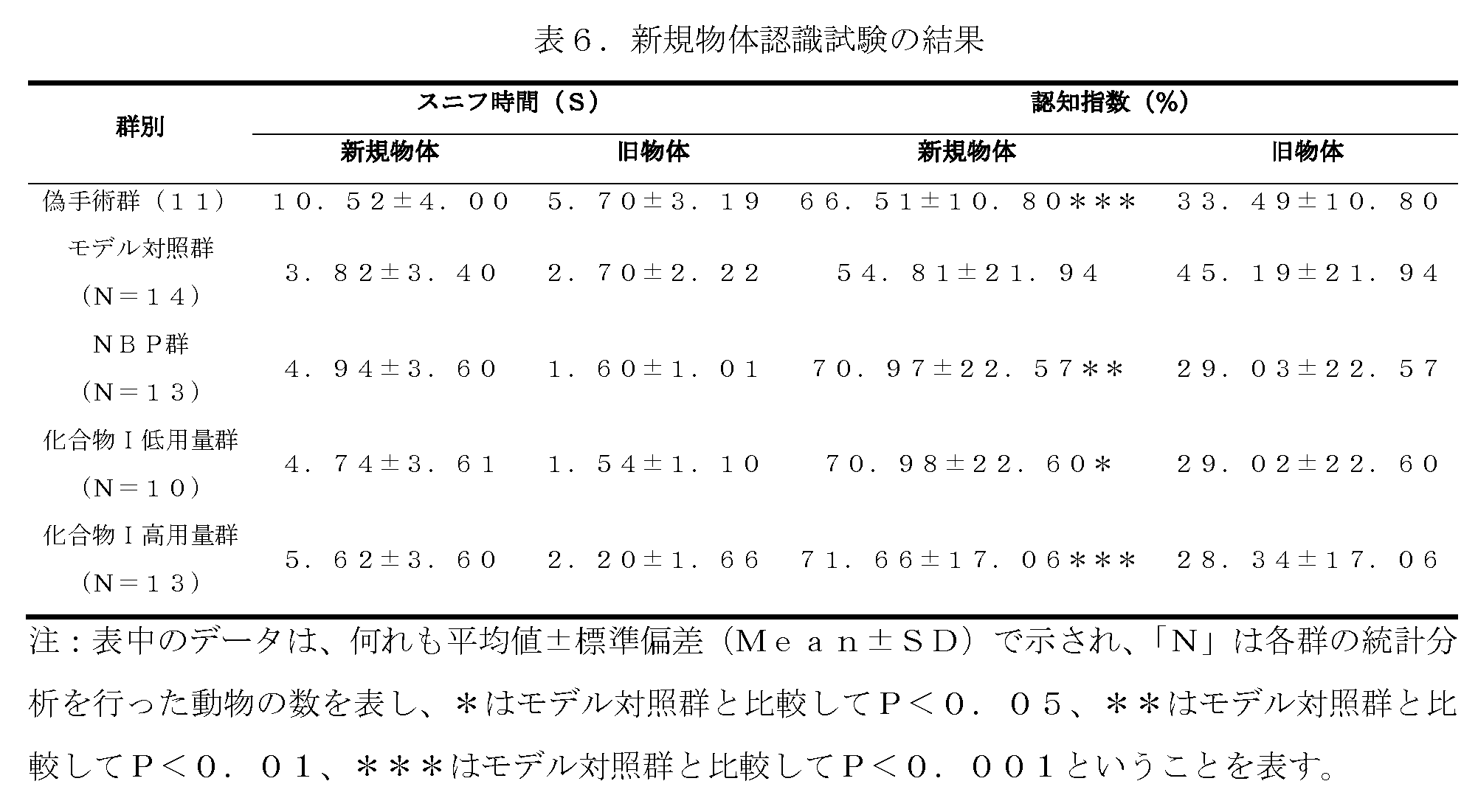
(2)治療の最終日に新規物体認識試験を行い、各群の動物の新規物体に対する認知指数(NRI)を計算した。モデル対照群の動物の新規物体認知指数は54.81±21.94%であり、旧物体認知指数(FRI)と顕著な差がなく、NBP治療群、化合物I低及び高用量群の動物のNRIは、それぞれ70.97±22.57%、70.98±22.60%及び71.66±17.06%であり、そのうち、NBP治療群、化合物I低用量群及び高用量群の新規/旧物体認知指数は、何れも顕著な差があり(P=0.0074、P=0.0212及びP=0.0009)、同時に、化合物I低用量群及び高用量群の新規物体認知指数は、偽手術群の動物の新規物体認知指数(66.51±10.80%)と同等であり、以上の結果から、化合物Iは脳卒中動物の認知障害を顕著に改善することが示された(詳細は表6参照)。 (2) A novel object recognition test was performed on the final day of treatment, and the novel object recognition index (NRI) for animals in each group was calculated. The novel object recognition index of the animals in the model control group was 54.81 ± 21.94%, which was not significantly different from the old object recognition index (FRI); the NRI of the animals in the NBP treatment group, the low-dose group and the high-dose group of compound I was 70.97 ± 22.57%, 70.98 ± 22.60% and 71.66 ± 17.06%, respectively, among which the novel/old object recognition index of the NBP treatment group, the low-dose group and the high-dose group of compound I were all significantly different (P = 0.0074, P = 0.0212 and P = 0.0009), and at the same time, the novel object recognition index of the low-dose group and the high-dose group of compound I was equivalent to the novel object recognition index of the animals in the sham operation group (66.51 ± 10.80%). The above results show that compound I significantly improves the cognitive impairment of stroke animals (see Table 6 for details).
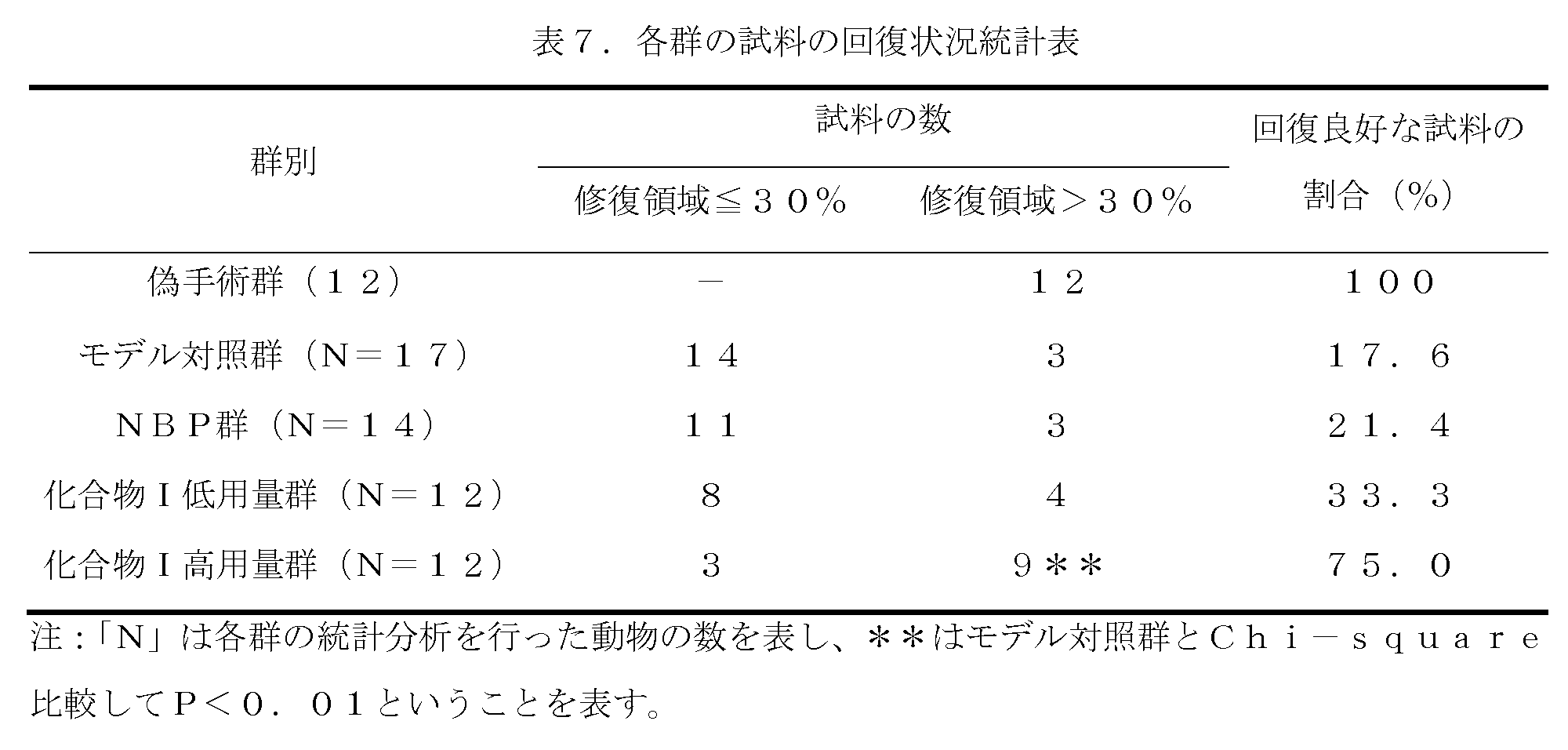
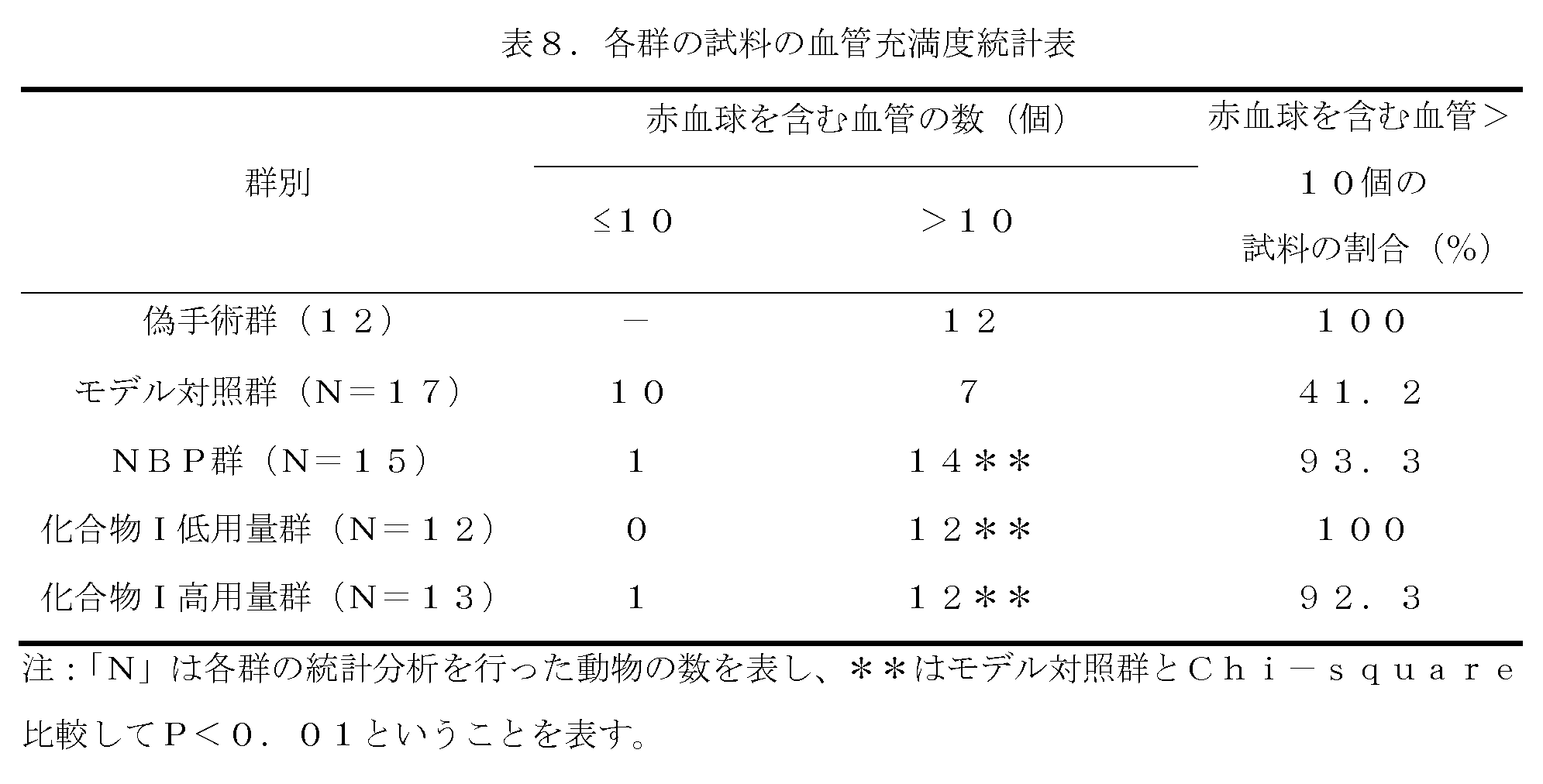
(3)病理学的検査:1)修復範囲:修復領域範囲>30%の試料を回復状況良好とし、≦30%の試料を回復不良とした。モデル対照群の回復良好な動物の割合は17.6%であり、NBP治療群、化合物I低用量群及び高用量群の修復領域>30%の割合は、それぞれ21.4%、33.3%及び75.0%であり、化合物I高用量群の回復状況が最も良好で、モデル対照群と比較して顕著な差があり(Chi-square、P=0.0080)、以上の結果から、化合物Iは梗塞区域の修復に対して促進作用を有することが示され(詳細は表7参照)、2)梗塞修復領域の充満血管数:梗塞修復領域の赤血球を含む血管数≦10個及び>10個の2つの標準を設定した。偽手術群の全ての動物における充満状態の血管数は何れも10個より多く、割合は100%であり、モデル対照群の動物における梗塞修復領域の赤血球を含む血管数≦10個及び>10個の動物数は、それぞれ10匹及び7匹であり、赤血球を含む血管数>10個の動物数の割合は41.2%であり、NBP治療群における梗死修復領域の赤血球を含む血管数≦及び>10個の動物数は、それぞれ1匹及び14匹であり、赤血球を含む血管数>10個の動物数の割合は93.3%であり、モデル対照群の動物と比較して統計学的意義(Chi-square、P=0.0028)を有し、化合物I低用量群及び高用量群における梗塞修復領域の赤血球を含む血管数≦及び>10個の動物数は、それぞれ0/12匹、1/12匹であり、赤血球を含む血管数>10個の動物数はモデル対照群より顕著に高かった(Chi-square、P=0.0012、P=0.0076)。次に、化合物I低用量群及び高用量群の動物における修復領域の赤血球を含む血管>10個の試料の割合は、それぞれ100%、92.3%であり、各治療群は何れも90%以上であり、以上の結果から、化合物Iは28日間連続の治療において脳卒中動物の脳梗塞修復領域の血管充満度を顕著に高めることが示された(詳細は表8参照)。 (3) Pathological examination: 1) Repair range: Samples with repair area range >30% were considered to have good recovery, and samples with repair area range ≦30% were considered to have poor recovery. The proportion of animals with good recovery in the model control group was 17.6%, and the proportions of repair area >30% in the NBP treatment group, the compound I low dose group, and the high dose group were 21.4%, 33.3%, and 75.0%, respectively, with the compound I high dose group showing the best recovery, with a significant difference compared to the model control group (Chi-square, P=0.0080). These results indicate that compound I has a promoting effect on the repair of the infarcted area (see Table 7 for details); 2) Number of filled blood vessels in the infarcted repair area: Two standards were set: the number of blood vessels containing red blood cells in the infarcted repair area ≦10 and >10. In the sham-operated group, the number of filled blood vessels was more than 10 in all animals, the percentage being 100%. In the model control group, the number of animals with ≦10 and >10 blood vessels containing red blood cells in the infarct repair area was 10 and 7, respectively, and the percentage of animals with >10 blood vessels containing red blood cells was 41.2%. In the NBP-treated group, the number of animals with ≦10 and >10 blood vessels containing red blood cells in the infarct repair area was 1 and 14, respectively, and the percentage of animals with blood vessels containing red blood cells was 1. The proportion of animals with >10 blood vessels containing red blood cells in the infarct repair area was 93.3%, which was statistically significant (Chi-square, P = 0.0028) compared with the animals in the model control group. The number of animals with <= and >10 blood vessels containing red blood cells in the infarct repair area in the low-dose and high-dose compound I groups was 0/12 and 1/12, respectively, and the number of animals with >10 blood vessels containing red blood cells was significantly higher than that in the model control group (Chi-square, P = 0.0012, P = 0.0076). Next, the proportion of specimens with >10 blood vessels containing red blood cells in the repair area in the low-dose and high-dose compound I groups was 100% and 92.3%, respectively, and each treatment group was 90% or more. These results show that compound I significantly increases the vascular fullness of the cerebral infarct repair area of stroke animals during 28 consecutive days of treatment (see Table 8 for details).
Claims (12)

ことを特徴とする医薬組成物。 A pharmaceutical composition comprising a compound having the structure of formula (II) according to claim 1 or a pharma- ceutically acceptable salt thereof, a compound having the structure of formula (I) according to claim 2 or a pharma- ceutically acceptable salt thereof, or the single crystal according to claim 3, and one or more pharma- ceutically acceptable carriers.
A pharmaceutical composition comprising:
ことを特徴とする請求項5~7のいずれか一項に記載の使用。 The ischemic brain damage-related disease includes ischemic stroke, vascular dementia, post-ischemic inflammation, convulsion, ischemic cranial nerve damage or necrosis;
Use according to any one of claims 5 to 7 .
ことを特徴とする請求項8に記載の使用。9. Use according to claim 8.


Applications Claiming Priority (3)
| Application Number | Priority Date | Filing Date | Title |
|---|---|---|---|
| CN202110829381.4 | 2021-07-21 | ||
| CN202110829381 | 2021-07-21 | ||
| PCT/CN2022/106618 WO2023001164A1 (en) | 2021-07-21 | 2022-07-20 | Compound for treating ischemic brain injury-related disease |
Publications (2)
| Publication Number | Publication Date |
|---|---|
| JP2024526912A JP2024526912A (en) | 2024-07-19 |
| JP7686873B2 true JP7686873B2 (en) | 2025-06-02 |
Family
ID=84978893
Family Applications (1)
| Application Number | Title | Priority Date | Filing Date |
|---|---|---|---|
| JP2024503689A Active JP7686873B2 (en) | 2021-07-21 | 2022-07-20 | Compounds for treating ischemic brain injury-related diseases |
Country Status (7)
| Country | Link |
|---|---|
| US (1) | US20240360094A1 (en) |
| EP (1) | EP4375276A4 (en) |
| JP (1) | JP7686873B2 (en) |
| CN (1) | CN117677612B (en) |
| AU (1) | AU2022316393B2 (en) |
| CA (1) | CA3232459A1 (en) |
| WO (1) | WO2023001164A1 (en) |
Families Citing this family (2)
| Publication number | Priority date | Publication date | Assignee | Title |
|---|---|---|---|---|
| WO2024149228A1 (en) * | 2023-01-10 | 2024-07-18 | 江苏正大丰海制药有限公司 | Pharmaceutically acceptable salt of compound and preparation method therefor |
| CN119970733A (en) * | 2025-02-28 | 2025-05-13 | 南京医科大学 | Application of a new compound in the preparation of drugs for preventing and treating ischemic stroke |
Citations (3)
| Publication number | Priority date | Publication date | Assignee | Title |
|---|---|---|---|---|
| JP2007517012A (en) | 2003-12-24 | 2007-06-28 | クラリアント(フランス) | Process for the preparation of N-alkyl-2 (hydroxy-4benzoyl) -3benzofuran and its intermediates |
| JP2014528460A (en) | 2011-10-13 | 2014-10-27 | 石家庄以嶺薬業股▲ふん▼有限公司 | Derivatives of butylphthalide and methods for producing and using the same |
| CN107501250A (en) | 2017-08-23 | 2017-12-22 | 江西本草天工科技有限责任公司 | Benzofuranone analog derivative and its production and use |
Family Cites Families (6)
| Publication number | Priority date | Publication date | Assignee | Title |
|---|---|---|---|---|
| CN100554259C (en) * | 2007-04-12 | 2009-10-28 | 郑州大学 | 2-benzo [c] furan ketone compound and application thereof |
| CN102260233A (en) * | 2011-05-04 | 2011-11-30 | 武汉科技大学 | 3-butyl-1(3H)-isobenzofuranone derivatives and preparation method thereof |
| CN106146444A (en) * | 2015-04-03 | 2016-11-23 | 米文君 | A kind of new compound and application thereof |
| CN106432161A (en) * | 2016-07-19 | 2017-02-22 | 四川大学 | 3-Alkyl-5,6-dioxo-substituted phthalide compounds, and preparation method and use thereof |
| CN108947946B (en) * | 2017-05-19 | 2022-10-28 | 泰州华元医药科技有限公司 | Brain injury resistant deuterated compound and medical application thereof |
| CN113069458A (en) * | 2020-11-13 | 2021-07-06 | 兰州大学 | Application of prazosin in preparing medicine for treating and/or preventing cerebrovascular diseases |
-
2022
- 2022-07-20 JP JP2024503689A patent/JP7686873B2/en active Active
- 2022-07-20 CN CN202280051330.6A patent/CN117677612B/en active Active
- 2022-07-20 WO PCT/CN2022/106618 patent/WO2023001164A1/en not_active Ceased
- 2022-07-20 US US18/580,794 patent/US20240360094A1/en active Pending
- 2022-07-20 AU AU2022316393A patent/AU2022316393B2/en active Active
- 2022-07-20 EP EP22845329.6A patent/EP4375276A4/en active Pending
- 2022-07-20 CA CA3232459A patent/CA3232459A1/en active Pending
Patent Citations (3)
| Publication number | Priority date | Publication date | Assignee | Title |
|---|---|---|---|---|
| JP2007517012A (en) | 2003-12-24 | 2007-06-28 | クラリアント(フランス) | Process for the preparation of N-alkyl-2 (hydroxy-4benzoyl) -3benzofuran and its intermediates |
| JP2014528460A (en) | 2011-10-13 | 2014-10-27 | 石家庄以嶺薬業股▲ふん▼有限公司 | Derivatives of butylphthalide and methods for producing and using the same |
| CN107501250A (en) | 2017-08-23 | 2017-12-22 | 江西本草天工科技有限责任公司 | Benzofuranone analog derivative and its production and use |
Non-Patent Citations (1)
| Title |
|---|
| Shen Hong et al.,Improved synthesis of 2-n-butyl-5-nitrobenzofuran,Guangdong Chemical Industry,2013年,Vol. 6,p. 6-7 |
Also Published As
| Publication number | Publication date |
|---|---|
| EP4375276A4 (en) | 2025-04-16 |
| WO2023001164A1 (en) | 2023-01-26 |
| JP2024526912A (en) | 2024-07-19 |
| CN117677612A (en) | 2024-03-08 |
| EP4375276A1 (en) | 2024-05-29 |
| AU2022316393A1 (en) | 2024-02-22 |
| CN117677612B (en) | 2026-02-24 |
| US20240360094A1 (en) | 2024-10-31 |
| AU2022316393B2 (en) | 2024-12-12 |
| KR20240029075A (en) | 2024-03-05 |
| CA3232459A1 (en) | 2023-01-26 |
Similar Documents
| Publication | Publication Date | Title |
|---|---|---|
| EP1679058A1 (en) | Pharmaceutical composition for the treatment of angiocardiopathy | |
| PT2187741E (en) | Novel forms of cddo methyl ester | |
| CN106866733A (en) | Left-handed meptazinol prodrug and its production and use | |
| JP7744901B2 (en) | Drug Compositions and Uses Thereof | |
| JP2024526912A (en) | Compounds for treating ischemic brain injury-related diseases | |
| JP2016511273A (en) | D-glucitol, 1-deoxy-1- (methylamino)-, 1- (6-amino-3,5-difluoropyridin-2-yl) -8-chloro-6-fluoro-1,4-dihydro-7 -(3-Hydroxyazetidin-1-yl) -4-oxo-3-quinolinecarboxylate crystal form | |
| CH683427A5 (en) | Isoquinoline compound as neuromuscular blocking agents. | |
| WO2019119832A1 (en) | Compound for treating metabolic diseases and preparation method and use thereof | |
| RU2593260C2 (en) | Butylphthalide derivative, method for production and use thereof | |
| KR102968931B1 (en) | Compounds that treat diseases associated with ischemic brain damage | |
| KR20250110947A (en) | Pharmaceutically usable salts of compounds and methods for their preparation | |
| WO2020249120A9 (en) | Use of aminothiol compounds as cerebral nerve or heart protective agent | |
| JP6596697B2 (en) | Composition comprising a combination of TRH analog and arundoic acid, and a pharmaceutically acceptable salt of arundoic acid | |
| KR920001778B1 (en) | Novel (-)-2-pyrazoline compounds and optical separation method thereof | |
| CN116947832A (en) | A kind of ligustrazine derivative, its preparation method and medicinal use | |
| EA049393B1 (en) | COMPOUND FOR THE TREATMENT OF DISEASES ASSOCIATED WITH ISCHEMIC BRAIN INJURY | |
| CZ299676B6 (en) | 7-Hydroxyepiandrosterone exhibiting neuroprotective activity | |
| CN106946866A (en) | A kind of medicine for preventing and treating cerebral apoplexy and preparation method thereof | |
| JP3299100B2 (en) | Phenylenediamine derivative and radical scavenger, cerebral infarction inhibitor, cerebral edema inhibitor | |
| CN118696026B (en) | Salvianolic acid A sodium salt hydrate and preparation method thereof | |
| US11661396B2 (en) | Crystalline forms of zuclomiphene citrate | |
| WO2025124537A1 (en) | Integrin inhibitor and uses thereof | |
| WO2024140516A1 (en) | Polymorph of chalcone glycoside compounds, preparation method therefor and use thereof | |
| EA051858B1 (en) | PHARMACEUTICALLY ACCEPTABLE SALTS OF THE COMPOUND AND METHODS FOR THEIR PRODUCTION | |
| JP2025500832A (en) | Levonorgestrel butanoate formulations and related methods |
Legal Events
| Date | Code | Title | Description |
|---|---|---|---|
| A621 | Written request for application examination |
Free format text: JAPANESE INTERMEDIATE CODE: A621 Effective date: 20240119 |
|
| A131 | Notification of reasons for refusal |
Free format text: JAPANESE INTERMEDIATE CODE: A131 Effective date: 20250107 |
|
| A521 | Request for written amendment filed |
Free format text: JAPANESE INTERMEDIATE CODE: A523 Effective date: 20250304 |
|
| TRDD | Decision of grant or rejection written | ||
| A01 | Written decision to grant a patent or to grant a registration (utility model) |
Free format text: JAPANESE INTERMEDIATE CODE: A01 Effective date: 20250513 |
|
| A61 | First payment of annual fees (during grant procedure) |
Free format text: JAPANESE INTERMEDIATE CODE: A61 Effective date: 20250521 |
|
| R150 | Certificate of patent or registration of utility model |
Ref document number: 7686873 Country of ref document: JP Free format text: JAPANESE INTERMEDIATE CODE: R150 |