JP7686863B1 - Payment device, terminal, and electronic payment program - Google Patents
Payment device, terminal, and electronic payment program Download PDFInfo
- Publication number
- JP7686863B1 JP7686863B1 JP2024162463A JP2024162463A JP7686863B1 JP 7686863 B1 JP7686863 B1 JP 7686863B1 JP 2024162463 A JP2024162463 A JP 2024162463A JP 2024162463 A JP2024162463 A JP 2024162463A JP 7686863 B1 JP7686863 B1 JP 7686863B1
- Authority
- JP
- Japan
- Prior art keywords
- payment
- token
- offline
- code
- online
- Prior art date
- Legal status (The legal status is an assumption and is not a legal conclusion. Google has not performed a legal analysis and makes no representation as to the accuracy of the status listed.)
- Active
Links
Images













Landscapes
- Financial Or Insurance-Related Operations Such As Payment And Settlement (AREA)
Abstract
【課題】電子決済におけるセキュリティ上のリスクの低減する。【解決手段】端末装置1[q]は、端末装置1[q]のユーザU[q]に対応付けられたオフライントークンKY[q]と、暗号鍵KS[q]とを、決済装置3から取得する情報取得部112と、オフライントークンKY[q]と、決済装置3に関する決済事業者を識別する事業者識別トークンKZと、端末装置1[q]の現在の時刻である端末時刻TGに基づく端末時刻値AGを暗号鍵KS[q]で暗号化した時間暗号コードTT[q]と、に基づく、オフラインコード画像GY[q]を、表示装置13に表示させる表示制御部114と、を備える。【選択図】図12[Problem] To reduce security risks in electronic payments. [Solution] A terminal device 1[q] includes an information acquisition unit 112 that acquires an offline token KY[q] and an encryption key KS[q] associated with a user U[q] of the terminal device 1[q] from a payment device 3, and a display control unit 114 that displays, on a display device 13, an offline code image GY[q] based on the offline token KY[q], a business identification token KZ that identifies a payment business related to the payment device 3, and a time encryption code TT[q] obtained by encrypting a terminal time value AG based on a terminal time TG, which is the current time of the terminal device 1[q], with the encryption key KS[q]. [Selected Figure] Fig. 12
Description
本発明は、決済装置、端末、及び、電子決済プログラムに関する。 The present invention relates to a payment device, a terminal, and an electronic payment program.
スマートフォン等の端末装置(「端末」の一例)において、決済装置から供給されたトークンに基づくコード画像を表示し、当該表示されたコード画像を店舗等に設置されたPOS端末等の店舗端末で読み取ることで行われる電子決済に係る技術が普及している。例えば、特許文献1には、決済装置から供給されたトークンに基づいて、端末装置においてコード画像を表示し、表示されたコード画像を読み取った店舗端末から、決済装置に対して、コード画像に基づく情報を送信することで、決済装置において決済処理を行う、電子決済に係る技術が開示されている。
Technology relating to electronic payments is becoming widespread, in which a terminal device (an example of a "terminal") such as a smartphone displays a code image based on a token supplied from a payment device, and the displayed code image is read by a store terminal such as a POS terminal installed in a store. For example,
しかし、従来の技術では、決済装置から供給されたトークンが漏洩した場合等、トークンに基づくコード画像を用いて電子決済を行う場合に、セキュリティ上のリスクが存在した。 However, with conventional technology, there were security risks when making electronic payments using code images based on tokens, such as if the token provided by the payment device was leaked.
本発明は、上述した事情に鑑みてなされたものであり、従来の技術と比較して、電子決済におけるセキュリティ上のリスクの低減を可能とする技術の提供を、解決課題の一つとする。 The present invention was made in consideration of the above-mentioned circumstances, and one of the problems to be solved is to provide technology that can reduce security risks in electronic payments compared to conventional technology.
以上の課題を解決するために、本発明に係る電子決済プログラムは、決済装置と通信可能な端末のプロセッサを、前記端末のユーザに対応付けられた第1トークンと、暗号鍵とを、前記決済装置から取得する取得部と、前記第1トークンと、前記決済装置に関する決済事業者を識別する第2トークンと、前記端末の現在の時刻に基づく値を前記暗号鍵を用いて暗号化した暗号コードと、に基づく第1コード画像を表示装置に表示させる表示制御部と、して機能させる、ことを特徴とする。 In order to solve the above problems, the electronic payment program of the present invention is characterized in that it causes a processor of a terminal capable of communicating with a payment device to function as an acquisition unit that acquires a first token associated with a user of the terminal and an encryption key from the payment device, and a display control unit that displays on a display device a first code image based on the first token, a second token that identifies the payment service provider related to the payment device, and an encryption code obtained by encrypting a value based on the current time of the terminal using the encryption key.
また、本発明に係る端末は、決済装置と通信可能な端末であって、前記端末のユーザに対応付けられた第1トークンと、暗号鍵とを、前記決済装置から取得する取得部と、前記第1トークンと、前記決済装置に関する決済事業者を識別する第2トークンと、前記端末の現在の時刻に基づく値を前記暗号鍵を用いて暗号化した暗号コードと、に基づく第1コード画像を表示装置に表示させる表示制御部と、を備える、ことを特徴とする。 The terminal according to the present invention is a terminal capable of communicating with a payment device, and is characterized in that it includes an acquisition unit that acquires a first token associated with a user of the terminal and an encryption key from the payment device, and a display control unit that displays on a display device a first code image based on the first token, a second token that identifies a payment service provider related to the payment device, and an encryption code obtained by encrypting a value based on the current time of the terminal using the encryption key.
また、本発明に係る決済装置は、端末と通信可能な決済装置であって、前記端末のユーザに対応付けられた第1トークンと、複数の暗号鍵のうち前記第1トークンと対応付けられた一の暗号鍵とを、前記端末に供給する供給部と、前記端末に表示される第1コード画像であって、前記第1トークンと、前記決済装置に関する決済事業者を識別する第2トークンと、単位時間毎に更新される前記端末の現在の時刻に基づく値を前記一の暗号鍵を用いて暗号化した暗号コードと、に基づく第1コード画像を読み取った店舗装置から、前記第1トークンと前記暗号コードとを含む第1決済情報を受け付ける受付部と、前記第1決済情報に含まれる前記第1トークンに基づいて前記複数の暗号鍵の中から特定された前記一の暗号鍵を用いて前記決済装置の現在の時刻に基づく値を暗号化した第1時刻コードと、前記一の暗号鍵を用いて前記決済装置の現在の時刻よりも前記単位時間だけ未来の時刻に基づく値を暗号化した第2時刻コードと、前記一の暗号鍵を用いて前記決済装置の現在の時刻よりも前記単位時間だけ過去の時刻に基づく値を暗号化した第3時刻コードとの、3個の時刻コードの何れかと、前記第1決済情報の示す前記暗号コードとが一致する場合に、前記端末のユーザに対応する決済処理を実行する決済部と、を備える、ことを特徴とする。 The payment device according to the present invention is a payment device capable of communicating with a terminal, comprising: a supply unit that supplies the terminal with a first token associated with a user of the terminal and one encryption key among a plurality of encryption keys that is associated with the first token; a reception unit that receives first payment information including the first token and the encryption code from a store device that has read a first code image displayed on the terminal, the first code image being based on the first token, a second token that identifies a payment service provider related to the payment device, and an encryption code obtained by encrypting a value based on the current time of the terminal, which is updated every unit time, using the one encryption key; and a reception unit that receives first payment information including the first token and the encryption code from a store device that has read a first code image based on the first code image. and a payment unit that executes a payment process corresponding to the user of the terminal when the encryption code indicated by the first payment information matches one of three time codes: a first time code obtained by encrypting a value based on the current time of the payment device using the one encryption key identified from among the multiple encryption keys based on the first token included in the information; a second time code obtained by encrypting a value based on a time that is the unit time in the future of the current time of the payment device using the one encryption key; and a third time code obtained by encrypting a value based on a time that is the unit time in the past of the current time of the payment device using the one encryption key.
本発明によれば、従来の技術と比較して、電子決済におけるセキュリティ上のリスクの低減が可能となる。 Compared to conventional techniques, this invention makes it possible to reduce security risks in electronic payments.
以下、本発明を実施するための形態について図面を参照して説明する。なお、各図において、各部の寸法及び縮尺は、実際のものと適宜に異ならせてある。また、以下に述べる実施の形態は、本発明の好適な具体例であるから、技術的に好ましい種々の限定が付されているが、本発明の範囲は、以下の説明において特に本発明を限定する旨の記載がない限り、これらの形態に限られるものではない。 Below, the embodiments for carrying out the present invention will be described with reference to the drawings. Note that in each drawing, the dimensions and scale of each part are appropriately different from the actual ones. In addition, the embodiments described below are preferred specific examples of the present invention, and therefore various technically preferable limitations are applied, but the scope of the present invention is not limited to these embodiments unless otherwise specified in the following description to the effect that the present invention is limited.
<A.第1実施形態>
以下、本発明の第1実施形態を説明する。
<A. First embodiment>
A first embodiment of the present invention will now be described.
<A.1.電子決済システムSysの概要>
図1乃至図3を参照しつつ、電子決済システムSysの概要について説明する。
<A. 1. Overview of the Electronic Payment System Sys>
An overview of the electronic payment system Sys will be described with reference to FIGS.
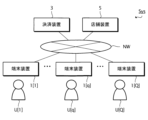
図1は、電子決済システムSysの構成の一例を示すブロック図である。 Figure 1 is a block diagram showing an example of the configuration of an electronic payment system Sys.
図1に示すように、電子決済システムSysは、決済装置3と、ネットワークNWを介して決済装置3と通信可能な店舗装置5と、ネットワークNWを介して決済装置3と通信可能な1または複数の端末装置1と、を備え、端末装置1のユーザUに対して、電子決済に係るサービスを提供する。
As shown in FIG. 1, the electronic payment system Sys includes a
本実施形態では、一例として、電子決済システムSysが、複数の端末装置1を備える場合を想定する。具体的には、本実施形態では、電子決済システムSysが、Q個の端末装置1を備える場合を想定する。ここで、値Qは、「Q≧2」を満たす自然数である。また、以下では、電子決済システムSysが備えるQ個の端末装置1のうち、q番目の端末装置1を、端末装置1[q]と称する。ここで、変数qは、「1≦q≦Q」を満たす自然数である。また、以下では、端末装置1[q]を使用するユーザUを、ユーザU[q]と称する。
In this embodiment, as an example, it is assumed that the electronic payment system Sys includes multiple
端末装置1[q](「端末」の一例)は、例えば、スマートフォン、タブレット端末等の携帯端末であり、ユーザU[q]により携帯される。本実施形態において、端末装置1[q]には、電子決済プログラムPG-Tがインストールされている。端末装置1[q]は、電子決済プログラムPG-Tを実行することで、電子決済アプリケーション(以下、「決済アプリ」と称する場合がある)を起動させる。そして、端末装置1[q]のユーザU[q]は、店舗装置5が設置された店舗において、サービスの提供を受けた場合に、端末装置1[q]において稼働している決済アプリを用いて、決済装置3から取得したトークンKKに基づくコード画像GGを端末装置1[q]に表示させることで、当該サービスの対価を電子決済により支払うことができる。
The terminal device 1[q] (an example of a "terminal") is, for example, a mobile terminal such as a smartphone or a tablet terminal, and is carried by the user U[q]. In this embodiment, an electronic payment program PG-T is installed in the terminal device 1[q]. The terminal device 1[q] executes the electronic payment program PG-T to launch an electronic payment application (hereinafter, sometimes referred to as a "payment app"). When the user U[q] of the terminal device 1[q] receives a service at a store where the
以下では、端末装置1[q]に表示されるコード画像GGを、コード画像GG[q]と称する。コード画像GG[q]は、例えば、バーコードまたは二次元コードである。本実施形態では、一例として、コード画像GG[q]がバーコードである場合を想定する。また、以下では、決済装置3から端末装置1[q]に供給されるトークンKKを、トークンKK[q]と称する。
In the following, the code image GG displayed on the terminal device 1[q] is referred to as the code image GG[q]. The code image GG[q] is, for example, a barcode or a two-dimensional code. In this embodiment, as an example, it is assumed that the code image GG[q] is a barcode. In addition, in the following, the token KK supplied from the
なお、本実施形態では、店舗装置5が設置された店舗が、現実空間に存在する物理的な店舗、すなわち、実店舗である場合を想定する。また、本実施形態では、店舗において提供されるサービスが、商品の販売または役務の提供である場合を想定する。すなわち、本実施形態において、端末装置1[q]のユーザU[q]は、店舗装置5が設置された店舗において、商品または役務の提供を受けた場合に、当該商品または役務の対価としての金銭を、電子決済により支払うことができる。
In this embodiment, it is assumed that the store in which the
店舗装置5は、例えば、POS(Point of Sales)レジである。店舗装置5は、端末装置1[q]のユーザU[q]が、店舗によるサービスの提供に対する対価を電子決済により支払う場合に、端末装置1[q]に表示されるコード画像GG[q]を読み取る。次に、店舗装置5は、読み取ったコード画像GG[q]の示す値である決済コードCC[q]に対して、店舗決済情報を付加することで、決済情報DP[q]を生成し、生成した決済情報DP[q]を決済装置3に供給する。ここで、店舗決済情報は、例えば、ユーザU[q]にサービスを提供した店舗を一意に識別するための店舗識別情報と、ユーザU[q]に提供されたサービスの対価としてユーザU[q]が支払うべき決済金額と、当該支払がなされる日時である決済日時と、を含む情報である。
The
決済装置3は、店舗装置5から決済情報DP[q]が供給された場合、当該決済情報DP[q]に基づいて、決済処理を実行する。ここで、決済処理とは、端末装置1[q]のユーザU[q]が、店舗からサービスの提供を受けた場合に、当該サービスの対価としてのユーザU[q]から店舗への支払いを確定させる処理である。
When payment information DP[q] is supplied from the
また、本実施形態では、一例として、決済装置3が、ユーザU[q]による端末装置1[q]の使用料金を管理する場合を想定する。ここで、端末装置1[q]の使用料金とは、例えば、端末装置1[q]の購入代金、及び、端末装置1[q]が通信する場合に発生する通信料金等を含む料金である。そして、本実施形態において、決済装置3は、例えば、各月の支払日に、予め決済装置3に登録されたユーザU[q]の銀行口座から、端末装置1[q]の使用料金を引き落とす。なお、以下では、端末装置1[q]の使用料金を、「電話料金」と称する場合がある。
また、本実施形態では、一例として、決済装置3が、端末装置1[q]において利用可能なユーザU[q]の電子マネーを管理する場合を想定する。本実施形態では、決済装置3の管理する電子マネーが、所謂、プリペイド式の電子マネーであり、ユーザU[q]が予め電子マネーにチャージすることで、チャージされた金額に相当する電子マネーを利用可能となる場合を想定する。但し、本発明はこのような態様に限定されるものではない。決済装置3の管理する電子マネーは、予め定められた上限額の範囲で利用可能な、所謂、ポストペイ式の電子マネーであってもよい。
また、本実施形態では、一例として、決済装置3が、クレジットカード会社の運営するクレジットカードサーバと通信可能であり、当該クレジットカード会社によって発行されたユーザU[q]のクレジットカードにより、ユーザU[q]の決済が可能な場合を想定する。
In this embodiment, as an example, it is assumed that the
In addition, in this embodiment, as an example, it is assumed that the
In addition, in this embodiment, as an example, it is assumed that the
そして、本実施形態では、決済装置3は、電話料金合算払い、プリペイド残高払い、及び、クレジットカード払いの、3種類の支払方法の中から、ユーザU[q]によって選択された支払方法により、端末装置1[q]のユーザU[q]に対応する決済処理を行うことができる。
ここで、電話料金合算払いとは、端末装置1[q]の使用料金と合算して、ユーザU[q]から店舗への支払いを行う支払方法である。また、プリペイド残高払いとは、決済装置3が管理するユーザU[q]の電子マネーにより、ユーザU[q]から店舗への支払いを行う支払方法である。また、クレジットカード払いとは、ユーザU[q]のクレジットカードにより、ユーザU[q]から店舗への支払いを行う支払方法である。
In this embodiment, the
Here, the telephone bill combined payment is a payment method in which the user U[q] pays the store by combining the telephone bill with the usage fee of the terminal device 1[q]. The prepaid balance payment is a payment method in which the user U[q] pays the store using the electronic money of the user U[q] managed by the
また、本実施形態において、決済装置3は、上述の通り、端末装置1[q]からの要求に応じて、トークンKK[q]を払い出し、当該払い出したトークンKK[q]を、端末装置1[q]に供給する。
In addition, in this embodiment, as described above, the
以下、端末装置1[q]と決済装置3とが通信可能な場合において、本実施形態に係る電子決済システムSysが、端末装置1[q]のユーザU[q]に対して、電子決済に係るサービスを提供する場合の、電子決済システムSysの動作の一例(以下、「オンライン電子決済」と称する場合がある)を説明する。
まず、端末装置1[q]のユーザU[q]が、店舗装置5が設置された店舗において、サービスの提供を受け、オンライン電子決済によって当該サービスの対価の支払いを行う場合、ユーザU[q]は、端末装置1[q]を操作することで、端末装置1[q]において決済アプリを起動する。次に、端末装置1[q]は、決済アプリが起動されると、決済装置3に対してトークンKK[q]を要求する。次に、決済装置3は、端末装置1[q]からの要求に応じて、端末装置1[q]に対してトークンKK[q]を供給する。次に、端末装置1[q]は、決済装置3から供給されたトークンKK[q]に基づいて決済コードCC[q]を生成し、当該決済コードCC[q]を表すコード画像GG[q]を表示する。次に、店舗装置5は、端末装置1[q]に表示されたコード画像GG[q]を読み取ることで、コード画像GG[q]の示す決済コードCC[q]と、店舗決済情報とを含む、決済情報DP[q]を生成し、当該決済情報DP[q]を、決済装置3に供給する。次に、決済装置3は、店舗装置5から供給された決済情報DP[q]に基づいて、決済処理を実行することで、ユーザU[q]から店舗への支払いを確定させる。
Below, we will explain an example of the operation of the electronic payment system Sys of this embodiment when the terminal device 1[q] and the
First, when a user U[q] of a terminal device 1[q] receives a service at a store where a
なお、上述のオンライン電子決済では、決済装置3が、端末装置1[q]からの要求に応じてトークンKK[q]を発行する。このため、オンライン電子決済は、端末装置1[q]と決済装置3とが通信可能な場合にのみ実行可能であり、端末装置1[q]と決済装置3とが通信困難な場合には実行できない。そこで、本実施形態に係る電子決済システムSysは、端末装置1[q]と決済装置3とが通信困難な場合において、端末装置1[q]に記憶されているトークンKK[q]に基づいて生成された決済情報DP[q]を用いて、決済処理を実行する。
In the above-mentioned online electronic payment, the
以下、端末装置1[q]と決済装置3とが通信困難な場合において、本実施形態に係る電子決済システムSysが、端末装置1[q]のユーザU[q]に対して、電子決済に係るサービスを提供する場合の、電子決済システムSysの動作の一例(以下、「オフライン電子決済」と称する場合がある)を説明する。
まず、端末装置1[q]のユーザU[q]が、店舗装置5が設置された店舗において、サービスの提供を受け、オフライン電子決済によって当該サービスの対価の支払いを行う場合、ユーザU[q]は、端末装置1[q]を操作することで、端末装置1[q]において決済アプリを起動する。次に、端末装置1[q]は、決済アプリが起動されると、端末装置1[q]に記憶されているトークンKK[q]に基づいて決済コードCC[q]を生成し、当該決済コードCC[q]を表すコード画像GG[q]を表示する。次に、店舗装置5は、端末装置1[q]に表示されたコード画像GG[q]を読み取ることで、コード画像GG[q]の示す決済コードCC[q]と、店舗決済情報とを含む、決済情報DP[q]を生成し、当該決済情報DP[q]を、決済装置3に供給する。次に、決済装置3は、店舗装置5から供給された決済情報DP[q]に基づいて、決済処理を実行することで、ユーザU[q]から店舗への支払いを確定させる。
Below, we will explain an example of the operation of the electronic payment system Sys of this embodiment when communication between the terminal device 1[q] and the
First, when a user U[q] of a terminal device 1[q] receives a service at a store where a
以上のように、本実施形態に係る電子決済システムSysは、端末装置1[q]と決済装置3とが通信可能な場合におけるオンライン電子決済と、端末装置1[q]と決済装置3とが通信困難な場合におけるオフライン電子決済との、2種類の電子決済を実行可能なため、オンライン電子決済のみが可能な態様と比較して、端末装置1[q]のユーザU[q]の利便性を向上させることができる。
As described above, the electronic payment system Sys according to this embodiment can perform two types of electronic payment: online electronic payment when the terminal device 1[q] and the
なお、以下では、オンライン電子決済において端末装置1が決済装置3から取得するトークンKK[q]であって、決済コードCC[q]の生成に利用されるトークンKK[q]を、オンライントークンKX[q]と称し、オフライン電子決済において端末装置1[q]に記憶されているトークンKK[q]であって、決済コードCC[q]の生成に利用されるトークンKK[q]を、オフライントークンKY[q]と称する場合がある。
また、以下では、オンライン電子決済において、端末装置1[q]がオンライントークンKX[q]から生成する決済コードCC[q]を、オンライン決済コードCX[q]と称し、オフライン電子決済において、端末装置1[q]がオフライントークンKY[q]から生成する決済コードCC[q]を、オフライン決済コードCY[q]と称する場合がある。
また、以下では、オンライン電子決済において、端末装置1[q]がオンライン決済コードCX[q]に基づいて表示するコード画像GG[q]を、オンラインコード画像GX[q]と称し、オフライン電子決済において、端末装置1[q]がオフライン決済コードCY[q]に基づいて表示するコード画像GG[q]を、オフラインコード画像GY[q]と称する場合がある。
また、以下では、オンライン電子決済において、決済装置3が実行する決済処理を、オンライン決済処理と称し、オフライン電子決済において、決済装置3が実行する決済処理を、オフライン決済処理と称する場合がある。
In the following, the token K[q] that the
In addition, in the following, in online electronic payment, the payment code CC[q] that the terminal device 1[q] generates from the online token KX[q] will be referred to as the online payment code CX[q], and in offline electronic payment, the payment code CC[q] that the terminal device 1[q] generates from the offline token KY[q] will be referred to as the offline payment code CY[q].
In addition, in the following, in online electronic payment, the code image GG[q] displayed by the terminal device 1[q] based on the online payment code CX[q] will be referred to as the online code image GX[q], and in offline electronic payment, the code image GG[q] displayed by the terminal device 1[q] based on the offline payment code CY[q] will be referred to as the offline code image GY[q].
In the following, the payment process performed by the
図2は、端末装置1[q]の構成の一例を示すブロック図である。 Figure 2 is a block diagram showing an example of the configuration of terminal device 1[q].
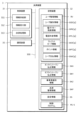
図2に示すように、端末装置1[q]は、制御装置11と、記憶装置12と、表示装置13と、入力装置14と、通信装置15と、これらの装置を相互に接続するバス100と、を備える。
As shown in FIG. 2, the terminal device 1[q] includes a
記憶装置12は、制御装置11が読取可能な記録媒体である。記憶装置12は、例えば、制御装置11の作業領域として機能するRAM(Random Access Memory)等の揮発性メモリと、各種情報を記憶するEEPROM(Electrically Erasable Programmable Read-Only Memory)等の不揮発性メモリと、を含んで構成され、ユーザ識別情報DID[q]と、取得済オフライントークン情報KYY[q]と、オフライントークン関連情報DYYと、事業者識別トークンKZと、設定情報DSと、電子決済プログラムPG-Tと、を記憶している。
The
ユーザ識別情報DID[q]は、決済装置3が管理するQ人のユーザU[1]~U[Q]の中から、端末装置1[q]のユーザU[q]を一意に識別するための識別情報である。
The user identification information DID[q] is identification information for uniquely identifying the user U[q] of the terminal device 1[q] from among the Q users U[1] to U[Q] managed by the
取得済オフライントークン情報KYY[q]は、端末装置1[q]が決済装置3から取得した1または複数のオフライントークンKY[q]を含む情報である。なお、本実施形態では、端末装置1[q]において最初に決済アプリが起動(初回起動)されてから、現在に至る期間において、端末装置1[q]が決済装置3からM回に亘ってオフライントークンKY[q]を取得した場合を想定する。ここで、値Mは、「M≧1」を満たす自然数である。そして、以下では、端末装置1[q]が決済装置3から取得したM個のオフライントークンKY[q]のうち、m回目に決済装置3から取得したオフライントークンKY[q]を、オフライントークンKY[q][m]と称する。ここで、変数mは、「1≦m≦M」を満たす自然数である。
The acquired offline token information KYY[q] is information including one or more offline tokens KY[q] acquired by the terminal device 1[q] from the
このように、本実施形態では、取得済オフライントークン情報KYY[q]が、端末装置1[q]が決済装置3から取得したM個のオフライントークンKY[q][1]~KY[q][M]を含む場合を想定する。但し、本発明はこのような態様に限定されるものではない。取得済オフライントークン情報KYY[q]は、少なくとも、端末装置1[q]が決済装置3から取得したM個のオフライントークンKY[q][1]~KY[q][M]のうち、最後に取得されたオフライントークンKY[q][M]を含んでいればよい。
例えば、端末装置1[q]は、決済装置3から取得したM個のオフライントークンKY[q][1]~KY[q][M]のうち、有効期限切れとなったオフライントークンKY[q][m](具体的には、後述するオフライントークン有効期間情報DTY[q][m]の示すオフライントークン有効期間情報DTY[q][m]の終点が到来したオフライントークンKY[q][m])を削除してもよい。具体的には、端末装置1[q]は、記憶装置12に記憶されるオフライントークン関連情報DYYに含まれるオフライントークン有効期間情報DTY[q][m]の示すオフライントークン有効期間TY[q][m]の終点が、現在時刻よりも過去の時刻である場合(つまり、有効期限切れとなった場合)、取得済オフライントークン情報KYY[q]から、有効期限切れを示すオフライントークン有効期間TY[q][m]に対応するオフライントークンKY[q][m](つまり、有効期限切れのオフライントークンKY[q])を削除してもよい。この場合、取得済オフライントークン情報KYY[q]は、有効期限内のオフライントークンKY[q]のみを含むことになる。
また、例えば、端末装置1[q]は、決済装置3から取得したM個のオフライントークンKY[q][1]~KY[q][M]のうち、最後に取得したオフライントークンKY[q][M]以外のオフライントークンKY[q][1]~KY[q][M-1]を削除してもよい。具体的には、端末装置1[q]は、決済装置3から最新のオフライントークンKY[q][M]を取得したことを契機として、それ以前に取得したオフライントークンKY[q][M-1]を削除してもよい。この場合、取得済オフライントークン情報KYY[q]は、最新のオフライントークンKY[q][M]のみを含むことになる。
In this manner, in this embodiment, it is assumed that the acquired offline token information KYY[q] includes M offline tokens KY[q][1] to KY[q][M] acquired by the terminal device 1[q] from the
For example, the terminal device 1[q] may delete an expired offline token KY[q][m] (specifically, an offline token KY[q][m] for which the end point of the offline token validity period information DTY[q][m] indicated by the offline token validity period information DTY[q][m] described later has arrived) from among the M offline tokens KY[q][1] to KY[q][M] acquired from the
Furthermore, for example, the terminal device 1[q] may delete the offline tokens KY[q][1] to KY[q][M-1] other than the most recently acquired offline token KY[q][M] among the M offline tokens KY[q][1] to KY[q][M] acquired from the
オフライントークン関連情報DYYは、M個のオフライントークンKY[q][1]~KY[q][M]と1対1に対応するM個のオフライントークン有効期間情報DTY[q][1]~DTY[q][M]と、M個のオフライントークンKY[q][1]~KY[q][M]と1対1に対応するM個の暗号鍵KS[q][1]~KS[q][M]と、オフライン閉塞情報DHYと、を含む。
なお、本実施形態では、オフライントークン関連情報DYYが、M個のオフライントークン有効期間情報DTY[q][1]~DTY[q][M]と、M個の暗号鍵KS[q][1]~KS[q][M]とを含む場合を一例として想定するが、本発明はこのような態様に限定されるものではない。オフライントークン関連情報DYYは、少なくとも、M個のオフライントークン有効期間情報DTY[q][1]~DTY[q][M]のうち、最後に取得されたオフライントークンKY[q][M]に対応するオフライントークン有効期間情報DTY[q][M]と、M個の暗号鍵KS[q][1]~KS[q][M]のうち、最後に取得されたオフライントークンKY[q][M]に対応する暗号鍵KS[q][M]とを含んでいればよい。
例えば、端末装置1[q]は、決済装置3から取得したM個の暗号鍵KS[q][1]~KS[q][M]のうち、有効期限切れとなったオフライントークンKY[q][m]に対応する暗号鍵KS[q][m](具体的には、オフライントークン有効期間情報DTY[q][m]の示すオフライントークン有効期間情報DTY[q][m]の終点が到来したオフライントークンKY[q][m]に対応する暗号鍵KS[q][m])を削除してもよい。具体的には、端末装置1[q]は、記憶装置12に記憶されるオフライントークン関連情報DYYに含まれるオフライントークン有効期間情報DTY[q][m]の示すオフライントークン有効期間TY[q][m]の終点が、現在時刻よりも過去の時刻である場合(つまり、オフライントークンKY[q][m]が有効期限切れとなった場合)、オフライントークン関連情報DYYから、有効期限切れとなったオフライントークンKY[q][m]に対応する暗号鍵KS[q][m]を削除してもよい。この場合、オフライントークン関連情報DYYは、有効期限内のオフライントークンKY[q]に対応する暗号鍵KS[q]のみを含むことになる。
また、例えば、端末装置1[q]は、決済装置3から取得したM個の暗号鍵KS[q][1]~KS[q][M]のうち、最後に取得した暗号鍵KS[q][M]以外の暗号鍵KS[q][1]~KS[q][M-1]を削除してもよい。具体的には、端末装置1[q]は、決済装置3から最新の暗号鍵KS[q][M]を取得したことを契機として、それ以前に取得した暗号鍵KS[q][M-1]を削除してもよい。この場合、オフライントークン関連情報DYYは、最新の暗号鍵KS[q][M]のみを含むことになる。
The offline token related information DYY includes M pieces of offline token validity period information DTY[q][1] to DTY[q][M] that correspond one-to-one to the M offline tokens KY[q][1] to KY[q][M], M encryption keys KS[q][1] to KS[q][M] that correspond one-to-one to the M offline tokens KY[q][1] to KY[q][M], and offline blockage information DHY.
In this embodiment, it is assumed as an example that the offline token related information DYY includes M pieces of offline token validity period information DTY[q][1] to DTY[q][M] and M pieces of encryption keys KS[q][1] to KS[q][M], but the present invention is not limited to such an aspect. The offline token related information DYY only needs to include at least the offline token validity period information DTY[q][M] corresponding to the offline token KY[q][M] acquired last among the M pieces of offline token validity period information DTY[q][1] to DTY[q][M], and the encryption key KS[q][M] corresponding to the offline token KY[q][M] acquired last among the M encryption keys KS[q][1] to KS[q][M].
For example, the terminal device 1[q] may delete the encryption key KS[q][m] corresponding to the expired offline token KY[q][m] (specifically, the encryption key KS[q][m] corresponding to the offline token KY[q][m] for which the end point of the offline token validity period information DTY[q][m] indicated by the offline token validity period information DTY[q][m] has arrived) among the M encryption keys KS[q][1] to KS[q][M] acquired from the
Furthermore, for example, the terminal device 1[q] may delete the encryption keys KS[q][1] to KS[q][M-1] other than the last acquired encryption key KS[q][M] among the M encryption keys KS[q][1] to KS[q][M] acquired from the
オフライントークン有効期間情報DTY[q][m]は、オフライン電子決済においてオフライントークンKY[q][m]を利用可能な期間、すなわち、オフライントークンKY[q][m]の有効期間である、オフライントークン有効期間TY[q][m]を示す。本実施形態では、オフライントークン有効期間TY[q][m]が、オフライントークンKY[q][m]の生成時を起点とし、オフライントークンKY[q][m]の生成時からオフライントークン有効時間TSYだけ経過した時間を終点とする期間である場合を想定する。ここで、本実施形態では、一例として、オフライントークン有効時間TSYが「1週間」に設定されている場合を想定する。すなわち、本実施形態では、一例として、オフライントークンKY[q]の有効期間が1週間である場合を想定する。 The offline token validity period information DTY[q][m] indicates the period during which the offline token KY[q][m] can be used in offline electronic payment, that is, the offline token validity period TY[q][m], which is the validity period of the offline token KY[q][m]. In this embodiment, it is assumed that the offline token validity period TY[q][m] is a period that starts from the generation of the offline token KY[q][m] and ends at the time when the offline token KY[q][m] is generated, which is the offline token validity period TSY. Here, in this embodiment, as an example, it is assumed that the offline token validity period TSY is set to "one week". In other words, in this embodiment, as an example, it is assumed that the validity period of the offline token KY[q] is one week.
暗号鍵KS[q][m]は、オフライン電子決済において、オフライン決済コードCY[q]を生成するために用いる情報である。 The encryption key K S [q] [m] is information used to generate the offline payment code C Y [q] in offline electronic payment.
オフライン閉塞情報DHYは、オフライン電子決済において、端末装置1[q]にオフラインコード画像GY[q]を表示するか否かを決定するために用いる情報である。具体的には、オフライン閉塞情報DHYは、決済装置3がオフライン決済処理の実行が可能か否かを示す情報である。より具体的には、オフライン閉塞情報DHYは、オフライン決済処理を実行するための決済装置3の機能が閉塞せずに稼働しているか否かを示す情報であってもよい。
The offline blockage information DHY is information used to determine whether or not to display the offline code image GY[q] on the terminal device 1[q] in offline electronic payment. Specifically, the offline blockage information DHY is information indicating whether or not the
事業者識別トークンKZは、決済装置3を管理する決済事業者を識別する事業者識別情報DKZを含む。
The business operator identification token KZ includes business operator identification information DKZ that identifies the payment business operator that manages the
設定情報DSは、トークン応答情報DSWと、オンライントークン有効情報DSXと、オフライントークン有効情報DSYと、更新時間情報DSCとを含む。 The setting information DS includes token response information DSW, online token validity information DSX, offline token validity information DSY, and update time information DSC.
トークン応答情報DSWは、端末装置1が決済装置3にトークンKKを要求してから(または、端末装置1[q]において決済アプリが起動されてから)、端末装置1にトークンKKが供給されるまでの、端末装置1の待機時間(以下、「トークン応答待機時間TSW」と称する。「第1時間」の一例)を示す。本実施形態において、端末装置1は、端末装置1が決済装置3にトークンKKを要求してから、トークン応答待機時間TSWが経過するまで、決済装置3からのトークンKKの供給を待機する。そして、端末装置1は、端末装置1が決済装置3にトークンKKを要求してから、トークン応答待機時間TSWが経過したタイミングにおいて、決済装置3からのトークンKKの供給の待機を中止する。ここで、本実施形態では、一例として、トークン応答待機時間TSWが「10秒」に設定されている場合を想定する。なお、以下では、端末装置1が決済装置3にトークンKKを要求してから、トークン応答待機時間TSWが経過するまでの期間を、トークン応答待機期間TW(「第1期間」の一例)と称する場合がある。
なお、トークン応答待機期間TWは、端末装置1が決済装置3にトークンKKを要求してから、一定の時間が経過するまでの期間に限定されるものではない。例えば、トークン応答待機期間TWは、決済アプリの起動から決済アプリの終了までの期間であってもよい。この場合、トークン応答待機時間TSWは、決済アプリの起動から決済アプリの終了までの時間長であってもよい。
The token response information D SW indicates a waiting time of the
The token response waiting period T is not limited to the period from when the
オンライントークン有効情報DSXは、オンライントークンKX[q]がオンライン電子決済において利用可能な期間(以下、「オンライントークン有効期間TX[q]」と称する)の時間長(以下、「オンライントークン有効時間TSX」と称する)を示す。本実施形態では、一例として、オンライントークン有効時間TSXが「5分」に設定されている場合を想定する。但し、本発明はこのような態様に限定されるものではない。オンライントークン有効時間TSXは、トークン応答待機時間TSWよりも長い時間であればよい。また、本実施形態において、オンライントークン有効期間TX[q]は、オンライントークンKX[q]の生成時を起点とし、オンライントークンKX[q]の生成時からオンライントークン有効時間TSXだけ経過した時間を終点とする期間である。 The online token validity information DSX indicates the length of time (hereinafter referred to as the "online token validity time TSX") during which the online token KX[q] can be used for online electronic payment (hereinafter referred to as the "online token validity period TX[q]"). In this embodiment, as an example, it is assumed that the online token validity time TSX is set to "5 minutes". However, the present invention is not limited to this aspect. The online token validity time TSX may be any time longer than the token response waiting time TSW. Also, in this embodiment, the online token validity period TX[q] is a period that starts from the generation of the online token KX[q] and ends at the time when the online token validity time TSX has elapsed since the generation of the online token KX[q].
オフライントークン有効情報DSYは、オフライントークン有効時間TSYを示す。上述の通り、オフライントークン有効時間TSYは、オフライントークンKY[q][m]がオフライン電子決済において利用可能なオフライントークン有効期間TY[q][m]の時間長である。また、上述の通り、本実施形態では、一例として、オフライントークン有効時間TSYが「1週間」に設定されている場合を想定する。但し、本発明はこのような態様に限定されるものではない。オフライントークン有効時間TSYは、オンライントークン有効時間TSXよりも長い時間であればよい。 The offline token validity information DSY indicates the offline token validity time TSY. As described above, the offline token validity time TSY is the time length of the offline token validity period TY[q][m] during which the offline token KY[q][m] can be used for offline electronic payment. Also, as described above, in this embodiment, as an example, it is assumed that the offline token validity time TSY is set to "one week". However, the present invention is not limited to this aspect. The offline token validity time TSY may be any time longer than the online token validity time TSX.
更新時間情報DSCは、更新単位時間TCを示す情報である。ここで、更新単位時間TCは、端末装置1[q]において管理される現在時刻である端末時刻TGに基づく端末時刻値AGの更新周期である。本実施形態では、一例として、更新単位時間TCが「1分」に設定されている場合を想定する。また、本実施形態では、一例として、端末時刻値AGが、端末時刻TGを「分」のオーダーで表した値である場合を想定する。例えば、本実施形態において、端末時刻TGが「18時25分37秒」である場合、端末時刻値AGは、端末時刻TGから「37秒」を削除した「1825」としてもよい。但し、本発明はこのような態様に限定されるものではない。更新単位時間TCは、オフライントークン有効時間TSYよりも短い時間であればよい。また、更新単位時間TCは、オンライントークン有効時間TSXよりも短い時間であってもよい。 The update time information DSC is information indicating the update unit time Tc. Here, the update unit time Tc is the update period of the terminal time value A G based on the terminal time T G , which is the current time managed in the terminal device 1 [q]. In this embodiment, as an example, it is assumed that the update unit time Tc is set to "1 minute". In addition, in this embodiment, as an example, it is assumed that the terminal time value A G is a value that expresses the terminal time T G in the order of "minutes". For example, in this embodiment, when the terminal time T G is "18:25:37", the terminal time value A G may be "1825" by deleting "37 seconds" from the terminal time T G . However, the present invention is not limited to such an aspect. The update unit time T C may be shorter than the offline token validity time T SY. In addition, the update unit time T C may be shorter than the online token validity time T SX .
制御装置11は、プロセッサを含んで構成される。制御装置11に設けられたプロセッサは、例えば、1または複数のCPU(Central Processing Unit)を含んで構成される。但し、制御装置11に設けられたプロセッサは、1または複数のCPUに加え、または、1または複数のCPUのうち一部または全部に替えて、GPU(Graphics Processing Unit)、DSP(Digital Signal Processor)、ASIC(Application Specific Integrated Circuit)、PLD(Programmable Logic Device)、FPGA(Field Programmable Gate Array)等の、ハードウェアを含んで構成されるものであってもよい。制御装置11に設けられたプロセッサは、記憶装置12に記憶された電子決済プログラムPG-Tを実行し、当該電子決済プログラムPG-Tに従って動作することで、情報送信部111、情報取得部112、コード生成部113、及び、表示制御部114として機能することができる。
The
情報送信部111は、「要求部」の一例であり、端末装置1[q]における決済アプリの起動からトークン応答待機時間TSWが経過するまでのトークン応答待機期間TWにおいて、決済装置3に対して、オンライントークンKX[q]を要求するオンライントークン要求と、オフライントークンKY[q]を要求するオフライントークン要求と、を送信する。また、情報送信部111は、トークン応答待機期間TWにおいて、決済装置3に対して、オンライン閉塞情報DHXを要求するオンライン閉塞情報要求と、オフライン閉塞情報DHYを要求するオフライン閉塞情報要求と、を送信する。
ここで、オンライン閉塞情報DHXは、オンライン電子決済において、端末装置1[q]にオンラインコード画像GX[q]を表示するか否かを決定するために用いる情報である。具体的には、オンライン閉塞情報DHXは、決済装置3がオンライン決済処理の実行が可能か否かを示す情報である。より具体的には、オンライン閉塞情報DHXは、オンライン決済処理を実行するための決済装置3の機能が閉塞せずに稼働しているか否かを示す情報であってもよい。なお、以下では、オンライン閉塞情報DHX及びオフライン閉塞情報DHYを、閉塞情報DHと総称する場合がある。
The
Here, the online blocking information DHX is information used to determine whether or not to display the online code image GX[q] on the terminal device 1[q] in online electronic payment. Specifically, the online blocking information DHX is information indicating whether or not the
情報取得部112は、「取得部」の一例であり、端末装置1[q]からの要求に応じて決済装置3から供給される、オンライントークンKX[q]とオフライントークンKY[q]とオンライン閉塞情報DHXとオフライン閉塞情報DHYとを取得する。
The
コード生成部113は、情報取得部112が取得したオンライントークンKX[q]に基づいて、オンライン決済コードCX[q]を生成する。また、コード生成部113は、情報取得部112が取得し、記憶装置12に記憶されているオフライントークンKY[q]に基づいて、オフライン決済コードCY[q]を生成する。
The
表示制御部114は、オンライン電子決済において、コード生成部113が生成したオンライン決済コードCX[q]に基づいて、表示装置13にオンラインコード画像GX[q]を表示させる。また、表示制御部114は、オフライン電子決済において、コード生成部113が生成したオフライン決済コードCY[q]に基づいて、表示装置13にオフラインコード画像GY[q]を表示させる。
In online electronic payment, the
表示装置13は、各種情報を表示するためのハードウェアである。表示装置13としては、例えば、液晶表示パネル、有機EL表示パネル等の各種の表示パネルを採用することができる。本実施形態において、表示装置13は、表示制御部114による制御の下で、オンラインコード画像GX[q]、オフラインコード画像GY[q]等の各種画像を表示する。
The
入力装置14は、端末装置1[q]のユーザU[q]からの操作を受け付けるためのハードウェアである。入力装置14としては、例えば、キーボード、マウス、マイクロフォン、スイッチ、ボタン、センサ等の装置、または、これらの装置の組み合わせを採用することができる。なお、表示装置13及び入力装置14は、一体として構成されてもよい。この場合、表示装置13及び入力装置14として、例えば、タッチパネルを採用してもよい。
The
通信装置15は、ネットワークNWを介して、端末装置1[q]の外部に存在する外部装置と通信するためのハードウェアである。本実施形態において、情報送信部111は、通信装置15を介して、各種情報を決済装置3に送信する。また、情報取得部112は、通信装置15を介して、各種情報を決済装置3から取得する。
The
図3は、決済装置3の構成の一例を示すブロック図である。
Figure 3 is a block diagram showing an example of the configuration of the
図3に示すように、決済装置3は、制御装置31と、記憶装置32と、通信装置35と、これらの装置を相互に接続するバス300と、を備える。
As shown in FIG. 3, the
記憶装置32は、制御装置31が読取可能な記録媒体である。記憶装置32は、例えば、制御装置31の作業領域として機能するRAM等の揮発性メモリと、各種情報を記憶するEEPROM等の不揮発性メモリと、を含んで構成され、ユーザ管理情報DUと、オンライントークン払出情報DKXと、オフライントークン払出情報DKYと、事業者識別情報DKZと、決済管理情報DKPと、設定情報DSと、制御プログラムPG-Sと、を記憶している。
The
ユーザ管理情報DUは、決済装置3が管理するQ人のユーザU[1]~U[Q]と1対1に対応するQ個のレコードを有する。ユーザ管理情報DUの各レコードは、上述したユーザ識別情報DID[q]に加え、電子マネー残高情報DPR[q]と、電話料金情報DTL[q]と、クレジットカード情報DCR[q]と、ポイント情報DPT[q]と、ユーザ支払情報DSH[q]と、を含む。
The user management information DU has Q records that correspond one-to-one to the Q users U[1] to U[Q] managed by the
電子マネー残高情報DPR[q]は、ユーザU[q]が有する電子マネーの残高を示す情報である。
電話料金情報DTL[q]は、ユーザU[q]が支払うべき電話料金(すなわち、端末装置1[q]の使用料金)を示す情報である。
クレジットカード情報DCR[q]は、ユーザU[q]が所有するクレジットカードであって、ユーザU[q]が端末装置1[q]を介して決済装置3に登録したクレジットカードに関する情報である。具体的には、クレジットカード情報DCR[q]は、例えば、ユーザU[q]が所有するクレジットカードのカード番号、有効期限等を示す。
ポイント情報DPT[q]は、決済装置3がユーザU[q]に対して付与したポイントに関する情報である。本実施形態では、決済装置3がユーザU[q]にポイントを付与することで、当該ユーザU[q]が、付与されたポイントに相当する金額の電子マネーを利用可能となる場合を想定する。
ユーザ支払情報DSH[q]は、ユーザU[q]によって選択されている支払方法を示す情報である。
The electronic money balance information DPR[q] is information that indicates the balance of electronic money held by the user U[q].
The telephone charge information DTL[q] is information indicating the telephone charge to be paid by the user U[q] (i.e., the charge for using the terminal device 1[q]).
The credit card information DCR[q] is information about a credit card owned by the user U[q] and registered by the user U[q] in the
The point information DPT[q] is information about points granted to the user U[q] by the
The user payment information DSH[q] is information that indicates the payment method selected by the user U[q].
オンライントークン払出情報DKXは、決済装置3が払い出した1または複数のオンライントークンKXと1対1に対応する1または複数のレコードを有する。オンライントークン払出情報DKXの各レコードは、決済装置3が払い出したオンライントークンKX[q]と、当該オンライントークンKX[q]の払い出し先の端末装置1[q]に対応するユーザU[q]のユーザ識別情報DID[q]と、当該オンライントークンKX[q]に対応するオンライントークン有効期間TX[q]を示す情報(以下、「オンライントークン有効期間情報DTX[q]」と称する)、を含む。
The online token payout information DKX has one or more records that correspond one-to-one to one or more online tokens KX paid out by the
オフライントークン払出情報DKYは、決済装置3が払い出した1または複数のオフライントークンKYと1対1に対応する1または複数のレコードを有する。オフライントークン払出情報DKYの各レコードは、決済装置3が払い出したオフライントークンKY[q]と、決済装置3がオフライントークンKY[q]に対応して払い出した暗号鍵KS[q]と、当該オフライントークンKY[q]の払い出し先の端末装置1[q]に対応するユーザU[q]のユーザ識別情報DID[q]と、当該オフライントークンKY[q]に対応するオフライントークン有効期間TY[q][m]を示すオフライントークン有効期間情報DTY[q][m]と、を含む。
なお、決済装置3は、オフライントークン払出情報DKYの有する複数のレコードのうち、オフライントークン有効期間情報DTY[q][m]の示すオフライントークン有効期間TY[q][m]の終点が到来したレコードを削除してもよい。具体的には、決済装置3は、オフライントークン有効期間情報DTY[q]の示すオフライントークン有効期間TY[q][m]の終点が現在時刻よりも過去の時刻である場合(つまり、有効期限切れとなった場合)、オフライントークン払出情報DKYに含まれる複数のオフライントークンKYのうち、当該オフライントークン有効期間情報DTY[q][m]に対応するオフライントークンKY[q][m](つまり、有効期限切れのオフライントークンKY[q][m])を削除し、且つ、オフライントークン払出情報DKYに含まれる複数の暗号鍵KSのうち、当該オフライントークン有効期間情報DTY[q][m]に対応する暗号鍵KS[q][m](つまり、有効期限切れの暗号鍵KS[q][m])を削除してもよい。
また、決済装置3は、オフライントークン払出情報DKYにおいて、ユーザU[q]に対応して払い出したM個のオフライントークンKY[q][1]~KY[q][M]に対応するM個のレコードのうち、最新のオフライントークンKY[q][M]に対応するレコード以外のレコードを削除してもよい。つまり、決済装置3は、オフライントークン払出情報DKYにおいて、ユーザU[q]に対応して払い出したM個のオフライントークンKY[q][1]~KY[q][M]のうち、最後に払い出されたオフライントークンKY[q][M]以外のオフライントークンKY[q]を削除してもよい。また、決済装置3は、オフライントークン払出情報DKYにおいて、ユーザU[q]に対応して払い出したM個の暗号鍵KS[q][1]~KS[q][M]のうち、最後に払い出された暗号鍵KS[q][M]以外の暗号鍵KS[q]を削除してもよい。
The offline token issuance information DKY has one or more records in one-to-one correspondence with one or more offline tokens KY issued by the
The
Furthermore, the
決済管理情報DKPは、電子決済システムSysにおいて実行された1または複数回の電子決済と1対1に対応する1または複数のレコードを有する。決済管理情報DKPの各レコードは、各電子決済に対応する決済情報DP[q]を含む。 The payment management information DKP has one or more records that correspond one-to-one to one or more electronic payments executed in the electronic payment system Sys. Each record of the payment management information DKP includes payment information DP[q] corresponding to each electronic payment.
制御装置31は、プロセッサを含んで構成される。制御装置31に設けられたプロセッサは、例えば、1または複数のCPUを含んで構成される。但し、制御装置31に設けられたプロセッサは、1または複数のCPUに加え、または、1または複数のCPUのうち一部または全部に替えて、GPU、DSP、ASIC、PLD、FPGA等の、ハードウェアを含んで構成されるものであってもよい。制御装置31に設けられたプロセッサは、記憶装置32に記憶された制御プログラムPG-Sを実行し、当該制御プログラムPG-Sに従って動作することで、情報供給部311、情報受付部312、及び、決済処理部313として機能することができる。
The
情報供給部311は、「供給部」の一例であり、端末装置1[q]からの要求に応じて、オンライントークンKX[q]と、オンライン閉塞情報DHXと、オフライントークンKY[q]と、オフライン閉塞情報DHYとを、端末装置1[q]に供給する。
The
情報受付部312は、「受付部」の一例であり、端末装置1[q]から、オンライントークン要求と、オンライン閉塞情報要求と、オフライントークン要求と、オフライン閉塞情報要求とを受け付ける。また、情報受付部312は、店舗装置5から決済情報DP[q]を受け付ける。
The
決済処理部313は、「決済部」の一例であり、決済情報DP[q]に基づいて決済処理を実行する。具体的には、決済処理部313は、オンライン電子決済において、決済情報DP[q]に基づいてオンライン決済処理を実行し、オフライン電子決済において、決済情報DP[q]に基づいてオフライン決済処理を実行する。
The
通信装置35は、ネットワークNWを介して、決済装置3の外部に存在する端末装置1[q]、店舗装置5等の外部装置と通信するためのハードウェアである。本実施形態において、情報供給部311は、通信装置35を介して、各種情報を端末装置1[q]に供給する。また、情報受付部312は、通信装置35を介して、各種情報を端末装置1[q]及び店舗装置5から取得する。
The
<A.2.電子決済システムSysの動作>
以下、図4乃至図11を参照しつつ、電子決済システムSysの動作の概要について説明する。
<A.2. Operation of the Electronic Payment System Sys>
An outline of the operation of the electronic payment system Sys will now be described with reference to FIGS.
<A.2.1.オンライン電子決済における電子決済システムSysの動作>
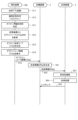
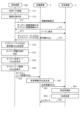
図4は、電子決済システムSysがオンライン電子決済を実行する場合における、電子決済システムSysの動作の一例をを示すシーケンスチャートである。
<A.2.1. Operation of the electronic payment system Sys in online electronic payment>
FIG. 4 is a sequence chart showing an example of the operation of the electronic payment system Sys when the electronic payment system Sys executes online electronic payment.
図4に示すように、端末装置1[q]のユーザU[q]が、店舗装置5が設置された店舗においてサービスの提供を受け、電子決済によって当該サービスの対価の支払いを行う場合、端末装置1[q]の制御装置11は、ユーザU[q]の操作に基づいて電子決済プログラムPG-Tを実行することで、決済アプリを起動する(S11)。
As shown in FIG. 4, when a user U[q] of a terminal device 1[q] receives a service at a store where a
次に、端末装置1[q]の制御装置11は、端末装置1[q]の通信状態がオンライン状態であるか否かを判定する(S12)。具体的には、制御装置11は、例えば、端末装置1[q]のオペレーティングシステムによる端末装置1[q]の通信状態監視機能を用いて、端末装置1[q]の通信状態がオンライン状態であるか否かを判定してもよい。ここで、「端末装置1[q]の通信状態がオンライン状態」であるとは、例えば、端末装置1[q]が、端末装置1[q]の外部に存在する外部装置と通信可能な状態であってもよいし、端末装置1[q]が無線通信を行う場合に、当該無線通信に係る電波強度が所定の強度以上である場合であってもよい。なお、図4に示すシーケンスチャートでは、端末装置1[q]の通信状態がオンライン状態である場合を想定する。
Next, the
次に、端末装置1[q]の情報送信部111は、決済装置3に対してオンライン閉塞情報要求を送信する(S21)。ここで、オンライン閉塞情報要求とは、オンライン閉塞情報DHXを要求する旨の電文である。
Next, the
そして、決済装置3の制御装置31は、ステップS21において端末装置1[q]から供給されたオンライン閉塞情報要求に対する応答として、端末装置1[q]に対してオンライン閉塞情報DHXを供給する(S22)。具体的には、制御装置31は、ステップS22において、まず、決済装置3におけるオンライン決済処理の実行可否を判定し、当該判定結果を示すオンライン閉塞情報DHXを生成する。そして、制御装置31の情報供給部311は、生成したオンライン閉塞情報DHXを端末装置1[q]に対して供給する。
Then, the
次に、端末装置1[q]の情報送信部111は、決済装置3に対して、オンライントークン要求を送信する(S23)。ここで、オンライントークン要求とは、オンライントークンKX[q]を要求する旨の電文である。
Next, the
そして、決済装置3の制御装置31は、ステップS23において端末装置1[q]から供給されたオンライントークン要求に対する応答として、端末装置1[q]に対してオンライントークンKX[q]を供給する(S24)。具体的には、制御装置31は、ステップS24において、まず、端末装置1[q]のユーザU[q]に対応するオンライントークンKX[q]を生成する。そして、制御装置31の情報供給部311は、生成したオンライントークンKX[q]を端末装置1[q]に対して供給する。
Then, the
なお、本実施形態では、一例として、端末装置1[q]が、ステップS21において、決済装置3に対してオンライン閉塞情報要求を送信した後に、ステップS23において、決済装置3に対してオンライントークン要求を送信する場合を例示して説明したが、本発明はこのような態様に限定されるものではない。端末装置1[q]は、決済装置3に対してオンライントークン要求を送信した後に、決済装置3に対してオンライン閉塞情報要求を送信してもよい。また、端末装置1[q]は、決済装置3に対してオンライントークン要求及びオンライン閉塞情報要求を同時に(例えば、同一の電文で)送信してもよい。
In this embodiment, as an example, a case has been described in which the terminal device 1[q] transmits an online blockage information request to the
次に、端末装置1[q]の情報送信部111は、決済装置3に対してオフライン閉塞情報要求を送信する(S31)。ここで、オフライン閉塞情報要求はとは、オフライン閉塞情報DHYを要求する旨の電文である。
Next, the
そして、決済装置3の制御装置31は、ステップS31において端末装置1[q]から供給されたオフライン閉塞情報要求に対する応答として、端末装置1[q]に対してオフライン閉塞情報DHYを供給する(S32)。具体的には、制御装置31は、ステップS32において、まず、決済装置3におけるオフライン決済処理の実行可否を判定し、当該判定結果を示すオフライン閉塞情報DHYを生成する。そして、制御装置31の情報供給部311は、生成したオフライン閉塞情報DHYを端末装置1[q]に対して供給する。
Then, the
次に、端末装置1[q]の情報送信部111は、決済装置3に対して、オフライントークン要求を送信する(S33)。ここで、オフライントークン要求とは、オフライントークンKY[q]を要求する旨の電文である。
Next, the
そして、決済装置3の制御装置31は、ステップS33において端末装置1[q]から供給されたオフライントークン要求に対する応答として、端末装置1[q]に対してオフライントークンKY[q]と暗号鍵KS[q]とを供給する(S34)。具体的には、制御装置31は、ステップS34において、まず、端末装置1[q]のユーザU[q]に対応するオフライントークンKY[q]と暗号鍵KS[q]とを生成する。そして、制御装置31の情報供給部311は、生成したオフライントークンKY[q]及び暗号鍵KS[q]を端末装置1[q]に対して供給する。
Then, the
なお、本実施形態では、一例として、端末装置1[q]が、ステップS31において、決済装置3に対してオフライン閉塞情報要求を送信した後に、ステップS33において、決済装置3に対してオフライントークン要求を送信する場合を例示して説明したが、本発明はこのような態様に限定されるものではない。端末装置1[q]は、決済装置3に対してオフライントークン要求を送信した後に、決済装置3に対してオフライン閉塞情報要求を送信してもよい。また、端末装置1[q]は、決済装置3に対してオフライントークン要求及びオフライン閉塞情報要求を同時に(例えば、同一の電文で)送信してもよい。
In this embodiment, as an example, a case has been described in which the terminal device 1[q] transmits an offline blockage information request to the
次に、端末装置1[q]の情報取得部112は、ステップS34において決済装置3から供給されるオフライントークンKY[q]と暗号鍵KS[q]とを取得し、当該取得したオフライントークンKY[q]及び暗号鍵KS[q]を記憶装置12に記憶させる(S35)。なお、情報取得部112は、ステップS35におけるオフライントークンKY[q]の取得が、M回目の取得(最新の取得)であるので、ステップS35において取得したオフライントークンKY[q]を、オフライントークンKY[q][M]として取得済オフライントークン情報KYY[q]に追加し、ステップS35において取得した暗号鍵KS[q]を、暗号鍵KS[q][M]としてオフライントークン関連情報DYYに追加する。また、本実施形態では、一例として、情報取得部112が、ステップS32において取得したオフライン閉塞情報DHYを、記憶装置12に記憶させる場合を想定する。なお、記憶装置12が既にオフライン閉塞情報DHYを記憶している場合、情報取得部112は、記憶装置12に既に記憶されているオフライン閉塞情報DHYを、ステップS32において新たに取得したオフライン閉塞情報DHYにより、上書きすることとする。
Next, the
また、端末装置1[q]のコード生成部113は、ステップS22において情報取得部112が取得したオンライン閉塞情報DHXに基づいて、決済装置3におけるオンライン決済処理の実行機能が閉塞状態であるか否かを判定する(S41)。なお、図4に示すシーケンスチャートでは、決済装置3におけるオンライン決済処理の実行機能が閉塞状態ではない場合、すなわち、決済装置3がオンライン決済処理を実行可能な場合を想定する。以下では、決済装置3におけるオンライン決済処理の実行機能が閉塞状態にあることを、「オンライン閉塞状態」と称する場合がある。
The
次に、端末装置1[q]のコード生成部113は、ステップS24において情報取得部112が取得したオンライントークンKX[q]に基づいて、オンライン決済コードCX[q]を生成する(S42)。具体的には、コード生成部113は、ステップS42において、オンライントークンKX[q]を含むオンライン決済コードCX[q]を生成する。
Next, the
その後、端末装置1[q]の表示制御部114は、ステップS42においてコード生成部113が生成したオンライン決済コードCX[q]に基づいて、オンライン決済コードCX[q]を表すオンラインコード画像GX[q]を表示するための表示情報を生成し、当該生成した表示情報に基づいてオンラインコード画像GX[q]を表示装置13に表示させる(S43)。具体的には、表示制御部114は、ステップS43において、オンラインコード画像GX[q]を含むオンラインコード画像表示画面G1を、表示装置13に表示させる。
Then, the
図5は、オンラインコード画像表示画面G1の一例を示す模式図である。 Figure 5 is a schematic diagram showing an example of the online code image display screen G1.
図5に示すように、オンラインコード画像表示画面G1は、オンラインコード画像GX[q]と、支払方法表示領域A1と、ポイント利用選択ボタンB1と、を備える。 As shown in FIG. 5, the online code image display screen G1 includes an online code image GX[q], a payment method display area A1, and a point usage selection button B1.
オンラインコード画像GX[q]は、上述の通り、オンライン決済コードCX[q]を表すためのバーコードである。但し、本発明はこのような態様に限定されるものではない。オンラインコード画像GX[q]は、例えば、オンライン決済コードCX[q]を表すための二次元コードであってもよい。 As described above, the online code image GX[q] is a barcode for representing the online payment code CX[q]. However, the present invention is not limited to this aspect. The online code image GX[q] may be, for example, a two-dimensional code for representing the online payment code CX[q].
ポイント利用選択ボタンB1は、オンライン電子決済において、ユーザU[q]に付与されたポイントを使用するか否かを選択するためのボタンである。なお、図4等では図示省略するが、本実施形態では、一例として、ユーザU[q]がオンラインコード画像表示画面G1においてポイント利用選択ボタンB1を用いてポイント使用の有無を変更した際に、当該変更内容が端末装置1[q]から決済装置3に対して通知される場合を想定する。
The point usage selection button B1 is a button for selecting whether or not to use points granted to the user U[q] in online electronic payment. Although not shown in FIG. 4 etc., in this embodiment, as an example, it is assumed that when the user U[q] changes whether or not to use points using the point usage selection button B1 on the online code image display screen G1, the change is notified from the terminal device 1[q] to the
支払方法表示領域A1には、電子決済システムSysにおいてユーザU[q]が電子決済を利用する場合における、ユーザU[q]の支払方法が表示される。具体的には、表示制御部114は、ユーザ支払情報DSH[q]に基づいて、支払方法表示領域A1に対してユーザU[q]の支払方法を表示させる。なお、図4等では図示省略するが、本実施形態では、一例として、端末装置1[q]からの要求に応じて、決済装置3が端末装置1[q]に対してユーザ支払情報DSH[q]が供給される場合を想定する。
なお、支払方法表示領域A1に表示されるユーザU[q]の支払方法は、以下で説明する支払方法選択画面GSにおいて、変更することができる。
The payment method display area A1 displays the payment method of the user U[q] when the user U[q] uses electronic payment in the electronic payment system Sys. Specifically, the
The payment method of user U[q] displayed in the payment method display area A1 can be changed on the payment method selection screen GS, which will be described below.
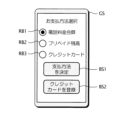
図6は、支払方法選択画面GSの一例を示す模式図である。 Figure 6 is a schematic diagram showing an example of the payment method selection screen GS.
図6に示すように、支払方法選択画面GSは、電子決済における支払方法として電話料金合算払いを選択するためのラジオボタンRB1、電子決済における支払方法としてプリペイド残高払いを選択するためのラジオボタンRB2、及び、電子決済における支払方法としてクレジットカード払いを選択するためのラジオボタンRB3を含む3個のラジオボタンRBと、電子決済における支払方法を決定するための決定ボタンBS1と、クレジットカード情報DCR[q]を登録するための画面(図示省略)を表示装置13に表示させるためのクレジット登録ボタンBS2と、を備える。ユーザU[q]は、支払方法選択画面GSにおいて、3個のラジオボタンRBのうちいずれか1つのラジオボタンRBを選択した状態で、決定ボタンBS1を押下することで、選択したラジオボタンRBに対応する支払方法を、電子決済システムSysにおけるユーザU[q]の支払方法として選択することができる。
As shown in FIG. 6, the payment method selection screen GS has three radio buttons RB including a radio button RB1 for selecting combined telephone bill payment as the payment method in electronic payment, a radio button RB2 for selecting prepaid balance payment as the payment method in electronic payment, and a radio button RB3 for selecting credit card payment as the payment method in electronic payment, a decision button BS1 for deciding the payment method in electronic payment, and a credit registration button BS2 for displaying a screen (not shown) for registering credit card information DCR[q] on the
説明を図4に戻す。
図4に示すように、店舗装置5は、店舗装置5に設けられるバーコードリーダー等を用いて、端末装置1[q]の表示装置13に表示された画面(オンラインコード画像表示画面G1)に含まれるコード画像GG[q](オンラインコード画像GX[q])を読み取る処理を行う(S44)。
その後、店舗装置5は、店舗装置5が設置された店舗がユーザU[q]に対して提供したサービス内容に基づく店舗決済情報(店舗識別情報、決済金額、決済日時)を生成し、当該生成した店舗決済情報と、ステップS44において読み取ったコード画像GG[q](オンラインコード画像GX[q])の示す決済コードCC[q](オンライン決済コードCX[q])とを含む、決済情報DP[q]を生成する(S61)。
そして、店舗装置5は、決済装置3に対して、ステップS61で生成した決済情報DP[q]を送信する(S62)。
Returning to FIG.
As shown in FIG. 4, the in-
The
Then, the in-
次に、決済装置3の決済処理部313は、店舗装置5から供給された決済情報DP[q]に含まれる決済コードCC[q](オンライン決済コードCX[q])に基づいて、決済コードCC[q](オンライン決済コードCX[q])に含まれるトークンKK[q](オンライントークンKX[q])の有効性を確認する(S63)。なお、図4に示すシーケンスチャートでは、トークンKK[q](オンライントークンKX[q])が有効である場合を想定する。
その後、決済装置3の決済処理部313は、決済処理(オンライン決済処理)を実行する(S64)。
そして、決済装置3の情報供給部311は、店舗装置5に対して、ステップS64における決済処理(オンライン決済処理)の結果を示すレジ課金レスポンスを送信する(S65)。
Next, the
Thereafter, the
Then, the
<A.2.2.オフライン電子決済における電子決済システムSysの動作>
図7は、電子決済システムSysがオフライン電子決済を実行する場合における、電子決済システムSysの動作の一例をを示すシーケンスチャートである。なお、図7では、端末装置1[q]の通信状態がオフライン状態であることに起因して、電子決済システムSysがオンライン電子決済を実行できない場合を想定する。
<A.2.2. Operation of the electronic payment system Sys in offline electronic payment>
Fig. 7 is a sequence chart showing an example of the operation of the electronic payment system Sys when the electronic payment system Sys executes offline electronic payment. In Fig. 7, it is assumed that the electronic payment system Sys cannot execute online electronic payment because the communication state of the terminal device 1[q] is offline.
図7に示すように、端末装置1[q]のユーザU[q]が、店舗装置5が設置された店舗においてサービスの提供を受け、電子決済によって当該サービスの対価の支払いを行う場合、端末装置1[q]の制御装置11は、ユーザU[q]の操作に基づいて電子決済プログラムPG-Tを実行することで、決済アプリを起動する(S11)。
As shown in FIG. 7, when a user U[q] of a terminal device 1[q] receives a service at a store where a
次に、端末装置1[q]の制御装置11は、端末装置1[q]の通信状態がオンライン状態であるか否かを判定する(S12)。なお、上述の通り、図7に示すシーケンスチャートでは、ステップS12における判定の結果が否定の場合、すなわち、端末装置1[q]の通信状態がオフライン状態である場合を想定する。
Next, the
ステップS12における判定の結果が否定の場合、端末装置1[q]のコード生成部113は、記憶装置12に記憶されているオフライン閉塞情報DHYに基づいて、決済装置3におけるオフライン決済処理の実行機能が閉塞状態であるか否かを判定する(S51)。なお、図7に示すシーケンスチャートでは、決済装置3におけるオフライン決済処理の実行機能が閉塞状態ではない場合、すなわち、決済装置3がオフライン決済処理を実行可能な場合を想定する。以下では、決済装置3におけるオフライン決済処理の実行機能が閉塞状態にあることを、「オフライン閉塞状態」と称する場合がある。
If the result of the judgment in step S12 is negative, the
次に、端末装置1[q]のコード生成部113は、記憶装置12から、最新のオフライントークンKY[q][M]を取得する(S52)。
そして、端末装置1[q]のコード生成部113は、オフライントークンKY[q][M]に基づいて、オフライン決済コードCY[q]を生成する(S53)。具体的には、コード生成部113は、ステップS53において、オフライントークンKY[q][M]を含むオフライン決済コードCY[q]を生成する。
Next, the
Then, the
その後、端末装置1[q]の表示制御部114は、ステップS53においてコード生成部113が生成したオフライン決済コードCY[q]に基づいて、オフライン決済コードCY[q]を表すオフラインコード画像GY[q]を表示するための表示情報を生成し、当該生成した表示情報に基づいてオフラインコード画像GY[q]を表示装置13に表示させる(S54)。具体的には、表示制御部114は、ステップS54において、オフラインコード画像GY[q]を含むオフラインコード画像表示画面G2を、表示装置13に表示させる。
Then, the
図8は、オフラインコード画像表示画面G2の一例を示す模式図である。 Figure 8 is a schematic diagram showing an example of the offline code image display screen G2.
図8に示すように、オフラインコード画像表示画面G2は、オフラインコード画像GY[q]と、支払方法表示領域A2と、ポイント利用選択ボタンB2と、を備える。 As shown in FIG. 8, the offline code image display screen G2 includes an offline code image GY[q], a payment method display area A2, and a point usage selection button B2.
オフラインコード画像GY[q]は、上述の通り、オフライン決済コードCY[q]を表すためのバーコードである。また、本実施形態では、一例として、オフラインコード画像表示画面G2において、オフライン決済コードCY[q]を表すための二次元コードも、オフラインコード画像GY[q]として表示される場合を想定する。
支払方法表示領域A2には、電子決済システムSysにおいてユーザU[q]が電子決済を利用する場合における、ユーザU[q]の支払方法が表示される。
ポイント利用選択ボタンB2は、オフライン電子決済において、ユーザU[q]に付与されたポイントを使用するか否かの、ユーザU[q]による現在の選択状況を表示するためのボタンである。
As described above, the offline code image GY[q] is a barcode for representing the offline payment code CY[q]. In the present embodiment, as an example, it is assumed that a two-dimensional code for representing the offline payment code CY[q] is also displayed as the offline code image GY[q] on the offline code image display screen G2.
The payment method display area A2 displays the payment method of the user U[q] when the user U[q] uses electronic payment in the electronic payment system Sys.
The point use selection button B2 is a button for displaying the current selection status by user U[q] as to whether or not to use the points granted to user U[q] in offline electronic payment.
説明を図7に戻す。
図7に示すように、店舗装置5は、端末装置1[q]の表示装置13に表示された画面(オフラインコード画像表示画面G2)に含まれるコード画像GG[q](オフラインコード画像GY[q])を読み取る処理を行う(S55)。
その後、店舗装置5は、店舗装置5が設置された店舗がユーザU[q]に対して提供したサービス内容に基づく店舗決済情報を生成し、当該生成した店舗決済情報と、ステップS55において読み取ったコード画像GG[q](オフラインコード画像GY[q])の示す決済コードCC[q](オフライン決済コードCY[q])とを含む、決済情報DP[q]を生成する(S61)。
そして、店舗装置5は、決済装置3に対して、ステップS61で生成した決済情報DP[q]を送信する(S62)。
Returning to FIG.
As shown in FIG. 7, the in-
Thereafter, the in-
Then, the in-
次に、決済装置3の決済処理部313は、店舗装置5から供給された決済情報DP[q]に含まれる決済コードCC[q](オフライン決済コードCY[q])に基づいて、決済コードCC[q](オフライン決済コードCY[q])に含まれるトークンKK[q](オフライントークンKY[q][M])の有効性を確認する(S63)。なお、図7に示すシーケンスチャートでは、トークンKK[q](オフライントークンKY[q][M])が有効である場合を想定する。
その後、決済装置3の決済処理部313は、決済処理(オフライン決済処理)を実行する(S64)。
そして、決済装置3の情報供給部311は、店舗装置5に対して、ステップS64における決済処理(オフライン決済処理)の結果を示すレジ課金レスポンスを送信する(S65)。
Next, the
Thereafter, the
Then, the
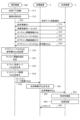
図9は、電子決済システムSysがオフライン電子決済を実行する場合における、電子決済システムSysの動作の他の例をを示すシーケンスチャートである。なお、図9では、端末装置1[q]が決済装置3からオンライントークンKX[q]の取得に失敗したことに起因して、電子決済システムSysがオンライン電子決済を実行できない場合を想定する。
Figure 9 is a sequence chart showing another example of the operation of the electronic payment system Sys when the electronic payment system Sys executes offline electronic payment. Note that Figure 9 assumes a case in which the electronic payment system Sys cannot execute online electronic payment due to the terminal device 1[q] failing to acquire the online token KX[q] from the
図9に示すように、端末装置1[q]のユーザU[q]が、店舗装置5が設置された店舗においてサービスの提供を受け、電子決済によって当該サービスの対価の支払いを行う場合、上述のステップS11及びS12の処理を実行する。なお、図9に示すシーケンスチャートでは、ステップS12における判定の結果が肯定の場合、すなわち、端末装置1[q]の通信状態がオンライン状態である場合を想定する。
As shown in FIG. 9, when a user U[q] of a terminal device 1[q] receives a service at a store where a
次に、端末装置1[q]の情報送信部111は、決済装置3に対してオンライン閉塞情報要求を送信する(S21)。但し、図9に示すシーケンスチャートでは、オンライン閉塞情報要求に対する決済装置3からの応答が無い場合を想定する。
また、端末装置1[q]の情報送信部111は、決済装置3に対して、オンライントークン要求を送信する(S23)。但し、図9に示すシーケンスチャートでは、オンライントークン要求に対する決済装置3からの応答が無い場合を想定する。すなわち、上述の通り、図9に示すシーケンスチャートでは、端末装置1[q]が決済装置3からオンライントークンKX[q]の取得に失敗した場合を想定する。
また、端末装置1[q]の情報送信部111は、決済装置3に対してオフライン閉塞情報要求を送信する(S31)。但し、図9に示すシーケンスチャートでは、オフライン閉塞情報要求に対する決済装置3からの応答が無い場合を想定する。
また、端末装置1[q]の情報送信部111は、決済装置3に対して、オフライントークン要求を送信する(S33)。但し、図9に示すシーケンスチャートでは、オフライントークン要求に対する決済装置3からの応答が無い場合を想定する。
Next, the
Further, the
In addition, the
Furthermore, the
そして、端末装置1[q]のコード生成部113は、記憶装置12に記憶されているオフライン閉塞情報DHYに基づいて、決済装置3がオフライン閉塞状態であるか否かを判定する(S51)。なお、図9に示すシーケンスチャートでは、決済装置3がオフライン閉塞状態ではない場合、すなわち、決済装置3がオフライン決済処理を実行可能な場合を想定する。
Then, the
その後、電子決済システムSysは、ステップS52~S55、及び、ステップS61~S65の処理を実行することで、オフライン電子決済を行う。 Then, the electronic payment system Sys performs the processes of steps S52 to S55 and steps S61 to S65 to perform offline electronic payment.
図10は、電子決済システムSysがオフライン電子決済を実行する場合における、電子決済システムSysの動作の他の例を示すシーケンスチャートである。なお、図10では、決済装置3がオンライン閉塞状態であることに起因して、電子決済システムSysがオンライン電子決済を実行できない場合を想定する。
Figure 10 is a sequence chart showing another example of the operation of the electronic payment system Sys when the electronic payment system Sys executes offline electronic payment. Note that Figure 10 assumes a case where the electronic payment system Sys cannot execute online electronic payment because the
図10に示すように、端末装置1[q]のユーザU[q]が、店舗装置5が設置された店舗においてサービスの提供を受け、電子決済によって当該サービスの対価の支払いを行う場合、上述のステップS11及びS12、ステップS21~S24、並びに、ステップS31~S35の処理を実行する。なお、図10に示すシーケンスチャートでは、ステップS12における判定の結果が肯定の場合、すなわち、端末装置1[q]の通信状態がオンライン状態である場合を想定する。また、図10に示すシーケンスチャートでは、ステップS31~S34に示すように、決済装置3から、オンライン閉塞情報DHX、オンライントークンKX[q]、オフライン閉塞情報DHY、及び、オフライントークンKY[q]の供給がある場合を想定する。
その後、端末装置1[q]のコード生成部113は、ステップS22において情報取得部112が取得したオンライン閉塞情報DHXに基づいて、決済装置3がオンライン閉塞状態であるか否かを判定する(S41)。なお、図10に示すシーケンスチャートでは、上述の通り、決済装置3がオンライン閉塞状態の場合、すなわち、決済装置3がオンライン決済処理を実行不能な場合を想定する。
そして、ステップS41における判定の結果が否定の場合、すなわち、決済装置3がオンライン閉塞状態の場合、端末装置1[q]のコード生成部113は、記憶装置12に記憶されているオフライン閉塞情報DHYに基づいて、決済装置3がオフライン閉塞状態であるか否かを判定する(S51)。なお、図10に示すシーケンスチャートでは、決済装置3がオフライン閉塞状態ではない場合、すなわち、決済装置3がオフライン決済処理を実行可能な場合を想定する。
As shown in Fig. 10, when a user U[q] of a terminal device 1[q] receives a service at a store where a
Thereafter, the
If the result of the determination in step S41 is negative, i.e., if the
その後、電子決済システムSysは、ステップS52~S55、及び、ステップS61~S65の処理(ステップS55以降は図示省略)を実行することで、オフライン電子決済を行う。 Then, the electronic payment system Sys performs the processes of steps S52 to S55 and steps S61 to S65 (steps S55 and after are not shown) to perform offline electronic payment.
<A.2.3.初回起動時における電子決済システムSysの動作>
図11は、端末装置1[q]において、決済アプリが最初に起動された場合であって、電子決済システムSysが電子決済を実行する場合における、電子決済システムSysの動作の一例をを示すシーケンスチャートである。
<A.2.3. Operation of the electronic payment system Sys at first startup>
FIG. 11 is a sequence chart showing an example of the operation of the electronic payment system Sys when a payment application is launched for the first time in the terminal device 1[q] and the electronic payment system Sys executes electronic payment.
図11に示すように、端末装置1[q]のユーザU[q]が、店舗装置5が設置された店舗において受けたサービスの対価を電子決済によって支払う場合であって、端末装置1[q]において決済アプリを起動したことが無い場合においても、端末装置1[q]の制御装置11は、ユーザU[q]の操作に基づいて電子決済プログラムPG-Tを実行することで、決済アプリを起動する(S11)。
As shown in FIG. 11, when a user U[q] of a terminal device 1[q] pays for a service received at a store where a
次に、端末装置1[q]の制御装置11は、上述のステップS12の処理を実行する。なお、図11に示すシーケンスチャートでは、ステップS12における判定の結果が肯定の場合、すなわち、端末装置1[q]の通信状態がオンライン状態である場合を想定する。
Next, the
次に、端末装置1[q]の情報送信部111は、決済装置3に対して、設定情報要求を送信する(S13)。ここで、設定情報要求とは、設定情報DSを要求する旨の電文である。
Next, the
そして、決済装置3の制御装置31は、ステップS13において端末装置1[q]から供給された設定情報要求に対する応答として、端末装置1[q]に対して、設定情報DSを供給する(S14)。具体的には、制御装置31は、ステップS14において、まず、記憶装置32に記憶されている設定情報DSを取得する。そして、制御装置31の情報供給部311は、取得した設定情報DSを端末装置1[q]に対して供給する。
Then, the
また、端末装置1[q]の情報送信部111は、決済装置3に対して、事業者識別トークン要求を送信する(S15)。ここで、事業者識別トークン要求とは、事業者識別トークンKZを要求する旨の電文である。
The
そして、決済装置3の制御装置31は、ステップS15において端末装置1[q]から供給された事業者識別トークン要求に対する応答として、端末装置1[q]に対して、事業者識別トークンKZを供給する(S16)。具体的には、制御装置31は、ステップS16において、まず、記憶装置32に記憶されている事業者識別情報DKZに基づいて事業者識別トークンKZを生成する。そして、制御装置31の情報供給部311は、生成した事業者識別トークンKZを端末装置1[q]に対して供給する。
Then, the
なお、本実施形態では、一例として、端末装置1[q]が、ステップS13において、決済装置3に対して設定情報要求を送信した後に、ステップS15において、決済装置3に対して事業者識別トークン要求を送信する場合を例示して説明したが、本発明はこのような態様に限定されるものではない。端末装置1[q]は、決済装置3に対して事業者識別トークン要求を送信した後に、決済装置3に対して設定情報要求を送信してもよい。また、端末装置1[q]は、決済装置3に対して設定情報要求及び事業者識別トークン要求を同時に(例えば、同一の電文で)送信してもよい。
In this embodiment, as an example, a case has been described in which the terminal device 1[q] transmits a setting information request to the
次に、端末装置1[q]の情報取得部112は、ステップS14において決済装置3から供給される設定情報DSと、ステップS16において決済装置3から供給される事業者識別トークンKZとを取得し、当該取得した設定情報DS及び事業者識別トークンKZを記憶装置12に記憶させる(S17)。
Next, the
その後、電子決済システムSysは、ステップS21以降の処理を実行することで、電子決済を行う。 Then, the electronic payment system Sys performs the processing from step S21 onwards to carry out the electronic payment.
なお、本実施形態では、端末装置1[q]における決済アプリの初回起動時に、決済装置3から端末装置1[q]に対して、設定情報DSと、事業者識別トークンKZとが供給される態様を例示して説明したが、本発明はこのような態様に限定されるものではない。
In this embodiment, an example is described in which the
例えば、決済装置3は、設定情報DSが変更された場合に、変更後の設定情報DSを端末装置1[q]に供給してもよい。具体的には、決済装置3は、設定情報DSが変更された場合であって、端末装置1[q]において決済アプリが起動された旨を示す決済アプリ起動通知(図示省略)が、端末装置1[q]から決済装置3に供給された場合に、当該決済アプリ起動通知に対する応答として、端末装置1[q]に対して変更後の設定情報DSを供給してもよい。また、決済装置3は、例えば、端末装置1[q]から決済装置3に決済アプリ起動通知が供給された場合に、設定情報DSの変更有無に関わらず、端末装置1[q]に対して設定情報DSを供給してもよい。
For example, when the setting information DS is changed, the
また、例えば、決済装置3は、事業者識別情報DKZが変更された場合に、変更後の事業者識別情報DKZを示す事業者識別トークンKZを端末装置1[q]に供給してもよい。具体的には、決済装置3は、事業者識別情報DKZが変更された場合であって、端末装置1[q]から決済装置3に対して決済アプリ起動通知が供給された場合に、当該決済アプリ起動通知に対する応答として、端末装置1[q]に対して変更後の事業者識別情報DKZに基づく事業者識別トークンKZを供給してもよい。この場合、端末装置1[q]が、事業者識別トークンKZを取得する頻度は、オンライントークンKX[q]を取得する頻度よりも低くなる。また、この場合、端末装置1[q]が、事業者識別トークンKZを取得する頻度は、オフライントークンKY[q]を取得する頻度よりも低くなる。
また、決済装置3は、例えば、端末装置1[q]から決済装置3に決済アプリ起動通知が供給された場合に、事業者識別情報DKZの変更有無に関わらず、端末装置1[q]に対して事業者識別トークンKZを供給してもよい。
Also, for example, when the business identification information DKZ is changed, the
In addition, for example, when a payment app launch notification is supplied from terminal device 1[q] to
<A.2.4.電子決済システムSysの動作に係る纏め>
以上のように、本実施形態において、電子決済システムSysは、端末装置1[q]の通信状態がオフライン状態の場合、端末装置1[q]が決済装置3からオンライントークンKX[q]の取得に失敗した場合、及び、決済装置3がオンライン閉塞状態にある場合等、オンライン電子決済が困難な場合に、オフライン電子決済を実行する。このため、例えば、電子決済システムがオンライン電子決済のみ実行可能な態様と比較して、端末装置1[q]のユーザU[q]が、店舗装置5が設置された店舗においてサービスの提供を受けた場合に、当該サービスの対価を電子決済により支払うことが困難となる可能性を低減することができる。これにより、本実施形態によれば、店舗装置5が設置された店舗においてサービスの提供を受けたユーザU[q]の決済に係る利便性の低下を低減することができる。
<A.2.4. Summary of the operation of the electronic payment system Sys>
As described above, in this embodiment, the electronic payment system Sys performs offline electronic payment when online electronic payment is difficult, such as when the communication state of the terminal device 1[q] is offline, when the terminal device 1[q] fails to acquire the online token KX[q] from the
また、本実施形態では、端末装置1[q]において決済アプリが起動(ステップS11参照)されて、電子決済が実行されるタイミングにおいて、端末装置1[q]は、決済装置3から、オンライントークンKX[q]を取得する(ステップS24参照)のに加えて、オフライントークンKY[q]を取得する(ステップS34参照)。すなわち、本実施形態において、端末装置1[q]は、端末装置1[q]及び決済装置3が電子決済に係る通信を行うタイミングにおいて、決済装置3からオフライントークンKY[q]を取得する。このため、本実施形態によれば、例えば、予め定められたタイミング等、電子決済が行われるタイミングとは無関係なタイミングにおいて、端末装置1[q]が決済装置3からオフライントークンKY[q]を取得する態様と比較して、端末装置1[q]における電子決済以外の処理数を低減することが可能となる。これにより、本実施形態によれば、電子決済が行われるタイミングとは無関係なタイミングにおいて端末装置1[q]が決済装置3からオフライントークンKY[q]を取得する態様と比較して、端末装置1[q]における処理のスケジュール調整の煩雑さを低減することができる。
In addition, in this embodiment, when the payment app is launched in the terminal device 1[q] (see step S11) and electronic payment is executed, the terminal device 1[q] acquires the online token KX[q] (see step S24) and also acquires the offline token KY[q] (see step S34) from the
また、本実施形態において、端末装置1[q]は、電子決済が行われるタイミングにおいて、決済装置3から取得したオフライントークンKY[q]を記憶装置12に記憶させる。このため、本実施形態によれば、通信不良等に起因してオンライン電子決済が困難な場合に、オフライン電子決済までもが実行困難となる可能性を低減することができる。
In addition, in this embodiment, the terminal device 1[q] stores the offline token KY[q] acquired from the
また、本実施形態において、端末装置1[q]は、オンライン閉塞情報DHXが、決済装置3がオンライン閉塞状態ではないことを示す場合に限り、表示装置13にオンラインコード画像GX[q]を表示し、また、オフライン閉塞情報DHYが、決済装置3がオフライン閉塞状態ではないことを示す場合に限り、表示装置13にオフラインコード画像GY[q]を表示する。つまり、本実施形態によれば、オンライン電子決済の実行が困難な場合に、端末装置1[q]におけるオンラインコード画像GX[q]の表示を抑制し、また、オフライン電子決済の実行が困難な場合に、端末装置1[q]におけるオフラインコード画像GY[q]の表示を抑制することができる。このため、本実施形態によれば、例えば、閉塞情報DHを考慮せずにコード画像GG[q]を表示する態様と比較して、コード画像GG[q]の表示に係るユーザU[q]の手間を削減することができる。
In addition, in this embodiment, the terminal device 1[q] displays the online code image GX[q] on the
<A.3.決済コードCC[q]の概要>
以下、図12を参照しつつ、決済コードCC[q](オンライン決済コードCX[q]及びオフライン決済コードCY[q])の概要について説明する。
<A. 3. Overview of payment code CC[q]>
Below, an overview of the payment code CC[q] (online payment code CX[q] and offline payment code CY[q]) will be described with reference to FIG.
図12は、オンライン決済コードCX[q]及びオフライン決済コードCY[q]のデータ構成の一例を示す図である。 Figure 12 shows an example of the data structure of online payment code CX[q] and offline payment code CY[q].
図12に示すように、オンライン決済コードCX[q]は、事業者識別トークンKZと、オンライントークンKX[q]と、充当値VJと、コード種別値VVと、を含む。また、オフライン決済コードCY[q]は、事業者識別トークンKZと、オフライントークンKY[q]と、時間暗号コードTT[q][n]と、充当値VJと、コード種別値VVと、を含む。 As shown in FIG. 12, the online payment code CX[q] includes a business operator identification token KZ, an online token KX[q], an allocation value VJ, and a code type value VV. The offline payment code CY[q] includes a business operator identification token KZ, an offline token KY[q], a time encryption code TT[q][n], an allocation value VJ, and a code type value VV.
事業者識別トークンKZは、LZ個のコード値VZ[1]~VZ[LZ]から構成される、LZ桁のデータである。ここで、値LZは、「LZ≧2」を満たす自然数である。また、本実施形態において、各コード値VZは、1桁の数字(0~9)から構成される1桁のデータである場合を想定する。但し、コード値VZは、1桁の英数字(1桁の数字または1個のアルファベット)から構成される1桁のデータであってもよい。 The business operator identification token KZ is LZ-digit data consisting of LZ code values VZ[1] to VZ[LZ]. Here, the value LZ is a natural number that satisfies "LZ ≧ 2". In this embodiment, each code value VZ is assumed to be one-digit data consisting of a single digit number (0 to 9). However, the code value VZ may also be one-digit data consisting of a single alphanumeric character (one digit number or one alphabet).
オンライントークンKX[q]は、LX個のコード値VX[1]~VX[LX]から構成される、LX桁のデータである。ここで、値LXは、「LX≧4」を満たす自然数である。また、本実施形態において、各コード値VXは、1桁の数字(0~9)から構成される1桁のデータである場合を想定する。但し、コード値VXは、1桁の英数字(1桁の数字または1個のアルファベット)から構成される1桁のデータであってもよい。 The online token KX[q] is LX-digit data consisting of LX code values VX[1] to VX[LX]. Here, the value LX is a natural number that satisfies "LX≧4". In this embodiment, it is assumed that each code value VX is one-digit data consisting of a single digit number (0 to 9). However, the code value VX may also be one-digit data consisting of a single alphanumeric character (one digit number or one alphabet).
オフライントークンKY[q]は、LY個のコード値VY[1]~VY[LY]から構成される、LY桁のデータである。ここで、値LYは、「LY≧2」、且つ、「LY<LX」を満たす自然数である。また、本実施形態において、各コード値VYは、1桁の数字(0~9)から構成される1桁のデータである場合を想定する。但し、コード値VYは、1桁の英数字(1桁の数字または1個のアルファベット)から構成される1桁のデータであってもよい。 The offline token KY[q] is LY-digit data consisting of LY code values VY[1] to VY[LY]. Here, the value LY is a natural number that satisfies "LY ≧ 2" and "LY < LX". In this embodiment, each code value VY is assumed to be 1-digit data consisting of a single digit number (0 to 9). However, the code value VY may also be 1-digit data consisting of a single alphanumeric character (a single digit number or a single alphabet).
時間暗号コードTT[q]は、LT個のコード値VT[1]~VT[LT]から構成される、LT桁のデータである。ここで、値LTは、「LT≧2」、且つ、「LT+LY=LX」を満たす自然数である。すなわち、本実施形態において、オフライントークンKY[q]の桁数LYと、時間暗号コードTT[q][n]の桁数LTとの合計値は、オンライントークンKX[q]の桁数LXと等しい。また、本実施形態において、各コード値VTは、1桁の数字(0~9)から構成される1桁のデータである場合を想定する。但し、コード値VTは、1桁の英数字(1桁の数字または1個のアルファベット)から構成される1桁のデータであってもよい。 The time encryption code T T [q] is L T digit data consisting of L T code values V T [1] to V T [LT]. Here, the value L T is a natural number that satisfies "L T ≧ 2" and "L T + L Y = L X". That is, in this embodiment, the sum of the number of digits L Y of the offline token K Y [q] and the number of digits L T of the time encryption code T T [q] [n] is equal to the number of digits L X of the online token K X [q]. Also, in this embodiment, it is assumed that each code value V T is one-digit data consisting of one digit number (0 to 9). However, the code value V T may be one-digit data consisting of one alphanumeric character (one digit number or one alphabet).
充当値VJは、1桁の数字(0~9)から構成される1桁のデータである。但し、充当値VJは、1ビットの値であってもよく、2桁以上の数字であってもよく、1桁以上の英数字であってもよい。 The allocation value VJ is a single-digit data consisting of a single digit (0 to 9). However, the allocation value VJ may be a 1-bit value, a number of two or more digits, or an alphanumeric value of one or more digits.
コード種別値VVは、1桁の数字(0~9)から構成される1桁のデータである。但し、コード種別値VVは、1ビットの値であってもよく、2桁以上の数字であってもよく、1桁以上の英数字であってもよい。コード種別値VVには、決済コードCC[q]の種別を示す値が設定される。具体的には、決済コードCC[q]がオンライン決済コードCX[q]である場合、コード種別値VVには、決済コードCC[q]がオンライン決済コードCX[q]であることを示す値、例えば「1」が設定される。以下では、決済コードCC[q]がオンライン決済コードCX[q]であることを示す値を、「オンラインコード値」と称する。また、決済コードCC[q]がオフライン決済コードCY[q]である場合、コード種別値VVには、決済コードCC[q]がオフライン決済コードCY[q]であることを示す値、例えば「2」が設定される。以下では、決済コードCC[q]がオフライン決済コードCY[q]であることを示す値を、「オフラインコード値」と称する。 The code type value VV is one-digit data consisting of one digit (0 to 9). However, the code type value VV may be a one-bit value, a number of two or more digits, or an alphanumeric character of one or more digits. The code type value VV is set with a value indicating the type of the payment code CC[q]. Specifically, when the payment code CC[q] is an online payment code CX[q], the code type value VV is set with a value indicating that the payment code CC[q] is an online payment code CX[q], for example, "1". Hereinafter, the value indicating that the payment code CC[q] is an online payment code CX[q] is referred to as the "online code value". Also, when the payment code CC[q] is an offline payment code CY[q], the code type value VV is set with a value indicating that the payment code CC[q] is an offline payment code CY[q], for example, "2". Hereinafter, the value indicating that the payment code CC[q] is the offline payment code CY[q] will be referred to as the "offline code value."
以下、コード生成部113が、決済コードCC[q]を生成する処理(以下、「コード生成処理」と称する)について説明する。なお、以下では、コード生成部113によるコード生成処理のうち、オンライン決済コードCX[q]を生成する処理を、「オンラインコード生成処理」と称する。また、以下では、コード生成部113によるコード生成処理のうち、オフライン決済コードCY[q]を生成する処理を、「オフラインコード生成処理」と称する。
The following describes the process by which the
オンラインコード生成処理において、コード生成部113は、コード種別値VVに対して、オンラインコード値(例えば「1」)を設定する。そして、コード生成部113は、記憶装置12に記憶された事業者識別トークンKZと、情報取得部112が決済装置3から取得したオンライントークンKX[q]と、充当値VJと、コード種別値VVとを、所定の順番に並べることで、オンライン決済コードCX[q]を生成する。
In the online code generation process, the
オフラインコード生成処理において、コード生成部113は、端末装置1[q]で管理する端末時刻TGに基づいて、端末時刻値AGを生成する。具体的には、コード生成部113は、端末時刻TGのうち、「秒」を表す部分を削除し、「分」及び「時」を表す部分を残置することで、端末時刻値AGを生成する。
次に、コード生成部113は、オフラインコード生成処理において、記憶装置12に記憶されているM個の暗号鍵KS[q][1]~KS[q][M]のうち、最後に取得されたオフライントークンKY[q][M]に対応する暗号鍵KS[q][M]を用いて、端末時刻値AGを暗号化することで、時間暗号コードTT[q]を生成する。すなわち、本実施形態において、時間暗号コードTT[q]が、暗号鍵KS[q][M]を用いて端末時刻値AGを暗号化した値である場合を想定する。
また、コード生成部113は、オフラインコード生成処理において、コード種別値VVに対して、オフラインコード値(例えば「2」)を設定する。
そして、コード生成部113は、オフラインコード生成処理において、記憶装置12に記憶された事業者識別トークンKZと、情報取得部112が決済装置3から取得したオフライントークンKY[q]と、コード生成部113が生成した時間暗号コードTT[q]と、充当値VJと、コード種別値VVとを、所定の順番に並べることで、オフライン決済コードCY[q]を生成する。
なお、本実施形態では、オンライン決済コードCX[q]の桁数と、オフライン決済コードCY[q]の桁数とは等しい場合を想定する。
In the offline code generation process, the
Next, in the offline code generation process, the
Furthermore, in the offline code generation process, the
Then, in the offline code generation process, the
In this embodiment, it is assumed that the number of digits of the online payment code CX[q] is equal to the number of digits of the offline payment code CY[q].
上述の通り、本実施形態において、コード生成部113は、端末時刻値AGを、更新単位時間TCの周期で更新する。具体的には、本実施形態において、コード生成部113は、端末時刻値AGを、1分毎に更新する。そして、コード生成部113は、端末時刻値AGが更新された場合、更新後の端末時刻値AGを暗号鍵KS[q][M]により暗号化した値により時間暗号コードTT[q]を更新し、更新後の時間暗号コードTT[q]によりオフライン決済コードCY[q]を更新する。具体的には、事業者識別トークンKZと、オフライントークンKY[q]と、更新後の時間暗号コードTT[q]と、充当値VJと、コード種別値VVとを、所定の順番に並べることで、更新後のオフライン決済コードCY[q]を生成する。
As described above, in this embodiment, the
以下では、時間暗号コードTT[q]のうち、(n+1)回の更新を経た時間暗号コードTT[q]を、時間暗号コードTT[q][n]と称する場合がある。すなわち、以下では、1度も更新されていない時間暗号コードTT[q]を、時間暗号コードTT[q][1]と称し、1回の更新を経た時間暗号コードTT[q]を、時間暗号コードTT[q][2]と称する場合がある。ここで、変数nは、「1≦n」を満たす自然数である。 In the following, a time encryption code T T [q] that has been updated (n+1) times may be referred to as a time encryption code T T [q] [n]. In other words, in the following, a time encryption code T T [q] that has never been updated may be referred to as a time encryption code T T [q] [1], and a time encryption code T T [q] that has been updated once may be referred to as a time encryption code T T [q] [2]. Here, the variable n is a natural number that satisfies "1 ≦ n".
このように、本実施形態では、オフライン決済コードCY[q]が、オフライントークン有効時間TSY(例えば、1週間)毎に更新されるオフライントークンKY[q]に加えて、オフライントークン有効時間TSYよりも短い時間である更新単位時間TC(例えば、1分)毎に更新される時間暗号コードTT[q]を含んで構成される。つまり、本実施形態において、オフライン決済コードCY[q]は、時間暗号コードTT[q]の更新周期である更新単位時間TC毎に更新される。このため、本実施形態によれば、オフライン決済コードCY[q]が時間暗号コードTT[q]を含まずに構成される態様と比較して、オフライン決済コードCY[q]の漏洩に伴うセキュリティ上のリスクを低減することができる。 As described above, in this embodiment, the offline payment code CY[q] includes an offline token KY[q] that is updated every offline token validity time TSY (e.g., one week), as well as a time encryption code TT[q] that is updated every update unit time TC (e.g., one minute), which is shorter than the offline token validity time TSY. In other words, in this embodiment, the offline payment code CY[q] is updated every update unit time TC, which is the update period of the time encryption code TT[q]. Therefore, according to this embodiment, the security risk associated with leakage of the offline payment code CY[q] can be reduced compared to an embodiment in which the offline payment code CY[q] is configured without including the time encryption code TT[q].
また、本実施形態では、オフライン決済コードCY[q]が、オフライントークンKY[q]に加えて、オフライントークンKY[q]とは異なるタイミングで取得された事業者識別トークンKZを含んで構成される。このため、本実施形態によれば、オフライン決済コードCY[q]が事業者識別トークンKZを含まずに構成される態様と比較して、オフライン決済コードCY[q]の漏洩に伴うセキュリティ上のリスクを低減することができる。
同様に、本実施形態では、オンライン決済コードCX[q]が、オンライントークンKX[q]に加えて、オンライントークンKX[q]とは異なるタイミングで取得された事業者識別トークンKZを含んで構成される。このため、本実施形態によれば、オンライン決済コードCX[q]が事業者識別トークンKZを含まずに構成される態様と比較して、オンライン決済コードCX[q]の漏洩に伴うセキュリティ上のリスクを低減することができる。
In this embodiment, the offline payment code CY[q] includes, in addition to the offline token KY[q], a business operator identification token KZ acquired at a timing different from that of the offline token KY[q]. Therefore, according to this embodiment, the security risk associated with leakage of the offline payment code CY[q] can be reduced compared to a case in which the offline payment code CY[q] does not include the business operator identification token KZ.
Similarly, in this embodiment, the online payment code CX[q] includes, in addition to the online token KX[q], a business operator identification token KZ that was acquired at a timing different from that of the online token KX[q]. Therefore, according to this embodiment, the security risk associated with leakage of the online payment code CX[q] can be reduced compared to a case in which the online payment code CX[q] does not include the business operator identification token KZ.
<A.4.端末装置1[q]の動作>
以下、図13乃至図17を参照しつつ、電子決済が実行される場合における端末装置1[q]の動作の概要について説明する。
<A.4. Operation of terminal device 1[q]>
Below, an overview of the operation of the terminal device 1[q] when electronic payment is performed will be described with reference to Figures 13 to 17.
図13乃至図16は、電子決済システムSysにおいて電子決済が実行される場合における、端末装置1[q]の動作の一例を示すフローチャートである。なお、図13乃至図16に示すフローチャートは、端末装置1[q]において決済アプリが起動されたときに開始される。 Figures 13 to 16 are flowcharts showing an example of the operation of terminal device 1[q] when electronic payment is performed in electronic payment system Sys. Note that the flowcharts shown in Figures 13 to 16 start when a payment app is launched in terminal device 1[q].
図13に示すように、端末装置1[q]において決済アプリが起動されると、端末装置1[q]の制御装置11は、端末装置1[q]の通信状態がオンライン状態であるか否かを判定する(S101)。なお、ステップS101の処理は、上述のステップS12の処理に相当する。
ステップS101における判定の結果が否定の場合、すなわち、端末装置1[q]の通信状態がオフライン状態である場合、端末装置1[q]の制御装置11は、処理をステップS151に進める。
13, when the payment application is launched in the terminal device 1[q], the
If the result of the determination in step S101 is negative, that is, if the communication state of the terminal device 1[q] is offline, the
ステップS101における判定の結果が肯定の場合、すなわち、端末装置1[q]の通信状態がオンライン状態である場合、端末装置1[q]の情報送信部111は、決済装置3に対してオンライン閉塞情報要求を送信する(S103)。なお、ステップS103の処理は、上述のステップS21の処理に相当する。
If the result of the determination in step S101 is positive, that is, if the communication state of the terminal device 1[q] is online, the
そして、端末装置1[q]の制御装置11は、決済装置3から、オンライン閉塞情報要求に対する応答が無い場合(S105:N)、処理をステップS109に進める。他方、端末装置1[q]の情報取得部112は、オンライン閉塞情報要求に対する応答として、通信装置15が決済装置3から送信されたオンライン閉塞情報DHXを受信した場合(S105:Y)、当該オンライン閉塞情報DHXを取得する(S107)。
Then, if there is no response to the online blockage information request from the payment device 3 (S105: N), the
また、端末装置1[q]の情報送信部111は、決済装置3に対してオンライントークン要求を送信する(S109)。なお、ステップS109の処理は、上述のステップS23の処理に相当する。
The
そして、端末装置1[q]の制御装置11は、決済装置3から、オンライントークン要求に対する応答が無い場合(S111:N)、処理をステップS115に進める。他方、端末装置1[q]の情報取得部112は、オンライントークン要求に対する応答として、通信装置15が決済装置3から送信されたオンライントークンKX[q]を受信した場合(S111:Y)、当該オンライントークンKX[q]を取得する(S113)。
Then, if there is no response to the online token request from the payment device 3 (S111: N), the
また、端末装置1[q]の情報送信部111は、決済装置3に対してオフライン閉塞情報要求を送信する(S115)。なお、ステップS115の処理は、上述のステップS31の処理に相当する。
The
そして、端末装置1[q]の制御装置11は、決済装置3から、オフライン閉塞情報要求に対する応答が無い場合(S117:N)、処理をステップS121に進める。他方、端末装置1[q]の情報取得部112は、オフライン閉塞情報要求に対する応答として、通信装置15が決済装置3から送信されたオフライン閉塞情報DHYを受信した場合(S117:Y)、当該オフライン閉塞情報DHYを取得する(S119)。
Then, if there is no response to the offline blockage information request from the payment device 3 (S117: N), the
また、端末装置1[q]の情報送信部111は、決済装置3に対してオフライントークン要求を送信する(S121)。なお、ステップS121の処理は、上述のステップS33の処理に相当する。
The
そして、端末装置1[q]の制御装置11は、決済装置3から、オフライントークン要求に対する応答が無い場合(S123:N)、処理をステップS131に進める。他方、端末装置1[q]の情報取得部112は、オフライントークン要求に対する応答として、通信装置15が決済装置3から送信されたオフライントークンKY[q]及び暗号鍵KS[q]を受信した場合(S123:Y)、当該オフライントークンKY[q]及び暗号鍵KS[q]を記憶装置12に記憶させる(S125)。具体的には、情報取得部112は、ステップS125において、決済装置3から供給されたオフライントークンKY[q]及び暗号鍵KS[q]を取得する。次に、情報取得部112は、取得したオフライントークンKY[q]を、最新のオフライントークンKY[q][M]として取得済オフライントークン情報KYY[q]に追加し、また、取得した暗号鍵KS[q]を、最新の暗号鍵KS[q][M]としてオフライントークン関連情報DYYに追加する。なお、ステップS125の処理は、上述のステップS35の処理に相当する。
Then, if there is no response to the offline token request from the payment device 3 (S123: N), the
図14に示すように、端末装置1[q]のコード生成部113は、決済装置3がオンライン閉塞状態ではないか否かを判定する(S131)。具体的には、コード生成部113は、ステップS131において、情報取得部112がステップS107においてオンライン閉塞情報DHXを取得しており、且つ、当該オンライン閉塞情報DHXが、決済装置3がオンライン閉塞状態ではないことを示しているか否かを判定する。なお、ステップS131の処理は、上述のステップS41の処理に相当する。
As shown in FIG. 14, the
ステップS131における判定の結果が否定の場合、すなわち、情報取得部112がステップS107においてオンライン閉塞情報DHXを取得していない場合、または、オンライン閉塞情報DHXが、決済装置3がオンライン閉塞状態であることを示す場合、端末装置1[q]の制御装置11は、処理をステップS151に進める。
また、ステップS131における判定の結果が肯定の場合であっても、情報取得部112がステップS113においてオンライントークンKX[q]を取得していない場合(S133:N)には、端末装置1[q]の制御装置11は、処理をステップS151に進める。
If the result of the judgment in step S131 is negative, i.e., if the
Also, even if the result of the judgment in step S131 is positive, if the
ステップS131における判定の結果が肯定の場合であって、情報取得部112がステップS113においてオンライントークンKX[q]を取得した場合(S133:Y)において、端末装置1[q]のコード生成部113は、オンラインコード生成処理を実行し、オンライン決済コードCX[q]を生成する(S135)。なお、ステップS135の処理は、上述のステップS42の処理に相当する。
If the result of the determination in step S131 is positive and the
そして、端末装置1[q]の表示制御部114は、オンライン決済コードCX[q]を示すオンラインコード画像GX[q]を表示するための表示情報を生成し、当該表示情報に基づいて、表示装置13にオンラインコード画像GX[q]を表示させる(S137)。なお、ステップS137の処理は、上述のステップS43の処理に相当する。
Then, the
次に、端末装置1[q]の制御装置11は、ユーザU[q]が入力装置14を用いて、決済アプリを終了させる操作(以下、「終了操作」と称する)を実行したか否かを判定する(S139)。
ステップS139における判定の結果が肯定の場合、すなわち、終了操作がなされた場合、端末装置1[q]の制御装置11は、図13乃至図16に示すフローチャートに係る一連の処理を終了させる。
Next, the
If the result of the determination in step S139 is positive, that is, if an end operation has been performed, the
ステップS139における判定の結果が否定の場合、すなわち、終了操作がなされていない場合、端末装置1[q]のコード生成部113は、オンラインコード画像GX[q]を更新する契機である、オンラインコード画像更新契機が到来したか否かを判定する(S141)。ここで、オンラインコード画像更新契機とは、表示装置13に表示されるオンラインコード画像GX[q]が更新される契機である。
If the result of the determination in step S139 is negative, i.e., if the end operation has not been performed, the
本実施形態では、オンライントークン時間条件J11、オンラインコード画像表示条件J12、及び、オンラインコード画像操作条件J13の、3個の更新条件J1のうち、何れか1個以上の更新条件J1が達成されたときに、オンラインコード画像更新契機が到来したものと看做される場合を想定する。ここで、オンライントークン時間条件J11とは、オンラインコード画像GX[q]が表示装置13に表示されてから、オンライントークン有効時間TSXに相当する時間(本実施形態では、5分)が経過する、という条件である。また、オンラインコード画像表示条件J12とは、表示装置13において、オンラインコード画像GX[q]を含むオンラインコード画像表示画面G1が、バックグラウンド表示からフォアグラウンド表示に遷移する、という条件である。また、オンラインコード画像操作条件J13とは、表示装置13においてオンラインコード画像GX[q]を含むオンラインコード画像表示画面G1が表示された状態で、プルダウン操作が実行される、という条件である。
In this embodiment, it is assumed that the online code image update opportunity occurs when one or more of the three update conditions J1, the online token time condition J11, the online code image display condition J12, and the online code image operation condition J13, are met. Here, the online token time condition J11 is a condition that a time equivalent to the online token valid time TSX (5 minutes in this embodiment) has elapsed since the online code image GX[q] was displayed on the
ステップS141における判定の結果が否定の場合、すなわち、オンラインコード画像更新契機が到来していない場合、制御装置11は、処理をステップS137に戻し、表示装置13におけるオンラインコード画像GX[q]の表示を継続させる。
ステップS141における判定の結果が肯定の場合、すなわち、オンラインコード画像更新契機が到来した場合、端末装置1[q]の情報送信部111は、決済装置3に対してオンライントークン要求を送信する(S143)。
If the result of the determination in step S141 is negative, i.e., if the opportunity to update the online code image has not arrived, the
If the result of the determination in step S141 is positive, that is, if the opportunity to update the online code image has arrived, the
そして、端末装置1[q]の制御装置11は、決済装置3から、ステップS143に係るオンライントークン要求に対する応答が無い場合(S145:N)、処理をステップS151に進める。他方、端末装置1[q]の情報取得部112は、ステップS143に係るオンライントークン要求に対する応答として、通信装置15が決済装置3から送信されたオンライントークンKX[q]を受信した場合(S145:Y)、当該オンライントークンKX[q]を取得して(S147)、処理をステップS135に進め、ステップS135において、ステップS147で取得したオンライントークンKX[q]に基づいて、オンライン決済コードCX[q]を生成する。
Then, if there is no response from the
図15に示すように、端末装置1[q]のコード生成部113は、決済装置3がオフライン閉塞状態ではないか否かを判定する(S151)。具体的には、コード生成部113は、ステップS151において、情報取得部112がステップS119においてオフライン閉塞情報DHYを取得しており、且つ、当該オフライン閉塞情報DHYが、決済装置3がオフライン閉塞状態ではないことを示しているか否かを判定する。なお、ステップS151の処理は、上述のステップS51の処理に相当する。
As shown in FIG. 15, the
ステップS151における判定の結果が否定の場合、すなわち、情報取得部112がステップS119においてオフライン閉塞情報DHYを取得していない場合、または、オフライン閉塞情報DHYが、決済装置3がオフライン閉塞状態であることを示す場合、端末装置1[q]の制御装置11は、処理をステップS171に進める。
If the result of the judgment in step S151 is negative, i.e., if the
ステップS151における判定の結果が肯定の場合、すなわち、オフライン閉塞情報DHYが、決済装置3がオフライン閉塞状態ではないことを示す場合、端末装置1[q]のコード生成部113は、記憶装置12に記憶されている最新のオフライントークンKY[q][M]が、有効であるか否かを判定する(S153)。
具体的には、コード生成部113は、ステップS153において、記憶装置12に1または複数のオフライントークンKY[q][1]~KY[q][M]が記憶されており、且つ、記憶装置12に記憶されている最新のオフライントークンKY[q][M]に対応するオフライントークン有効期間TY[q][M]が、現在時刻を含む期間であるか否かを判定する。そして、コード生成部113は、当該判定の結果が肯定の場合に、記憶装置12から最新のオフライントークンKY[q][M]を取得する。なお、ステップS153の処理は、上述のステップS52の処理に相当する。
If the result of the judgment in step S151 is positive, i.e., if the offline blockage information DHY indicates that the
Specifically, in step S153, the
ステップS153における判定の結果が否定の場合、すなわち、記憶装置12にオフライントークンKY[q]が記憶されていない場合、または、記憶装置12に記憶されている最新のオフライントークンKY[q][M]が有効期限切れである場合、端末装置1[q]の制御装置11は、処理をステップS171に進める。
If the result of the judgment in step S153 is negative, i.e., if the offline token KY[q] is not stored in the
ステップS153における判定の結果が肯定の場合、すなわち、記憶装置12に記憶されている最新のオフライントークンKY[q][M]が有効である場合、端末装置1[q]の表示制御部114は、表示装置13に対して、オフライン決済説明画面G3を表示させる(S155)。なお、ステップS155の処理は省略されてもよい。
If the result of the determination in step S153 is positive, i.e., if the latest offline token KY[q][M] stored in the
図17は、オフライン決済説明画面G3の一例を示す模式図である。 Figure 17 is a schematic diagram showing an example of the offline payment explanation screen G3.
図17に示すように、オフライン決済説明画面G3は、オフライン決済説明表示領域A3と、説明画面省略ボタンCB3と、オフライン決済決定ボタンB3と、を備える。 As shown in FIG. 17, the offline payment explanation screen G3 includes an offline payment explanation display area A3, an explanation screen omission button CB3, and an offline payment confirmation button B3.
オフライン決済説明表示領域A3は、ユーザU[q]に対してオフライン電子決済を説明するための文章が表示される領域である。
説明画面省略ボタンCB3は、次回以降、オフライン決済説明画面G3の表示を省略する旨のユーザU[q]からの操作を受け付けるためのボタンである。
オフライン決済決定ボタンB3は、オフライン電子決済の実行を承諾する旨のユーザU[q]からの操作を受け付けるためのボタンである。
The offline payment explanation display area A3 is an area where text explaining offline electronic payment to the user U[q] is displayed.
The explanation screen omission button CB3 is a button for accepting an operation from the user U[q] to omit the display of the offline payment explanation screen G3 from the next time onwards.
The offline payment confirmation button B3 is a button for accepting an operation from the user U[q] to consent to the execution of offline electronic payment.
説明を図15に戻す。
図15に示すように、ステップS155で表示装置13に表示されたオフライン決済説明画面G3において、ユーザU[q]がオフライン決済決定ボタンB3を押下した場合、端末装置1[q]のコード生成部113は、オフラインコード生成処理を実行し、ステップS153において記憶装置12から取得されたオフライントークンKY[q][M]に基づいて、オフライン決済コードCY[q]を生成する(S157)。なお、ステップS157の処理は、上述のステップS53の処理に相当する。
Returning to the explanation of FIG.
15, when the user U[q] presses the offline payment confirmation button B3 on the offline payment explanation screen G3 displayed on the
そして、端末装置1[q]の表示制御部114は、オフライン決済コードCY[q]を示すオフラインコード画像GY[q]を表示するための表示情報を生成し、当該表示情報に基づいて、表示装置13にオフラインコード画像GY[q]を表示させる(S159)。なお、ステップS159の処理は、上述のステップS54の処理に相当する。
Then, the
次に、端末装置1[q]の制御装置11は、ユーザU[q]が入力装置14を用いて、終了操作を実行したか否かを判定する(S161)。
ステップS161における判定の結果が肯定の場合、すなわち、終了操作がなされた場合、端末装置1[q]の制御装置11は、図13乃至図16に示すフローチャートに係る一連の処理を終了させる。
Next, the
If the result of the determination in step S161 is positive, that is, if an end operation has been performed, the
ステップS161における判定の結果が否定の場合、すなわち、終了操作がなされていない場合、端末装置1[q]のコード生成部113は、オフラインコード画像更新契機が到来したか否かを判定する(S163)。ここで、オフラインコード画像更新契機とは、表示装置13に表示されるオフラインコード画像GY[q]が更新される契機である。
If the result of the determination in step S161 is negative, i.e., if the end operation has not been performed, the
本実施形態では、オフラインコード画像表示条件J22、及び、オフラインコード画像操作条件J23の、2個の更新条件J2のうち、何れか1個以上の更新条件J2が達成されたときに、オフラインコード画像更新契機が到来したものと看做される場合を想定する。ここで、オフラインコード画像表示条件J22とは、表示装置13において、オフラインコード画像GY[q]を含むオフラインコード画像表示画面G2が、バックグラウンド表示からフォアグラウンド表示に遷移する、という条件である。また、オフラインコード画像操作条件J23とは、表示装置13においてオフラインコード画像GY[q]を含むオフラインコード画像表示画面G2が表示された状態で、プルダウン操作が実行される、という条件である。
In this embodiment, it is assumed that the opportunity to update the offline code image is deemed to have arrived when at least one of the two update conditions J2, the offline code image display condition J22 and the offline code image operation condition J23, is met. Here, the offline code image display condition J22 is a condition that the offline code image display screen G2 including the offline code image GY[q] transitions from background display to foreground display on the
ステップS163における判定の結果が肯定の場合、すなわち、オフラインコード画像更新契機が到来した場合、端末装置1[q]の制御装置11は、処理をステップS101に進め、図13乃至図16に示すフローチャートに係る一連の処理を、再度実行する。
If the result of the determination in step S163 is positive, i.e., if the opportunity to update the offline code image has arrived, the
ステップS163における判定の結果が否定の場合、すなわち、オフラインコード画像更新契機が到来していない場合、端末装置1[q]のコード生成部113は、端末時刻値AGが更新されることに起因する、時間暗号コードTT[q]の更新契機が到来したか否かを判定する(S165)。
ステップS165における判定の結果が否定の場合、すなわち、時間暗号コードTT[q]の更新契機が到来していない場合、端末装置1[q]の制御装置11は、処理をステップS159に戻し、表示装置13におけるオフラインコード画像GY[q]の表示を継続させる。
If the result of the judgment in step S163 is negative, i.e., if the opportunity to update the offline code image has not arrived, the
If the result of the judgment in step S165 is negative, i.e., if the opportunity to update the time encryption code T[q] has not arrived, the
ステップS165における判定の結果が肯定の場合、すなわち、端末時刻値AGが更新されて時間暗号コードTT[q]の更新契機が到来した場合、端末装置1[q]のコード生成部113は、更新後の端末時刻値AGを暗号鍵KS[q][M]により暗号化することで、時間暗号コードTT[q]を更新する(S167)。
If the result of the determination in step S165 is positive, i.e., if the terminal time value AG has been updated and the opportunity to update the time encryption code TT[q] has arrived, the
そして、端末装置1[q]のコード生成部113は、更新後の時間暗号コードTT[q]により、オフライン決済コードCY[q]を更新し(S169)、処理をステップS159に進めることで、表示装置13において更新後のオフラインコード画像GY[q]を表示させる。具体的には、コード生成部113は、ステップS169において、記憶装置12に記憶されている事業者識別トークンKZと、記憶装置12に記憶されている最新のオフライントークンKY[q][M]と、更新後の時間暗号コードTT[q]と、充当値VJと、コード種別値VVとを、所定の順番に並べることで、更新後のオフライン決済コードCY[q]を生成する。
Then, the
図16に示すように、端末装置1[q]の表示制御部114は、オフライン閉塞状態の場合(S151:N)、及び、記憶装置12において有効なオフライントークンKY[q]が存在しない場合(S153:N)等、オフラインコード生成処理が困難な場合、表示装置13に対して、オンライン電子決済の実行を待機している旨をユーザU[q]に通知する画面であるオンライン決済待受画面(図示省略)を表示させる(S171)。
As shown in FIG. 16, when the offline code generation process is difficult, such as when the offline is blocked (S151:N) or when a valid offline token KY[q] does not exist in the storage device 12 (S153:N), the
そして、端末装置1[q]の情報送信部111は、端末装置1[q]と決済装置3とが通信可能か否かを判定する(S173)。そして、情報送信部111は、端末装置1[q]と決済装置3とが通信可能となるまで待機する。
Then, the
端末装置1[q]と決済装置3とが通信可能となった場合(S173:Y)する、端末装置1[q]の情報送信部111は、決済装置3に対してオンライントークン要求を送信する(S175)。
そして、端末装置1[q]の制御装置11は、決済装置3から、オンライントークン要求に対する応答が無い場合(S177:N)、処理をステップS175に戻すことで、オンライントークン要求を再送する。他方、端末装置1[q]の情報取得部112は、オンライントークン要求に対する応答として、通信装置15が決済装置3から送信されたオンライントークンKX[q]を受信した場合(S177:Y)、当該オンライントークンKX[q]を取得する(S179)。
When the terminal device 1[q] and the
Then, when there is no response to the online token request from the payment device 3 (S177: N), the
次に、端末装置1[q]のコード生成部113は、ステップS179において取得したオンライントークンKX[q]を用いて、オンラインコード生成処理を実行し、オンライン決済コードCX[q]を生成する(S181)。
Next, the
そして、端末装置1[q]の表示制御部114は、ステップS181において生成したオンライン決済コードCX[q]を用いて、当該オンライン決済コードCX[q]を示すオンラインコード画像GX[q]を表示するための表示情報を生成し、当該表示情報に基づいて、表示装置13にオンラインコード画像GX[q]を表示させる(S183)。
Then, the
次に、端末装置1[q]の制御装置11は、ユーザU[q]が入力装置14を用いて、終了操作を実行したか否かを判定する(S185)。
ステップS185における判定の結果が肯定の場合、すなわち、終了操作がなされた場合、端末装置1[q]の制御装置11は、図13乃至図16に示すフローチャートに係る一連の処理を終了させる。
Next, the
If the result of the determination in step S185 is positive, that is, if an end operation has been performed, the
ステップS185における判定の結果が否定の場合、すなわち、終了操作がなされていない場合、端末装置1[q]のコード生成部113は、オンラインコード画像更新契機が到来したか否かを判定する(S187)。
If the result of the determination in step S185 is negative, i.e., if the end operation has not been performed, the
ステップS187における判定の結果が否定の場合、すなわち、オンラインコード画像更新契機が到来していない場合、制御装置11は、処理をステップS183に戻し、表示装置13におけるオンラインコード画像GX[q]の表示を継続させる。
ステップS187における判定の結果が肯定の場合、すなわち、オンラインコード画像更新契機が到来した場合、端末装置1[q]の情報送信部111は、決済装置3に対してオンライントークン要求を送信する(S189)。
If the result of the judgment in step S187 is negative, i.e., if the opportunity to update the online code image has not arrived, the
If the result of the determination in step S187 is positive, that is, if the opportunity to update the online code image has arrived, the
そして、端末装置1[q]の制御装置11は、決済装置3から、ステップS189に係るオンライントークン要求に対する応答が無い場合(S191:N)、処理をステップS171に進める。他方、端末装置1[q]の情報取得部112は、ステップS189に係るオンライントークン要求に対する応答として、通信装置15が決済装置3から送信されたオンライントークンKX[q]を受信した場合(S191:Y)、当該オンライントークンKX[q]を取得して(S193)、処理をステップS181に進めることで、ステップS193で取得したオンライントークンKX[q]に基づいてオンライン決済コードCX[q]を生成する。
Then, if there is no response from the
このように、本実施形態によれば、オンライン閉塞状態の場合(S131:N)、及び、オンライントークンKX[q]の取得に失敗した場合(S133:N)等、オンライン電子決済が困難な場合に、オフライン電子決済を実行する。このため、例えば、電子決済システムがオンライン電子決済のみ実行可能な態様と比較して、端末装置1[q]のユーザU[q]が、店舗装置5が設置された店舗においてサービスの提供を受けた場合に、当該サービスの対価を電子決済により支払うことが困難となる可能性を低減することができる。
In this way, according to this embodiment, offline electronic payment is performed when online electronic payment is difficult, such as when the online state is blocked (S131:N) or when acquisition of online token KX[q] has failed (S133:N). Therefore, compared to a mode in which the electronic payment system is only capable of performing online electronic payment, it is possible to reduce the possibility that when a user U[q] of terminal device 1[q] receives a service at a store where
また、本実施形態によれば、オフラインコード画像GY[q]を表示している状態(ステップS159参照)で、オフラインコード画像更新契機が到来した場合(S163:Y)において、再び、オンライントークンKX[q]の取得を試みる(ステップS109参照)。このため、本実施形態によれば、一次的にオンライン電子決済が困難で、オフライン電子決済を実行している場合において、オンライン電子決済への復帰が可能となる。 Furthermore, according to this embodiment, when the offline code image GY[q] is displayed (see step S159) and an opportunity to update the offline code image arrives (S163: Y), an attempt is made again to obtain the online token KX[q] (see step S109). Therefore, according to this embodiment, when online electronic payment is initially difficult and offline electronic payment is being performed, it becomes possible to return to online electronic payment.
また、本実施形態によれば、オフライン閉塞状態の場合(S151:N)、及び、記憶装置12において有効なオフライントークンKY[q]が存在しない場合(S153:N)等、オフラインコード生成処理が困難な場合において、オンライントークンKX[q]の再度の取得を試みる(ステップS175参照)。このため、オフラインコード生成処理が困難な場合にオンライントークンKX[q]の取得を試みない態様、すなわち、オフラインコード生成処理が困難な場合にコード生成処理を実施を断念する態様と比較して、端末装置1[q]のユーザU[q]が、店舗装置5が設置された店舗においてサービスの提供を受けた場合に、当該サービスの対価を電子決済により支払うことが困難となる可能性を低減することができる。
Furthermore, according to this embodiment, when the offline code generation process is difficult, such as when the offline is blocked (S151:N) or when a valid offline token KY[q] does not exist in the storage device 12 (S153:N), an attempt is made to obtain the online token KX[q] again (see step S175). Therefore, compared to a mode in which an attempt is not made to obtain the online token KX[q] when the offline code generation process is difficult, i.e., a mode in which the execution of the code generation process is abandoned when the offline code generation process is difficult, it is possible to reduce the possibility that when a user U[q] of the terminal device 1[q] receives a service at a store where the
<A.5.決済装置3の動作>
以下、図18乃至図21を参照しつつ、電子決済が実行される場合における決済装置3の動作の概要について説明する。
<A.5. Operation of the
Hereinafter, an overview of the operation of the
図18は、決済装置3においてオンライントークン生成処理が実行される場合における、決済装置3の動作の一例を示すフローチャートである。ここで、オンライントークン生成処理とは、電子決済システムSysにおいて電子決済が実行される場合に、端末装置1[q]からのオンライントークン要求に応じて、オンライントークンKX[q]を生成する処理である。
Figure 18 is a flowchart showing an example of the operation of the
図18に示すように、決済装置3の情報受付部312は、端末装置1[q]からオンライントークン要求が送信されると、当該オンライントークン要求を受け付ける(S301)。
As shown in FIG. 18, when an online token request is sent from the terminal device 1[q], the
次に、決済装置3の制御装置31は、オンライントークンKX[q]を生成する(S303)。
また、決済装置3の制御装置31は、オンライントークン有効期間TX[q]を決定する(S305)。具体的には、制御装置31は、ステップS305において、オンライントークンKX[q]の生成時を起点とし、オンライントークンKX[q]の生成時からオンライントークン有効時間TSX(例えば、5分)だけ経過した時間を終点とする期間として、オンライントークン有効期間TX[q]を決定する。
Next, the
Furthermore, the
そして、決済装置3の制御装置31は、オンライントークン払出情報DKXを更新する(S307)。具体的には、制御装置31は、ステップS307において、オンライントークン払出情報DKXに対して、新たなレコードを追加し、当該新たなレコードに対して、端末装置1[q]のユーザU[q]に対応するユーザ識別情報DID[q]と、ステップS303で生成したオンライントークンKX[q]と、ステップS305で決定したオンライントークン有効期間TX[q]とを、記憶させる。
Then, the
そして、決済装置3の情報供給部311は、ステップS303で生成したオンライントークンKX[q]を、端末装置1[q]に供給し(S309)、オンライントークン生成処理を終了させる。
Then, the
図19は、決済装置3においてオフライントークン生成処理が実行される場合における、決済装置3の動作の一例を示すフローチャートである。ここで、オフライントークン生成処理とは、電子決済システムSysにおいて電子決済が実行される場合に、端末装置1[q]からのオフライントークン要求に応じて、オフライントークンKY[q]を生成する処理である。
Figure 19 is a flowchart showing an example of the operation of the
図19に示すように、決済装置3の情報受付部312は、端末装置1[q]からオフライントークン要求が送信されると、当該オフライントークン要求を受け付ける(S321)。
As shown in FIG. 19, when an offline token request is sent from the terminal device 1[q], the
次に、決済装置3の制御装置31は、オフライントークンKY[q]を生成する(S323)。
また、決済装置3の制御装置31は、オフライントークン有効期間TY[q]を決定する(S325)。具体的には、制御装置31は、ステップS325において、オフライントークンKY[q]の生成時を起点とし、オフライントークンKY[q]の生成時からオフライントークン有効時間TSY(例えば、1週間)だけ経過した時間を終点とする期間として、オフライントークン有効期間TY[q]を決定する。
また、決済装置3の制御装置31は、暗号鍵KS[q]を生成する(S327)。
Next, the
Furthermore, the
Furthermore, the
そして、決済装置3の制御装置31は、オフライントークン払出情報DKYを更新する(S329)。具体的には、制御装置31は、ステップS329において、オフライントークン払出情報DKYに対して、新たなレコードを追加し、当該新たなレコードに対して、端末装置1[q]のユーザU[q]に対応するユーザ識別情報DID[q]と、ステップS323で生成したオフライントークンKY[q]と、ステップS325で決定したオフライントークン有効期間TY[q]と、ステップS327で生成した暗号鍵KS[q]とを、記憶させる。
Then, the
そして、決済装置3の情報供給部311は、ステップS323で生成したオフライントークンKY[q]と、ステップS327で生成した暗号鍵KS[q]とを、端末装置1[q]に供給し(S331)、オフライントークン生成処理を終了させる。
Then, the
図20及び図21は、決済装置3において決済関連処理が実行される場合における、決済装置3の動作の一例を示すフローチャートである。ここで、決済関連処理とは、決済装置3においてトークンKK[q]の有効性を確認する処理と、決済装置3が実行する決済処理と、を含む処理である。決済装置3は、店舗装置5から決済情報DP[q]が供給された場合に、決済関連処理を開始させる。
Figures 20 and 21 are flowcharts showing an example of the operation of the
図20に示すように、決済装置3の情報受付部312は、店舗装置5から決済情報DP[q]が送信されると、当該決済情報DP[q]を受け付ける(S341)。
As shown in FIG. 20, when payment information DP[q] is sent from the
次に、決済装置3の決済処理部313は、ステップS341で受け付けた決済情報DP[q]に含まれる決済コードCC[q]から、コード種別値VVを抽出する(S343)。
そして、決済装置3の決済処理部313は、ステップS343で抽出したコード種別値VVがオンラインコード値を示すか否かを判定する(S345)。すなわち、決済処理部313は、ステップS345において、ステップS341で受け付けた決済情報DP[q]に含まれる決済コードCC[q]が、オンライン決済コードCX[q]であるか否かを判定する。
Next, the
Then, the
ステップS345における判定の結果が否定の場合、すなわち、決済情報DP[q]に含まれる決済コードCC[q]がオフライン決済コードCY[q]である場合、決済装置3の決済処理部313は、処理をステップS361に進める。
ステップS345における判定の結果が肯定の場合、すなわち、決済情報DP[q]に含まれる決済コードCC[q]がオンライン決済コードCX[q]である場合、決済装置3の決済処理部313は、ステップS341で受け付けた決済情報DP[q]に含まれるオンライン決済コードCX[q]から、オンライントークンKX[q]を抽出する(S347)。
If the result of the judgment in step S345 is negative, that is, if the payment code CC[q] included in the payment information DP[q] is the offline payment code CY[q], the
If the result of the judgment in step S345 is positive, i.e., if the payment code CC[q] included in the payment information DP[q] is the online payment code CX[q], the
次に、決済装置3の決済処理部313は、ステップS347で抽出されたオンライントークンKX[q]が、オンライントークン払出情報DKXに存在するか否かを判定する(S349)。
ステップS349における判定の結果が否定の場合、すなわち、ステップS347で抽出されたオンライントークンKX[q]がオンライントークン払出情報DKXに存在しない場合、決済装置3の決済処理部313は、処理をステップS357に進める。
Next, the
If the result of the determination in step S349 is negative, that is, if the online token KX[q] extracted in step S347 does not exist in the online token payout information DKX, the
ステップS349における判定の結果が肯定の場合、すなわち、ステップS347で抽出されたオンライントークンKX[q]がオンライントークン払出情報DKXに存在する場合、決済装置3の決済処理部313は、オンライントークン払出情報DKXを参照することで、ステップS347で抽出されたオンライントークンKX[q]に対応するオンライントークン有効期間TX[q]が、現在時刻を含む期間であるか否かを判定する(S351)。
ステップS351における判定の結果が否定の場合、すなわち、ステップS347で抽出されたオンライントークンKX[q]に対応するオンライントークン有効期間TX[q]が現在時刻を含まない場合、決済装置3の決済処理部313は、処理をステップS357に進める。
If the result of the judgment in step S349 is positive, i.e., if the online token KX[q] extracted in step S347 is present in the online token payout information DKX, the
If the result of the judgment in step S351 is negative, i.e., if the online token validity period Tx[q] corresponding to the online token Kx[q] extracted in step S347 does not include the current time, the
ステップS351における判定の結果が肯定の場合、すなわち、ステップS347で抽出されたオンライントークンKX[q]に対応するオンライントークン有効期間TX[q]が現在時刻を含む場合、決済装置3の決済処理部313は、オンライン決済処理を実行し(S353)、ステップS347で抽出されたオンライントークンKX[q]に対応するユーザU[q]から、ステップS341で決済情報DP[q]を送付した店舗装置5が設けられた店舗に対する支払を確定させる。
そして、決済装置3の情報供給部311は、ステップS341で決済情報DP[q]を送付した店舗装置5が設けられた店舗に対して、決済情報DP[q]に基づくユーザU[q]からの支払いが確定した旨の通知である、レジ課金レスポンスを送信(S355)し、決済関連処理を終了させる。
If the result of the judgment in step S351 is positive, that is, if the online token validity period Tx[q] corresponding to the online token Kx[q] extracted in step S347 includes the current time, the
Then, the
他方、決済装置3の情報供給部311は、ステップS349における判定の結果が否定の場合、及び、ステップS351における判定の結果が否定の場合、ステップS341で決済情報DP[q]を送付した店舗装置5が設けられた店舗に対して、決済情報DP[q]に基づくユーザU[q]からの支払いが失敗した旨の通知を送信(S357)し、決済関連処理を終了させる。
On the other hand, if the result of the judgment in step S349 is negative, and if the result of the judgment in step S351 is negative, the
図21に示すように、ステップS345における判定の結果が否定の場合、すなわち、決済情報DP[q]に含まれる決済コードCC[q]がオフライン決済コードCY[q]である場合、決済装置3の決済処理部313は、ステップS341で受け付けた決済情報DP[q]に含まれるオフライン決済コードCY[q]から、オフライントークンKY[q]を抽出する(S361)。
As shown in FIG. 21, if the result of the judgment in step S345 is negative, i.e., if the payment code CC[q] included in the payment information DP[q] is the offline payment code CY[q], the
次に、決済装置3の決済処理部313は、ステップS361で抽出したオフライントークンKY[q]が、オフライントークン払出情報DKYに存在するか否かを判定する(S363)。
ステップS363における判定の結果が否定の場合、すなわち、ステップS361で抽出されたオフライントークンKY[q]がオフライントークン払出情報DKYに存在しない場合、決済装置3の決済処理部313は、処理をステップS381に進める。
Next, the
If the result of the determination in step S363 is negative, that is, if the offline token KY[q] extracted in step S361 does not exist in the offline token payout information DKY, the
ステップS363における判定の結果が肯定の場合、すなわち、ステップS361で抽出されたオフライントークンKY[q]がオフライントークン払出情報DKYに存在する場合、決済装置3の決済処理部313は、オフライントークン払出情報DKYを参照することで、ステップS361で抽出されたオフライントークンKY[q]に対応するオフライントークン有効期間TY[q]が、現在時刻を含む期間であるか否かを判定する(S365)。
ステップS365における判定の結果が否定の場合、すなわち、ステップS361で抽出されたオフライントークンKY[q]に対応するオフライントークン有効期間TY[q]が現在時刻を含まない場合、決済装置3の決済処理部313は、処理をステップS381に進める。
If the result of the judgment in step S363 is positive, i.e., if the offline token KY[q] extracted in step S361 is present in the offline token payout information DKY, the
If the result of the judgment in step S365 is negative, i.e., if the offline token validity period T[q] corresponding to the offline token K[q] extracted in step S361 does not include the current time, the
ステップS365における判定の結果が肯定の場合、すなわち、ステップS361で抽出されたオフライントークンKY[q]に対応するオフライントークン有効期間TY[q]が現在時刻を含む場合、決済装置3の決済処理部313は、ステップS341において決済情報DP[q]を受け付けた時刻よりも、更新単位時間TCの2倍の時間だけ過去の時刻(例えば、現在よりも2分前)から、ステップS341において決済情報DP[q]を受け付けた時刻までの期間(以下、「同一トークン禁止期間」と称する場合がある)において、ステップS341で受け付けた決済情報DP[q]に含まれるオフライントークンKY[q]と、同一のオフライントークンKY[q]が供給されていたか否かを判定する(S367)。
ステップS367における判定の結果が肯定の場合、すなわち、同一トークン禁止期間において、ステップS341で受け付けた決済情報DP[q]に含まれるオフライントークンKY[q]と同一のオフライントークンKY[q]を受け付けていた場合、決済装置3の決済処理部313は、処理をステップS381に進める。
If the result of the judgment in step S365 is positive, that is, if the offline token validity period T[q] corresponding to the offline token K[q] extracted in step S361 includes the current time, the
If the result of the judgment in step S367 is positive, i.e., if an offline token KY[q] identical to the offline token KY[q] included in the payment information DP[q] accepted in step S341 has been accepted during the same token prohibition period, the
ステップS367における判定の結果が否定の場合、すなわち、同一トークン禁止期間において、ステップS341で受け付けた決済情報DP[q]に含まれるオフライントークンKY[q]と同一のオフライントークンKY[q]を受け付けていない場合、決済装置3の決済処理部313は、ステップS341で受け付けた決済情報DP[q]に含まれるオフライン決済コードCY[q]から、時間暗号コードTT[q]を抽出する(S369)。
If the result of the judgment in step S367 is negative, i.e., if an offline token KY[q] identical to the offline token KY[q] included in the payment information DP[q] accepted in step S341 has not been accepted during the same token prohibition period, the
また、決済装置3の決済処理部313は、オフライントークン払出情報DKYを参照することで、ステップS361で抽出されたオフライントークンKY[q]に対応する暗号鍵KS[q]を特定する(S371)。
In addition, the
次に、決済装置3の決済処理部313は、ステップS371で特定された暗号鍵KS[q]により、サーバ時刻値AMと、将来時刻値AMfと、過去時刻値AMpとを、暗号化する(S373)。
Next, the
ここで、サーバ時刻値AMとは、決済装置3において管理される現在時刻であるサーバ時刻TMに基づく値であり、更新単位時間TCの周期で更新される値である。具体的には、本実施形態では、一例として、サーバ時刻値AMが、サーバ時刻TMを「分」のオーダーで表した値である場合を想定する。例えば、本実施形態において、サーバ時刻TMが「18時25分37秒」である場合、サーバ時刻値AMは、サーバ時刻TMから「37秒」を削除した「1825」としてもよい。よって、仮に、サーバ時刻TMと端末時刻TGとが同一時刻の場合、サーバ時刻値AMは端末時刻値AGと同一の値となる。但し、実際には、サーバ時刻TMと端末時刻TGとの間に多少の誤差が生じる場合がある。この場合、サーバ時刻値AMと端末時刻値AGとは異なる値となる場合もある。
また、将来時刻値AMfとは、サーバ時刻TMよりも更新単位時間TCだけ将来の時刻に基づく値である。具体的には、本実施形態では、一例として、将来時刻値AMfが、サーバ時刻TMよりも更新単位時間TC(例えば、1分)だけ将来の時刻を「分」のオーダーで表した値である場合を想定する。例えば、サーバ時刻TMが「18時25分37秒」である場合、将来時刻値AMfは、サーバ時刻TMよりも「1分」だけ将来の時刻「18時26分37秒」から、「37秒」を削除した「1826」としてもよい。
また、過去時刻値AMpとは、サーバ時刻TMよりも更新単位時間TCだけ過去の時刻に基づく値である。具体的には、本実施形態では、一例として、過去時刻値AMpが、サーバ時刻TMよりも更新単位時間TC(例えば、1分)だけ過去の時刻を「分」のオーダーで表した値である場合を想定する。例えば、サーバ時刻TMが「18時25分37秒」である場合、過去時刻値AMpは、サーバ時刻TMよりも「1分」だけ過去の時刻「18時24分37秒」から、「37秒」を削除した「1824」としてもよい。
Here, the server time value A M is a value based on the server time T M , which is the current time managed by the
Further, the future time value AMf is a value based on a time that is an update unit time TC in the future from the server time TM. Specifically, in this embodiment, as an example, it is assumed that the future time value AMf is a value that represents a time that is an update unit time TC (e.g., one minute) in the future from the server time TM in the order of "minutes". For example, when the server time TM is "18:25:37", the future time value AMf may be "1826" by deleting "37 seconds" from "18:26:37", which is a time that is "one minute" in the future from the server time TM.
Furthermore, the past time value AMp is a value based on a time that is an update unit time TC earlier than the server time TM. Specifically, in this embodiment, as an example, it is assumed that the past time value AMp is a value that represents a time that is an update unit time TC (e.g., one minute) earlier than the server time TM in the order of minutes. For example, if the server time TM is "18:25:37", the past time value AMp may be "1824", which is obtained by deleting "37 seconds" from "18:24:37", a time that is "one minute" earlier than the server time TM.
なお、以下では、サーバ時刻値AMを暗号鍵KS[q]により暗号化した値を、サーバ時刻暗号コードCM(「第1時刻コード」の一例)と称し、将来時刻値AMfを暗号鍵KS[q]により暗号化した値を、将来時刻暗号コードCMf(「第2時刻コード」の一例)と称し、過去時刻値AMpを暗号鍵KS[q]により暗号化した値を、過去時刻暗号コードCMp(「第3時刻コード」の一例)と称する。また、以下では、サーバ時刻暗号コードCM、将来時刻暗号コードCMf、及び、過去時刻暗号コードCMpを、時刻暗号コードCMM(「時刻コード」の一例)と総称することがある。すなわち、決済処理部313は、ステップS373において、暗号鍵KS[q]によりサーバ時刻値AMを暗号化したサーバ時刻暗号コードCMと、暗号鍵KS[q]により将来時刻値AMfを暗号化した将来時刻暗号コードCMfと、暗号鍵KS[q]により過去時刻値AMpを暗号化した過去時刻暗号コードCMpとの、3個の時刻暗号コードCMMを生成する。
In the following, the value obtained by encrypting the server time value AM with the encryption key KS[q] is referred to as the server time encryption code CM (an example of a "first time code"); the value obtained by encrypting the future time value AMf with the encryption key KS[q] is referred to as the future time encryption code CMf (an example of a "second time code"); and the value obtained by encrypting the past time value AMp with the encryption key KS[q] is referred to as the past time encryption code CMp (an example of a "third time code"). In the following, the server time encryption code CM, the future time encryption code CMf, and the past time encryption code CMp may be collectively referred to as the time encryption code CMM (an example of a "time code"). That is, in step S373, the
次に、決済装置3の決済処理部313は、ステップS373で生成された3個の時刻暗号コードCMMのうち、何れかの時刻暗号コードCMMと、ステップS369において抽出された時間暗号コードTT[q]とが一致するか否かを判定する(S375)。
Next, the
ステップS375における判定の結果が肯定の場合、すなわち、ステップS373で生成された時刻暗号コードCMMとステップS369で抽出された時間暗号コードTT[q]とが一致する場合、決済装置3の決済処理部313は、オフライン決済処理を実行し(S377)、ステップS361で抽出されたオフライントークンKY[q]に対応するユーザU[q]から、ステップS341で決済情報DP[q]を送付した店舗装置5が設けられた店舗に対する支払を確定させる。
そして、決済装置3の情報供給部311は、ステップS341で決済情報DP[q]を送付した店舗装置5が設けられた店舗に対して、決済情報DP[q]に基づくユーザU[q]からの支払いが確定した旨の通知である、レジ課金レスポンスを送信(S379)し、決済関連処理を終了させる。
If the result of the judgment in step S375 is positive, that is, if the time encryption code CMM generated in step S373 matches the time encryption code T[q] extracted in step S369, the
Then, the
他方、決済装置3の情報供給部311は、ステップS363における判定の結果が否定の場合、ステップS365における判定の結果が否定の場合、ステップS367における判定の結果が肯定の場合、及び、ステップS375における判定の結果が否定の場合、ステップS341で決済情報DP[q]を送付した店舗装置5が設けられた店舗に対して、決済情報DP[q]に基づくユーザU[q]からの支払いが失敗した旨の通知を送信(S381)し、決済関連処理を終了させる。
On the other hand, if the result of the judgment in step S363 is negative, if the result of the judgment in step S365 is negative, if the result of the judgment in step S367 is positive, or if the result of the judgment in step S375 is negative, the
以上のように、本実施形態では、決済装置3が、オンライン決済処理とオフライン決済処理との、2種類の決済処理を実行可能である。このため、例えば、決済装置3がオンライン決済処理のみを実行可能な態様と比較して、電子決済を利用するユーザU[q]の利便性を向上させることができる。
As described above, in this embodiment, the
また、本実施形態において、決済装置3は、更新単位時間TCの2倍の時間長を有する同一トークン禁止期間において、同一のオフライントークンKY[q]を含む2個以上の決済情報DP[q]が供給された場合に、2回目以降に供給された決済情報DP[q]に基づくオフライン決済処理を制限する。このため、本実施形態によれば、オフライントークンKY[q]を用いた不正な決済を制限することが可能となり、オフライントークンKY[q]が漏洩した場合等におけるセキュリティ上のリスクを低減できる。
In addition, in this embodiment, when two or more pieces of payment information DP[q] including the same offline token KY[q] are supplied during a same token prohibition period having a time length twice the update unit time TC, the
また、本実施形態において、決済装置3は、決済関連処理において、サーバ時刻値AMに加えて、将来時刻値AMfと過去時刻値AMpとを用いて、オフライン決済コードCY[q]に含まれる時間暗号コードTT[q]の正当性を検証する。このため、本実施形態によれば、仮に、端末装置1[q]の管理する端末時刻TGと、決済装置3の管理するサーバ時刻TMとの間に誤差が生じている場合においても、端末装置1[q]のユーザU[q]によるオフライン電子決済の利用が可能となる。これにより、本実施形態によれば、例えば、決済関連処理において、サーバ時刻値AMのみに基づいて時間暗号コードTT[q]の正当性を検証する態様と比較して、ユーザU[q]が電子決済を利用できる可能性を向上させることができ、電子決済を利用するユーザU[q]の利便性を向上させることができる。
In addition, in this embodiment, the
<B.第2実施形態>
以下、図22乃至図27を参照しつつ、本発明の第2実施形態を説明する。なお、以下に例示する各形態において作用や機能が第1実施形態と同様である要素については、第1実施形態の説明で使用した符号を流用して各々の詳細な説明を適宜に省略する。
<B. Second embodiment>
Hereinafter, a second embodiment of the present invention will be described with reference to Figures 22 to 27. In each of the following exemplary embodiments, for elements whose actions and functions are similar to those of the first embodiment, the reference numerals used in the description of the first embodiment will be used and detailed descriptions of each will be omitted as appropriate.
第2実施形態に係る電子決済システムSysは、第1実施形態に係る電子決済システムSysと同様の構成を有する。なお、第1実施形態に係る電子決済システムSysでは、オンライン電子決済を行う場合に、端末装置1[q]において、オフライントークンKY[q]の取得後に、オンライン決済コードCX[q]の生成とオンラインコード画像GX[q]の表示とを実施していたが、第2実施形態に係る電子決済システムSysでは、オンライン電子決済を行う場合に、端末装置1[q]において、オンライン決済コードCX[q]の生成とオンラインコード画像GX[q]の表示を、オフライントークンKY[q]の取得よりも優先して実行する。 The electronic payment system Sys according to the second embodiment has the same configuration as the electronic payment system Sys according to the first embodiment. In the electronic payment system Sys according to the first embodiment, when performing online electronic payment, the terminal device 1[q] generates an online payment code CX[q] and displays an online code image GX[q] after acquiring an offline token KY[q]. However, in the electronic payment system Sys according to the second embodiment, when performing online electronic payment, the terminal device 1[q] generates an online payment code CX[q] and displays an online code image GX[q] in priority to acquiring an offline token KY[q].
図22は、第2実施形態に係る電子決済システムSysがオンライン電子決済を実行する場合における、電子決済システムSysの動作の一例をを示すシーケンスチャートである。 Figure 22 is a sequence chart showing an example of the operation of the electronic payment system Sys when the electronic payment system Sys according to the second embodiment performs online electronic payment.
上述の通り、図4に示す第1実施形態に係るオンライン電子決済のシーケンスチャートでは、電子決済システムSysにおいて、端末装置1[q]によるオンライントークンKX[q]の取得に係るステップS21~S24の処理、及び、端末装置1[q]によるオフライントークンKY[q]の取得に係るステップS31~S35の処理の後に、端末装置1[q]によるオンラインコード画像GX[q]の表示に係るステップS41~S43の処理が実行された。
これに対して、図22に示す第2実施形態に係るオンライン電子決済のシーケンスチャートでは、電子決済システムSysにおいて、端末装置1[q]によるオンライントークンKX[q]の取得に係るステップS21~S24の処理、及び、端末装置1[q]によるオンラインコード画像GX[q]の表示に係るステップS41~S43の処理の後に、端末装置1[q]によるオフライントークンKY[q]の取得に係るステップS31~S35の処理が実行される点において、第1実施形態と相違する。
As described above, in the sequence chart of online electronic payment according to the first embodiment shown in FIG. 4, in the electronic payment system Sys, after the processing of steps S21 to S24 relating to the acquisition of an online token KX[q] by the terminal device 1[q] and the processing of steps S31 to S35 relating to the acquisition of an offline token KY[q] by the terminal device 1[q], the processing of steps S41 to S43 relating to the display of an online code image GX[q] by the terminal device 1[q] is executed.
In contrast, the sequence chart of online electronic payment according to the second embodiment shown in Figure 22 differs from the first embodiment in that, in the electronic payment system Sys, after the processing of steps S21 to S24 related to the acquisition of an online token KX[q] by the terminal device 1[q] and the processing of steps S41 to S43 related to the display of an online code image GX[q] by the terminal device 1[q], the processing of steps S31 to S35 related to the acquisition of an offline token KY[q] by the terminal device 1[q] is executed.
すなわち、第2実施形態では、オフライントークンKY[q]の取得よりも、オンラインコード画像GX[q]の表示を優先的に実行する。このため、第2実施形態によれば、オフライントークンKY[q]の取得後にオンラインコード画像GX[q]を表示する態様と比較して、オンラインコード画像GX[q]が表示されるまでの時間を短縮し、オンライン電子決済の迅速な実行が可能となる。
なお、第2実施形態において、トークン応答待機期間TWは、例えば、決済アプリの起動から決済アプリの終了までの期間であってもよい。または、トークン応答待機期間TWは、例えば、決済アプリの起動からトークン応答待機時間TSWが経過するまでの期間とオンラインコード画像GX[q]の表示の開始若しくは表示の終了から所定時間が経過するまでの期間とを含む期間であってもよい。
That is, in the second embodiment, display of the online code image GX[q] is given priority over acquisition of the offline token KY[q]. Therefore, according to the second embodiment, the time until the online code image GX[q] is displayed is shortened compared to the mode in which the online code image GX[q] is displayed after acquisition of the offline token KY[q], and online electronic payment can be quickly executed.
In the second embodiment, the token response waiting period T may be, for example, a period from the start of the payment application to the end of the payment application, or may include, for example, a period from the start of the payment application to the elapse of the token response waiting time T and a period from the start of displaying the online code image GX[q] or the end of displaying the online code image GX[q] to the elapse of a predetermined time.
図23乃至図27は、第2実施形態に係る電子決済システムSysにおいて電子決済が実行される場合における、端末装置1[q]の動作の一例を示すフローチャートである。図23乃至図27に示すフローチャートは、端末装置1[q]において決済アプリが起動されたときに開始される。なお、図23乃至図27に示すフローチャートは、ステップS115~S125の処理が存在しない点と、ステップS201~S231の処理が存在する点と、において、図13乃至図16に示す第1実施形態に係るフローチャートと相違する。 FIGS. 23 to 27 are flowcharts showing an example of the operation of the terminal device 1[q] when electronic payment is performed in the electronic payment system Sys according to the second embodiment. The flowcharts shown in FIG. 23 to 27 are started when the payment app is launched in the terminal device 1[q]. Note that the flowcharts shown in FIG. 23 to 27 differ from the flowcharts according to the first embodiment shown in FIG. 13 to 16 in that the processing of steps S115 to S125 is not present and the processing of steps S201 to S231 is present.
図23に示すように、端末装置1[q]において決済アプリが起動されると、端末装置1[q]の制御装置11は、上述のステップS101~S113の処理を実行する。
具体的には、端末装置1[q]の制御装置11は、まず、端末装置1[q]の通信状態がオンライン状態であるか否かを判定する(S101)。ステップS101における判定の結果が否定の場合、端末装置1[q]の制御装置11は、処理をステップS151に進める。ステップS101における判定の結果が肯定の場合に、端末装置1[q]の情報送信部111は、決済装置3に対して、オンライン閉塞情報要求を送信する(S103)。そして、オンライン閉塞情報DHXを受信した場合(S105:Y)、端末装置1[q]の情報取得部112は、当該オンライン閉塞情報DHXを取得する(S107)。また、端末装置1[q]の情報送信部111は、決済装置3に対して、オンライントークン要求を送信する(S109)。そして、オンライントークンKX[q]を受信した場合(S111:Y)、端末装置1[q]の情報取得部112は、当該オンライントークンKX[q]を取得する(S113)。
As shown in FIG. 23, when the payment application is launched in the terminal device 1[q], the
Specifically, the
次に、端末装置1[q]の制御装置11は、上述のステップS131~S133の処理を実行する。
具体的には、端末装置1[q]の制御装置11は、端末装置1[q]のコード生成部113は、決済装置3がオンライン閉塞状態ではないか否かを判定する(S131)。ステップS131における判定の結果が否定の場合、端末装置1[q]の制御装置11は、処理をステップS221に進める。ステップS131における判定の結果が肯定の場合であっても、情報取得部112がステップS113においてオンライントークンKX[q]を取得していない場合(S133:N)には、端末装置1[q]の制御装置11は、処理をステップS221に進める。
Next, the
Specifically, the
図24に示すように、端末装置1[q]の制御装置11は、上述のステップS135~S139の処理を実行する。
具体的には、ステップS131における判定の結果が肯定の場合であって、情報取得部112がステップS113においてオンライントークンKX[q]を取得した場合(S133:Y)において、端末装置1[q]のコード生成部113は、オンライン決済コードCX[q]を生成する(S135)。そして、端末装置1[q]の表示制御部114は、表示装置13にオンラインコード画像GX[q]を表示させる(S137)。次に、端末装置1[q]の制御装置11は、終了操作が実行されたか否かを判定する(S139)。
As shown in FIG. 24, the
Specifically, when the result of the determination in step S131 is positive and the
次に、端末装置1[q]の制御装置11は、ステップS139における判定の結果が肯定の場合、ステップS201~S211の処理を実行する。
具体的には、端末装置1[q]の情報送信部111は、決済装置3に対してオフライン閉塞情報要求を送信する(S201)。なお、ステップS201の処理は、上述のステップS31の処理に相当する。そして、端末装置1[q]の制御装置11は、決済装置3から、オフライン閉塞情報要求に対する応答が無い場合(S203:N)、処理をステップS207に進める。他方、端末装置1[q]の情報取得部112は、オフライン閉塞情報要求に対する応答として、通信装置15が決済装置3から送信されたオフライン閉塞情報DHYを受信した場合(S203:Y)、当該オフライン閉塞情報DHYを取得する(S205)。また、端末装置1[q]の情報送信部111は、決済装置3に対してオフライントークン要求を送信する(S207)。なお、ステップS207の処理は、上述のステップS33の処理に相当する。そして、端末装置1[q]の制御装置11は、決済装置3から、オフライントークン要求に対する応答が無い場合(S209:N)、図23乃至図27に示すフローチャートに係る一連の処理を終了させる。他方、端末装置1[q]の情報取得部112は、オフライントークン要求に対する応答として、通信装置15が決済装置3から送信されたオフライントークンKY[q]及び暗号鍵KS[q]を受信した場合(S209:Y)、当該オフライントークンKY[q]及び暗号鍵KS[q]を記憶装置12に記憶させ(S211)、図23乃至図27に示すフローチャートに係る一連の処理を終了させる。
Next, if the result of the determination in step S139 is positive, the
Specifically, the
また、端末装置1[q]の制御装置11は、ステップS139における判定の結果が否定の場合、上述のステップS141~S147の処理を実行する。
具体的には、端末装置1[q]のコード生成部113は、オンラインコード画像更新契機が到来したか否かを判定する(S141)。ステップS141における判定の結果が否定の場合、制御装置11は、処理をステップS137に戻し、表示装置13におけるオンラインコード画像GX[q]の表示を継続させる。ステップS141における判定の結果が肯定の場合、端末装置1[q]の情報送信部111は、決済装置3に対してオンライントークン要求を送信する(S143)。そして、端末装置1[q]の制御装置11は、決済装置3から、ステップS143に係るオンライントークン要求に対する応答が無い場合(S145:N)、処理をステップS151に進める。他方、端末装置1[q]の情報取得部112は、ステップS143に係るオンライントークン要求に対する応答として、通信装置15が決済装置3から送信されたオンライントークンKX[q]を受信した場合(S145:Y)、当該オンライントークンKX[q]を取得して(S147)、処理をステップS135に進め、ステップS135において、ステップS147で取得したオンライントークンKX[q]に基づいて、オンライン決済コードCX[q]を生成する。
Furthermore, if the result of the determination in step S139 is negative, the
Specifically, the
図25に示すように、端末装置1[q]の制御装置11は、ステップS131における判定の結果が否定の場合、または、ステップS133における判定の結果が否定の場合、ステップS221~S231の処理を実行する。
具体的には、端末装置1[q]の情報送信部111は、決済装置3に対してオフライン閉塞情報要求を送信する(S221)。そして、端末装置1[q]の制御装置11は、決済装置3から、オフライン閉塞情報要求に対する応答が無い場合(S223:N)、処理をステップS227に進める。他方、端末装置1[q]の情報取得部112は、オフライン閉塞情報要求に対する応答として、通信装置15が決済装置3から送信されたオフライン閉塞情報DHYを受信した場合(S223:Y)、当該オフライン閉塞情報DHYを取得する(S225)。また、端末装置1[q]の情報送信部111は、決済装置3に対してオフライントークン要求を送信する(S227)。そして、端末装置1[q]の制御装置11は、決済装置3から、オフライントークン要求に対する応答が無い場合(S229:N)、処理をステップS151に進める。他方、端末装置1[q]の情報取得部112は、オフライントークン要求に対する応答として、通信装置15が決済装置3から送信されたオフライントークンKY[q]及び暗号鍵KS[q]を受信した場合(S229:Y)、当該オフライントークンKY[q]及び暗号鍵KS[q]を記憶装置12に記憶させる(S231)。
As shown in FIG. 25, if the result of the determination in step S131 is negative, or if the result of the determination in step S133 is negative, the
Specifically, the
次に、端末装置1[q]の制御装置11は、上述のステップS151~S155の処理を実行する。
具体的には、端末装置1[q]のコード生成部113は、決済装置3がオフライン閉塞状態ではないか否かを判定する(S151)。ステップS151における判定の結果が否定の場合、端末装置1[q]の制御装置11は、処理をステップS171に進める。ステップS151における判定の結果が肯定の場合、端末装置1[q]のコード生成部113は、記憶装置12に記憶されている最新のオフライントークンKY[q][M]が、有効であるか否かを判定する(S153)。ステップS153における判定の結果が否定の場合、端末装置1[q]の制御装置11は、処理をステップS171に進める。ステップS153における判定の結果が肯定の場合、端末装置1[q]の表示制御部114は、表示装置13に対して、オフライン決済説明画面G3を表示させ(S155)、処理をステップS157に進める。
Next, the
Specifically, the
図26に示すように、端末装置1[q]の制御装置11は、ステップS157~S169の処理を実行する。
具体的には、端末装置1[q]のコード生成部113は、記憶装置12に記憶されたオフライントークンKY[q][M]に基づいて、オフライン決済コードCY[q]を生成する(S157)。なお、ステップS157の処理は、上述のステップS53の処理に相当する。そして、端末装置1[q]の表示制御部114は、生成されたオフライン決済コードCY[q]に基づいてオフラインコード画像GY[q]を表示させる(S159)。なお、ステップS159の処理は、上述のステップS54の処理に相当する。次に、端末装置1[q]の制御装置11は、終了操作が実行されたか否かを判定する(S161)。ステップS161における判定の結果が肯定の場合、端末装置1[q]の制御装置11は、図23乃至図27に示すフローチャートに係る一連の処理を終了させる。ステップS161における判定の結果が否定の場合、端末装置1[q]のコード生成部113は、オフラインコード画像更新契機が到来したか否かを判定する(S163)。ステップS163における判定の結果が肯定の場合、端末装置1[q]の制御装置11は、処理をステップS101に進め、図23乃至図27に示すフローチャートに係る一連の処理を、再度実行する。ステップS163における判定の結果が否定の場合、端末装置1[q]のコード生成部113は、端末時刻値AGの更新に起因する時間暗号コードTT[q]の更新契機が到来したか否かを判定する(S165)。ステップS165における判定の結果が否定の場合、端末装置1[q]の制御装置11は、処理をステップS159に戻し、表示装置13におけるオフラインコード画像GY[q]の表示を継続させる。ステップS165における判定の結果が肯定の場合、端末装置1[q]のコード生成部113は、更新後の端末時刻値AGを暗号鍵KS[q][M]により暗号化することで、時間暗号コードTT[q]を更新する(S167)。そして、端末装置1[q]のコード生成部113は、更新後の時間暗号コードTT[q]により、オフライン決済コードCY[q]を更新し(S169)、処理をステップS159に進めることで、表示装置13において更新後のオフラインコード画像GY[q]を表示させる。
As shown in FIG. 26, the
Specifically, the
図27に示すように、端末装置1[q]の制御装置11は、ステップS151における判定の結果が否定の場合、または、ステップS153における判定の結果が否定の場合、ステップS171~S193の処理を実行する。
具体的には、端末装置1[q]の表示制御部114は、表示装置13に対してオンライン決済待受画面を表示させる(S171)。そして、端末装置1[q]の情報送信部111は、端末装置1[q]と決済装置3とが通信可能となるまで待機する(S173)。その後、端末装置1[q]と決済装置3とが通信可能となった場合、端末装置1[q]の情報送信部111は、決済装置3に対して、オンライントークン要求を送信する(S175)。そして、端末装置1[q]の情報取得部112は、通信装置15が決済装置3から送信されたオンライントークンKX[q]を受信した場合(S177:Y)、当該オンライントークンKX[q]を取得する(S179)。次に、端末装置1[q]のコード生成部113は、取得したオンライントークンKX[q]に基づいてオンライン決済コードCX[q]を生成する(S181)。そして、端末装置1[q]の表示制御部114は、生成したオンライン決済コードCX[q]に基づいて、表示装置13にオンラインコード画像GX[q]を表示させる(S183)。次に、端末装置1[q]の制御装置11は、終了操作が実行されたか否かを判定する(S185)。ステップS185における判定の結果が肯定の場合、端末装置1[q]の制御装置11は、図23乃至図27に示すフローチャートに係る一連の処理を終了させる。ステップS185における判定の結果が否定の場合、端末装置1[q]のコード生成部113は、オンラインコード画像更新契機が到来したか否かを判定する(S187)。ステップS187における判定の結果が否定の場合、制御装置11は、処理をステップS183に戻し、表示装置13におけるオンラインコード画像GX[q]の表示を継続させる。ステップS187における判定の結果が肯定の場合、端末装置1[q]の情報送信部111は、決済装置3に対して、オンライントークン要求を送信する(S189)。そして、端末装置1[q]の制御装置11は、決済装置3から、ステップS189に係るオンライントークン要求に対する応答が無い場合(S191:N)、処理をステップS171に進める。他方、端末装置1[q]の情報取得部112は、ステップS189に係るオンライントークン要求に対する応答として、通信装置15が決済装置3から送信されたオンライントークンKX[q]を受信した場合(S191:Y)、当該オンライントークンKX[q]を取得して(S193)、処理をステップS181に進めることで、ステップS193で取得したオンライントークンKX[q]に基づいてオンライン決済コードCX[q]を生成する。
As shown in FIG. 27, if the result of the determination in step S151 is negative, or if the result of the determination in step S153 is negative, the
Specifically, the
以上のように、第2実施形態において、端末装置1[q]は、オフライントークンKY[q]の取得(ステップS201~S211)よりも、オンライントークンKX[q]の取得(ステップS101~S113)と、オンラインコード画像GX[q]の表示(ステップS131~S137)とを、優先的に実行する。このため、第2実施形態によれば、オフライントークンKY[q]の取得後にオンラインコード画像GX[q]を表示する態様と比較して、オンラインコード画像GX[q]が表示されるまでの時間を短縮し、オンライン電子決済の迅速な実行が可能となる。 As described above, in the second embodiment, the terminal device 1[q] prioritizes obtaining the online token KX[q] (steps S101 to S113) and displaying the online code image GX[q] (steps S131 to S137) over obtaining the offline token KY[q] (steps S201 to S211). Therefore, according to the second embodiment, the time until the online code image GX[q] is displayed is shortened compared to the mode in which the online code image GX[q] is displayed after obtaining the offline token KY[q], and online electronic payment can be performed quickly.
<C.変形例>
以上の各形態は多様に変形され得る。具体的な変形の態様を以下に例示する。以下の例示から任意に選択された2以上の態様は、相互に矛盾しない範囲内で適宜に併合され得る。なお、以下に例示する変形例において作用や機能が実施形態と同等である要素については、以上の説明で参照した符号を流用して各々の詳細な説明を適宜に省略する。
C. Modifications
Each of the above embodiments may be modified in various ways. Specific modified embodiments are exemplified below. Two or more embodiments arbitrarily selected from the following examples may be appropriately combined within a range that does not contradict each other. In the modified examples exemplified below, the elements whose actions and functions are equivalent to those of the embodiment will be appropriately omitted by using the symbols referenced in the above description.
<C.1.変形例1>
上述した第1実施形態及び第2実施形態では、端末装置1[q]が、電子決済の際に、オンライントークンKX[q]を取得した後に、オフライントークンKY[q]を取得する態様を例示して説明したが、本発明はこのような態様に限定されるものではない。端末装置1[q]は、電子決済の際に、オフライントークンKY[q]を取得した後に、オンライントークンKX[q]を取得してもよい。
<C.1.
In the above-described first and second embodiments, a case has been described in which the terminal device 1[q] acquires an online token KX[q] and then an offline token KY[q] during electronic payment, but the present invention is not limited to such a case. The terminal device 1[q] may acquire an online token KX[q] after acquiring an offline token KY[q] during electronic payment.
図28は、変形例1に係る電子決済システムSysがオンライン電子決済を実行する場合における、電子決済システムSysの動作の一例をを示すシーケンスチャートである。 Figure 28 is a sequence chart showing an example of the operation of the electronic payment system Sys when the electronic payment system Sys relating to variant example 1 executes an online electronic payment.
図28に示すように、本変形例に係るオンライン電子決済のシーケンスチャートでは、電子決済システムSysにおいて、端末装置1[q]によるオフライントークンKY[q]の取得に係るステップS31~S34の処理の後に、端末装置1[q]によるオンライントークンKX[q]の取得に係るステップS21~S24の処理が実行される点において、図4に示す第1実施形態に係るオンライン電子決済のシーケンスチャートと相違する。 As shown in FIG. 28, the sequence chart of online electronic payment according to this modified example differs from the sequence chart of online electronic payment according to the first embodiment shown in FIG. 4 in that, in the electronic payment system Sys, steps S21 to S24 relating to the acquisition of an online token KX[q] by the terminal device 1[q] are executed after steps S31 to S34 relating to the acquisition of an offline token KY[q] by the terminal device 1[q] are executed.
本変形例によれば、電子決済が行われるタイミングにおいて、決済装置3からオフライントークンKY[q]を取得してオフライントークンKY[q]を記憶装置12に記憶させる。このため、本実施形態によれば、通信不良等に起因してオンライン電子決済が困難な場合に、オフライン電子決済までもが実行困難となる可能性を低減することができる。
According to this modified example, when electronic payment is made, the offline token KY[q] is obtained from the
<C.2.変形例2>
上述した第1実施形態及び第2実施形態並びに変形例1では、端末装置1[q]が、電子決済の際に、オンライントークンKX[q]の取得と、オフライントークンKY[q]の取得とを異なるタイミングで実行する態様を例示して説明したが、本発明はこのような態様に限定されるものではない。端末装置1[q]は、電子決済の際に、オンライントークンKX[q]及びオフライントークンKY[q]を同時に取得してもよい。
<C.2.
In the above-mentioned first and second embodiments and modified example 1, the terminal device 1[q] acquires the online token KX[q] and the offline token KY[q] at different times during electronic payment, but the present invention is not limited to such an embodiment. The terminal device 1[q] may acquire the online token KX[q] and the offline token KY[q] simultaneously during electronic payment.
図29は、変形例2に係る電子決済システムSysがオンライン電子決済を実行する場合における、電子決済システムSysの動作の一例をを示すシーケンスチャートである。 Figure 29 is a sequence chart showing an example of the operation of the electronic payment system Sys when the electronic payment system Sys according to variant example 2 executes an online electronic payment.
図29に示すように、本変形例に係るオンライン電子決済のシーケンスチャートでは、電子決済システムSysにおいて、ステップS21~S24及びステップS31~S34の処理の代わりに、ステップS71~S74の処理が実行される点において、図4に示す第1実施形態に係るオンライン電子決済のシーケンスチャートと相違する。 As shown in FIG. 29, the sequence chart of online electronic payment according to this modified example differs from the sequence chart of online electronic payment according to the first embodiment shown in FIG. 4 in that, in the electronic payment system Sys, steps S71 to S74 are executed instead of steps S21 to S24 and steps S31 to S34.
具体的には、図29に示すように、本変形例において、端末装置1[q]の制御装置11は、ステップS12の処理を実行した後に、決済装置3に対して閉塞情報要求を送信する(S71)。ここで、閉塞情報要求とは、オンライン閉塞情報DHX及びオフライン閉塞情報DHYを要求する旨の電文である。
そして、決済装置3の制御装置31は、ステップS71において端末装置1[q]から供給された閉塞情報要求に対する応答として、端末装置1[q]に対してオンライン閉塞情報DHX及びオフライン閉塞情報DHYを供給する(S72)。
29, in this modification, the
Then, the
次に、端末装置1[q]の制御装置11は、決済装置3に対して、トークン要求を送信する(S73)。ここで、トークン要求とは、オンライントークンKX[q]及びオフライントークンKY[q]を要求する旨の電文である。
そして、決済装置3の制御装置31は、ステップS73において端末装置1[q]から供給されたトークン要求に対する応答として、端末装置1[q]に対してオンライントークンKX[q]とオフライントークンKY[q]と暗号鍵KS[q]とを供給する(S74)。
その後、電子決済システムSysは、ステップS35、ステップS41~S44、及び、ステップS61~S65の処理を実行する。
Next, the
Then, the
Thereafter, the electronic payment system Sys executes the processes of step S35, steps S41 to S44, and steps S61 to S65.
本変形例によれば、電子決済が行われるタイミングにおいて、決済装置3からオフライントークンKY[q]を取得してオフライントークンKY[q]を記憶装置12に記憶させる。このため、本実施形態によれば、通信不良等に起因してオンライン電子決済が困難な場合に、オフライン電子決済までもが実行困難となる可能性を低減することができる。
According to this modified example, when electronic payment is made, the offline token KY[q] is obtained from the
<C.3.変形例3>
上述した第1実施形態及び第2実施形態並びに変形例1及び変形例2では、端末装置1[q]が、電子決済の際に、オンライントークン要求(若しくは、オフライントークン要求、または、トークン要求)とは別個に、オンライン閉塞情報要求(若しくは、オフライン閉塞情報要求、または、閉塞情報要求)を、決済装置3に送信する場合を例示して説明したが、本発明はこのような態様に限定されるものではない。端末装置1[q]は、電子決済の際に、オンライントークン要求とオンライン閉塞情報要求とを、同一の電文として送信してもよい。
<C.3.
In the above-described first and second embodiments and modified examples 1 and 2, a case has been described in which the terminal device 1[q] transmits an online blockage information request (or an offline blockage information request or a blockage information request) to the
図30は、変形例3に係る電子決済システムSysがオンライン電子決済を実行する場合における、電子決済システムSysの動作の一例をを示すシーケンスチャートである。 Figure 30 is a sequence chart showing an example of the operation of the electronic payment system Sys when the electronic payment system Sys relating to variant example 3 executes an online electronic payment.
図30に示すように、本変形例に係るオンライン電子決済のシーケンスチャートでは、電子決済システムSysにおいて、ステップS21、S23、S31、及び、S33の処理の代わりにステップS81の処理が実行される点と、ステップS14及びS16の処理が実行される点と、において、図4に示す第1実施形態に係るオンライン電子決済のシーケンスチャートと相違する。 As shown in FIG. 30, the sequence chart of online electronic payment according to this modified example differs from the sequence chart of online electronic payment according to the first embodiment shown in FIG. 4 in that the electronic payment system Sys executes the process of step S81 instead of the processes of steps S21, S23, S31, and S33, and in that the processes of steps S14 and S16 are executed.
具体的には、図30に示すように、本変形例において、端末装置1[q]の制御装置11は、ステップS12の処理を実行した後に、決済装置3に対して決済アプリ起動通知を送信する(S81)。ここで、決済アプリ起動通知とは、上述の通り、端末装置1[q]において決済アプリが起動された旨の通知である。
そして、決済装置3の制御装置31は、ステップS81において端末装置1[q]から供給された決済アプリ起動通知に対する応答として、端末装置1[q]に対する設定情報DSの供給(S14)と、事業者識別トークンKZの供給(S16)と、オンライン閉塞情報DHXの供給(S22)と、オンライントークンKX[q]の供給(S24)と、オフライン閉塞情報DHYの供給(S32)と、オフライントークンKY[q]及び暗号鍵KS[q]の供給(S34)と、を実行する。
その後、電子決済システムSysは、ステップS35、ステップS41~S44、及び、ステップS61~S65の処理を実行する。
Specifically, as shown in Fig. 30, in this modification, the
Then, in response to the payment application launch notification supplied from the terminal device 1[q] in step S81, the
Thereafter, the electronic payment system Sys executes the processes of step S35, steps S41 to S44, and steps S61 to S65.
本変形例によれば、端末装置1[q]から決済装置3に送信される決済アプリ起動通知に応じて、決済装置3から端末装置1[q]にオンライントークンKX[q]及びオフライントークンKY[q]を含む各種情報が供給される。このため、本変形例によれば、例えば、端末装置1[q]がオンライントークン要求とは別個にオンライン閉塞情報要求を決済装置3に送信する態様と比較して、端末装置1[q]における制御を簡素化することができる。
According to this modified example, in response to a payment app start notification sent from the terminal device 1[q] to the
<C.4.変形例4>
上述した第1実施形態及び第2実施形態並びに変形例1乃至変形例3では、トークン応答待機時間TSWと、オンライントークン有効時間TSXと、オフライントークン有効時間TSYと、更新単位時間TCとが、設定情報DSとして、決済装置3から通知される態様を例示して説明したが、本発明はこのような態様に限定されるものではない。トークン応答待機時間TSWと、オンライントークン有効時間TSXと、オフライントークン有効時間TSYと、更新単位時間TCとの、一部または全部は、端末装置1[q]の記憶装置12に、固定値として記憶されていてもよい。
<C.4.
In the above-mentioned first and second embodiments and modified examples 1 to 3, the token response waiting time TSW, online token validity time TSX, offline token validity time TSY, and update unit time TC are notified as setting information DS from the
<C.5.変形例5>
上述した第1実施形態及び第2実施形態並びに変形例1乃至変形例4では、閉塞情報DHが、決済装置3が決済処理を実行可能か否かを示す情報である場合を例示して説明したが、本発明はこのような態様に限定されるものではない。閉塞情報DHは、決済装置3が各支払方法による決済処理を実行可能か否かを示す情報であってもよい。
<C.5.
In the above-described first and second embodiments and modified examples 1 to 4, the blocking information DH is information indicating whether the
具体的には、本変形例において、オンライン閉塞情報DHXは、電話料金合算払いによるオンライン決済処理が実行可能か否かを示すオンライン合算払い閉塞情報DHX1と、プリペイド残高払いによるオンライン決済処理が実行可能か否かを示すオンライン残高払い閉塞情報DHX2と、クレジットカード払いによるオンライン決済処理が実行可能か否かを示すオンラインカード払い閉塞情報DHX3とを含む。ここで、オンライン合算払い閉塞情報DHX1は、電話料金合算払いによるオンライン決済処理を実行するための決済装置3の機能が閉塞せずに稼働しているか否かを示す情報であってもよい。また、オンライン残高払い閉塞情報DHX2は、プリペイド残高払いによるオンライン決済処理を実行するための決済装置3の機能が閉塞せずに稼働しているか否かを示す情報であってもよい。また、オンラインカード払い閉塞情報DHX3は、クレジットカード払いによるオンライン決済処理を実行するための決済装置3の機能が閉塞せずに稼働しているか否かを示す情報であってもよい。なお、以下では、オンライン合算払い閉塞情報DHX1と、オンライン残高払い閉塞情報DHX2と、オンラインカード払い閉塞情報DHX3とを、個別オンライン閉塞情報DHX0と総称する場合がある。
また、本変形例において、オフライン閉塞情報DHYは、電話料金合算払いによるオフライン決済処理が実行可能か否かを示すオフライン合算払い閉塞情報DHY1と、プリペイド残高払いによるオフライン決済処理が実行可能か否かを示すオフライン残高払い閉塞情報DHY2と、クレジットカード払いによるオフライン決済処理が実行可能か否かを示すオフラインカード払い閉塞情報DHY3とを含む。ここで、オフライン合算払い閉塞情報DHY1は、電話料金合算払いによるオフライン決済処理を実行するための決済装置3の機能が閉塞せずに稼働しているか否かを示す情報であってもよい。また、オフライン残高払い閉塞情報DHY2は、プリペイド残高払いによるオフライン決済処理を実行するための決済装置3の機能が閉塞せずに稼働しているか否かを示す情報であってもよい。また、オフラインカード払い閉塞情報DHY3は、クレジットカード払いによるオフライン決済処理を実行するための決済装置3の機能が閉塞せずに稼働しているか否かを示す情報であってもよい。なお、以下では、オフライン合算払い閉塞情報DHY1と、オフライン残高払い閉塞情報DHY2と、オフラインカード払い閉塞情報DHY3とを、個別オフライン閉塞情報DHY0と総称する場合がある。
Specifically, in this modified example, the online blockage information DHX includes online combined payment blockage information DHX1 indicating whether online payment processing by telephone charge combined payment is executable or not, online balance payment blockage information DHX2 indicating whether online payment processing by prepaid balance payment is executable or not, and online card payment blockage information DHX3 indicating whether online payment processing by credit card payment is executable or not. Here, the online combined payment blockage information DHX1 may be information indicating whether the function of the
In addition, in this modification, the offline blockage information DHY includes offline combined payment blockage information DHY1 indicating whether offline payment processing by telephone charge combined payment is executable or not, offline balance payment blockage information DHY2 indicating whether offline payment processing by prepaid balance payment is executable or not, and offline card payment blockage information DHY3 indicating whether offline payment processing by credit card payment is executable or not. Here, the offline combined payment blockage information DHY1 may be information indicating whether the function of the
そして、本変形例において、決済装置3は、端末装置1[q]からのオンライン閉塞情報要求に応じて、オンライン閉塞情報DHXに含まれる3個の個別オンライン閉塞情報DHX0のうち、端末装置1[q]のユーザU[q]の選択している支払方法に対応する個別オンライン閉塞情報DHX0を、端末装置1[q]に供給してもよい。
また、本変形例において、決済装置3は、端末装置1[q]からのオフライン閉塞情報要求に応じて、オフライン閉塞情報DHYに含まれる3個の個別オフライン閉塞情報DHY0のうち、端末装置1[q]のユーザU[q]の選択している支払方法に対応する個別オフライン閉塞情報DHY0を、端末装置1[q]に供給してもよい。また、本変形例において、決済装置3は、端末装置1[q]からのオフライン閉塞情報要求に応じて、オフライン閉塞情報DHYに含まれる3個の個別オフライン閉塞情報DHY0を、端末装置1[q]に供給してもよい。
In this modified example, in response to a request for online blockage information from terminal device 1[q],
In addition, in this modification, the
また、上述した第1実施形態及び第2実施形態並びに変形例1乃至変形例4において、決済装置3は端末装置1[q]に対して、端末装置1[q]のユーザU[q]の選択している支払方法に関わらず、複数の支払方法に共通したオンライントークンKX[q]と、複数の支払方法に共通したオフライントークンKY[q]とを供給する態様を例示して説明したが、本発明はこのような態様に限定されるものではない。例えば、決済装置3は端末装置1[q]に対して、端末装置1[q]のユーザU[q]が選択可能な1以上の支払方法と1対1に対応する、1以上のオフライントークンKY[q]を供給してもよい。
In the above-mentioned first and second embodiments and
具体的には、本変形例において、決済装置3は、端末装置1[q]からのオフライントークン要求に応じて、端末装置1[q]に対して、電話料金合算払いに対応するオフライントークンKY[q]である合算払い用オフライントークンKY1[q]と、プリペイド残高払いに対応するオフライントークンKY[q]である残高払い用オフライントークンKY2[q]と、クレジットカード払いに対応するオフライントークンKY[q]であるカード払い用オフライントークンKY3[q]と、を供給する。なお、以下では、合算払い用オフライントークンKY1[q]と、残高払い用オフライントークンKY2[q]と、カード払い用オフライントークンKY3[q]とを、個別オフライントークンKY0[q]と総称する場合がある。すなわち、本変形例において、決済装置3は、端末装置1[q]からのオフライントークン要求に応じて、端末装置1[q]に対して、端末装置1[q]のユーザU[q]が選択可能な3種類の支払方法と1対1に対応する、3個の個別オフライントークンKY0[q]を供給する。
Specifically, in this modification, in response to an offline token request from the terminal device 1[q], the
そして、本変形例において、端末装置1[q]のコード生成部113は、端末装置1[q]のユーザU[q]の選択している支払方法に対応する個別オフライントークンKY0[q]に基づいてオフライン決済コードCY[q]を生成する。具体的には、本変形例において、端末装置1[q]のコード生成部113は、端末装置1[q]のユーザU[q]の選択している支払方法が電話料金合算払いである場合に、合算払い用オフライントークンKY1[q]に基づいてオフライン決済コードCY[q]を生成し、端末装置1[q]のユーザU[q]の選択している支払方法がプリペイド残高払いである場合に、残高払い用オフライントークンKY2[q]に基づいてオフライン決済コードCY[q]を生成し、端末装置1[q]のユーザU[q]の選択している支払方法がクレジットカード払いである場合に、カード払い用オフライントークンKY3[q]に基づいてオフライン決済コードCY[q]を生成する。
In this modified example, the
また、本変形例において、端末装置1[q]の表示制御部114は、端末装置1[q]のユーザU[q]の選択している支払方法に対応する個別オフライン閉塞情報DHY0に基づいて、表示装置13に対して、端末装置1[q]のユーザU[q]の選択している支払方法に対応する個別オフライントークンKY0[q]に基づくオフラインコード画像GY[q]を表示するか否かを決定する。具体的には、本変形例において、端末装置1[q]のユーザU[q]の選択している支払方法が電話料金合算払いである場合に、オフライン合算払い閉塞情報DHY1に基づいて、合算払い用オフライントークンKY1[q]に基づくオフラインコード画像GY[q]の表示の有無を決定し、端末装置1[q]のユーザU[q]の選択している支払方法がプリペイド残高払いである場合に、オフライン残高払い閉塞情報DHY2に基づいて、残高払い用オフライントークンKY2[q]に基づくオフラインコード画像GY[q]の表示の有無を決定し、端末装置1[q]のユーザU[q]の選択している支払方法がクレジットカード払いである場合に、オフラインカード払い閉塞情報DHY3に基づいて、カード払い用オフライントークンKY3[q]に基づくオフラインコード画像GY[q]の表示の有無を決定する。
In addition, in this modified example, the
なお、本変形例において、決済装置3は端末装置1[q]に対して、端末装置1[q]のユーザU[q]が選択可能な3種類の支払方法と1対1に対応する、3個のオンライントークンKX[q]を供給してもよい。また、本変形例において、決済装置3は端末装置1[q]に対して、端末装置1[q]のユーザU[q]が選択可能な3種類の支払方法と1対1に対応する、3個のオンライントークンKX[q]のうち、端末装置1[q]のユーザU[q]が選択している一の支払方法に対応する、一のオンライントークンKX[q]を供給してもよい。
In this modified example, the
このように、本変形例によれば、端末装置1[q]のユーザU[q]の選択した支払方法毎の閉塞状況に応じて、オフラインコード画像GY[q]の表示有無をきめ細やかに制御できるため、支払方法を考慮しない態様と比較して、ユーザU[q]の手間の削減と、ユーザU[q]の利便性の向上とが可能となる。 In this way, according to this modified example, the display or non-display of the offline code image GY[q] can be precisely controlled according to the blocking status for each payment method selected by the user U[q] of the terminal device 1[q], which reduces the effort required by the user U[q] and improves convenience for the user U[q] compared to a configuration that does not take the payment method into consideration.
<C.6.変形例6>
上述した第1実施形態及び第2実施形態並びに変形例1乃至変形例5では、決済装置3から閉塞情報DHが供給される場合を例示して説明したが、本発明はこのような態様に限定されるものではない。決済装置3から端末装置1[q]に対して閉塞情報DHを供給しない態様であってもよい。
<C.6.
In the above-described first and second embodiments and modified examples 1 to 5, the case where the blockage information DH is supplied from the
図31は、変形例6に係る電子決済システムSysがオンライン電子決済を実行する場合における、電子決済システムSysの動作の一例をを示すシーケンスチャートである。 Figure 31 is a sequence chart showing an example of the operation of the electronic payment system Sys when the electronic payment system Sys relating to variant example 6 executes online electronic payment.
図31に示すように、本変形例に係るオンライン電子決済のシーケンスチャートでは、電子決済システムSysにおいて、閉塞情報DHの授受に係るステップS21、S22、S31、S32、及び、S41の処理が存在しない点において、図4に示す第1実施形態に係るオンライン電子決済のシーケンスチャートと相違する。 As shown in FIG. 31, the sequence chart of online electronic payment according to this modified example differs from the sequence chart of online electronic payment according to the first embodiment shown in FIG. 4 in that the electronic payment system Sys does not include steps S21, S22, S31, S32, and S41 related to the transmission and reception of blockage information DH.
本変形例によれば、決済装置3から端末装置1[q]に対してオンライン閉塞情報DHXを供給する処理と、決済装置3から端末装置1[q]に対してオフライン閉塞情報DHYを供給する処理とを実施しないため、決済装置3から端末装置1[q]に対してオンライン閉塞情報DHX及びオフライン閉塞情報DHYを供給する態様と比較して、決済アプリの起動からオンラインコード画像GX[q]の表示までの処理時間を短くすることが可能となる。
According to this modified example, the process of supplying online blockage information DHX from the
<D.付記>
以上の実施形態及び変形例に関連する態様を以下に付記する。なお、各態様の理解を容易にするために、以下では、図面の参照符号を付記した記載とするが、本発明を図示の態様に限定する趣旨ではない。
<D. Notes>
The following describes aspects related to the above-described embodiment and modified examples. Note that, in order to facilitate understanding of each aspect, the following description will be given with reference to the drawings, but this is not intended to limit the present invention to the illustrated aspects.
<D.1.付記1>
以下、付記1について説明する。
<D.1.
<付記1-1>
付記1-1に係る電子決済プログラムPG-Tは、端末装置1[q]にインストールされた電子決済プログラムPG-Tであって、端末装置1[q]のプロセッサを、電子決済プログラムPG-Tの起動からトークン応答待機時間TSWが経過するまでのトークン応答待機期間TWにおいて、オンライントークンKX[q]とオフライントークンKY[q]との2種類のトークンKK[q]の要求を送信する情報送信部111と、情報送信部111からの要求の送信に応じて供給されるトークンKK[q]を取得する情報取得部112と、トークンKK[q]に基づくコード画像GG[q]を表示装置13に表示させる表示制御部114と、して機能させ、情報取得部112は、オフライントークンKY[q]を取得した場合、オフライントークンKY[q]を記憶装置12に記憶させ、表示制御部114は、トークン応答待機期間TWにおいて情報取得部112がオンライントークンKX[q]を取得した場合、オンライントークンKX[q]に基づくコード画像GG[q]を表示装置13に表示させ、トークン応答待機期間TWにおいて情報取得部112がトークンKK[q]を取得しなかった場合、記憶装置12に記憶されているオフライントークンKY[q]に基づくコード画像GG[q]を表示装置13に表示させる、ことを特徴とする。
なお、付記1において、トークン応答待機時間TSWは「第1時間」の一例であり、トークン応答待機期間TWは「第1期間」の一例であり、オンライントークンKX[q]は「第1トークン」の一例であり、オフライントークンKY[q]は「第2トークン」の一例である。
<Additional Note 1-1>
The electronic payment program PG-T according to Supplementary Note 1-1 is an electronic payment program PG-T installed in a terminal device 1[q], and controls a processor of the terminal device 1[q] to include an
In addition, in
付記1-1によれば、電子決済のタイミングにおいて、オンライントークンKX[q]とオフライントークンKY[q]とを取得し、取得したオフライントークンKY[q]を記憶装置12に記憶させるので、電子決済のタイミングとは別個にオフライントークンKY[q]を取得する処理を実行する必要が無い。このため、オフライントークンKY[q]を取得する処理の実施タイミングを、電子決済のタイミングとは別個に調整する必要がなくなる。
また、付記1-1によれば、トークン応答待機期間TWにおいてオンライントークンKX[q]またはオフライントークンKY[q]を取得できない場合においても、記憶装置12に記憶するオフライントークンKY[q]に基づいてコード画像GG[q]を表示できるので、通信状態に関わらず電子決済が可能となる。
According to Supplementary Note 1-1, at the timing of electronic payment, the online token KX[q] and the offline token KY[q] are obtained, and the obtained offline token KY[q] is stored in the
Furthermore, according to Appendix 1-1, even if the online token KX[q] or offline token KY[q] cannot be obtained during the token response waiting period TW, the code image GG[q] can be displayed based on the offline token KY[q] stored in the
なお、付記1-1において、「2種類のトークンKK[q]の要求」とは、端末装置1[q]が、2回の要求を行うこと、例えば、オンライントークンKX[q]の要求とは別個にオフライントークンKY[q]の要求を行うことであってもよい。この場合、情報取得部112は、オンライントークンKX[q]の要求に応じて供給されるオンライントークンKX[q]を取得し、オフライントークンKY[q]の要求に応じて供給されるオフライントークンKY[q]を取得してもよい。また、付記1-1において、「2種類のトークンKK[q]の要求」とは、端末装置1[q]が単一の要求を行うこと、例えば、トークンKK[q]の要求、または、決済アプリ起動通知を行うことであってもよい。この場合、情報取得部112は、トークンKK[q]の要求、または、決済アプリ起動通知に応じて供給されるオンライントークンKX[q]及びオフライントークンKY[q]を取得してもよい。
In addition, in Supplementary Note 1-1, "requesting two types of tokens KK[q]" may mean that the terminal device 1[q] makes two requests, for example, a request for an offline token KY[q] separately from a request for an online token KX[q]. In this case, the
<付記1-2>
付記1-2に係る電子決済プログラムPG-Tは、端末装置1[q]にインストールされた電子決済プログラムPG-Tであって、端末装置1[q]のプロセッサを、電子決済プログラムPG-Tの起動からトークン応答待機時間TSWが経過するまでのトークン応答待機期間TWにおいて、オンライントークンKX[q]とオフライントークンKY[q]との2種類のトークンKK[q]の要求を送信する情報送信部111と、情報送信部111からの要求の送信に応じて供給されるトークンKK[q]を取得する情報取得部112と、トークンKK[q]に基づくコード画像GG[q]を表示装置13に表示させる表示制御部114と、して機能させ、情報取得部112は、オフライントークンKY[q]を取得した場合、オフライントークンKY[q]を記憶装置12に記憶させ、表示制御部114は、トークン応答待機期間TWにおいて情報取得部112がオンライントークンKX[q]を取得した場合、オンライントークンKX[q]に基づくコード画像GG[q]を表示装置13に表示させ、トークン応答待機期間TWにおいて端末装置1[q]の通信状態がオフライン状態の場合、記憶装置12に記憶されているオフライントークンKY[q]に基づくコード画像GG[q]を表示装置13に表示させる、ことを特徴とする。
<Additional Note 1-2>
The electronic payment program PG-T according to Supplementary Note 1-2 is an electronic payment program PG-T installed in a terminal device 1[q], and controls a processor of the terminal device 1[q] to include an
付記1-2によれば、電子決済のタイミングにおいて、オンライントークンKX[q]とオフライントークンKY[q]とを取得し、取得したオフライントークンKY[q]を記憶装置12に記憶させるので、電子決済のタイミングとは別個にオフライントークンKY[q]を取得する処理を実行する必要が無い。このため、オフライントークンKY[q]を取得する処理の実施タイミングを、電子決済のタイミングとは別個に調整する必要がなくなる。
また、付記1-2によれば、トークン応答待機期間TWにおいて通信状態が不良な場合においても、記憶装置12に記憶するオフライントークンKY[q]に基づいてコード画像GG[q]を表示できるので、通信状態に関わらず電子決済が可能となる。
According to Supplementary Note 1-2, at the timing of electronic payment, the online token KX[q] and the offline token KY[q] are obtained, and the obtained offline token KY[q] is stored in the
Furthermore, according to Supplementary Note 1-2, even if the communication state is poor during the token response waiting period T, the code image G[q] can be displayed based on the offline token K[q] stored in the
<付記1-3>
付記1-3に係る電子決済プログラムPG-Tは、付記1-2に記載の電子決済プログラムPG-Tであって、表示制御部114は、トークン応答待機期間TWにおいて、端末装置1[q]の通信状態がオンライン状態の場合であって、トークン応答待機期間TWにおいて情報取得部112がトークンKK[q]を取得しなかった場合、記憶装置12に記憶されているオフライントークンKY[q]に基づくコード画像GG[q]を表示装置13に表示させる、ことを特徴とする。
<Additional Note 1-3>
The electronic payment program PG-T of Appendix 1-3 is the electronic payment program PG-T described in Appendix 1-2, and is characterized in that, when the communication state of the terminal device 1[q] is online during the token response waiting period T, and the
付記1-3によれば、トークン応答待機期間TWにおいてオンライントークンKX[q]またはオフライントークンKY[q]を取得できない場合においても、記憶装置12に記憶するオフライントークンKY[q]に基づいてコード画像GG[q]を表示できるので、通信状態に関わらず電子決済が可能となる。
According to Supplementary Note 1-3, even if the online token KX[q] or offline token KY[q] cannot be obtained during the token response waiting period TW, the code image GG[q] can be displayed based on the offline token KY[q] stored in the
<付記1-4>
付記1-4に係る電子決済プログラムPG-Tは、付記1-1乃至付記1-3に記載の電子決済プログラムPG-Tであって、情報取得部112は、オンライントークンKX[q]とオフライントークンKY[q]とを決済装置3から取得し、オンライントークンKX[q]は、端末装置1[q]が決済装置3と通信可能な状態において、決済装置3において、端末装置1[q]のユーザU[q]に対応する決済処理の実施の決定に用いられるトークンKK[q]であり、オフライントークンKY[q]は、端末装置1[q]が決済装置3と通信不能な状態において、決済装置3において、端末装置1[q]のユーザU[q]に対応する決済処理の実施の決定に用いられるトークンKK[q]である、ことを特徴とする。
<Additional Note 1-4>
The electronic payment program PG-T related to Appendix 1-4 is the electronic payment program PG-T described in Appendix 1-1 to Appendix 1-3, wherein the
付記1-4によれば、電子決済のタイミングにおいて、オンライントークンKX[q]とオフライントークンKY[q]とを取得するので、電子決済のタイミングとは別個にオフライントークンKY[q]を取得する必要が無い。このため、電子決済のタイミングとは別個にオフライントークンKY[q]を取得する態様と比較して、端末装置1[q]における処理のタイミング調整が簡素化される。
また、付記1-4によれば、電子決済のタイミングにおいて、オンライントークンKX[q]に加えてオフライントークンKY[q]を取得するので、通信状態が不良であることに起因してオンラインでの電子決済が困難となる場合において、オフラインでの電子決済が可能となるように、事前に備えることが可能となる。
According to Supplementary Note 1-4, since the online token KX[q] and the offline token KY[q] are acquired at the timing of the electronic payment, there is no need to acquire the offline token KY[q] separately from the timing of the electronic payment. Therefore, compared to the mode in which the offline token KY[q] is acquired separately from the timing of the electronic payment, the timing adjustment of the processing in the terminal device 1[q] is simplified.
Furthermore, according to Supplementary Note 1-4, at the time of electronic payment, an offline token KY[q] is obtained in addition to the online token KX[q], so that in the event that poor communication conditions make it difficult to make online electronic payment, it is possible to prepare in advance so that offline electronic payment is possible.
<付記1-5>
付記1-5に係る電子決済プログラムPG-Tは、付記1-1乃至付記1-4に記載の電子決済プログラムPG-Tであって、情報取得部112は、オンライントークンKX[q]とオフライントークンKY[q]とを決済装置3から取得し、決済装置3からトークン応答待機時間TSWを示すトークン応答情報DSWを取得する、ことを特徴とする。
なお、付記1において、トークン応答情報DSWは「時間情報」の一例である。
<Appendix 1-5>
The electronic payment program PG-T relating to Appendix 1-5 is the electronic payment program PG-T described in Appendix 1-1 to Appendix 1-4, and is characterized in that the
In addition, in
付記1-5によれば、決済装置3がトークン応答待機時間TSWを調整することが可能となるので、端末装置1[q]の置かれた状況に応じて、コード画像GG[q]の表示態様を動的に切り替えることが可能となる。
According to Supplementary Note 1-5, the
<付記1-6>
付記1-6に係る電子決済プログラムPG-Tは、付記1-1乃至付記1-5に記載の電子決済プログラムPG-Tであって、情報送信部111は、トークン応答待機期間TWにおいて、オンライントークンKX[q]を要求するオンライントークン要求を発行した後に、オフライントークンKY[q]を要求するオフライントークン要求を発行する、ことを特徴とする。
なお、付記1において、オンライントークン要求は「第1トークン要求」の一例であり、オフライントークン要求は「第2トークン要求」の一例である。
<Appendix 1-6>
The electronic payment program PG-T of Appendix 1-6 is the electronic payment program PG-T described in Appendix 1-1 to Appendix 1-5, and is characterized in that the
In addition, in
付記1-6によれば、トークン応答待機期間TWにおいて、オフライントークン要求に先行してオンライントークン要求を発行する。このため、トークン応答待機期間TWにおいて、最初に取得するトークンKK[q]に基づいてコード画像GG[q]を表示することができる。これにより、トークン応答待機期間TWにおいて最後に取得するトークンKK[q]に基づいてコード画像GG[q]を表示する態様と比較して、コード画像GG[q]の表示までの時間を短くすることが可能となる。 According to Supplementary Note 1-6, during the token response waiting period TW, an online token request is issued prior to an offline token request. Therefore, during the token response waiting period TW, the code image GG[q] can be displayed based on the token KK[q] that is acquired first. This makes it possible to shorten the time until the code image GG[q] is displayed, compared to a mode in which the code image GG[q] is displayed based on the token KK[q] that is acquired last during the token response waiting period TW.
<付記1-7>
付記1-7に係る電子決済プログラムPG-Tは、付記1-1乃至付記1-6に記載の電子決済プログラムPG-Tであって、情報取得部112は、トークン応答待機期間TWにおいて、オンライントークンKX[q]を取得した後に、オフライントークンKY[q]を取得する、ことを特徴とする。
<Appendix 1-7>
The electronic payment program PG-T of Appendix 1-7 is the electronic payment program PG-T described in Appendix 1-1 to Appendix 1-6, and is characterized in that the
付記1-7によれば、トークン応答待機期間TWにおいて最後に取得するオフライントークンKY[q]に基づいてコード画像GG[q]を表示する態様と比較して、コード画像GG[q]の表示までの時間を短くすることが可能となる。 According to Supplementary Note 1-7, it is possible to shorten the time until the code image GG[q] is displayed, compared to a mode in which the code image GG[q] is displayed based on the offline token KY[q] that is last acquired during the token response waiting period TW.
<付記1-8>
付記1-8に係る決済装置3は、端末装置1[q]と通信可能な決済装置3であって、端末装置1[q]からトークンKK[q]の発行を要求するトークン要求を受け付ける情報受付部312と、情報受付部312がトークン要求を受け付けた場合、端末装置1[q]のユーザU[q]に対応付けられたオンライントークンKX[q]とオフライントークンKY[q]との2種類のトークンKK[q]を、端末装置1[q]に供給する情報供給部311と、を備え、オンライントークンKX[q]は、決済装置3が端末装置1[q]と通信可能な場合に、決済装置3において、ユーザU[q]に対応する決済処理の実施の決定に用いられるトークンKK[q]であり、オフライントークンKY[q]は、決済装置3が端末装置1[q]と通信困難な場合に、決済装置3において、ユーザU[q]に対応する決済処理の実施の決定に用いられるトークンKK[q]である、ことを特徴とする。
<Appendix 1-8>
The
付記1-8によれば、端末装置1[q]がオンライントークンKX[q]を取得するタイミングに応じたタイミングでオフライントークンKY[q]を取得するので、オンライントークンKX[q]の取得のタイミングとは別個にオフライントークンKY[q]の取得のタイミングを調整する必要がない。このため、付記1-8によれば、端末装置1[q]における処理のスケジュール調整が容易となる。
また、付記1-8によれば、端末装置1[q]がオンライントークンKX[q]を取得するタイミングに応じたタイミングでオフライントークンKY[q]を取得するので、端末装置1[q]における通信状態が悪化してオンラインでの電子決済が困難となる場合においてもオフラインでの電子決済が可能となるように、事前に備えることが可能となる。
According to Addendum 1-8, the terminal device 1[q] acquires the offline token KY[q] at a timing corresponding to the timing of acquiring the online token KX[q], so there is no need to adjust the timing of acquiring the offline token KY[q] separately from the timing of acquiring the online token KX[q]. Therefore, according to Addendum 1-8, it becomes easy to adjust the schedule of processing in the terminal device 1[q].
Furthermore, according to Supplementary Note 1-8, the terminal device 1[q] acquires the offline token KY[q] at a timing corresponding to the timing at which the terminal device 1[q] acquires the online token KX[q], so that it is possible to prepare in advance so that offline electronic payment is possible even in cases where the communication conditions at the terminal device 1[q] deteriorate and online electronic payment becomes difficult.
<D.2.付記2>
以下、付記2について説明する。
<D.2.
<付記2-1>
付記2-1に係る電子決済プログラムPG-Tは、決済装置3と通信可能な端末装置1[q]のプロセッサを、決済装置3と端末装置1[q]とが通信困難な場合に決済装置3において実行されるオフライン決済処理に用いられるオフライントークンKY[q]と、決済装置3におけるオフライン決済処理の実行可否を示すオフライン閉塞情報DHYとを、決済装置3から取得する情報取得部112と、決済装置3がオフライン決済処理を実行可能であることをオフライン閉塞情報DHYが示す場合に、オフライントークンKY[q]に基づくオフラインコード画像GY[q]を表示装置13に表示させる表示制御部114と、して機能させる、ことを特徴とする。
<Additional Note 2-1>
The electronic payment program PG-T relating to Appendix 2-1 is characterized in that it causes the processor of a terminal device 1[q] capable of communicating with the
付記2-1によれば、決済装置3がオフライン決済処理を実行可能であることをオフライン閉塞情報DHYが示す場合に、端末装置1[q]がオフラインコード画像GY[q]を表示する。つまり、付記2-1によれば、決済装置3がオフライン決済処理を実行困難な場合に、端末装置1[q]におけるオフラインコード画像GY[q]の表示を抑制できる。このため、決済装置3がオフライン決済処理を実行困難な場合においても端末装置1[q]がオフラインコード画像GY[q]を表示する態様と比較して、端末装置1[q]のユーザU[q]に不必要な手間を取らせる可能性を低減することができる。
According to Supplementary Note 2-1, when the offline blockage information DHY indicates that the
なお、付記2-1に係る電子決済プログラムPG-Tは、決済装置3と通信可能な端末装置1[q]のプロセッサを、決済装置3と端末装置1[q]とが通信困難な場合に決済装置3において実行されるオフライン決済処理に用いられるオフライントークンKY[q]と、決済装置3におけるオフライン決済処理の実行可否を示すオフライン閉塞情報DHYとを、決済装置3から取得する情報取得部112と、決済装置3と端末装置1[q]とが通信可能な場合に決済装置3において実行されるオンライン決済処理の実行が困難な場合であって、決済装置3がオフライン決済処理を実行可能であることをオフライン閉塞情報DHYが示す場合に、オフライントークンKY[q]に基づくオフラインコード画像GY[q]を表示装置13に表示させる表示制御部114と、して機能させる、ことを特徴としてもよい。
また、付記2-1に係る電子決済プログラムPG-Tは、決済装置3と通信可能な端末装置1[q]のプロセッサを、決済装置3と端末装置1[q]とが通信可能な場合に決済装置3において実行されるオンライン決済処理に用いられるオンライントークンKX[q]と、決済装置3と端末装置1[q]とが通信困難な場合に決済装置3において実行されるオフライン決済処理に用いられるオフライントークンKY[q]と、決済装置3におけるオンライン決済処理の実行可否を示すオンライン閉塞情報DHXと、決済装置3におけるオフライン決済処理の実行可否を示すオフライン閉塞情報DHYとを、決済装置3から取得する情報取得部112と、決済装置3がオンライン決済処理を実行可能であることをオンライン閉塞情報DHXが示す場合に、オンライントークンKX[q]に基づくオンラインコード画像GX[q]を表示装置13に表示させ、オンライン決済処理の実行が困難な場合であって、決済装置3がオフライン決済処理を実行可能であることをオフライン閉塞情報DHYが示す場合に、オフライントークンKY[q]に基づくオフラインコード画像GY[q]を表示装置13に表示させる表示制御部114と、して機能させる、ことを特徴としてもよい。
In addition, the electronic payment program PG-T according to Appendix 2-1 may be characterized in that it causes the processor of the terminal device 1[q] capable of communicating with the
In addition, the electronic payment program PG-T according to Appendix 2-1 controls a processor of a terminal device 1[q] capable of communicating with the
<付記2-2>
付記2-2に係る電子決済プログラムPG-Tは、付記2-1に記載の電子決済プログラムPG-Tであって、情報取得部112は、決済装置3がオフライン決済処理を実行困難であることをオフライン閉塞情報DHYが示す場合に、決済装置3と端末装置1[q]とが通信可能となるまで待機し、決済装置3と端末装置1[q]とが通信可能となった場合に、決済装置3と端末装置1[q]とが通信可能な場合に決済装置3において実行されるオンライン決済処理に用いられるオンライントークンKX[q]を、決済装置3から取得し、表示制御部114は、情報取得部112がオンライントークンKX[q]を取得した場合に、オンライントークンKX[q]に基づくオンラインコード画像GX[q]を表示装置13に表示させる、ことを特徴とする。
<Additional Note 2-2>
The electronic payment program PG-T according to Appendix 2-2 is the electronic payment program PG-T described in Appendix 2-1, characterized in that, when the offline blockage information DHY indicates that the
付記2-2によれば、決済装置3がオフライン決済処理を実行困難な場合に、端末装置1[q]が、オンライン決済処理に応じたオンラインコード画像GX[q]を表示するため、決済装置3の稼働状況に応じた種類の電子決済を実行することができる。
According to Supplementary Note 2-2, when the
<付記2-3>
付記2-3に係る電子決済プログラムPG-Tは、付記2-1または付記2-2に記載の電子決済プログラムPG-Tであって、決済装置3は、一の支払方法を含む1以上の支払方法によるオフライン決済処理が可能であり、オフライン閉塞情報DHYは、決済装置3における1以上の支払方法の各々によるオフライン決済処理の実行可否を示し、情報取得部112は、1以上の支払方法に対応する1以上の個別オフライントークンKY0[q]を、決済装置3から取得し、表示制御部114は、決済装置3が一の支払方法によりオフライン決済処理を実行可能であることをオフライン閉塞情報DHYが示す場合に、1以上の個別オフライントークンKY0[q]のうち、一の支払方法に用いられる一の個別オフライントークンKY0[q]に基づくオフラインコード画像GY[q]を、表示装置13に表示させる、ことを特徴とする。
なお、付記2において、一の支払方法は「第1決済方法」の一例であり、個別オフライントークンKY0[q]は「オフライントークン」の一例であり、一の個別オフライントークンKY0[q]は「第1オフライントークン」の一例である。
<Additional Note 2-3>
The electronic payment program PG-T relating to Appendix 2-3 is the electronic payment program PG-T described in Appendix 2-1 or Appendix 2-2, characterized in that the
In addition, in
付記2-3によれば、決済装置3が一の支払方法によるオフライン決済処理を実行可能であることを、オフライン閉塞情報DHYが示す場合に、端末装置1[q]が一の支払方法に対応するオフラインコード画像GY[q]を表示する。つまり、付記2-3によれば、決済装置3が一の支払方法によるオフライン決済処理を実行困難な場合に、端末装置1[q]における一の支払方法に対応するオフラインコード画像GY[q]の表示を抑制できる。このため、決済装置3が一の支払方法によるオフライン決済処理を実行困難な場合においても、端末装置1[q]が一の支払方法に対応するオフラインコード画像GY[q]を表示する態様と比較して、端末装置1[q]のユーザU[q]に不必要な手間を取らせる可能性を低減することができる。
According to Supplementary Note 2-3, when the offline blockage information DHY indicates that the
<付記2-4>
付記2-4に係る電子決済プログラムPG-Tは、付記2-3に記載の電子決済プログラムPG-Tであって、決済装置3がオフライン決済処理を実行する際に決済装置3が対応可能な1以上の支払方法は、一の支払方法とは異なる他の支払方法を含み、表示制御部114は、決済装置3が他の支払方法によりオフライン決済処理を実行困難であることを、オフライン閉塞情報DHYが示す場合に、1以上の個別オフライントークンKY0[q]のうち、他の支払方法に対応する他の個別オフライントークンKY0[q]に基づくオフラインコード画像GY[q]の、表示装置13への表示を制限する、ことを特徴とする。
なお、付記2において、他の支払方法は「第2決済方法」の一例であり、他の個別オフライントークンKY0[q]は「第2オフライントークン」の一例である。
<Additional Note 2-4>
The electronic payment program PG-T relating to Appendix 2-4 is the electronic payment program PG-T described in Appendix 2-3, wherein the one or more payment methods that the
In addition, in
付記2-4によれば、決済装置3が他の支払方法によるオフライン決済処理を実行困難であることを、オフライン閉塞情報DHYが示す場合に、端末装置1[q]が他の支払方法に対応するオフラインコード画像GY[q]の表示を制限する。このため、決済装置3が他の支払方法によるオフライン決済処理を実行困難な場合においても、端末装置1[q]が他の支払方法に対応するオフラインコード画像GY[q]を表示する態様と比較して、端末装置1[q]のユーザU[q]に不必要な手間を取らせる可能性を低減することができる。
According to Supplementary Note 2-4, when the offline blockage information DHY indicates that the
<付記2-5>
付記2-5に係る電子決済プログラムPG-Tは、付記2-1乃至付記2-4に記載の電子決済プログラムPG-Tであって、オフライントークンKY[q]には、オフライントークン有効期間TY[q]が設定されており、表示制御部114は、オフライントークンKY[q]のオフライントークン有効期間TY[q]内である場合に、オフライントークンKY[q]に基づくオフラインコード画像GY[q]を表示装置13に表示させる、ことを特徴とする。
なお、付記2において、オフライントークン有効期間TY[q]は「有効期間」の一例である。
<Appendix 2-5>
The electronic payment program PG-T of Appendix 2-5 is the electronic payment program PG-T described in Appendix 2-1 to Appendix 2-4, characterized in that an offline token validity period TY[q] is set for the offline token KY[q], and the
In addition, in
付記2-5によれば、端末装置1[q]は、有効期間内のオフライントークンKY[q]を有する場合に、当該オフライントークンKY[q]に基づくオフラインコード画像GY[q]を表示する。つまり、端末装置1[q]は、有効期間内のオフライントークンKY[q]を有さない場合に、オフライントークンKY[q]に基づくオフラインコード画像GY[q]の表示を制限できる。このため、有効期間内のオフライントークンKY[q]を有さない場合においても、オフライントークンKY[q]に基づくオフラインコード画像GY[q]の表示する態様と比較して、端末装置1[q]のユーザU[q]に不必要な手間を取らせる可能性を低減することができる。 According to Supplementary Note 2-5, when the terminal device 1[q] has an offline token KY[q] within the valid period, it displays an offline code image GY[q] based on that offline token KY[q]. In other words, when the terminal device 1[q] does not have an offline token KY[q] within the valid period, it is possible to restrict the display of the offline code image GY[q] based on the offline token KY[q]. Therefore, even when the terminal device 1[q] does not have an offline token KY[q] within the valid period, it is possible to reduce the possibility of causing unnecessary trouble to the user U[q] of the terminal device 1[q], compared to a mode in which an offline code image GY[q] based on the offline token KY[q] is displayed.
<付記2-6>
付記2-6に係る電子決済プログラムPG-Tは、付記2-1乃至付記2-5に記載の電子決済プログラムPG-Tであって、情報取得部112は、オフライントークンKY[q]に対応するオフライントークン有効期間TY[q]に関するオフライントークン有効情報DSYを取得し、表示制御部114は、情報取得部112がオフライントークンKY[q]を取得してからの経過時間が、オフライントークン有効期間TY[q]の時間長であるオフライントークン有効時間TSY以下である場合に、オフライントークンKY[q]に基づくオフラインコード画像GY[q]を、表示装置13に表示させる、ことを特徴とする。
なお、付記2において、オフライントークン有効情報DSYは「トークン有効情報」の一例であり、オフライントークン有効時間TSYは「有効期間の時間長」の一例である。
<Appendix 2-6>
The electronic payment program PG-T of Appendix 2-6 is the electronic payment program PG-T described in Appendix 2-1 to Appendix 2-5, characterized in that the
In addition, in
付記2-6によれば、有効期間内のオフライントークンKY[q]を有さない場合においても、オフライントークンKY[q]に基づくオフラインコード画像GY[q]の表示する態様と比較して、端末装置1[q]のユーザU[q]に不必要な手間を取らせる可能性を低減することができる。 According to Supplementary Note 2-6, even if a user does not have a valid offline token KY[q], it is possible to reduce the possibility of causing unnecessary trouble to the user U[q] of the terminal device 1[q], compared to a display mode in which an offline code image GY[q] based on an offline token KY[q] is displayed.
<付記2-7>
付記2-7に係る電子決済プログラムPG-Tは、決済装置3と通信可能な端末装置1[q]のプロセッサを、決済装置3と端末装置1[q]とが通信困難な場合に決済装置3において実行される決済処理に用いられるトークンKK[q]と、決済装置3における決済処理の実行可否を示す閉塞情報DHとを、決済装置3から取得する情報取得部112と、決済装置3が決済処理を実行可能であることを閉塞情報DHが示す場合に、トークンKK[q]に基づくコード画像GG[q]を表示装置13に表示させる表示制御部114と、して機能させる、ことを特徴とする。
<Appendix 2-7>
The electronic payment program PG-T relating to Appendix 2-7 is characterized in that it causes the processor of a terminal device 1[q] capable of communicating with the
付記2-7によれば、決済装置3が決済処理を実行可能であることを閉塞情報DHが示す場合に、端末装置1[q]がコード画像GG[q]を表示する。つまり、付記2-7によれば、決済装置3が決済処理を実行困難な場合に、端末装置1[q]におけるコード画像GG[q]の表示を抑制できる。このため、決済装置3が決済処理を実行困難な場合においても端末装置1[q]がコード画像GG[q]を表示する態様と比較して、端末装置1[q]のユーザU[q]に不必要な手間を取らせる可能性を低減することができる。
According to Supplementary Note 2-7, when the blockage information DH indicates that the
<付記2-8>
付記2-8に係る決済装置3は、端末装置1[q]と通信可能な決済装置3であって、端末装置1[q]と決済装置3とが通信困難な場合にオフライン決済処理を実行する決済処理部313と、決済処理部313におけるオフライン決済処理の実行可否を示すオフライン閉塞情報DHYと、オフライン決済処理に用いられるオフライントークンKY[q]とを、端末装置1[q]に供給する情報供給部311と、を備え、端末装置1[q]は、決済装置3がオフライン決済処理を実行可能であることをオフライン閉塞情報DHYが示す場合に、オフライントークンKY[q]に基づくオフラインコード画像GY[q]を表示可能である、ことを特徴とする。
<Appendix 2-8>
The
付記2-8によれば、決済装置3から端末装置1[q]に対して決済装置3におけるオフライン決済処理の実行可否を示すオフライン閉塞情報DHYを供給するため、決済装置3がオフライン決済処理を実行困難な場合に、端末装置1[q]におけるオフラインコード画像GY[q]の表示を抑制できる。このため、決済装置3がオフライン決済処理を実行困難な場合においても端末装置1[q]がオフラインコード画像GY[q]を表示する態様と比較して、端末装置1[q]のユーザU[q]に不必要な手間を取らせる可能性を低減することができる。
According to Supplementary Note 2-8, offline blockage information DHY indicating whether or not offline payment processing can be performed in the
<付記2-9>
付記2-9に係る決済装置3は、付記2-8に記載の決済装置3であって、決済処理部313は、複数の支払方法によるオフライン決済処理が可能であり、情報供給部311は、複数の支払方法に対応する複数の個別オフライントークンKY0[q]を、端末装置1[q]に供給し、オフライン閉塞情報DHYは、複数の支払方法の各々によるオフライン決済処理の実行可否を示す、ことを特徴とする。
<Appendix 2-9>
The
付記2-9によれば、決済装置3が一の支払方法によるオフライン決済処理を実行困難な場合に、端末装置1[q]における一の支払方法に対応するオフラインコード画像GY[q]の表示を抑制できる。このため、決済装置3が一の支払方法によるオフライン決済処理を実行困難な場合においても、端末装置1[q]が一の支払方法に対応するオフラインコード画像GY[q]を表示する態様と比較して、端末装置1[q]のユーザU[q]に不必要な手間を取らせる可能性を低減することができる。
According to Supplementary Note 2-9, when the
<付記2-10>
付記2-10に係る決済装置3は、付記2-8または付記2-9に記載の決済装置3であって、情報供給部311は、オフライントークンKY[q]の有効期間であるオフライントークン有効期間TY[q]に関するオフライントークン有効情報DSYを、端末装置1[q]に供給する、ことを特徴とする。
<Appendix 2-10>
The
付記2-10によれば、決済装置3がオフライントークンKY[q]の有効期間を調整することが可能となる。
According to Appendix 2-10, the
<D.3.付記3>
以下、付記3について説明する。
<D.3.
<付記3-1>
付記3-1に係る電子決済プログラムPG-Tは、決済装置3と通信可能な端末装置1[q]のプロセッサを、端末装置1[q]のユーザU[q]に対応付けられたオフライントークンKY[q]と、暗号鍵KS[q]とを、決済装置3から取得する情報取得部112と、オフライントークンKY[q]と、決済装置3に関する決済事業者を識別する事業者識別トークンKZと、端末装置1[q]の現在の時刻である端末時刻TGに基づく端末時刻値AGを暗号鍵KS[q]で暗号化した時間暗号コードTT[q]と、に基づく、オフラインコード画像GY[q]を、表示装置13に表示させる表示制御部114と、して機能させる、ことを特徴とする。
なお、付記3において、オフライントークンKY[q]は「第1トークン」の一例であり、事業者識別トークンKZは「第2トークン」の一例であり、端末時刻TGは「端末の現在の時刻」の一例であり、端末時刻値AGは「端末の現在の時刻に基づく値」の一例であり、時間暗号コードTT[q]は「暗号コード」の一例であり、オフラインコード画像GY[q]は「第1コード画像」の一例である。
<Additional Note 3-1>
The electronic payment program PG-T according to Appendix 3-1 is characterized in that it causes the processor of a terminal device 1[q] capable of communicating with the
In addition, in
付記3-1によれば、時間暗号コードTT[q]が、端末時刻TGに基づいて定められるため、オフライントークンKY[q]の更新周期よりも短くすることができる。よって、付記3-1によれば、オフライントークンKY[q]のみに基づいてオフラインコード画像GY[q]が生成される態様と比較して、オフラインコード画像GY[q]を用いた電子決済の安全性を高めることができる。
また、付記3-1では、オフライントークンKY[q]に加えて、事業者識別トークンKZに基づいてオフラインコード画像GY[q]を表示させるため、オフライントークンKY[q]のみに基づいてオフラインコード画像GY[q]を表示させる態様と比較して、オフラインコード画像GY[q]を用いた電子決済の安全性を高めることができる。
According to Supplementary Note 3-1, the time encryption code T T[q] is determined based on the terminal time T G , and therefore the update period of the time encryption code T T[q] can be made shorter than the update period of the offline token K Y[q]. Therefore, according to Supplementary Note 3-1, the security of electronic payment using the offline code image G Y[q] can be improved compared to a mode in which the offline code image G Y[q] is generated based only on the offline token K Y[q].
In addition, in Appendix 3-1, the offline code image GY[q] is displayed based on the operator identification token KZ in addition to the offline token KY[q], so that the security of electronic payment using the offline code image GY[q] can be improved compared to a configuration in which the offline code image GY[q] is displayed based only on the offline token KY[q].
<付記3-2>
付記3-2に係る電子決済プログラムPG-Tは、付記3-1に記載の電子決済プログラムPG-Tであって、端末時刻値AGは、更新単位時間TC毎に更新され、更新単位時間TCは、オフライントークンKY[q]の有効期間であるオフライントークン有効期間TY[q]よりも短い、ことを特徴とする。
なお、付記3において、更新単位時間TCは「単位時間」の一例である。
<Appendix 3-2>
The electronic payment program P-T of Appendix 3-2 is the electronic payment program P-T described in Appendix 3-1, characterized in that the terminal time value A is updated every update unit time T, and the update unit time T is shorter than the offline token validity period T[q], which is the validity period of the offline token K[q].
In addition, in
付記3-2によれば、オフライントークンKY[q]の有効期限よりも短い周期で更新される時間暗号コードTT[q]を用いてオフラインコード画像GY[q]を表示する。このため、付記3-2によれば、オフライントークンKY[q]に基づいてオフラインコード画像GY[q]を表示する場合であっても、オフラインコード画像GY[q]を更新単位時間TC毎に更新可能であり、オフラインコード画像GY[q]を用いた電子決済の安全性を高めることができる。 According to Supplementary Note 3-2, the offline code image GY[q] is displayed using a time encryption code TT[q] that is updated at a cycle shorter than the validity period of the offline token KY[q]. Therefore, according to Supplementary Note 3-2, even when the offline code image GY[q] is displayed based on the offline token KY[q], it is possible to update the offline code image GY[q] every update unit time TC, thereby improving the security of electronic payments using the offline code image GY[q].
<付記3-3>
付記3-3に係る電子決済プログラムPG-Tは、付記3-2に記載の電子決済プログラムPG-Tであって、時間暗号コードTT[q]は、オフラインコード画像GY[q]が表示装置13に表示されてから、少なくとも(遅くとも)更新単位時間TCが経過した場合に更新され、表示制御部114は、オフラインコード画像GY[q]が表示装置13に表示されてから、少なくとも(遅くとも)更新単位時間TCが経過した場合に、更新された時間暗号コードTT[q]と、オフライントークンKY[q]と、事業者識別トークンKZとに基づいて、表示装置13に表示されるオフラインコード画像GY[q]を更新する、ことを特徴とする。
<Appendix 3-3>
The electronic payment program PG-T relating to Appendix 3-3 is the electronic payment program PG-T described in Appendix 3-2, characterized in that the time encryption code TT[q] is updated when at least (at the latest) the update unit time TC has elapsed since the offline code image GY[q] was displayed on the
付記3-2によれば、オフラインコード画像GY[q]を更新単位時間TC毎に更新可能であるため、オフラインコード画像GY[q]を用いた電子決済の安全性を高めることができる。 According to Supplementary Note 3-2, since the offline code image GY[q] can be updated every update unit time Tc, the security of electronic payments using the offline code image GY[q] can be improved.
<付記3-4>
付記3-4に係る電子決済プログラムPG-Tは、付記3-2または付記3-3に記載の電子決済プログラムPG-Tであって、情報取得部112は、更新単位時間TCを示す更新時間情報DSCを、決済装置3から取得する、ことを特徴とする。
なお、付記3において、更新時間情報DSCは「時間情報」の一例である。
<Appendix 3-4>
The electronic payment program PG-T relating to Appendix 3-4 is the electronic payment program PG-T described in Appendix 3-2 or Appendix 3-3, and is characterized in that the
In addition, in
付記3-4によれば、オフラインコード画像GY[q]の更新周期を、決済装置3により調整することができるため、電子決済の安全性に関する柔軟な運用が可能となる。
According to Appendix 3-4, the update period of the offline code image GY[q] can be adjusted by the
<付記3-5>
付記3-5に係る電子決済プログラムPG-Tは、付記3-1乃至付記3-4に記載の電子決済プログラムPG-Tであって、情報取得部112は、端末装置1[q]のユーザU[q]に対応付けられたオンライントークンKX[q]を、決済装置3から取得し、表示制御部114は、端末装置1[q]と決済装置3とが通信困難な場合に、オフラインコード画像GY[q]を表示装置13に表示させ、端末装置1[q]と決済装置3とが通信可能な場合に、オンライントークンKX[q]と事業者識別トークンKZとに基づくオンラインコード画像GX[q]を、表示装置13に表示させる、ことを特徴とする。
なお、付記3において、オンライントークンKX[q]は「第3トークン」の一例であり、オンラインコード画像GX[q]は「第2コード画像」の一例である。
<Appendix 3-5>
The electronic payment program PG-T according to Appendix 3-5 is the electronic payment program PG-T described in Appendix 3-1 to Appendix 3-4, characterized in that the
In addition, in
付記3-5によれば、オフライン電子決済の際に表示されるオフラインコード画像GY[q]を、オンライン電子決済の際に表示されるオンラインコード画像GX[q]とは異なる画像とする。このため、本態様では、電子決済の安全性の観点において、オフライン電子決済とオンライン電子決済の双方の特性を考慮した柔軟な運用が可能となる。 According to Supplementary Note 3-5, the offline code image GY[q] displayed during offline electronic payment is different from the online code image GX[q] displayed during online electronic payment. Therefore, in this embodiment, from the viewpoint of the security of electronic payment, flexible operation that takes into account the characteristics of both offline and online electronic payment is possible.
<付記3-6>
付記3-6に係る電子決済プログラムPG-Tは、付記3-5に記載の電子決済プログラムPG-Tであって、オンライントークンKX[q]の桁数LXは、オフライントークンKY[q]の桁数LYと、事業者識別トークンKZの桁数LZとを合計した桁数と一致する、ことを特徴とする。
<Appendix 3-6>
The electronic payment program PG-T of Appendix 3-6 is the electronic payment program PG-T described in Appendix 3-5, characterized in that the number of digits LX of the online token KX[q] is the same as the sum of the number of digits LY of the offline token KY[q] and the number of digits LZ of the business identification token KZ.
付記3-6によれば、オフライン電子決済の際に表示されるオフラインコード画像GY[q]に含まれるトークンの桁数と、オンライン電子決済の際に表示されるオンラインコード画像GX[q]に含まれるトークンの桁数とを同じにするため、両者の桁数が相違する態様と比較して、端末装置1[q]における処理を簡素化できる。 According to Supplementary Note 3-6, the number of digits of the token included in the offline code image GY[q] displayed during offline electronic payment is the same as the number of digits of the token included in the online code image GX[q] displayed during online electronic payment, which simplifies the processing in the terminal device 1[q] compared to when the number of digits of the two differs.
<付記3-7>
付記3-7に係る電子決済プログラムPG-Tは、付記3-6に記載の電子決済プログラムPG-Tであって、表示制御部114は、端末装置1[q]と決済装置3とが通信困難な場合に、オフライントークンKY[q]と事業者識別トークンKZと時間暗号コードTT[q]とを含むオフライン決済コードCY[q]に基づくオフラインコード画像GY[q]を、表示装置13に表示させ、端末装置1[q]と決済装置3とが通信可能な場合に、オンライントークンKX[q]と事業者識別トークンKZとを含むオンライン決済コードCX[q]に基づくオンラインコード画像GX[q]を、表示装置13に表示させ、オフライン決済コードCY[q]の桁数と、オンライン決済コードCX[q]の桁数とは一致する、ことを特徴とする。
なお、付記3において、オフライン決済コードCY[q]は「第1決済コード」の一例であり、オンライン決済コードCX[q]は「第2決済コード」の一例である。
<Appendix 3-7>
The electronic payment program PG-T according to Appendix 3-7 is the electronic payment program PG-T described in Appendix 3-6, characterized in that, when communication between the terminal device 1[q] and the
In addition, in
付記3-7によれば、オフライン電子決済の際に表示されるオフラインコード画像GY[q]の示すオフライン決済コードCY[q]の桁数と、オンライン電子決済の際に表示されるオンラインコード画像GX[q]の示すオンライン決済コードCX[q]の桁数とを同じにするため、両者の桁数が相違する態様と比較して、コード画像GG[q](オンラインコード画像GX[q]またはオフラインコード画像GY[q])を読み取る店舗装置5における処理の簡素化が可能となり、また、決済コードCC[q](オンライン決済コードCX[q]またはオフライン決済コードCY[q])に基づいて電子決済に係る処理を実行する決済装置3における処理の簡素化が可能となる。
According to Supplementary Note 3-7, the number of digits in the offline payment code CY[q] indicated by the offline code image GY[q] displayed during offline electronic payment is the same as the number of digits in the online payment code CX[q] indicated by the online code image GX[q] displayed during online electronic payment. This simplifies the processing in the in-
<付記3-8>
付記3-8に係る端末装置1[q]は、決済装置3と通信可能な端末装置1[q]であって、端末装置1[q]のユーザU[q]に対応付けられたオフライントークンKY[q]と、暗号鍵KS[q]とを、決済装置3から取得する情報取得部112と、オフライントークンKY[q]と、決済装置3に関する決済事業者を識別する事業者識別トークンKZと、端末装置1[q]の現在の時刻である端末時刻TGに基づく端末時刻値AGを暗号鍵KS[q]で暗号化した時間暗号コードTT[q]と、に基づく、オフラインコード画像GY[q]を、表示装置13に表示させる表示制御部114と、を備える、ことを特徴とする。
<Appendix 3-8>
The terminal device 1[q] according to Supplementary Note 3-8 is a terminal device 1[q] capable of communicating with a
付記3-8によれば、時間暗号コードTT[q]が、端末時刻TGに基づいて定められるため、オフライントークンKY[q]の更新周期よりも短くすることができるため、オフライントークンKY[q]のみに基づいてオフラインコード画像GY[q]が生成される態様と比較して、オフラインコード画像GY[q]を用いた電子決済の安全性を高めることができる。 According to Appendix 3-8, the time encryption code T T[q] is determined based on the terminal time T G , and can be made shorter than the update period of the offline token KY[q]. This improves the security of electronic payments using the offline code image GY[q] compared to a configuration in which the offline code image GY[q] is generated based only on the offline token KY[q].
<付記3-9>
付記3-9に係る決済装置3は、端末装置1[q]と通信可能な決済装置3であって、端末装置1[q]のユーザU[q]に対応付けられたオフライントークンKY[q]と、複数の暗号鍵KSのうち、オフライントークンKY[q]と対応付けられた暗号鍵KS[q]とを、端末装置1[q]に供給する情報供給部311と、端末装置1[q]に表示されるオフラインコード画像GY[q]であって、オフライントークンKY[q]と、決済装置3に関する決済事業者を識別する事業者識別トークンKZと、更新単位時間TC毎に更新される端末装置1[q]の端末時刻値AGを暗号鍵KS[q]を用いて暗号化した時間暗号コードTT[q]と、に基づくオフラインコード画像GY[q]を読み取った店舗装置5から、オフライントークンKY[q]と時間暗号コードTT[q]とを含む一の決済情報DP[q]を受け付ける情報受付部312と、一の決済情報DP[q]に含まれるオフライントークンKY[q]に基づいて、複数の暗号鍵KSの中から特定された暗号鍵KS[q]を用いて、決済装置3が管理するサーバ時刻TMに基づくサーバ時刻値AMを暗号化したサーバ時刻暗号コードCMと、サーバ時刻TMよりも更新単位時間TCだけ未来の時刻に基づく将来時刻値AMfを、暗号鍵KS[q]を用いて暗号化した将来時刻暗号コードCMfと、サーバ時刻TMよりも更新単位時間TCだけ過去の時刻に基づく過去時刻値AMpを、暗号鍵KS[q]を用いて暗号化した過去時刻暗号コードCMpとの、3個の時刻暗号コードCMMの何れかと、一の決済情報DP[q]の示す時間暗号コードTT[q]とが一致する場合に、端末装置1[q]のユーザU[q]に対応する決済処理を実行する決済処理部313と、を備える、ことを特徴とする。
なお、付記3において、サーバ時刻暗号コードCMは「第1時刻コード」の一例であり、将来時刻暗号コードCMfは「第2時刻コード」の一例であり、過去時刻暗号コードCMpは「第3時刻コード」の一例であり、時刻暗号コードCMMは「時刻コード」の一例である。
<Appendix 3-9>
The
In addition, in
付記3-9によれば、時間暗号コードTT[q]が、端末時刻TGに基づいて定められるため、オフライントークンKY[q]の更新周期よりも短くすることができるため、オフライントークンKY[q]のみに基づいてオフラインコード画像GY[q]が生成される態様と比較して、オフラインコード画像GY[q]を用いた電子決済の安全性を高めることができる。 According to Appendix 3-9, the time encryption code T T[q] is determined based on the terminal time T G , and can be made shorter than the update period of the offline token KY[q]. This improves the security of electronic payments using the offline code image GY[q] compared to a configuration in which the offline code image GY[q] is generated based only on the offline token KY[q].
<付記3-10>
付記3-10に係る決済装置3は、付記3-9に記載の決済装置3であって、決済処理部313は、情報受付部312が一の決済情報DP[q]を受け付けてから、更新単位時間TCの2倍の時間が経過するまでの同一トークン禁止期間において、オフライントークンKY[q]と時間暗号コードTT[q]とを含む他の決済情報DP[q]を受け付けた場合、当該他の決済情報DP[q]に基づく決済処理を実行しない、ことを特徴とする。
<Appendix 3-10>
The
付記3-10によれば、他の決済情報DP[q]に基づく決済処理の実行を制限するため、制限しない態様と比較して、不正な電子決済が行われる可能性を低減することができる。 According to Supplementary Note 3-10, the execution of payment processing based on other payment information DP[q] is restricted, which reduces the possibility of fraudulent electronic payments being made compared to a configuration in which no restrictions are imposed.
<付記3-11>
付記3-11に係る決済装置3は、端末装置1[q]と通信可能な決済装置3であって、端末装置1[q]のユーザU[q]に対応付けられたオフライントークンKY[q]と、暗号鍵KS[q]とを、端末装置1[q]に供給する情報供給部311と、端末装置1[q]に表示されるオフラインコード画像GY[q]であって、オフライントークンKY[q]と、決済装置3に関する決済事業者を識別する事業者識別トークンKZと、更新単位時間TC毎に更新される端末装置1[q]の端末時刻値AGを暗号鍵KS[q]を用いて暗号化した時間暗号コードTT[q]と、に基づくオフラインコード画像GY[q]を読み取った店舗装置5から、オフライントークンKY[q]と時間暗号コードTT[q]とを含む一の決済情報DP[q]を受け付ける情報受付部312と、一の決済情報DP[q]に基づいて、端末装置1[q]のユーザU[q]に対応する決済処理を実行する決済処理部313と、を備え、決済処理部313は、情報受付部312が一の決済情報DP[q]を受け付けてから、更新単位時間TCの2倍の時間が経過するまでの同一トークン禁止期間において、オフライントークンKY[q]と時間暗号コードTT[q]とを含む他の決済情報DP[q]を受け付けた場合、当該他の決済情報DP[q]に基づく決済処理を実行しない、ことを特徴とする。
<Appendix 3-11>
The
付記3-11によれば、他の決済情報DP[q]に基づく決済処理の実行を制限するため、制限しない態様と比較して、不正な電子決済が行われる可能性を低減することができる。 According to Appendix 3-11, the execution of payment processing based on other payment information DP[q] is restricted, which reduces the possibility of fraudulent electronic payments being made compared to a configuration in which no restrictions are imposed.
<D.4.付記4>
以下、付記4について説明する。
<D.4.
<付記4-1>
付記4-1に係る電子決済プログラムPG-Tは、端末装置1[q]のプロセッサを、端末装置1[q]のユーザU[q]に対応付けられたトークンKK[q](オンライントークンKX[q]またはオフライントークンKY[q])と、事業者識別トークンKZとを、決済装置3から互いに異なるタイミングで取得する情報取得部112と、トークンKK[q]と事業者識別トークンKZとに基づくコード画像GG[q](オンラインコード画像GX[q]またはオフラインコード画像GY[q])を、表示装置13に表示させる表示制御部114と、して機能させる、ことを特徴とする。
なお、付記4において、トークンKK[q]は「第1トークン」の一例であり、事業者識別トークンKZは「第2トークン」の一例であり、オフラインコード画像GY[q]は「コード画像」の一例である。
<Additional Note 4-1>
The electronic payment program PG-T relating to Appendix 4-1 is characterized in that it causes the processor of the terminal device 1[q] to function as an
In addition, in
付記4-1によれば、トークンKK[q]に加えて、トークンKK[q]とは異なるタイミングで取得された事業者識別トークンKZに基づいて、コード画像GG[q]を表示する。よって、付記4-1によれば、トークンKK[q]のみに基づいてコード画像GG[q]が生成される態様と比較して、コード画像GG[q]を用いた電子決済の安全性を高めることができる。 According to Supplementary Note 4-1, in addition to the token KK[q], the code image GG[q] is displayed based on the business identification token KZ acquired at a different time from the token KK[q]. Therefore, according to Supplementary Note 4-1, the security of electronic payment using the code image GG[q] can be improved compared to a mode in which the code image GG[q] is generated based only on the token KK[q].
<付記4-2>
付記4-2に係る電子決済プログラムPG-Tは、付記4-1に記載の電子決済プログラムPG-Tであって、情報取得部112が決済装置3からトークンKK[q]を取得する頻度は、情報取得部112が決済装置3から事業者識別トークンKZを取得する頻度よりも高い、ことを特徴とする。
<Appendix 4-2>
The electronic payment program PG-T relating to Appendix 4-2 is the electronic payment program PG-T described in Appendix 4-1, characterized in that the frequency with which the
付記4-2によれば、トークンKK[q]と事業者識別トークンKZを同一頻度で取得する態様と比較して、電子決済の安全性を高めることができる。 According to Appendix 4-2, the security of electronic payments can be improved compared to a configuration in which the token KK[q] and the business identification token KZ are acquired with the same frequency.
<付記4-3>
付記4-3に係る電子決済プログラムPG-Tは、付記4-1または付記4-2に記載の電子決済プログラムPG-Tであって、表示制御部114は、情報取得部112が、決済装置3からトークンKK[q]を互いに異なる複数のタイミングで取得し、決済装置3から事業者識別トークンKZを互いに異なる複数のタイミングで取得した場合、情報取得部112が取得した複数のトークンKK[q]のうち、最新のトークンKK[q]と、情報取得部112が取得した複数の事業者識別トークンKZのうち、最新の事業者識別トークンKZとに基づくコード画像GG[q]を、表示装置13に表示させる、ことを特徴とする。
<Appendix 4-3>
The electronic payment program PG-T relating to Appendix 4-3 is the electronic payment program PG-T described in Appendix 4-1 or Appendix 4-2, and is characterized in that, when the
付記4-3によれば、端末装置1[q]からトークンKK[q]及び事業者識別トークンKZの一方または両方が漏洩した場合においても、その後に取得した最新のトークンKK[q]及び最新の事業者識別トークンKZを用いてコード画像GG[q]を表示する。このため、付記4-3によれば、トークンKK[q]と事業者識別トークンKZを更新しない態様と比較して、電子決済の安全性を高めることができる。 According to Supplementary Note 4-3, even if one or both of the token KK[q] and the operator identification token KZ are leaked from the terminal device 1[q], the code image GG[q] is displayed using the latest token KK[q] and the latest operator identification token KZ acquired thereafter. Therefore, according to Supplementary Note 4-3, the security of electronic payments can be improved compared to a mode in which the token KK[q] and the operator identification token KZ are not updated.
<付記4-4>
付記4-4に係る電子決済プログラムPG-Tは、付記4-1乃至付記4-3に記載の電子決済プログラムPG-Tであって、事業者識別トークンKZは、決済装置3を管理する決済事業者を識別する事業者識別情報DKZを含む、ことを特徴とする。
<Appendix 4-4>
The electronic payment program PG-T relating to Appendix 4-4 is the electronic payment program PG-T described in Appendix 4-1 to Appendix 4-3, characterized in that the business identification token KZ includes business identification information DKZ that identifies the payment business operator that manages the
付記4-4によれば、決済事業者を識別する事業者識別情報DKZが変更になった場合であっても、電子決済プログラムPG-Tを改修することなく、決済装置3から端末装置1[q]に対して事業者識別トークンKZを供給するだけで、端末装置1[q]を用いた電子決済が可能となる。
According to Appendix 4-4, even if the business identification information DKZ that identifies the payment business is changed, electronic payment using the terminal device 1[q] is possible simply by supplying the business identification token KZ from the
<付記4-5>
付記4-5に係る電子決済プログラムPG-Tは、付記4-4に記載の電子決済プログラムPG-Tであって、情報取得部112は、端末装置1[q]に電子決済プログラムPG-Tがインストールされた後、最初に電子決済プログラムPG-Tが起動された場合に、決済装置3から事業者識別トークンKZを取得し、表示制御部114は、情報取得部112が、決済装置3から事業者識別トークンKZを互いに異なる複数のタイミングで取得した場合、情報取得部112が取得した複数の事業者識別トークンKZのうち、最新の事業者識別トークンKZに基づくコード画像GG[q]を、表示装置13に表示させる、ことを特徴とする。
<Appendix 4-5>
The electronic payment program PG-T relating to Appendix 4-5 is the electronic payment program PG-T described in Appendix 4-4, characterized in that when the electronic payment program PG-T is launched for the first time after the electronic payment program PG-T is installed in the terminal device 1[q], the
付記4-5によれば、決済事業者を識別する事業者識別情報DKZが変更になった場合であっても、電子決済プログラムPG-Tを改修することなく、決済装置3から端末装置1[q]に対して事業者識別トークンKZを供給するだけで、端末装置1[q]を用いた電子決済が可能となる。
According to Appendix 4-5, even if the business identification information DKZ that identifies the payment business is changed, electronic payment using the terminal device 1[q] is possible simply by supplying the business identification token KZ from the
<付記4-6>
付記4-6に係る電子決済プログラムPG-Tは、付記4-1乃至付記4-5に記載の電子決済プログラムPG-Tであって、表示制御部114は、端末装置1[q]と決済装置3とが通信困難な場合に、コード画像GG[q](オフラインコード画像GY[q])を表示装置13に表示させる、ことを特徴とする。
<Appendix 4-6>
The electronic payment program PG-T relating to Appendix 4-6 is the electronic payment program PG-T described in Appendix 4-1 to Appendix 4-5, and is characterized in that the
<E.その他>
(1)上述した実施形態(変形例を含む。以下同様。)では、記憶装置12、及び、記憶装置32は、ROM及びRAMなどを例示したが、フレキシブルディスク、光磁気ディスク(例えば、コンパクトディスク、デジタル多用途ディスク、Blu-ray(登録商標)ディスク)、スマートカード、フラッシュメモリデバイス(例えば、カード、スティック、キードライブ)、CD-ROM(Compact Disc-ROM)、レジスタ、リムーバブルディスク、ハードディスク、フロッピー(登録商標)ディスク、磁気ストリップ、データベース、サーバその他の適切な記憶媒体である。また、プログラムは、電気通信回線を介してネットワークから送信されてもよい。また、プログラムは、電気通信回線を介して通信網NETから送信されてもよい。
<E. Other>
(1) In the above-described embodiment (including modified examples, the same applies below),
(2)上述した実施形態において、説明した情報、信号などは、様々な異なる技術のいずれかを使用して表されてもよい。例えば、上記の説明全体に渡って言及され得るデータ、命令、コマンド、情報、信号、ビット、シンボル、チップなどは、電圧、電流、電磁波、磁界若しくは磁性粒子、光場若しくは光子、又はこれらの任意の組み合わせによって表されてもよい。 (2) In the above-described embodiments, the information, signals, etc. described may be represented using any of a variety of different technologies. For example, data, instructions, commands, information, signals, bits, symbols, chips, etc. that may be referred to throughout the above description may be represented by voltages, currents, electromagnetic waves, magnetic fields or magnetic particles, optical fields or photons, or any combination thereof.
(3)上述した実施形態において、入出力された情報等は特定の場所(例えば、メモリ)に保存されてもよいし、管理テーブルを用いて管理してもよい。入出力される情報等は、上書き、更新、又は追記され得る。出力された情報等は削除されてもよい。入力された情報等は他の装置へ送信されてもよい。 (3) In the above-described embodiment, the input and output information, etc. may be stored in a specific location (e.g., memory) or may be managed using a management table. The input and output information, etc. may be overwritten, updated, or added to. The output information, etc. may be deleted. The input information, etc. may be transmitted to another device.
(4)上述した実施形態において、判定は、1ビットを用いて表される値(0か1か)によって行われてもよいし、真偽値(Boolean:true又はfalse)によって行われてもよいし、数値の比較(例えば、所定の値との比較)によって行われてもよい。 (4) In the above-described embodiment, the determination may be made based on a value (0 or 1) represented using one bit, a Boolean value (true or false), or a comparison of numerical values (e.g., a comparison with a predetermined value).
(5)上述した実施形態において例示した処理手順、シーケンス、フローチャートなどは、矛盾の無い限り、順序を入れ替えてもよい。例えば、本開示において説明した方法については、例示的な順序を用いて様々なステップの要素を提示しており、提示した特定の順序に限定されない。 (5) The order of the process steps, sequences, flow charts, etc. illustrated in the above-described embodiments may be changed as long as it is not inconsistent. For example, the methods described in this disclosure present elements of various steps using an example order and are not limited to the particular order presented.
(6)図2及び図3に例示された各機能は、ハードウェア及びソフトウェアの少なくとも一方の任意の組み合わせによって実現される。また、各機能ブロックの実現方法は特に限定されない。すなわち、各機能ブロックは、物理的又は論理的に結合した1つの装置を用いて実現されてもよいし、物理的又は論理的に分離した2つ以上の装置を直接的又は間接的に(例えば、有線、無線などを用いて)接続し、これら複数の装置を用いて実現されてもよい。機能ブロックは、上記1つの装置又は上記複数の装置にソフトウェアを組み合わせて実現されてもよい。 (6) Each function illustrated in FIG. 2 and FIG. 3 is realized by any combination of at least one of hardware and software. Furthermore, there are no particular limitations on the method of realizing each functional block. That is, each functional block may be realized using one device that is physically or logically coupled, or may be realized using two or more devices that are physically or logically separated and connected directly or indirectly (e.g., using wires, wirelessly, etc.) and these multiple devices. A functional block may be realized by combining software with the one device or the multiple devices.
(7)上述した実施形態において例示したプログラムは、ソフトウェア、ファームウェア、ミドルウェア、マイクロコード、ハードウェア記述言語と呼ばれるか、他の名称を用いて呼ばれるかを問わず、命令、命令セット、コード、コードセグメント、プログラムコード、プログラム、サブプログラム、ソフトウェアモジュール、アプリケーション、ソフトウェアアプリケーション、ソフトウェアパッケージ、ルーチン、サブルーチン、オブジェクト、実行可能ファイル、実行スレッド、手順、機能などを意味するよう広く解釈されるべきである。 (7) The programs exemplified in the above-described embodiments should be broadly construed to mean instructions, instruction sets, code, code segments, program code, programs, subprograms, software modules, applications, software applications, software packages, routines, subroutines, objects, executable files, threads of execution, procedures, functions, etc., regardless of whether they are called software, firmware, middleware, microcode, hardware description language, or by other names.
また、ソフトウェア、命令、情報などは、伝送媒体を介して送受信されてもよい。例えば、ソフトウェアが、有線技術(同軸ケーブル、光ファイバケーブル、ツイストペア、デジタル加入者回線(DSL:Digital Subscriber Line)など)及び無線技術(赤外線、マイクロ波など)の少なくとも一方を使用してウェブサイト、サーバ、又は他のリモートソースから送信される場合、これらの有線技術及び無線技術の少なくとも一方は、伝送媒体の定義内に含まれる。 Software, instructions, information, etc. may also be transmitted and received via a transmission medium. For example, if the software is transmitted from a website, server, or other remote source using wired technologies (such as coaxial cable, fiber optic cable, twisted pair, Digital Subscriber Line (DSL)), and/or wireless technologies (such as infrared, microwave), then these wired and/or wireless technologies are included within the definition of a transmission medium.
(8)前述の各形態において、「システム」及び「ネットワーク」という用語は、互換的に使用される。 (8) In each of the above embodiments, the terms "system" and "network" are used interchangeably.
(9)本開示において説明した情報、パラメータなどは、絶対値を用いて表されてもよいし、所定の値からの相対値を用いて表されてもよいし、対応する別の情報を用いて表されてもよい。 (9) The information, parameters, etc. described in this disclosure may be expressed using absolute values, may be expressed using relative values from a predetermined value, or may be expressed using other corresponding information.
(10)上述した実施形態において、端末装置1[q]は、移動局(MS:Mobile Station)である場合が含まれる。移動局は、当業者によって、加入者局、モバイルユニット、加入者ユニット、ワイヤレスユニット、リモートユニット、モバイルデバイス、ワイヤレスデバイス、ワイヤレス通信デバイス、リモートデバイス、モバイル加入者局、アクセス端末、モバイル端末、ワイヤレス端末、リモート端末、ハンドセット、ユーザエージェント、モバイルクライアント、クライアント、又はいくつかの他の適切な用語で呼ばれる場合もある。また、本開示においては、「移動局」、「ユーザ端末(user terminal)」、「ユーザ装置(UE:User Equipment)」、「端末」等の用語は、互換的に使用され得る。 (10) In the above-described embodiment, the terminal device 1[q] may be a mobile station (MS). A mobile station may be referred to by those skilled in the art as a subscriber station, mobile unit, subscriber unit, wireless unit, remote unit, mobile device, wireless device, wireless communication device, remote device, mobile subscriber station, access terminal, mobile terminal, wireless terminal, remote terminal, handset, user agent, mobile client, client, or some other suitable term. In this disclosure, the terms "mobile station", "user terminal", "user equipment (UE)", "terminal", etc. may be used interchangeably.
(11)上述した実施形態において、「接続された(connected)」、「結合された(coupled)」という用語、又はこれらのあらゆる変形は、2又はそれ以上の要素間の直接的又は間接的なあらゆる接続又は結合を意味し、互いに「接続」又は「結合」された2つの要素間に1又はそれ以上の中間要素が存在することを含むことができる。要素間の結合又は接続は、物理的な結合又は接続であっても、論理的な結合又は接続であっても、或いはこれらの組み合わせであってもよい。例えば、「接続」は「アクセス」を用いて読み替えられてもよい。本開示において使用する場合、2つの要素は、1又はそれ以上の電線、ケーブル及びプリント電気接続の少なくとも一つを用いて、並びにいくつかの非限定的かつ非包括的な例として、無線周波数領域、マイクロ波領域及び光(可視及び不可視の両方)領域の波長を有する電磁エネルギーなどを用いて、互いに「接続」又は「結合」されると考えることができる。 (11) In the above-mentioned embodiments, the terms "connected" and "coupled" or any variation thereof refer to any direct or indirect connection or coupling between two or more elements, and may include the presence of one or more intermediate elements between two elements that are "connected" or "coupled" to each other. The coupling or connection between elements may be a physical coupling or connection, a logical coupling or connection, or a combination thereof. For example, "connected" may be read with "access". As used in this disclosure, two elements may be considered to be "connected" or "coupled" to each other using at least one of one or more wires, cables, and printed electrical connections, as well as electromagnetic energy having wavelengths in the radio frequency range, microwave range, and light (both visible and invisible) range, as some non-limiting and non-exhaustive examples.
(12)上述した実施形態において、「に基づいて」という記載は、別段に明記されていない限り、「のみに基づいて」を意味しない。言い換えれば、「に基づいて」という記載は、「のみに基づいて」と「に少なくとも基づいて」の両方を意味する。 (12) In the above embodiments, the phrase "based on" does not mean "based only on," unless otherwise specified. In other words, the phrase "based on" means both "based only on" and "based at least on."
(13)本開示において使用される「判断(determining)」、「決定(determining)」という用語は、多種多様な動作を包含する場合がある。「判断」、「決定」は、例えば、判定(judging)、計算(calculating)、算出(computing)、処理(processing)、導出(deriving)、調査(investigating)、探索(looking up、search、inquiry)(例えば、テーブル、データベース又は別のデータ構造での探索)、確認(ascertaining)した事を「判断」「決定」したとみなす事などを含み得る。また、「判断」、「決定」は、受信(receiving)(例えば、情報を受信すること)、送信(transmitting)(例えば、情報を送信すること)、入力(input)、出力(output)、アクセス(accessing)(例えば、メモリ中のデータにアクセスすること)した事を「判断」「決定」したとみなす事などを含み得る。また、「判断」、「決定」は、解決(resolving)、選択(selecting)、選定(choosing)、確立(establishing)、比較(comparing)などした事を「判断」「決定」したとみなす事を含み得る。つまり、「判断」「決定」は、何らかの動作を「判断」「決定」したとみなす事を含み得る。また、「判断(決定)」は、「想定する(assuming)」、「期待する(expecting)」、「みなす(considering)」などで読み替えられてもよい。 (13) The terms "determining" and "determining" as used in this disclosure may encompass a wide variety of actions. "Determining" and "determining" may include, for example, judging, calculating, computing, processing, deriving, investigating, looking up, search, inquiry (e.g., searching in a table, database, or other data structure), and considering ascertaining as "judging" or "determining". Also, "determining" and "determining" may include considering receiving (e.g., receiving information), transmitting (e.g., sending information), input, output, and accessing (e.g., accessing data in a memory) as "judging" or "determining". Additionally, "judgment" and "decision" can include considering resolving, selecting, choosing, establishing, comparing, etc., to have been "judged" or "decided." In other words, "judgment" and "decision" can include considering some action to have been "judged" or "decided." Additionally, "judgment (decision)" can be interpreted as "assuming," "expecting," "considering," etc.
(14)上述した実施形態において、「含む(include)」、「含んでいる(including)」及びそれらの変形が使用されている場合、これらの用語は、用語「備える(comprising)」と同様に、包括的であることが意図される。更に、本開示において使用されている用語「又は(or)」は、排他的論理和ではないことが意図される。 (14) In the above embodiments, when the terms "include," "including," and variations thereof are used, these terms are intended to be inclusive, similar to the term "comprising." Furthermore, the term "or" as used in this disclosure is not intended to be an exclusive or.
(15)本開示において、例えば、英語でのa, an及びtheのように、翻訳により冠詞が追加された場合、本開示は、これらの冠詞の後に続く名詞が複数形であることを含んでもよい。 (15) In this disclosure, where articles have been added by translation, such as a, an, and the in English, this disclosure may include that the nouns following these articles are plural.
(16)本開示において、「AとBが異なる」という用語は、「AとBが互いに異なる」ことを意味してもよい。なお、当該用語は、「AとBがそれぞれCと異なる」ことを意味してもよい。「離れる」、「結合される」等の用語も、「異なる」と同様に解釈されてもよい。 (16) In this disclosure, the term "A and B are different" may mean "A and B are different from each other." In addition, the term may mean "A and B are each different from C." Terms such as "separate" and "combined" may also be interpreted in the same way as "different."
(17)本開示において説明した各態様/実施形態は単独で用いてもよいし、組み合わせて用いてもよいし、実行に伴って切り替えて用いてもよい。また、所定の情報の通知(例えば、「Xであること」の通知)は、明示的に行う通知に限られず、暗黙的(例えば、当該所定の情報の通知を行わない)ことによって行われてもよい。 (17) Each aspect/embodiment described in this disclosure may be used alone, in combination, or switched depending on the execution. In addition, notification of specific information (e.g., notification that "X is the case") is not limited to being an explicit notification, but may be performed implicitly (e.g., not notifying the specific information).
以上、本開示について詳細に説明したが、当業者にとっては、本開示が本開示中に説明した実施形態に限定されないということは明らかである。本開示は、請求の範囲の記載により定まる本開示の趣旨及び範囲を逸脱することなく修正及び変更態様として実施できる。したがって、本開示の記載は、例示説明を目的とし、本開示に対して何ら制限的な意味を有さない。 Although the present disclosure has been described in detail above, it is clear to those skilled in the art that the present disclosure is not limited to the embodiments described herein. The present disclosure can be implemented in modified and altered forms without departing from the spirit and scope of the present disclosure as defined by the claims. Therefore, the description of the present disclosure is intended as an illustrative example and does not have any limiting meaning on the present disclosure.
1[q]…端末装置、3…決済装置、5…店舗装置、11…制御装置、12…記憶装置、13…表示装置、14…入力装置、15…通信装置、31…制御装置、32…記憶装置、35…通信装置、111…情報送信部、112…情報取得部、113…コード生成部、114…表示制御部、311…情報供給部、312…情報受付部、313…決済処理部。 1[q]... terminal device, 3... payment device, 5... store device, 11... control device, 12... storage device, 13... display device, 14... input device, 15... communication device, 31... control device, 32... storage device, 35... communication device, 111... information transmission unit, 112... information acquisition unit, 113... code generation unit, 114... display control unit, 311... information supply unit, 312... information reception unit, 313... payment processing unit.
Claims (8)
前記端末のユーザに対応付けられた第1トークンと、暗号鍵とを、前記決済装置から取得する取得部と、
前記第1トークンと、前記決済装置に関する決済事業者を識別する第2トークンと、前記端末の現在の時刻に基づく値を前記暗号鍵を用いて暗号化した暗号コードと、に基づく第1コード画像を表示装置に表示させる表示制御部と、
して機能させ、
前記取得部は、前記端末のユーザに対応付けられた第3トークンを、前記決済装置から取得し、
前記表示制御部は、
前記端末と前記決済装置とが通信困難な場合に、前記第1コード画像を前記表示装置に表示させ、
前記端末と前記決済装置とが通信可能な場合に、前記第2トークンと前記第3トークンとに基づく第2コード画像を前記表示装置に表示させ、
前記第3トークンの桁数は、前記第1トークンの桁数と前記暗号コードの桁数とを合計した桁数と一致する、
ことを特徴とする電子決済プログラム。 A processor of a terminal capable of communicating with the payment device,
an acquisition unit that acquires a first token associated with a user of the terminal and an encryption key from the payment device;
a display control unit that causes a display device to display a first code image based on the first token, a second token that identifies a payment service provider related to the payment device, and an encryption code obtained by encrypting a value based on a current time of the terminal using the encryption key;
and make it work.
The acquisition unit acquires a third token associated with the user of the terminal from the payment device,
The display control unit is
When communication between the terminal and the payment device is difficult, the first code image is displayed on the display device;
When the terminal and the payment device are capable of communicating with each other, a second code image based on the second token and the third token is displayed on the display device;
the number of digits of the third token is equal to the total number of digits of the first token and the encryption code;
An electronic payment program comprising:
前記単位時間は、前記第1トークンの有効期間よりも短い、
ことを特徴とする、請求項1に記載の電子決済プログラム。 The value based on the current time of the terminal is updated every unit time;
the unit time is shorter than the validity period of the first token;
2. The electronic payment program according to claim 1.
前記表示制御部は、前記第1コード画像が前記表示装置に表示されてから少なくとも前記単位時間が経過した場合に、更新された暗号コードと、前記第1トークンと、前記第2トークンと、に基づいて、前記表示装置に表示されている前記第1コード画像を更新する、
ことを特徴とする、請求項2に記載の電子決済プログラム。 the encryption code is updated when at least the unit time has elapsed since the first code image was displayed on the display device,
the display control unit updates the first code image displayed on the display device based on an updated encryption code, the first token, and the second token when at least the unit time has elapsed since the first code image was displayed on the display device.
3. The electronic payment program according to claim 2.
ことを特徴とする、請求項2に記載の電子決済プログラム。 The acquisition unit acquires time information indicating the unit time from the payment device.
3. The electronic payment program according to claim 2.
前記端末と前記決済装置とが通信困難な場合に、
前記第1トークンと前記第2トークンと前記暗号コードとを含む、第1決済コードに基づく第1コード画像を前記表示装置に表示させ、
前記端末と前記決済装置とが通信可能な場合に、
前記第2トークンと前記第3トークンとを含む、第2決済コードに基づく第2コード画像を前記表示装置に表示させ、
前記第1決済コードの桁数は、前記第2決済コードの桁数と一致する、
ことを特徴とする、請求項1に記載の電子決済プログラム。 The display control unit is
When communication between the terminal and the payment device is difficult,
displaying, on the display device, a first code image based on a first payment code, the first code image including the first token, the second token, and the encryption code;
When the terminal and the payment device are capable of communicating with each other,
displaying, on the display device, a second code image based on a second payment code, the second code image including the second token and the third token;
The number of digits of the first payment code is equal to the number of digits of the second payment code.
2. The electronic payment program according to claim 1 .
前記端末のユーザに対応付けられた第1トークンと、暗号鍵とを、前記決済装置から取得する取得部と、
前記第1トークンと、前記決済装置に関する決済事業者を識別する第2トークンと、前記端末の現在の時刻に基づく値を前記暗号鍵を用いて暗号化した暗号コードと、に基づく第1コード画像を表示装置に表示させる表示制御部と、
を備え、
前記取得部は、前記端末のユーザに対応付けられた第3トークンを、前記決済装置から取得し、
前記表示制御部は、
前記端末と前記決済装置とが通信困難な場合に、前記第1コード画像を前記表示装置に表示させ、
前記端末と前記決済装置とが通信可能な場合に、前記第2トークンと前記第3トークンとに基づく第2コード画像を前記表示装置に表示させる、
前記第3トークンの桁数は、前記第1トークンの桁数と前記暗号コードの桁数とを合計した桁数と一致する、
ことを特徴とする端末。 A terminal capable of communicating with a payment device,
an acquisition unit that acquires a first token associated with a user of the terminal and an encryption key from the payment device;
a display control unit that causes a display device to display a first code image based on the first token, a second token that identifies a payment service provider related to the payment device, and an encryption code obtained by encrypting a value based on a current time of the terminal using the encryption key;
Equipped with
The acquisition unit acquires a third token associated with the user of the terminal from the payment device,
The display control unit is
When communication between the terminal and the payment device is difficult, the first code image is displayed on the display device;
When the terminal and the payment device are capable of communicating with each other, a second code image based on the second token and the third token is displayed on the display device.
the number of digits of the third token is equal to the total number of digits of the first token and the encryption code;
A terminal characterized by:
前記端末のユーザに対応付けられた第1トークンと、複数の暗号鍵のうち前記第1トークンと対応付けられた一の暗号鍵とを、前記端末に供給する供給部と、
前記端末に表示される第1コード画像であって、前記第1トークンと、前記決済装置に関する決済事業者を識別する第2トークンと、単位時間毎に更新される前記端末の現在の時刻に基づく値を前記一の暗号鍵を用いて暗号化した暗号コードと、に基づく第1コード画像を読み取った店舗装置から、前記第1トークンと前記暗号コードとを含む第1決済情報を受け付ける受付部と、
前記第1決済情報に含まれる前記第1トークンに基づいて前記複数の暗号鍵の中から特定された前記一の暗号鍵を用いて前記決済装置の現在の時刻に基づく値を暗号化した第1時刻コードと、前記一の暗号鍵を用いて前記決済装置の現在の時刻よりも前記単位時間だけ未来の時刻に基づく値を暗号化した第2時刻コードと、前記一の暗号鍵を用いて前記決済装置の現在の時刻よりも前記単位時間だけ過去の時刻に基づく値を暗号化した第3時刻コードとの、3個の時刻コードの何れかと、前記第1決済情報の示す前記暗号コードとが一致する場合に、前記端末のユーザに対応する決済処理を実行する決済部と、
を備える、
ことを特徴とする決済装置。 A payment device capable of communicating with a terminal,
a supplying unit that supplies the terminal with a first token associated with a user of the terminal and one encryption key among a plurality of encryption keys that is associated with the first token;
a reception unit that receives first payment information including the first token and the encryption code from a store device that reads a first code image based on the first token, a second token that identifies a payment service provider related to the payment device, and an encryption code obtained by encrypting a value based on a current time of the terminal, which is updated every unit time, using the one encryption key; and
a payment unit that executes a payment process corresponding to a user of the terminal when the encryption code indicated by the first payment information matches any one of three time codes: a first time code obtained by encrypting a value based on a current time of the payment device using the one encryption key identified from among the multiple encryption keys based on the first token included in the first payment information; a second time code obtained by encrypting a value based on a time that is the unit time in the future than the current time of the payment device using the one encryption key; and a third time code obtained by encrypting a value based on a time that is the unit time in the past than the current time of the payment device using the one encryption key;
Equipped with
A payment device comprising:
前記受付部が前記第1決済情報を受け付けてから前記単位時間の2倍の時間が経過するまでの期間において、前記第1トークンと前記暗号コードとを含む第2決済情報を受け付けた場合、前記第2決済情報に基づく決済処理を実行しない、
ことを特徴とする、請求項7に記載の決済装置。
The settlement unit,
when second payment information including the first token and the encryption code is received during a period from when the reception unit receives the first payment information until a time period twice the unit time has elapsed, the reception unit does not execute a payment process based on the second payment information.
8. The settlement device according to claim 7 .
Priority Applications (1)
| Application Number | Priority Date | Filing Date | Title |
|---|---|---|---|
| JP2024162463A JP7686863B1 (en) | 2024-09-19 | 2024-09-19 | Payment device, terminal, and electronic payment program |
Applications Claiming Priority (1)
| Application Number | Priority Date | Filing Date | Title |
|---|---|---|---|
| JP2024162463A JP7686863B1 (en) | 2024-09-19 | 2024-09-19 | Payment device, terminal, and electronic payment program |
Publications (2)
| Publication Number | Publication Date |
|---|---|
| JP7686863B1 true JP7686863B1 (en) | 2025-06-02 |
| JP2026056315A JP2026056315A (en) | 2026-04-01 |
Family
ID=95895095
Family Applications (1)
| Application Number | Title | Priority Date | Filing Date |
|---|---|---|---|
| JP2024162463A Active JP7686863B1 (en) | 2024-09-19 | 2024-09-19 | Payment device, terminal, and electronic payment program |
Country Status (1)
| Country | Link |
|---|---|
| JP (1) | JP7686863B1 (en) |
Citations (3)
| Publication number | Priority date | Publication date | Assignee | Title |
|---|---|---|---|---|
| JP2017102886A (en) * | 2015-11-19 | 2017-06-08 | 株式会社リクルートホールディングス | Settlement support system, settlement support method, and settlement support program |
| JP7486651B1 (en) * | 2023-09-06 | 2024-05-17 | PayPay株式会社 | Payment server, payment control method, and program |
| JP2024074368A (en) * | 2022-11-21 | 2024-05-31 | 楽天グループ株式会社 | Payment server, payment method and program |
-
2024
- 2024-09-19 JP JP2024162463A patent/JP7686863B1/en active Active
Patent Citations (3)
| Publication number | Priority date | Publication date | Assignee | Title |
|---|---|---|---|---|
| JP2017102886A (en) * | 2015-11-19 | 2017-06-08 | 株式会社リクルートホールディングス | Settlement support system, settlement support method, and settlement support program |
| JP2024074368A (en) * | 2022-11-21 | 2024-05-31 | 楽天グループ株式会社 | Payment server, payment method and program |
| JP7486651B1 (en) * | 2023-09-06 | 2024-05-17 | PayPay株式会社 | Payment server, payment control method, and program |
Also Published As
| Publication number | Publication date |
|---|---|
| JP2026056315A (en) | 2026-04-01 |
Similar Documents
| Publication | Publication Date | Title |
|---|---|---|
| US10740764B2 (en) | Financial server, IC card terminal, and financial information processing method | |
| US9805361B2 (en) | Security in mobile payment service | |
| US20060100933A1 (en) | Mobile terminal device, mobile terminal method, mobile terminal program, providing server device, providing server method, and providing server program | |
| JP7680613B1 (en) | Payment device, electronic payment program, and electronic payment system | |
| US20020035479A1 (en) | Access contract changing method for automatically changing an access contract between a prepaid contract and a postpaid contract | |
| WO2021065282A1 (en) | Information processing device, information processing system, information processing method, and program | |
| US20210334773A1 (en) | Payment method, apparatus and system and vending terminal | |
| JP7686863B1 (en) | Payment device, terminal, and electronic payment program | |
| JP7678205B1 (en) | Terminal and electronic payment program | |
| JP7688218B1 (en) | Payment device and electronic payment program | |
| JP7727814B1 (en) | Display control device and display control method | |
| JP7777201B1 (en) | Payment device and electronic payment program | |
| TWI847871B (en) | Information processing system, information processing method, and information processing program | |
| JP7723856B1 (en) | Payment system, terminal, and electronic payment program | |
| JP7825099B1 (en) | Electronic payment program and terminal device | |
| JP7642910B1 (en) | Payment device and payment method | |
| JP7774119B1 (en) | Terminal program, terminal, and information processing method | |
| JP2006133857A (en) | Financial server, ic card terminal and financial information processing method | |
| JP7758896B1 (en) | Payment management device, payment management system, payment management device control method, and program | |
| JP7671903B1 (en) | Terminal, payment management server, control method, and information processing program | |
| JP2025030593A (en) | Credit card management device | |
| KR20170125498A (en) | Method of payment traffic charge and system performing the same |
Legal Events
| Date | Code | Title | Description |
|---|---|---|---|
| A621 | Written request for application examination |
Free format text: JAPANESE INTERMEDIATE CODE: A621 Effective date: 20240919 |
|
| A871 | Explanation of circumstances concerning accelerated examination |
Free format text: JAPANESE INTERMEDIATE CODE: A871 Effective date: 20240919 |
|
| A131 | Notification of reasons for refusal |
Free format text: JAPANESE INTERMEDIATE CODE: A131 Effective date: 20250107 |
|
| A601 | Written request for extension of time |
Free format text: JAPANESE INTERMEDIATE CODE: A601 Effective date: 20250217 |
|
| A521 | Request for written amendment filed |
Free format text: JAPANESE INTERMEDIATE CODE: A523 Effective date: 20250409 |
|
| TRDD | Decision of grant or rejection written | ||
| A01 | Written decision to grant a patent or to grant a registration (utility model) |
Free format text: JAPANESE INTERMEDIATE CODE: A01 Effective date: 20250422 |
|
| A61 | First payment of annual fees (during grant procedure) |
Free format text: JAPANESE INTERMEDIATE CODE: A61 Effective date: 20250521 |
|
| R150 | Certificate of patent or registration of utility model |
Ref document number: 7686863 Country of ref document: JP Free format text: JAPANESE INTERMEDIATE CODE: R150 |