JP7675331B2 - Management system and management method - Google Patents

Management system and management method Download PDF

Info

Publication number
JP7675331B2
JP7675331B2 JP2021166611A JP2021166611A JP7675331B2 JP 7675331 B2 JP7675331 B2 JP 7675331B2 JP 2021166611 A JP2021166611 A JP 2021166611A JP 2021166611 A JP2021166611 A JP 2021166611A JP 7675331 B2 JP7675331 B2 JP 7675331B2
Authority
JP
Japan
Prior art keywords
vehicle
vehicles
information
computing
user
Prior art date
Legal status (The legal status is an assumption and is not a legal conclusion. Google has not performed a legal analysis and makes no representation as to the accuracy of the status listed.)
Active
Application number
JP2021166611A
Other languages
Japanese (ja)
Other versions
JP2023057229A (en
Inventor
誠一 伊藤
雅 岡村
貴史 前田
優史 古川
敬生 丸子
Current Assignee (The listed assignees may be inaccurate. Google has not performed a legal analysis and makes no representation or warranty as to the accuracy of the list.)
Mazda Motor Corp
Original Assignee
Mazda Motor Corp
Priority date (The priority date is an assumption and is not a legal conclusion. Google has not performed a legal analysis and makes no representation as to the accuracy of the date listed.)
Filing date
Publication date
Application filed by Mazda Motor Corp filed Critical Mazda Motor Corp
Priority to JP2021166611A priority Critical patent/JP7675331B2/en
Publication of JP2023057229A publication Critical patent/JP2023057229A/en
Application granted granted Critical
Publication of JP7675331B2 publication Critical patent/JP7675331B2/en
Active legal-status Critical Current
Anticipated expiration legal-status Critical

Links

Images

Landscapes

  • Management, Administration, Business Operations System, And Electronic Commerce (AREA)

Description

本発明は、複数の車両に搭載された複数の演算装置において実現されるグリッドコンピューティングを管理する管理システム及び管理方法に関する。 The present invention relates to a management system and a management method for managing grid computing implemented in multiple computing devices installed in multiple vehicles.

従来、複数の車両をグリッドコンピューティングに適用する技術が提案されている(例えば、特許文献1参照)。特許文献1に記載のシステムは、通信ネットワークに接続された管理サーバと複数の車両に搭載された演算装置とによって構成されている。このシステムでは、管理サーバは、通信ネットワークを介して複数の演算装置へジョブデータ(演算ジョブ)を分配して演算処理させることで、グリッドコンピューティングを実現している。 Technology for applying multiple vehicles to grid computing has been proposed in the past (see, for example, Patent Document 1). The system described in Patent Document 1 is composed of a management server connected to a communication network and a computing device mounted on multiple vehicles. In this system, the management server distributes job data (computation jobs) to the multiple computing devices via the communication network and performs computation processing, thereby realizing grid computing.

演算装置は、車両が非稼働状態(例えばイグニッションオフや車両電源オフの状態)であるときに、安定した品質の計算能力を提供することができる。このため、特許文献1の管理サーバは、各車両の使用履歴に基づいて、各車両がグリッドコンピューティングに参加可能な期間を予測するようになっている。そして、管理サーバは、この予測に基づいて、ジョブデータを分配するのに適した演算装置を選択する。すなわち、管理サーバは、ジョブデータを実行する演算期間にわたって非稼働状態である可能性の高い車両の演算装置を選択している。 The computing device can provide stable quality computing power when the vehicle is in an inoperative state (e.g., the ignition is off or the vehicle power is off). For this reason, the management server in Patent Document 1 predicts the period during which each vehicle can participate in grid computing based on the usage history of each vehicle. Then, based on this prediction, the management server selects a computing device suitable for distributing job data. In other words, the management server selects a computing device of a vehicle that is likely to be in an inoperative state throughout the computation period during which the job data is executed.

特開2020-160661号公報JP 2020-160661 A

ところで、非稼働状態にある複数の車両に搭載された複数の演算装置によりグリッドコンピューティングを実現する場合、以下のような理由により、この複数の車両が近距離に存在していることが望ましいと考えられる。 However, when implementing grid computing using multiple computing devices installed in multiple non-operating vehicles, it is considered desirable for these vehicles to be located in close proximity to each other for the following reasons.

演算装置が搭載された複数の車両を近距離に集めると、グリッドコンピューティング時に車車間通信を行って、複数の演算装置間で演算データを適切に受け渡すことができる。また、こうして複数の車両を近距離に集めると、管理サーバとの通信環境を複数の演算装置において均一化することができる。更に、複数の車両を近距離に集めて、複数の車両によって特定の場所に車両群を形成させるようにすると、複数の演算装置を比較的長時間、同時に稼働させておくのに有効である。こうして複数の演算装置を同時に稼働させるようにすると、例えば分散コンピューティング(プログラムの個々の部分が同時並行的に複数の演算装置上で実行され、各々がネットワークを介して互いに通信を行いながら全体として処理が進行する計算手法)を効率的に行うことができる。 When multiple vehicles equipped with computing devices are gathered in close proximity, vehicle-to-vehicle communication can be performed during grid computing, allowing computation data to be properly transferred between the multiple computing devices. In addition, gathering multiple vehicles in close proximity in this way makes it possible to standardize the communication environment with the management server among the multiple computing devices. Furthermore, gathering multiple vehicles in close proximity and forming a vehicle group at a specific location with the multiple vehicles is effective for running multiple computing devices simultaneously for a relatively long period of time. Running multiple computing devices simultaneously in this way makes it possible to efficiently perform, for example, distributed computing (a calculation method in which individual parts of a program are executed simultaneously on multiple computing devices, and processing proceeds as a whole while each of them communicates with each other via a network).

以上より、演算装置が搭載された複数の車両を近距離に集めてグリッドコンピューティングを行うと、グリッドコンピューティングのための安定且つ確度の高い計算資源(演算装置の計算能力)を効果的に確保することができると考えられる。なお、上記した特許文献1に記載されたシステムは、複数の車両を近距離に集めてグリッドコンピューティングを行うことはできなかった。 From the above, it is believed that by gathering multiple vehicles equipped with computing devices in a short distance to perform grid computing, it is possible to effectively secure stable and highly reliable computing resources (computing capacity of the computing device) for grid computing. However, the system described in the above-mentioned Patent Document 1 was not able to gather multiple vehicles in a short distance to perform grid computing.

他方で、上記のようにグリッドコンピューティングのために複数の車両を近距離に集める場合に、商業的な所定の施設(例えば、スーパーマーケット、ショッピングモール、競技場、劇場、レストラン、宿泊施設、映画館、販売店など)の駐車エリアを利用するようにすると、この施設などの運営にも貢献することができると考えられる。例えば、複数の車両を施設の駐車エリアにおいて近距離に集めるために、各車両の駐車位置を管理(コントロール)することで、駐車エリアの混雑を緩和することができる。また、そのように駐車位置を管理する前段階において、来場者が施設に滞在する時間や来場者数などの情報を把握することで、この情報を施設の運営(オペレーション)に活用することができる。 On the other hand, when gathering multiple vehicles in a short distance for grid computing as described above, using the parking area of a designated commercial facility (e.g., supermarket, shopping mall, stadium, theater, restaurant, accommodation facility, movie theater, store, etc.) is thought to contribute to the operation of the facility. For example, by gathering multiple vehicles in a short distance in the parking area of a facility, congestion in the parking area can be alleviated by managing (controlling) the parking positions of each vehicle. In addition, prior to managing the parking positions in this way, information such as the length of time visitors stay at the facility and the number of visitors can be obtained and this information can be used in the operation of the facility.

本発明は、上述した問題点を解決するためになされたものであり、演算装置が搭載された複数の車両を商業的な所定の施設の駐車エリアにおいて近距離に集めてグリッドコンピューティングを行わせることで、確度の高い計算資源を確保すると共に、所定の施設の運営に貢献することができる管理システム及び管理方法を提供することを目的とする。 The present invention has been made to solve the above-mentioned problems, and aims to provide a management system and method that can secure highly reliable computing resources and contribute to the operation of a designated commercial facility by gathering multiple vehicles equipped with computing devices in close proximity in a parking area of the designated facility to perform grid computing.

上記の目的を達成するために、本発明は、複数の車両に搭載された複数の演算装置にジョブデータを処理させるグリッドコンピューティングを管理する管理システムであって、複数の演算装置及び/又は演算装置が搭載された複数の車両に関する情報を記憶する記憶装置と、記憶装置に記憶された情報に基づき、ジョブデータを複数の演算装置のそれぞれに分配して処理させることで、グリッドコンピューティングを実現するように構成された制御装置と、を有し、制御装置は、演算装置が搭載された車両のユーザが、駐車エリアを有する商業的な所定の施設に滞在する滞在予定時間を取得し、複数のユーザの滞在予定時間に基づき、滞在予定時間の時間帯が重なる複数のユーザから成るグループを設定し、同一のグループに属する複数のユーザの複数の車両が駐車エリアにおいて車車間通信可能な範囲内に位置するように、この複数の車両のそれぞれが駐車エリアにおいて駐車すべき指定駐車位置を設定して、この指定駐車位置を複数の車両のそれぞれのユーザに送信し、指定駐車位置の送信に応じて複数の車両が駐車エリアに駐車したときに、この複数の車両のそれぞれに搭載された演算装置にジョブデータを処理させることで、グリッドコンピューティングを実現する、ように構成されている。 In order to achieve the above object, the present invention provides a management system for managing grid computing that causes multiple arithmetic units mounted on multiple vehicles to process job data, the management system comprising: a storage device that stores information on multiple arithmetic units and/or multiple vehicles mounted with arithmetic units; and a control device configured to realize grid computing by distributing job data to each of the multiple arithmetic units and having them process the job data based on the information stored in the storage device. The control device is configured to obtain the planned stay time of a user of a vehicle mounted with a arithmetic unit in a specified commercial facility having a parking area, set a group consisting of multiple users whose planned stay time overlaps based on the planned stay time of the multiple users, set designated parking positions where each of the multiple vehicles should be parked in the parking area so that multiple vehicles of multiple users belonging to the same group are located within a range in the parking area where vehicle-to-vehicle communication is possible, transmit the designated parking positions to each user of the multiple vehicles, and realize grid computing by having the arithmetic units mounted on each of the multiple vehicles process the job data when the multiple vehicles park in the parking area in response to the transmission of the designated parking positions.

このように構成された本発明では、管理システムは、複数のユーザから取得された、所定の施設に滞在する滞在予定時間に基づき、滞在予定時間の時間帯が重なる複数のユーザから成るグループを設定し、同一のグループに属する複数の車両が駐車エリアにおいて車車間通信可能な範囲内(例えば50m以内)に位置するように、各車両の指定駐車位置を設定する。こうすることで、所定の施設に滞在する滞在予定時間帯が重なる複数の車両を駐車エリアにおいて車車間通信可能な範囲内に駐車させた状態で、これら車両に搭載された演算装置によりグリッドコンピューティングを実現するようにする。
これにより、グリッドコンピューティング時に車車間通信を行って、複数の演算装置間で演算データを適切に受け渡すことができる。また、管理システムとの通信環境を複数の演算装置において均一化し、ジョブデータなどの受け渡しを的確に行うことができる。更に、複数の車両によって所定の施設の駐車エリアに車両群を形成させることで、複数の演算装置を比較的長時間、同時に稼働させておくことができる。これにより、グリッドコンピューティングにおいて、例えば分散コンピューティングなどを適切に実現することができる。以上より、本発明によれば、非稼働状態にある複数の車両に搭載された複数の演算装置によりグリッドコンピューティングを行う場合に、安定且つ確度の高い計算資源を効果的に確保することができる。
In the present invention thus configured, the management system sets groups of multiple users whose planned stay times overlap based on the planned stay times at a specified facility acquired from multiple users, and sets designated parking positions for each vehicle so that multiple vehicles belonging to the same group are located within a range in the parking area where vehicle-to-vehicle communication is possible (for example, within 50 m). In this way, grid computing is realized by the computing devices mounted on the vehicles when multiple vehicles whose planned stay times at a specified facility overlap are parked within a range in the parking area where vehicle-to-vehicle communication is possible.
As a result, vehicle-to-vehicle communication can be performed during grid computing, and computation data can be appropriately transferred between multiple computation devices. In addition, the communication environment with the management system can be standardized among the multiple computation devices, allowing job data and the like to be appropriately transferred. Furthermore, by forming a vehicle group in a parking area of a specified facility using multiple vehicles, multiple computation devices can be operated simultaneously for a relatively long period of time. This makes it possible to appropriately realize, for example, distributed computing in grid computing. As described above, according to the present invention, when performing grid computing using multiple computation devices mounted on multiple vehicles that are not in operation, stable and highly reliable computation resources can be effectively secured.

また、本発明によれば、グリッドコンピューティングのために所定の施設の駐車エリアに複数の車両を近距離(車車間通信可能な範囲内)に集めることで、この施設などの運営にも貢献することができる。例えば、複数の車両を駐車エリアにおいて近距離に集めるために、各車両の駐車位置を管理(コントロール)することで、駐車エリアの混雑を緩和することができる。また、そのように駐車位置を管理する前段階において、来場者(ユーザ)が施設に滞在する時間や来場者数などの情報を把握することで、この情報を施設の運営(オペレーション)や駐車エリアの管理に活用することができる。 In addition, according to the present invention, by gathering multiple vehicles in a short distance (within a range where vehicle-to-vehicle communication is possible) in a parking area of a specified facility for grid computing, it is possible to contribute to the operation of the facility. For example, by managing (controlling) the parking positions of each vehicle in order to gather multiple vehicles in a short distance in a parking area, congestion in the parking area can be alleviated. Furthermore, by grasping information such as the length of time visitors (users) stay at the facility and the number of visitors before managing the parking positions in this way, this information can be used for the operation of the facility and management of the parking area.

本発明において、好ましくは、制御装置は、同一のグループに属する複数の車両が駐車エリアにおいて車車間通信可能な範囲内に位置し、且つ複数のグループに属する複数の車両のそれぞれが駐車エリアにおいて隣接して位置するように、指定駐車位置を設定するように構成されている。
このように構成された本発明によれば、各車両が近接して位置する車両群を駐車エリアに形成することができ、それにより、グリッドコンピューティングのために形成された車両群による広告効果を得ることが可能となる。
In the present invention, the control device is preferably configured to set a designated parking position so that multiple vehicles belonging to the same group are located within a range where vehicle-to-vehicle communication is possible in the parking area, and multiple vehicles belonging to multiple groups are located adjacent to each other in the parking area.
According to the present invention configured in this manner, a group of vehicles in which each vehicle is positioned close to each other can be formed in a parking area, thereby making it possible to obtain advertising effects from the group of vehicles formed for grid computing.

本発明において、好ましくは、制御装置は、滞在予定時間から、ユーザが所定の施設を退出する退出予定時刻を求め、滞在予定時間の時間帯が重なる複数のユーザの中で、退出予定時刻が近いユーザを優先的に集めてグループを設定するように構成されている。
このように構成された本発明によれば、各グループの複数の車両により車両群が形成される時間を長くすることができ、グリッドコンピューティングのための確度の高い計算資源をより効果的に確保することが可能となる。
In the present invention, the control device is preferably configured to determine the planned exit time at which a user will leave a specified facility from the planned stay time, and to set up a group by giving priority to users with similar planned exit times among multiple users whose planned stay times overlap.
According to the present invention configured in this manner, the time during which a vehicle convoy is formed by multiple vehicles from each group can be extended, making it possible to more effectively secure highly reliable computational resources for grid computing.

本発明において、好ましくは、制御装置は、退出予定時刻が近いユーザを優先的に集めてグループを退出予定時刻に応じて順番に設定していき、或るグループに属する複数の車両に対して設定された指定駐車位置のいずれか一以上に対して、このグループよりも退出予定時刻が早い、順番が一つ前のグループに属する複数の車両の駐車位置のいずれか一以上が隣接して位置するように、この前のグループに属する複数の車両の指定駐車位置を設定するように構成されている。
このように構成された本発明によれば、複数の車両により車両群が形成される時間をより長くすることができる。
In the present invention, the control device is preferably configured to give priority to users with upcoming scheduled exit times and set groups in order according to the scheduled exit times, and to set designated parking positions for multiple vehicles belonging to a certain group so that one or more of the designated parking positions set for multiple vehicles belonging to the previous group are located adjacent to one or more of the parking positions of multiple vehicles belonging to the previous group that has an earlier scheduled exit time than the group.
According to the present invention configured in this manner, the time during which a vehicle group is formed by a plurality of vehicles can be extended.

本発明において、好ましくは、制御装置は、演算装置が搭載された車両のユーザから送信された滞在予定時間を取得するするように構成されている。
このように構成された本発明によれば、ユーザ自身が指定した滞在予定時間を用いることで、その後の滞在予定時間に基づく処理を精度良く行うことができる。
In the present invention, the control device is preferably configured to acquire a planned stay time transmitted from a user of a vehicle in which the computing device is mounted.
According to the present invention thus configured, by using the expected stay time designated by the user himself, it is possible to carry out processing based on the expected stay time thereafter with high accuracy.

本発明において、好ましくは、制御装置は、指定駐車位置が送信されたユーザの車両がその指定駐車位置に駐車していない場合に、この車両と同じグループに属する他の車両を当該指定駐車位置に駐車させるべく、この他の車両のユーザに当該指定駐車位置を送信するように構成されている。
このように構成された本発明によれば、車両が指定駐車位置に駐車しなかった場合でも、滞在予定時間帯が重なる複数の車両により車両群を駐車エリアに適切に形成させることができる。
In the present invention, the control device is preferably configured to, when the vehicle of the user to whom the designated parking position was transmitted is not parked in the designated parking position, transmit the designated parking position to the user of the other vehicle belonging to the same group as the vehicle so that the other vehicle is parked in the designated parking position.
According to the present invention configured in this manner, even if a vehicle is not parked in a designated parking position, a vehicle group can be appropriately formed in a parking area with multiple vehicles that have overlapping planned stay times.

本発明において、好ましくは、制御装置は、同一の指定駐車位置に駐車しなかった車両が複数台発生した場合に、この駐車位置を、駐車エリアにおいて車両に駐車させるために設定する指定駐車位置から除外する。
このように構成された本発明によれば、駐車位置に存在する障害物(ゴミや人)や駐車場所の損傷等が原因で、指定駐車位置に連続して車両が駐車しなかった場合に、そのような駐車位置を指定駐車位置の設定対象から適切に除外することができる。
In the present invention, preferably, when multiple vehicles are not parked in the same designated parking position, the control device excludes this parking position from the designated parking positions set for parking vehicles in the parking area.
According to the present invention configured in this manner, if a vehicle is not parked continuously at a designated parking position due to an obstacle (such as garbage or a person) present at the parking position or damage to the parking spot, such a parking position can be appropriately excluded from the targets for setting a designated parking position.

他の観点では、上記の目的を達成するために、本発明は、複数の車両に搭載された複数の演算装置にジョブデータを処理させるグリッドコンピューティングをコンピュータにより管理する管理方法であって、複数の演算装置及び/又は演算装置が搭載された複数の車両に関する情報を記憶する記憶ステップと、記憶ステップにより記憶された情報に基づき、ジョブデータを複数の演算装置のそれぞれに分配して処理させることで、グリッドコンピューティングを実現する制御ステップと、を有し、制御ステップは、演算装置が搭載された車両のユーザが、駐車エリアを有する商業的な所定の施設に滞在する滞在予定時間を取得するステップと、複数のユーザの滞在予定時間に基づき、滞在予定時間の時間帯が重なる複数のユーザから成るグループを設定するステップと、同一のグループに属する複数のユーザの複数の車両が駐車エリアにおいて車車間通信可能な範囲内に位置するように、この複数の車両のそれぞれが駐車エリアにおいて駐車すべき指定駐車位置を設定して、この指定駐車位置を複数の車両のそれぞれのユーザに送信するステップと、指定駐車位置の送信に応じて複数の車両が駐車エリアに駐車したときに、この複数の車両のそれぞれに搭載された演算装置にジョブデータを処理させることで、グリッドコンピューティングを実現するステップと、を有する、ことを特徴とする。
このように構成された本発明によっても、非稼働状態にある複数の車両に搭載された複数の演算装置によりグリッドコンピューティングを行う場合に、安定且つ確度の高い計算資源を効果的に確保することができると共に、所定の施設などの運営に貢献することができる。
In another aspect, in order to achieve the above-mentioned object, the present invention provides a management method for managing grid computing, in which job data is processed by a plurality of arithmetic devices mounted on a plurality of vehicles, by a computer, the management method comprising: a storage step for storing information about the plurality of arithmetic devices and/or the plurality of vehicles mounted with the arithmetic devices; and a control step for distributing job data to each of the plurality of arithmetic devices and having the job data processed based on the information stored in the storage step, thereby realizing grid computing, wherein the control step comprises: a step for acquiring a planned stay time for a user of a vehicle mounted with the arithmetic device to stay in a predetermined commercial facility having a parking area; a step for setting a group consisting of a plurality of users whose planned stay times overlap based on the planned stay times of the plurality of users; a step for setting designated parking positions where each of the plurality of vehicles should be parked in the parking area so that multiple vehicles of multiple users belonging to the same group are located within a range in the parking area where vehicle-to-vehicle communication is possible, and a step for transmitting the designated parking positions to each user of the plurality of vehicles; and a step for realizing grid computing, when the plurality of vehicles are parked in the parking area in response to the transmission of the designated parking positions, by having the arithmetic devices mounted on each of the plurality of vehicles process the job data.
With the present invention configured in this manner, when performing grid computing using multiple computing devices installed in multiple vehicles that are not in operation, it is possible to effectively secure stable and highly reliable computational resources, and to contribute to the operation of specified facilities, etc.

本発明に係る管理システム及び管理方法によれば、演算装置が搭載された複数の車両を商業的な所定の施設の駐車エリアにおいて近距離に集めてグリッドコンピューティングを行わせることで、確度の高い計算資源を確保すると共に、所定の施設の運営に貢献することができる。 The management system and management method according to the present invention allows multiple vehicles equipped with computing devices to be gathered in close proximity in a parking area of a designated commercial facility to perform grid computing, thereby securing highly reliable computing resources and contributing to the operation of the designated facility.

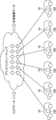
本発明の実施形態によるシステムの構成を示す概略図である。1 is a schematic diagram showing a configuration of a system according to an embodiment of the present invention. 本発明の実施形態によるグリッドコンピューティングについて説明するための概念図である。FIG. 1 is a conceptual diagram for explaining grid computing according to an embodiment of the present invention. 本発明の実施形態による車両の構成を示すブロック図である。1 is a block diagram showing a configuration of a vehicle according to an embodiment of the present invention. 本発明の実施形態によるユーザ端末の構成を示すブロック図である。FIG. 2 is a block diagram showing a configuration of a user terminal according to an embodiment of the present invention. 本発明の実施形態によるクライアントサーバの構成を示すブロック図である。FIG. 2 is a block diagram showing a configuration of a client server according to an embodiment of the present invention. 本発明の実施形態による施設サーバの構成を示すブロック図である。2 is a block diagram showing a configuration of a facility server according to an embodiment of the present invention. FIG. 本発明の実施形態による管理サーバの構成を示すブロック図である。2 is a block diagram showing a configuration of a management server according to an embodiment of the present invention. FIG. 本発明の実施形態によるジョブ受付処理を示すフローチャートである。5 is a flowchart showing a job reception process according to an embodiment of the present invention. 本発明の実施形態によるジョブ受付画面の画像を示す概略図である。FIG. 4 is a schematic diagram showing an image of a job reception screen according to an embodiment of the present invention. 本発明の実施形態による駐車位置指定処理を示すフローチャートである。4 is a flowchart showing a parking position designation process according to an embodiment of the present invention. 本発明の実施形態による滞在予定時間の入力画面の一例を示す。13 shows an example of an input screen for planned stay time according to an embodiment of the present invention. 本発明の実施形態によるグループ編成及び指定駐車位置の割り当ての一例を示す表である。1 is a table illustrating an example of group organization and assignment of designated parking positions according to an embodiment of the present invention. 本発明の実施形態による駐車レイアウトの一例を示す。1 illustrates an example of a parking layout according to an embodiment of the present invention. 本発明の実施形態による指定駐車位置の通知画面の一例を示す。13 shows an example of a designated parking position notification screen according to an embodiment of the present invention. 本発明の実施形態によるグリッドコンピューティング処理を示すフローチャートである。4 is a flowchart illustrating a grid computing process according to an embodiment of the present invention.

以下、添付図面を参照して、本発明の実施形態による管理システム及び管理方法について説明する。 The following describes a management system and a management method according to an embodiment of the present invention with reference to the attached drawings.

[システム]
図1は、本実施形態による実施形態のシステム1の構成を例示する。このシステム1は、複数の車両10と、複数のユーザ端末20と、クライアントサーバ30と、施設サーバ40と、管理サーバ50とを備える。これらの構成要素は、通信網5を経由して互いに通信可能である。複数の車両10の各々には、演算装置105が搭載される。なお、システム1には、複数のクライアントサーバ30が設けられてもよい。同様に、システム1には、複数の施設サーバ40が設けられてもよい。
なお、システム1は、本発明における「管理システム」の一例に相当する。特に、本実施形態では、施設サーバ40及び管理サーバ50が、本発明における「管理システム」として機能し、また、本発明における「管理方法」の実行主体となる。
[system]
1 illustrates an example of the configuration of a system 1 according to the present embodiment. The system 1 includes a plurality of vehicles 10, a plurality of user terminals 20, a client server 30, a facility server 40, and a management server 50. These components are capable of communicating with each other via a communication network 5. Each of the plurality of vehicles 10 is equipped with a computing device 105. Note that the system 1 may be provided with a plurality of client servers 30. Similarly, the system 1 may be provided with a plurality of facility servers 40.
The system 1 corresponds to an example of a "management system" in the present invention. In particular, in this embodiment, the facility server 40 and the management server 50 function as the "management system" in the present invention, and are entities that execute the "management method" in the present invention.

図2に示すように、本実施形態のシステム1では、複数の演算装置105によりグリッドコンピューティングが構成され、複数の演算装置105のうち利用可能な演算装置105にジョブデータを処理させるグリッドコンピューティング処理が行われる。 As shown in FIG. 2, in the system 1 of this embodiment, grid computing is configured with a plurality of computing devices 105, and grid computing processing is performed in which an available computing device 105 among the plurality of computing devices 105 processes job data.

なお、車両10において演算装置105の計算能力が必要となると、演算装置105が稼働状態となり、演算装置105の計算能力が利用される。例えば、車両10が走行している場合、車両10の走行制御のために演算装置105の計算能力が必要となり、演算装置105が稼働状態となる。 When the vehicle 10 requires the computing power of the arithmetic device 105, the arithmetic device 105 enters an operating state, and the computing power of the arithmetic device 105 is used. For example, when the vehicle 10 is traveling, the computing power of the arithmetic device 105 is required for the traveling control of the vehicle 10, and the arithmetic device 105 enters an operating state.

一方、車両10において演算装置105の計算能力が不要となると、演算装置105が停止状態となり、演算装置105の計算能力が利用されなくなる。例えば、車両10が停車して車両10の電源がオフ状態になると、演算装置105の起算能力が不要となり、演算装置105が停止状態となる。 On the other hand, when the computing power of the arithmetic device 105 is no longer needed in the vehicle 10, the arithmetic device 105 is stopped, and the computing power of the arithmetic device 105 is no longer used. For example, when the vehicle 10 is stopped and the power supply of the vehicle 10 is turned off, the computing power of the arithmetic device 105 is no longer needed, and the arithmetic device 105 is stopped.

ここで、車両10において演算装置105の計算能力が不要である場合に、演算装置105の計算能力をグリッドコンピューティング処理に提供することで、演算装置105の計算能力を有効に利用することが可能となる。 Here, when the computing power of the computing device 105 is not required in the vehicle 10, the computing power of the computing device 105 can be provided for grid computing processing, thereby making it possible to effectively utilize the computing power of the computing device 105.

[車両]
車両10は、ユーザに所有される。ユーザは、車両10を運転する。この例では、車両10は、自動四輪車である。また、車両10には、電池(図示省略)が搭載される。電池の電力は、演算装置105などの車載機器に供給される。このような車両10の例としては、電気自動車、プラグインハイブリッド自動車などが挙げられる。
[vehicle]
The vehicle 10 is owned by a user. The user drives the vehicle 10. In this example, the vehicle 10 is a four-wheeled automobile. The vehicle 10 is also equipped with a battery (not shown). Power from the battery is supplied to on-board devices such as the computing device 105. Examples of such a vehicle 10 include an electric vehicle and a plug-in hybrid vehicle.

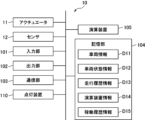
図3に示すように、車両10は、アクチュエータ11と、センサ12と、入力部101と、出力部102と、通信部103と、記憶部104と、演算装置105と、点灯装置110と、を備える。 As shown in FIG. 3, the vehicle 10 includes an actuator 11, a sensor 12, an input unit 101, an output unit 102, a communication unit 103, a memory unit 104, a computing device 105, and a lighting device 110.

アクチュエータ11は、駆動系のアクチュエータ、操舵系のアクチュエータ、制動系のアクチュエータなどを含む。駆動系のアクチュエータの例としては、エンジン、トランスミッション、モータが挙げられる。制動系のアクチュエータの例としては、ブレーキが挙げられる。操舵系のアクチュエータの例としては、ステアリングが挙げられる。 The actuator 11 includes a drive system actuator, a steering system actuator, a braking system actuator, etc. Examples of drive system actuators include an engine, a transmission, and a motor. An example of a braking system actuator is a brake. An example of a steering system actuator is a steering wheel.

センサ12は、車両10の制御に用いられる各種の情報を取得する。センサ12の例としては、車外を撮像する車外カメラ、車内を撮像する車内カメラ、車外の物体を検出するレーダ、車速センサ、加速度センサ、ヨーレートセンサ、アクセル開度センサ、ステアリングセンサ、ブレーキ油圧センサなどが挙げられる。 The sensor 12 acquires various types of information used to control the vehicle 10. Examples of the sensor 12 include an exterior camera that captures images outside the vehicle, an interior camera that captures images inside the vehicle, a radar that detects objects outside the vehicle, a vehicle speed sensor, an acceleration sensor, a yaw rate sensor, an accelerator opening sensor, a steering sensor, and a brake oil pressure sensor.

入力部101は、情報やデータを入力する。入力部101の例としては、操作されることで操作に応じた情報を入力する操作部、情報を示す画像を入力するカメラ、情報を示す音声を入力するマイクロフォンなどが挙げられる。操作部の例としては、カーナビゲーション装置の操作ボタンやタッチセンサなどが挙げられる。入力部101に入力された情報やデータは、演算装置105に送られる。例えば、本実施形態では、入力部101は、車両10の演算装置105の計算能力をグリッドコンピューティング処理に提供するための指示をユーザから受け付ける。 The input unit 101 inputs information and data. Examples of the input unit 101 include an operation unit that is operated to input information corresponding to the operation, a camera that inputs an image showing information, and a microphone that inputs sound showing information. Examples of the operation unit include an operation button or a touch sensor of a car navigation device. The information and data input to the input unit 101 are sent to the calculation device 105. For example, in this embodiment, the input unit 101 accepts instructions from a user to provide the computing power of the calculation device 105 of the vehicle 10 for grid computing processing.

出力部102は、情報やデータを出力する。出力部102の例としては、情報を示す画像を出力する表示部、情報を示す音声を出力するスピーカなどが挙げられる。表示部の例としては、カーナビゲーション装置のディスプレイが挙げられる。スピーカの例としては、カーナビゲーション装置のスピーカが挙げられる。 The output unit 102 outputs information and data. Examples of the output unit 102 include a display unit that outputs an image showing information, and a speaker that outputs sound showing information. An example of a display unit is the display of a car navigation device. An example of a speaker is the speaker of a car navigation device.

通信部103は、情報やデータを送受信する。通信部103により受信された情報やデータは、演算装置105に送られる。点灯装置110は、エクステリアランプ(ヘッドライト、テールライト、ブレーキライト、ウィンカーなど)や、ルームランプなどを有する。 The communication unit 103 transmits and receives information and data. Information and data received by the communication unit 103 is sent to the calculation device 105. The lighting device 110 has exterior lamps (headlights, tail lights, brake lights, turn signals, etc.), room lamps, etc.

演算装置105は、上述したように、その計算能力をグリッドコンピューティング処理に提供する。具体的には、演算装置105は、グリッドコンピューティングを実現するように、分配されたジョブデータを処理する。演算装置105は、プロセッサ、メモリなどを有するコンピュータである。プロセッサの例としては、CPU(Central Processing Unit)や、MPU(Media Processing Unit)や、GPU(Graphics Processing Unit)などが挙げられる。メモリは、プロセッサを動作させるためのプログラム、プロセッサの処理結果を示す情報やデータなどを記憶する。 As described above, the computing device 105 provides its computing power to grid computing processing. Specifically, the computing device 105 processes distributed job data so as to realize grid computing. The computing device 105 is a computer having a processor, memory, etc. Examples of a processor include a CPU (Central Processing Unit), an MPU (Media Processing Unit), and a GPU (Graphics Processing Unit). The memory stores programs for operating the processor, information and data indicating the processing results of the processor, etc.

なお、演算装置105に搭載されるプロセッサの数は、一つであってもよいし、複数のであってもよい。また、演算装置105に搭載されるプロセッサは、MPU、CPUおよびGPUのいずれか一つのみであってもよいし、MPU、CPUおよびGPUの2つ以上であってもよい。一つの例では、演算装置105は、一つまたは複数のECU(Electronic Control Unit)により構成され、車両10の各部を制御する。この例では、演算装置105は、上記のグリッドコンピューティングのためのジョブデータの処理に加えて、センサ12により得られた各種の情報に応じて、アクチュエータ11や点灯装置110を制御する。他の例では、演算装置105は、このようなECUとは異なる(つまりECUとは別体の)コンピュータであってもよい。この例では、演算装置105は、車両10の各部を制御せずに、主に、グリッドコンピューティングのためのジョブデータの処理を行う。 The number of processors mounted on the arithmetic device 105 may be one or more. The processor mounted on the arithmetic device 105 may be only one of the MPU, CPU, and GPU, or may be two or more of the MPU, CPU, and GPU. In one example, the arithmetic device 105 is configured with one or more ECUs (Electronic Control Units) and controls each part of the vehicle 10. In this example, the arithmetic device 105 controls the actuator 11 and the lighting device 110 in response to various information obtained by the sensor 12, in addition to processing job data for the above-mentioned grid computing. In another example, the arithmetic device 105 may be a computer different from such an ECU (i.e., separate from the ECU). In this example, the arithmetic device 105 mainly processes job data for grid computing without controlling each part of the vehicle 10.

記憶部104は、情報やデータを記憶する。この例では、記憶部104は、車両情報D11と、車両状態情報D12と、走行履歴情報D13と、演算装置情報D14と、稼働履歴情報D15とを記憶する。 The storage unit 104 stores information and data. In this example, the storage unit 104 stores vehicle information D11, vehicle state information D12, driving history information D13, computing device information D14, and operation history information D15.

車両情報D11は、車両10に関する情報である。例えば、車両情報D11は、車両10に設定された車両IDや、車両の性能を示す車両性能情報や、車両10について登録された住所などを含む。車両IDは、車両10を識別する車両識別情報の一例である。ユーザIDは、ユーザを識別するユーザ識別情報の一例である。 Vehicle information D11 is information related to vehicle 10. For example, vehicle information D11 includes a vehicle ID set for vehicle 10, vehicle performance information indicating the performance of the vehicle, and the address registered for vehicle 10. The vehicle ID is an example of vehicle identification information that identifies vehicle 10. The user ID is an example of user identification information that identifies a user.

車両状態情報D12は、車両10の状態を示す。例えば、車両状態情報D12は、車両位置情報、車両通信情報、車両電源情報、車両電池残量情報、車両充電情報などを含む。車両位置情報は、車両10の位置(緯度および経度)を示す。例えば、車両位置情報は、GPS(Global Positioning System)により取得可能である。車両通信情報は、車両10の通信状態を示す。車両電源情報は、車両10の電源の状態を示す。例えば、車両電源情報は、イグニッション電源のオンオフ、アクセサリ電源のオンオフなどを示す。車両電池残量情報は、車両10に搭載された電池(図示省略)の残量を示す。車両充電情報は、充電設備(図示省略)において車両10が充電中であるか否かを示す。 The vehicle status information D12 indicates the status of the vehicle 10. For example, the vehicle status information D12 includes vehicle position information, vehicle communication information, vehicle power information, vehicle battery remaining information, vehicle charging information, and the like. The vehicle position information indicates the position (latitude and longitude) of the vehicle 10. For example, the vehicle position information can be acquired by a GPS (Global Positioning System). The vehicle communication information indicates the communication state of the vehicle 10. The vehicle power information indicates the state of the power supply of the vehicle 10. For example, the vehicle power information indicates whether the ignition power supply is on or off, whether the accessory power supply is on or off, and the like. The vehicle battery remaining information indicates the remaining charge of a battery (not shown) installed in the vehicle 10. The vehicle charging information indicates whether the vehicle 10 is being charged in a charging facility (not shown).

走行履歴情報D13は、車両10の走行履歴を示す情報である。例えば、走行履歴情報D13は、車両10の位置と時刻とを関連付けて示す。また、走行履歴情報D13に、車両10のナビゲーション(経路案内)において設定された案内経路や目的地などの情報を含めてもよい。 The driving history information D13 is information that indicates the driving history of the vehicle 10. For example, the driving history information D13 indicates the position of the vehicle 10 in association with the time. The driving history information D13 may also include information such as the guide route and destination set in the navigation (route guidance) of the vehicle 10.

演算装置情報D14は、演算装置105に関する情報である。例えば、演算装置情報D14は、演算装置105に設定された演算装置ID、演算装置105を搭載する車両10に設定された車両ID、演算装置105の性能を示す演算装置性能情報などを含む。演算装置IDは、演算装置105を識別する演算装置識別情報の一例である。演算装置性能情報に示される演算装置105の性能には、演算装置105の計算能力(具体的には最大計算能力)を示す計算能力、演算装置105におけるCPUとGPUとの比率などが含まれる。なお、演算装置105の計算能力は、演算装置105が単位時間当たりに計算することができるデータ量である。 The arithmetic device information D14 is information related to the arithmetic device 105. For example, the arithmetic device information D14 includes an arithmetic device ID set in the arithmetic device 105, a vehicle ID set in the vehicle 10 in which the arithmetic device 105 is mounted, arithmetic device performance information indicating the performance of the arithmetic device 105, and the like. The arithmetic device ID is an example of arithmetic device identification information for identifying the arithmetic device 105. The performance of the arithmetic device 105 indicated in the arithmetic device performance information includes a computing capacity indicating the computing capacity (specifically, the maximum computing capacity) of the arithmetic device 105, the ratio of the CPU and GPU in the arithmetic device 105, and the like. The computing capacity of the arithmetic device 105 is the amount of data that the arithmetic device 105 can calculate per unit time.

稼働履歴情報D15は、演算装置105の稼働履歴を示す情報である。例えば、稼働履歴情報D15は、演算装置105の計算能力の利用率と時刻とを関連付けて示す。 The operation history information D15 is information that indicates the operation history of the computing device 105. For example, the operation history information D15 indicates the utilization rate of the computing capacity of the computing device 105 in association with time.

[ユーザ端末]
ユーザ端末20は、ユーザに所有される。ユーザは、ユーザ端末20を操作して各種の機能を利用する。また、ユーザは、ユーザ端末20を持ち運ぶことができる。このようなユーザ端末20の例としては、スマートフォン、タブレット、ノート型パーソナルコンピュータなどが挙げられる。
[User terminal]
The user terminal 20 is owned by a user. The user operates the user terminal 20 to use various functions. The user can also carry the user terminal 20. Examples of such user terminals 20 include smartphones, tablets, and notebook personal computers.

図4に示すように、ユーザ端末20は、入力部201と、出力部202と、通信部203と、記憶部204と、制御部205とを備える。 As shown in FIG. 4, the user terminal 20 includes an input unit 201, an output unit 202, a communication unit 203, a memory unit 204, and a control unit 205.

入力部201は、情報やデータを入力する。入力部201の例としては、操作されることで操作に応じた情報を入力する操作部、情報を示す画像を入力するカメラ、情報を示す音声を入力するマイクロフォンなどが挙げられる。操作部の例としては、操作ボタン、タッチセンサなどが挙げられる。入力部201に入力された情報は、演算装置105に送られる。例えば、本実施形態では、入力部201は、車両10の演算装置105の計算能力をグリッドコンピューティング処理に提供するための指示をユーザから受け付ける。 The input unit 201 inputs information and data. Examples of the input unit 201 include an operation unit that is operated to input information corresponding to the operation, a camera that inputs an image showing information, and a microphone that inputs sound showing information. Examples of the operation unit include an operation button and a touch sensor. The information input to the input unit 201 is sent to the arithmetic device 105. For example, in this embodiment, the input unit 201 accepts instructions from a user to provide the computing power of the arithmetic device 105 of the vehicle 10 for grid computing processing.

出力部202は、情報やデータを出力する。出力部202の例としては、情報を示す画像を出力する表示部、情報を示す音声を出力するスピーカなどが挙げられる。通信部203は、情報やデータを送受信する。通信部303により受信された情報やデータは、制御部205に送られる。 The output unit 202 outputs information and data. Examples of the output unit 202 include a display unit that outputs an image representing information, and a speaker that outputs sound representing information. The communication unit 203 transmits and receives information and data. Information and data received by the communication unit 303 are sent to the control unit 205.

制御部205は、ユーザ端末20の各部を制御する。制御部205は、プロセッサ、メモリなどを有する。メモリは、プロセッサを動作させるためのプログラム、プロセッサの処理結果を示す情報やデータなどを記憶する。 The control unit 205 controls each part of the user terminal 20. The control unit 205 has a processor, a memory, etc. The memory stores programs for operating the processor, information and data indicating the processing results of the processor, etc.

記憶部204は、情報やデータを記憶する。この例では、記憶部204は、端末情報D21と、端末状態情報D22と、スケジュール情報D23とを記憶する。 The storage unit 204 stores information and data. In this example, the storage unit 204 stores terminal information D21, terminal status information D22, and schedule information D23.

端末情報D21は、ユーザ端末20に関する情報である。例えば、端末情報D21は、ユーザ端末20に設定されたユーザ端末ID、ユーザ端末20の性能を示すユーザ端末性能情報などを含む。ユーザ端末IDは、ユーザ端末20を識別するユーザ端末識別情報の一例である。 The terminal information D21 is information related to the user terminal 20. For example, the terminal information D21 includes a user terminal ID set in the user terminal 20, user terminal performance information indicating the performance of the user terminal 20, and the like. The user terminal ID is an example of user terminal identification information that identifies the user terminal 20.

端末状態情報D22は、ユーザ端末20の状態を示す情報である。端末状態情報D22は、ユーザ端末20の位置を示すユーザ端末位置情報、ユーザ端末20の通信状態を示すユーザ端末通信状態情報などを含む。 The terminal status information D22 is information indicating the status of the user terminal 20. The terminal status information D22 includes user terminal position information indicating the position of the user terminal 20, user terminal communication status information indicating the communication status of the user terminal 20, etc.

スケジュール情報D23は、ユーザ端末20を所有するユーザの行動履歴および行動予定を示す。例えば、スケジュール情報D23は、ユーザの位置と滞在期間(または滞在予定期間)とを関連付けて示す。なお、スケジュール情報D23は、ユーザ端末20に搭載されたスケジュール機能により取得可能である。具体的には、ユーザがスケジュール機能を利用して自身の行動履歴および行動予定をユーザ端末20に入力することで、そのユーザの行動履歴および行動予定を示すスケジュール情報D23が得られる。 Schedule information D23 indicates the behavior history and planned behavior of the user who owns the user terminal 20. For example, schedule information D23 indicates the user's location in association with the period of stay (or planned period of stay). Note that schedule information D23 can be acquired by a schedule function installed in the user terminal 20. Specifically, when a user uses the schedule function to input his or her own behavior history and planned behavior into the user terminal 20, schedule information D23 indicating the user's behavior history and planned behavior is obtained.

[クライアントサーバ]
クライアントサーバ30は、クライアントに所有される。クライアントは、ジョブデータの計算を依頼する。このようなクライアントの例としては、企業、研究機関、教育機関などが挙げられる。
[Client Server]
The client server 30 is owned by a client. The client requests the calculation of job data. Examples of such clients include companies, research institutes, and educational institutions.

図5に示すように、クライアントサーバ30は、入力部301と、出力部302と、通信部303と、記憶部304と、制御部305とを備える。 As shown in FIG. 5, the client server 30 includes an input unit 301, an output unit 302, a communication unit 303, a memory unit 304, and a control unit 305.

入力部301は、情報やデータを入力する。入力部301の例としては、操作されることで操作に応じた情報を入力する操作部、情報を示す画像を入力するカメラ、情報を示す音声を入力するマイクロフォンなどが挙げられる。操作部の例としては、操作ボタン、タッチセンサ、キーボード、マウスなどが挙げられる。入力部301に入力された情報やデータは、制御部305に送られる。 The input unit 301 inputs information and data. Examples of the input unit 301 include an operation unit that is operated to input information corresponding to the operation, a camera that inputs an image showing information, and a microphone that inputs sound showing information. Examples of the operation unit include an operation button, a touch sensor, a keyboard, and a mouse. The information and data input to the input unit 301 is sent to the control unit 305.

出力部302は、情報やデータを出力する。出力部302の例としては、情報を示す画像を出力する表示部、情報を示す音声を出力するスピーカなどが挙げられる。通信部303は、情報やデータを送受信する。通信部303により受信された情報やデータは、制御部305に送られる。 The output unit 302 outputs information and data. Examples of the output unit 302 include a display unit that outputs an image representing information, and a speaker that outputs sound representing information. The communication unit 303 transmits and receives information and data. The information and data received by the communication unit 303 are sent to the control unit 305.

制御部305は、クライアントサーバ30の各部を制御する。制御部305は、プロセッサ、メモリなどを有する。メモリは、プロセッサを動作させるためのプログラム、プロセッサの処理結果を示す情報やデータなどを記憶する。 The control unit 305 controls each part of the client server 30. The control unit 305 has a processor, a memory, etc. The memory stores programs for operating the processor, information and data indicating the processing results of the processor, etc.

記憶部304は、情報やデータを記憶する。この例では、記憶部304は、クライアント情報D31と、ジョブデータD1とを記憶する。 The storage unit 304 stores information and data. In this example, the storage unit 304 stores client information D31 and job data D1.

クライアント情報D31は、クライアントに関する情報である。クライアント情報D31は、クライアントに設定されたクライアントID、クライアントに所有されるクライアントサーバ30に設定されたクライアントサーバID、担当者名、住所、電話番号などを含む。クライアントIDは、クライアントを識別するクライアント識別情報の一例である。クライアントサーバIDは、クライアントサーバ30を識別するクライアントサーバ識別情報の一例である。 Client information D31 is information about a client. Client information D31 includes a client ID set for the client, a client server ID set for the client server 30 owned by the client, a person in charge's name, address, telephone number, etc. The client ID is an example of client identification information that identifies the client. The client server ID is an example of client server identification information that identifies the client server 30.

ジョブデータD1は、ジョブに対応するデータであり、ジョブの実施のために処理されるデータである。ジョブデータD1は、計算タイプにより分類可能である。計算タイプの例としては、CPU系の計算タイプ、GPU系の計算タイプなどが挙げられる。CPU系の計算タイプのジョブデータD1では、シミュレーション計算など、条件分岐の多い複雑な計算が要求される傾向にある。GPU系の計算タイプのジョブデータD1では、画像処理や機械学習など、膨大な量の単純計算が要求される傾向にある。 Job data D1 is data corresponding to a job, and is data that is processed to execute the job. Job data D1 can be classified by calculation type. Examples of calculation types include CPU-based calculation type and GPU-based calculation type. Job data D1 of CPU-based calculation type tends to require complex calculations with many conditional branches, such as simulation calculations. Job data D1 of GPU-based calculation type tends to require a huge amount of simple calculations, such as image processing and machine learning.

また、ジョブデータD1は、処理条件により分類可能である。処理条件の例としては、常時通信が要求される処理条件、常時通信が要求されない処理条件などが挙げられる。常時通信が要求される処理条件のジョブデータD1では、グリッドコンピューティング処理において演算装置105が常に通信可能であることが要求される。常時通信が要求されない処理条件のジョブデータD1では、グリッドコンピューティング処理において演算装置105が常に通信可能であることが要求されない。 Job data D1 can also be classified according to processing conditions. Examples of processing conditions include processing conditions that require constant communication and processing conditions that do not require constant communication. Job data D1 with processing conditions that require constant communication requires that the computing device 105 is always able to communicate in grid computing processing. Job data D1 with processing conditions that do not require constant communication does not require that the computing device 105 is always able to communicate in grid computing processing.

なお、記憶部304には、ジョブに関するジョブ情報が記憶されてもよい。ジョブ情報は、ジョブの名称を示すジョブ名称情報、ジョブの内容を説明するジョブ内容情報、ジョブに対応するジョブデータに関するジョブデータ情報、ジョブの納期を示すジョブ納期情報などを含む。ジョブデータ情報は、ジョブデータの計算タイプ、処理条件、必要計算能力などを示す。 The storage unit 304 may store job information related to a job. The job information includes job name information indicating the name of the job, job content information explaining the content of the job, job data information related to the job data corresponding to the job, job delivery date information indicating the delivery date of the job, etc. The job data information indicates the calculation type, processing conditions, required calculation capacity, etc. of the job data.

[施設サーバ]
施設サーバ40は、ユーザが訪れる施設に所有されるものである。このような施設の例としては、スーパーマーケット、ショッピングモール、競技場、劇場、レストラン、宿泊施設、映画館、販売店などが挙げられる。なお、ユーザが施設への来訪予約を行えるようにしてもよい。
[Facility server]
The facility server 40 is owned by a facility that the user visits. Examples of such facilities include supermarkets, shopping malls, stadiums, theaters, restaurants, accommodation facilities, movie theaters, retail stores, etc. The user may be allowed to make a reservation to visit the facility.

図6に示すように、施設サーバ40は、入力部401と、出力部402と、通信部403と、記憶部404と、制御部405とを備える。施設サーバ40の入力部401、出力部402、通信部403、記憶部404、制御部405の構成は、クライアントサーバ30の入力部301、出力部302、通信部303、記憶部304、制御部305の構成と同様である。 As shown in FIG. 6, the facility server 40 includes an input unit 401, an output unit 402, a communication unit 403, a memory unit 404, and a control unit 405. The configurations of the input unit 401, output unit 402, communication unit 403, memory unit 404, and control unit 405 of the facility server 40 are similar to the configurations of the input unit 301, output unit 302, communication unit 303, memory unit 304, and control unit 305 of the client server 30.

この例では、記憶部404は、施設情報D41と、施設利用情報D42とを記憶する。施設情報D41は、施設に関する情報である。施設情報D41は、施設に設定された施設ID、施設に所有される施設サーバ40に設定された施設サーバID、施設の位置(緯度および経度)を示す施設位置情報、施設を運営(又は管理)する企業の情報、担当者名、住所、電話番号などを含む。施設IDは、施設を識別する施設識別情報の一例である。施設サーバIDは、施設サーバ40を識別する施設サーバ識別情報の一例である。また、本実施形態では、施設情報D41は、施設に設けられた駐車エリア内の複数の駐車位置に関する駐車位置情報も含む。この駐車位置情報は、複数の駐車位置を示すマップ(例えば緯度及び経度により規定される)や、複数の駐車位置のそれぞれに割り当てられた駐車番号などを含む。なお、この複数の駐車位置は、例えば、グリッドコンピューティングを実現する車両10を駐車させるために予め用意された駐車エリア内の所定エリアに規定されるものである。 In this example, the storage unit 404 stores facility information D41 and facility usage information D42. The facility information D41 is information related to the facility. The facility information D41 includes a facility ID set for the facility, a facility server ID set for the facility server 40 owned by the facility, facility location information indicating the location (latitude and longitude) of the facility, information on the company that operates (or manages) the facility, the name of the person in charge, an address, a telephone number, and the like. The facility ID is an example of facility identification information that identifies the facility. The facility server ID is an example of facility server identification information that identifies the facility server 40. In addition, in this embodiment, the facility information D41 also includes parking position information related to multiple parking positions in a parking area provided in the facility. This parking position information includes a map (defined by latitude and longitude, for example) indicating the multiple parking positions, parking numbers assigned to each of the multiple parking positions, and the like. Note that the multiple parking positions are defined in a predetermined area in a parking area that is prepared in advance for parking the vehicle 10 that realizes grid computing, for example.

施設利用情報D42は、施設の利用状況(利用履歴および利用予定)を示す。本実施形態では、施設利用情報D42は、施設を訪れるユーザ(具体的にはユーザID)と、ユーザによる施設の滞在予定情報とを関連付けて示す情報である。この滞在予定情報は、施設の訪問日や、入場時刻や、滞在予定時間や、退出予定時刻などを含む。 Facility usage information D42 indicates the usage status (usage history and planned usage) of the facility. In this embodiment, facility usage information D42 is information that indicates the user (specifically, the user ID) visiting the facility in association with the user's planned stay information at the facility. This planned stay information includes the date of visit to the facility, the time of entry, the planned duration of stay, the planned time of leaving, etc.

[管理サーバ]
管理サーバ50は、グリッドコンピューティングが構成されるシステム1の運営を管理する。管理サーバ50は、システム1を運営する事業者に所有される。
[Administration Server]
The management server 50 manages the operation of the system 1 in which grid computing is implemented. The management server 50 is owned by the operator who operates the system 1.

図7に示すように、管理サーバ50は、入力部501と、出力部502と、通信部503と、記憶部504と、制御部505とを備える。管理サーバ50の入力部501、出力部502、通信部503、記憶部504、制御部505の構成は、クライアントサーバ30の入力部301、出力部302、通信部303、記憶部304、制御部305の構成とである。
なお、管理サーバ50の記憶部504は、上記の施設サーバ40の記憶部404と共に、本発明における「記憶装置」の一例として機能し、また、管理サーバ50の制御部505は、上記の施設サーバ40の制御部405と共に、本発明における「制御装置」の一例として機能する。
7, the management server 50 includes an input unit 501, an output unit 502, a communication unit 503, a storage unit 504, and a control unit 505. The configurations of the input unit 501, the output unit 502, the communication unit 503, the storage unit 504, and the control unit 505 of the management server 50 are the same as the configurations of the input unit 301, the output unit 302, the communication unit 303, the storage unit 304, and the control unit 305 of the client server 30.
In addition, the memory unit 504 of the management server 50, together with the memory unit 404 of the facility server 40 described above, functions as an example of a "memory device" in the present invention, and the control unit 505 of the management server 50, together with the control unit 405 of the facility server 40 described above, functions as an example of a "control device" in the present invention.

この例では、記憶部504は、ユーザテーブルD51と、演算装置テーブルD52と、クライアントテーブルD53と、ジョブテーブルD54と、リソーステーブルD55と、マッチングテーブルD56と、ジョブデータD1と、計算結果データD2とを記憶する。 In this example, the memory unit 504 stores a user table D51, a calculation device table D52, a client table D53, a job table D54, a resource table D55, a matching table D56, job data D1, and calculation result data D2.

ユーザテーブルD51は、ユーザを管理するためのテーブルである。ユーザテーブルD51には、ユーザ毎に、そのユーザに設定されたユーザID、そのユーザに所有される車両10に設定された車両ID、そのユーザに所有される演算装置105に設定された演算装置ID、そのユーザに所有されるユーザ端末20に設定されたユーザ端末IDなどが登録される。 The user table D51 is a table for managing users. For each user, the user table D51 registers a user ID set for that user, a vehicle ID set for the vehicle 10 owned by that user, a computing device ID set for the computing device 105 owned by that user, a user terminal ID set for the user terminal 20 owned by that user, and the like.

演算装置テーブルD52は、演算装置105を管理するためのテーブルである。演算装置テーブルD52には、演算装置105毎に、その演算装置105に設定された演算装置ID、その演算装置105を所有するユーザに設定されたユーザID、その演算装置105が搭載される車両10に設定された車両IDなどが登録される。 The arithmetic device table D52 is a table for managing the arithmetic devices 105. In the arithmetic device table D52, for each arithmetic device 105, a arithmetic device ID set in that arithmetic device 105, a user ID set for the user who owns that arithmetic device 105, a vehicle ID set in the vehicle 10 in which that arithmetic device 105 is installed, etc. are registered.

また、演算装置テーブルD52には、演算装置105毎に、その演算装置105の性能(計算能力やCPUとGPUの比率など)、その演算装置105の稼働状況(稼働履歴および稼働予定)などが登録される。言い換えると、演算装置テーブルD52は、複数の演算装置105の各々の稼働状況を示す稼働状況情報D5と、複数の演算装置105の各々の性能を示す性能情報D6とを含む。性能情報D6は、複数の演算装置105の各々の計算能力を示す計算能力情報D7を含む。 The arithmetic unit table D52 also registers, for each arithmetic unit 105, the performance of that arithmetic unit 105 (such as computing capacity and the ratio of CPU to GPU), the operating status of that arithmetic unit 105 (operating history and operating schedule), and the like. In other words, the arithmetic unit table D52 includes operating status information D5 indicating the operating status of each of the multiple arithmetic units 105, and performance information D6 indicating the performance of each of the multiple arithmetic units 105. The performance information D6 includes computing capacity information D7 indicating the computing capacity of each of the multiple arithmetic units 105.

クライアントテーブルD53は、クライアントを管理するためのテーブルである。クライアントテーブルD53には、クライアント毎に、そのクライアントに設定されたクライアントID、クライアントに所有されるクライアントサーバ30に設定されたクライアントサーバID、そのクライアントの担当者名、住所、電話番号などが登録される。 The client table D53 is a table for managing clients. For each client, the client table D53 registers the client ID set for that client, the client server ID set for the client server 30 owned by the client, the name, address, and telephone number of the client's contact person, etc.

ジョブテーブルD54は、クライアントから依頼されたジョブを管理するためのテーブルである。ジョブテーブルD54には、ジョブ毎に、そのジョブに設定された受付番号、そのジョブを依頼したクライアントに設定されたクライアントID、そのジョブの名称および内容などが登録される。また、ジョブテーブルD54には、ジョブ毎に、そのジョブに対応するジョブデータの計算タイプおよび処理条件、そのジョブデータの計算に必要となる計算能力である必要計算能力、そのジョブに設定された納期などが登録される。 The job table D54 is a table for managing jobs requested by clients. For each job, the job table D54 registers the reception number set for that job, the client ID set for the client who requested the job, the name and content of the job, and so on. In addition, for each job, the job table D54 registers the calculation type and processing conditions of the job data corresponding to that job, the required computing power that is the computing power required to calculate the job data, the delivery date set for that job, and so on.

リソーステーブルD55は、グリッドコンピューティング処理における計算能力を管理するためのテーブルである。具体的には、リソーステーブルD55には、演算装置105毎に、その演算装置105に設定された演算装置ID、その演算装置105のグリッドコンピューティング処理において利用可能な計算能力の時間的変化の予測結果などが登録される。マッチングテーブルD56には、ジョブ毎に、そのジョブに設定された受付番号、そのジョブに対応するジョブデータ、そのジョブデータに対して割り当てられた演算装置105に設定された演算装置IDなどが登録される。 The resource table D55 is a table for managing the computing power in grid computing processing. Specifically, the resource table D55 registers, for each computing device 105, the computing device ID set for that computing device 105, the predicted results of the temporal change in the computing power available for the grid computing processing of that computing device 105, and the like. The matching table D56 registers, for each job, the reception number set for that job, the job data corresponding to that job, the computing device ID set for the computing device 105 assigned to that job data, and the like.

記憶部504に記憶されるジョブデータD1は、後述するジョブ受付処理により受け付けられたジョブデータD1である。記憶部504に記憶される計算結果データD2は、後述するグリッドコンピューティング処理により計算されたジョブデータであり、その計算の結果を示す。 The job data D1 stored in the memory unit 504 is job data D1 accepted by the job acceptance process described below. The calculation result data D2 stored in the memory unit 504 is job data calculated by the grid computing process described below, and indicates the results of the calculation.

次に、ユーザテーブルD51の更新について説明する。ユーザテーブルD51は、管理サーバ50の制御部505により更新される。例えば、新規のユーザがシステム1に加入すると、制御部505は、その新規のユーザに関連する情報をユーザテーブルD51に登録することで、ユーザテーブルD51を更新する。具体的には、制御部505は、新規のユーザに対してユーザIDを新たに設定し、新規のユーザに設定された「ユーザID」と、そのユーザに所有される車両10に設定された「車両ID」と、その車両10に搭載された演算装置105に設定された「演算装置ID」と、新規のユーザに所有されるユーザ端末20に設定された「ユーザ端末ID」とを関連付けて、ユーザテーブルD51に登録する。 Next, the updating of the user table D51 will be described. The user table D51 is updated by the control unit 505 of the management server 50. For example, when a new user joins the system 1, the control unit 505 updates the user table D51 by registering information related to the new user in the user table D51. Specifically, the control unit 505 sets a new user ID for the new user, associates the "user ID" set for the new user with the "vehicle ID" set for the vehicle 10 owned by the user, the "computing device ID" set for the computing device 105 mounted on the vehicle 10, and the "user terminal ID" set for the user terminal 20 owned by the new user, and registers them in the user table D51.

なお、新規のユーザに所有される車両10と管理サーバ50との通信により、新規のユーザに関連する「車両ID」と「演算装置ID」とを得ることが可能である。また、新規のユーザに所有されるユーザ端末20と管理サーバ50との通信により、新規のユーザに関連する「ユーザ端末ID」を得ることが可能である。 In addition, by communication between the vehicle 10 owned by the new user and the management server 50, it is possible to obtain a "vehicle ID" and a "computing device ID" related to the new user. Also, by communication between the user terminal 20 owned by the new user and the management server 50, it is possible to obtain a "user terminal ID" related to the new user.

[演算装置テーブルの更新]
次に、演算装置テーブルD52の更新について説明する。演算装置テーブルD52は、管理サーバ50の制御部505により更新される。例えば、新規の演算装置105がシステム1に加入すると、制御部505は、その新規の演算装置105に関連する情報を演算装置テーブルD52に登録することで、演算装置テーブルD52を更新する。具体的には、制御部505は、新規の演算装置105に設定された「演算装置ID」と、その演算装置105を所有するユーザに設定された「ユーザID」と、その演算装置105を搭載する車両10に設定された「車両ID」と、その演算装置105の「性能」および「稼働状況」とを関連付けて、演算装置テーブルD52に登録する。
[Update the arithmetic unit table]
Next, the update of the arithmetic device table D52 will be described. The arithmetic device table D52 is updated by the control unit 505 of the management server 50. For example, when a new arithmetic device 105 joins the system 1, the control unit 505 updates the arithmetic device table D52 by registering information related to the new arithmetic device 105 in the arithmetic device table D52. Specifically, the control unit 505 associates the "arithmetic device ID" set in the new arithmetic device 105, the "user ID" set in the user who owns the arithmetic device 105, the "vehicle ID" set in the vehicle 10 in which the arithmetic device 105 is mounted, and the "performance" and "operation status" of the arithmetic device 105, and registers them in the arithmetic device table D52.

なお、新規の演算装置105を搭載する車両10と管理サーバ50との通信により、新規の演算装置105に関連する「演算装置ID」と「車両ID」と「性能」と「稼働状況」とを得ることが可能である。また、ユーザテーブルD51を参照することにより、新規の演算装置105に関連する「ユーザID」を得ることが可能である。 In addition, by communication between the vehicle 10 equipped with the new arithmetic device 105 and the management server 50, it is possible to obtain the "arithmetic device ID", "vehicle ID", "performance", and "operation status" related to the new arithmetic device 105. In addition, by referring to the user table D51, it is possible to obtain the "user ID" related to the new arithmetic device 105.

[演算装置テーブルの定期更新]
また、演算装置テーブルD52に登録された演算装置105の「稼働状況」が定期的に更新される。言い換えると、演算装置テーブルD52に含まれる稼働状況情報D5が定期的に更新される。この定期更新は、管理サーバ50の制御部505により行われる。
[Periodic update of the calculation unit table]
In addition, the “operation status” of the arithmetic device 105 registered in the arithmetic device table D52 is periodically updated. In other words, the operation status information D5 included in the arithmetic device table D52 is periodically updated. This periodic update is performed by the control unit 505 of the management server 50.

(第1更新処理)
例えば、車両10の「稼働履歴情報D15」に基づいて、演算装置テーブルD52の演算装置105の「稼働状況」(言い換えると稼働状況情報D5)が定期的に更新されてもよい。具体的には、制御部505は、演算装置テーブルD52に登録された演算装置105毎に、以下の第1更新処理を実行してもよい。
(First update process)
For example, the "operation status" of the arithmetic device 105 in the arithmetic device table D52 (in other words, the operation status information D5) may be periodically updated based on the "operation history information D15" of the vehicle 10. Specifically, the control unit 505 may execute the following first update process for each arithmetic device 105 registered in the arithmetic device table D52.

第1更新処理では、制御部505は、演算装置105を搭載する車両10に対して「稼働履歴情報D15」へのアクセスを要求する。車両10の演算装置105は、その要求に応答して「稼働履歴情報D15」へのアクセスを許可する。制御部505は、その稼働履歴情報D15に示された演算装置105の稼働履歴に基づいて、演算装置テーブルD52に登録された演算装置105の「稼働状況」のうち過去の稼働状況である「稼働履歴」を更新する。 In the first update process, the control unit 505 requests the vehicle 10 equipped with the calculation device 105 to access the "operation history information D15". In response to the request, the calculation device 105 of the vehicle 10 allows access to the "operation history information D15". The control unit 505 updates the "operation history", which is the past operation status, of the "operation status" of the calculation device 105 registered in the calculation device table D52, based on the operation history of the calculation device 105 indicated in the operation history information D15.

(第2更新処理)
また、車両10の「走行履歴情報D13」に基づいて、演算装置テーブルD52の演算装置105の「稼働状況」(言い換えると稼働状況情報D5)が定期的に更新されてもよい。具体的には、制御部505は、演算装置テーブルD52に登録された演算装置105毎に、以下の第2更新処理を実行してもよい。
(Second update process)
Furthermore, the "operation status" of the arithmetic device 105 in the arithmetic device table D52 (in other words, the operation status information D5) may be periodically updated based on the "travel history information D13" of the vehicle 10. Specifically, the control unit 505 may execute the following second update process for each arithmetic device 105 registered in the arithmetic device table D52.

第2更新処理では、制御部505は、演算装置105を搭載する車両10に対して「走行履歴情報D13」へのアクセスを要求する。車両10の演算装置105は、その要求に応答して「走行履歴情報D13」へのアクセスを許可する。制御部505は、その走行履歴情報D13に示された車両10の走行履歴に基づいて、演算装置105の稼働履歴を推定する。次に、制御部505は、その推定された演算装置105の稼働履歴に基づいて、演算装置テーブルD52に登録された演算装置105の「稼働状況」のうち過去の稼働状況である「稼働履歴」を更新する。 In the second update process, the control unit 505 requests the vehicle 10 equipped with the calculation device 105 to access the "driving history information D13". In response to the request, the calculation device 105 of the vehicle 10 allows access to the "driving history information D13". The control unit 505 estimates the operation history of the calculation device 105 based on the driving history of the vehicle 10 indicated in the driving history information D13. Next, the control unit 505 updates the "operation history", which is the past operation status, of the "operation status" of the calculation device 105 registered in the calculation device table D52 based on the estimated operation history of the calculation device 105.

(第3更新処理)
また、ユーザ端末20の「スケジュール情報D23」に基づいて、演算装置テーブルD52の演算装置105の「稼働状況」(言い換えると稼働状況情報D5)が定期的に更新されてもよい。具体的には、制御部505は、演算装置テーブルD52に登録された演算装置105毎に、以下の第3更新処理を実行してもよい。
(Third Update Process)
Furthermore, the "operation status" of the arithmetic device 105 in the arithmetic device table D52 (in other words, the operation status information D5) may be periodically updated based on the "schedule information D23" of the user terminal 20. Specifically, the control unit 505 may execute the following third update process for each arithmetic device 105 registered in the arithmetic device table D52.

第3更新処理では、制御部505は、演算装置105を所有するユーザに所有されるユーザ端末20に対して「スケジュール情報D23」へのアクセスを要求する。ユーザ端末20の制御部205は、その要求に応答して「スケジュール情報D23」へのアクセスを許可する。制御部505は、そのスケジュール情報D23に示されたユーザの行動状況(行動履歴および行動予定)の中から、演算装置105を搭載する車両10に関連する行動状況を検出する。例えば、ユーザの行動状況のうち過去の行動状況である行動履歴の中から、そのユーザが車両10に搭乗していた行動履歴が検出され、ユーザの行動状況のうち未来の行動状況である行動予定の中から、そのユーザが車両10に搭乗する予定がある行動予定が検出される。 In the third update process, the control unit 505 requests the user terminal 20 owned by the user who owns the arithmetic device 105 to access "schedule information D23". In response to the request, the control unit 205 of the user terminal 20 allows access to "schedule information D23". The control unit 505 detects the behavioral status related to the vehicle 10 in which the arithmetic device 105 is mounted from the behavioral status of the user (behavioral history and behavioral plan) shown in the schedule information D23. For example, from the behavioral history, which is a past behavioral status among the user's behavioral status, a behavioral history in which the user has boarded the vehicle 10 is detected, and from the behavioral plan, which is a future behavioral status among the user's behavioral status, a behavioral plan in which the user plans to board the vehicle 10 is detected.

次に、制御部505は、その検出されたユーザの行動状況に基づいて、車両10の走行状況(走行履歴および走行予定)を推定する。次に、制御部505は、その推定された車両10の走行状況に基づいて、演算装置105の稼働状況(稼働履歴および稼働予定)を推定する。そして、制御部505は、その推定された演算装置105の稼働状況に基づいて、演算装置テーブルD52に登録された演算装置105の「稼働状況」を更新する。 Next, the control unit 505 estimates the driving status (driving history and driving schedule) of the vehicle 10 based on the detected behavioral status of the user. Next, the control unit 505 estimates the operating status (operating history and operating schedule) of the calculation device 105 based on the estimated driving status of the vehicle 10. Then, the control unit 505 updates the "operating status" of the calculation device 105 registered in the calculation device table D52 based on the estimated operating status of the calculation device 105.

(第4更新処理)
また、施設サーバ40の「施設利用情報D42」に基づいて、演算装置テーブルD52の演算装置105の「稼働状況」(言い換えると稼働状況情報D5)が定期的に更新されてもよい。具体的には、制御部505は、演算装置テーブルD52に登録された演算装置105毎に、以下の第4更新処理を実行してもよい。
(Fourth update process)
Furthermore, the "operation status" of the calculation device 105 in the calculation device table D52 (in other words, the operation status information D5) may be periodically updated based on the "facility usage information D42" of the facility server 40. Specifically, the control unit 505 may execute the following fourth update process for each calculation device 105 registered in the calculation device table D52.

第4更新処理では、制御部505は、施設サーバ40に対して「施設利用情報D42」へのアクセスを要求する。施設サーバ40は、その要求に応答して「施設利用情報D42」へのアクセスを許可する。制御部505は、その施設利用情報D42に示された施設の利用状況(利用履歴および利用予定)の中から、演算装置105を搭載する車両10に関連する利用状況を検出する。例えば、施設の利用状況のうち過去の利用状況である利用履歴の中から、ユーザが車両10に搭乗していた利用履歴が検出され、施設の利用状況のうち未来の利用状況である利用予定の中から、ユーザが車両10に搭乗する予定がある利用予定が検出される。 In the fourth update process, the control unit 505 requests the facility server 40 to access the "facility usage information D42". In response to the request, the facility server 40 permits access to the "facility usage information D42". The control unit 505 detects usage related to the vehicle 10 in which the calculation device 105 is mounted from the usage status (usage history and usage plans) of the facility indicated in the facility usage information D42. For example, from the usage history, which is the past usage status among the facility usage status, usage history in which the user boarded the vehicle 10 is detected, and from the usage plans, which are the future usage status among the facility usage status, usage plans in which the user plans to board the vehicle 10 are detected.

次に、制御部505は、その検出された施設の利用状況に基づいて、車両10の走行状況(走行履歴および走行予定)を推定する。次に、制御部505は、その推定された車両10の走行状況に基づいて、演算装置105の稼働状況(稼働履歴および稼働予定)を推定する。次に、制御部505は、その推定された演算装置105の稼働状況に基づいて、演算装置テーブルD52に登録された演算装置105の「稼働状況」を更新する。 The control unit 505 then estimates the driving status (driving history and driving schedule) of the vehicle 10 based on the detected facility usage status. The control unit 505 then estimates the operating status (operating history and operating schedule) of the calculation device 105 based on the estimated driving status of the vehicle 10. The control unit 505 then updates the "operating status" of the calculation device 105 registered in the calculation device table D52 based on the estimated operating status of the calculation device 105.

[クライアントテーブルの更新]
次に、クライアントテーブルD53の更新について説明する。クライアントテーブルD53は、管理サーバ50の制御部505により更新される。例えば、新規のクライアントがシステム1に加入すると、制御部505は、その新規のクライアントに関連する情報をクライアントテーブルD53に登録することで、クライアントテーブルD53を更新する。
[Update Client Table]
Next, an explanation will be given of updating the client table D53. The client table D53 is updated by the control unit 505 of the management server 50. For example, when a new client joins the system 1, the control unit 505 updates the client table D53 by registering information related to the new client in the client table D53.

具体的には、制御部505は、新規のクライアントに対してクライアントIDを新たに設定し、新規のクライアントに設定された「クライアントID」と、新規のクライアントに所有されるクライアントサーバ30に設定された「クライアントサーバID」と、新規のクライアントの「担当者」と「住所」と「電話番号」とを関連付けて、クライアントテーブルD53に登録する。 Specifically, the control unit 505 sets a new client ID for the new client, associates the "client ID" set for the new client, the "client server ID" set for the client server 30 owned by the new client, and the "person in charge," "address," and "telephone number" of the new client, and registers them in the client table D53.

なお、クライアントサーバ30と管理サーバ50との通信により、新規のクライアントに関する「クライアントサーバID」と「担当者」と「住所」と「電話番号」とを得ることが可能である。 In addition, through communication between the client server 30 and the management server 50, it is possible to obtain the "client server ID," "contact person," "address," and "telephone number" for a new client.

[本実施形態に係る処理]
次に、本実施形態において行われる処理について具体的に説明する。本実施形態では、主に、ジョブ受付処理と、駐車位置指定処理と、グリッドコンピューティング処理とが行われる。
[Processing according to this embodiment]
Next, the processes performed in this embodiment will be specifically described. In this embodiment, a job reception process, a parking position designation process, and a grid computing process are mainly performed.

(ジョブ受付処理)
図8を参照して、本実施形態において、管理サーバ50の制御部505により行われるジョブ受付処理について説明する。ジョブ受付処理では、クライアントにより計算を依頼されたジョブデータD1を受け付ける。例えば、管理サーバ50の制御部505は、クライアントからジョブデータD1の計算が依頼される毎に、以下の処理を行う。
(Job acceptance processing)
8, a job reception process performed by the control unit 505 of the management server 50 in this embodiment will be described. In the job reception process, job data D1 for which a calculation is requested by a client is received. For example, the control unit 505 of the management server 50 performs the following process each time a calculation of the job data D1 is requested by a client.

まず、ステップS1において、管理サーバ50は、クライアントからジョブの依頼を受け付ける。具体的には、クライアントサーバ30は、クライアントの担当者による操作に応答して、ジョブ依頼申請を管理サーバ50に送信する。管理サーバ50の制御部505は、その申請に応答して以下の処理を行う。 First, in step S1, the management server 50 accepts a job request from a client. Specifically, the client server 30 responds to an operation by a person in charge of the client and sends a job request application to the management server 50. In response to the application, the control unit 505 of the management server 50 performs the following processing.

制御部505は、ジョブの受付に必要となる情報(具体的にはジョブを依頼するクライアントに関するクライアント情報とジョブに関するジョブ情報)の送信をクライアントサーバ30に要求する。この例では、制御部505は、ジョブ受付画面の画像データをクライアントサーバ30に送信する。クライアントサーバ30の制御部305は、その画像データからジョブ受付画面の画像を再生し、その画像を出力部302(表示部)に出力(表示)させる。 The control unit 505 requests the client server 30 to send information required to accept the job (specifically, client information about the client requesting the job and job information about the job). In this example, the control unit 505 sends image data of the job acceptance screen to the client server 30. The control unit 305 of the client server 30 reproduces the image of the job acceptance screen from the image data, and outputs (displays) the image on the output unit 302 (display unit).

図9に示すように、ジョブ受付画面は、ジョブの受付に必要となる情報を入力させる画面である。ジョブ受付画面には、クライアント名を入力するクライアント名入力欄R101、クライアントの担当者名を入力する担当者名入力欄R102、クライアントの住所を入力する住所入力欄R104、ジョブの名称を入力するジョブ名称入力欄R111、ジョブの内容に関する説明を入力するジョブ内容入力欄R112、ジョブに対応するジョブデータの計算タイプを入力する計算タイプ入力欄R113、ジョブデータの処理条件を入力する処理条件入力欄R114、ジョブデータの必要計算能力を入力する必要計算能力入力欄R115、ジョブの納期を入力する納期入力欄R116と、登録ボタンB100とが設けられる。 As shown in FIG. 9, the job reception screen is a screen for inputting information required to accept a job. The job reception screen is provided with a client name input field R101 for inputting the client name, a person in charge name input field R102 for inputting the client's person in charge name, an address input field R104 for inputting the client's address, a job name input field R111 for inputting the name of the job, a job content input field R112 for inputting a description of the job content, a calculation type input field R113 for inputting the calculation type of the job data corresponding to the job, a processing condition input field R114 for inputting the processing conditions of the job data, a required calculation capacity input field R115 for inputting the required calculation capacity of the job data, a delivery date input field R116 for inputting the delivery date of the job, and a registration button B100.

クライアントの担当者は、クライアントサーバ30の入力部301(操作部)を操作して、ジョブ受付画面に必要な情報を入力する。これにより、ジョブを依頼するクライアントに関するクライアント情報と、ジョブに関するジョブ情報とが入力される。そして、これらの情報の入力が完了すると、クライアントの担当者は、クライアントサーバ30の入力部301(操作部)を操作して、ジョブ受付画面の登録ボタンB100を押下する。登録ボタンB100が押下されると、クライアントサーバ30の制御部305は、ジョブ受付画面に入力された情報(クライアント情報およびジョブ情報)を管理サーバ50に送信する。管理サーバ50の制御部505は、クライアント情報とジョブ情報とを受信する。 The client staff operates the input unit 301 (operation unit) of the client server 30 to input the necessary information into the job reception screen. This inputs client information about the client requesting the job and job information about the job. Then, once input of this information is complete, the client staff operates the input unit 301 (operation unit) of the client server 30 to press the registration button B100 on the job reception screen. When the registration button B100 is pressed, the control unit 305 of the client server 30 sends the information (client information and job information) input into the job reception screen to the management server 50. The control unit 505 of the management server 50 receives the client information and job information.

次に、制御部505は、ジョブに対応するジョブデータD1の送信をクライアントサーバ30に要求する。クライアントサーバ30の制御部305は、その要求に応答して、ジョブに対応するジョブデータD1を管理サーバ50に送信する。管理サーバ50の制御部505は、ジョブデータD1を受信する。 Next, the control unit 505 requests the client server 30 to send job data D1 corresponding to the job. In response to the request, the control unit 305 of the client server 30 sends job data D1 corresponding to the job to the management server 50. The control unit 505 of the management server 50 receives the job data D1.

次に、ステップS2において、管理サーバ50の制御部505は、ステップS1において受信されたジョブデータD1を分析する。具体的には、制御部505は、ジョブデータD1の計算タイプ、処理条件、必要計算能力などを分析する。そして、制御部505は、ジョブデータD1の分析の結果に基づいて、ステップS1において受信されたジョブ情報を修正する。なお、ステップS1において受信されたジョブ情報が十分に信頼できる場合は、ステップS2の処理を省略してもよい。 Next, in step S2, the control unit 505 of the management server 50 analyzes the job data D1 received in step S1. Specifically, the control unit 505 analyzes the calculation type, processing conditions, required calculation capacity, etc. of the job data D1. Then, the control unit 505 corrects the job information received in step S1 based on the results of the analysis of the job data D1. Note that if the job information received in step S1 is sufficiently reliable, the processing of step S2 may be omitted.

次に、ステップS3において、管理サーバ50の制御部505は、ステップS1において受信されたクライアント情報と、ステップS2において必要に応じて修正されたジョブ情報(またはステップS1において受信されたジョブ情報)とを関連付けて、ジョブテーブルD54に登録する。また、制御部505は、ステップS1において受信されたジョブデータD1を記憶部504に記憶する。 Next, in step S3, the control unit 505 of the management server 50 associates the client information received in step S1 with the job information corrected as necessary in step S2 (or the job information received in step S1) and registers them in the job table D54. The control unit 505 also stores the job data D1 received in step S1 in the memory unit 504.

(駐車位置指定処理)
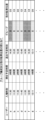
次に、図10乃至図14を参照して、本実施形態による駐車位置指定処理について説明する。図10は、本実施形態による駐車位置指定処理を示すフローチャートであり、図11は、本実施形態による滞在予定時間の入力画面の一例を示し、図12は、本実施形態によるグループ編成及び指定駐車位置の割り当ての一例を示す表であり、図13は、本実施形態による駐車レイアウトの一例を示し、図14は、本実施形態による指定駐車位置の通知画面の一例を示している。
(Parking position designation process)
Next, the parking position designation process according to this embodiment will be described with reference to Fig. 10 to Fig. 14. Fig. 10 is a flowchart showing the parking position designation process according to this embodiment, Fig. 11 shows an example of an input screen for the planned stay time according to this embodiment, Fig. 12 is a table showing an example of group organization and allocation of designated parking positions according to this embodiment, Fig. 13 shows an example of a parking layout according to this embodiment, and Fig. 14 shows an example of a notification screen for the designated parking position according to this embodiment.

本実施形態による駐車位置指定処理は、管理サーバ50の制御部505及び施設サーバ40の制御部405によって実行される。この駐車位置指定処理の概要を説明すると、まず、施設サーバ40の制御部405は、演算装置105が搭載された車両10のユーザから、この施設サーバ40が設けられた所定の施設に滞在する滞在予定時間を受信し、複数のユーザから受信された滞在予定時間に基づき、所定の施設の滞在予定時間帯が重なる複数のユーザから成るグループを設定する。そして、施設サーバ40の制御部405は、同一のグループに属する複数の車両10が駐車エリアにおいて近距離に位置するように、具体的には車車間通信可能な範囲内に位置するように、この複数の車両10のそれぞれが駐車エリアにおいて駐車すべき指定駐車位置を設定して、この指定駐車位置を複数の車両10のそれぞれのユーザに送信する。この後、管理サーバ50の制御部505は、指定駐車位置が送信された複数の車両10のそれぞれが指定駐車位置に駐車しているか否かを判定し、複数の車両10による車両群の形成を判断する。 The parking position designation process according to this embodiment is executed by the control unit 505 of the management server 50 and the control unit 405 of the facility server 40. To give an overview of this parking position designation process, the control unit 405 of the facility server 40 first receives from the user of the vehicle 10 equipped with the computing device 105 the planned stay time at the specified facility in which the facility server 40 is installed, and sets a group consisting of multiple users who will have overlapping planned stay times at the specified facility based on the planned stay times received from the multiple users. Then, the control unit 405 of the facility server 40 sets the designated parking positions at which each of the multiple vehicles 10 should park in the parking area so that the multiple vehicles 10 belonging to the same group are located close to each other in the parking area, specifically within a range where vehicle-to-vehicle communication is possible, and transmits the designated parking positions to the users of the multiple vehicles 10. After that, the control unit 505 of the management server 50 determines whether each of the multiple vehicles 10 to which the designated parking positions have been transmitted is parked in the designated parking position, and determines whether a vehicle group is formed by the multiple vehicles 10.

具体的には、図10の駐車位置指定処理が開始されると、まず、ステップS11において、施設サーバ40の制御部405は、演算装置105が搭載された車両10のユーザから、ユーザが所定の施設に滞在することを予定している時間(滞在予定時間)を受信したか否かを判定する。一つの例では、施設サーバ40は、ユーザが車両10において入力した滞在予定時間を受信する。この例では、ユーザは、車両10における表示部としての出力部102に表示された入力画面を参照して、車両10におけるタッチセンサとしての入力部101により滞在予定時間を入力する(図11参照)。図11に示す入力画面の例では、ユーザは、ショッピングモールへの訪問時に、複数表示された滞在予定時間の候補から一つの滞在予定時間(例えば「~2時間」)を選択するようになっている。制御部405は、受信した滞在予定時間に加えて、ユーザの施設への入場時刻(基本的には現在時刻)を、ユーザID(車両IDを含めてよい)に対応付けて、施設利用情報D42として記憶部404に記憶させる。なお、他の例では、施設サーバ40は、ユーザがユーザ端末20にて入力した滞在予定時間を受信してもよいし、ユーザが駐車エリアの入場ゲートに設けられた駐車場券売機にて入力した滞在予定時間を受信してもよい。施設サーバ40の制御部405は、滞在予定時間を受信したと判定した場合(ステップS11:Yes)、ステップS12に進み、滞在予定時間を受信したと判定しなかった場合(ステップS11:No)、ステップS11の判定を繰り返す。 Specifically, when the parking position designation process of FIG. 10 is started, first, in step S11, the control unit 405 of the facility server 40 determines whether or not it has received the time (planned stay time) that the user of the vehicle 10 equipped with the arithmetic device 105 plans to stay at a specific facility from the user. In one example, the facility server 40 receives the planned stay time input by the user on the vehicle 10. In this example, the user refers to the input screen displayed on the output unit 102 as a display unit on the vehicle 10 and inputs the planned stay time using the input unit 101 as a touch sensor on the vehicle 10 (see FIG. 11). In the example of the input screen shown in FIG. 11, the user is to select one planned stay time (for example, "up to 2 hours") from multiple displayed candidates of planned stay time when visiting a shopping mall. In addition to the received planned stay time, the control unit 405 associates the user's entry time into the facility (basically the current time) with the user ID (which may include the vehicle ID) and stores it in the storage unit 404 as facility usage information D42. In another example, the facility server 40 may receive the planned stay time input by the user on the user terminal 20, or may receive the planned stay time input by the user on a parking lot ticket machine installed at the entrance gate of the parking area. If the control unit 405 of the facility server 40 determines that the planned stay time has been received (step S11: Yes), the control unit 405 proceeds to step S12, and if the control unit 405 does not determine that the planned stay time has been received (step S11: No), the control unit 405 repeats the determination of step S11.

ステップS12において、施設サーバ40の制御部405は、上記のように記憶部404に記憶された施設利用情報D42を参照して、複数のユーザから受信された滞在予定時間に基づき、所定の施設の滞在予定時間帯が重なる複数のユーザから成るグループを設定する。特に、制御部405は、施設利用情報D42に含まれる入場時刻と滞在予定時間とを加算することで、ユーザが所定の施設を退出する退出予定時刻を求め、滞在予定時間帯が重なる複数のユーザの中で、退出予定時刻が近いユーザを優先的に集めてグループを編成する。制御部405は、このように編成したグループに関する情報、具体的には各ユーザが属するグループを示す情報も、施設利用情報D42として記憶部404に記憶させる。 In step S12, the control unit 405 of the facility server 40 refers to the facility usage information D42 stored in the memory unit 404 as described above, and sets a group consisting of multiple users who have overlapping planned stay times at a specific facility based on the planned stay times received from multiple users. In particular, the control unit 405 calculates the planned exit time at which a user will leave the specific facility by adding the entry time and planned stay time included in the facility usage information D42, and organizes a group by preferentially gathering users who have similar planned exit times among the multiple users who have overlapping planned stay times. The control unit 405 also stores information about the groups organized in this way, specifically information indicating the group to which each user belongs, in the memory unit 404 as facility usage information D42.

次いで、ステップS13において、施設サーバ40の制御部405は、ステップS12で編成されたグループを基にして、複数の車両10のそれぞれを駐車エリアにおいて駐車させるための指定駐車位置を規定した駐車レイアウトを作成する。特に、制御部405は、記憶部404に記憶された施設情報D41に含まれる駐車位置情報を参照して、同一のグループに属する複数の車両10が駐車エリアにおいて車車間通信可能な範囲内(例えば50m以内)に位置するように、この複数の車両10のそれぞれの指定駐車位置を設定する。制御部405は、このように複数のユーザ(複数の車両10)のそれぞれについて設定した指定駐車位置も、施設利用情報D42として記憶部404に記憶させる。 Next, in step S13, the control unit 405 of the facility server 40 creates a parking layout that specifies designated parking positions for parking each of the multiple vehicles 10 in the parking area based on the groups organized in step S12. In particular, the control unit 405 references the parking position information included in the facility information D41 stored in the memory unit 404 and sets designated parking positions for each of the multiple vehicles 10 that belong to the same group so that the multiple vehicles 10 are located within a range (e.g., within 50 m) in the parking area where vehicle-to-vehicle communication is possible. The control unit 405 also stores the designated parking positions set for each of the multiple users (multiple vehicles 10) in this manner in the memory unit 404 as facility usage information D42.

ここで、図12及び図13に示す具体例について説明する。この例では、施設サーバ40の制御部405は、滞在予定時間帯が重なる複数のユーザの中で、退出予定時刻が近いユーザを優先的に集めることで、ユーザb、c、d、gをグループIIに設定し、ユーザa、e、fをグループIIの後のグループIIIに設定する(図12参照)。そして、制御部405は、グループIIに属するユーザb、c、d、gの車両10が車車間通信可能な範囲内に位置し、且つ、グループIIIに属するユーザa、e、fの車両10が車車間通信可能な範囲内に位置するように駐車レイアウトを組んで、ユーザa~gのそれぞれに割り当てる指定駐車位置(駐車番号により表される)を設定する(図12、図13参照)。特に、制御部405は、図13に示すように、グループII、IIIに属する複数の車両10の各々の位置が互いに駐車エリアにおいて隣接するように、換言すると近接して位置する車両群が形成されるように、各車両10に指定駐車位置を割り当てる。加えて、制御部405は、グループIIIに属するユーザa、e、fの車両10の指定駐車位置のいずれか一以上に対して、グループIIIよりも退出予定時刻が早く順番が一つ前であるグループIIに属するユーザb、c、d、gの車両10の駐車位置のいずれか一以上が隣接して位置するように、各車両10に指定駐車位置を割り当てる。つまり、制御部405は、退出予定時刻が遅いグループIIIの指定駐車位置に、退出予定時刻が早いグループIIの指定駐車位置を繋げていくことで、近接して位置する車両群ができるだけ長い時間維持されるようにする。図13に示す例では、ユーザb、c、d、gの指定駐車位置がユーザa、e、fの指定駐車位置の周りを取り囲むように配置されている。なお、上述したような駐車エリアにおいて指定駐車位置を設定するための条件は、管理サーバ50から施設サーバ40へと事前に提示される。 Here, a specific example shown in FIG. 12 and FIG. 13 will be described. In this example, the control unit 405 of the facility server 40 prioritizes gathering users who have similar planned exit times among multiple users whose planned stay times overlap, and sets users b, c, d, and g to group II, and sets users a, e, and f to group III after group II (see FIG. 12). Then, the control unit 405 creates a parking layout so that the vehicles 10 of users b, c, d, and g belonging to group II are located within a range where vehicle-to-vehicle communication is possible, and the vehicles 10 of users a, e, and f belonging to group III are located within a range where vehicle-to-vehicle communication is possible, and sets designated parking positions (represented by parking numbers) to be assigned to each of users a to g (see FIG. 12 and FIG. 13). In particular, the control unit 405 assigns designated parking positions to each vehicle 10 so that the positions of the multiple vehicles 10 belonging to groups II and III are adjacent to each other in the parking area, in other words, so that a group of vehicles located close to each other is formed, as shown in FIG. 13. In addition, the control unit 405 assigns designated parking positions to each vehicle 10 so that one or more of the designated parking positions of the vehicles 10 of users a, e, and f belonging to group III are adjacent to one or more of the designated parking positions of the vehicles 10 of users b, c, d, and g belonging to group II, which has an earlier planned exit time than group III and is one step ahead in order. In other words, the control unit 405 connects the designated parking positions of group II, which has an earlier planned exit time, to the designated parking positions of group III, which has a later planned exit time, so that the group of vehicles located close to each other is maintained for as long as possible. In the example shown in FIG. 13, the designated parking positions of users b, c, d, and g are arranged so as to surround the designated parking positions of users a, e, and f. Note that the conditions for setting designated parking positions in the parking area as described above are presented in advance from the management server 50 to the facility server 40.

次いで、図10に戻ると、ステップS14において、施設サーバ40の制御部405は、上記のように設定された指定駐車位置をユーザに送信する。一つの例では、施設サーバ40は、指定駐車位置を車両10に送信し、それにより、車両10は、指定駐車位置の通知画面を表示部としての出力部102に表示させる(図14参照)。図14に示す通知画面の例では、指定駐車位置を示す駐車番号、及び駐車エリア内のその具体的な位置が表示されている。なお、他の例では、施設サーバ40は、指定駐車位置をユーザ端末20や施設内の案内装置(駐車場券売機でもよい)に送信し、これらを介して指定駐車位置をユーザに通知してもよい。 Returning to FIG. 10, in step S14, the control unit 405 of the facility server 40 transmits the designated parking position set as described above to the user. In one example, the facility server 40 transmits the designated parking position to the vehicle 10, which causes the vehicle 10 to display a notification screen of the designated parking position on the output unit 102 as a display unit (see FIG. 14). In the example of the notification screen shown in FIG. 14, the parking number indicating the designated parking position and its specific location within the parking area are displayed. Note that in another example, the facility server 40 may transmit the designated parking position to the user terminal 20 or a guidance device within the facility (which may be a parking lot ticket machine) and notify the user of the designated parking position via these.

次いで、ステップS15において、施設サーバ40の制御部405は、ステップS11で取得されたユーザの滞在予定時間、及びステップS13で設定された指定駐車位置などを管理サーバ50と共有すべく、少なくとも滞在予定時間及び指定駐車位置をユーザID(車両IDを含めてよい)に関連付けて、管理サーバ50に送信する。これにより、管理サーバ50は、受信した滞在予定時間及び指定駐車位置などの情報を、ユーザIDに関連付けて記憶部504に記憶させる。例えば、管理サーバ50の制御部505は、これらの情報を記憶部504のユーザテーブルD51に記憶させる。 Next, in step S15, the control unit 405 of the facility server 40 associates at least the planned stay time and the designated parking location with a user ID (which may include a vehicle ID) and transmits them to the management server 50 in order to share with the management server 50 the planned stay time of the user acquired in step S11 and the designated parking location set in step S13. As a result, the management server 50 stores the received information such as the planned stay time and the designated parking location in the memory unit 504 in association with the user ID. For example, the control unit 505 of the management server 50 stores this information in a user table D51 of the memory unit 504.

他方で、ステップS21において、管理サーバ50の制御部505は、車両10が実際に駐車した位置(以下適宜「実駐車位置」と呼ぶ。)を、車両10から受信したか否かを判定する。この場合、車両10は、非稼働状態(例えばイグニッション電源オフやアクセサリ電源オフの状態などのスタンバイ状態になった状態)になったときに、車両状態情報D12(上述したように車両10の位置(緯度および経度)を示す車両位置情報を含む)を管理サーバ50に送信し、管理サーバ50の制御部505は、この車両状態情報D12に含まれる車両位置情報を実駐車位置として用いる。制御部505は、実駐車位置を受信したと判定した場合(ステップS21:Yes)、ステップS22に進み、実駐車位置を受信したと判定しなかった場合(ステップS21:No)、ステップS21の判定を繰り返す。 On the other hand, in step S21, the control unit 505 of the management server 50 determines whether or not the location where the vehicle 10 is actually parked (hereinafter referred to as the "actual parking location") has been received from the vehicle 10. In this case, when the vehicle 10 is in a non-operating state (for example, a standby state such as a state where the ignition power is off or the accessory power is off), the control unit 505 of the management server 50 transmits the vehicle status information D12 (including the vehicle position information indicating the position (latitude and longitude) of the vehicle 10 as described above) to the management server 50, and the control unit 505 of the management server 50 uses the vehicle position information included in this vehicle status information D12 as the actual parking location. If the control unit 505 determines that the actual parking location has been received (step S21: Yes), it proceeds to step S22, and if it does not determine that the actual parking location has been received (step S21: No), it repeats the determination of step S21.

ステップS22において、管理サーバ50の制御部505は、施設サーバ40から受信した指定駐車位置と、車両10から受信した実駐車位置に基づき、車両10が施設サーバ40により設定された指定駐車位置に駐車したか否かを判定する。具体的には、制御部505は、実駐車位置が指定駐車位置に一致する場合、車両10が指定駐車位置に駐車したと判定する。なお、制御部505は、車両10が指定駐車位置に駐車したか否かを判定するに当たって、このように実駐車位置と指定駐車位置とを比較する代わりに、他の例では、駐車エリアの各駐車位置に予め設けられたマーカー(駐車位置が特定できるもの)を車両10のカメラ等で読み込んだ結果に基づき、この判定を行ってもよい。更に他の例では、駐車エリアにカメラ等のセンサを設けて、施設サーバ40の制御部405が、駐車された車両10のナンバー等を取得することで、この判定を行ってもよい。 In step S22, the control unit 505 of the management server 50 determines whether the vehicle 10 has been parked in the designated parking position set by the facility server 40 based on the designated parking position received from the facility server 40 and the actual parking position received from the vehicle 10. Specifically, the control unit 505 determines that the vehicle 10 has been parked in the designated parking position when the actual parking position matches the designated parking position. In addition, in determining whether the vehicle 10 has been parked in the designated parking position, instead of comparing the actual parking position with the designated parking position in this manner, in another example, the control unit 505 may make this determination based on the result of reading a marker (that can identify the parking position) that is provided in advance at each parking position in the parking area using a camera or the like of the vehicle 10. In yet another example, a sensor such as a camera may be provided in the parking area, and the control unit 405 of the facility server 40 may make this determination by acquiring the license plate number or the like of the parked vehicle 10.

次いで、ステップS23において、管理サーバ50の制御部505は、ステップS22での駐車位置の判定結果、つまり実駐車位置が指定駐車位置に一致するか否かの判定結果を、管理サーバ50に送信する。そして、ステップS24において、制御部505は、ステップS22での駐車位置の判定結果に基づき、グループに属する複数の車両10が各々の指定駐車位置に駐車することで車両群が形成されたか否かを判定する。その結果、制御部505は、車両群が形成されたと判定した場合(ステップS24:Yes)、図10の処理フローを終了する。これに対して、制御部505は、車両群が形成されたと判定しなかった場合(ステップS24:No)、ステップS21に戻る。この場合、制御部505は、車両群が形成されるまで、ステップS21~S24の処理を繰り返す。 Next, in step S23, the control unit 505 of the management server 50 transmits the parking position determination result in step S22, that is, the determination result of whether or not the actual parking position matches the designated parking position, to the management server 50. Then, in step S24, the control unit 505 determines whether or not a vehicle group has been formed by multiple vehicles 10 belonging to the group parking at their respective designated parking positions based on the parking position determination result in step S22. As a result, if the control unit 505 determines that a vehicle group has been formed (step S24: Yes), it ends the processing flow of FIG. 10. On the other hand, if the control unit 505 does not determine that a vehicle group has been formed (step S24: No), it returns to step S21. In this case, the control unit 505 repeats the processing of steps S21 to S24 until a vehicle group is formed.

他方で、ステップS16において、施設サーバ40の制御部405は、ステップS23において管理サーバ50から送信された判定結果に基づき、車両10が指定駐車位置に駐車しているか否か、つまり実駐車位置が指定駐車位置に一致するか否かを判定する。その結果、制御部405は、車両10が指定駐車位置に駐車していると判定した場合(ステップS16:Yes)、図10の処理フローを終了する。これに対して、制御部405は、車両10が指定駐車位置に駐車していると判定しなかった場合(ステップS16:No)、ステップS17に進む。 On the other hand, in step S16, the control unit 405 of the facility server 40 determines whether or not the vehicle 10 is parked in the designated parking position, i.e., whether or not the actual parking position matches the designated parking position, based on the determination result sent from the management server 50 in step S23. As a result, if the control unit 405 determines that the vehicle 10 is parked in the designated parking position (step S16: Yes), it ends the processing flow of FIG. 10. On the other hand, if the control unit 405 does not determine that the vehicle 10 is parked in the designated parking position (step S16: No), it proceeds to step S17.

ステップS17において、施設サーバ40の制御部405は、ステップS13で作成した駐車レイアウトを再作成する。具体的には、制御部405は、車両10が駐車していない指定駐車位置を空スペースとして扱い、当該車両10と同じグループに属する他の車両10(特に同じグループ内において当該車両10の次に入場した車両10)をこの空スペースに駐車させるように、この他の車両10に空スペースに対応する新たな指定駐車位置を設定する。図12及び図13に示したケースを例に挙げると、制御部405は、グループIIに属するユーザcが設定された指定駐車位置D2に駐車しなかった場合に、このグループIIにおいてユーザcよりも後に入場したユーザdに対して、当該指定駐車位置D2を設定する。この後、施設サーバ40の制御部405は、ステップS14に戻り、ステップS14以降の処理を再度行う。 In step S17, the control unit 405 of the facility server 40 recreates the parking layout created in step S13. Specifically, the control unit 405 treats the designated parking position where the vehicle 10 is not parked as an empty space, and sets a new designated parking position corresponding to the empty space for another vehicle 10 belonging to the same group as the vehicle 10 (particularly, the vehicle 10 that entered after the vehicle 10 in the same group) so that the other vehicle 10 can park in the empty space. Taking the case shown in FIG. 12 and FIG. 13 as an example, when a user c belonging to group II does not park in the set designated parking position D2, the control unit 405 sets the designated parking position D2 for a user d who entered after the user c in this group II. After this, the control unit 405 of the facility server 40 returns to step S14 and performs the process from step S14 onwards again.

なお、制御部405は、同一の指定駐車位置に駐車しなかった車両10が複数台発生した場合には、この駐車位置を、駐車エリアにおいて車両10に駐車させるために設定する指定駐車位置から除外するようにする。指定駐車位置に連続して駐車されない理由としては、駐車位置に存在する障害物(ゴミや人)や駐車場所の損傷等が想定される。そのような駐車位置に無理に駐車させないようにするため、この駐車位置を指定駐車位置の設定対象から除外するのがよい。 If multiple vehicles 10 are not parked in the same designated parking position, the control unit 405 will exclude this parking position from the designated parking positions set for parking vehicles 10 in the parking area. Possible reasons for not parking continuously in designated parking positions include obstacles (garbage or people) present at the parking position or damage to the parking space. To prevent vehicles from being forced to park in such a parking position, it is best to exclude this parking position from the set of designated parking positions.

また、車両10が指定駐車位置に駐車しなかった場合でも、所定の施設の駐車エリアの他の駐車位置に駐車している場合には、その車両10に搭載された演算装置105にグリッドコンピューティングを行わせるのがよい。 In addition, even if the vehicle 10 is not parked in the designated parking position, if it is parked in another parking position in the parking area of a specified facility, it is preferable to have the computing device 105 installed in the vehicle 10 perform grid computing.

(グリッドコンピューティング処理)
次に、図15を参照して、本実施形態において、管理サーバ50の制御部505により行われるグリッドコンピューティング処理について説明する。グリッドコンピューティング処理では、管理サーバ50の制御部505は、図10の駐車位置指定処理の結果、車両群を構成するようになった複数の車両10のそれぞれに搭載された演算装置105に、ジョブデータD1を処理させる。例えば、制御部505は、ジョブ受付処理及び駐車位置指定処理の後に、以下の処理を行う。
(Grid Computing Processing)
Next, the grid computing process performed by the control unit 505 of the management server 50 in this embodiment will be described with reference to Fig. 15. In the grid computing process, the control unit 505 of the management server 50 causes the arithmetic devices 105 mounted on each of the multiple vehicles 10 that form a vehicle group as a result of the parking position designation process in Fig. 10 to process the job data D1. For example, the control unit 505 performs the following processes after the job acceptance process and the parking position designation process.

まず、ステップS31において、管理サーバ50の制御部505は、車両群を構成する複数の車両10のそれぞれに搭載された演算装置105の計算能力を予測する。具体的には、制御部505は、管理サーバ50の記憶部504に記憶された演算装置テーブルD52や、車両10から受信した車両状態情報D12などに基づき、車両群の各演算装置105の計算能力として、計算能力(計算量)や、計算タイプや、計算可能スケジュールなどを予測する。計算タイプは、演算装置テーブルD52に含まれるCPUとGPUの比率などであり、計算可能スケジュールは、車両状態情報D12に含まれる車両電池残量情報や車両充電情報に応じた、電池の状態に基づく計算可能な時間により規定される。そして、制御部505は、このように予測された複数の演算装置105の各々の計算能力に基づき、車両群全体の計算能力の情報をコンピューティンググリッド情報として登録する。 First, in step S31, the control unit 505 of the management server 50 predicts the computing capacity of the computing device 105 mounted on each of the multiple vehicles 10 constituting the vehicle group. Specifically, the control unit 505 predicts the computing capacity (calculation amount), calculation type, and computable schedule as the computing capacity of each computing device 105 of the vehicle group based on the computing device table D52 stored in the storage unit 504 of the management server 50 and the vehicle state information D12 received from the vehicle 10. The calculation type is the ratio of CPU and GPU included in the computing device table D52, and the computable schedule is specified by the computable time based on the battery state according to the vehicle battery remaining amount information and vehicle charging information included in the vehicle state information D12. Then, the control unit 505 registers the information on the computing capacity of the entire vehicle group as computing grid information based on the computing capacity of each of the multiple computing devices 105 predicted in this way.

次いで、ステップS32において、制御部505は、ステップS31で予測された各演算装置105の計算能力に基づき、上記のジョブ受付処理(図8)において受け付けられた、グリッドコンピューティング処理の対象となるジョブデータD1を、車両群のグリッドを構成する各演算装置105に割り当てる。こうして各演算装置105に割り当てられるジョブデータD1は、同一のジョブに対応するジョブデータである。そして、ステップS33において、制御部505は、ステップS32の割り当て結果に基づき、ジョブデータD1の一部を各演算装置105に分配(送信)する。 Next, in step S32, the control unit 505 assigns the job data D1 to be subjected to grid computing processing, which was accepted in the above job acceptance process (FIG. 8), to each of the computing devices 105 constituting the grid of the vehicle group, based on the computing capacity of each computing device 105 predicted in step S31. The job data D1 thus assigned to each computing device 105 is job data corresponding to the same job. Then, in step S33, the control unit 505 distributes (transmits) a portion of the job data D1 to each computing device 105 based on the assignment result of step S32.

この後、車両群を構成する複数の車両10のそれぞれの演算装置105は、分配されたジョブデータD1の一部を処理する。このときに、好適な例では、管理サーバ50の制御部505は、駐車エリアにおいてグリッドコンピューティングを行っている演算装置105が搭載された車両10の点灯装置110を点灯させる要求を、車両10に送信してもよい。そして、この要求に応答して、車両群を構成する複数の車両10のそれぞれは、グリッドコンピューティングに係る処理を現在実行していることがわかるように、点灯装置110を所定の態様で点灯させてもよい。例えば、或る駐車エリアにおいて隣接して駐車している複数の車両10(車両群)のそれぞれが、エクステリアランプとしての点灯装置110を点灯させる。この場合、エクステリアランプを特定色(緑色など)で点灯させるのがよい。他の例では、エクステリアランプの代わりにルームランプを特定色(青色など)で点灯させてもよい。このように、複数の車両10の点灯装置110を点灯させることで、グリッドコンピューティングのために形成された車両群による広告効果が得られるようになる。 After this, the arithmetic device 105 of each of the vehicles 10 constituting the vehicle group processes a part of the distributed job data D1. At this time, in a preferred example, the control unit 505 of the management server 50 may transmit a request to the vehicle 10 to turn on the lighting device 110 of the vehicle 10 equipped with the arithmetic device 105 performing grid computing in the parking area. Then, in response to this request, each of the vehicles 10 constituting the vehicle group may turn on the lighting device 110 in a predetermined manner so that it is clear that a process related to grid computing is currently being performed. For example, each of the vehicles 10 (vehicle group) parked adjacent to each other in a certain parking area turns on the lighting device 110 as an exterior lamp. In this case, it is preferable to turn on the exterior lamp in a specific color (such as green). In another example, the room lamp may be turned on in a specific color (such as blue) instead of the exterior lamp. In this way, by turning on the lighting devices 110 of the multiple vehicles 10, an advertising effect can be obtained by the vehicle group formed for grid computing.

次いで、演算装置105の各々は、その演算装置105に送信されたデータ(ジョブデータD1の一部)の計算が完了すると、その計算により得られた部分計算結果データを管理サーバ50に送信する。ステップS34において、管理サーバ50の制御部505は、演算装置105から送信された部分計算結果データを受信し、その部分計算結果データを記憶部504に記憶する。 Next, when each of the computing devices 105 completes the calculation of the data (part of the job data D1) sent to that computing device 105, it sends the partial calculation result data obtained by that calculation to the management server 50. In step S34, the control unit 505 of the management server 50 receives the partial calculation result data sent from the computing device 105 and stores the partial calculation result data in the memory unit 504.

次いで、ステップS35において、制御部505は、ステップS33においてジョブデータD1が分配された演算装置105の全てが計算を完了したか否かを判定する。制御部505は、演算装置105の全てが計算を完了していると判定した場合(ステップS35:Yes)、ステップS36に進み、演算装置105の全てが計算を完了していると判定しなかった場合(ステップS35:No)、ステップS34に戻る。 Next, in step S35, the control unit 505 determines whether all of the calculation devices 105 to which the job data D1 was distributed in step S33 have completed calculations. If the control unit 505 determines that all of the calculation devices 105 have completed calculations (step S35: Yes), it proceeds to step S36, and if the control unit 505 does not determine that all of the calculation devices 105 have completed calculations (step S35: No), it returns to step S34.

次いで、ステップS36において、制御部505は、記憶部504に記憶された部分計算結果データを結合することで、グリッドコンピューティング処理の対象となるジョブデータD1に対応する計算結果データD2(ジョブデータD1の計算の結果を示す計算結果データD2)を生成する。そして、制御部505は、グリッドコンピューティング処理の対象となるジョブデータD1に対応する計算結果データD2を、そのジョブデータD1の計算を依頼したクライアントのクライアントサーバ30に送信する。 Next, in step S36, the control unit 505 generates calculation result data D2 (calculation result data D2 indicating the result of the calculation of job data D1) corresponding to the job data D1 that is the target of the grid computing process by combining the partial calculation result data stored in the storage unit 504. Then, the control unit 505 transmits the calculation result data D2 corresponding to the job data D1 that is the target of the grid computing process to the client server 30 of the client that requested the calculation of the job data D1.

次いで、ステップS37において、制御部505は、システム1を運営する事業者から、グリッドコンピューティング処理に演算装置105の計算能力を提供したユーザに対して付与すべき報酬を算出する。報酬の例としては、システム1において利用可能なポイント、仮想通貨、商品の割引特典などが挙げられる。具体的には、制御部505は、演算装置105がグリッドコンピューティング処理に提供した計算量に応じて、ユーザに付与する報酬を求める。この場合、制御部505は、グリッドコンピューティング処理に提供した計算量が多いほど、ユーザに付与する報酬を大きくする。 Next, in step S37, the control unit 505 calculates a reward to be given by the operator of the system 1 to the user who provided the computing power of the computing device 105 to the grid computing process. Examples of rewards include points, virtual currency, and product discount benefits that can be used in the system 1. Specifically, the control unit 505 determines a reward to be given to the user according to the amount of calculation that the computing device 105 provided to the grid computing process. In this case, the control unit 505 gives a larger reward to the user the greater the amount of calculation provided to the grid computing process.

次いで、ステップS38において、制御部505は、ユーザに対して、ステップS37で算出された報酬を付与するための処理を行う。報酬を付与するための処理の例としては、ユーザに設定された「ユーザID」とシステム1において利用可能な「ポイント」(または仮想通貨)とを関連付けてユーザテーブルD51に登録する処理、ユーザに所有されるユーザ端末20に商品の割引特典を示す情報を送信する処理などが挙げられる。なお、報酬を示す情報は、ジョブテーブルD54においてジョブ毎に登録されてもよい。また、グリッドコンピューティング処理に演算装置105の計算能力を提供したユーザに対して、クライアントから報酬が付与されてもよい。例えば、クライアントサーバ30の制御部305は、グリッドコンピューティング処理に演算装置105の計算能力を提供したユーザに対して報酬を付与するための処理を実行してもよい。 Next, in step S38, the control unit 505 performs processing to grant the user the reward calculated in step S37. Examples of the processing to grant the reward include processing to associate the "user ID" set for the user with "points" (or virtual currency) available in the system 1 and register them in the user table D51, and processing to send information indicating a product discount benefit to the user terminal 20 owned by the user. Note that the information indicating the reward may be registered for each job in the job table D54. In addition, a reward may be granted by the client to a user who has provided the computing capacity of the computing device 105 to the grid computing process. For example, the control unit 305 of the client server 30 may execute processing to grant a reward to a user who has provided the computing capacity of the computing device 105 to the grid computing process.

[作用及び効果]
次に、本実施形態の作用及び効果について説明する。本実施形態では、施設サーバ40の制御部405は、演算装置105が搭載された車両10のユーザから、駐車エリアを有する商業的な所定の施設に滞在する滞在予定時間を受信し、複数のユーザの滞在予定時間に基づき、所定の施設の滞在予定時間帯が重なる複数のユーザから成るグループを設定する。そして、施設サーバ40の制御部405は、同一のグループに属する複数の車両10が駐車エリアにおいて車車間通信可能な範囲内に位置するように、この複数の車両10のそれぞれが駐車エリアにおいて駐車すべき指定駐車位置を設定して、この指定駐車位置を複数の車両10のそれぞれのユーザに送信する。この後、管理サーバ50の制御部505は、指定駐車位置の送信に応じて複数の車両10が駐車エリアに駐車することで車両群が形成されたときに、この車両群を形成する複数の車両10のそれぞれに搭載された演算装置105にジョブデータを処理させることで、グリッドコンピューティングを実現する。
[Action and Effect]
Next, the operation and effect of this embodiment will be described. In this embodiment, the control unit 405 of the facility server 40 receives the planned stay time of a user of the vehicle 10 equipped with the arithmetic device 105 in a predetermined commercial facility having a parking area, and sets a group consisting of a plurality of users whose planned stay time period at the predetermined facility overlaps based on the planned stay time of the plurality of users. Then, the control unit 405 of the facility server 40 sets a designated parking position where each of the plurality of vehicles 10 belonging to the same group should be parked in the parking area so that the plurality of vehicles 10 are located within a range in the parking area where vehicle-to-vehicle communication is possible, and transmits the designated parking position to each user of the plurality of vehicles 10. After that, when a vehicle group is formed by parking the plurality of vehicles 10 in the parking area in response to the transmission of the designated parking position, the control unit 505 of the management server 50 causes the arithmetic device 105 equipped in each of the plurality of vehicles 10 forming the vehicle group to process job data, thereby realizing grid computing.

このような本実施形態によれば、滞在予定時間帯が重なる複数の車両10を駐車エリアにおいて車車間通信可能な範囲内に駐車させた状態で、これら車両10に搭載された演算装置105によりグリッドコンピューティングを実現する。これにより、グリッドコンピューティング時に車車間通信を行って、複数の演算装置105間で演算データを適切に受け渡すことができる。また、管理サーバ50との通信環境を複数の演算装置105において均一化し、ジョブデータなどの受け渡しを的確に行うことができる。更に、複数の車両10によって所定の施設の駐車エリアに車両群を形成させることで、複数の演算装置105を比較的長時間、同時に稼働させておくことができる。これにより、例えば分散コンピューティングを適切に実現することができる。以上より、本実施形態によれば、グリッドコンピューティングのための安定且つ確度の高い計算資源を効果的に確保することができる。 According to this embodiment, grid computing is realized by the arithmetic devices 105 mounted on the vehicles 10 when the vehicles 10 are parked within a range in a parking area where vehicle-to-vehicle communication is possible, with the vehicles 10 having overlapping planned stay times. This allows vehicle-to-vehicle communication during grid computing, and allows calculation data to be appropriately transferred between the multiple arithmetic devices 105. In addition, the communication environment with the management server 50 is made uniform among the multiple arithmetic devices 105, and job data and the like can be appropriately transferred. Furthermore, by forming a vehicle group in the parking area of a specified facility using the multiple vehicles 10, the multiple arithmetic devices 105 can be operated simultaneously for a relatively long period of time. This makes it possible to appropriately realize, for example, distributed computing. As described above, according to this embodiment, stable and highly reliable computational resources for grid computing can be effectively secured.

また、本実施形態によれば、グリッドコンピューティングのために所定の施設の駐車エリアに複数の車両10を近距離(車車間通信可能な範囲内)に集めることで、この施設などの運営にも貢献することができる。例えば、複数の車両10を駐車エリアにおいて近距離に集めるために、各車両10の駐車位置を管理(コントロール)することで、駐車エリアの混雑を緩和することができる。また、そのように駐車位置を管理する前段階において、来場者が施設に滞在する時間や来場者数などの情報を把握することで、この情報を施設の運営(オペレーション)に活用することができる。 In addition, according to this embodiment, by gathering multiple vehicles 10 in a short distance (within a range where vehicle-to-vehicle communication is possible) in a parking area of a specified facility for grid computing, it is possible to contribute to the operation of the facility. For example, in order to gather multiple vehicles 10 in a short distance in a parking area, congestion in the parking area can be alleviated by managing (controlling) the parking positions of each vehicle 10. Furthermore, prior to managing the parking positions in this way, by understanding information such as the length of time visitors stay at the facility and the number of visitors, this information can be used in the operation of the facility.

更に、本実施形態では、施設サーバ40の制御部405は、複数のグループに属する複数の車両10のそれぞれが駐車エリアにおいて隣接して位置するように、指定駐車位置を設定するので、グリッドコンピューティングのために形成された車両群による広告効果を得ることができる。 Furthermore, in this embodiment, the control unit 405 of the facility server 40 sets the designated parking position so that each of the multiple vehicles 10 belonging to multiple groups is positioned adjacent to each other in the parking area, thereby achieving advertising effects by using a group of vehicles formed for grid computing.

更に、本実施形態では、施設サーバ40の制御部405は、滞在予定時間帯が重なる複数のユーザの中で、ユーザが所定の施設を退出する退出予定時刻が近いユーザを優先的に集めてグループを設定する。これにより、各グループの複数の車両10により車両群が形成される時間を長くすることができ、グリッドコンピューティングのための確度の高い計算資源をより効果的に確保することができる。 Furthermore, in this embodiment, the control unit 405 of the facility server 40 sets up a group by preferentially gathering users who have overlapping planned stay times and who are scheduled to leave a specific facility close to each other. This makes it possible to extend the time during which a vehicle group is formed by multiple vehicles 10 in each group, and to more effectively secure highly reliable computational resources for grid computing.

更に、本実施形態では、施設サーバ40の制御部405は、或るグループに属する複数の車両10に対して設定された指定駐車位置のいずれか一以上に対して、このグループよりも退出予定時刻が早く順番が一つ前のグループに属する複数の車両10の駐車位置のいずれか一以上が隣接して位置するように、この前のグループに属する複数の車両10の指定駐車位置を設定する。これにより、複数の車両10により車両群が形成される時間をより長くすることができる。 Furthermore, in this embodiment, the control unit 405 of the facility server 40 sets the designated parking positions of the multiple vehicles 10 belonging to a certain group so that one or more of the parking positions of the multiple vehicles 10 belonging to the previous group that has an earlier scheduled exit time than the group is adjacent to one or more of the designated parking positions set for the multiple vehicles 10 belonging to the previous group. This makes it possible to extend the time during which a vehicle group is formed by the multiple vehicles 10.

更に、本実施形態では、施設サーバ40の制御部405は、演算装置105が搭載された車両10のユーザから送信された滞在予定時間を取得する。これにより、ユーザ自身が指定した滞在予定時間を用いることで、その後の滞在予定時間に基づく処理を精度良く行うことができる。 Furthermore, in this embodiment, the control unit 405 of the facility server 40 acquires the planned stay time transmitted from the user of the vehicle 10 equipped with the computing device 105. This allows the planned stay time specified by the user to be used to perform subsequent processing based on the planned stay time with high accuracy.

更に、本実施形態では、施設サーバ40の制御部405は、指定駐車位置が送信されたユーザの車両10がその指定駐車位置に駐車していない場合に、この車両10と同じグループに属する他の車両10を当該指定駐車位置に駐車させるべく、この他の車両10のユーザに当該指定駐車位置を送信する。これにより、車両10が指定駐車位置に駐車しなかった場合でも、滞在予定時間帯が重なる複数の車両10により車両群を駐車エリアに適切に形成させることができる。 Furthermore, in this embodiment, when the vehicle 10 of the user to whom the designated parking position was transmitted is not parked at the designated parking position, the control unit 405 of the facility server 40 transmits the designated parking position to the user of the other vehicle 10 in order to park the other vehicle 10 belonging to the same group as the vehicle 10 at the designated parking position. This allows a vehicle group to be appropriately formed in the parking area by multiple vehicles 10 whose planned stay time periods overlap, even if the vehicle 10 is not parked at the designated parking position.

更に、本実施形態では、施設サーバ40の制御部405は、同一の指定駐車位置に駐車しなかった車両10が複数台発生した場合に、この駐車位置を、駐車エリアにおいて車両10に駐車させるために設定する指定駐車位置から除外する。これにより、駐車位置に存在する障害物(ゴミや人)や駐車場所の損傷等が原因で、指定駐車位置に連続して車両10が駐車されなかった場合に、そのような駐車位置を指定駐車位置の設定対象から適切に除外することができる。 Furthermore, in this embodiment, when multiple vehicles 10 are not parked at the same designated parking position, the control unit 405 of the facility server 40 excludes this parking position from the designated parking positions set for parking the vehicles 10 in the parking area. This allows appropriate exclusion of parking positions from the set of designated parking positions when vehicles 10 are not consecutively parked at the designated parking positions due to obstacles (such as trash or people) present at the parking positions or damage to the parking positions.

[変形例]
上記した実施形態では、施設サーバ40が、ユーザから滞在予定時間を受信し、この滞在予定時間に基づき複数のユーザから成るグループを設定し、このグループを基にして、複数の車両10のそれぞれの指定駐車位置を設定して、この指定駐車位置をユーザに送信していた。他の実施形態では、施設サーバ40の代わりに、管理サーバ50が、このような処理の少なくもいずれか一以上を行ってもよい。一つの例では、管理サーバ50は、ユーザから滞在予定時間を受信すると共に、施設サーバ40から施設情報D41(特に駐車位置情報)を受信し、これらに基づきグループ及び指定駐車位置を設定して、指定駐車位置をユーザに送信する。この例では、管理サーバ50のみが、本発明における「管理システム」及び「制御装置」に対応する。他の例では、管理サーバ50は、ユーザから滞在予定時間を受信し、ユーザに関連付けた滞在予定時間を施設サーバ40に送信する。そして、施設サーバ40は、管理サーバ50から受信した滞在予定時間などに基づき、グループ及び指定駐車位置を設定して、指定駐車位置を管理サーバ50に送信し、管理サーバ50は、この指定駐車位置をユーザに送信する。この例では、施設サーバ40及び管理サーバ50が、本発明における「管理システム」及び「制御装置」に対応する。
[Modification]
In the above embodiment, the facility server 40 receives the planned stay time from the user, sets a group consisting of multiple users based on the planned stay time, sets the designated parking positions of each of the multiple vehicles 10 based on the group, and transmits the designated parking positions to the user. In another embodiment, the management server 50 may perform at least one of these processes instead of the facility server 40. In one example, the management server 50 receives the planned stay time from the user and also receives facility information D41 (particularly parking position information) from the facility server 40, sets a group and a designated parking position based on these, and transmits the designated parking position to the user. In this example, only the management server 50 corresponds to the "management system" and the "control device" in the present invention. In another example, the management server 50 receives the planned stay time from the user and transmits the planned stay time associated with the user to the facility server 40. Then, the facility server 40 sets a group and a designated parking position based on the planned stay time received from the management server 50 and transmits the designated parking position to the management server 50, and the management server 50 transmits the designated parking position to the user. In this example, the facility server 40 and the management server 50 correspond to the "management system" and the "control device" of the present invention.

また、上記した実施形態では、ユーザから指定(入力)された滞在予定時間を用いていたが、他の実施形態では、推定した滞在予定時間を用いてもよい。例えば、施設の入場時刻の時間帯や施設を訪問した曜日などに応じて、ユーザの滞在予定時間を推定すればよい。この場合、入場時刻の時間帯や曜日などに応じた、これまでの平均の滞在時間を用いてもよい。 In addition, in the above embodiment, the planned stay time specified (input) by the user is used, but in other embodiments, an estimated planned stay time may be used. For example, the user's planned stay time may be estimated based on the time zone of the entrance time to the facility or the day of the week on which the facility is visited. In this case, the average stay time to date based on the time zone of the entrance time, the day of the week, etc. may be used.

1 システム
10 車両
20 ユーザ端末
30 クライアントサーバ
40 施設サーバ
50 管理サーバ
104 記憶部
105 演算装置
404 記憶部
405 制御部
504 記憶部
505 制御部
D1 ジョブデータ
REFERENCE SIGNS LIST 1 System 10 Vehicle 20 User terminal 30 Client server 40 Facility server 50 Management server 104 Storage unit 105 Arithmetic device 404 Storage unit 405 Control unit 504 Storage unit 505 Control unit D1 Job data

Claims (8)

複数の車両に搭載された複数の演算装置にジョブデータを処理させるグリッドコンピューティングを管理する管理システムであって、
複数の演算装置及び/又は演算装置が搭載された複数の車両に関する情報を記憶する記憶装置と、
前記記憶装置に記憶された情報に基づき、前記ジョブデータを複数の演算装置のそれぞれに分配して処理させることで、前記グリッドコンピューティングを実現するように構成された制御装置と、を有し、
前記制御装置は、
前記演算装置が搭載された車両のユーザが、駐車エリアを有する商業的な所定の施設に滞在する滞在予定時間を取得し、
複数のユーザの前記滞在予定時間に基づき、前記滞在予定時間の時間帯が重なる複数のユーザから成るグループを設定し、
同一の前記グループに属する複数のユーザの複数の車両が前記駐車エリアにおいて車車間通信可能な範囲内に位置するように、この複数の車両のそれぞれが前記駐車エリアにおいて駐車すべき指定駐車位置を設定して、この指定駐車位置を複数の車両のそれぞれのユーザに送信し、
前記指定駐車位置の送信に応じて複数の車両が前記駐車エリアに駐車したときに、この複数の車両のそれぞれに搭載された前記演算装置に前記ジョブデータを処理させることで、前記グリッドコンピューティングを実現する、
ように構成されている、ことを特徴とする管理システム。
A management system for managing grid computing that causes a plurality of computing devices mounted on a plurality of vehicles to process job data, comprising:
A storage device that stores information about a plurality of computing devices and/or a plurality of vehicles equipped with the computing devices;
a control device configured to distribute the job data to each of a plurality of computing devices and cause them to process the job data based on the information stored in the storage device, thereby achieving the grid computing;
The control device includes:
acquiring a planned stay time for a user of a vehicle equipped with the computing device to stay in a predetermined commercial facility having a parking area;
Based on the expected stay times of a plurality of users, a group is set that is made up of a plurality of users whose expected stay times overlap in a time zone;
setting designated parking positions at which each of a plurality of vehicles of a plurality of users belonging to the same group should be parked in the parking area so that the plurality of vehicles are located within a range in the parking area where vehicle-to-vehicle communication is possible, and transmitting the designated parking positions to the respective users of the plurality of vehicles;
When a plurality of vehicles are parked in the parking area in response to the transmission of the designated parking positions, the job data is processed by the arithmetic device mounted on each of the plurality of vehicles, thereby realizing the grid computing.
The management system is configured as follows.
前記制御装置は、同一の前記グループに属する複数の車両が前記駐車エリアにおいて車車間通信可能な範囲内に位置し、且つ複数の前記グループに属する複数の車両のそれぞれが前記駐車エリアにおいて隣接して位置するように、前記指定駐車位置を設定するように構成されている、請求項1に記載の管理システム。 The management system according to claim 1, wherein the control device is configured to set the designated parking position so that multiple vehicles belonging to the same group are located within a range in the parking area where vehicle-to-vehicle communication is possible, and multiple vehicles belonging to multiple groups are each located adjacent to each other in the parking area. 前記制御装置は、前記滞在予定時間から、ユーザが前記所定の施設を退出する退出予定時刻を求め、前記滞在予定時間の時間帯が重なる複数のユーザの中で、前記退出予定時刻が近いユーザを優先的に集めて前記グループを設定するように構成されている、請求項1又は2に記載の管理システム。 The management system according to claim 1 or 2, wherein the control device is configured to calculate a planned exit time at which the user will leave the specified facility from the planned stay time, and to set the group by preferentially gathering users who have similar planned exit times among multiple users whose planned stay times overlap. 前記制御装置は、前記退出予定時刻が近いユーザを優先的に集めて前記グループを前記退出予定時刻に応じて順番に設定していき、或るグループに属する複数の車両に対して設定された前記指定駐車位置のいずれか一以上に対して、このグループよりも前記退出予定時刻が早い、前記順番が一つ前のグループに属する複数の車両の駐車位置のいずれか一以上が隣接して位置するように、この前のグループに属する複数の車両の前記指定駐車位置を設定するように構成されている、請求項3に記載の管理システム。 The management system according to claim 3, wherein the control device is configured to prioritize gathering users whose planned exit time is closest, set the groups in order according to the planned exit time, and set the designated parking positions of multiple vehicles belonging to a certain group so that one or more of the designated parking positions set for multiple vehicles belonging to the previous group, which has an earlier planned exit time than the group, are adjacent to one or more of the parking positions of multiple vehicles belonging to the previous group. 前記制御装置は、前記演算装置が搭載された車両のユーザから送信された前記滞在予定時間を取得するするように構成されている、請求項1乃至4のいずれか一項に記載の管理システム。 The management system according to any one of claims 1 to 4, wherein the control device is configured to acquire the planned stay time transmitted from a user of a vehicle equipped with the computing device. 前記制御装置は、前記指定駐車位置が送信されたユーザの車両がその指定駐車位置に駐車していない場合に、この車両と同じグループに属する他の車両を当該指定駐車位置に駐車させるべく、この他の車両のユーザに当該指定駐車位置を送信するように構成されている、請求項1乃至5のいずれか一項に記載の管理システム。 The management system according to any one of claims 1 to 5, wherein the control device is configured to transmit the designated parking position to a user of another vehicle that belongs to the same group as the vehicle when the vehicle of the user to whom the designated parking position was transmitted is not parked in the designated parking position, so that the other vehicle is parked in the designated parking position. 前記制御装置は、同一の前記指定駐車位置に駐車しなかった車両が複数台発生した場合に、この駐車位置を、前記駐車エリアにおいて車両に駐車させるために設定する前記指定駐車位置から除外する、請求項1乃至6のいずれか一項に記載の管理システム。 The management system according to any one of claims 1 to 6, wherein, when a plurality of vehicles are not parked in the same designated parking position, the control device excludes the parking position from the designated parking positions set for parking vehicles in the parking area. 複数の車両に搭載された複数の演算装置にジョブデータを処理させるグリッドコンピューティングをコンピュータにより管理する管理方法であって、
複数の演算装置及び/又は演算装置が搭載された複数の車両に関する情報を記憶する記憶ステップと、
前記記憶ステップにより記憶された情報に基づき、前記ジョブデータを複数の演算装置のそれぞれに分配して処理させることで、前記グリッドコンピューティングを実現する制御ステップと、を有し、
前記制御ステップは、
前記演算装置が搭載された車両のユーザが、駐車エリアを有する商業的な所定の施設に滞在する滞在予定時間を取得するステップと、
複数のユーザの前記滞在予定時間に基づき、前記滞在予定時間の時間帯が重なる複数のユーザから成るグループを設定するステップと、
同一の前記グループに属する複数のユーザの複数の車両が前記駐車エリアにおいて車車間通信可能な範囲内に位置するように、この複数の車両のそれぞれが前記駐車エリアにおいて駐車すべき指定駐車位置を設定して、この指定駐車位置を複数の車両のそれぞれのユーザに送信するステップと、
前記指定駐車位置の送信に応じて複数の車両が前記駐車エリアに駐車したときに、この複数の車両のそれぞれに搭載された前記演算装置に前記ジョブデータを処理させることで、前記グリッドコンピューティングを実現するステップと、
を有する、ことを特徴とする管理方法。
A management method for managing grid computing, in which job data is processed by a plurality of computing devices mounted on a plurality of vehicles, by a computer, comprising the steps of:
storing information about the plurality of computing devices and/or the plurality of vehicles equipped with the computing devices;
and a control step of distributing the job data to each of a plurality of computing devices based on the information stored in the storage step, and causing the computing devices to process the job data, thereby achieving the grid computing,
The control step includes:
acquiring a planned stay time of a user of a vehicle equipped with the computing device in a predetermined commercial facility having a parking area;
A step of setting a group consisting of a plurality of users whose planned stay times overlap based on the planned stay times of the plurality of users;
setting designated parking positions at which each of a plurality of vehicles of a plurality of users belonging to the same group should be parked in the parking area so that the plurality of vehicles are located within a range in the parking area where vehicle-to-vehicle communication is possible, and transmitting the designated parking positions to the respective users of the plurality of vehicles;
When a plurality of vehicles are parked in the parking area in response to the transmission of the designated parking positions, the computing device mounted on each of the plurality of vehicles processes the job data, thereby realizing the grid computing;
The management method according to claim 1,
JP2021166611A 2021-10-11 2021-10-11 Management system and management method Active JP7675331B2 (en)

Priority Applications (1)

Application Number Priority Date Filing Date Title
JP2021166611A JP7675331B2 (en) 2021-10-11 2021-10-11 Management system and management method

Applications Claiming Priority (1)

Application Number Priority Date Filing Date Title
JP2021166611A JP7675331B2 (en) 2021-10-11 2021-10-11 Management system and management method

Publications (2)

Publication Number Publication Date
JP2023057229A JP2023057229A (en) 2023-04-21
JP7675331B2 true JP7675331B2 (en) 2025-05-13

Family

ID=86006254

Family Applications (1)

Application Number Title Priority Date Filing Date
JP2021166611A Active JP7675331B2 (en) 2021-10-11 2021-10-11 Management system and management method

Country Status (1)

Country Link
JP (1) JP7675331B2 (en)

Citations (6)

* Cited by examiner, † Cited by third party
Publication number Priority date Publication date Assignee Title
JP2007089021A (en) 2005-09-26 2007-04-05 Toyota Infotechnology Center Co Ltd Distributed processing system, in-vehicle terminal, and base station
JP2013120526A (en) 2011-12-08 2013-06-17 Toyota Central R&D Labs Inc Vehicle distributed processing system and vehicle distributed processing method
JP2019175216A (en) 2018-03-29 2019-10-10 国立大学法人 長崎大学 On-vehicle calculation device, vehicle, and system
US20200128066A1 (en) 2018-10-19 2020-04-23 Toyota Motor North America, Inc. Using predictive analytics to determine expected use patterns of vehicles to recapture under-utilized computational resources of vehicles
JP2020160661A (en) 2019-03-26 2020-10-01 本田技研工業株式会社 Management server and program
JP2021060651A (en) 2019-10-03 2021-04-15 トヨタ自動車株式会社 Vehicle arithmetic processing unit, sever computer, and program

Patent Citations (6)

* Cited by examiner, † Cited by third party
Publication number Priority date Publication date Assignee Title
JP2007089021A (en) 2005-09-26 2007-04-05 Toyota Infotechnology Center Co Ltd Distributed processing system, in-vehicle terminal, and base station
JP2013120526A (en) 2011-12-08 2013-06-17 Toyota Central R&D Labs Inc Vehicle distributed processing system and vehicle distributed processing method
JP2019175216A (en) 2018-03-29 2019-10-10 国立大学法人 長崎大学 On-vehicle calculation device, vehicle, and system
US20200128066A1 (en) 2018-10-19 2020-04-23 Toyota Motor North America, Inc. Using predictive analytics to determine expected use patterns of vehicles to recapture under-utilized computational resources of vehicles
JP2020160661A (en) 2019-03-26 2020-10-01 本田技研工業株式会社 Management server and program
JP2021060651A (en) 2019-10-03 2021-04-15 トヨタ自動車株式会社 Vehicle arithmetic processing unit, sever computer, and program

Also Published As

Publication number Publication date
JP2023057229A (en) 2023-04-21

Similar Documents

Publication Publication Date Title
RU2569123C1 (en) Device to generate command of data flow control and sensor control device
JP7782204B2 (en) Management device, management method, and management program
JP7675332B2 (en) Management system and management method
JP7721060B2 (en) Grid computing management device and management method
JP7675331B2 (en) Management system and management method
JP7759548B2 (en) Management device and management method
JP7769861B2 (en) Management device and management method
JP7696547B2 (en) Management device and management method
JP7759547B2 (en) Management device and management method
JP7797826B2 (en) Management device, management method, management program, and vehicle computing device
JP7593221B2 (en) Management system and method
JP7799992B2 (en) Management system and management method
JP7593222B2 (en) Management system and method
JP7782205B2 (en) Management device and management method
JP7729178B2 (en) Management device and management method
JP7775591B2 (en) Vehicle computing device, vehicle participation estimation method and estimation system
JP7786070B2 (en) Vehicle computing device, vehicle participation estimation method and estimation system
JP7676919B2 (en) Management system and method
JP7739859B2 (en) Grid computing management device and management method
JP7678968B2 (en) Grid computing management device and management method
EP4322078B1 (en) ADMINISTRATIVE SYSTEM AND ADMINISTRATIVE PROCEDURES
JP7778288B2 (en) Grid computing management device and management method
JP7727895B2 (en) Grid computing management device and management method
JP7746812B2 (en) Management device and management method
JP2023057224A (en) Management apparatus and management method of grid computing

Legal Events

Date Code Title Description
A621 Written request for application examination

Free format text: JAPANESE INTERMEDIATE CODE: A621

Effective date: 20240820

A977 Report on retrieval

Free format text: JAPANESE INTERMEDIATE CODE: A971007

Effective date: 20250226

TRDD Decision of grant or rejection written
A01 Written decision to grant a patent or to grant a registration (utility model)

Free format text: JAPANESE INTERMEDIATE CODE: A01

Effective date: 20250327

A61 First payment of annual fees (during grant procedure)

Free format text: JAPANESE INTERMEDIATE CODE: A61

Effective date: 20250409

R150 Certificate of patent or registration of utility model

Ref document number: 7675331

Country of ref document: JP

Free format text: JAPANESE INTERMEDIATE CODE: R150